Your cart is empty
Start Shopping Exterior
›
Exterior
›
 Bumper Diffuser/Guard
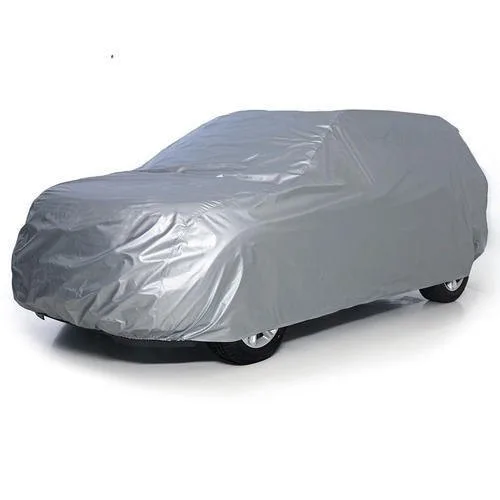 Body Covers
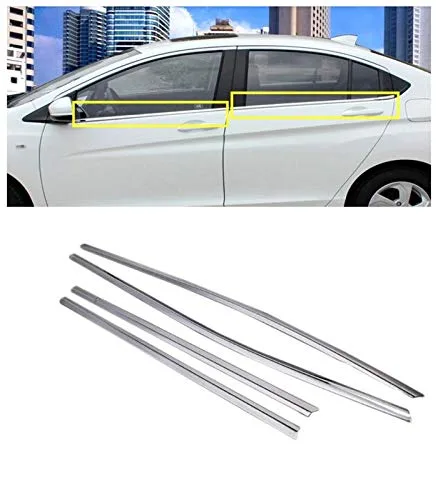 Window Garnishing
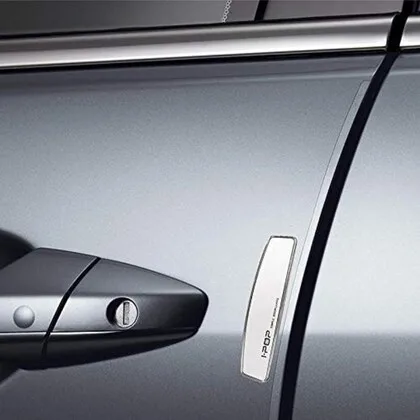 Door Guards
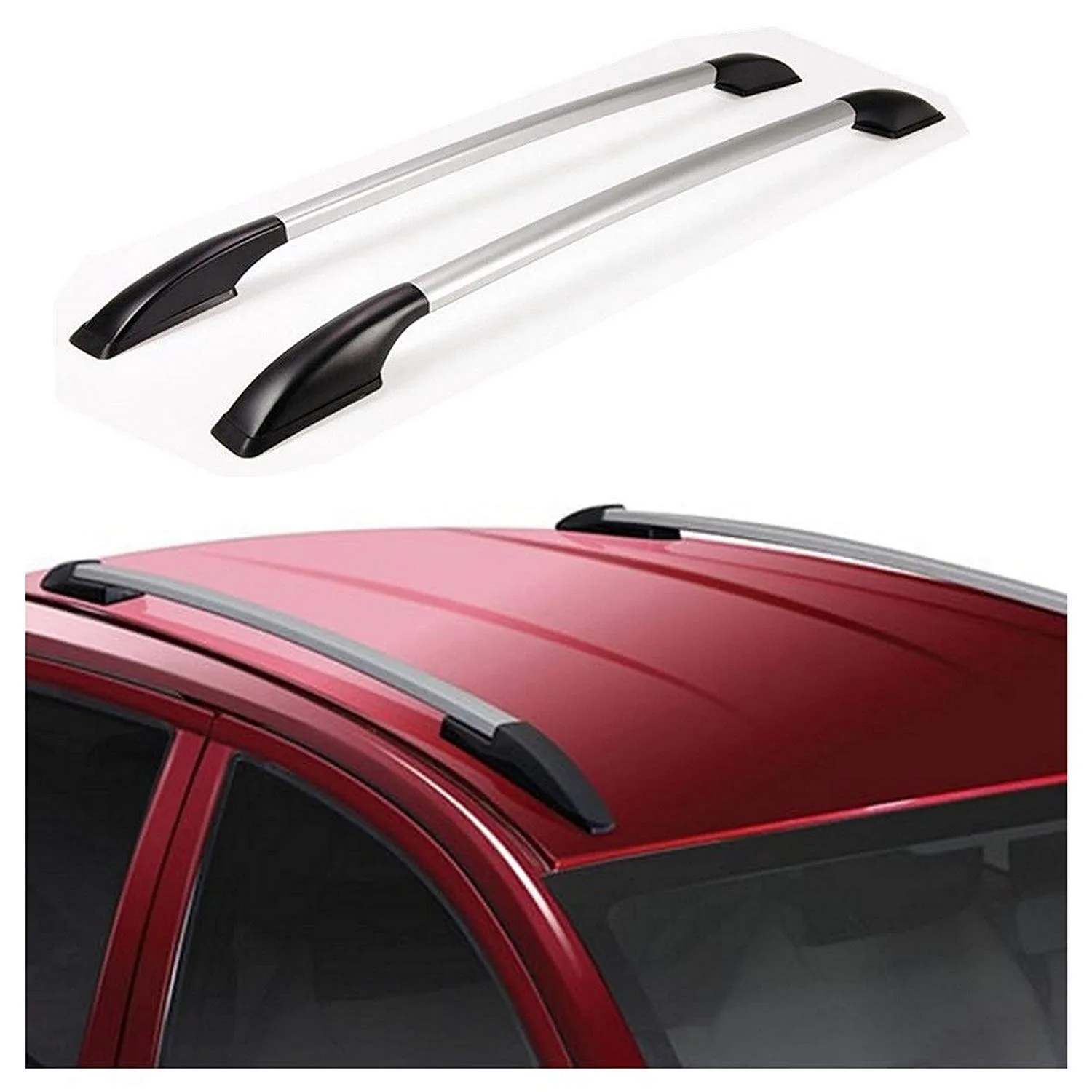 Roof Rails
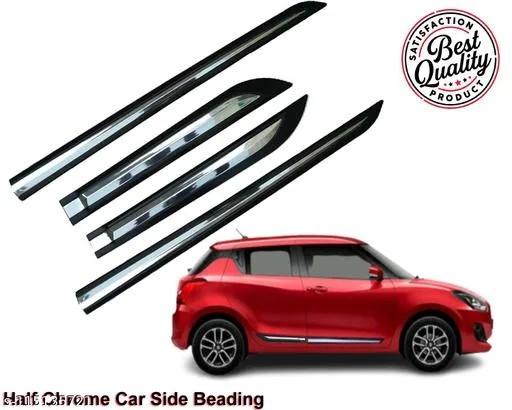 Side Beading
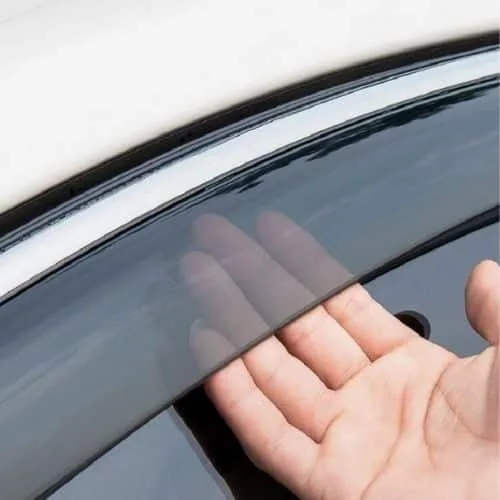 Door Visor
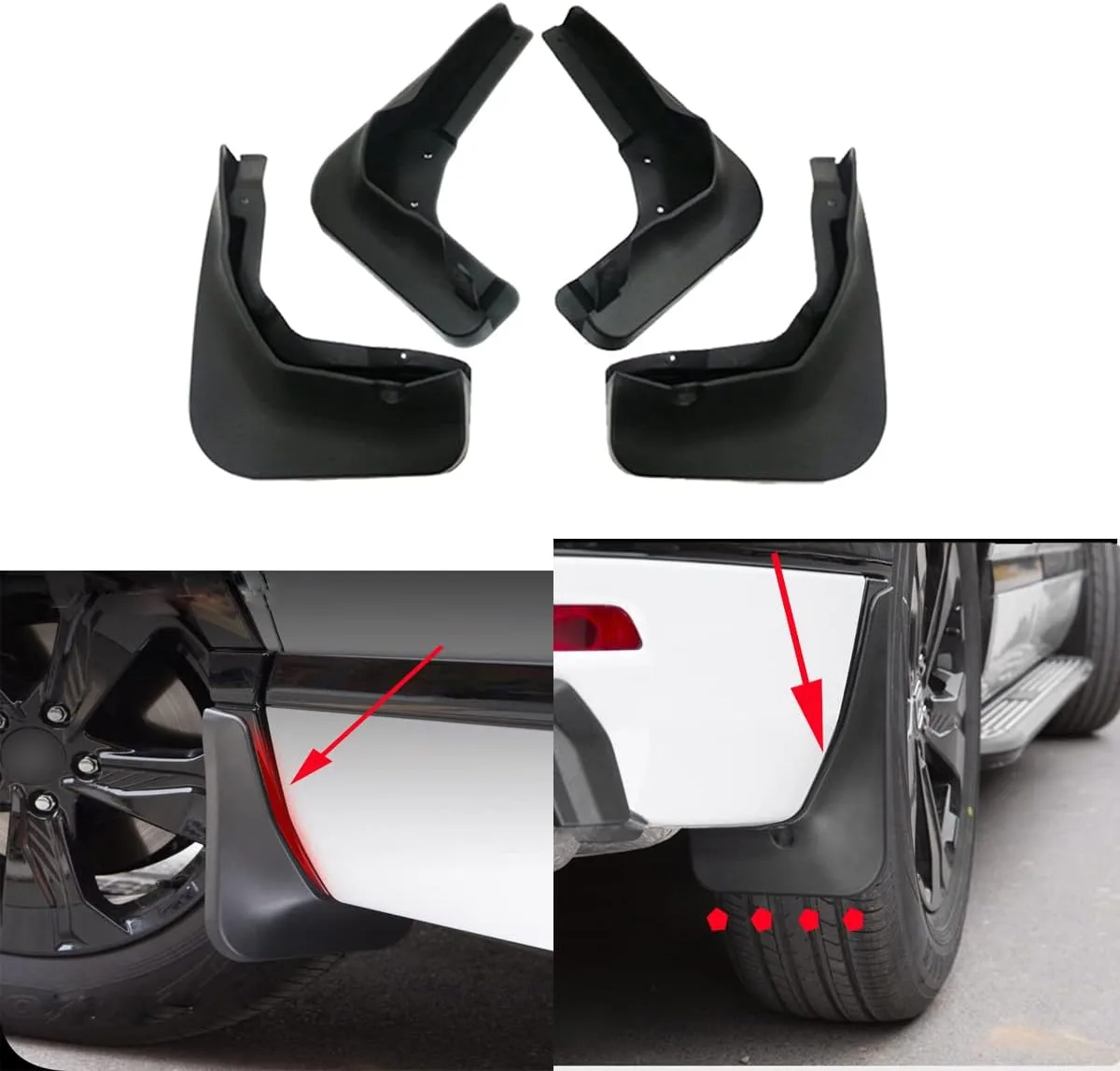 Mud Flap
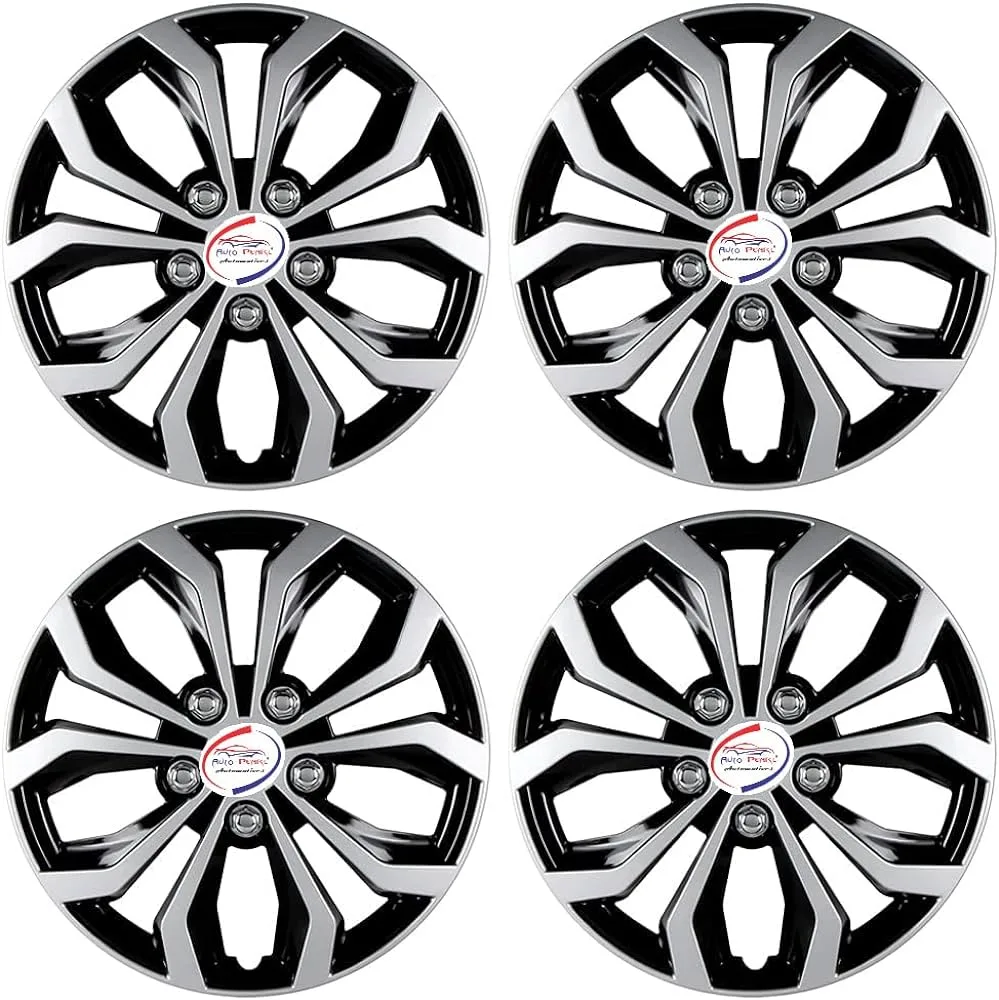 Wheel Cover
 Foot Rest
 Interior
›
Interior
›
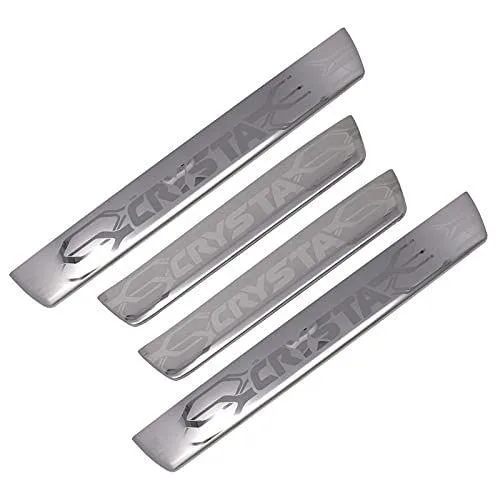 Door Scuff Sill Plates
 Window Sunshades & Film
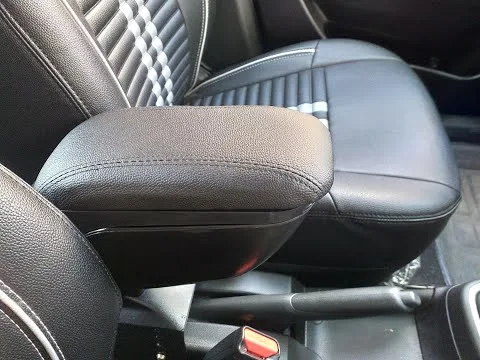 Armrest
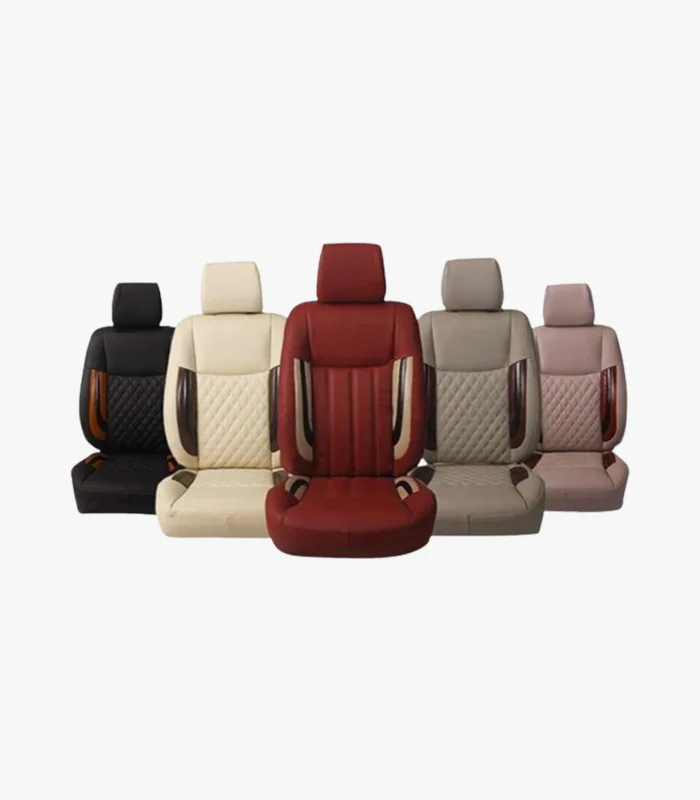 Seat Covers
 Steering Cover
 Floor Mats
 Dashboard Showpiece
 Seat & Neck Cushion
 Lighting
›
Lighting
›
 Utility
›
Utility
›
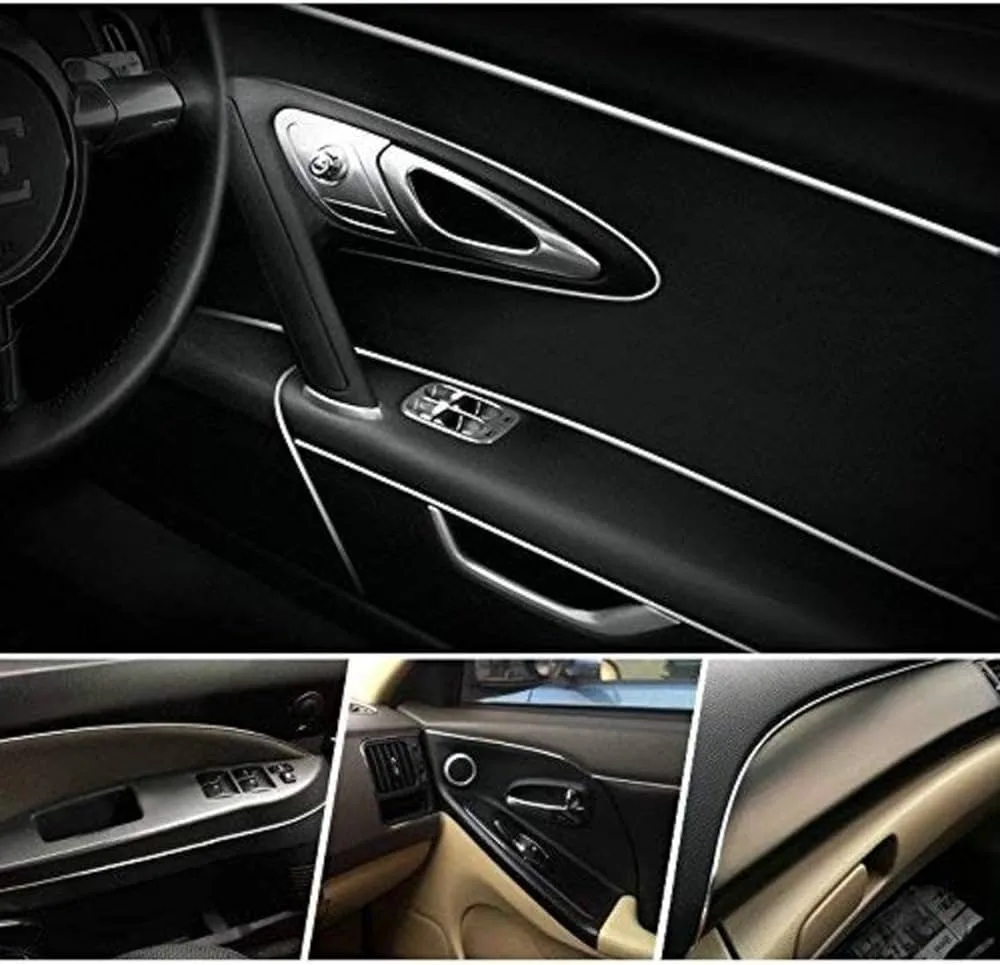 All Chrome Items
 Mobile Holder
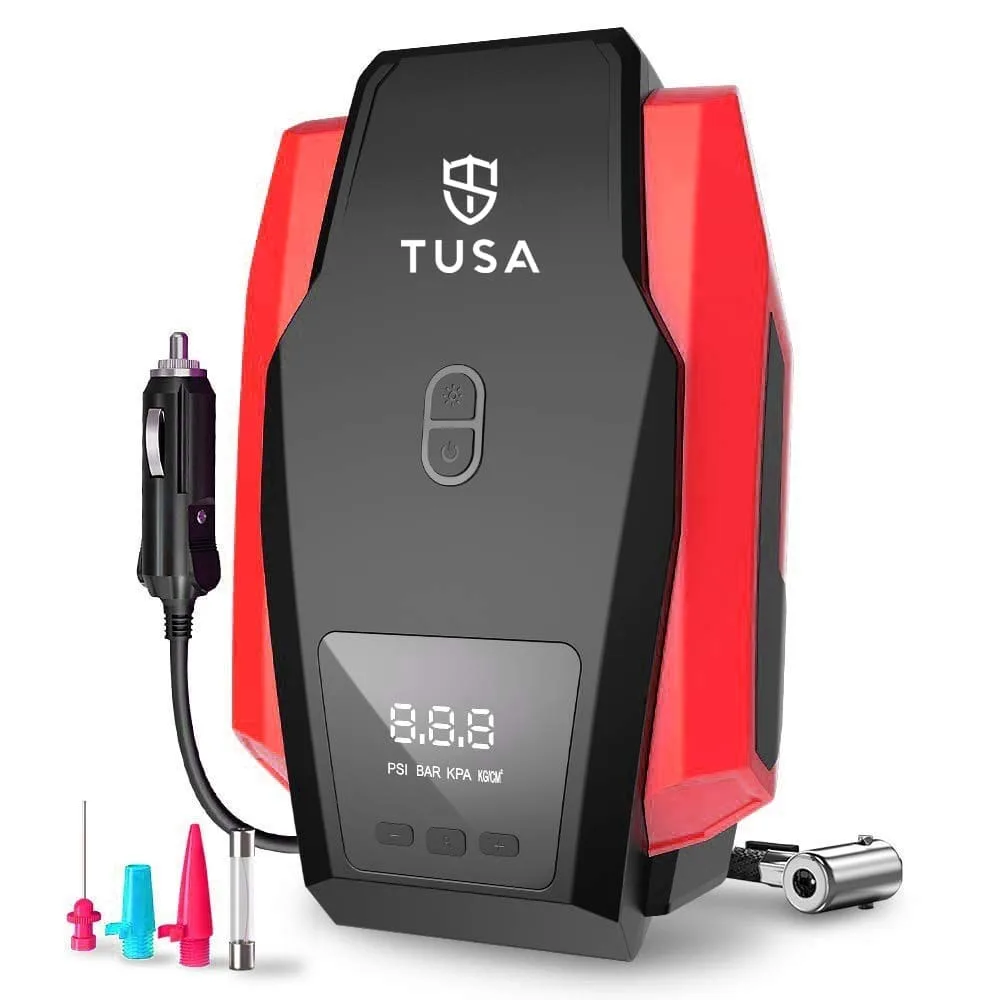 Tyre Inflators
 Vacuum Cleaner
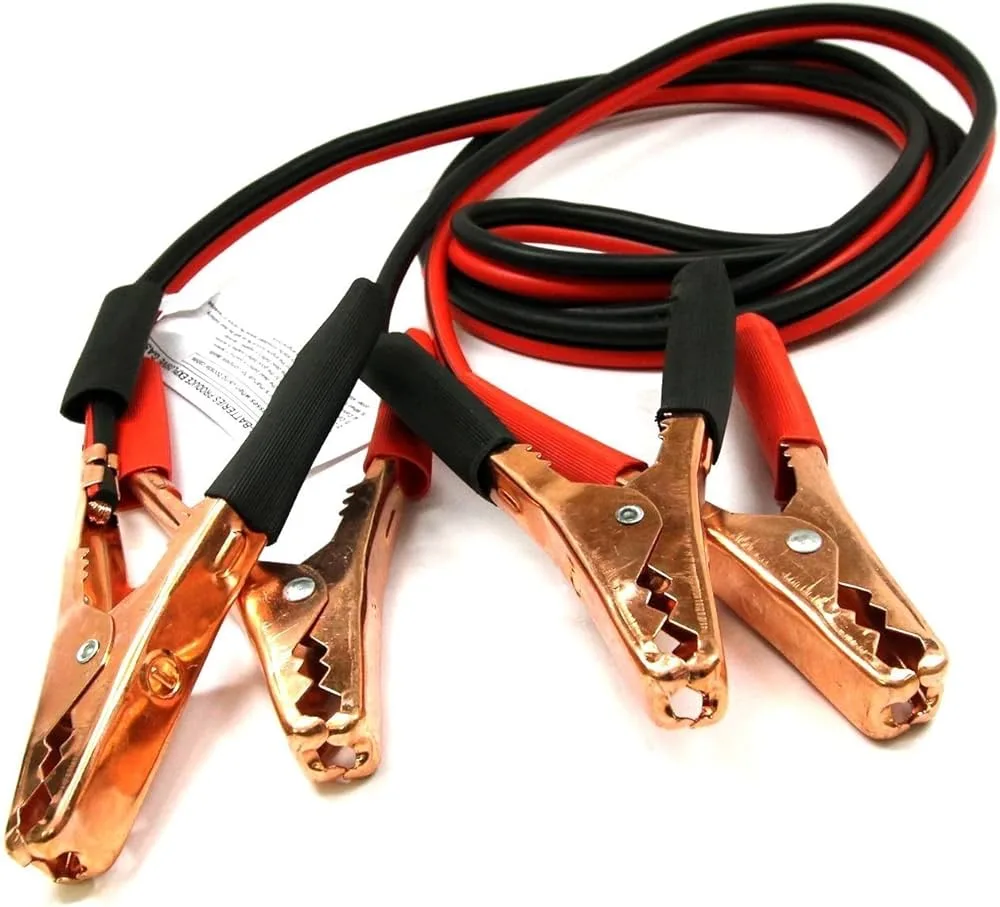 Jumper Cable
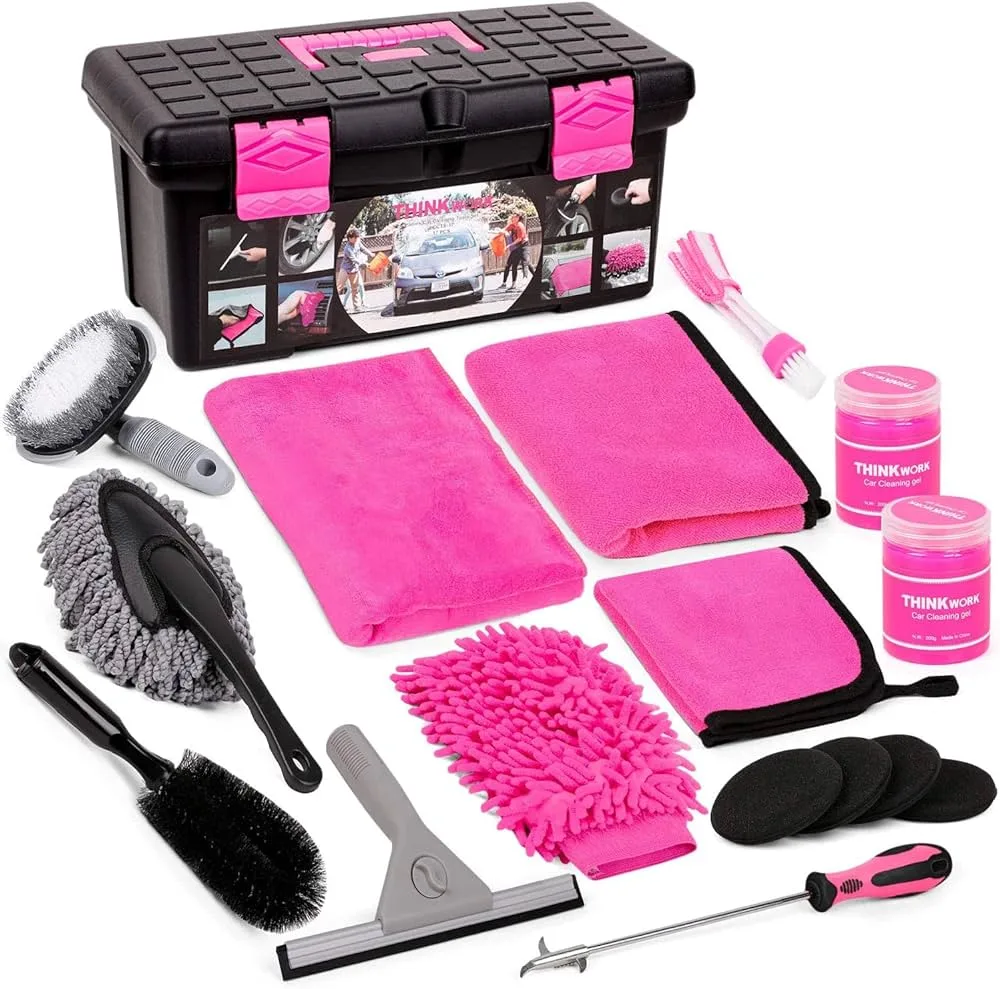 Cleaning Kit
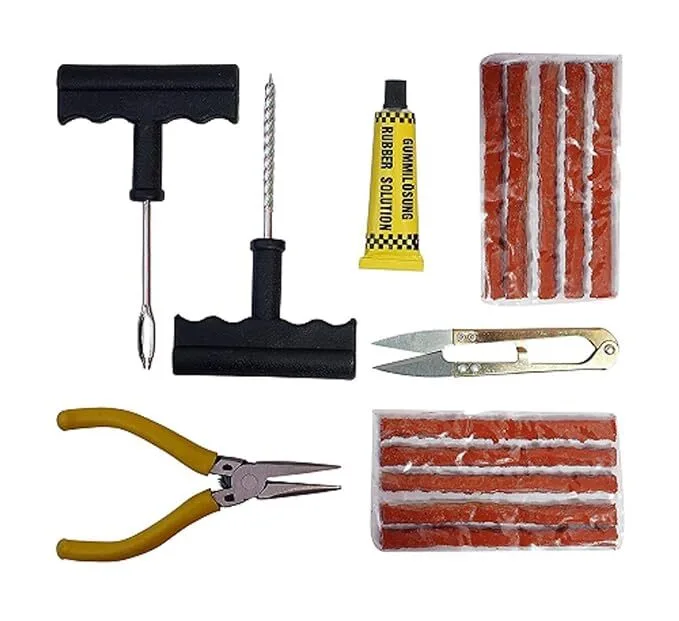 Tyre Puncture Kit
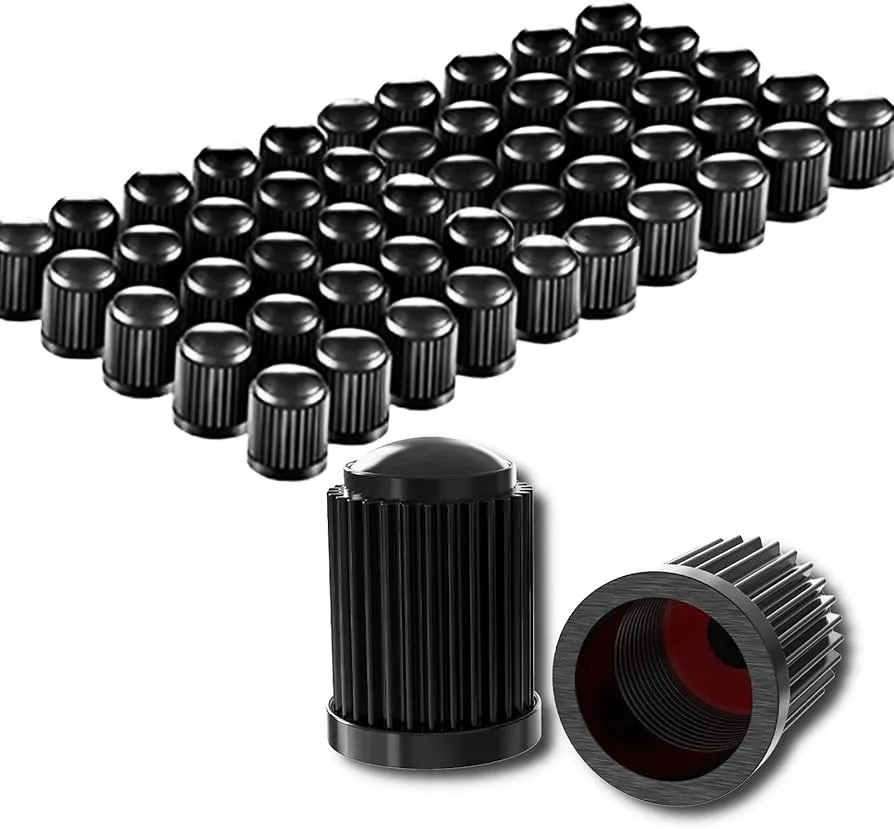 Tyre Valve Cap
 Car Fan
 Parcel Tray
 Electronic
›
Electronic
›
 Parts
›
Parts
›
 Fog Lights
 Headlights
 Tail Lights
 Steering Wheel Controls
 Sensor
 Horns
Horns
 Wiper Blade
 Front Grille
 Side Mirror
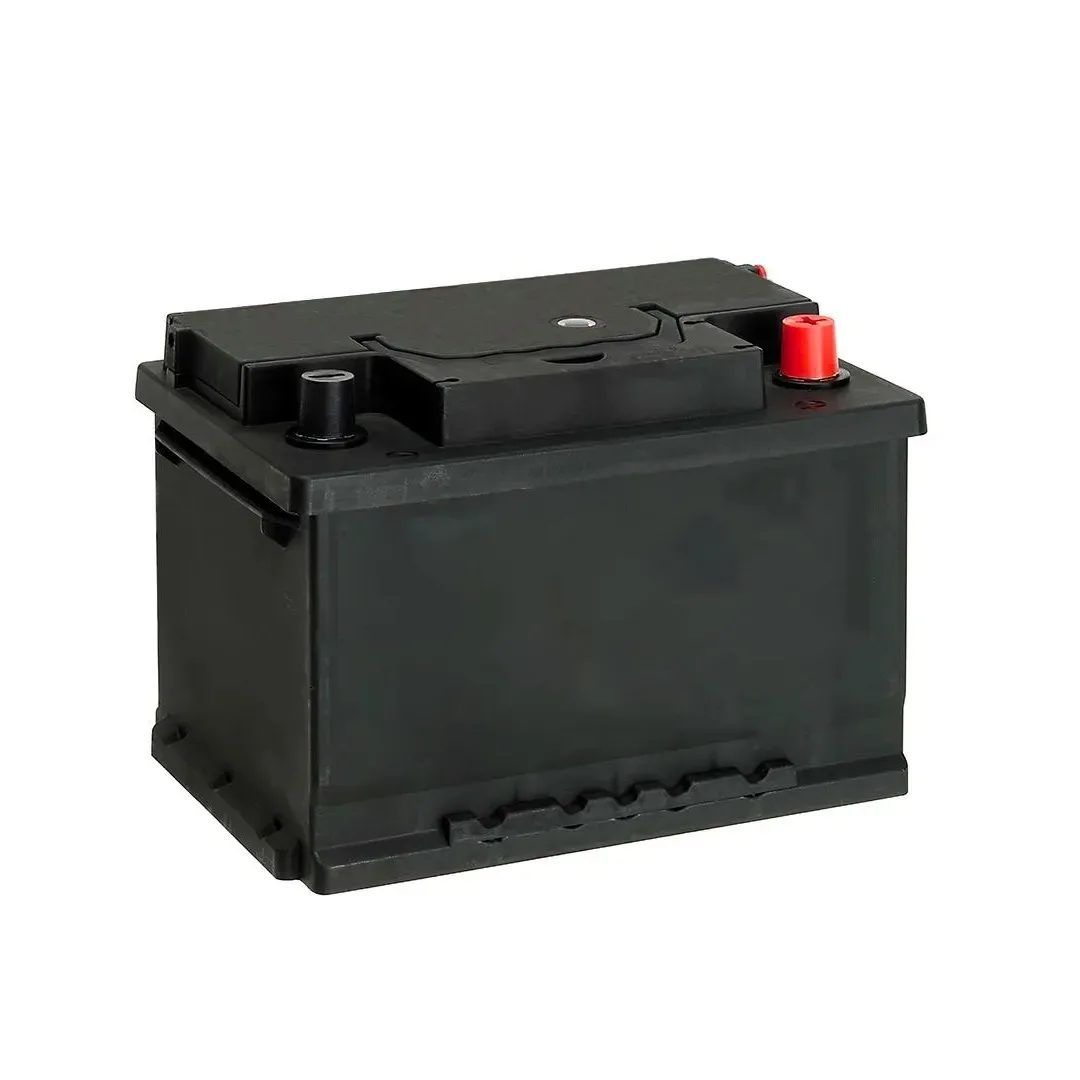 Battery
 Car Care
›
Car Care
›
 Air Freshener & Perfume
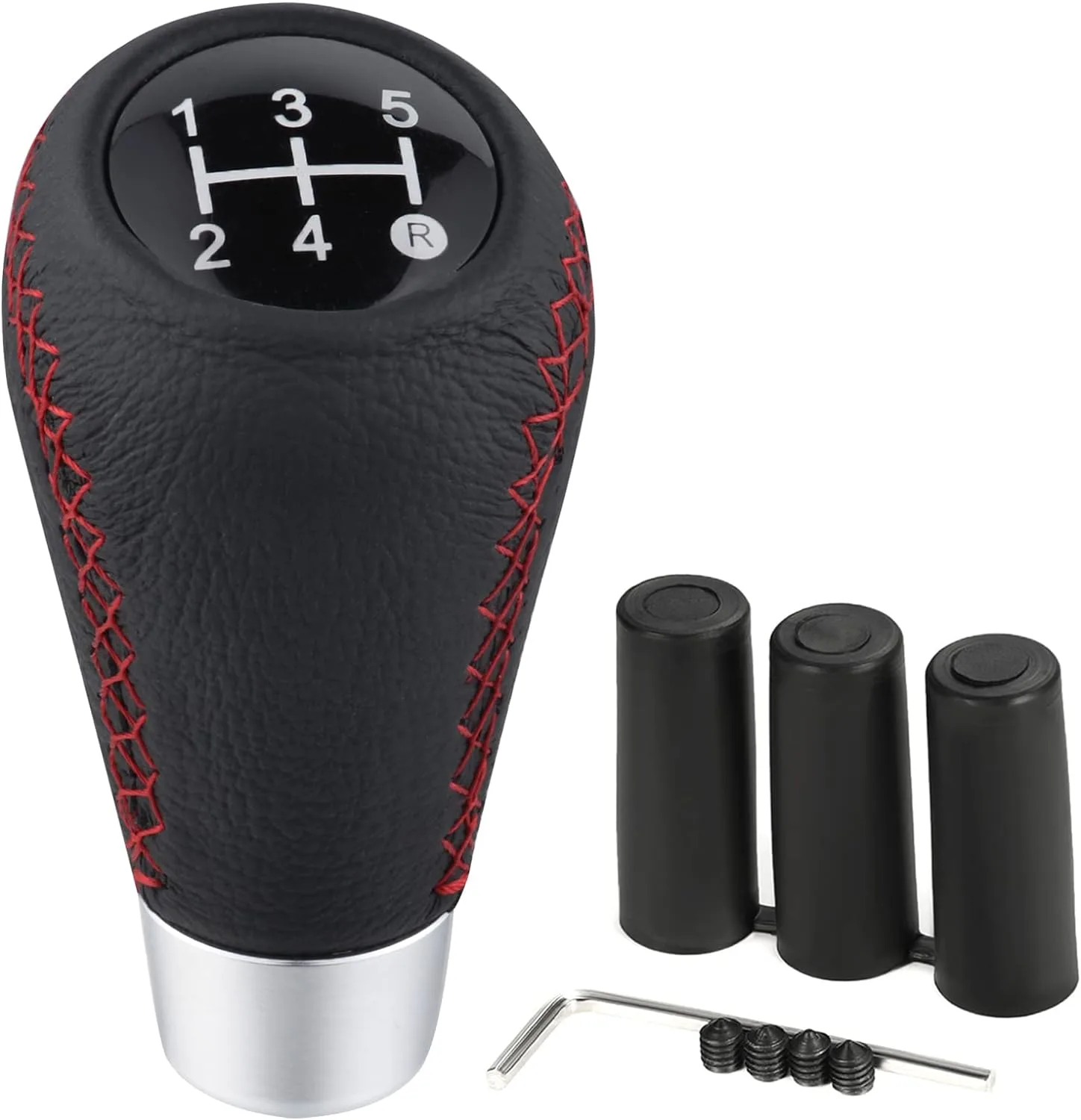 Gear knob
 Stickers & Decals
 Blind Spot Mirror
 Steering Knob
 Key Covers
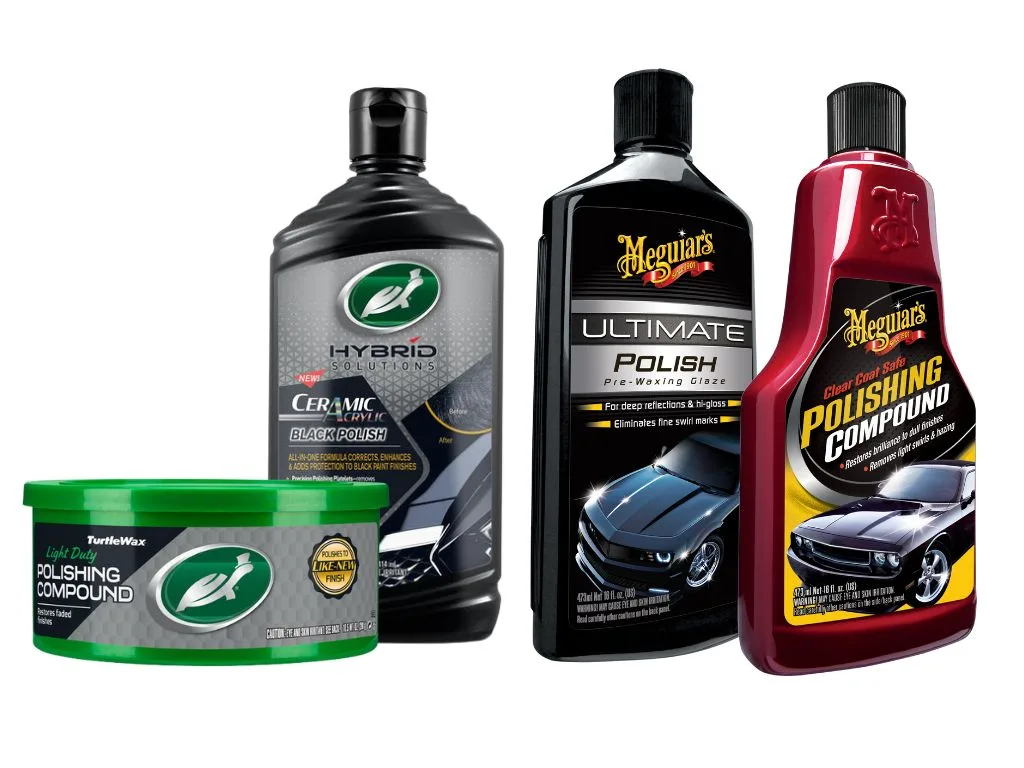 Polish & Scratch Remover
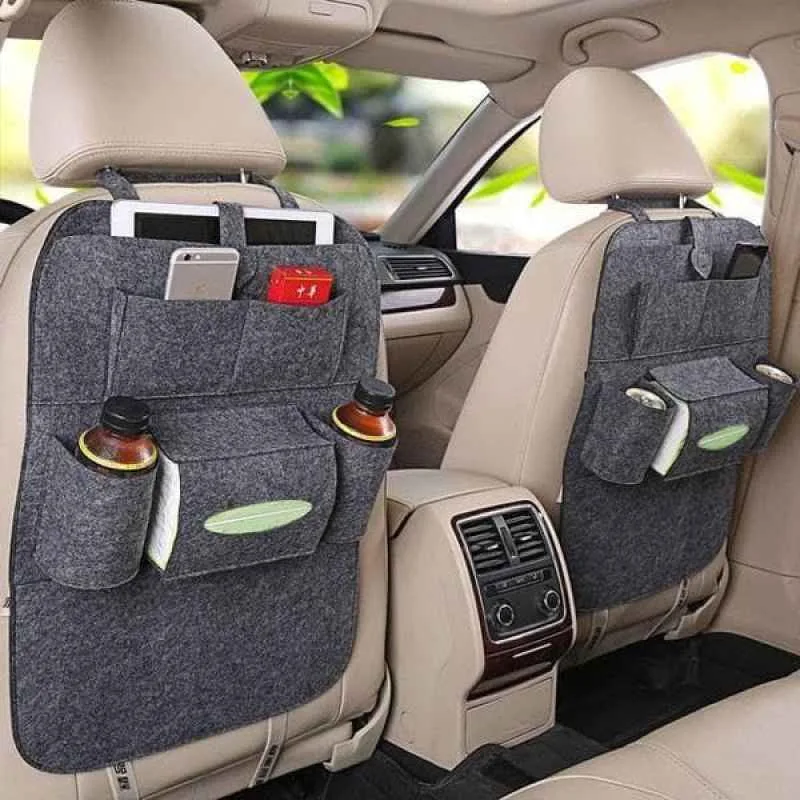 Seat Utility Holder
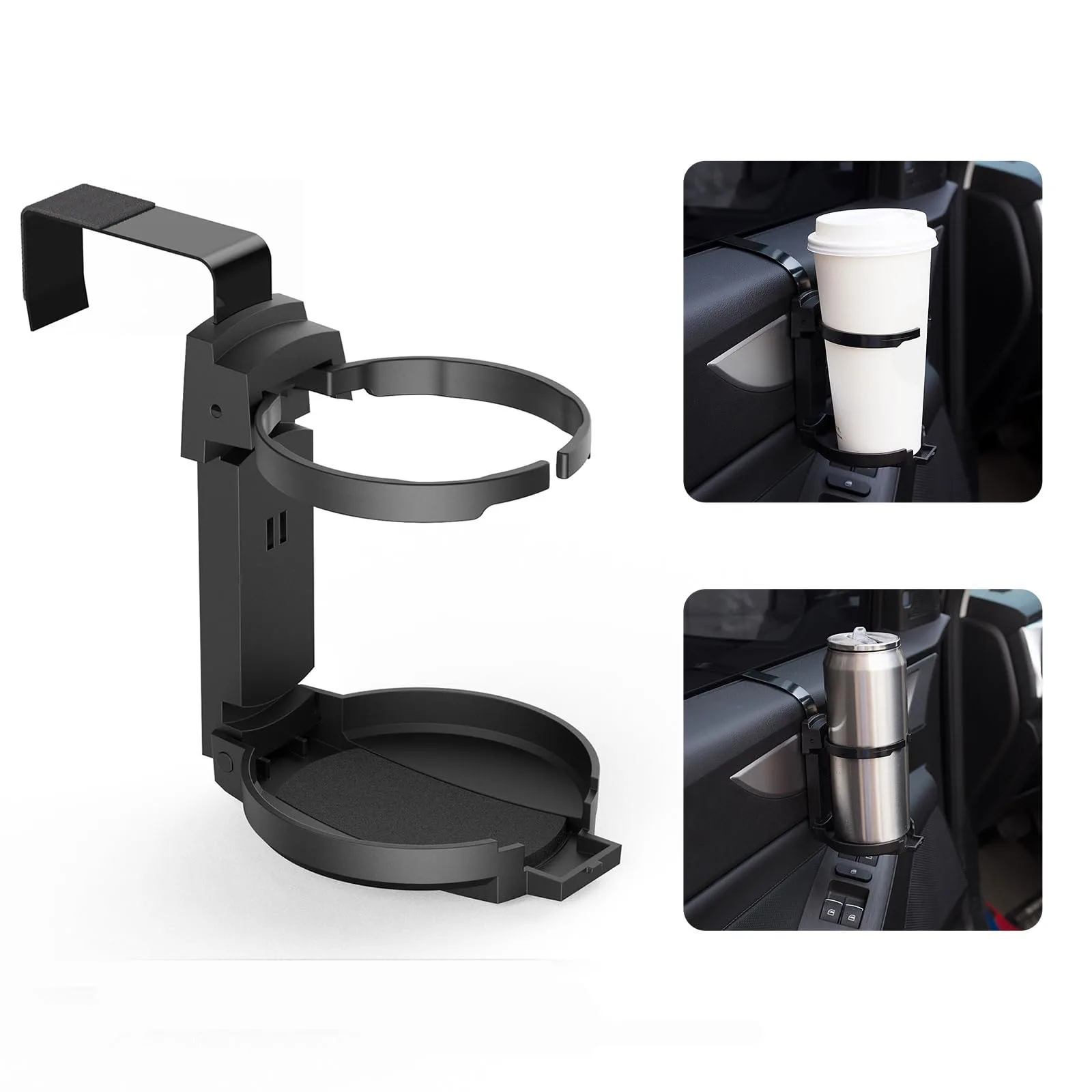 Cup Holder
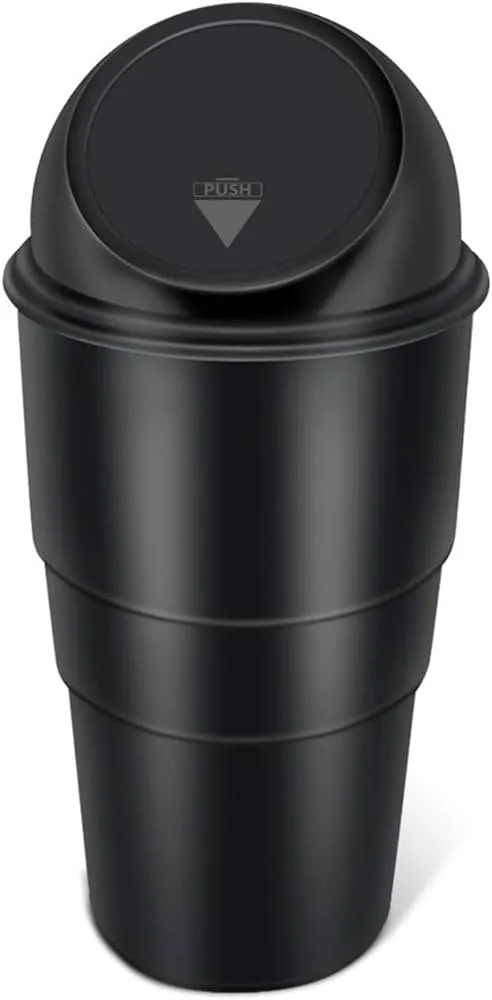 Dustbin
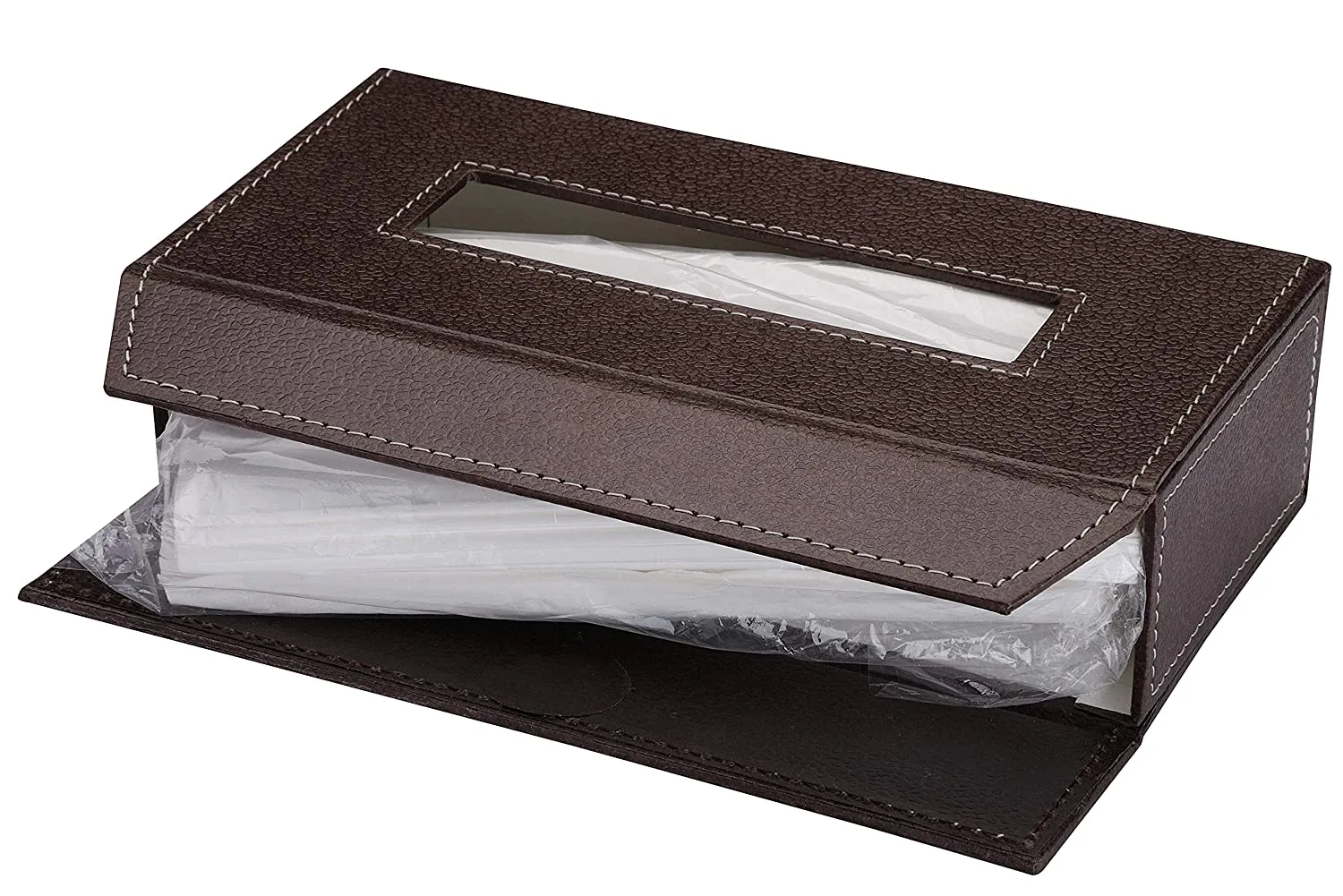 Paper Napkin
 Shop By Car
›
Shop By Car
›
 Tata
›
Tata
›
 Maruti Suzuki
›
Maruti Suzuki
›
 Hyundai
›
Hyundai
›
 Toyota
›
Toyota
›
 Mahindra
›
Mahindra
›
 Honda
›
Honda
›
 Ford
›
Ford
›
 Nissan
›
Nissan
›
 Renault
›
Renault
›
 Skoda
›
Skoda
›
 Volkswagen
›
Volkswagen
›
 Morris Garages - MG
›
Morris Garages - MG
›
 KIA
›
KIA
›
 Jeep
›
Jeep
›
 Citroen
›
Citroen
›
 Datsun
›
Datsun
›
 Chevrolet
›
Chevrolet
›
 Isuzu
›
Isuzu
›
 Mitsubishi
›
Mitsubishi
›
 AUDI
›
AUDI
›
 BMW
›
BMW
›
 Mercedes
›
Mercedes
›
 Land Rover
›
Land Rover
›
 Jaguar
›
Jaguar
›
 Volvo
›
Volvo
›
 FIAT
›
FIAT
›
 Mini Cooper
›
Mini Cooper
›
 Porsche
›
Porsche
›
 Lexus
›
Citron
›
Fors
›
Morris Garages
›
MG
›
Lexus
›
Citron
›
Fors
›
Morris Garages
›
MG
›
 Nexon
Nexon
 Harrier
 Altroz
 Hexa
Hexa
 Safari
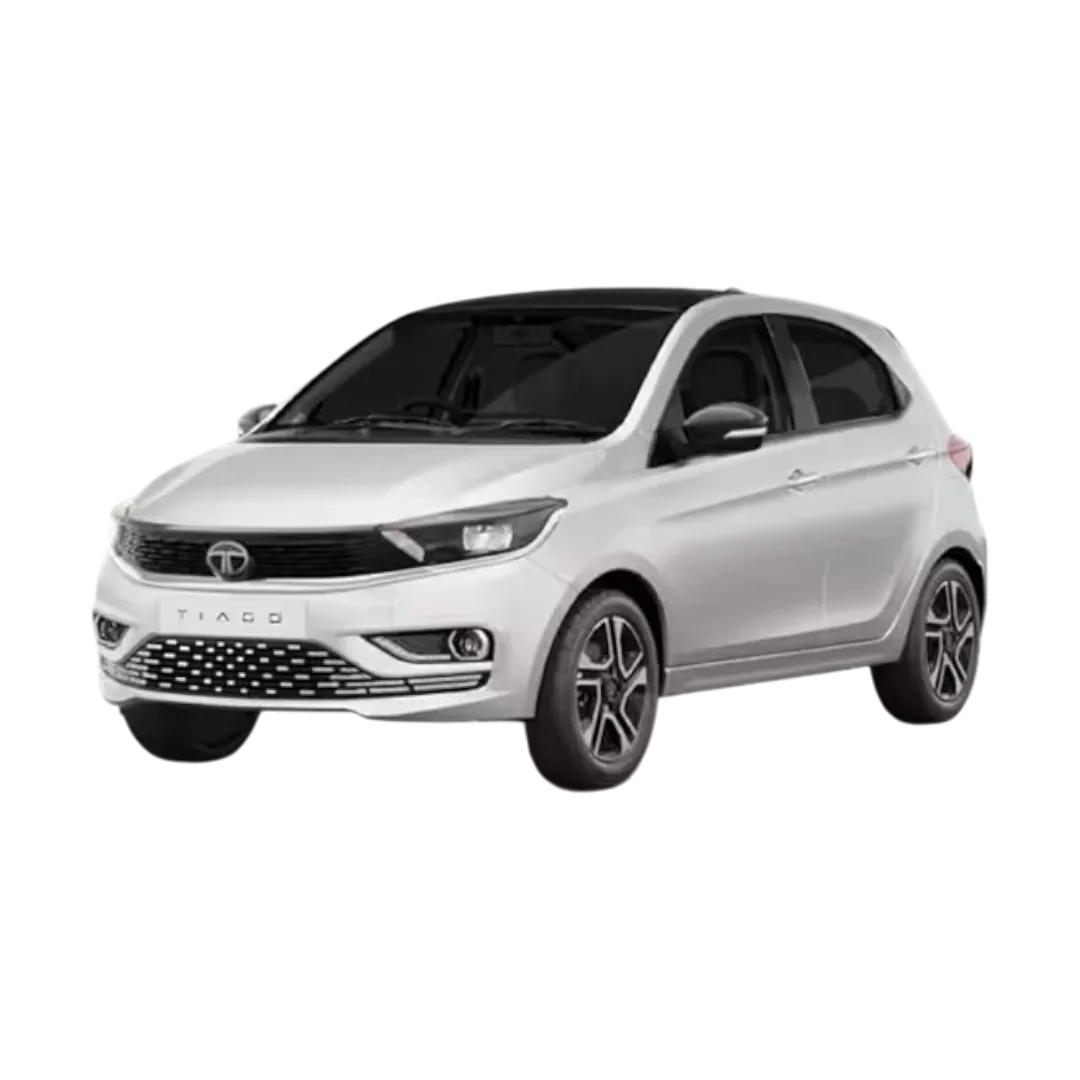 Tiago
Tiago
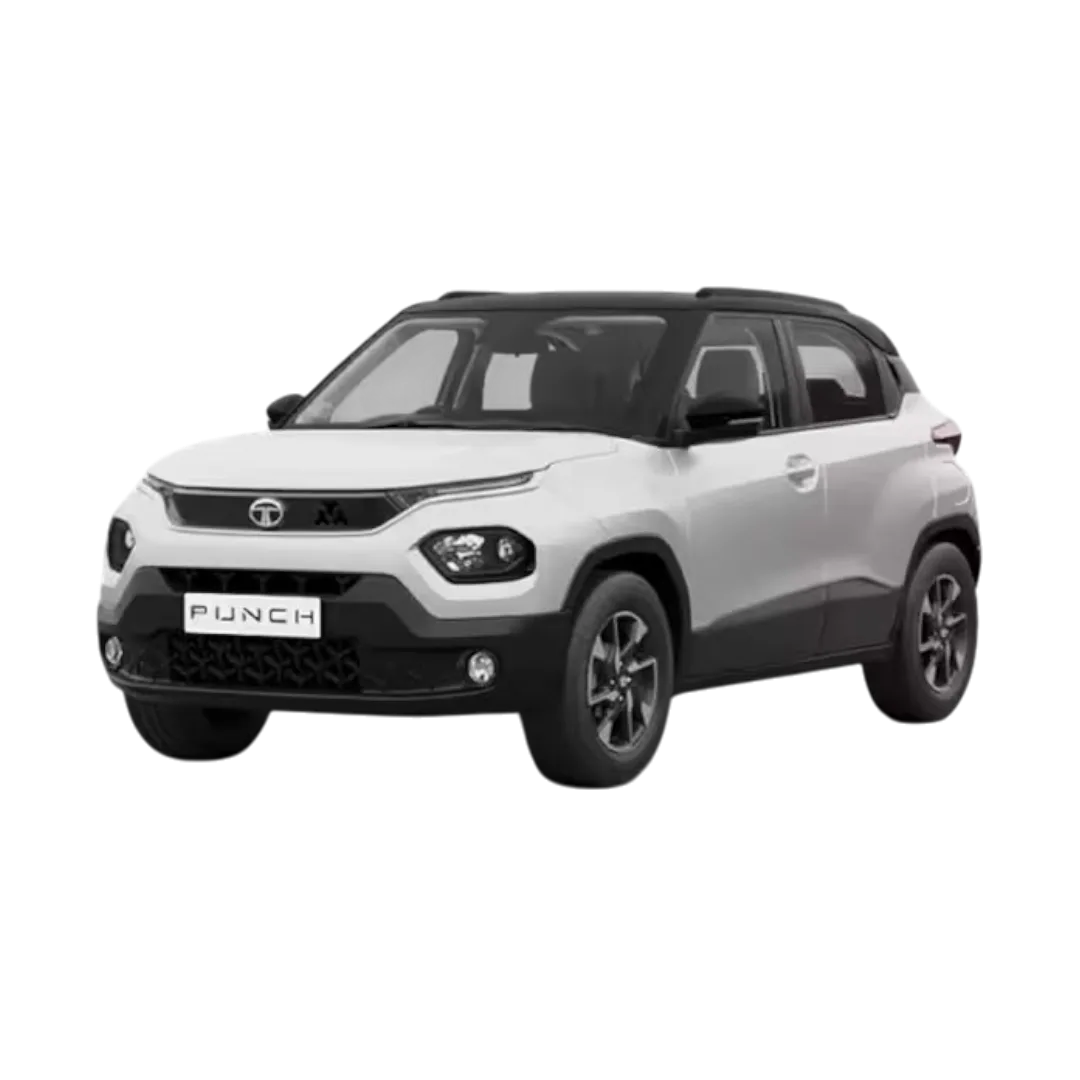 Punch
Punch
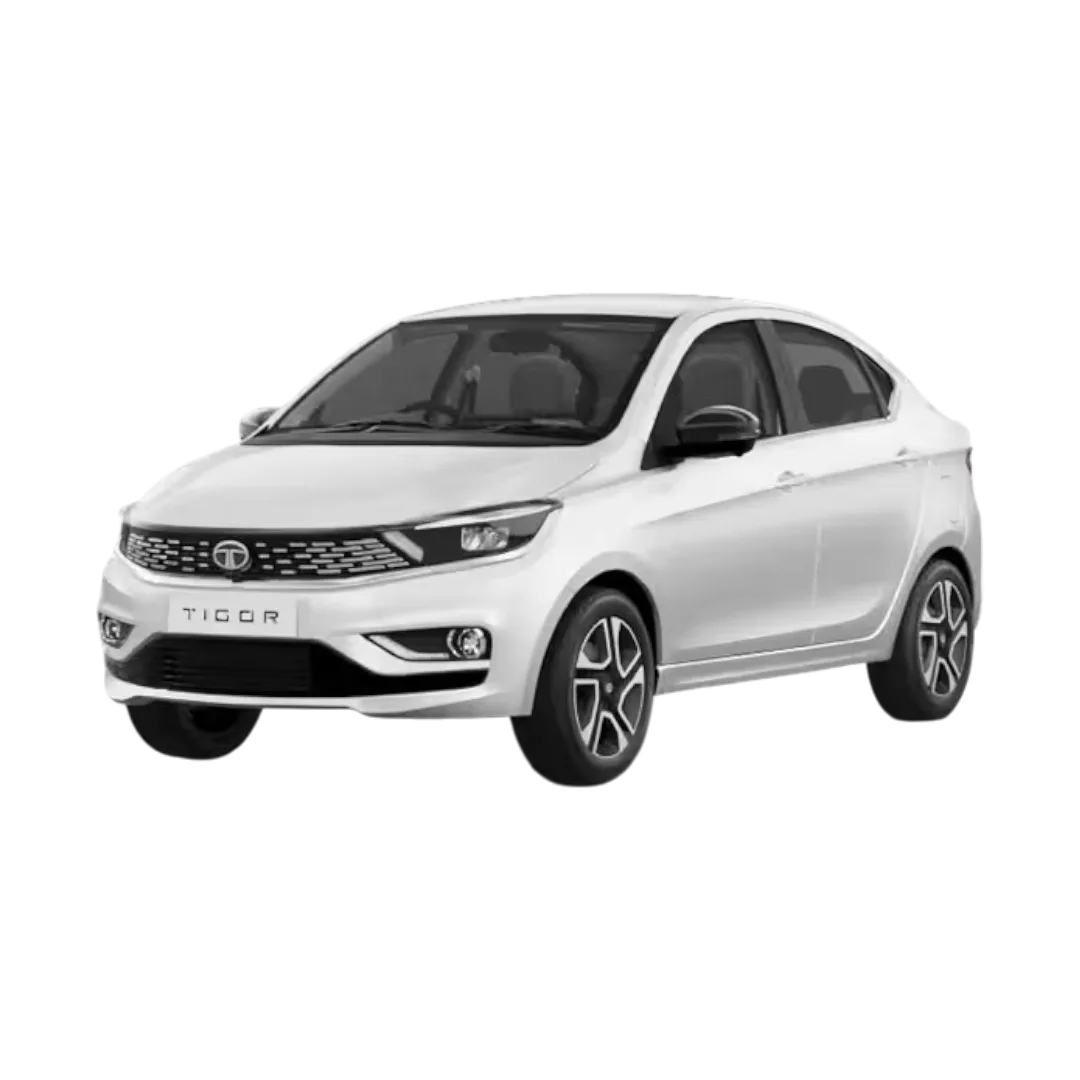 Tigor
Tigor
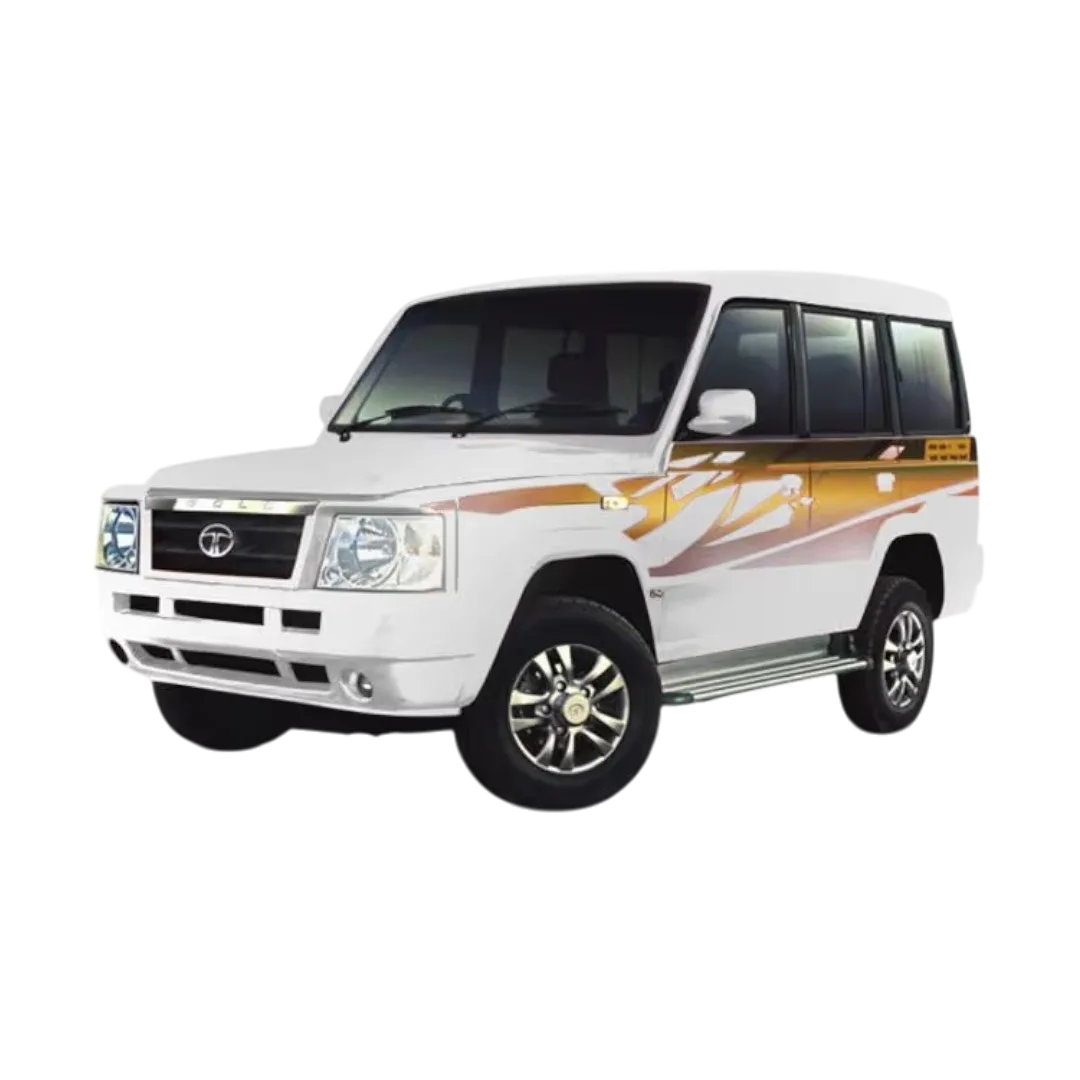 Sumo
Sumo
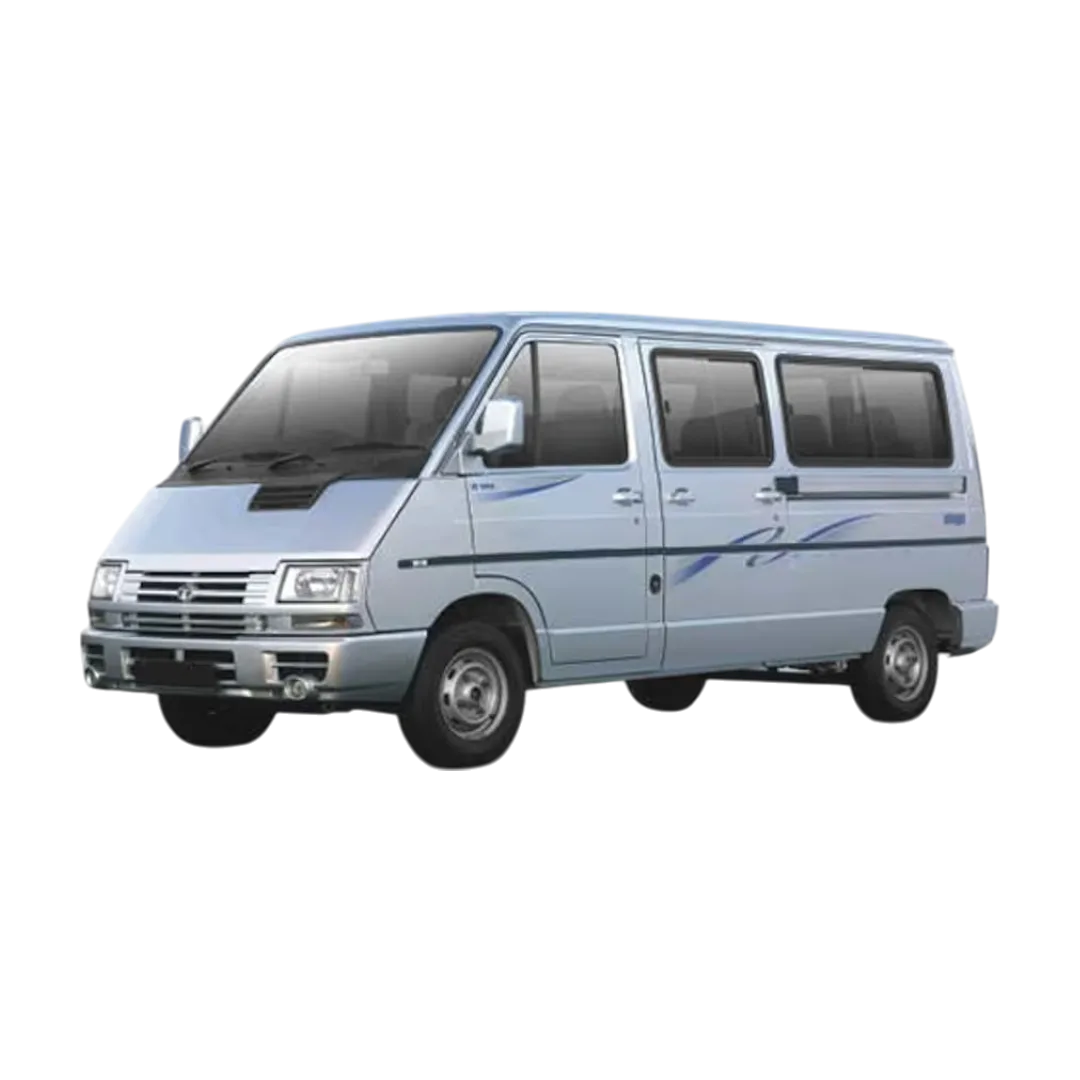 Winger
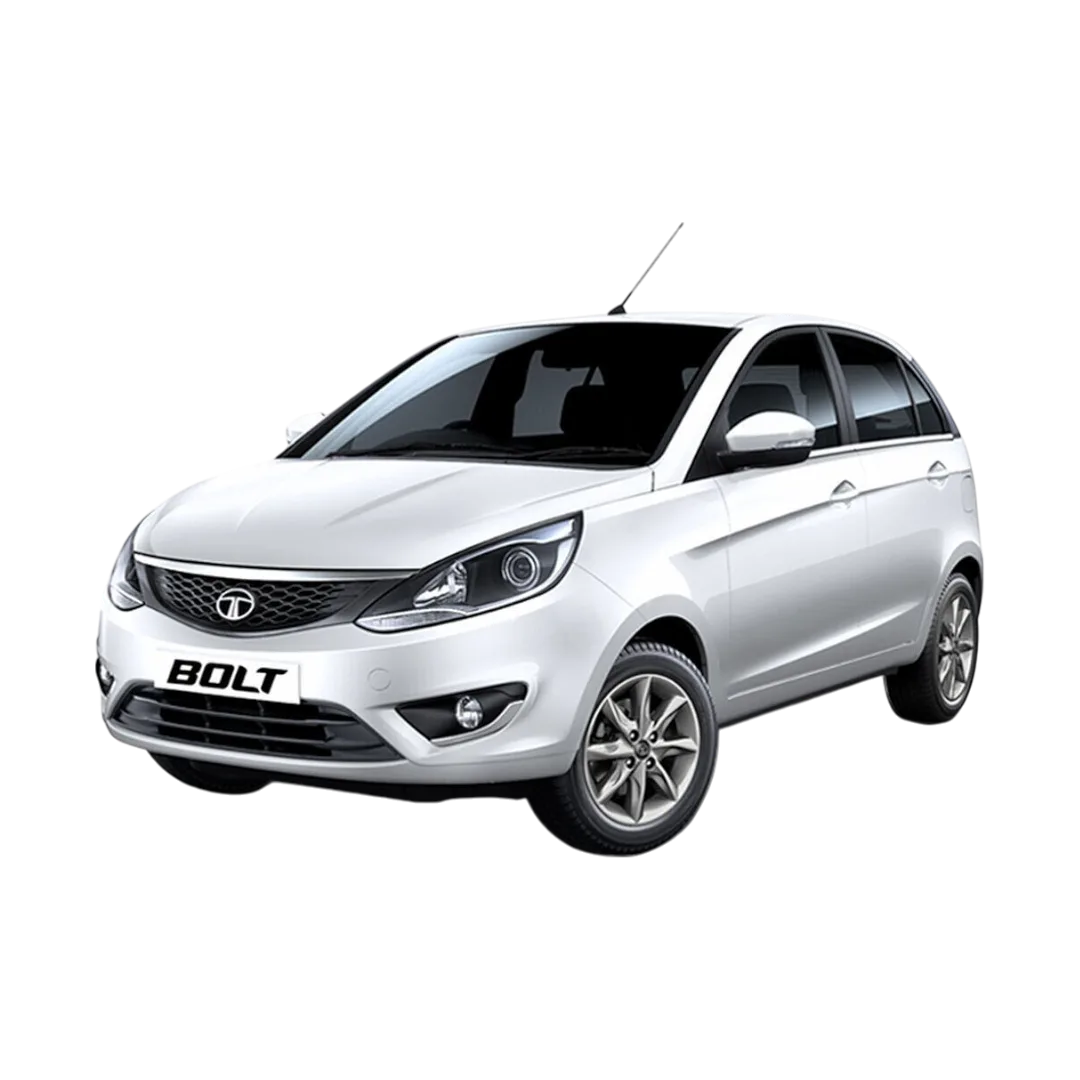 Bolt
Bolt
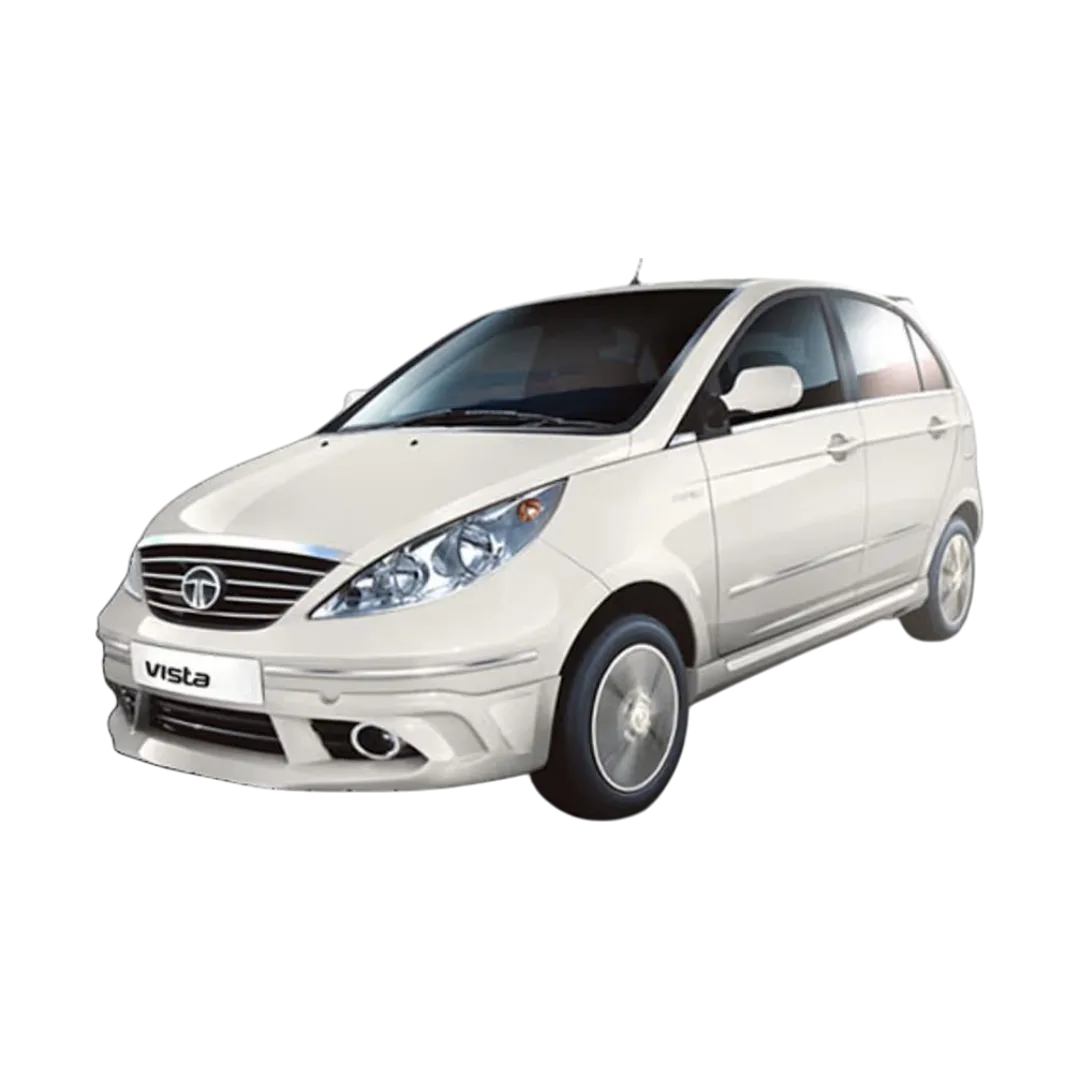 Vista
Vista
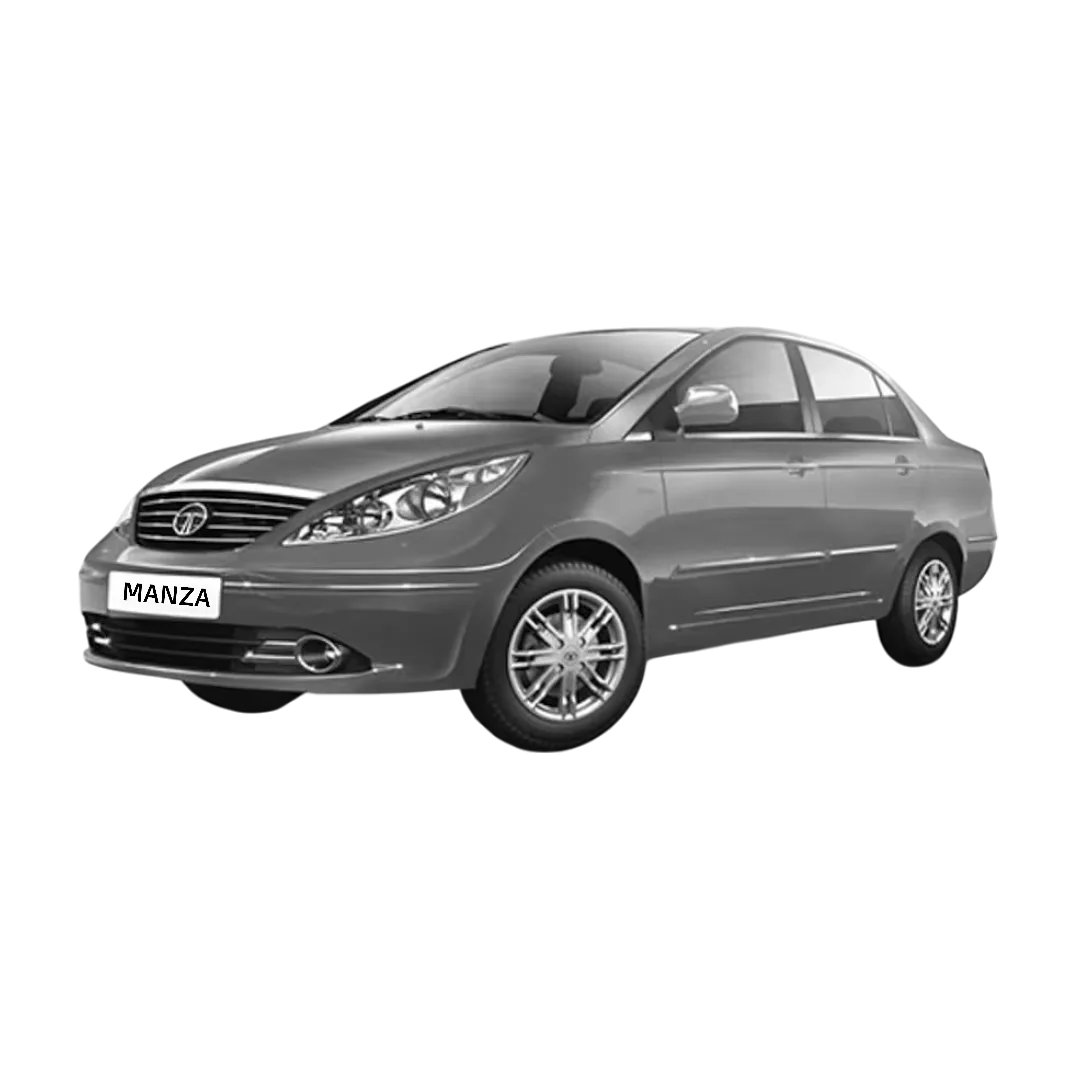 Manza
Manza
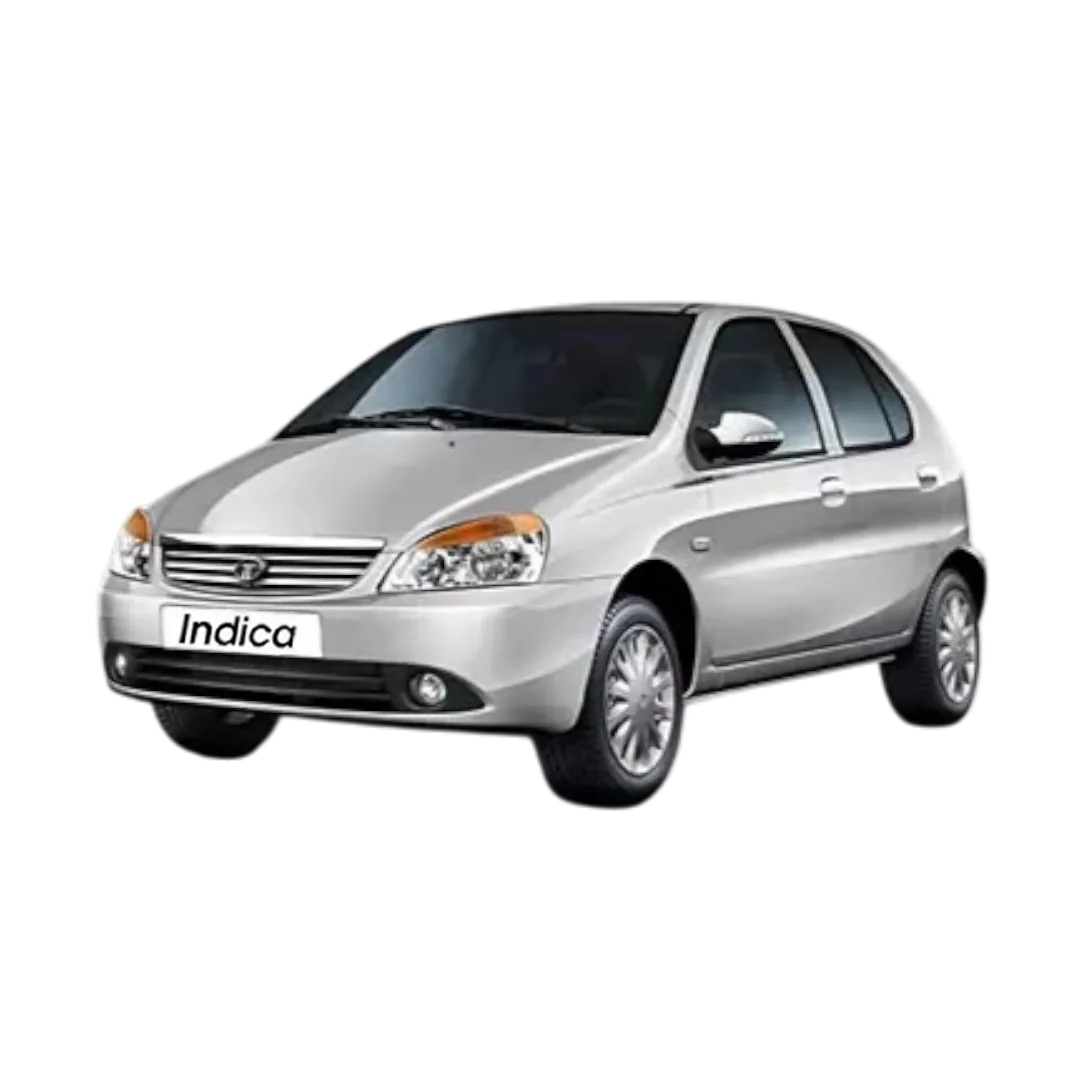 Indica
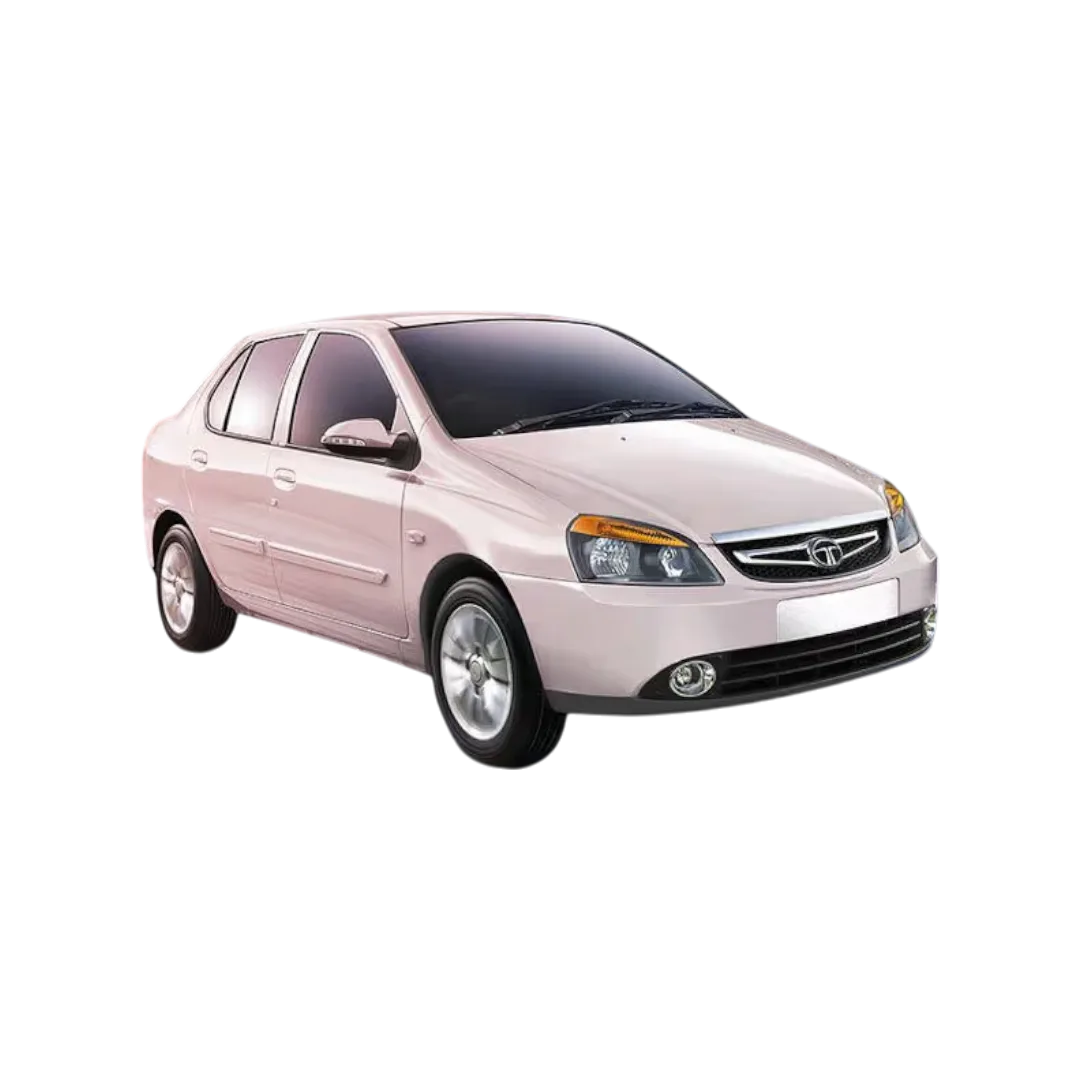 Indigo
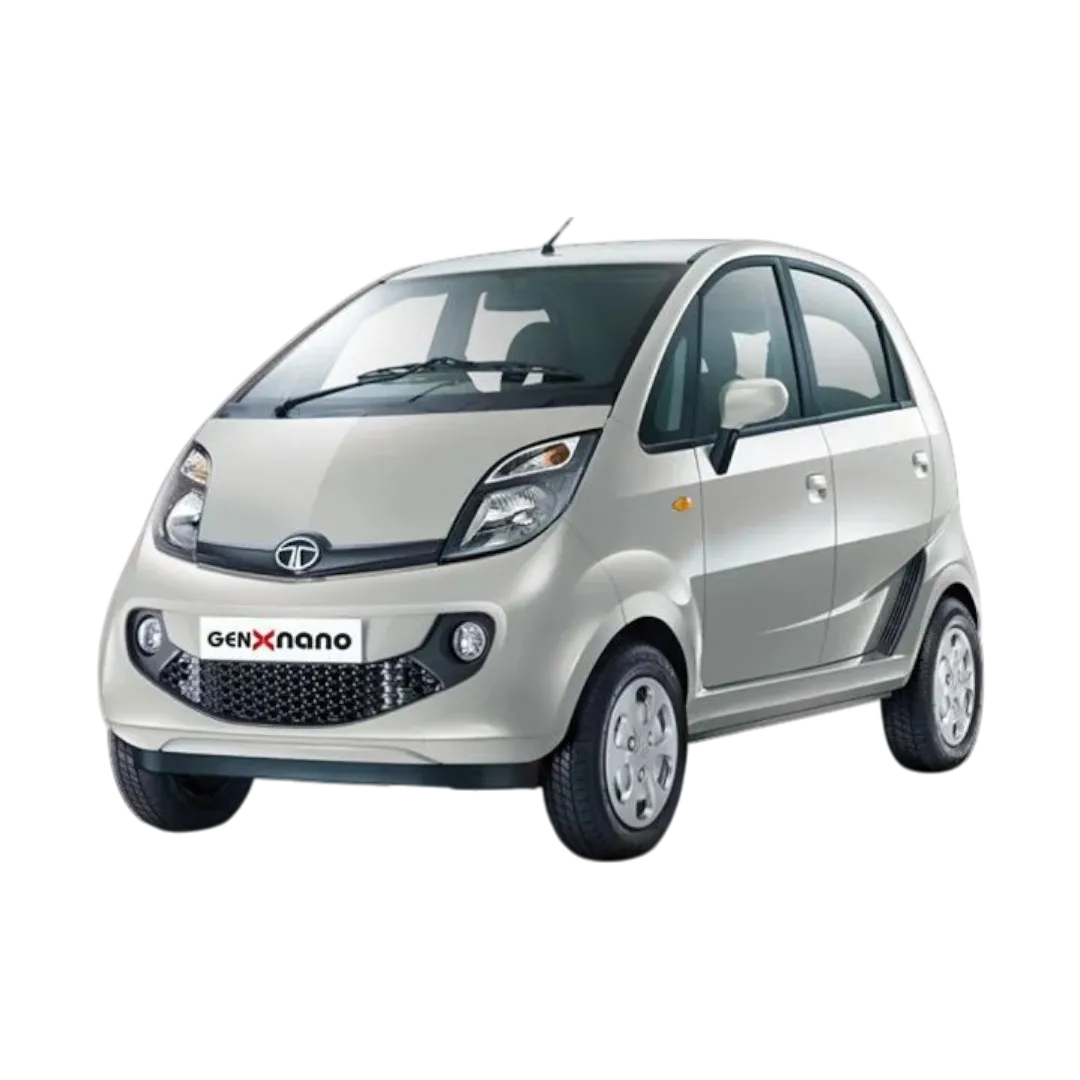 Nano
Nano
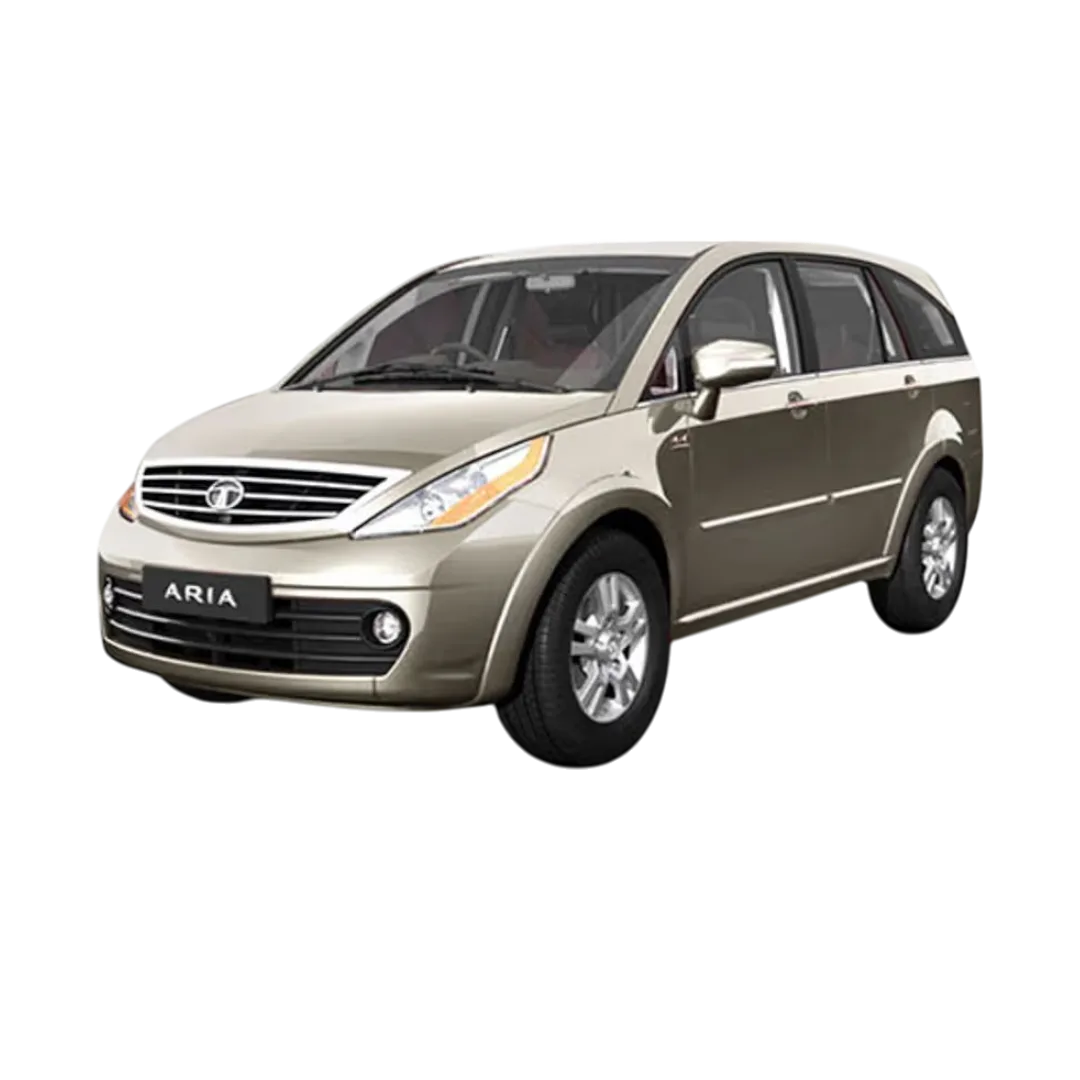 Aria
Aria
 Safari Storme
 Zest
Zest
 NEXON EV Max
 NEXON EV Prime
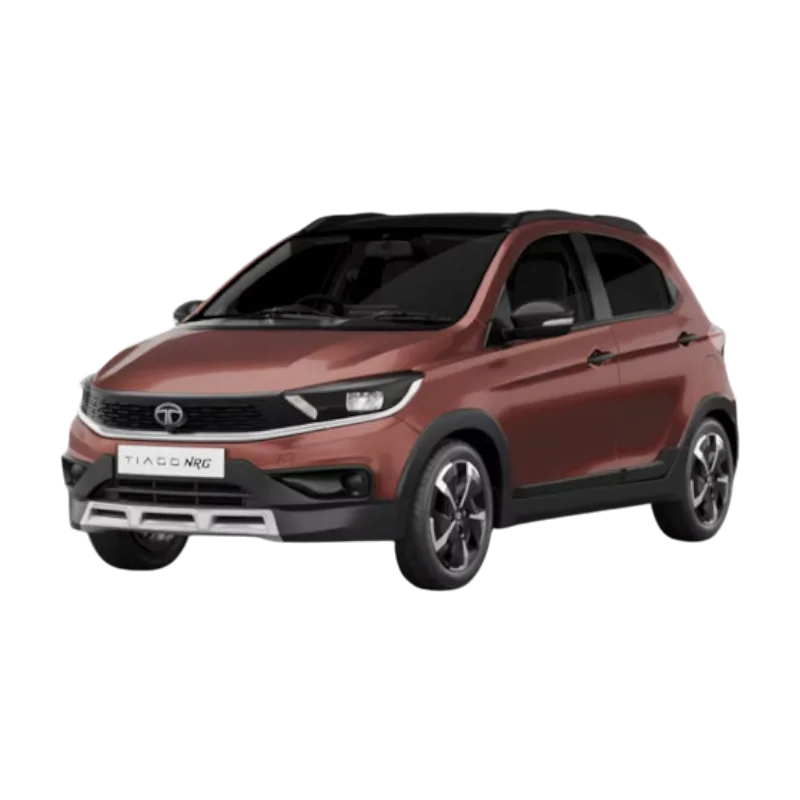 Tiago NRG
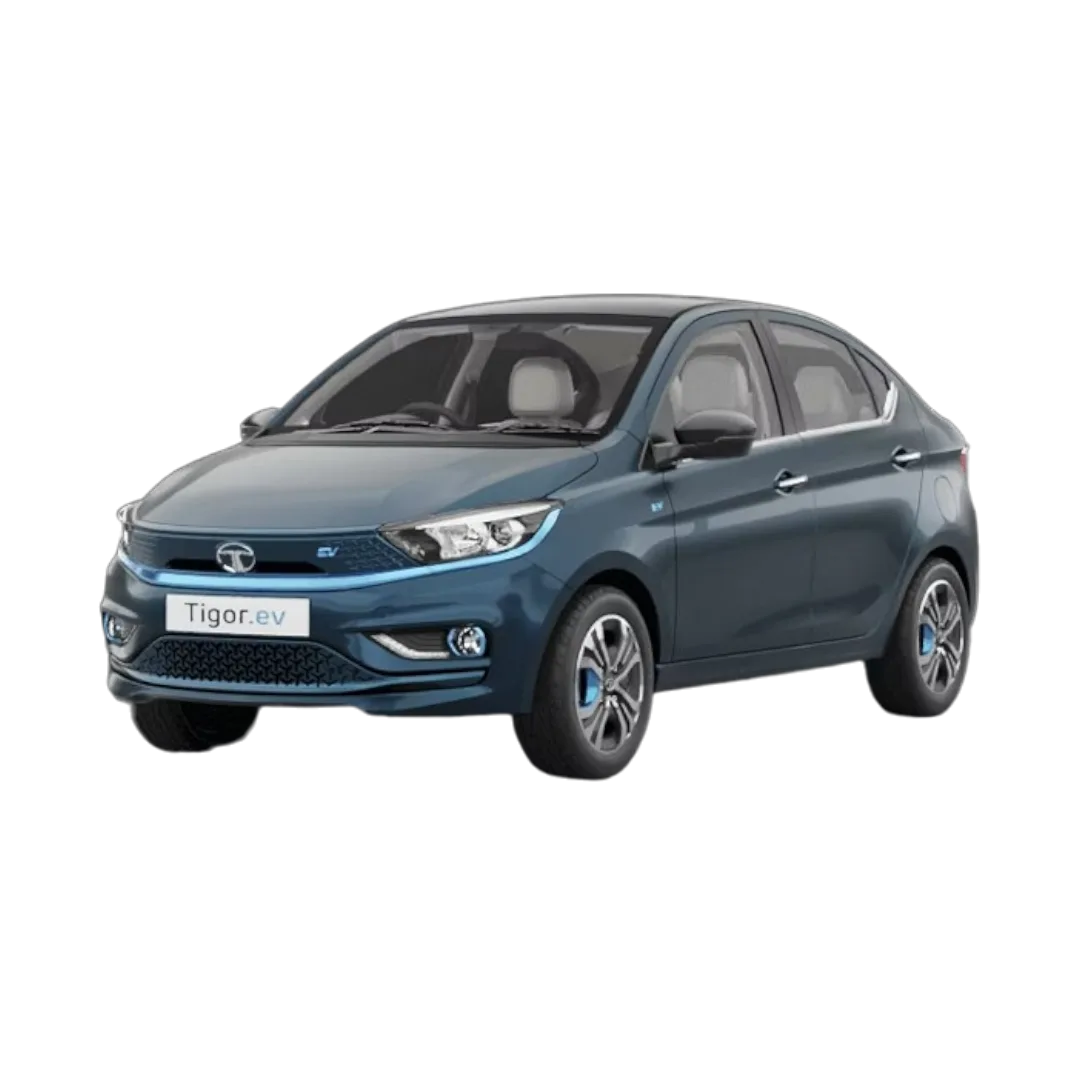 Tigor EV
INDICA VISTA
Curvv
Sierra
Magic
Tigor EV
INDICA VISTA
Curvv
Sierra
Magic
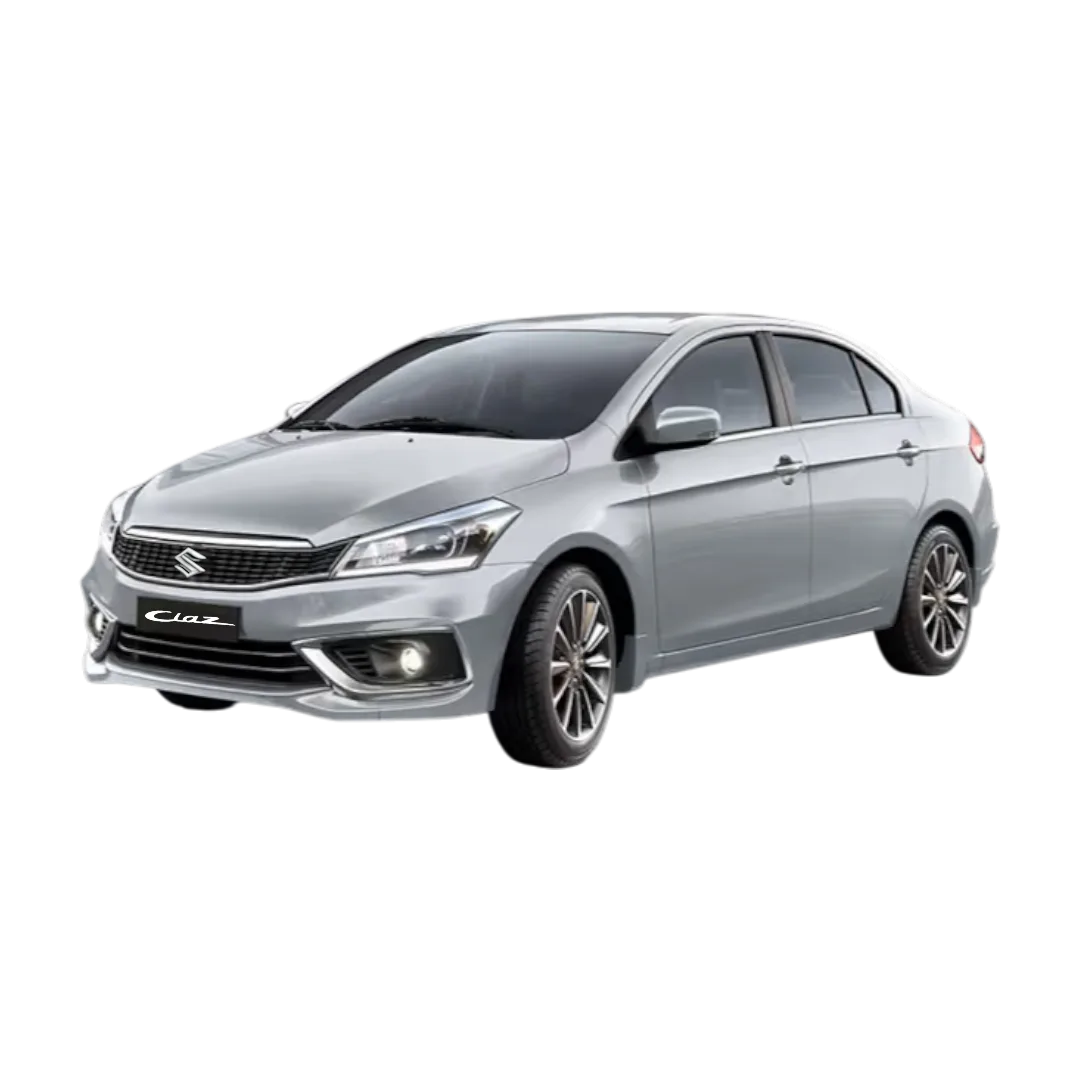 Ciaz
Ciaz
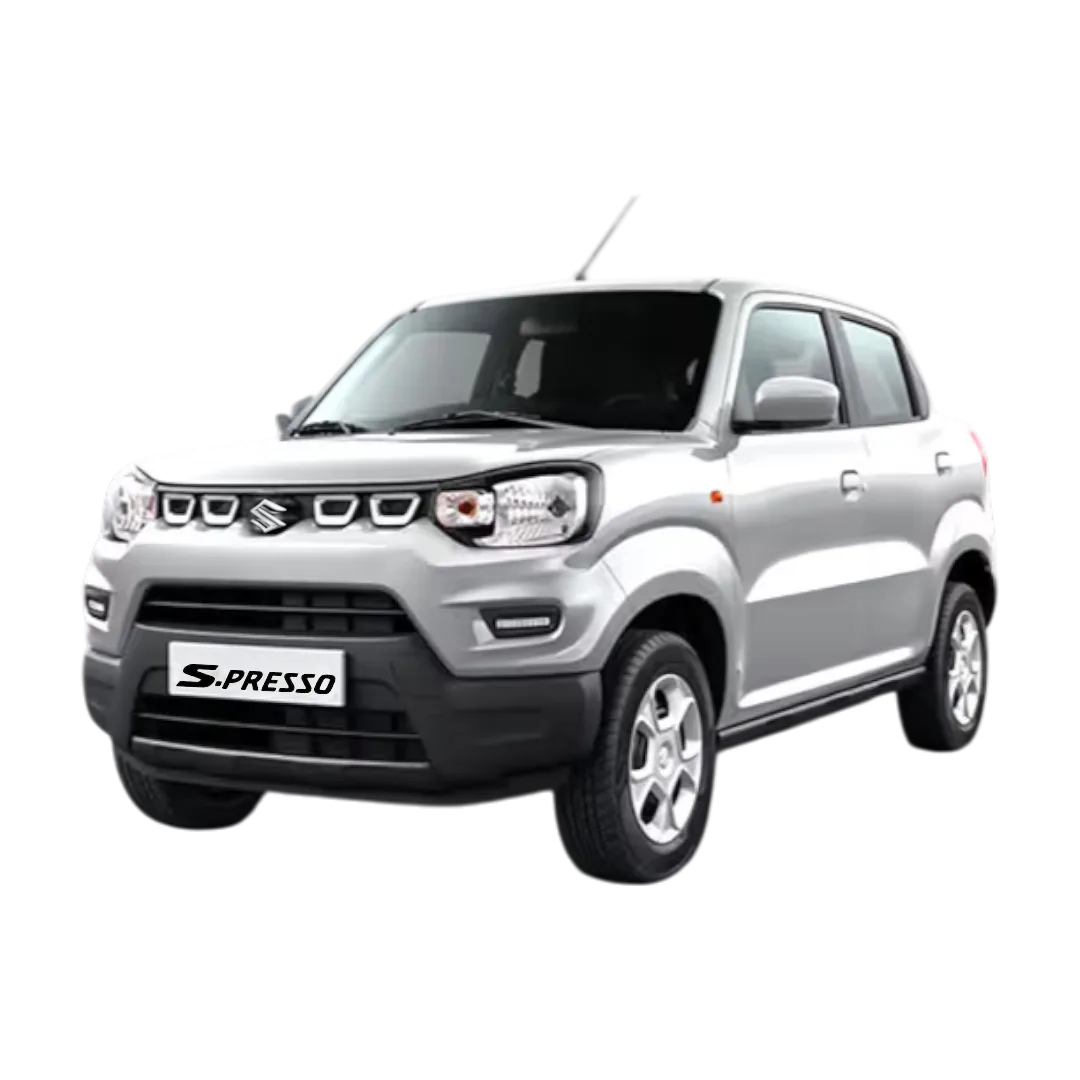 S-Presso
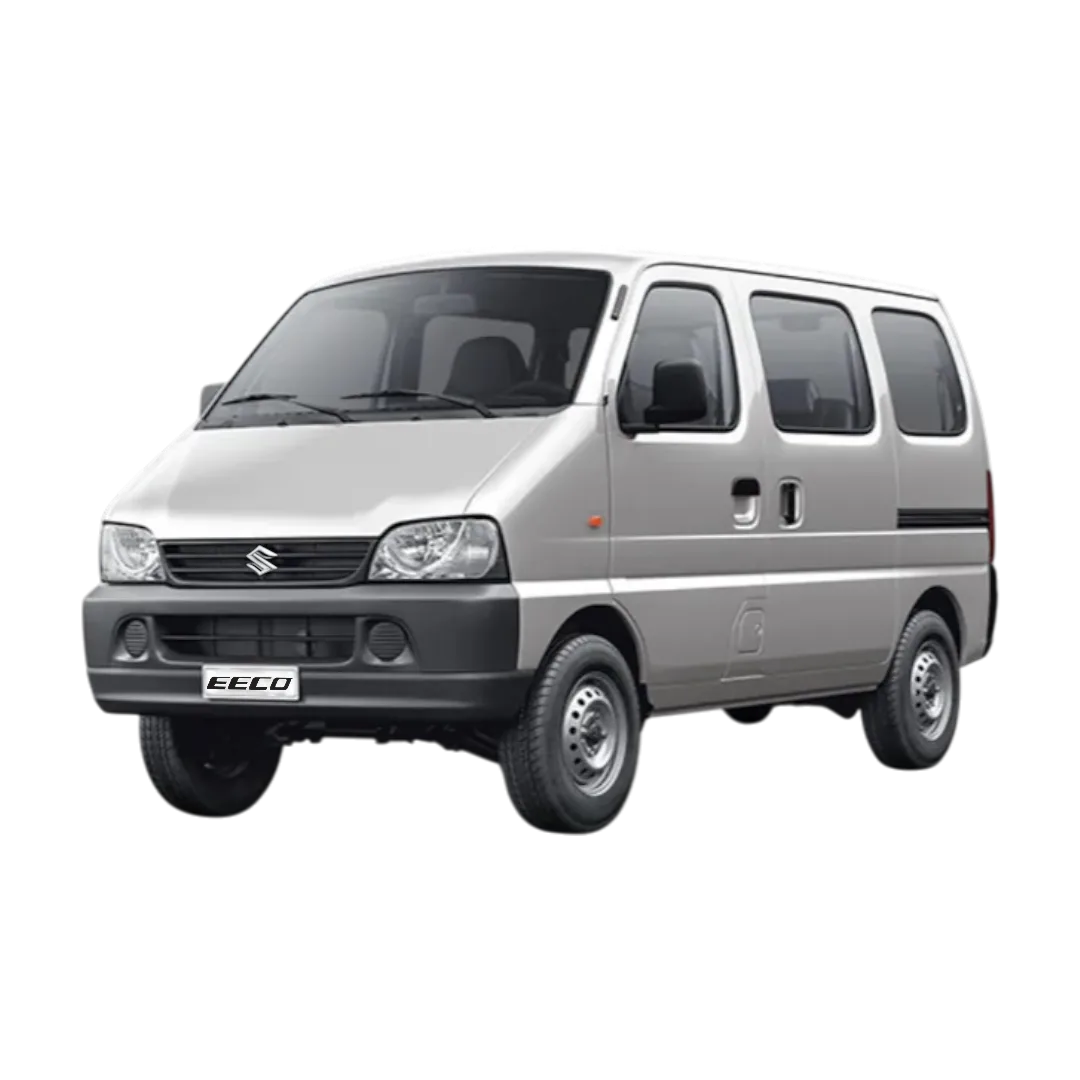 Eeco/Versa
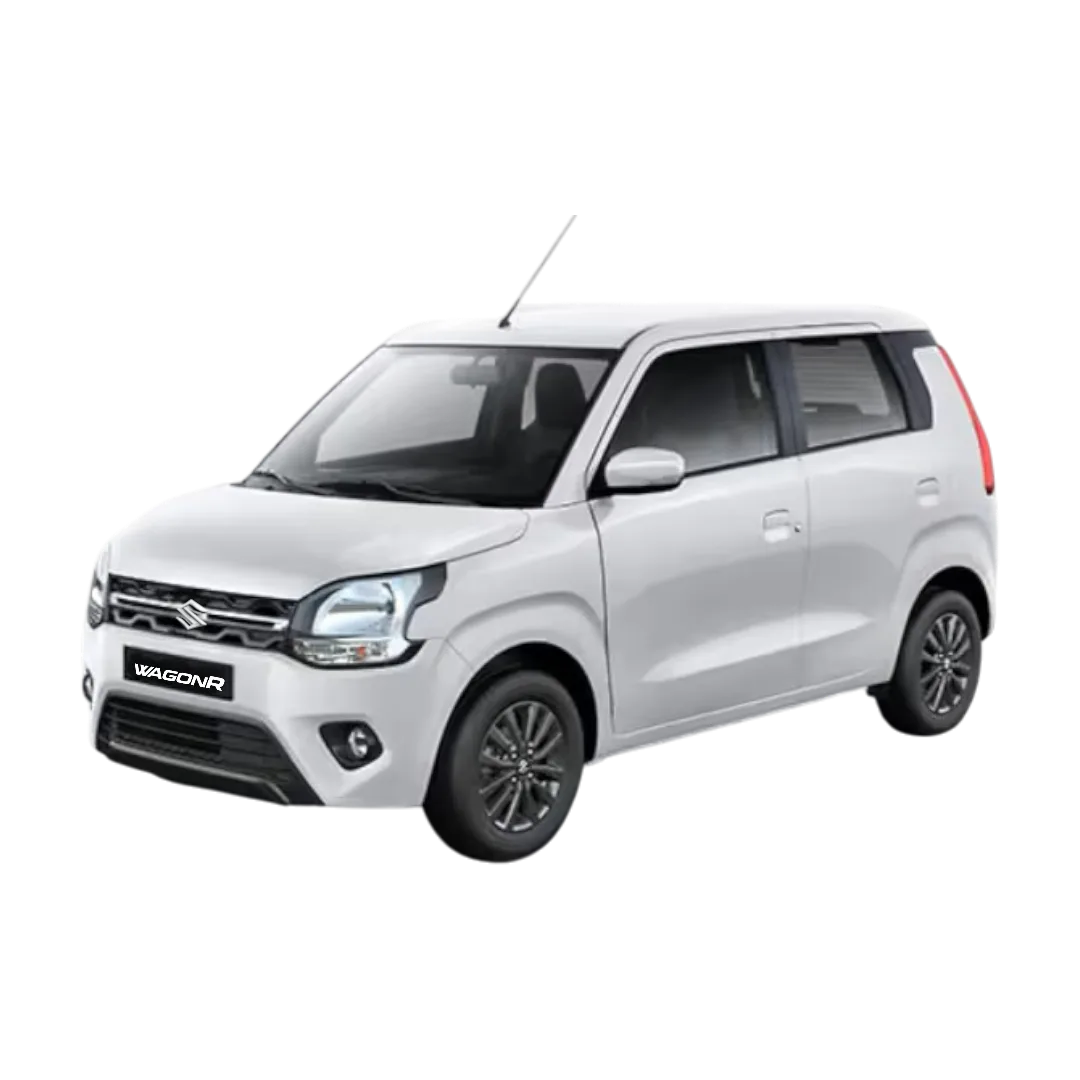 WagonR
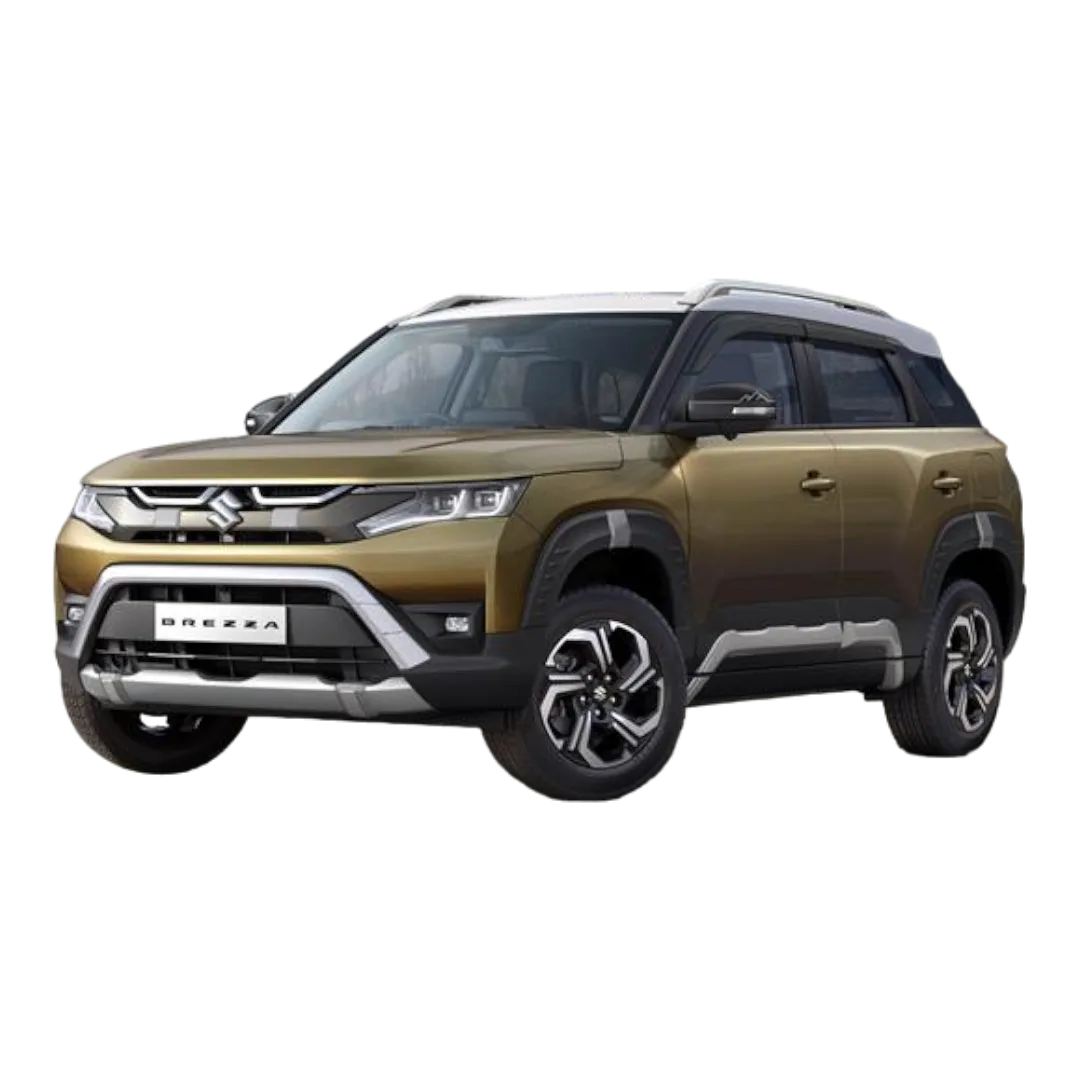 Brezza
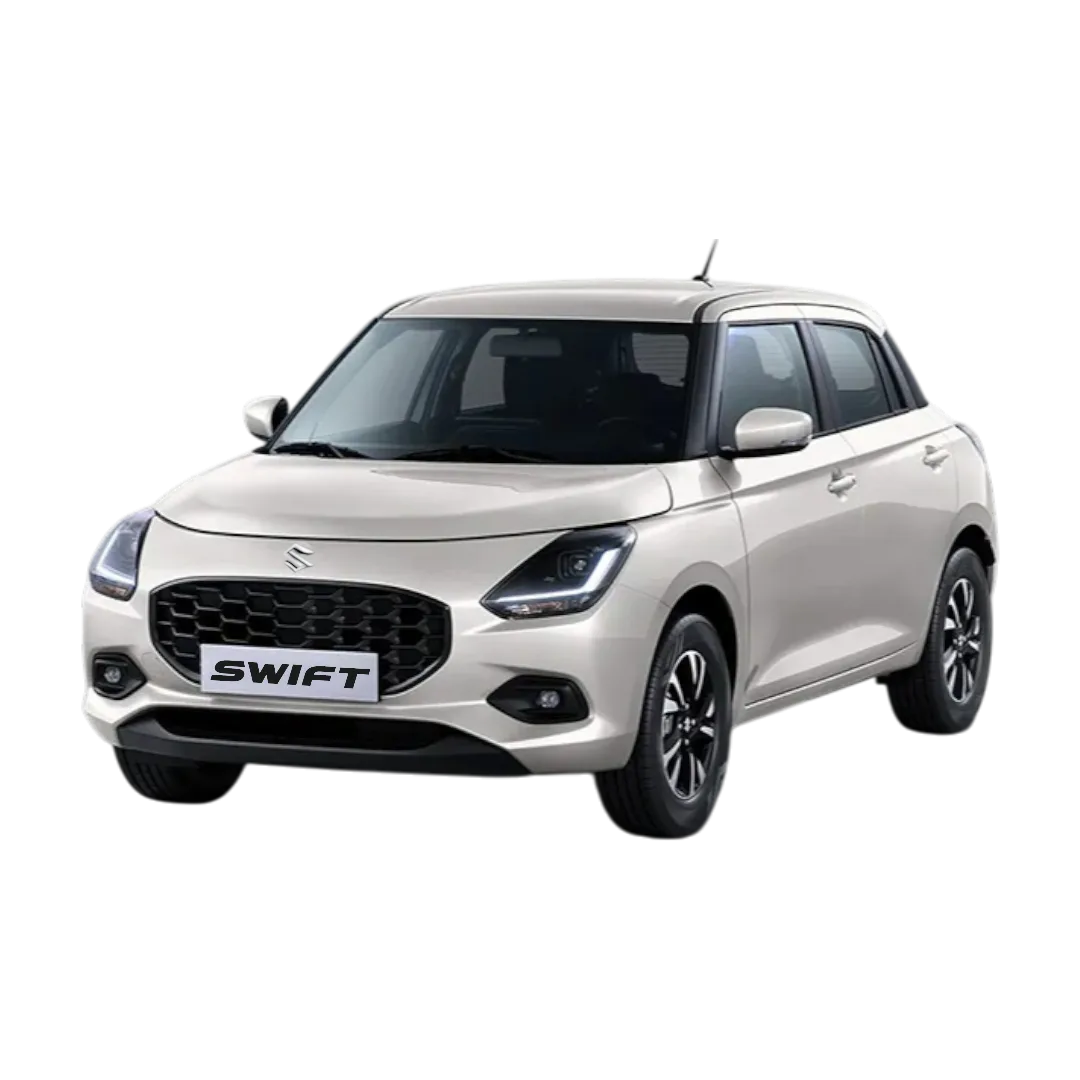 Swift
Swift
 Dzire
Dzire
 Baleno
 Ertiga
 Grand Vitara
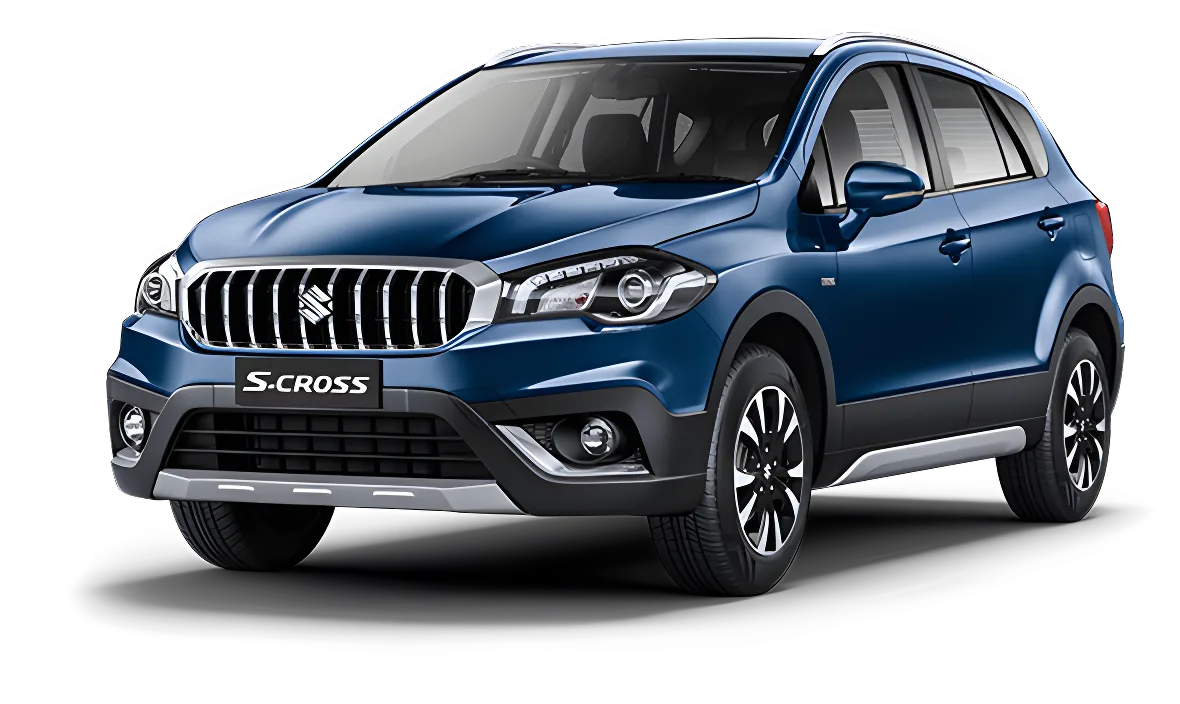 S-Cross
 Jimny
Jimny
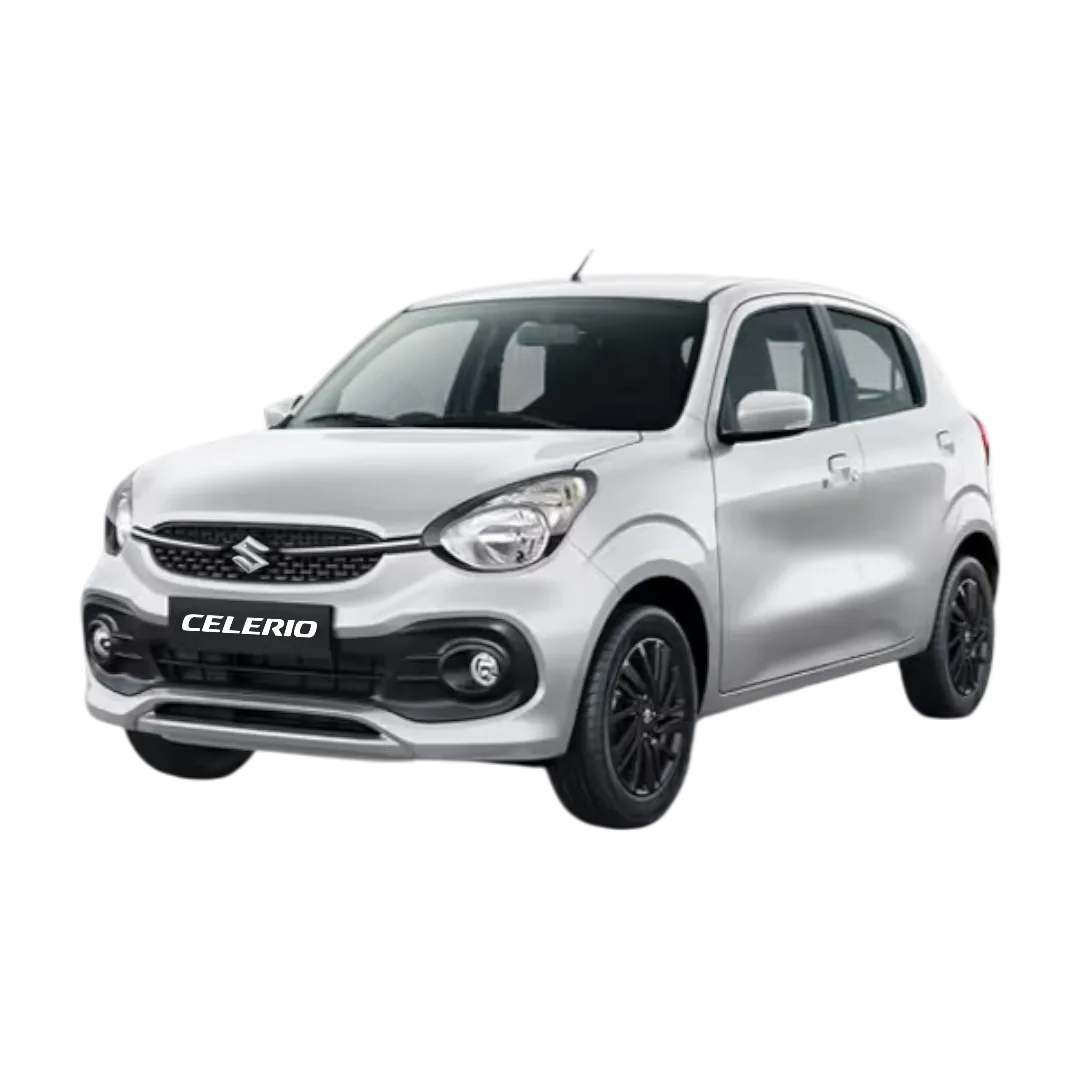 Celerio
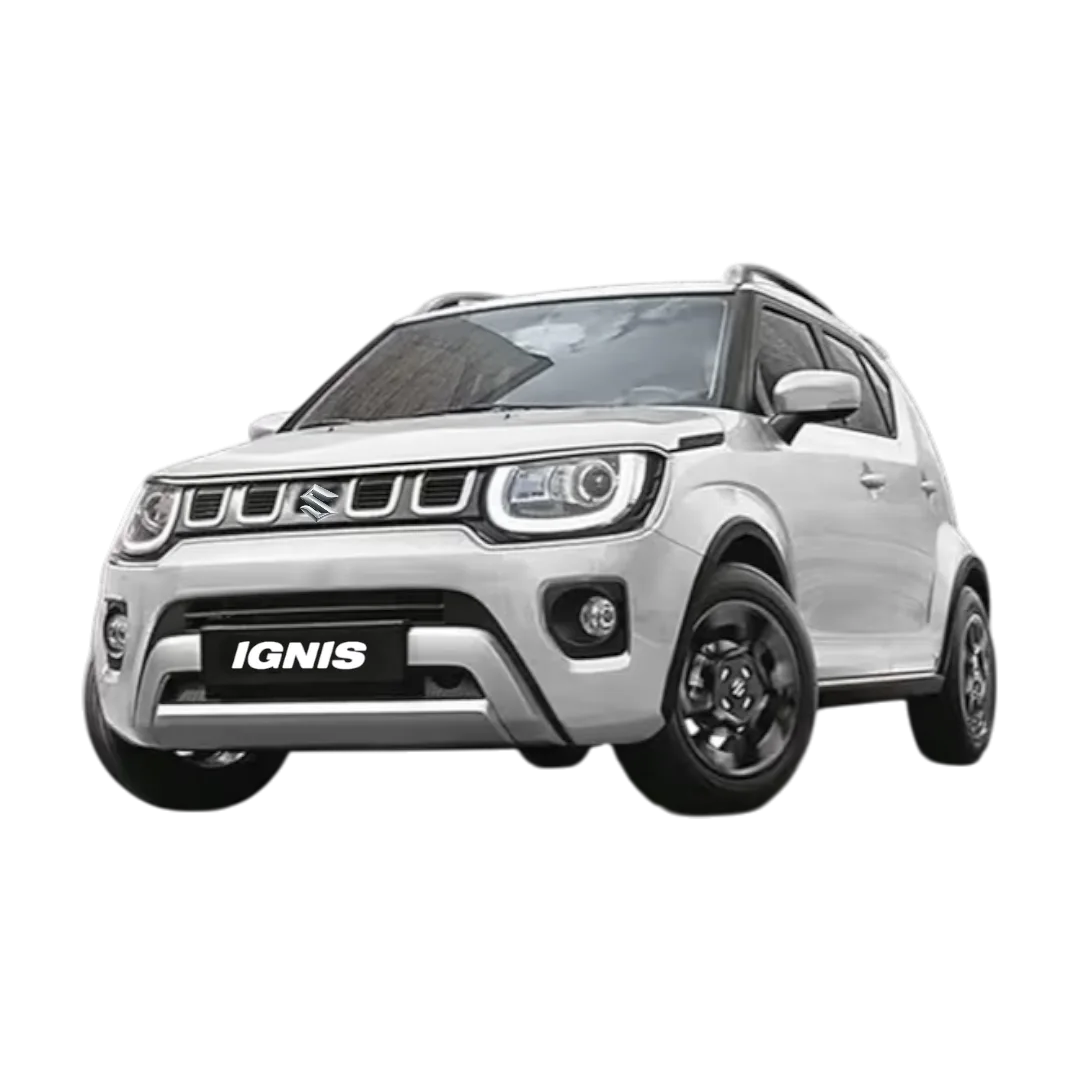 Ignis
Ignis
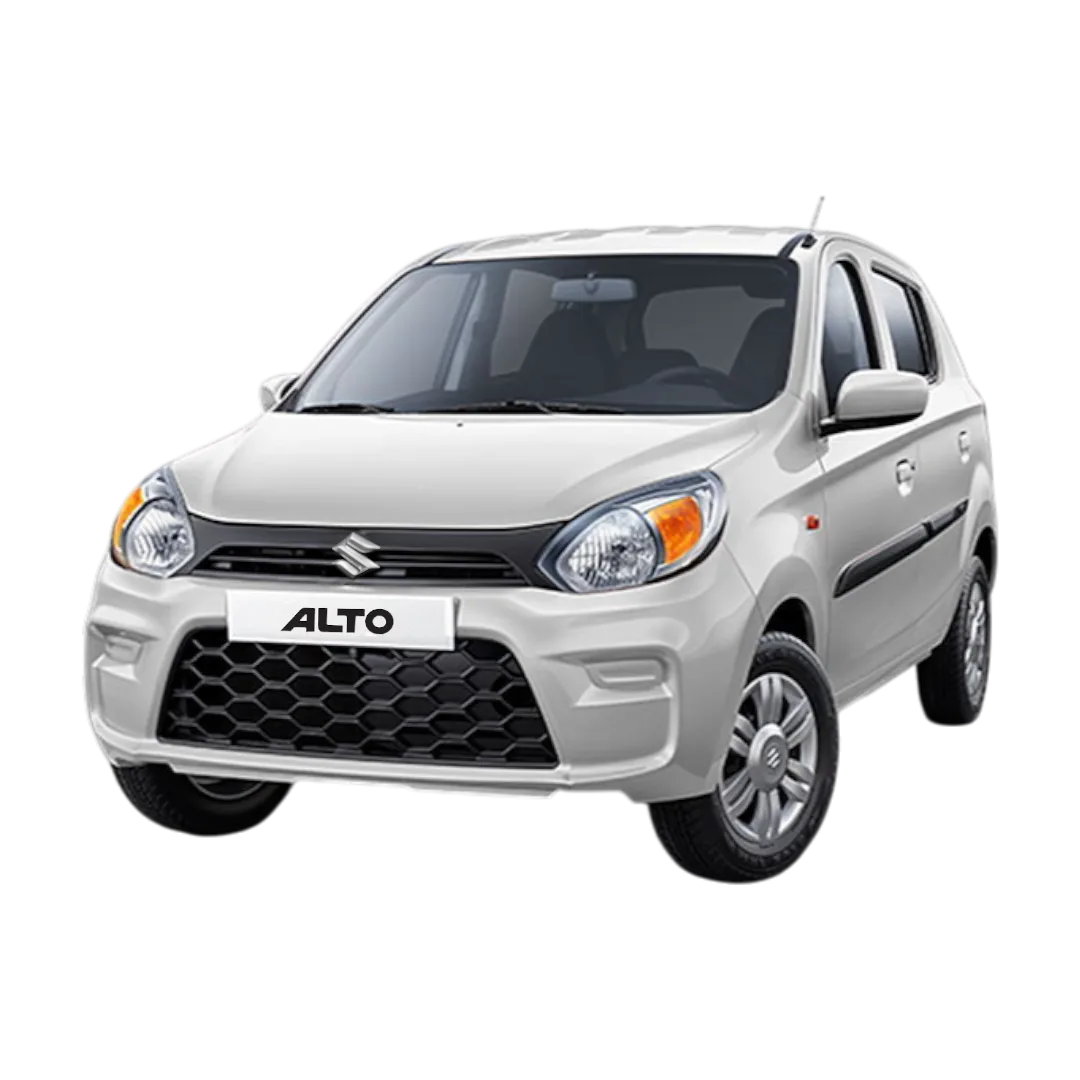 Alto 800
 Alto K10
 XL6
XL6
 Omni
Omni
 SX4
SX4
 Gypsy
Gypsy
 Maruti 800
 Zen
Zen
 Esteem
 Zen Estilo
 Ritz
Ritz
 Fronx
Fronx
 A-Star
 Alto
Alto
 Invicto
Victoris
Wagon R
Invicto
Victoris
Wagon R
 i20
i20
 Aura
Aura
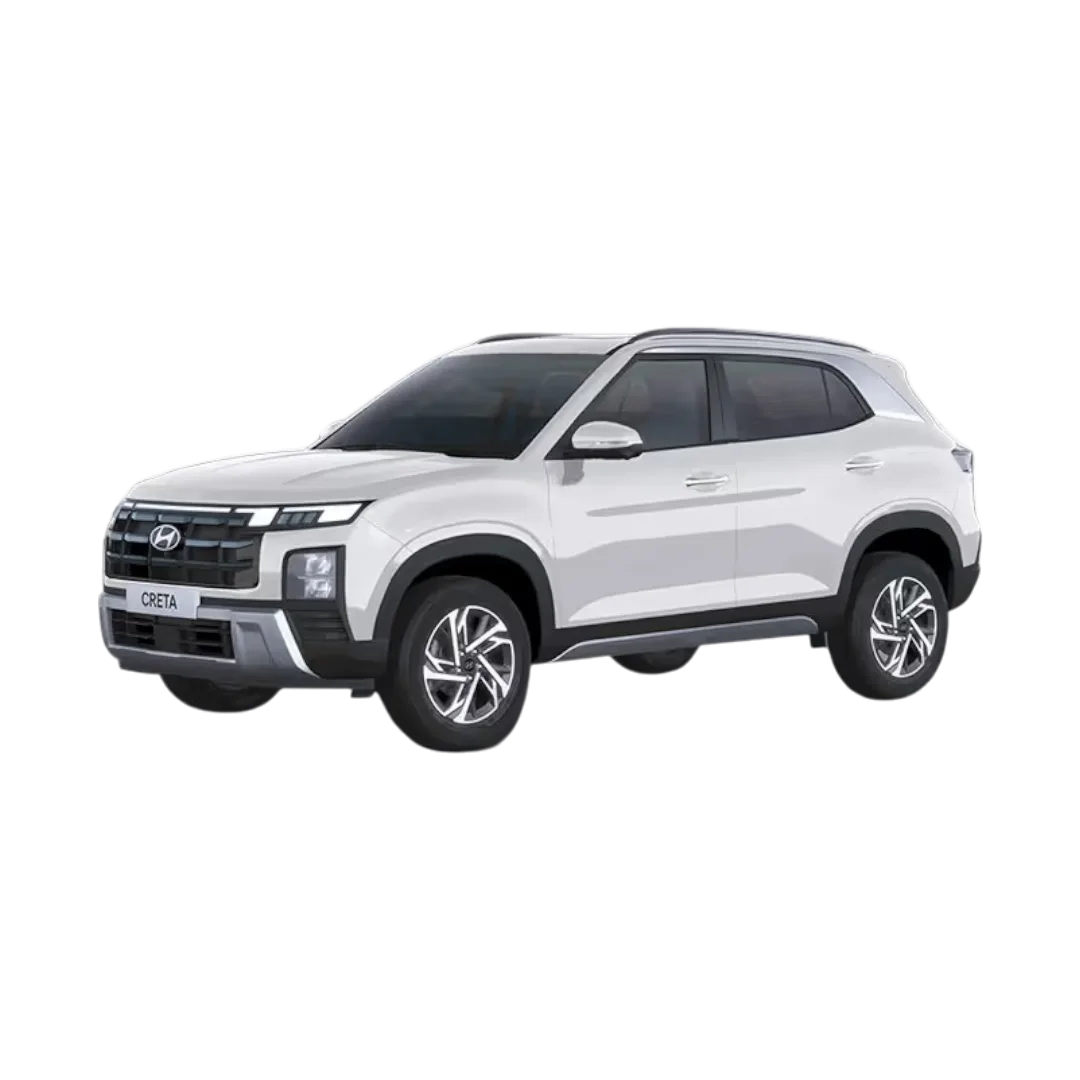 Creta
Creta
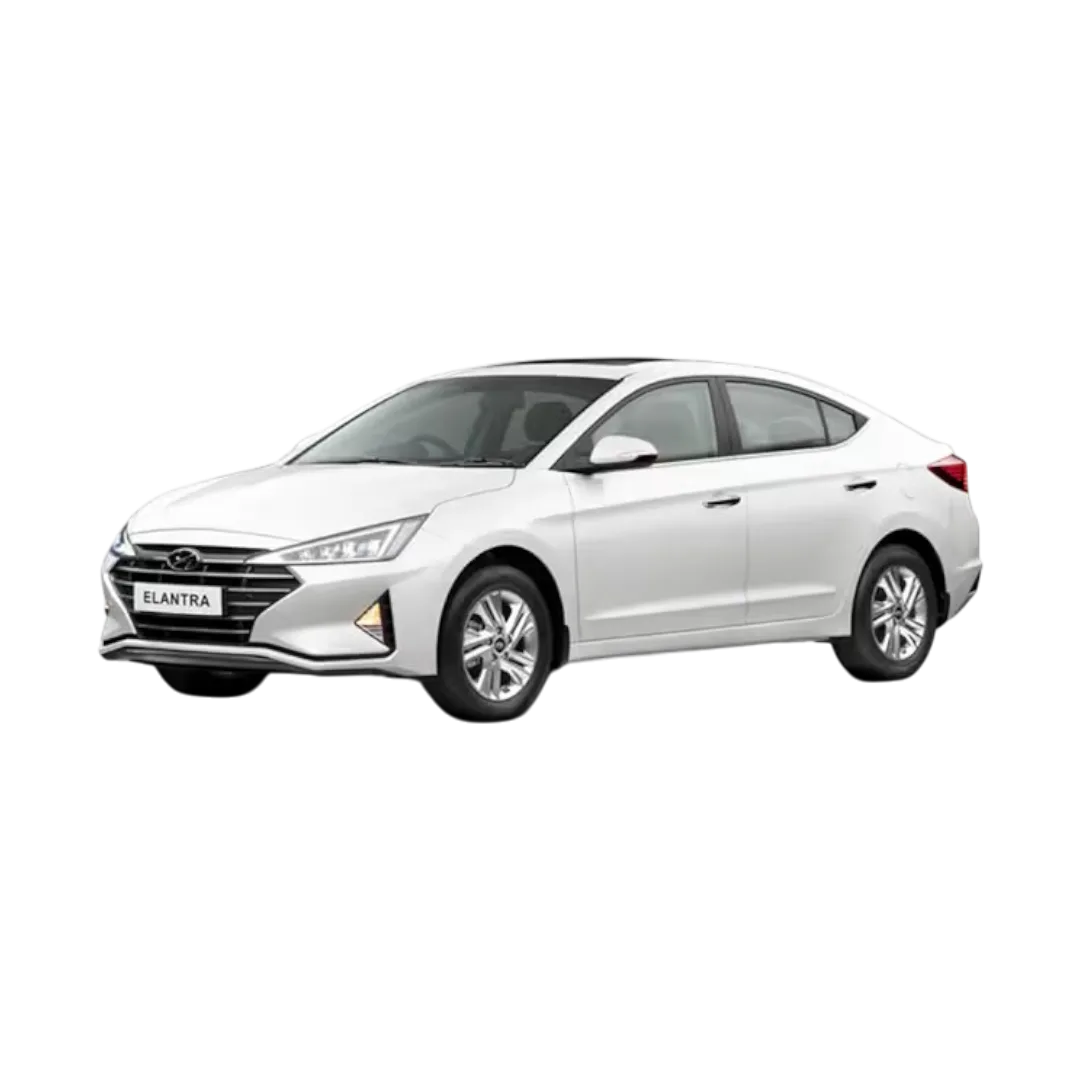 Elantra
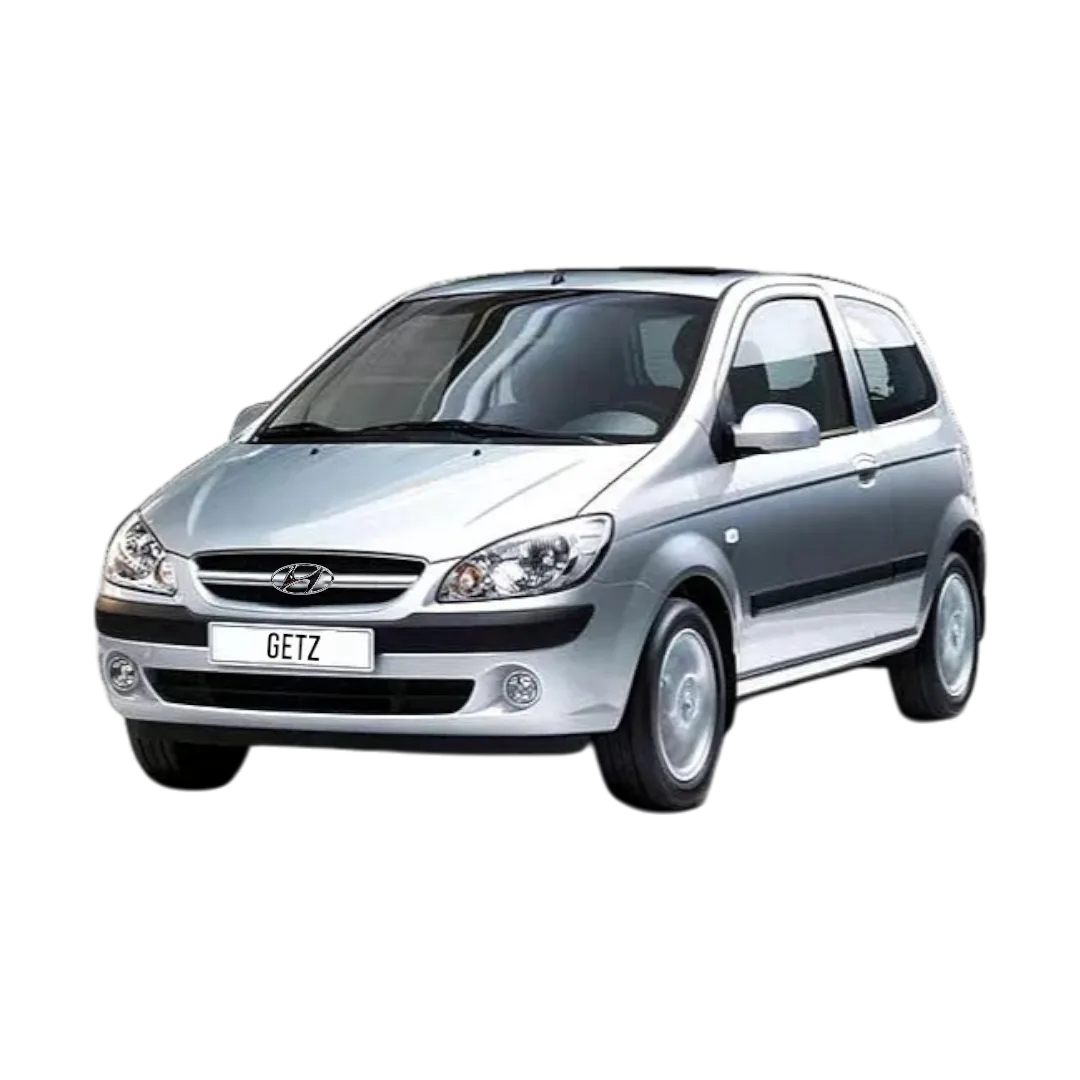 Getz
Getz
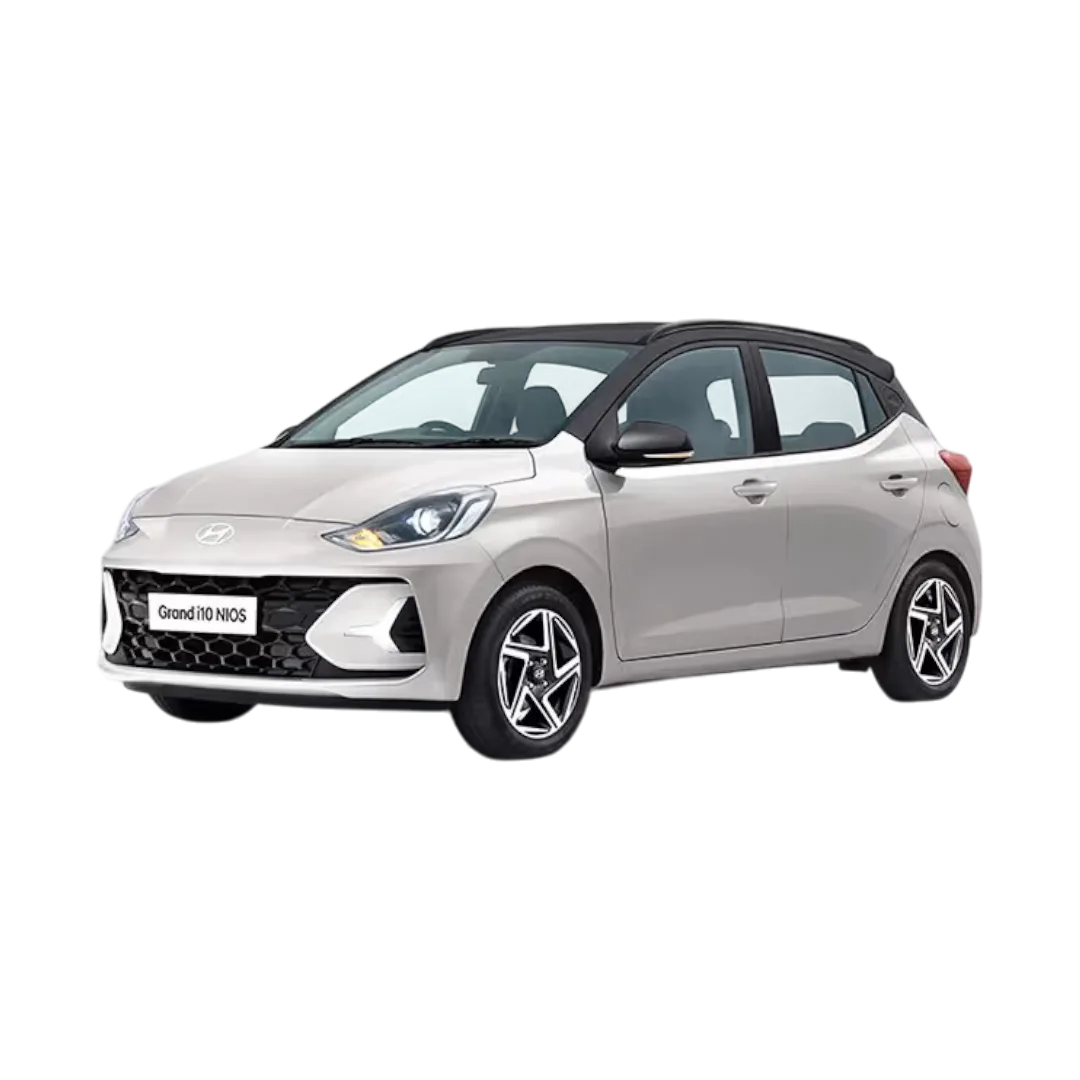 Grand i10 Nios
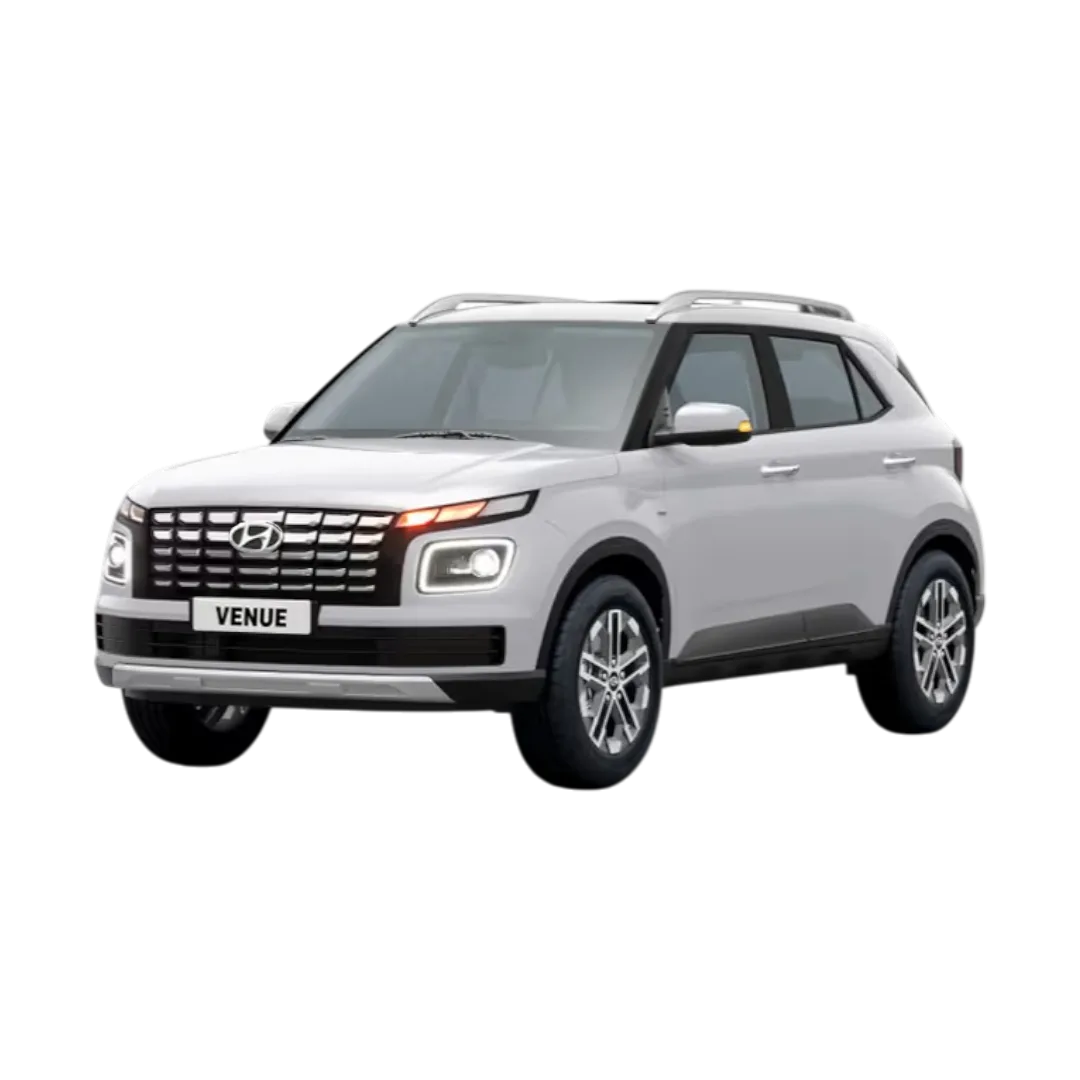 Venue
Venue
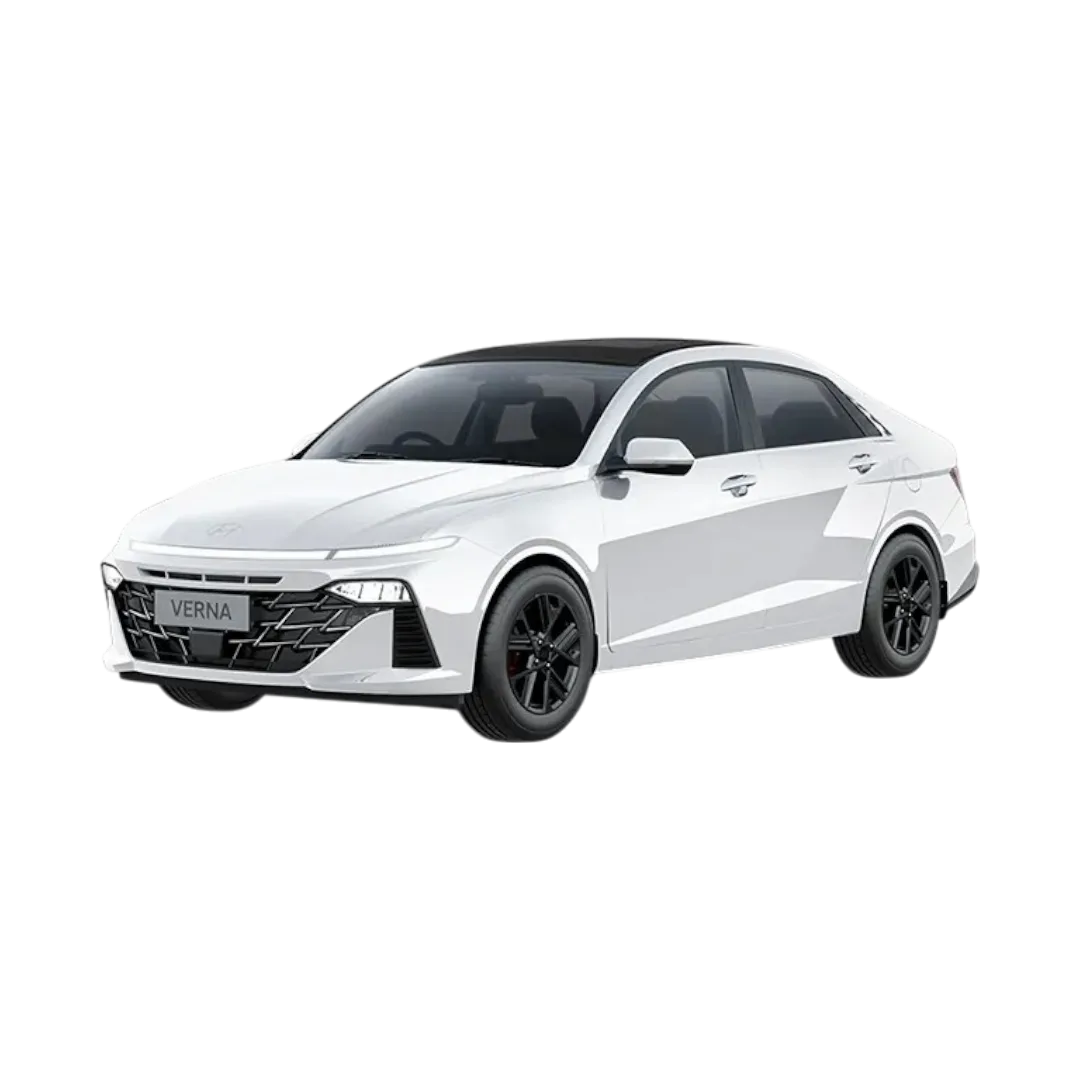 Verna
Verna
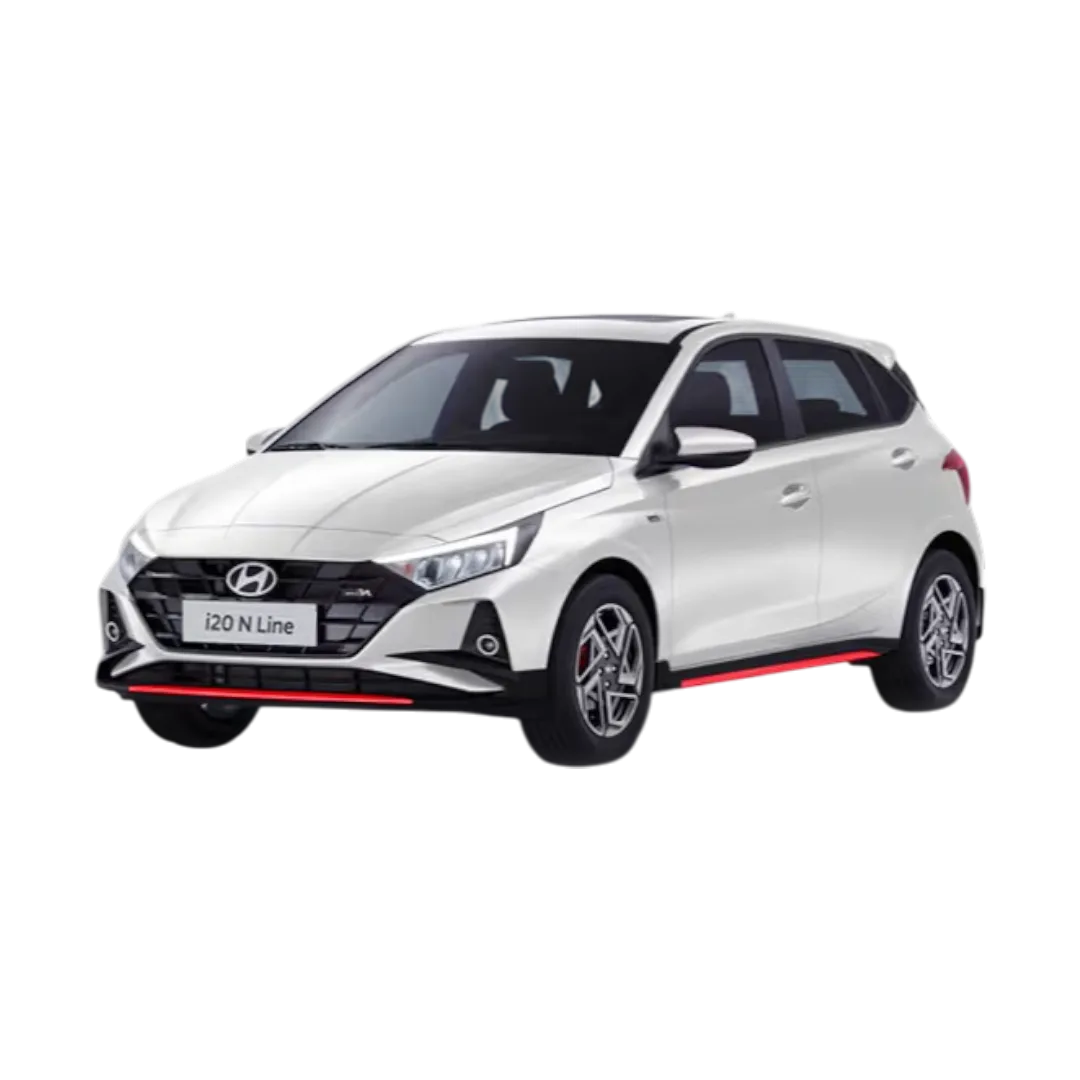 i20 N Line
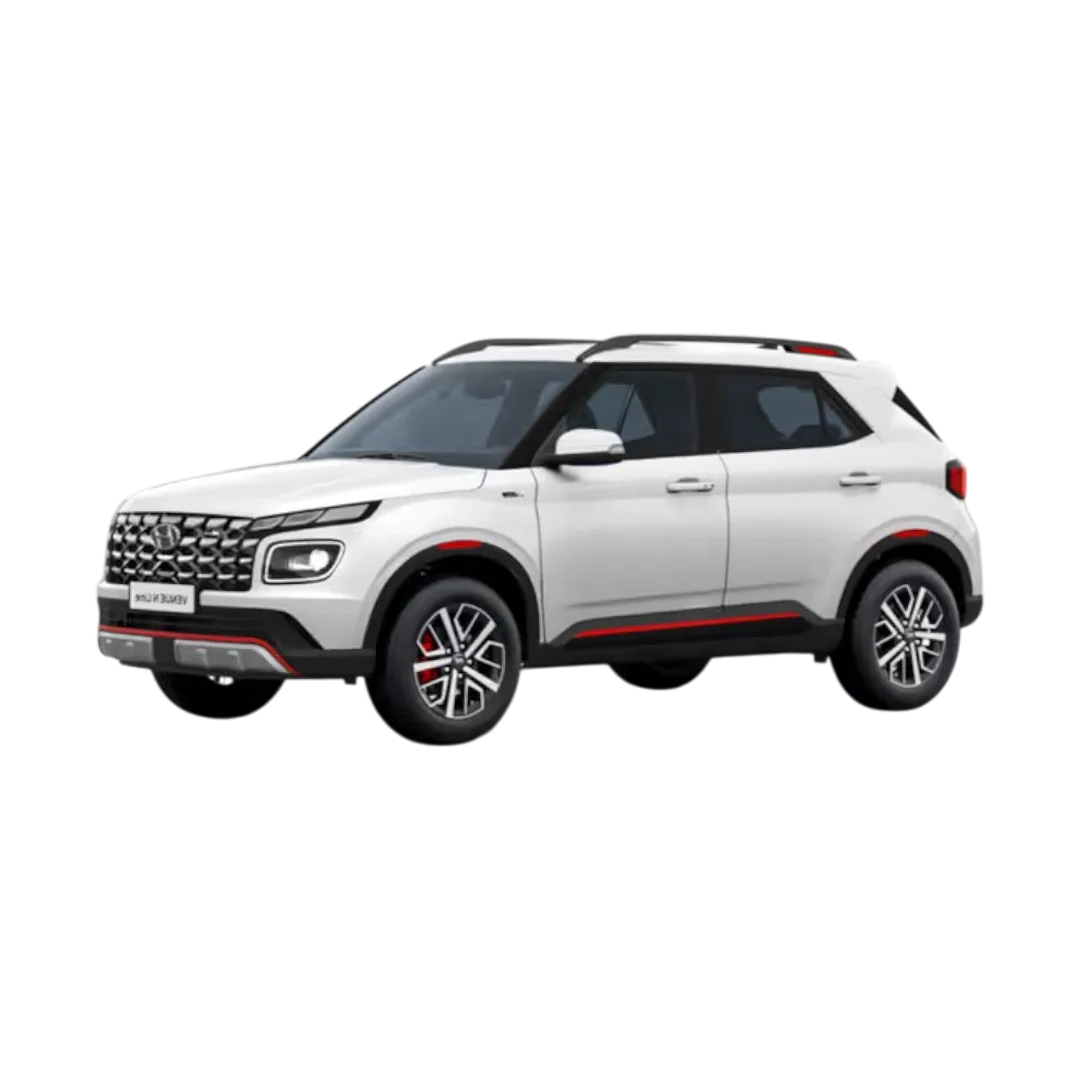 Venue N Line
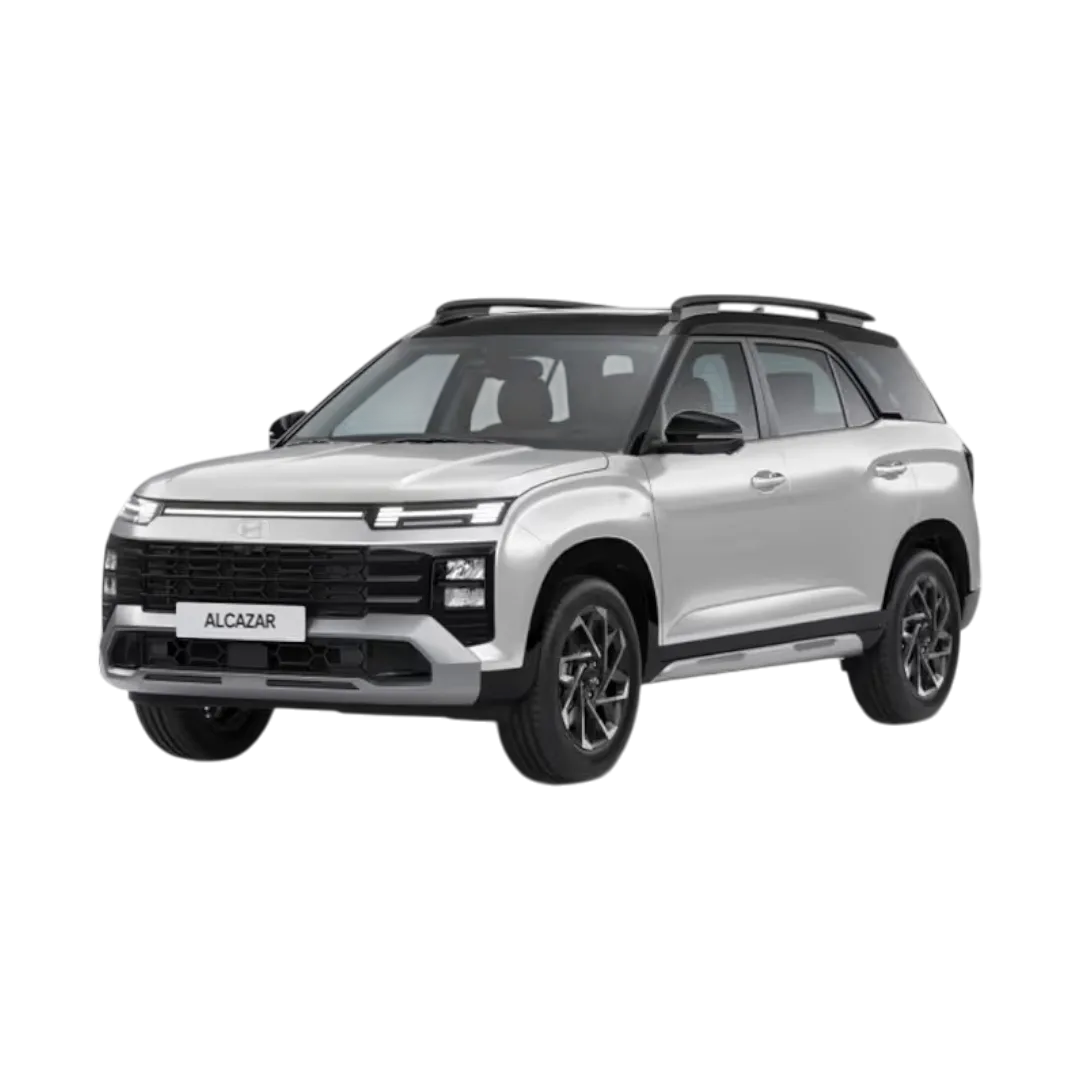 Alcazar
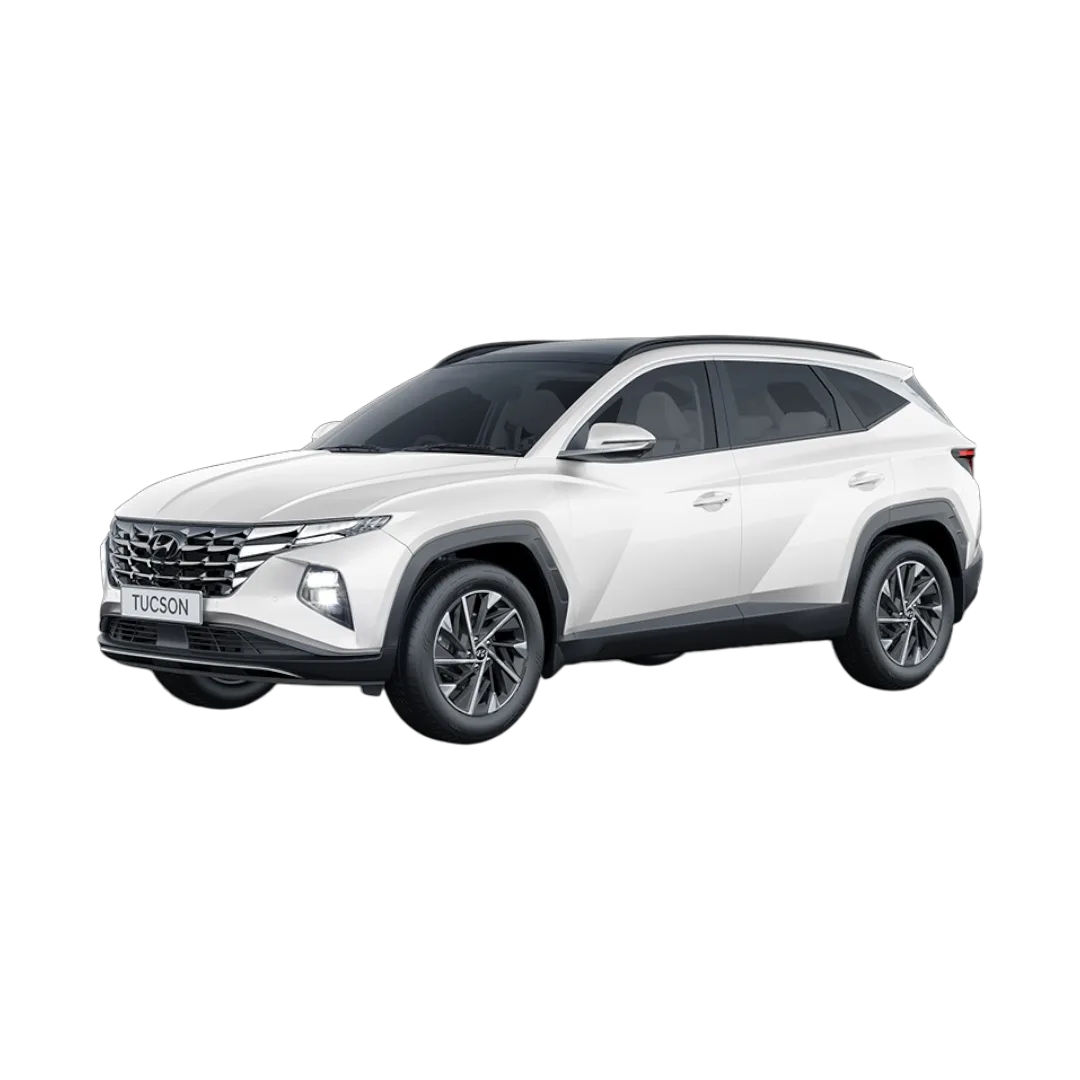 Tucson
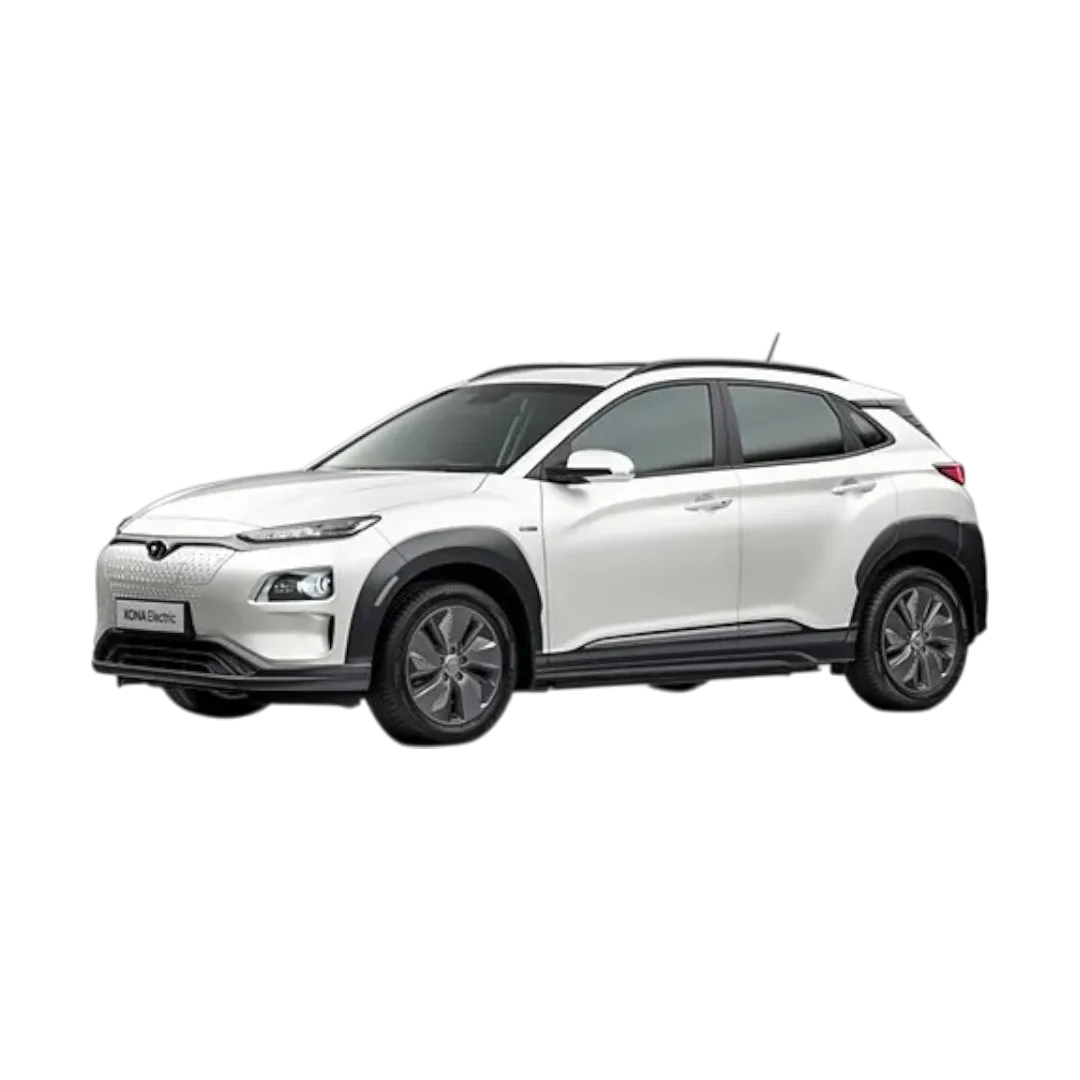 Kona
Kona
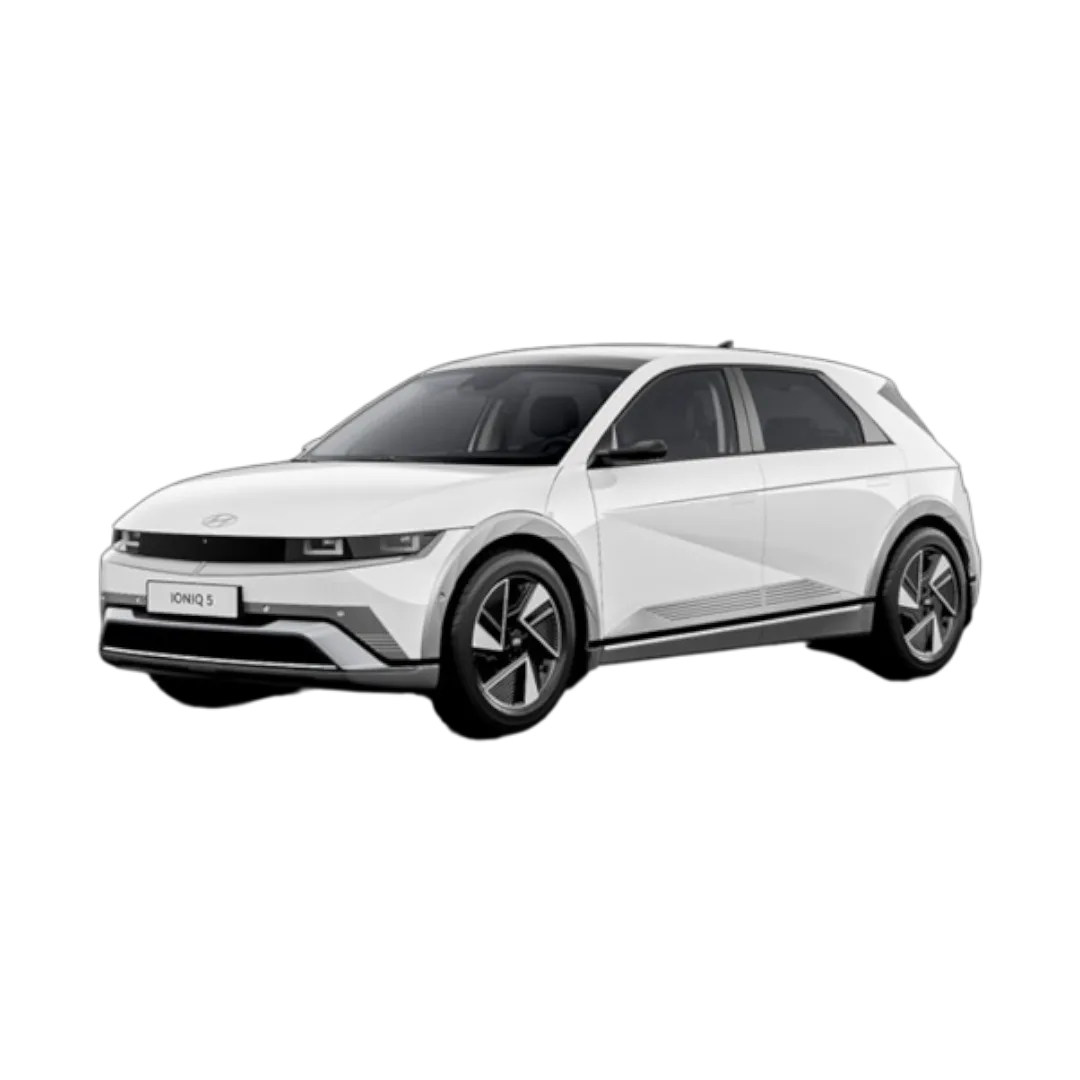 iONIQ 5
 Santro
 Santro Xing
 Accent
 Sonata
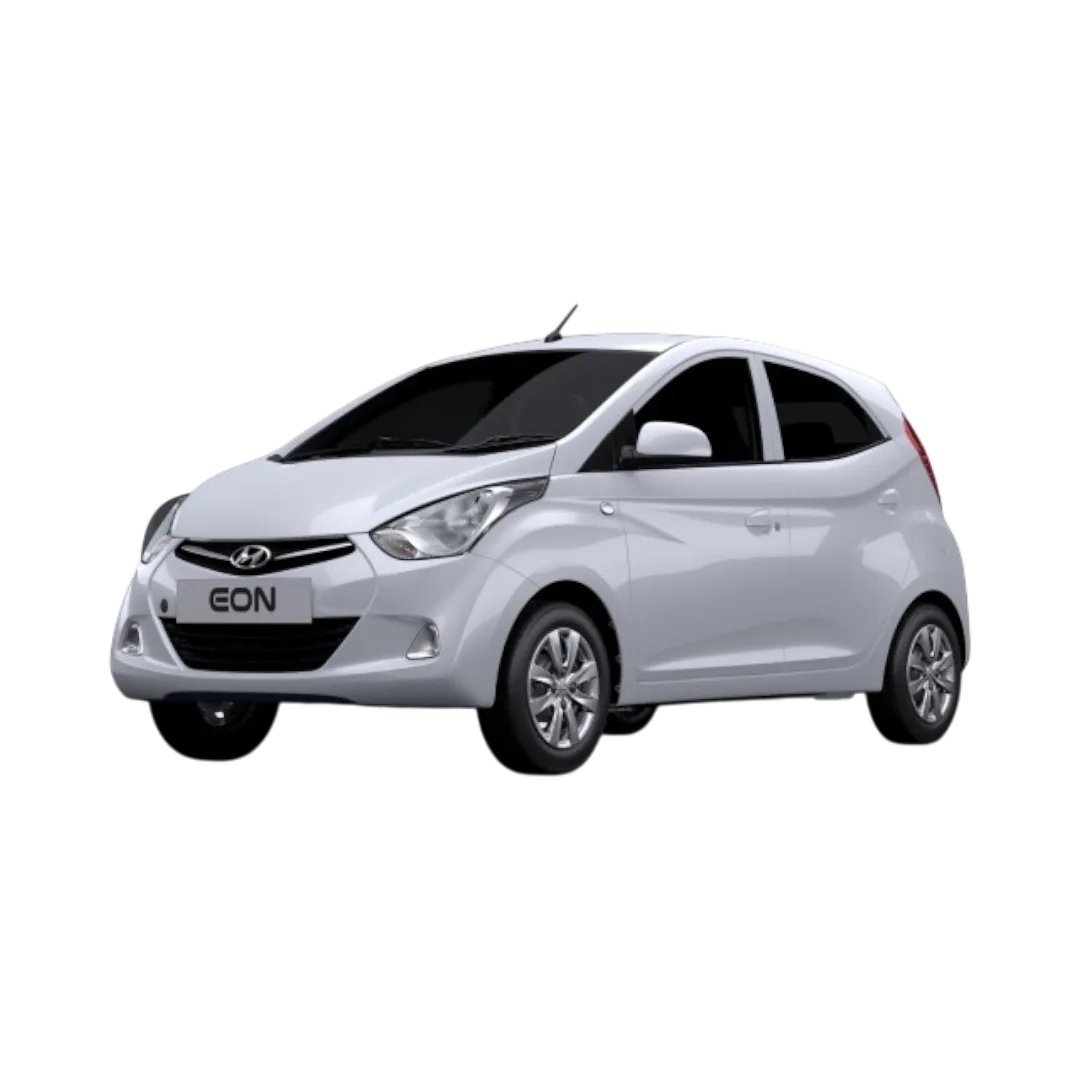 Eon
Eon
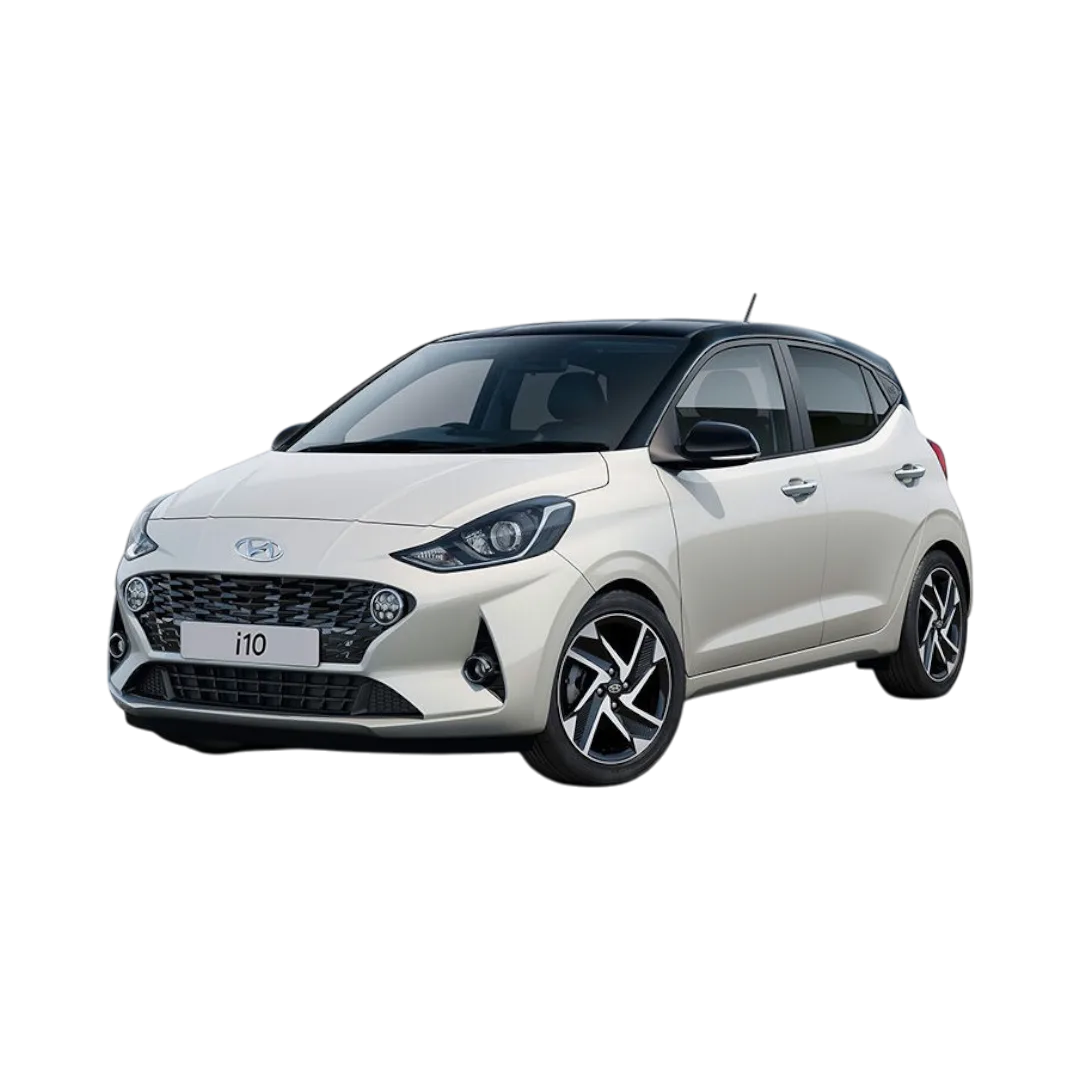 i10
i10
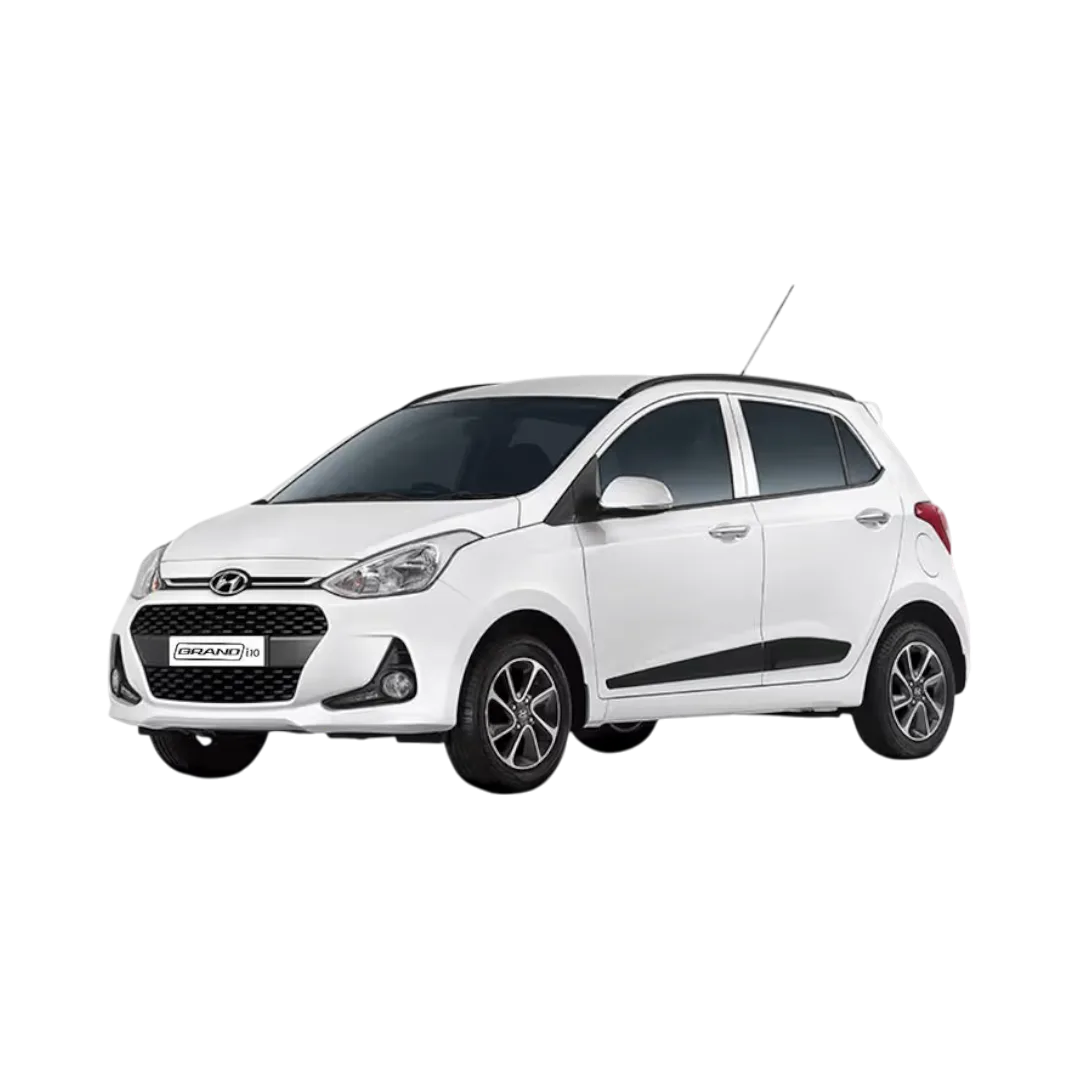 Grand i10
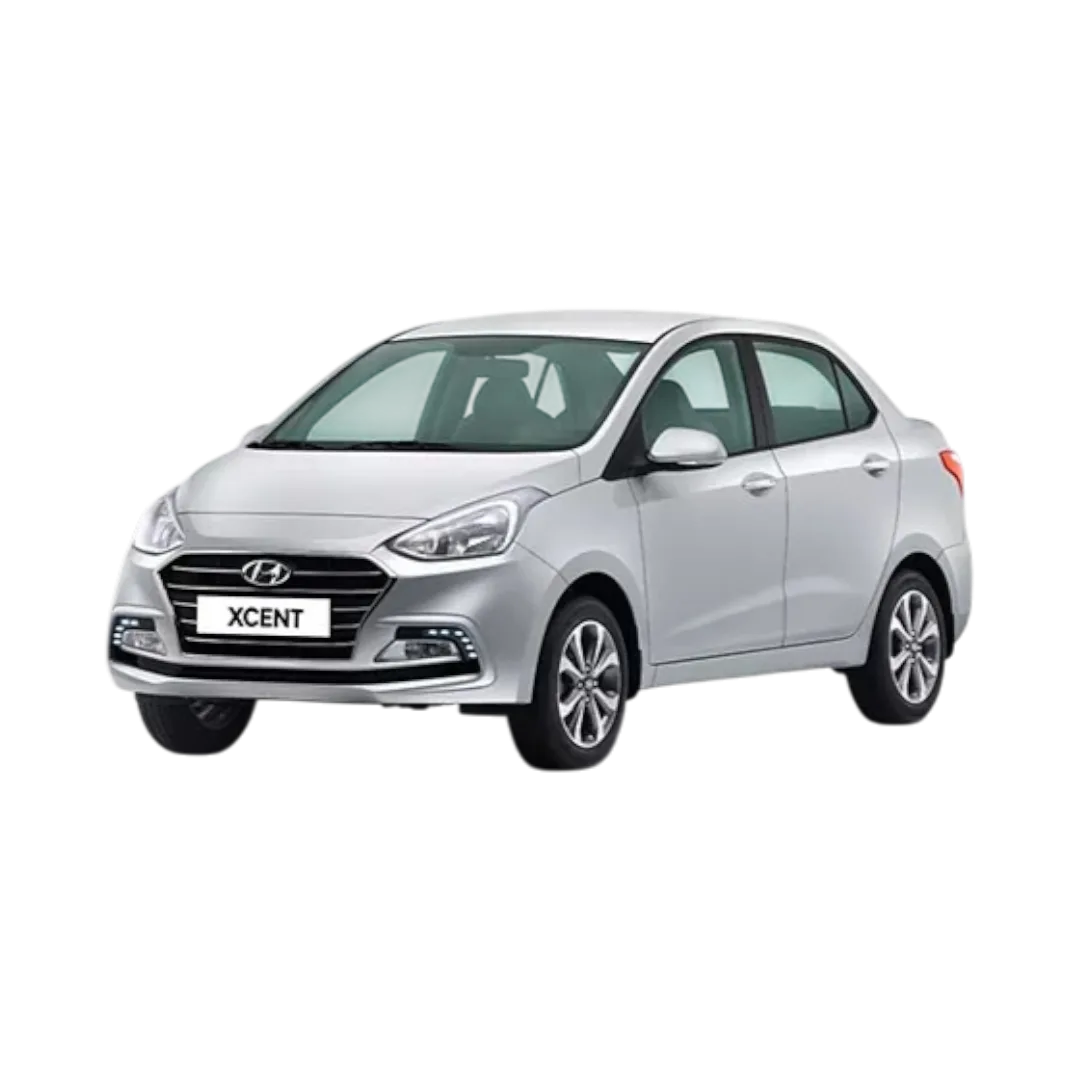 Xcent
Xcent
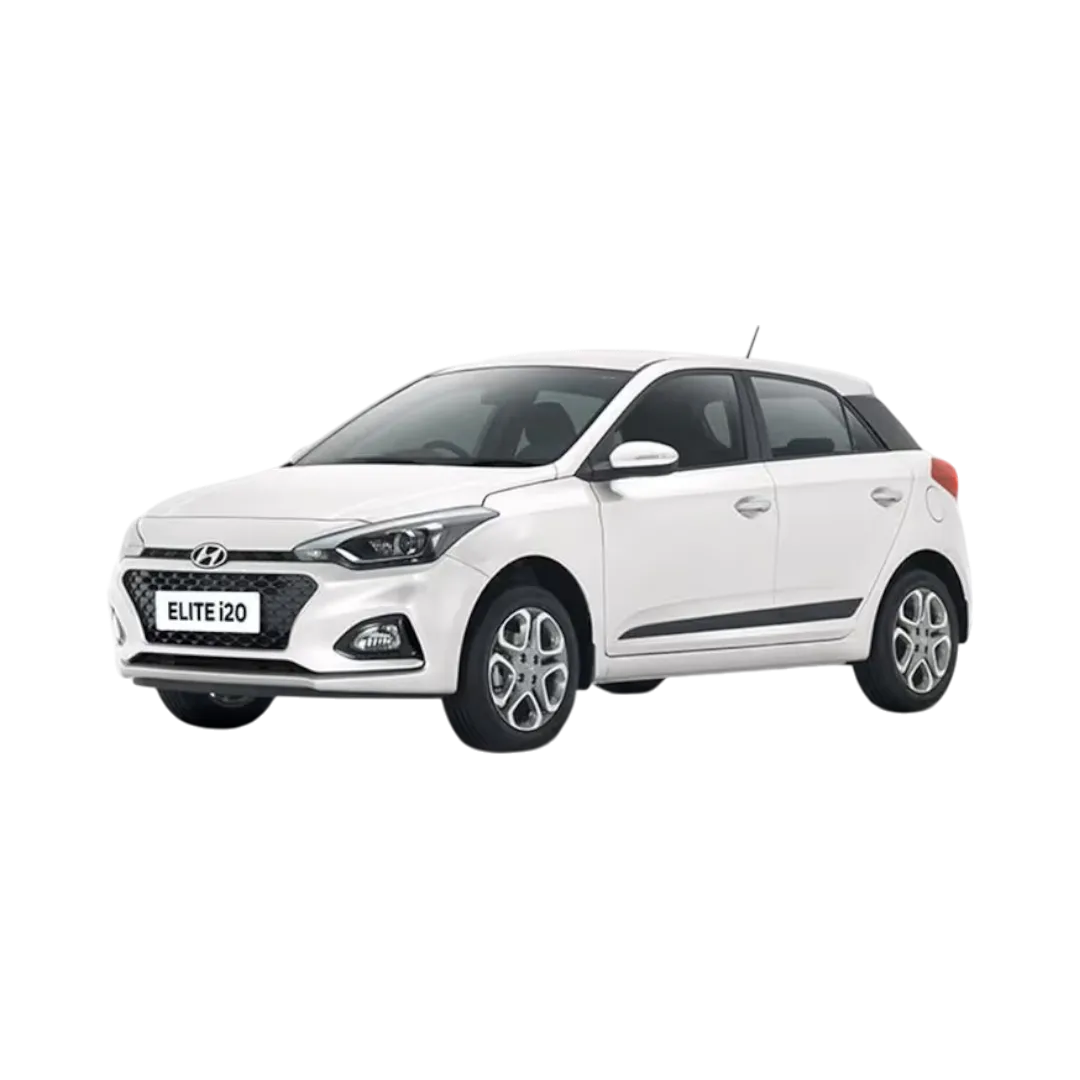 Elite i20
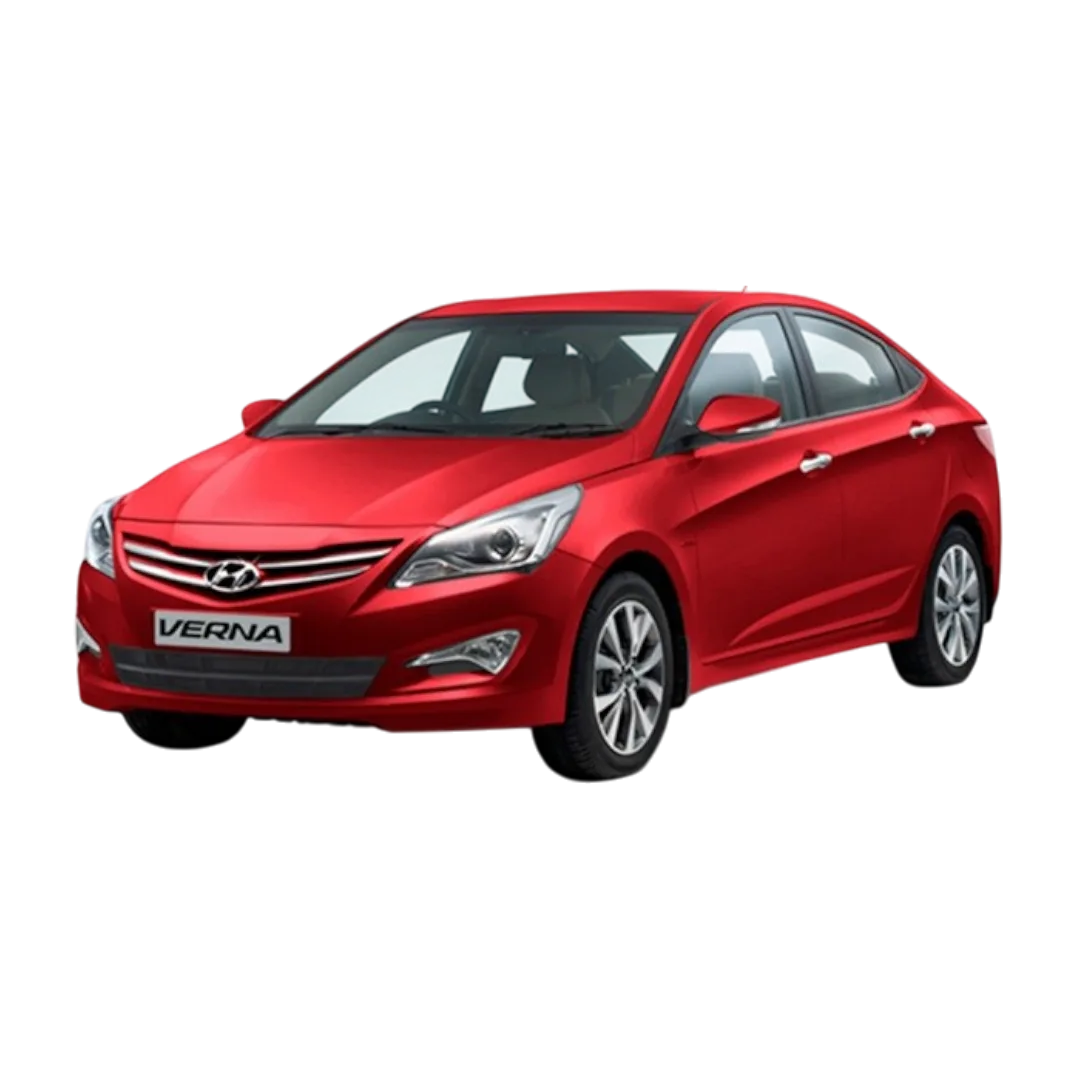 Verna Fluidic
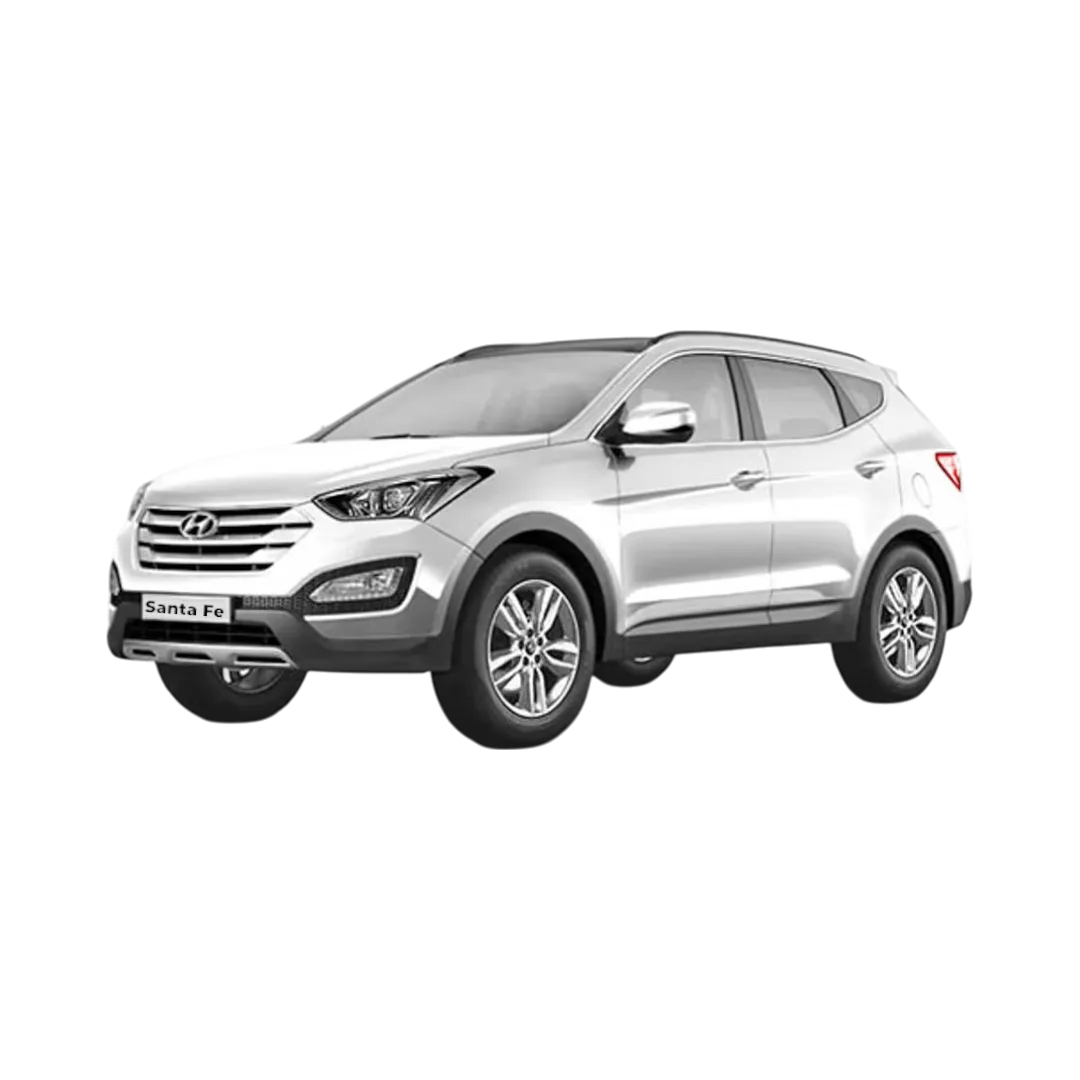 Santafe
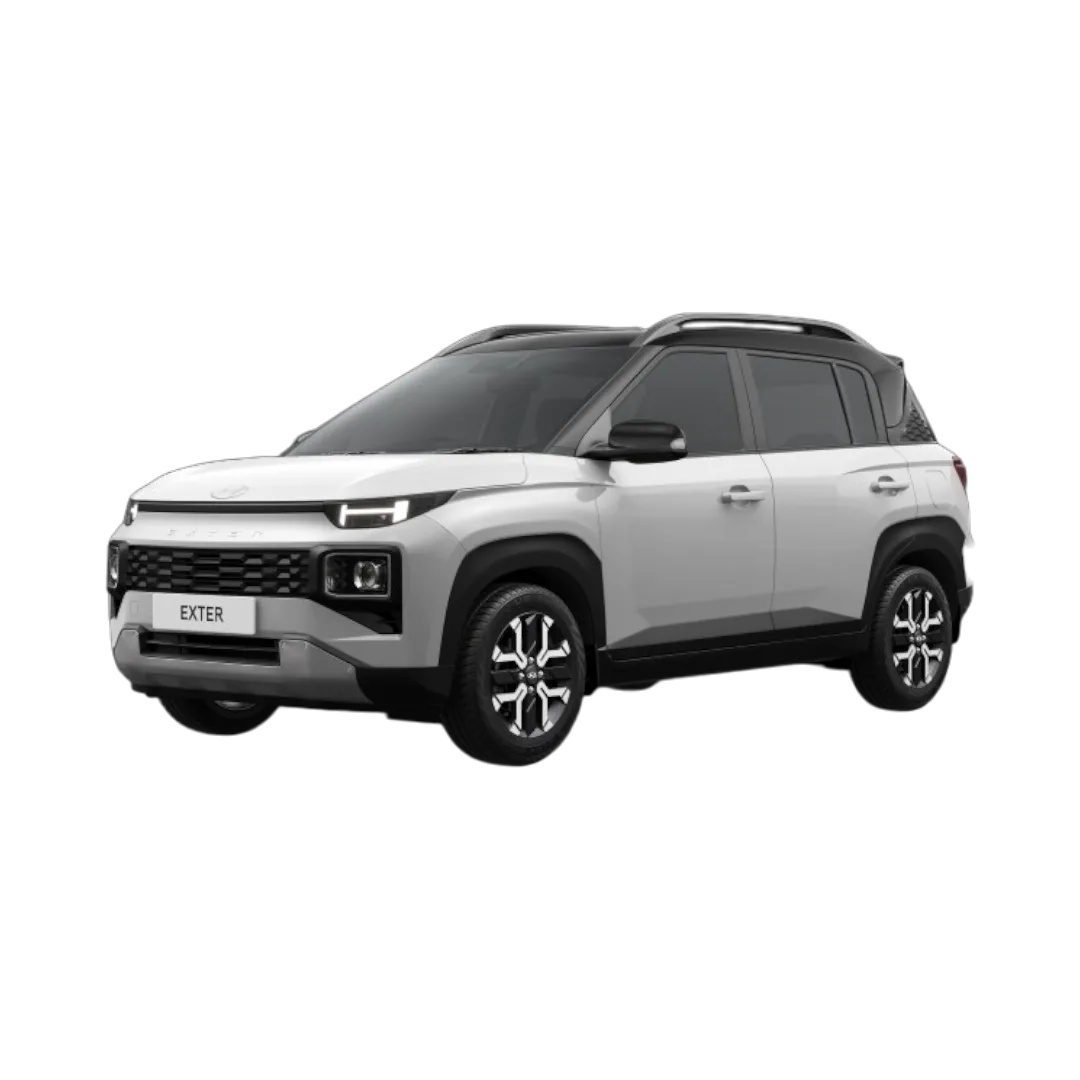 Exter
Sonata Fluidic
i20 Active
Exter
Sonata Fluidic
i20 Active
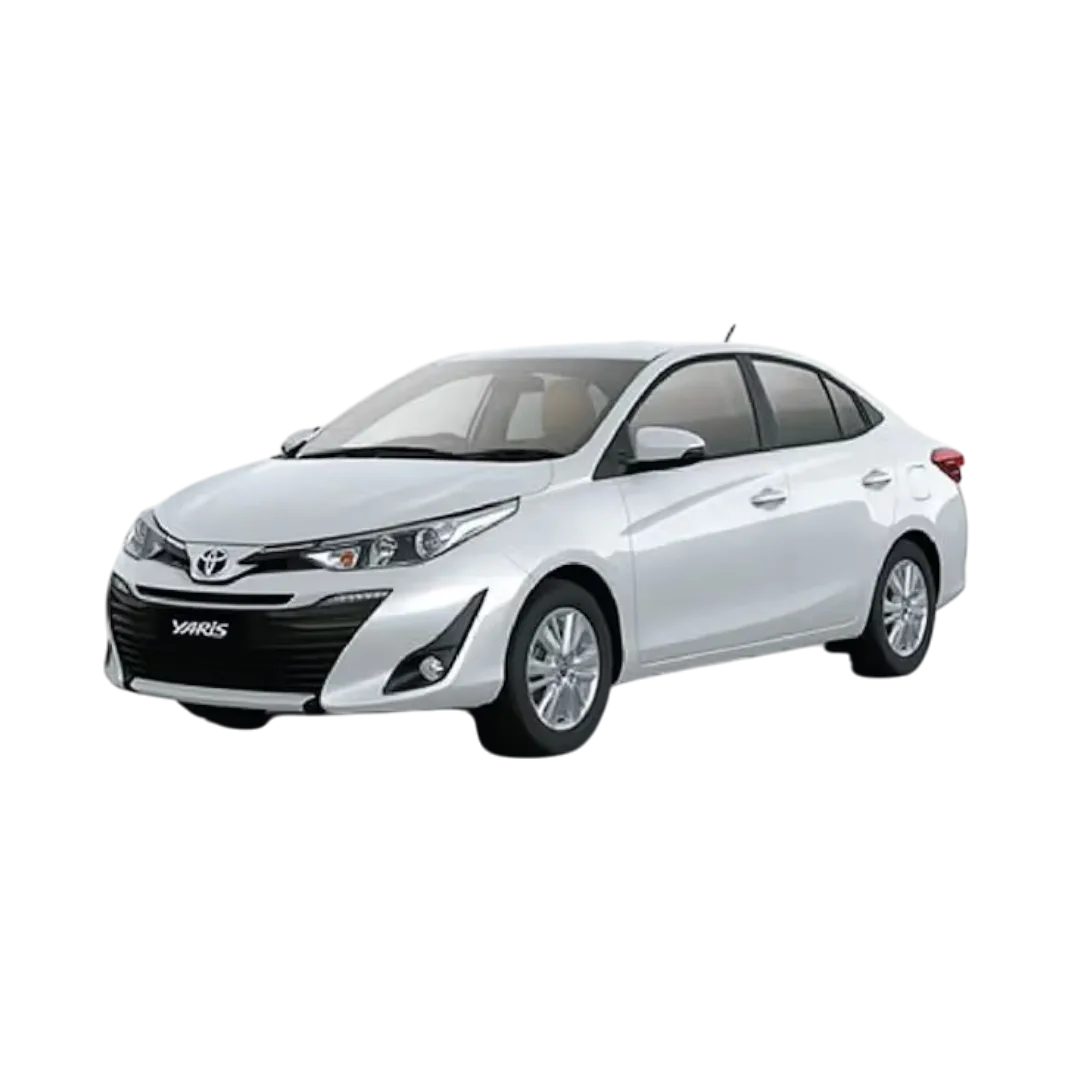 Yaris
Yaris
 Urban Cruiser
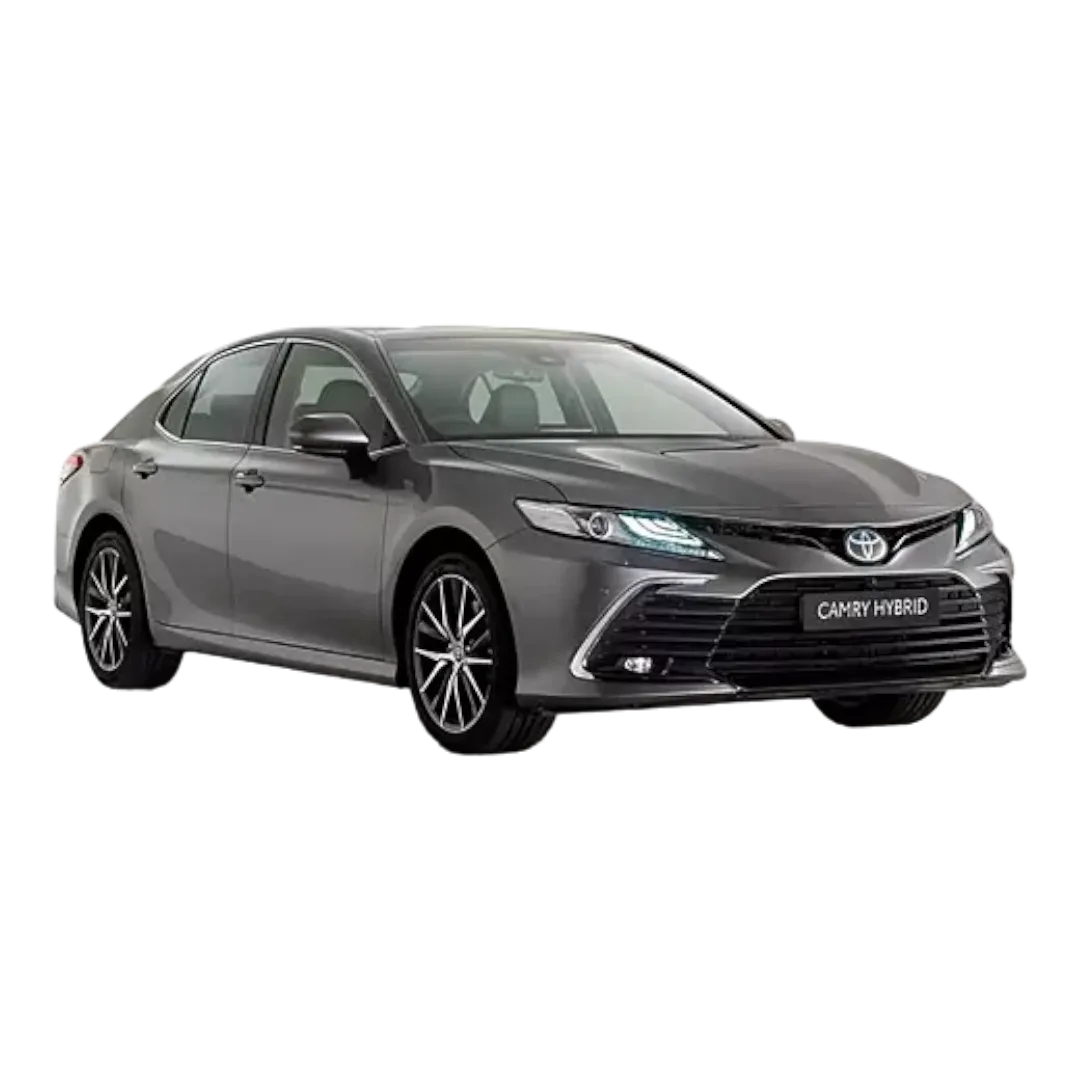 Camry
Camry
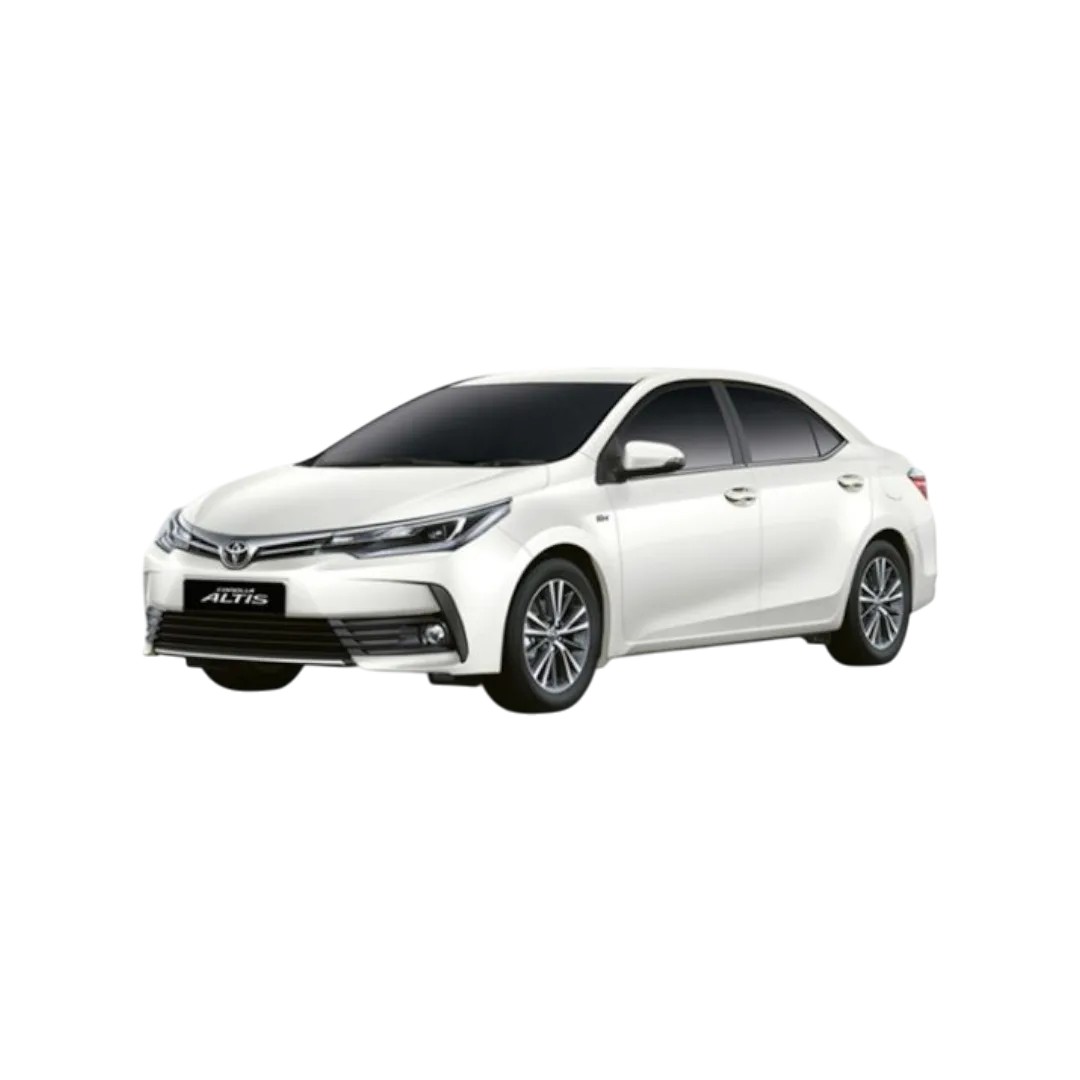 Corolla
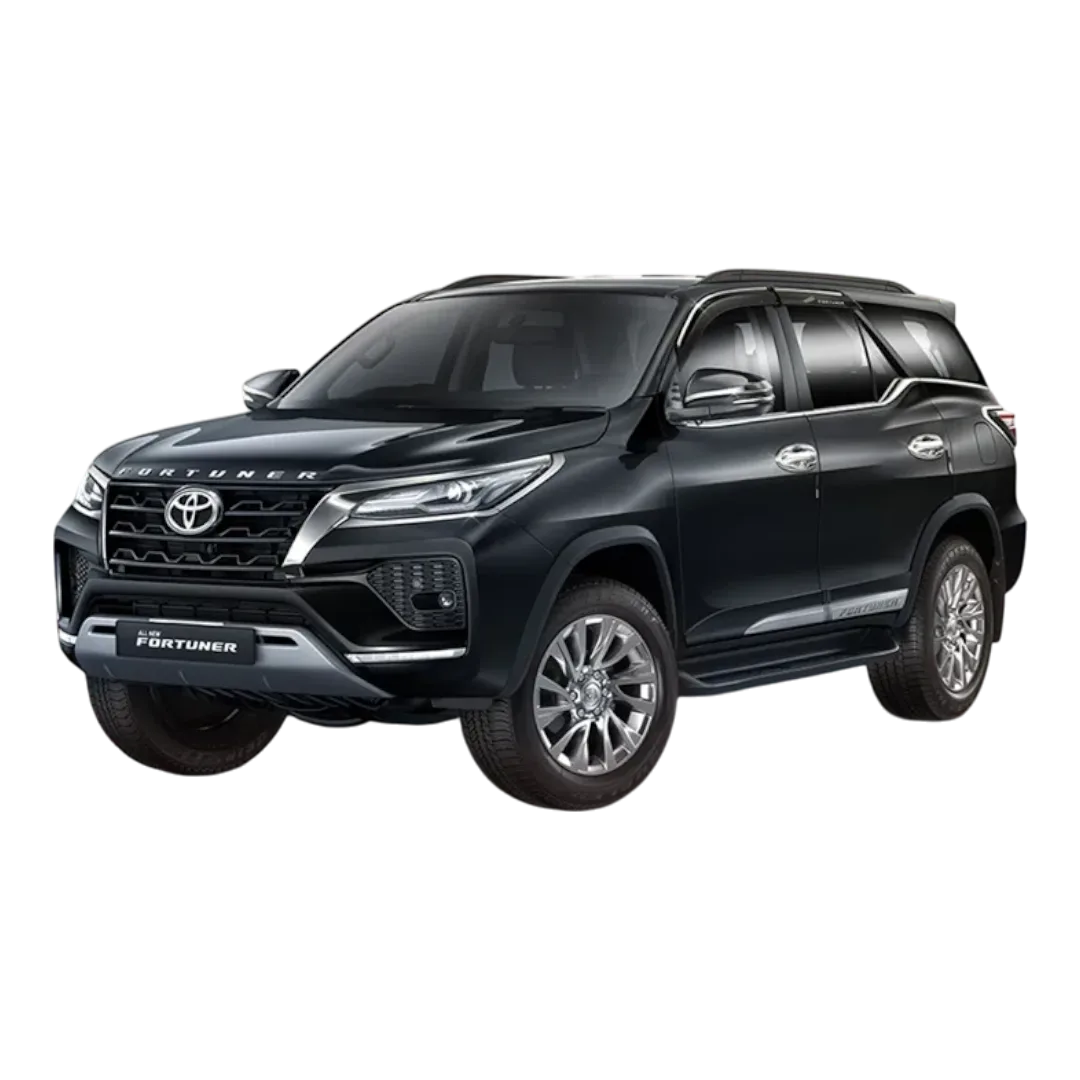 Fortuner
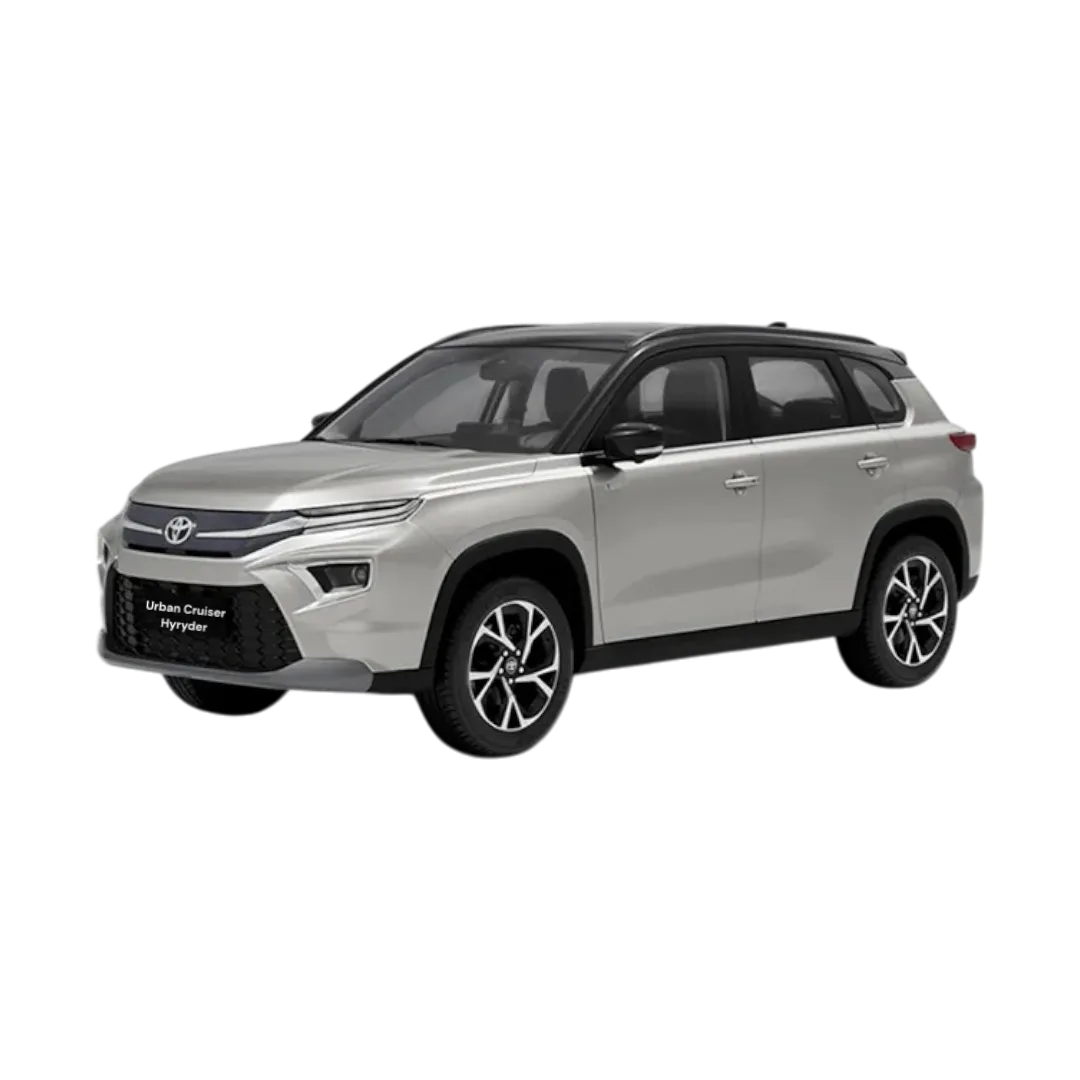 Urban Cruiser Hyryder
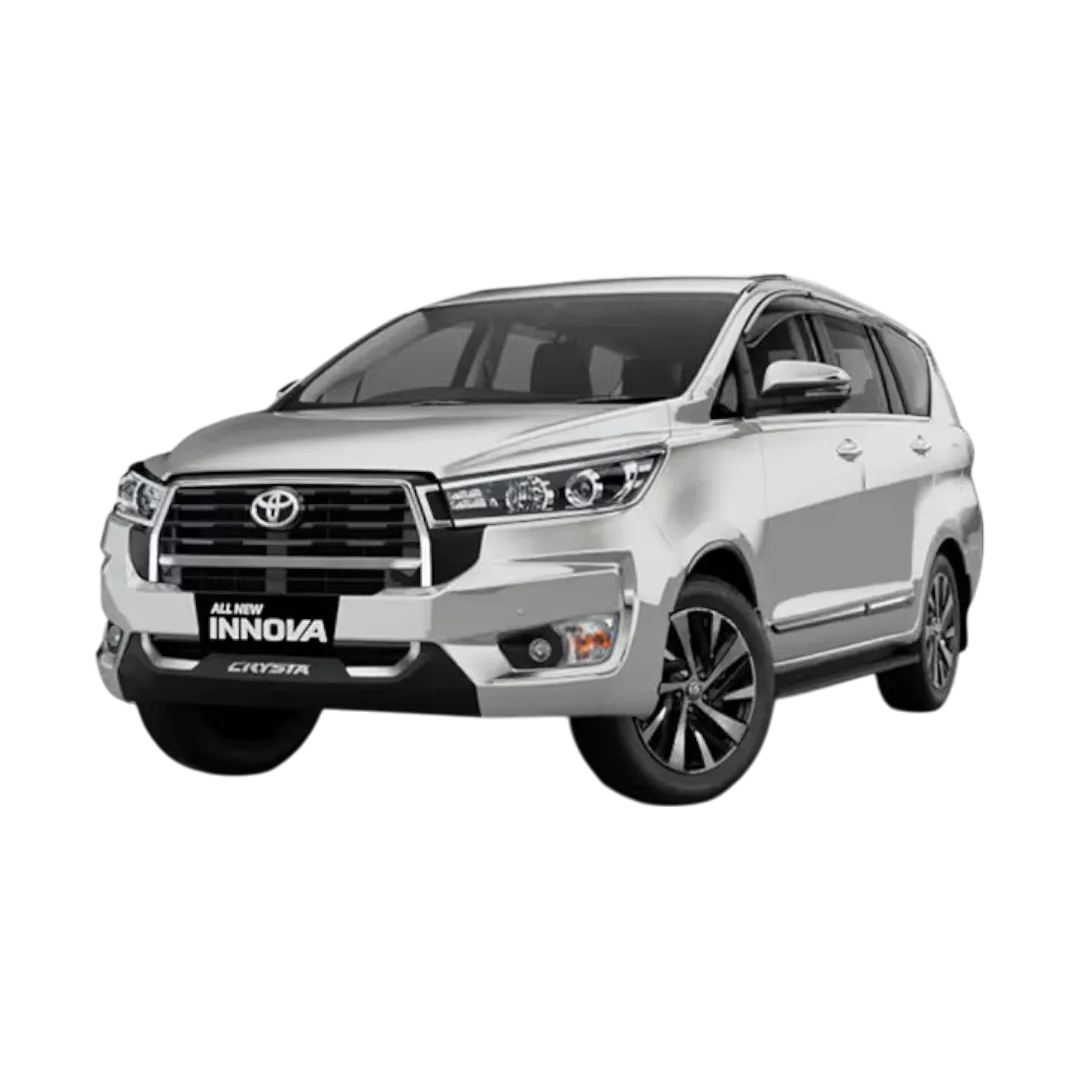 Innova Crysta
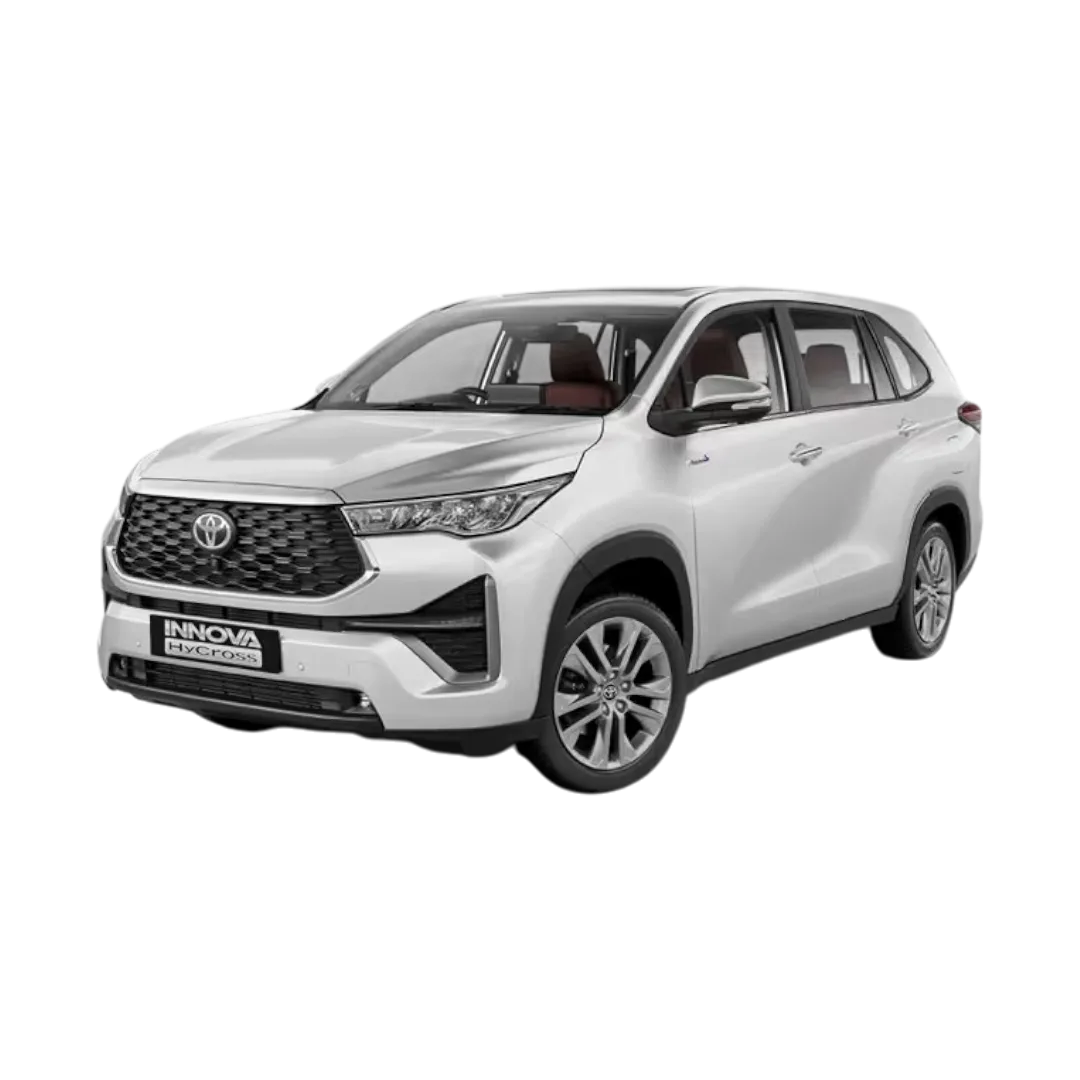 Innova Hycross
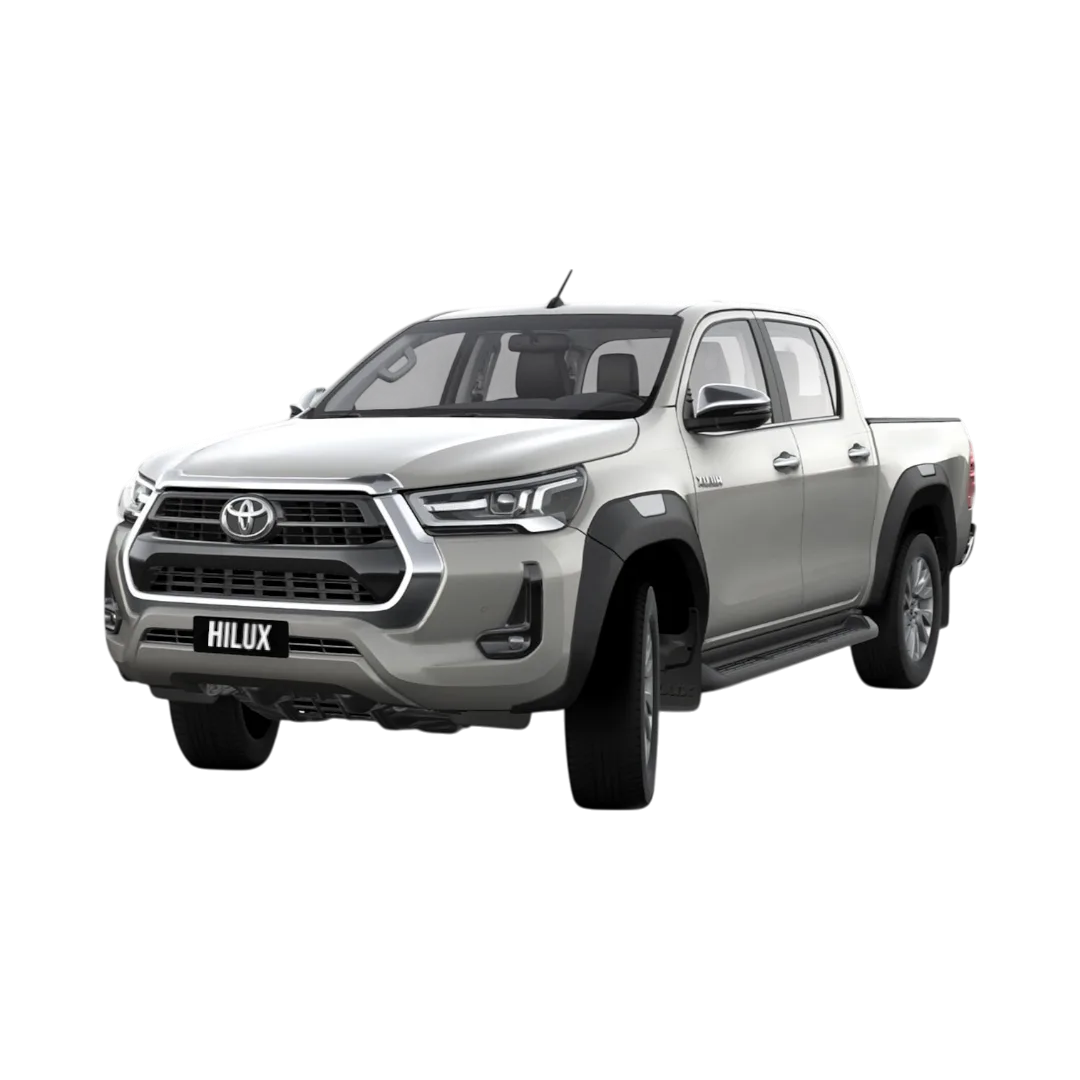 Hilux
Hilux
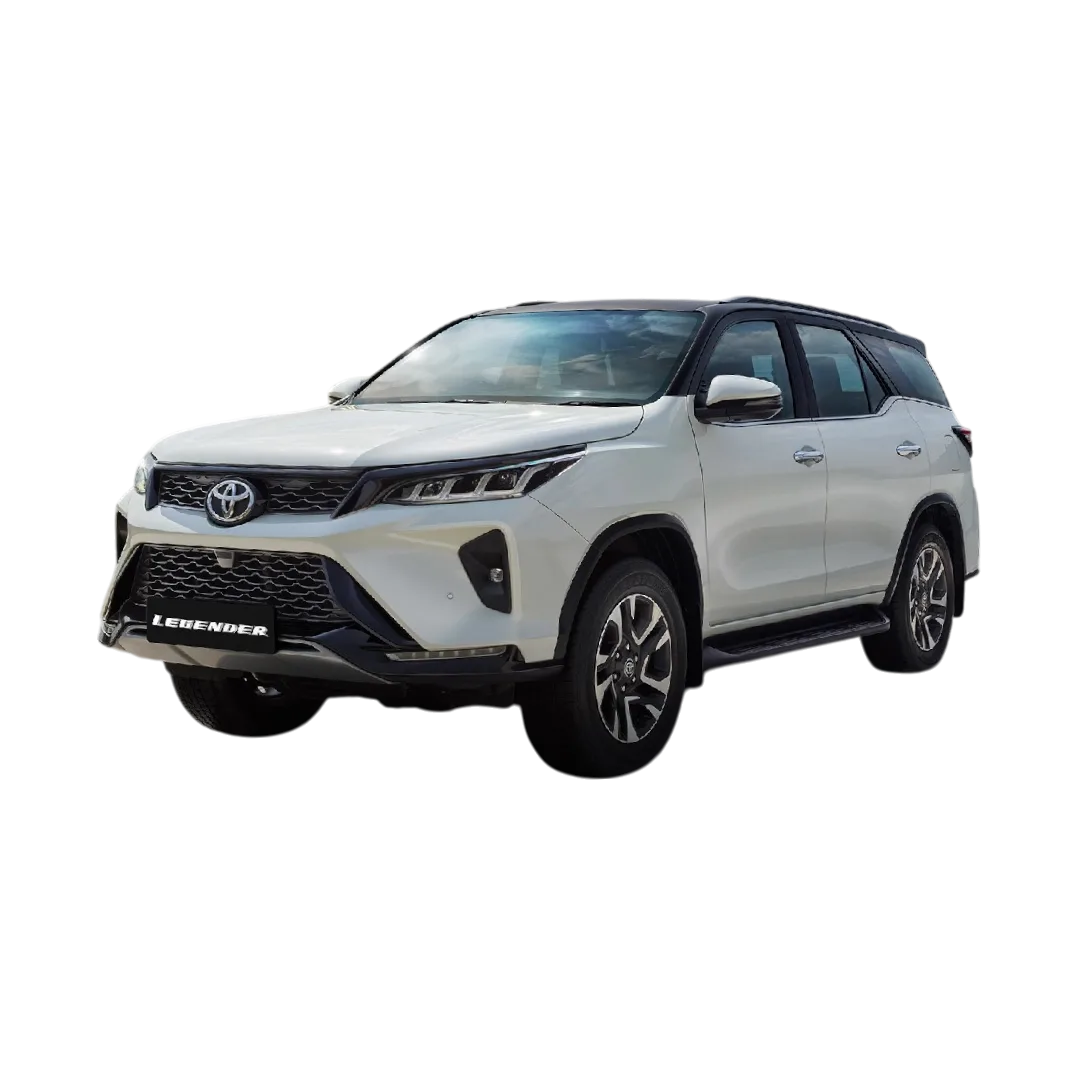 Fortuner Legender
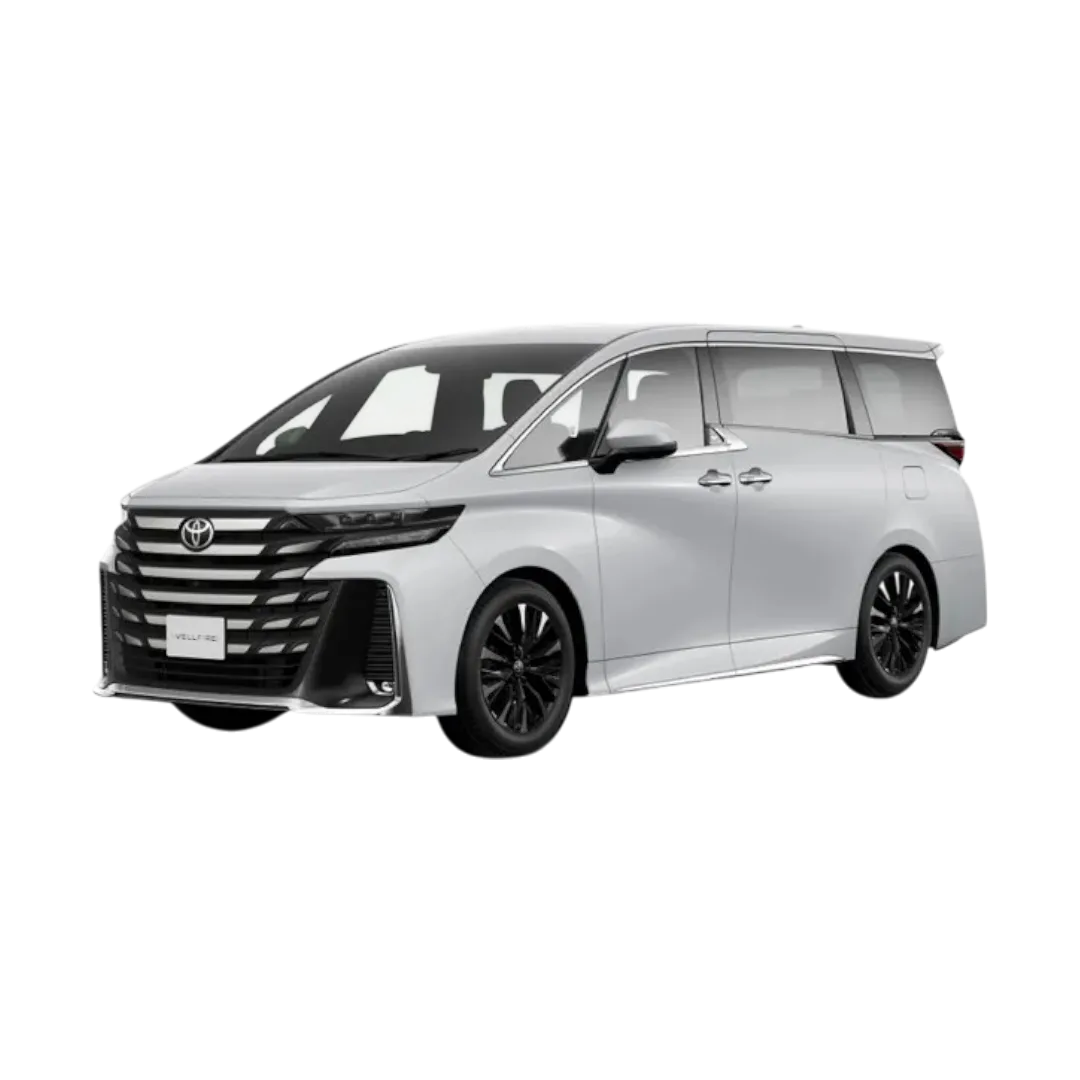 Vellfire
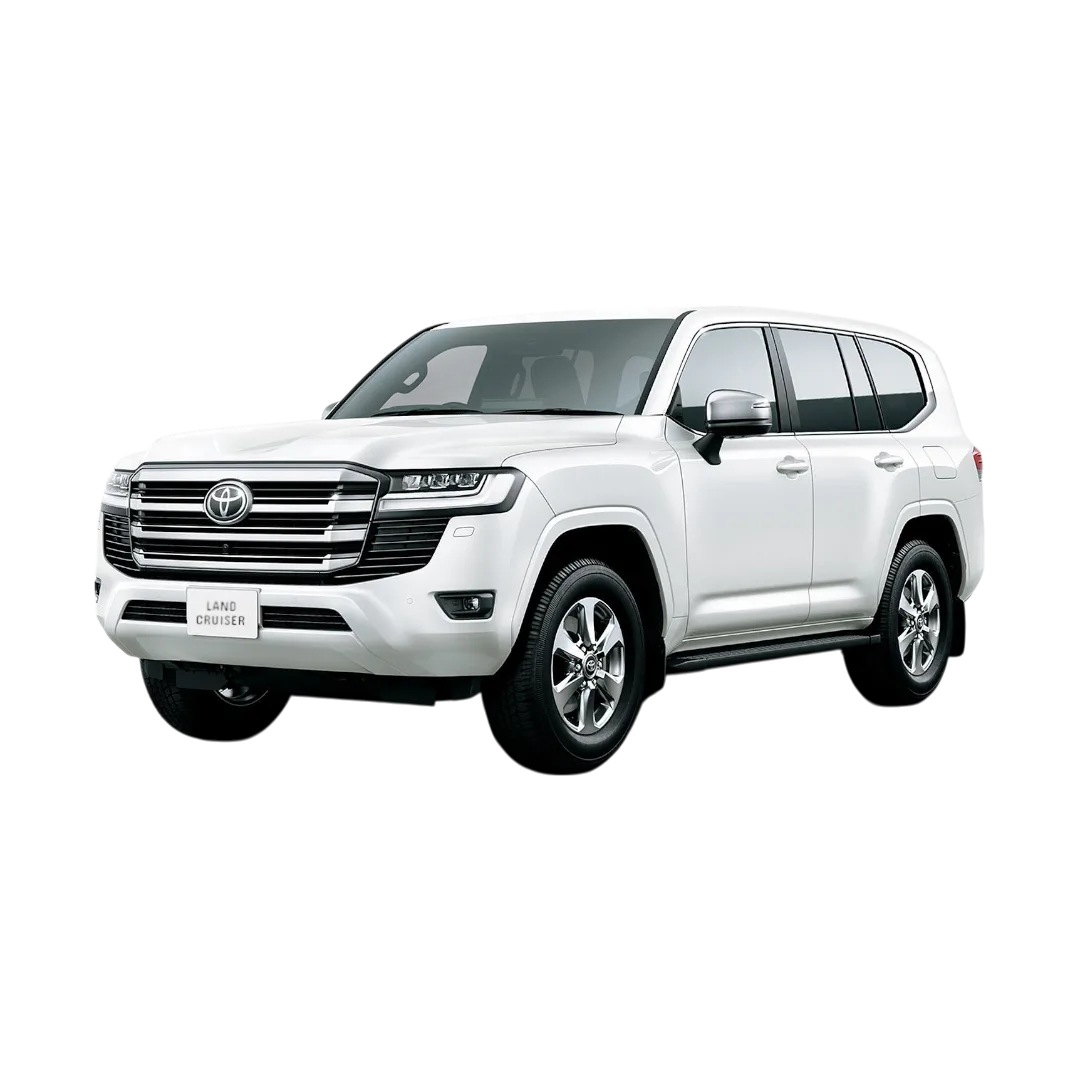 Land Cruiser
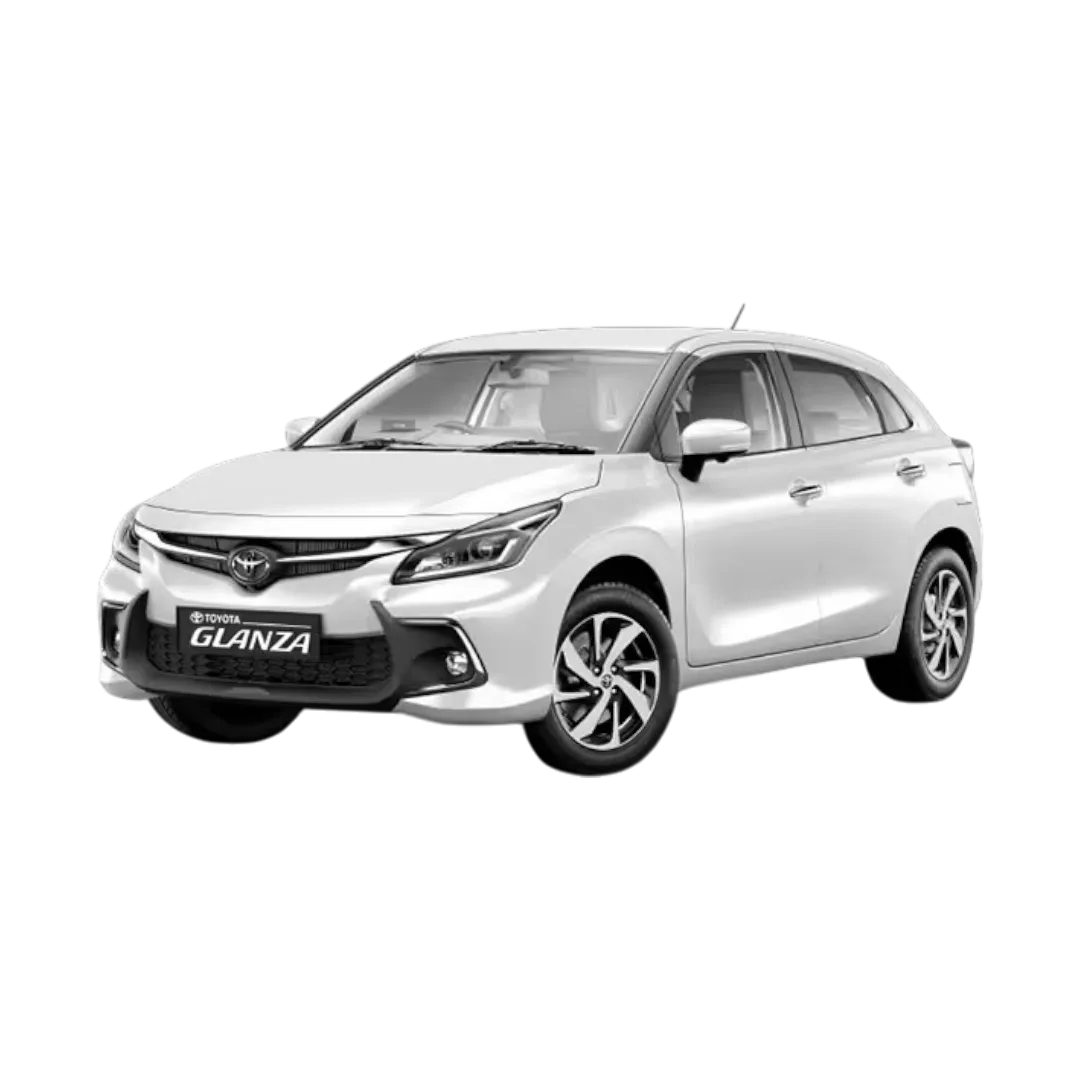 Glanza
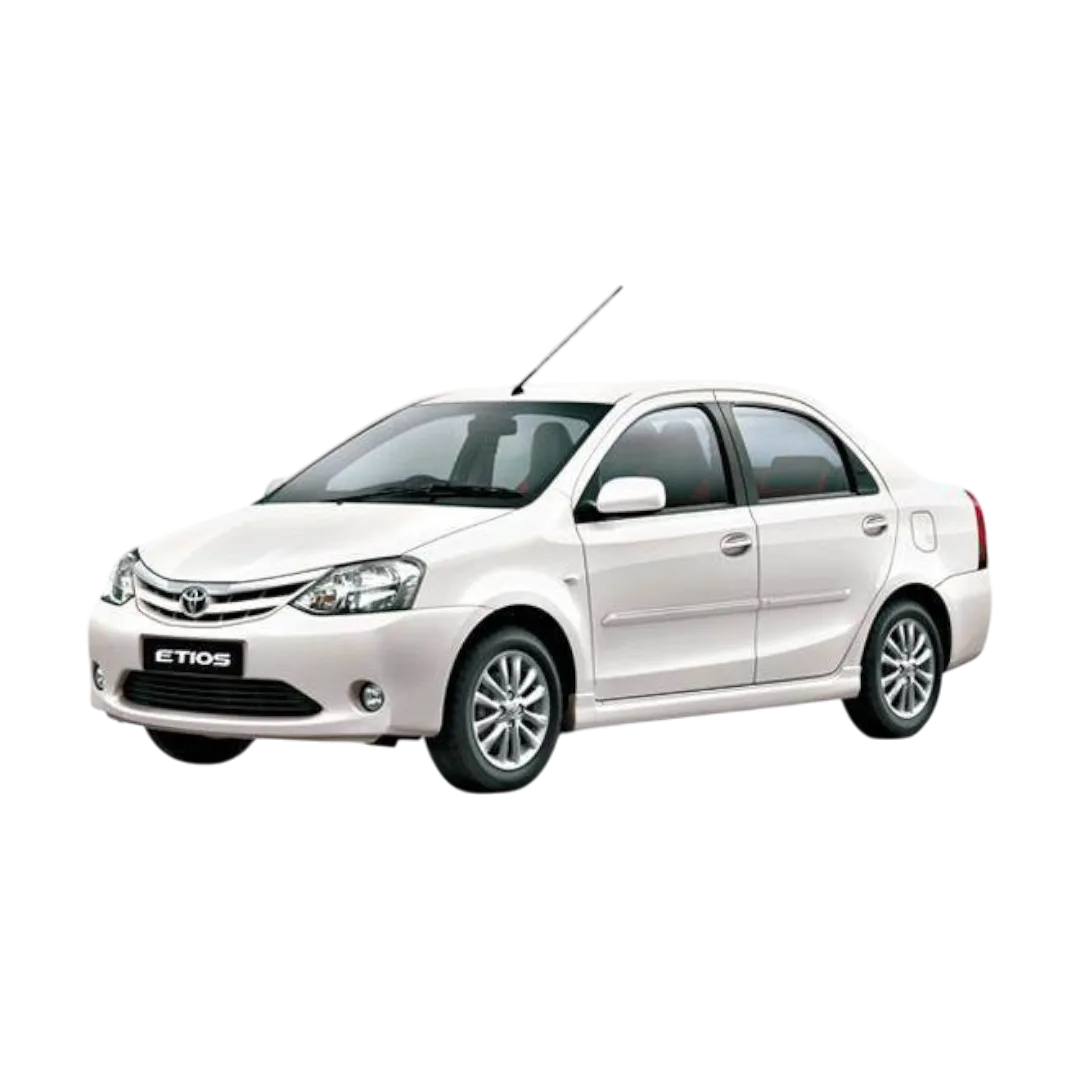 Etios
Etios
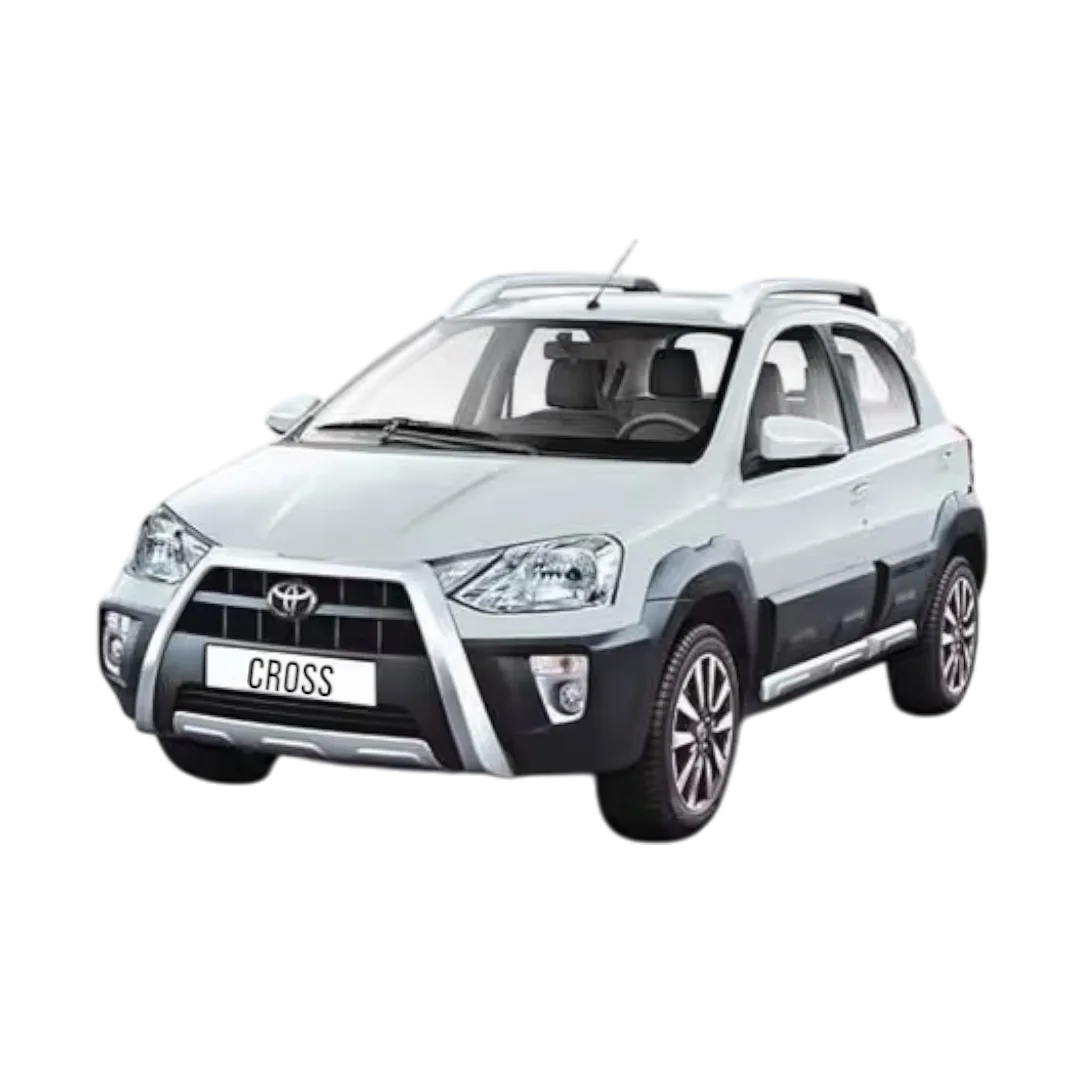 Etios cross
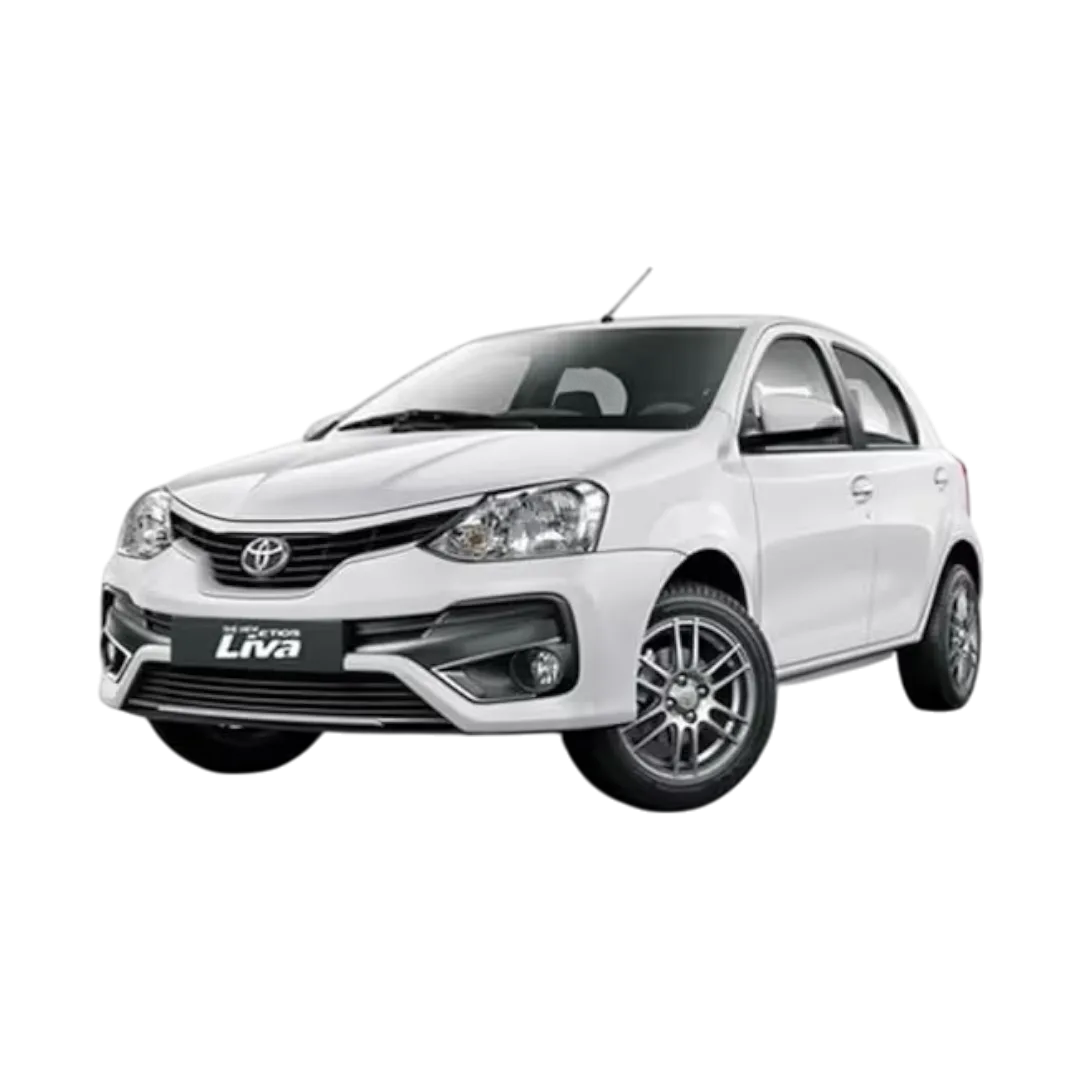 Etios Liva
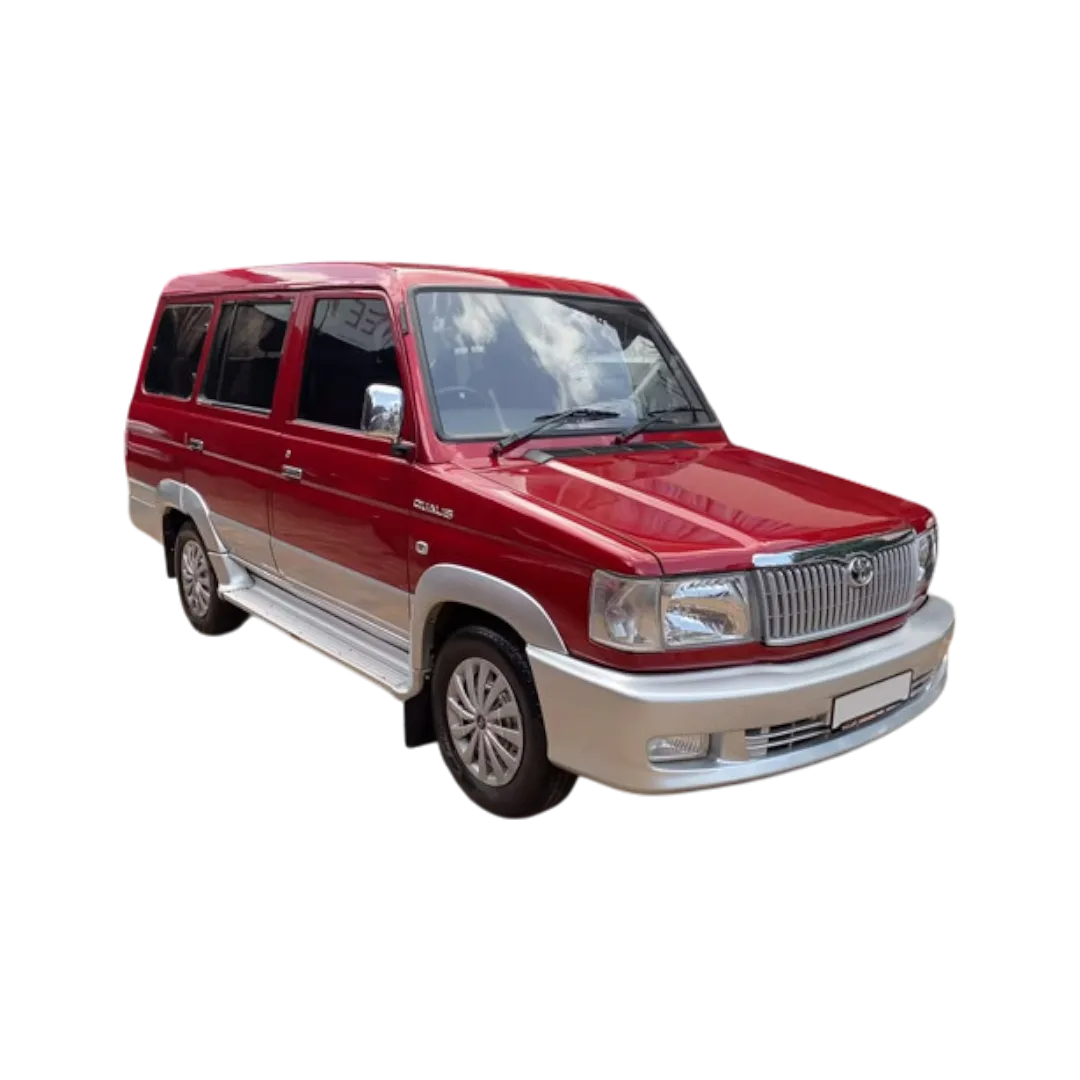 Qualis
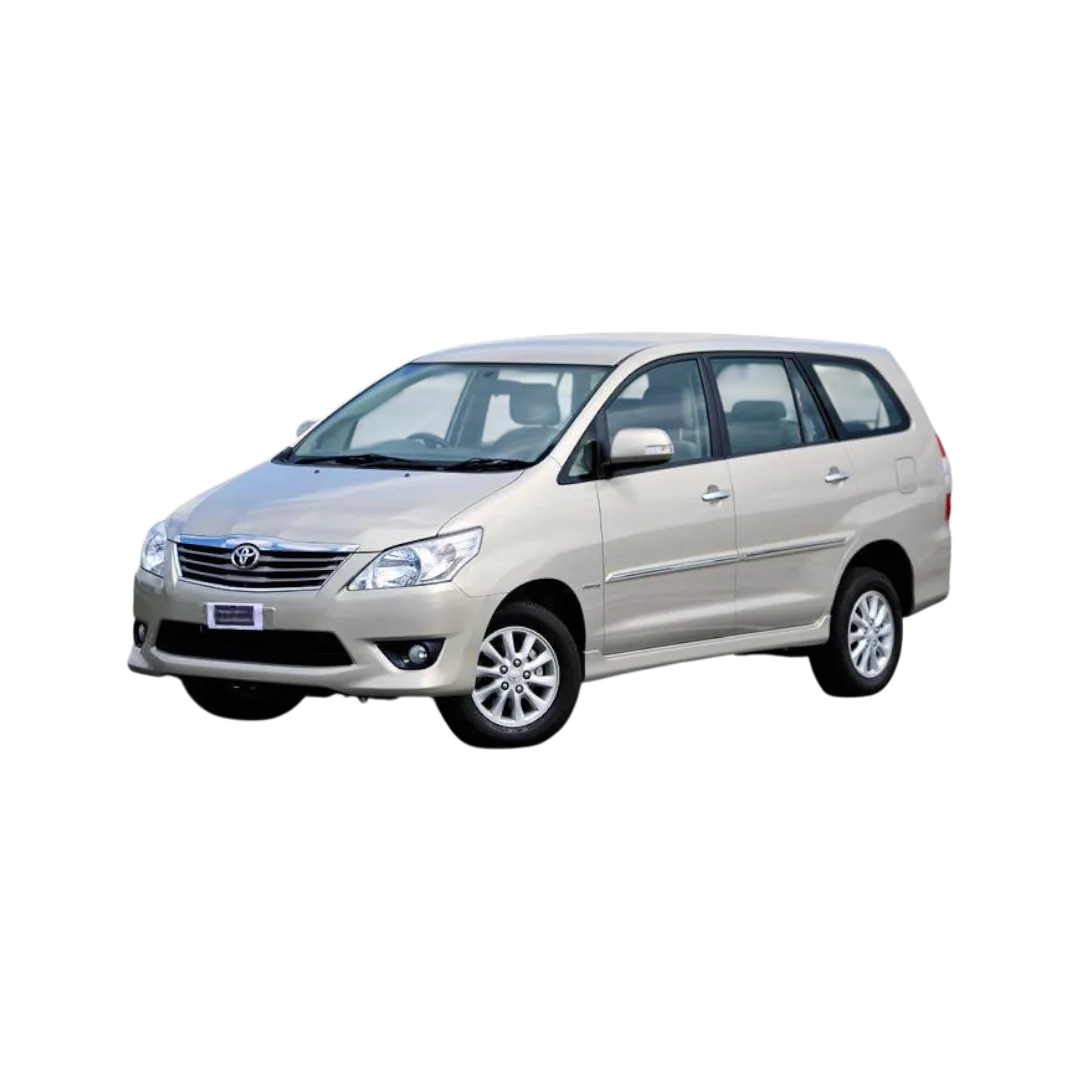 Innova
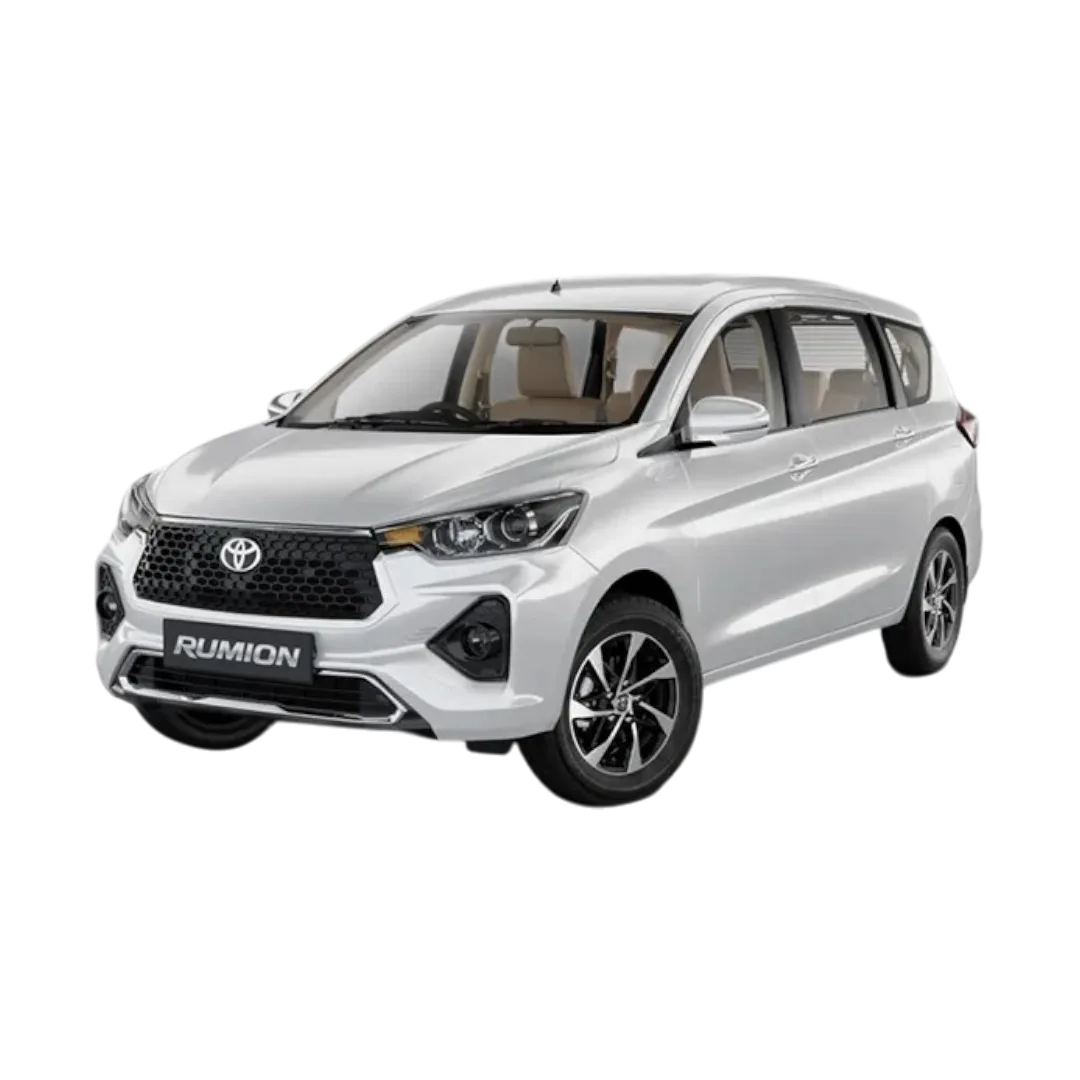 Rumion
Taisor
Corolla Altis
Hyryder
Rumion
Taisor
Corolla Altis
Hyryder
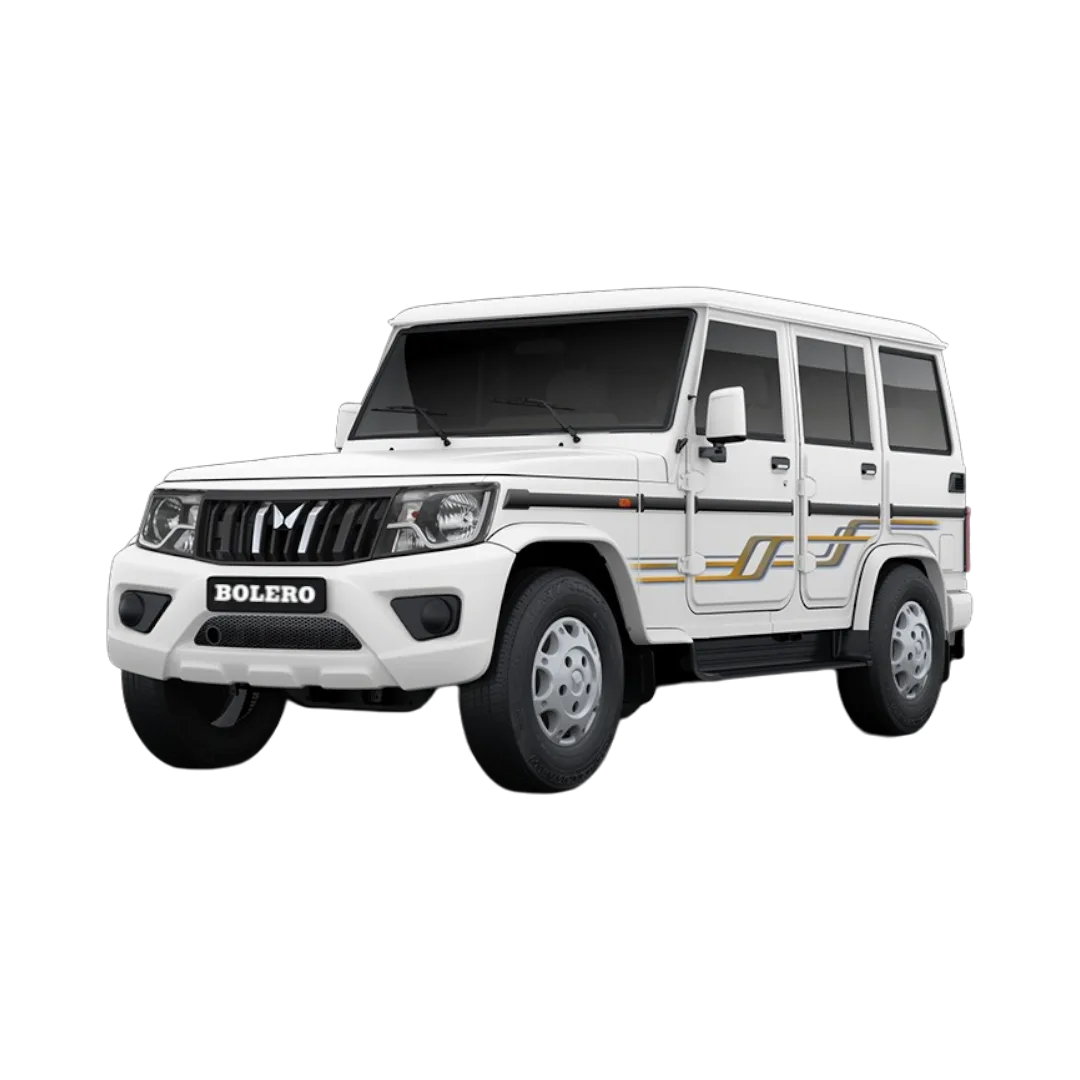 Bolero
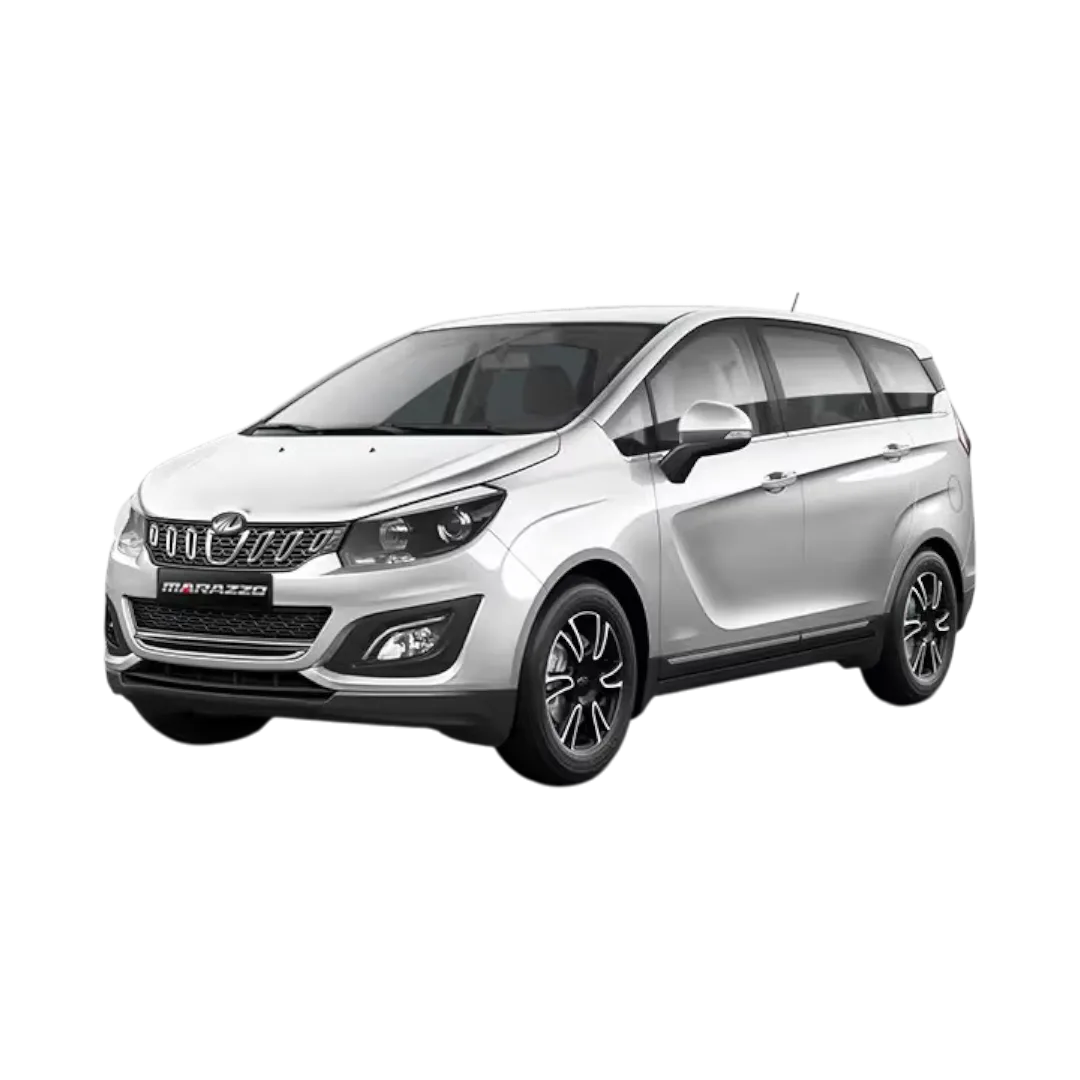 Marazzo
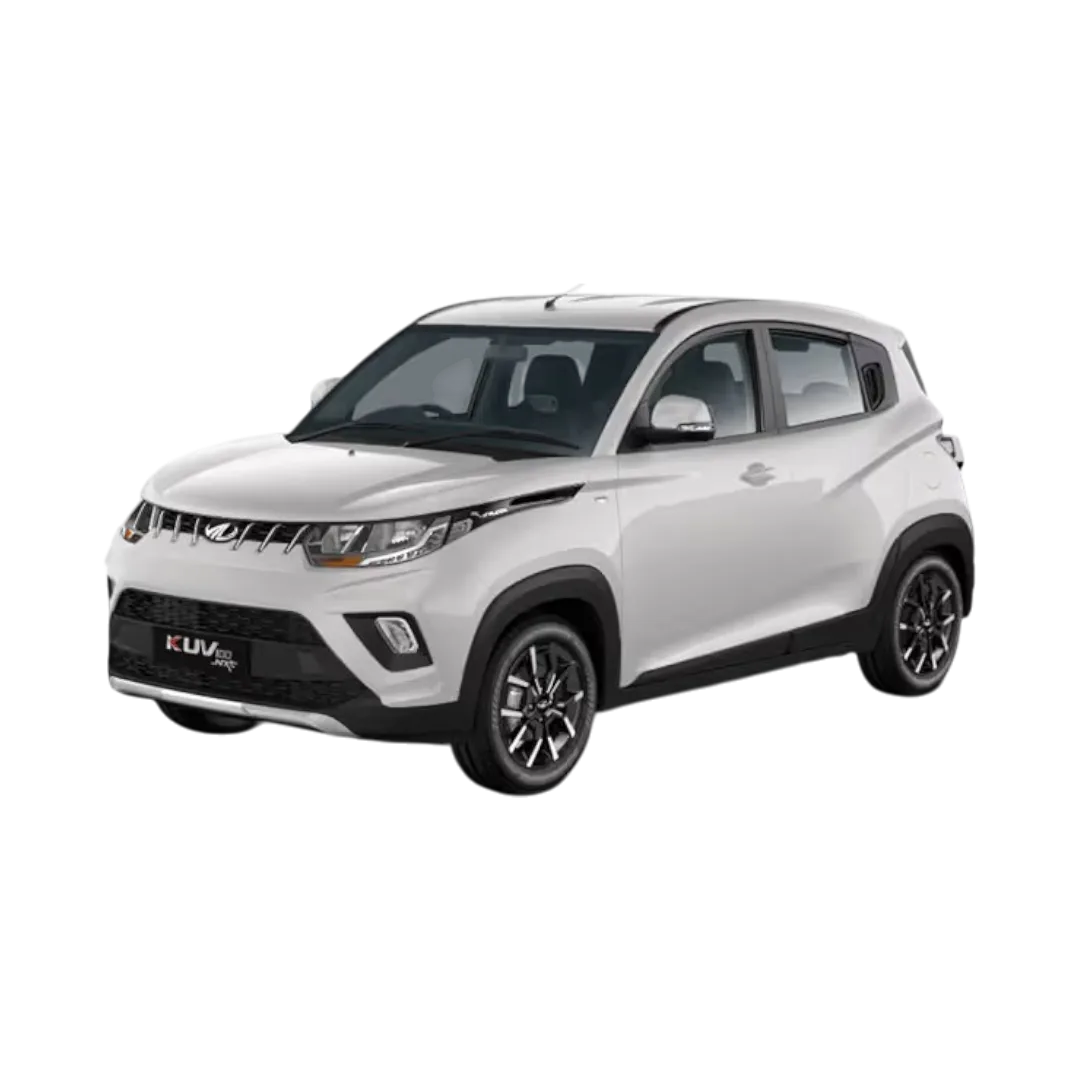 KUV100 NXT
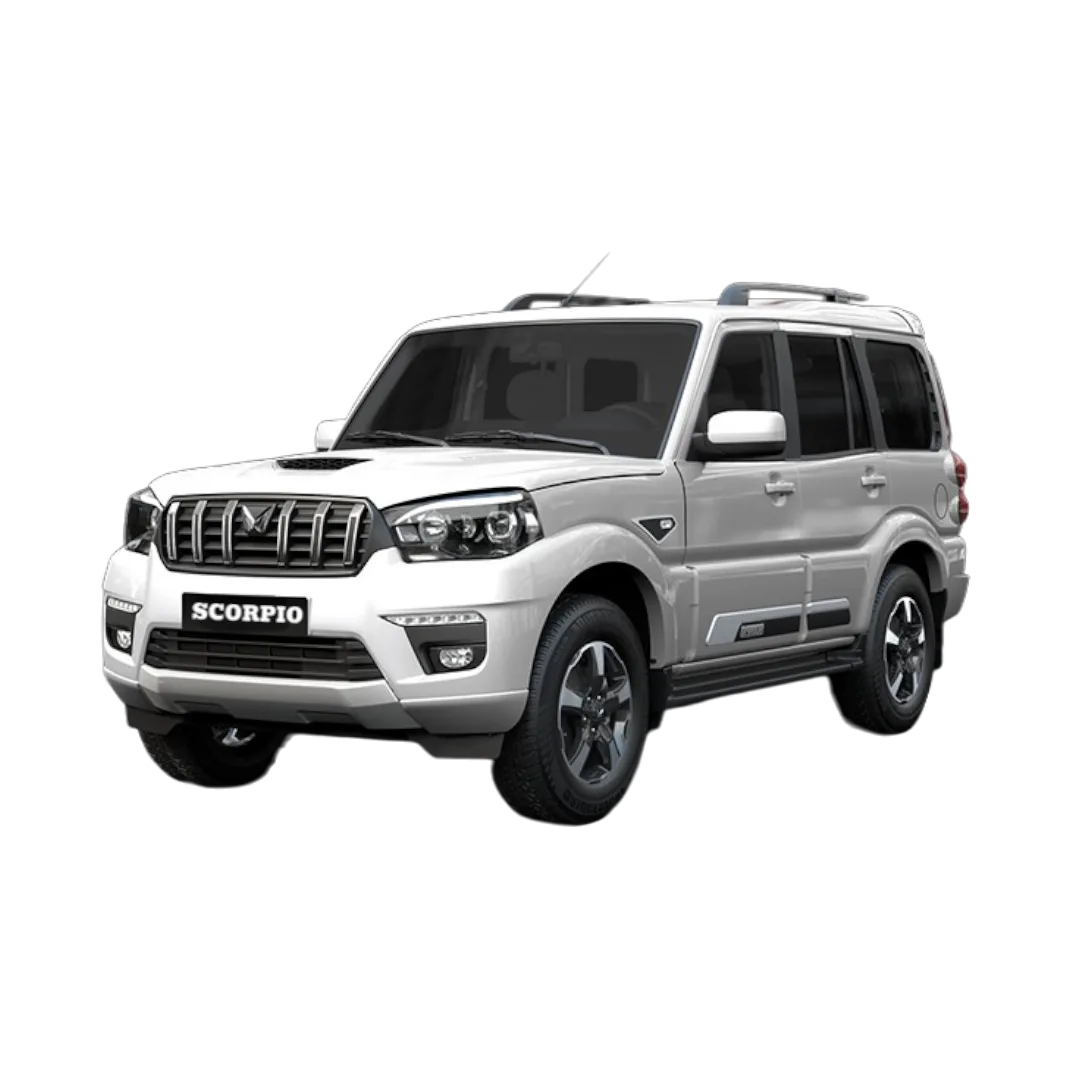 Scorpio
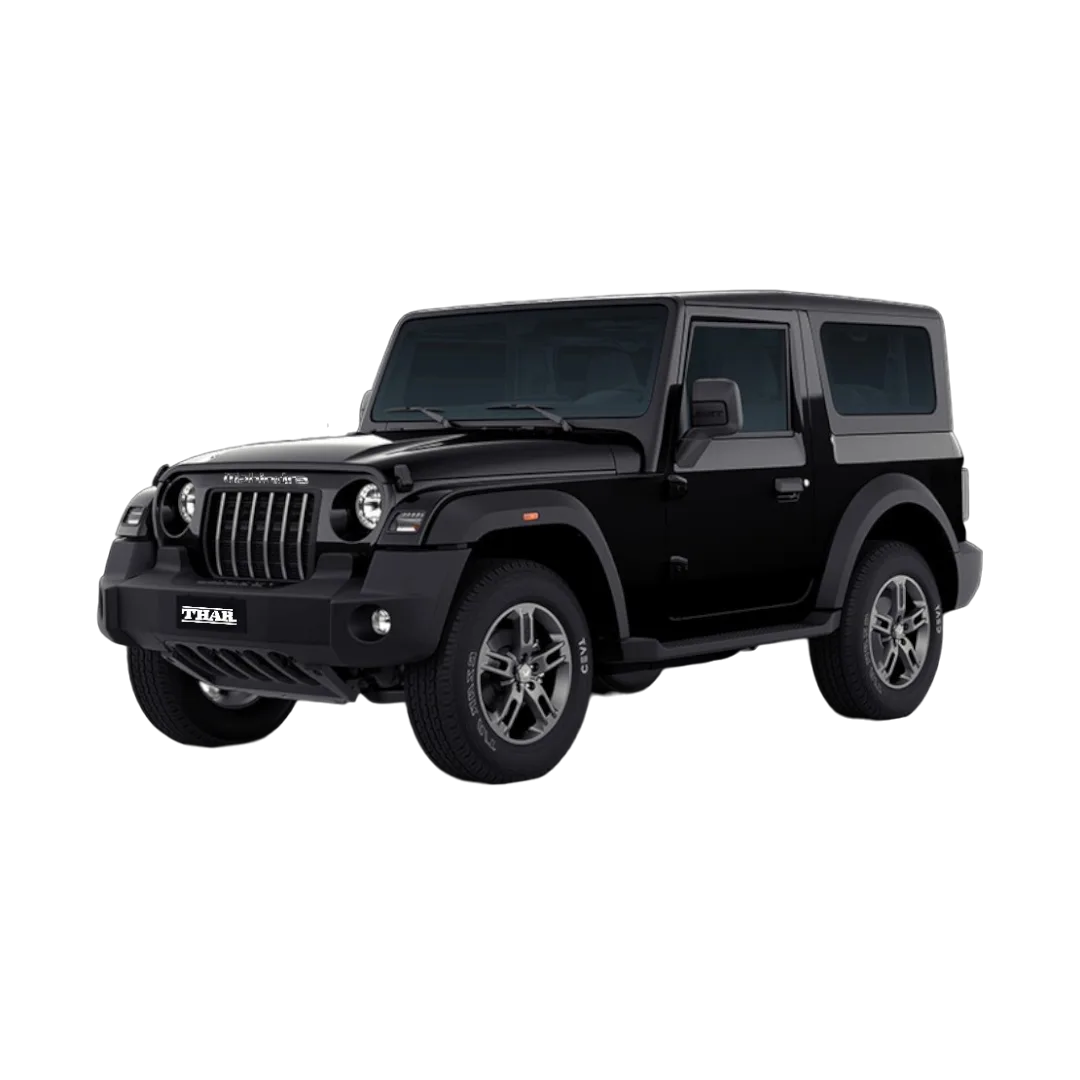 Thar
Thar
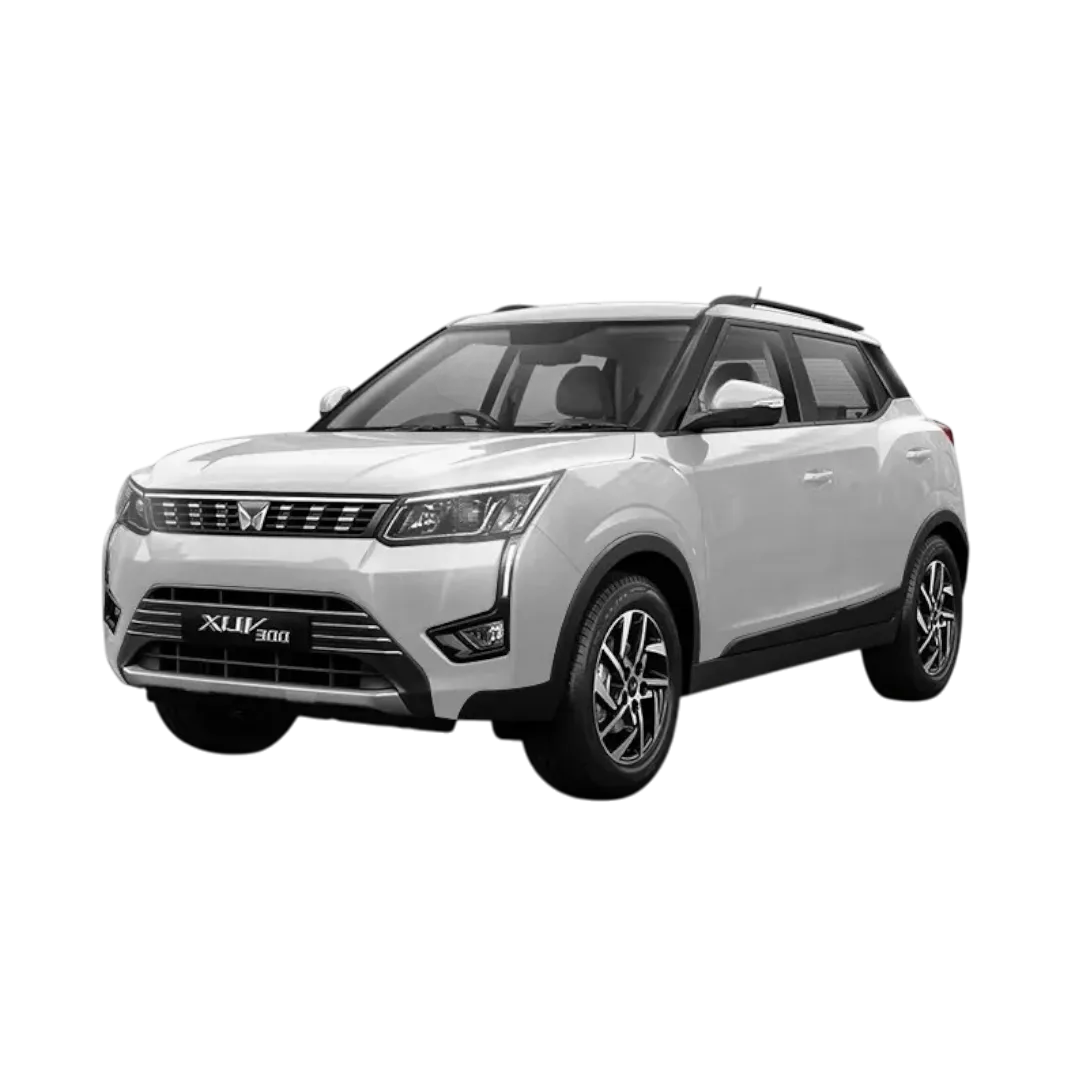 XUV 300
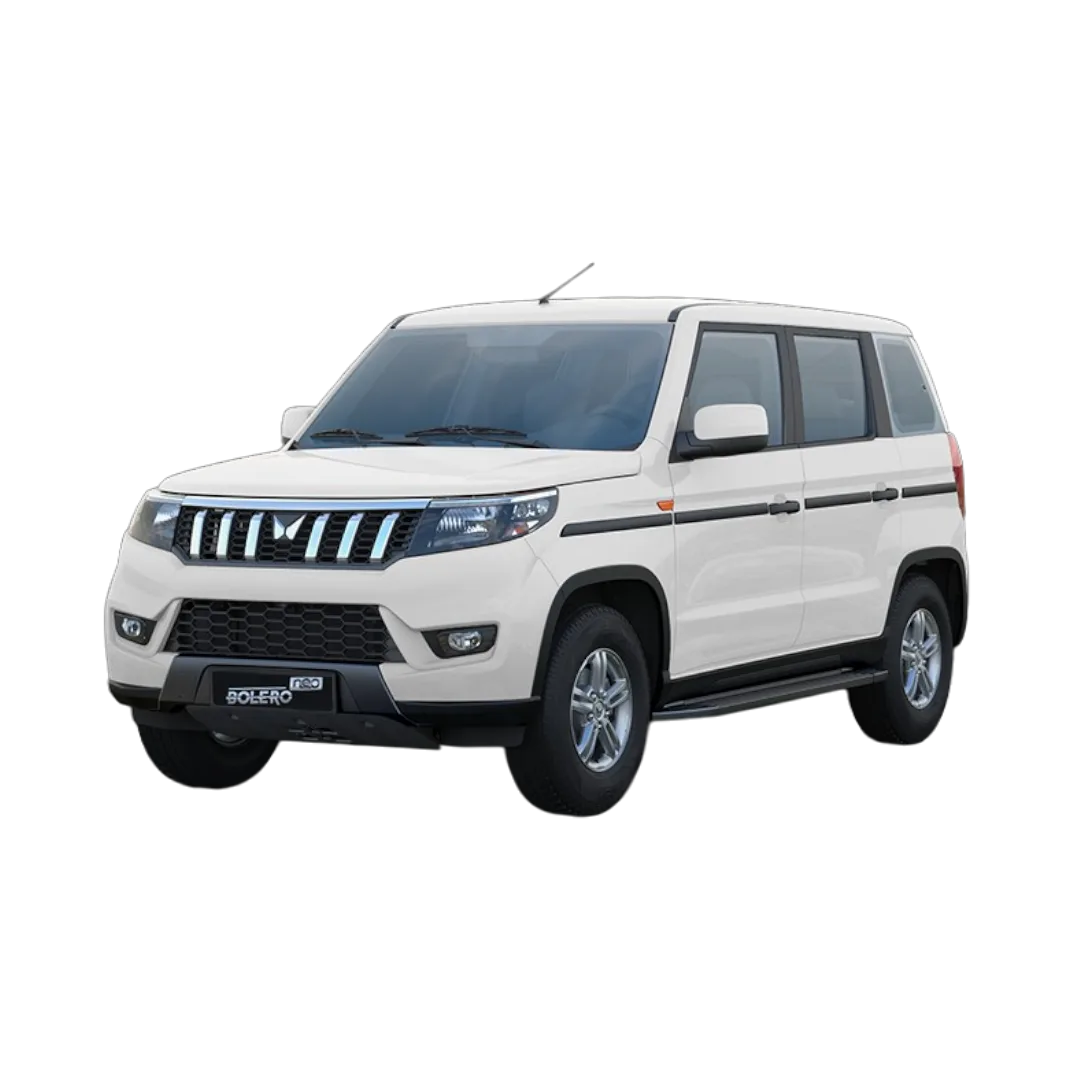 Bolero Neo
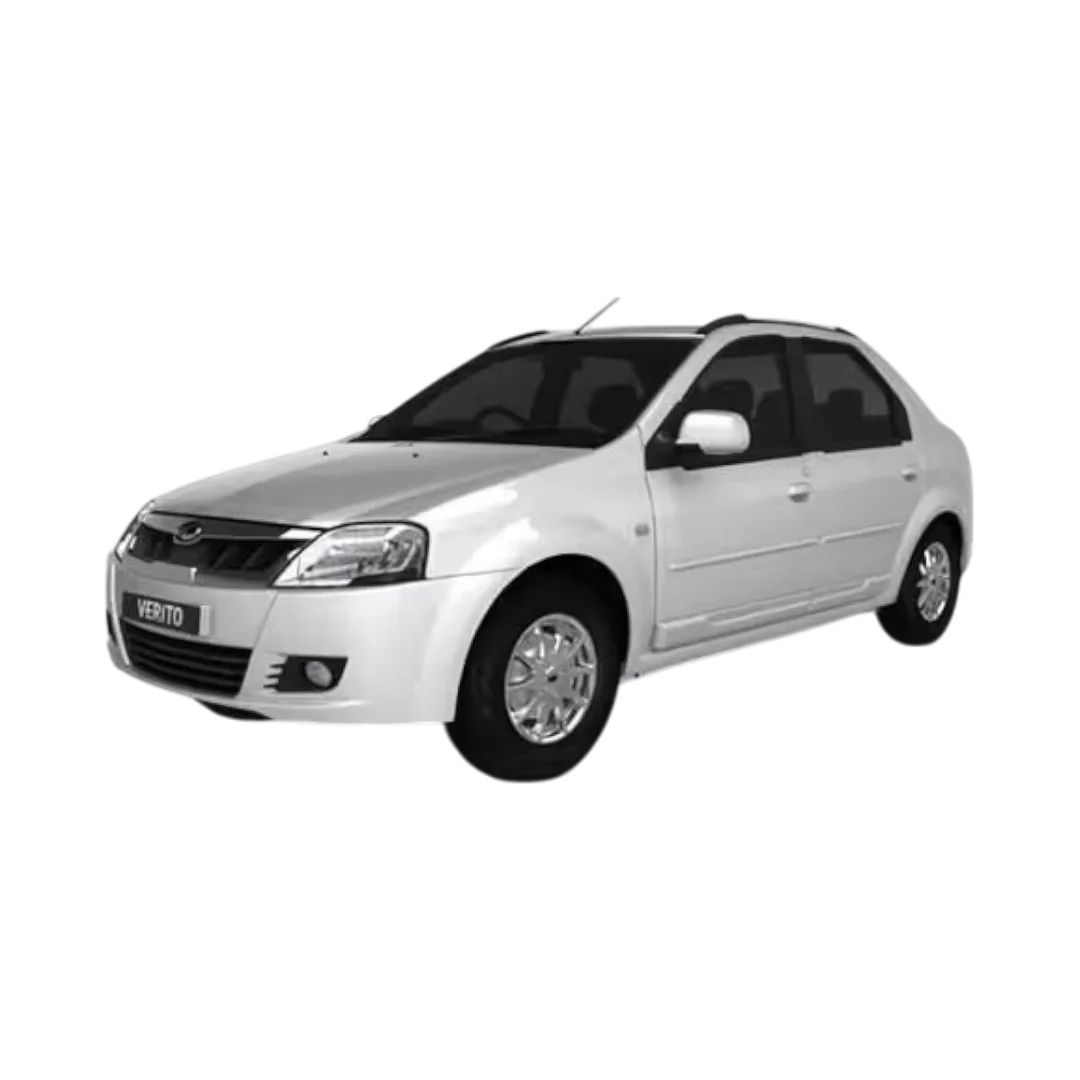 Verito
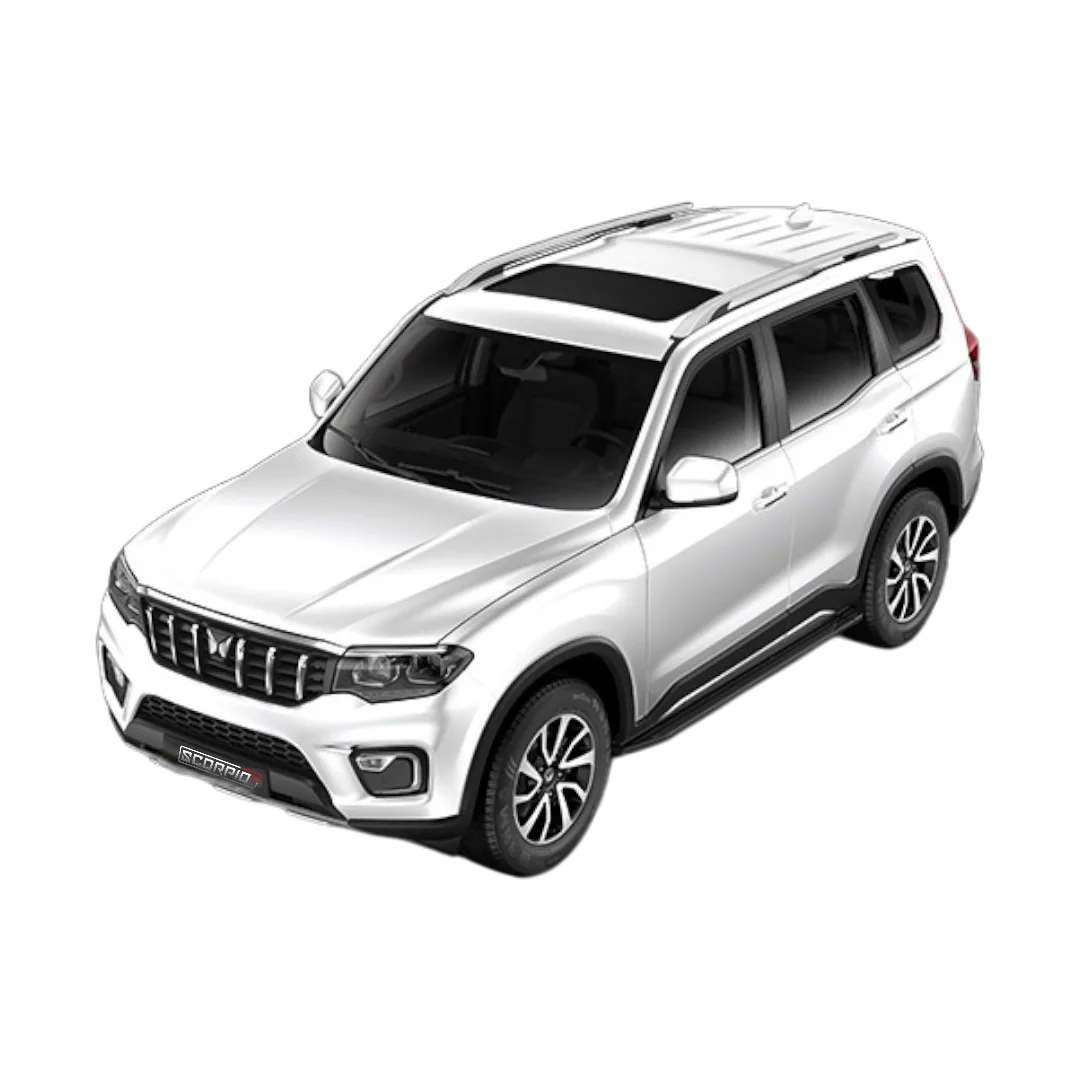 Scorpio-N
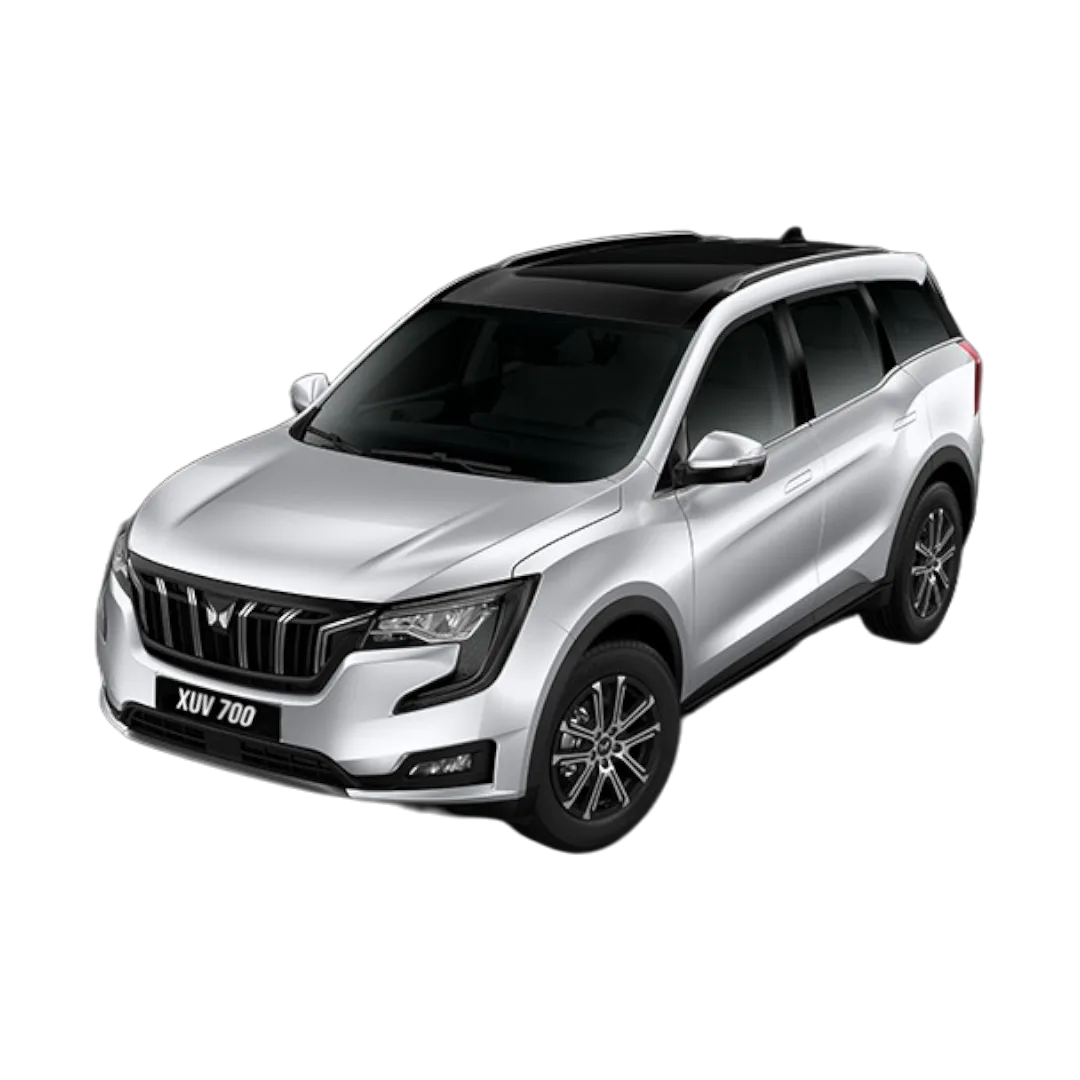 XUV 700
 Scorpio Classic
 XUV400
 Alturas
 Xylo
Xylo
 Quanto
 Logan
Logan
 XUV 500
 TUV 300
 XUV 3XO
 KUV 100
NuvoSport
XEV 9e
BE 6
Thar Roxx
E-Verito
XUV 7XO
TUV 100
BE6
Bolero Camper
Verito Vibe
XUV 400
KUV 100
NuvoSport
XEV 9e
BE 6
Thar Roxx
E-Verito
XUV 7XO
TUV 100
BE6
Bolero Camper
Verito Vibe
XUV 400
 Audi Q5
 Audi A4
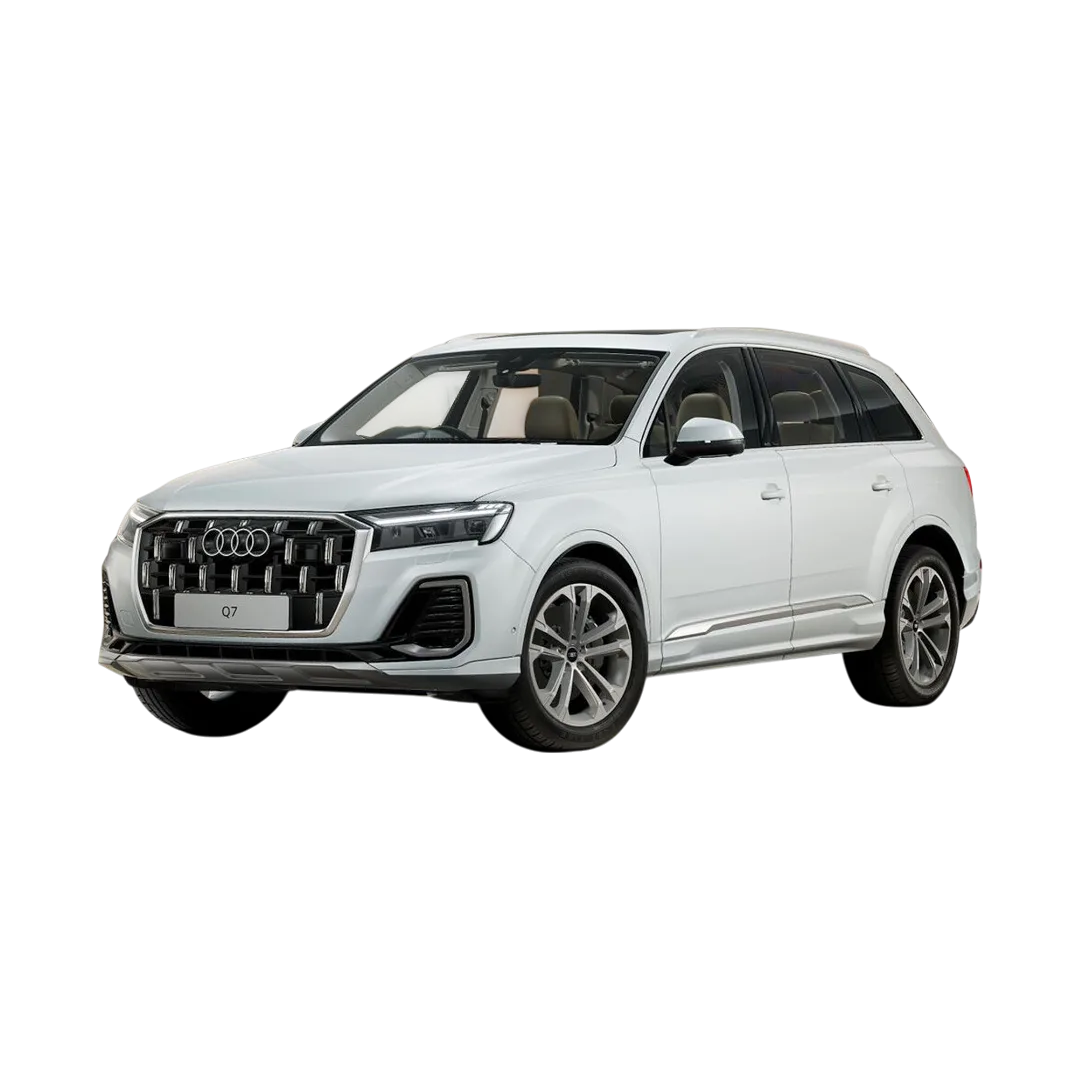 Audi Q7
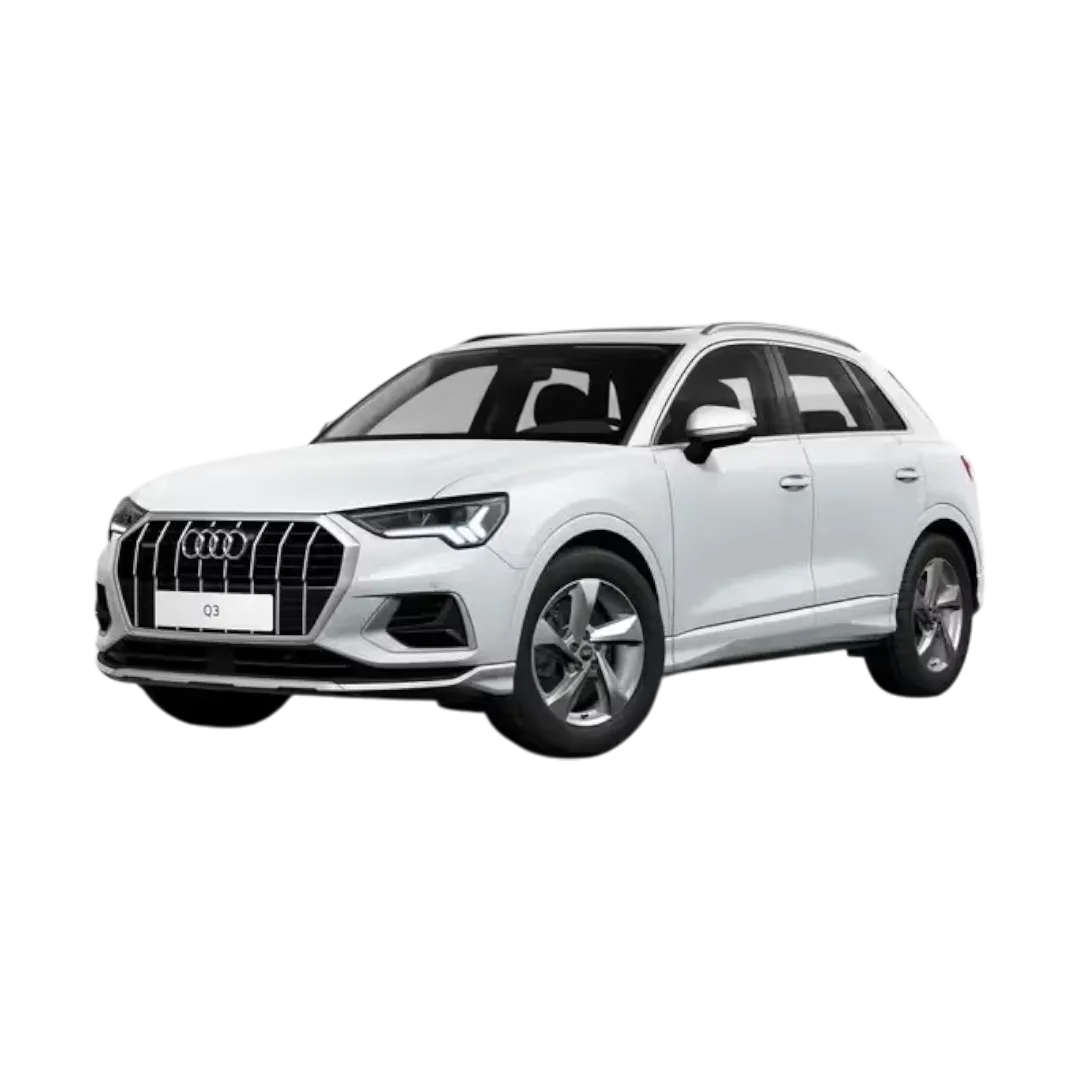 Audi Q3
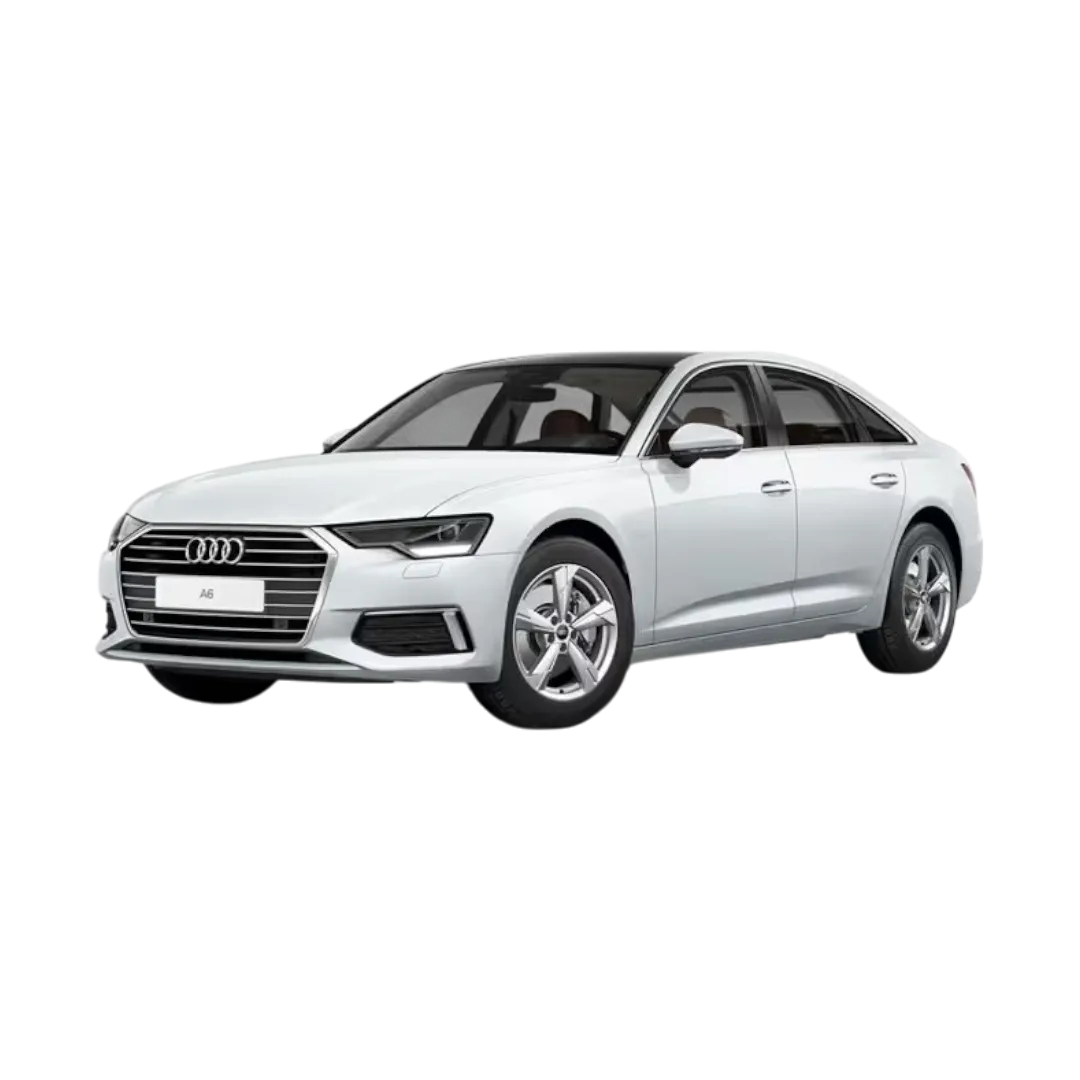 Audi A6
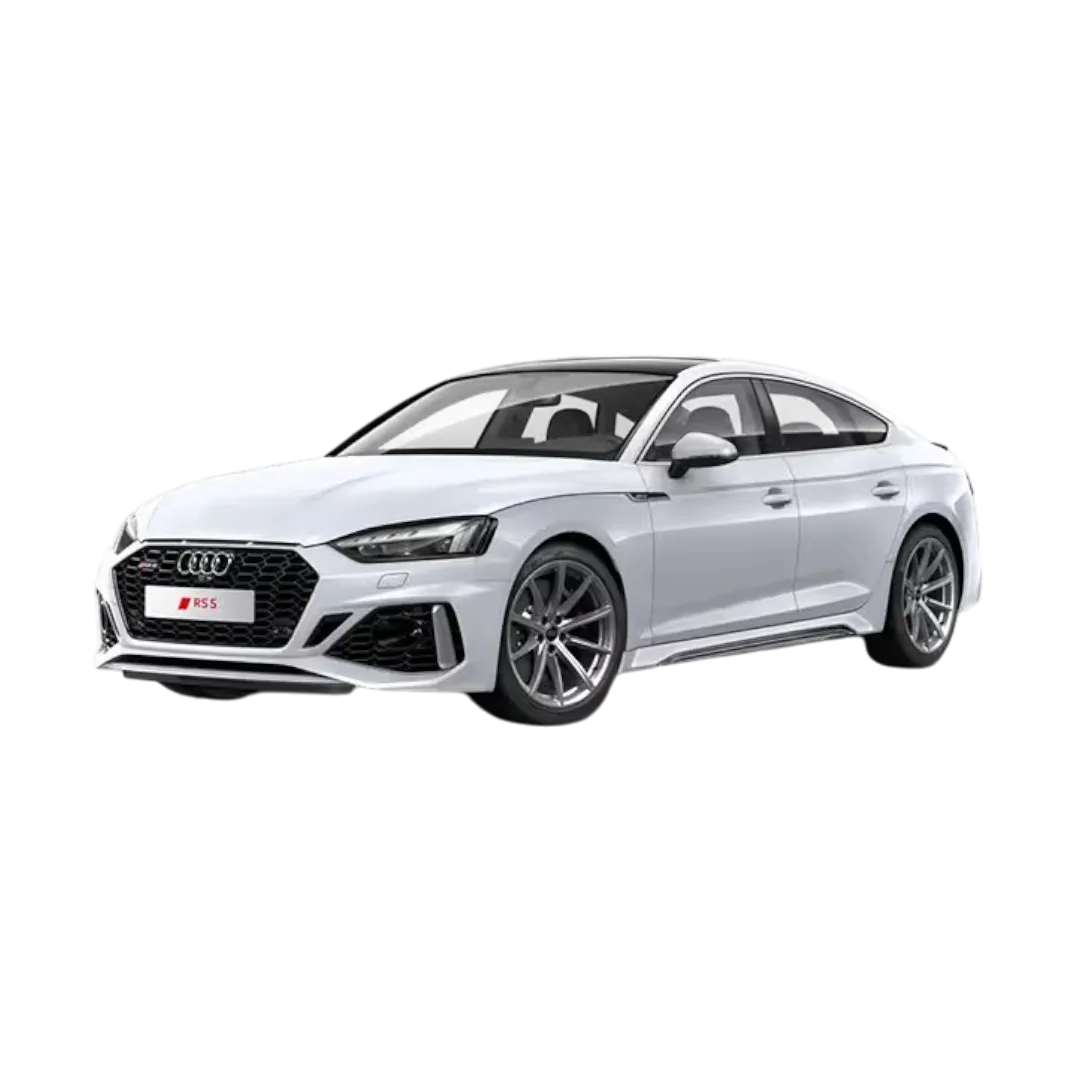 Audi RS5
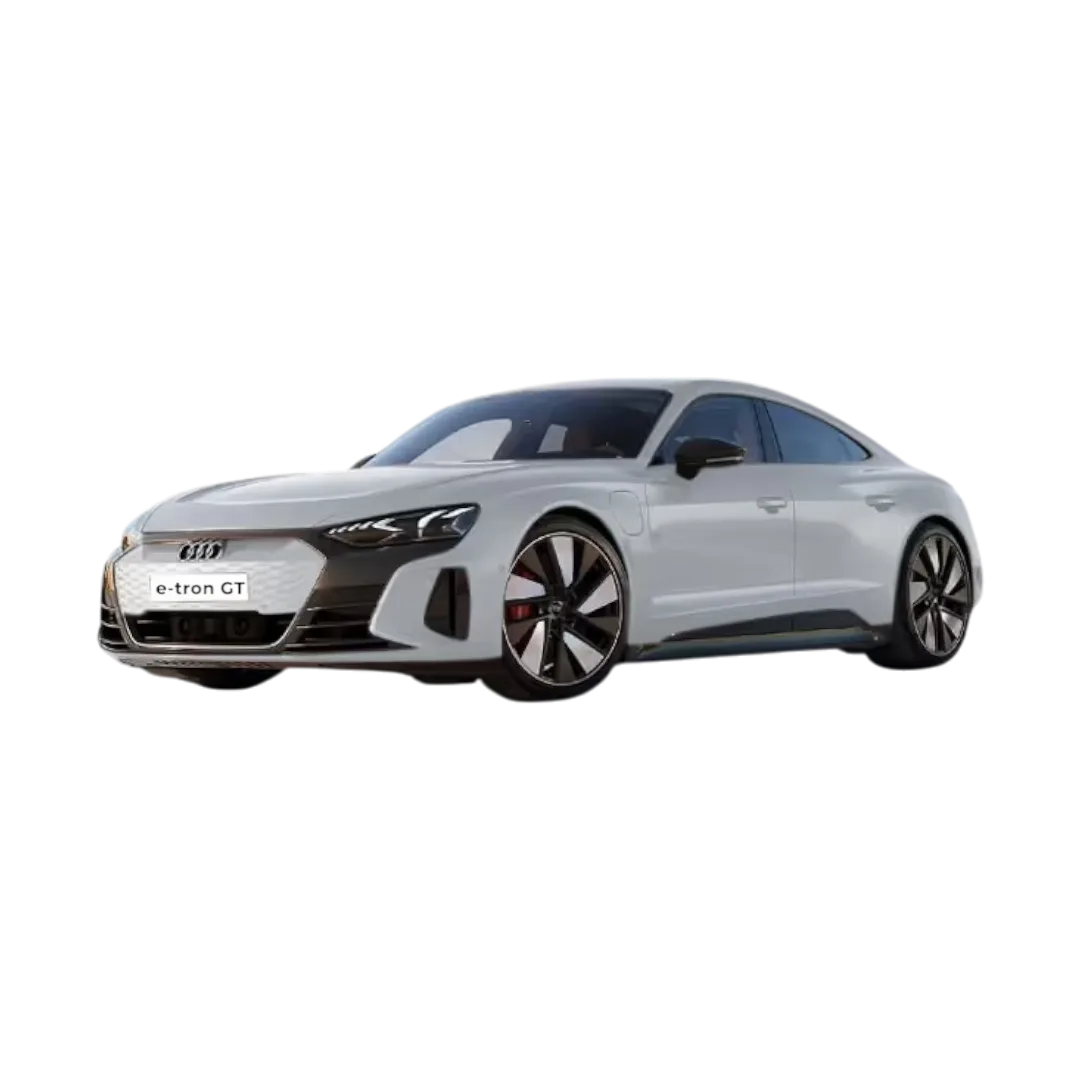 E-Tron GT
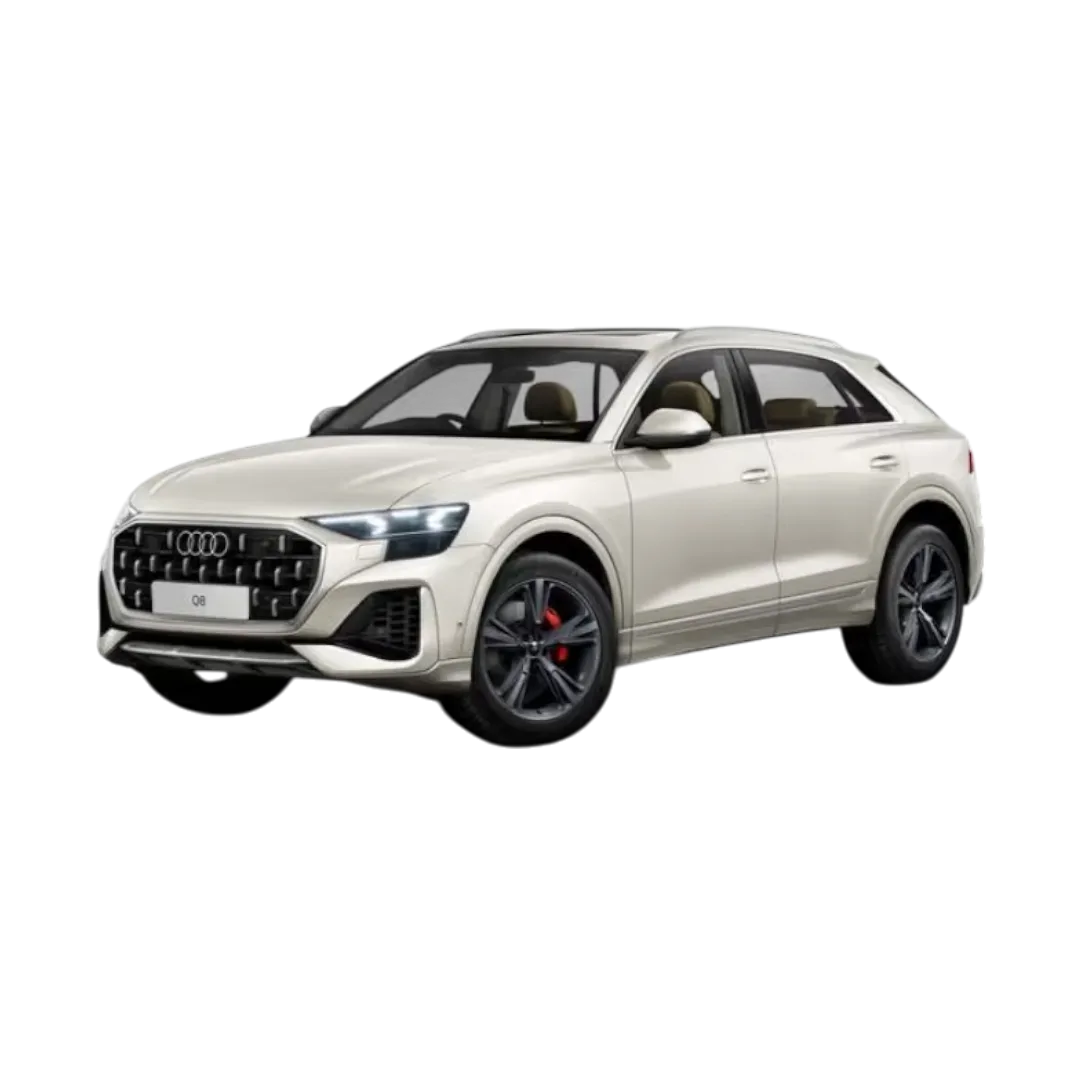 Audi Q8
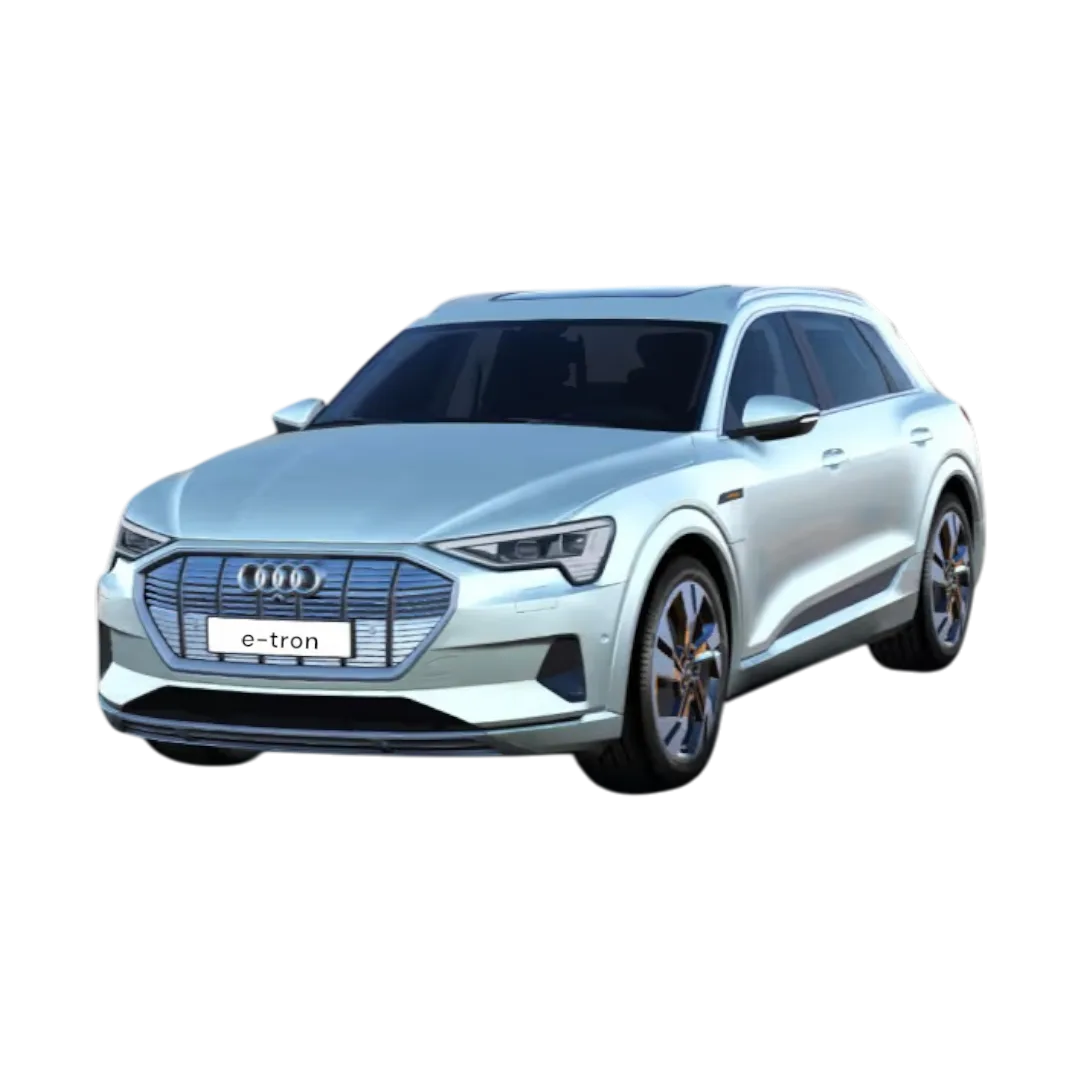 E-Tron
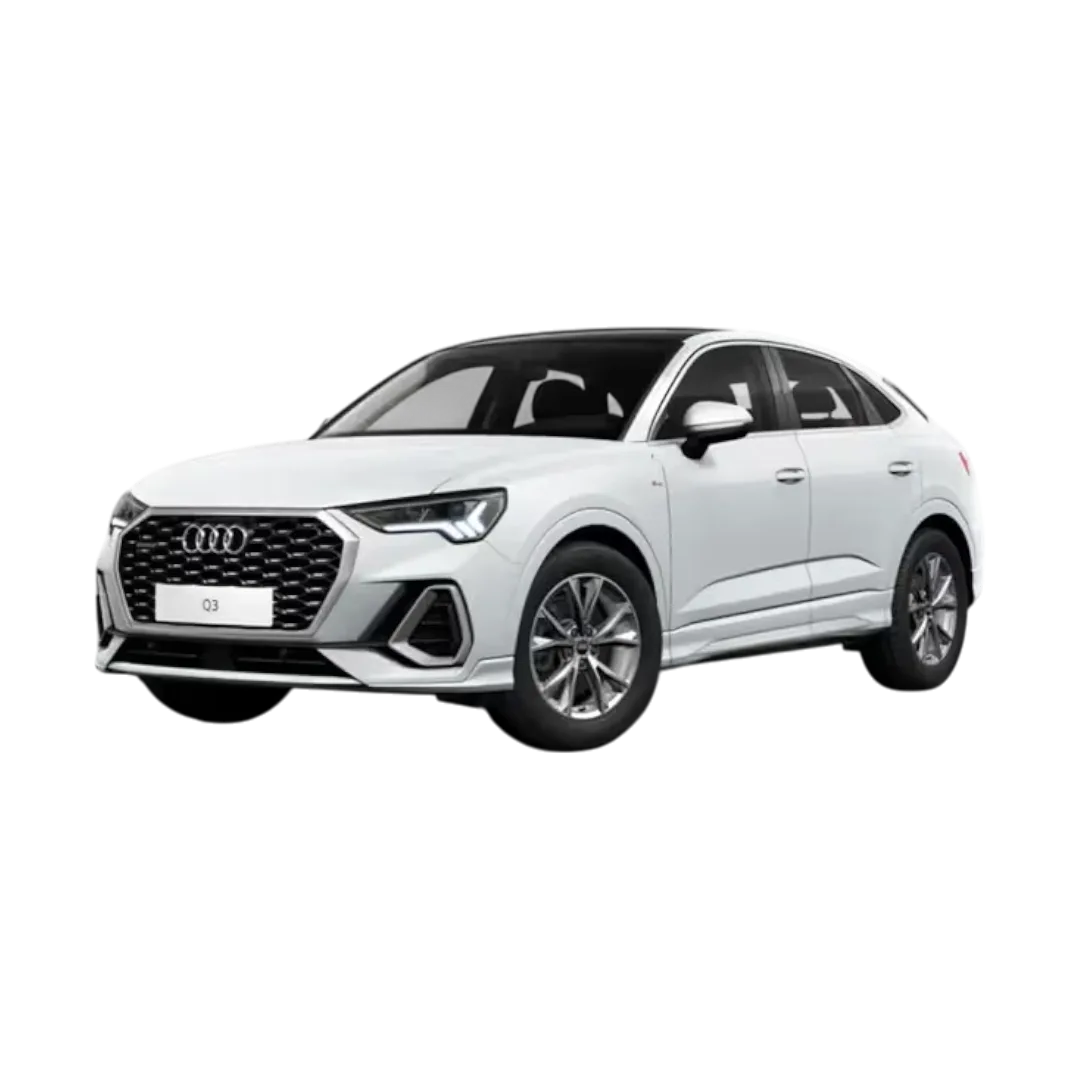 Q3 Sportback
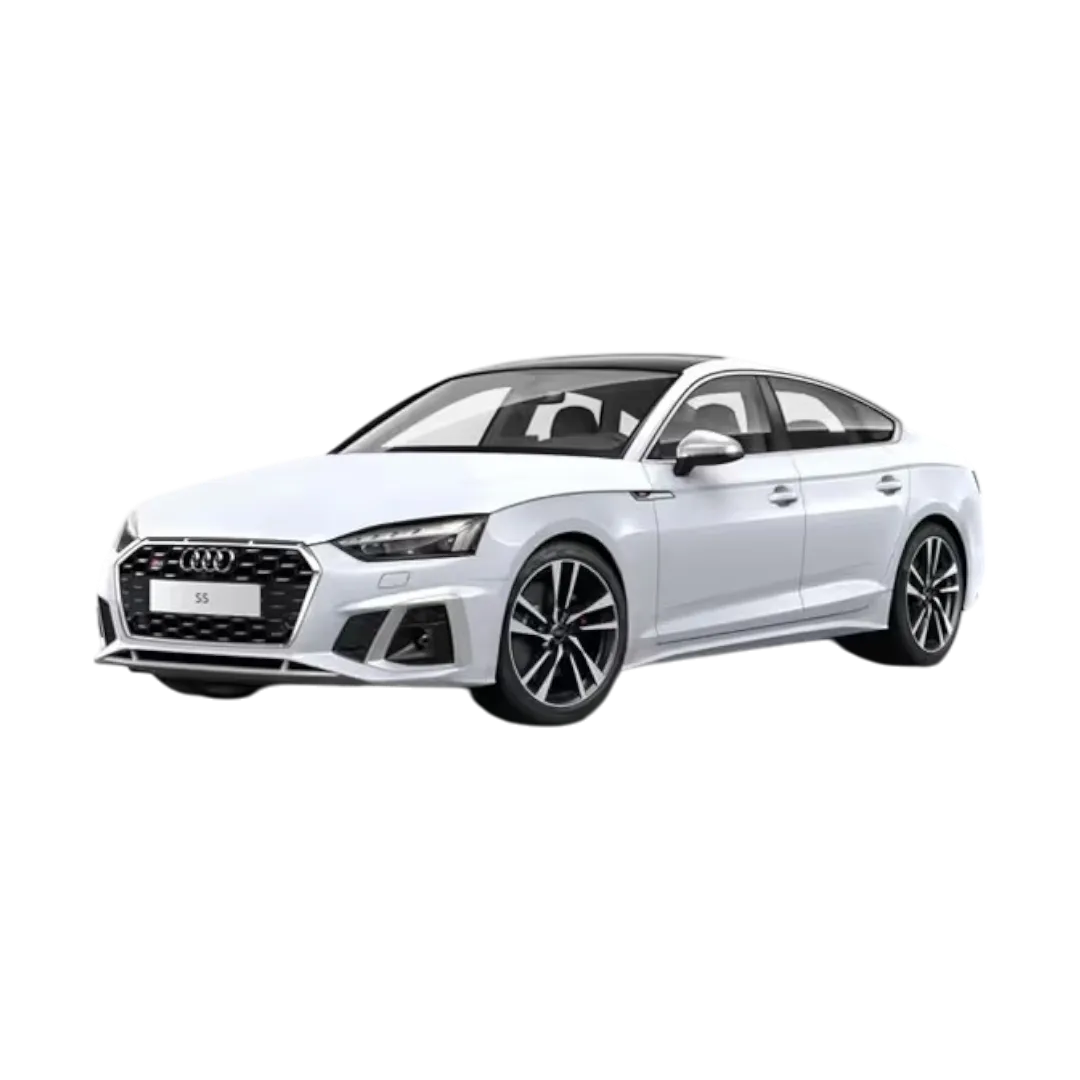 Audi S5 Sportback
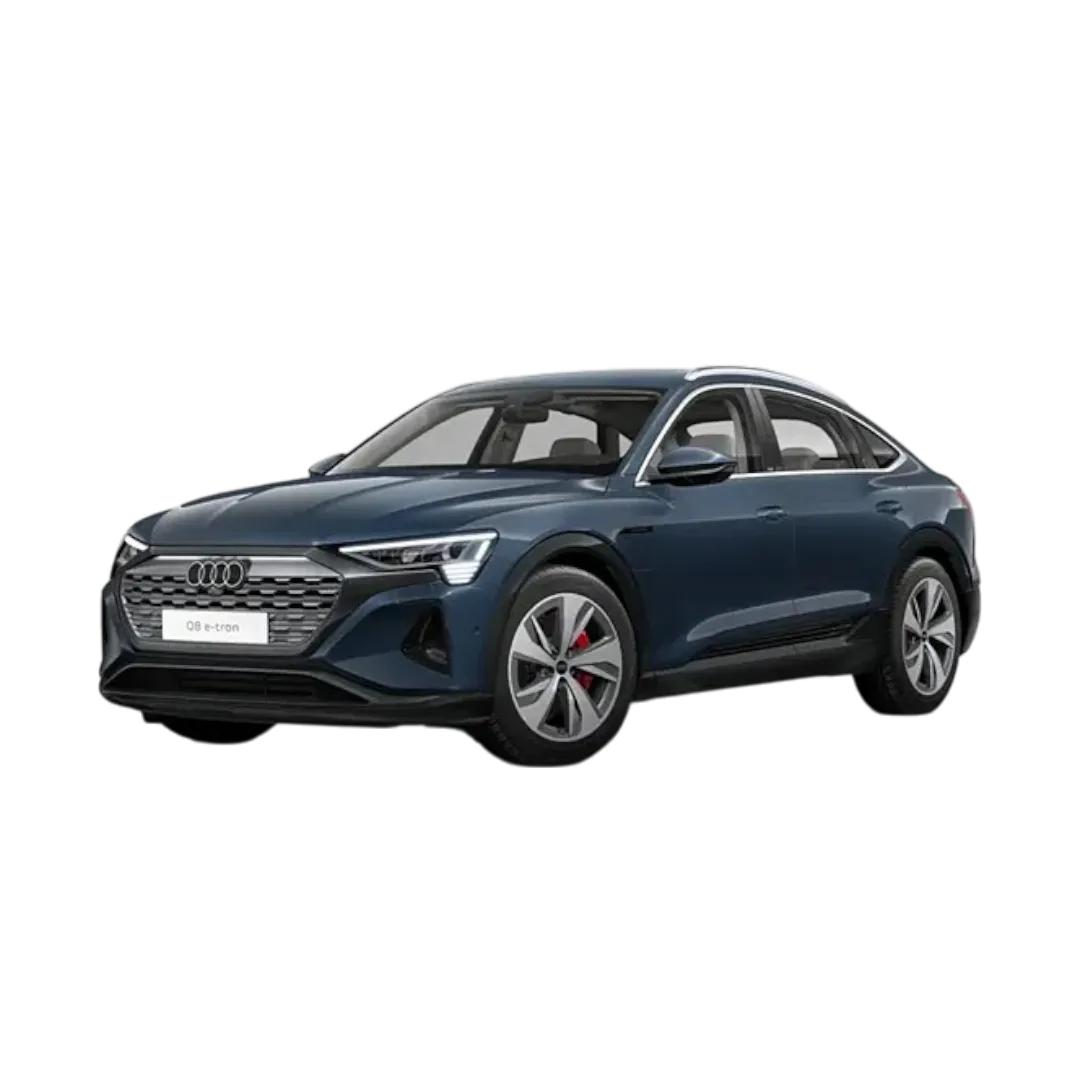 Q8 E-Tron
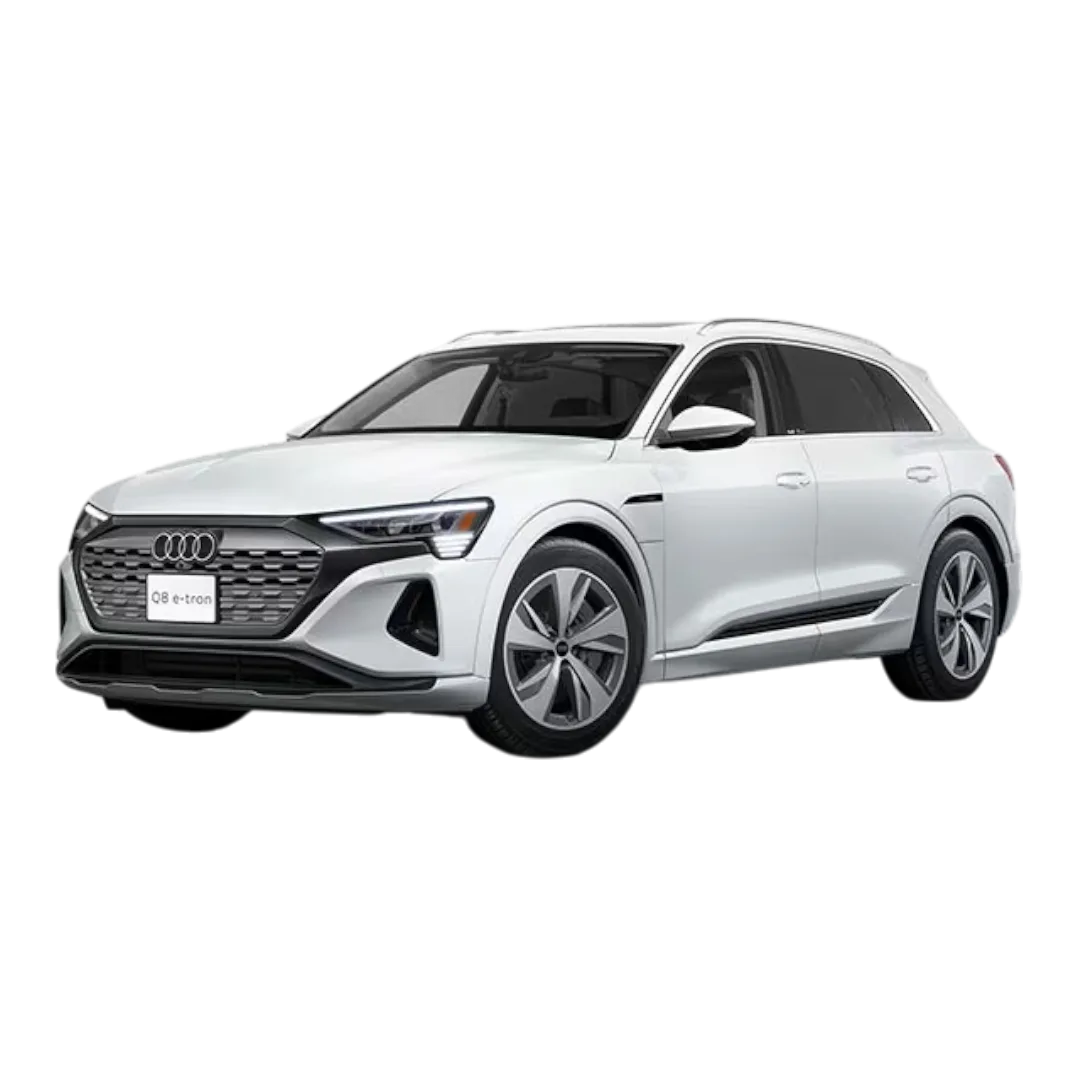 Q8 E-Tron Sportback
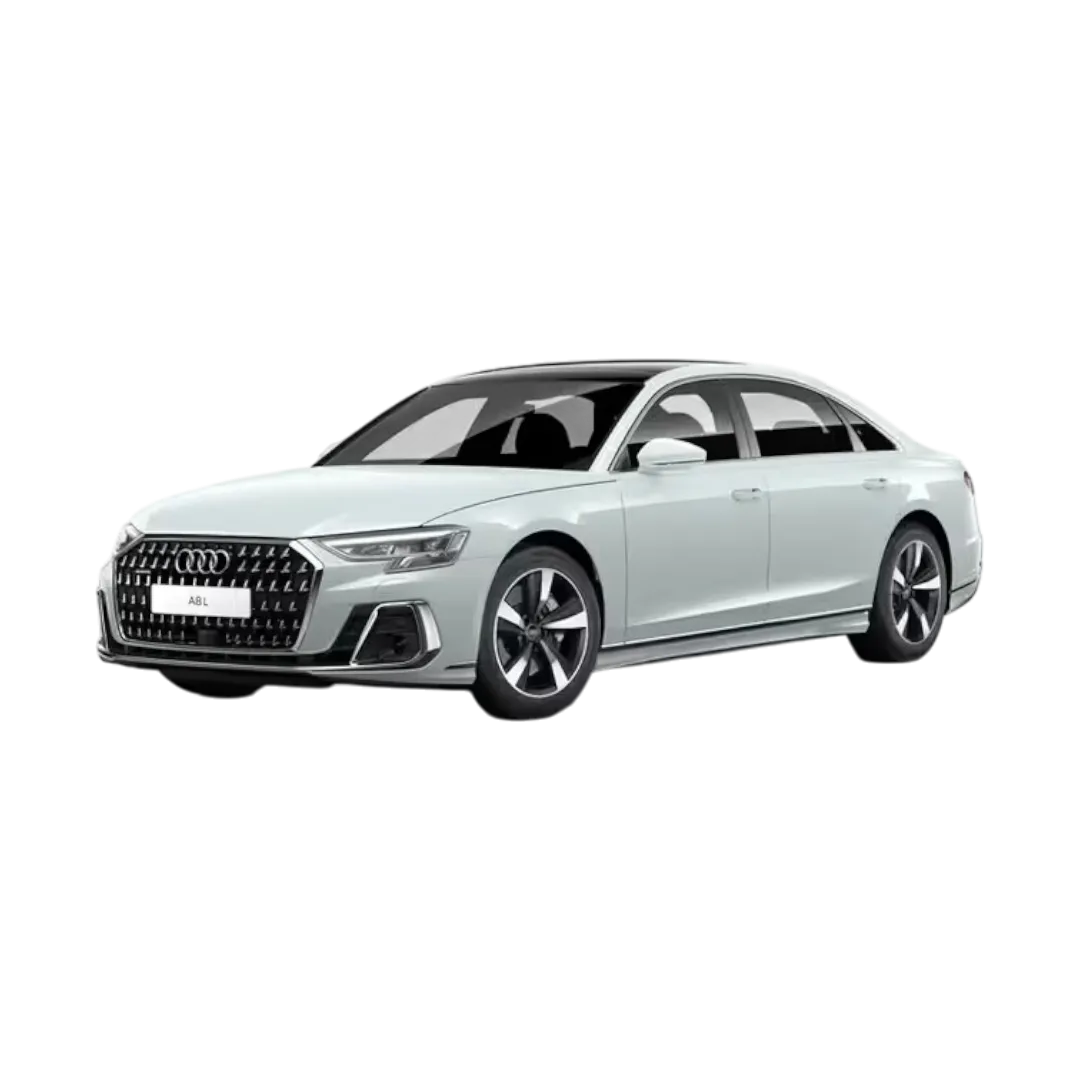 Audi A8L
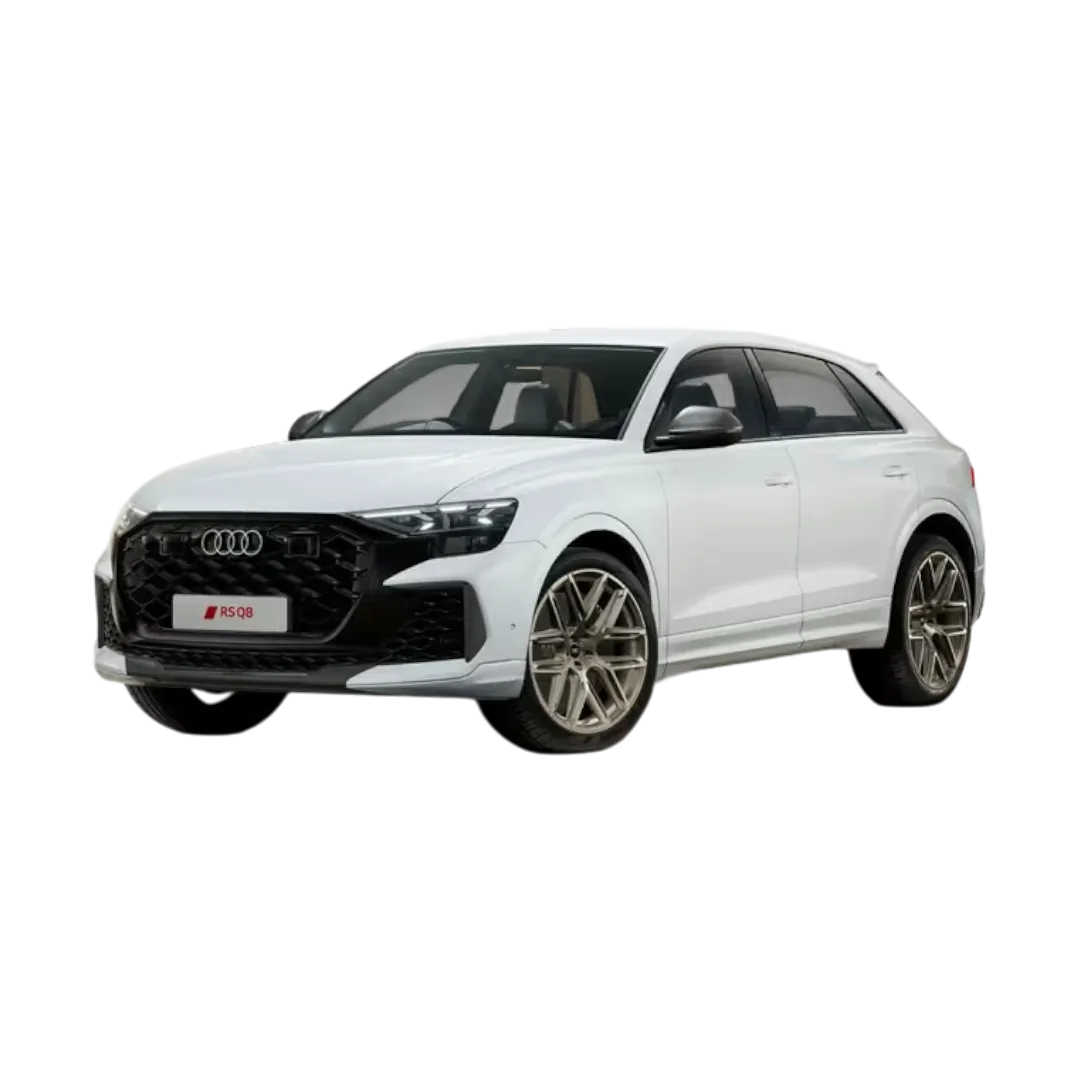 Audi RS Q8
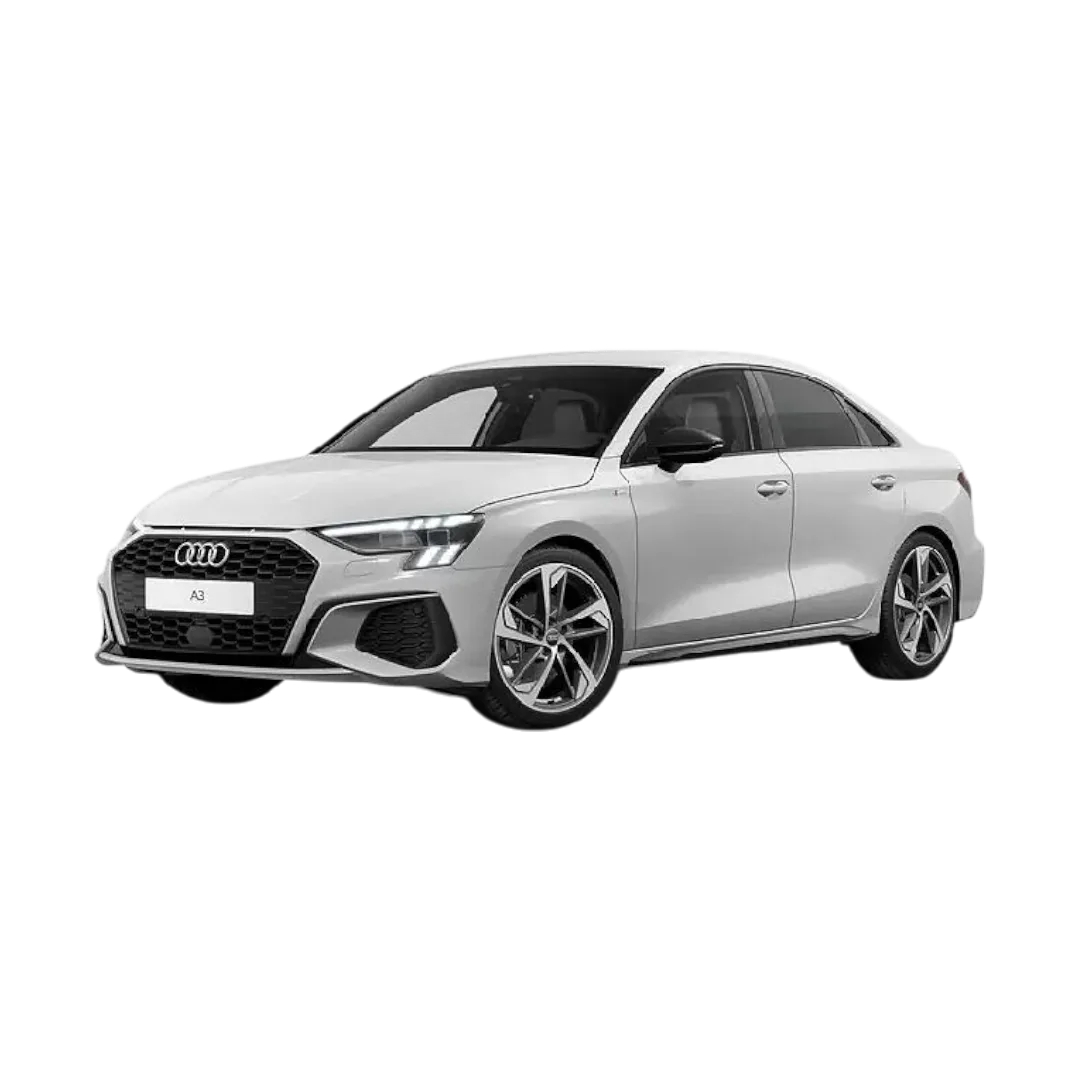 Audi A3
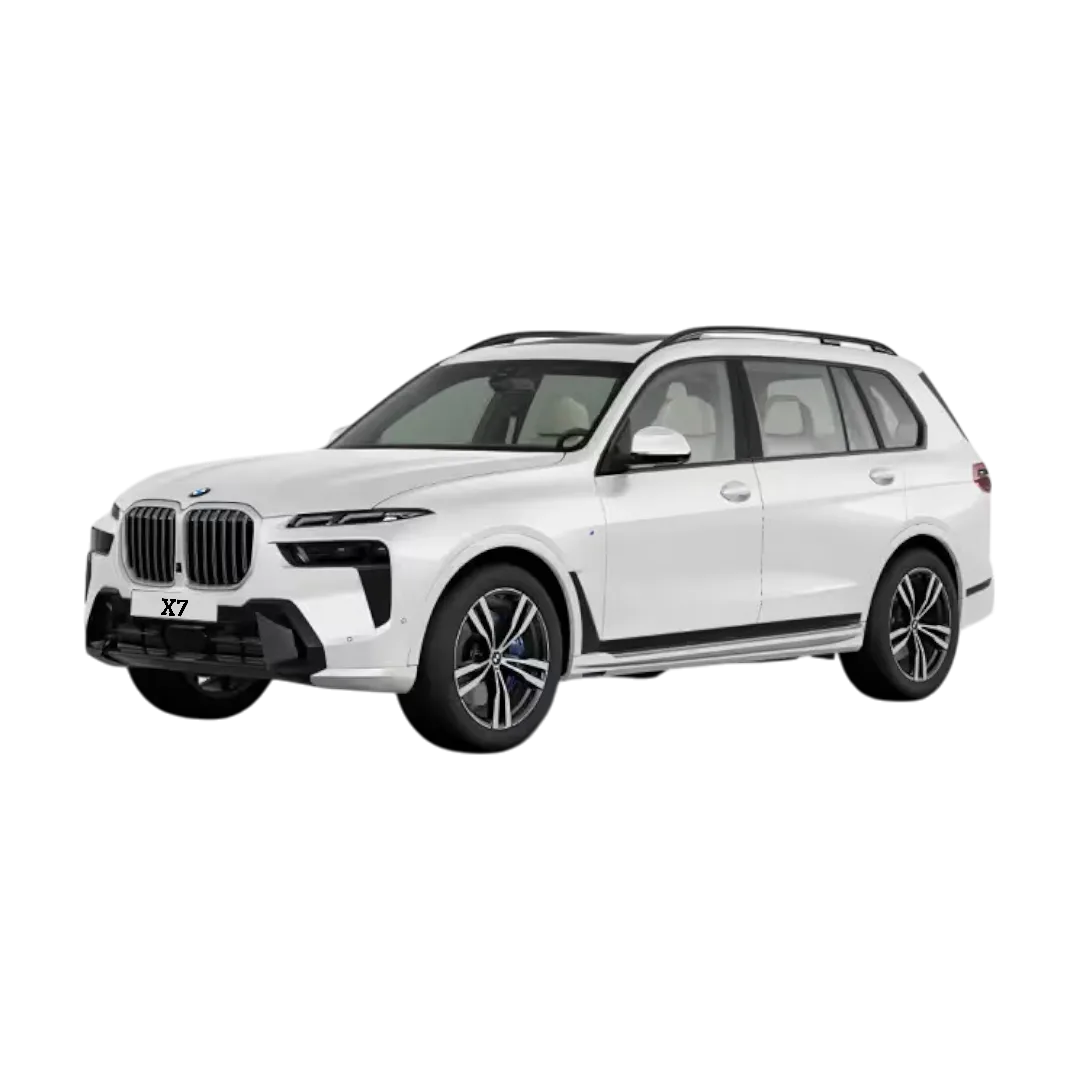 BMW X7
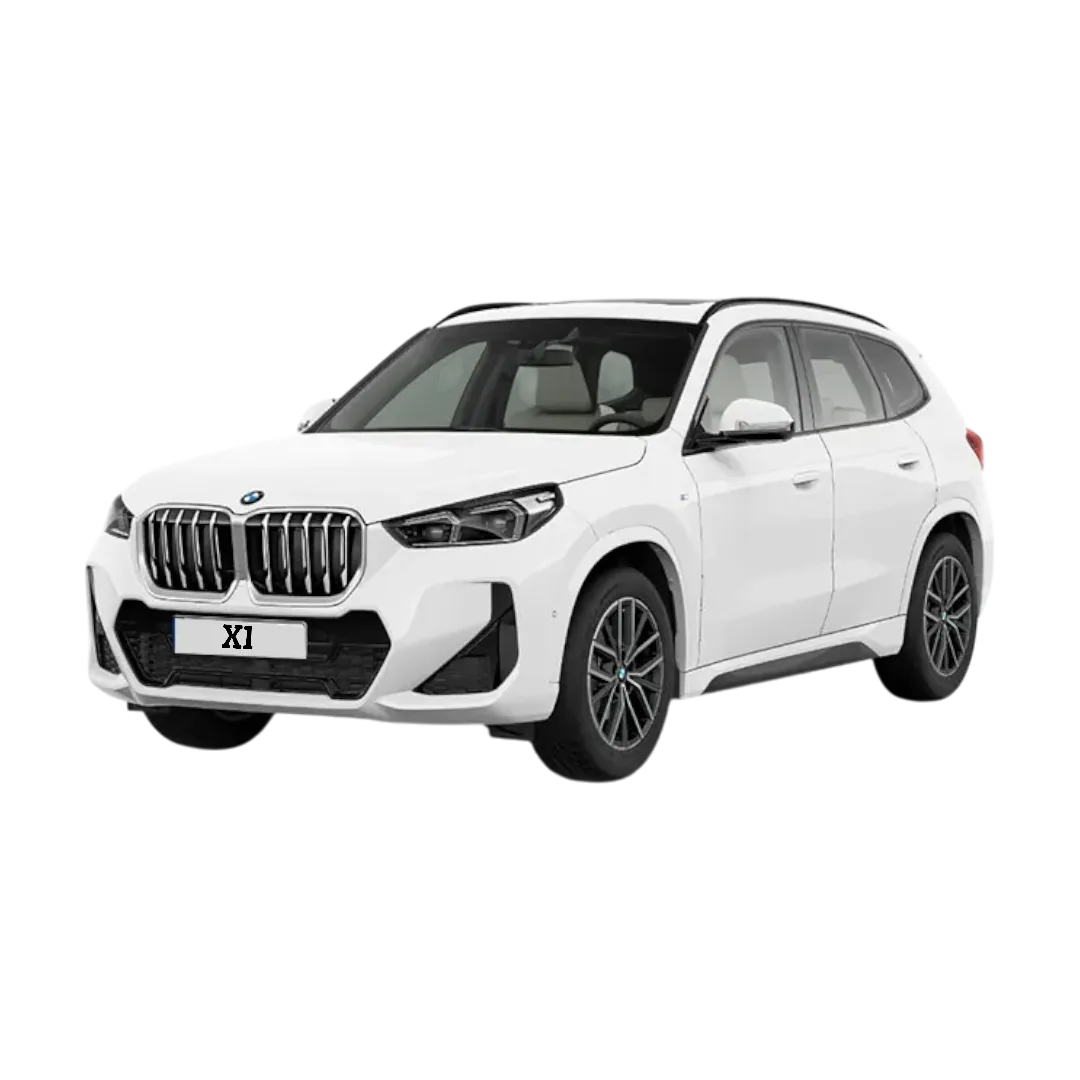 BMW X1
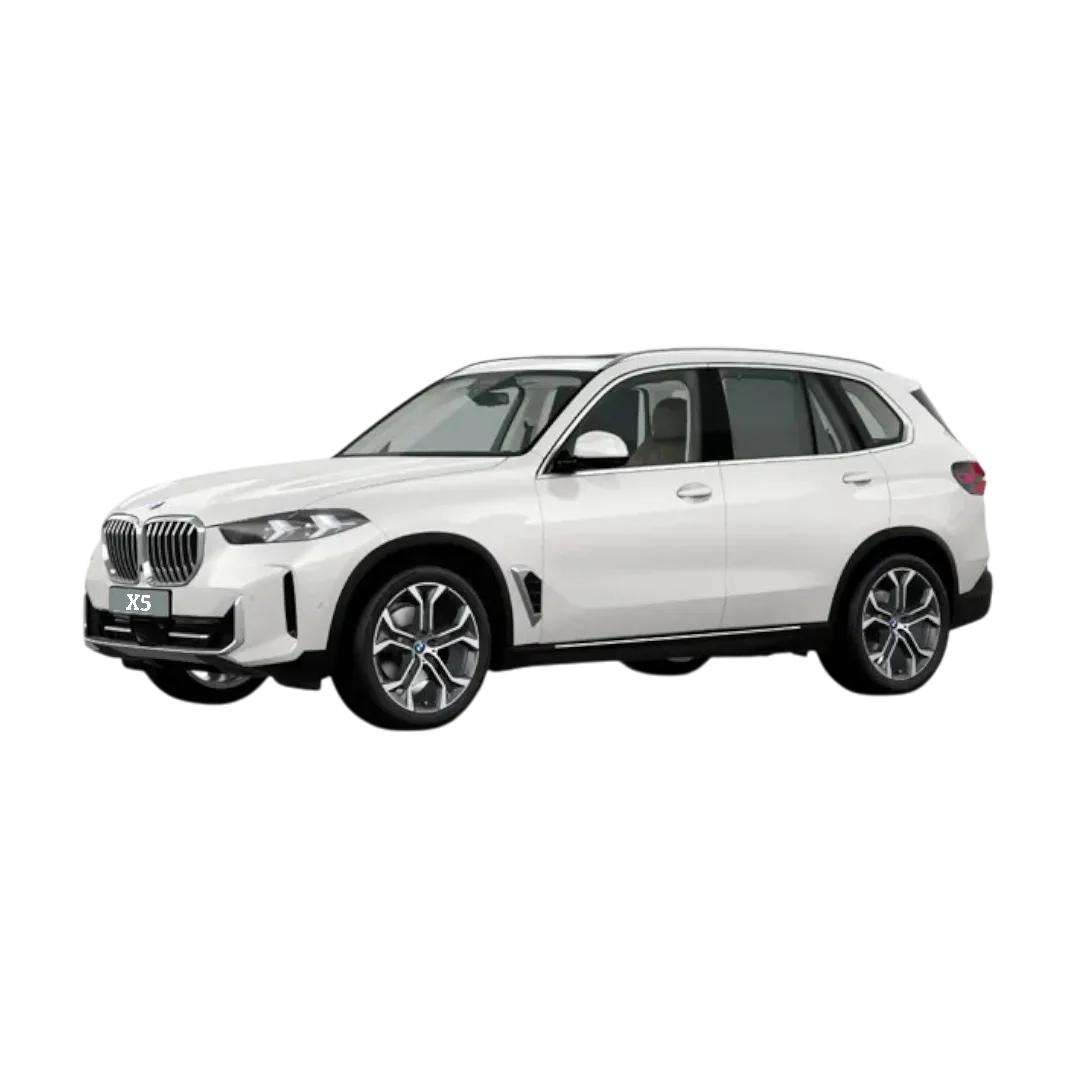 BMW X5
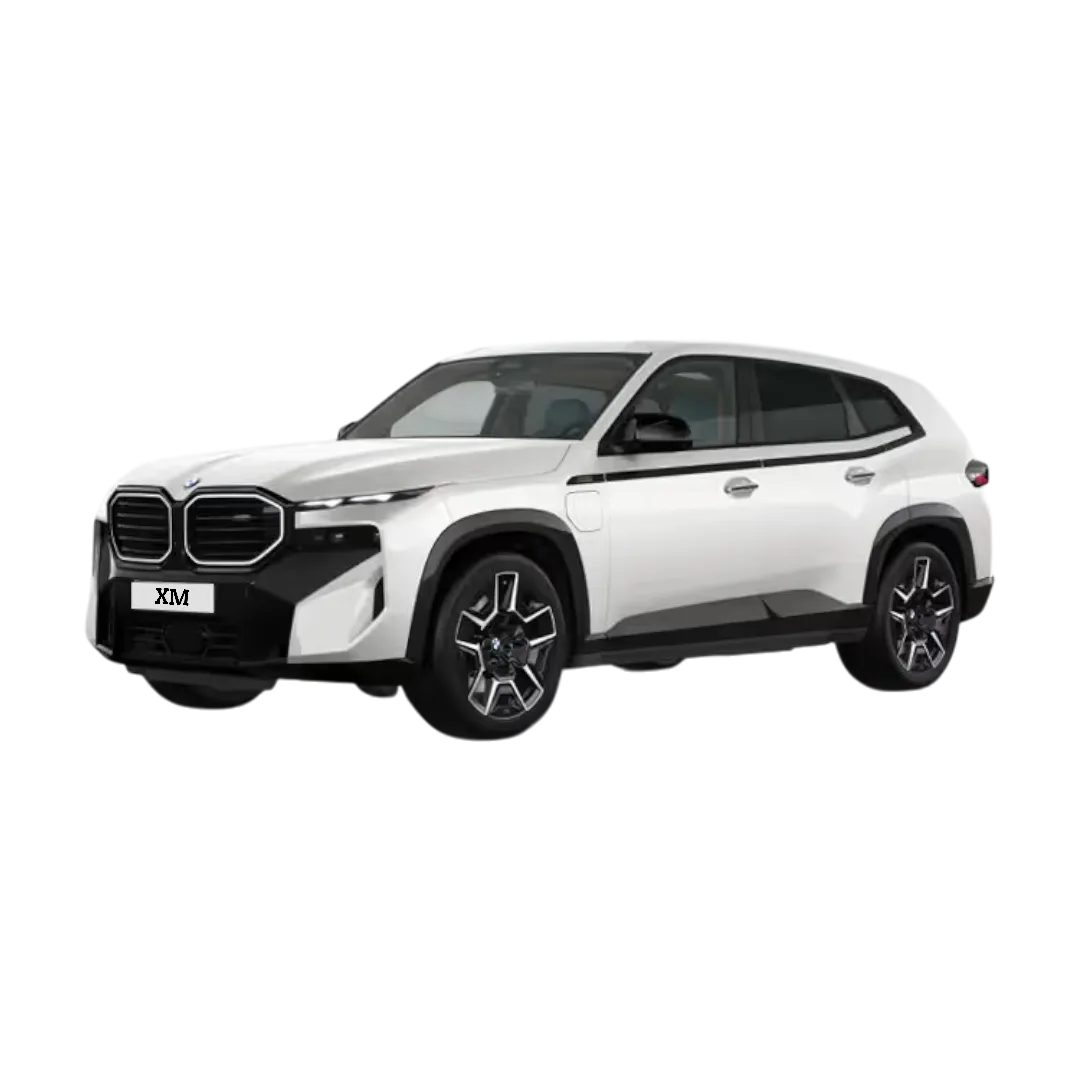 BMW XM
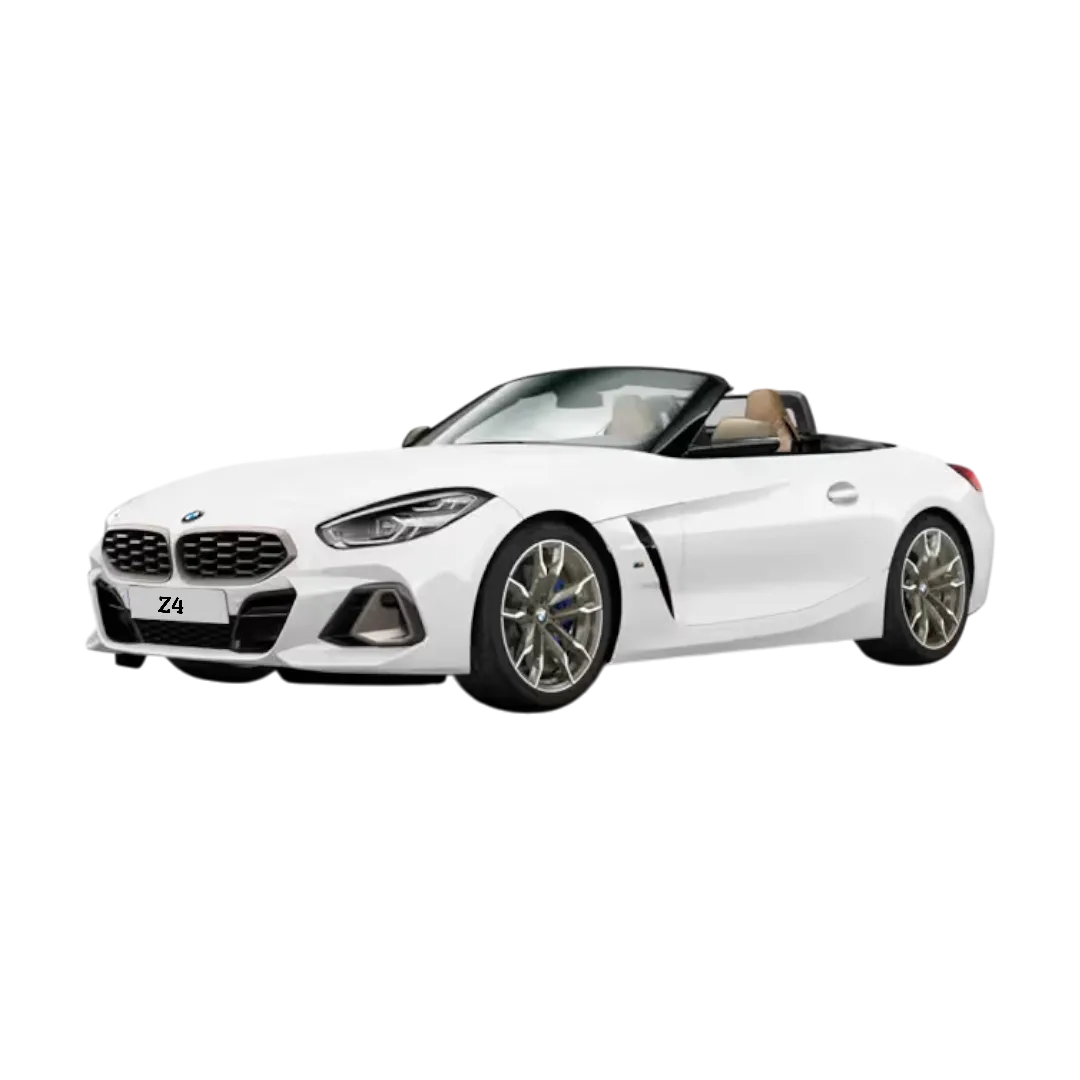 BMW Z4
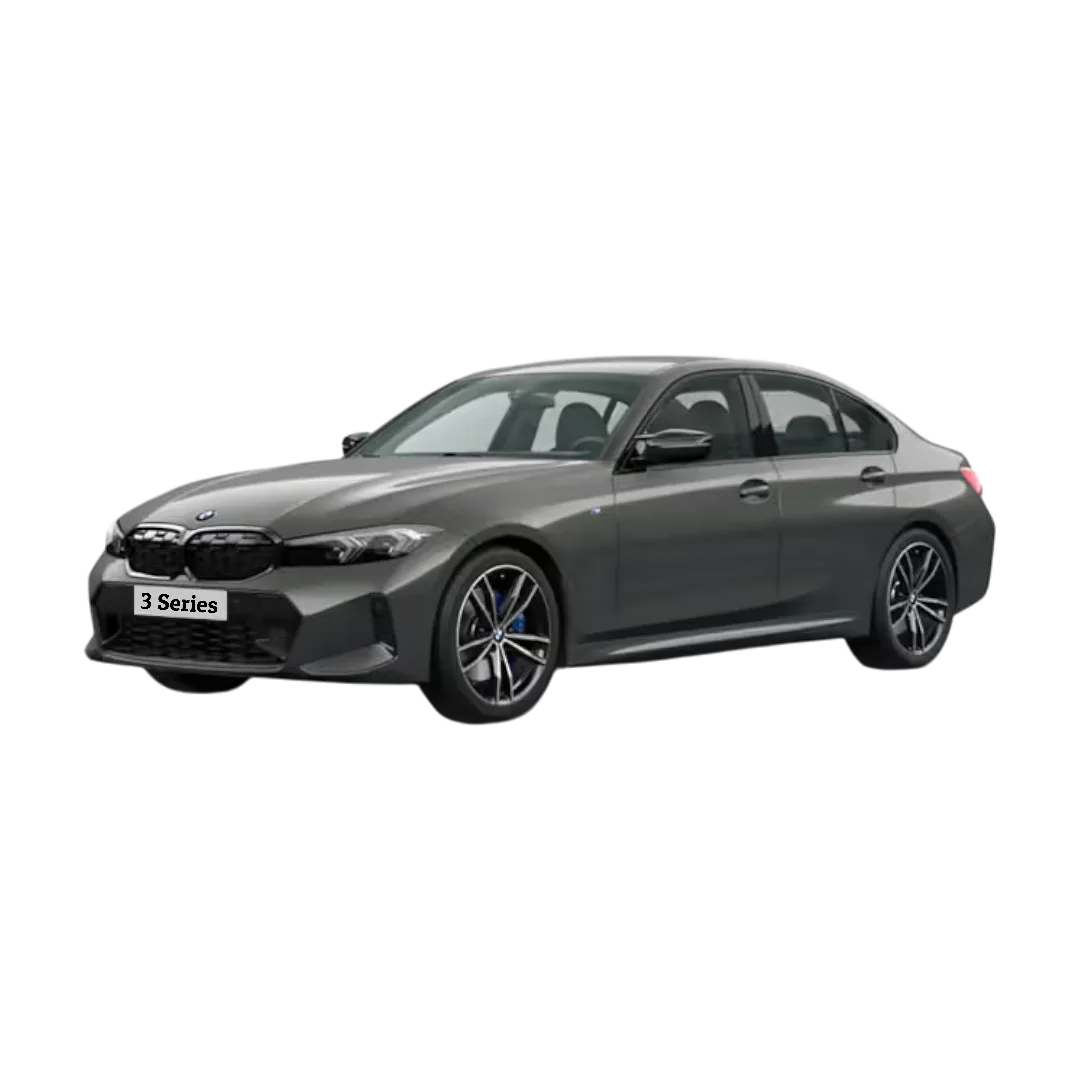 3 Series
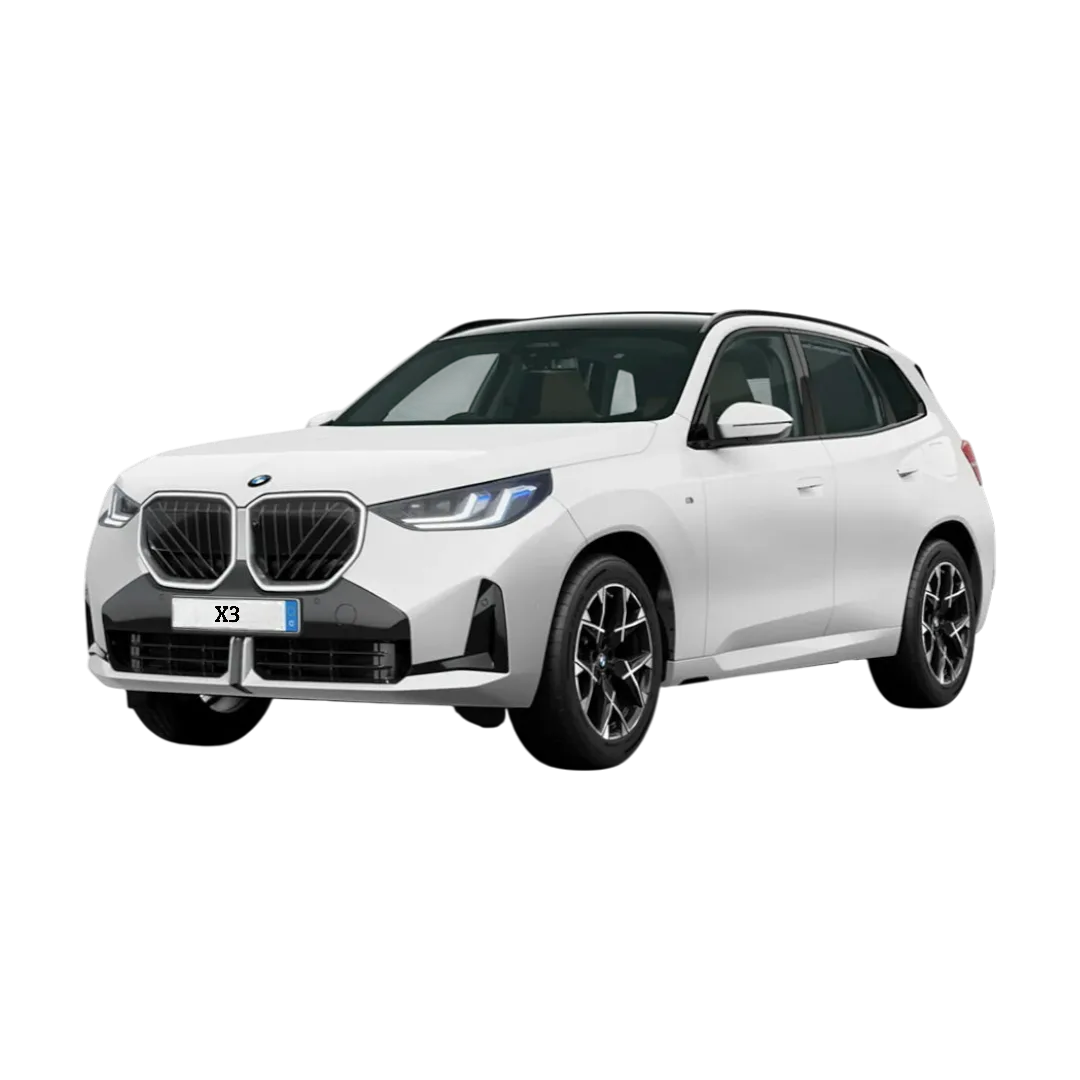 BMW X3
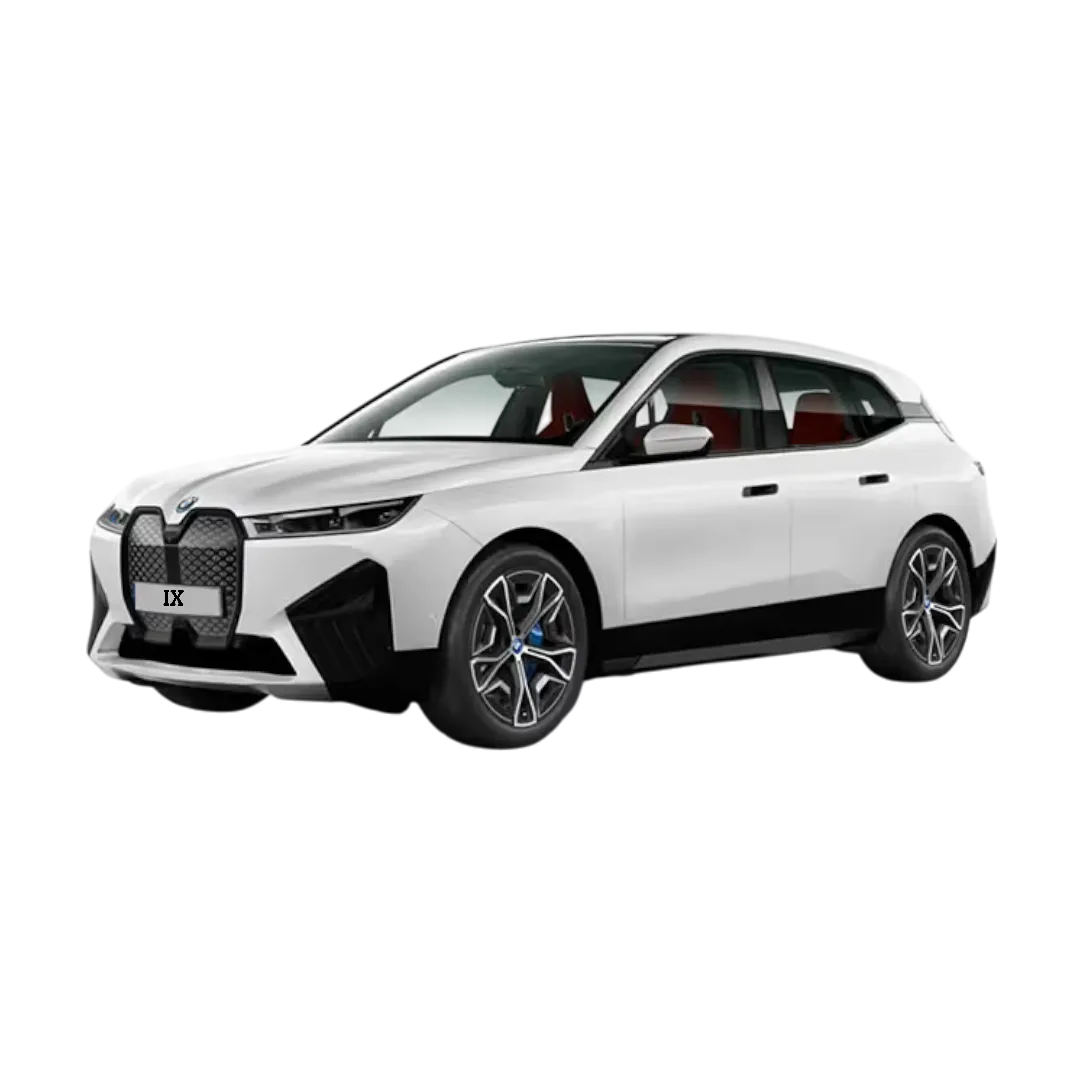 BMW iX
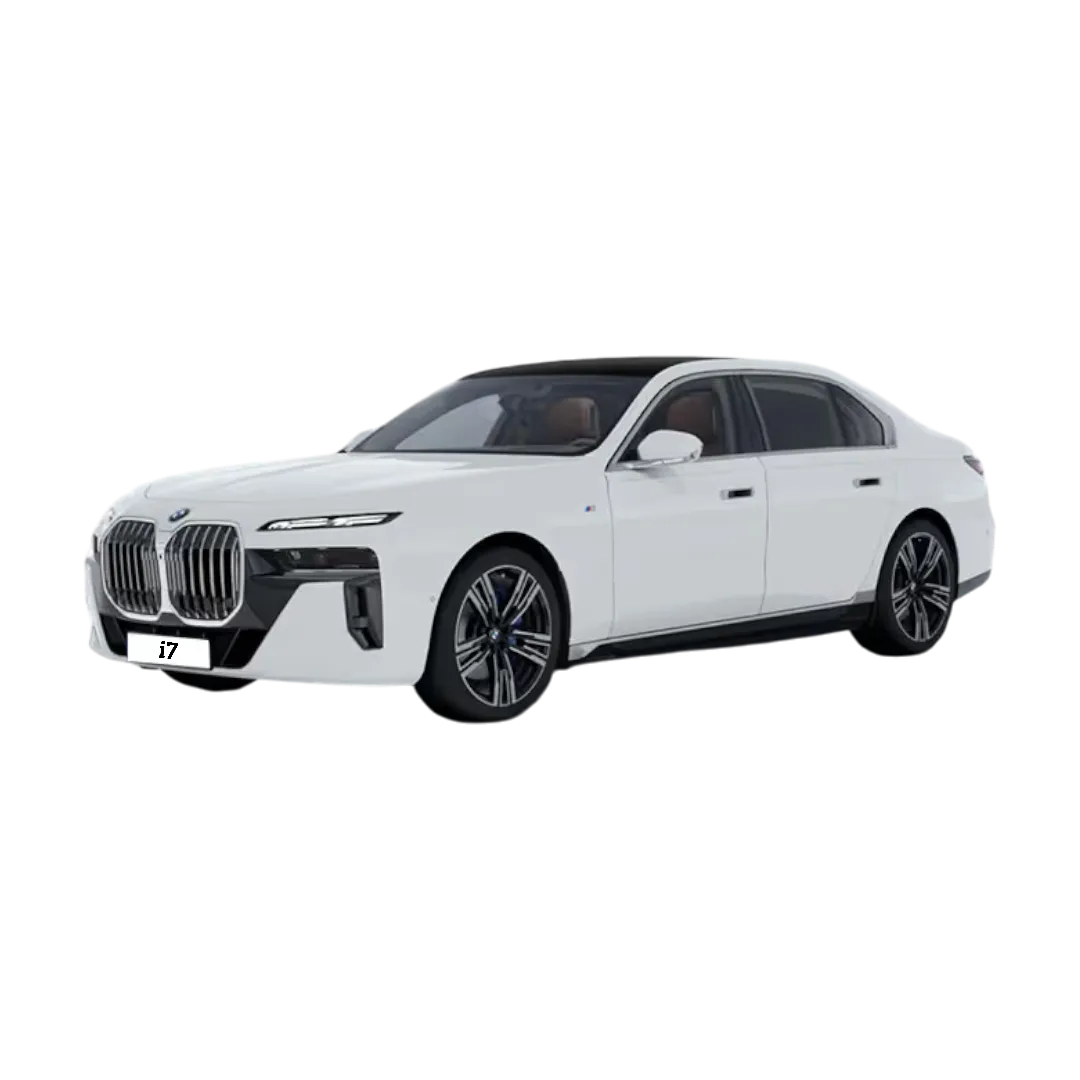 BMW i7
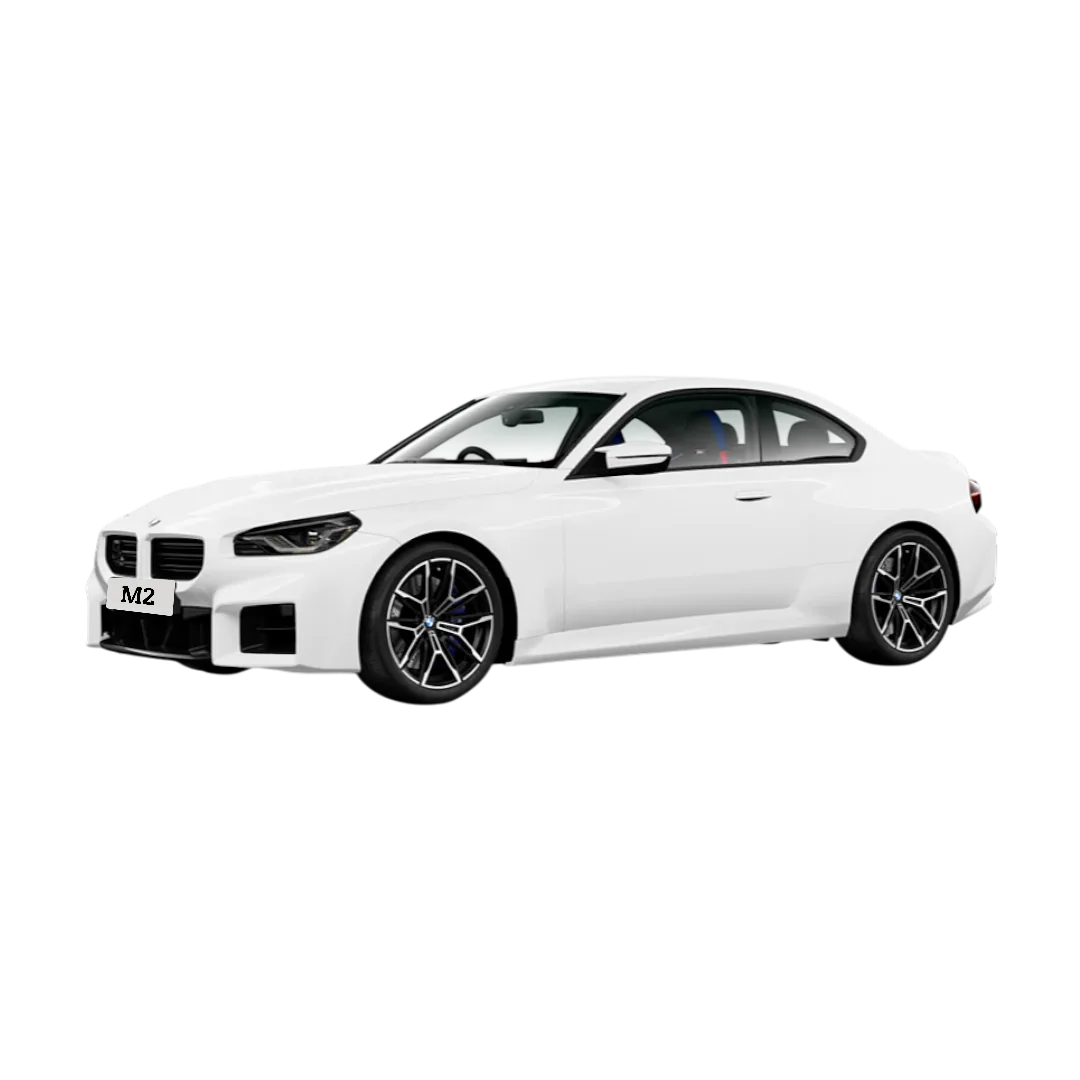 BMW M2
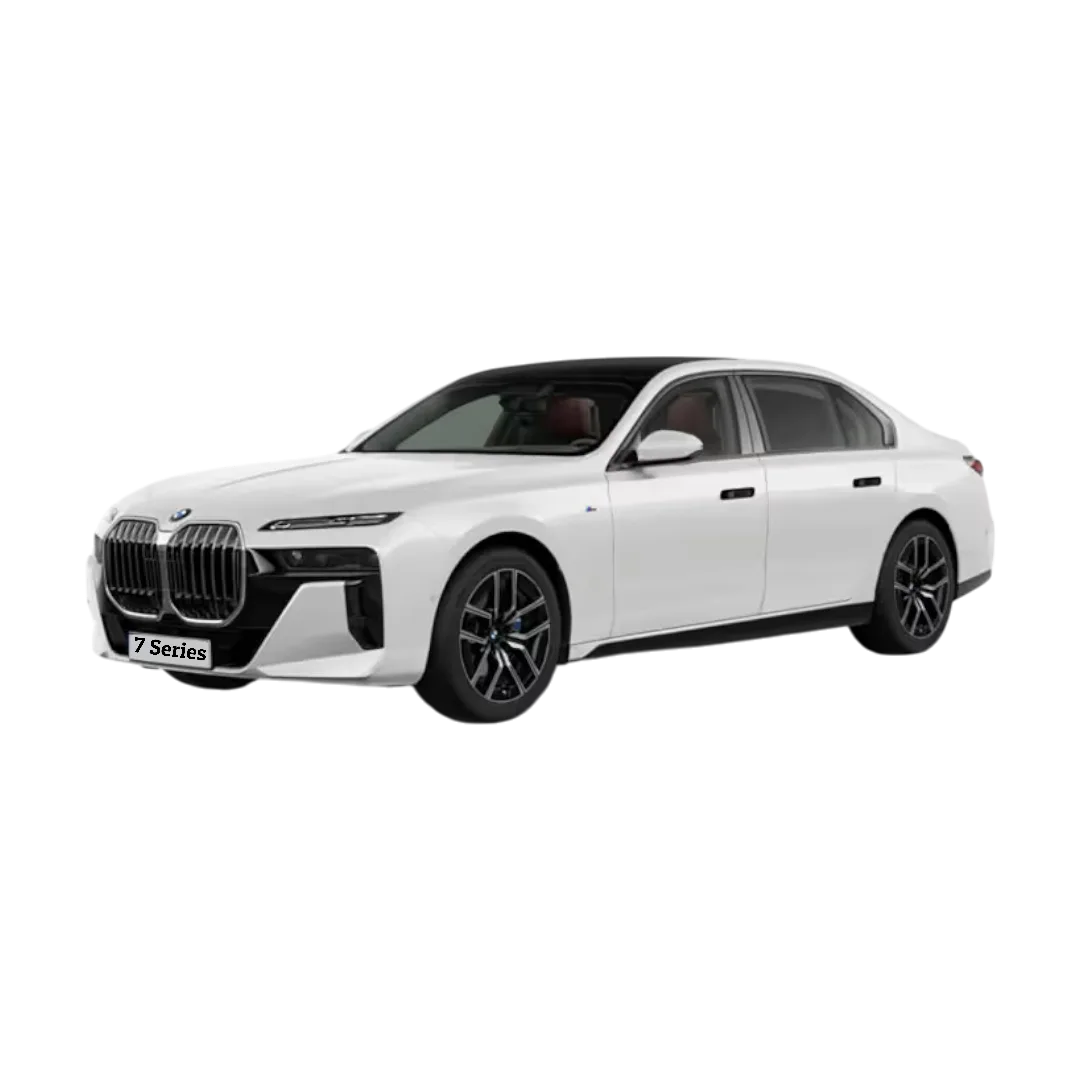 7 Series
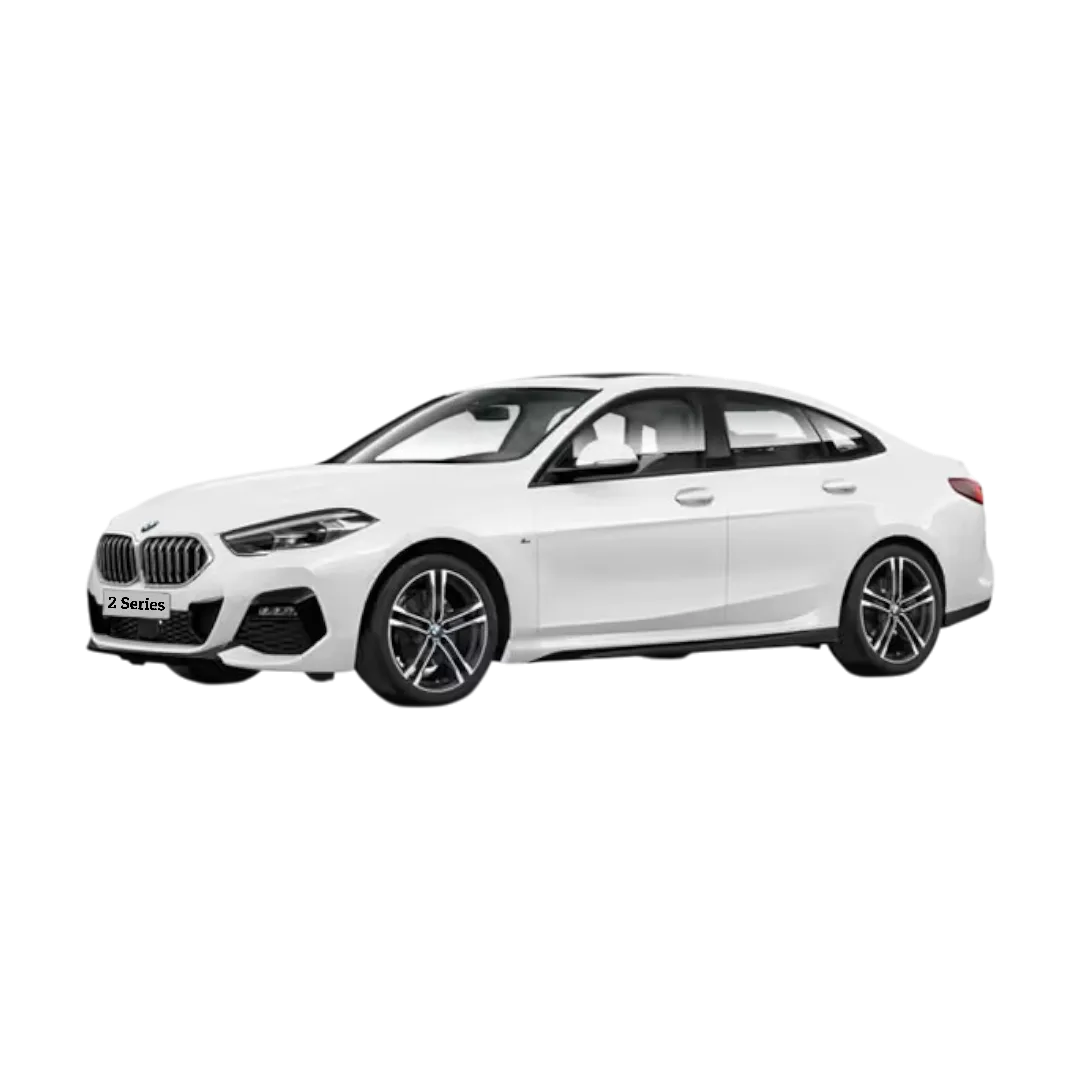 2 Series
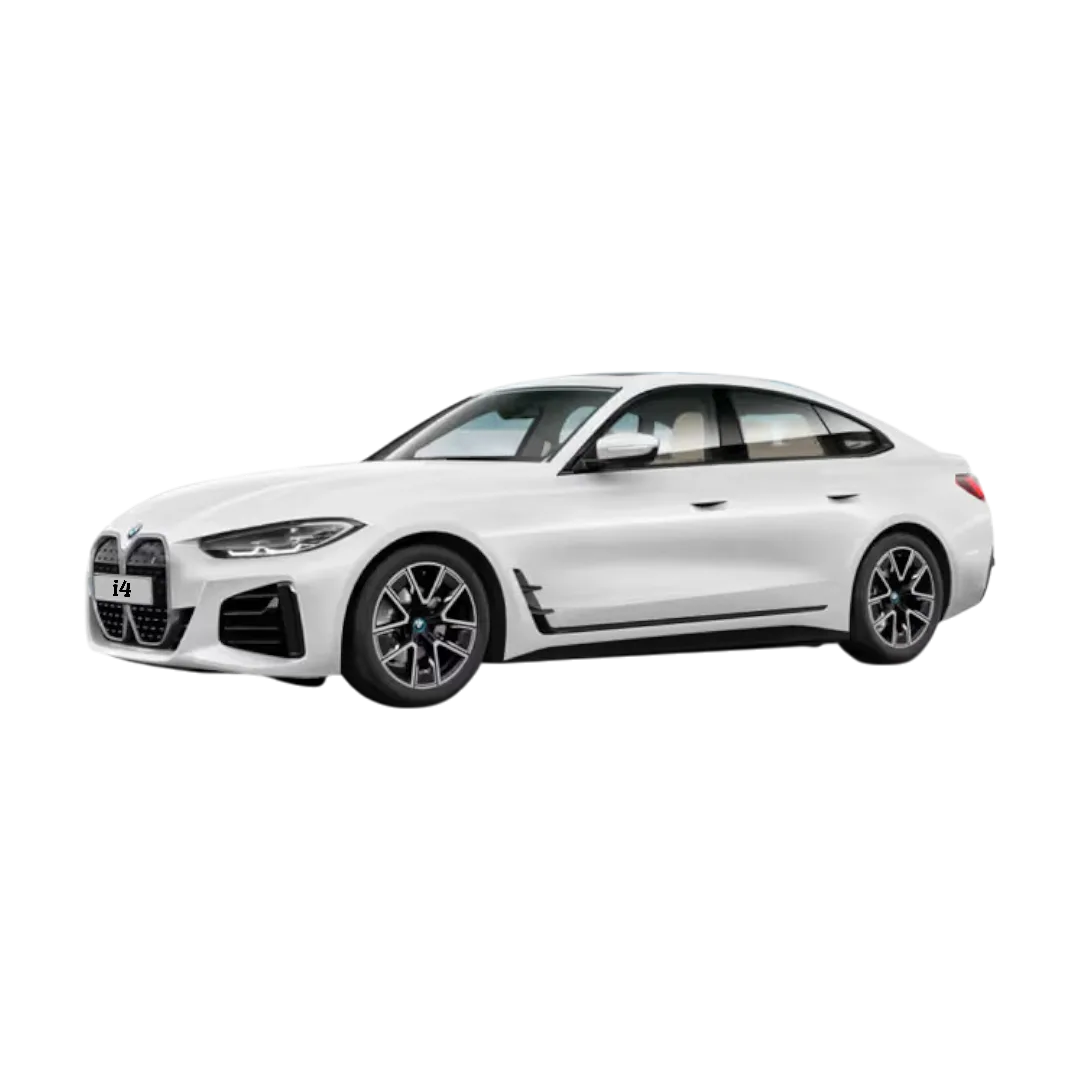 BMW i4
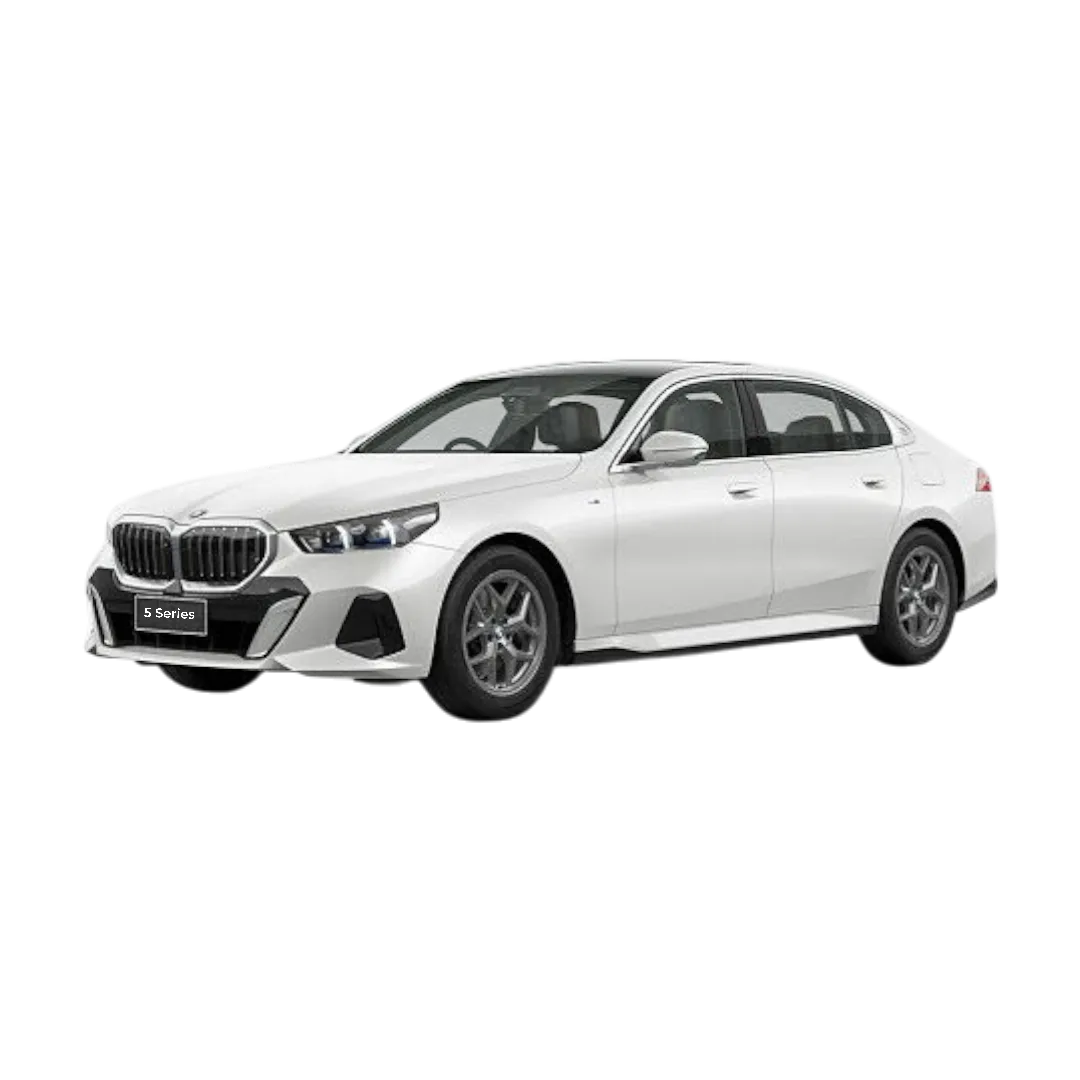 5 Series
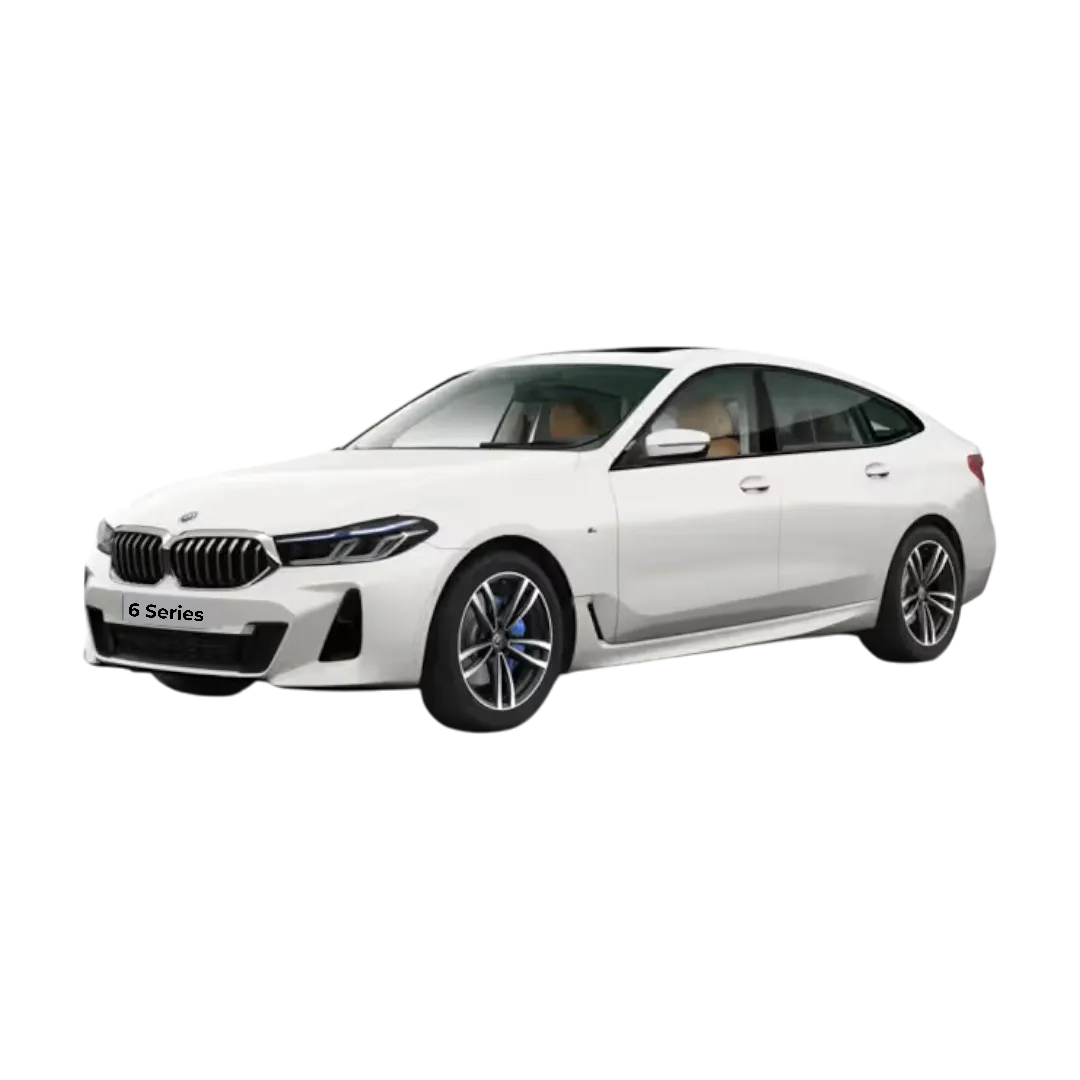 6 Series
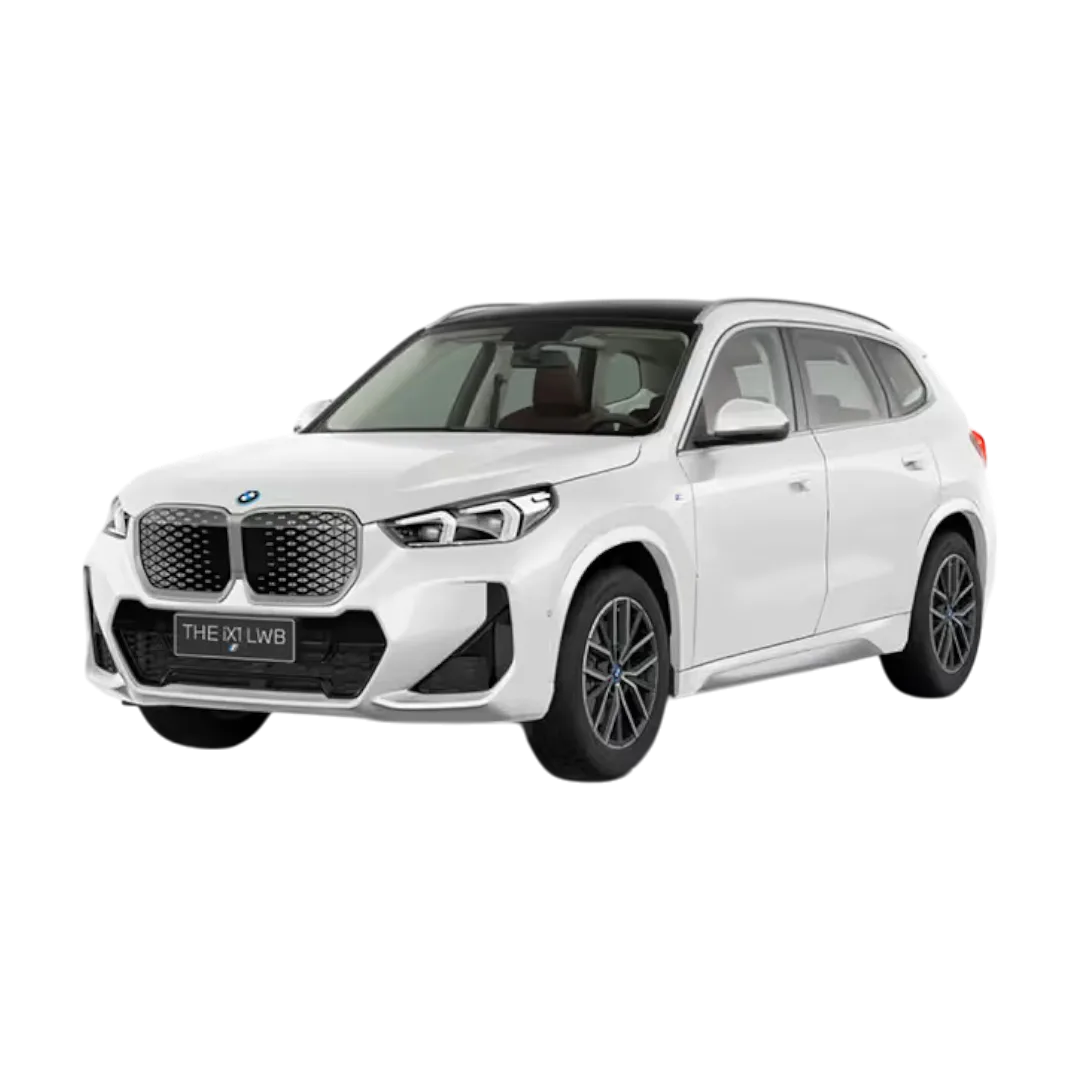 BMW ix1
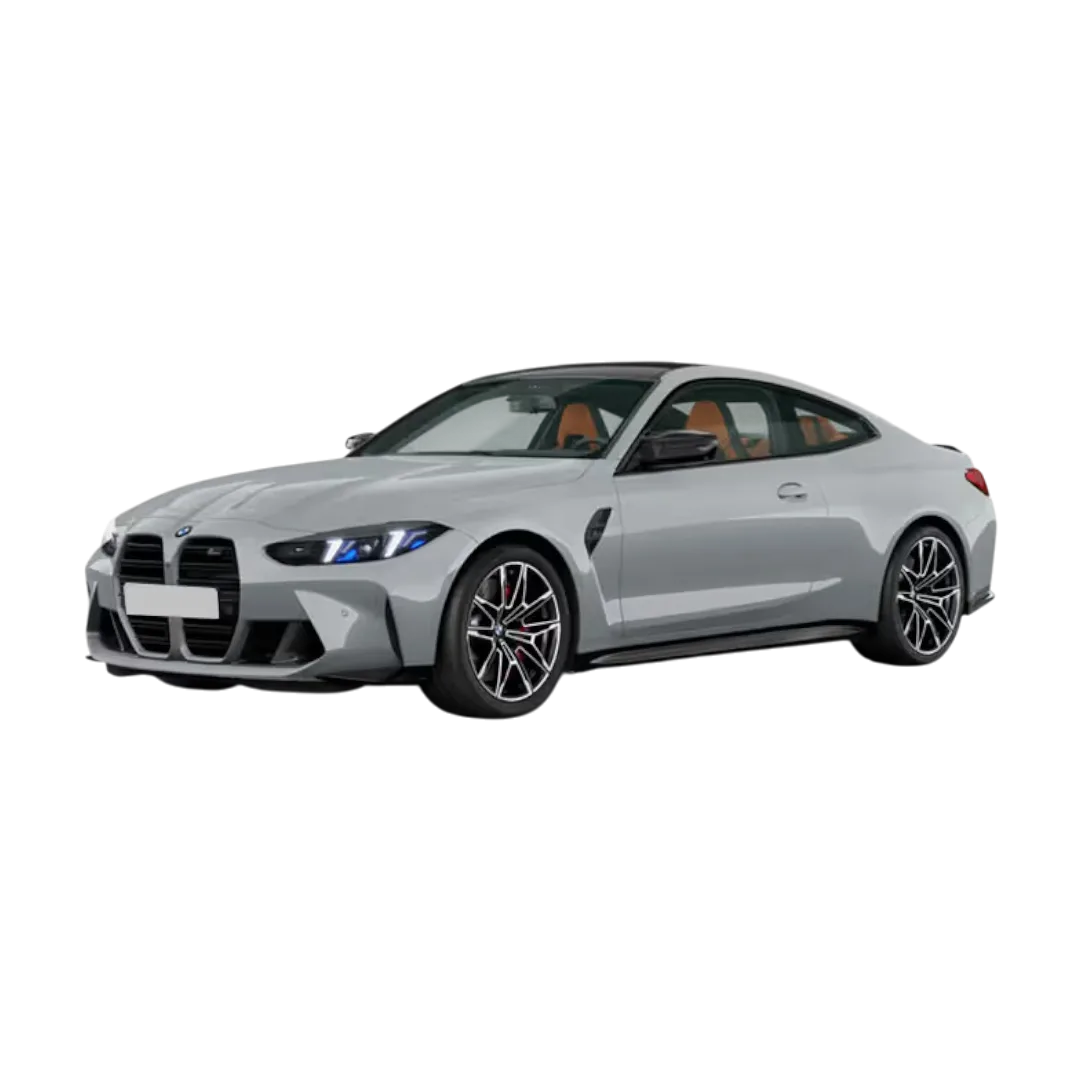 M4 Competition
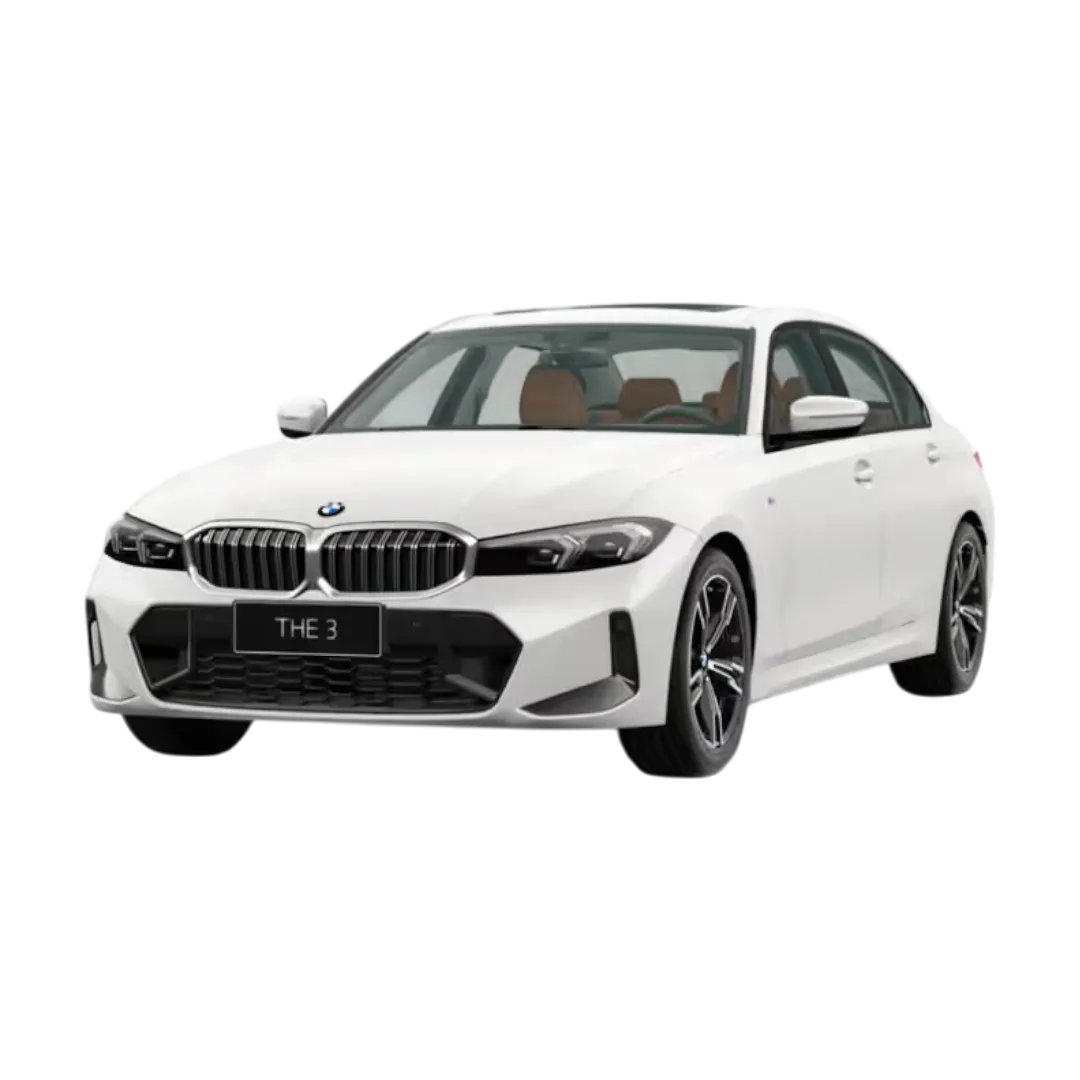 3 Series Gran Limousine
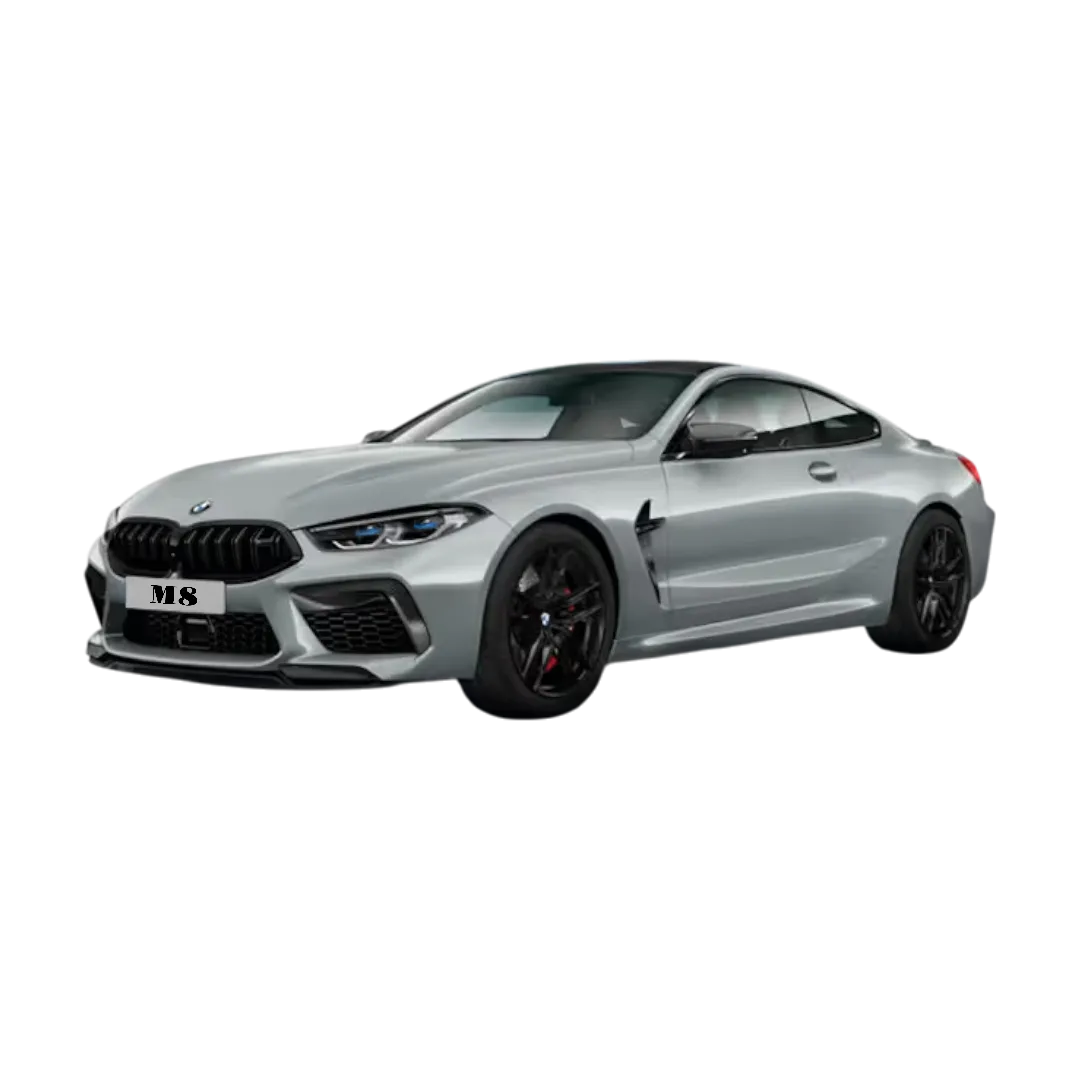 M8 Coupe
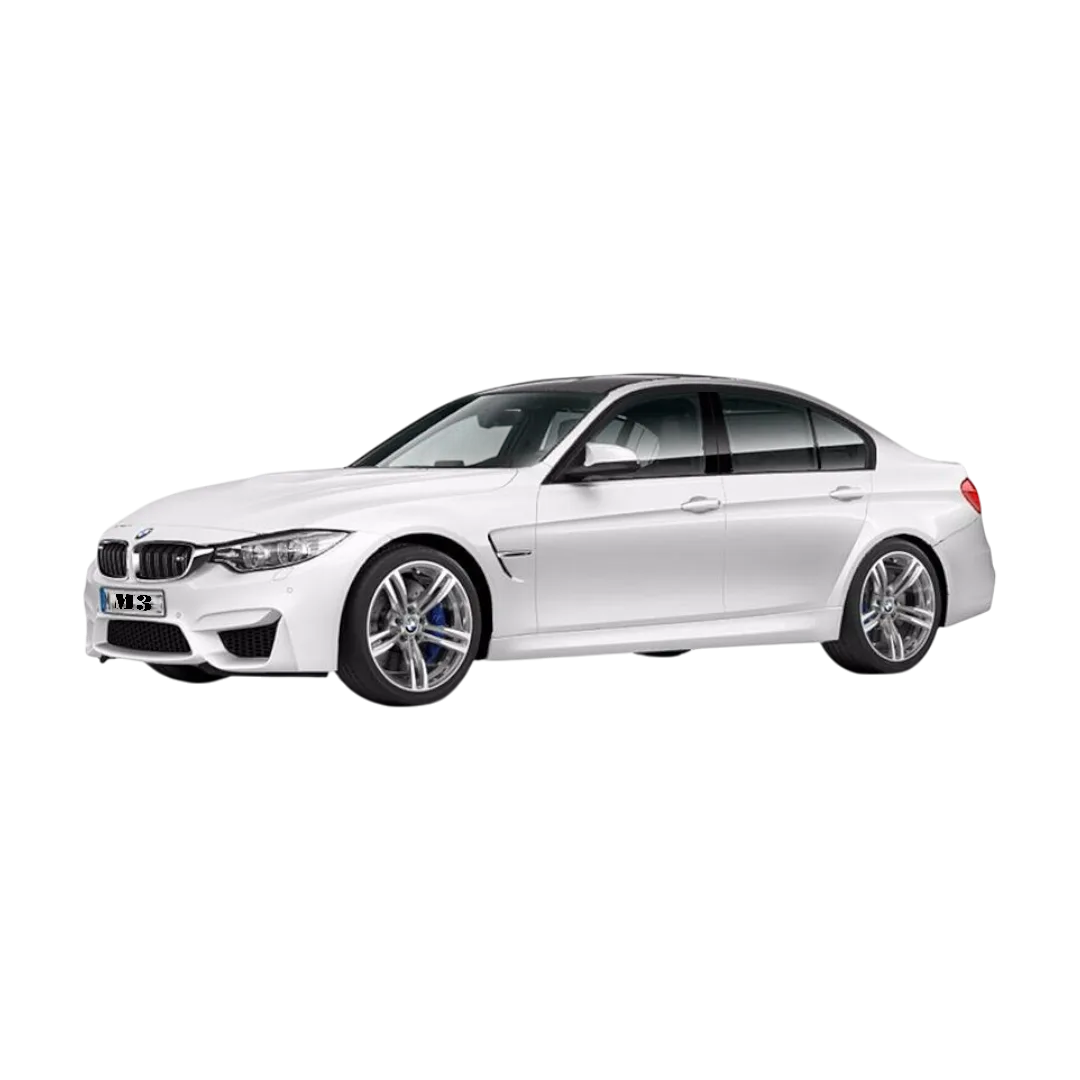 BMW M3
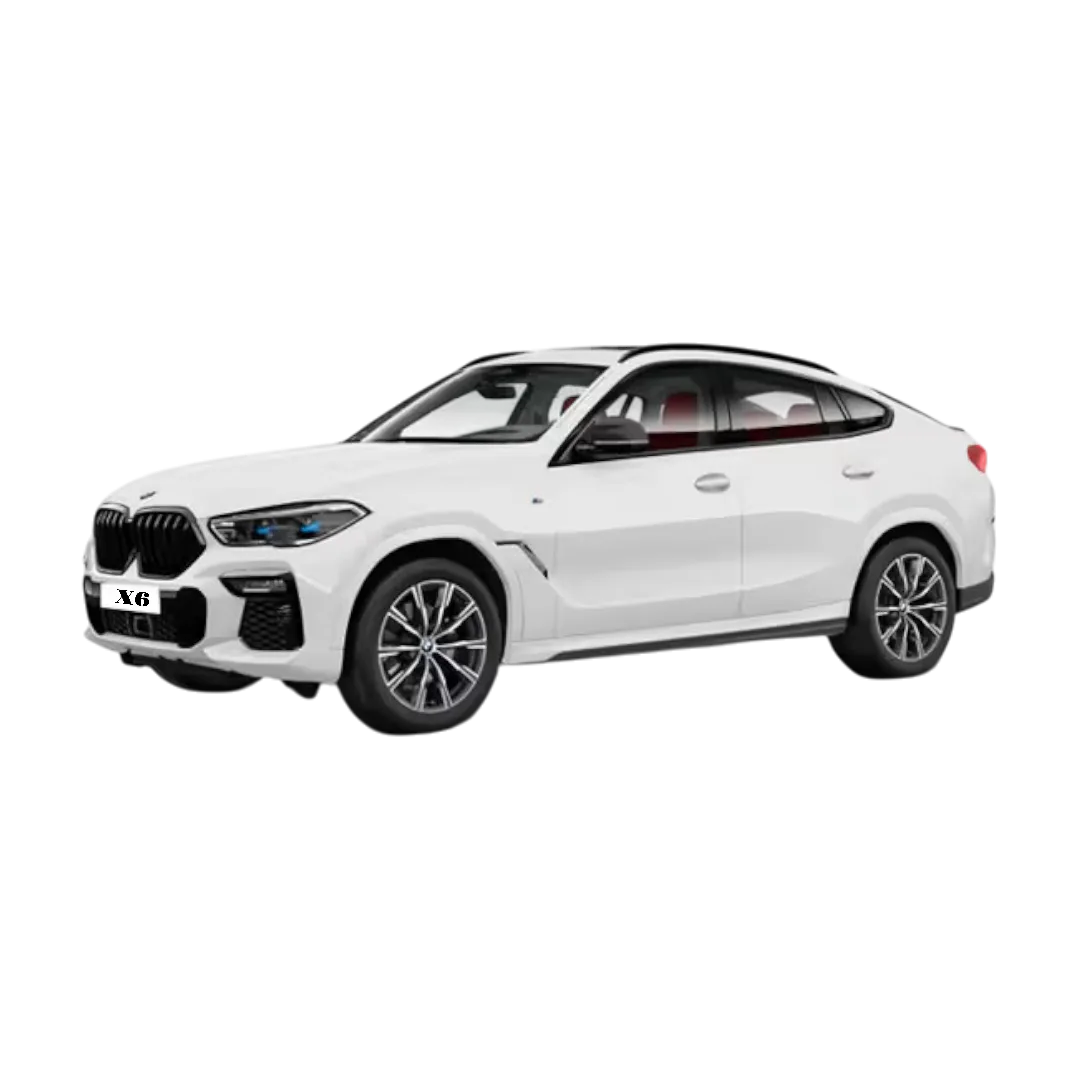 BMW X6
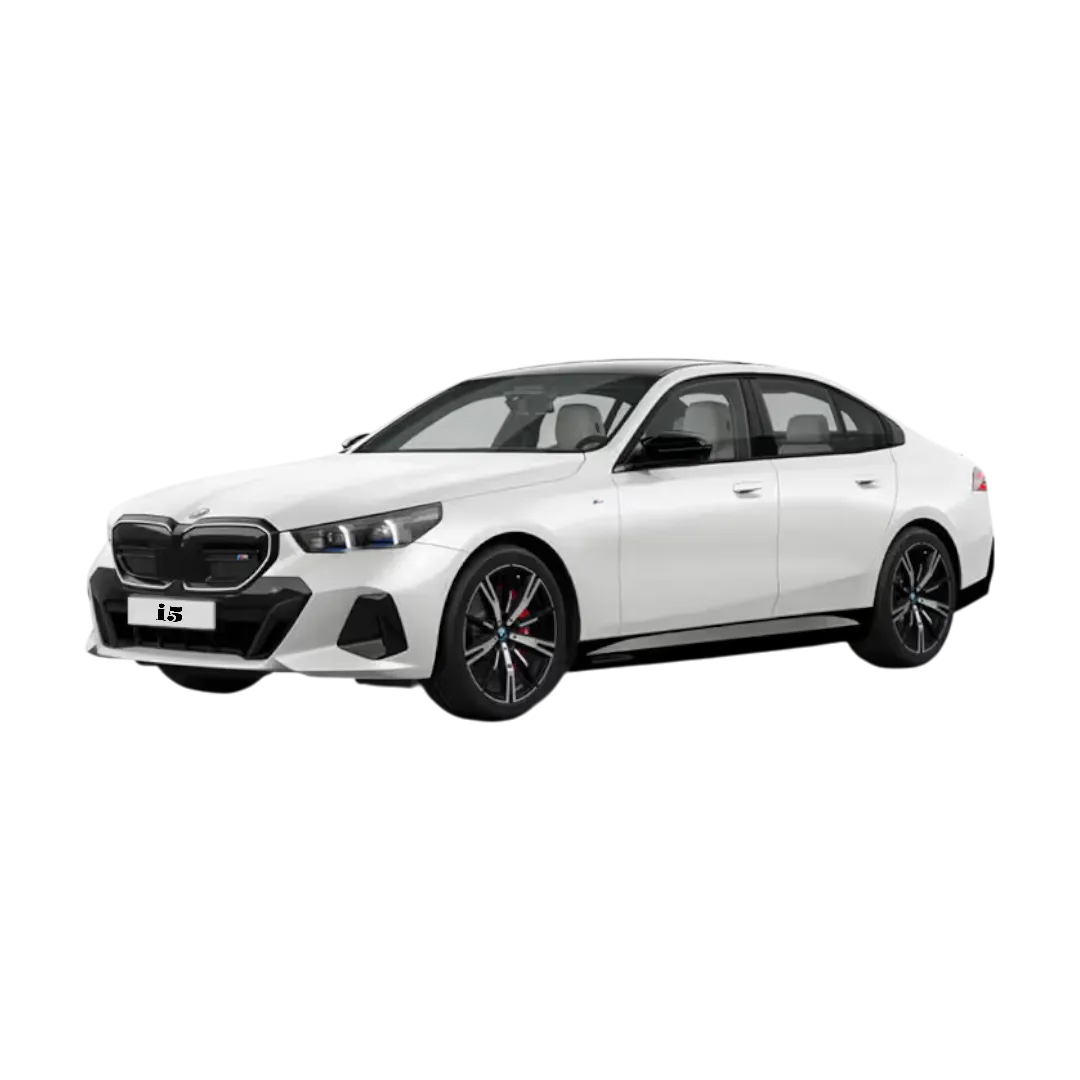 BMW i5
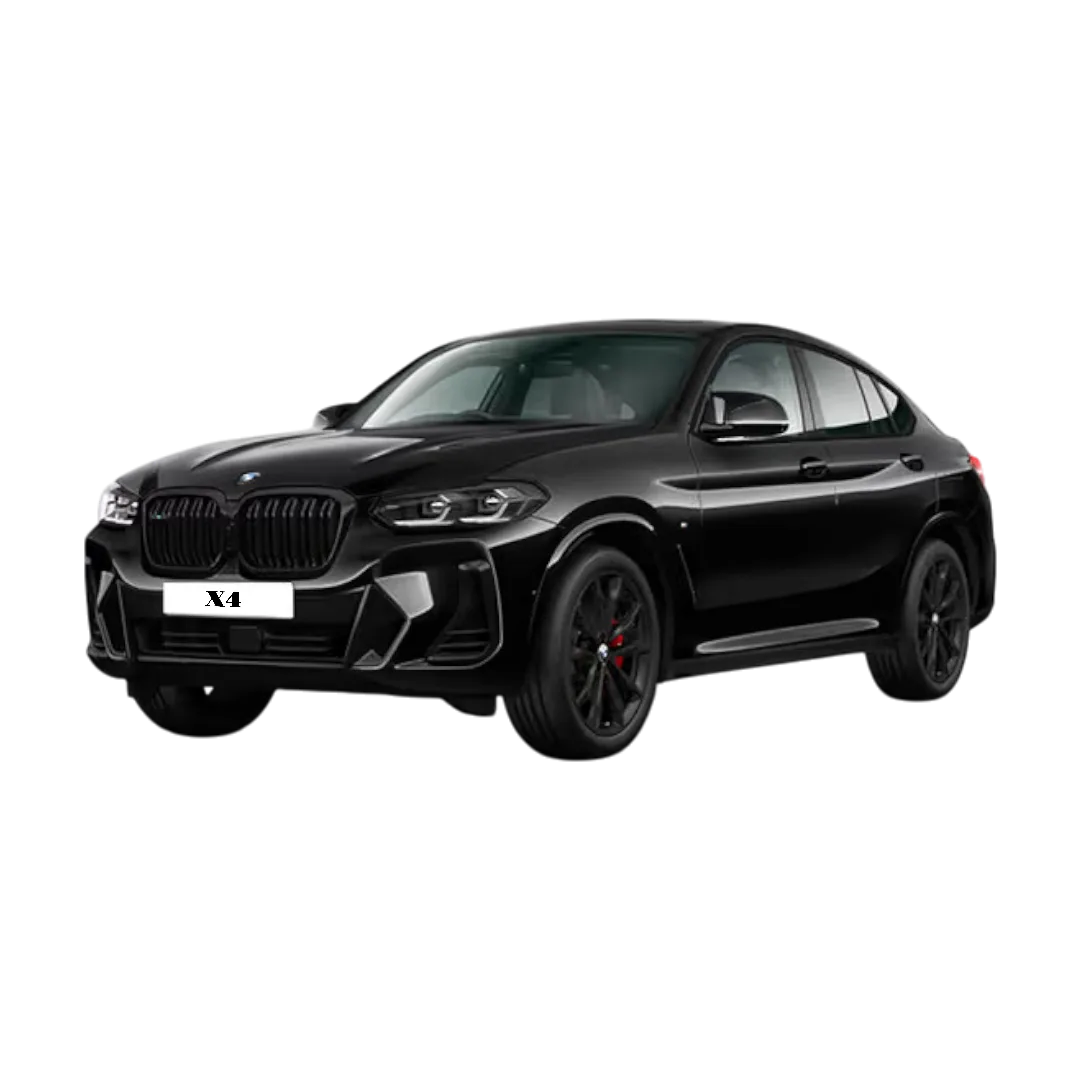 BMW X4
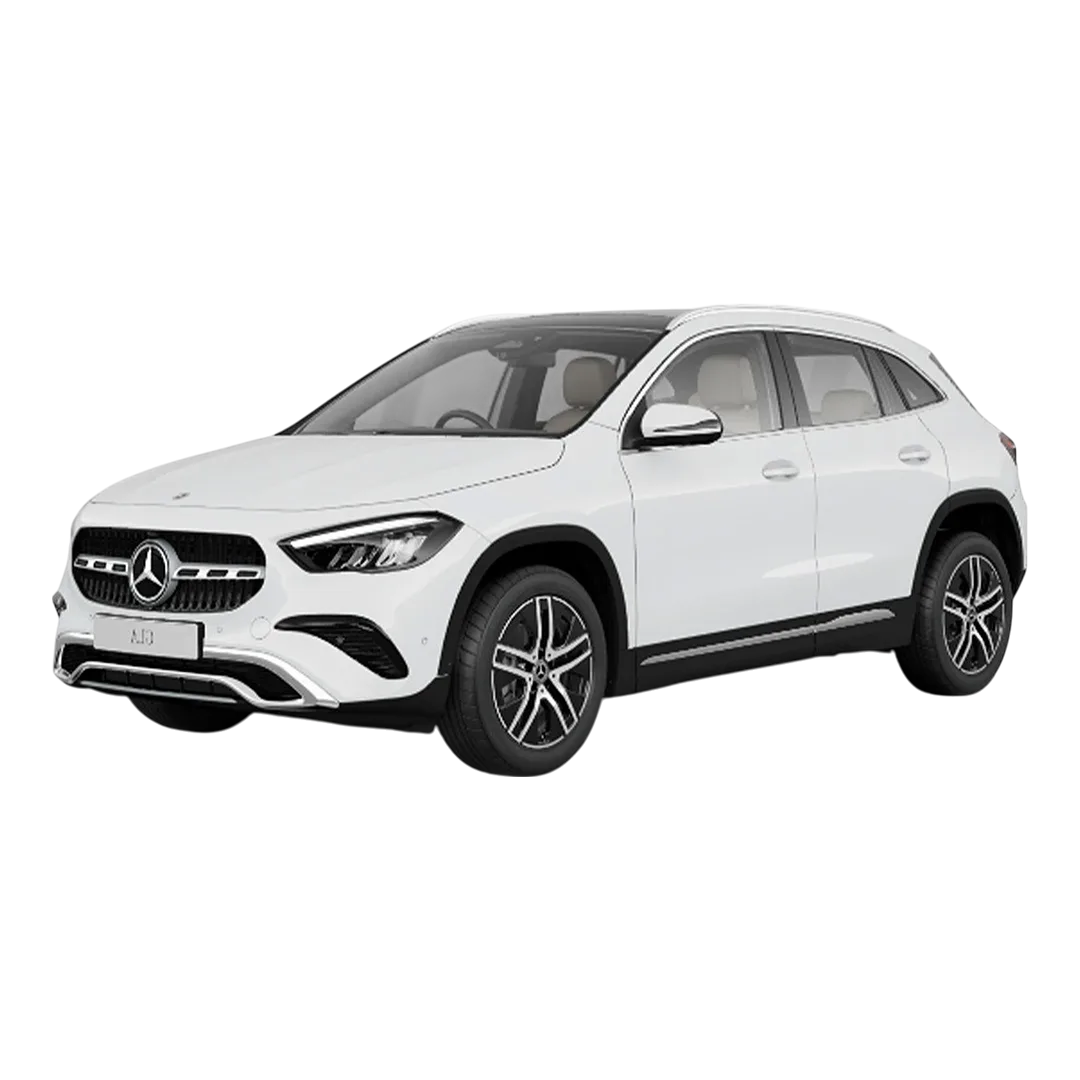 Mercedes Benz GLA
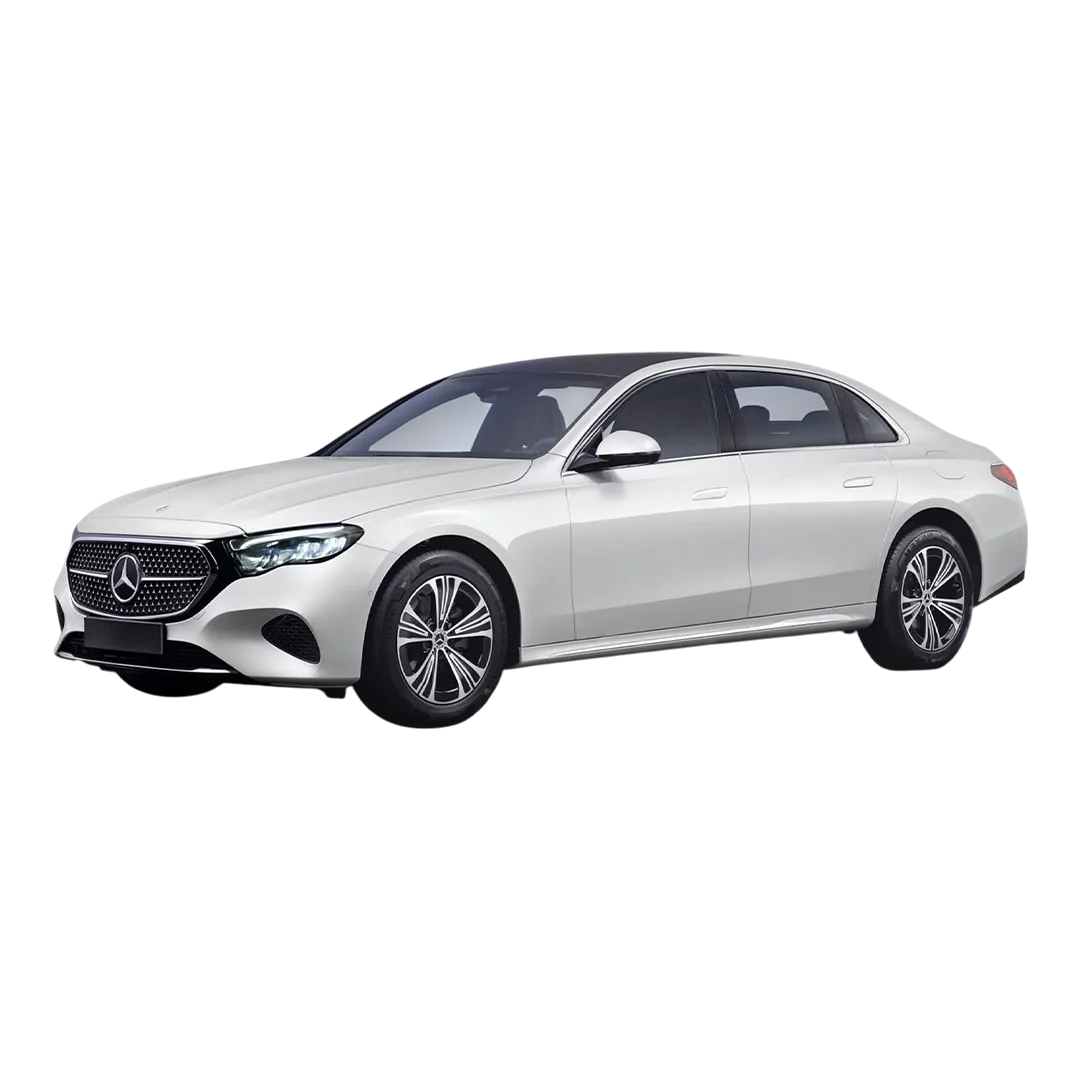 Mercedes E-Class
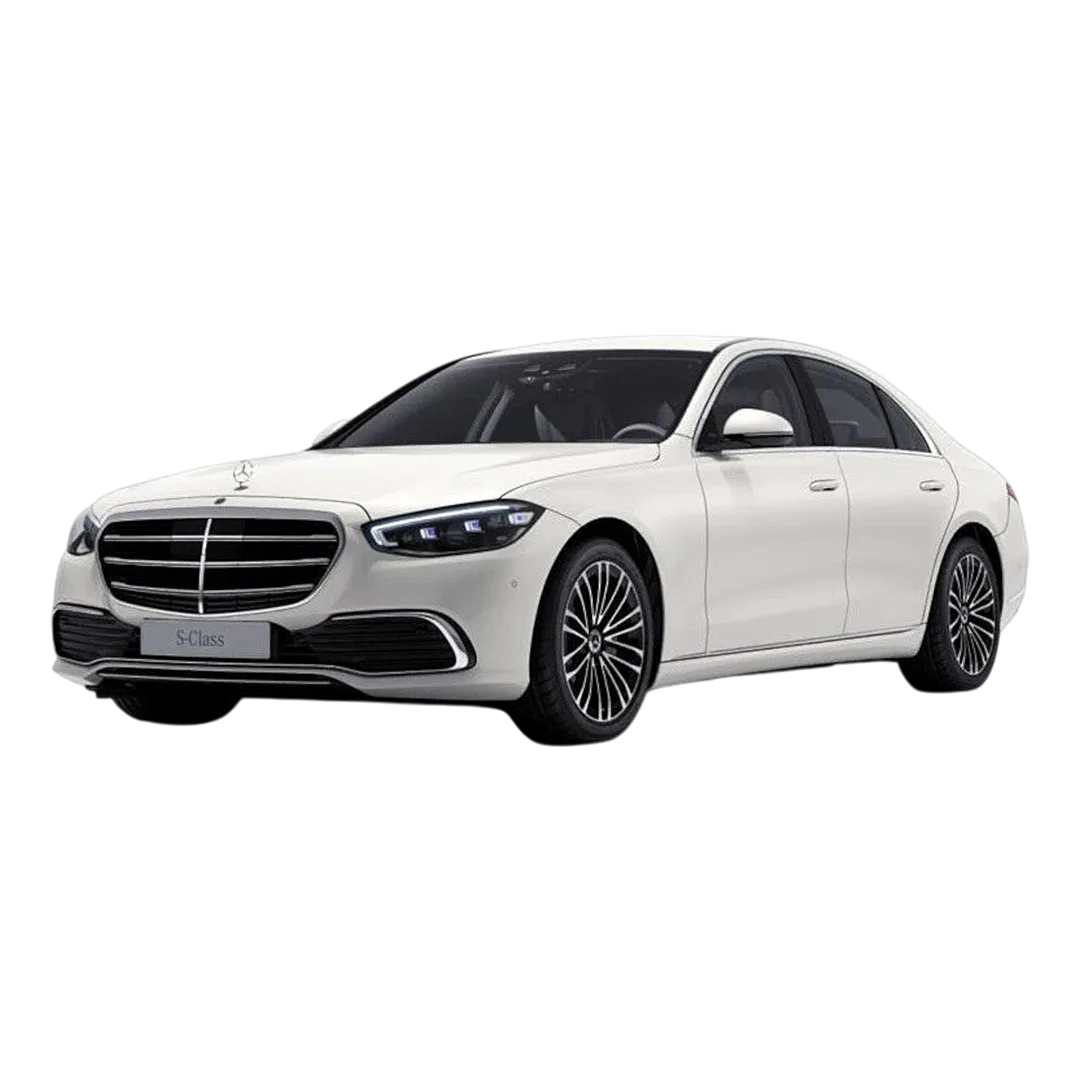 Mercedes S-Class
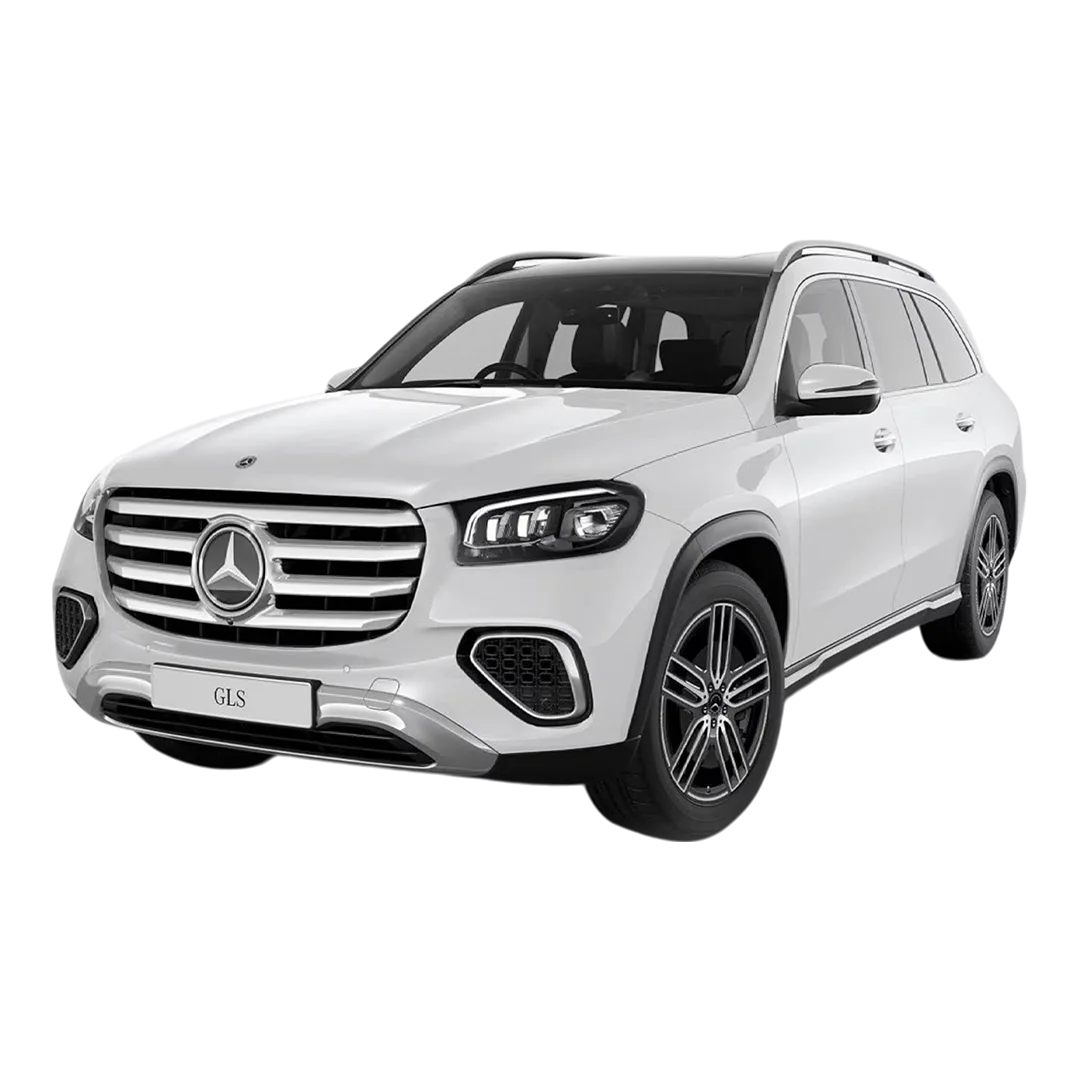 Mercedes Benz GLS
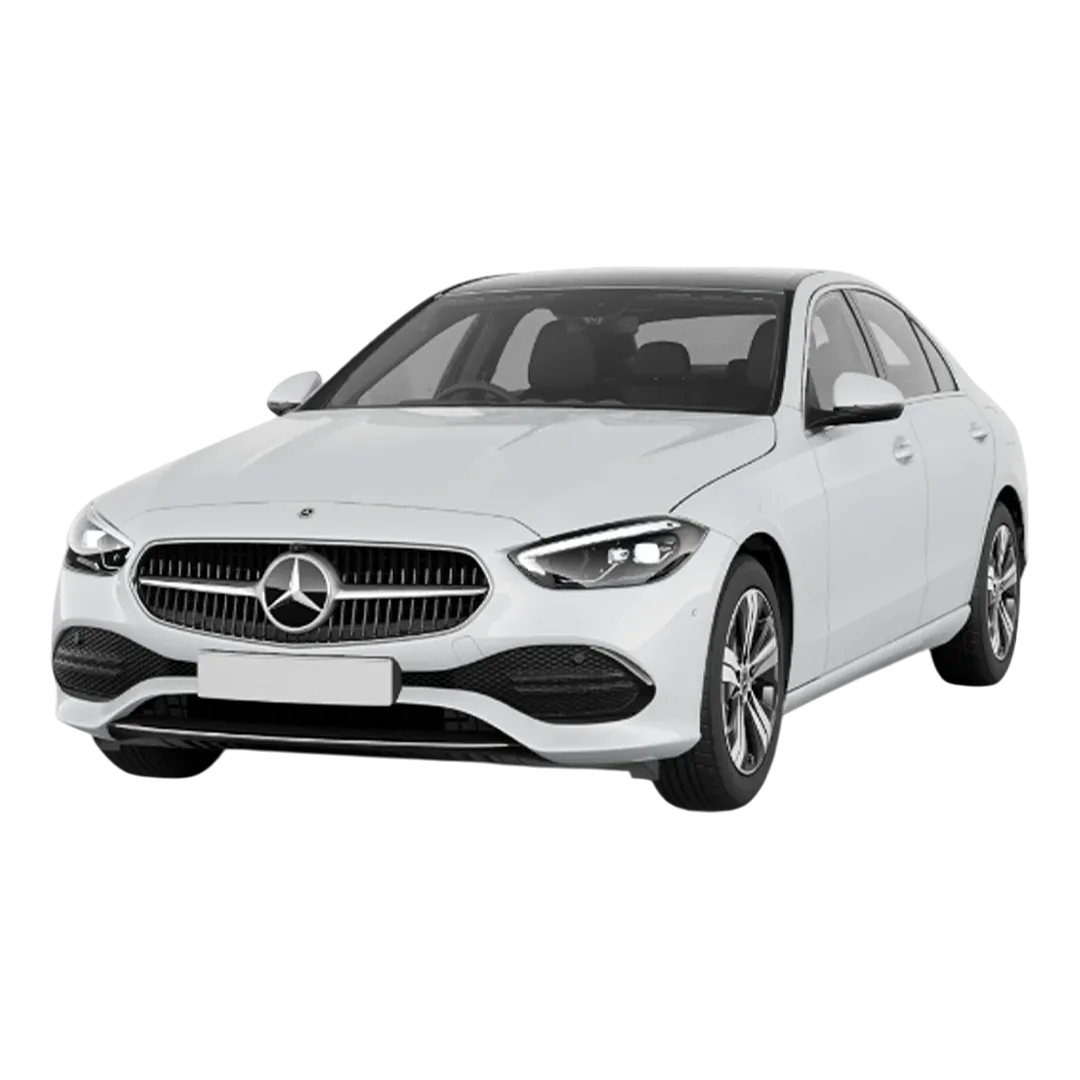 Mercedes Benz C-Class
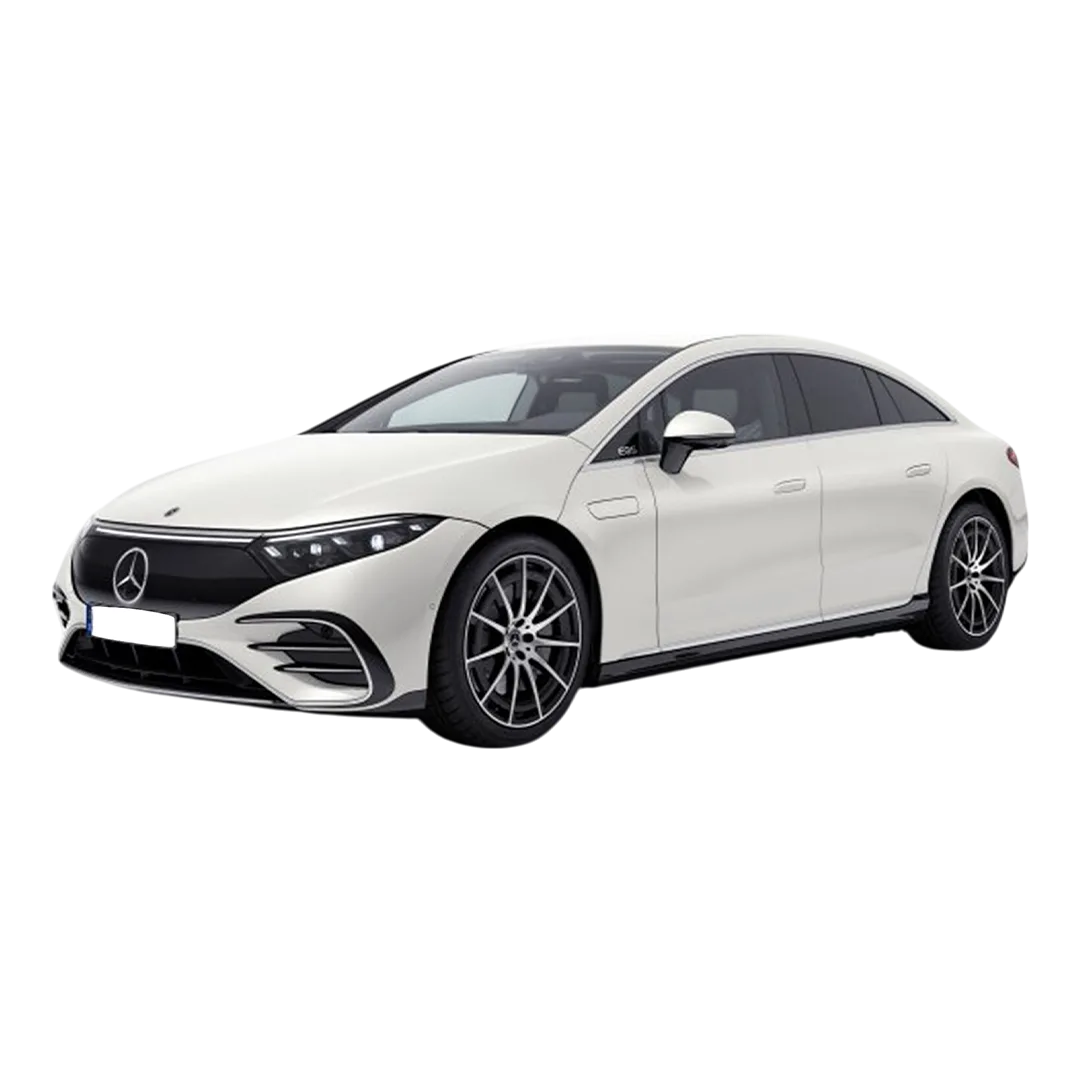 Mercedes Benz EQS
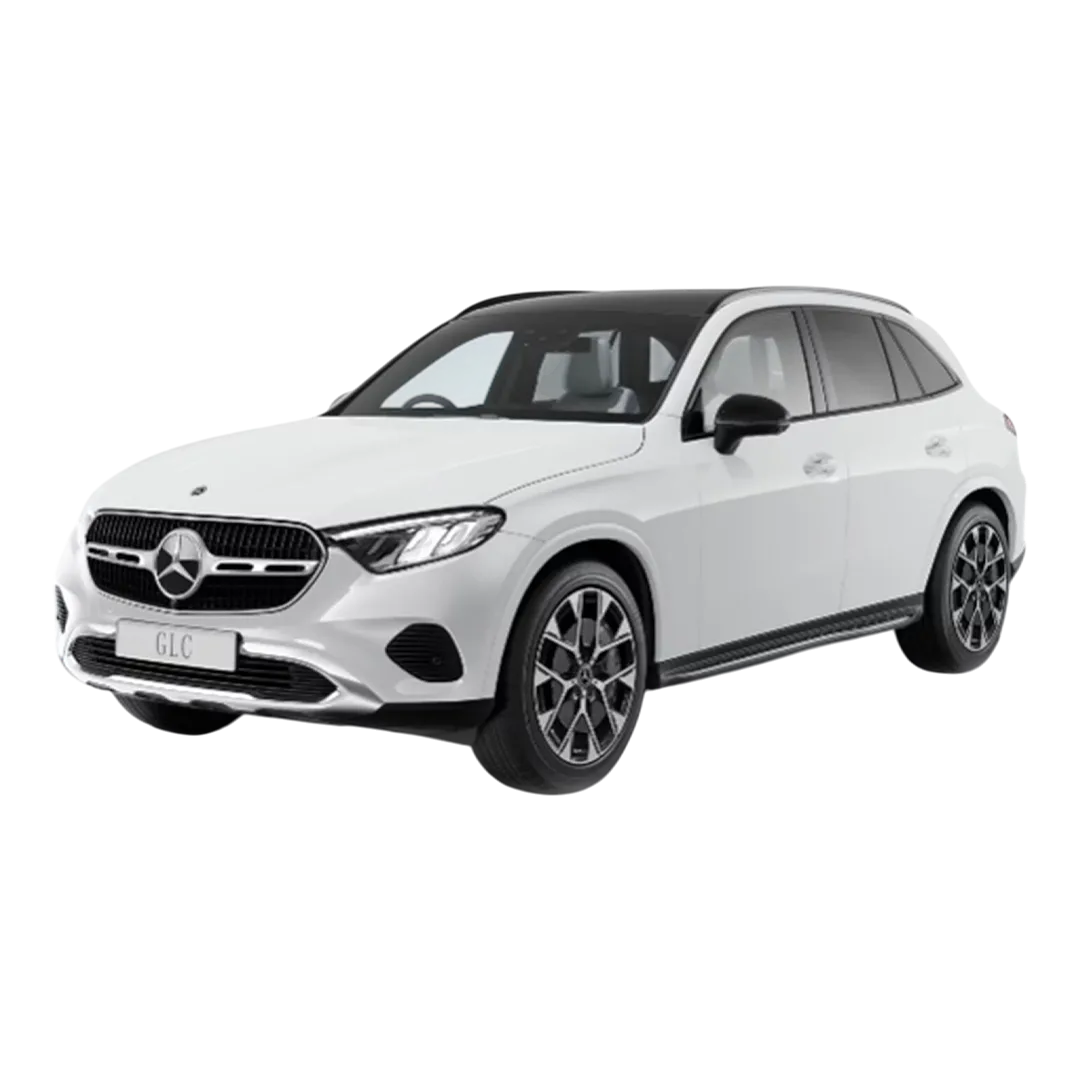 Mercedes Benz GLC
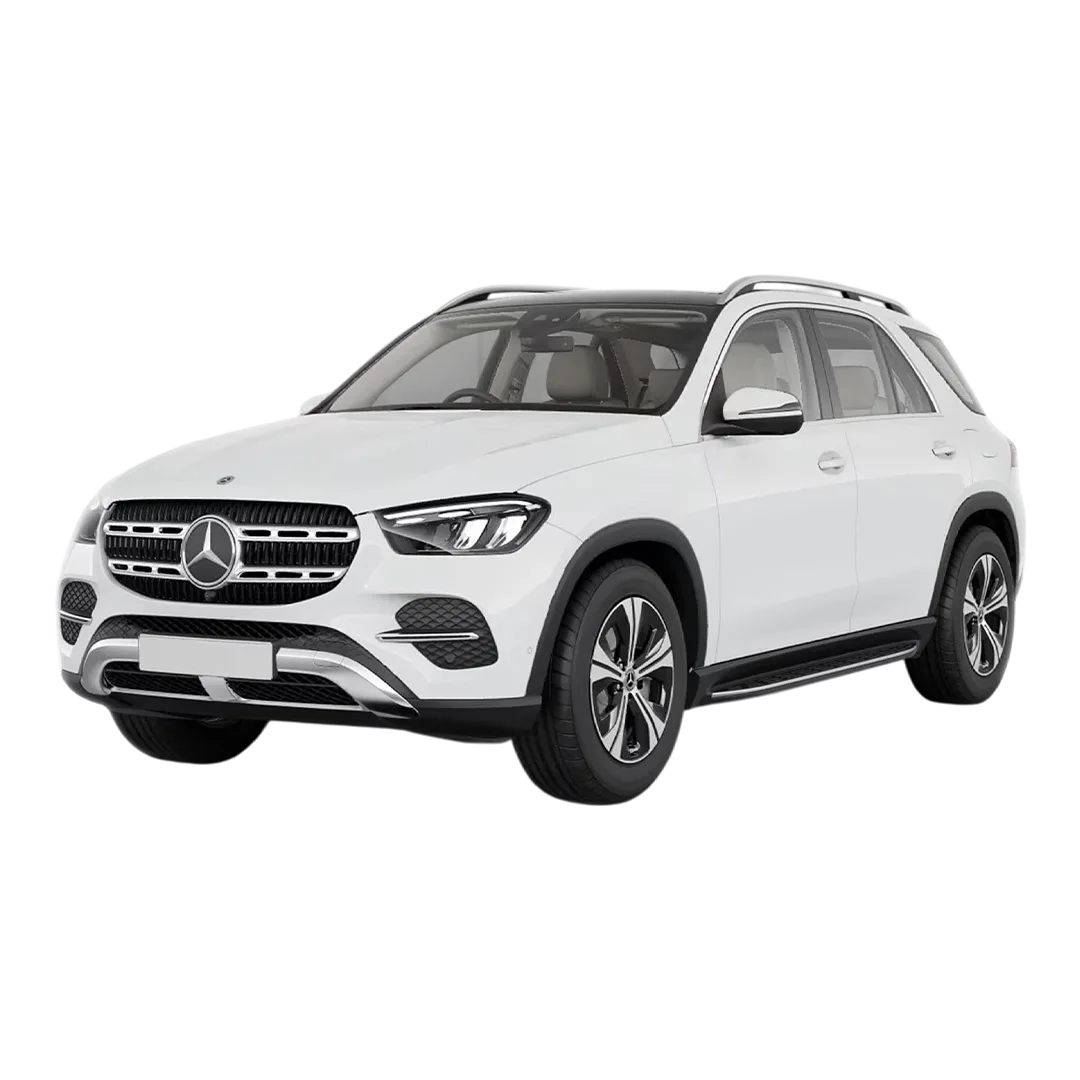 Mercedes Benz GLE
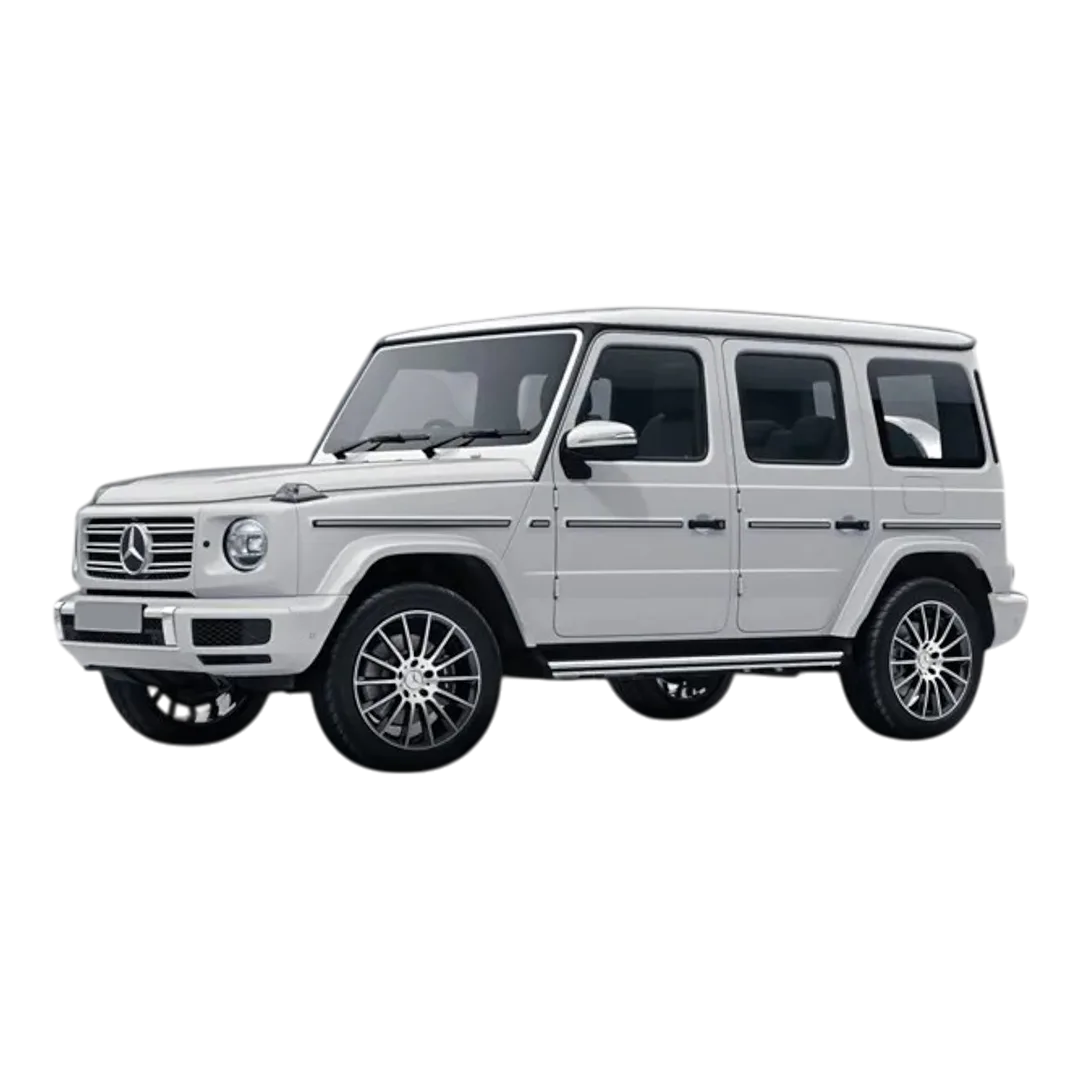 Mercedes Benz G-Class
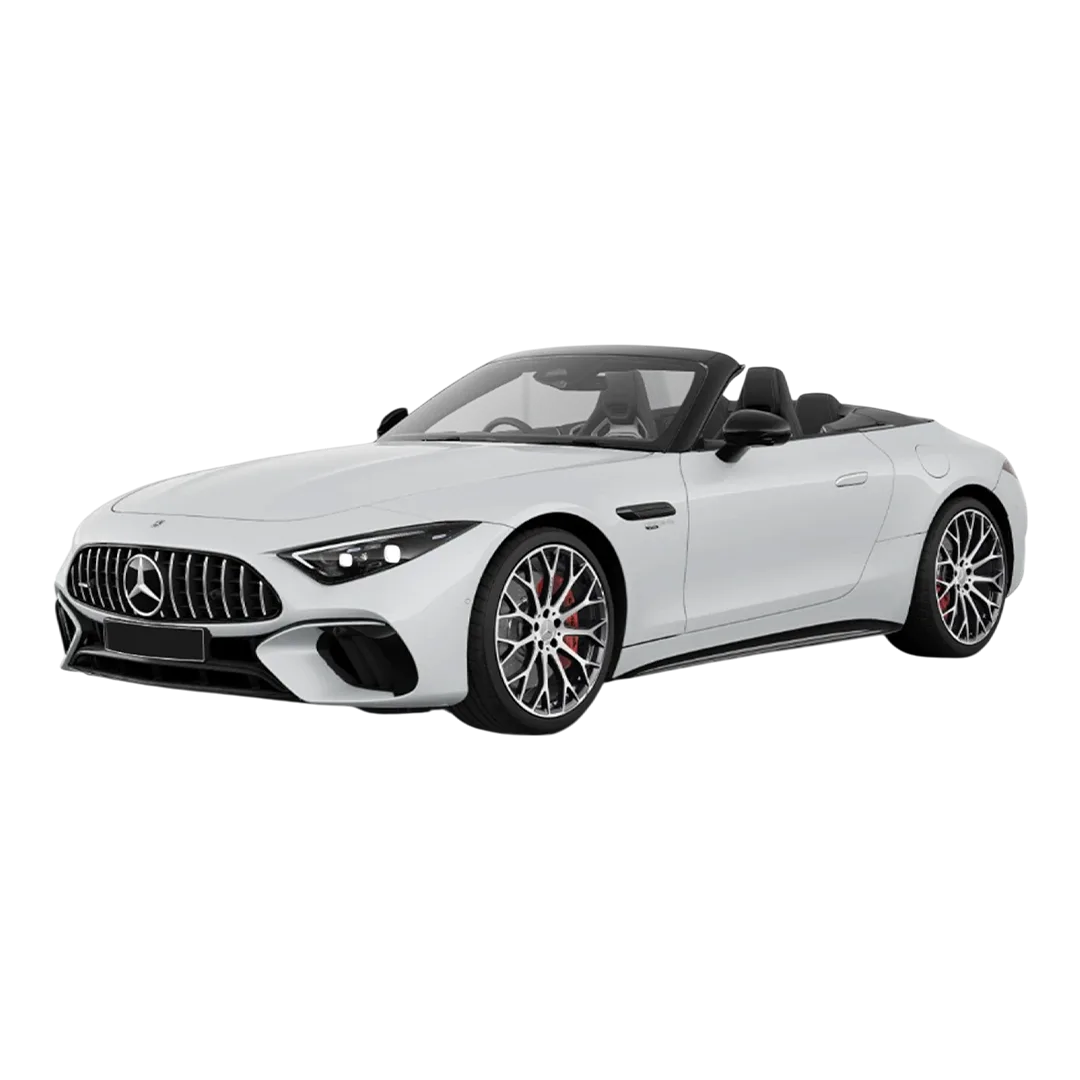 Mercedes Benz AMG SL
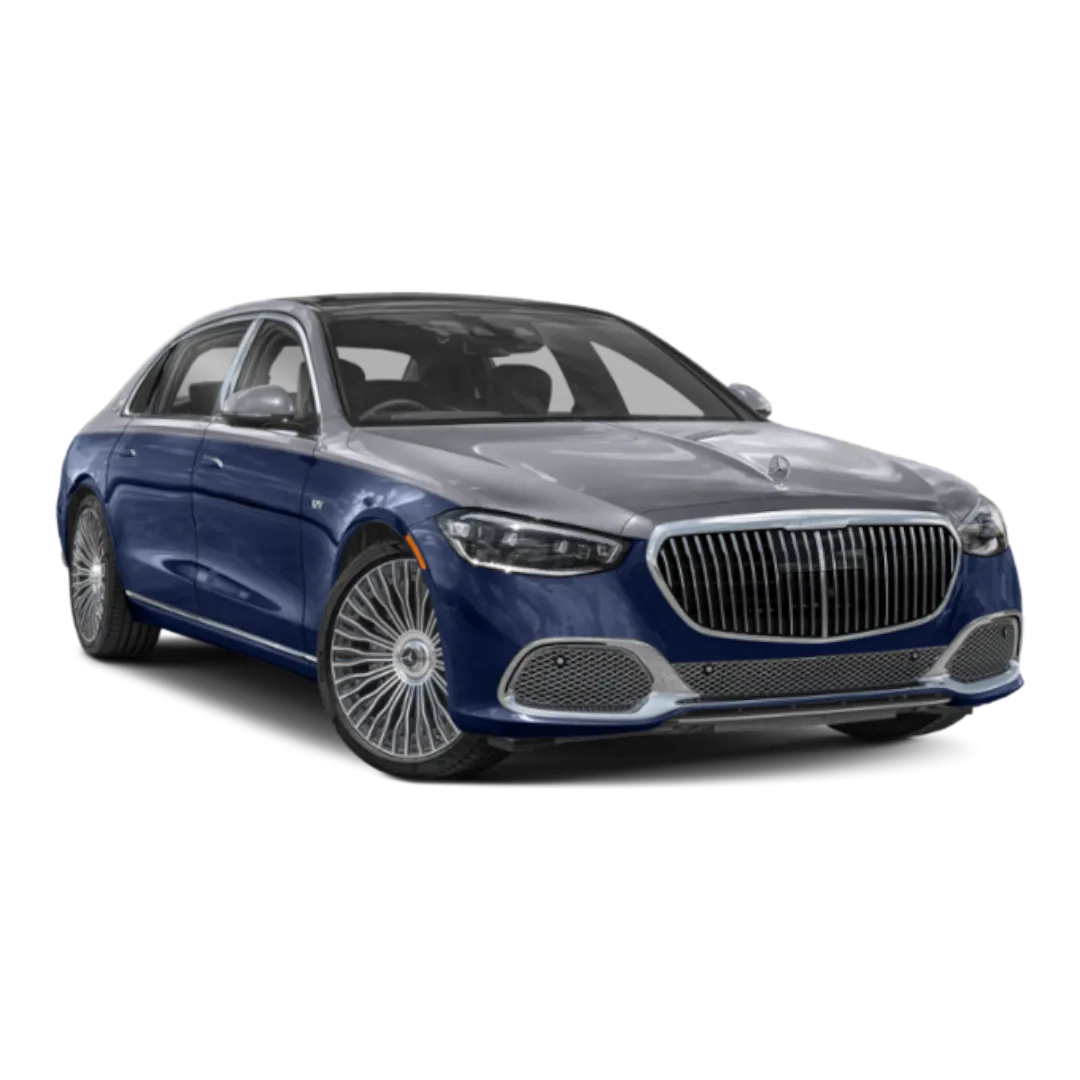 Mercedes Benz MAYBACH S- Class
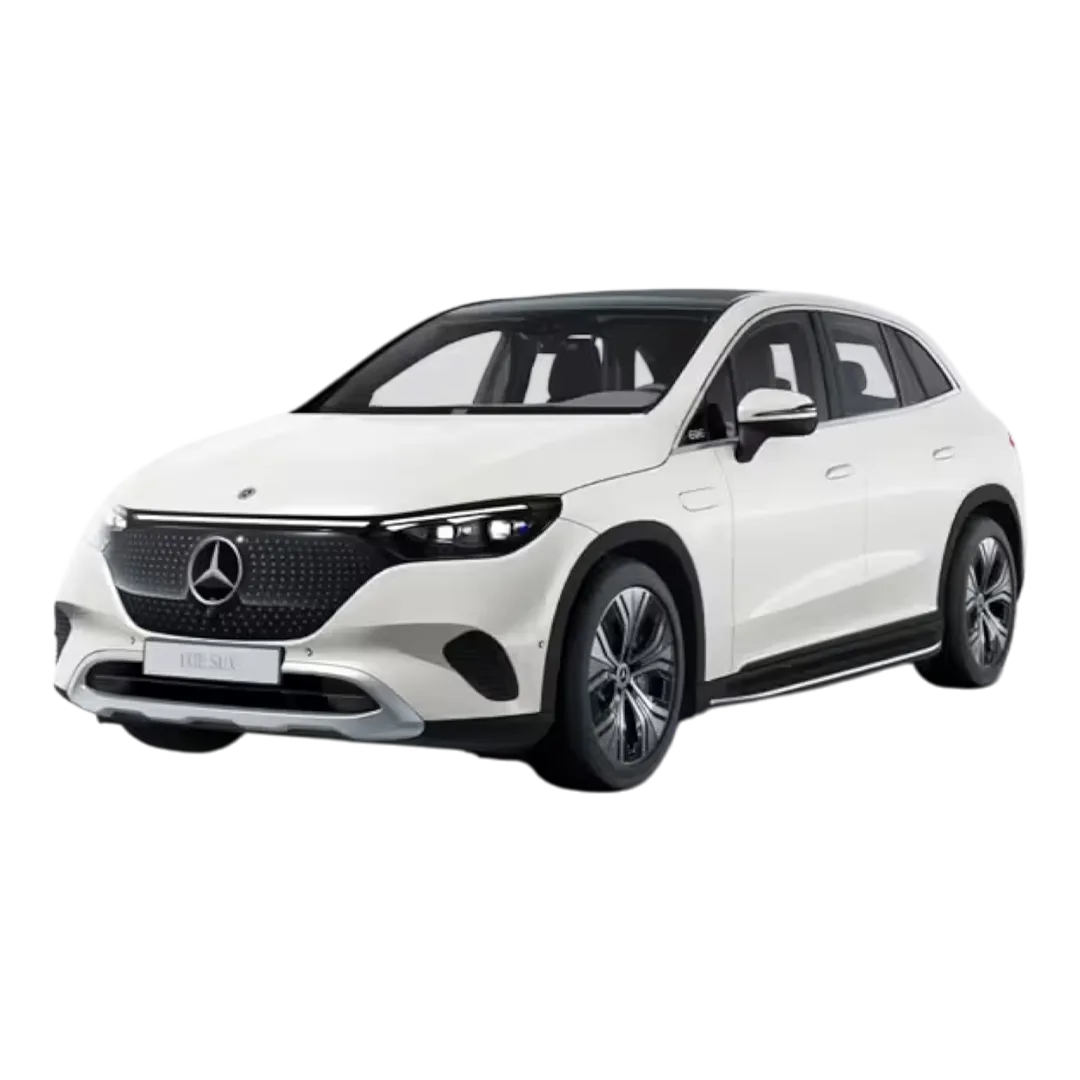 Mercedes Benz EQE-SUV
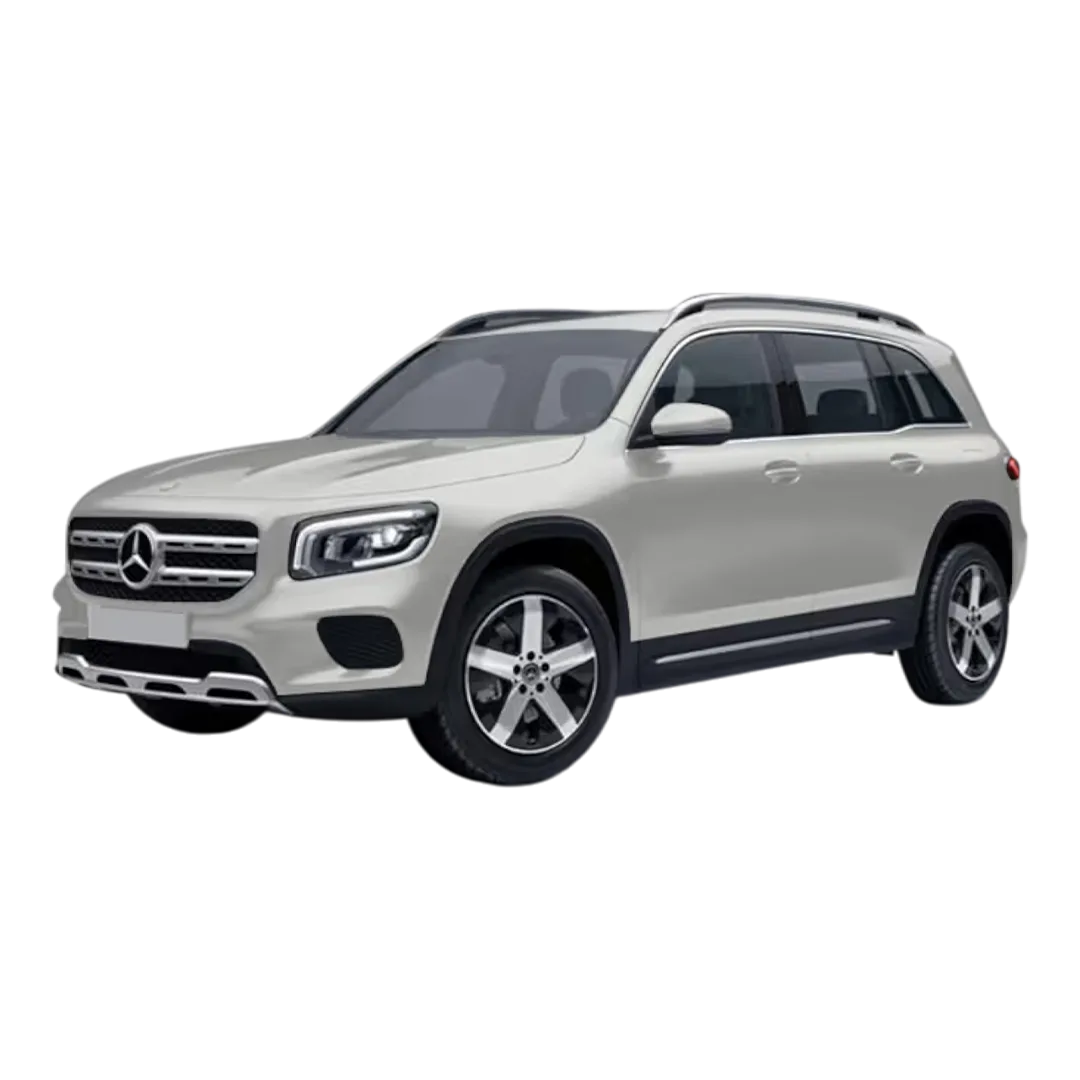 Mercedes Benz GLB
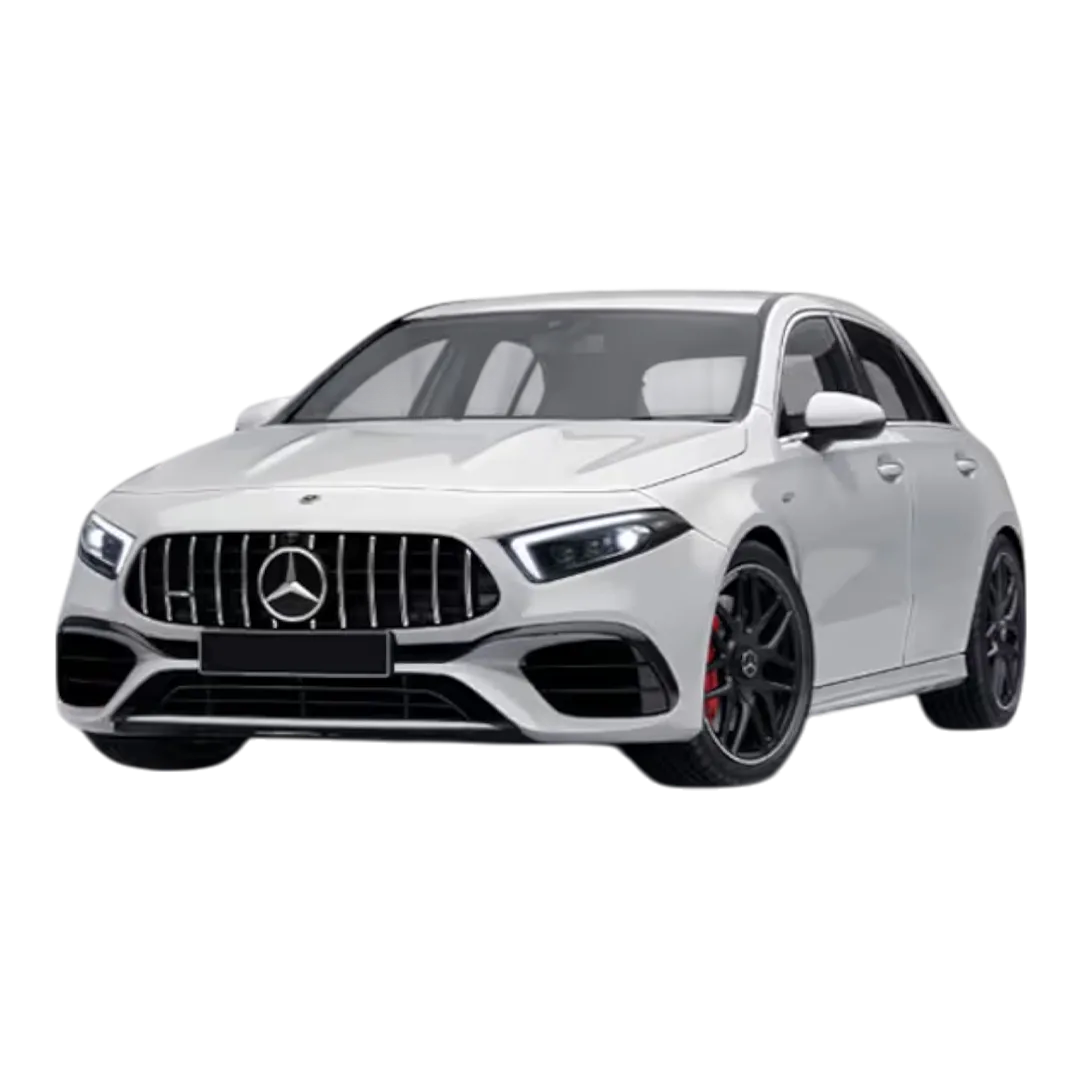 Mercedes Benz AMG A 45 S
 Mercedes Benz AMG GLE S3
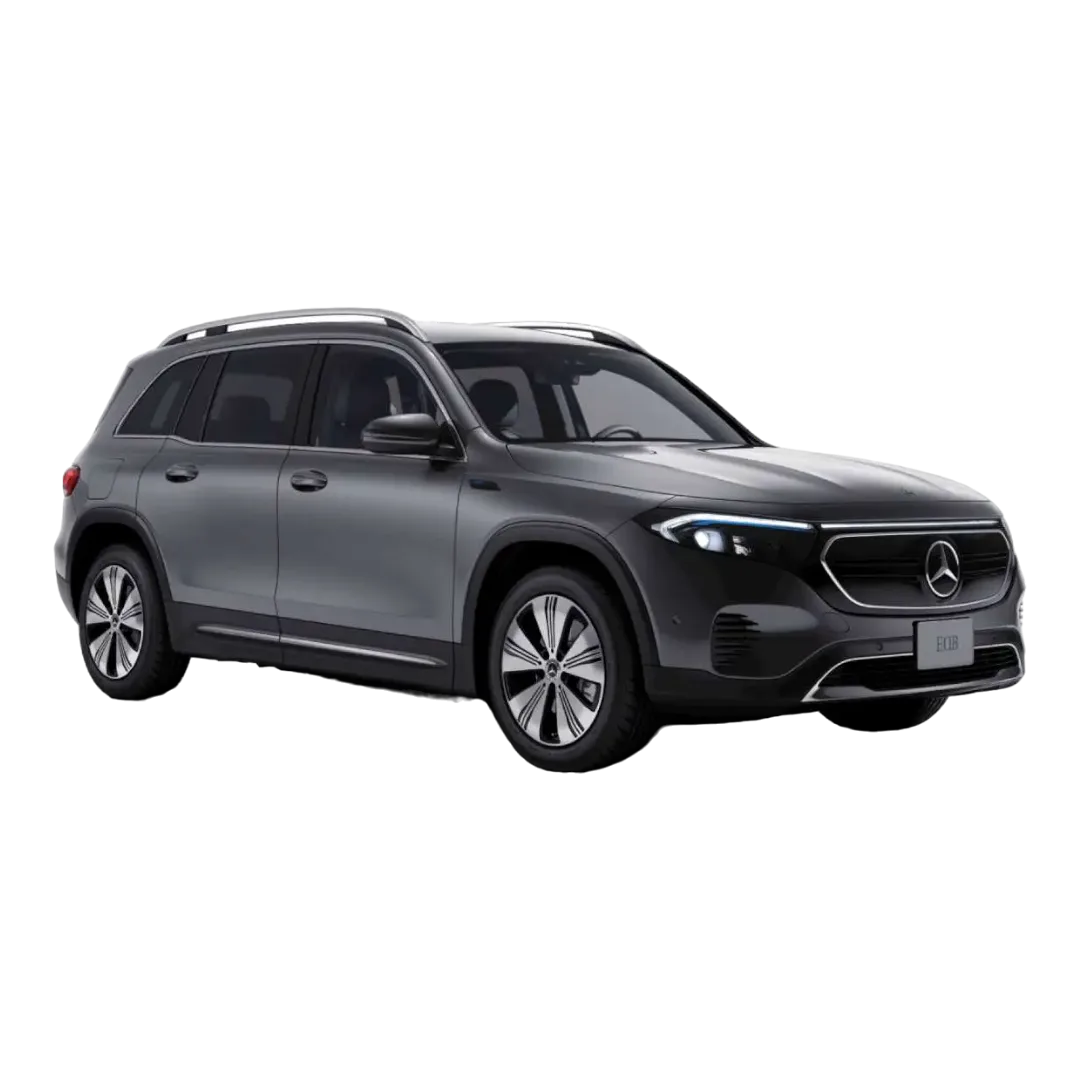 Mercedes Benz EQB
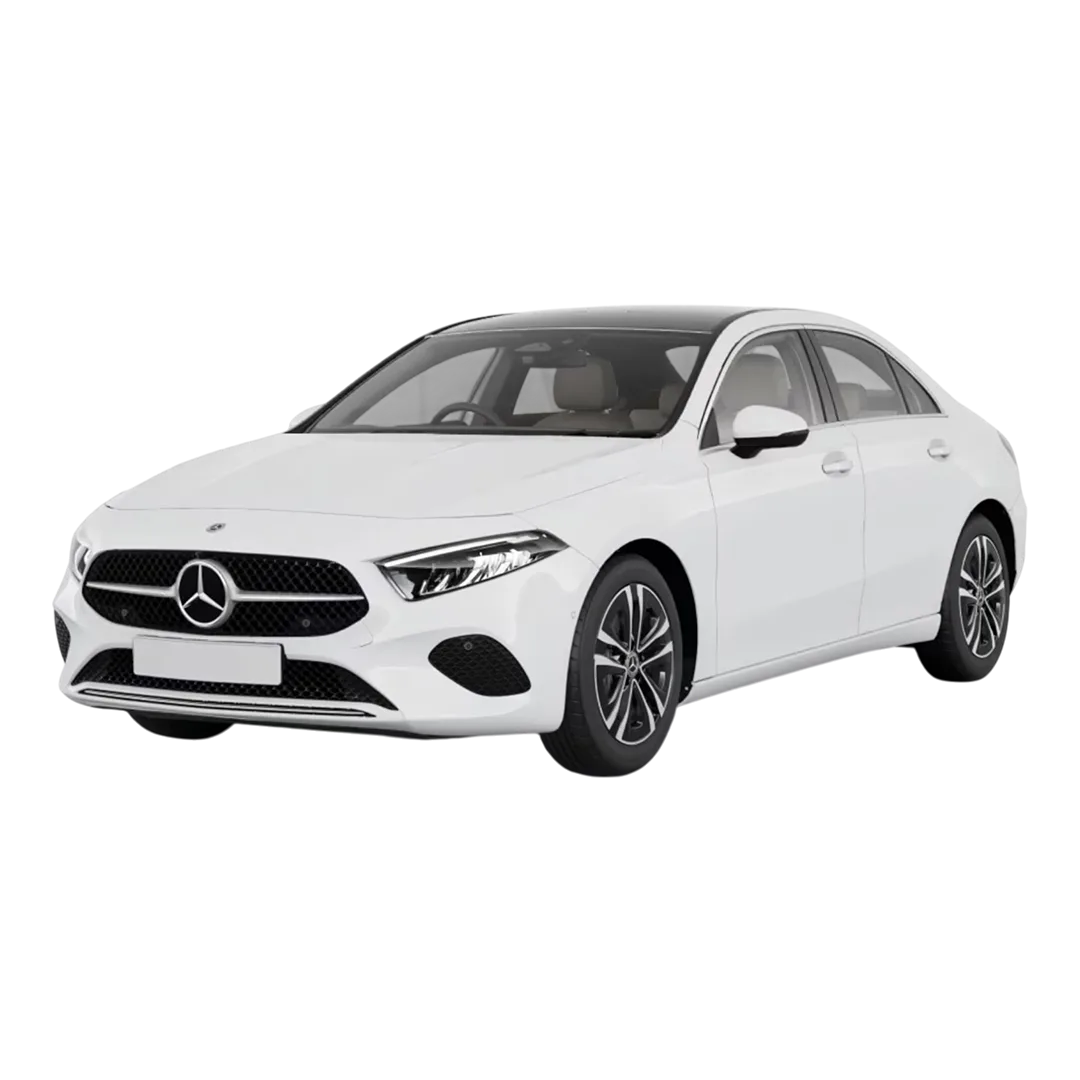 Mercedes Benz A Class limousine
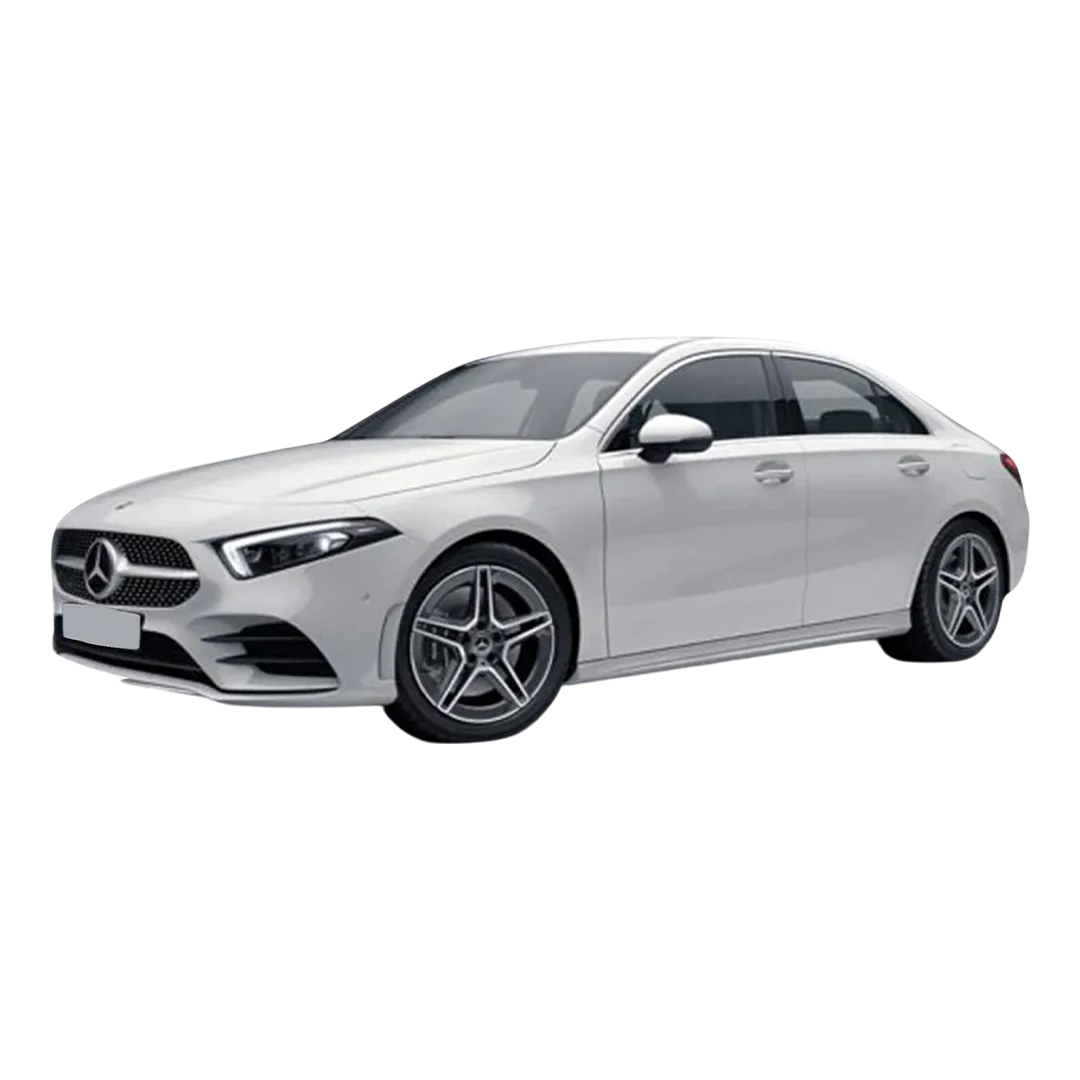 Mercedes Benz AMG A 35
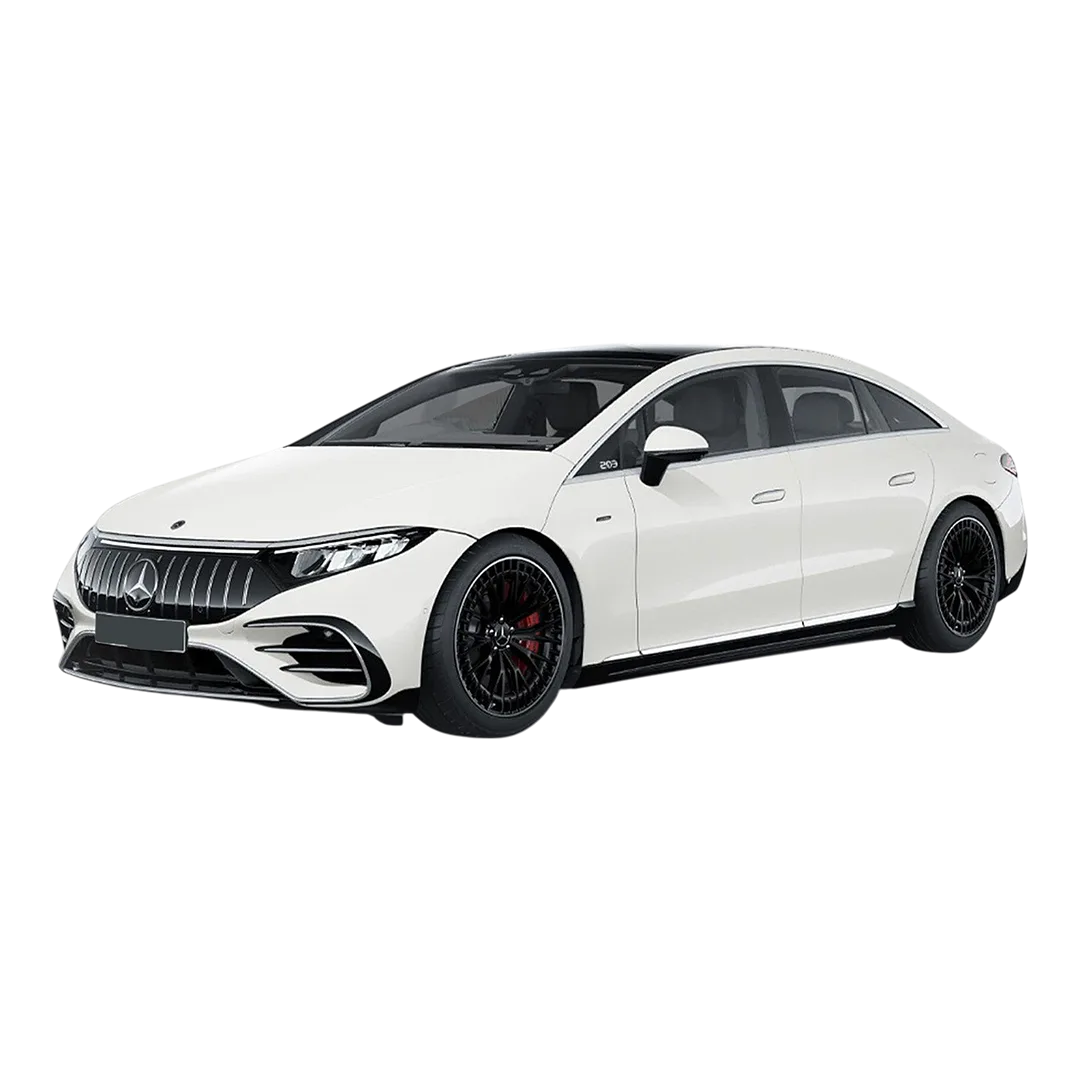 Mercedes-Benz AMG EQS
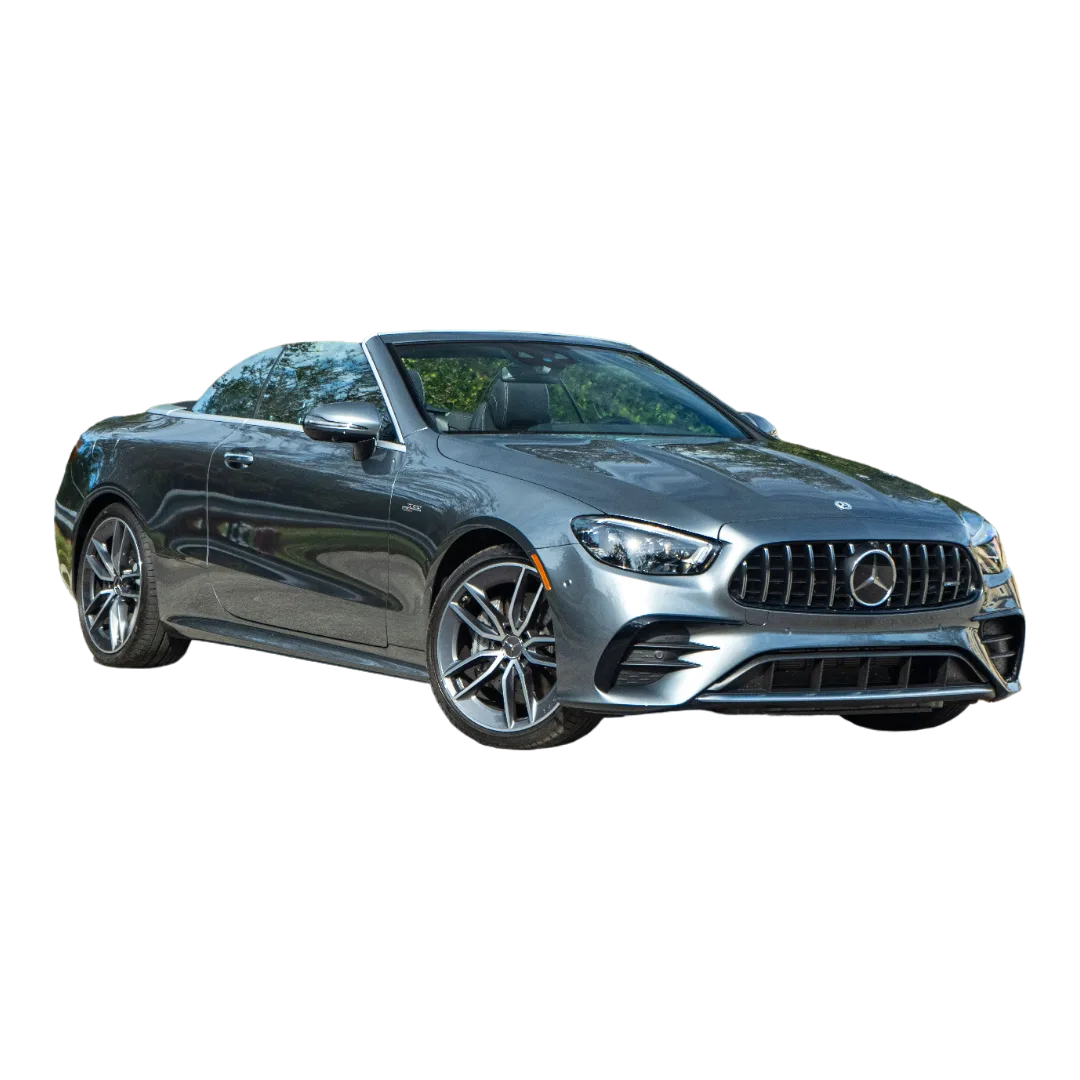 Mercedes-Benz AMG E 53 Cabriolet
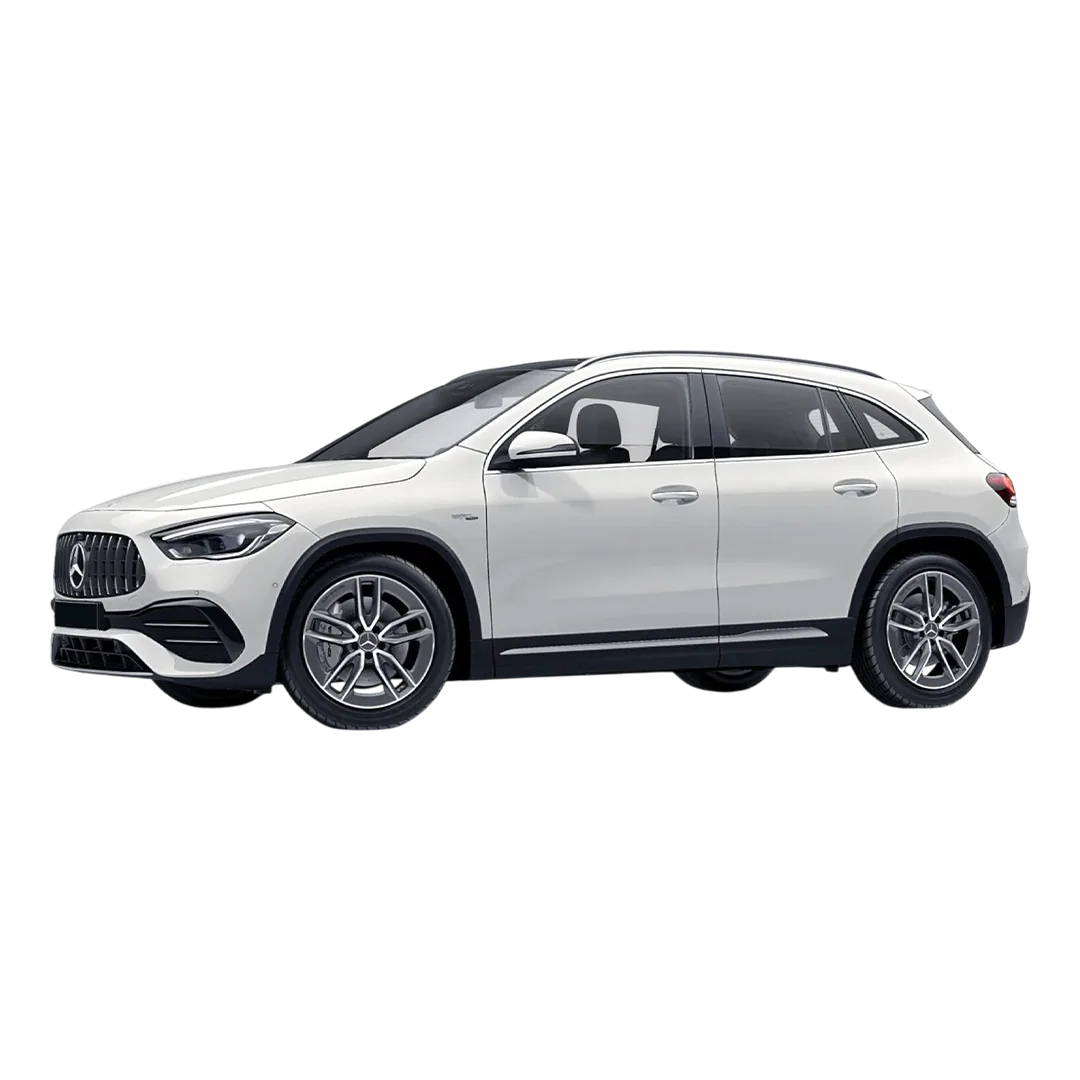 Mercedes-Benz AMG GLA 35
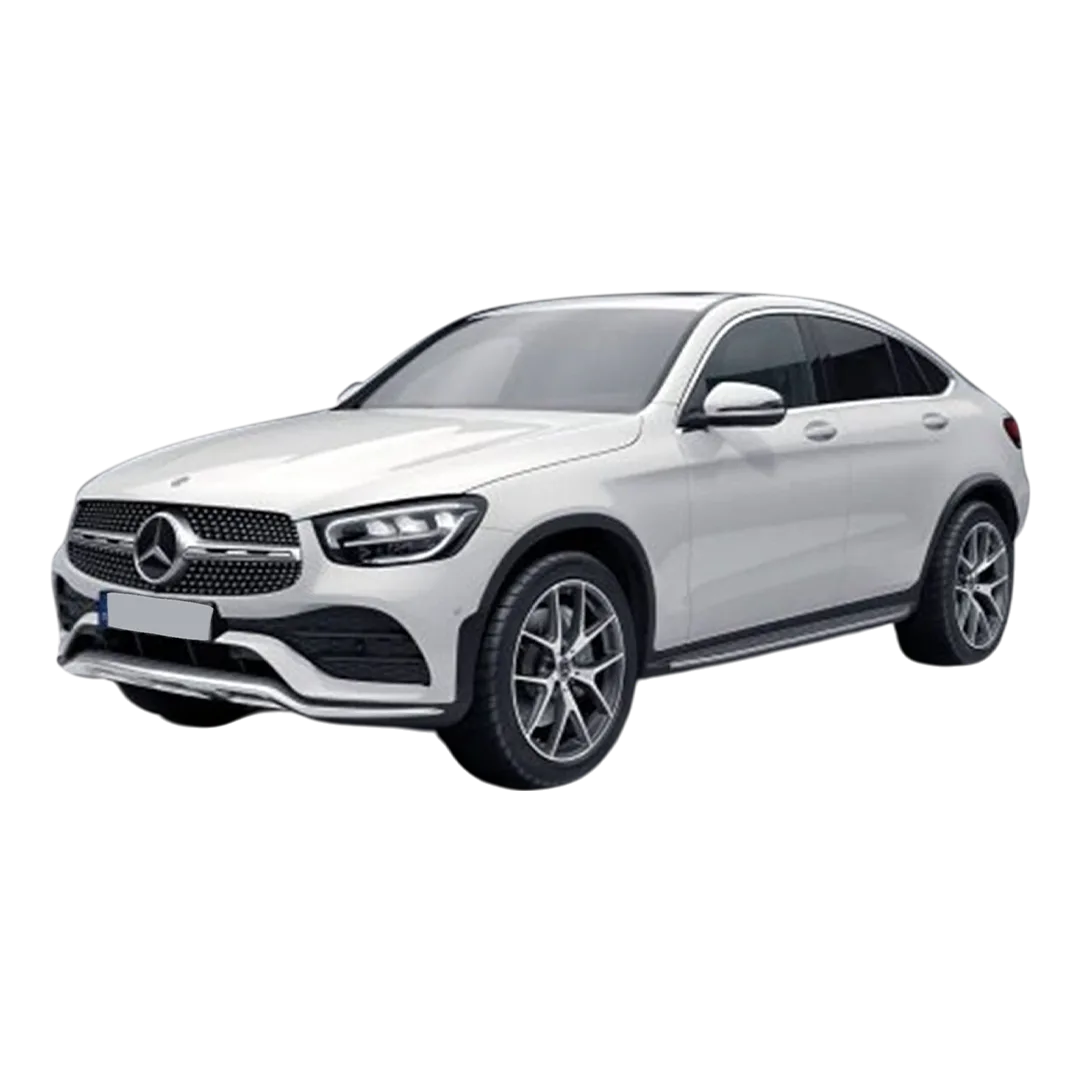 Mercedes-Benz GLC Coupe 2023
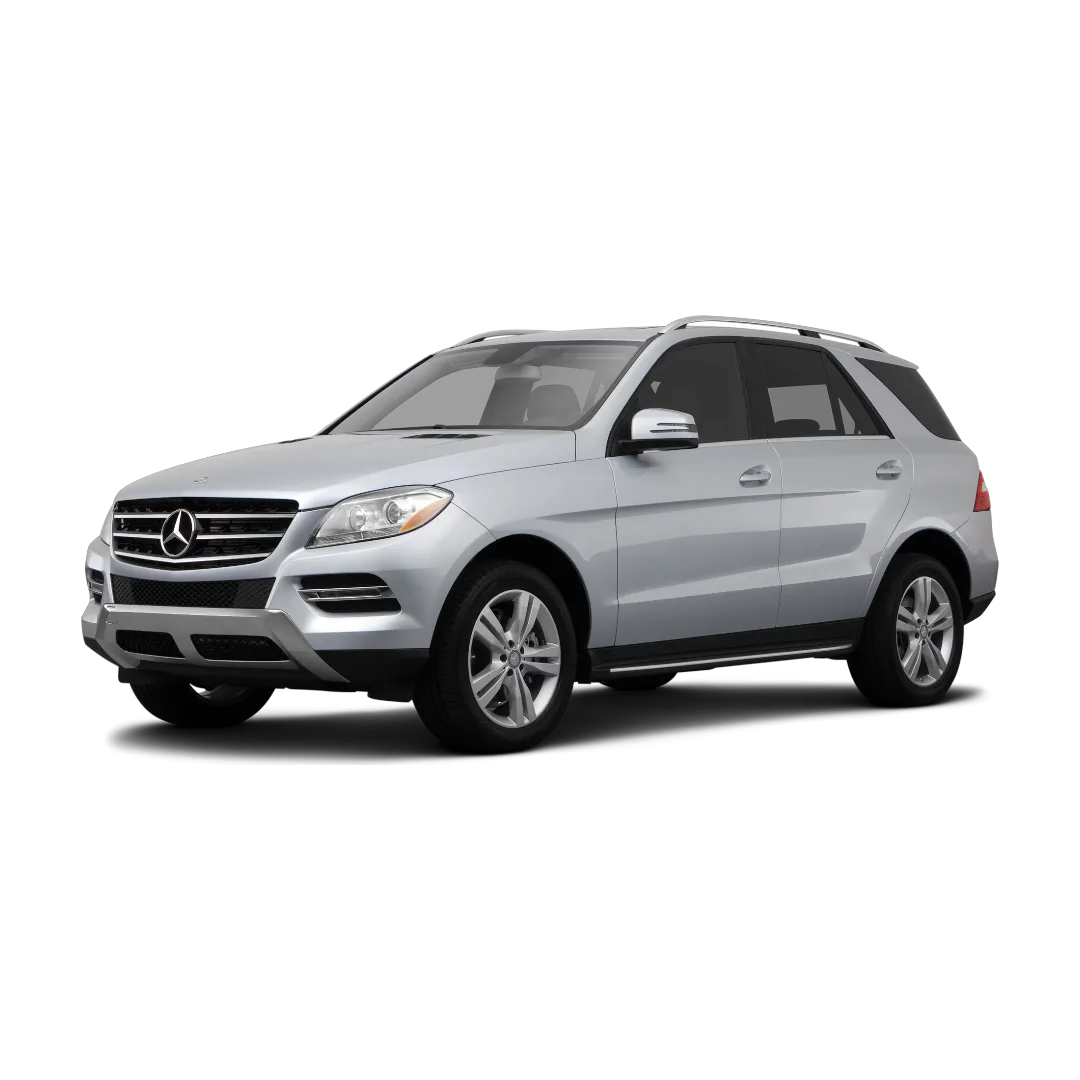 Mercedes M-Class
R-Class
Mercedes M-Class
R-Class
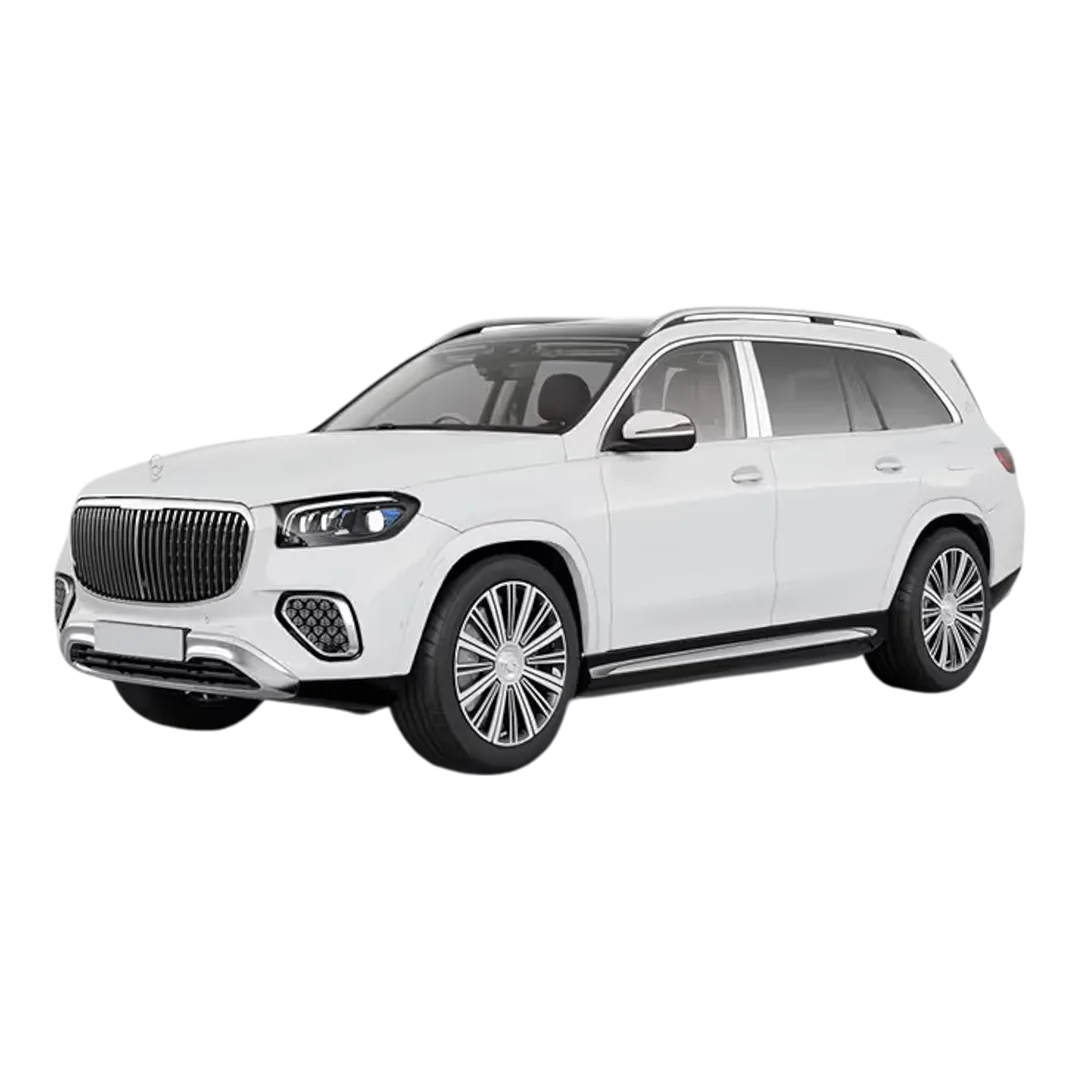 GLS 600
GLS 400
GLS 350
GLE 300
GLS 600
GLS 400
GLS 350
GLE 300
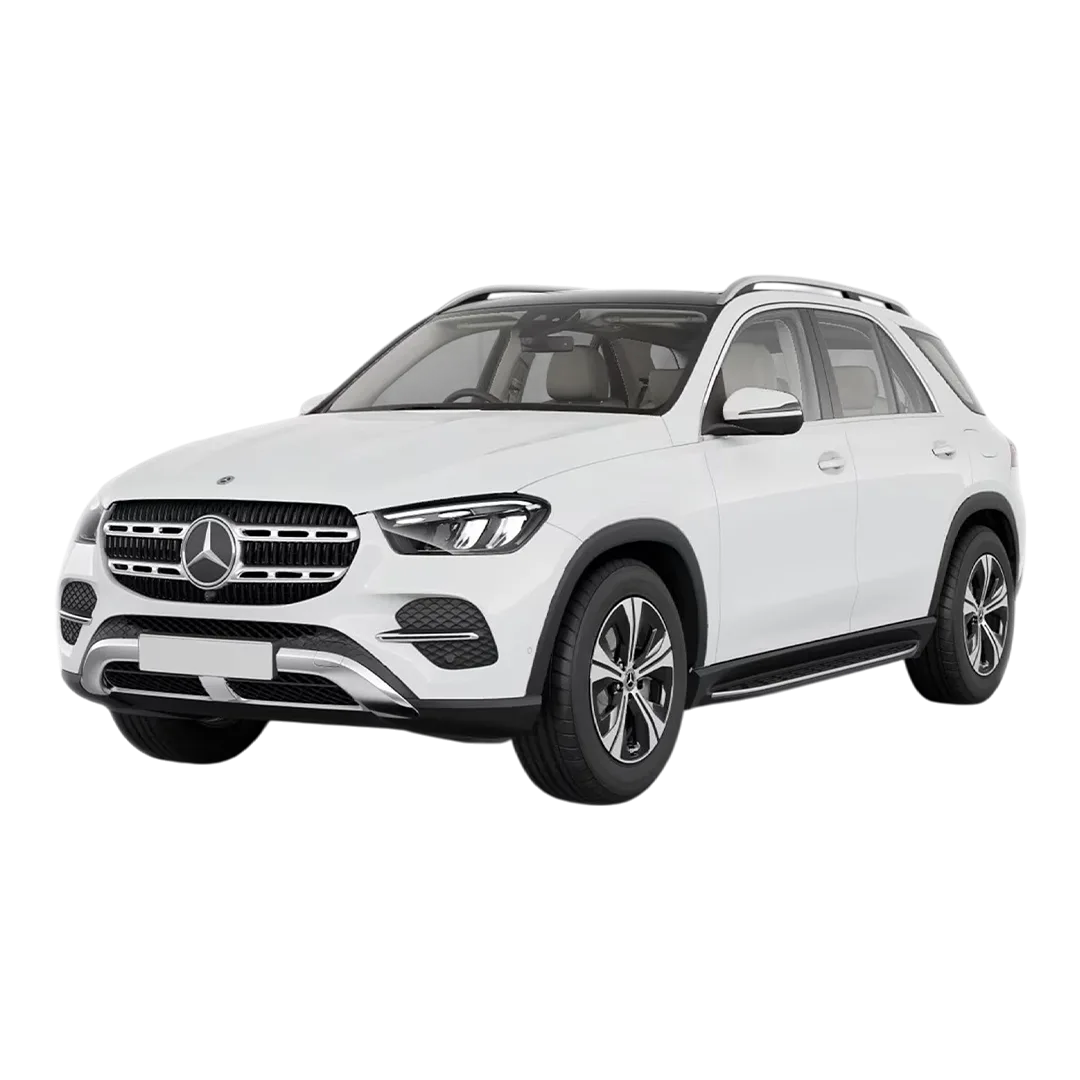 GLE 400
GLE 250D
GLE 400
GLE 250D
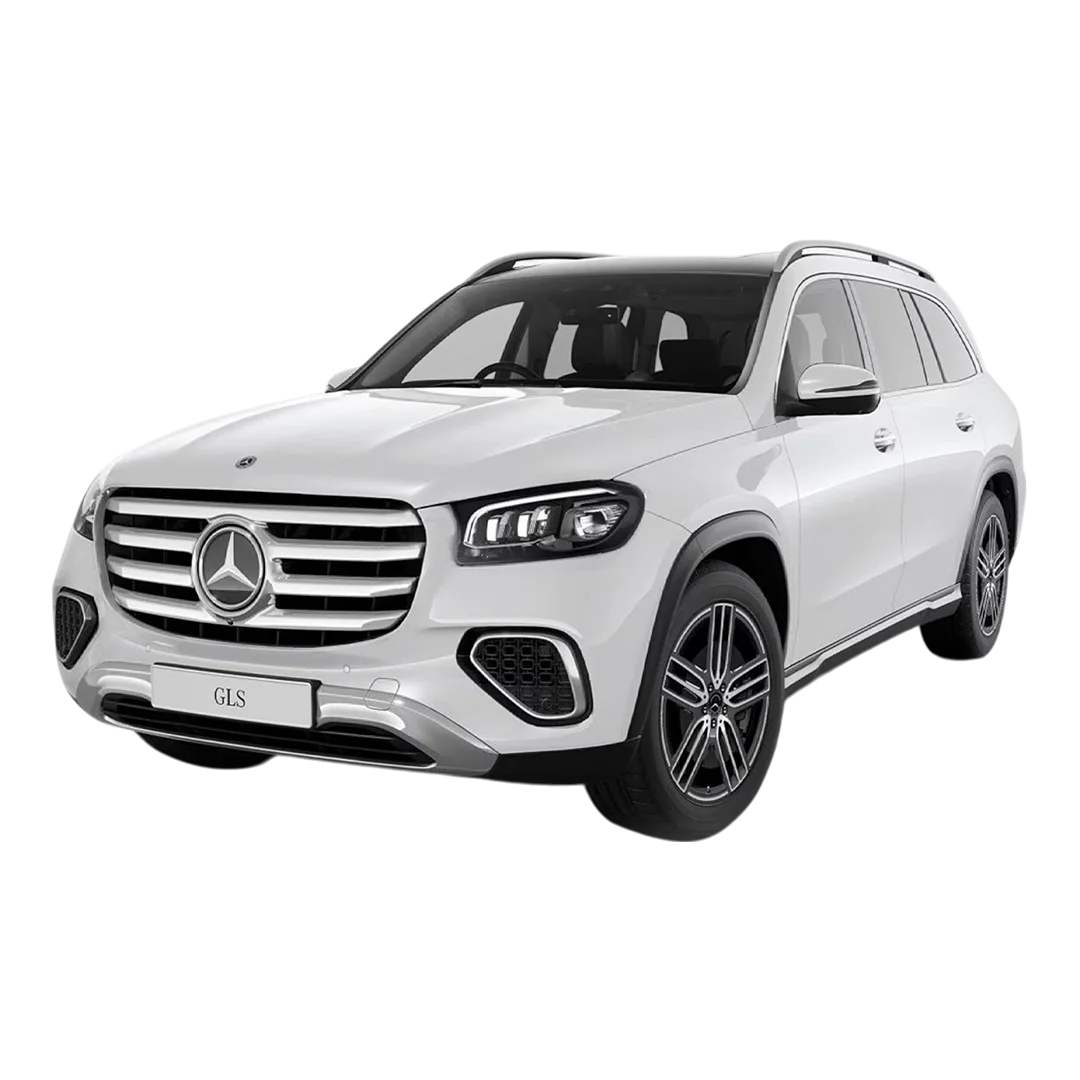 GLC 220D
GLC 300
GLC 220D
GLC 300
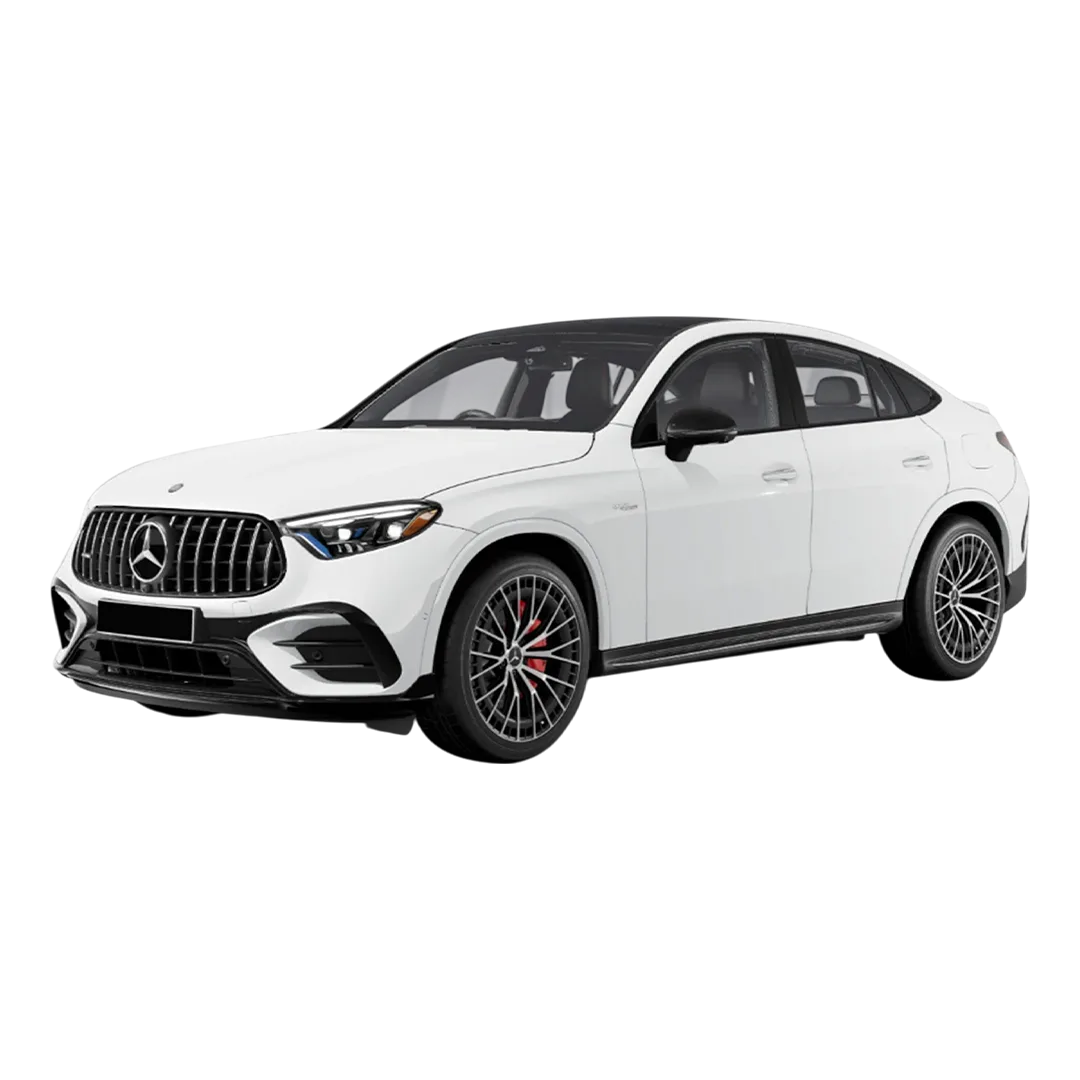 GLC 43 Coupe
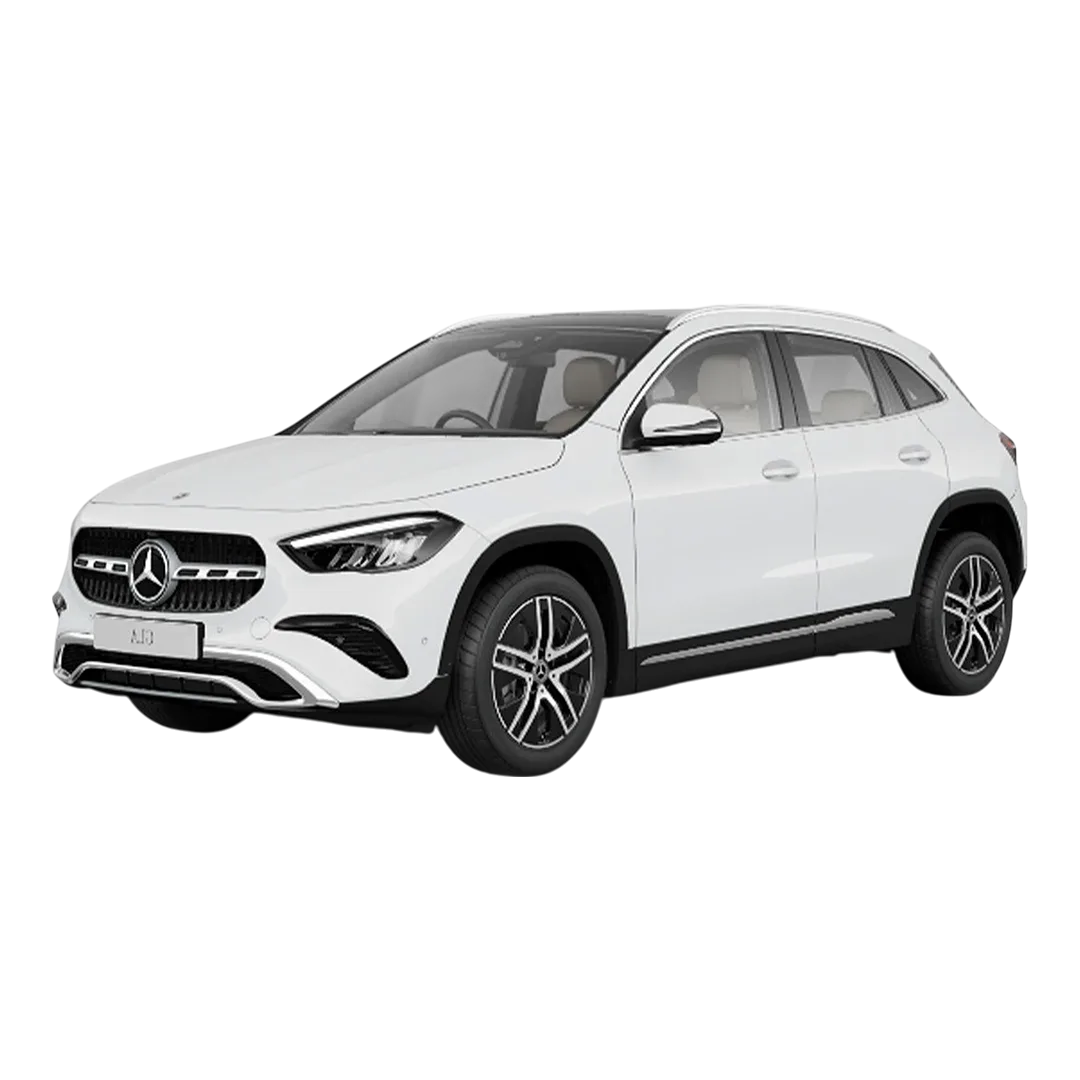 GLA 220d
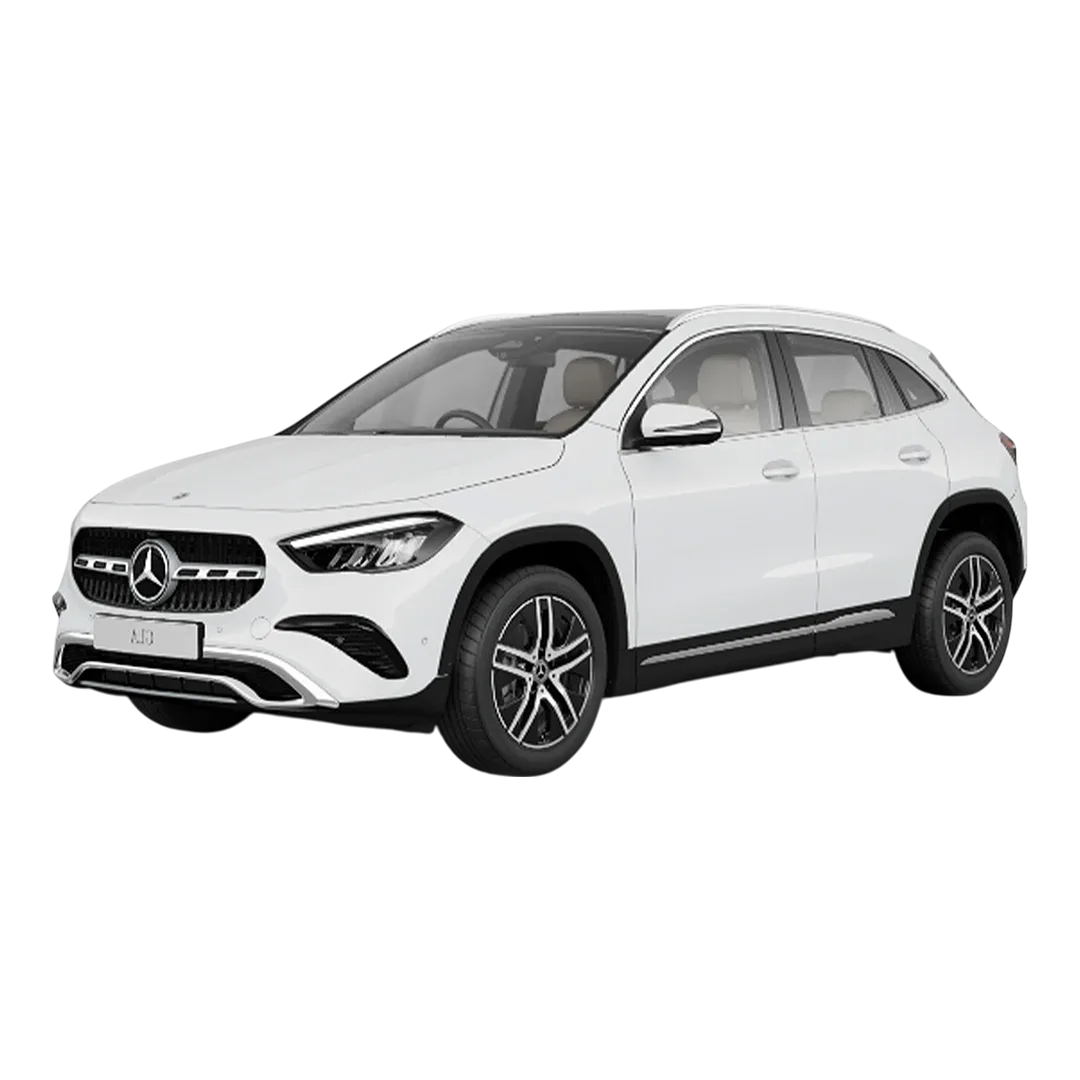 GLA-Class 200D
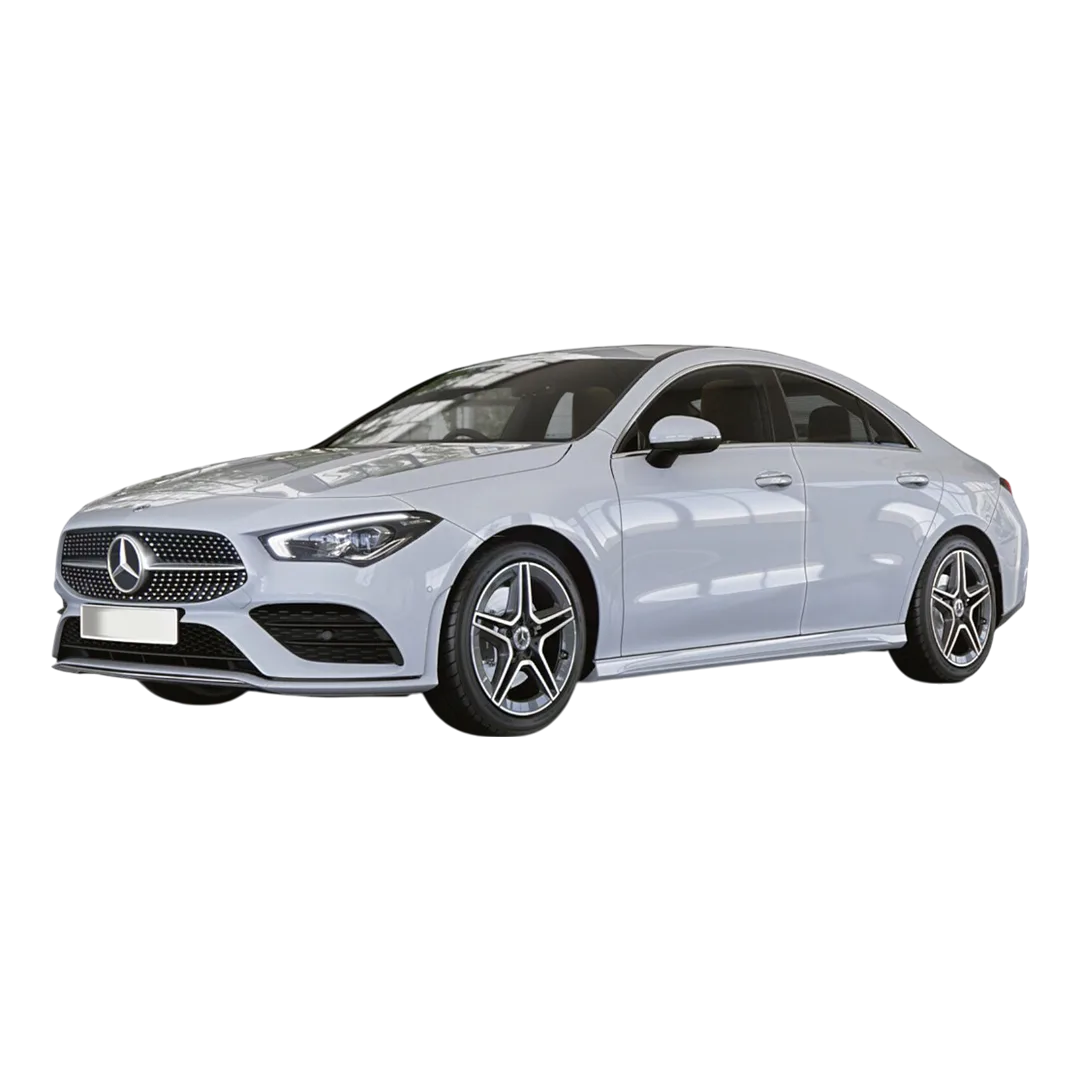 CLA 200
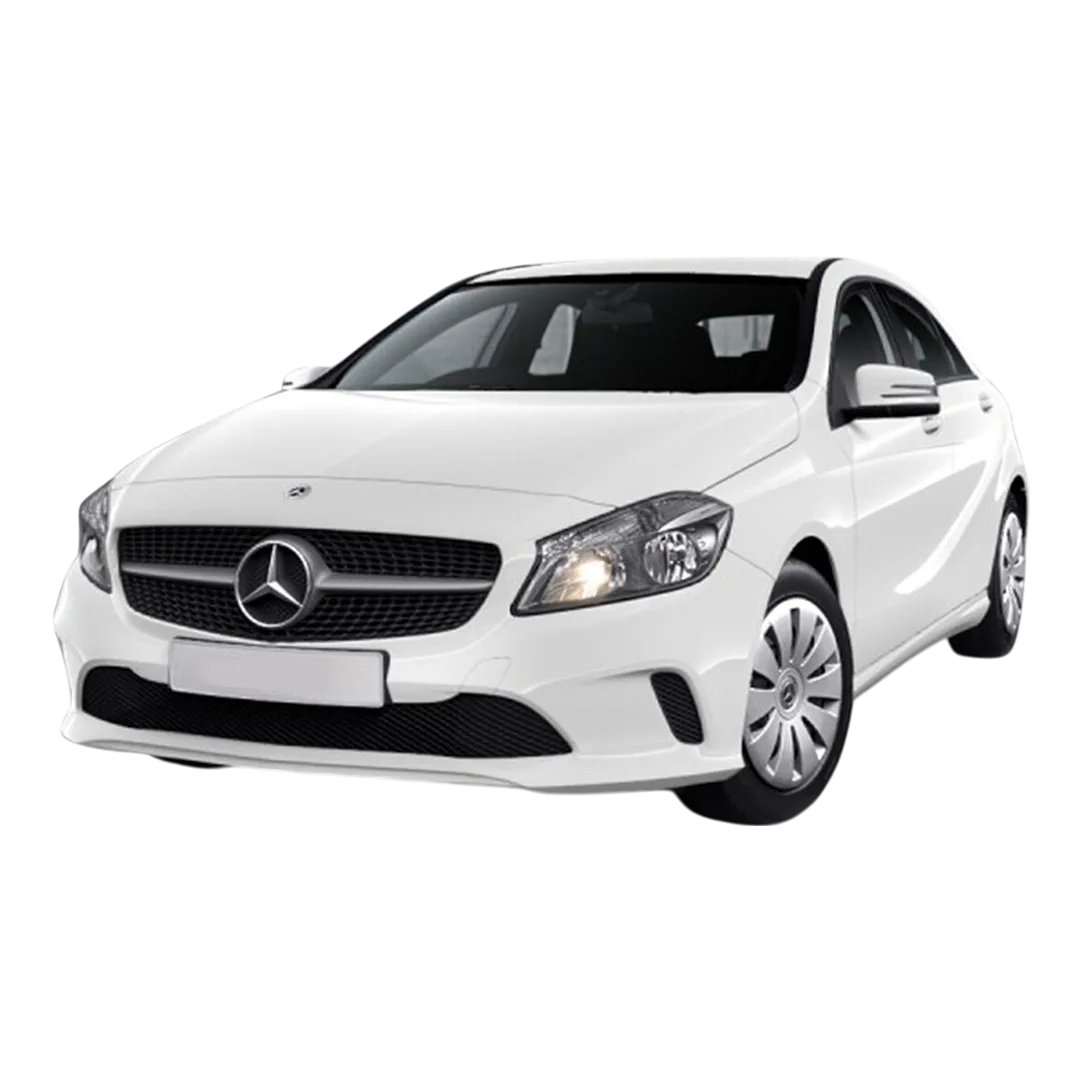 Benz A-Class A 180
M-Class ML 250
M-Class ML 350
Benz A-Class A 180
M-Class ML 250
M-Class ML 350
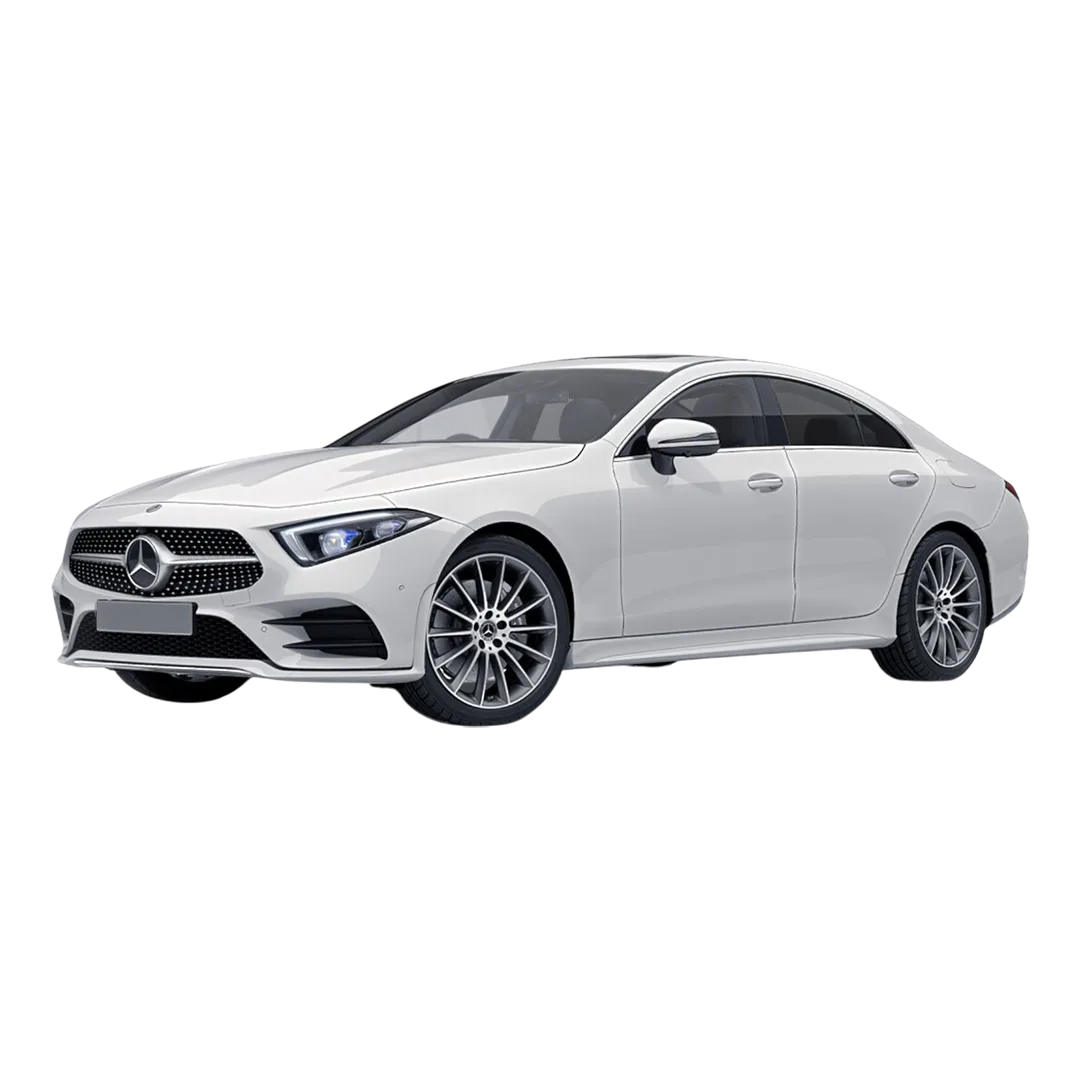 Benz CLS 300
 C-Class C250
C-Class C220
C-Class C200
C-Class C250
C-Class C220
C-Class C200
 Benz B - Class
Benz A - 200
Benz B - Class
Benz A - 200
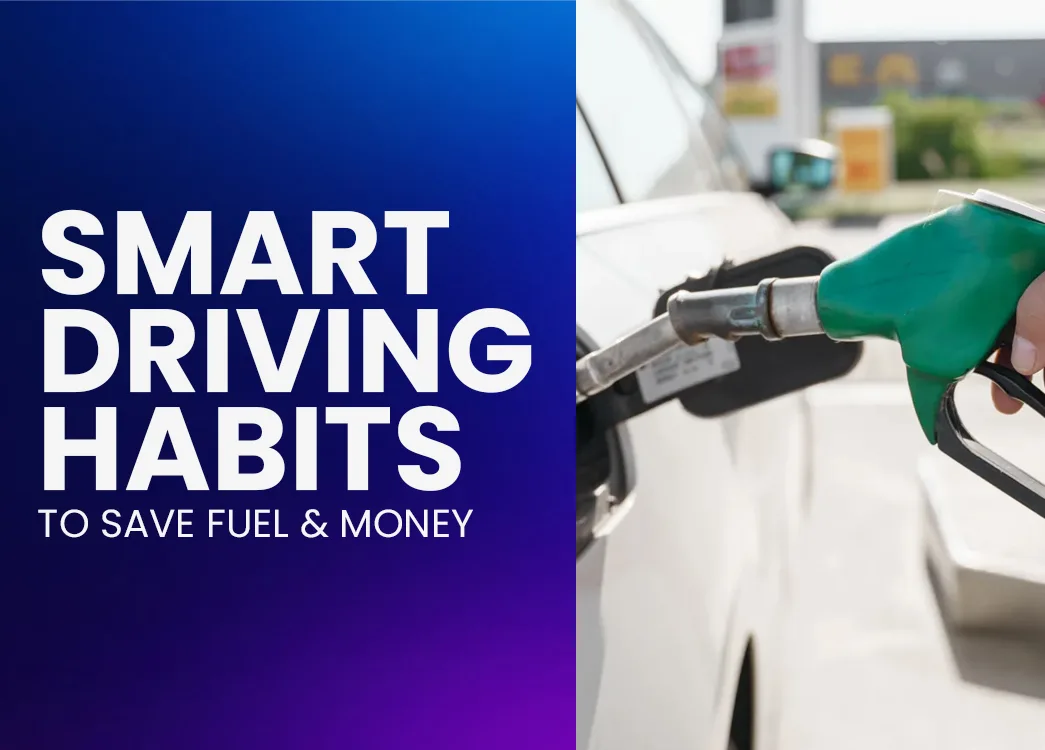
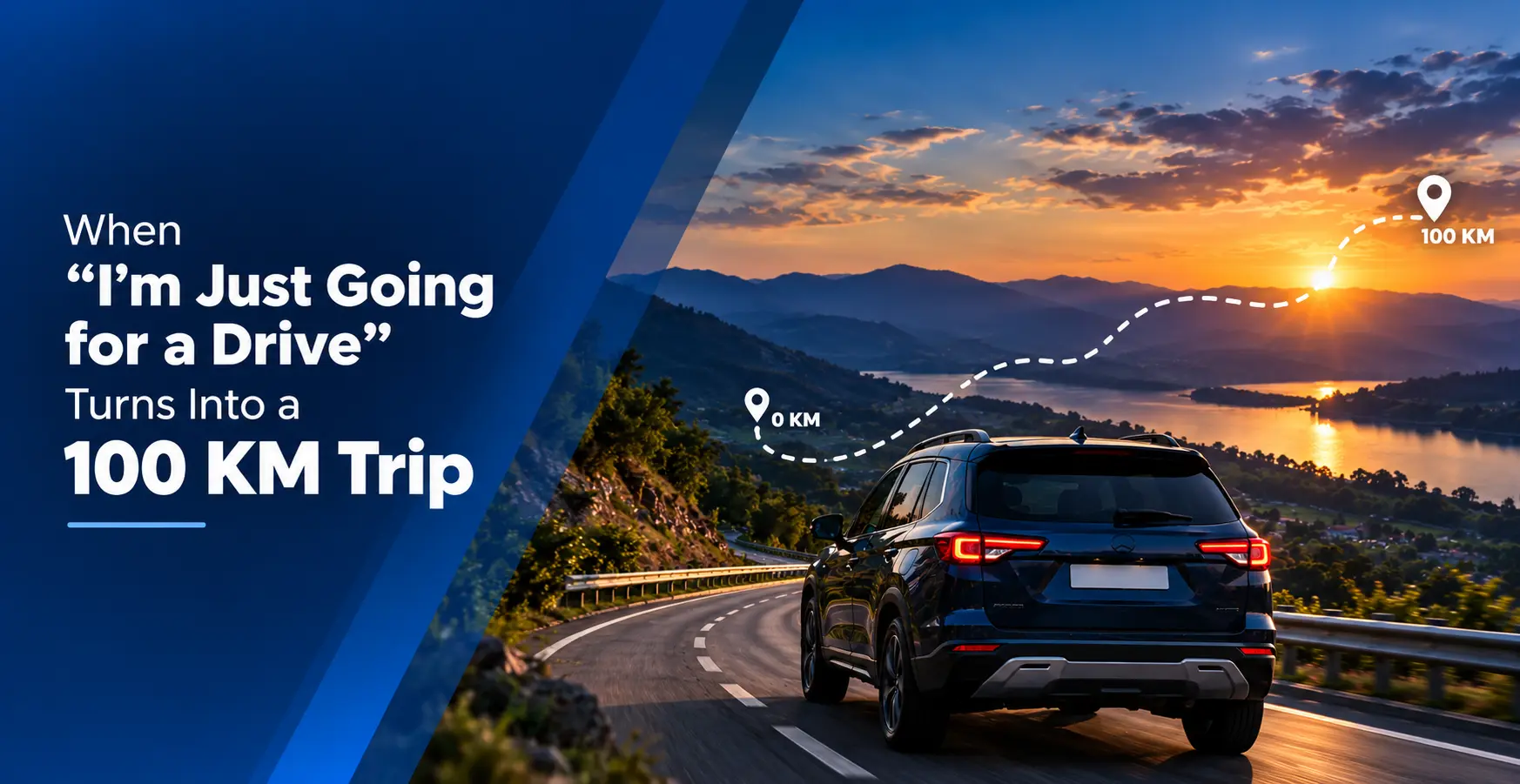
Rising fuel prices and increasing daily commute costs have made every driver think twice about how they drive. The good news? You don’t need to change your car to save money-you just need to change your driving habits. Smart driving is not about speed; it’s about control, awareness, and consistency. By adopting a few practical habits, you can significantly improve fuel efficiency, reduce wear and tear, and lower long-term maintenance costs.
This guide is built on real-world driving behavior, practical experience, and widely accepted automotive best practices. Whether you're a daily commuter or an occasional driver, these smart driving habits will help you get more out of every drop of fuel while keeping your car in better condition.
One of the most effective ways to save fuel is by maintaining smooth and consistent driving. Rapid acceleration and harsh braking consume more fuel because your engine has to work harder to compensate for sudden changes in speed. Every time you press the accelerator aggressively, fuel injection increases significantly, leading to unnecessary fuel consumption.
Instead, aim for gradual acceleration. Press the pedal gently and allow your car to build speed naturally. Similarly, anticipate traffic ahead so you can slow down smoothly rather than braking abruptly. This not only improves fuel efficiency but also reduces stress on your brakes, tires, and engine components.
Driving smoothly also enhances passenger comfort and gives you better control over your vehicle. In city traffic, where stop-and-go conditions are common, mastering smooth driving can make a noticeable difference in your monthly fuel expenses. Over time, this habit alone can save a significant amount of money while extending the life of your car’s mechanical parts.
Driving at very high speeds may feel efficient, but it actually burns more fuel. Every car has an optimal speed range-usually between 50-80 km/h-where fuel efficiency is at its peak. Once you go beyond this range, wind resistance increases, and the engine consumes more fuel to maintain speed.
Consistent speed is key. Instead of constantly accelerating and decelerating, try to maintain a steady pace. On highways, this becomes easier and can drastically improve mileage. Over-speeding not only increases fuel consumption but also raises the risk of accidents and leads to faster wear and tear of engine components.
Another important factor is gear selection. Driving in the correct gear at the right speed ensures your engine runs efficiently. For example, using a lower gear at high speed puts unnecessary strain on the engine and wastes fuel.
By focusing on controlled, steady driving rather than aggressive speed bursts, you can achieve better fuel economy and enjoy a safer, more relaxed driving experience.
Many drivers overlook the impact of idling on fuel consumption. Keeping your engine running while waiting-whether at traffic signals, railway crossings, or parking areas—wastes fuel without moving the vehicle. Even short periods of idling, when repeated daily, can add up to a significant fuel loss over time.
If you expect to stop for more than 30-60 seconds, it is more fuel-efficient to turn off the engine. Modern cars are designed to handle frequent start-stop cycles without causing damage. In fact, many newer vehicles come with automatic start-stop systems for this very reason.
Reducing idling not only saves fuel but also decreases engine wear and lowers emissions, making your driving more environmentally friendly. In heavy city traffic, being mindful of idling can noticeably reduce your fuel expenses over a month.
This simple habit requires minimal effort but delivers strong long-term benefits. It reflects smart, conscious driving and contributes to both cost savings and sustainability.
Your car’s condition plays a major role in fuel efficiency. One of the most overlooked factors is tyre pressure. Under-inflated tyres create more rolling resistance, forcing the engine to work harder and consume more fuel. Even slightly low tyre pressure can reduce mileage significantly.
Make it a habit to check tyre pressure regularly-at least once every two weeks or before long drives. Always follow the manufacturer’s recommended pressure levels. Properly inflated tyres not only improve fuel efficiency but also enhance safety and tyre lifespan.
In addition to tyres, regular vehicle maintenance is crucial. Clean air filters, timely engine oil changes, and well-maintained spark plugs ensure your engine runs smoothly and efficiently. Ignoring basic maintenance can lead to poor fuel combustion and increased fuel consumption.
A well-maintained car doesn’t just save fuel-it also reduces the chances of unexpected breakdowns and expensive repairs. Taking care of your vehicle is a smart financial decision that pays off in the long run.
Smart driving isn’t just about how you drive-it’s also about where and when you drive. Poor route planning can lead to unnecessary fuel consumption due to traffic congestion, longer distances, and frequent stops.
Before heading out, consider checking traffic conditions and choosing routes with smoother flow. Avoid heavily congested roads during peak hours whenever possible. Even if an alternative route is slightly longer, it may save fuel if it allows continuous driving without frequent braking.
Another useful habit is combining multiple errands into a single trip. Short, repeated trips from a cold start consume more fuel compared to a longer, planned drive. When your engine is cold, it uses more fuel until it reaches optimal temperature.
Being mindful of your driving environment helps you make smarter decisions on the road. Efficient route planning reduces stress, saves time, and most importantly, cuts down fuel expenses significantly.
Saving fuel isn’t about drastic changes-it’s about consistent, smart habits. Smooth acceleration, controlled speed, reduced idling, proper vehicle maintenance, and better route planning can collectively make a big difference in your driving costs.
These habits not only help you save money but also improve safety, extend your car’s lifespan, and contribute to a more sustainable environment. Start applying these changes today, and you’ll notice the difference in both your driving experience and your fuel bills.
Most cars deliver optimal fuel efficiency between 50–80 km/h, depending on the vehicle and road conditions.
Yes, if you stop for more than 30–60 seconds, turning off the engine helps save fuel and reduce emissions.
Ideally, every 2 weeks or before long drives to maintain proper fuel efficiency and safety.
Yes, sudden acceleration and braking significantly increase fuel usage and wear on the vehicle.