Your cart is empty
Start Shopping Exterior
›
Exterior
›
 Bumper Diffuser/Guard
 Body Covers
 Window Garnishing
 Door Guards
 Roof Rails
 Side Beading
 Door Visor
 Mud Flap
 Wheel Cover
 Foot Rest
 Interior
›
Interior
›
 Door Scuff Sill Plates
 Window Sunshades & Film
 Armrest
 Seat Covers
 Steering Cover
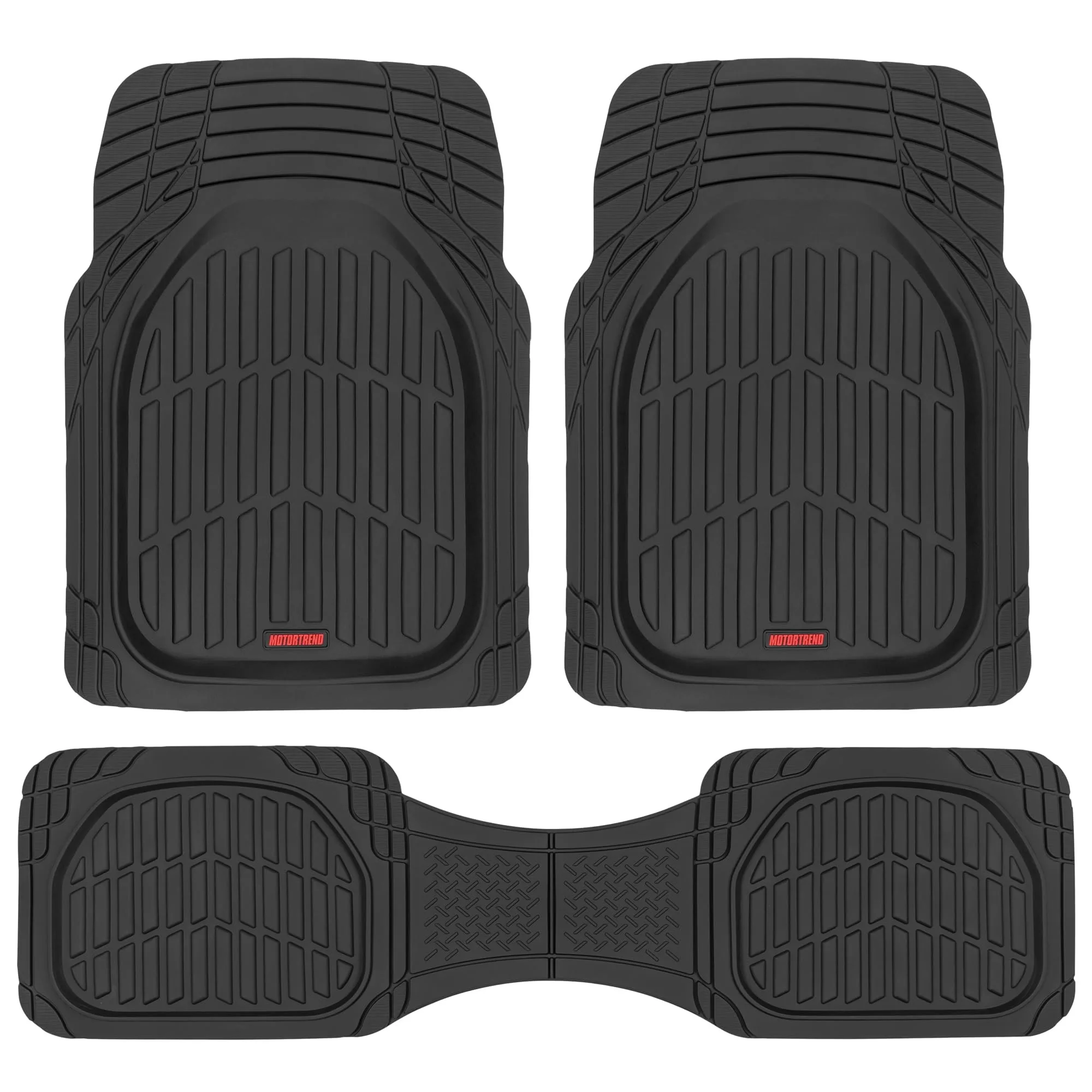 Floor Mats
 Dashboard Showpiece
 Seat & Neck Cushion
 Lighting
›
Lighting
›
 Utility
›
Utility
›
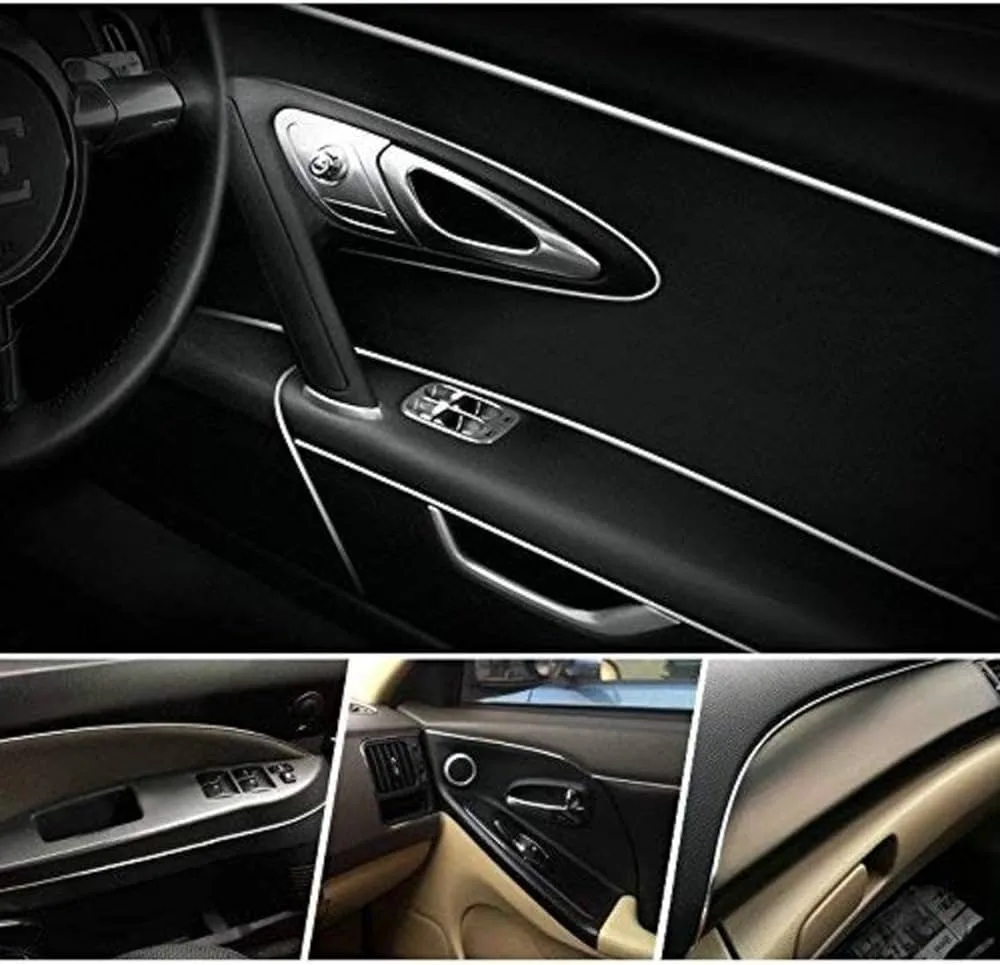 All Chrome Items
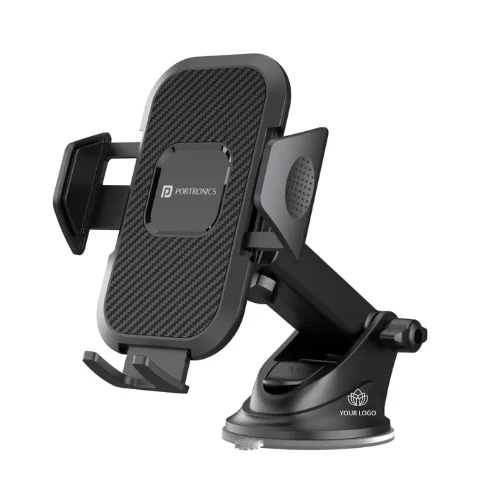 Mobile Holder
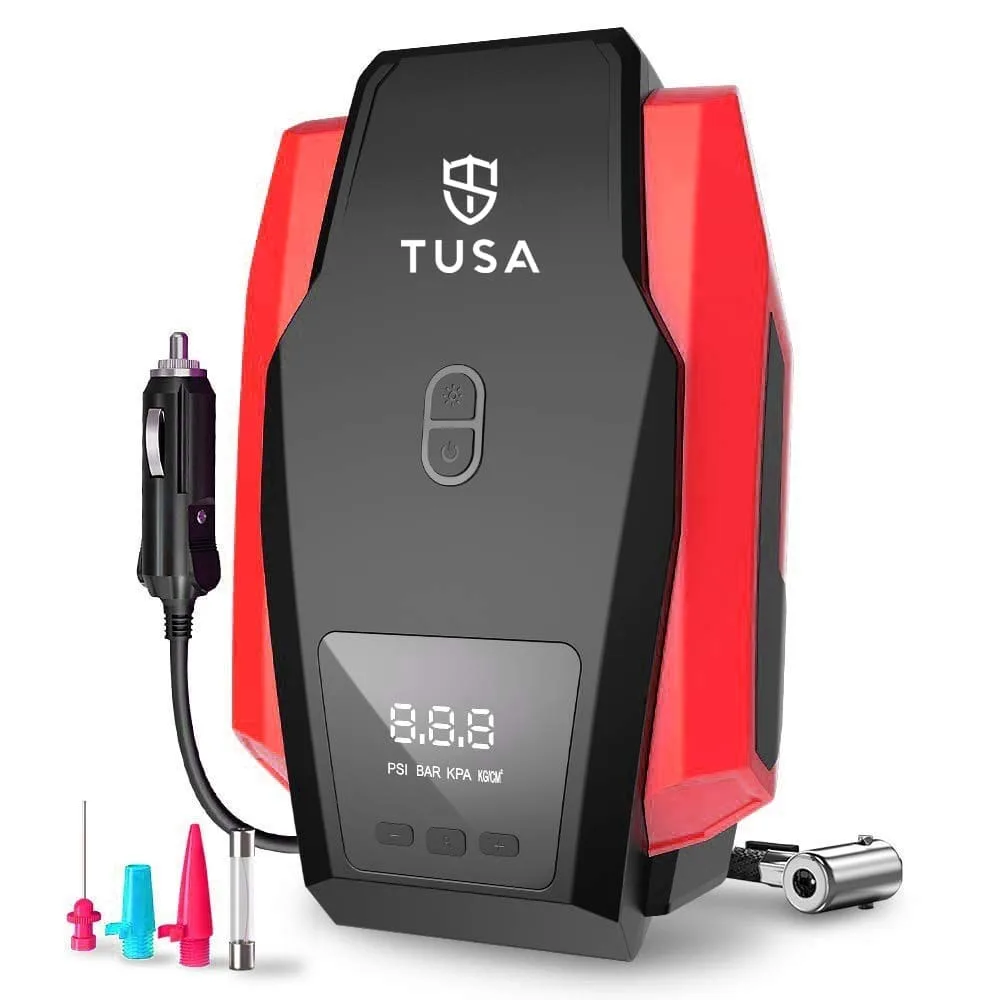 Tyre Inflators
 Vacuum Cleaner
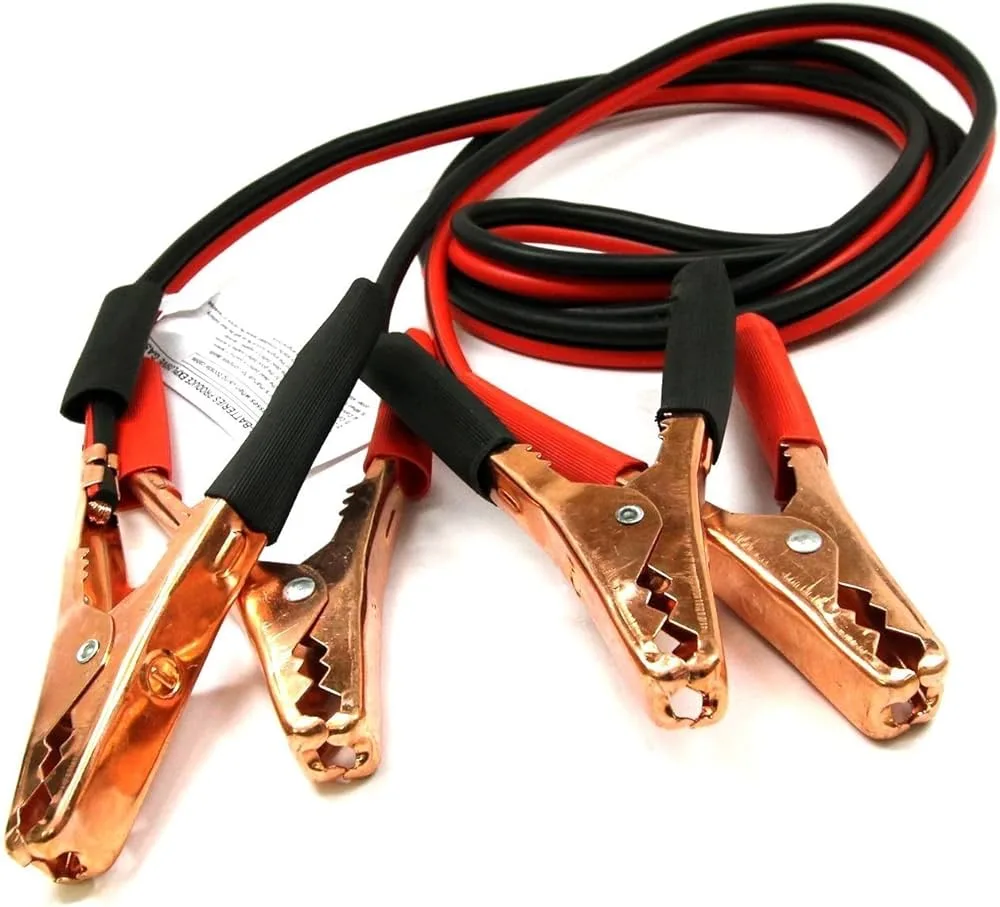 Jumper Cable
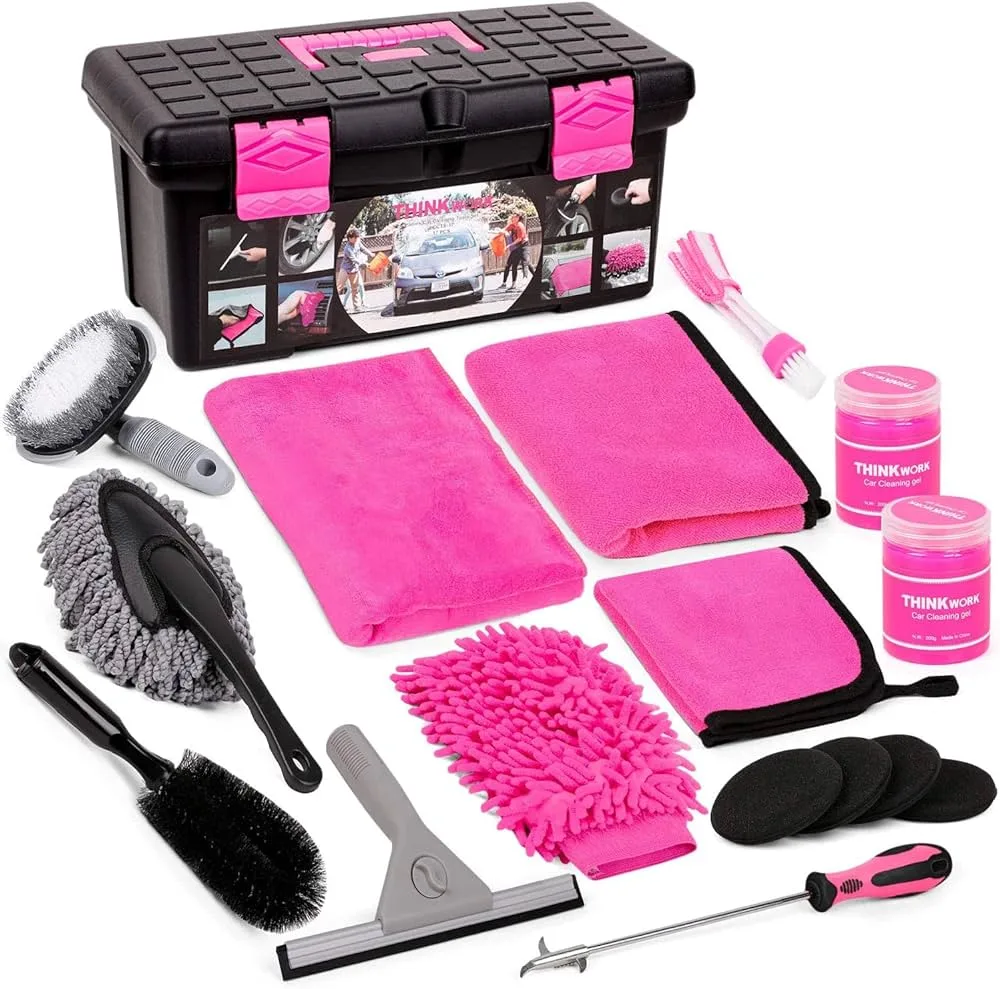 Cleaning Kit
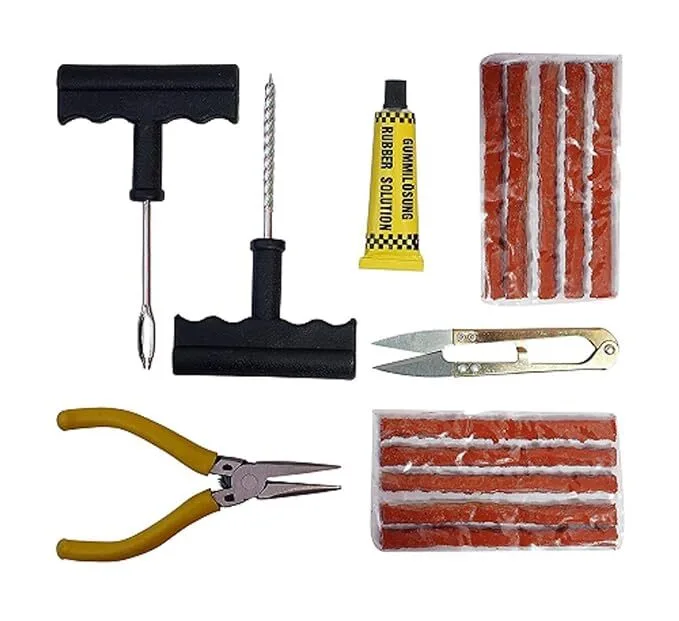 Tyre Puncture Kit
 Tyre Valve Cap
 Car Fan
 Parcel Tray
 Electronic
›
Electronic
›
 Parts
›
Parts
›
 Fog Lights
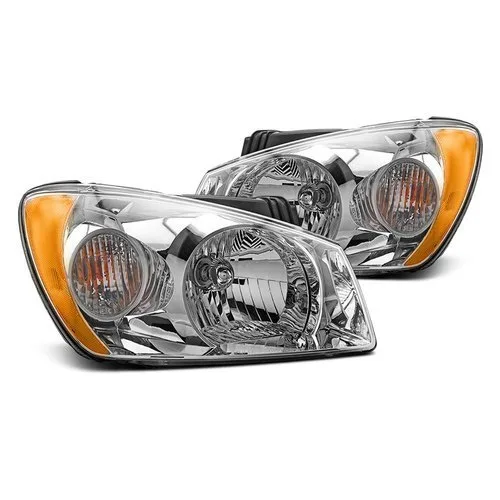 Headlights
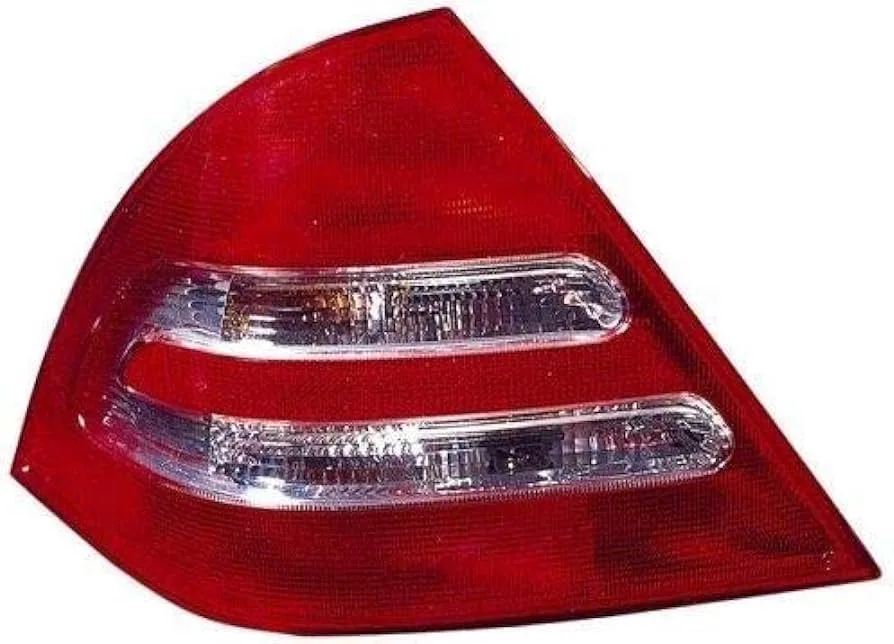 Tail Lights
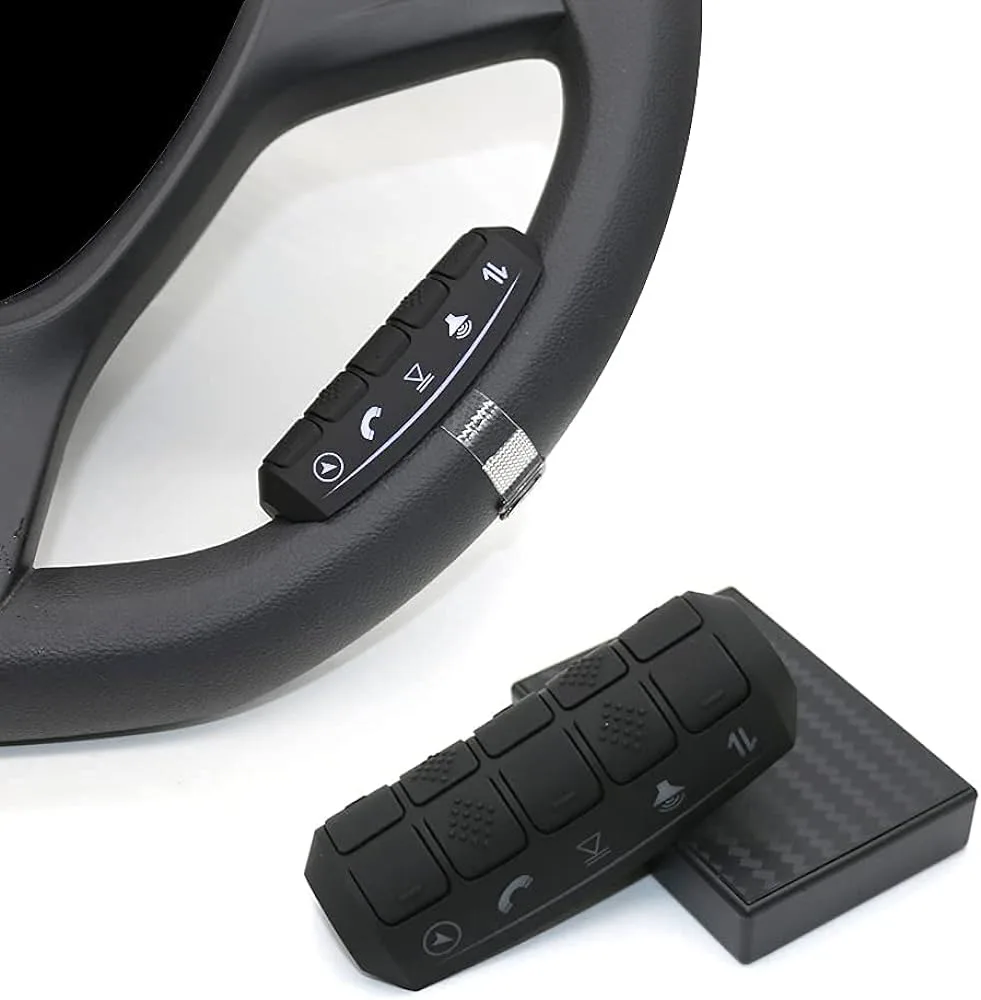 Steering Wheel Controls
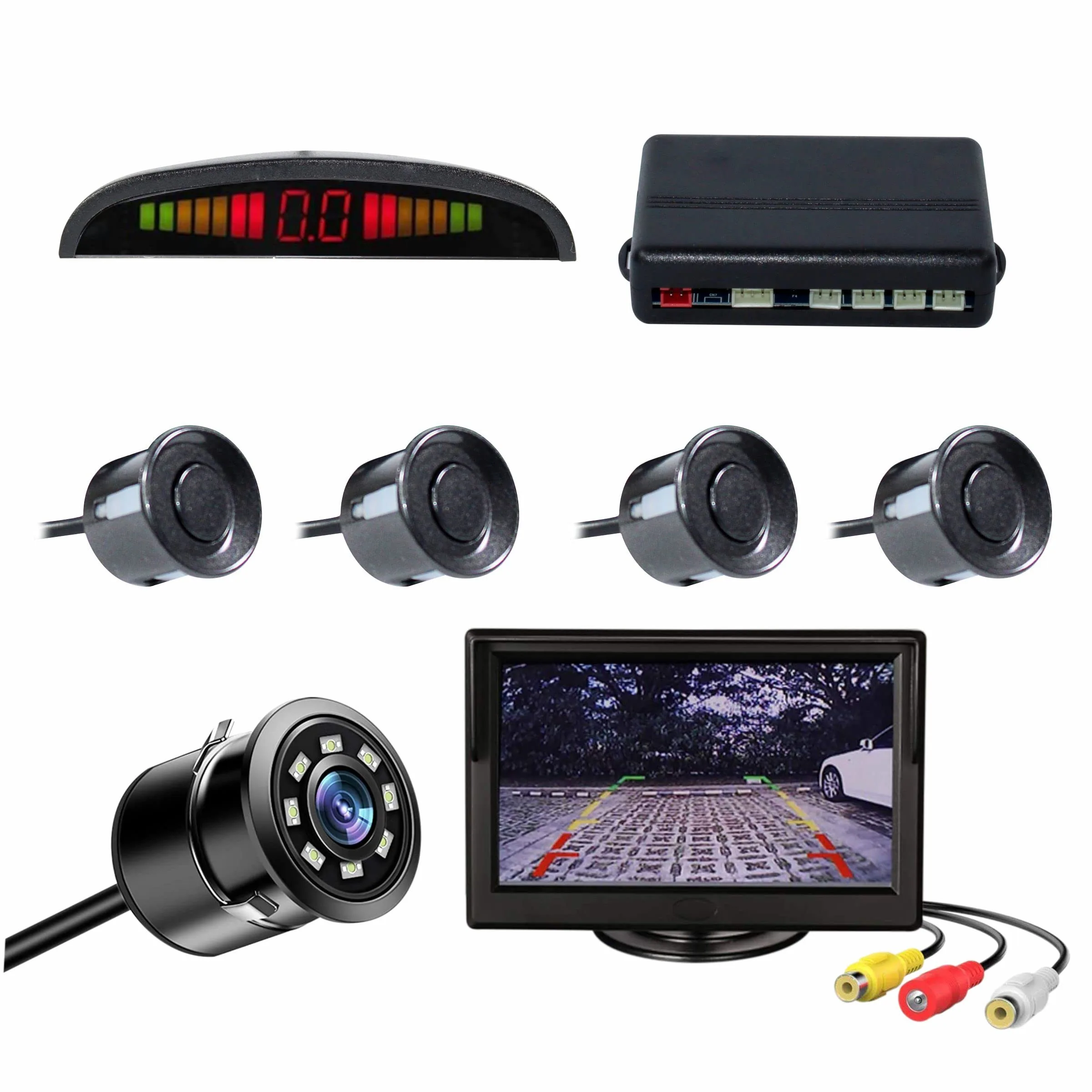 Sensor
 Horns
Horns
 Wiper Blade
 Front Grille
 Side Mirror
 Battery
 Car Care
›
Car Care
›
 Air Freshener & Perfume
 Gear knob
 Stickers & Decals
 Blind Spot Mirror
 Steering Knob
 Key Covers
 Polish & Scratch Remover
 Seat Utility Holder
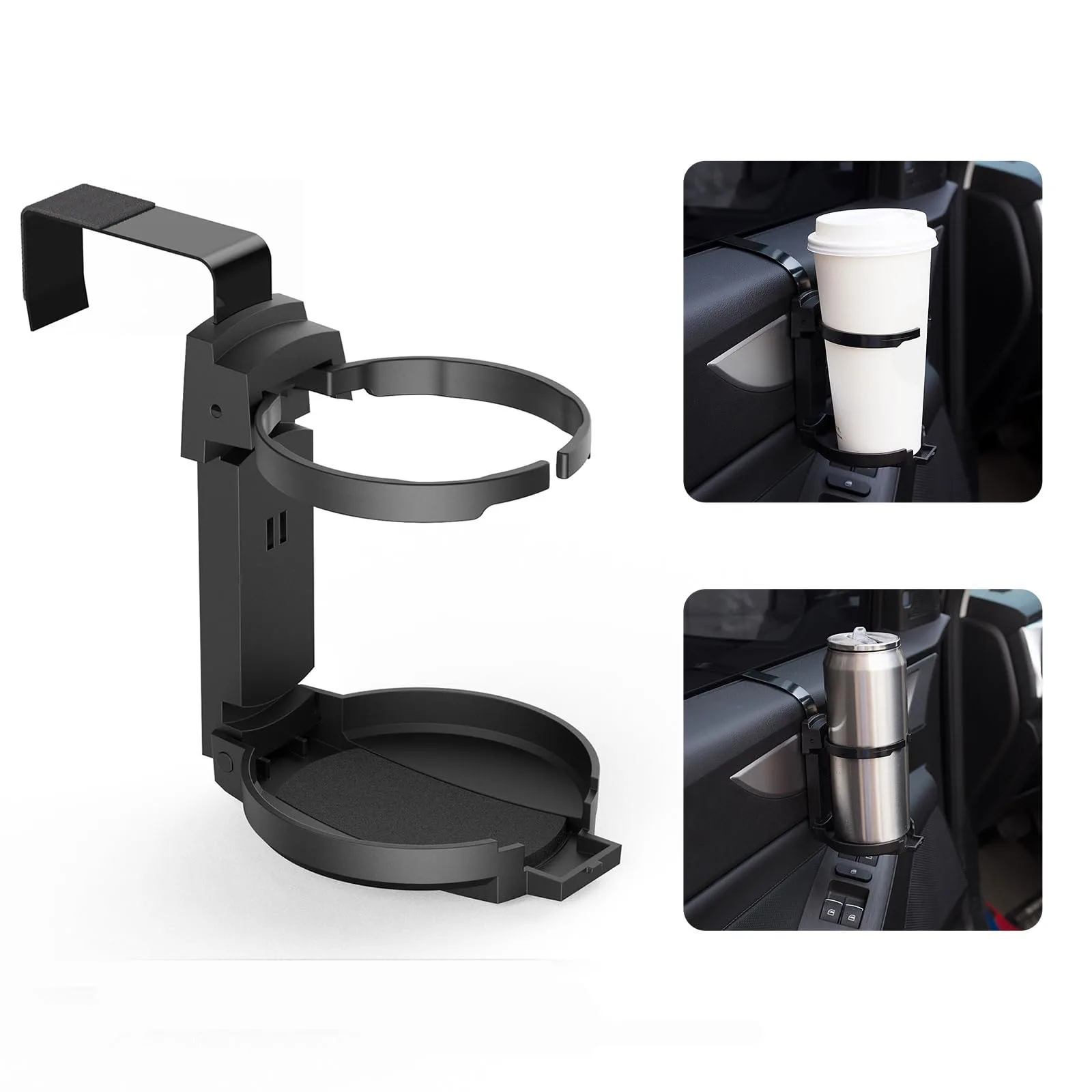 Cup Holder
 Dustbin
 Paper Napkin
 Shop By Car
›
Shop By Car
›
 Tata
›
Tata
›
 Maruti Suzuki
›
Maruti Suzuki
›
 Hyundai
›
Hyundai
›
 Toyota
›
Toyota
›
 Mahindra
›
Mahindra
›
 Honda
›
Honda
›
 Ford
›
Ford
›
 Nissan
›
Nissan
›
 Renault
›
Renault
›
 Skoda
›
Skoda
›
 Volkswagen
›
Volkswagen
›
 Morris Garages - MG
›
Morris Garages - MG
›
 KIA
›
KIA
›
 Jeep
›
Jeep
›
 Citroen
›
Citroen
›
 Datsun
›
Datsun
›
 Chevrolet
›
Chevrolet
›
 Isuzu
›
Isuzu
›
 Mitsubishi
›
Mitsubishi
›
 AUDI
›
AUDI
›
 BMW
›
BMW
›
 Mercedes
›
Mercedes
›
 Land Rover
›
Land Rover
›
 Jaguar
›
Jaguar
›
 Volvo
›
Volvo
›
 FIAT
›
FIAT
›
 Mini Cooper
›
Mini Cooper
›
 Porsche
›
Porsche
›
 Lexus
›
Citron
›
Fors
›
Morris Garages
›
MG
›
Lexus
›
Citron
›
Fors
›
Morris Garages
›
MG
›
 Nexon
Nexon
 Harrier
 Altroz
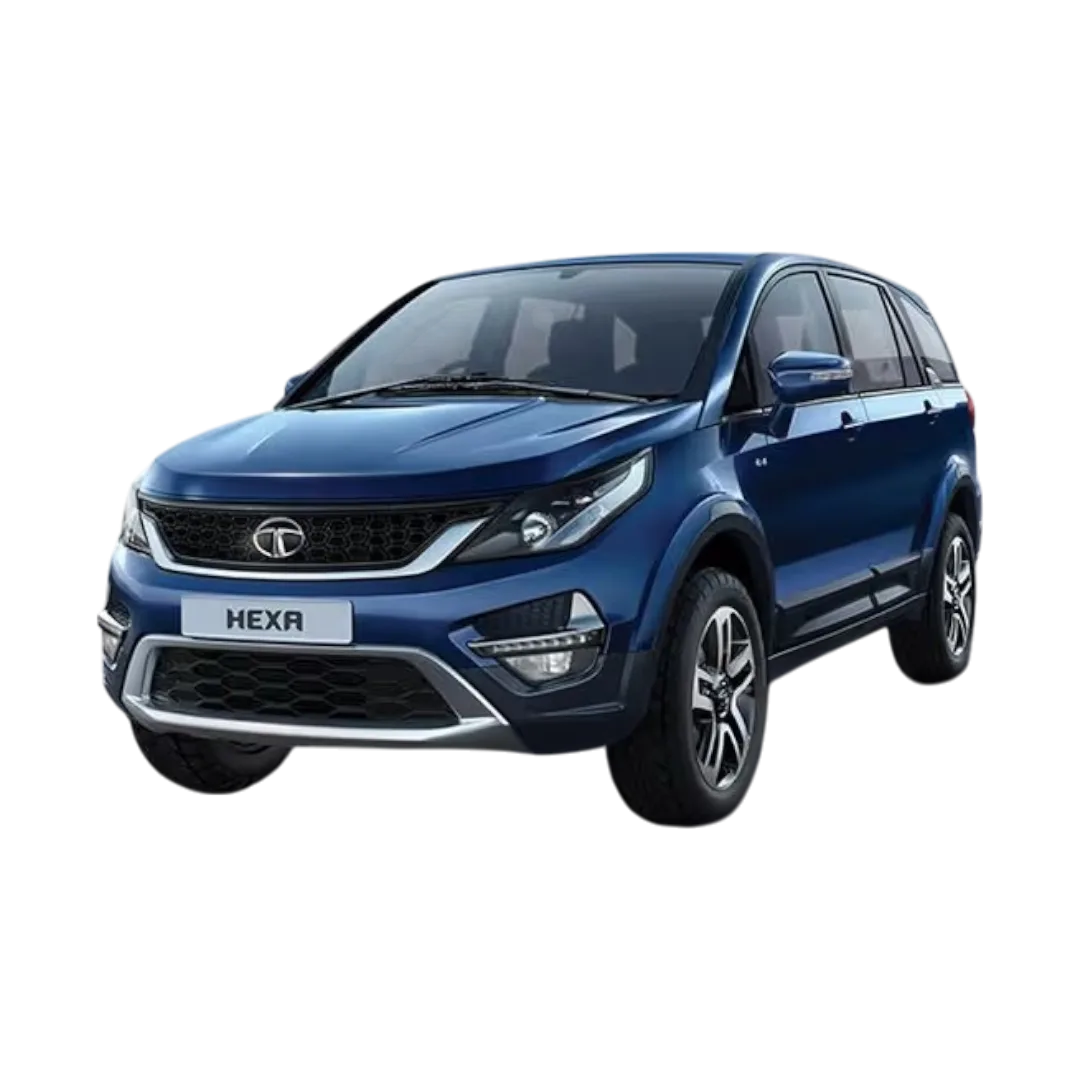 Hexa
Hexa
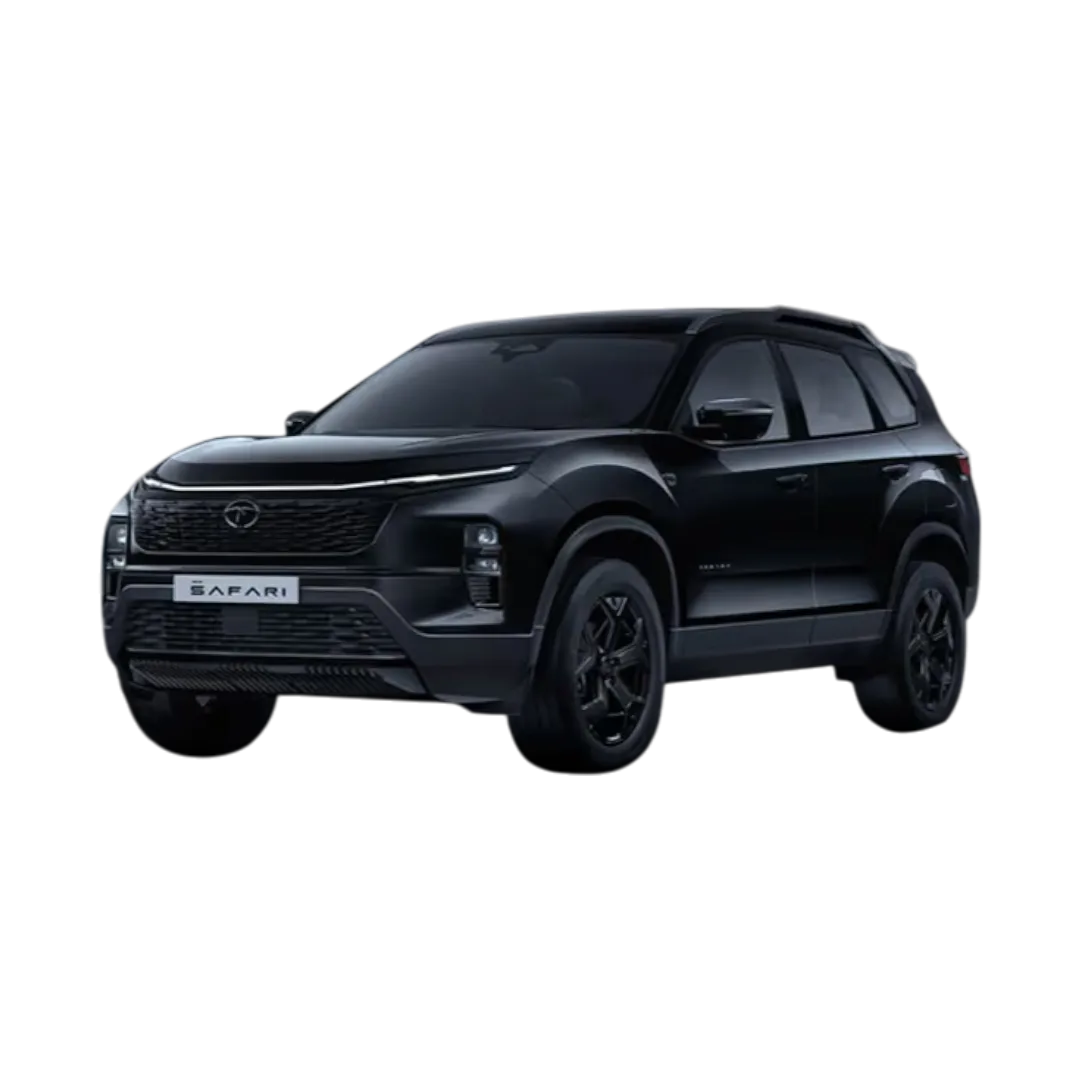 Safari
 Tiago
Tiago
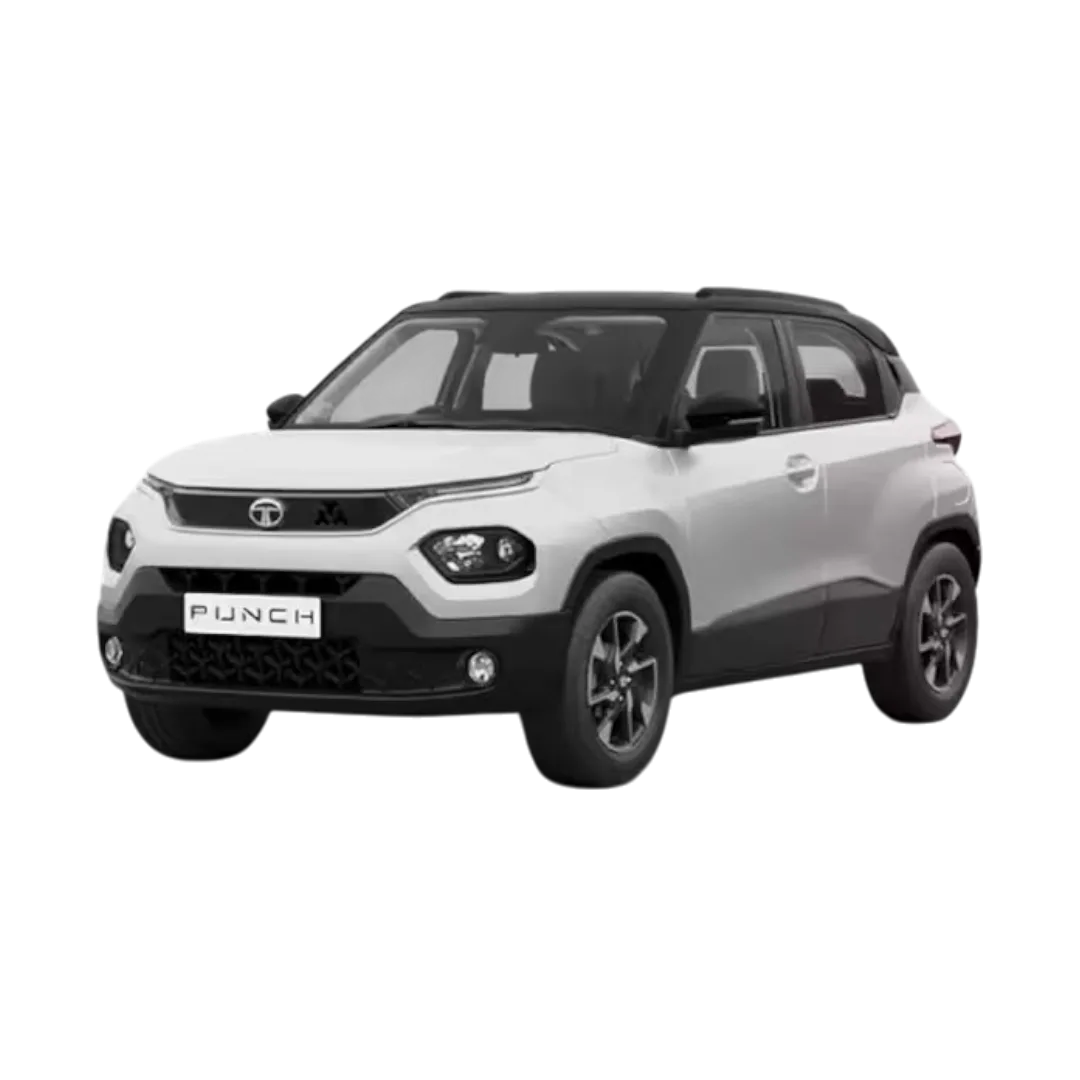 Punch
Punch
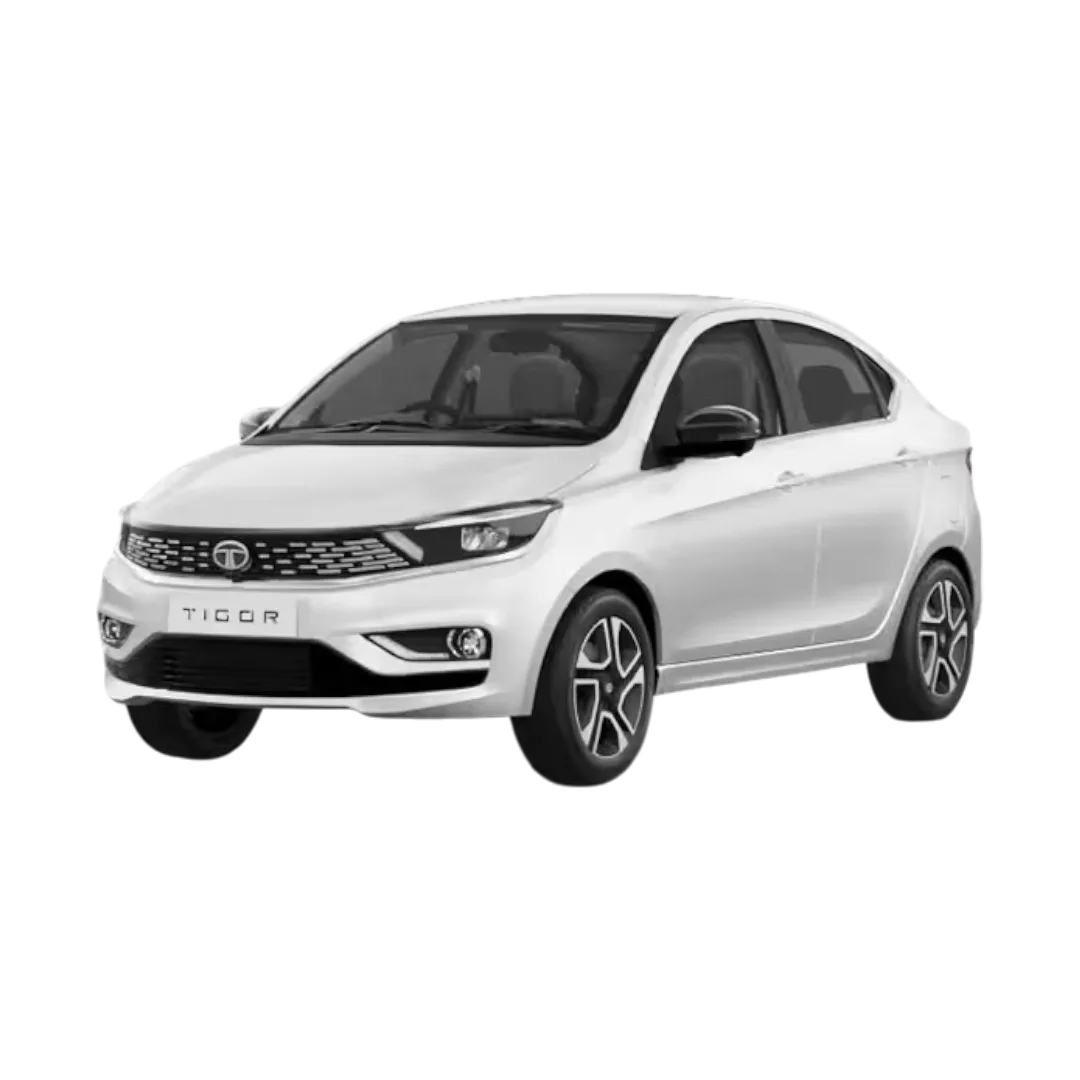 Tigor
Tigor
 Sumo
Sumo
 Winger
 Bolt
Bolt
 Vista
Vista
 Manza
Manza
 Indica
 Indigo
 Nano
Nano
 Aria
Aria
 Safari Storme
 Zest
Zest
 NEXON EV Max
 NEXON EV Prime
 Tiago NRG
 Tigor EV
INDICA VISTA
Curvv
Sierra
Magic
Tigor EV
INDICA VISTA
Curvv
Sierra
Magic
 Ciaz
Ciaz
 S-Presso
 Eeco/Versa
 WagonR
 Brezza
 Swift
Swift
 Dzire
Dzire
 Baleno
 Ertiga
 Grand Vitara
 S-Cross
 Jimny
Jimny
 Celerio
 Ignis
Ignis
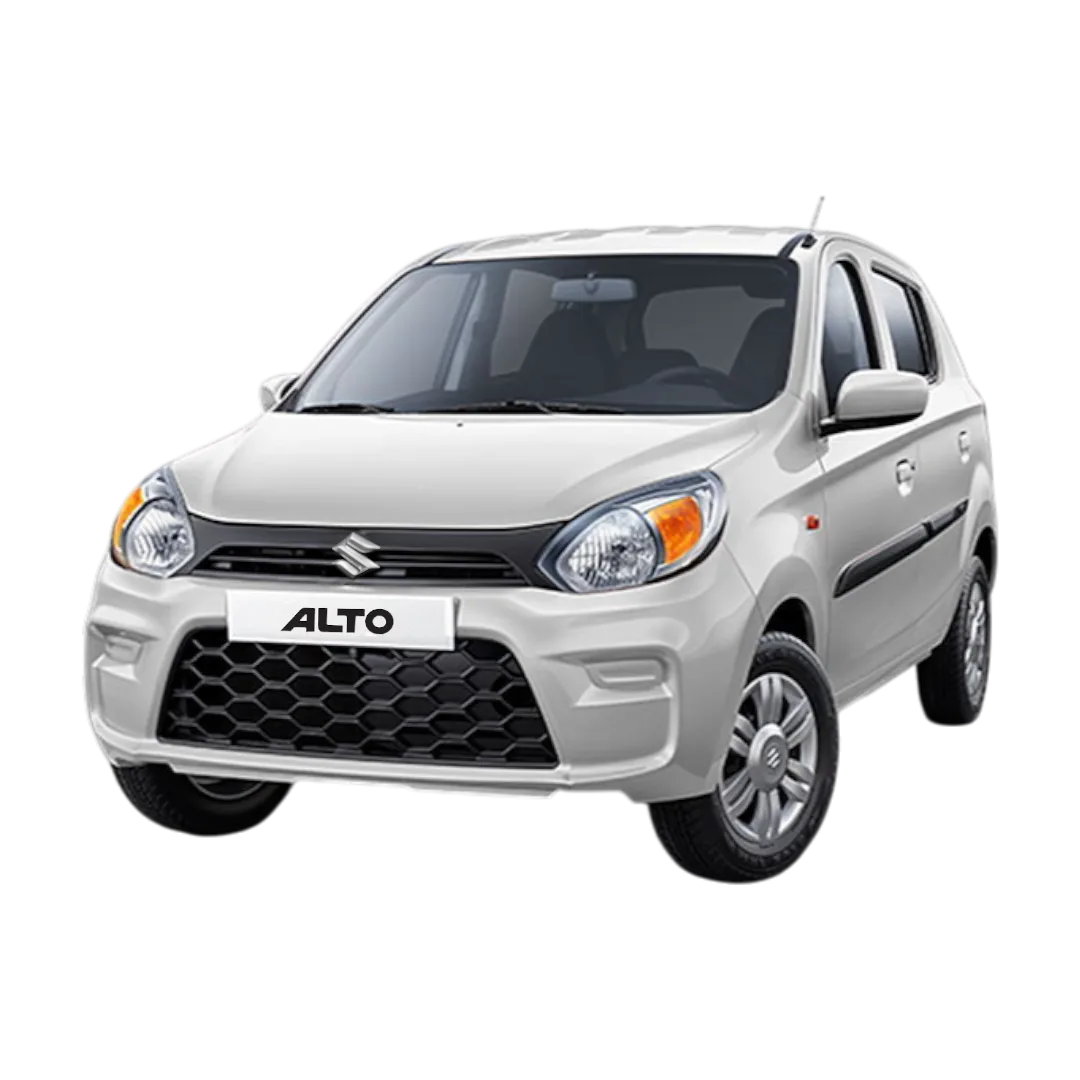 Alto 800
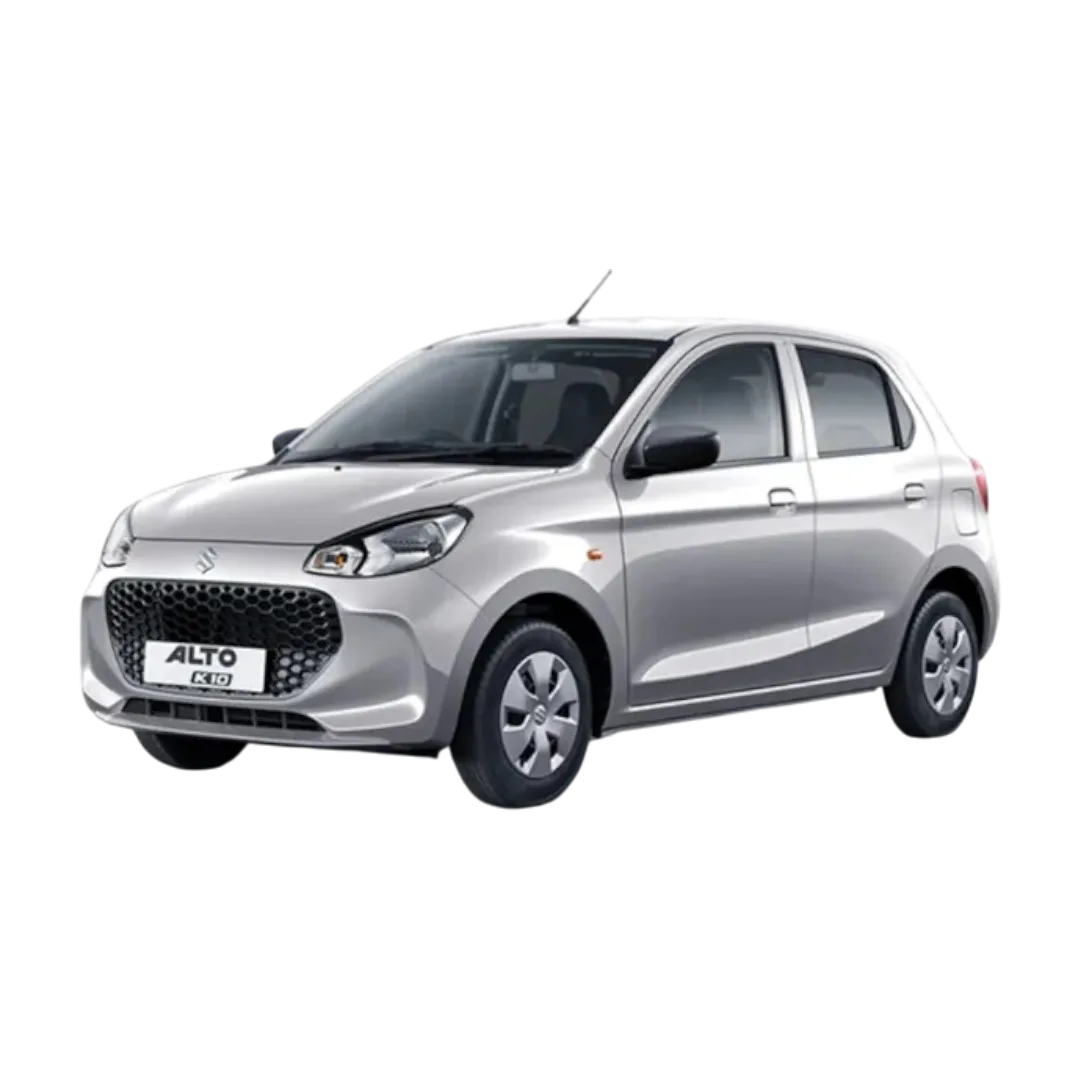 Alto K10
 XL6
XL6
 Omni
Omni
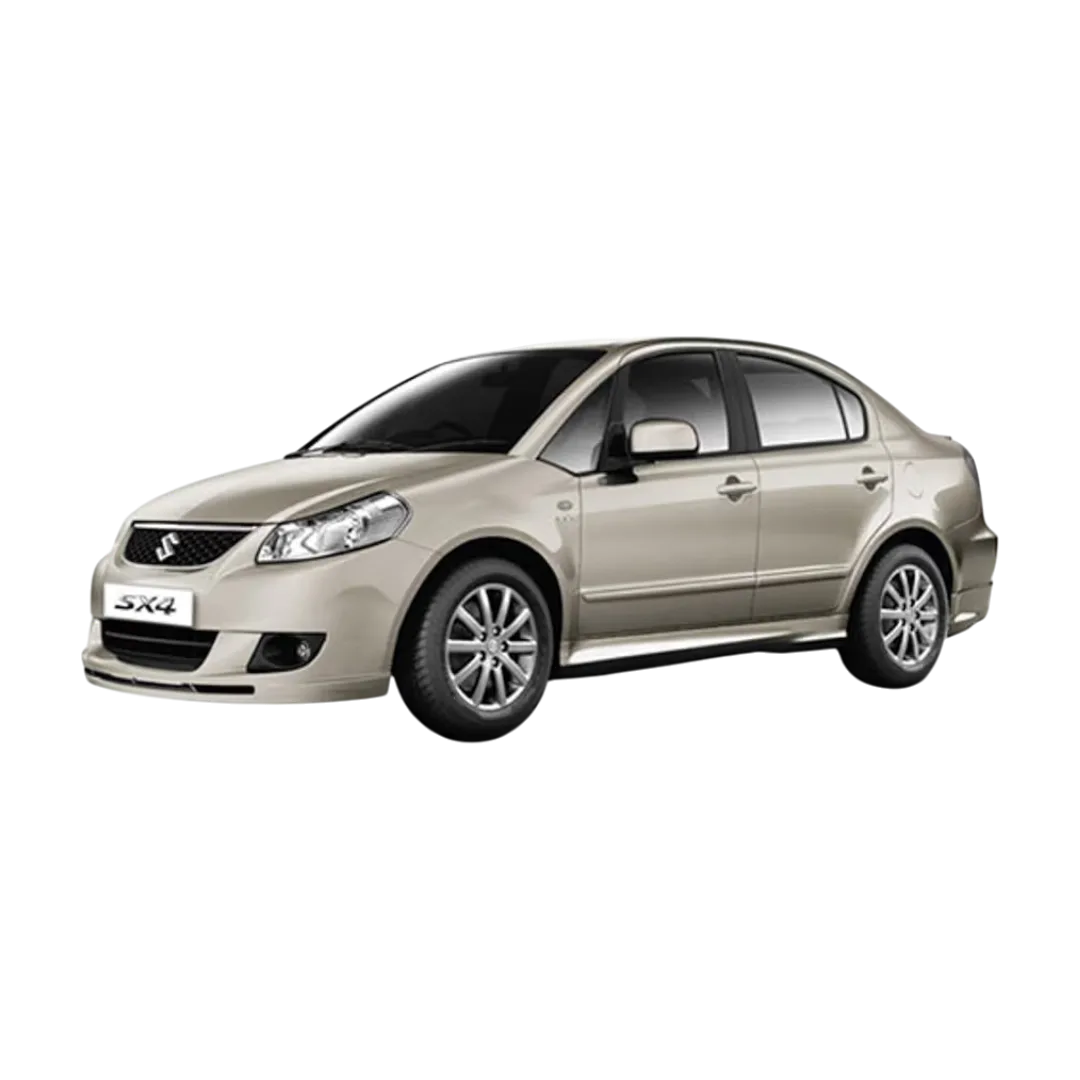 SX4
SX4
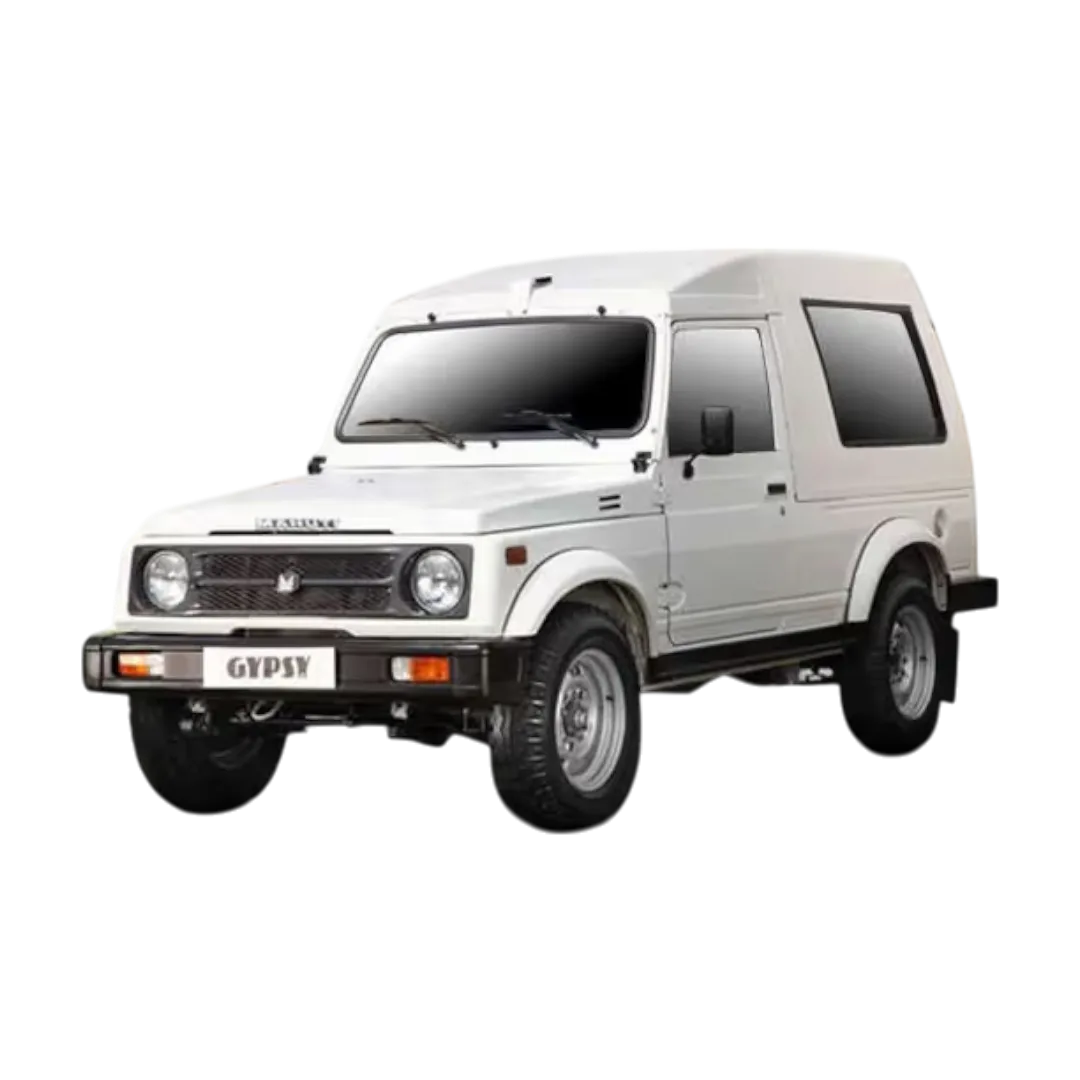 Gypsy
Gypsy
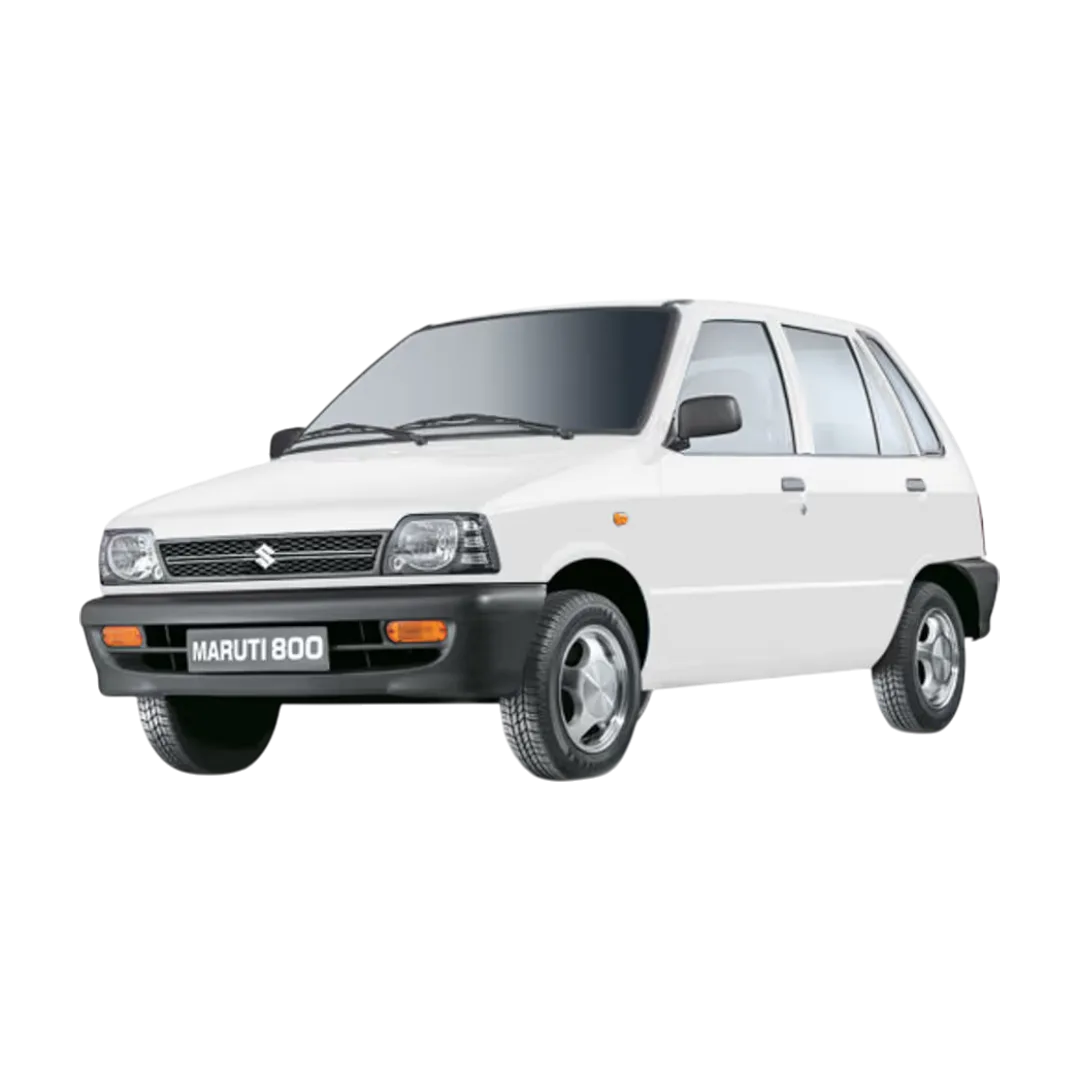 Maruti 800
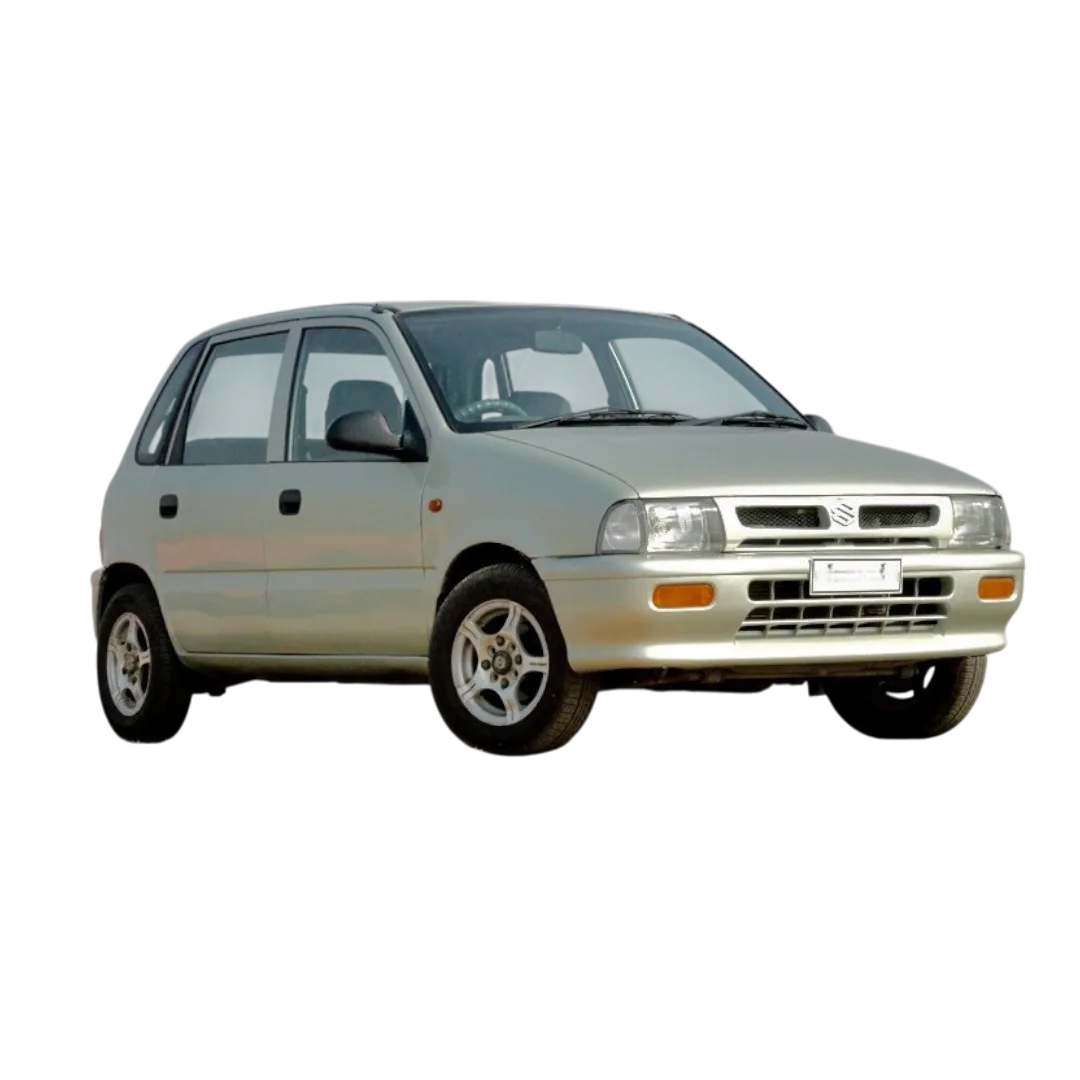 Zen
Zen
 Esteem
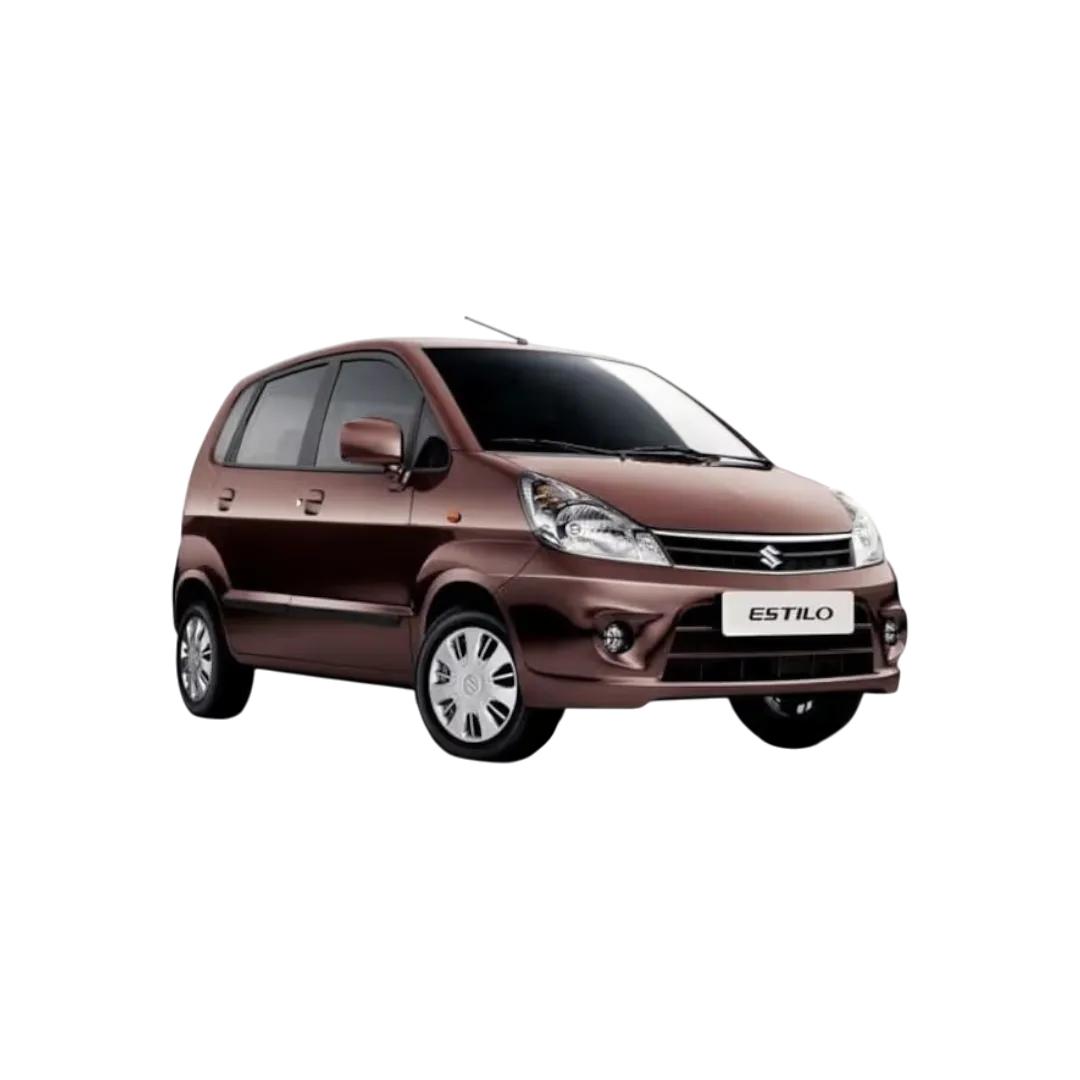 Zen Estilo
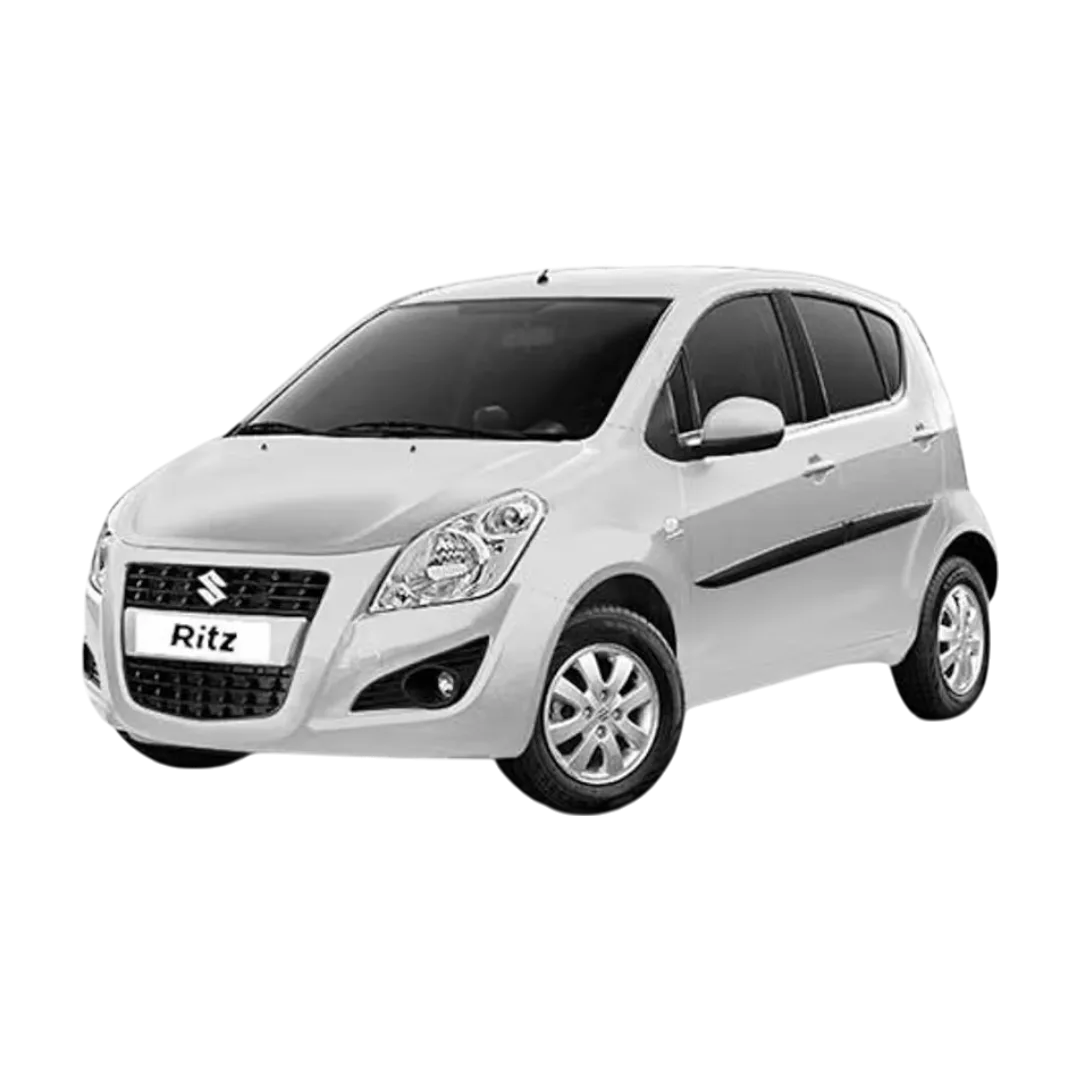 Ritz
Ritz
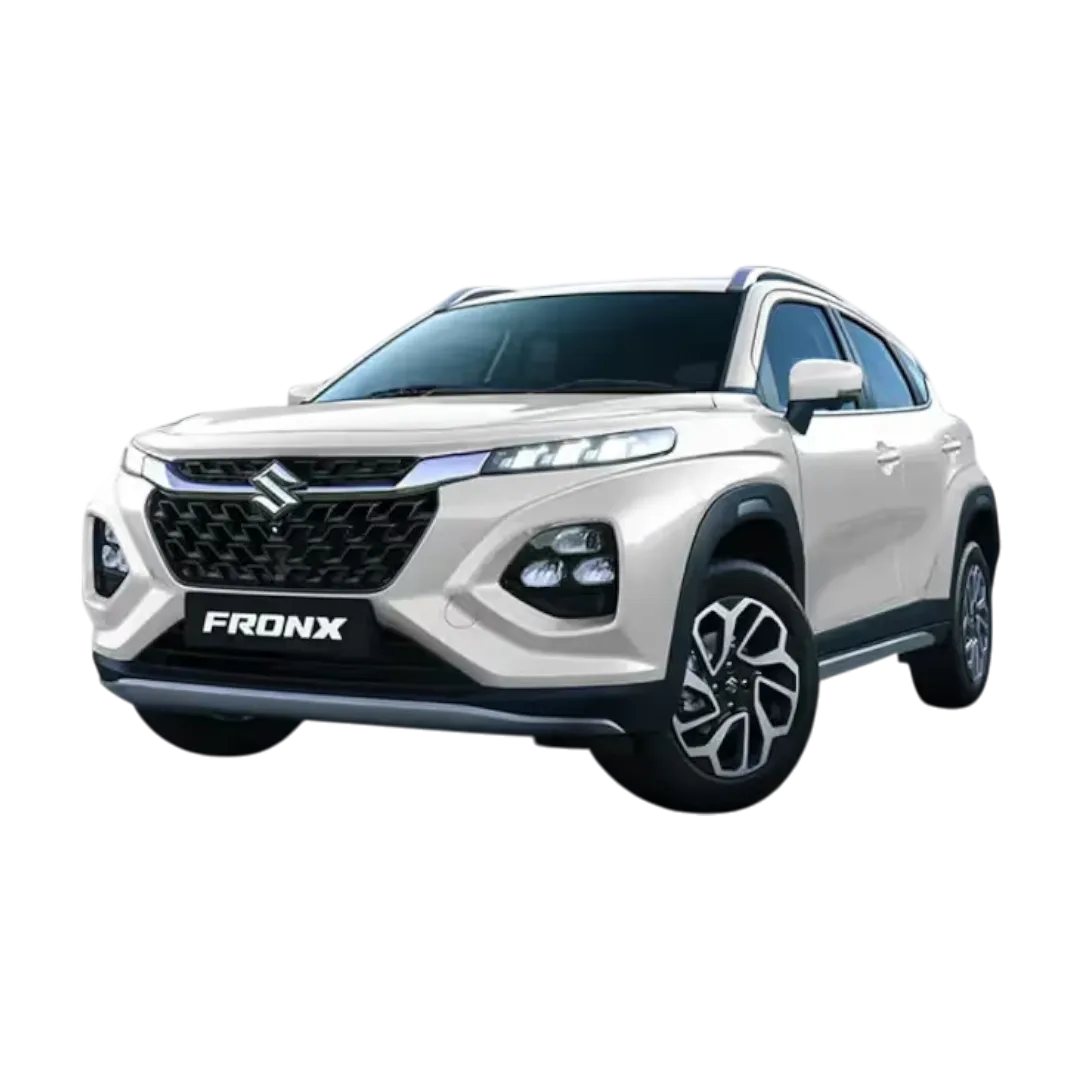 Fronx
Fronx
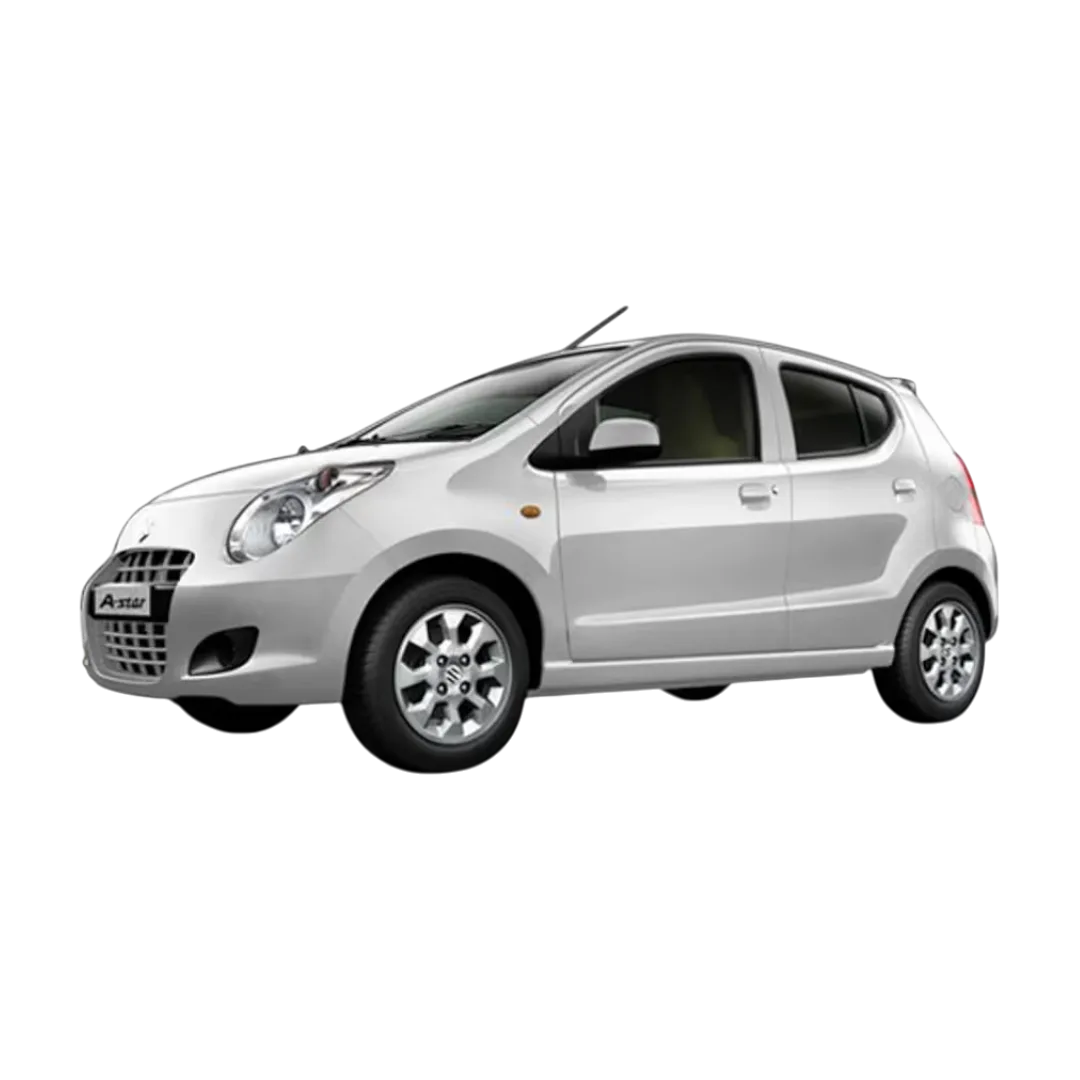 A-Star
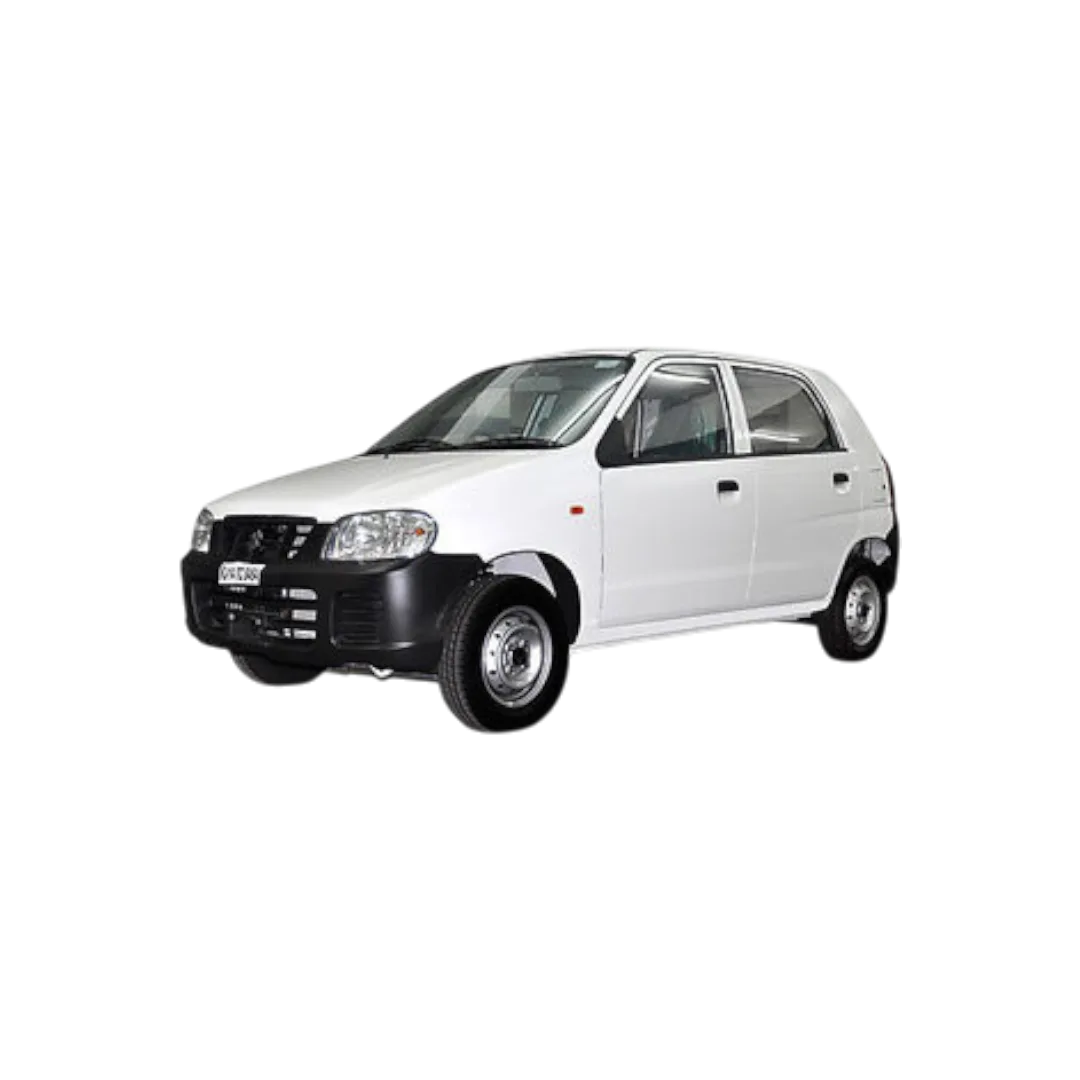 Alto
Alto
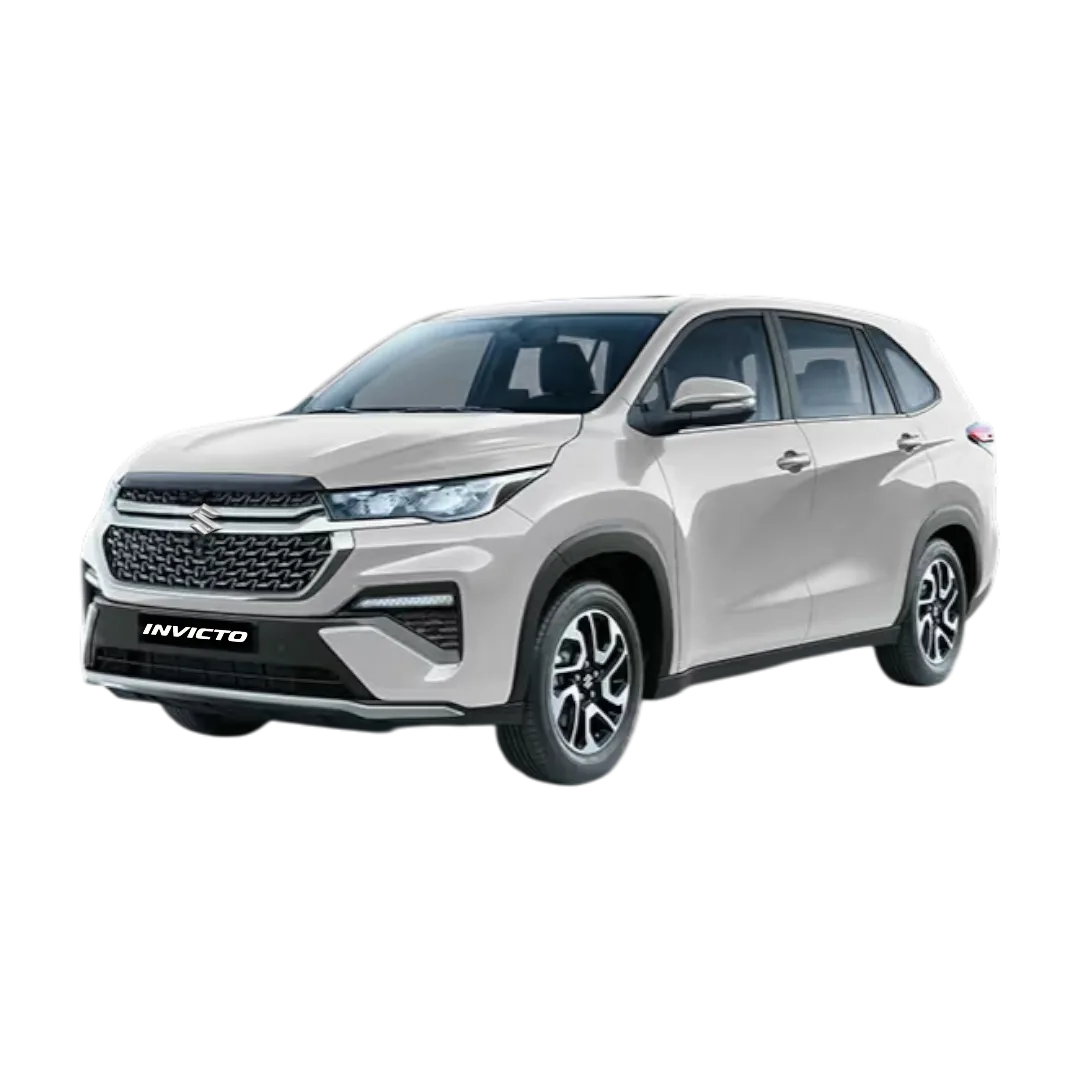 Invicto
Victoris
Wagon R
Invicto
Victoris
Wagon R
 i20
i20
 Aura
Aura
 Creta
Creta
 Elantra
 Getz
Getz
 Grand i10 Nios
 Venue
Venue
 Verna
Verna
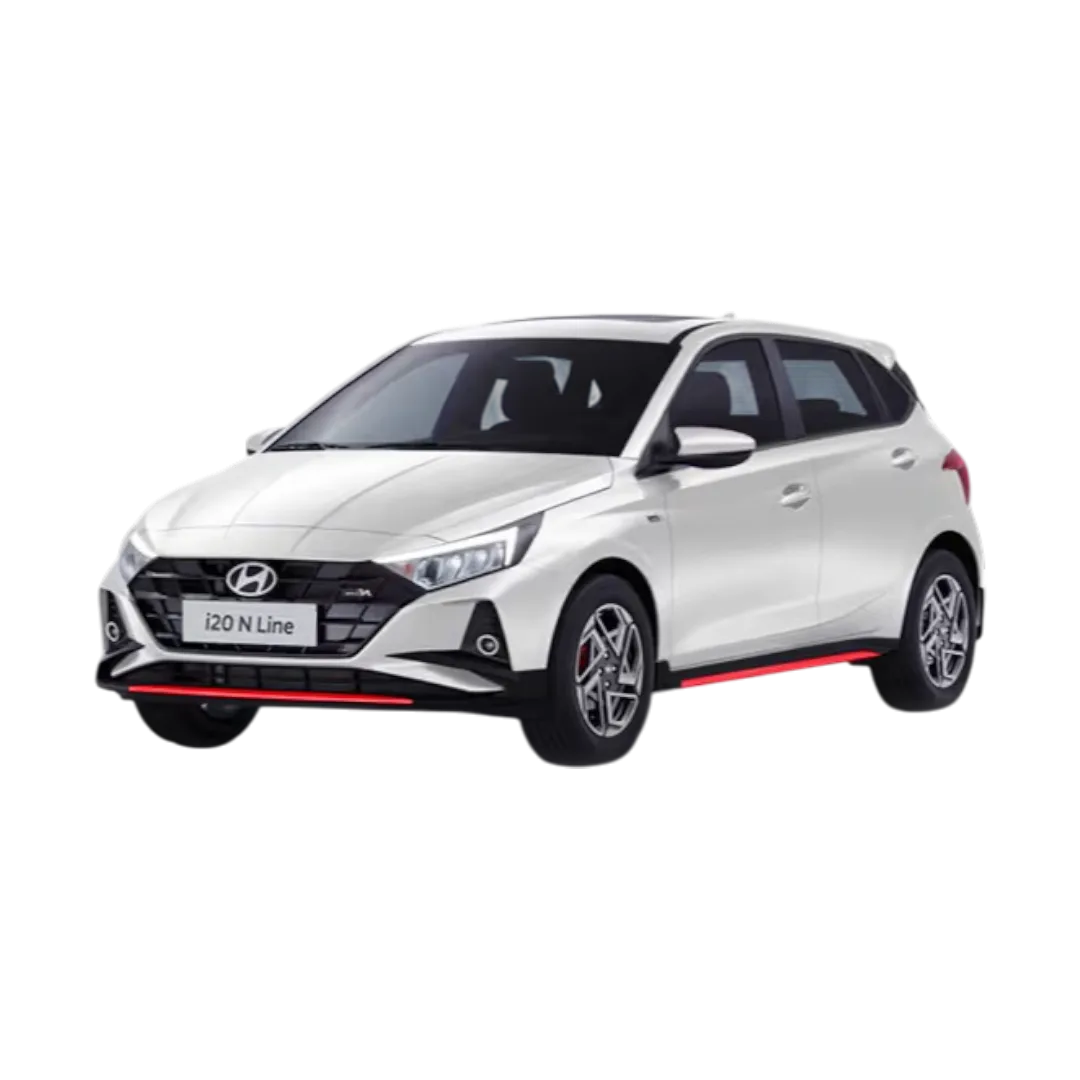 i20 N Line
 Venue N Line
 Alcazar
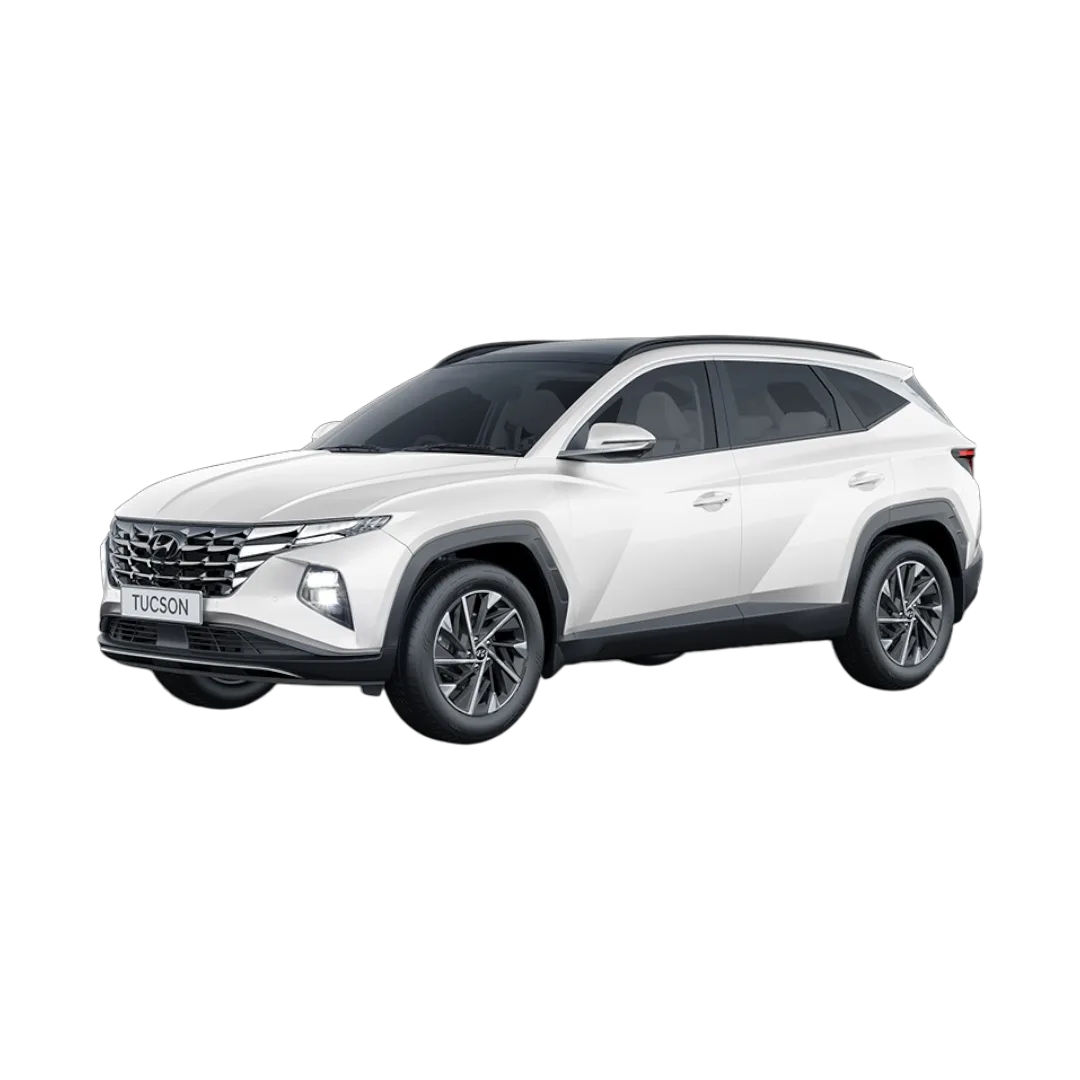 Tucson
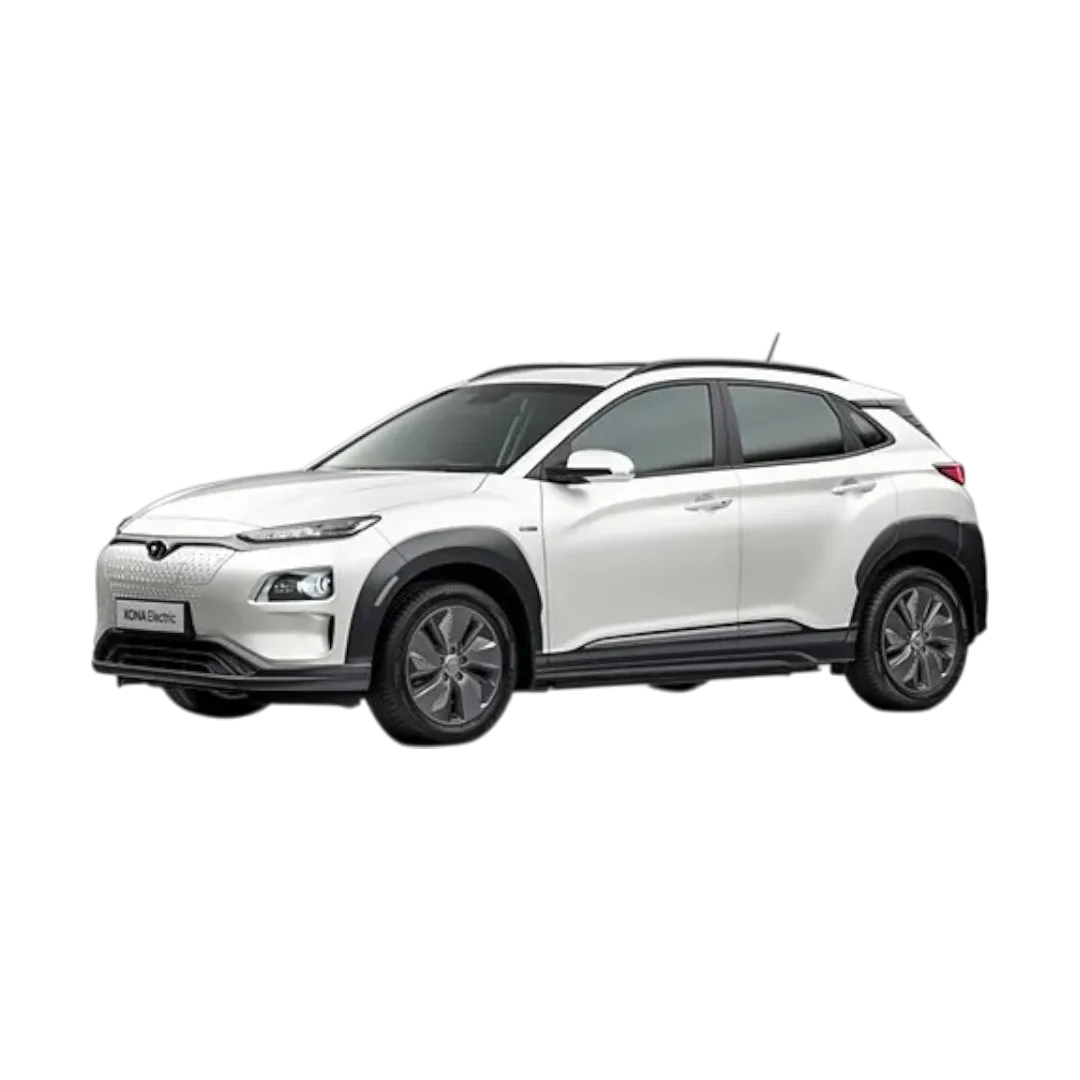 Kona
Kona
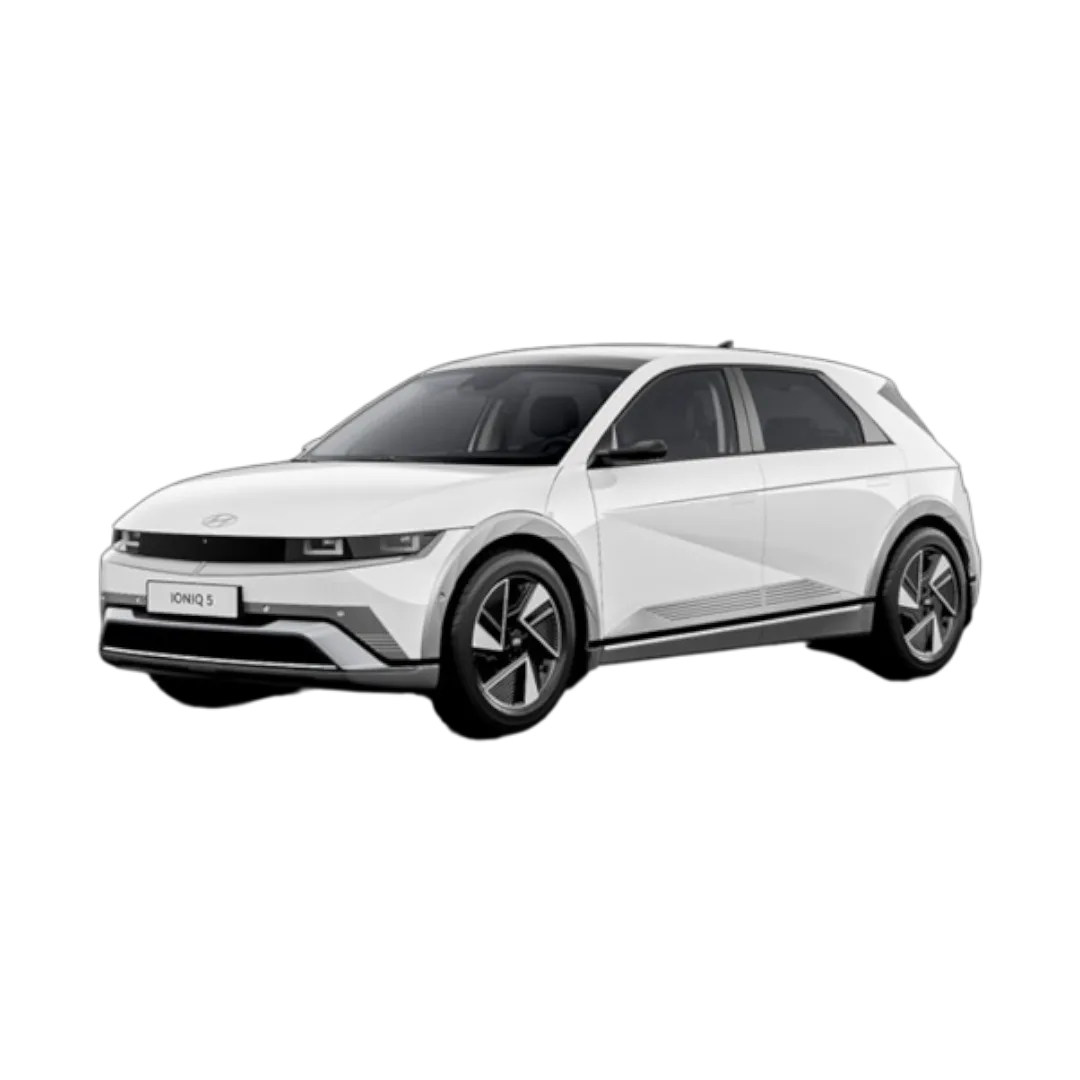 iONIQ 5
 Santro
 Santro Xing
 Accent
 Sonata
 Eon
Eon
 i10
i10
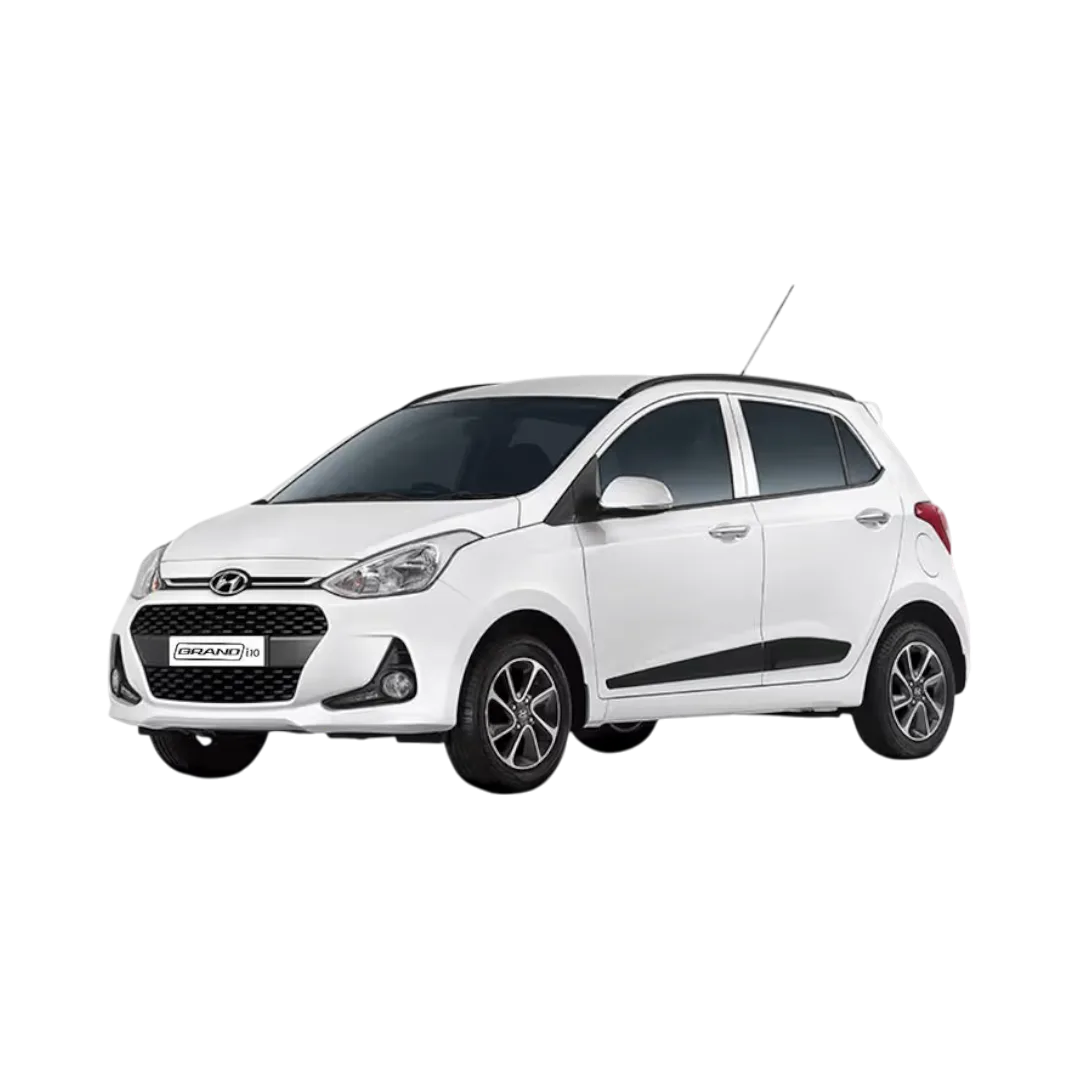 Grand i10
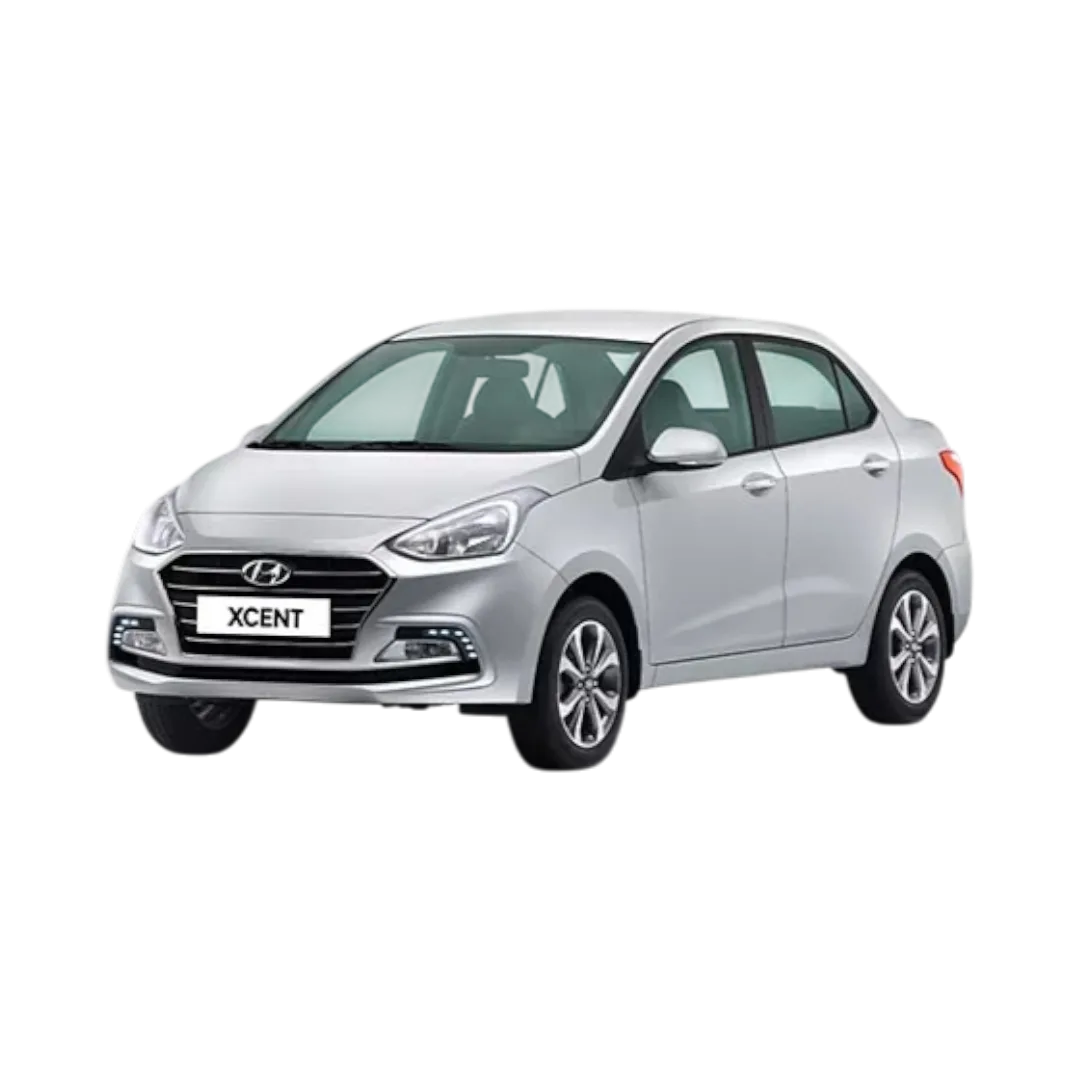 Xcent
Xcent
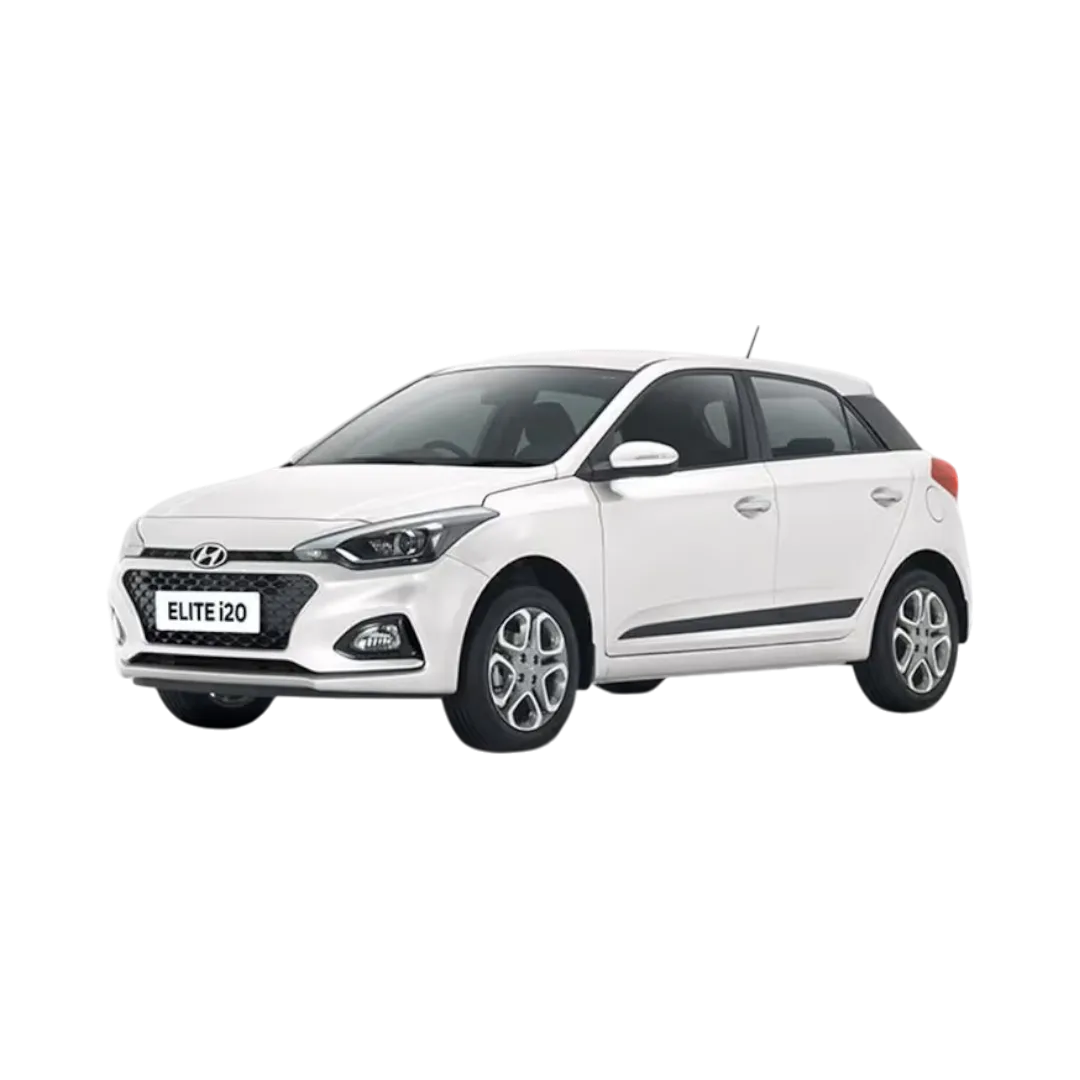 Elite i20
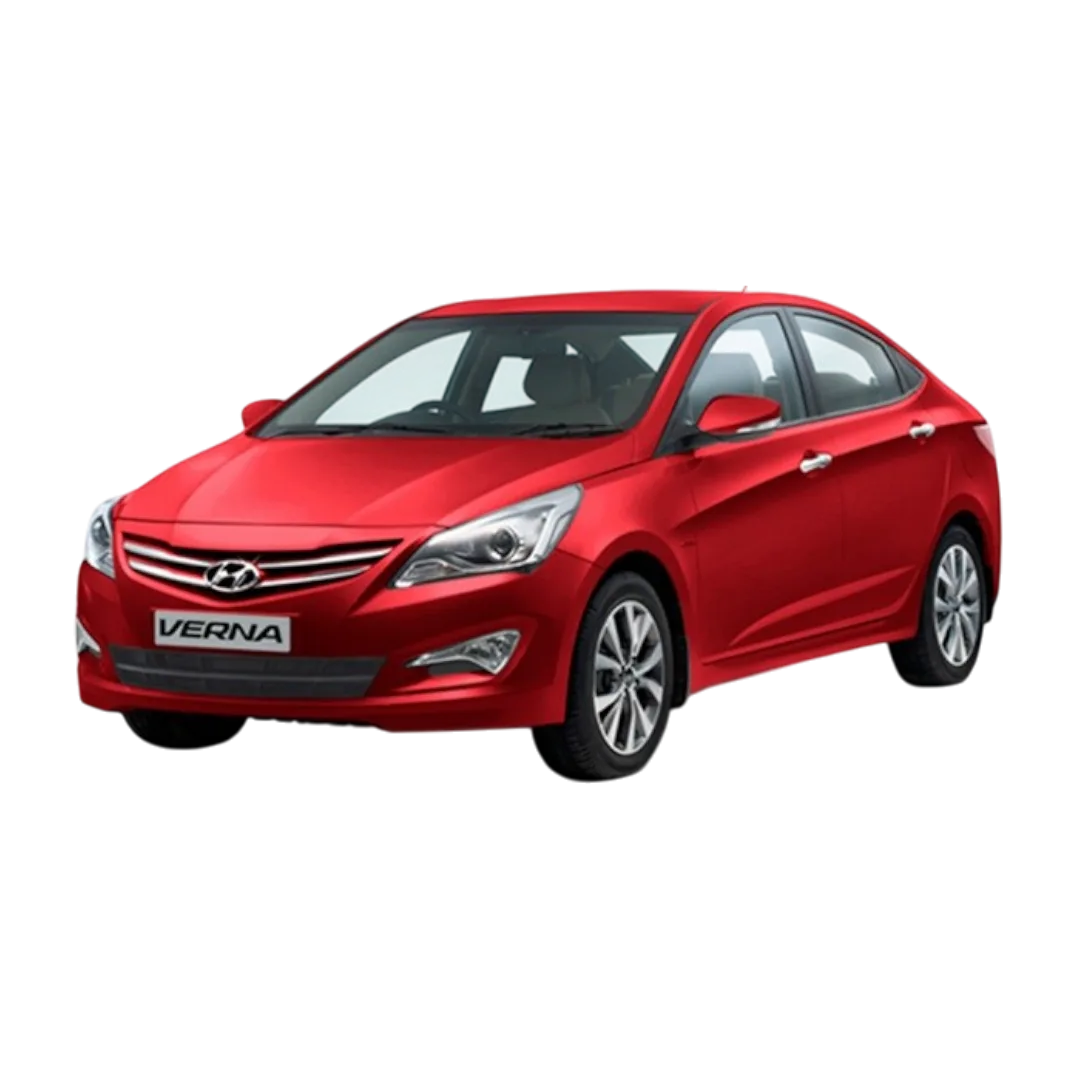 Verna Fluidic
 Santafe
 Exter
Sonata Fluidic
i20 Active
Exter
Sonata Fluidic
i20 Active
 Yaris
Yaris
 Urban Cruiser
 Camry
Camry
 Corolla
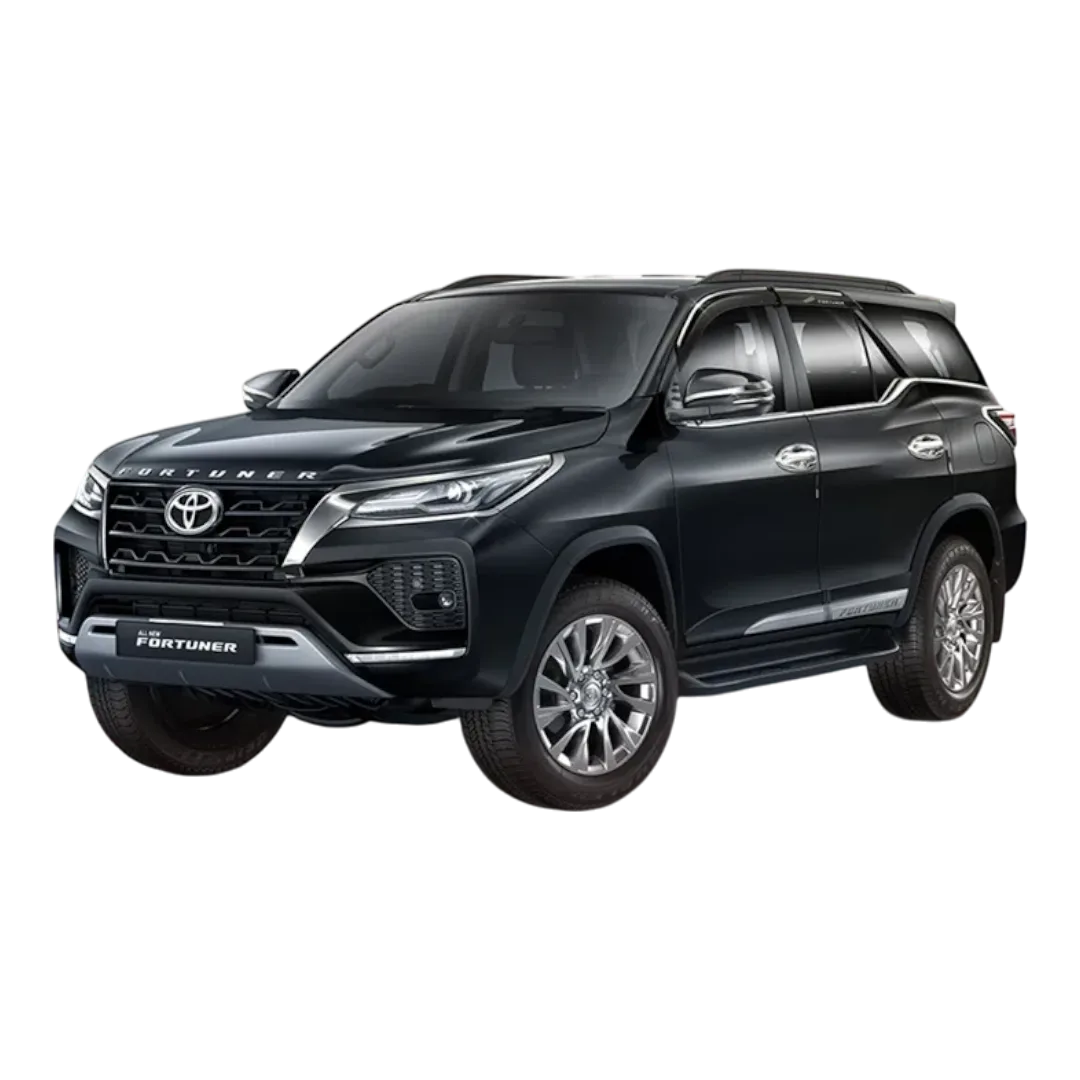 Fortuner
 Urban Cruiser Hyryder
 Innova Crysta
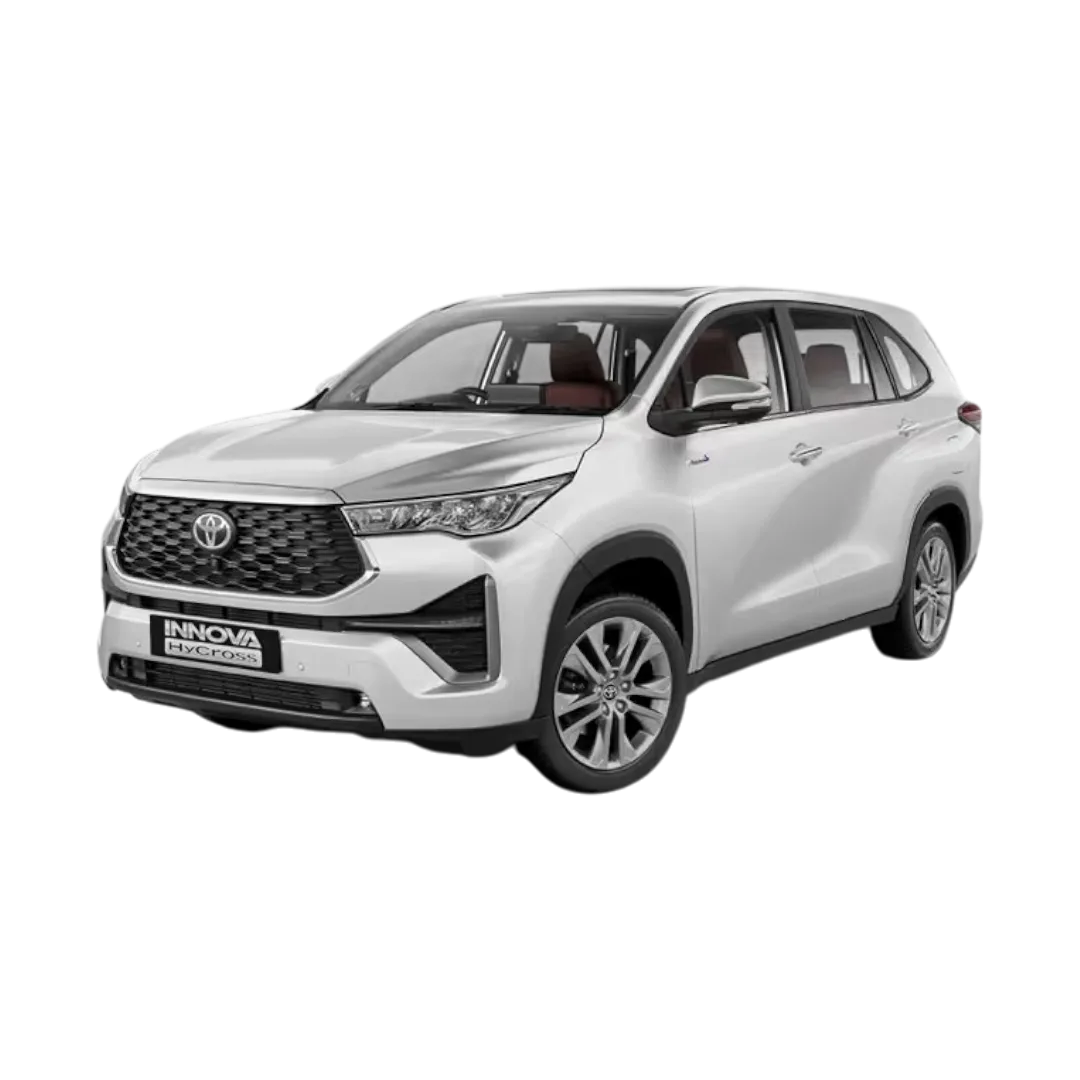 Innova Hycross
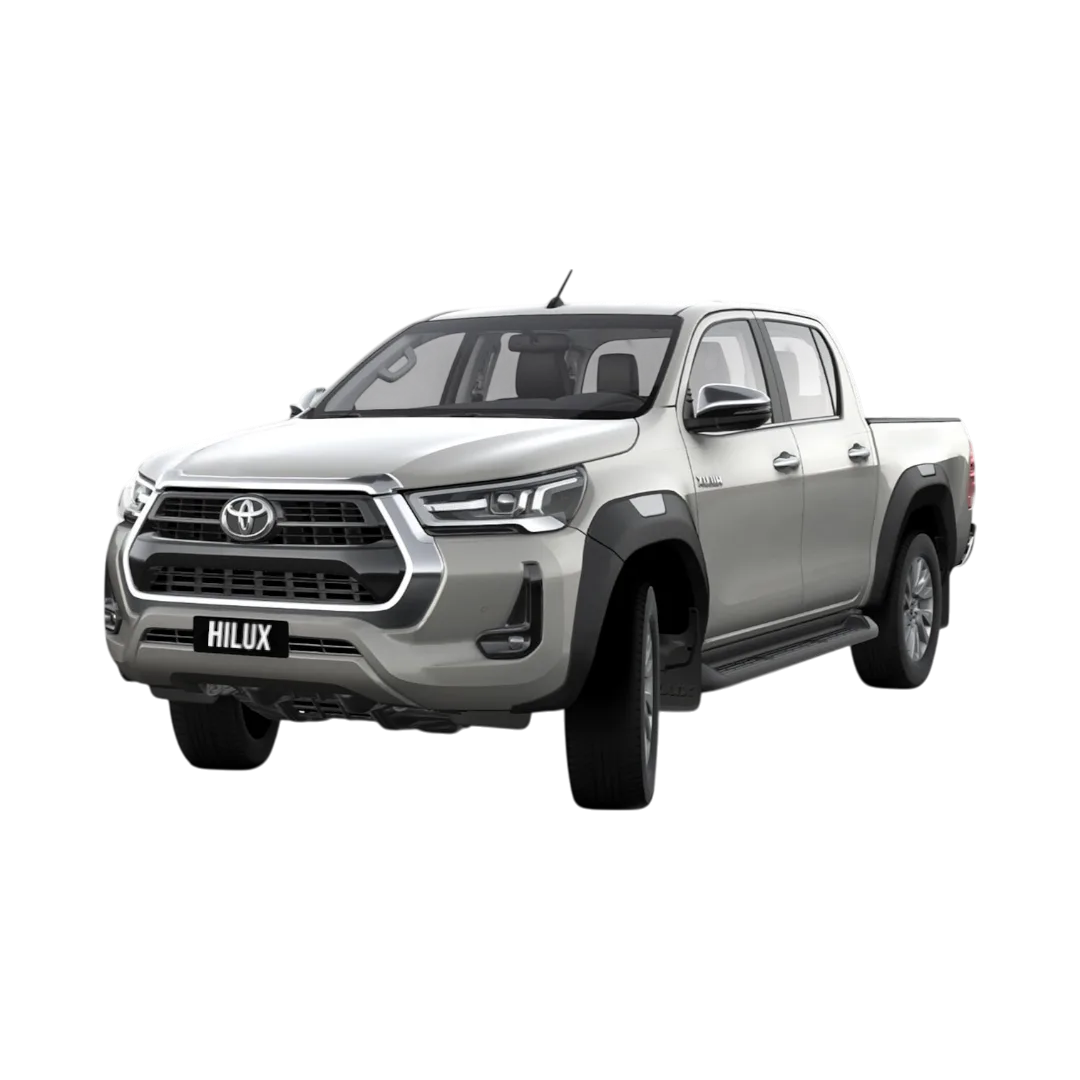 Hilux
Hilux
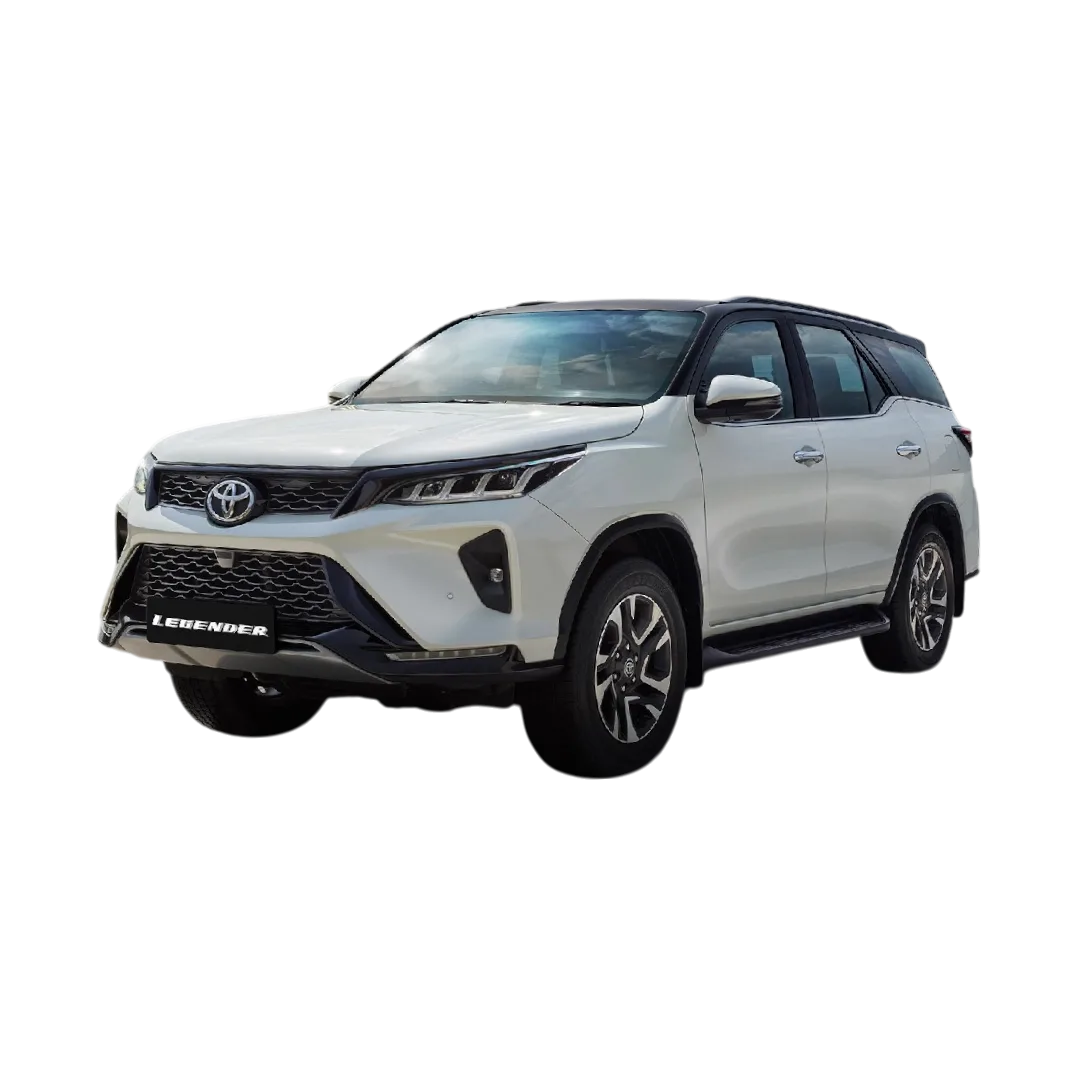 Fortuner Legender
 Vellfire
 Land Cruiser
 Glanza
 Etios
Etios
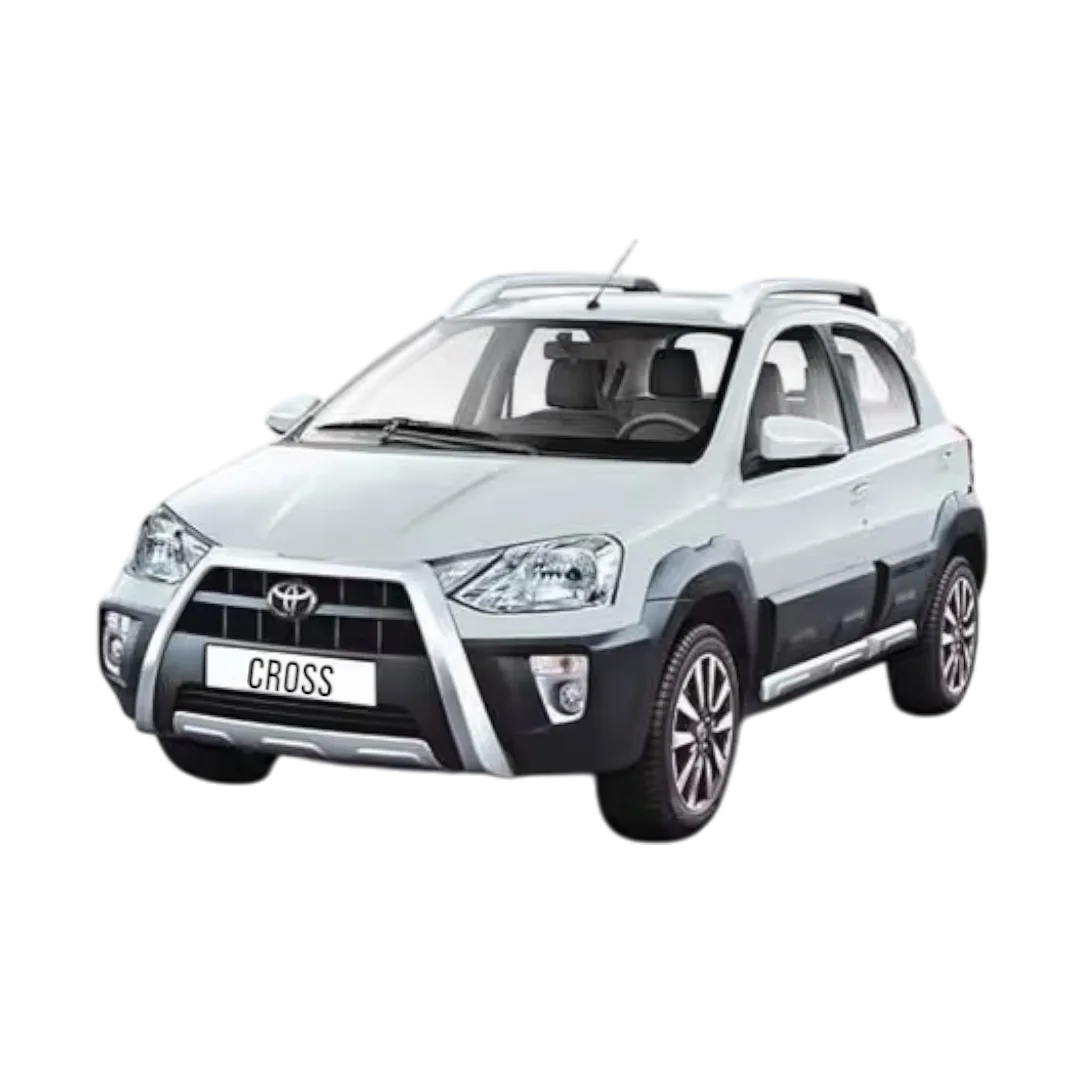 Etios cross
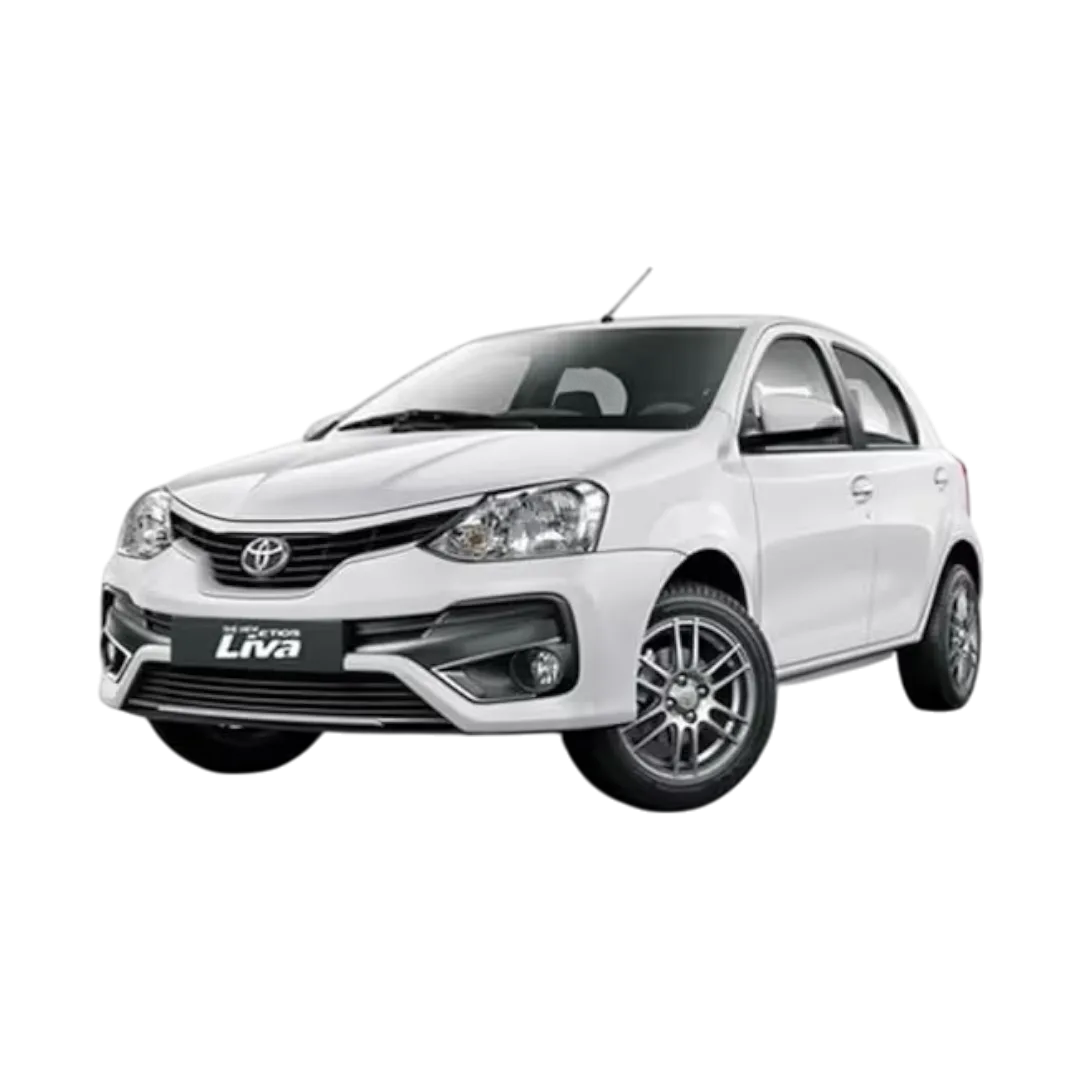 Etios Liva
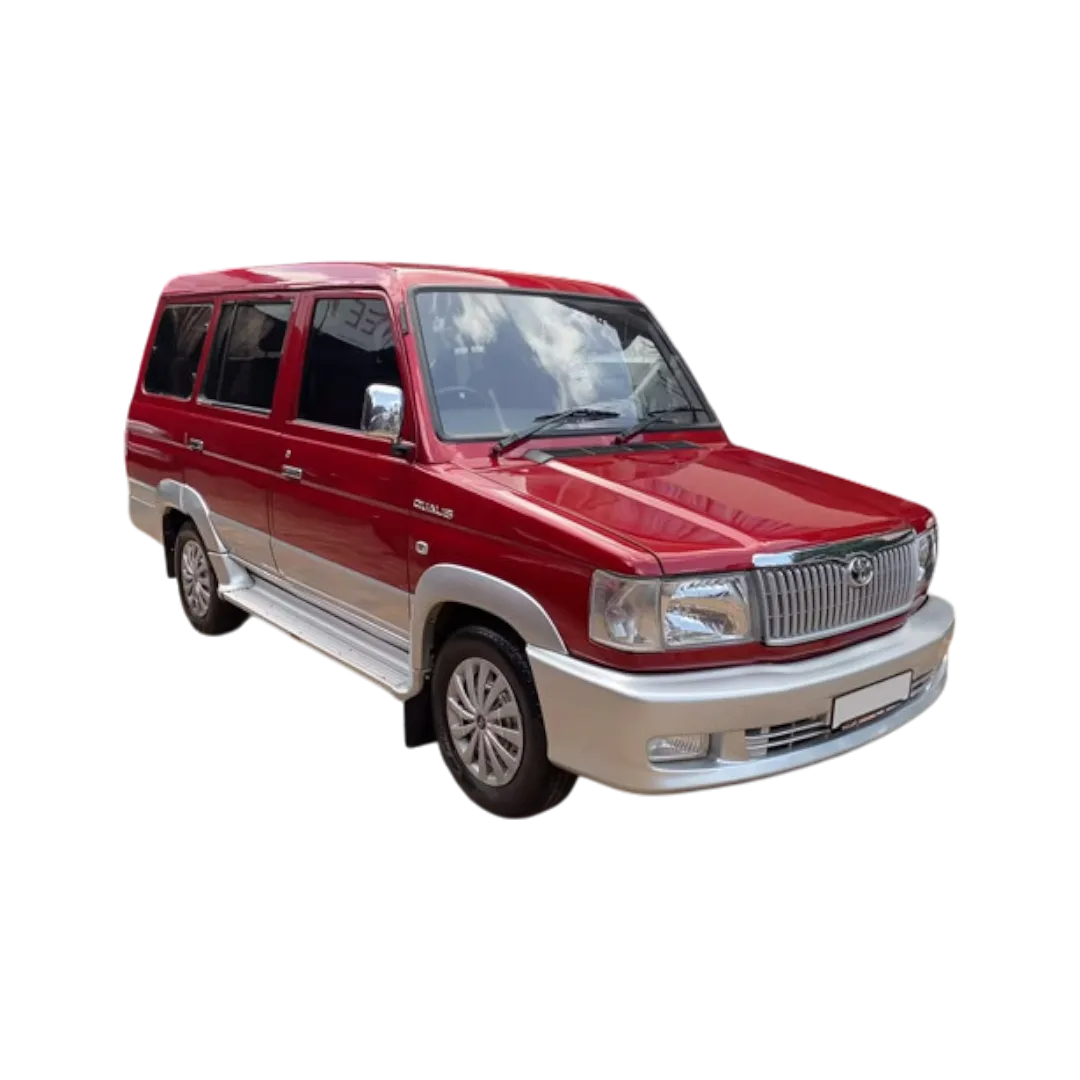 Qualis
 Innova
 Rumion
Taisor
Corolla Altis
Hyryder
Rumion
Taisor
Corolla Altis
Hyryder
 Bolero
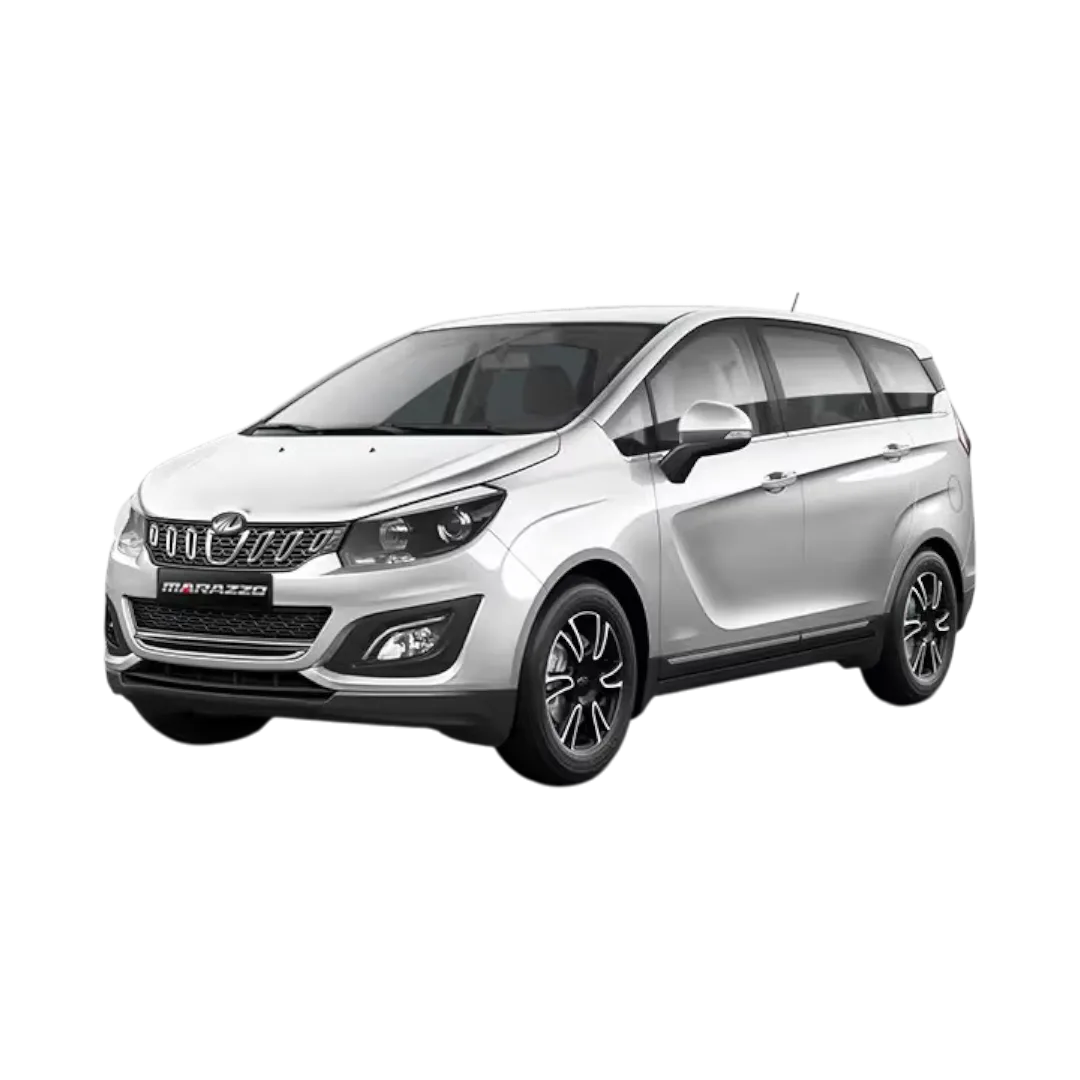 Marazzo
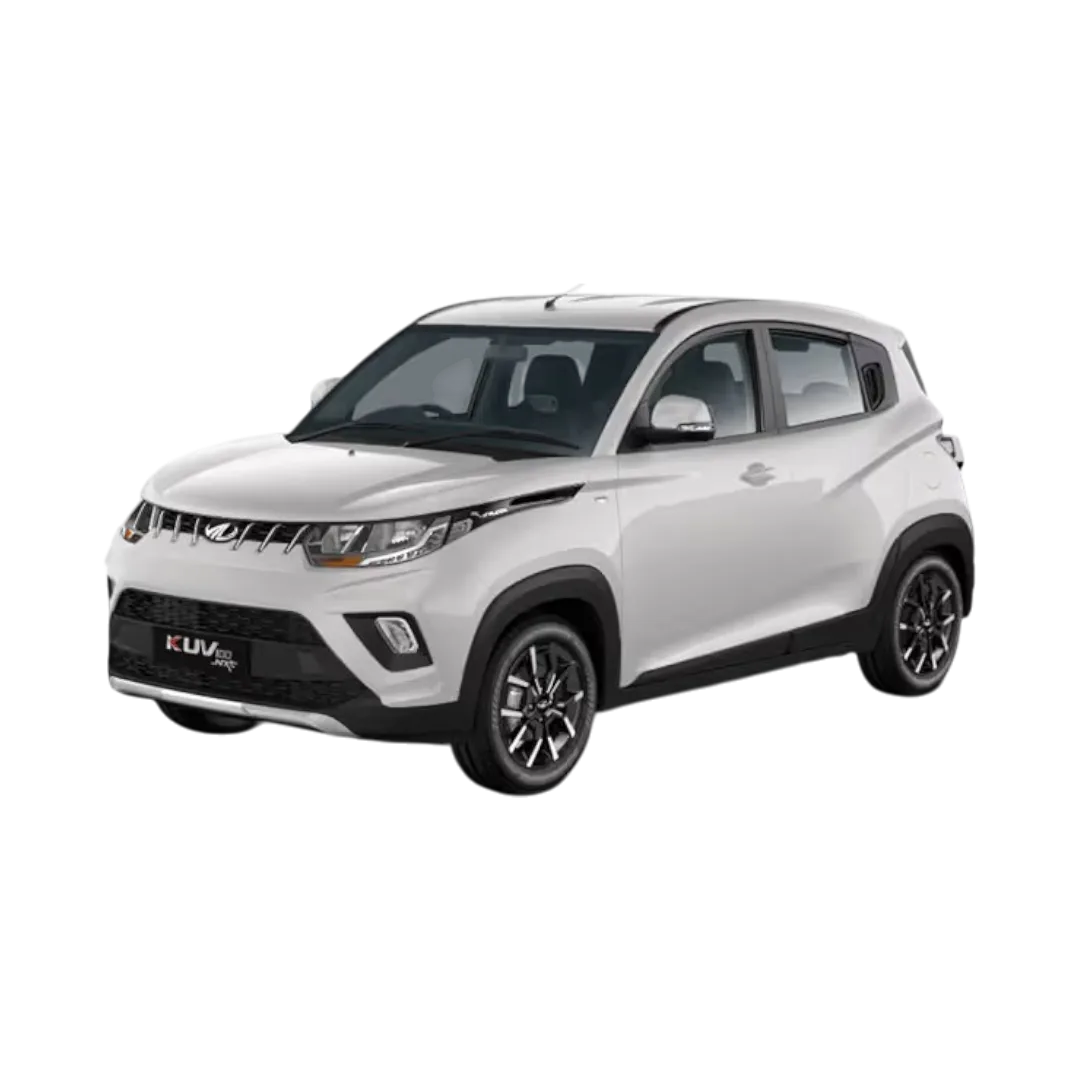 KUV100 NXT
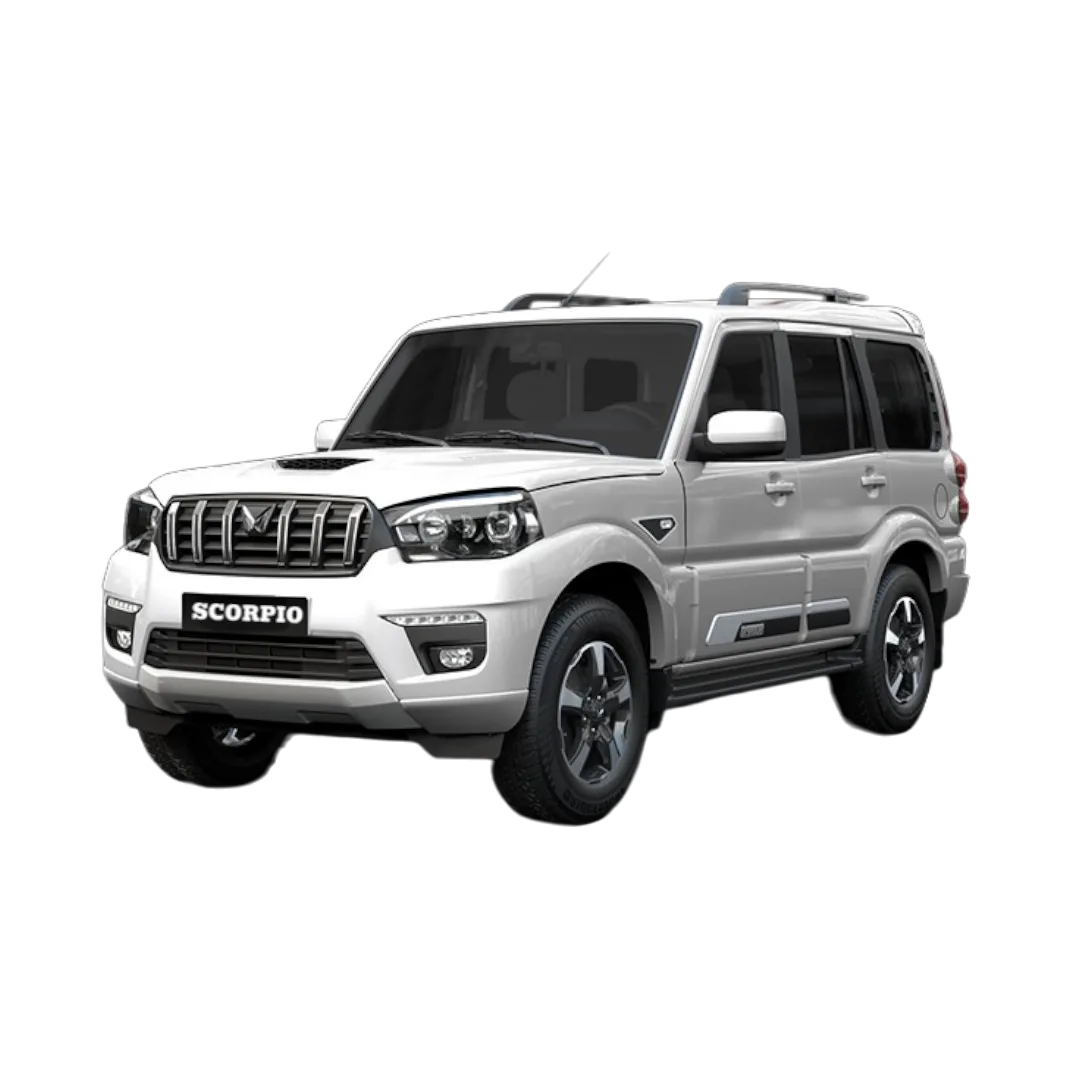 Scorpio
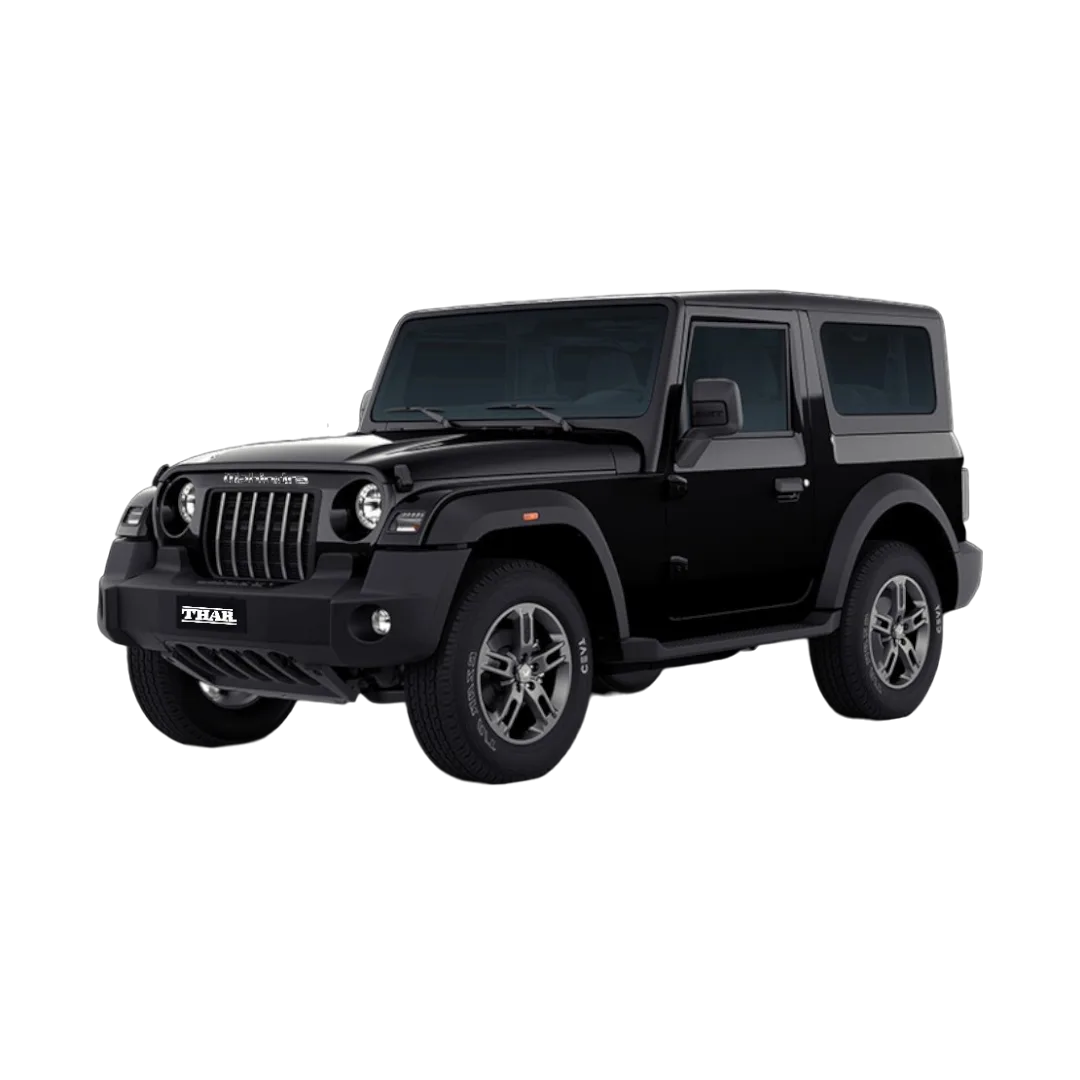 Thar
Thar
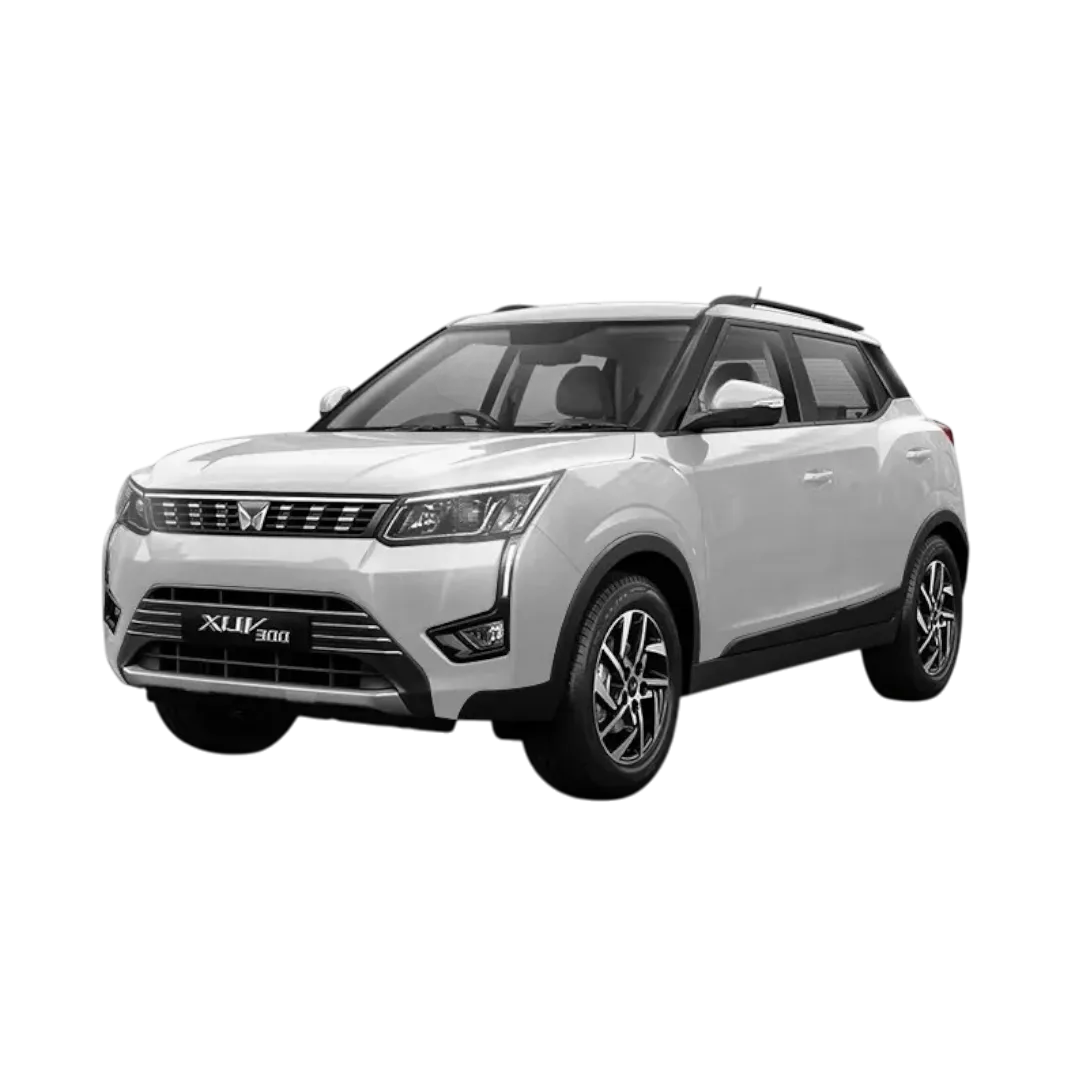 XUV 300
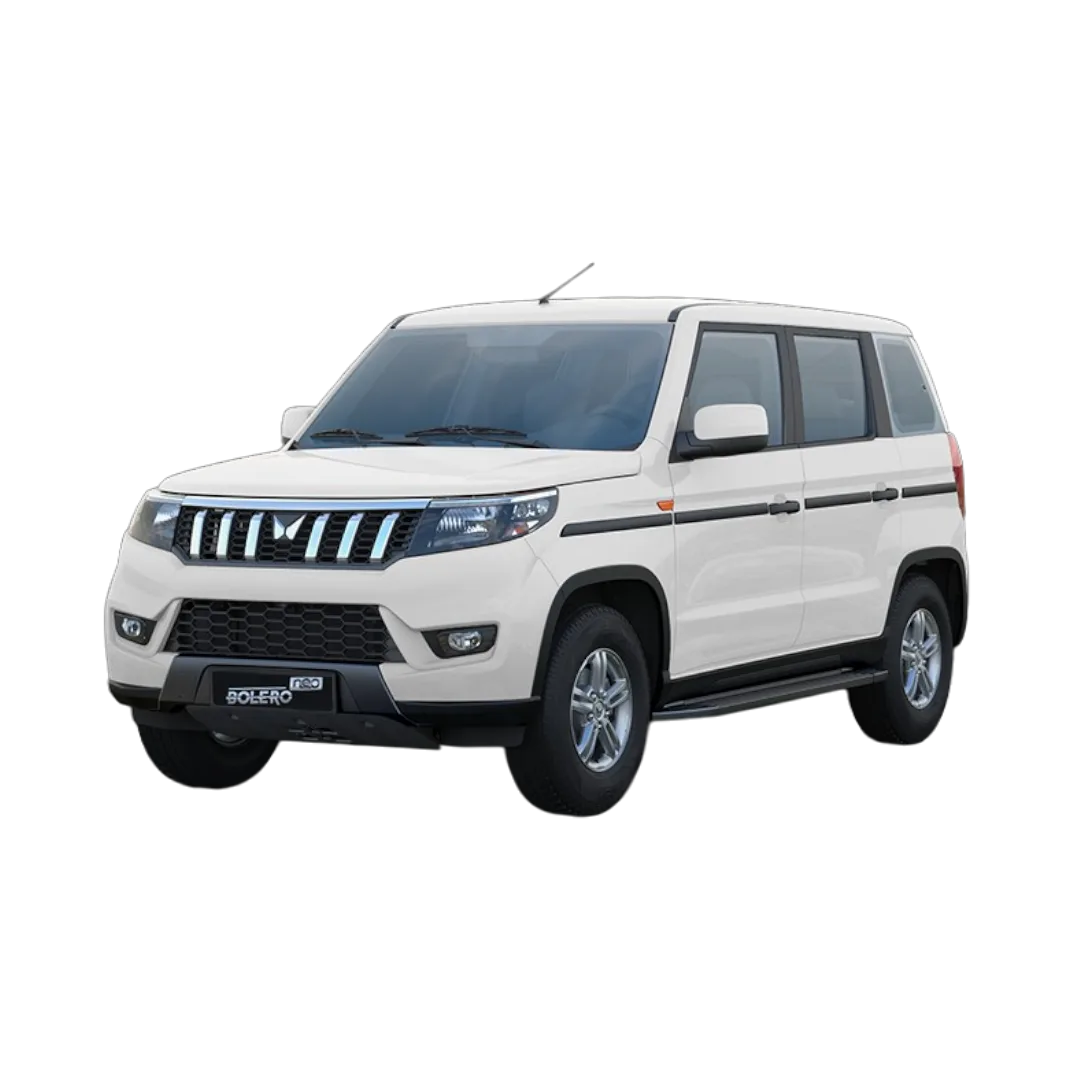 Bolero Neo
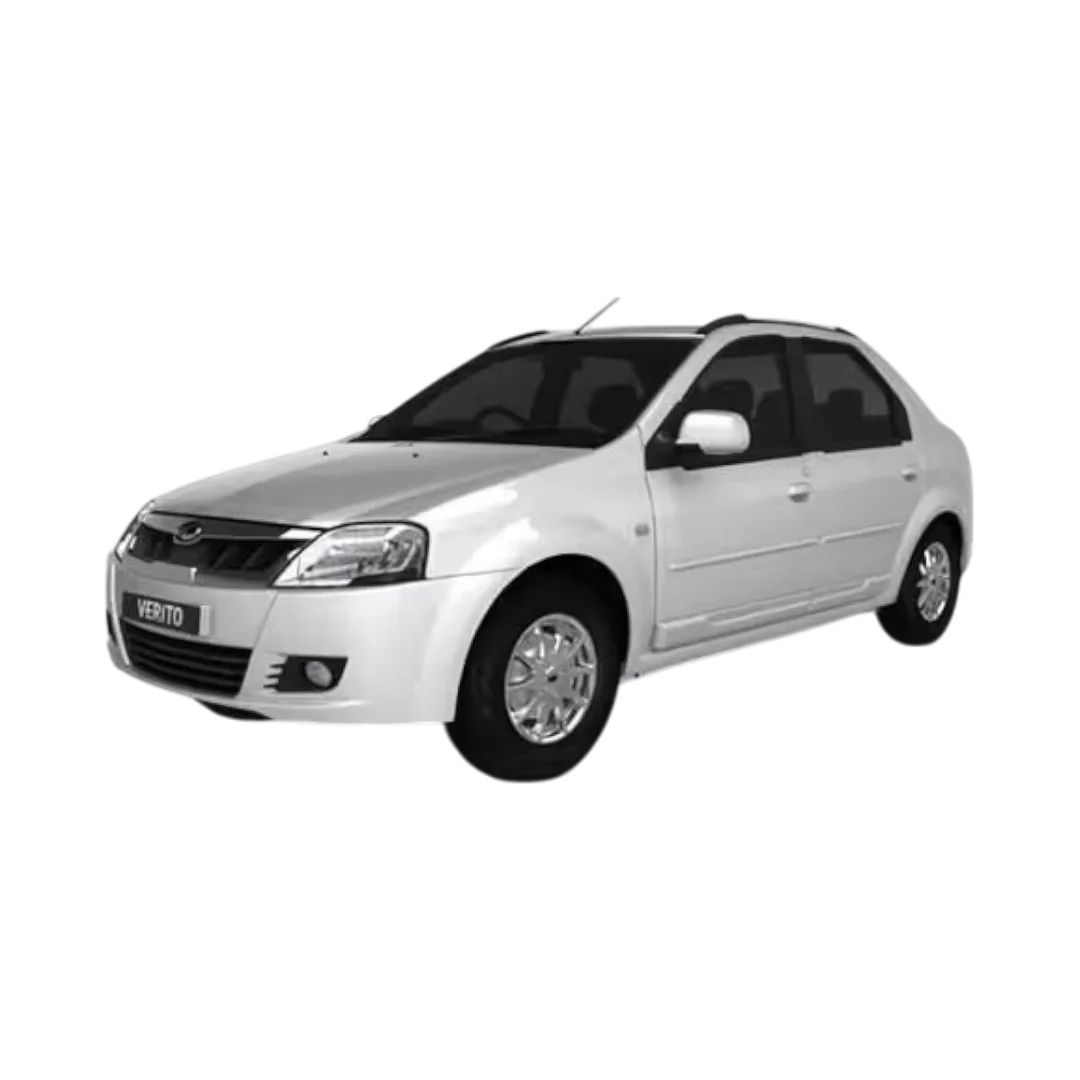 Verito
 Scorpio-N
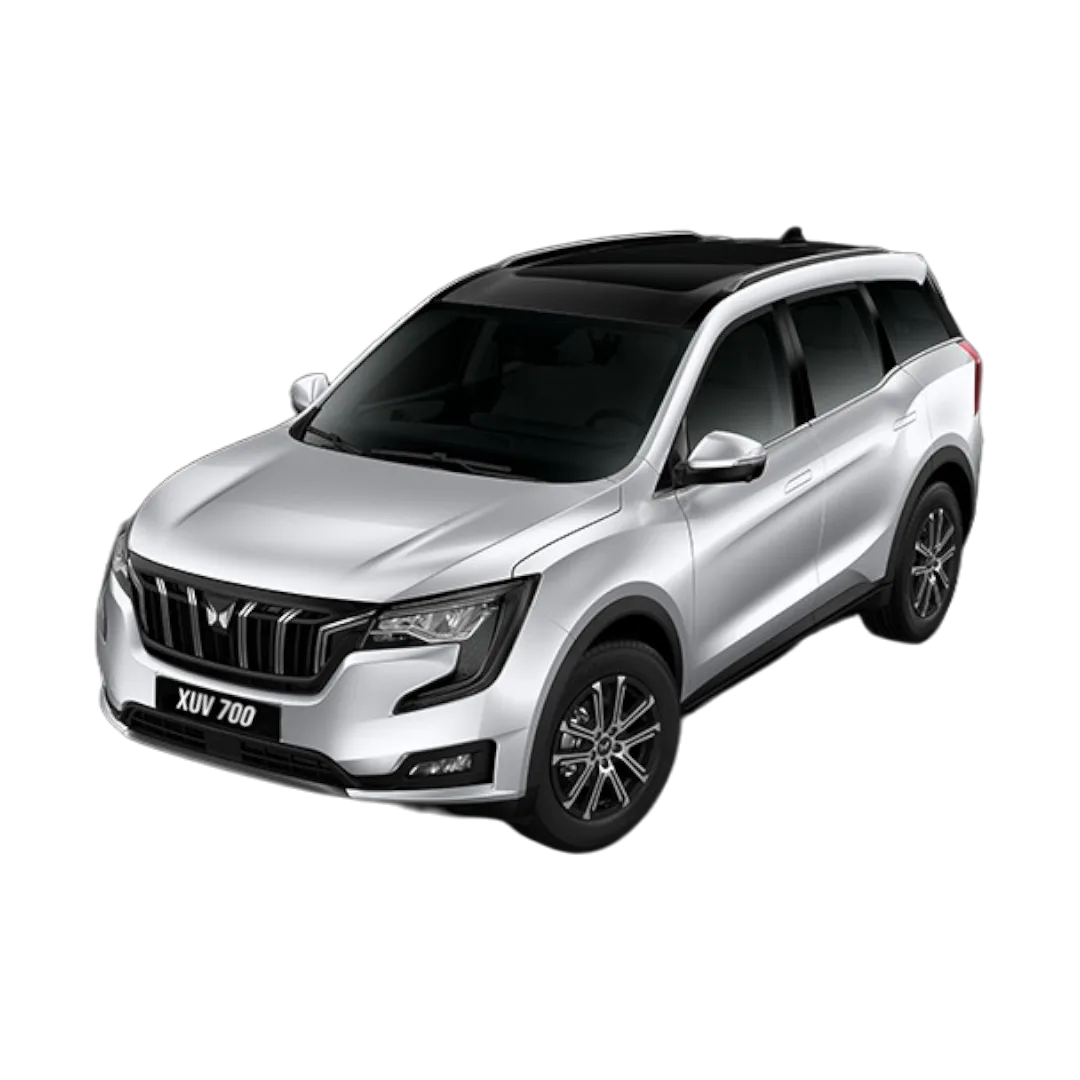 XUV 700
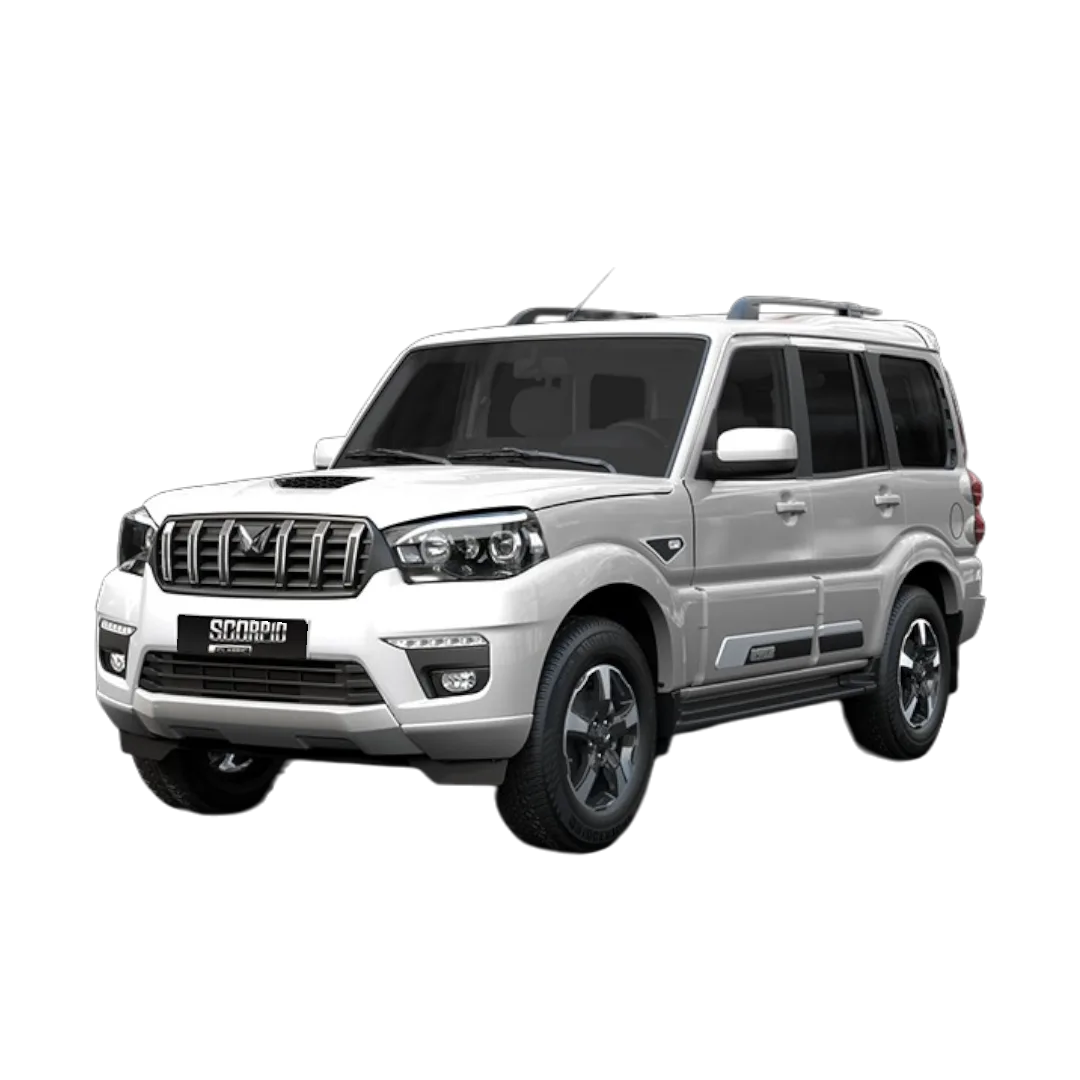 Scorpio Classic
 XUV400
 Alturas
 Xylo
Xylo
 Quanto
 Logan
Logan
 XUV 500
 TUV 300
 XUV 3XO
 KUV 100
NuvoSport
XEV 9e
BE 6
Thar Roxx
E-Verito
XUV 7XO
TUV 100
BE6
Bolero Camper
Verito Vibe
XUV 400
KUV 100
NuvoSport
XEV 9e
BE 6
Thar Roxx
E-Verito
XUV 7XO
TUV 100
BE6
Bolero Camper
Verito Vibe
XUV 400
 Audi Q5
 Audi A4
 Audi Q7
 Audi Q3
 Audi A6
 Audi RS5
 E-Tron GT
 Audi Q8
 E-Tron
 Q3 Sportback
 Audi S5 Sportback
 Q8 E-Tron
 Q8 E-Tron Sportback
 Audi A8L
 Audi RS Q8
 Audi A3
 BMW X7
 BMW X1
 BMW X5
 BMW XM
 BMW Z4
 3 Series
 BMW X3
 BMW iX
 BMW i7
 BMW M2
 7 Series
 2 Series
 BMW i4
 5 Series
 6 Series
 BMW ix1
 M4 Competition
 3 Series Gran Limousine
 M8 Coupe
 BMW M3
 BMW X6
 BMW i5
 BMW X4
 Mercedes Benz GLA
 Mercedes E-Class
 Mercedes S-Class
 Mercedes Benz GLS
 Mercedes Benz C-Class
 Mercedes Benz EQS
 Mercedes Benz GLC
 Mercedes Benz GLE
 Mercedes Benz G-Class
 Mercedes Benz AMG SL
 Mercedes Benz MAYBACH S- Class
 Mercedes Benz EQE-SUV
 Mercedes Benz GLB
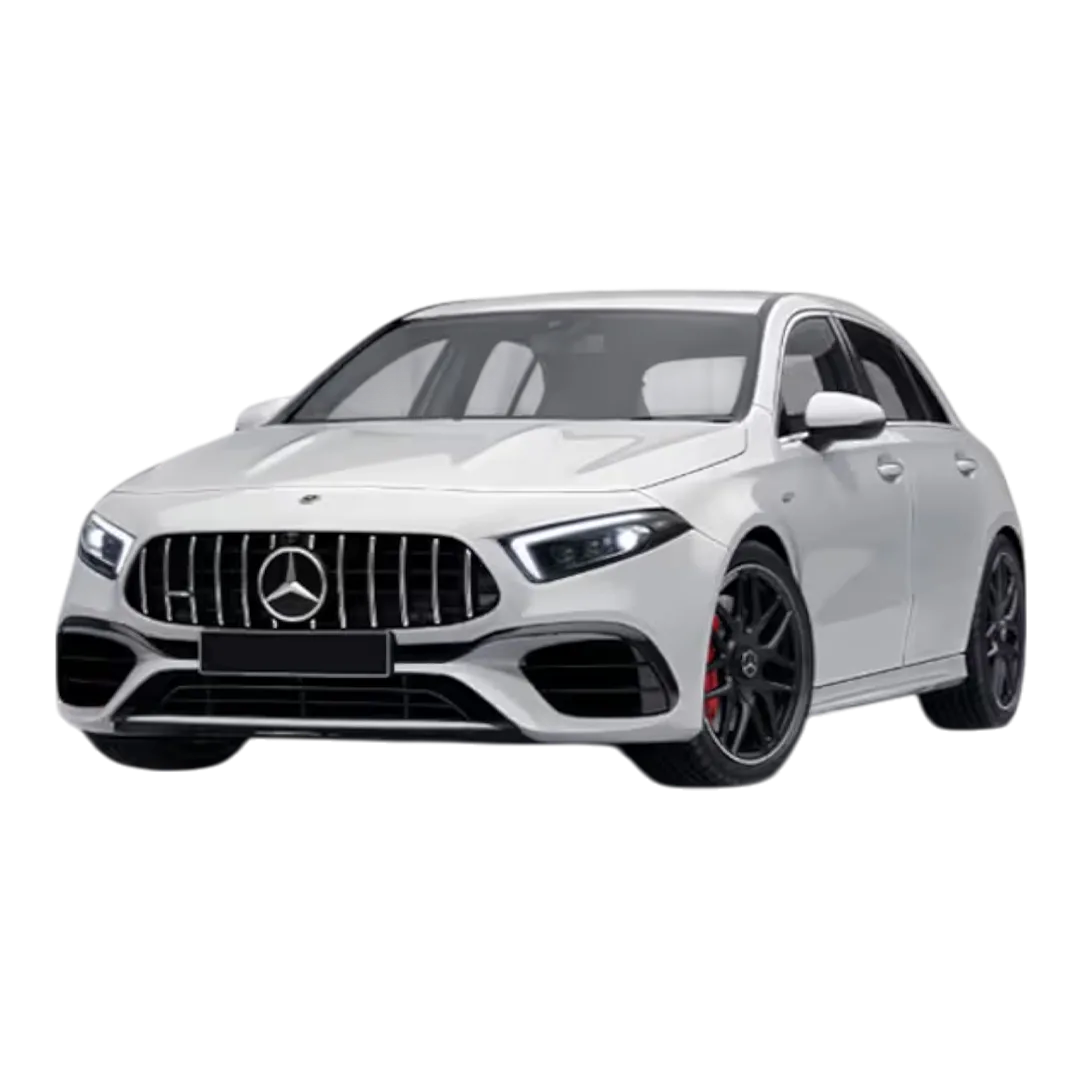 Mercedes Benz AMG A 45 S
 Mercedes Benz AMG GLE S3
 Mercedes Benz EQB
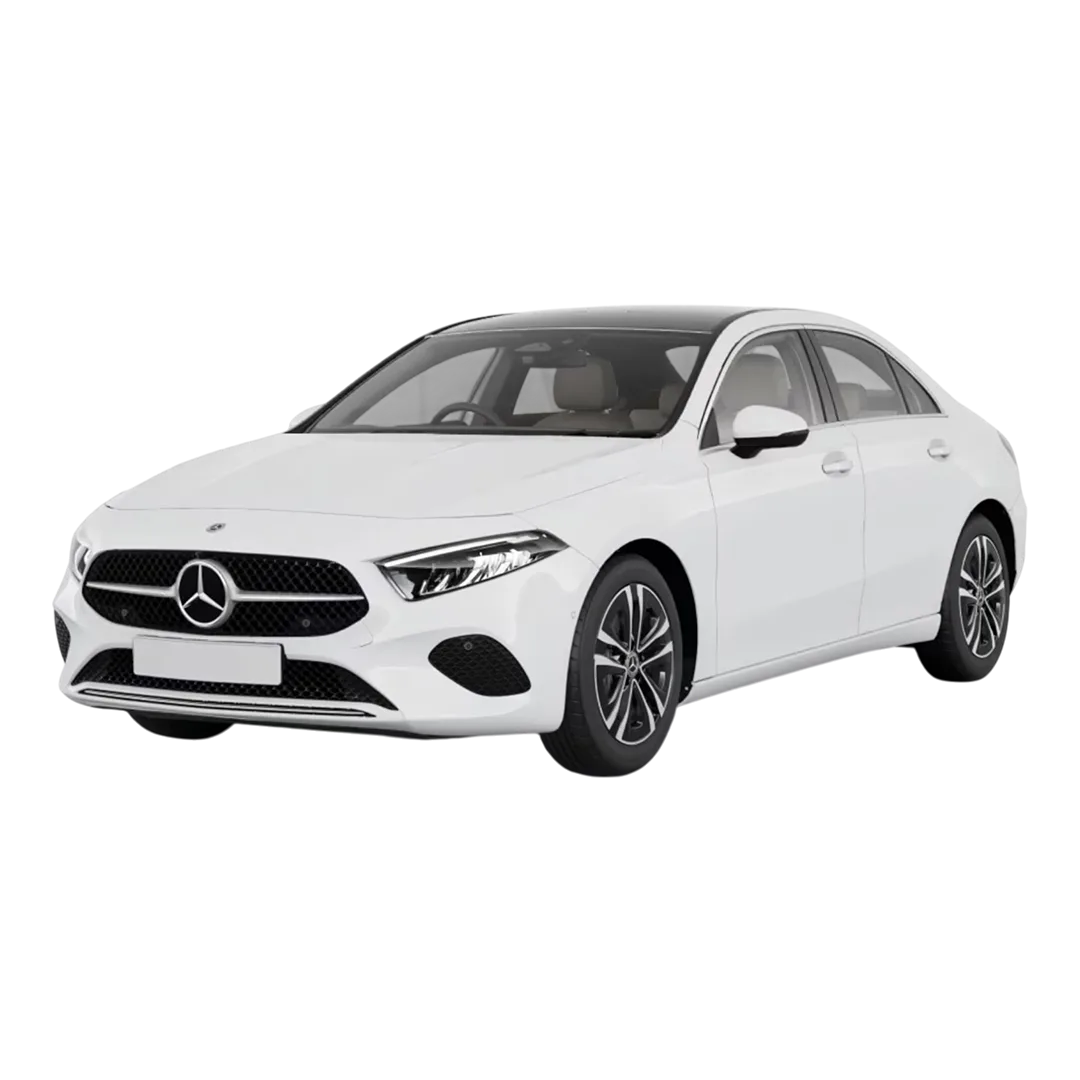 Mercedes Benz A Class limousine
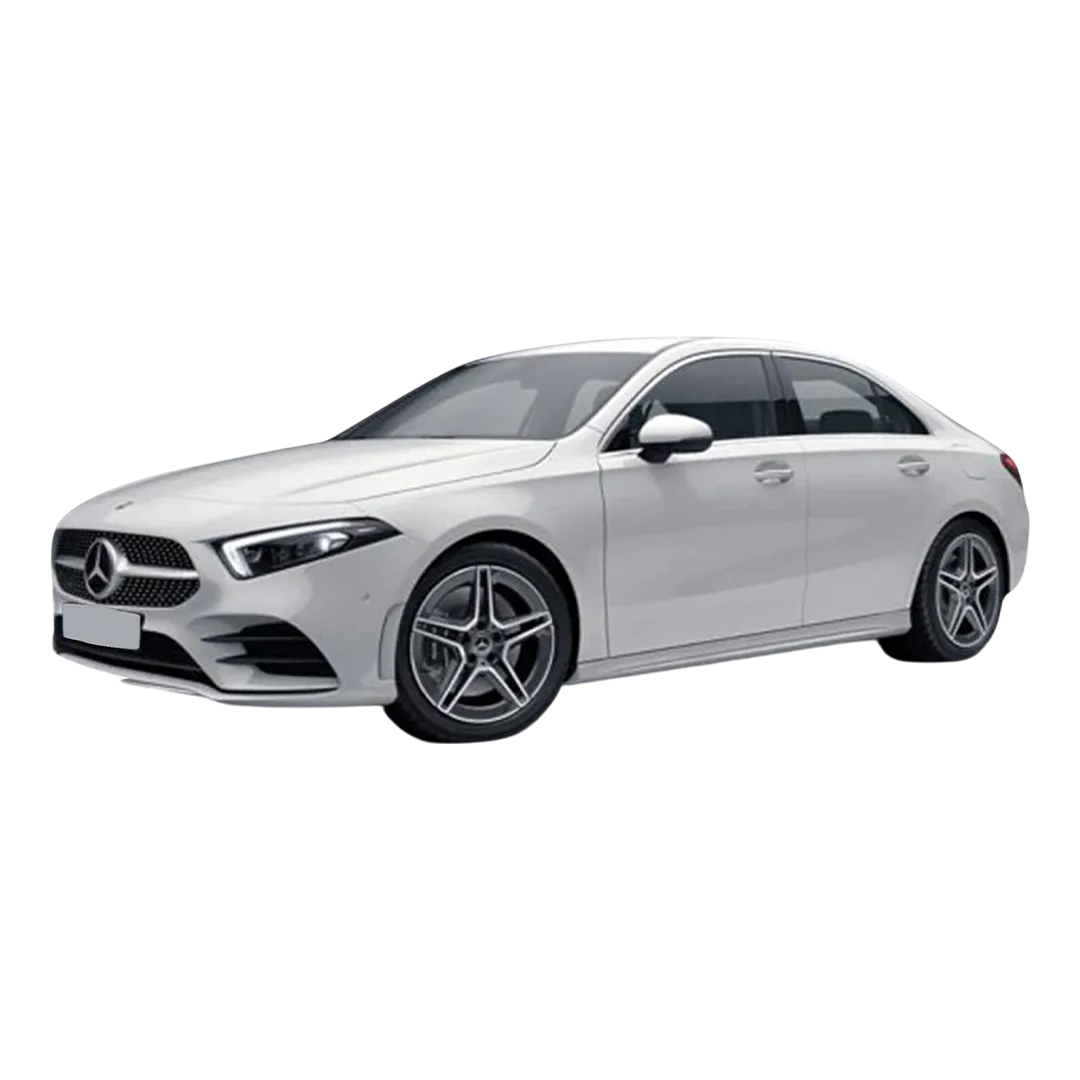 Mercedes Benz AMG A 35
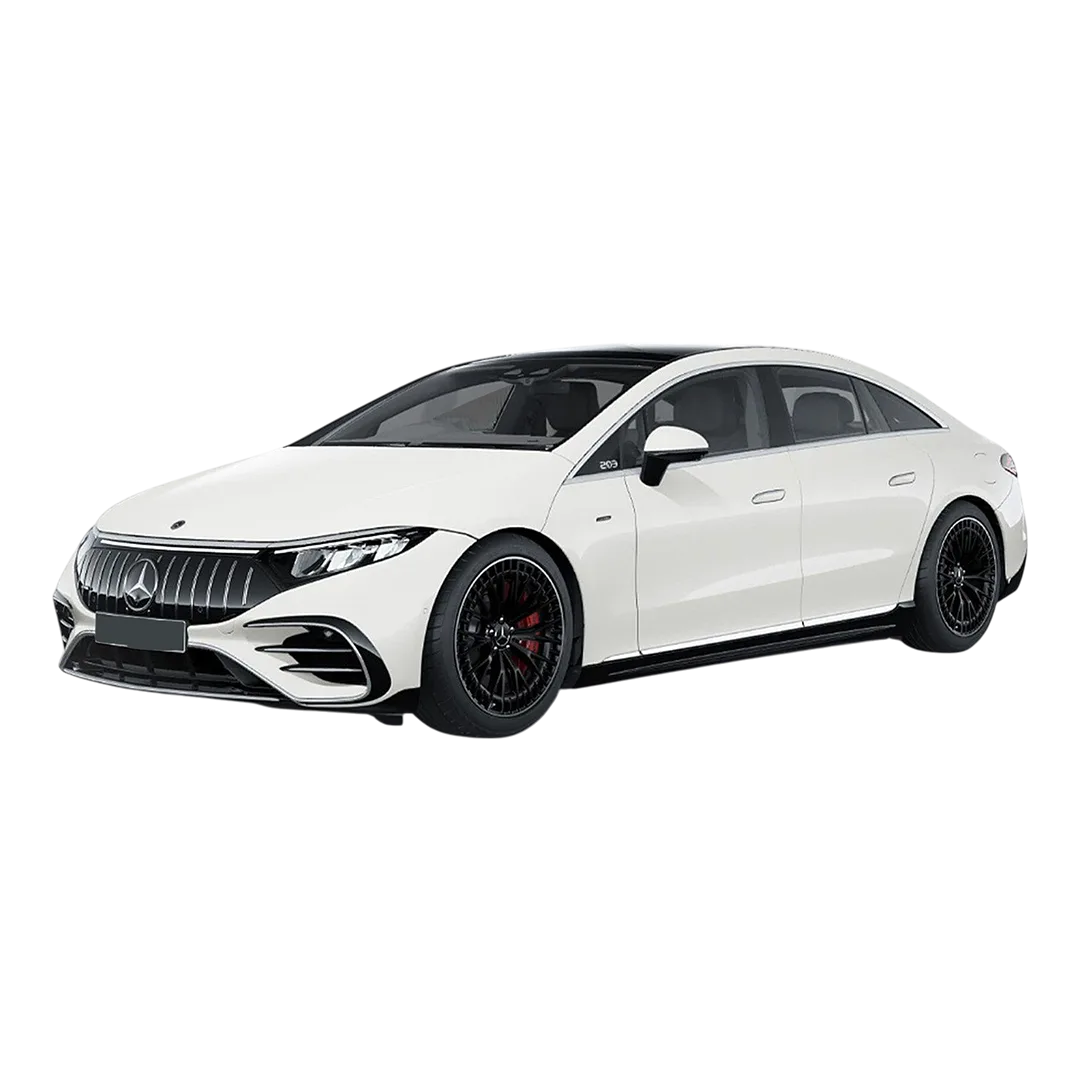 Mercedes-Benz AMG EQS
 Mercedes-Benz AMG E 53 Cabriolet
 Mercedes-Benz AMG GLA 35
 Mercedes-Benz GLC Coupe 2023
 Mercedes M-Class
R-Class
Mercedes M-Class
R-Class
 GLS 600
GLS 400
GLS 350
GLE 300
GLS 600
GLS 400
GLS 350
GLE 300
 GLE 400
GLE 250D
GLE 400
GLE 250D
 GLC 220D
GLC 300
GLC 220D
GLC 300
 GLC 43 Coupe
 GLA 220d
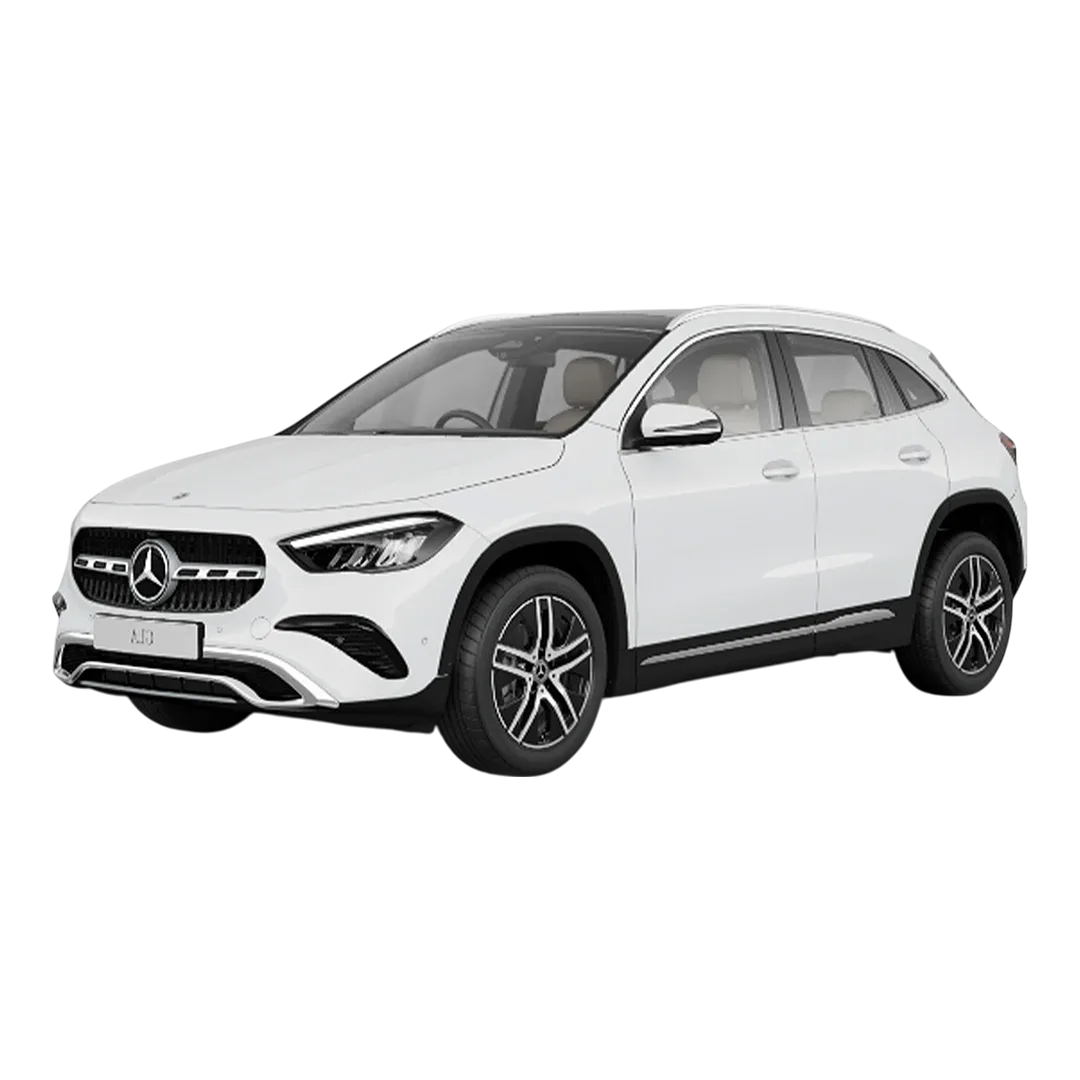 GLA-Class 200D
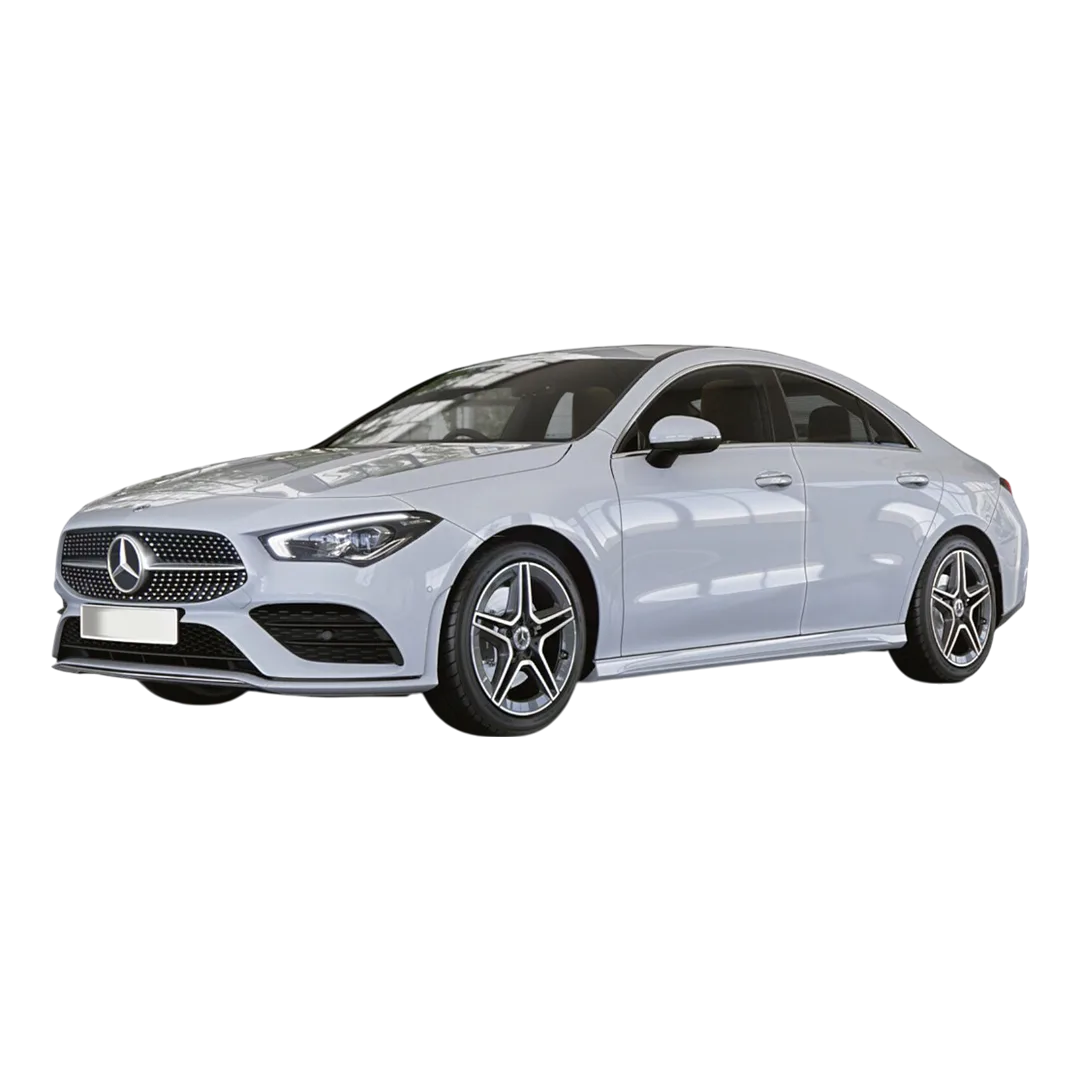 CLA 200
 Benz A-Class A 180
M-Class ML 250
M-Class ML 350
Benz A-Class A 180
M-Class ML 250
M-Class ML 350
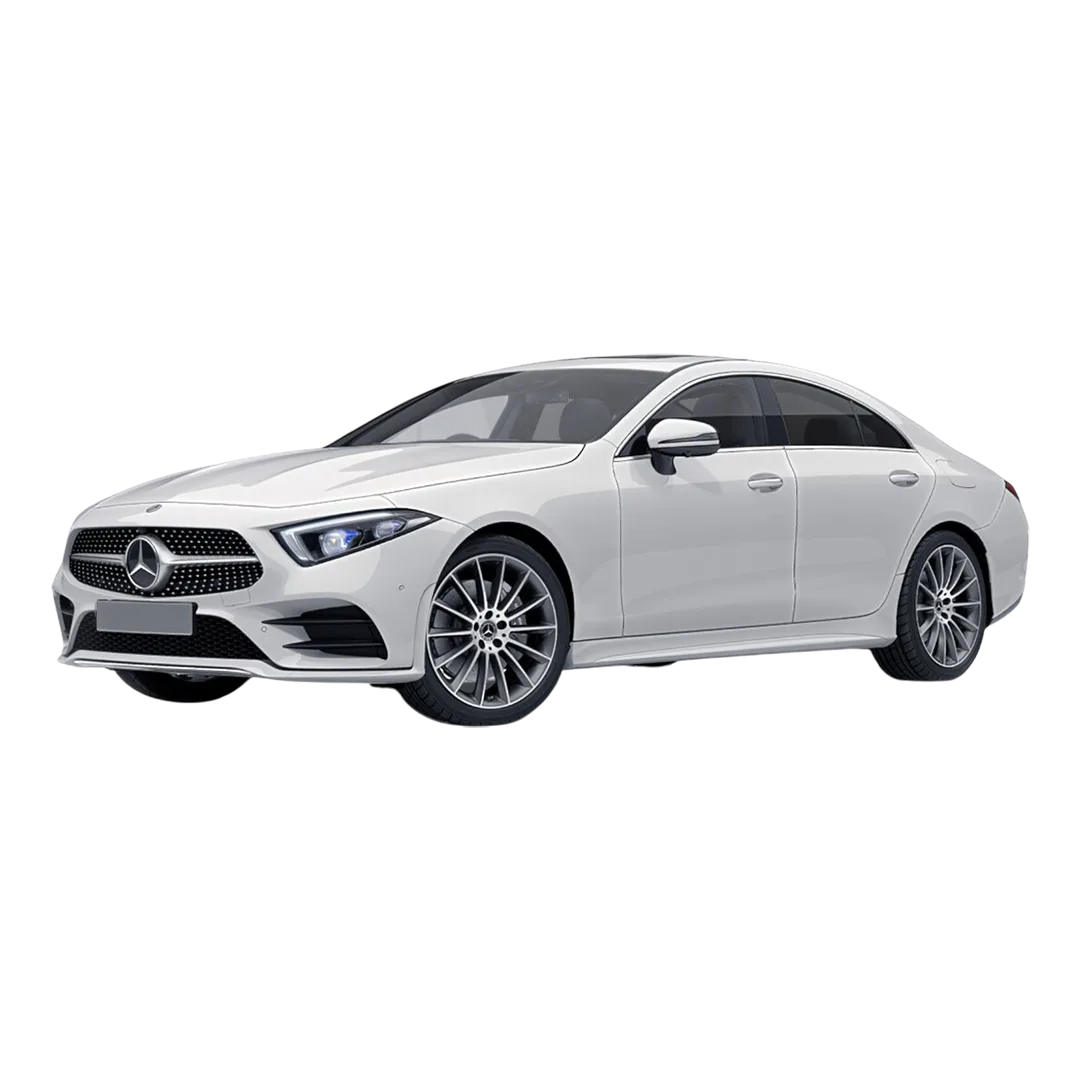 Benz CLS 300
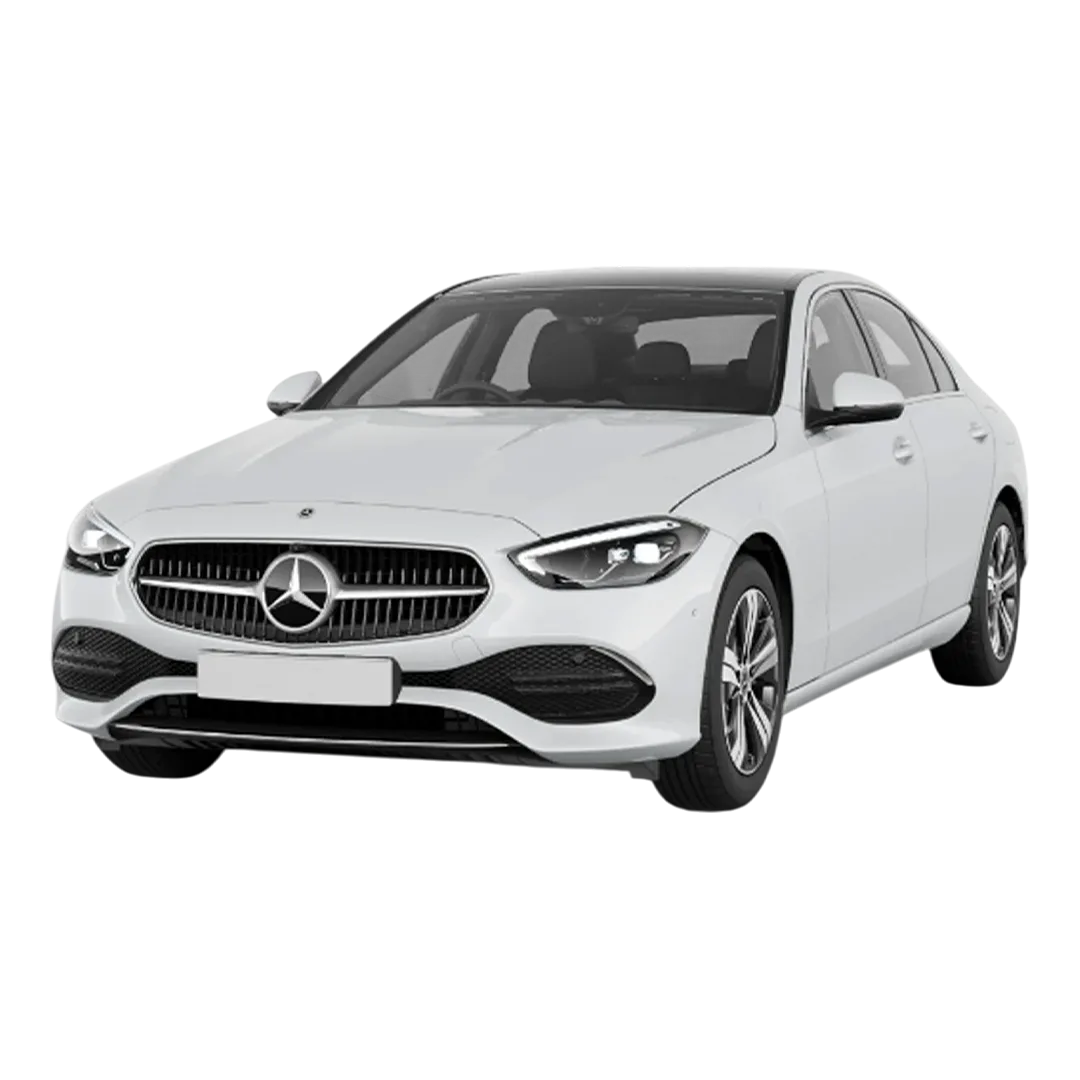 C-Class C250
C-Class C220
C-Class C200
C-Class C250
C-Class C220
C-Class C200
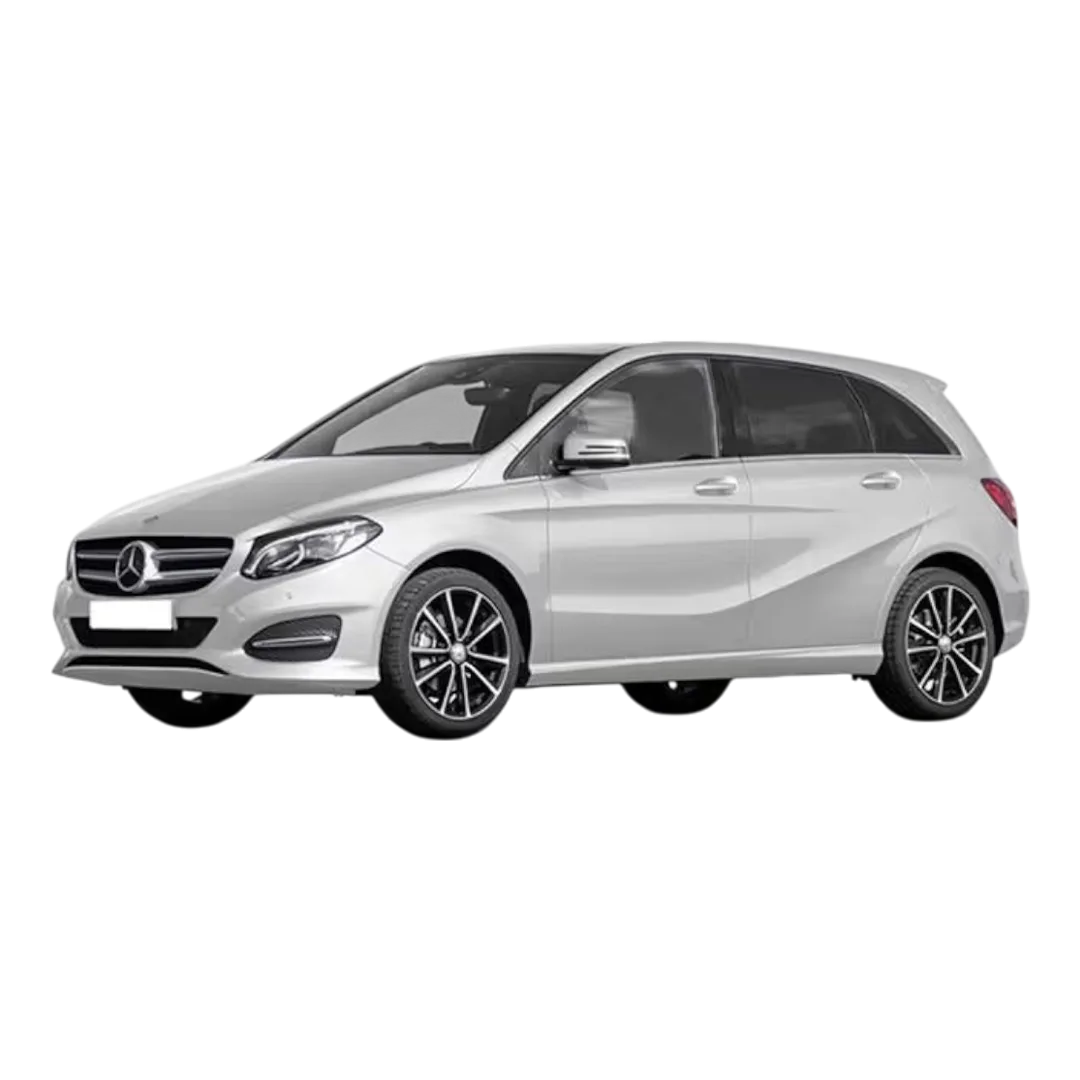 Benz B - Class
Benz A - 200
Benz B - Class
Benz A - 200
Let’s face it-cars come with a lot of “advice,” and not all of it holds up today. From old-school habits like warming up your engine for minutes to assumptions about fuel, maintenance, and performance, many drivers still rely on outdated or misleading information. That’s where understanding car myths vs facts becomes crucial.
At Creckk, we believe informed drivers make smarter, safer, and more cost-effective decisions. With advancements in automotive technology, what worked 20 years ago may no longer apply. Yet, these myths continue to circulate, often leading to unnecessary expenses, reduced vehicle performance, or even long-term damage.
This guide is designed to cut through the noise. Backed by practical insights, current automotive standards, and real-world experience, we’ll break down 17 of the most common car myths and reveal the truth behind them. Whether you’re a daily commuter or a car enthusiast, knowing these facts will help you maintain your vehicle better and avoid costly mistakes.
So, are you ready to separate fact from fiction and take control of your driving knowledge? Let’s dive in.
When it comes to car myths vs facts, the confusion usually comes from outdated practices mixed with modern technology. Today’s vehicles are smarter, more efficient, and built with advanced systems that don’t always align with old beliefs. Understanding the difference isn’t just helpful-it’s essential.
Below is a quick comparison table to give you a snapshot before we break things down in detail:
| Myth | Fact |
|---|---|
| Warm up car for minutes | 30 seconds is enough |
| Premium fuel improves all cars | Only required engines benefit |
| Change oil every 3,000 miles | Modern cars go longer |
| Bigger cars are safer | Safety depends on design |
| Red cars get more tickets | Driving behavior matters |
This table is just the tip of the iceberg. Let’s dig deeper into each myth and uncover the truth behind it.
Fact: Modern Cars Don’t Need Long Warm-Ups
Back in the day, warming up your car was essential-especially for carbureted engines. But modern fuel-injected vehicles? Totally different story. Today’s engines are designed to perform efficiently almost immediately after starting.
Letting your car idle for several minutes doesn’t improve performance; in fact, it wastes fuel and increases emissions. According to automotive experts, the best approach is simple: start your car, wait about 30 seconds, and drive gently until the engine reaches optimal temperature.
From an EEAT perspective, trusted automotive sources like AAA and Consumer Reports confirm this shift in practice. So, if you’re still idling your car every morning, it might be time to break that habit.
Fact: It Only Benefits Specific Engines
Here’s a common misconception-premium fuel equals better performance. Sounds logical, right? Not quite.
Premium fuel is designed for high-performance engines that require higher octane levels. If your car doesn’t specifically recommend it, using premium fuel won’t improve speed, efficiency, or longevity. Instead, it simply costs more.
At Creckk, we always suggest checking your owner’s manual before choosing fuel. It’s a small step that can save you a surprising amount over time.
Fact: Many Cars Can Go Much Longer
The “3,000-mile rule” has been around forever-but it’s outdated. Modern engines and synthetic oils can often last between 5,000 to 10,000 miles before needing a change.
Over-changing your oil doesn’t harm your car, but it does waste money. Manufacturers now provide accurate intervals based on engine design and oil type, so it’s best to follow those recommendations.
Fact: Safety Depends on Design, Not Just Size
While larger vehicles may offer some physical advantages, safety isn’t just about size. Features like airbags, electronic stability control, and crash-test ratings play a much bigger role.
In fact, many compact cars today outperform larger vehicles in safety tests. Always check ratings from trusted organizations like NHTSA or IIHS before making assumptions.
Fact: Color Has Nothing to Do with It
This myth has been floating around for years, but there’s no evidence to support it. Traffic violations are based on driving behavior-not vehicle color. So, whether your car is red, black, or neon green, it’s your driving habits that matter most.
Fact: Temperature Has Minimal Impact
The idea here is that cooler temperatures mean denser fuel. While technically true, modern fuel pumps and storage systems minimize these differences. In real-world terms, the savings are negligible. Focus on fuel efficiency instead-it’ll make a much bigger difference.
Fact: Independent Mechanics Can Be Just as Good
Dealerships aren’t your only option. Many independent mechanics are certified, experienced, and more affordable. Just ensure they use quality parts and follow manufacturer guidelines. A little research goes a long way here.
Fact: It Depends on Your Speed
At lower speeds, open windows are fine. But once you hit highway speeds, they create drag, reducing fuel efficiency. In those cases, using AC is actually more efficient.
Fact: Sometimes You Don’t Need To
Unless you drive an all-wheel-drive vehicle, you may not need to replace all four tires. However, keeping tread levels balanced is important for safety and performance.
Fact: Technology Matters More
Thanks to turbocharging and modern engineering, smaller engines can produce impressive power. It’s no longer just about size—it’s about design.
Fact: It Can Damage the Paint
Dish soap strips away protective wax and can dull your car’s finish. Always use products specifically designed for automotive care.
Fact: Idling Actually Wastes More Fuel
Restarting your engine uses less fuel than prolonged idling. Plus, idling increases engine wear over time.
Fact: Automatics Can Be Just as Efficient Today
Modern automatic transmissions are highly optimized and often match-or even exceed-manual efficiency.
Fact: Follow Manufacturer Recommendations
The correct tire pressure is listed inside your driver’s door-not on the tire itself. Overinflating can reduce traction and safety.
Fact: Different Engines Need Different Oils
Using the wrong oil can impact performance and engine health. Always stick to manufacturer specifications.
Fact: Efficiency Depends on Consistent Speed
Maintaining a steady speed is key. Constant acceleration and braking waste more fuel than driving slightly faster at a consistent pace.
Fact: Maintenance Is Always Essential
Even new cars require regular maintenance. Skipping it can lead to bigger issues down the road.
Here’s the deal-falling for these myths isn’t just harmless. It can actually hit your wallet hard.
Over time, these small mistakes add up. That’s why understanding car myths vs facts is more important than ever.
Tips to Stay Informed and Avoid Car Misconceptions
Want to stay ahead of the curve? Keep these tips in mind:
Staying informed doesn’t take much effort-but it can save you a ton in the long run.
Q: Do modern cars need warming up?
No, a short warm-up is enough.
Q: Is premium fuel necessary?
Only if recommended by the manufacturer.
Q: How often should I change oil?
Usually between 5,000-10,000 miles.
Q: Does idling waste fuel?
Yes, more than restarting.
At the end of the day, understanding car myths vs facts isn’t just about knowledge-it’s about smarter driving, better maintenance, and saving money. With insights from Creckk, you’re now equipped to separate fact from fiction and make confident decisions every time you hit the road.
Drive smart, stay informed, and don’t fall for the myths.