Your cart is empty
Start Shopping Exterior
›
Exterior
›
 Bumper Diffuser/Guard
 Body Covers
 Window Garnishing
 Door Guards
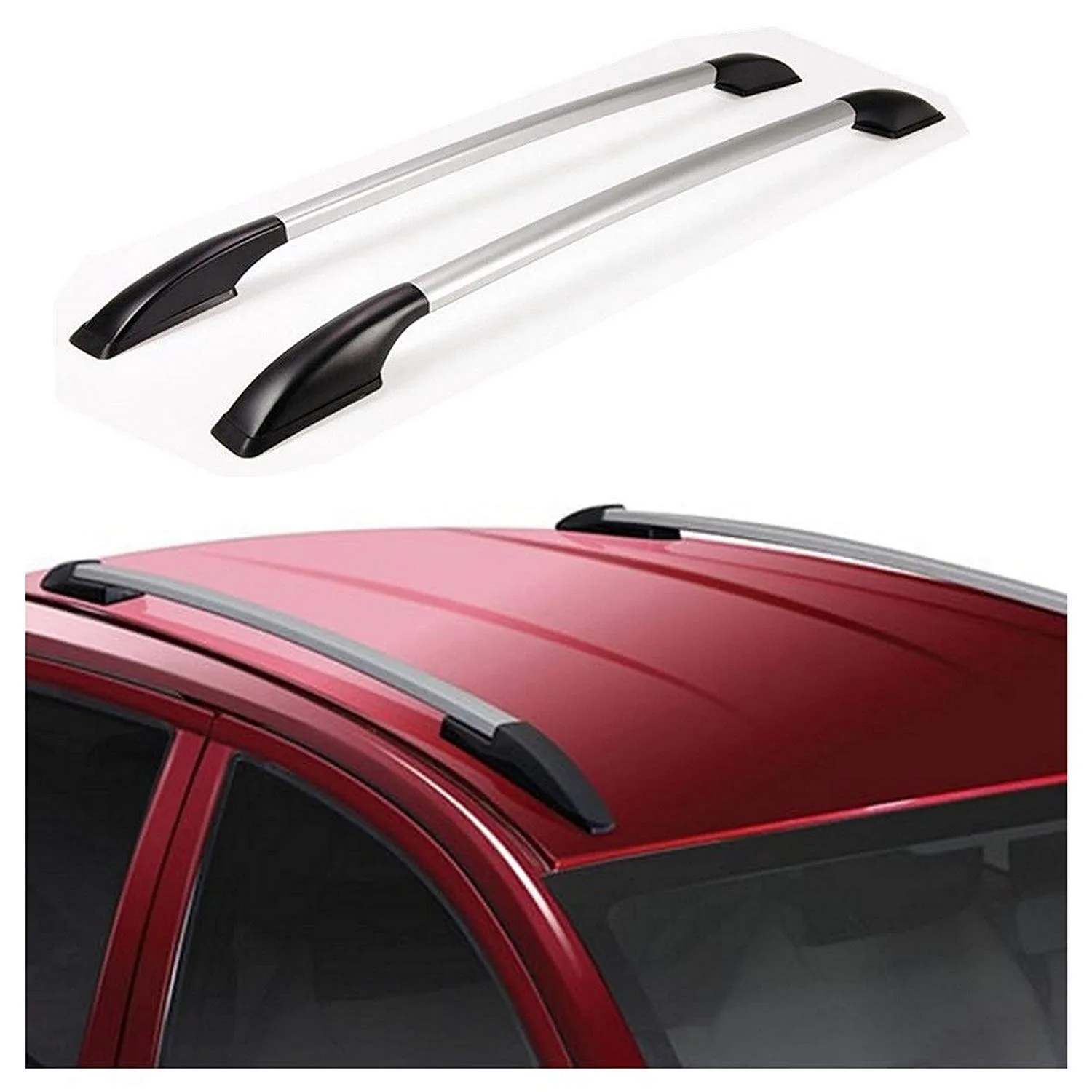 Roof Rails
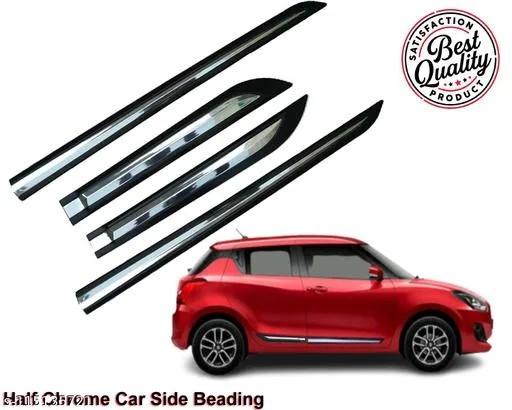 Side Beading
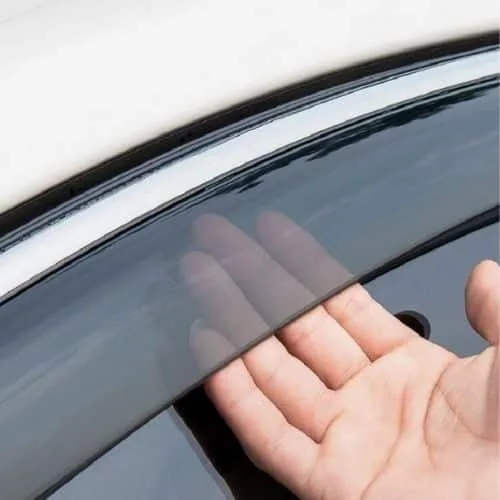 Door Visor
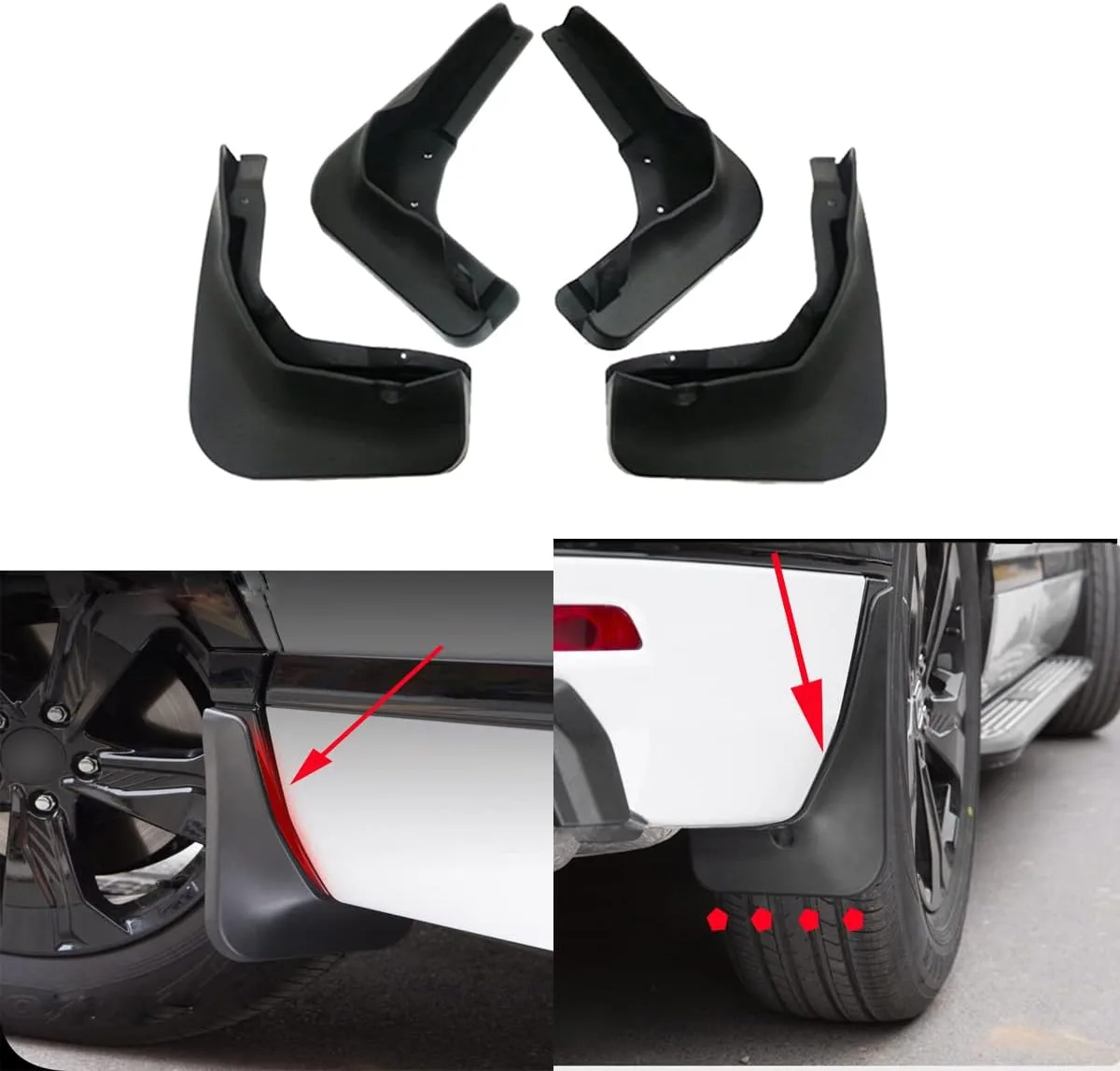 Mud Flap
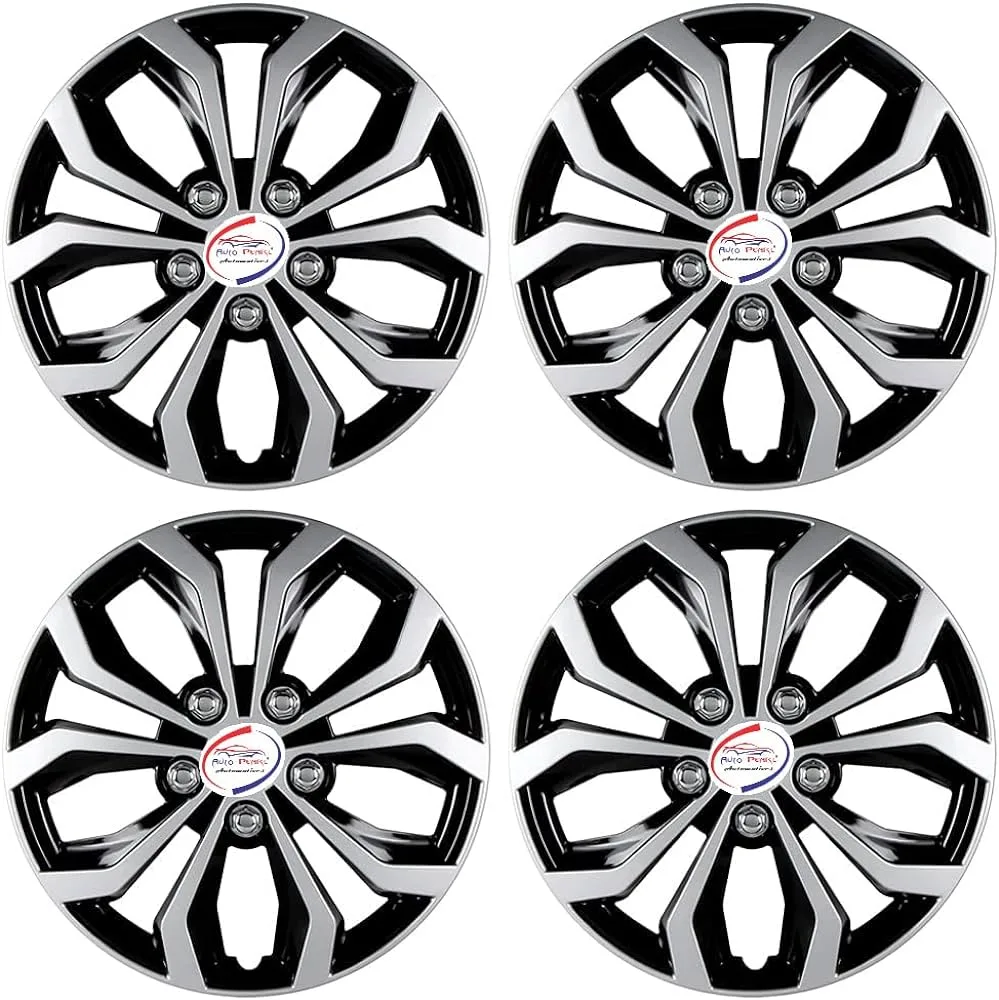 Wheel Cover
 Foot Rest
 Interior
›
Interior
›
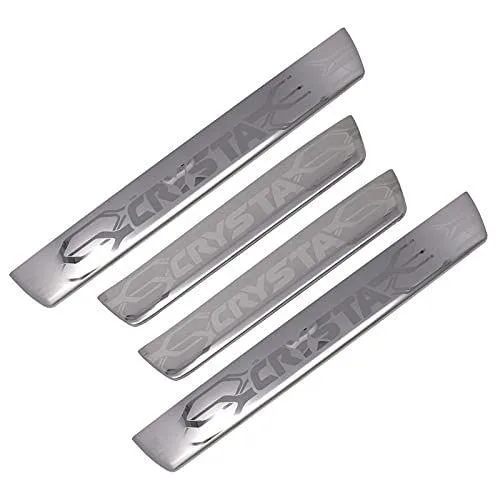 Door Scuff Sill Plates
 Window Sunshades & Film
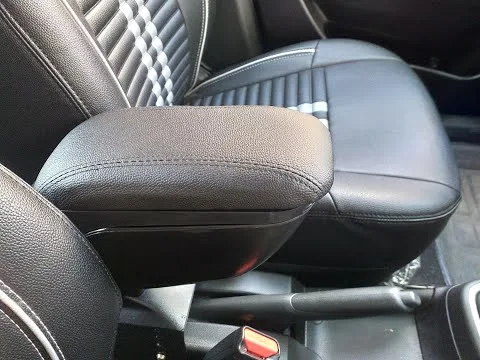 Armrest
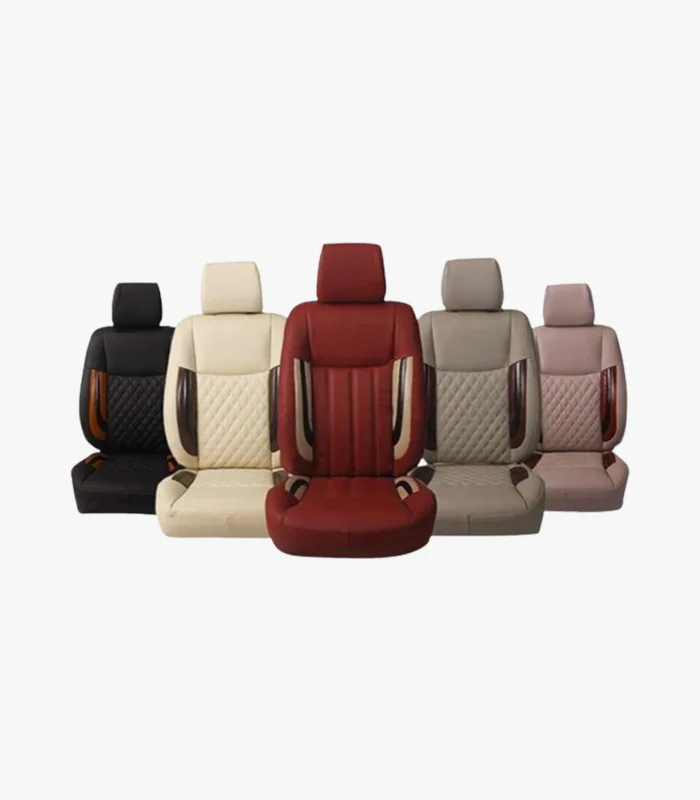 Seat Covers
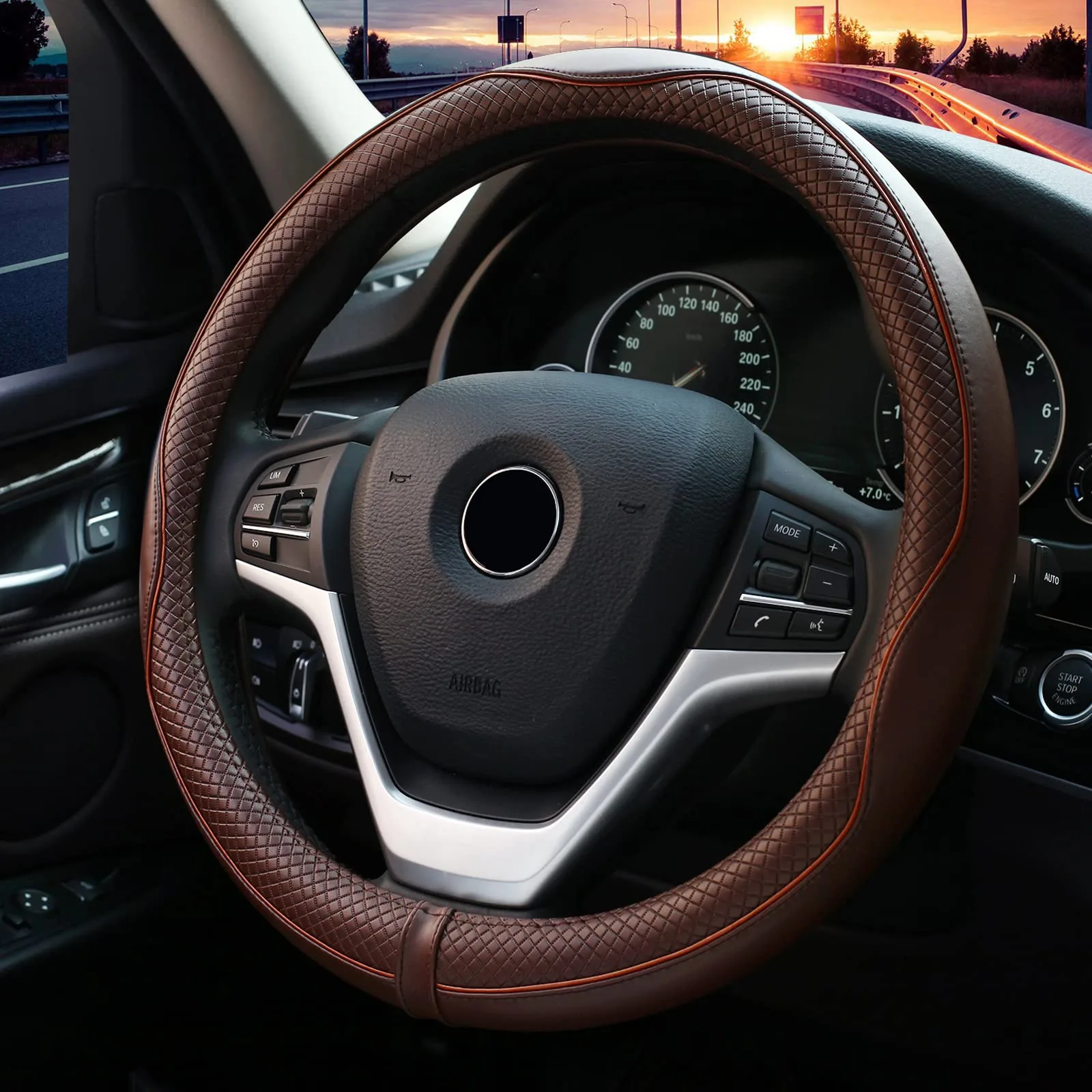 Steering Cover
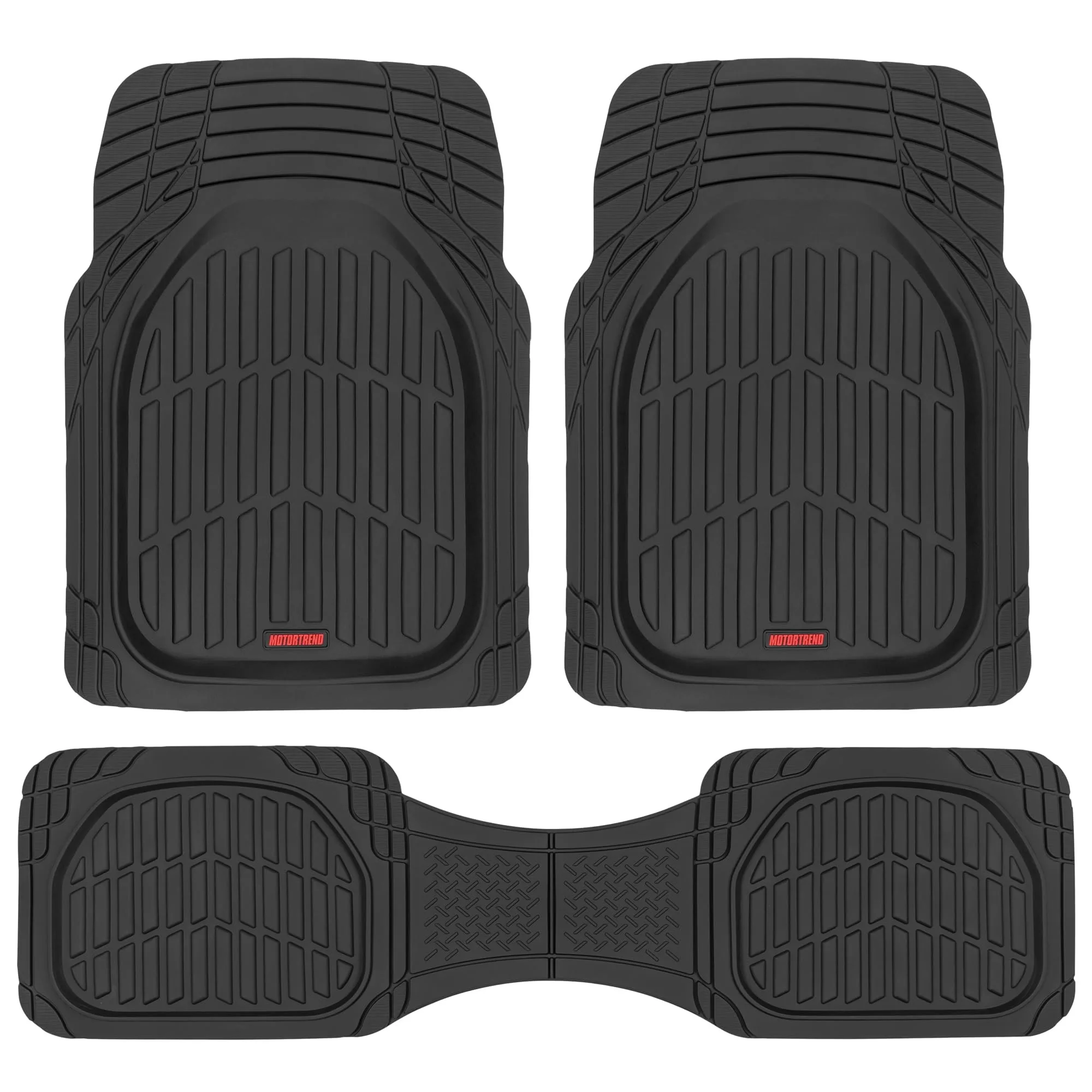 Floor Mats
 Dashboard Showpiece
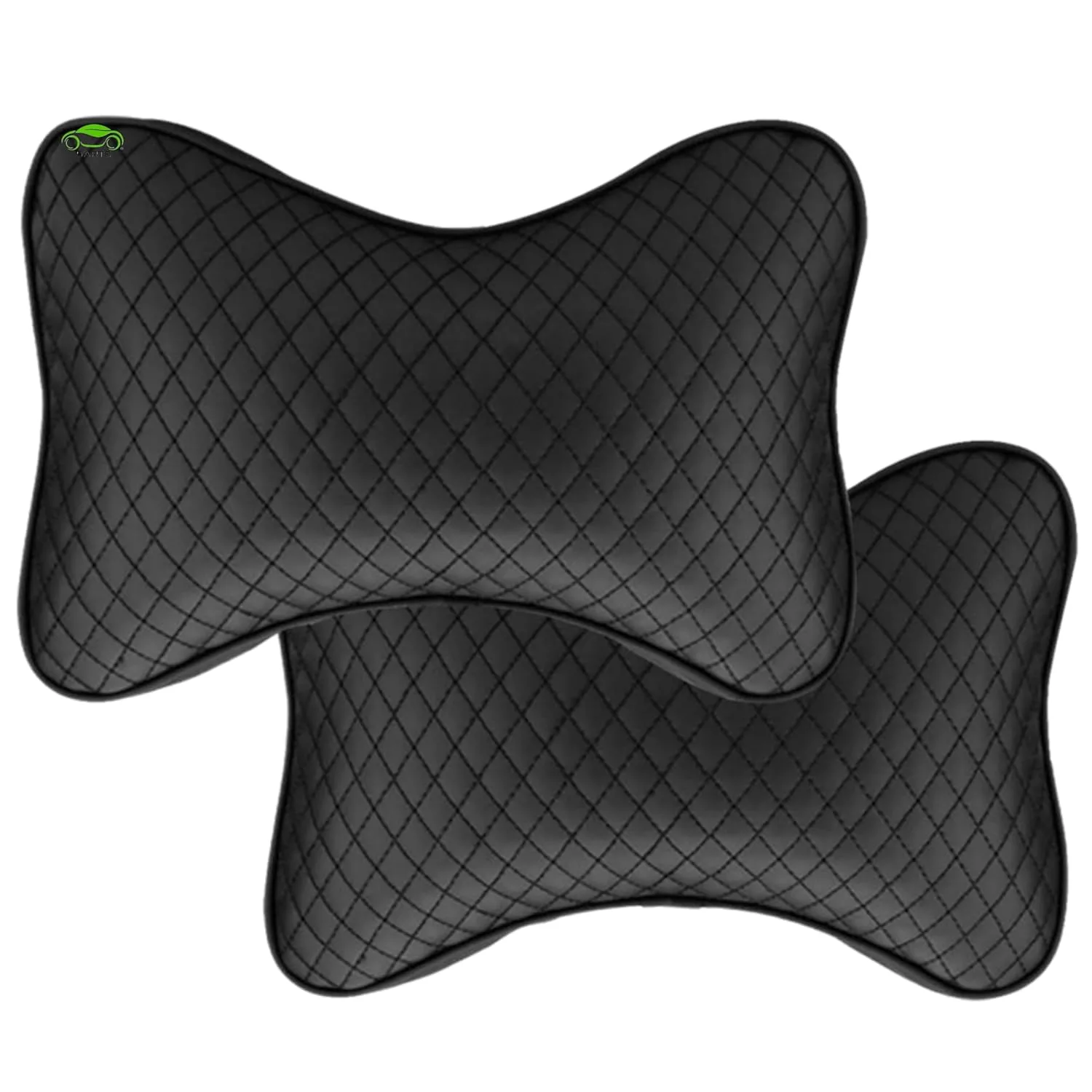 Seat & Neck Cushion
 Lighting
›
Lighting
›
 Utility
›
Utility
›
 All Chrome Items
 Mobile Holder
 Tyre Inflators
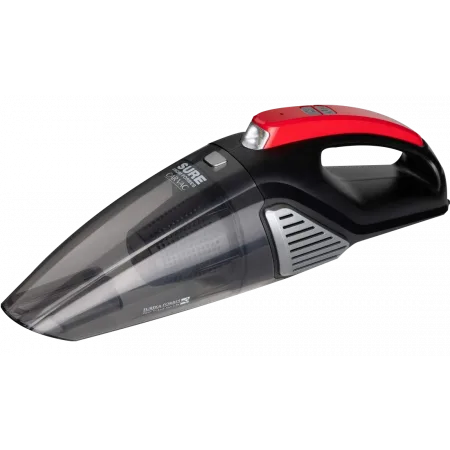 Vacuum Cleaner
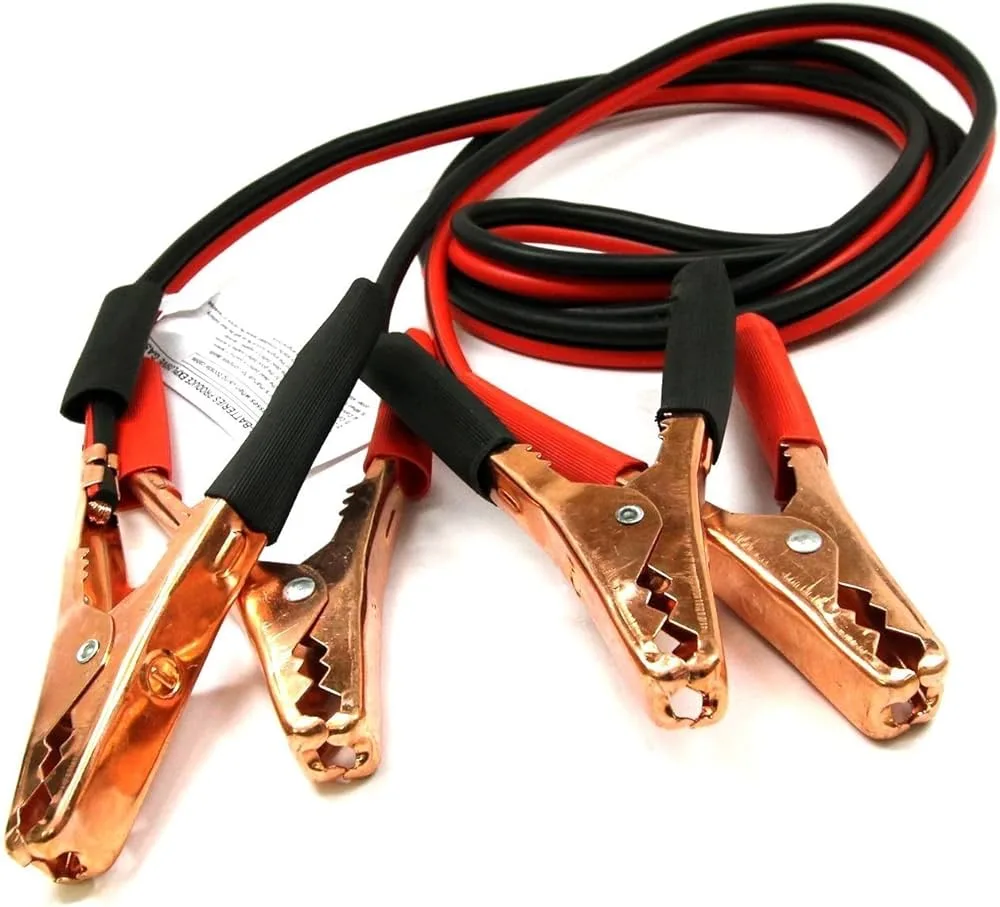 Jumper Cable
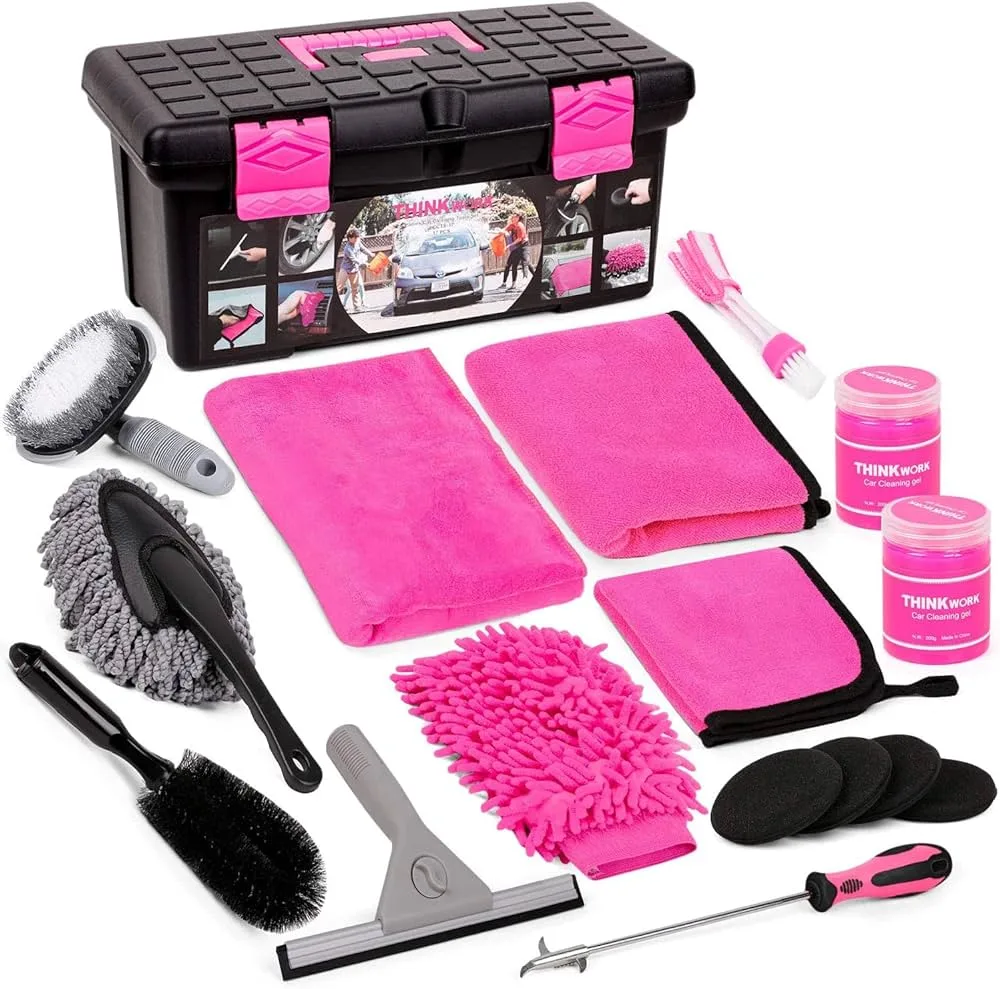 Cleaning Kit
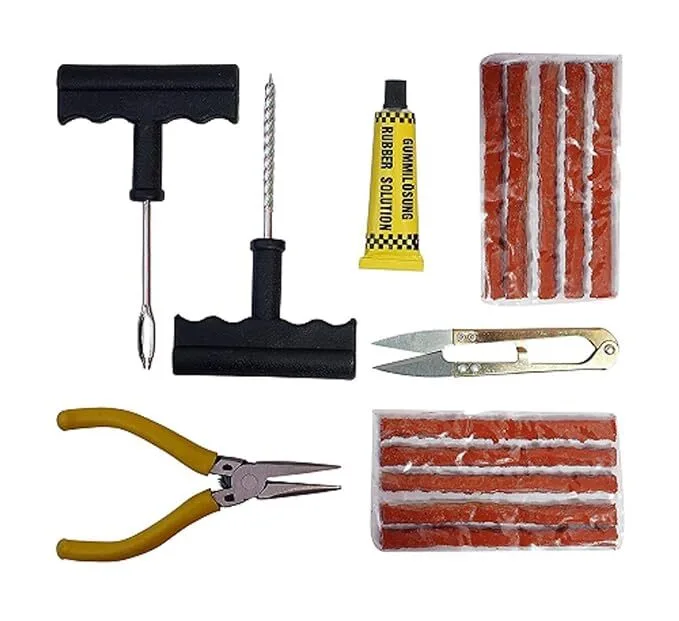 Tyre Puncture Kit
 Tyre Valve Cap
 Car Fan
 Parcel Tray
 Electronic
›
Electronic
›
 Parts
›
Parts
›
 Fog Lights
 Headlights
 Tail Lights
 Steering Wheel Controls
 Sensor
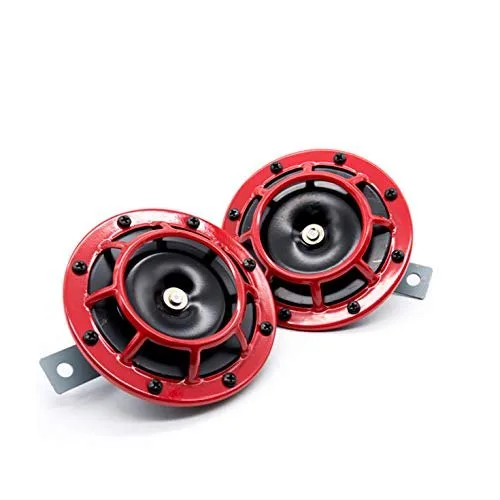 Horns
Horns
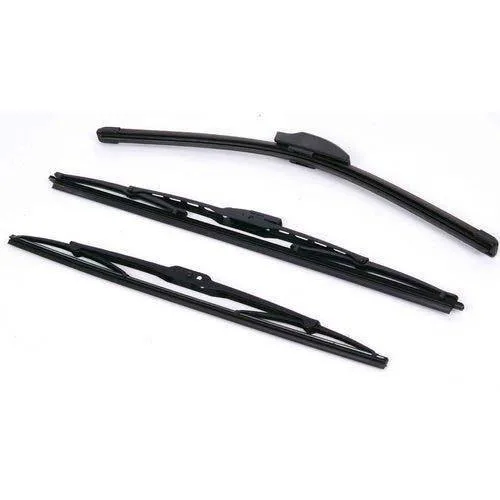 Wiper Blade
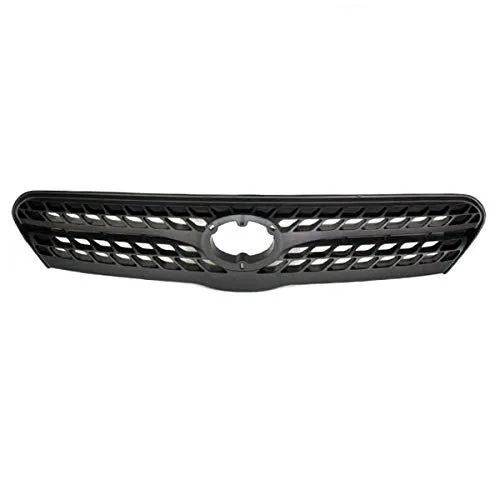 Front Grille
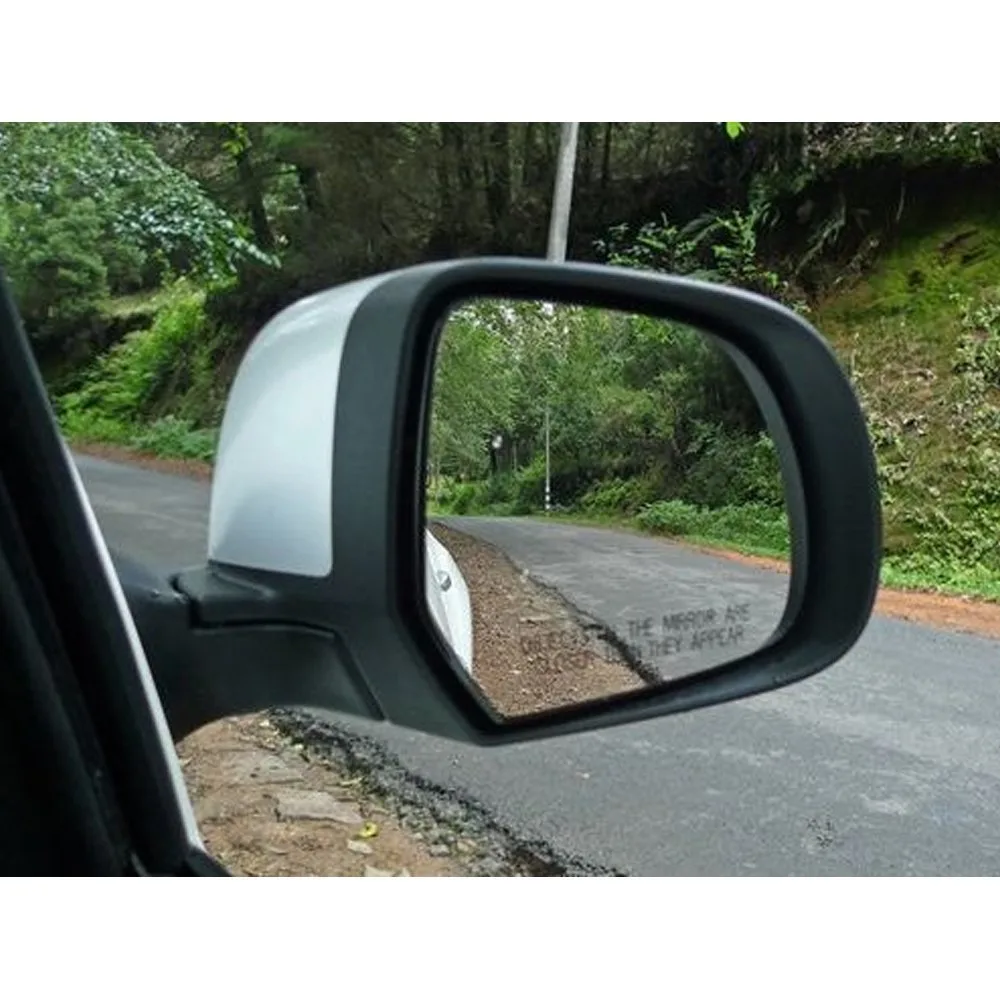 Side Mirror
 Battery
 Car Care
›
Car Care
›
 Air Freshener & Perfume
 Gear knob
 Stickers & Decals
 Blind Spot Mirror
 Steering Knob
 Key Covers
 Polish & Scratch Remover
 Seat Utility Holder
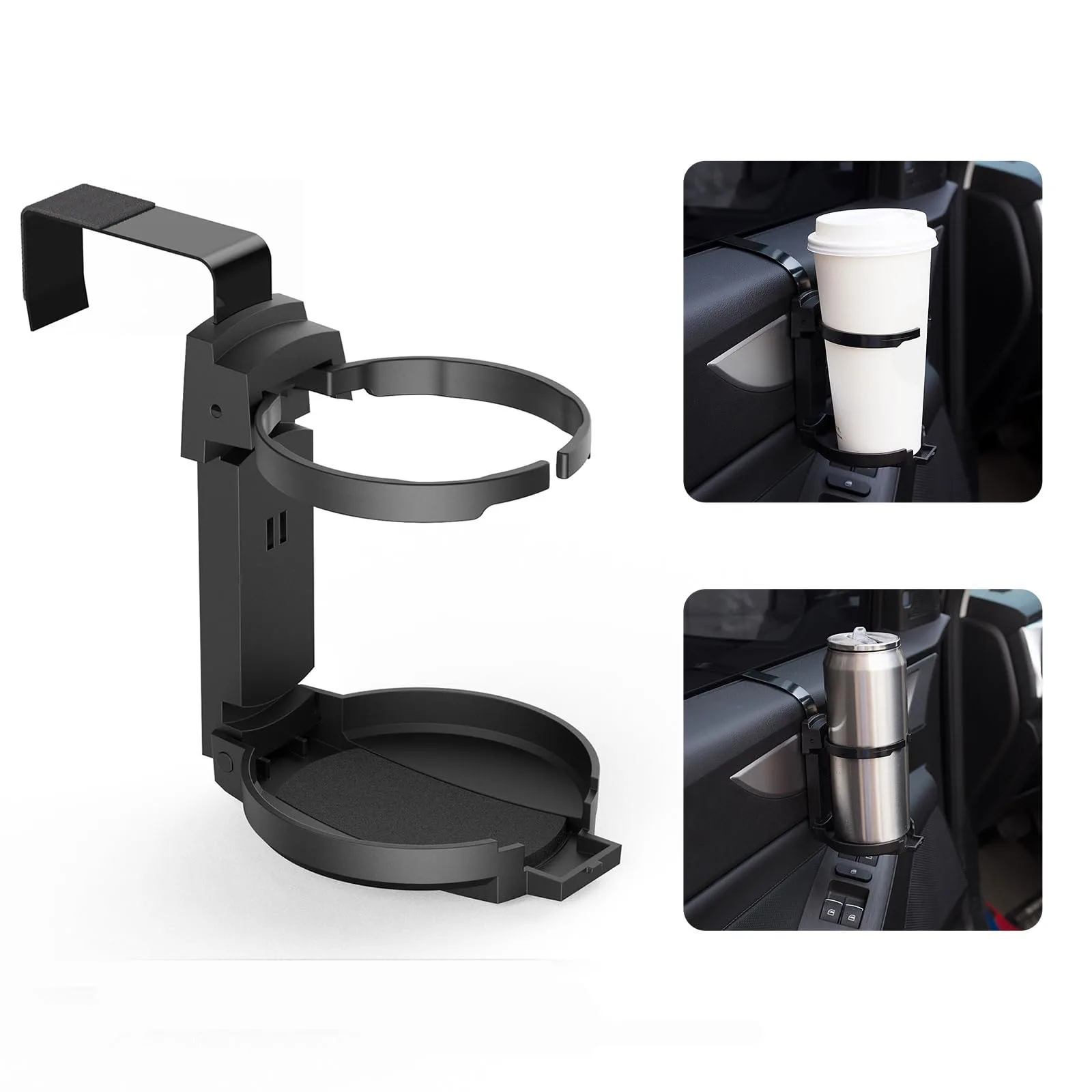 Cup Holder
 Dustbin
 Paper Napkin
 Shop By Car
›
Shop By Car
›
 Tata
›
Tata
›
 Maruti Suzuki
›
Maruti Suzuki
›
 Hyundai
›
Hyundai
›
 Toyota
›
Toyota
›
 Mahindra
›
Mahindra
›
 Honda
›
Honda
›
 Ford
›
Ford
›
 Nissan
›
Nissan
›
 Renault
›
Renault
›
 Skoda
›
Skoda
›
 Volkswagen
›
Volkswagen
›
 Morris Garages - MG
›
Morris Garages - MG
›
 KIA
›
KIA
›
 Jeep
›
Jeep
›
 Citroen
›
Citroen
›
 Datsun
›
Datsun
›
 Chevrolet
›
Chevrolet
›
 Isuzu
›
Isuzu
›
 Mitsubishi
›
Mitsubishi
›
 AUDI
›
AUDI
›
 BMW
›
BMW
›
 Mercedes
›
Mercedes
›
 Land Rover
›
Land Rover
›
 Jaguar
›
Jaguar
›
 Volvo
›
Volvo
›
 FIAT
›
FIAT
›
 Mini Cooper
›
Mini Cooper
›
 Porsche
›
Porsche
›
 Lexus
›
Citron
›
Fors
›
Morris Garages
›
MG
›
Lexus
›
Citron
›
Fors
›
Morris Garages
›
MG
›
 Nexon
Nexon
 Harrier
 Altroz
 Hexa
Hexa
 Safari
 Tiago
Tiago
 Punch
Punch
 Tigor
Tigor
 Sumo
Sumo
 Winger
 Bolt
Bolt
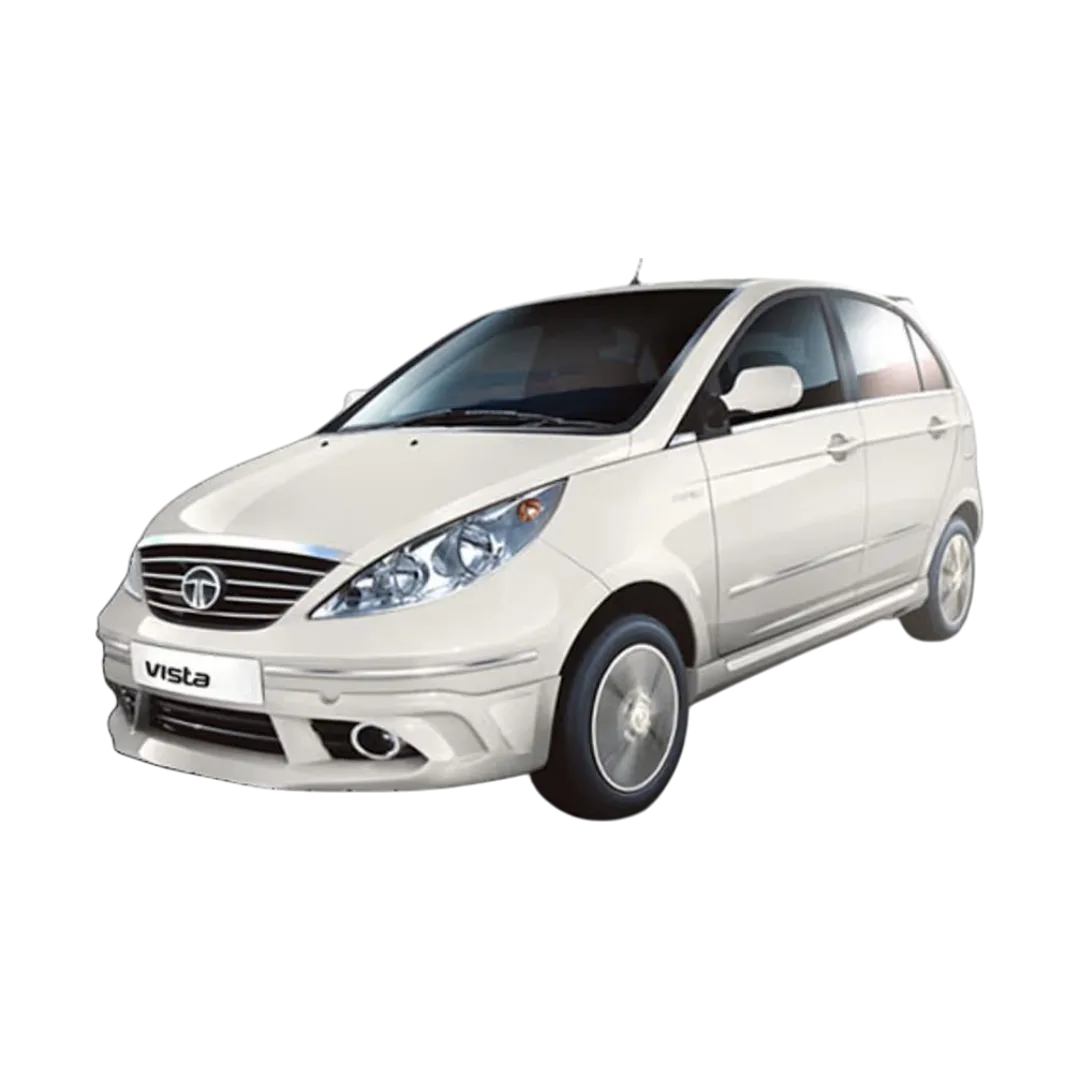 Vista
Vista
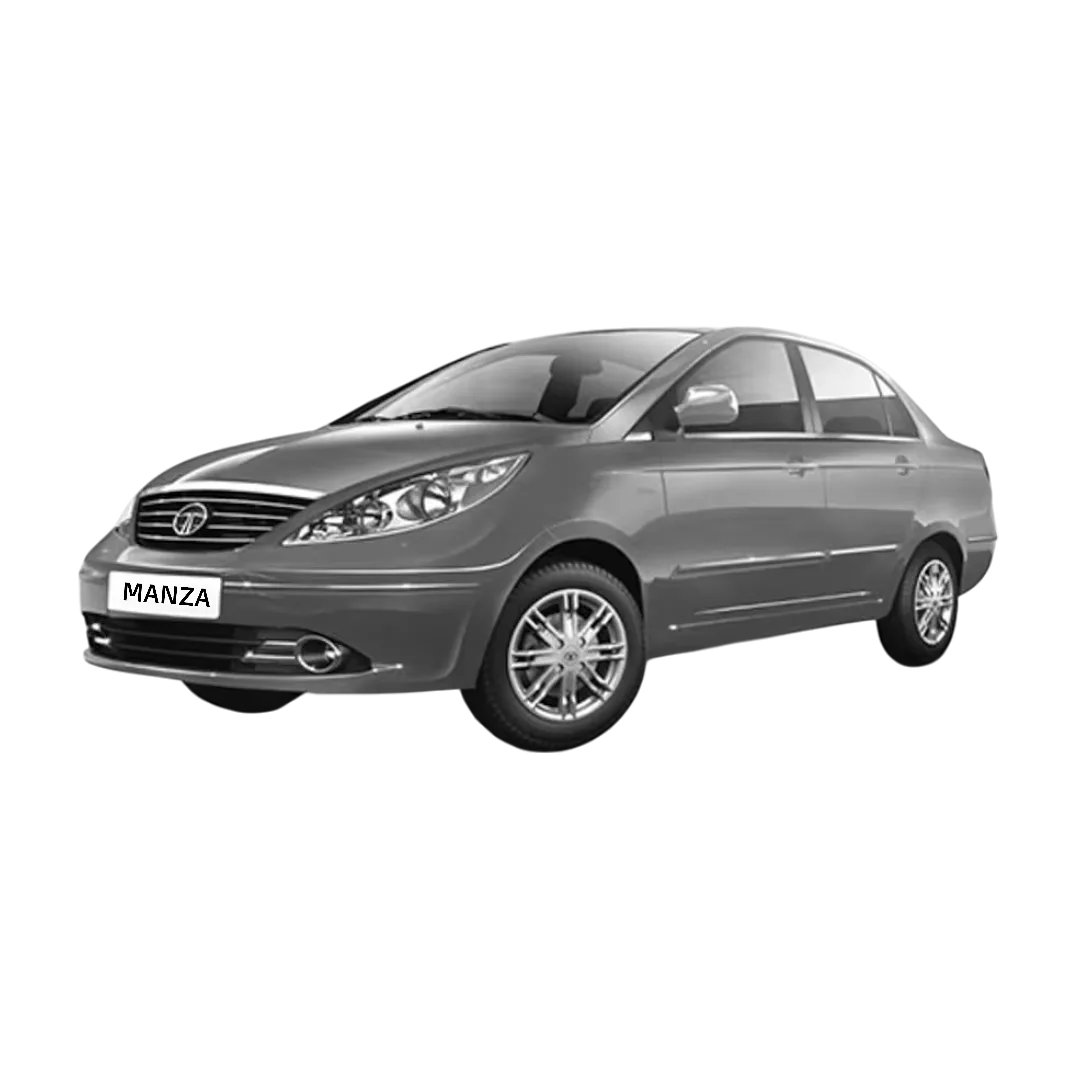 Manza
Manza
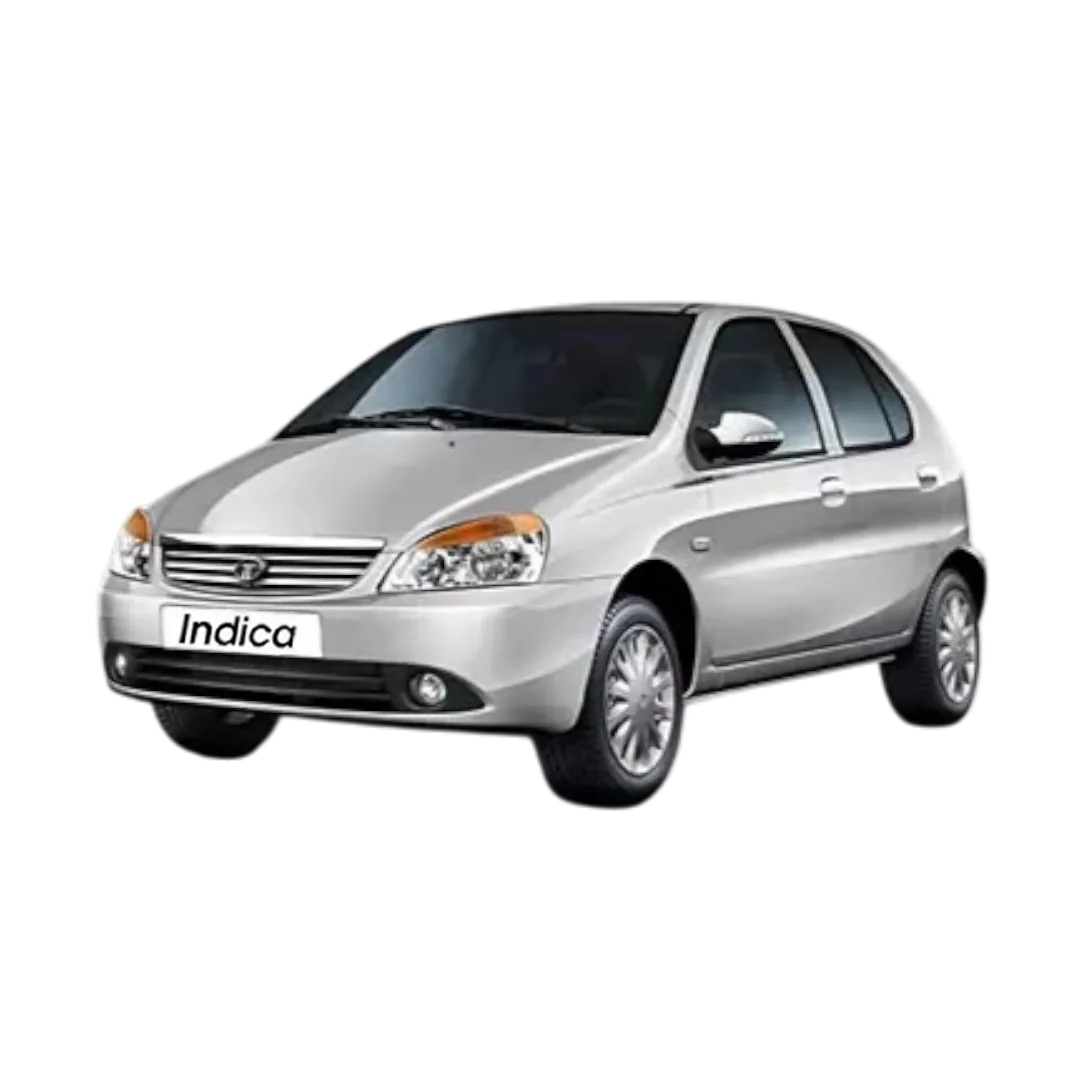 Indica
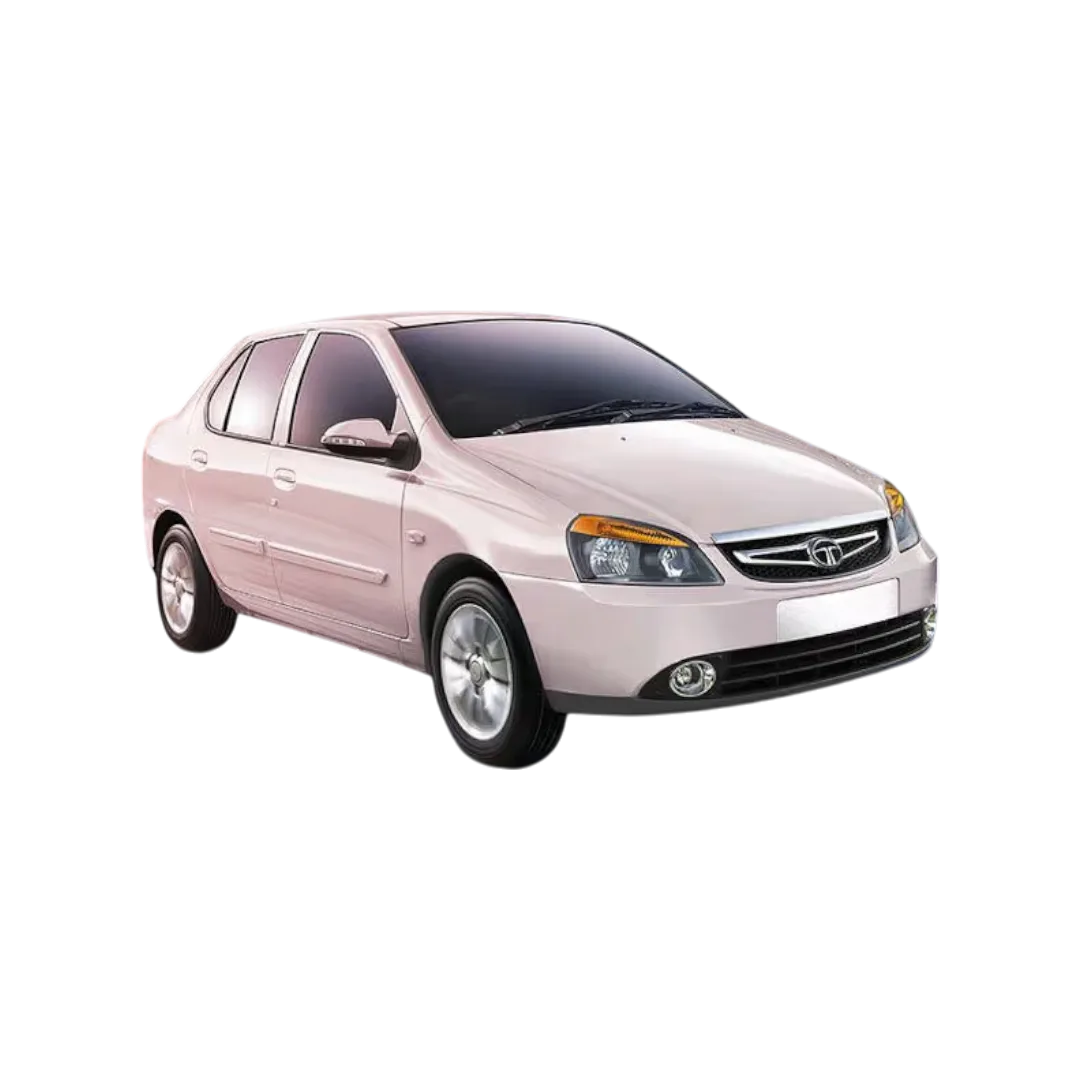 Indigo
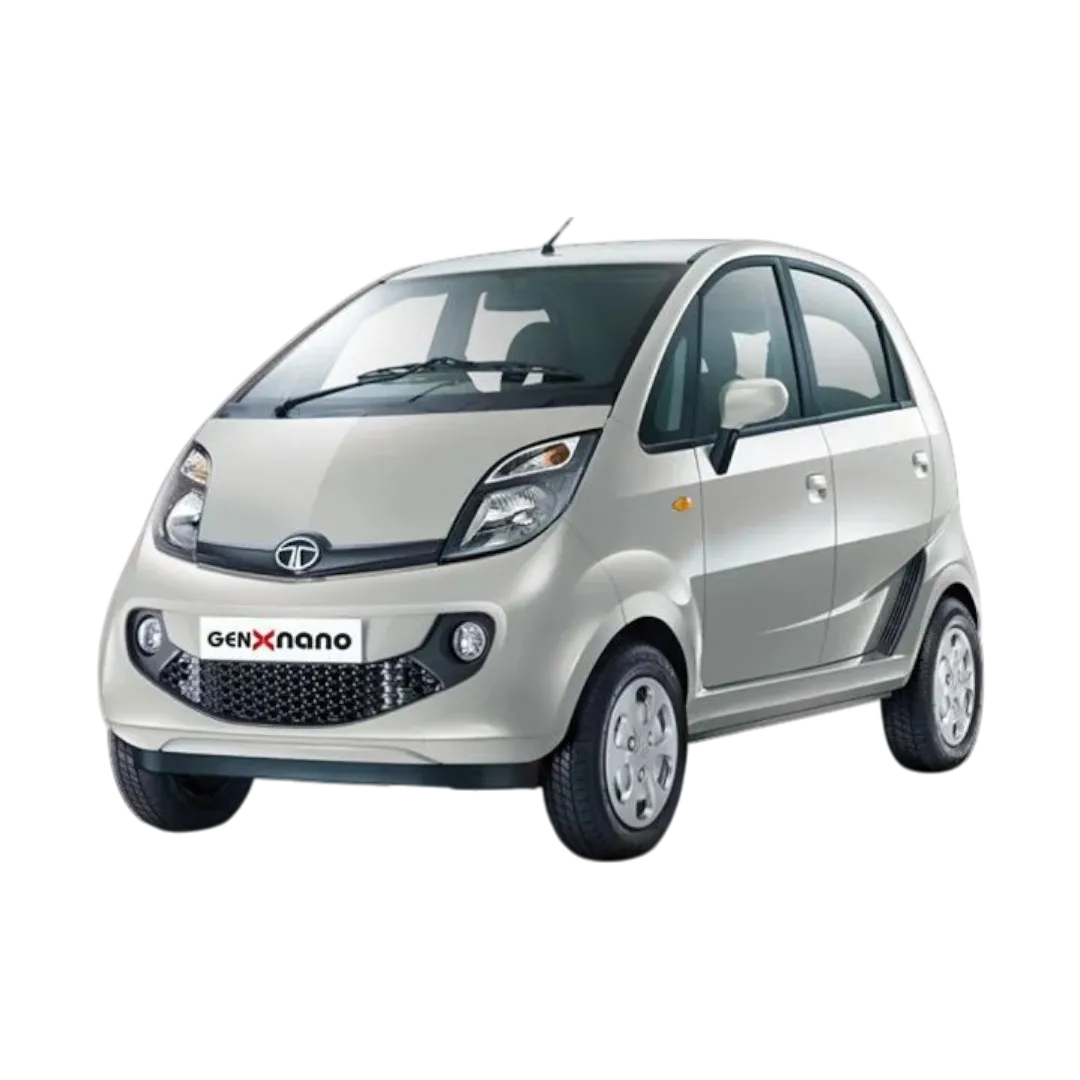 Nano
Nano
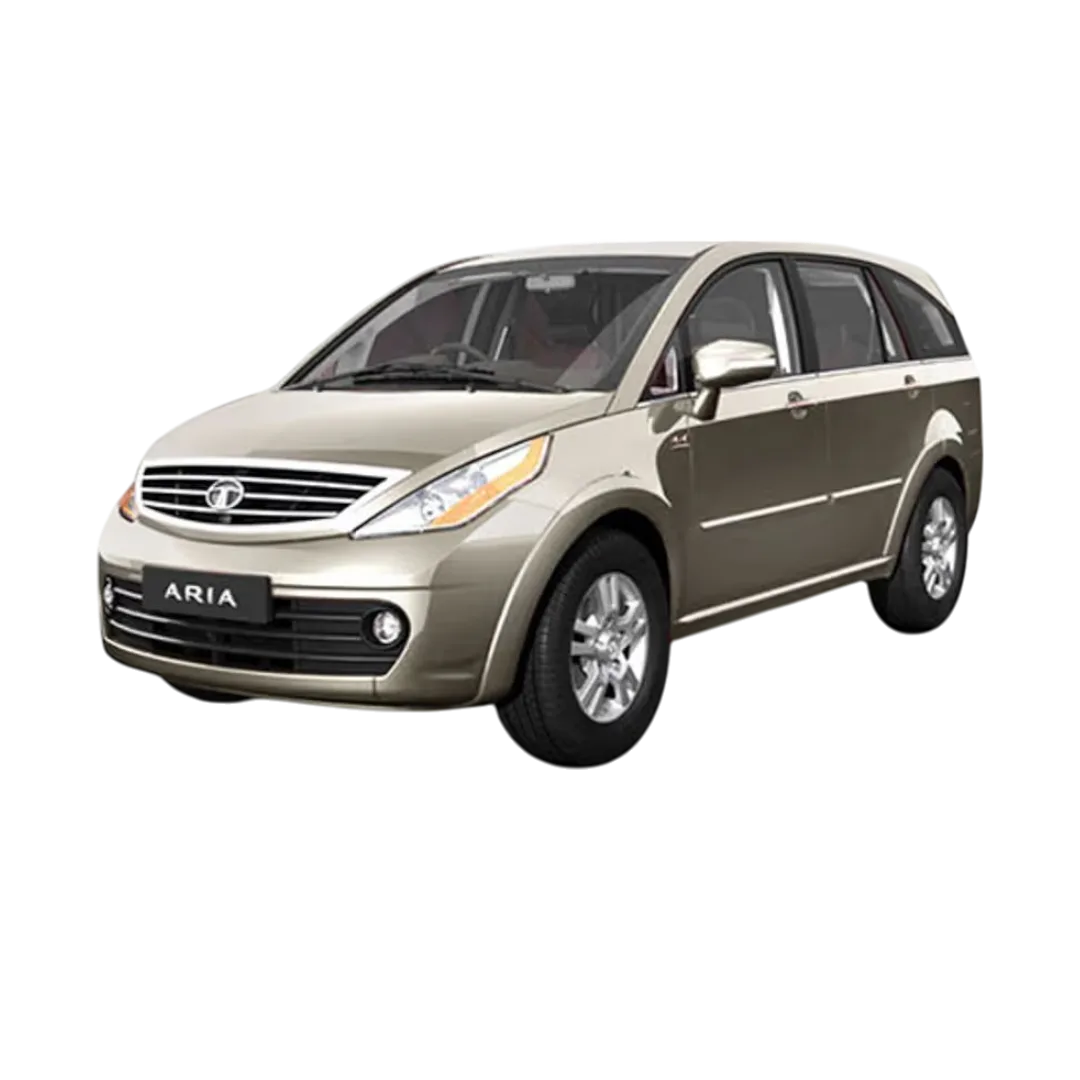 Aria
Aria
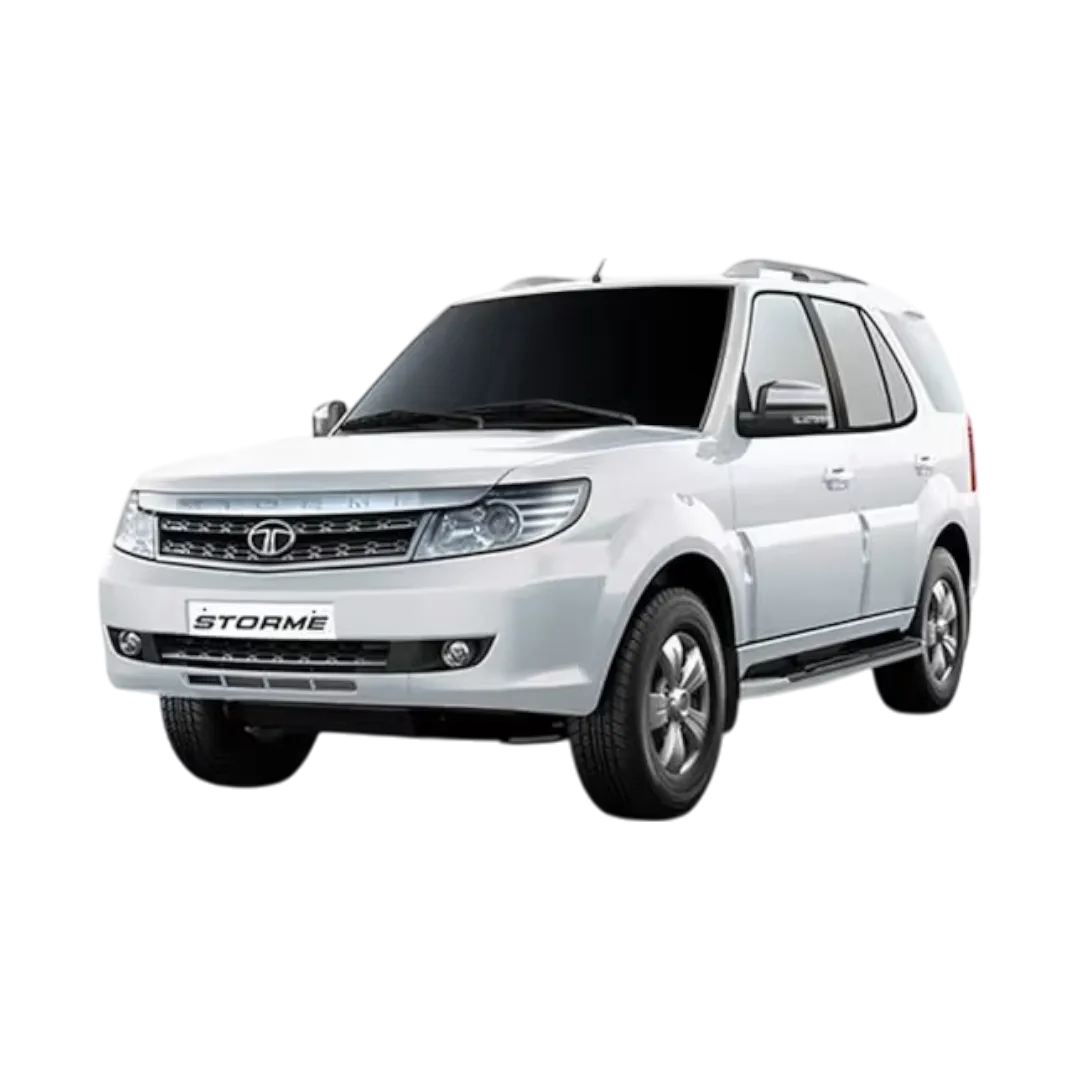 Safari Storme
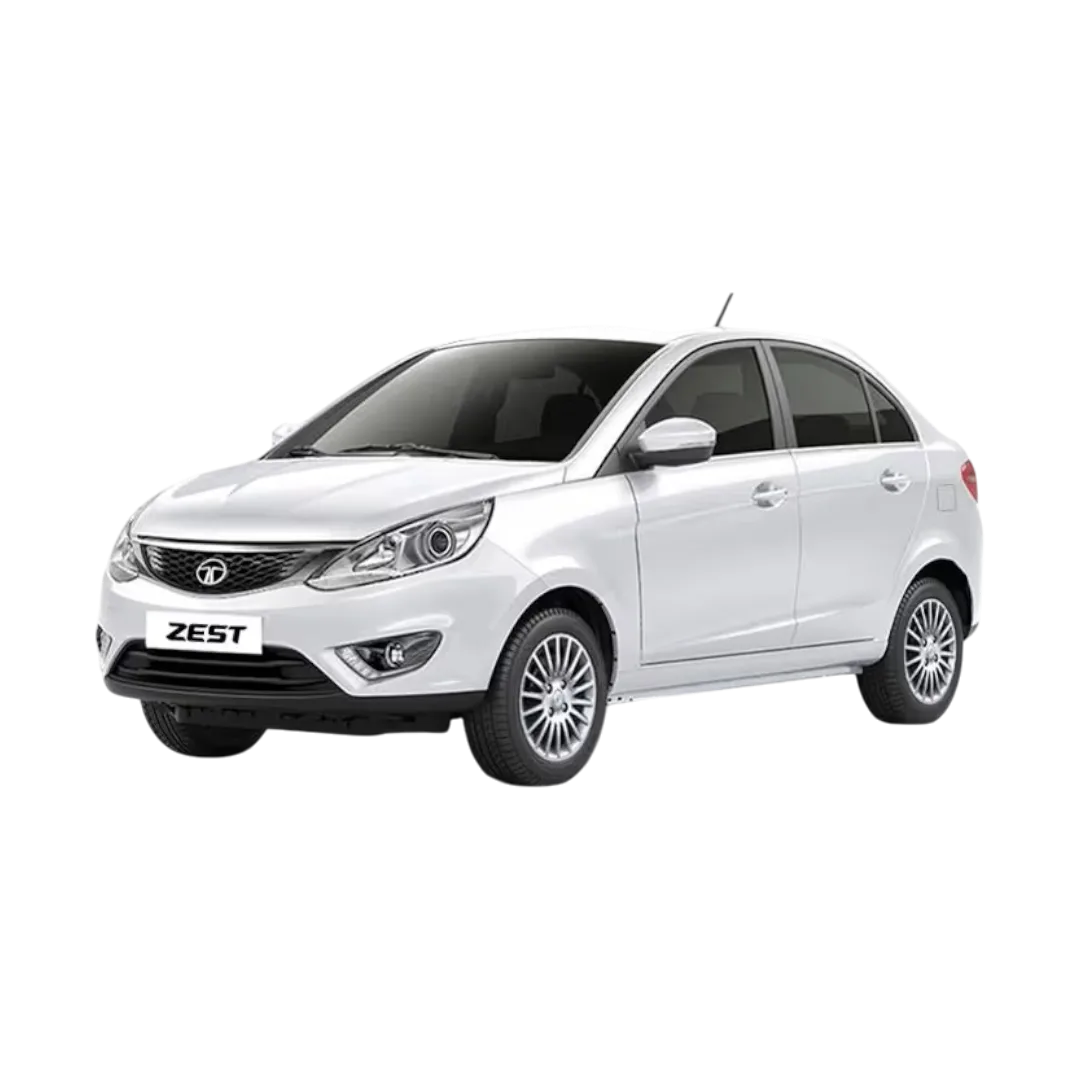 Zest
Zest
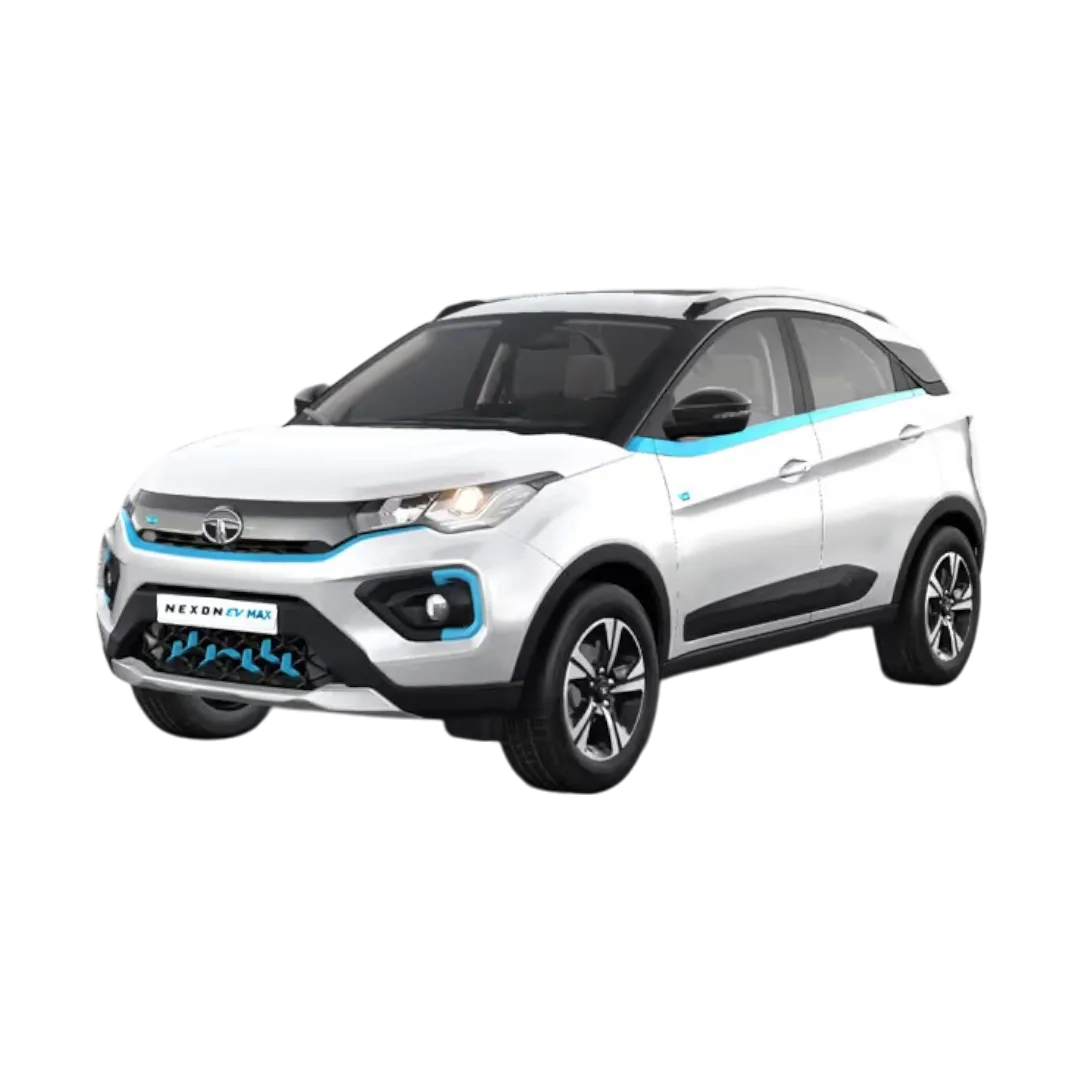 NEXON EV Max
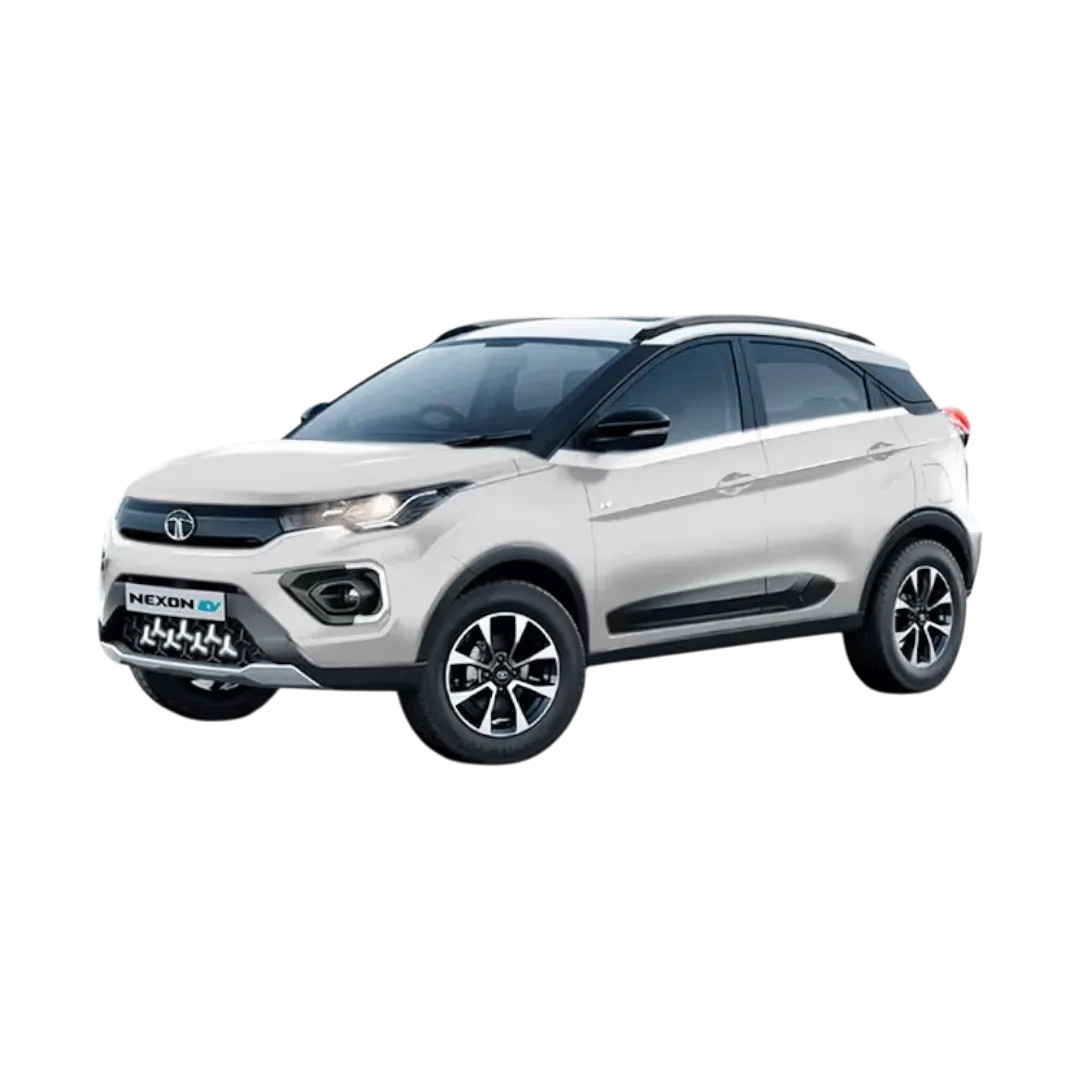 NEXON EV Prime
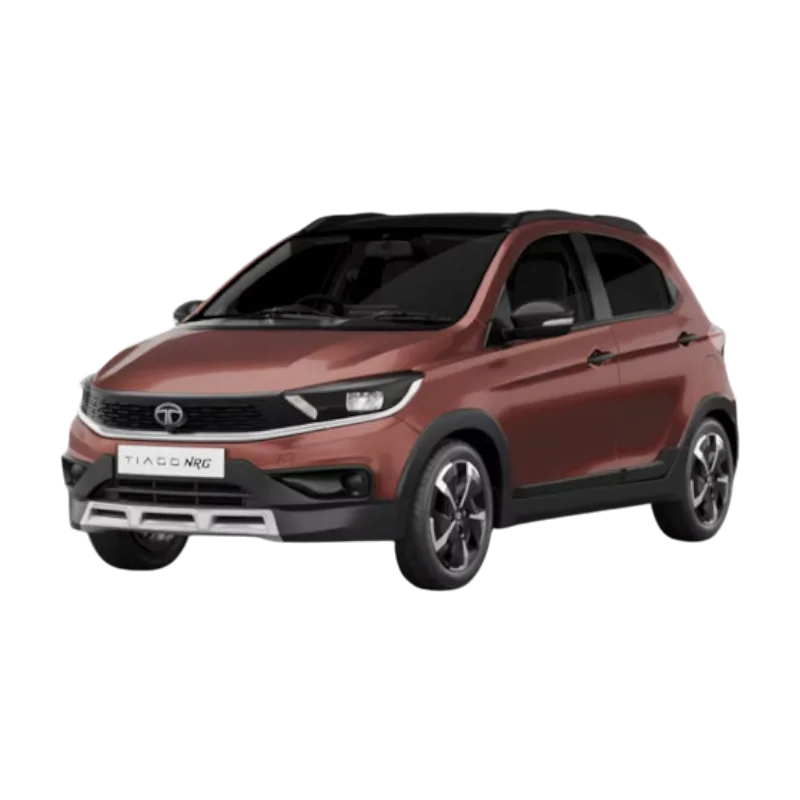 Tiago NRG
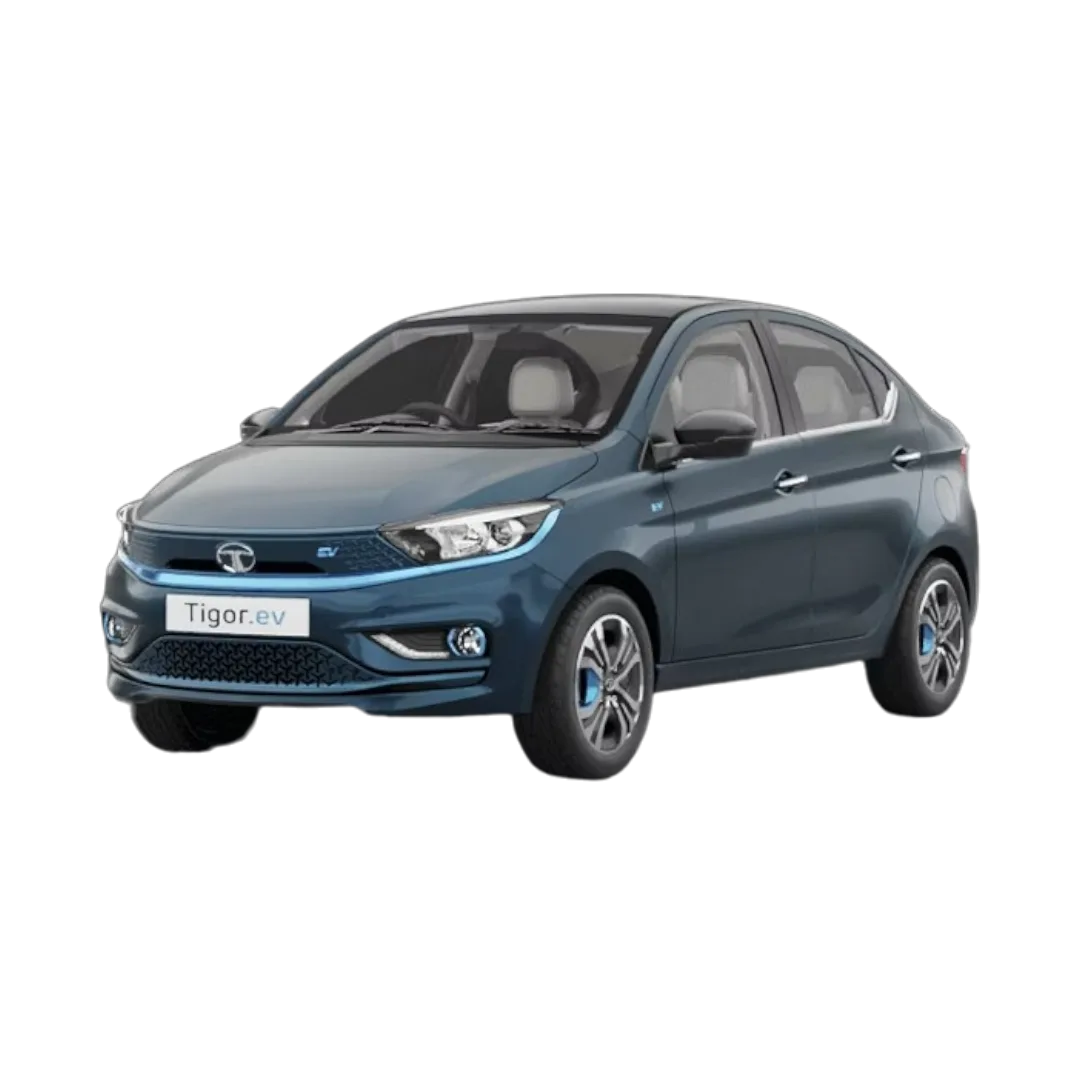 Tigor EV
INDICA VISTA
Curvv
Sierra
Magic
Tigor EV
INDICA VISTA
Curvv
Sierra
Magic
 Ciaz
Ciaz
 S-Presso
 Eeco/Versa
 WagonR
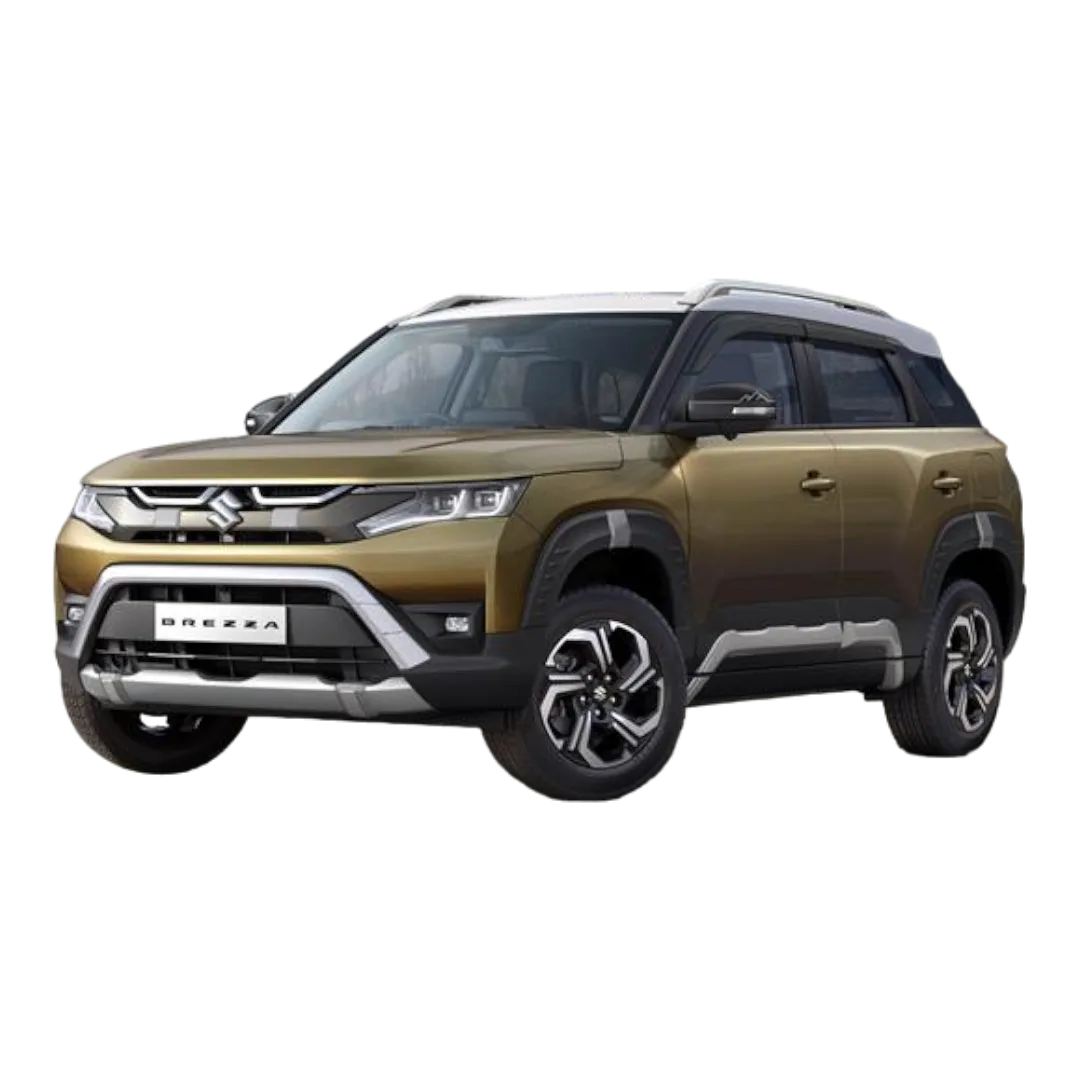 Brezza
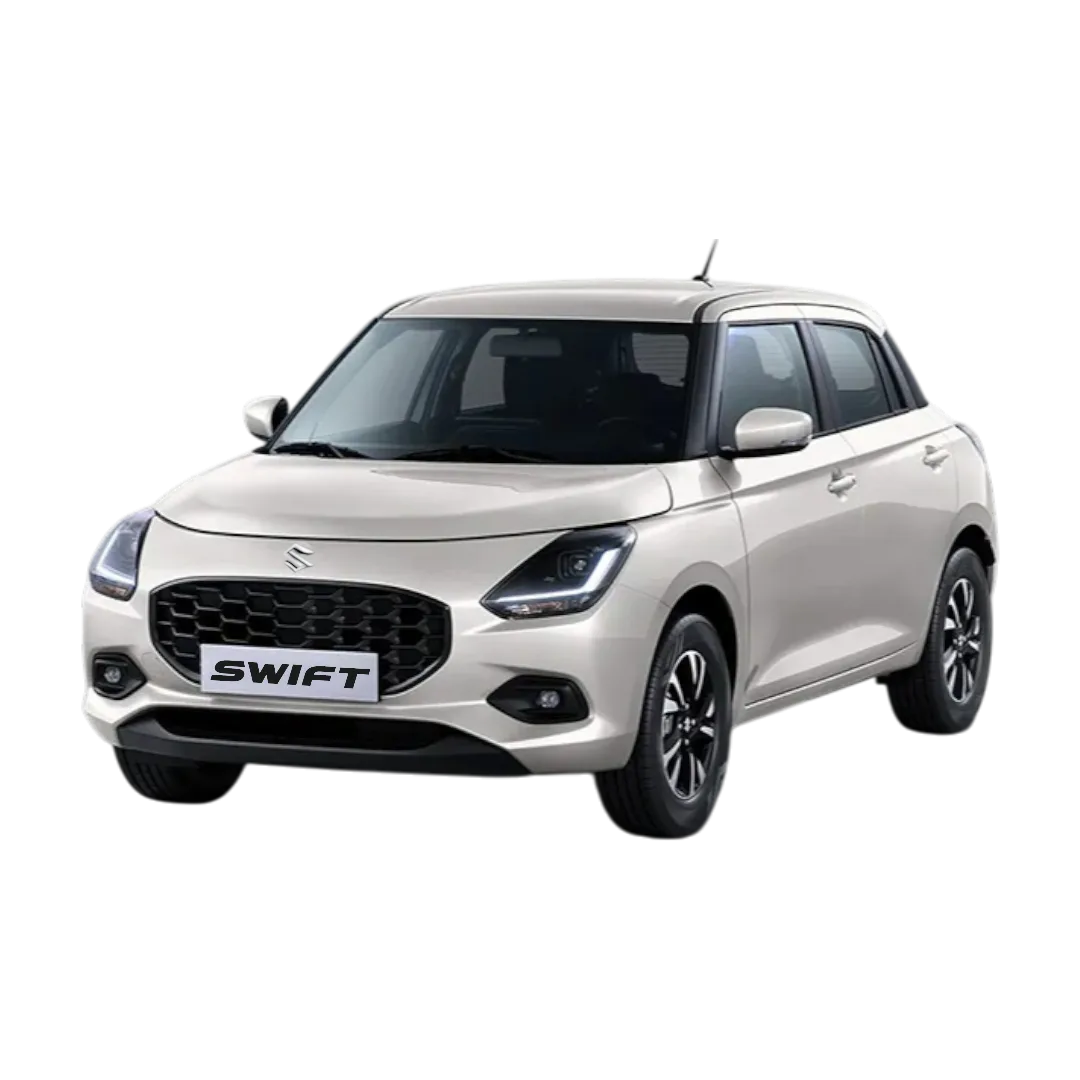 Swift
Swift
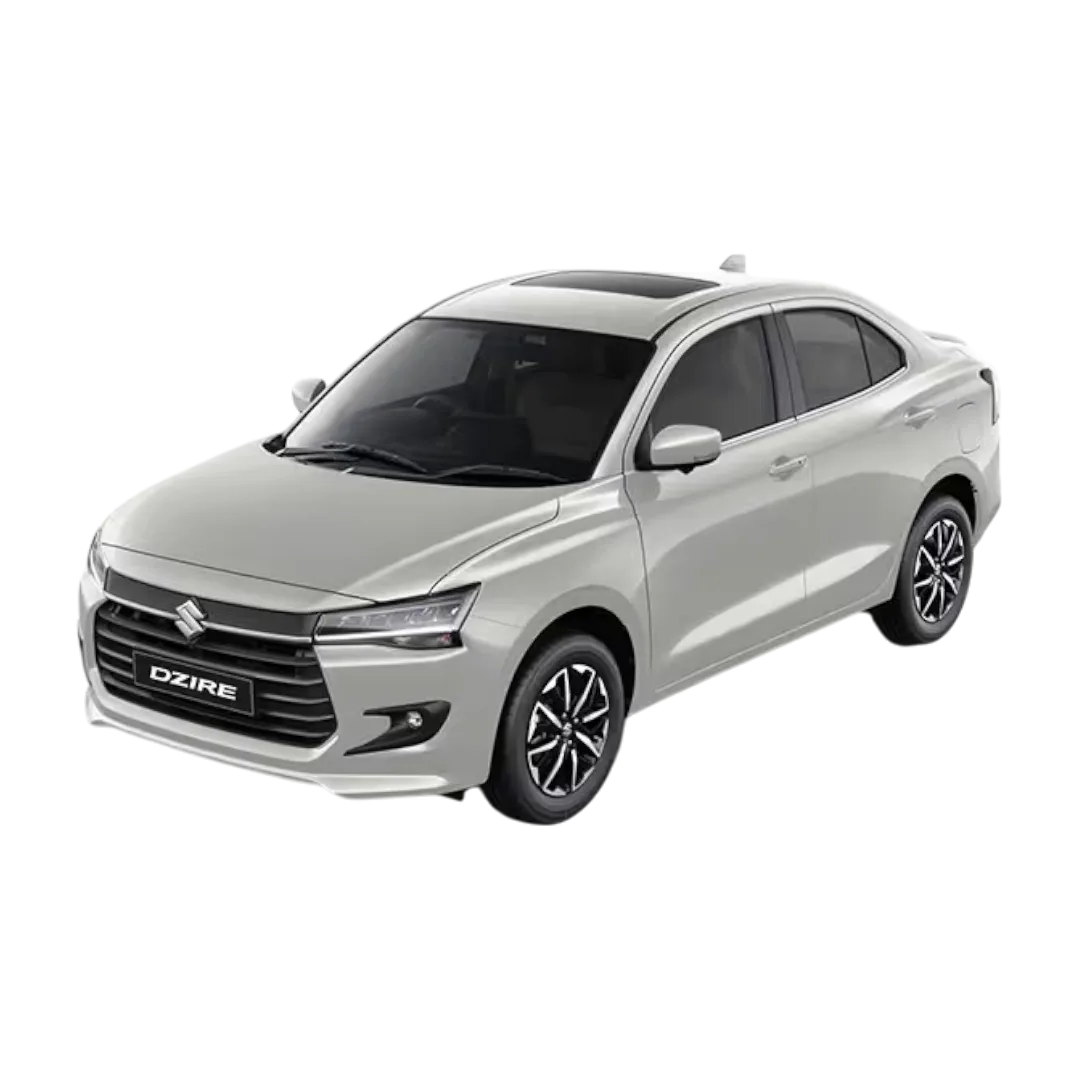 Dzire
Dzire
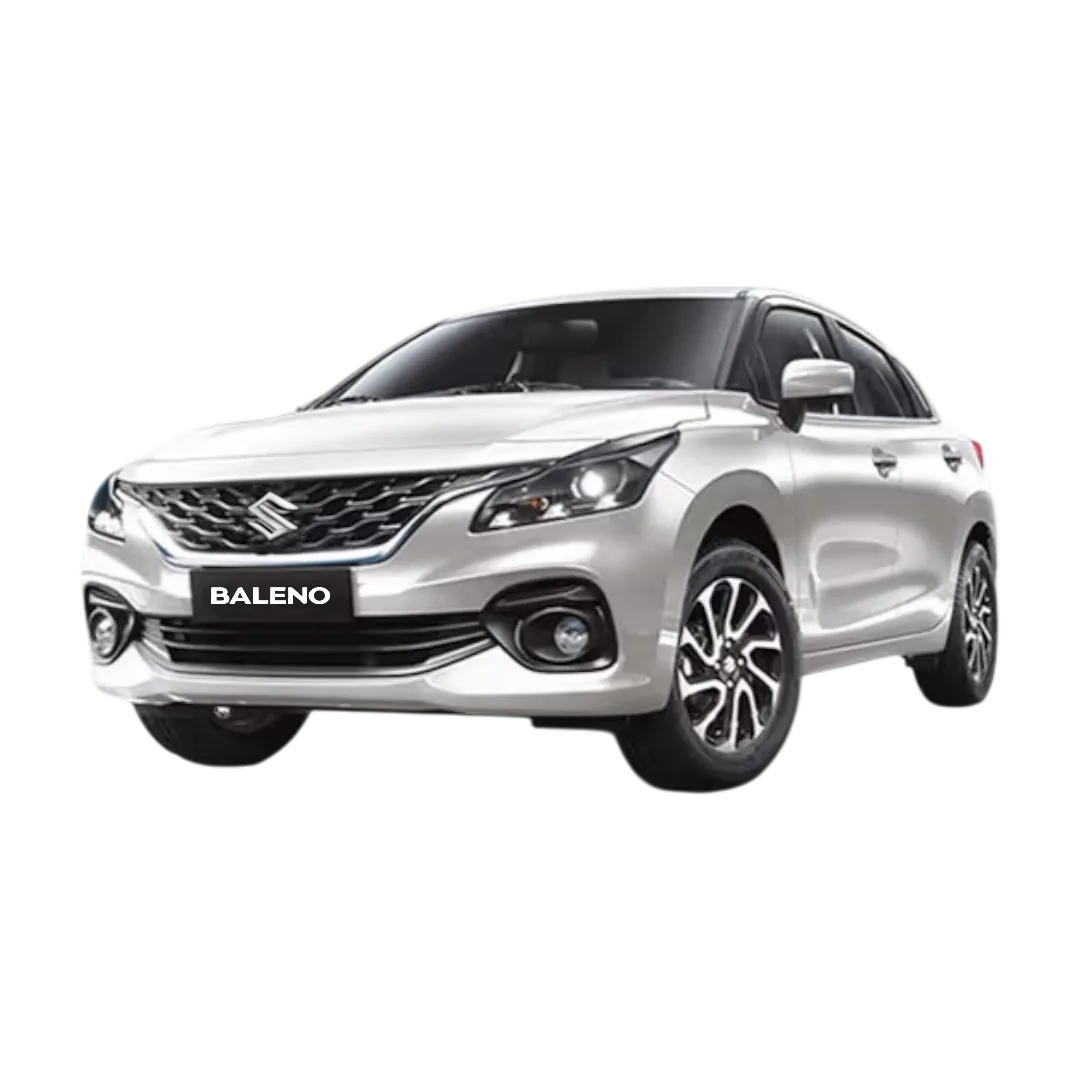 Baleno
 Ertiga
 Grand Vitara
 S-Cross
 Jimny
Jimny
 Celerio
 Ignis
Ignis
 Alto 800
 Alto K10
 XL6
XL6
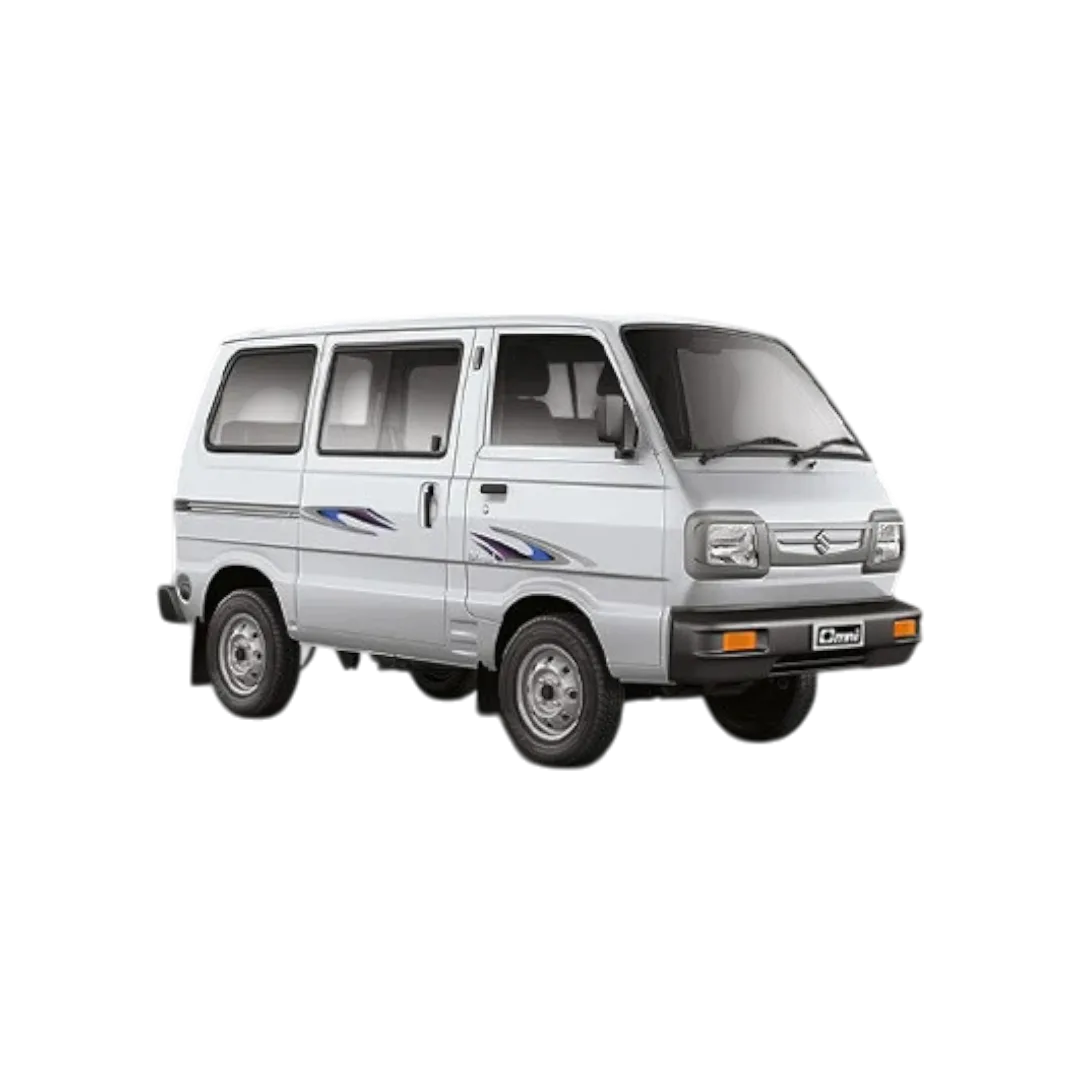 Omni
Omni
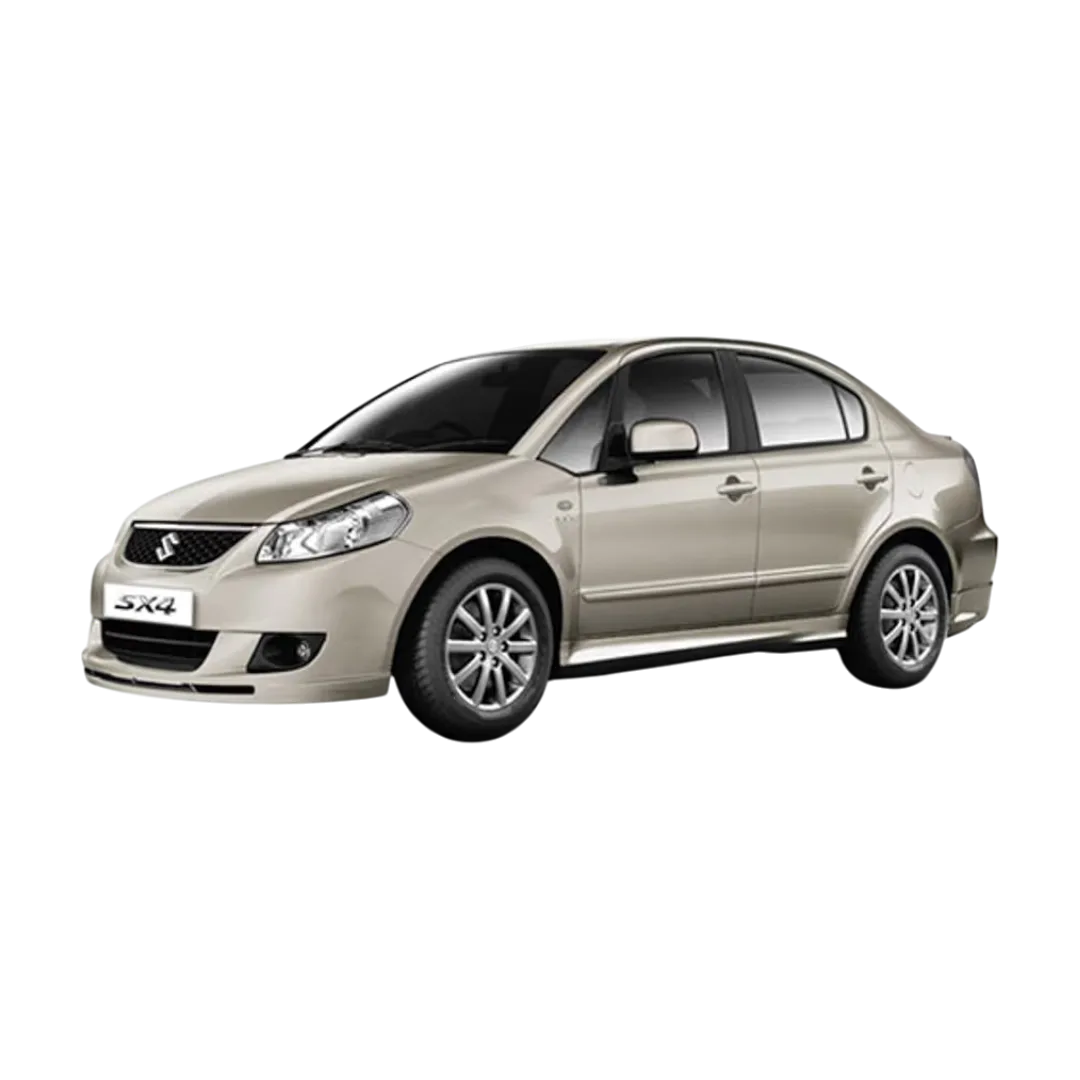 SX4
SX4
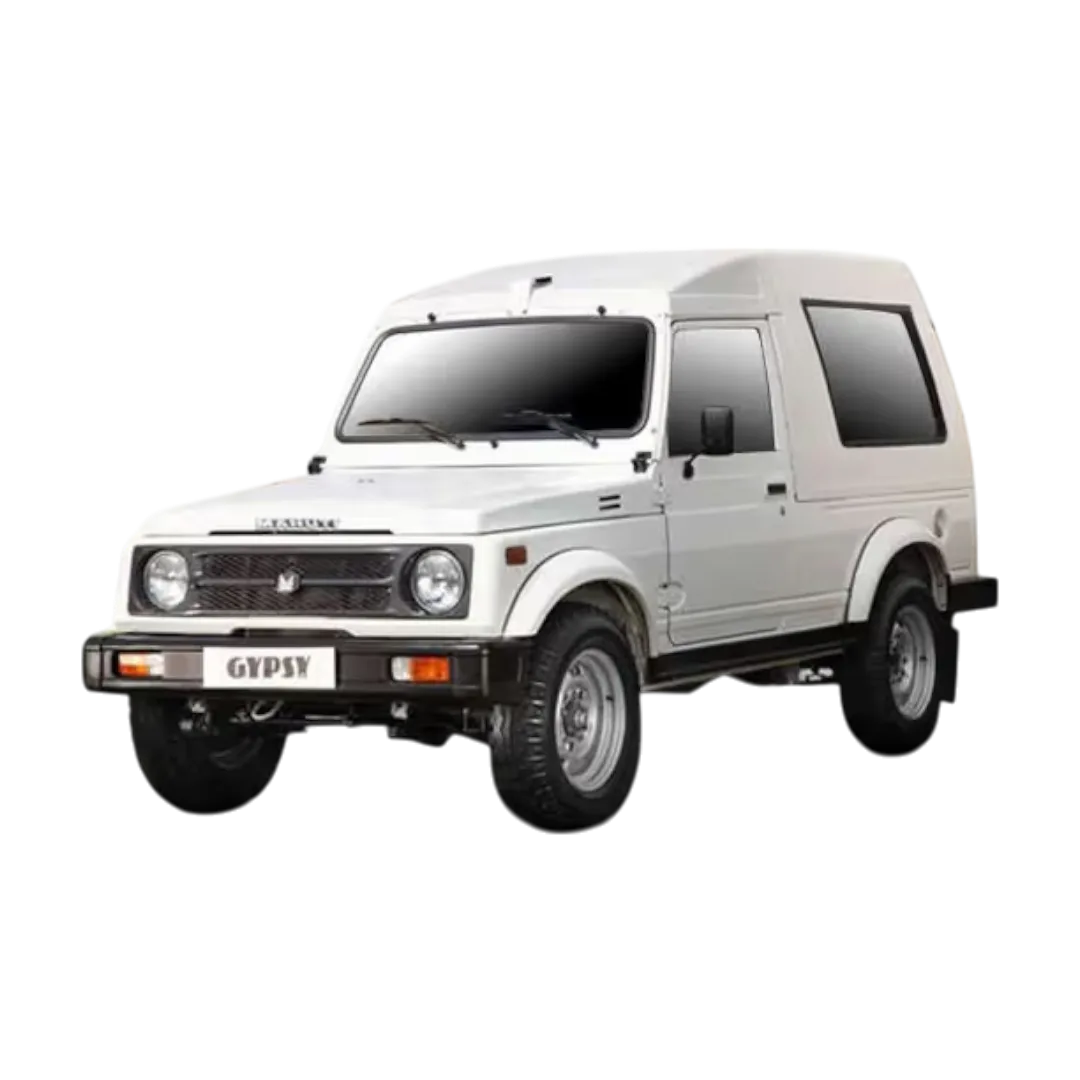 Gypsy
Gypsy
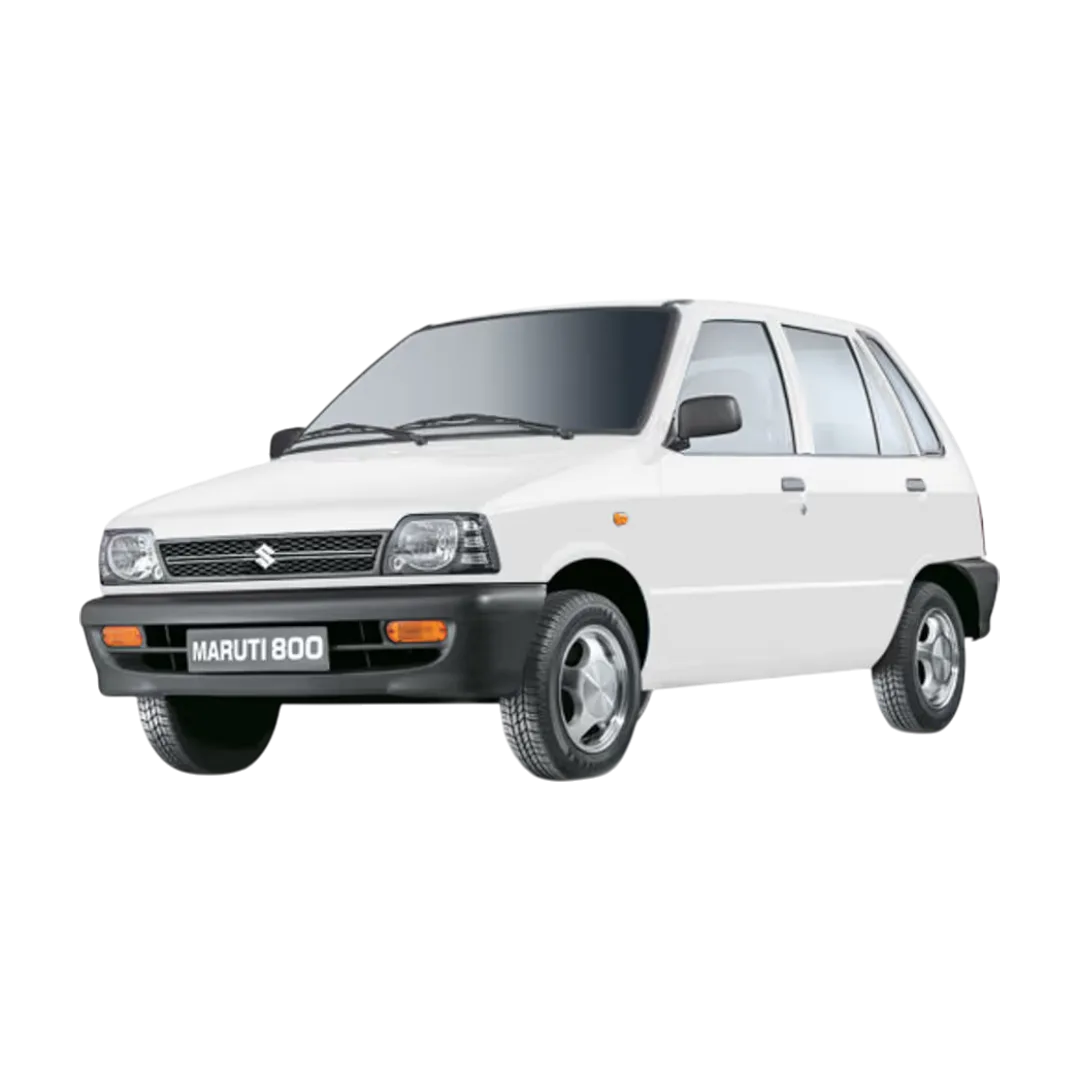 Maruti 800
 Zen
Zen
 Esteem
 Zen Estilo
 Ritz
Ritz
 Fronx
Fronx
 A-Star
 Alto
Alto
 Invicto
Victoris
Wagon R
Invicto
Victoris
Wagon R
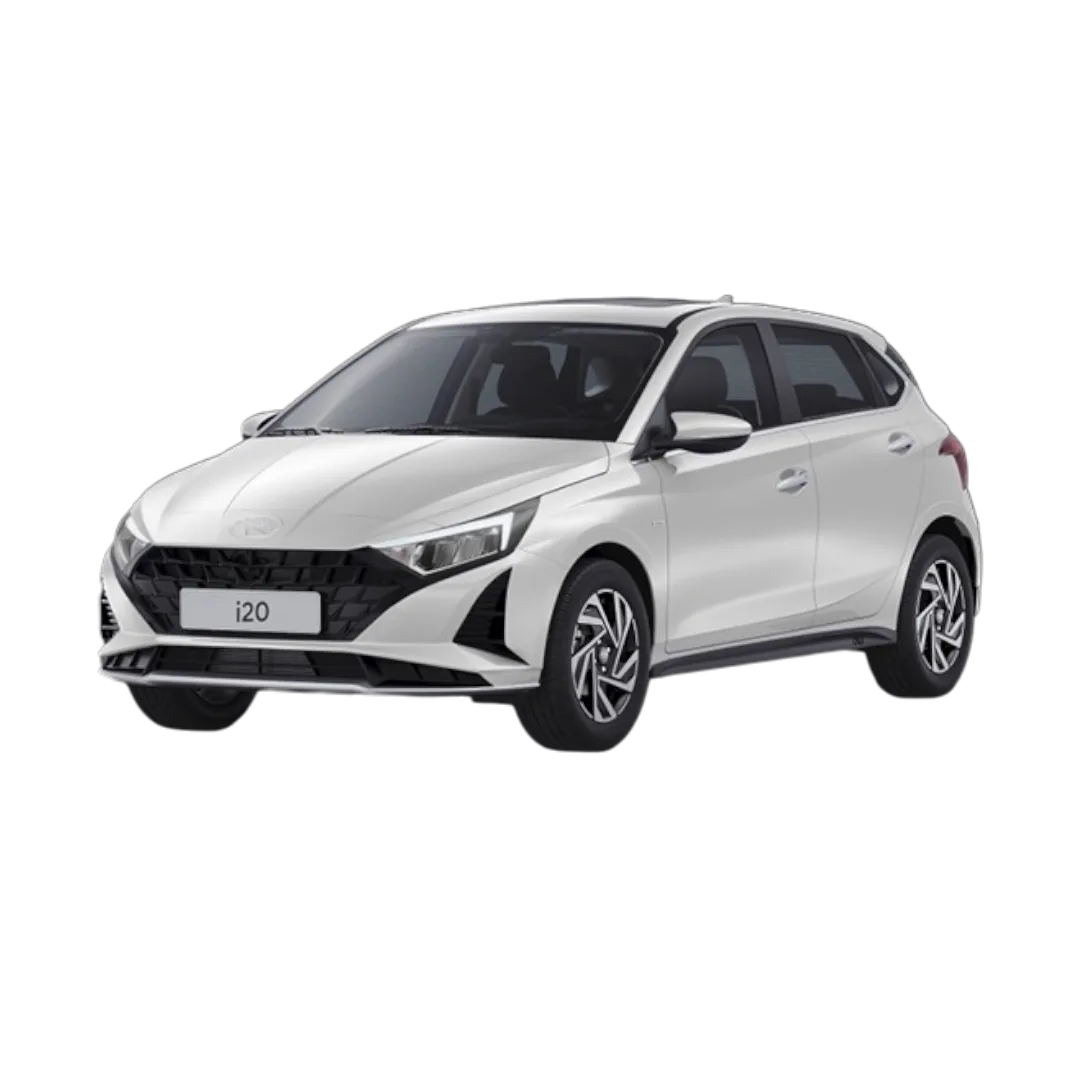 i20
i20
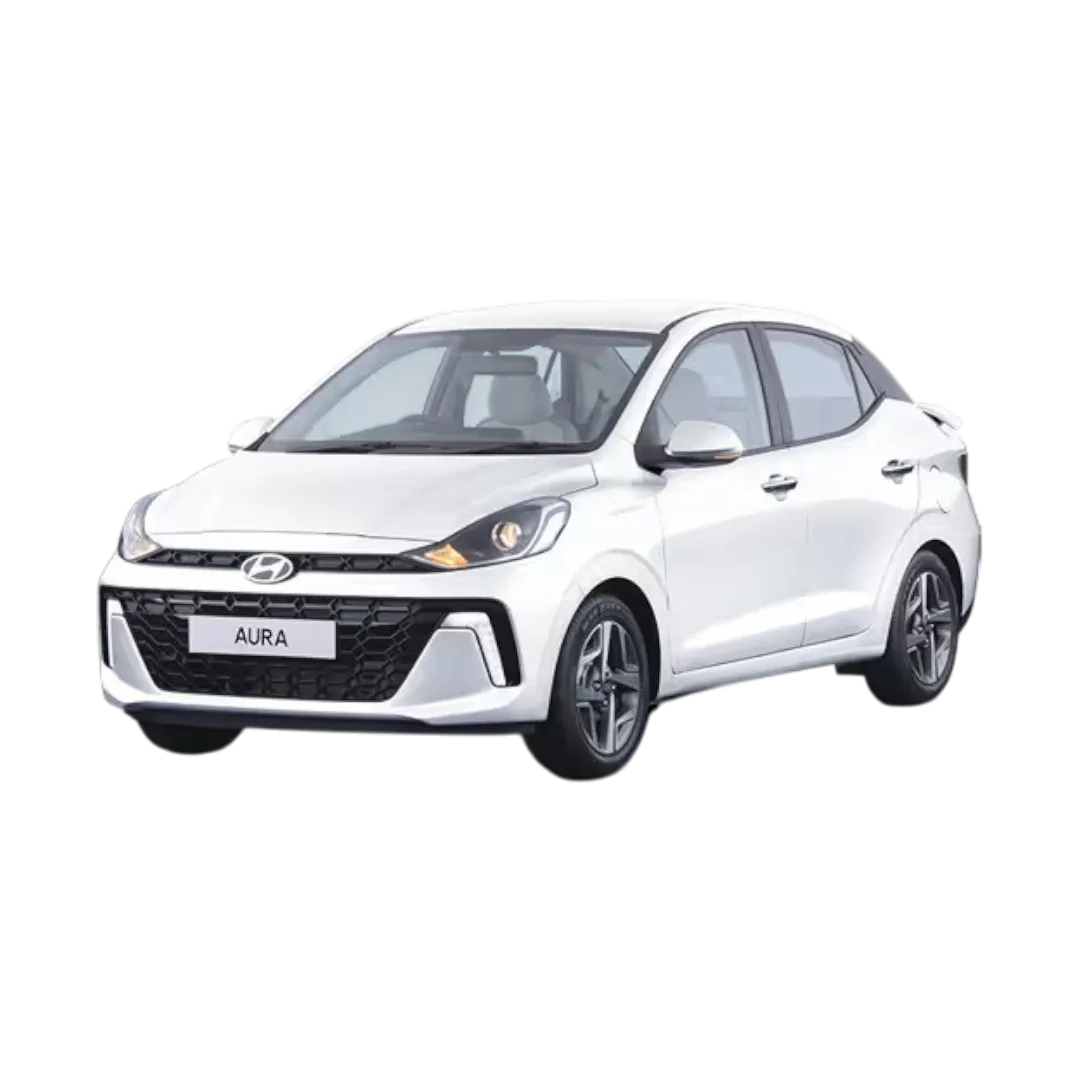 Aura
Aura
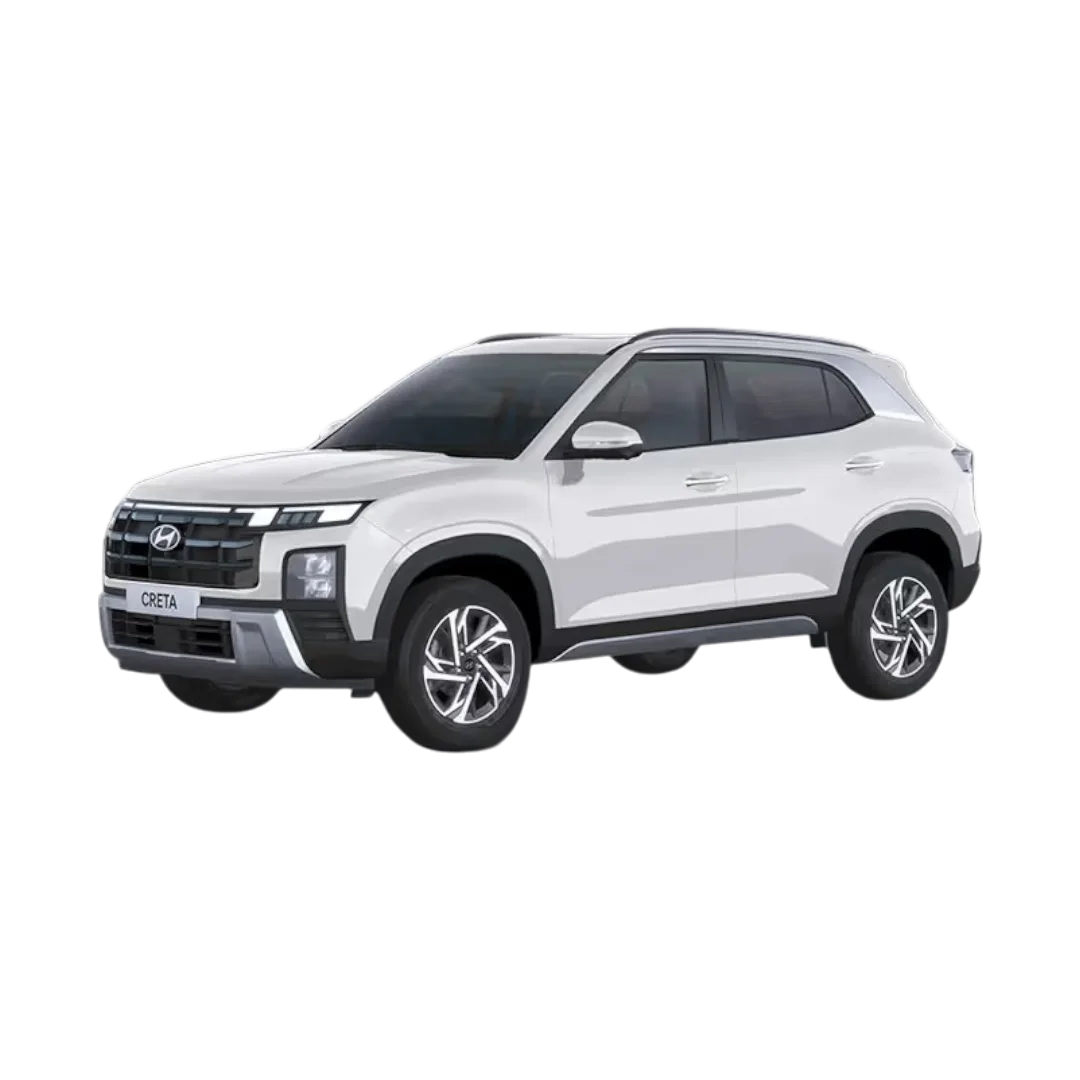 Creta
Creta
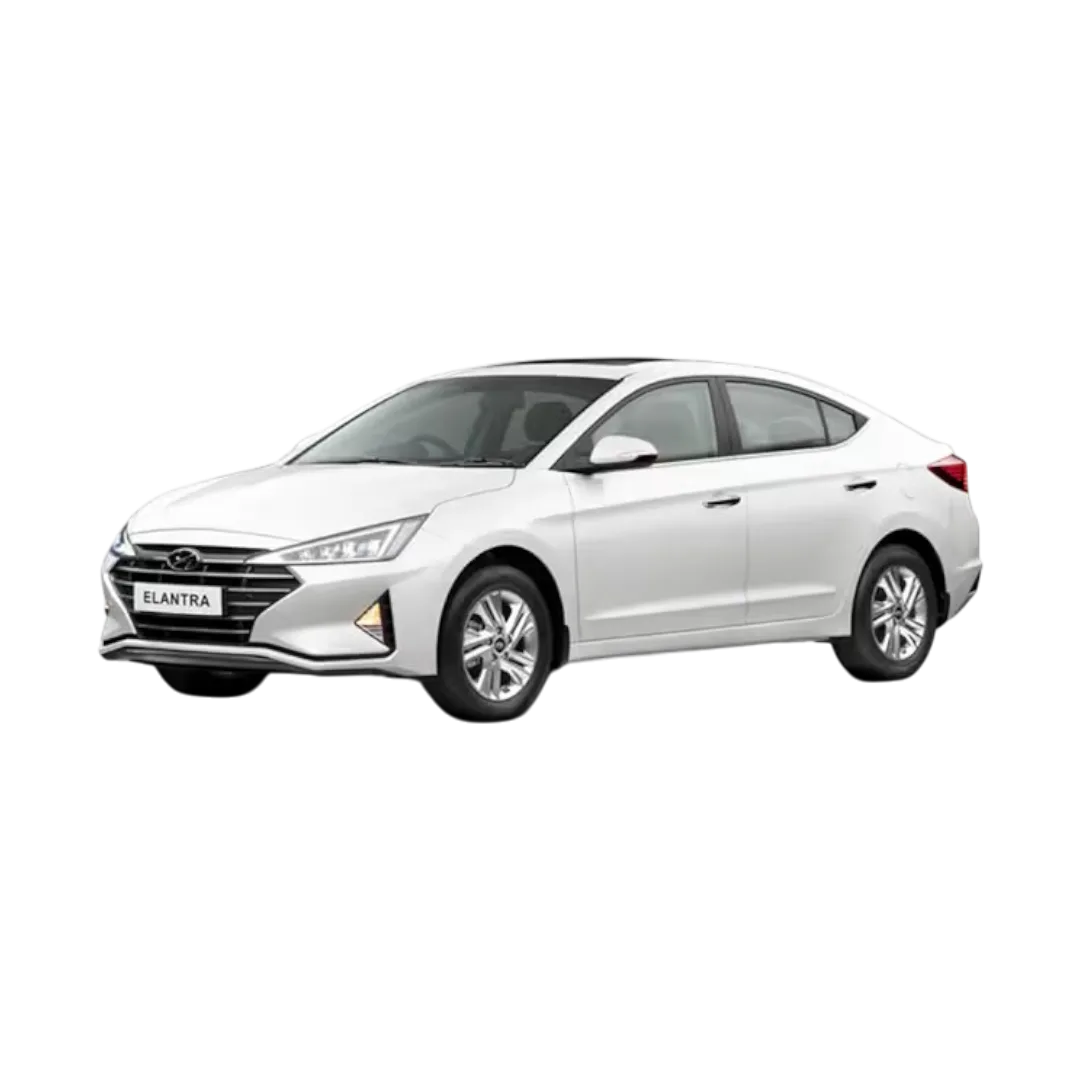 Elantra
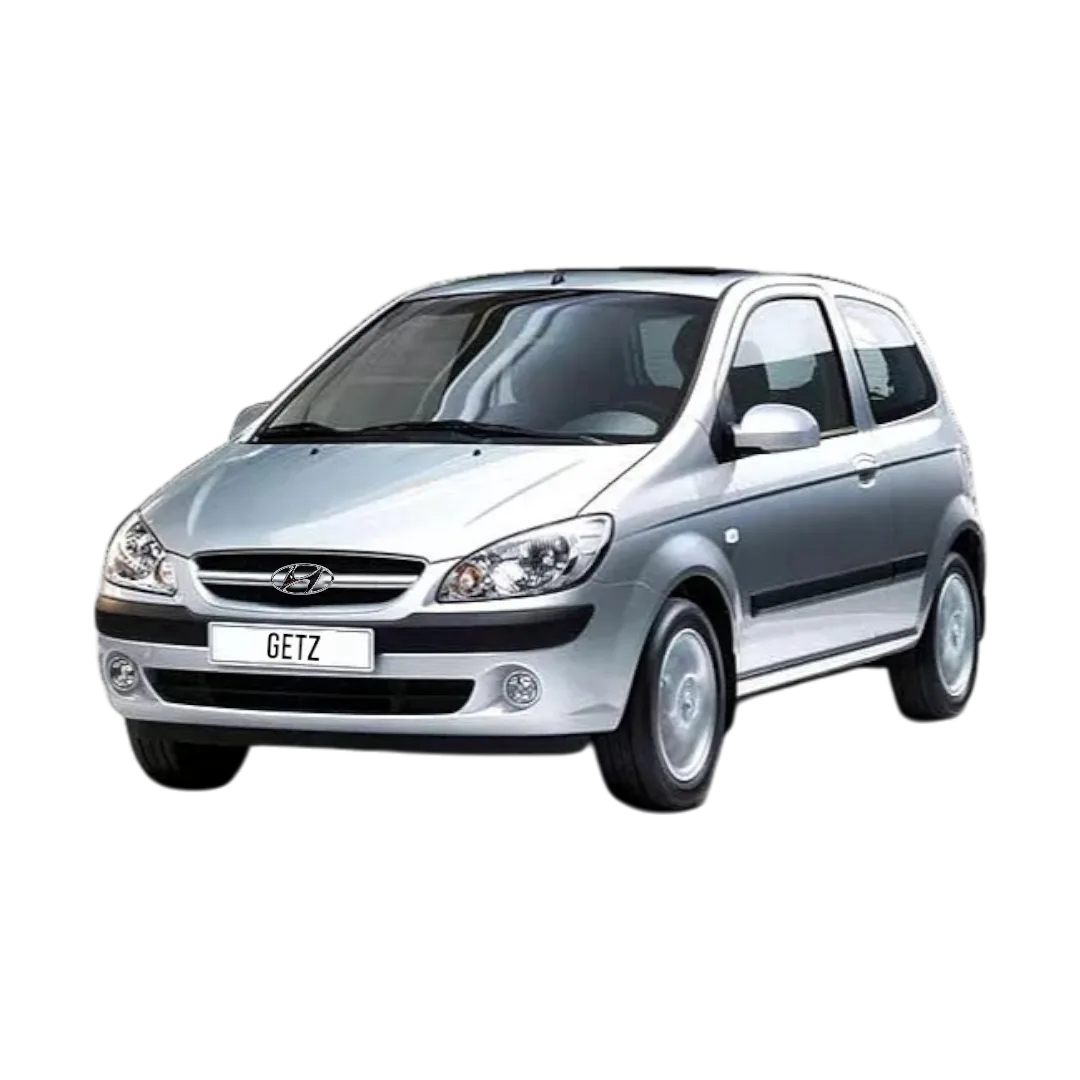 Getz
Getz
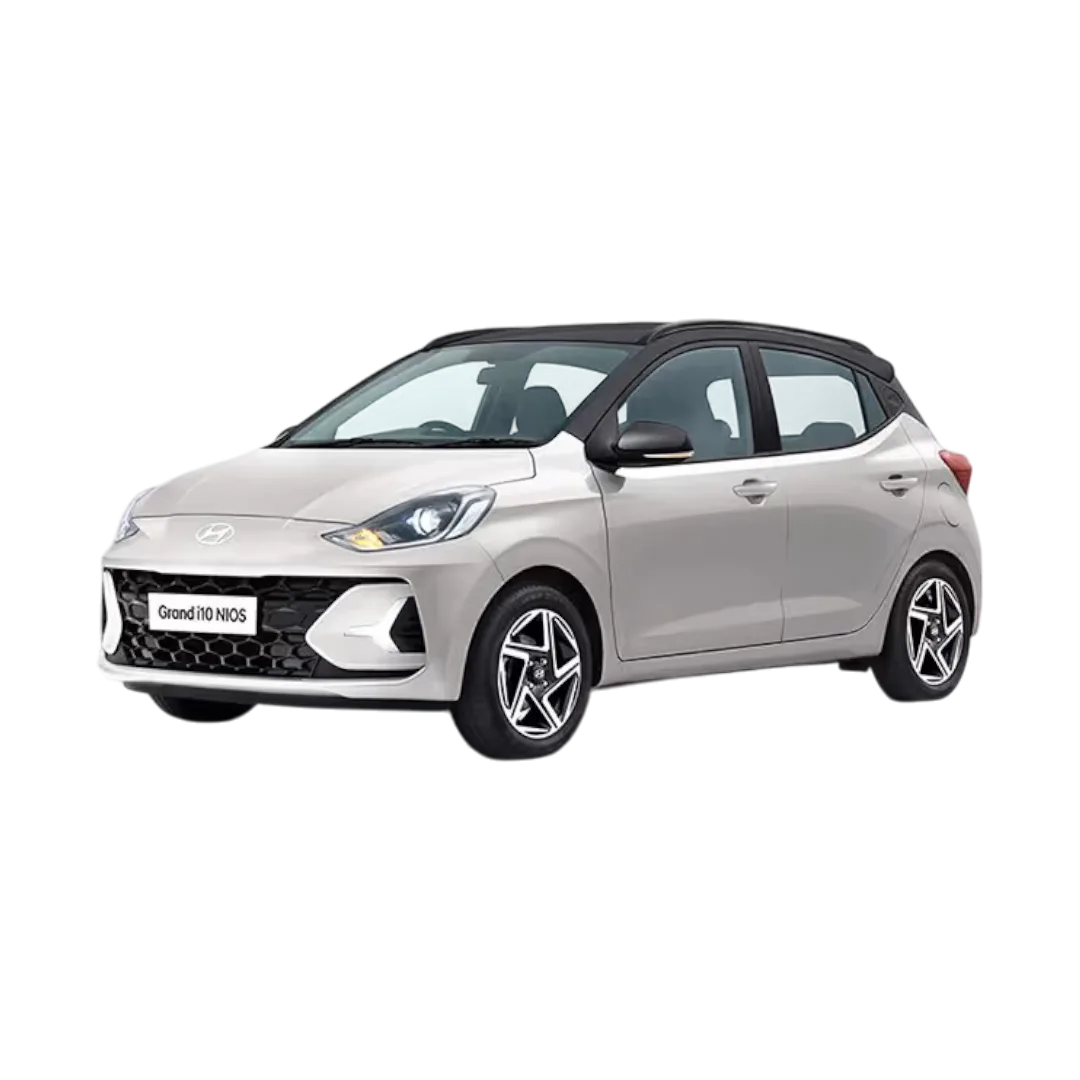 Grand i10 Nios
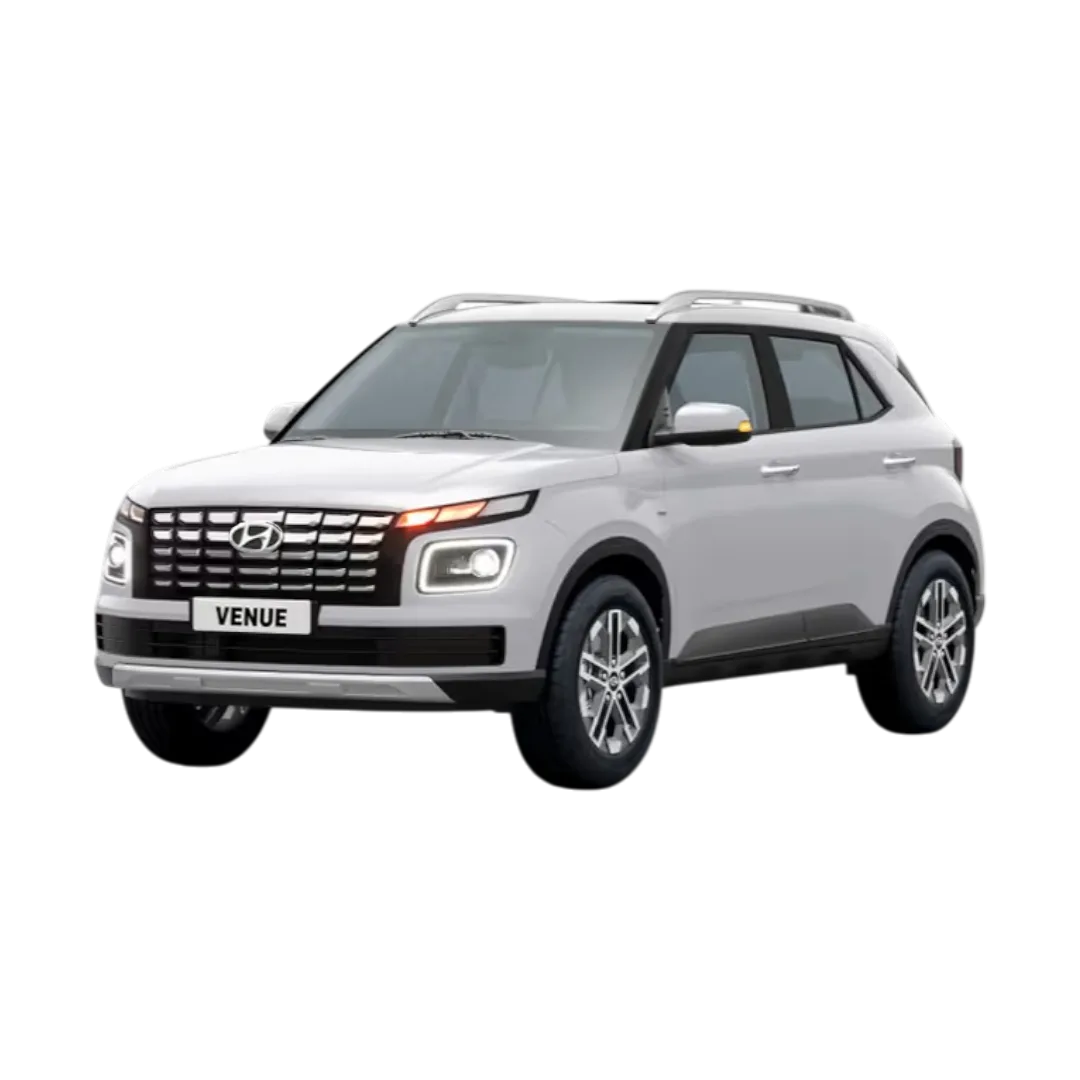 Venue
Venue
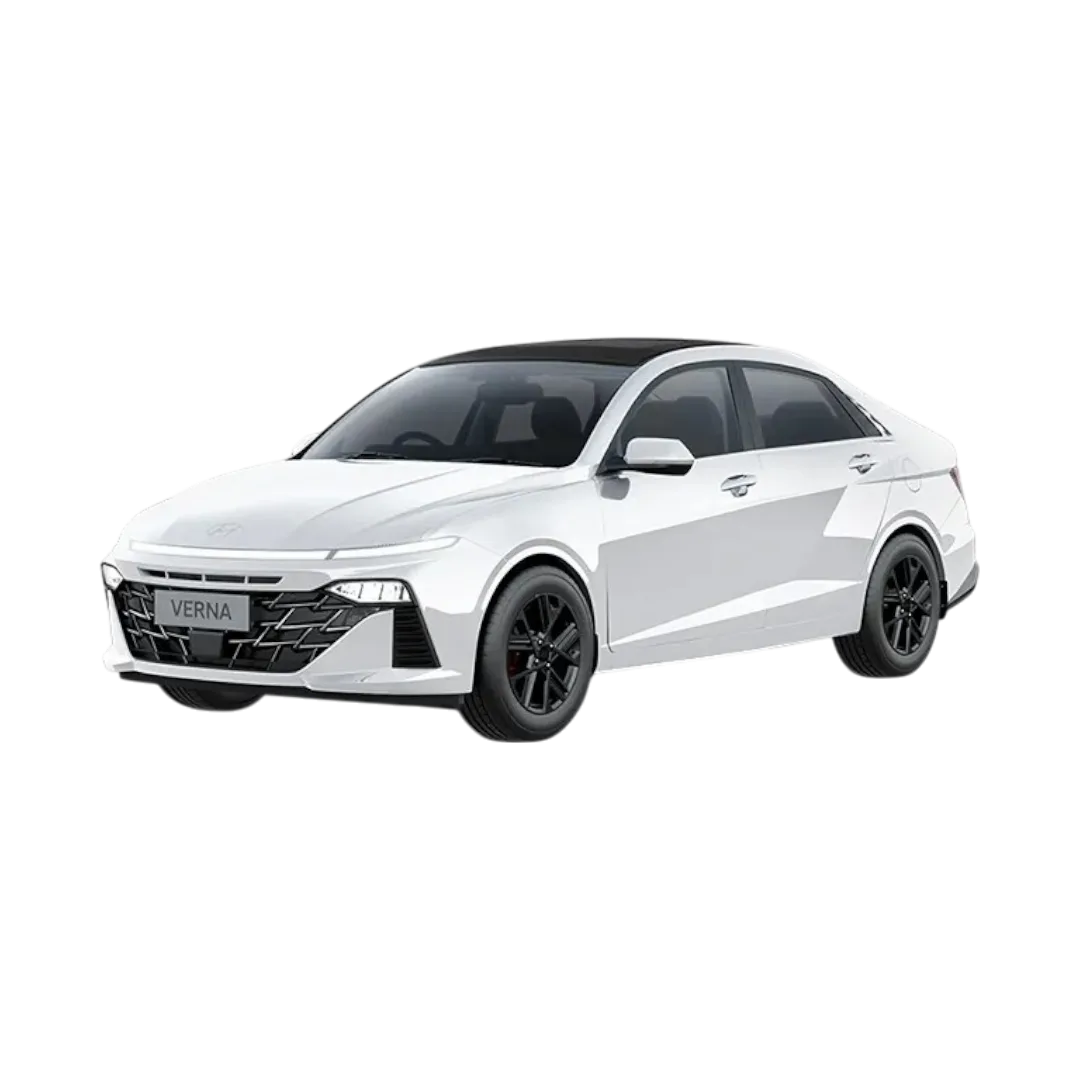 Verna
Verna
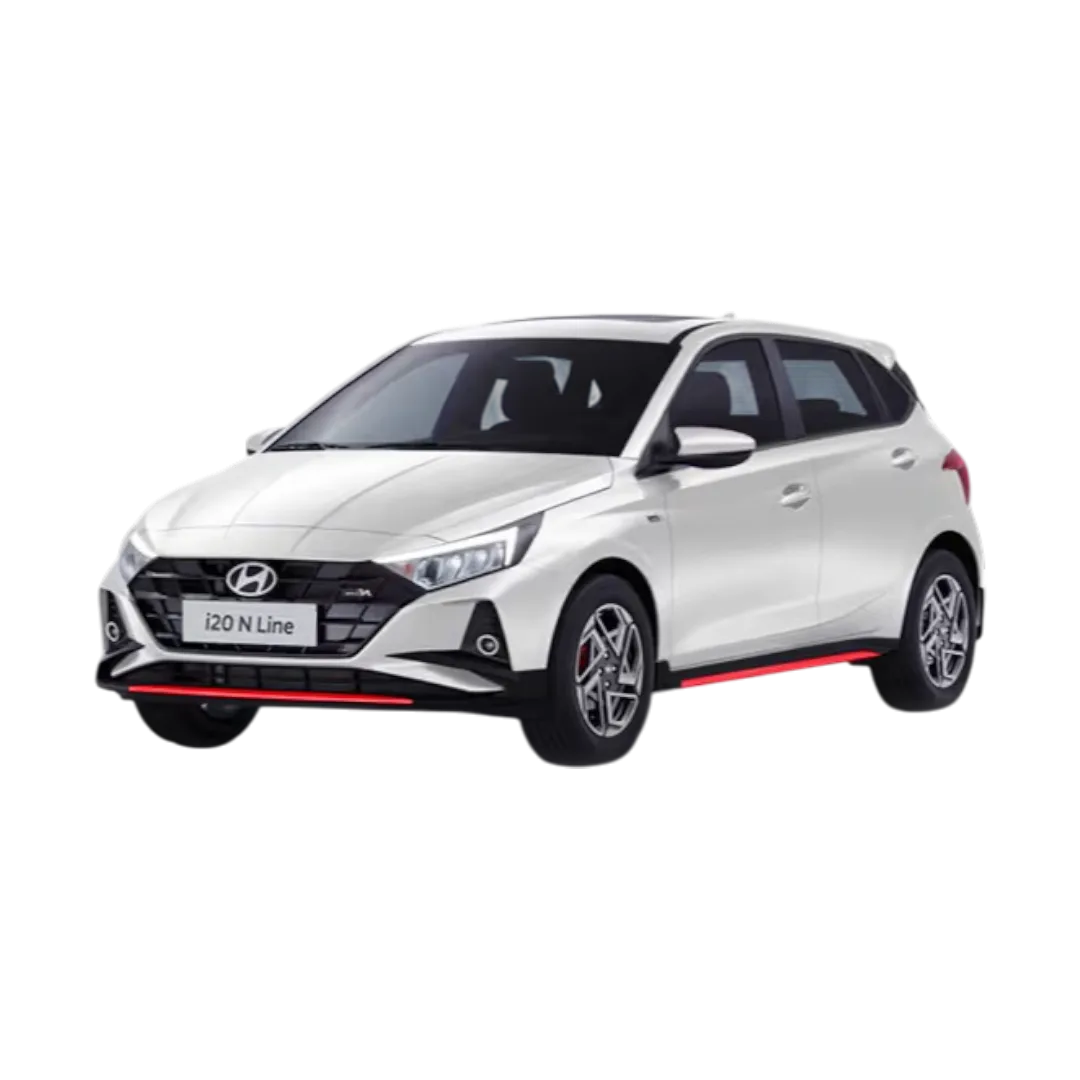 i20 N Line
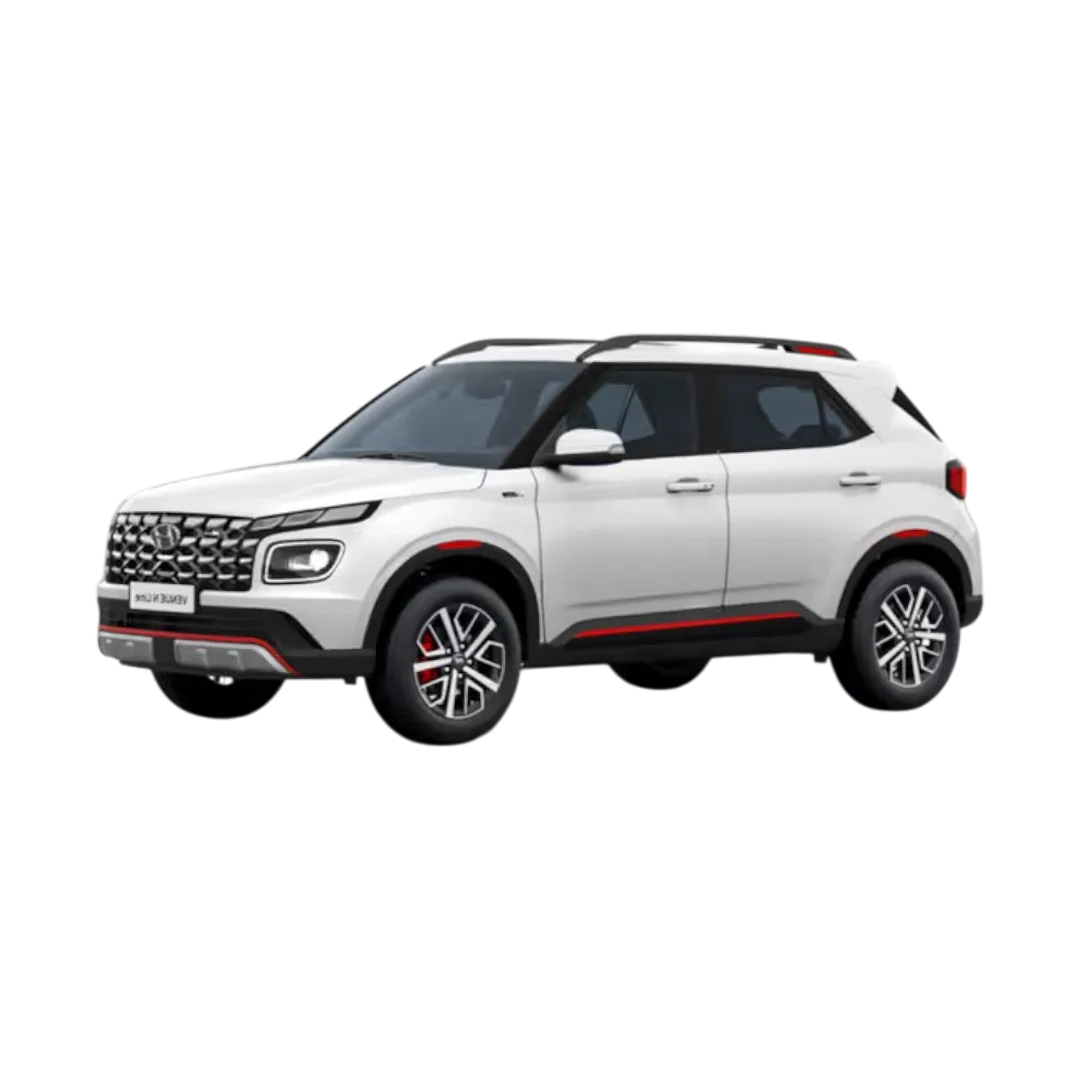 Venue N Line
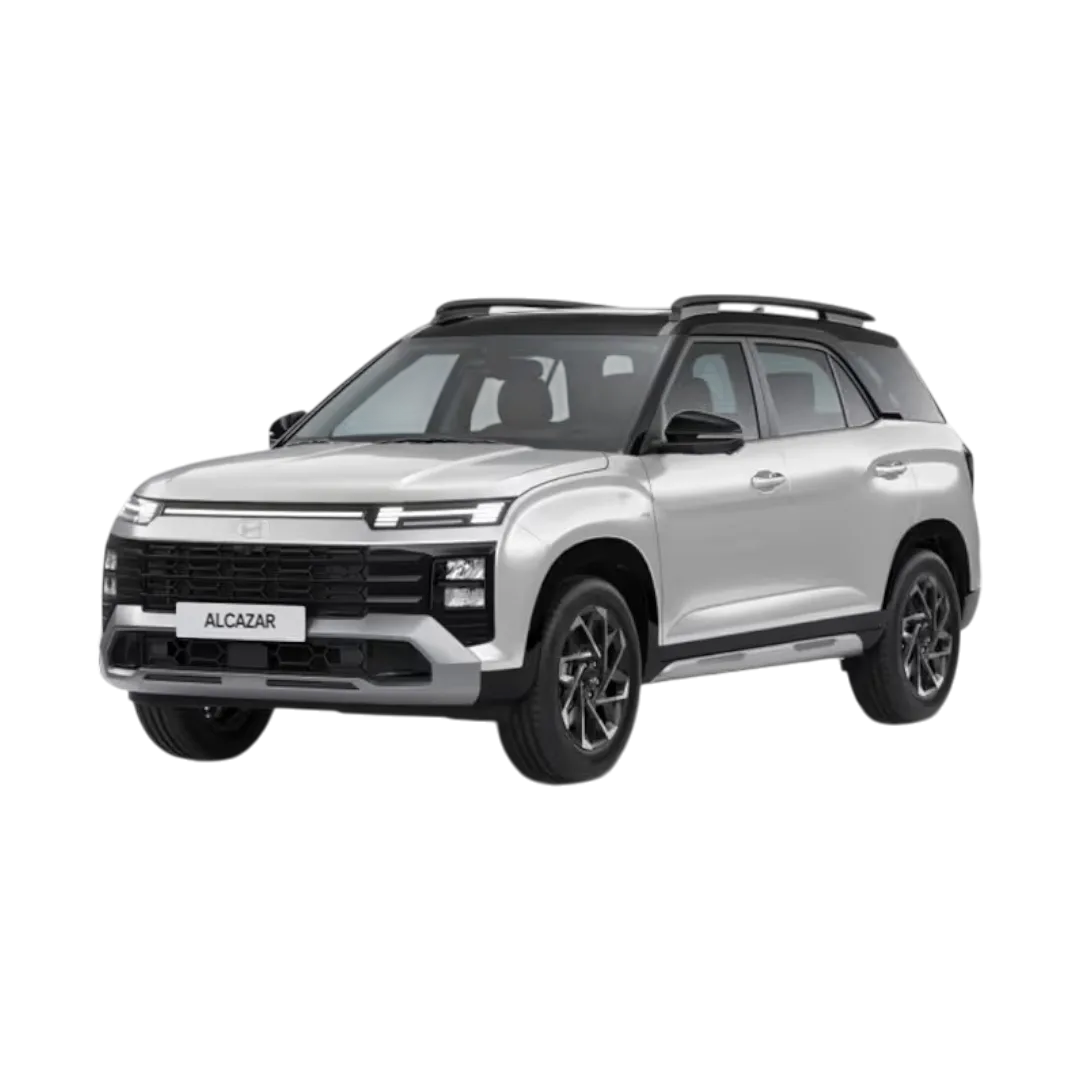 Alcazar
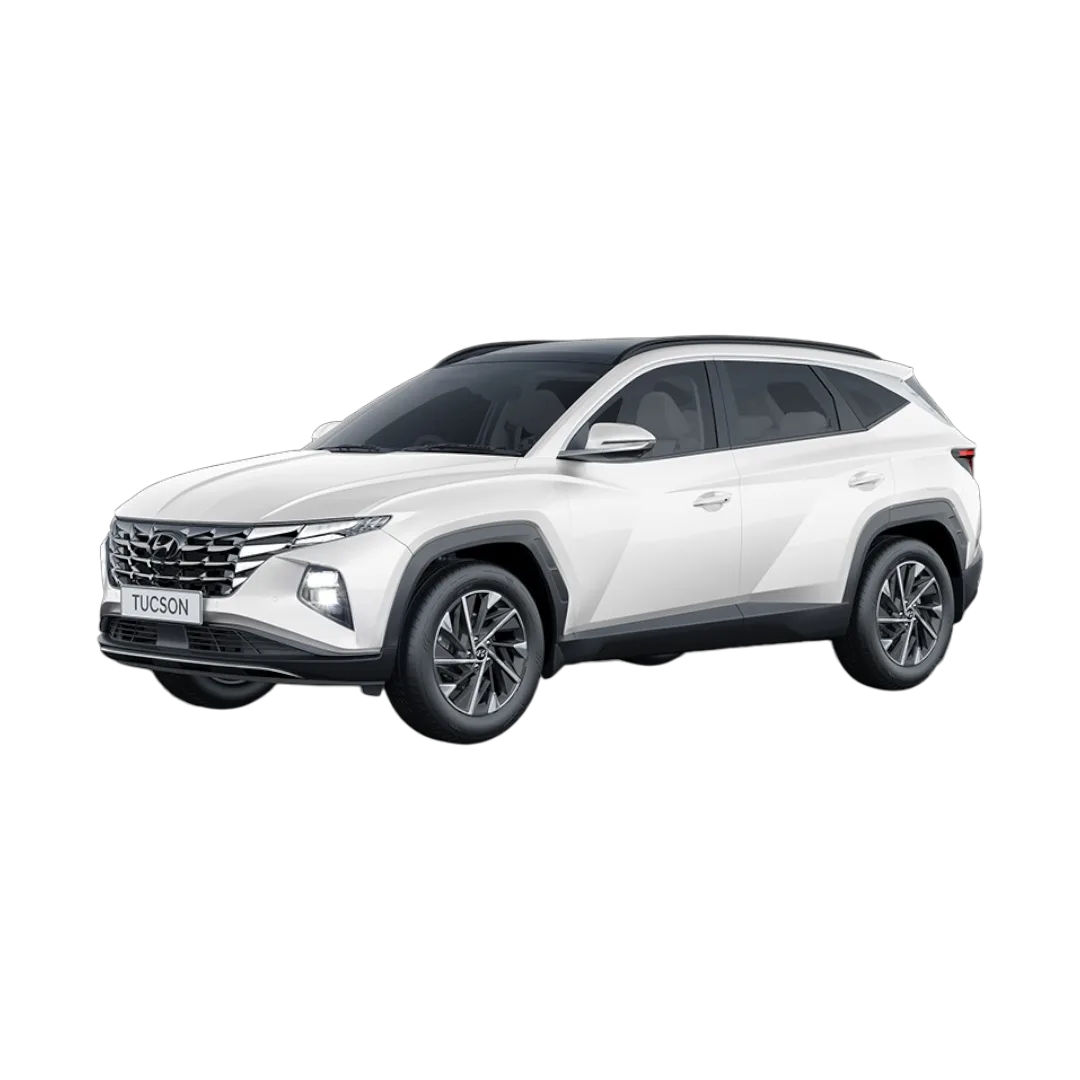 Tucson
 Kona
Kona
 iONIQ 5
 Santro
 Santro Xing
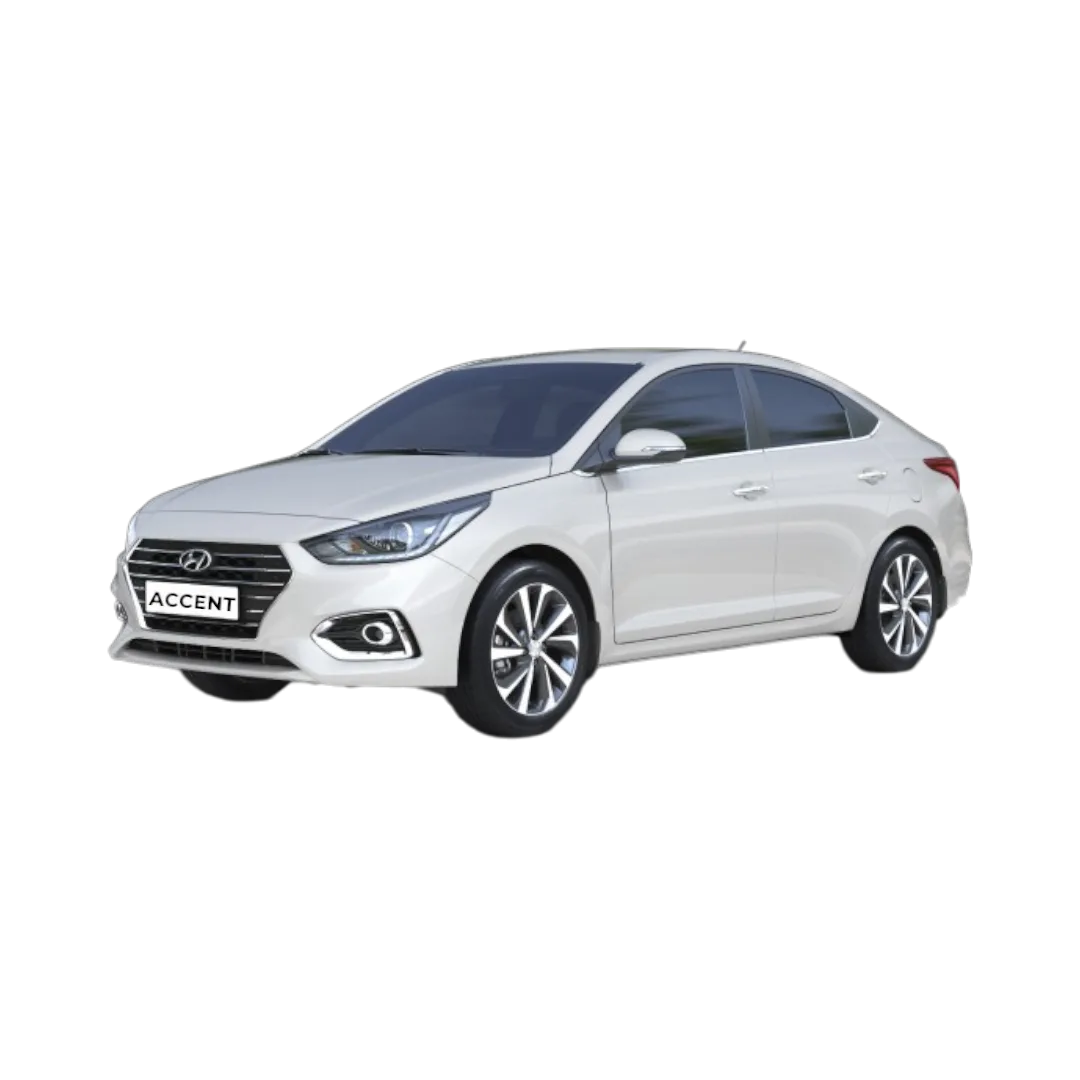 Accent
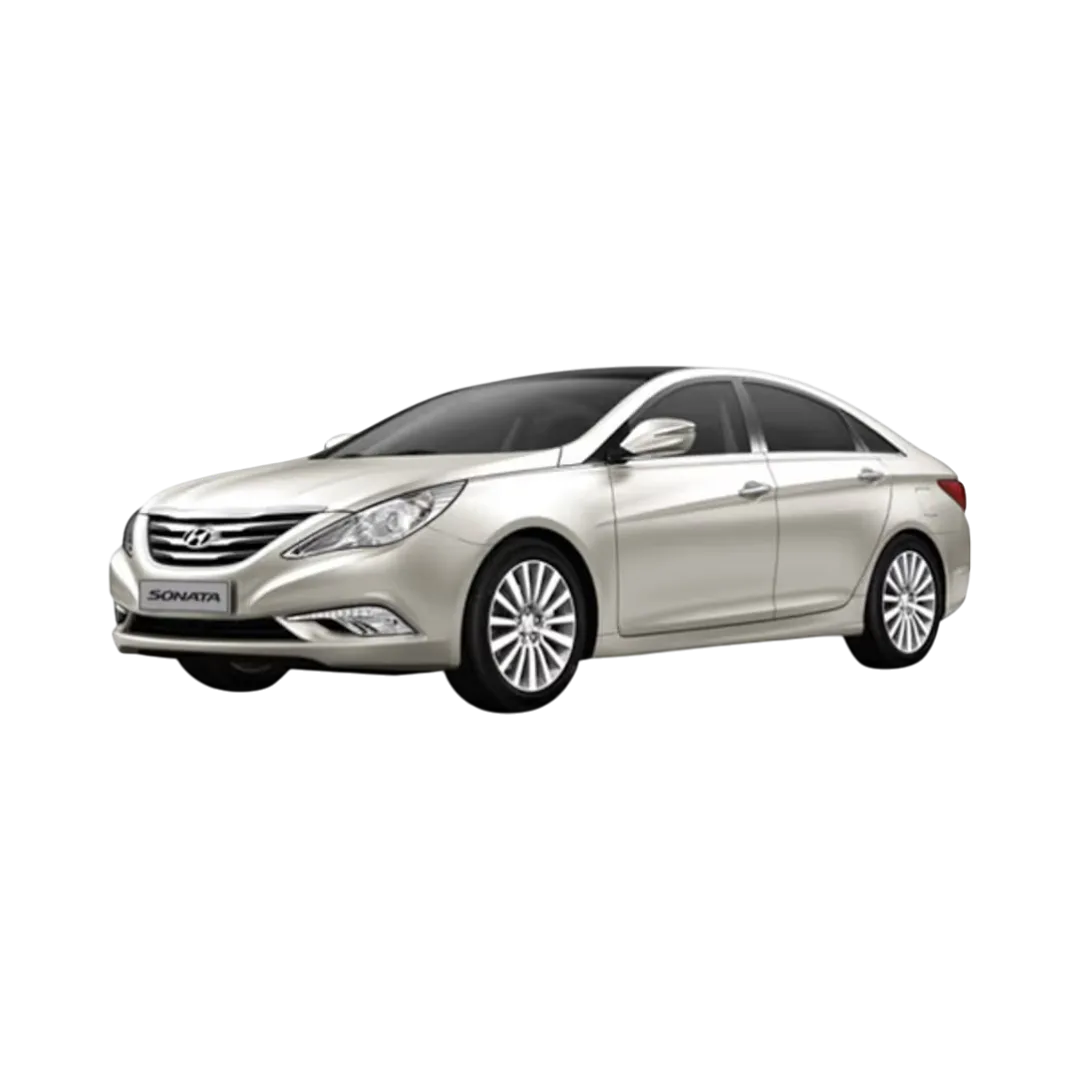 Sonata
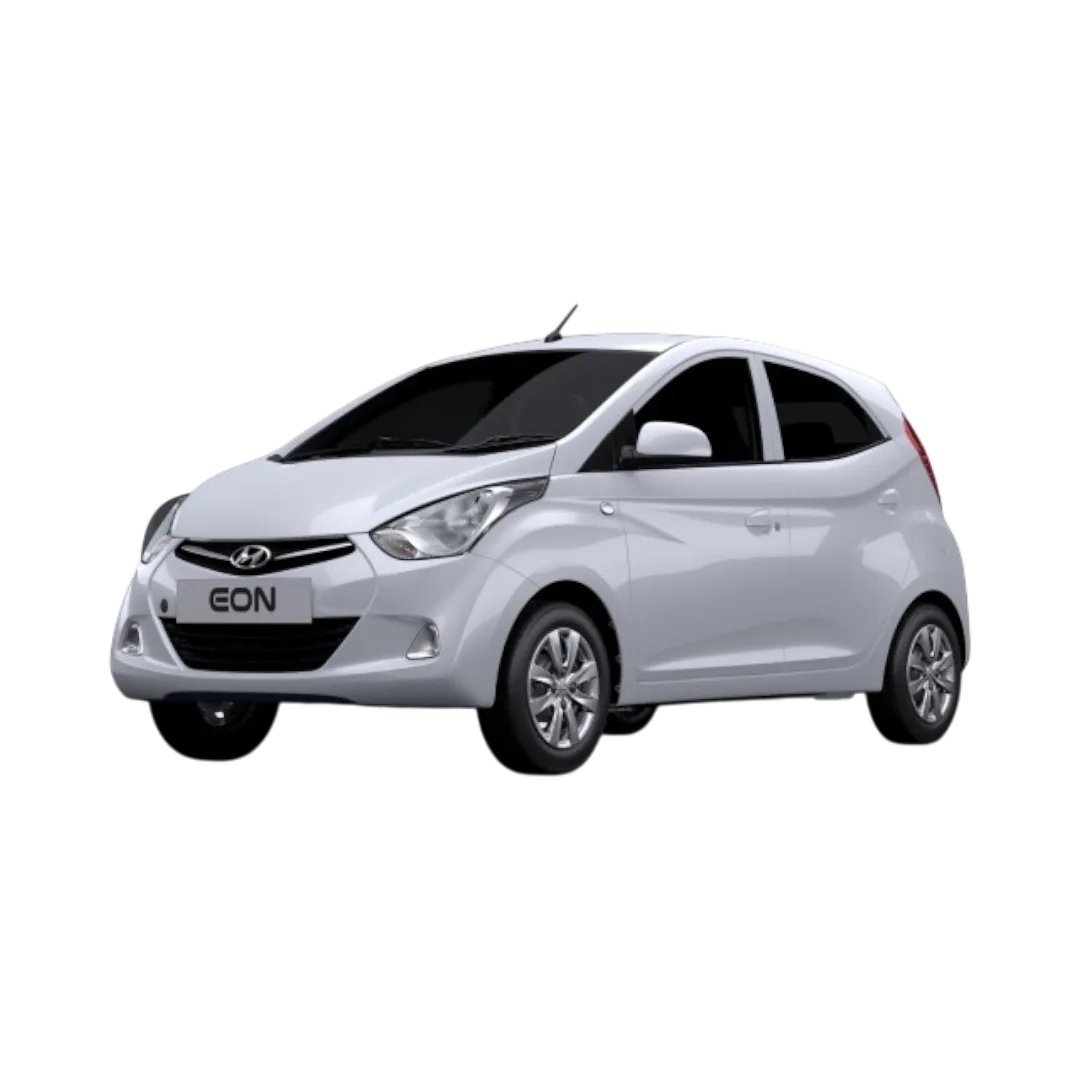 Eon
Eon
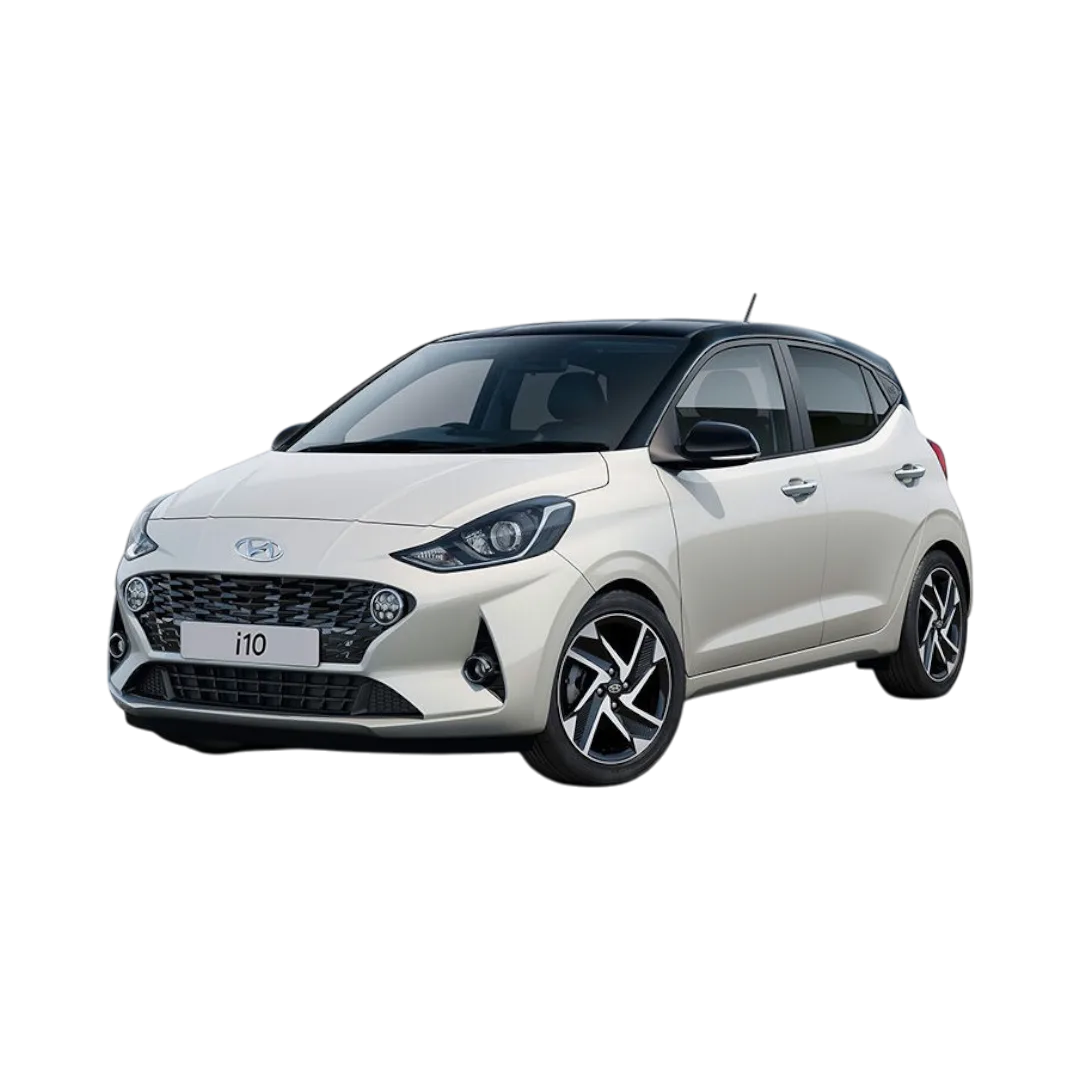 i10
i10
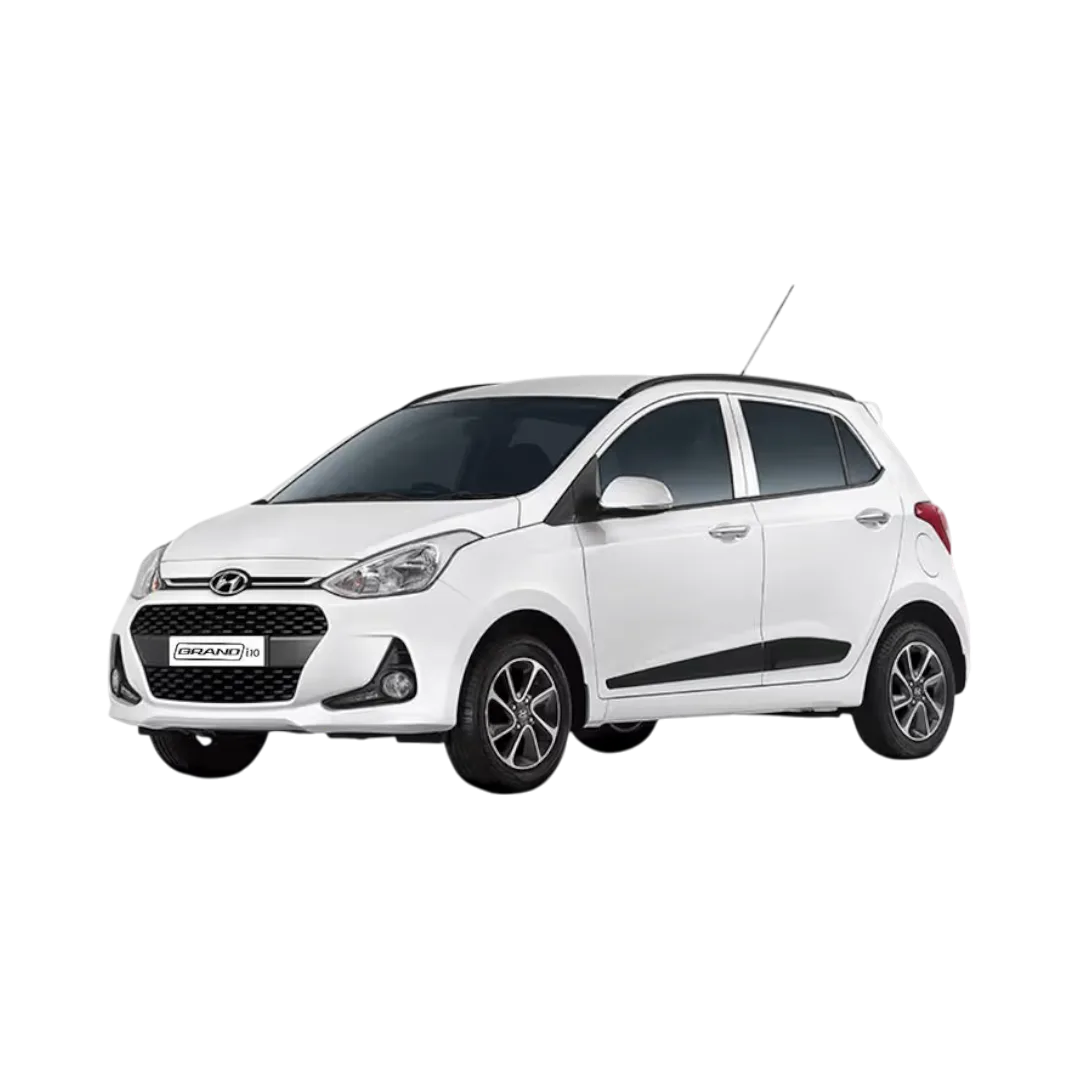 Grand i10
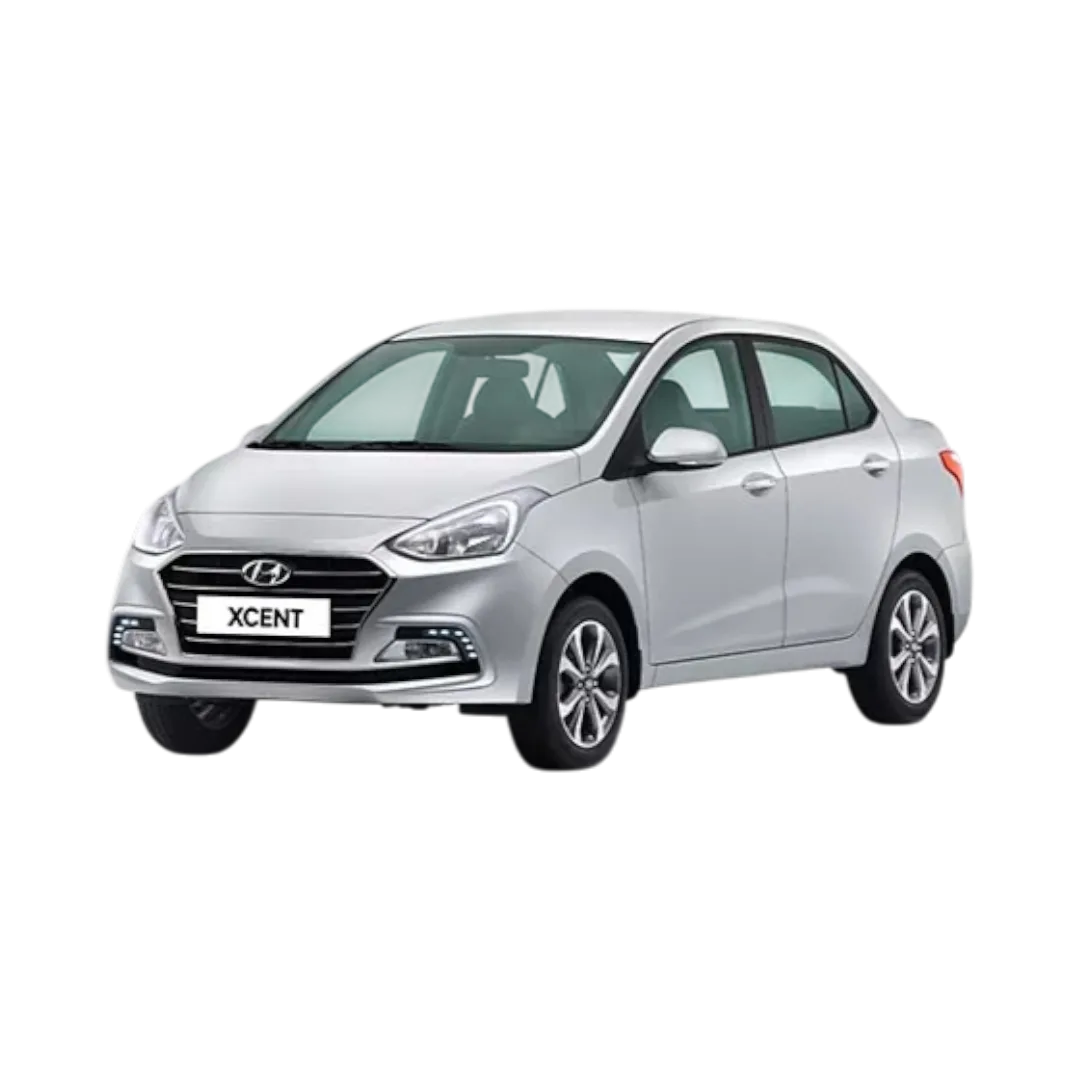 Xcent
Xcent
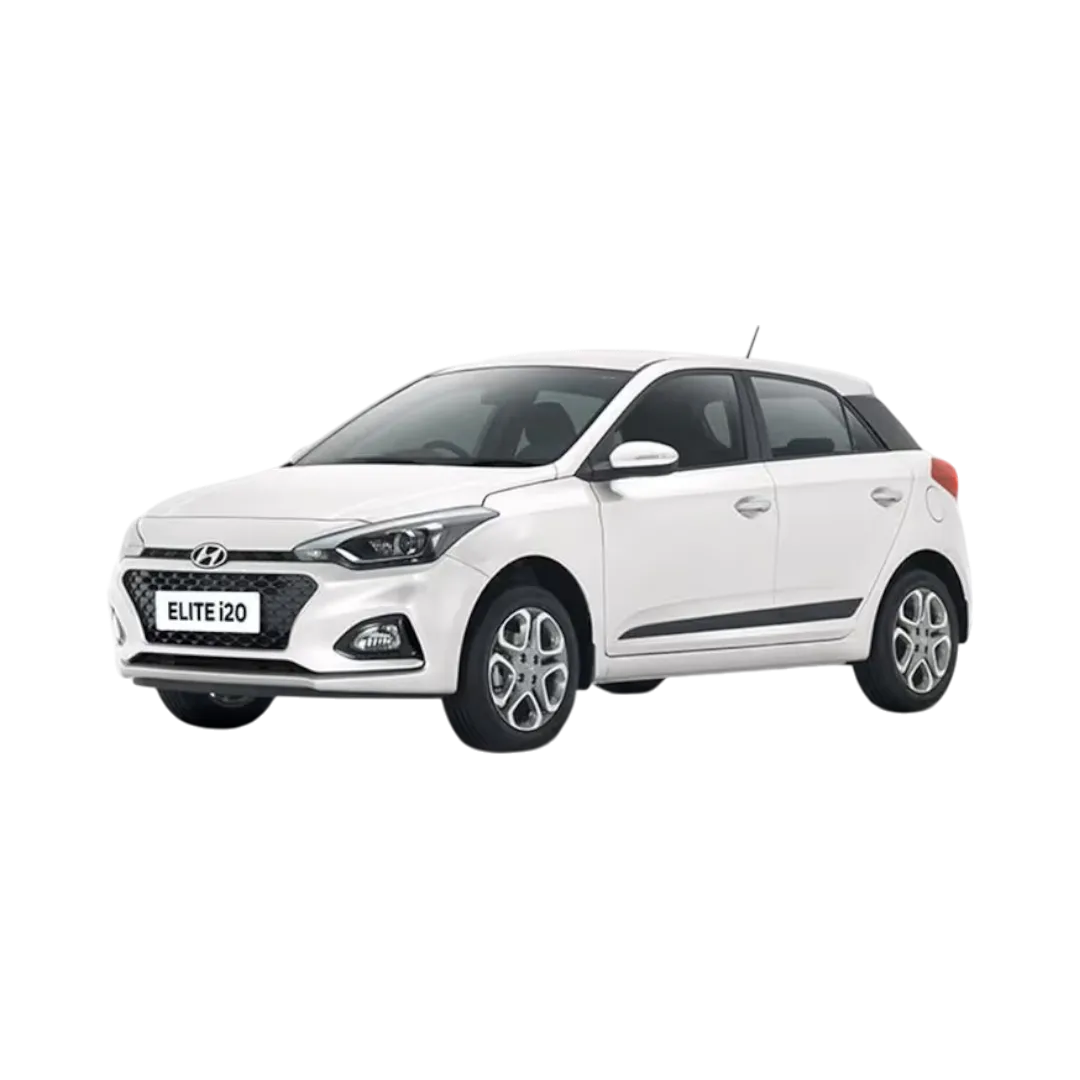 Elite i20
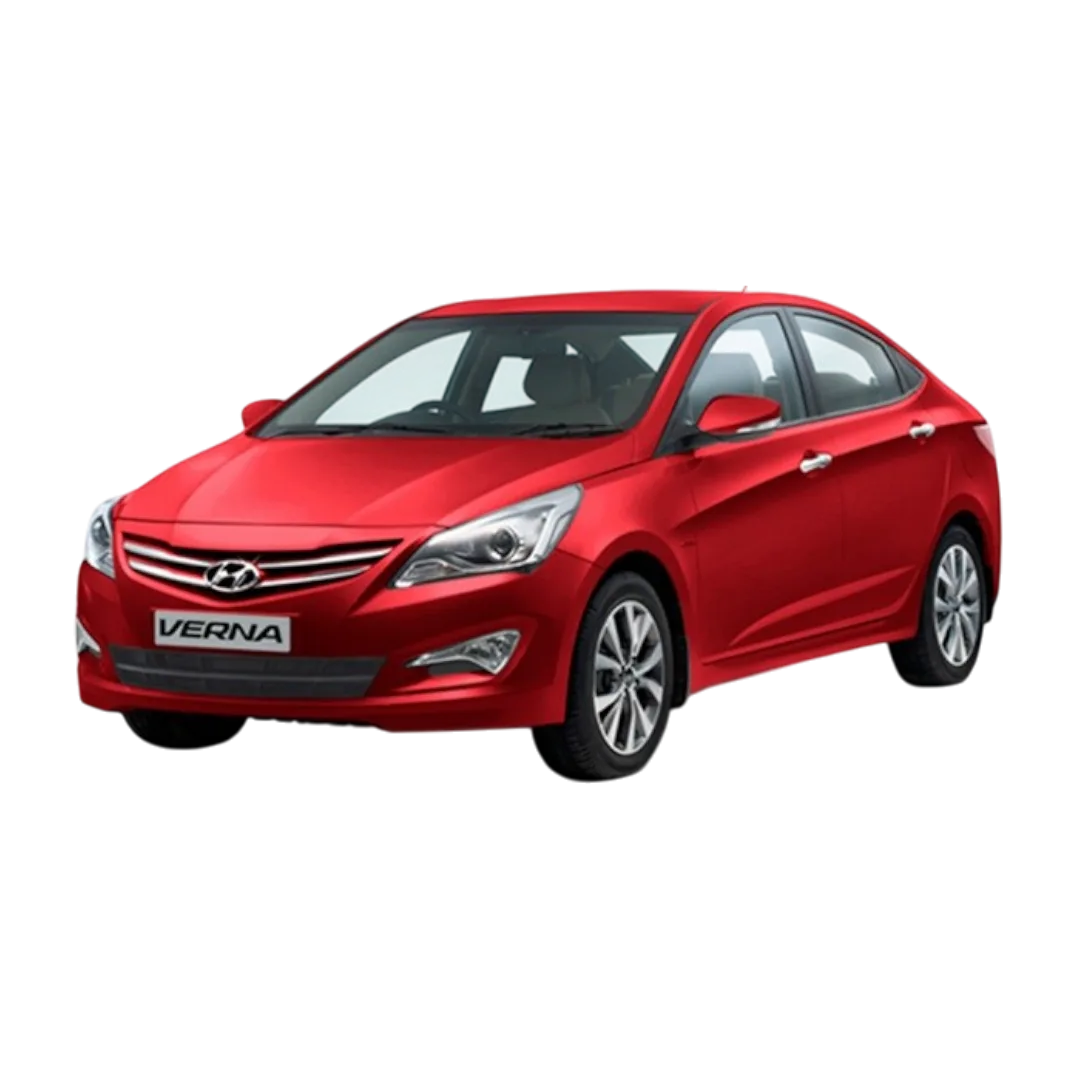 Verna Fluidic
 Santafe
 Exter
Sonata Fluidic
i20 Active
Exter
Sonata Fluidic
i20 Active
 Yaris
Yaris
 Urban Cruiser
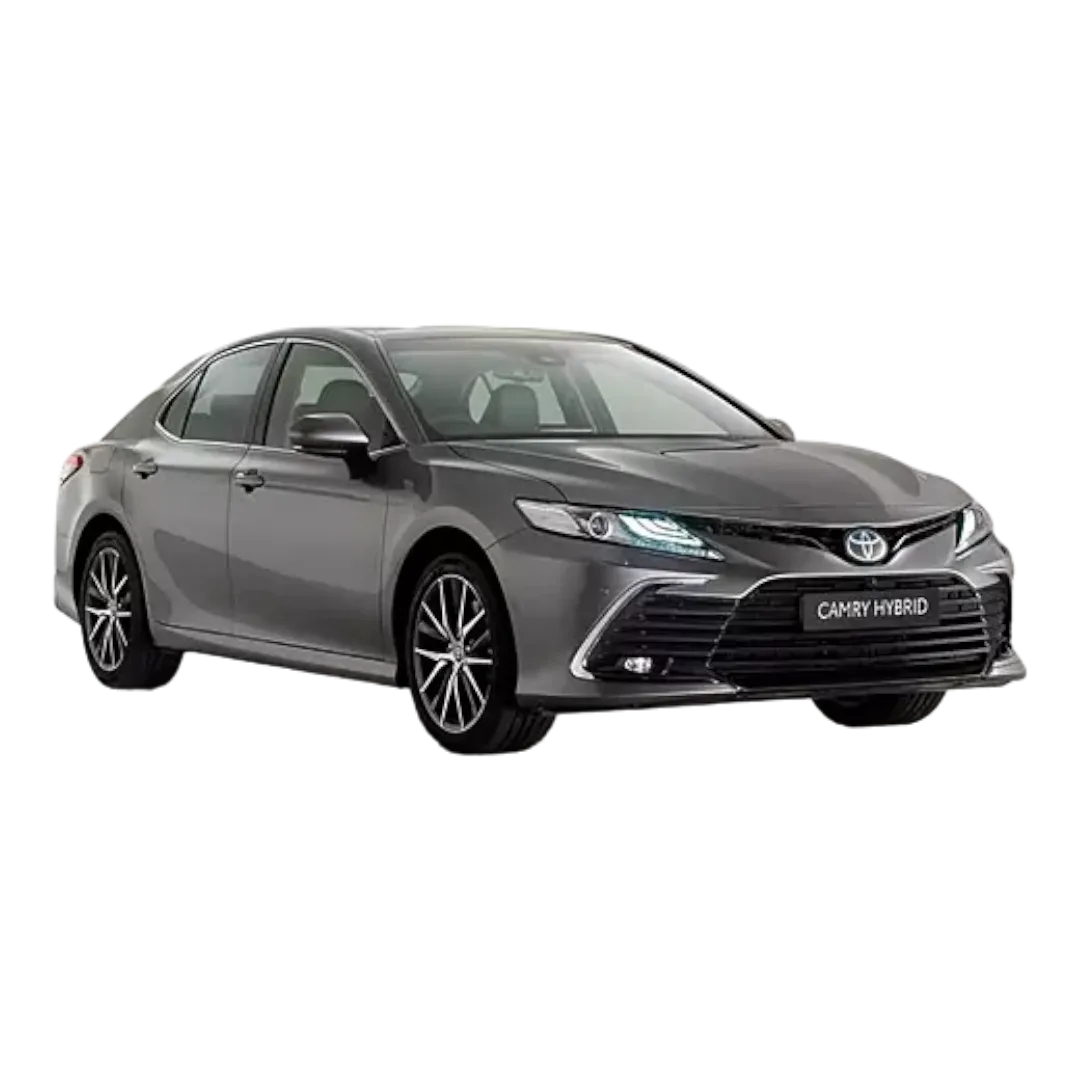 Camry
Camry
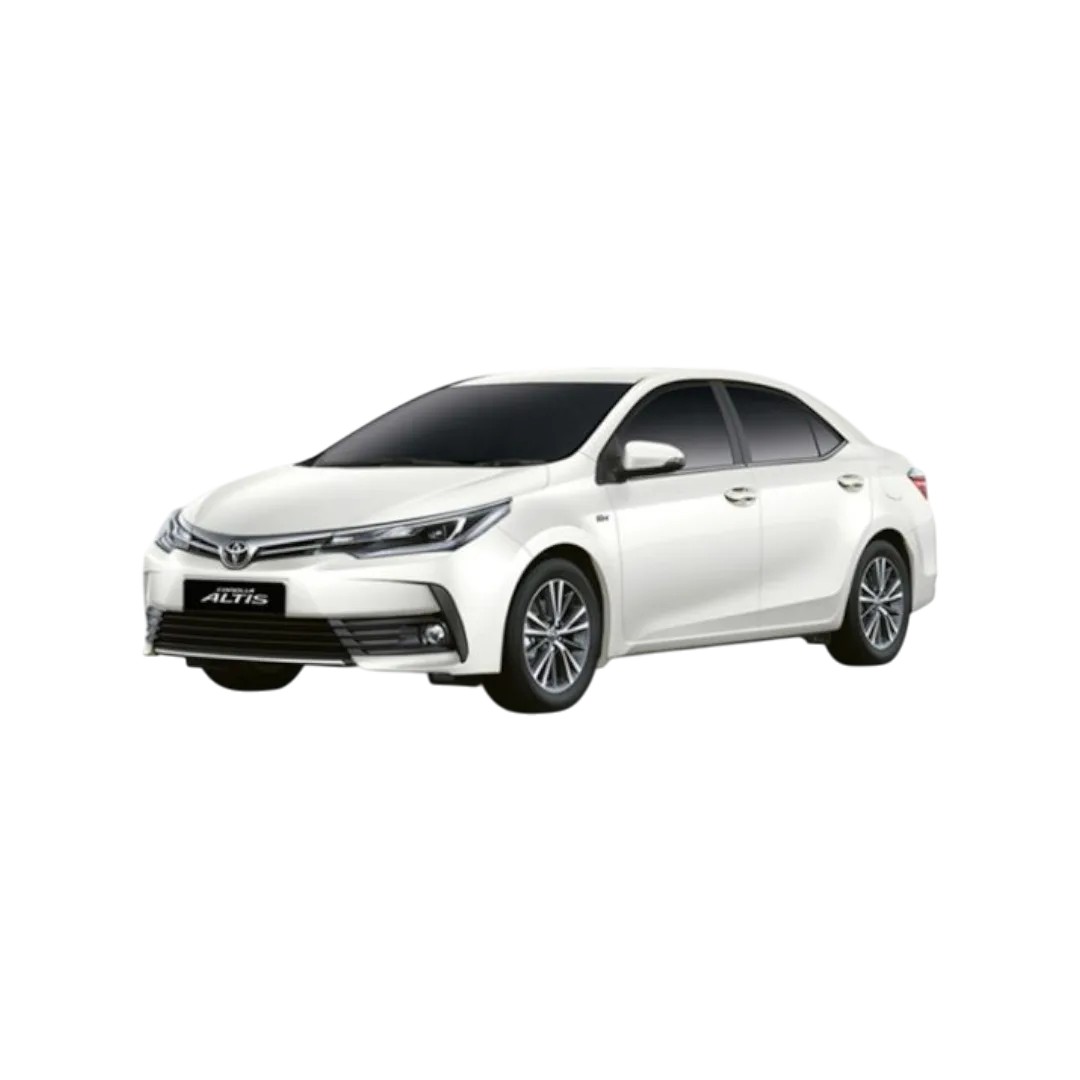 Corolla
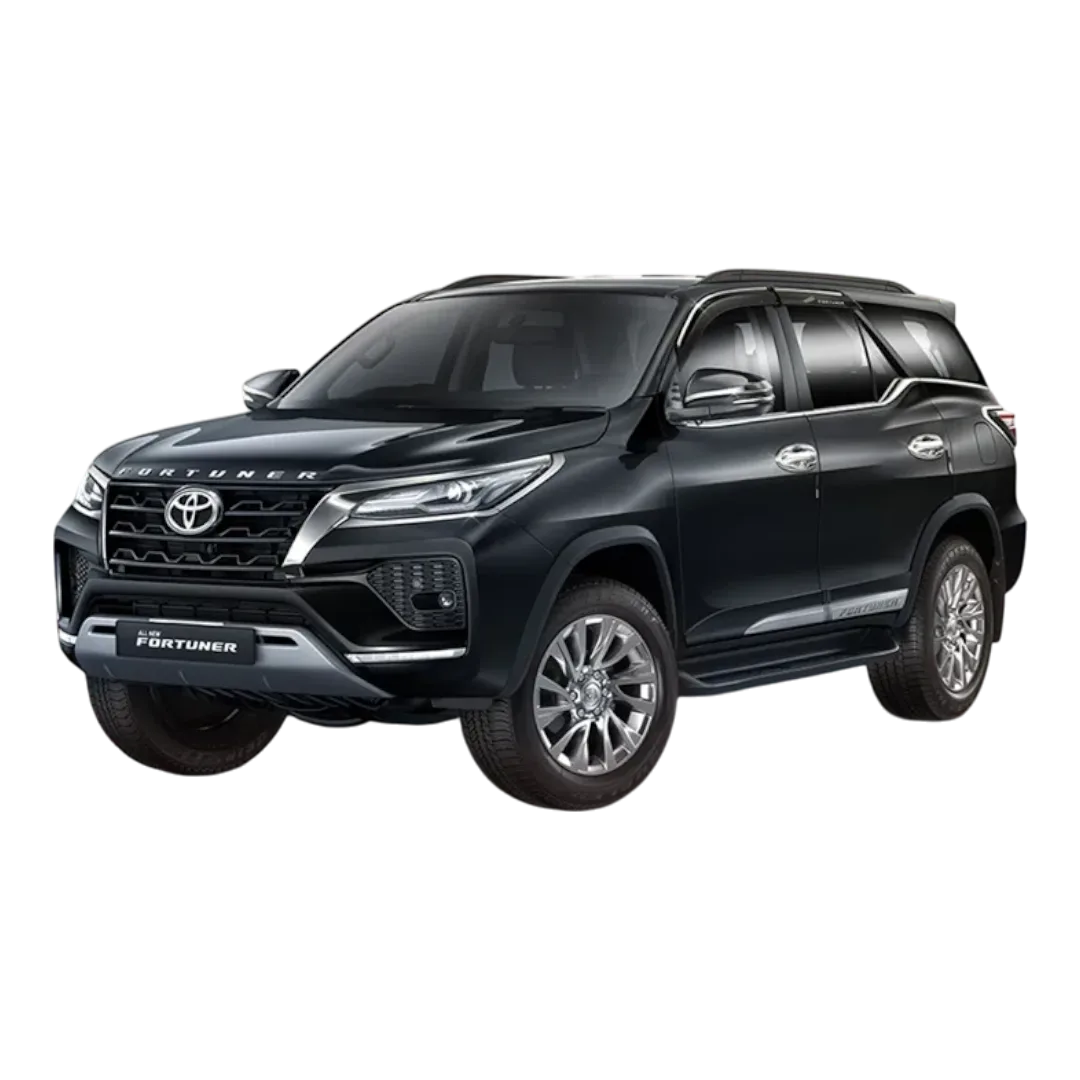 Fortuner
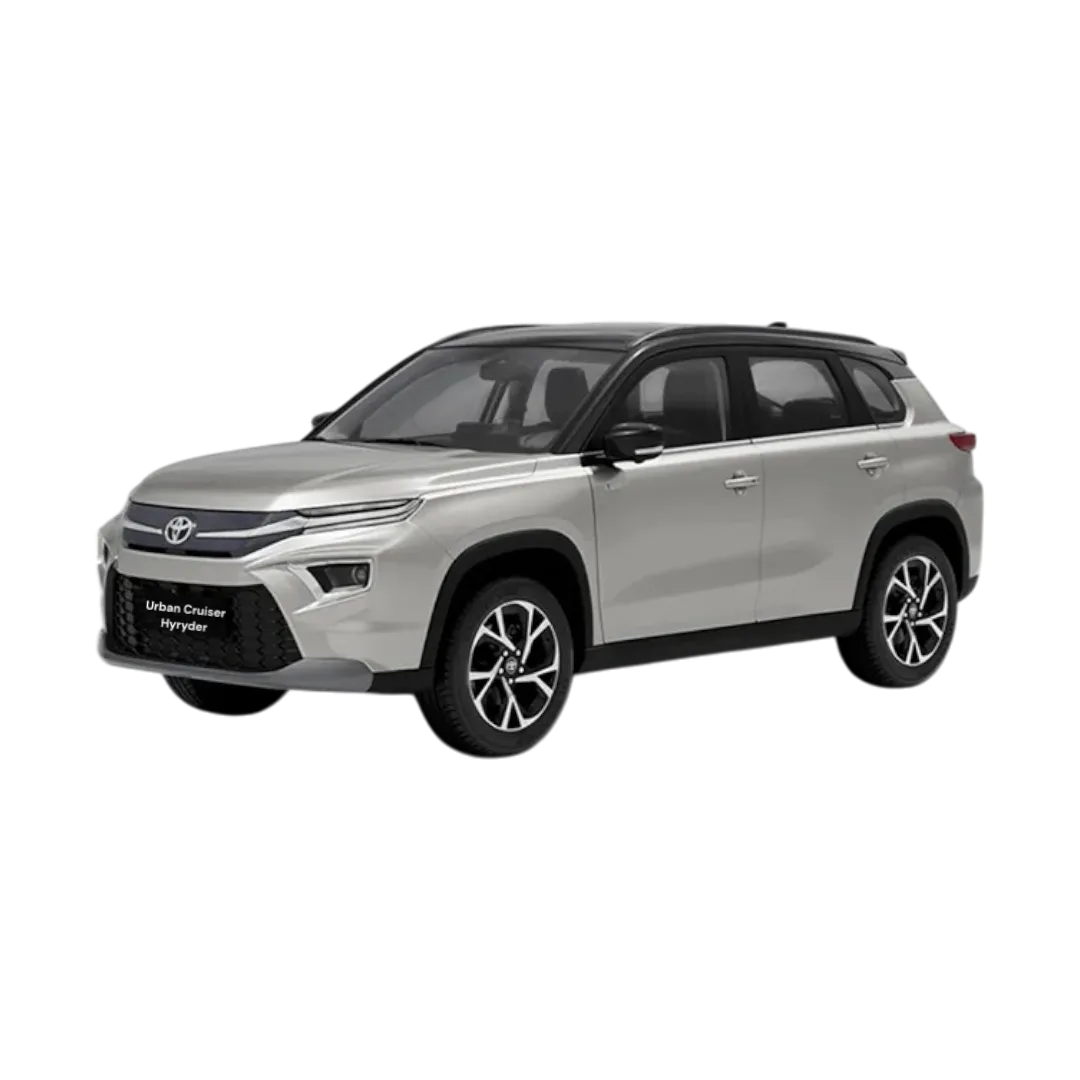 Urban Cruiser Hyryder
 Innova Crysta
 Innova Hycross
 Hilux
Hilux
 Fortuner Legender
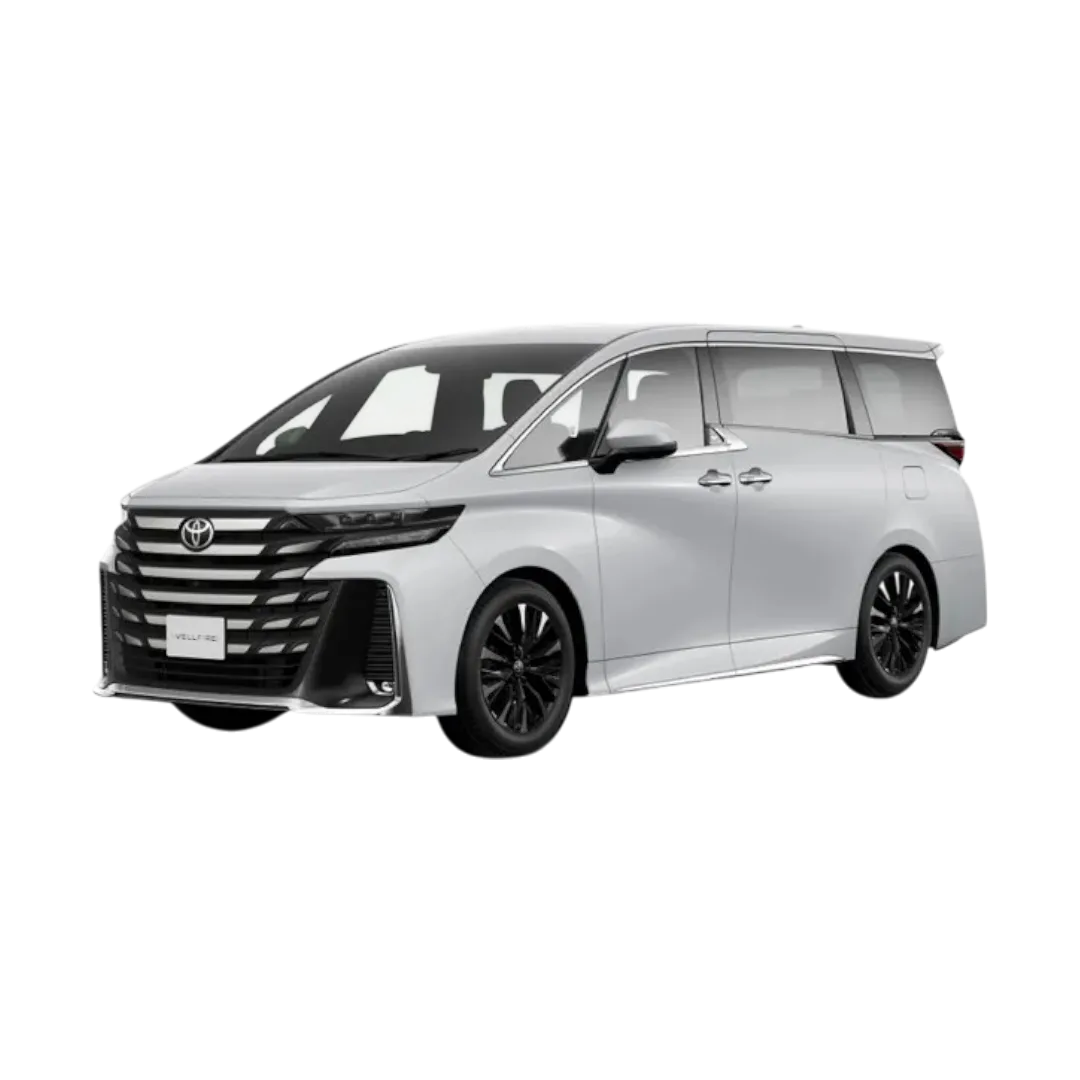 Vellfire
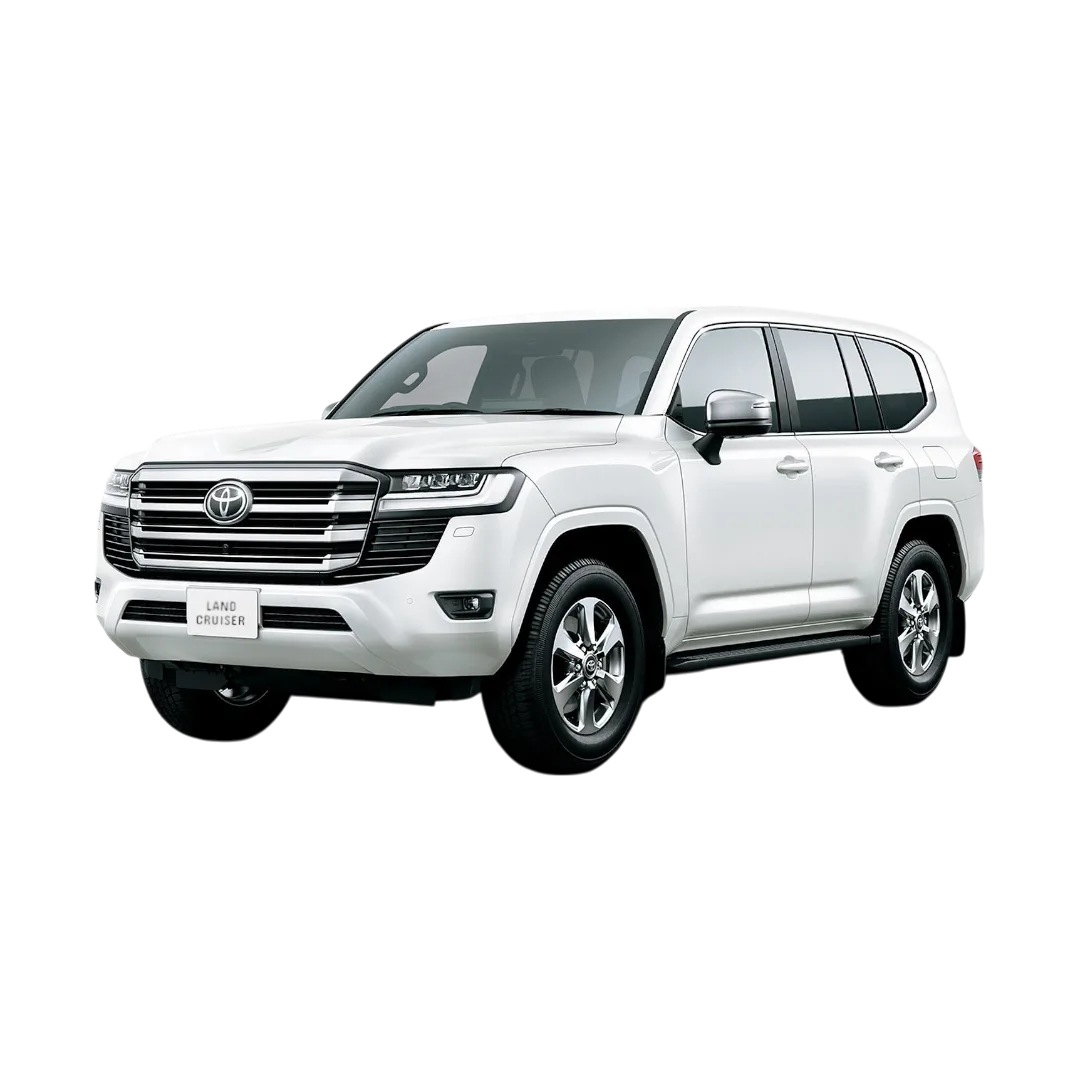 Land Cruiser
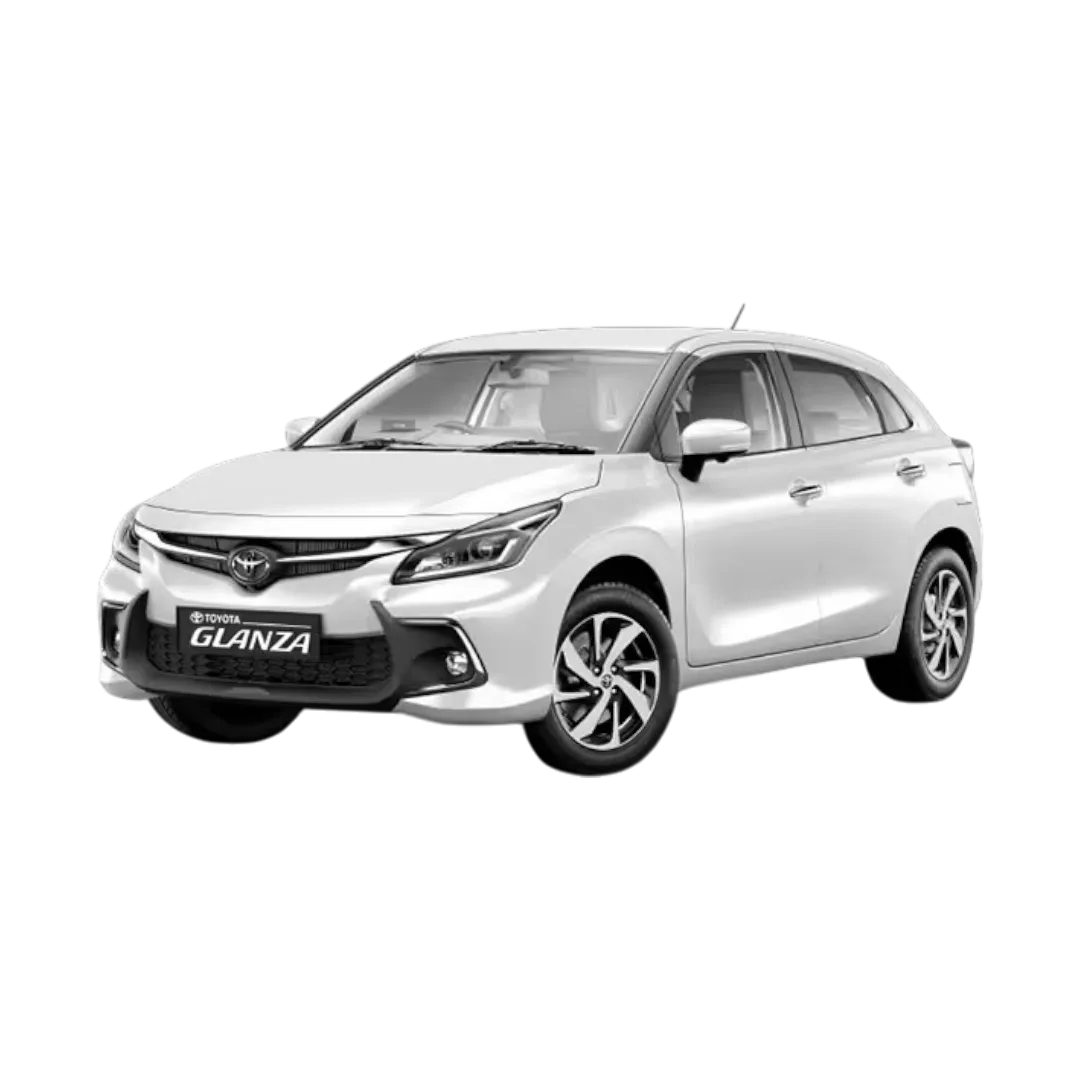 Glanza
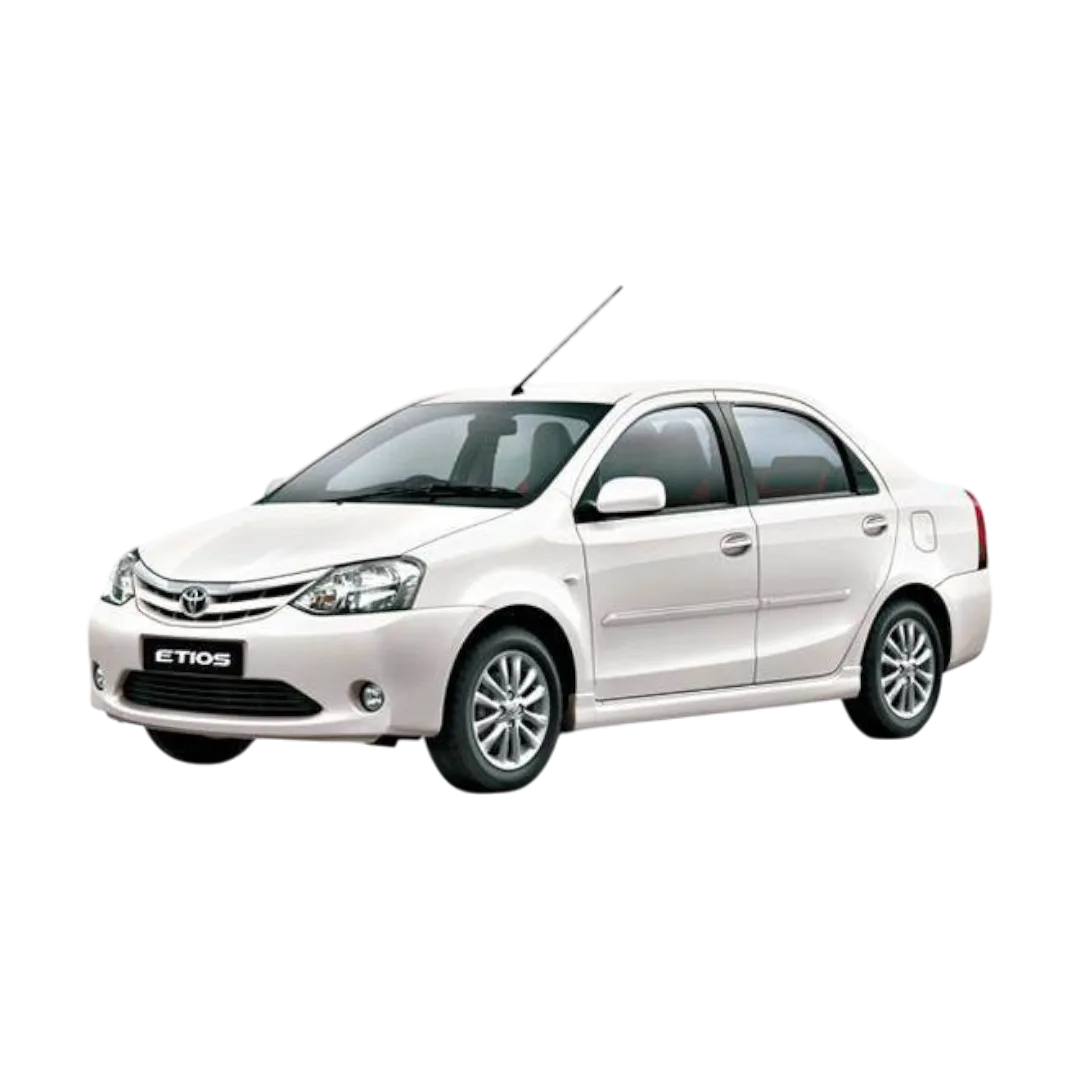 Etios
Etios
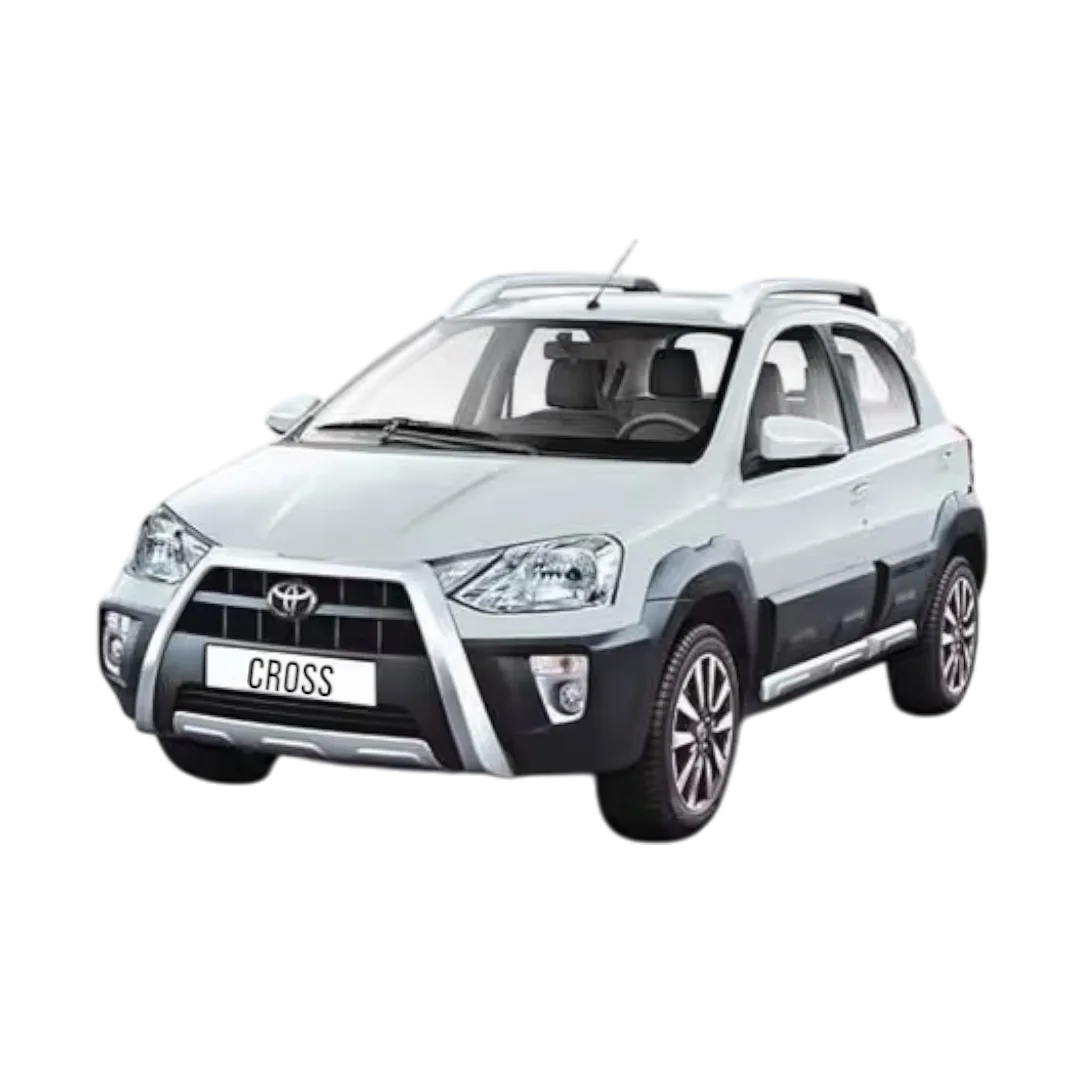 Etios cross
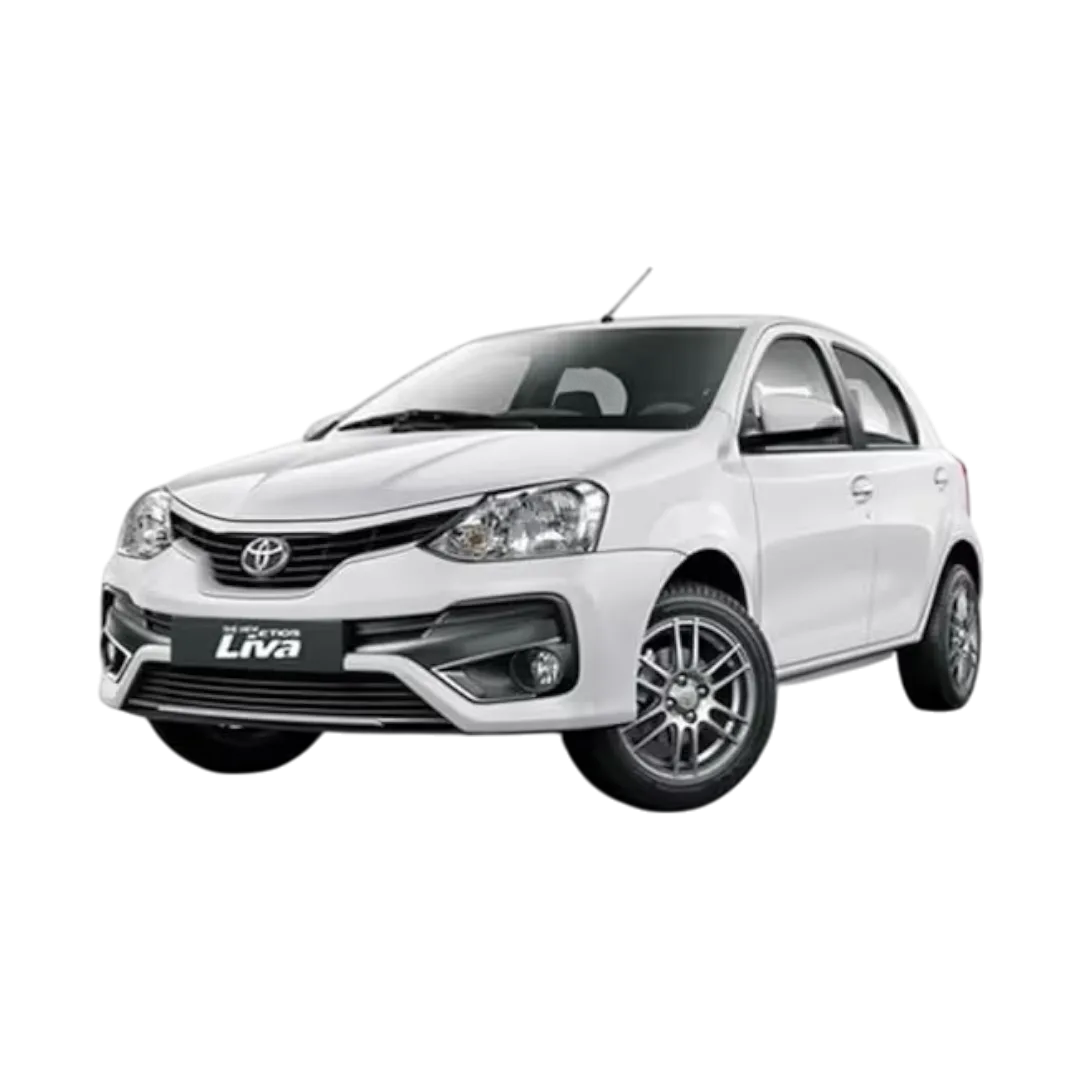 Etios Liva
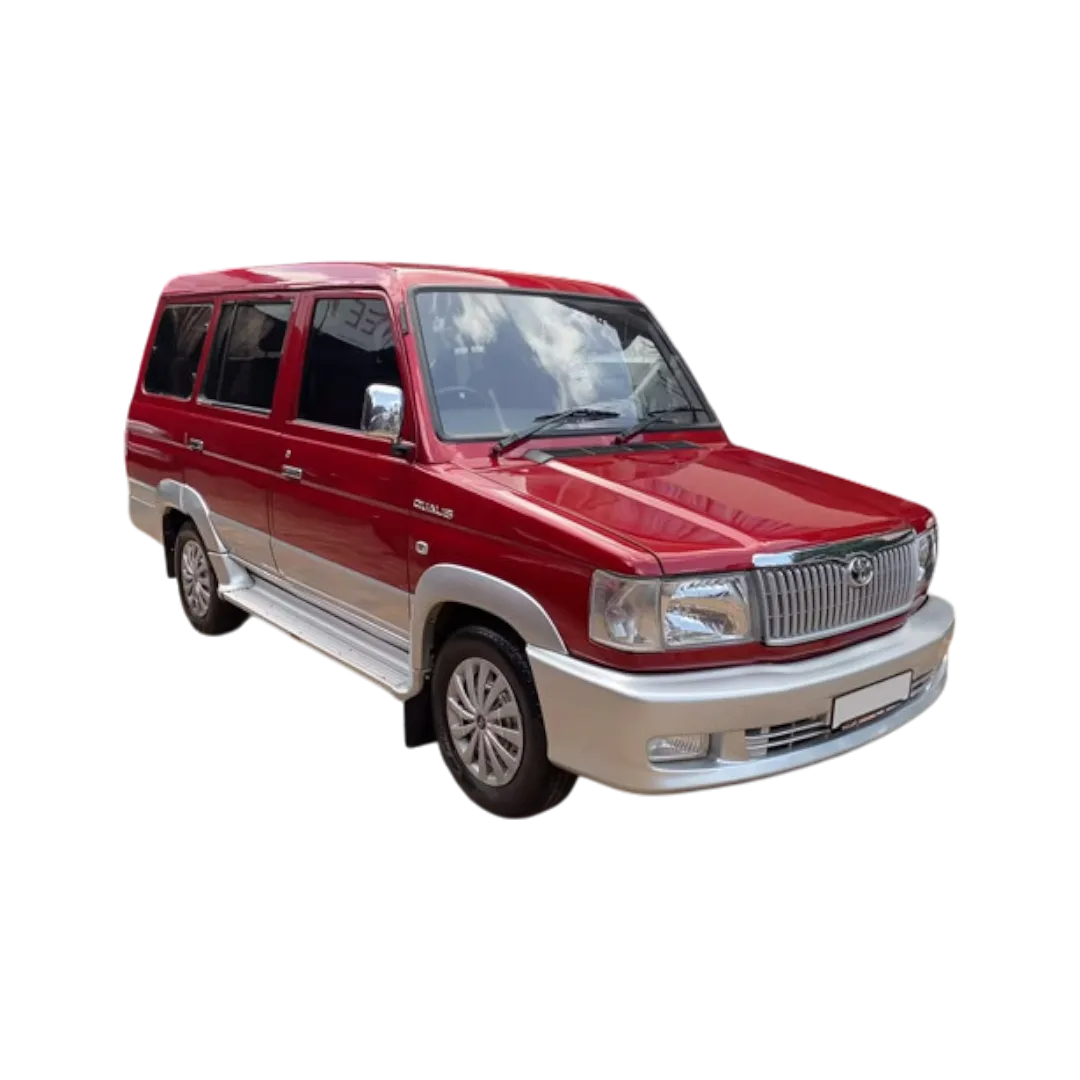 Qualis
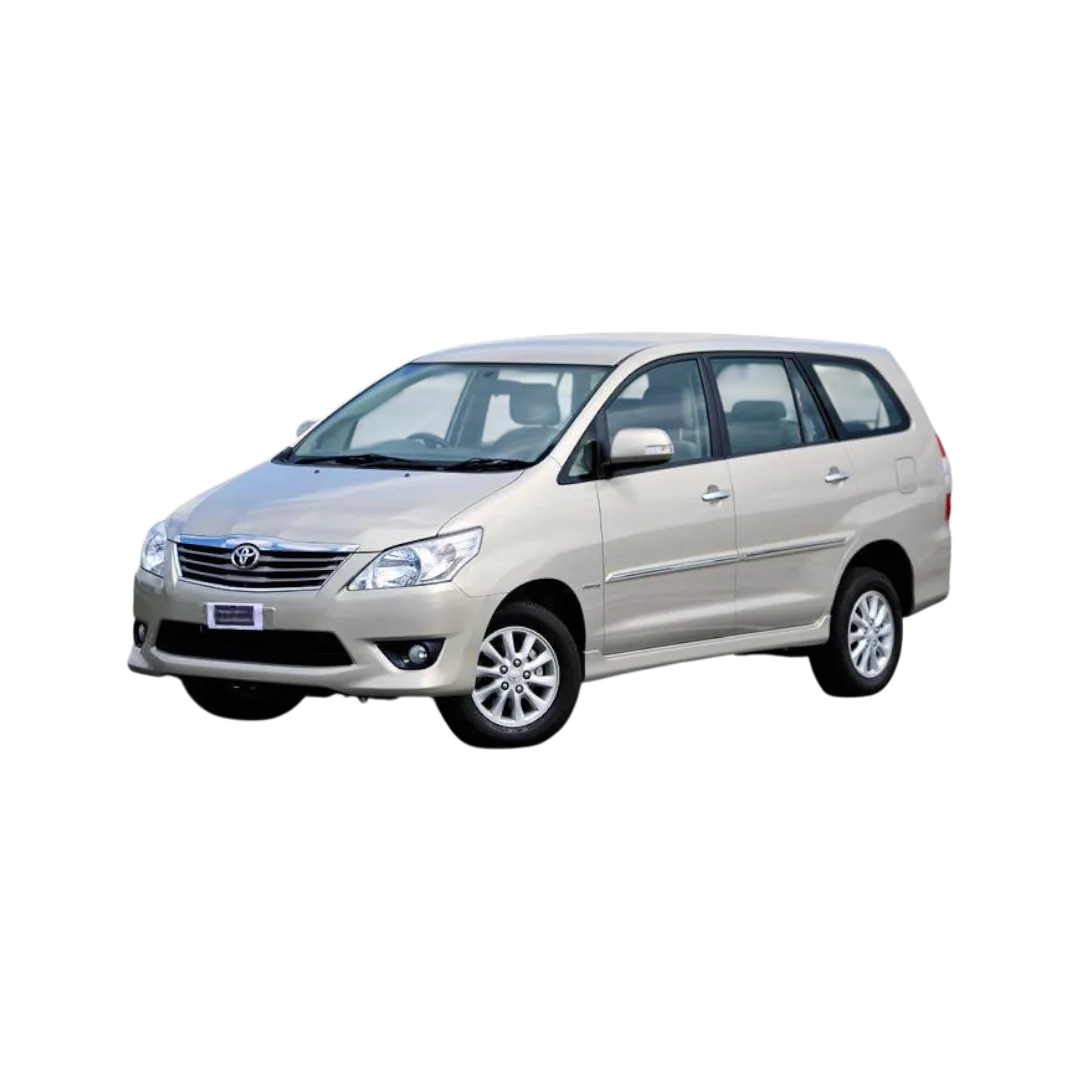 Innova
 Rumion
Taisor
Corolla Altis
Hyryder
Rumion
Taisor
Corolla Altis
Hyryder
 Bolero
 Marazzo
 KUV100 NXT
 Scorpio
 Thar
Thar
 XUV 300
 Bolero Neo
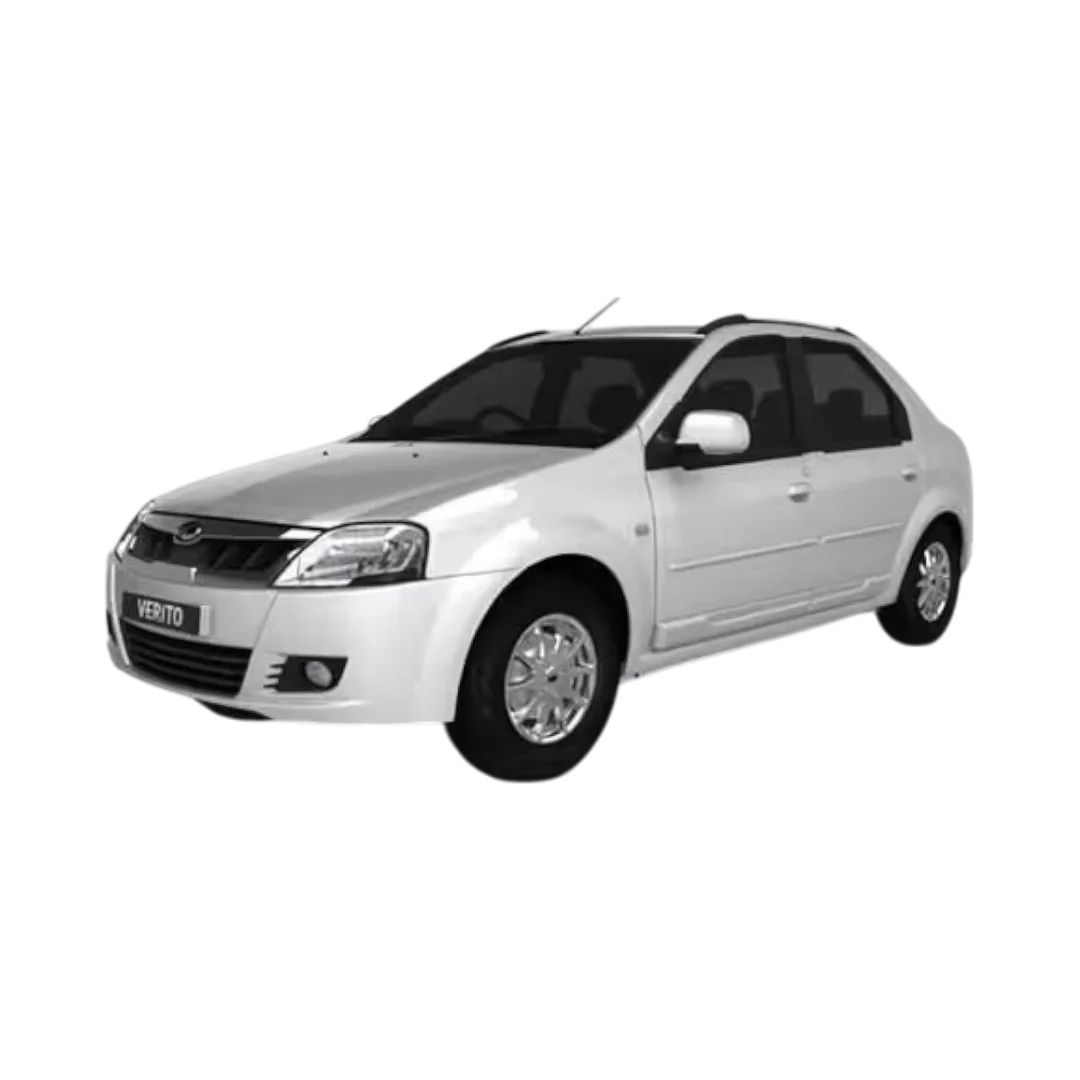 Verito
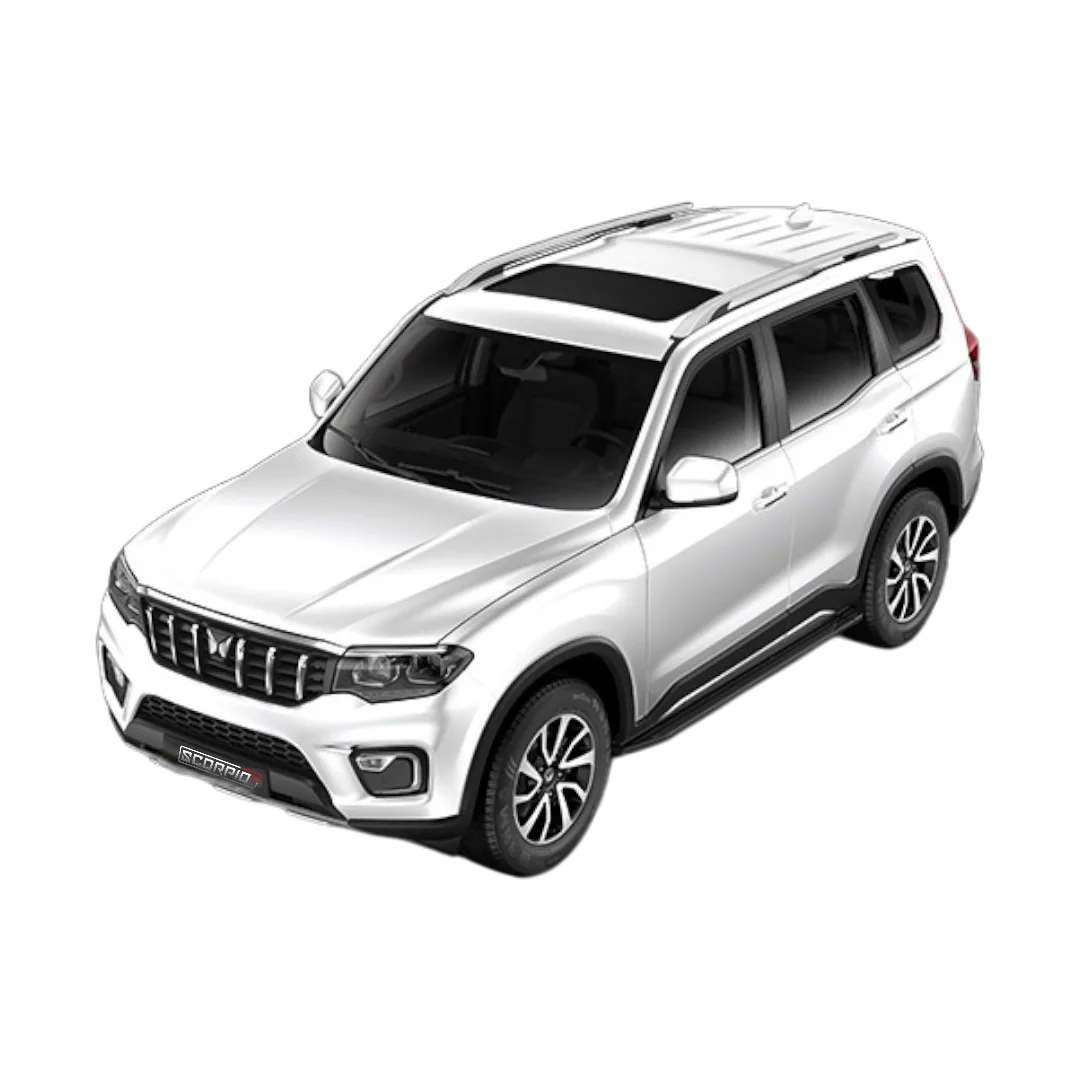 Scorpio-N
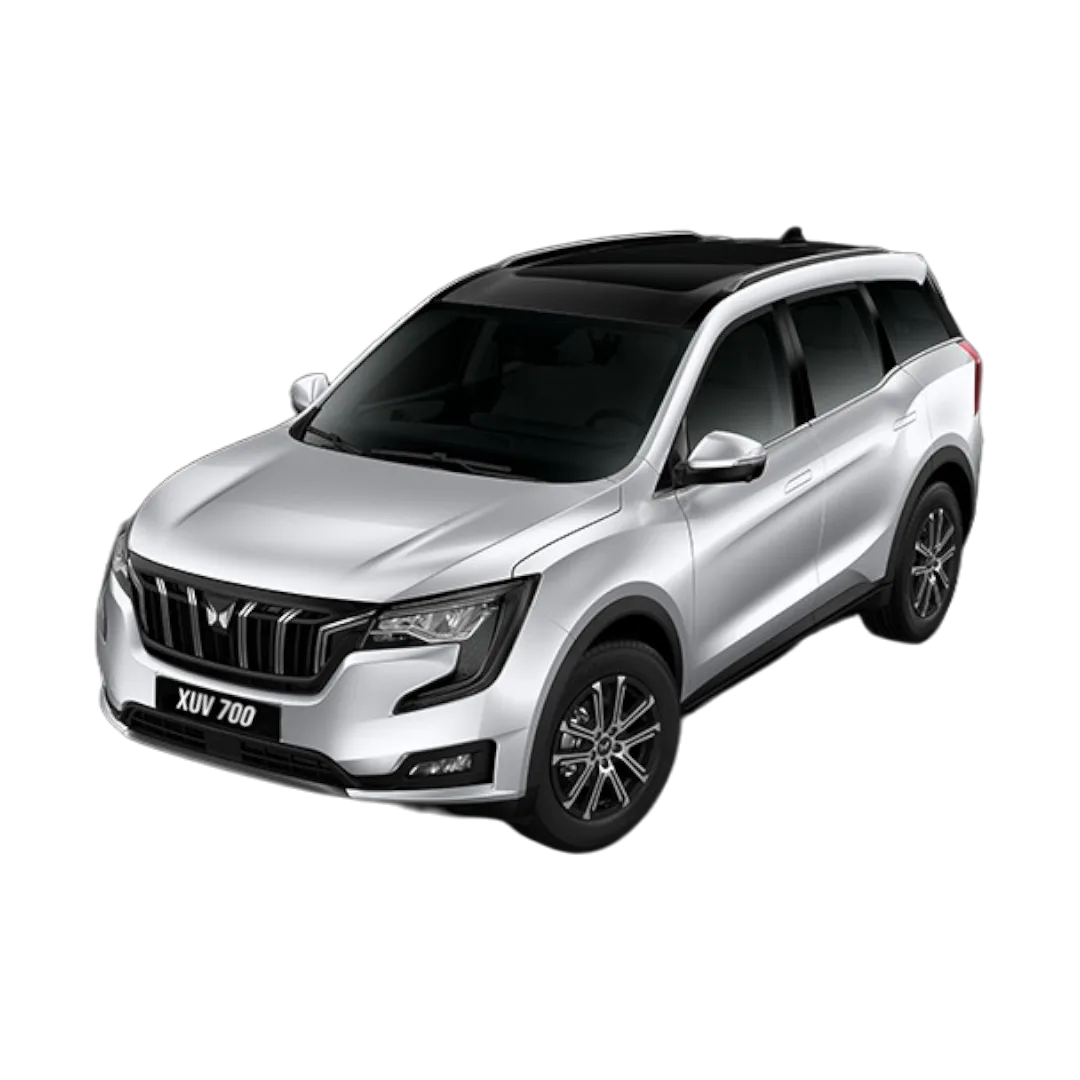 XUV 700
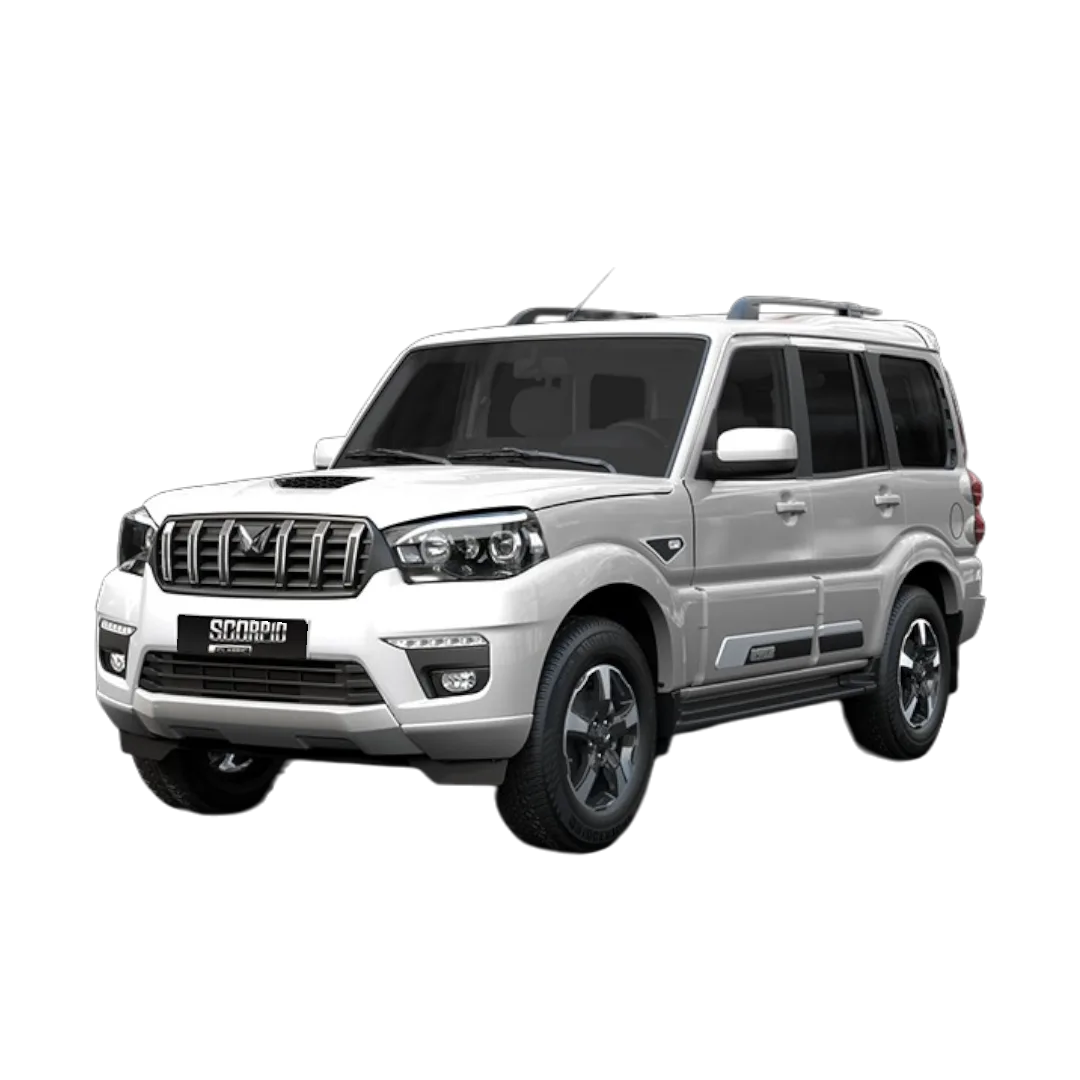 Scorpio Classic
 XUV400
 Alturas
 Xylo
Xylo
 Quanto
 Logan
Logan
 XUV 500
 TUV 300
 XUV 3XO
 KUV 100
NuvoSport
XEV 9e
BE 6
Thar Roxx
E-Verito
XUV 7XO
TUV 100
BE6
Bolero Camper
Verito Vibe
XUV 400
KUV 100
NuvoSport
XEV 9e
BE 6
Thar Roxx
E-Verito
XUV 7XO
TUV 100
BE6
Bolero Camper
Verito Vibe
XUV 400
 Audi Q5
 Audi A4
 Audi Q7
 Audi Q3
 Audi A6
 Audi RS5
 E-Tron GT
 Audi Q8
 E-Tron
 Q3 Sportback
 Audi S5 Sportback
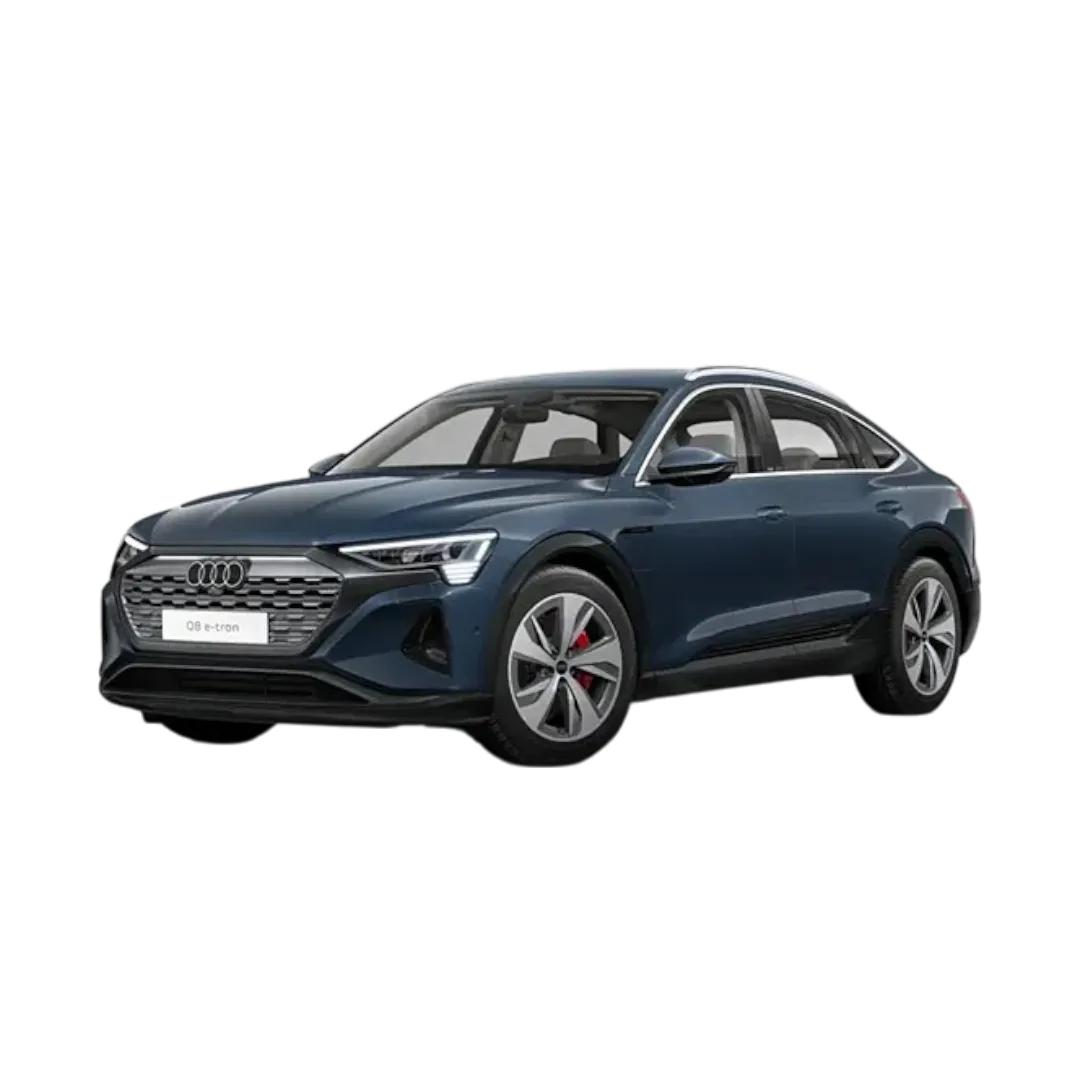 Q8 E-Tron
 Q8 E-Tron Sportback
 Audi A8L
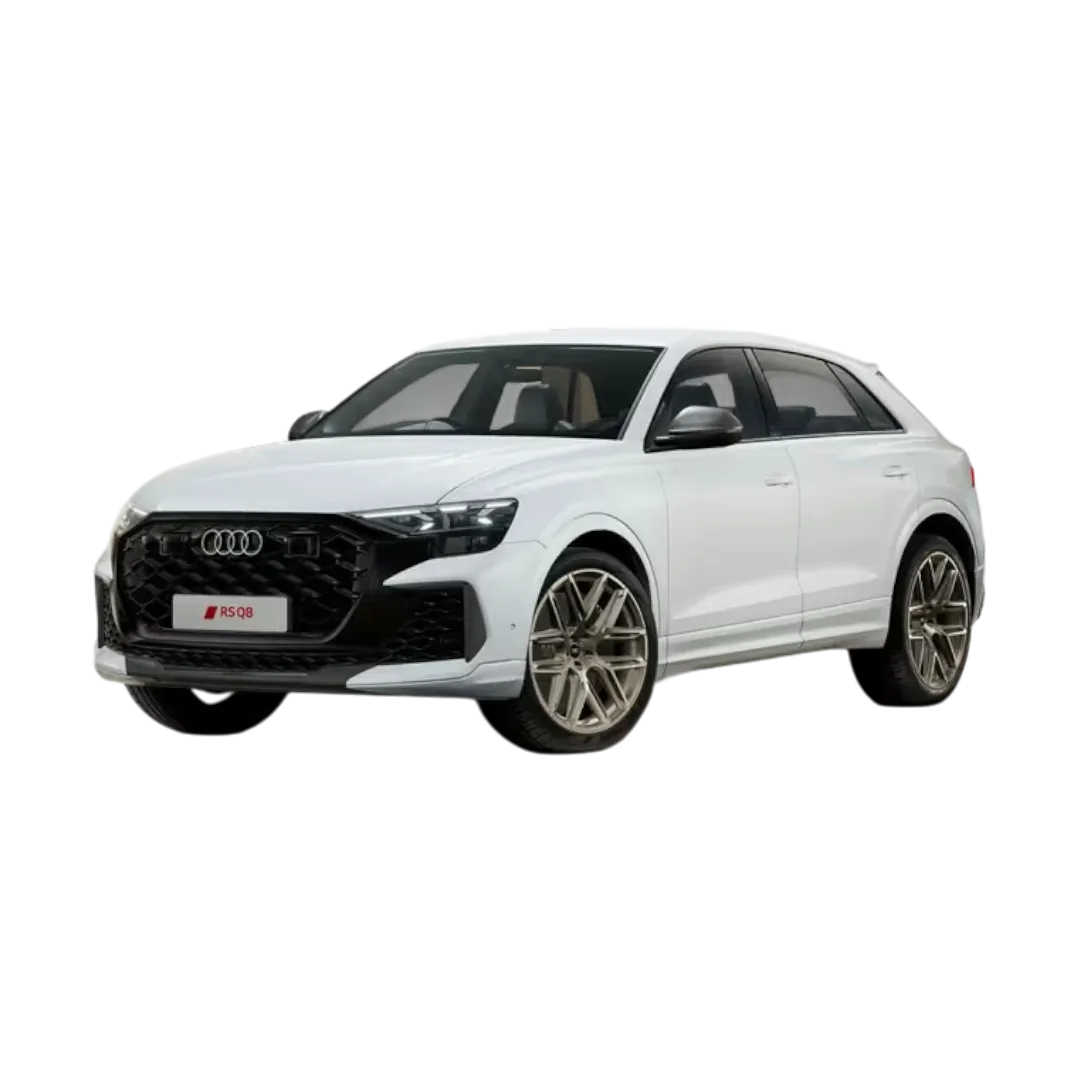 Audi RS Q8
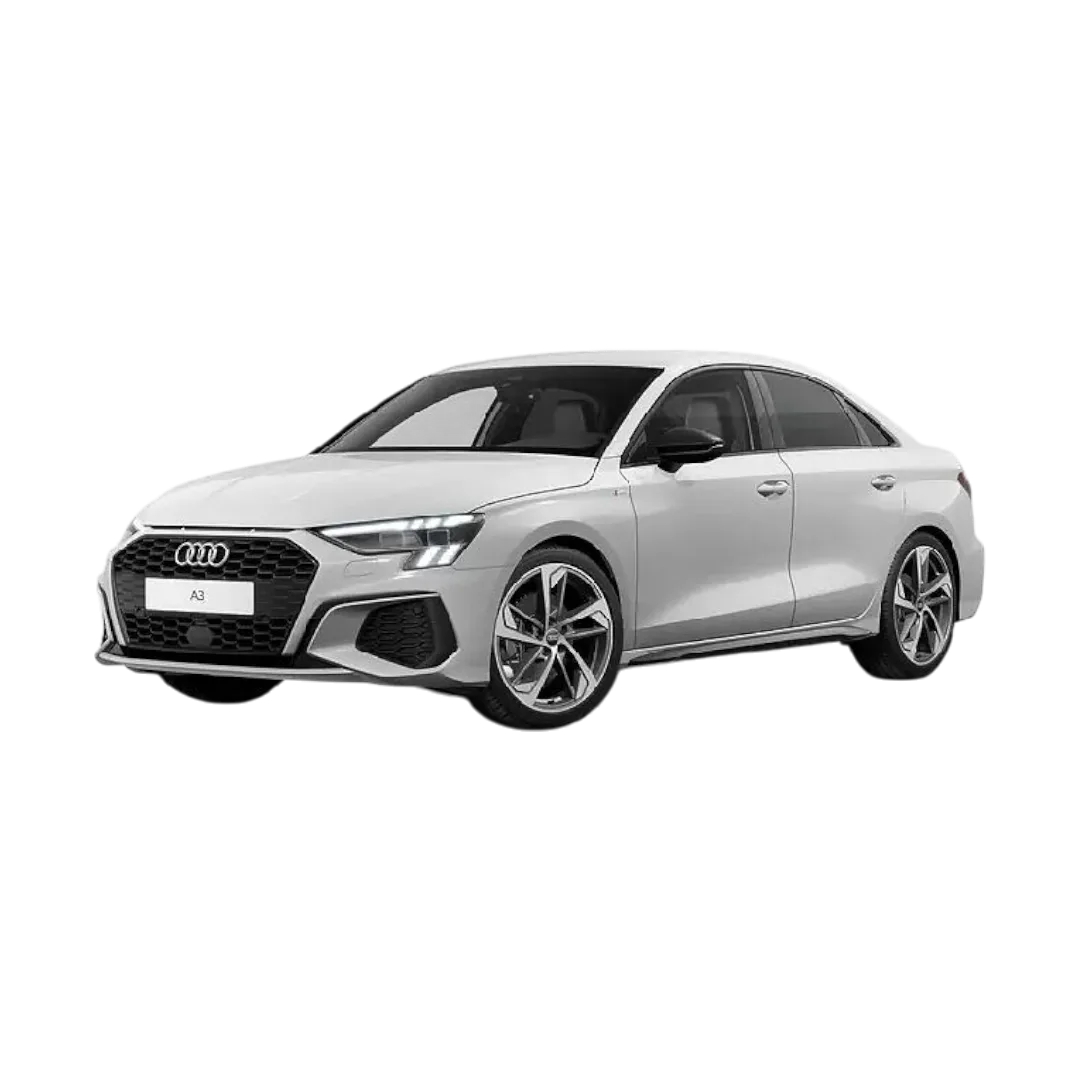 Audi A3
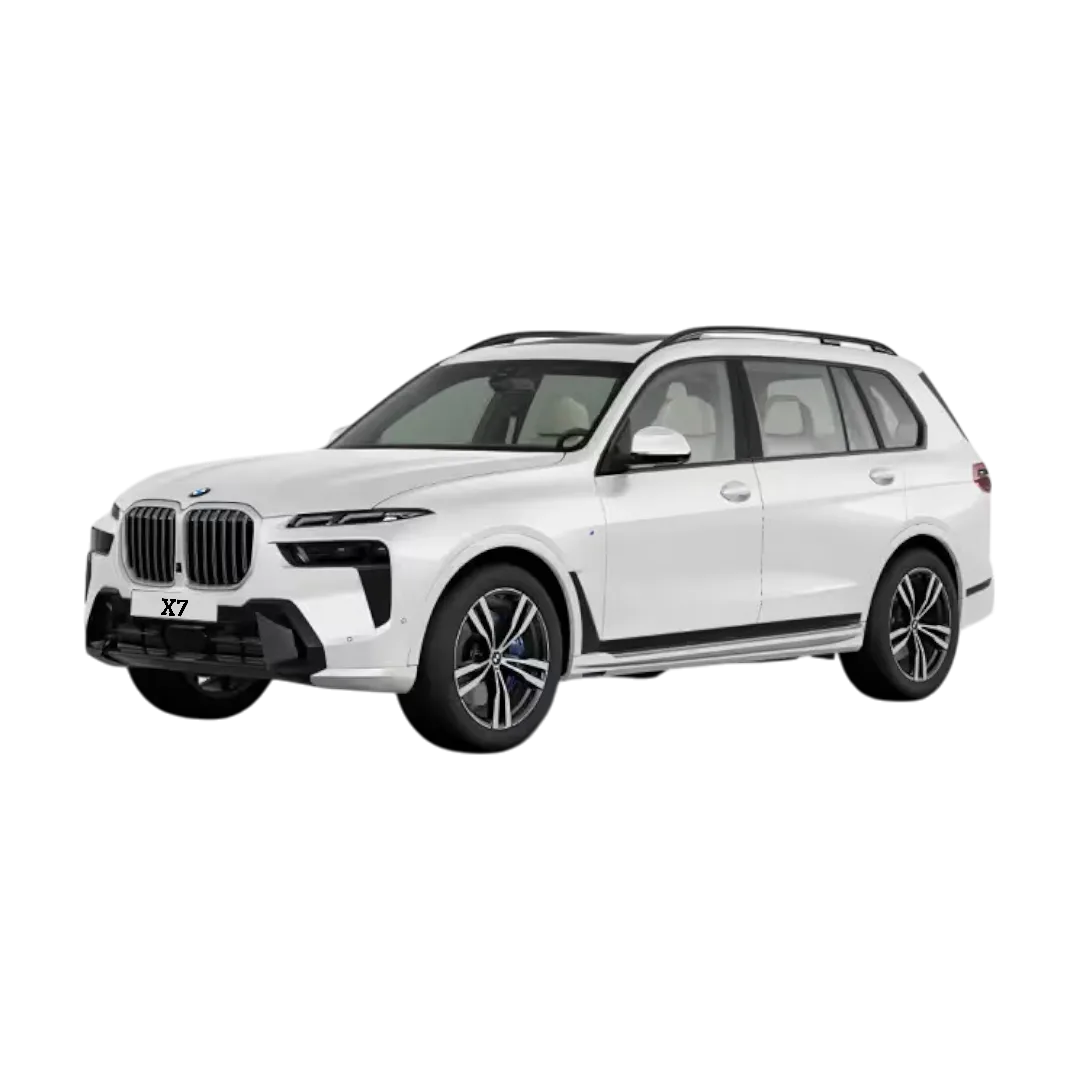 BMW X7
 BMW X1
 BMW X5
 BMW XM
 BMW Z4
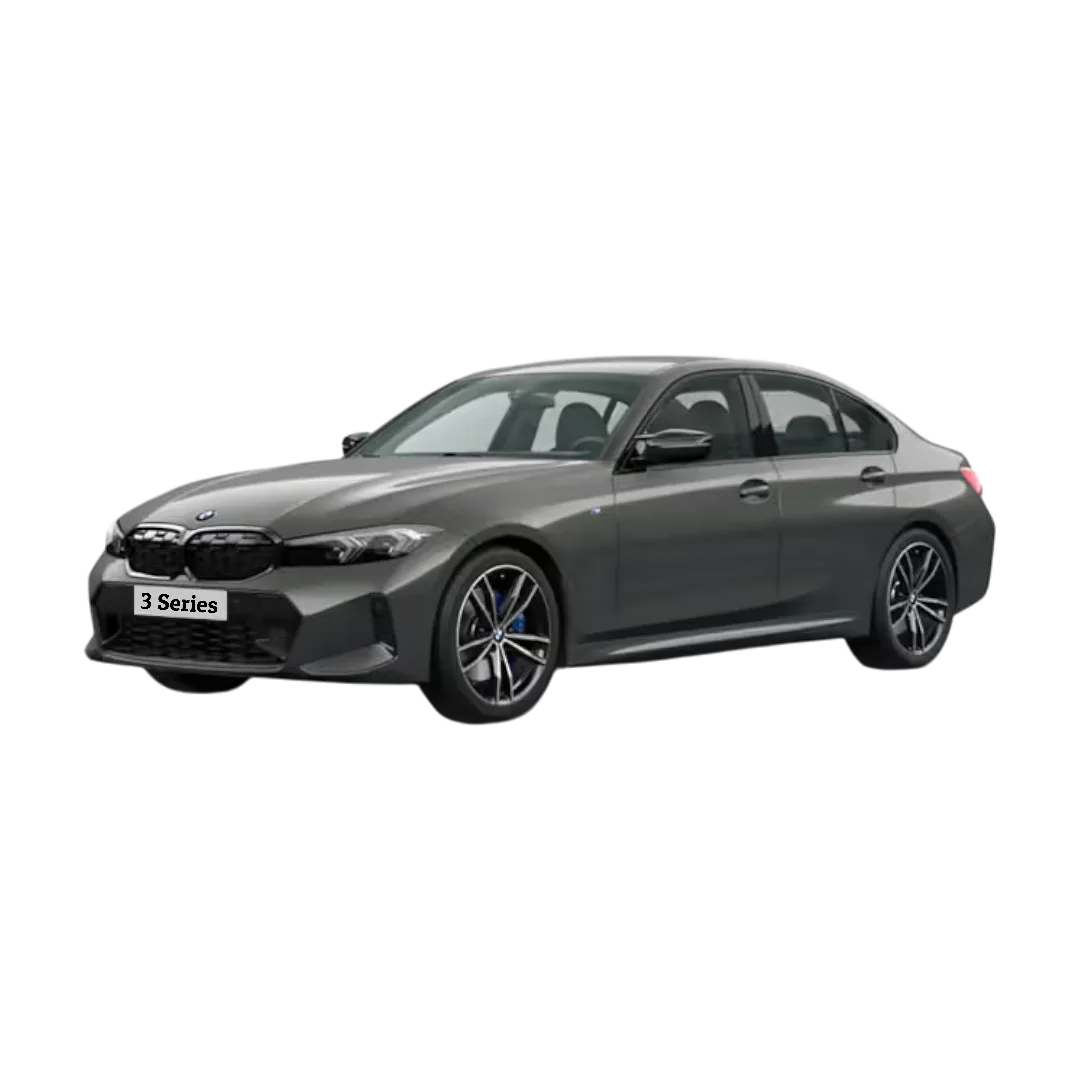 3 Series
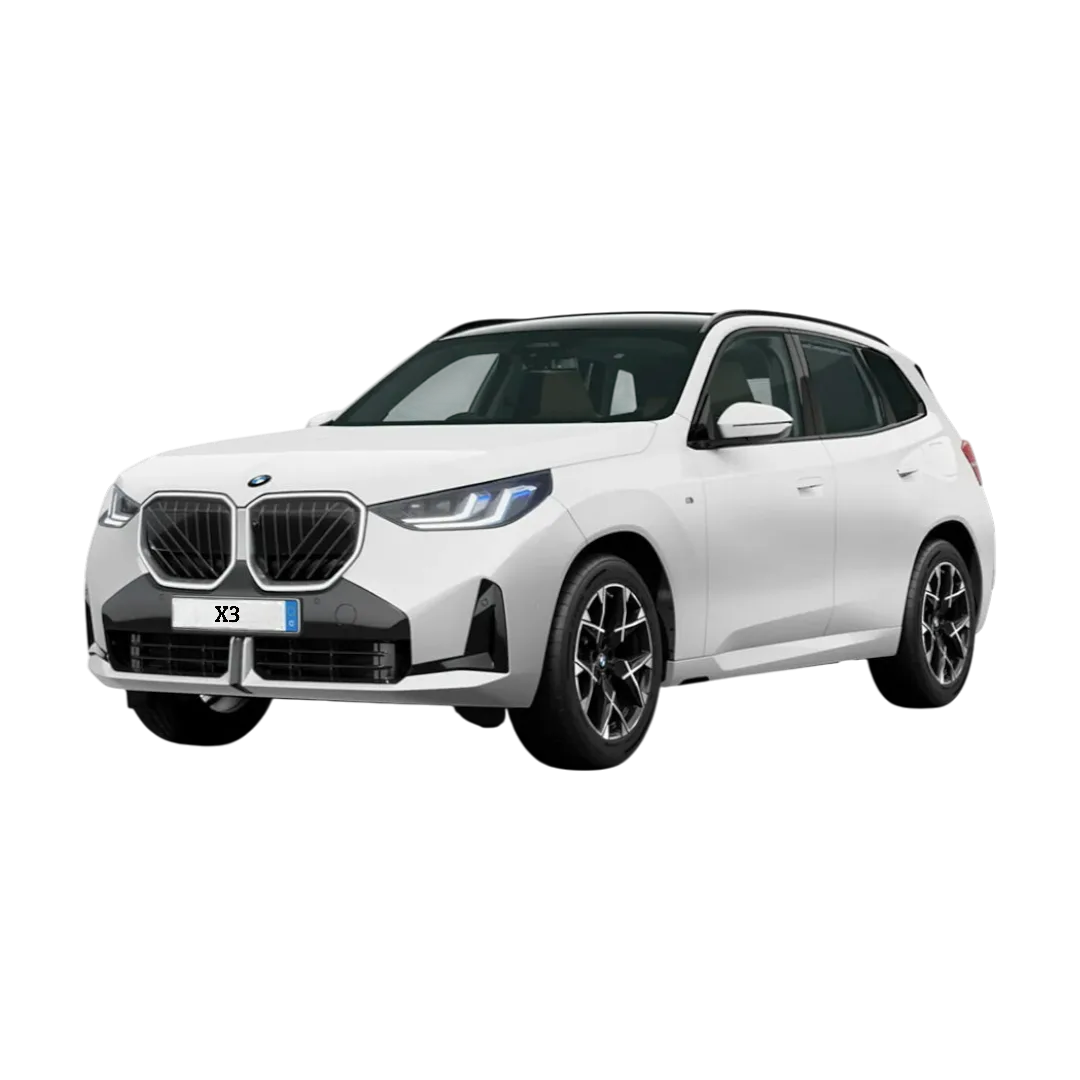 BMW X3
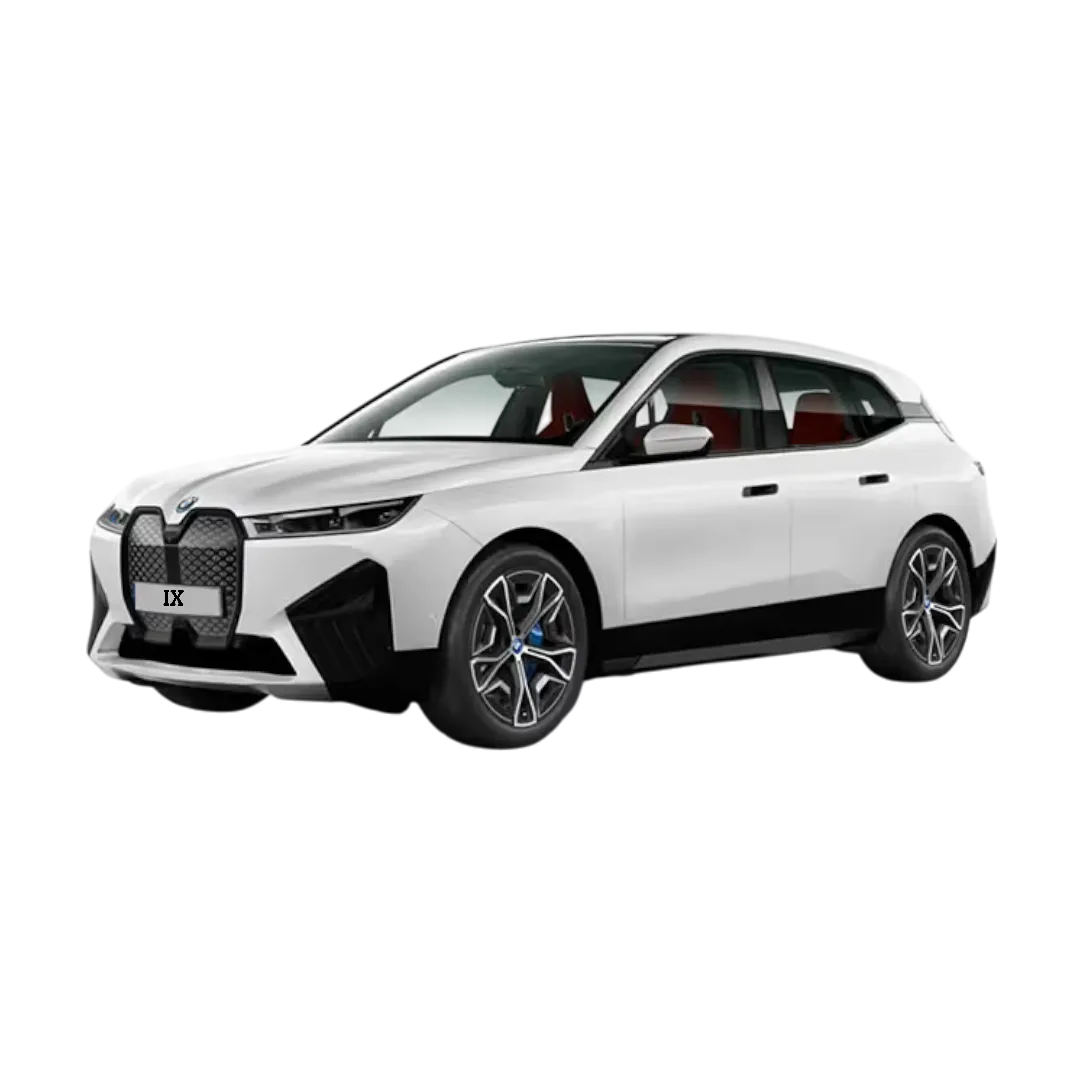 BMW iX
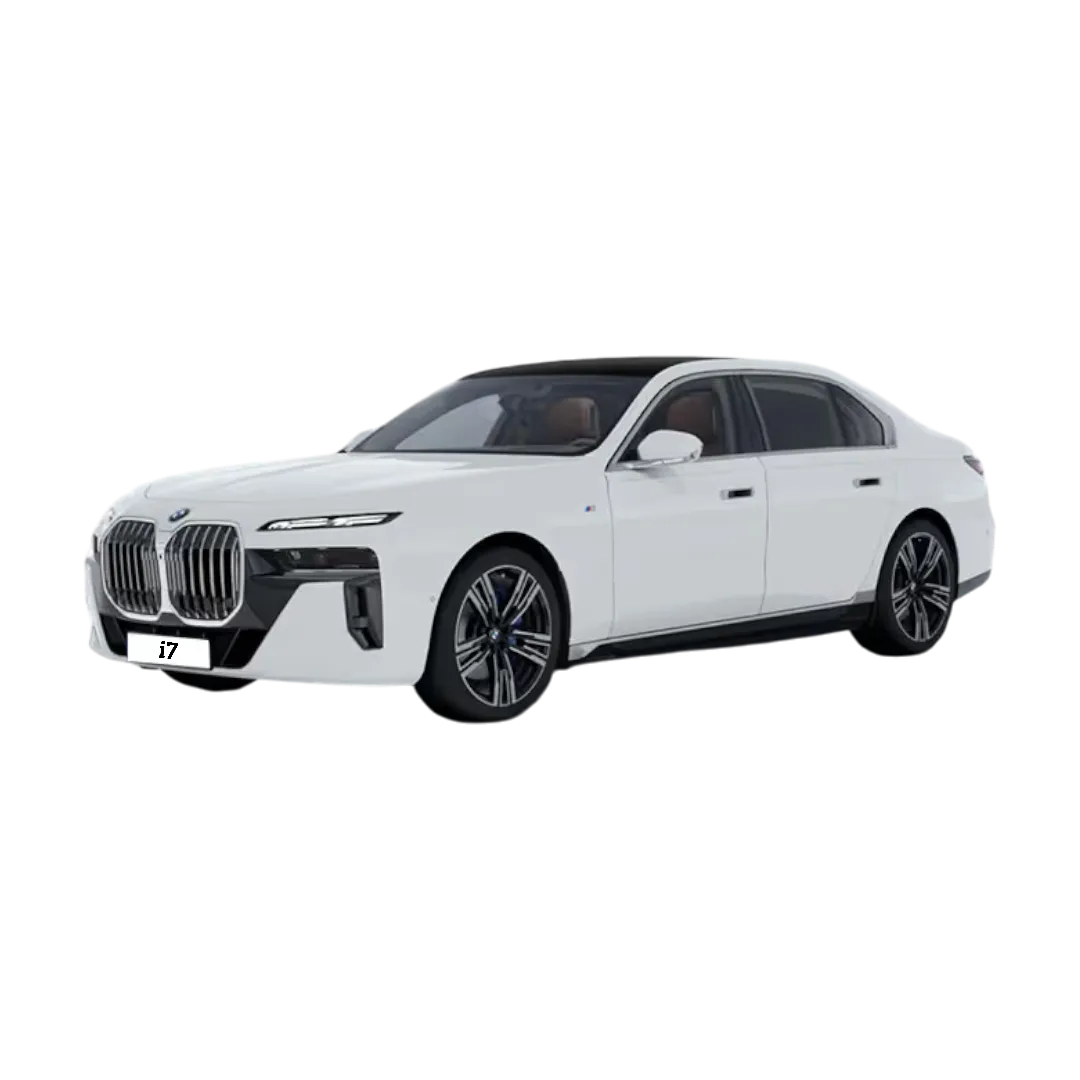 BMW i7
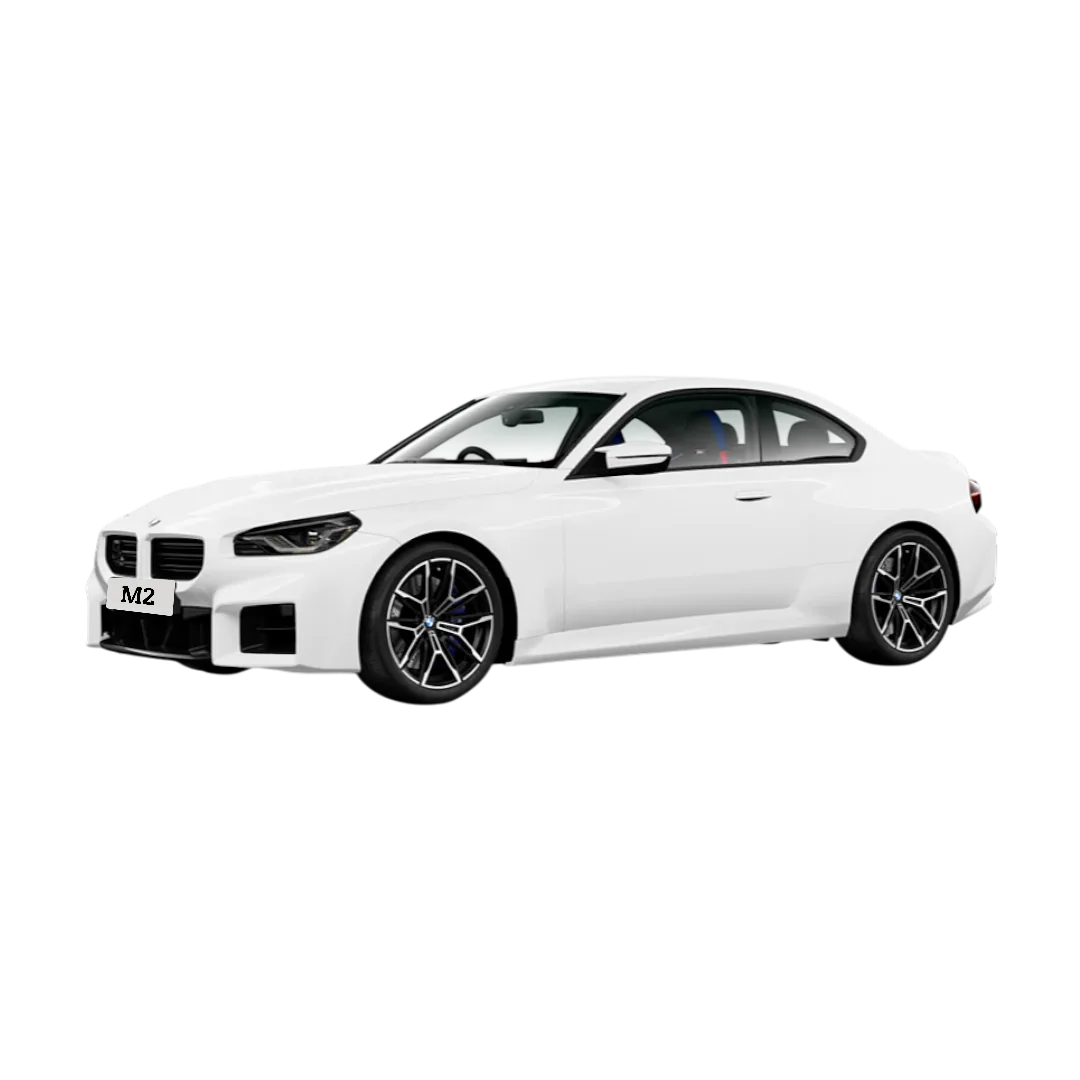 BMW M2
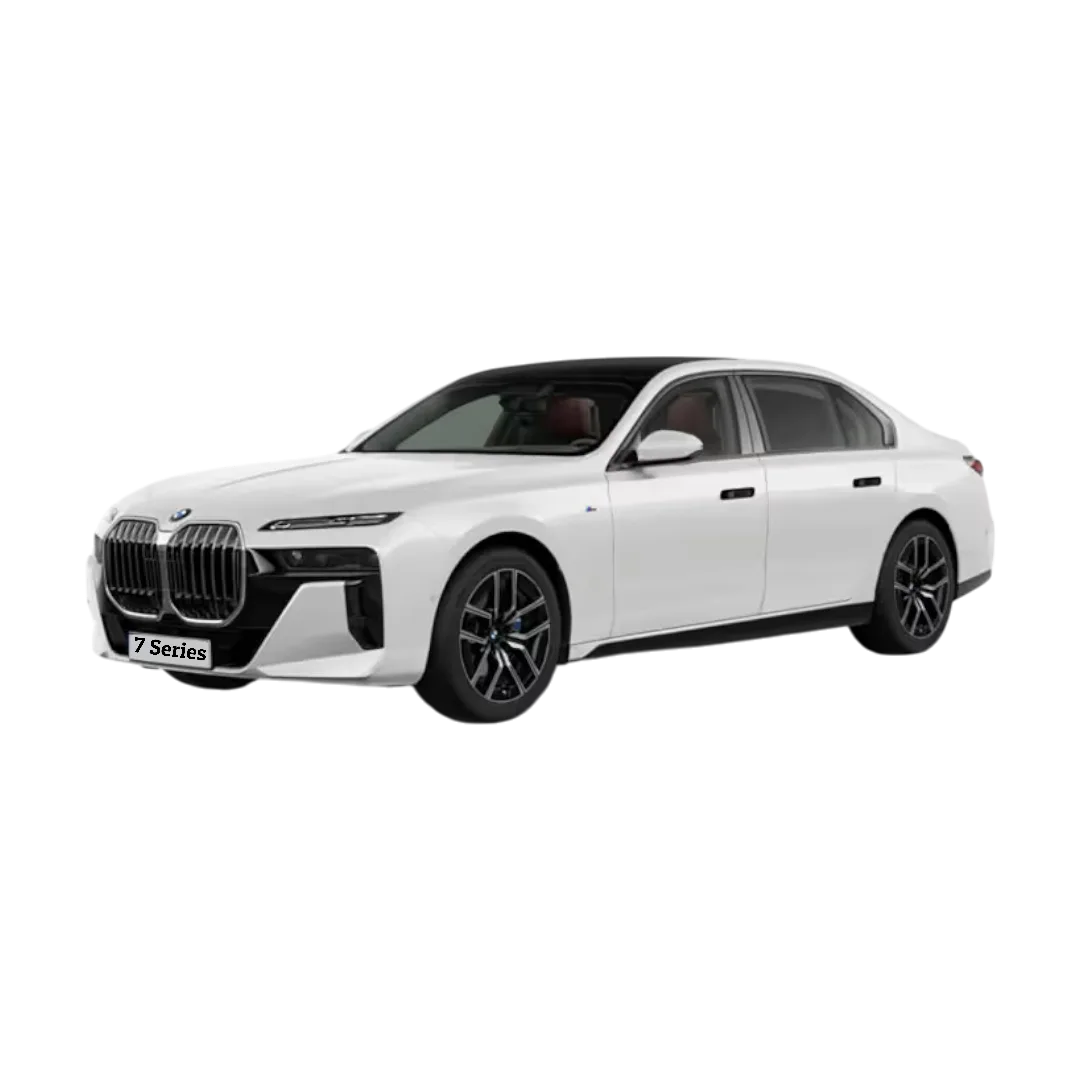 7 Series
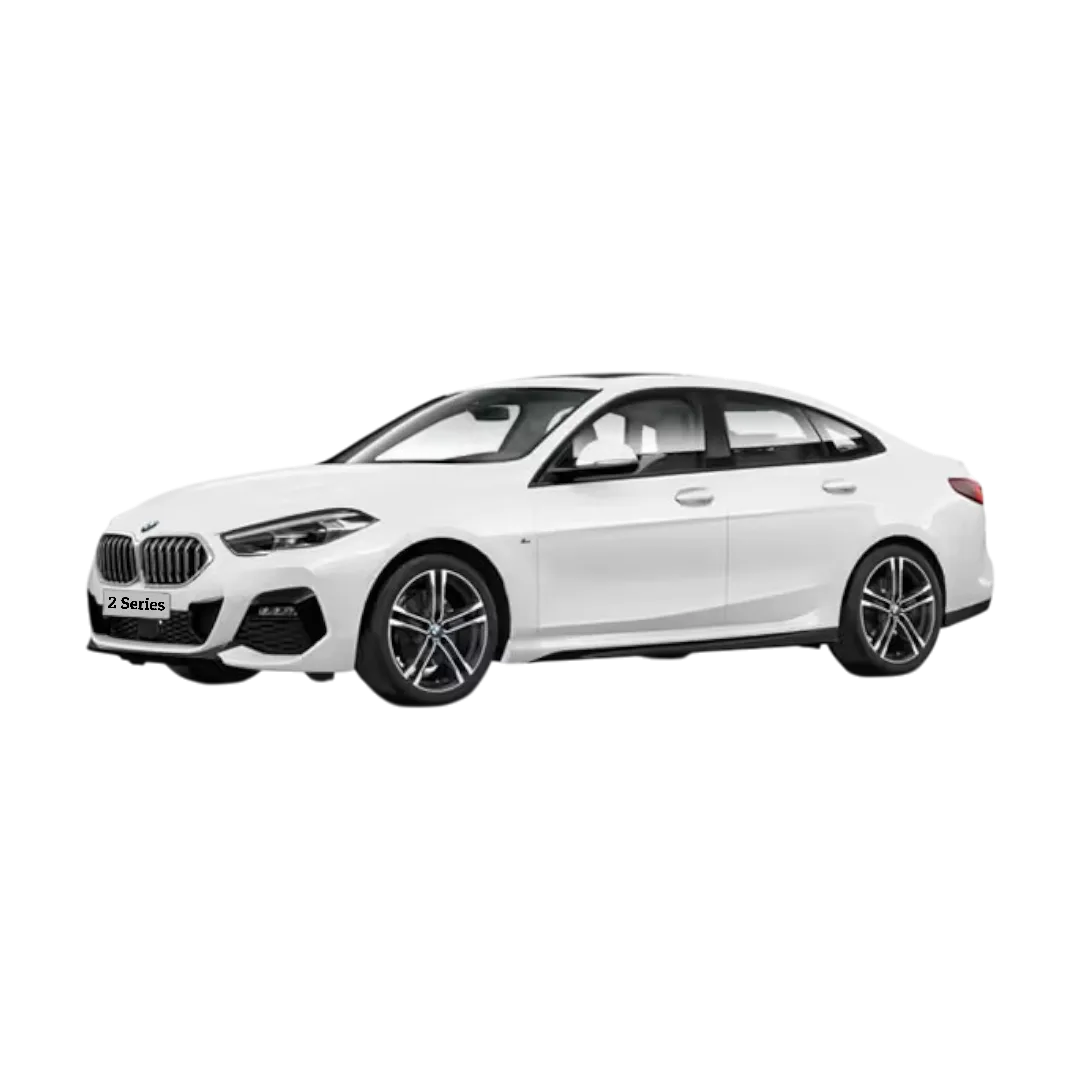 2 Series
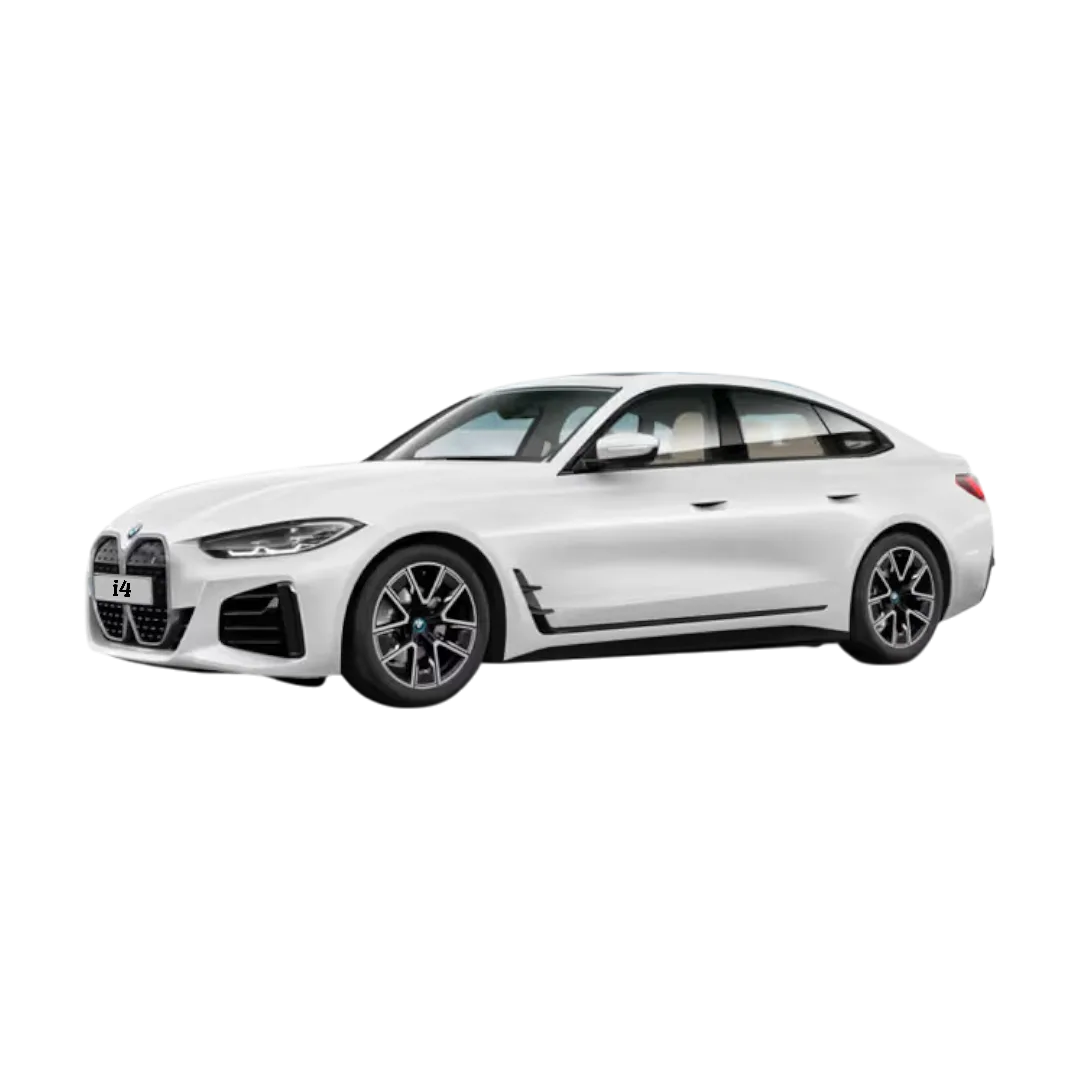 BMW i4
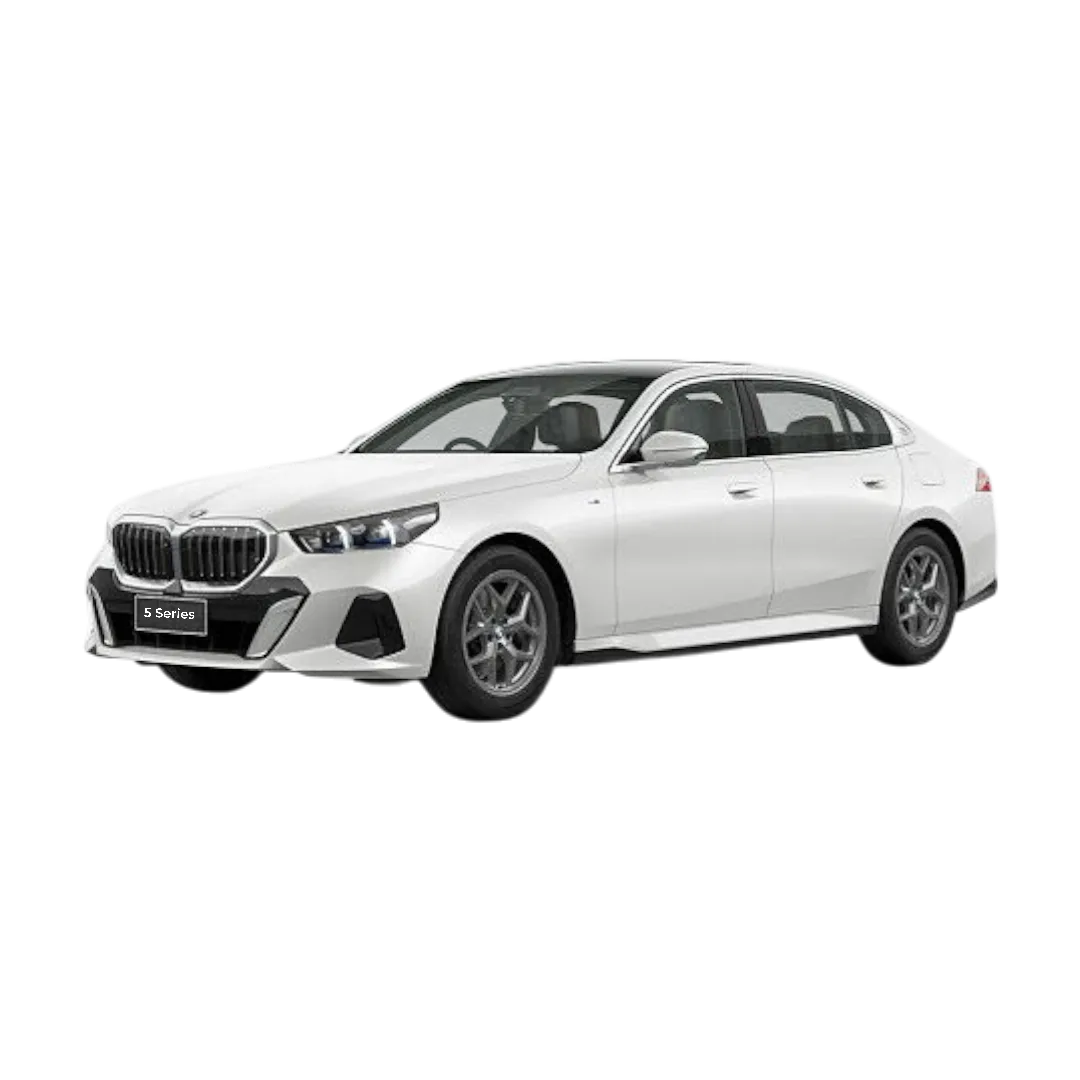 5 Series
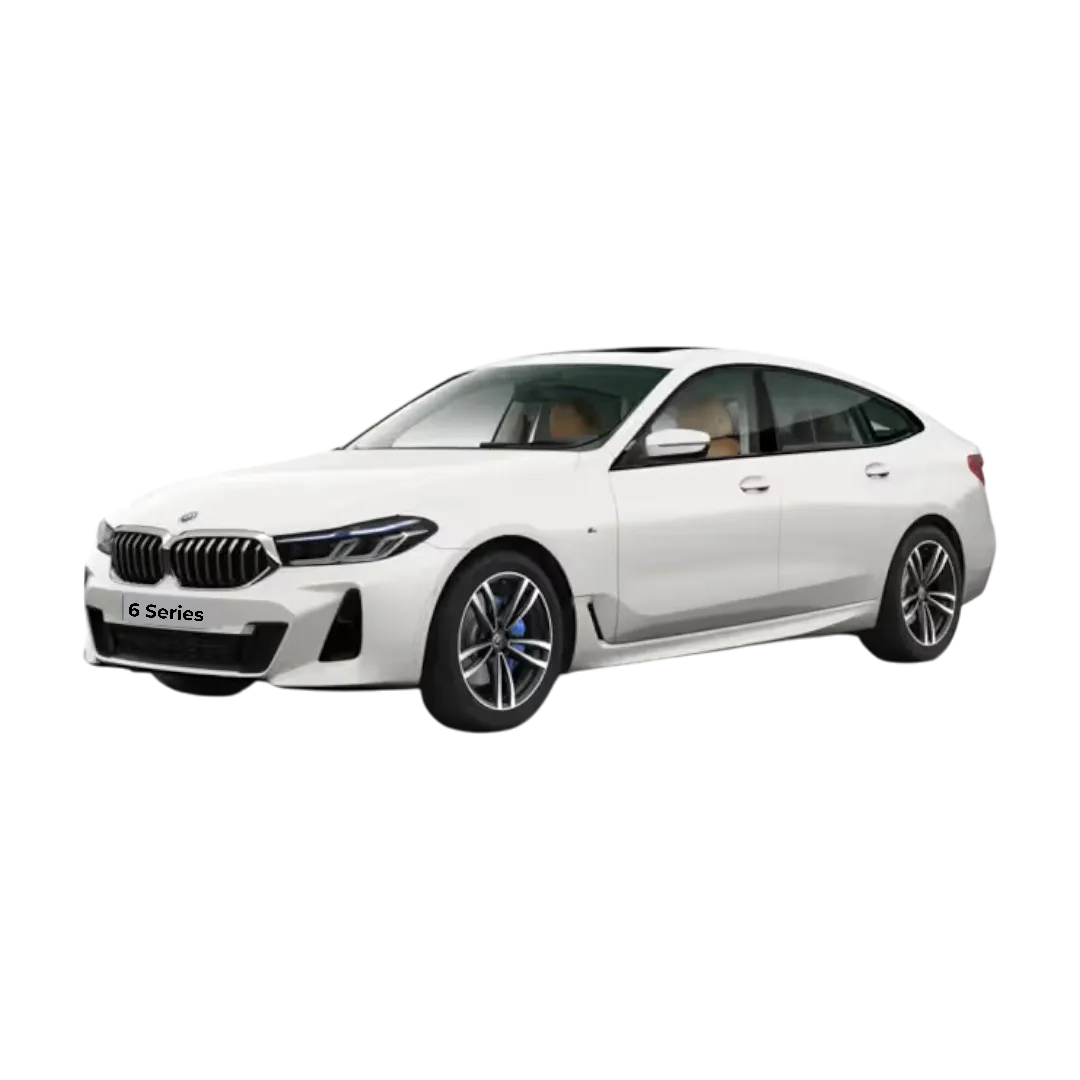 6 Series
 BMW ix1
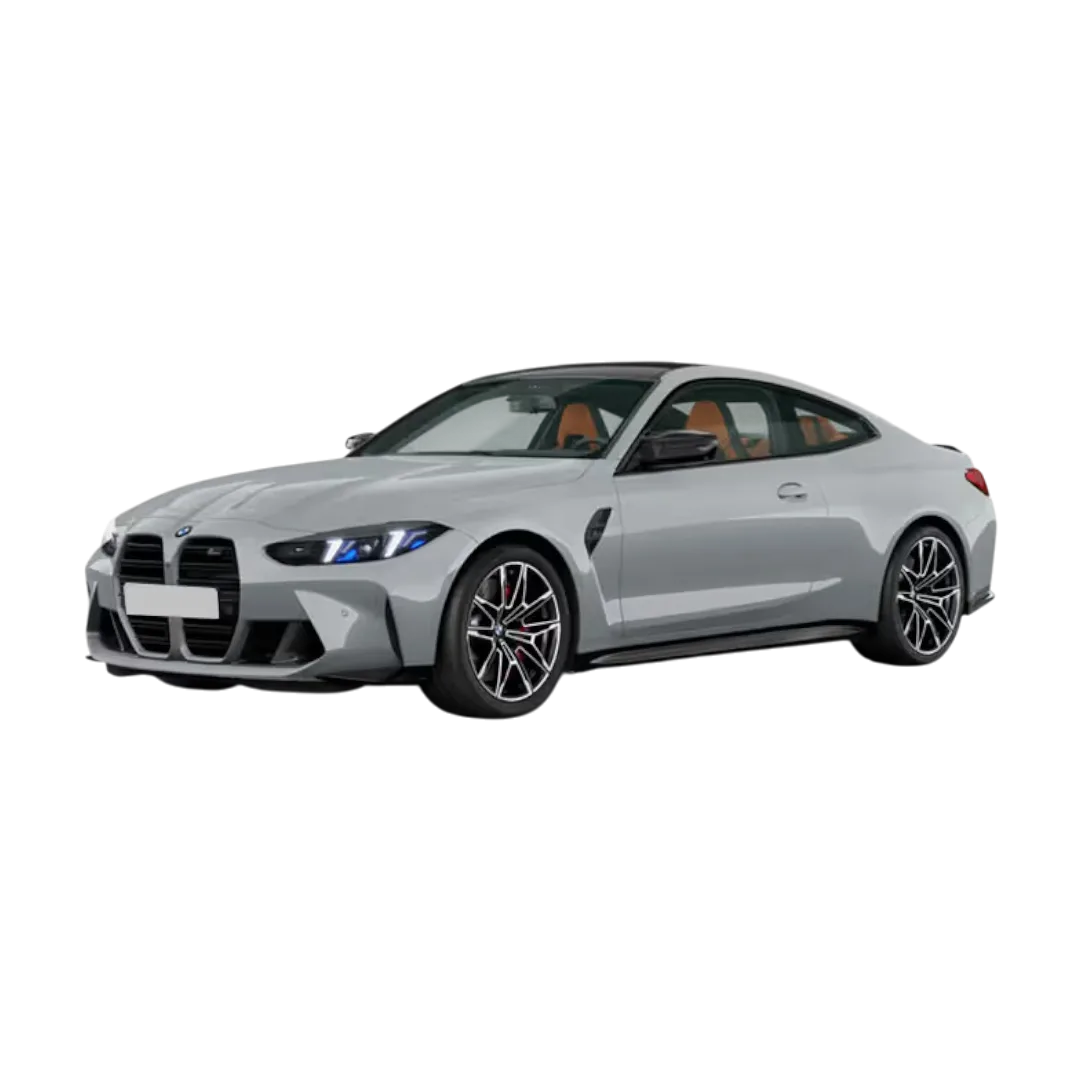 M4 Competition
 3 Series Gran Limousine
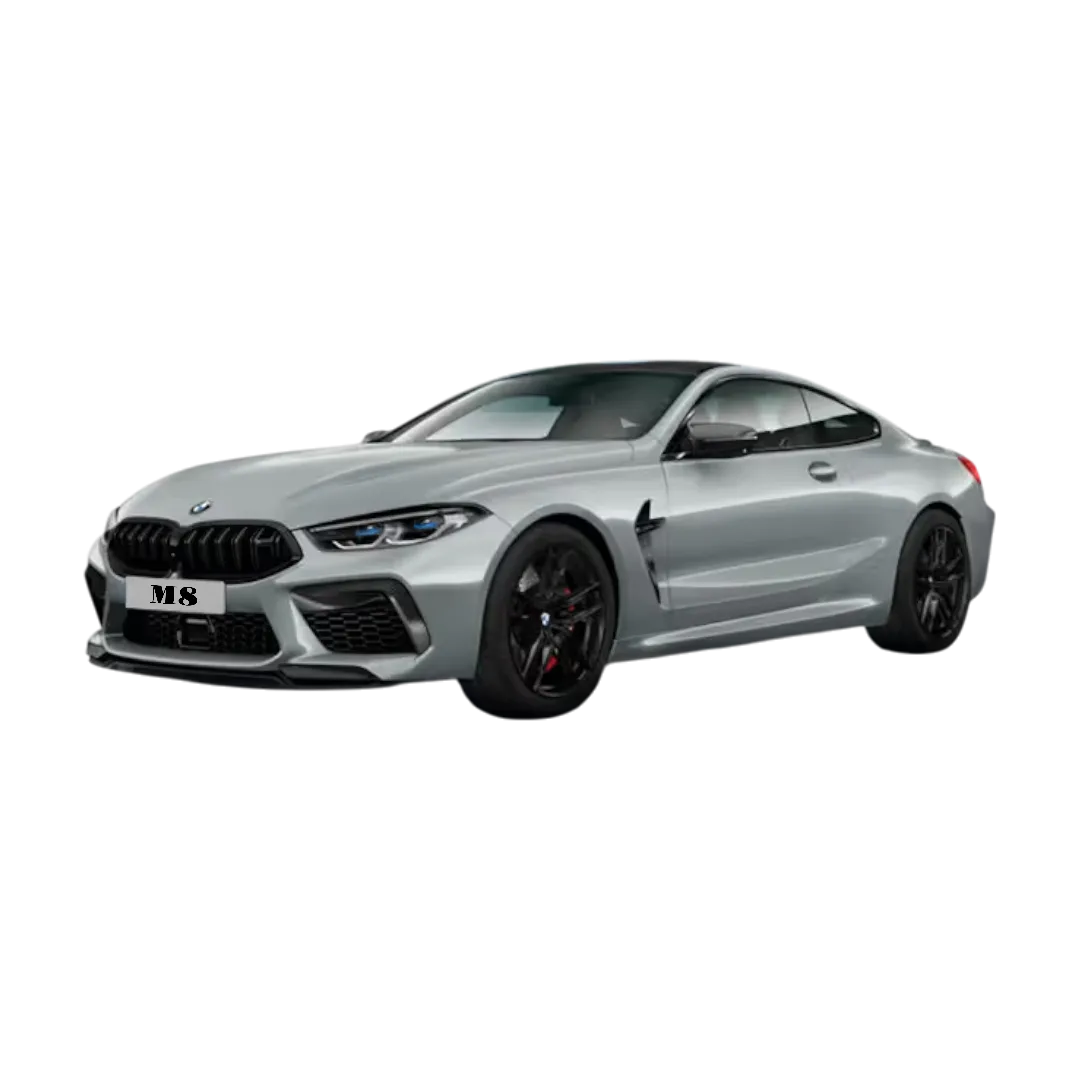 M8 Coupe
 BMW M3
 BMW X6
 BMW i5
 BMW X4
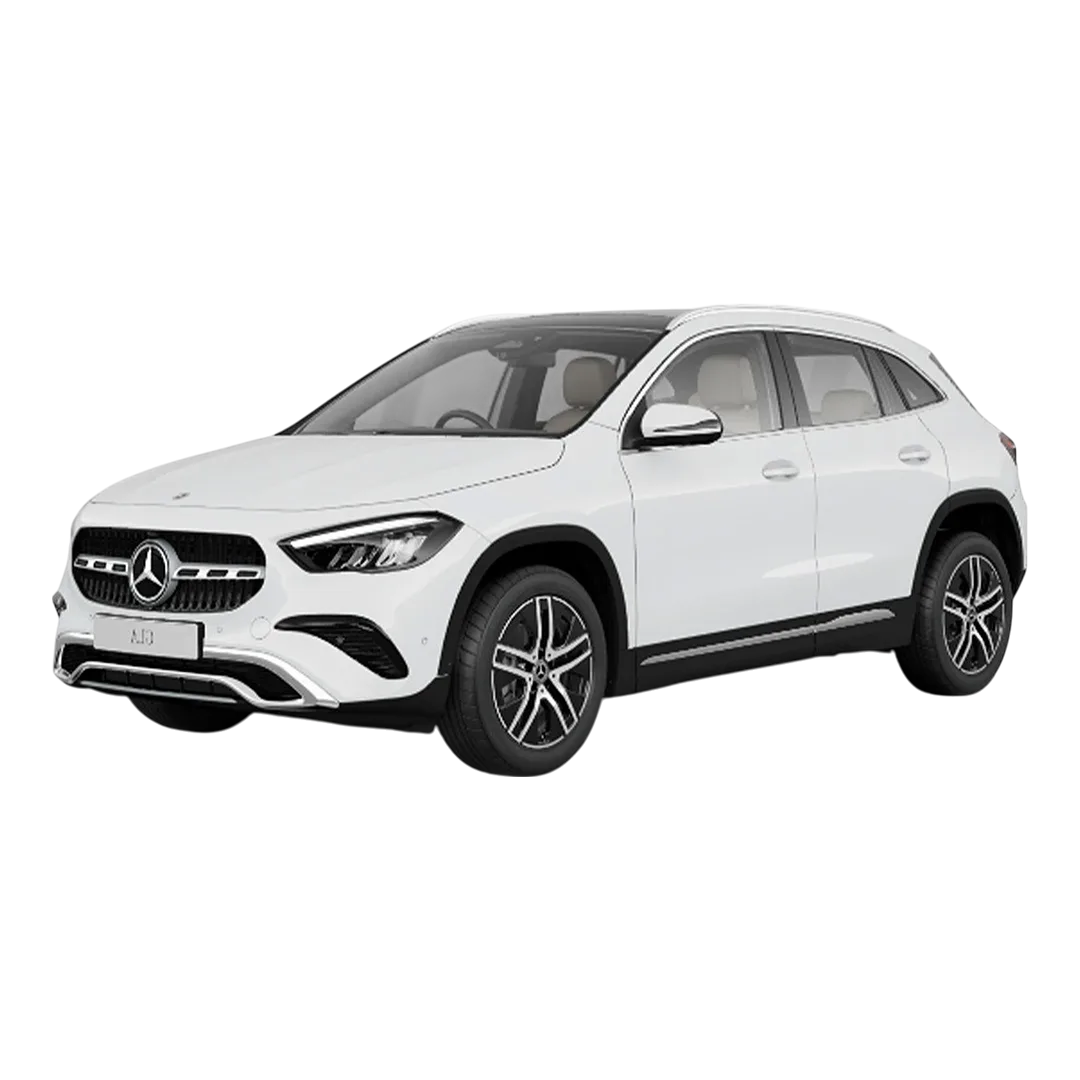 Mercedes Benz GLA
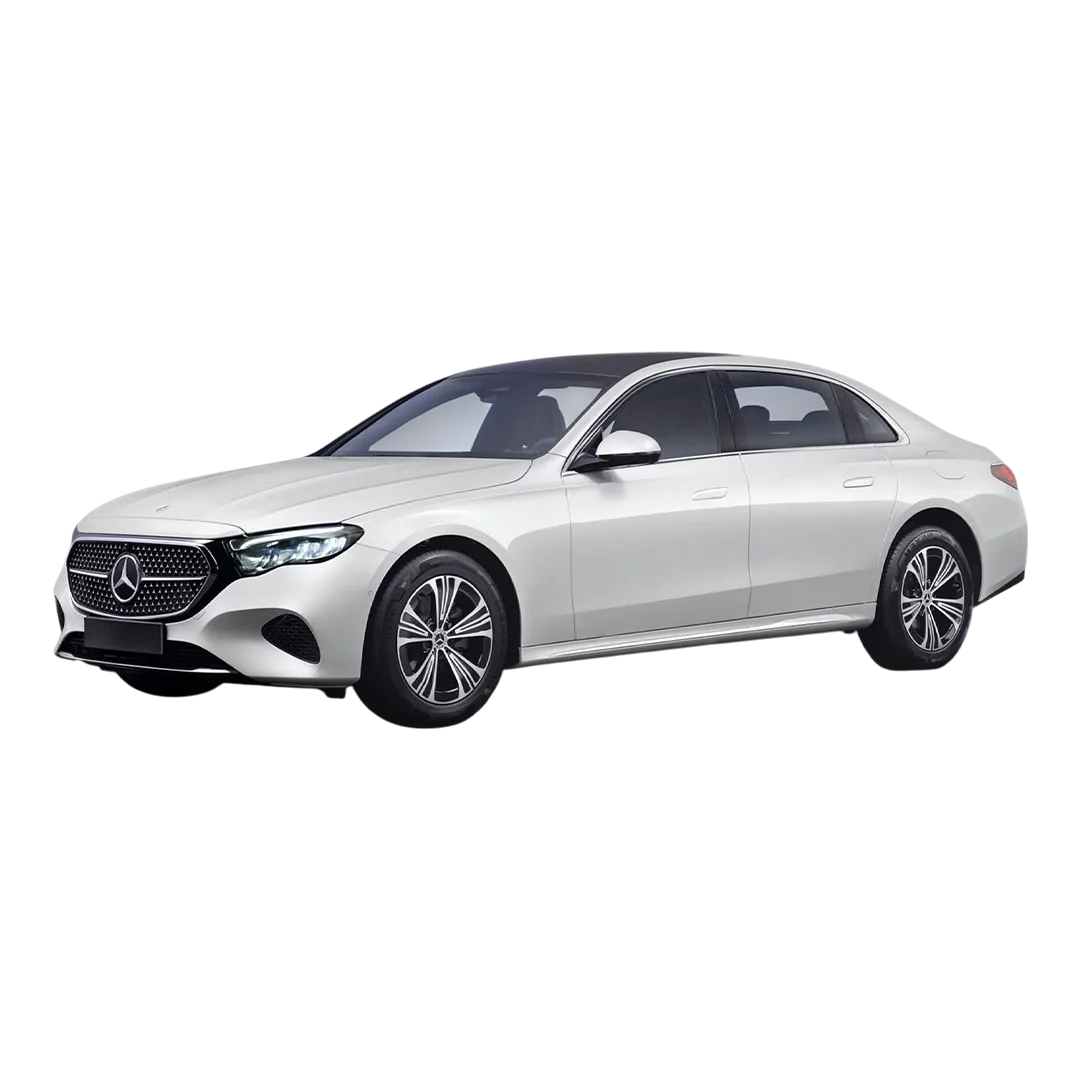 Mercedes E-Class
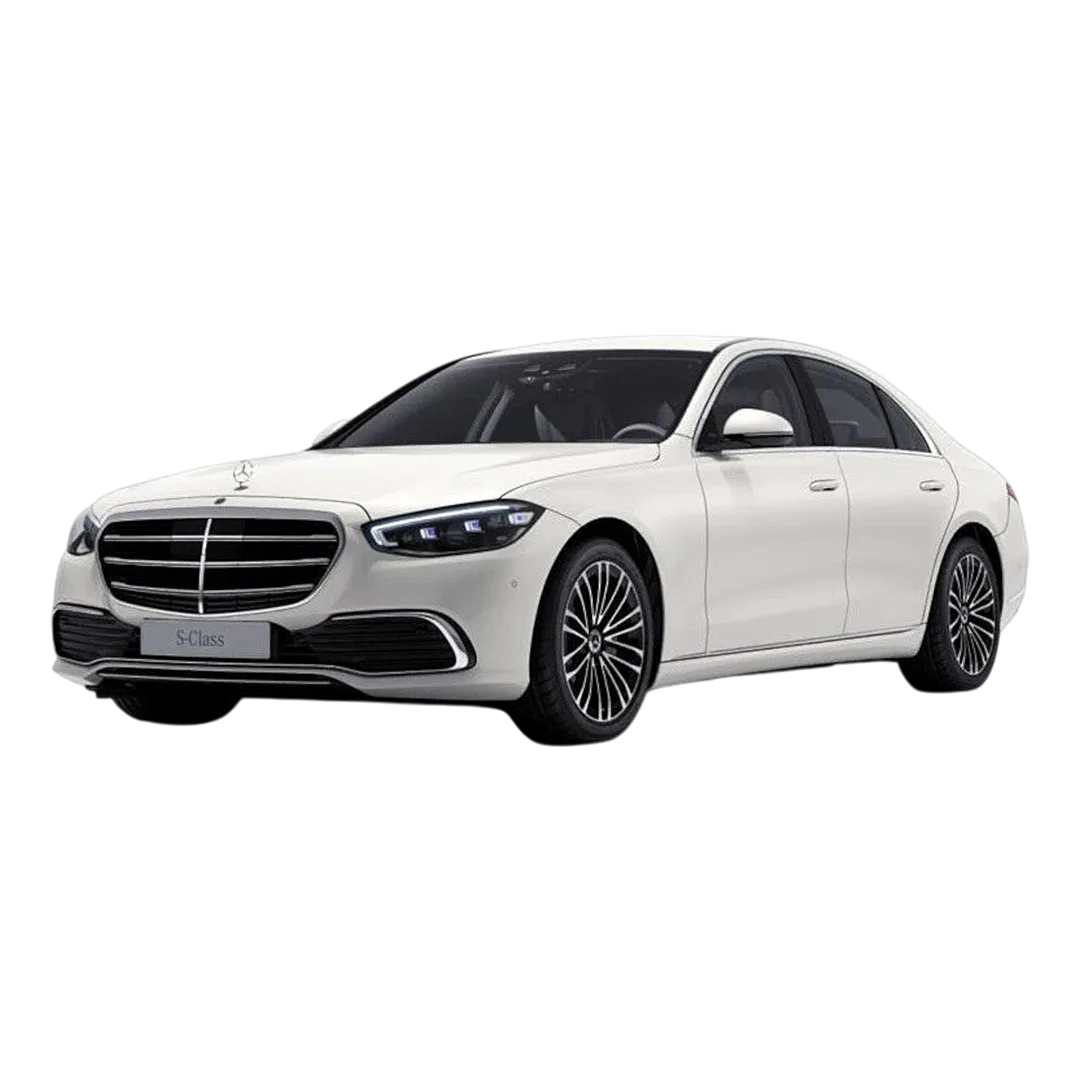 Mercedes S-Class
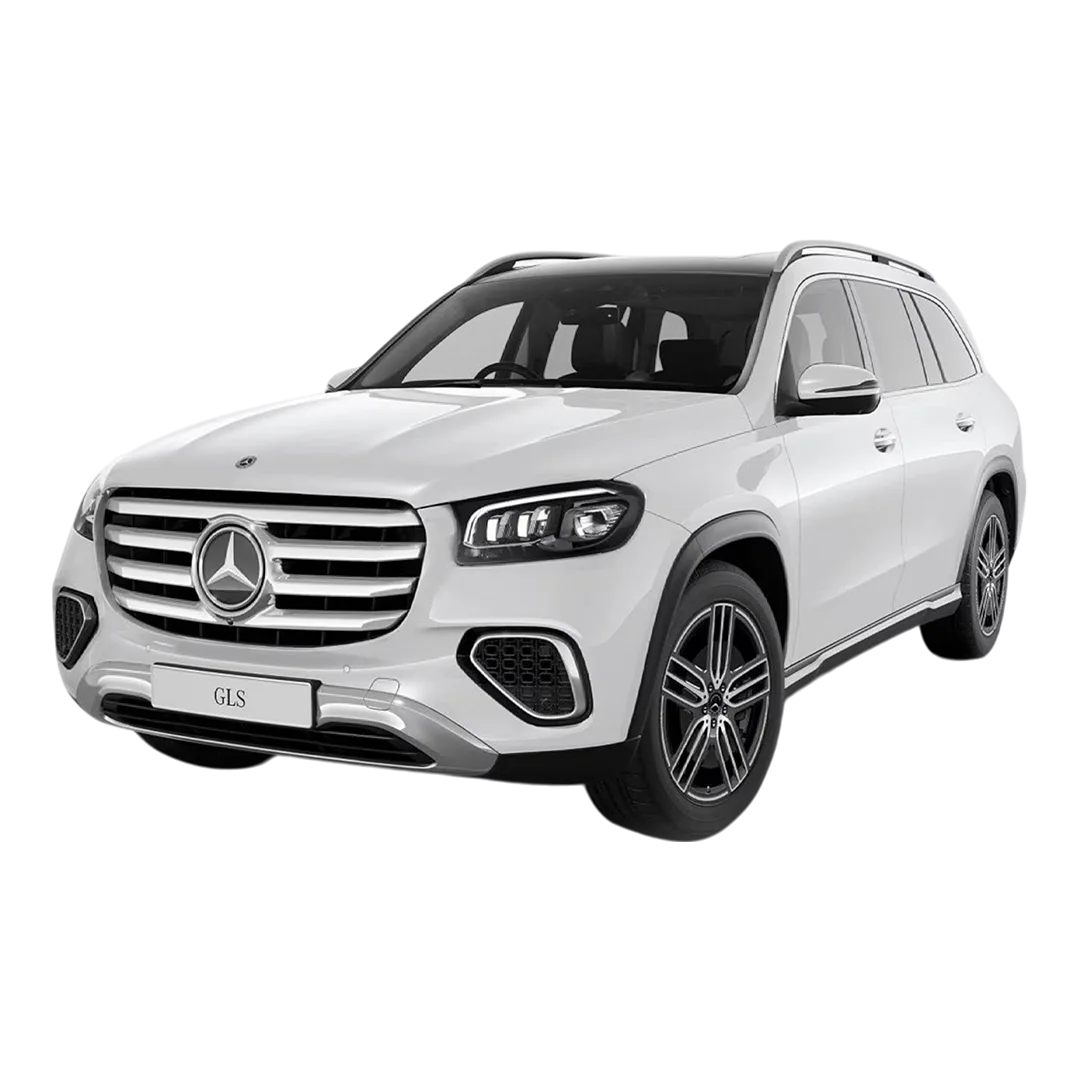 Mercedes Benz GLS
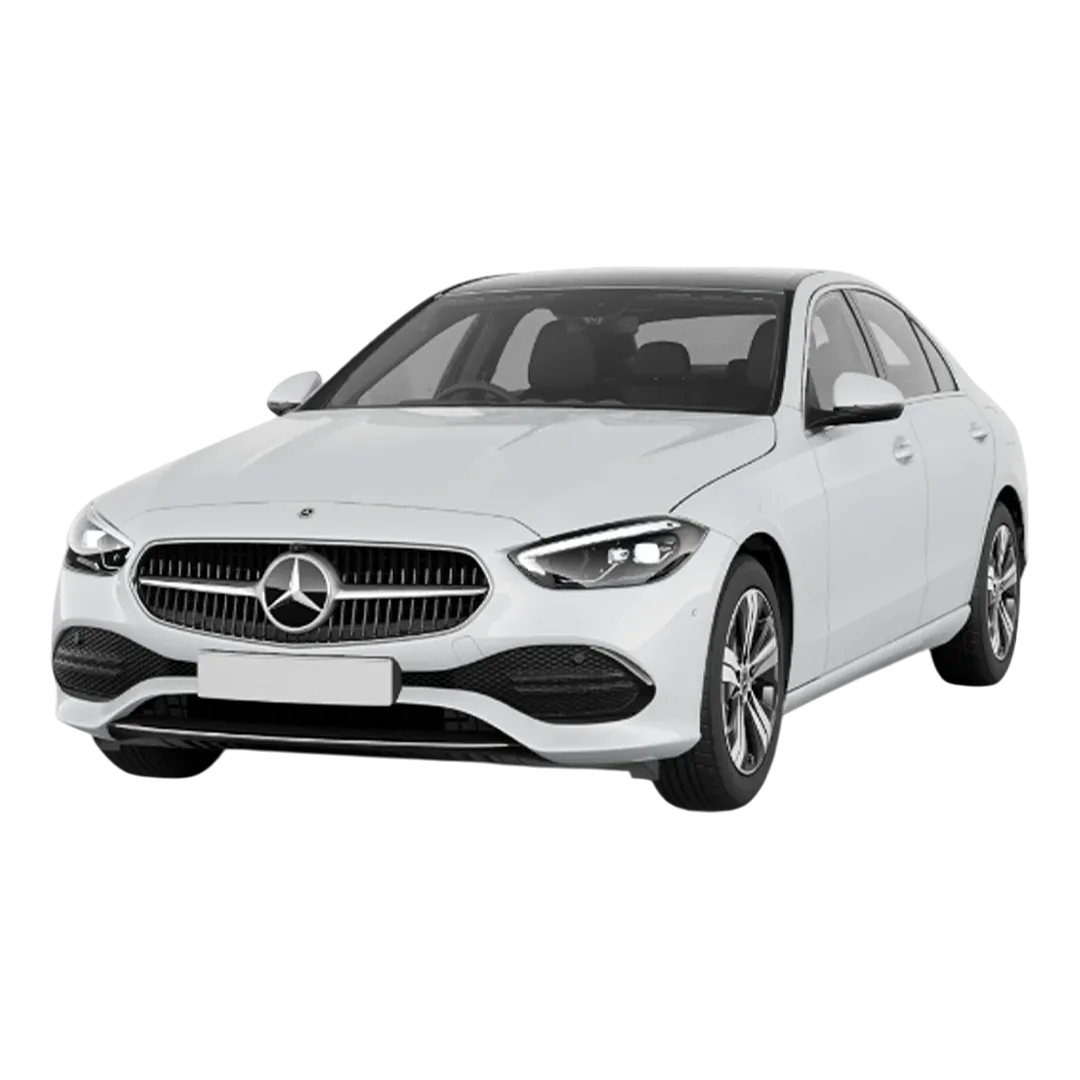 Mercedes Benz C-Class
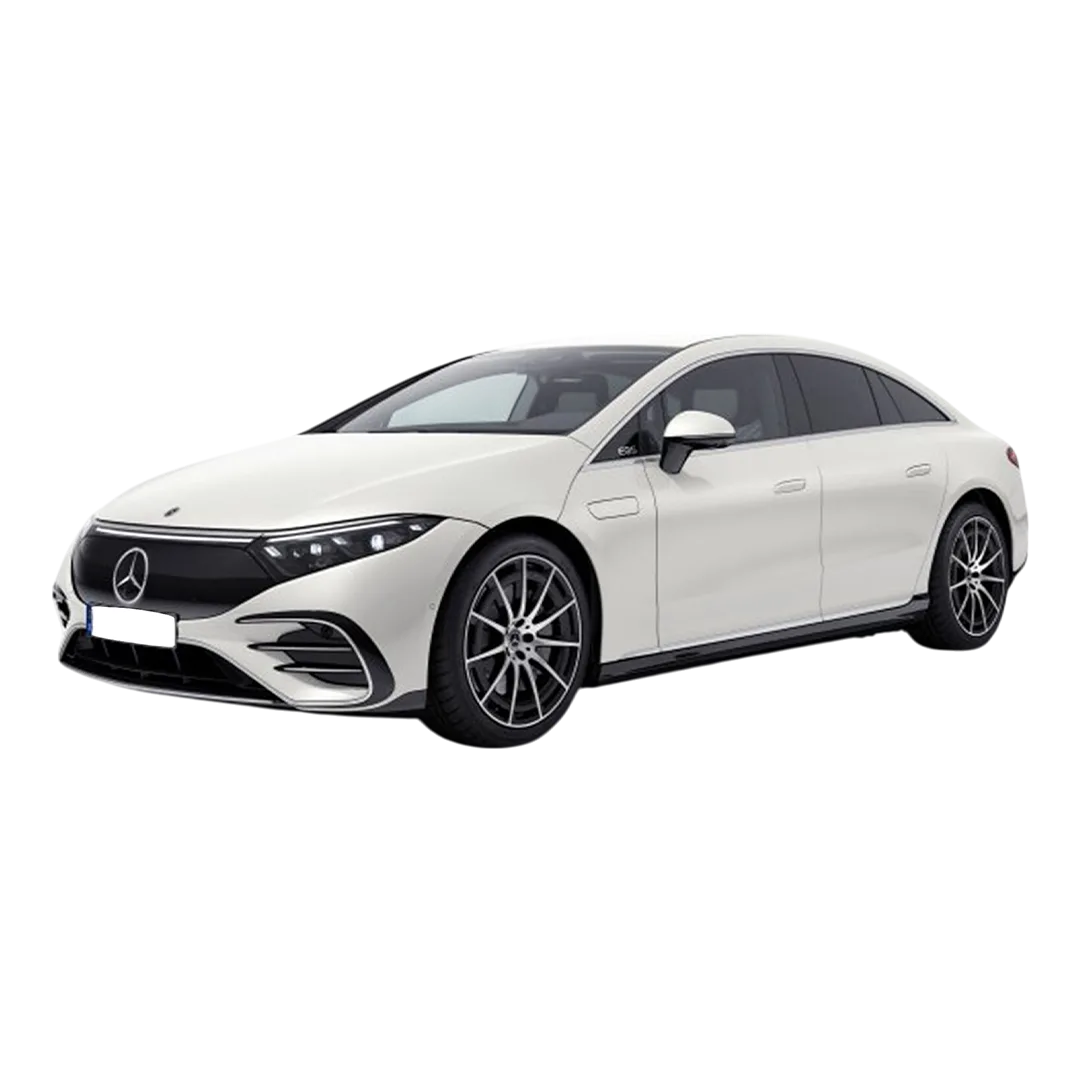 Mercedes Benz EQS
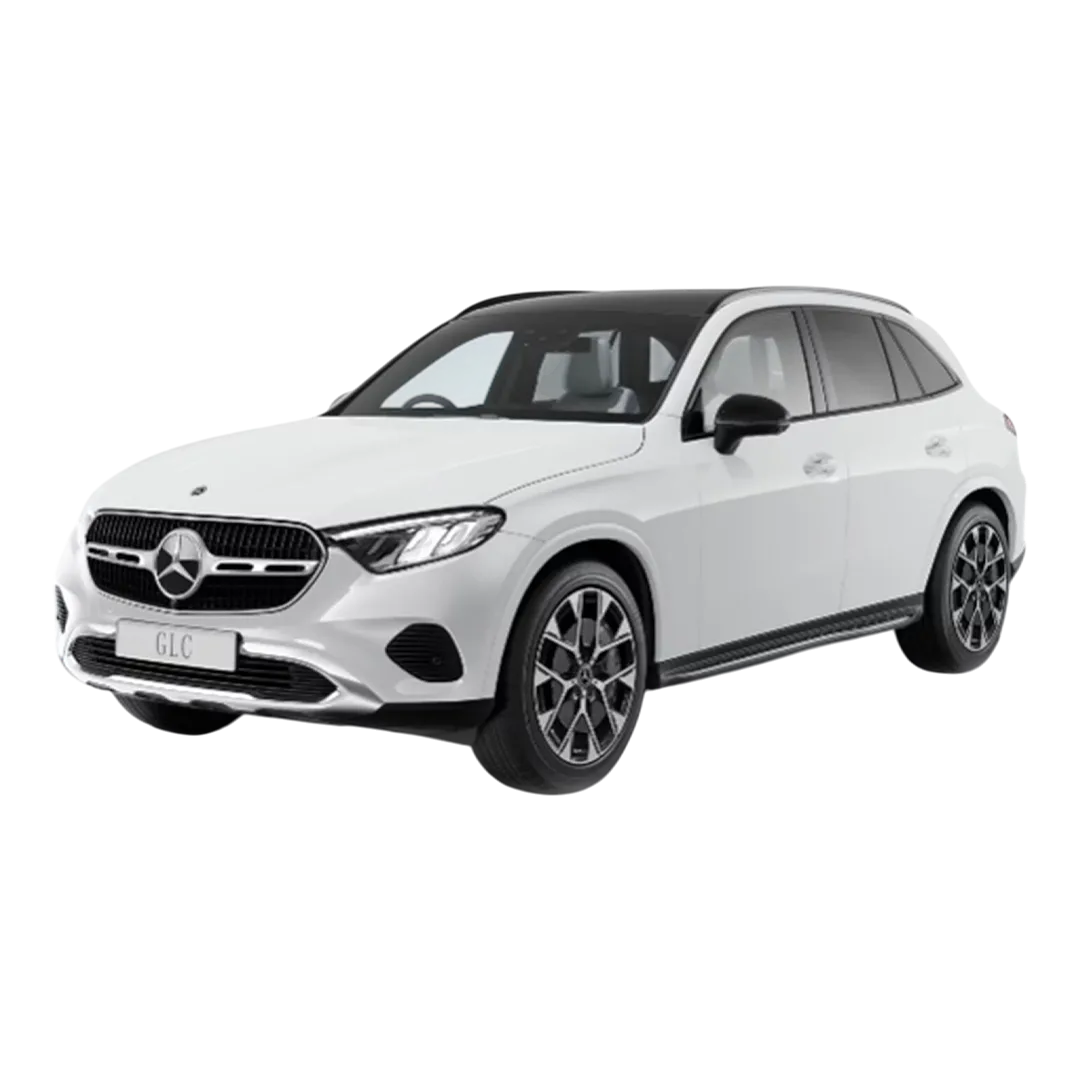 Mercedes Benz GLC
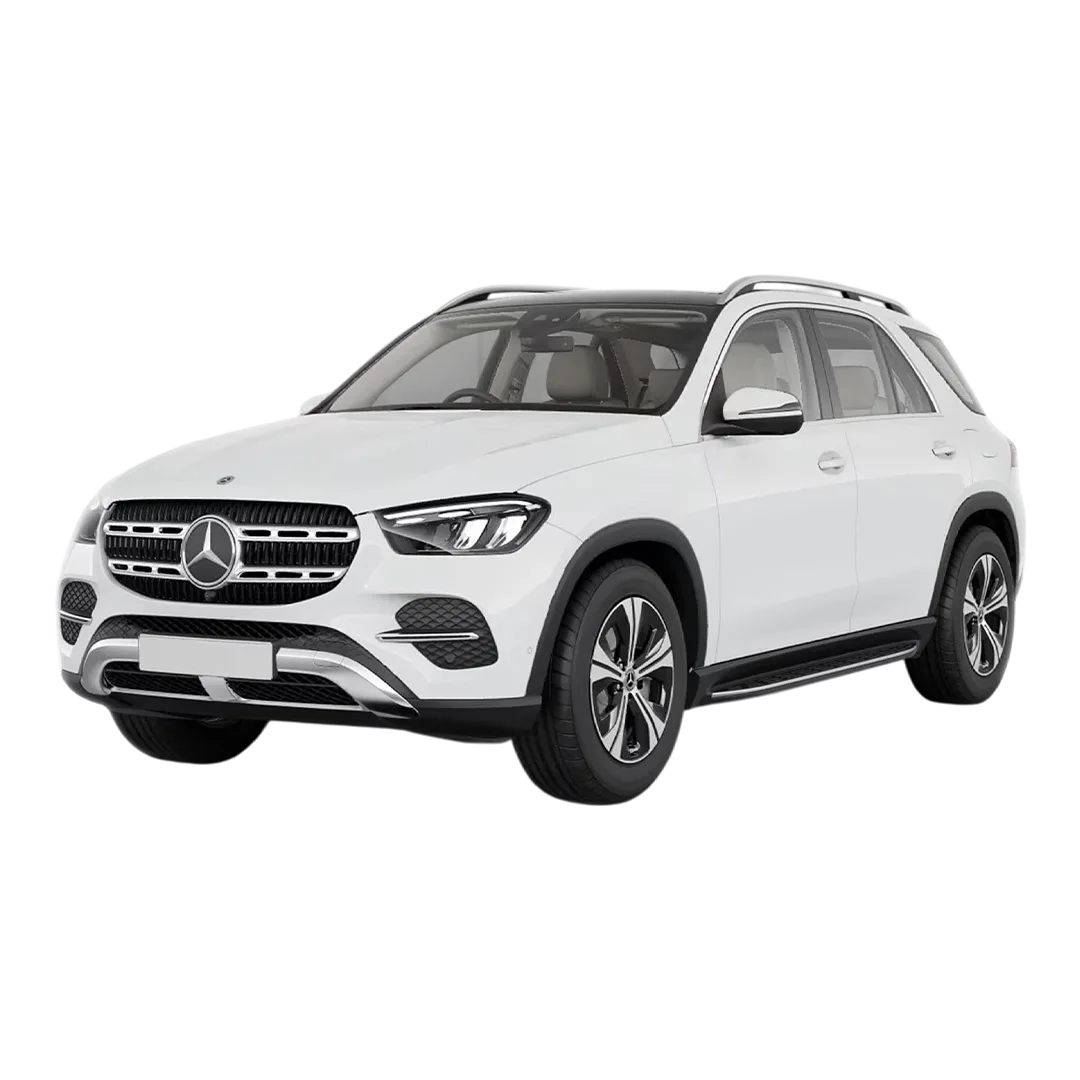 Mercedes Benz GLE
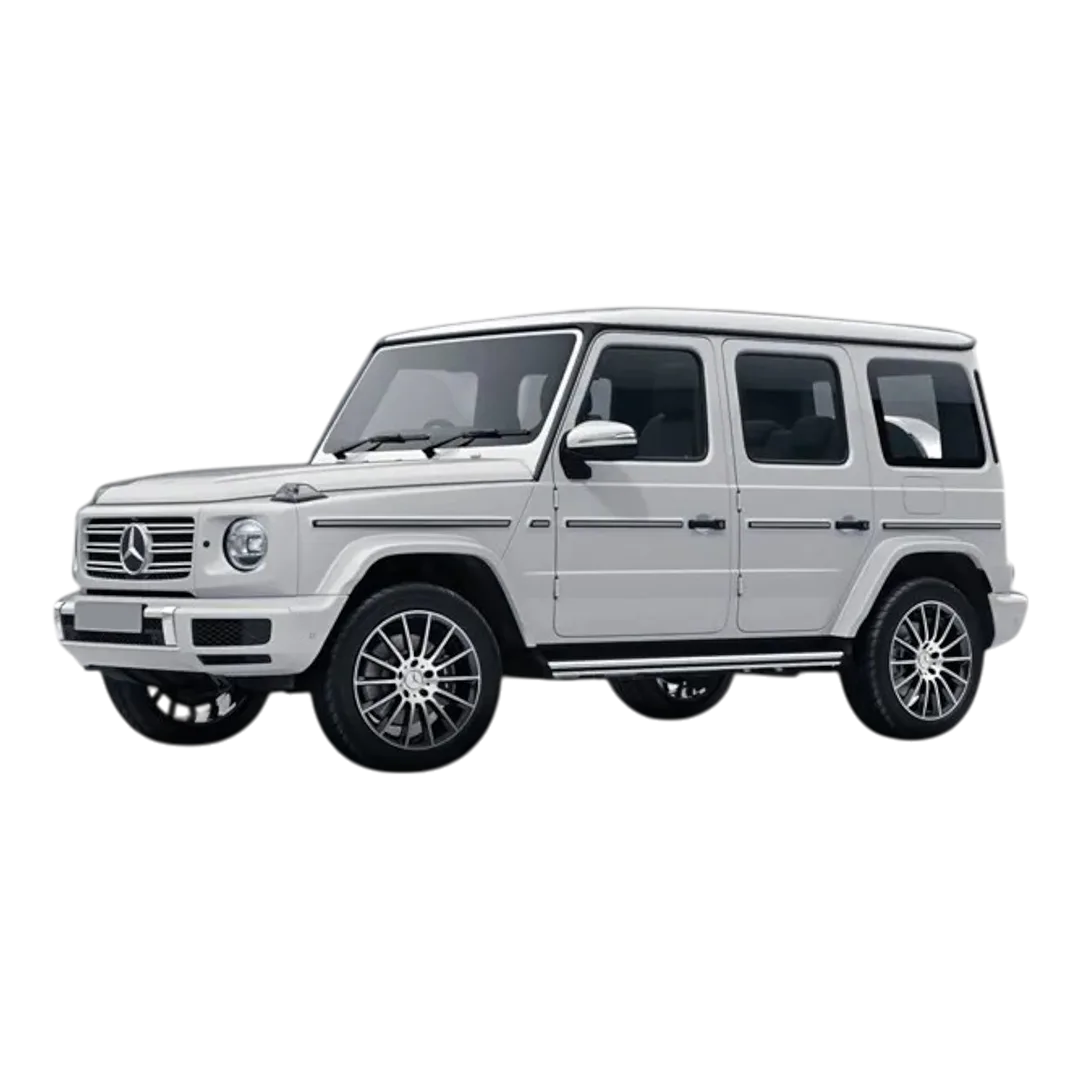 Mercedes Benz G-Class
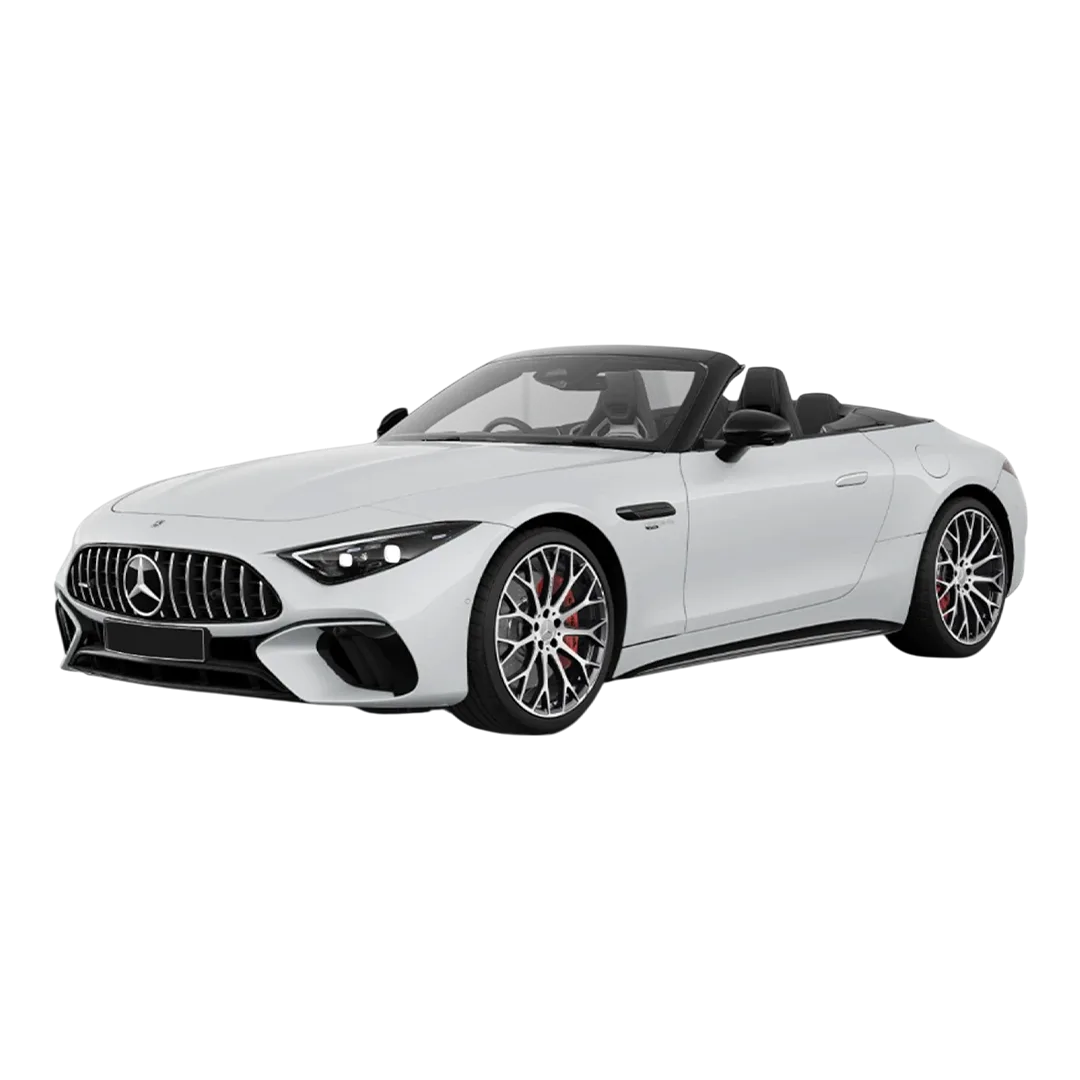 Mercedes Benz AMG SL
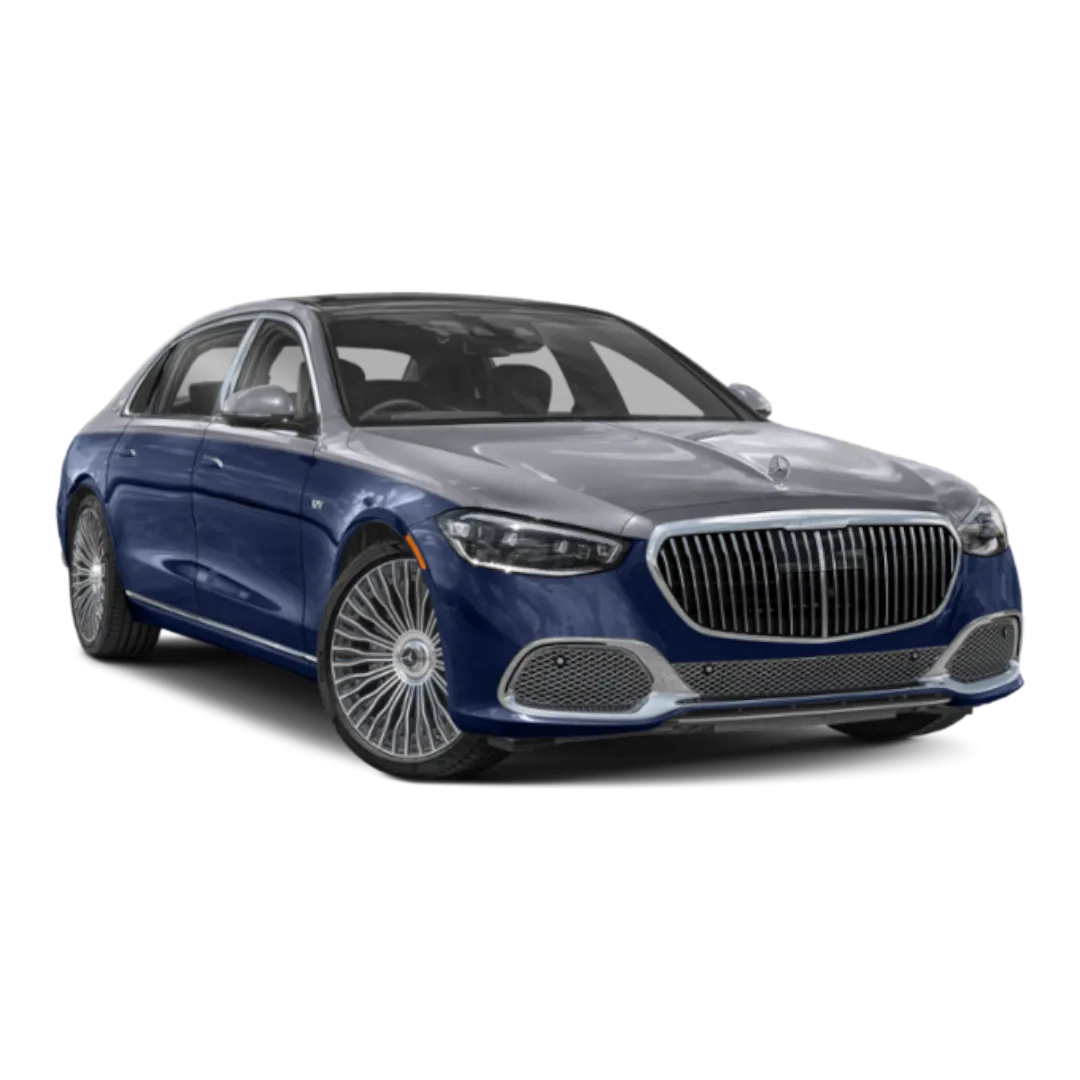 Mercedes Benz MAYBACH S- Class
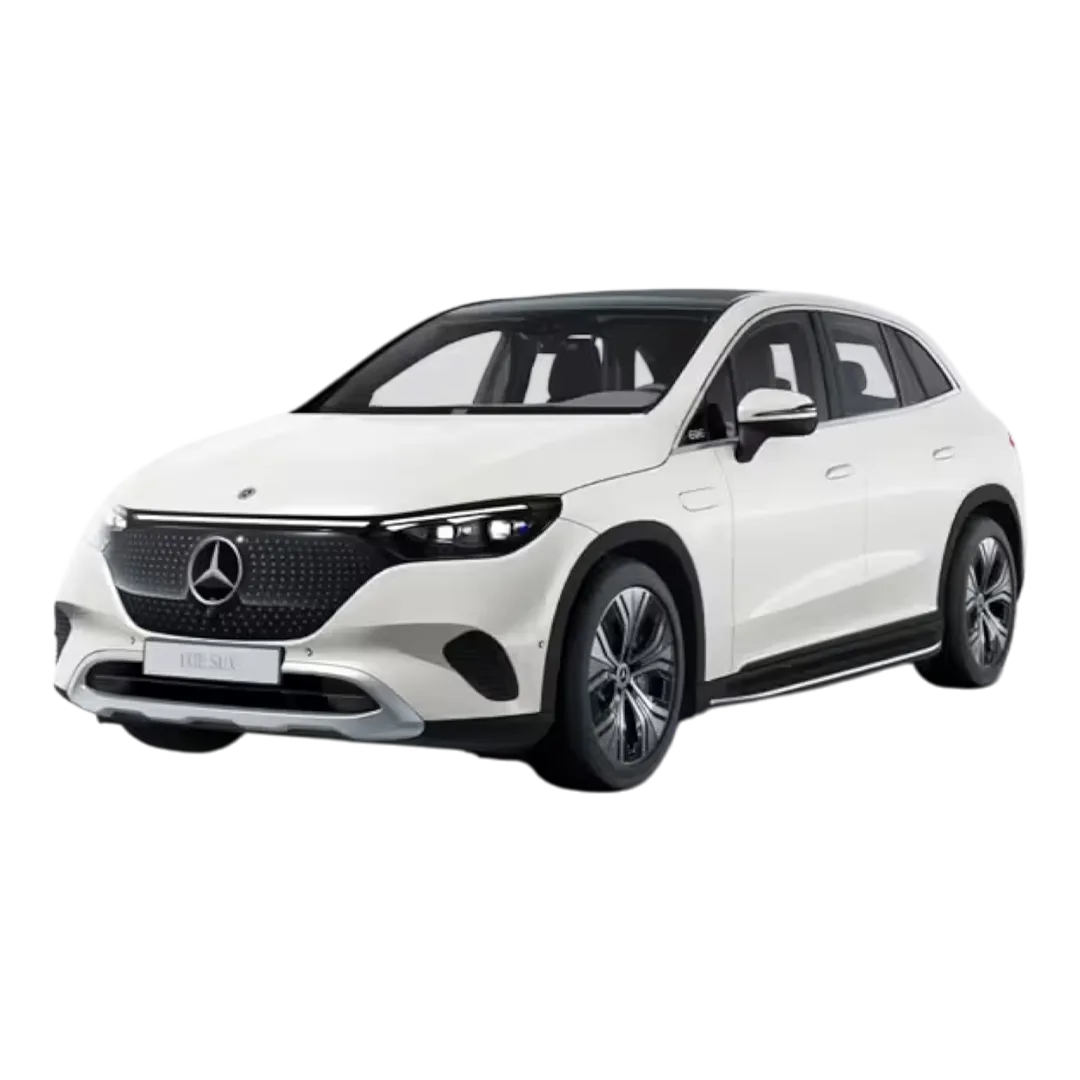 Mercedes Benz EQE-SUV
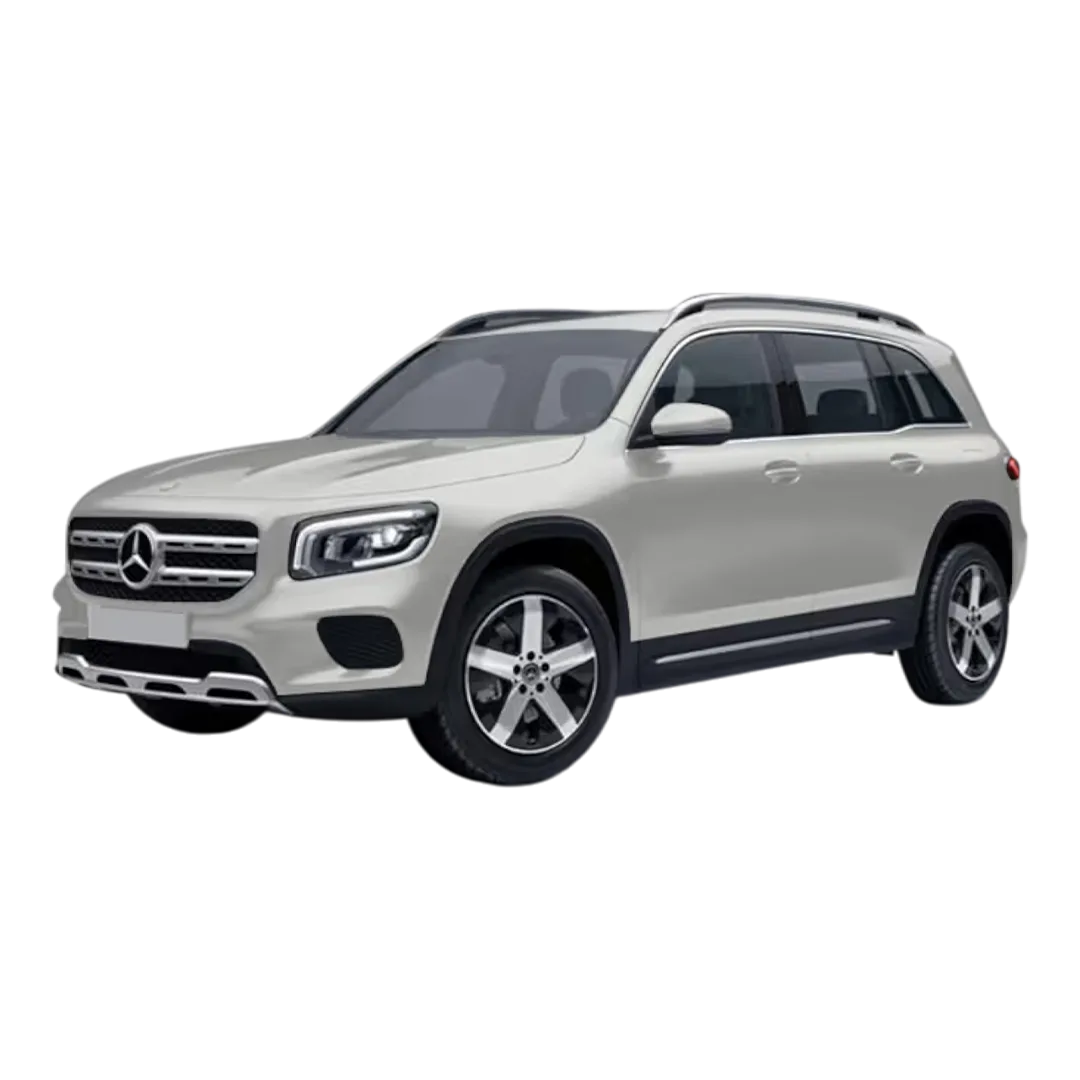 Mercedes Benz GLB
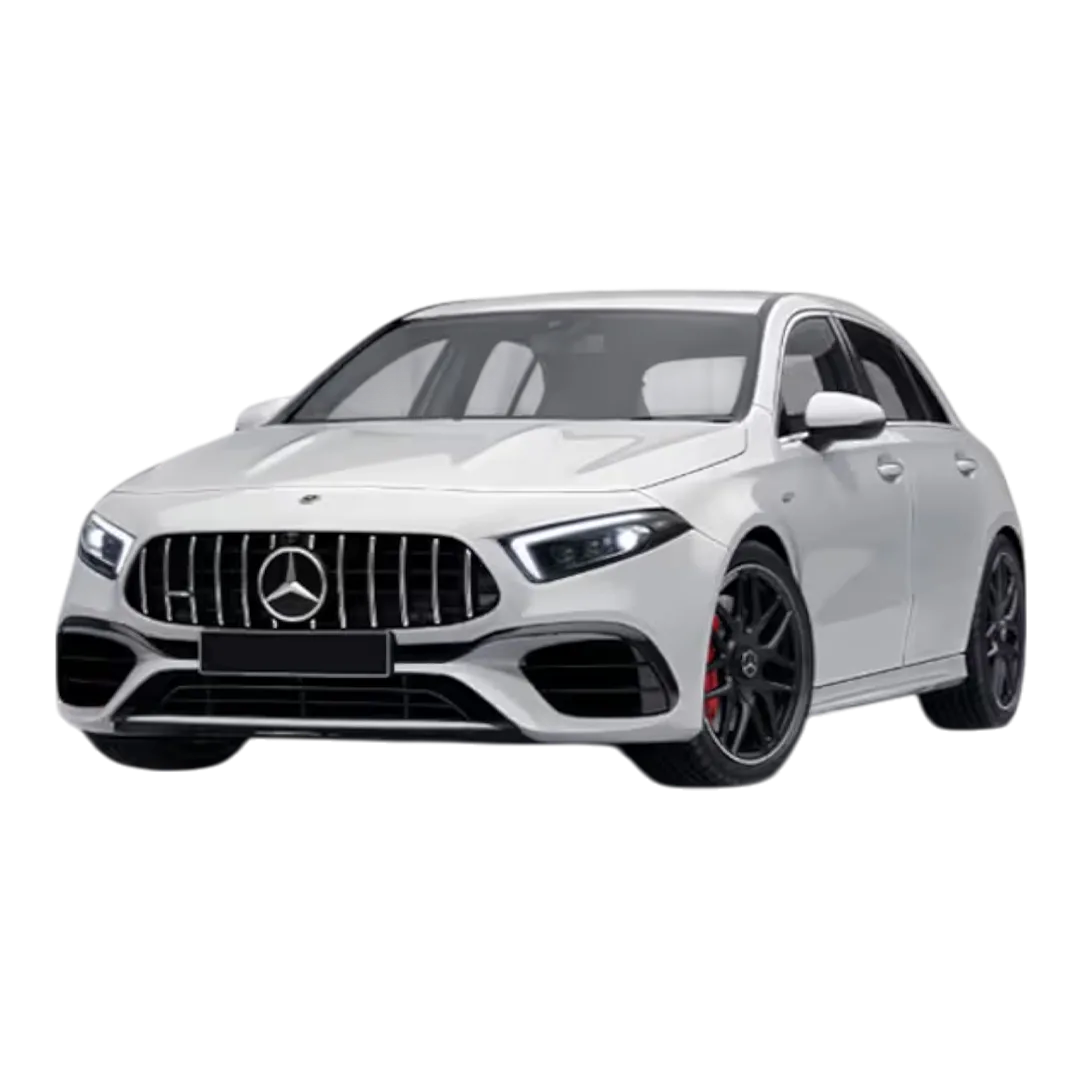 Mercedes Benz AMG A 45 S
 Mercedes Benz AMG GLE S3
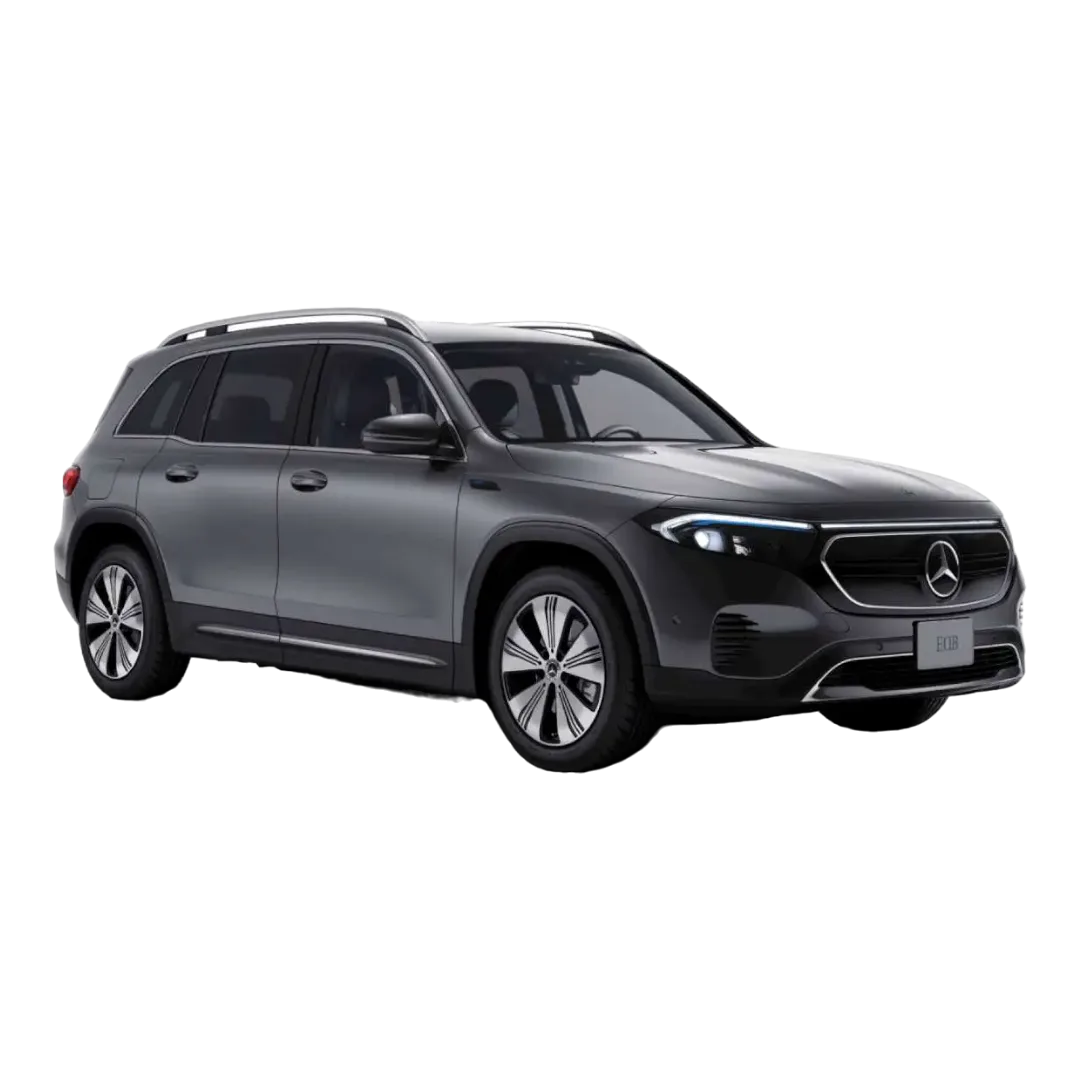 Mercedes Benz EQB
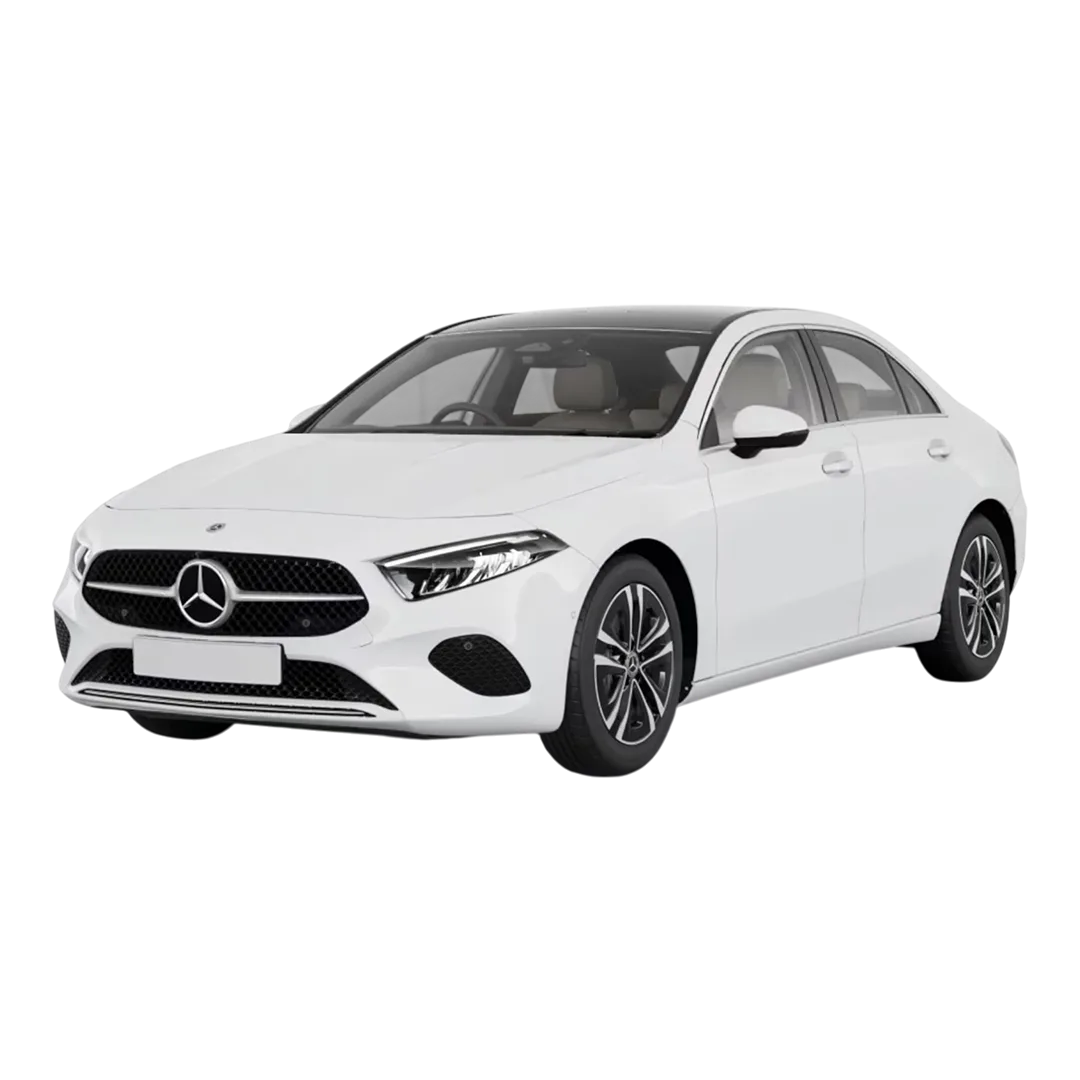 Mercedes Benz A Class limousine
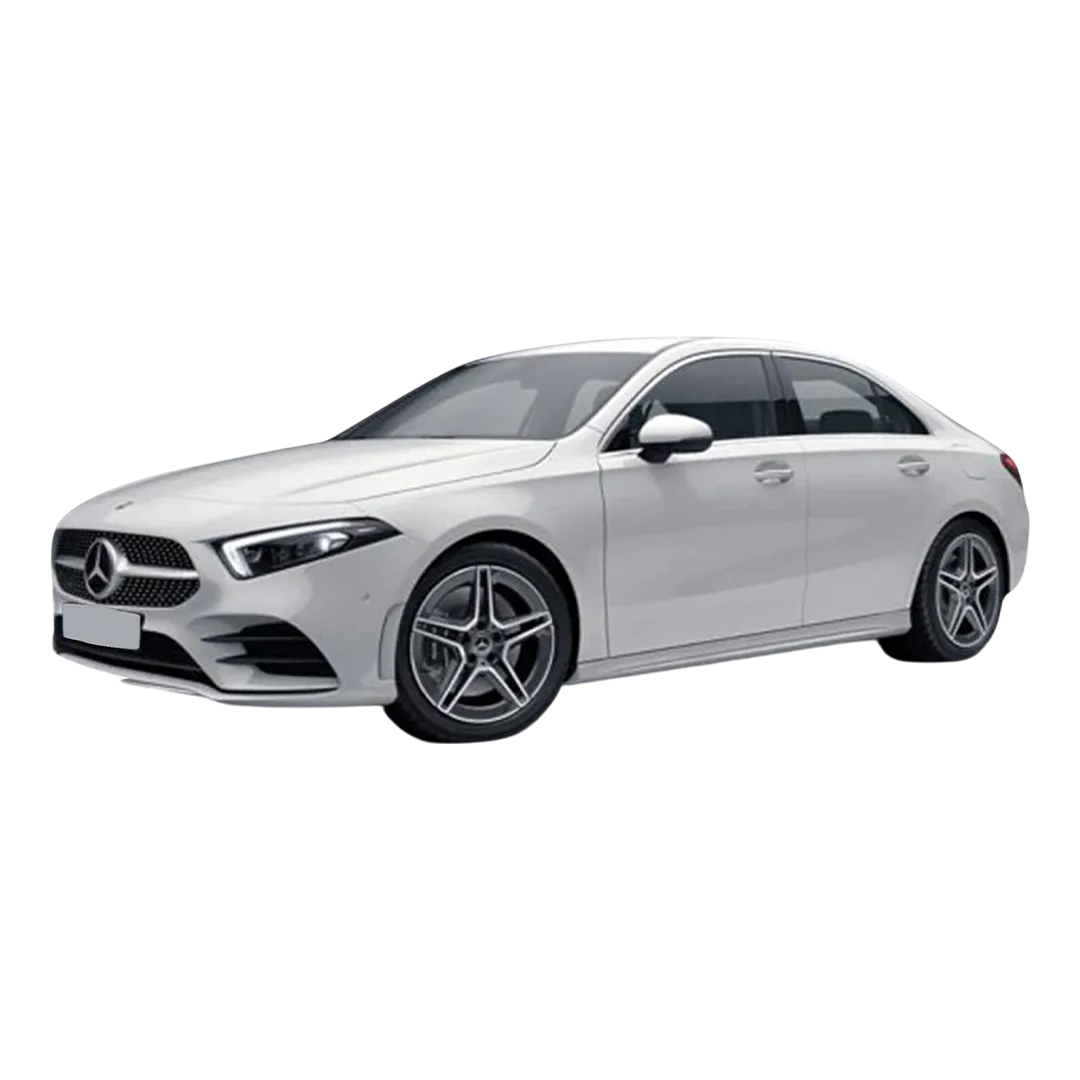 Mercedes Benz AMG A 35
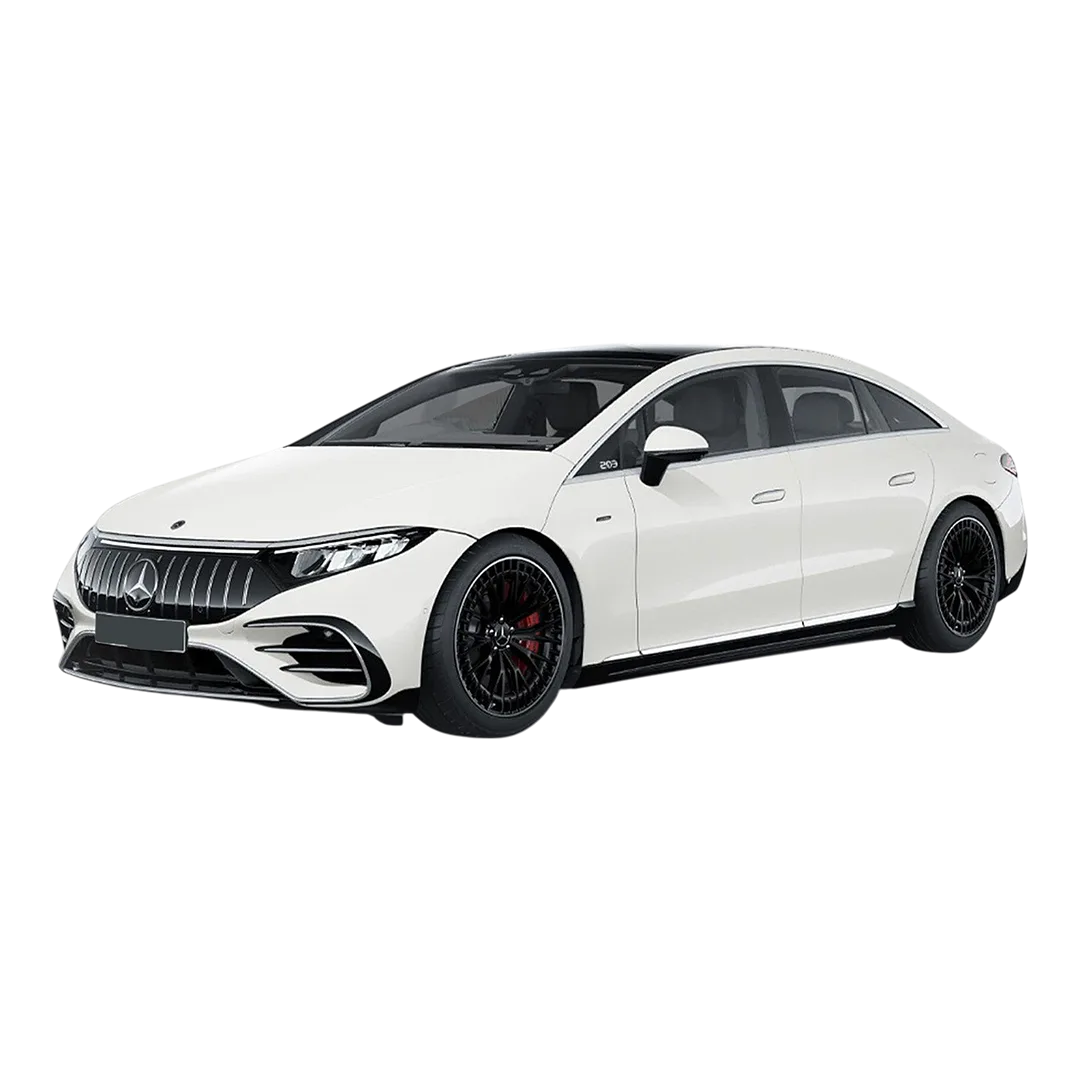 Mercedes-Benz AMG EQS
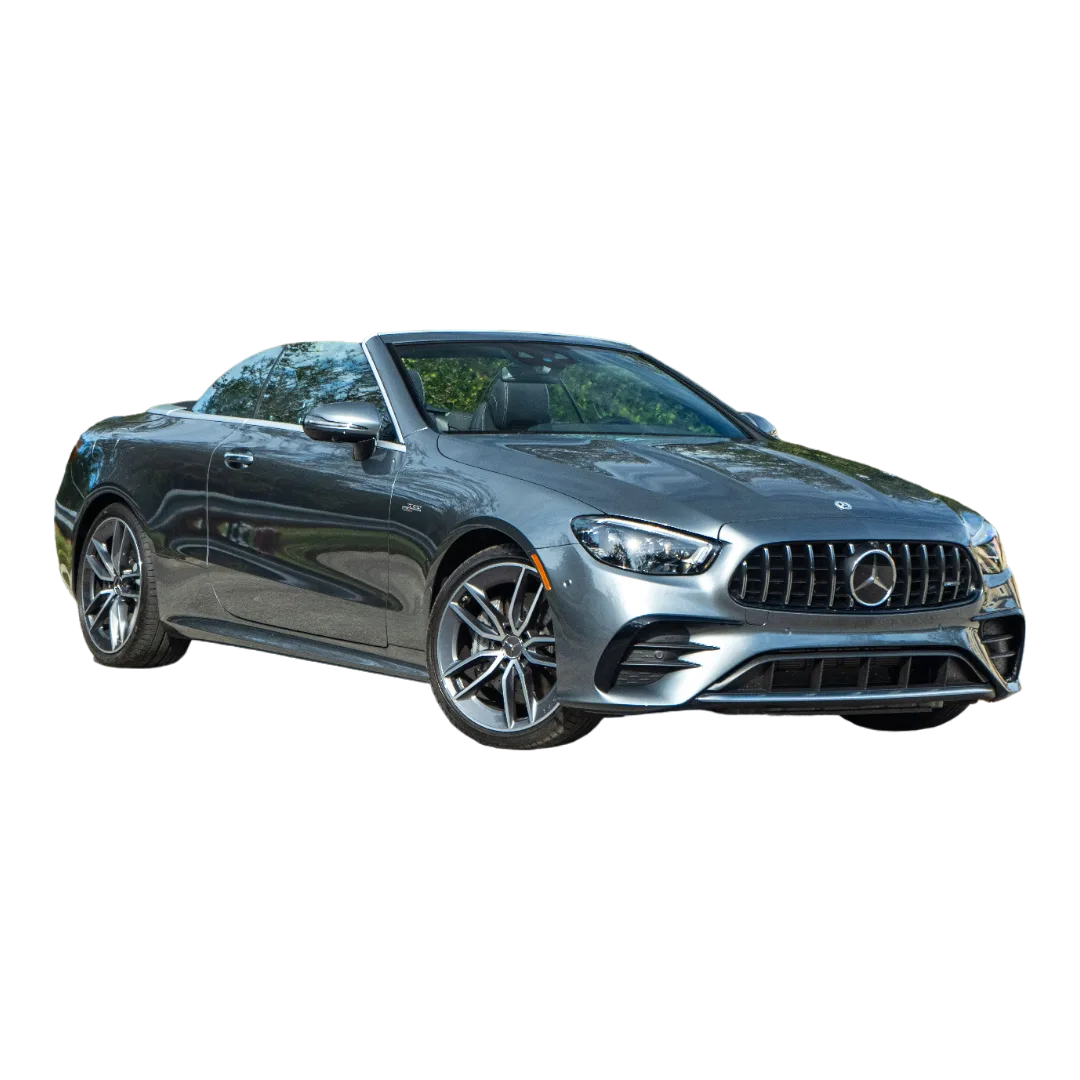 Mercedes-Benz AMG E 53 Cabriolet
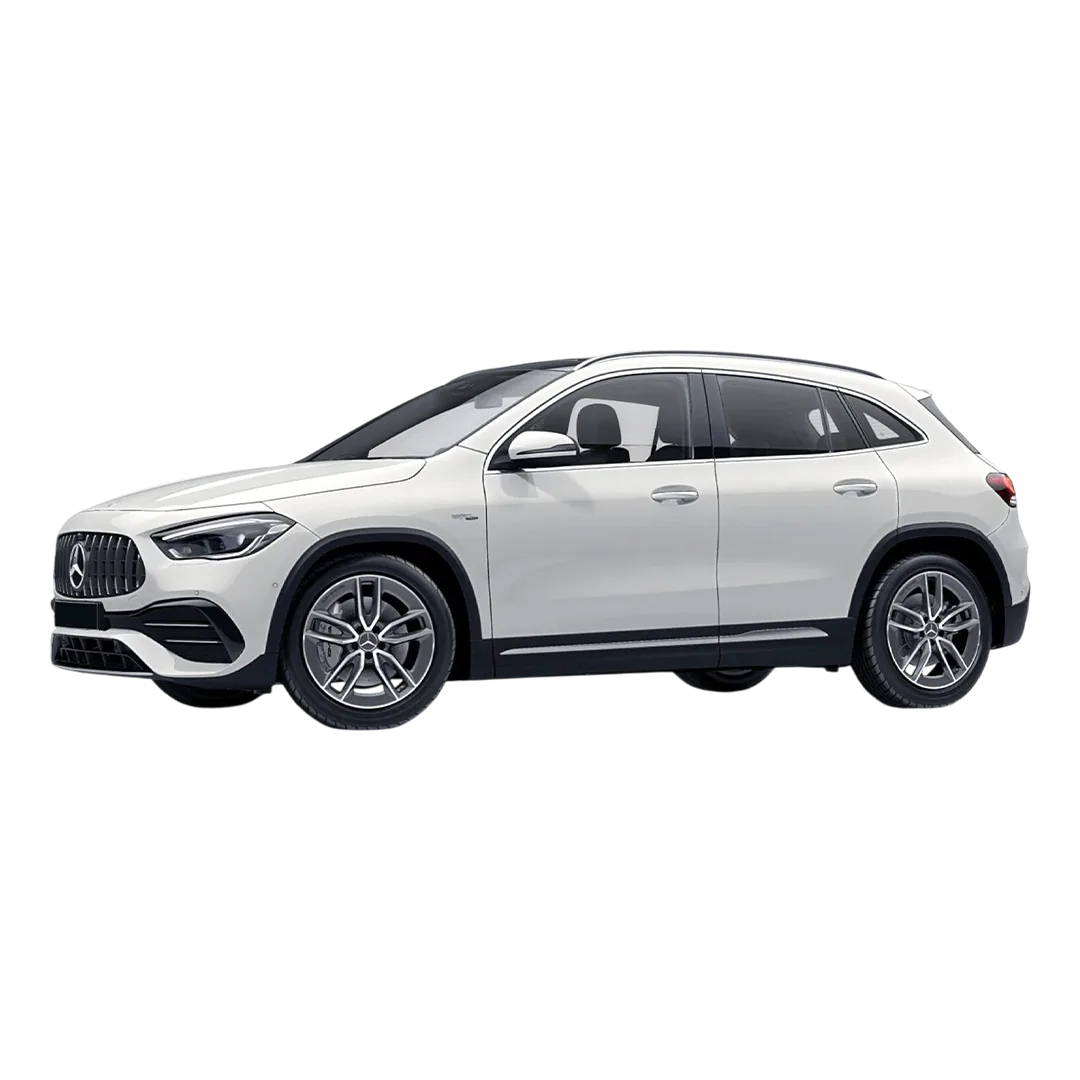 Mercedes-Benz AMG GLA 35
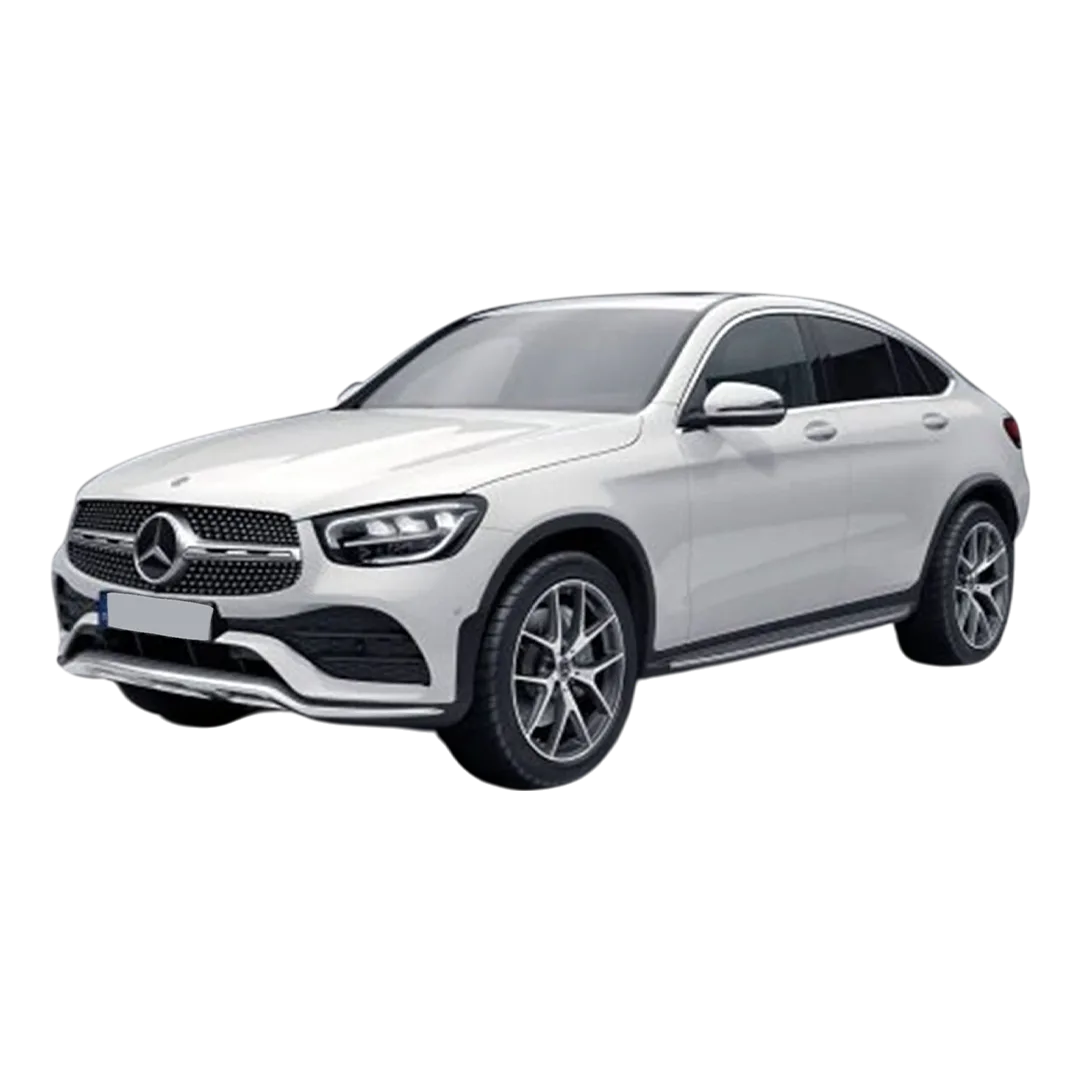 Mercedes-Benz GLC Coupe 2023
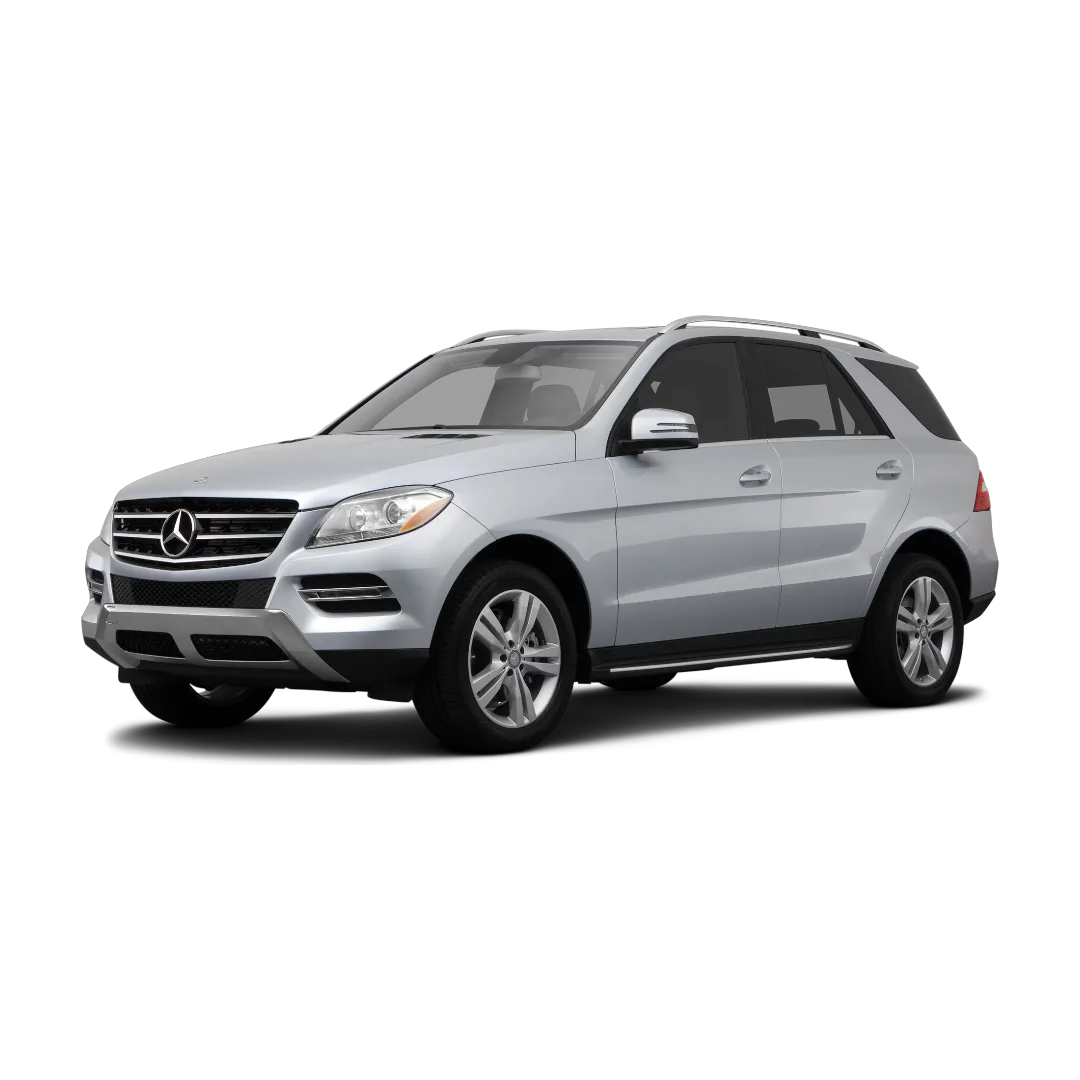 Mercedes M-Class
R-Class
Mercedes M-Class
R-Class
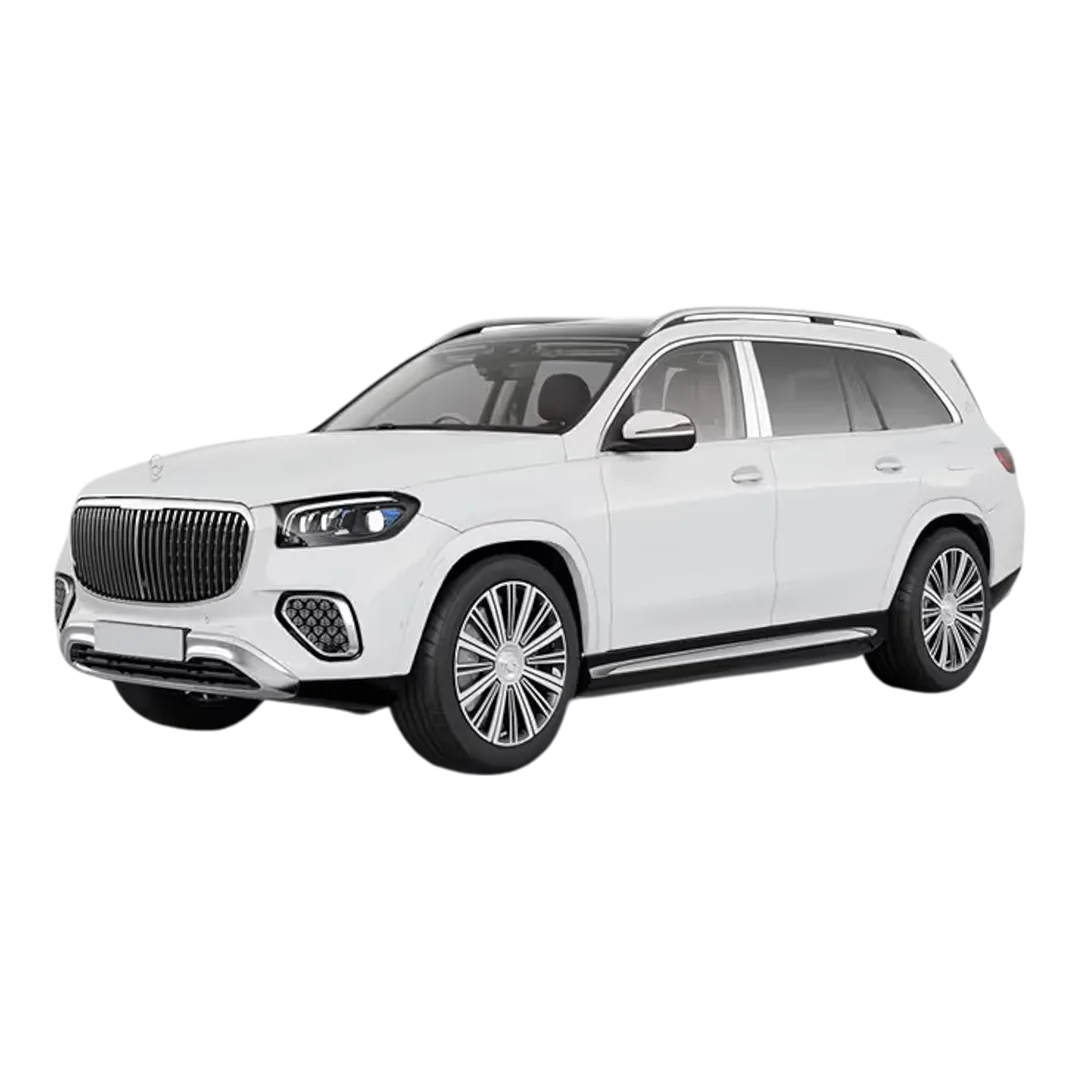 GLS 600
GLS 400
GLS 350
GLE 300
GLS 600
GLS 400
GLS 350
GLE 300
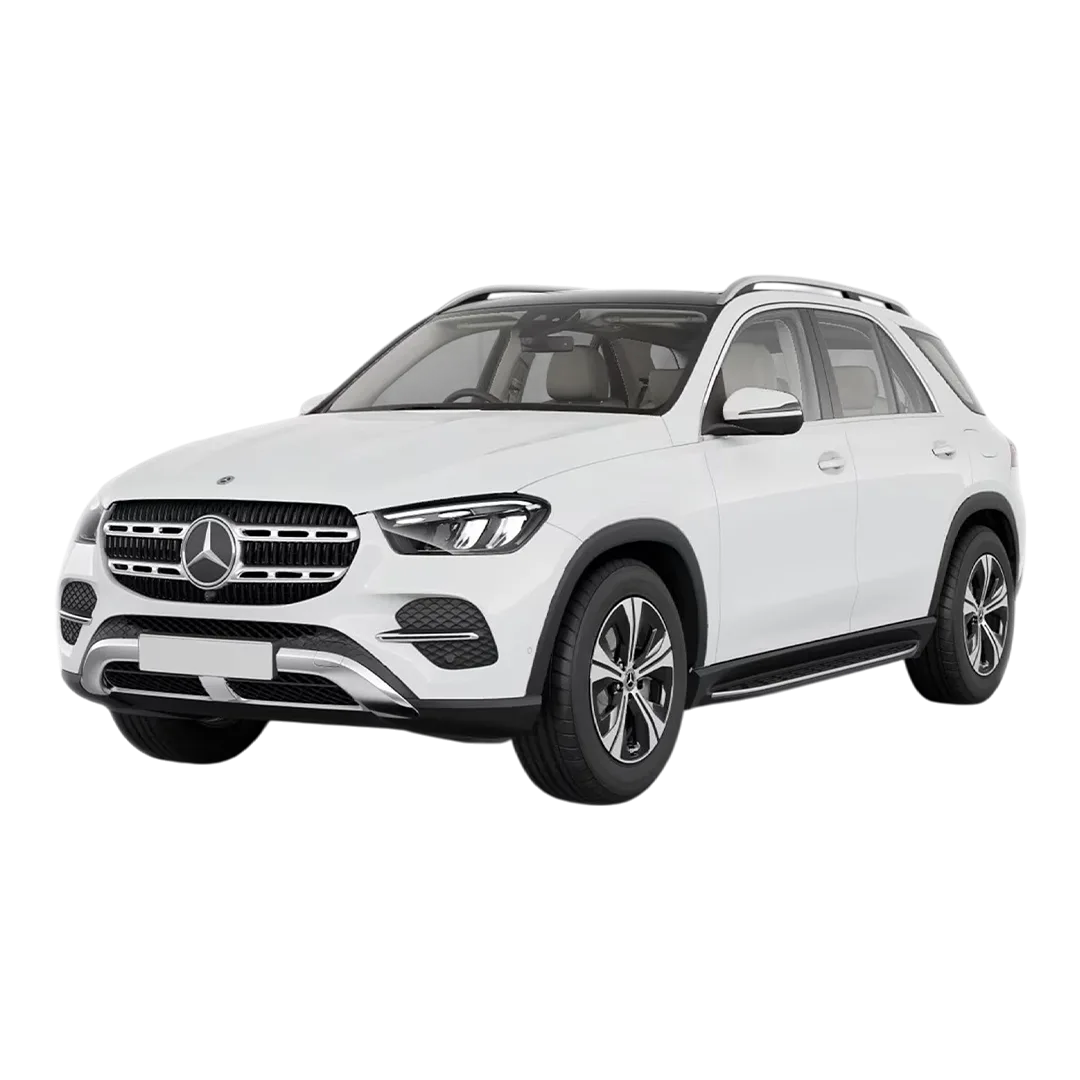 GLE 400
GLE 250D
GLE 400
GLE 250D
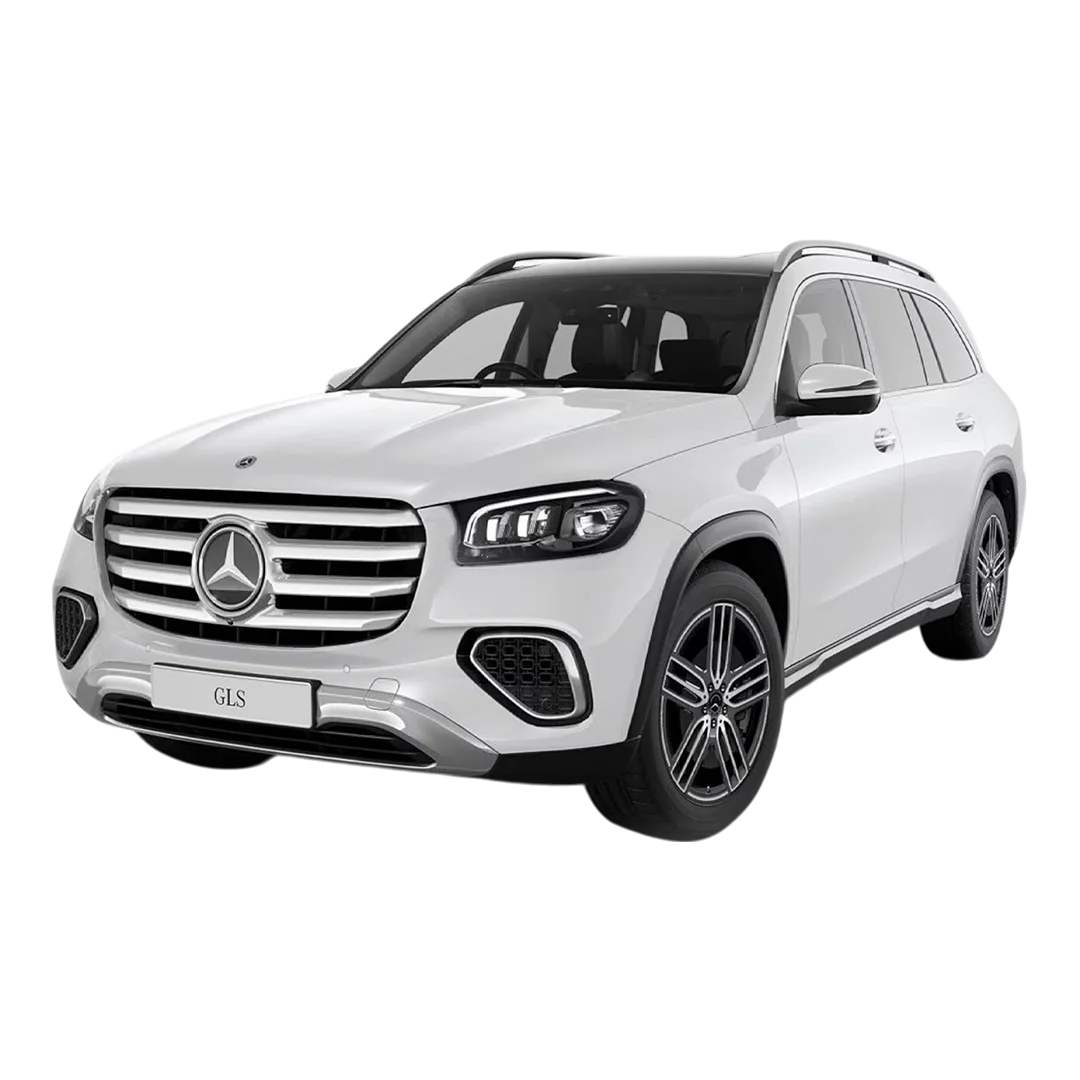 GLC 220D
GLC 300
GLC 220D
GLC 300
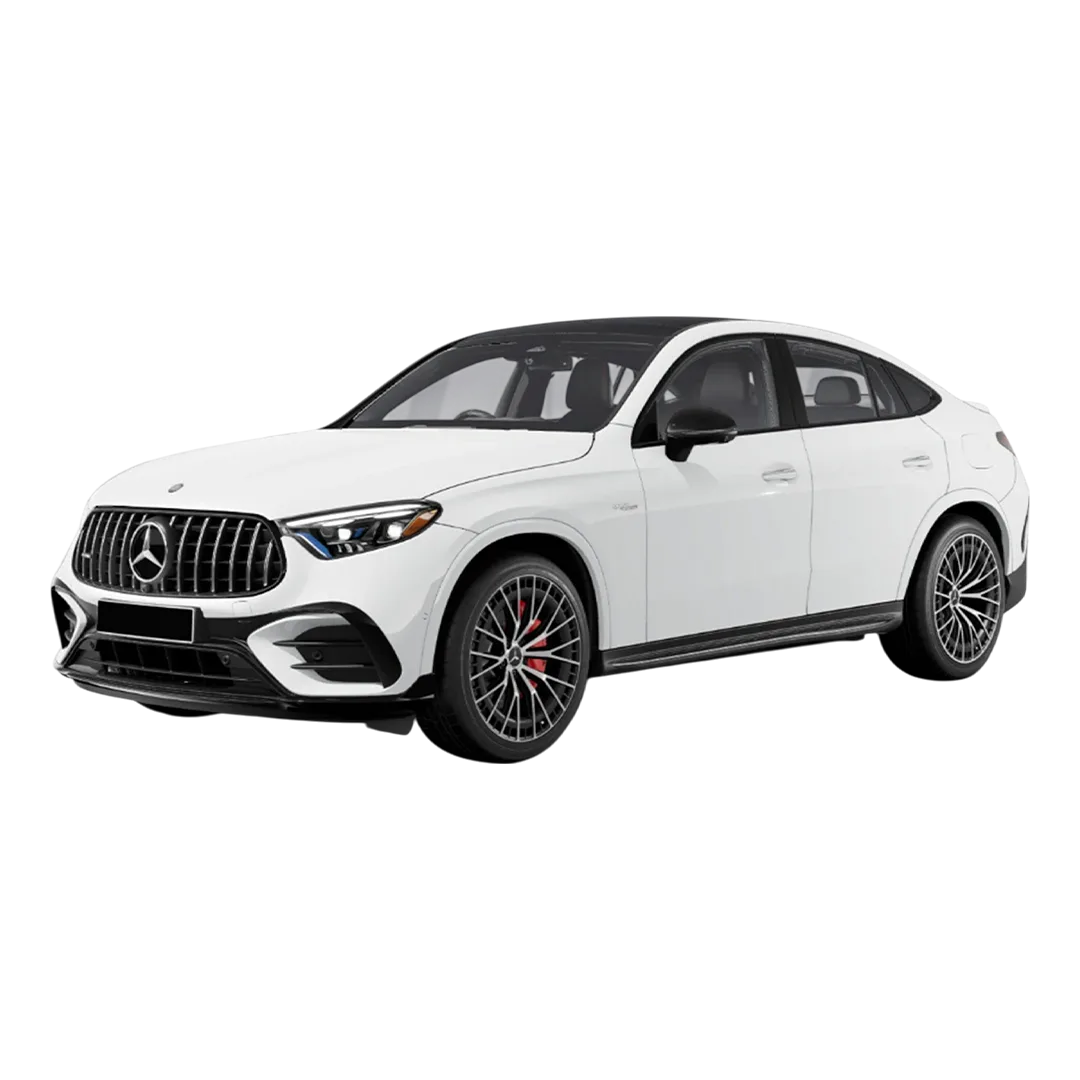 GLC 43 Coupe
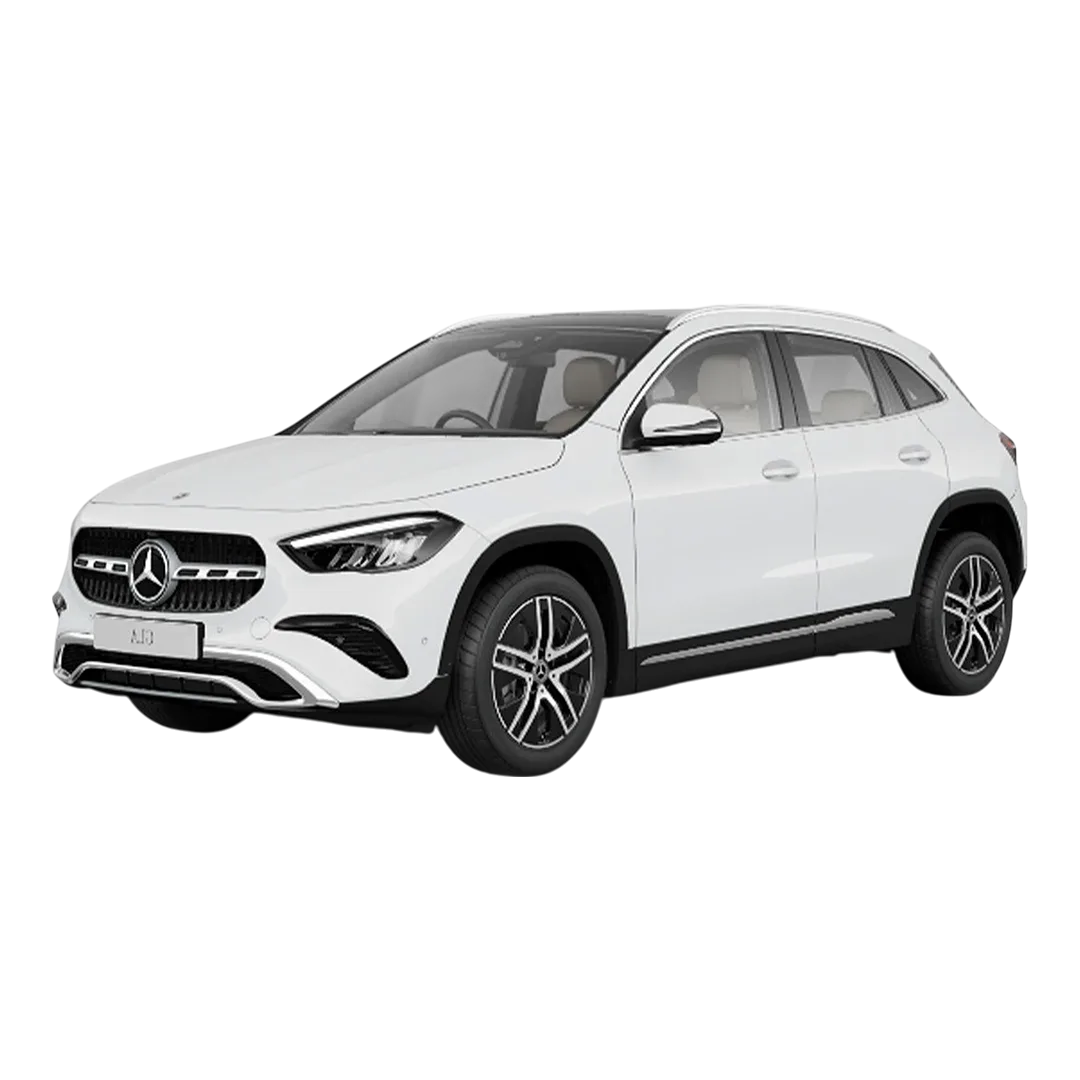 GLA 220d
 GLA-Class 200D
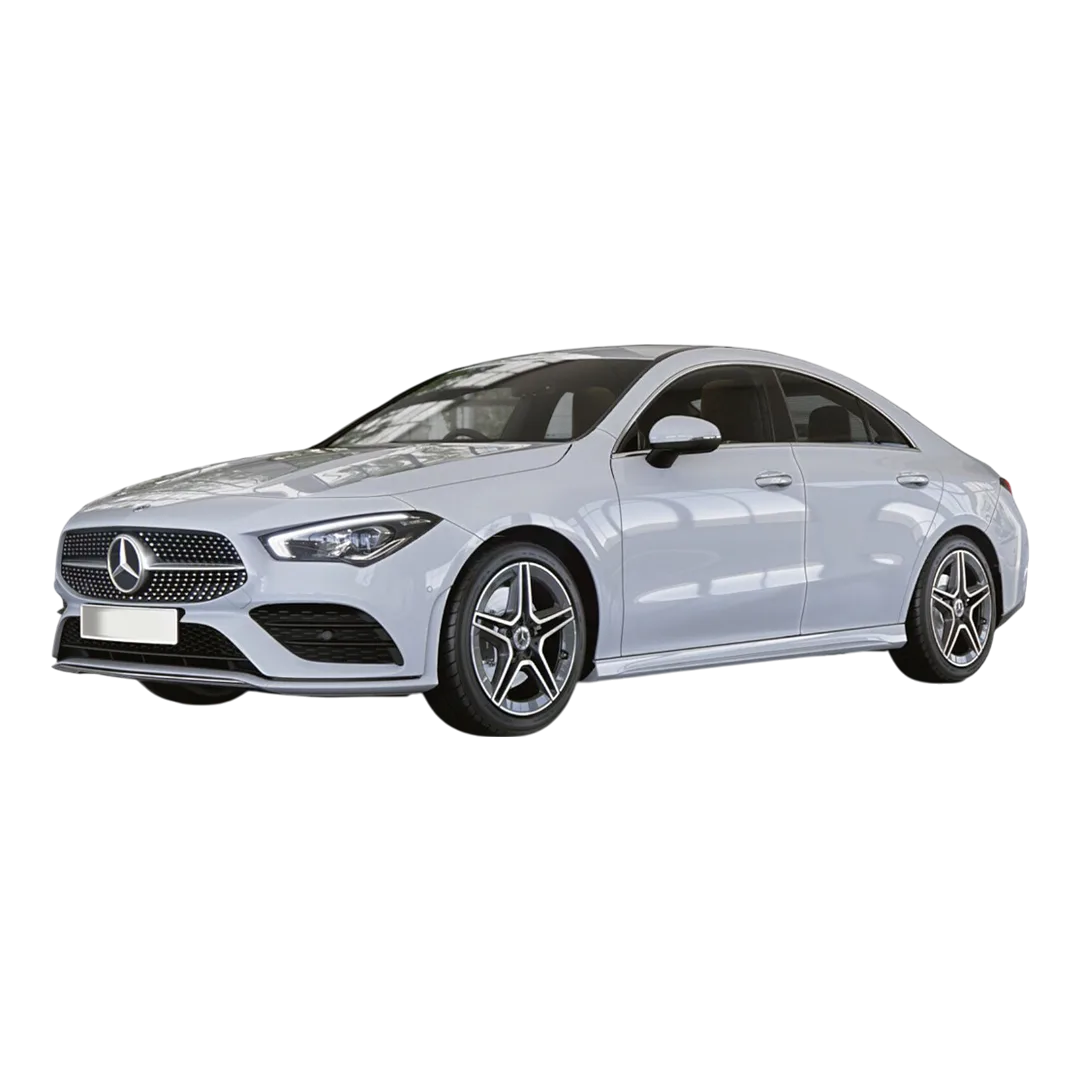 CLA 200
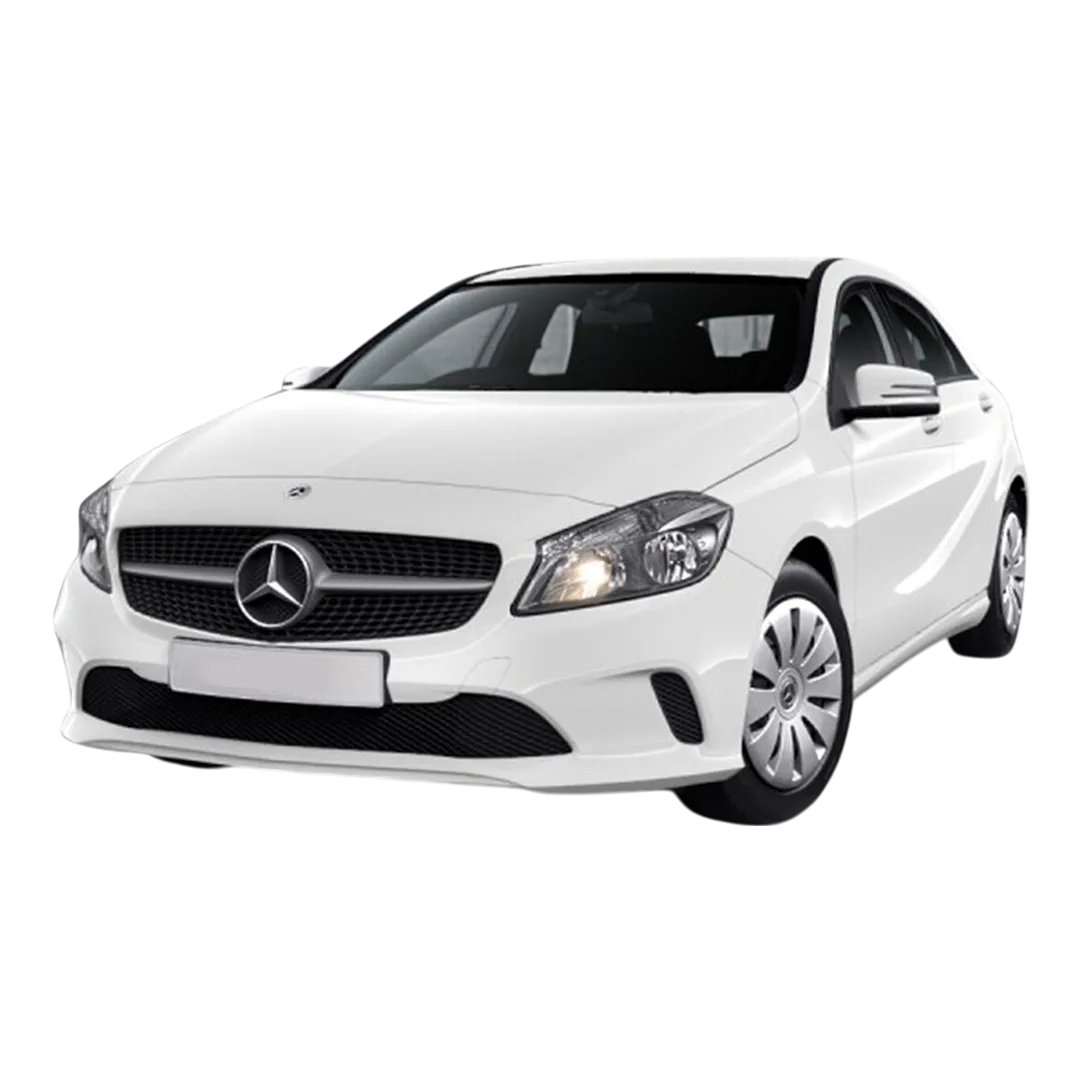 Benz A-Class A 180
M-Class ML 250
M-Class ML 350
Benz A-Class A 180
M-Class ML 250
M-Class ML 350
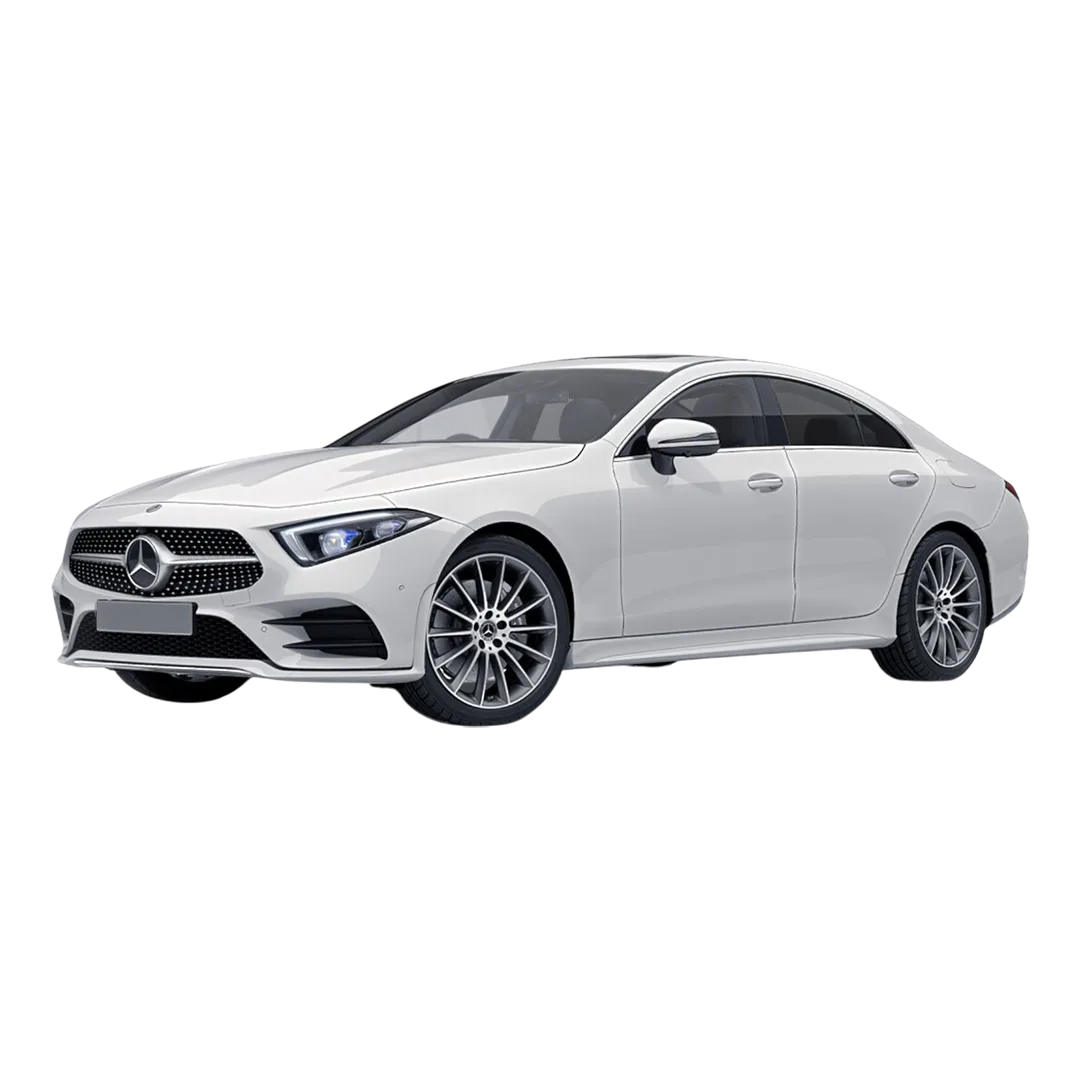 Benz CLS 300
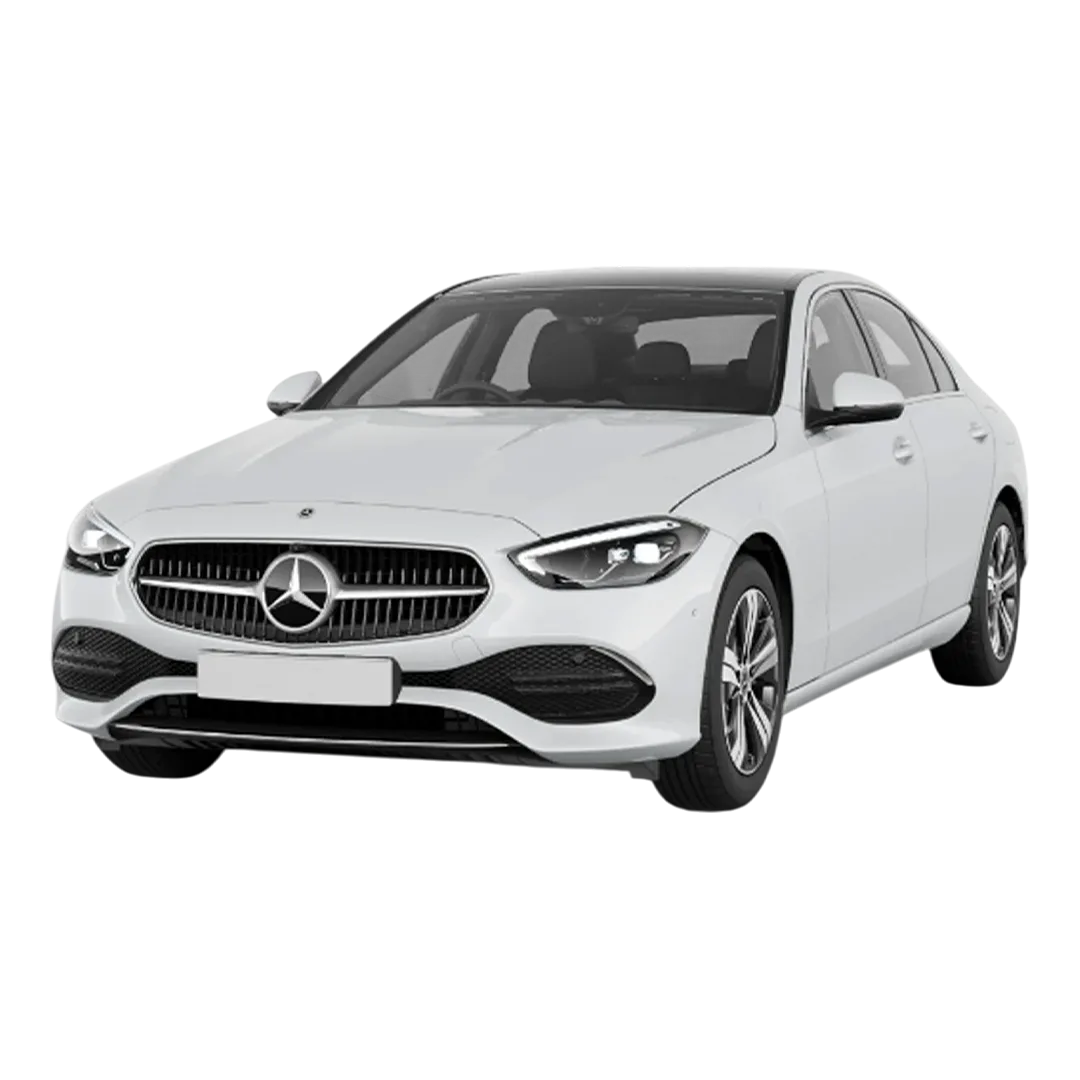 C-Class C250
C-Class C220
C-Class C200
C-Class C250
C-Class C220
C-Class C200
 Benz B - Class
Benz A - 200
Benz B - Class
Benz A - 200

India is preparing for a major change in highway travel. If you regularly drive on National Highways or Expressways, this update could directly affect you. The National Highways Authority of India is considering ending cash toll collection from April 1 2026.
At first, it sounds like just another policy shift. But once you look closely, this move can reshape how over 1150 toll plazas operate across the country. I went through the official details, user fee rules, and government statements to break this down clearly.
The proposal under discussion suggests that from April 1 2026, toll payments at all National Highway fee plazas will be accepted only through digital modes such as FASTag and Unified Payments Interface. The idea is simple. Reduce congestion. Improve operational efficiency. Create a technology driven highway network.
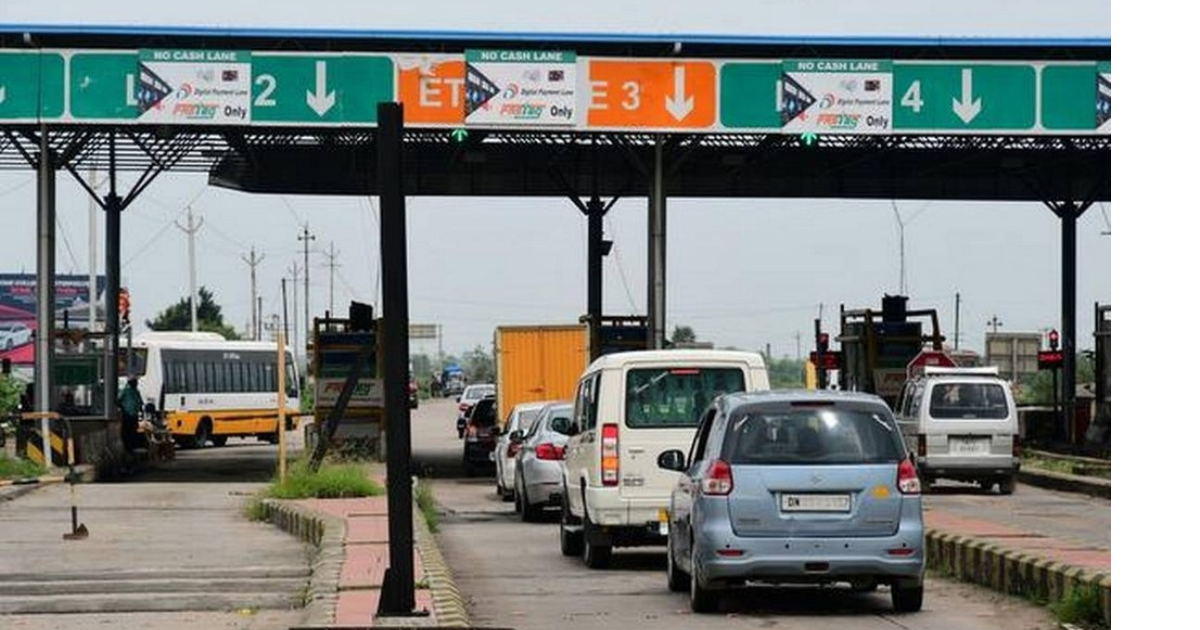
Currently, toll payments on National Highways are already largely digital. According to the Ministry of Road Transport and Highways, FASTag accounts for over 98 percent of total toll transactions. That means cash usage is already minimal. So the shift toward a 100 percent digital toll collection system is being positioned as the logical next step.
Before this complete transition, here is how the system works today:
| Payment Mode | Charges Applied |
|---|---|
| Valid FASTag | Normal applicable user fee |
| Cash without valid FASTag | Double the applicable user fee |
| UPI Payment | 1.25 times the applicable user fee |
Under existing National Highway fee rules, if a vehicle enters a toll plaza without a valid and functional FASTag and chooses to pay in cash, the driver is charged double the toll amount.
If the commuter pays via UPI, the charge is 1.25 times the applicable fee for that vehicle category.
These higher charges have already reduced dependency on cash and accelerated the shift to digital toll collection.
FASTag is an RFID enabled electronic toll collection system affixed to vehicle windshields. It enables contactless toll payments without stopping for manual transactions. Adoption has crossed 98 percent penetration across India. Most toll transactions are now processed electronically through FASTag lanes.
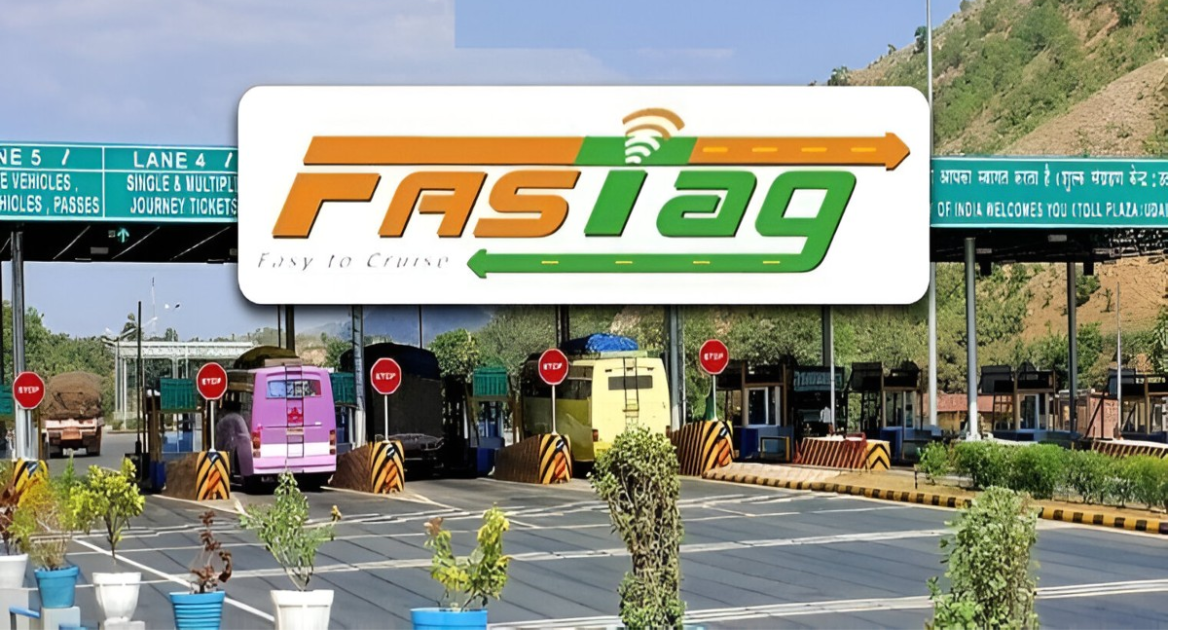
In addition, UPI facilities are operational at toll plazas nationwide, offering instant digital payment alternatives. This high penetration rate is one of the main reasons NHAI believes eliminating cash toll payments is now practical.
Plaza level assessments indicate that cash based transactions still contribute to:
A complete digital only toll payment system is expected to:
From an operational perspective, digital toll collection removes human handling time and reconciliation delays.
If implemented, this move will affect more than 1150 fee plazas across National Highways and Expressways in India.
Every commuter using National Highways will need either:
There will be no option to pay toll in cash once the rule becomes effective.
NHAI states that this proposal aligns with its broader objective of building a technology driven and high efficiency National Highway network.
By eliminating cash transactions, authorities aim to improve Ease of Commuting for highway users. The goal is faster, seamless, and hassle free travel across India.
If implemented from April 1 2026, this step would mark a significant milestone in India’s transition toward fully digital infrastructure in road transport.
I was initially hesitant about the idea of removing cash completely. But when you look at the 98 percent FASTag adoption rate and existing digital dominance, it appears more like a formalization of what is already happening.
Still, the success of this system will depend on consistent FASTag functionality, reliable UPI networks, and proper grievance redressal mechanisms.
NHAI is considering discontinuing cash payments at National Highway toll plazas from April 1 2026. If implemented, toll payments will be allowed only through FASTag and UPI.
If the rule is implemented, vehicles without a valid FASTag may not be allowed to pay cash. Digital payment through FASTag or UPI will be mandatory.
Currently, vehicles entering without a valid FASTag and paying in cash are charged double the applicable user fee.
Commuters paying through UPI are charged 1.25 times the applicable user fee for their vehicle category under existing rules.
The digital only toll system will impact over 1150 fee plazas across National Highways and Expressways in India.
The government states that cash payments lead to congestion, longer waiting times, and transaction disputes. Digital toll collection improves efficiency, traffic flow, and transparency.