Your cart is empty
Start Shopping Exterior
›
Exterior
›
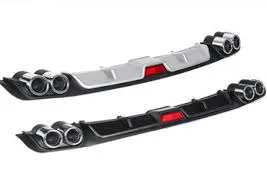 Bumper Diffuser/Guard
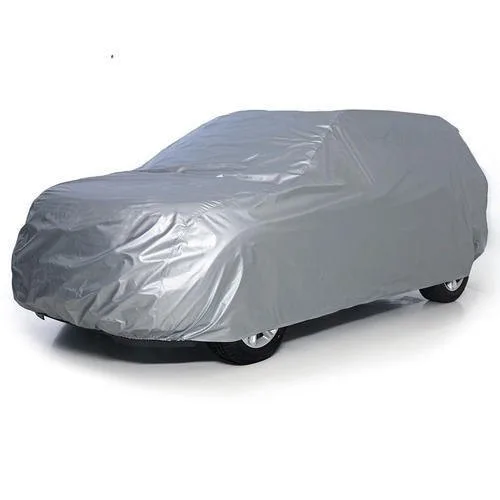 Body Covers
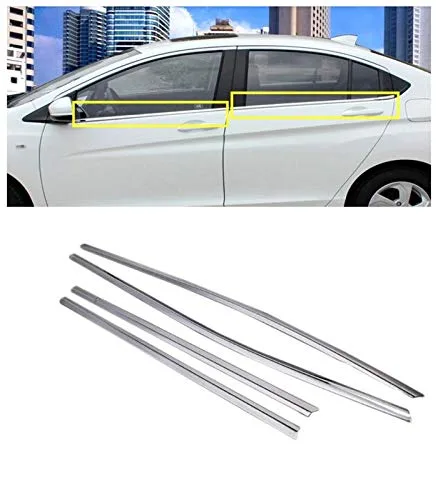 Window Garnishing
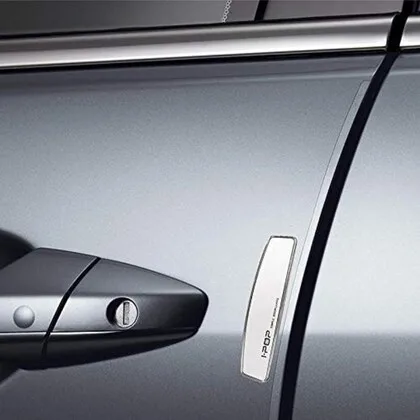 Door Guards
 Roof Rails
 Side Beading
 Door Visor
 Mud Flap
 Wheel Cover
 Foot Rest
 Interior
›
Interior
›
 Door Scuff Sill Plates
 Window Sunshades & Film
 Armrest
 Seat Covers
 Steering Cover
 Floor Mats
 Dashboard Showpiece
 Seat & Neck Cushion
 Lighting
›
Lighting
›
 Utility
›
Utility
›
 All Chrome Items
 Mobile Holder
 Tyre Inflators
 Vacuum Cleaner
 Jumper Cable
 Cleaning Kit
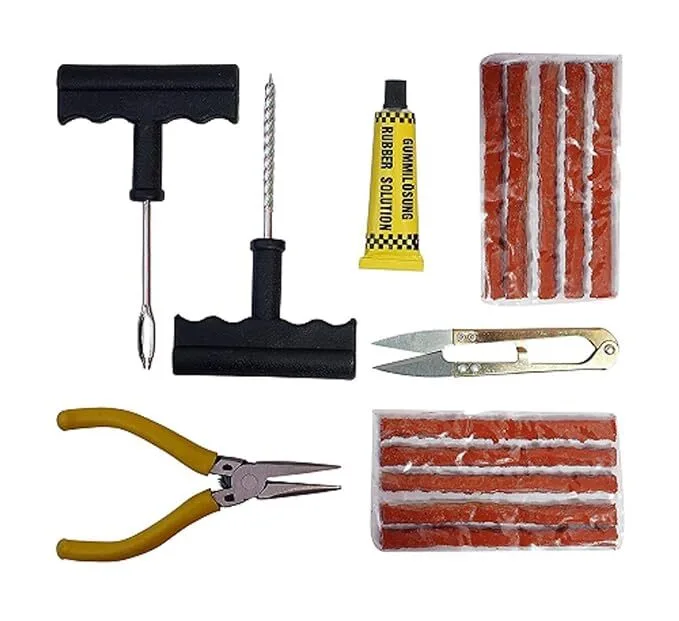 Tyre Puncture Kit
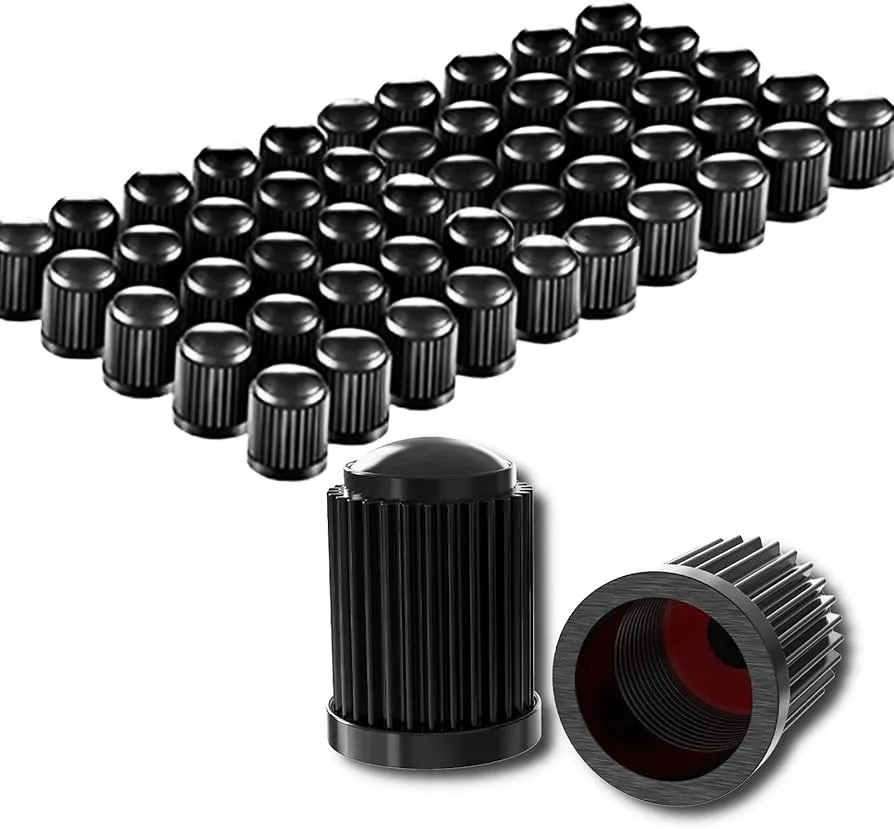 Tyre Valve Cap
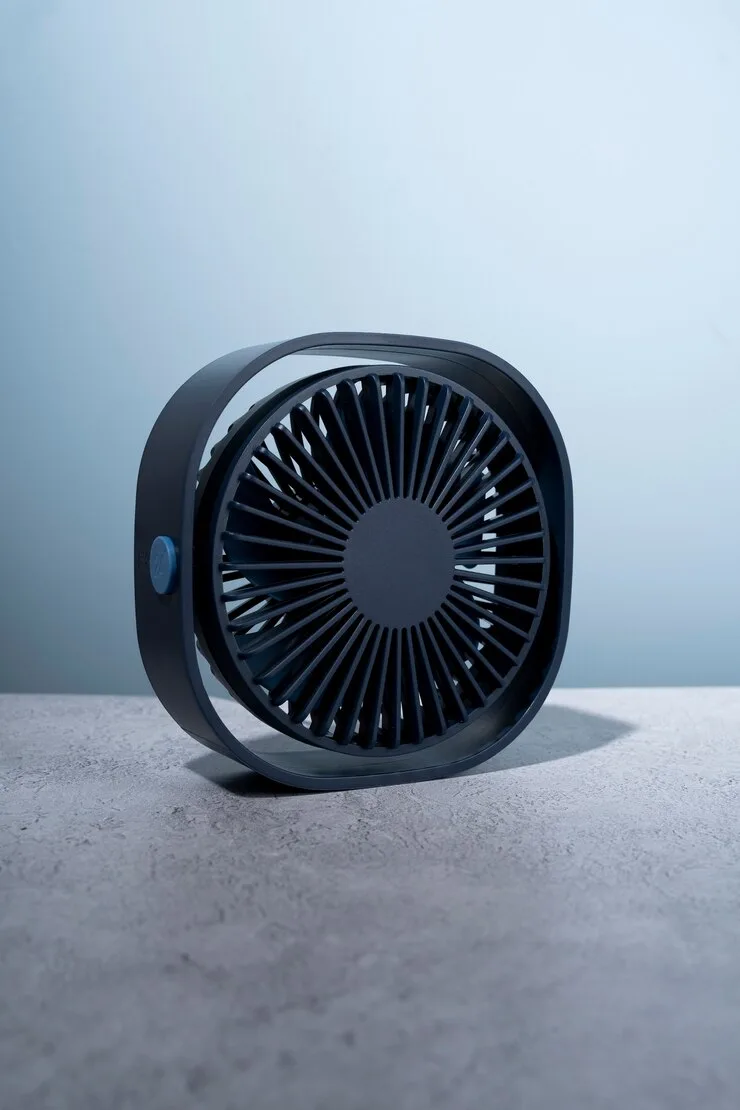 Car Fan
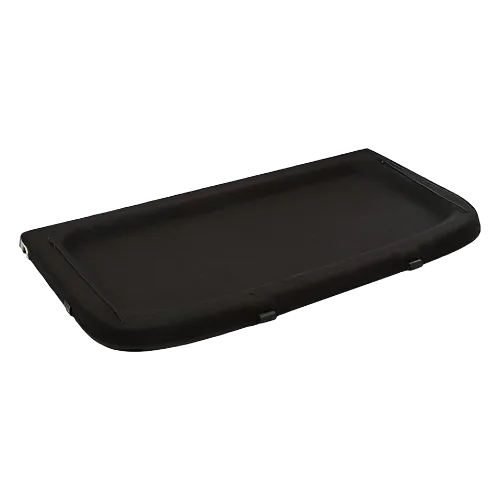 Parcel Tray
 Electronic
›
Electronic
›
 Parts
›
Parts
›
 Fog Lights
 Headlights
 Tail Lights
 Steering Wheel Controls
 Sensor
 Horns
Horns
 Wiper Blade
 Front Grille
 Side Mirror
 Battery
 Car Care
›
Car Care
›
 Air Freshener & Perfume
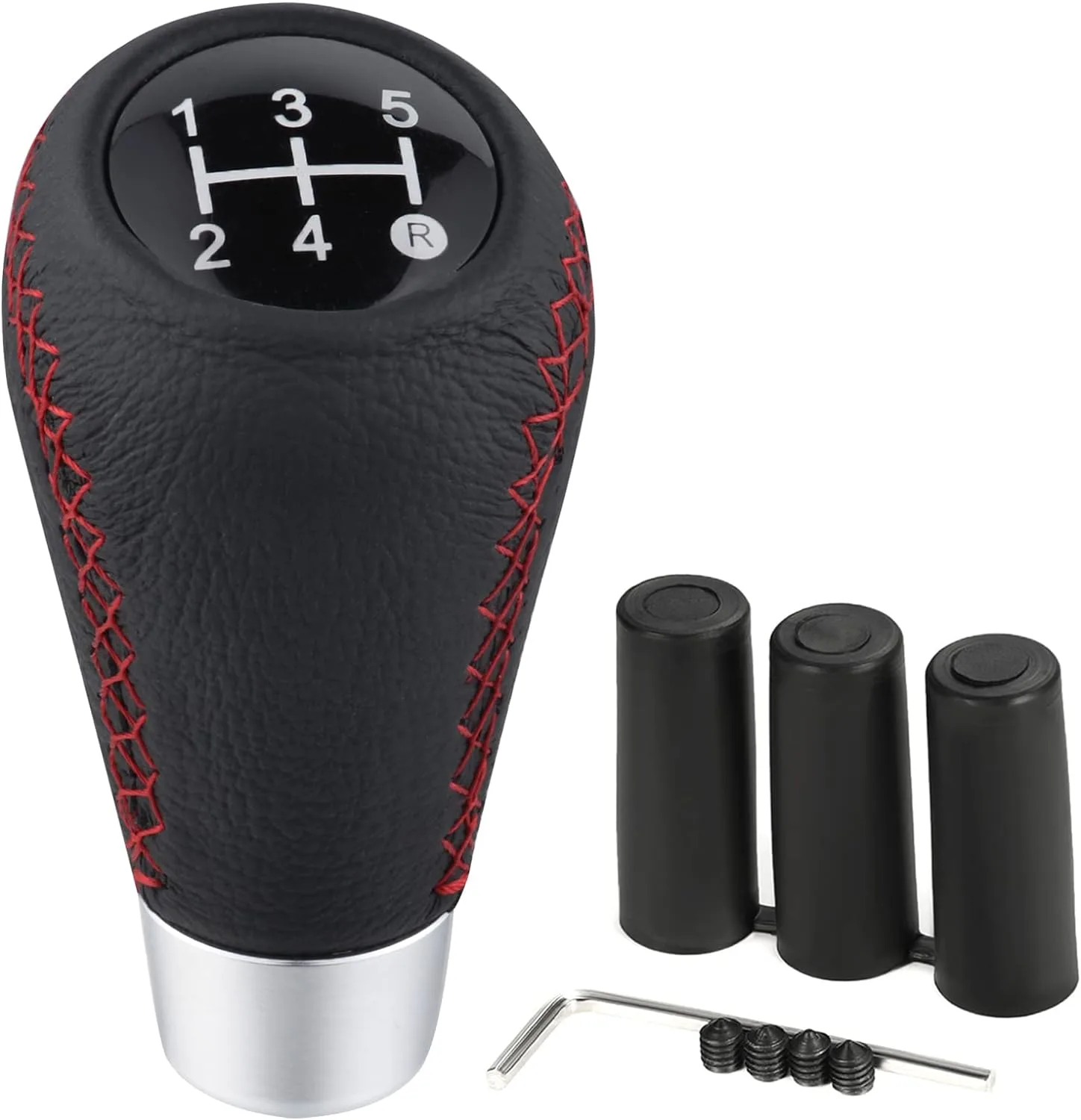 Gear knob
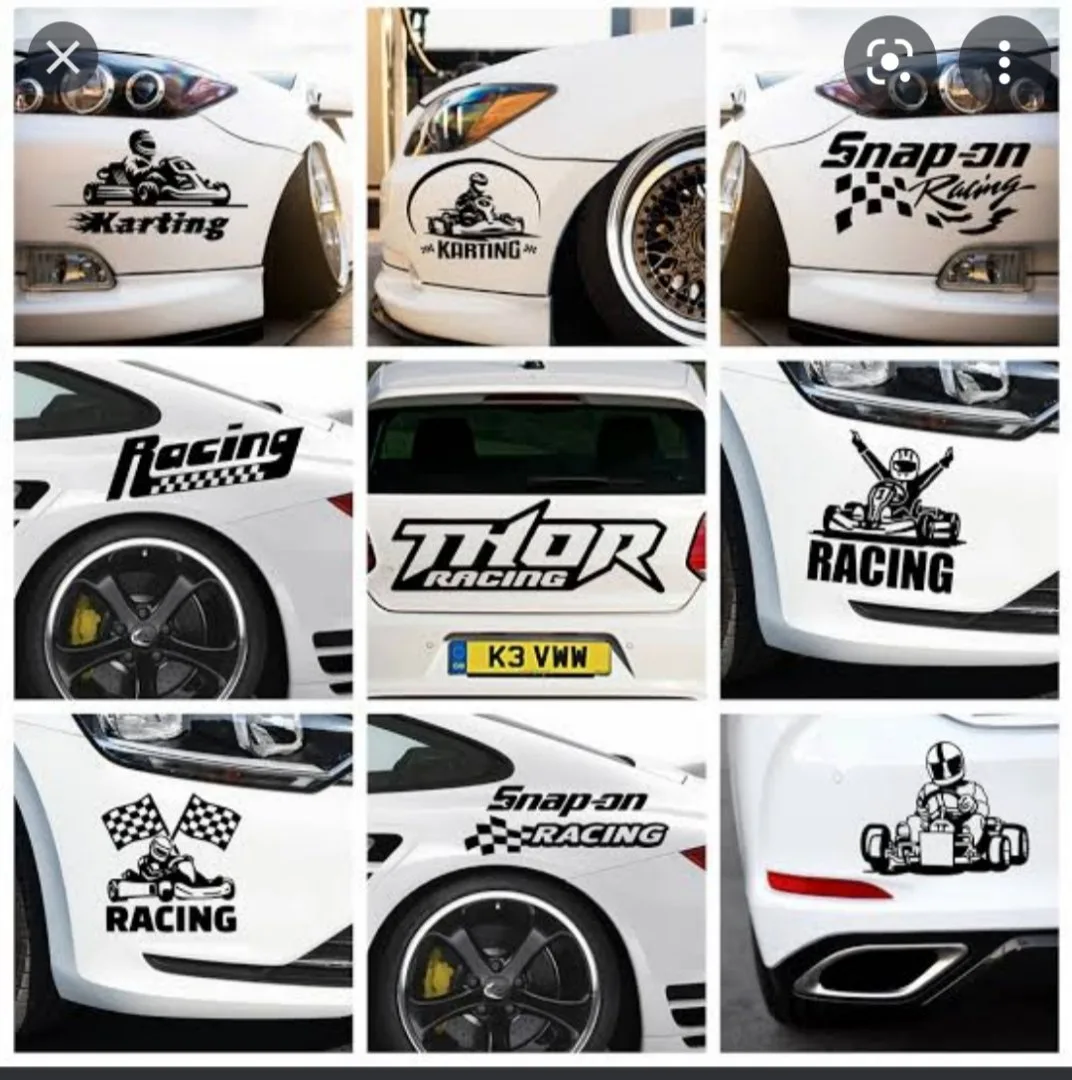 Stickers & Decals
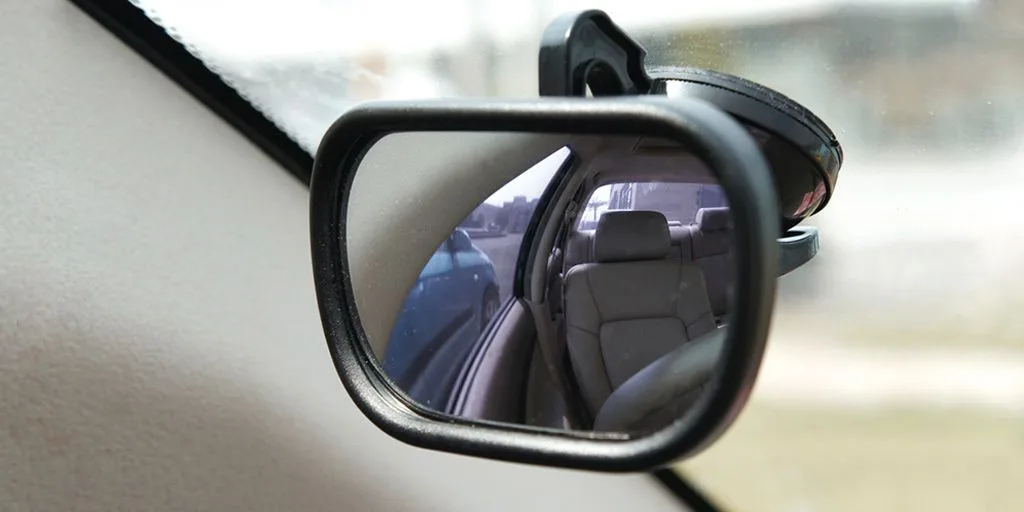 Blind Spot Mirror
 Steering Knob
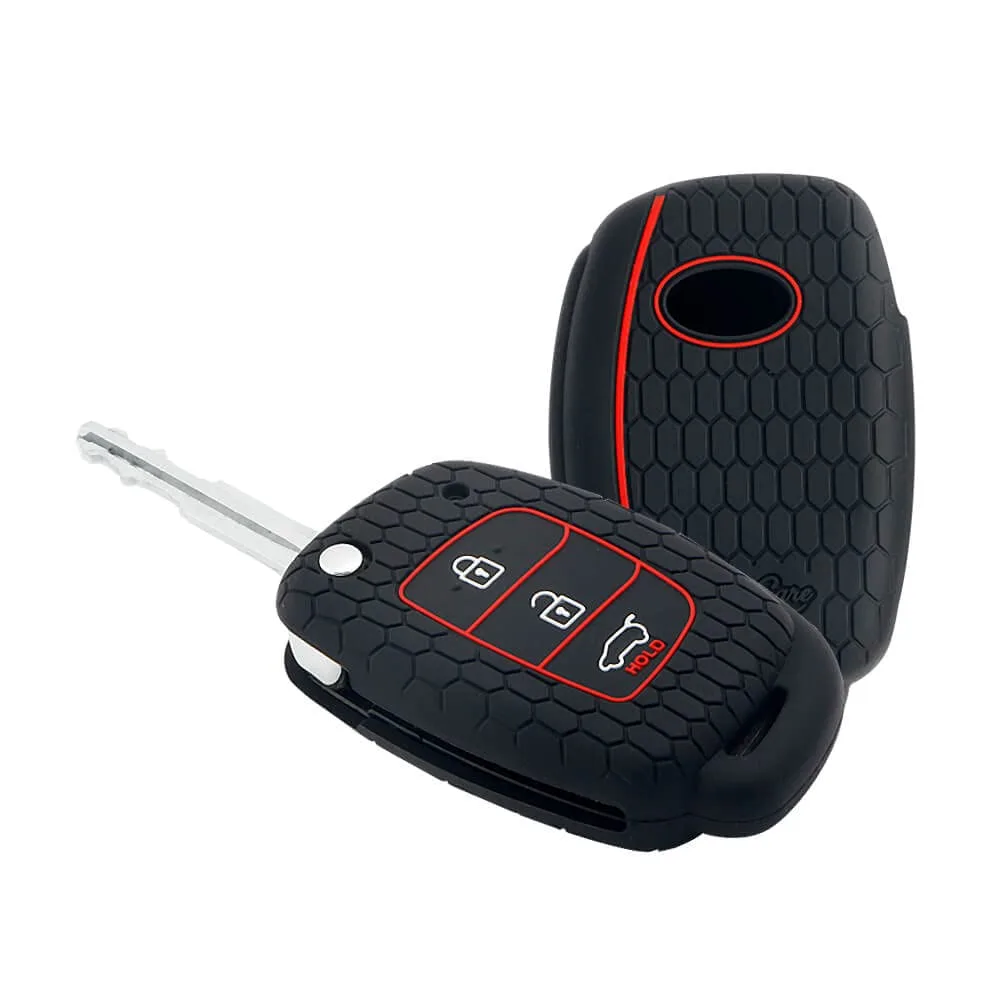 Key Covers
 Polish & Scratch Remover
 Seat Utility Holder
 Cup Holder
 Dustbin
 Paper Napkin
 Shop By Car
›
Shop By Car
›
 Tata
›
Tata
›
 Maruti Suzuki
›
Maruti Suzuki
›
 Hyundai
›
Hyundai
›
 Toyota
›
Toyota
›
 Mahindra
›
Mahindra
›
 Honda
›
Honda
›
 Ford
›
Ford
›
 Nissan
›
Nissan
›
 Renault
›
Renault
›
 Skoda
›
Skoda
›
 Volkswagen
›
Volkswagen
›
 Morris Garages - MG
›
Morris Garages - MG
›
 KIA
›
KIA
›
 Jeep
›
Jeep
›
 Citroen
›
Citroen
›
 Datsun
›
Datsun
›
 Chevrolet
›
Chevrolet
›
 Isuzu
›
Isuzu
›
 Mitsubishi
›
Mitsubishi
›
 AUDI
›
AUDI
›
 BMW
›
BMW
›
 Mercedes
›
Mercedes
›
 Land Rover
›
Land Rover
›
 Jaguar
›
Jaguar
›
 Volvo
›
Volvo
›
 FIAT
›
FIAT
›
 Mini Cooper
›
Mini Cooper
›
 Porsche
›
Porsche
›
 Lexus
›
Citron
›
Fors
›
Morris Garages
›
MG
›
Lexus
›
Citron
›
Fors
›
Morris Garages
›
MG
›
 Nexon
Nexon
 Harrier
 Altroz
 Hexa
Hexa
 Safari
 Tiago
Tiago
 Punch
Punch
 Tigor
Tigor
 Sumo
Sumo
 Winger
 Bolt
Bolt
 Vista
Vista
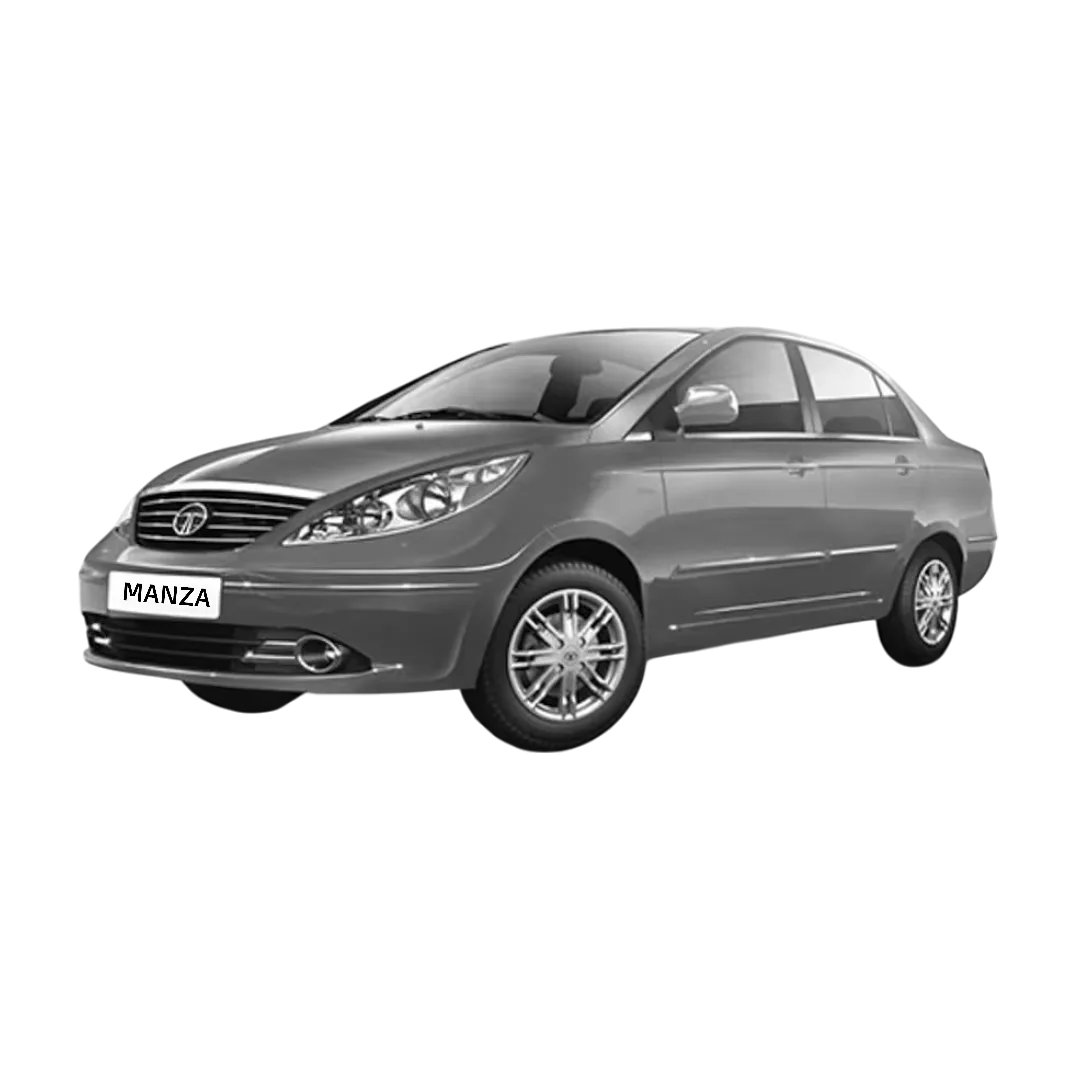 Manza
Manza
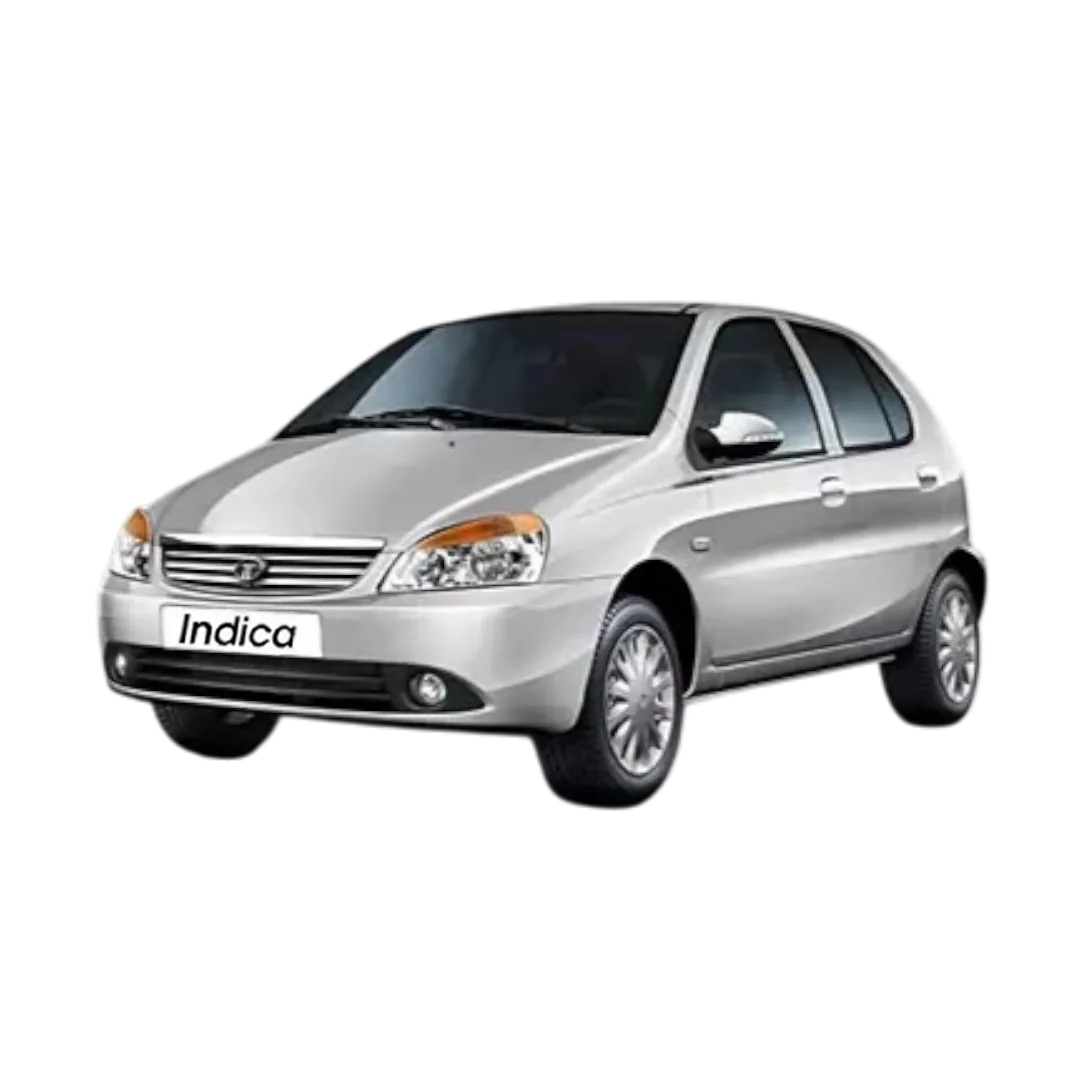 Indica
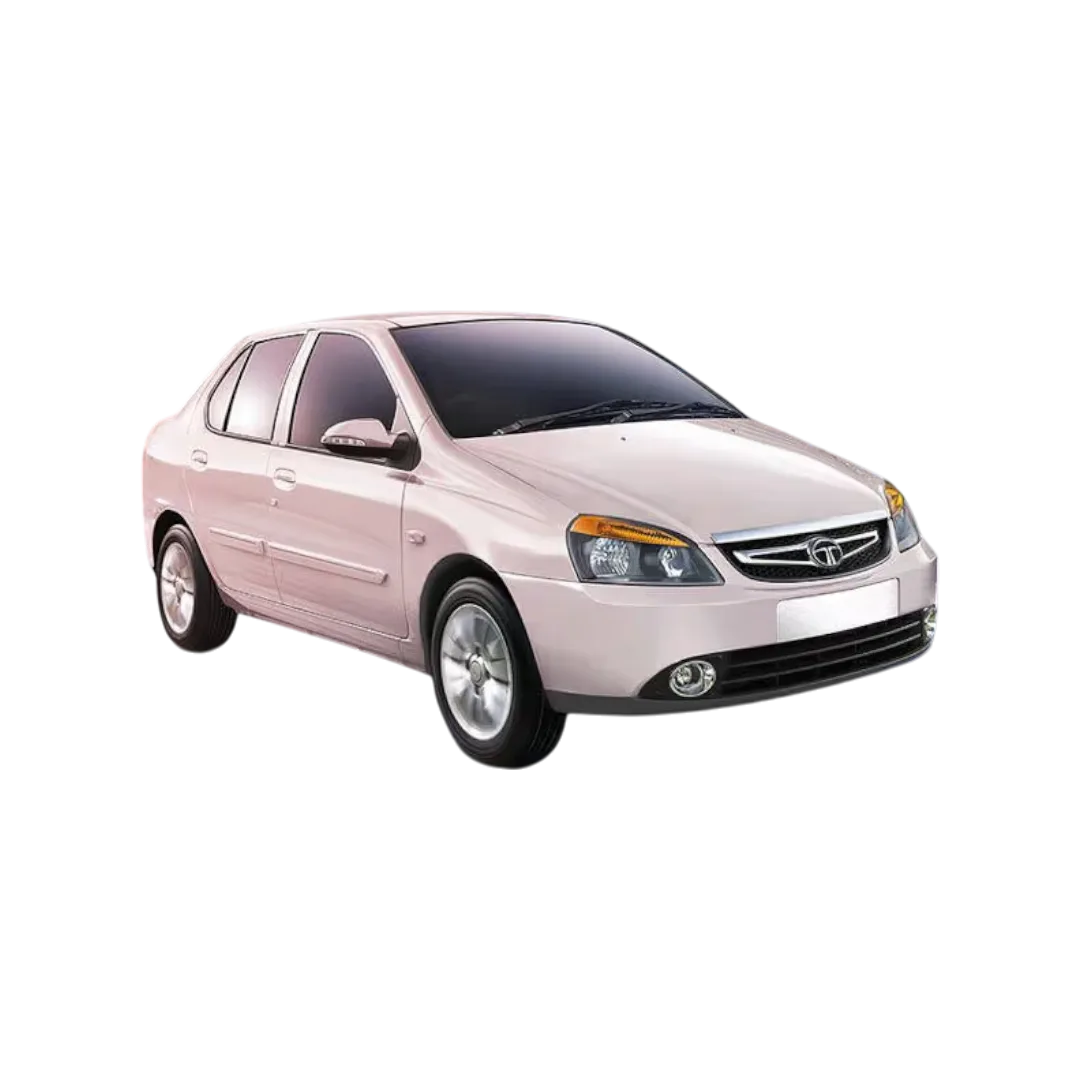 Indigo
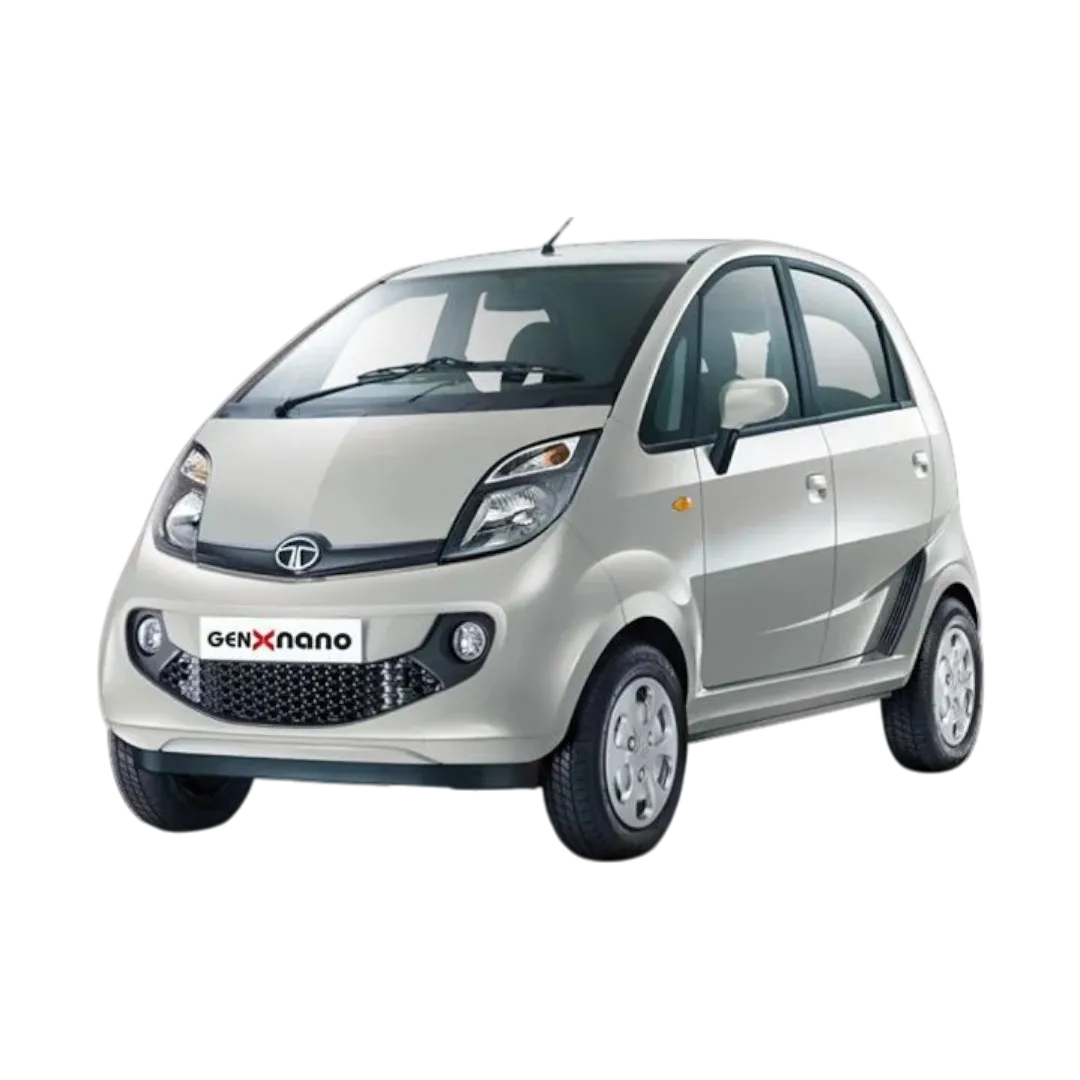 Nano
Nano
 Aria
Aria
 Safari Storme
 Zest
Zest
 NEXON EV Max
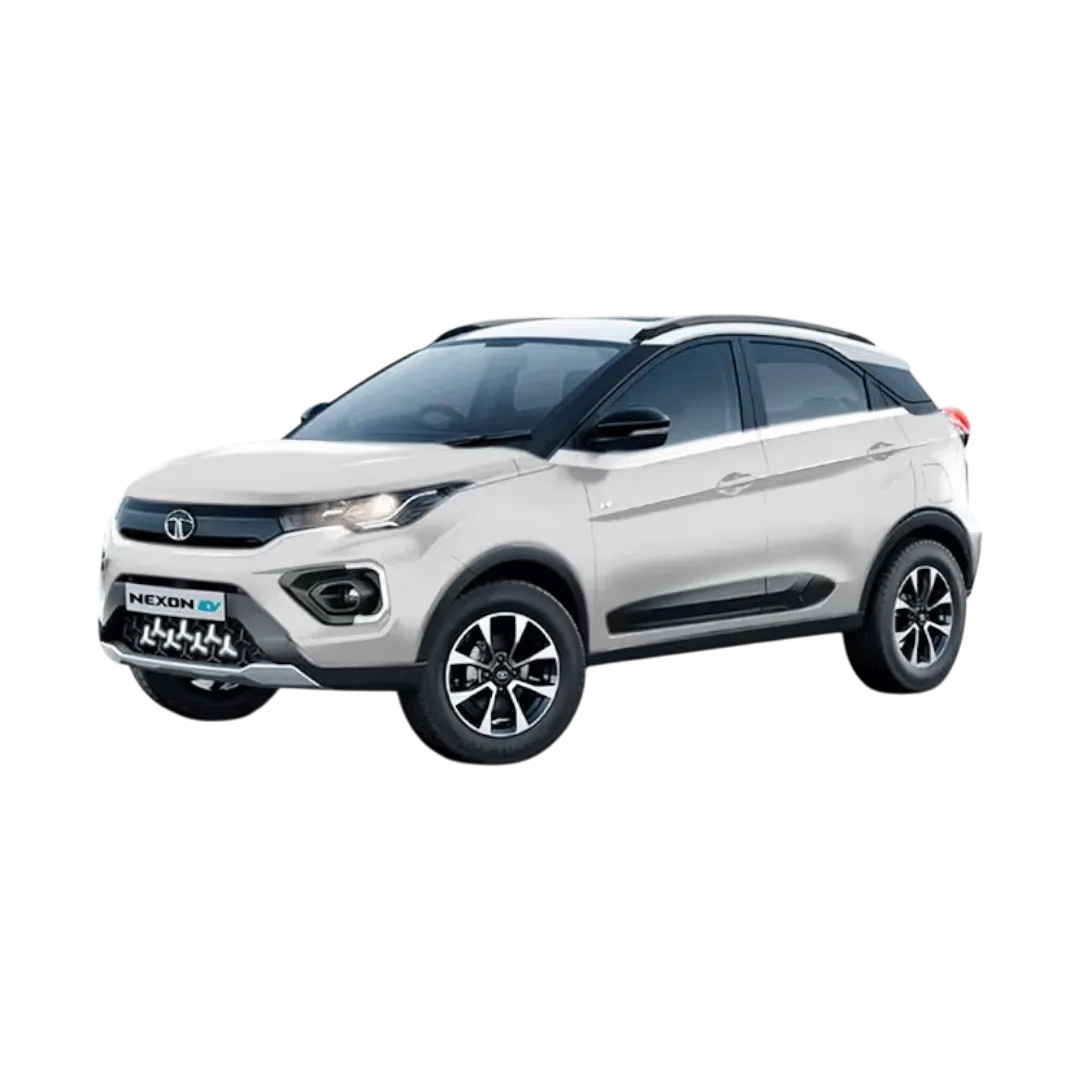 NEXON EV Prime
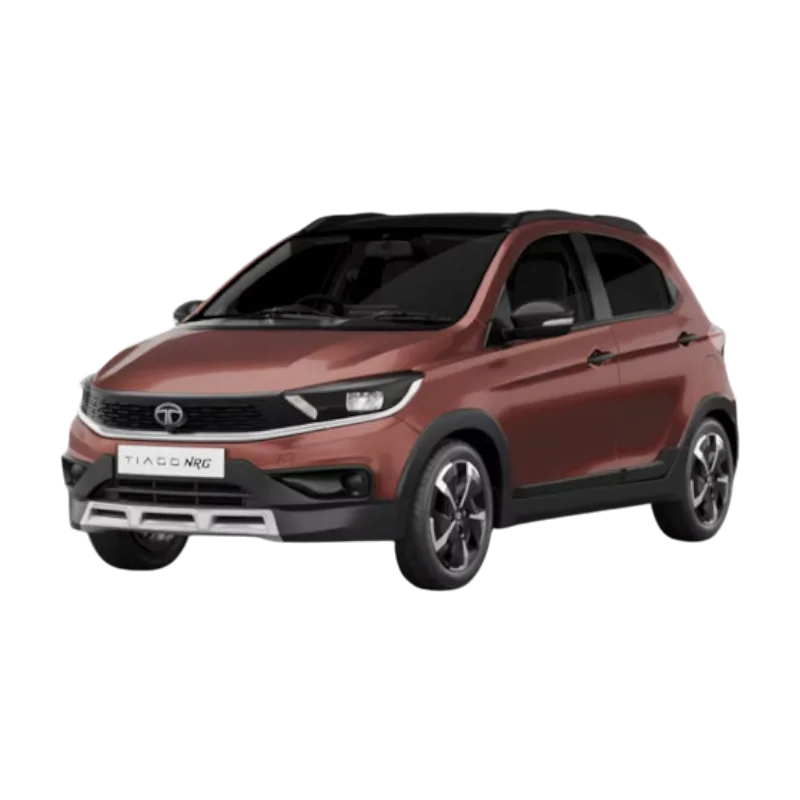 Tiago NRG
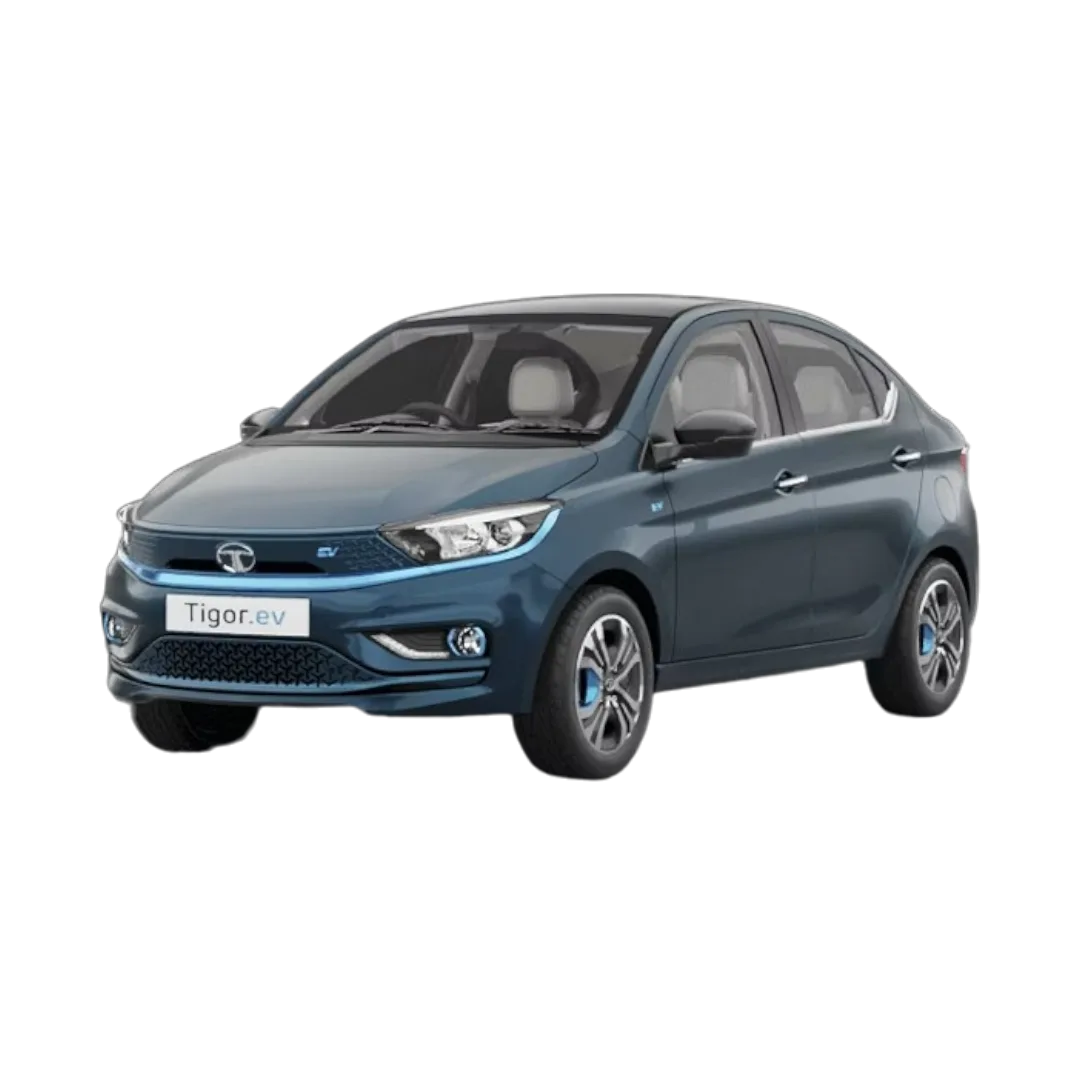 Tigor EV
INDICA VISTA
Curvv
Sierra
Magic
Tigor EV
INDICA VISTA
Curvv
Sierra
Magic
 Ciaz
Ciaz
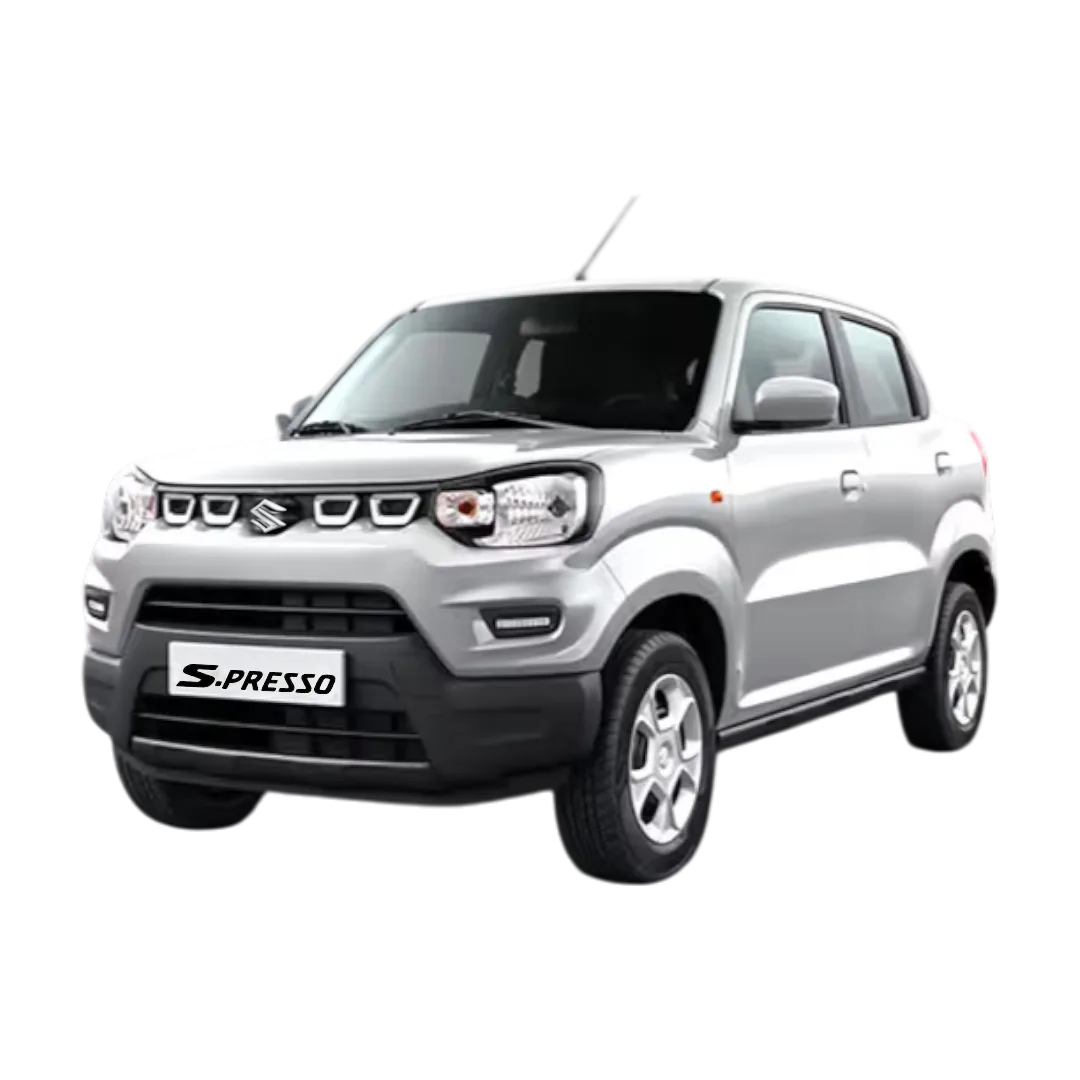 S-Presso
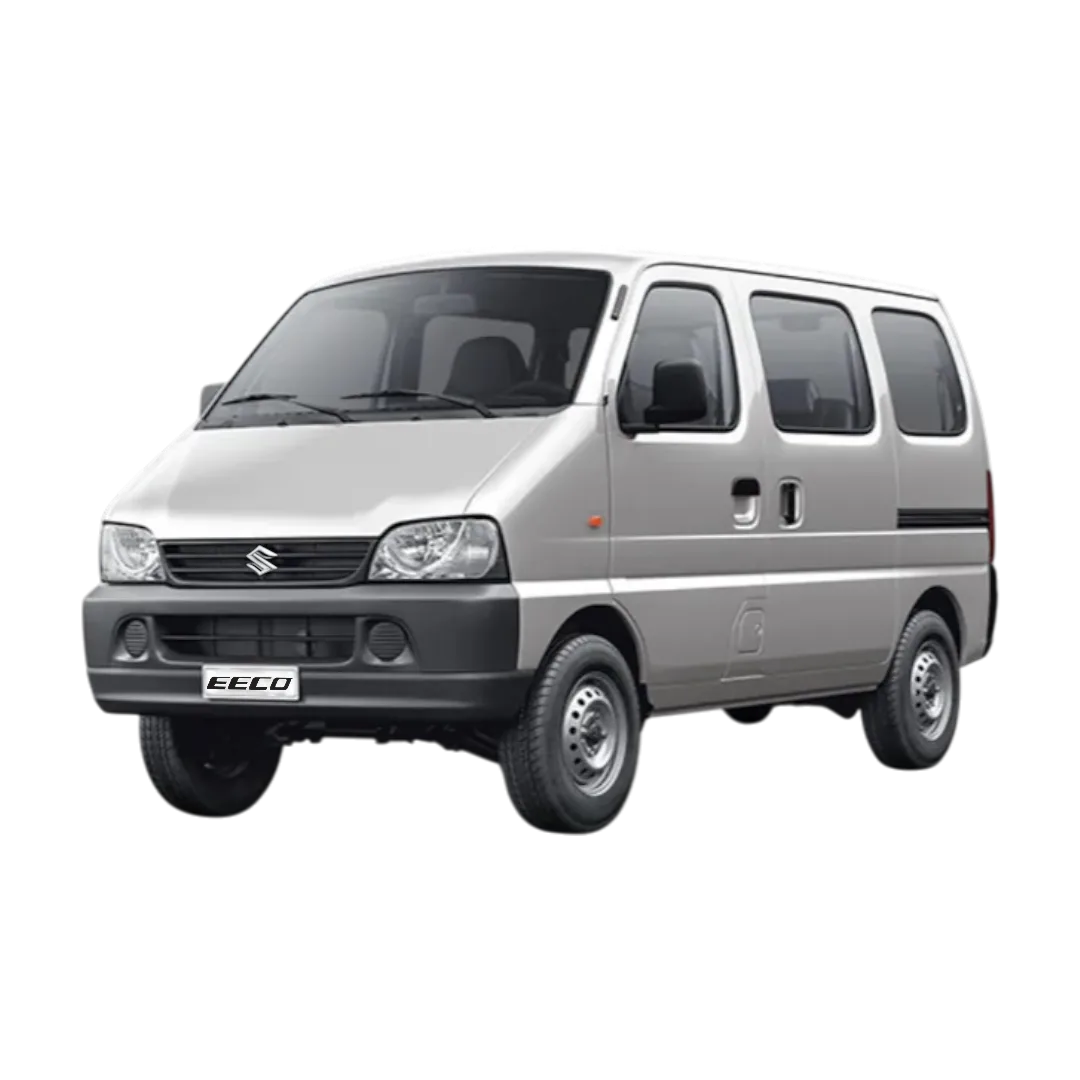 Eeco/Versa
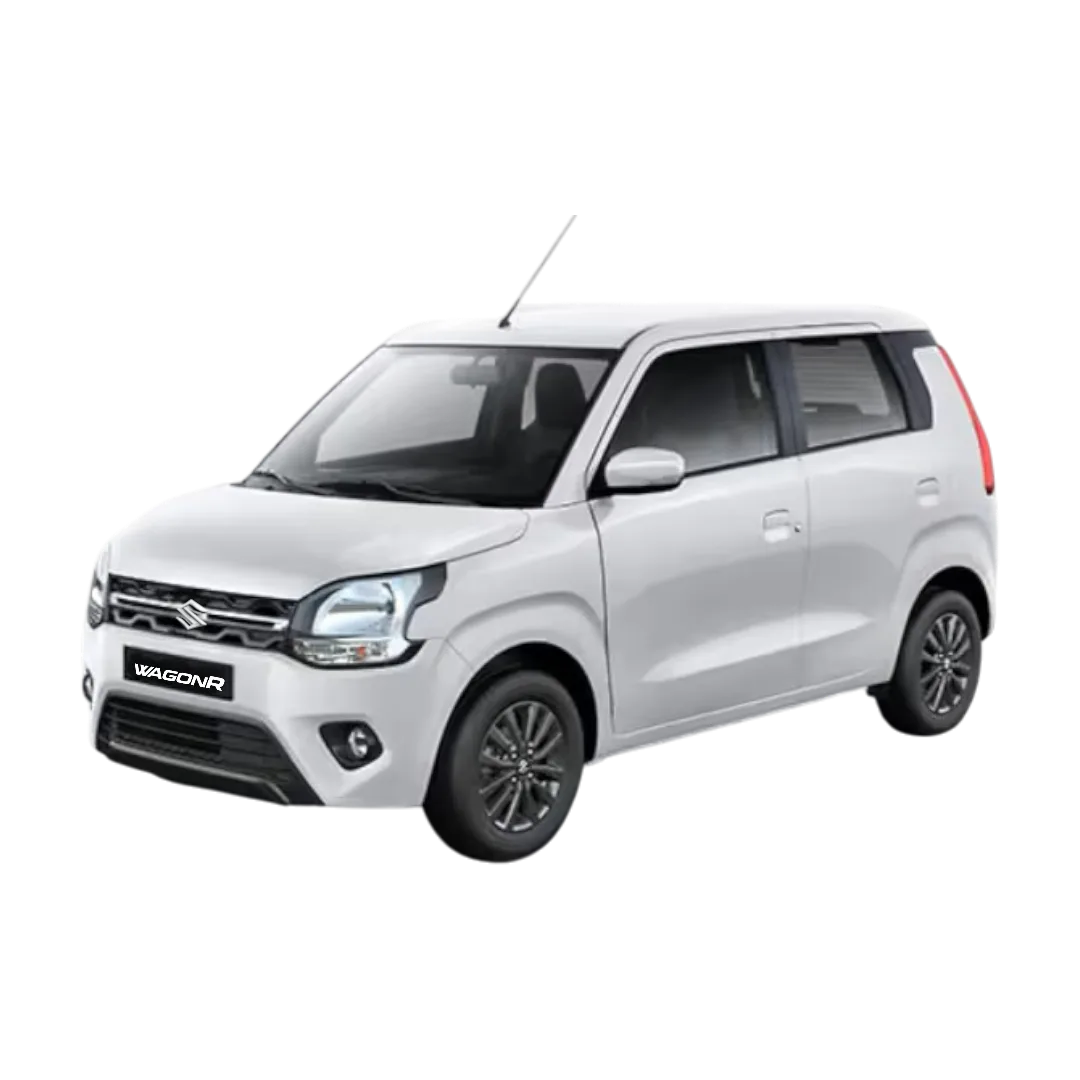 WagonR
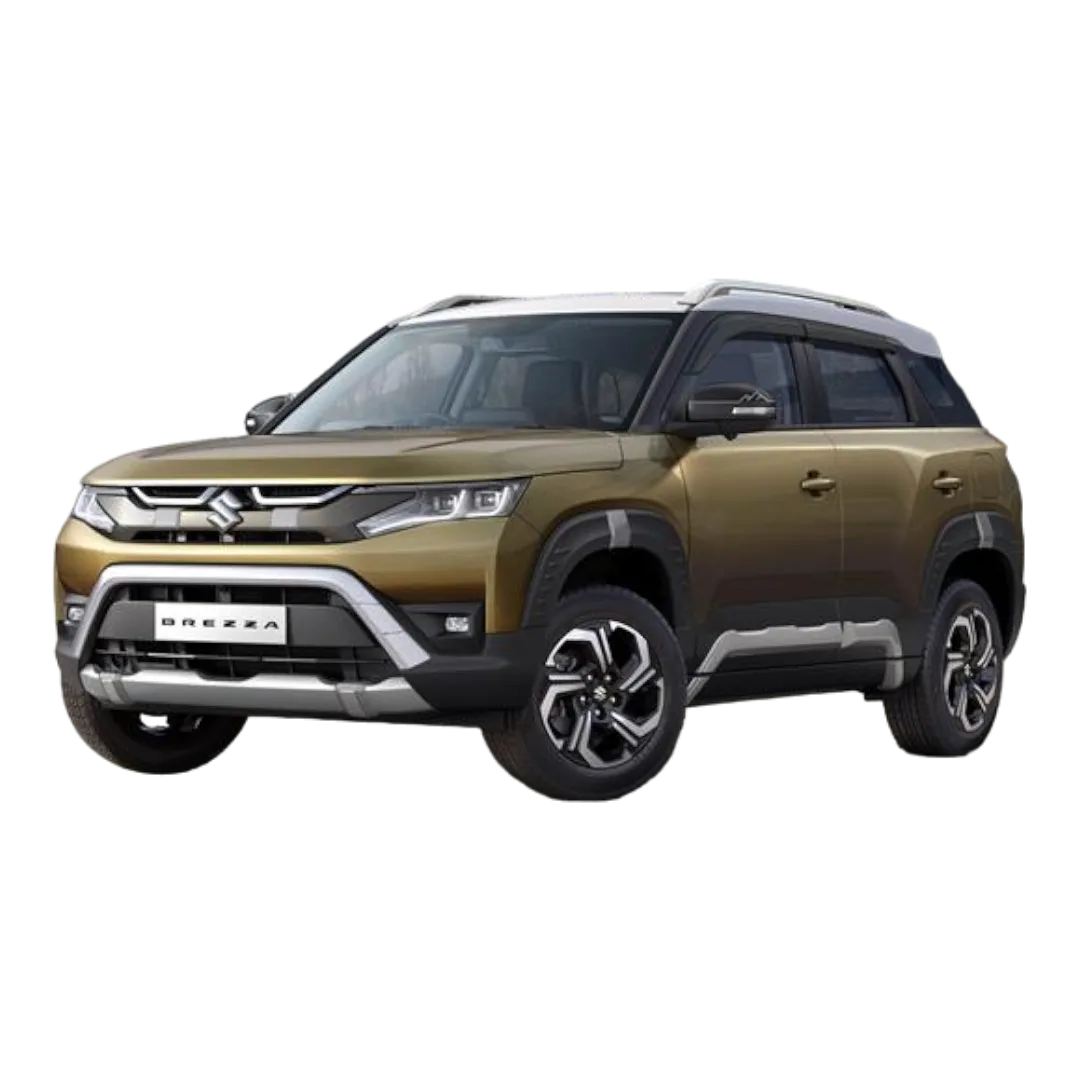 Brezza
 Swift
Swift
 Dzire
Dzire
 Baleno
 Ertiga
 Grand Vitara
 S-Cross
 Jimny
Jimny
 Celerio
 Ignis
Ignis
 Alto 800
 Alto K10
 XL6
XL6
 Omni
Omni
 SX4
SX4
 Gypsy
Gypsy
 Maruti 800
 Zen
Zen
 Esteem
 Zen Estilo
 Ritz
Ritz
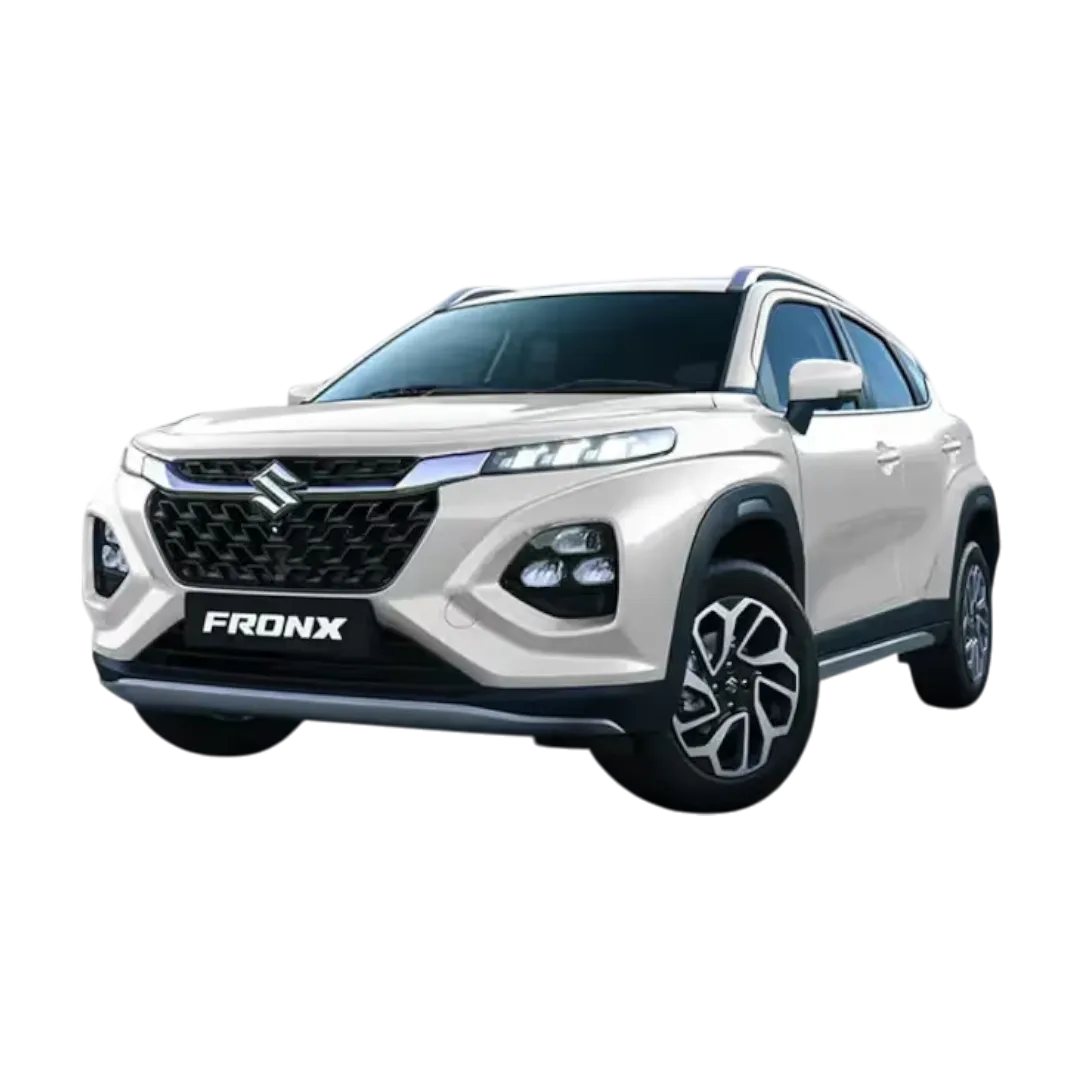 Fronx
Fronx
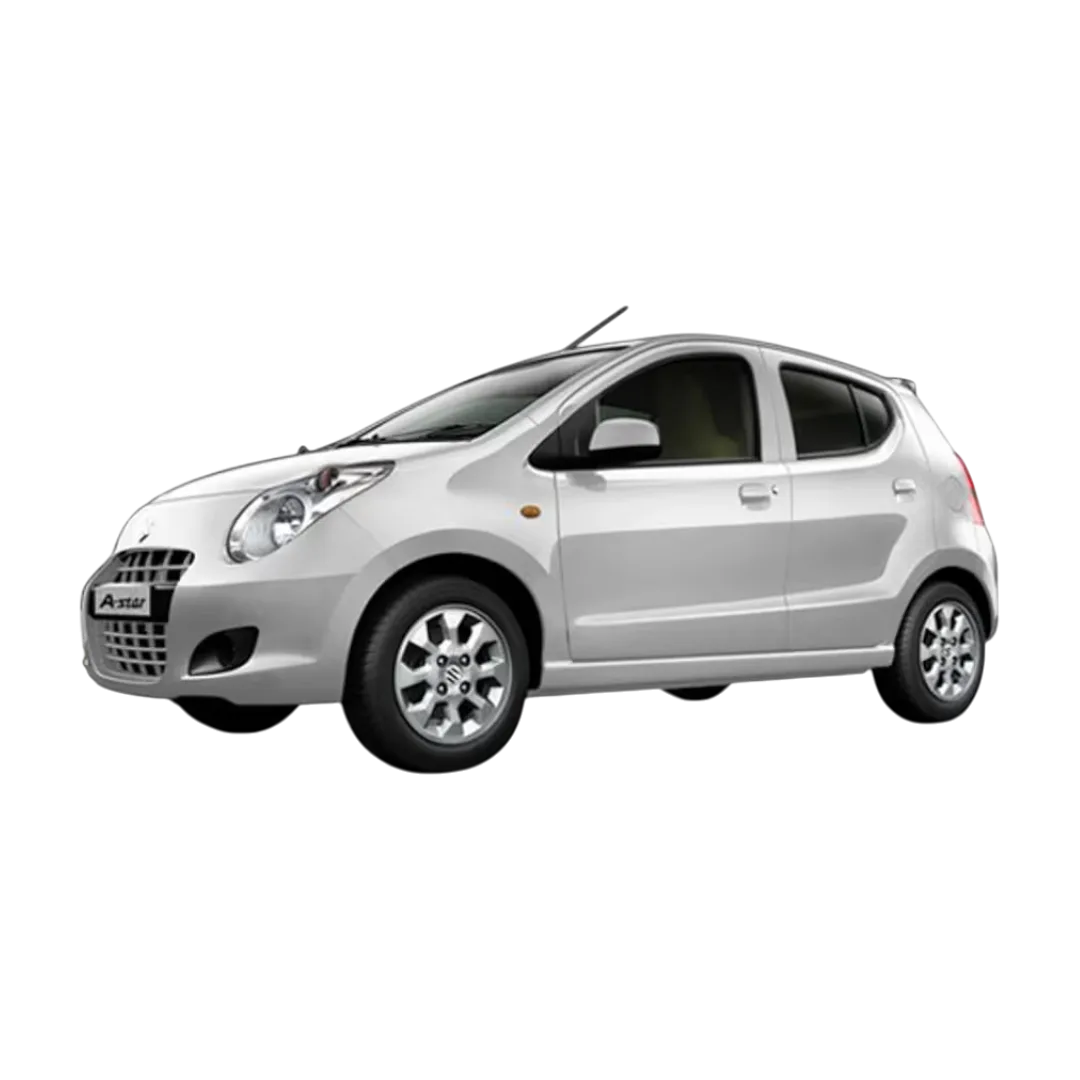 A-Star
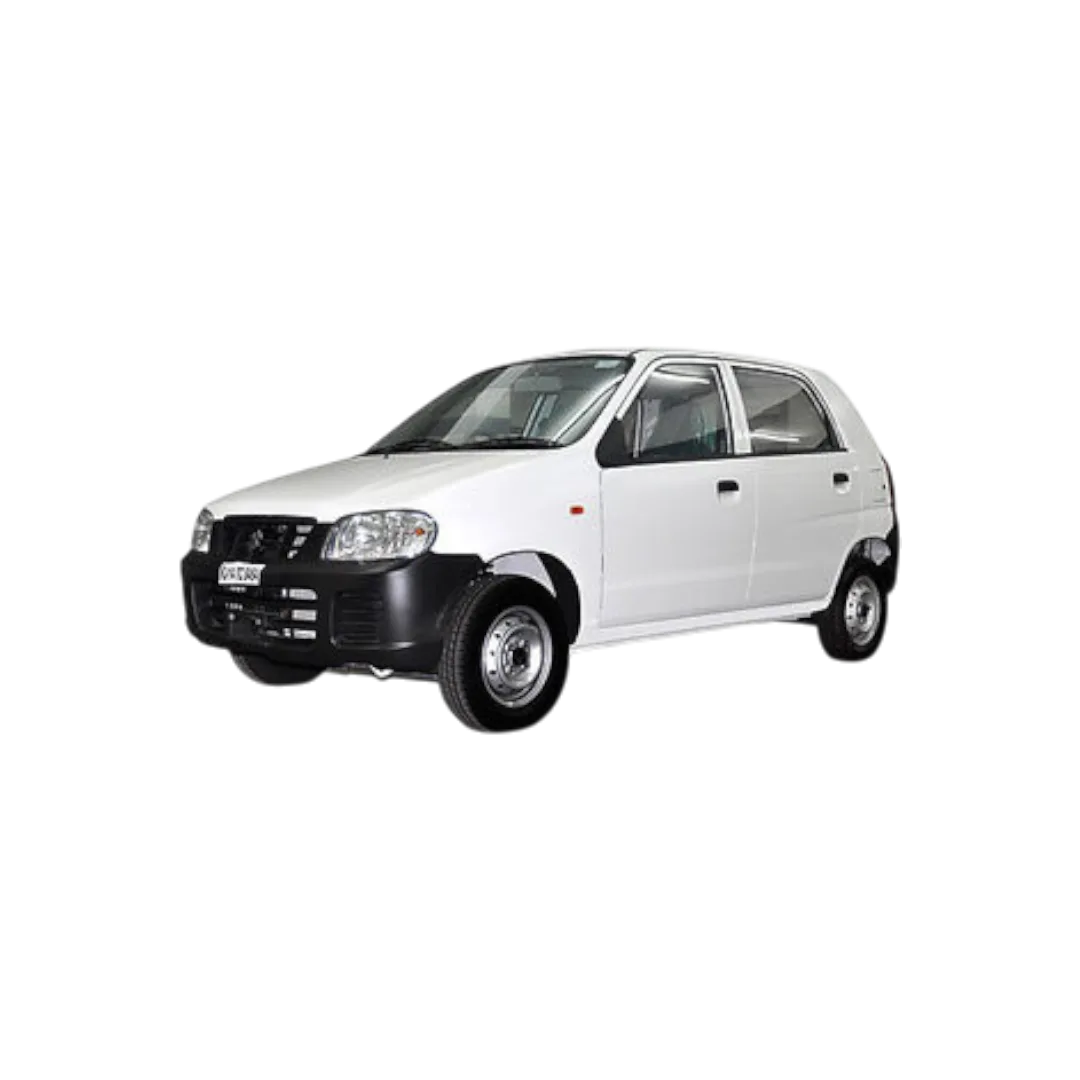 Alto
Alto
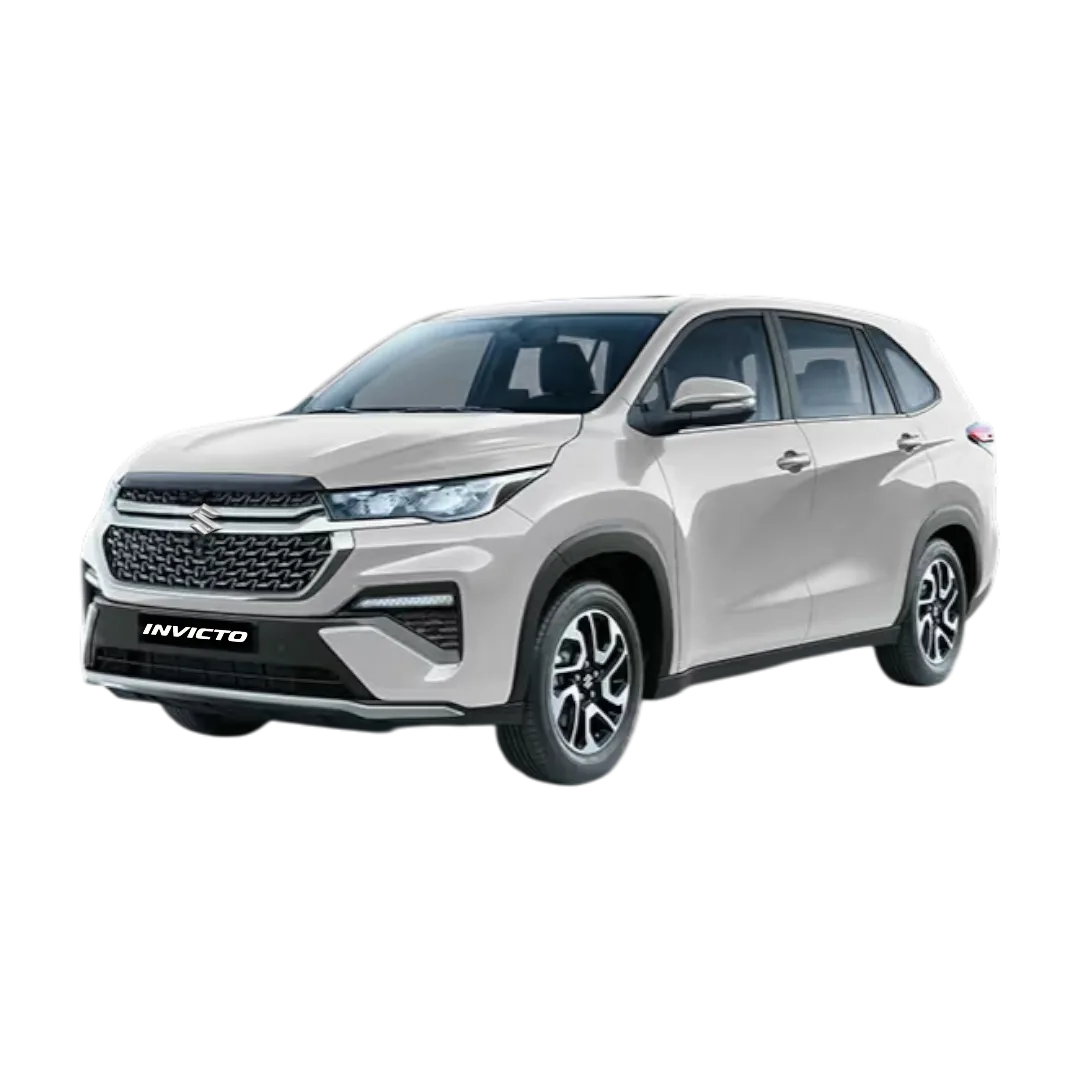 Invicto
Victoris
Wagon R
Invicto
Victoris
Wagon R
 i20
i20
 Aura
Aura
 Creta
Creta
 Elantra
 Getz
Getz
 Grand i10 Nios
 Venue
Venue
 Verna
Verna
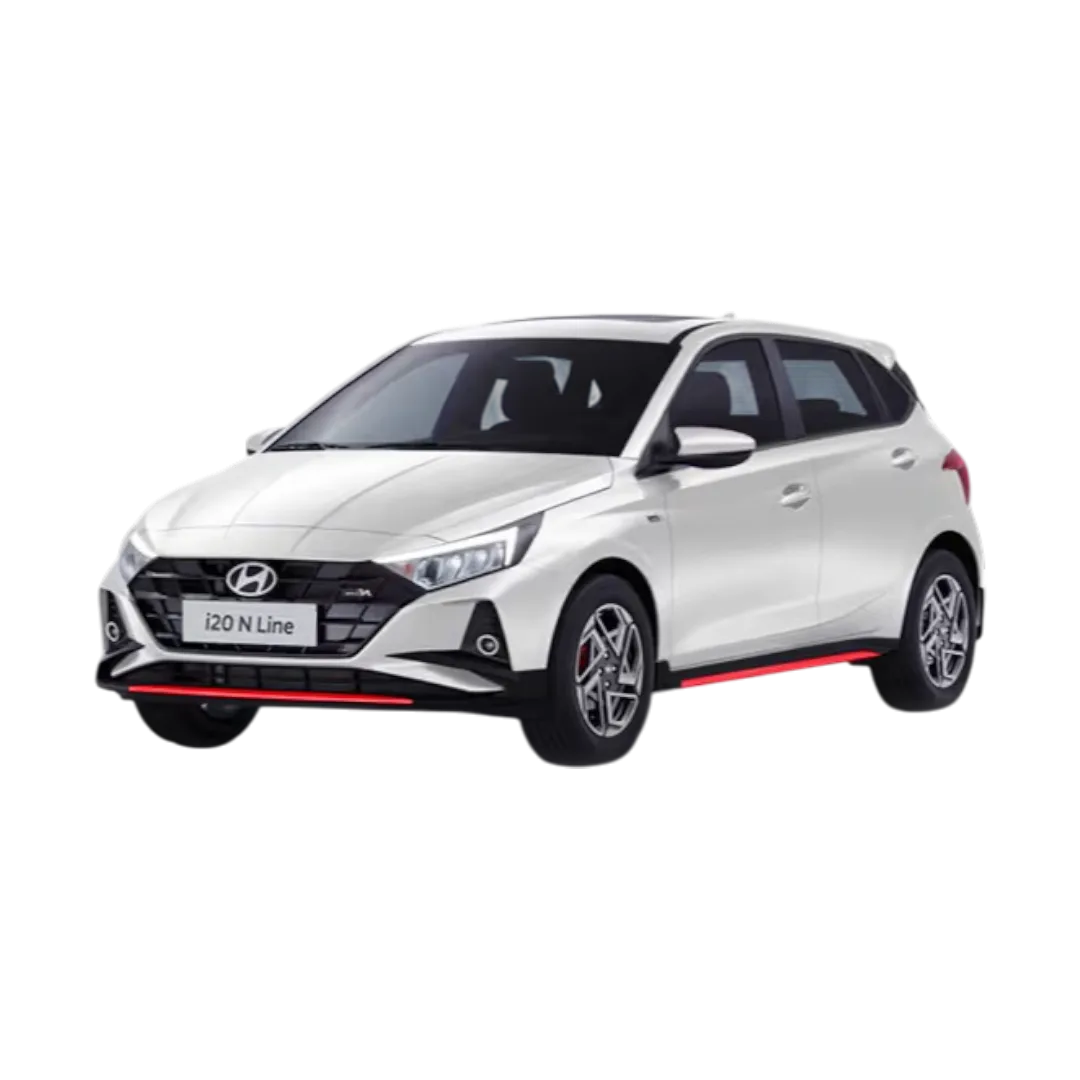 i20 N Line
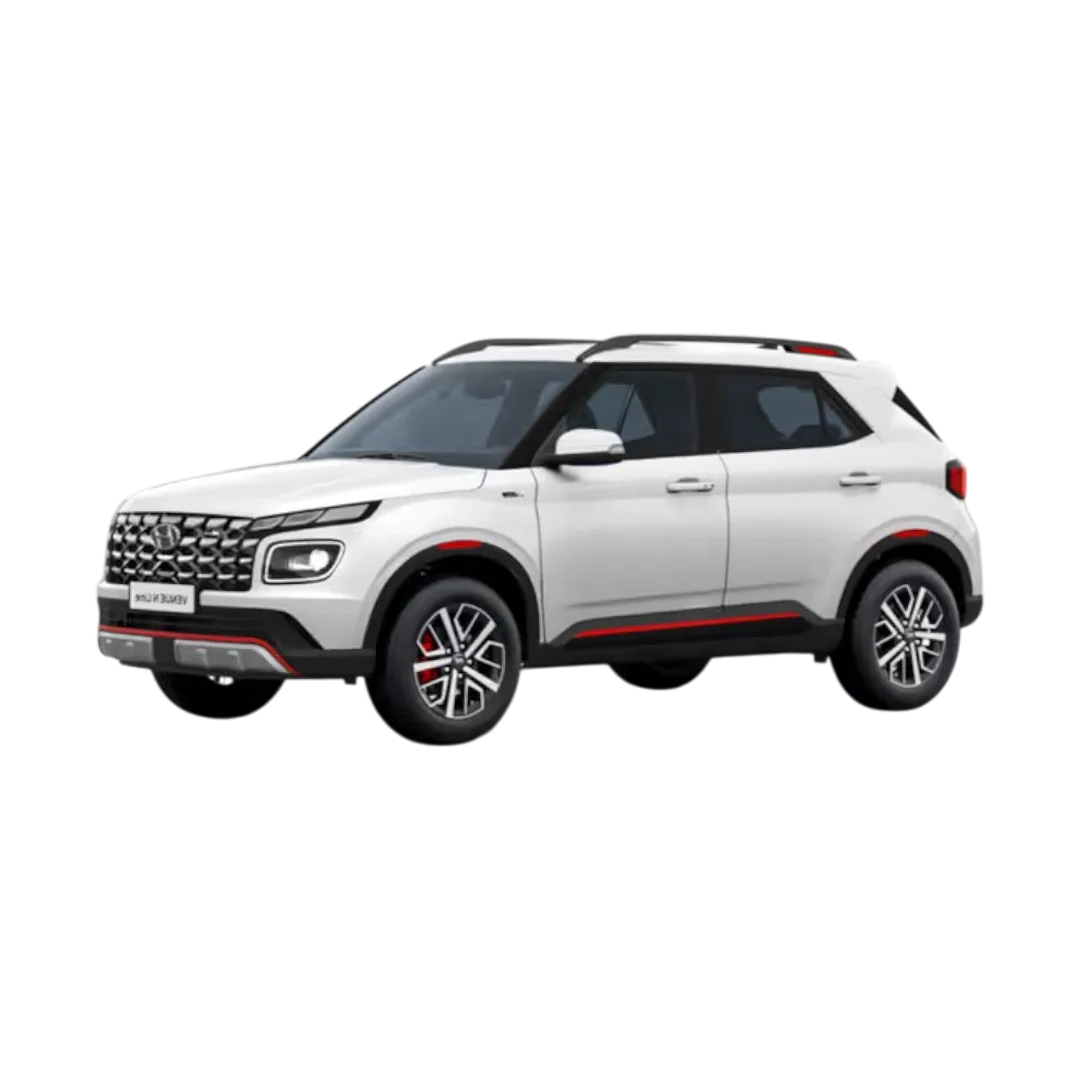 Venue N Line
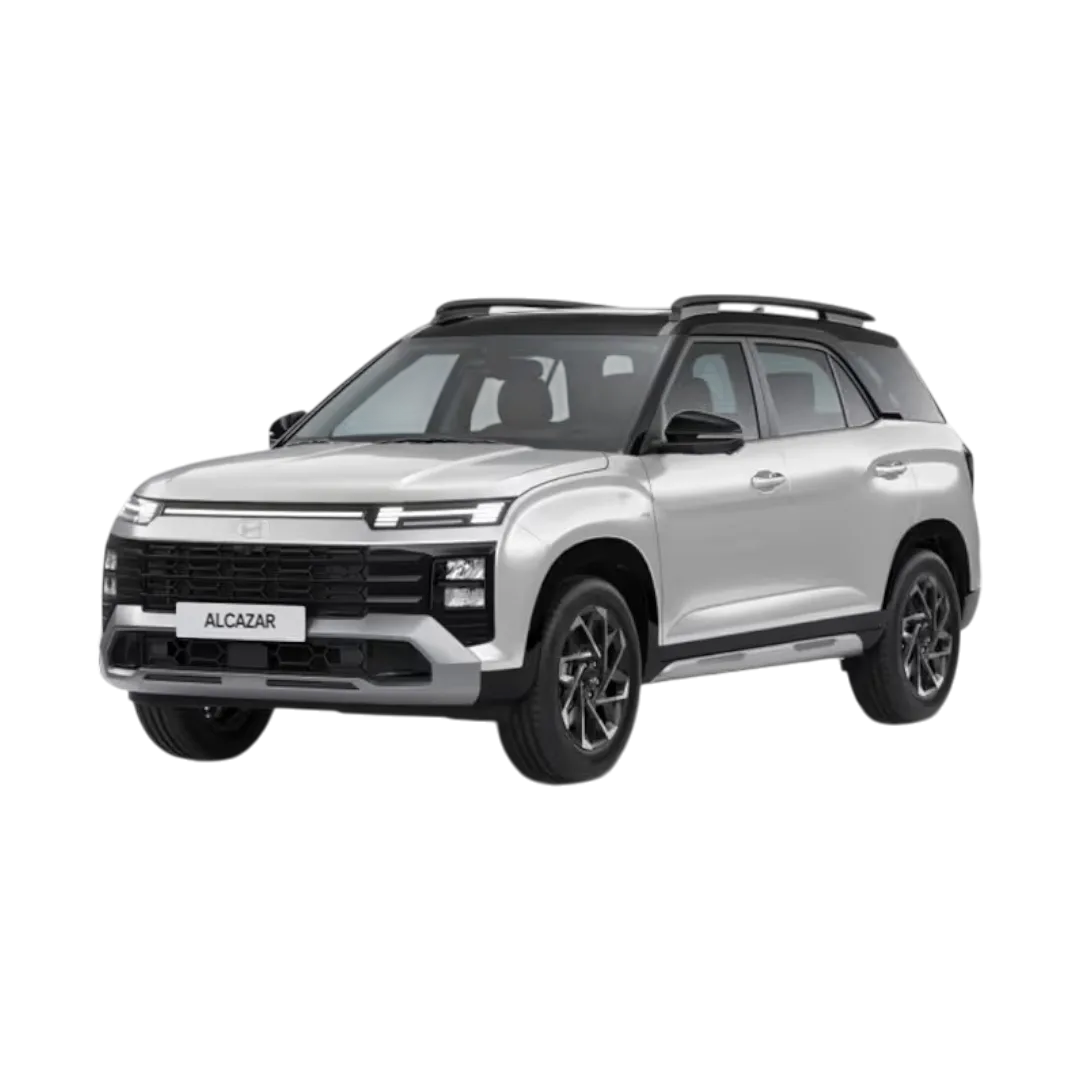 Alcazar
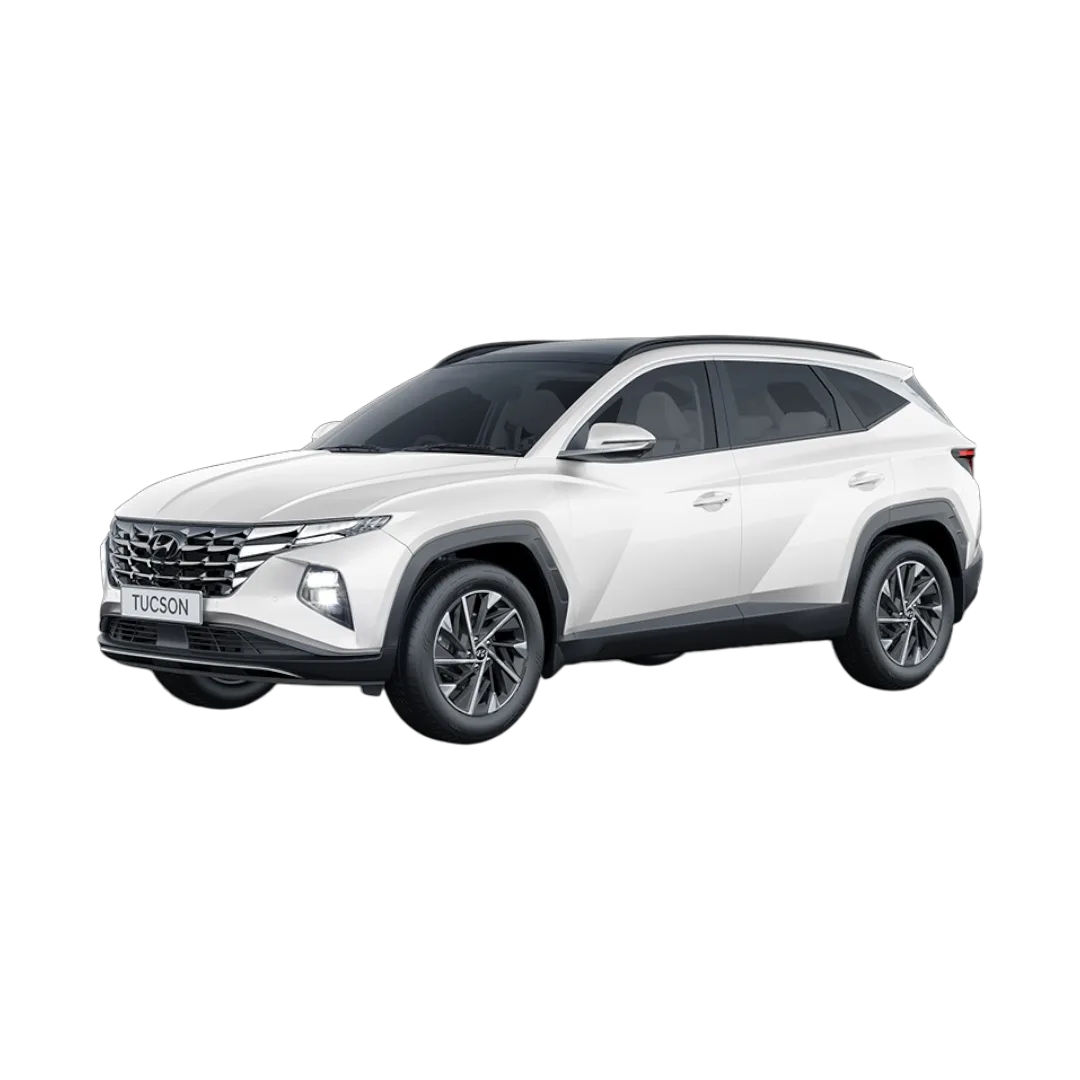 Tucson
 Kona
Kona
 iONIQ 5
 Santro
 Santro Xing
 Accent
 Sonata
 Eon
Eon
 i10
i10
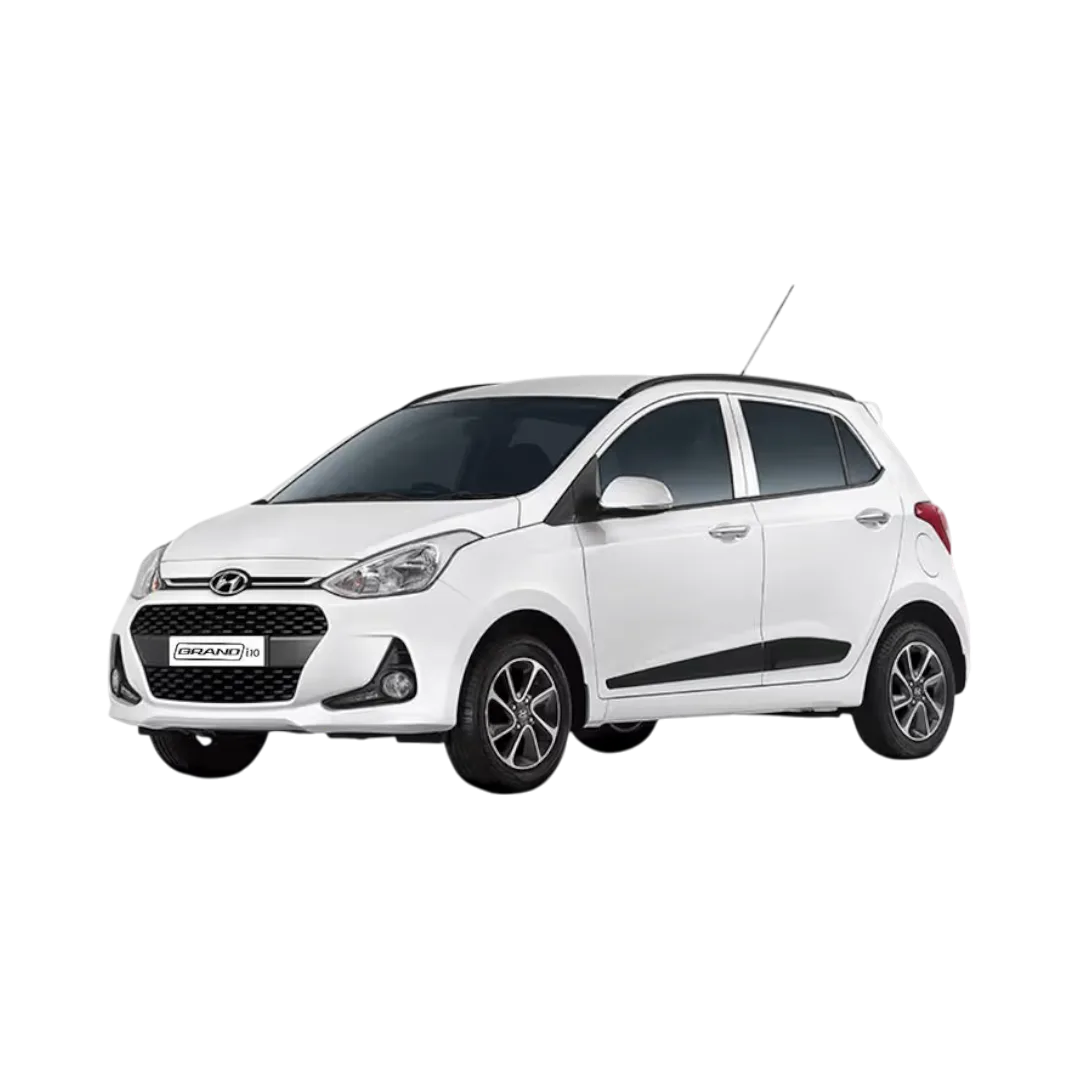 Grand i10
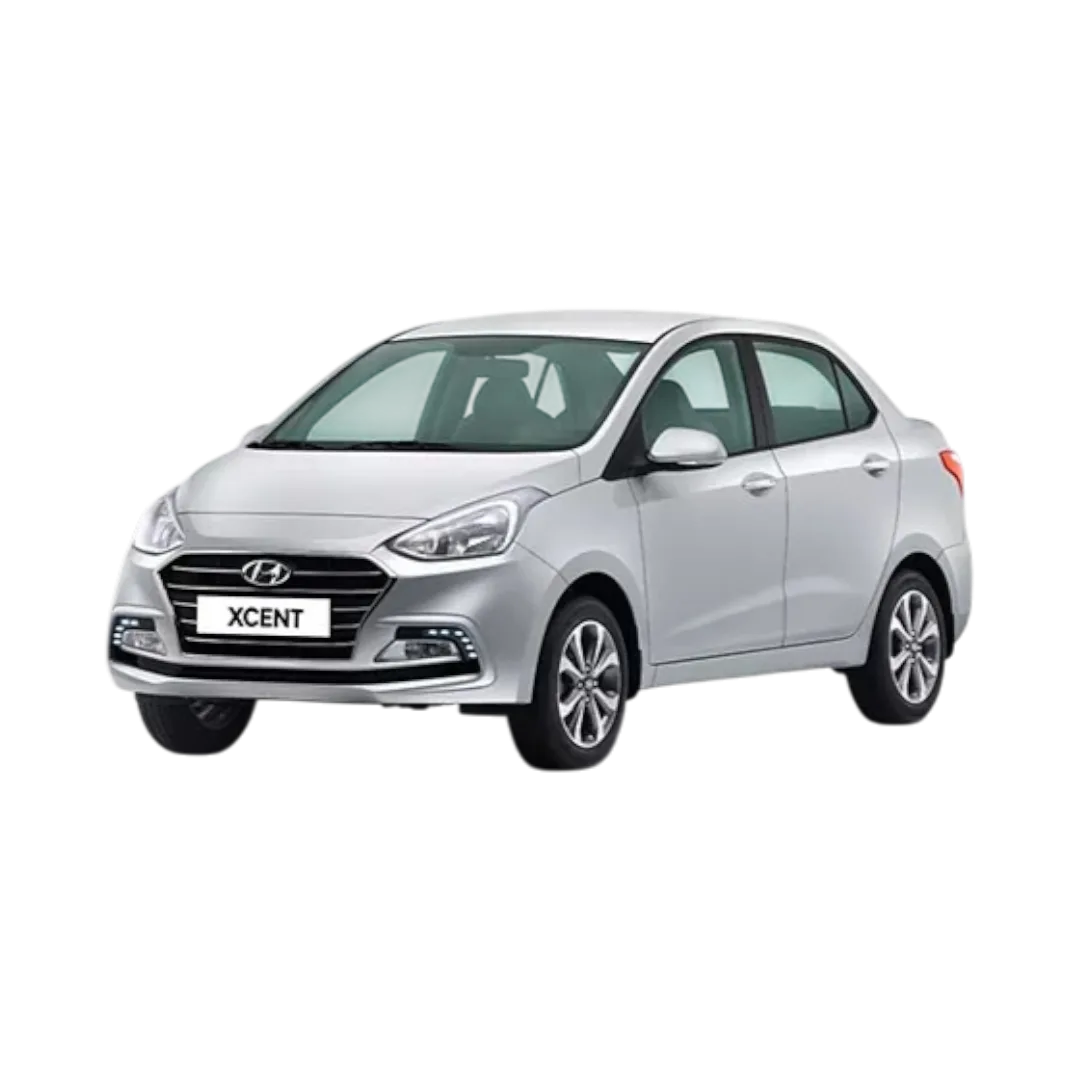 Xcent
Xcent
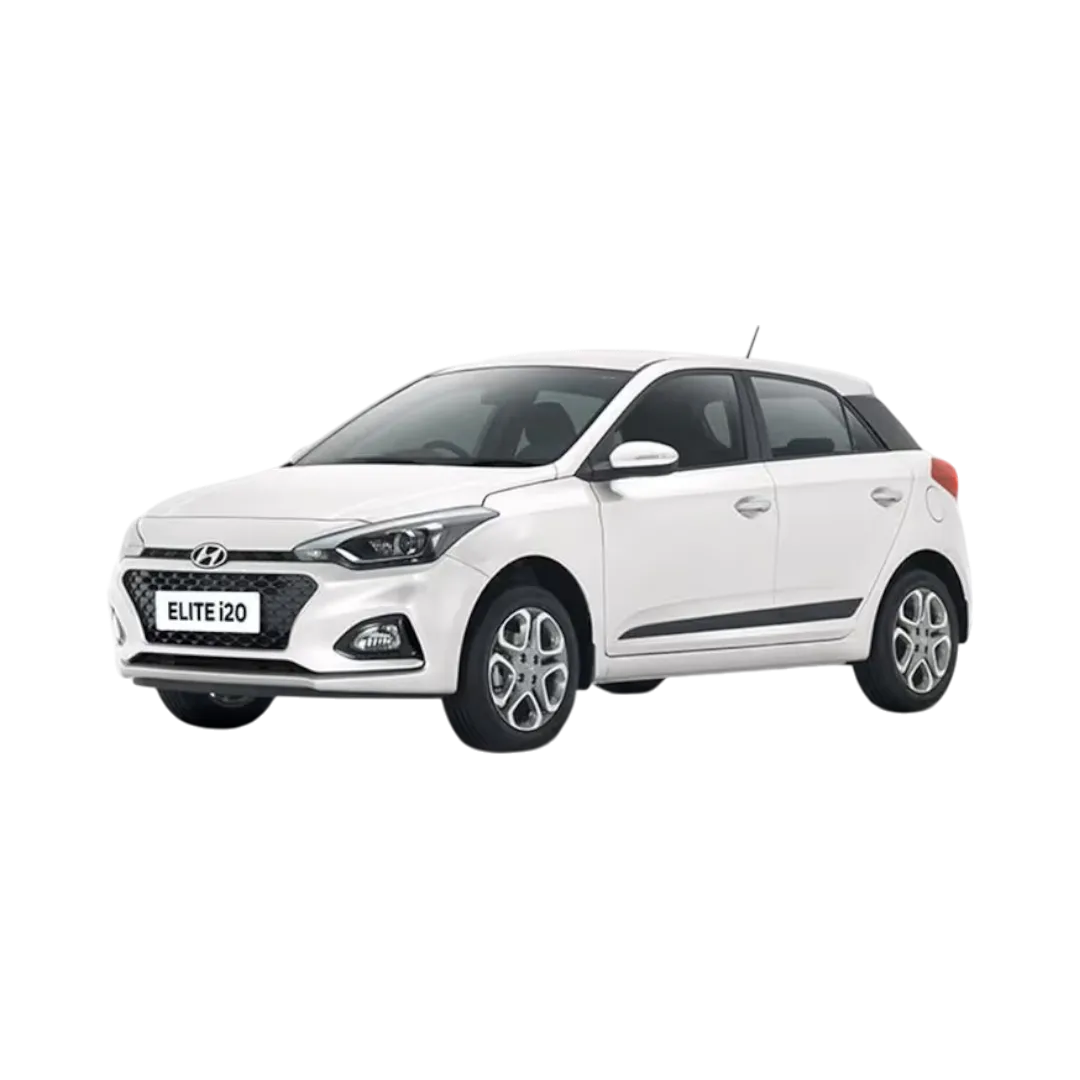 Elite i20
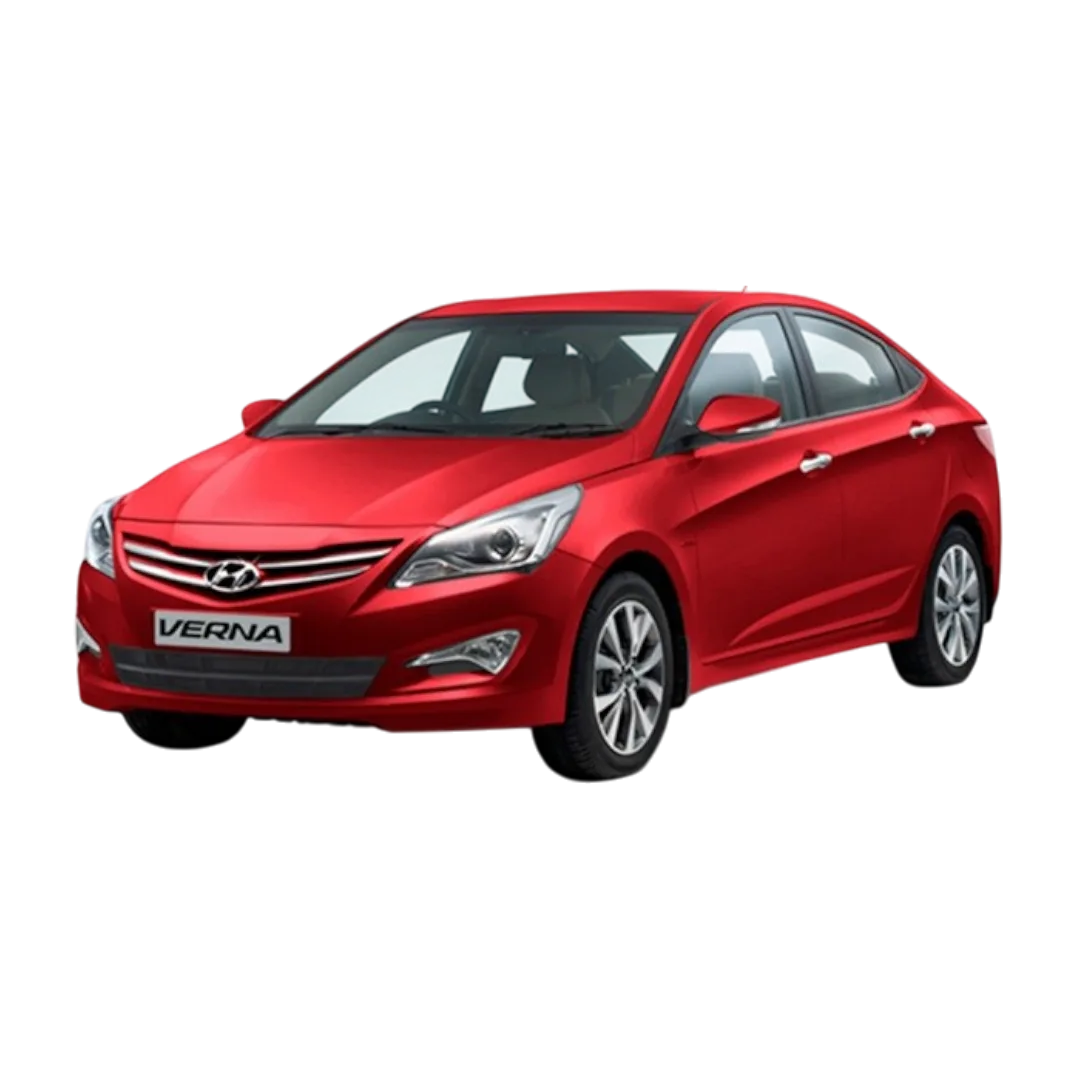 Verna Fluidic
 Santafe
 Exter
Sonata Fluidic
i20 Active
Exter
Sonata Fluidic
i20 Active
 Yaris
Yaris
 Urban Cruiser
 Camry
Camry
 Corolla
 Fortuner
 Urban Cruiser Hyryder
 Innova Crysta
 Innova Hycross
 Hilux
Hilux
 Fortuner Legender
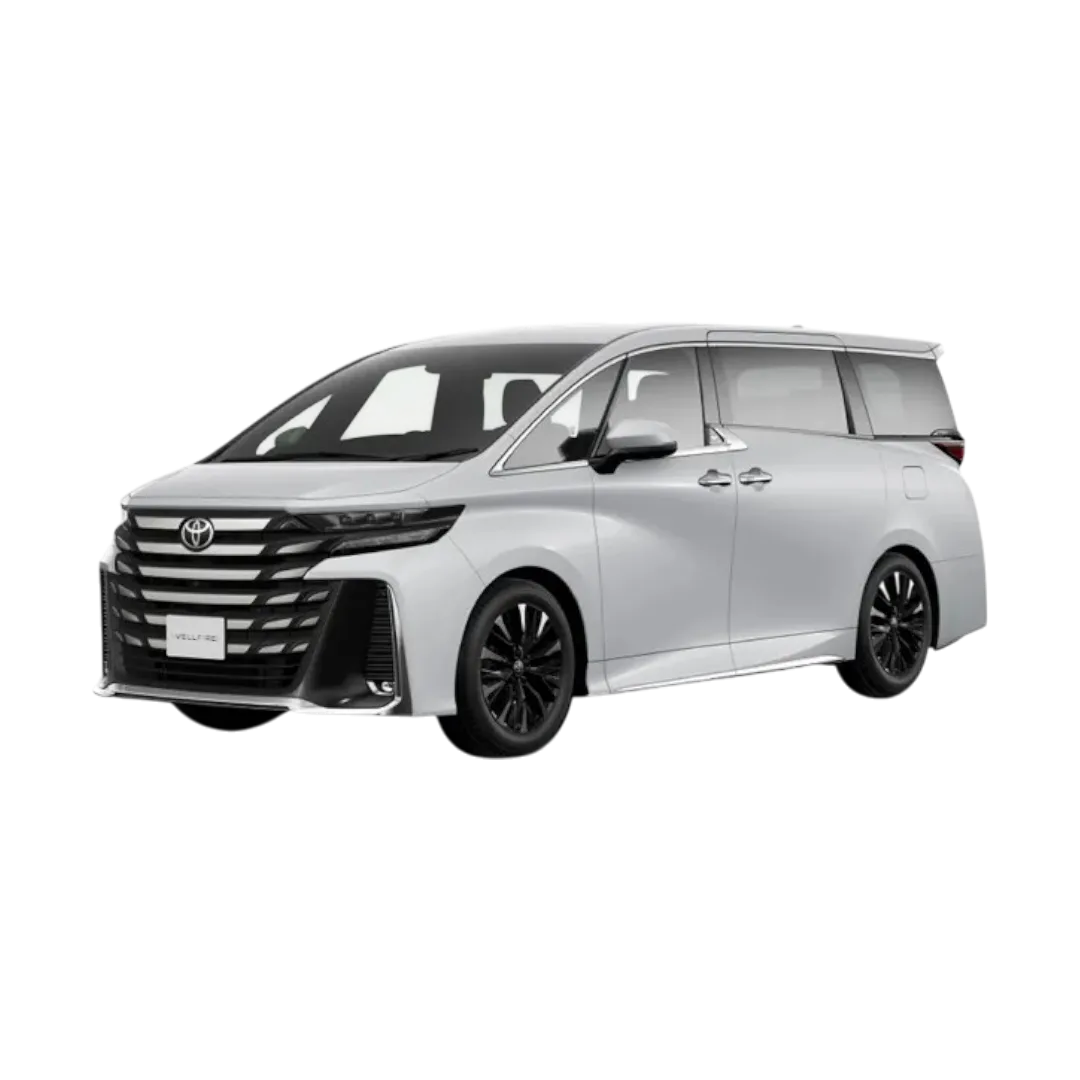 Vellfire
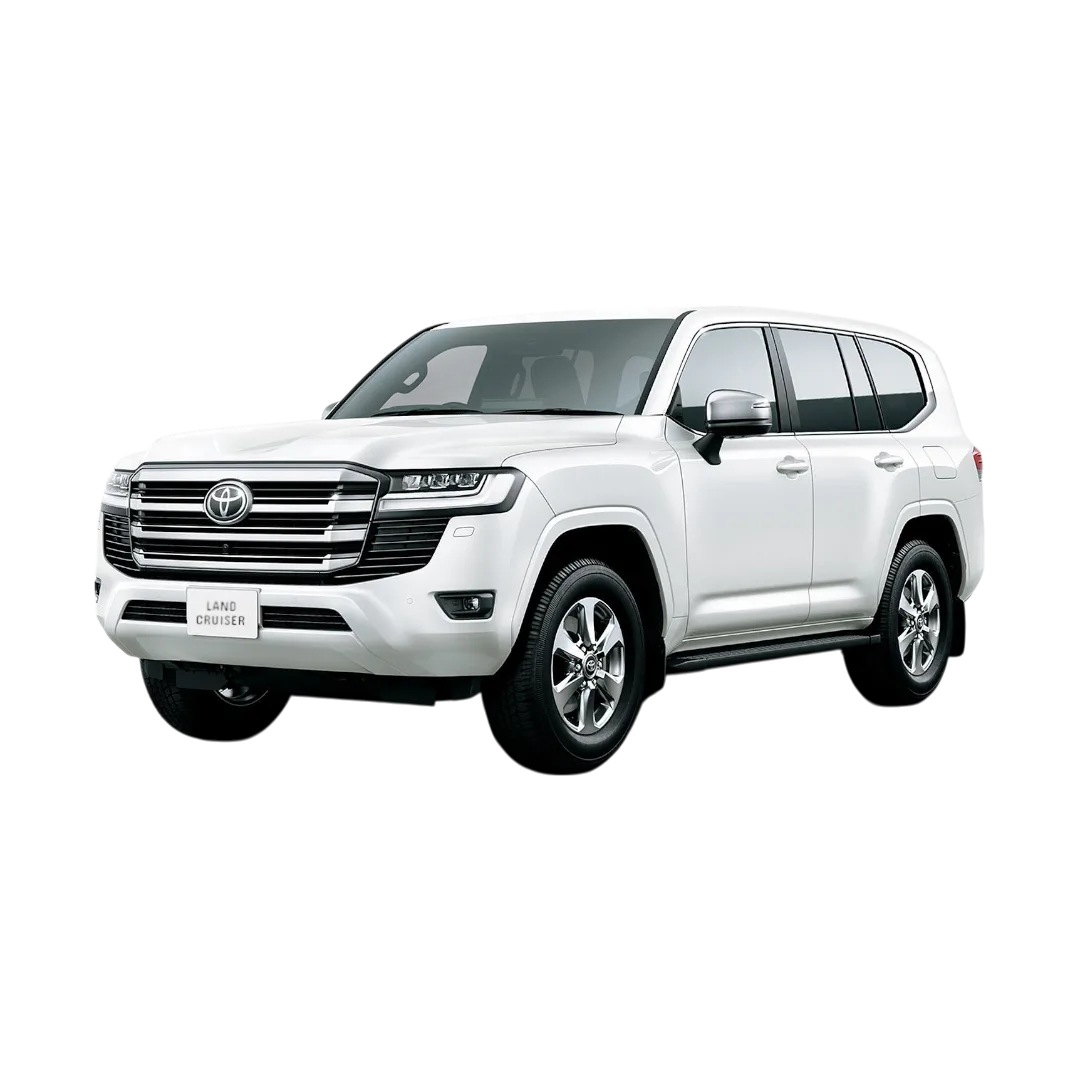 Land Cruiser
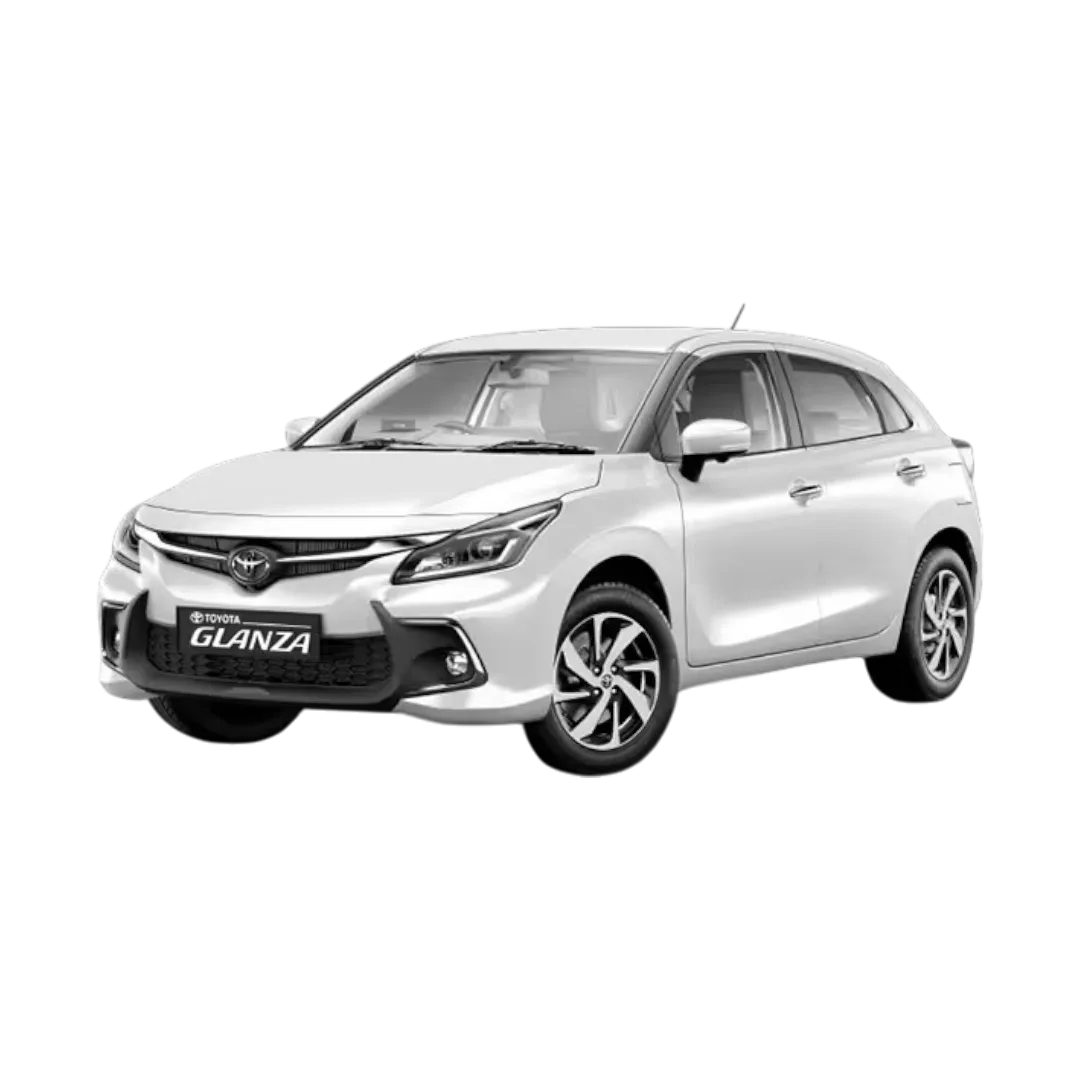 Glanza
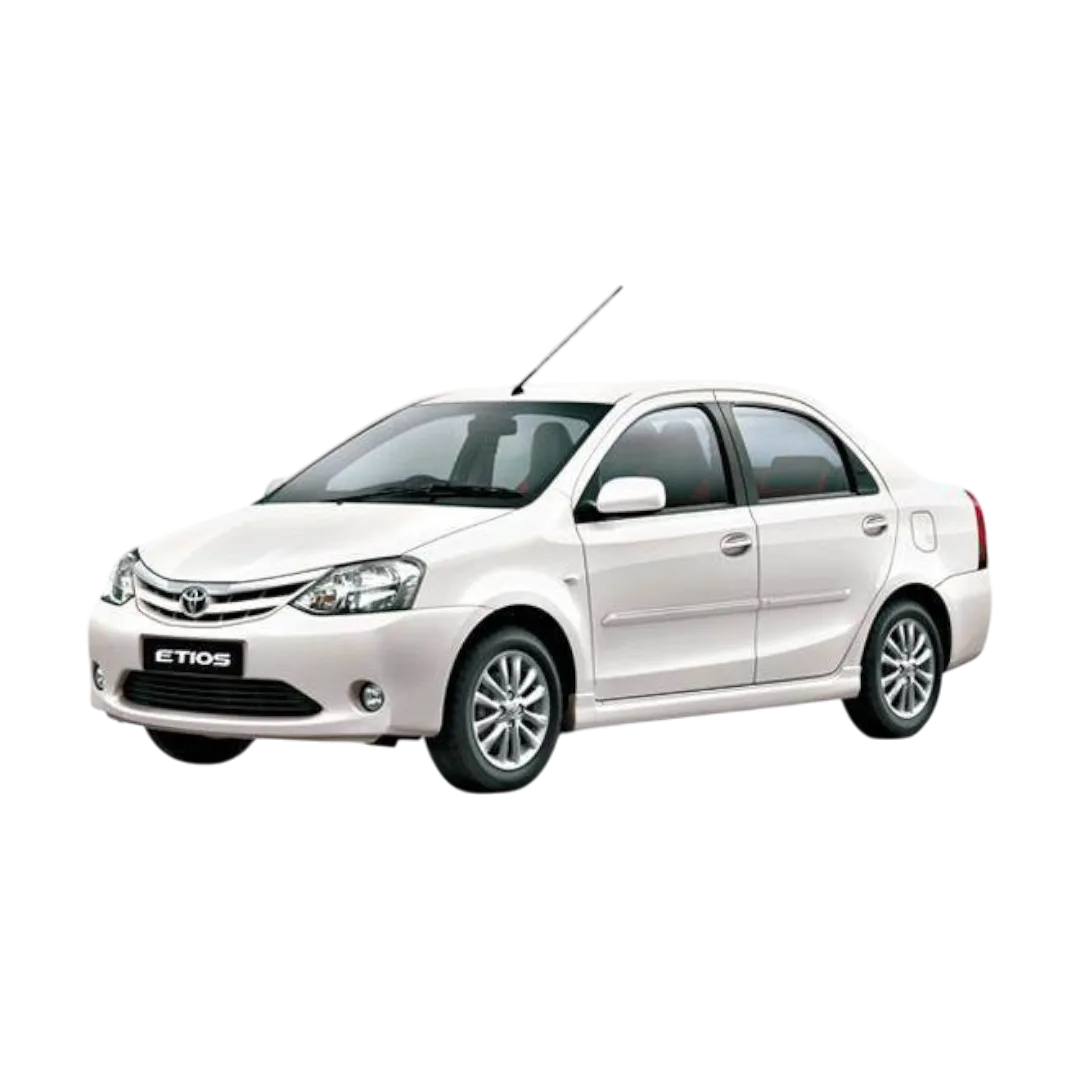 Etios
Etios
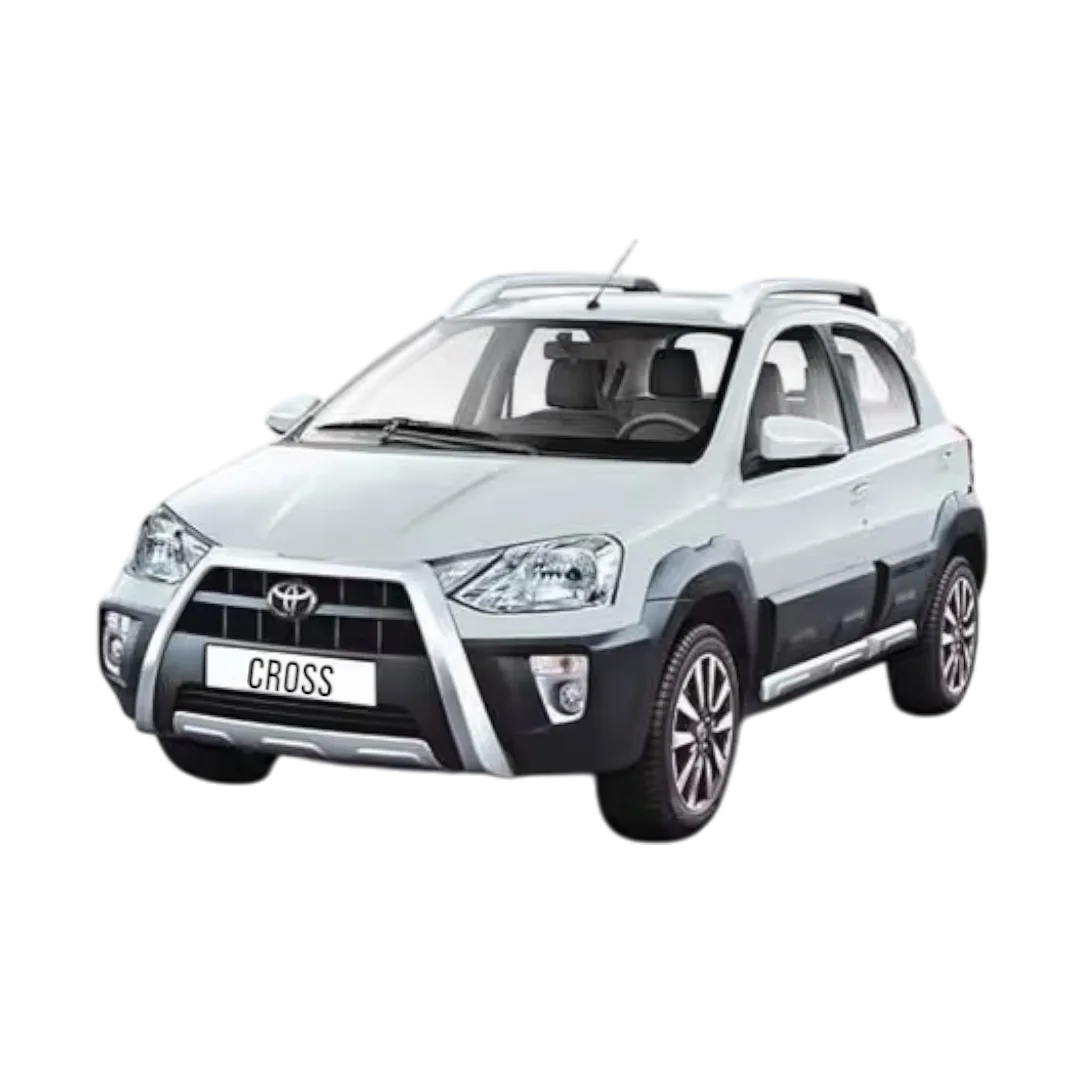 Etios cross
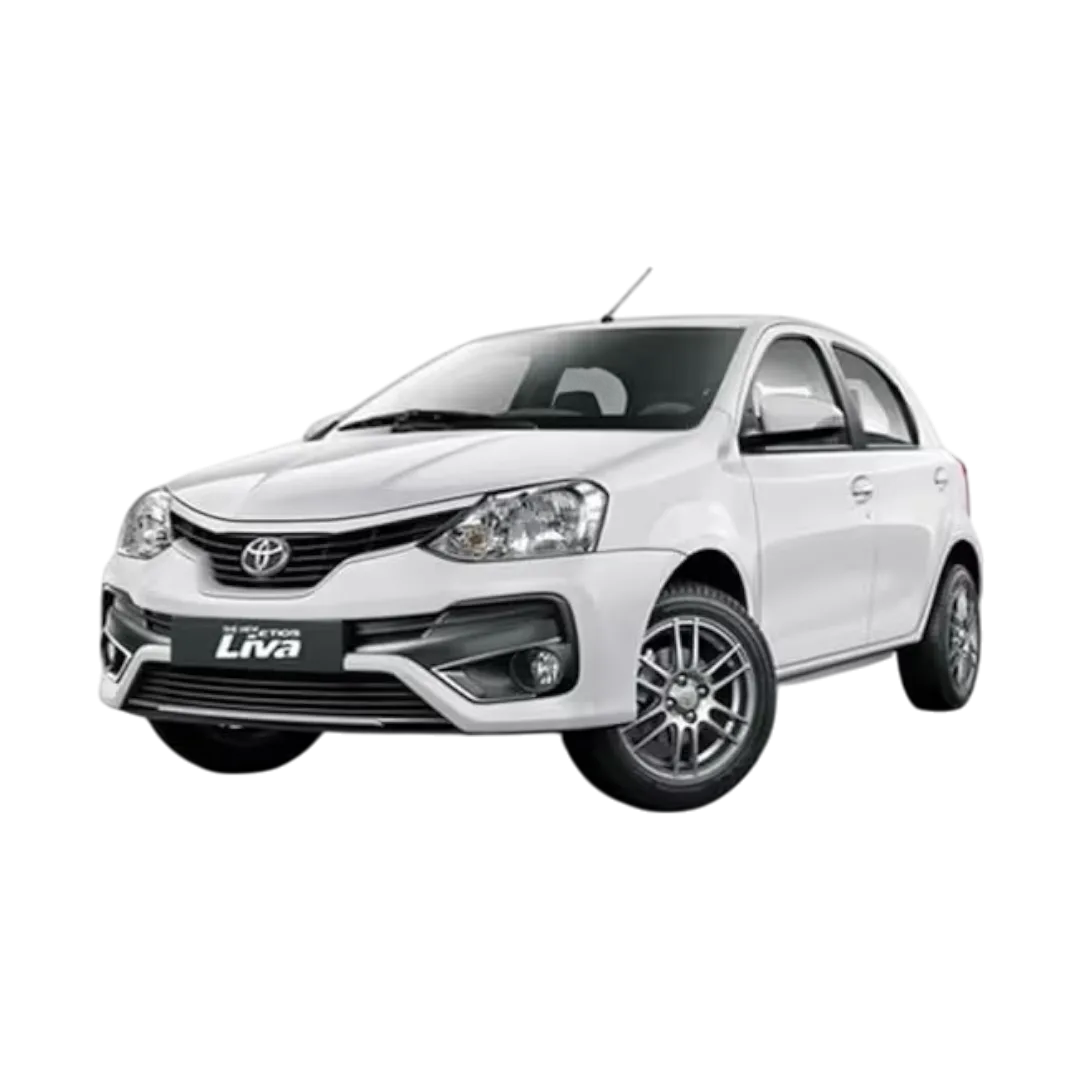 Etios Liva
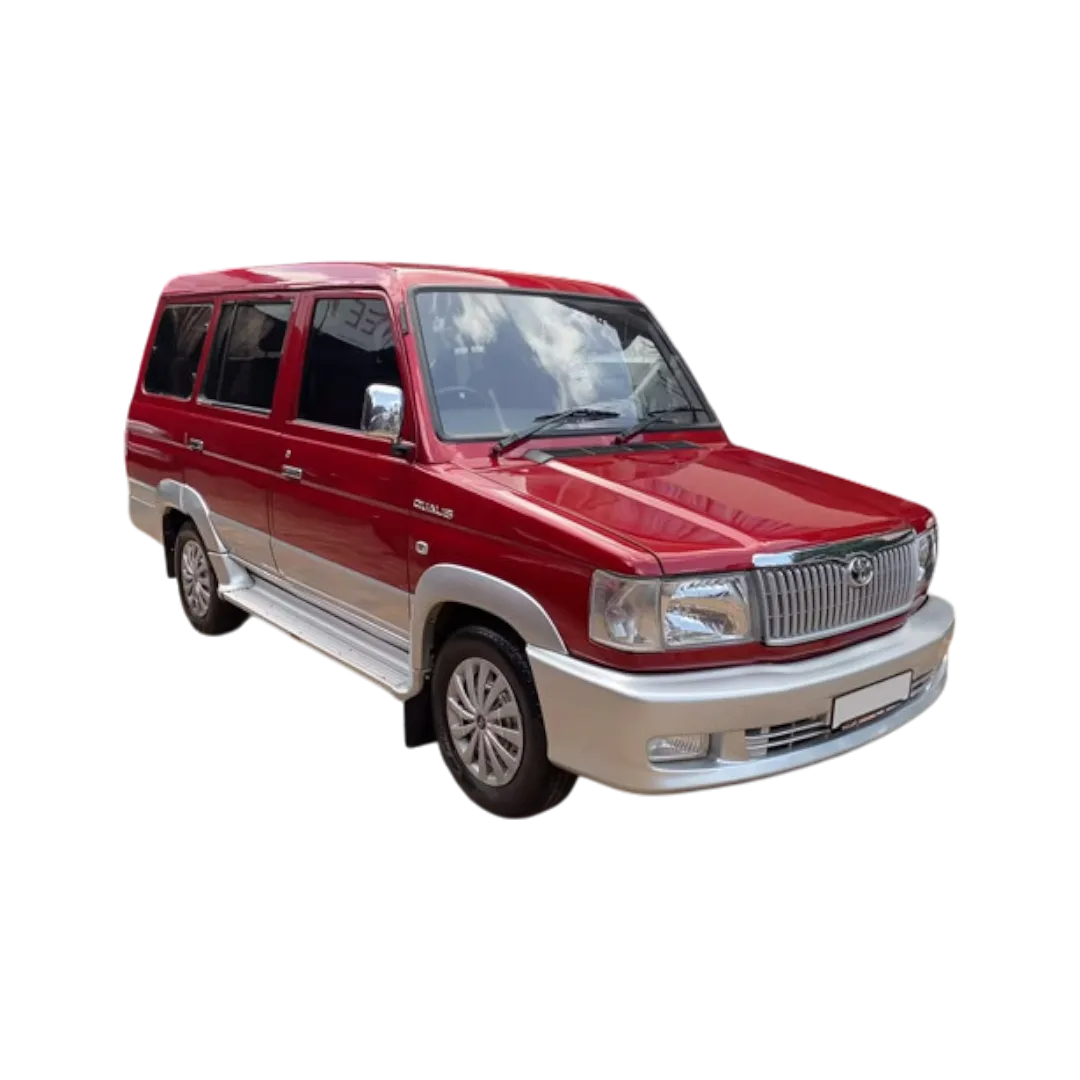 Qualis
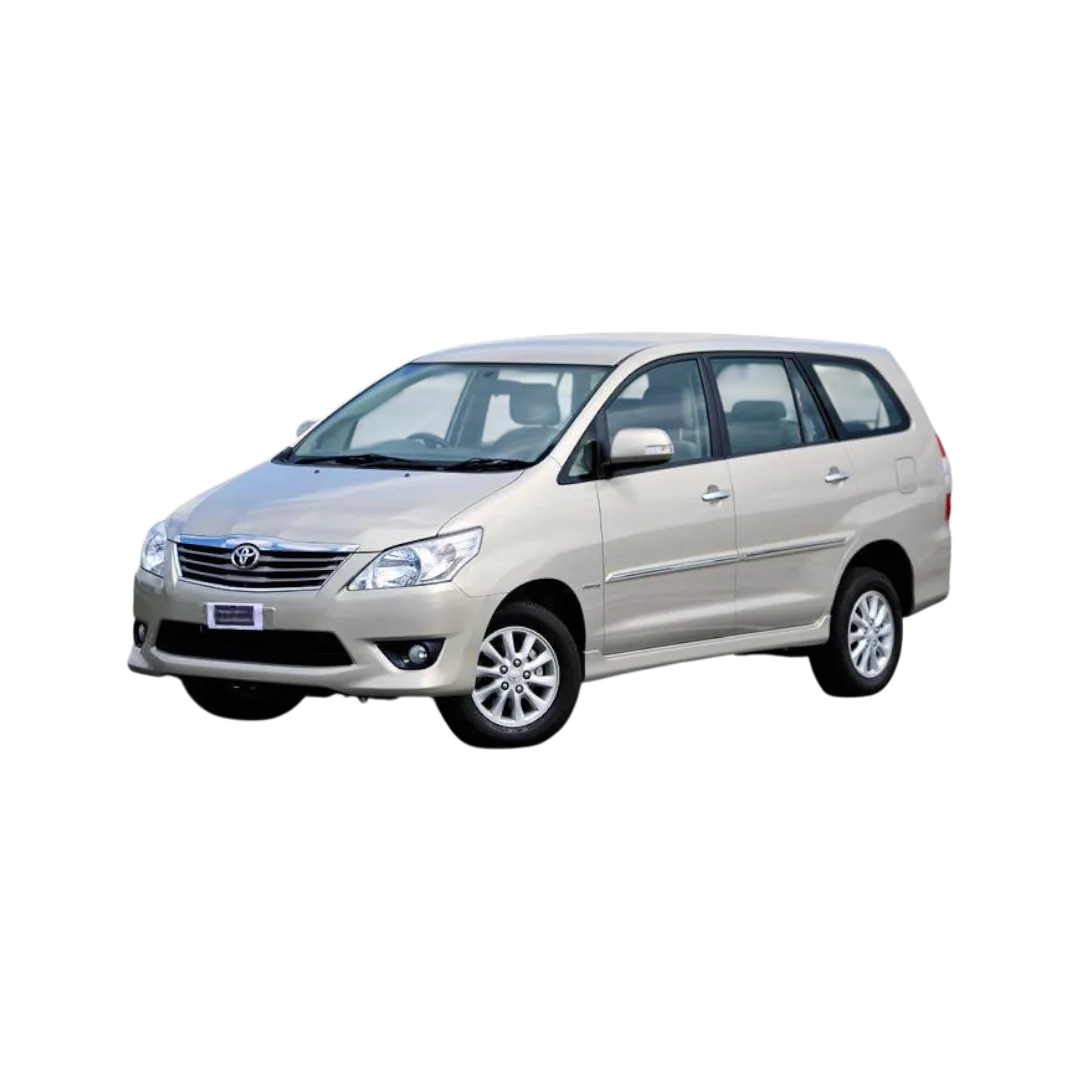 Innova
 Rumion
Taisor
Corolla Altis
Hyryder
Rumion
Taisor
Corolla Altis
Hyryder
 Bolero
 Marazzo
 KUV100 NXT
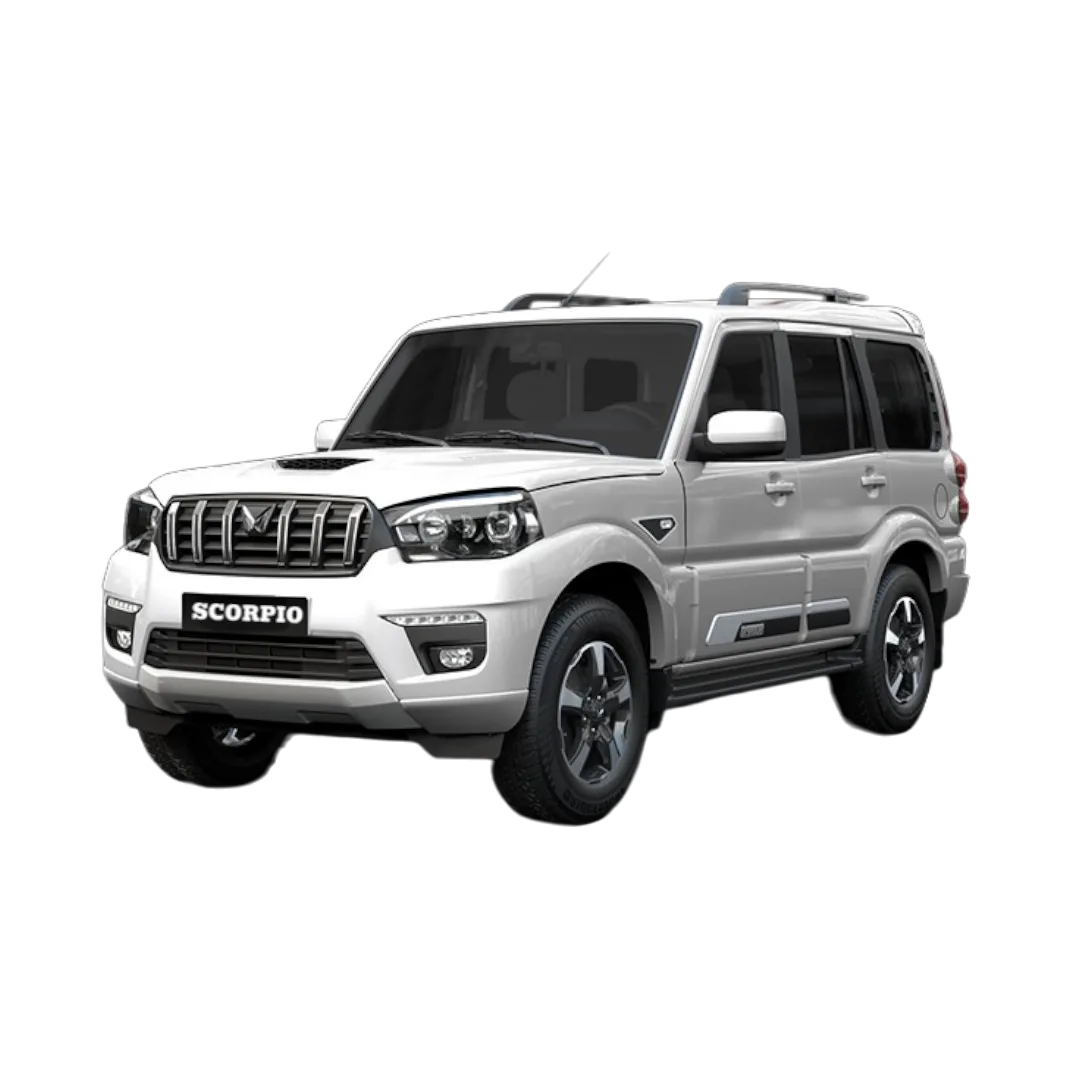 Scorpio
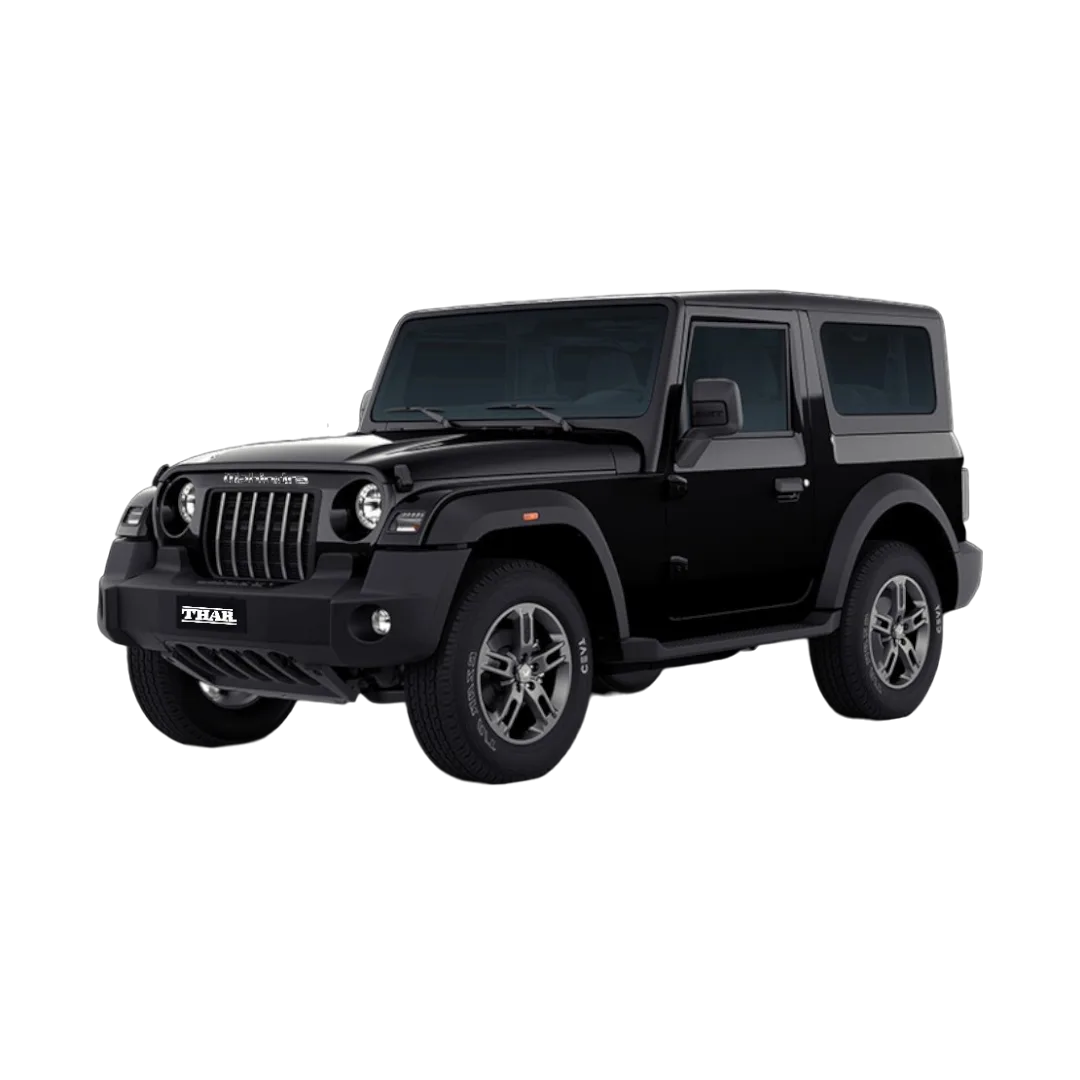 Thar
Thar
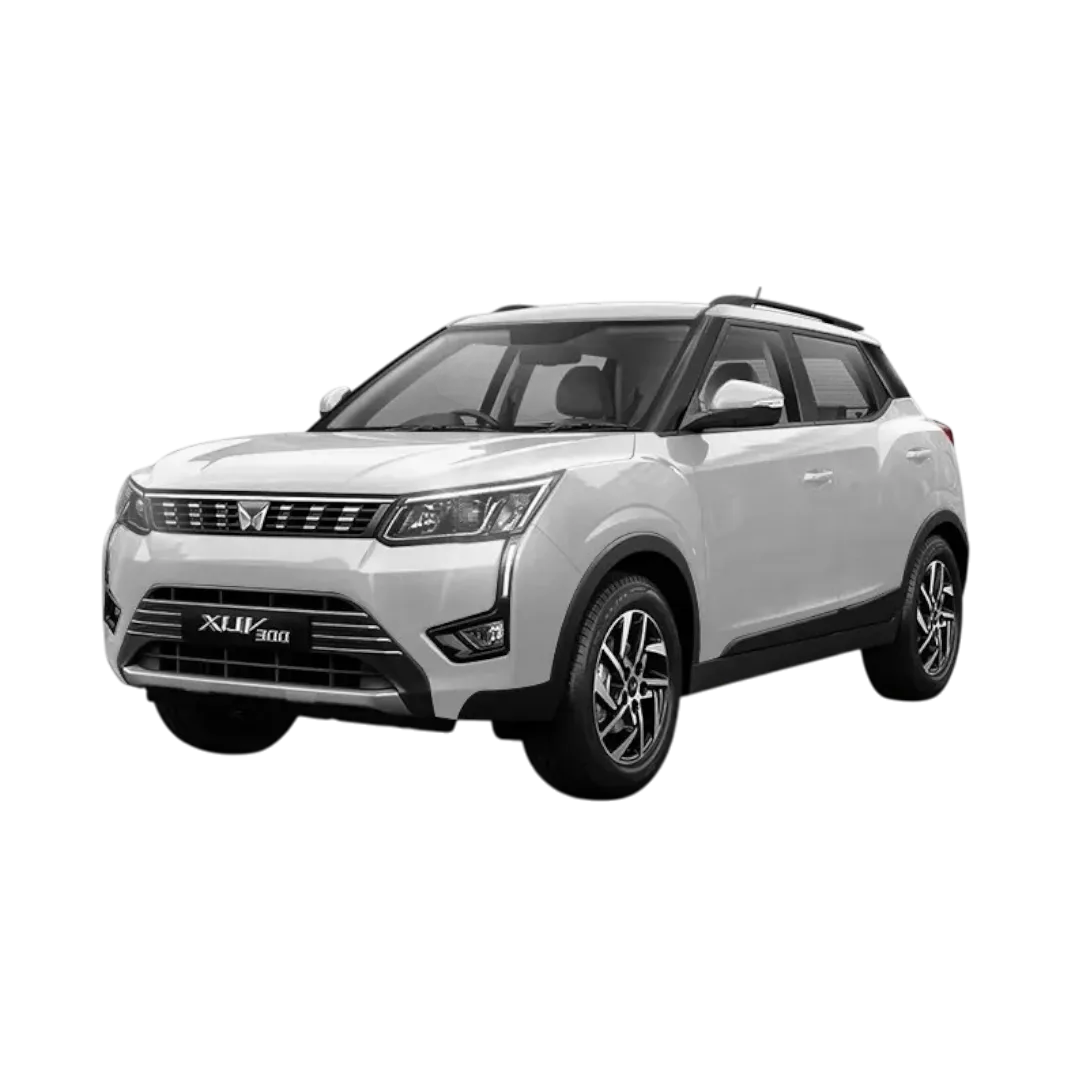 XUV 300
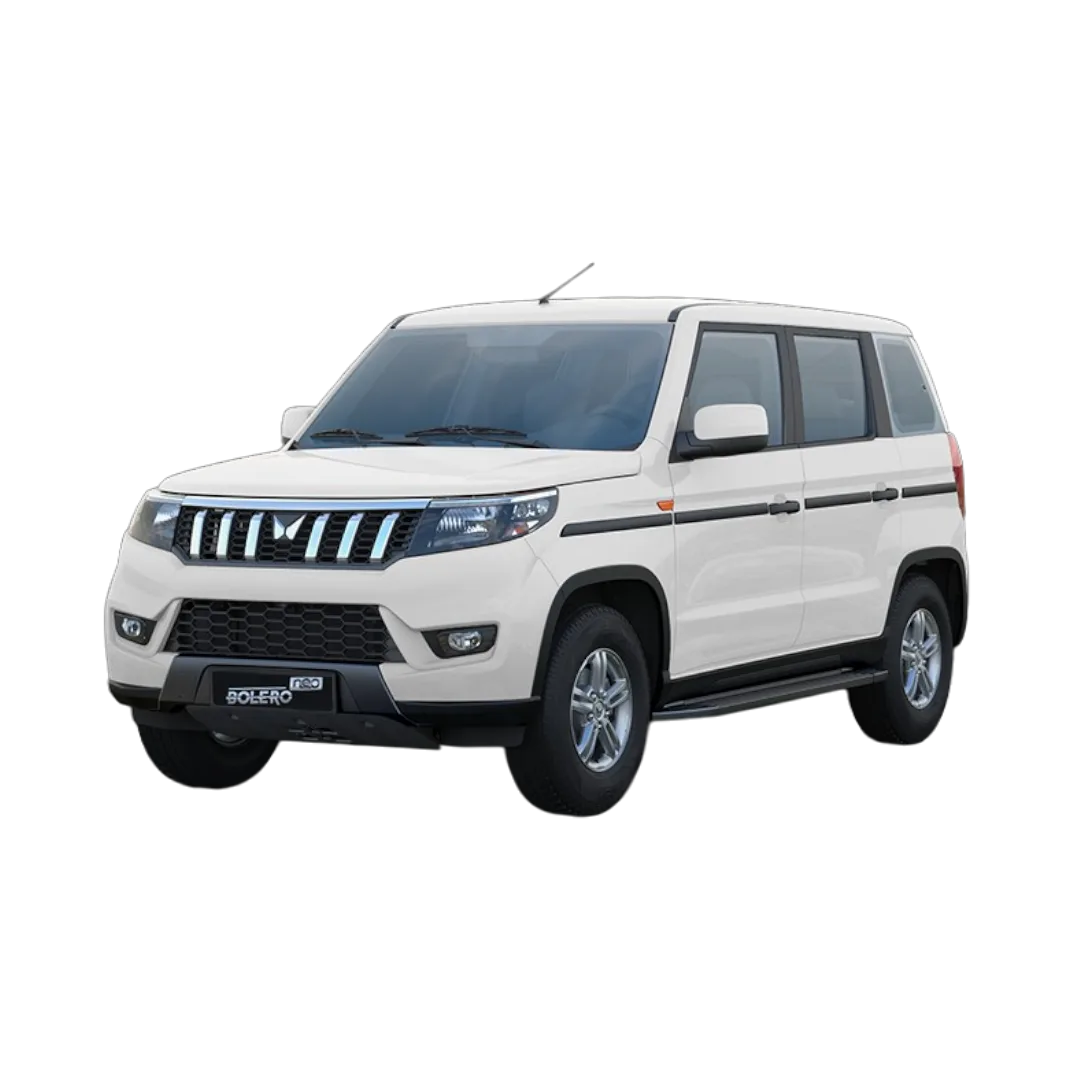 Bolero Neo
 Verito
 Scorpio-N
 XUV 700
 Scorpio Classic
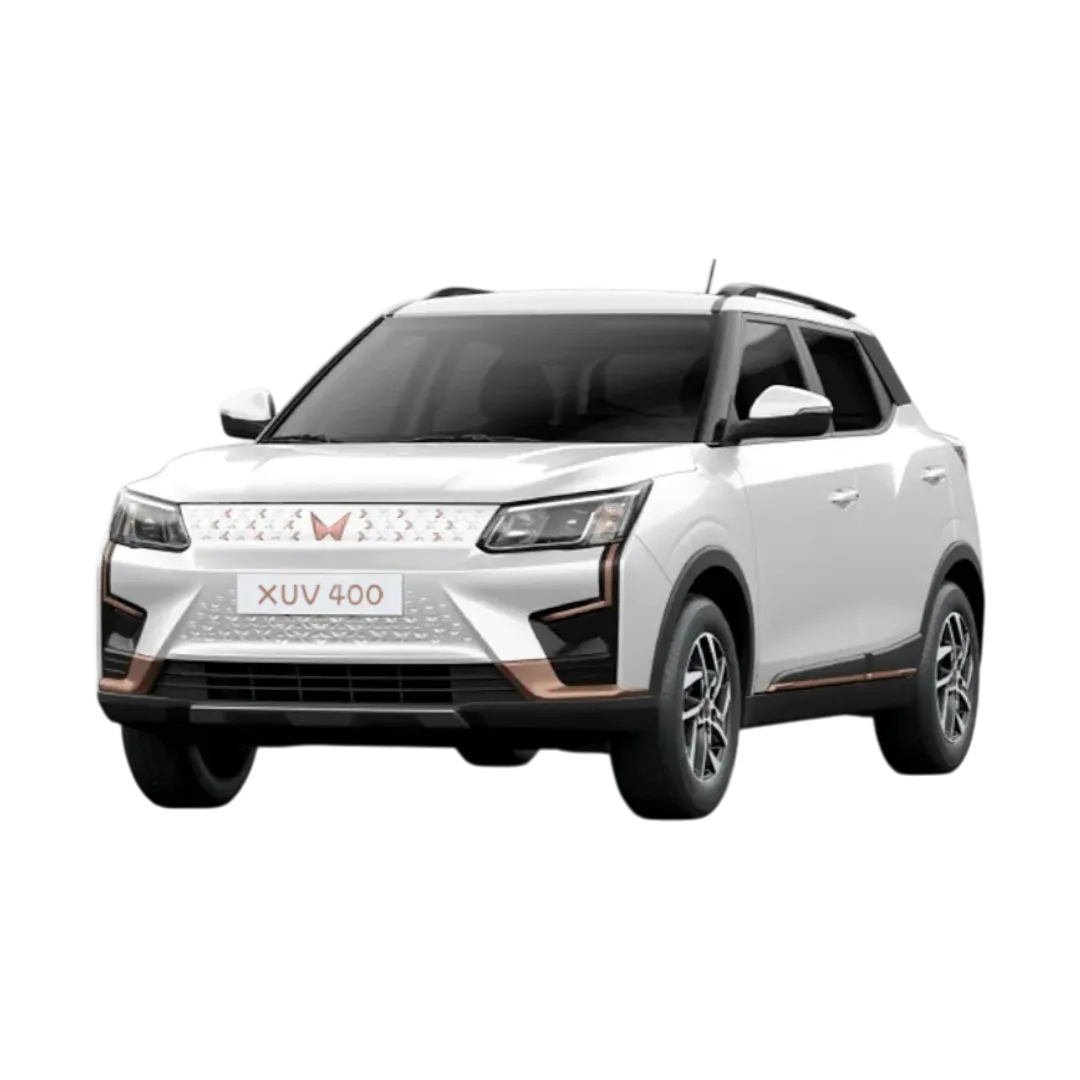 XUV400
 Alturas
 Xylo
Xylo
 Quanto
 Logan
Logan
 XUV 500
 TUV 300
 XUV 3XO
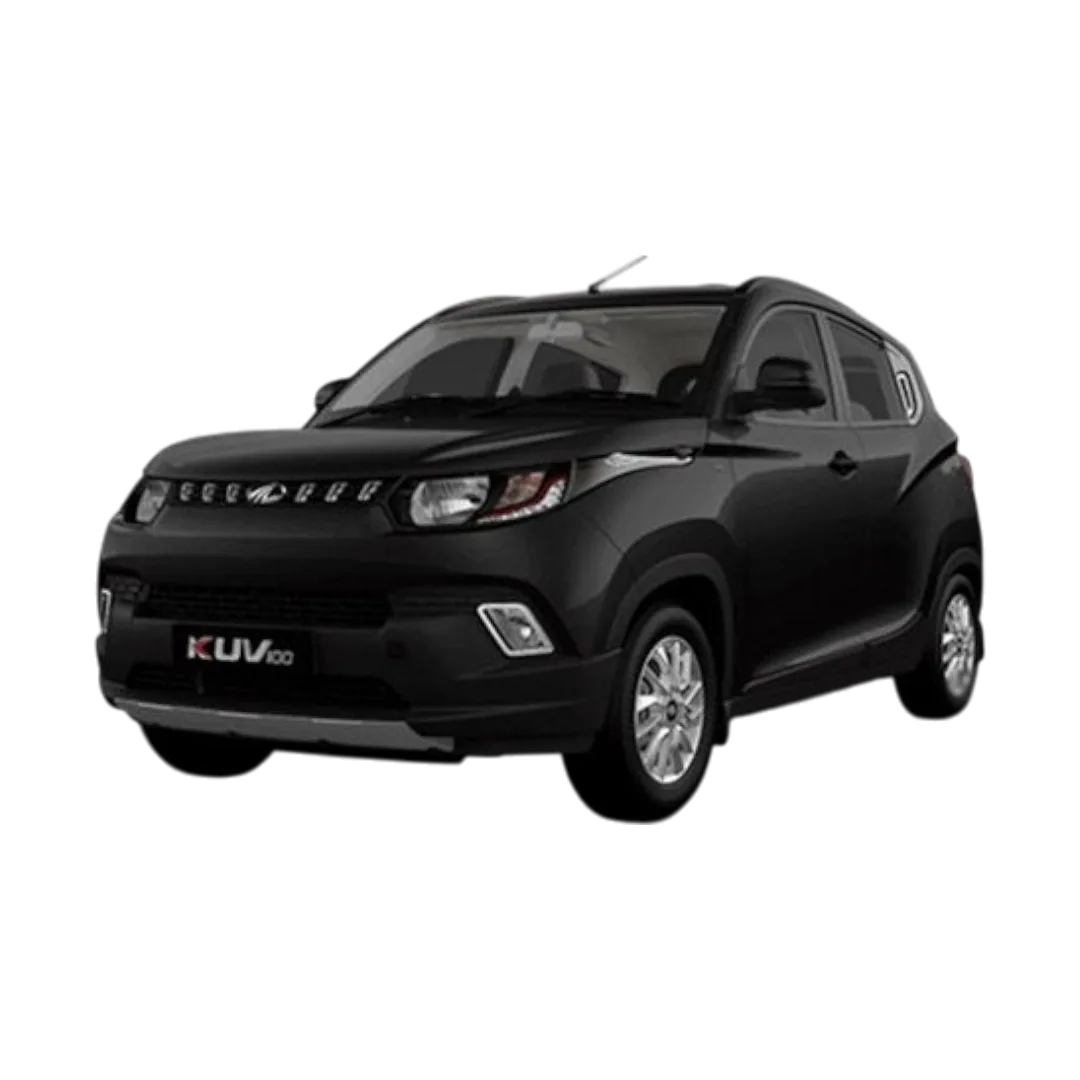 KUV 100
NuvoSport
XEV 9e
BE 6
Thar Roxx
E-Verito
XUV 7XO
TUV 100
BE6
Bolero Camper
Verito Vibe
XUV 400
KUV 100
NuvoSport
XEV 9e
BE 6
Thar Roxx
E-Verito
XUV 7XO
TUV 100
BE6
Bolero Camper
Verito Vibe
XUV 400
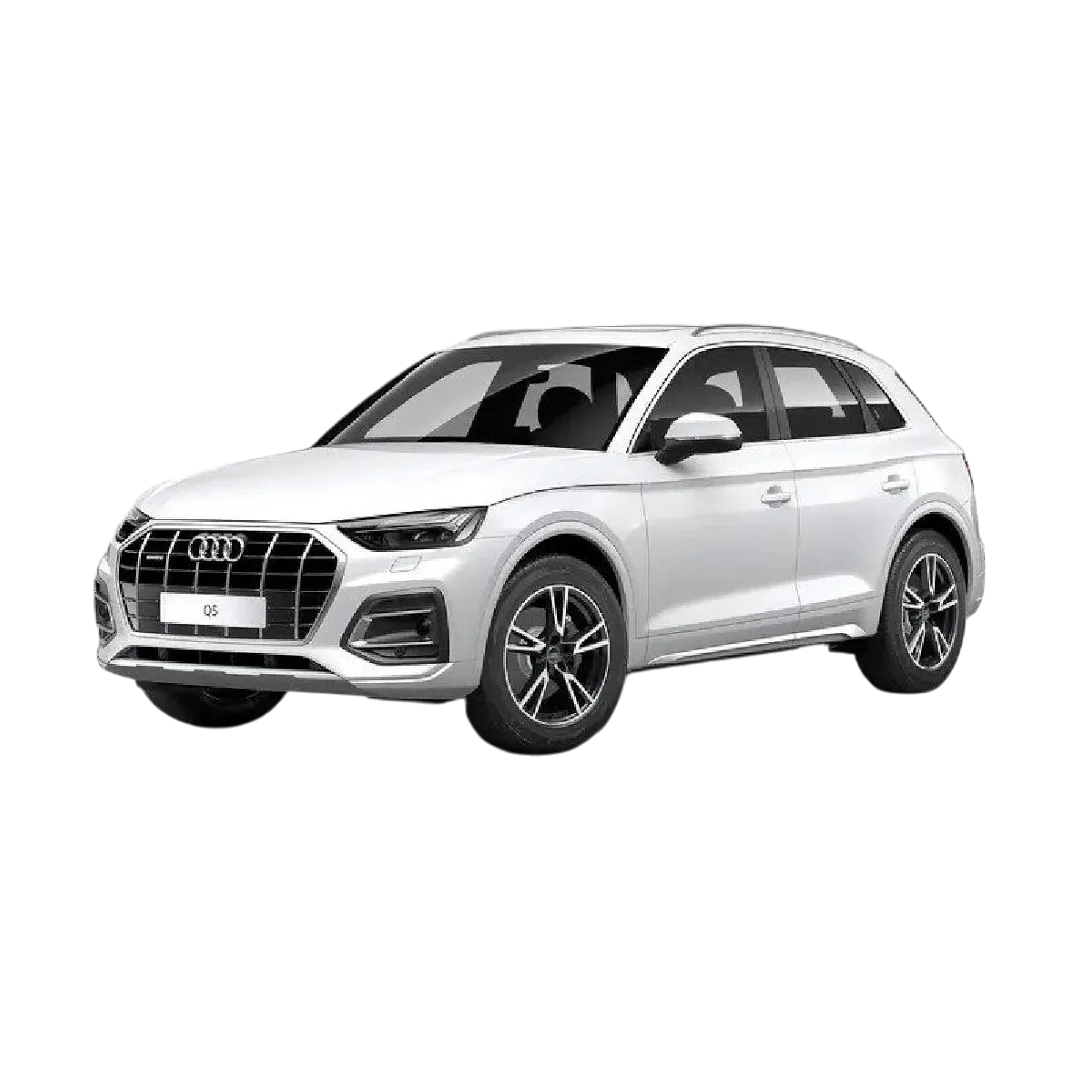 Audi Q5
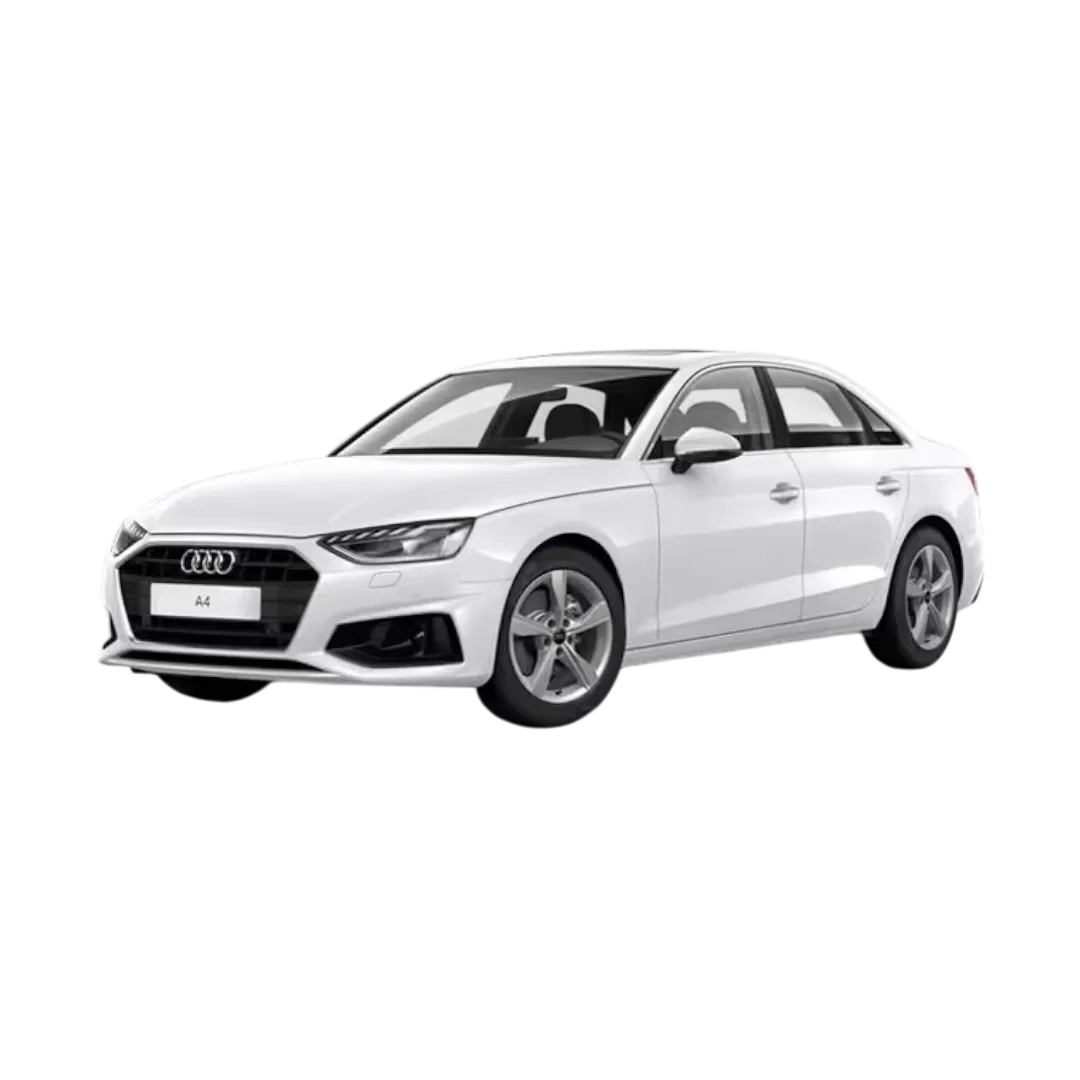 Audi A4
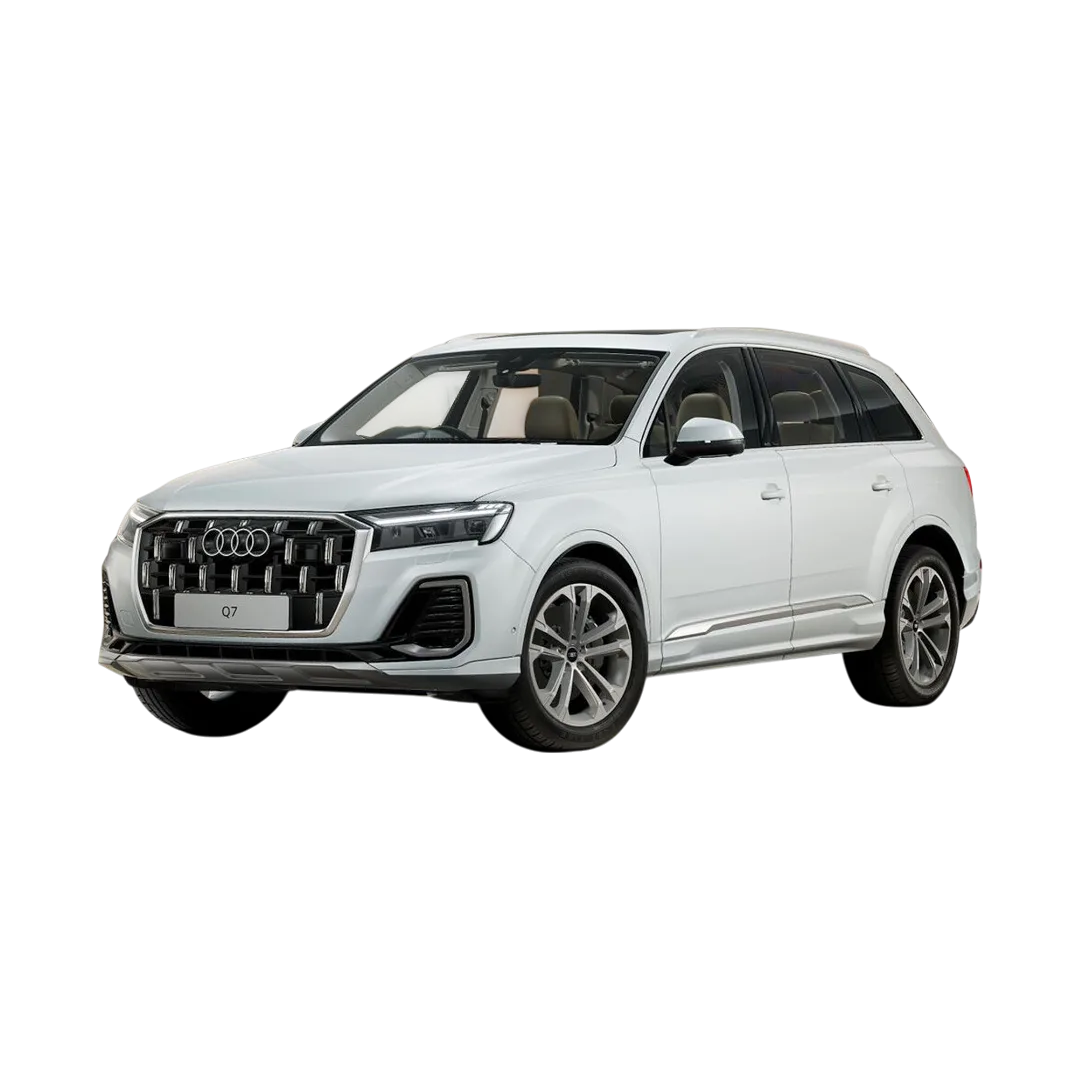 Audi Q7
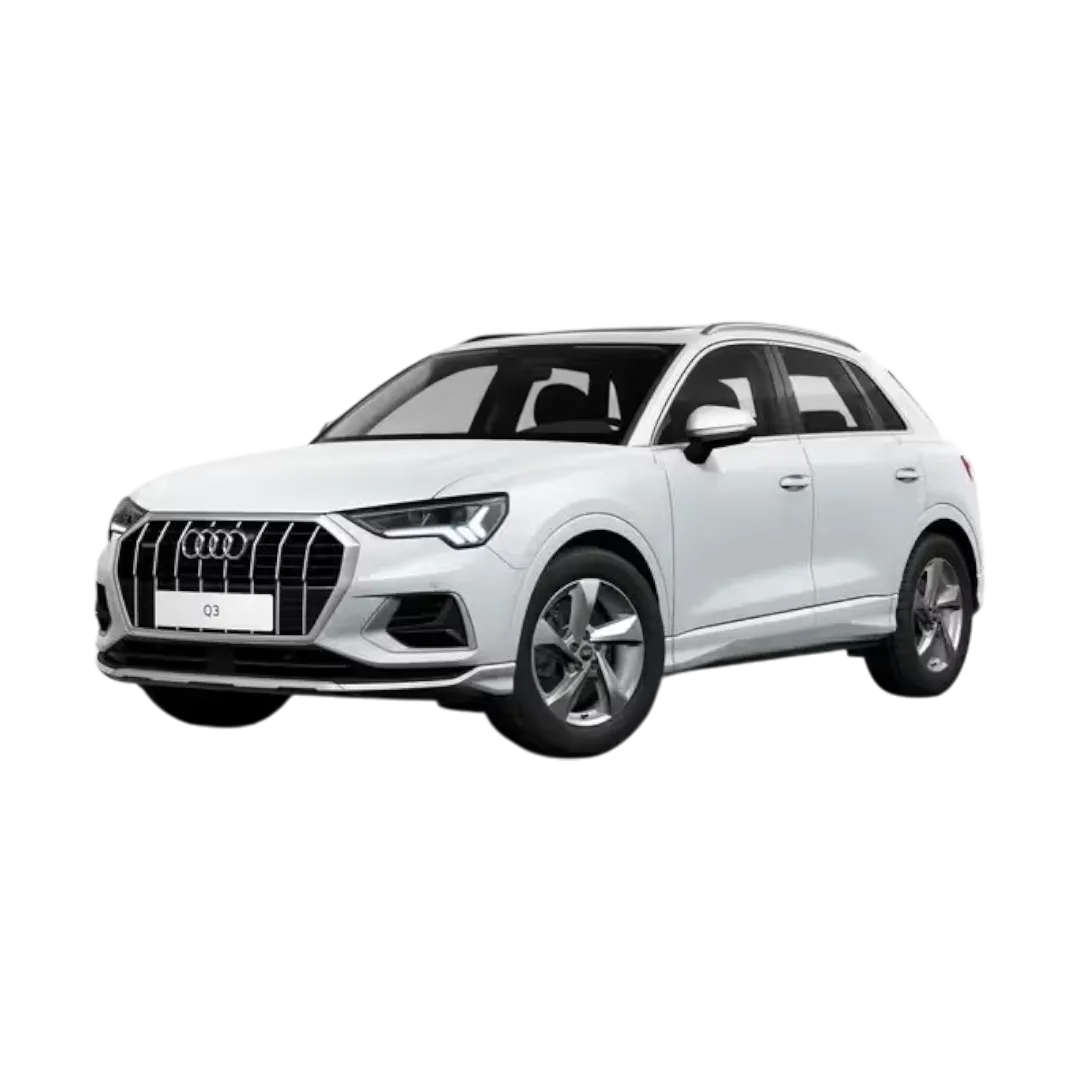 Audi Q3
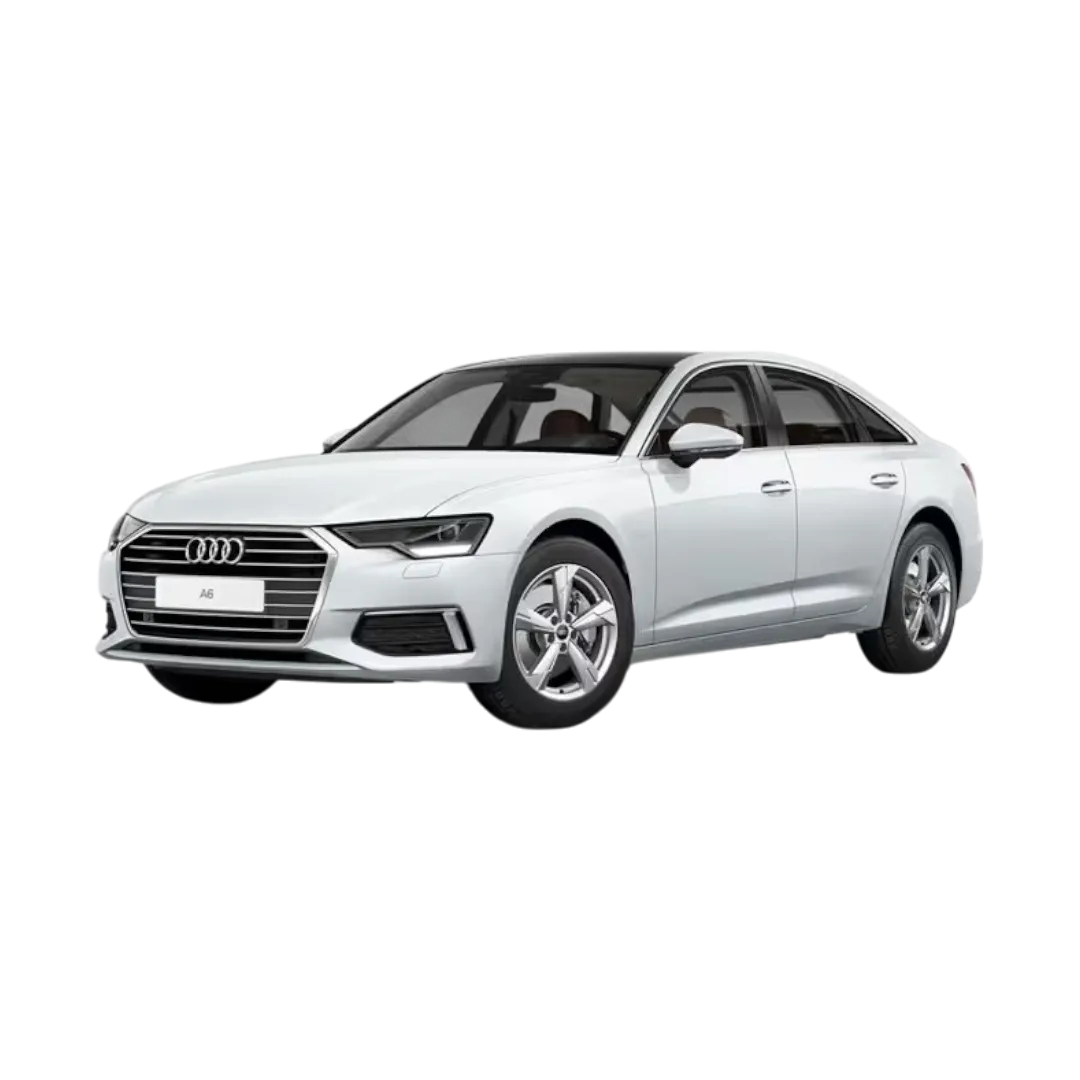 Audi A6
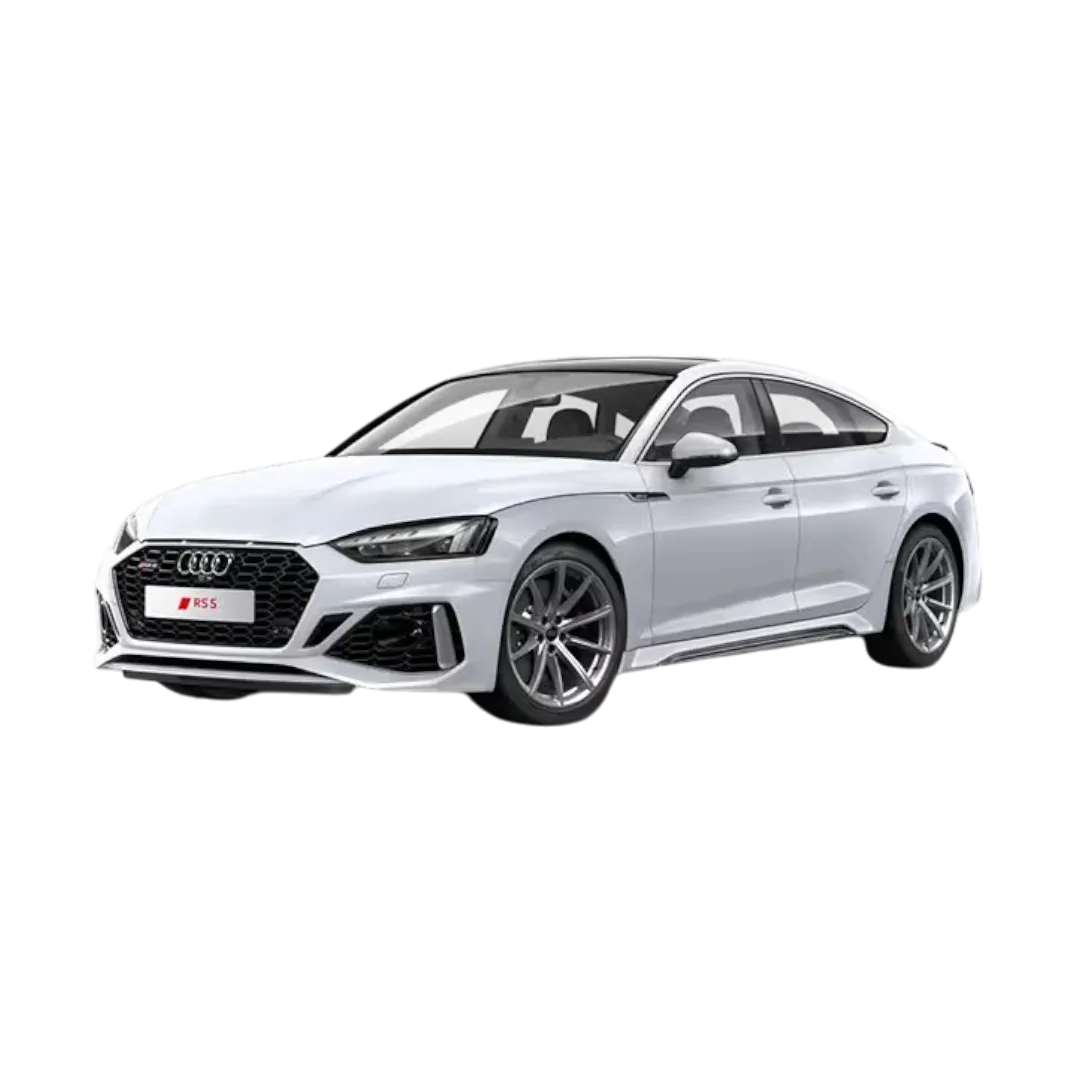 Audi RS5
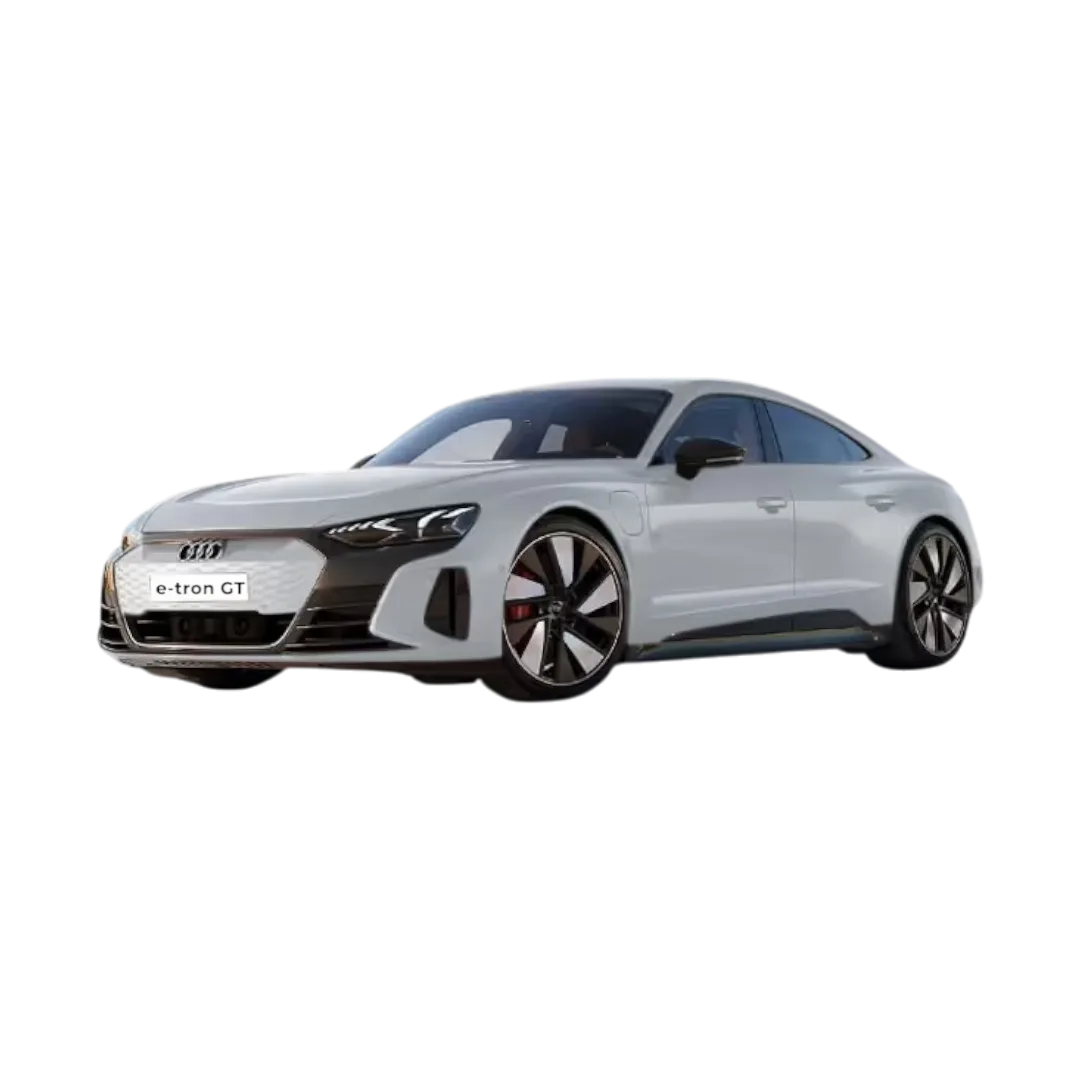 E-Tron GT
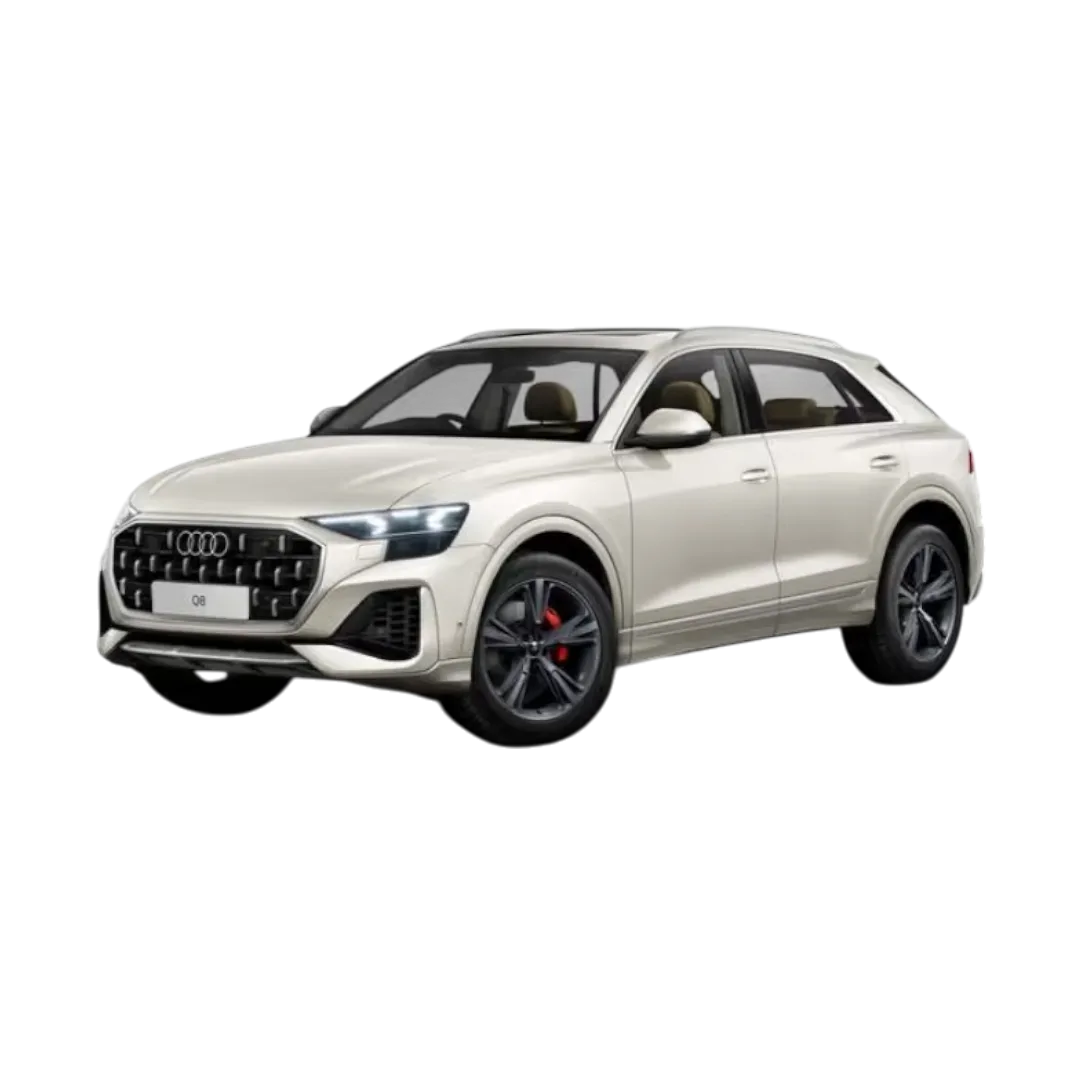 Audi Q8
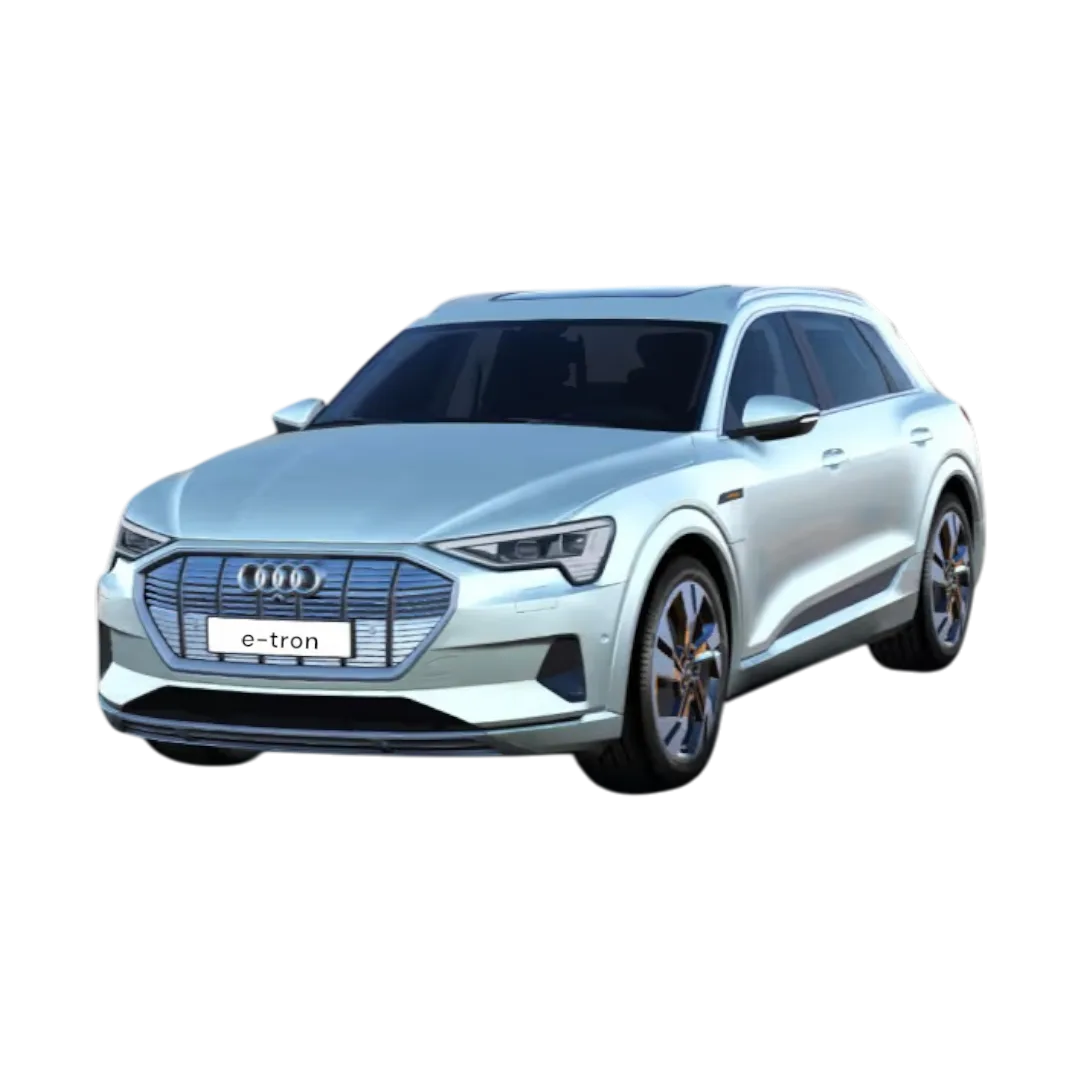 E-Tron
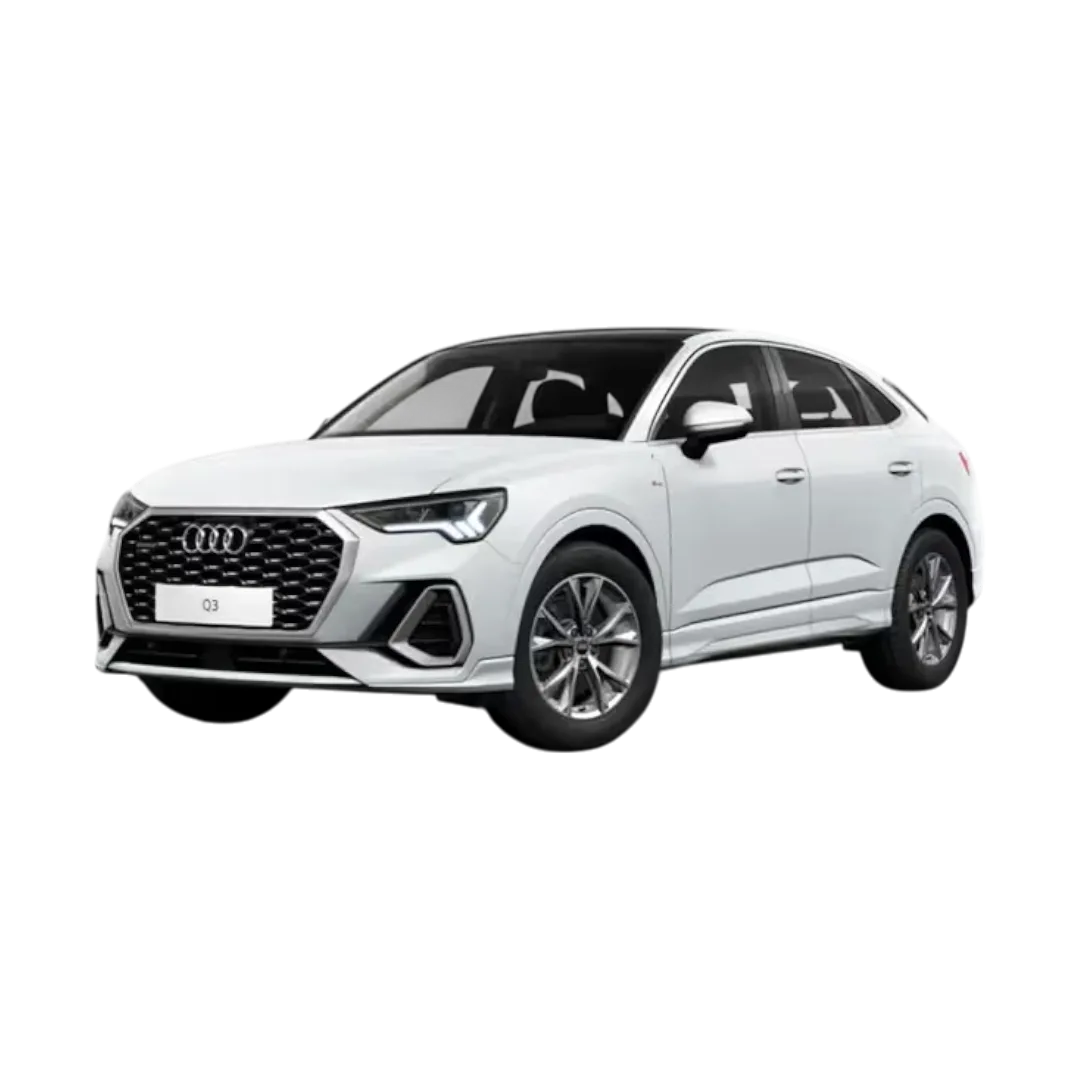 Q3 Sportback
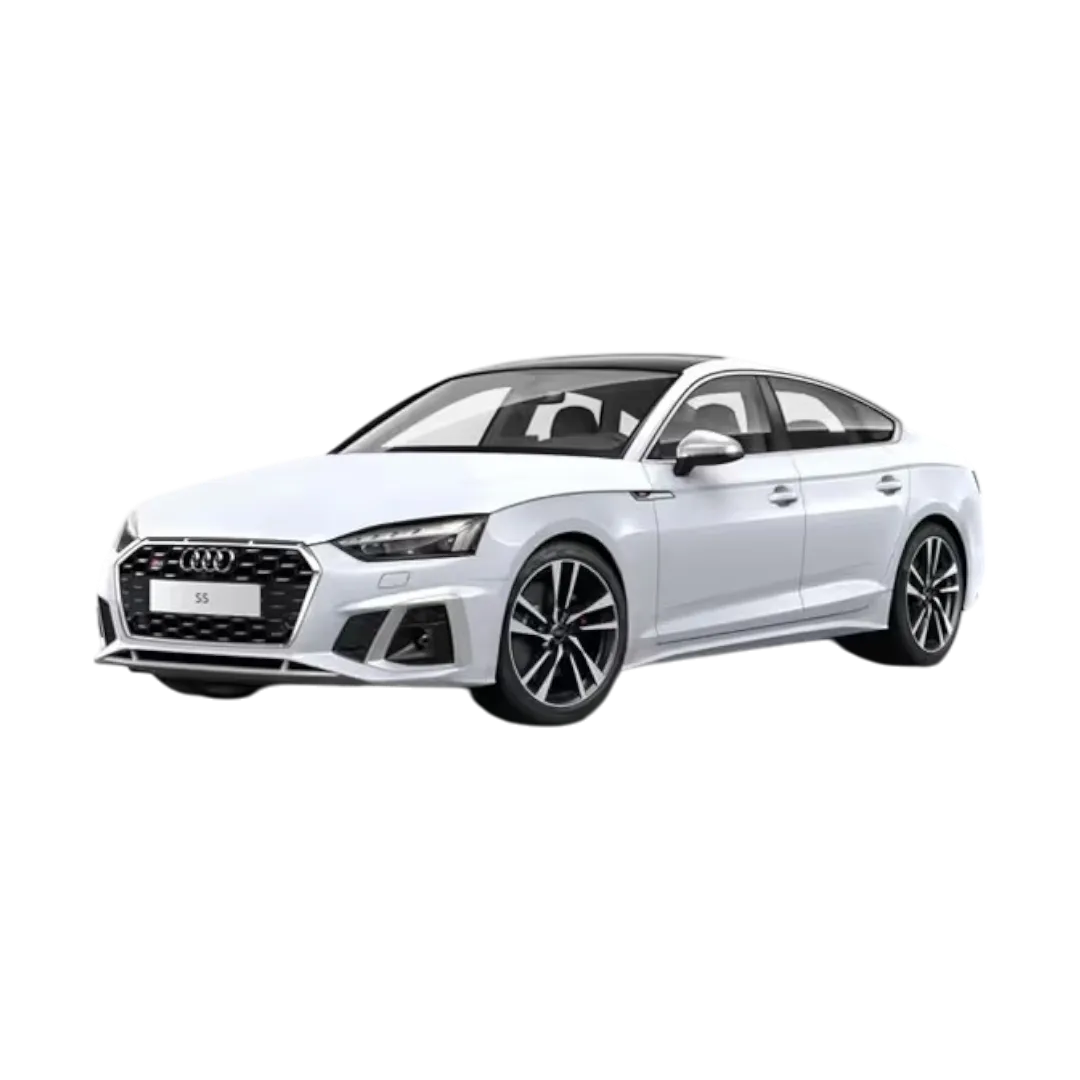 Audi S5 Sportback
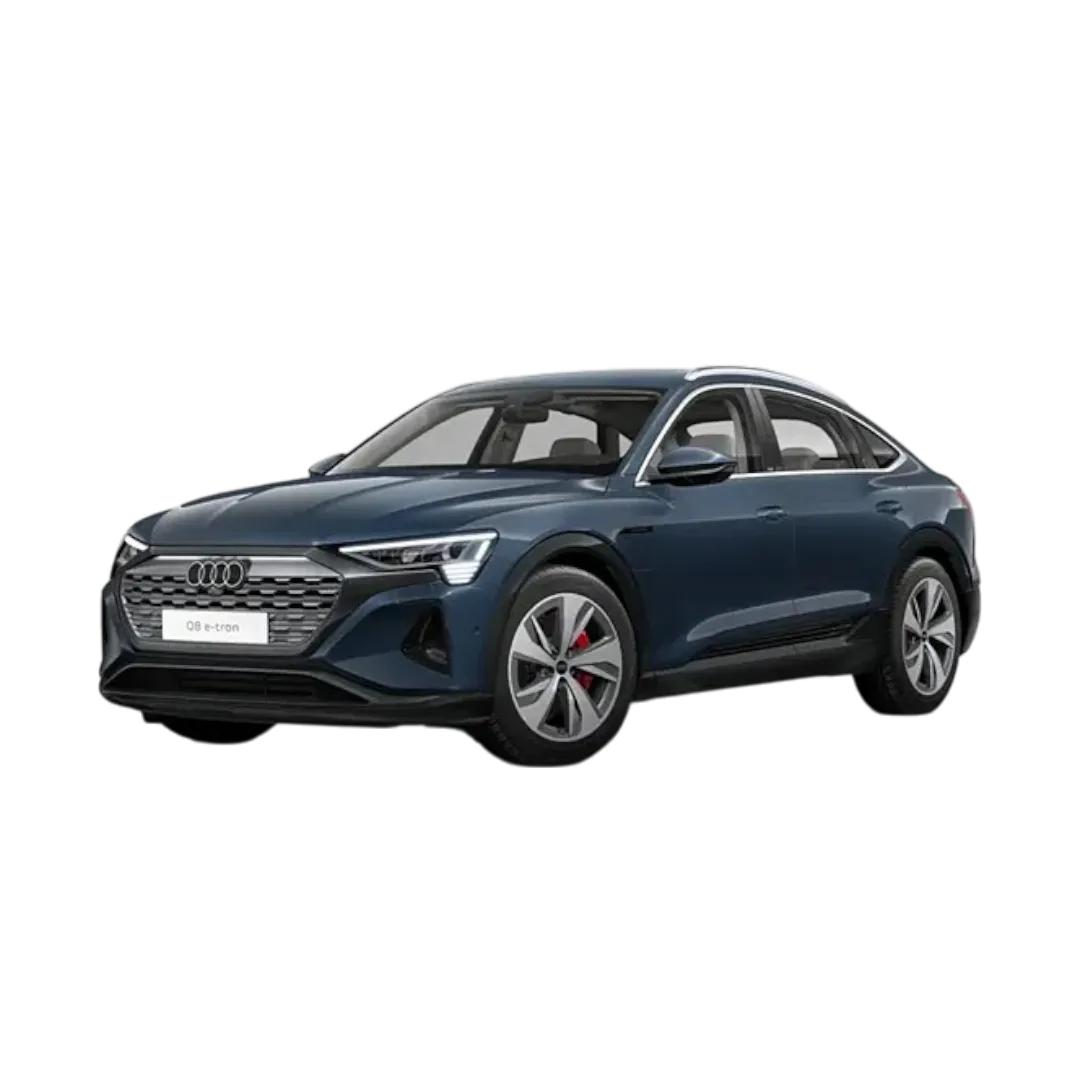 Q8 E-Tron
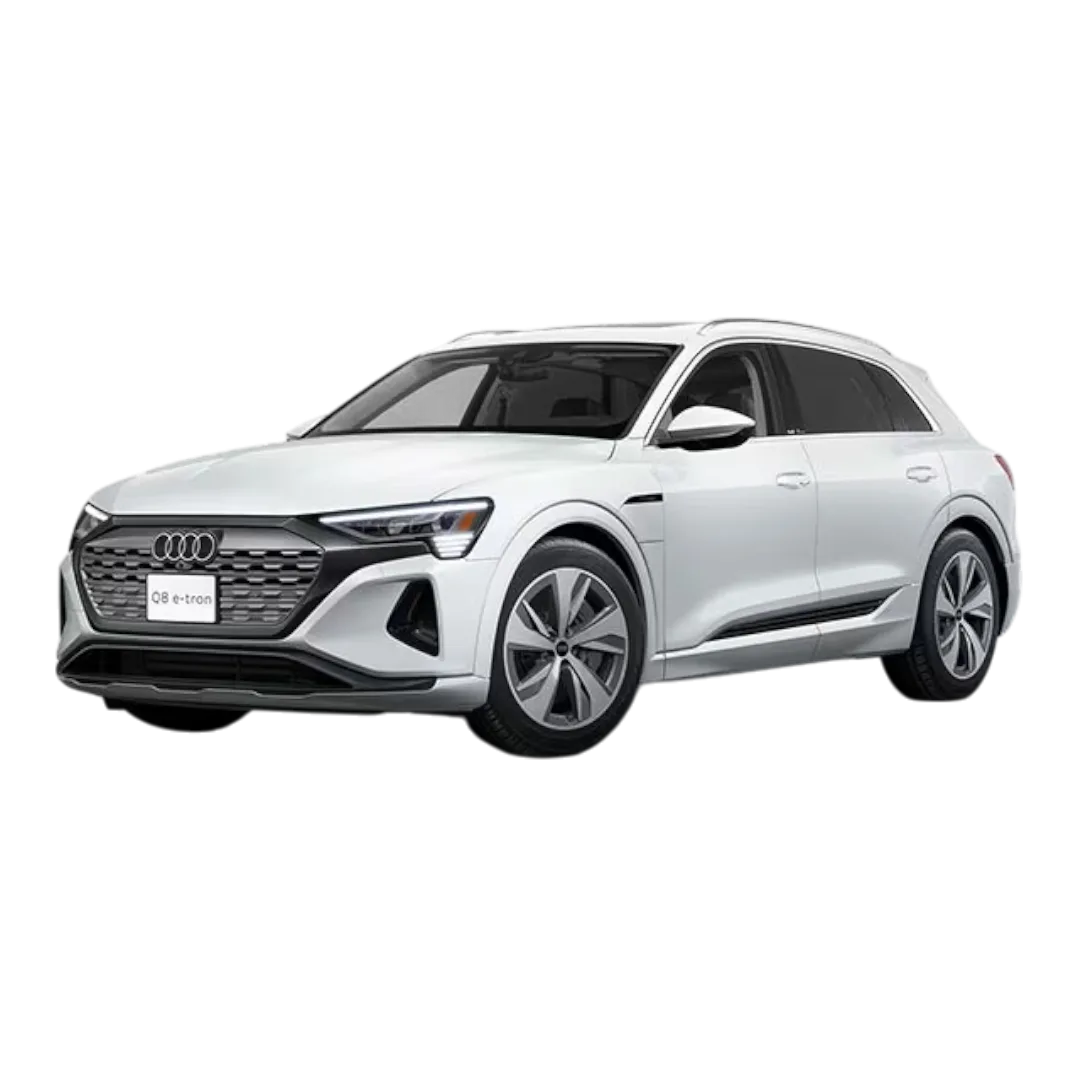 Q8 E-Tron Sportback
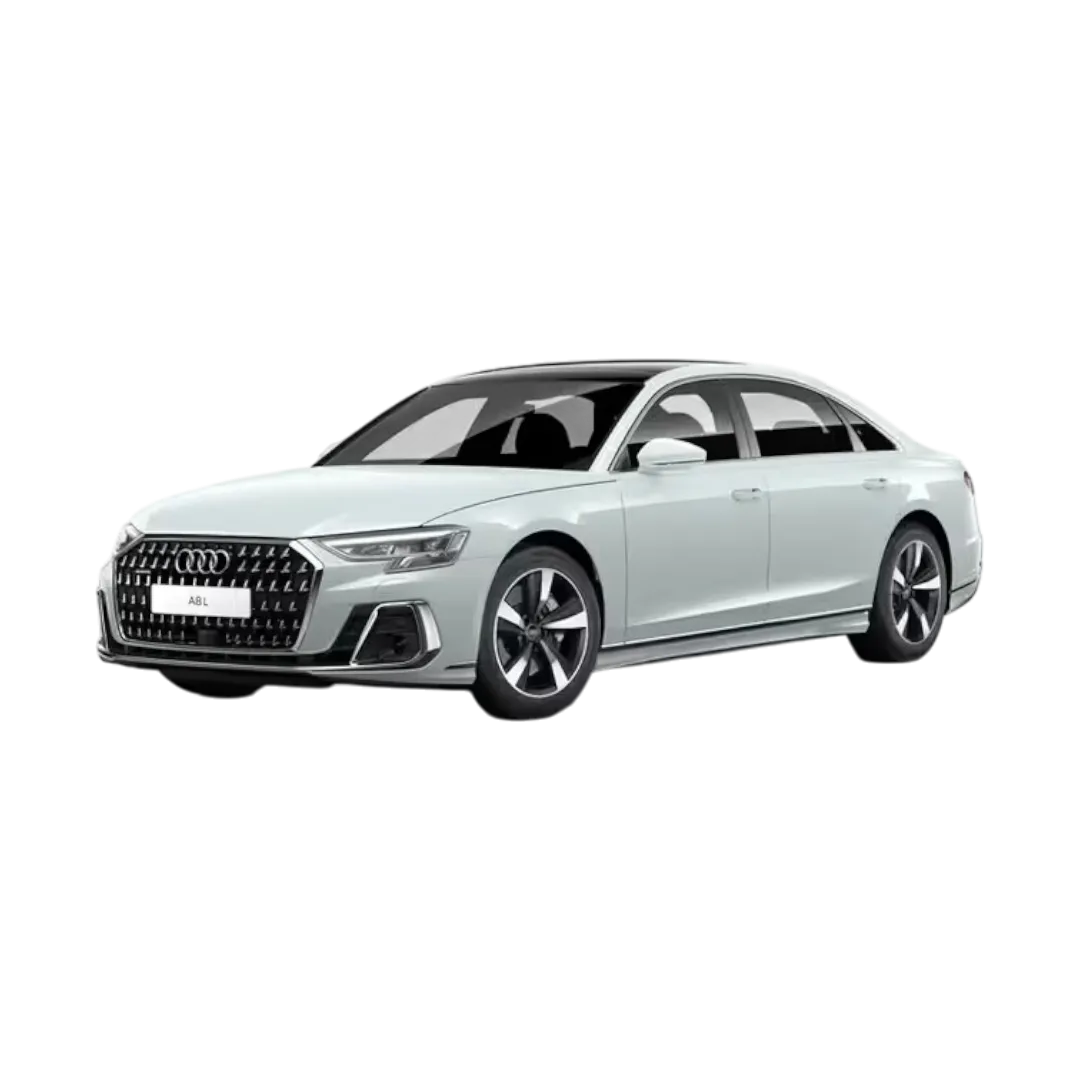 Audi A8L
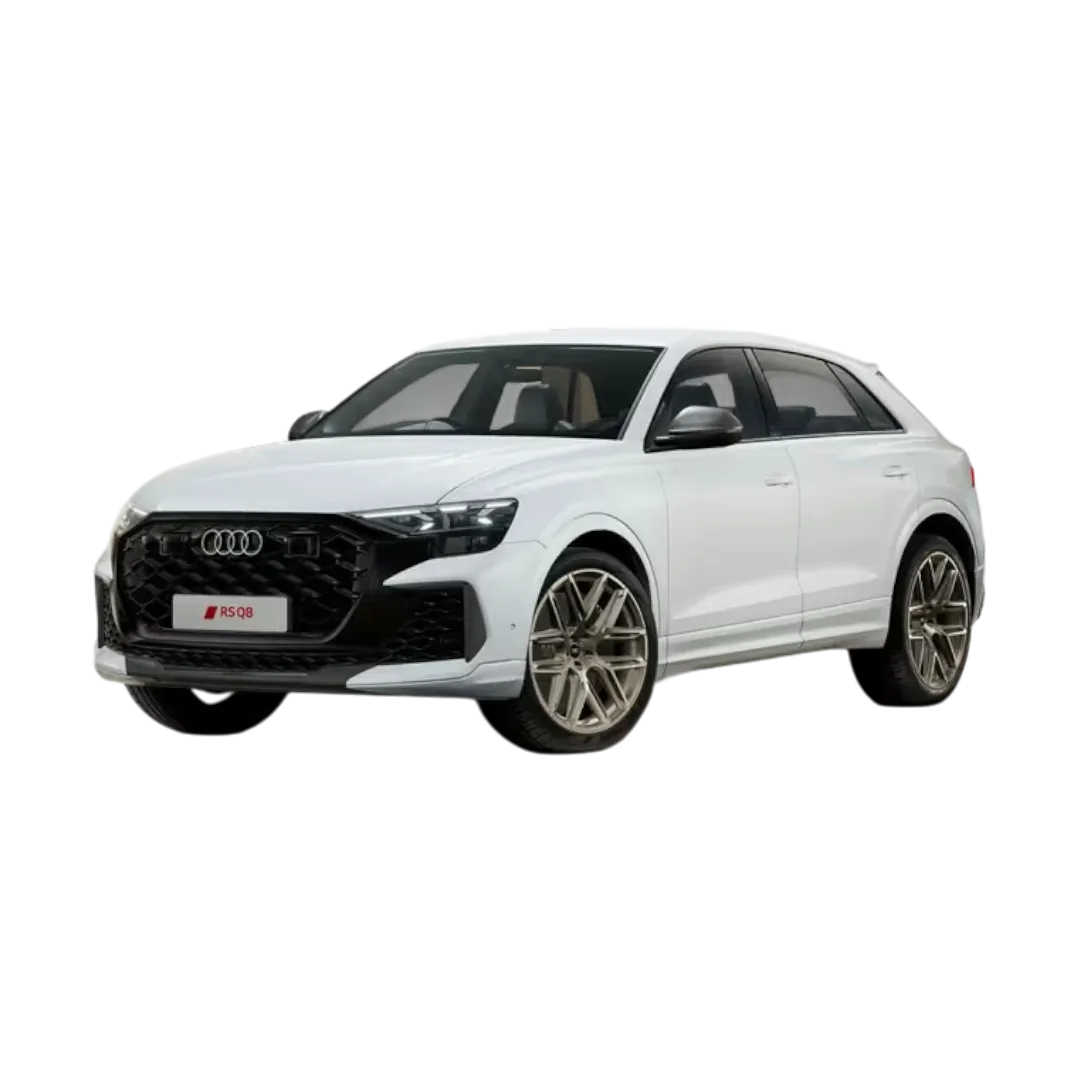 Audi RS Q8
 Audi A3
 BMW X7
 BMW X1
 BMW X5
 BMW XM
 BMW Z4
 3 Series
 BMW X3
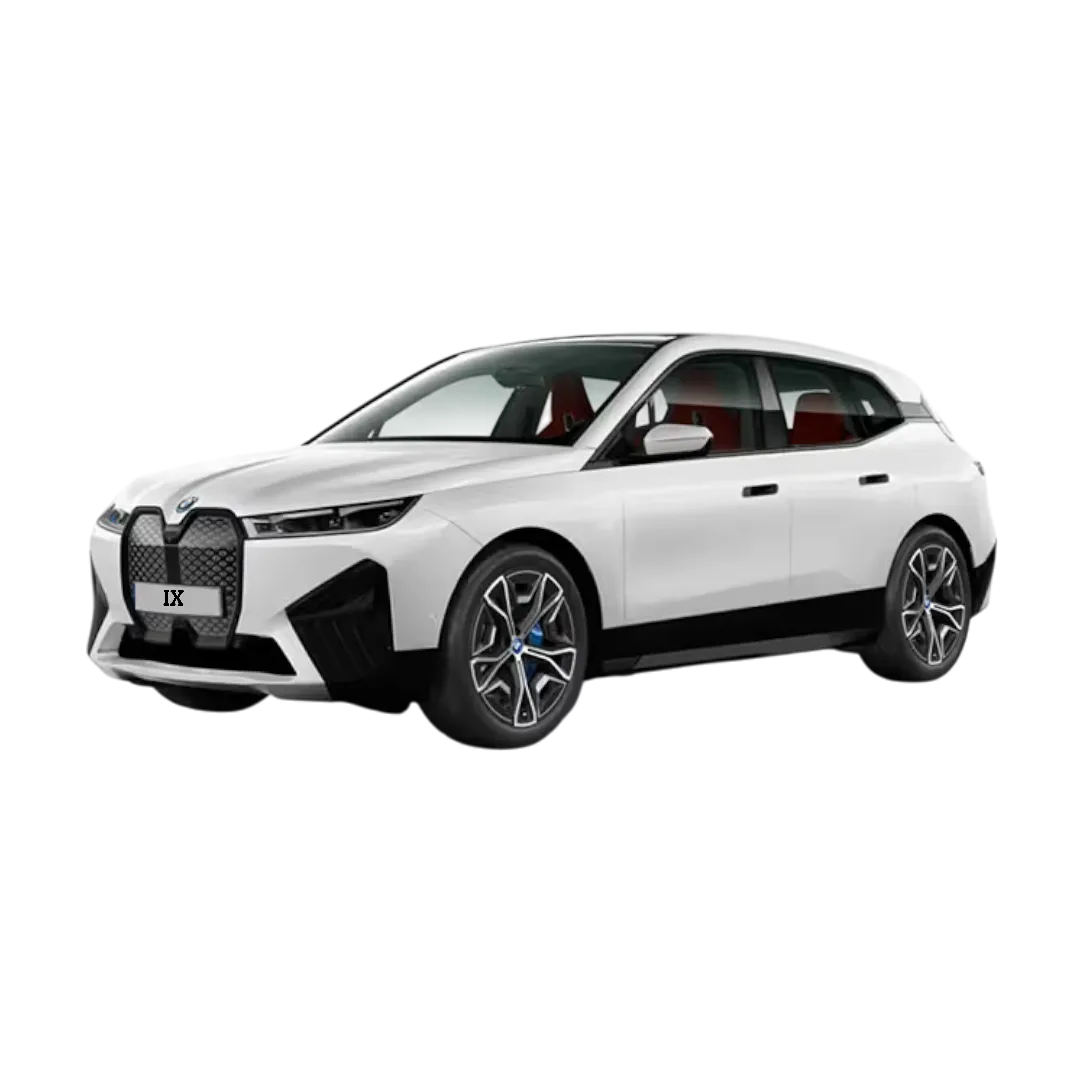 BMW iX
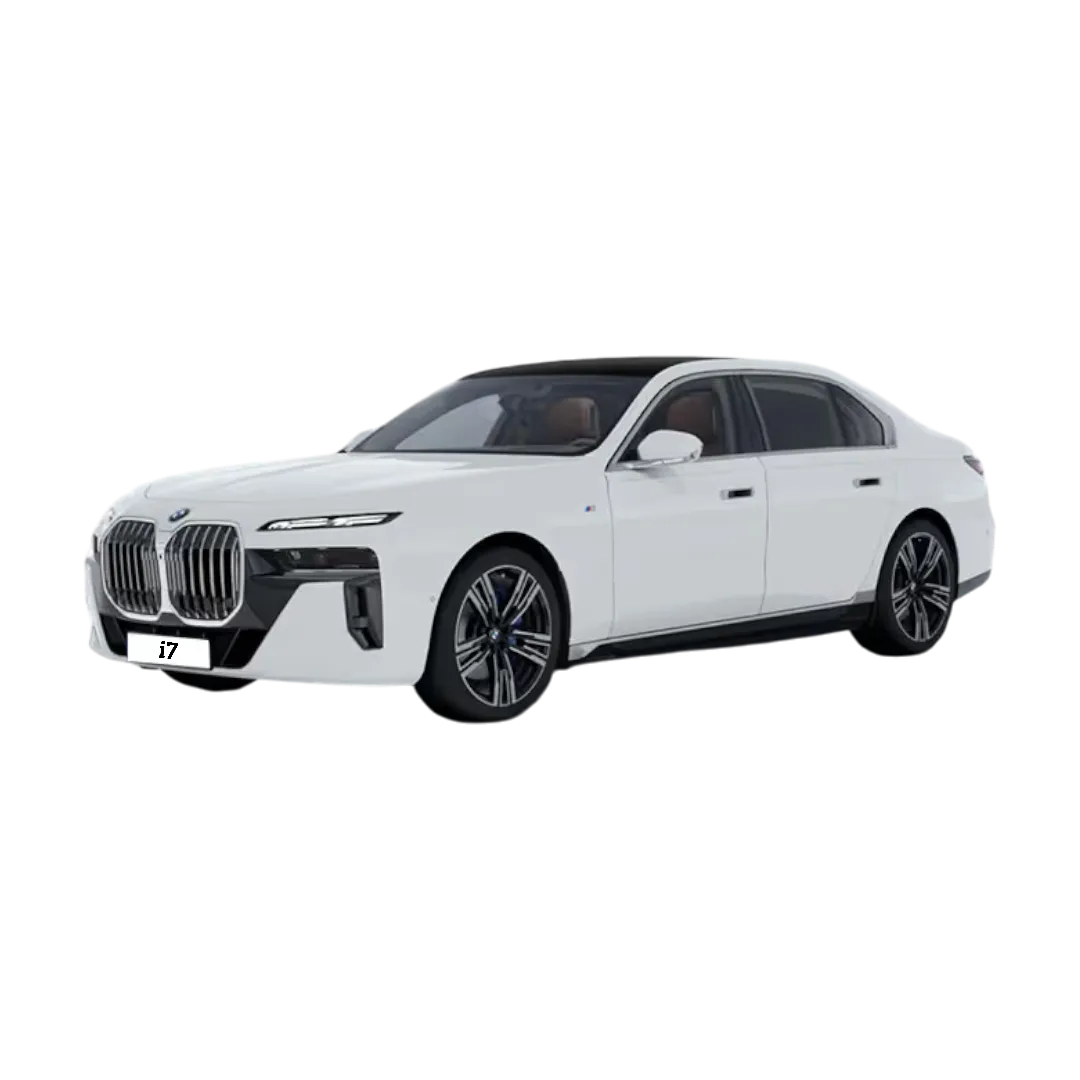 BMW i7
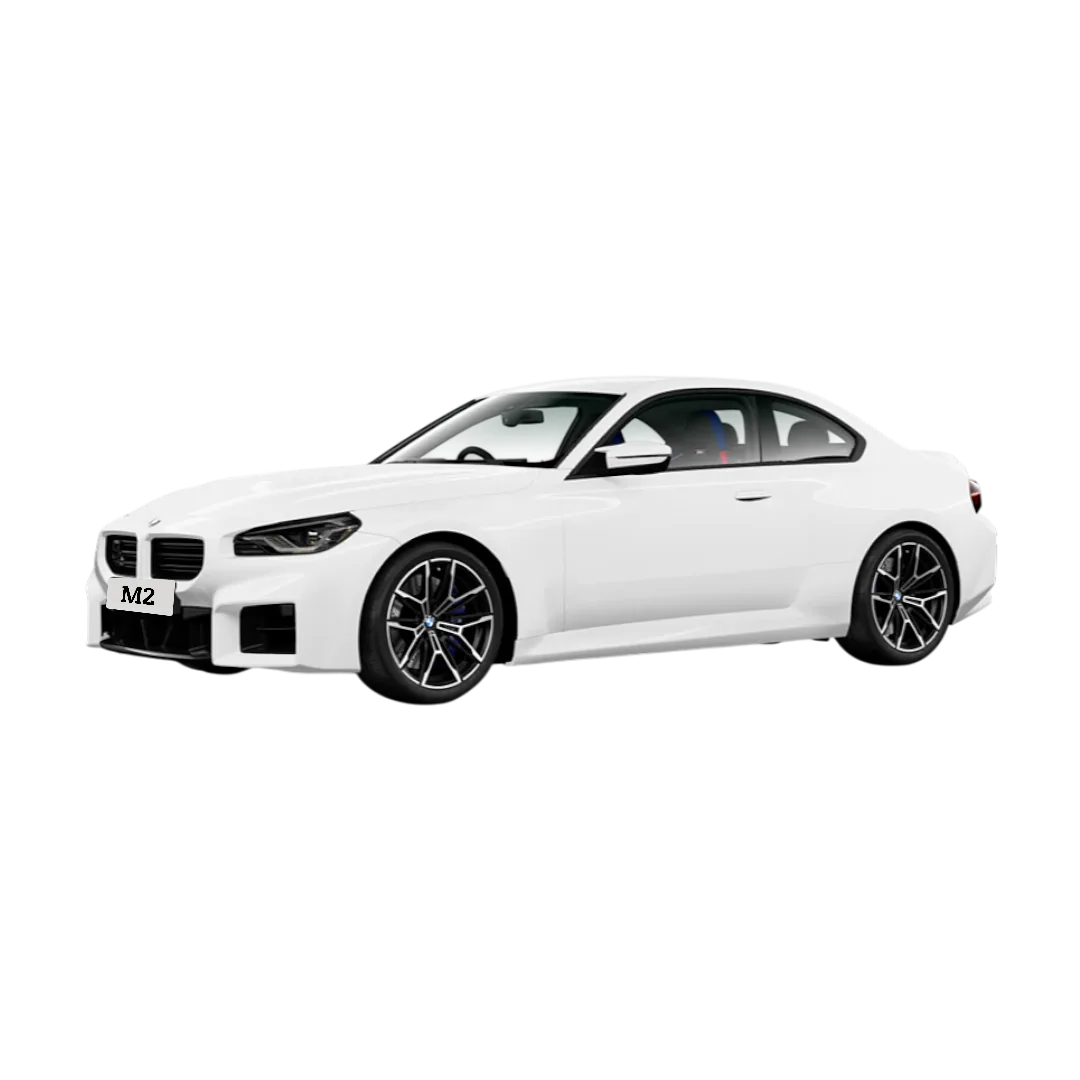 BMW M2
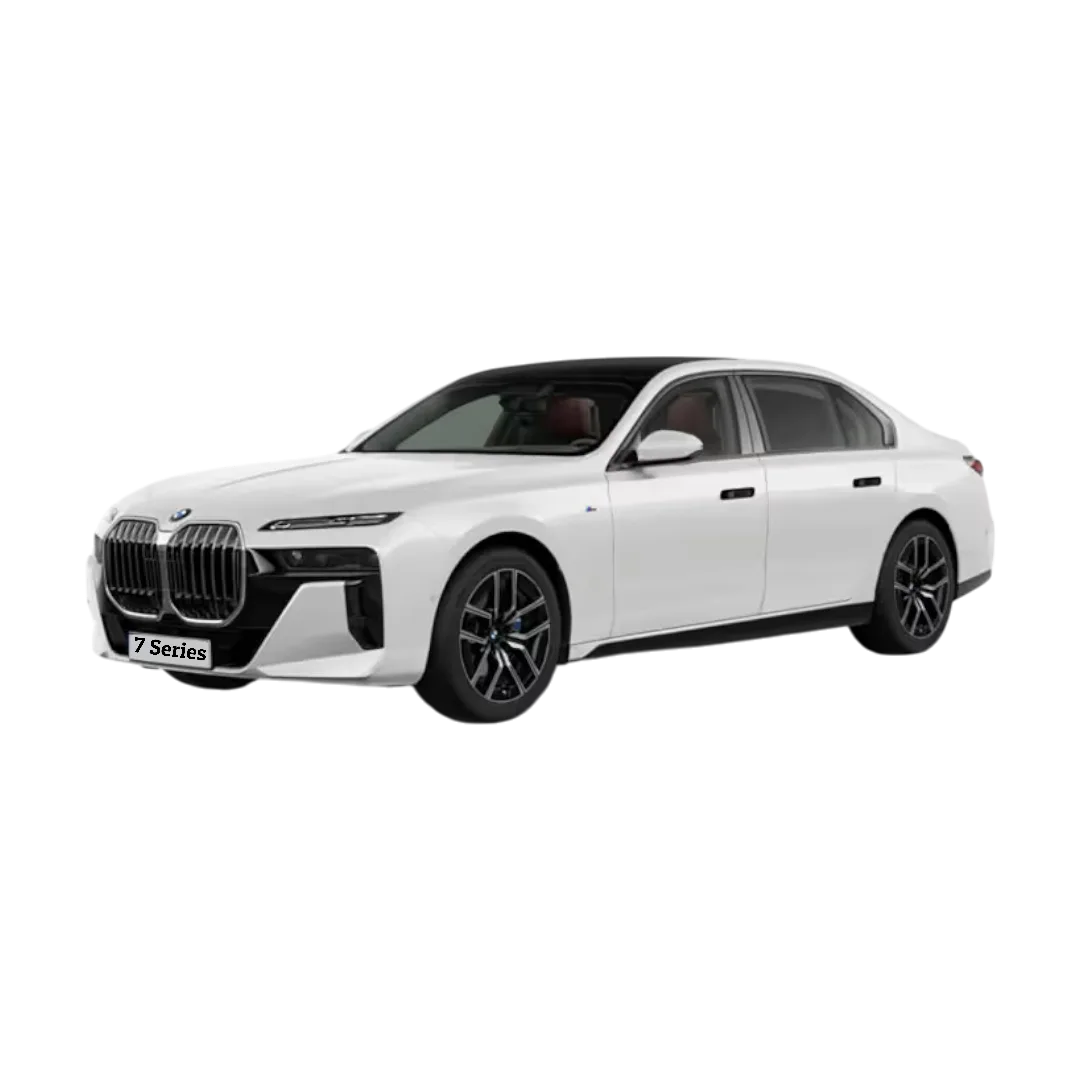 7 Series
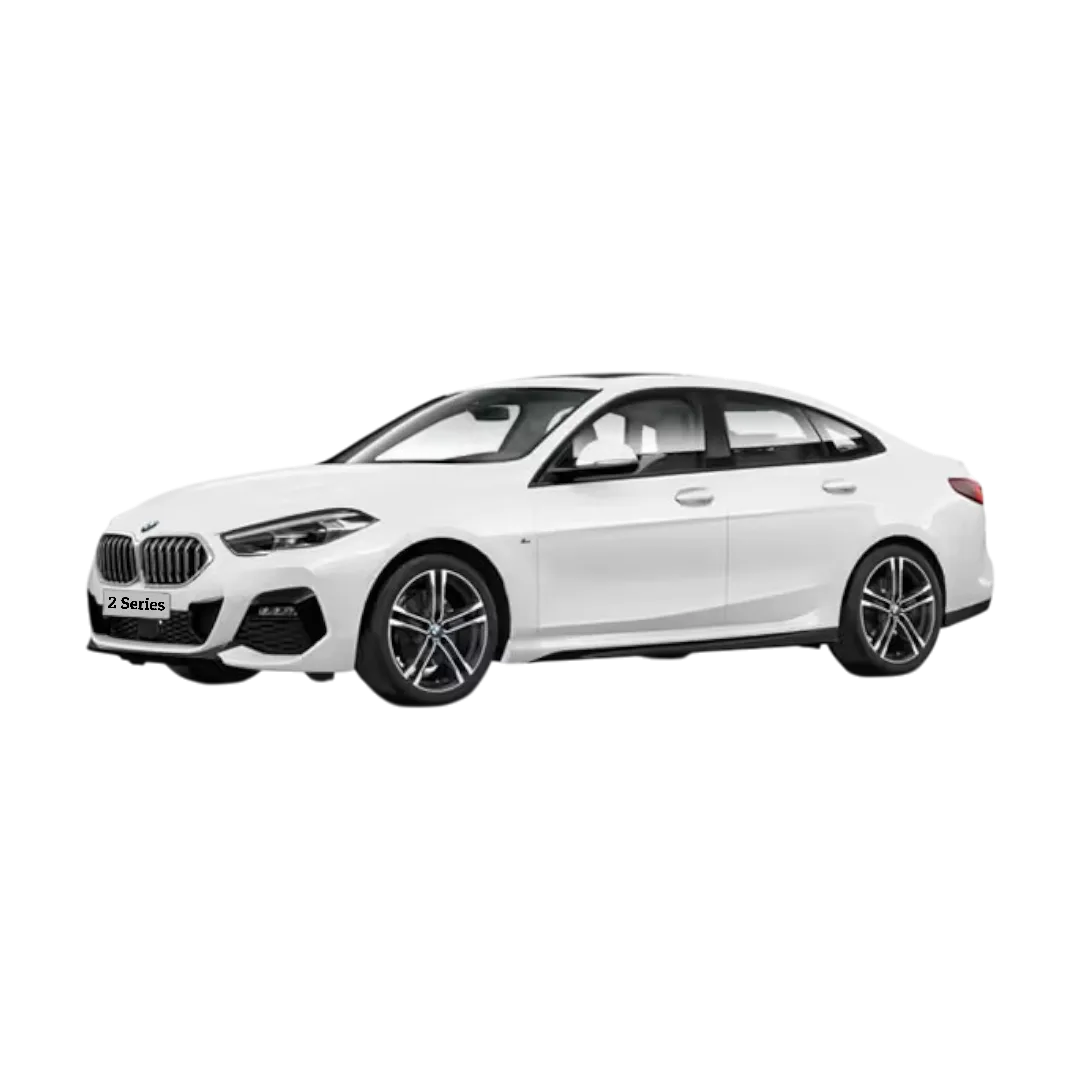 2 Series
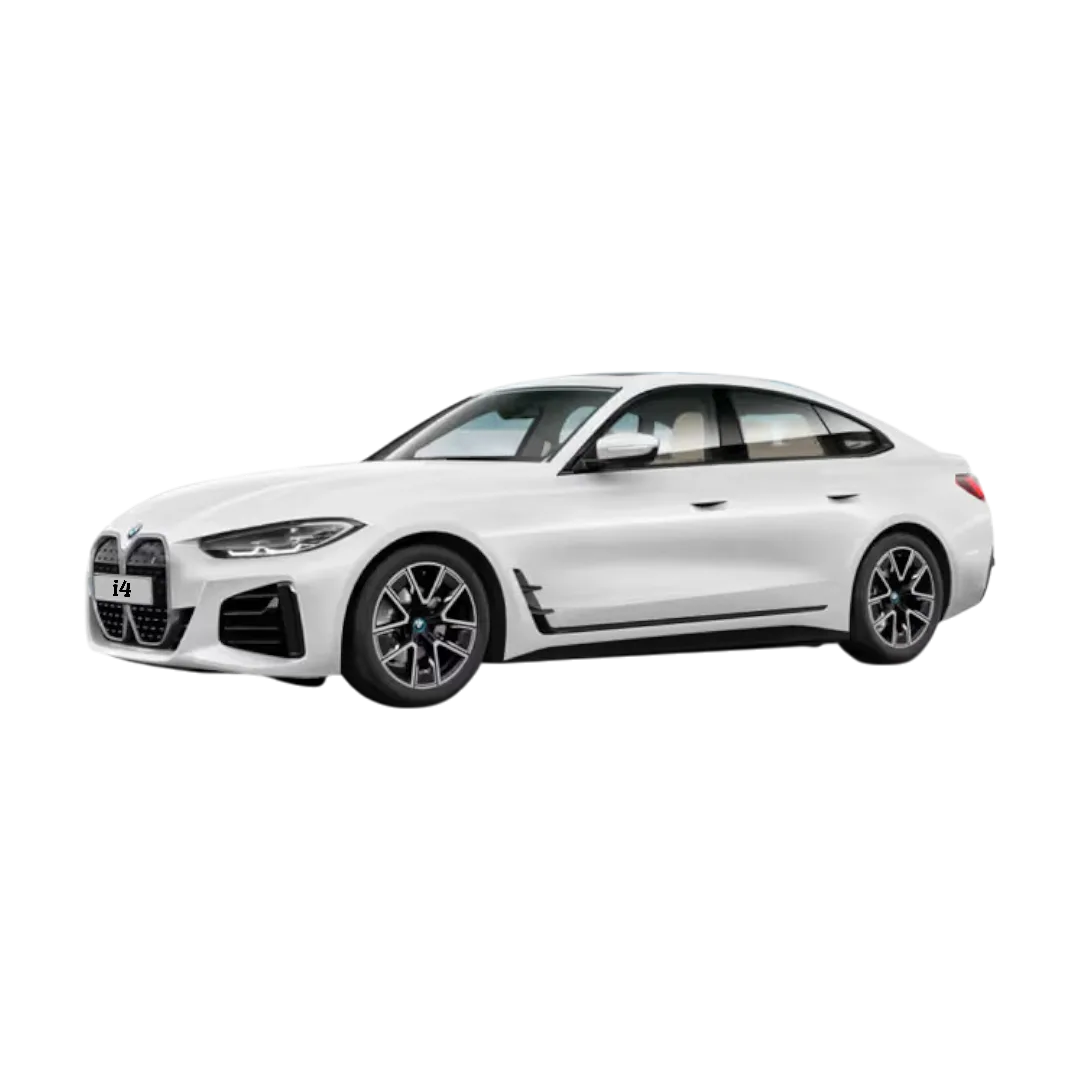 BMW i4
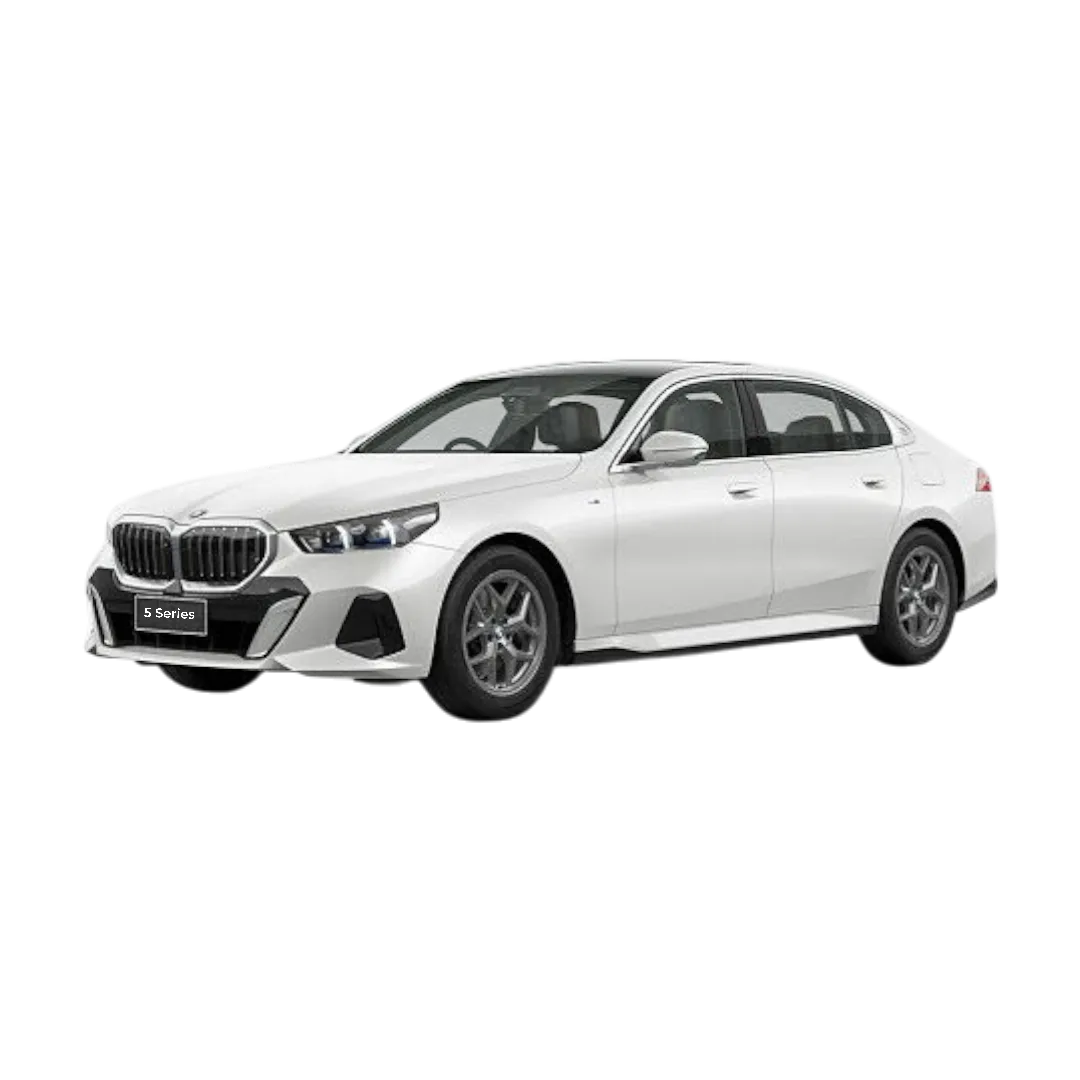 5 Series
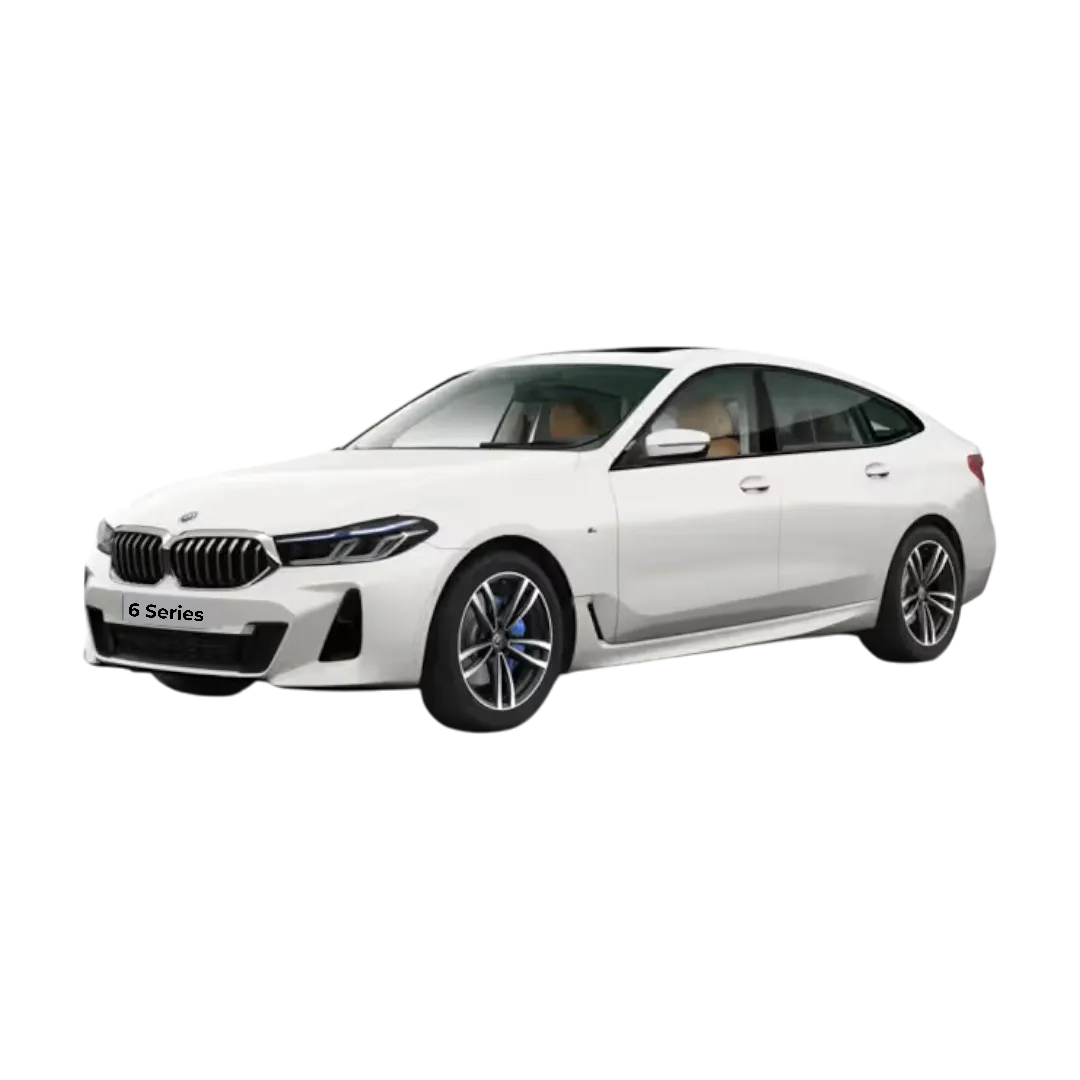 6 Series
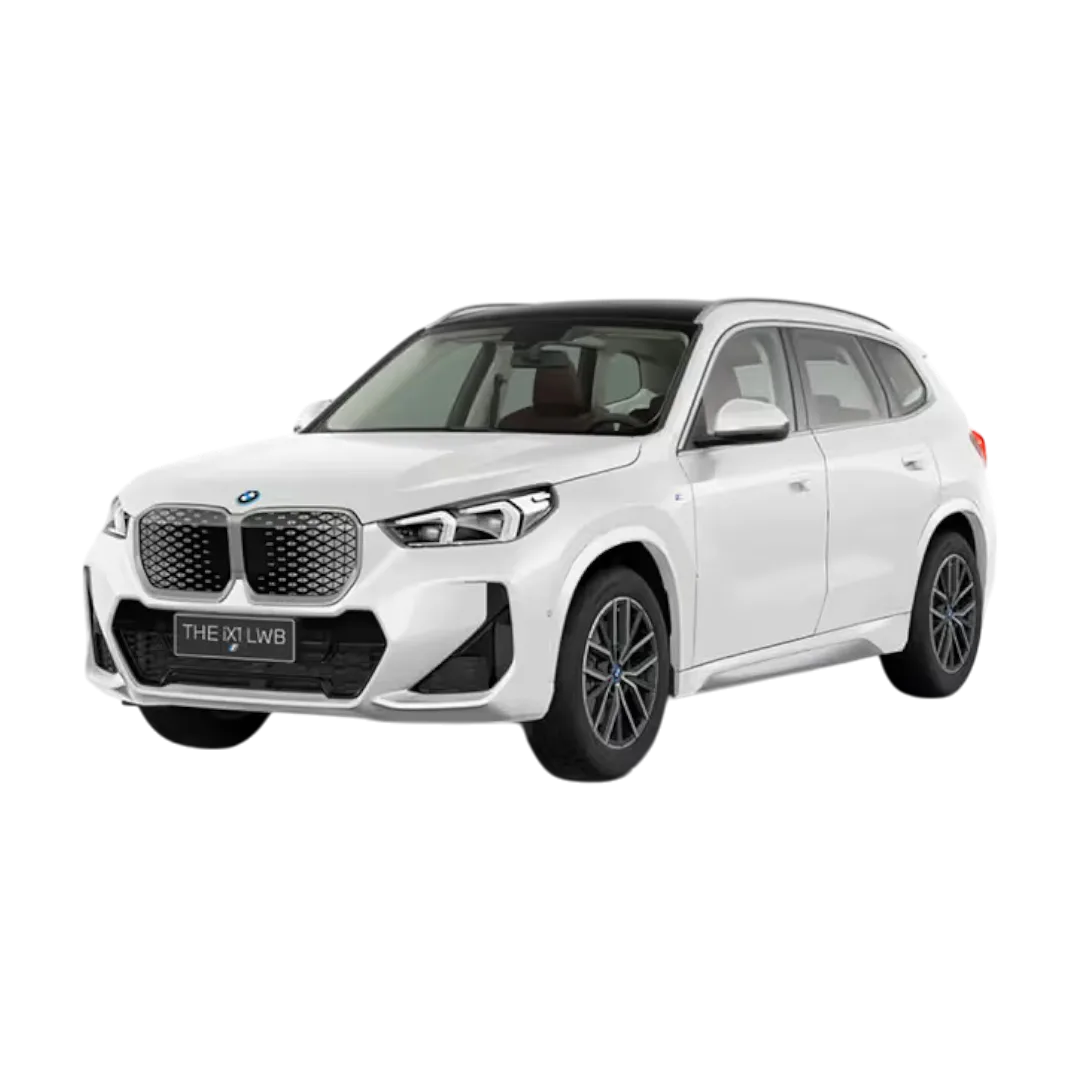 BMW ix1
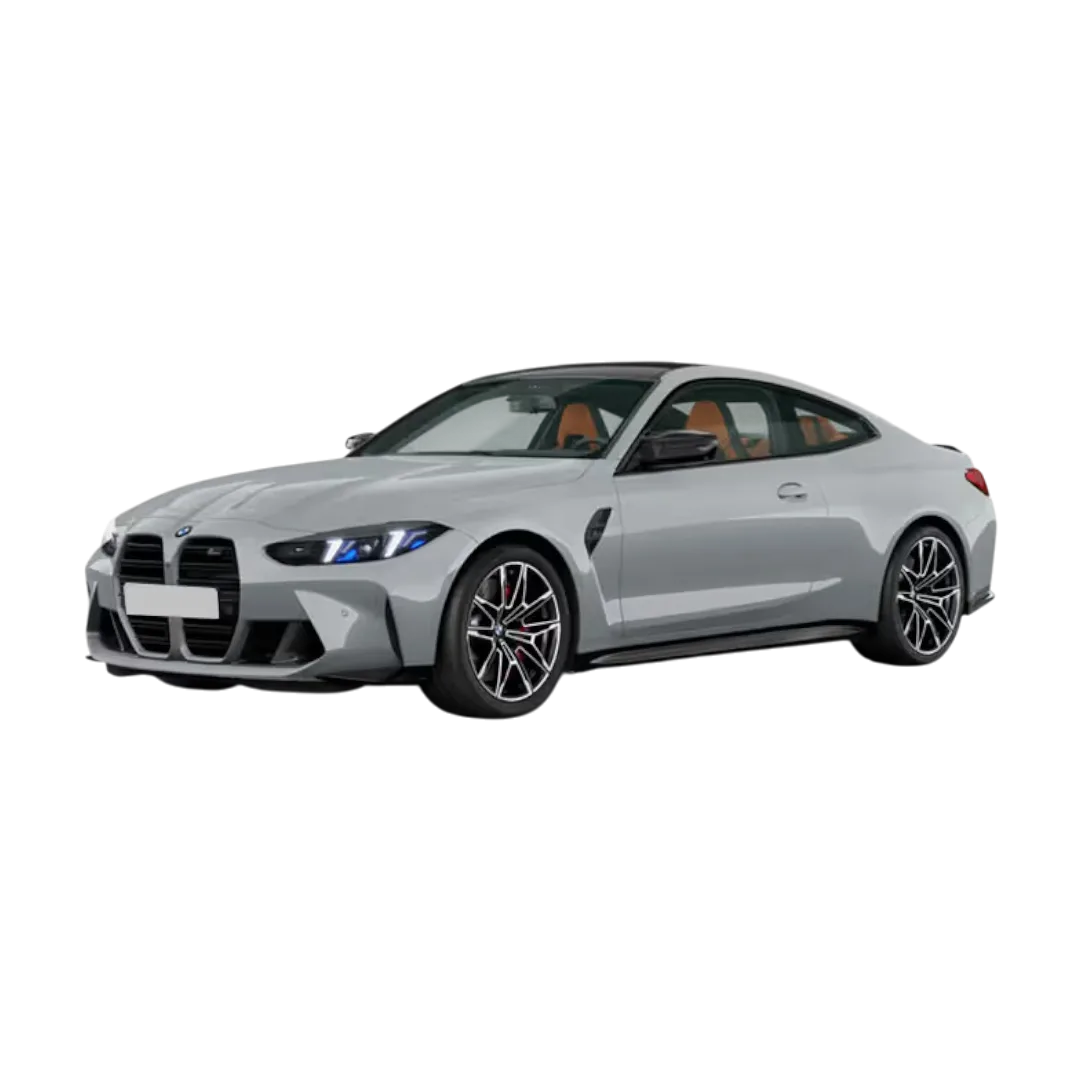 M4 Competition
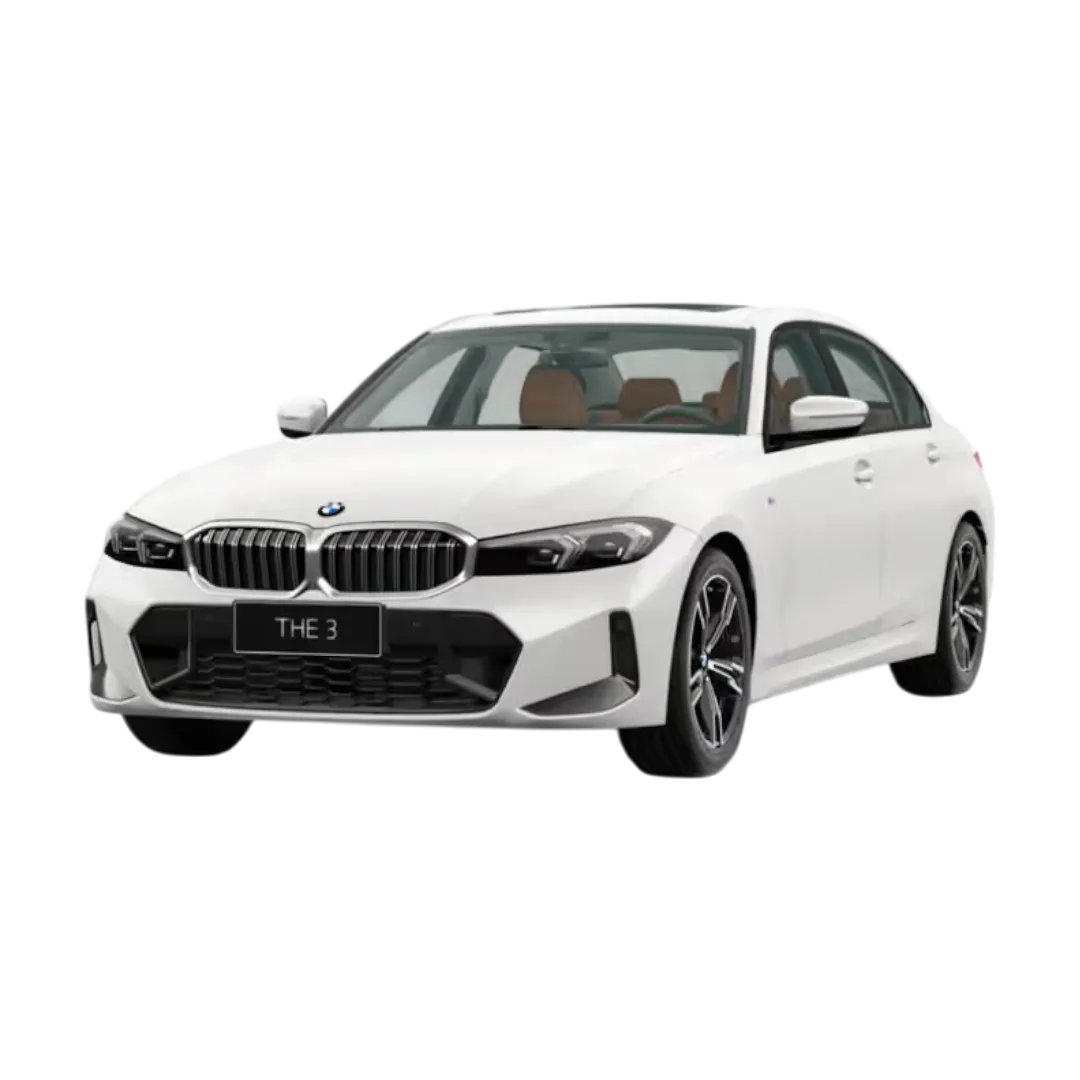 3 Series Gran Limousine
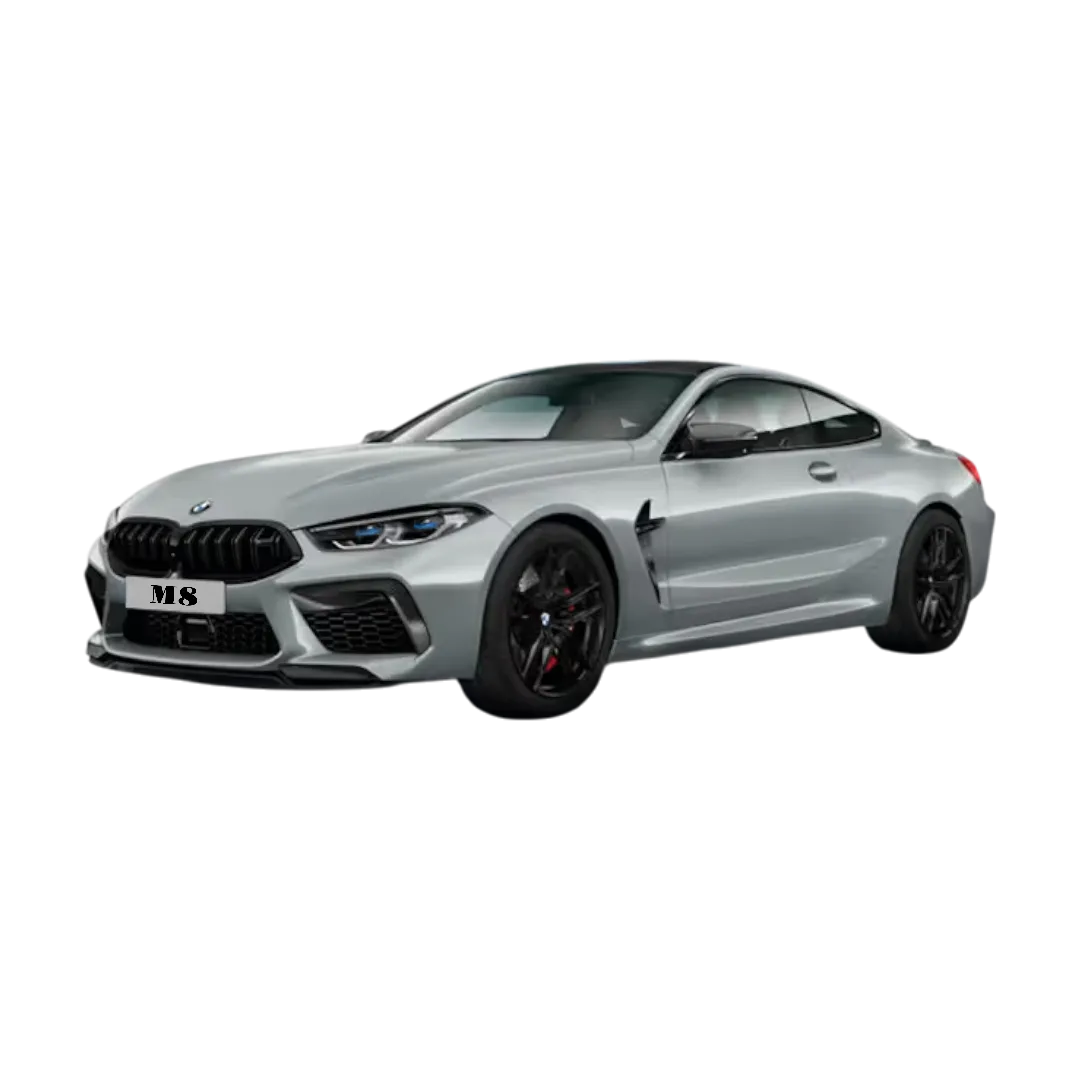 M8 Coupe
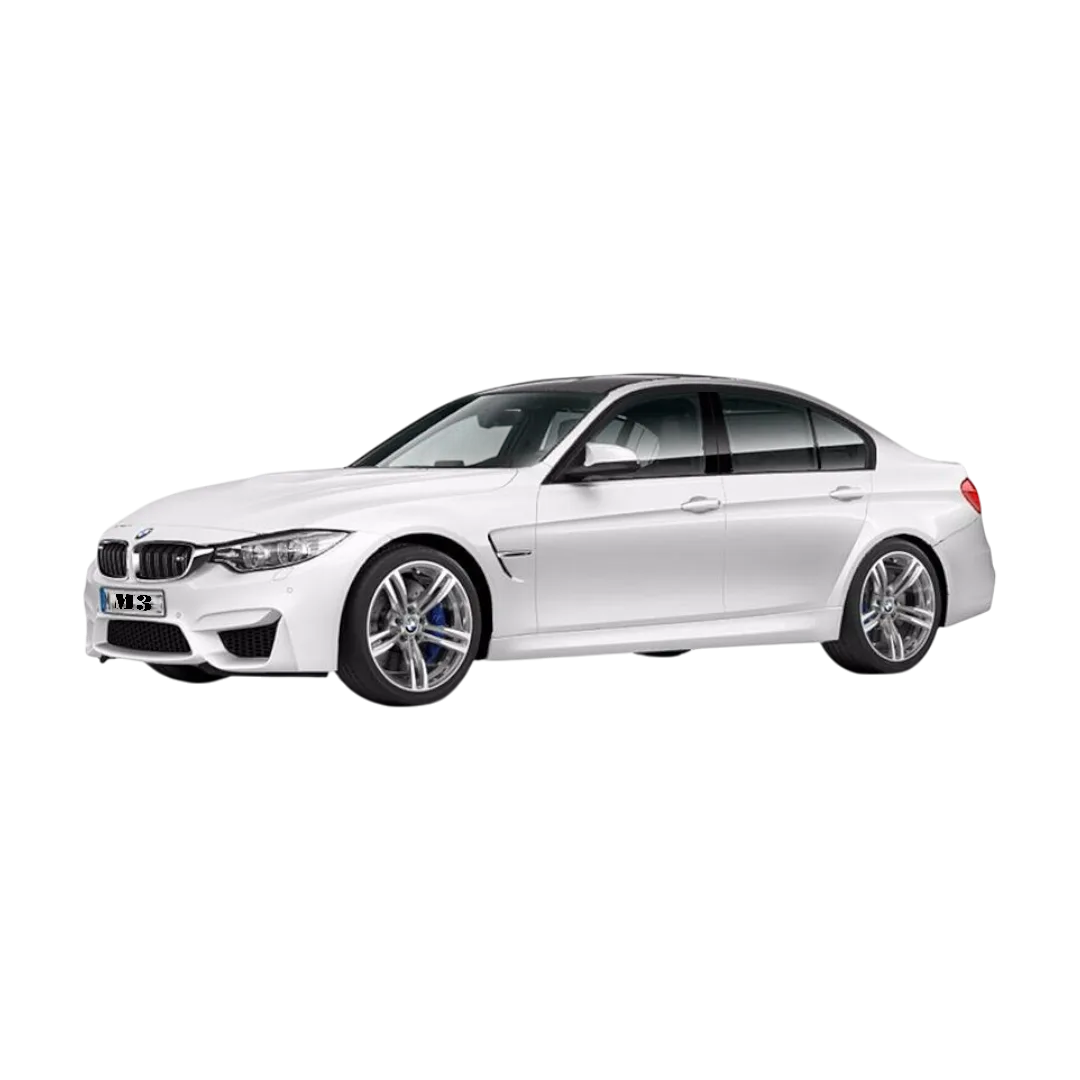 BMW M3
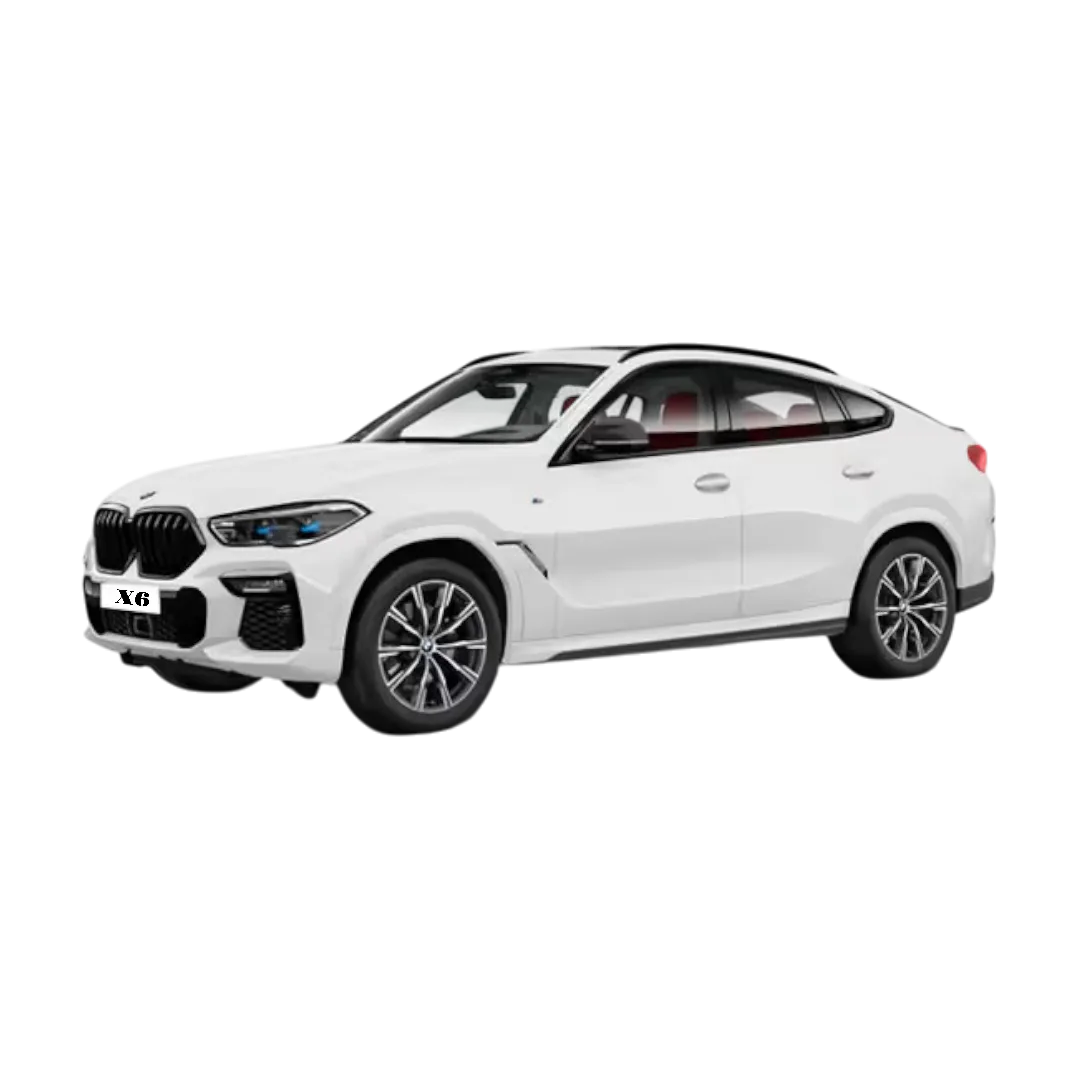 BMW X6
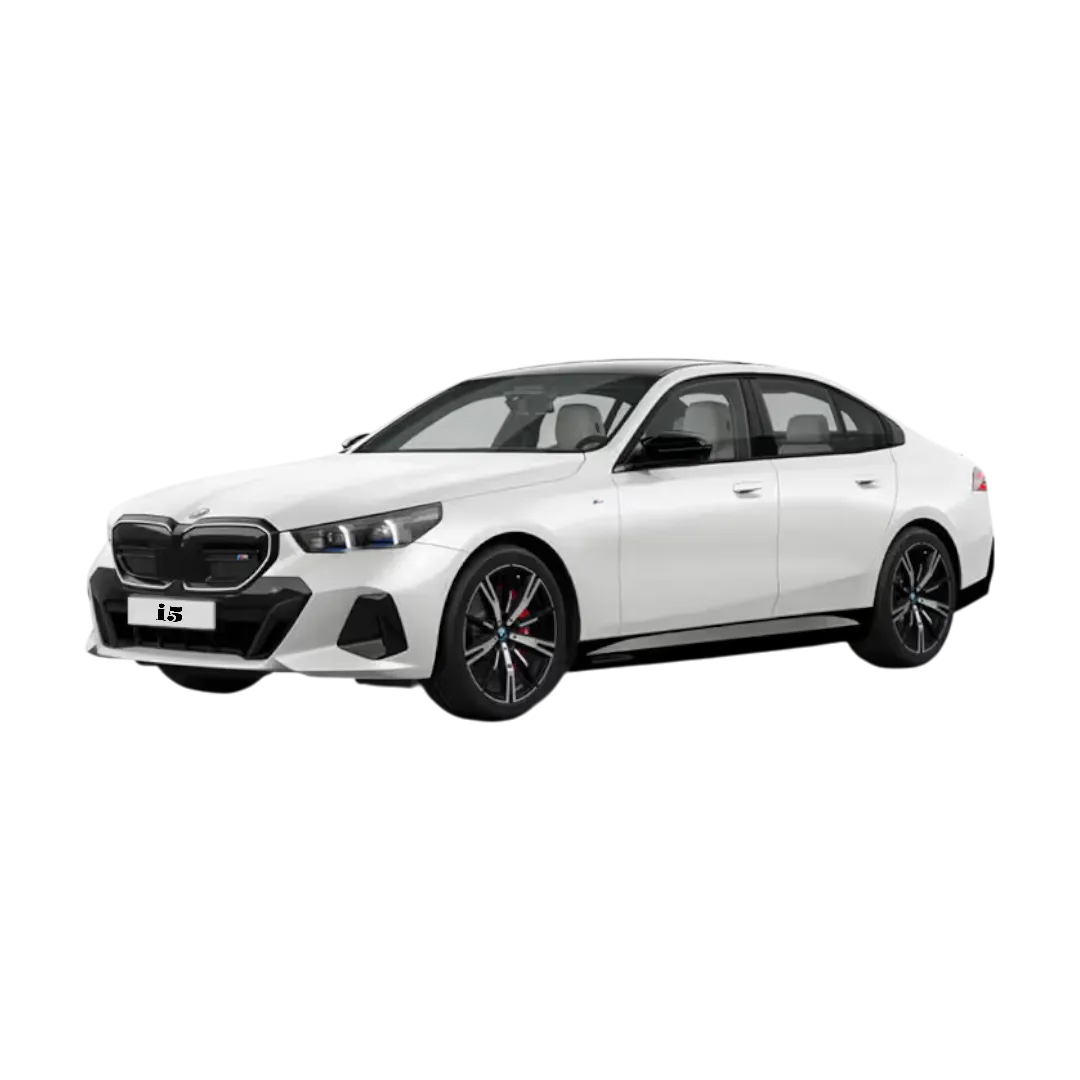 BMW i5
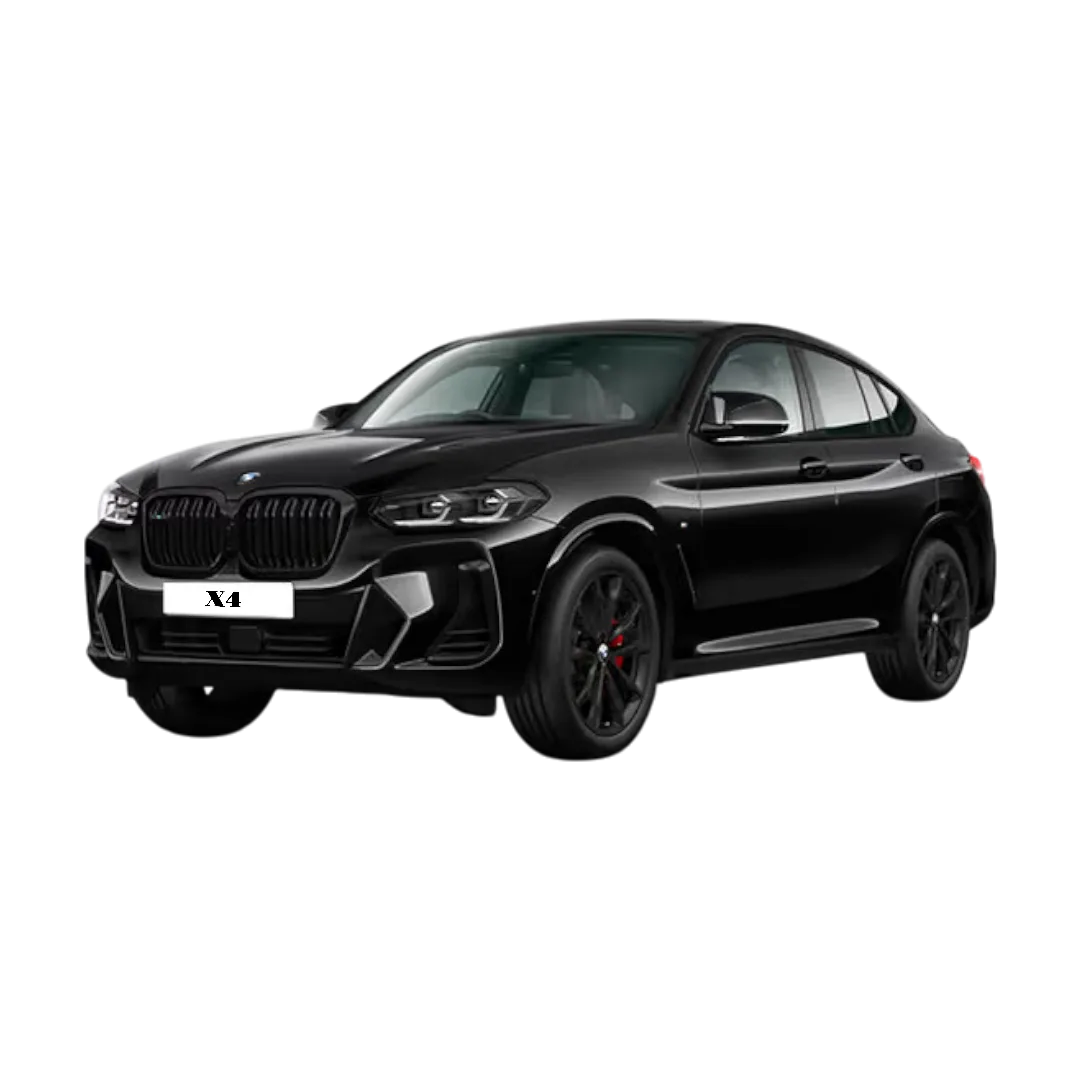 BMW X4
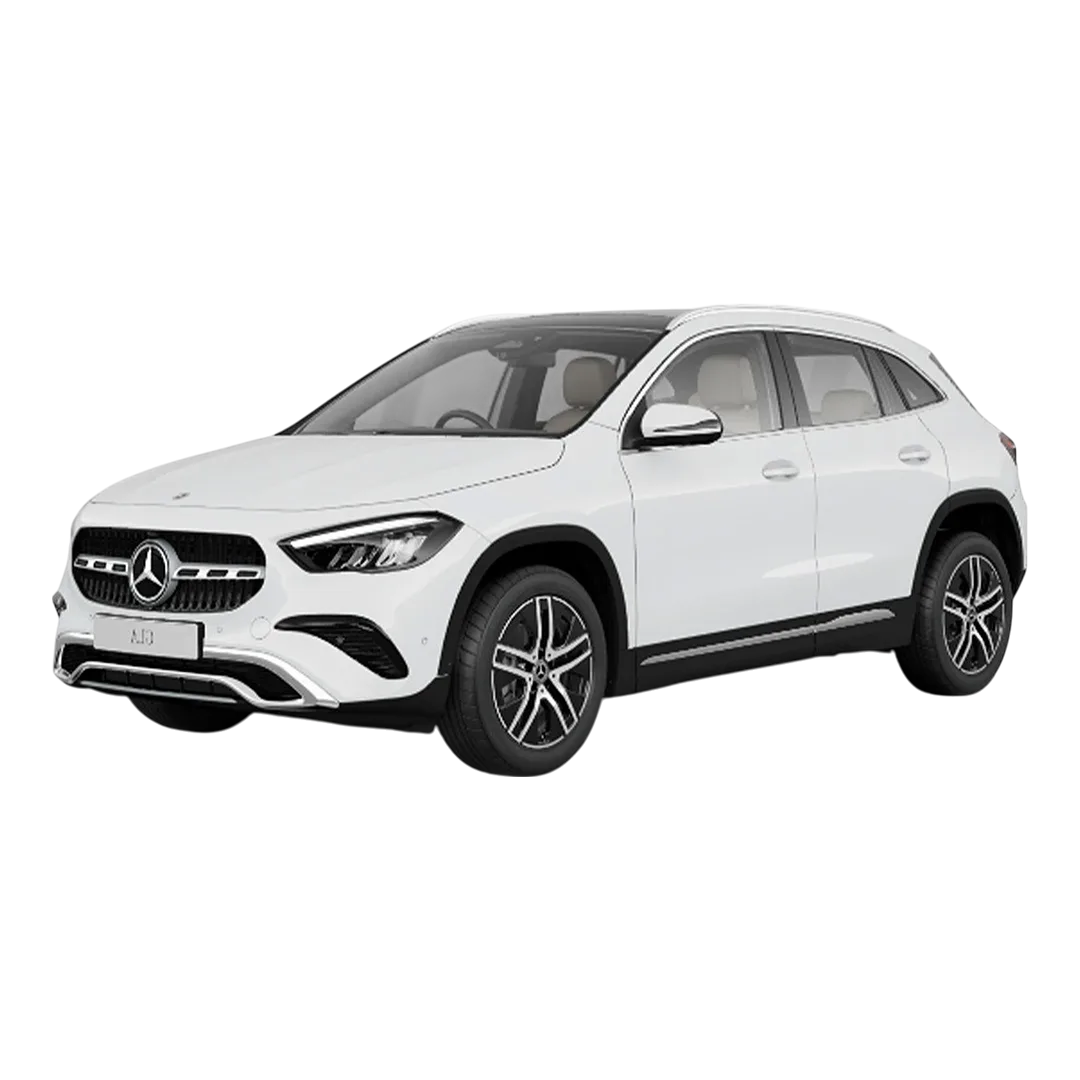 Mercedes Benz GLA
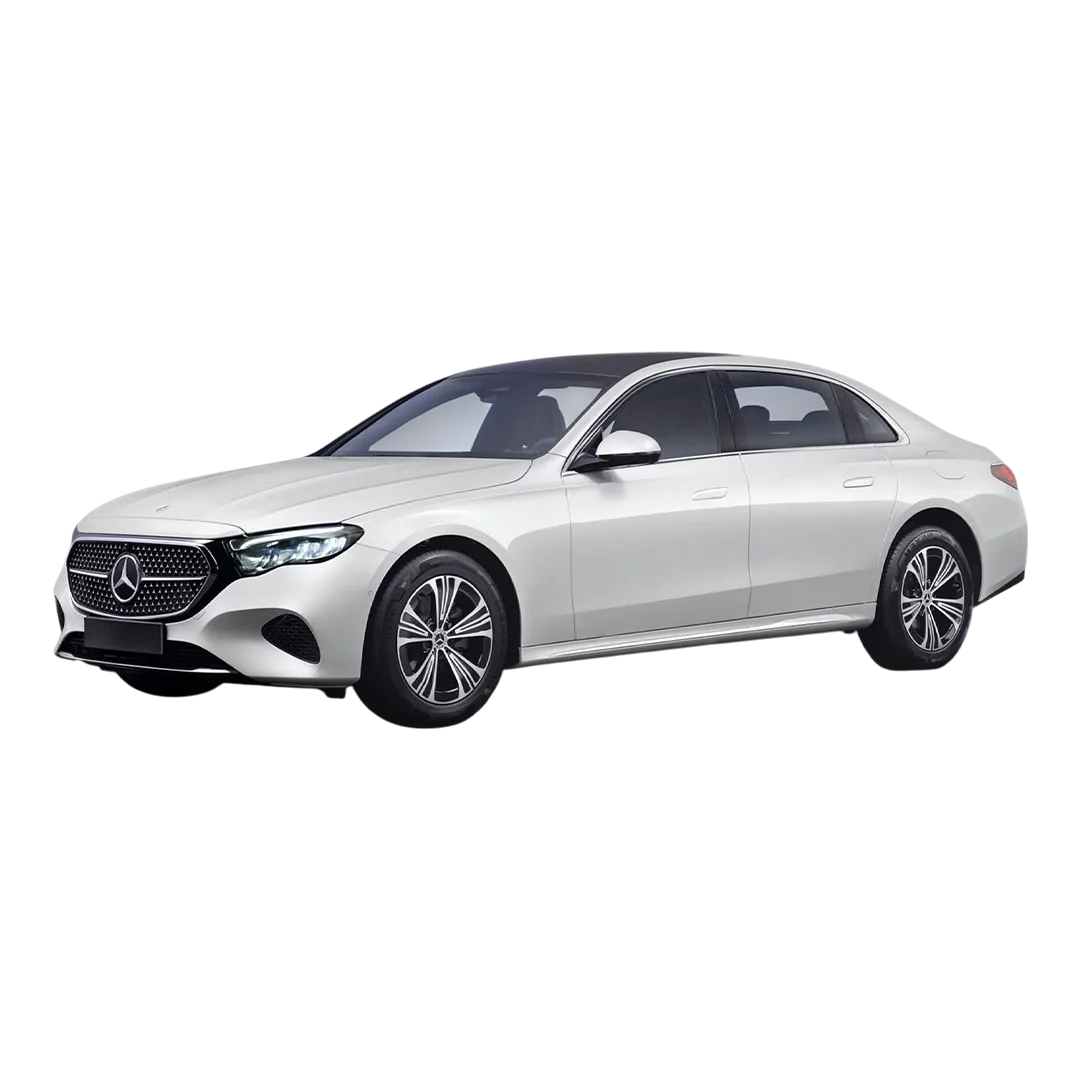 Mercedes E-Class
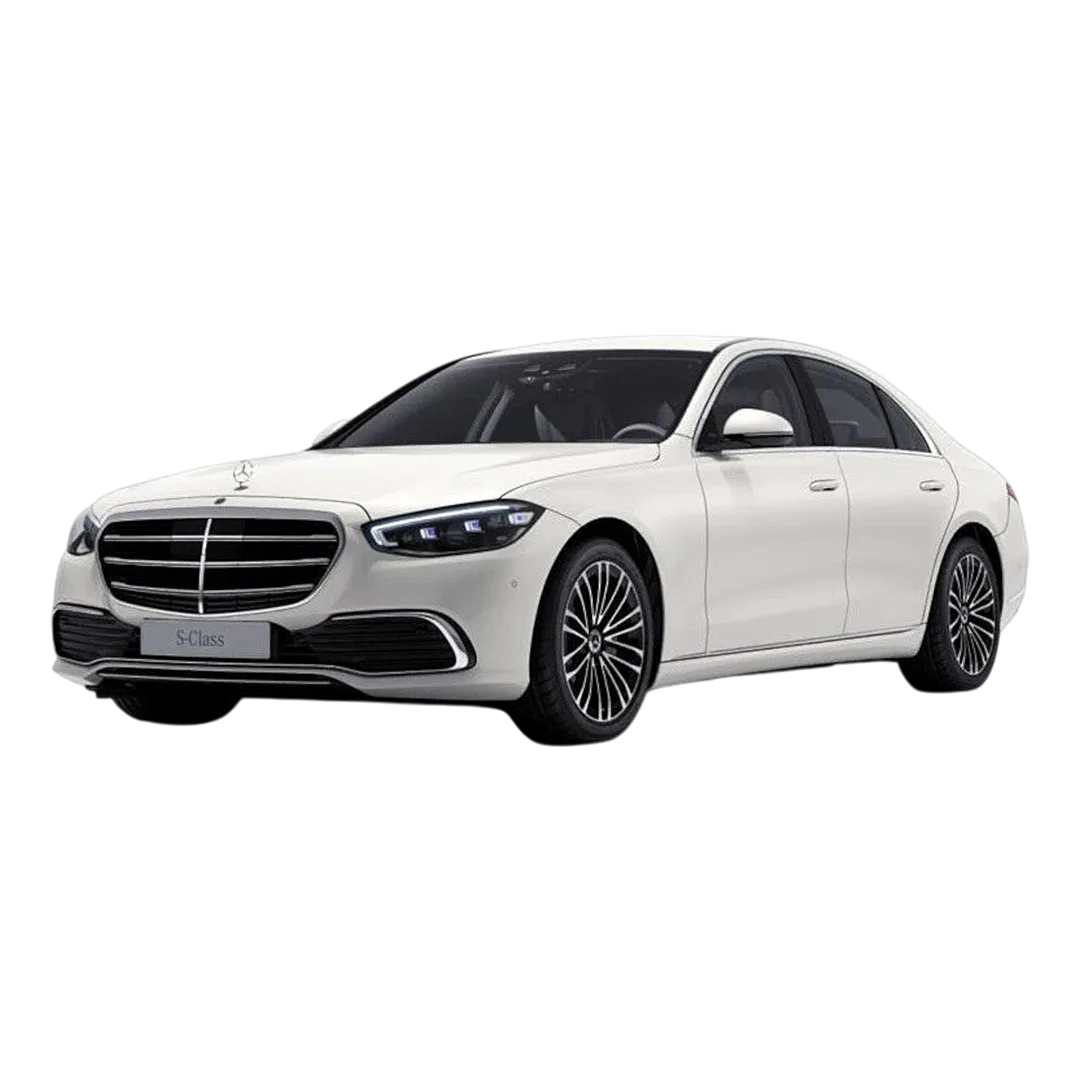 Mercedes S-Class
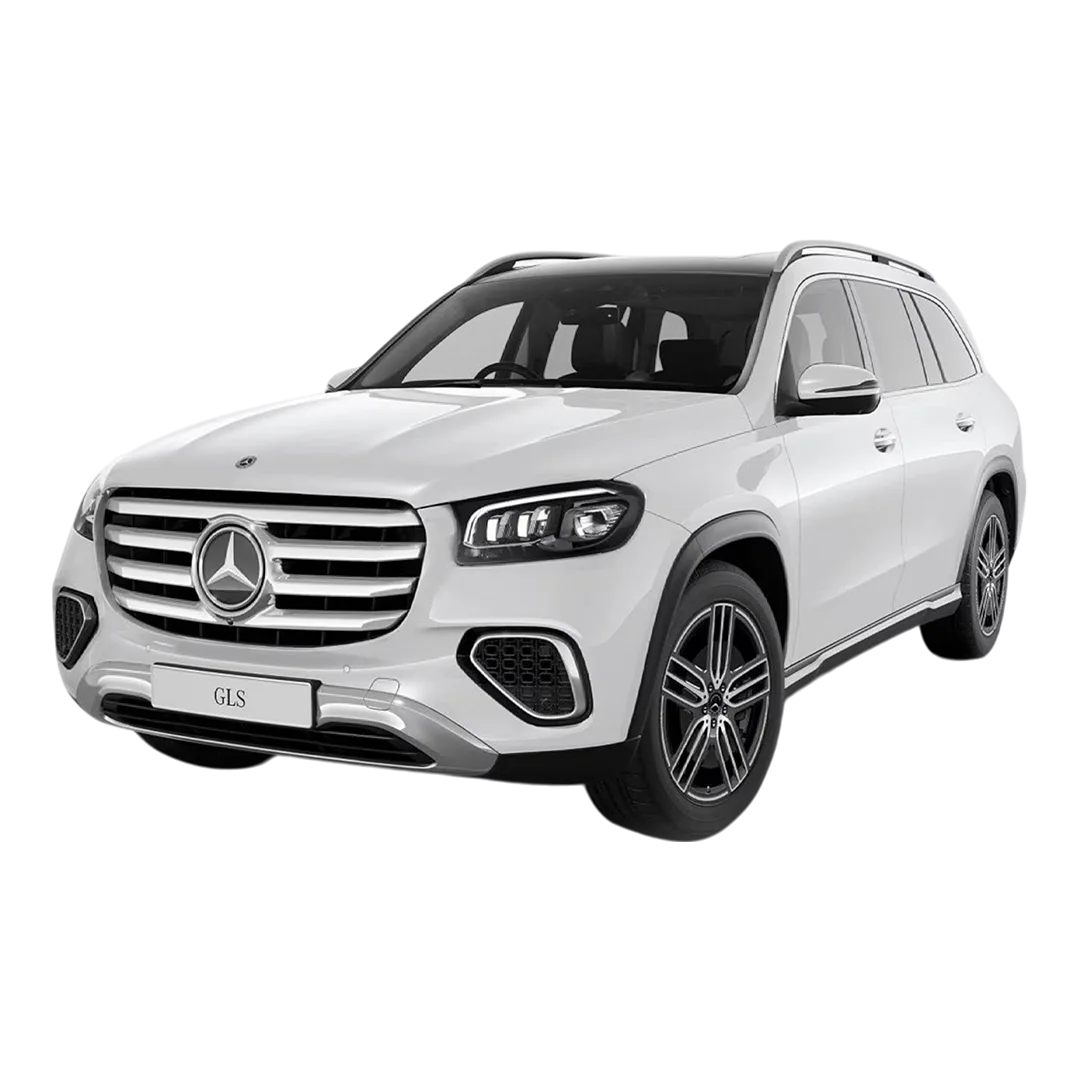 Mercedes Benz GLS
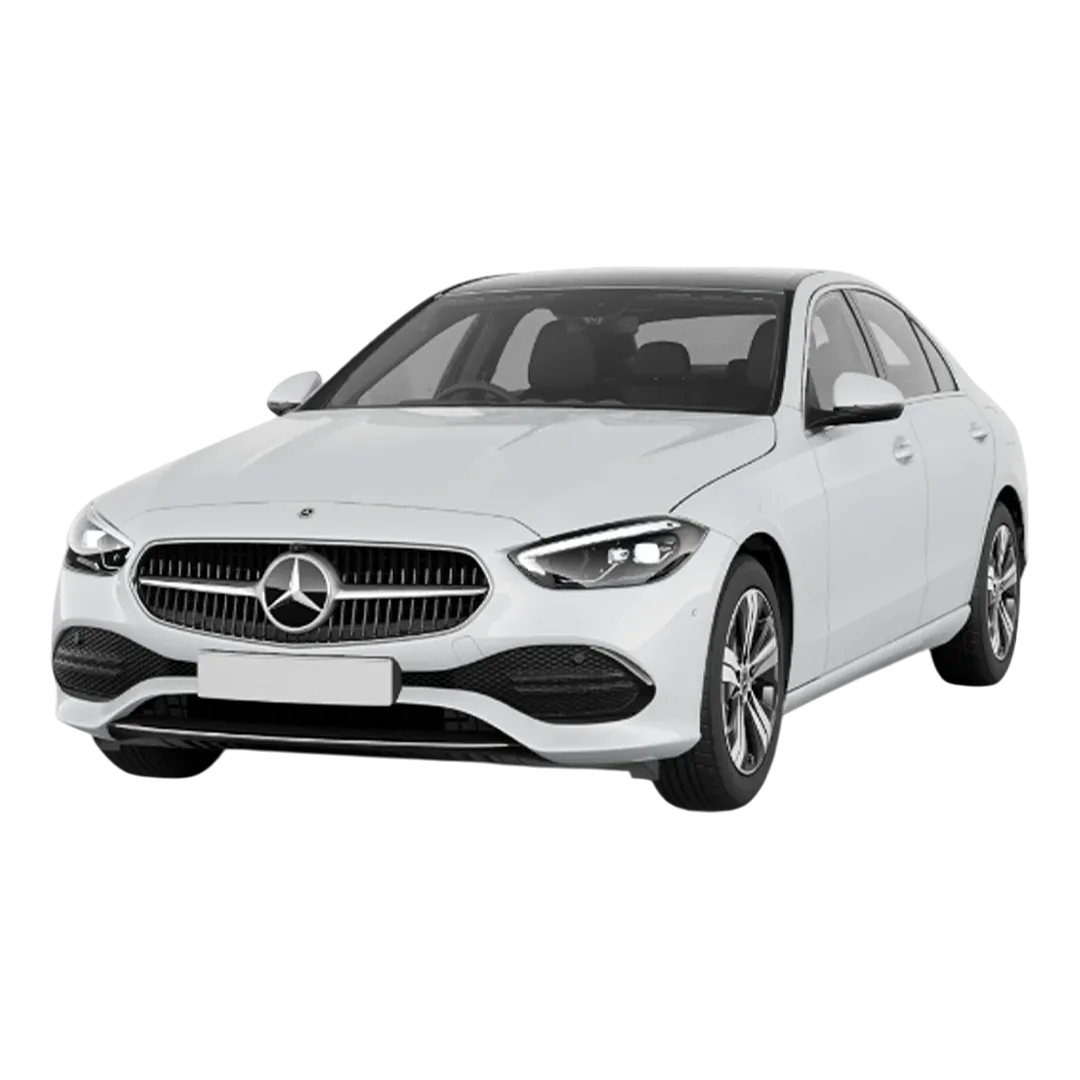 Mercedes Benz C-Class
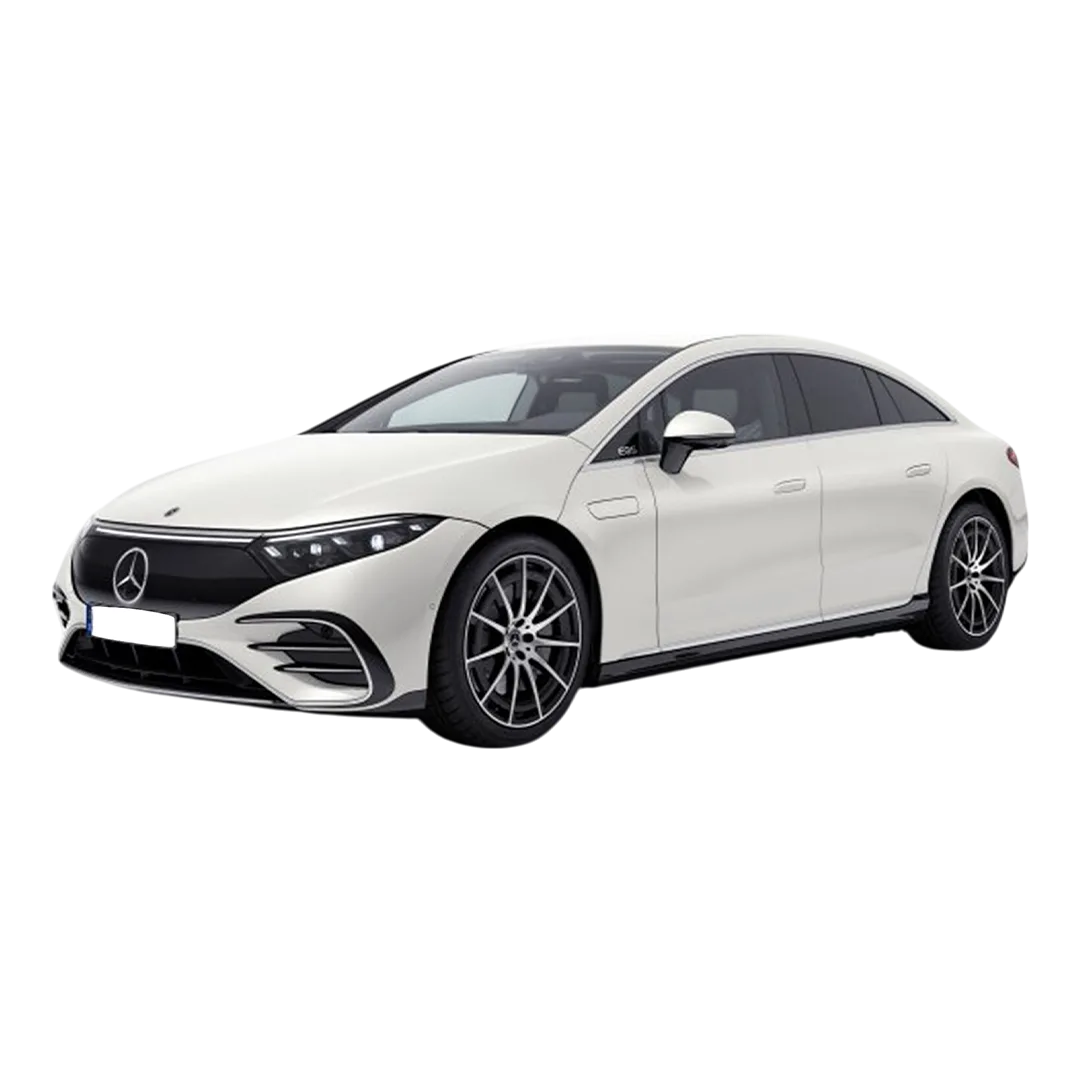 Mercedes Benz EQS
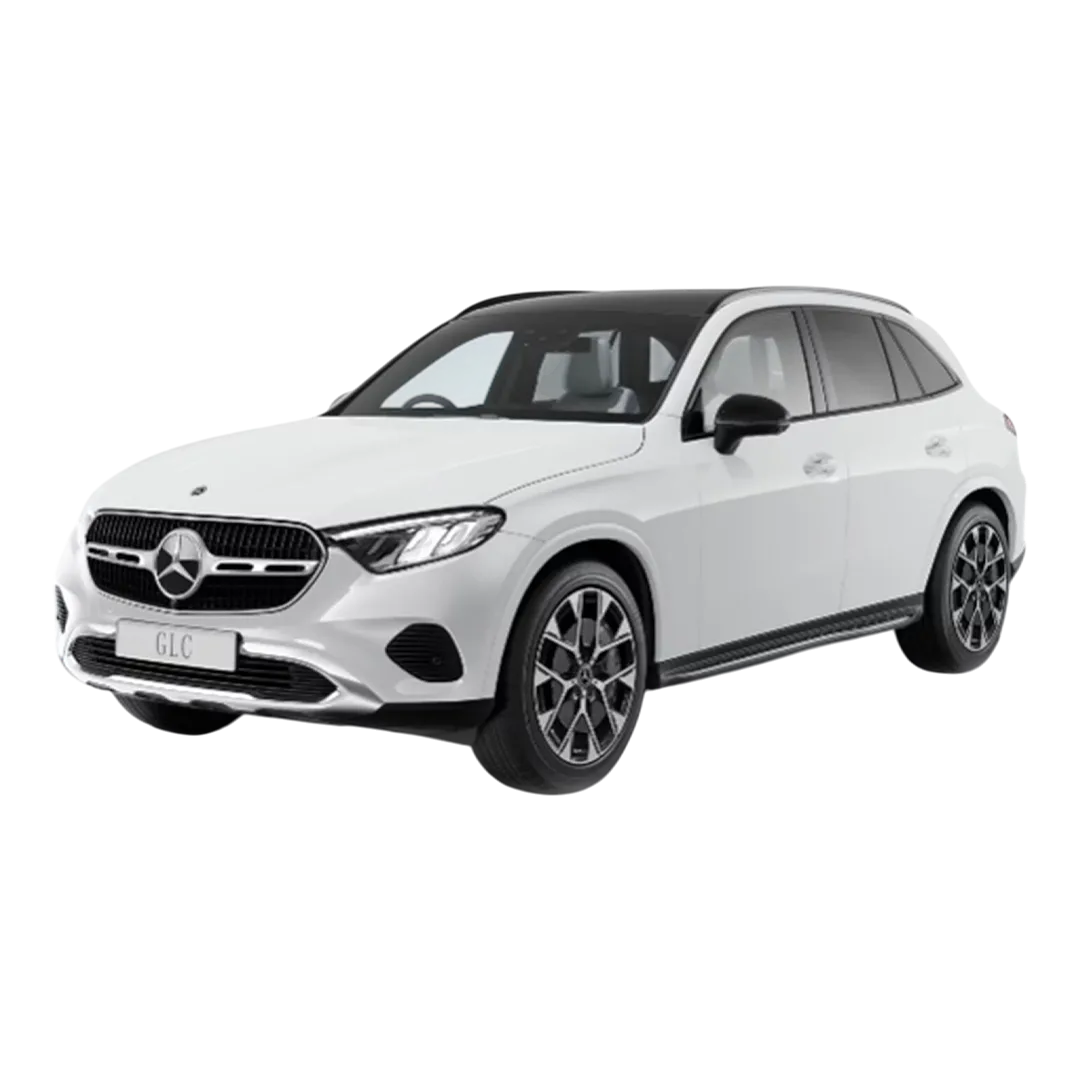 Mercedes Benz GLC
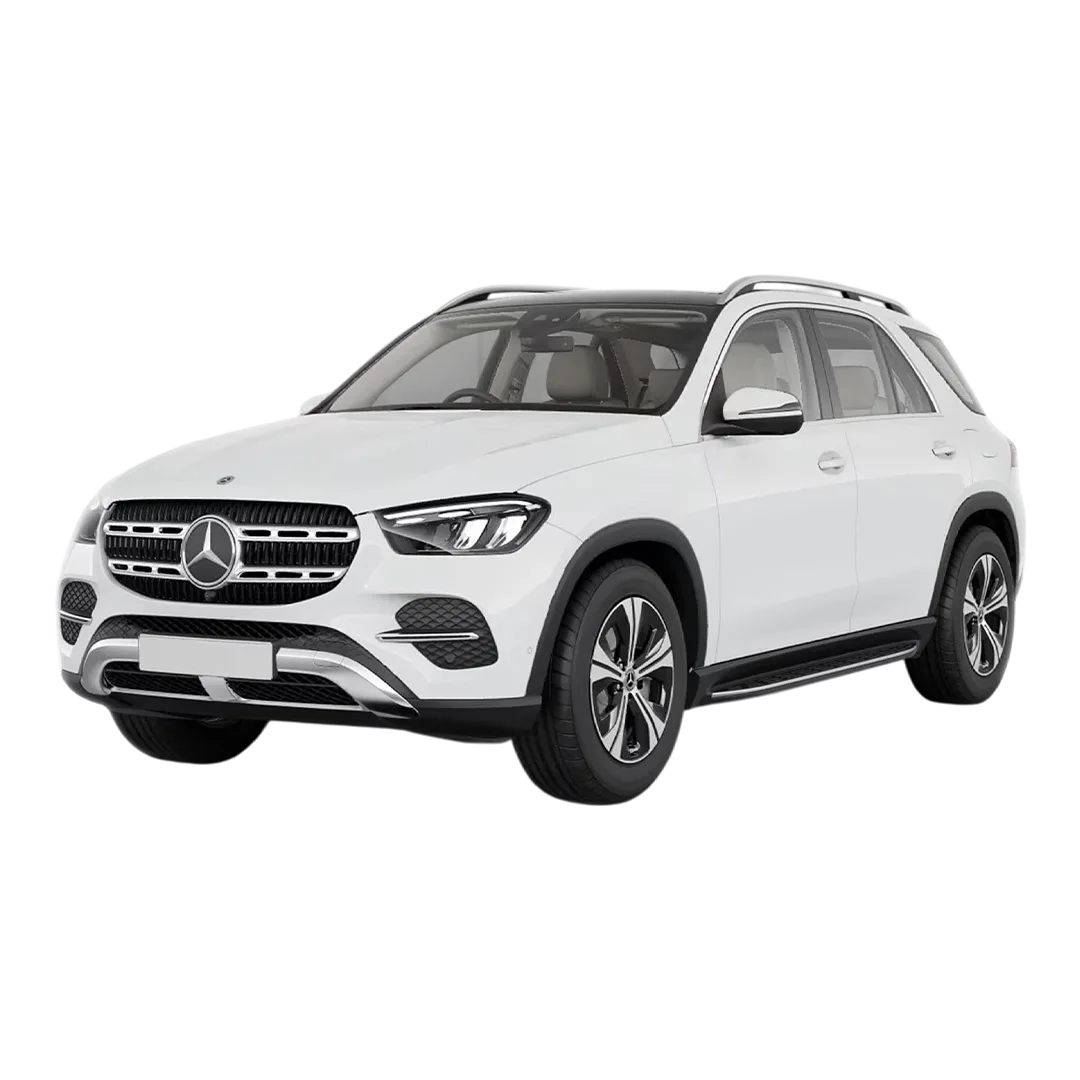 Mercedes Benz GLE
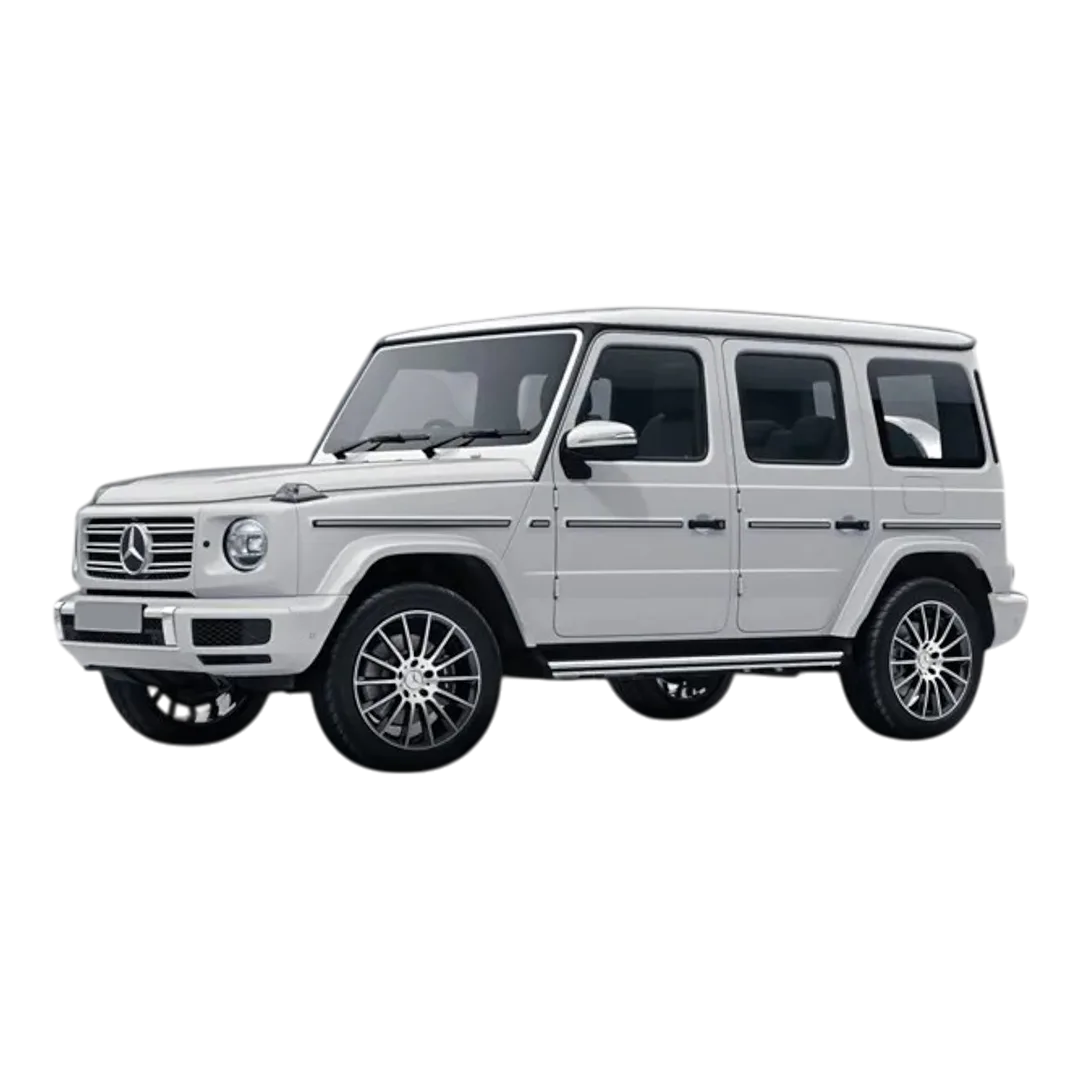 Mercedes Benz G-Class
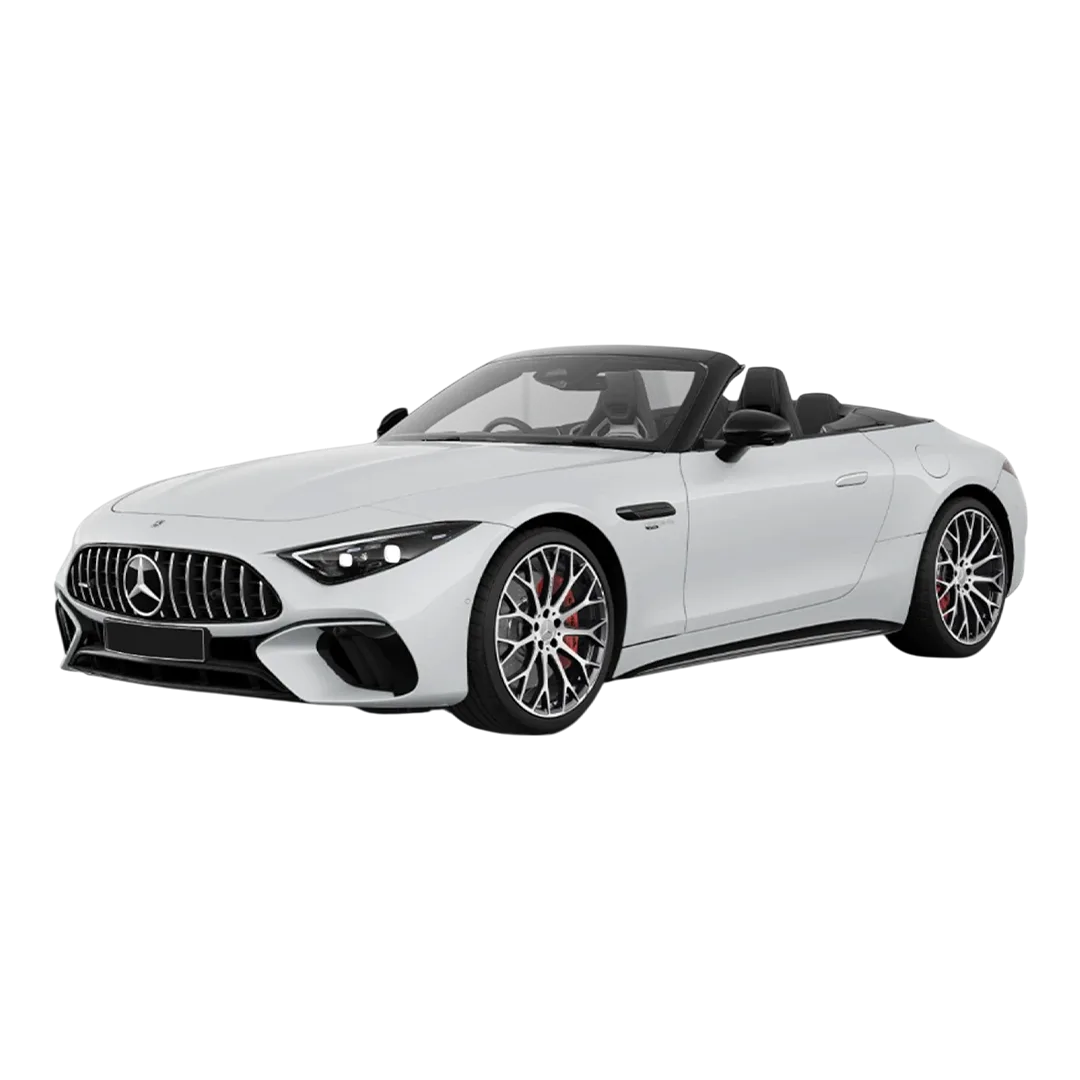 Mercedes Benz AMG SL
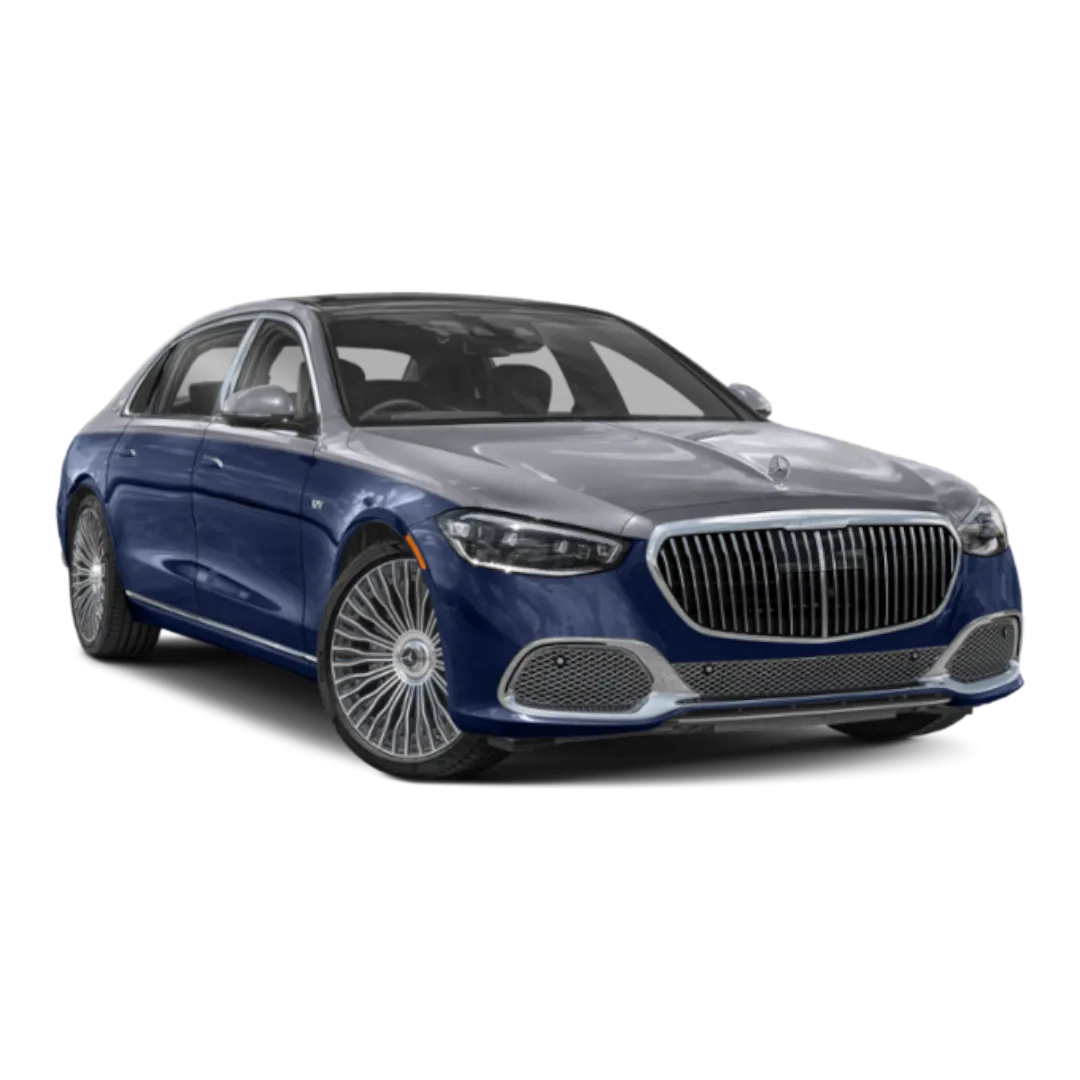 Mercedes Benz MAYBACH S- Class
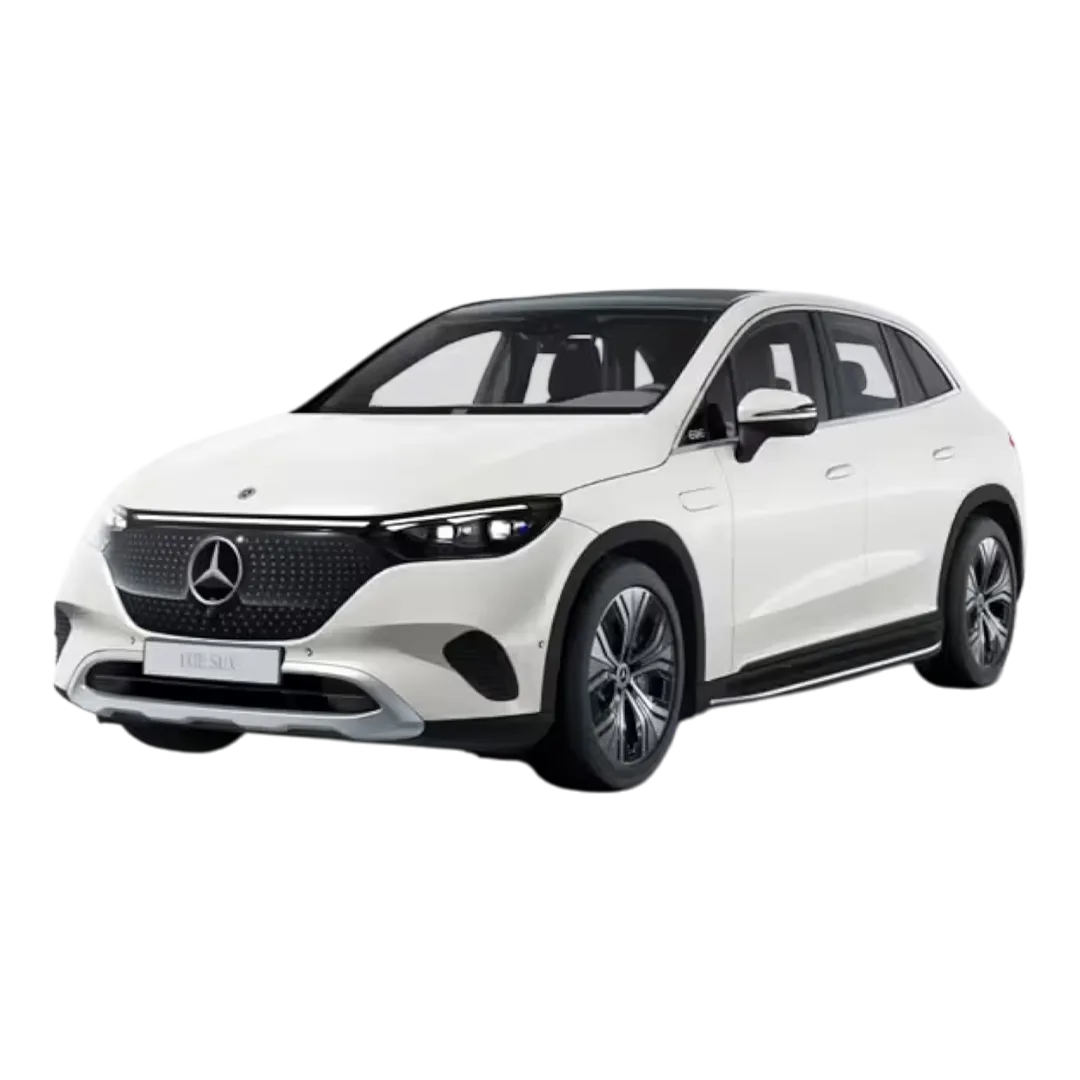 Mercedes Benz EQE-SUV
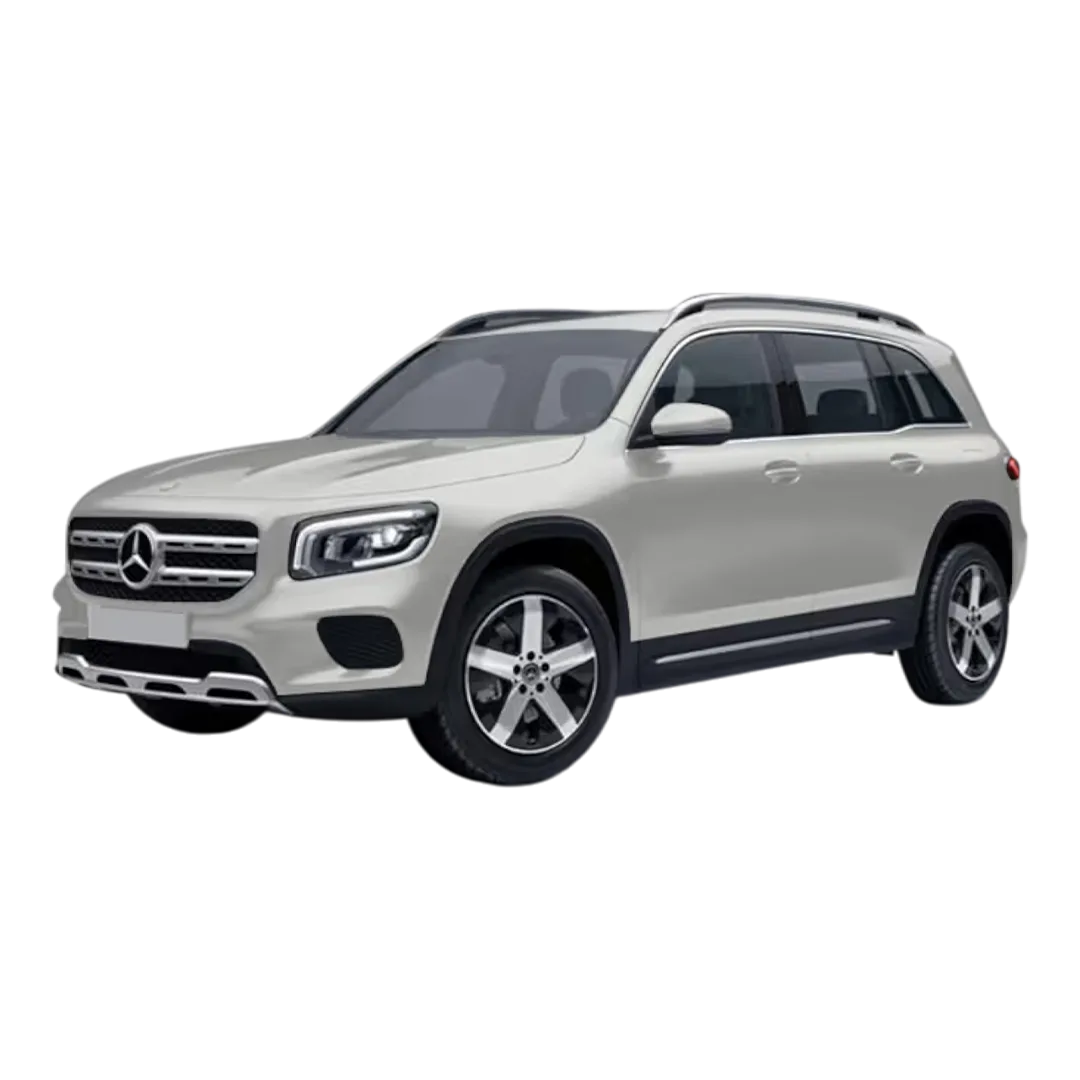 Mercedes Benz GLB
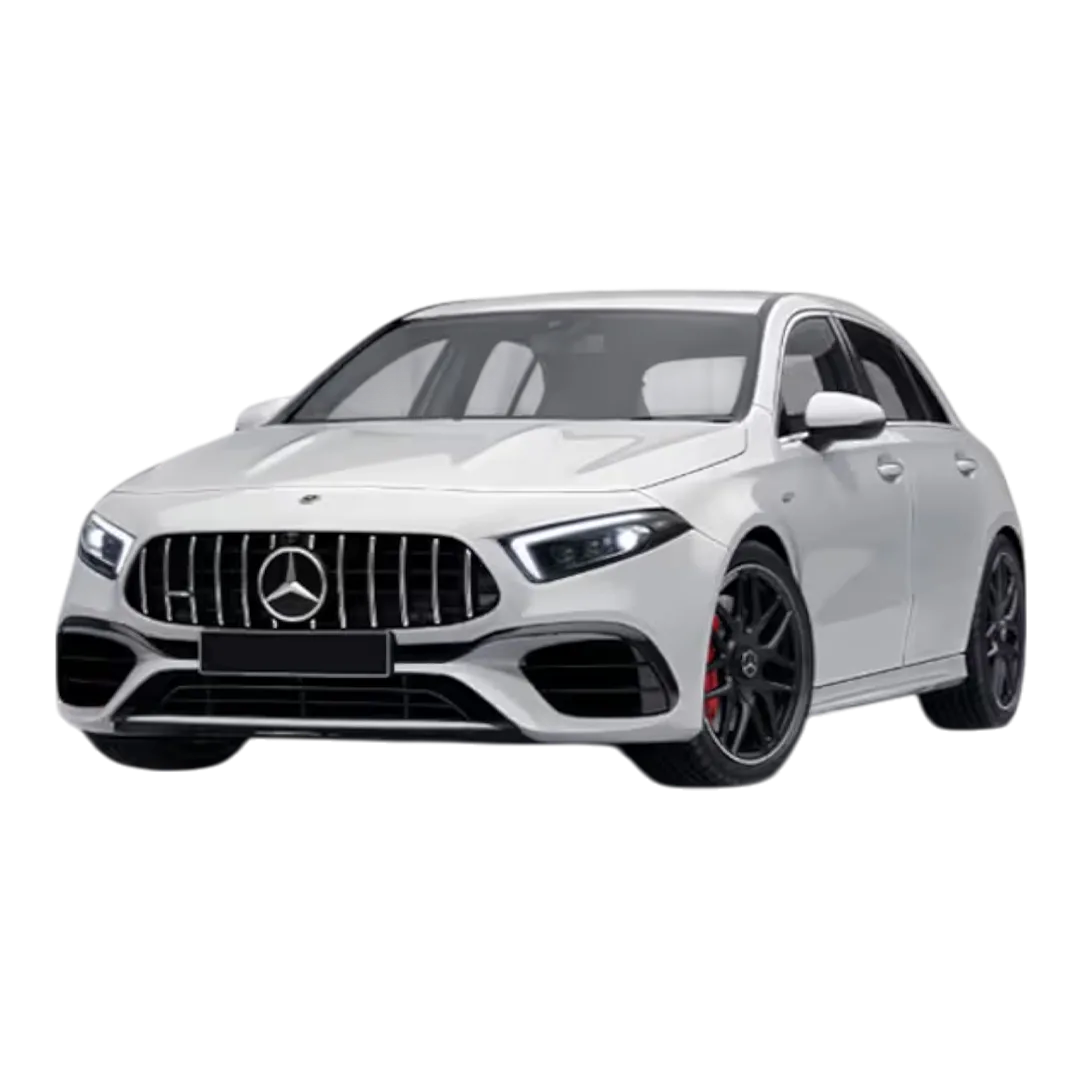 Mercedes Benz AMG A 45 S
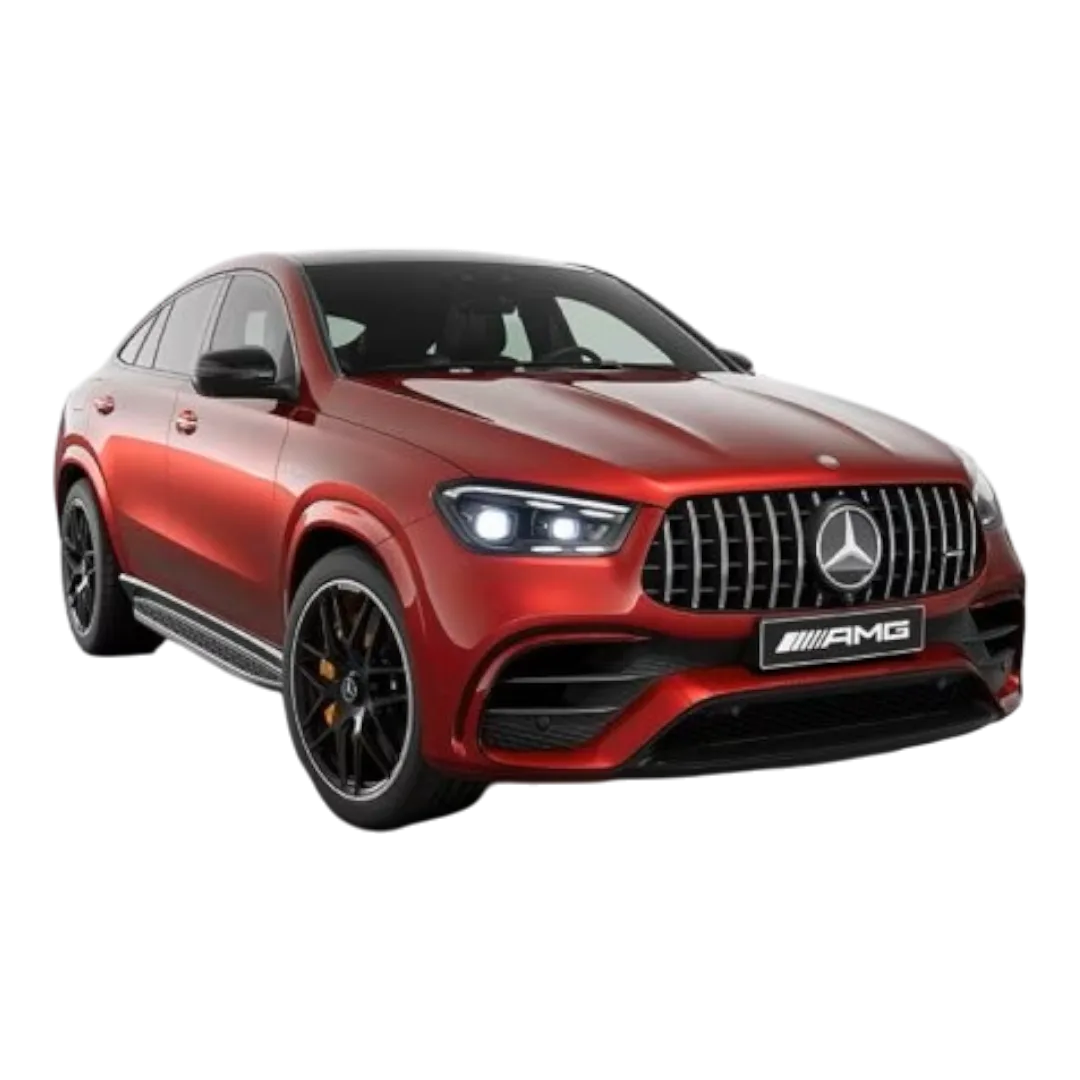 Mercedes Benz AMG GLE S3
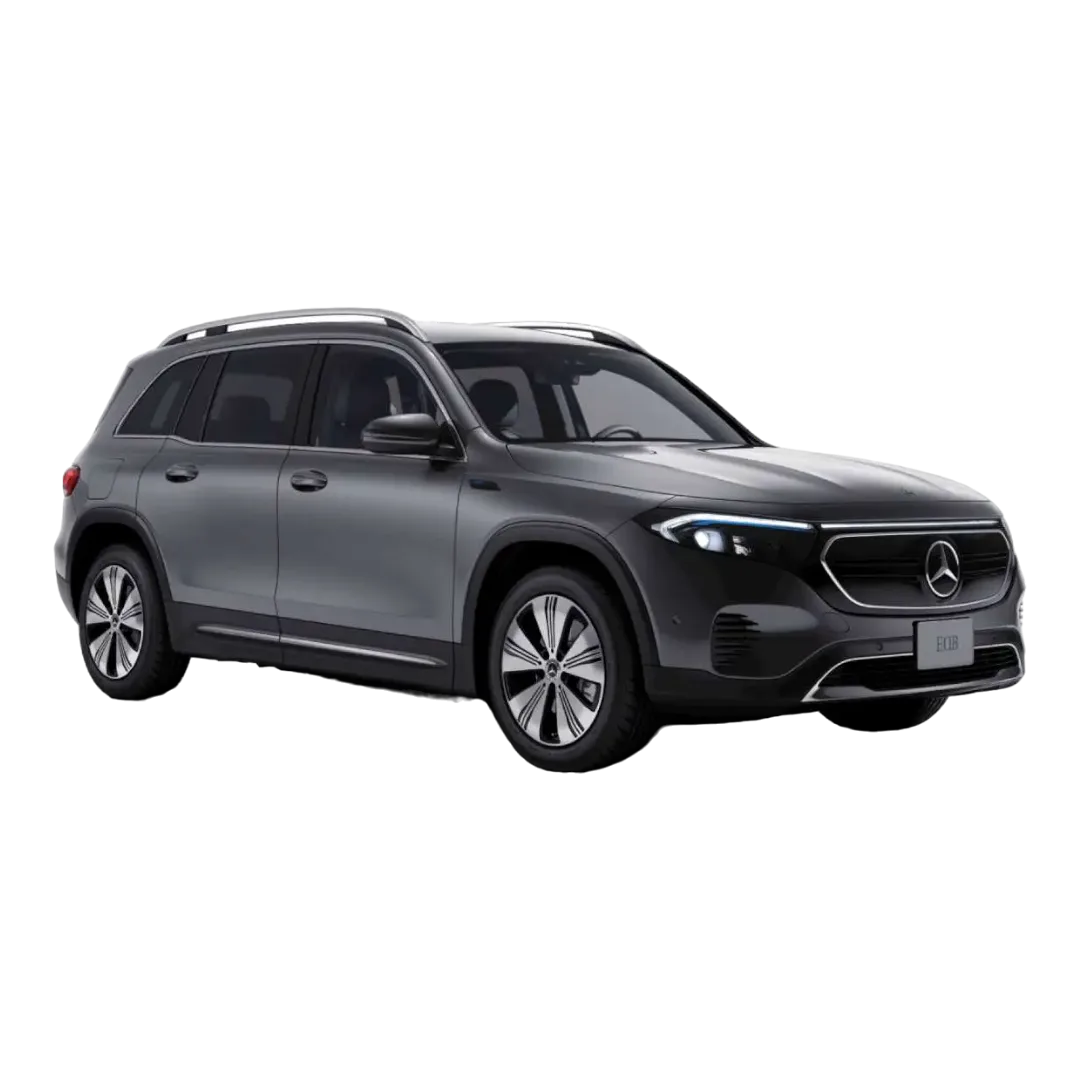 Mercedes Benz EQB
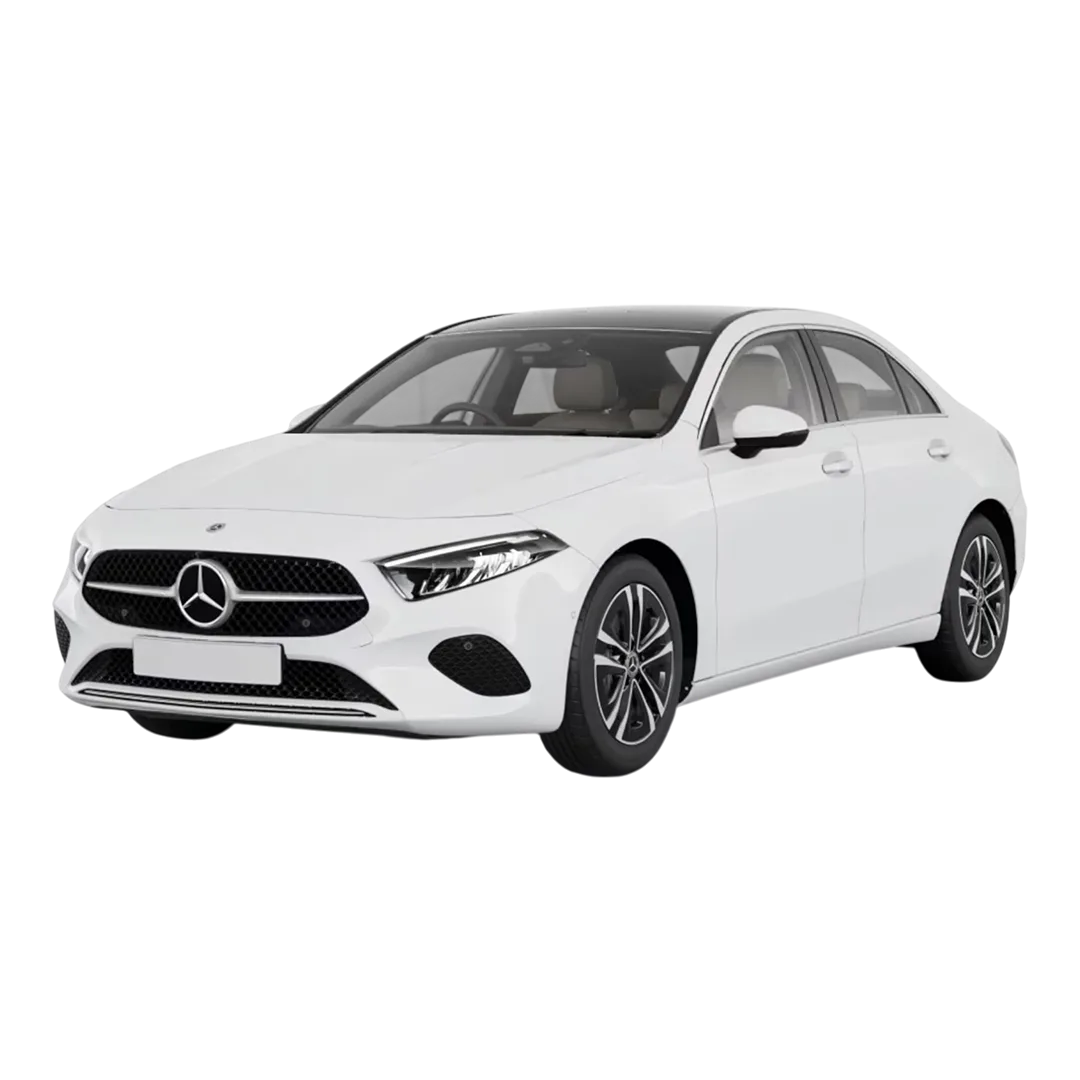 Mercedes Benz A Class limousine
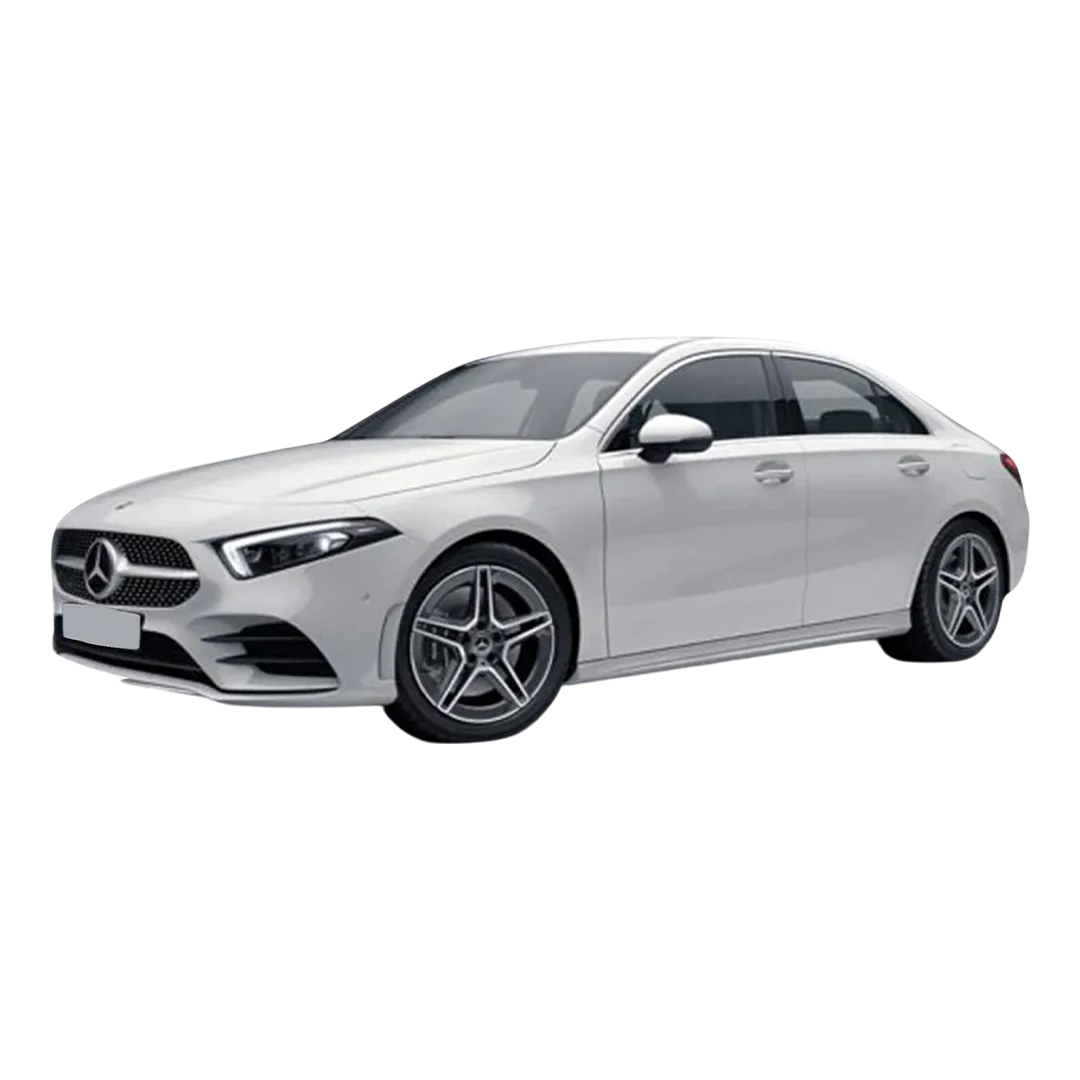 Mercedes Benz AMG A 35
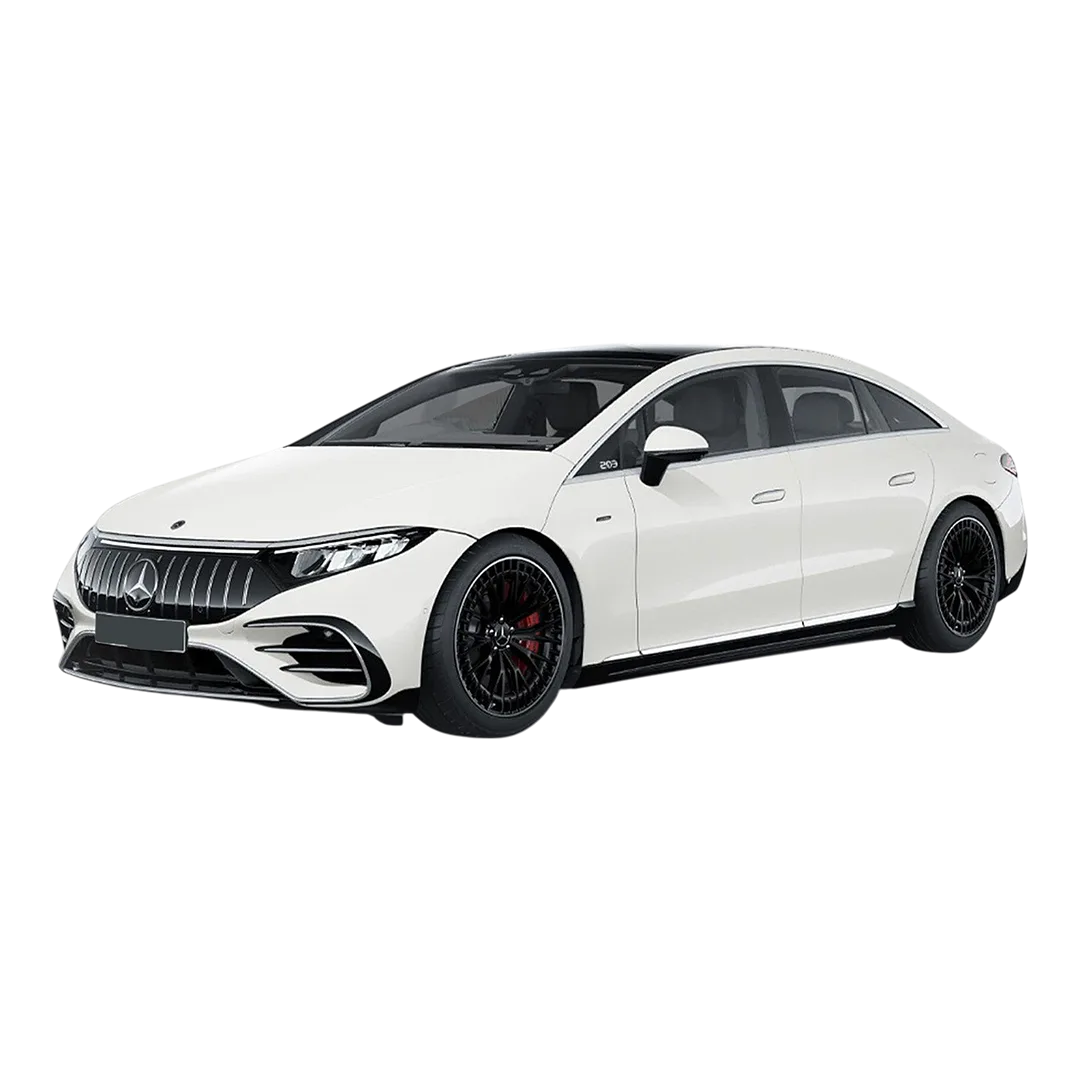 Mercedes-Benz AMG EQS
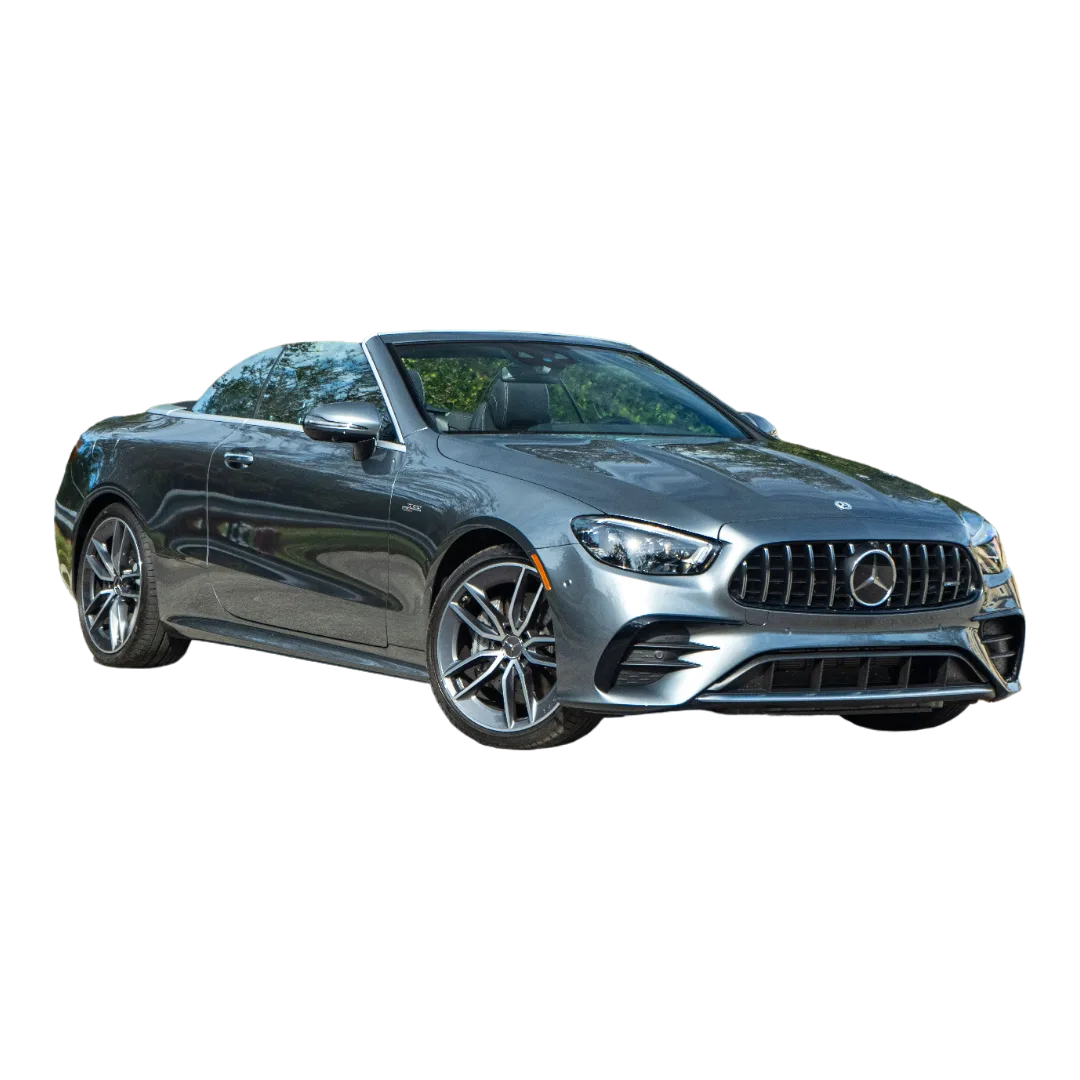 Mercedes-Benz AMG E 53 Cabriolet
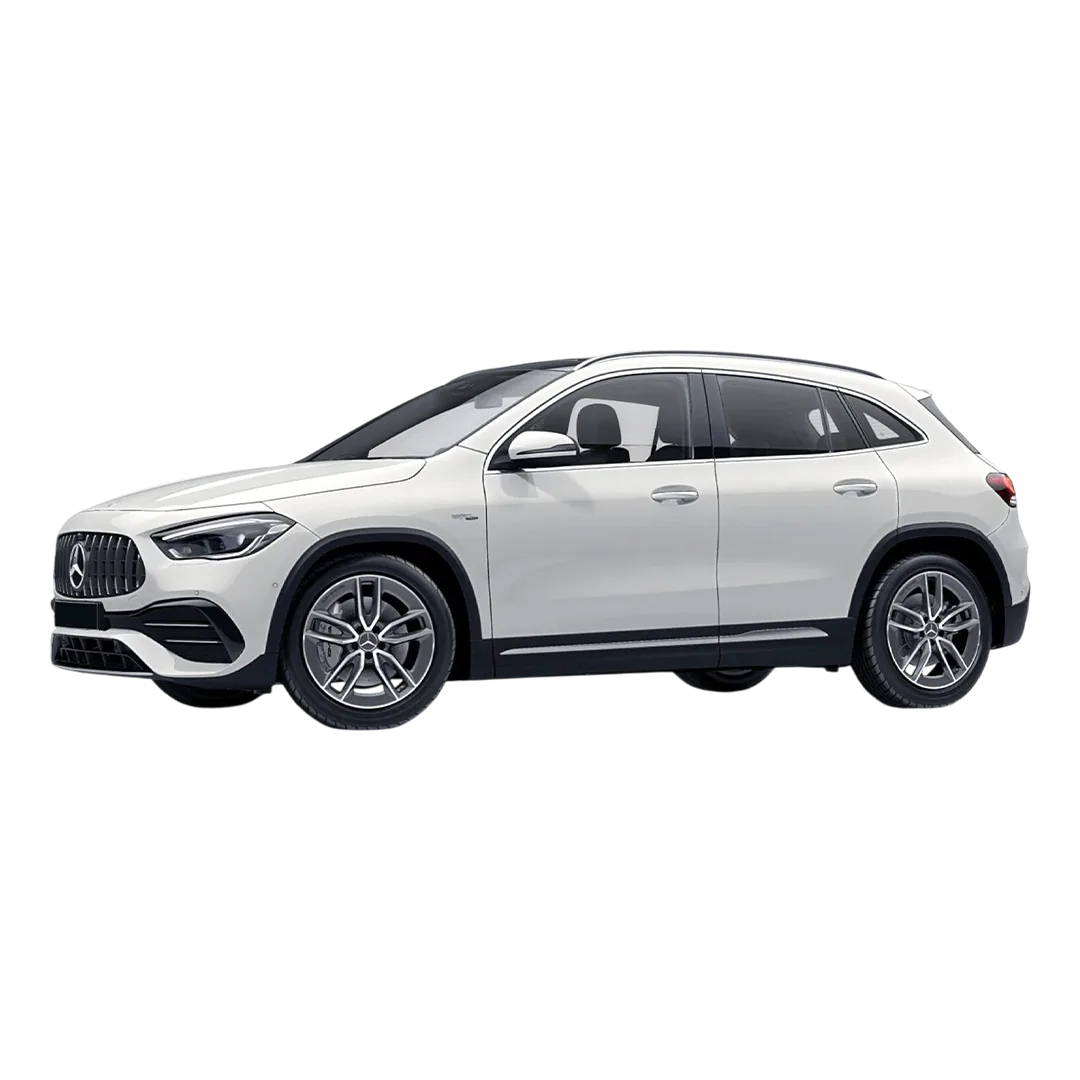 Mercedes-Benz AMG GLA 35
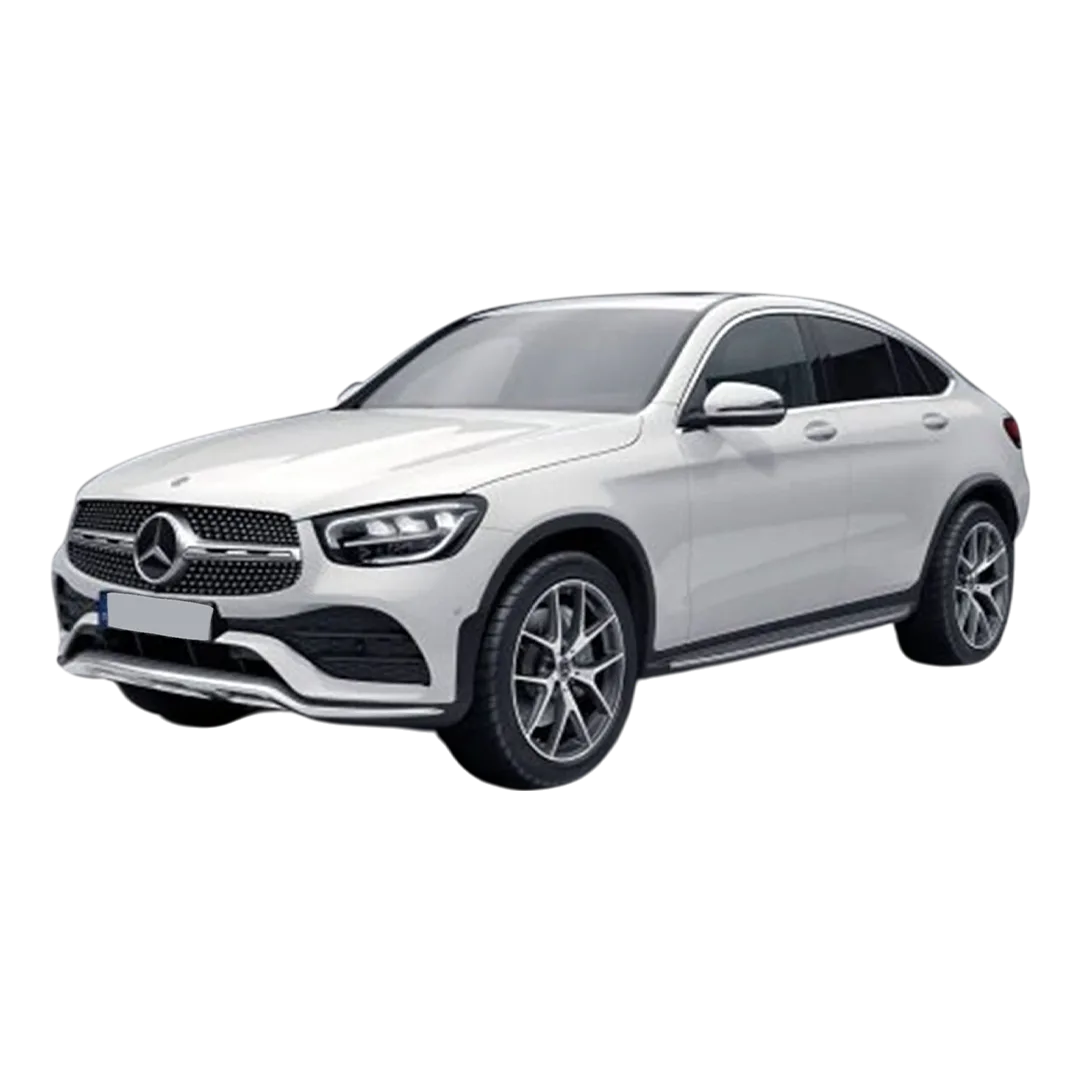 Mercedes-Benz GLC Coupe 2023
 Mercedes M-Class
R-Class
Mercedes M-Class
R-Class
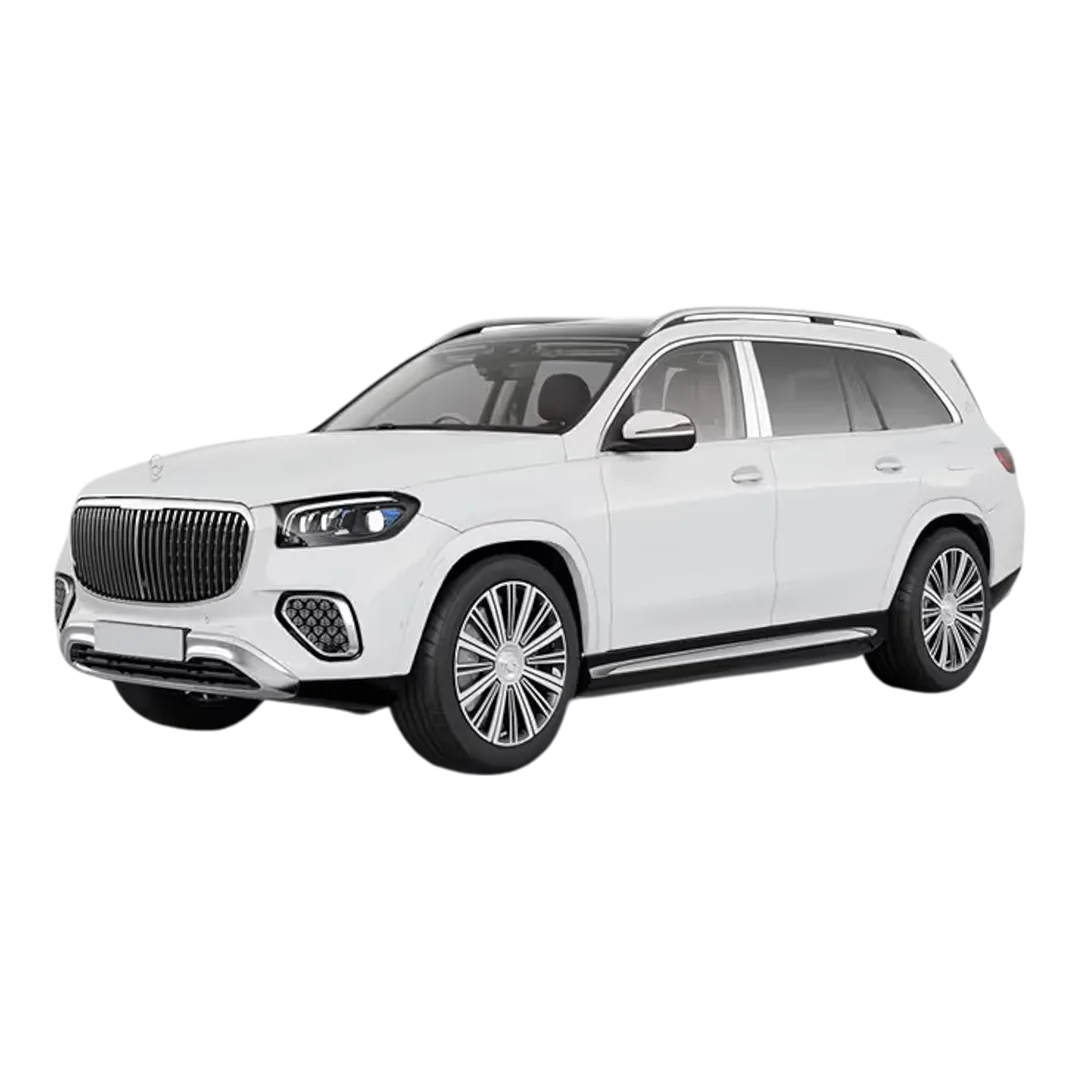 GLS 600
GLS 400
GLS 350
GLE 300
GLS 600
GLS 400
GLS 350
GLE 300
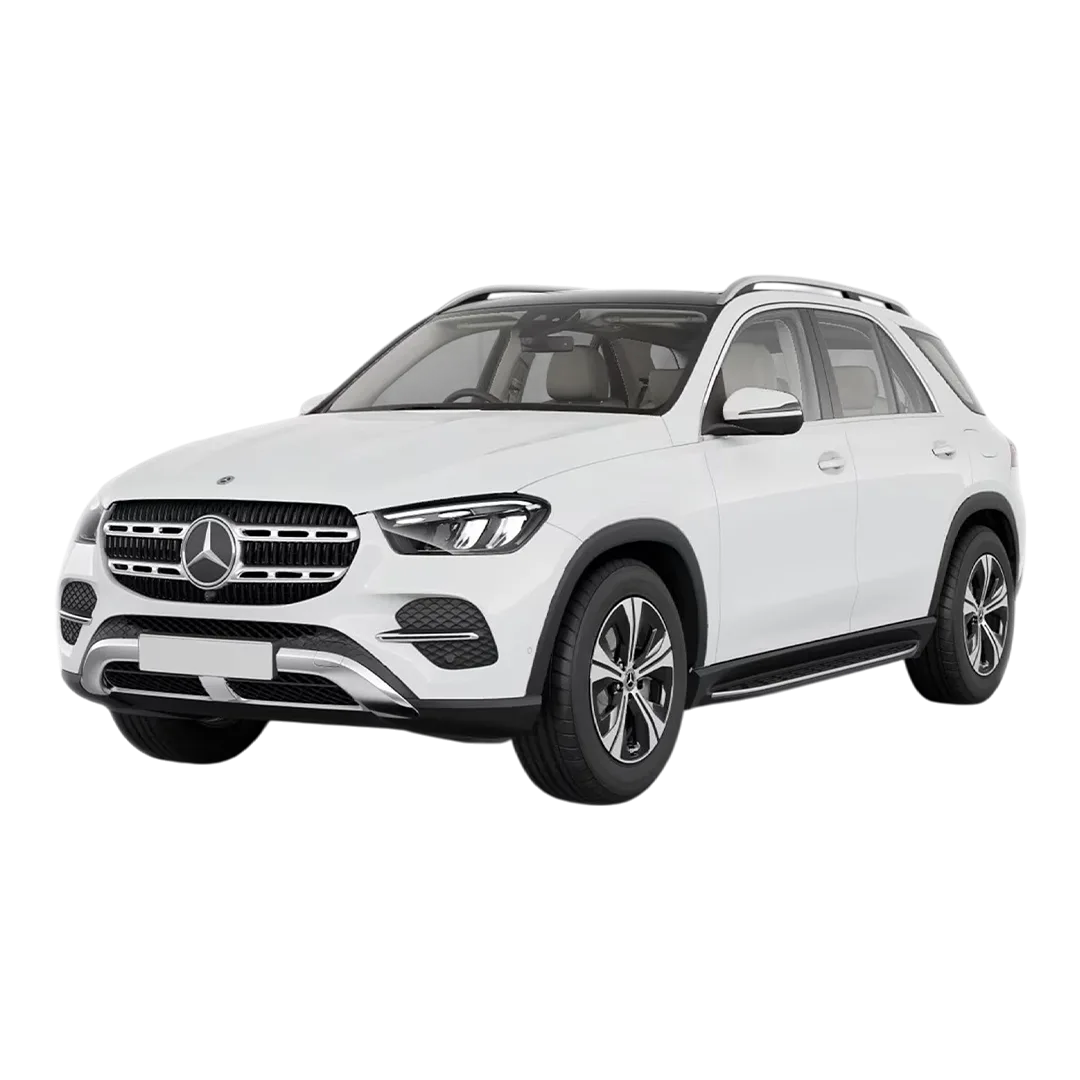 GLE 400
GLE 250D
GLE 400
GLE 250D
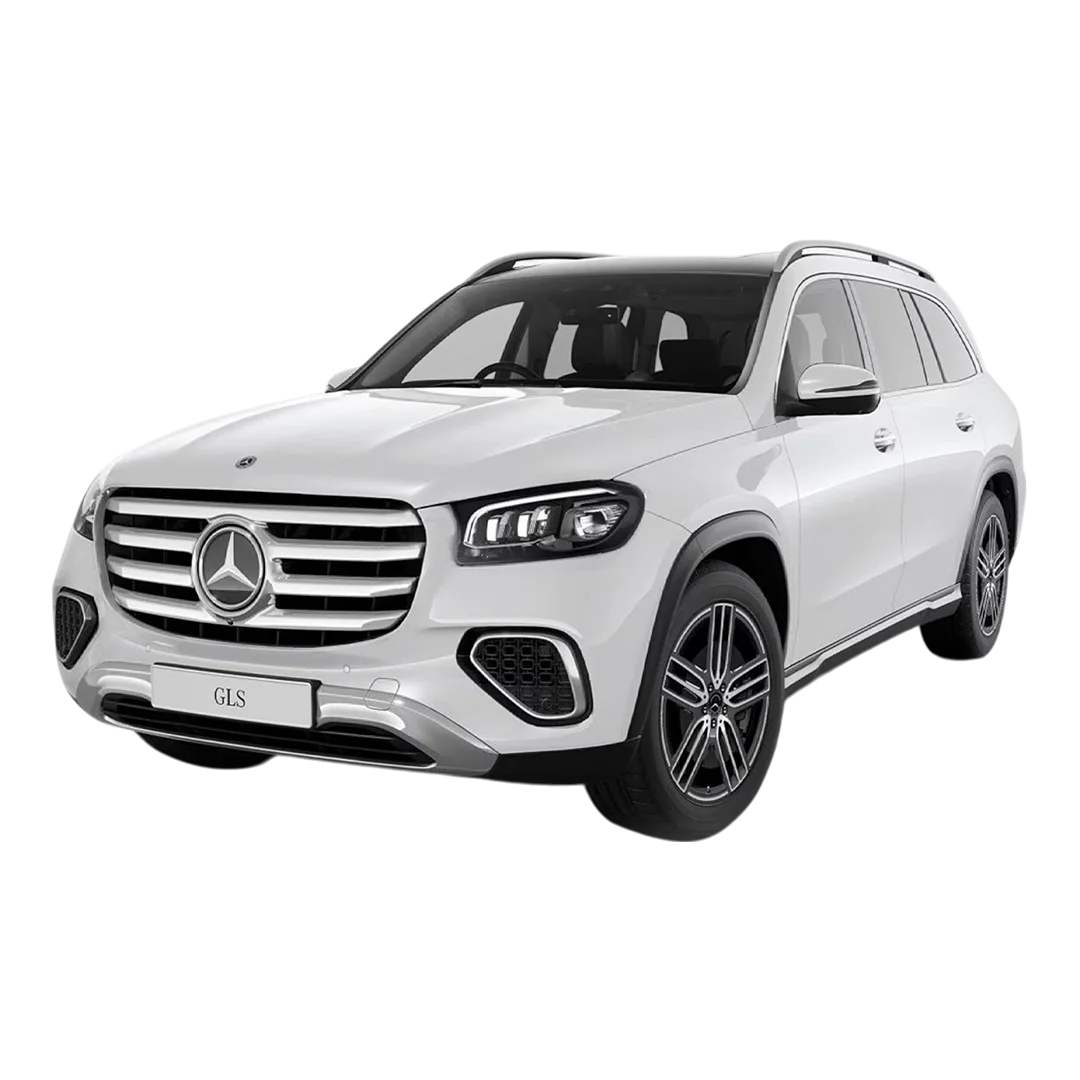 GLC 220D
GLC 300
GLC 220D
GLC 300
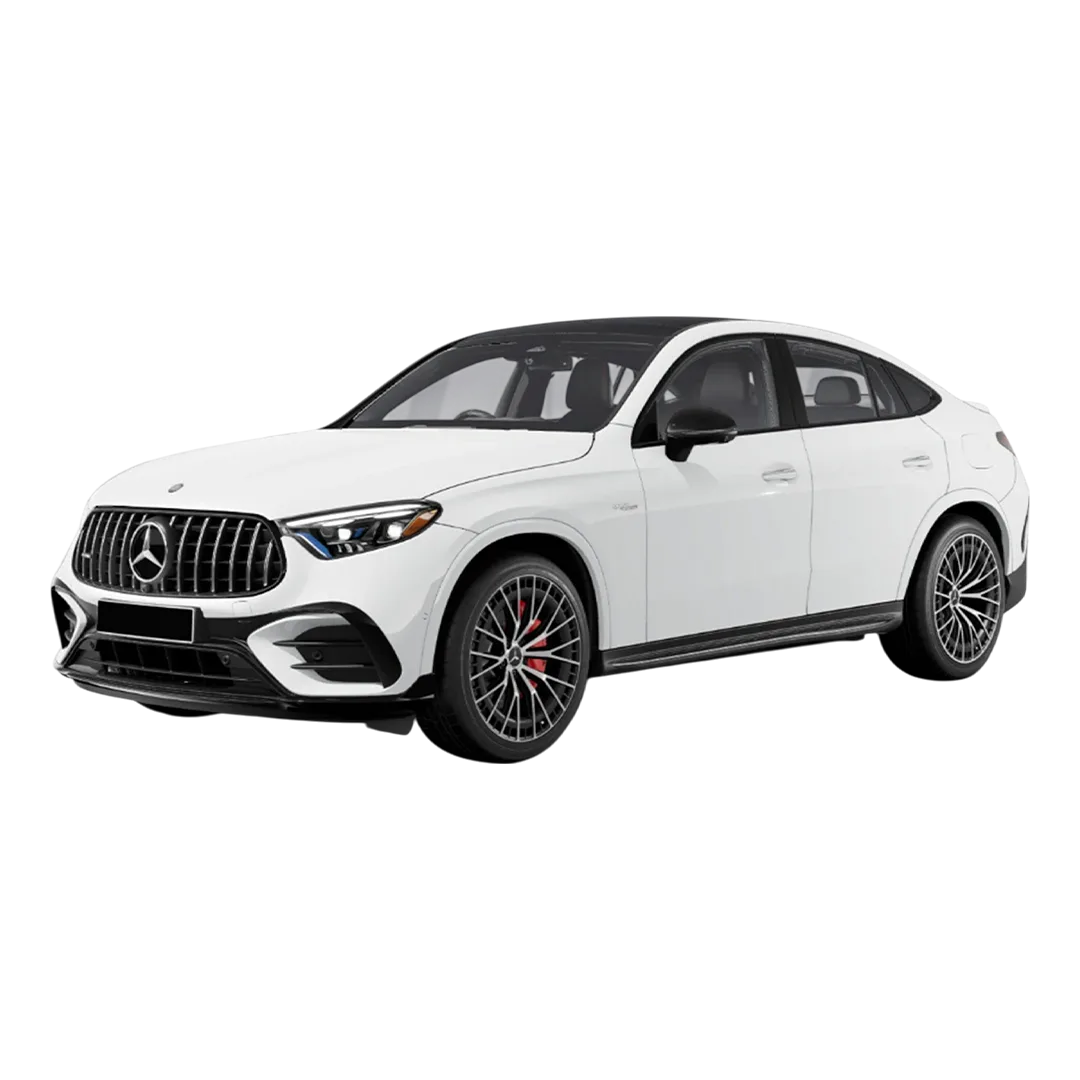 GLC 43 Coupe
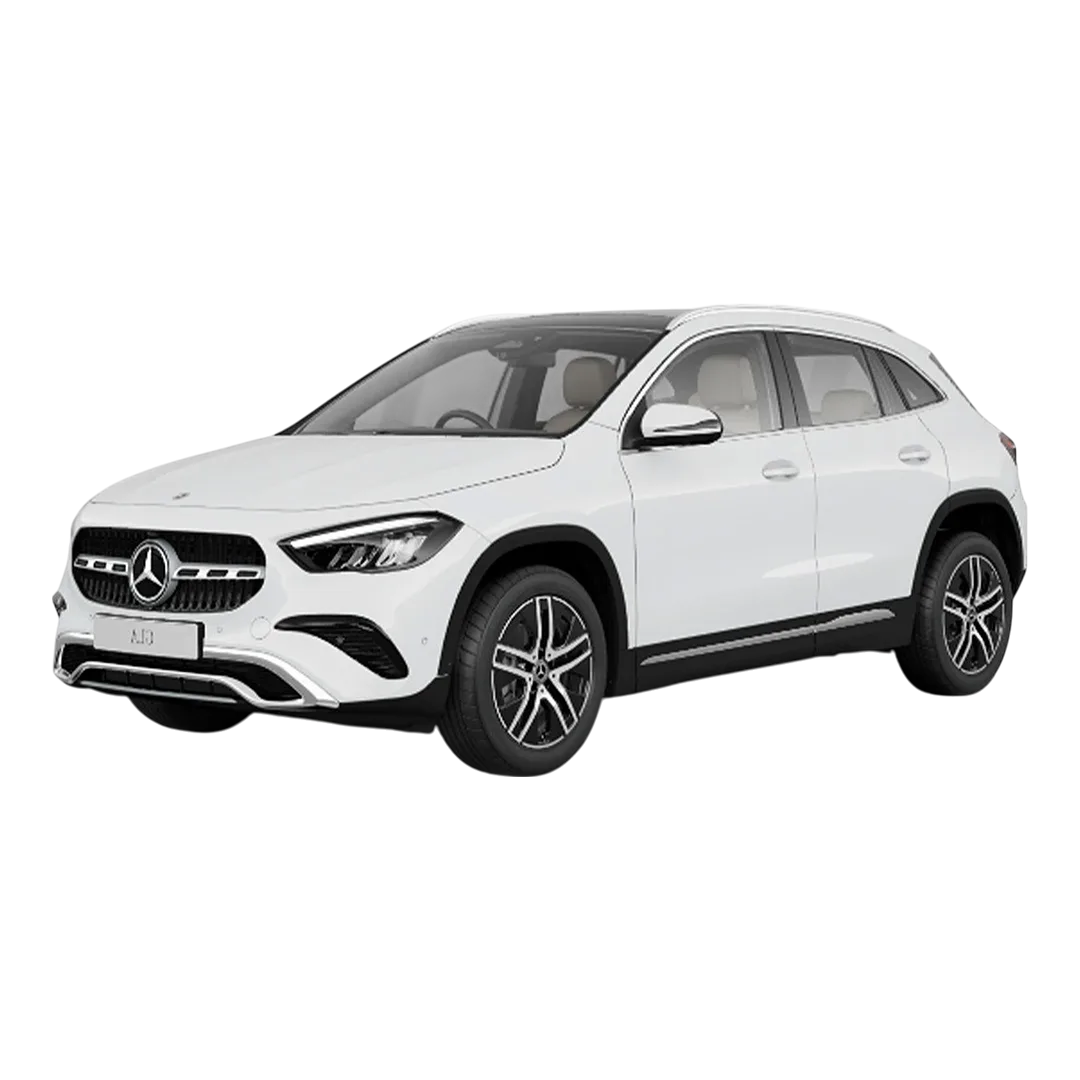 GLA 220d
 GLA-Class 200D
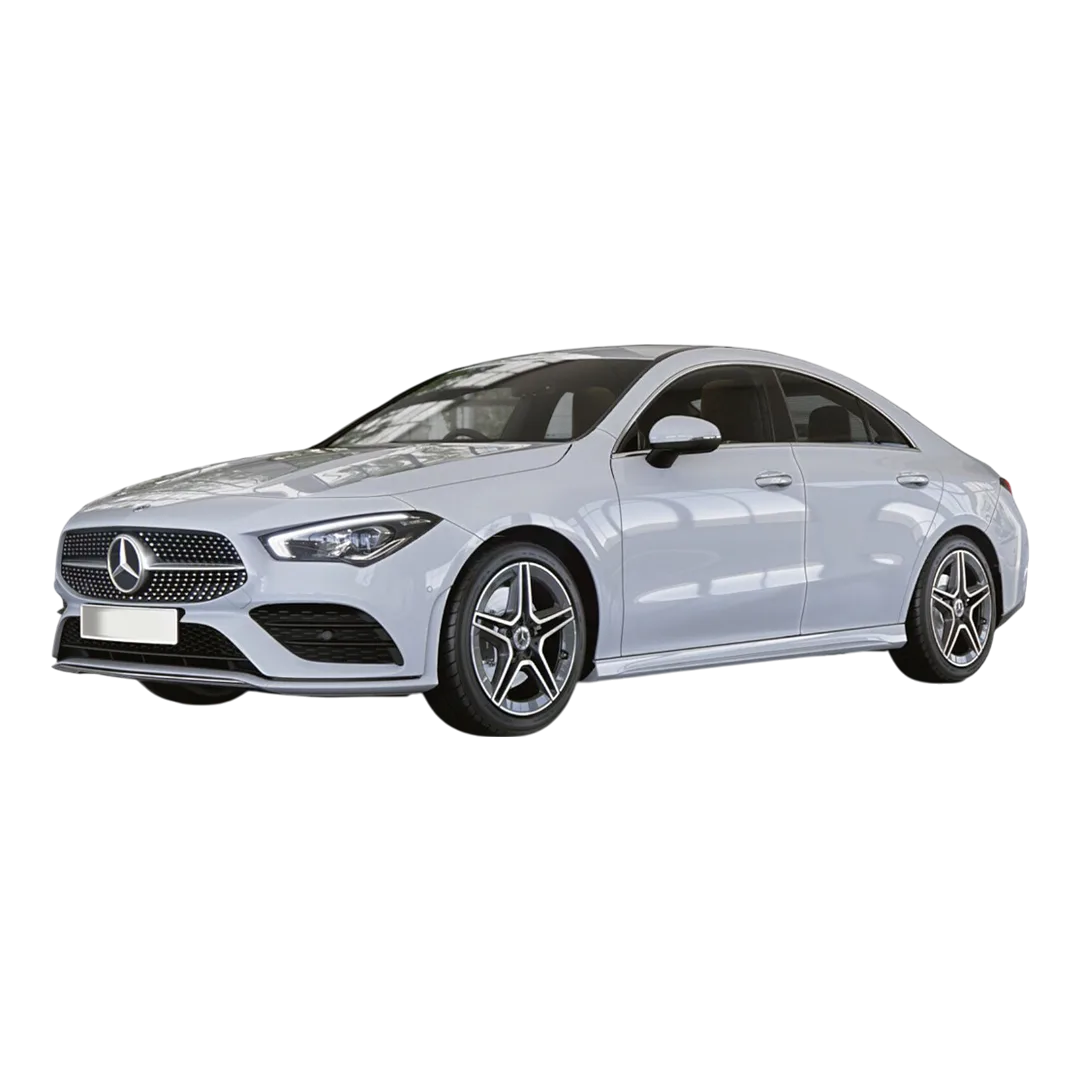 CLA 200
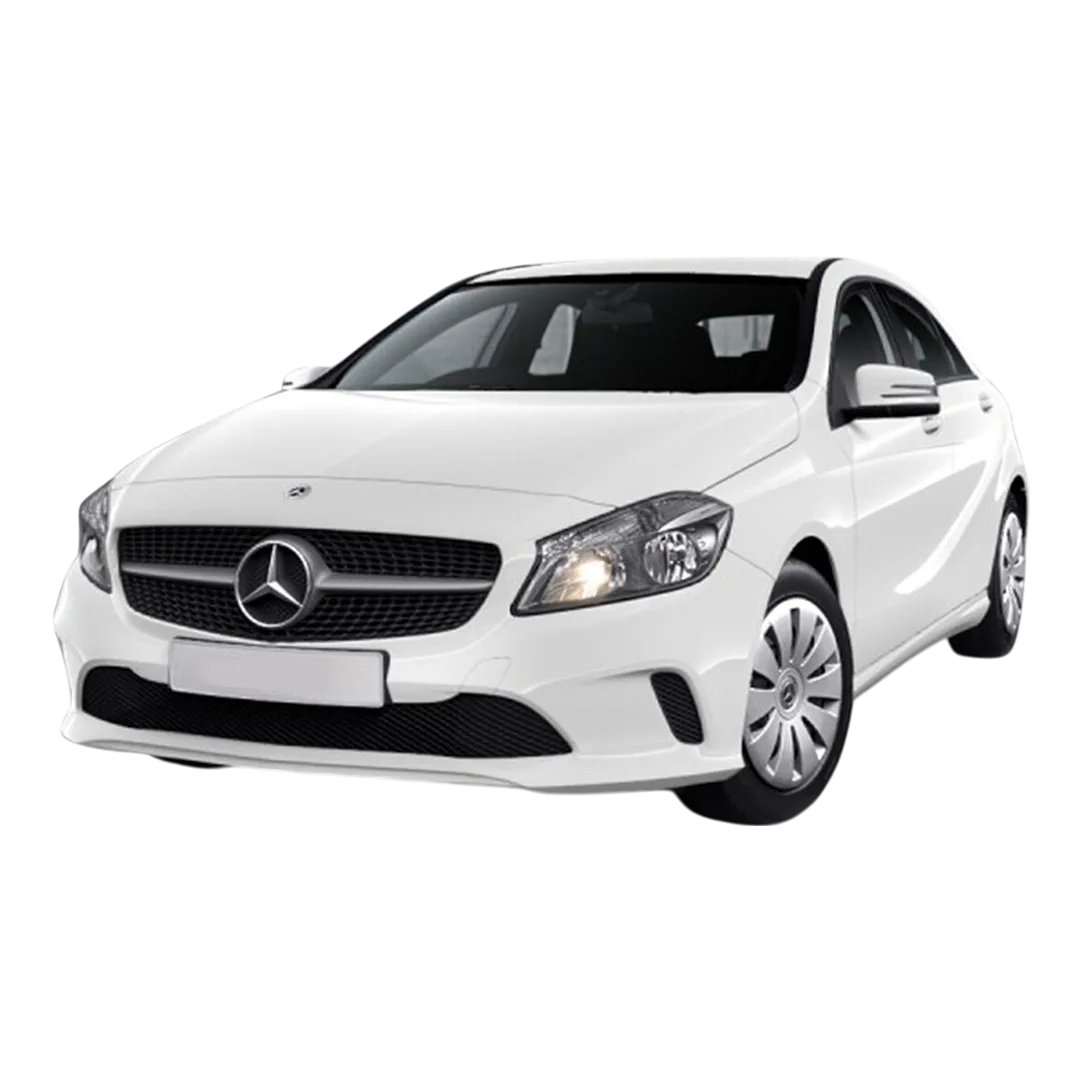 Benz A-Class A 180
M-Class ML 250
M-Class ML 350
Benz A-Class A 180
M-Class ML 250
M-Class ML 350
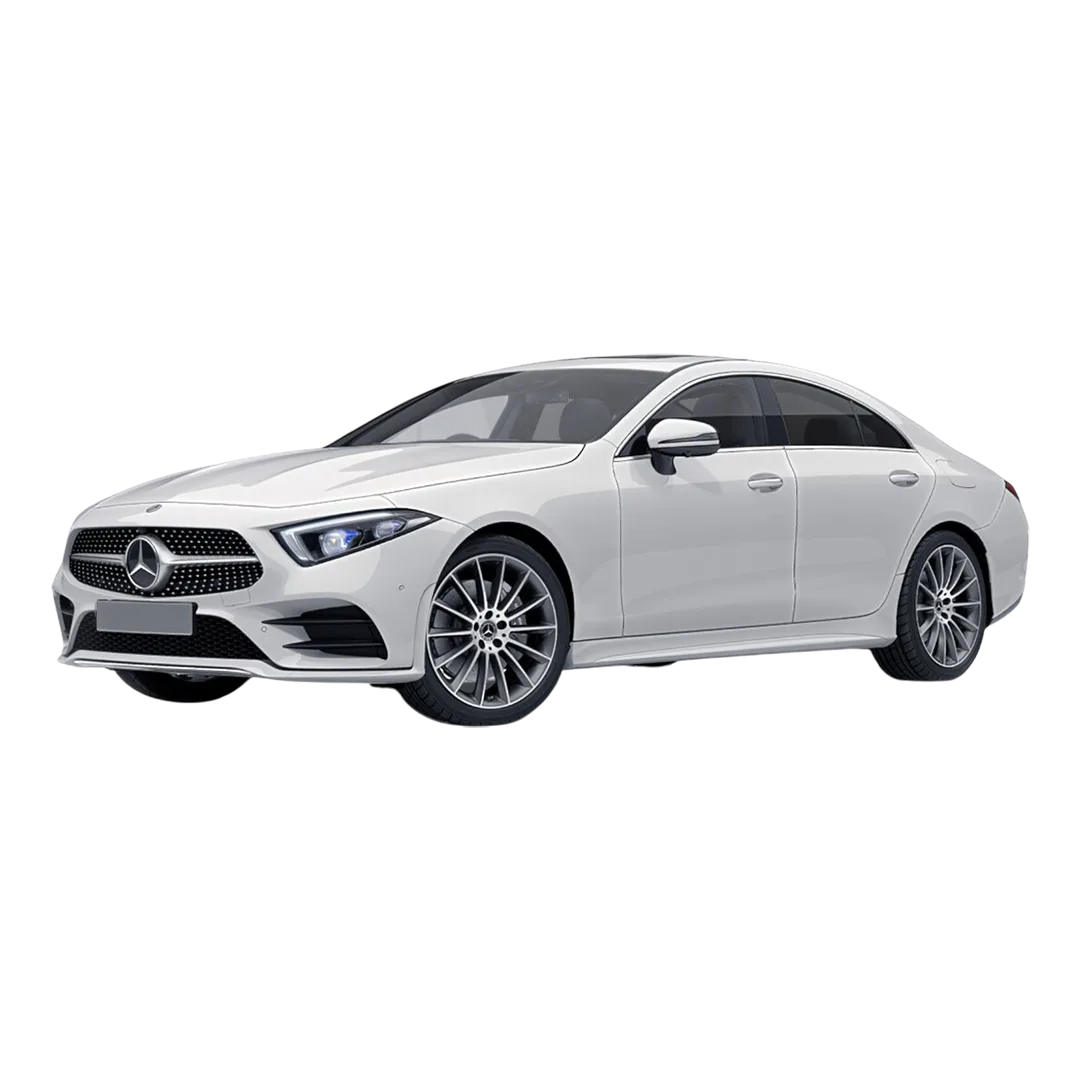 Benz CLS 300
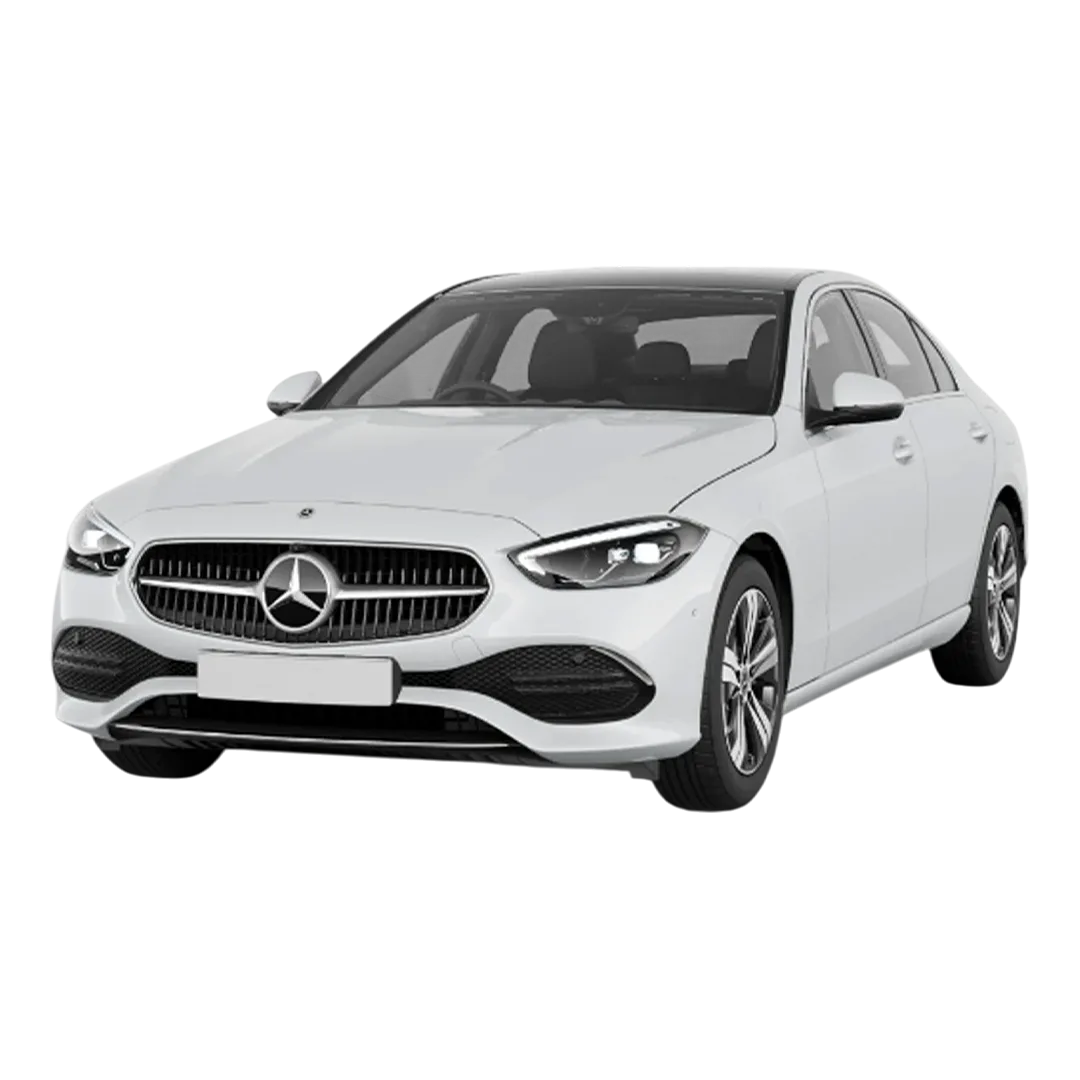 C-Class C250
C-Class C220
C-Class C200
C-Class C250
C-Class C220
C-Class C200
 Benz B - Class
Benz A - 200
Benz B - Class
Benz A - 200

Introduction
The automotive landscape in India is changing faster than ever, and at the center of this transformation is the government’s strong push towards electric vehicles (EVs). With rising fuel prices, increasing pollution levels, and global pressure to reduce carbon emissions, EVs are no longer just a future concept-they are becoming a present-day reality. For car owners, this shift is not just about choosing a new vehicle; it’s about adapting to an entirely new way of driving and ownership.
At CRECKK, we believe understanding these changes is crucial before making any decision. Whether you currently own a petrol or diesel car or are planning to buy a new one, government policies, incentives, and infrastructure development will directly impact your choices. From tax benefits to fuel savings and long-term value, EVs are being positioned as the smarter alternative.
But what does this really mean for you as a car owner? Is it the right time to switch, or should you wait? In this blog, we break down everything you need to know in simple terms so you can make an informed decision.
The government’s push for electric vehicles is driven by multiple long-term goals that go beyond just transportation. One of the biggest reasons is environmental concern. Traditional petrol and diesel vehicles contribute heavily to air pollution, especially in urban areas. By promoting EVs, the government aims to reduce harmful emissions and improve overall air quality.
Another key factor is reducing dependence on imported fuel. India spends a significant amount on oil imports, which affects the economy. Electric vehicles, powered by electricity that can be generated domestically, help reduce this dependency and strengthen energy security.
Additionally, the government is focusing on building a future-ready automotive ecosystem. EVs open doors for new technologies, innovation, and job opportunities in sectors like battery manufacturing, charging infrastructure, and renewable energy.
For car owners, this means the shift to EVs is not temporary-it’s a long-term vision. The government is actively creating an environment where electric vehicles become more accessible, affordable, and practical over time.
To accelerate EV adoption, the government has introduced several policies and financial incentives that directly benefit car buyers. One of the most important initiatives is the FAME (Faster Adoption and Manufacturing of Electric Vehicles) scheme, which offers subsidies on the purchase of electric vehicles, making them more affordable.
In addition to central government benefits, many states provide extra incentives such as road tax exemptions, registration fee waivers, and even cash subsidies. These benefits significantly reduce the initial cost of owning an EV, which is often seen as a barrier.
There are also tax benefits under income tax laws for individuals who take loans to purchase electric vehicles. This further encourages buyers to consider EVs as a viable option.
| Benefit Type | Advantage for Car Owners |
|---|---|
| Purchase Subsidy | Lower upfront cost |
| Tax Benefits | Savings on loan interest |
| Road Tax Exemption | Reduced ownership cost |
| State Incentives | Additional financial support |
At CRECKK, we always recommend checking both central and state-level benefits before making a purchase decision, as they can vary widely.
If you already own a petrol or diesel car, you might be wondering how this EV push affects you. The immediate impact may not be drastic, but gradual changes are expected over time. One major concern is the potential decline in resale value of traditional vehicles as EV adoption increases.
Fuel prices are another factor. With global fluctuations and increasing taxes, running a petrol or diesel car could become more expensive compared to electric vehicles, which offer significantly lower running costs.
There may also be stricter emission norms in the future, making it more expensive to maintain or upgrade older vehicles. In some cities, restrictions on high-pollution vehicles could become more common.
However, this doesn’t mean you need to switch immediately. If your current car is in good condition, you can continue using it while observing how the EV ecosystem develops. CRECKK suggests a practical approach-plan your next upgrade keeping EVs in mind rather than rushing into a decision.
Switching to an electric vehicle comes with several practical advantages that directly impact your daily driving experience. One of the biggest benefits is lower running cost. Electricity is significantly cheaper than petrol or diesel, which means long-term savings for regular drivers.
Maintenance is another major advantage. EVs have fewer moving parts compared to traditional cars, which reduces wear and tear and lowers servicing costs. There’s no engine oil, fewer components, and less frequent maintenance overall.
Driving experience is also improved. EVs offer instant torque, smooth acceleration, and a quieter ride, making them more comfortable, especially in city traffic.Additionally, owning an EV aligns with environmentally responsible choices. You contribute to reducing pollution and supporting cleaner mobility solutions.
At CRECKK, we see EVs not just as a trend but as a smarter upgrade for modern car owners who value efficiency, savings, and sustainability.
Despite the benefits, there are still some challenges that car owners should consider before switching to an EV. One of the biggest concerns is charging infrastructure. While it is improving, charging stations are still not as widely available as fuel pumps, especially in smaller cities.
The initial purchase cost of EVs is also higher compared to traditional vehicles, even after subsidies. This can be a deciding factor for many buyers.
Charging time is another limitation. Unlike petrol cars that can be refueled in minutes, EVs take longer to charge, which may not be convenient for everyone.
Battery life and replacement cost are also important considerations. Although technology is improving, battery replacement can be expensive if not covered under warranty.
In conclusion, while EVs offer a promising future, it’s important to evaluate your daily usage, budget, and infrastructure availability before making a switch. CRECKK recommends making a well-informed decision rather than following the trend blindly.
Q1. Is it the right time to buy an EV in India?
Yes, if your usage is mostly city-based and you have access to charging, it can be a smart move.
Q2. Are EVs cheaper to maintain than petrol cars?
Yes, EVs generally have lower maintenance costs due to fewer mechanical parts.
Q3. What is the biggest drawback of EVs right now?
Charging infrastructure and higher upfront cost are the main challenges.
Q4. Will petrol cars be banned in India?
There is no immediate ban, but stricter regulations may come in the future.