Your cart is empty
Start Shopping Exterior
›
Exterior
›
 Bumper Diffuser/Guard
 Body Covers
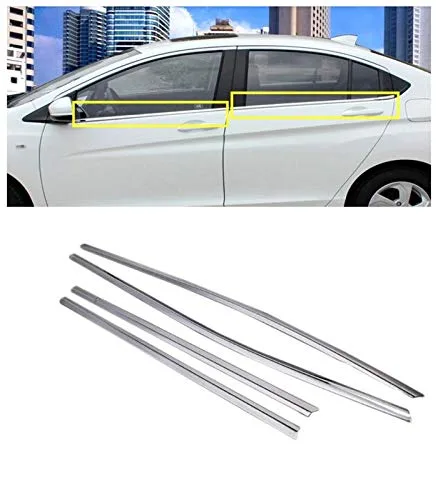 Window Garnishing
 Door Guards
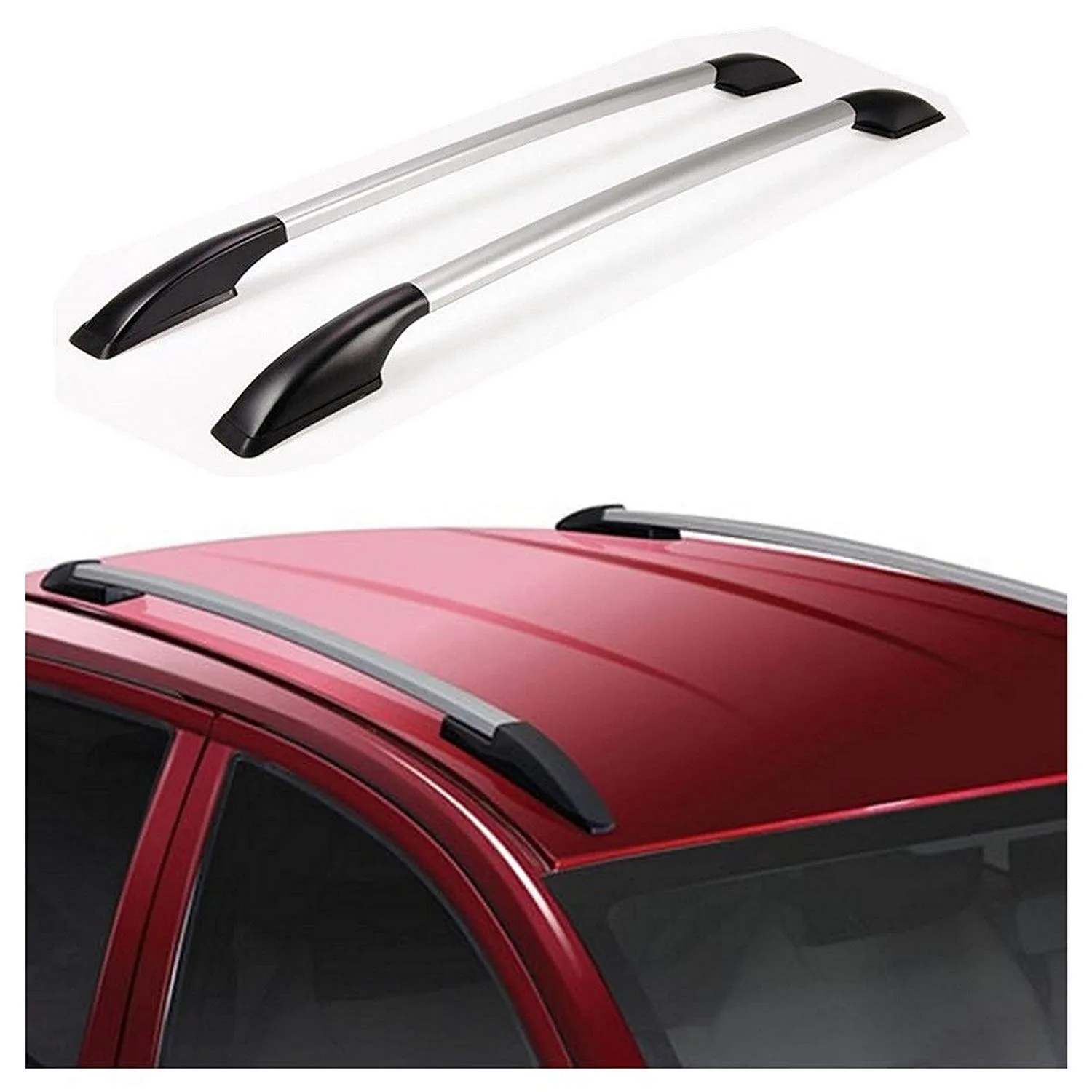 Roof Rails
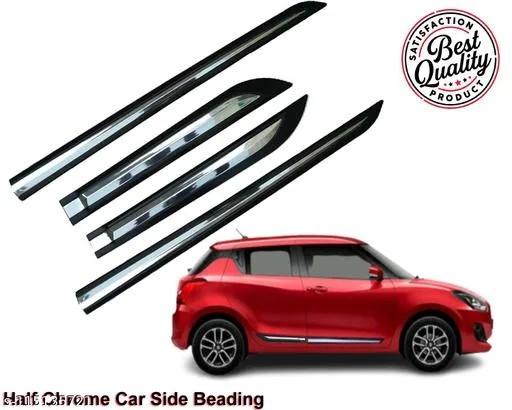 Side Beading
 Door Visor
 Mud Flap
 Wheel Cover
 Foot Rest
 Interior
›
Interior
›
 Door Scuff Sill Plates
 Window Sunshades & Film
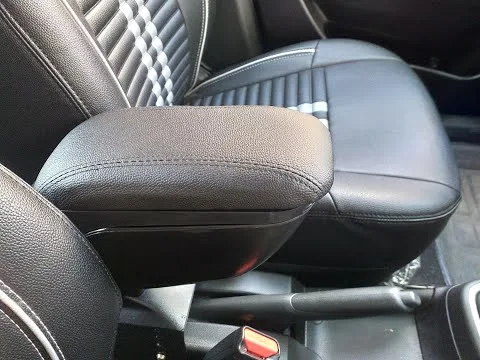 Armrest
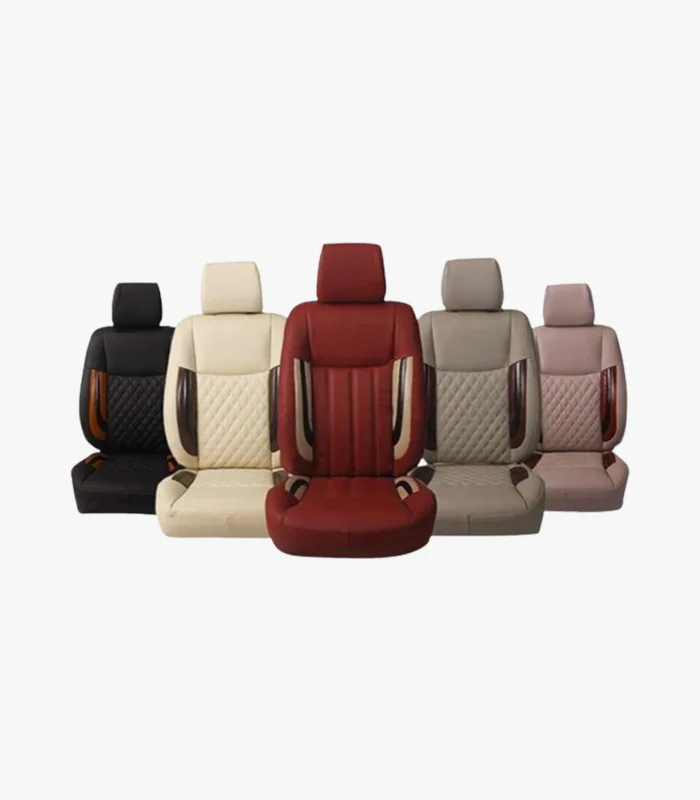 Seat Covers
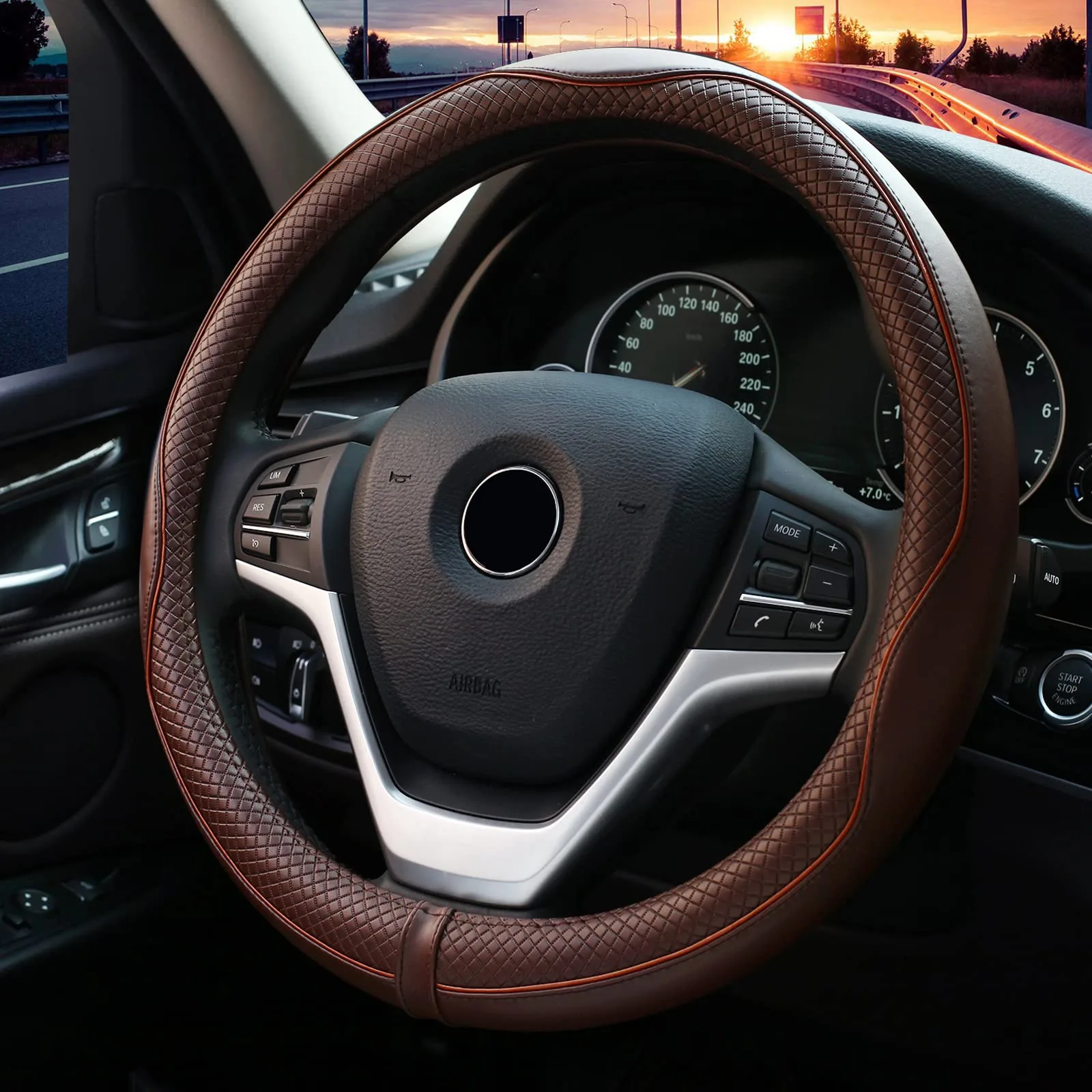 Steering Cover
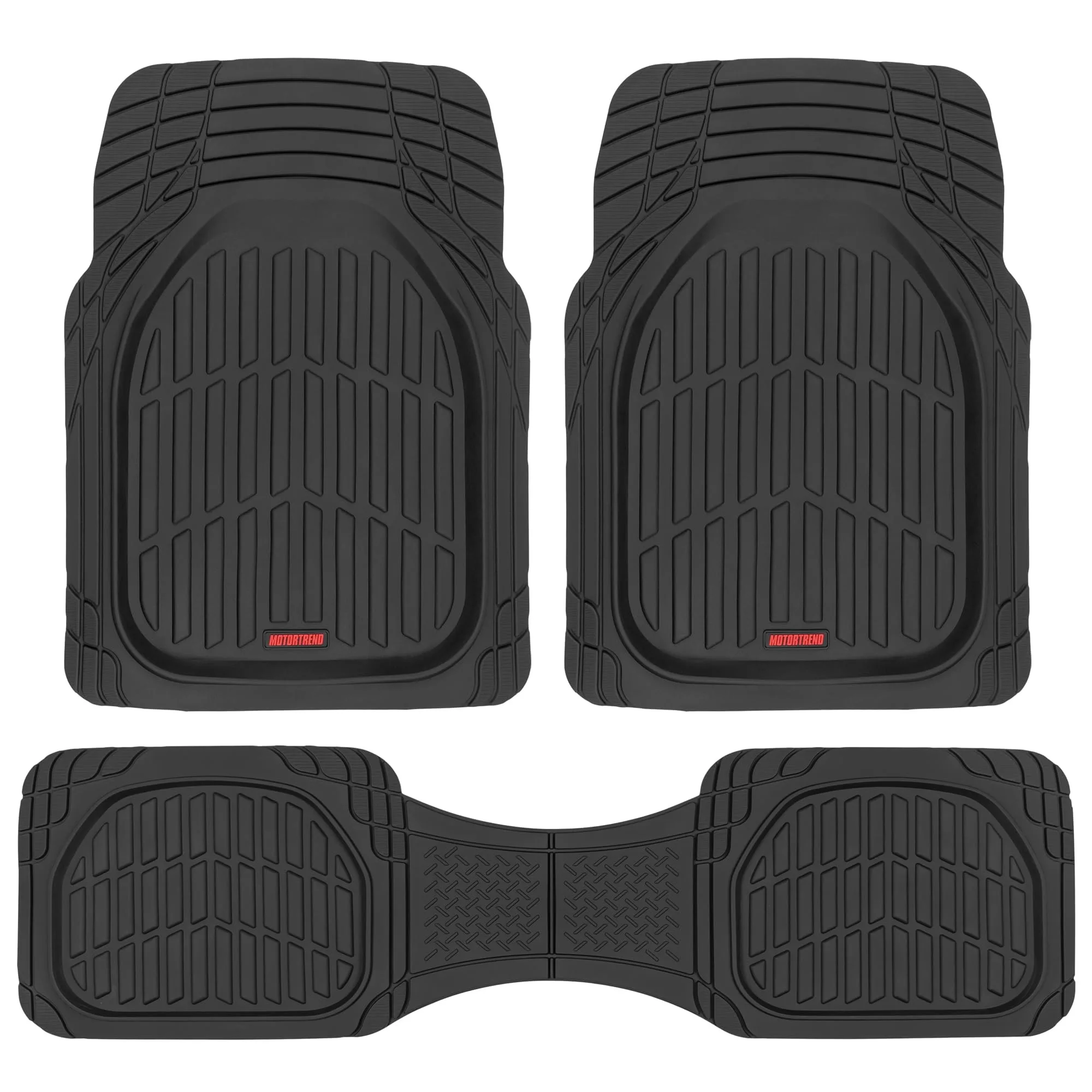 Floor Mats
 Dashboard Showpiece
 Seat & Neck Cushion
 Lighting
›
Lighting
›
 Utility
›
Utility
›
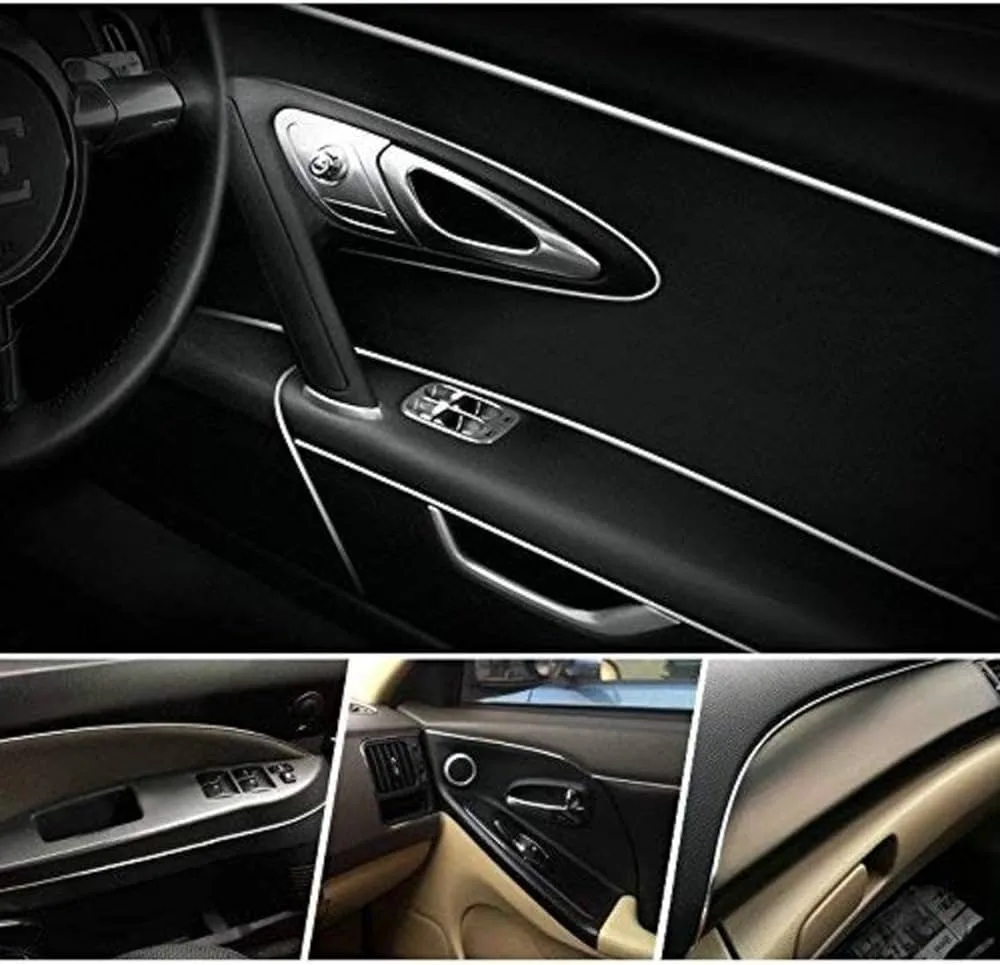 All Chrome Items
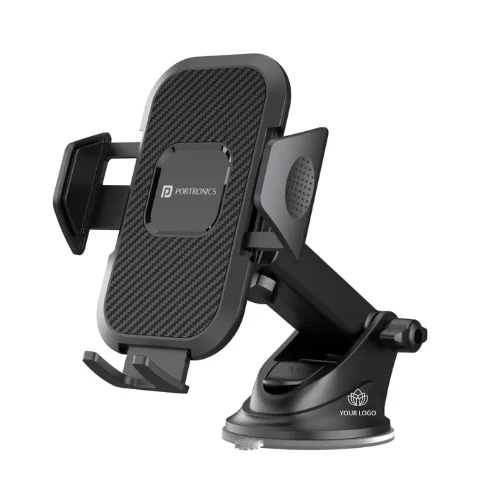 Mobile Holder
 Tyre Inflators
 Vacuum Cleaner
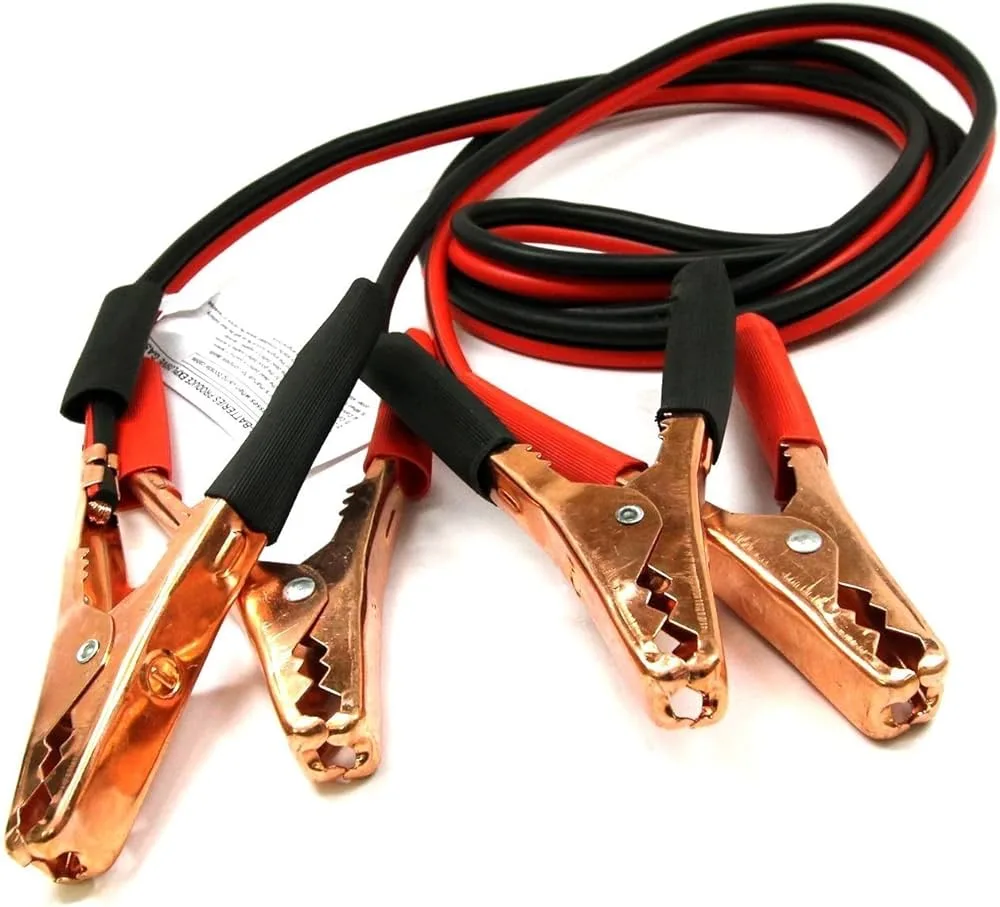 Jumper Cable
 Cleaning Kit
 Tyre Puncture Kit
 Tyre Valve Cap
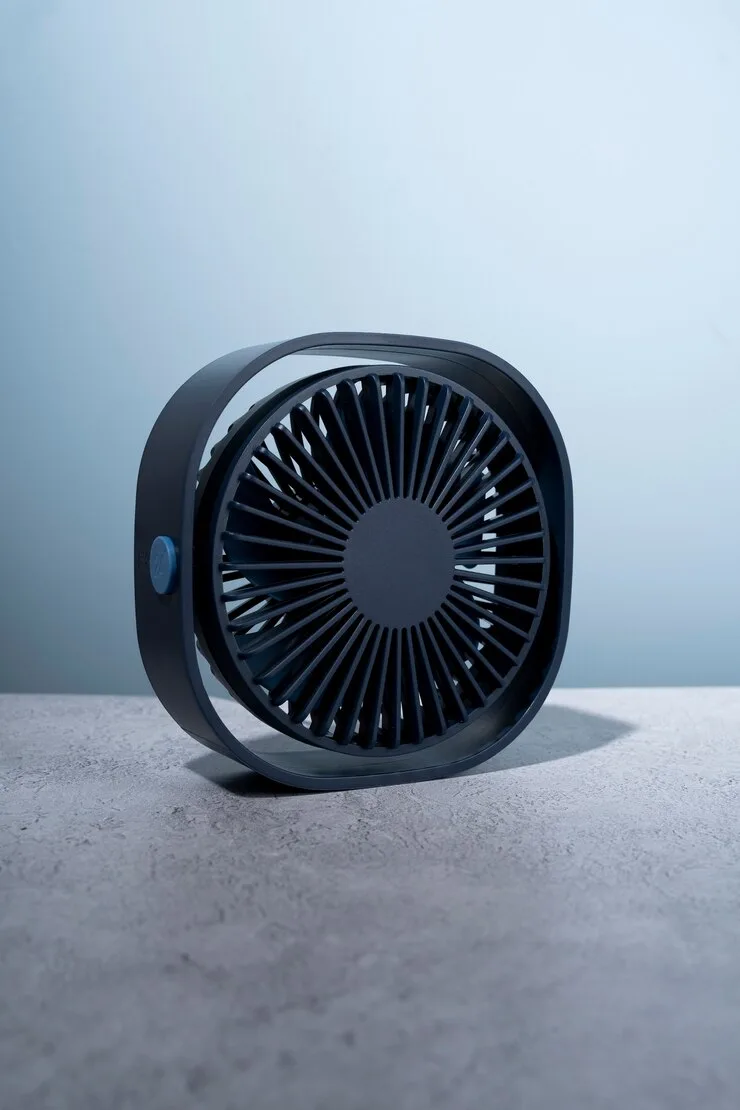 Car Fan
 Parcel Tray
 Electronic
›
Electronic
›
 Parts
›
Parts
›
 Fog Lights
 Headlights
 Tail Lights
 Steering Wheel Controls
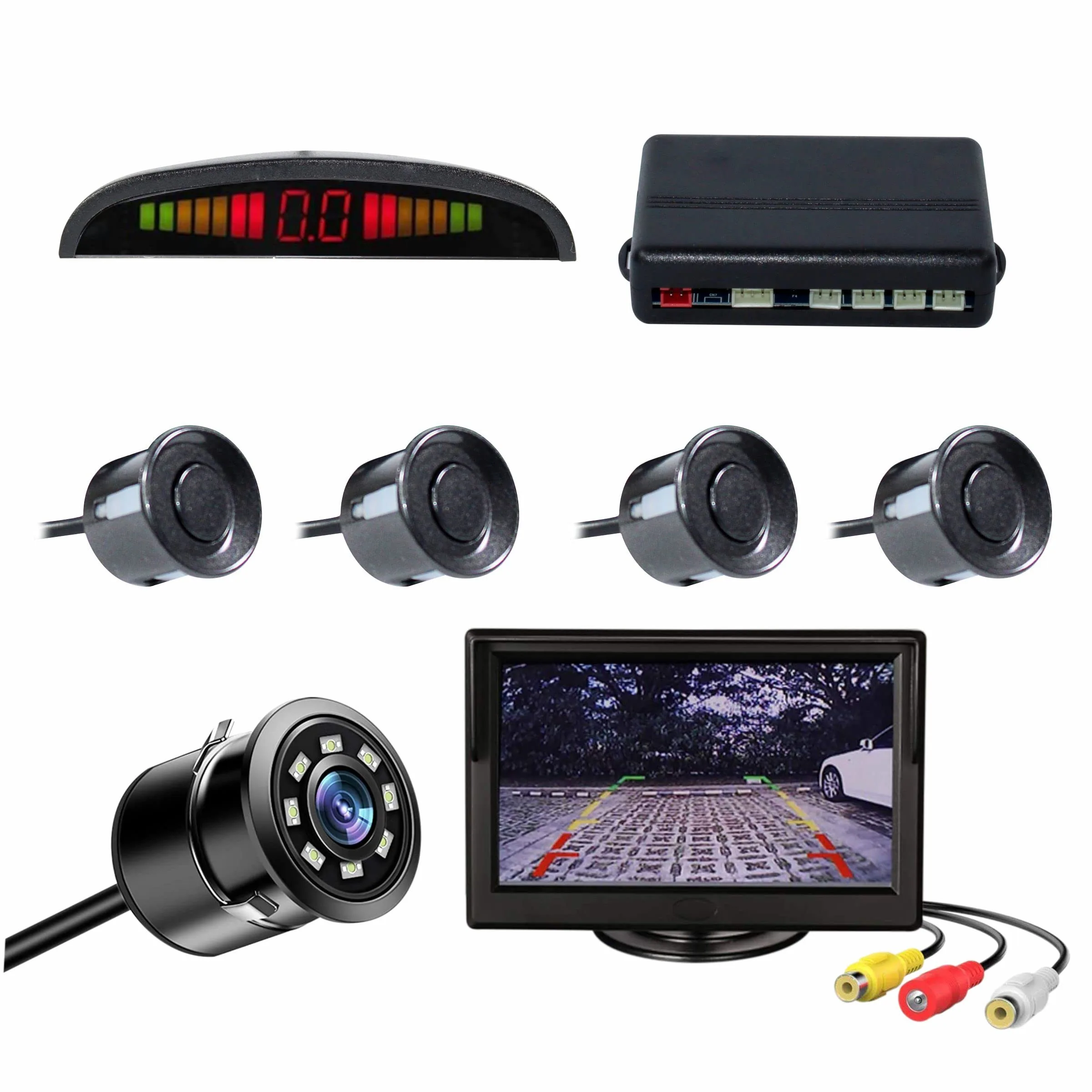 Sensor
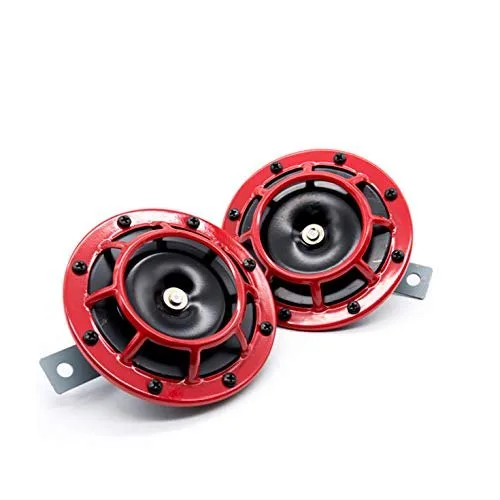 Horns
Horns
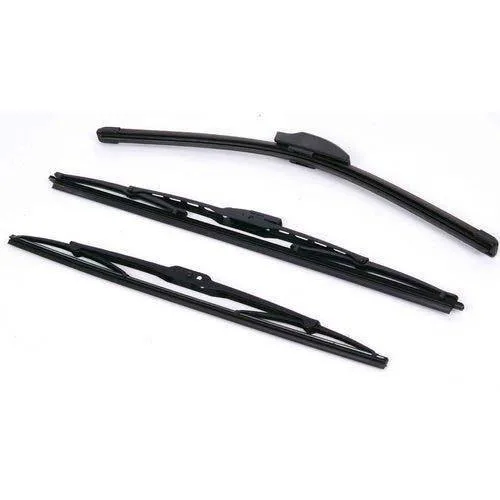 Wiper Blade
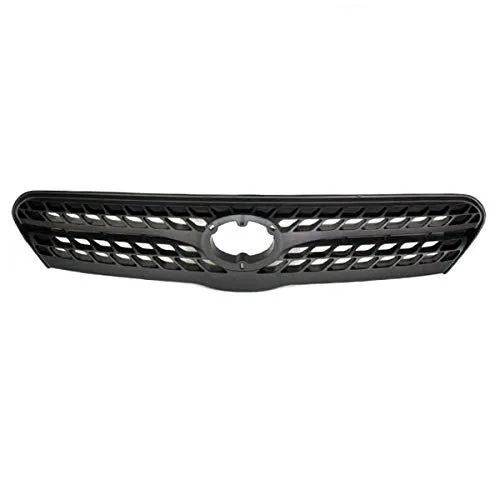 Front Grille
 Side Mirror
 Battery
 Car Care
›
Car Care
›
 Air Freshener & Perfume
 Gear knob
 Stickers & Decals
 Blind Spot Mirror
 Steering Knob
 Key Covers
 Polish & Scratch Remover
 Seat Utility Holder
 Cup Holder
 Dustbin
 Paper Napkin
 Shop By Car
›
Shop By Car
›
 Tata
›
Tata
›
 Maruti Suzuki
›
Maruti Suzuki
›
 Hyundai
›
Hyundai
›
 Toyota
›
Toyota
›
 Mahindra
›
Mahindra
›
 Honda
›
Honda
›
 Ford
›
Ford
›
 Nissan
›
Nissan
›
 Renault
›
Renault
›
 Skoda
›
Skoda
›
 Volkswagen
›
Volkswagen
›
 Morris Garages - MG
›
Morris Garages - MG
›
 KIA
›
KIA
›
 Jeep
›
Jeep
›
 Citroen
›
Citroen
›
 Datsun
›
Datsun
›
 Chevrolet
›
Chevrolet
›
 Isuzu
›
Isuzu
›
 Mitsubishi
›
Mitsubishi
›
 AUDI
›
AUDI
›
 BMW
›
BMW
›
 Mercedes
›
Mercedes
›
 Land Rover
›
Land Rover
›
 Jaguar
›
Jaguar
›
 Volvo
›
Volvo
›
 FIAT
›
FIAT
›
 Mini Cooper
›
Mini Cooper
›
 Porsche
›
Porsche
›
 Lexus
›
Citron
›
Fors
›
Morris Garages
›
MG
›
Lexus
›
Citron
›
Fors
›
Morris Garages
›
MG
›
 Nexon
Nexon
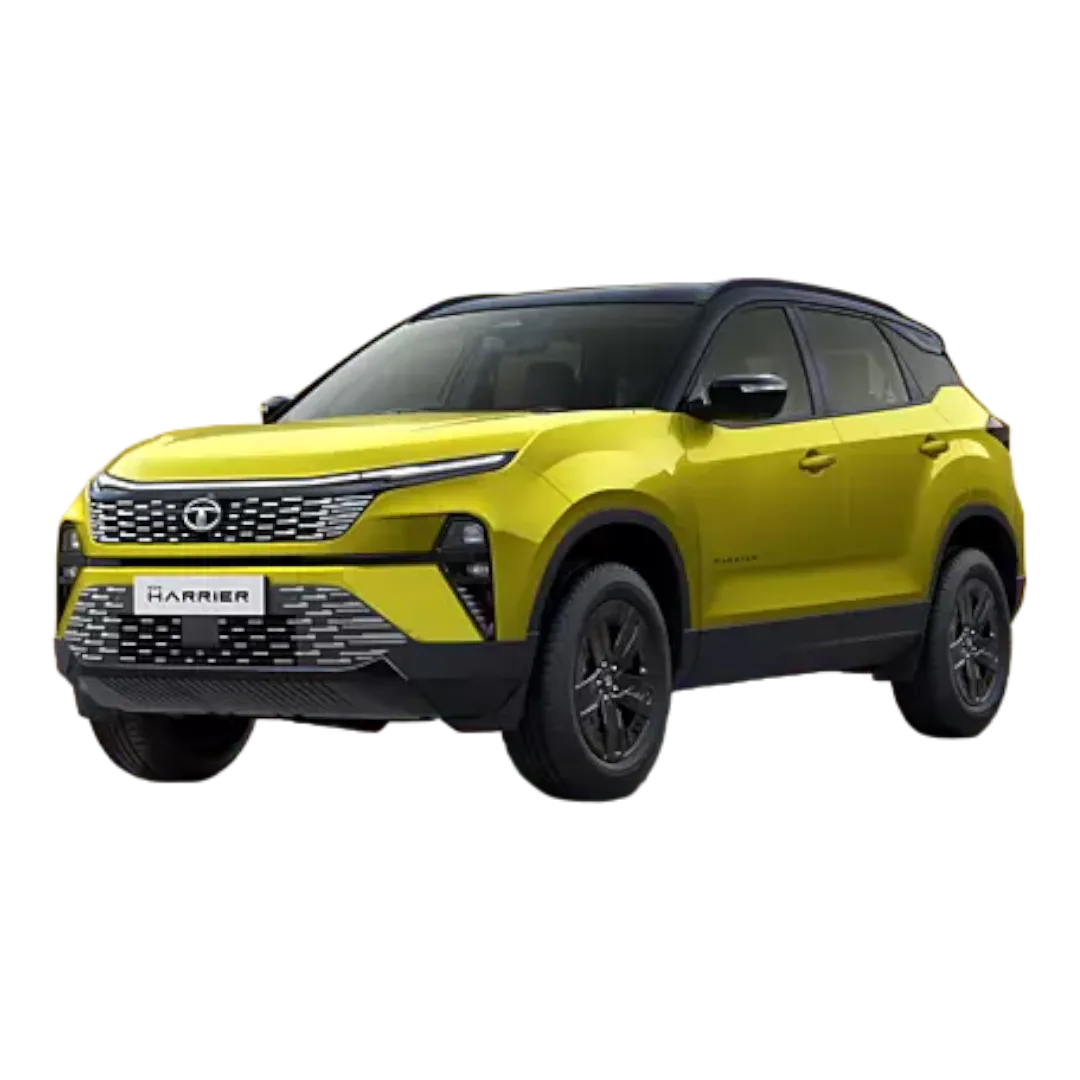 Harrier
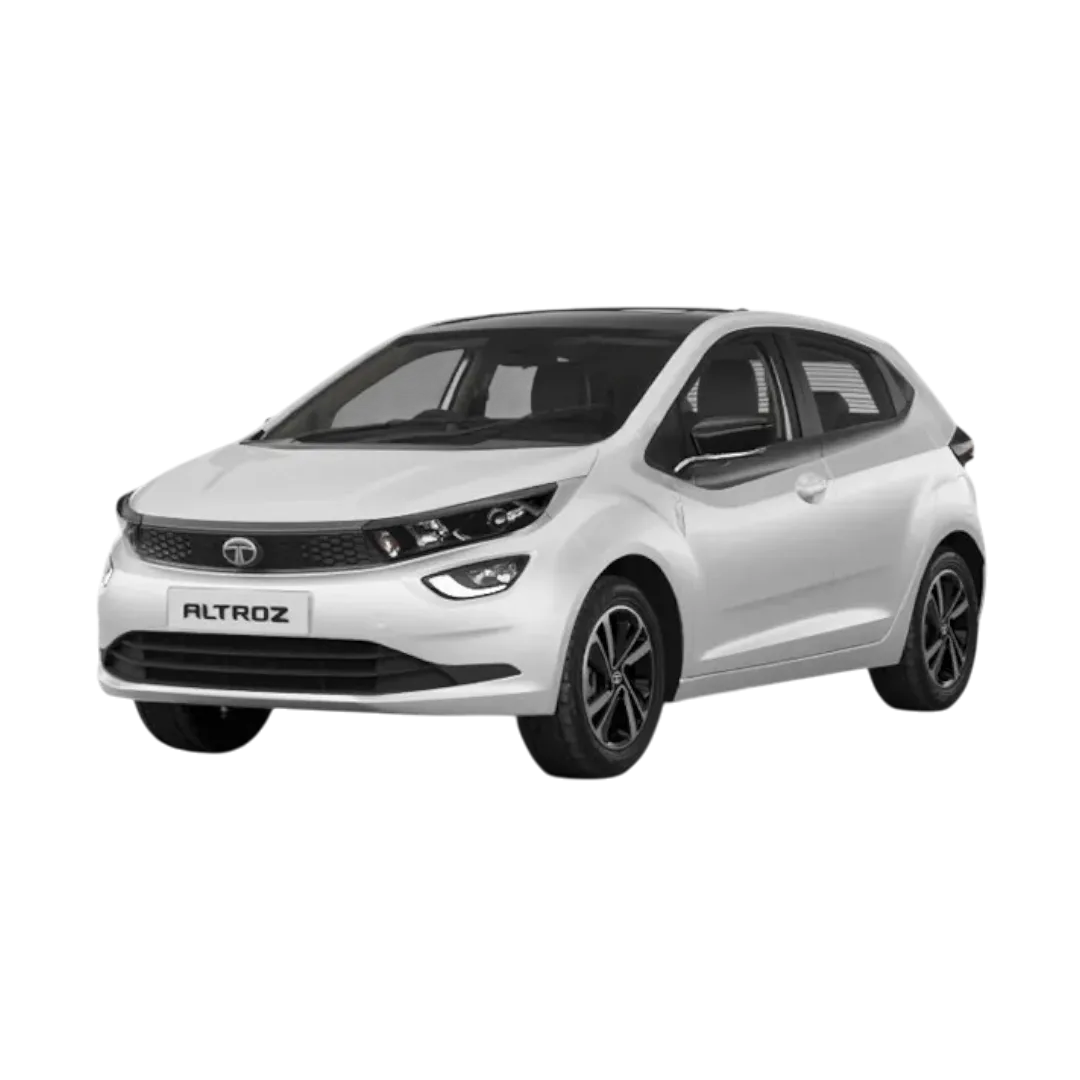 Altroz
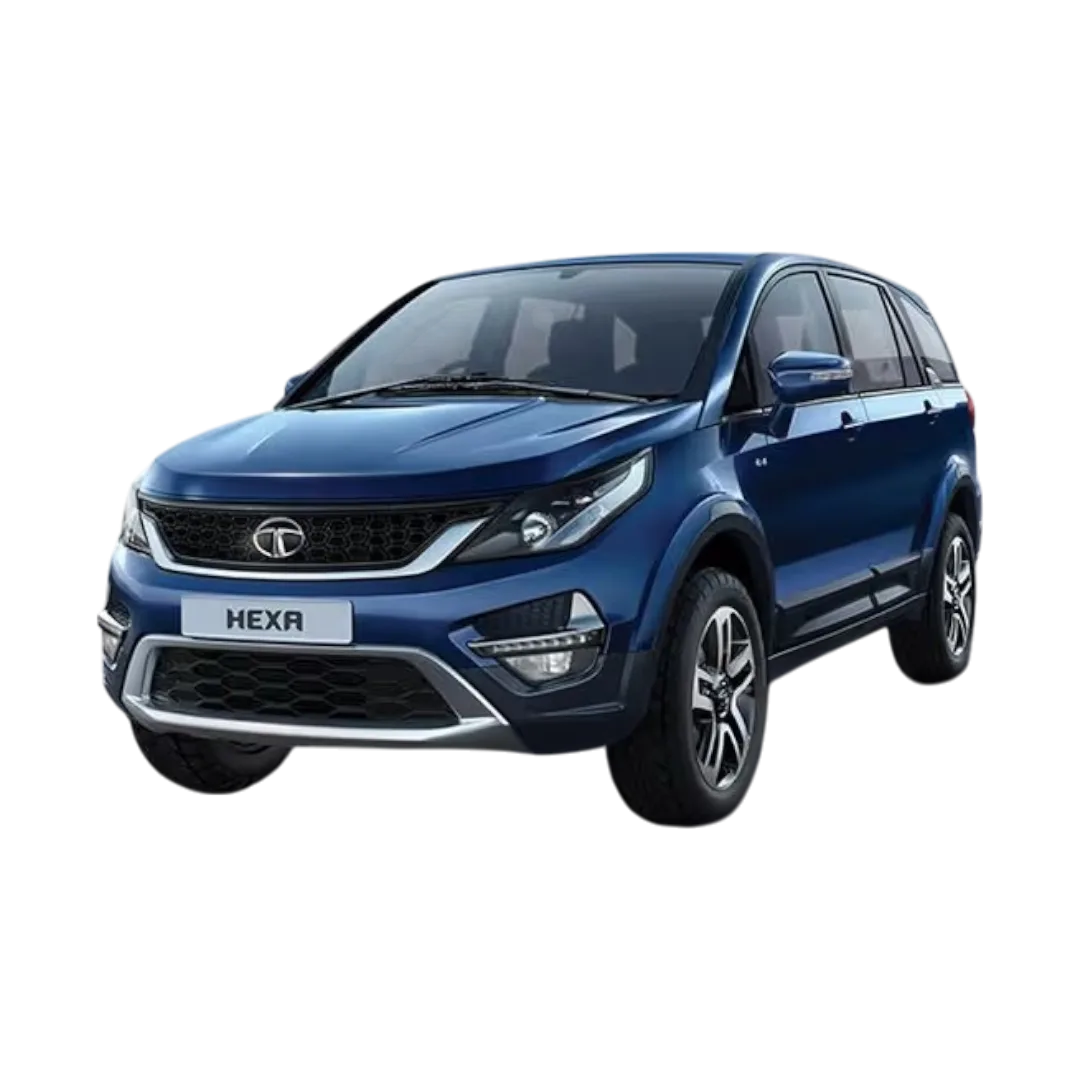 Hexa
Hexa
 Safari
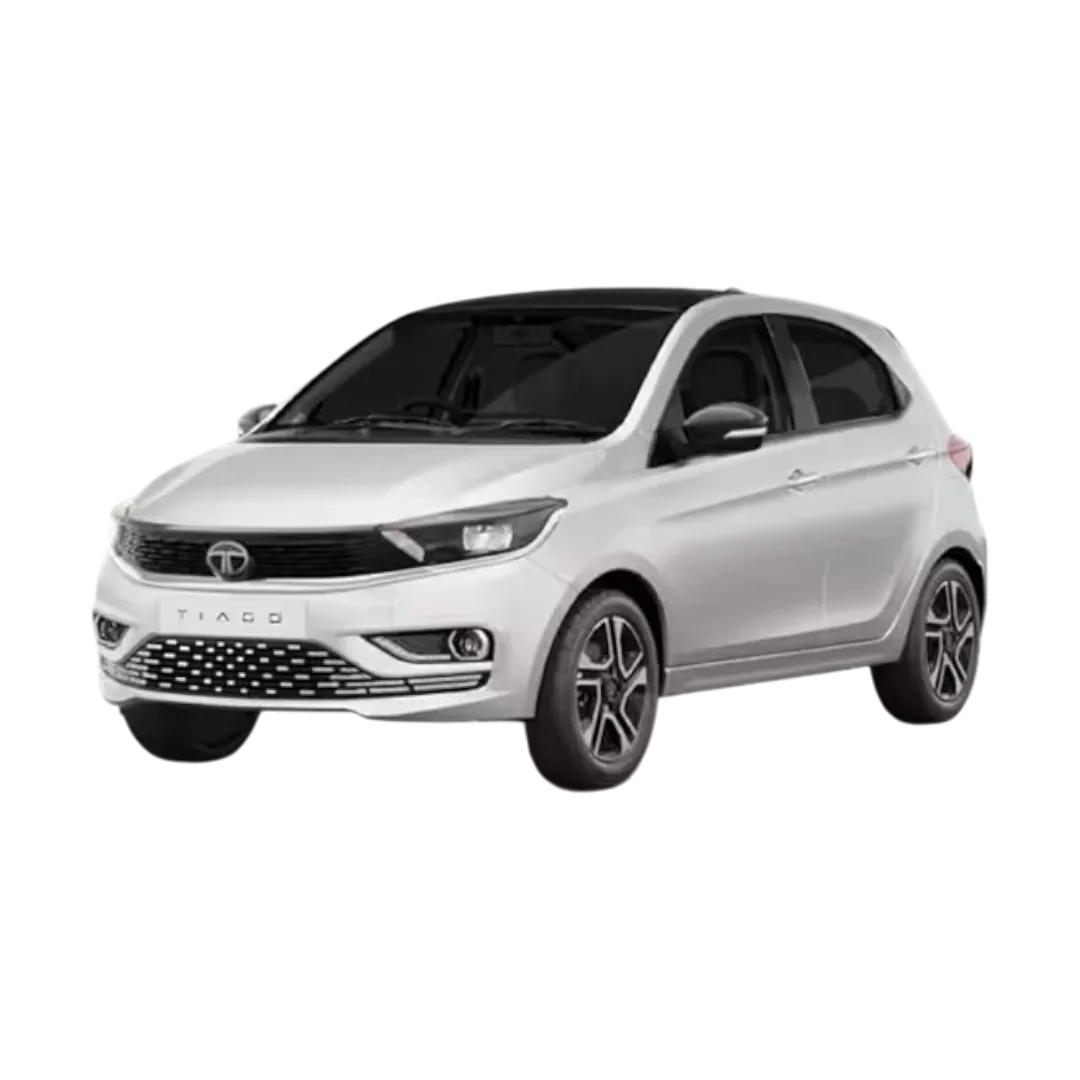 Tiago
Tiago
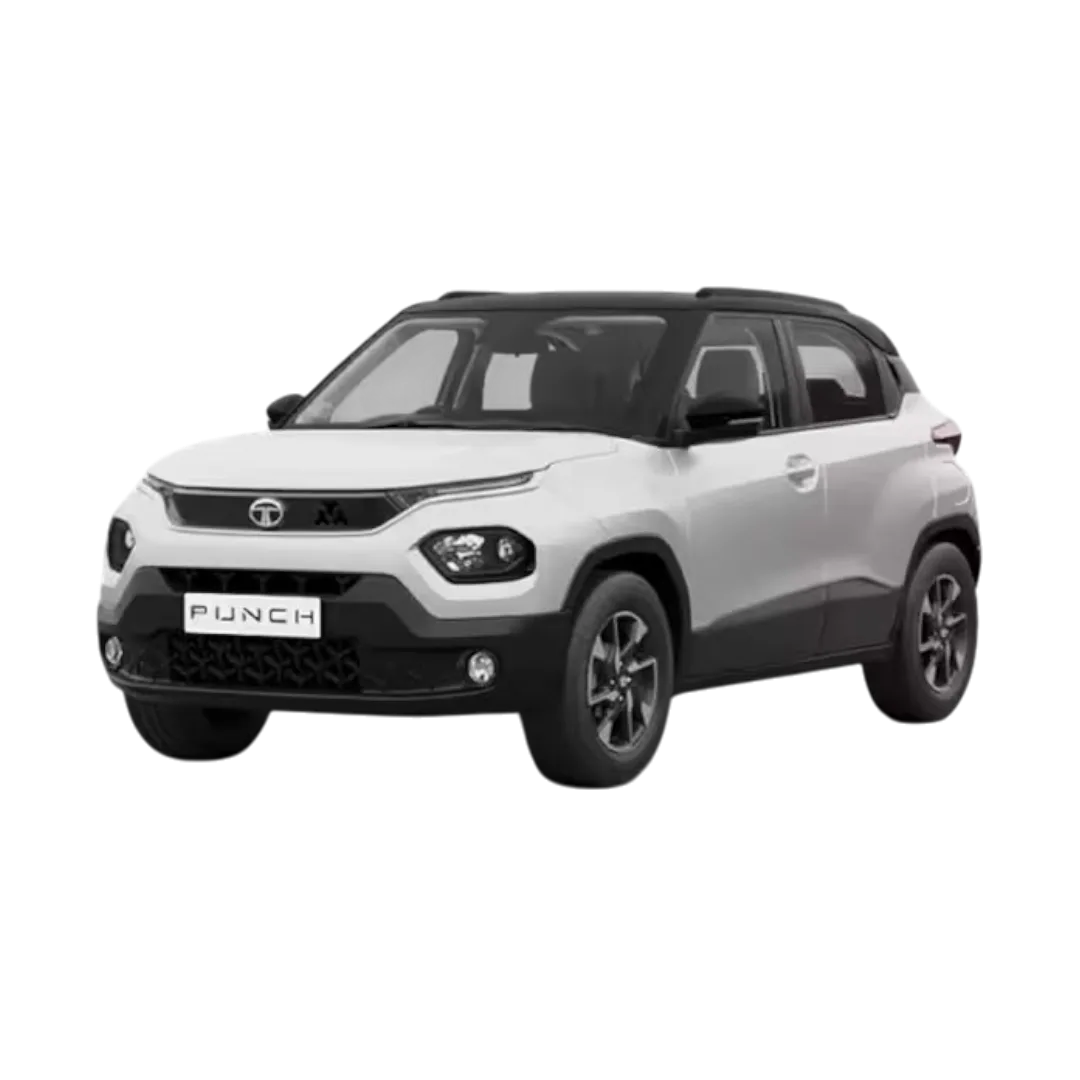 Punch
Punch
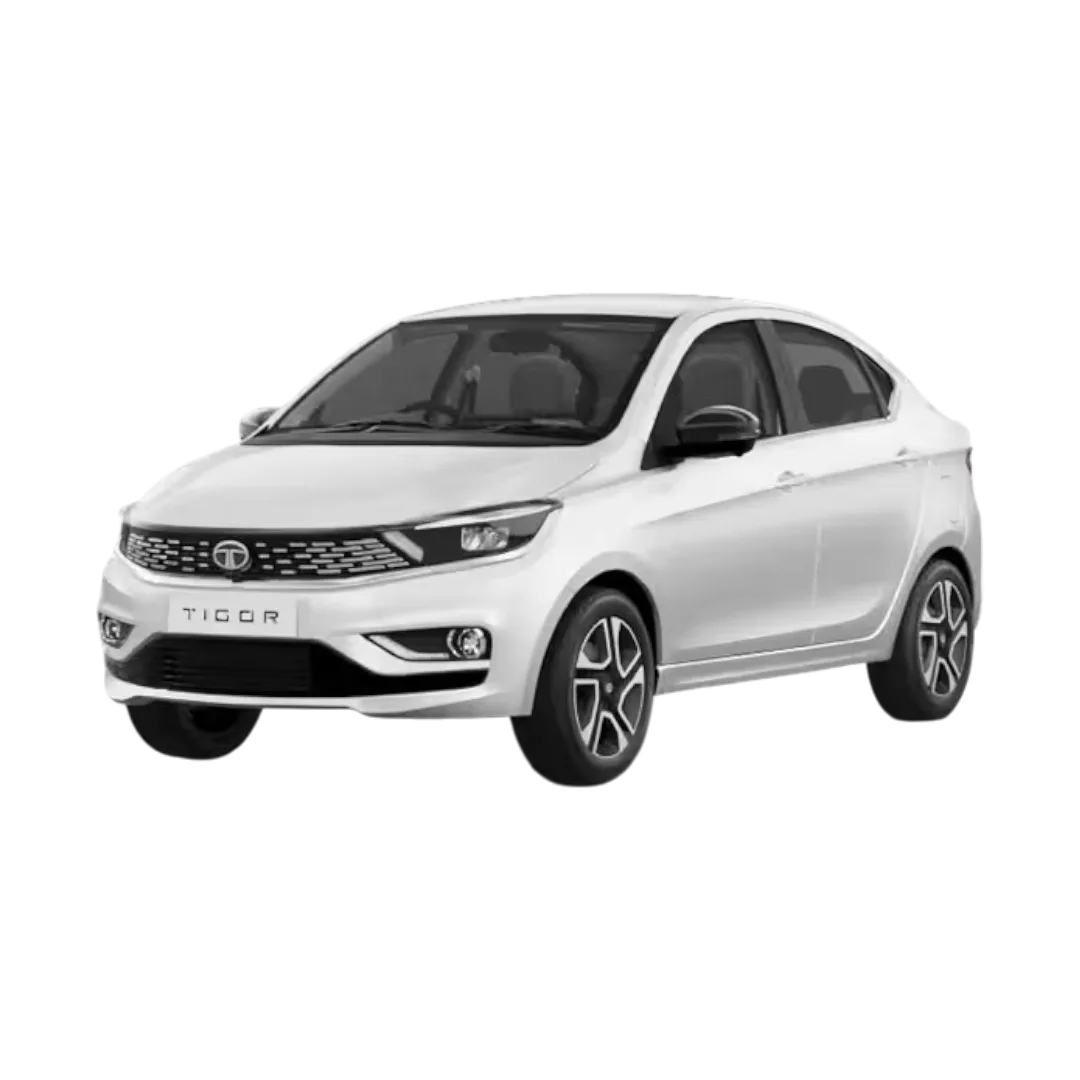 Tigor
Tigor
 Sumo
Sumo
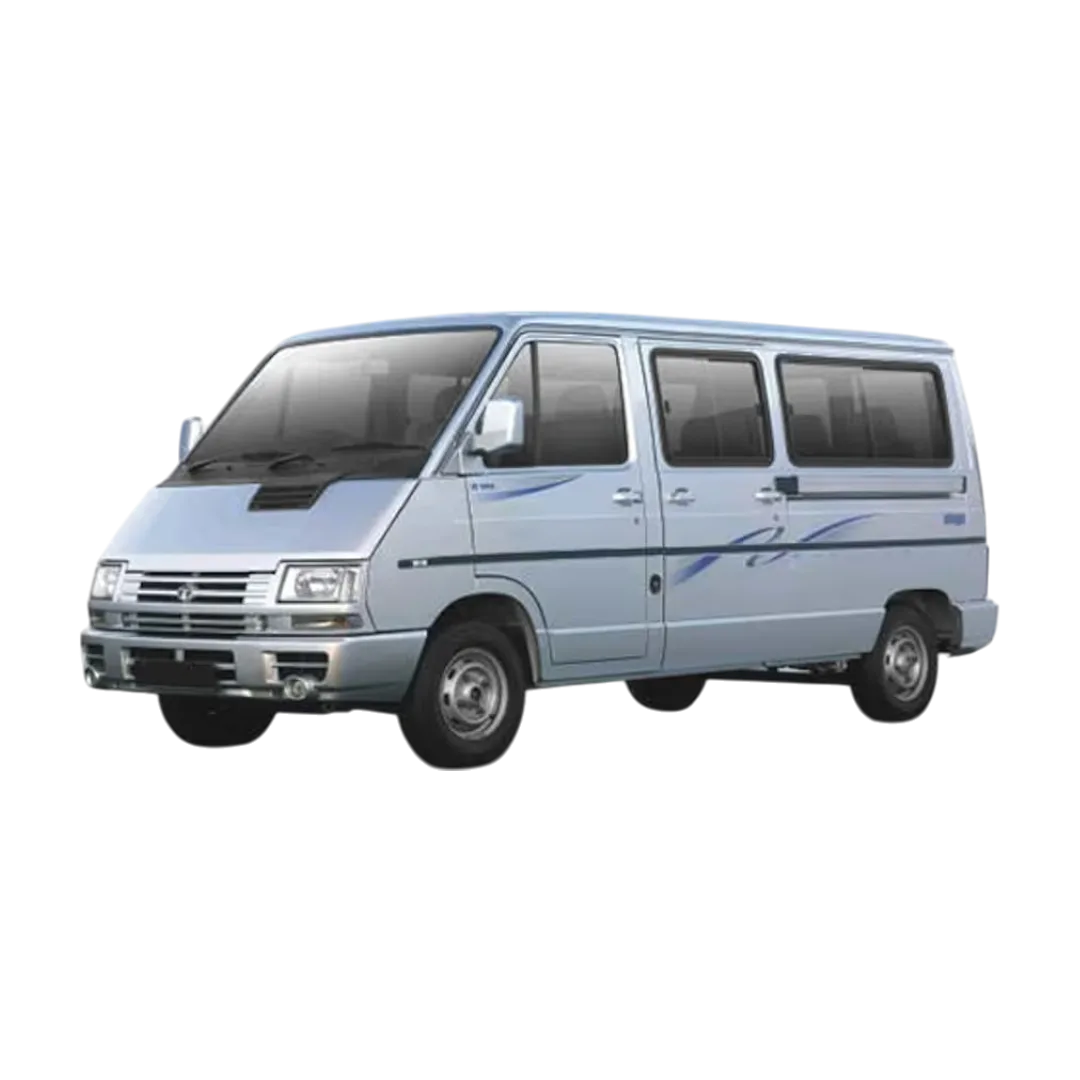 Winger
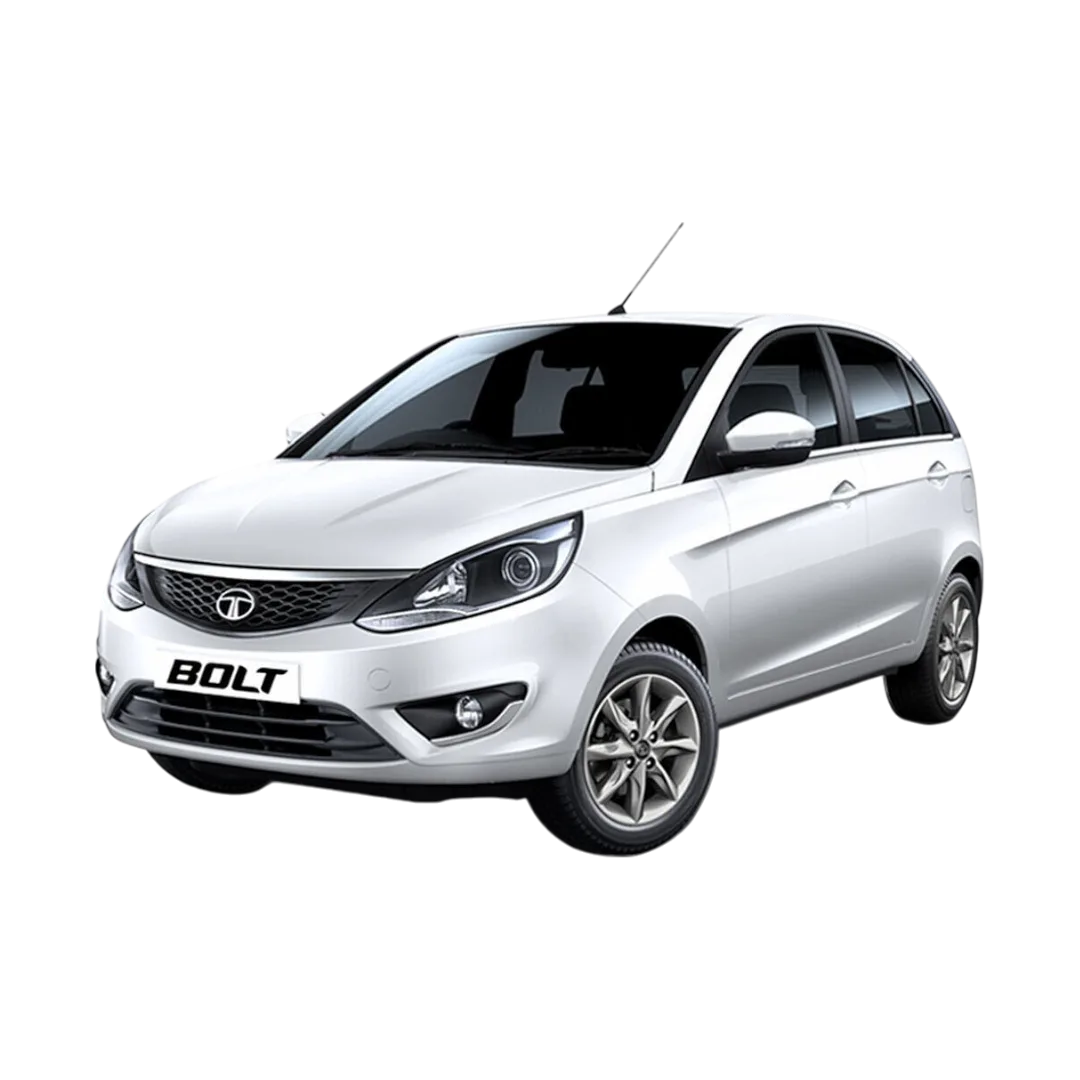 Bolt
Bolt
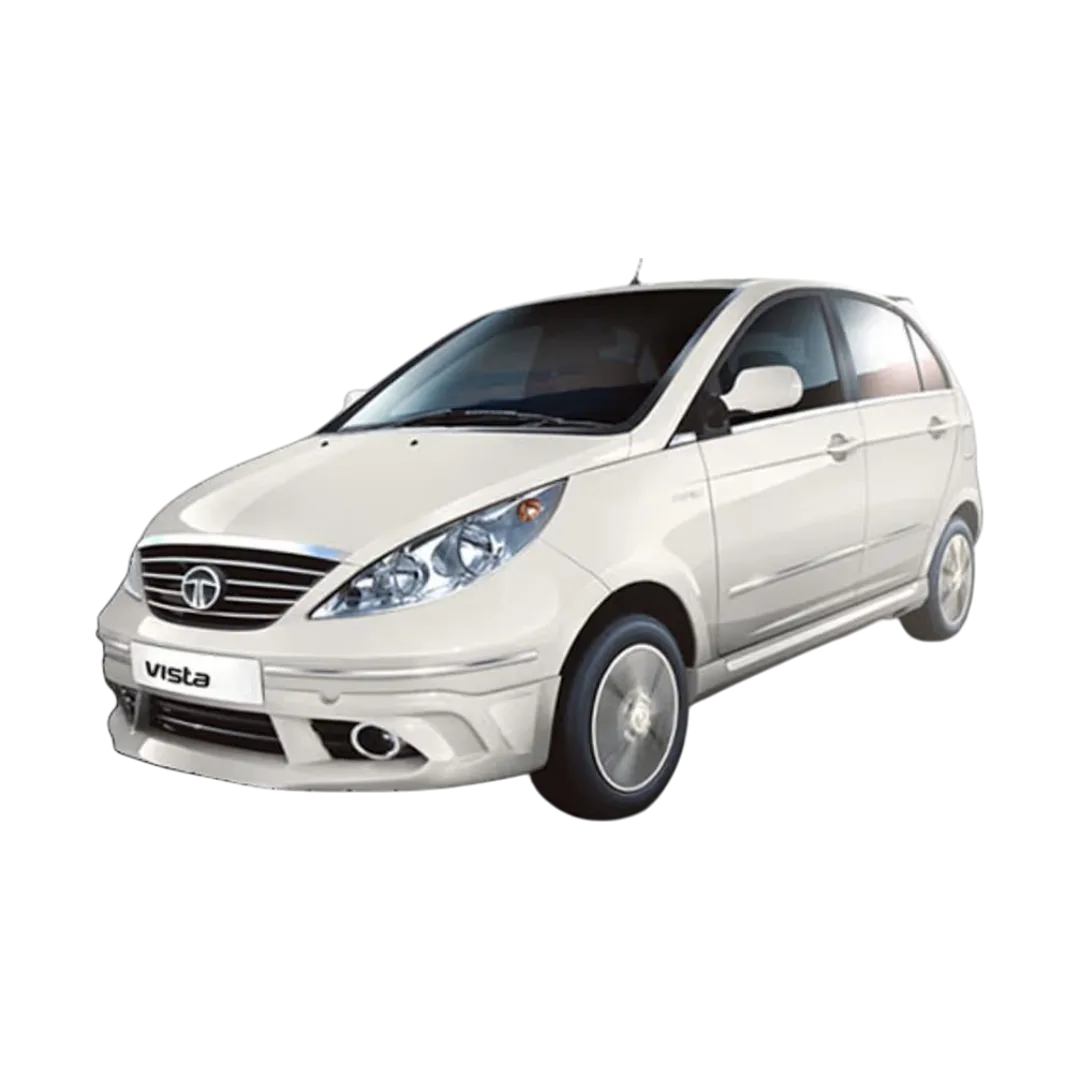 Vista
Vista
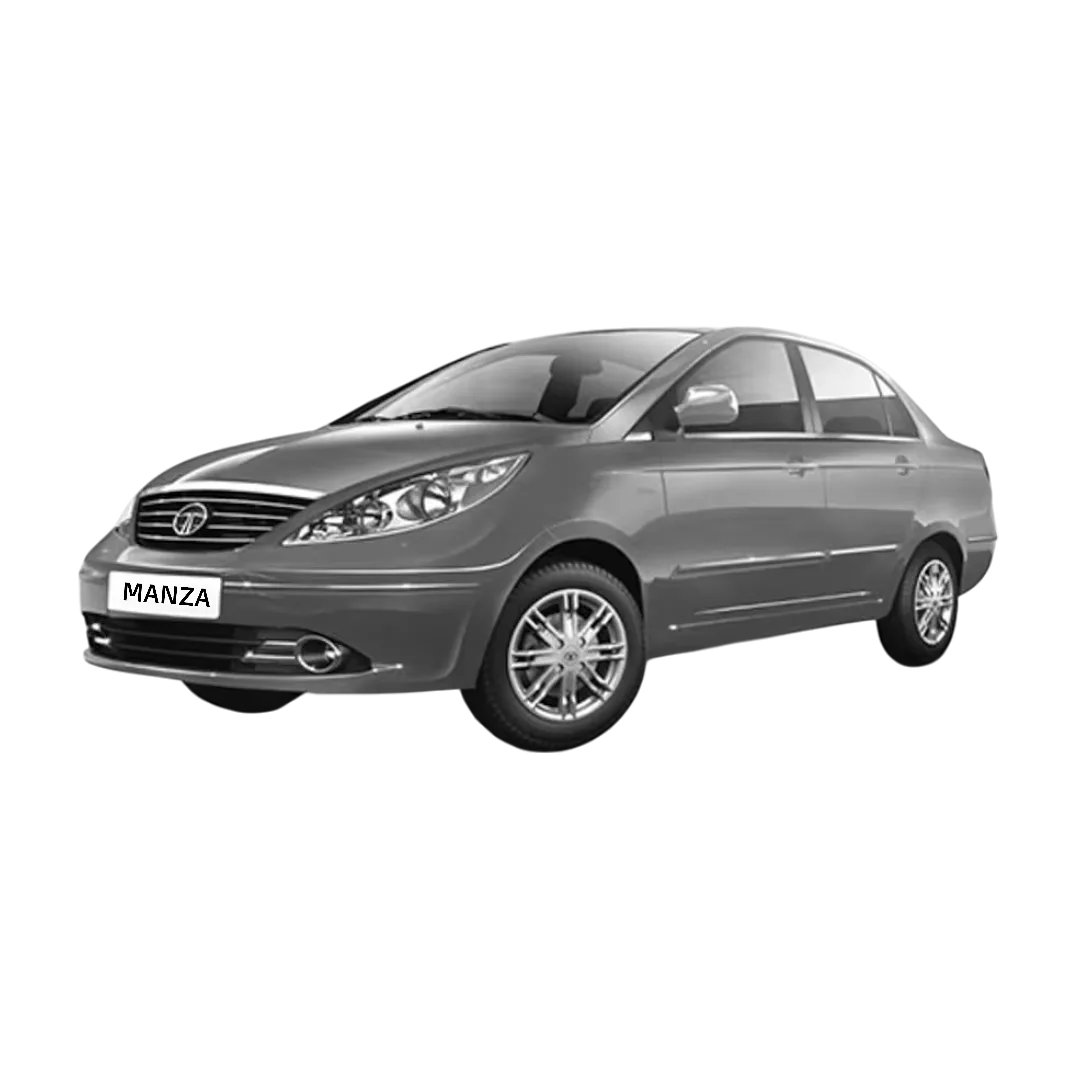 Manza
Manza
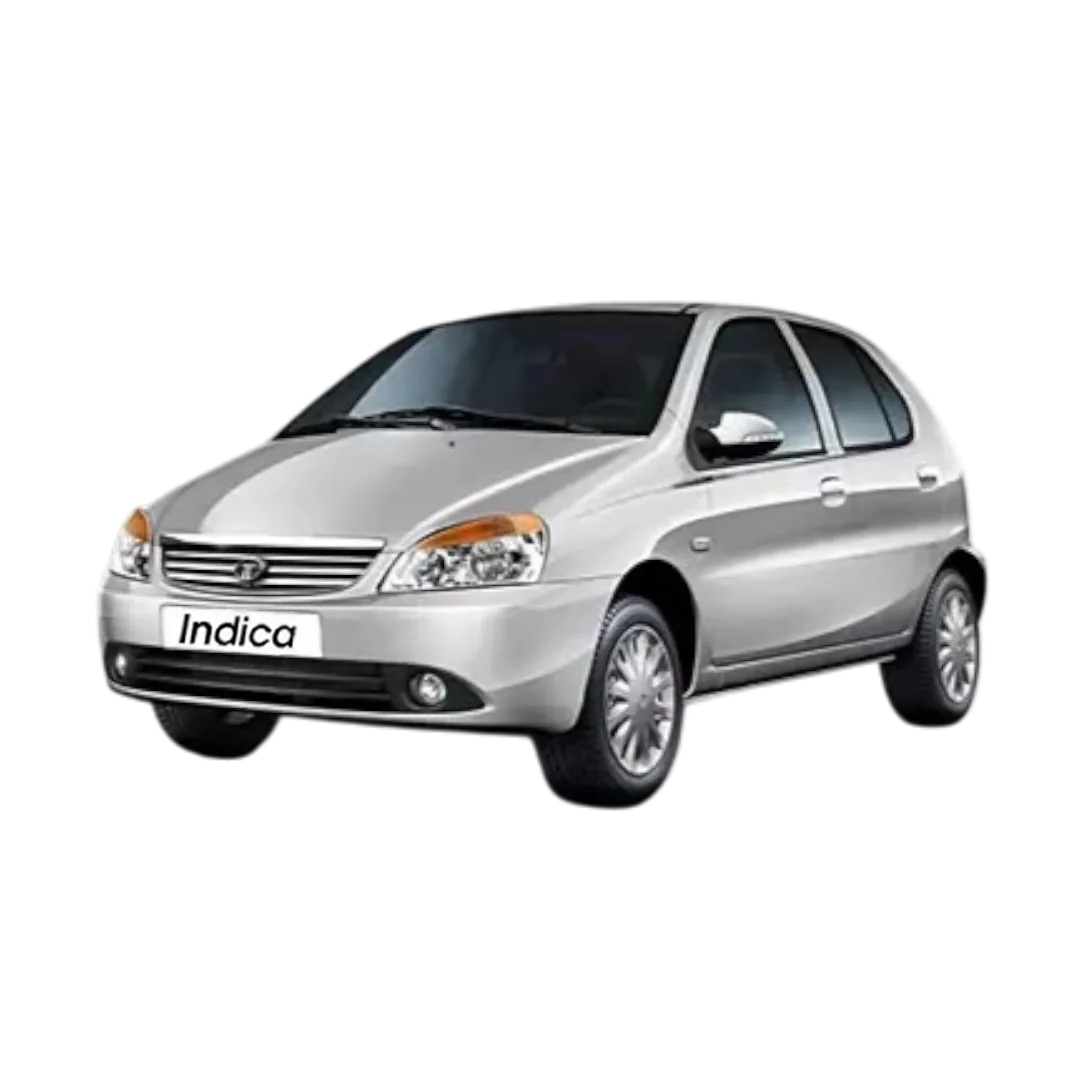 Indica
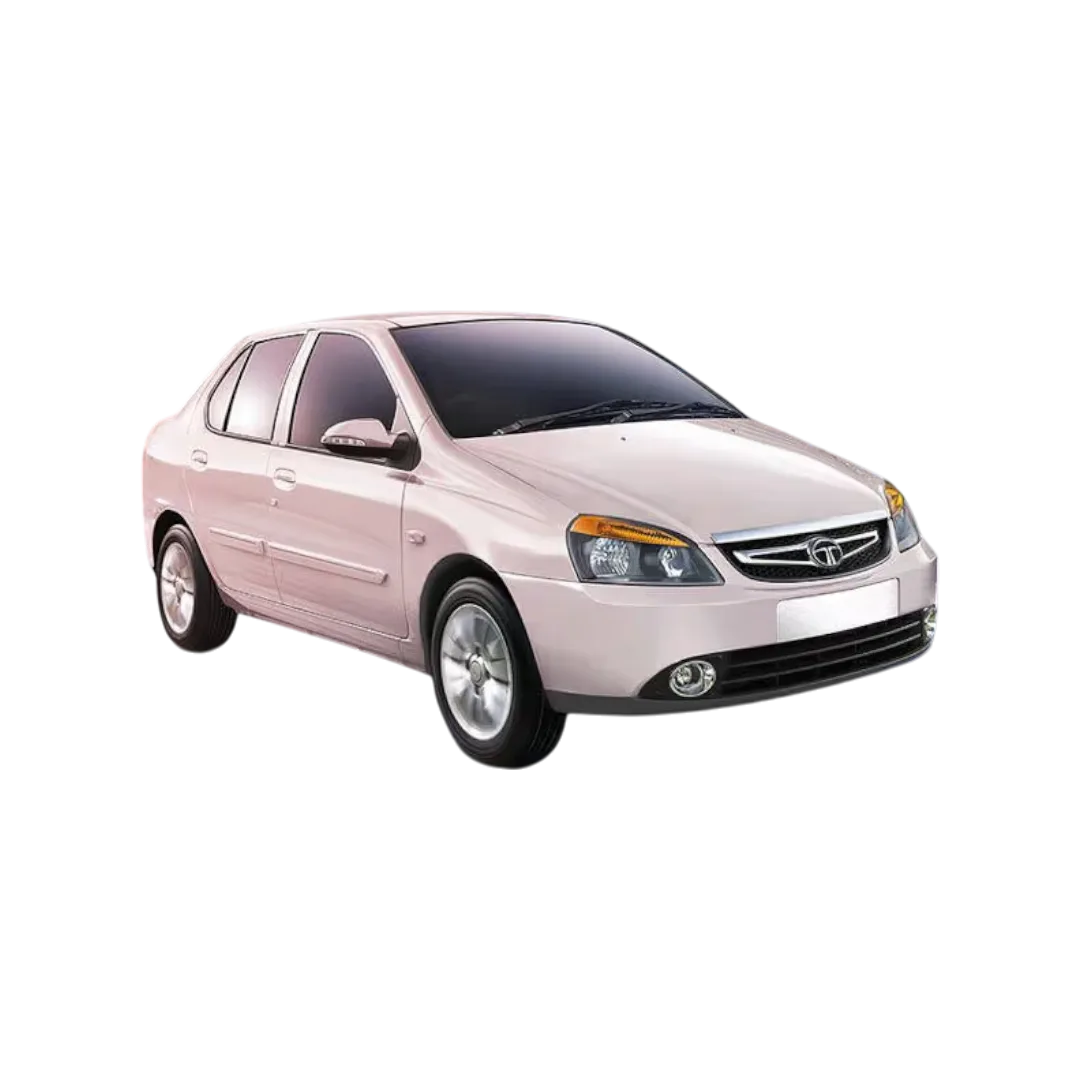 Indigo
 Nano
Nano
 Aria
Aria
 Safari Storme
 Zest
Zest
 NEXON EV Max
 NEXON EV Prime
 Tiago NRG
 Tigor EV
INDICA VISTA
Curvv
Sierra
Magic
Tigor EV
INDICA VISTA
Curvv
Sierra
Magic
 Ciaz
Ciaz
 S-Presso
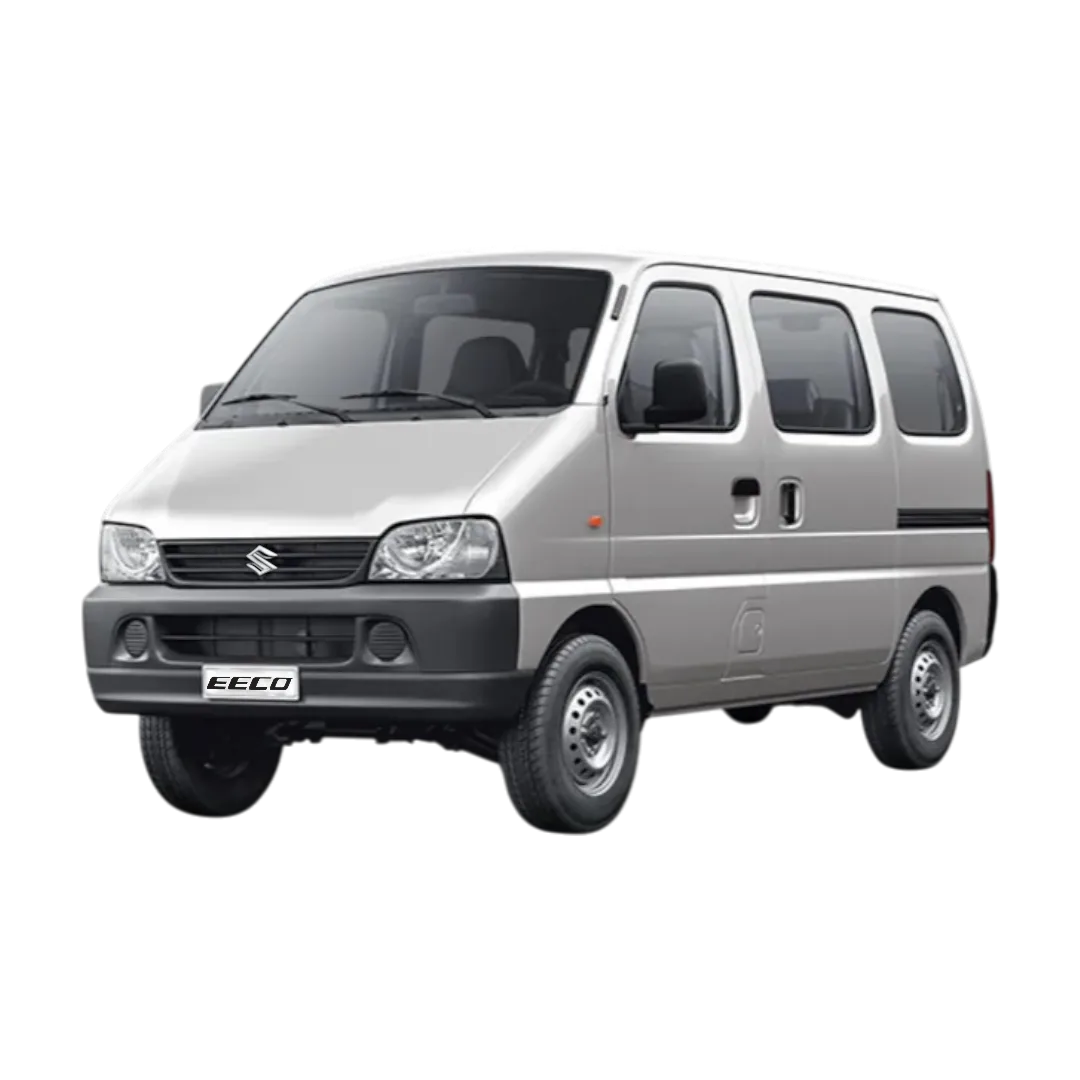 Eeco/Versa
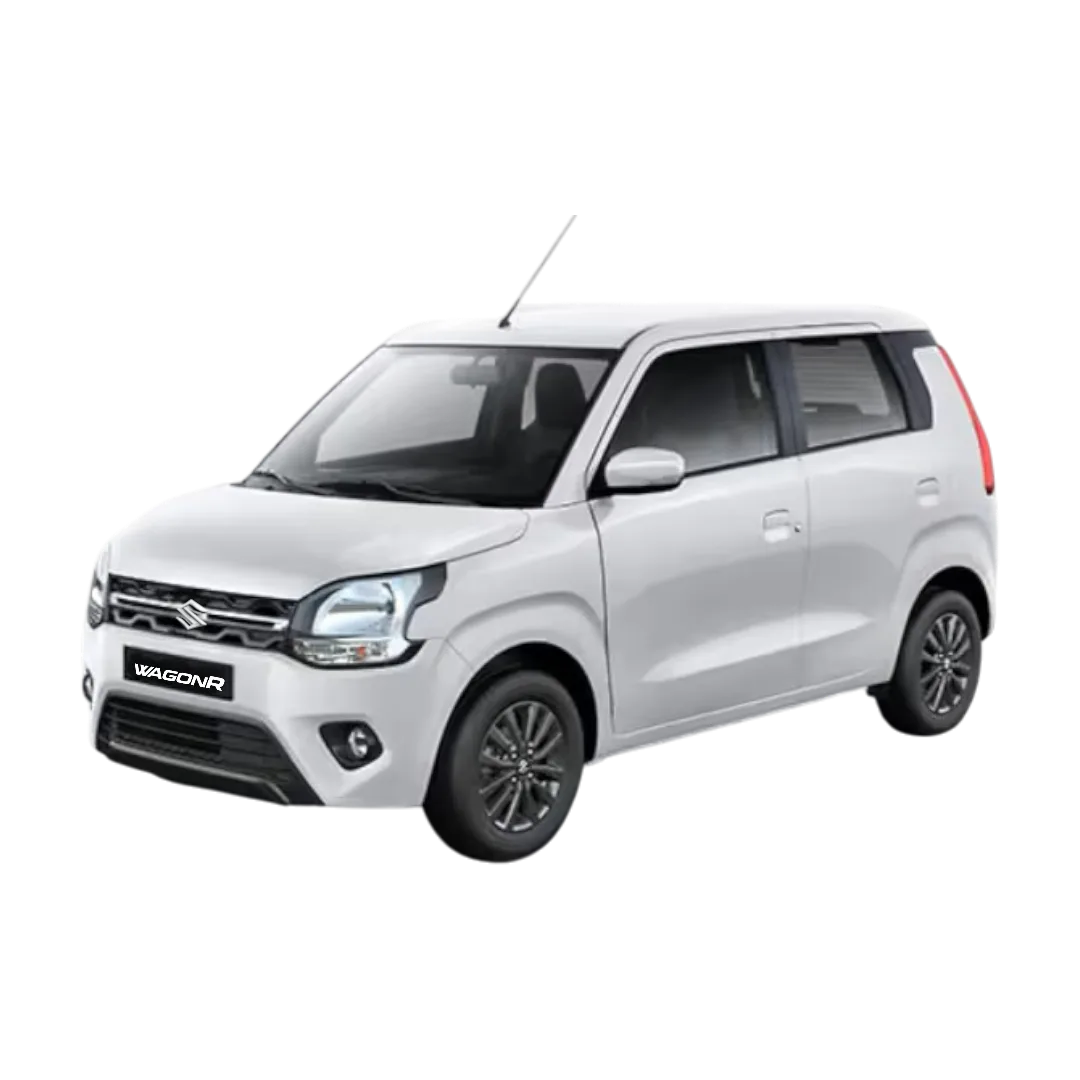 WagonR
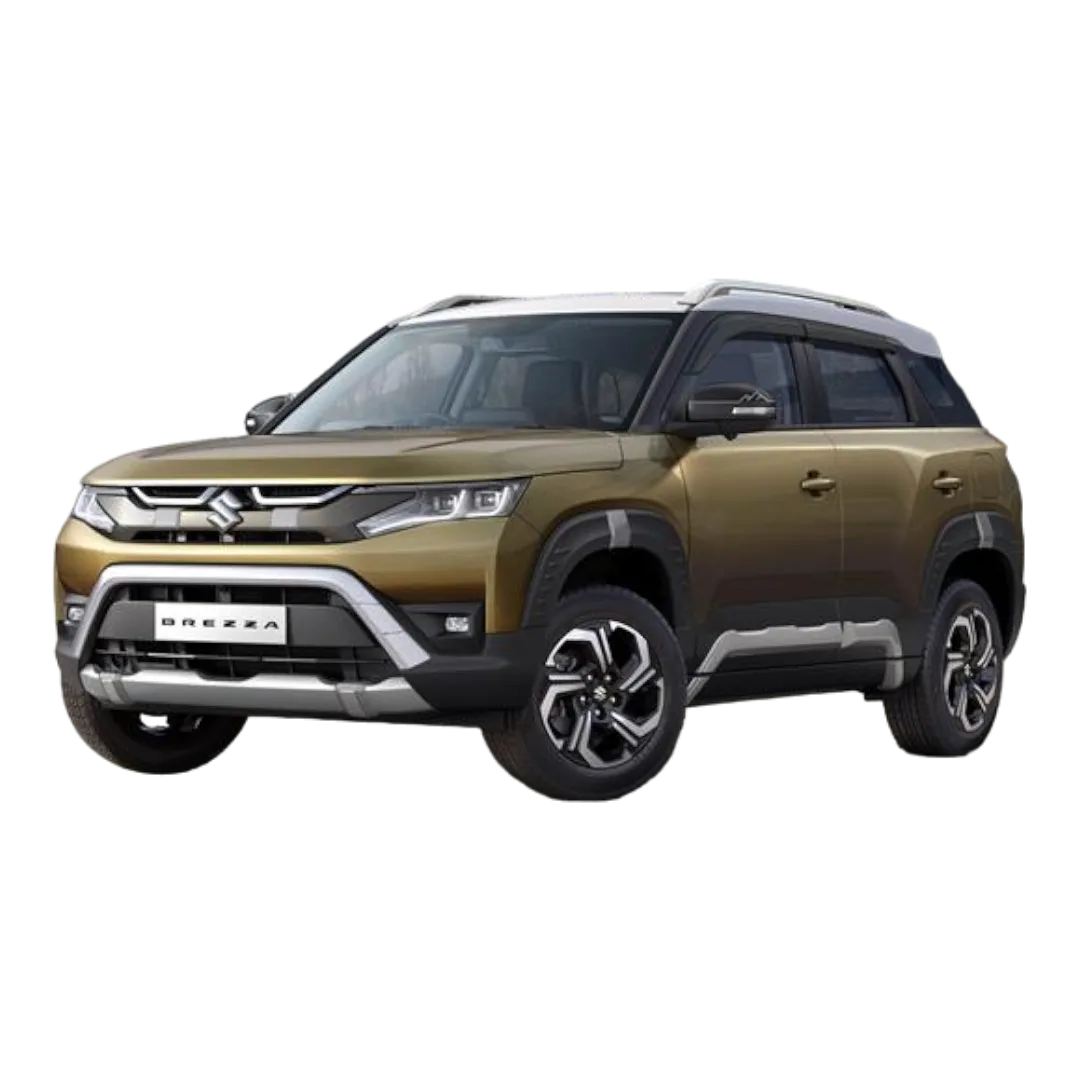 Brezza
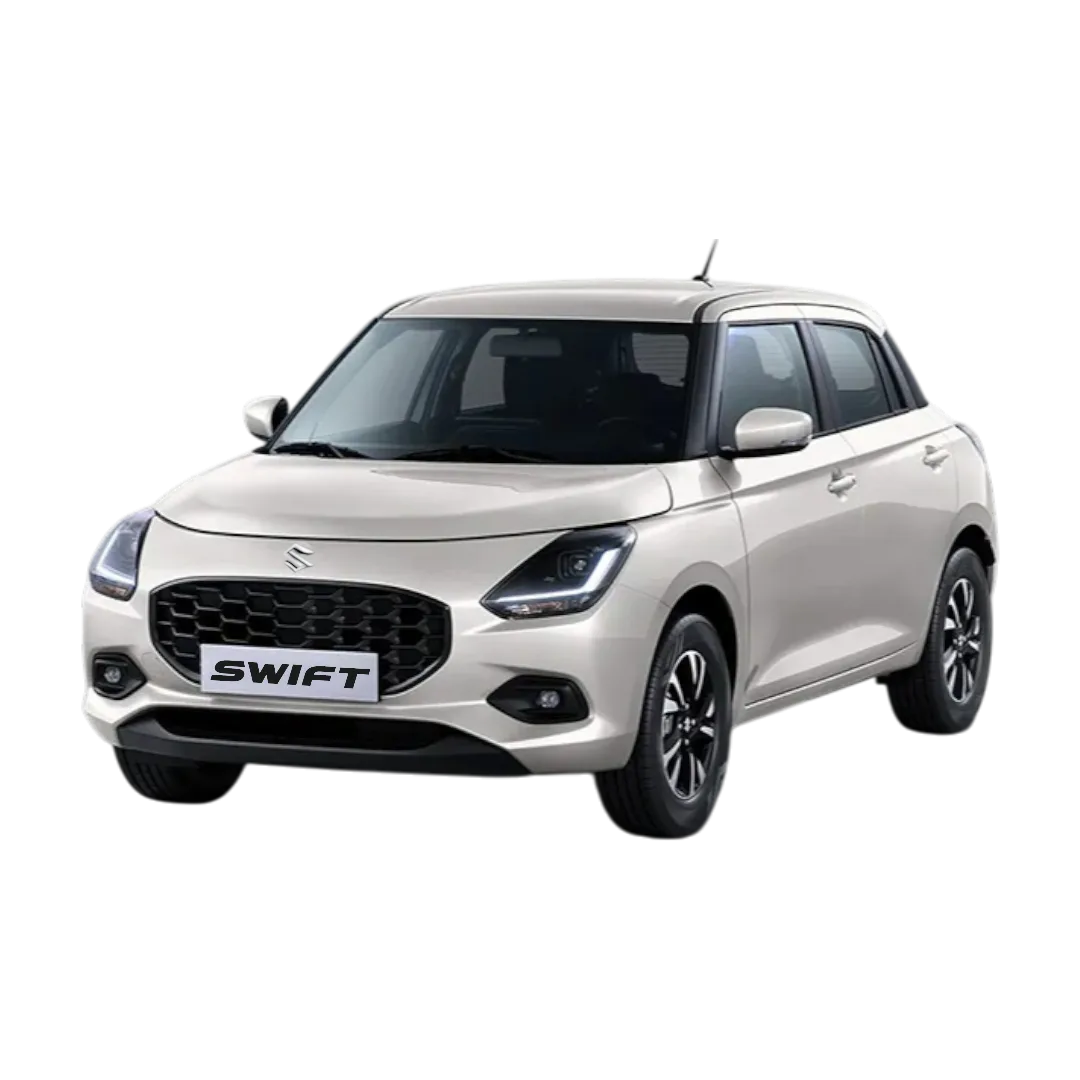 Swift
Swift
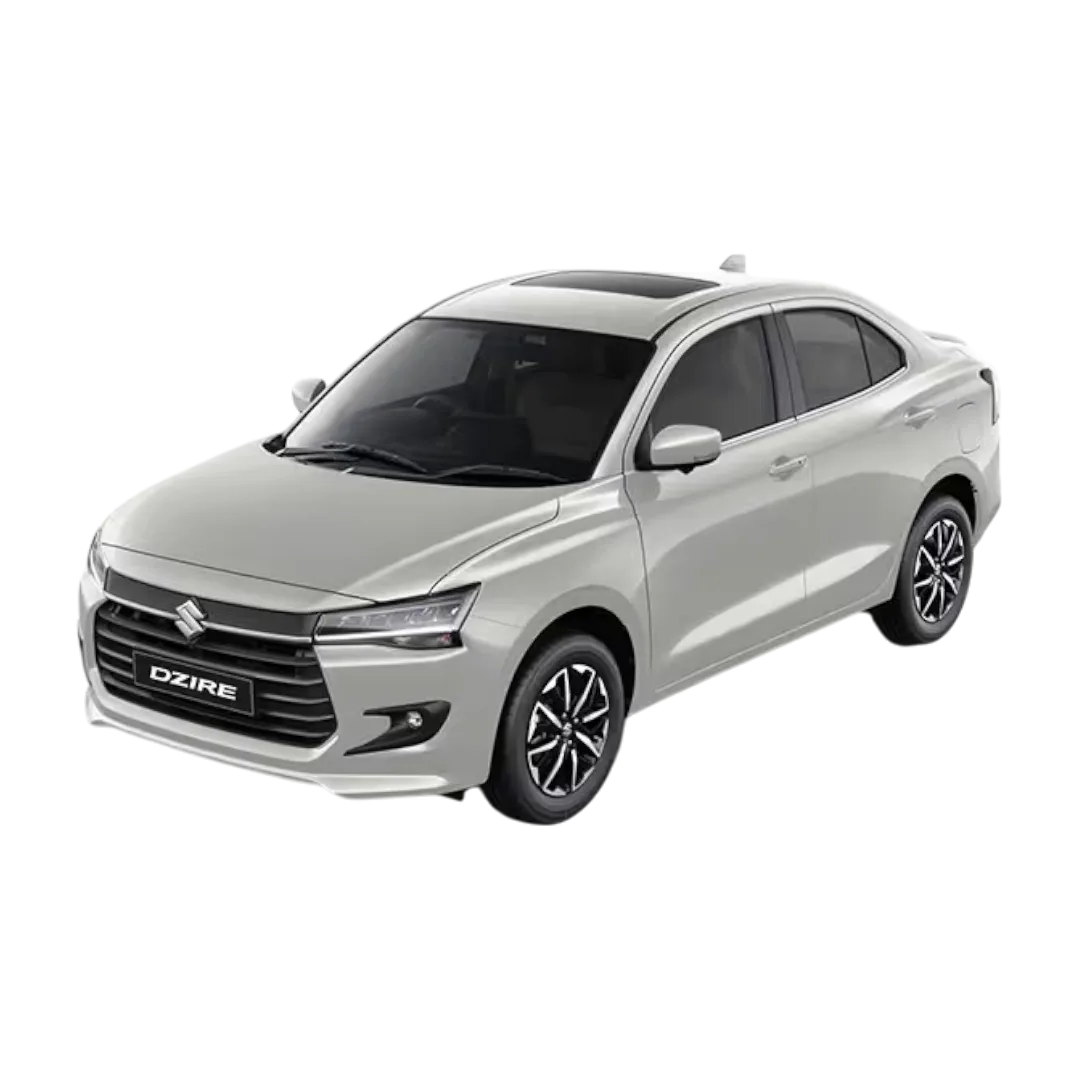 Dzire
Dzire
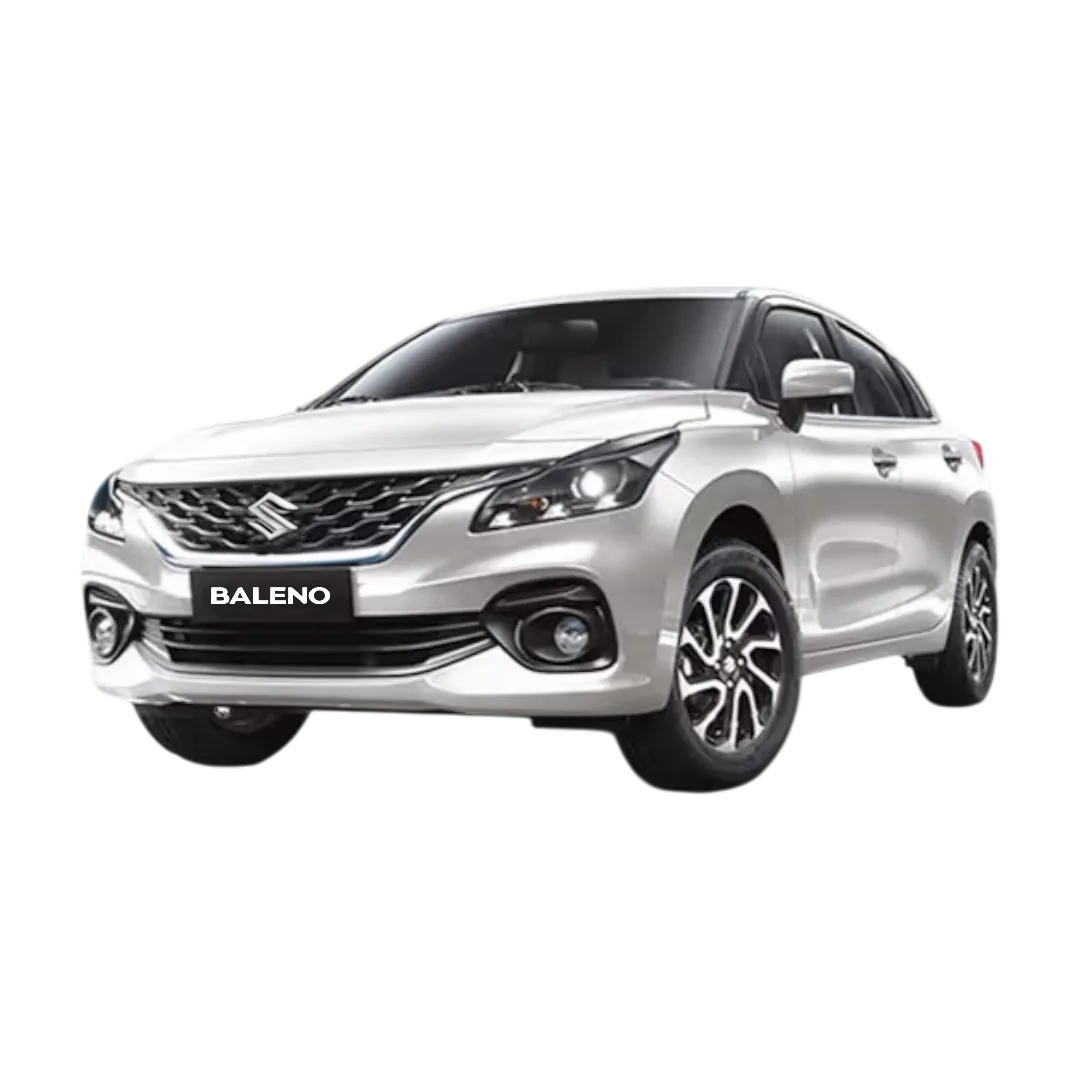 Baleno
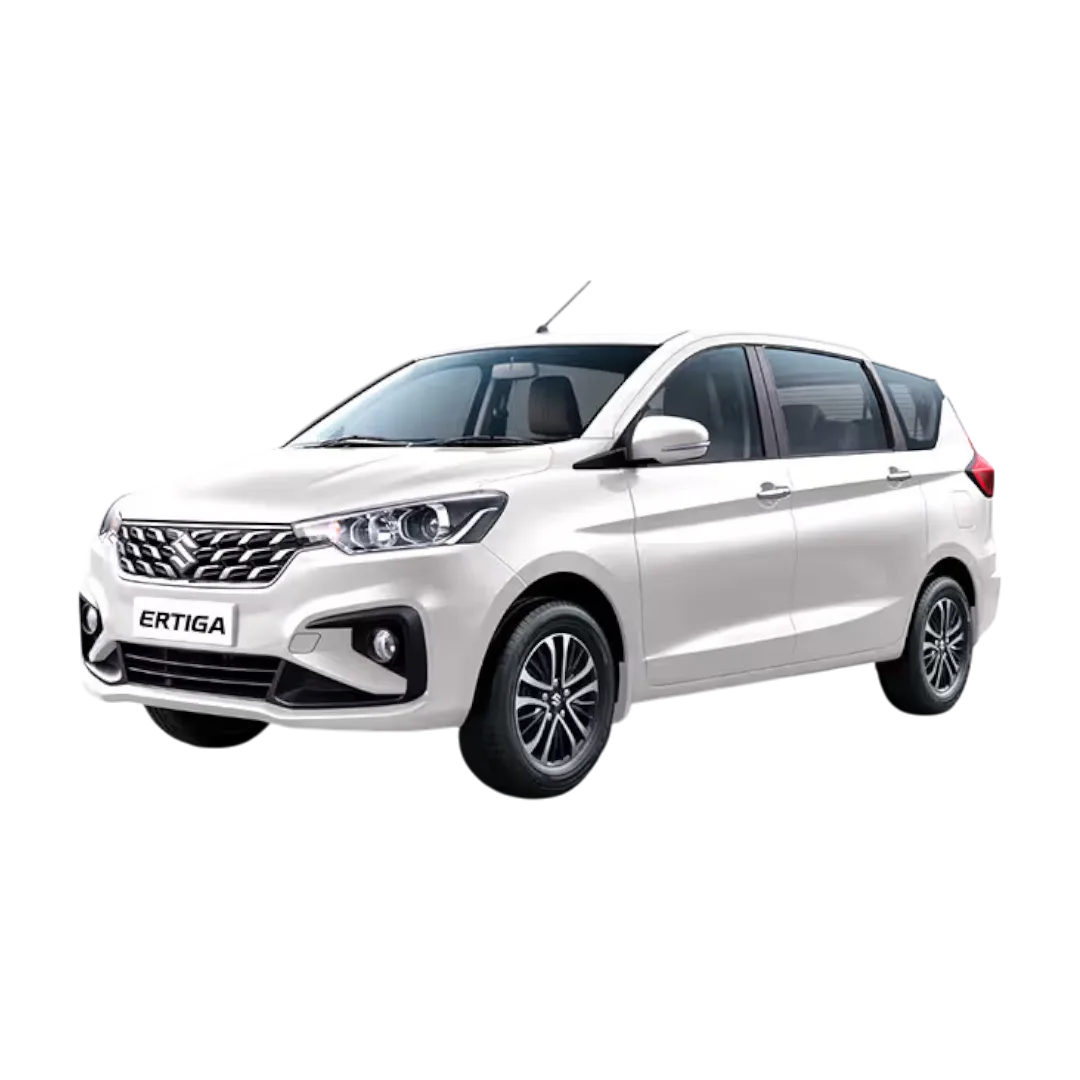 Ertiga
 Grand Vitara
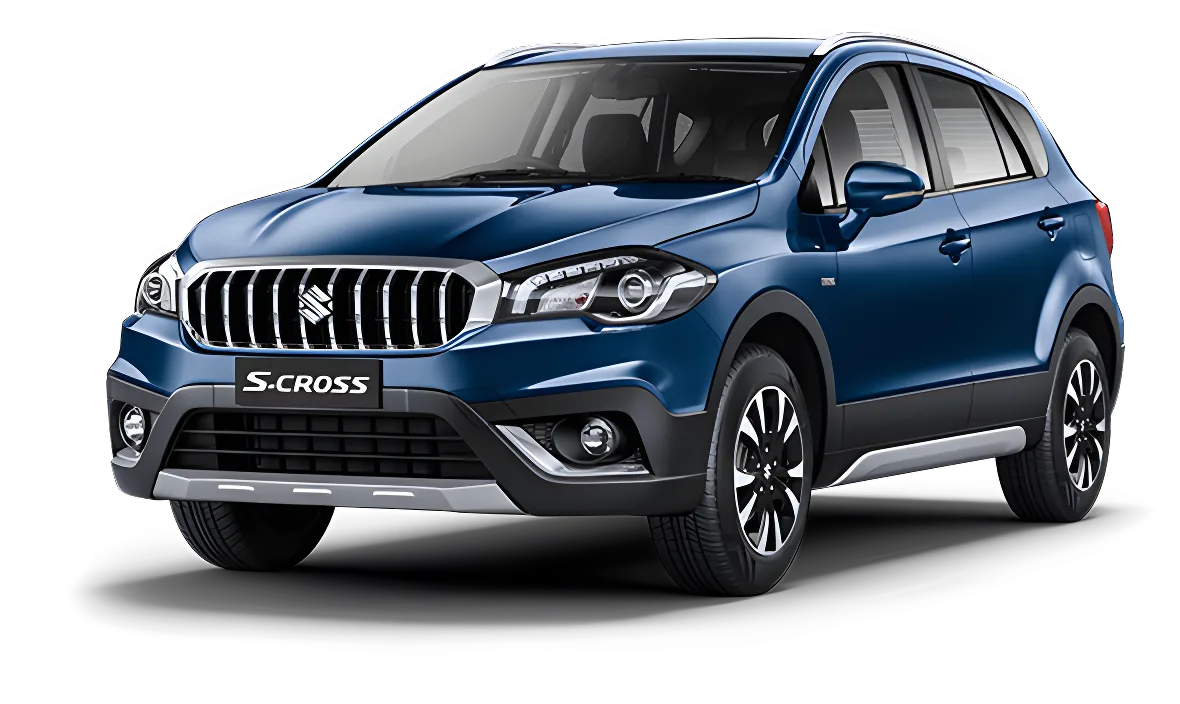 S-Cross
 Jimny
Jimny
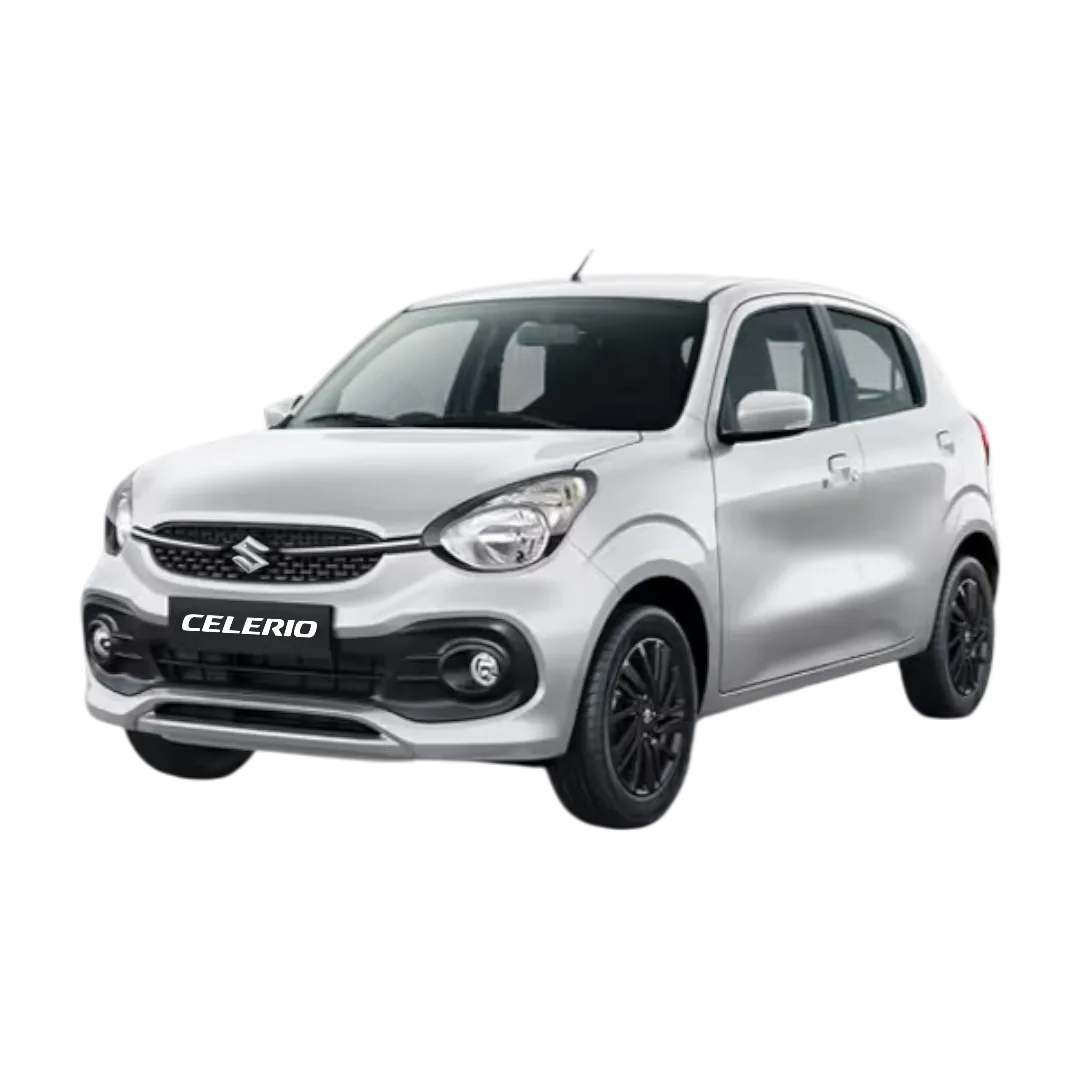 Celerio
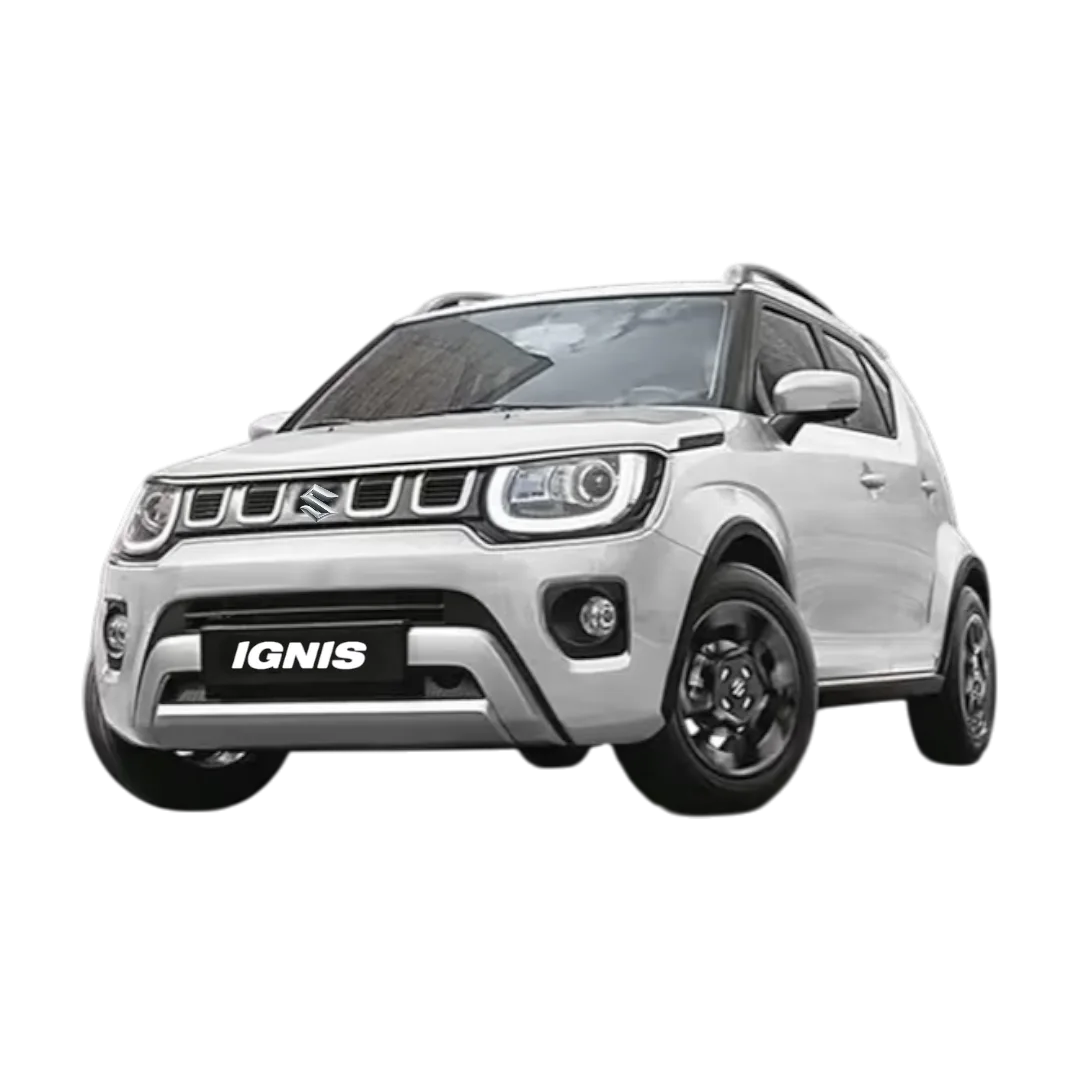 Ignis
Ignis
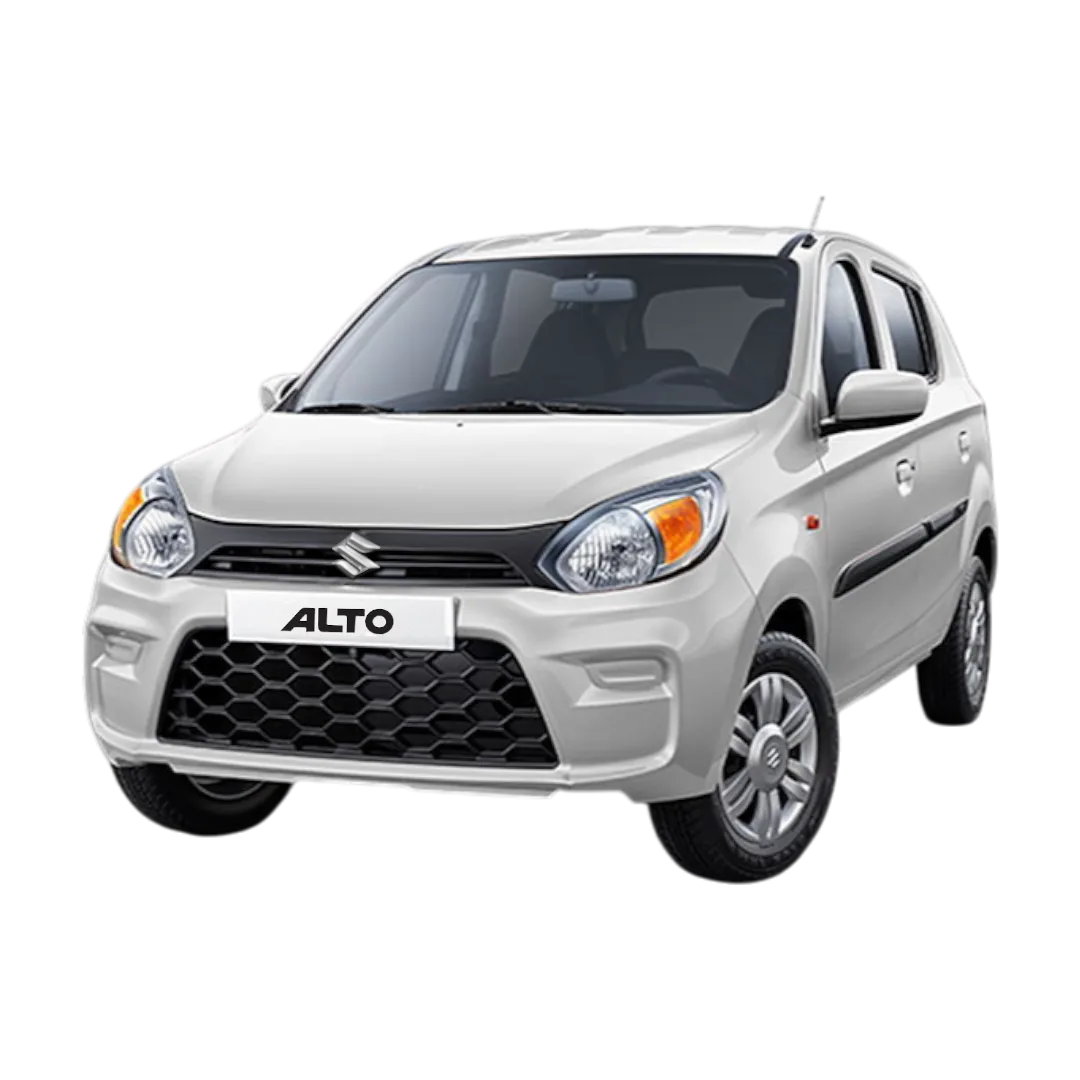 Alto 800
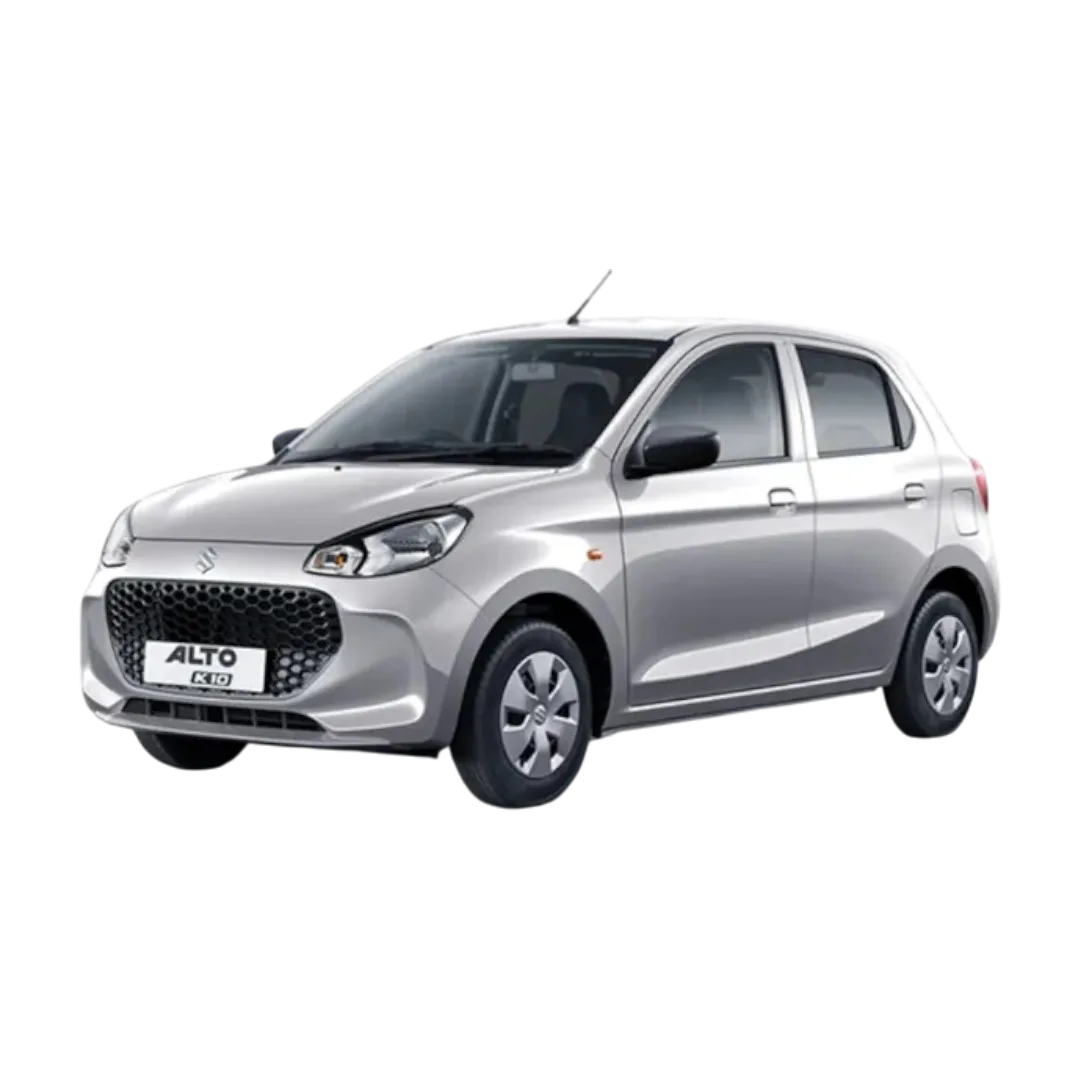 Alto K10
 XL6
XL6
 Omni
Omni
 SX4
SX4
 Gypsy
Gypsy
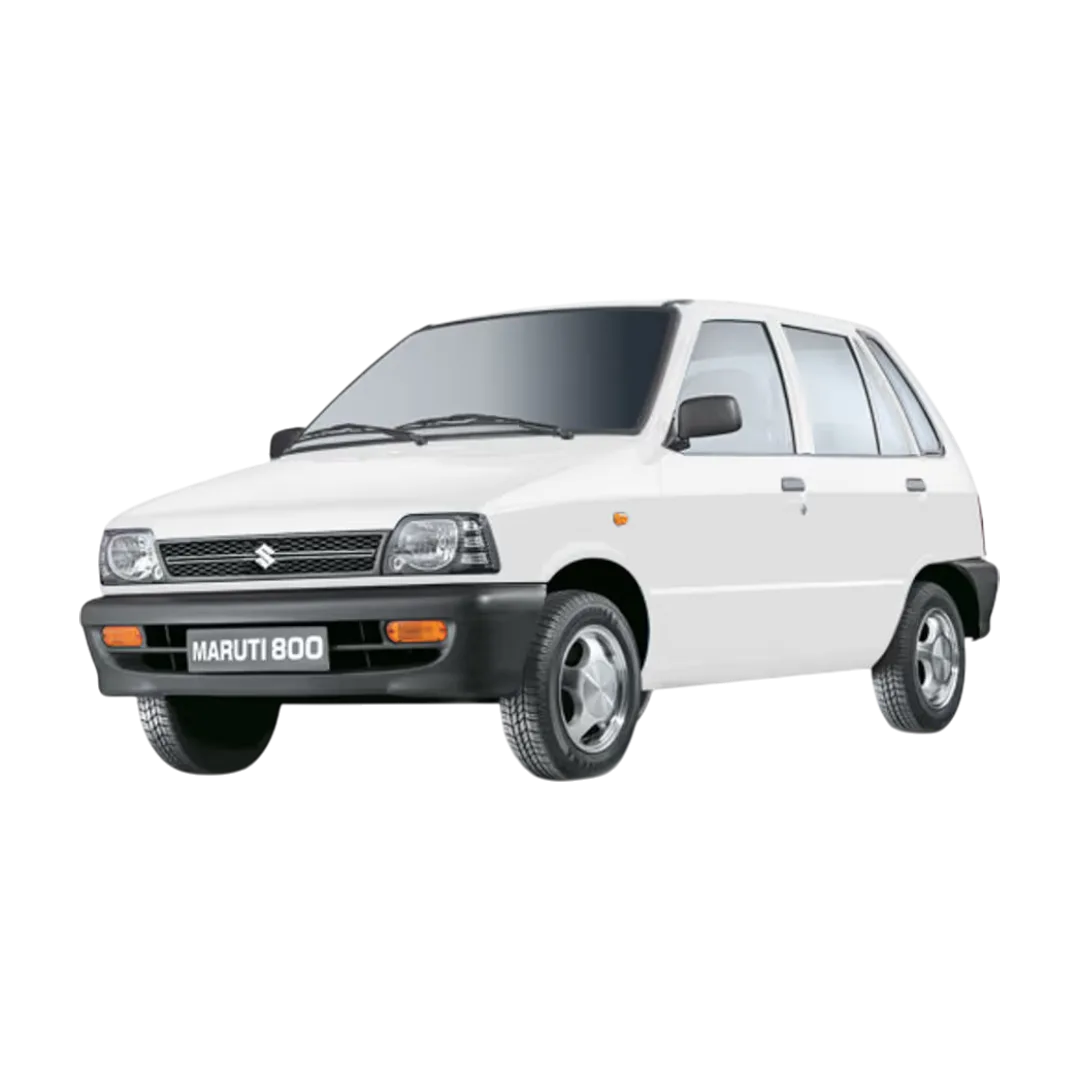 Maruti 800
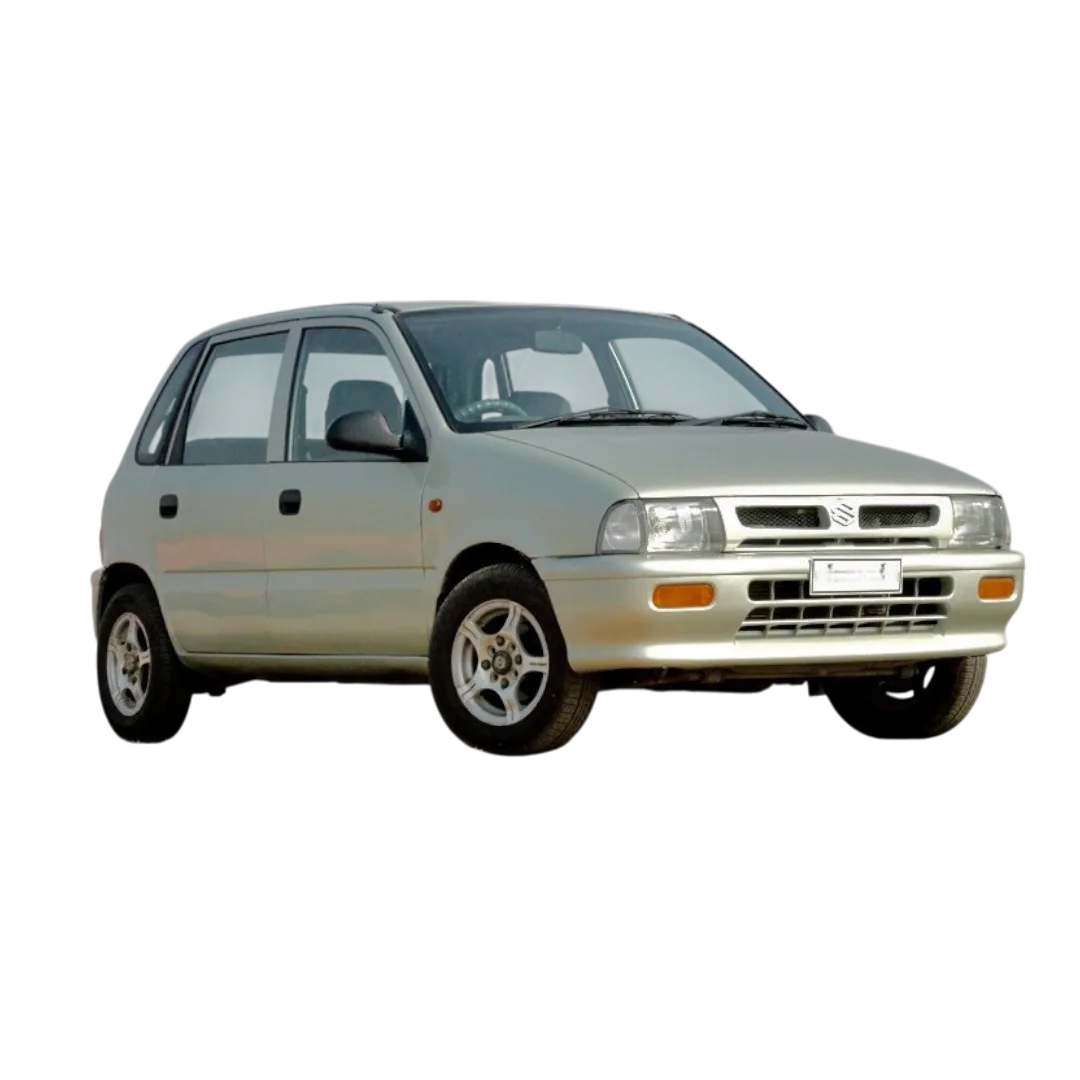 Zen
Zen
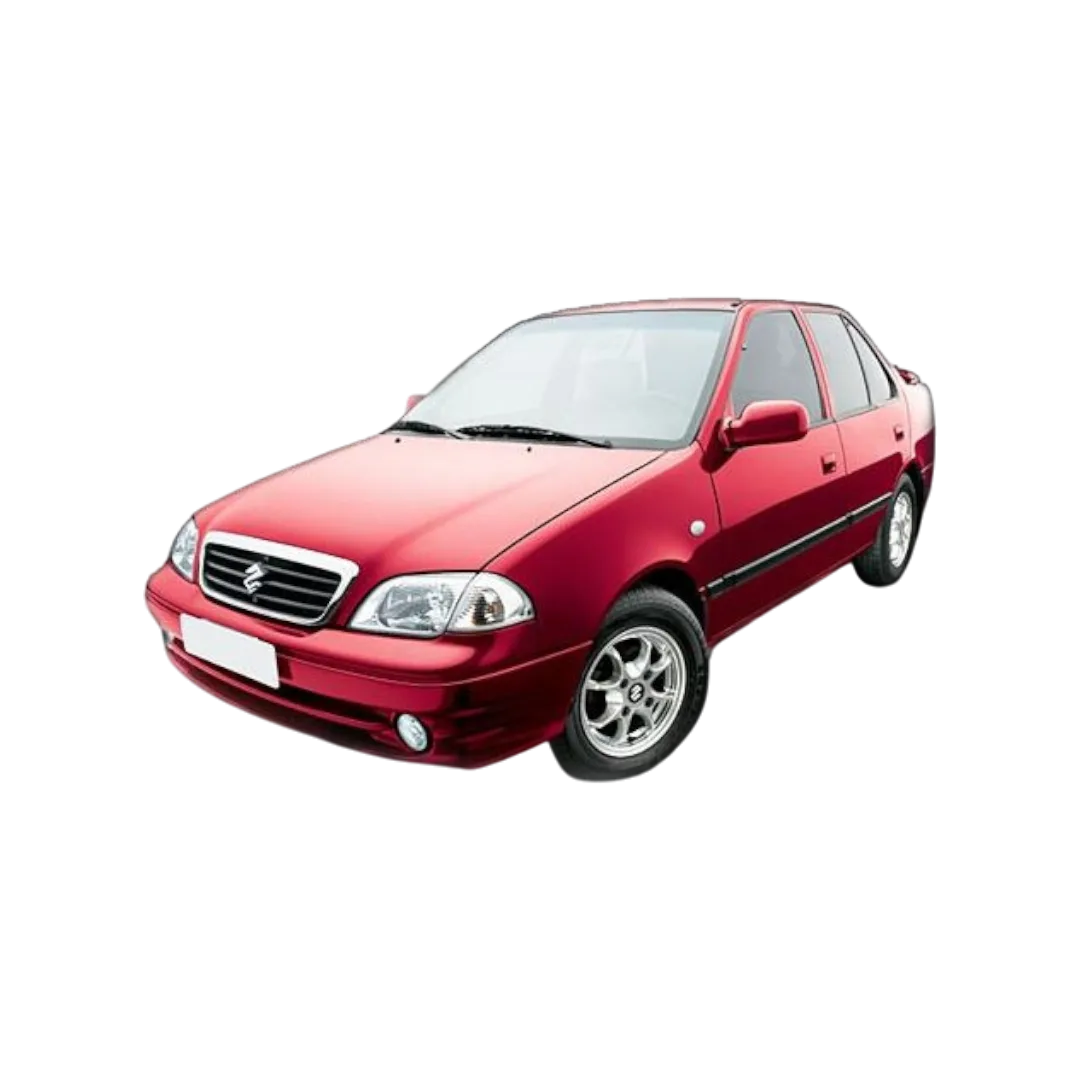 Esteem
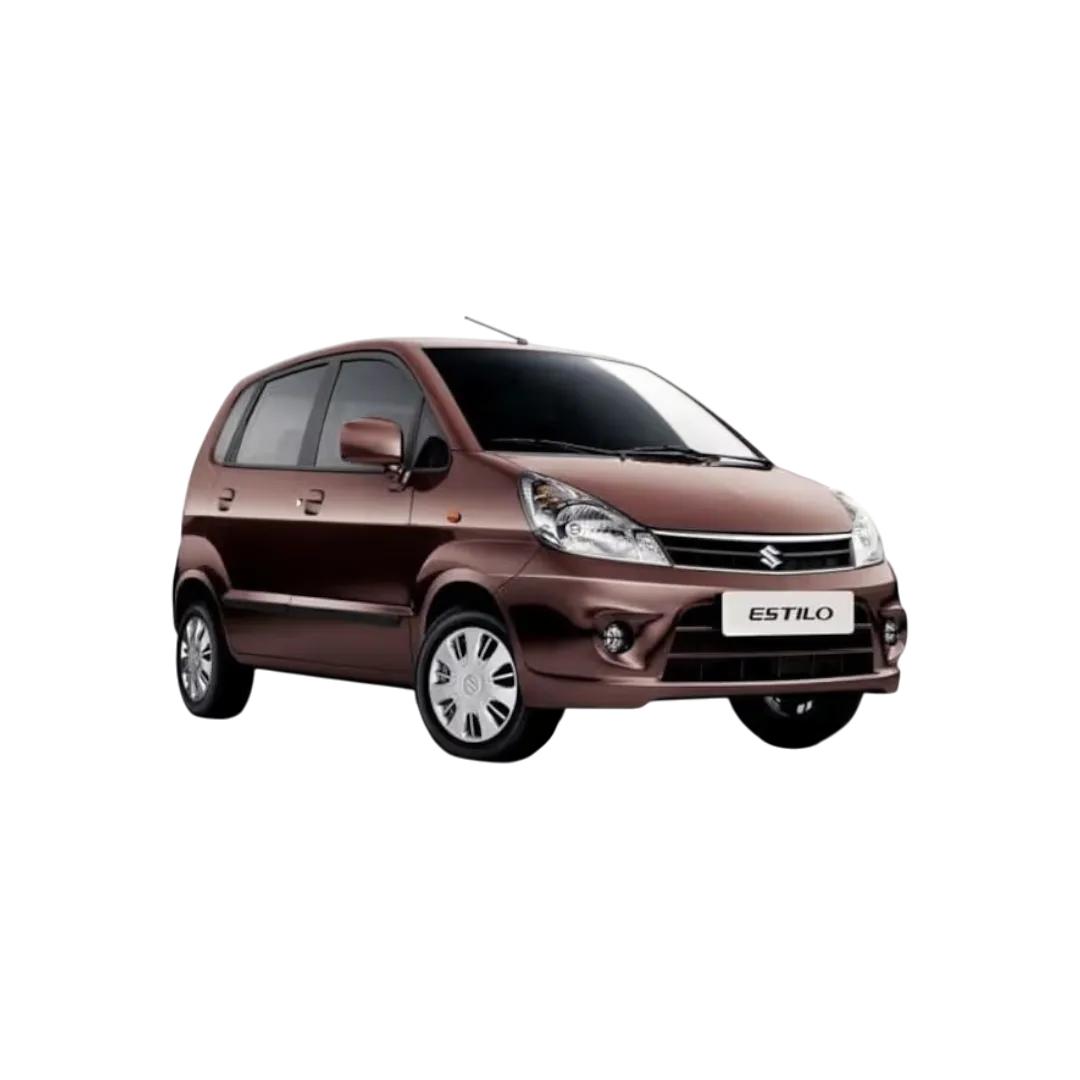 Zen Estilo
 Ritz
Ritz
 Fronx
Fronx
 A-Star
 Alto
Alto
 Invicto
Victoris
Wagon R
Invicto
Victoris
Wagon R
 i20
i20
 Aura
Aura
 Creta
Creta
 Elantra
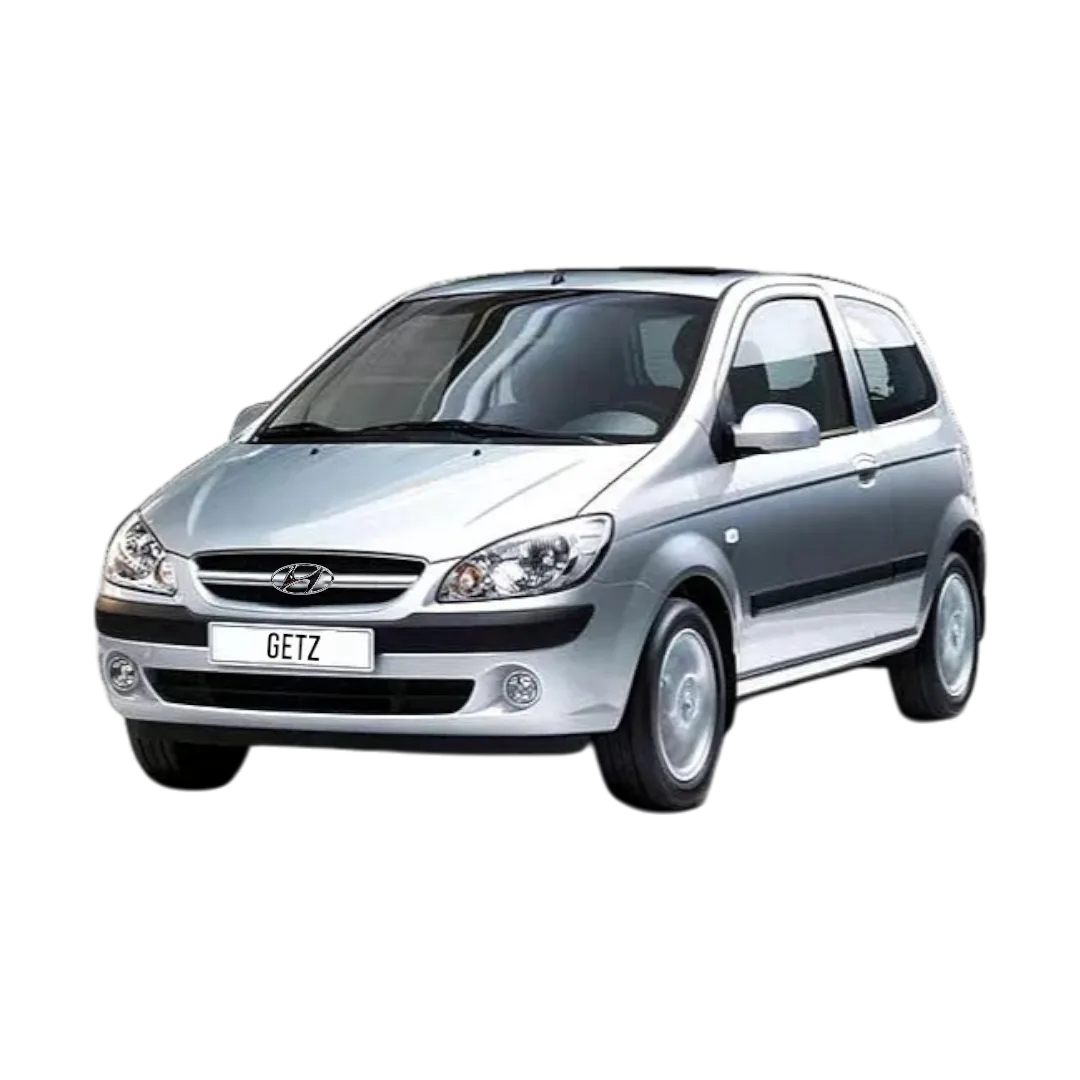 Getz
Getz
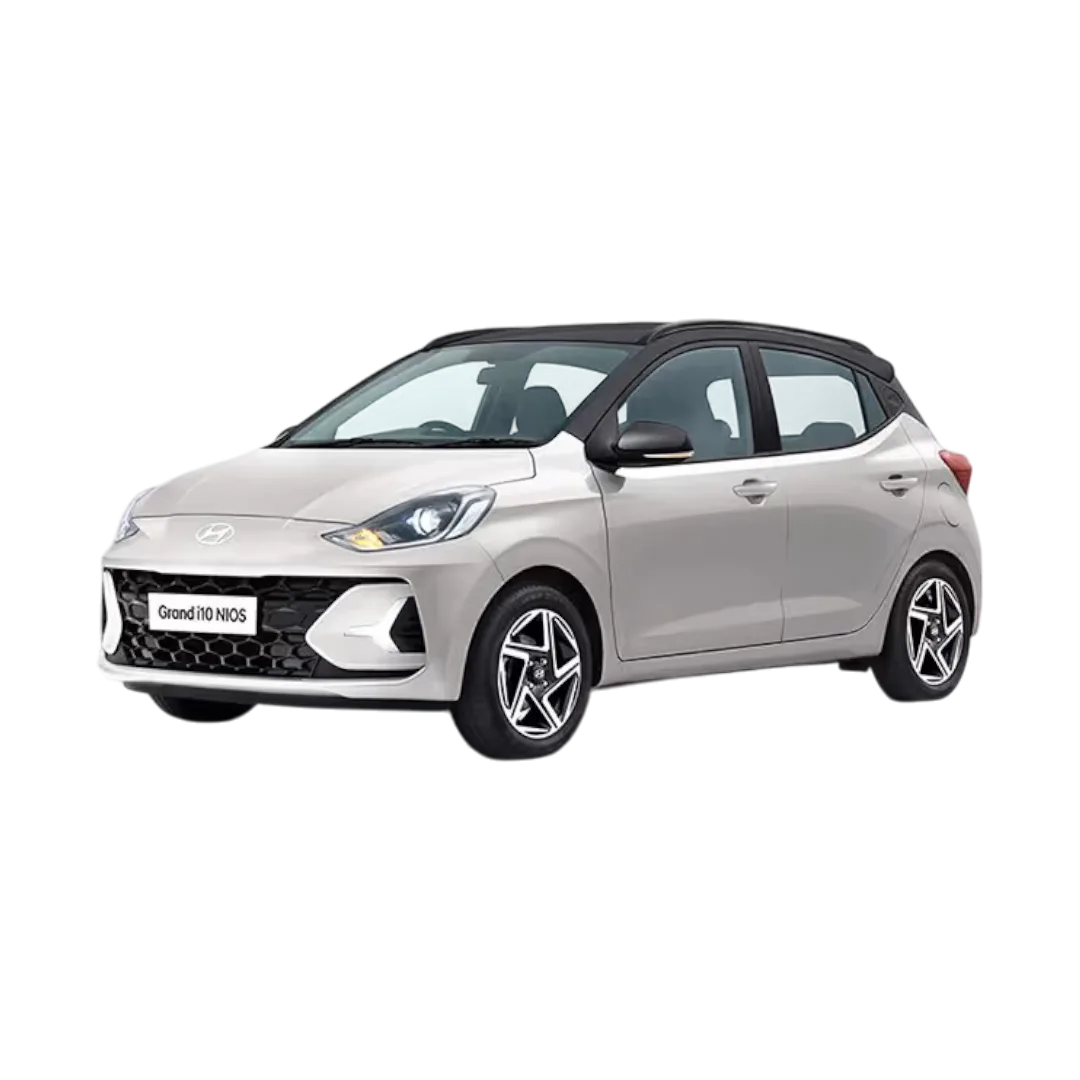 Grand i10 Nios
 Venue
Venue
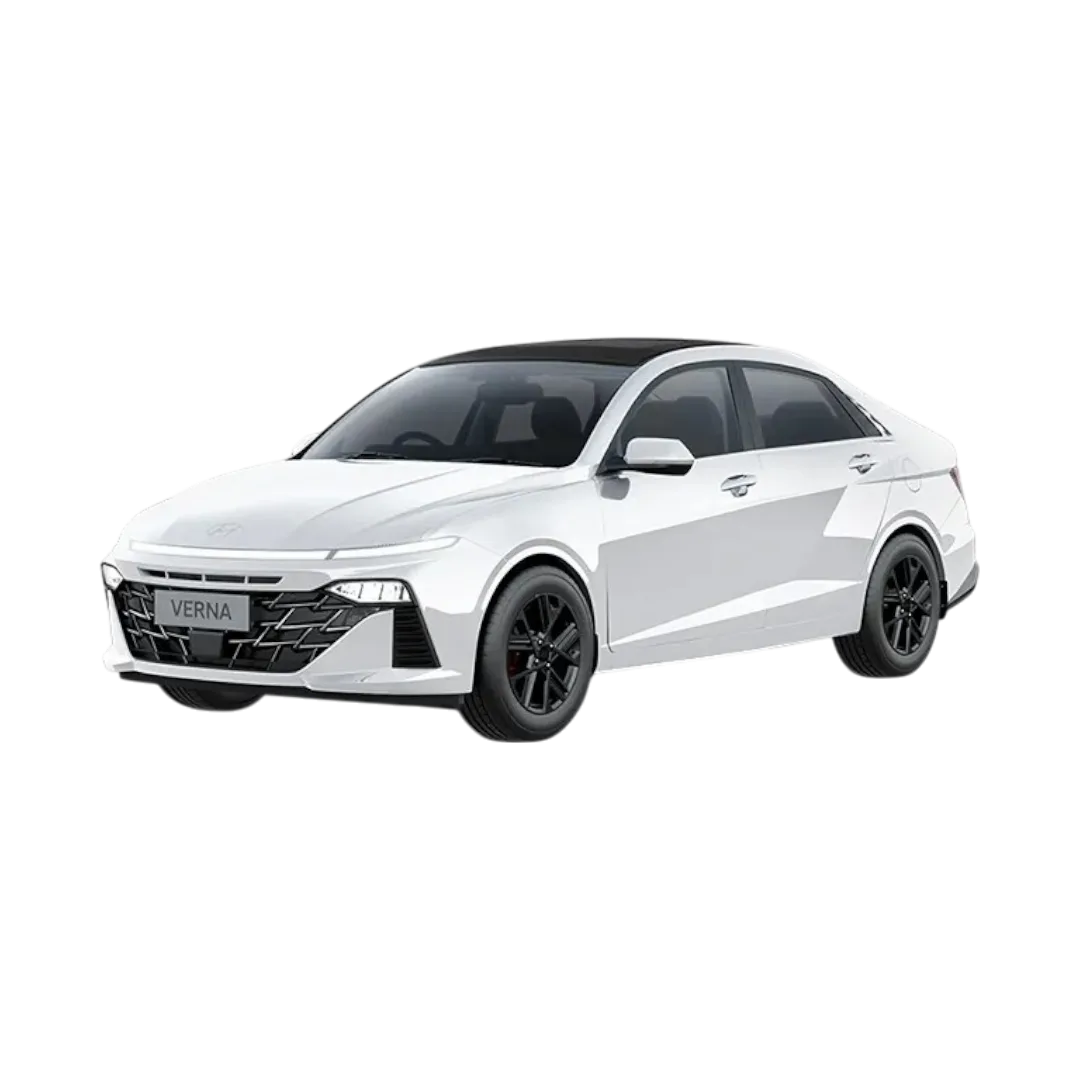 Verna
Verna
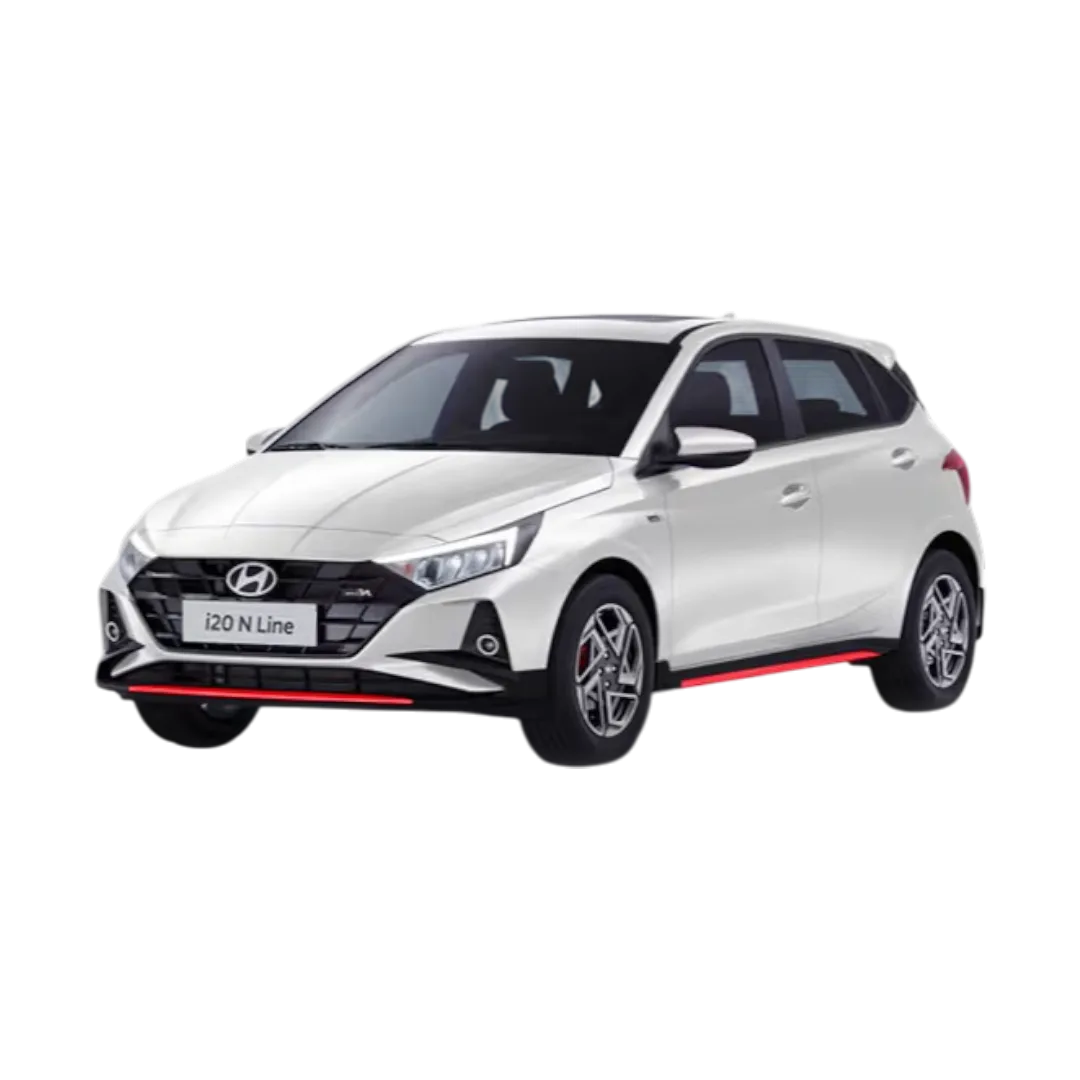 i20 N Line
 Venue N Line
 Alcazar
 Tucson
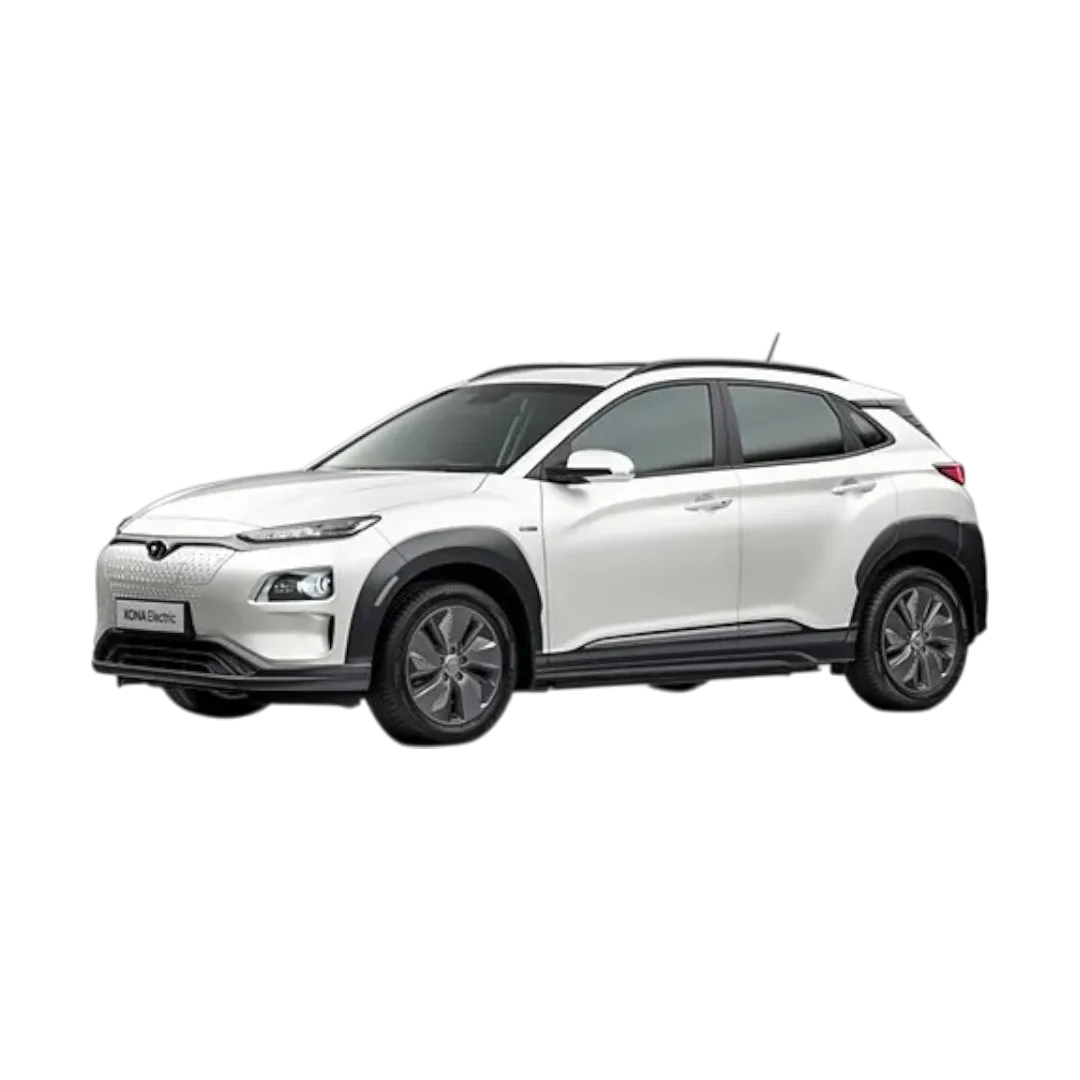 Kona
Kona
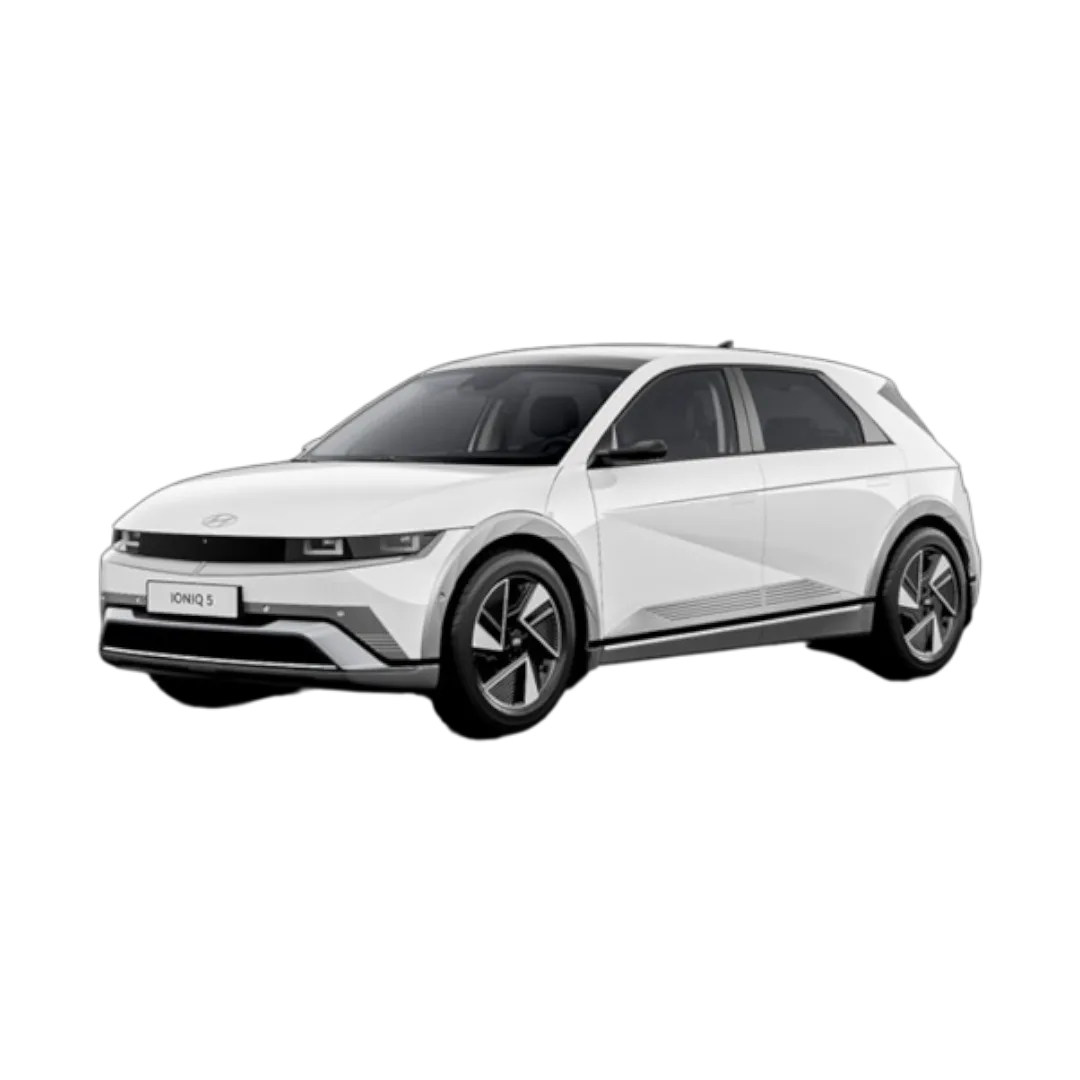 iONIQ 5
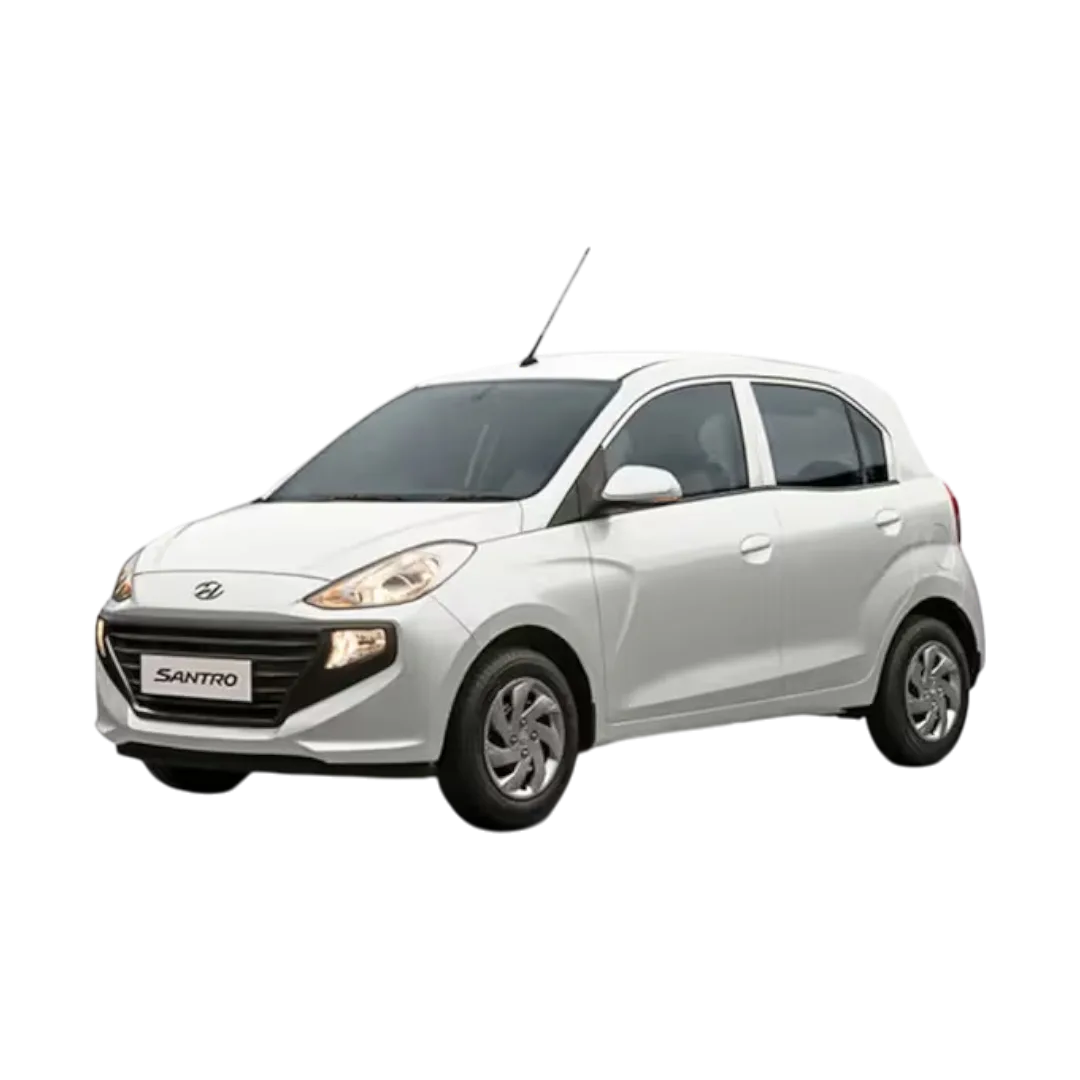 Santro
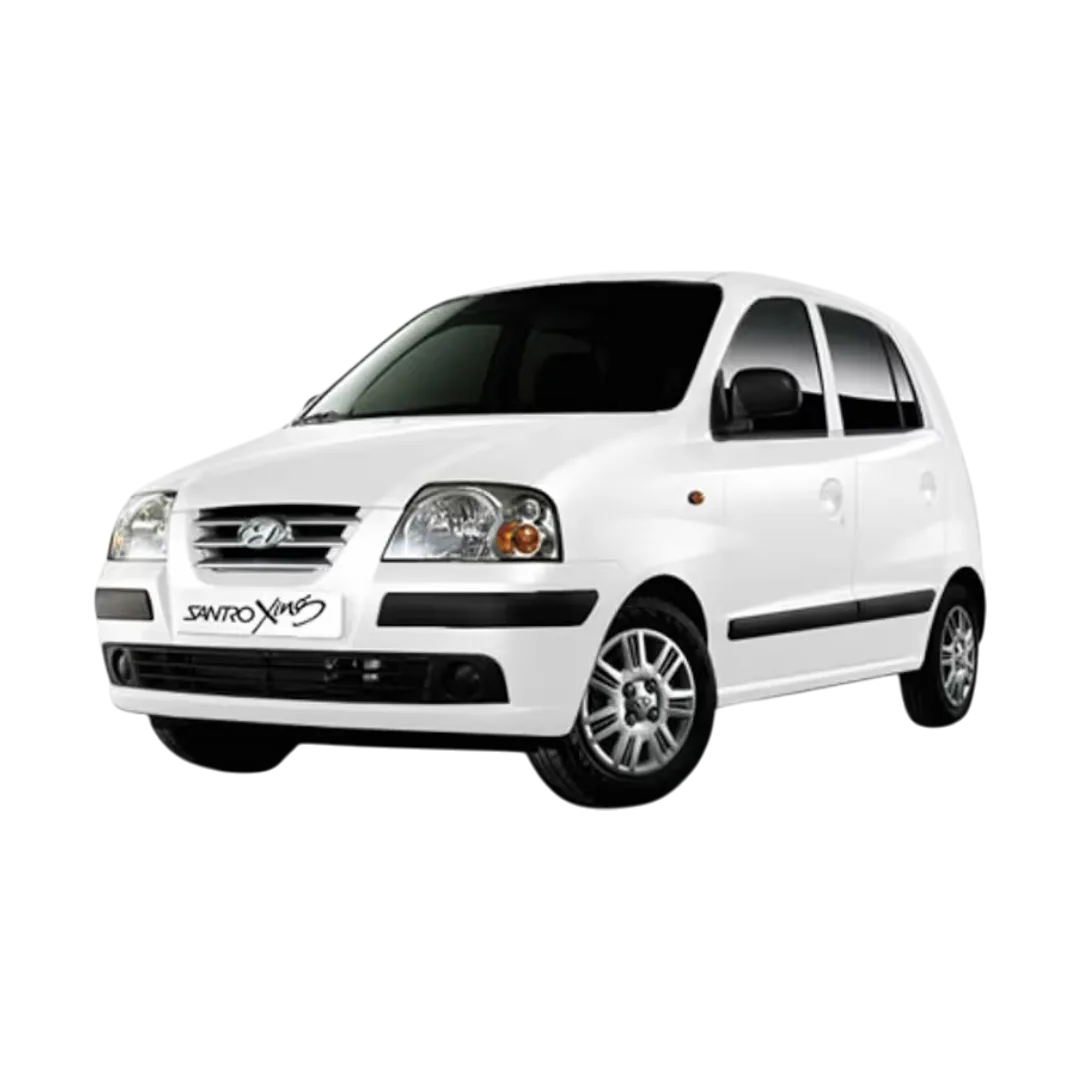 Santro Xing
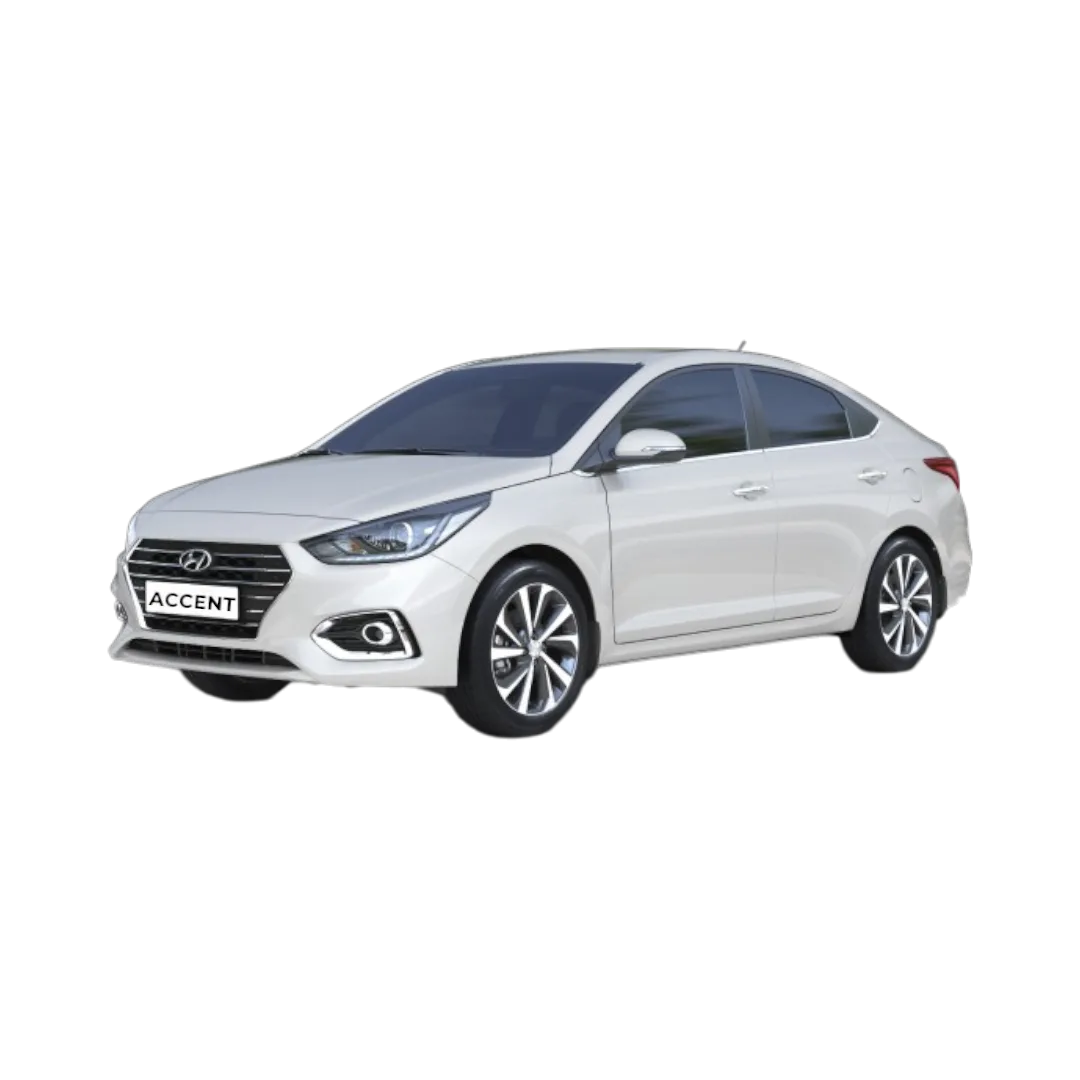 Accent
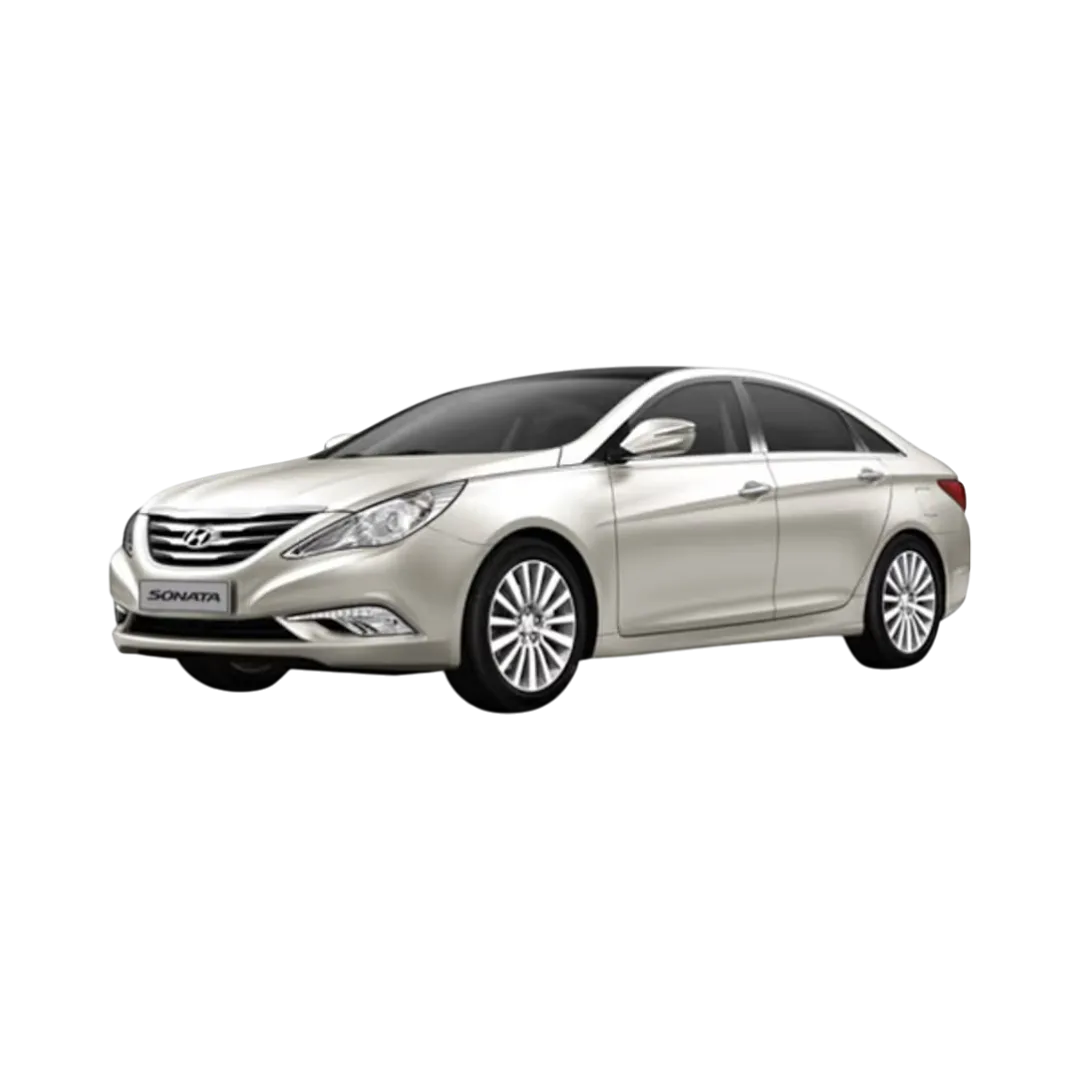 Sonata
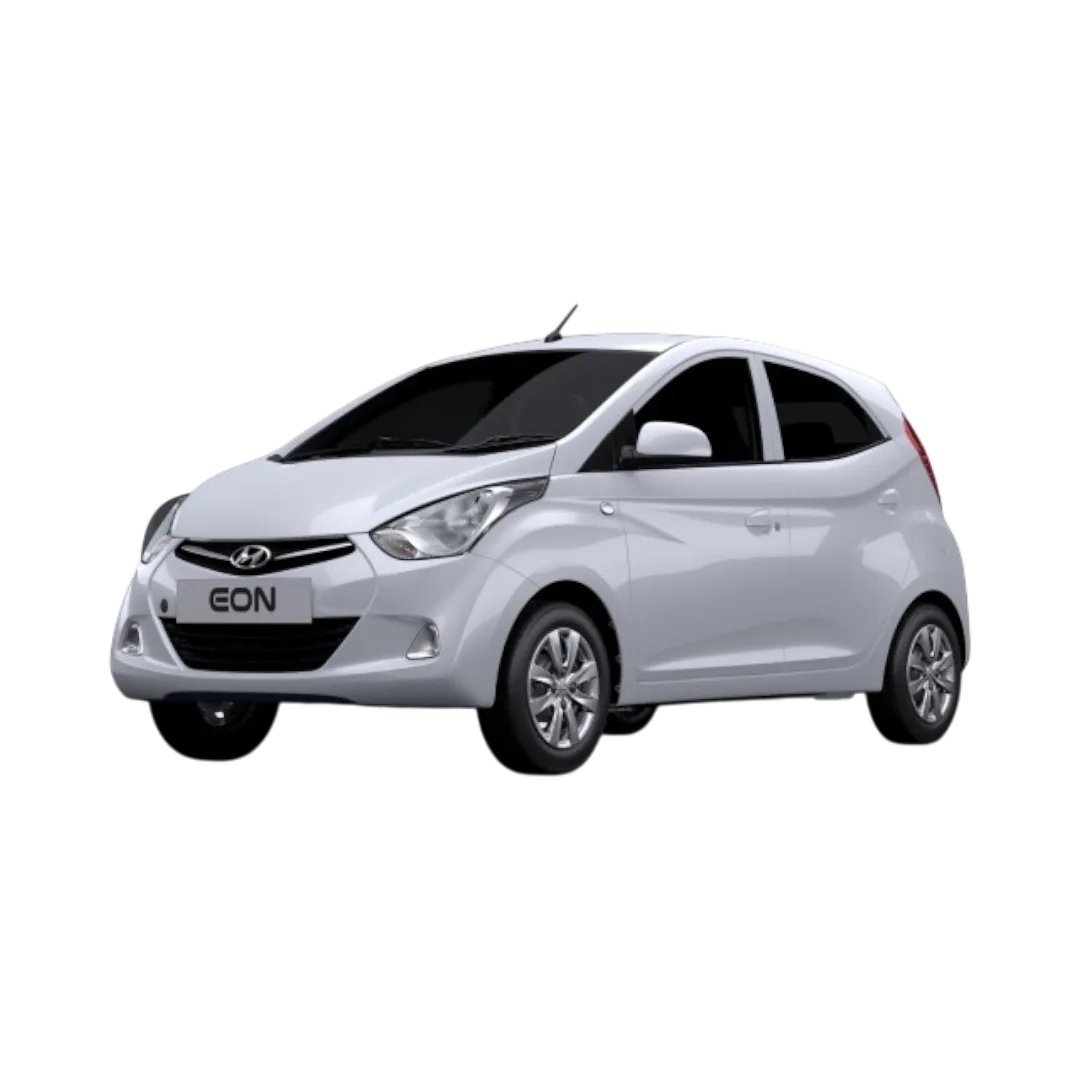 Eon
Eon
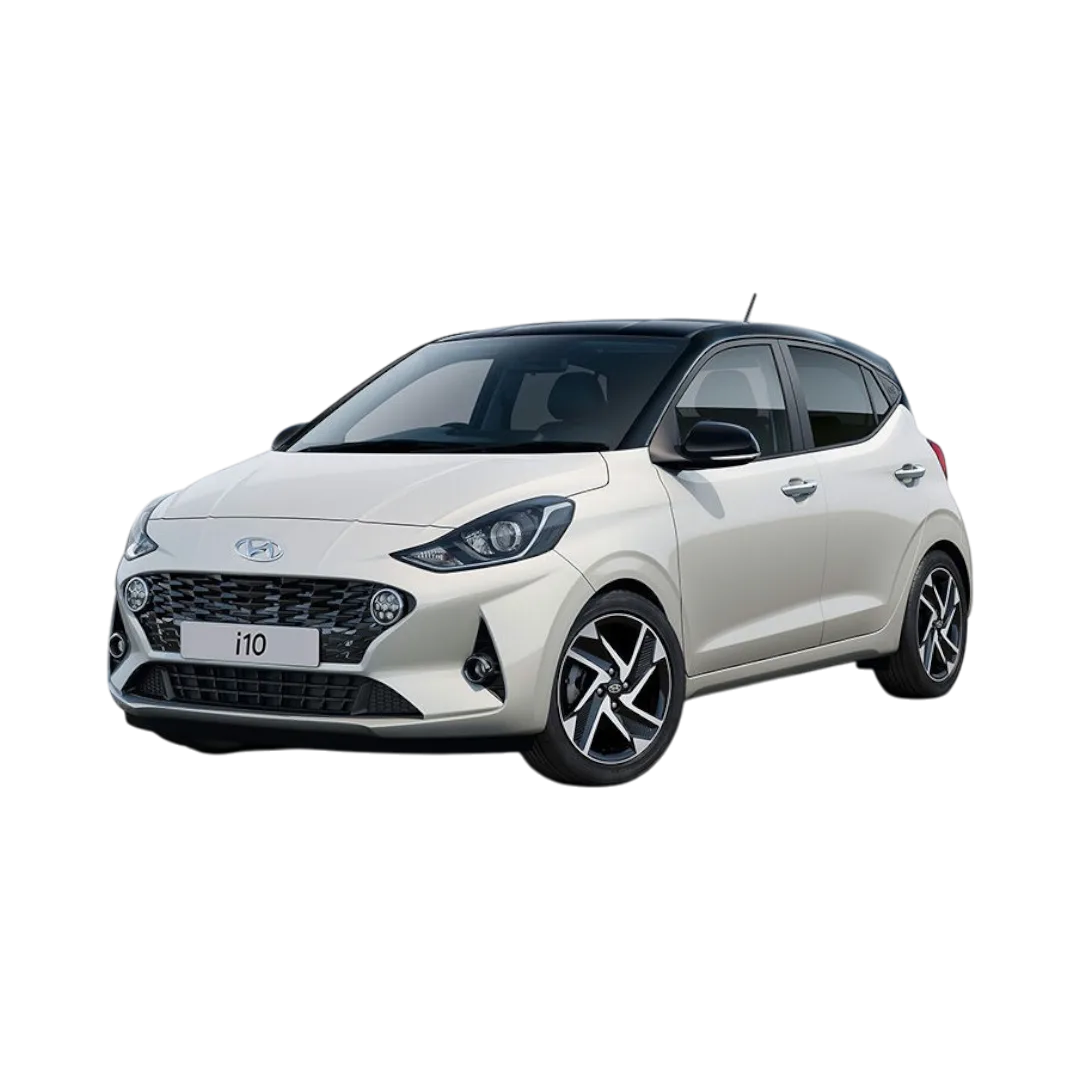 i10
i10
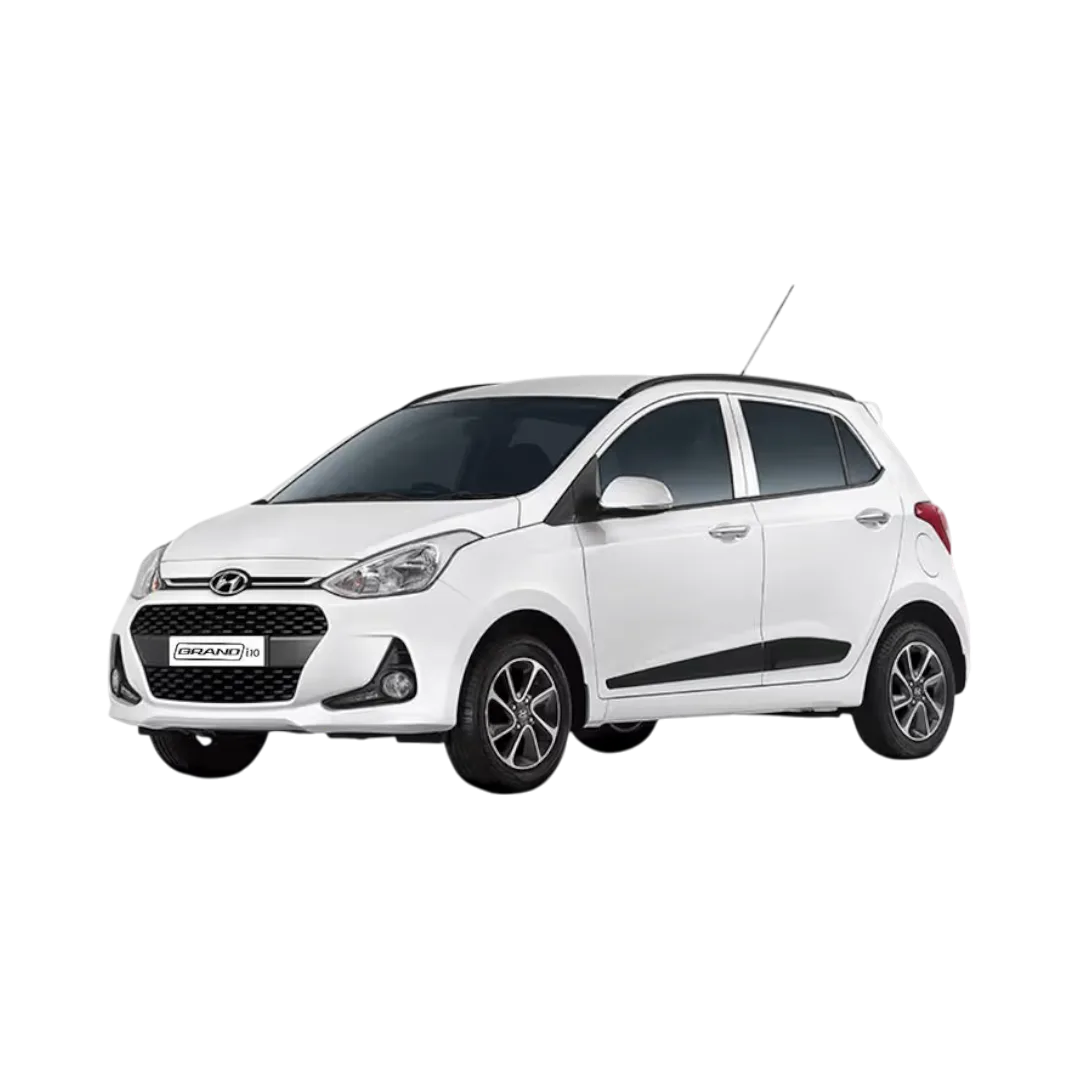 Grand i10
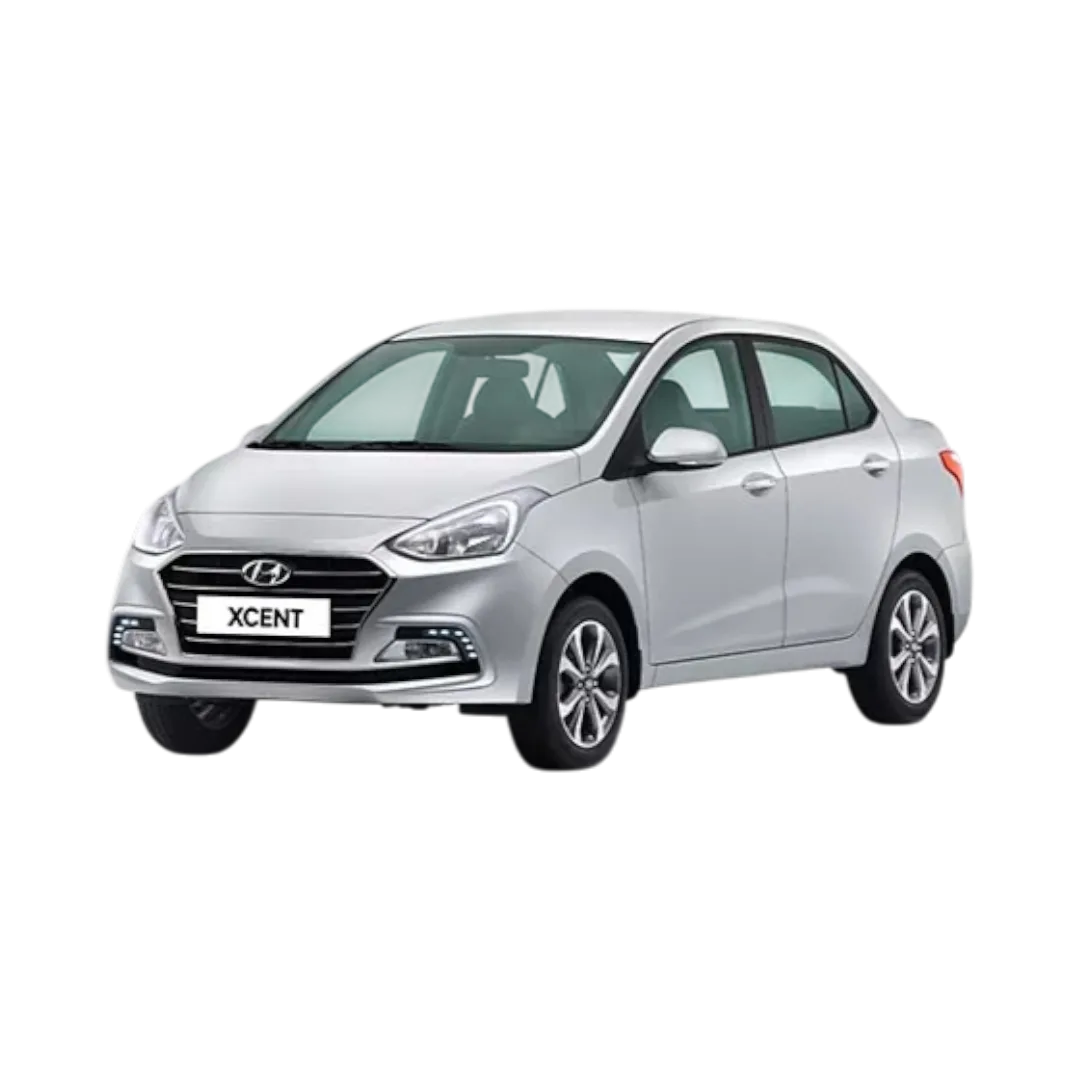 Xcent
Xcent
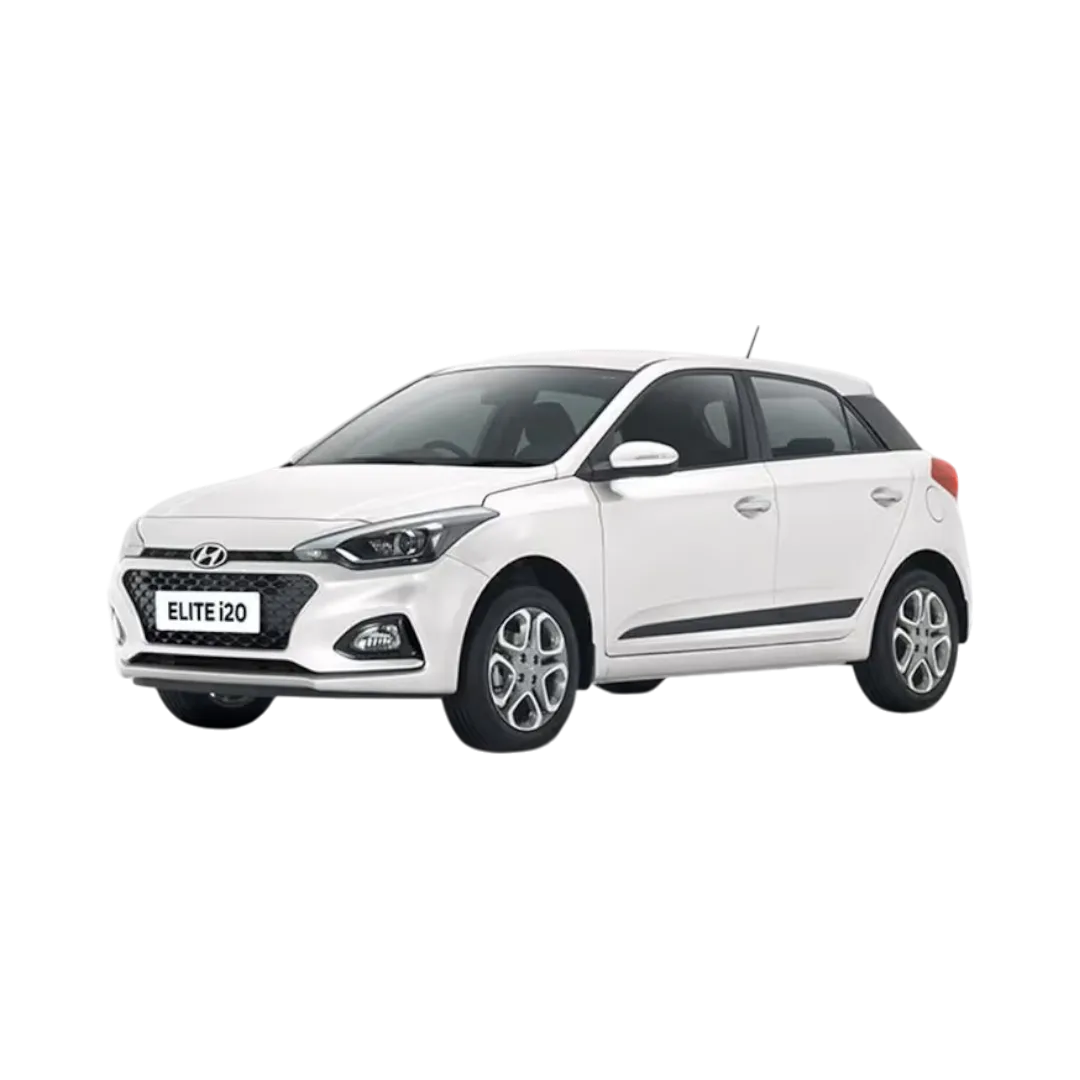 Elite i20
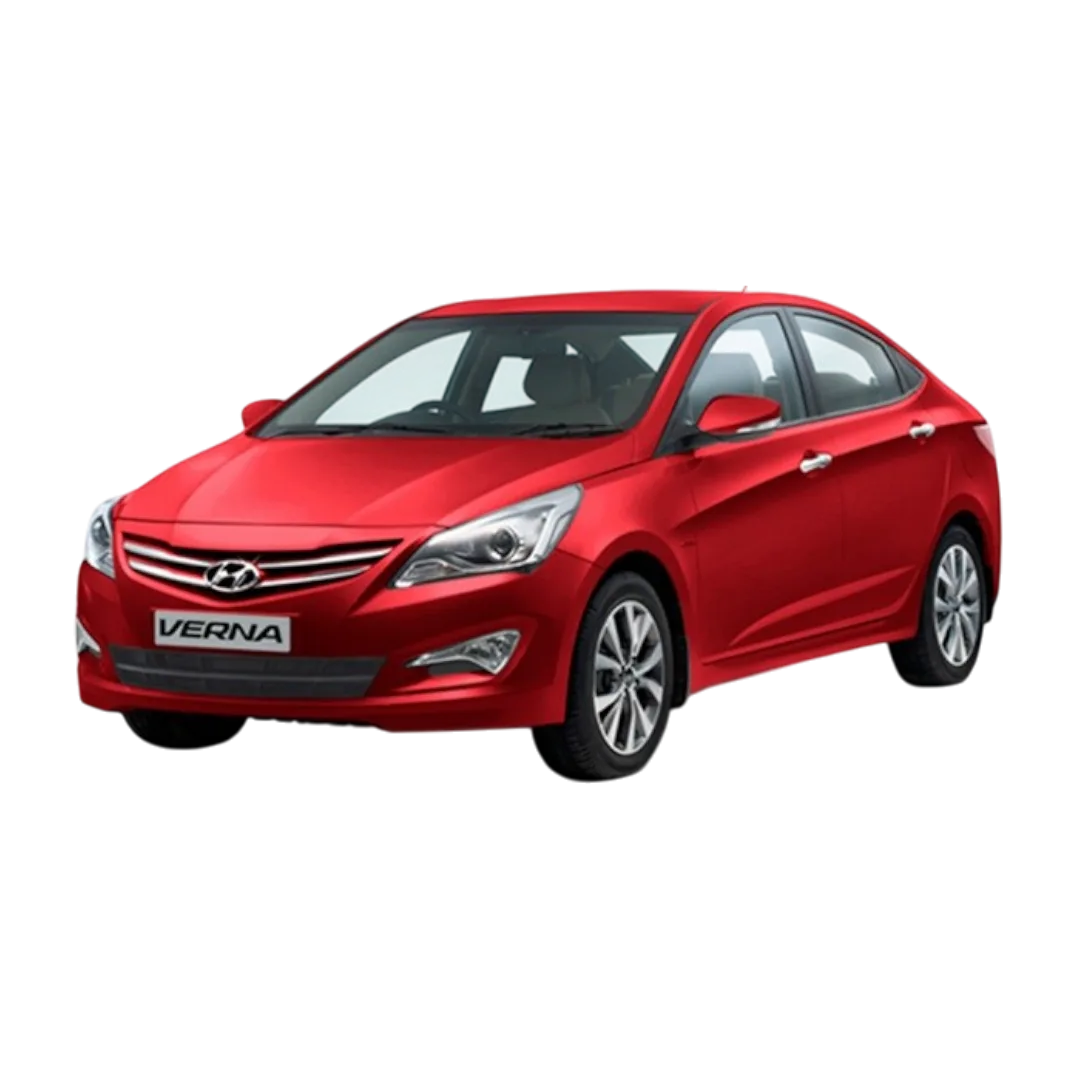 Verna Fluidic
 Santafe
 Exter
Sonata Fluidic
i20 Active
Exter
Sonata Fluidic
i20 Active
 Yaris
Yaris
 Urban Cruiser
 Camry
Camry
 Corolla
 Fortuner
 Urban Cruiser Hyryder
 Innova Crysta
 Innova Hycross
 Hilux
Hilux
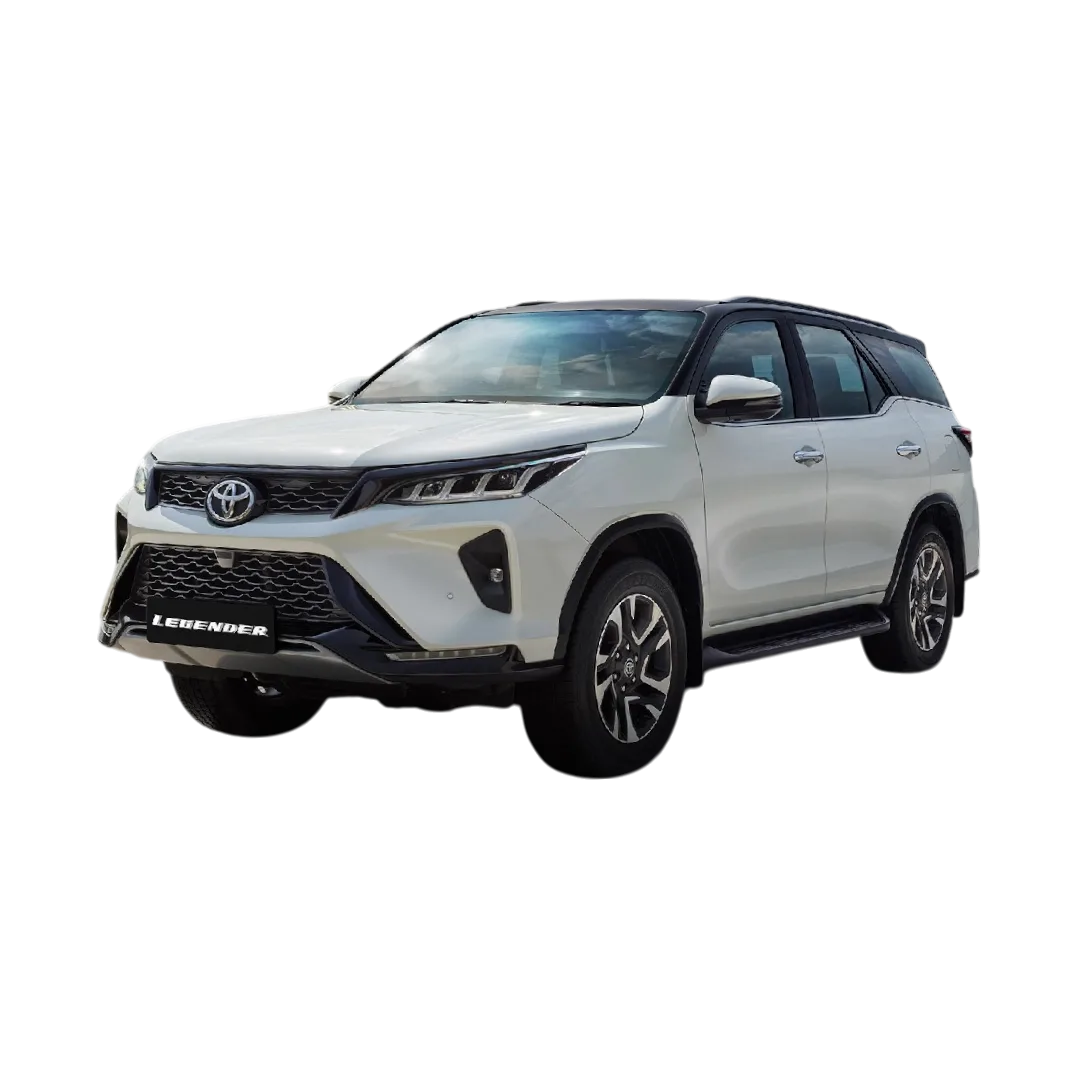 Fortuner Legender
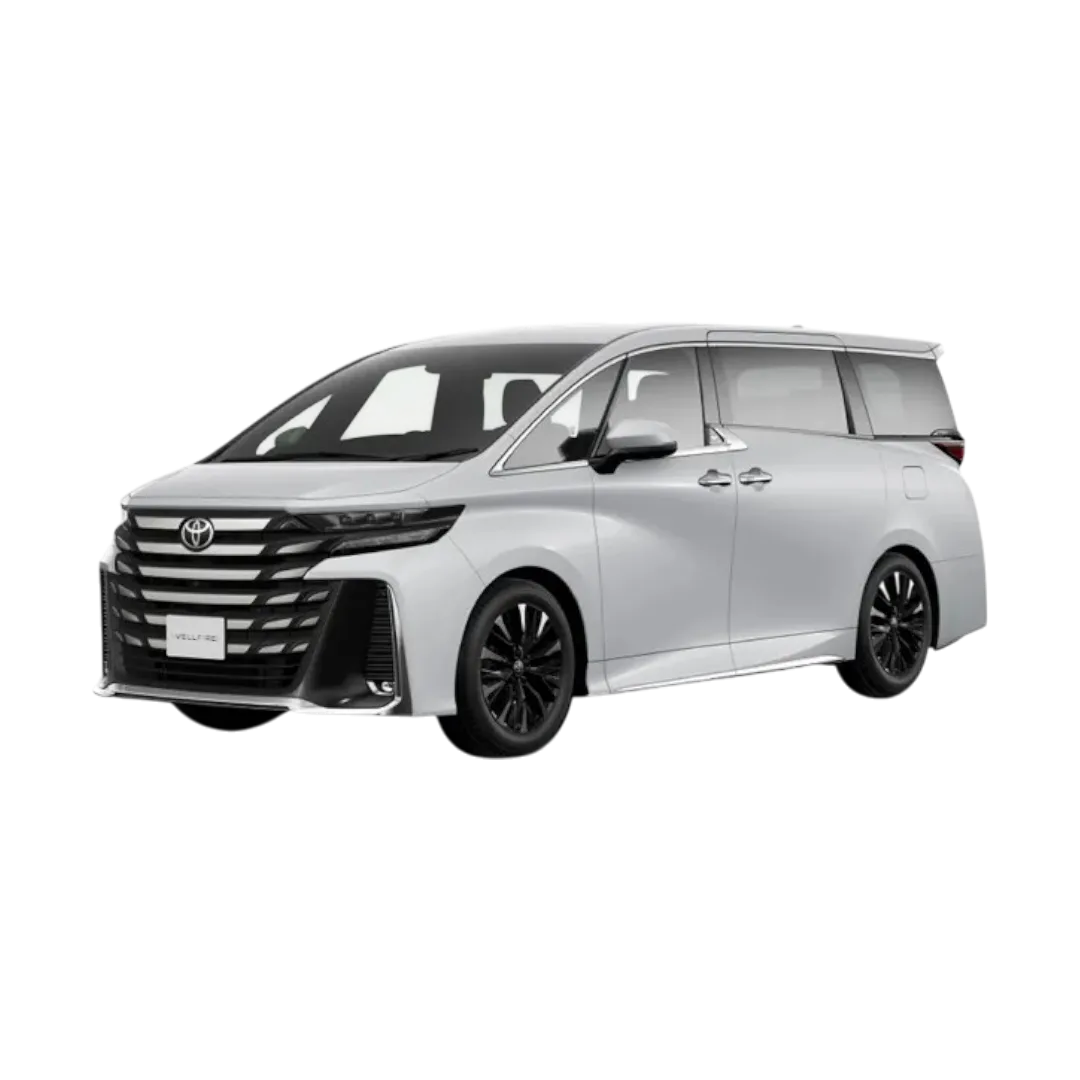 Vellfire
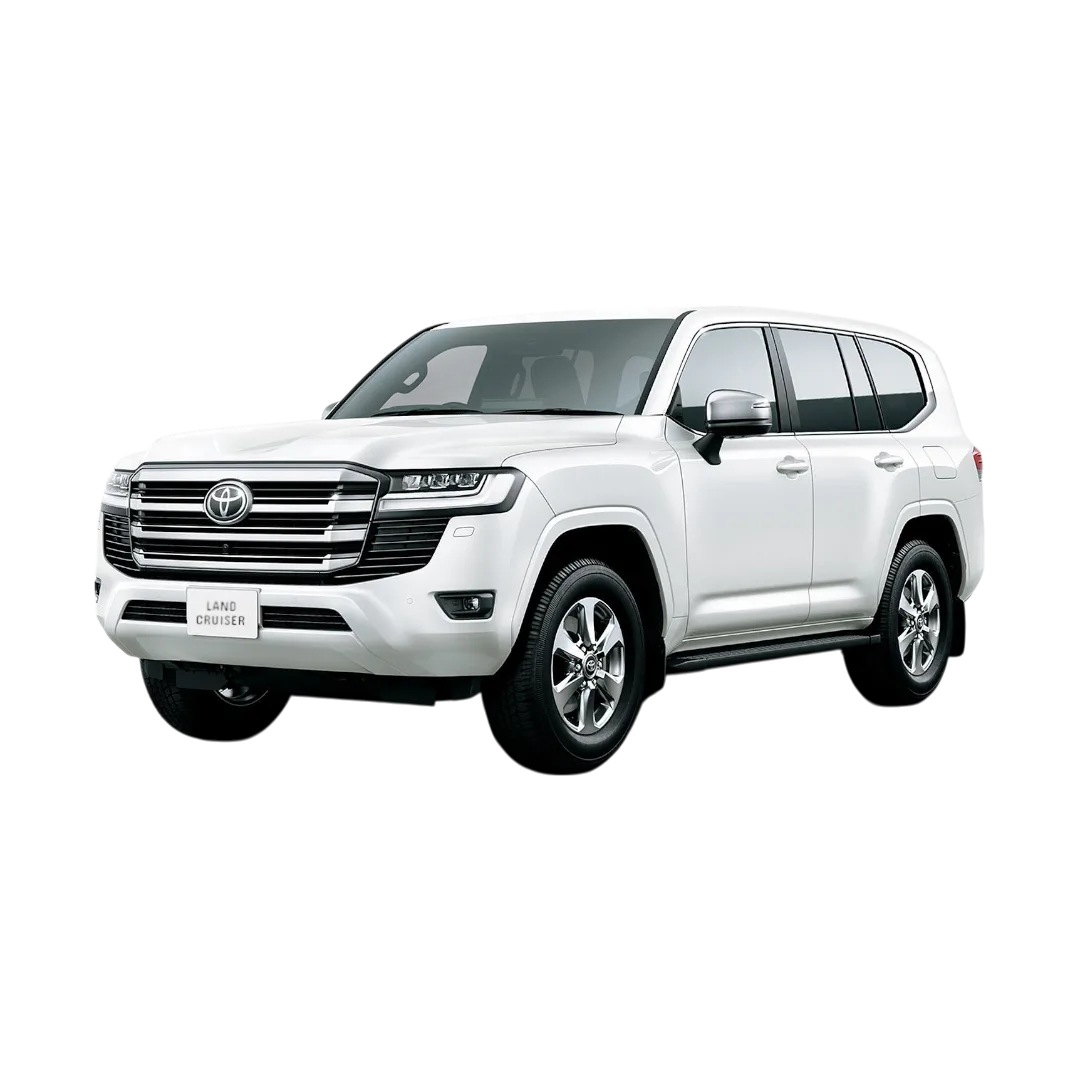 Land Cruiser
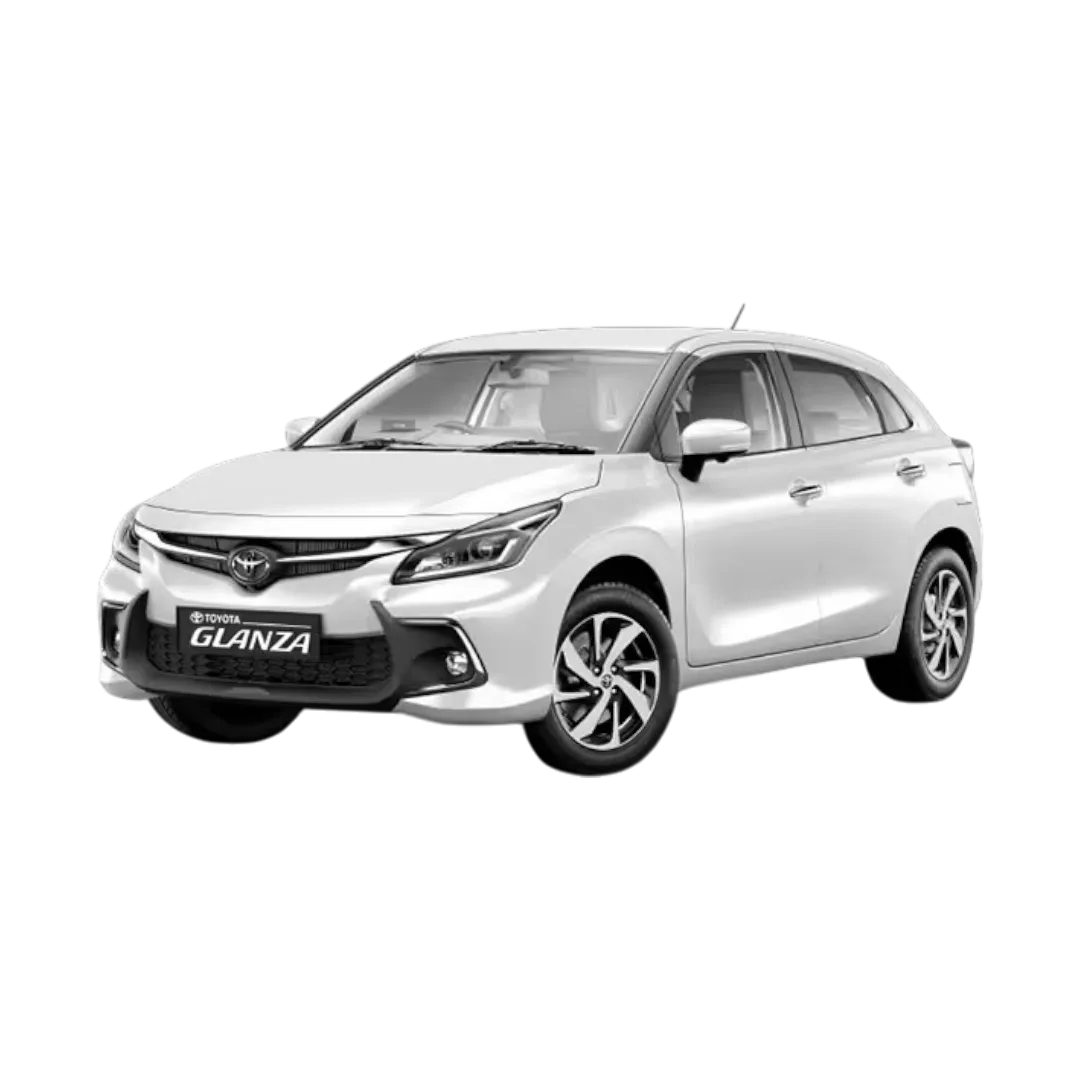 Glanza
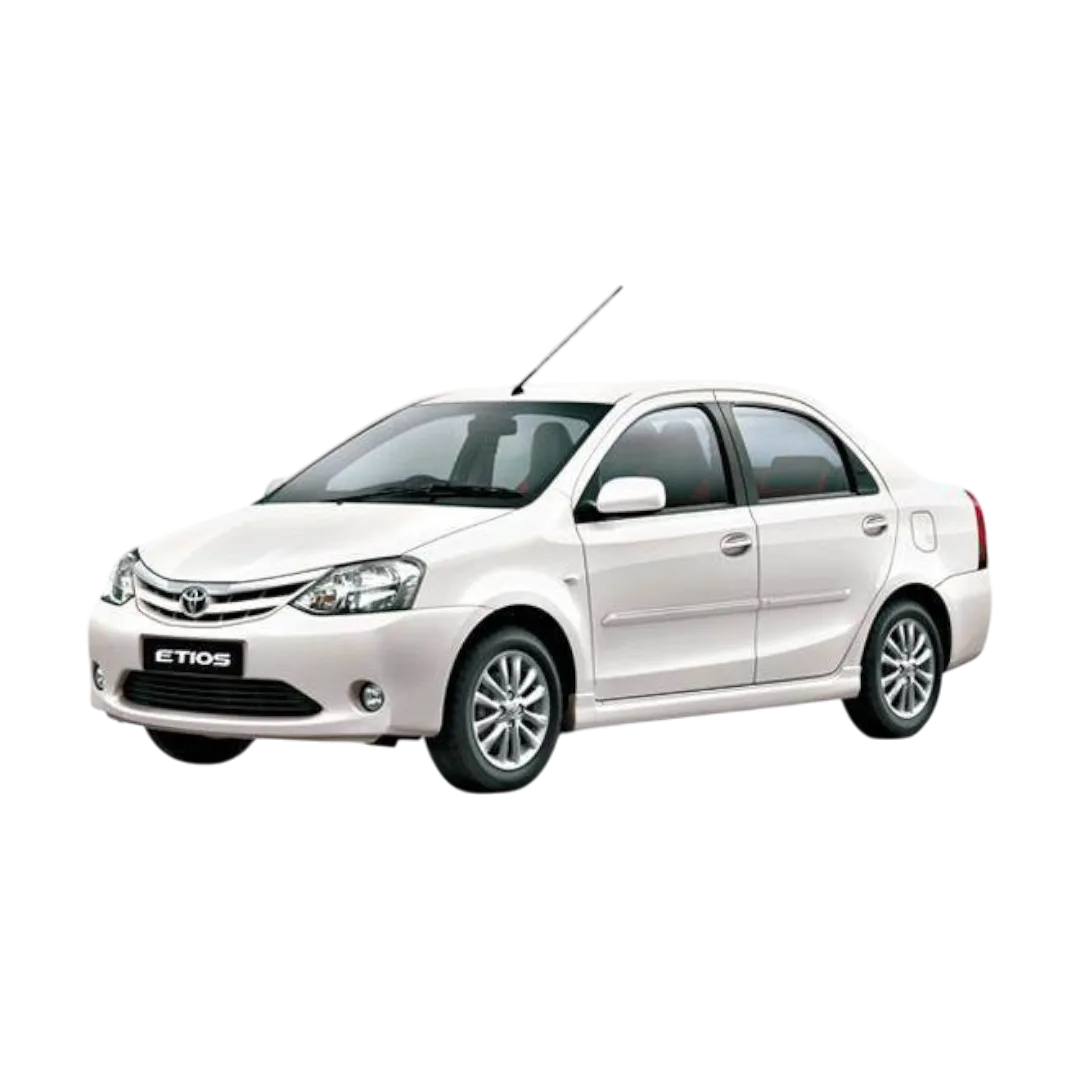 Etios
Etios
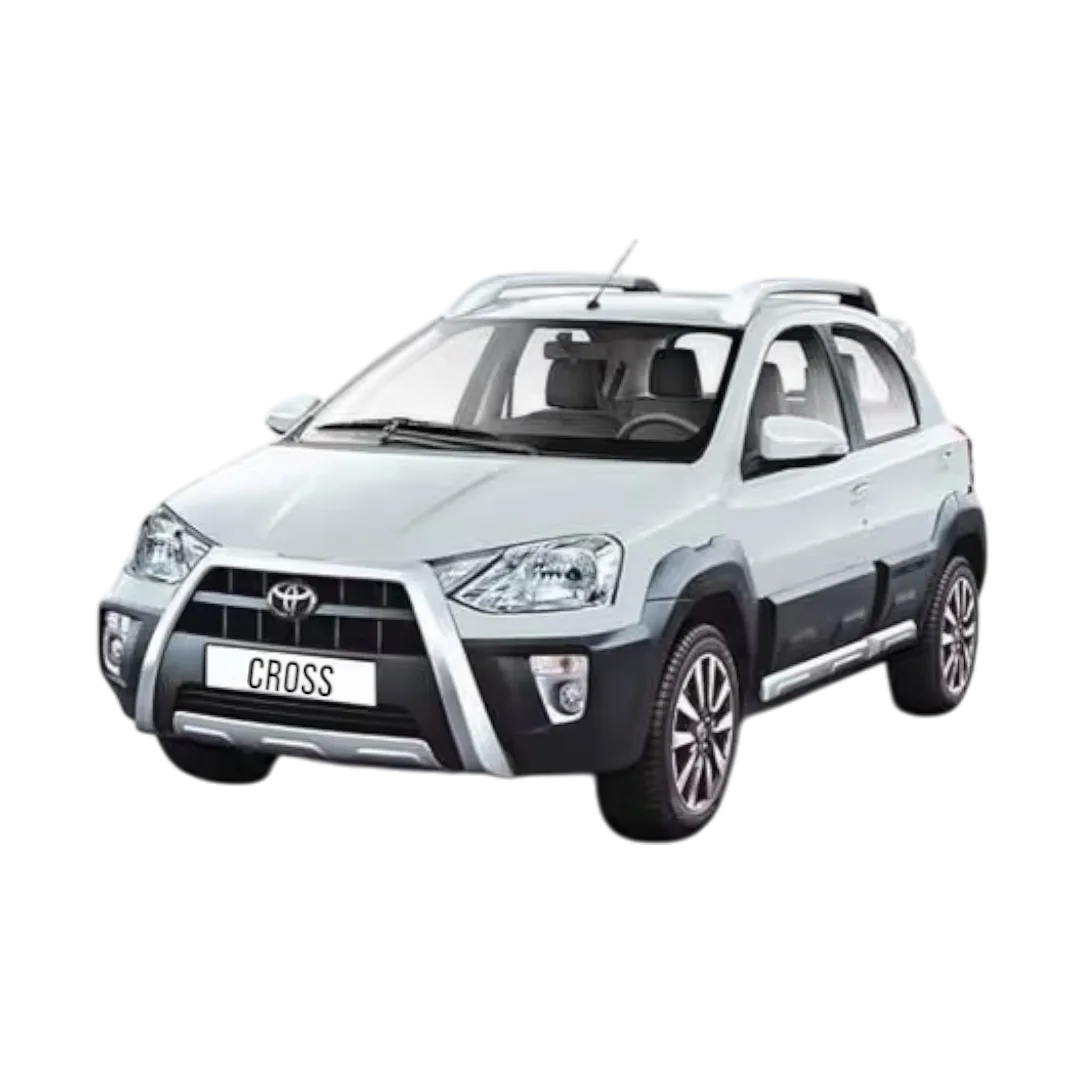 Etios cross
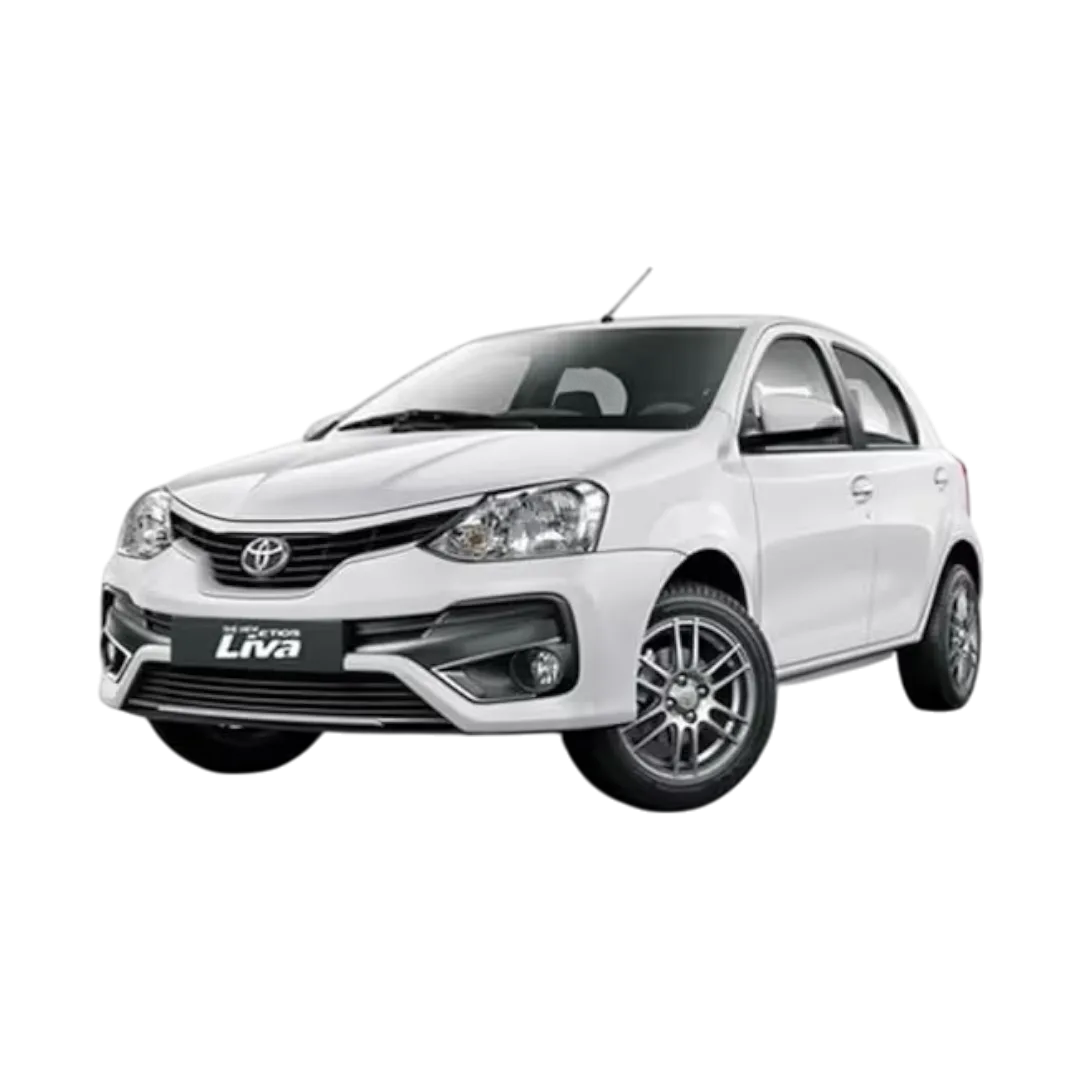 Etios Liva
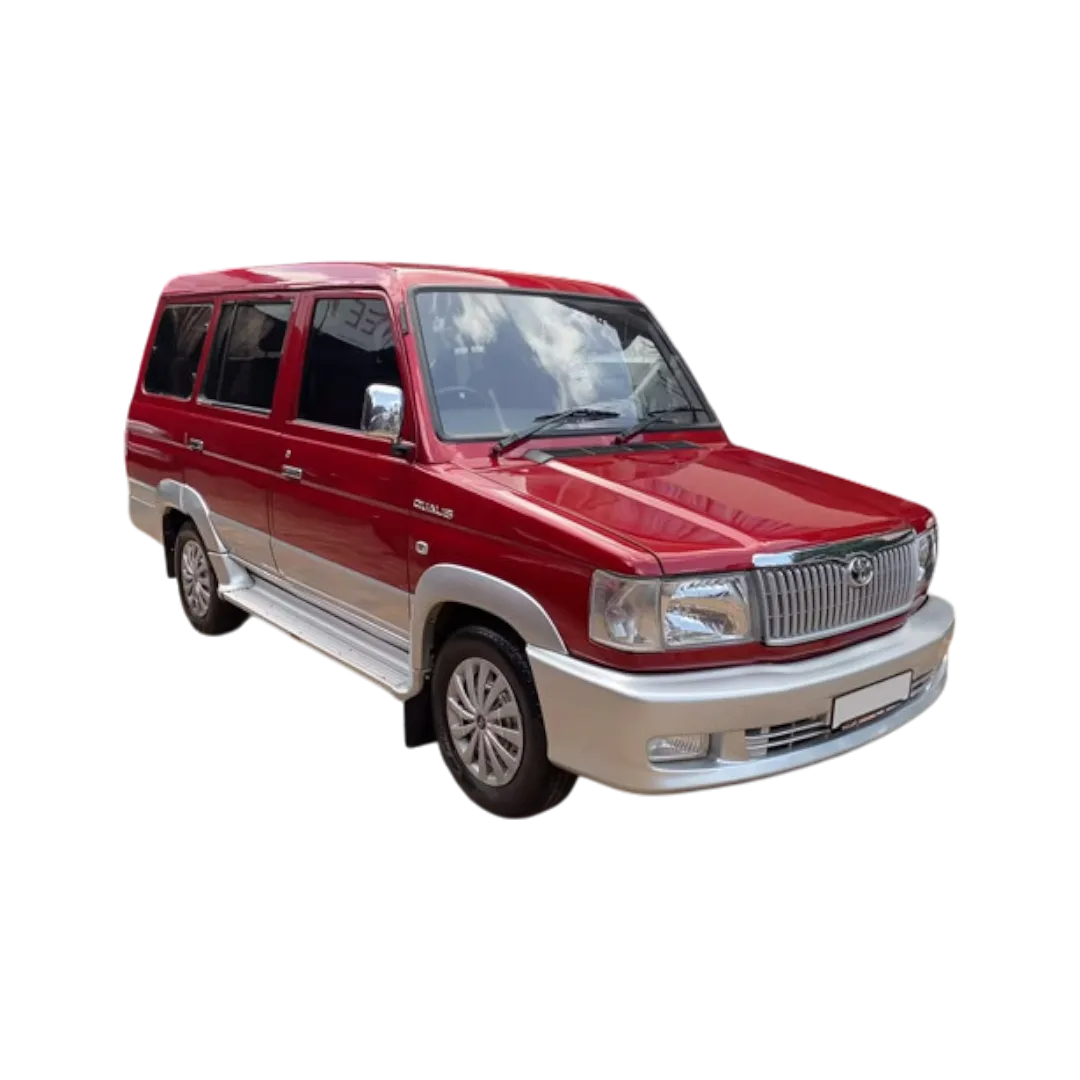 Qualis
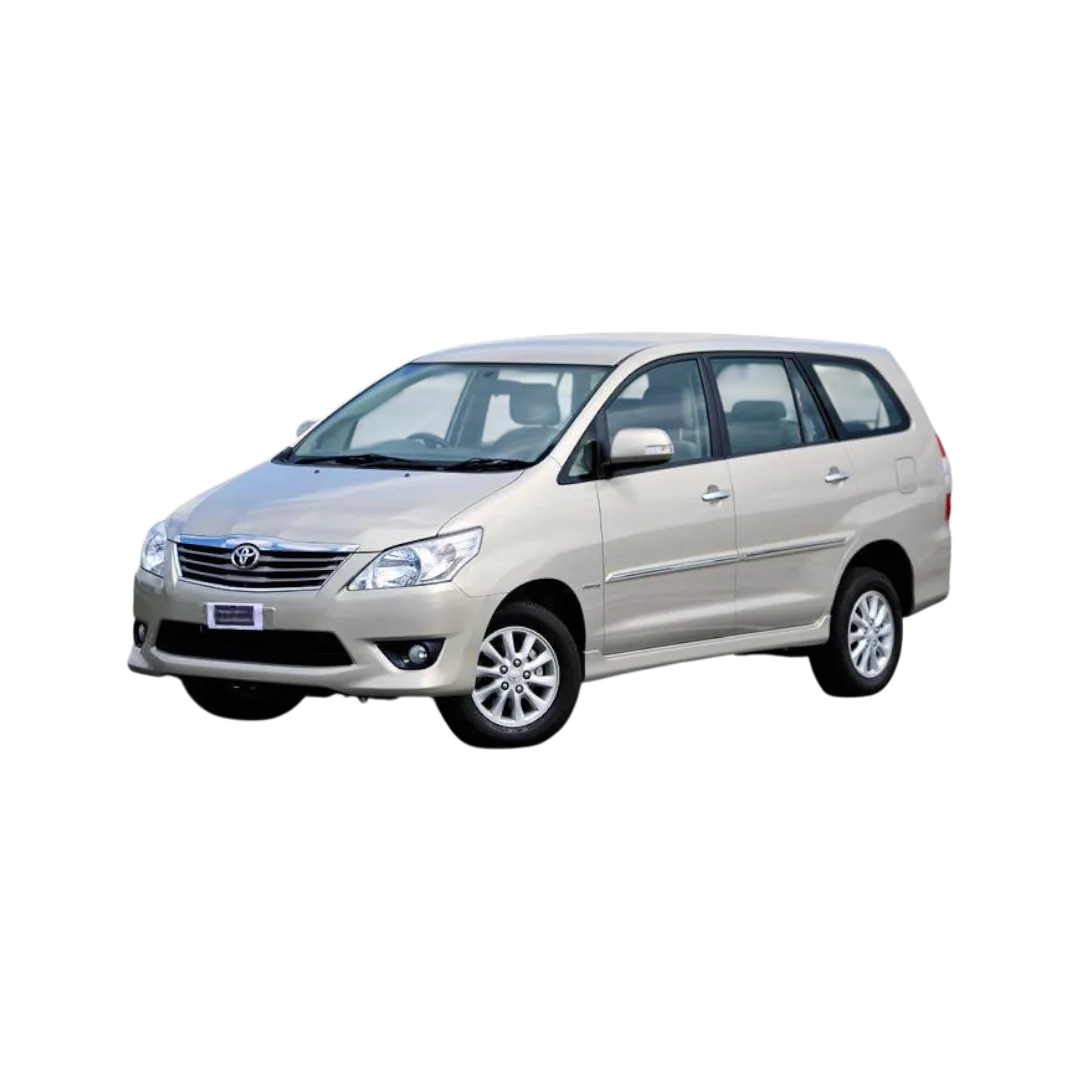 Innova
 Rumion
Taisor
Corolla Altis
Hyryder
Rumion
Taisor
Corolla Altis
Hyryder
 Bolero
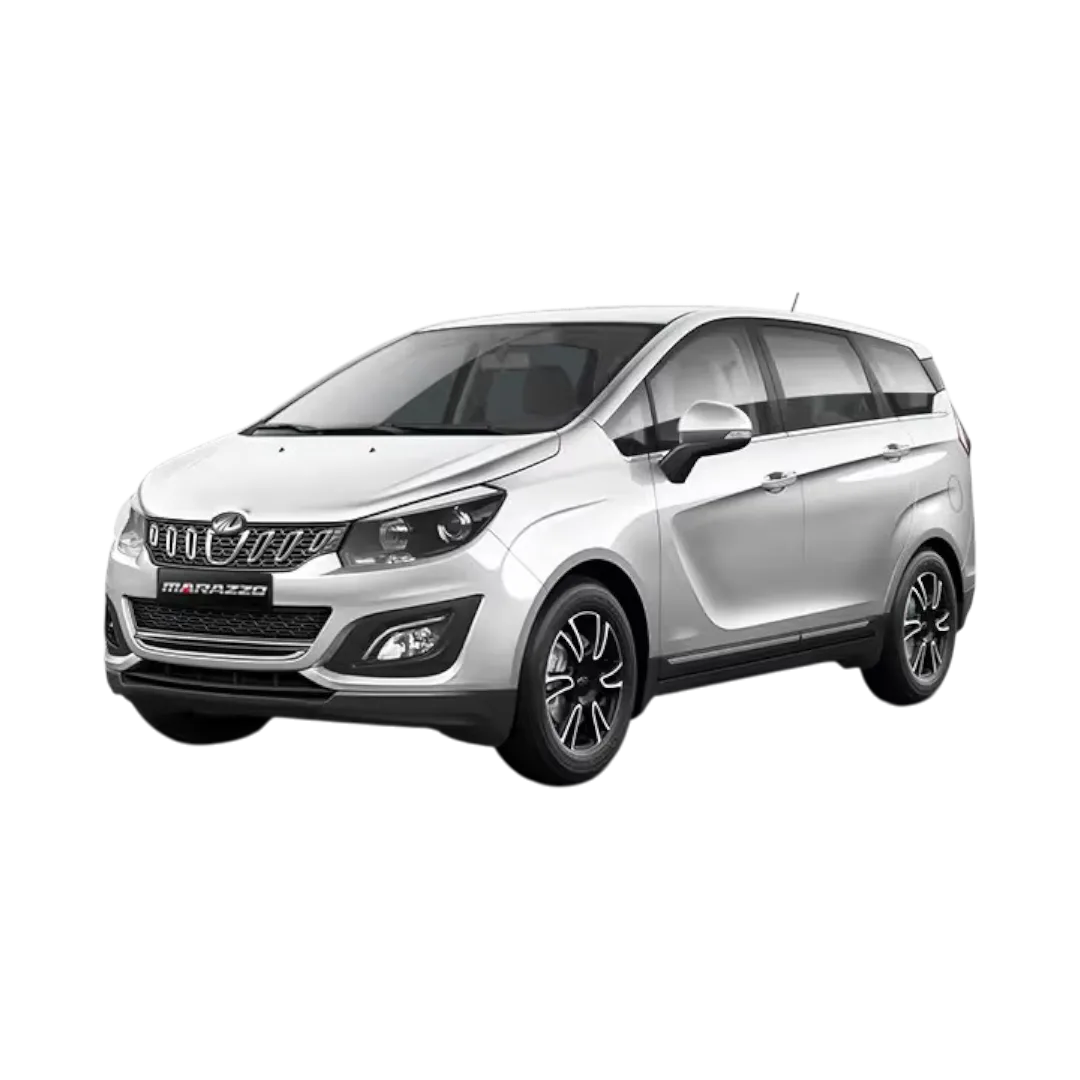 Marazzo
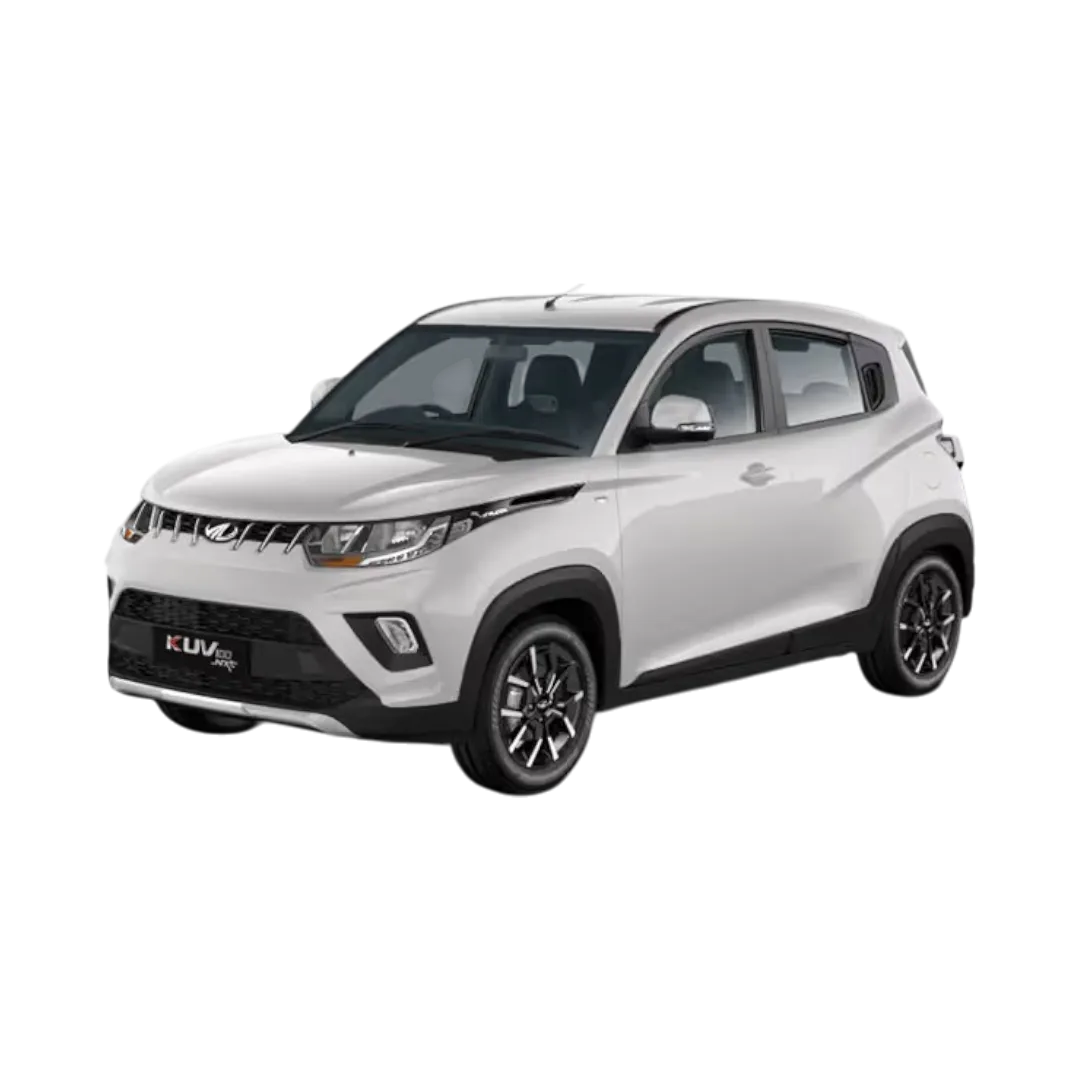 KUV100 NXT
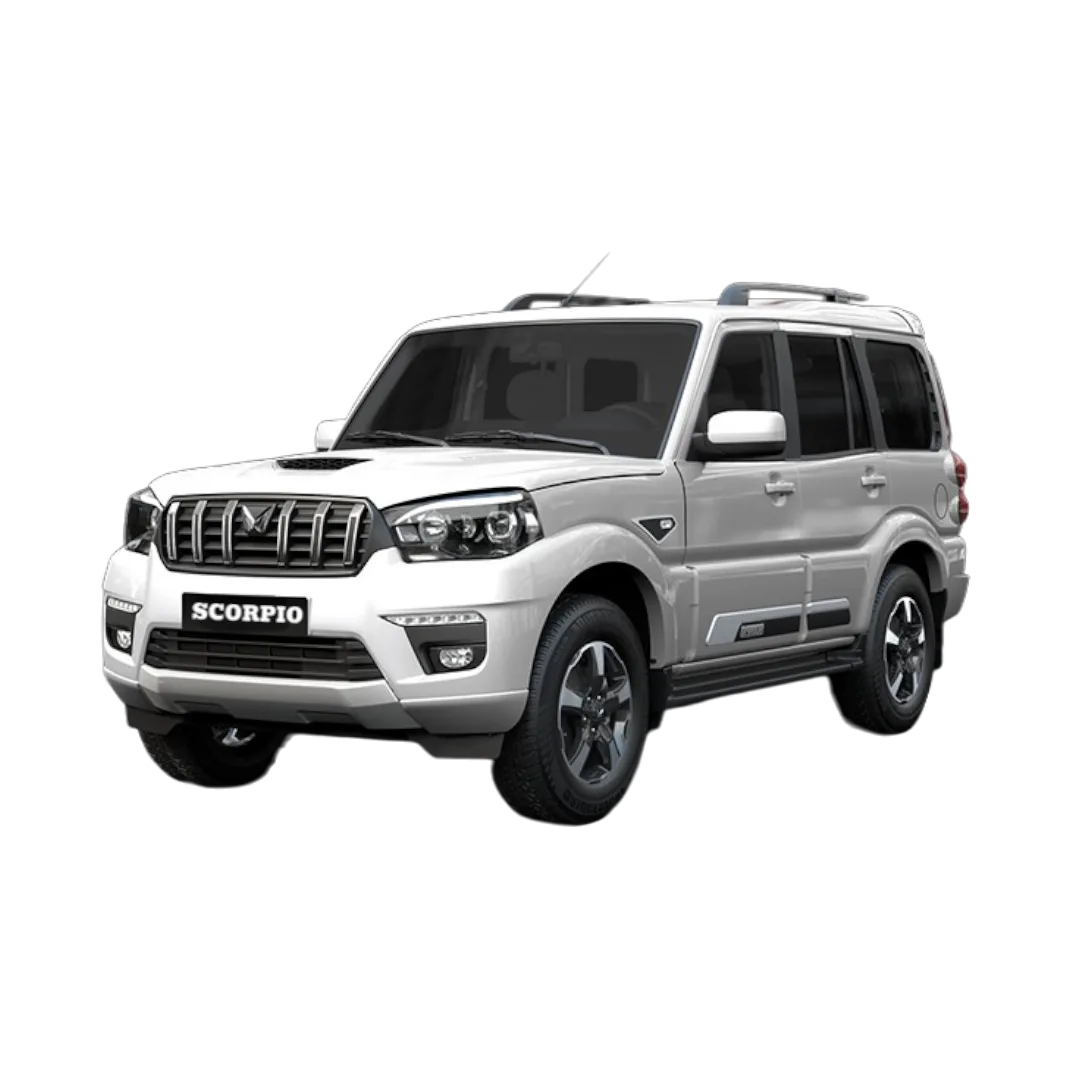 Scorpio
 Thar
Thar
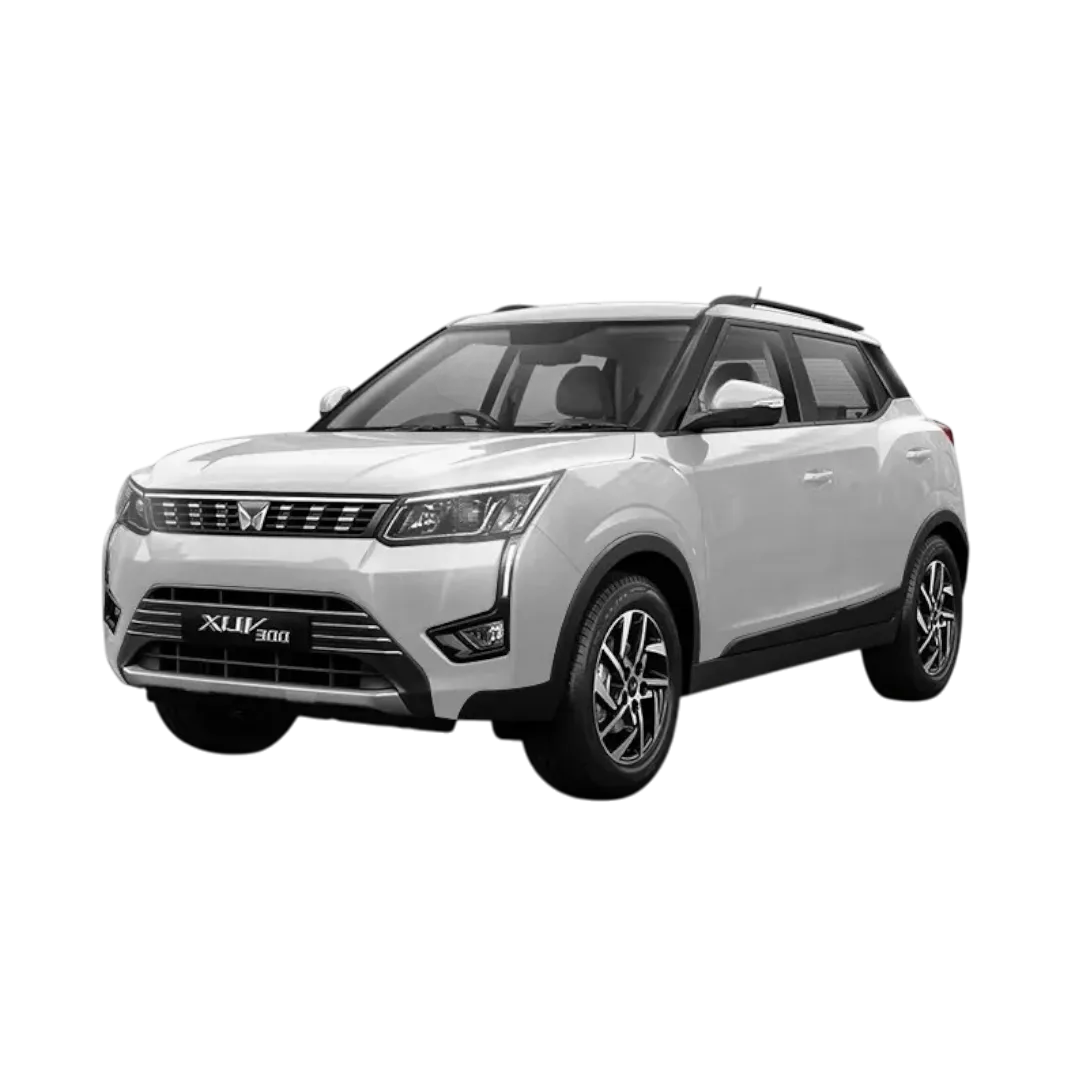 XUV 300
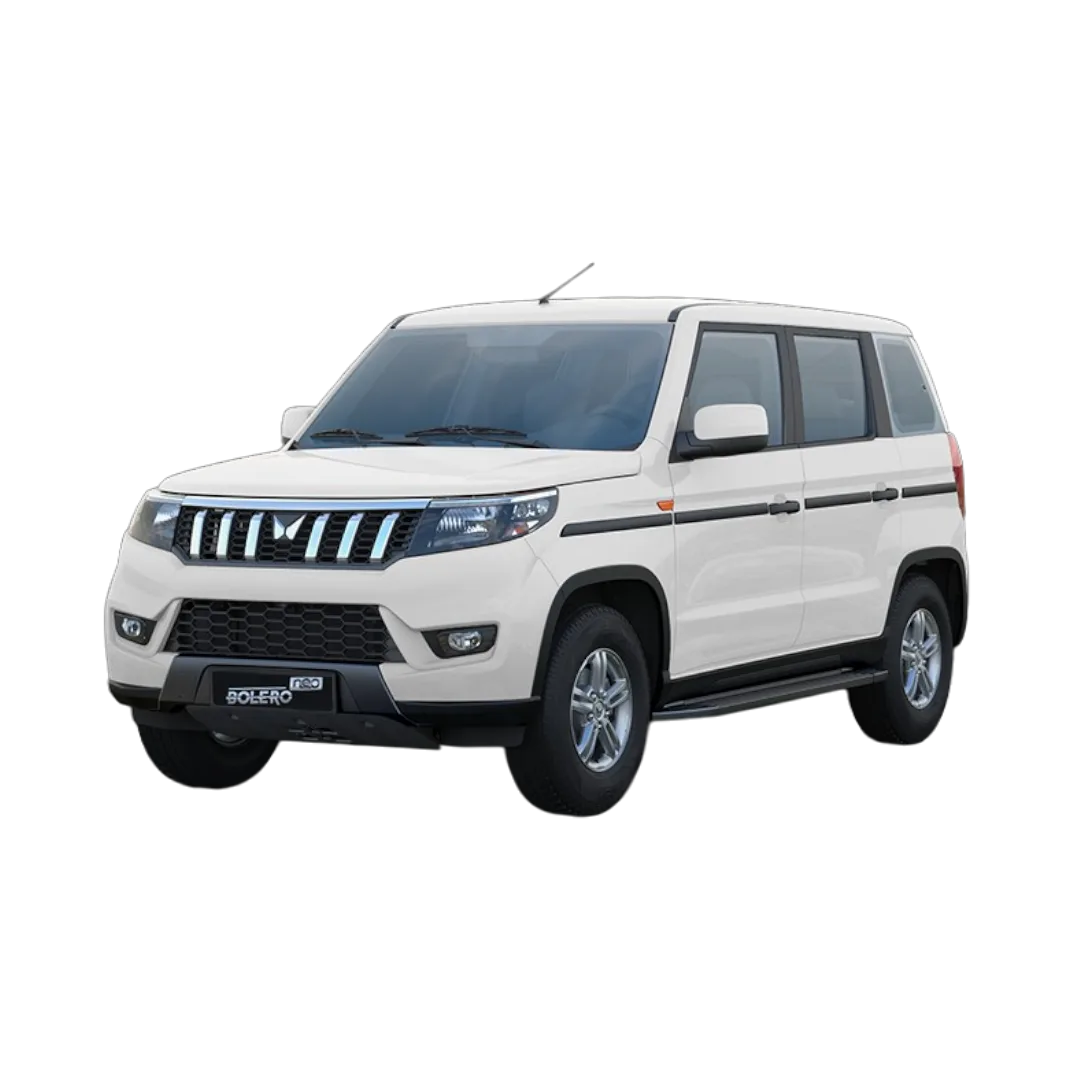 Bolero Neo
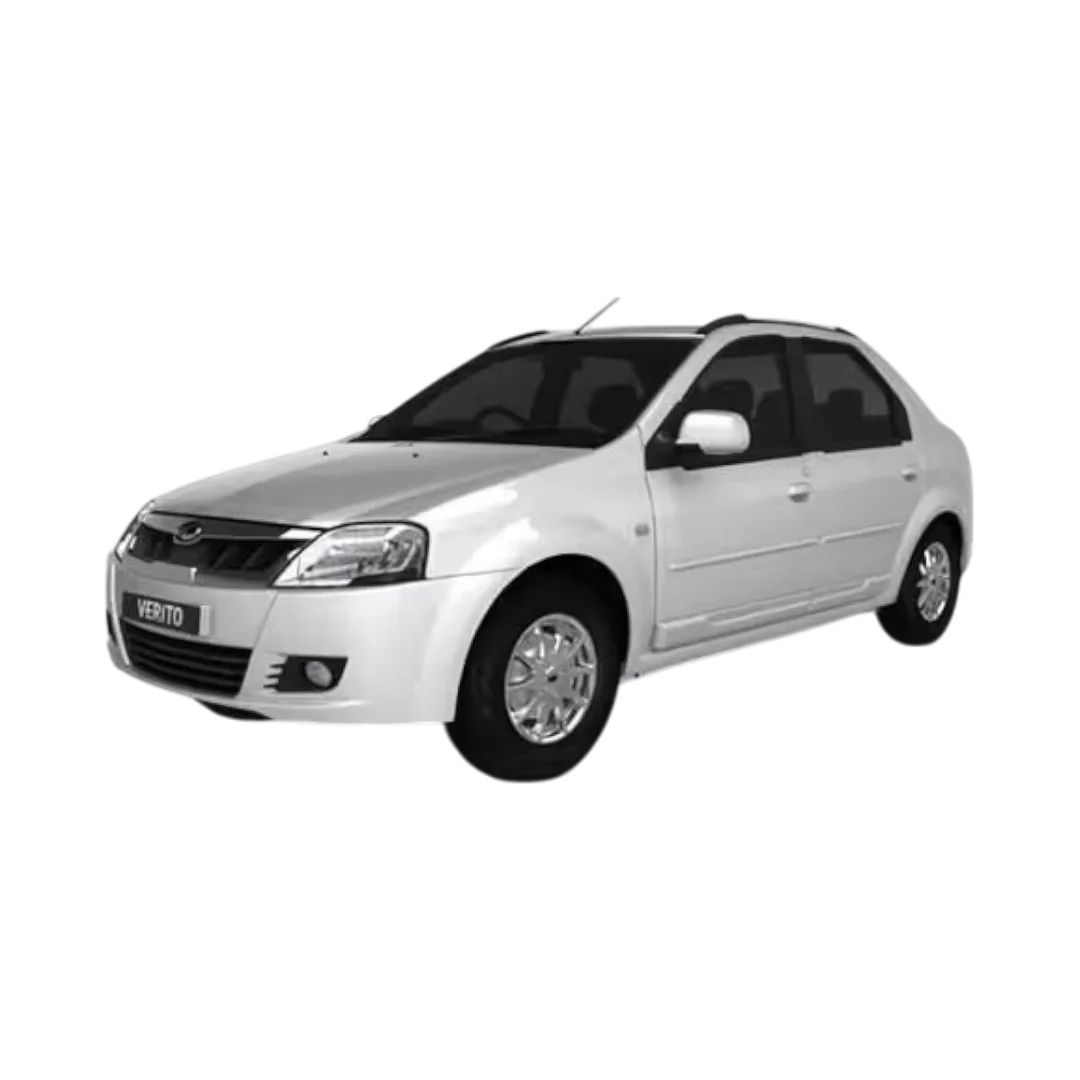 Verito
 Scorpio-N
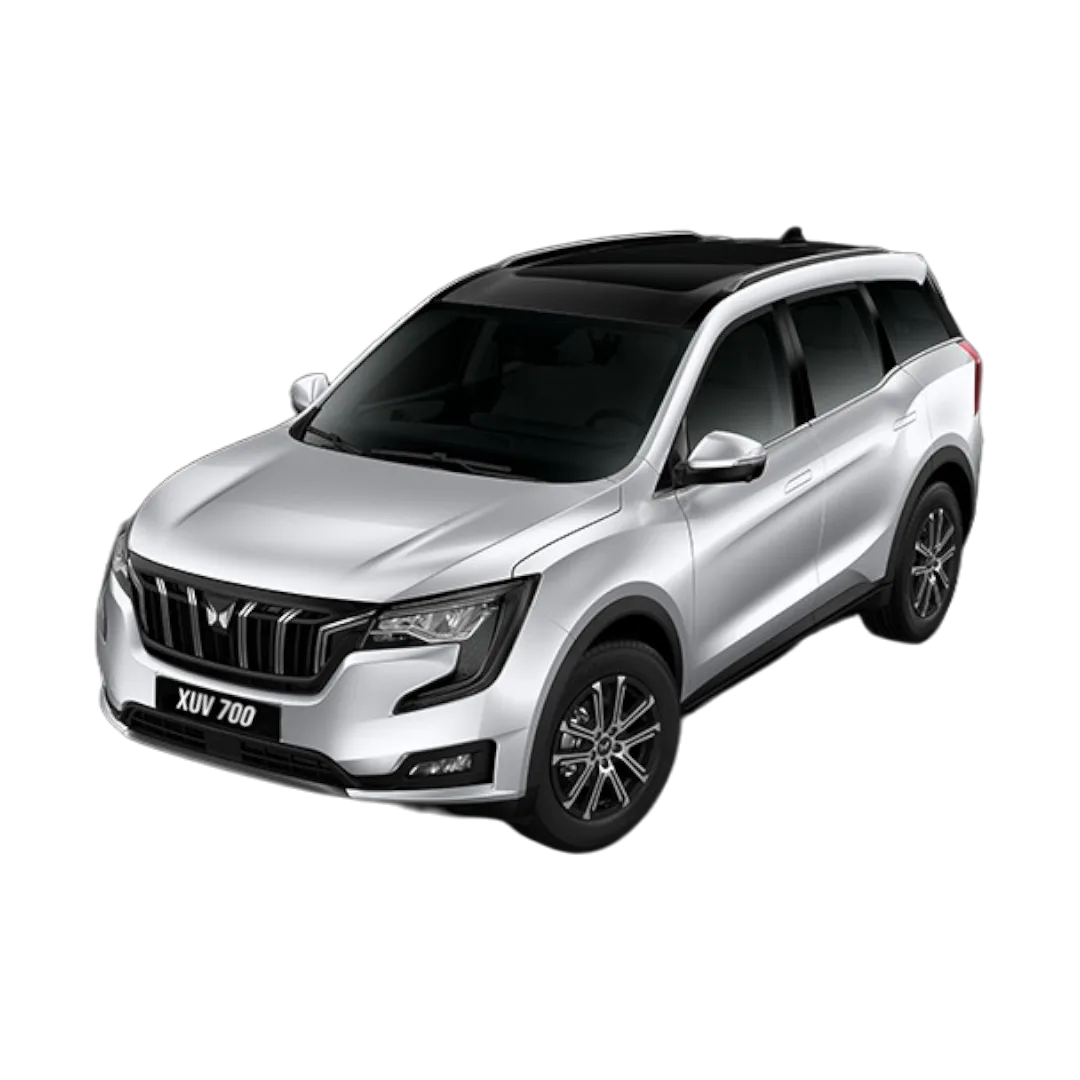 XUV 700
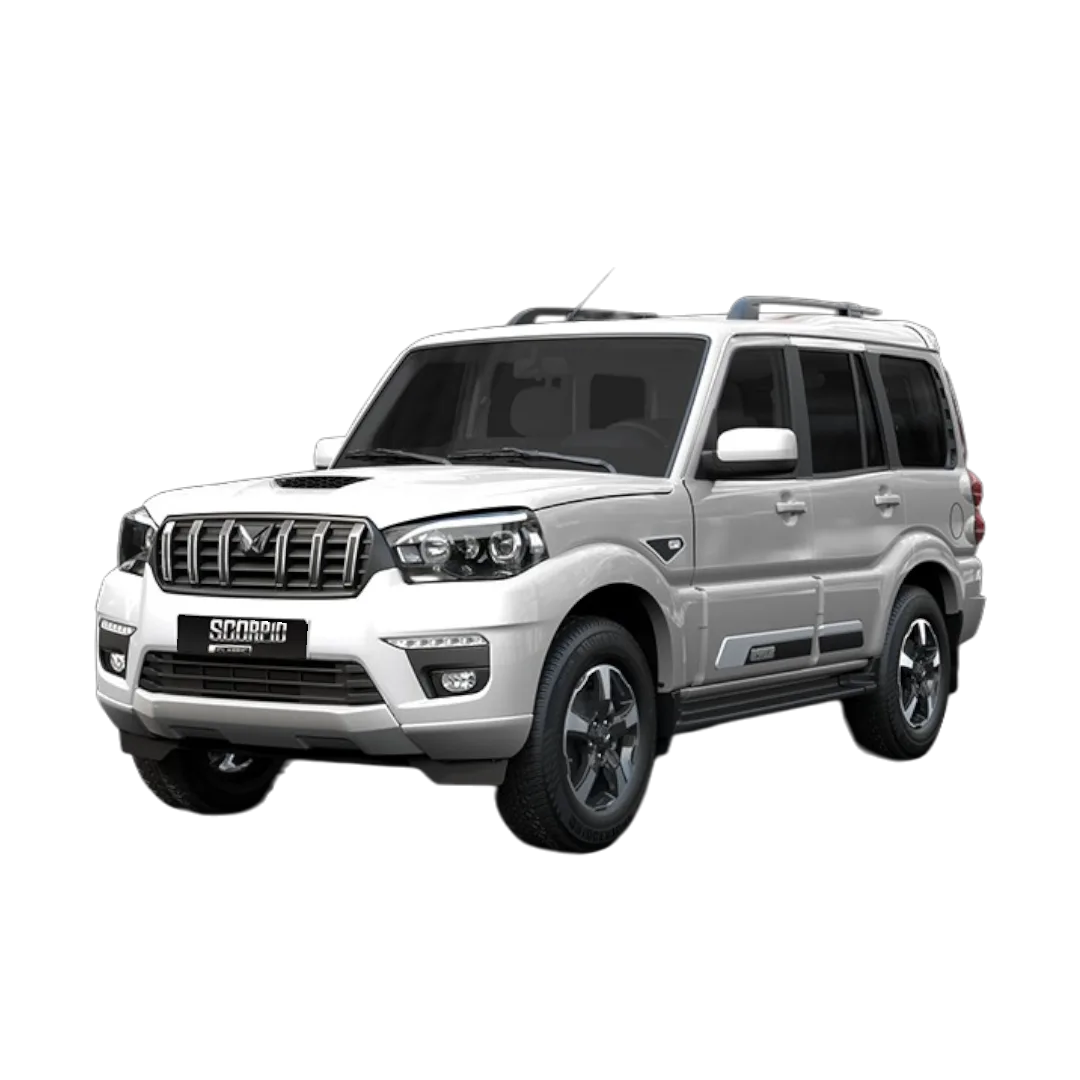 Scorpio Classic
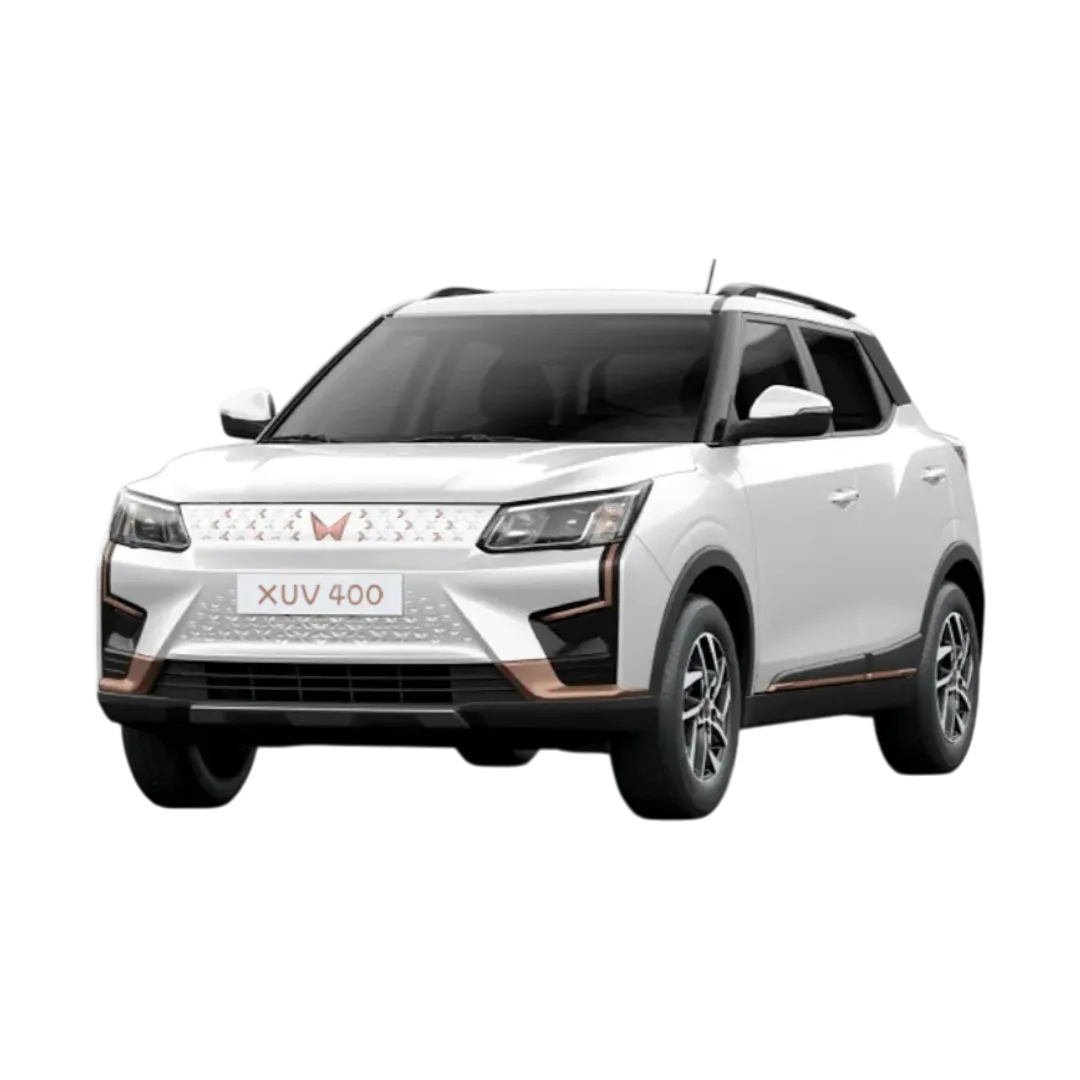 XUV400
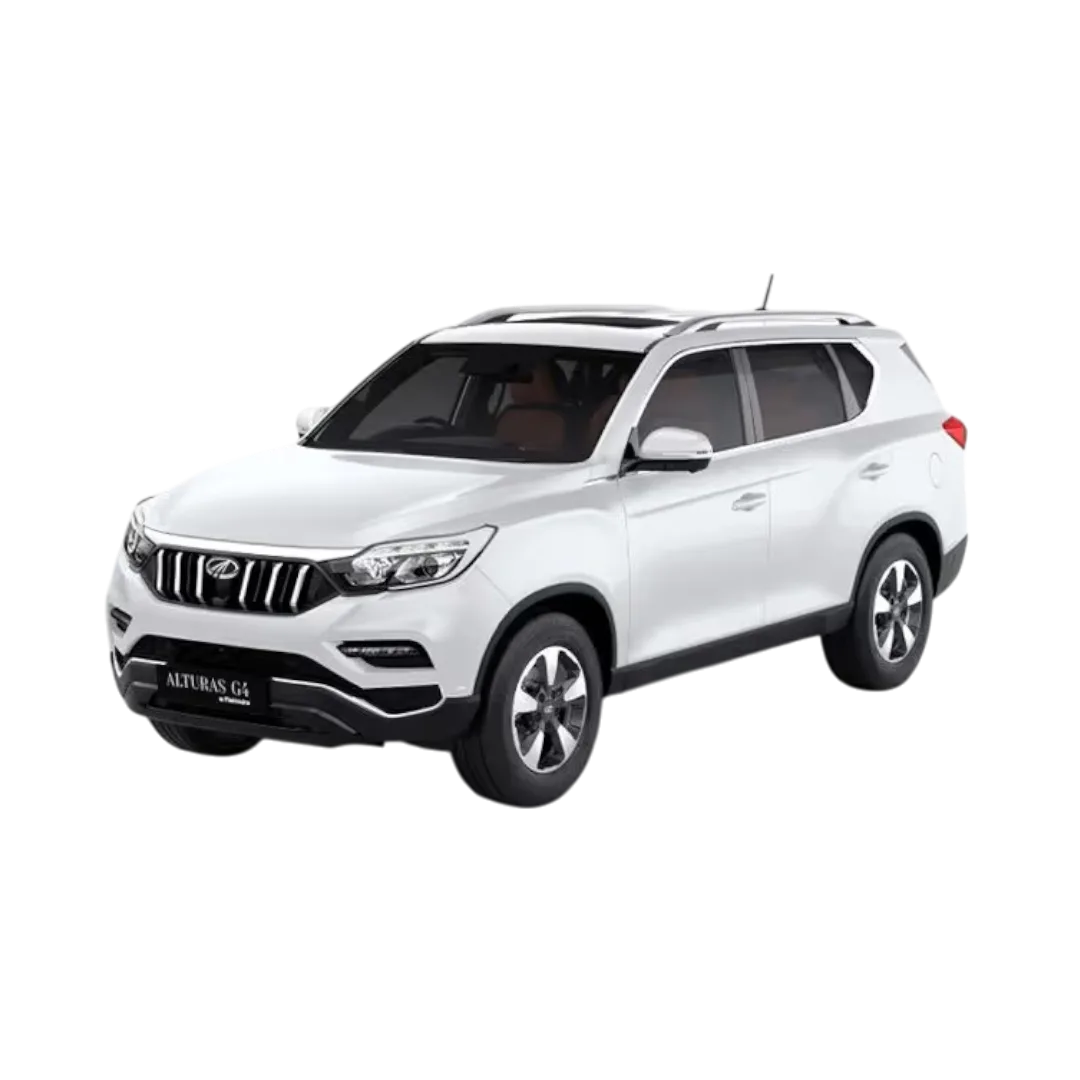 Alturas
 Xylo
Xylo
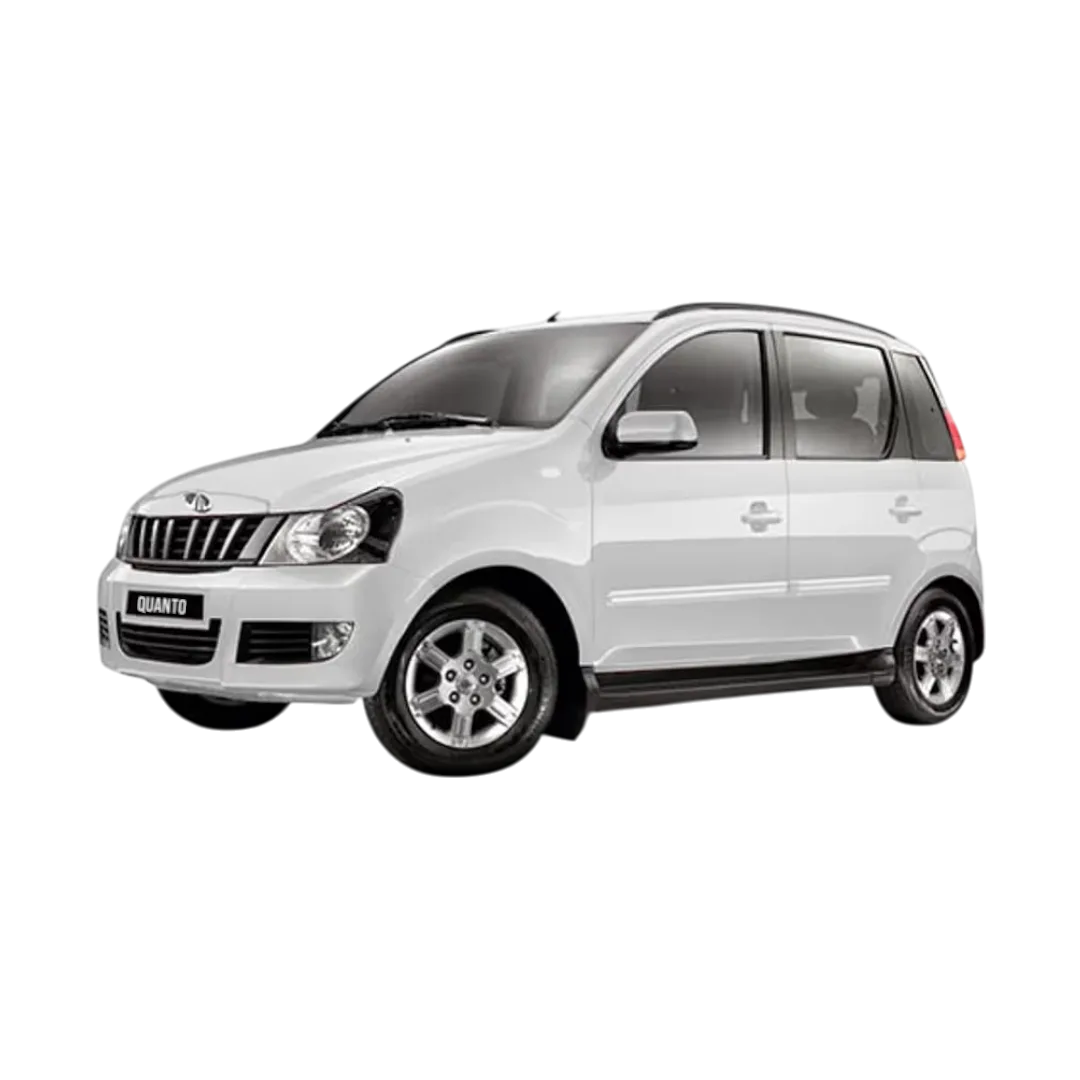 Quanto
 Logan
Logan
 XUV 500
 TUV 300
 XUV 3XO
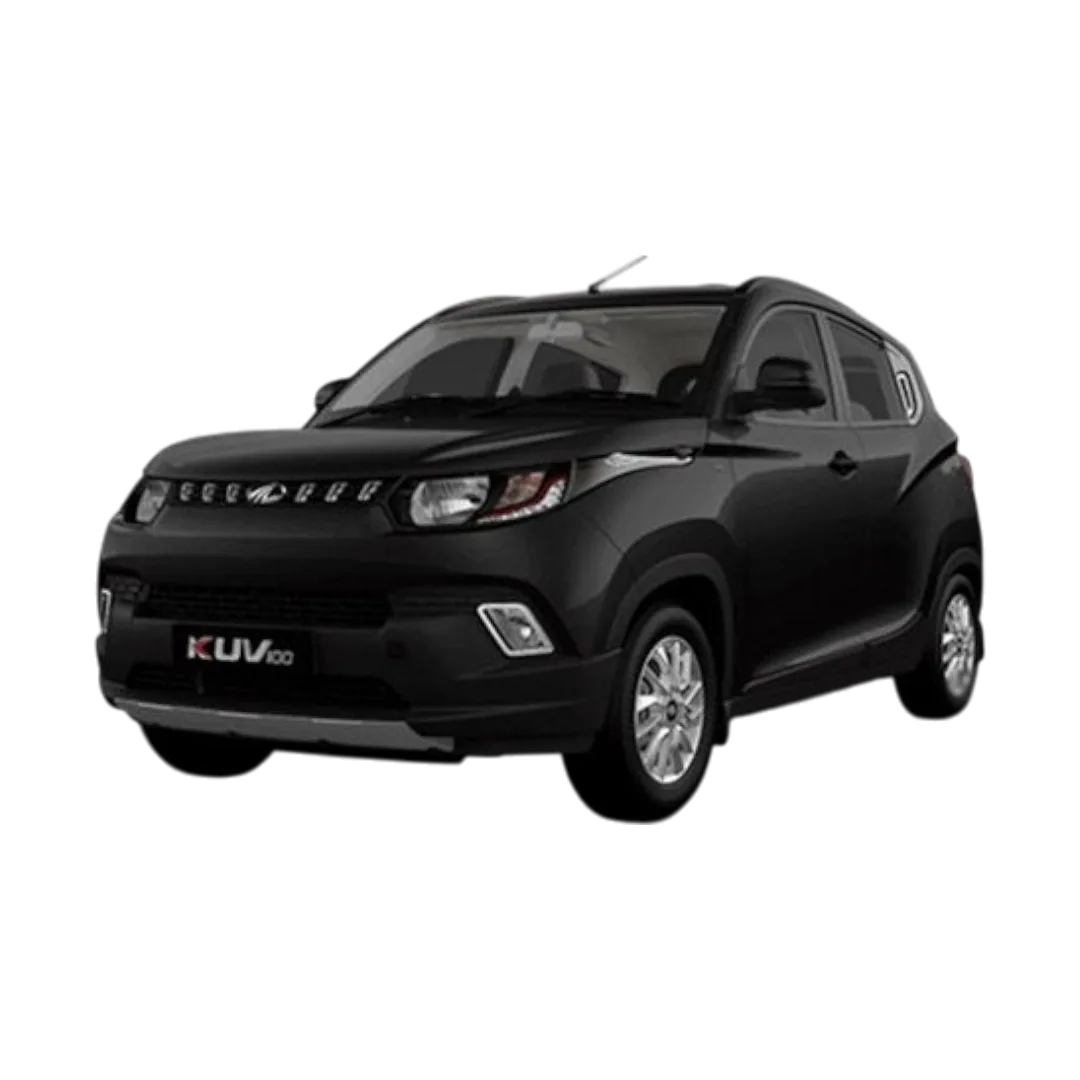 KUV 100
NuvoSport
XEV 9e
BE 6
Thar Roxx
E-Verito
XUV 7XO
TUV 100
BE6
Bolero Camper
Verito Vibe
XUV 400
KUV 100
NuvoSport
XEV 9e
BE 6
Thar Roxx
E-Verito
XUV 7XO
TUV 100
BE6
Bolero Camper
Verito Vibe
XUV 400
 Audi Q5
 Audi A4
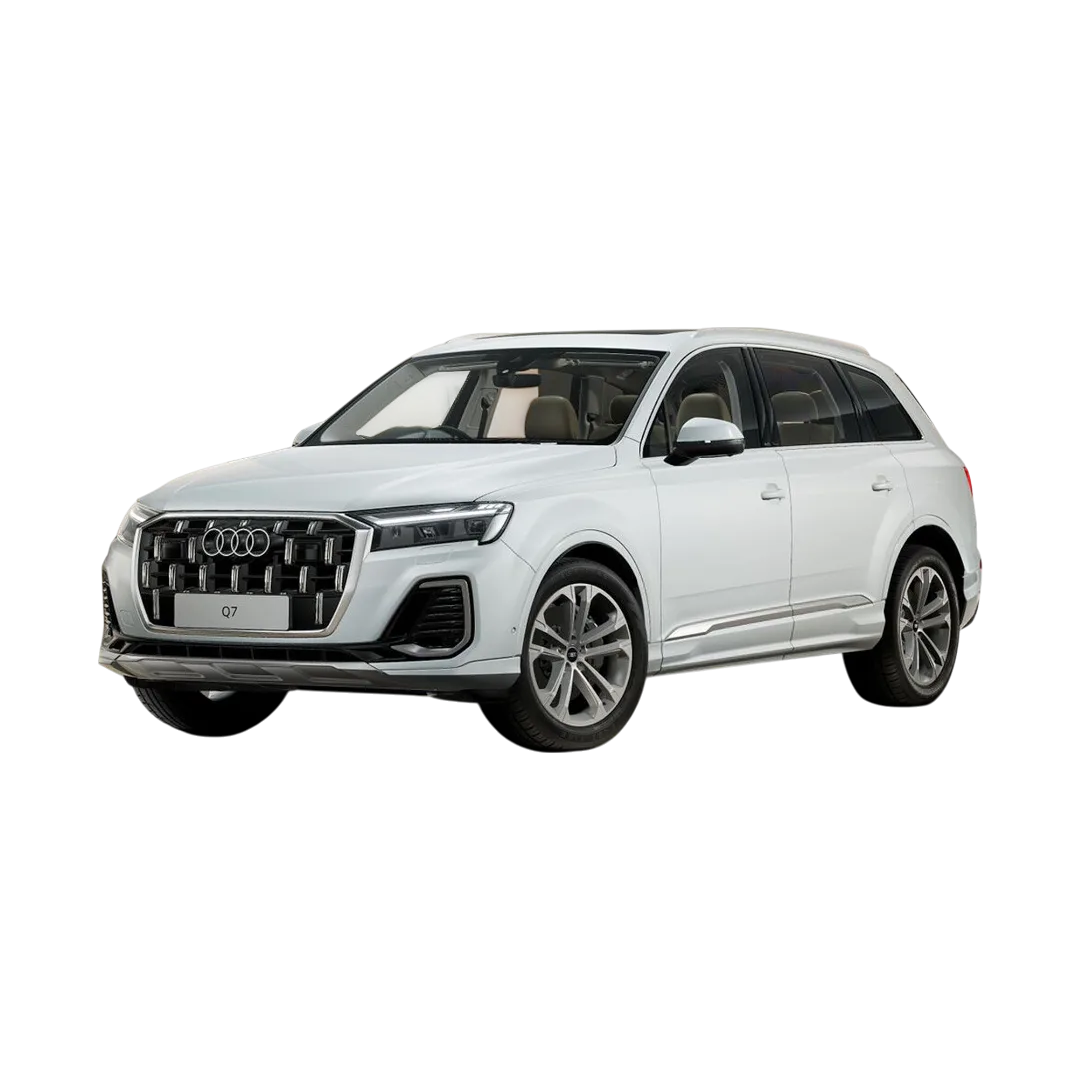 Audi Q7
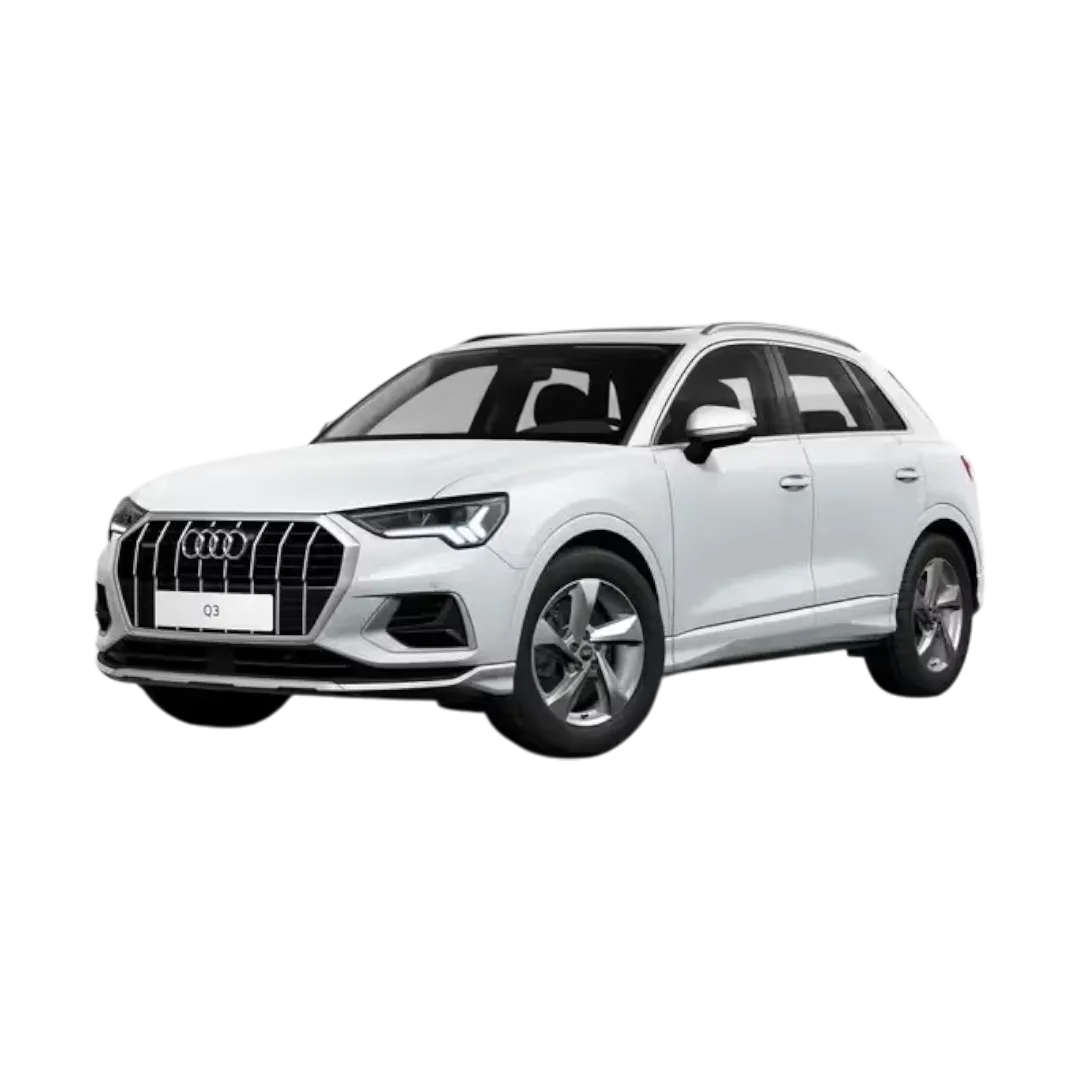 Audi Q3
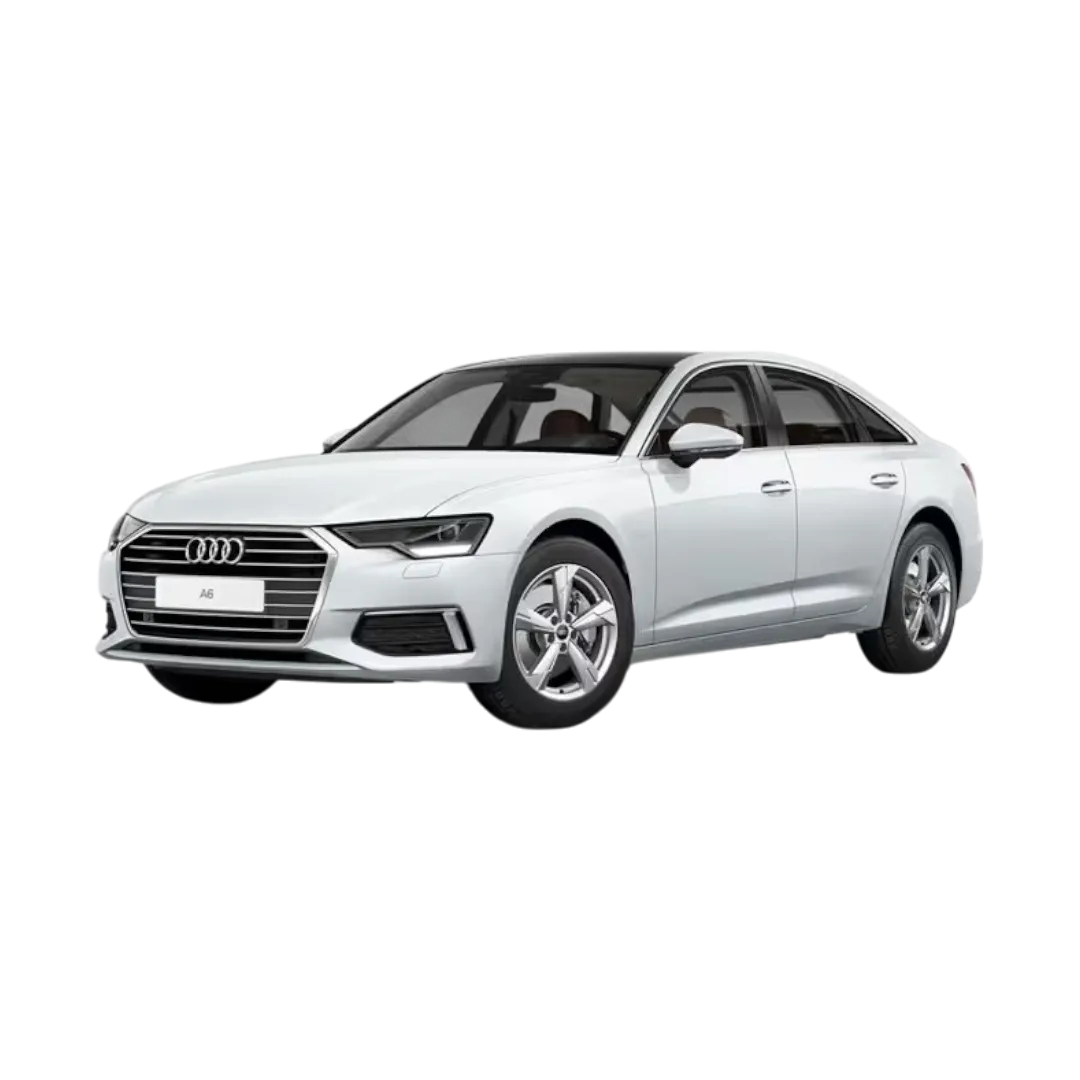 Audi A6
 Audi RS5
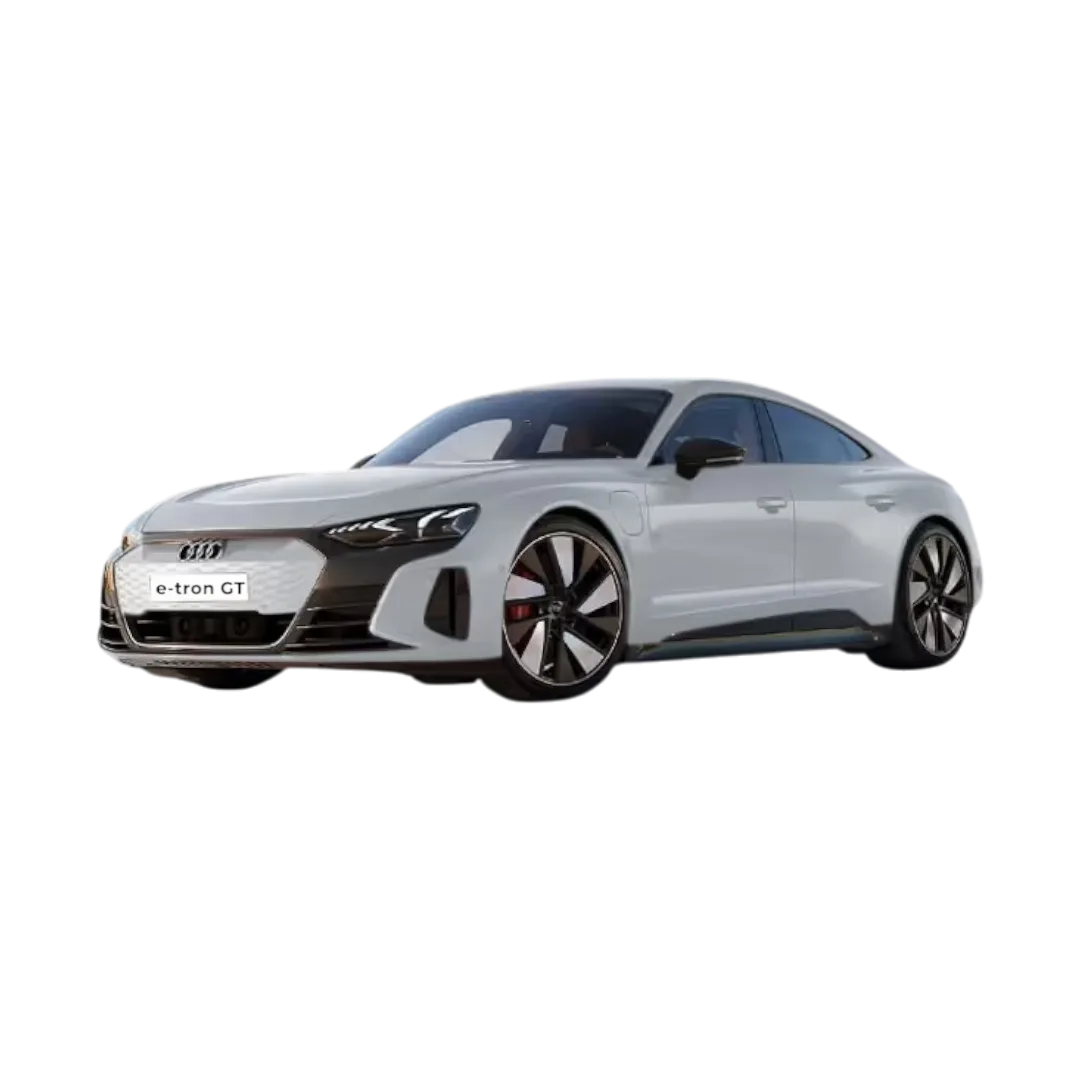 E-Tron GT
 Audi Q8
 E-Tron
 Q3 Sportback
 Audi S5 Sportback
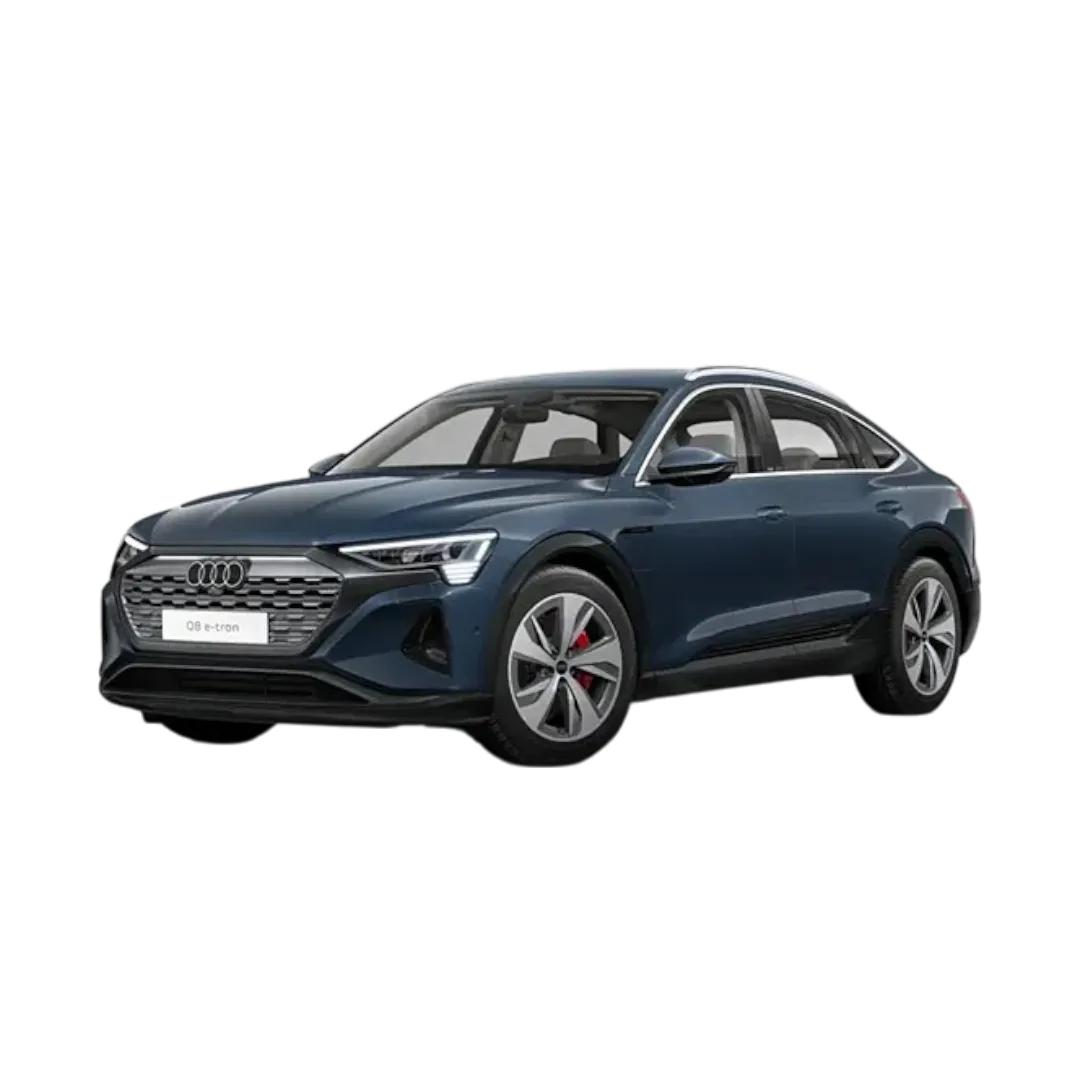 Q8 E-Tron
 Q8 E-Tron Sportback
 Audi A8L
 Audi RS Q8
 Audi A3
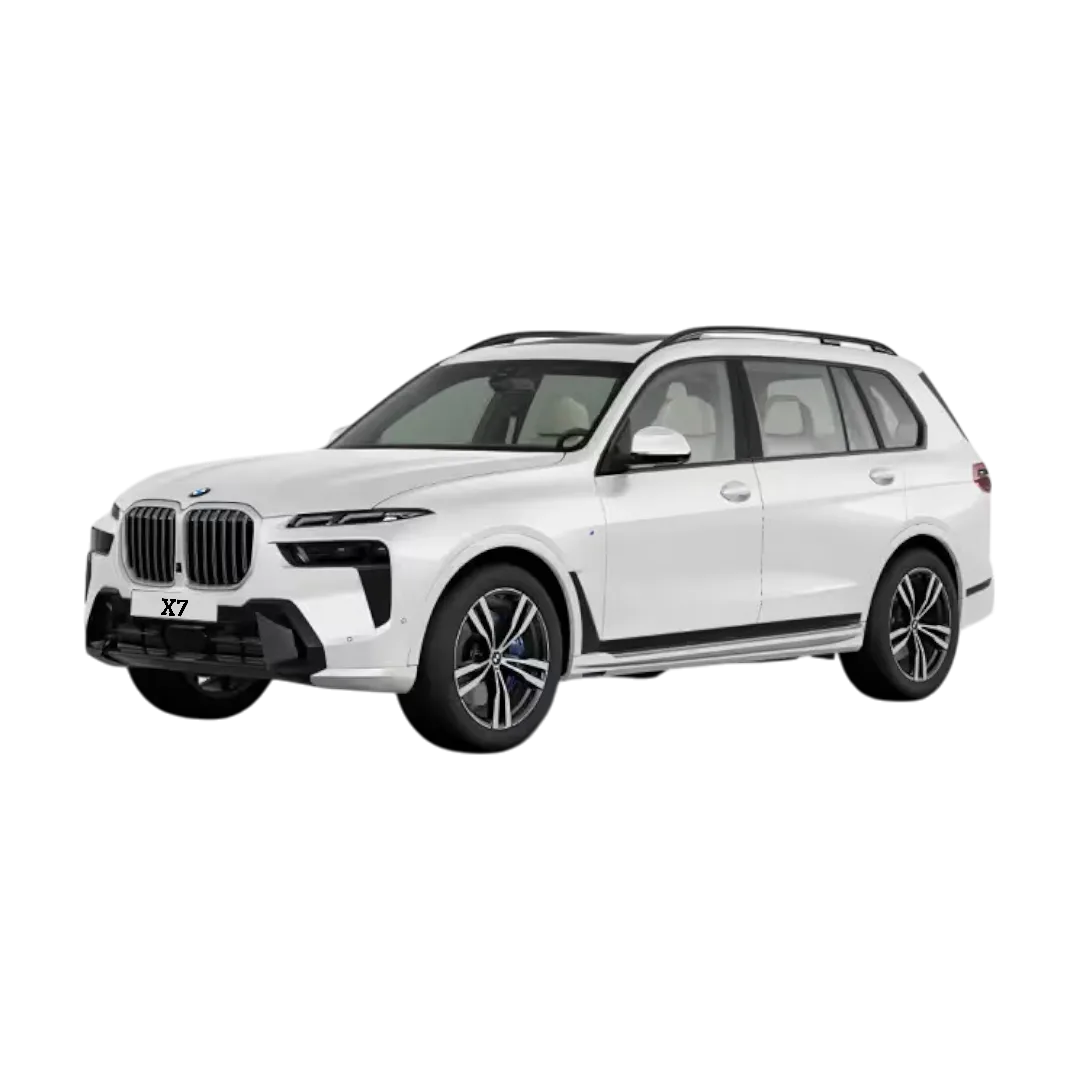 BMW X7
 BMW X1
 BMW X5
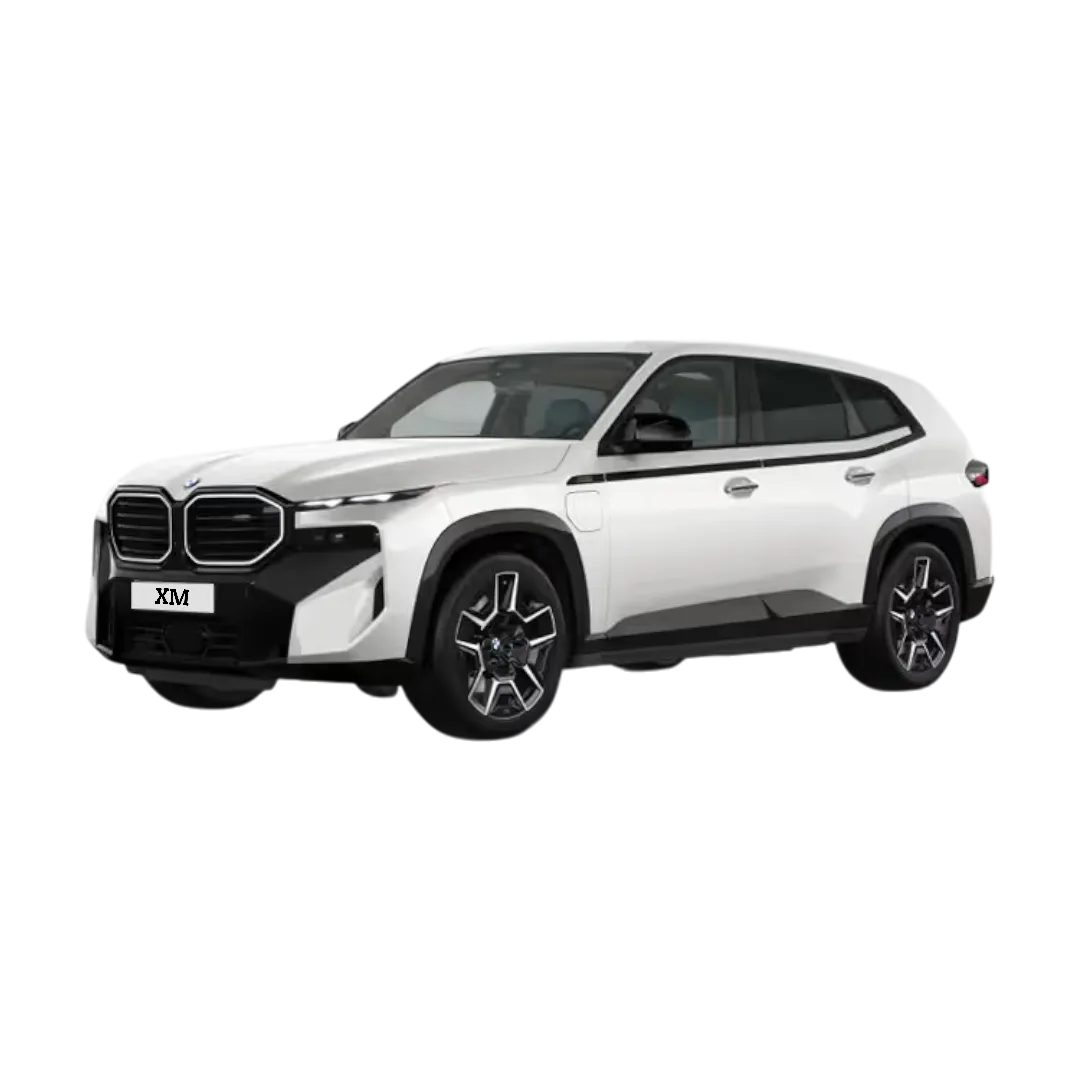 BMW XM
 BMW Z4
 3 Series
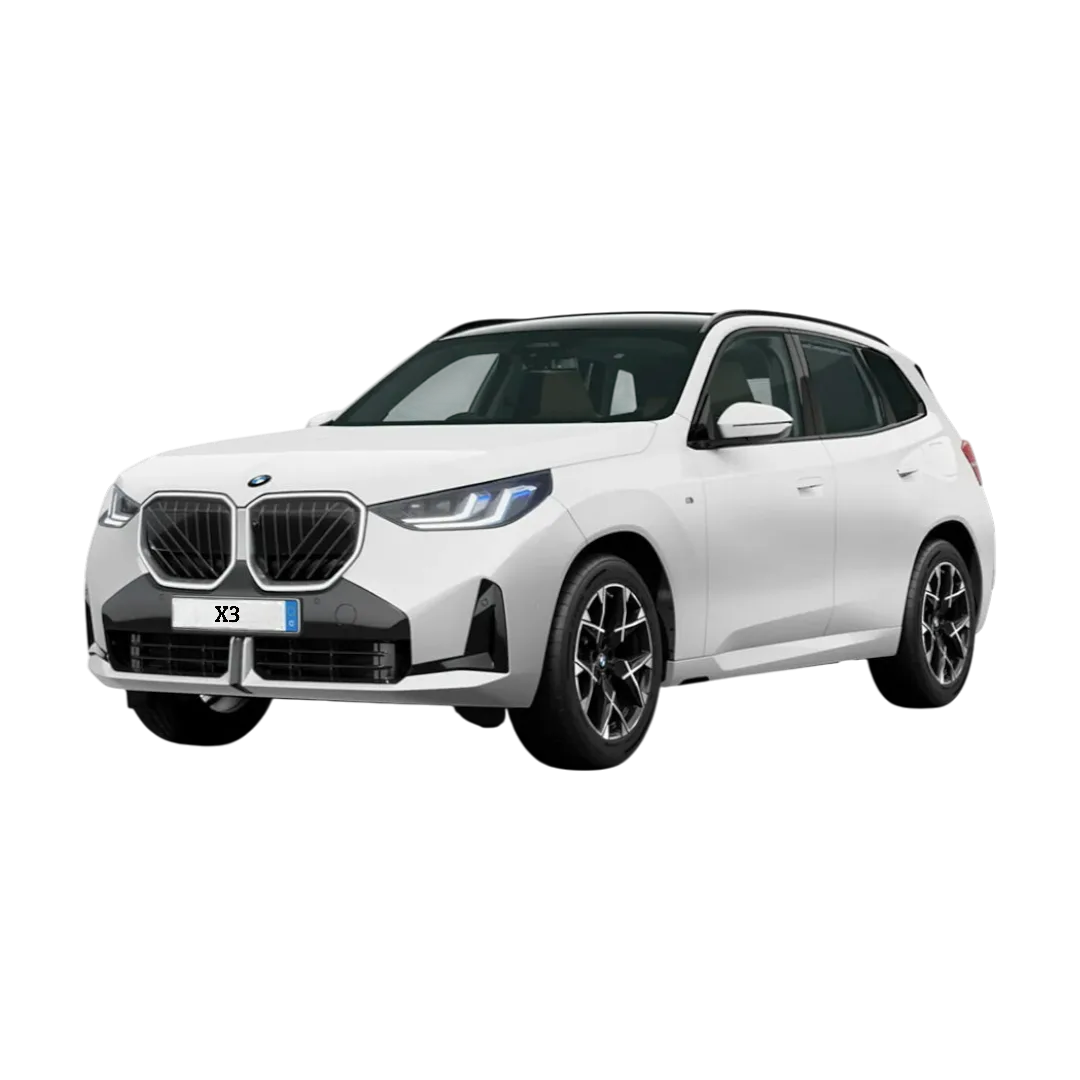 BMW X3
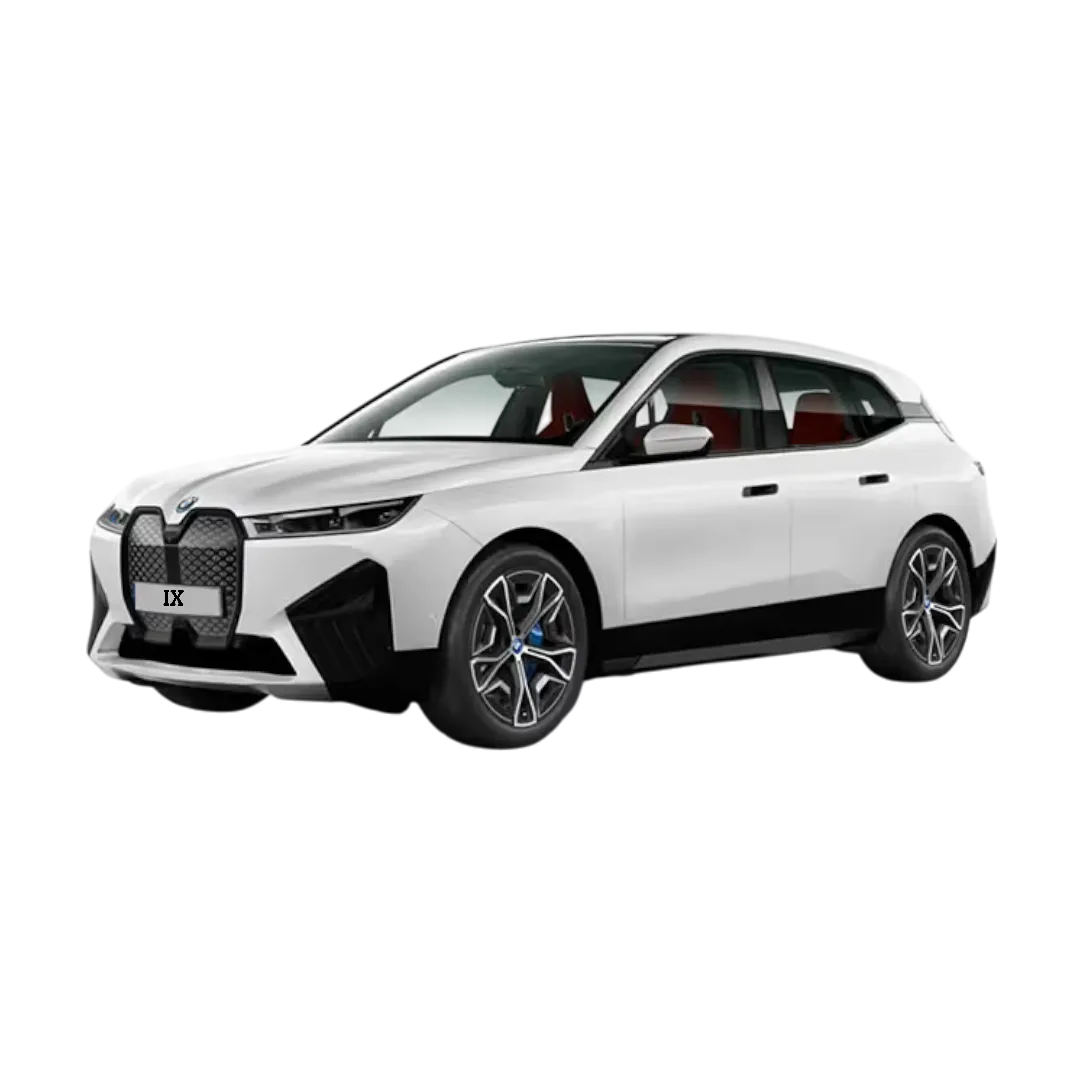 BMW iX
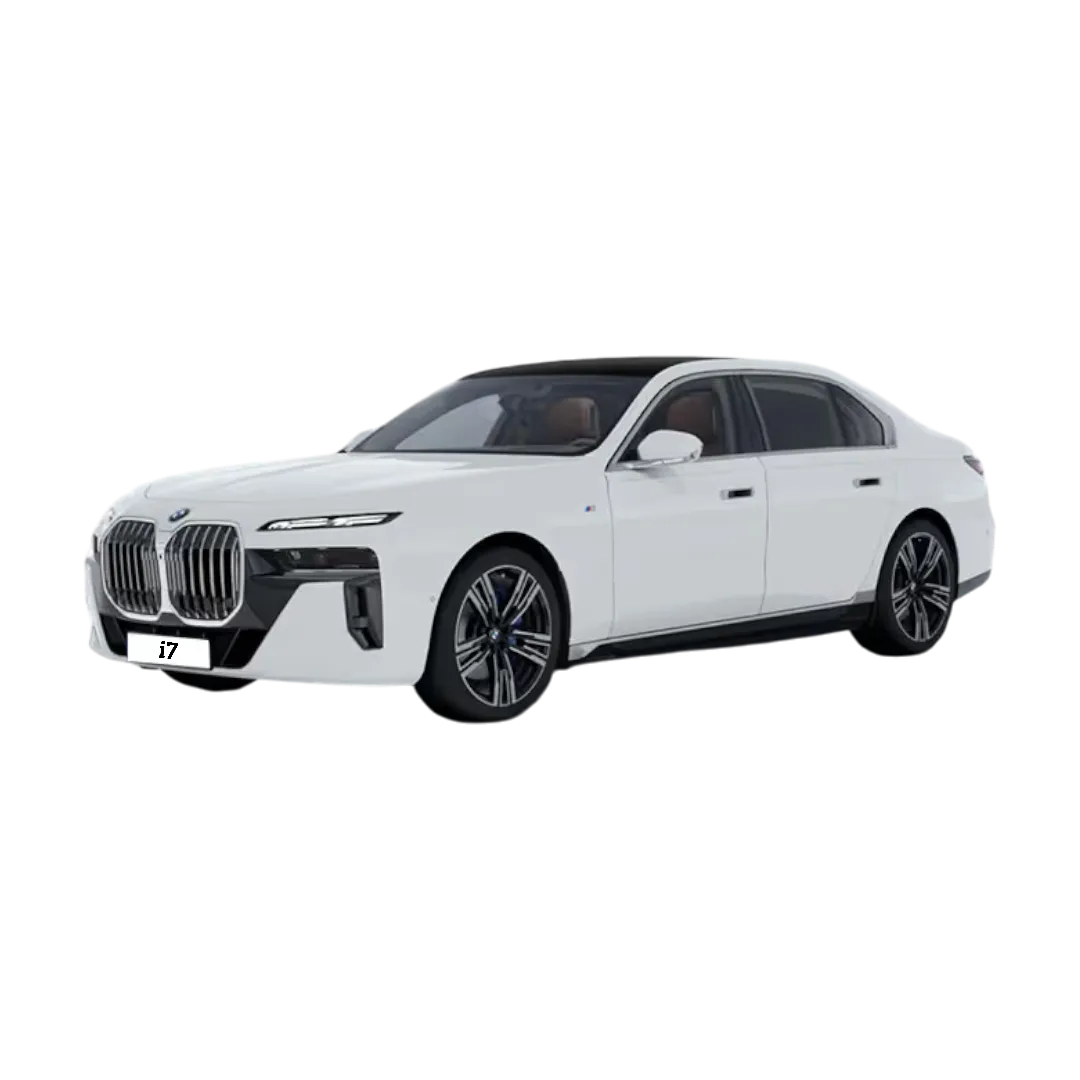 BMW i7
 BMW M2
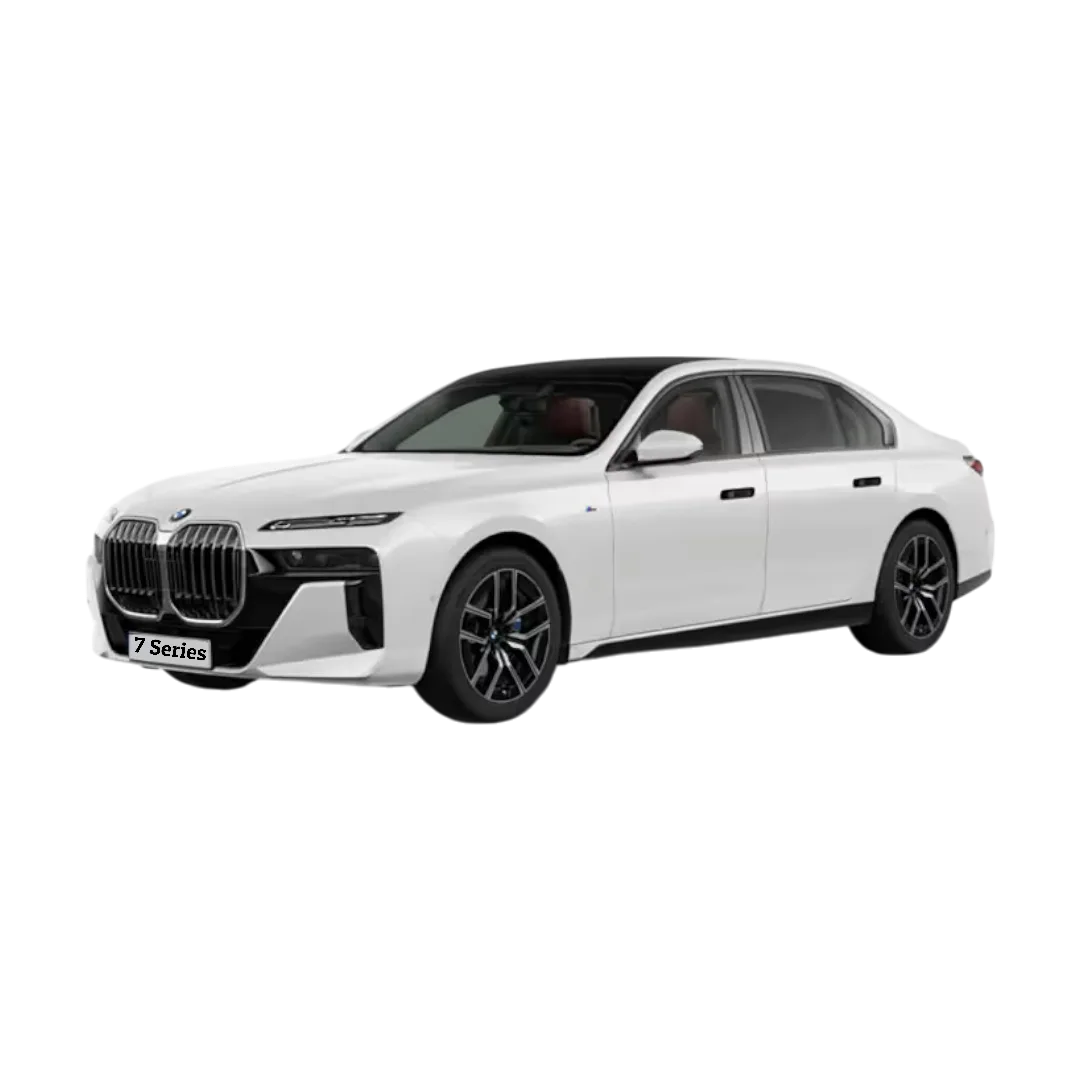 7 Series
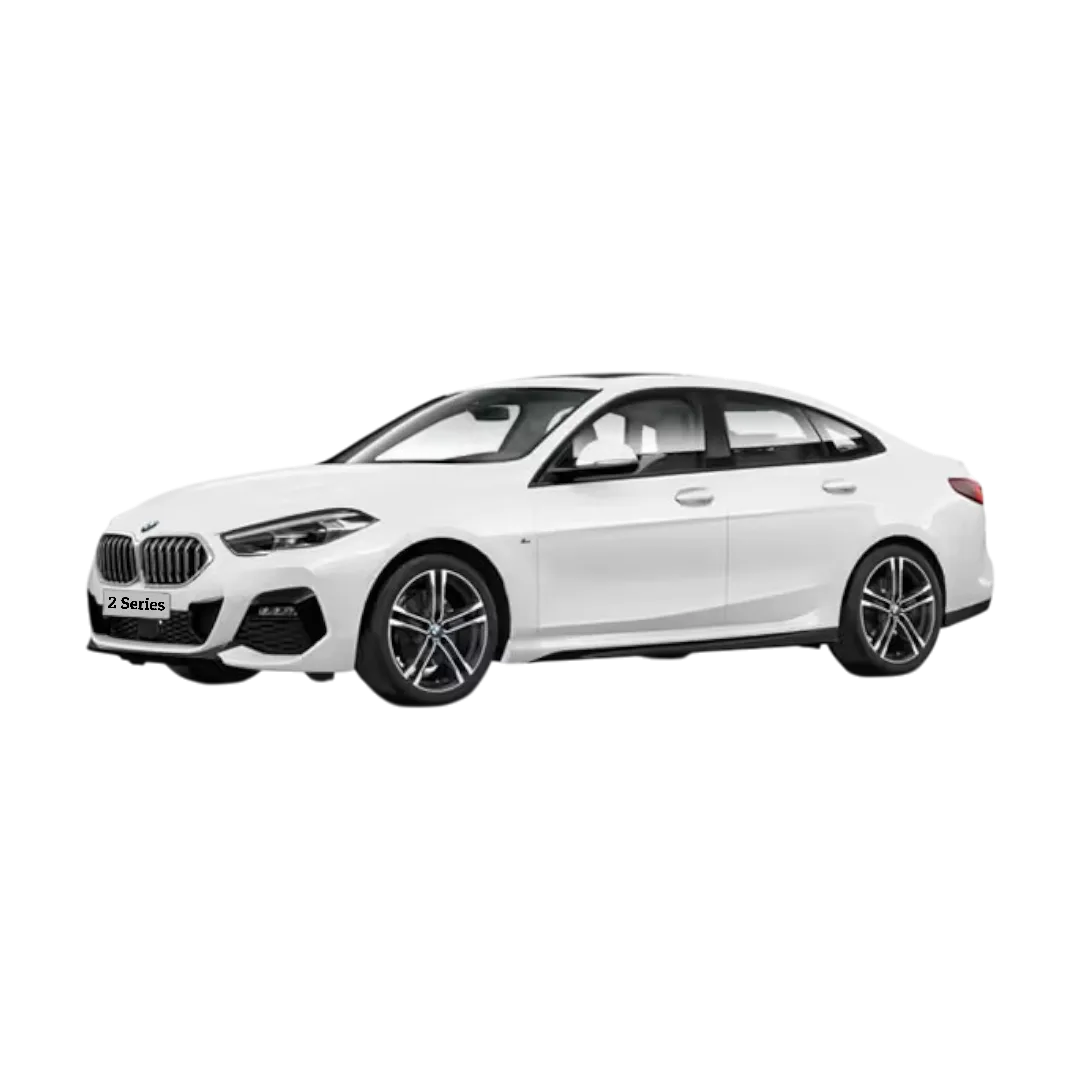 2 Series
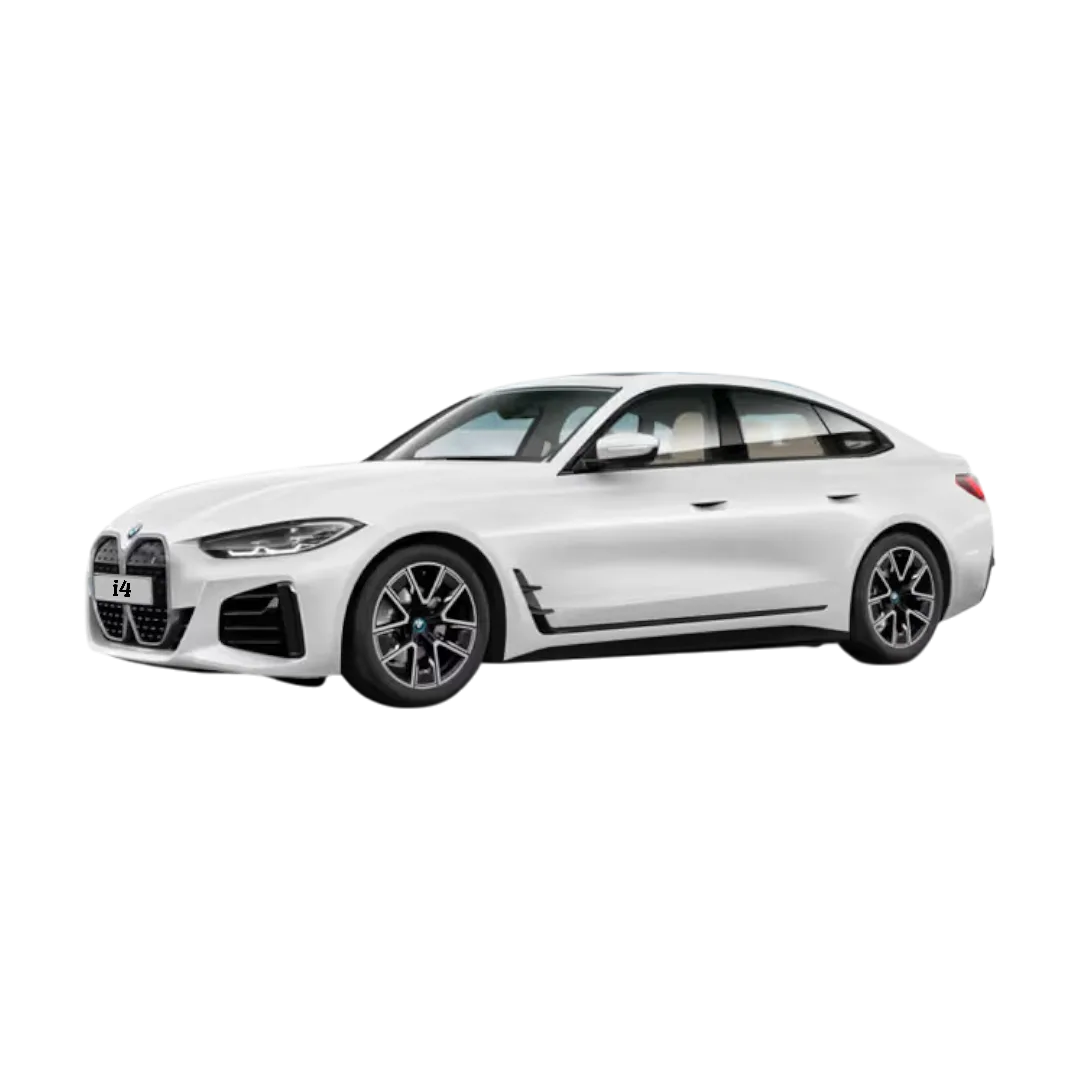 BMW i4
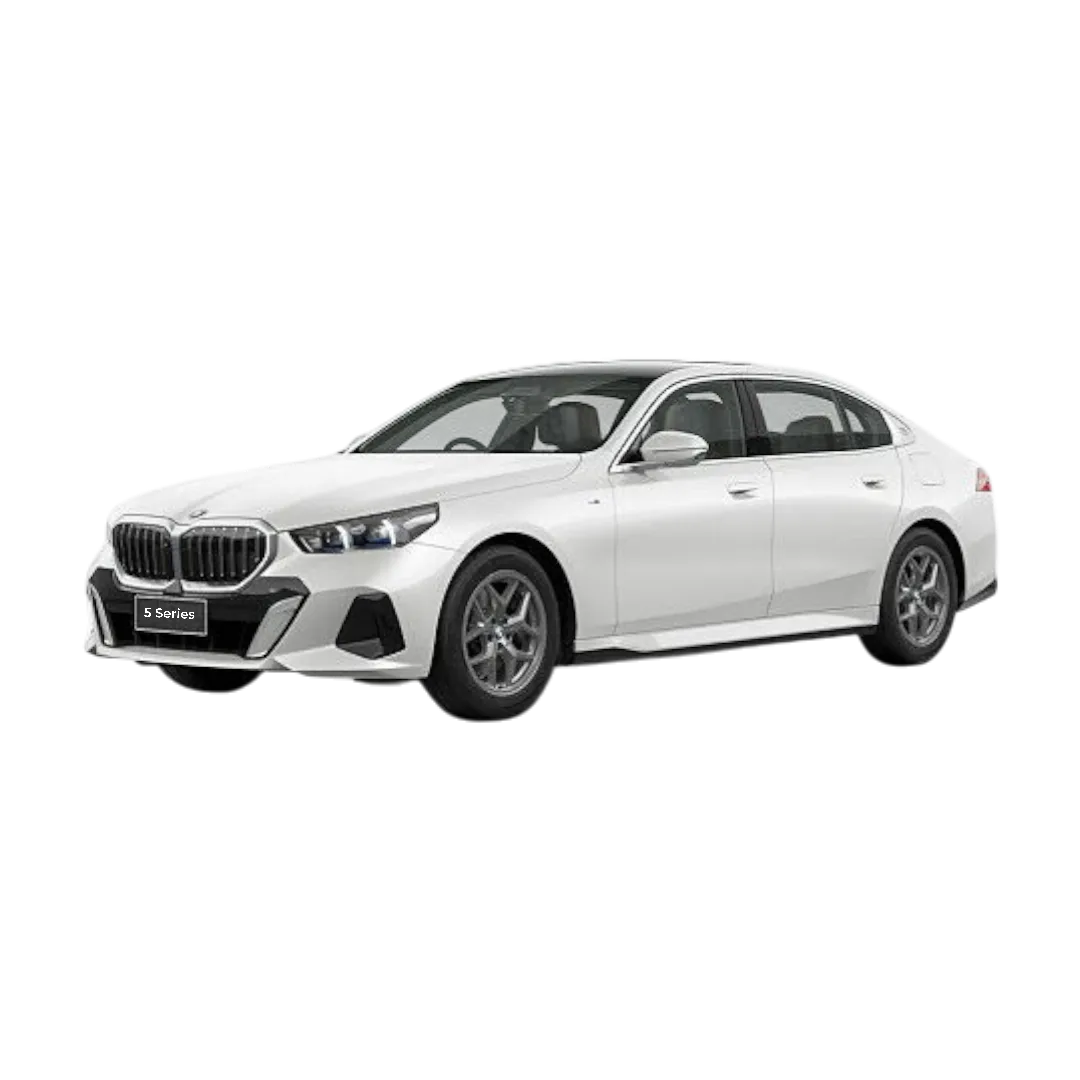 5 Series
 6 Series
 BMW ix1
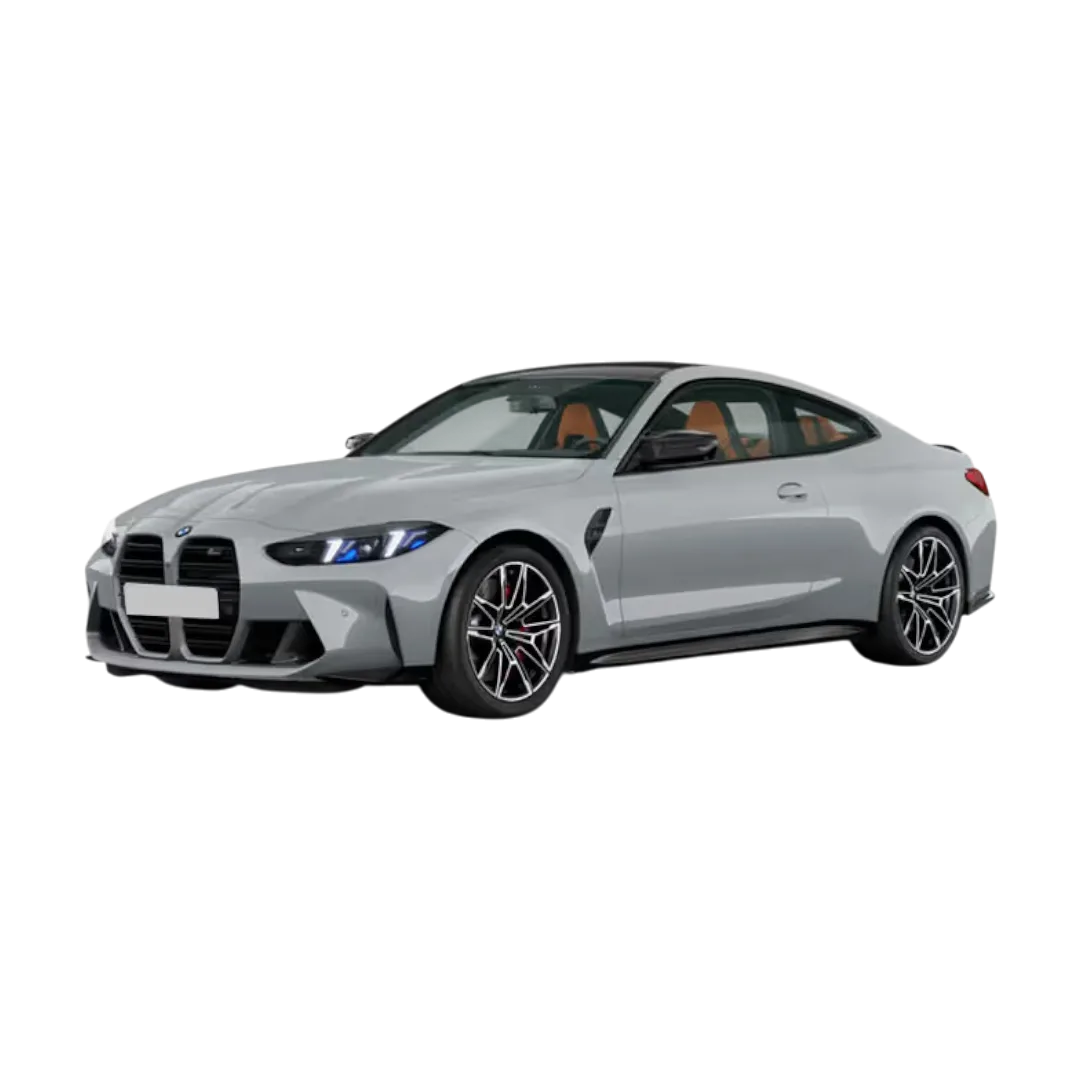 M4 Competition
 3 Series Gran Limousine
 M8 Coupe
 BMW M3
 BMW X6
 BMW i5
 BMW X4
 Mercedes Benz GLA
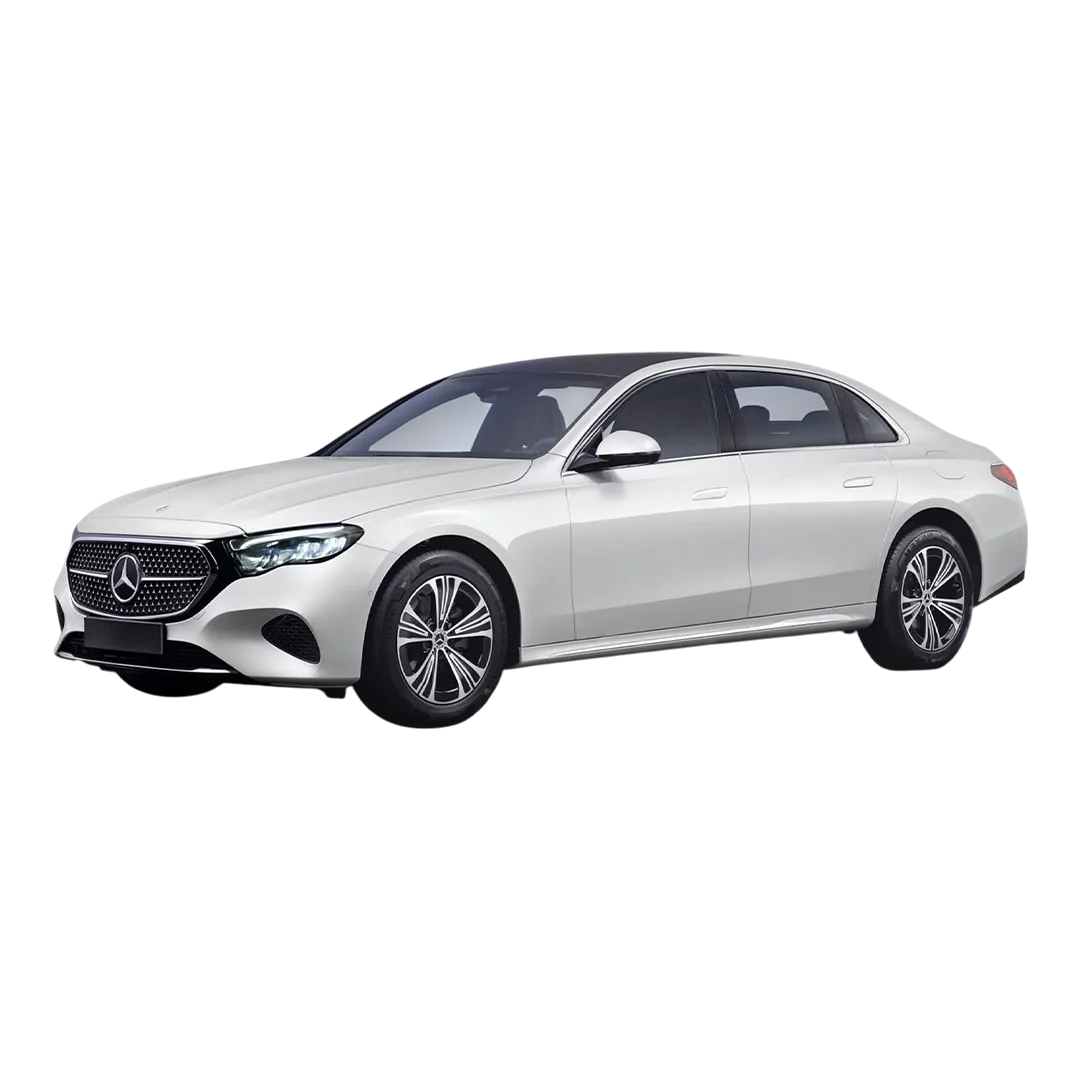 Mercedes E-Class
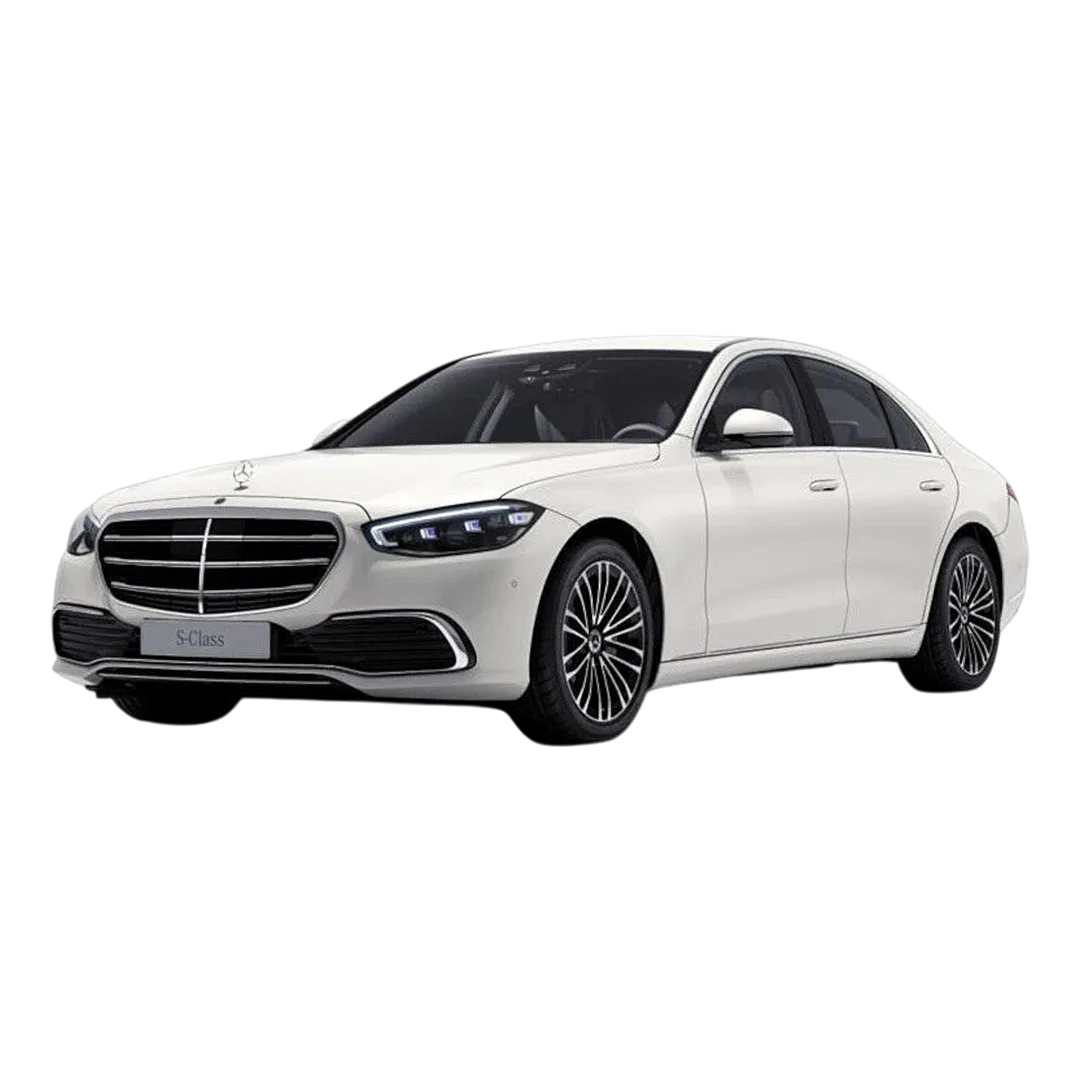 Mercedes S-Class
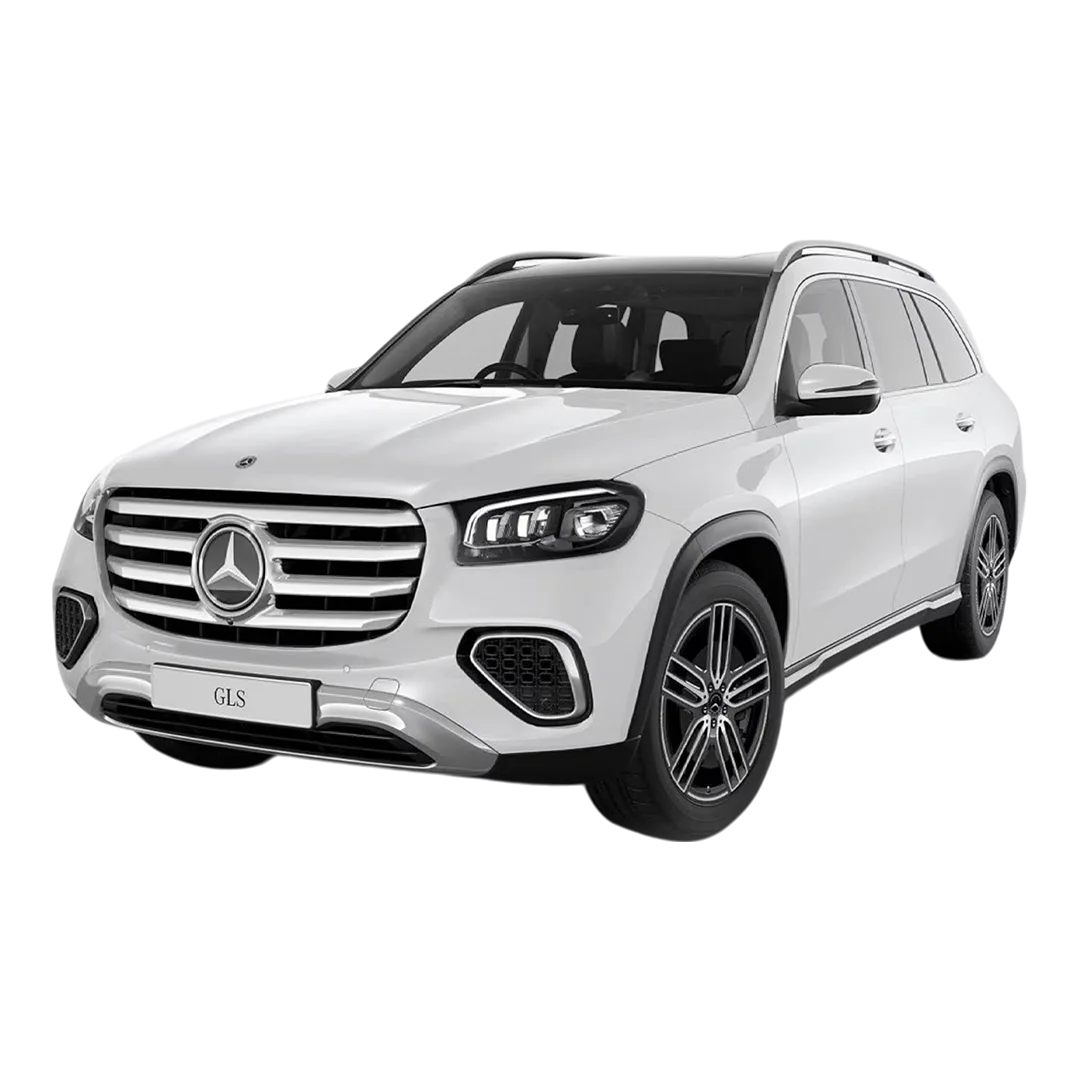 Mercedes Benz GLS
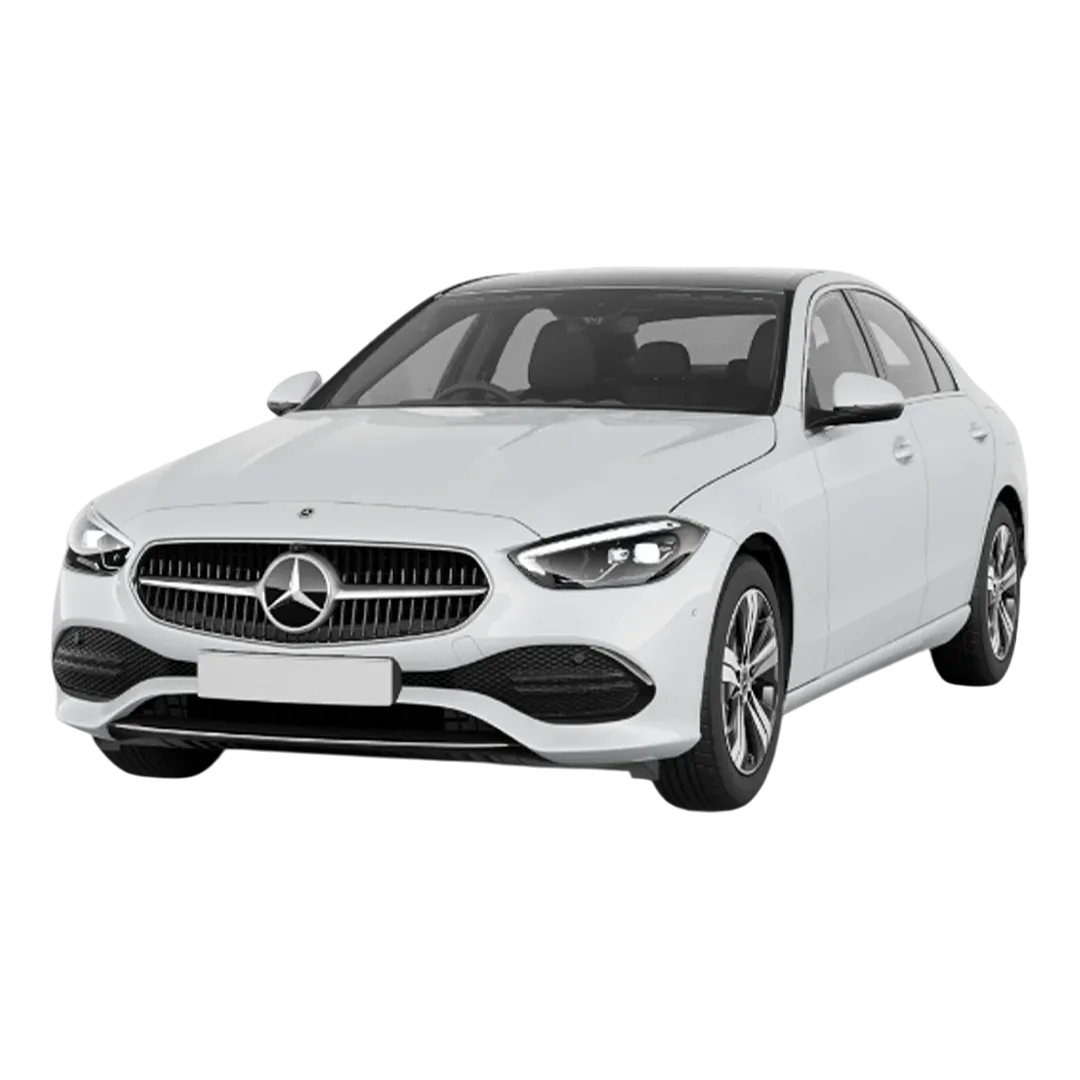 Mercedes Benz C-Class
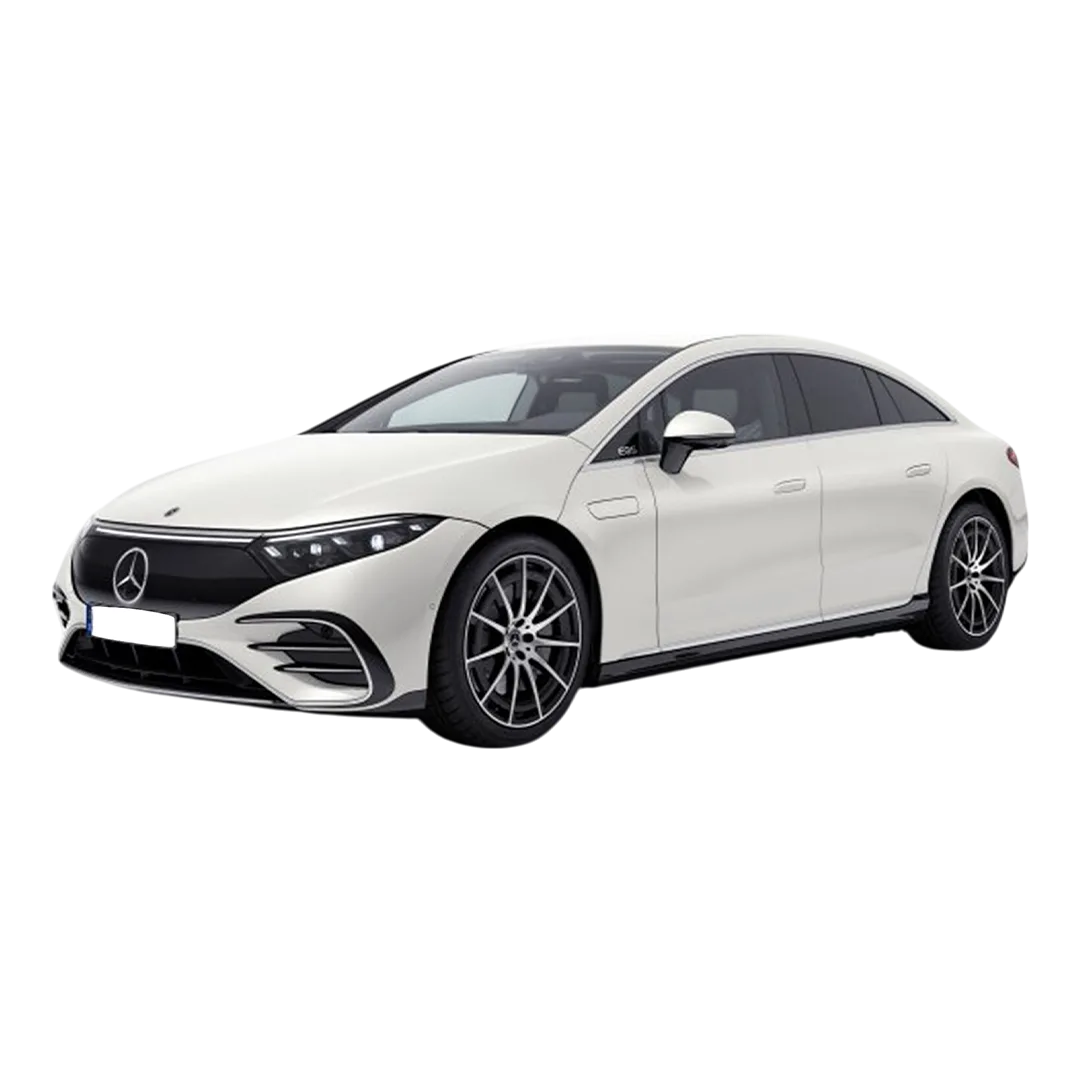 Mercedes Benz EQS
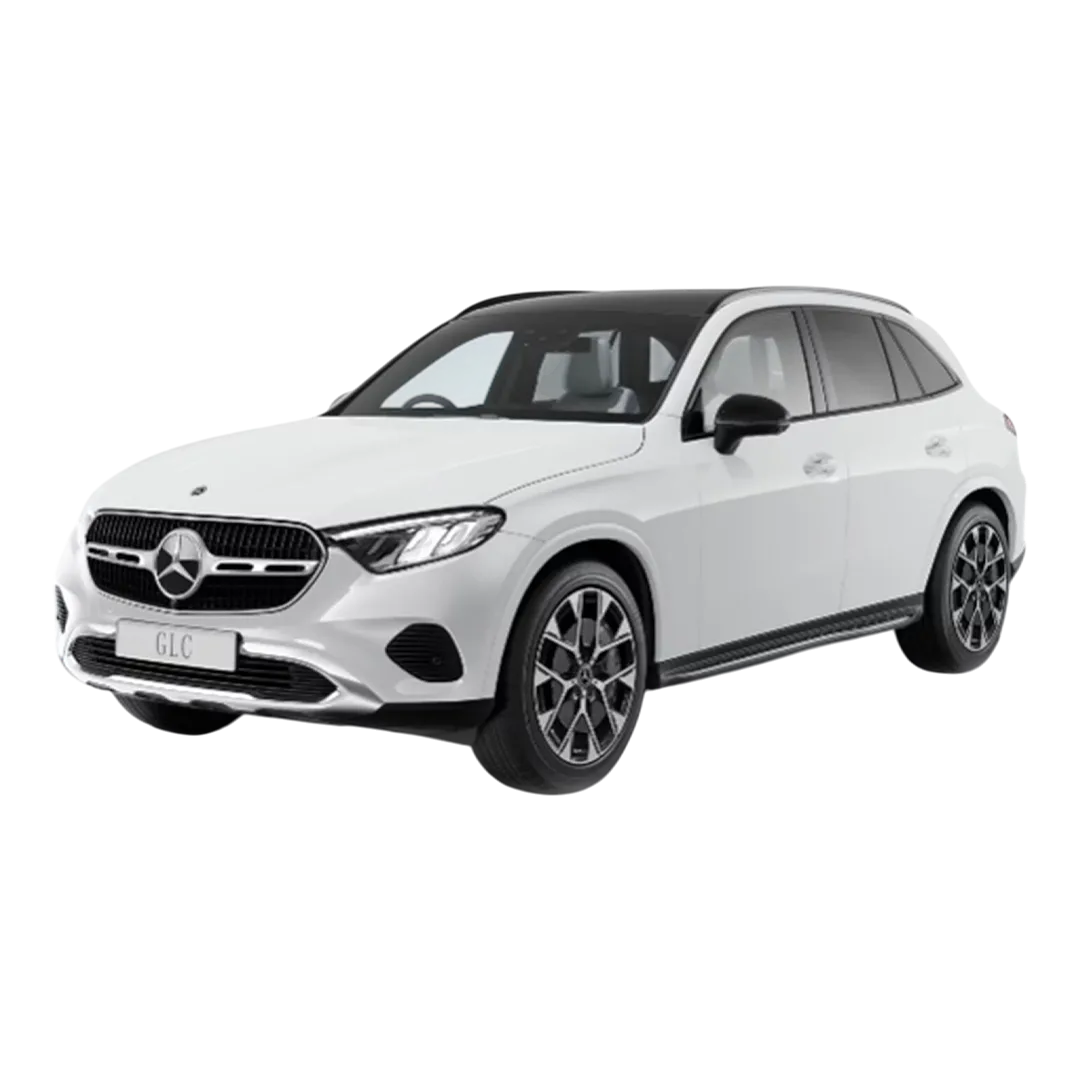 Mercedes Benz GLC
 Mercedes Benz GLE
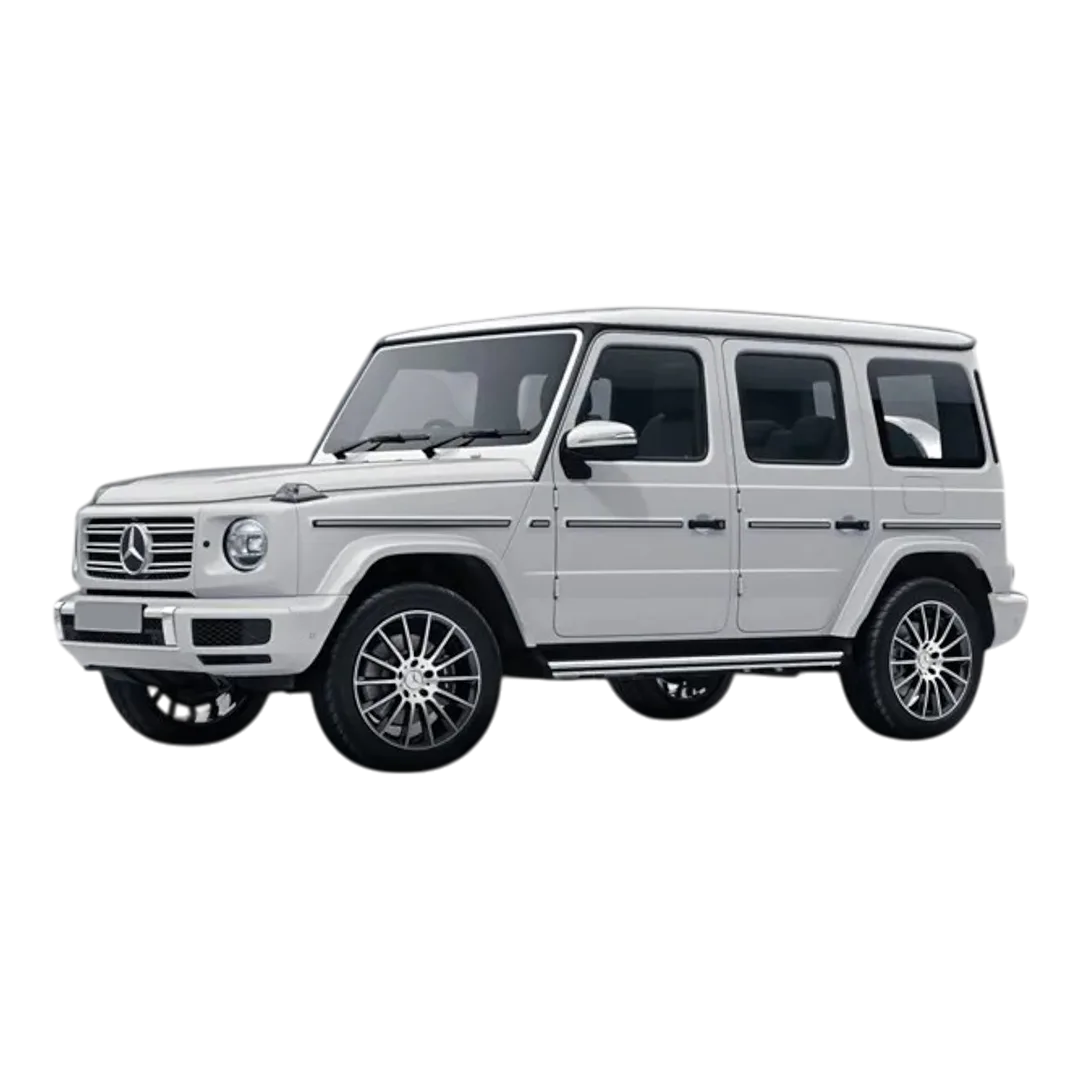 Mercedes Benz G-Class
 Mercedes Benz AMG SL
 Mercedes Benz MAYBACH S- Class
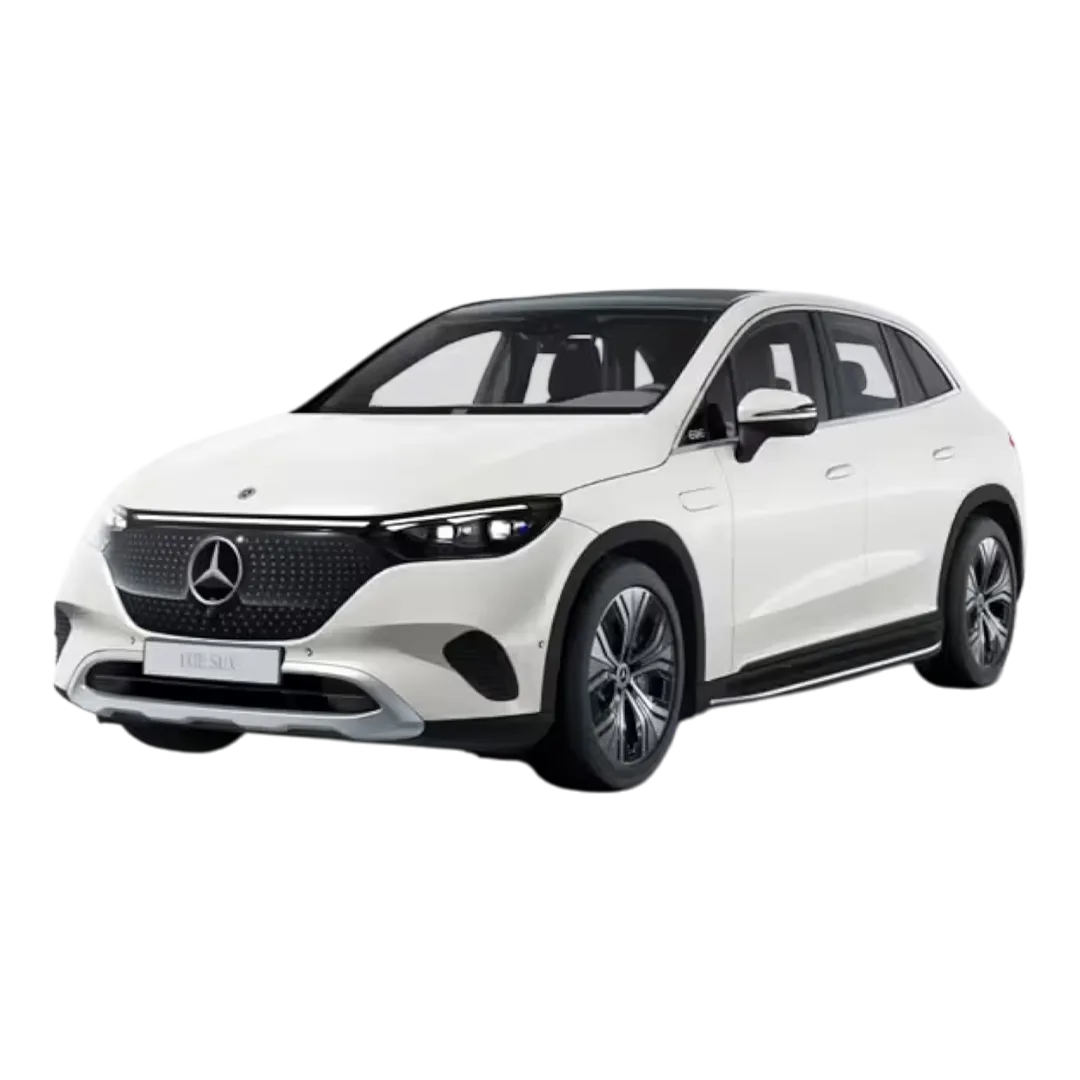 Mercedes Benz EQE-SUV
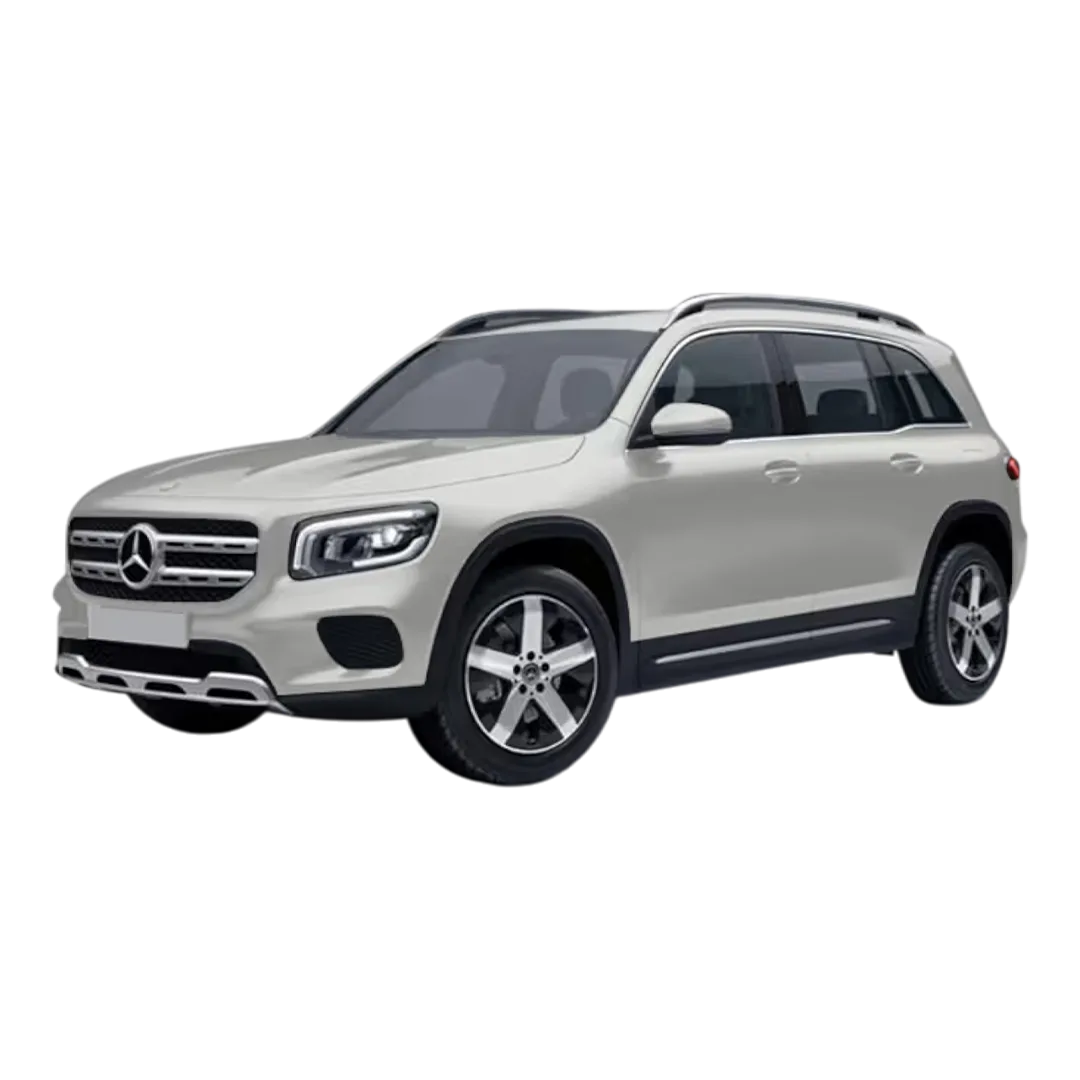 Mercedes Benz GLB
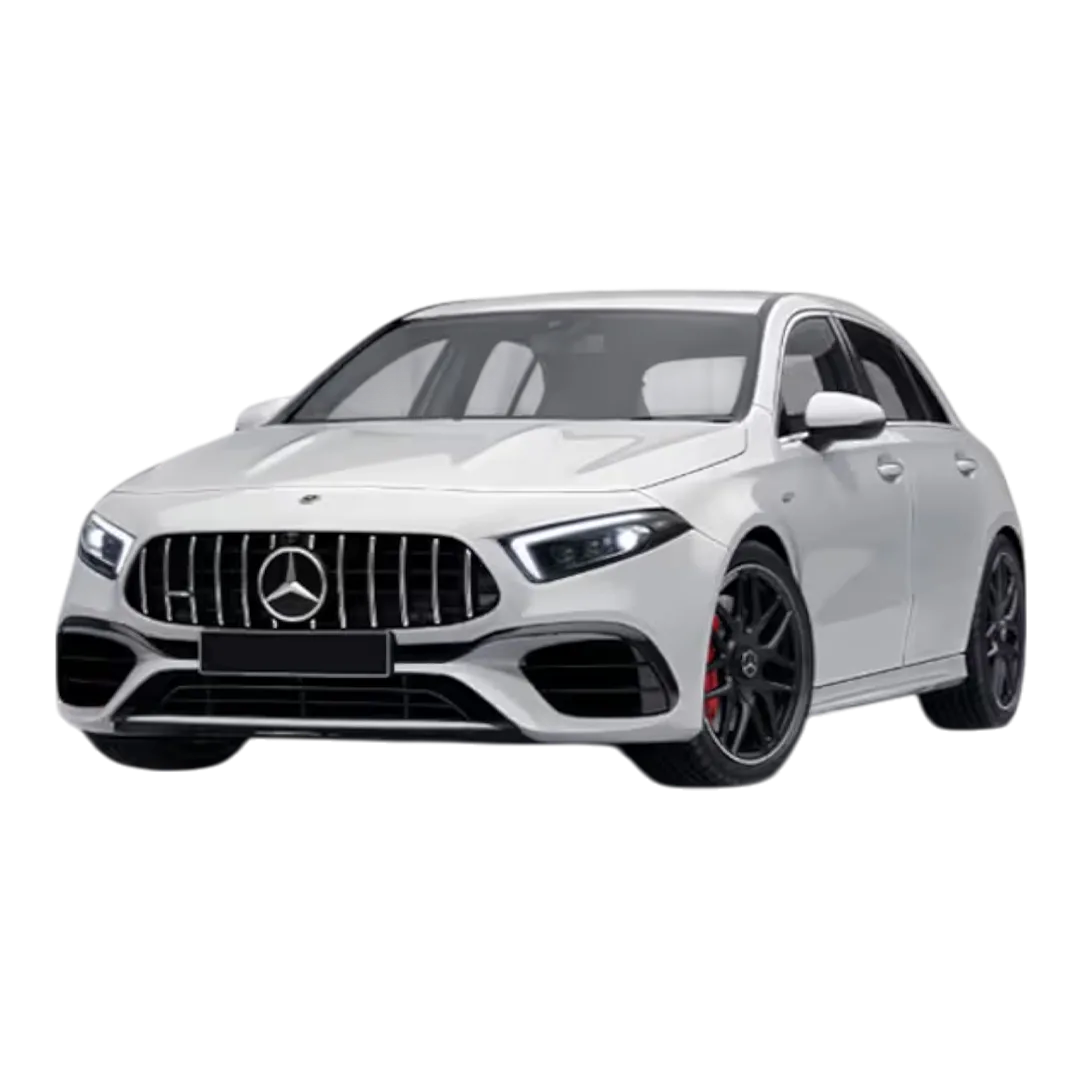 Mercedes Benz AMG A 45 S
 Mercedes Benz AMG GLE S3
 Mercedes Benz EQB
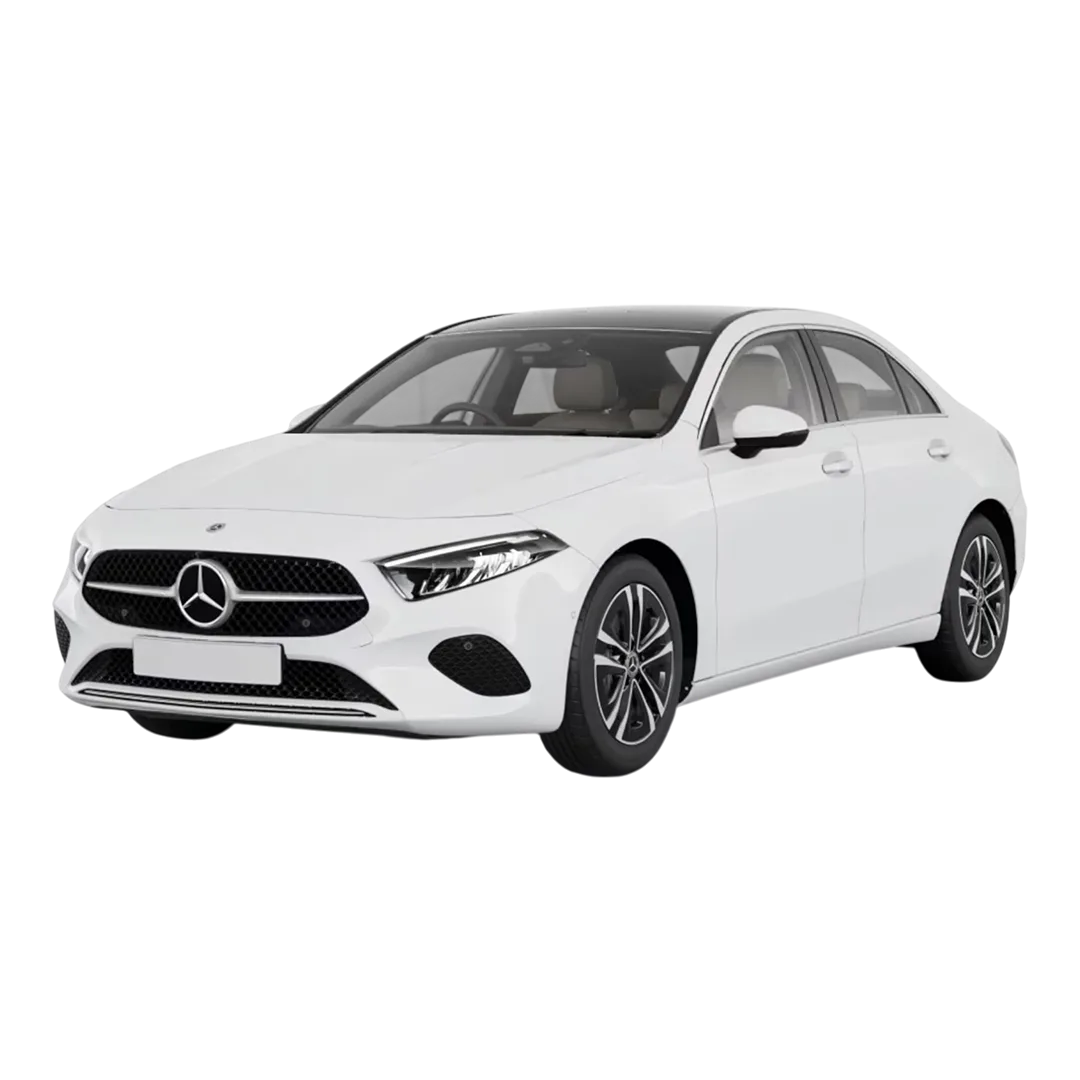 Mercedes Benz A Class limousine
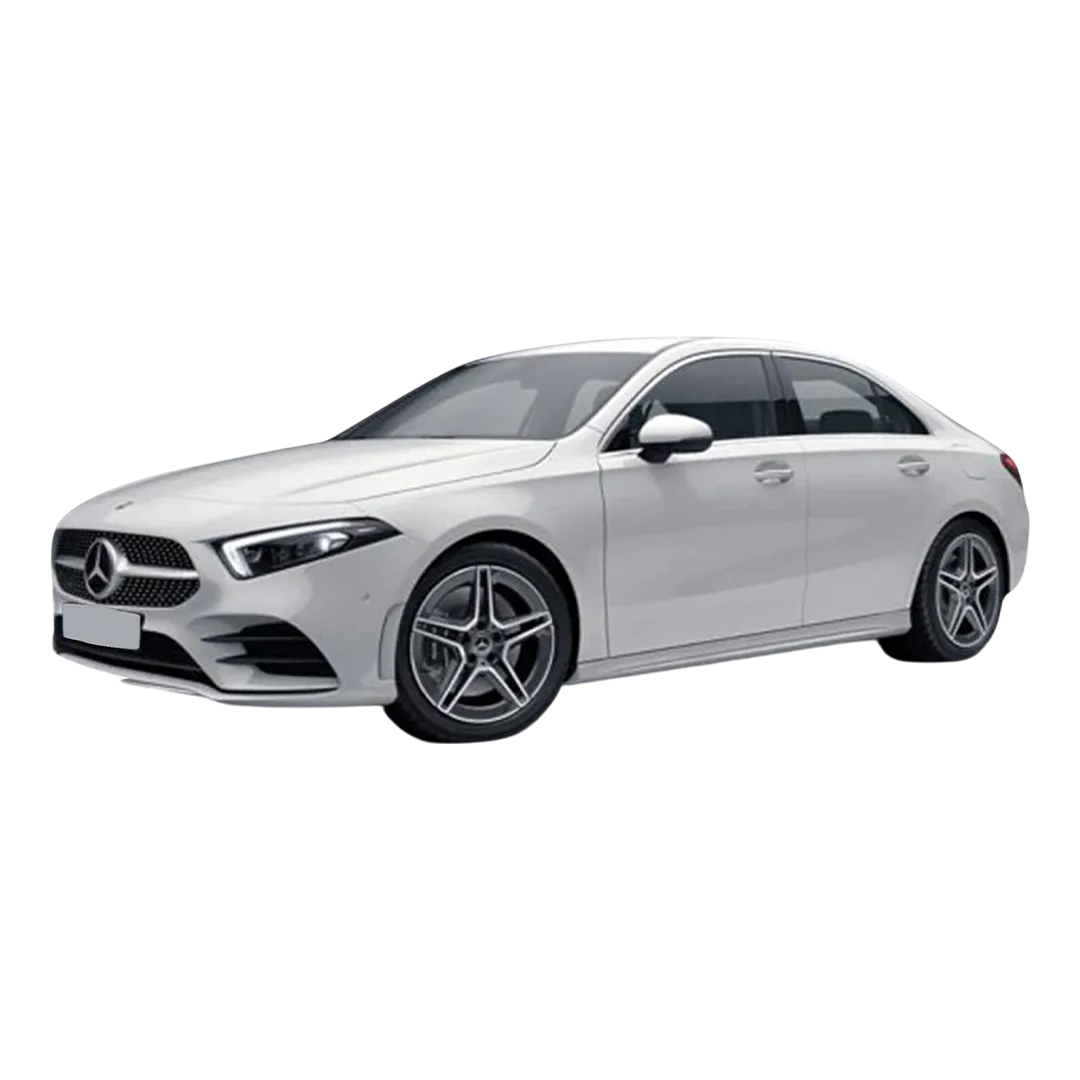 Mercedes Benz AMG A 35
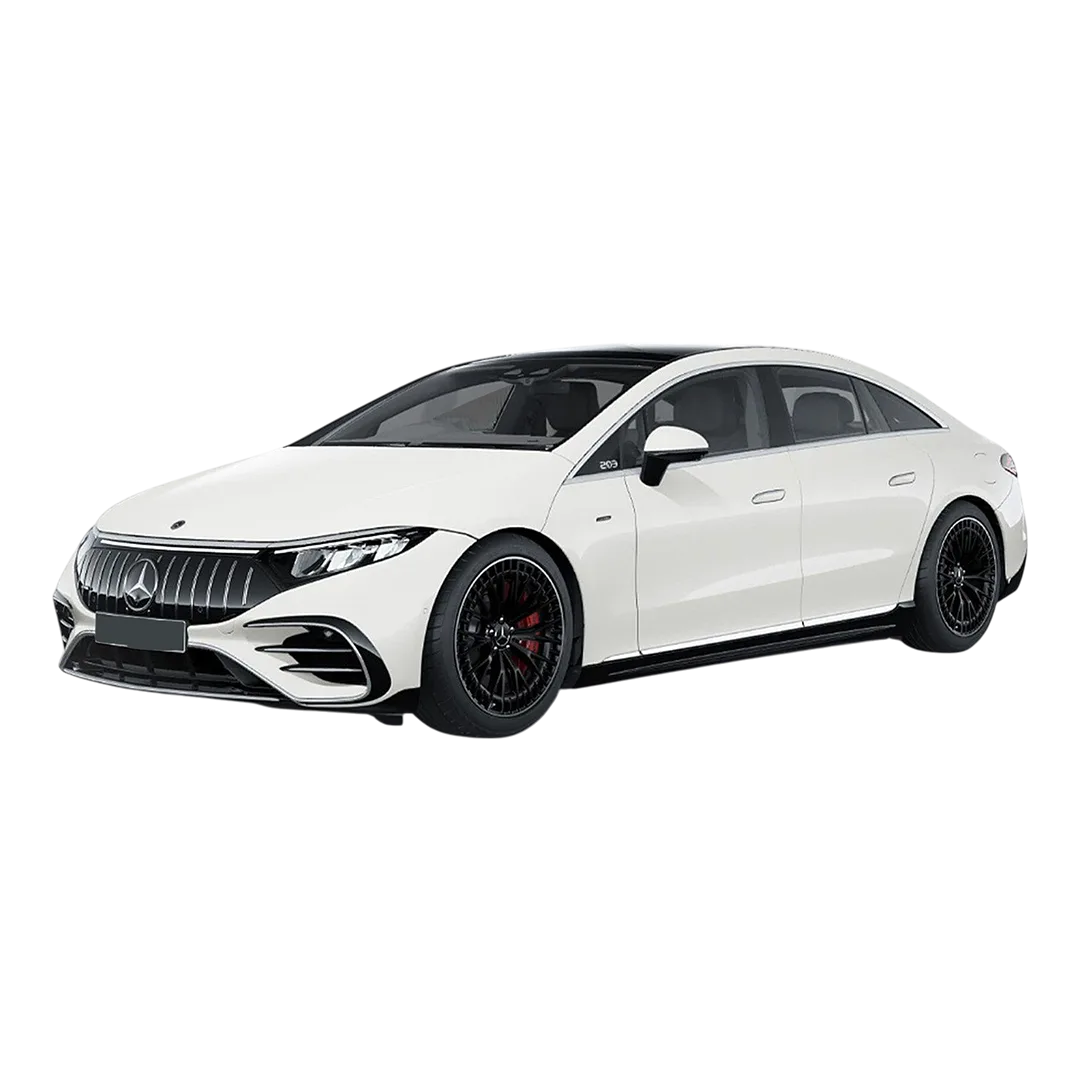 Mercedes-Benz AMG EQS
 Mercedes-Benz AMG E 53 Cabriolet
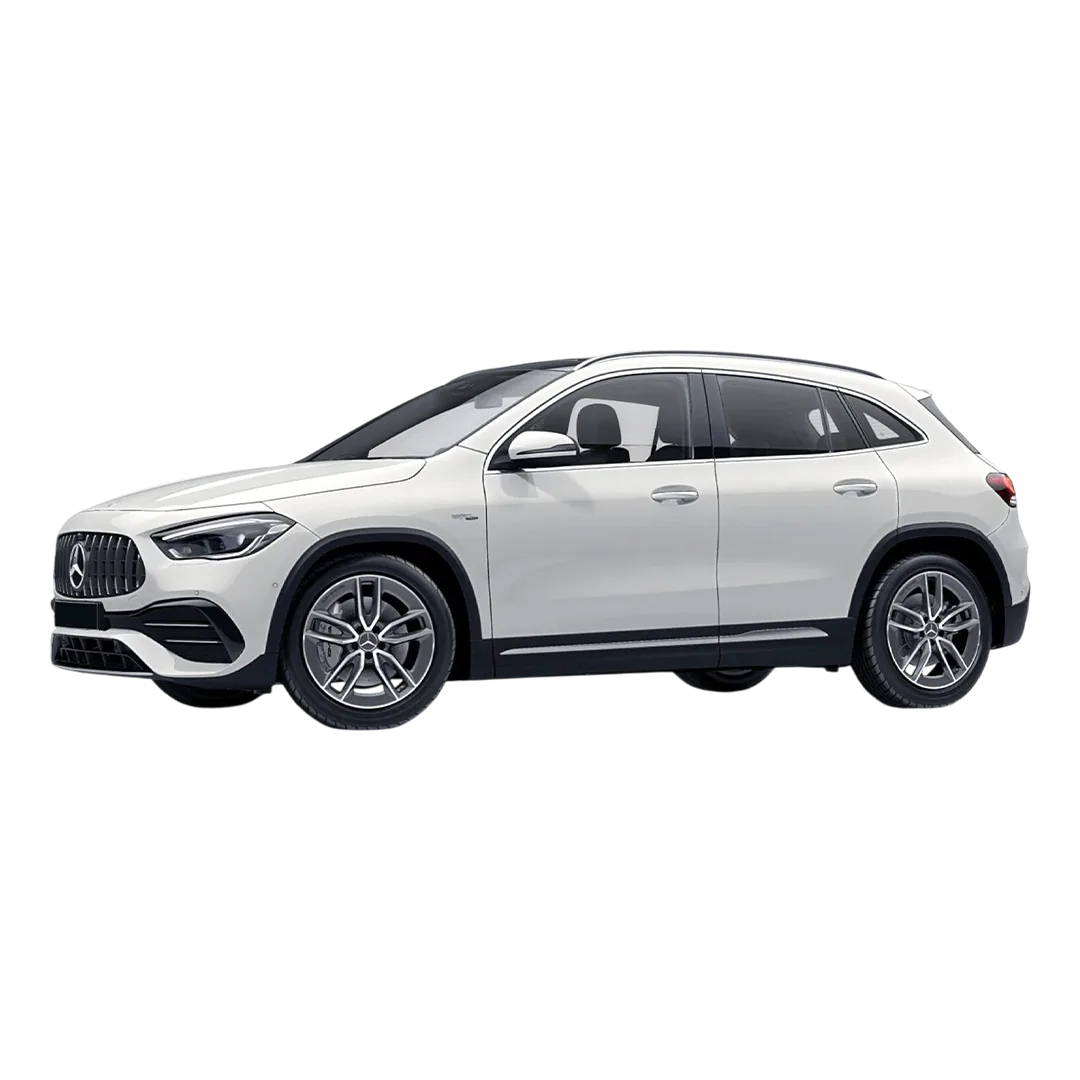 Mercedes-Benz AMG GLA 35
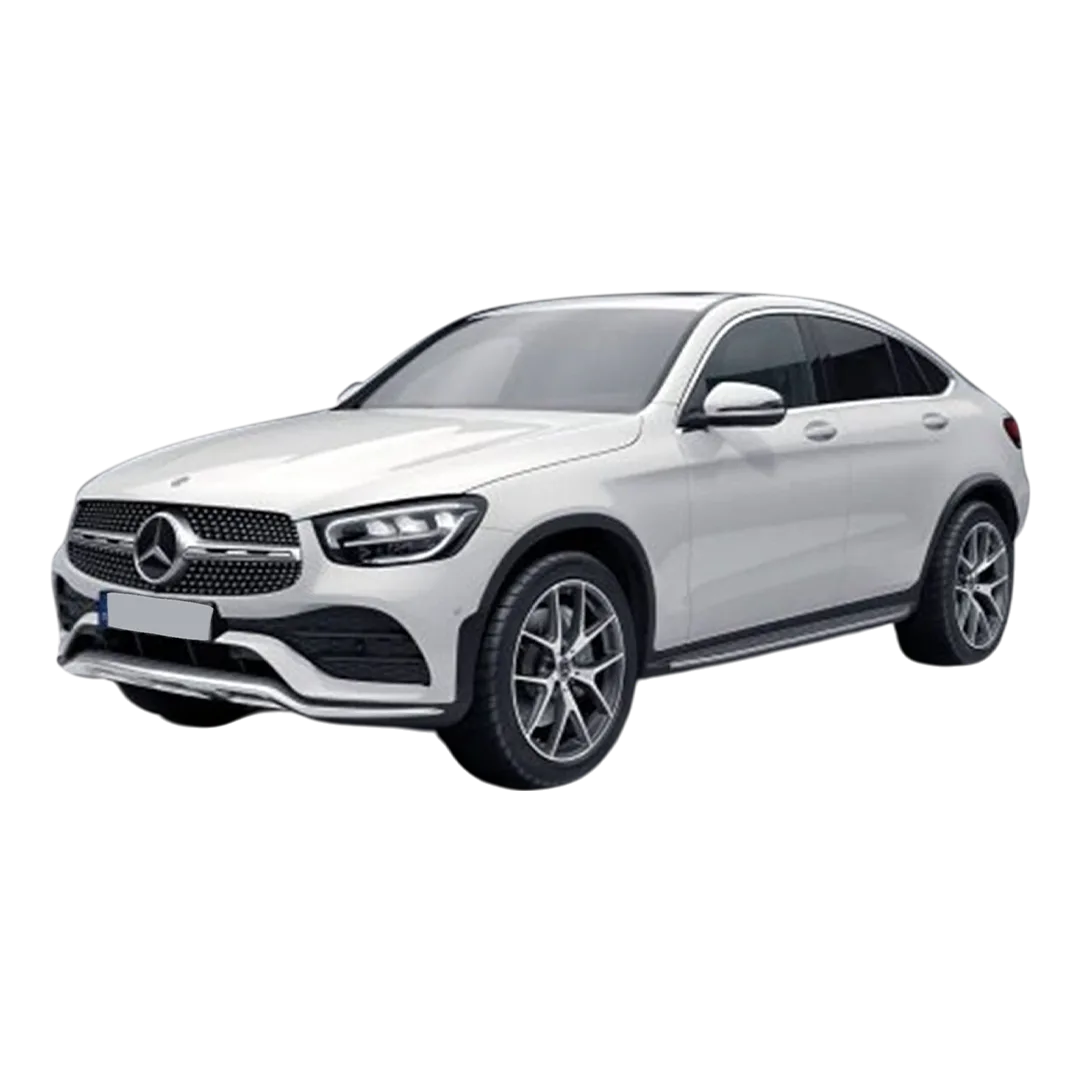 Mercedes-Benz GLC Coupe 2023
 Mercedes M-Class
R-Class
Mercedes M-Class
R-Class
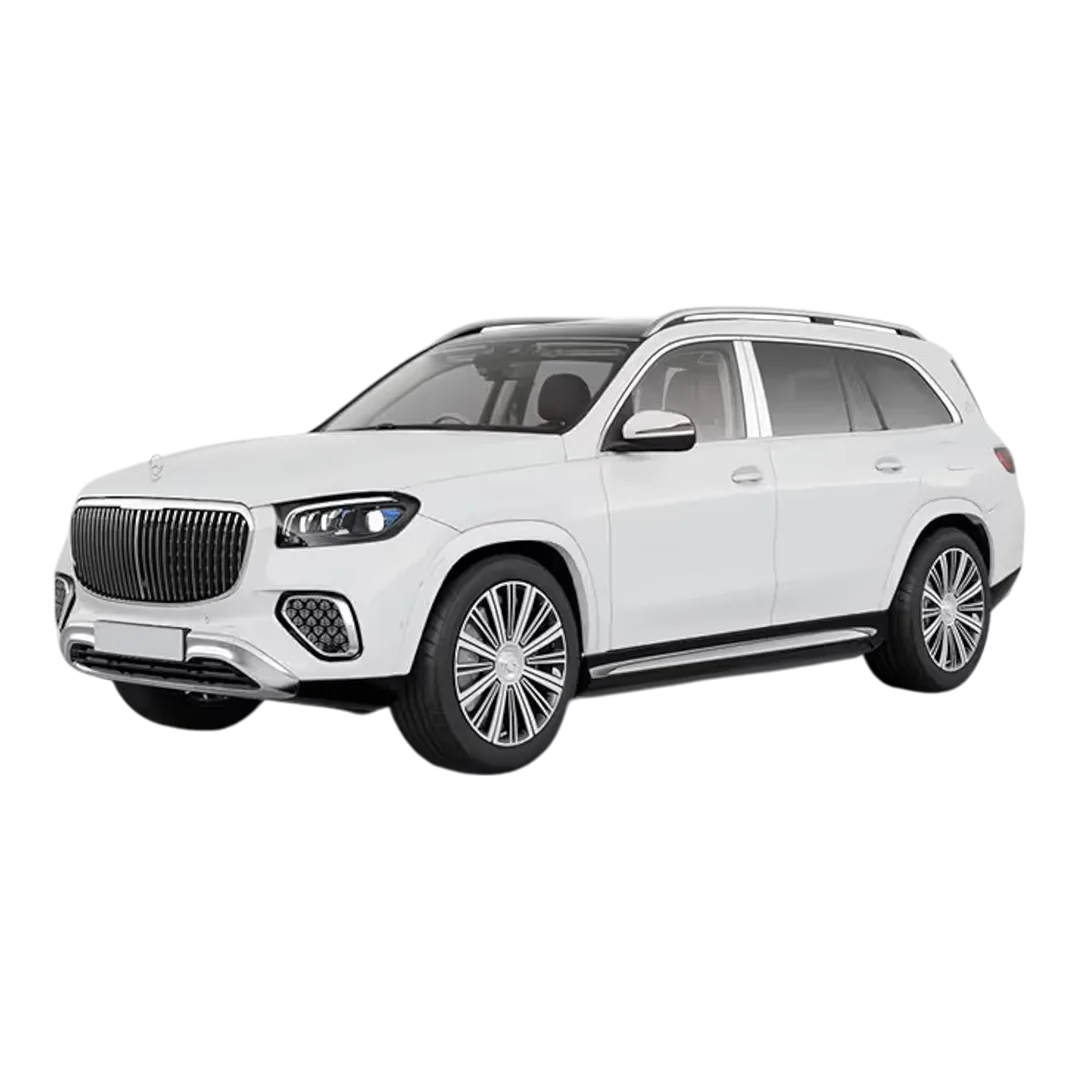 GLS 600
GLS 400
GLS 350
GLE 300
GLS 600
GLS 400
GLS 350
GLE 300
 GLE 400
GLE 250D
GLE 400
GLE 250D
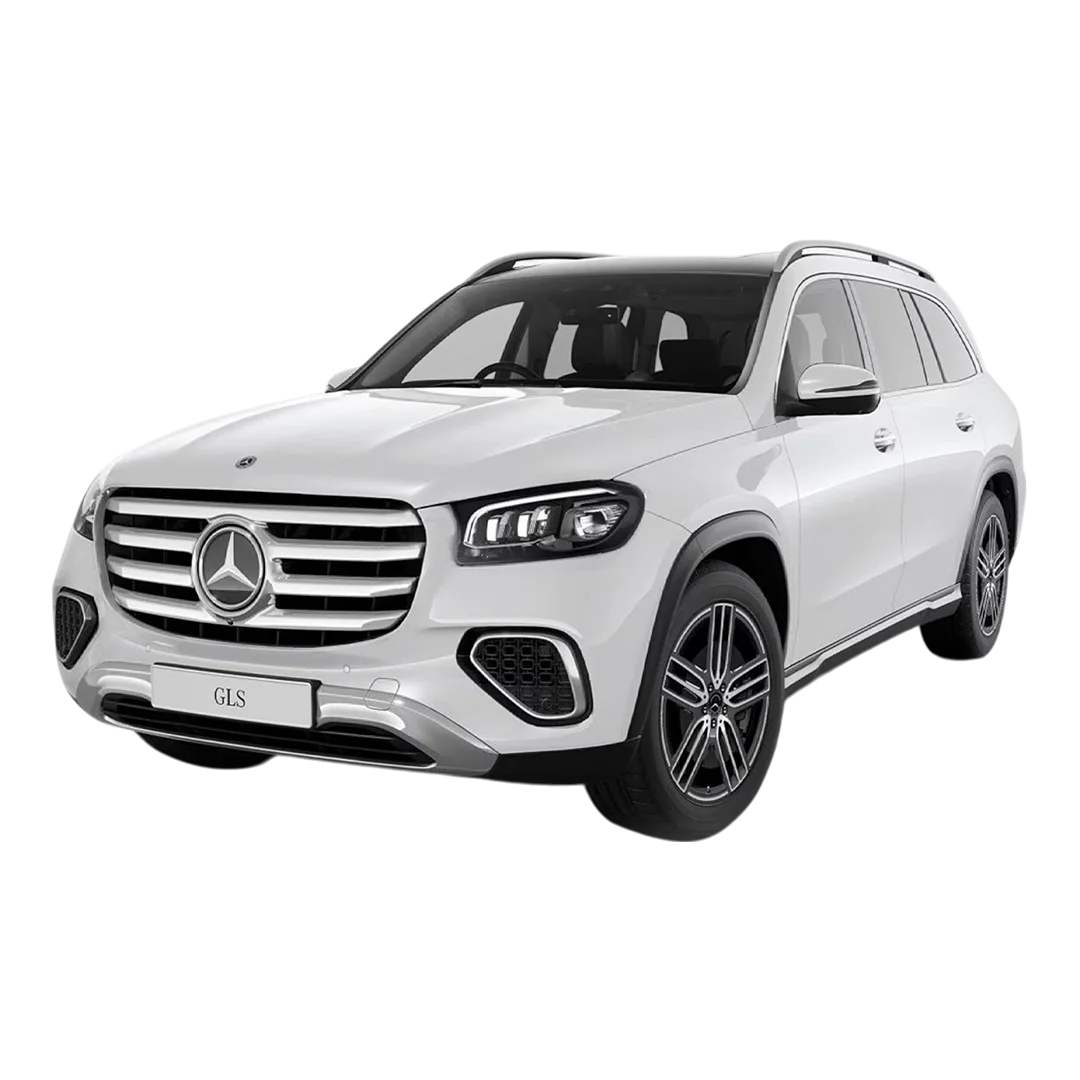 GLC 220D
GLC 300
GLC 220D
GLC 300
 GLC 43 Coupe
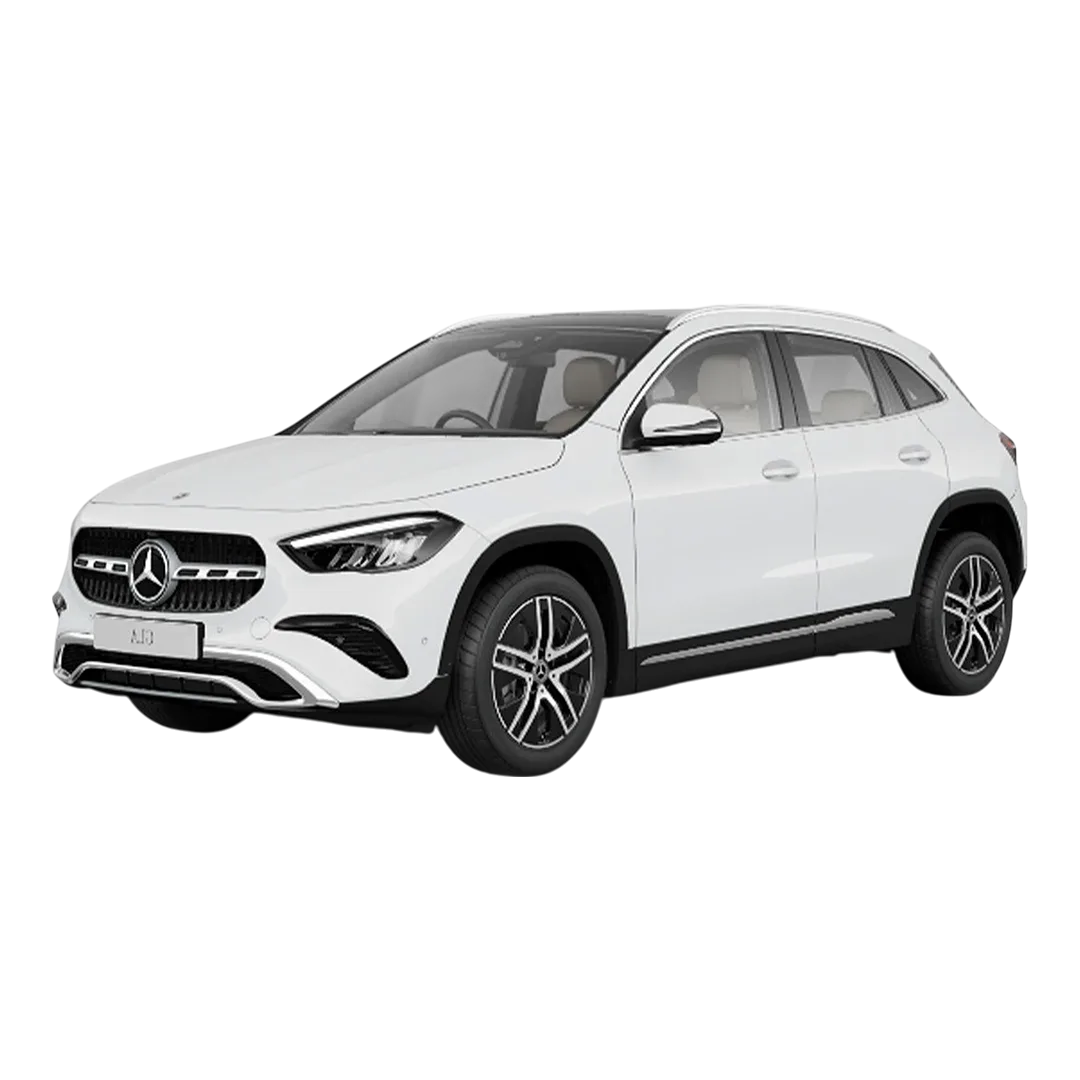 GLA 220d
 GLA-Class 200D
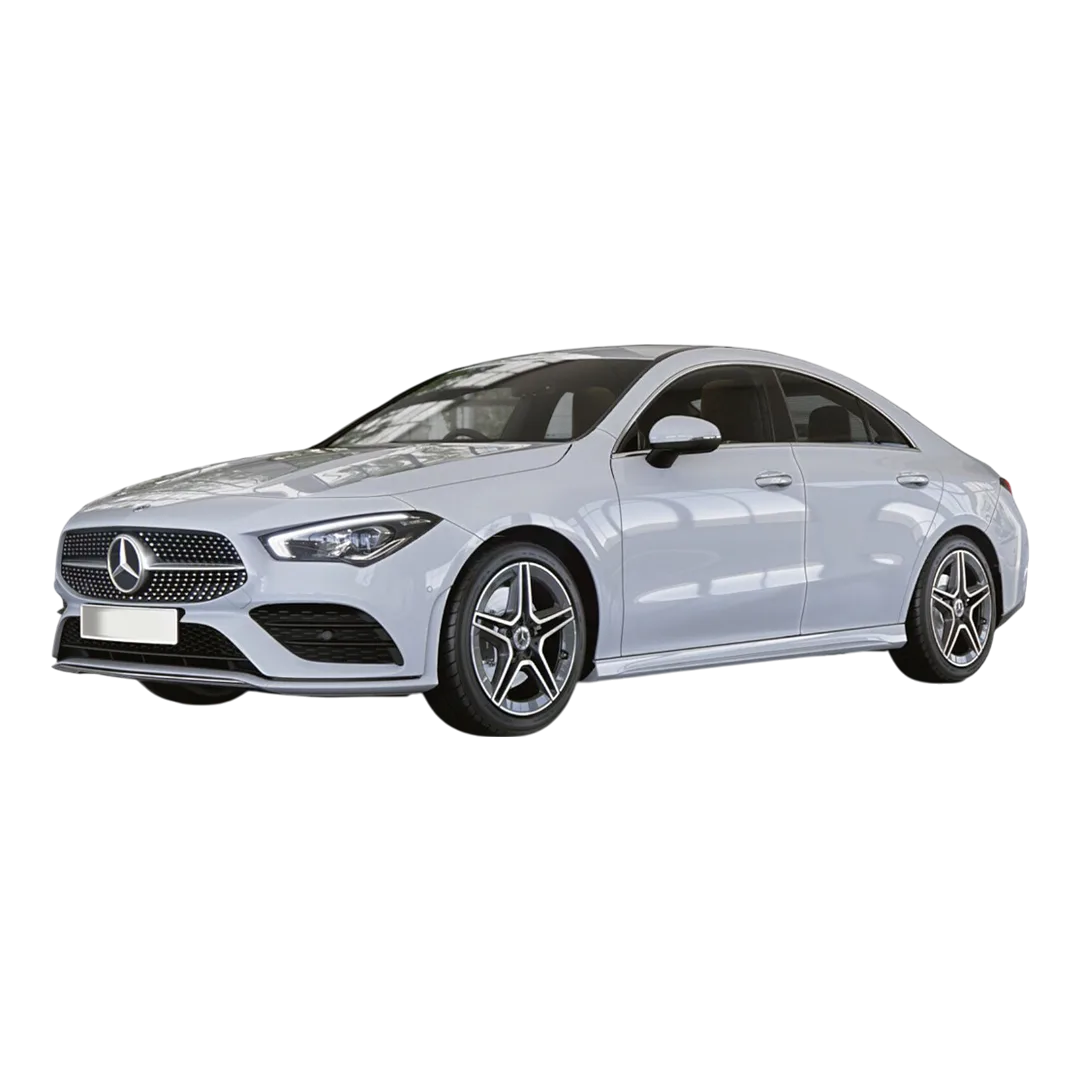 CLA 200
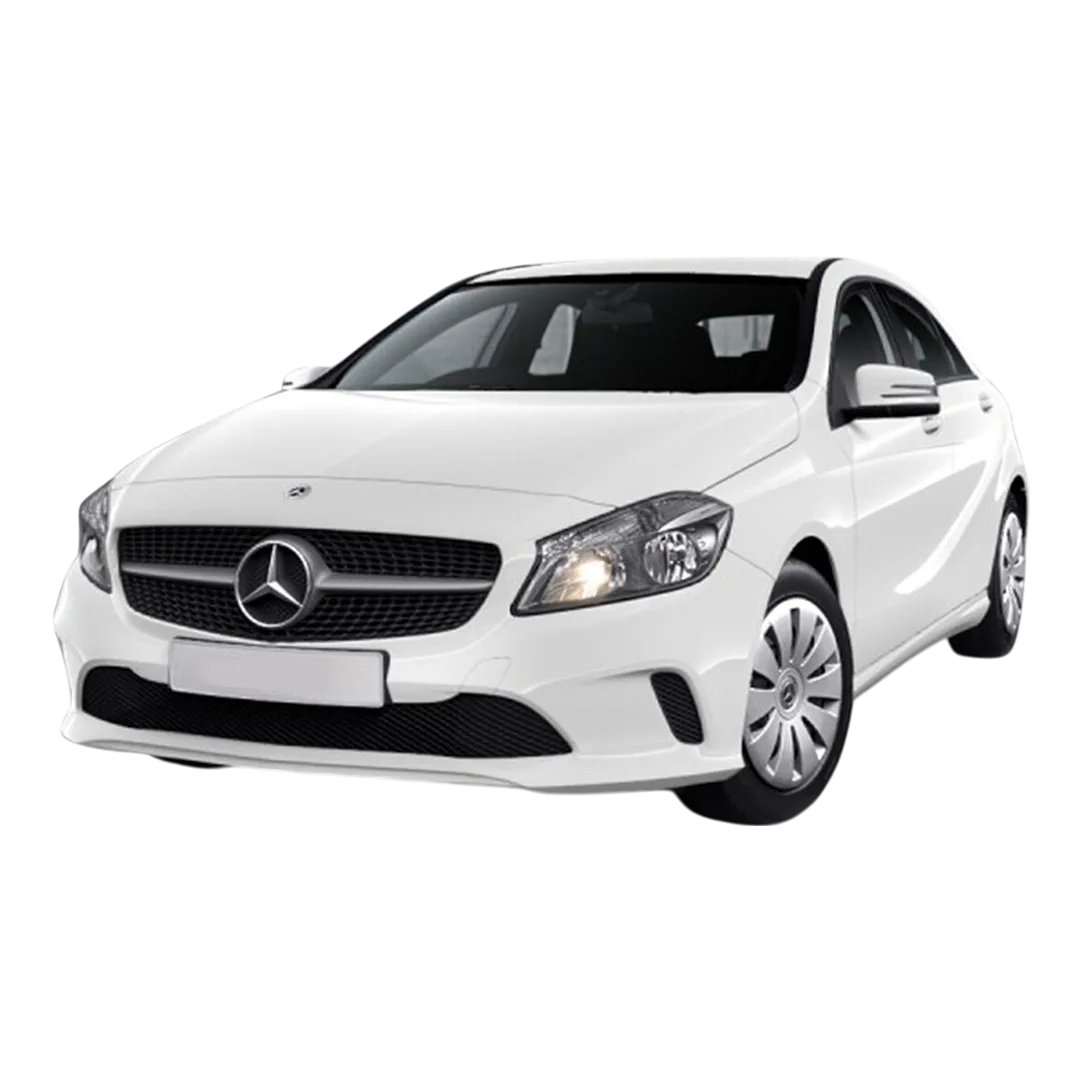 Benz A-Class A 180
M-Class ML 250
M-Class ML 350
Benz A-Class A 180
M-Class ML 250
M-Class ML 350
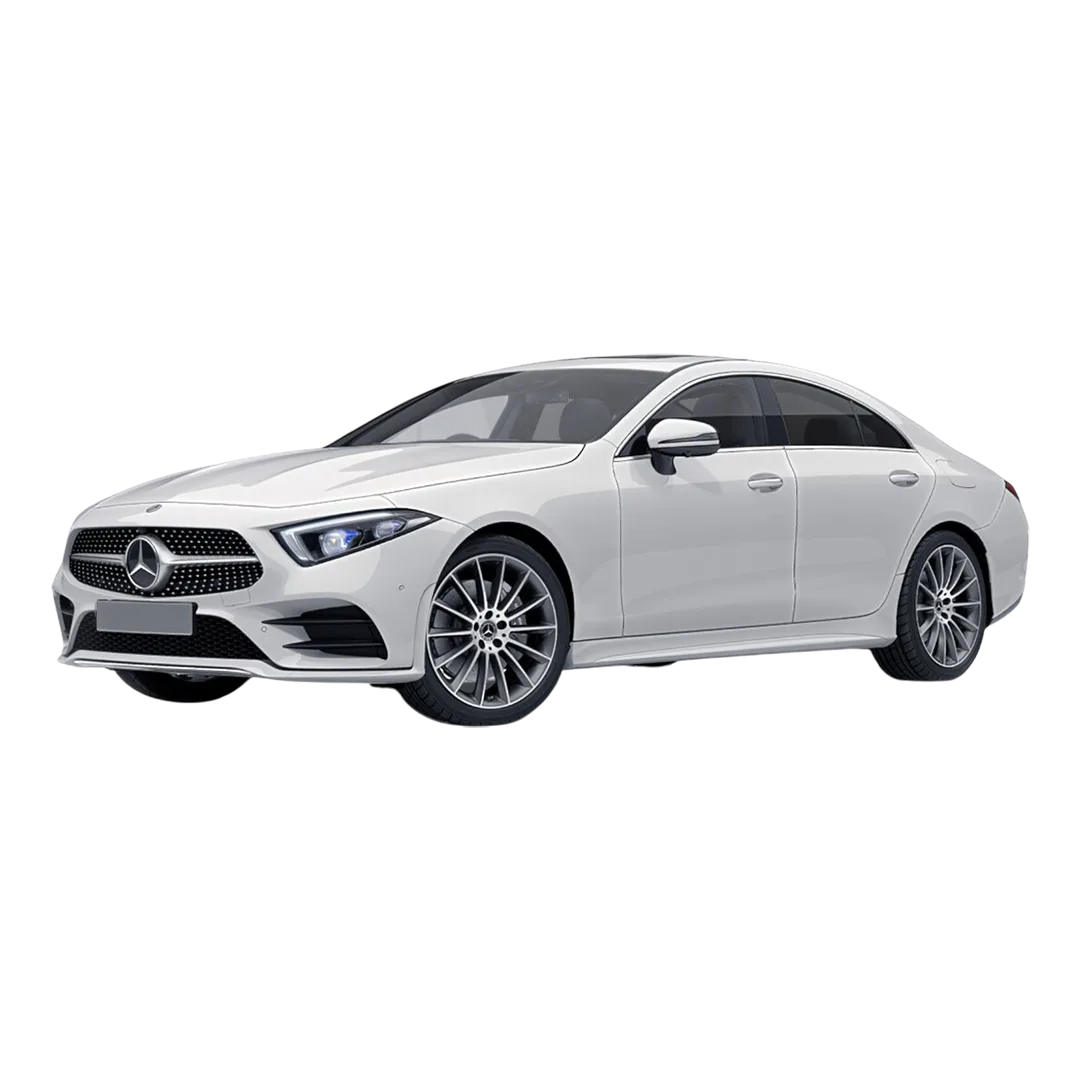 Benz CLS 300
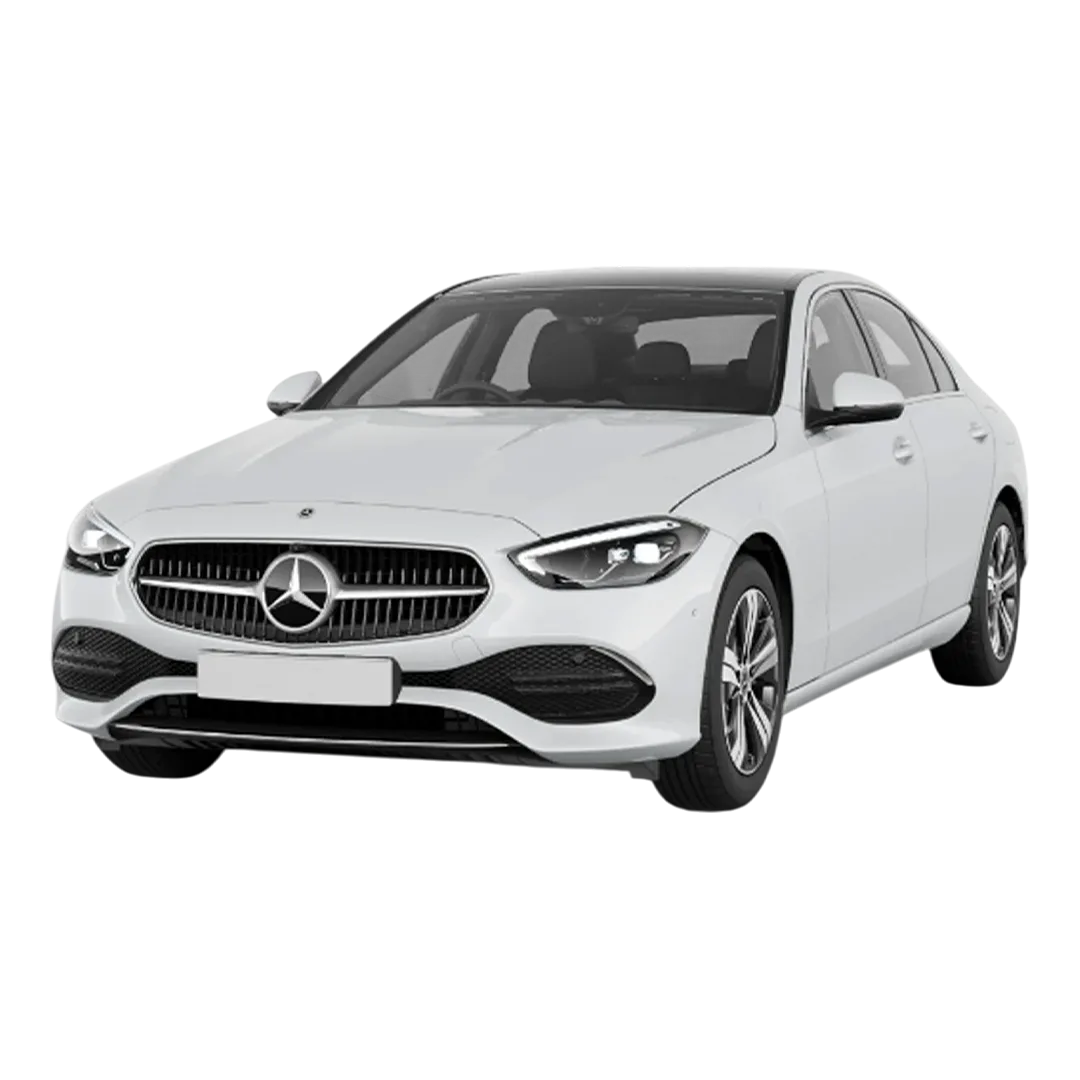 C-Class C250
C-Class C220
C-Class C200
C-Class C250
C-Class C220
C-Class C200
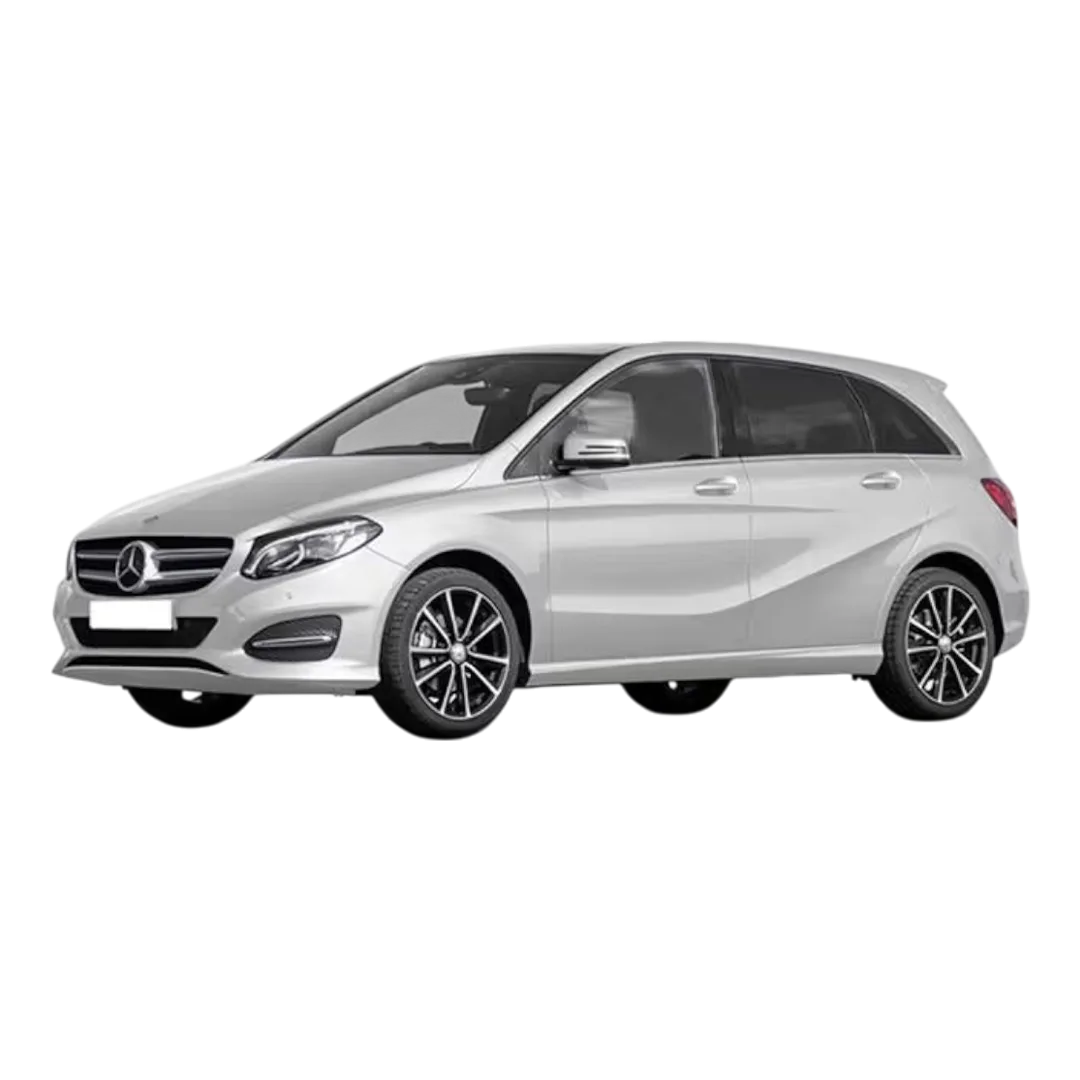 Benz B - Class
Benz A - 200
Benz B - Class
Benz A - 200

Road safety is not built overnight, nor is it sustained by enforcement alone. It is the outcome of millions of daily decisions made by drivers-whether to slow down at a junction, wear a seatbelt, avoid using a phone while driving, or respect a red light even when no one seems to be watching. Good road behaviour strengthens the entire mobility ecosystem. Poor road behaviour, on the other hand, creates ripple effects that degrade safety for everyone.
In India, conversations around traffic discipline often collapse into one familiar term: challan. For many drivers, a challan is seen less as a corrective tool and more as an inconvenience-a fine to be paid, delayed, or avoided altogether. Some even view successfully ignoring a challan as a small victory over the system.
What’s often missed is that not paying traffic challans has consequences far beyond the amount mentioned on the notice. These consequences may not be immediate, but they are real, cumulative, and increasingly unavoidable.
When an individual ignores a challan, it may feel inconsequential. But when lakhs of violations go unpaid, enforcement loses its deterrent power. Traffic rules begin to feel negotiable, not mandatory. Over time, this weakens public confidence in governance and creates an environment where non-compliance becomes normalised.
The real cost isn’t the lost revenue from a single fine. It’s the gradual erosion of a system designed to protect lives. Roads become less predictable, and safety depends more on luck than discipline.
For penalties to work, they must be felt close to the violation. When challans remain unpaid without any immediate restriction-no suspension, no blockage, no interruption to daily mobility-the psychological impact fades.
Behavioural economics explains this through hyperbolic discounting: people downplay future consequences in favour of present convenience. As a result, speeding, signal jumping, or helmet violations stop feeling risky. What should have been a warning becomes background noise, allowing unsafe habits to form.
An unpaid challan is rarely an isolated incident. More often, it’s part of a pattern. For fleet operators and commercial vehicle owners, this pattern represents serious exposure. A driver who repeatedly violates traffic rules without accountability is statistically more likely to be involved in an accident.
Ignoring challans doesn’t reduce risk-it hides it until it surfaces in a far more damaging form.
One of the most misunderstood aspects of unpaid challans is timing. They rarely cause problems immediately. Instead, they surface when it matters most:
A ₹500 fine avoided today can translate into weeks of delay, lost deals, or higher costs tomorrow.
Every challan carries information. It highlights risky routes, dangerous driving habits, or recurring behavioural lapses. For individuals, this data is a chance to self-correct. For companies and policymakers, it’s insight into systemic issues.
When challans go unpaid and unreviewed, this feedback loop breaks. Opportunities to improve driver training, redesign routes, or implement safety interventions are lost. What could have been actionable intelligence becomes operational blindness.
As India’s mobility ecosystem becomes more digitised, driving behaviour is increasingly traceable and permanent. Telematics, insurer APIs, digital RCs, and centralised databases are converging.
Your driving record is gradually becoming your reputation on the road-similar to a credit score. Unpaid challans don’t disappear; they accumulate silently and resurface when risk is assessed.
Traffic enforcement is moving toward fully integrated, programmatic systems. ANPR cameras, FASTag data, e-challans, and digital RCs are being linked into unified platforms.
In such a system, unpaid challans won’t require manual follow-ups. They will trigger automated consequences-blocked services, delayed transfers, or denied claims. What feels optional today will soon be unavoidable.
The good news is that avoiding these consequences is straightforward. Paying challans on time restores the feedback loop, reinforces accountability, and supports safer roads for everyone.
the process by allowing users to check and clear pending challans quickly and transparently. More importantly, timely compliance helps build a culture where road rules are respected-not feared or ignored.
Road safety isn’t just about enforcement. It’s about mindset. And small actions, like paying a challan on time, play a bigger role than most people realise.