





















































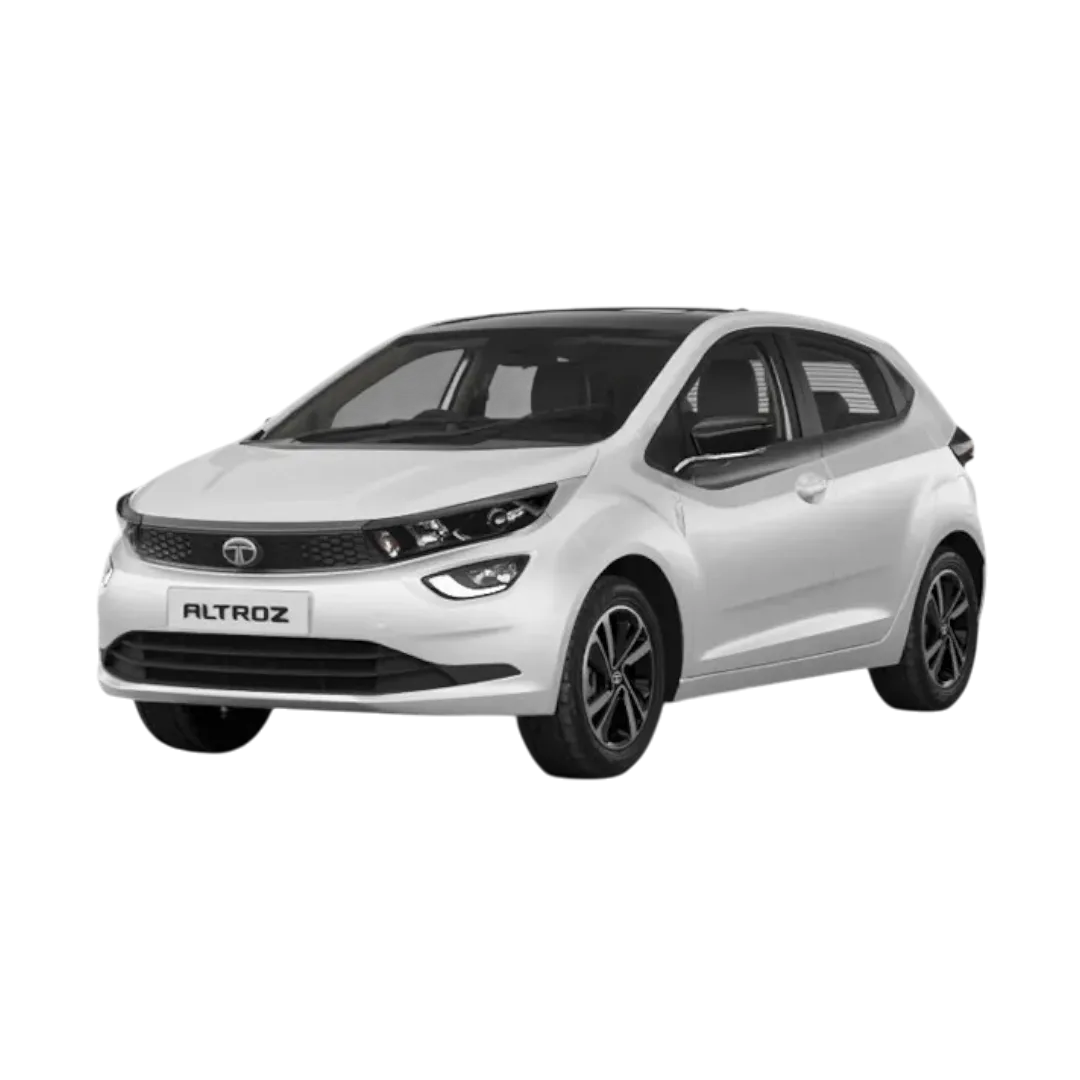
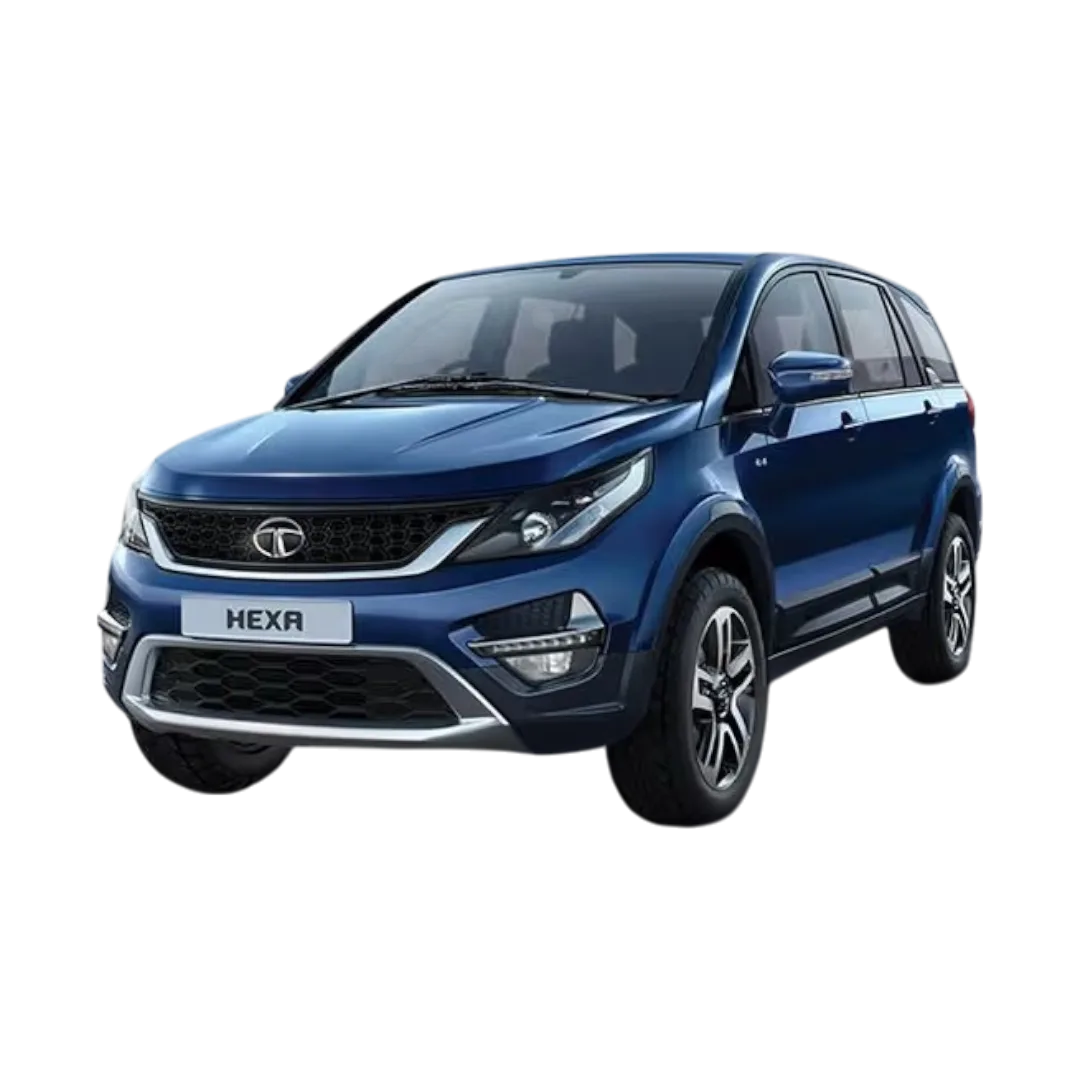
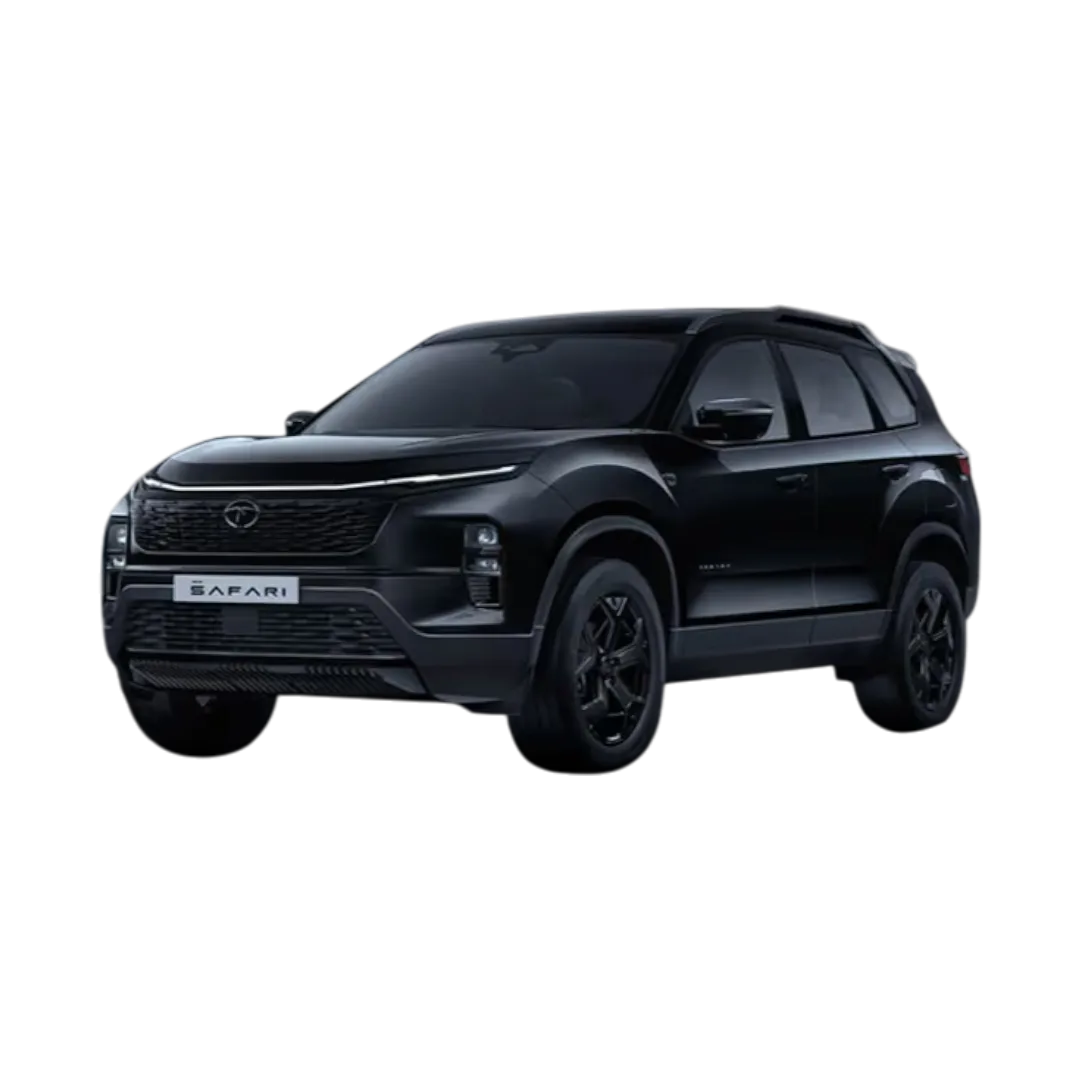
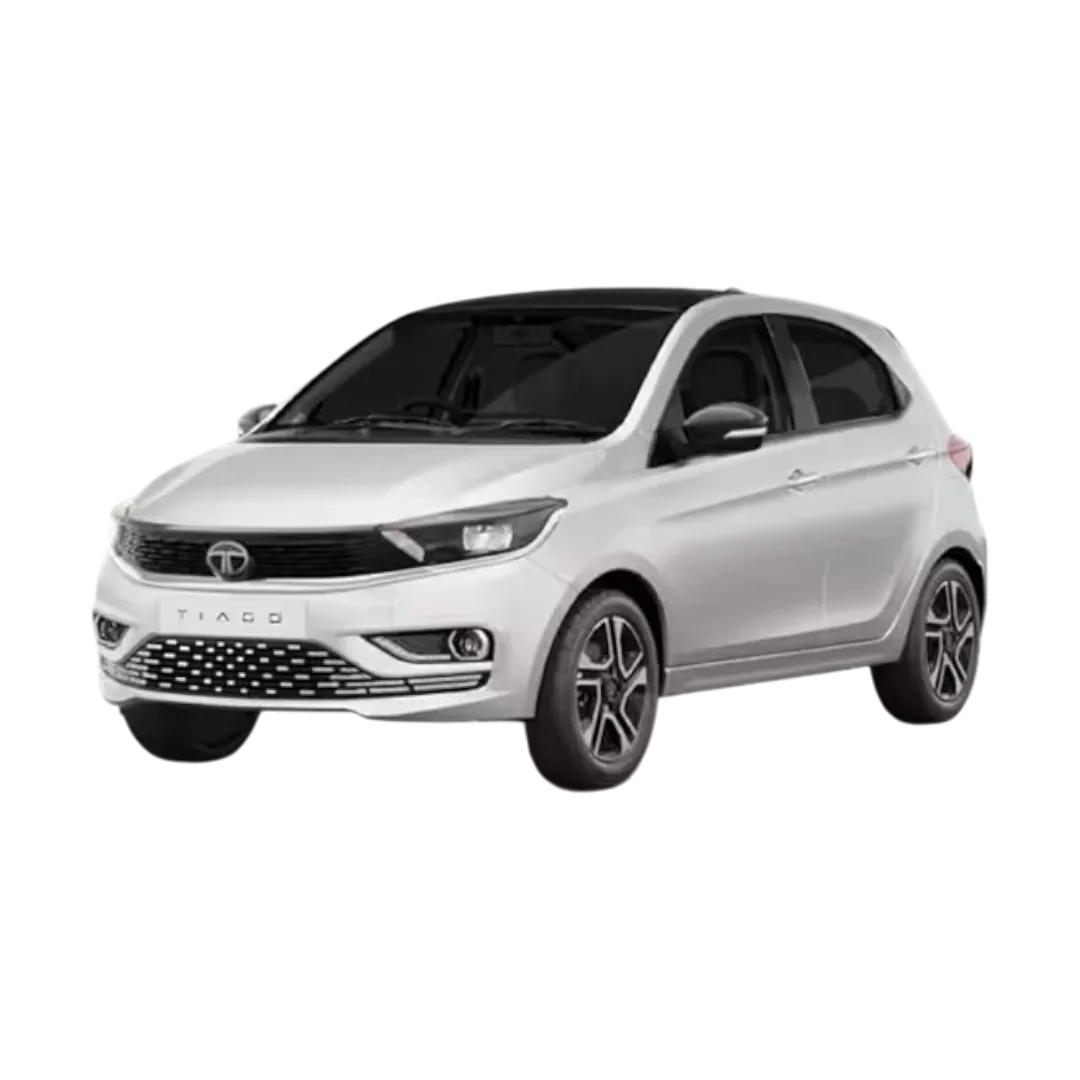
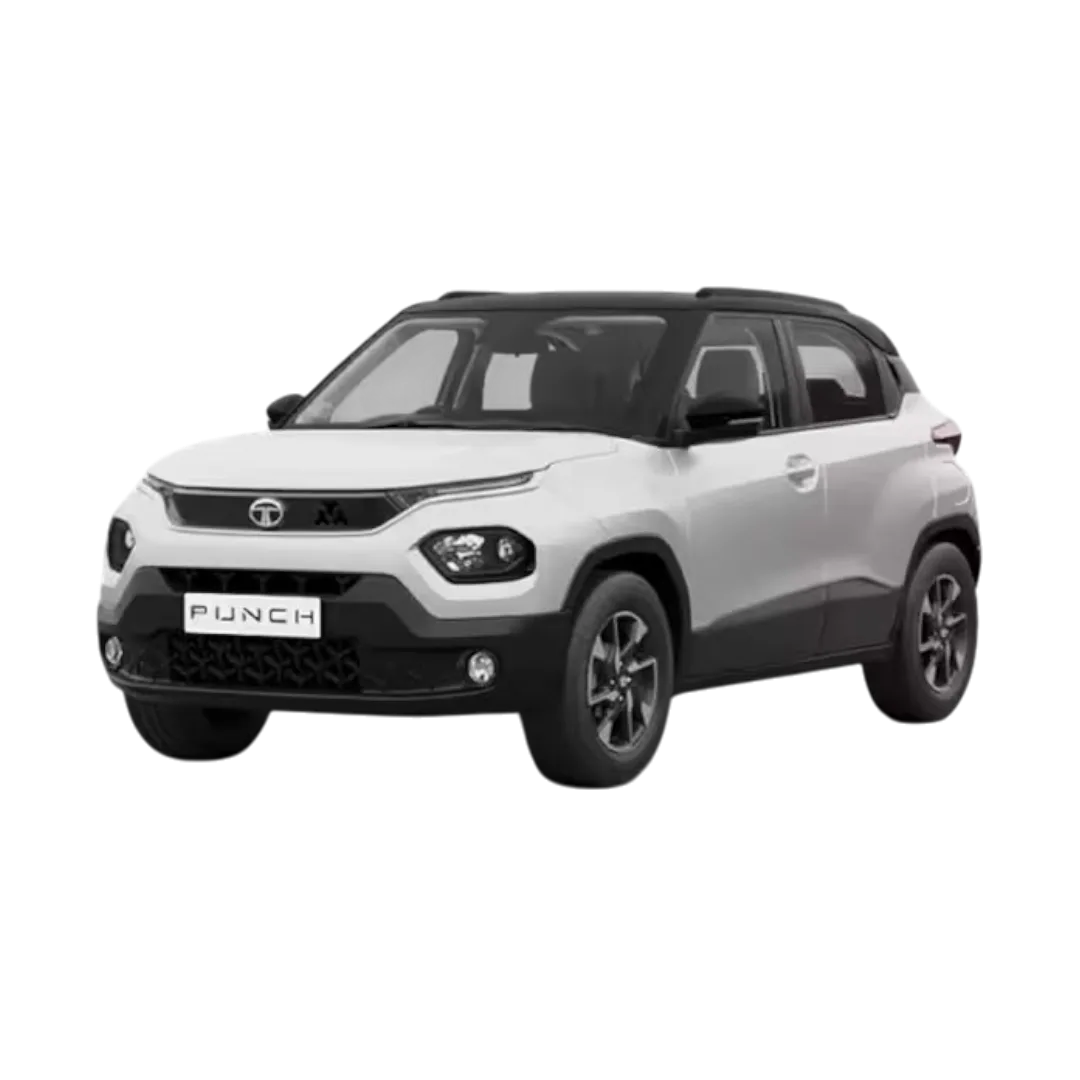
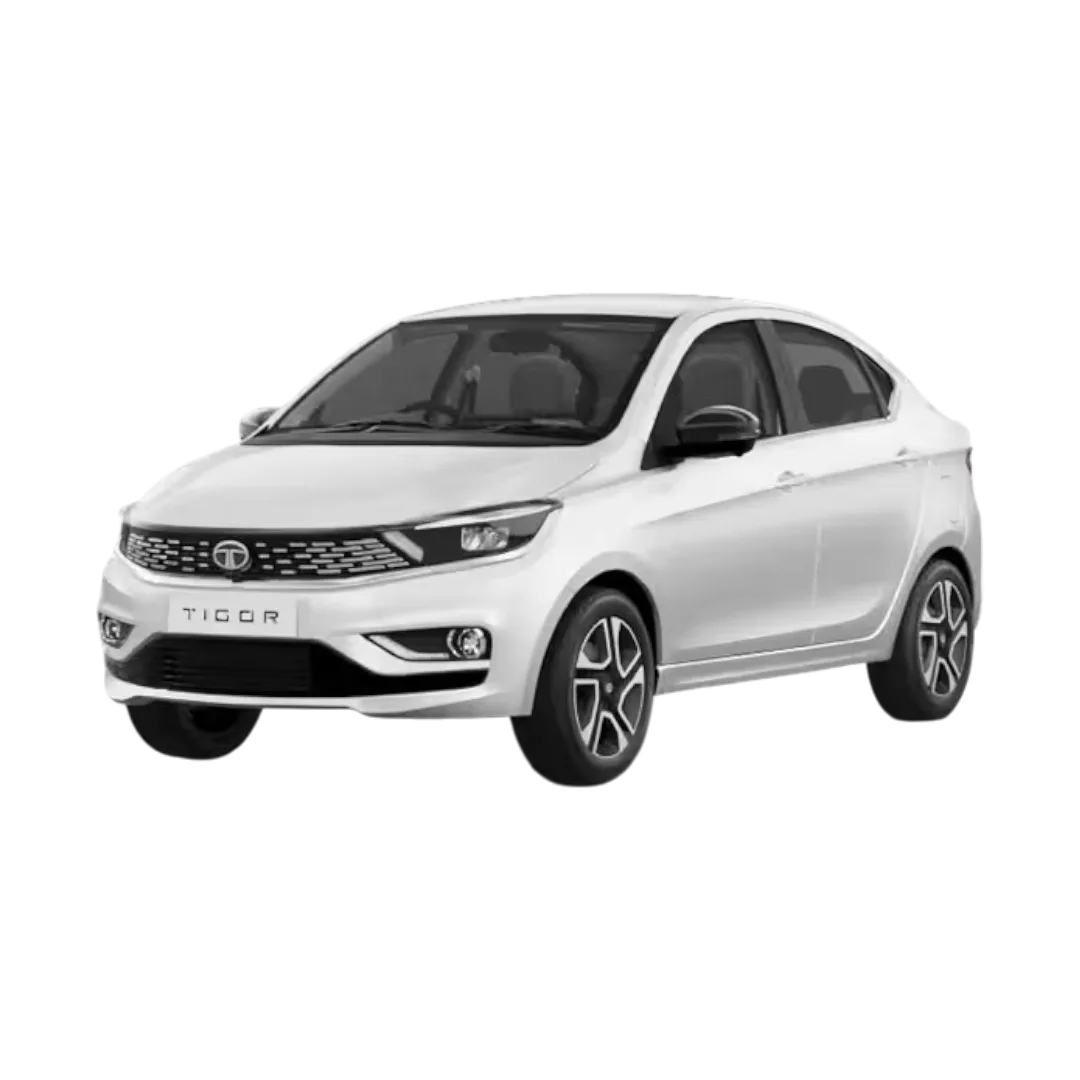

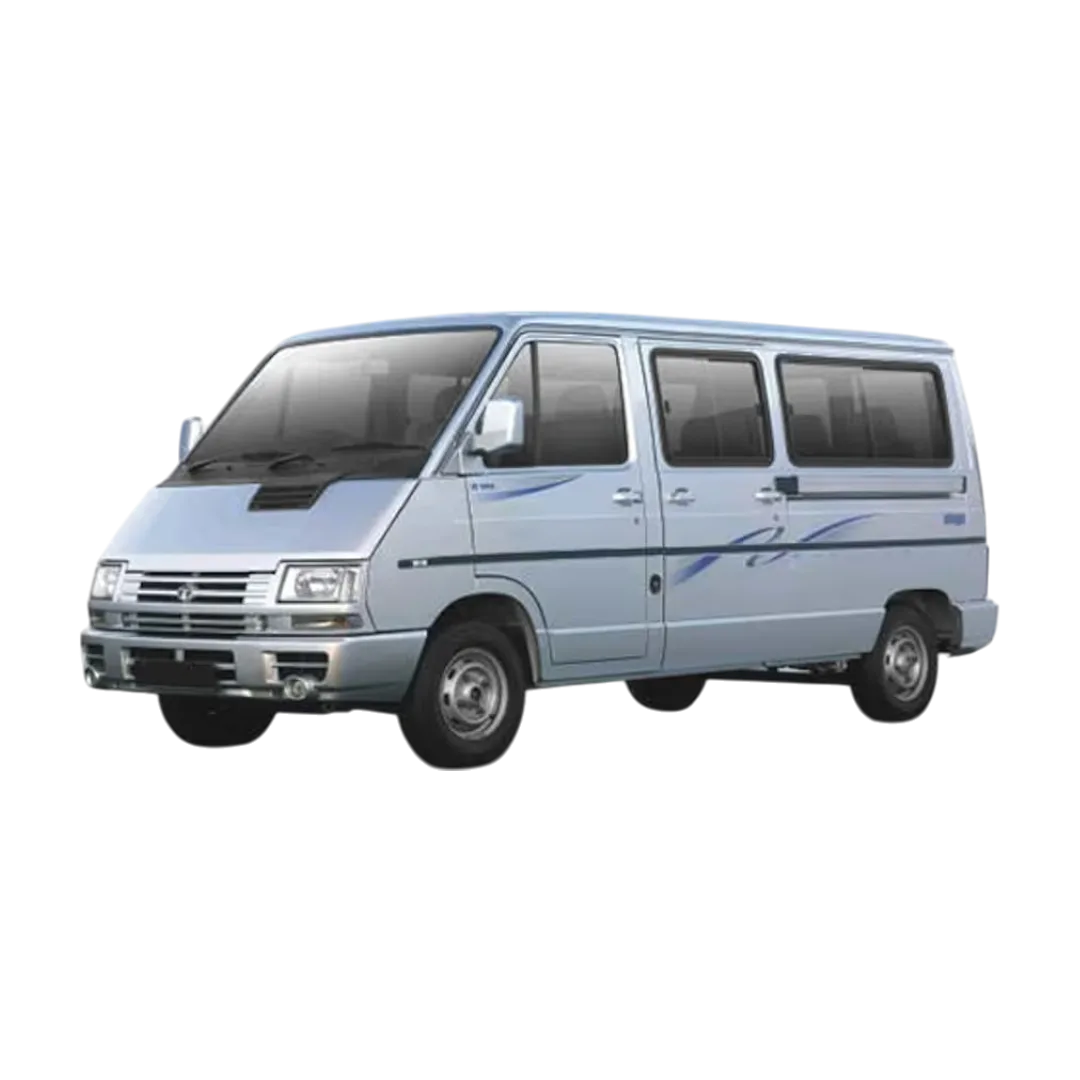
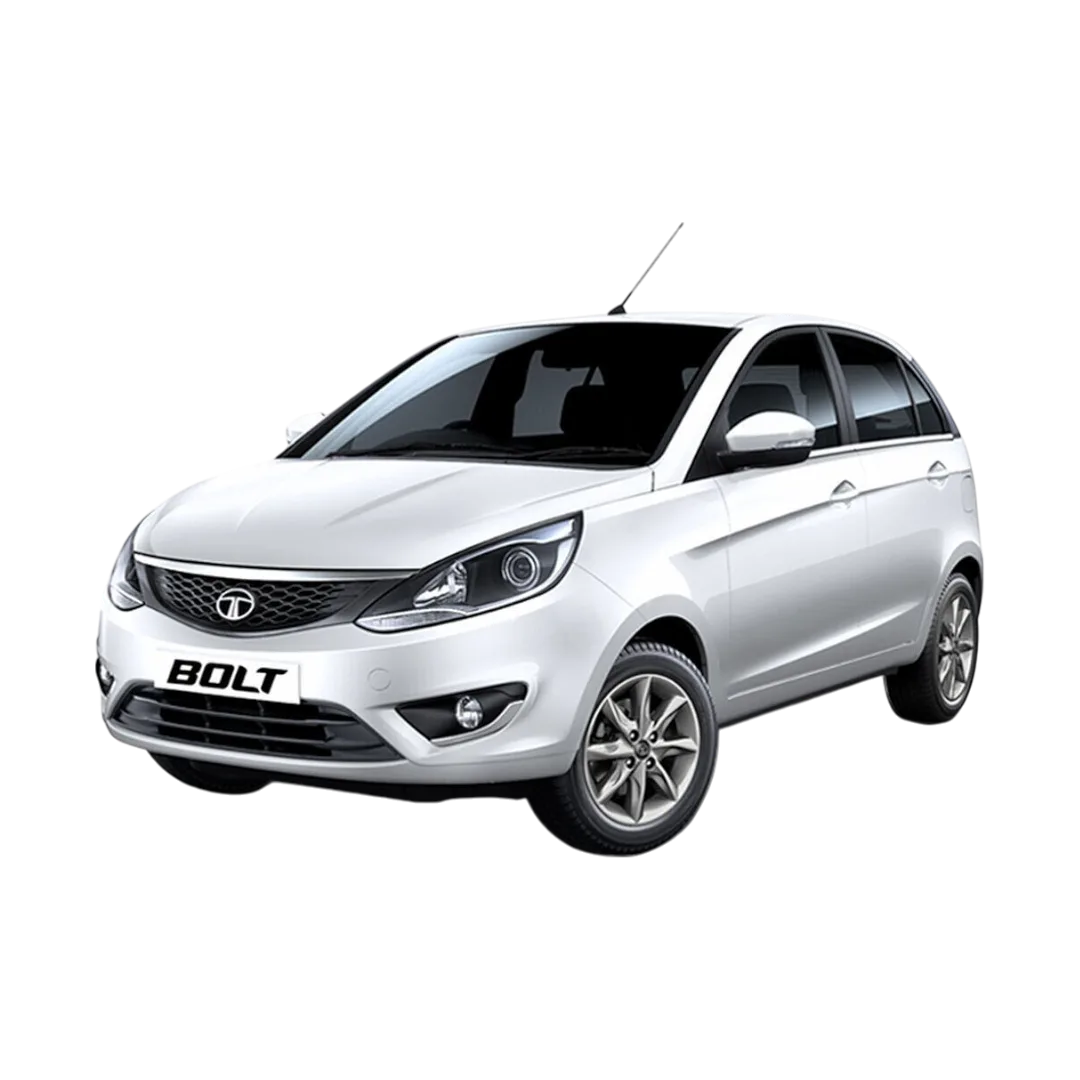
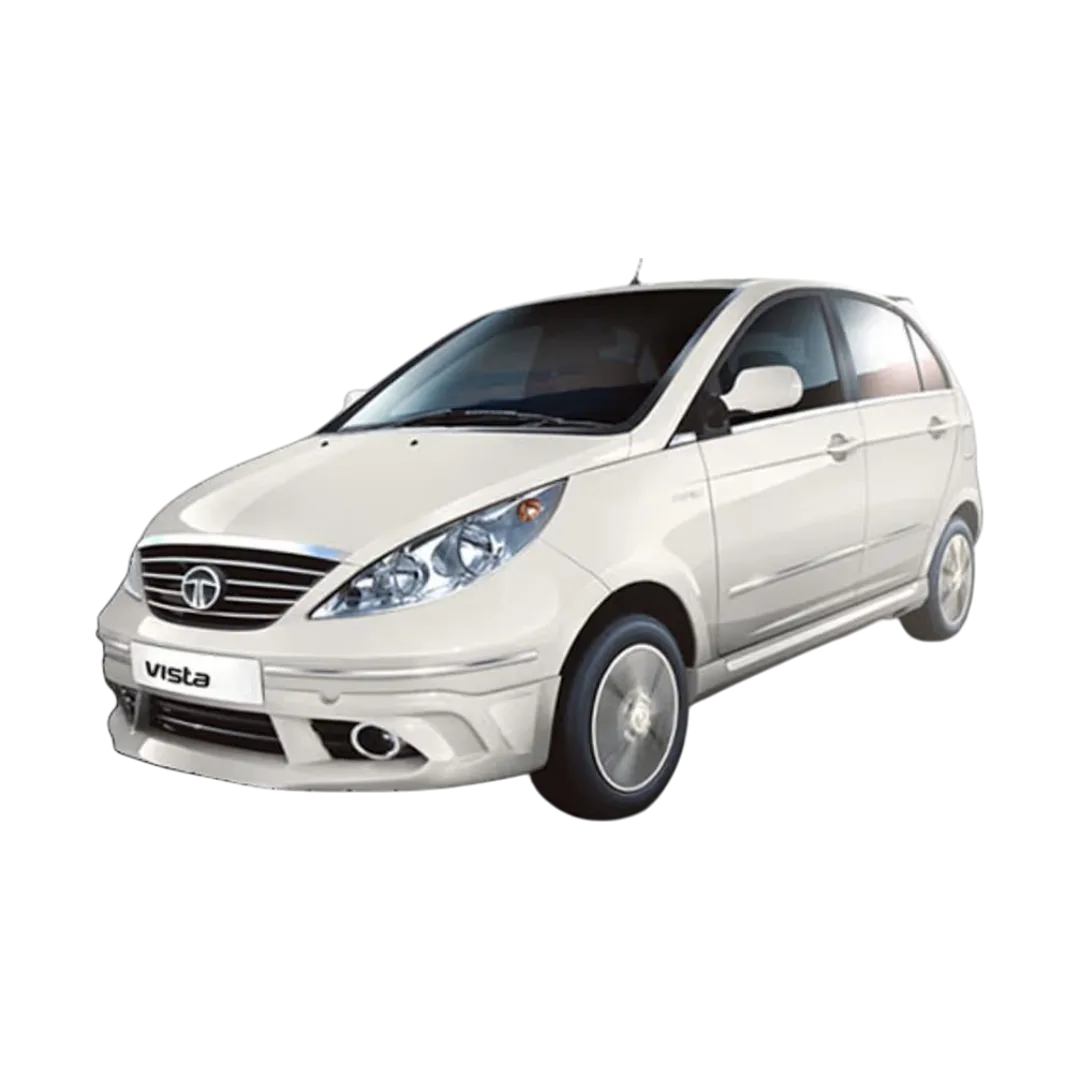

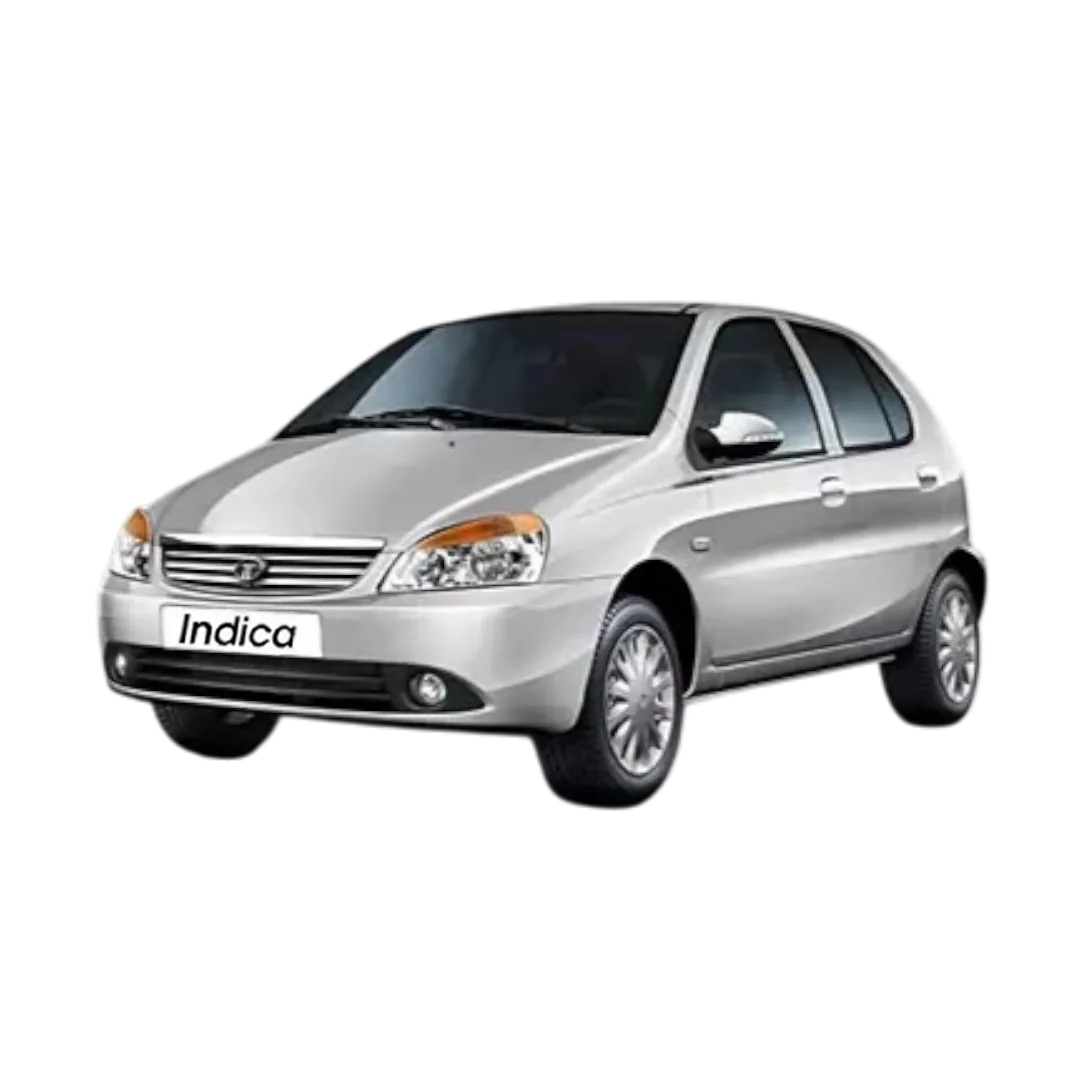
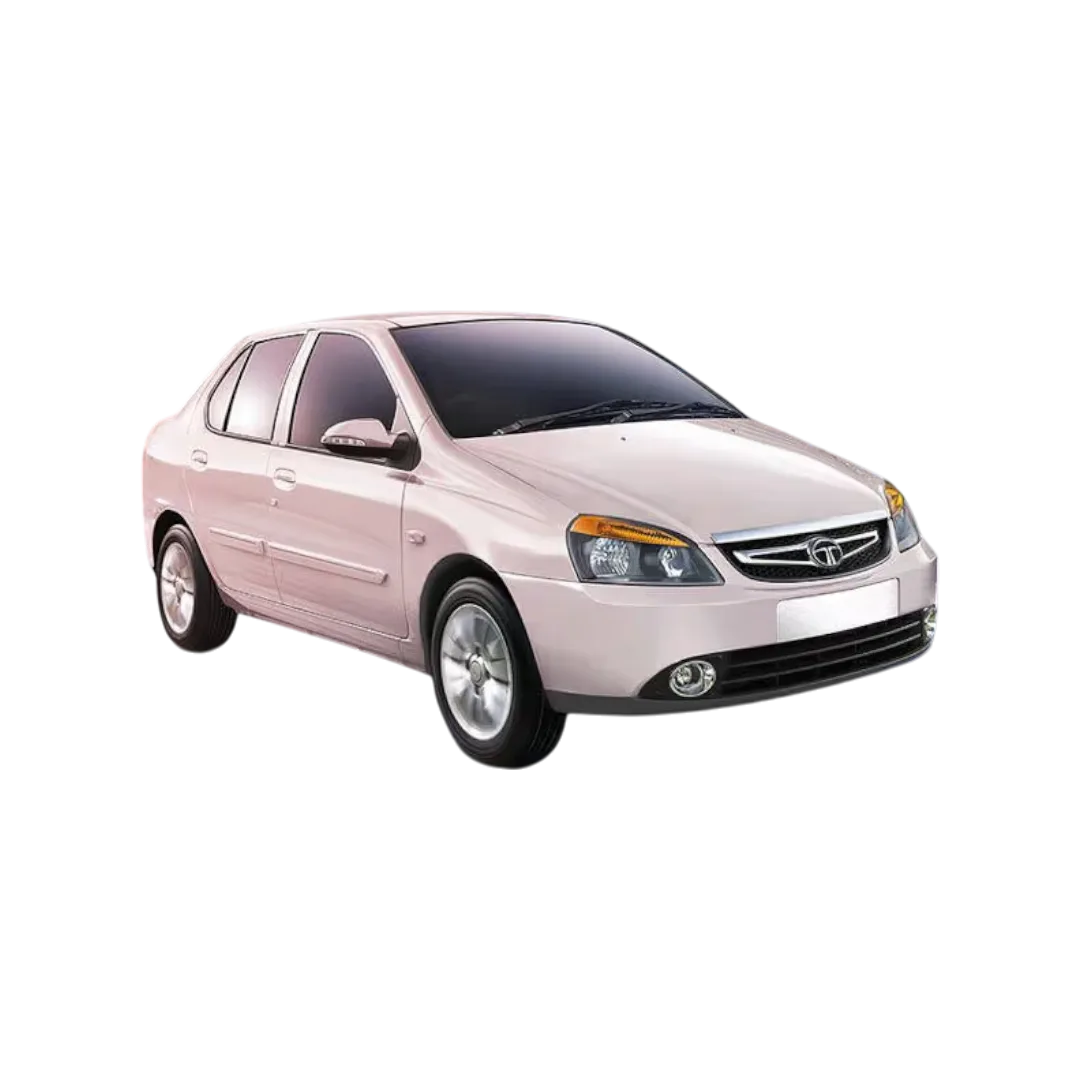
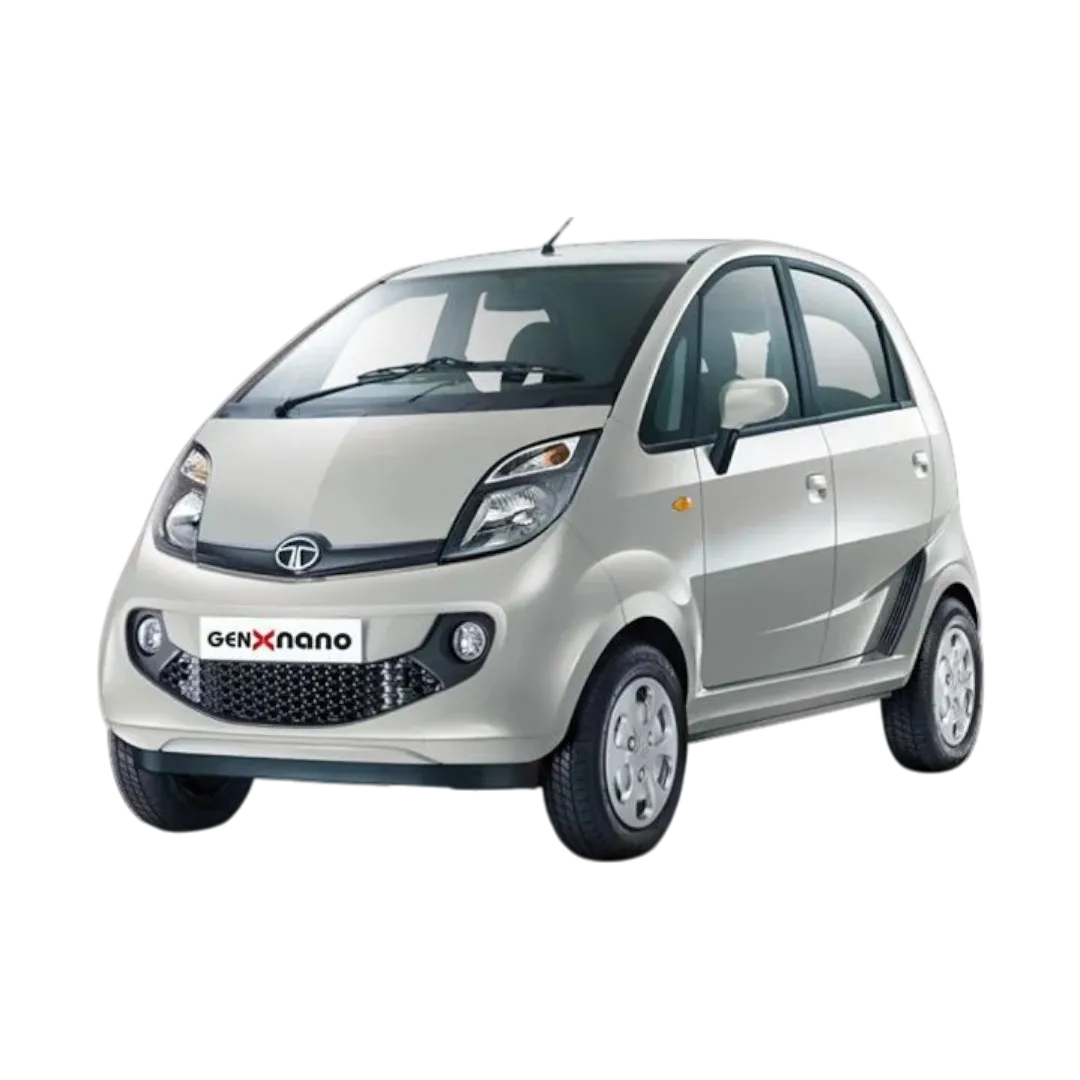

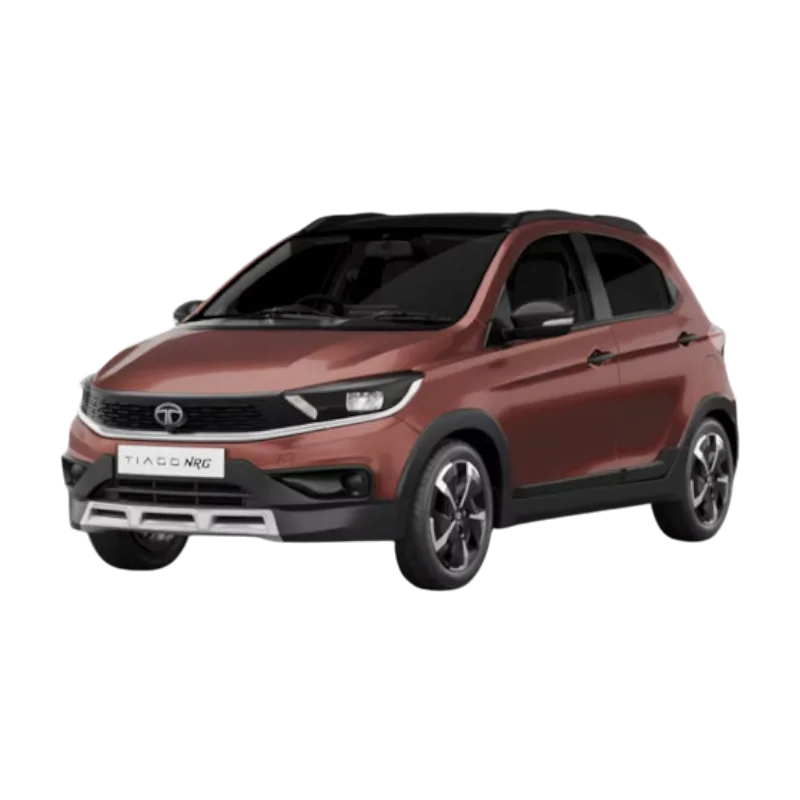
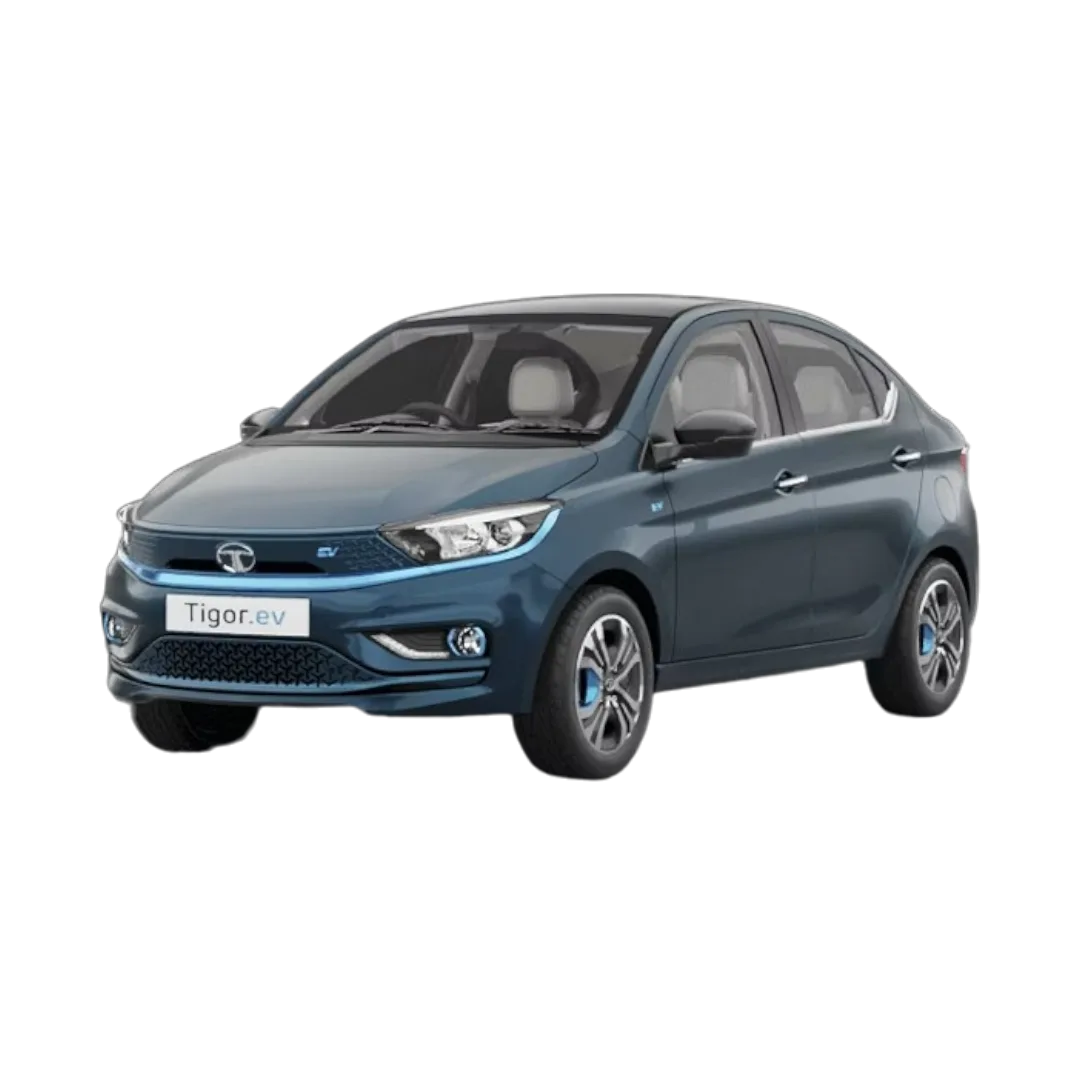
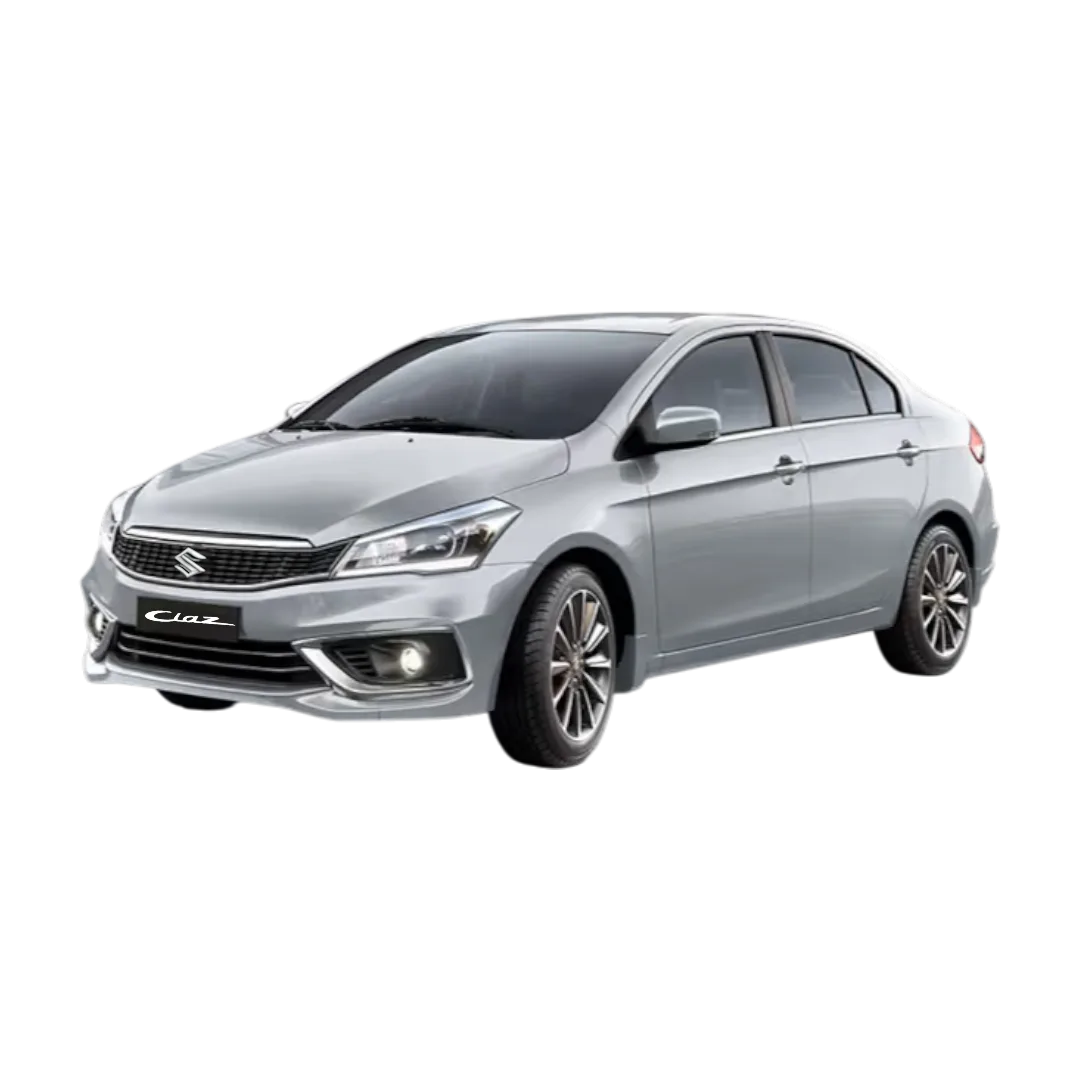
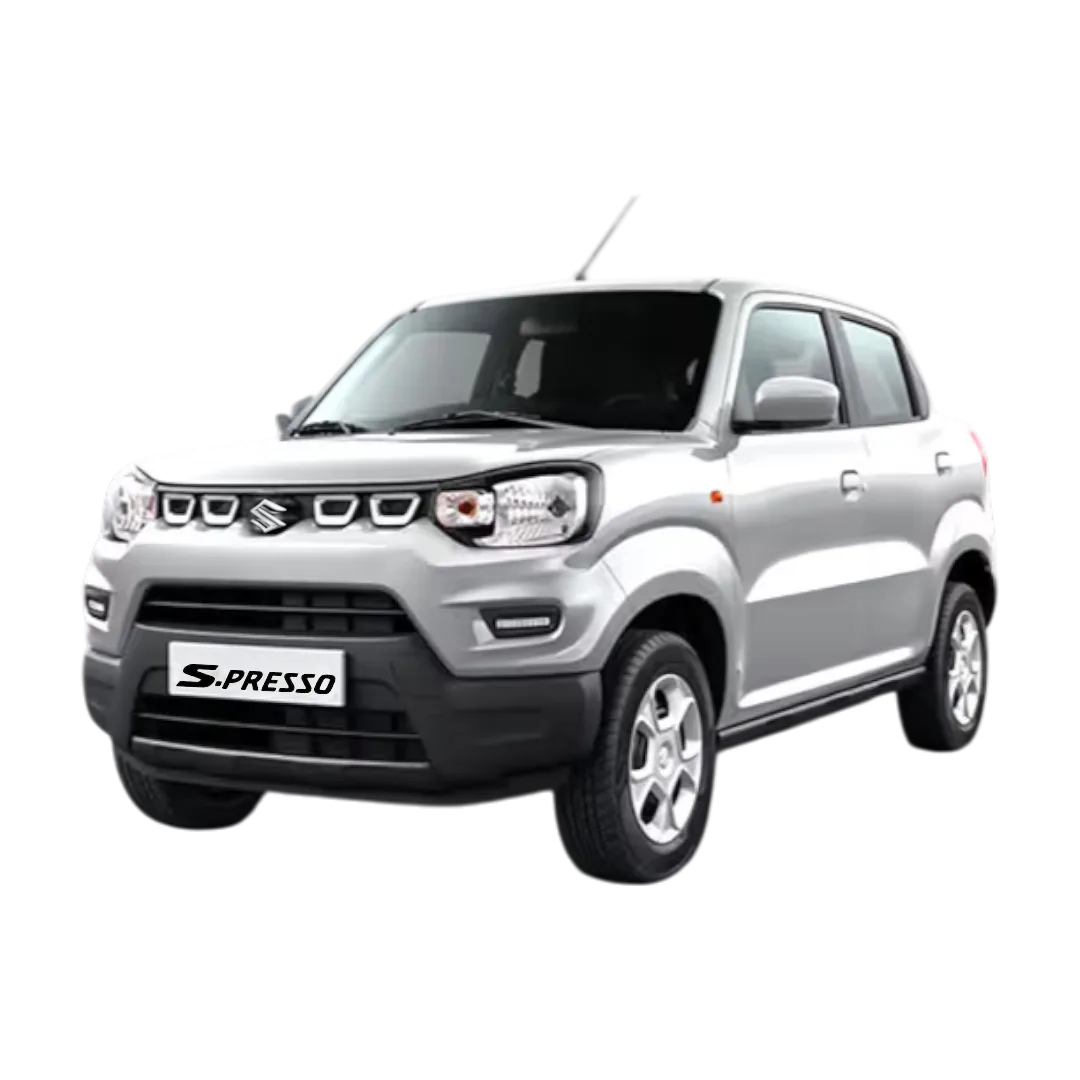
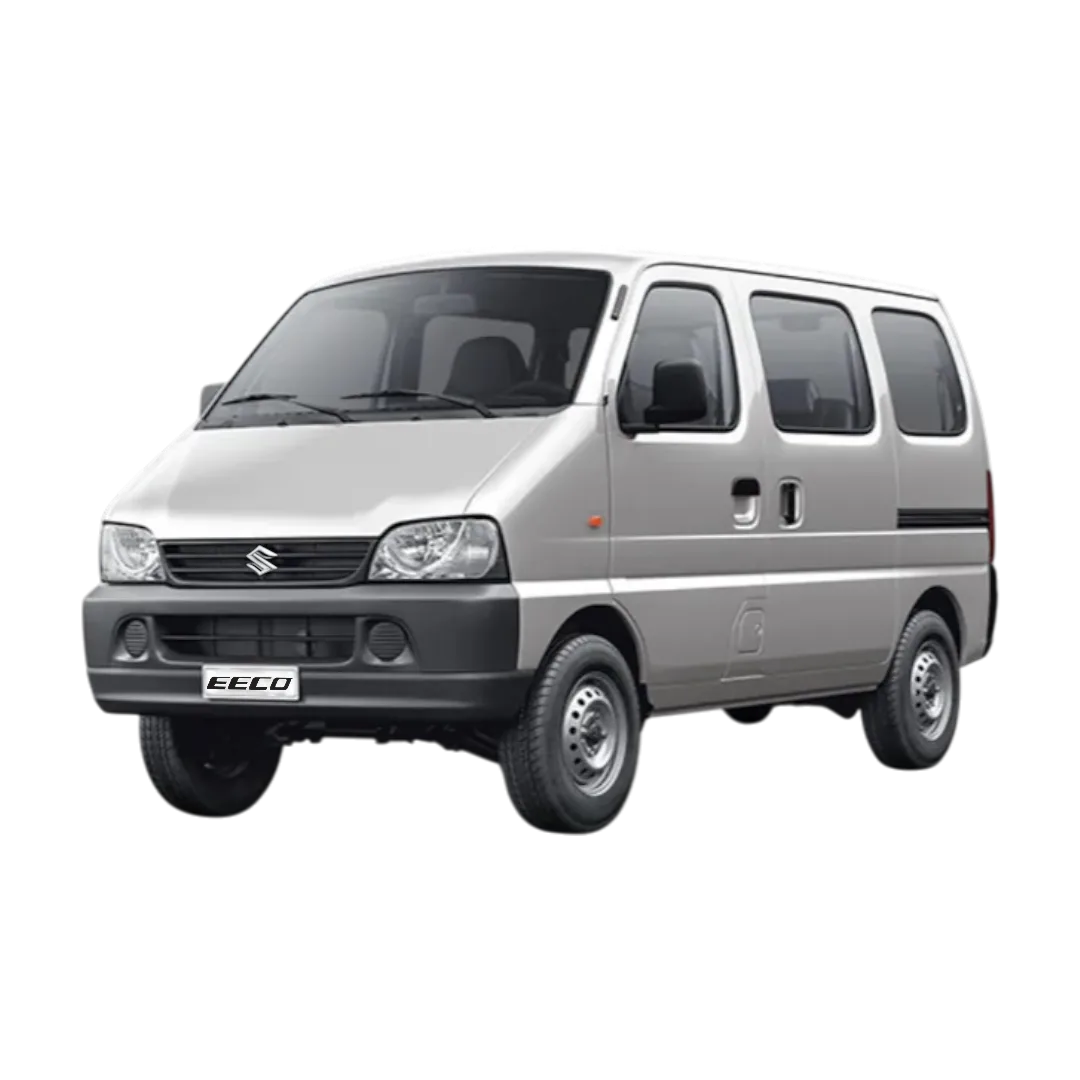
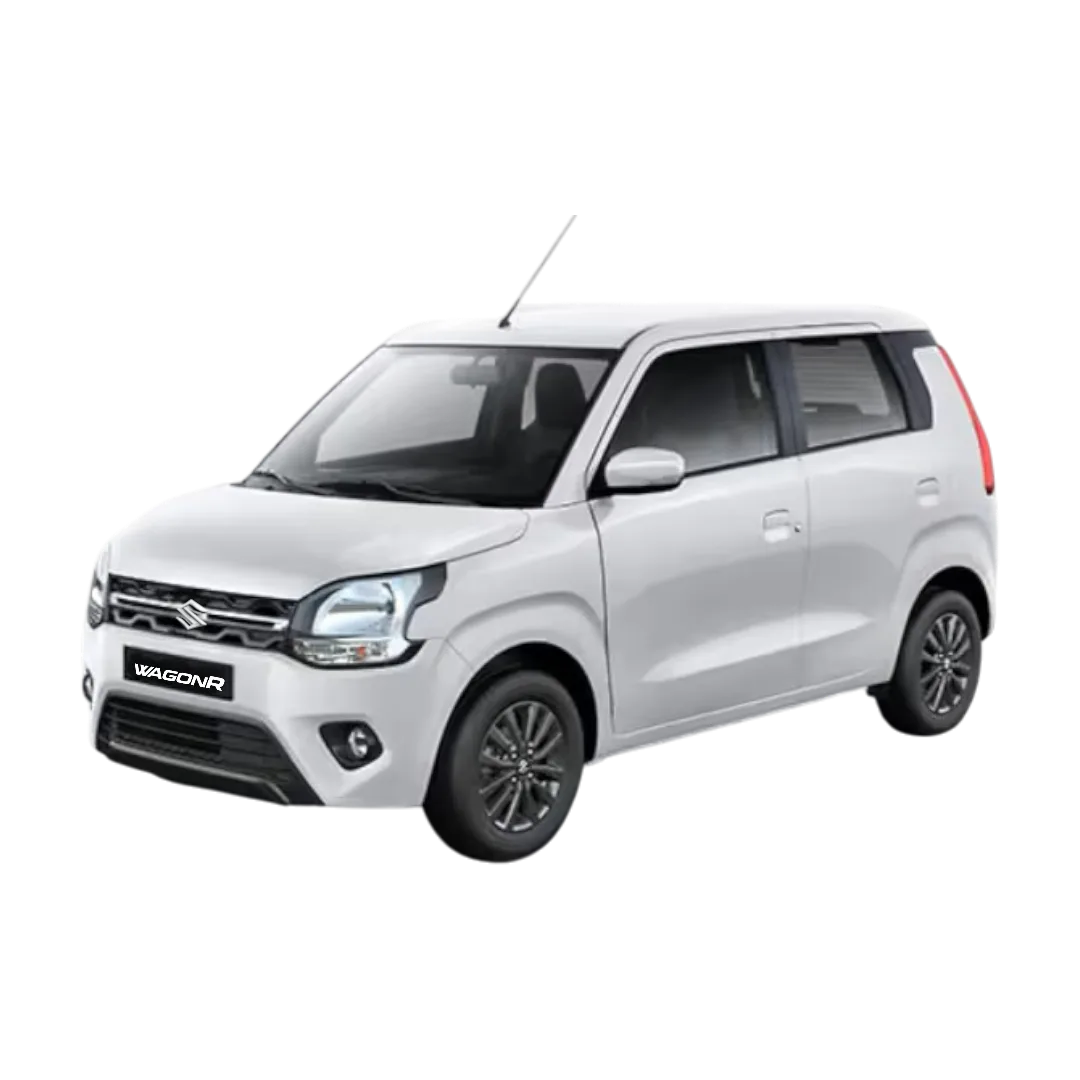
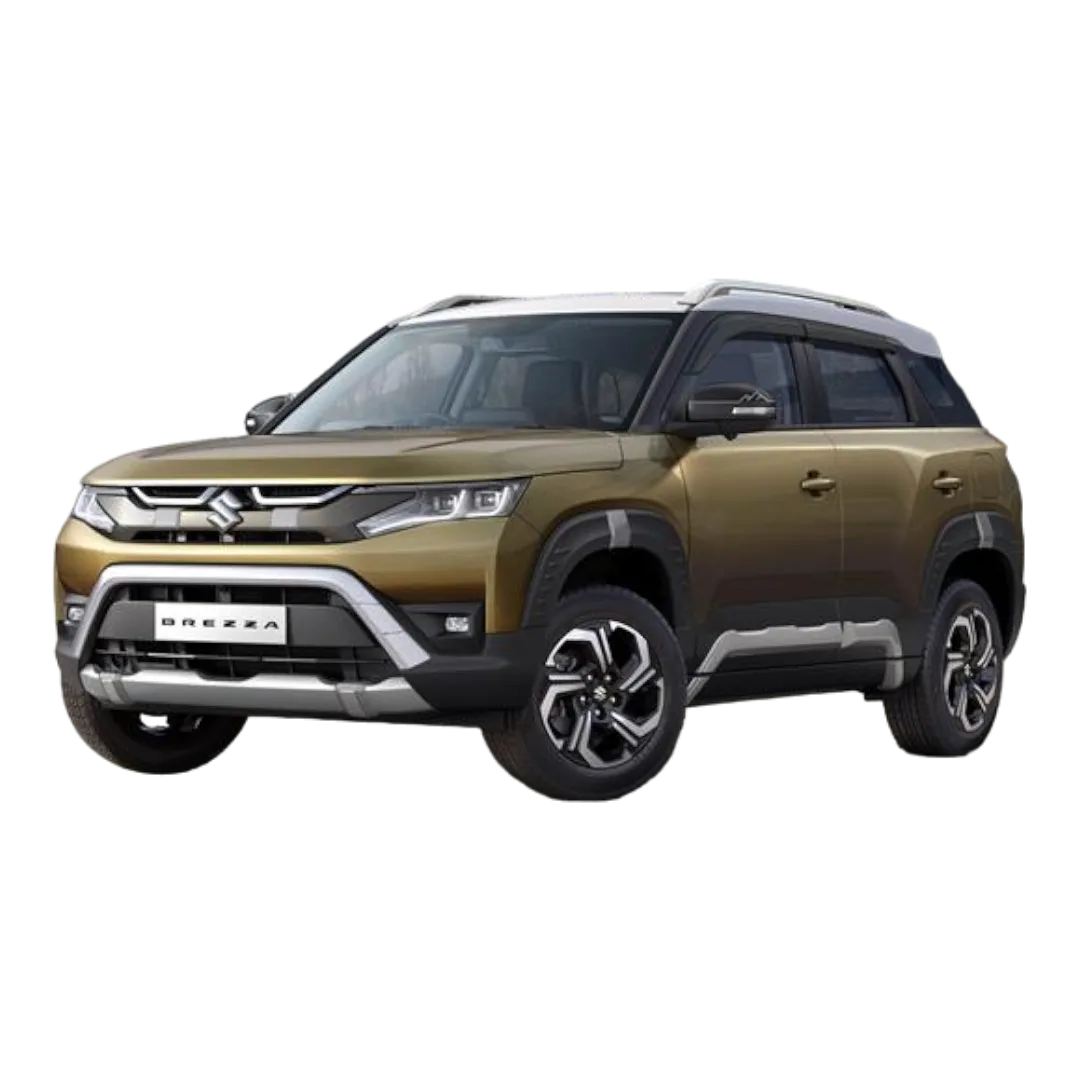
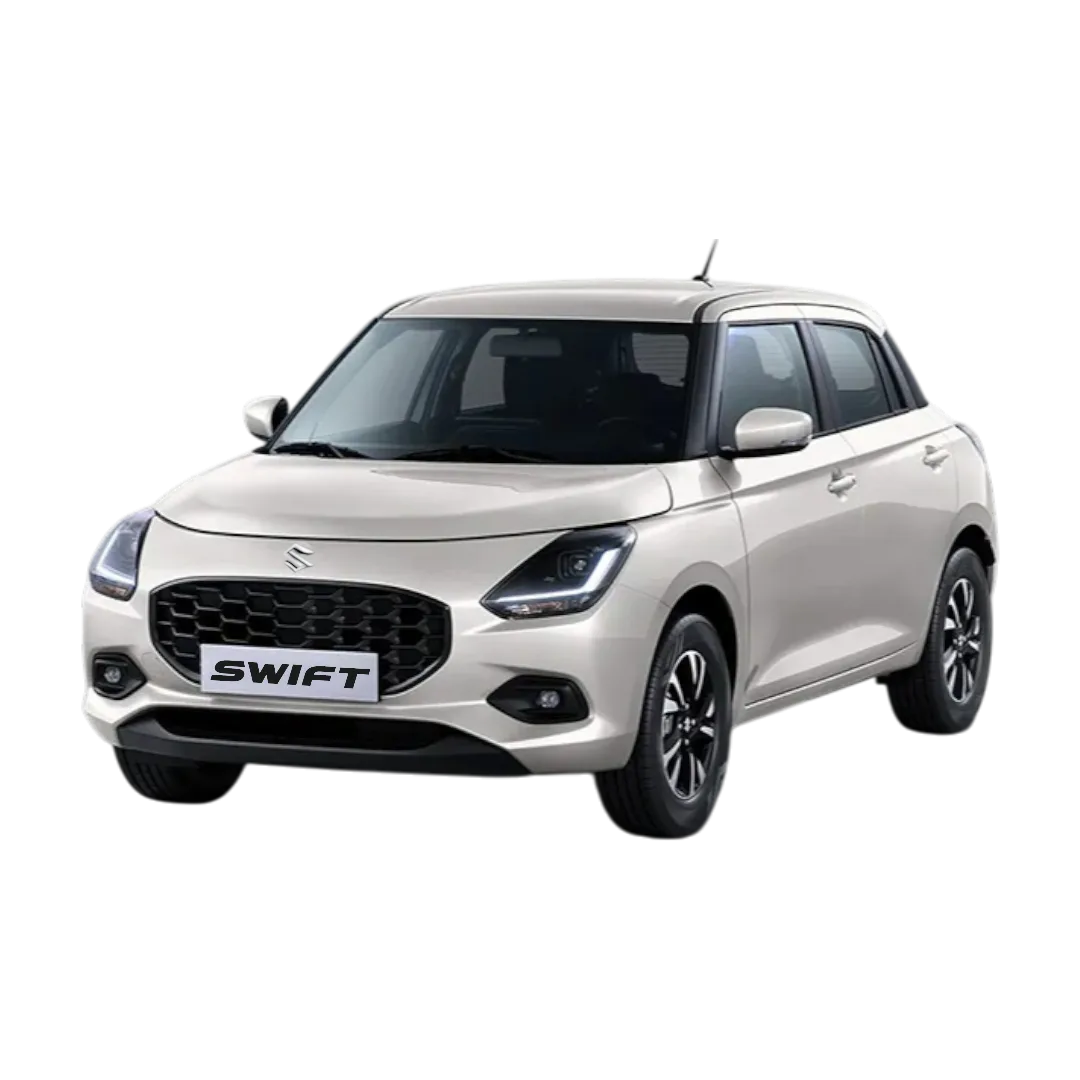


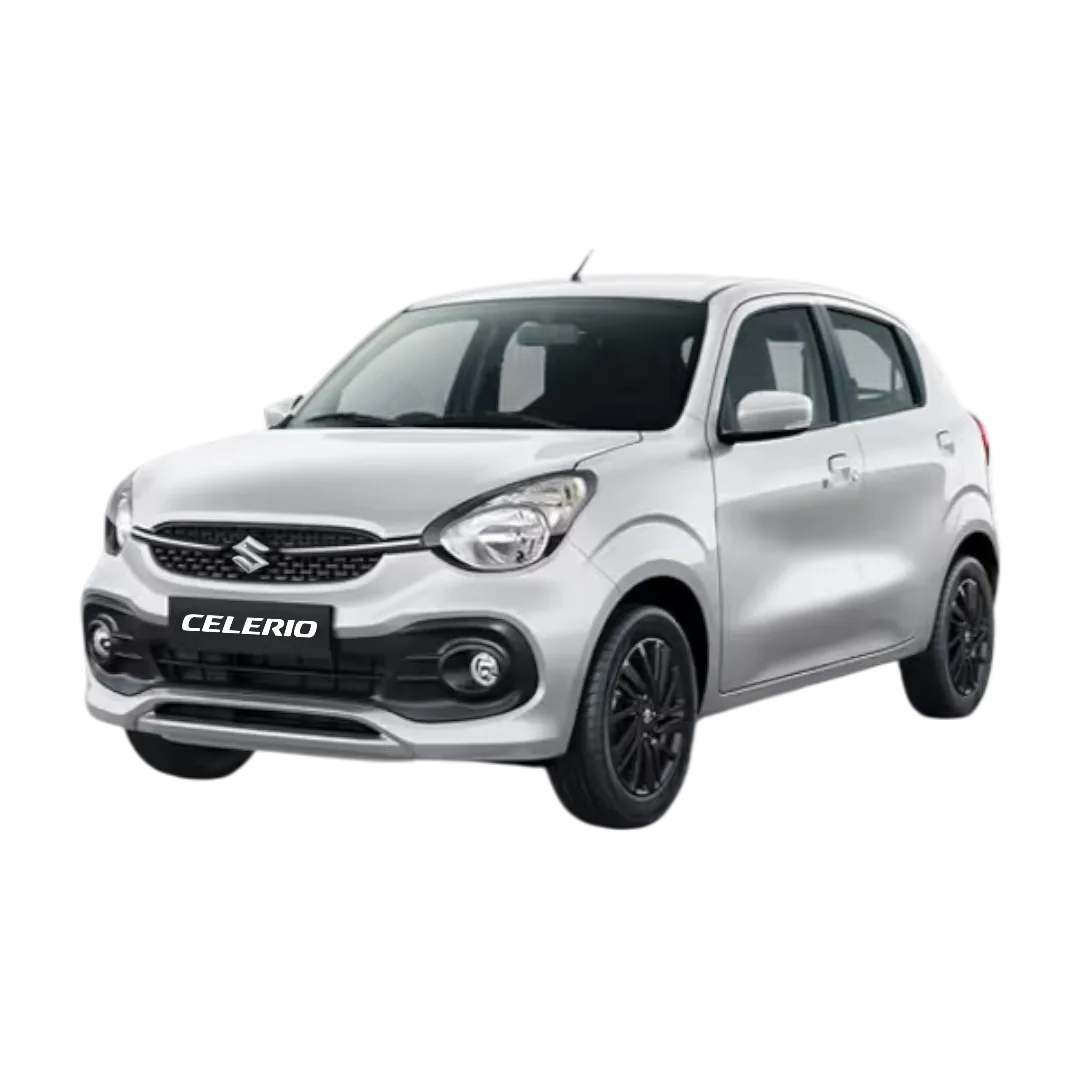
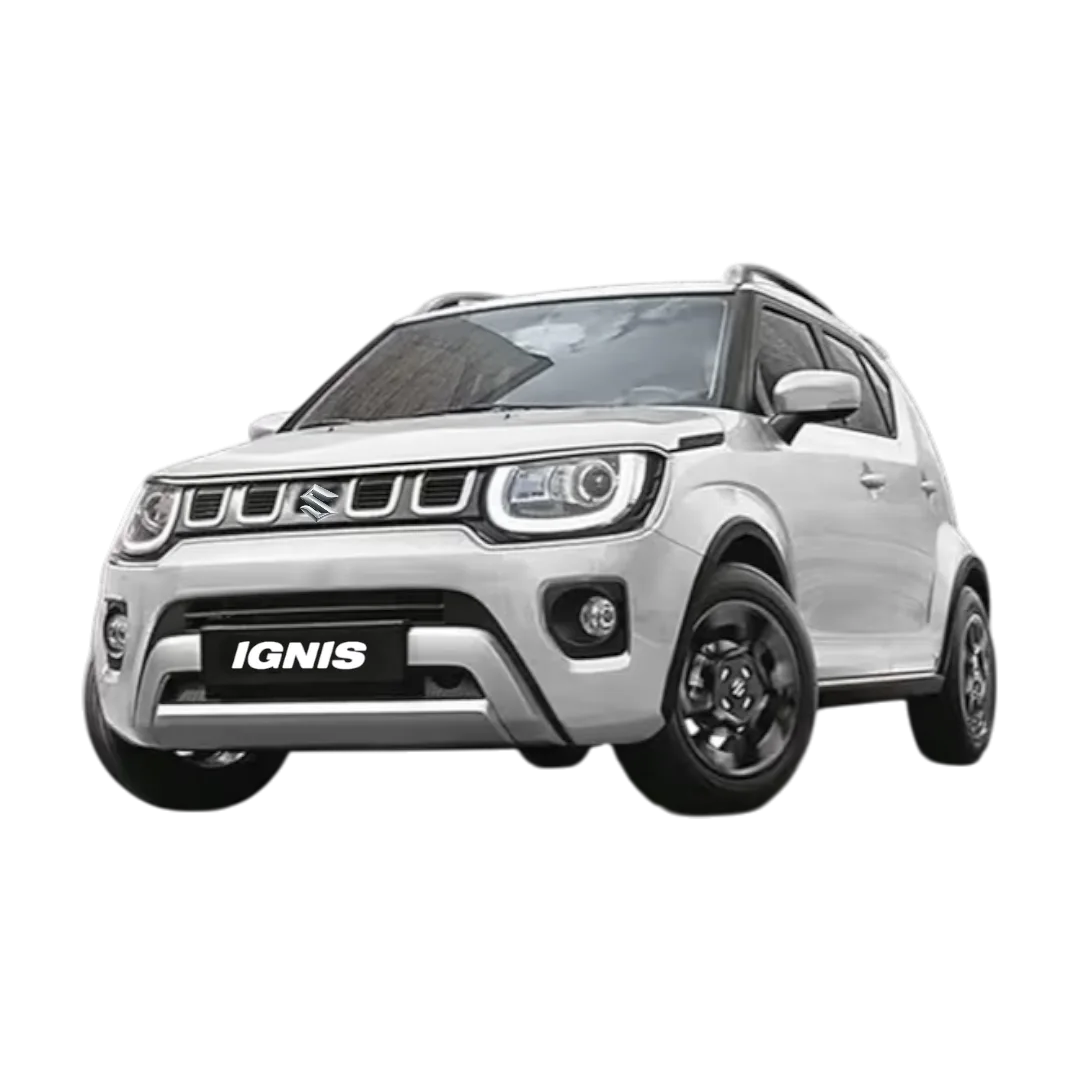
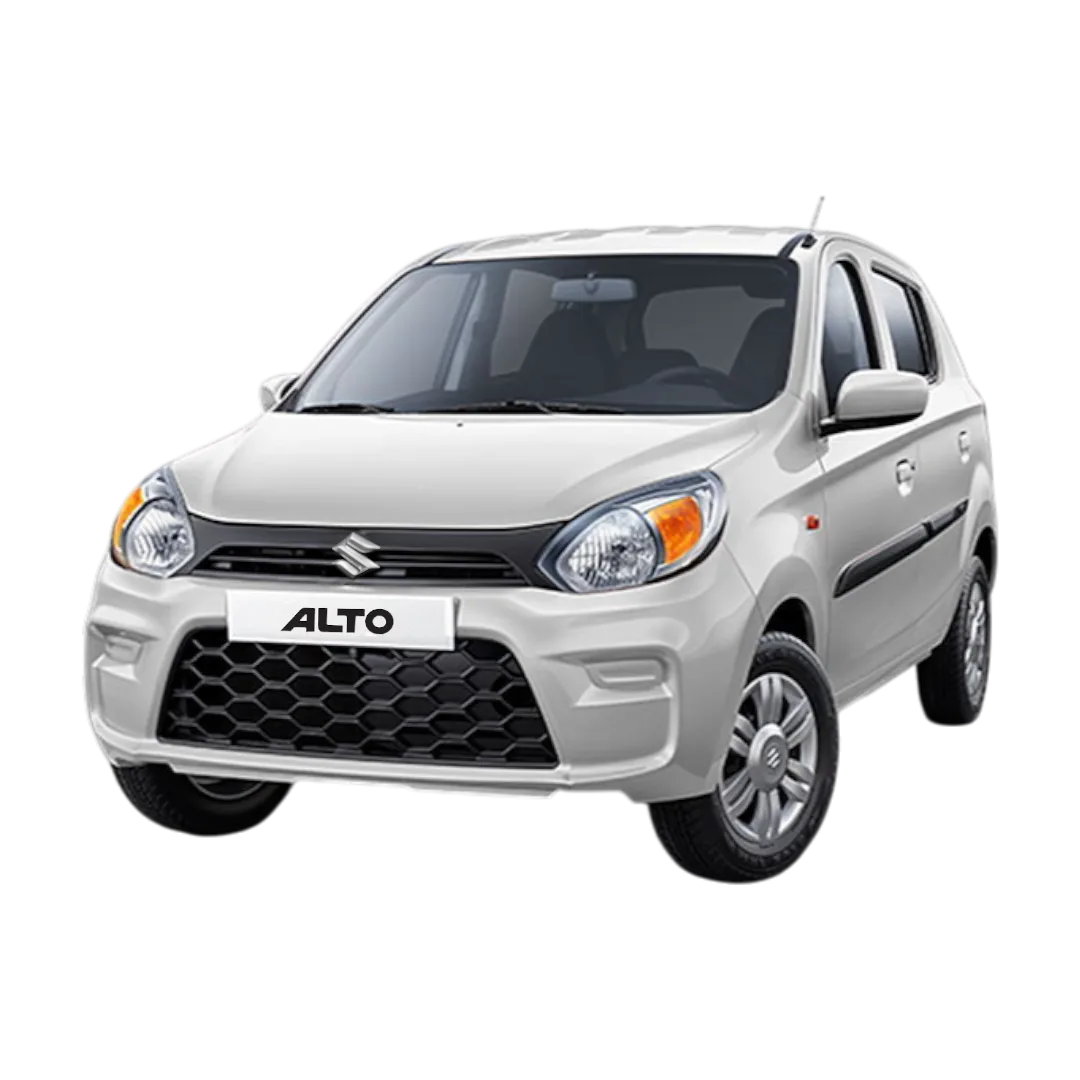
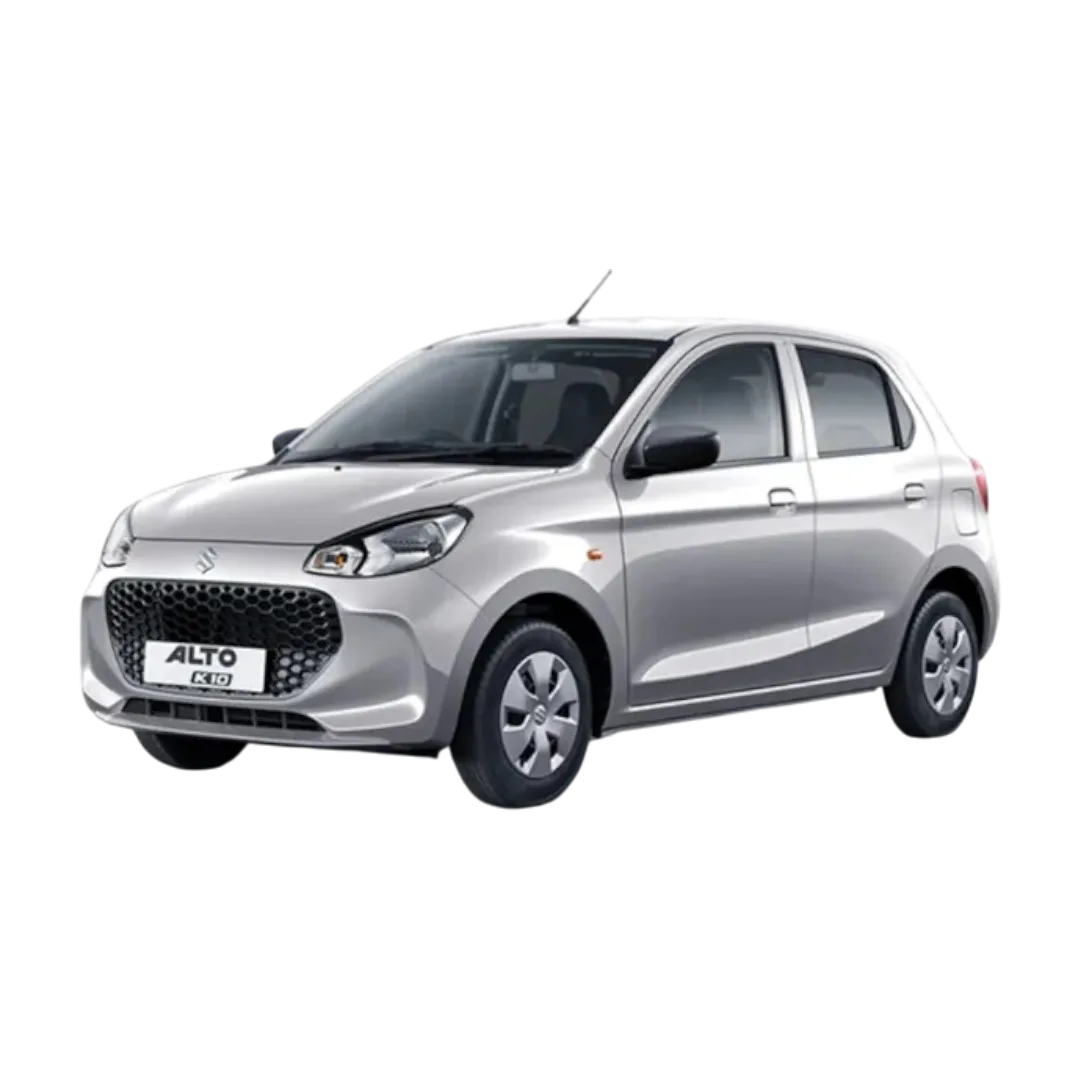
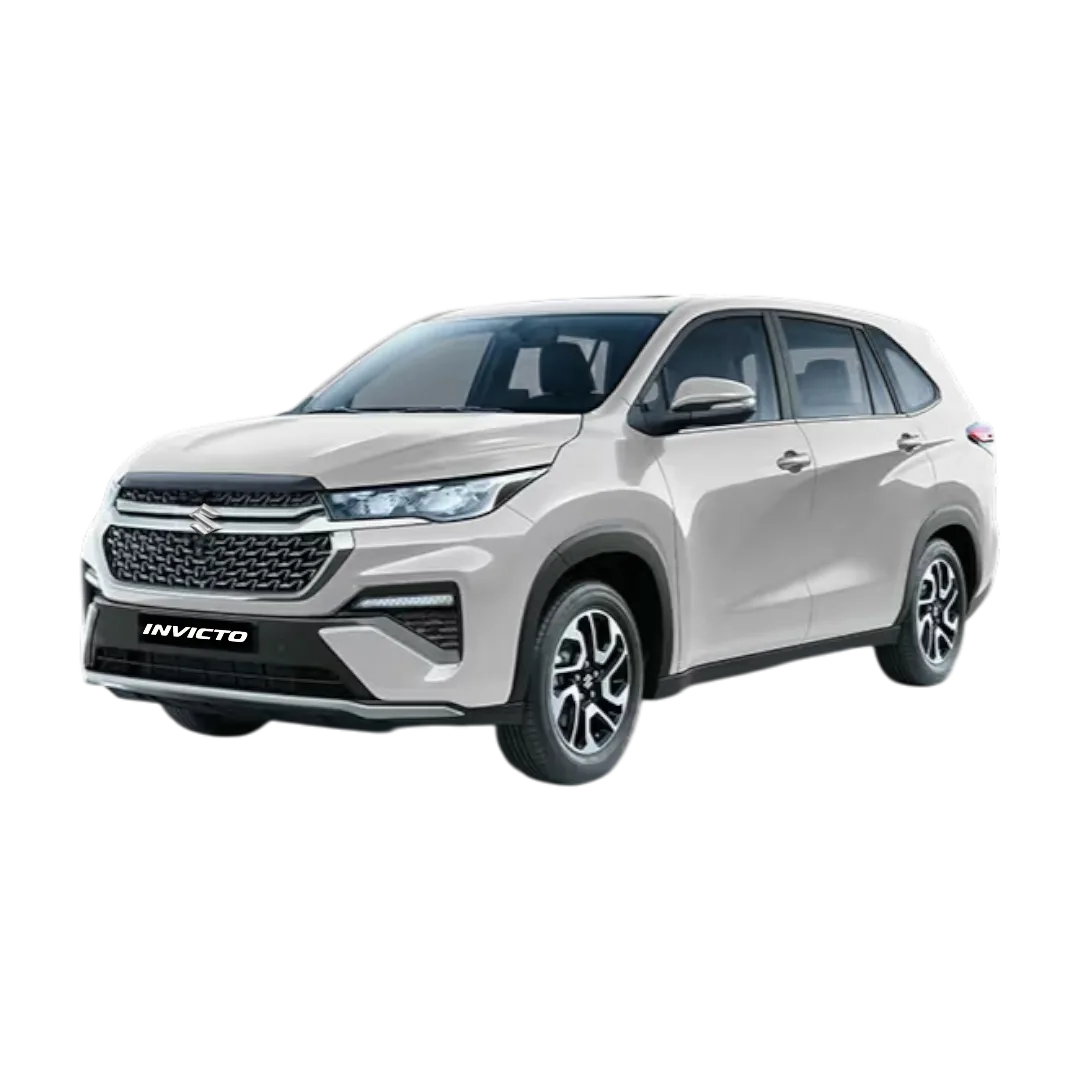
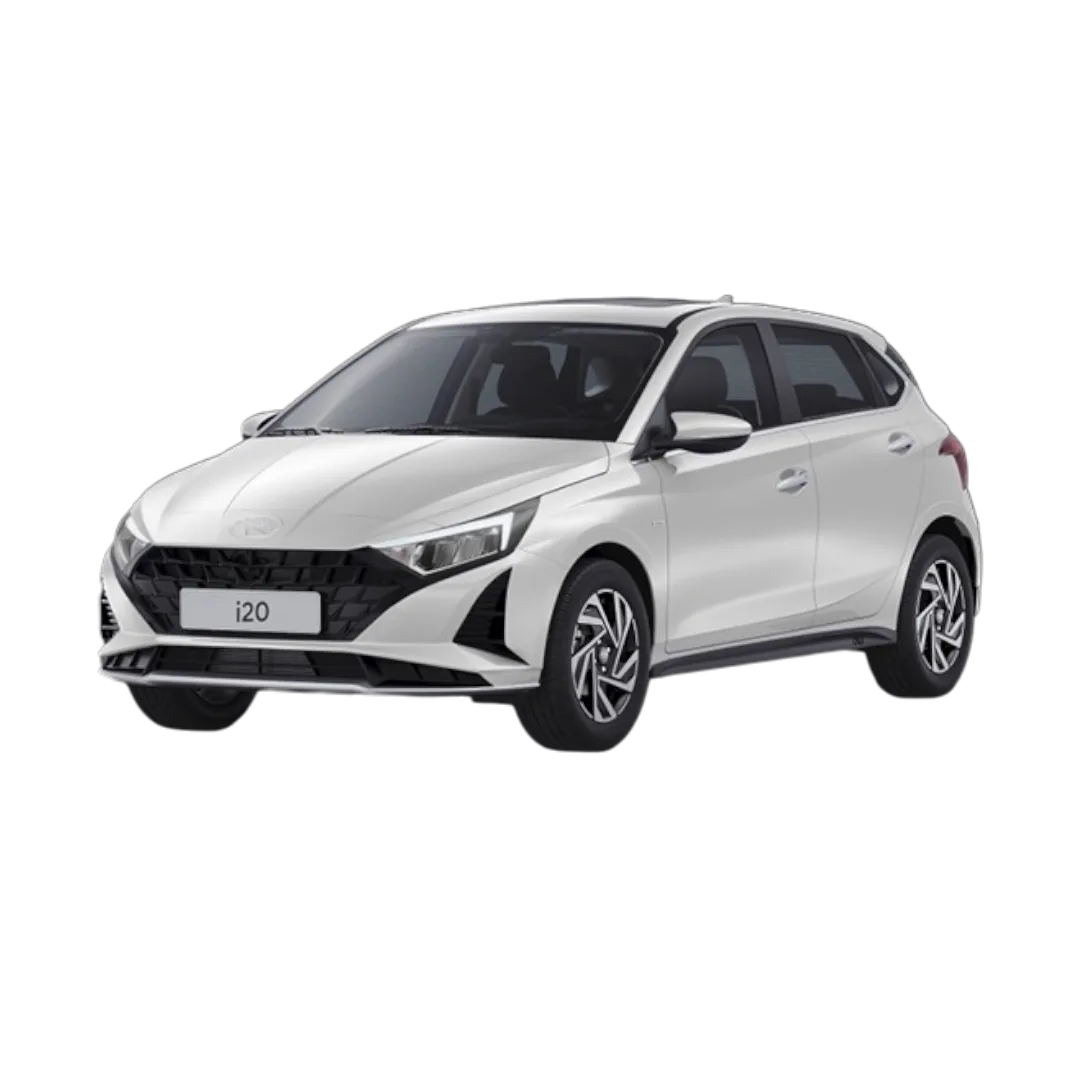
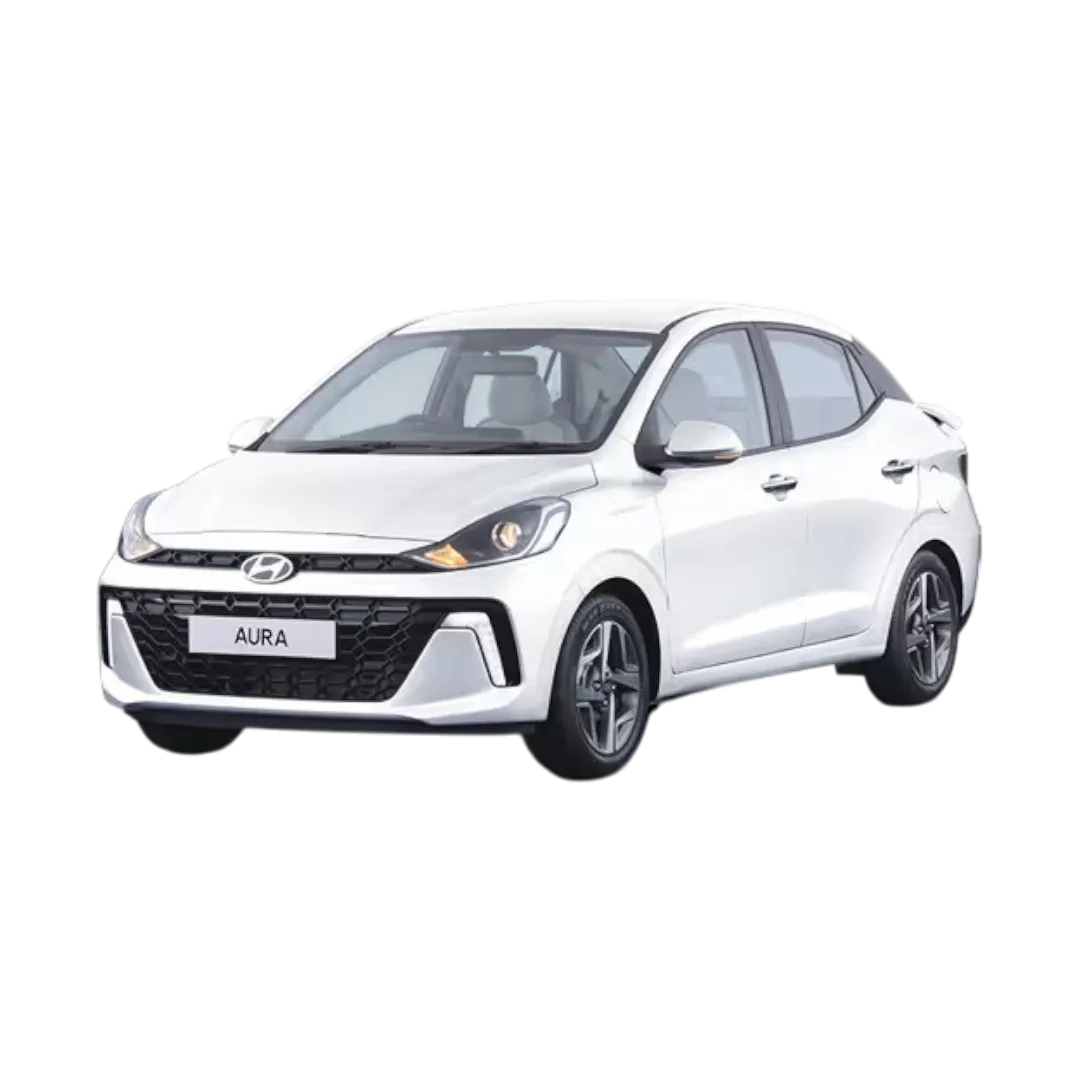
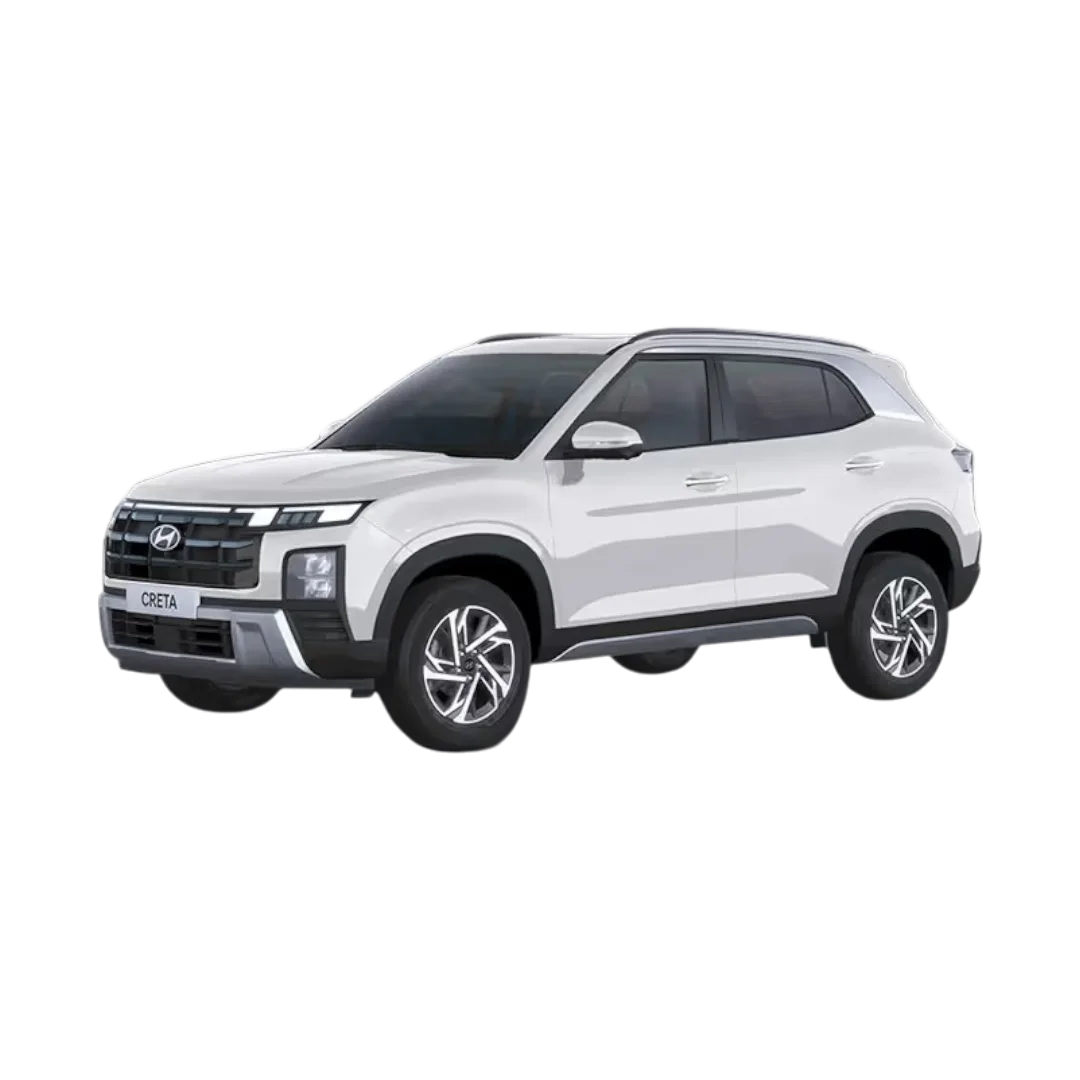
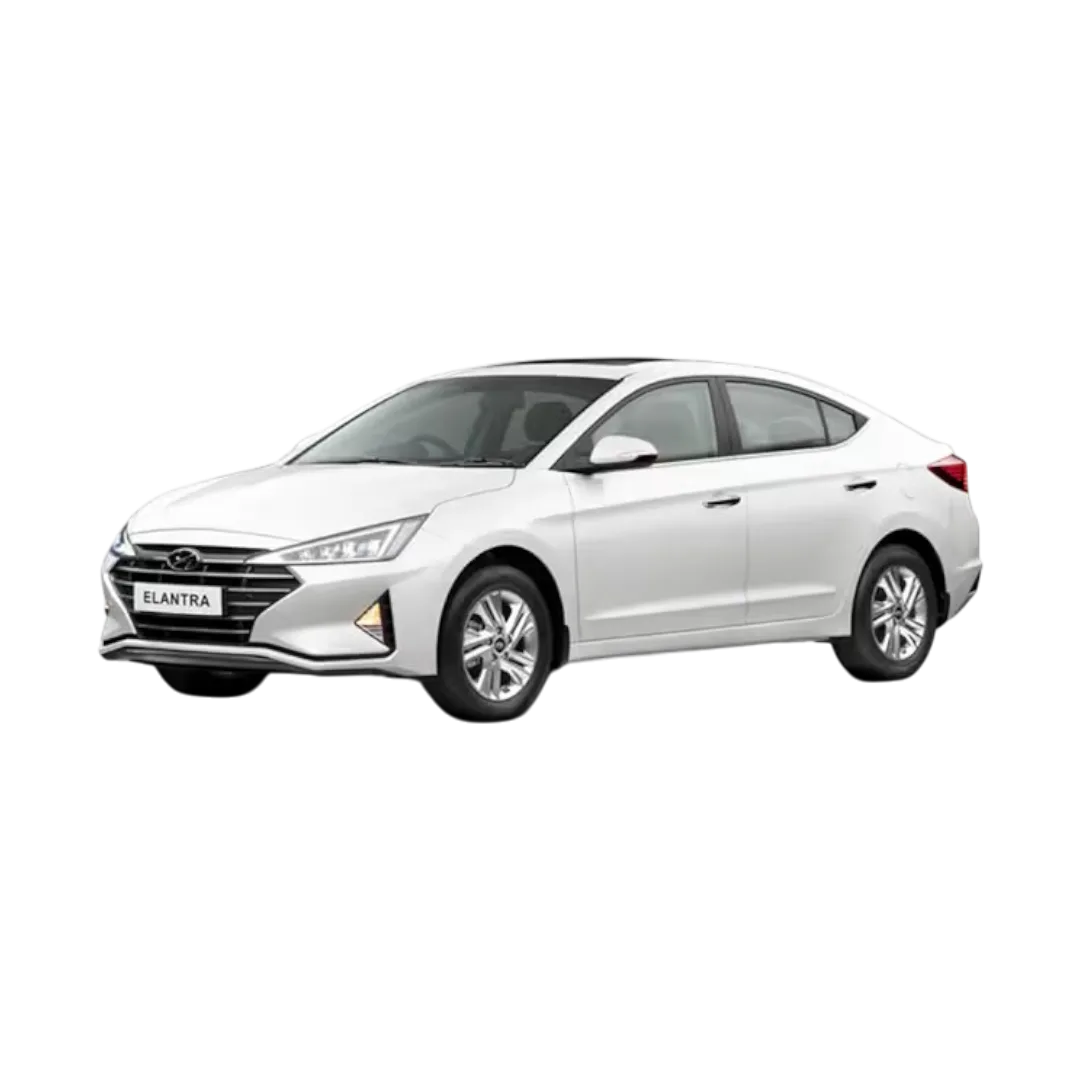
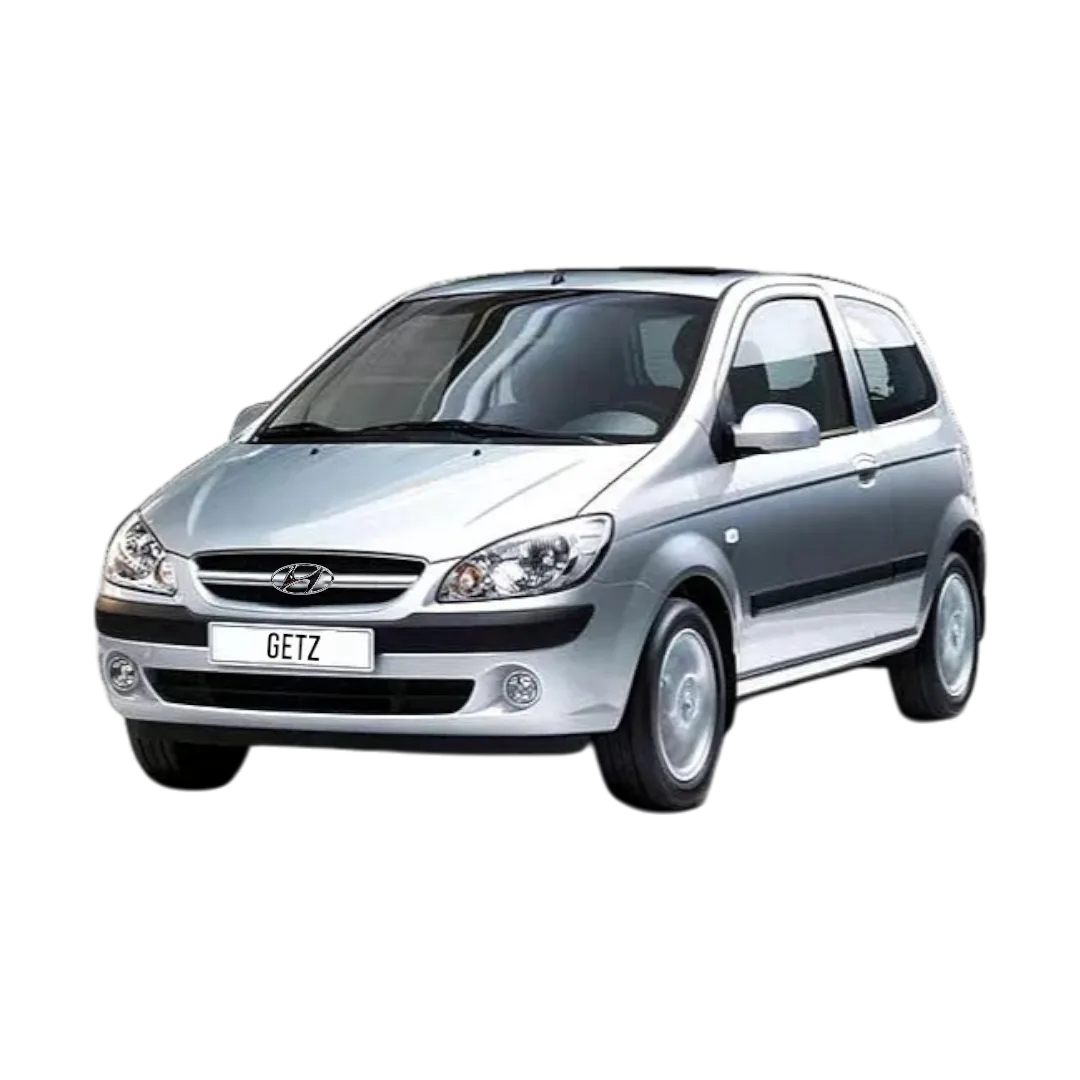
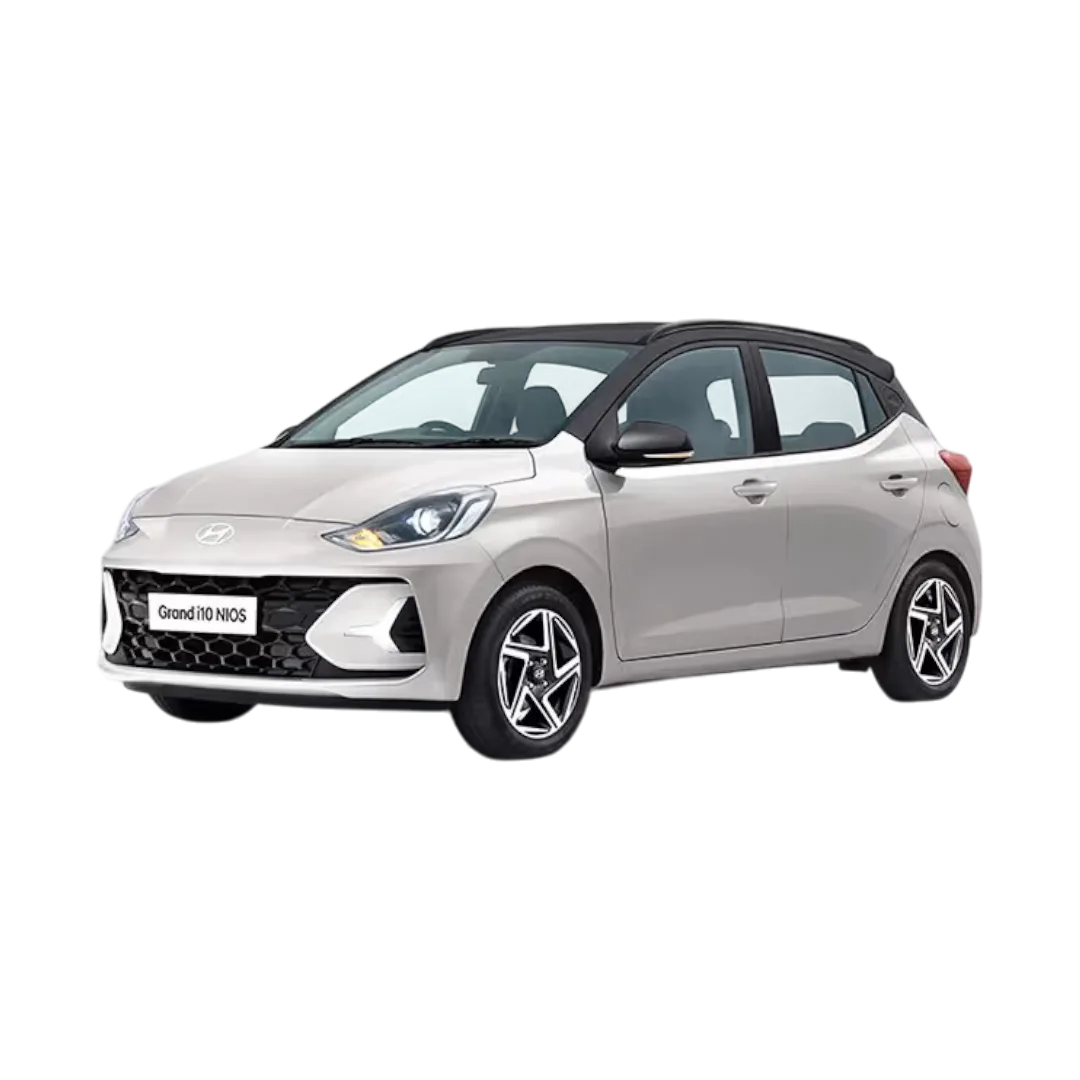
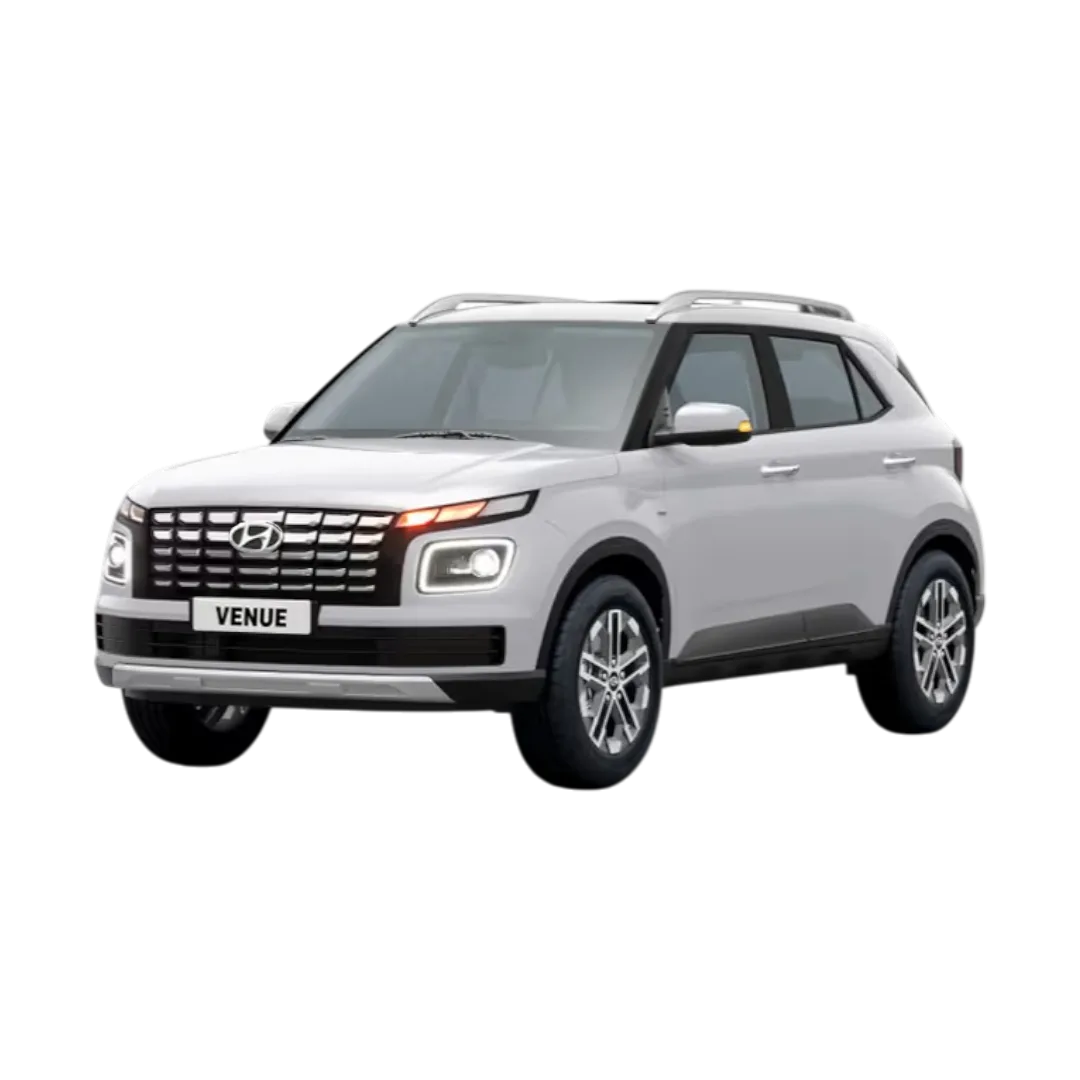
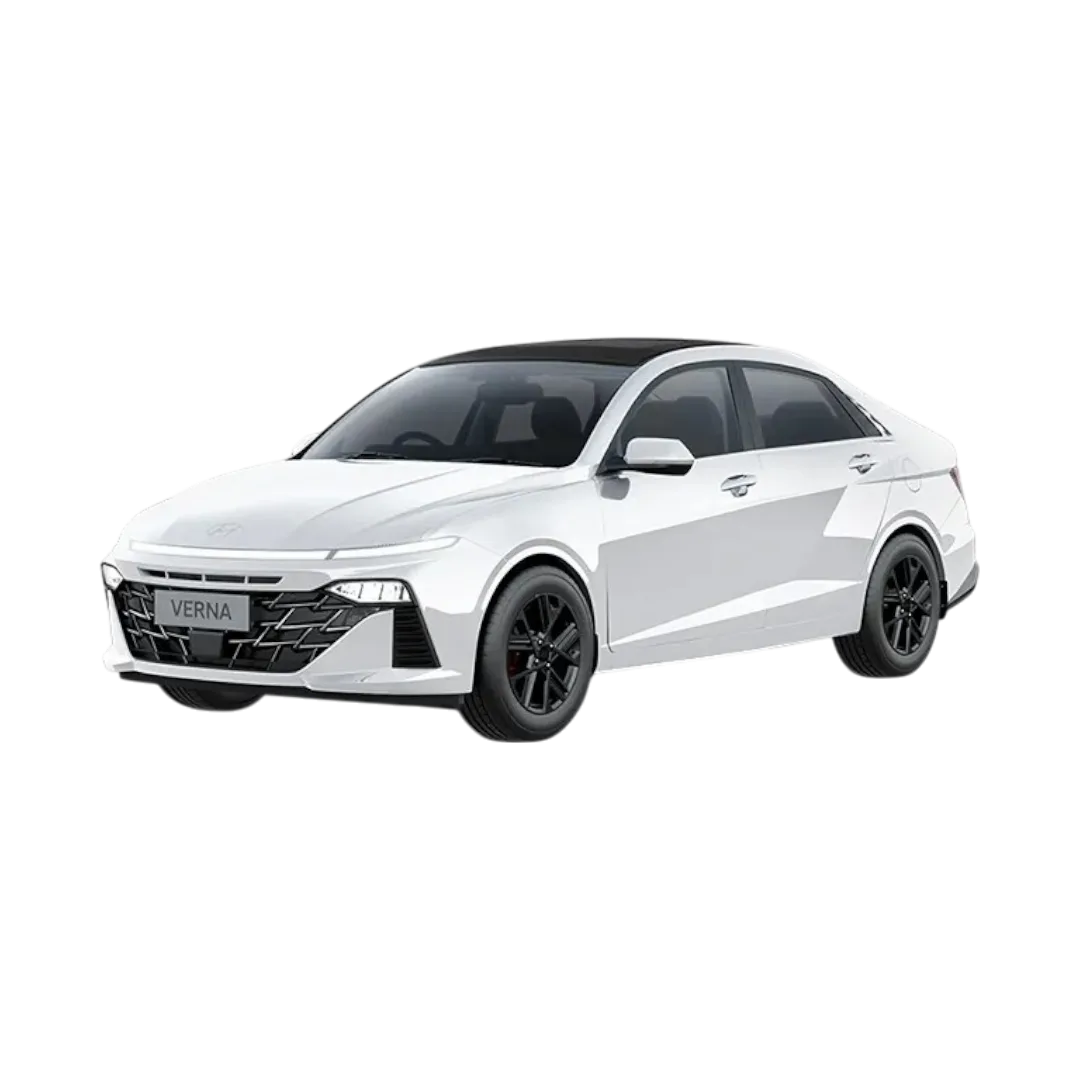
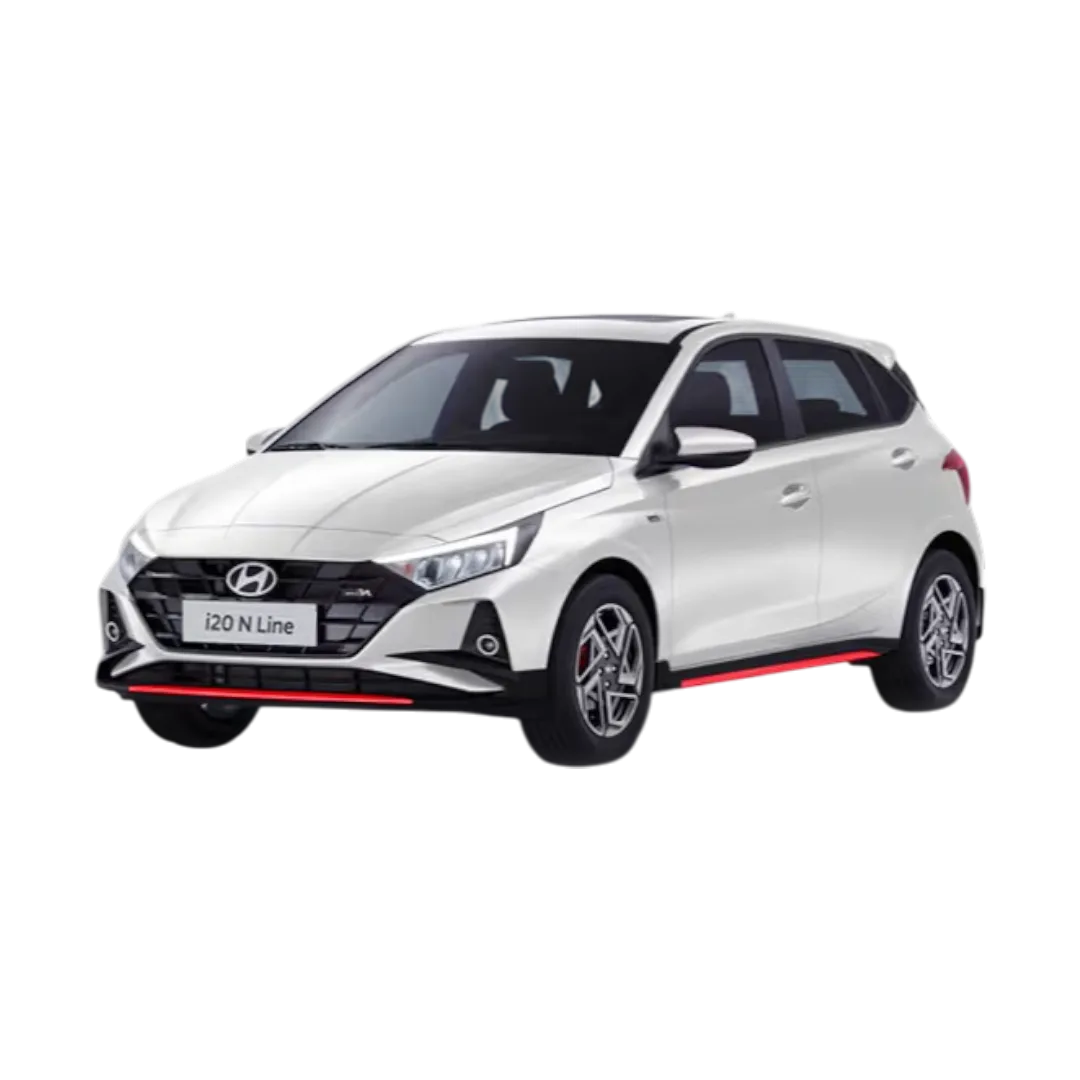
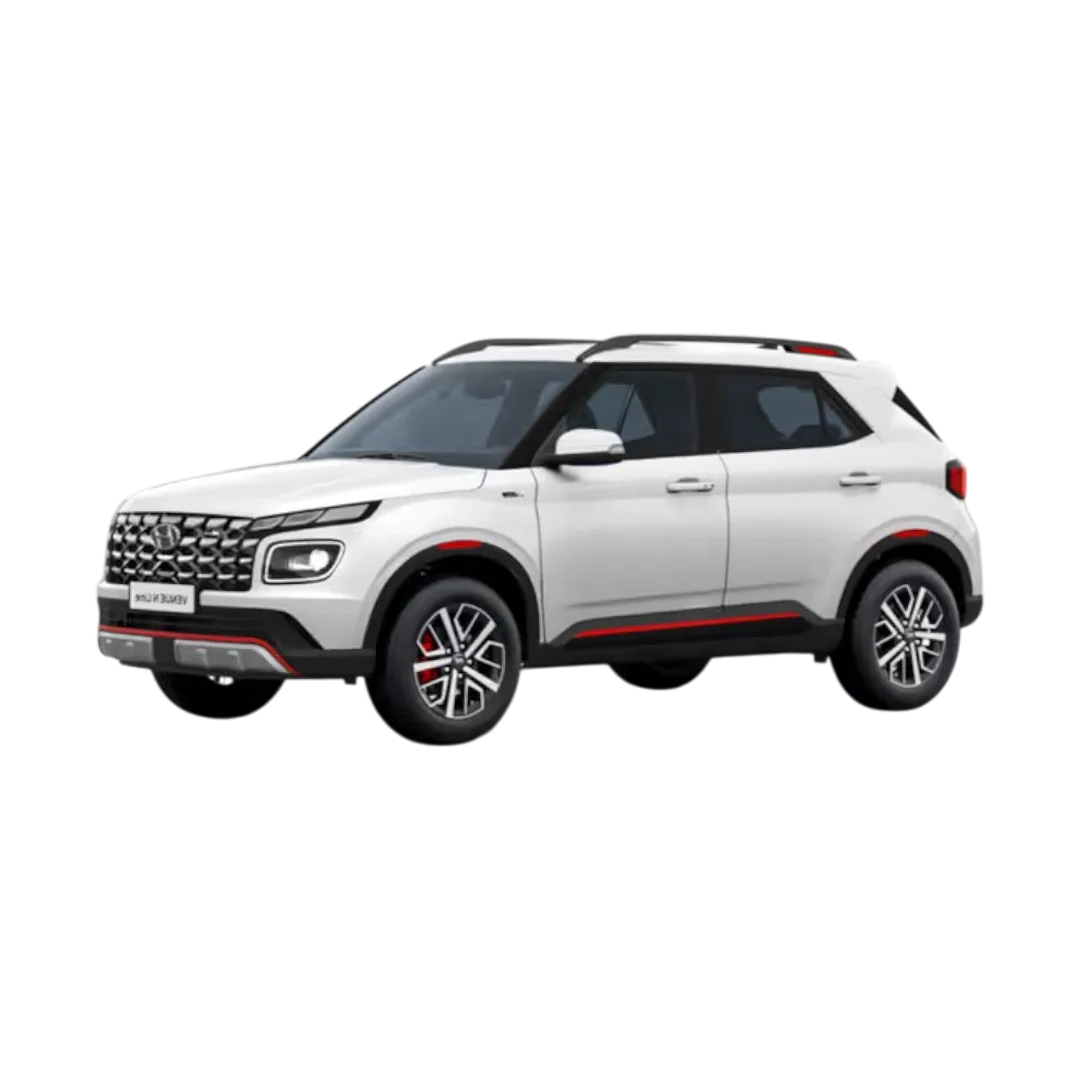
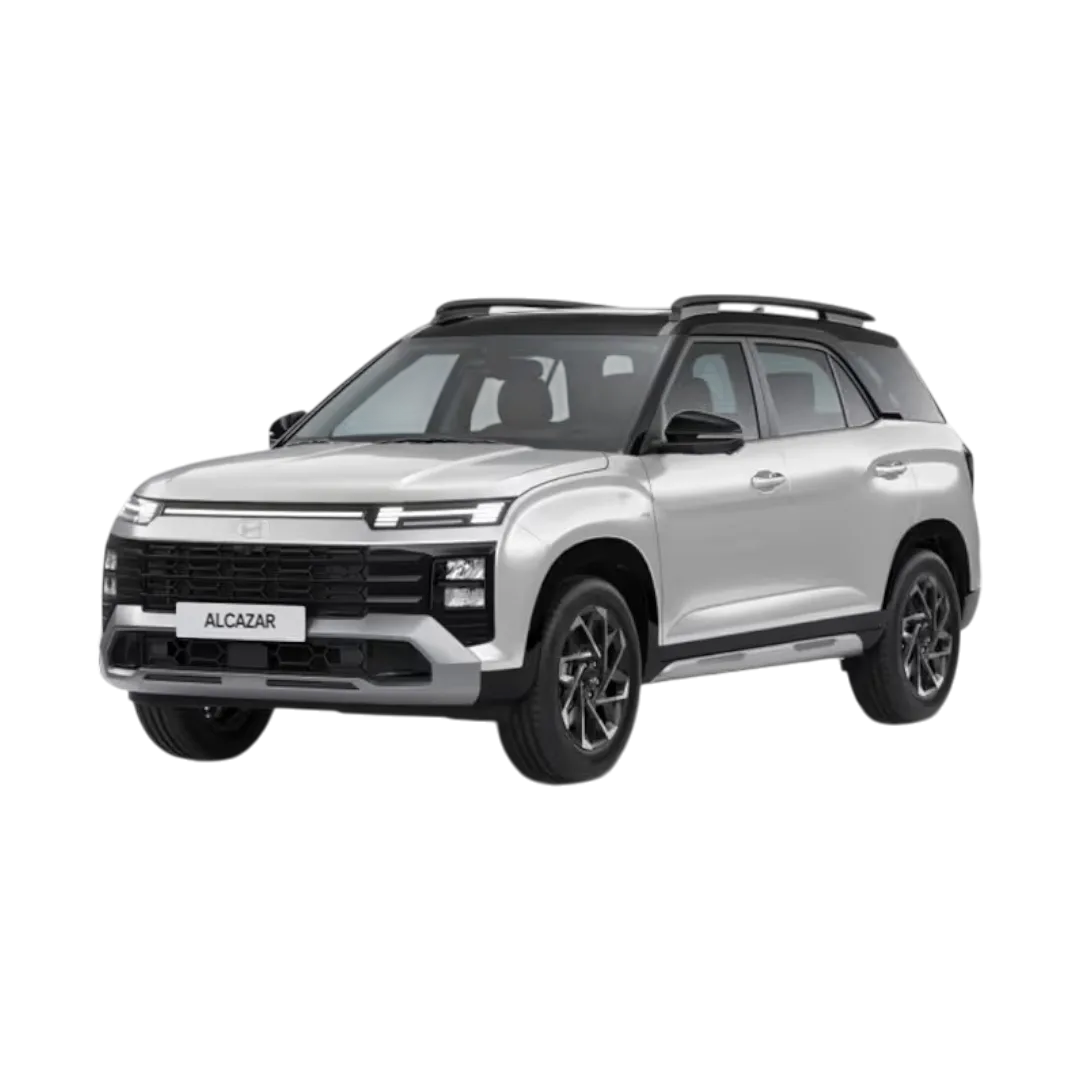
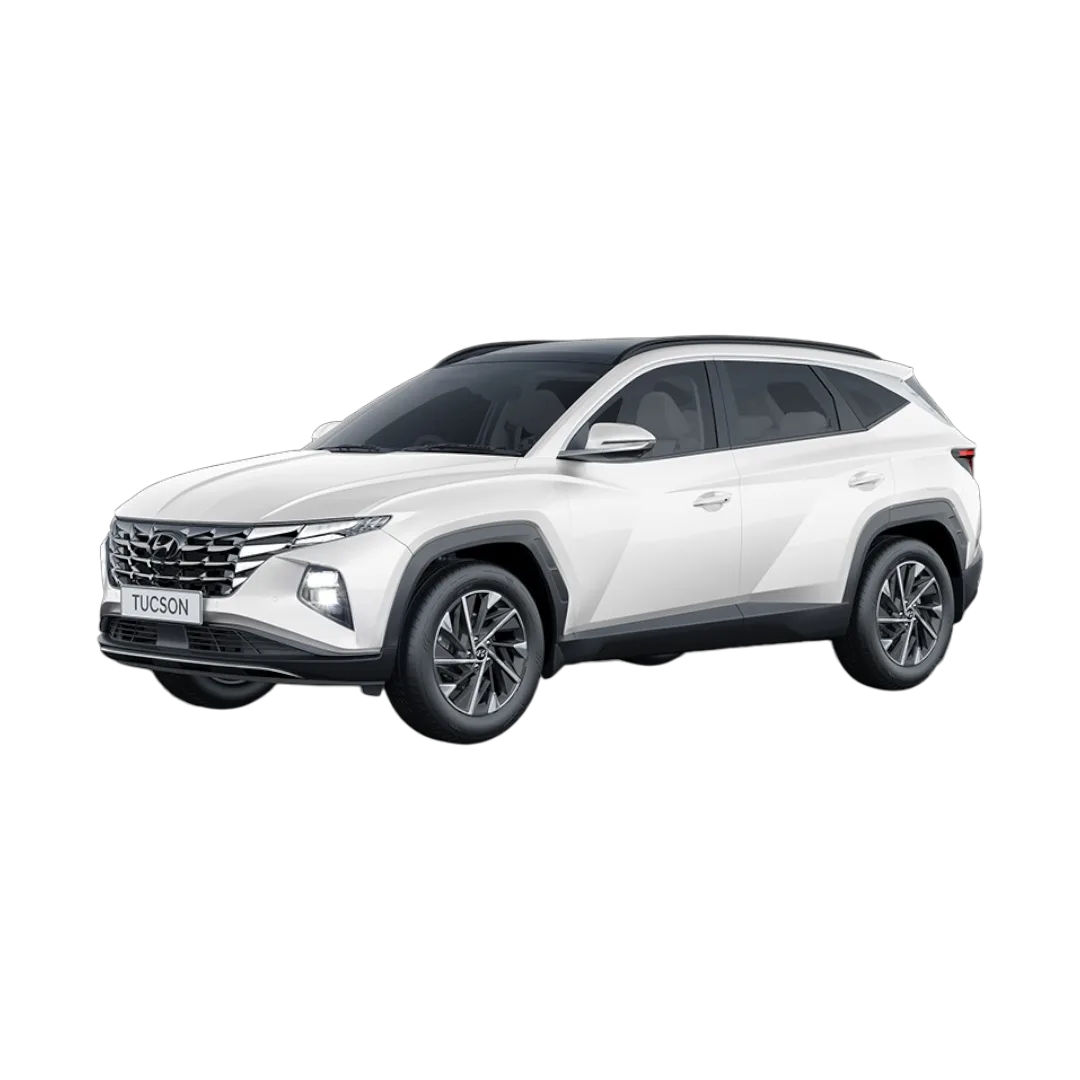
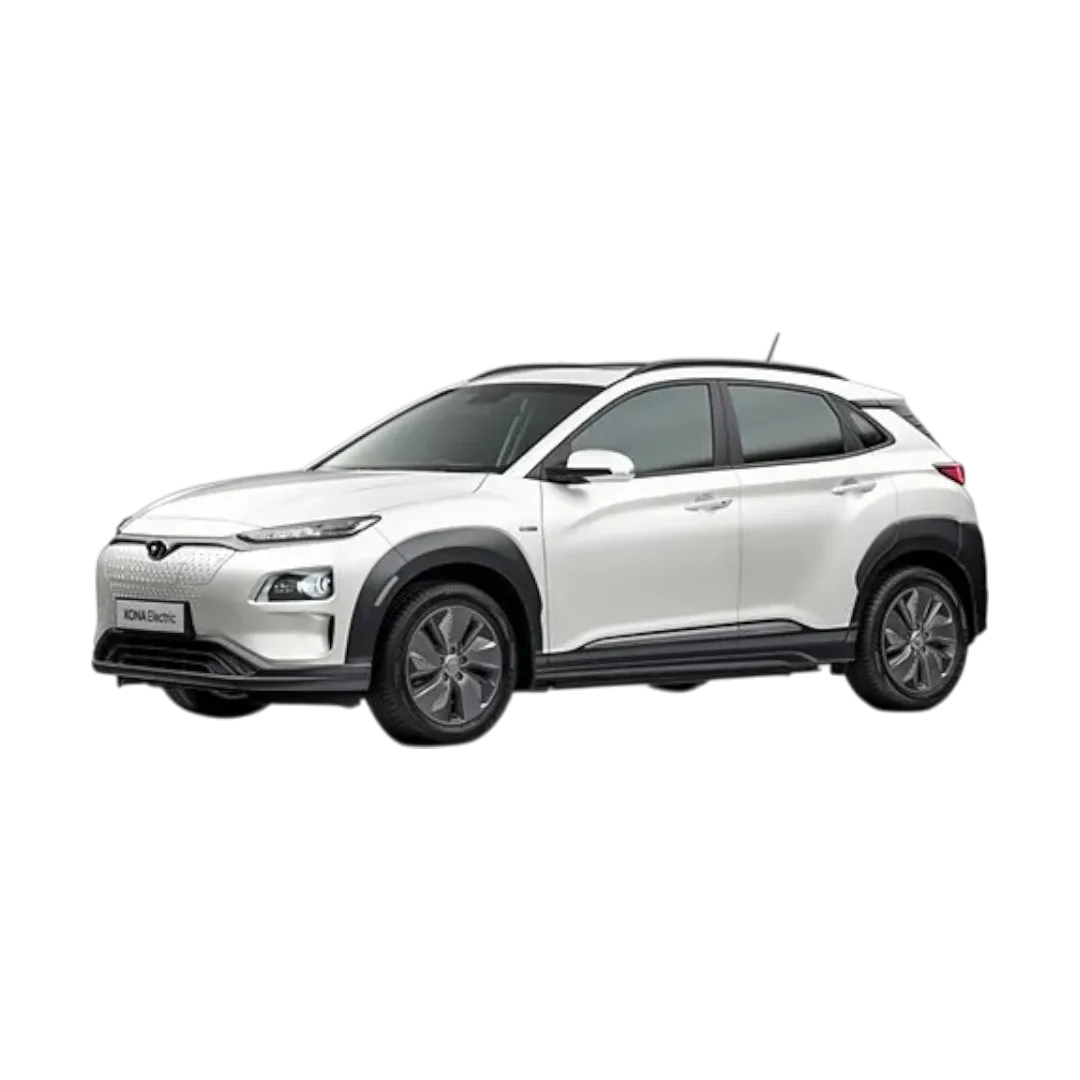
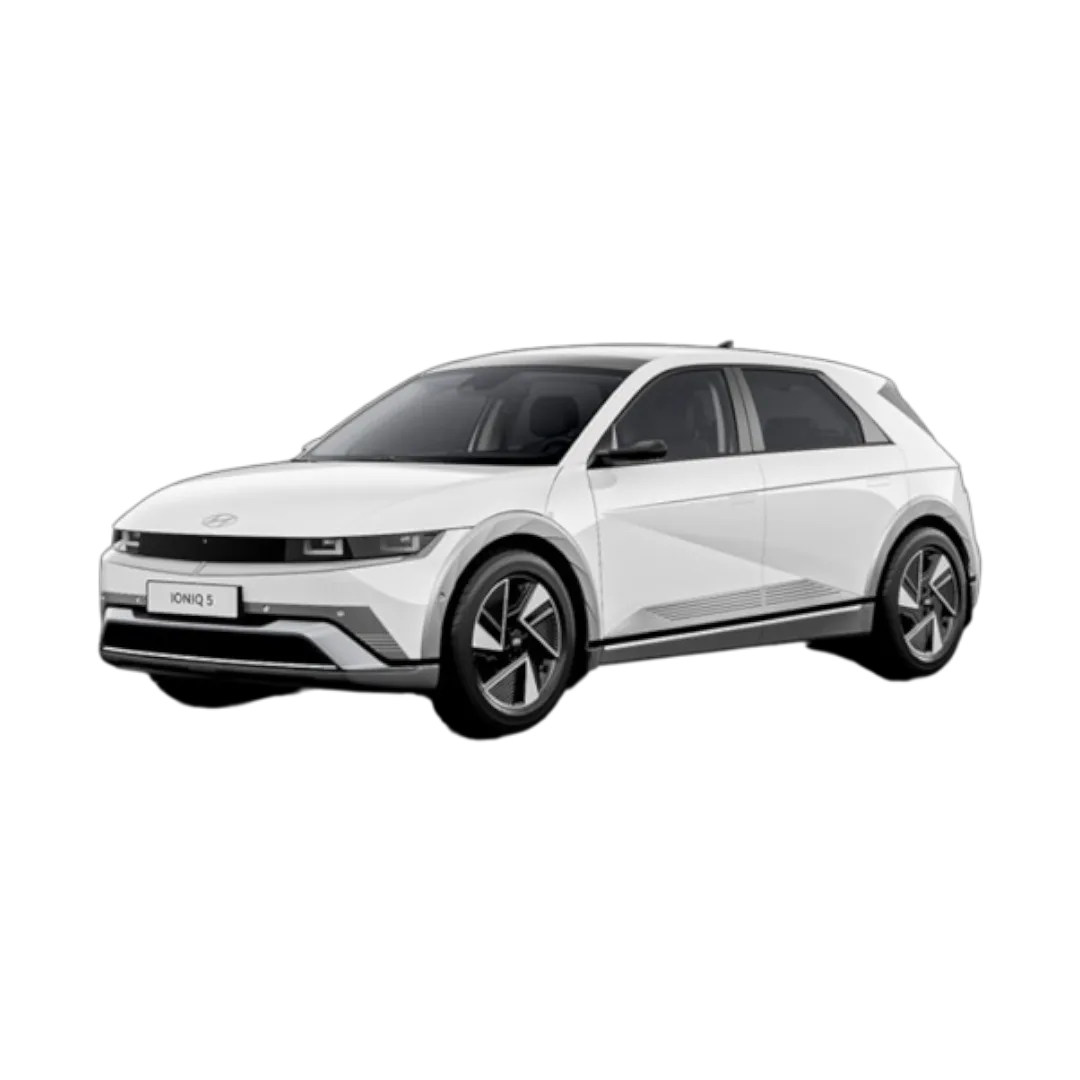
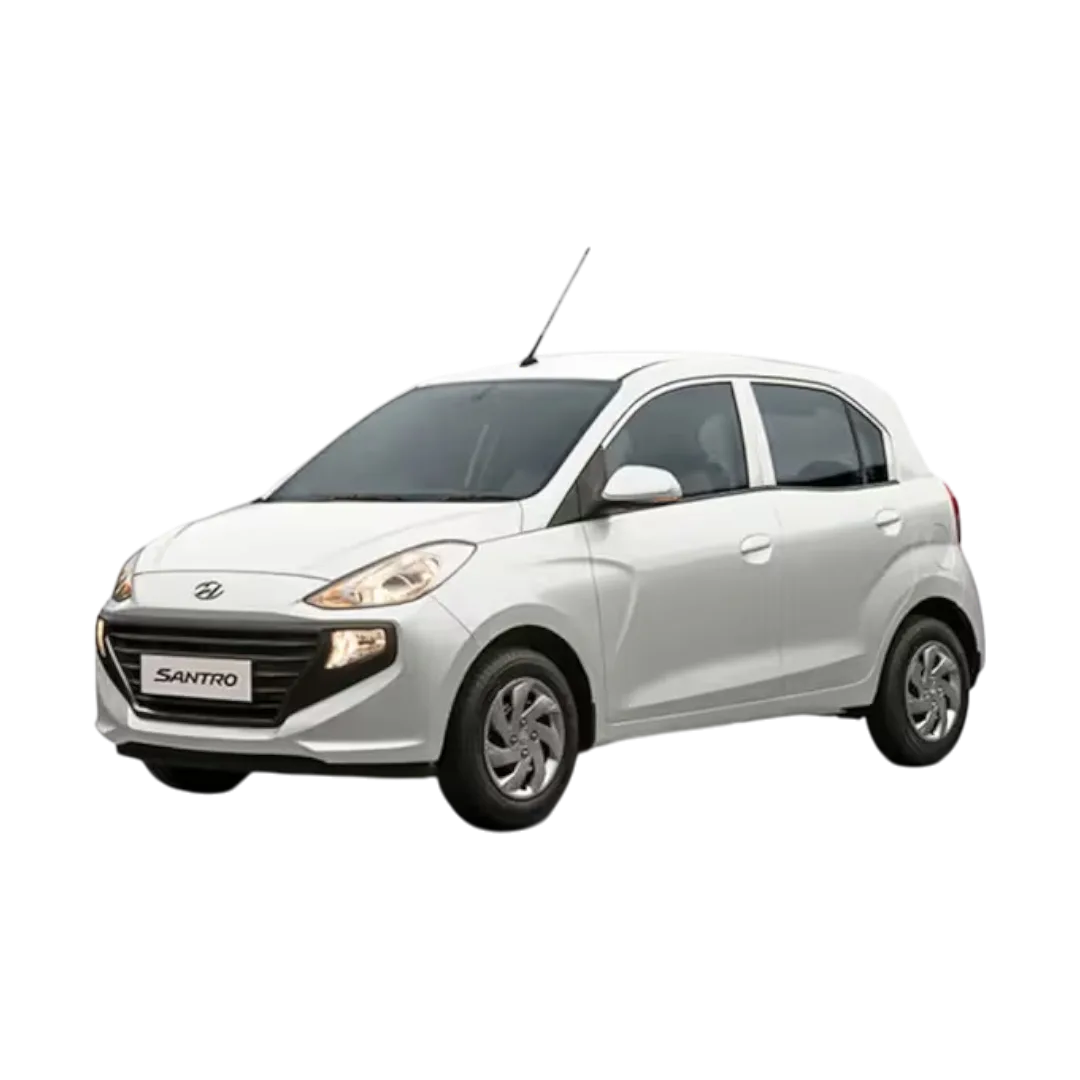

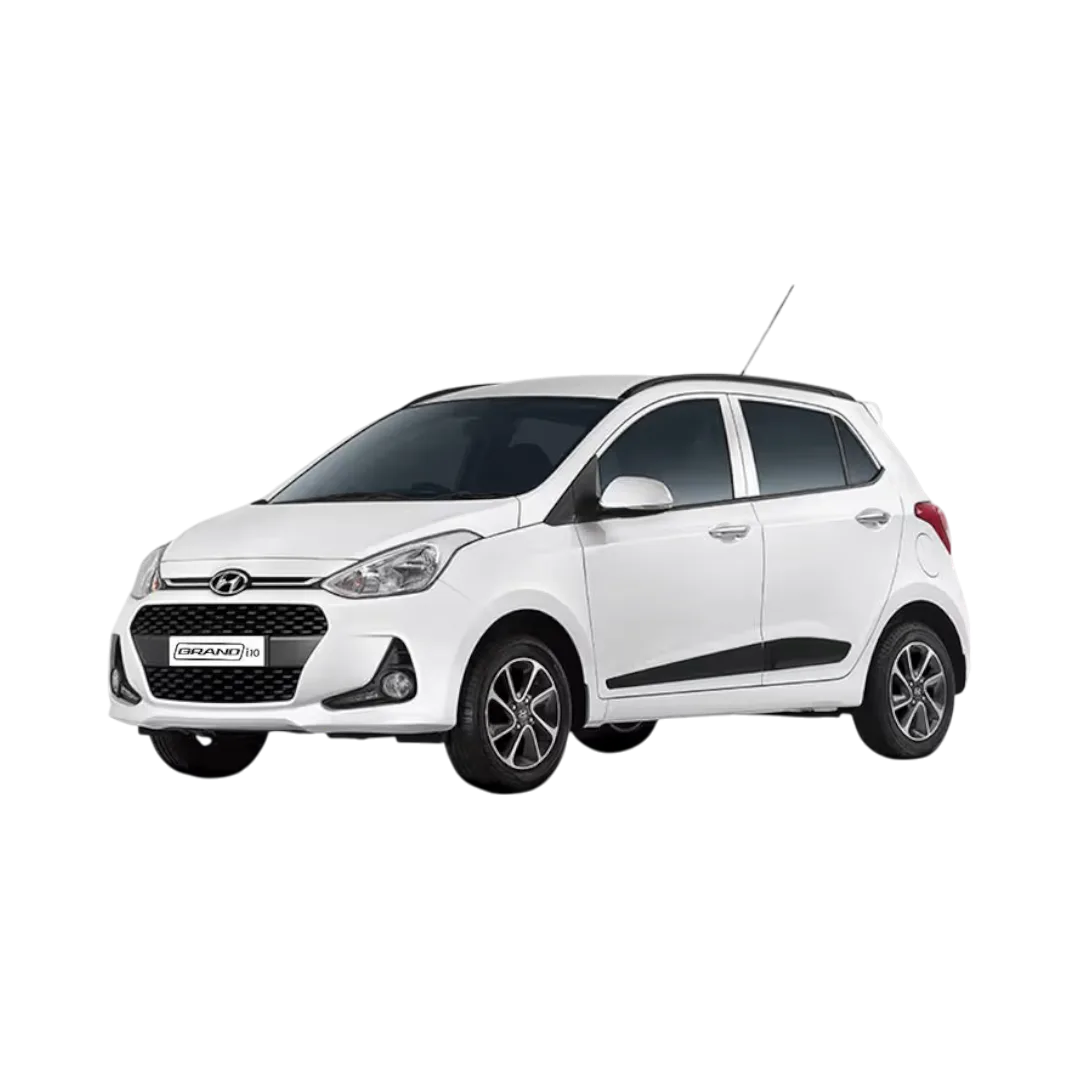
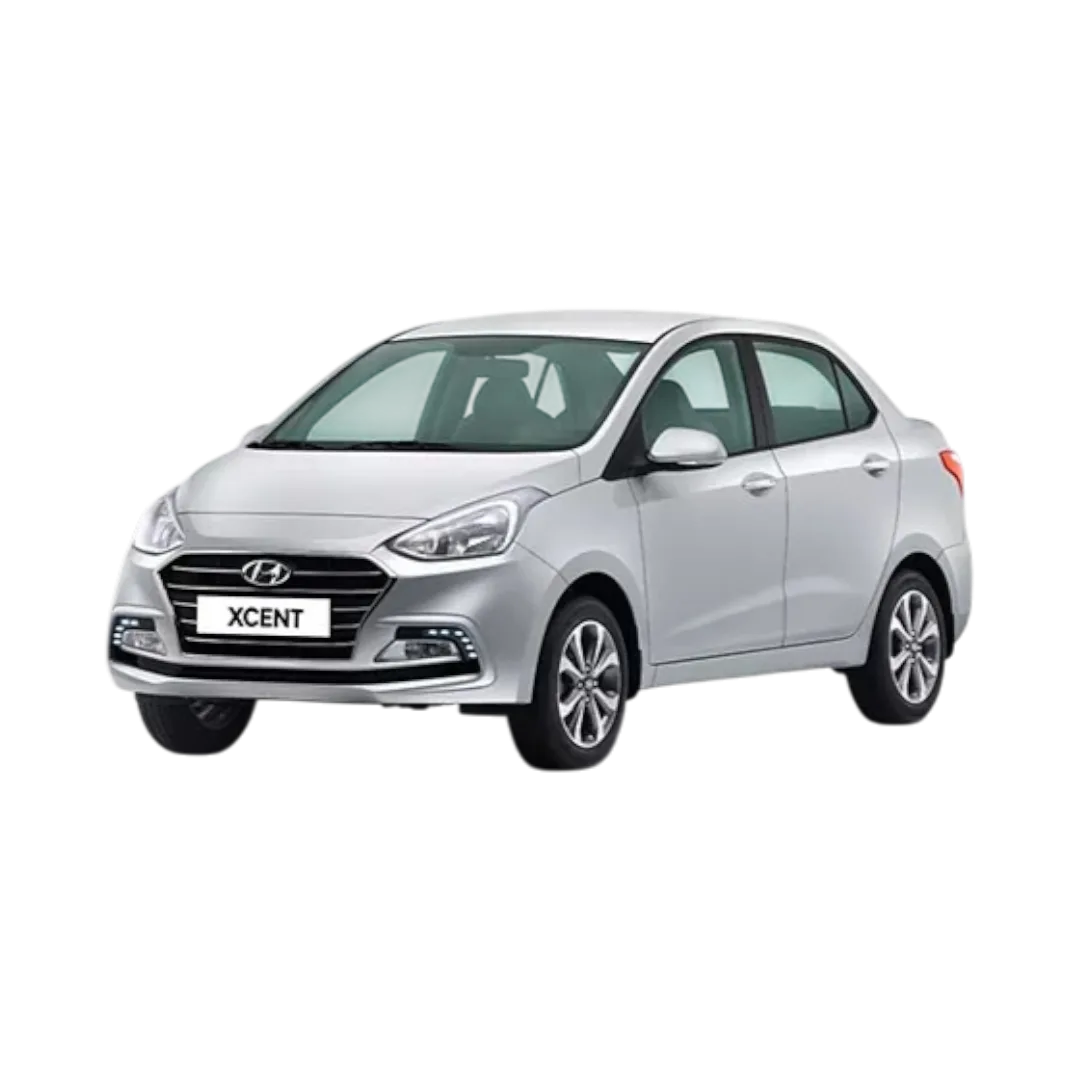
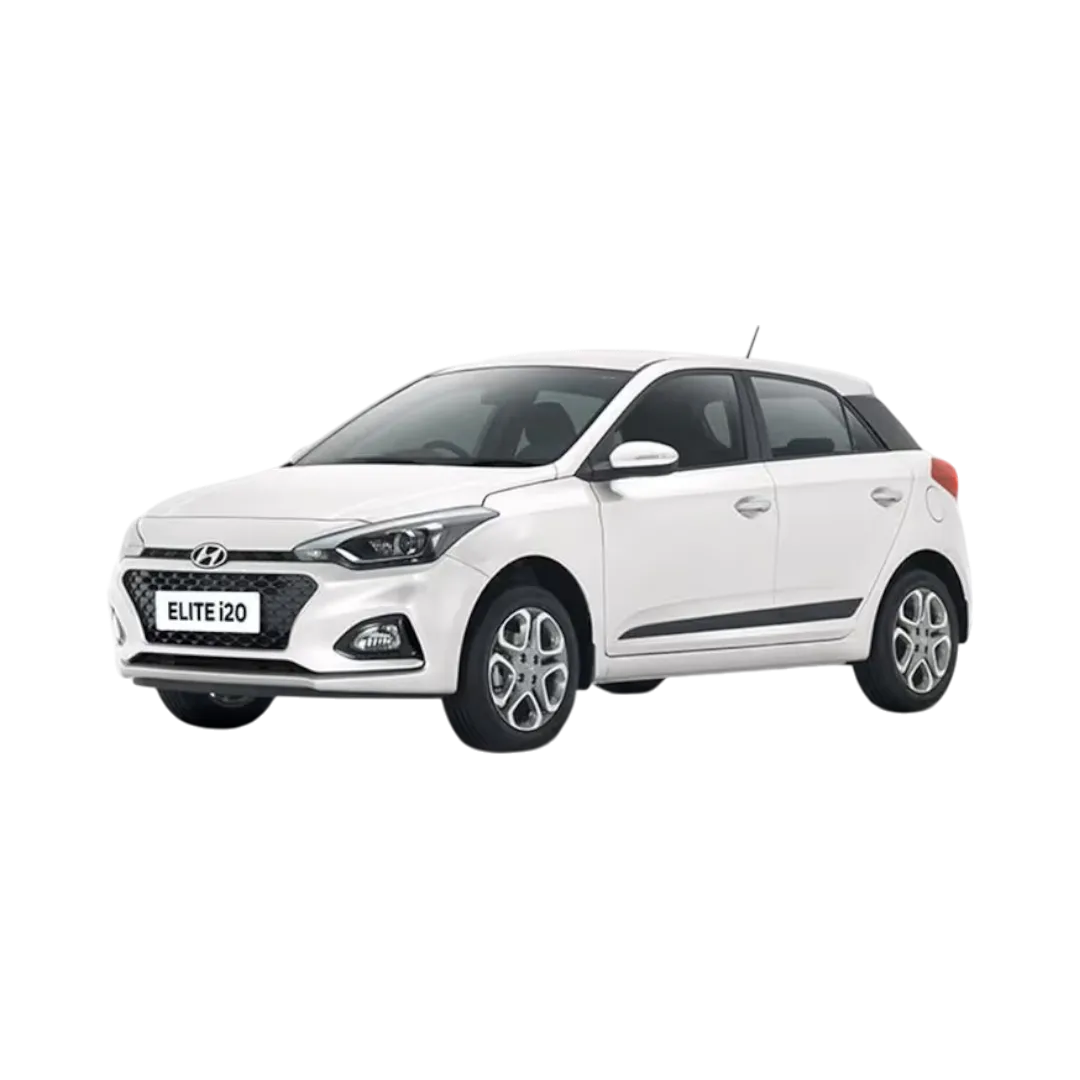
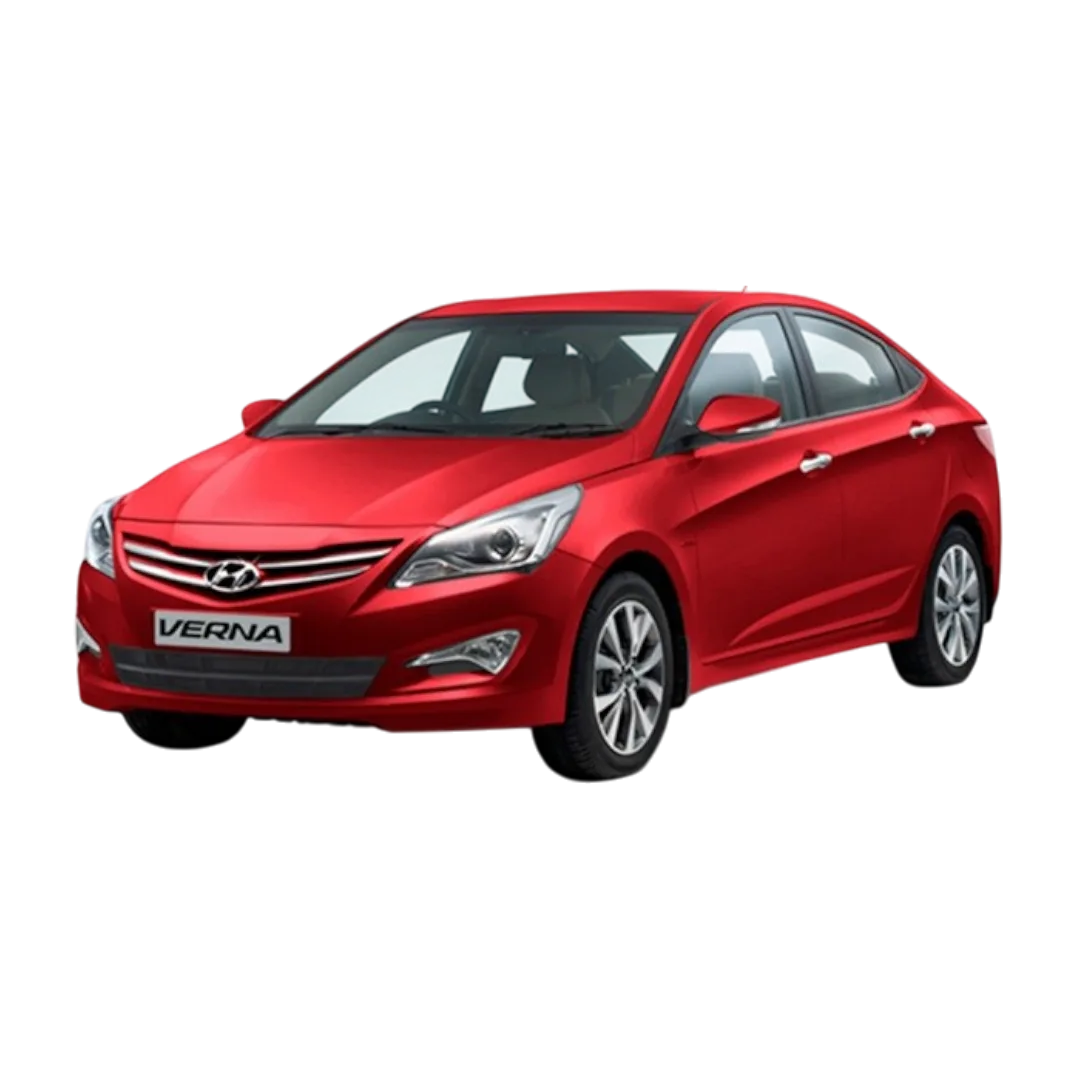

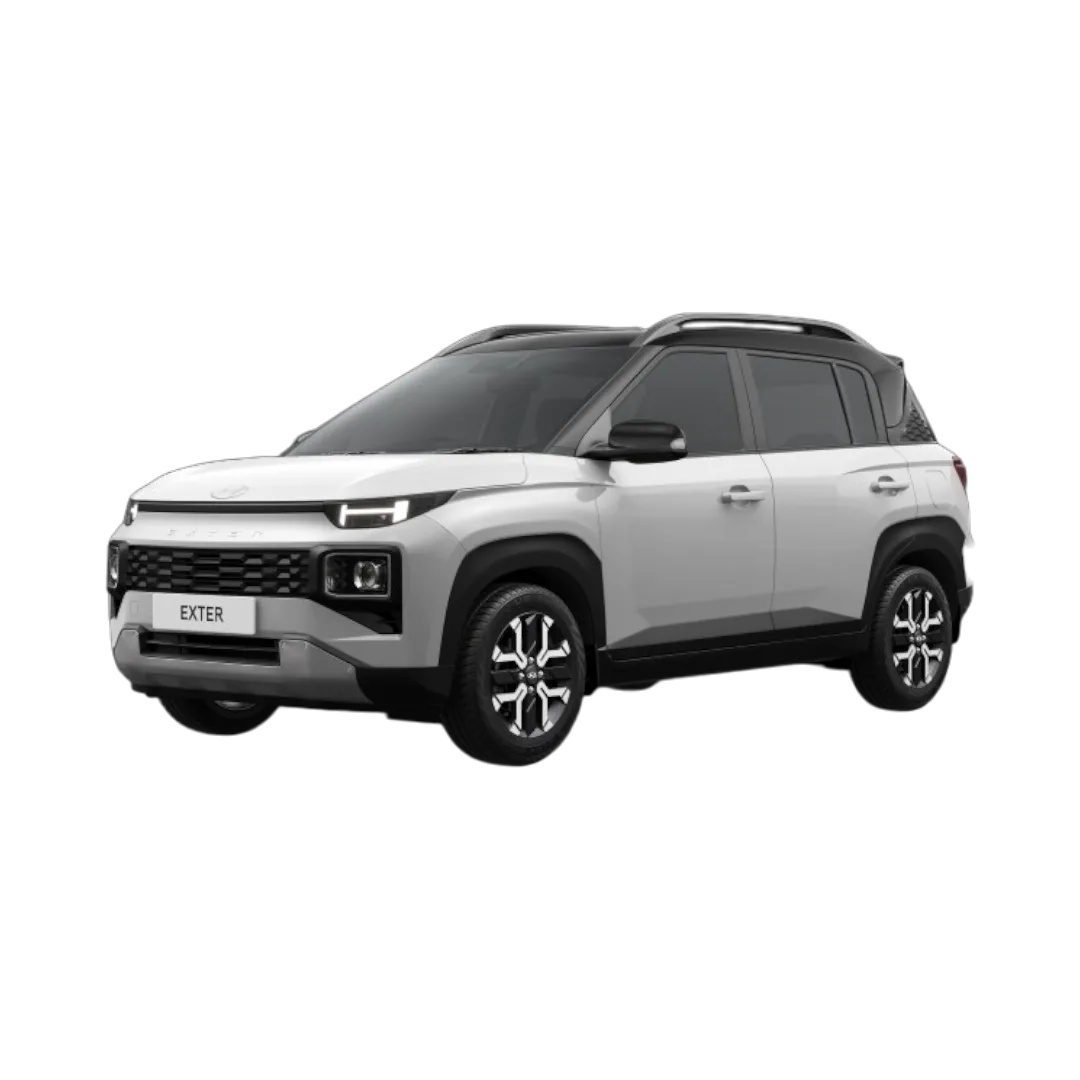
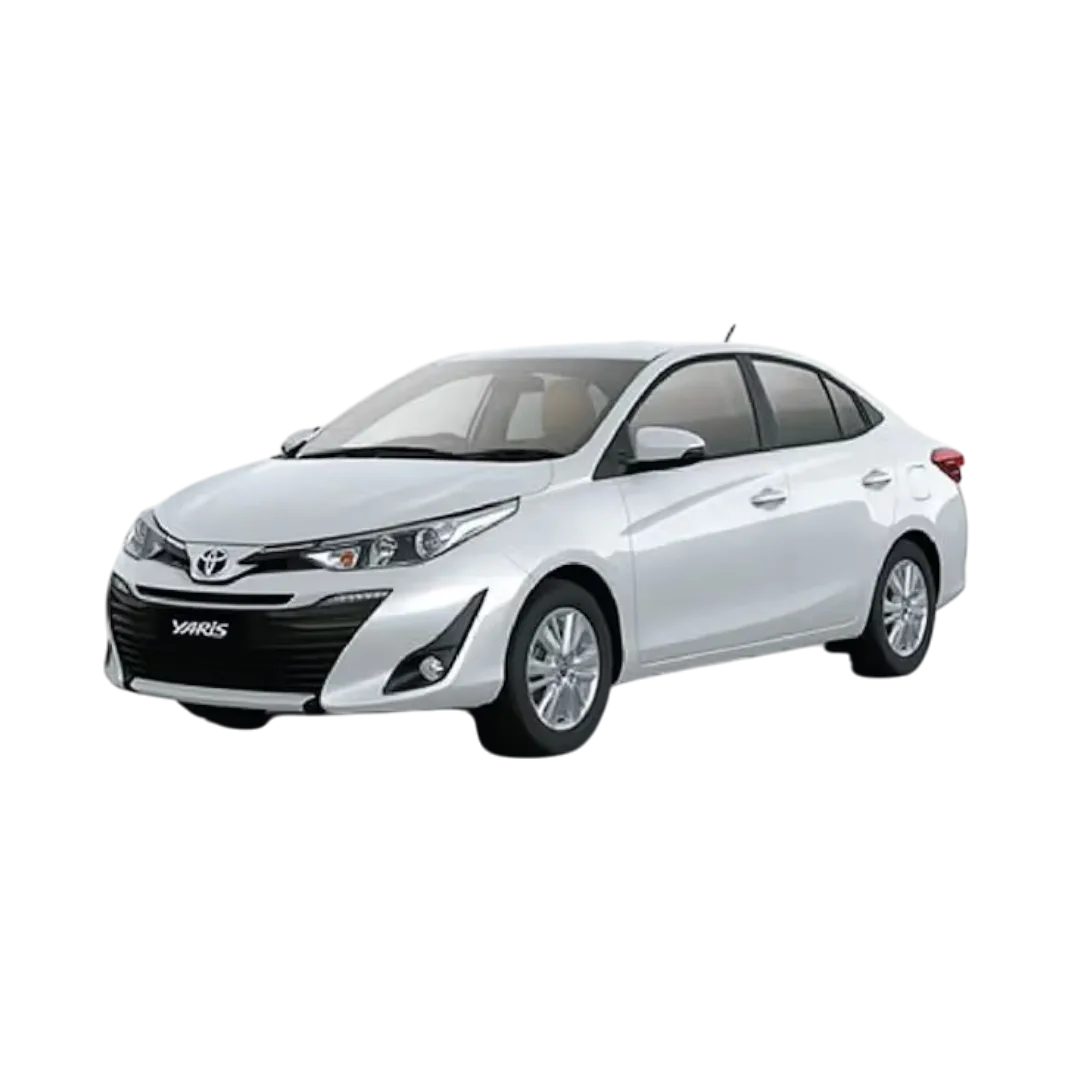

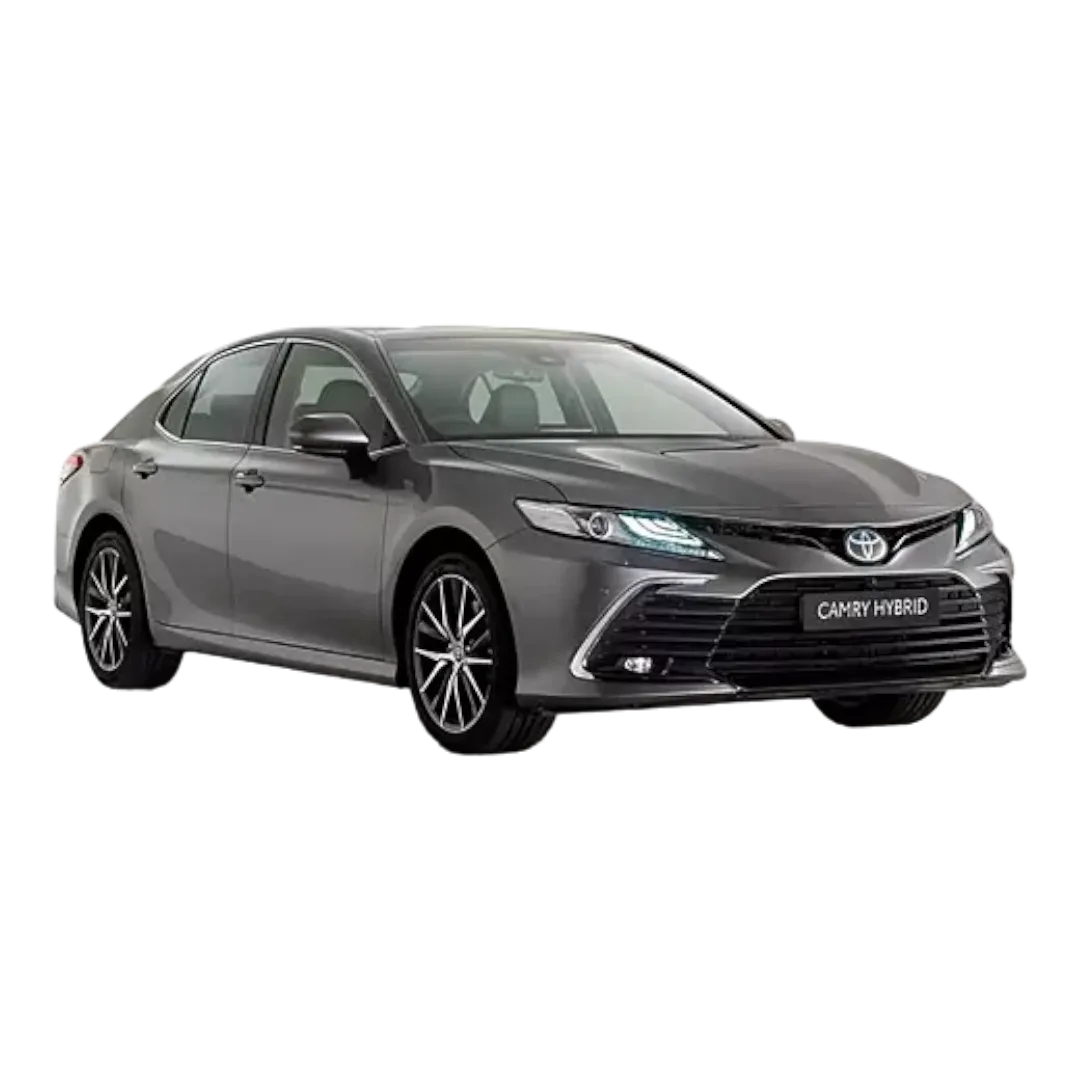
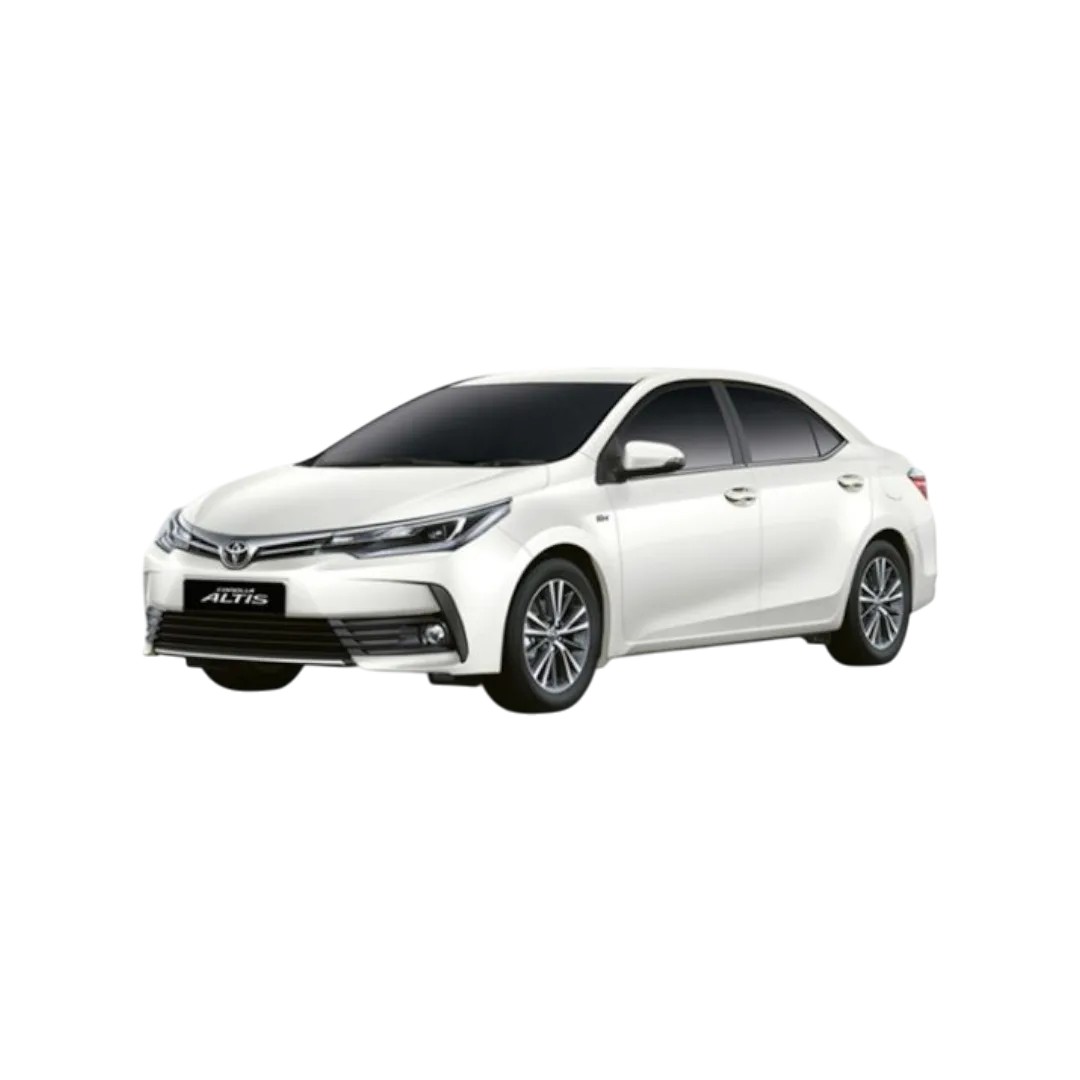
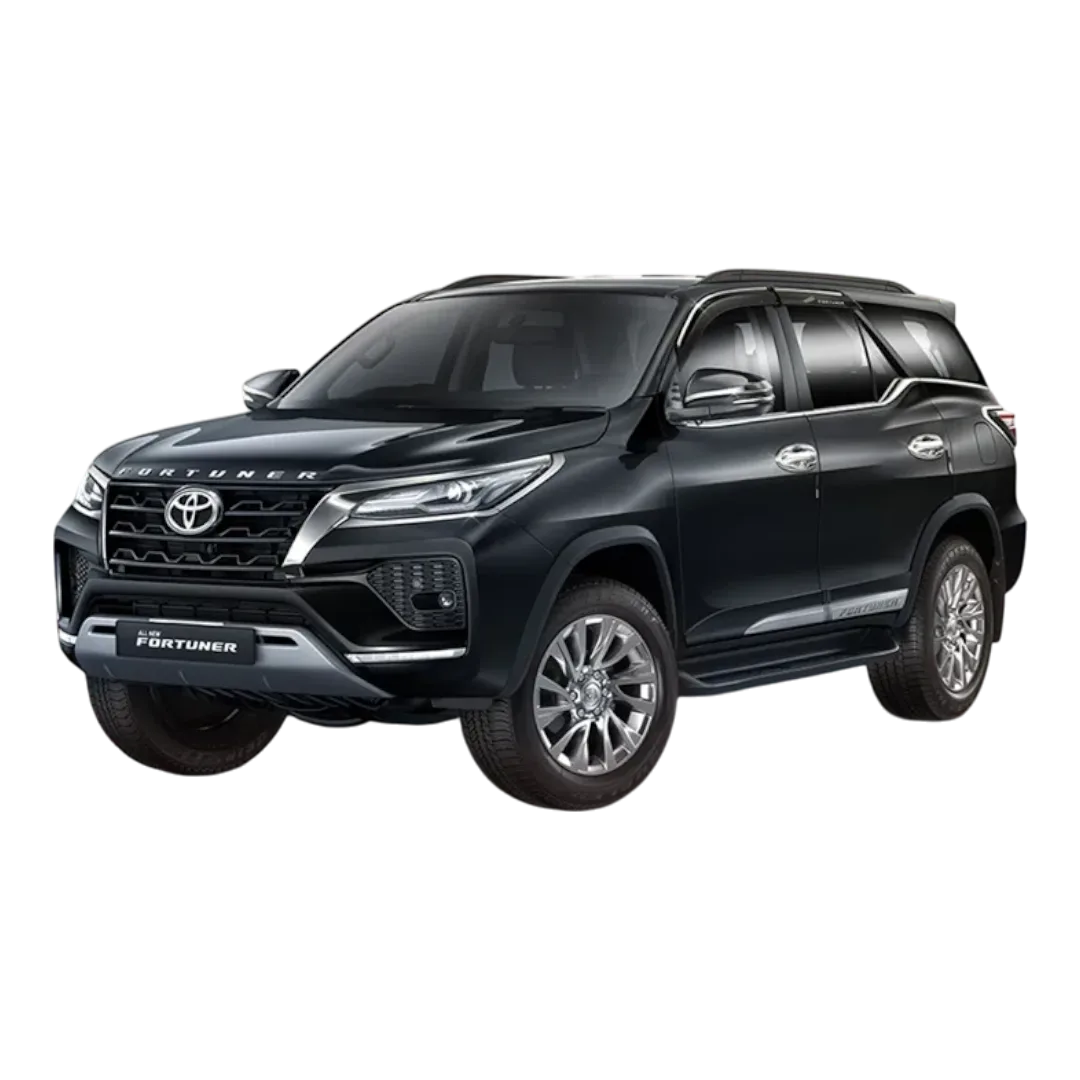
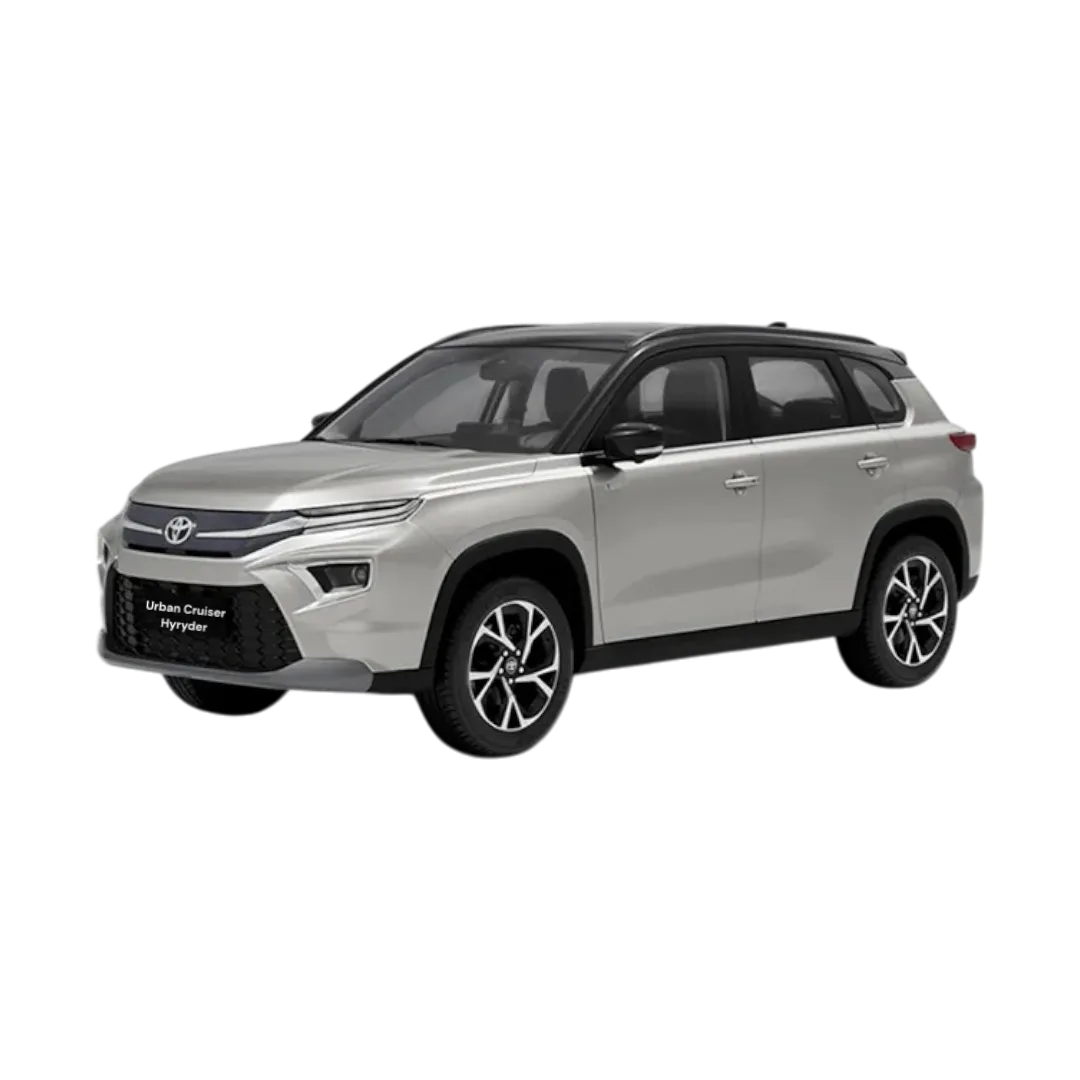

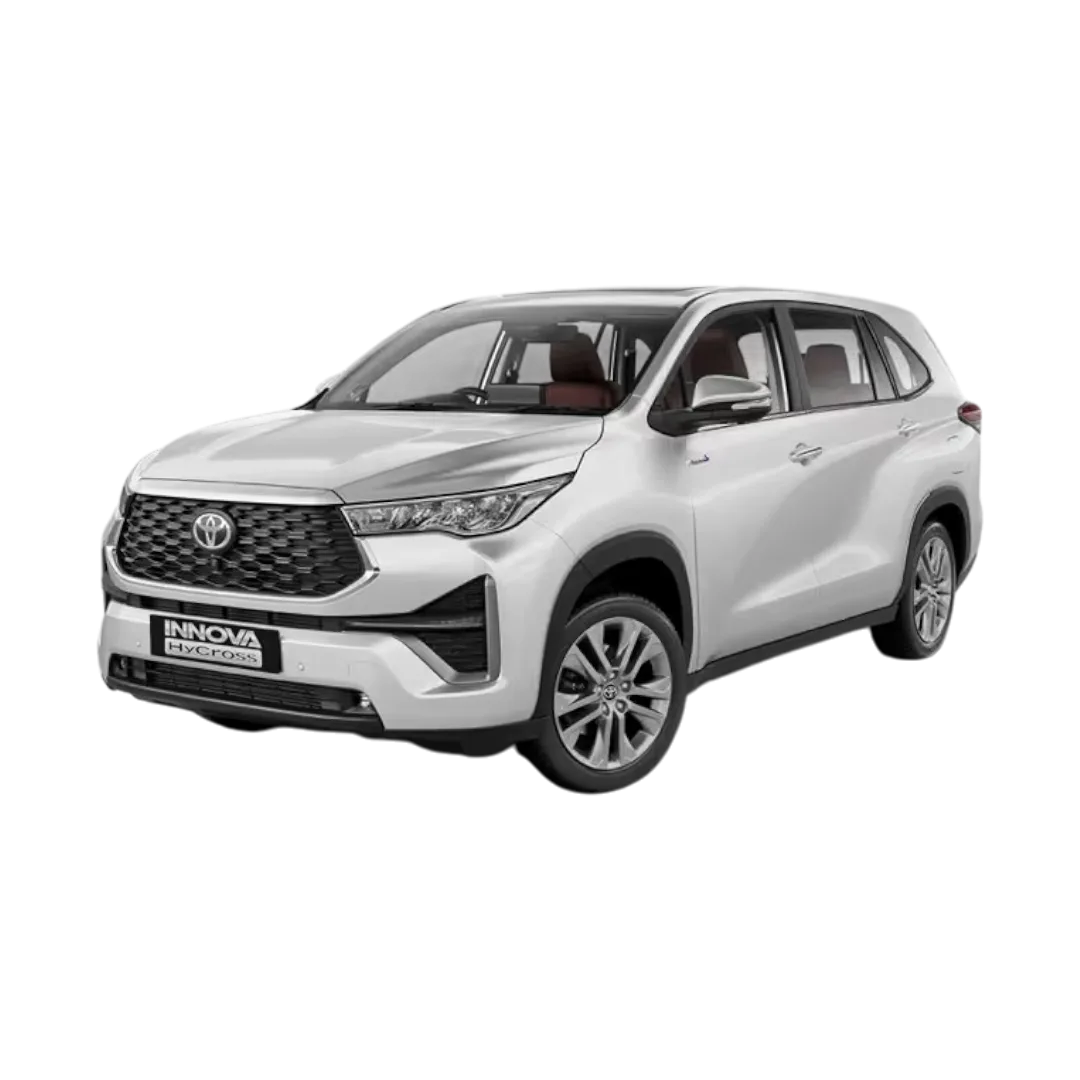
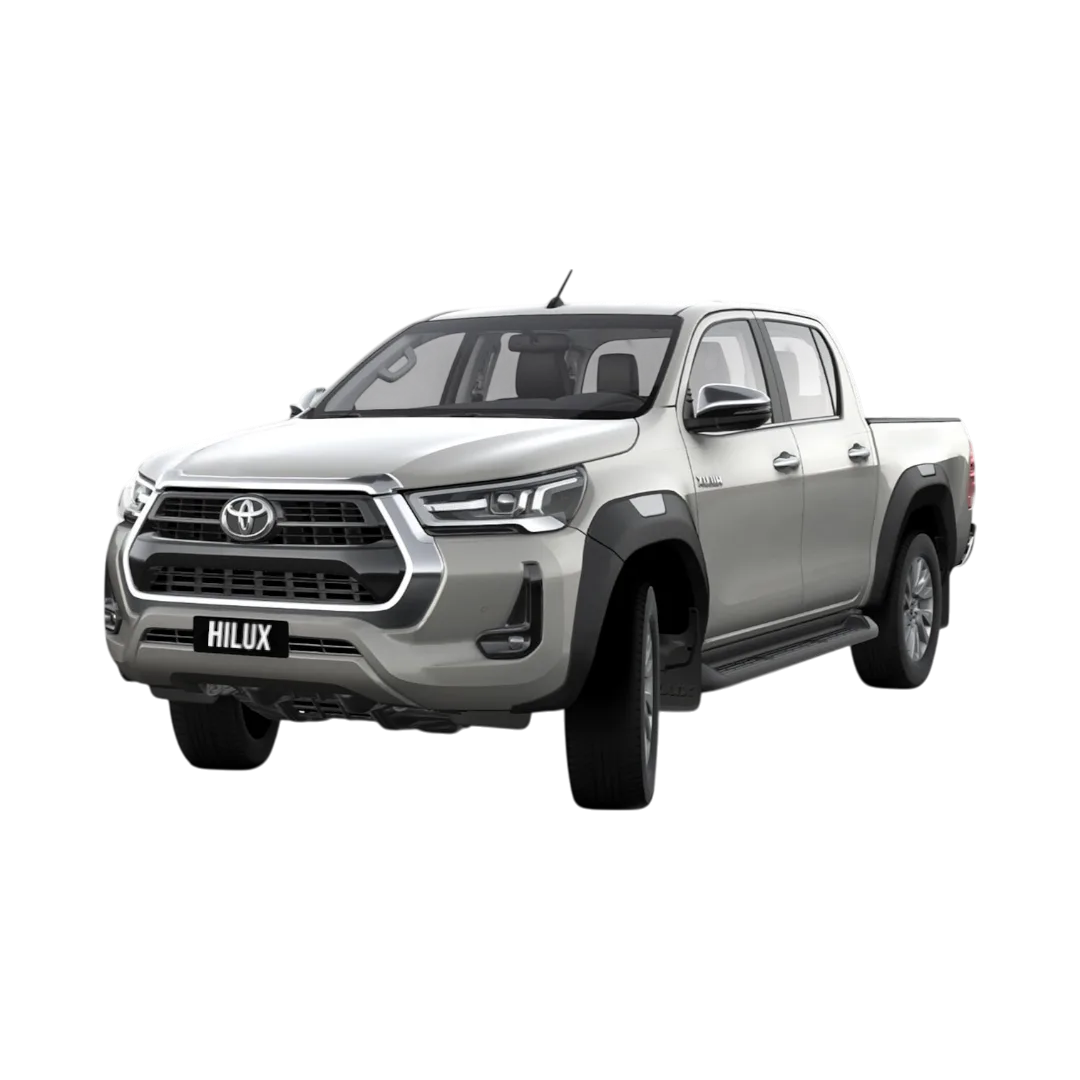
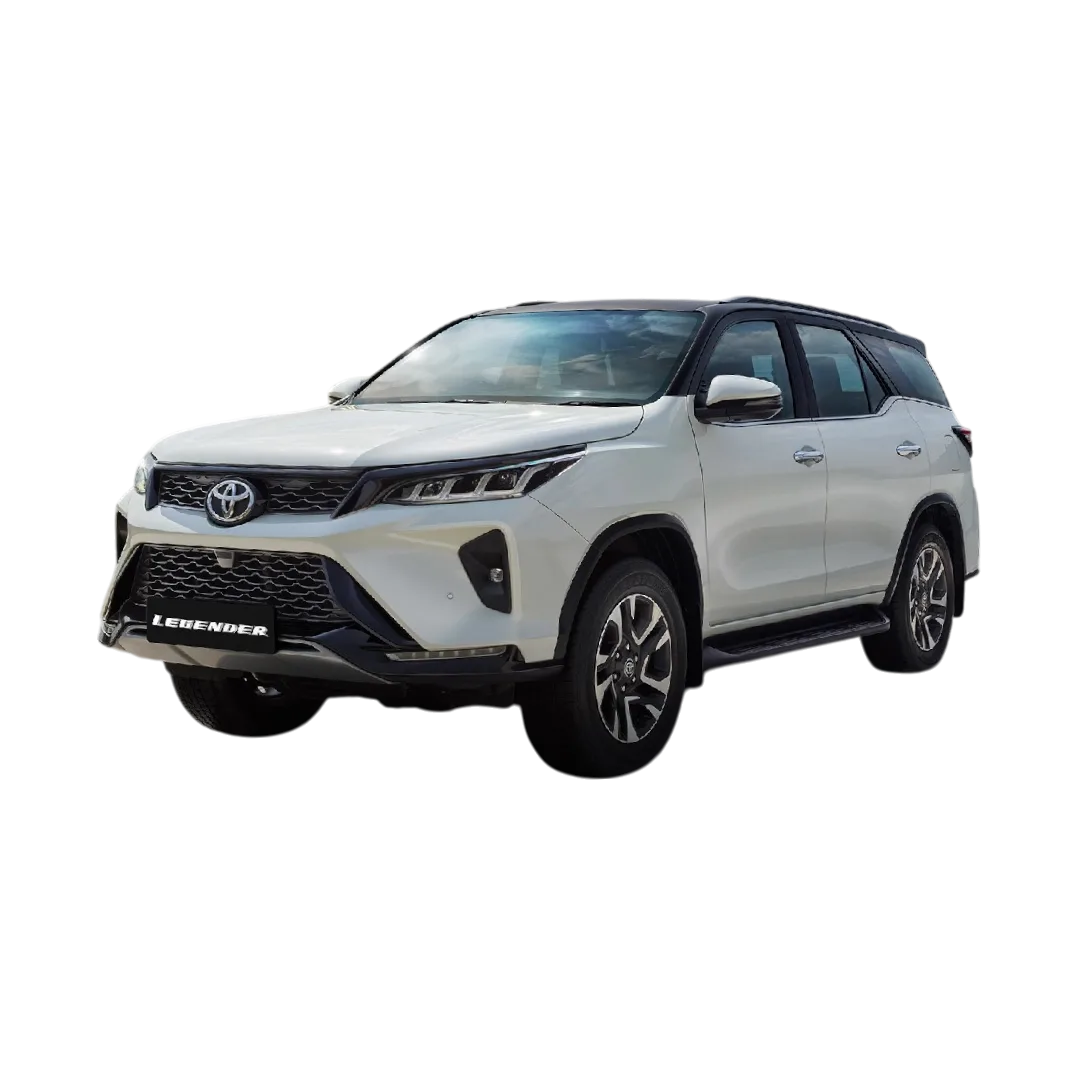
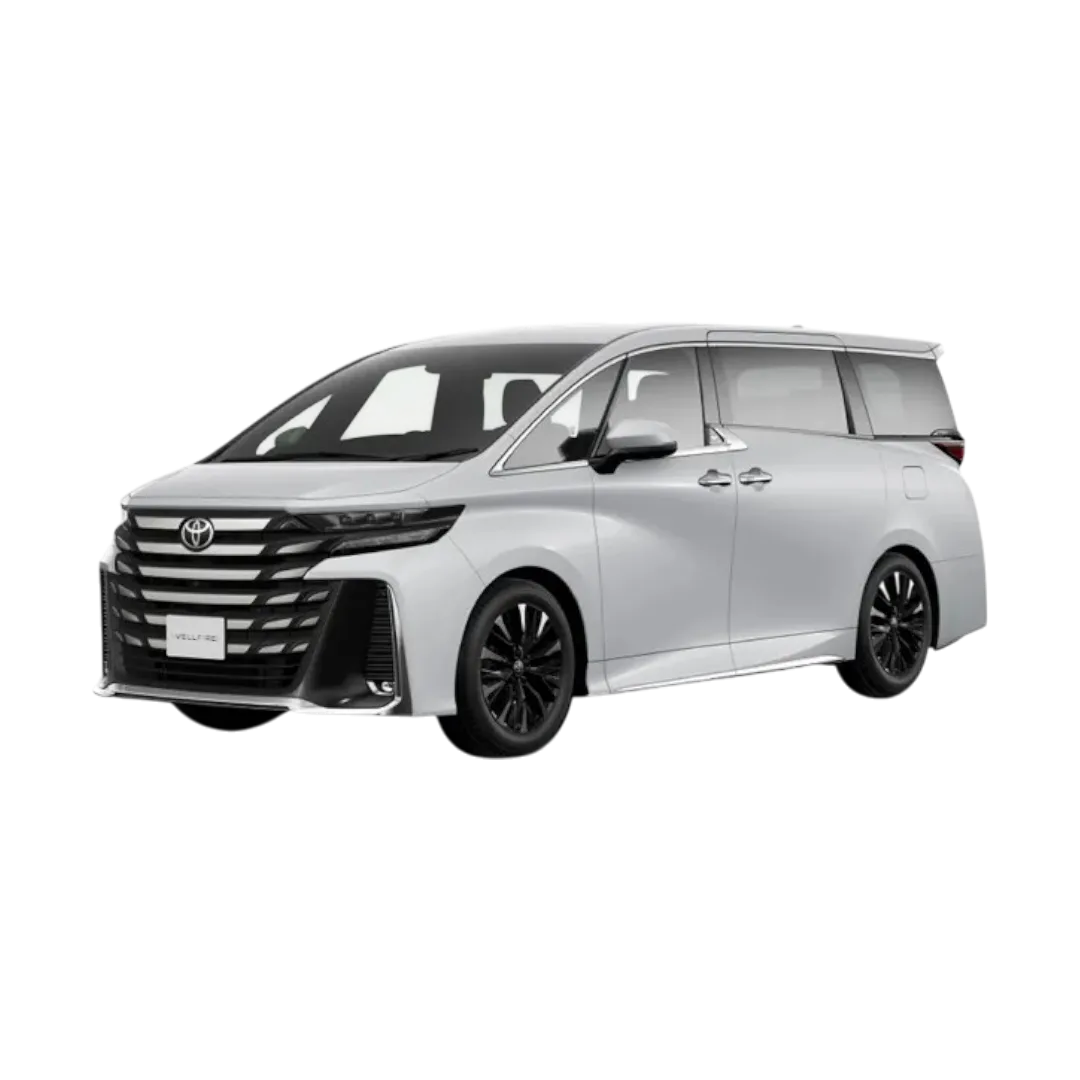
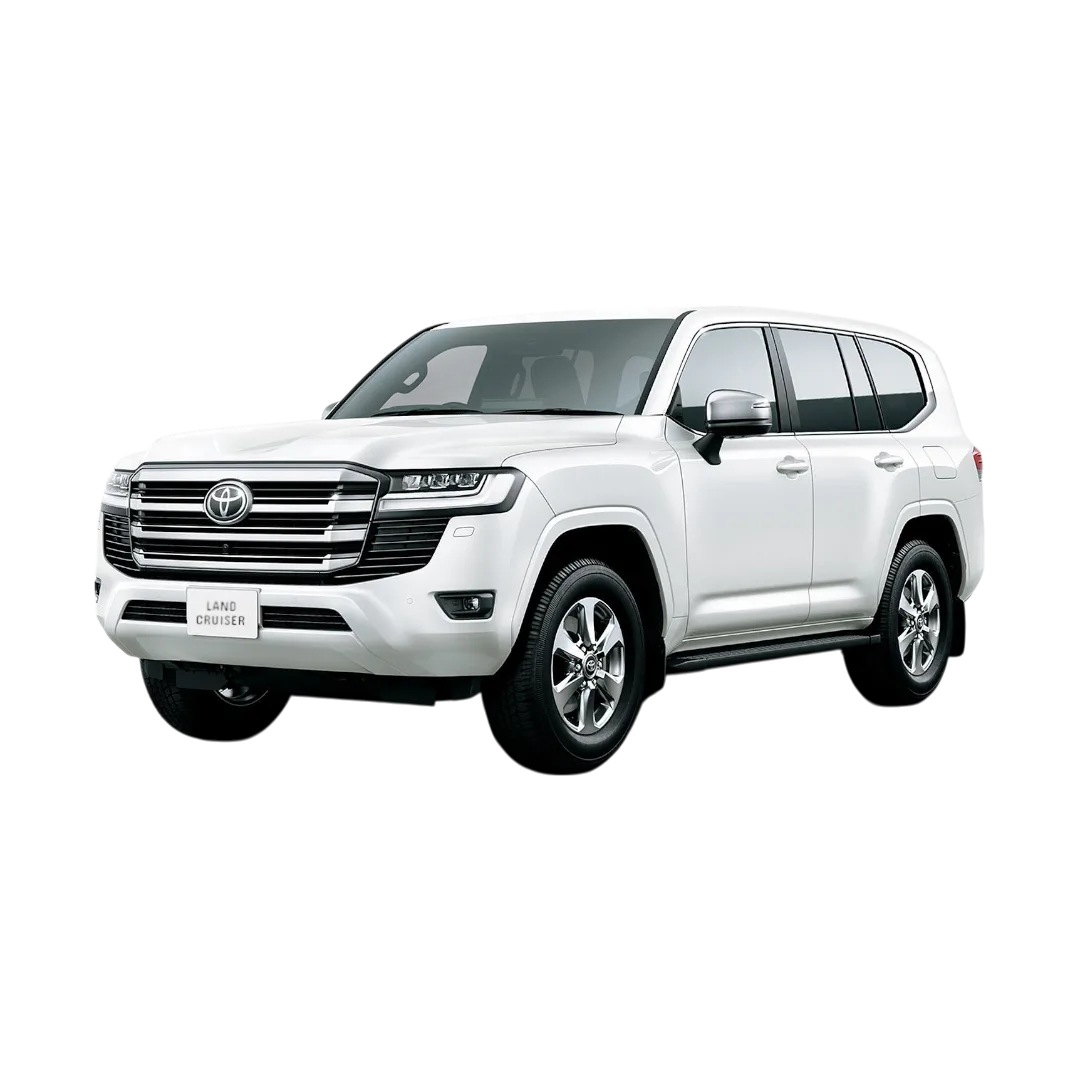
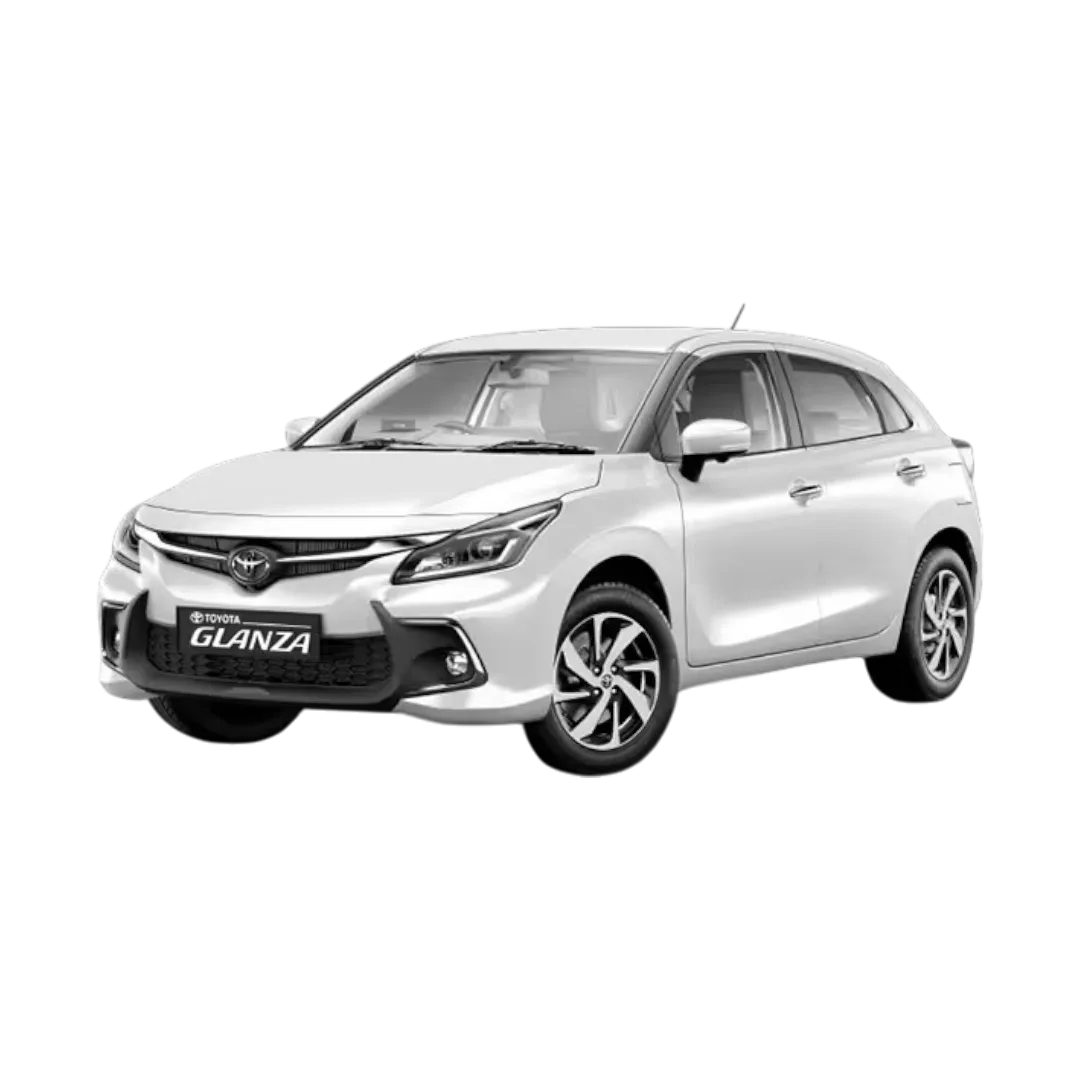

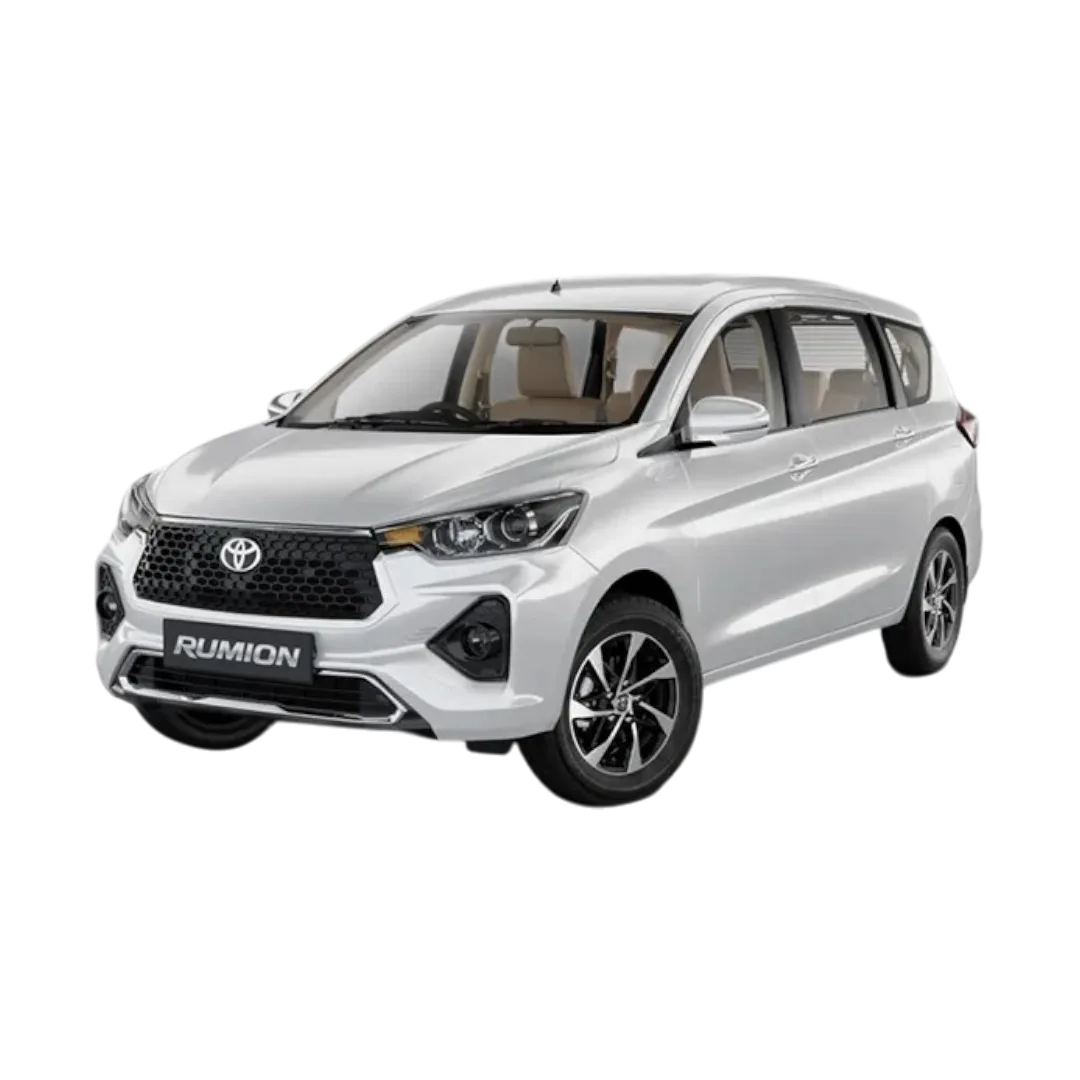

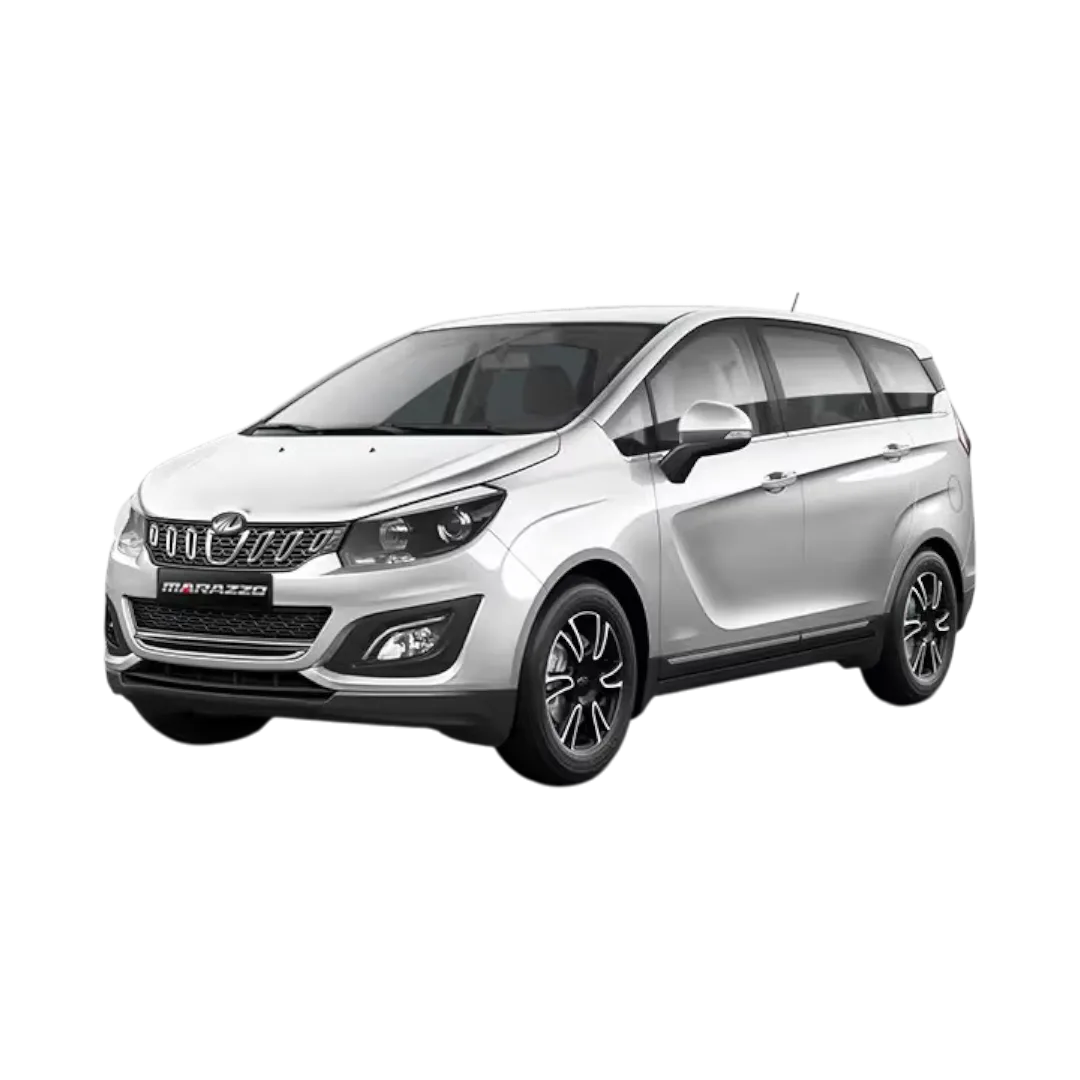
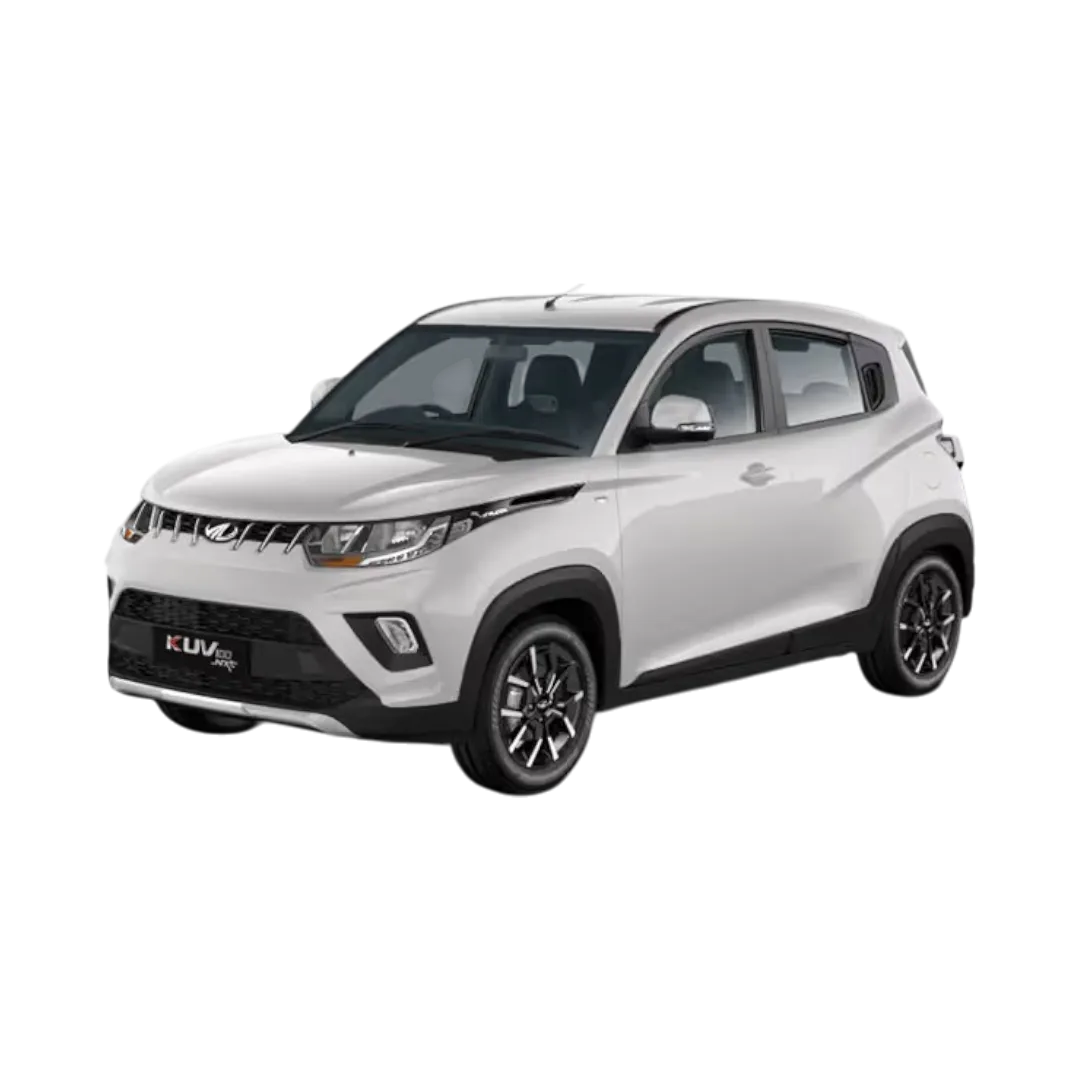


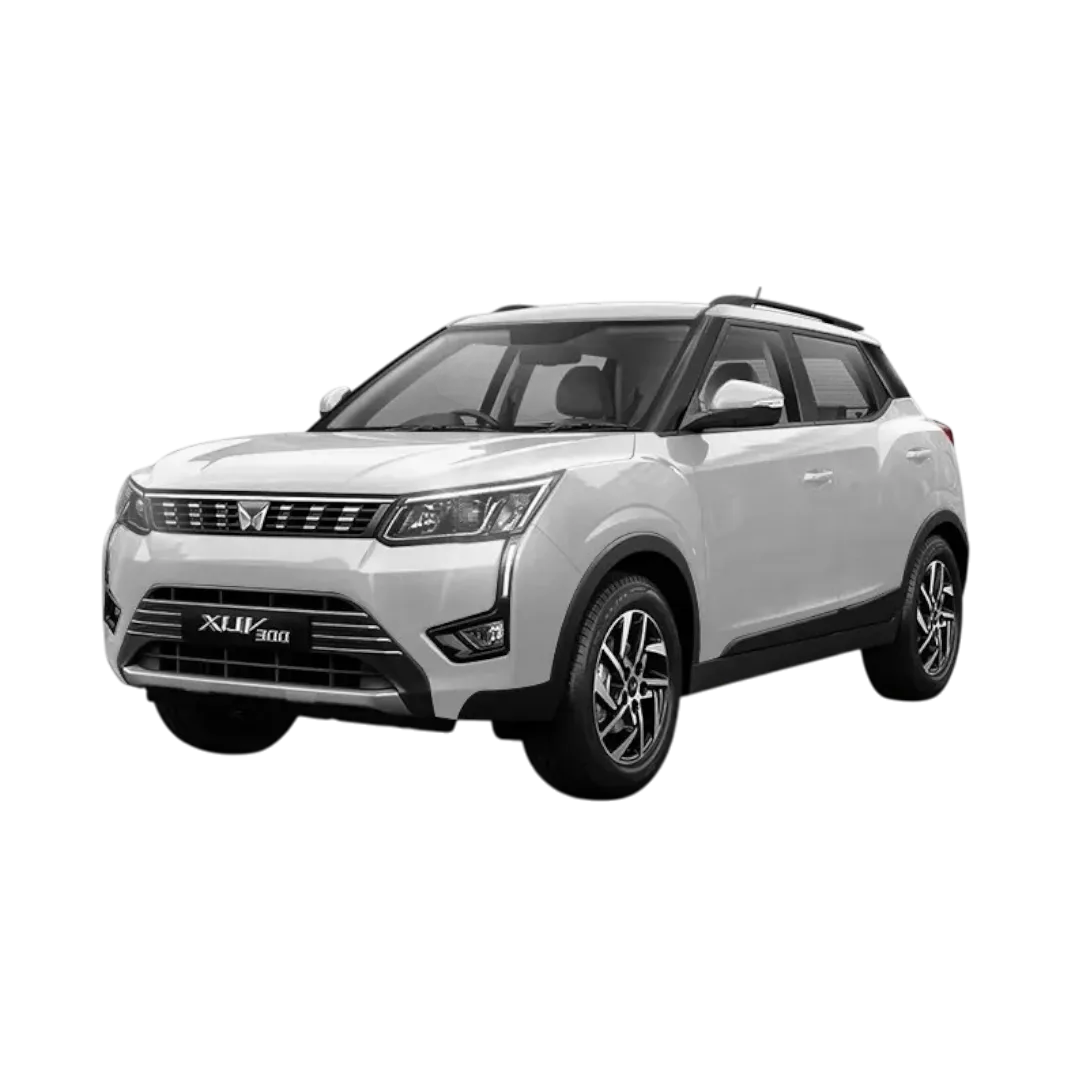
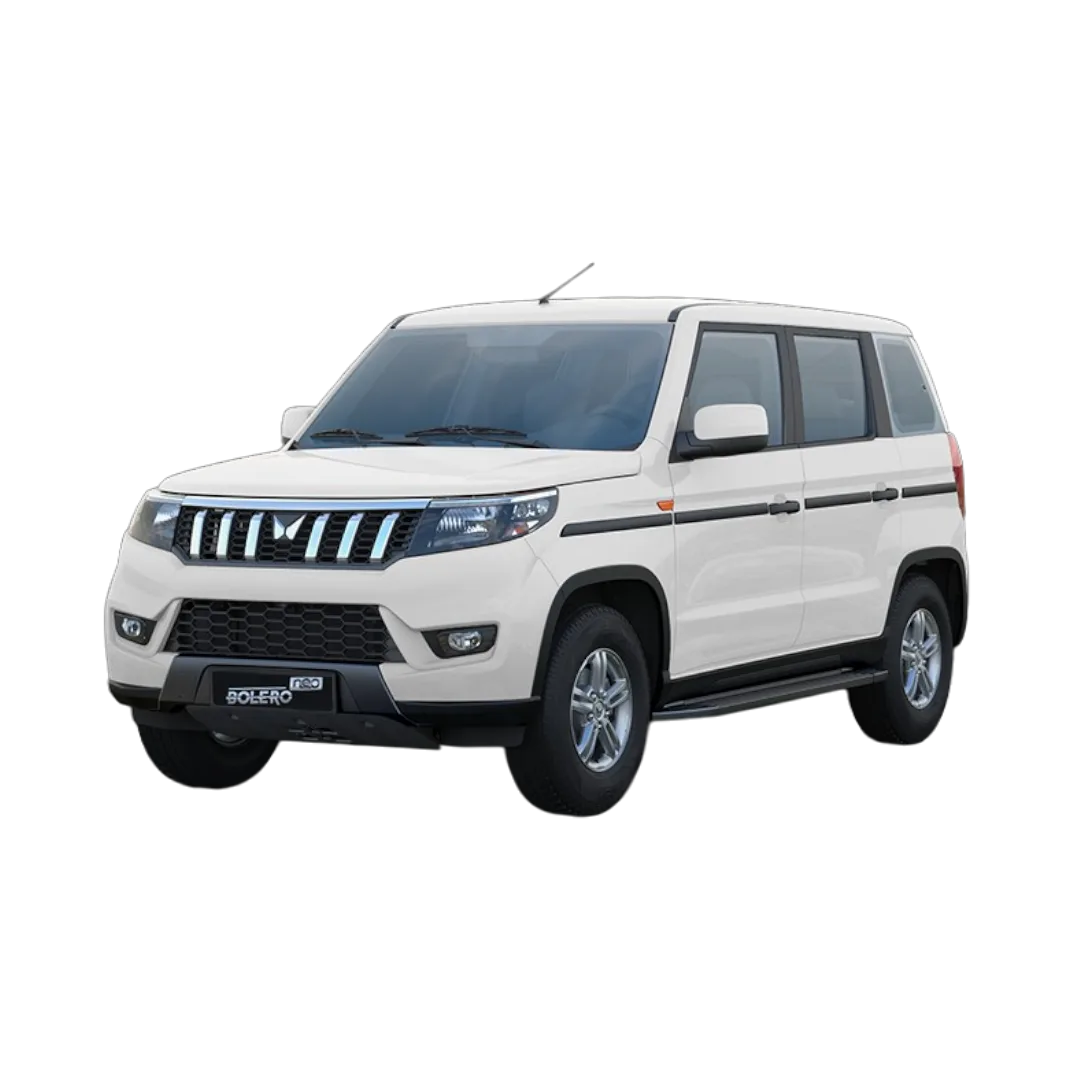
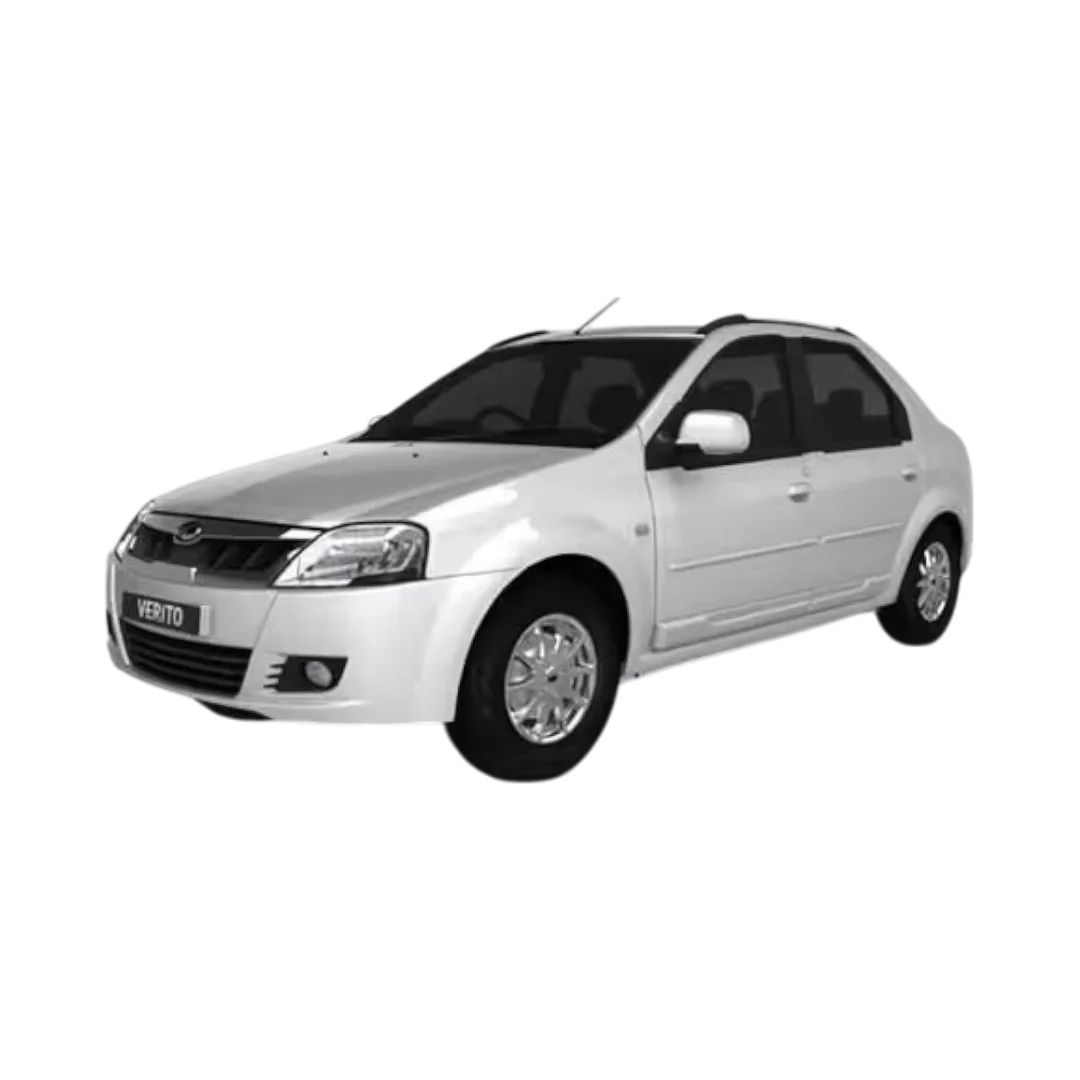

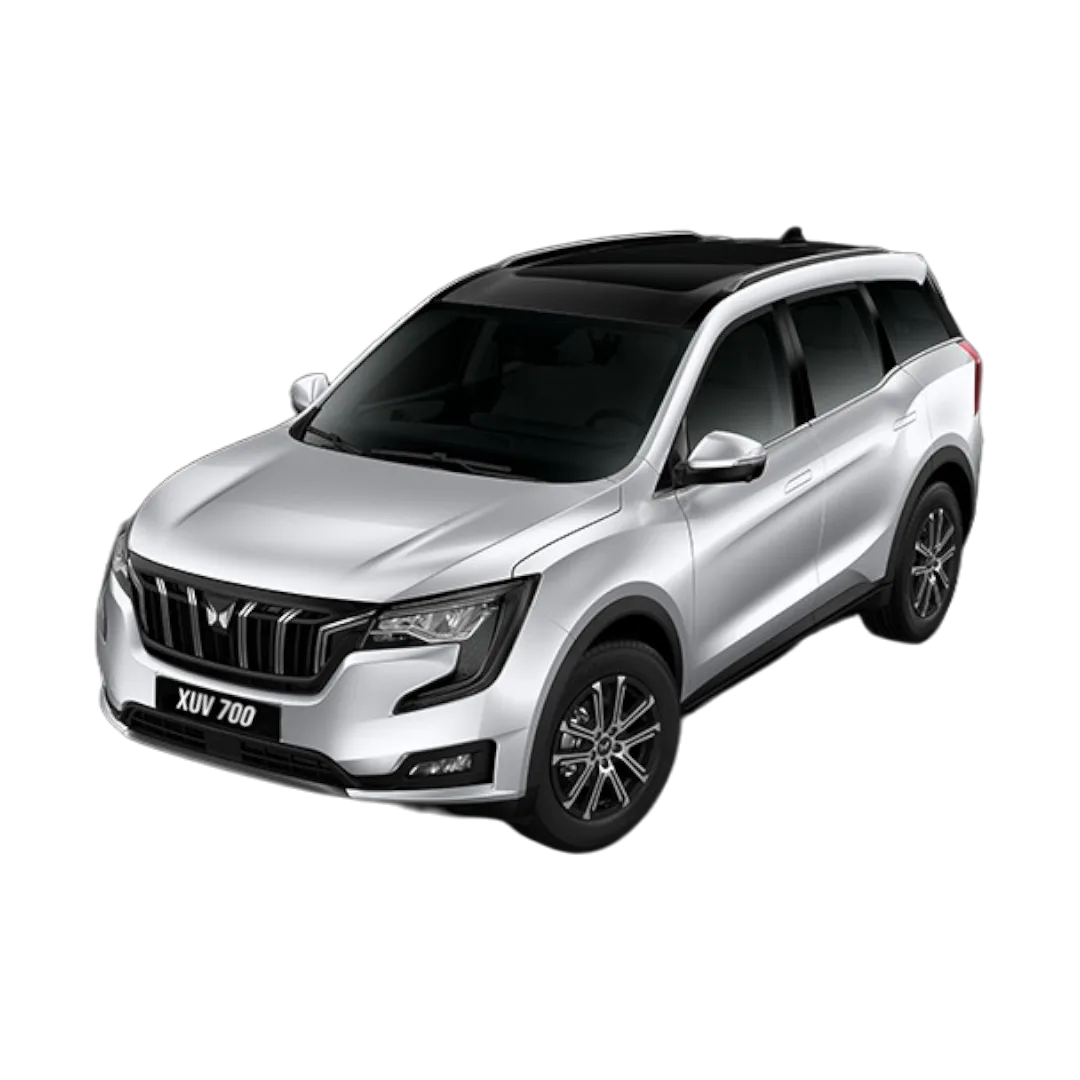

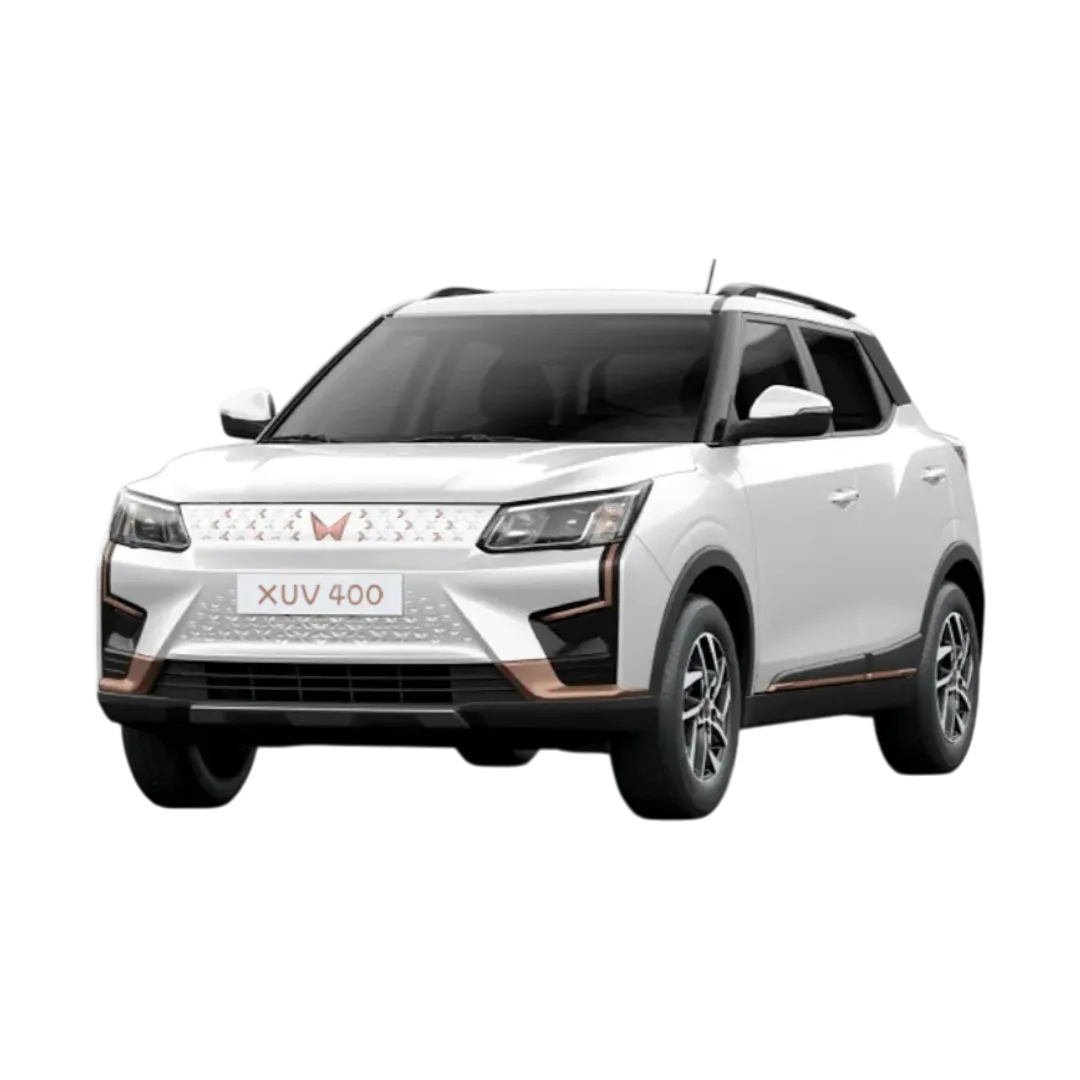
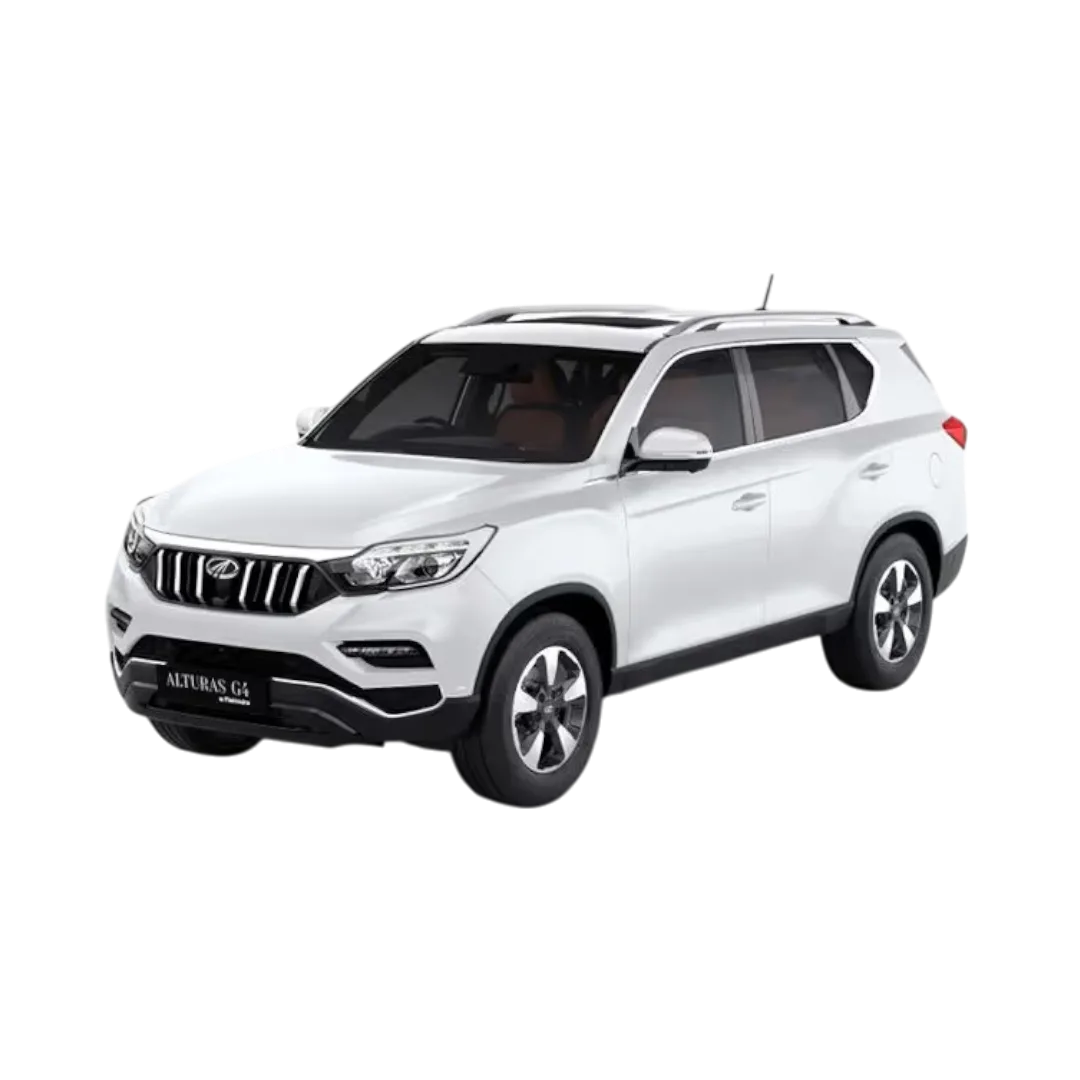

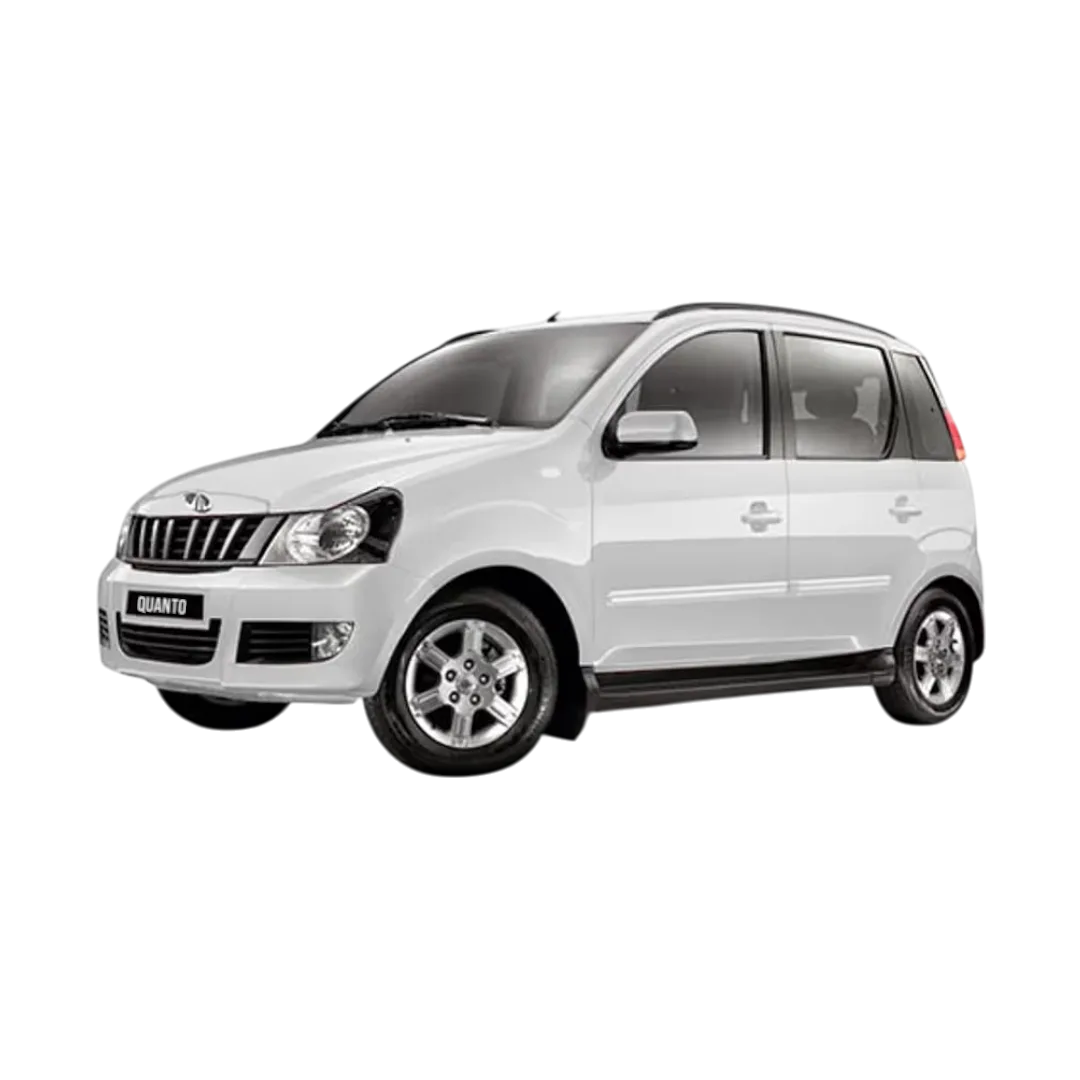
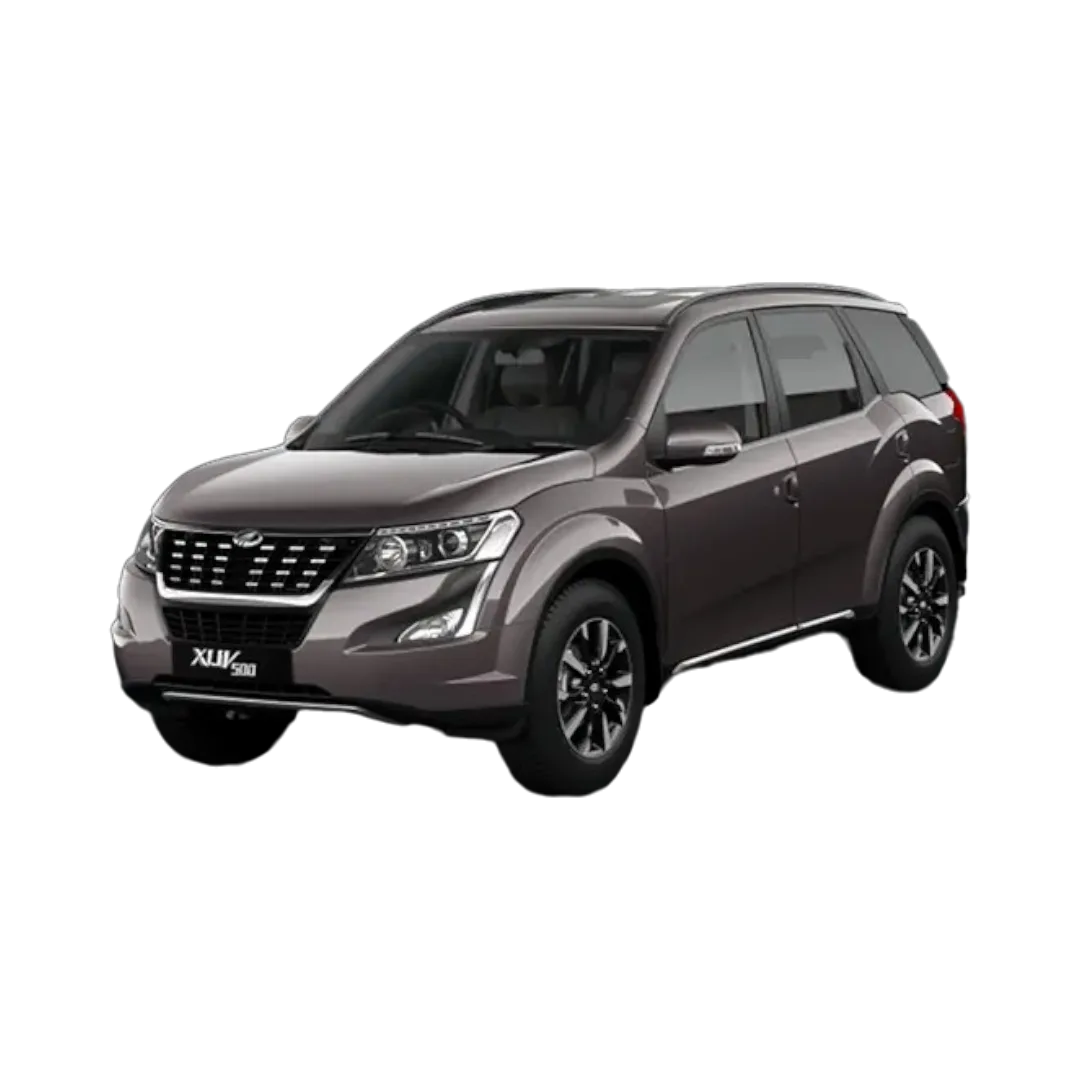
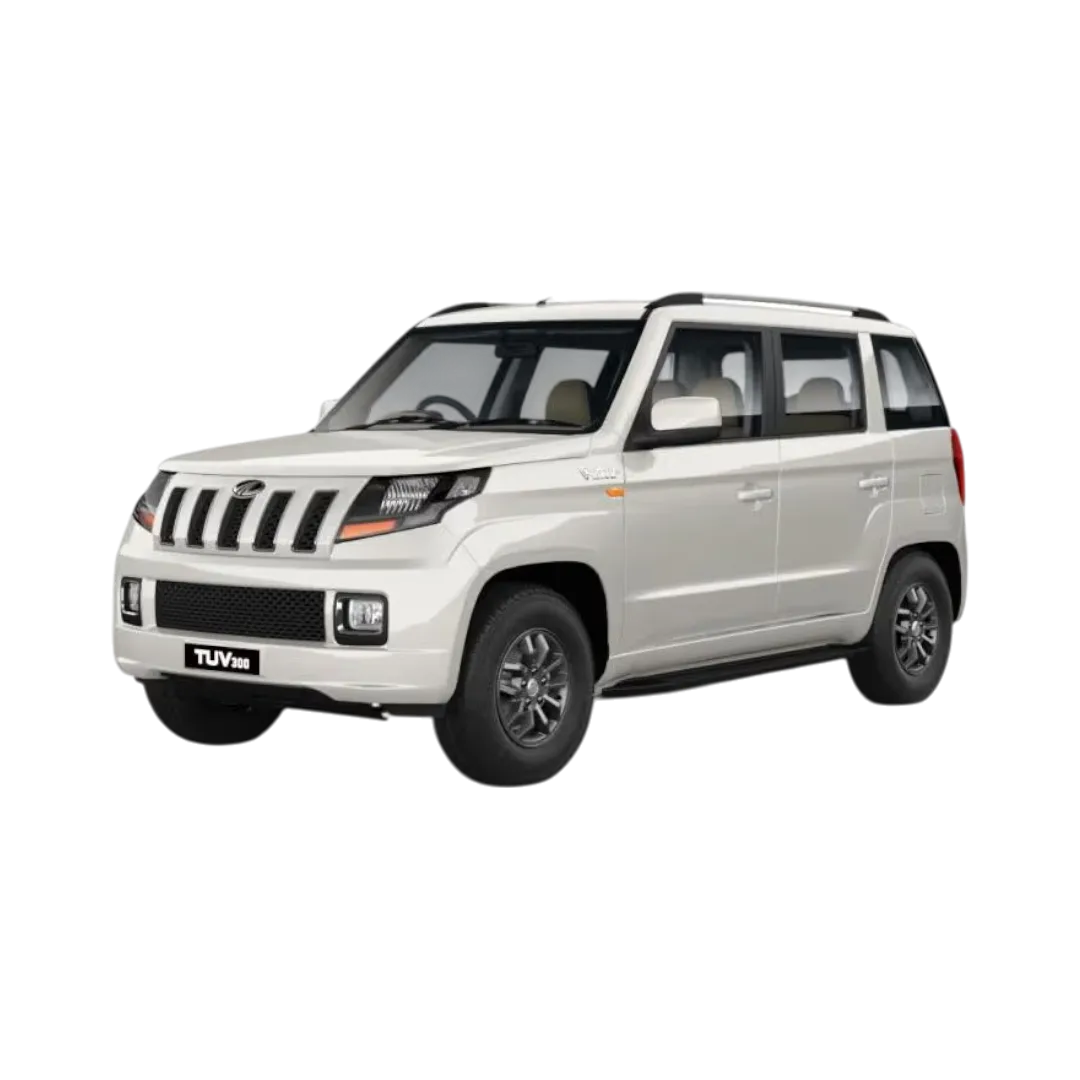
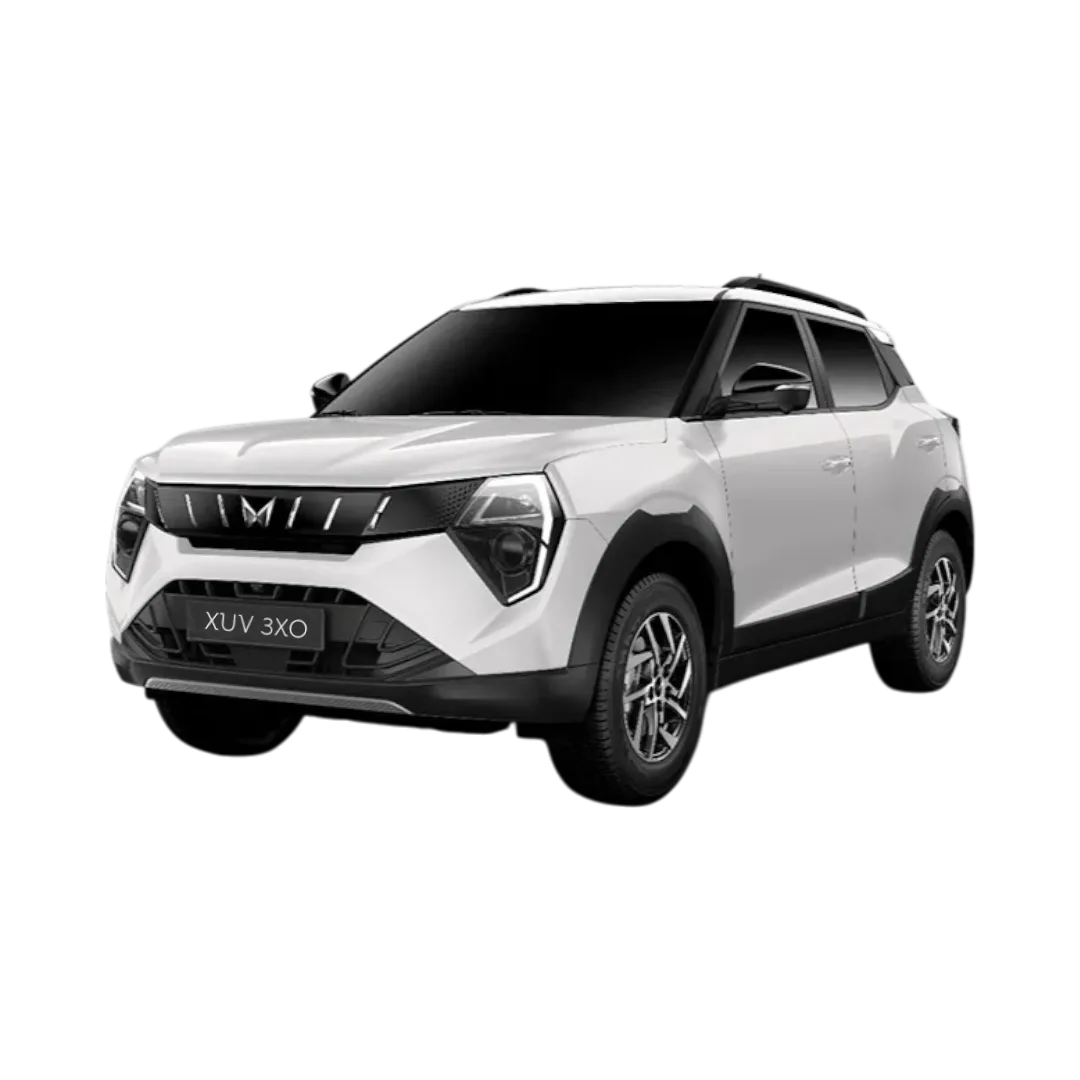
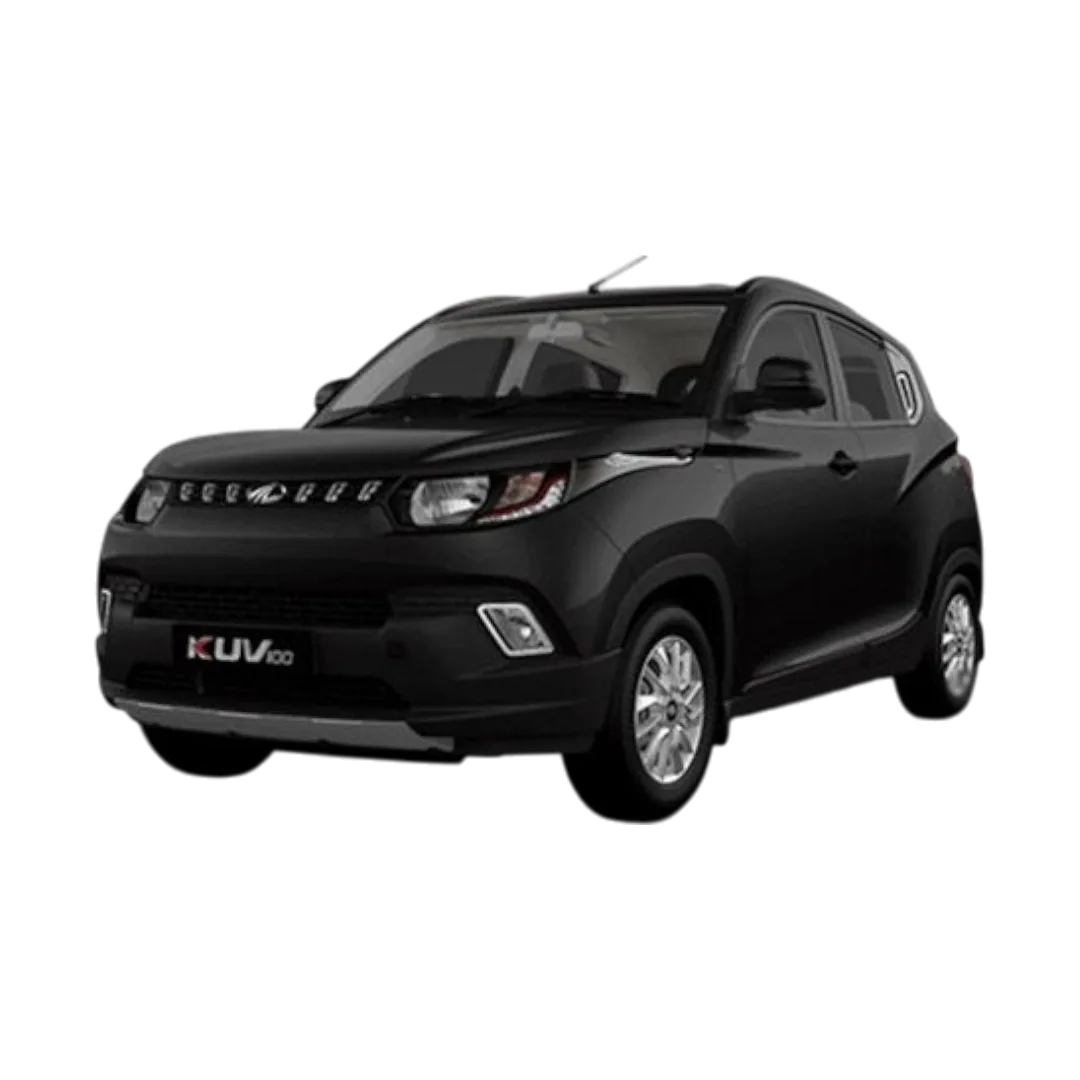
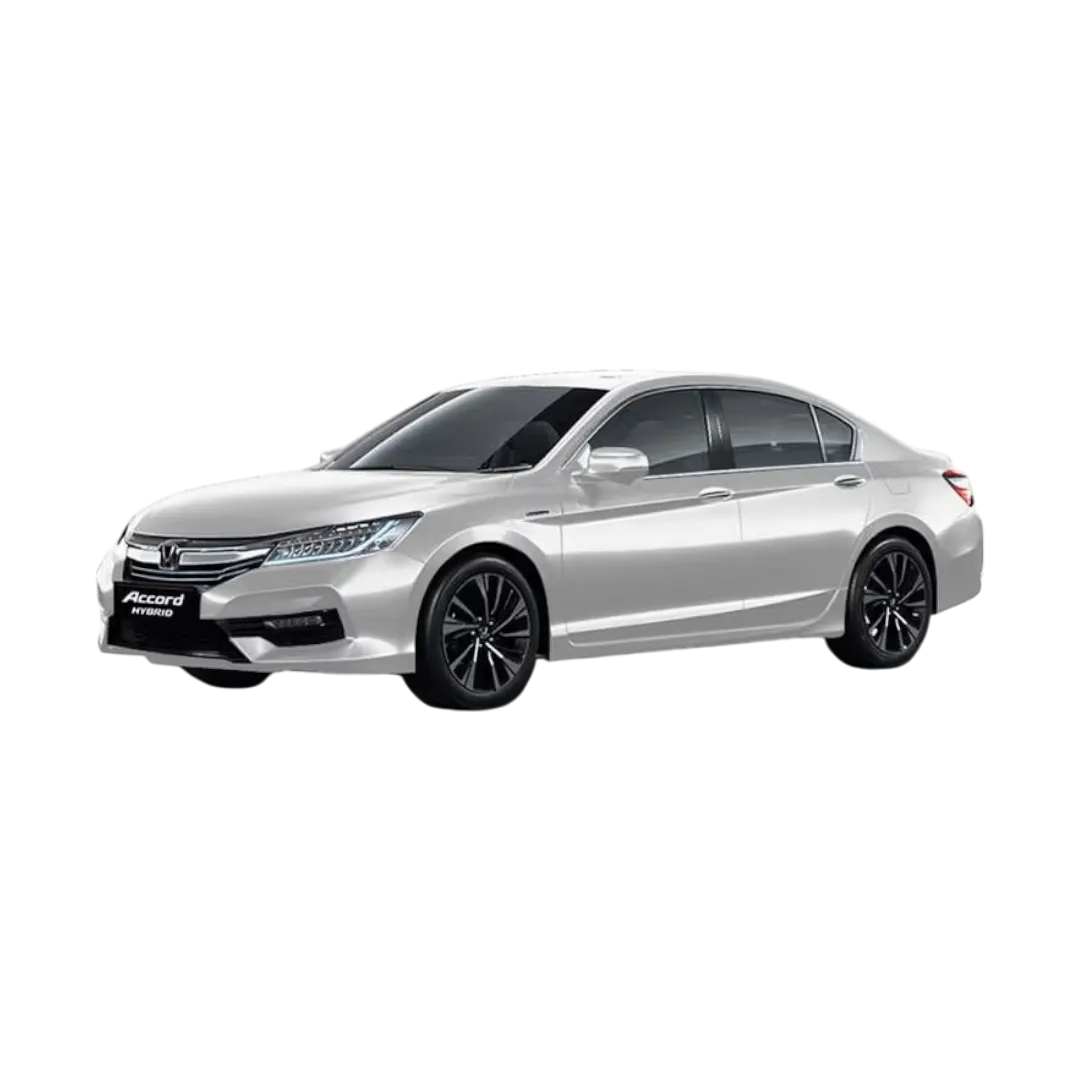
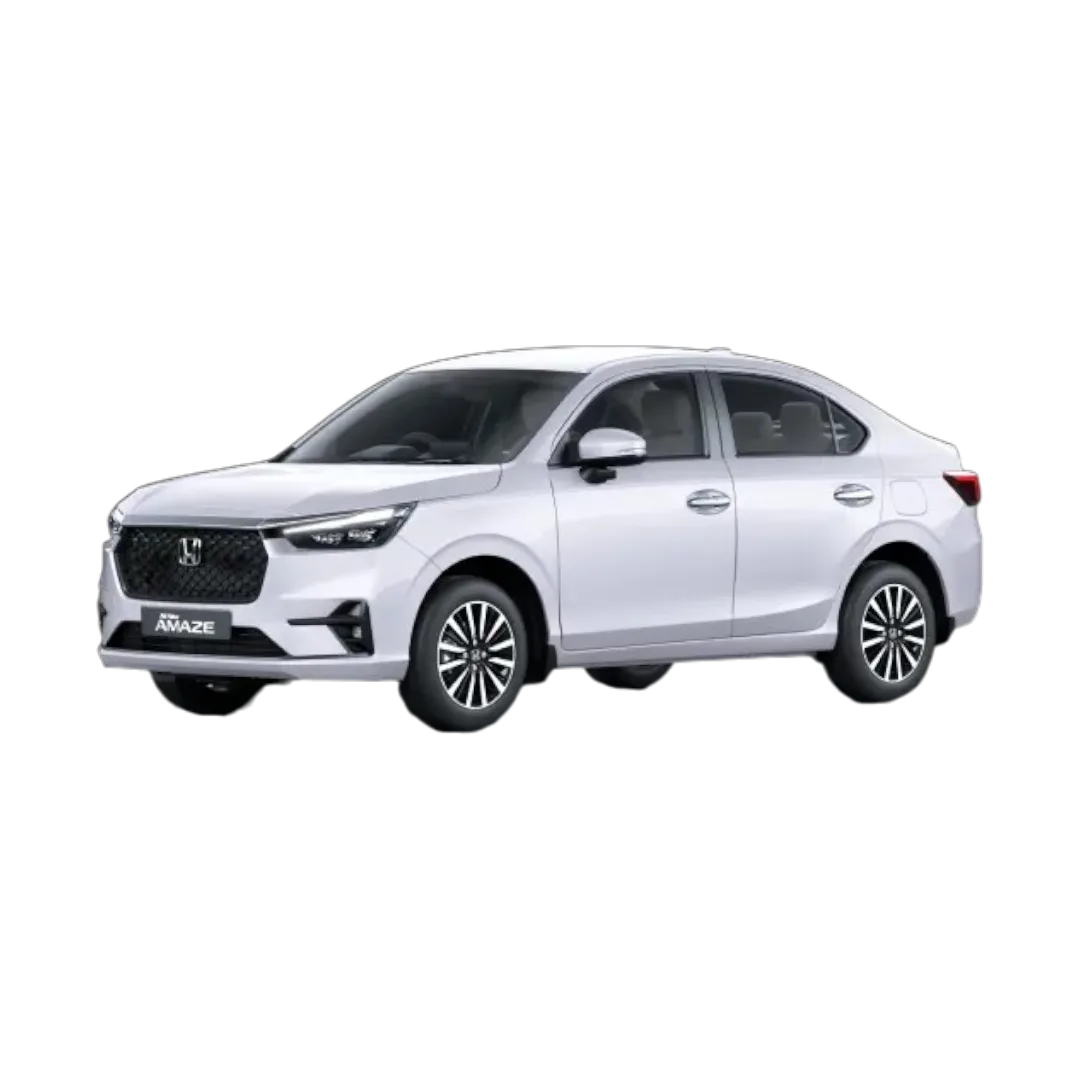
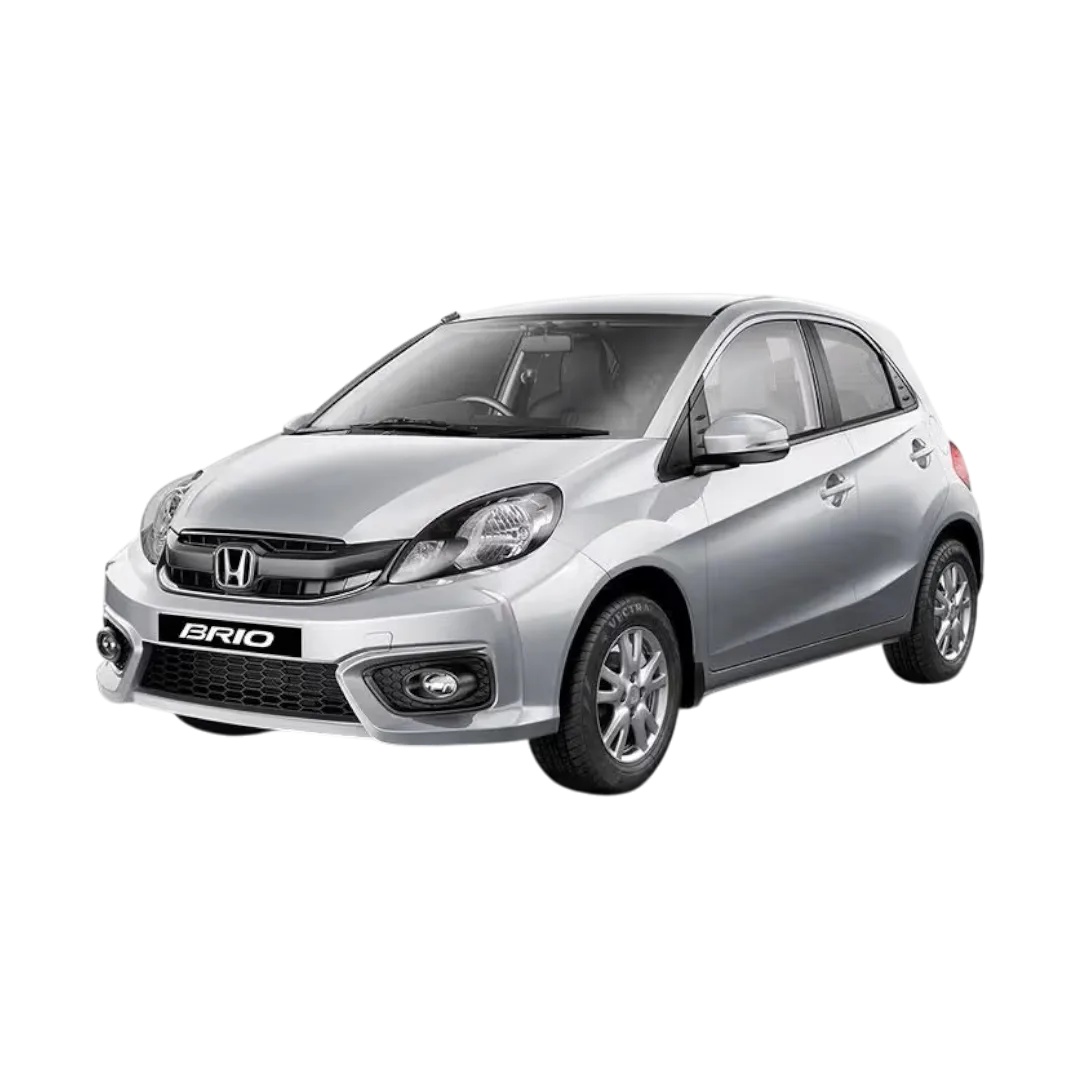
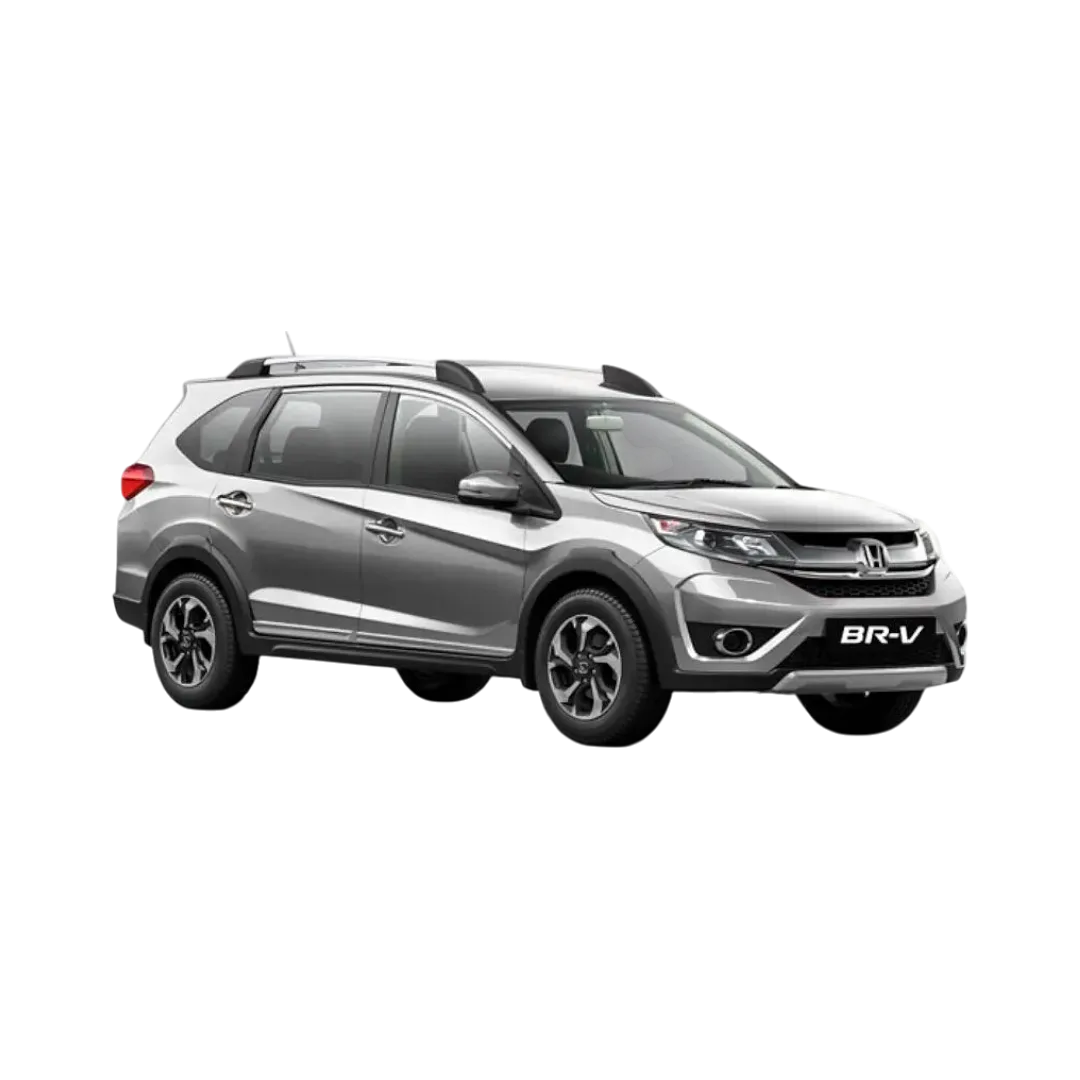
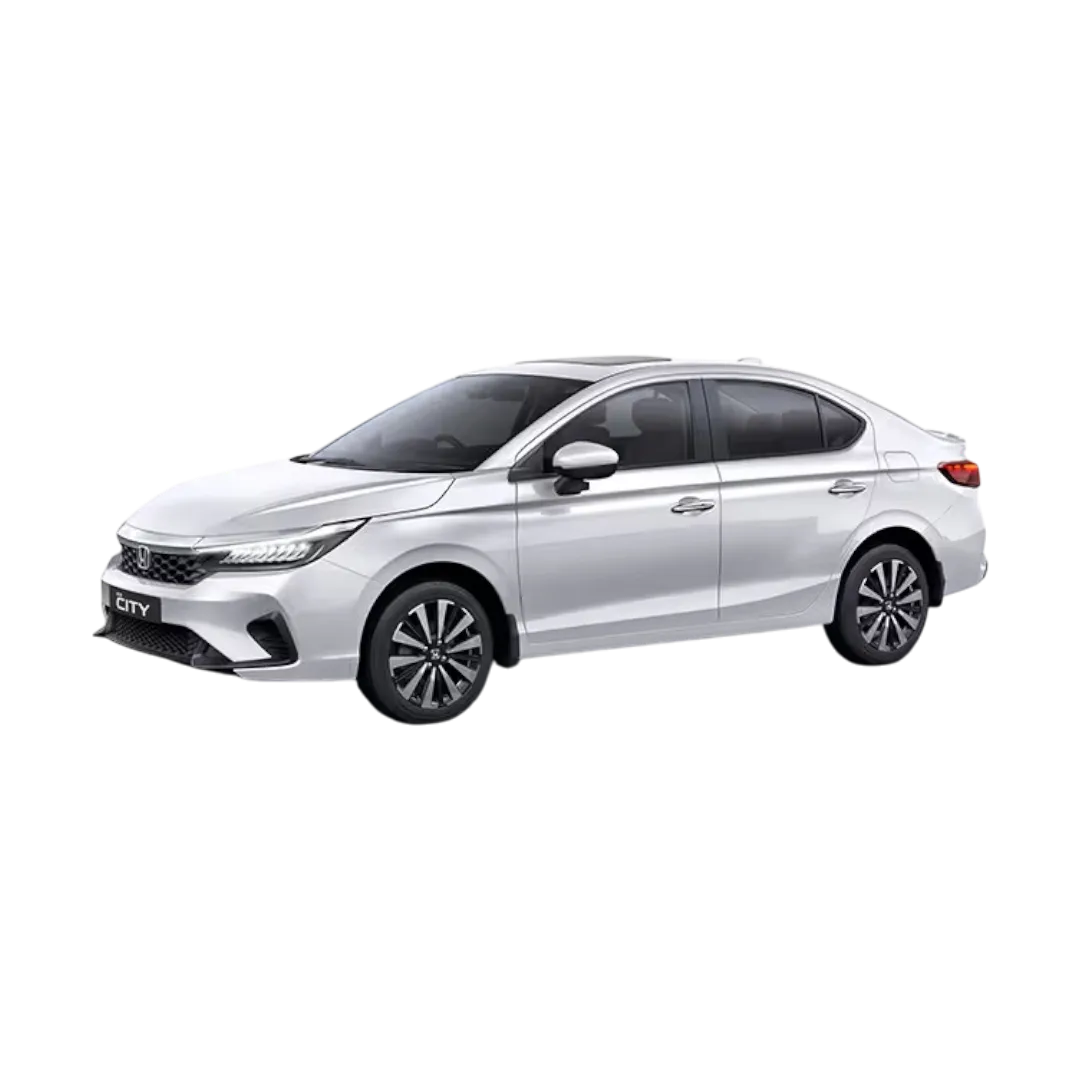
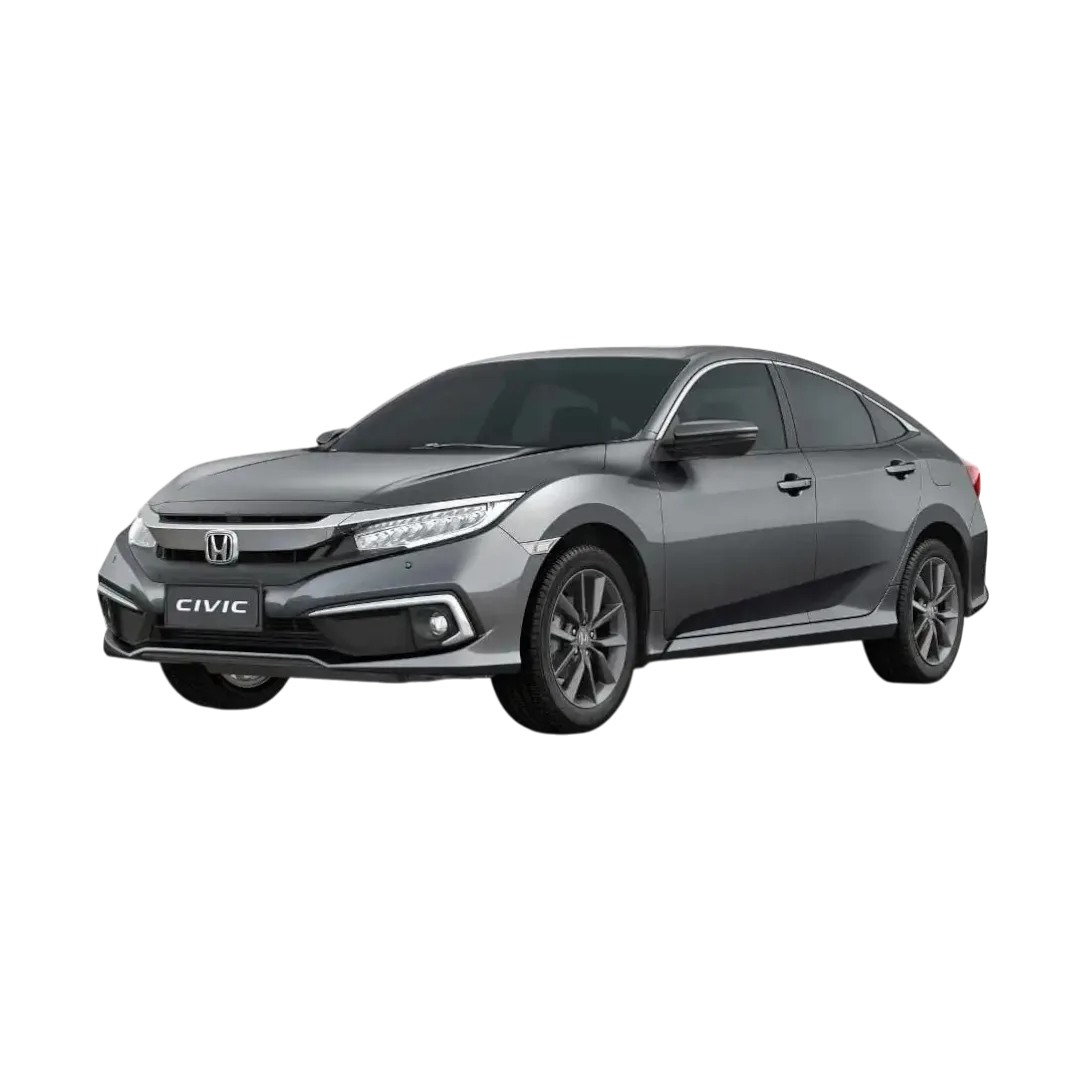
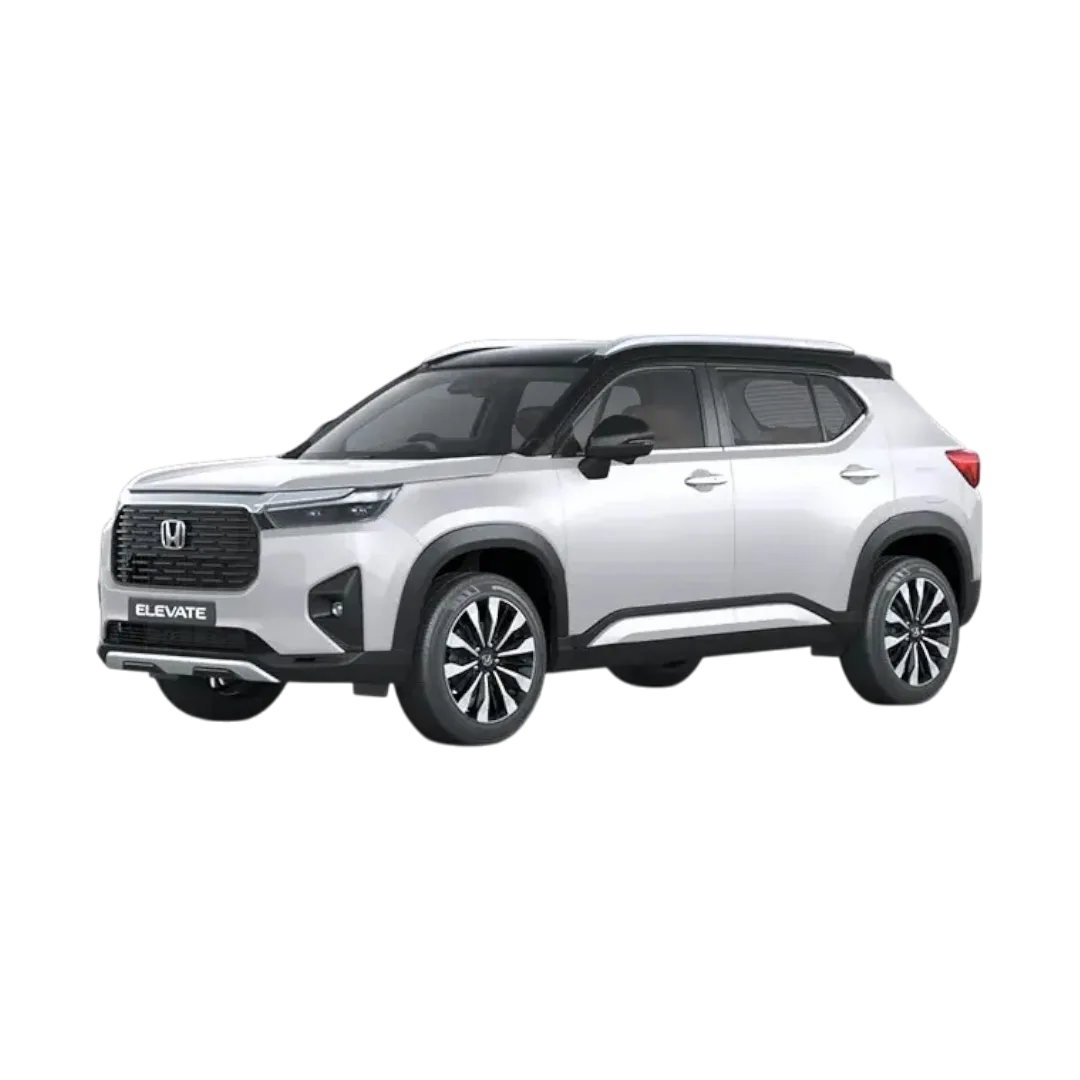
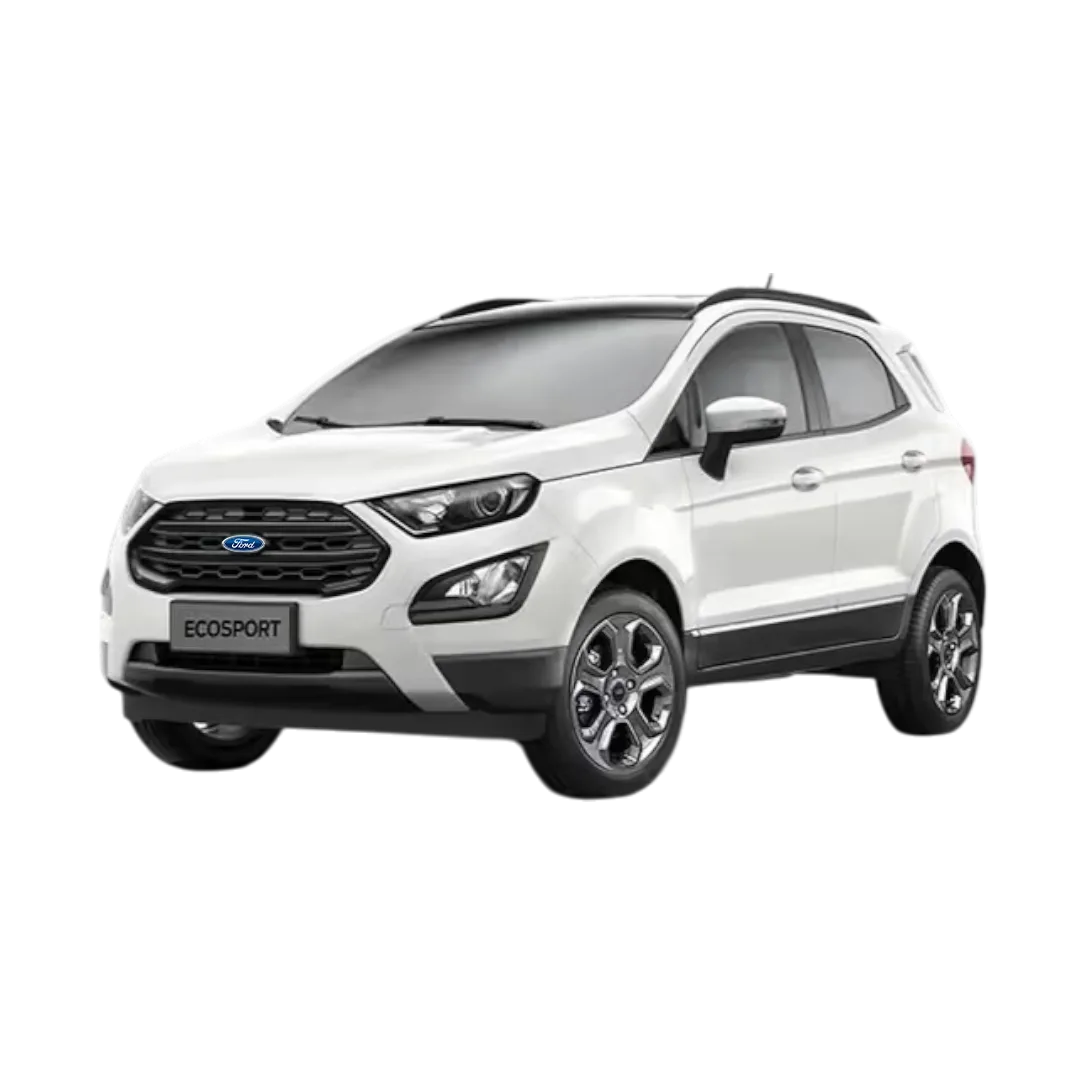
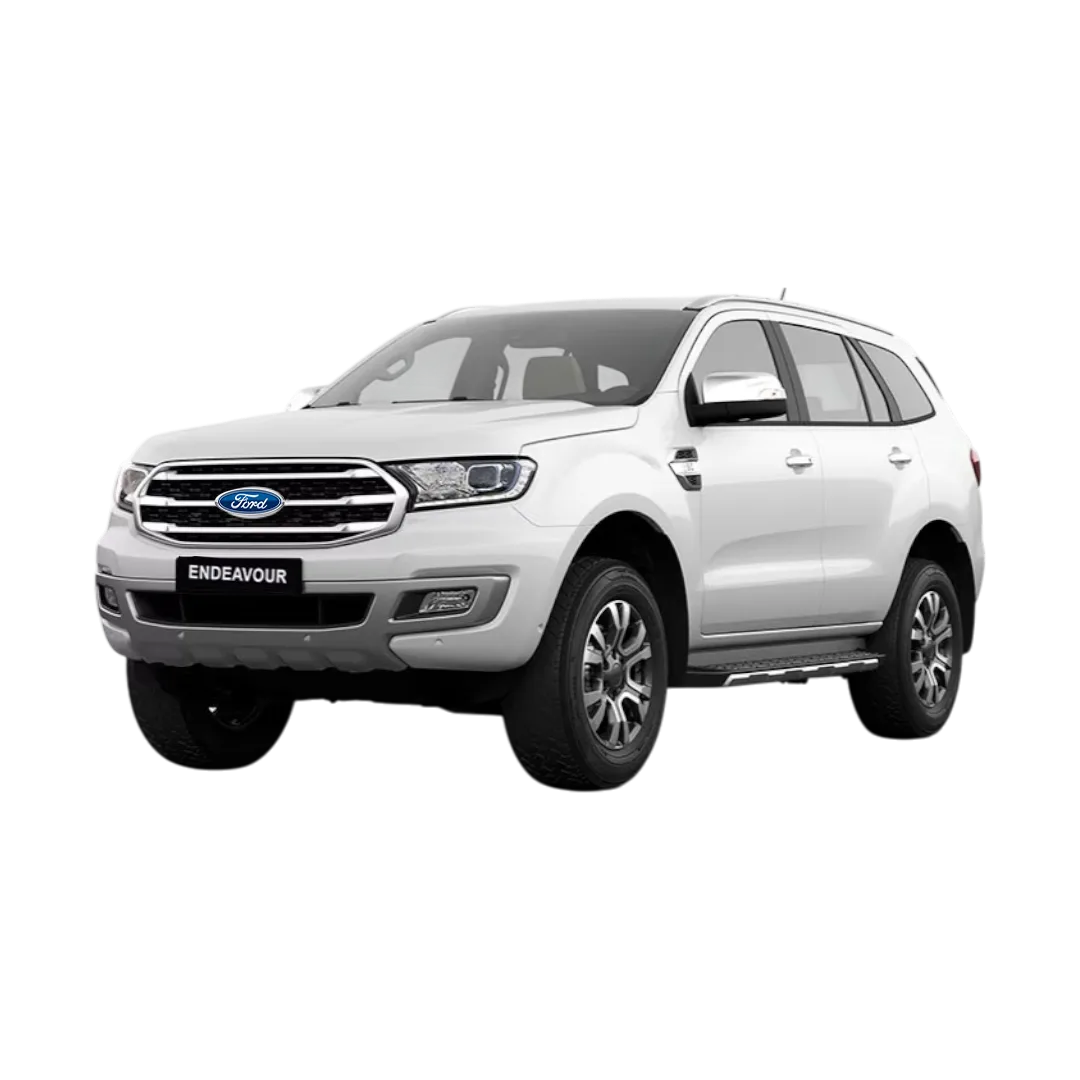
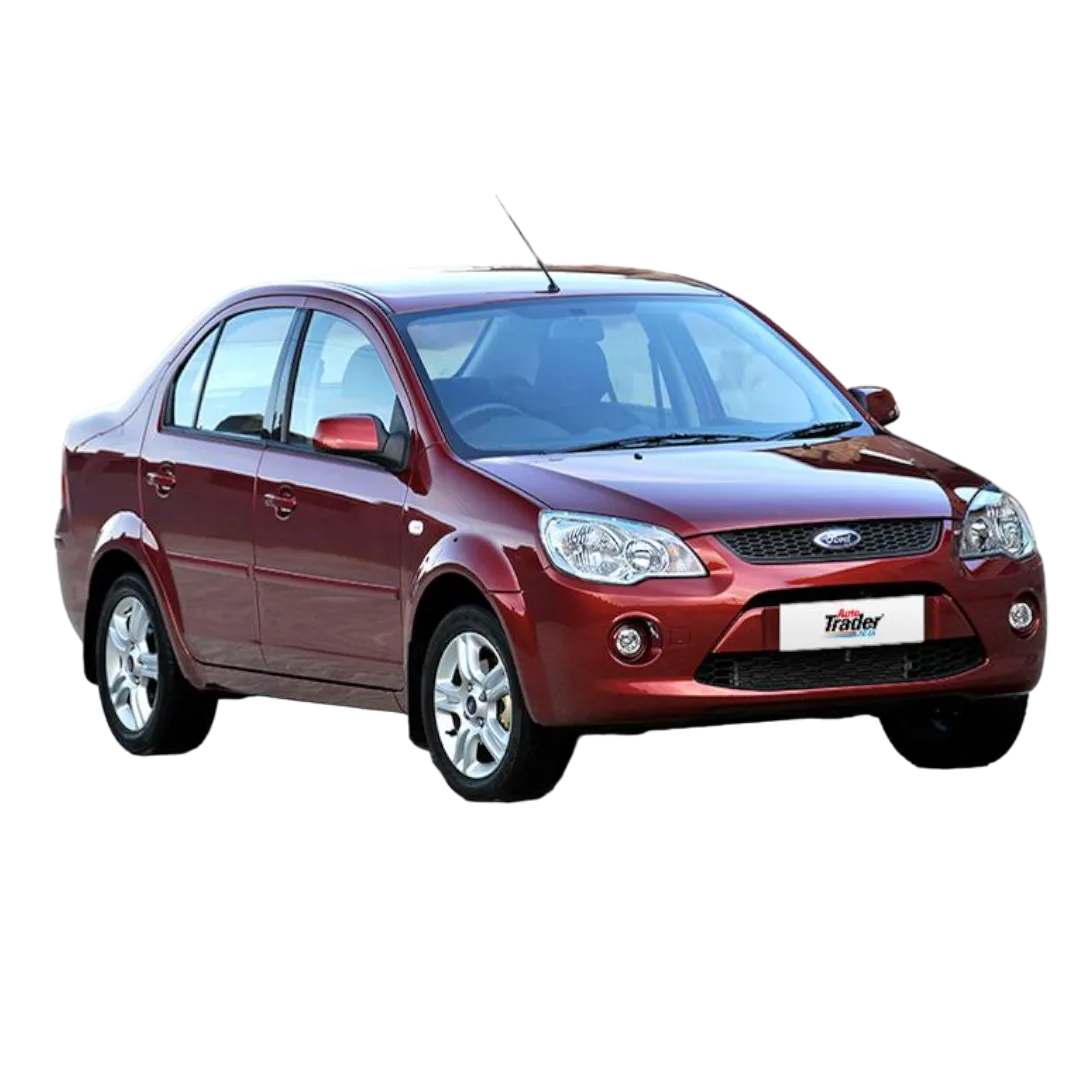
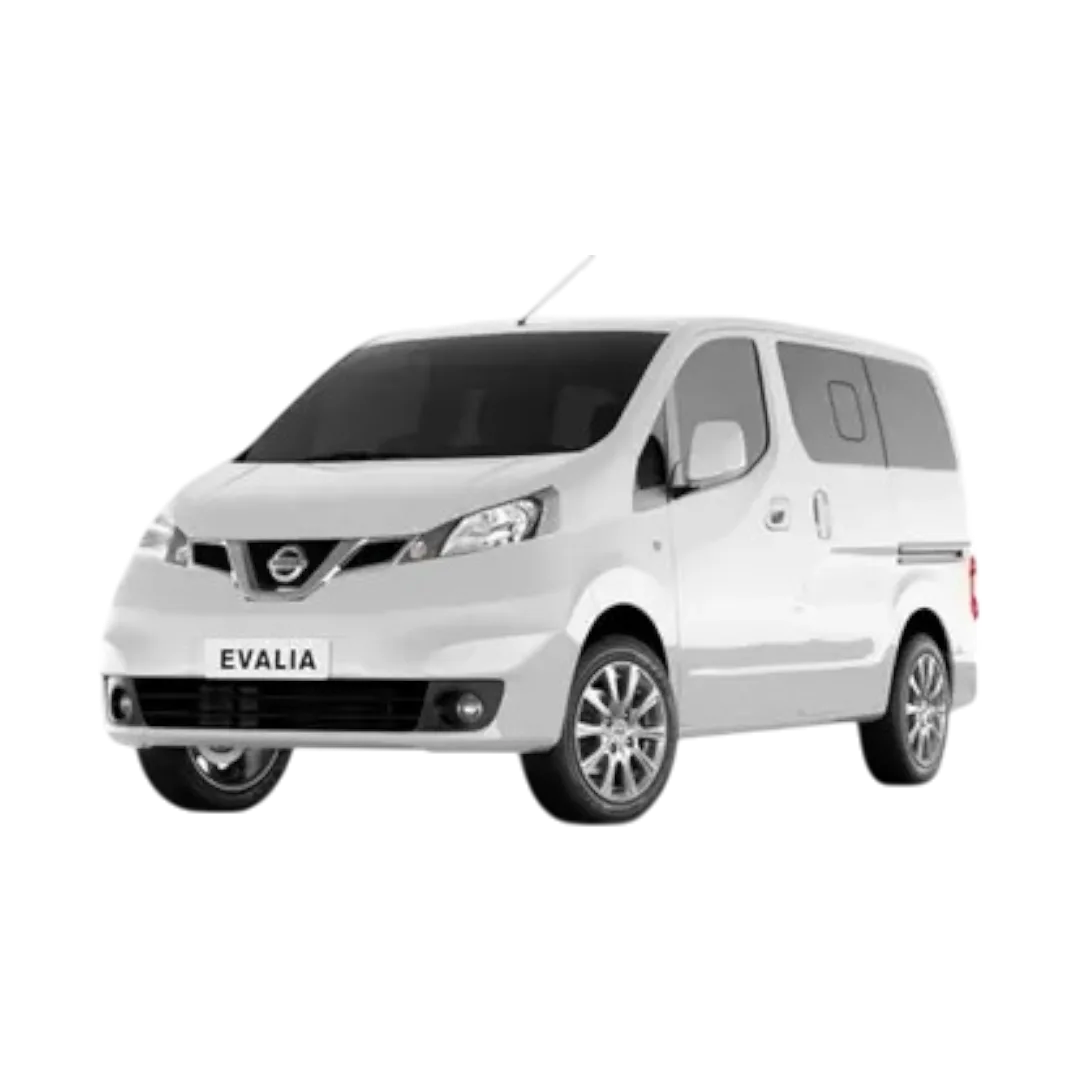
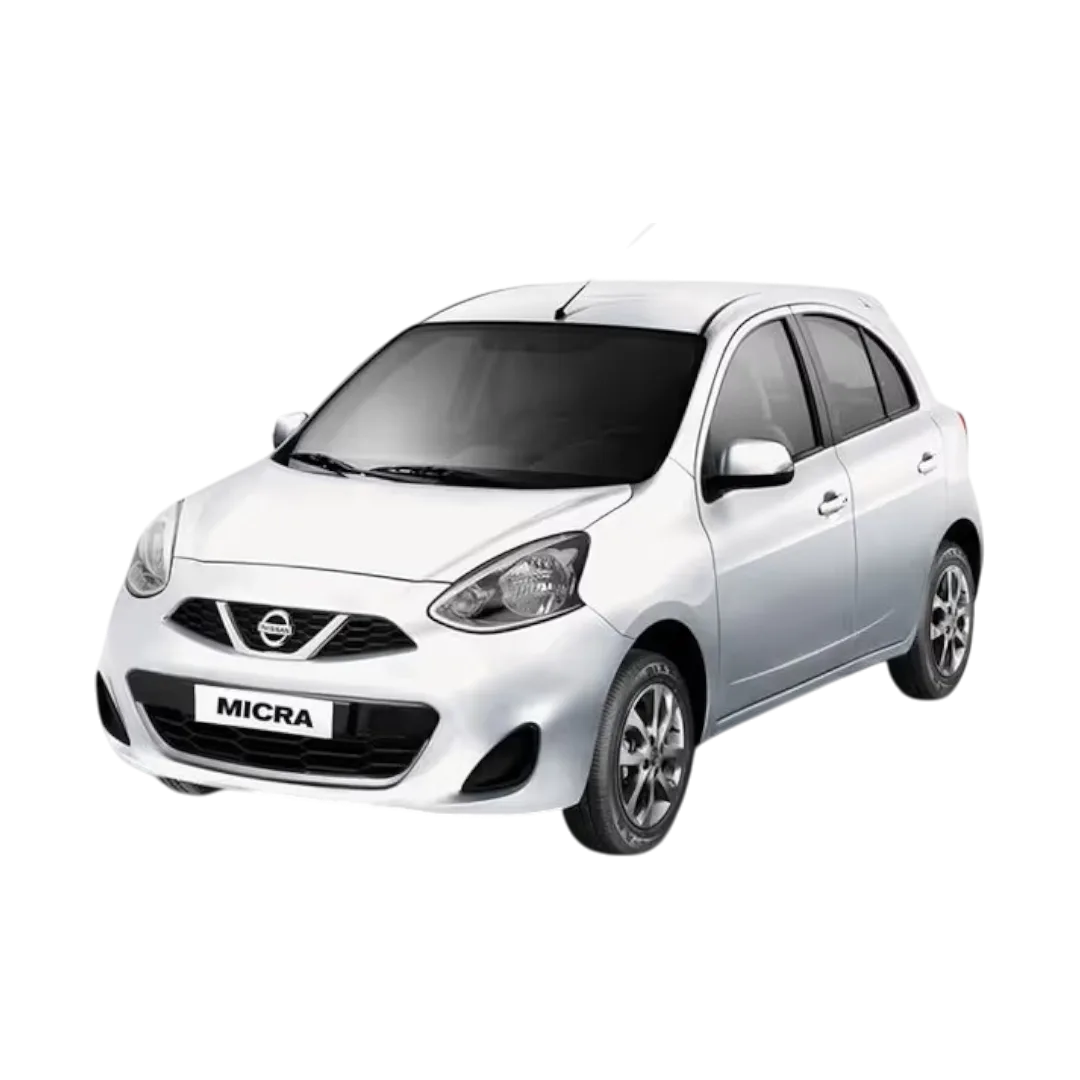

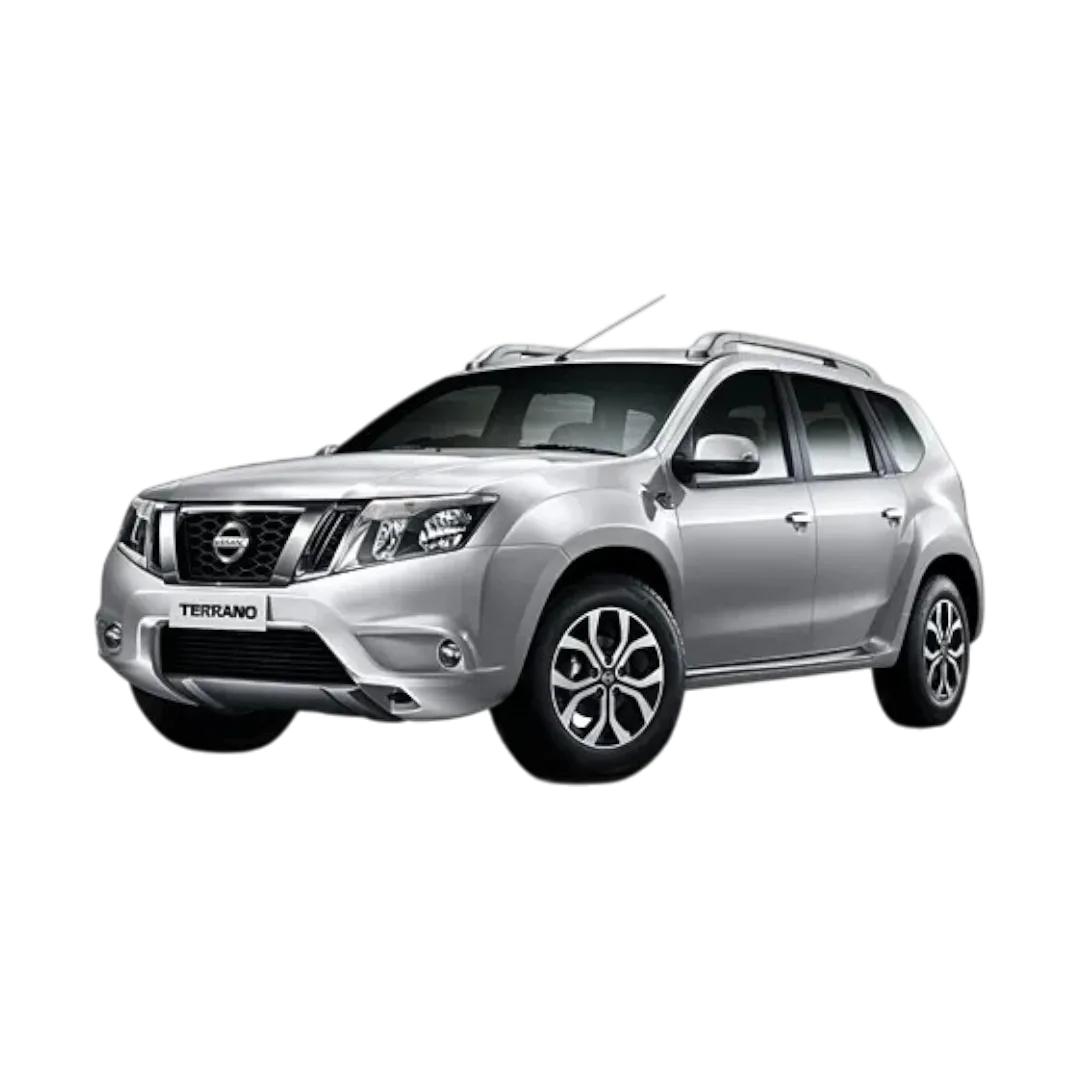
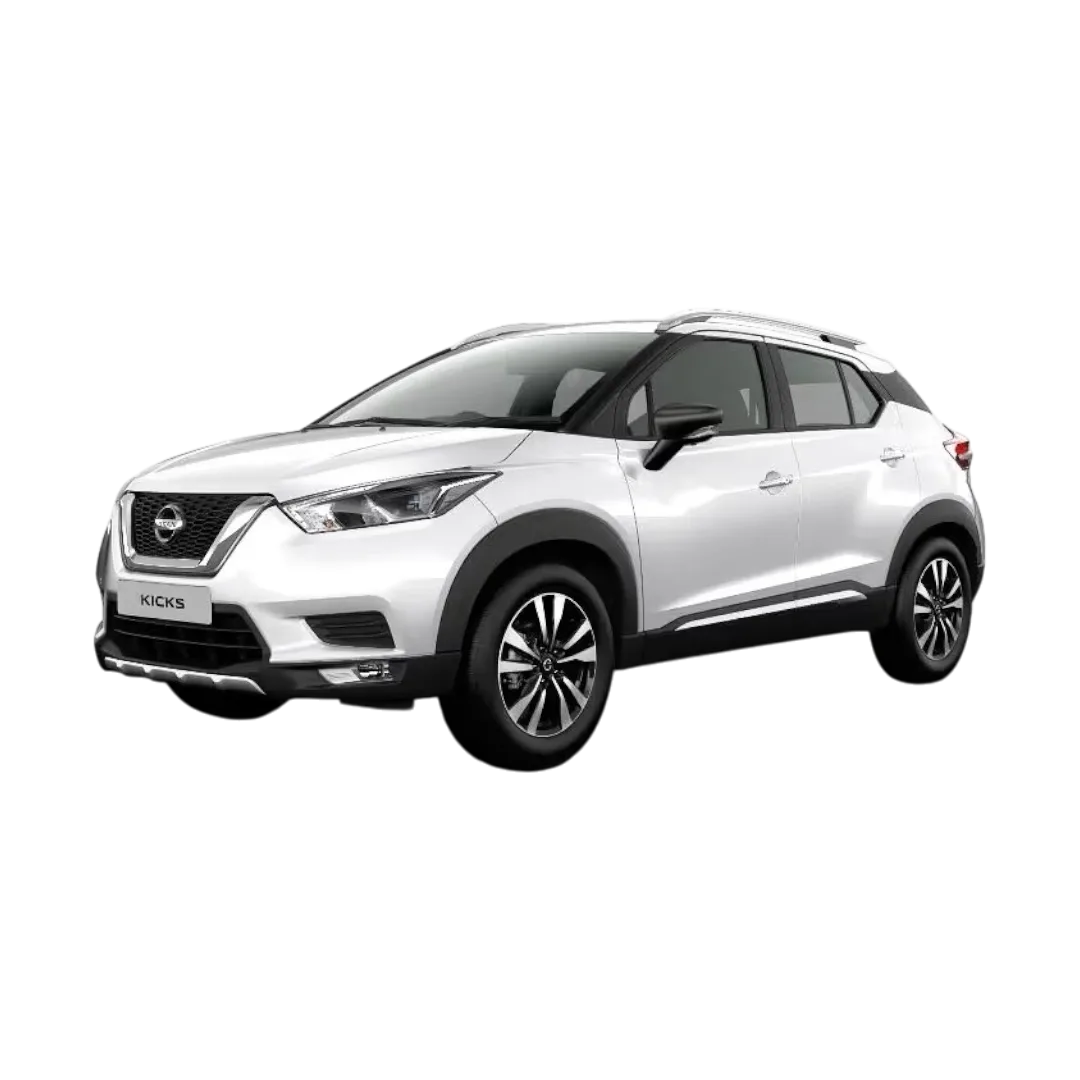
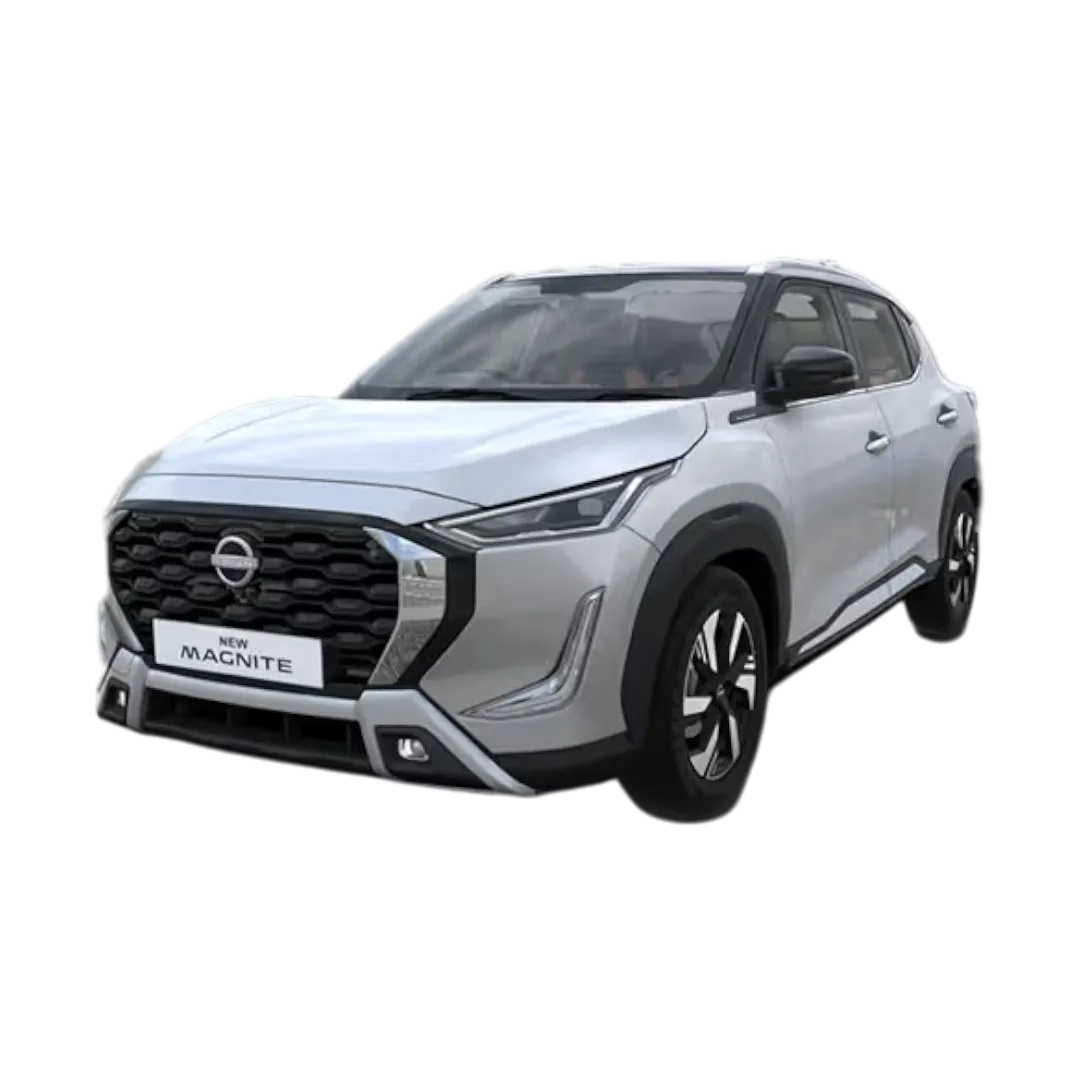
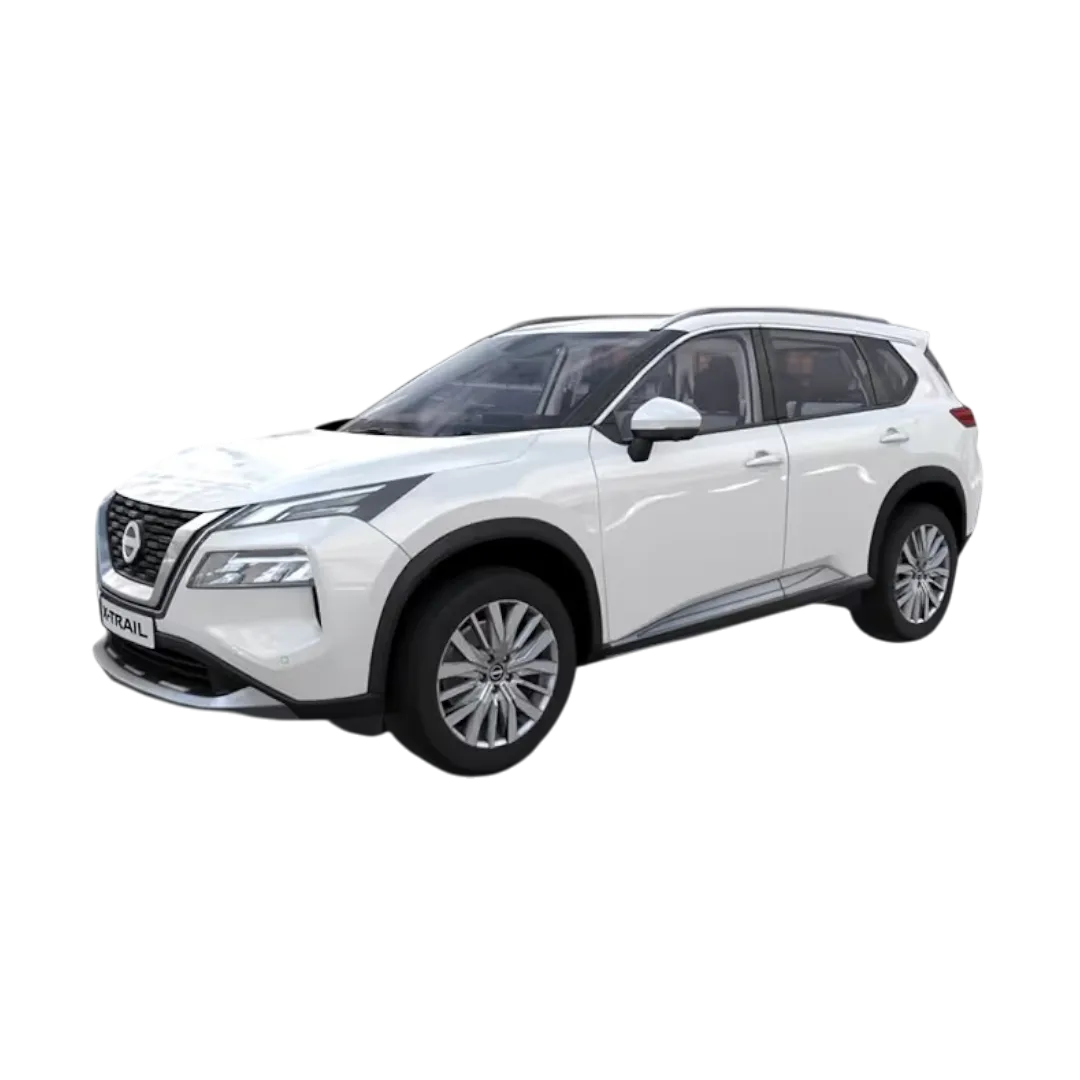
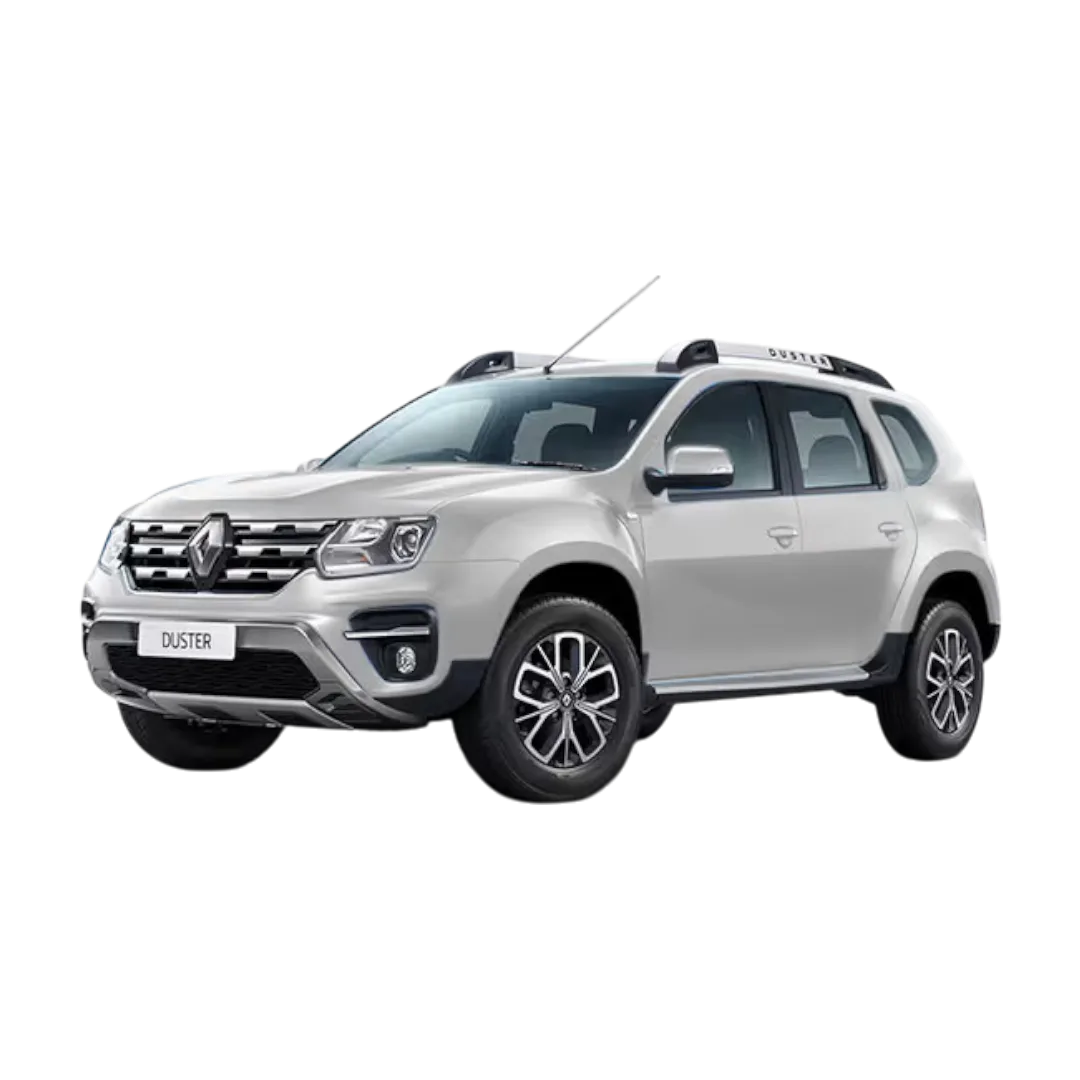
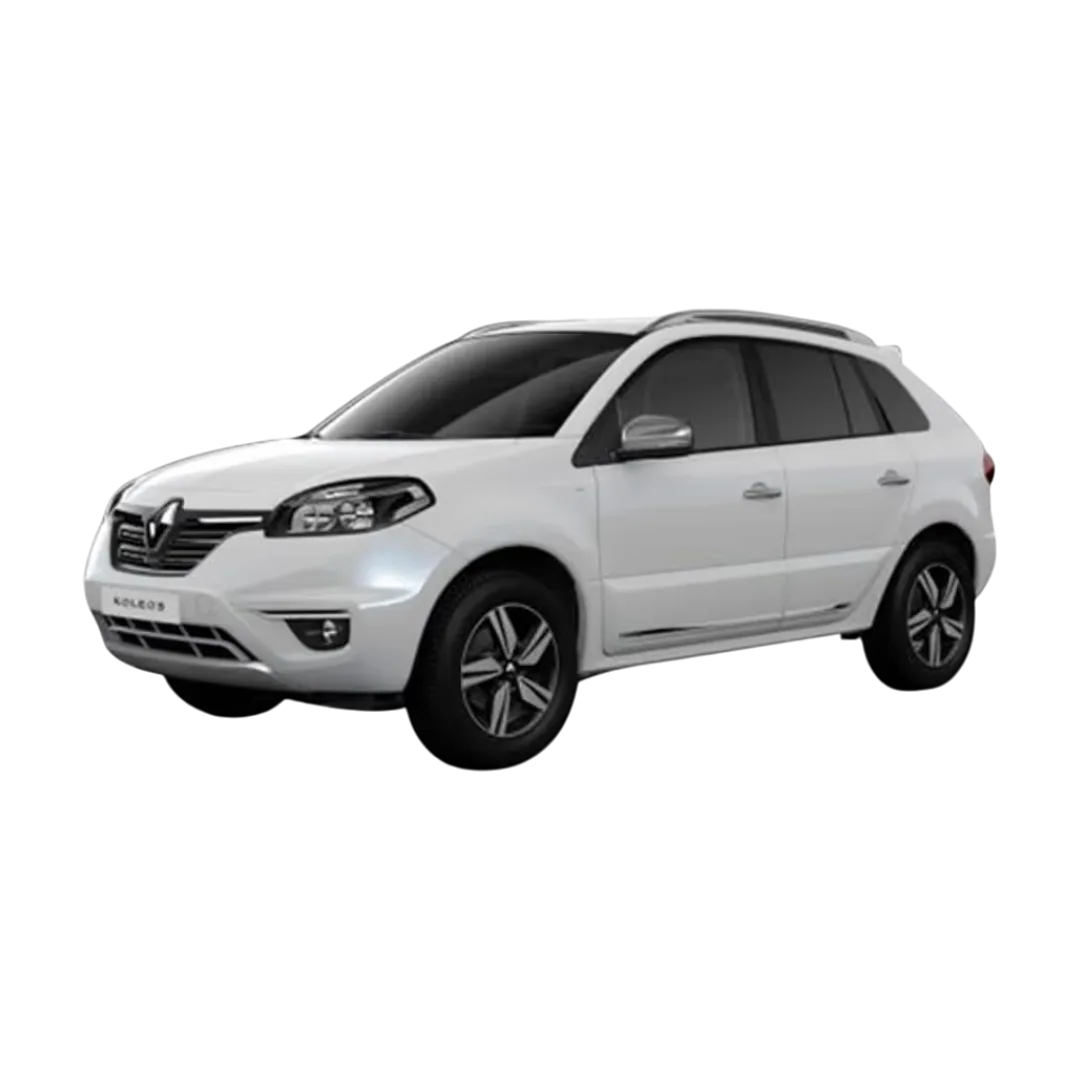
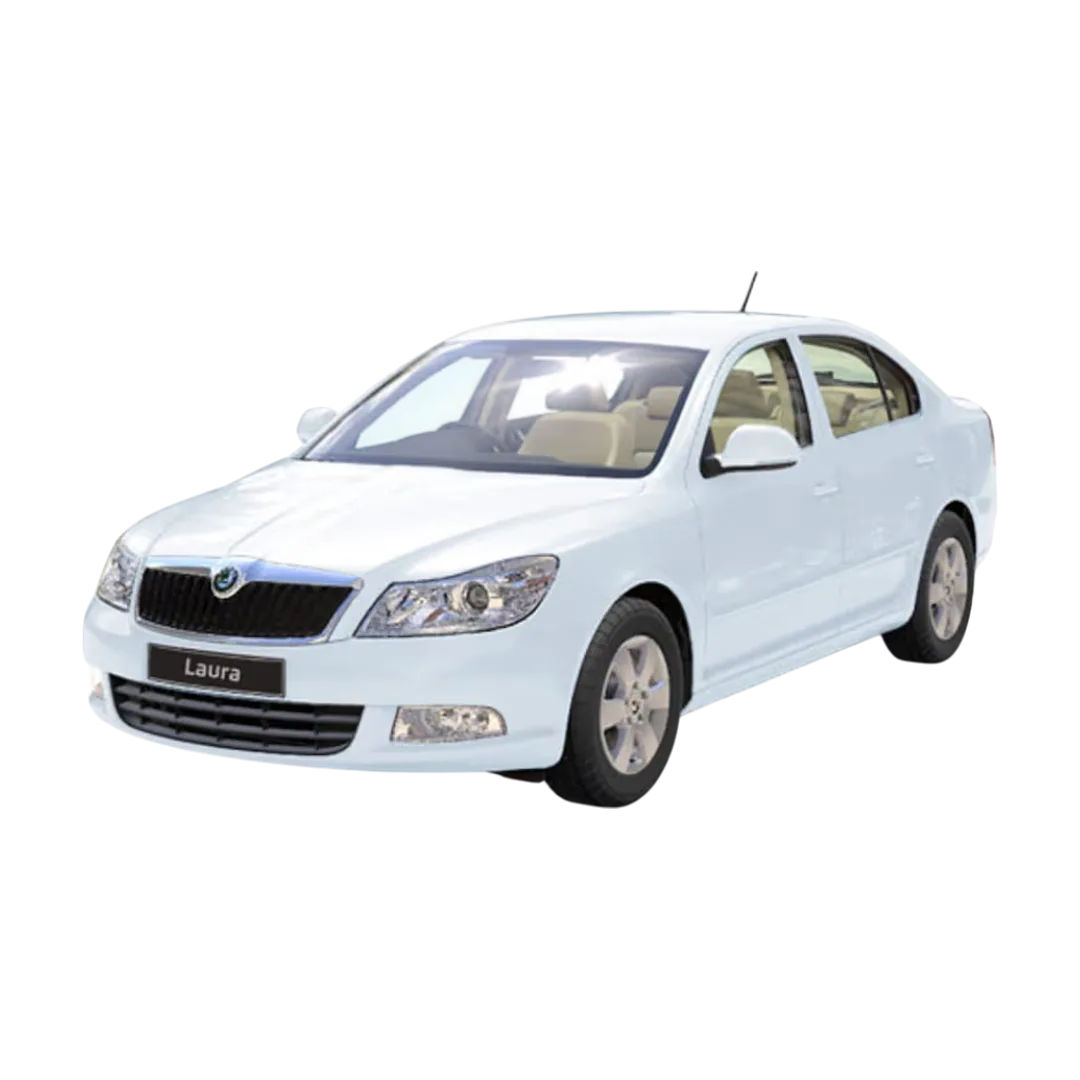
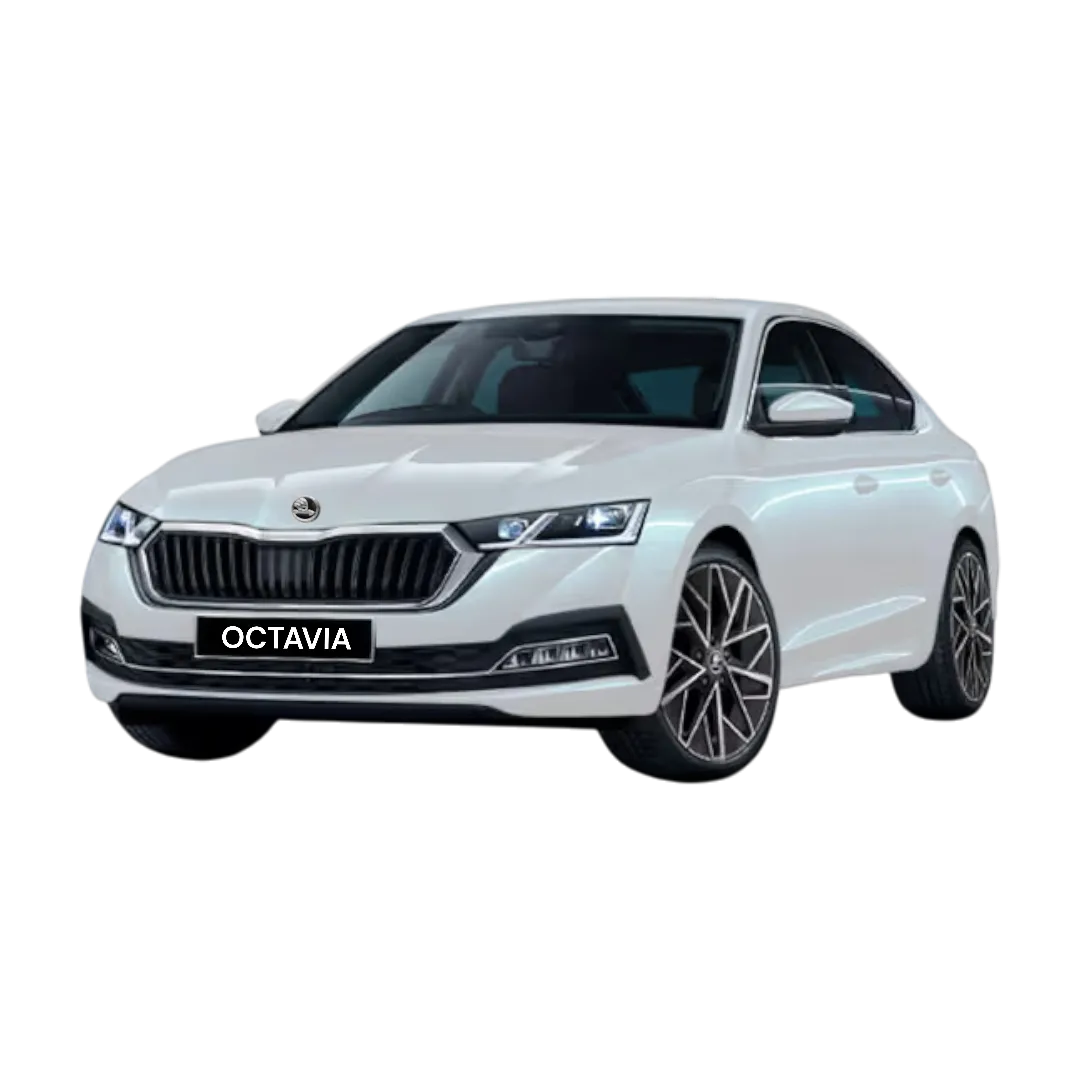
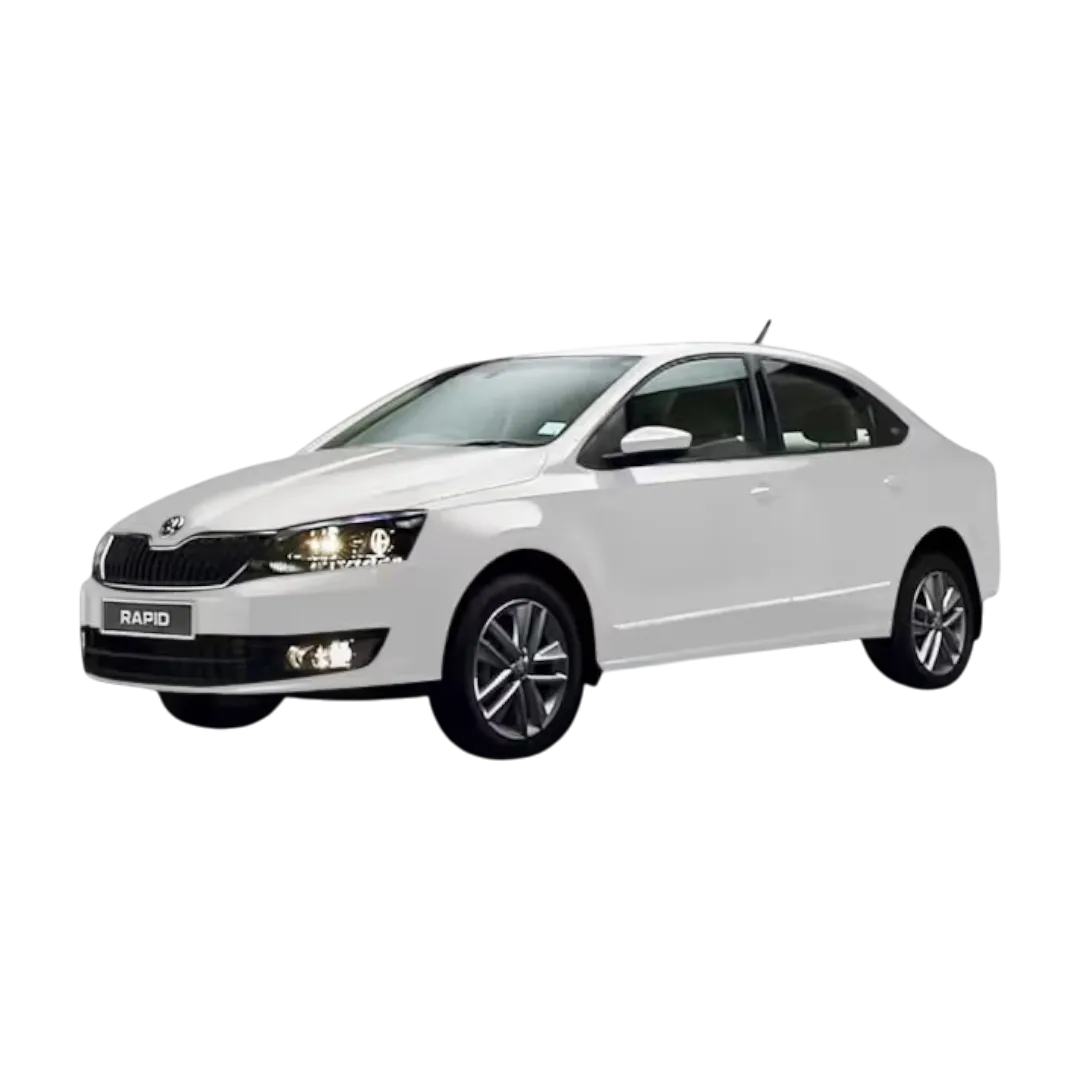

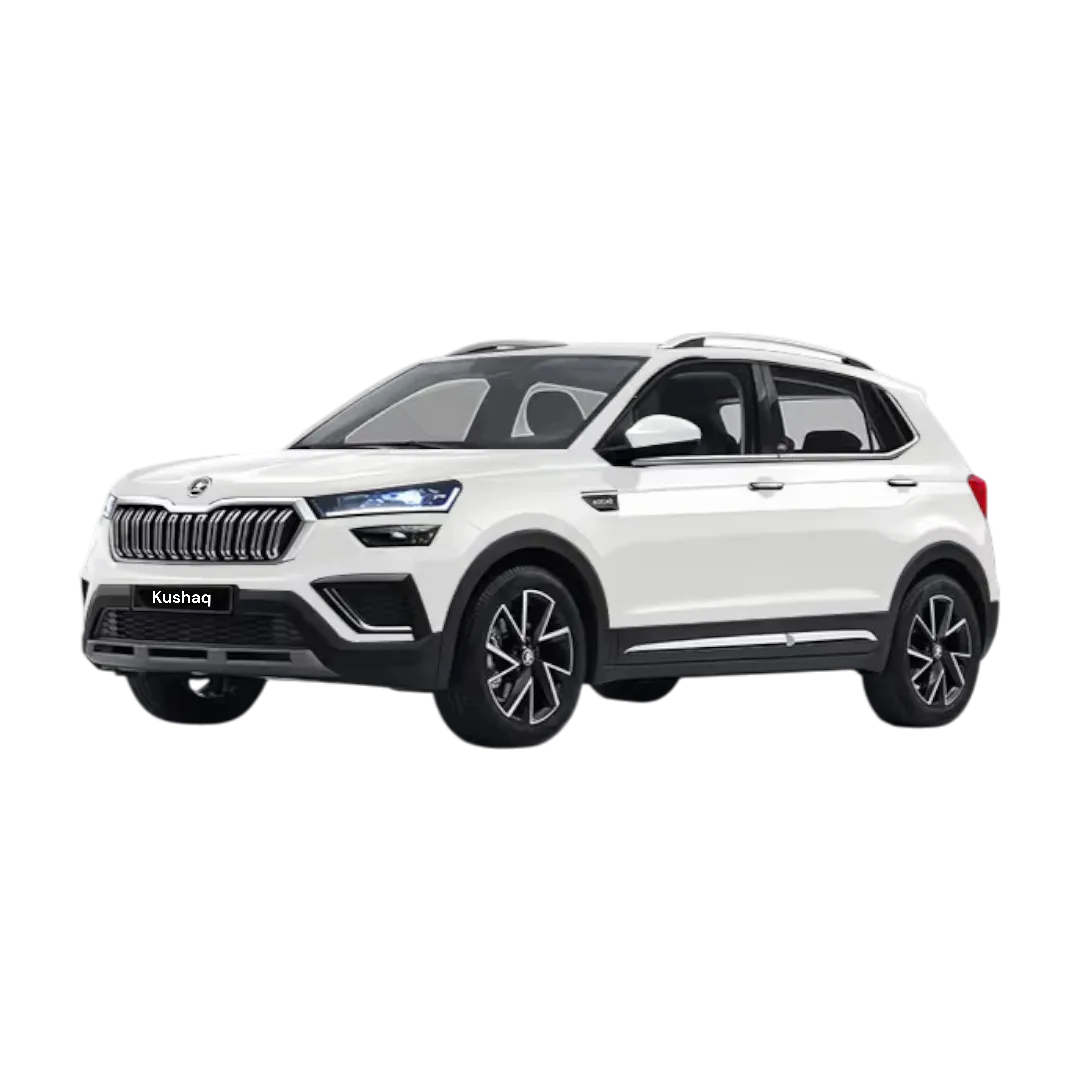
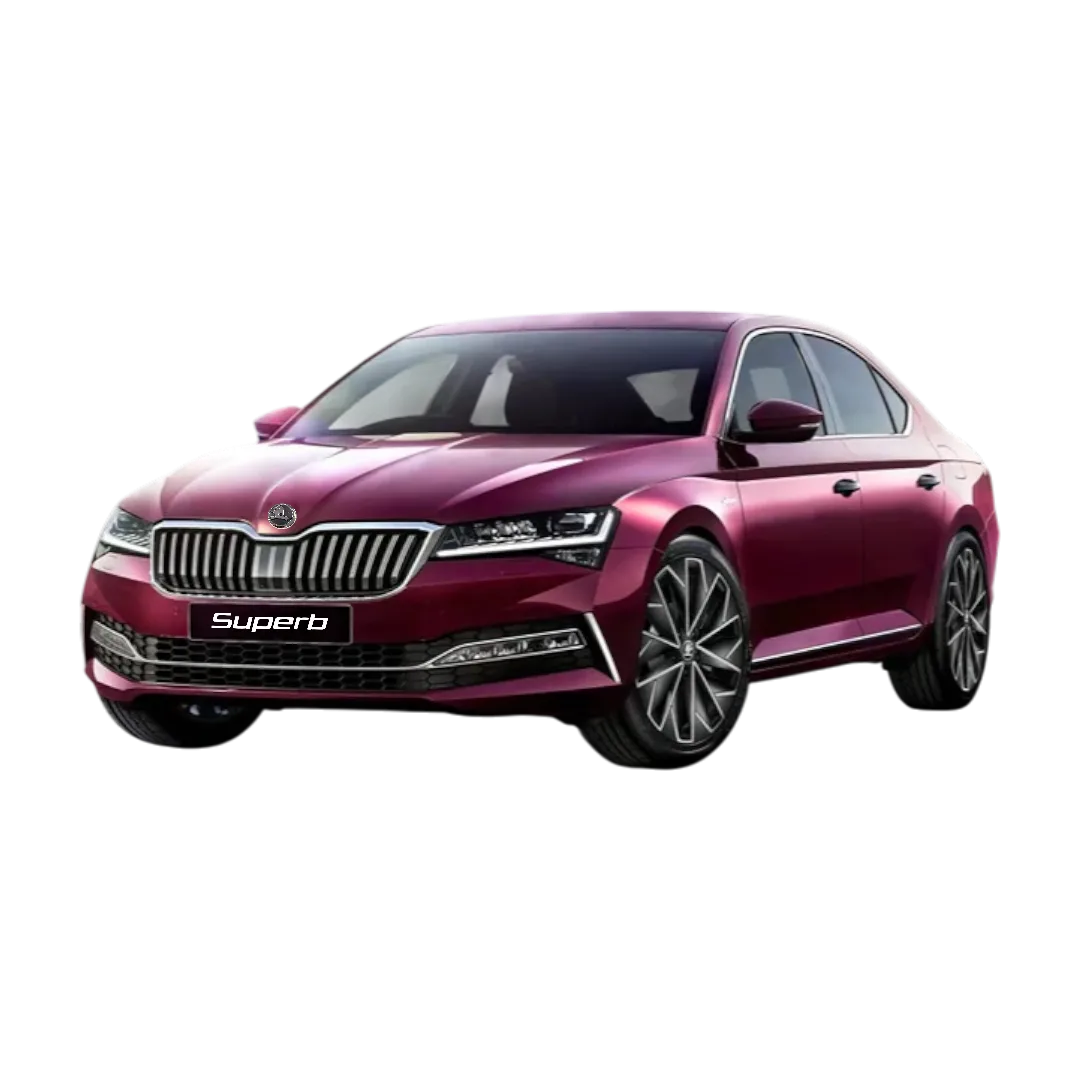
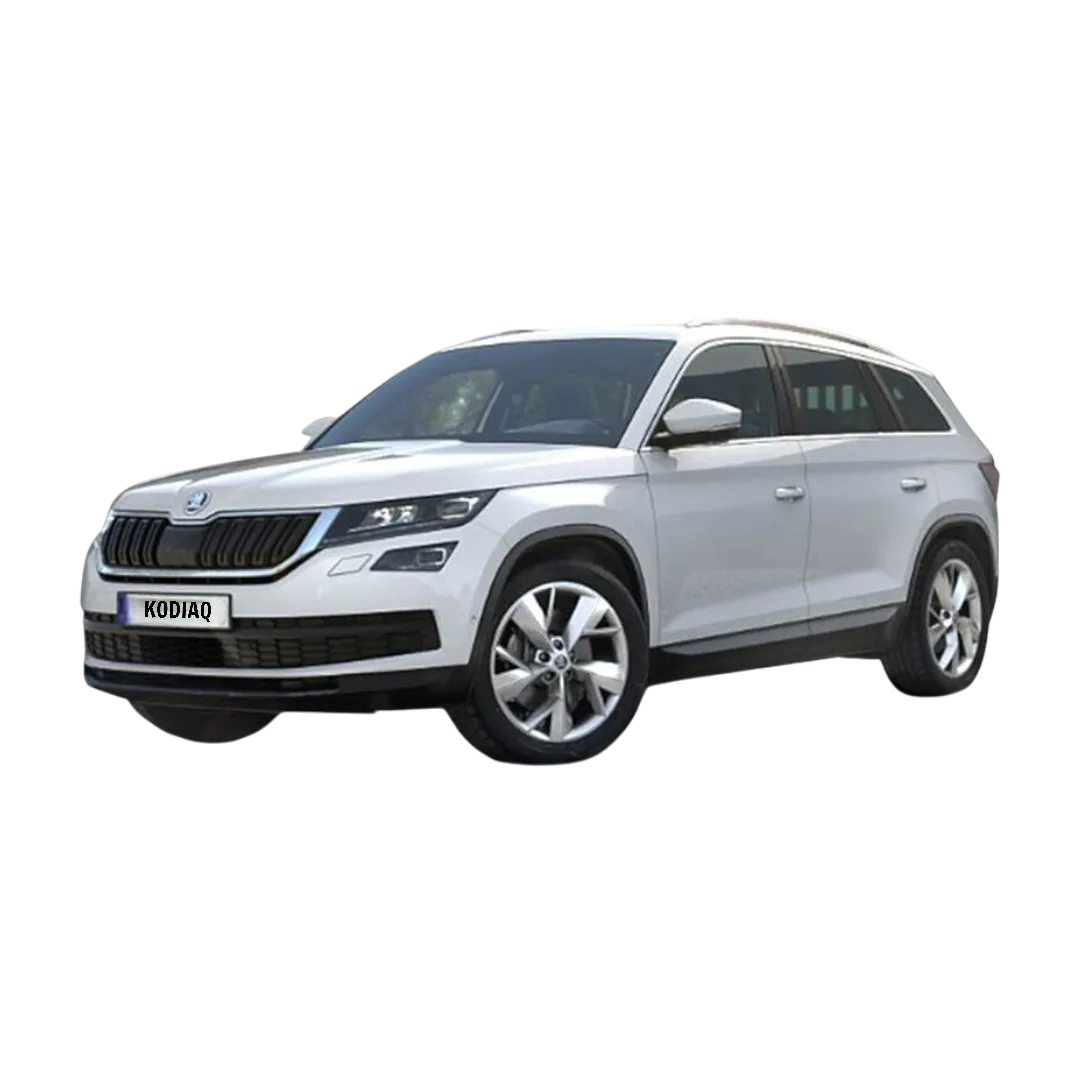


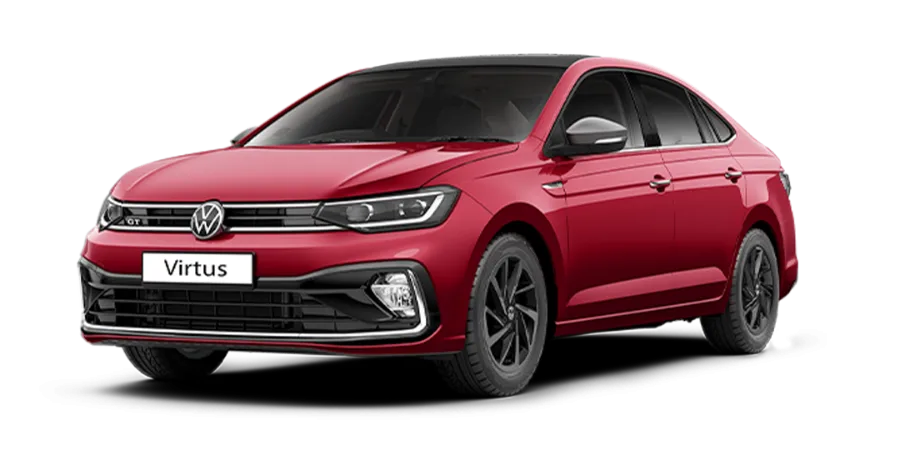
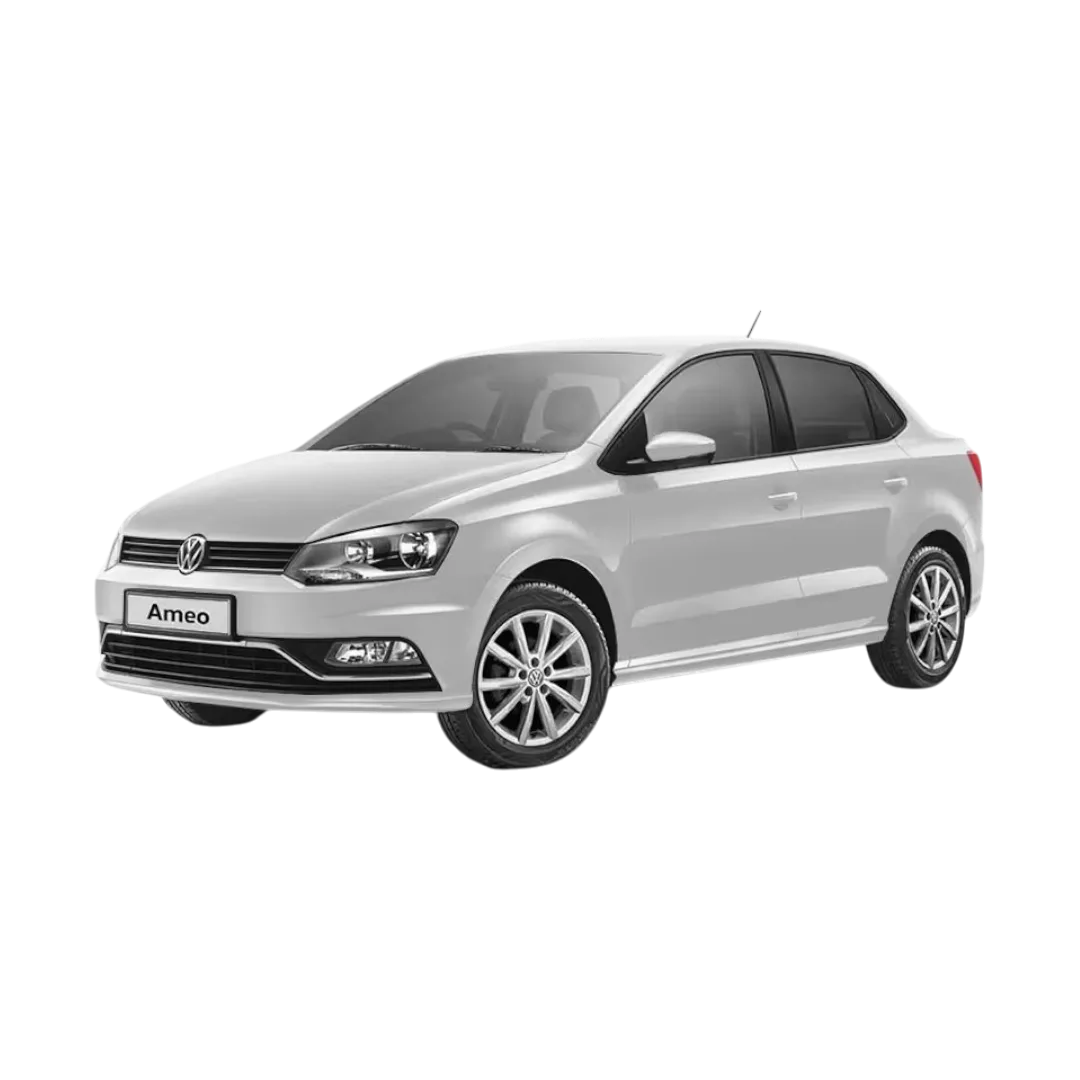
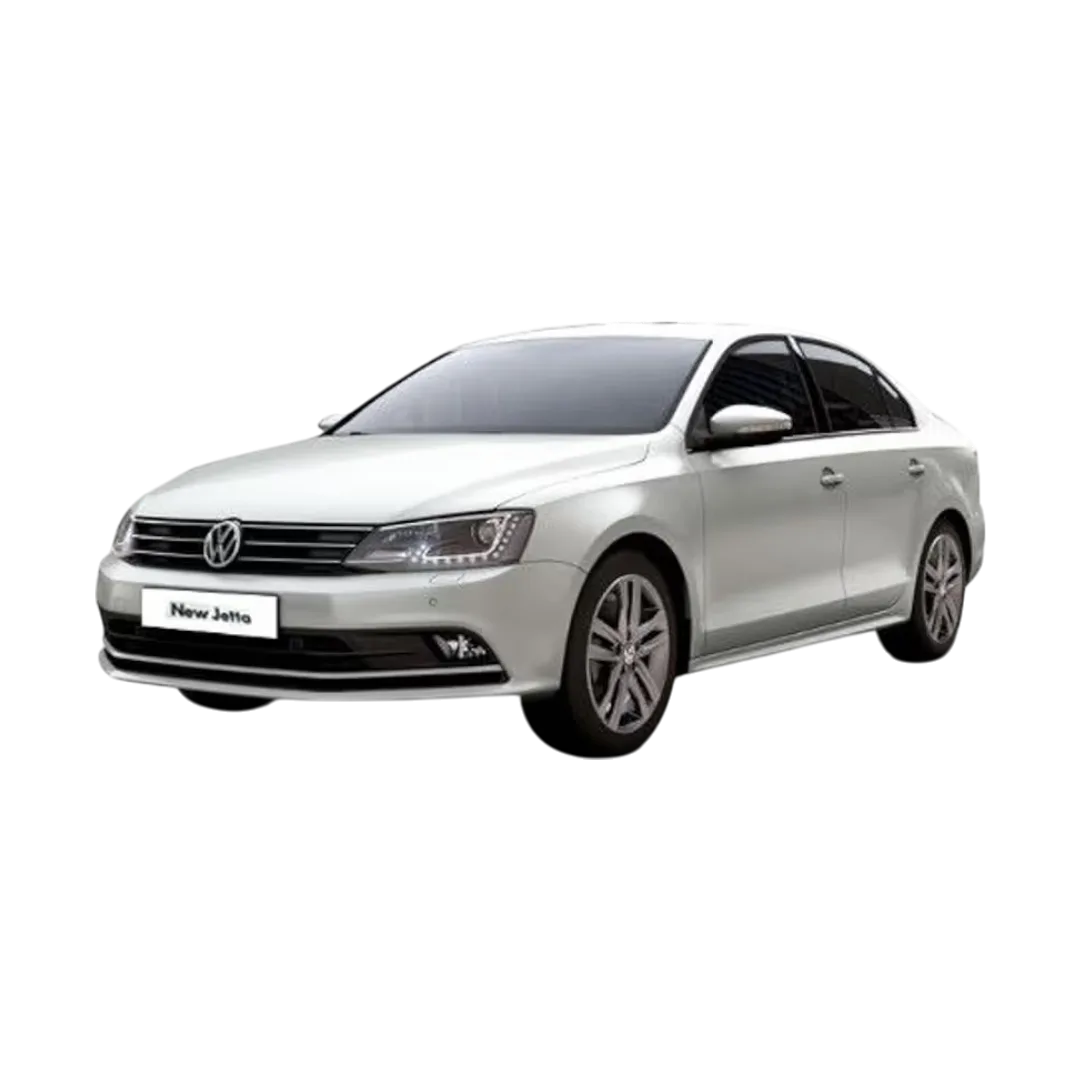
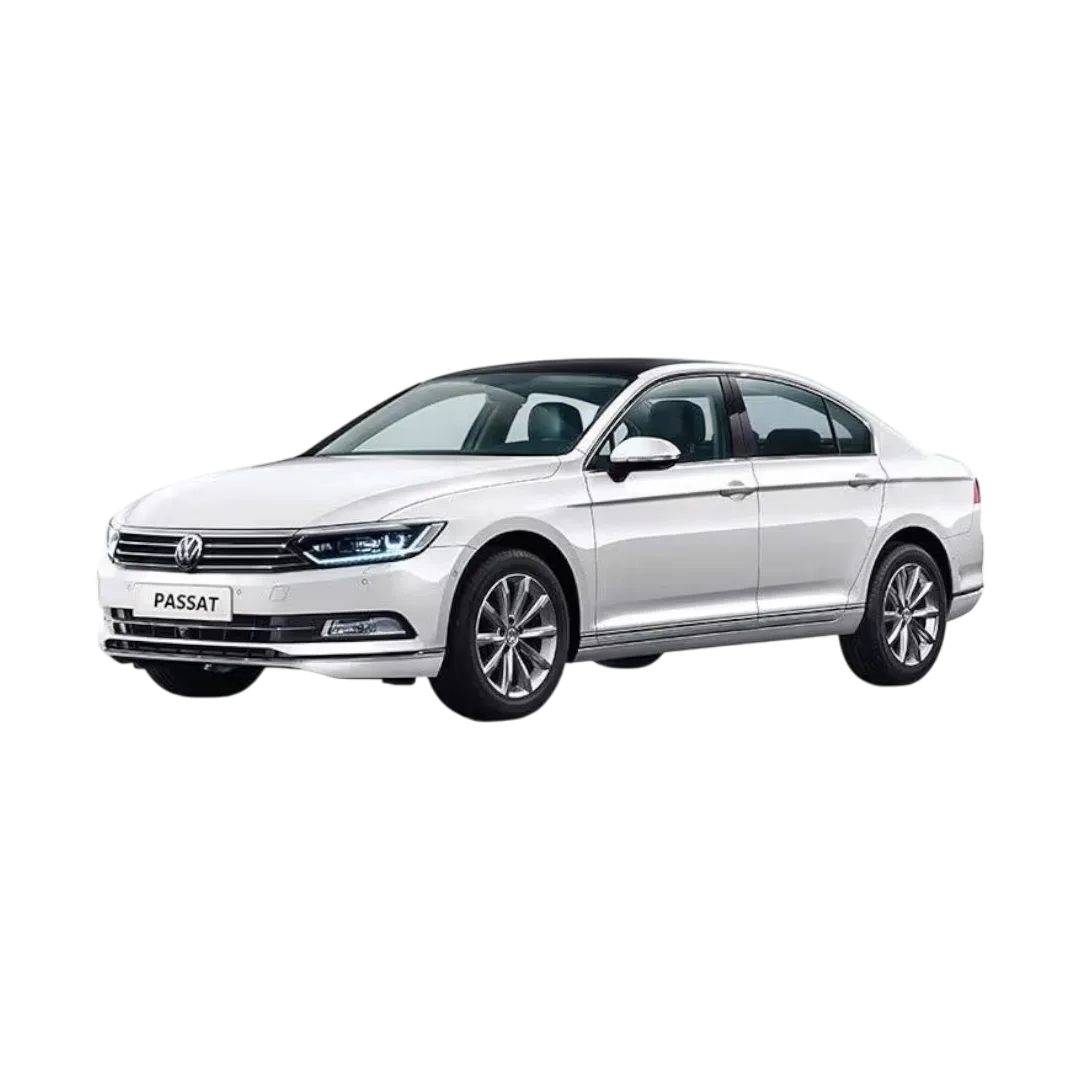
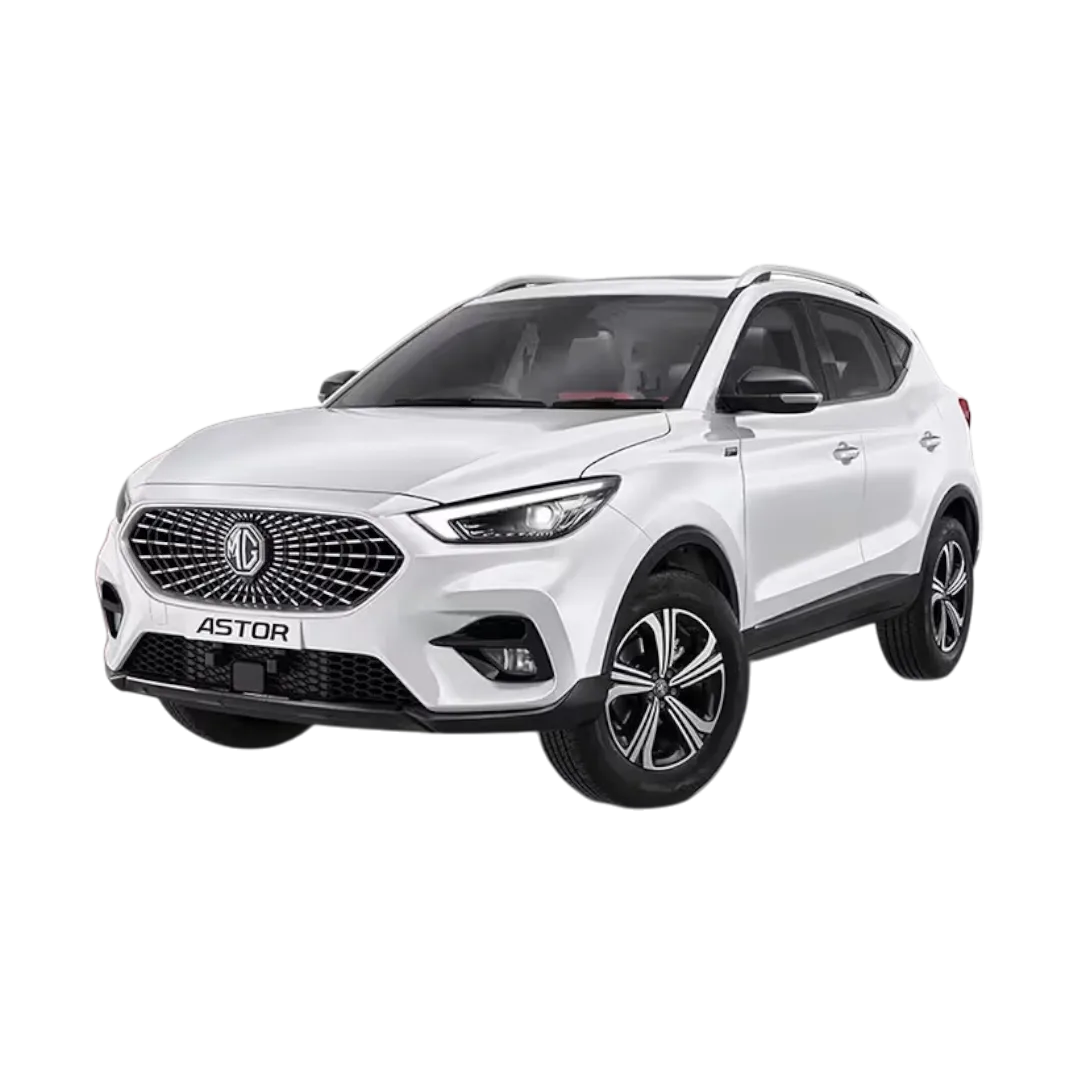
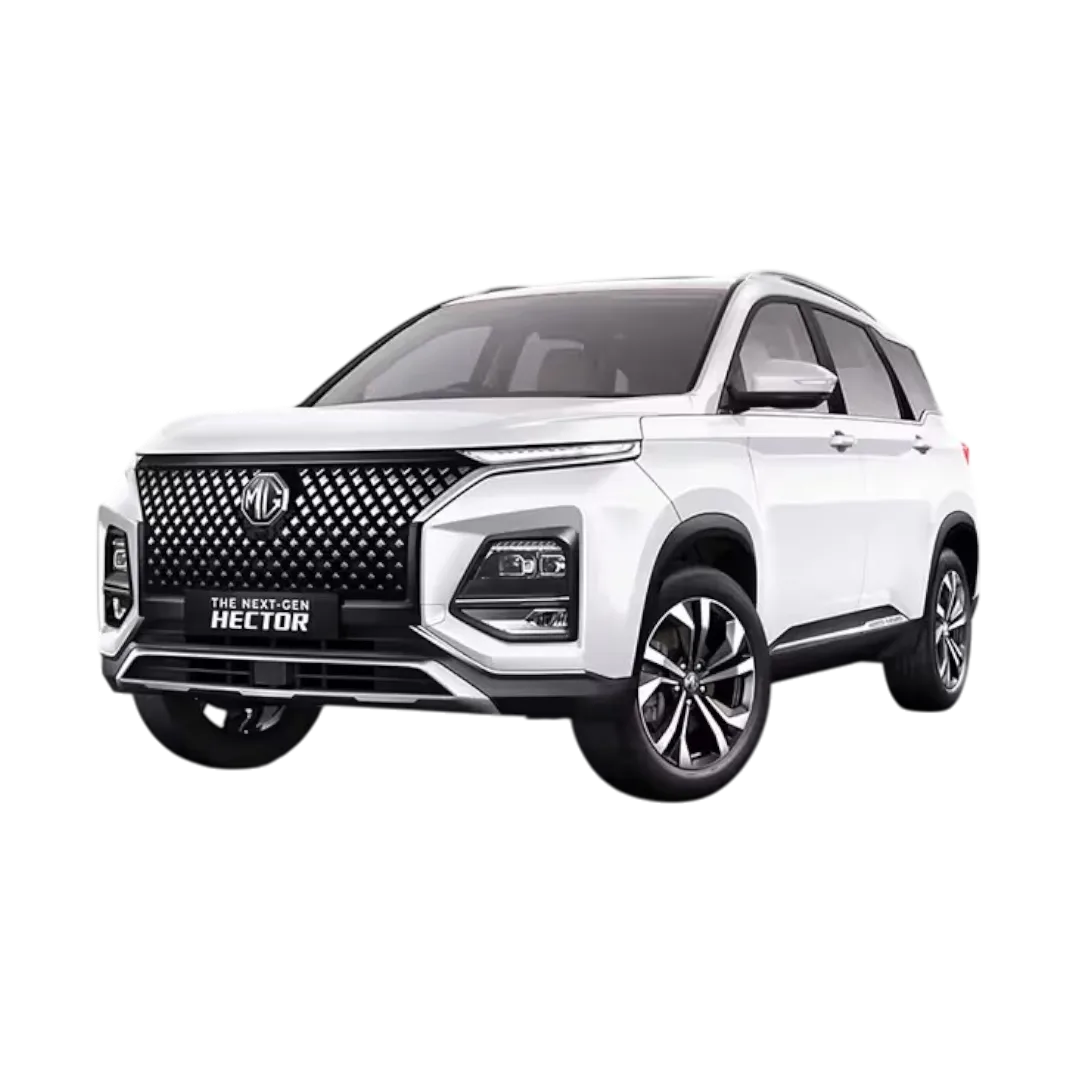
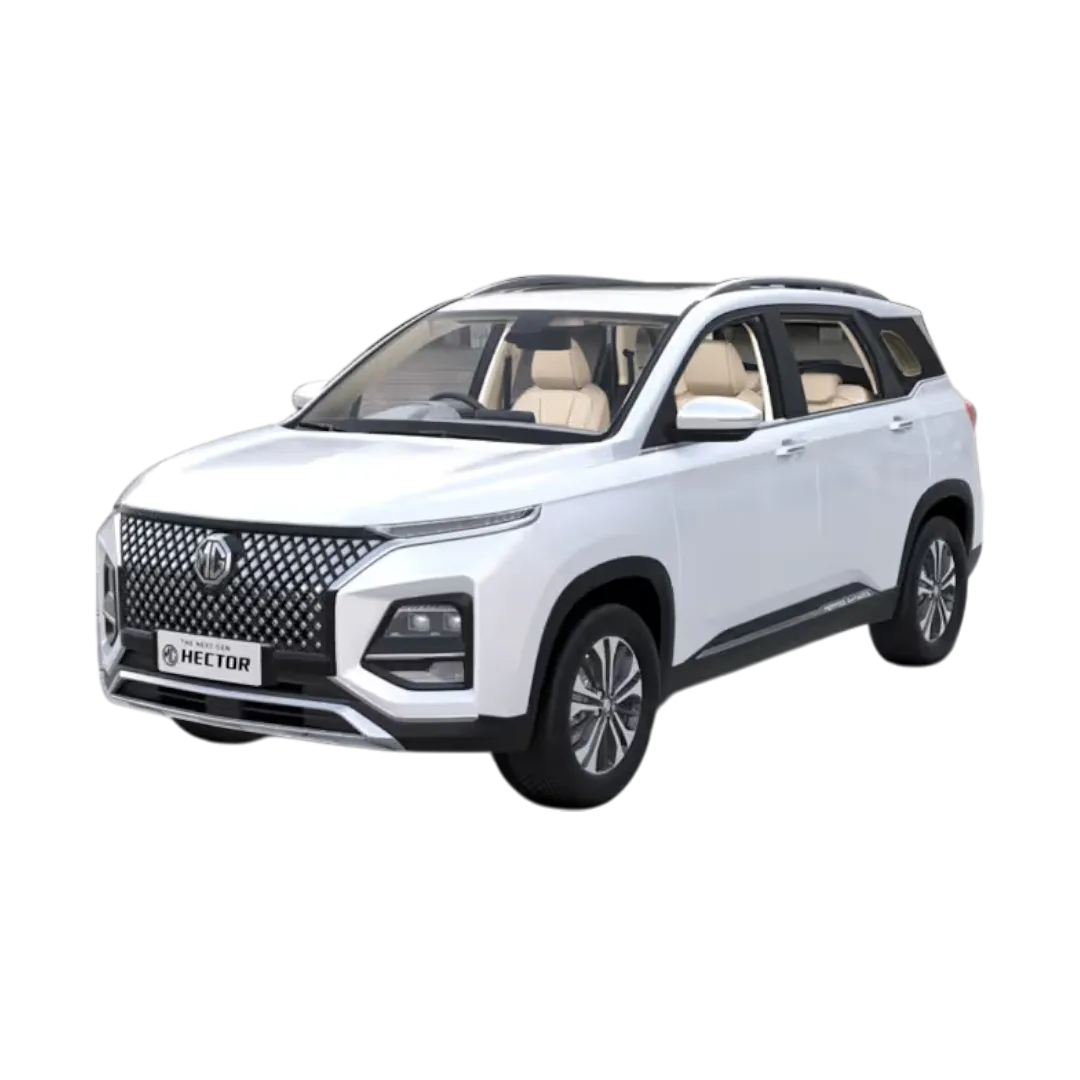
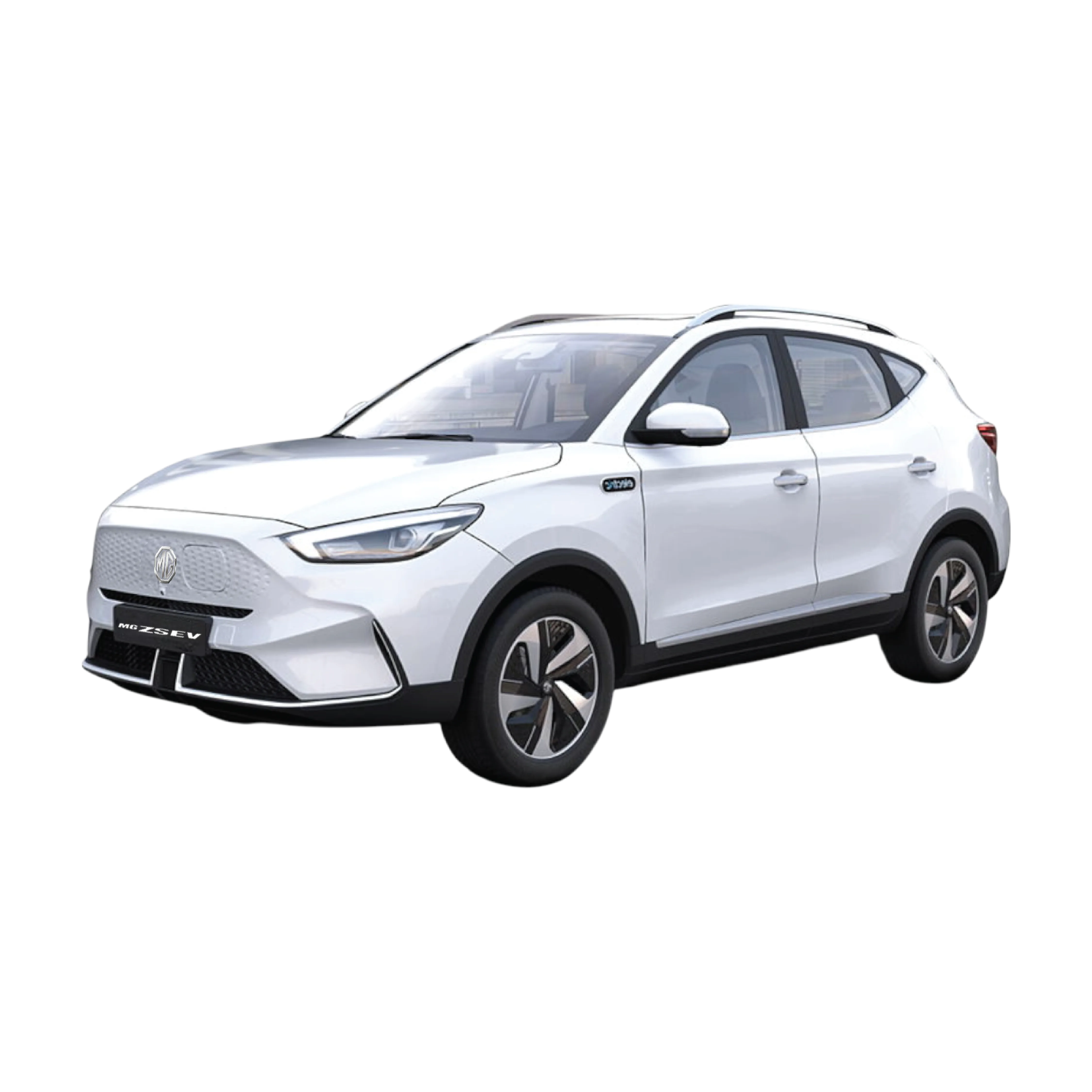
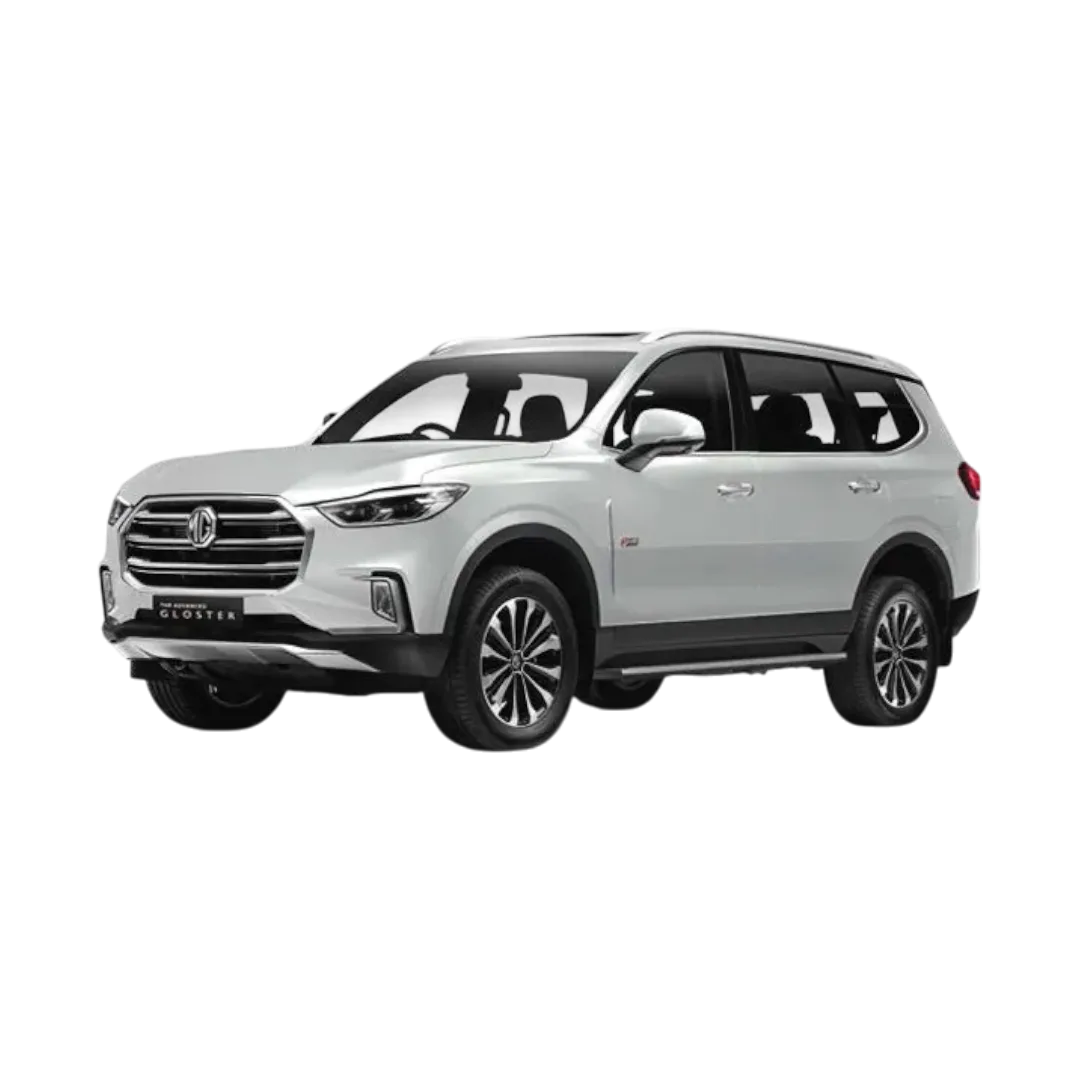
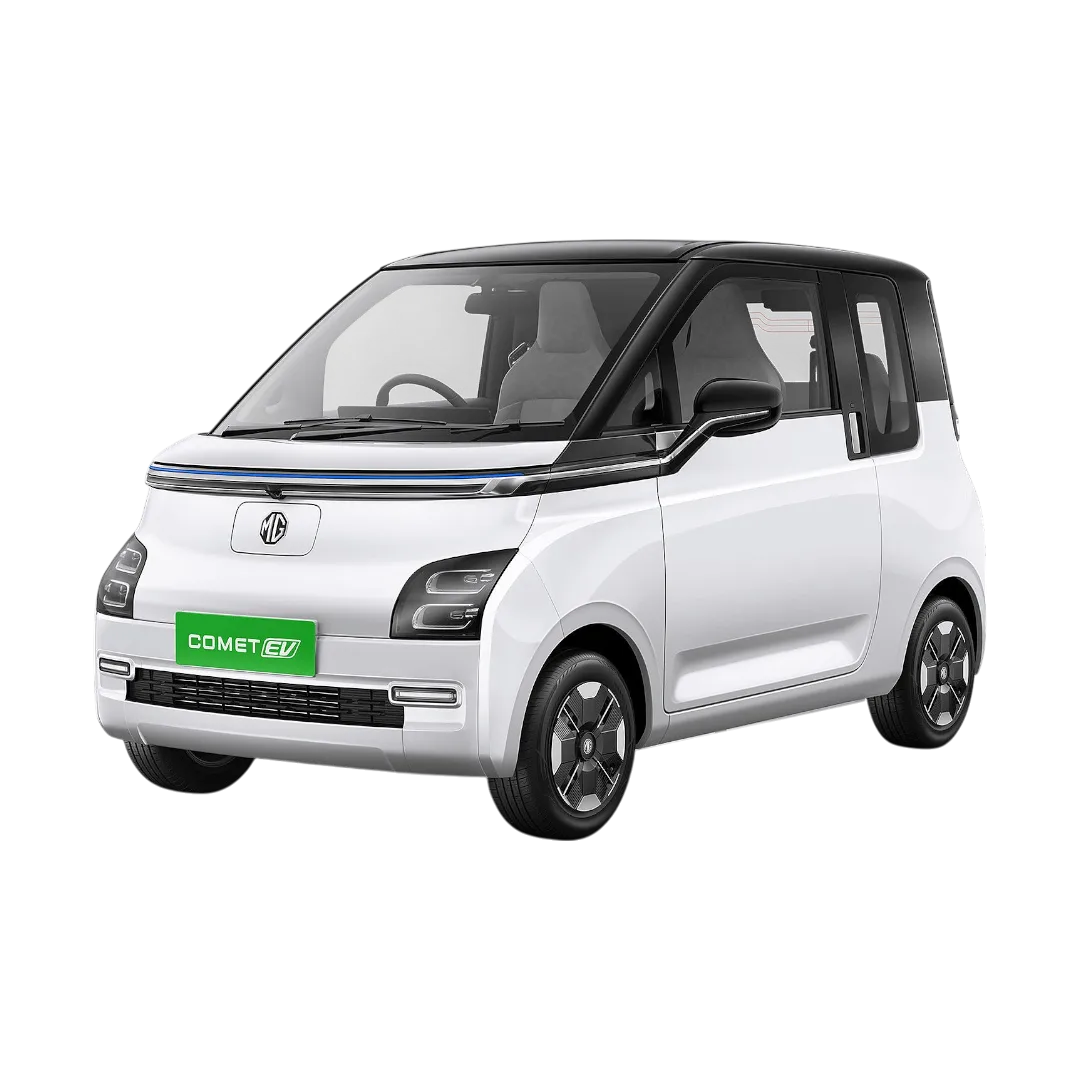
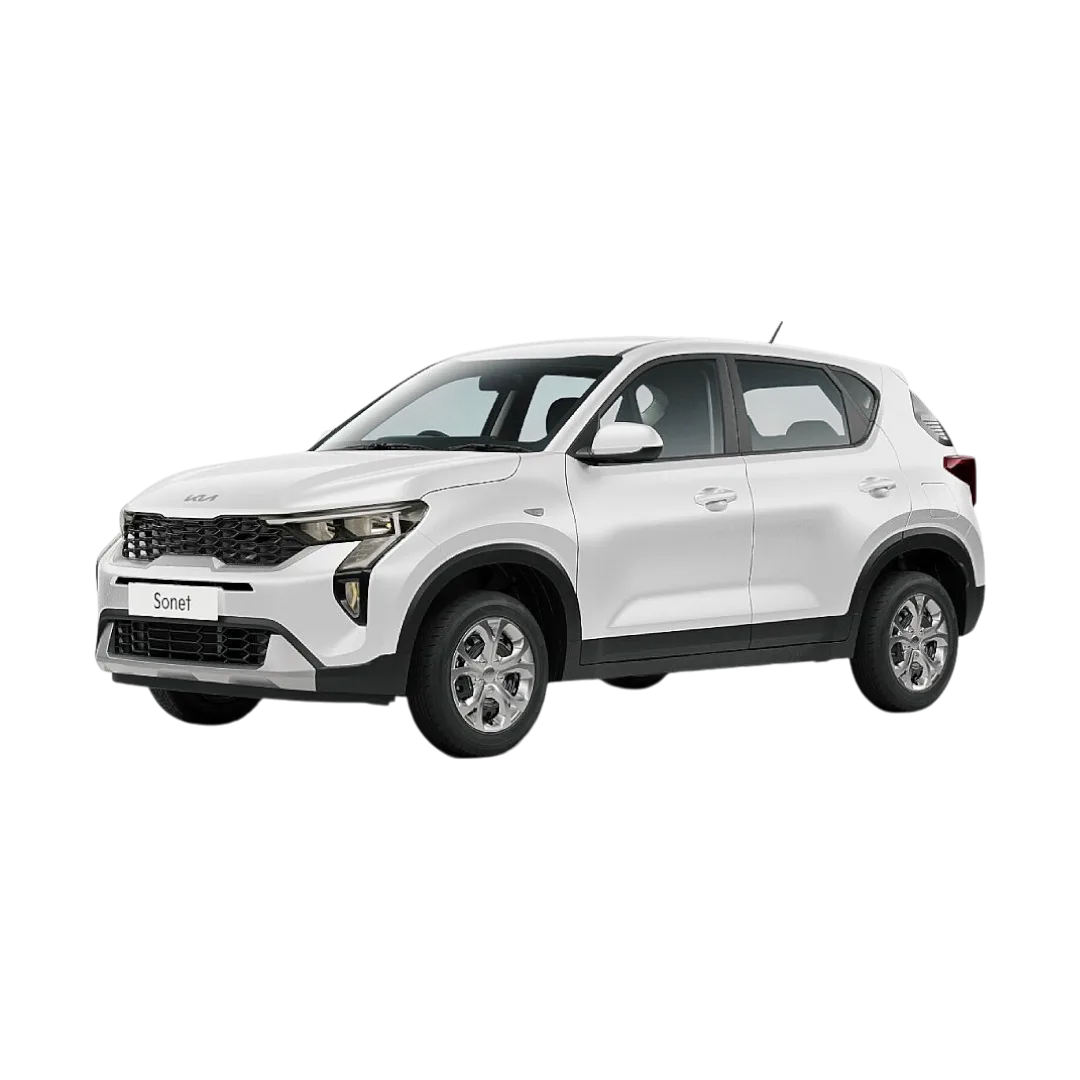
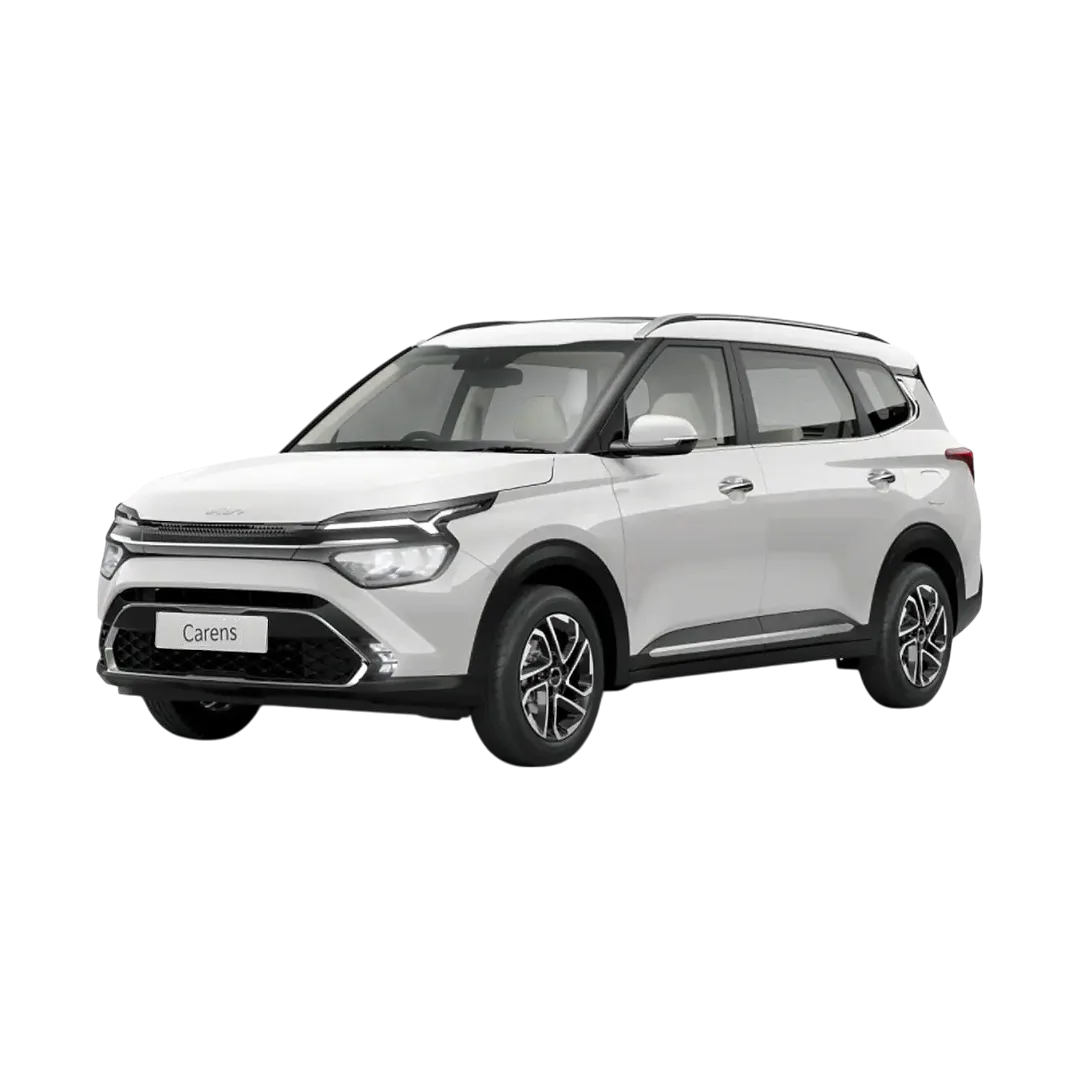

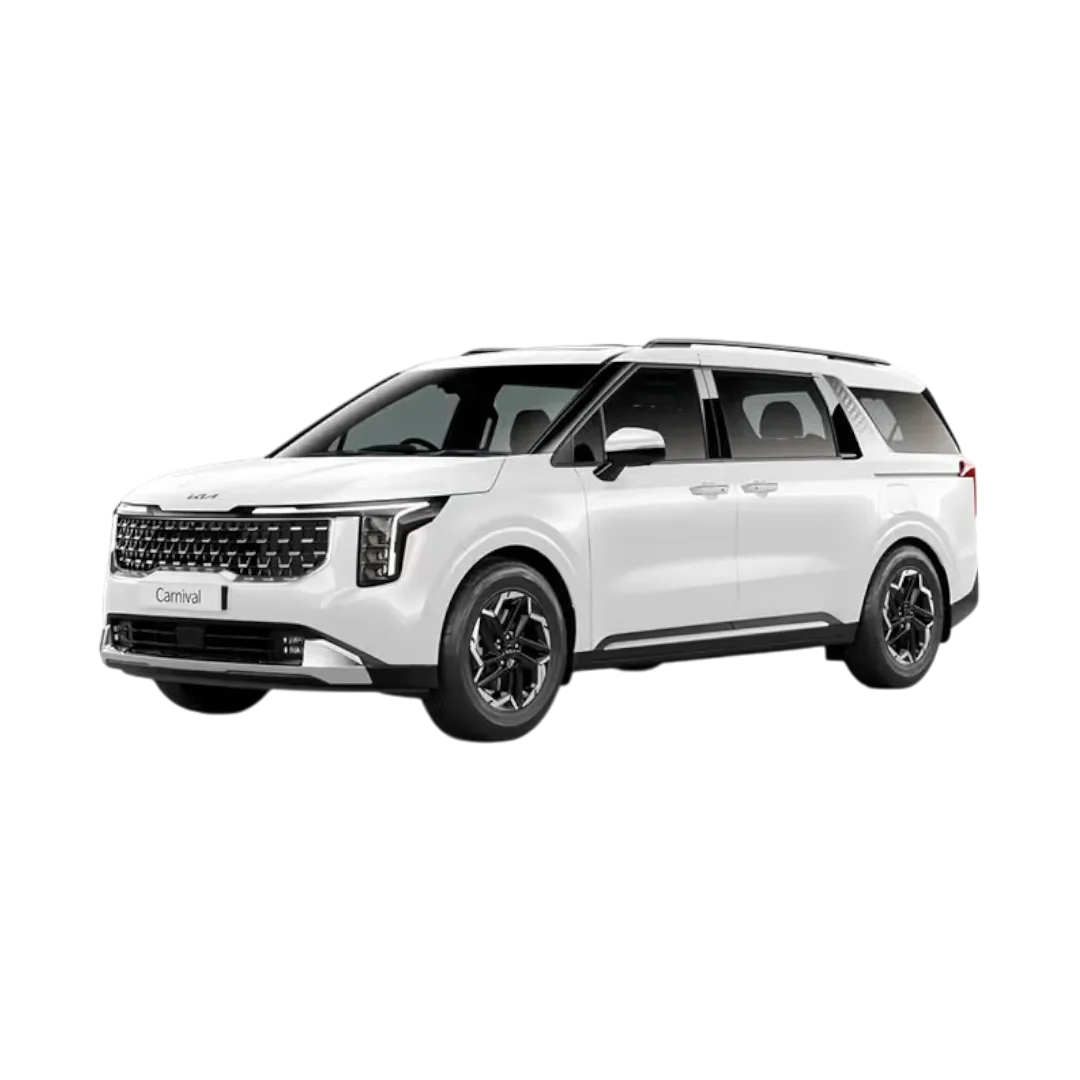
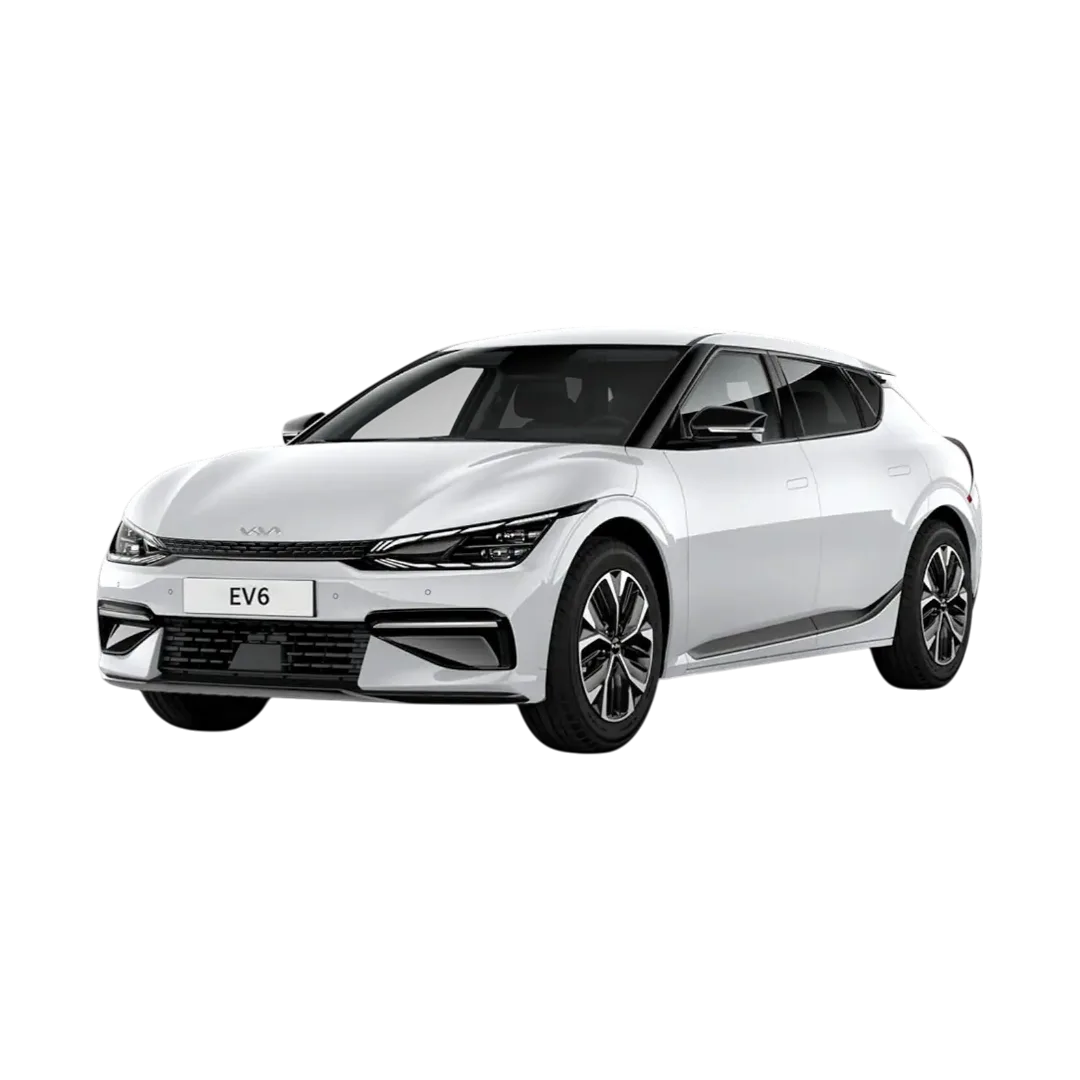
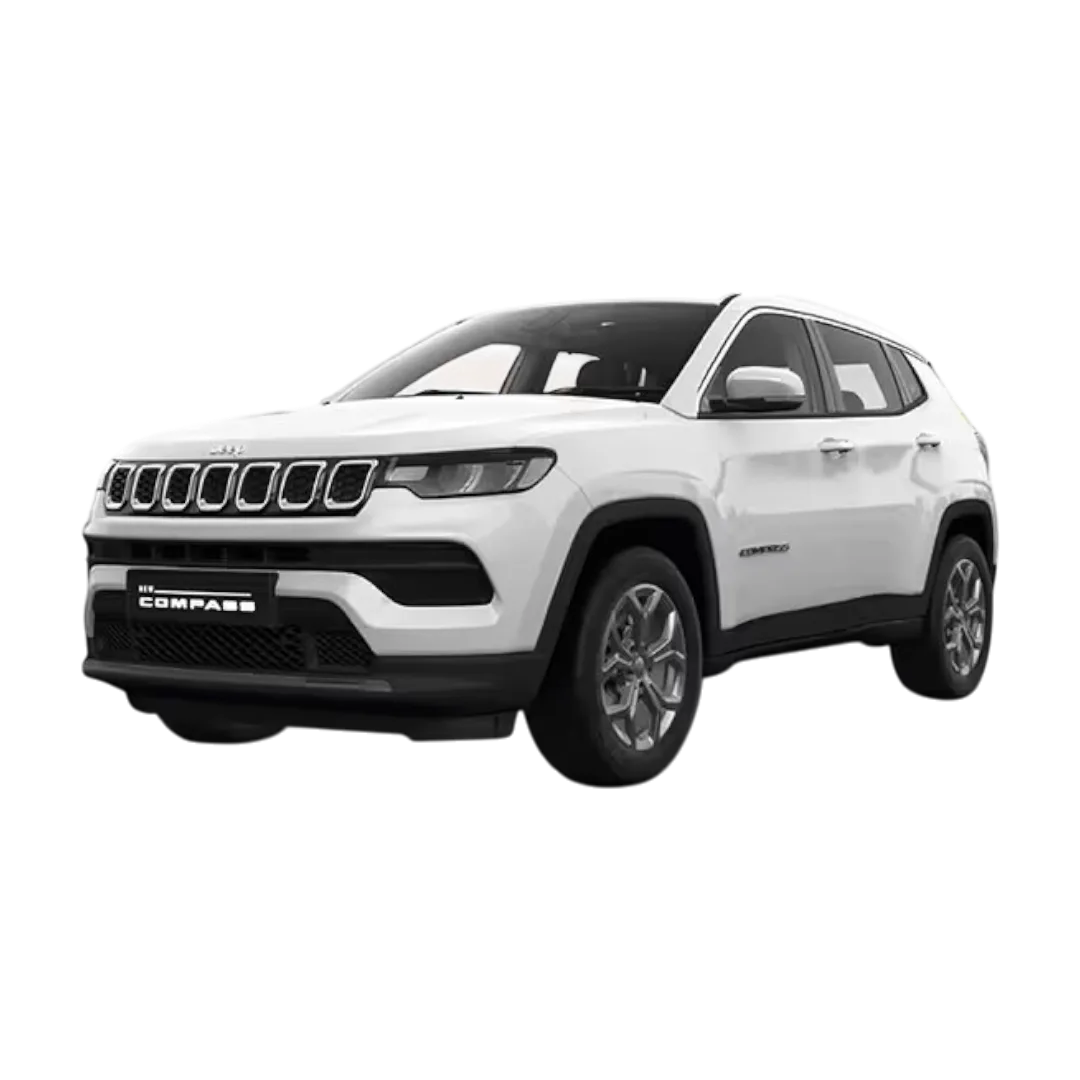

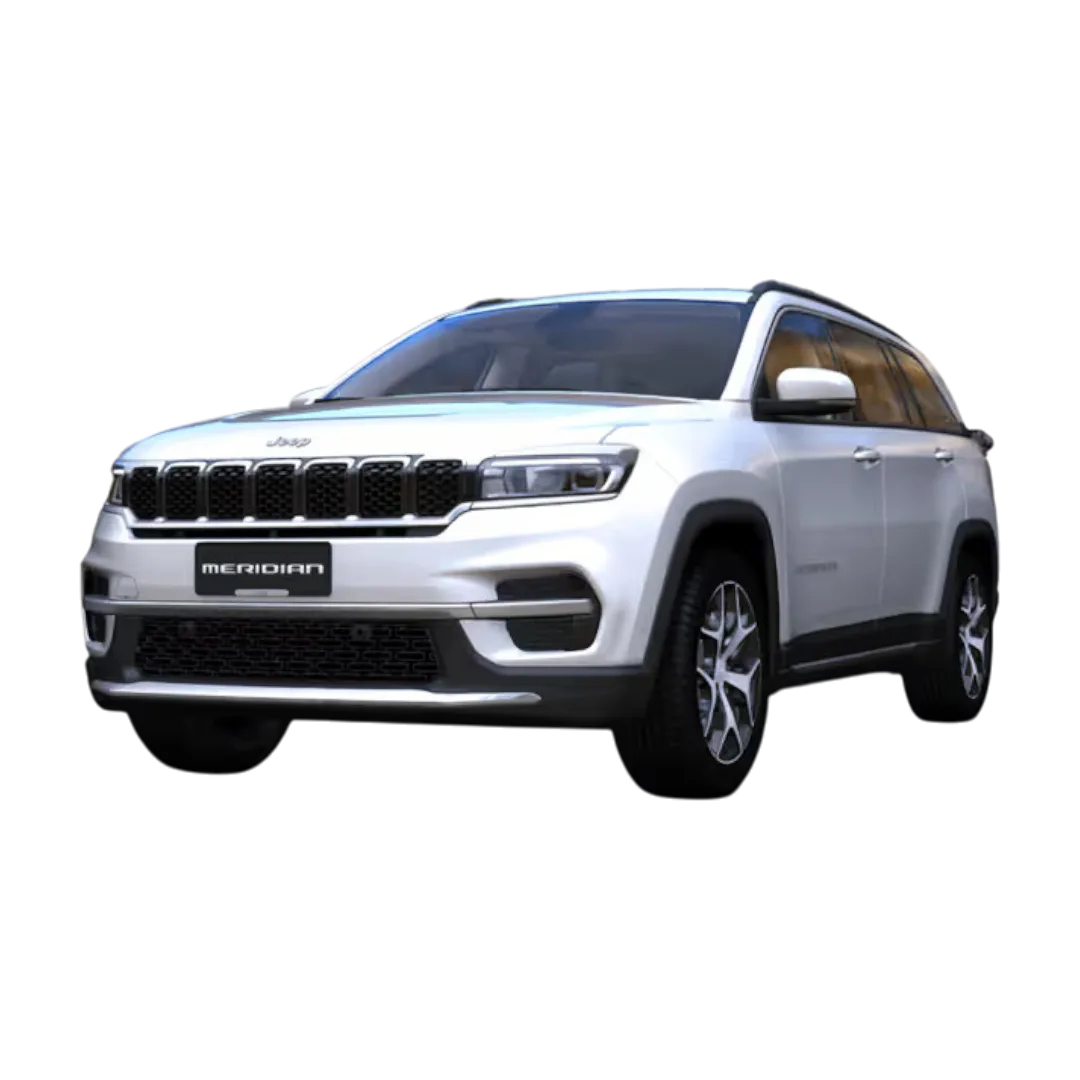
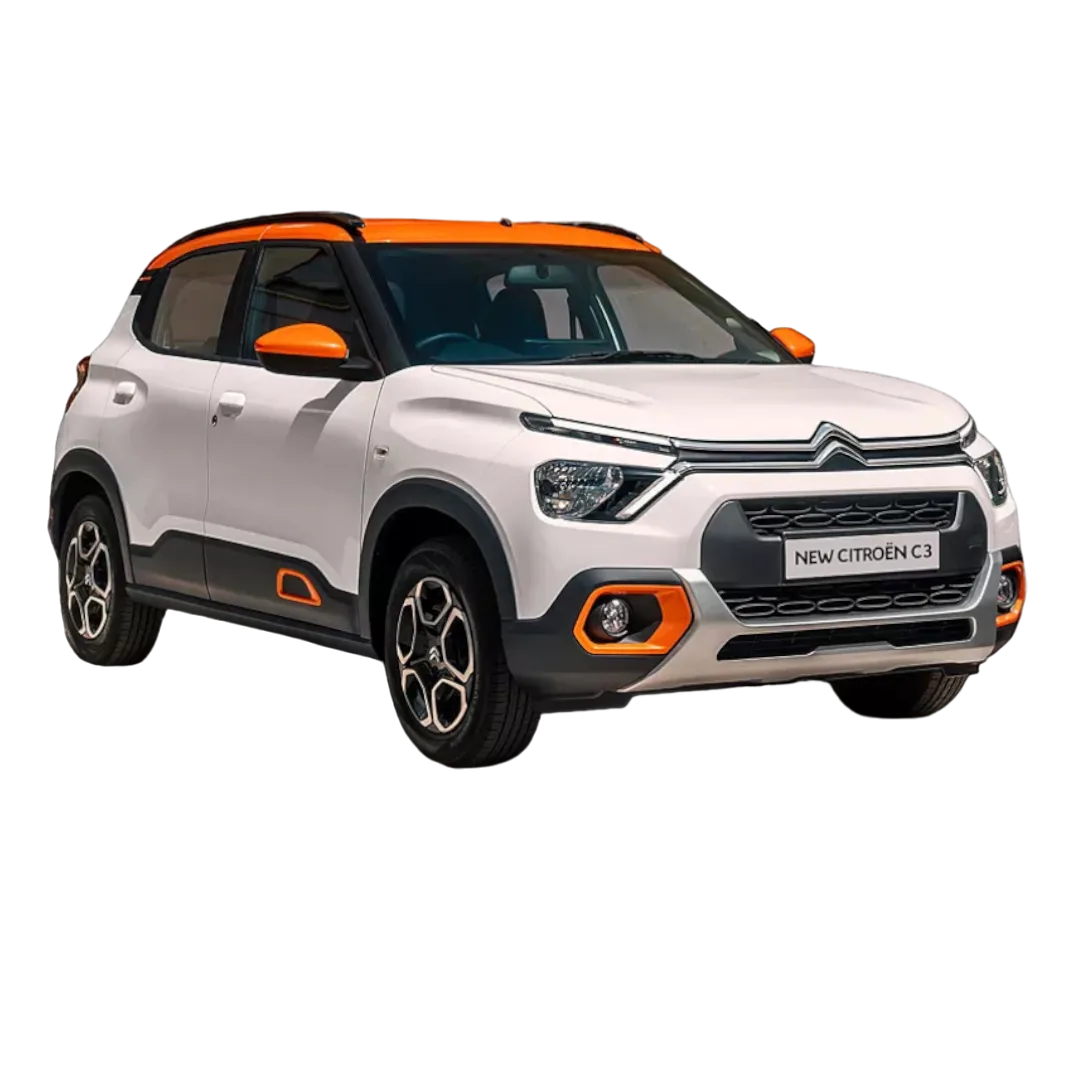






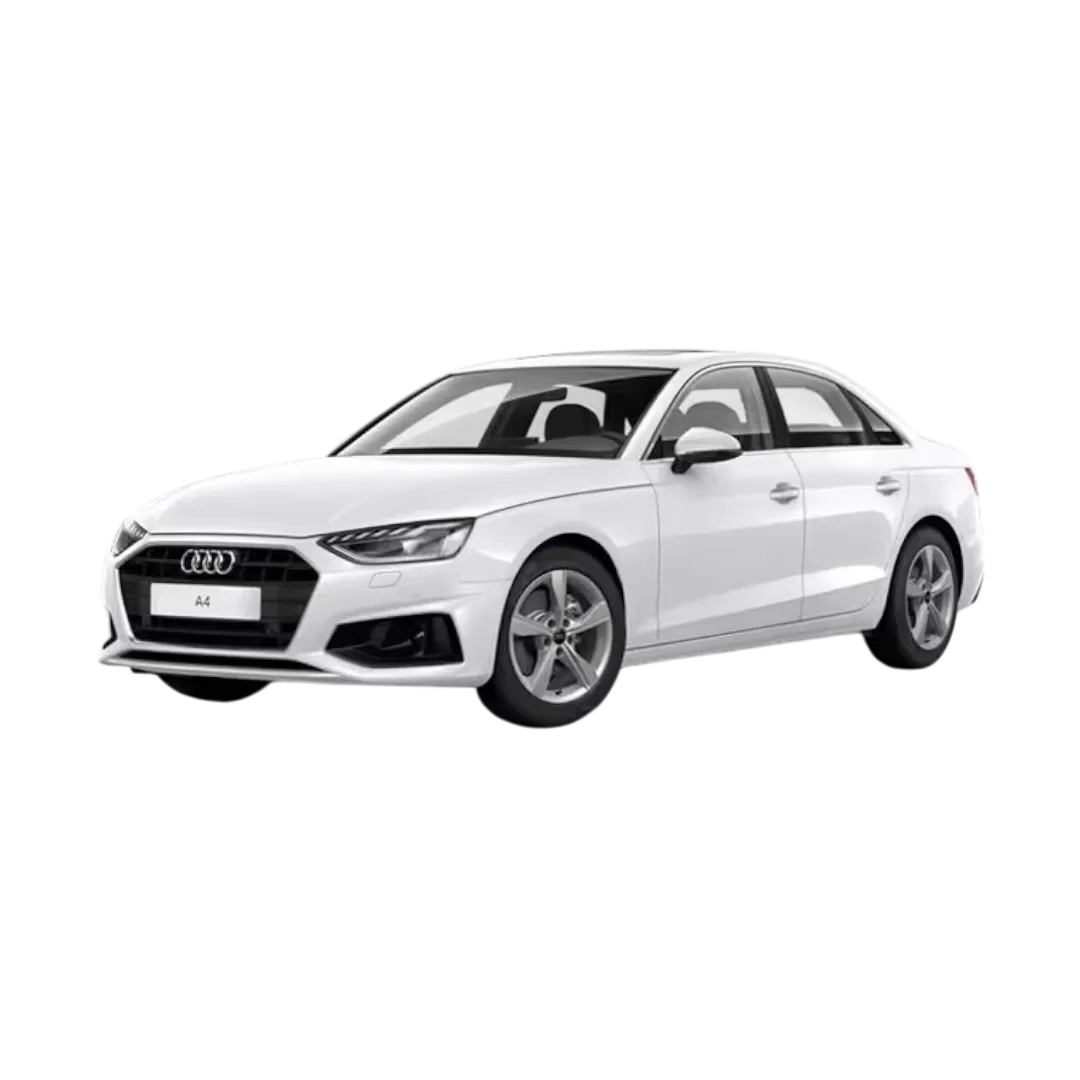
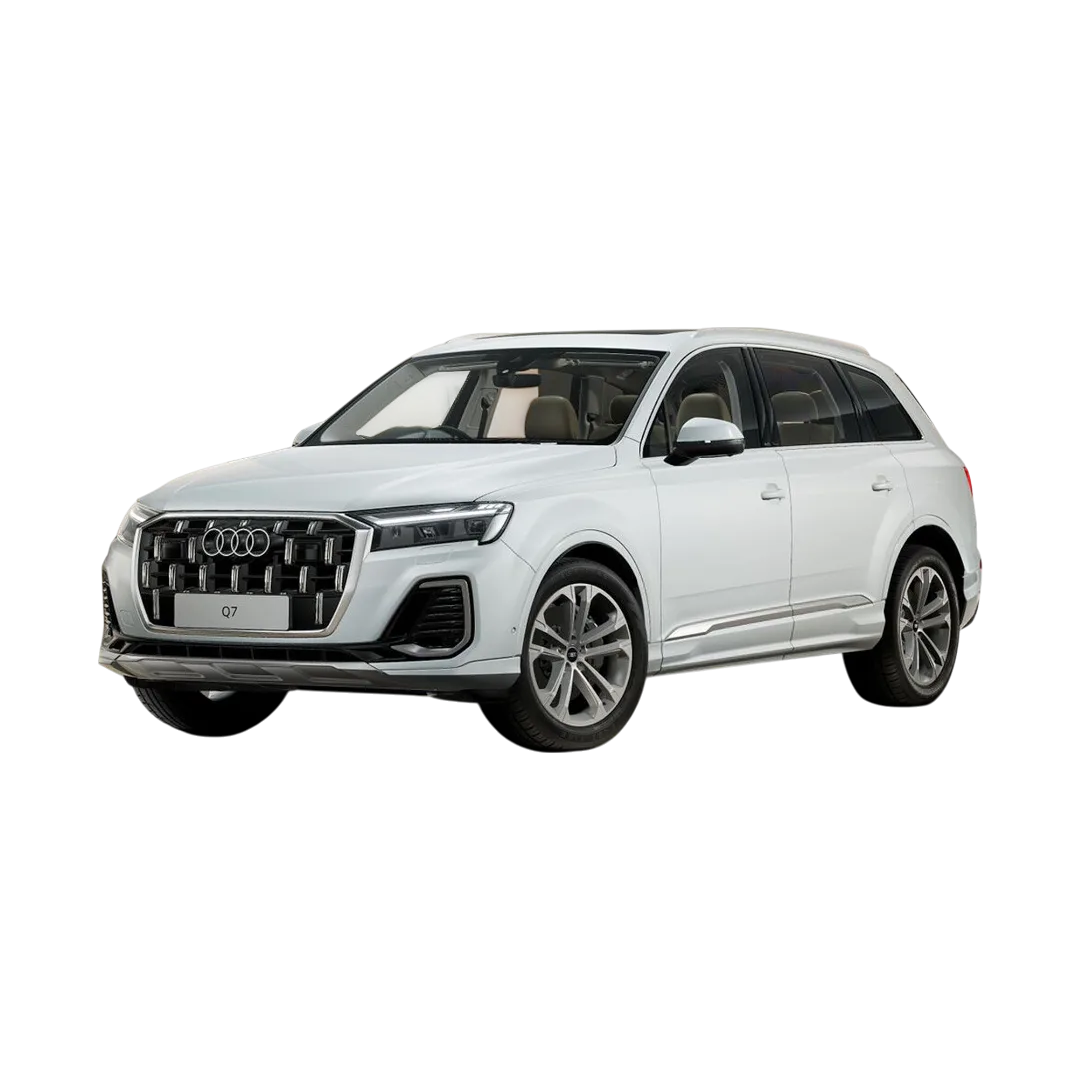
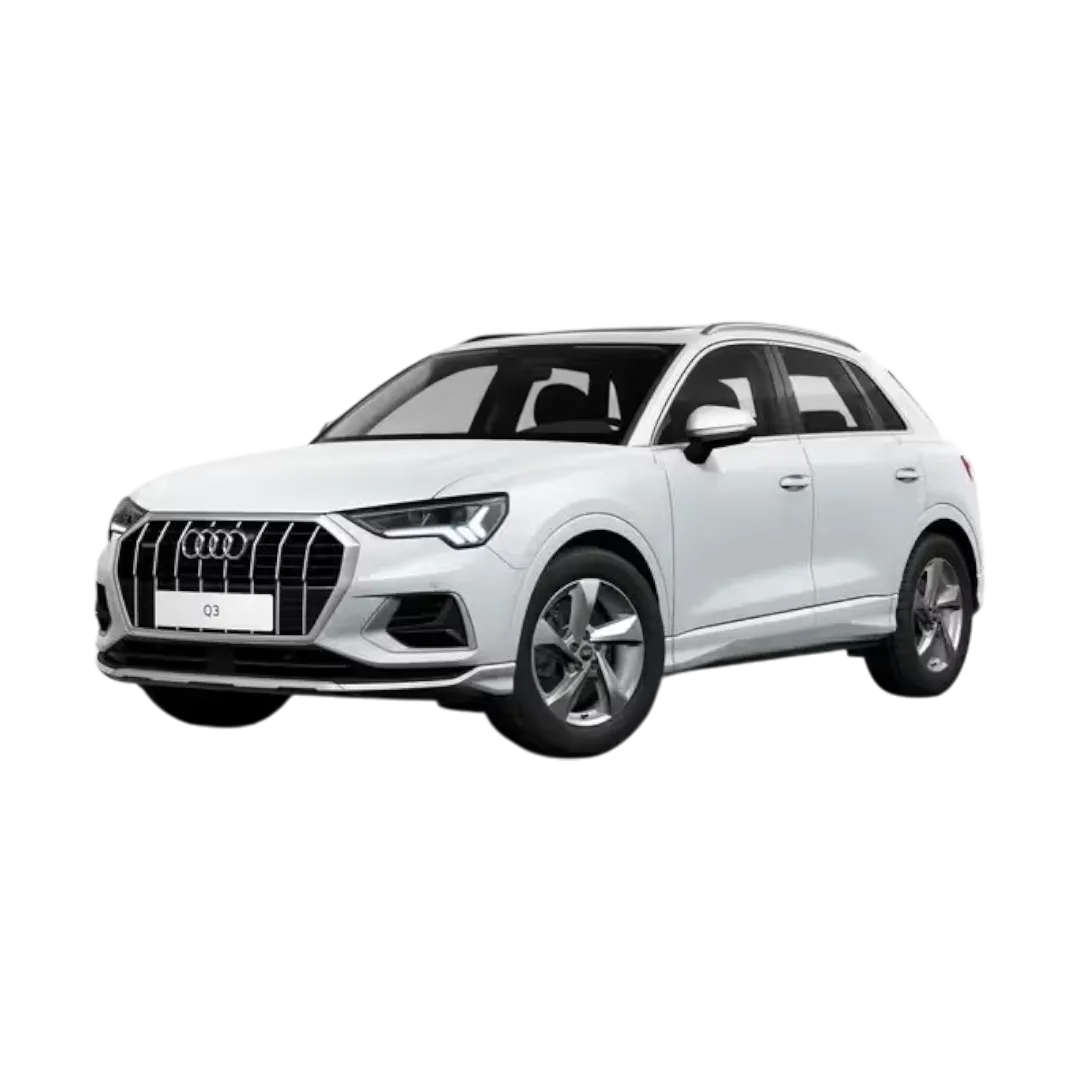
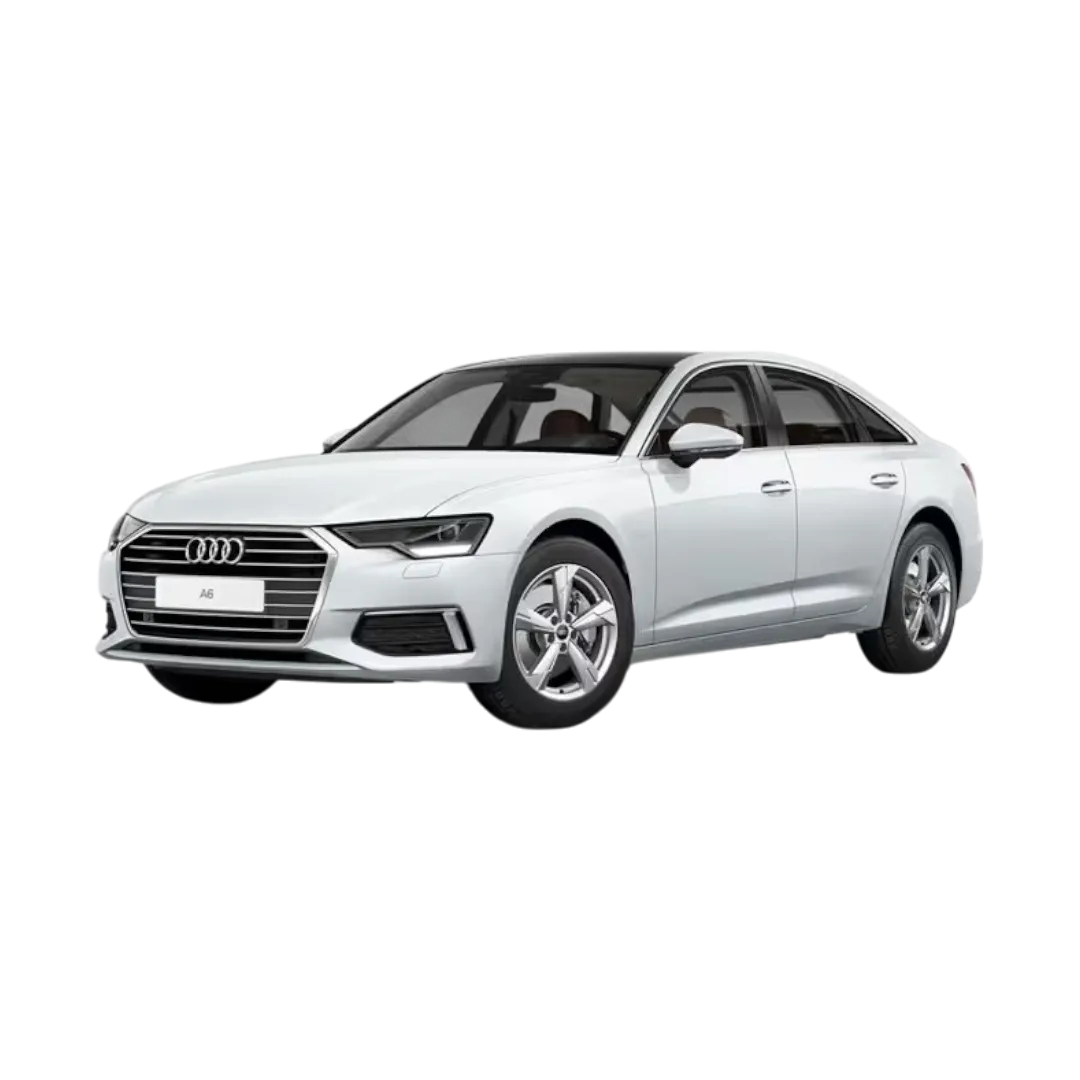
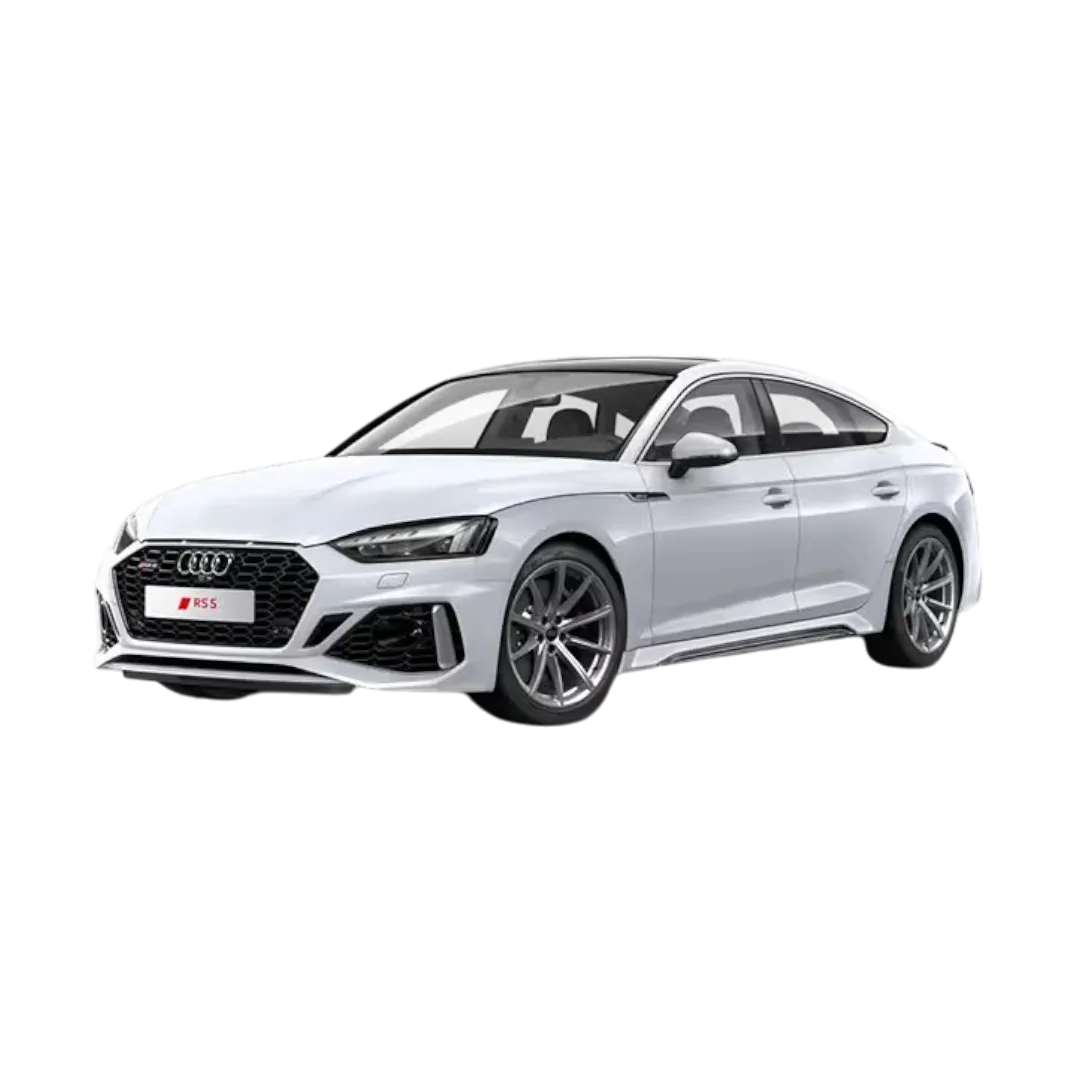
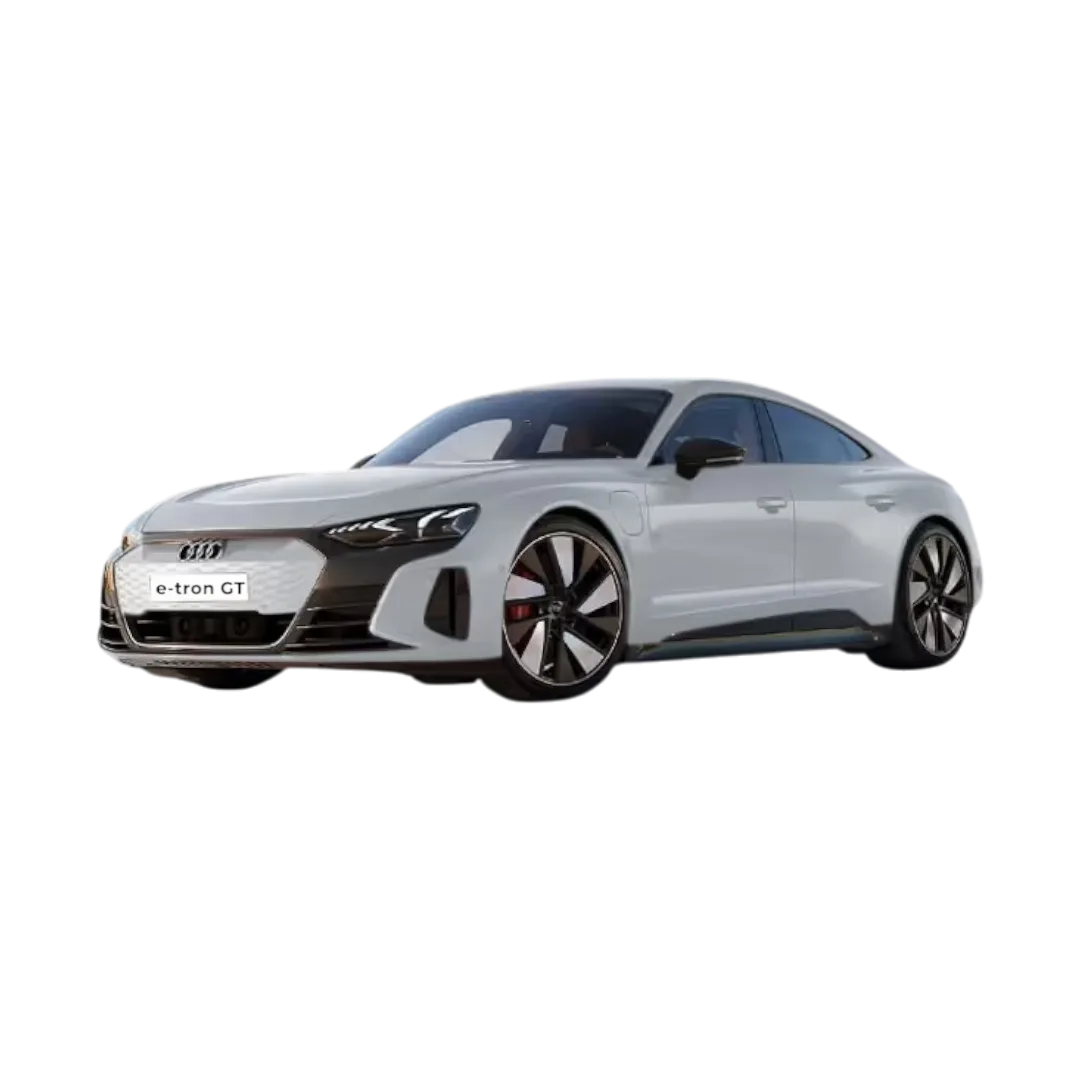
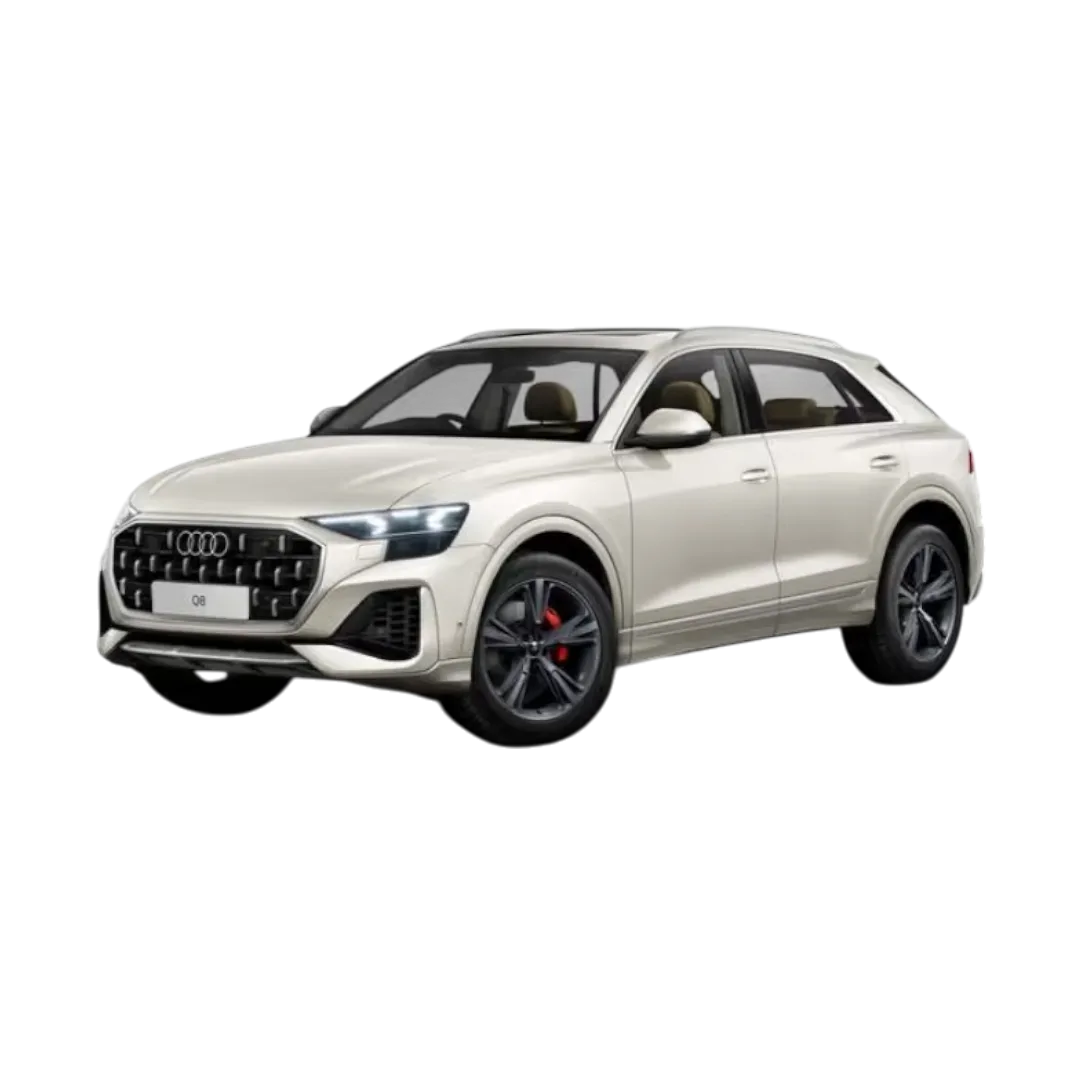
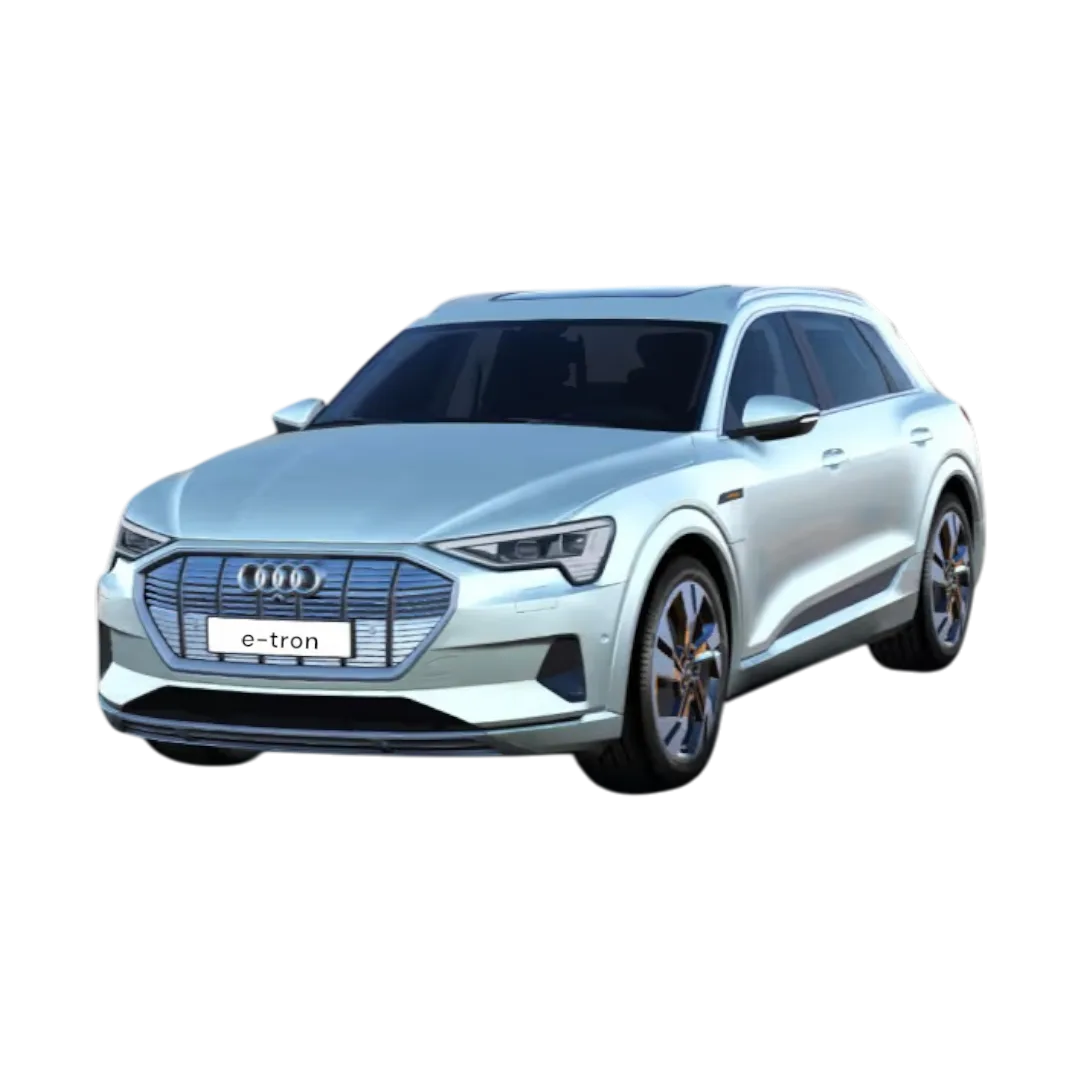
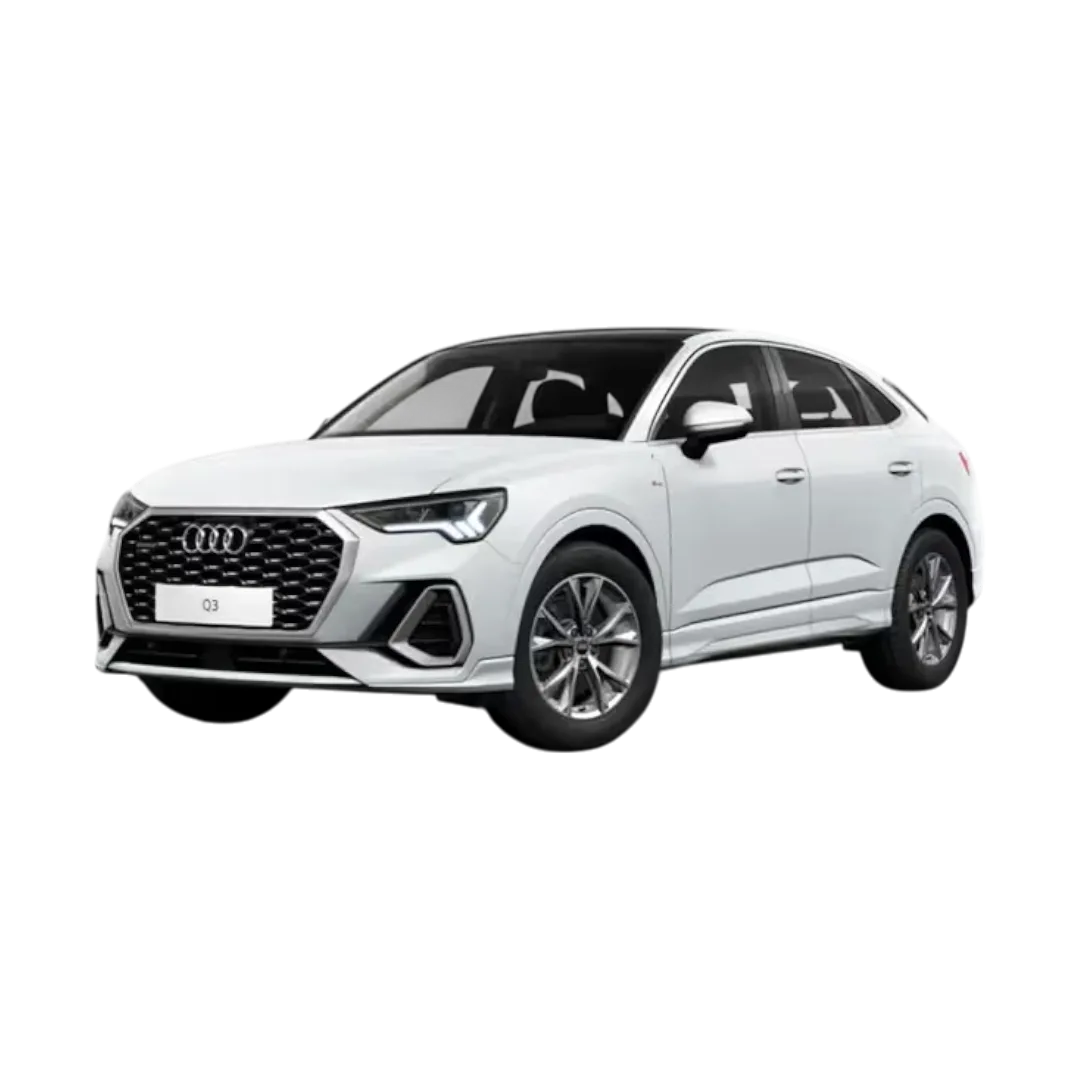

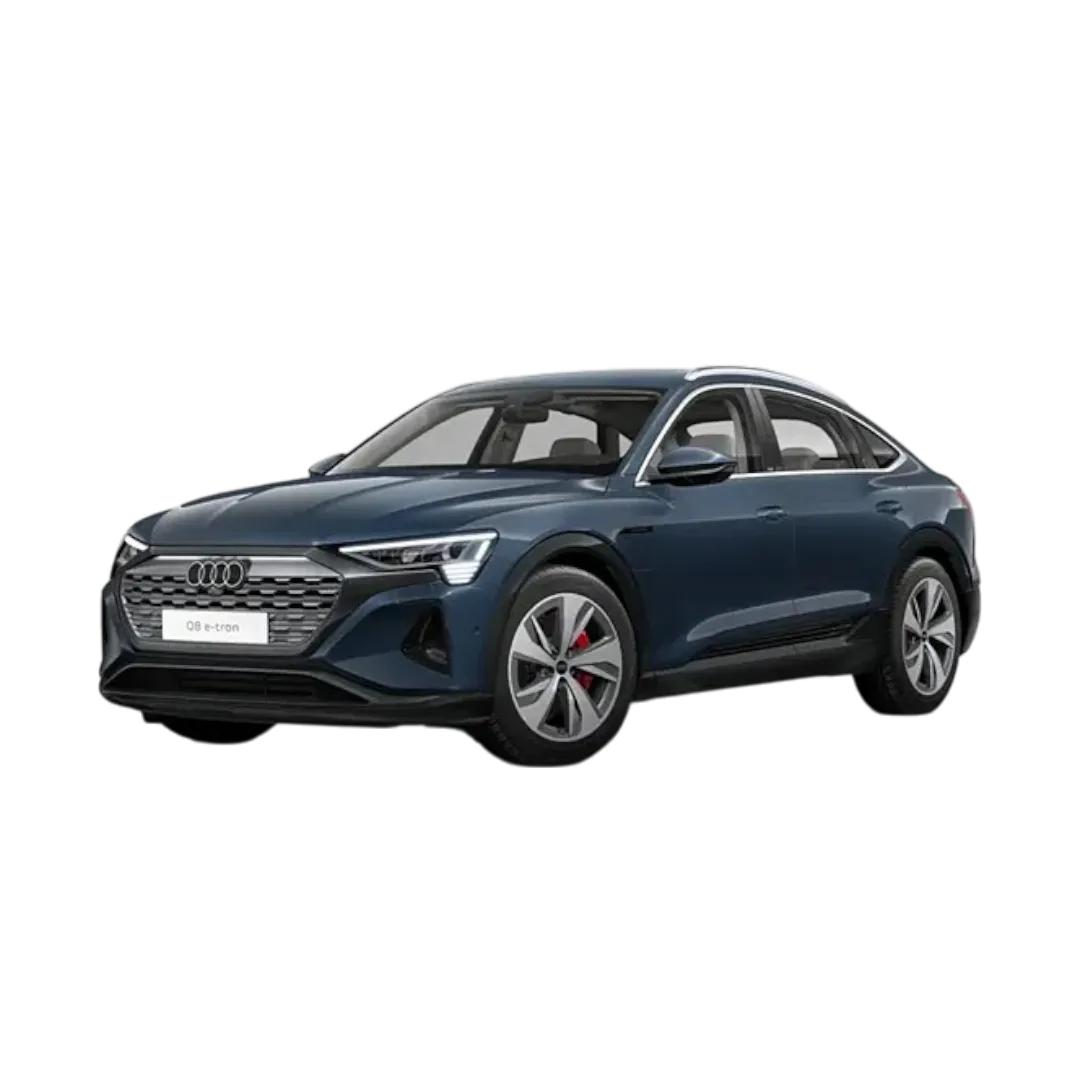
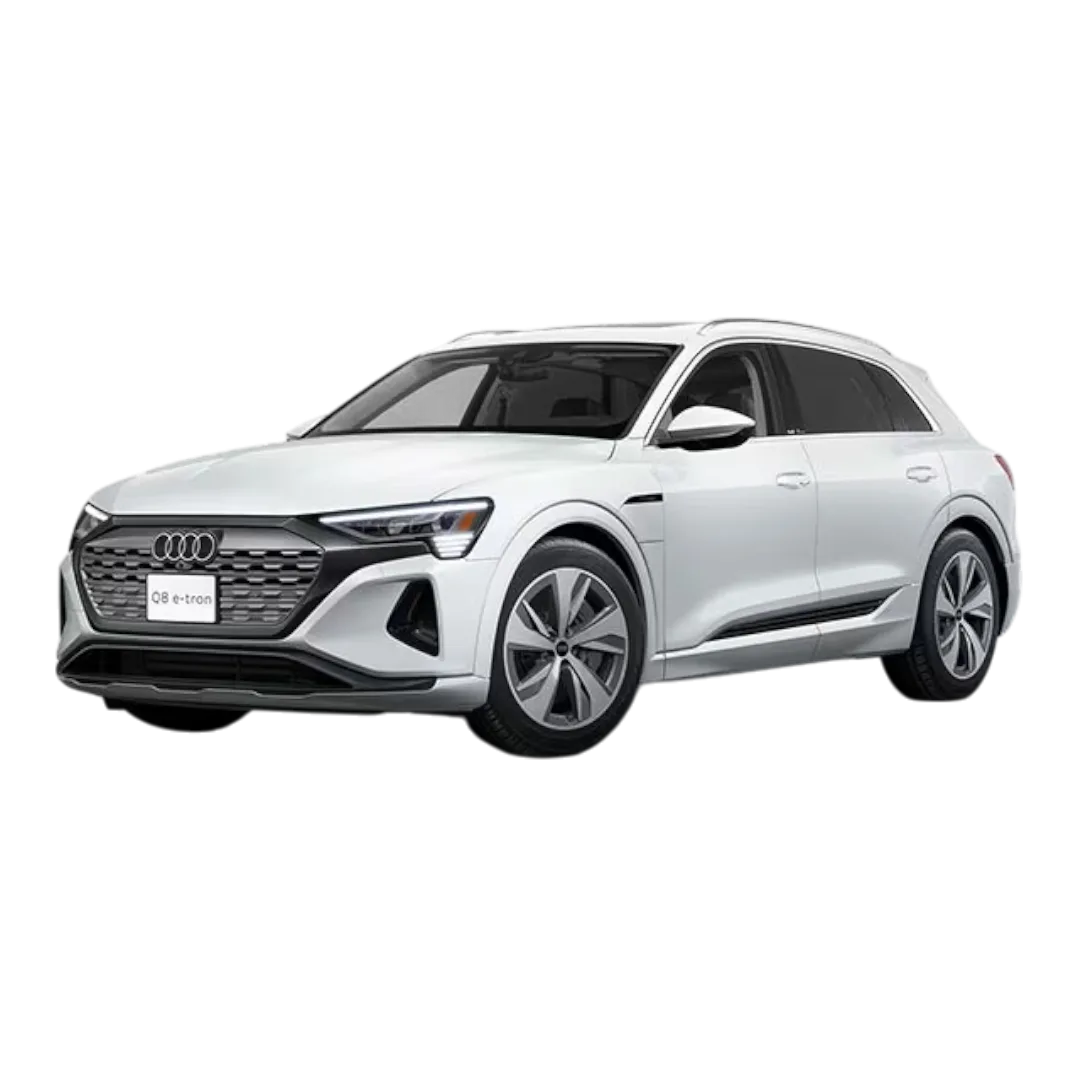
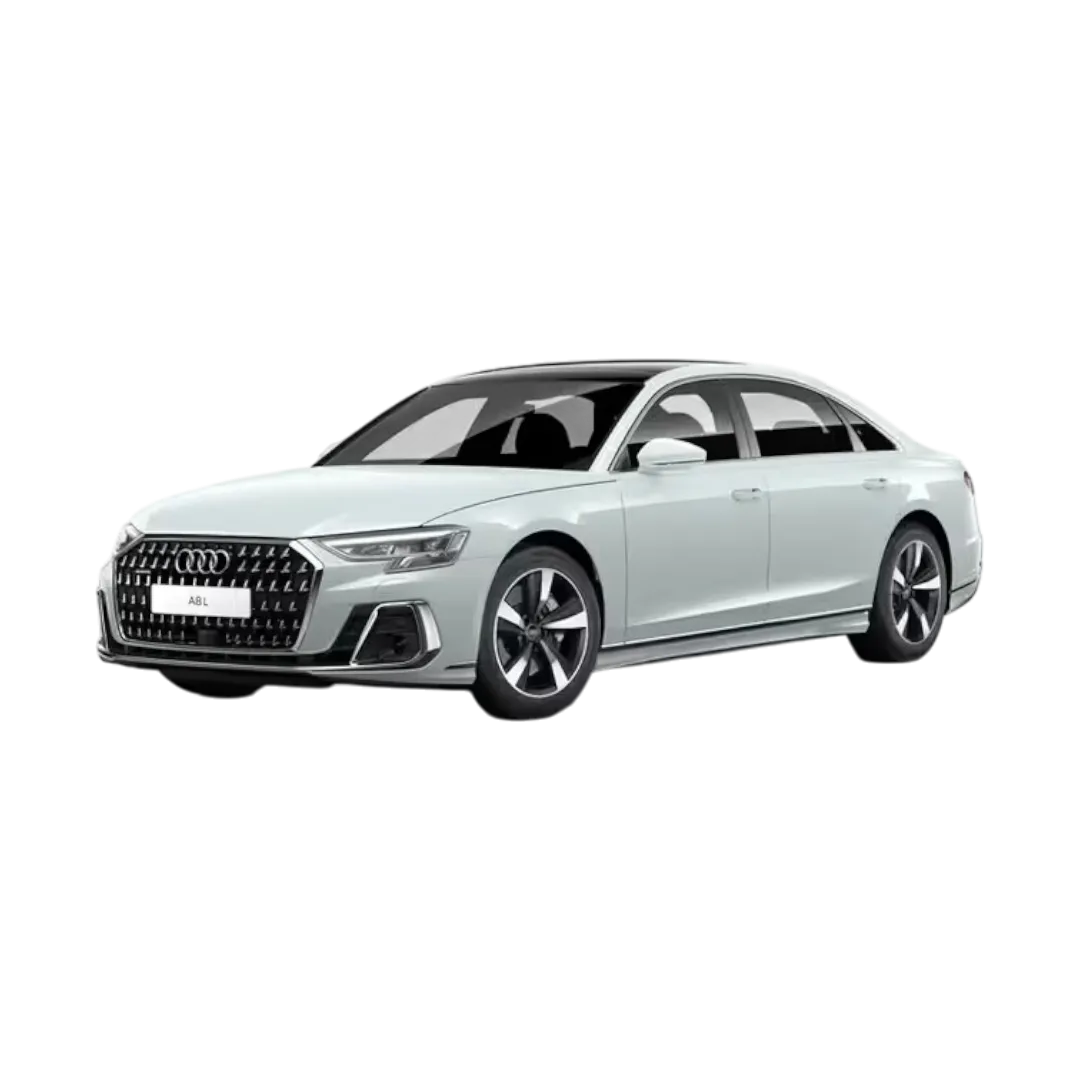
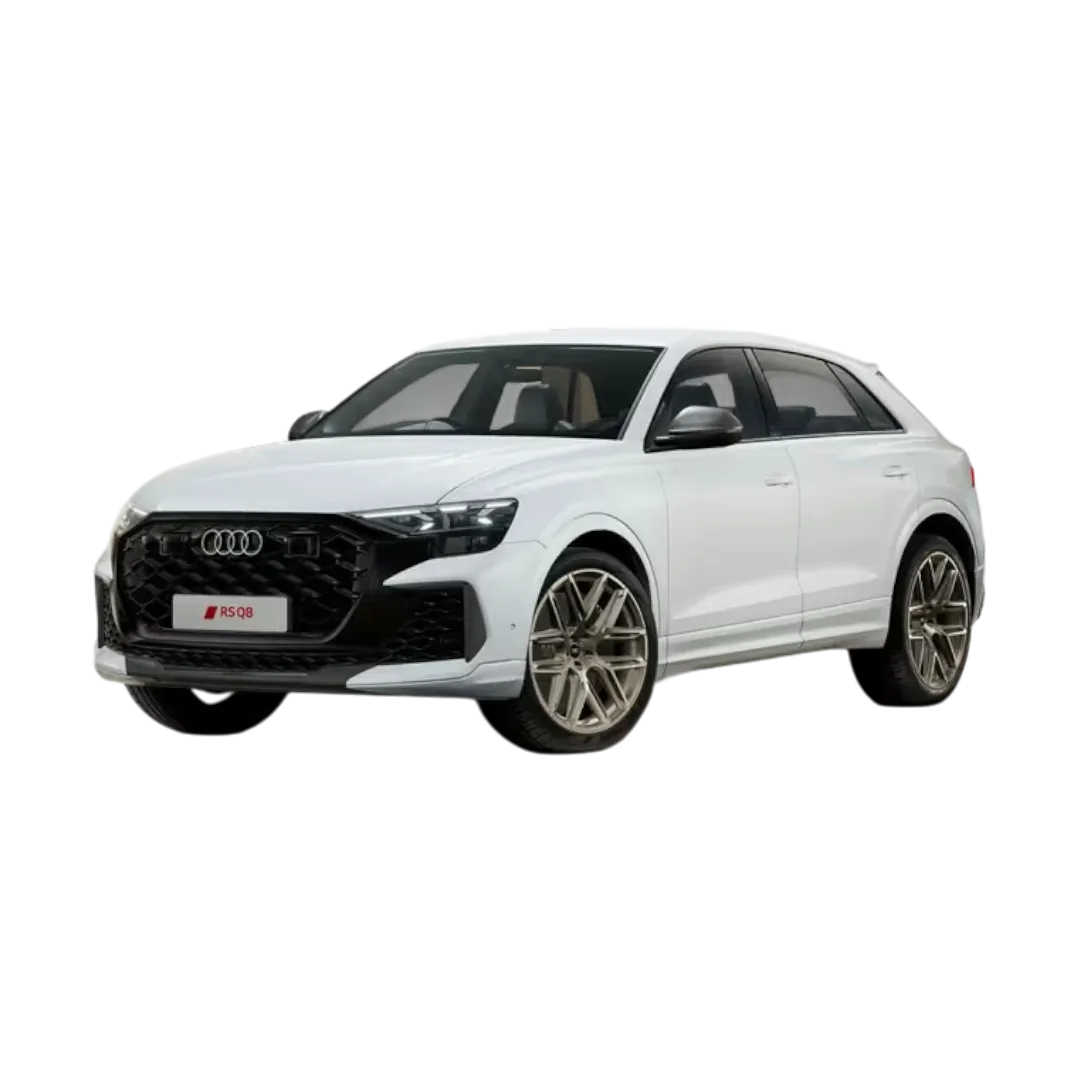
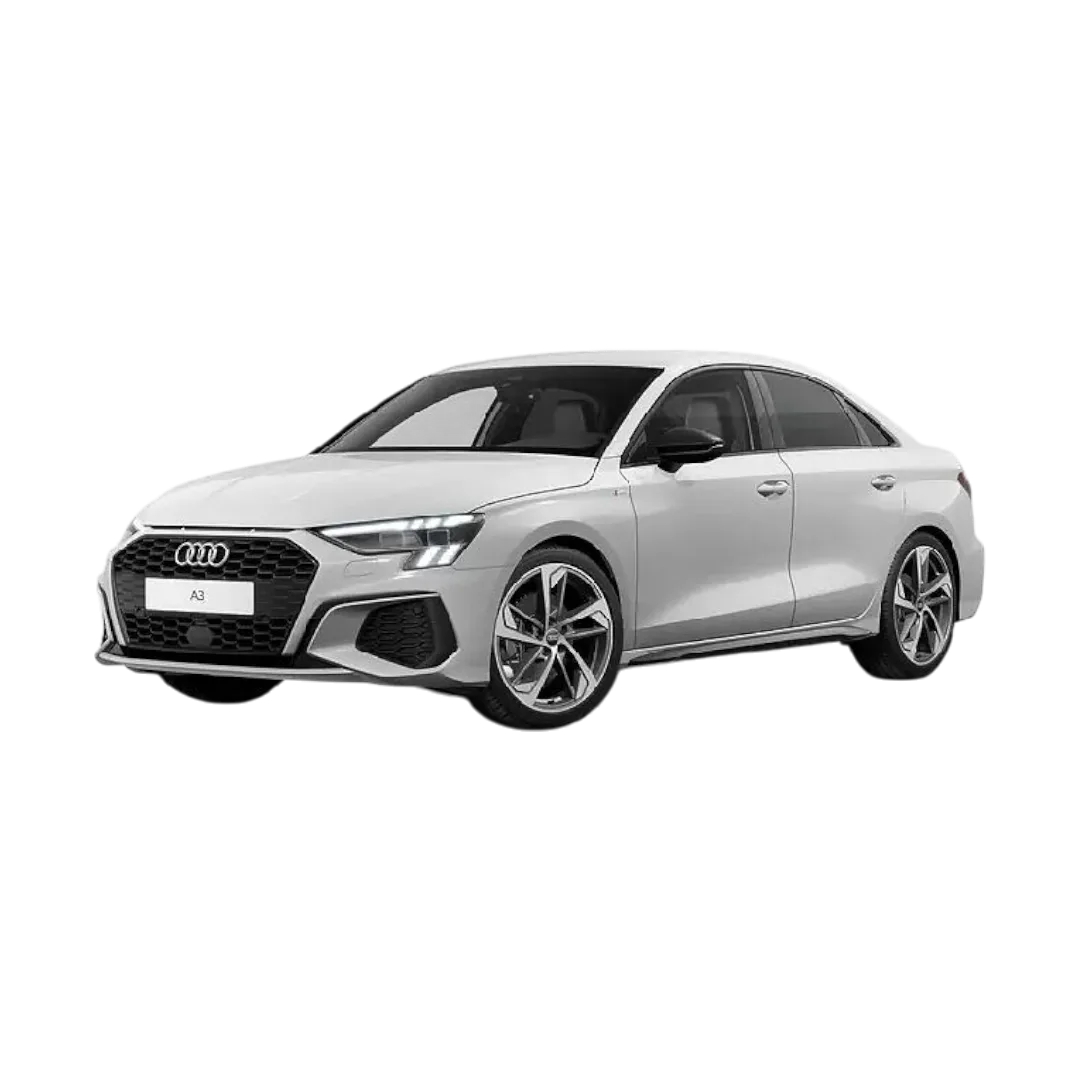
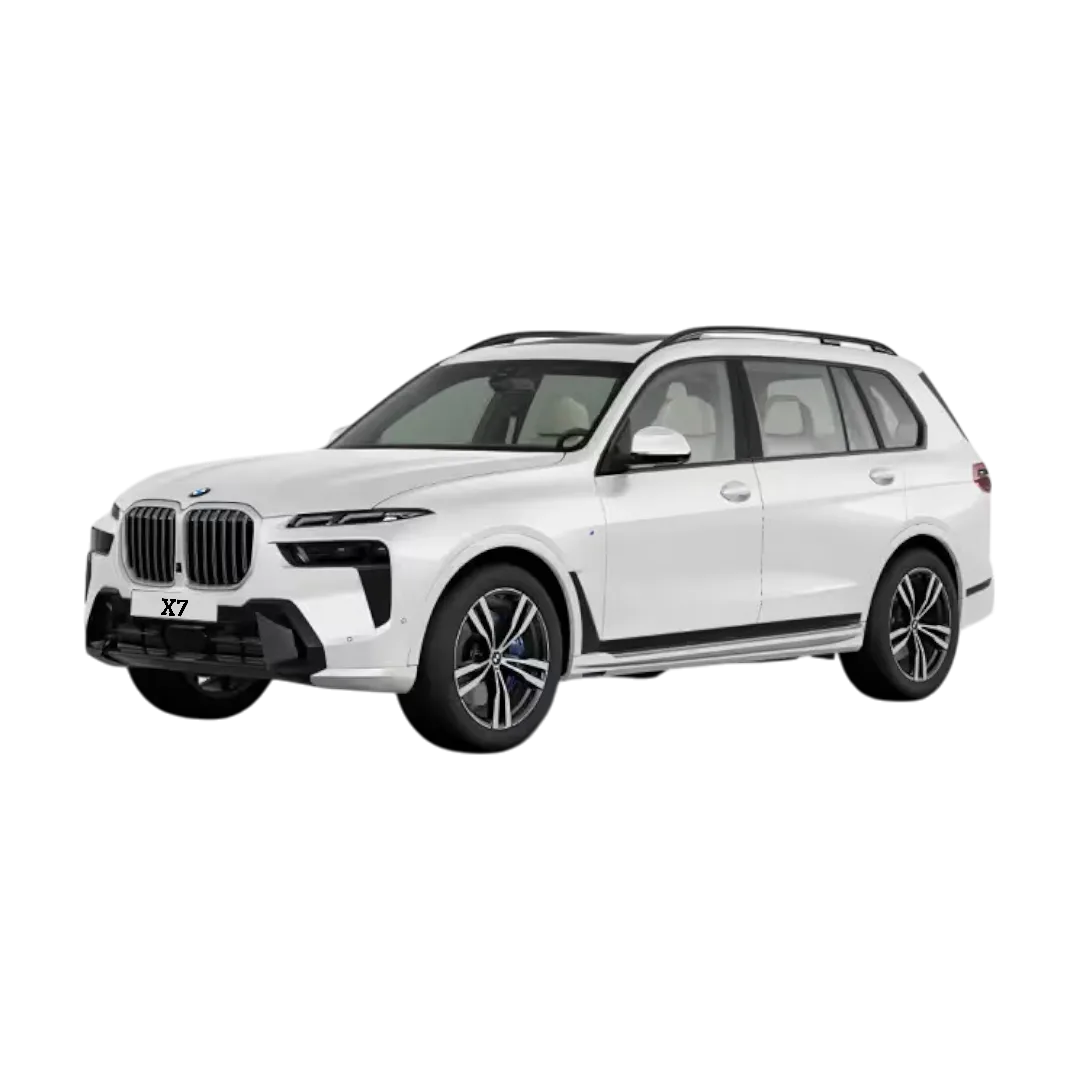

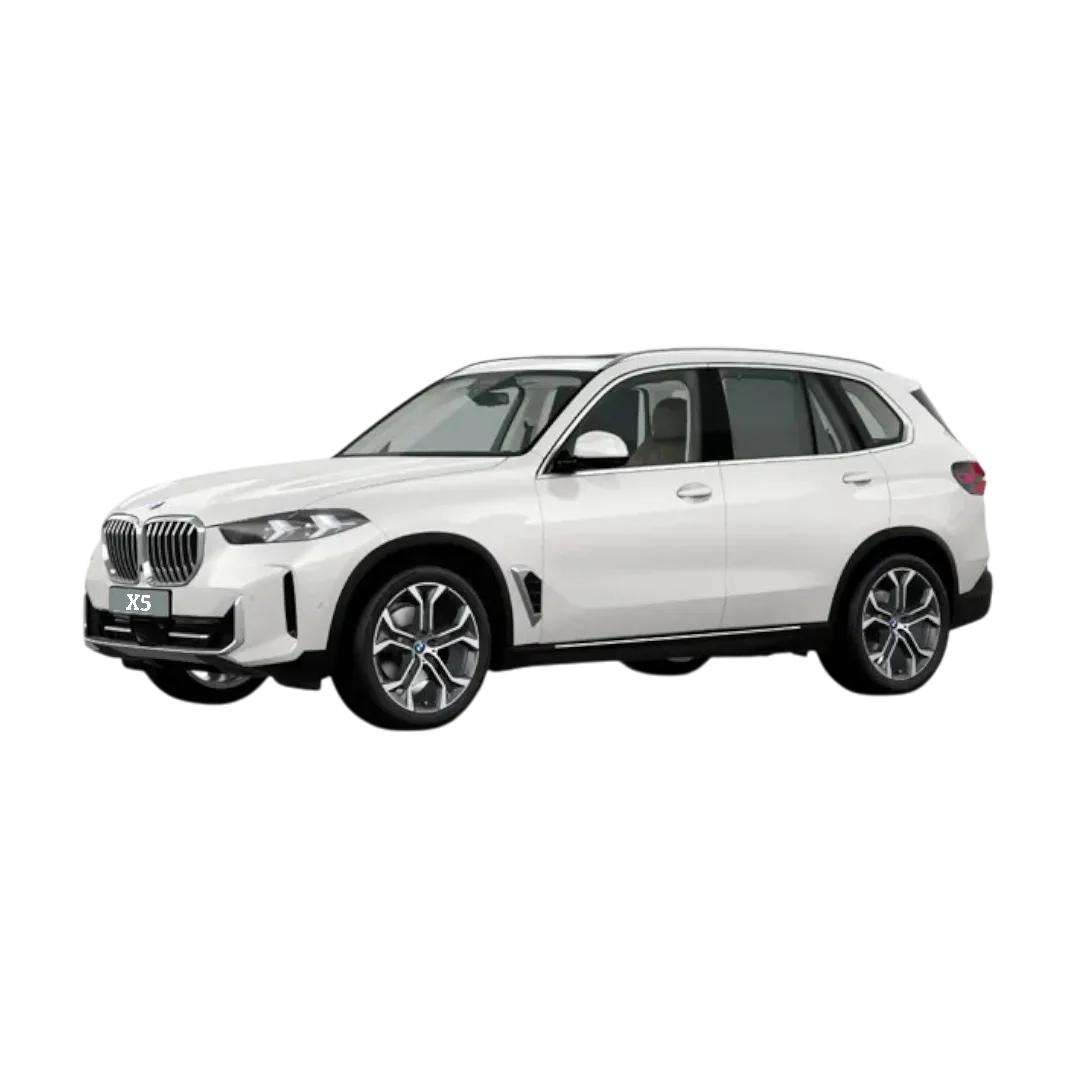
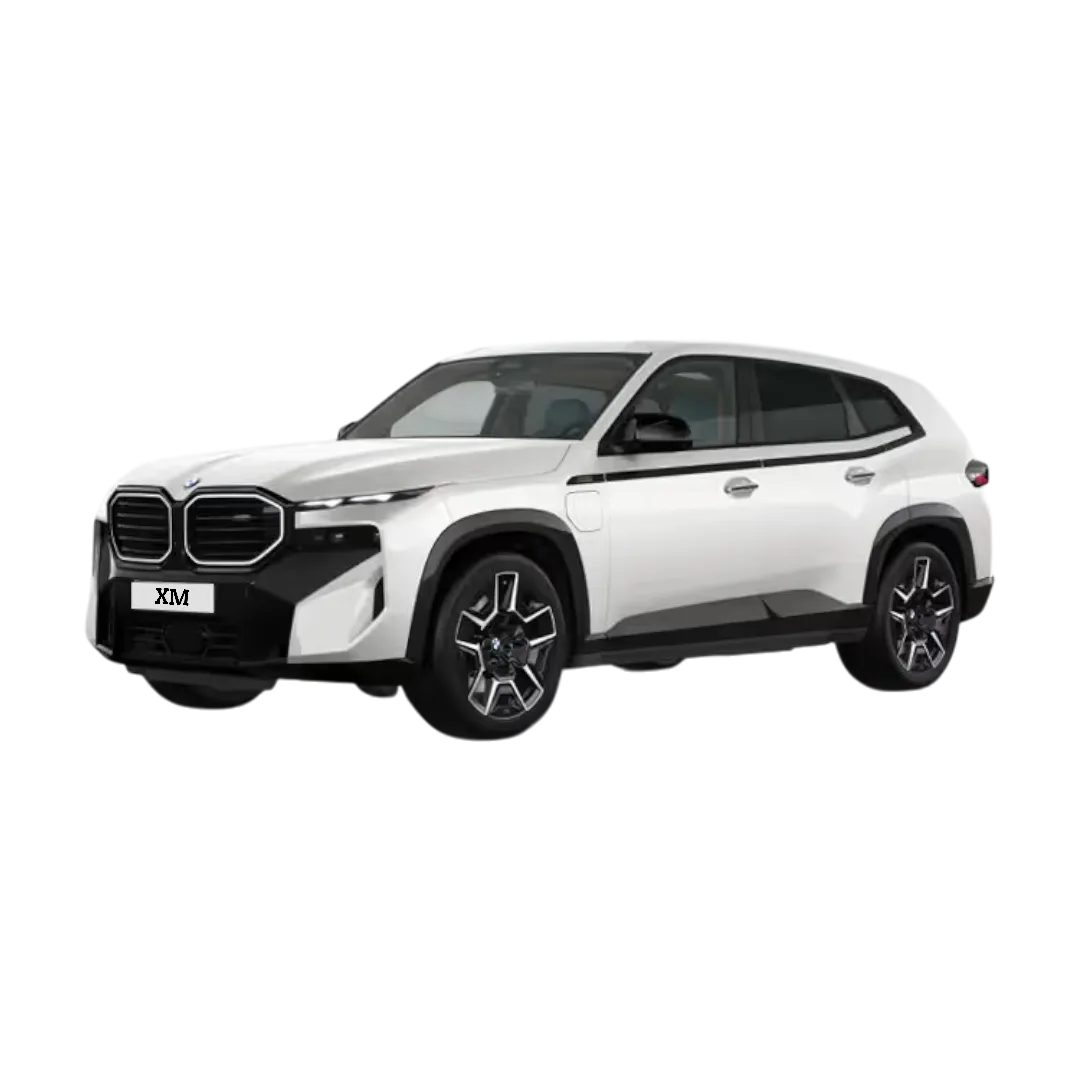

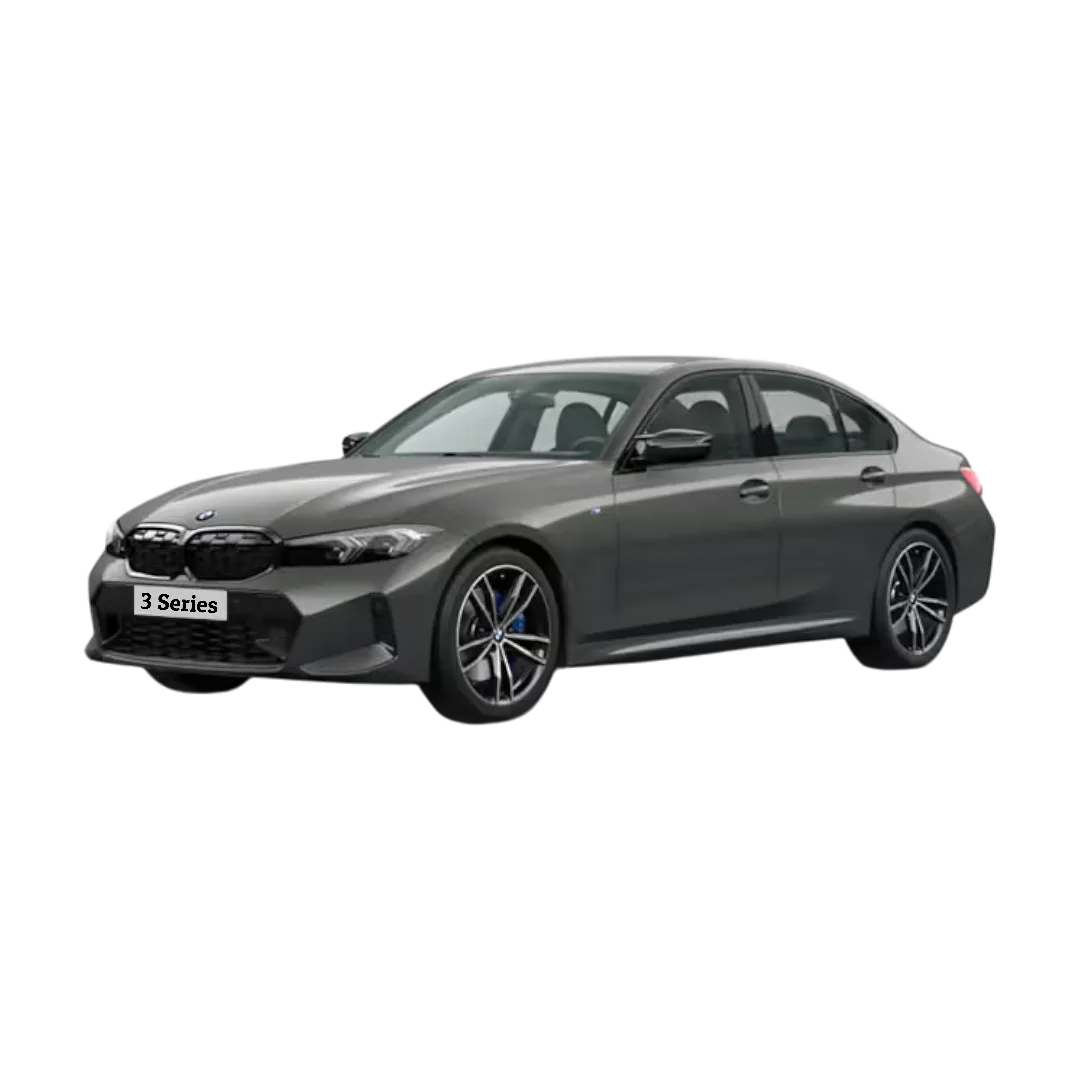
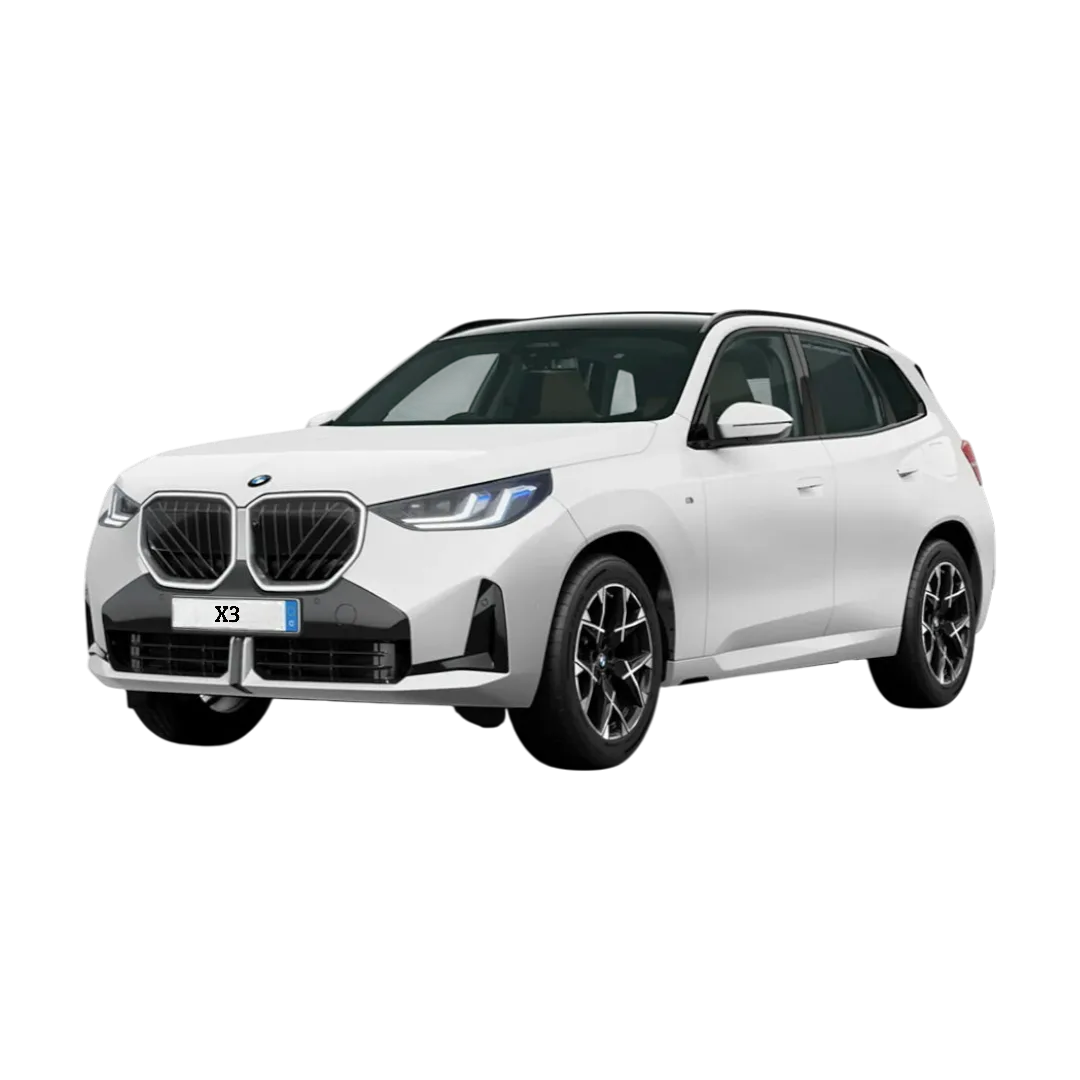
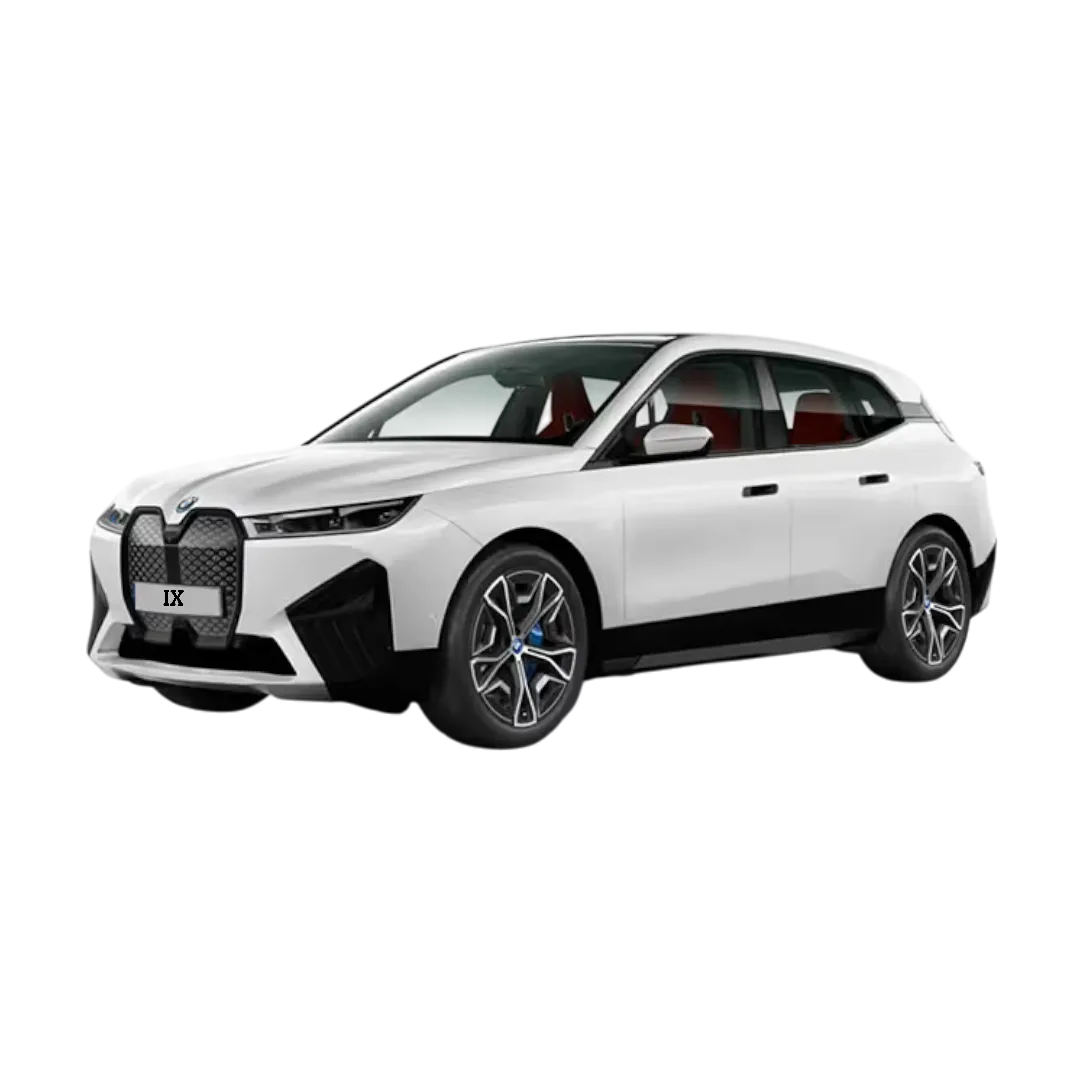
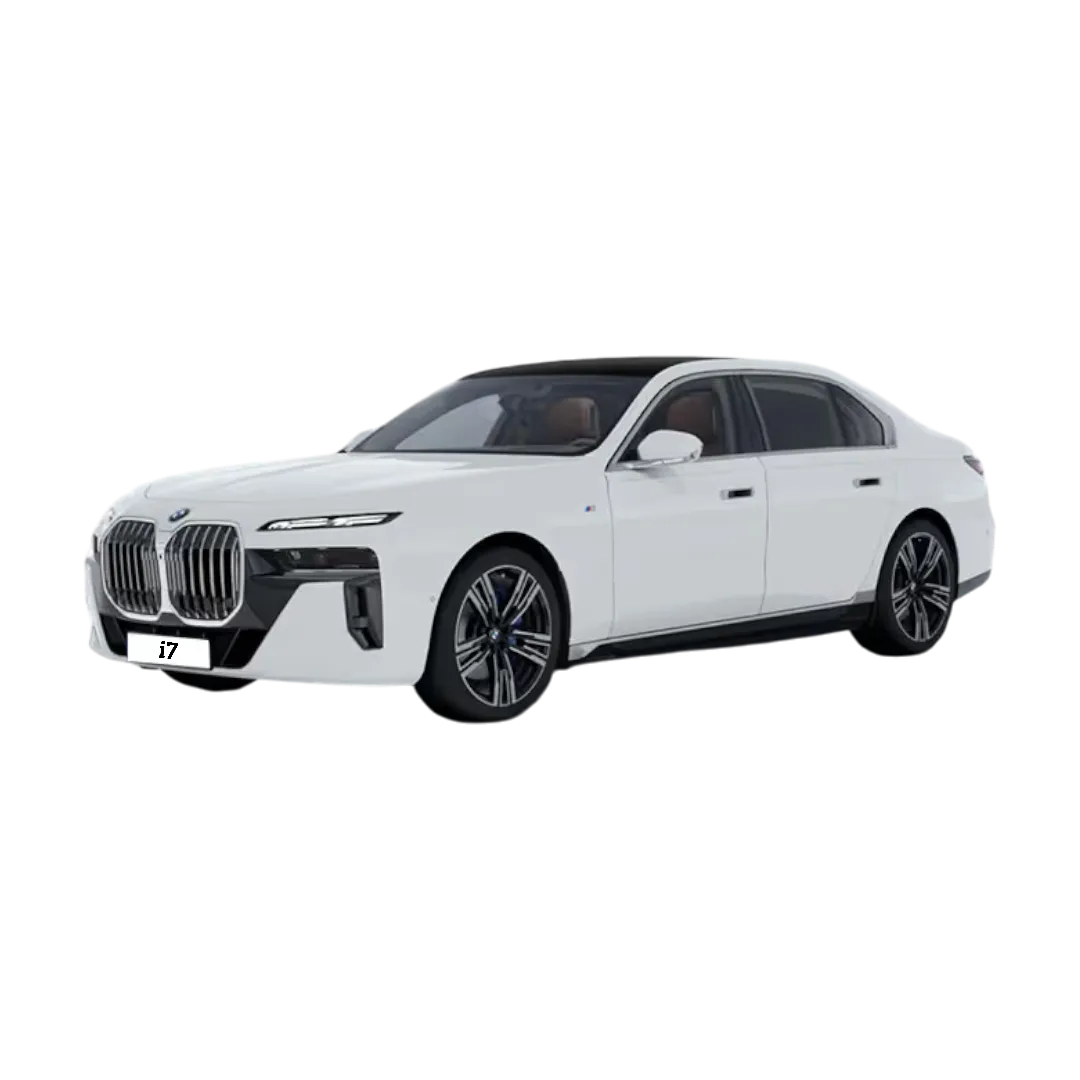

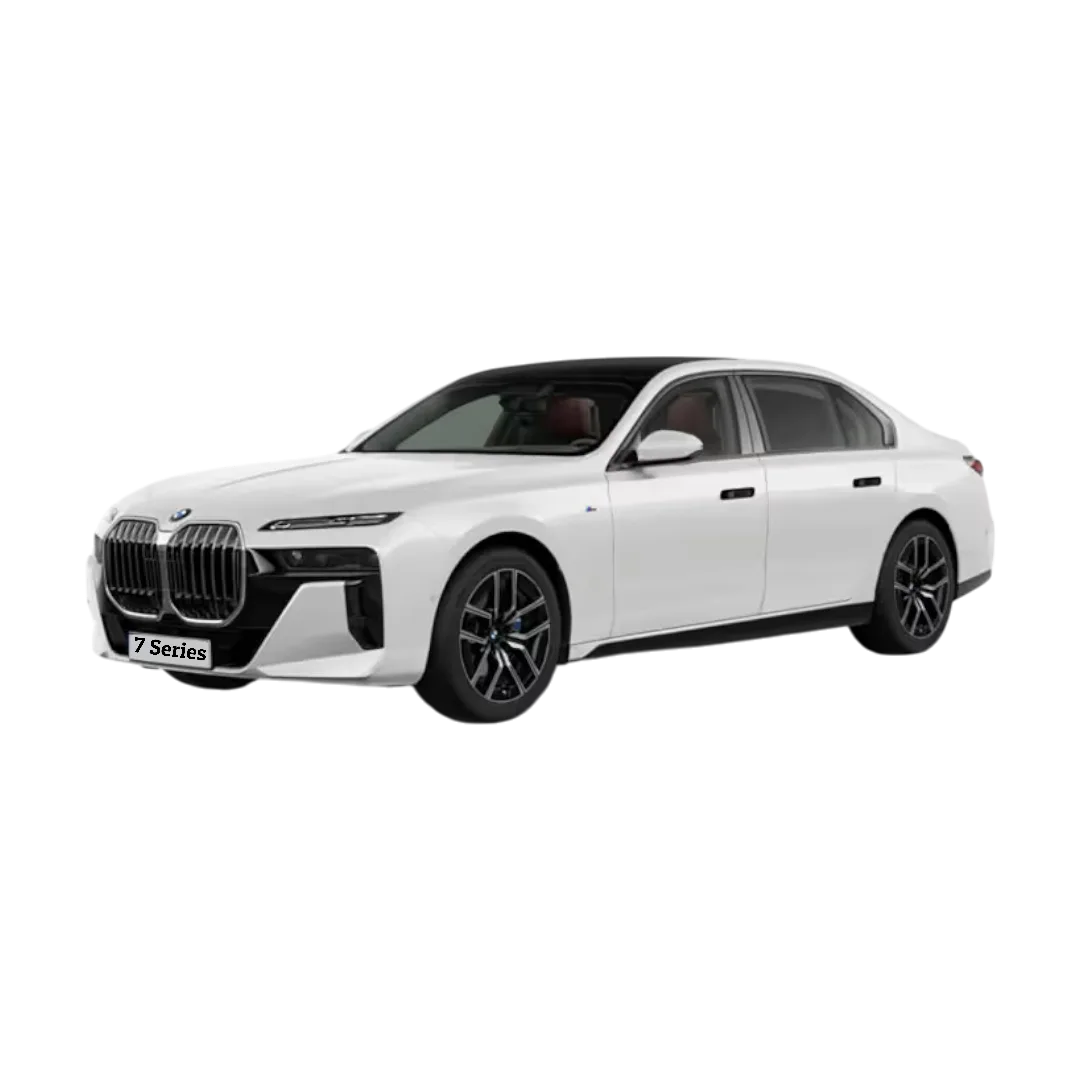
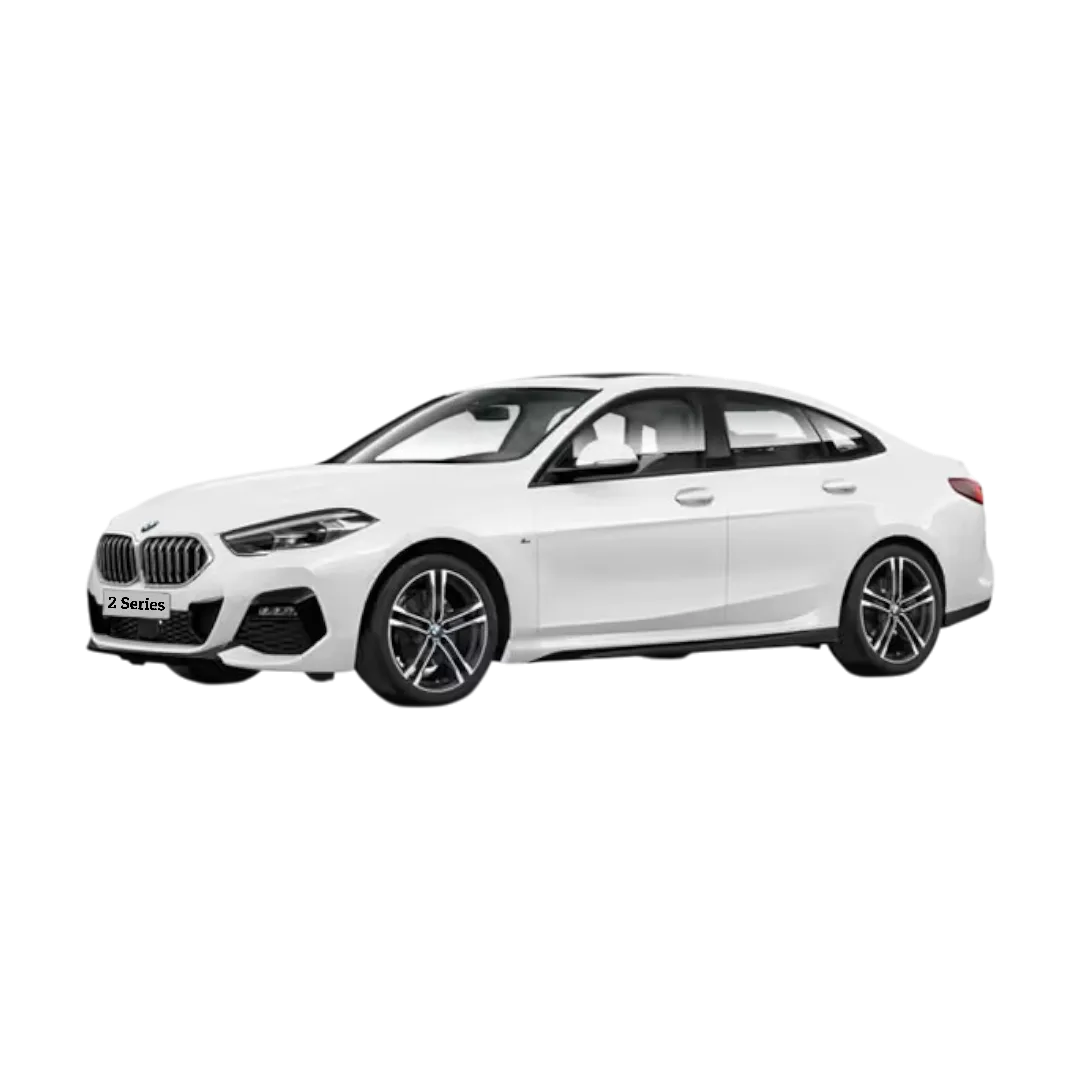
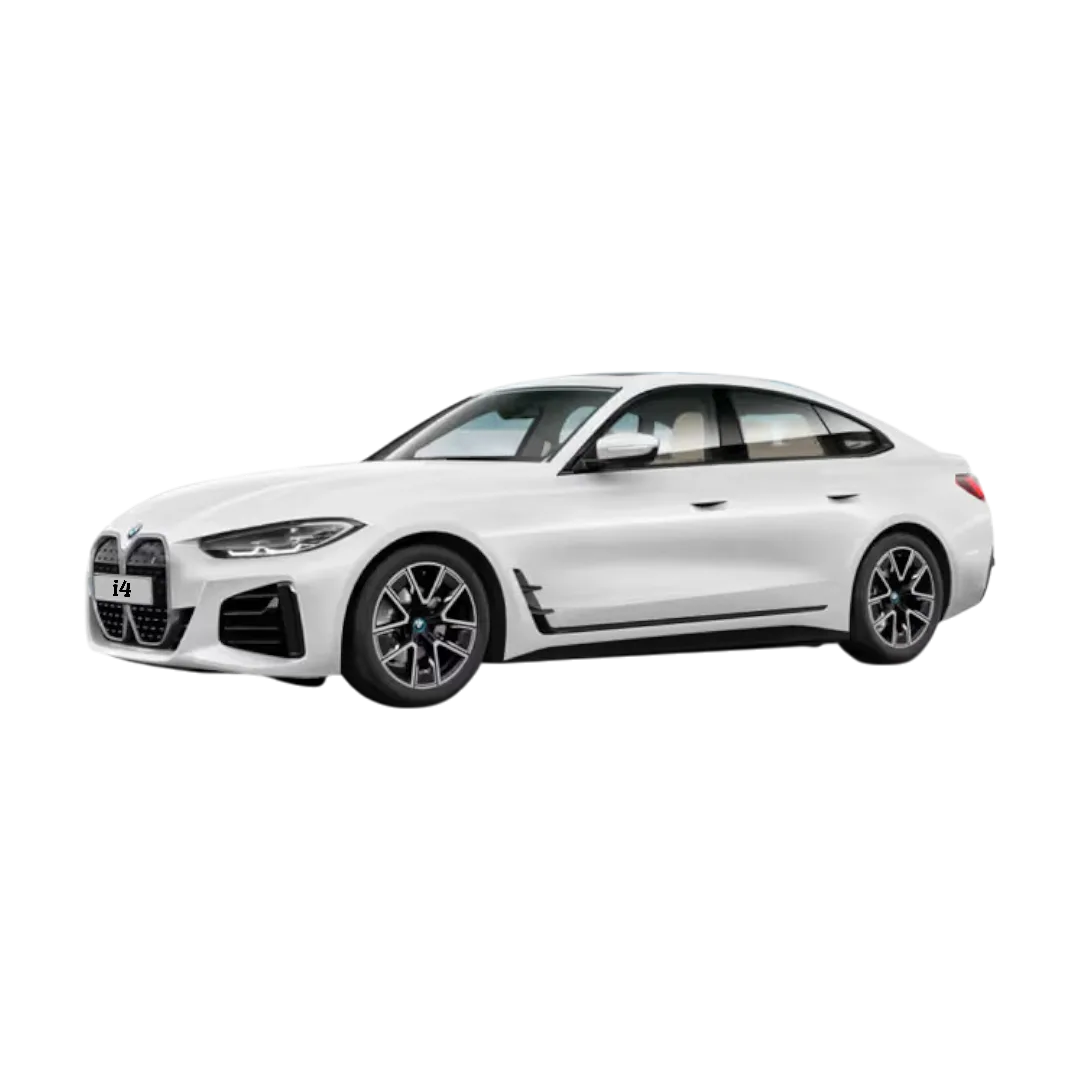
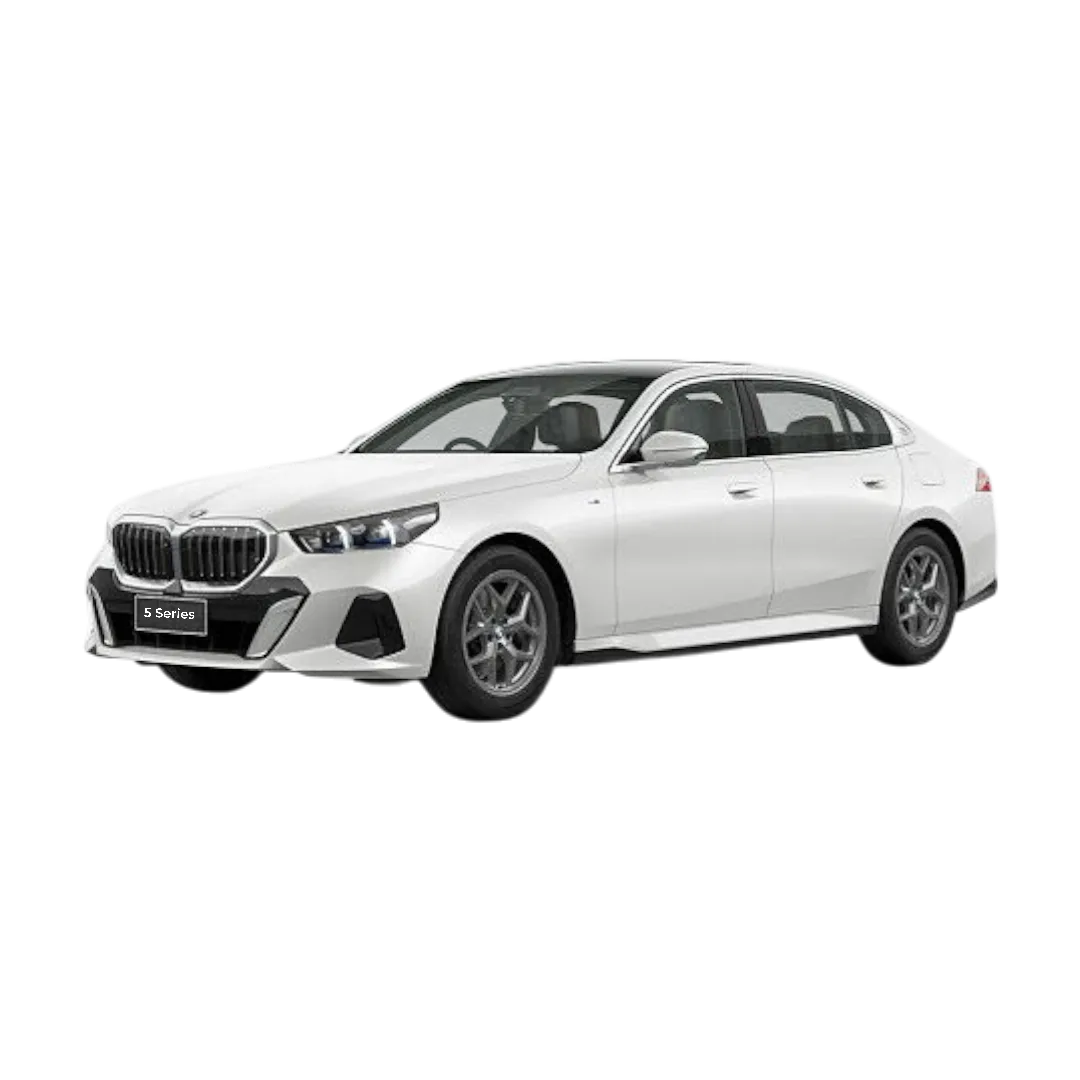
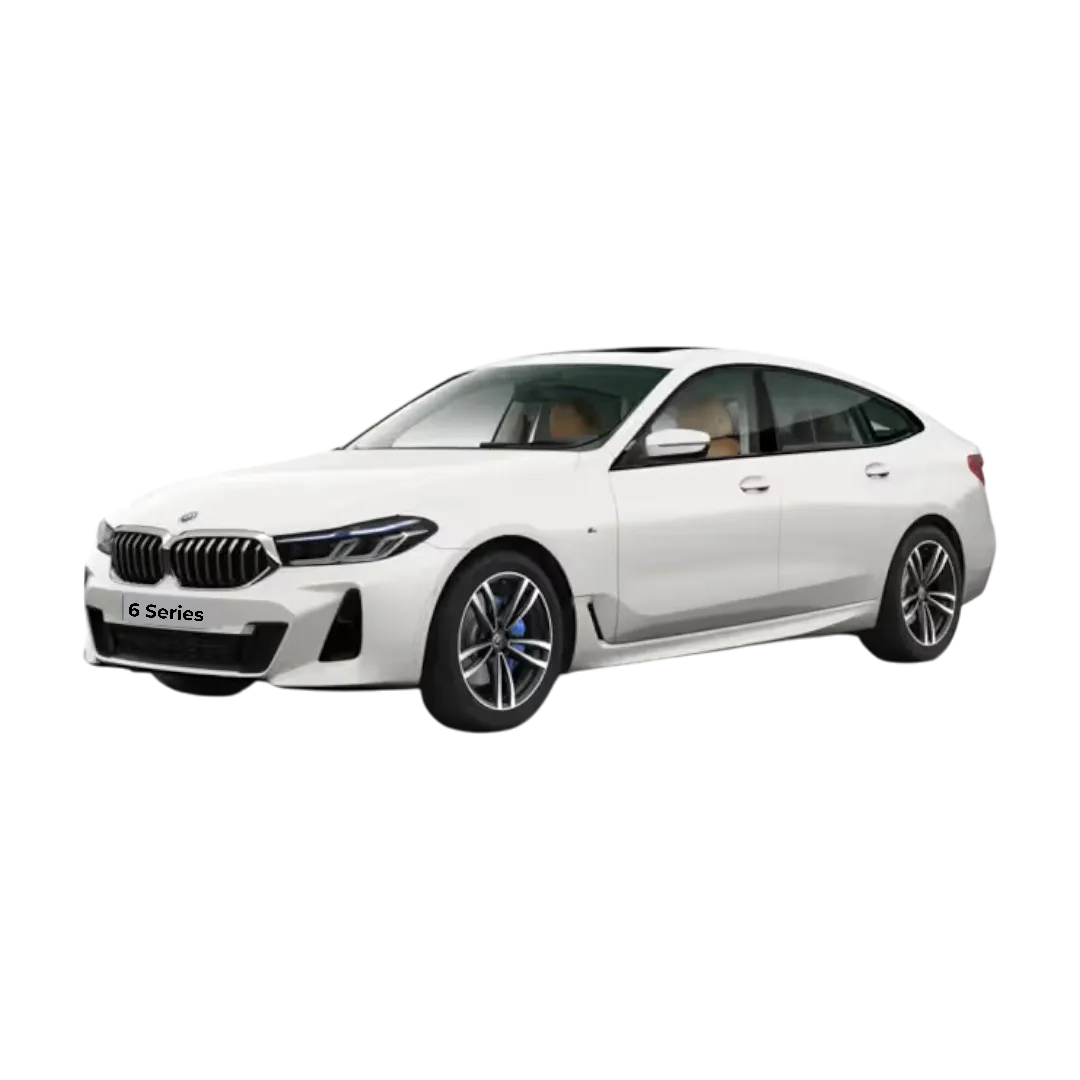

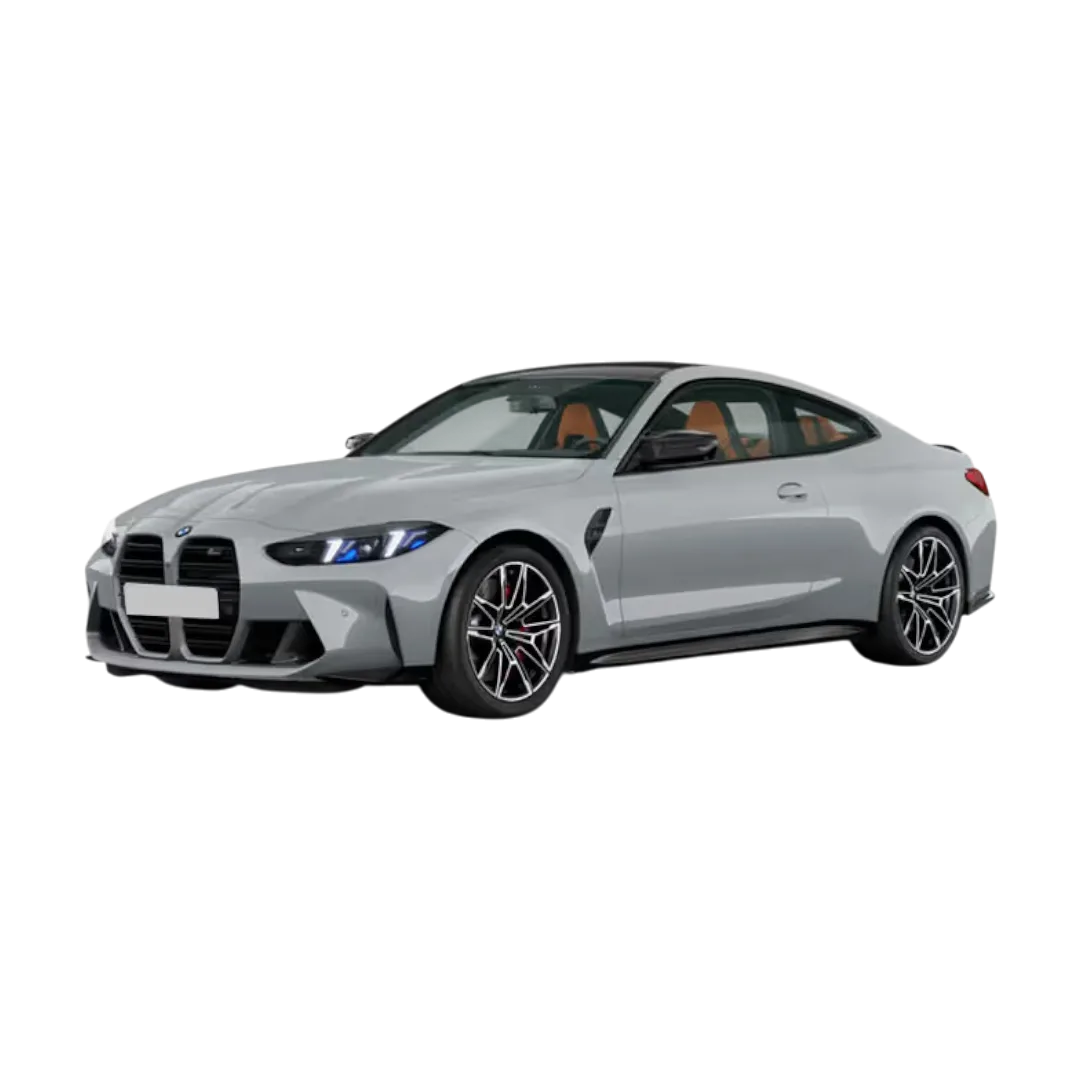

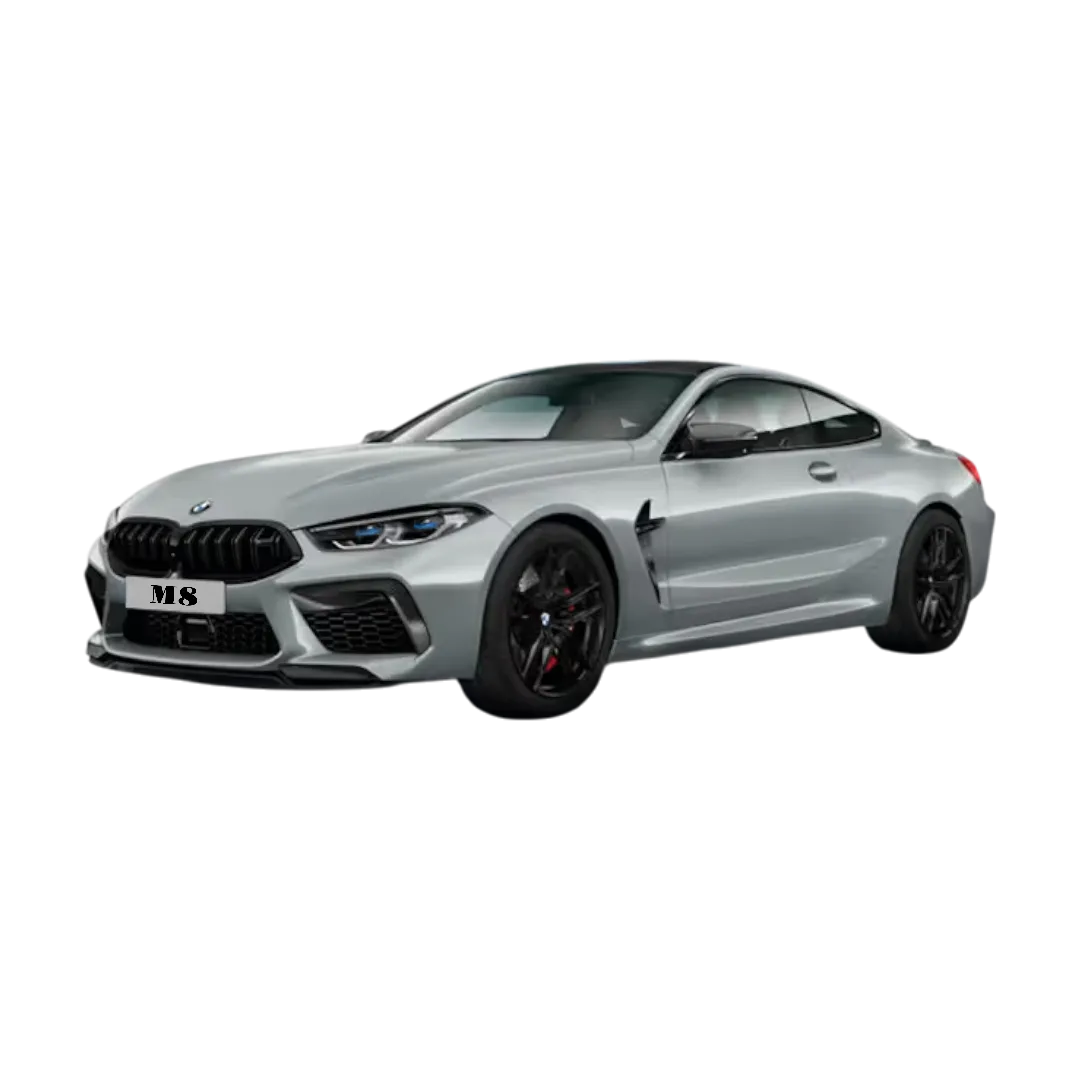

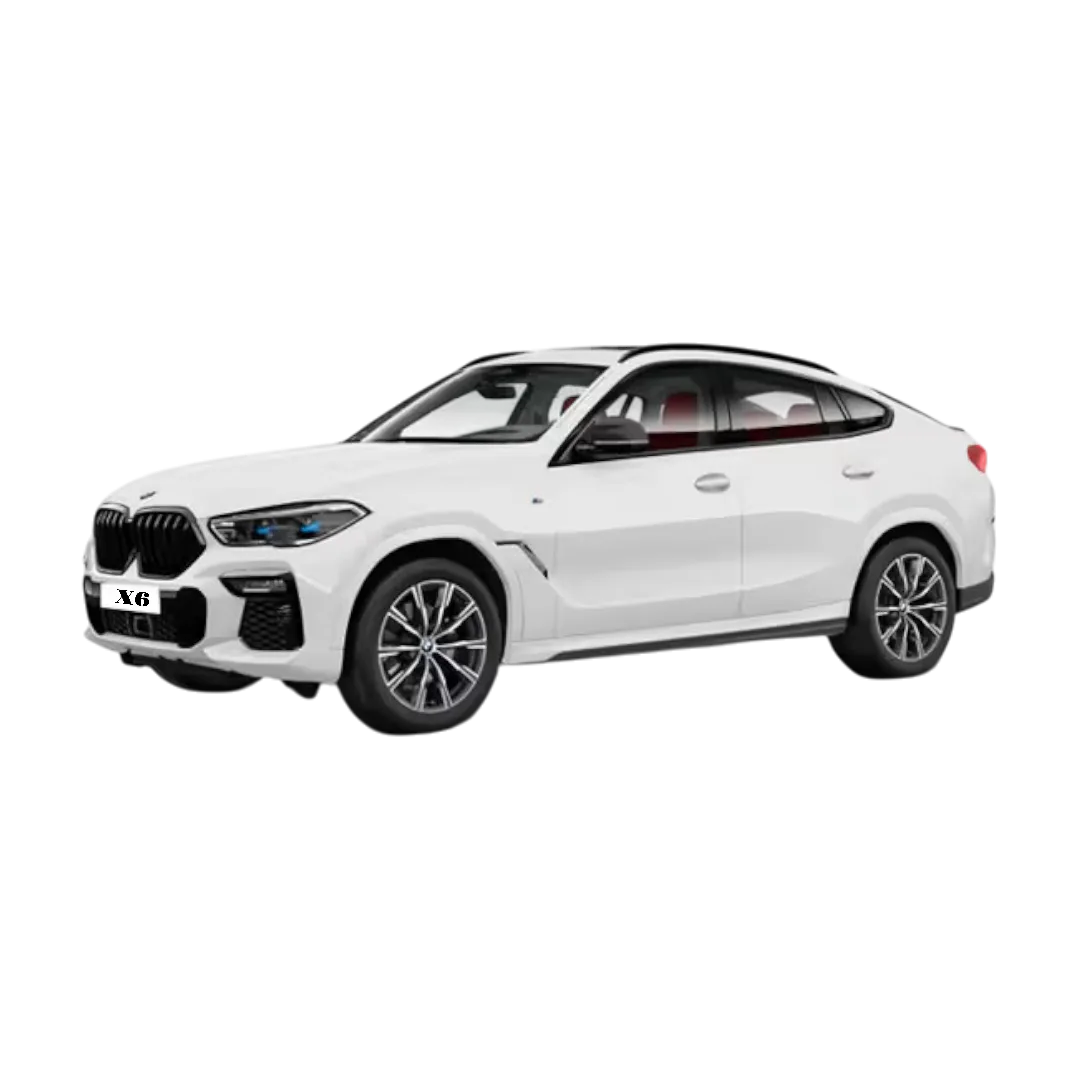
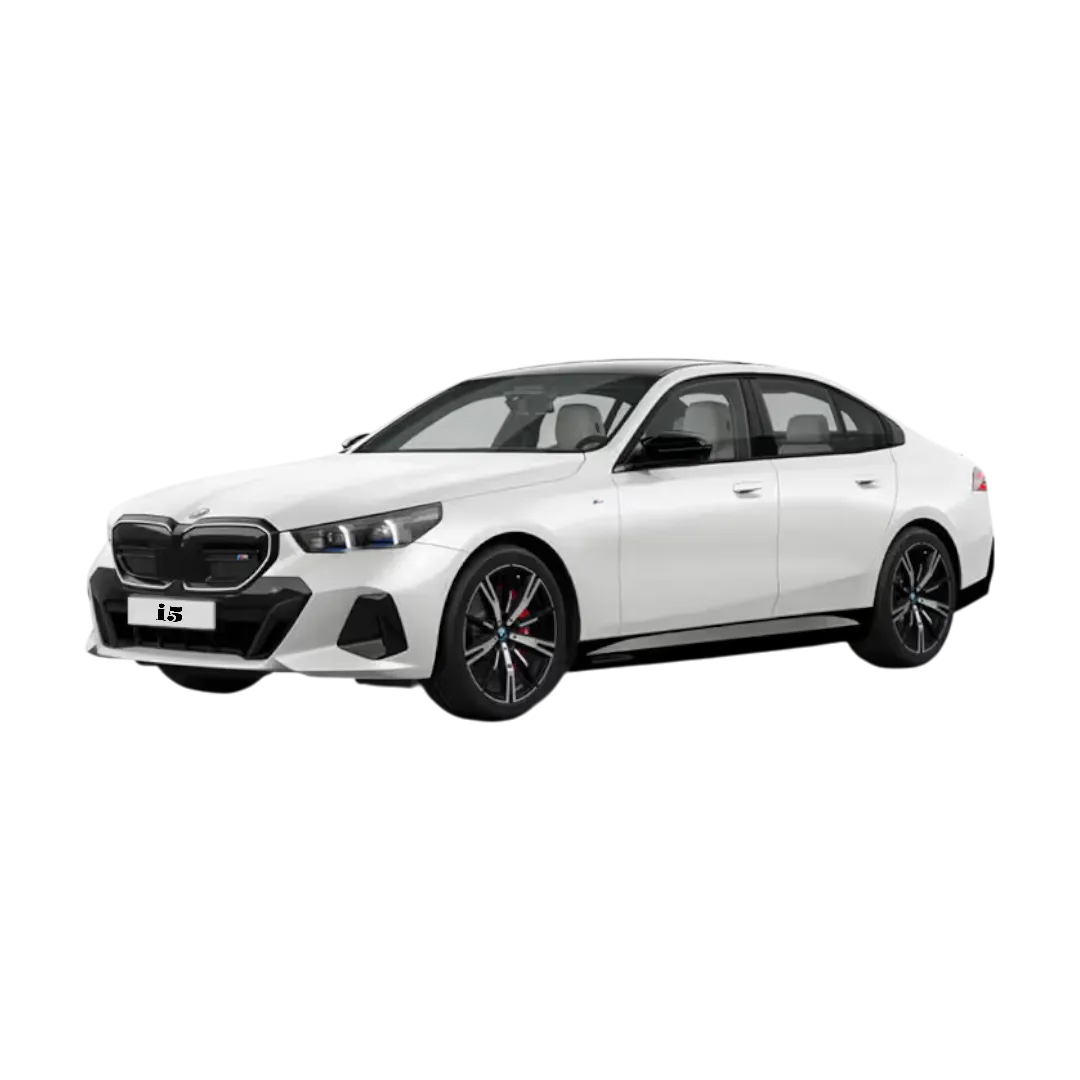
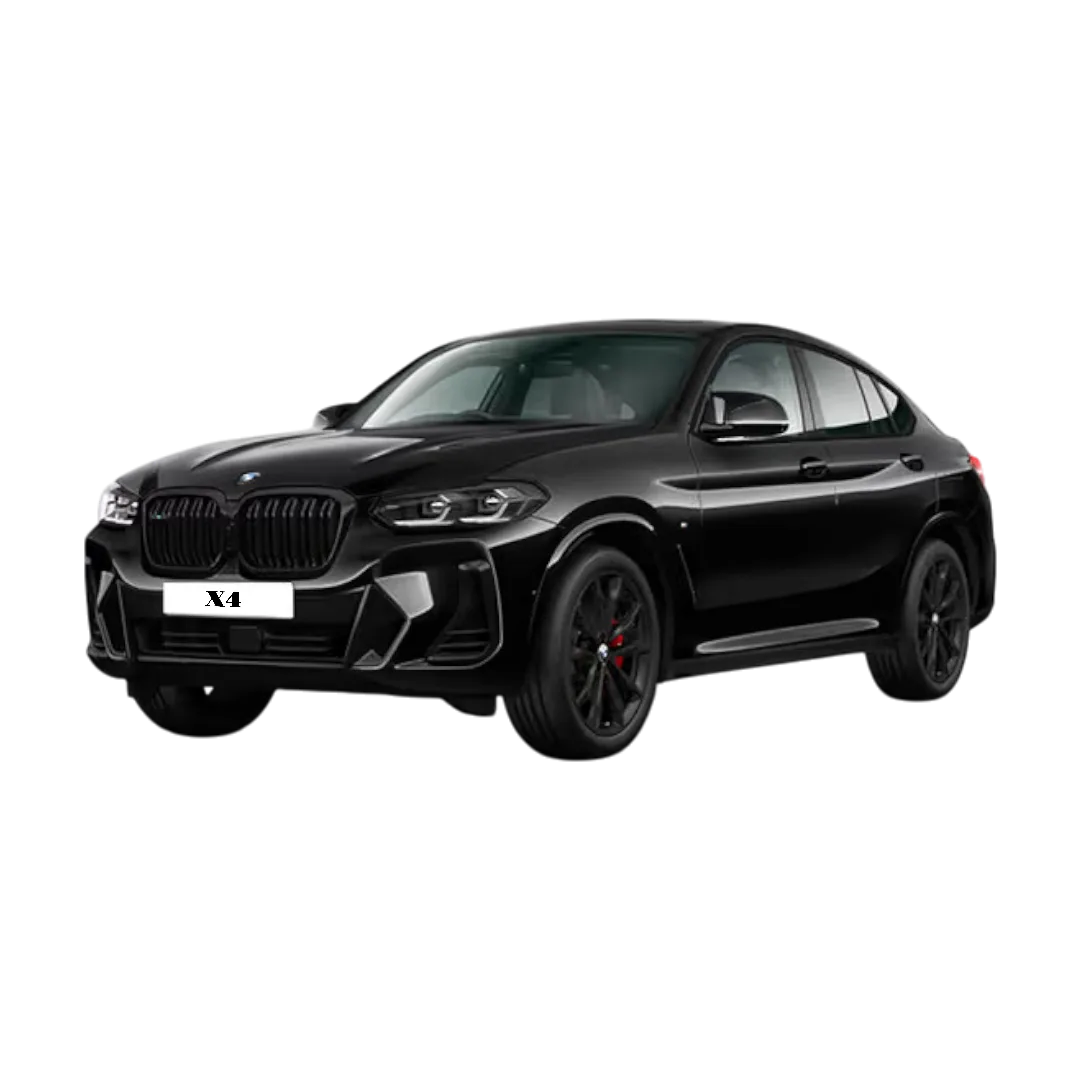
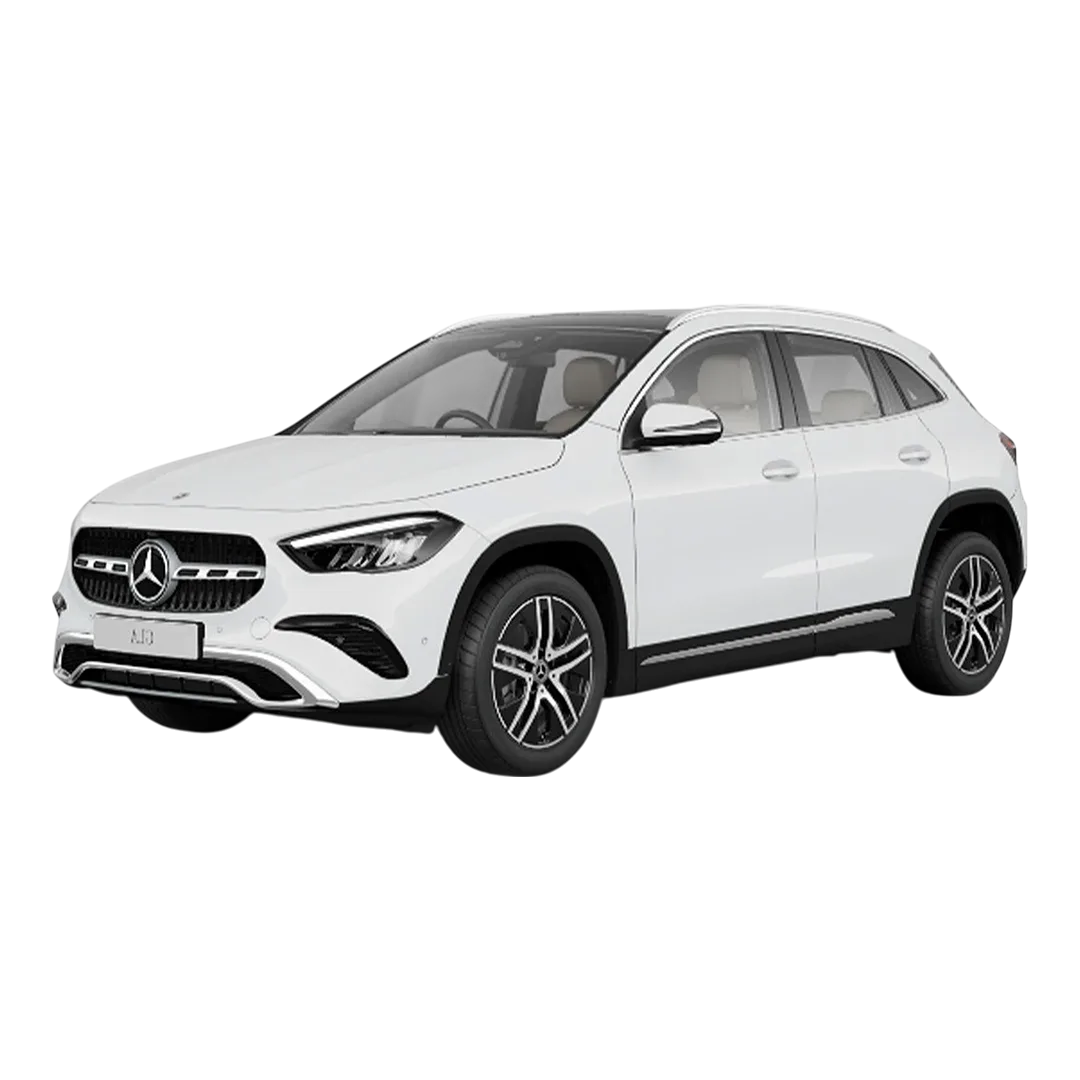
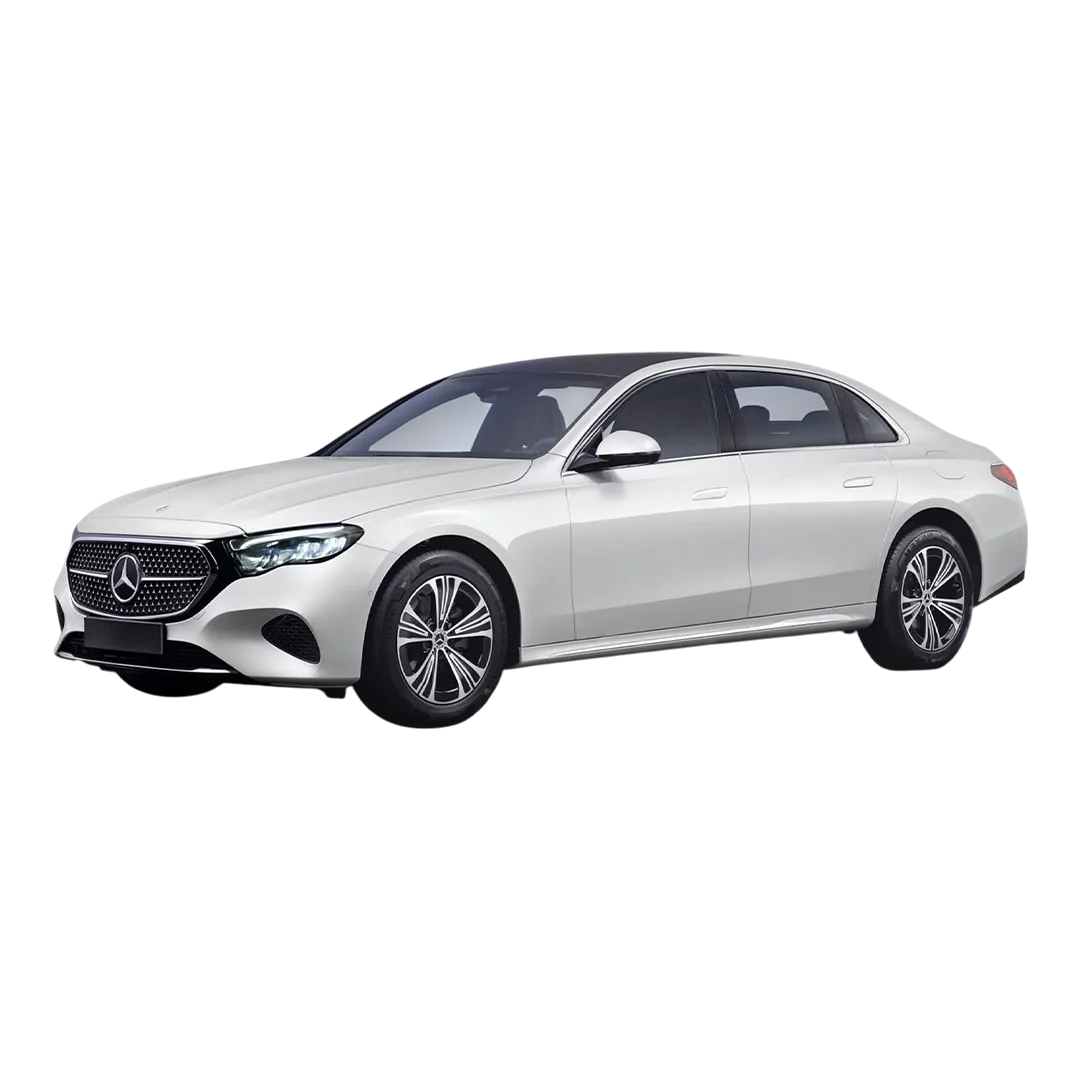
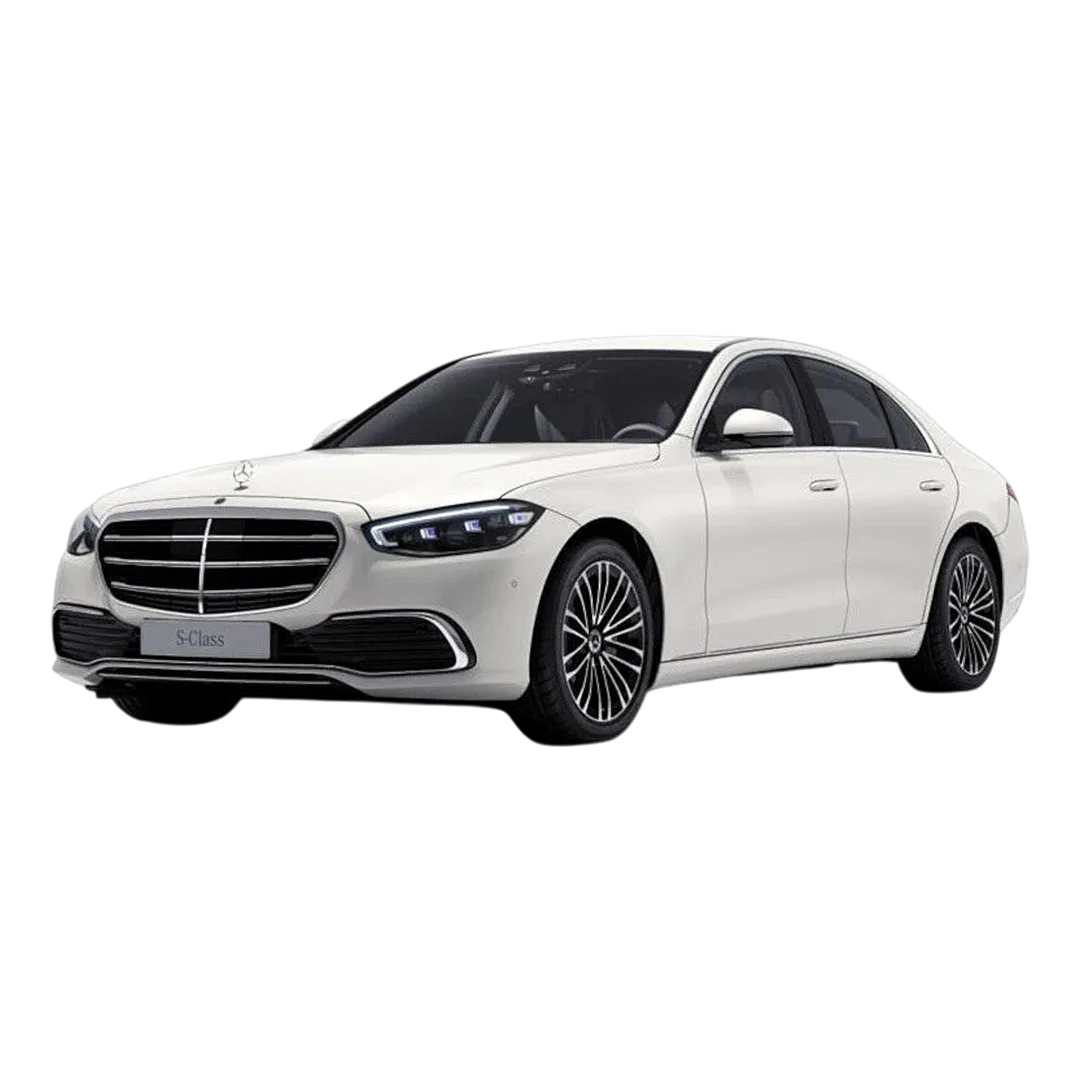
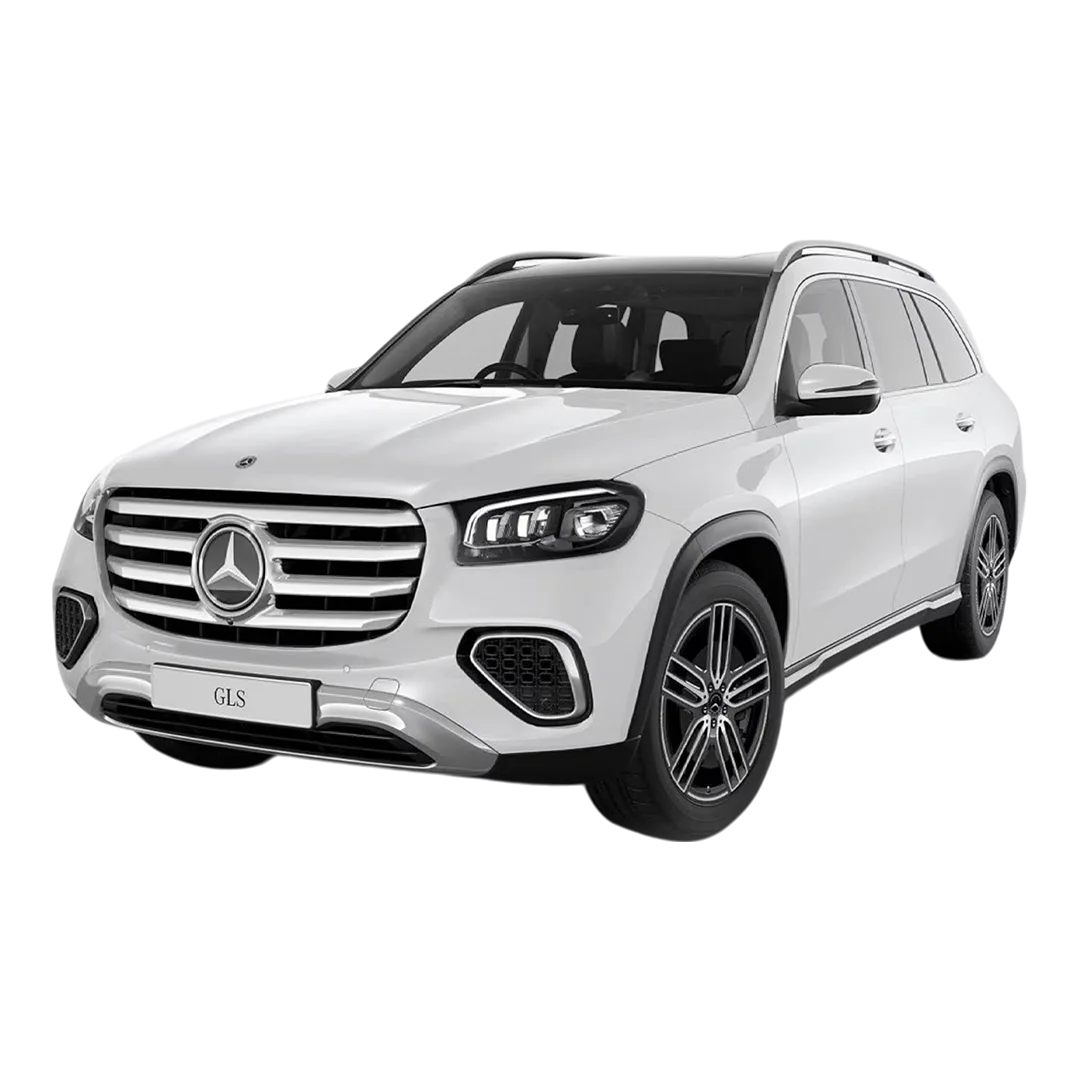
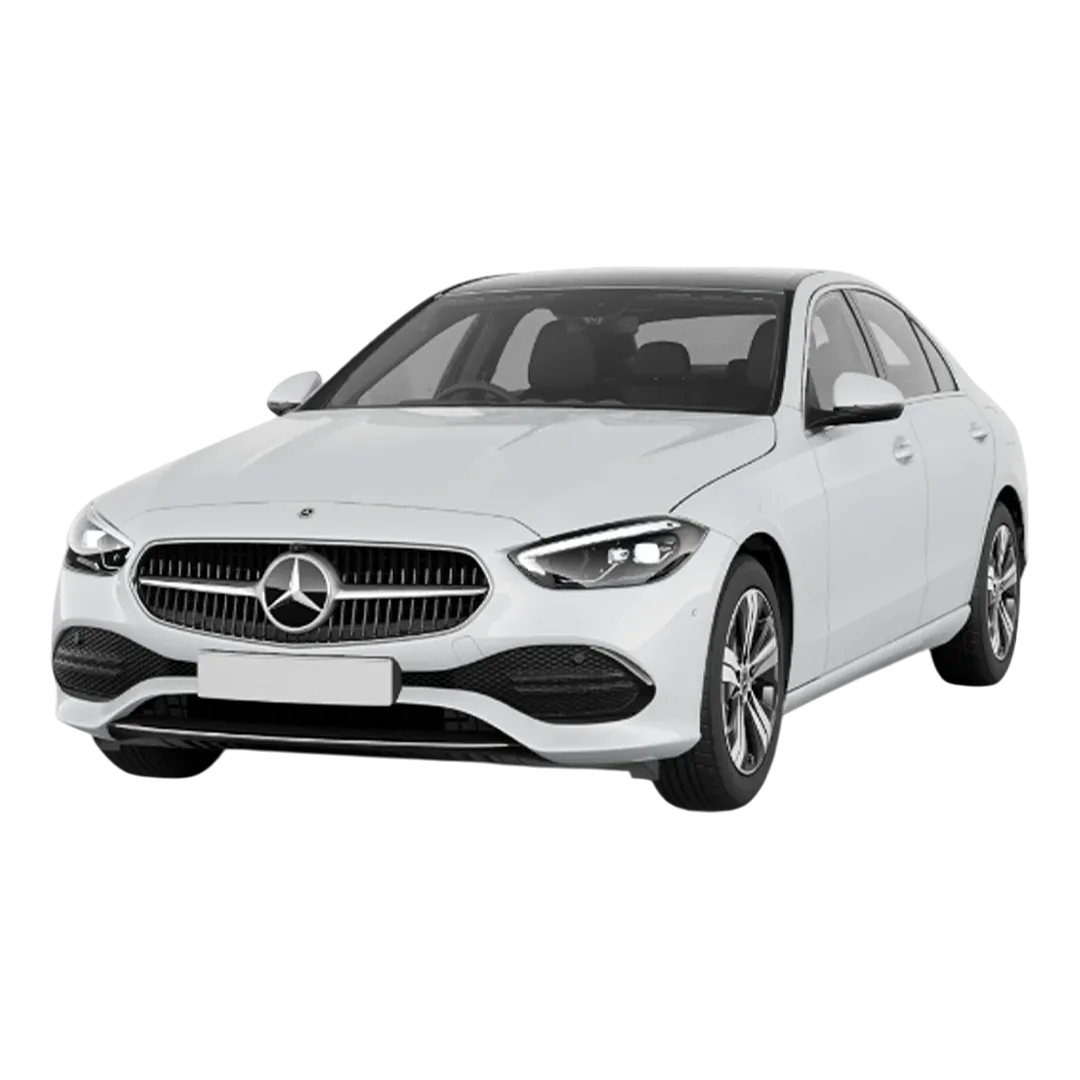
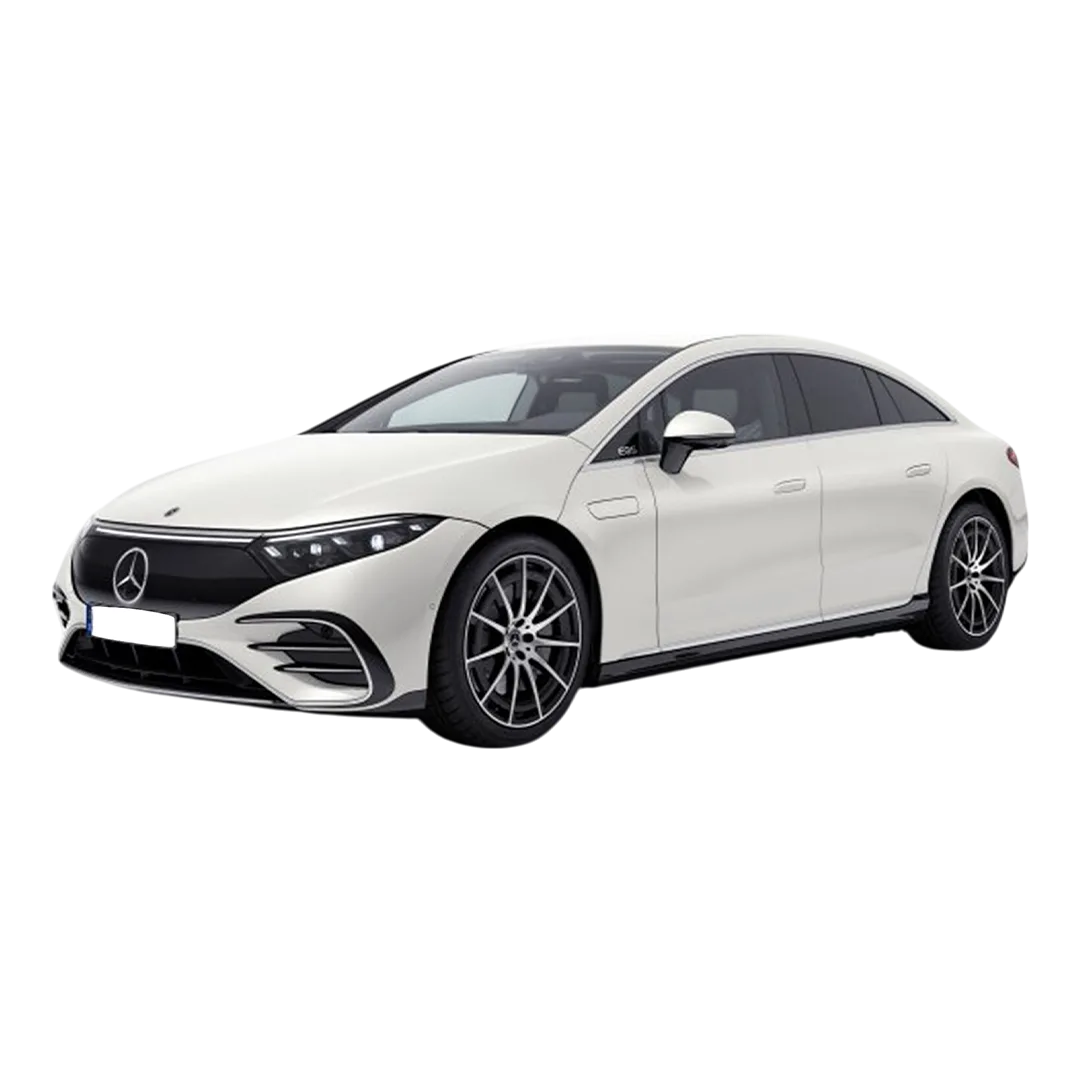
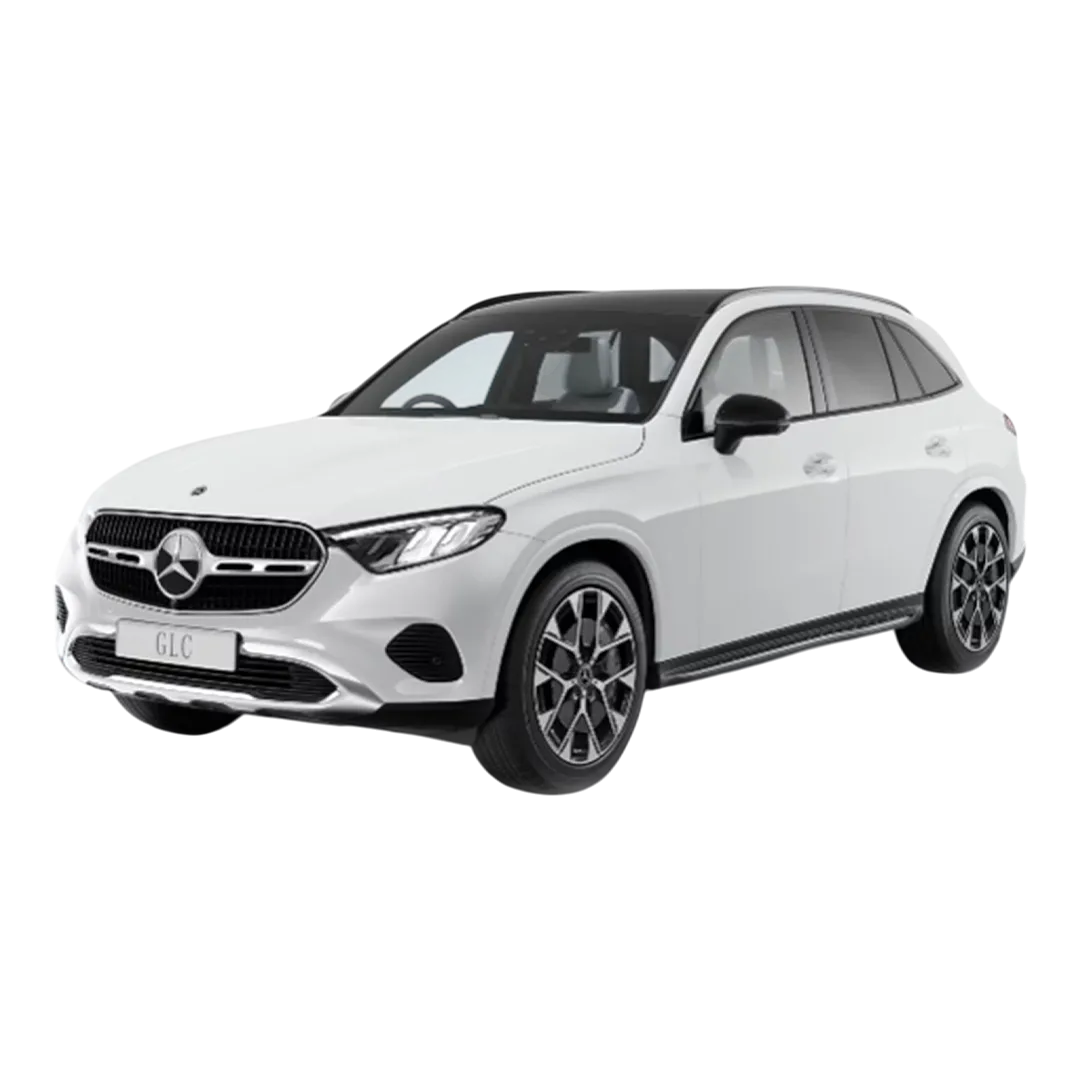
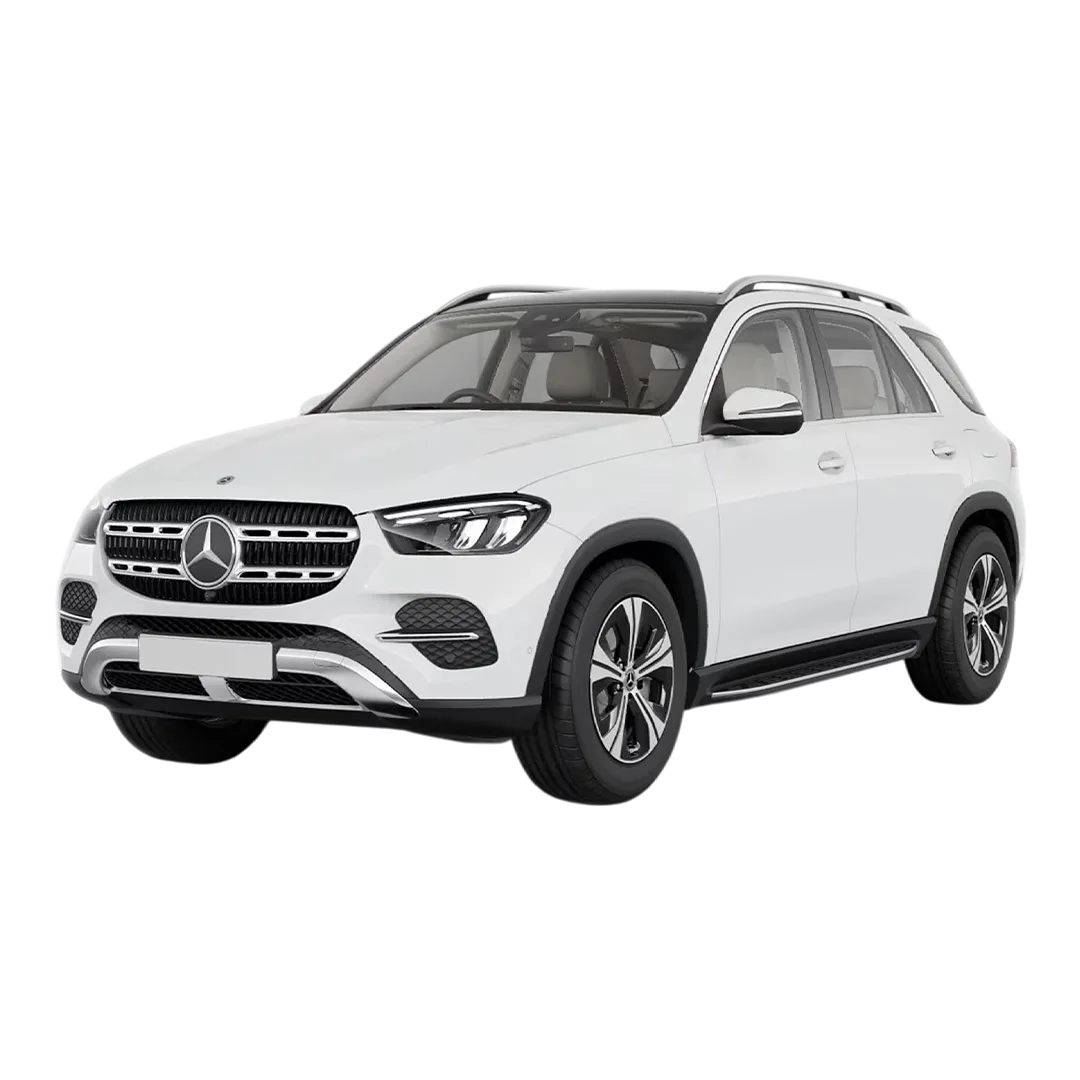

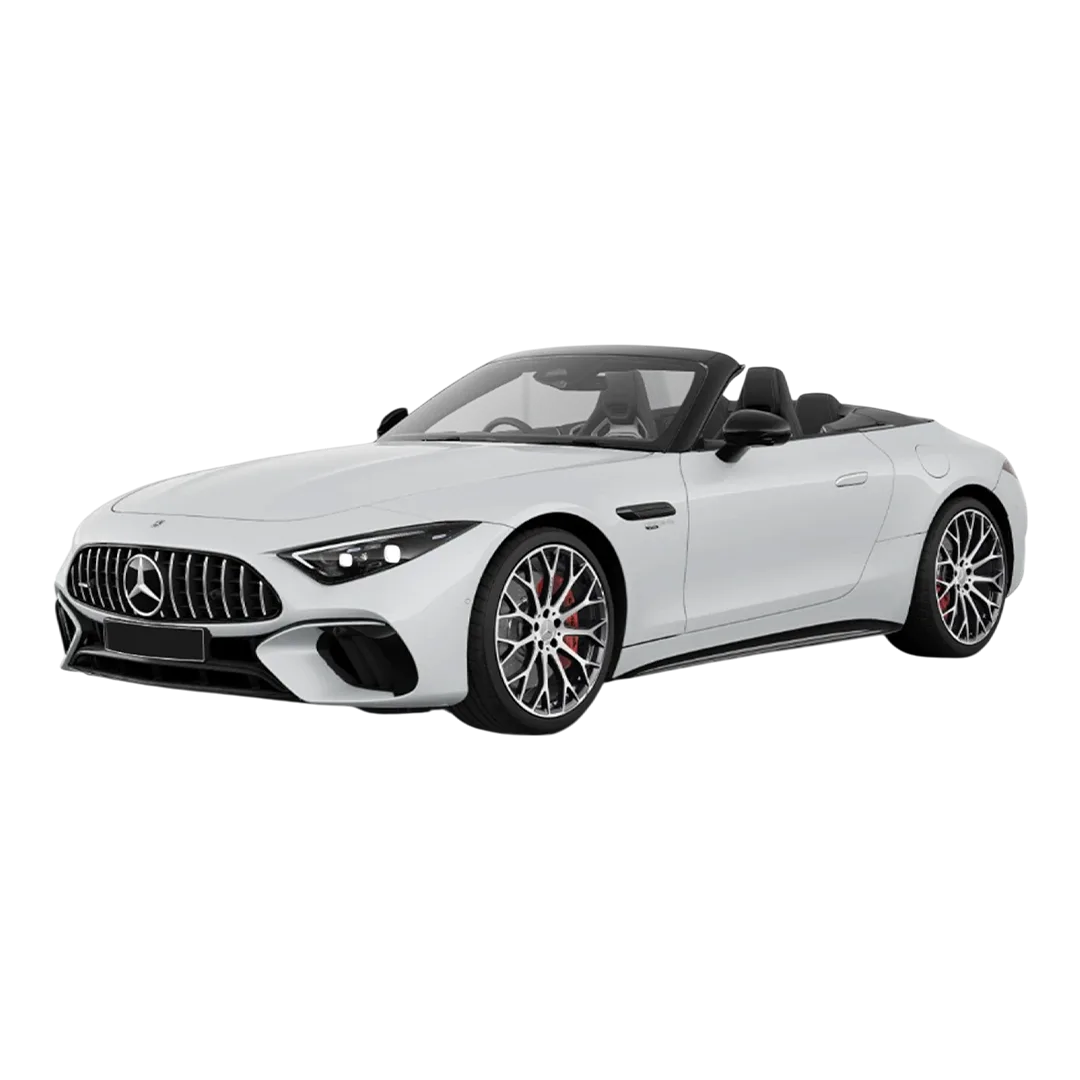
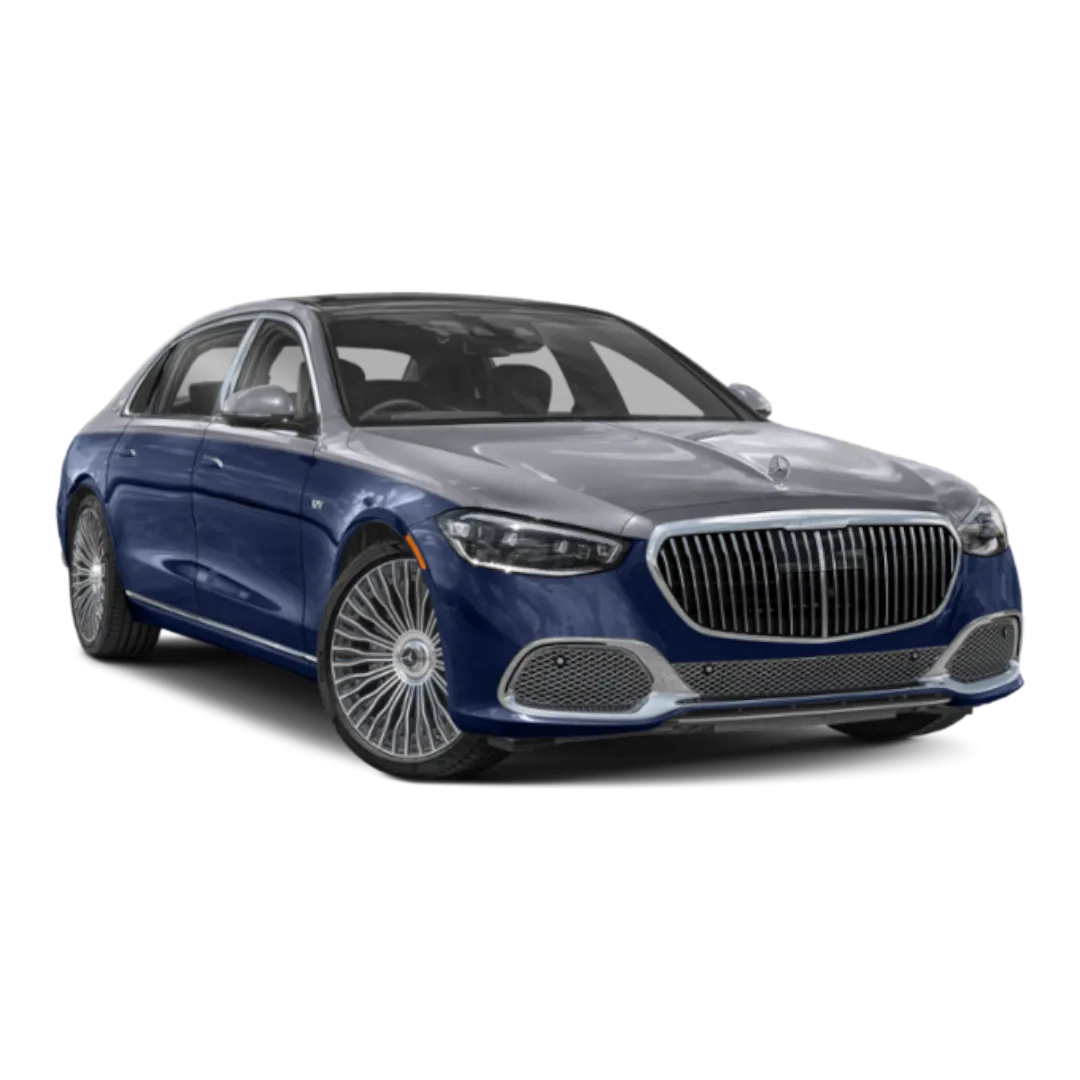
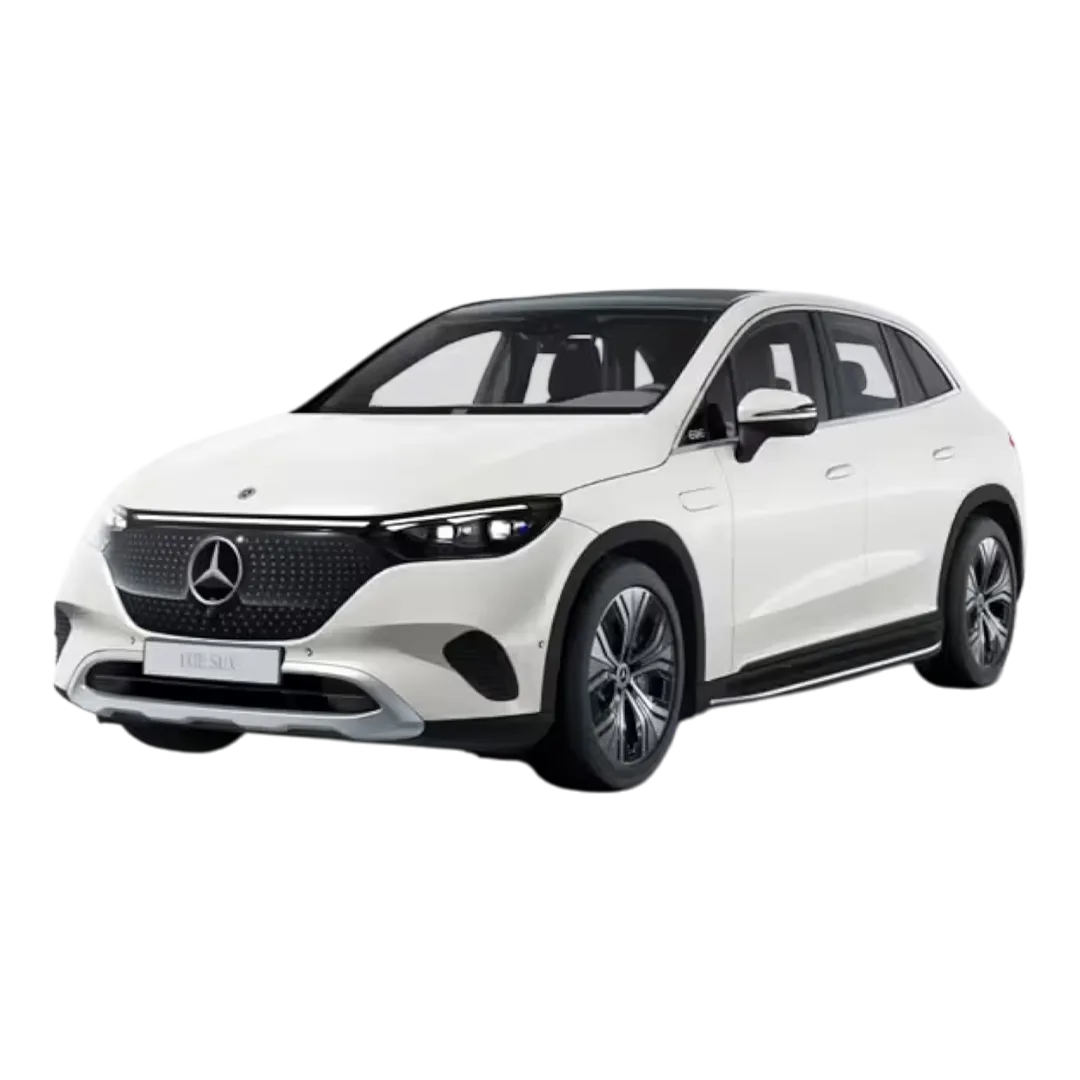
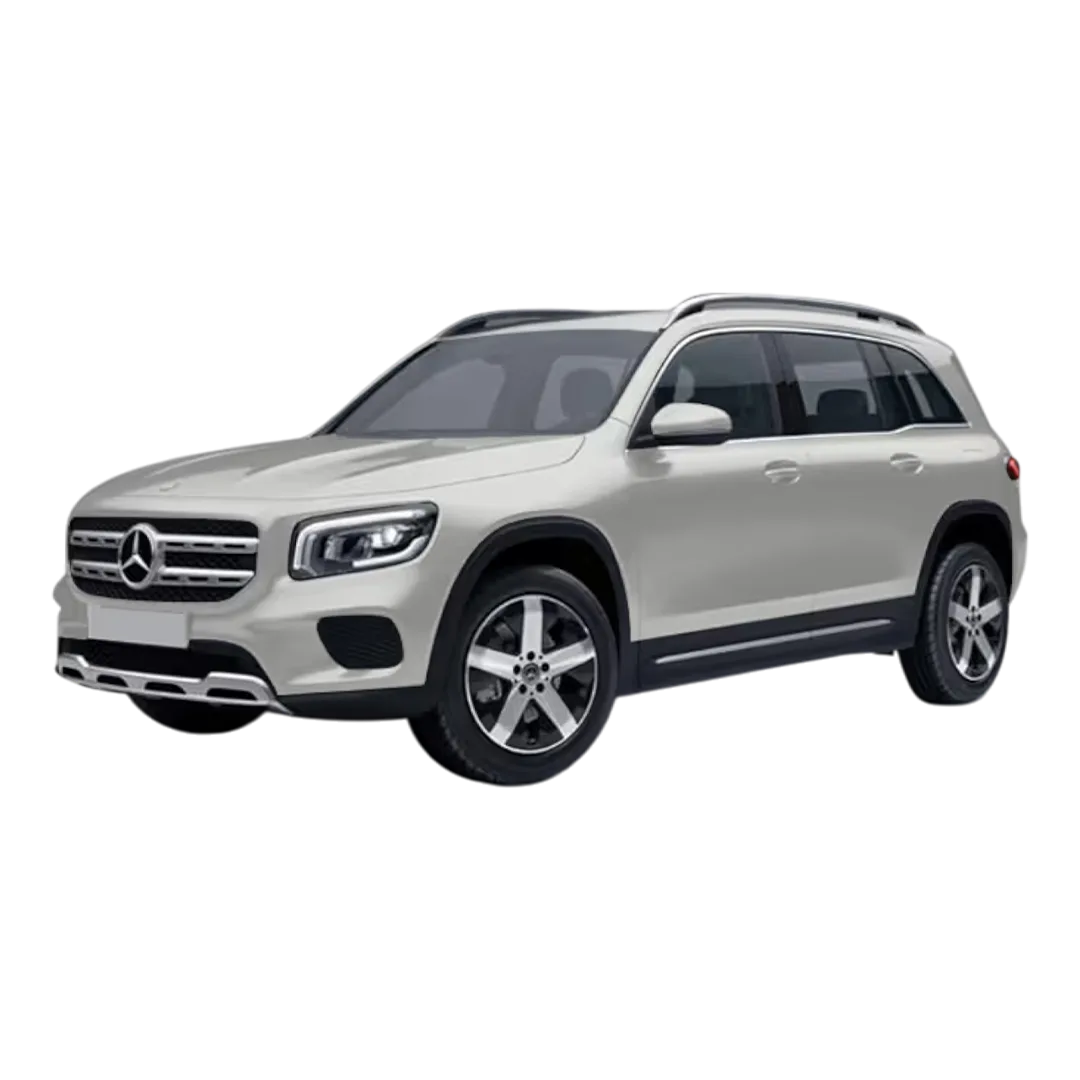
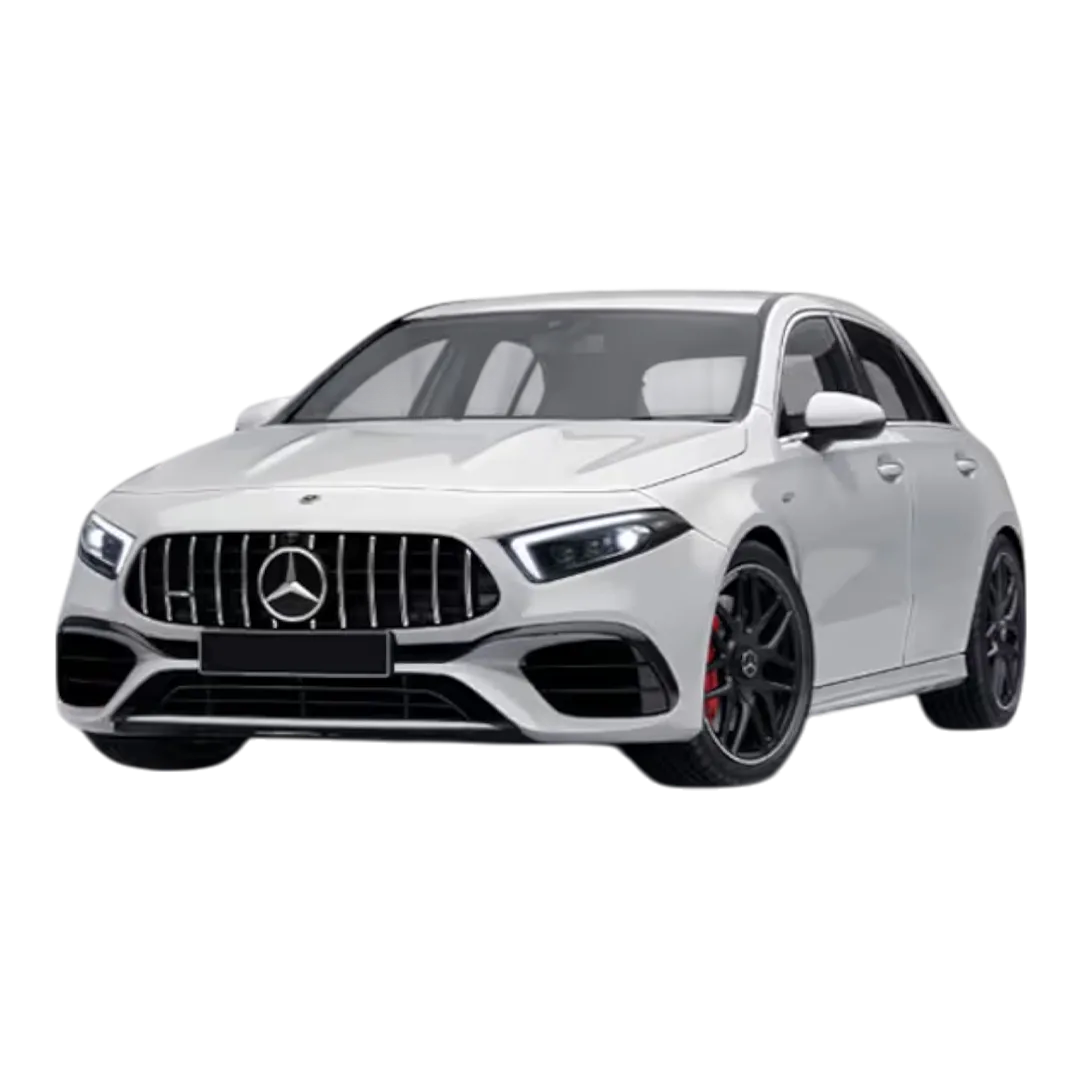
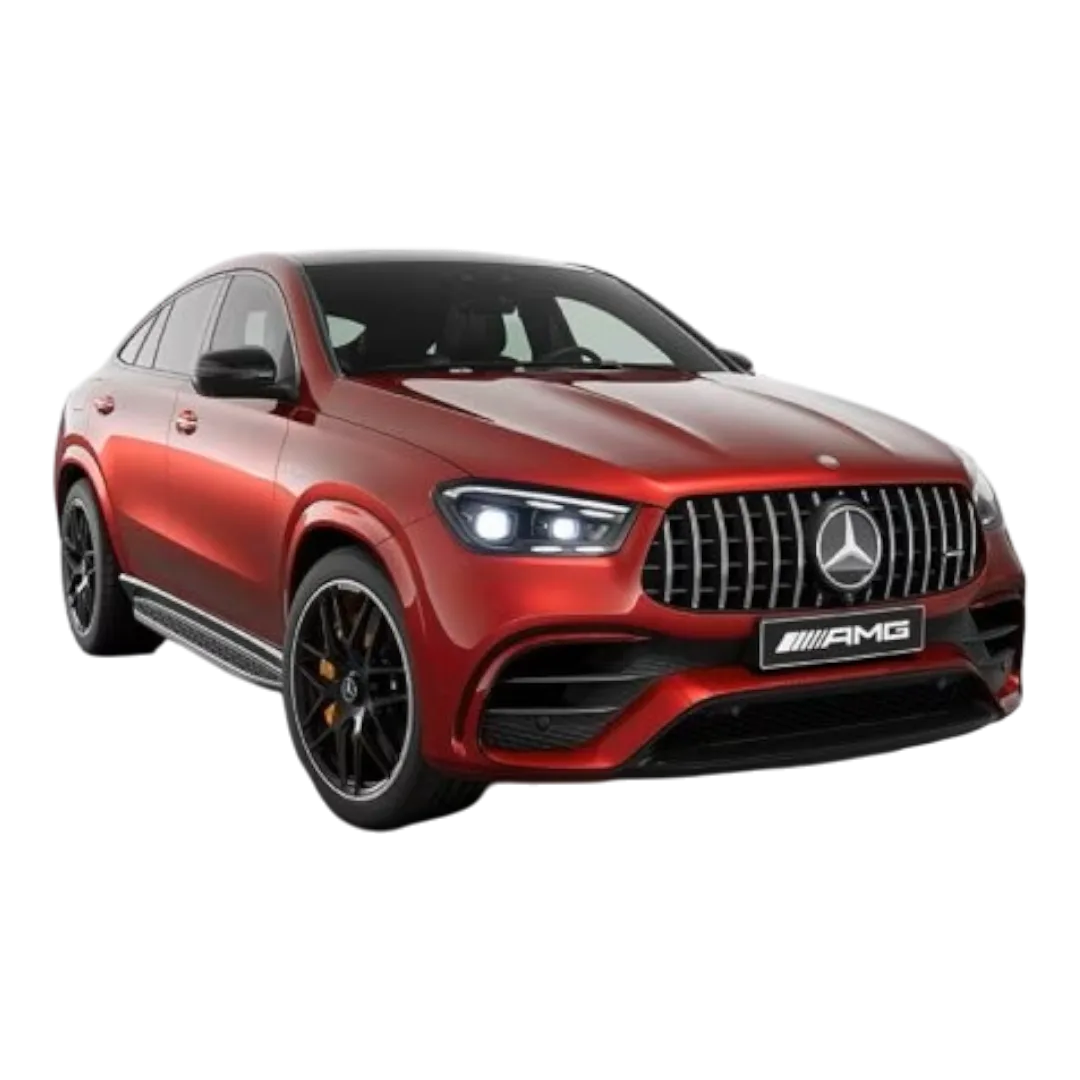

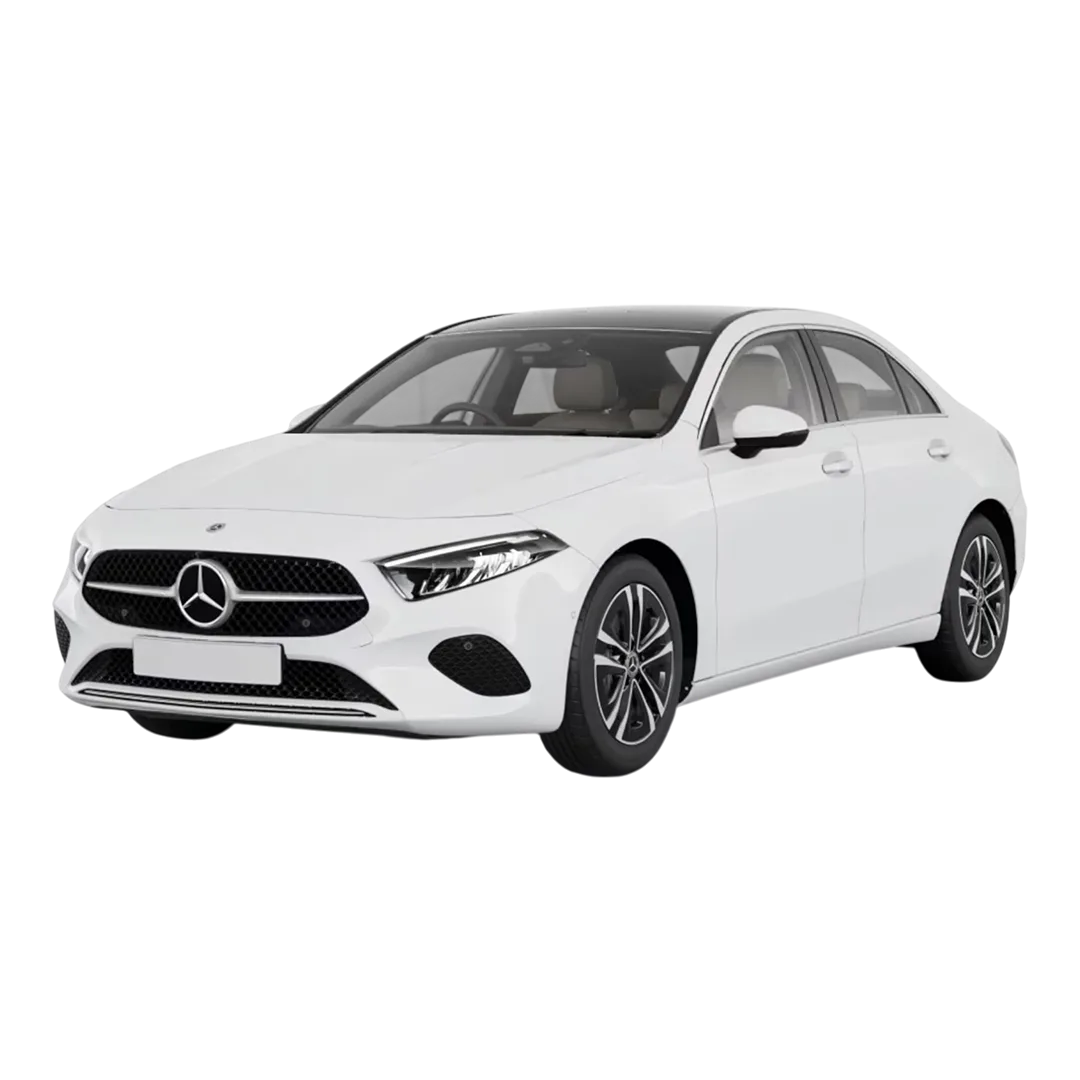
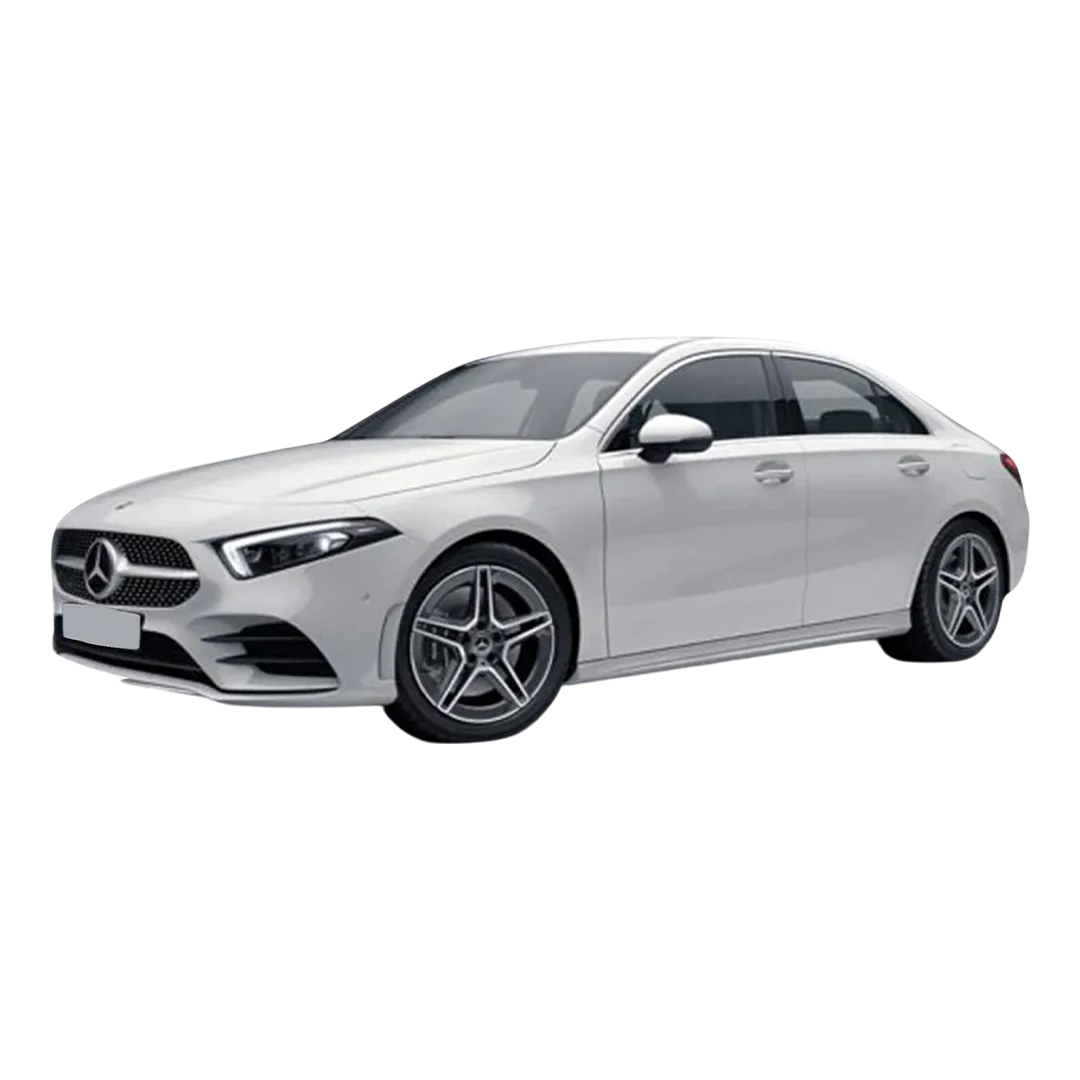
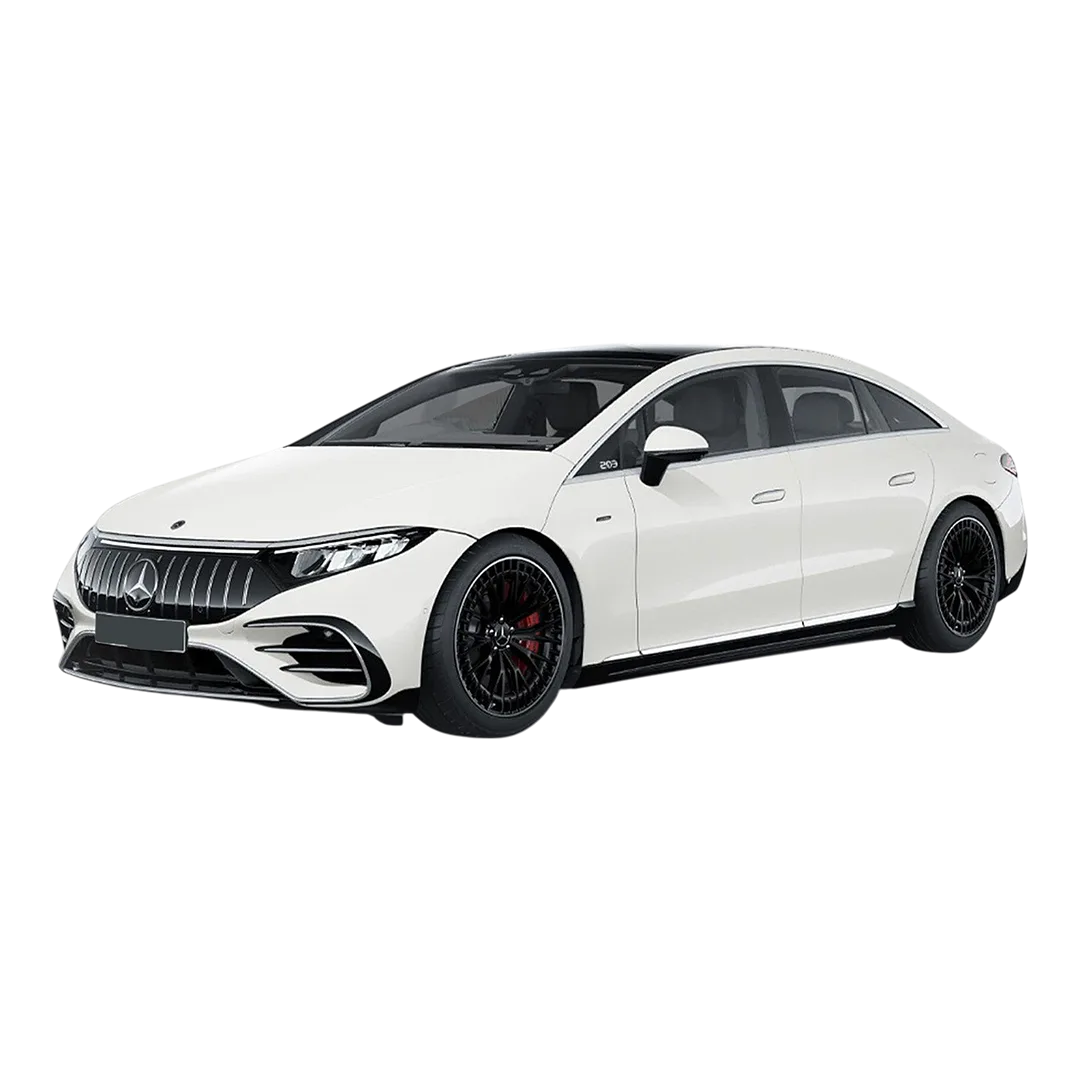

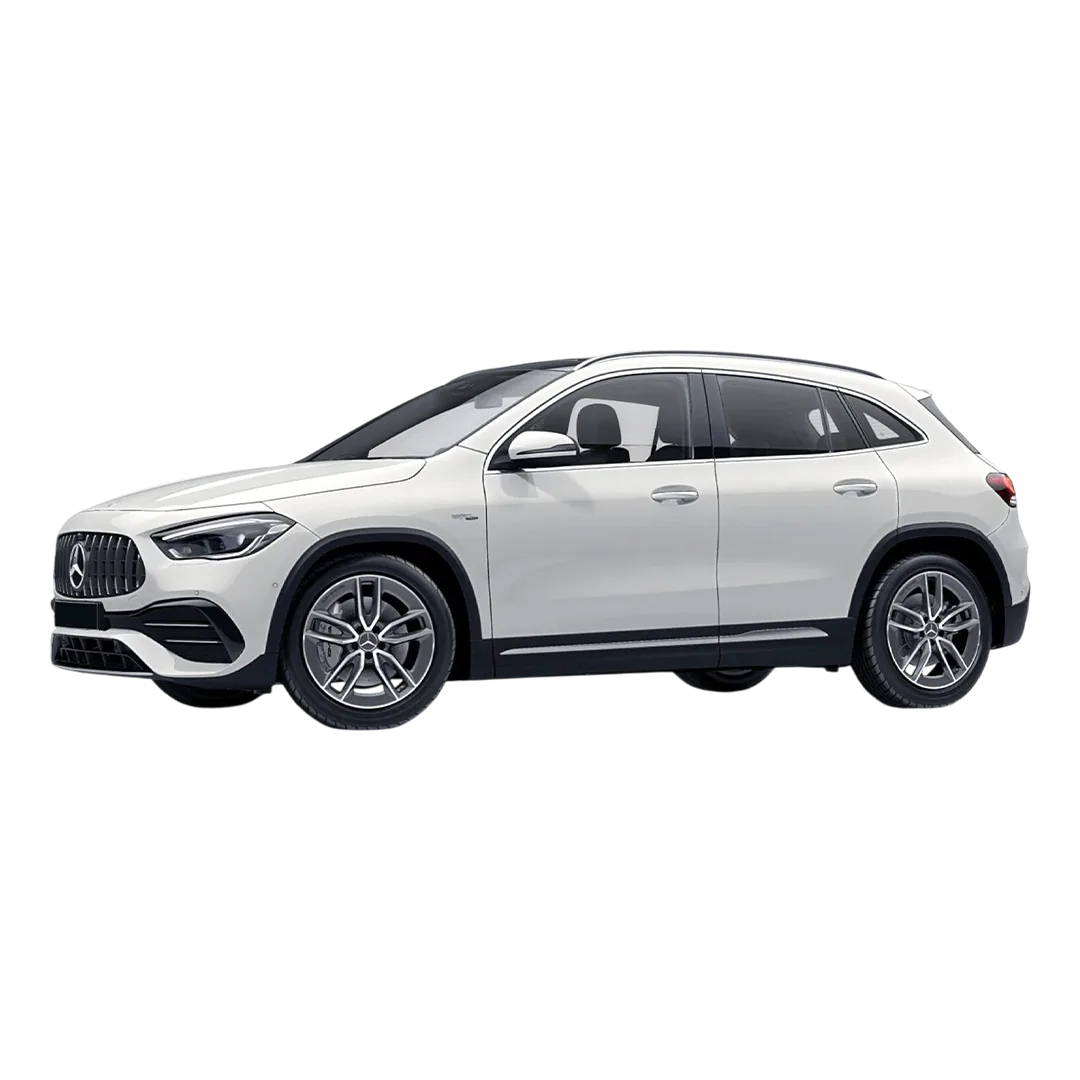
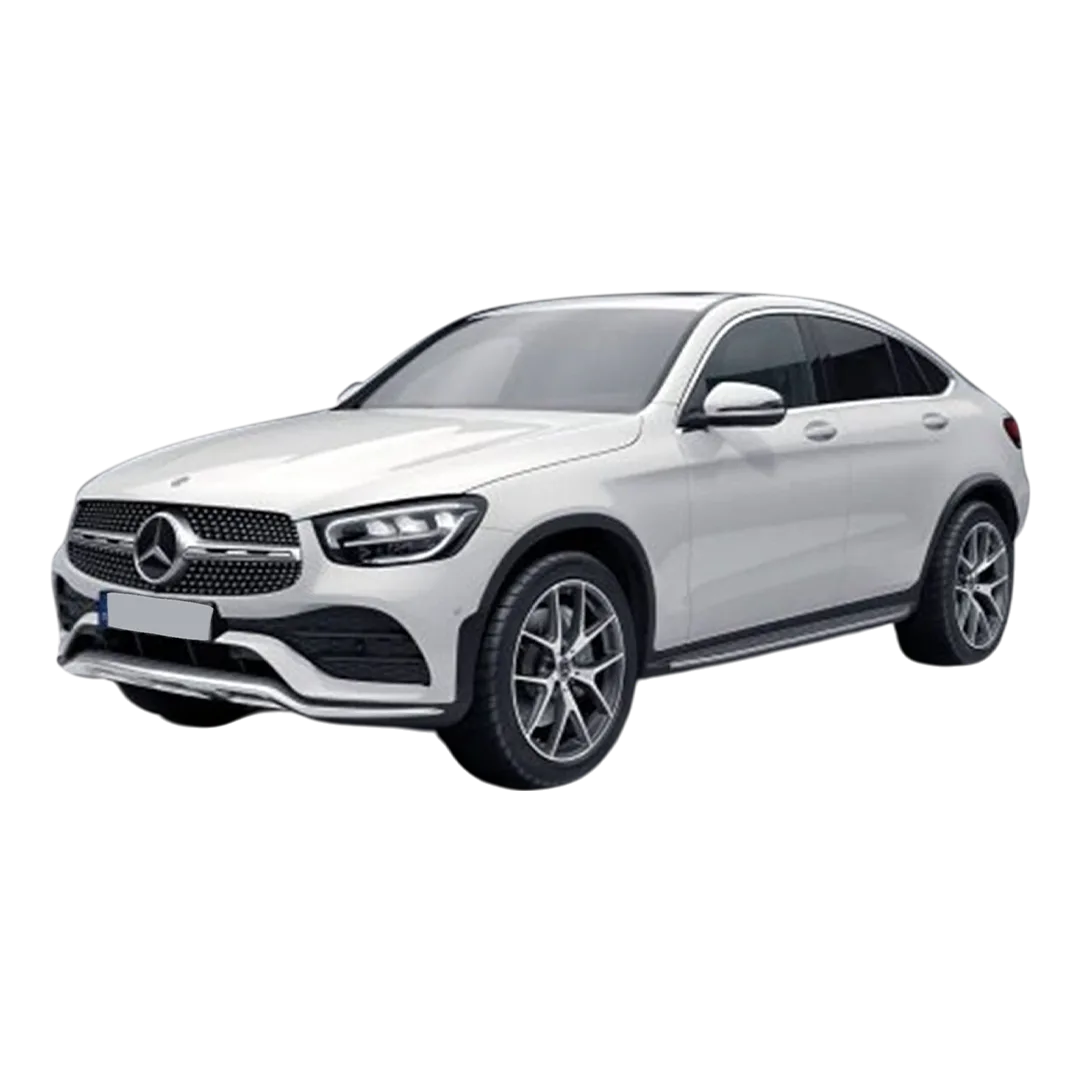

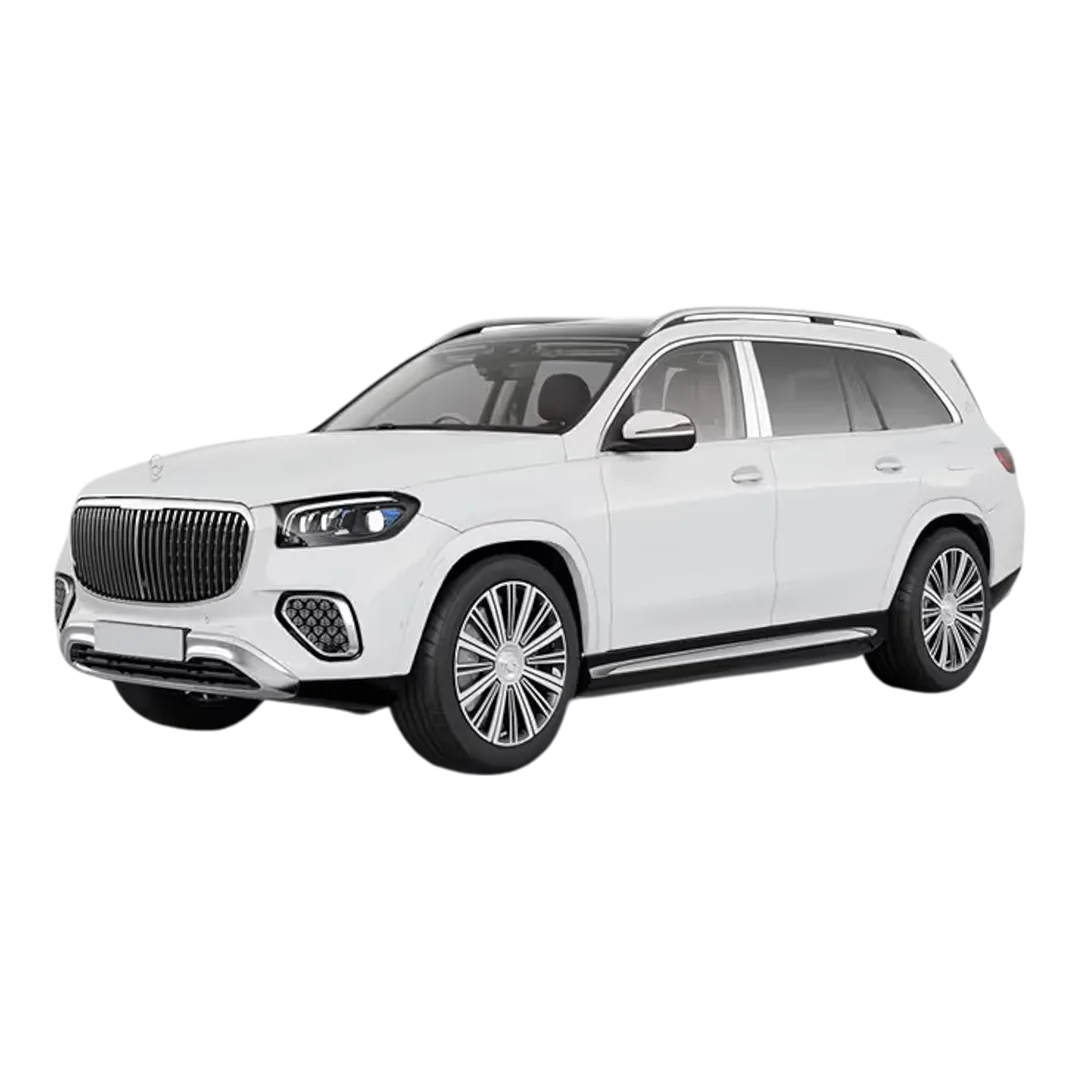
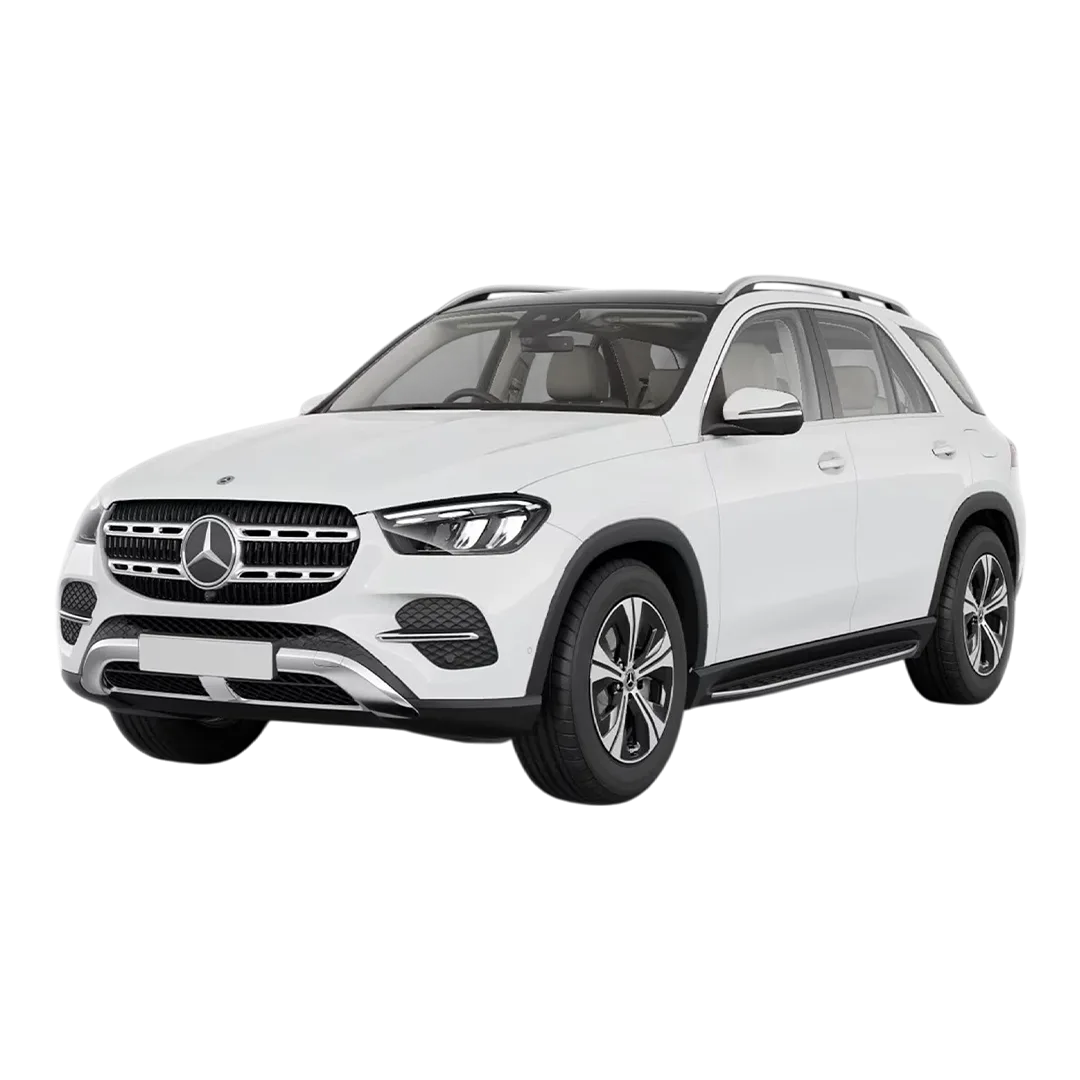
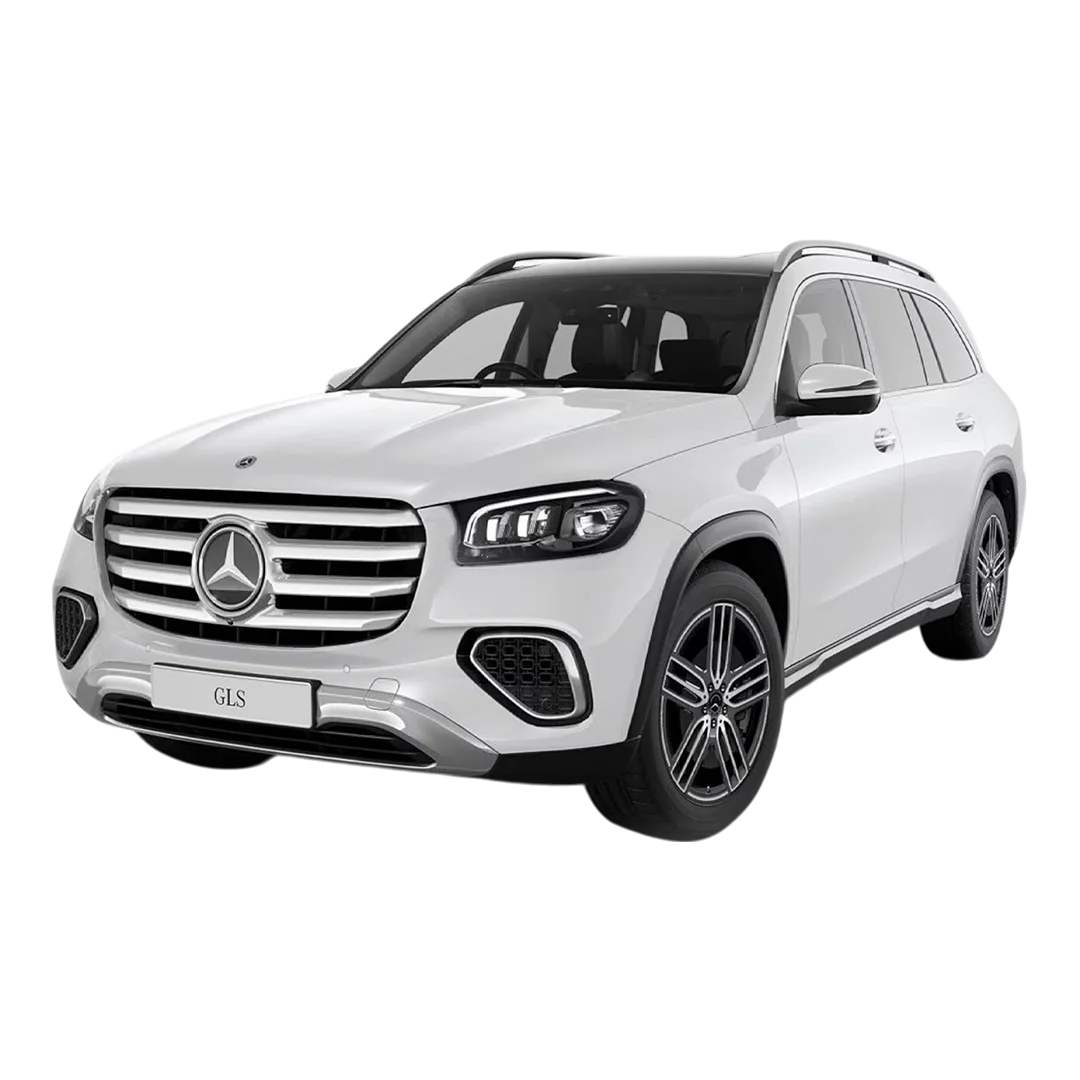
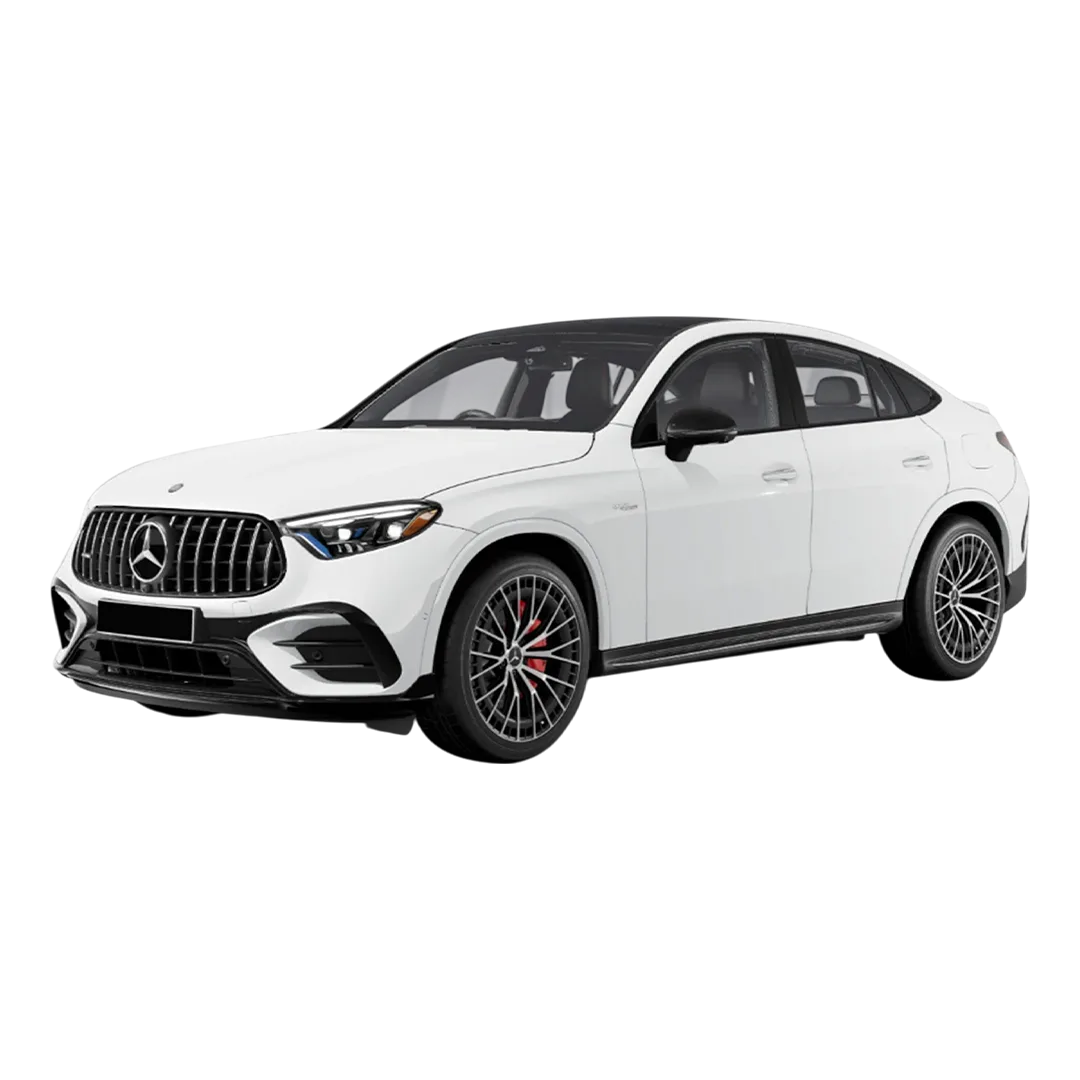
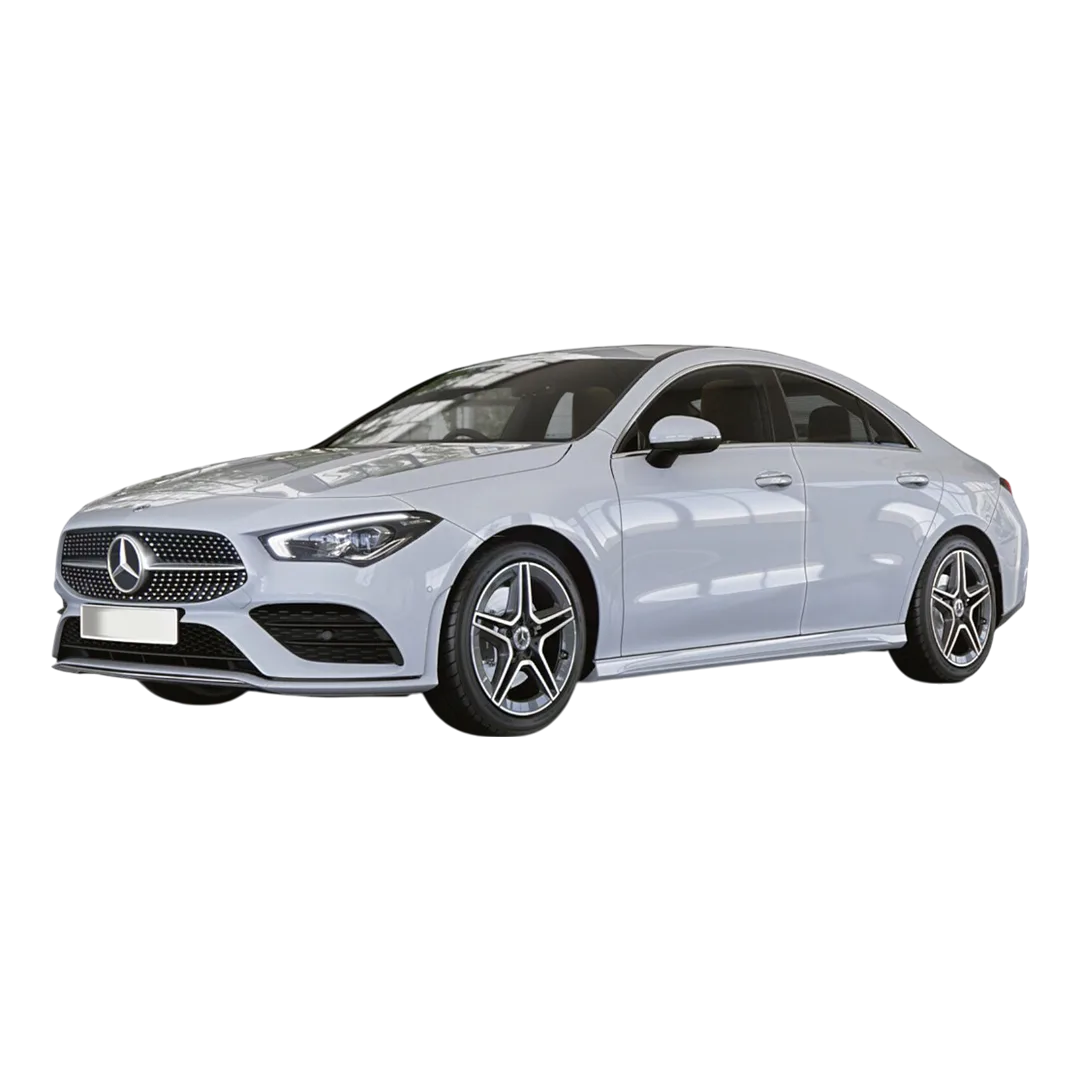
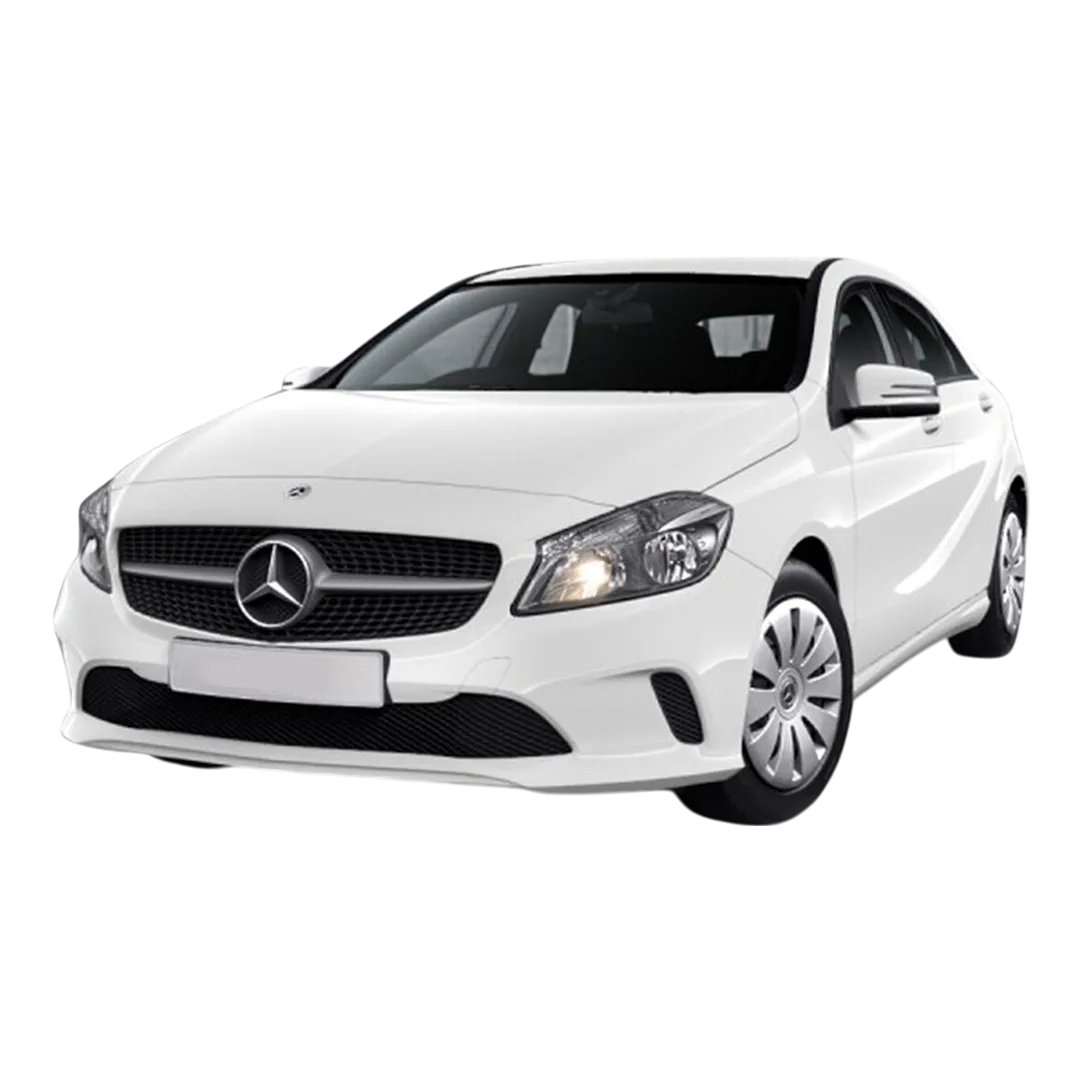
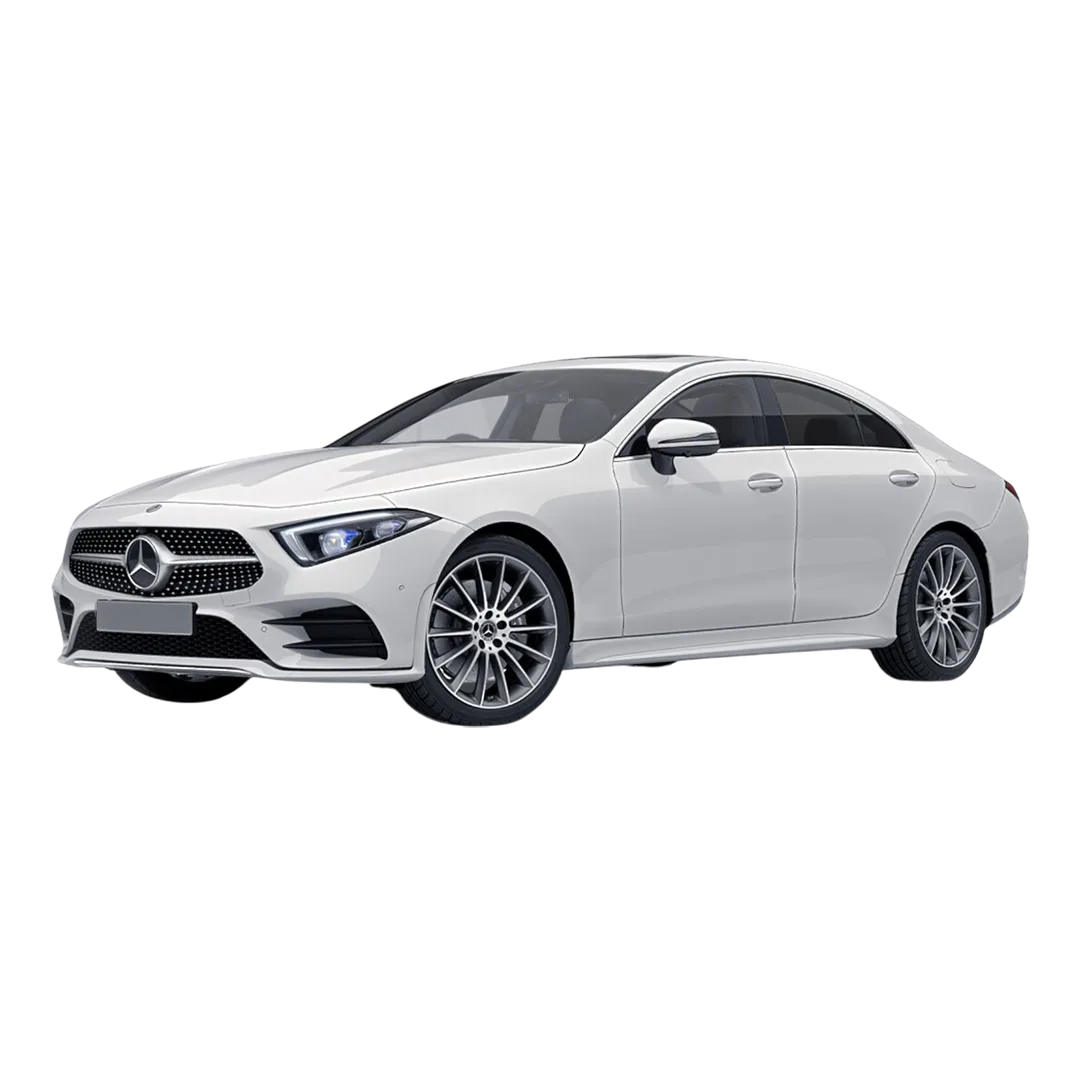
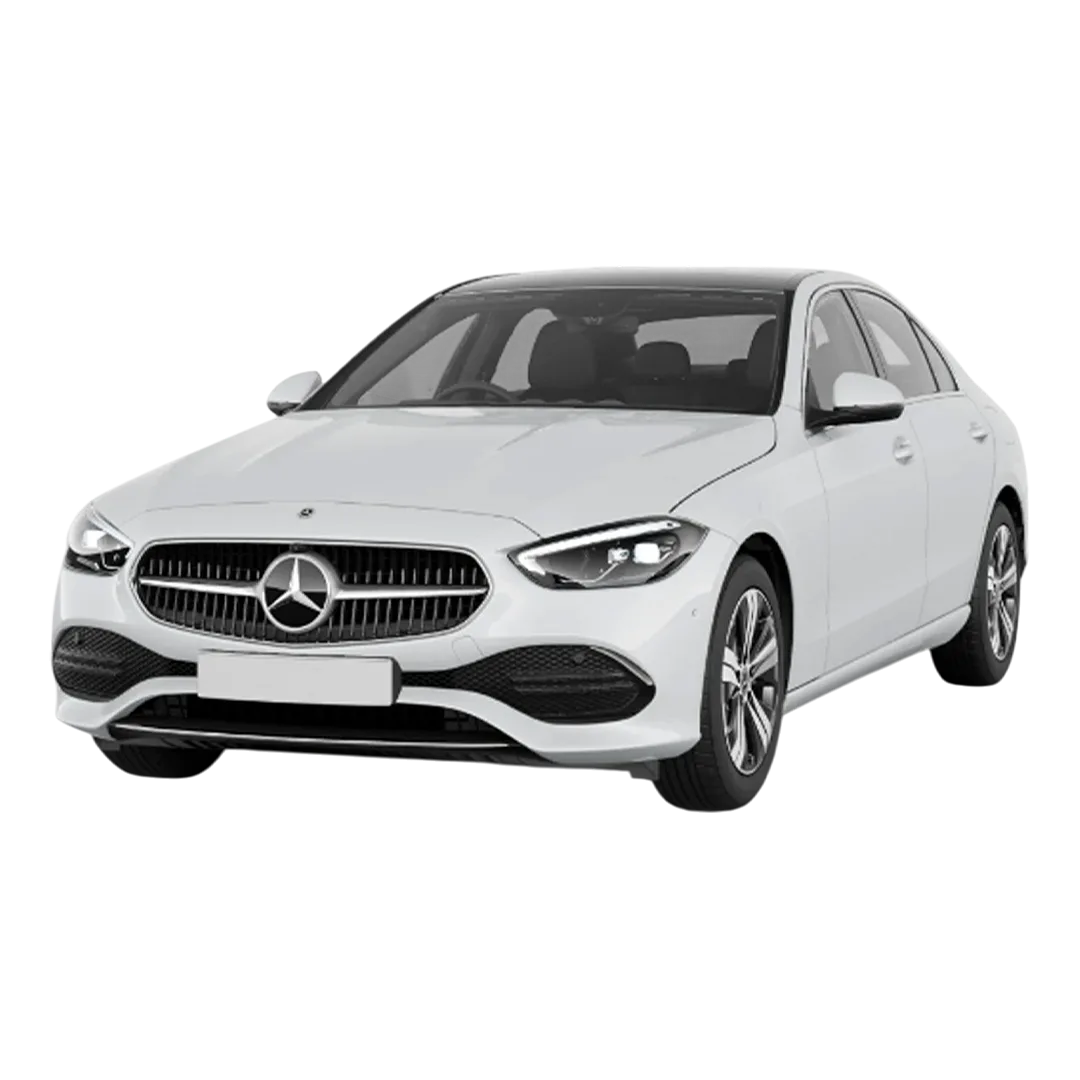




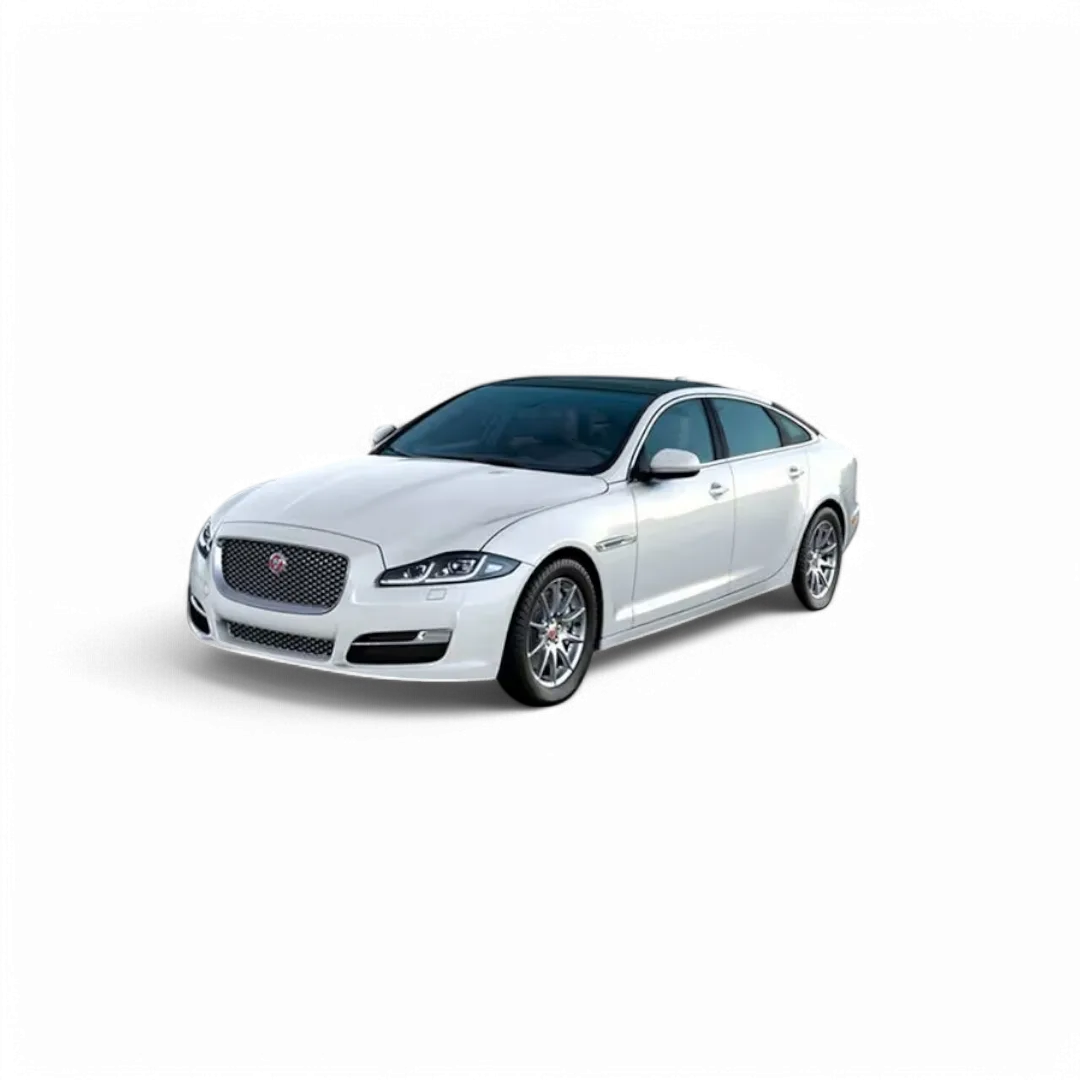
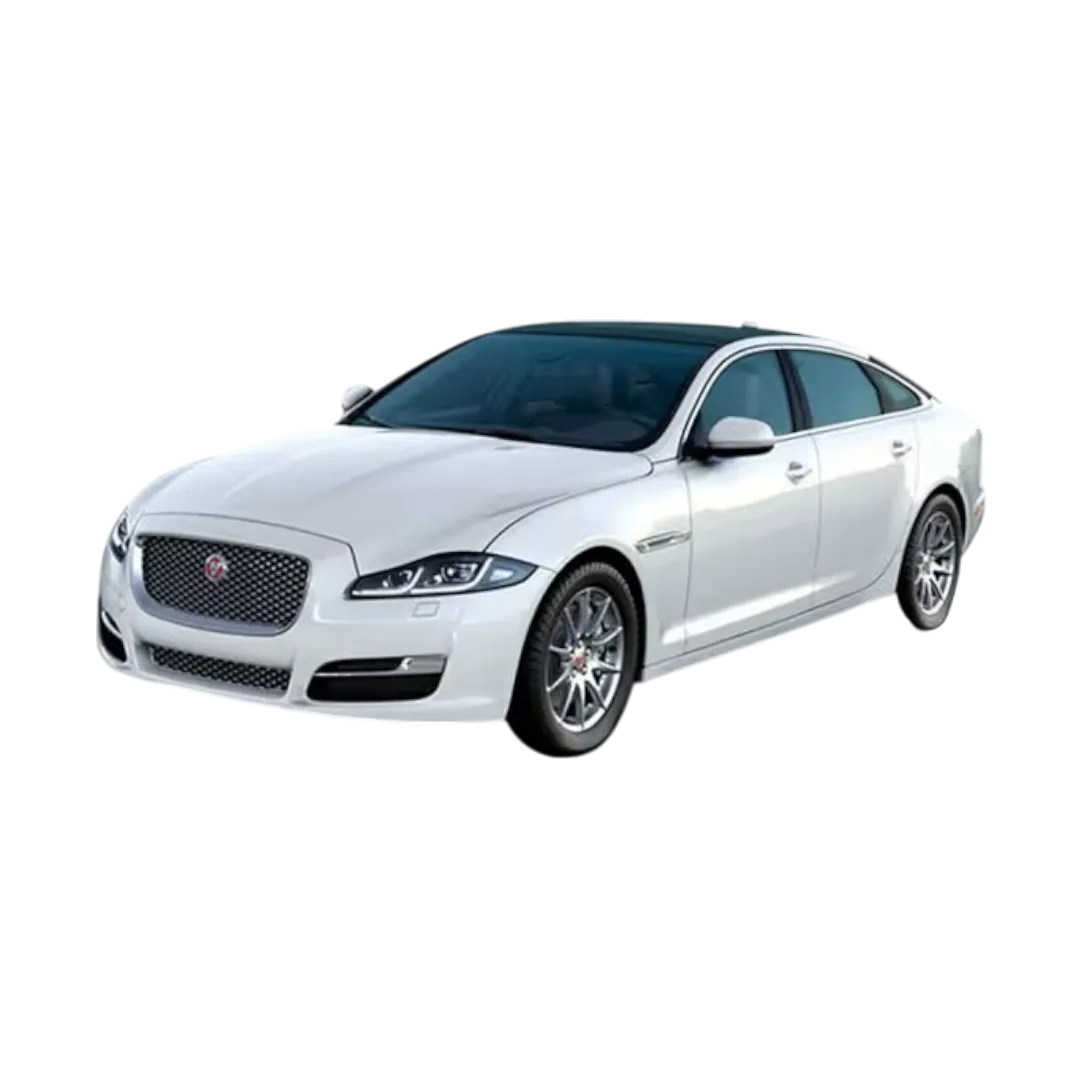

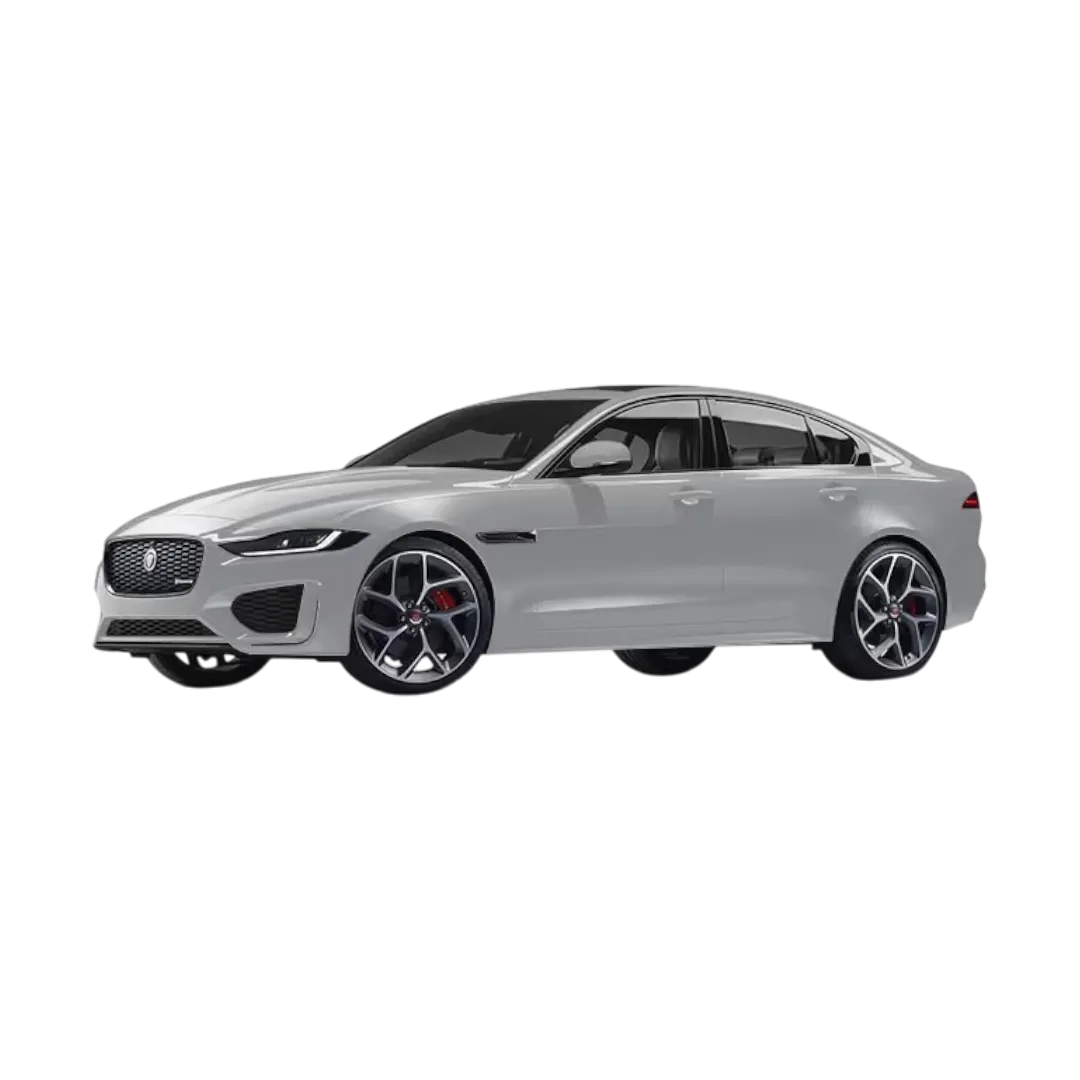

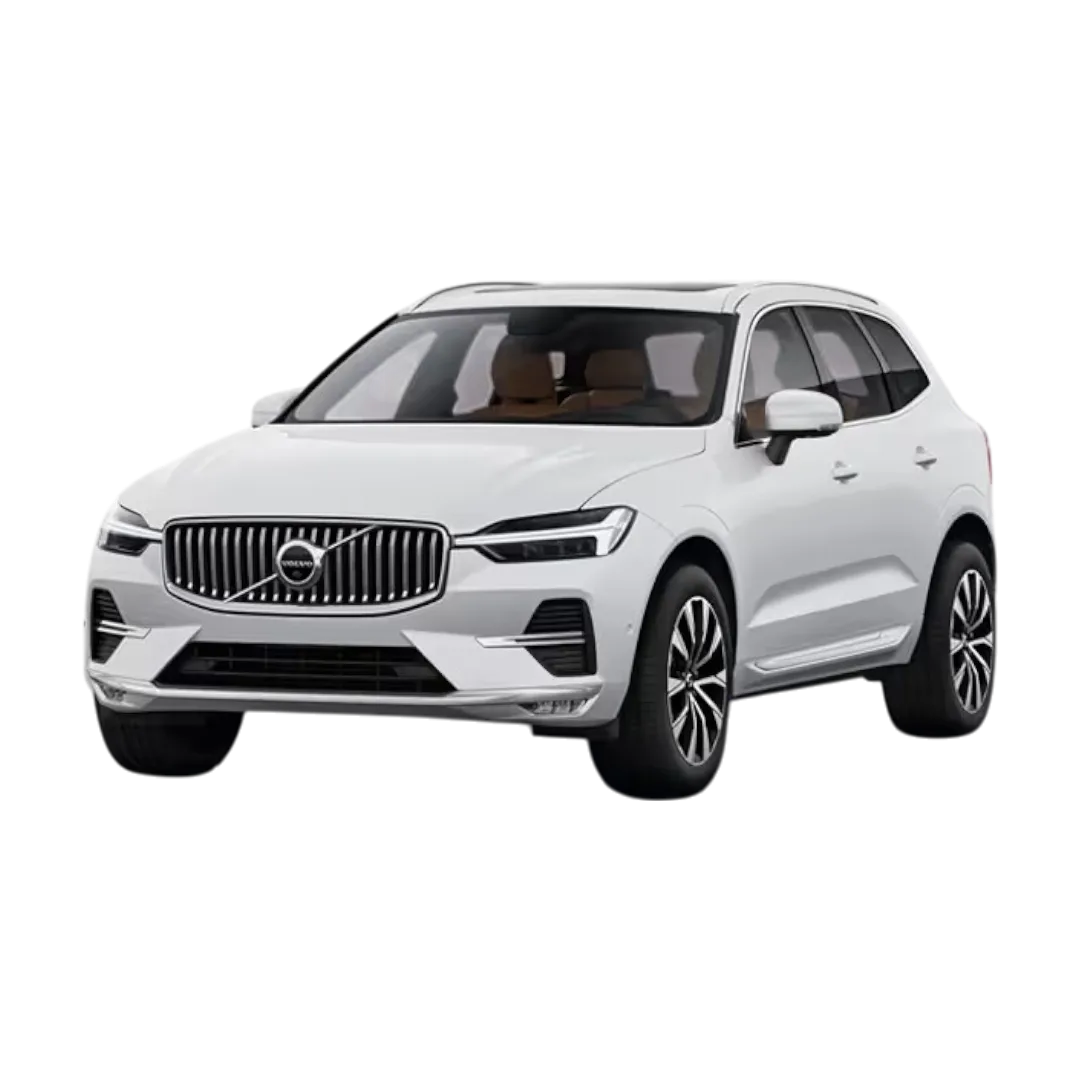
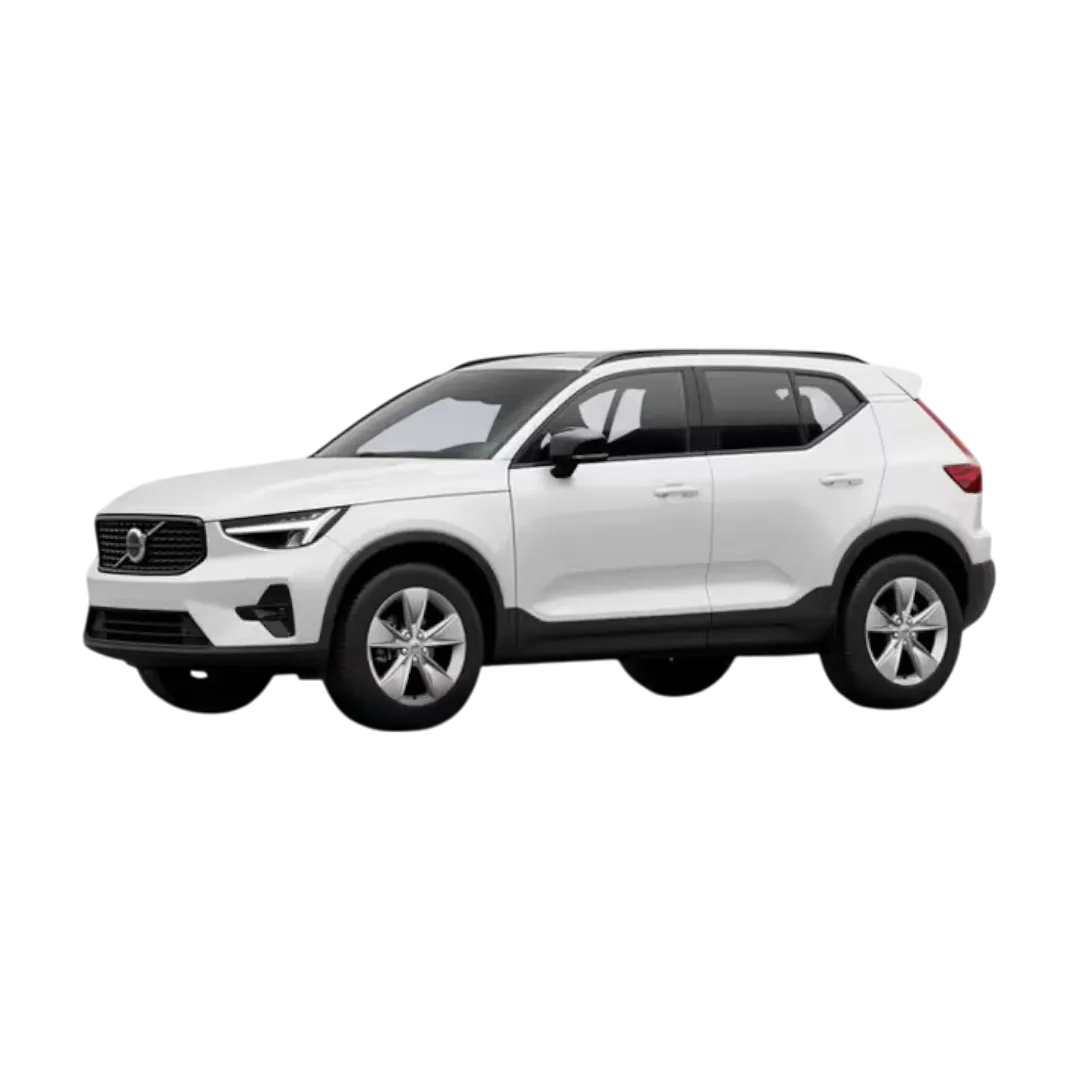
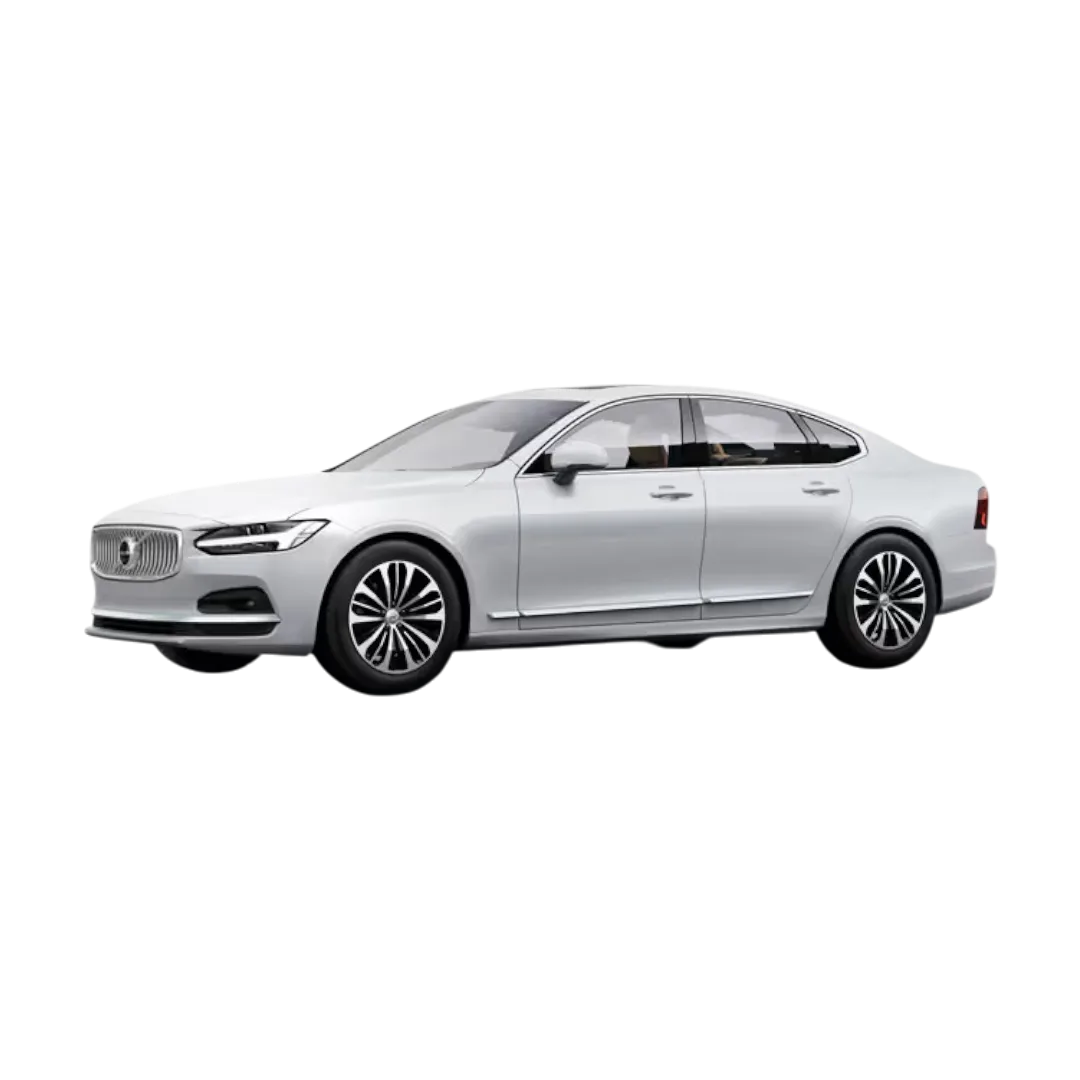
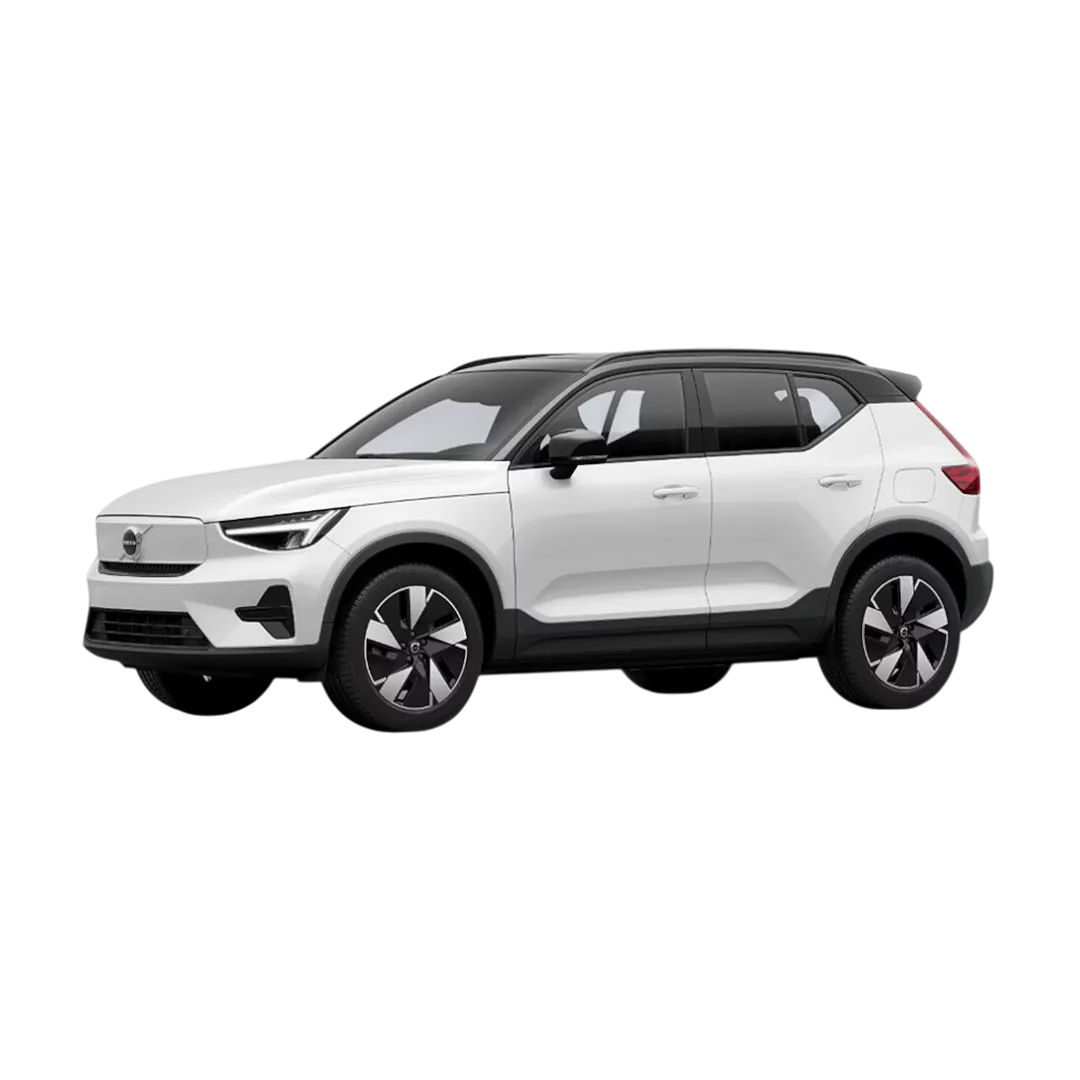
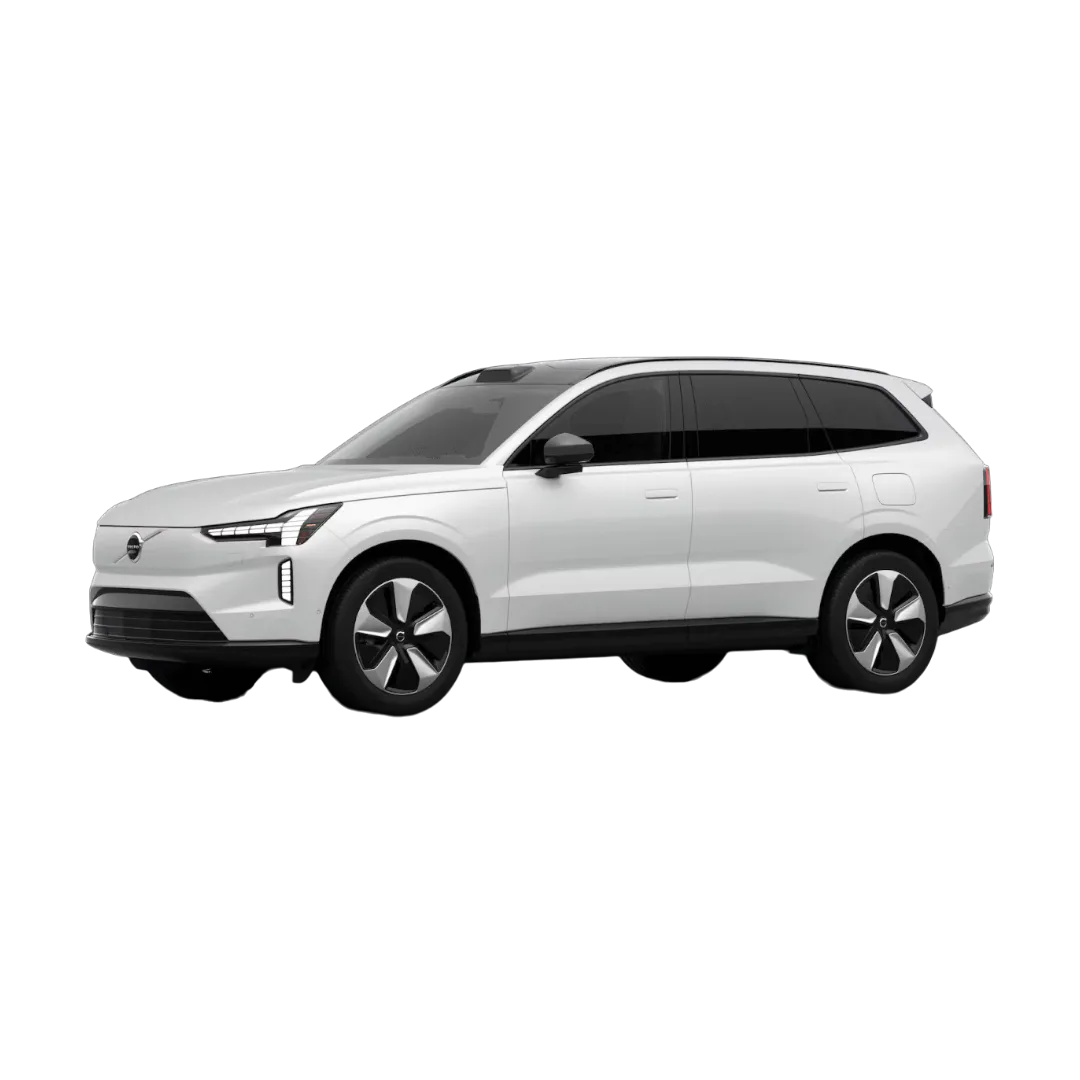




The festive period is particularly important for manufacturers and dealerships. Festive season car demand often increases as consumers consider vehicle purchases around major celebrations, promotional campaigns, exchange programmes and new model launches. For manufacturers, this period can be an opportunity to introduce new products and attract buyers who have been waiting to upgrade.
At the same time, the industry is dealing with cost pressures. Changes in commodity prices, components, logistics and other manufacturing inputs can influence vehicle production costs. This can contribute to potential car price hikes in 2026, although the impact and timing can vary between manufacturers and models.
Another major development is the expansion of the EV market in India 2026. More electric models and growing hybrid options are giving consumers additional choices. Meanwhile, SUVs continue to remain an important part of the market, while connected features, advanced safety technologies and improved infotainment systems are becoming increasingly common.
For Indian buyers, understanding these automotive industry trends 2026 can make it easier to evaluate whether to purchase now, wait for a new model or compare different powertrain options.
1. Festive Season Buying Drives Strong Vehicle Demand
The festive season has traditionally been an important period for India's automobile industry, and it continues to influence purchasing decisions in 2026. Consumers often associate major festivals with significant purchases, including cars and two-wheelers. Manufacturers and dealerships also prepare for this period by introducing promotional campaigns, exchange programmes, financing options and model updates.
One major reason behind festive season car sales is the combination of purchase intent and promotional activity. A buyer who has already been planning to replace an ageing vehicle may decide to complete the purchase when a manufacturer or dealer introduces a limited-period offer. New launches during the festive period can also create additional interest because consumers get an opportunity to compare recently introduced models with existing vehicles.
However, buyers should look beyond the headline discount. A promotional benefit does not necessarily mean that the vehicle is the most economical option if another model has lower maintenance or running costs. Buyers should compare the complete on-road price, insurance, financing cost, maintenance requirements and expected resale value.
The festive season can also influence demand for online car accessories. Once a new car is purchased, owners often look for products that improve interior protection, organisation, visibility, comfort and cleanliness.
Creckk Tip: Before booking a car during the festive season, ask the dealer for a complete price breakup. Compare the ex-showroom price, insurance, registration, accessories, finance charges and every applicable discount separately.
Creckk View: Festive offers can create urgency, but buyers should make the final decision based on total ownership value rather than the size of the promotional banner.
Creckk Quote: “The best festive deal is not always the biggest discount; it is the one that delivers the right value for your usage.”
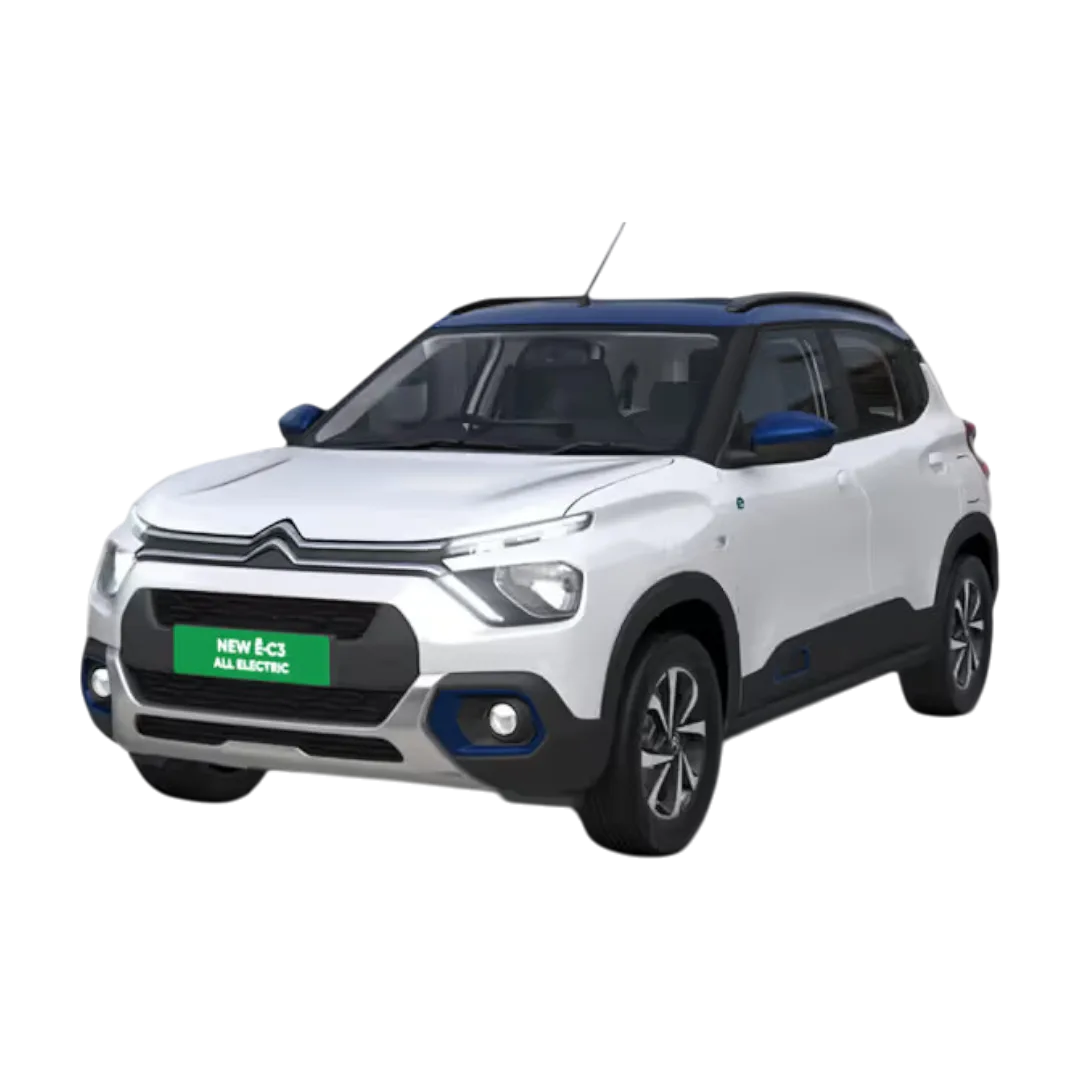
2. New EV Launches Expand Consumer Choices
The expansion of electric vehicles is one of the most noticeable developments in the Indian automobile industry 2026. EVs are increasingly becoming part of mainstream car-shopping discussions, particularly in urban markets where consumers have greater access to charging infrastructure.
One reason for growing EV interest is the increasing number of options available to consumers. Buyers can now compare different body styles, battery capacities, equipment levels and price points instead of considering electric vehicles as a single category.
However, purchasing an EV requires a slightly different approach from buying a conventional internal-combustion vehicle. Range is important, but it should not be considered in isolation. Buyers should also examine their daily driving distance, availability of home charging, public charging options, charging time, battery warranty and service support.
For someone who drives mostly within a city and can charge at home, an EV may fit into their daily routine differently from someone who regularly drives long highway distances. This is why the EV market in India 2026 should be viewed through the lens of different consumer requirements rather than a single definition of an ideal electric vehicle.
The arrival of additional models could also make the market more competitive. The upcoming EV and hybrid cars in India 2026 can give consumers more alternatives, but buyers should always verify officially confirmed specifications, pricing and launch information before making decisions.
Creckk Tip: Before buying an EV, calculate your typical weekly kilometres and identify where you will charge the vehicle. Your charging routine can be just as important as the vehicle's advertised range.
Creckk also fits into the post-purchase journey as EV owners look for practical accessories for interior protection, cleaning, storage and everyday convenience.
Creckk View: EV ownership is not simply about changing the fuel type. It changes how owners think about charging, trip planning and everyday vehicle usage.
Creckk Quote: “Choose an EV around your lifestyle, not just its claimed range.”
3. Hybrid Cars Gain Attention Amid Fuel Cost Concerns
Hybrid vehicles are becoming an increasingly important part of discussions around why hybrid cars are becoming popular in India. They occupy a position between conventional internal-combustion vehicles and fully electric cars, giving buyers another powertrain option.
A hybrid vehicle combines an internal-combustion engine with an electric motor and battery system. Depending on the type of hybrid technology, the electric system can assist the engine in different driving conditions. This can help the vehicle operate differently from a conventional petrol-only car.
One attraction for Indian buyers is the familiar refuelling experience. Unlike a fully electric vehicle, a hybrid does not necessarily require owners to depend on charging infrastructure for every journey. This can be particularly relevant for consumers who regularly travel between cities or do not have convenient access to home charging.
However, a hybrid should not automatically be considered the right choice for every buyer. The higher purchase price, vehicle technology, maintenance requirements and individual driving pattern should all be considered. A person driving predominantly in city traffic may have different priorities from someone who spends most of their time on highways.
Fuel efficiency should also be evaluated realistically. Advertised efficiency figures are useful for comparison, but real-world results can vary depending on traffic, driving style, road conditions, load and air-conditioning usage.
Creckk Tip: If you're comparing an EV, hybrid and petrol vehicle, estimate your expected kilometres over five years. Then compare purchase cost, energy or fuel expenses, maintenance and financing costs.
Creckk View: Hybrid technology can appeal to buyers who want greater efficiency while retaining the convenience of conventional refuelling.
Creckk Quote: “The right powertrain depends on where you drive, how much you drive and how you plan to own the car.”
For consumers who spend considerable time in their cars, practical car accessories can also improve comfort and convenience regardless of whether the vehicle uses petrol, hybrid or electric power.
4. Rising Raw Material Costs Could Push Car Prices Higher
The raw material costs automobile industry faces are another important factor influencing the market. Modern vehicles contain a large number of components and materials, including steel, aluminium, plastics, electronic components, batteries and specialised parts. Changes in the cost of these inputs can affect the broader manufacturing and supply chain.
However, an increase in production costs does not automatically translate into an immediate equivalent increase in the showroom price. Manufacturers may absorb part of the additional cost, negotiate with suppliers, make production adjustments or introduce pricing changes at a later stage.
For consumers, the possibility of rising car prices in India can influence purchasing decisions. If a manufacturer officially announces a future price revision, a buyer who is already ready to purchase may compare the current price with the expected revised price. However, buyers should verify the conditions attached to any price protection or booking scheme.
It is also important to understand that car prices can change for several reasons. Raw materials are only one part of the equation. Currency movements, taxation, regulatory requirements, feature additions, logistics and changes in manufacturing costs can also affect vehicle pricing.
Instead of rushing into a purchase solely because of a potential car price hike 2026, consumers should evaluate whether the vehicle fits their requirements.
Creckk Tip: If you are concerned about a possible price increase, ask the manufacturer or authorised dealer for written confirmation of the current price, booking terms and applicable price-protection conditions.
Creckk View: A potential price increase can influence purchase timing, but affordability and long-term ownership costs should remain central to the decision.
Creckk Quote: “Before worrying about tomorrow’s price, understand today’s total cost of ownership.”
After purchasing a vehicle, buyers can also control their accessory spending by selecting products based on genuine requirements rather than automatically purchasing a large accessory package.

5. SUV Popularity Continues to Influence Market Demand
SUVs remain a major part of the India car market 2026, with manufacturers offering models across different sizes and price segments. From compact urban SUVs to larger family-oriented models, the category has expanded significantly.
Several characteristics contribute to SUV demand. Higher seating positions can provide a commanding driving view, while larger cabins and flexible boot areas can appeal to families. Buyers also associate SUVs with road presence and versatility, although actual capabilities vary considerably between models.
The growth of the SUV segment has also created more choice for consumers. A buyer looking for a city-friendly vehicle can consider a compact SUV, while a larger family may prefer a midsize or three-row model. This variety means consumers should not treat all SUVs as equivalent.
Running costs are another consideration. Larger vehicles can have different fuel consumption, tyre costs, insurance premiums and maintenance expenses compared with smaller hatchbacks or sedans. Buyers should therefore compare the total ownership cost rather than focusing only on the monthly EMI.
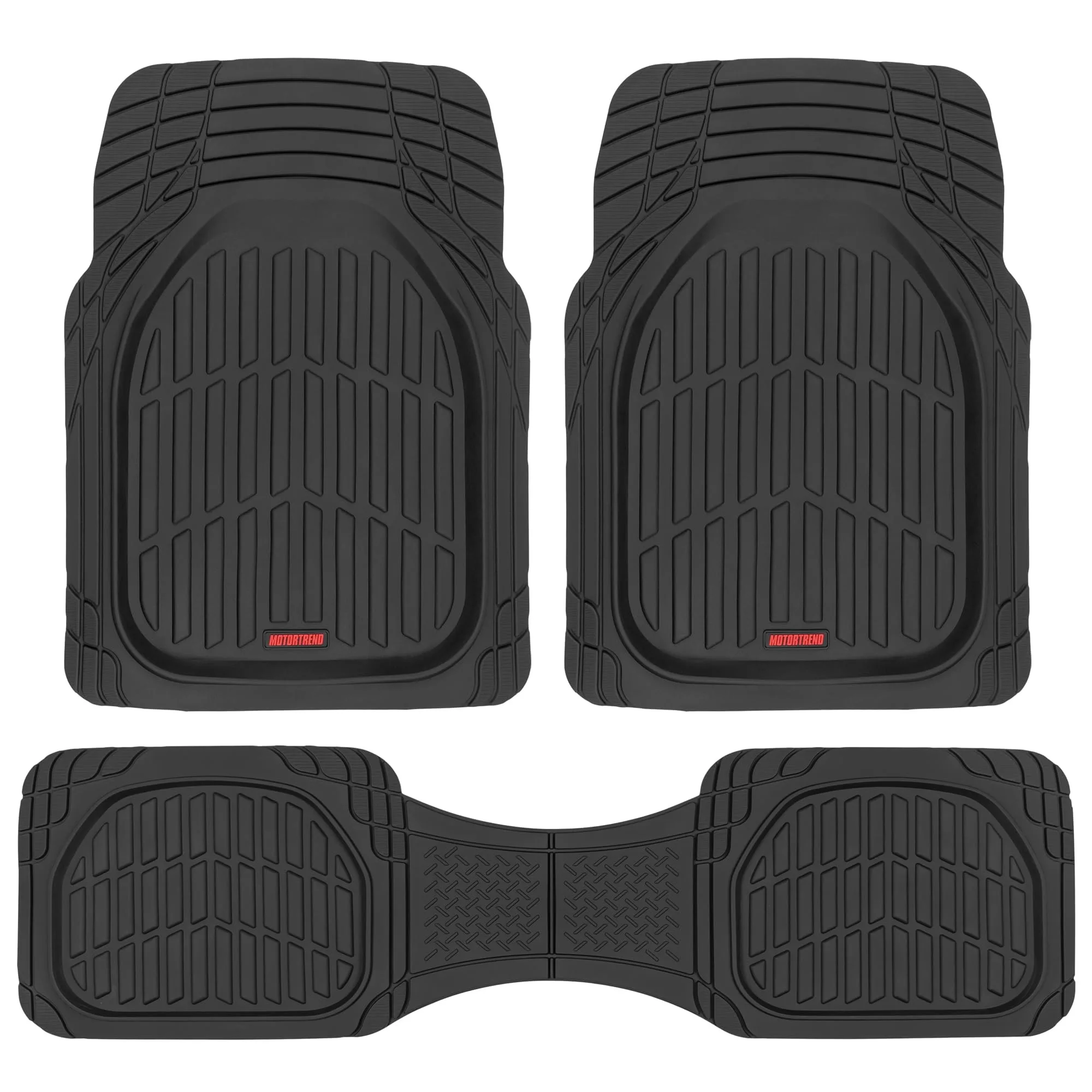
The popularity of SUVs also creates demand for accessories. Floor mats, seat covers, organisers, sunshades, cleaning products, microfiber cloths, dusters and other convenience products can be useful depending on the owner's lifestyle.
Creckk Tip: Before purchasing an SUV, check rear-seat comfort, boot space, turning radius, parking practicality and actual fuel economy during a test drive.
Creckk View: An SUV should be selected according to usage rather than size alone. Urban commuters, large families and frequent highway travellers can have very different requirements.
Creckk Quote: “A bigger vehicle is not automatically a better vehicle; the right size is the one that fits your everyday life.”
Factors Influencing Vehicle Demand in 2026
| Market Trend | How It Can Influence Buyers |
|---|---|
| Festive-season offers | May encourage planned purchases and vehicle upgrades |
| New EV launches | Increase the number of electric options available |
| Hybrid expansion | Gives buyers an alternative between ICE and EVs |
| Raw material costs | Can contribute to manufacturer price revisions |
| SUV popularity | Provides choices focused on space and versatility |
| New technology | Adds safety, connectivity and convenience features |
| New model launches | Gives consumers more options to compare |
6. New Technology and Feature-Rich Cars Attract Buyers
Technology has become a significant part of the modern car-buying experience. Buyers are increasingly comparing vehicles based not only on engine performance and design but also on safety, infotainment, connectivity and convenience features.
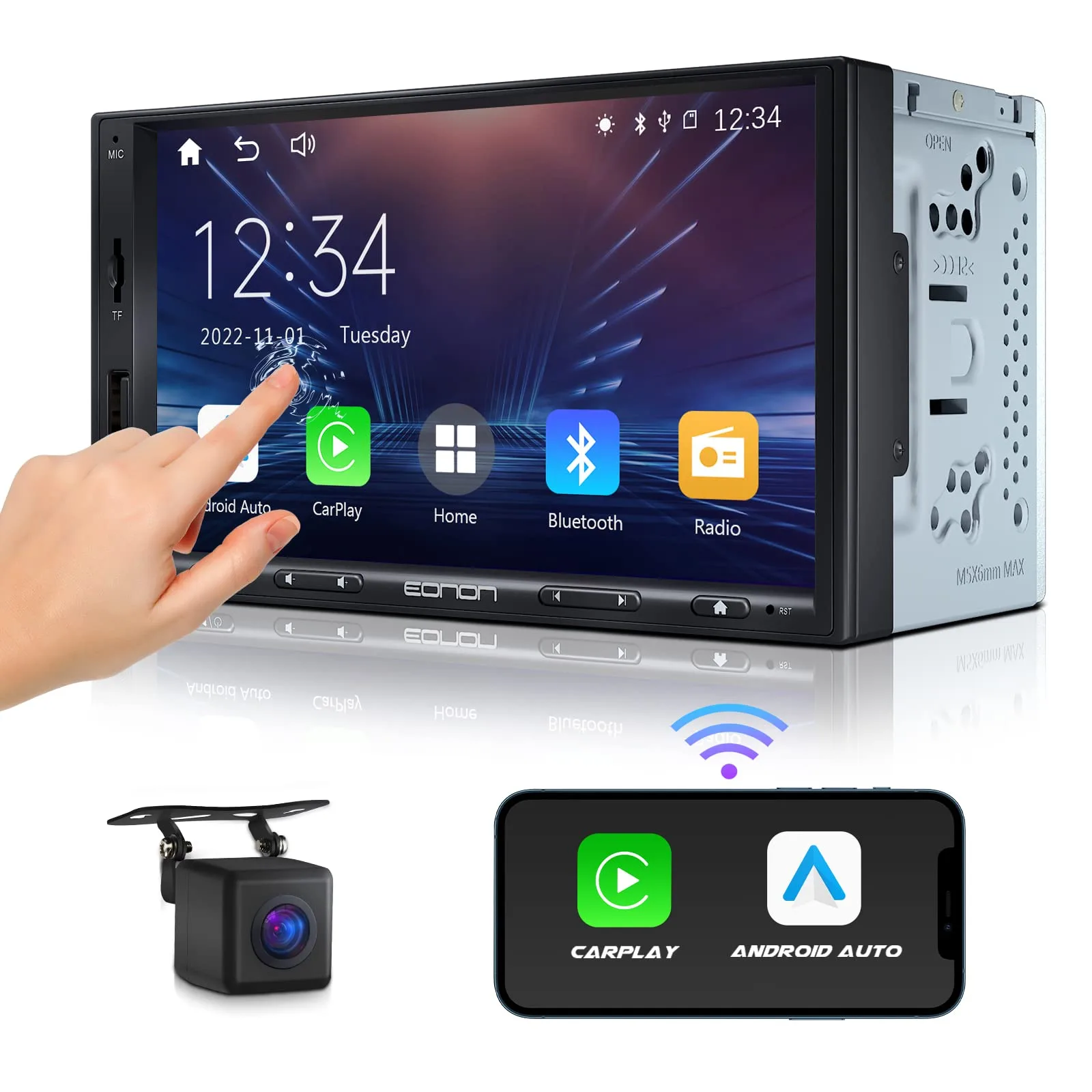
Modern cars can offer features such as connected-car services, digital instrument clusters, large infotainment displays, smartphone connectivity, multiple cameras, wireless charging, automatic climate control and advanced driver-assistance systems. The availability of these features varies by model and variant.
Safety technology deserves particular attention. Features such as electronic stability control, multiple airbags, parking assistance, cameras and ADAS can contribute to the overall safety package of a vehicle. Buyers should check which features are standard and which are restricted to higher variants.
ADAS, in particular, should be understood correctly. Driver-assistance systems are designed to assist the driver in specific situations; they do not remove the driver's responsibility to remain attentive.
Feature-rich cars can also have different ownership considerations. More electronic systems may require specialised service support, while connected features may depend on software, subscriptions or network availability.
These developments are part of the broader automotive industry trends 2026, where manufacturers are increasingly competing on the digital and technological experience inside the vehicle.
Creckk Tip: Make a list of five features you will actually use before choosing a variant. This can prevent you from paying more simply for a long equipment list.
Creckk View: Technology is most valuable when it solves a real problem. Safety, visibility, comfort and convenience features should be prioritised over features that simply look impressive on a specification sheet.
Creckk Quote: “More features do not always mean more value; useful features create real value.”
Creckk can also complement this technology-focused ownership experience with practical online car accessories designed around everyday comfort, organisation, cleaning and vehicle protection.
How These Trends Could Affect Car Buyers in 2026
The different developments in the Indian automotive market are interconnected. A buyer considering a new vehicle may simultaneously face festive offers, upcoming launches, possible price revisions and a growing choice of powertrains.
For example, someone planning to purchase a petrol SUV may also compare a hybrid alternative. Another buyer who primarily drives in the city may compare an EV against a petrol model. Meanwhile, a consumer who has already selected a vehicle may decide whether to purchase during the festive period or wait for a newer model.
This makes research particularly important.
| Buyer Situation | What to Compare |
|---|---|
| Planning a festive purchase | Discounts, exchange offers, finance and on-road price |
| Considering an EV | Range, charging, warranty and daily usage |
| Considering a hybrid | Purchase cost, efficiency and driving pattern |
| Worried about price hikes | Official price revisions and booking terms |
| Buying an SUV | Space, fuel economy, parking and maintenance |
| Choosing a feature-rich car | Safety, useful technology and variant pricing |
The market may offer more choices than ever, but more choice also means buyers need to identify their priorities before visiting a dealership.
FAQs
1. What is driving the India auto industry in 2026?
The India auto industry 2026 is being influenced by festive-season demand, new vehicle launches, SUV popularity, EV and hybrid expansion, technology adoption and changing consumer preferences.
2. Why does car demand increase during the festive season?
Festive season demand for cars in India can be influenced by consumer purchasing traditions, promotional campaigns, new launches, exchange programmes and financing offers. The strength of demand can vary by market, manufacturer and period.
3. Will raw material costs increase car prices?
Higher input costs can contribute to pricing pressure, but the final impact depends on manufacturers, suppliers, market conditions and other production factors. A raw-material increase does not automatically mean an equivalent showroom-price increase.
4. Why are EVs becoming more popular in India?
Growing model availability, improvements in EV technology, increasing awareness and the development of charging infrastructure are among the factors supporting interest in electric vehicles.
5. Why are hybrid cars becoming popular in India?
Hybrids provide an alternative for consumers who want the potential efficiency benefits of electric assistance while retaining the convenience of an internal-combustion engine and conventional refuelling.
6. Should I buy a car during the festive season?
The festive period can provide promotional opportunities, but buyers should compare the complete on-road price, financing, insurance, maintenance and vehicle suitability before booking.
7. What should I check before buying a new EV or hybrid?
Check the vehicle's confirmed specifications, warranty, service network, running requirements, charging or refuelling needs, expected usage and total ownership cost.
Conclusion
The Indian automobile industry 2026 is entering a period where several trends are developing simultaneously. Festive-season demand can influence short-term sales, while raw material and manufacturing costs can put pressure on vehicle pricing. At the same time, EVs and hybrids are giving consumers more powertrain choices, while SUVs continue to play a significant role in the passenger-vehicle market.
Technology is another major factor. Connected features, advanced safety systems, digital interfaces and convenience equipment are increasingly becoming part of the new-car buying conversation. However, buyers should avoid choosing a vehicle simply because it has more features or a newer technology label.
The most important consideration is how the vehicle fits the buyer's actual lifestyle. Daily driving distance, city or highway usage, family requirements, charging access, fuel costs, maintenance, financing and ownership duration can all influence the right choice.
As the market evolves, Creckk can be part of the ownership journey beyond the showroom by helping vehicle owners find practical online car accessories focused on comfort, protection, organisation and everyday convenience.
For Indian automotive consumers, understanding these India automobile industry trends during festive season 2026 can help make vehicle shopping more structured and informed.