



































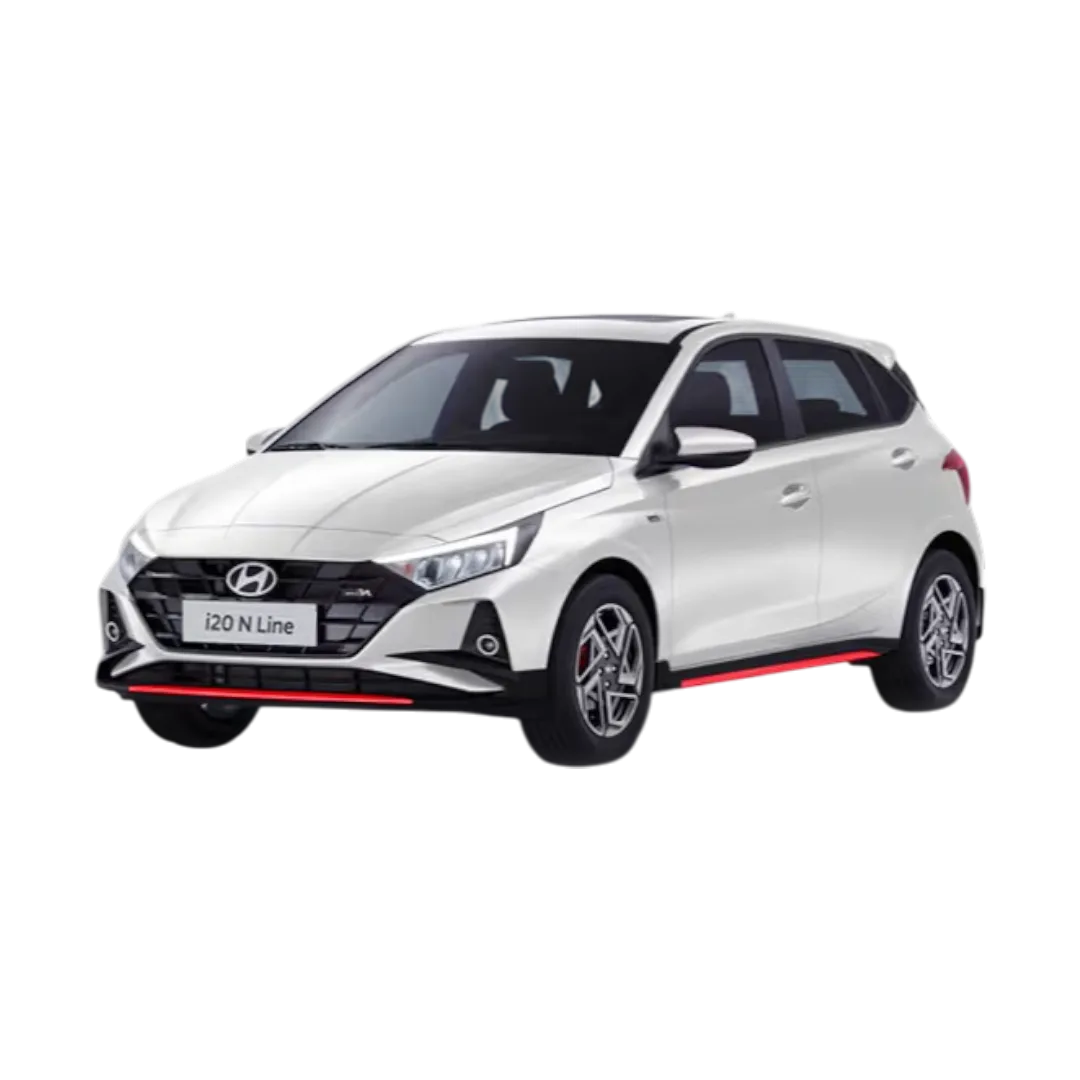
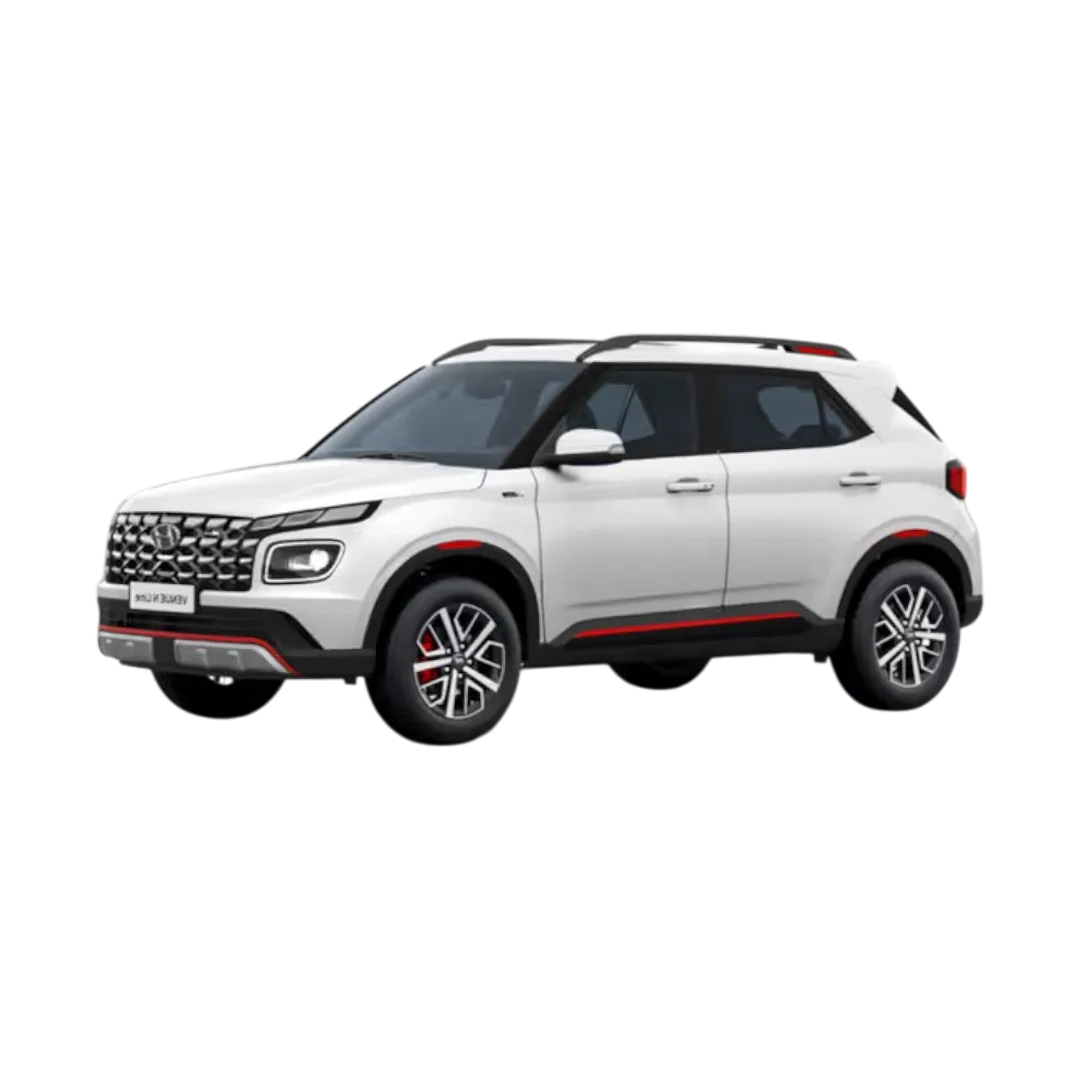
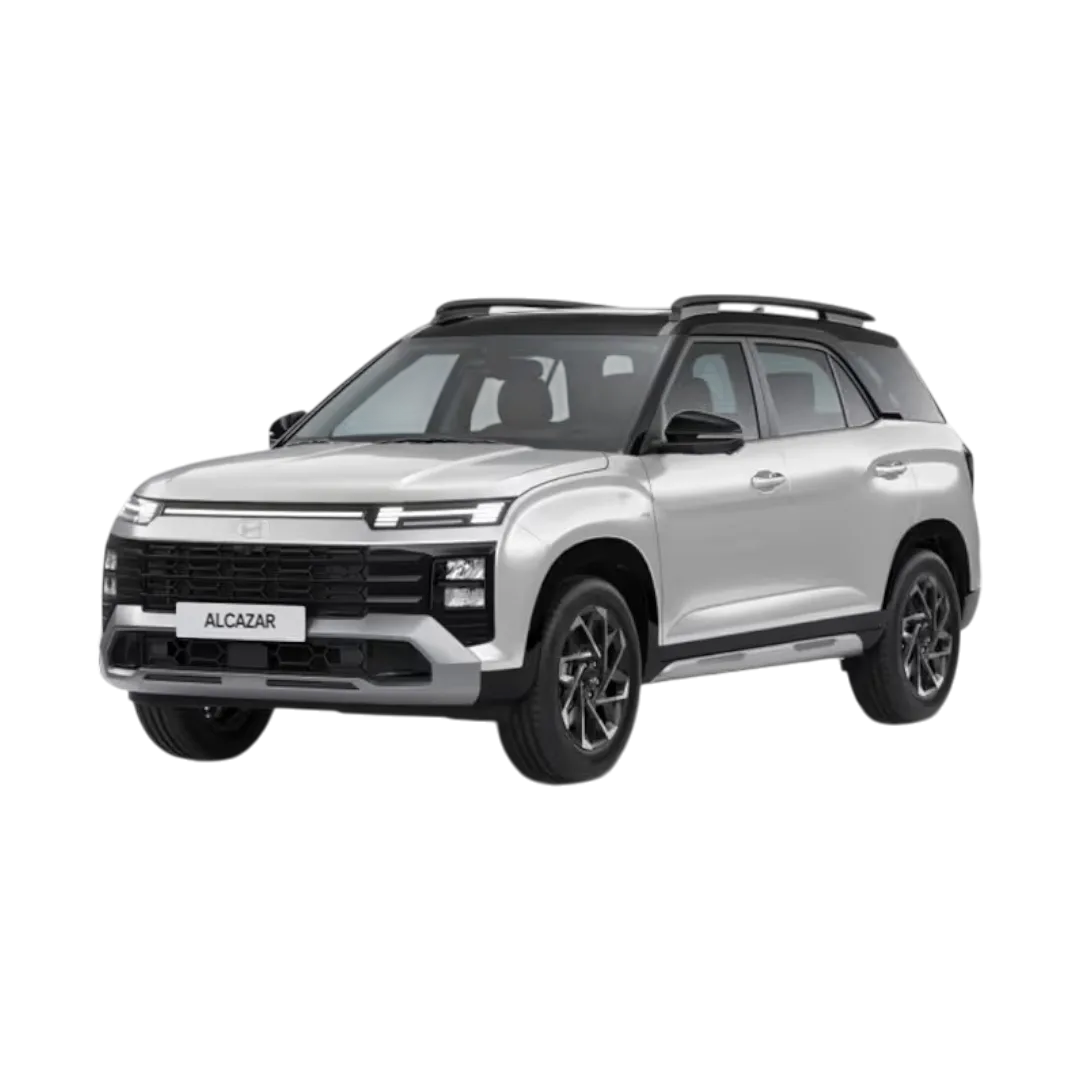
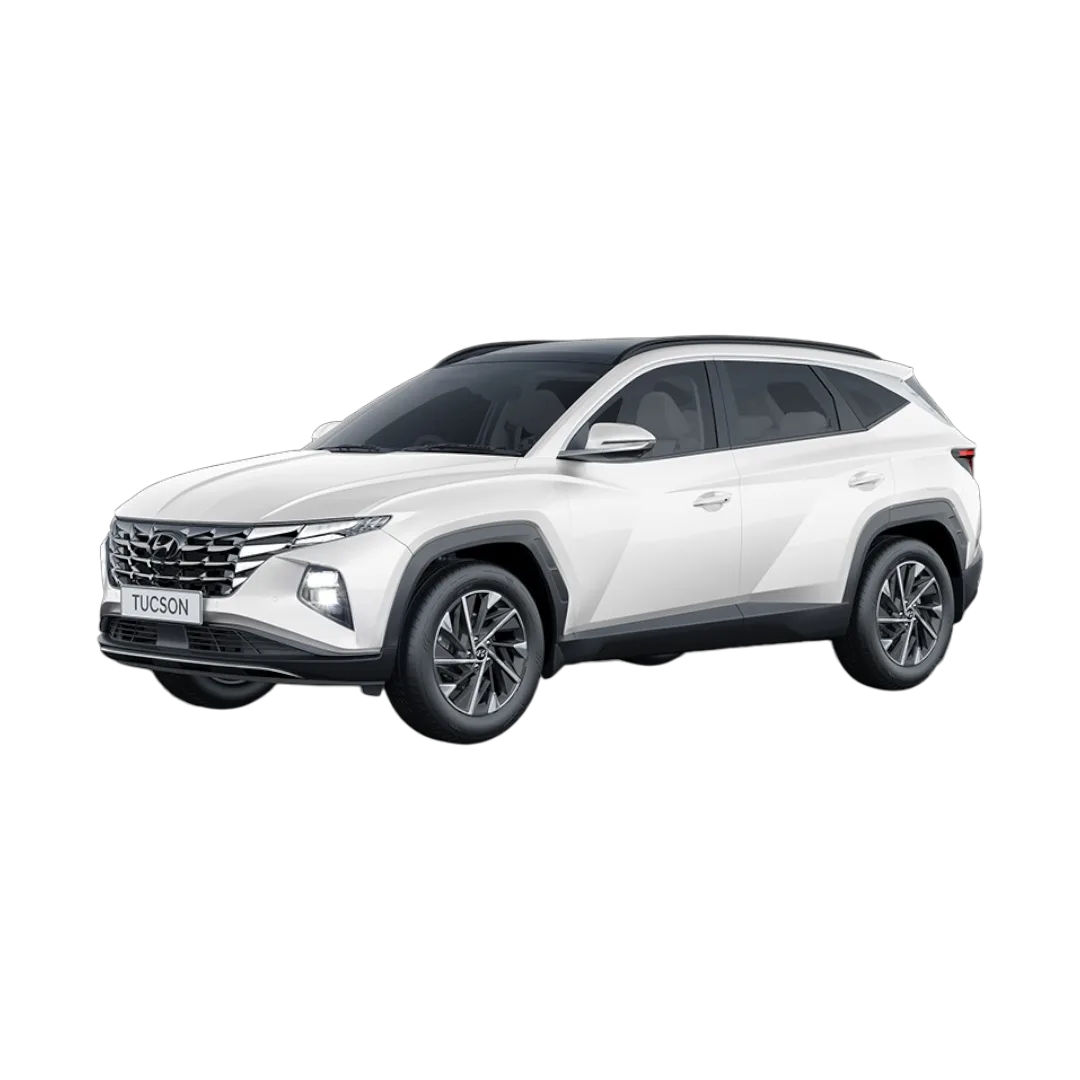

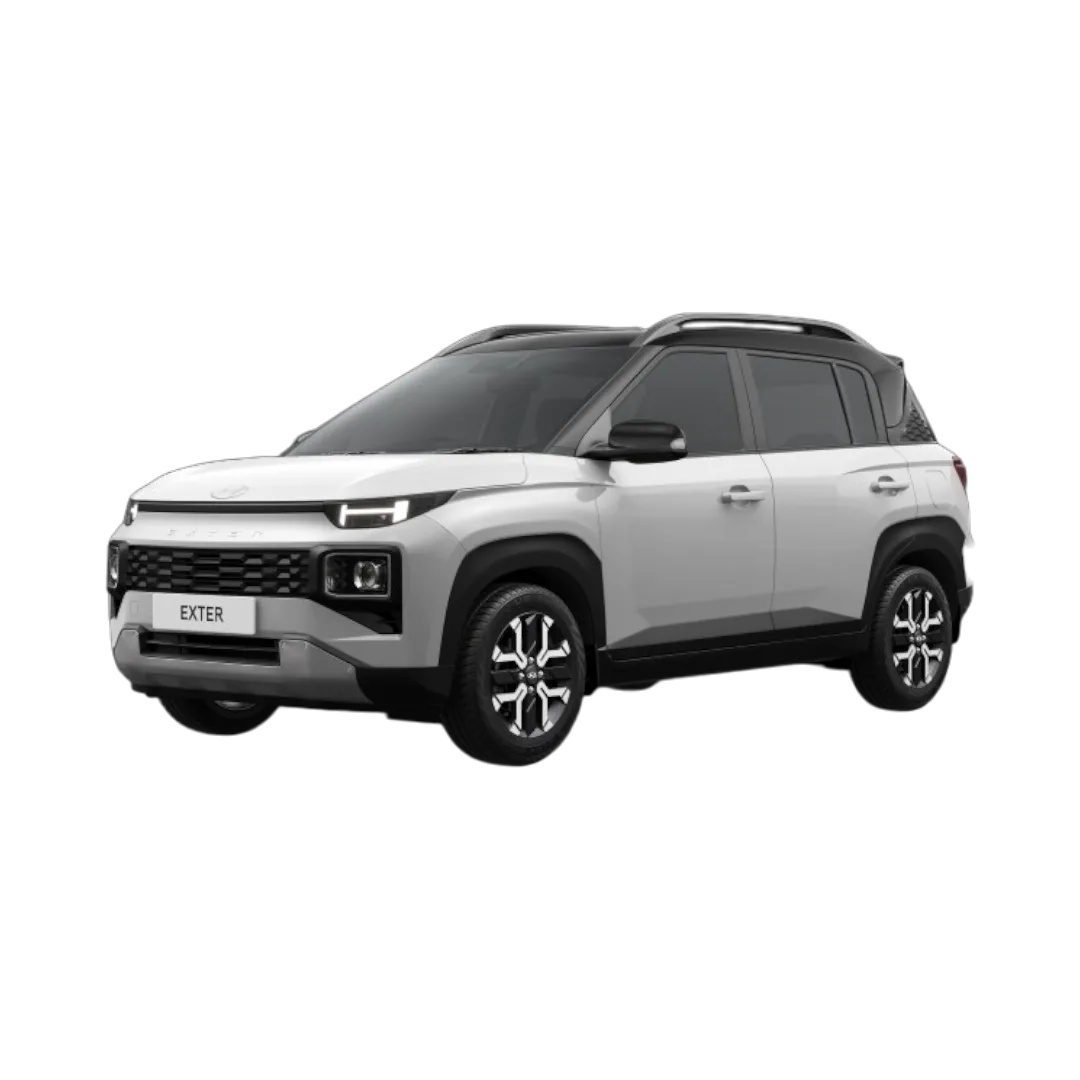
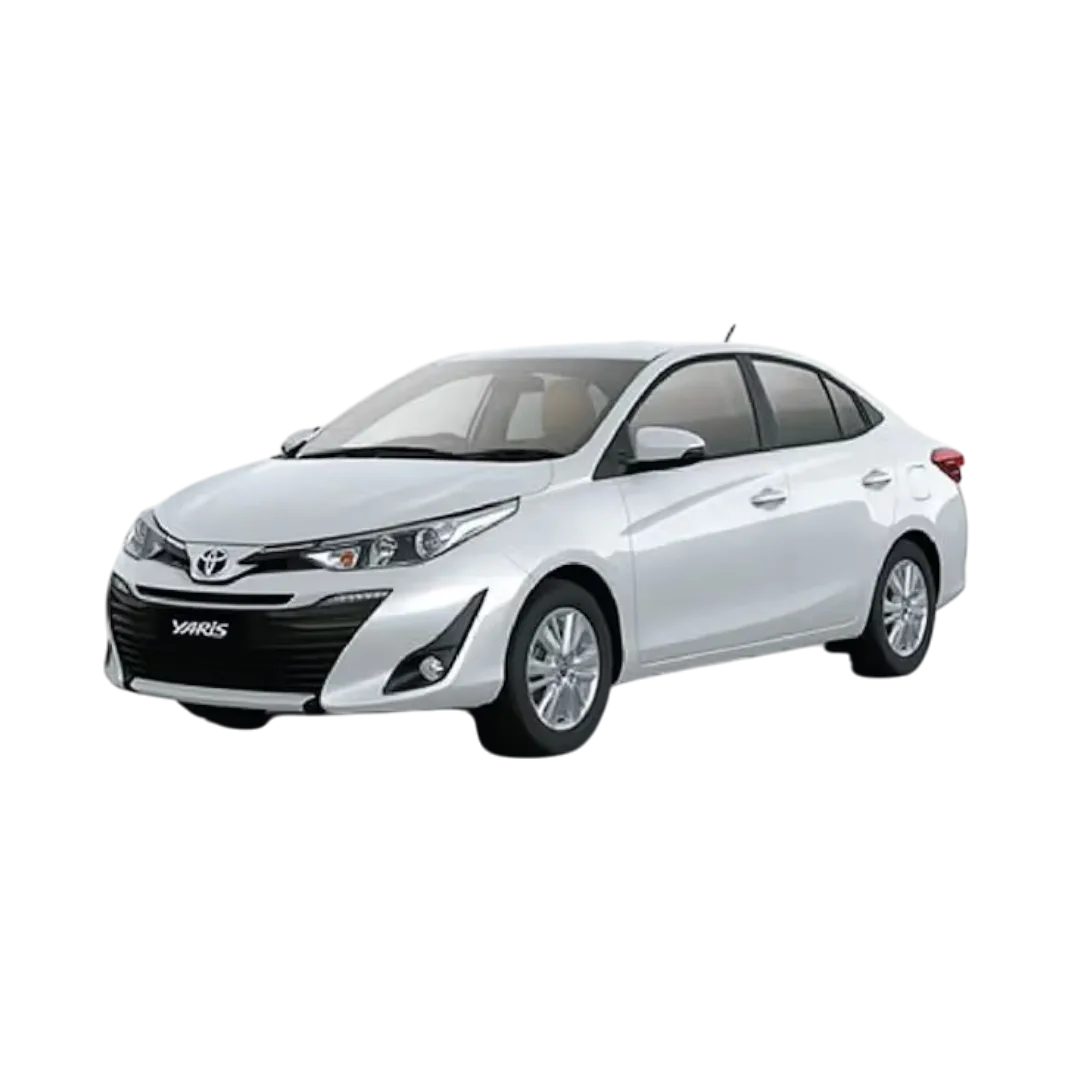
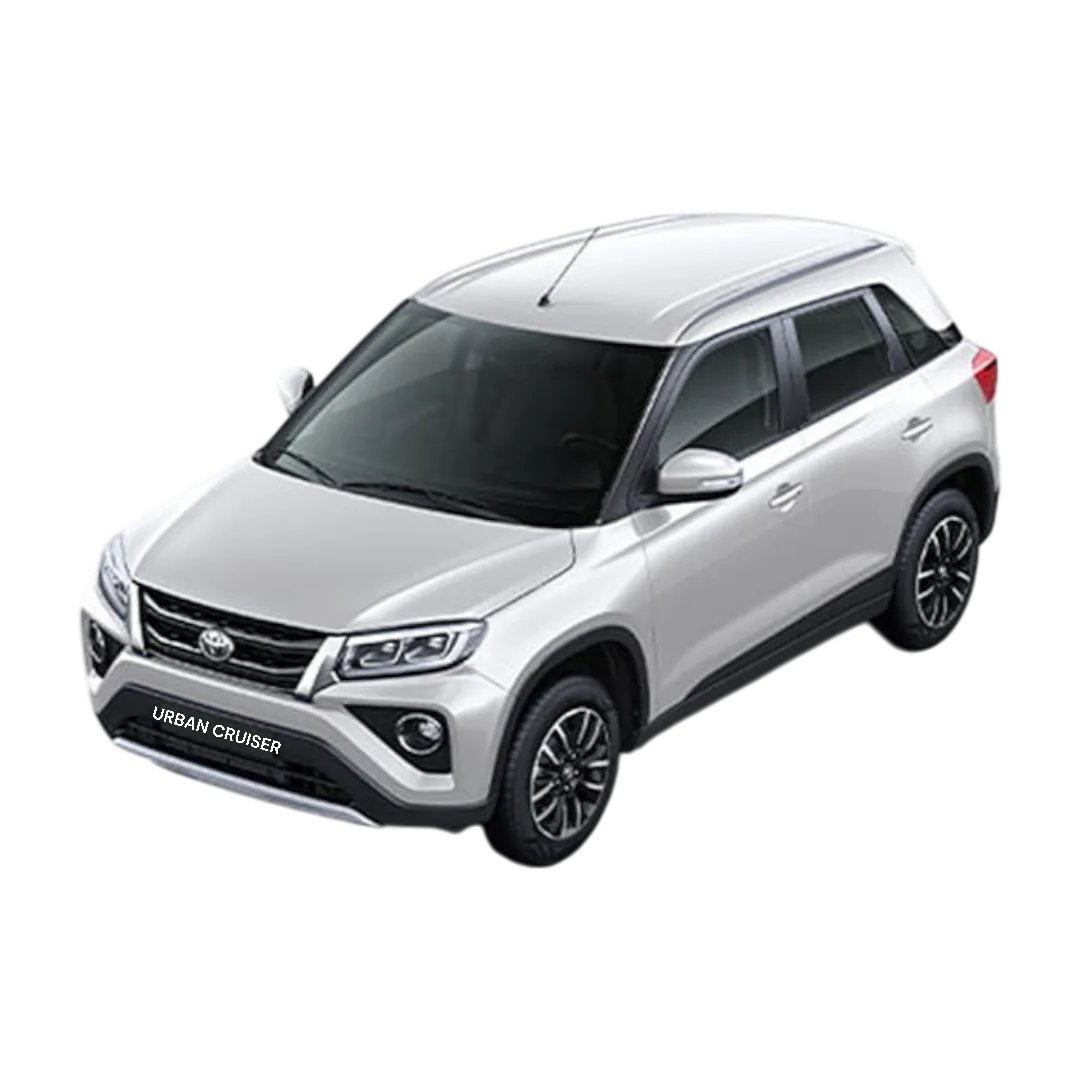
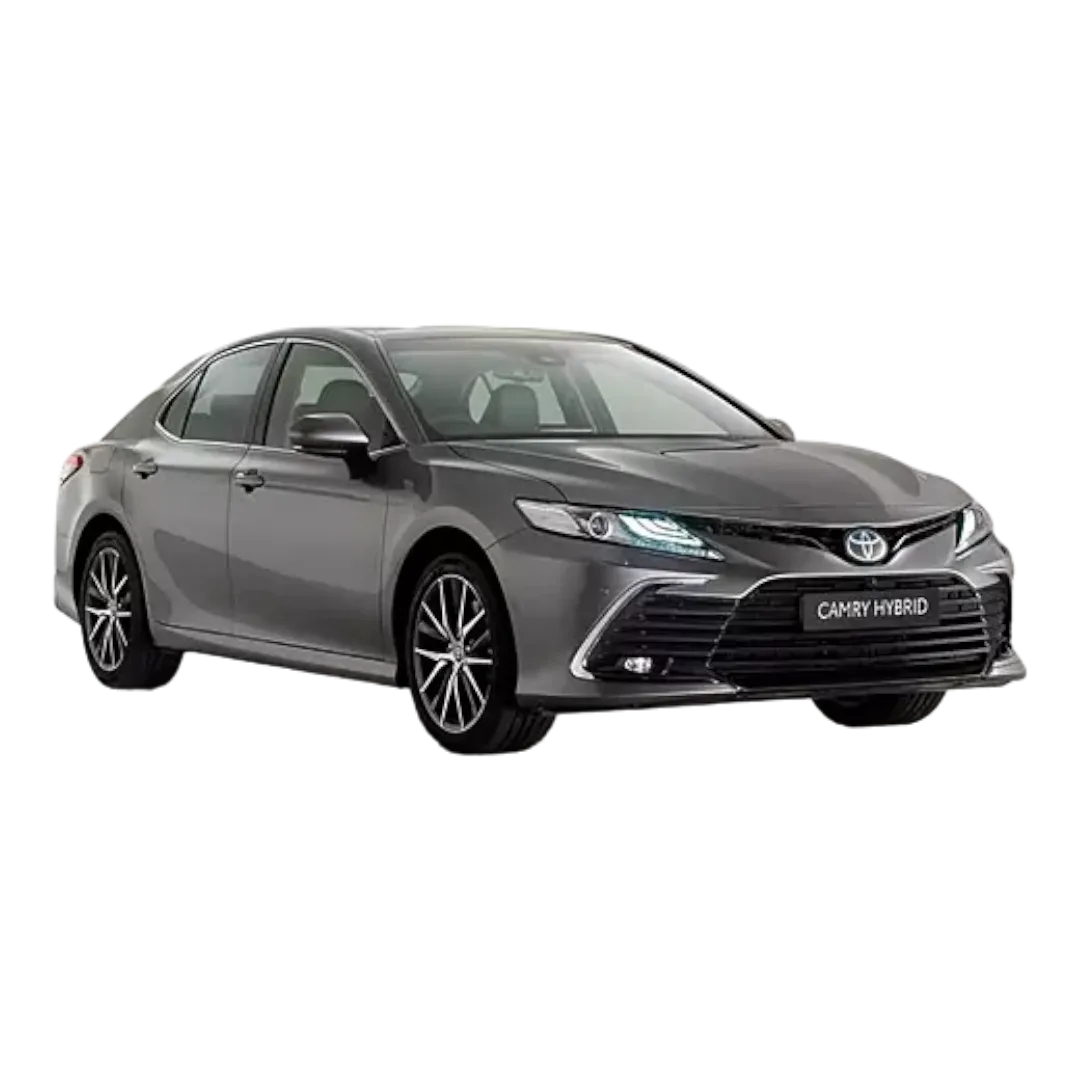









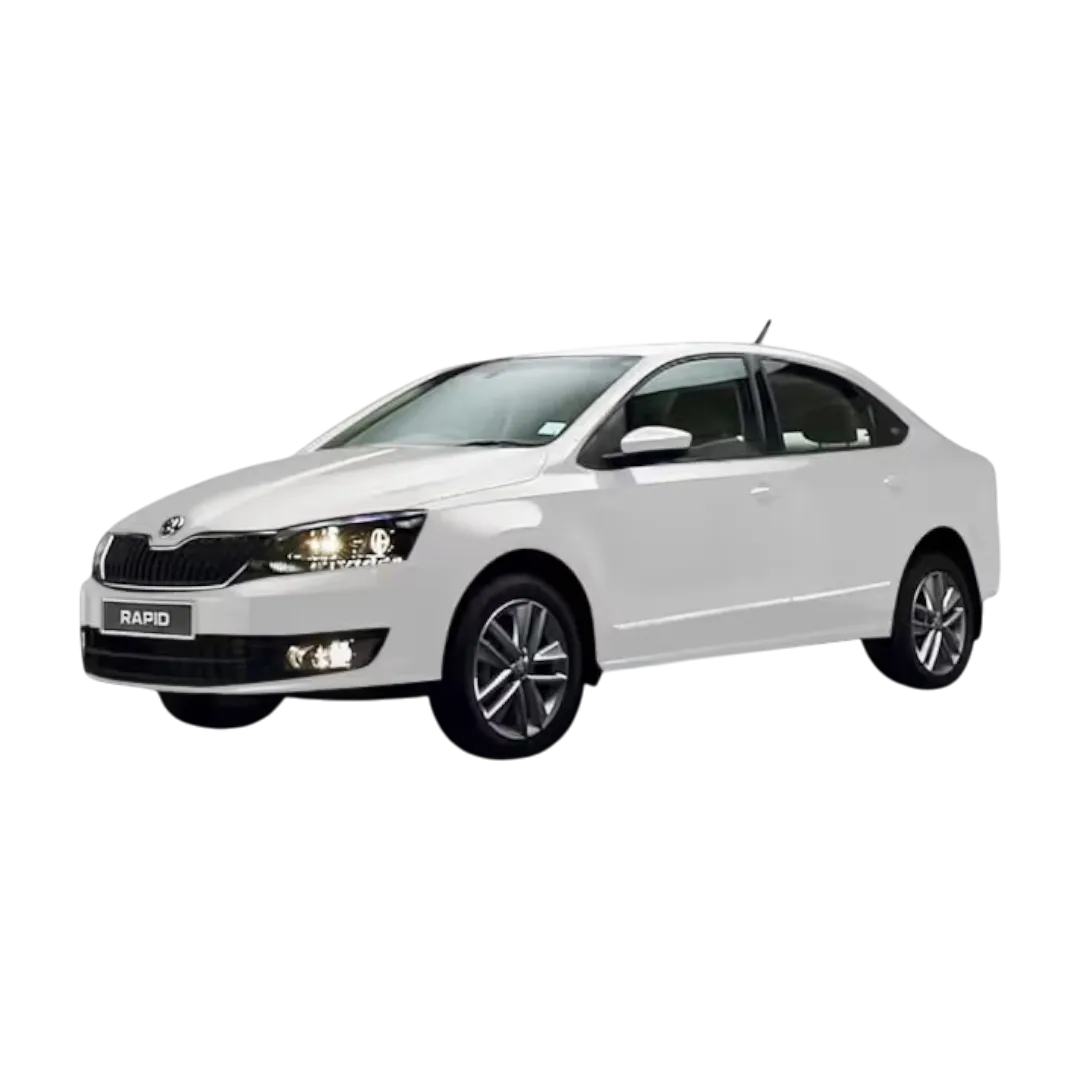
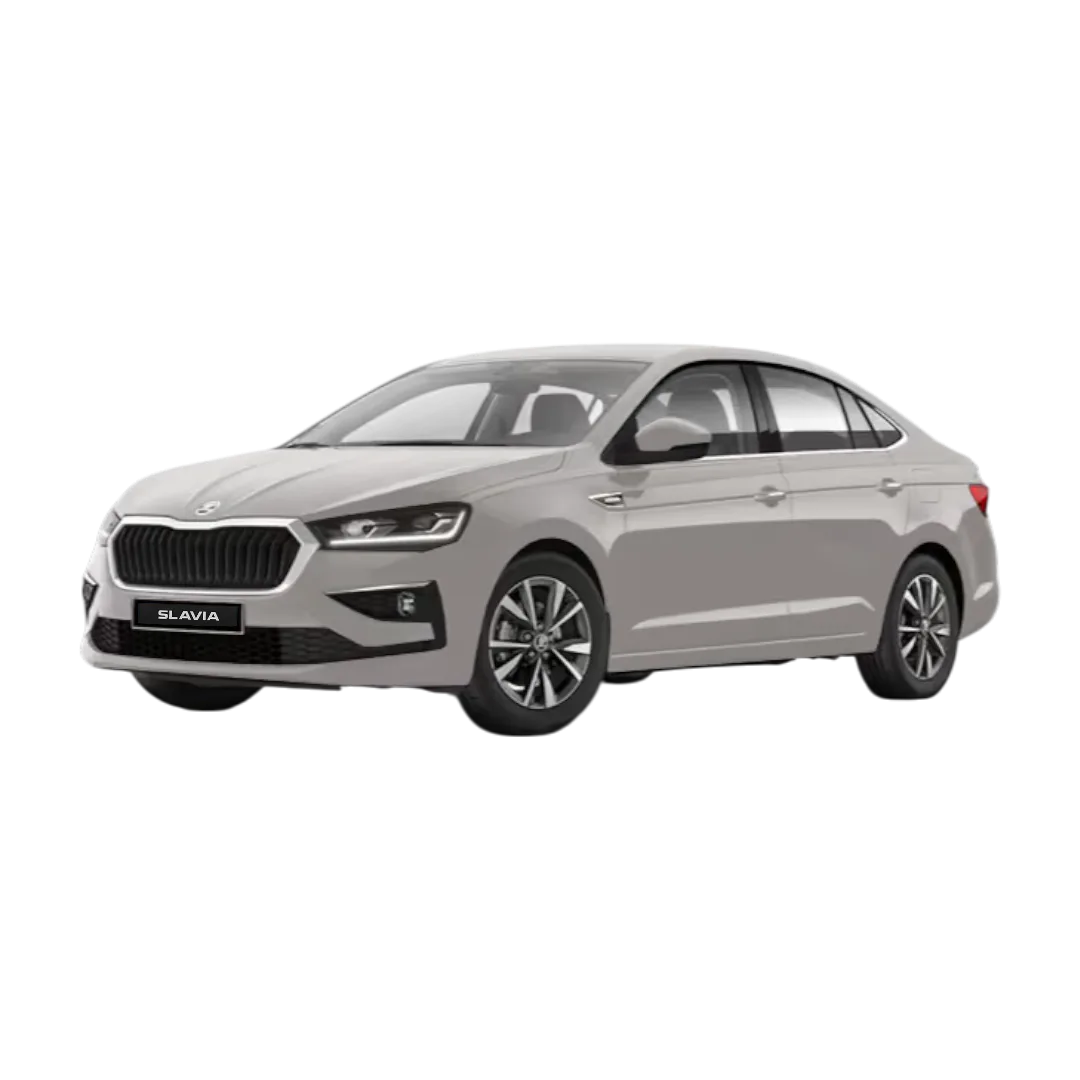
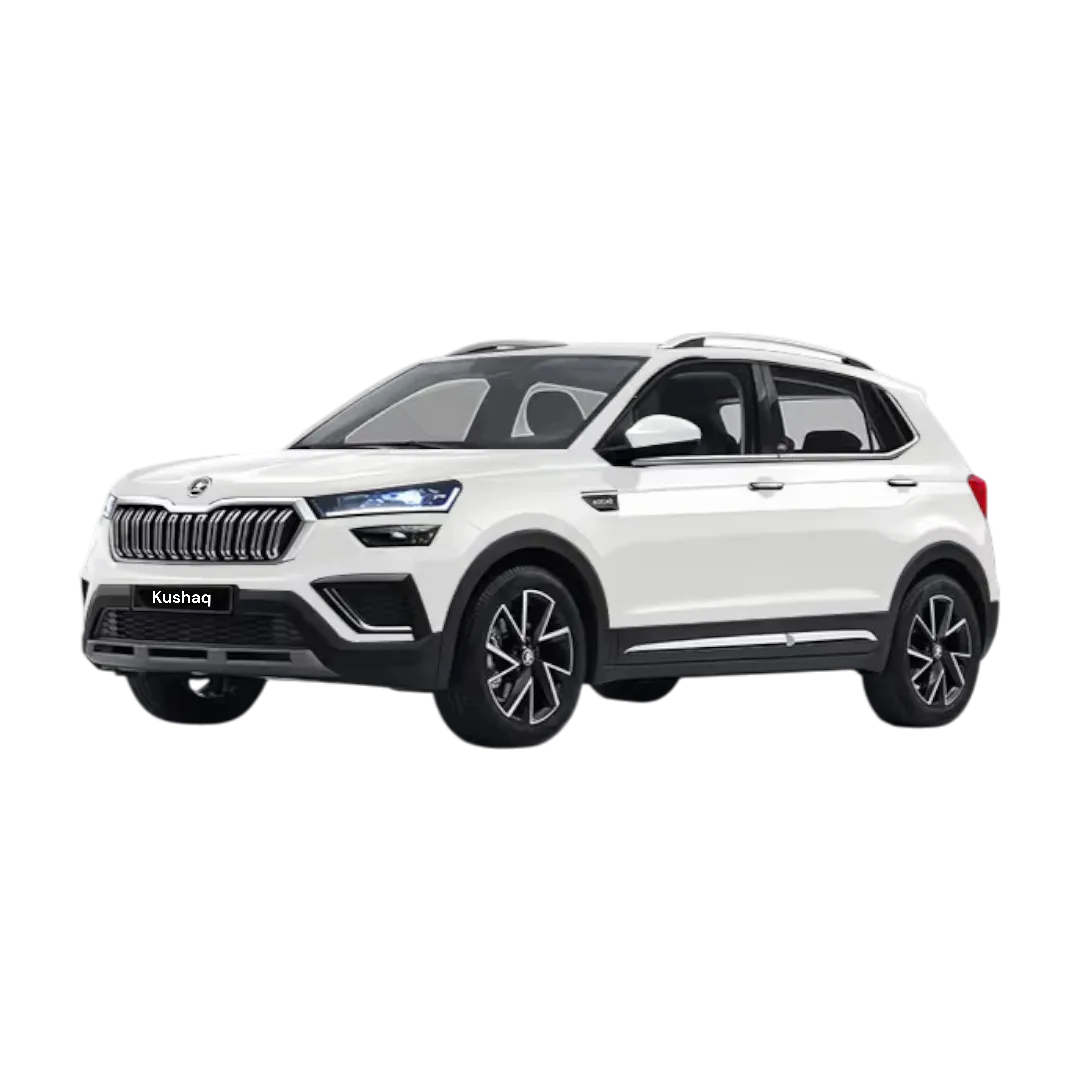
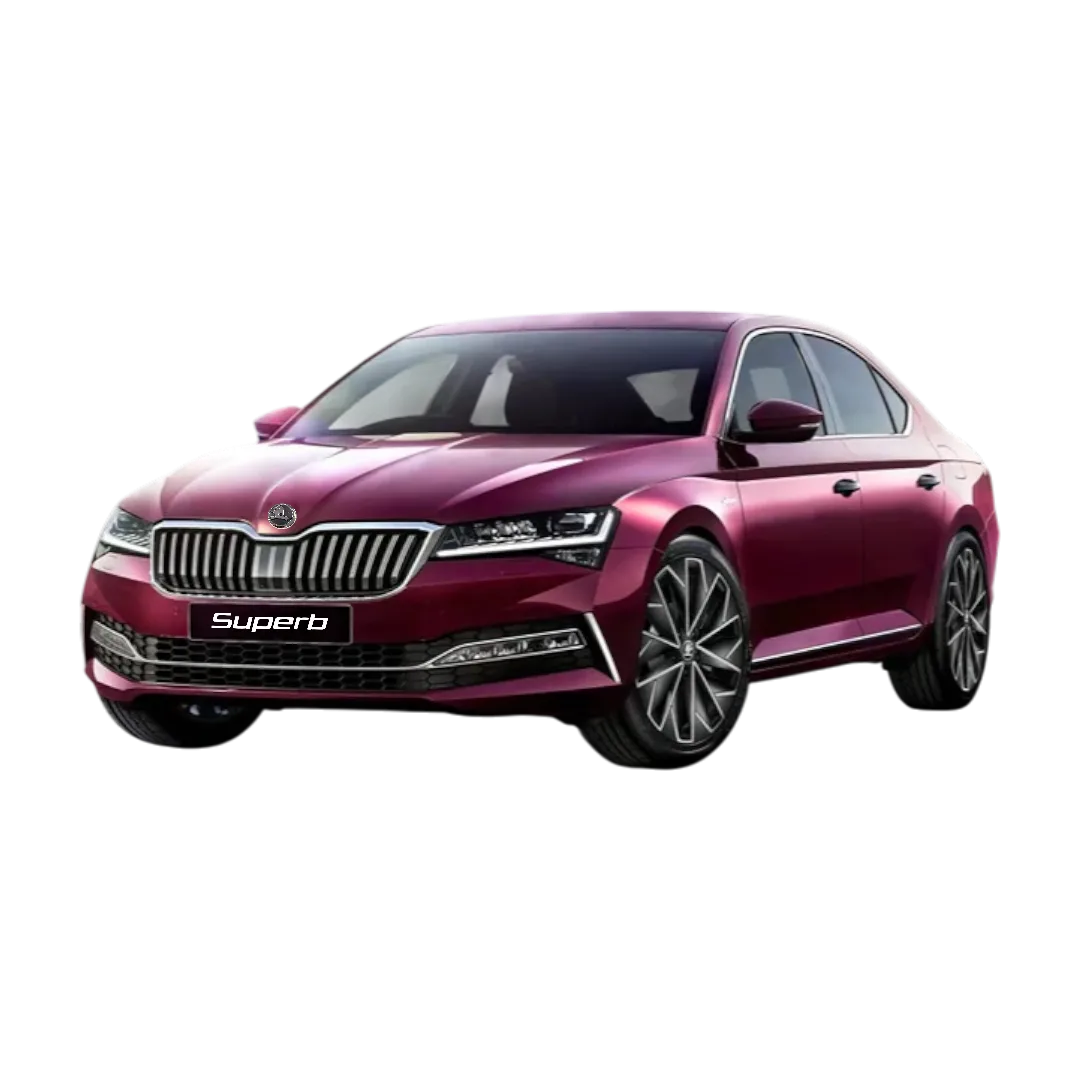
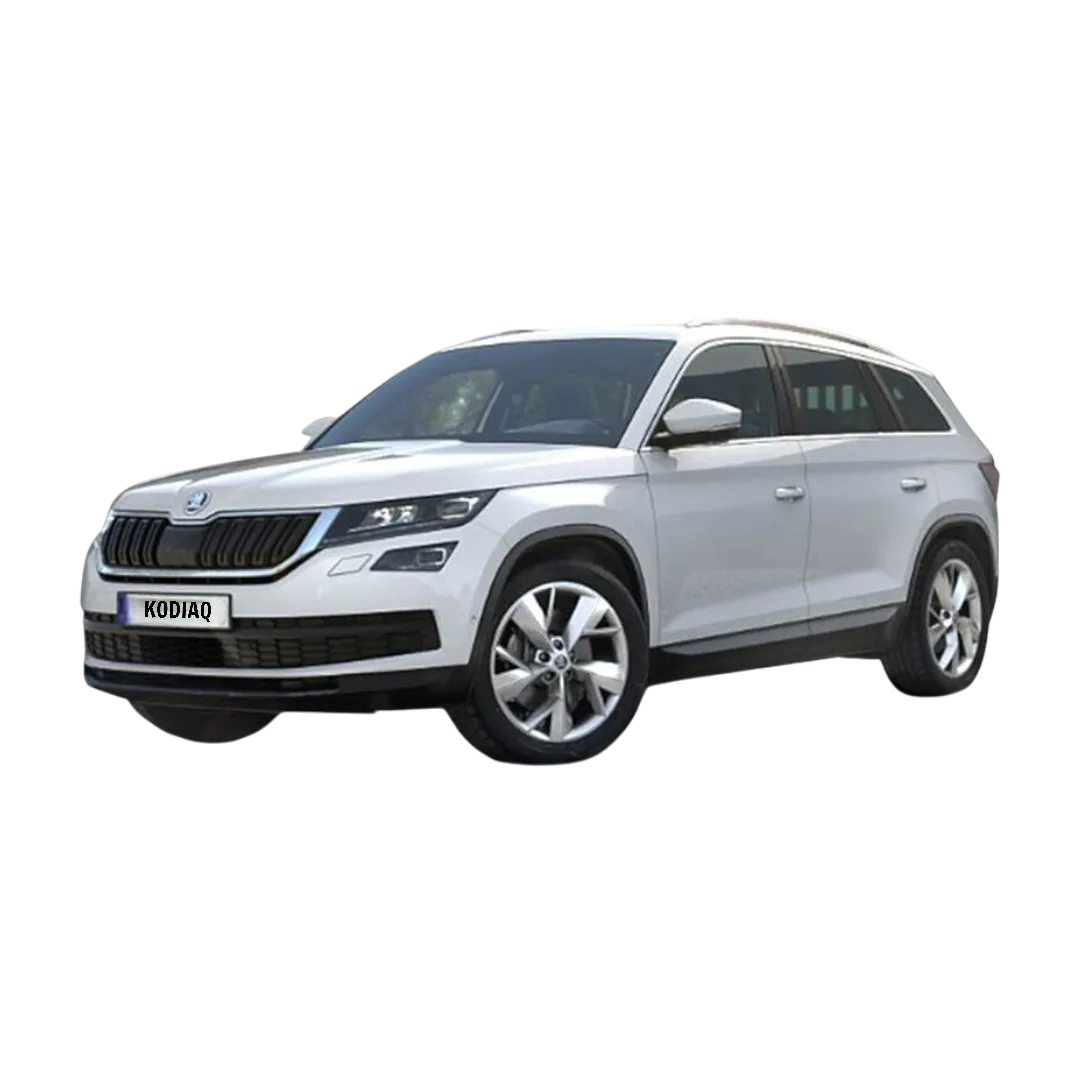

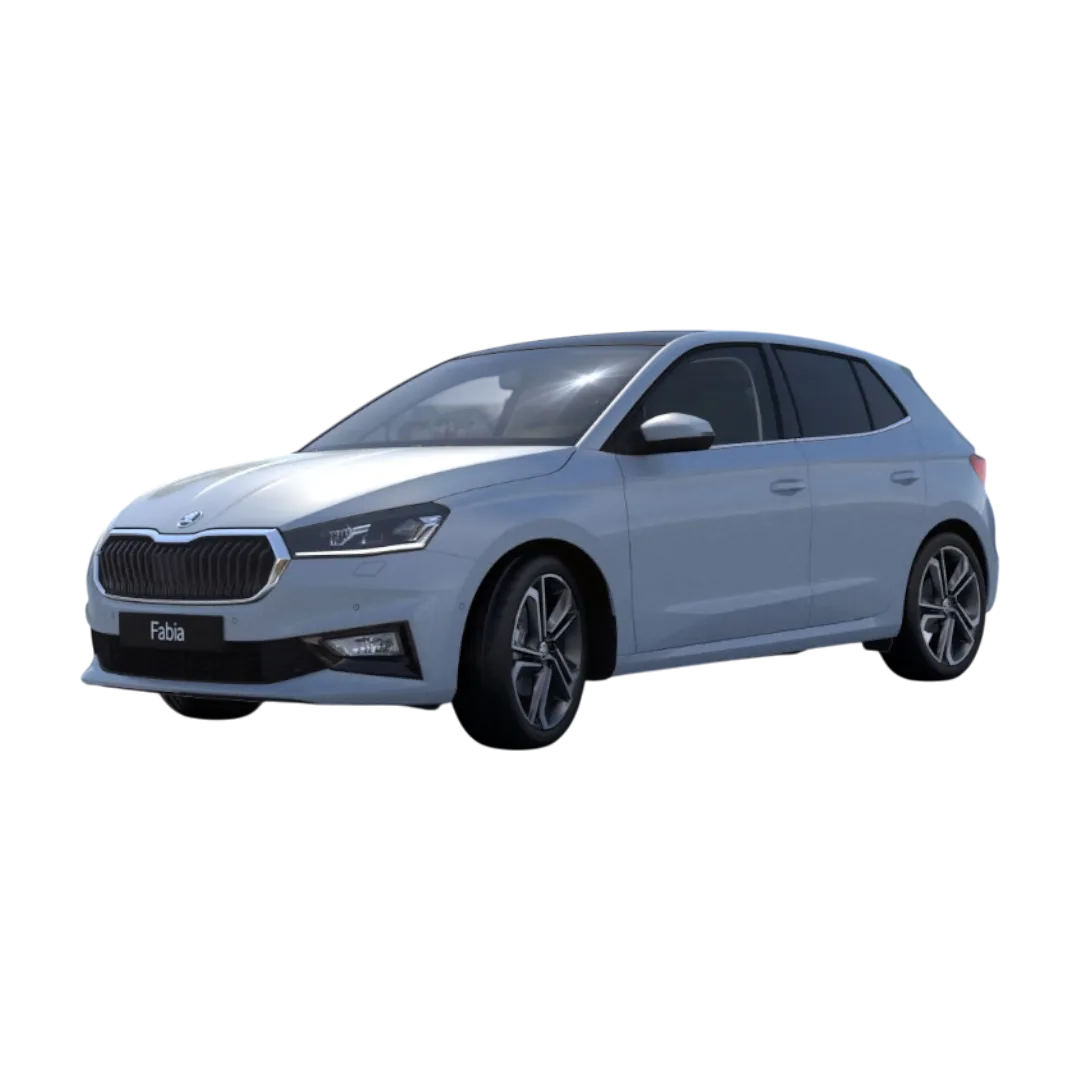
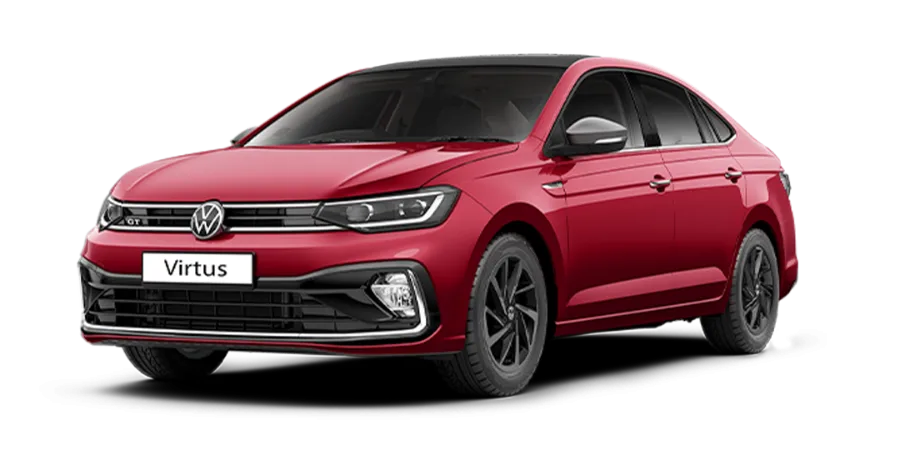
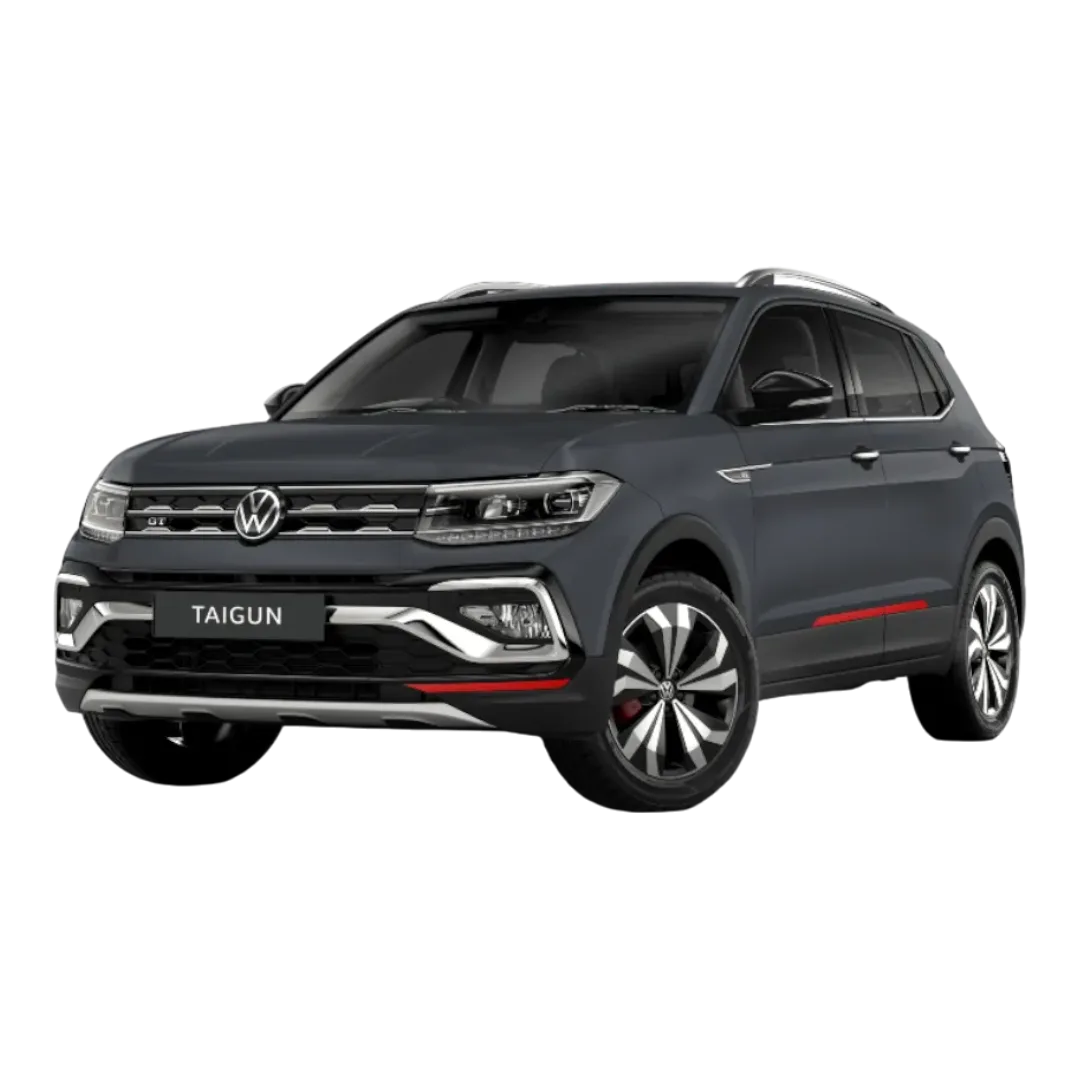
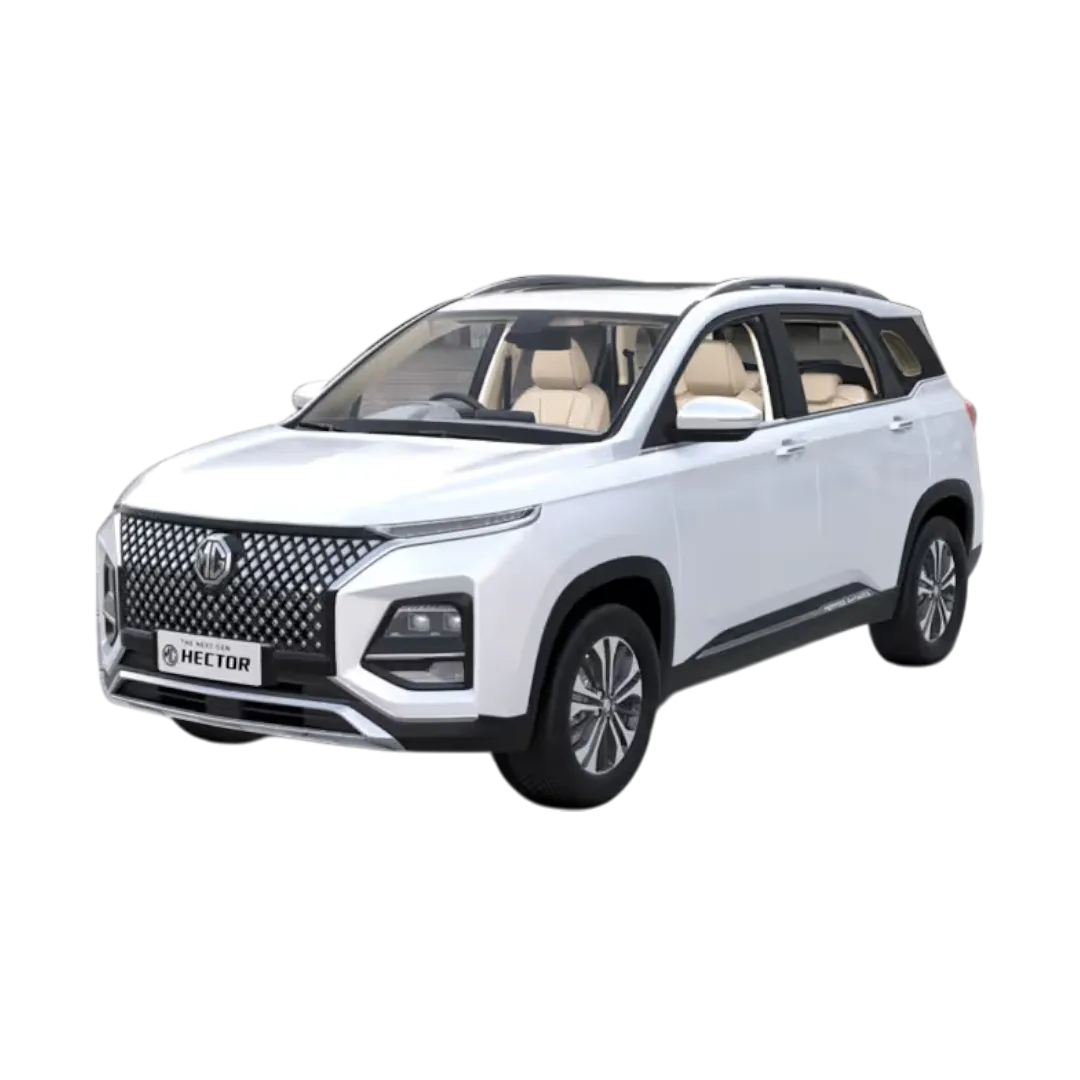
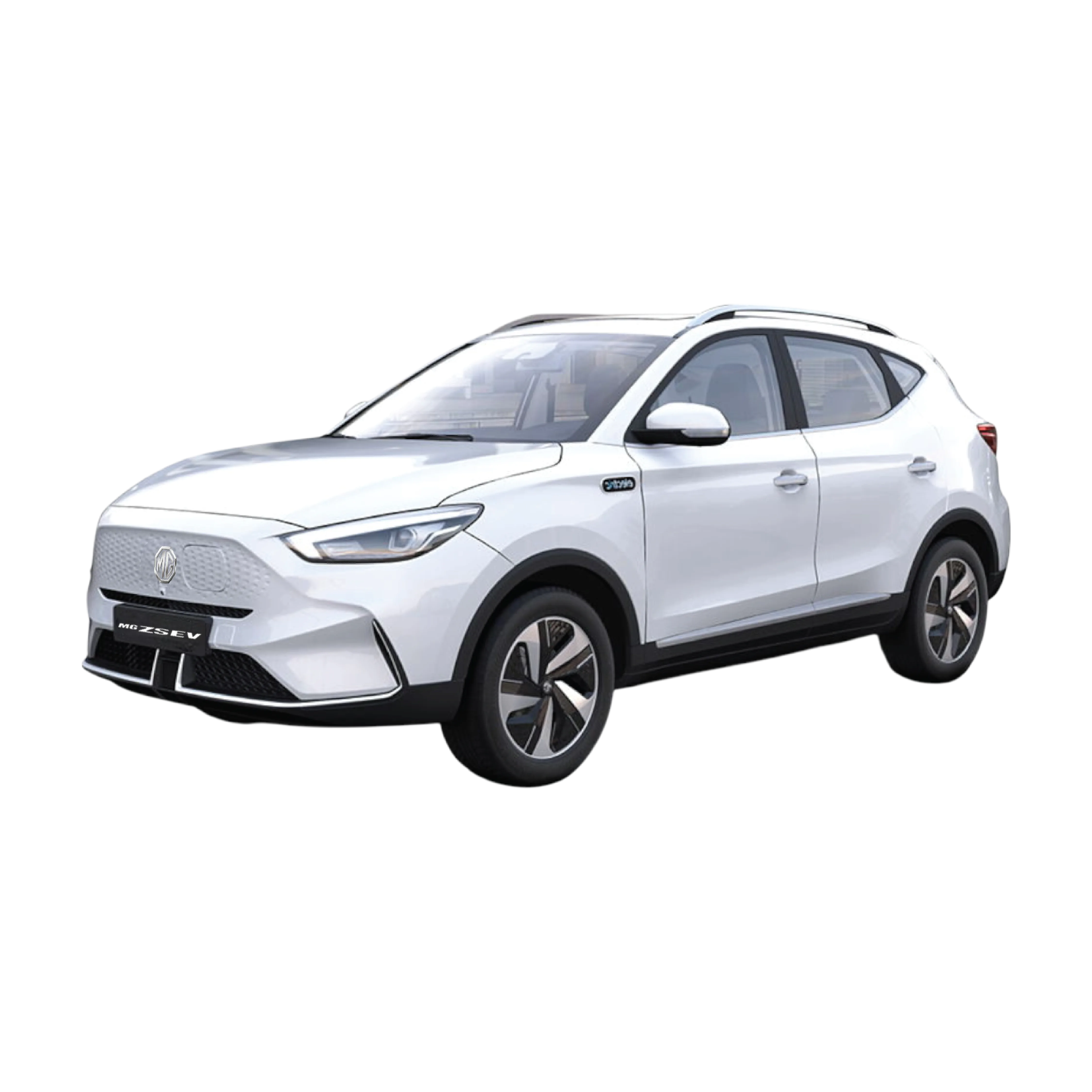
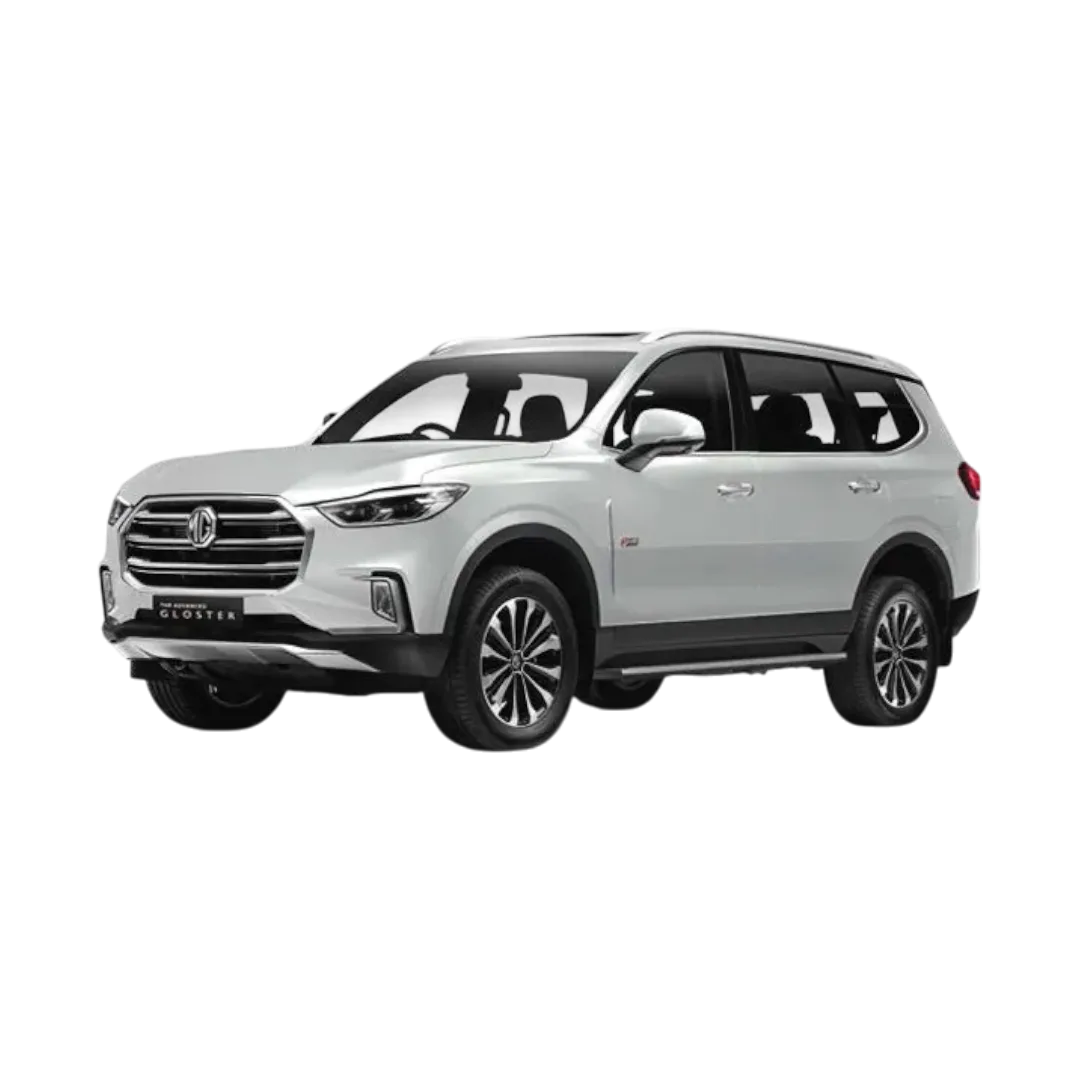
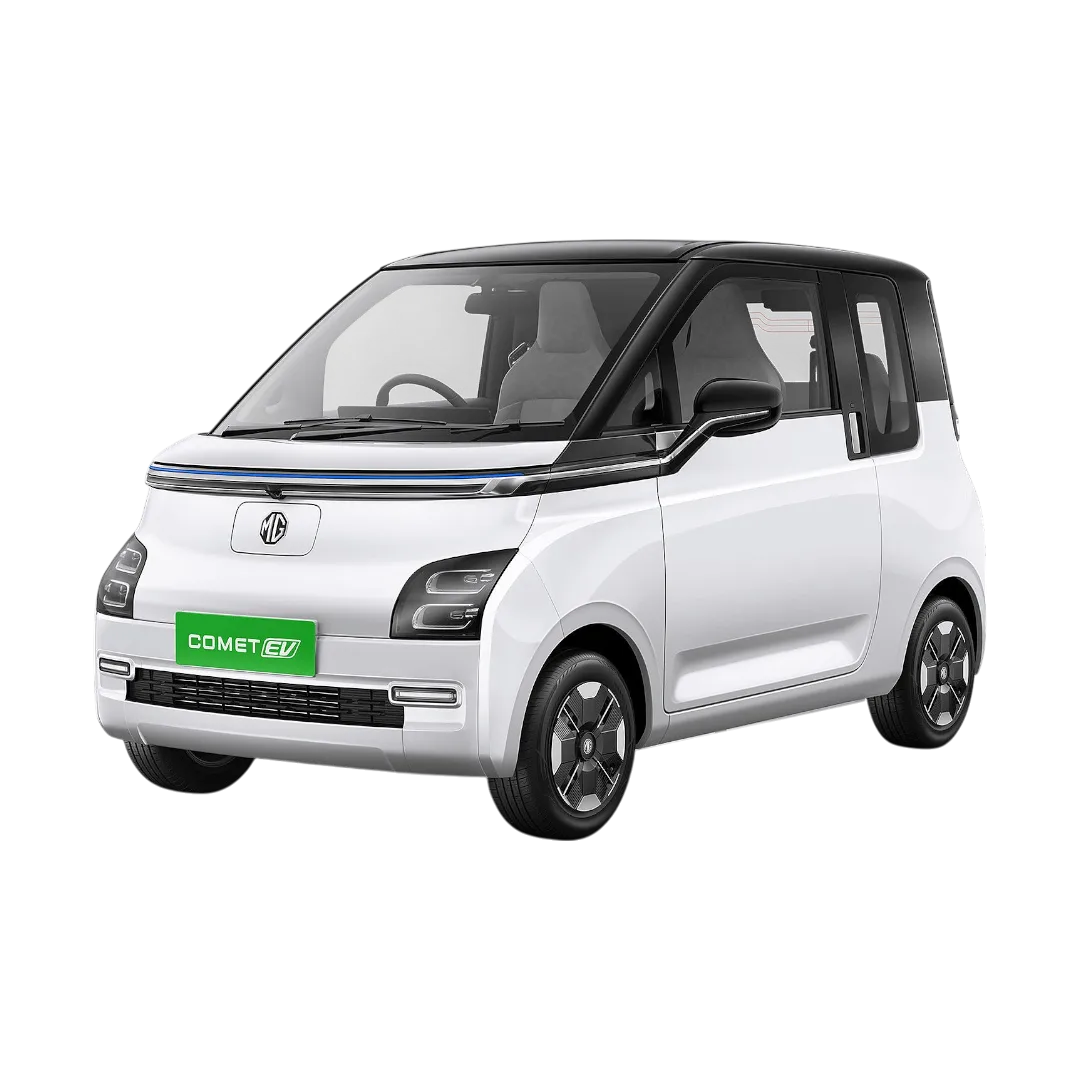
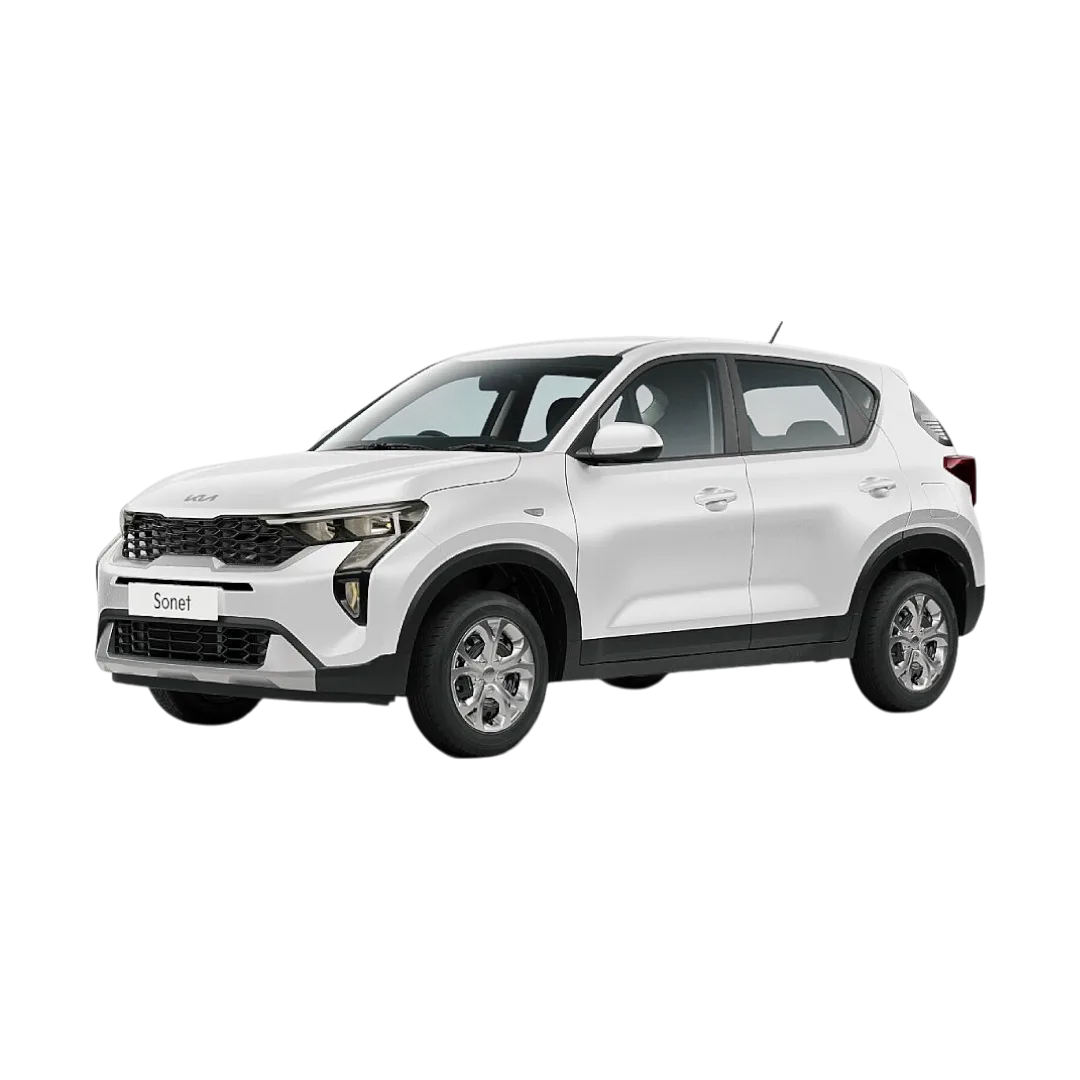
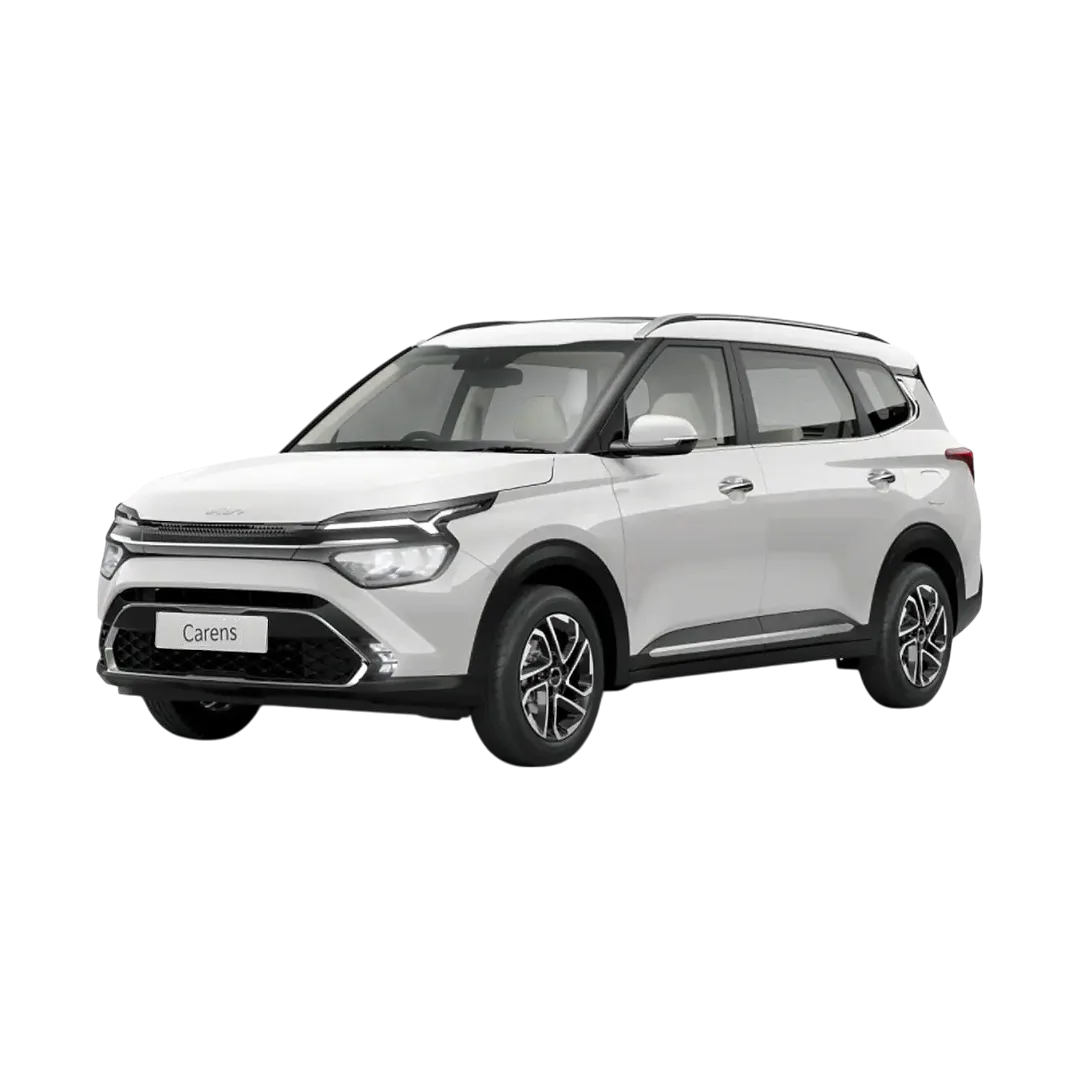

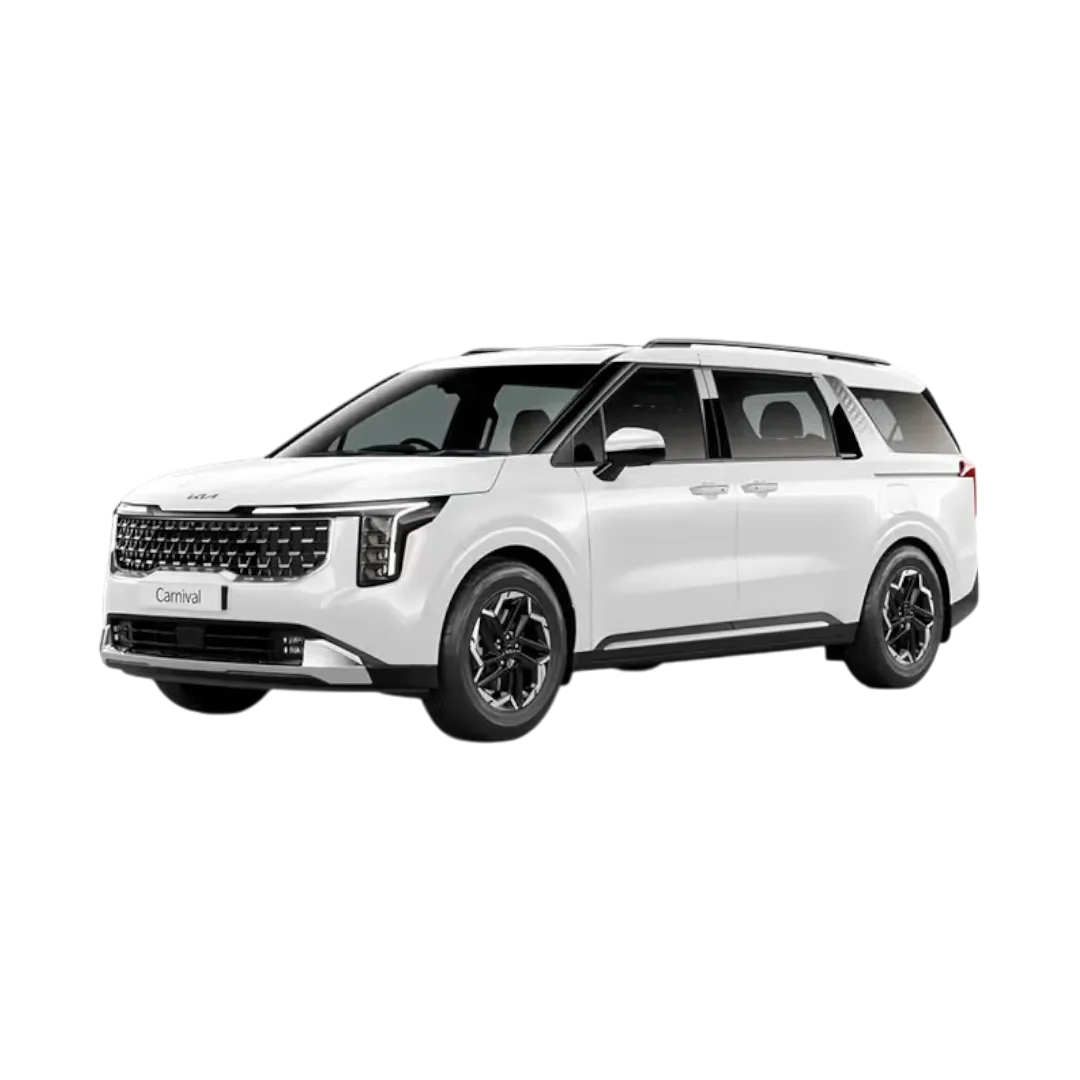
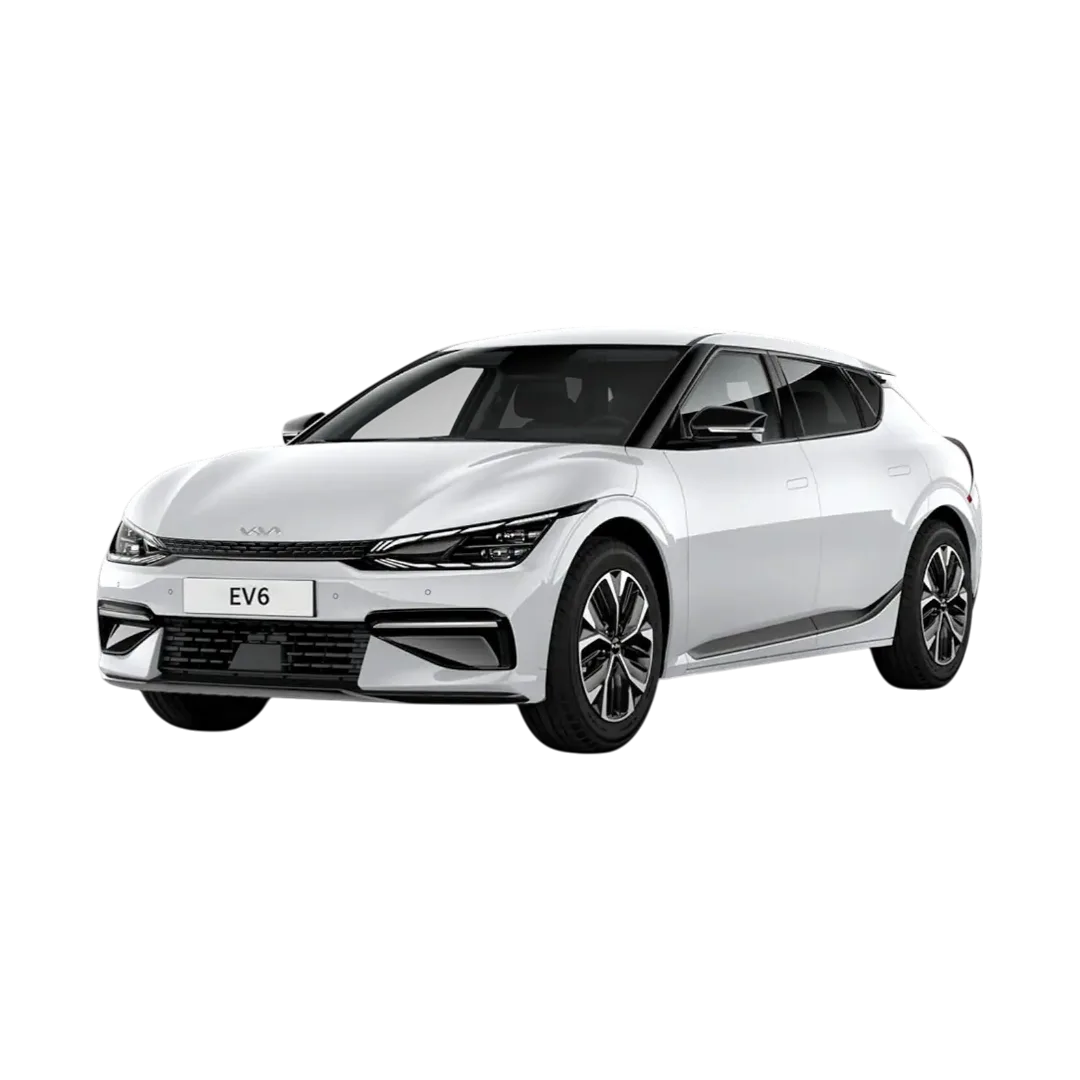

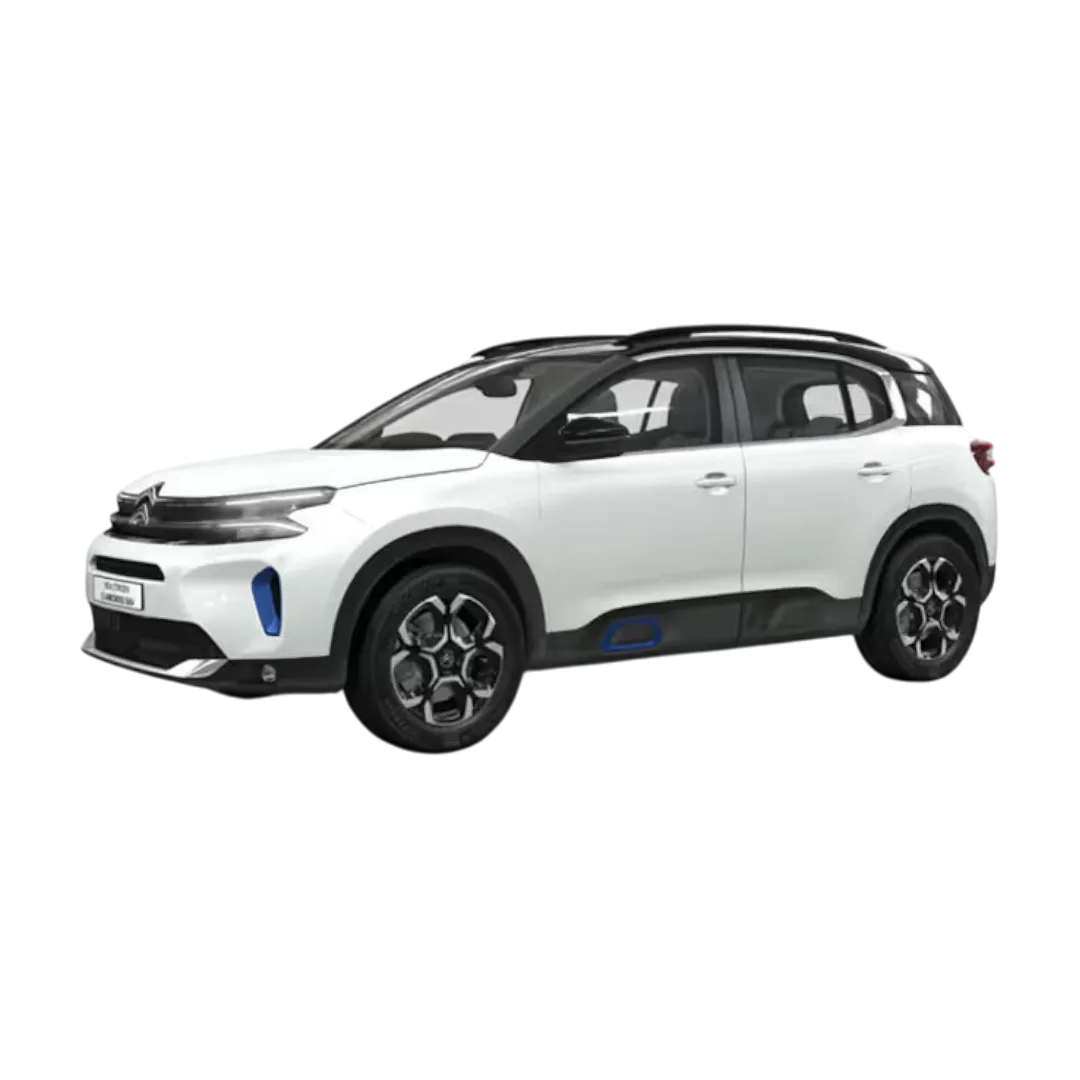
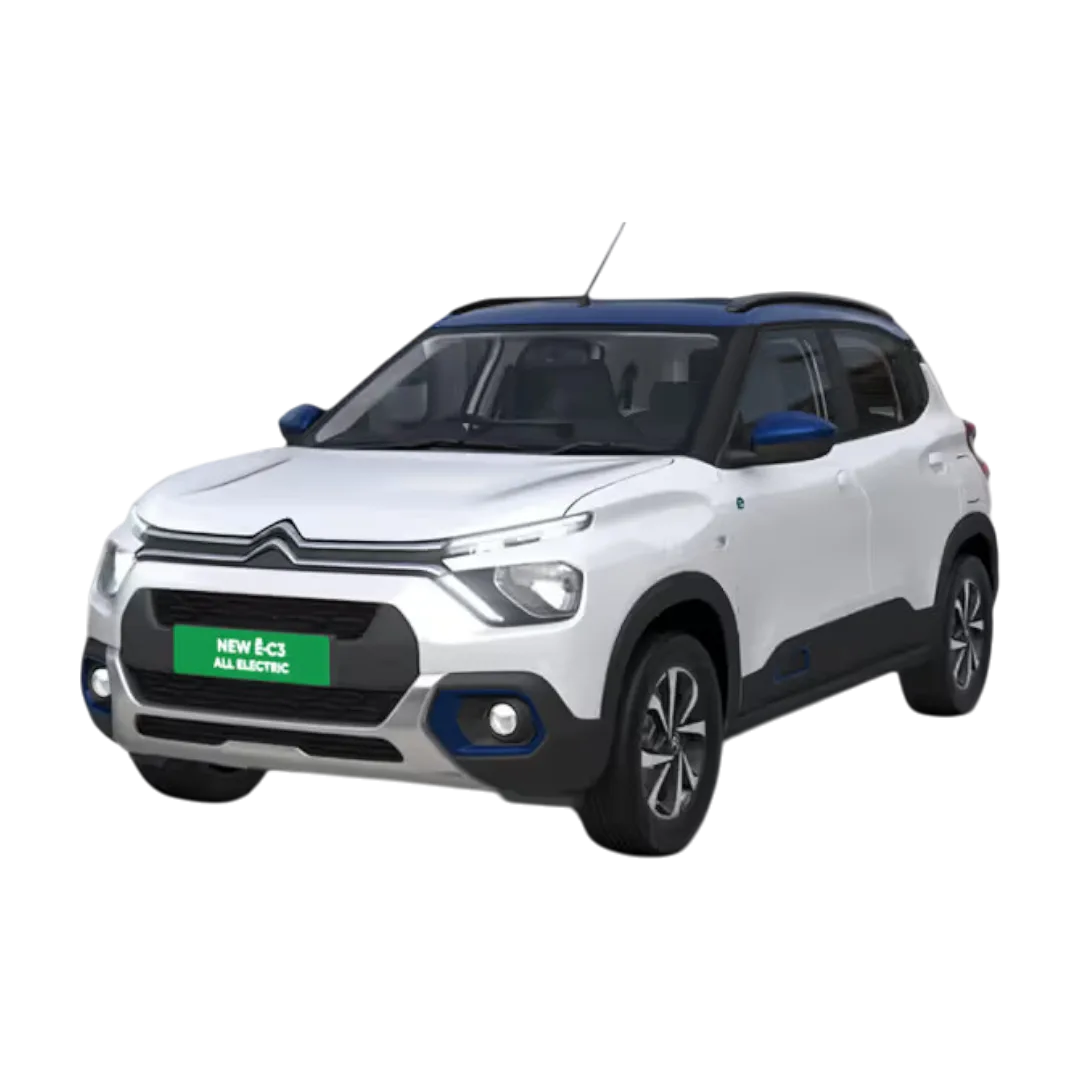

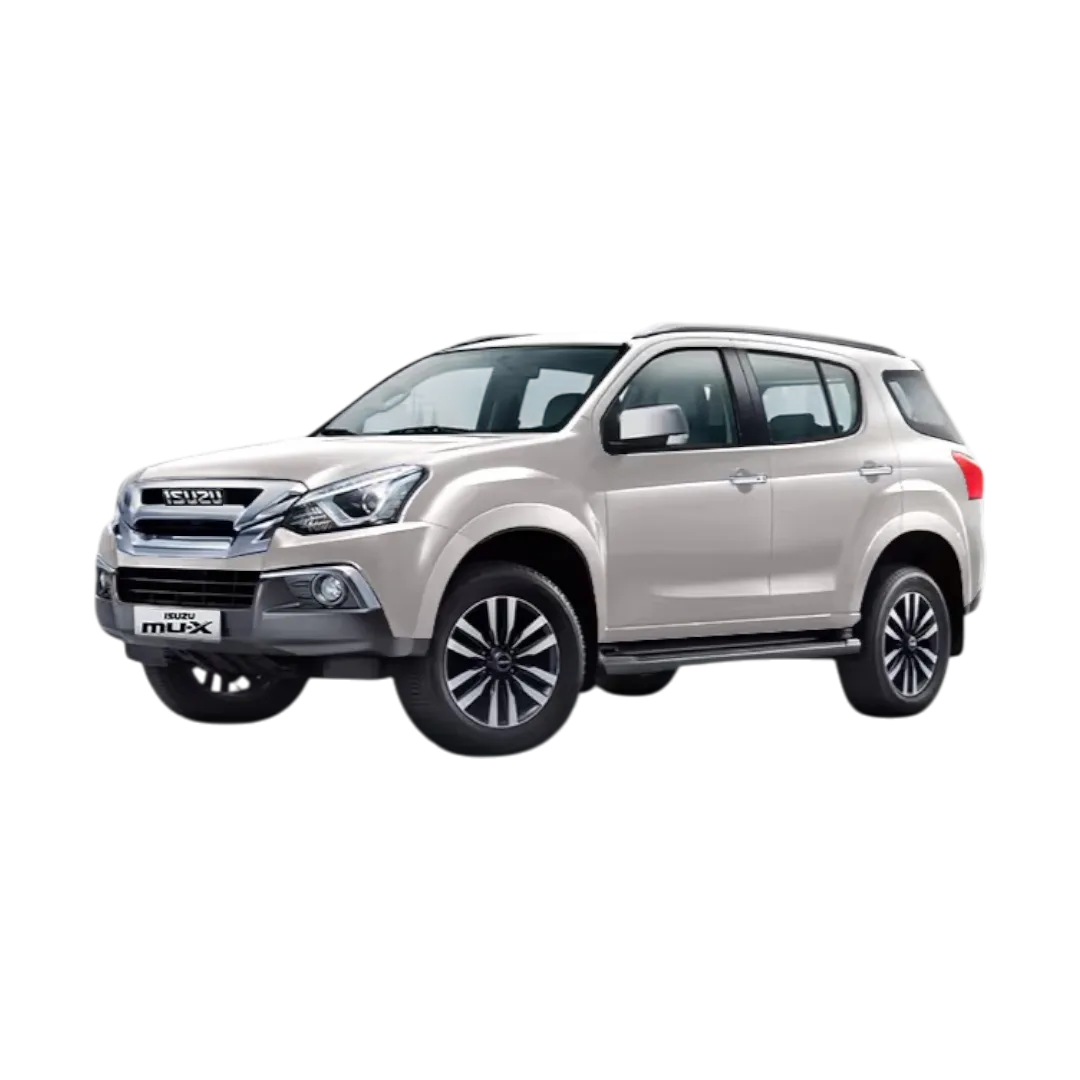
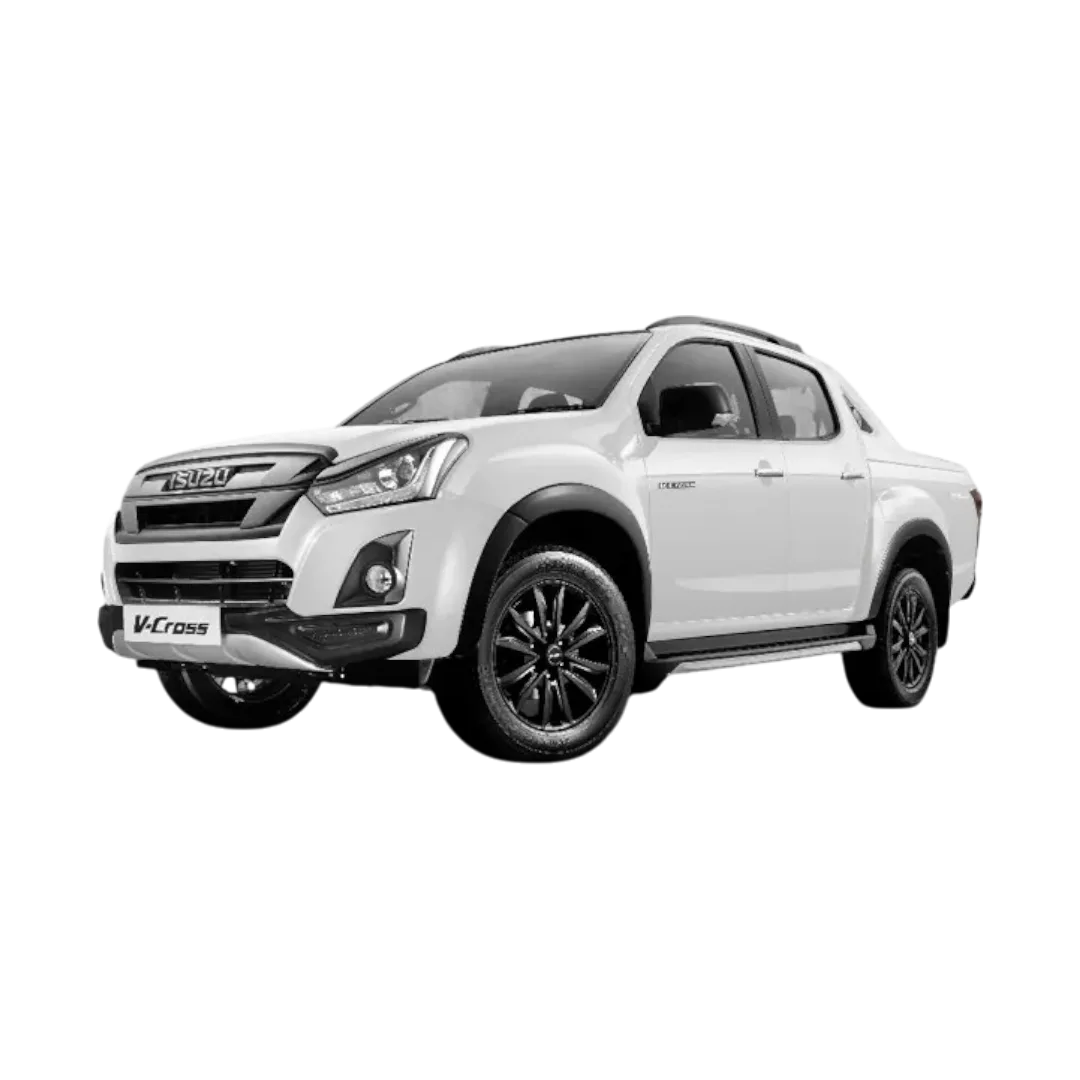

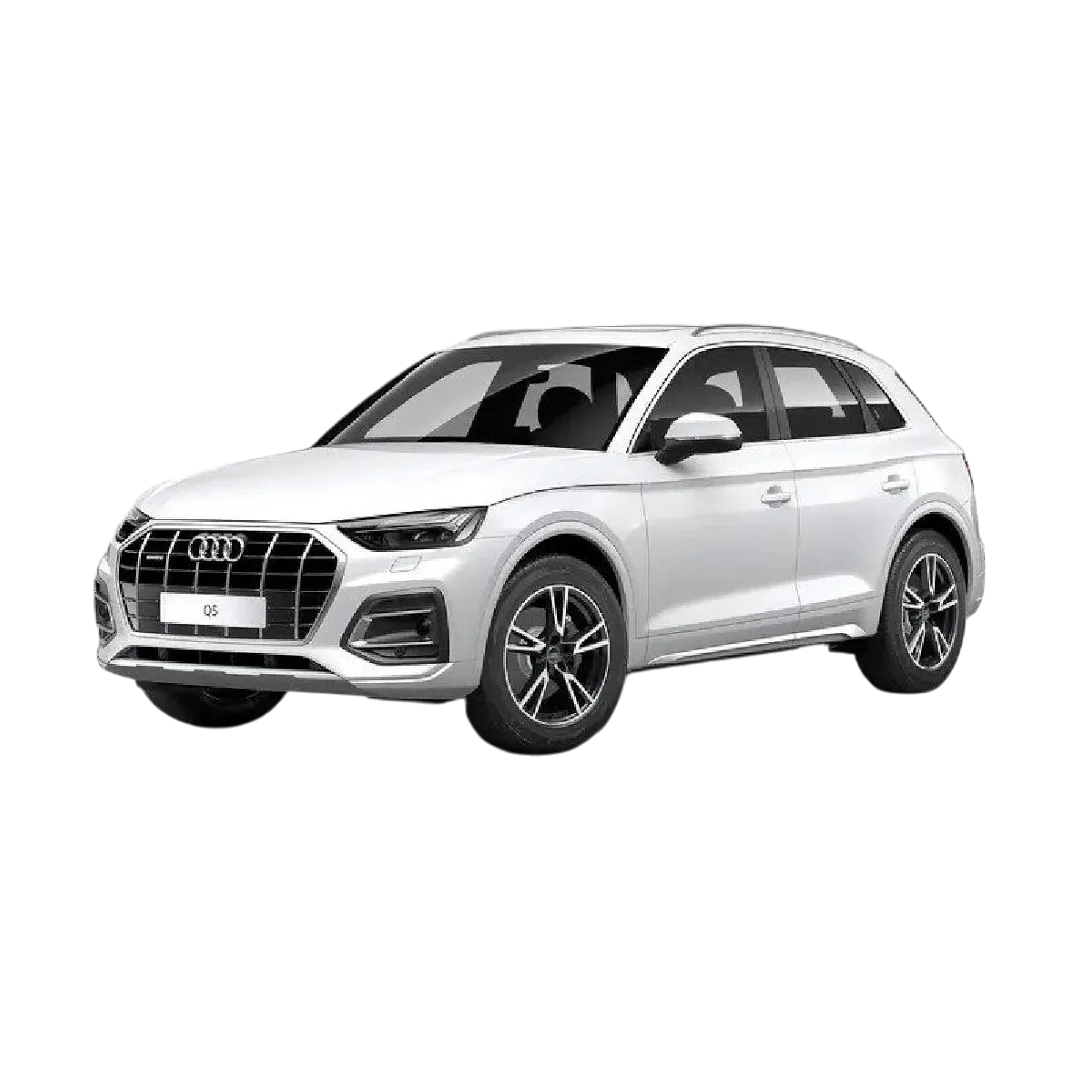
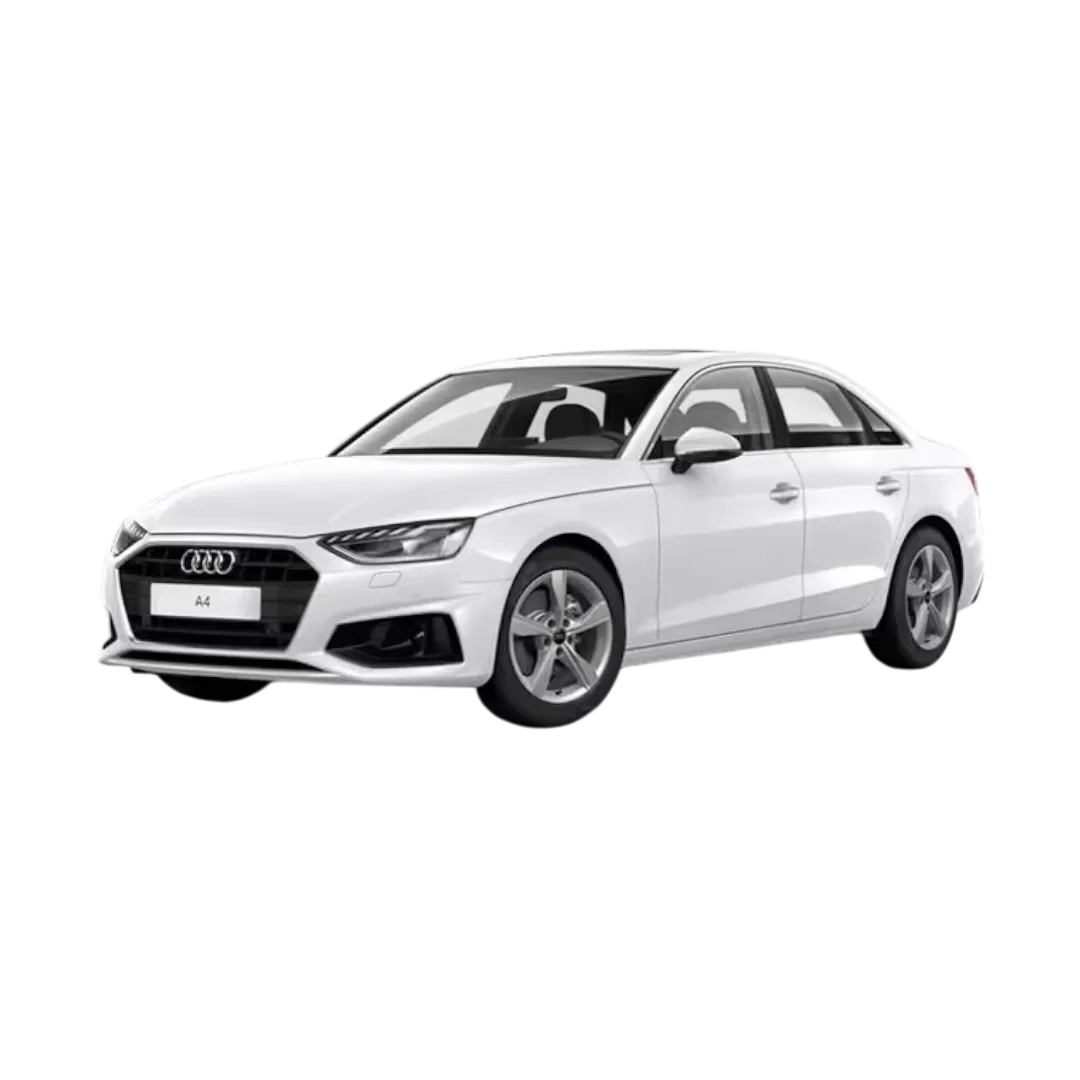
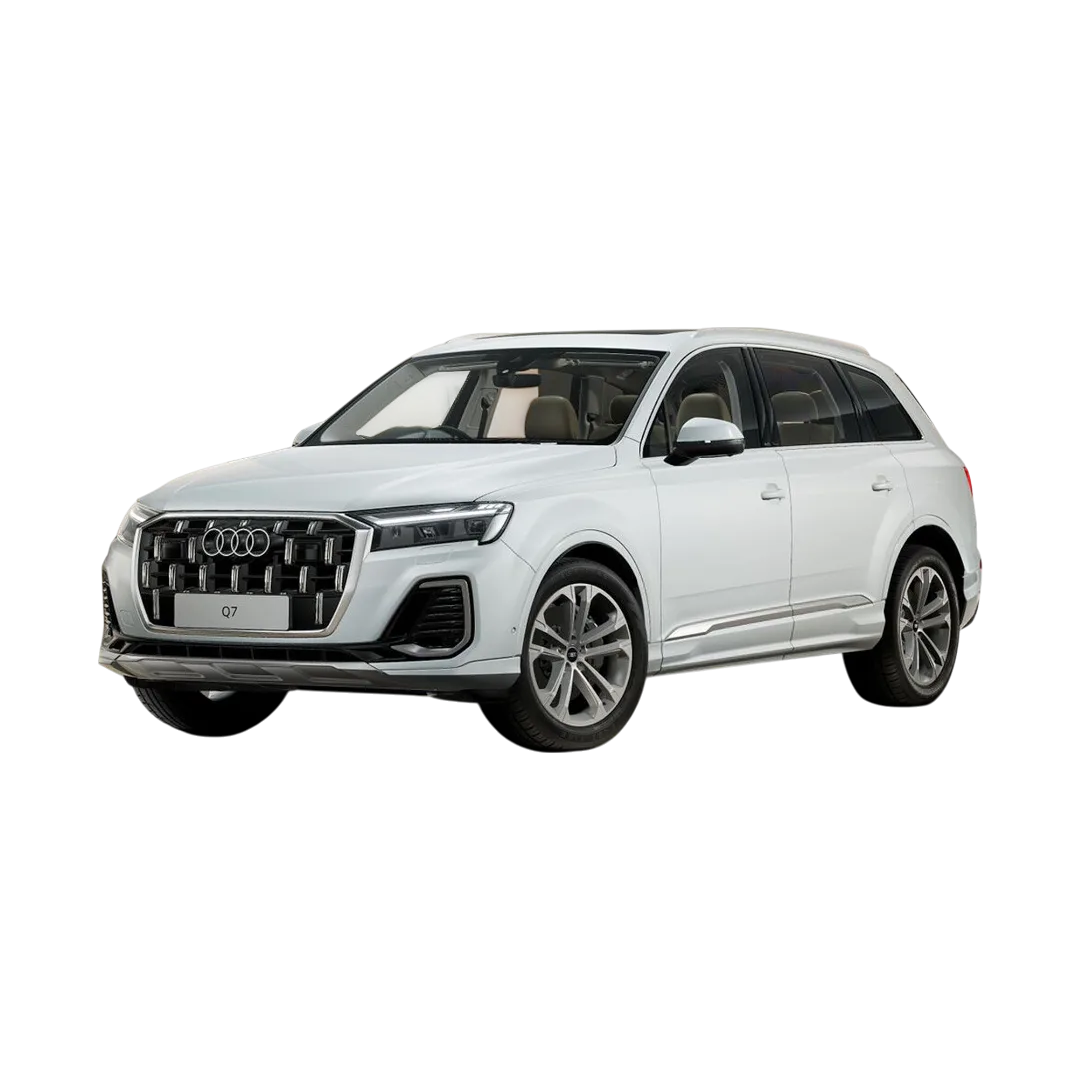
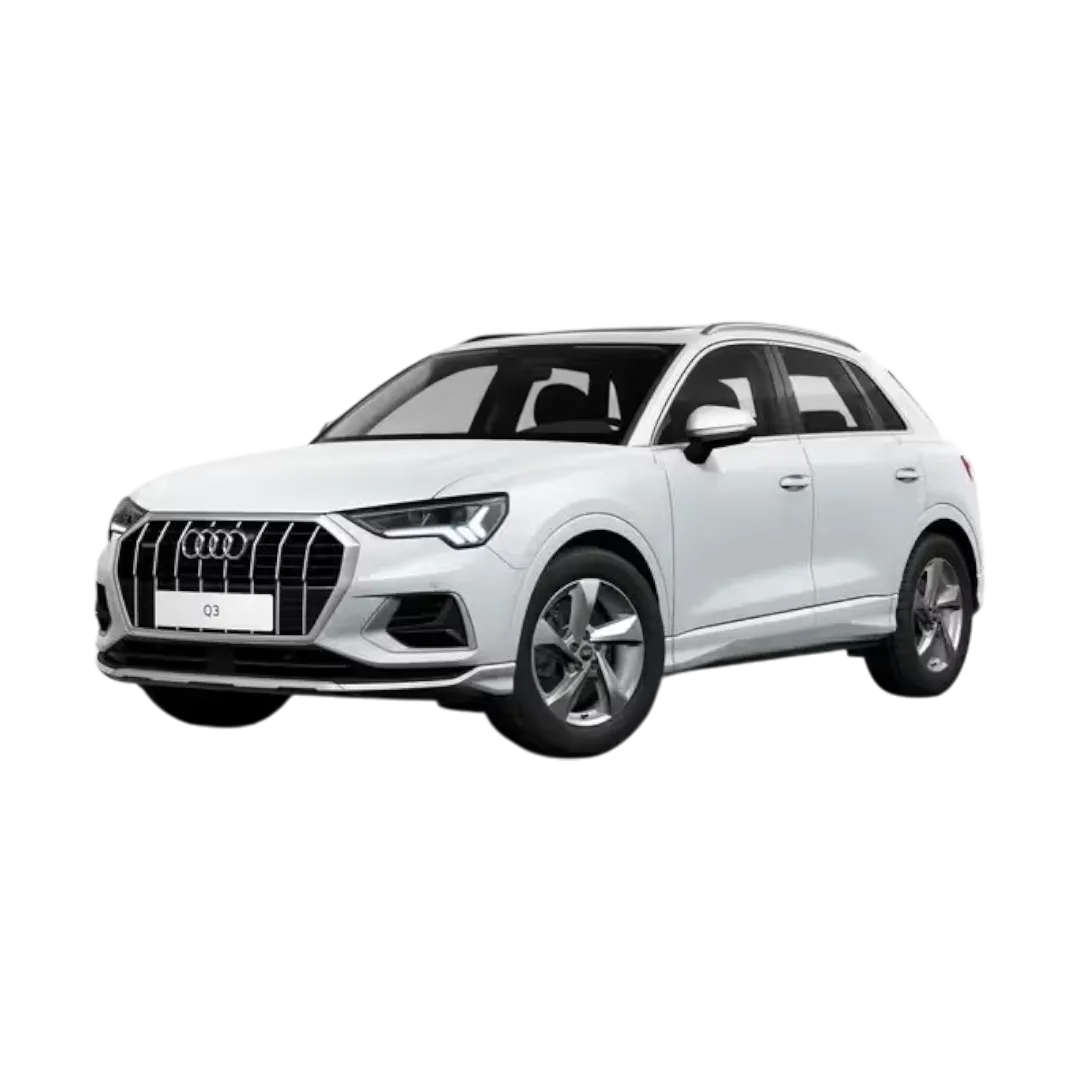
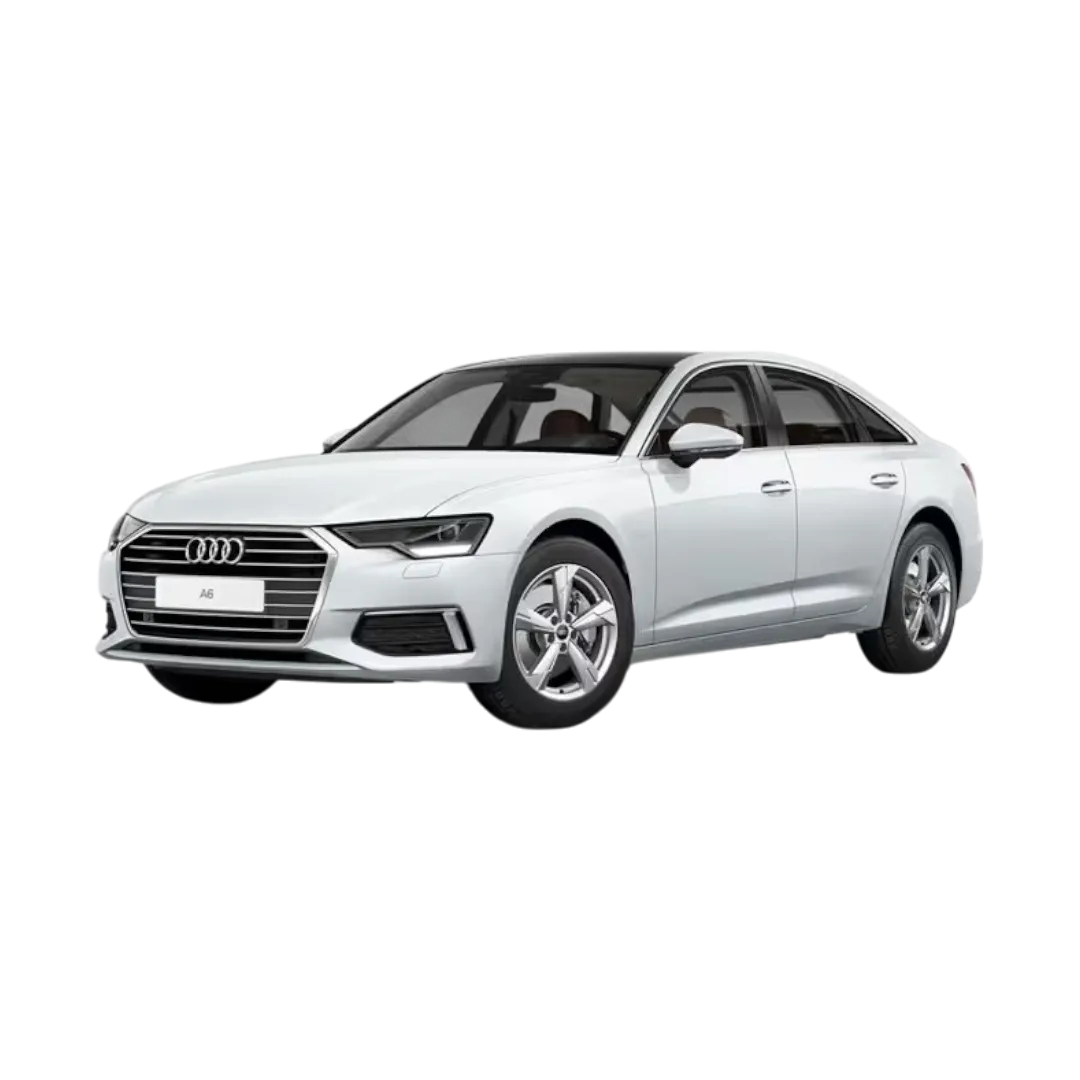
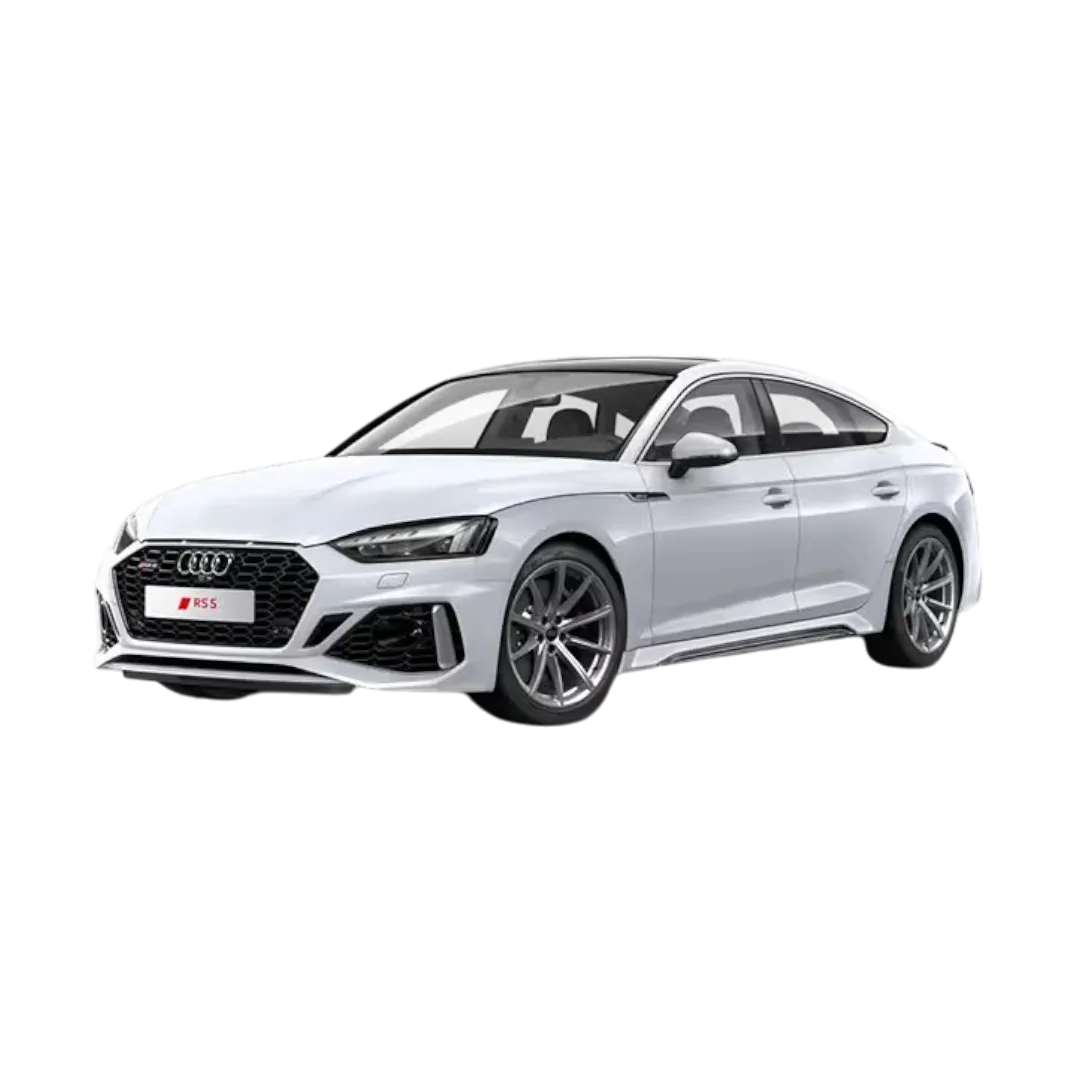
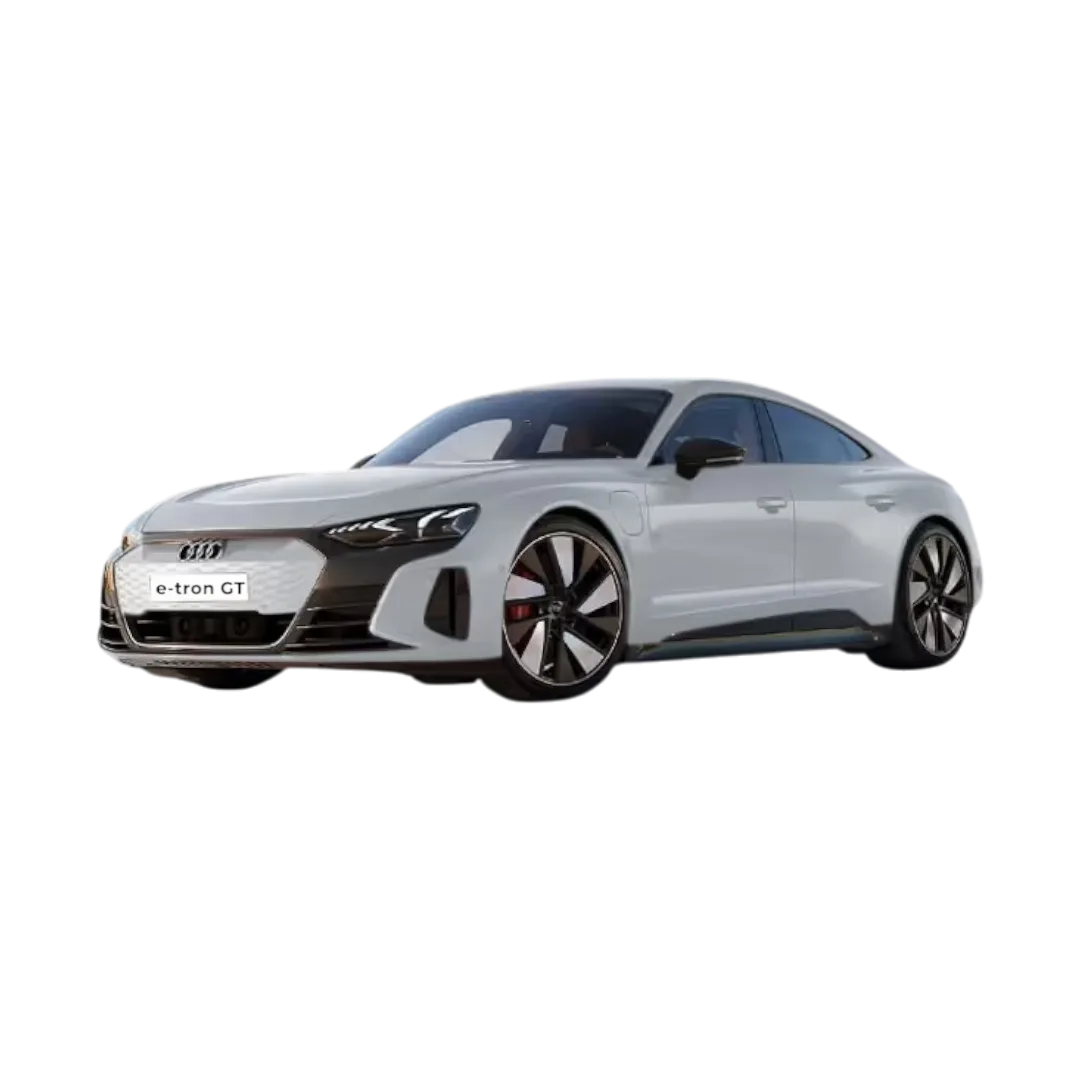
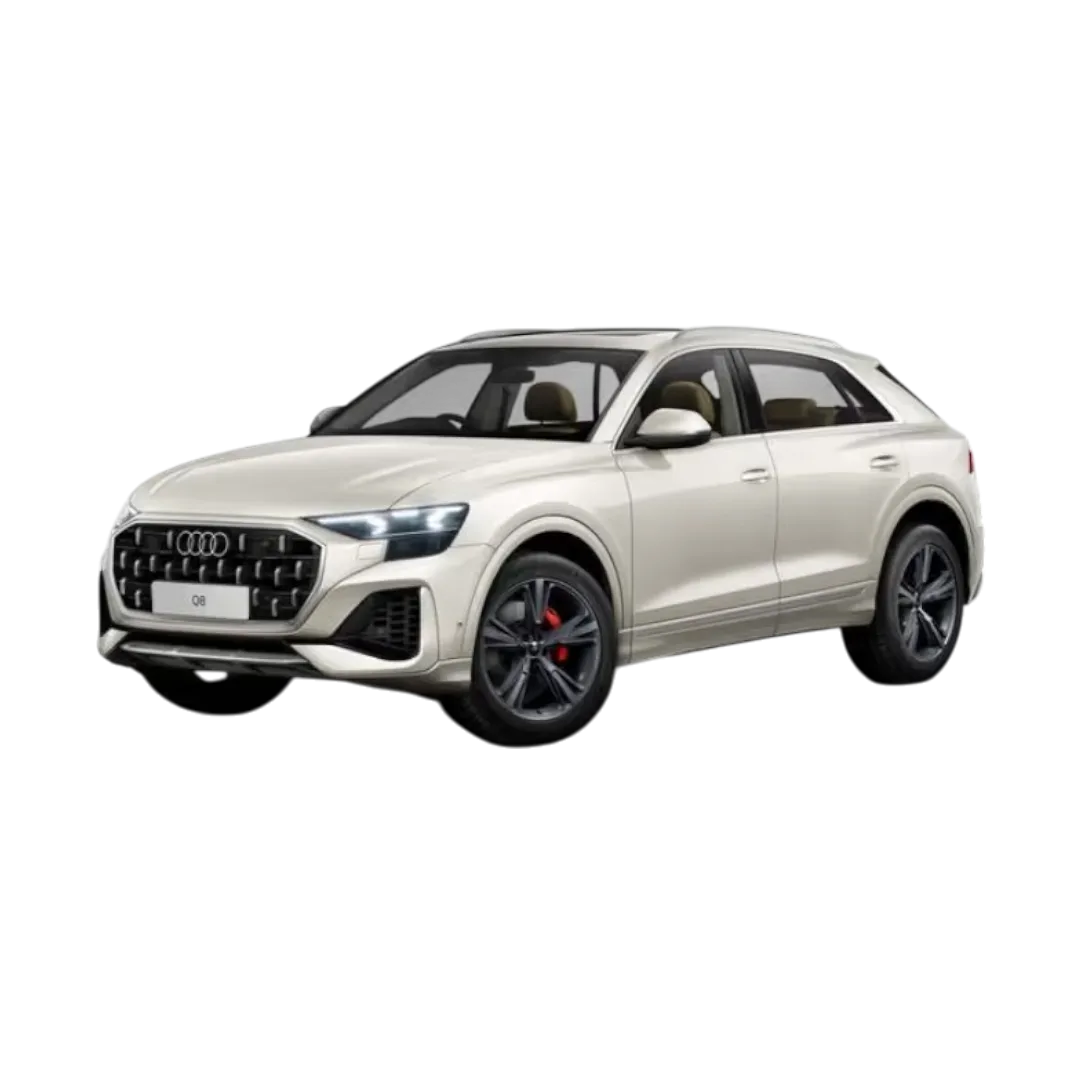
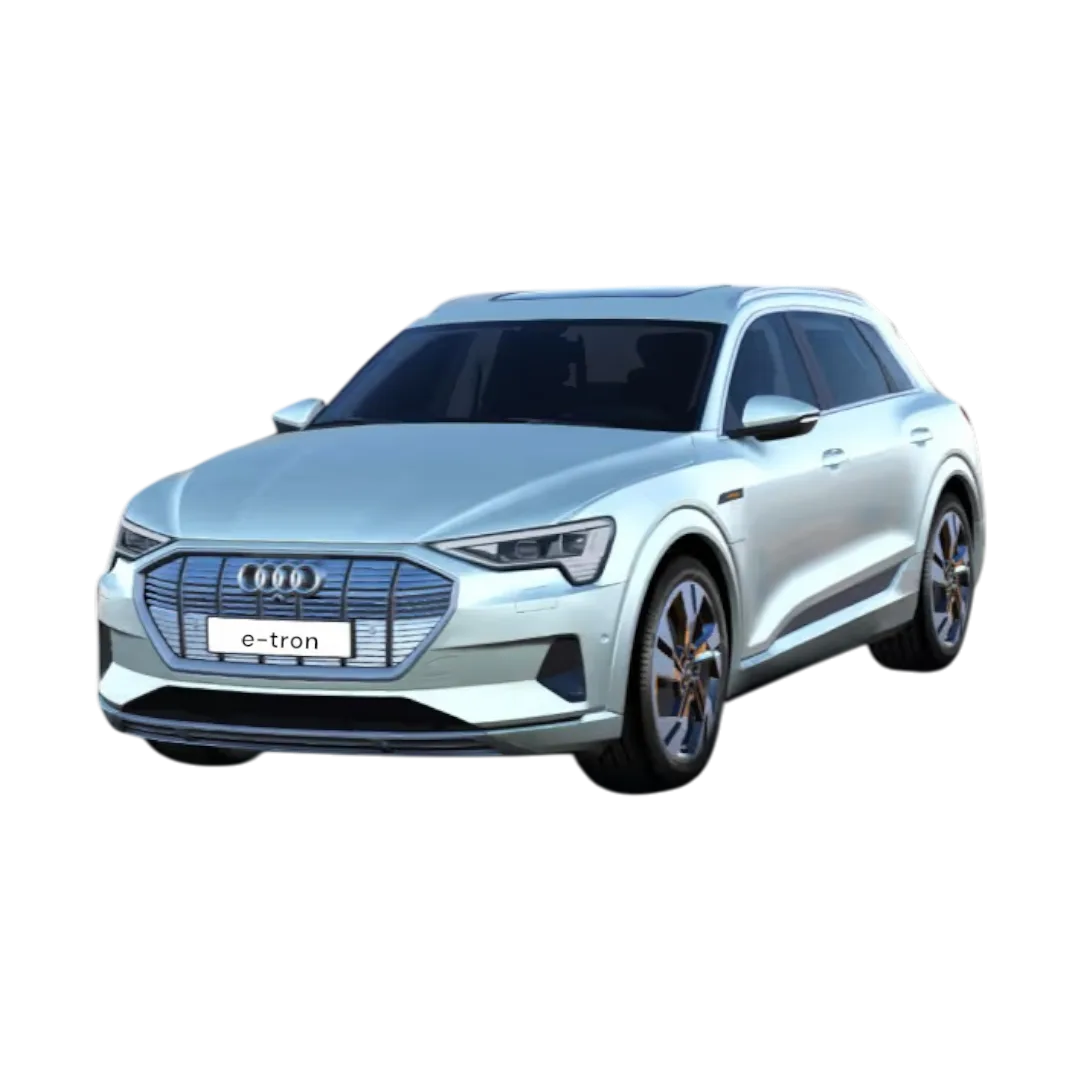
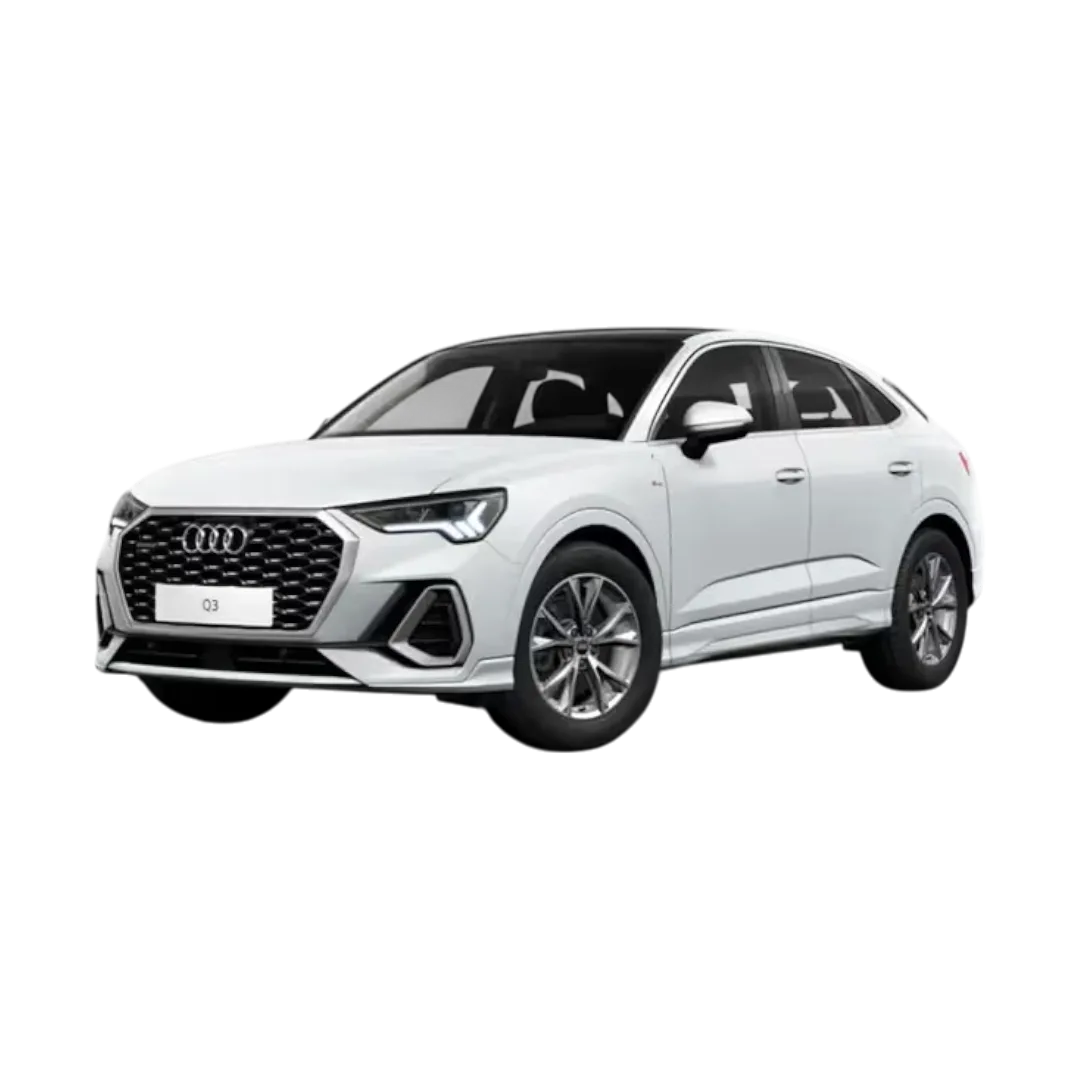
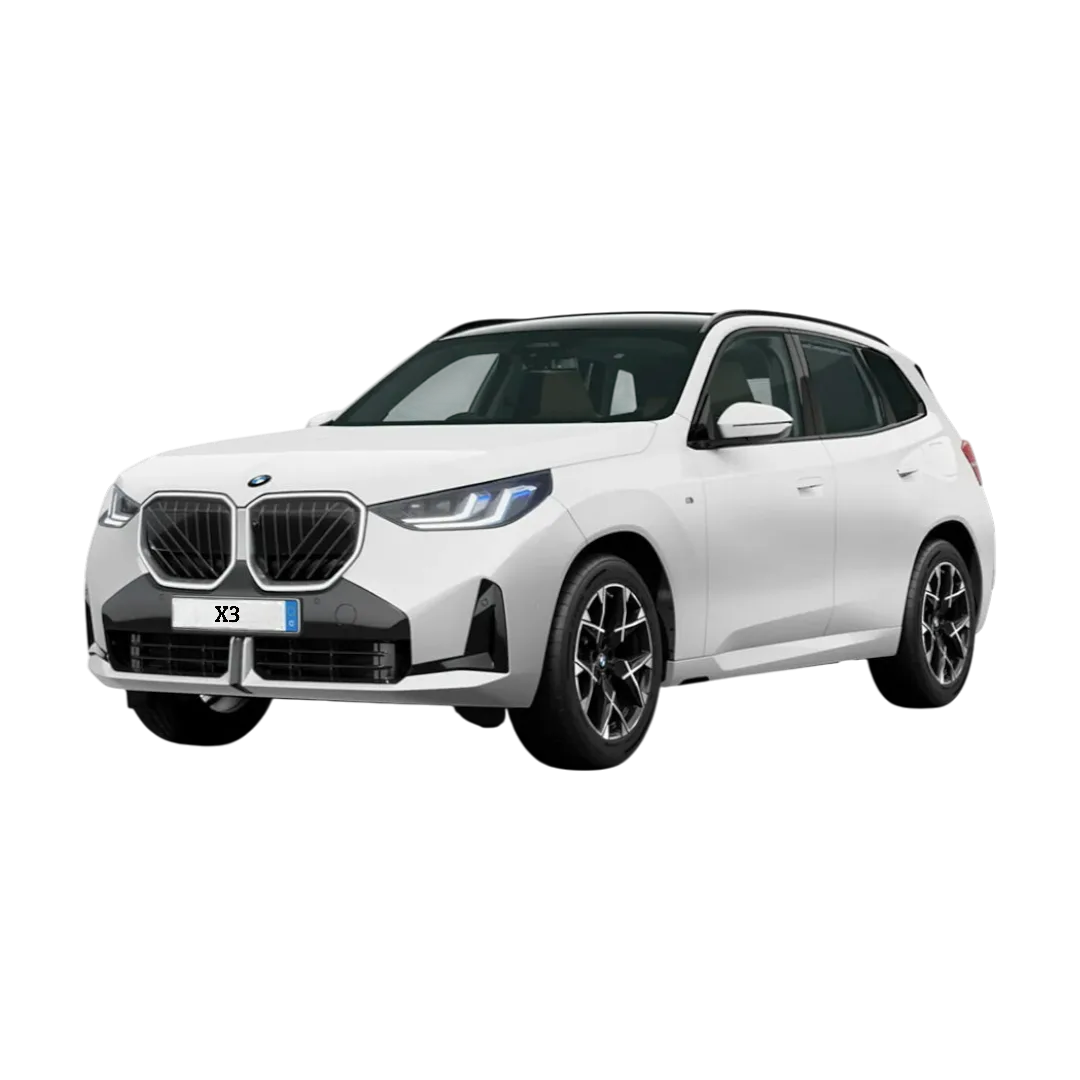
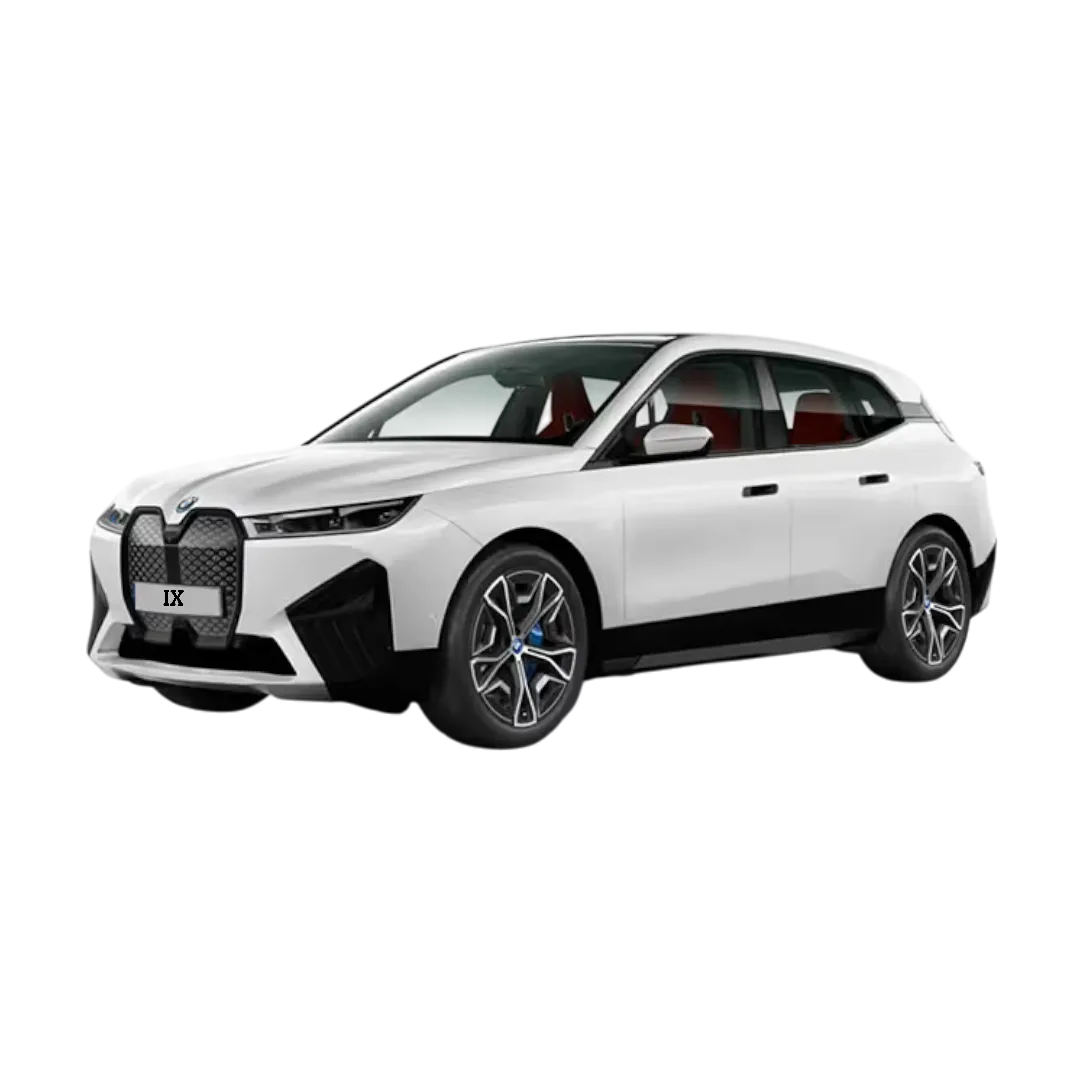
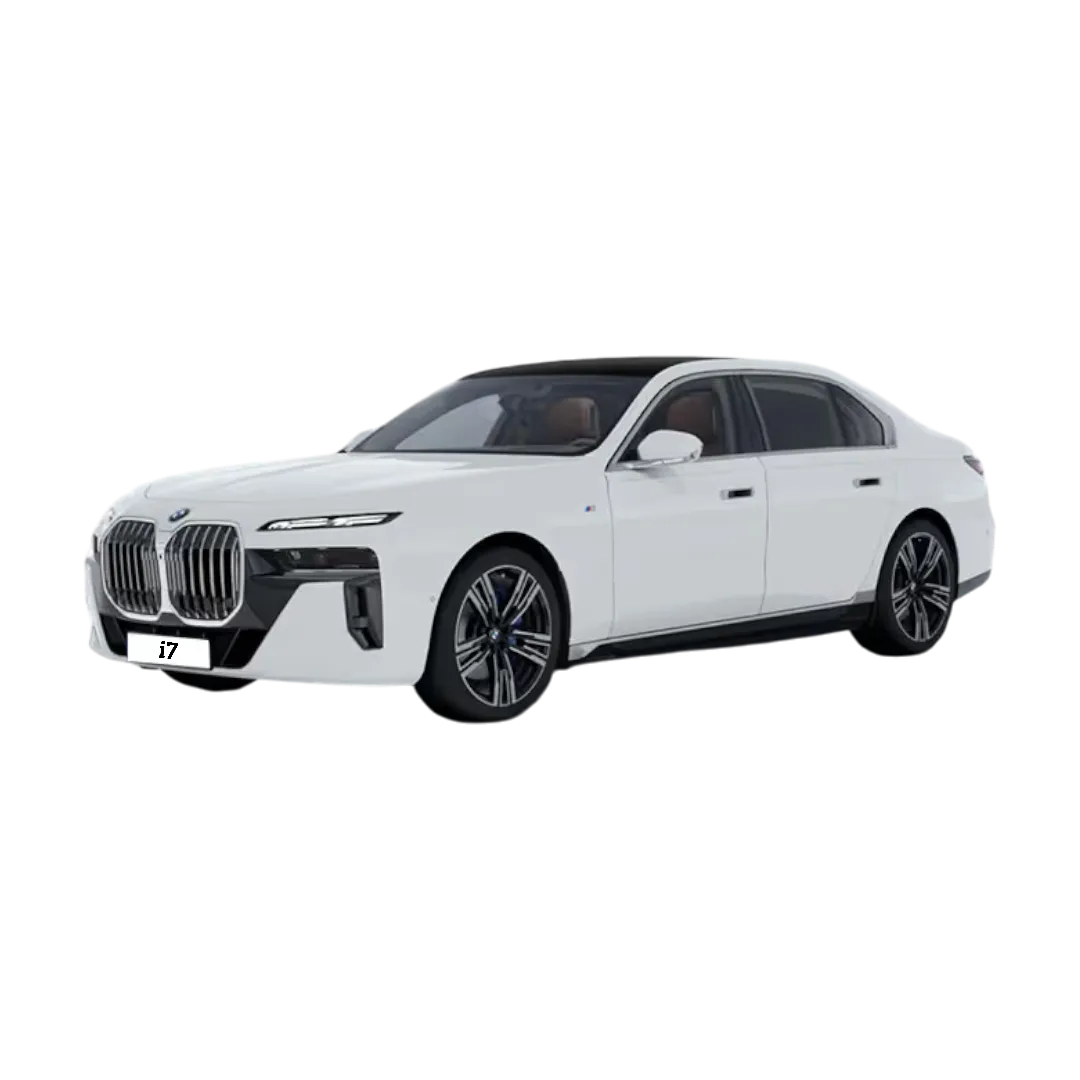
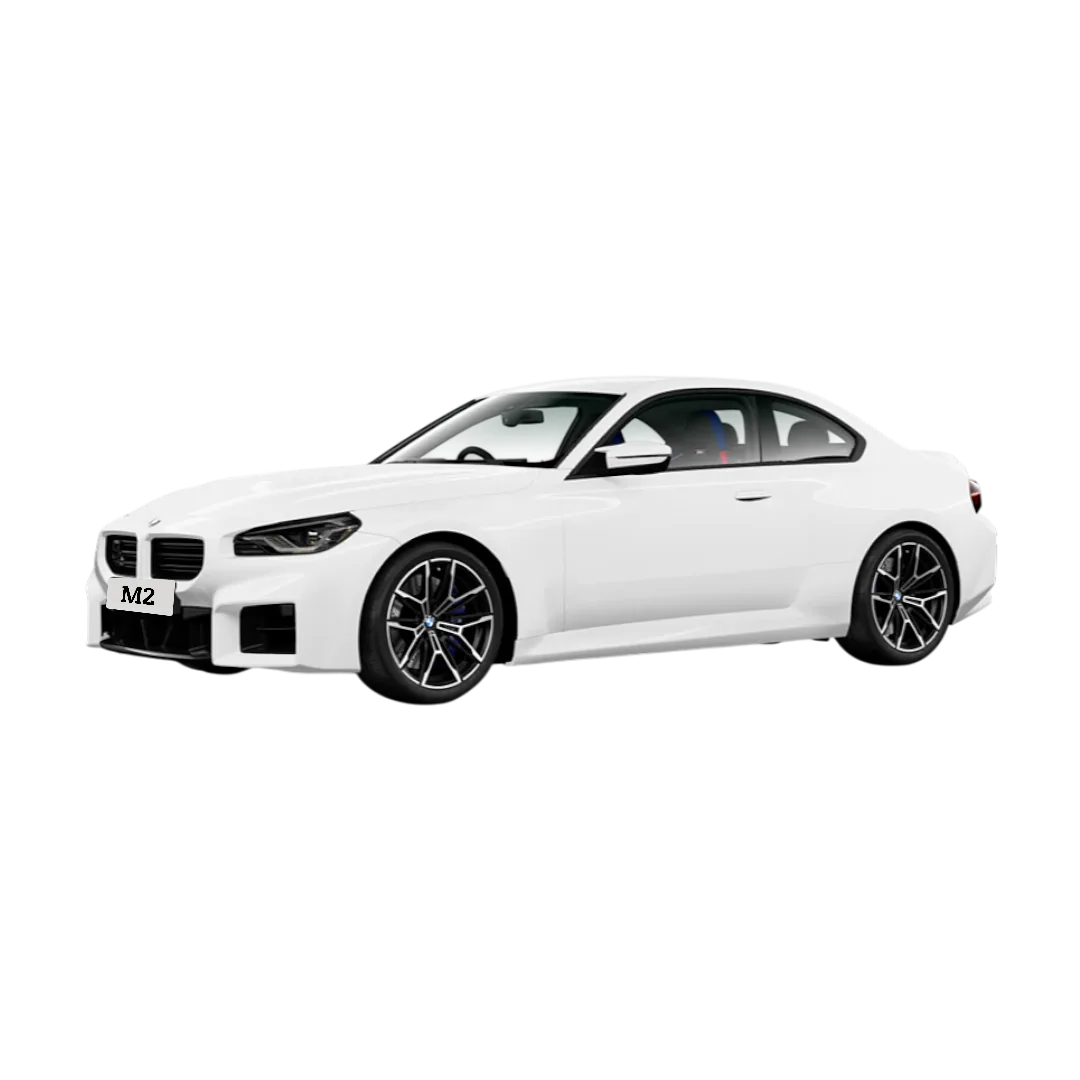

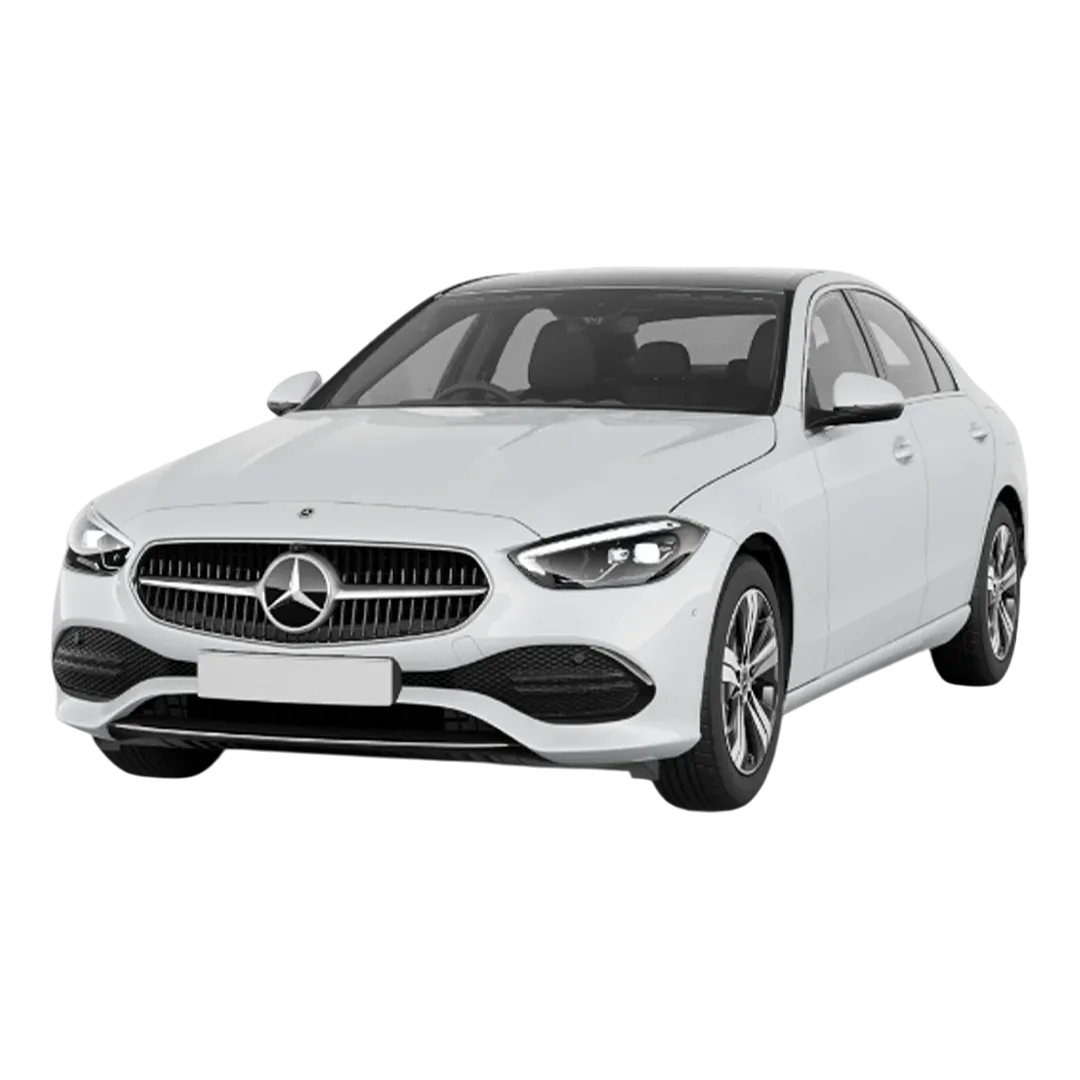
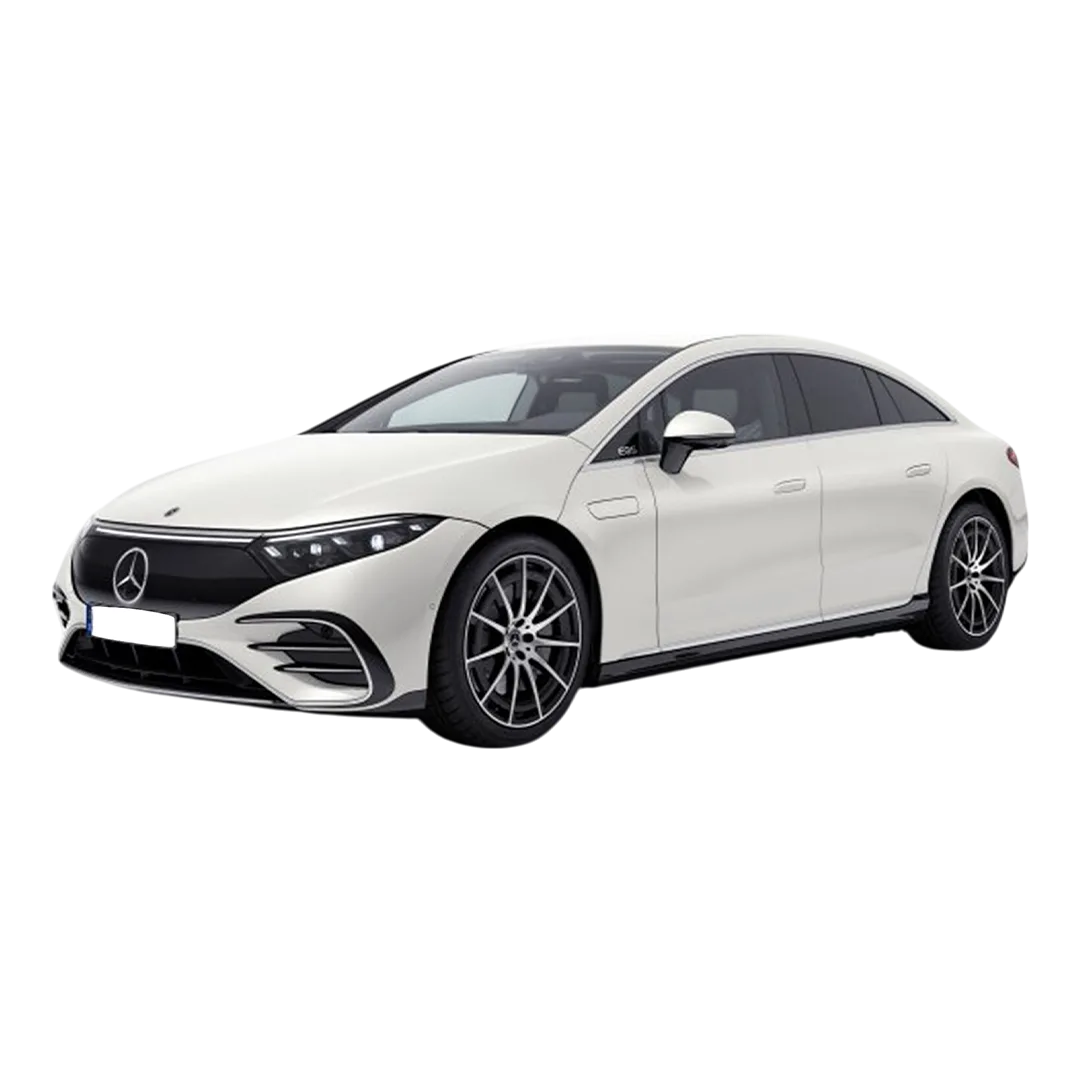
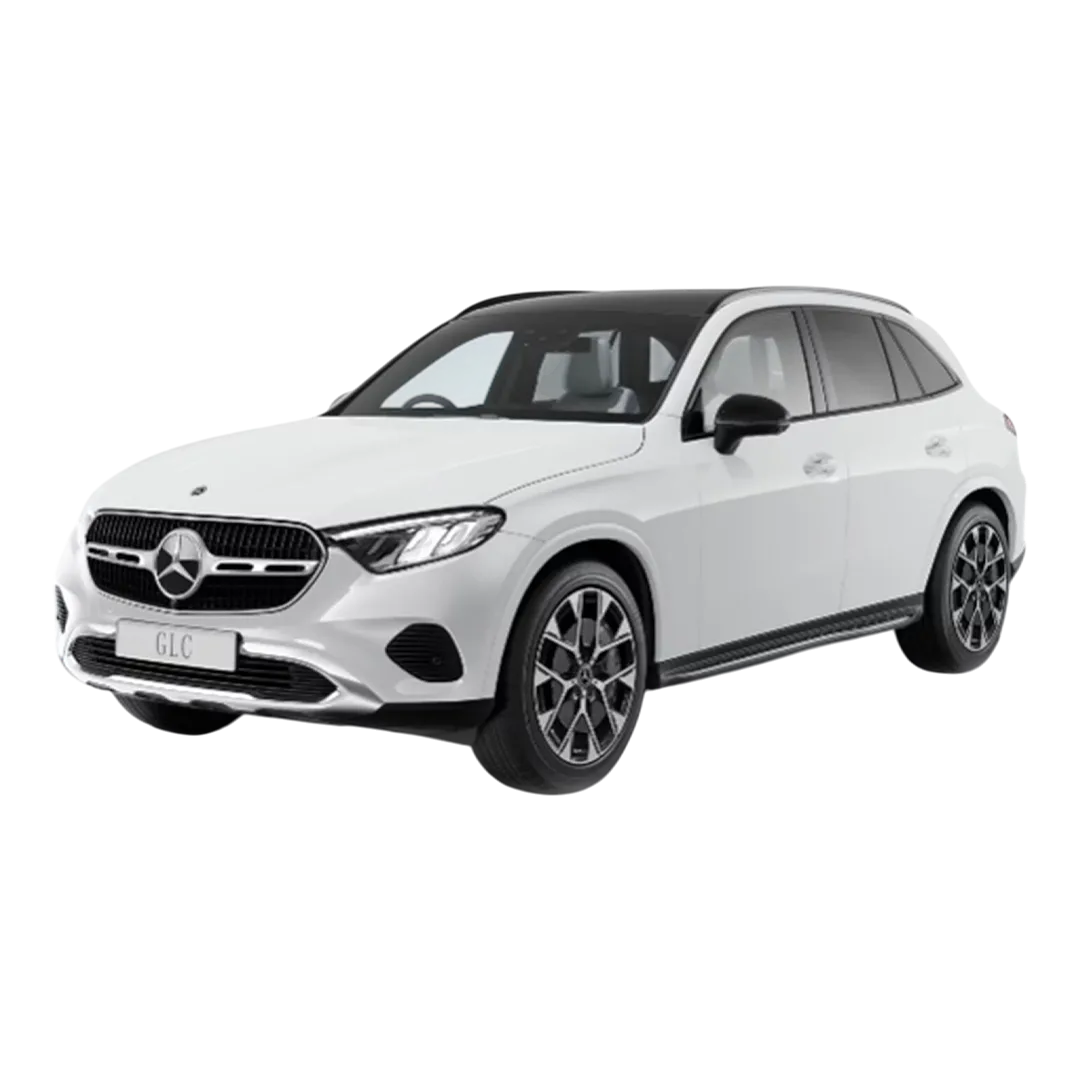
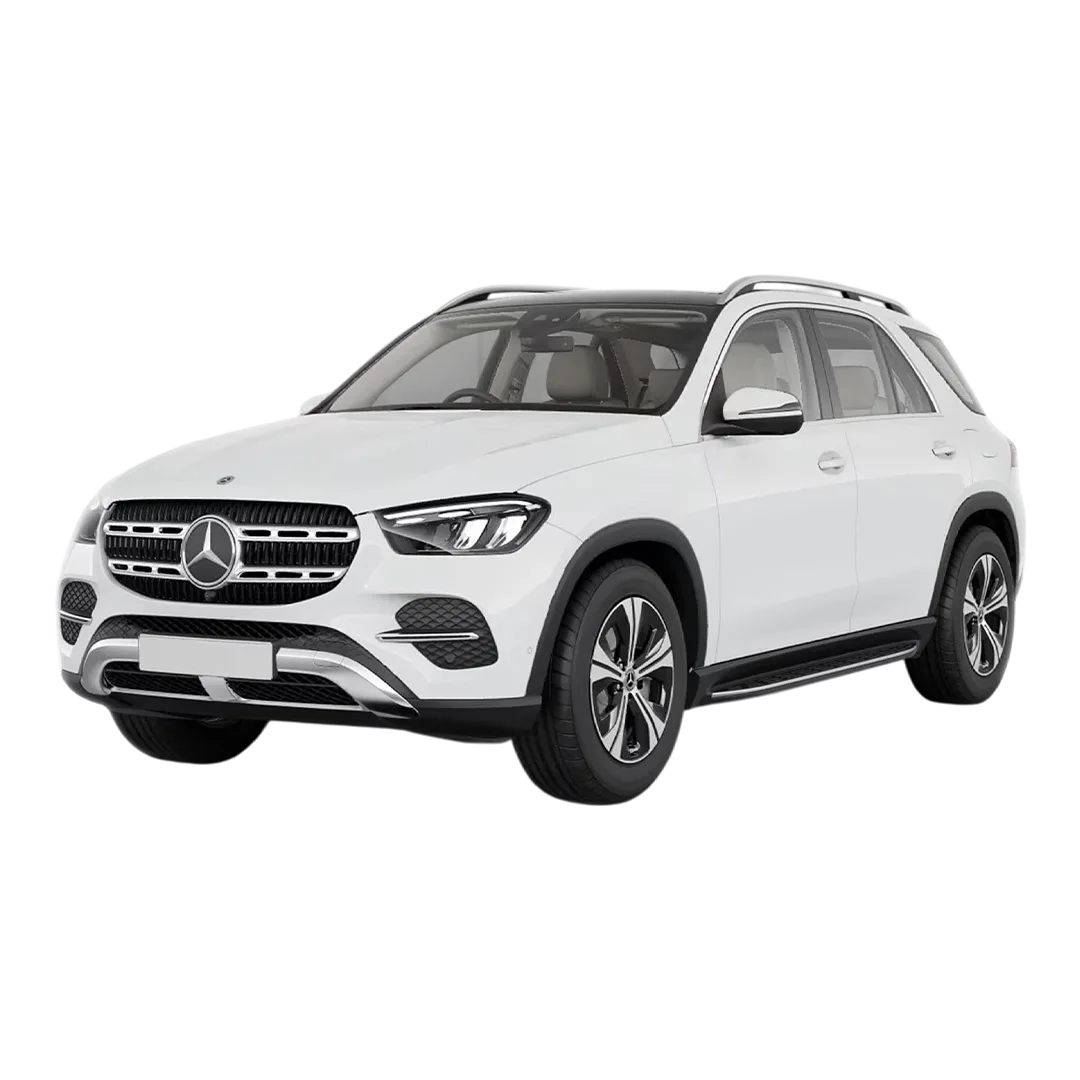


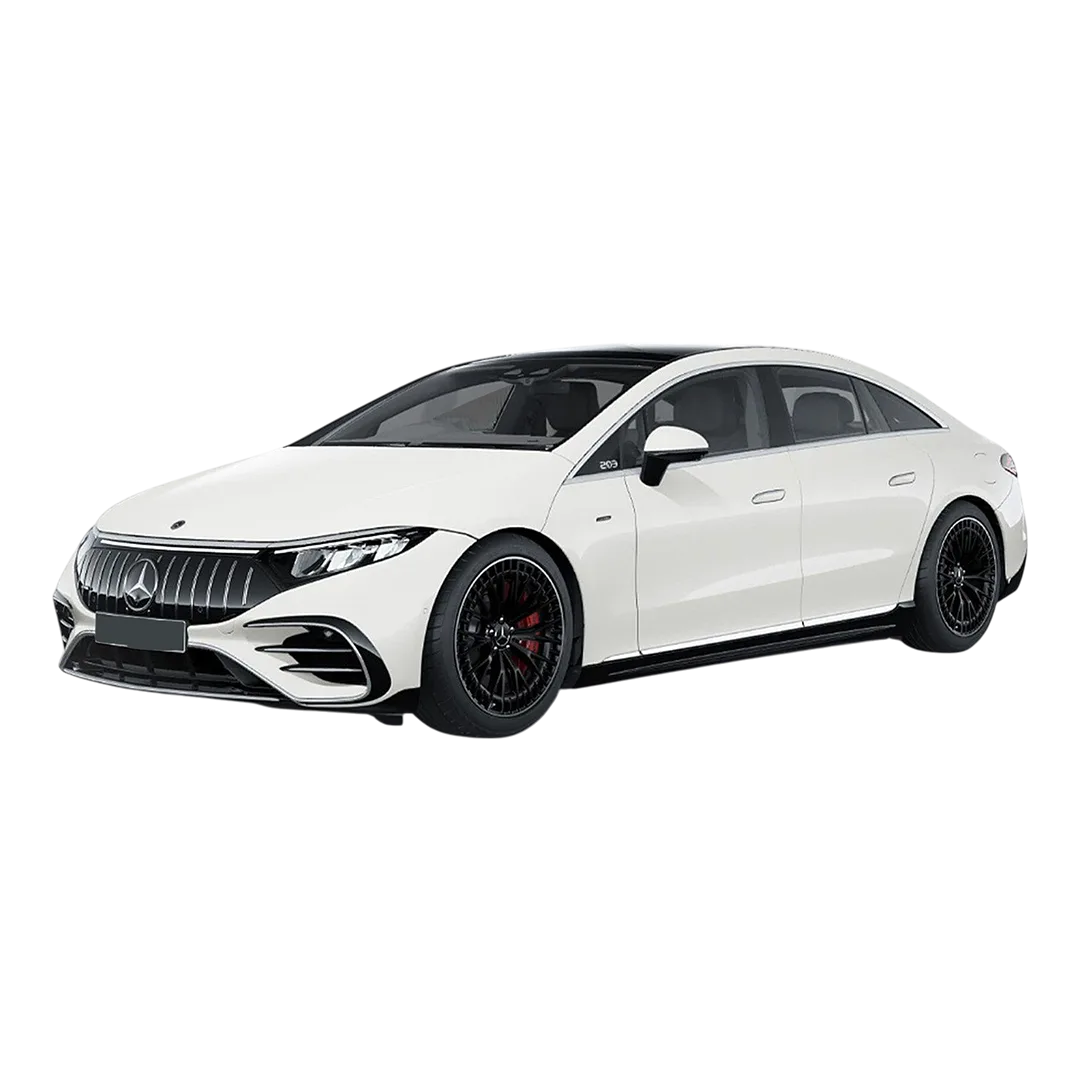
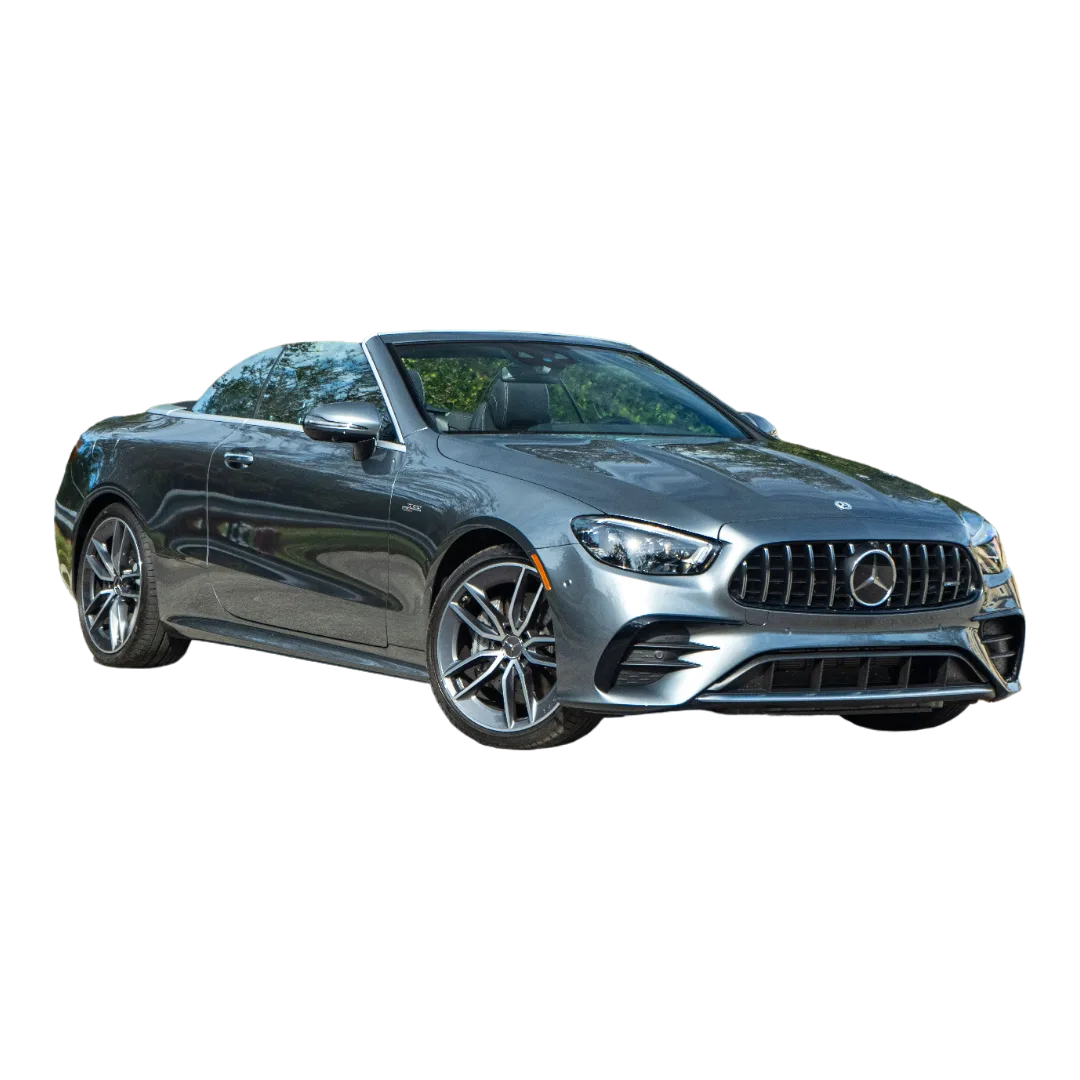
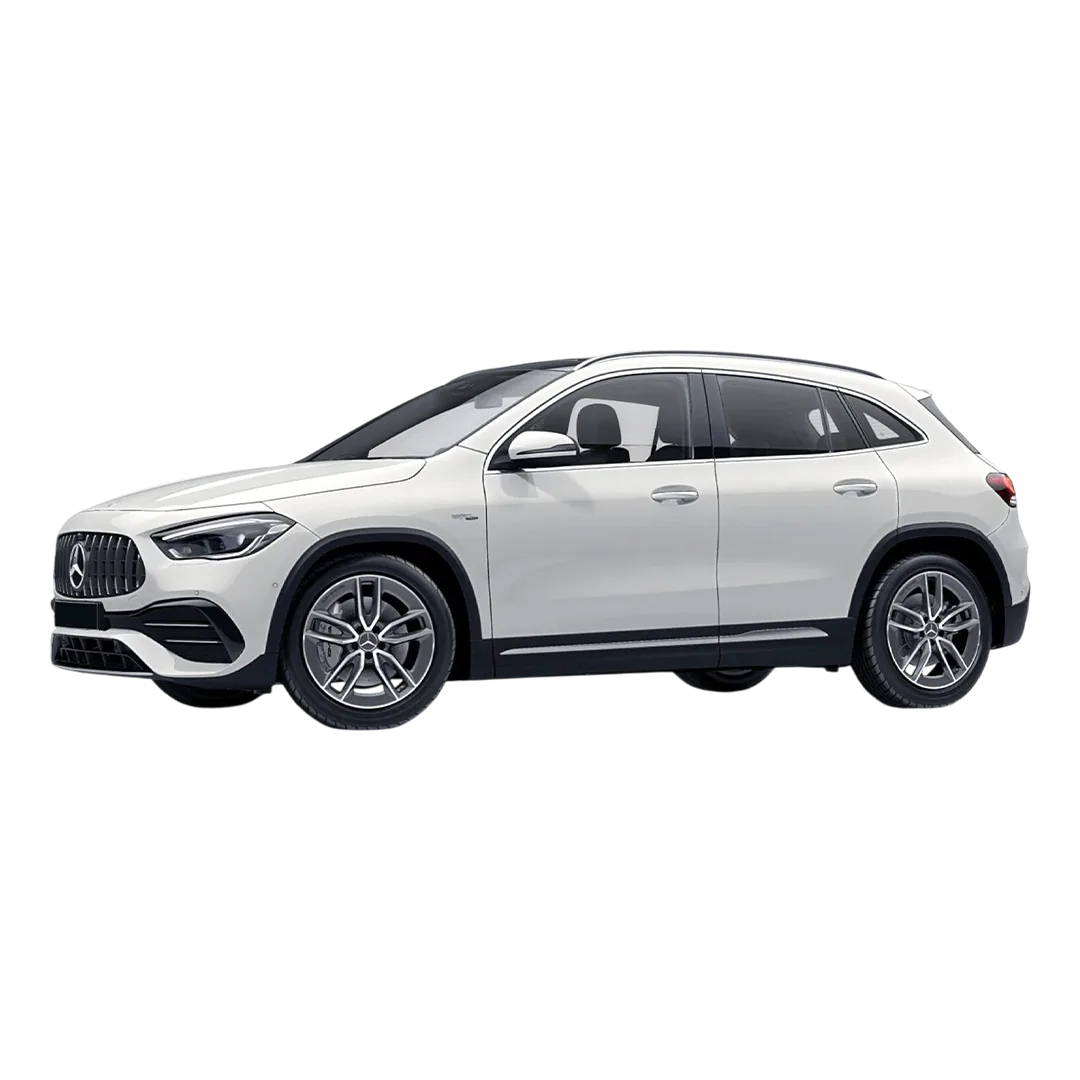
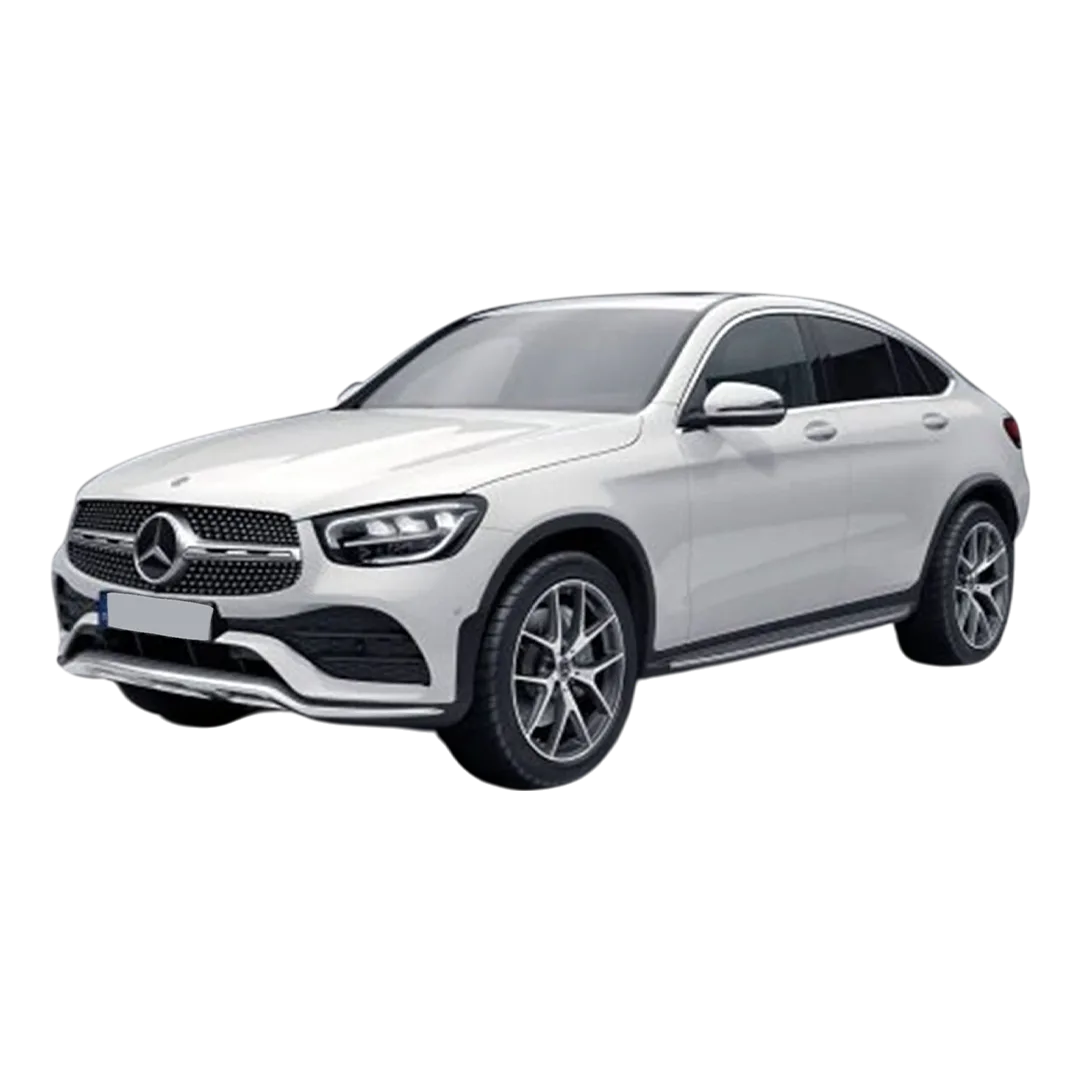

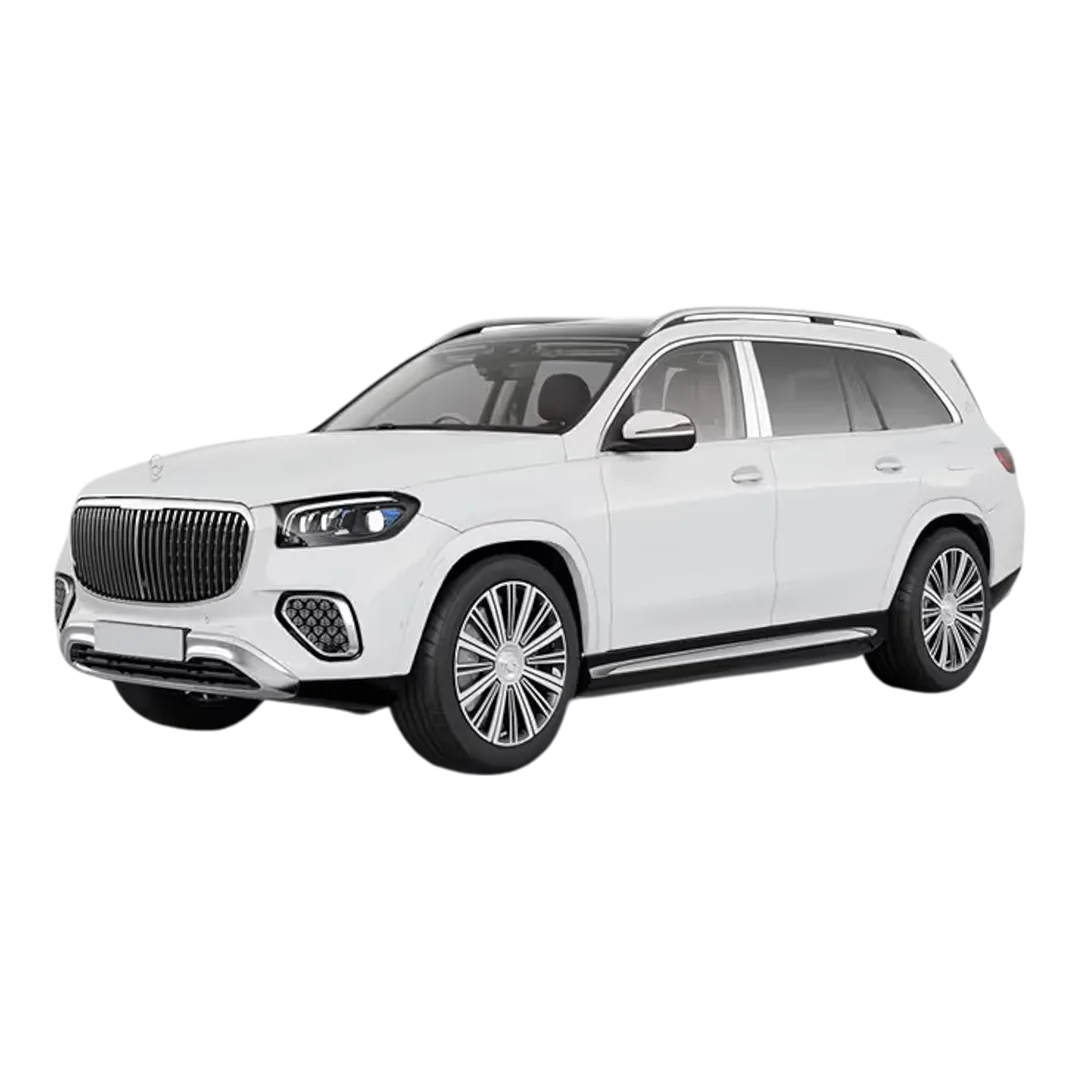
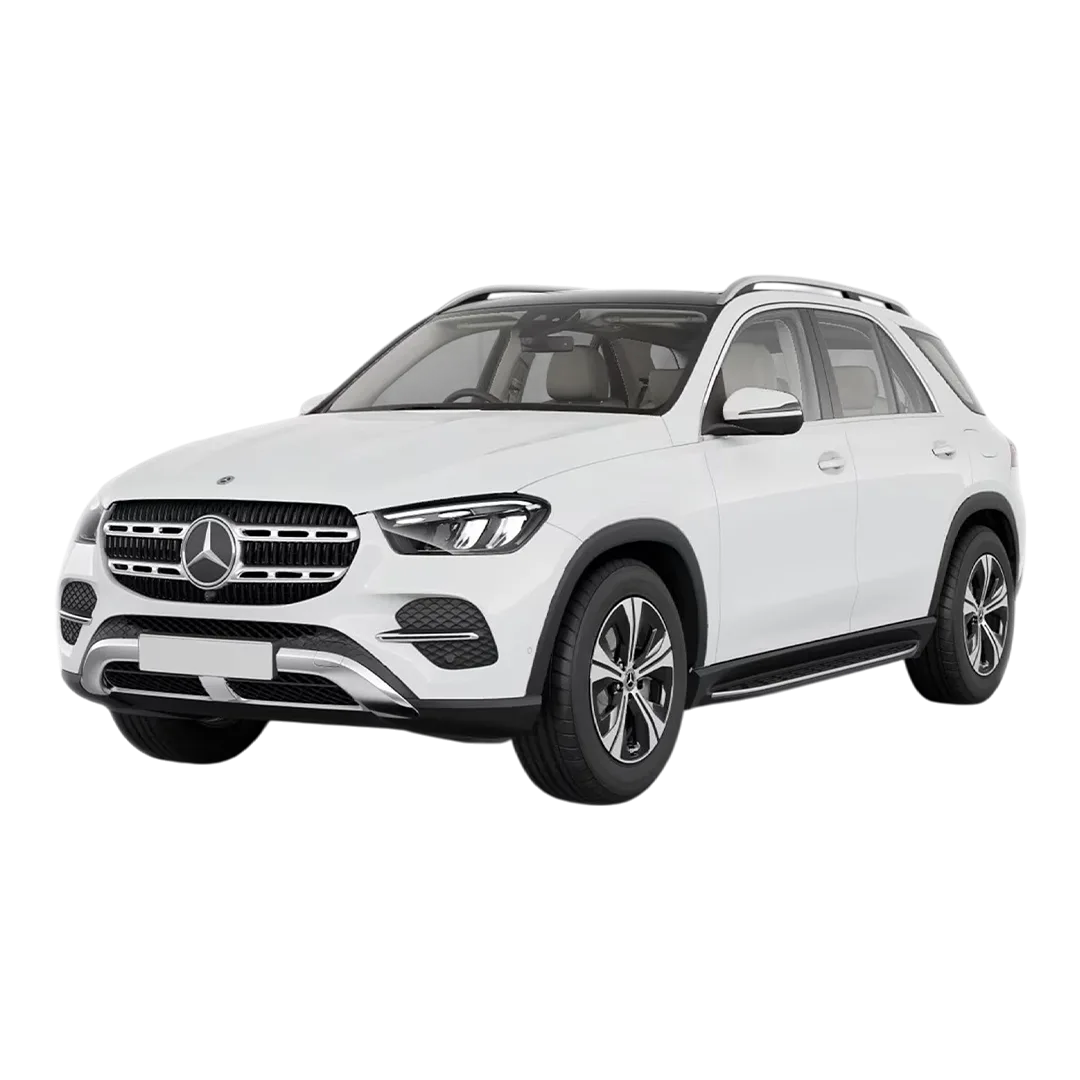
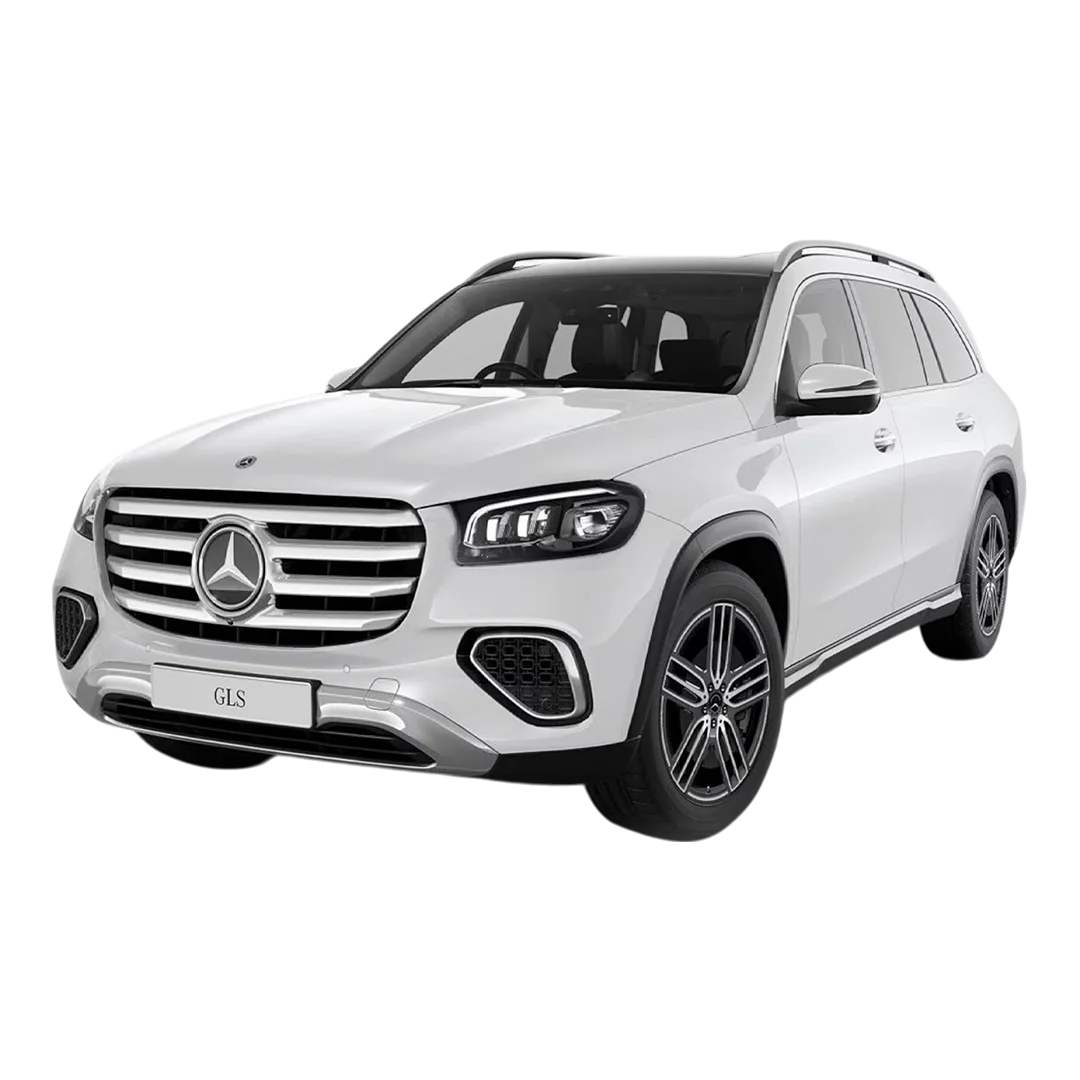
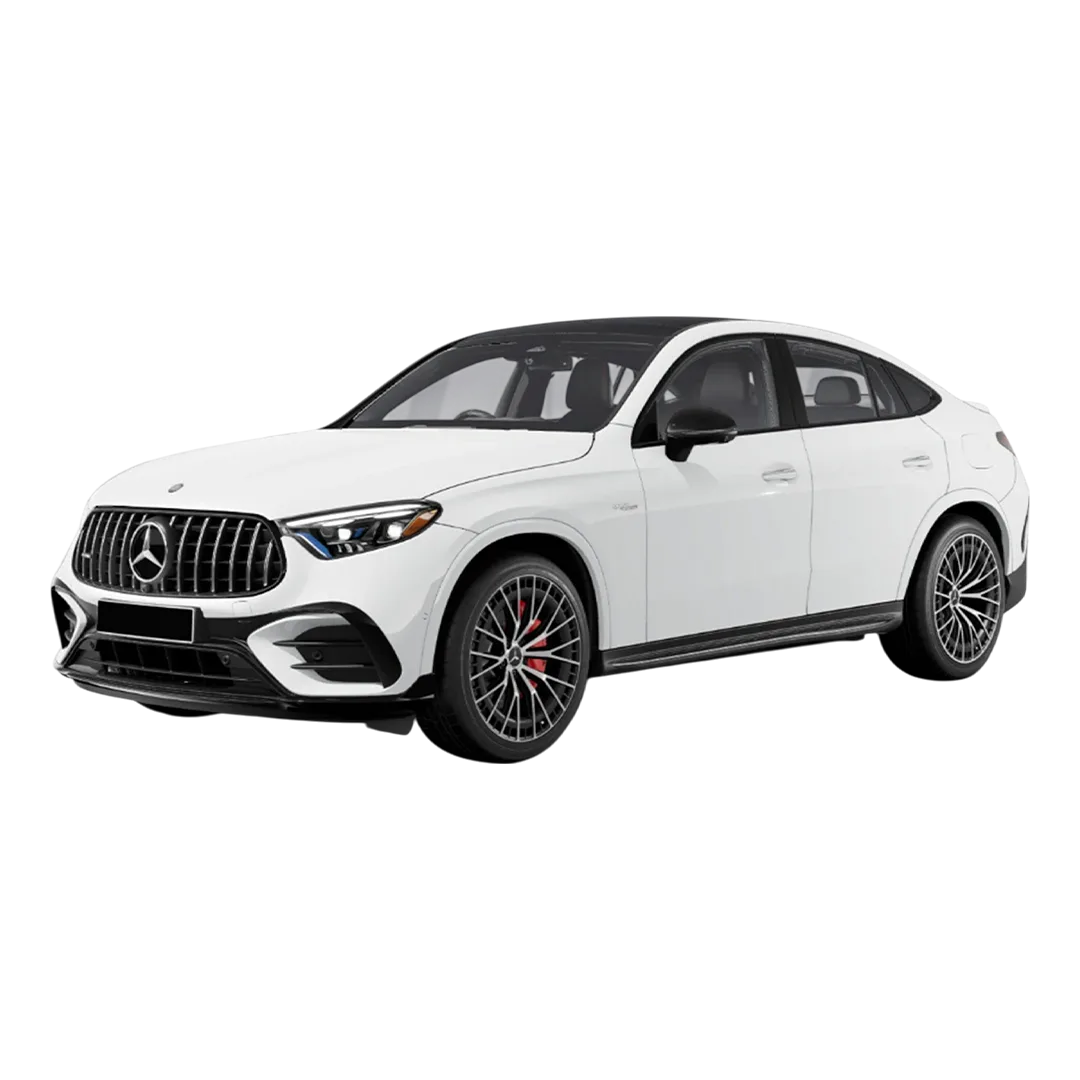
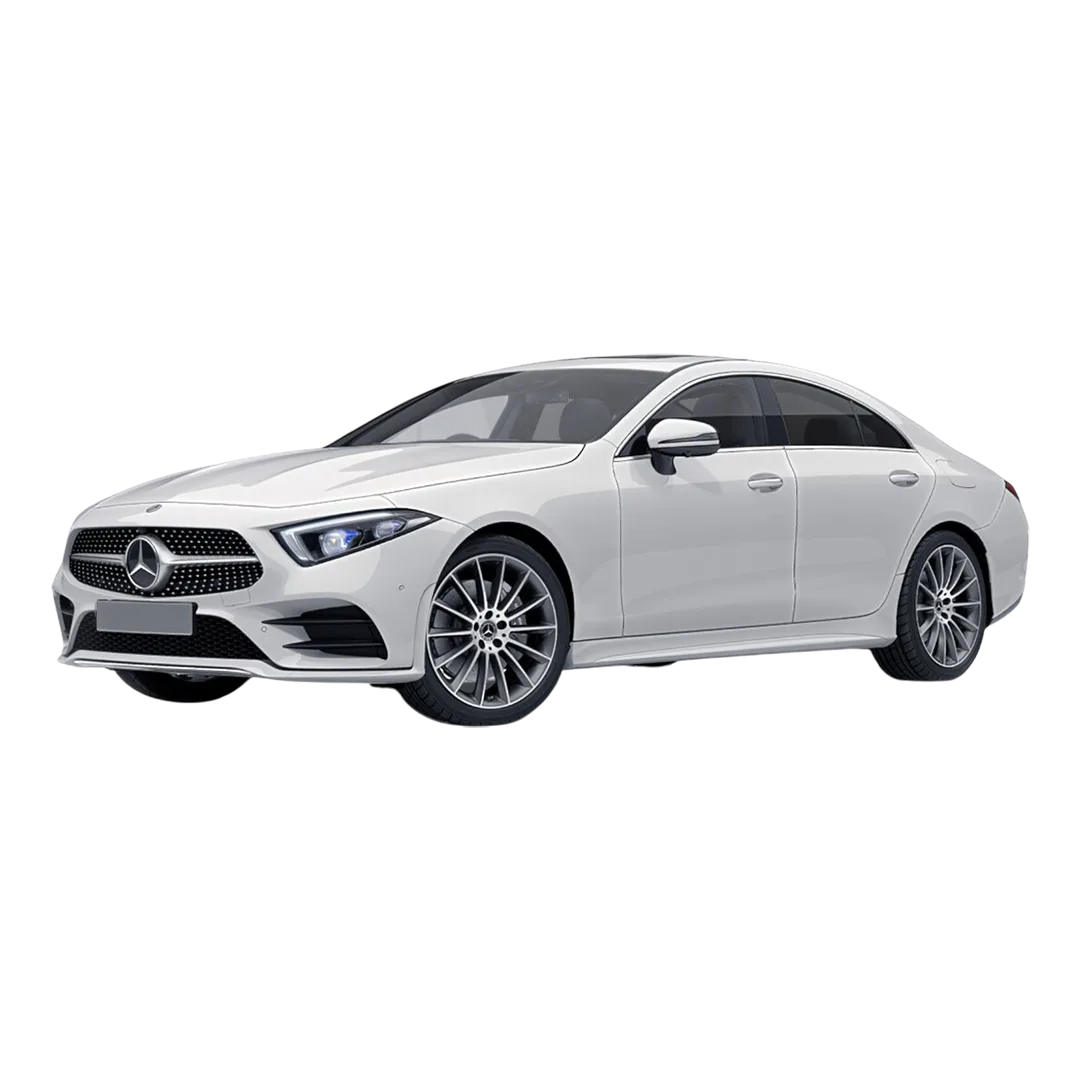
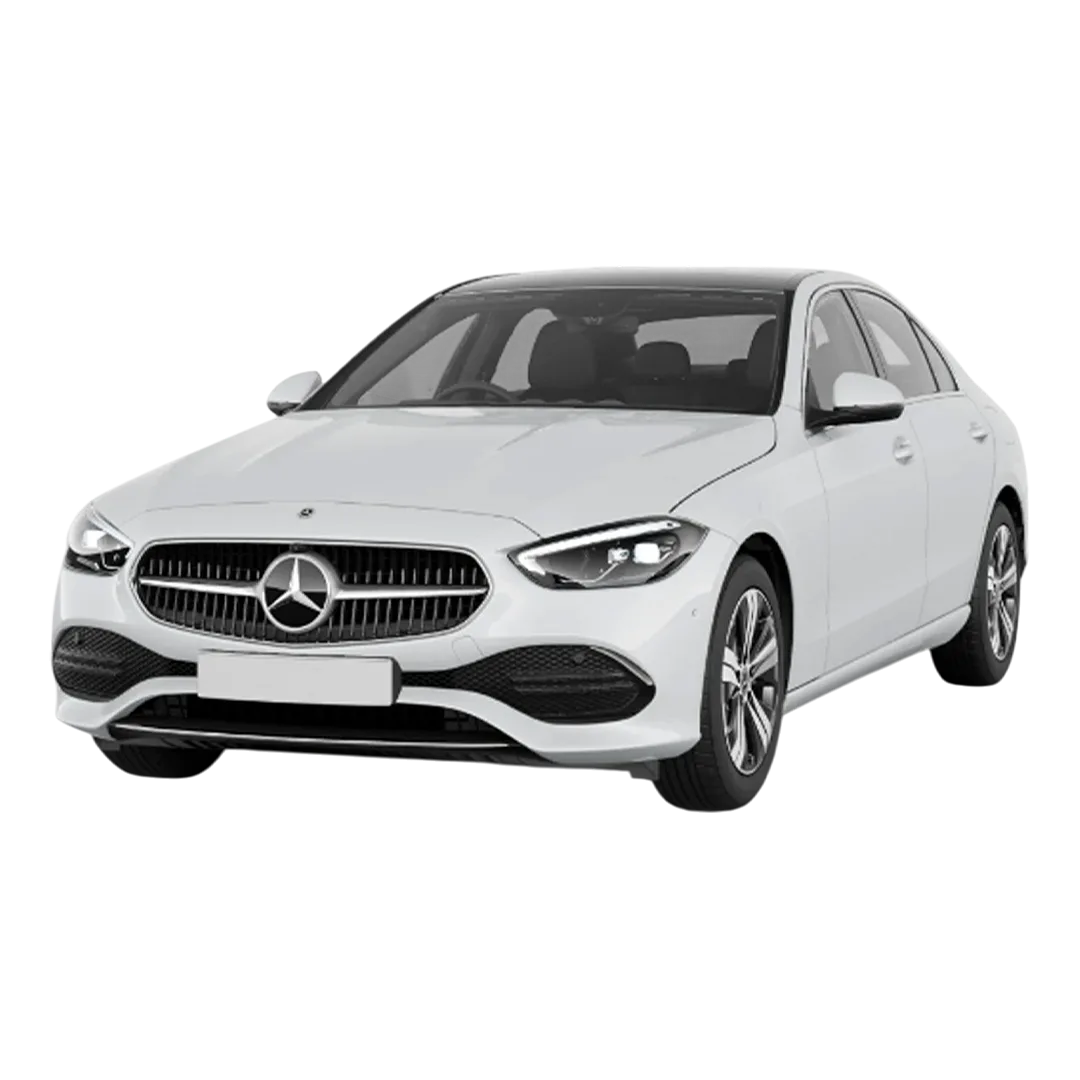
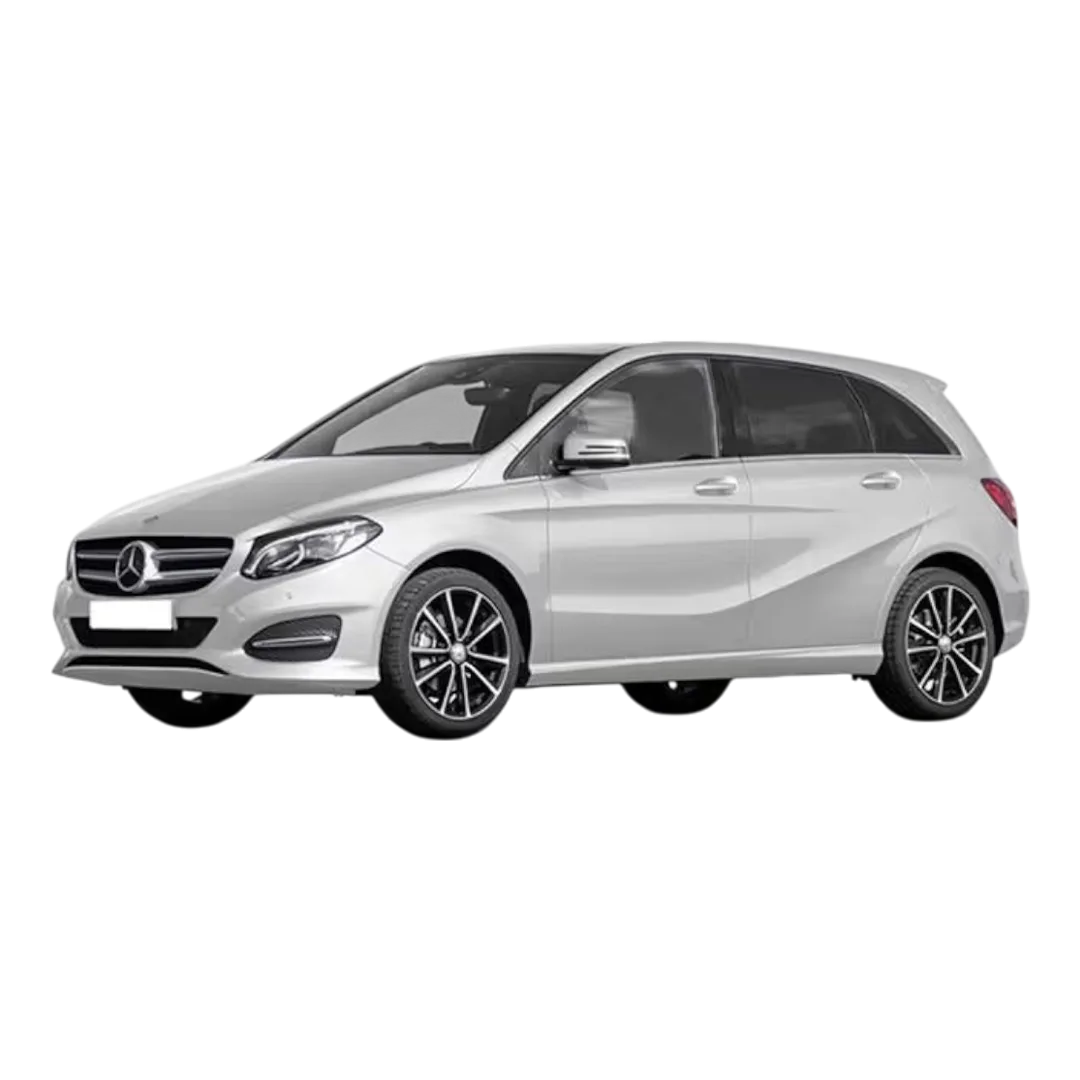
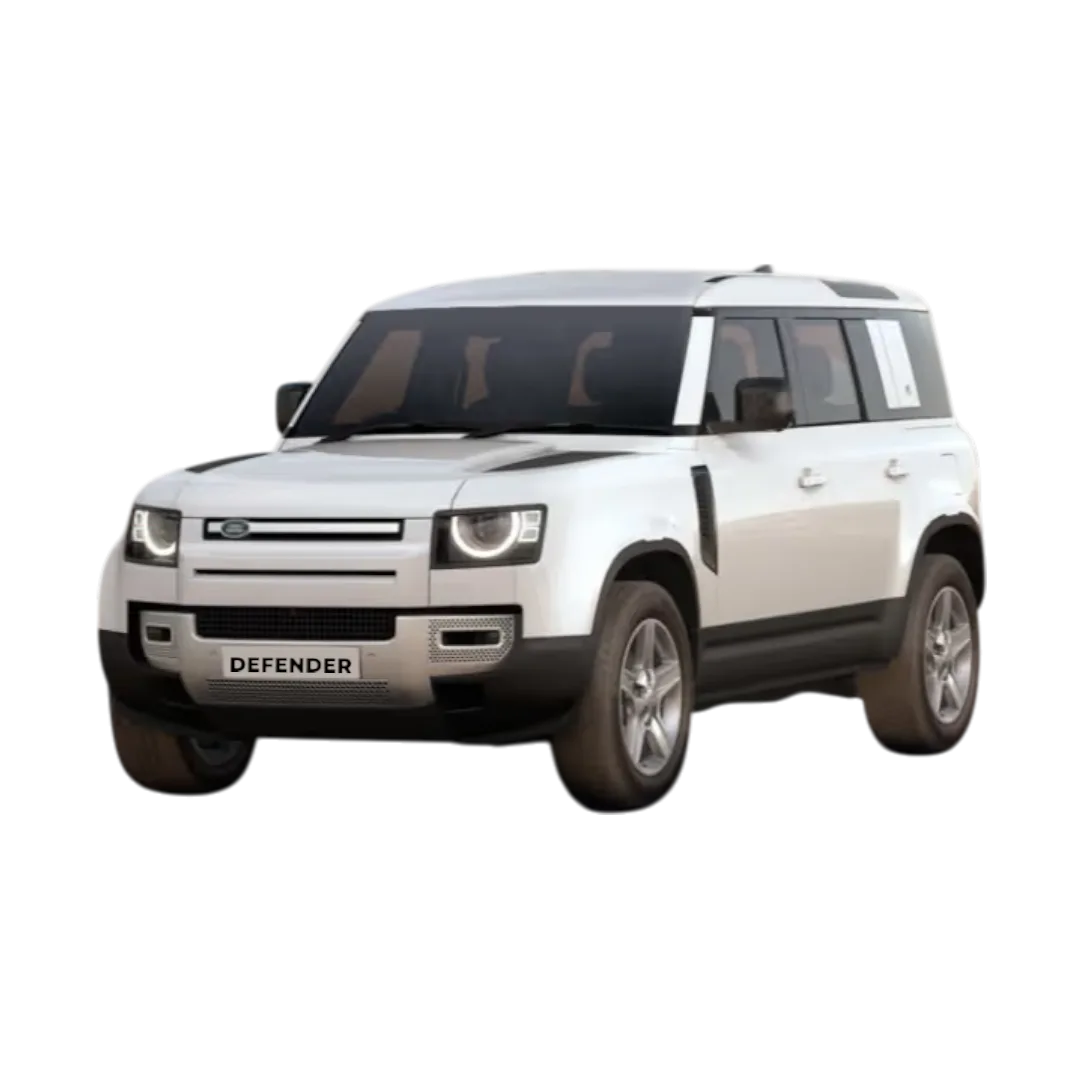
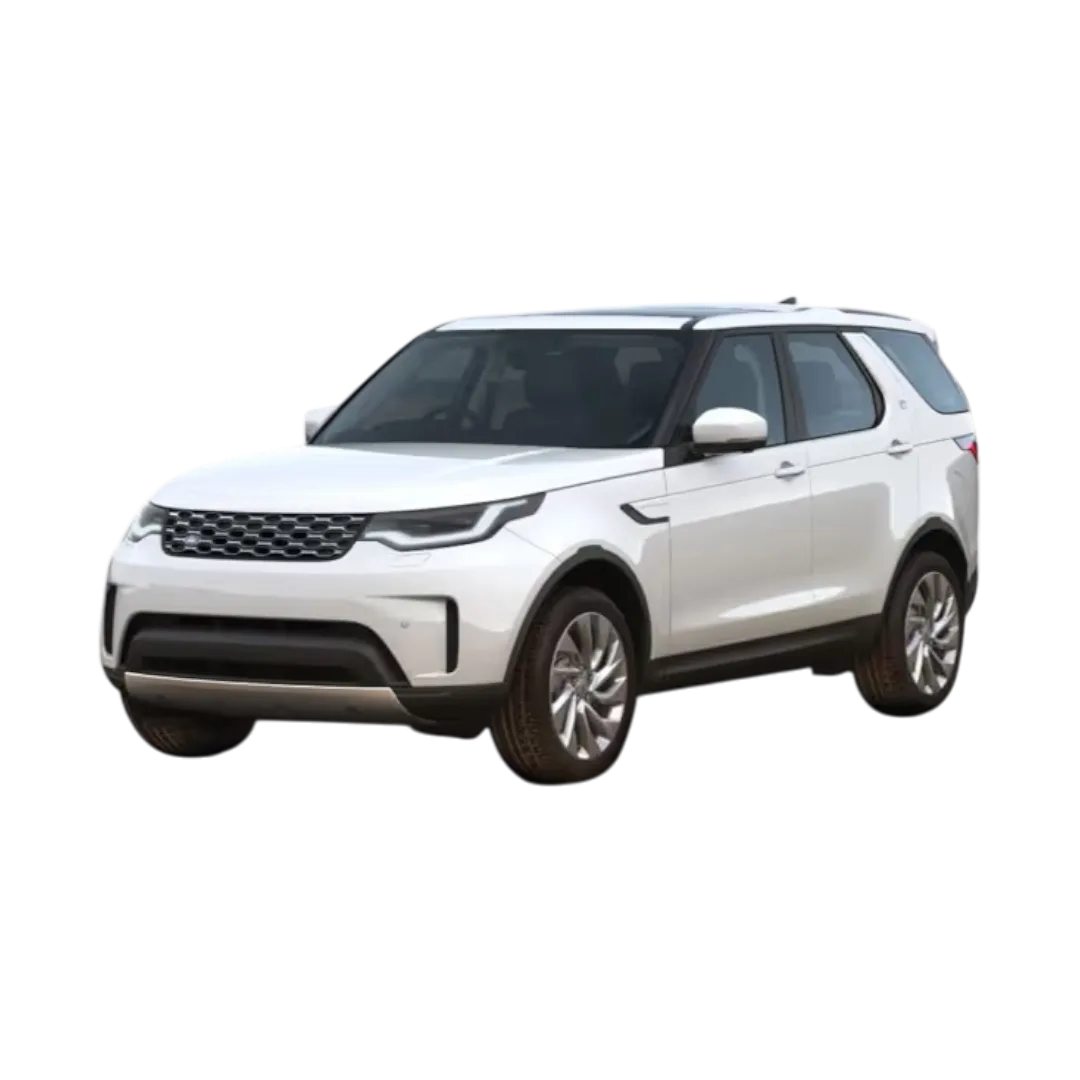
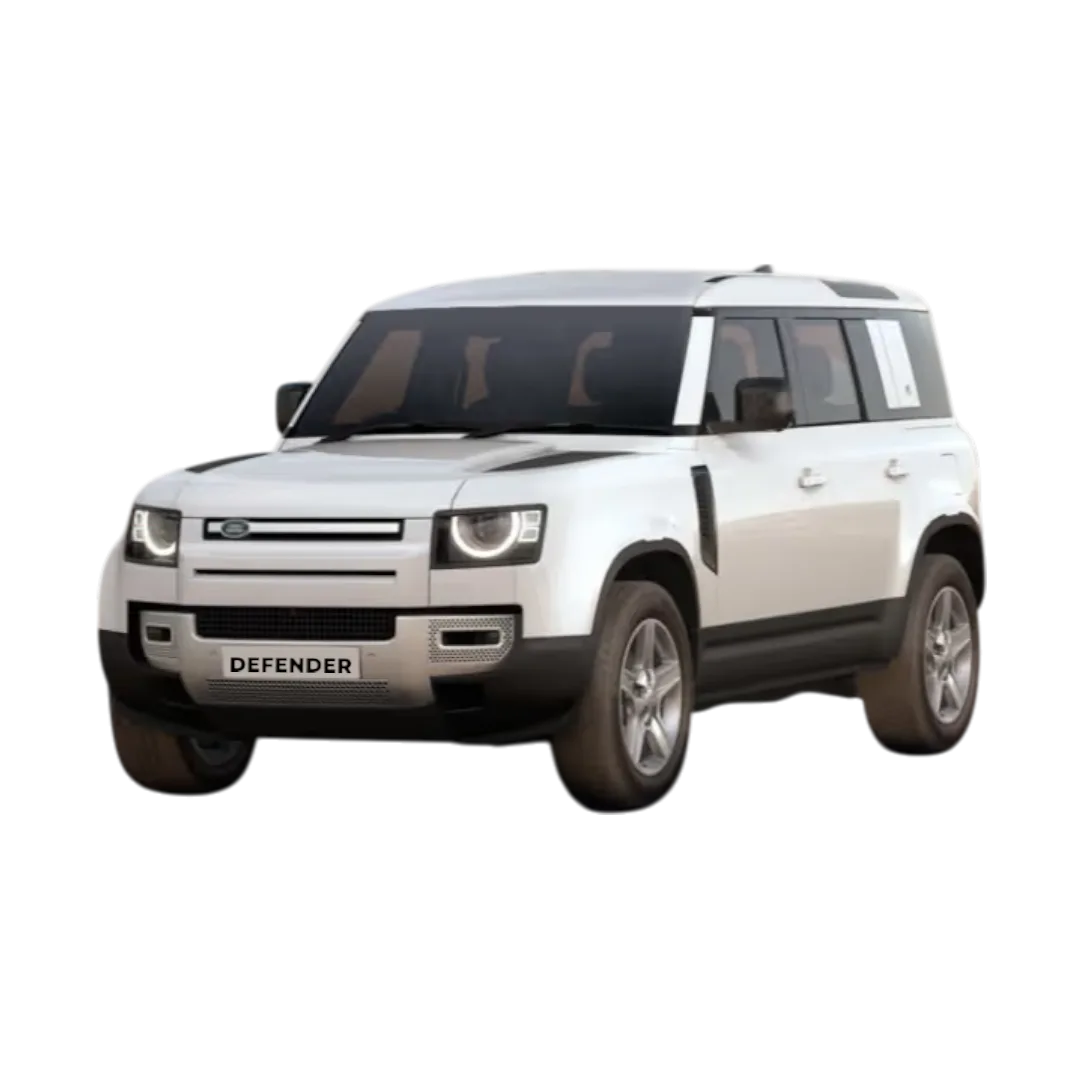
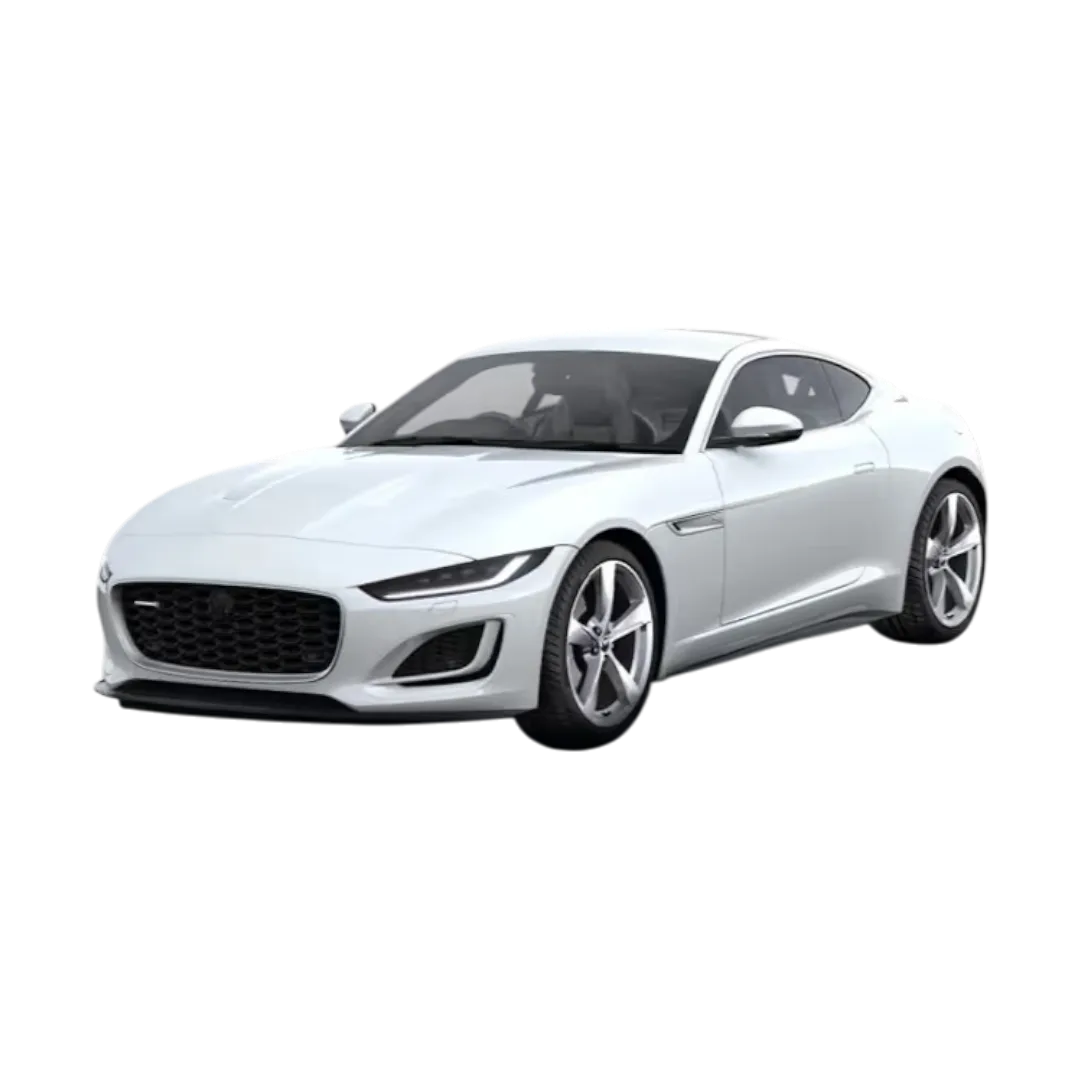
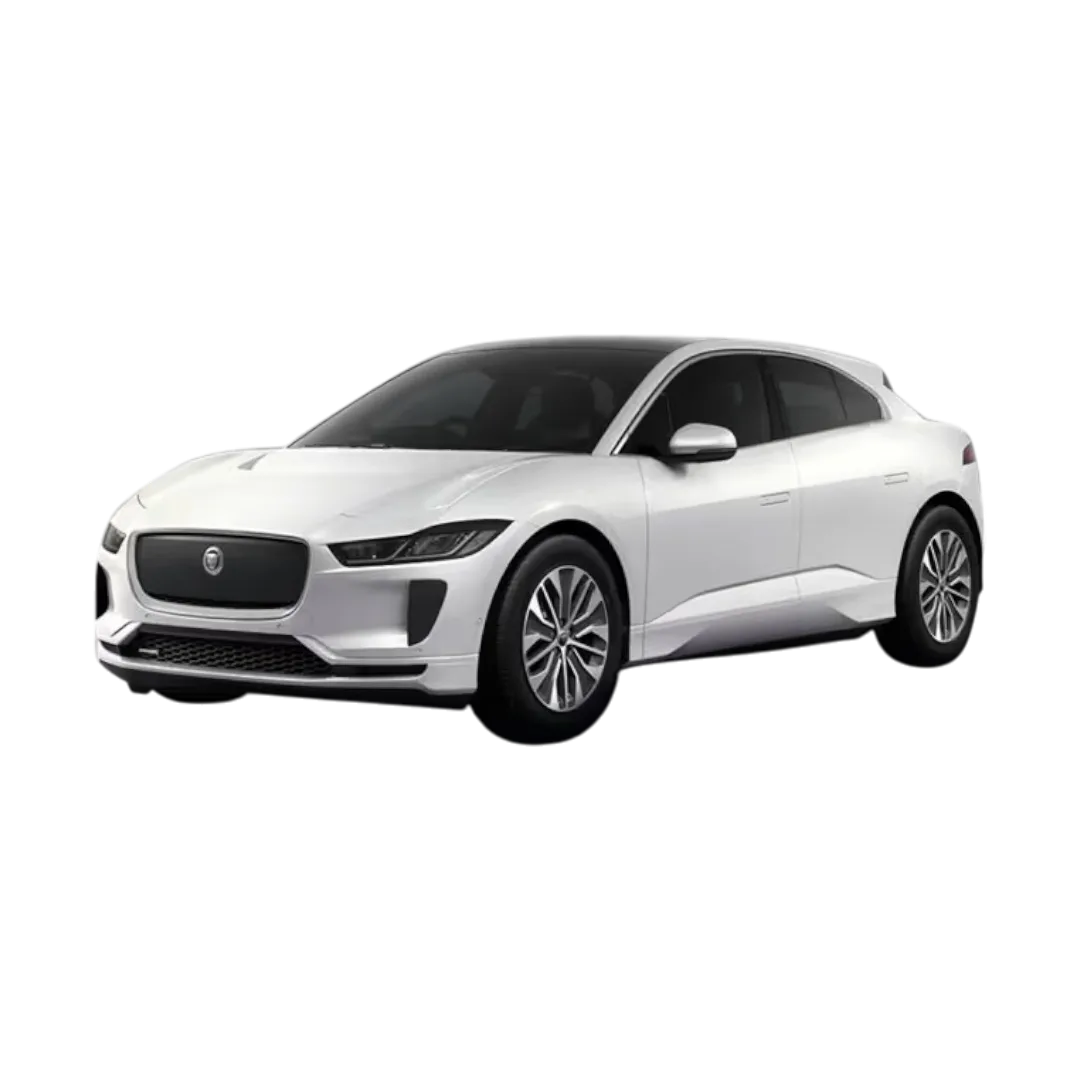
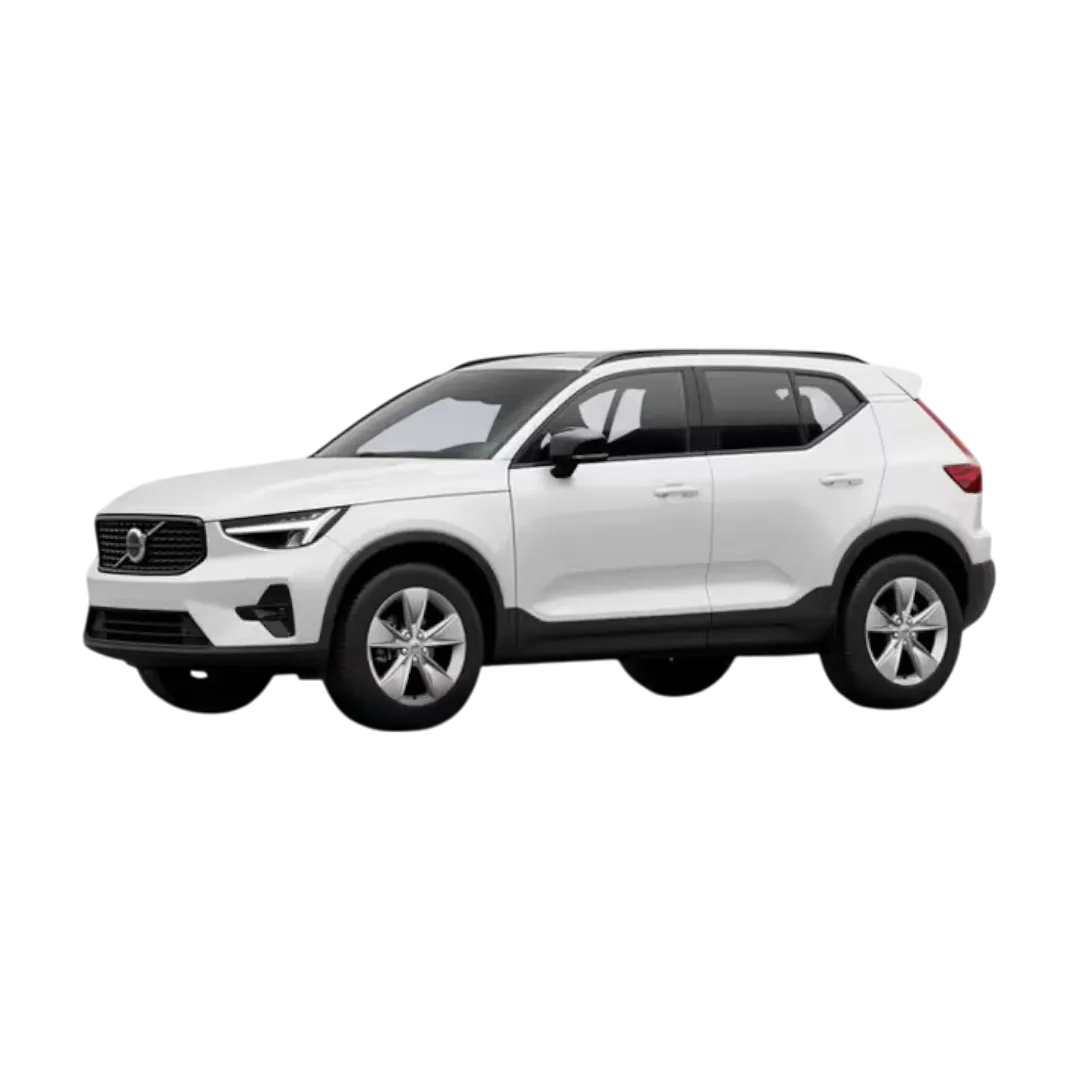
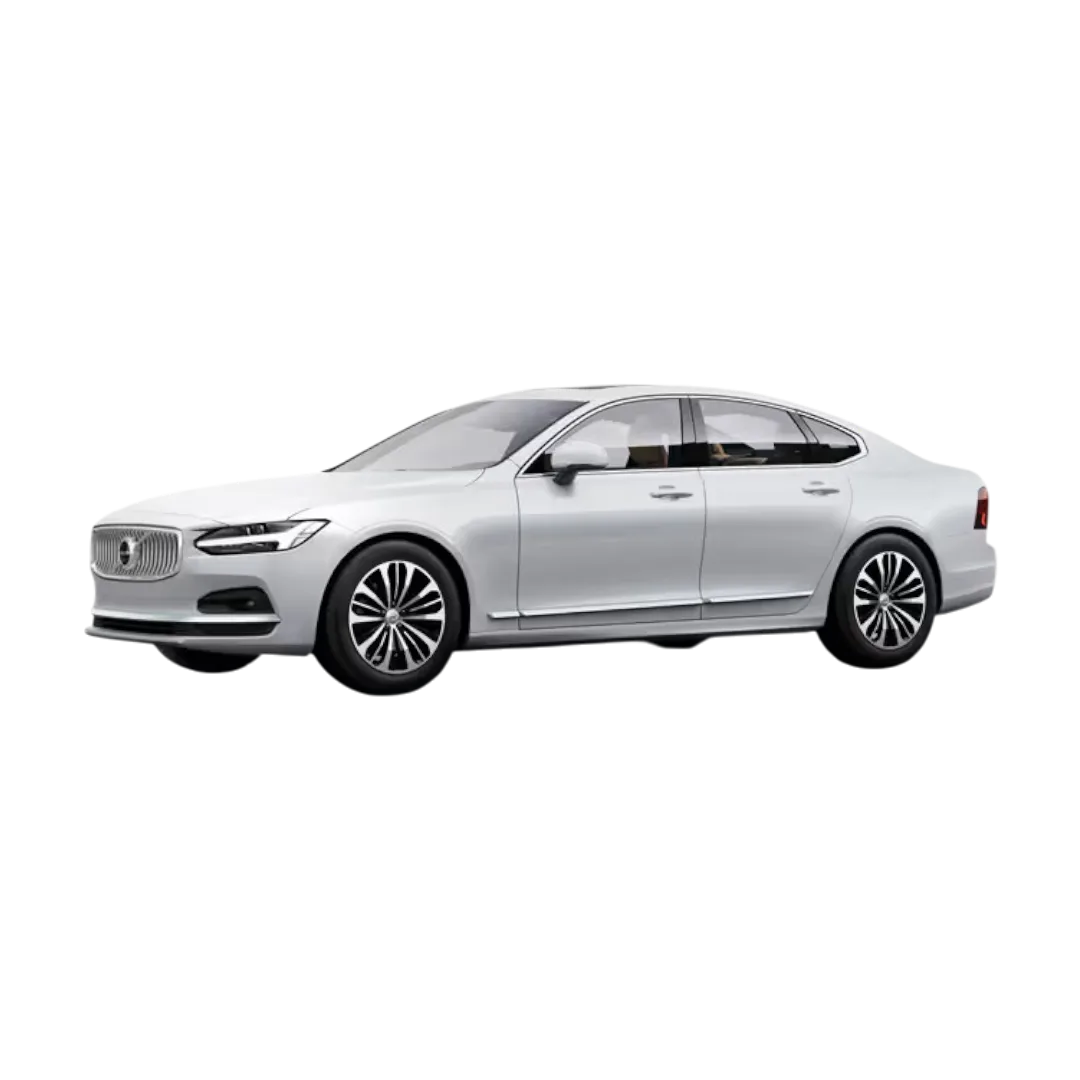
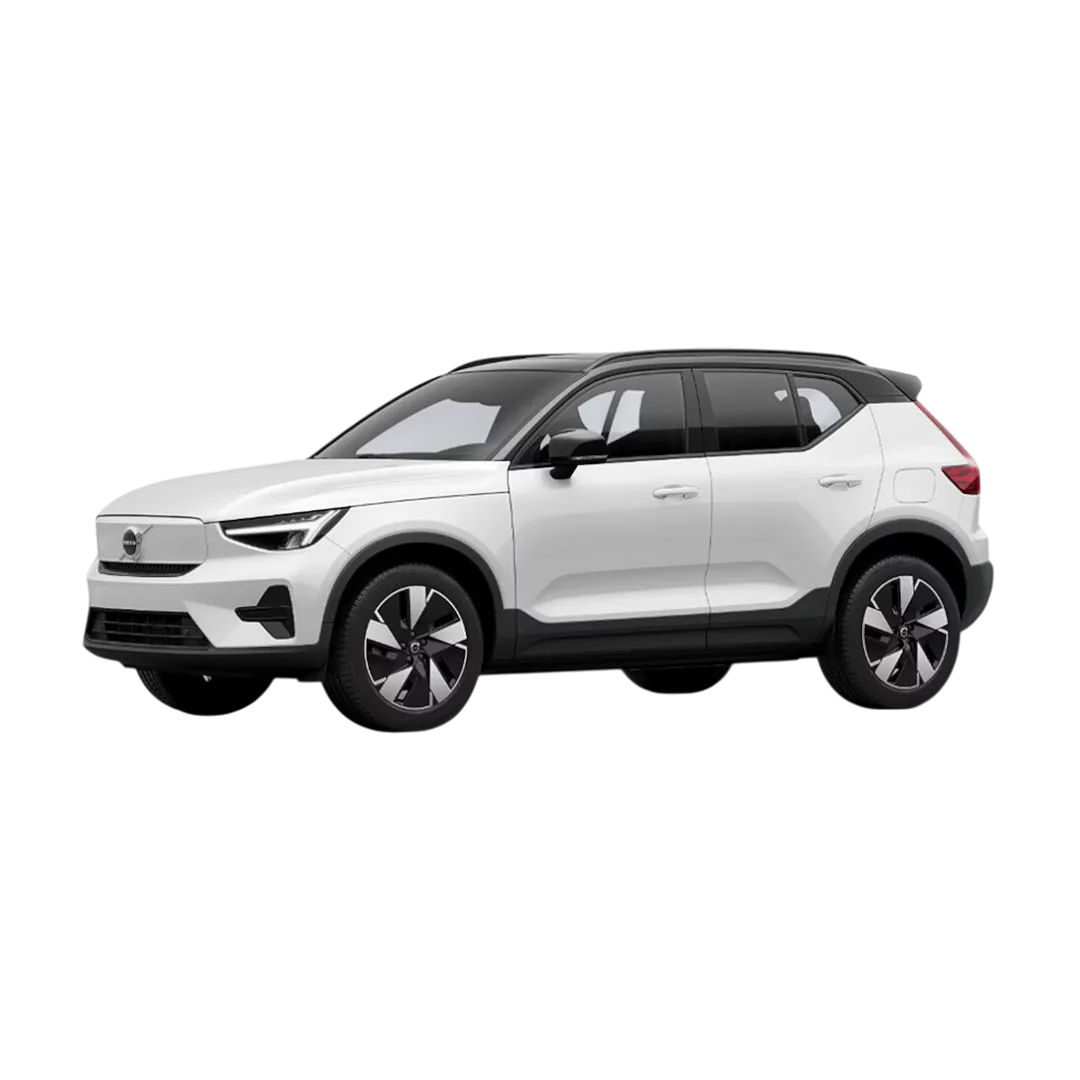
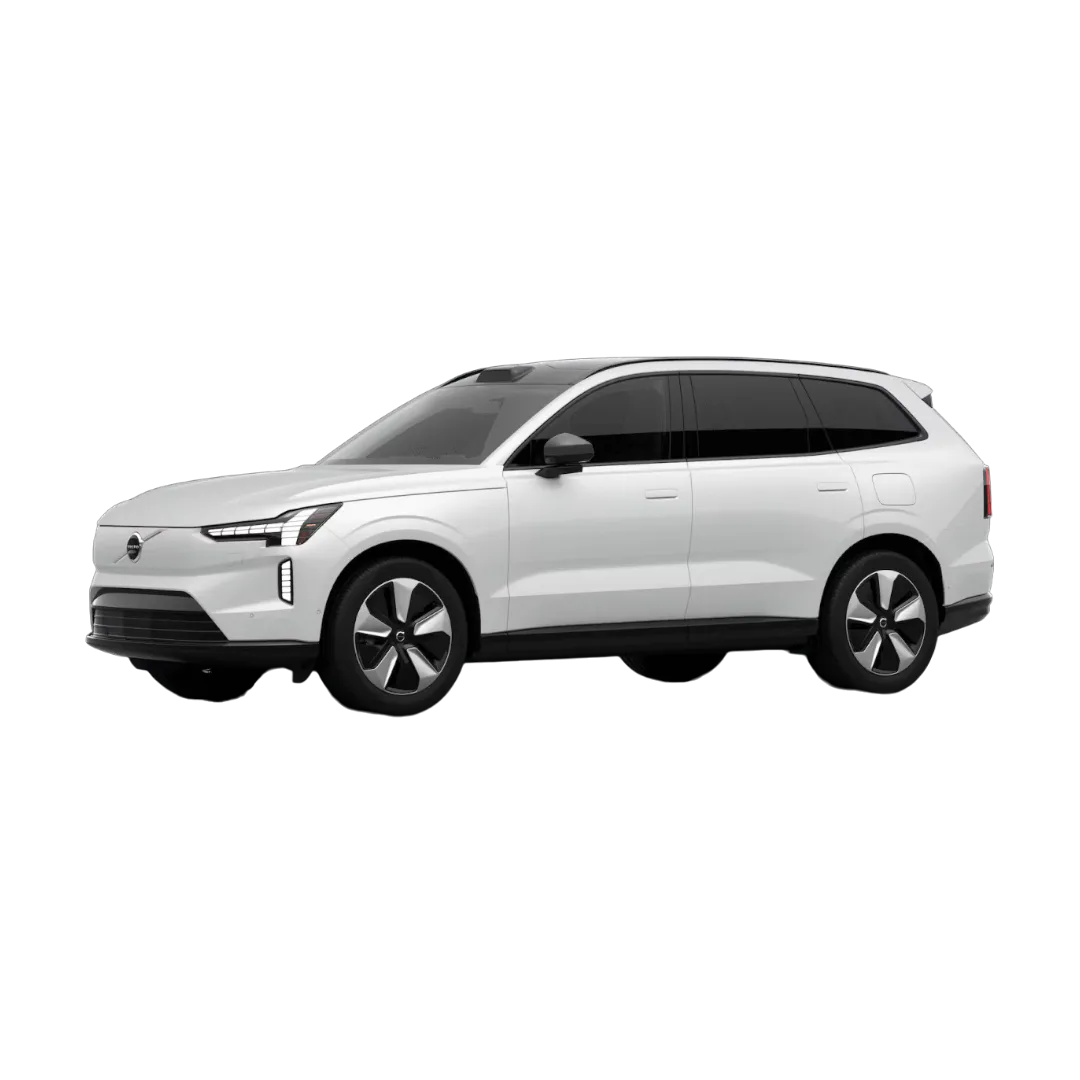
India’s automobile market is changing fast in 2026. The way people choose, buy and use cars is evolving as SUVs continue to gain attention, electric vehicles become more visible on Indian roads, and hybrid cars attract buyers looking for better efficiency without moving fully to an electric vehicle.
The latest numbers show just how active the market has become. SIAM reported 4,39,309 passenger vehicle sales in August 2026, a 36.5% year-on-year increase and the highest August sales recorded by the industry. FADA’s retail data, which tracks vehicle registrations at dealerships and customers, recorded 4,02,398 passenger vehicle retail sales in the same month. The two figures are different because they measure different stages of the vehicle-sales process.
At the same time, the fuel mix is becoming more diverse. In August, CNG, hybrid and electric passenger vehicles together accounted for 41.95% of retail sales, compared with 40.85% for petrol/ethanol. Petrol remained the largest individual fuel category, but the broader shift highlights how quickly consumer choices are expanding.
Let’s look at the biggest car trends shaping India in 2026 and what they mean for everyday car buyers.
Explore the biggest car trends shaping India in 2026.
One of the clearest car trends in 2026 is that Indian buyers now have more choice than ever. The market is no longer simply divided between petrol and diesel. Buyers are increasingly comparing SUVs, compact cars, CNG models, hybrids and EVs based on their driving habits, ownership costs, features and convenience.
The overall passenger vehicle market entered 2026 with strong momentum. SIAM reported that FY2025-26 recorded India’s highest-ever passenger vehicle sales at 46.43 lakh units, up 7.9% over the previous financial year. In Q1 of FY2026-27, passenger vehicle sales reached 1.27 million units, while utility vehicles accounted for about 68% of the segment.
This shows that auto trends in India are being influenced by both product variety and changing consumer priorities. A family buyer may prefer an SUV for cabin space and versatility, while a city commuter may focus more on running costs. An EV buyer may prioritise charging access and battery range, whereas a hybrid buyer may prefer the familiarity of an engine combined with electric assistance.
Technology is also becoming a major part of the purchase decision. Connected features, larger infotainment systems, cameras, digital displays and advanced safety technologies are increasingly visible across different segments.
For buyers, the key lesson is simple: compare the car around your actual usage rather than choosing purely because a particular fuel type or body style is trending.
Discover how SUVs, EVs and hybrids are changing India’s car market.
SUVs, EVs and hybrids are influencing India’s car market in different ways, but together they represent some of the strongest automobile trends in India in 2026.
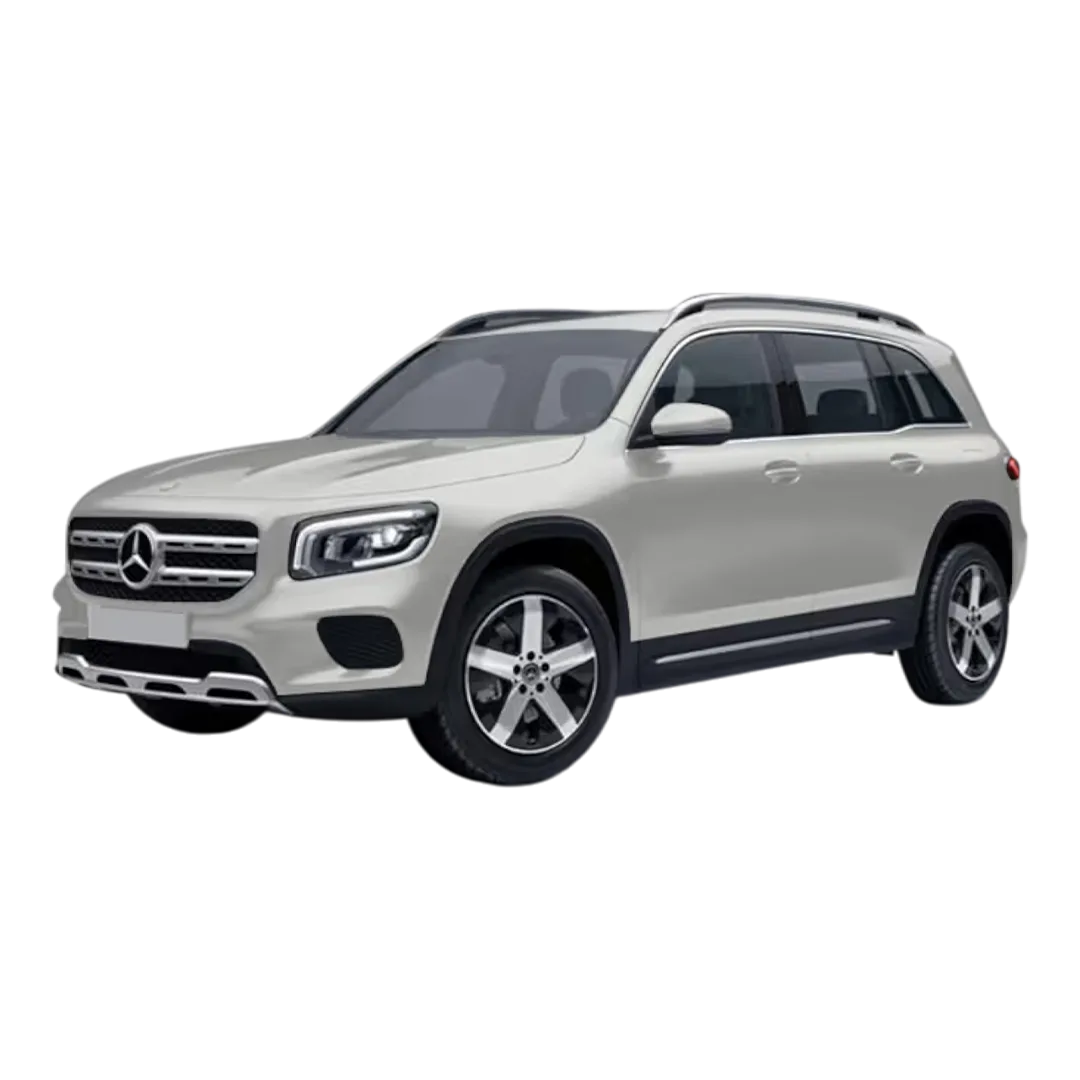
SUV demand remains particularly significant. SIAM’s Q1 FY2026-27 data showed utility vehicles accounting for around 68% of passenger vehicle sales. During April-August 2026, utility vehicle sales also remained a major driver of passenger vehicle demand.
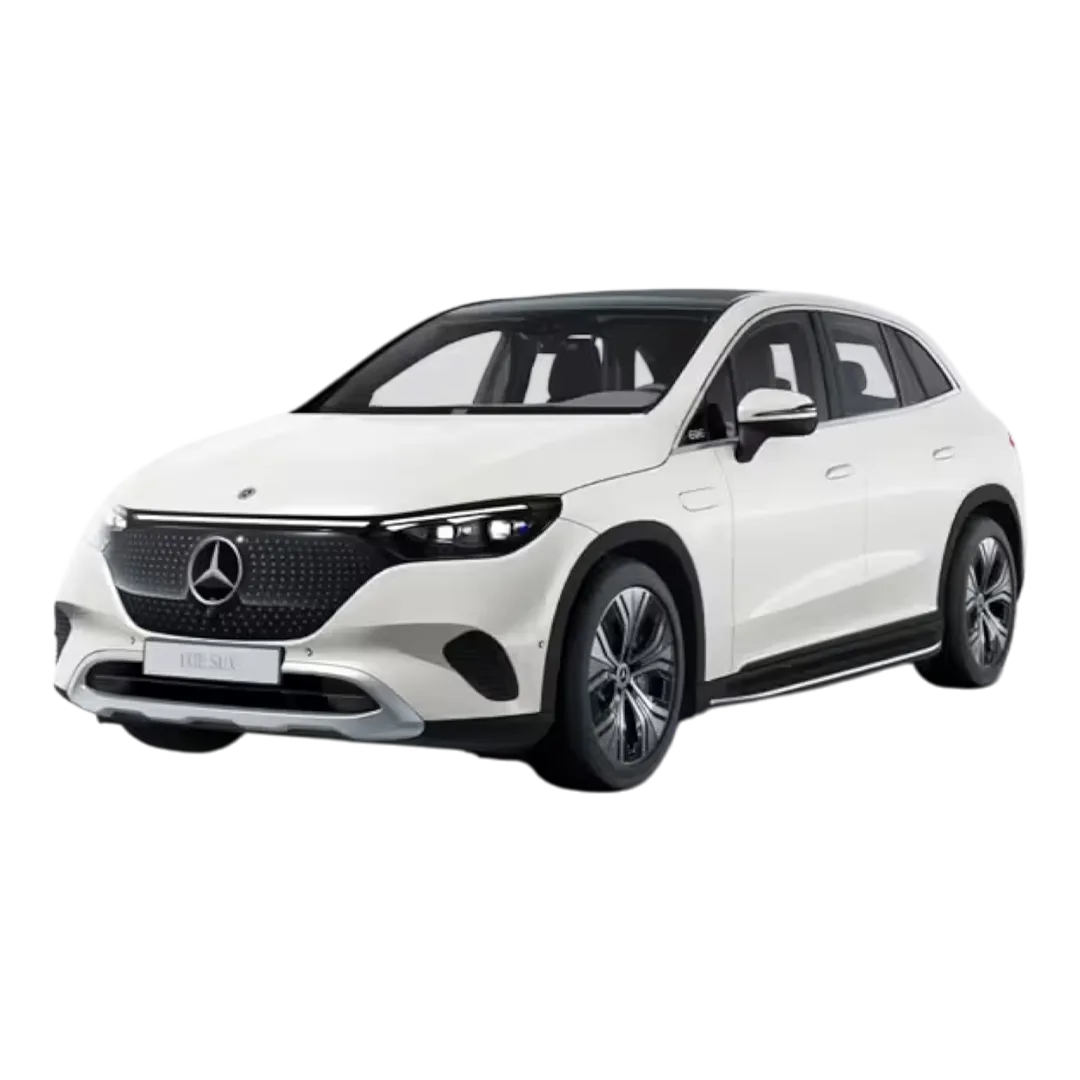
Electric vehicles are also moving beyond being a niche option. In July 2026, passenger EV retail sales reached 32,928 units, up 83.1% year on year, according to FADA data. By August, EVs represented 7.63% of passenger vehicle retail sales.
Hybrid cars are becoming another important choice. August 2026 retail data put hybrids at 9.04% of passenger vehicle sales. That makes hybrids relevant for buyers who want improved efficiency while retaining the flexibility of a conventional powertrain.
| Trend | What is driving interest | What buyers should consider |
|---|---|---|
| SUVs | Space, higher seating position, road presence and versatility | Size, mileage, parking and city usage |
| EVs | Electric driving, technology and running-cost considerations | Charging access, range and ownership needs |
| Hybrids | Fuel-efficiency potential with engine-based flexibility | Price premium, usage pattern and long-term ownership |
| CNG | Running-cost considerations and established availability | CNG availability and boot-space requirements |
The latest trends driving India’s automobile market in 2026.
The biggest change in India’s auto market is not simply the growth of one fuel type. It is the diversification of consumer demand.
FADA’s August 2026 data showed CNG at 25.28%, hybrid at 9.04% and EVs at 7.63% of passenger vehicle retail sales. Together, these alternatives represented 41.95%, slightly ahead of petrol/ethanol at 40.85%. Petrol was still the largest individual category, but the combined alternative-fuel share illustrates how the market is evolving.
The shift has also continued across other vehicle categories. FADA data showed electric two-wheeler penetration reaching 10.68% in August, while electric three-wheelers reached 65.30%. In commercial vehicles, EV penetration reached 5.18%. This suggests that electrification is progressing differently depending on the vehicle’s use case.
Government support and charging infrastructure are another part of the story. The PM E-DRIVE programme has been extended to March 31, 2028 for relevant segments, with provisions covering electric mobility and charging infrastructure. The Ministry of Heavy Industries also continues to publish scheme updates and approved EV models.
For Indian buyers, this means the car market is becoming more choice-driven. There is no single powertrain that fits every driver. Daily distance, access to charging or CNG, highway usage, family requirements and ownership duration all matter.
See what’s shaping the future of cars in India.
The future of cars in India will likely be shaped by a combination of electrification, software, safety technology, connectivity and more diverse powertrain choices.
Electric mobility is receiving continued industry and policy attention. At SIAM’s September 2026 convention, discussions around sustainable mobility highlighted electric vehicles, biofuels, green hydrogen, charging infrastructure and advanced mobility technologies as important parts of India’s longer-term automotive direction.
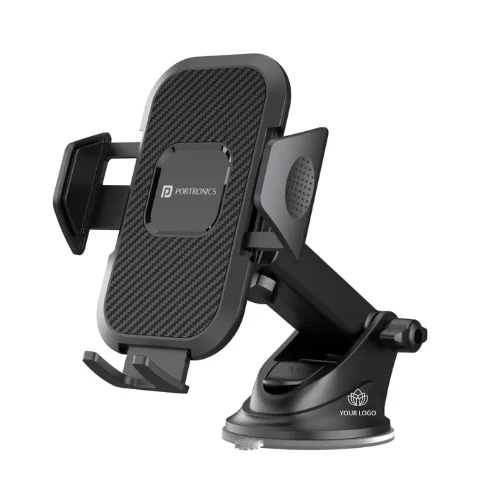
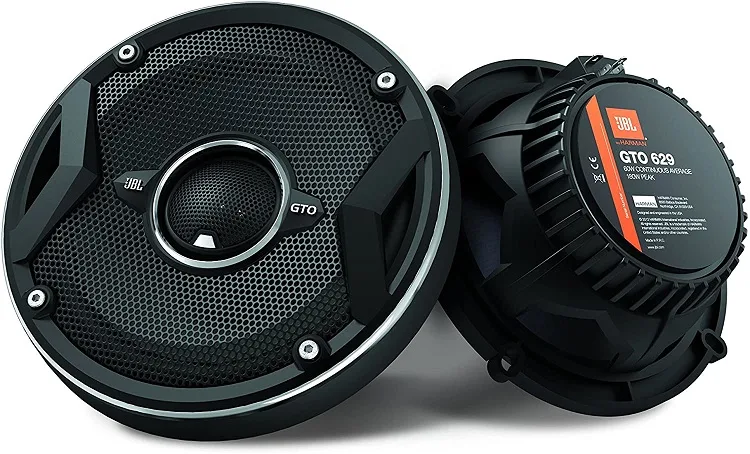
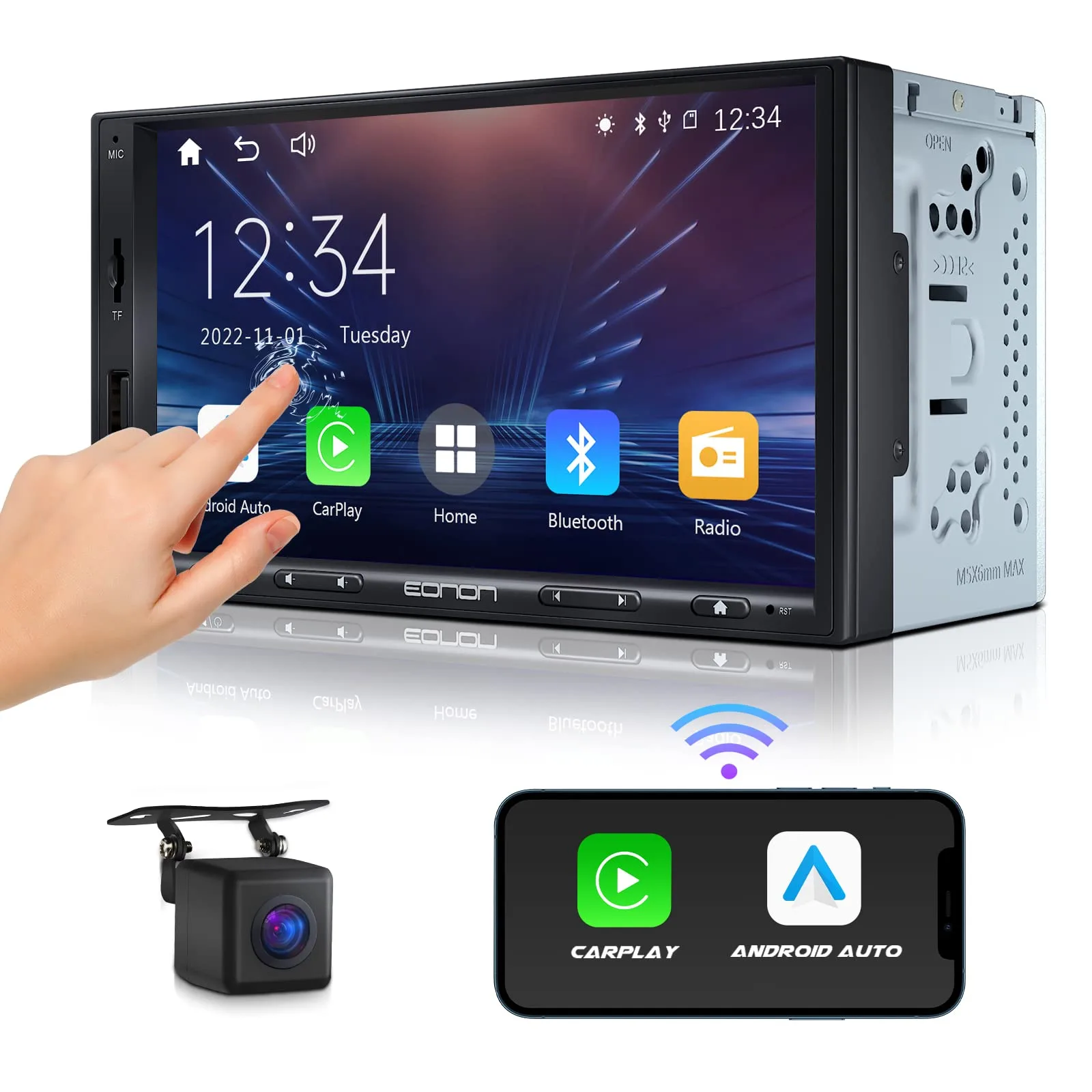
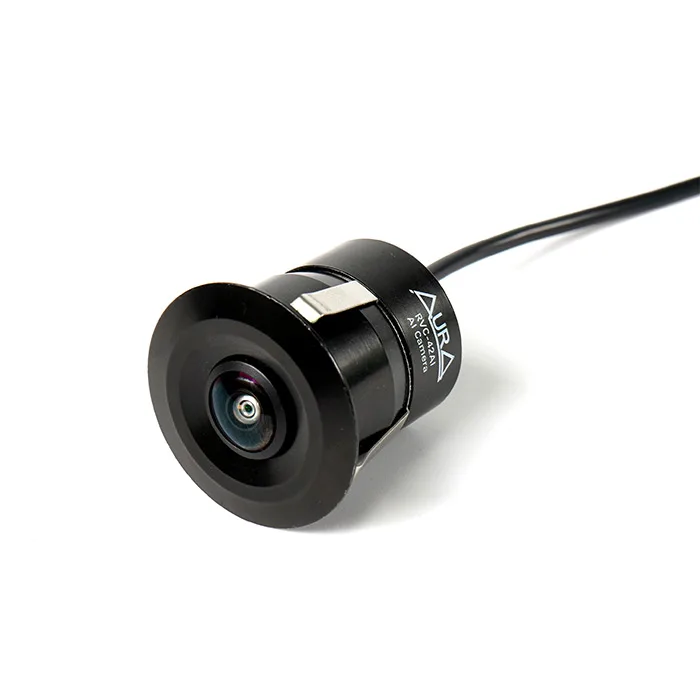
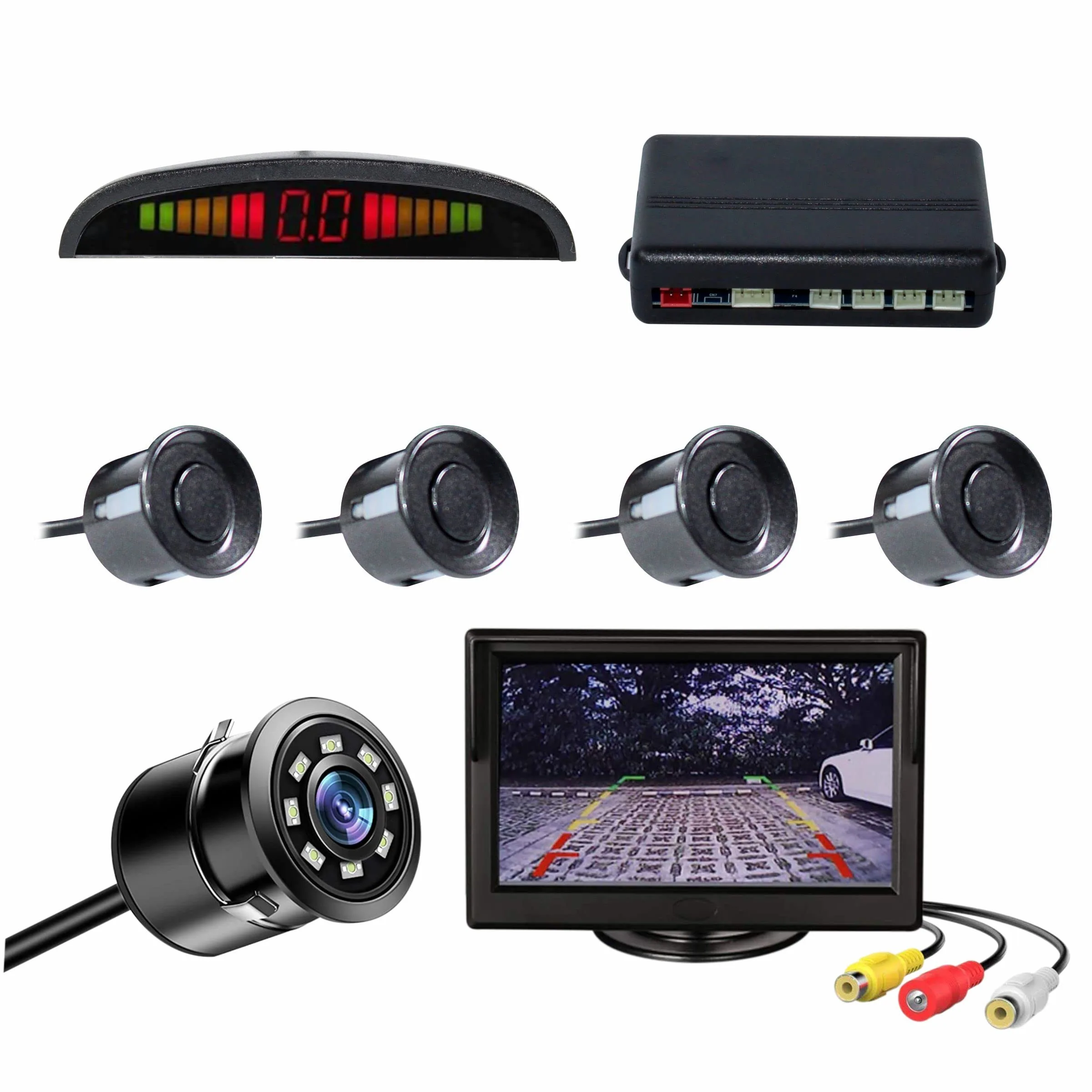
At the vehicle level, technology is becoming just as important as the powertrain. Buyers increasingly look for features such as connected services, large displays, digital instrument clusters, 360-degree cameras, wireless smartphone integration and driver-assistance systems. This also changes how people think about accessories.
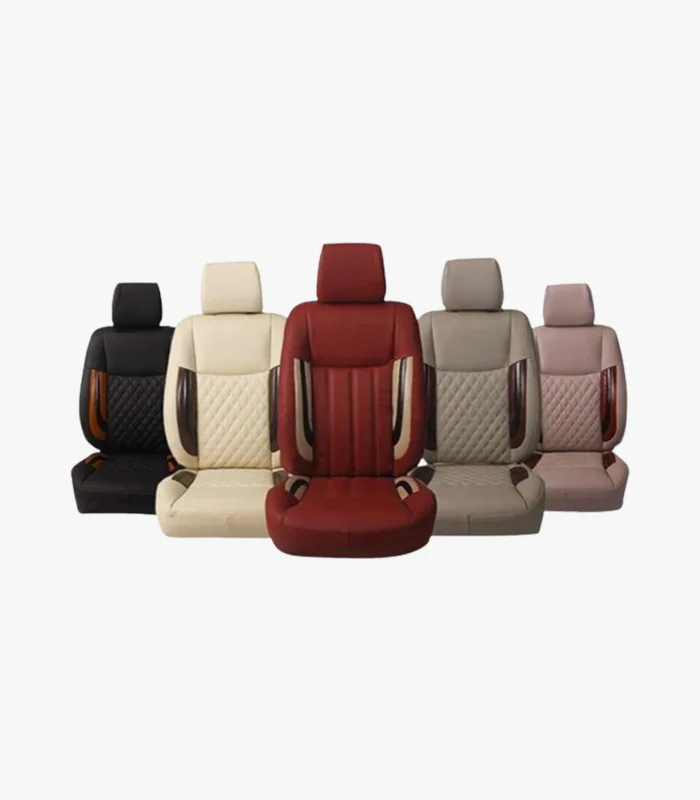
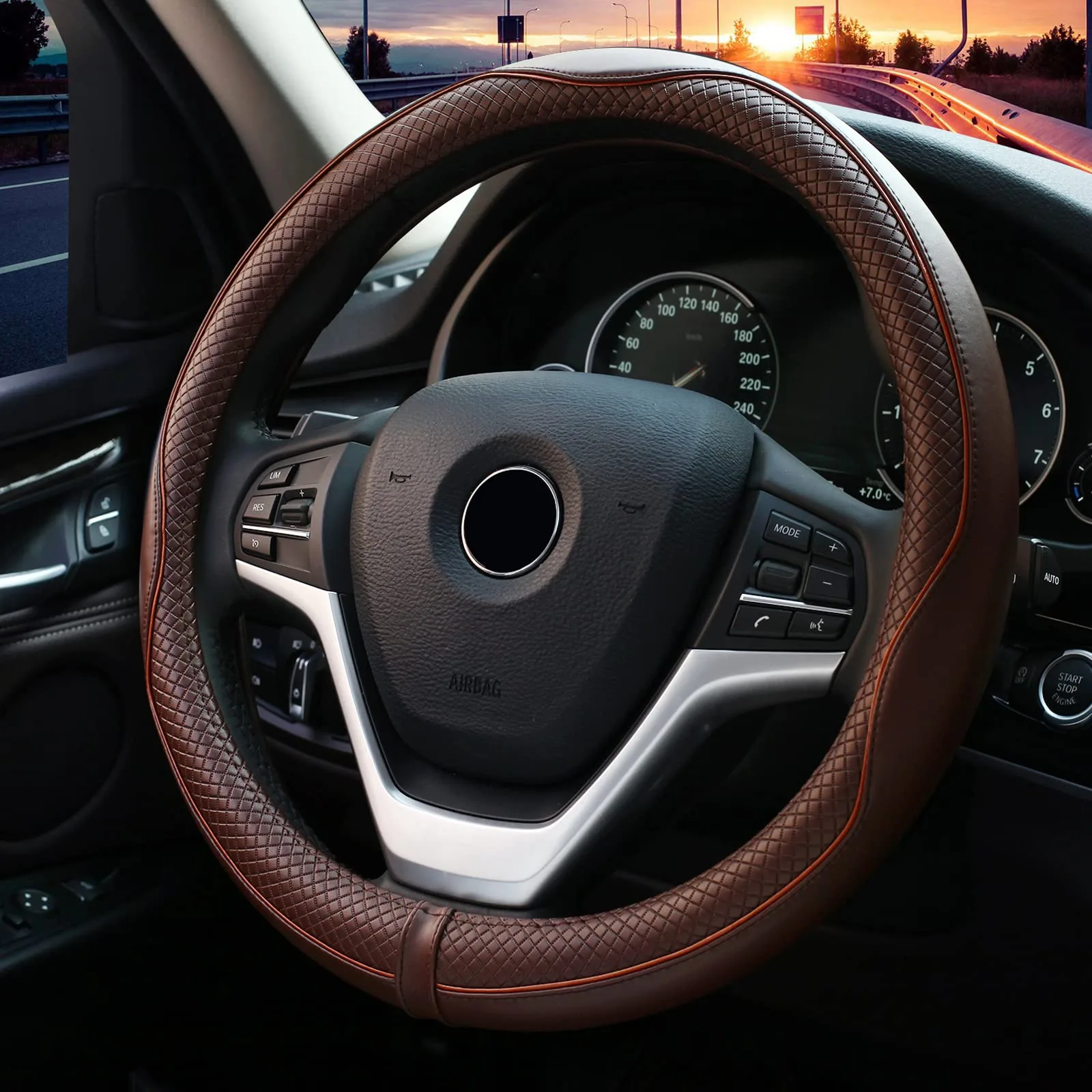
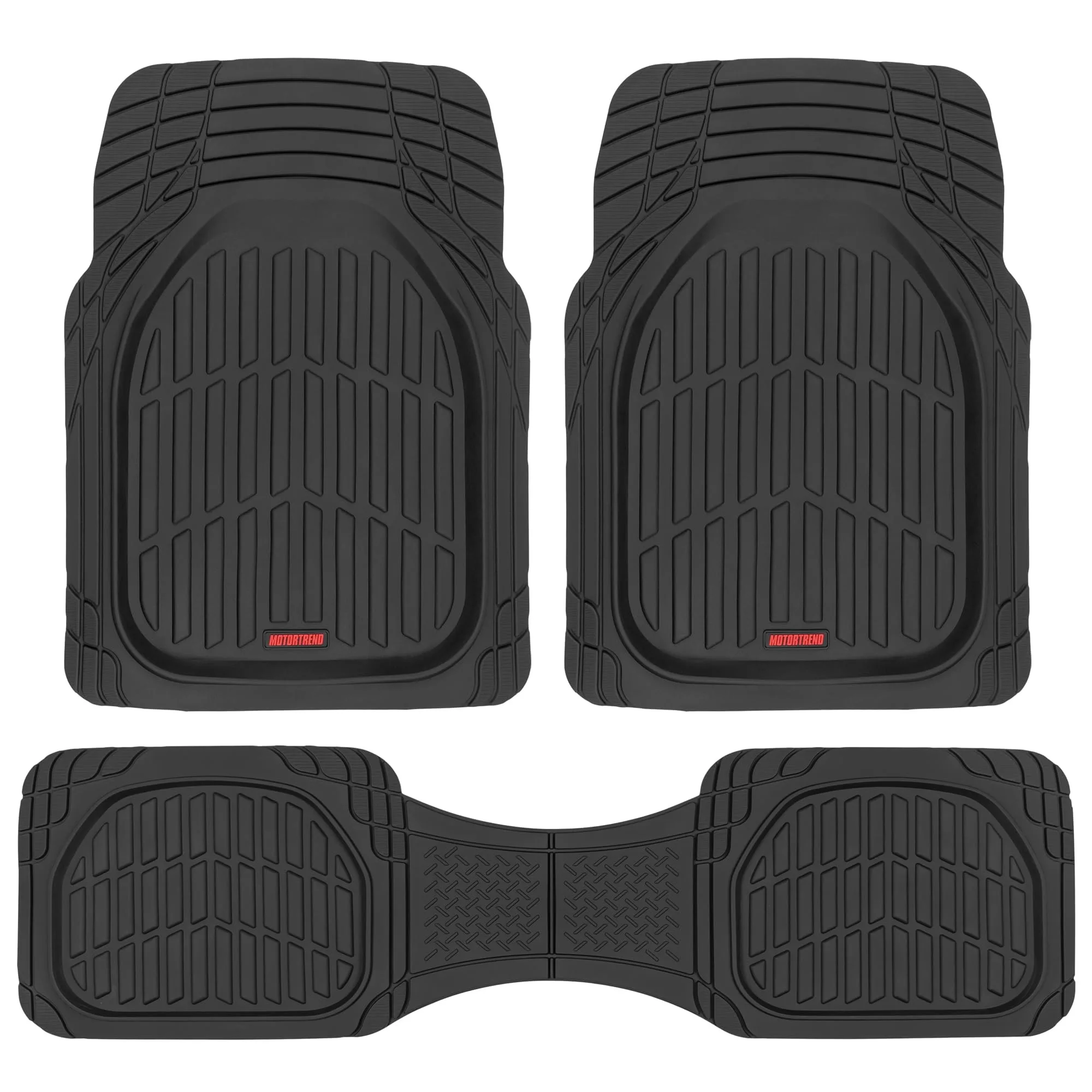
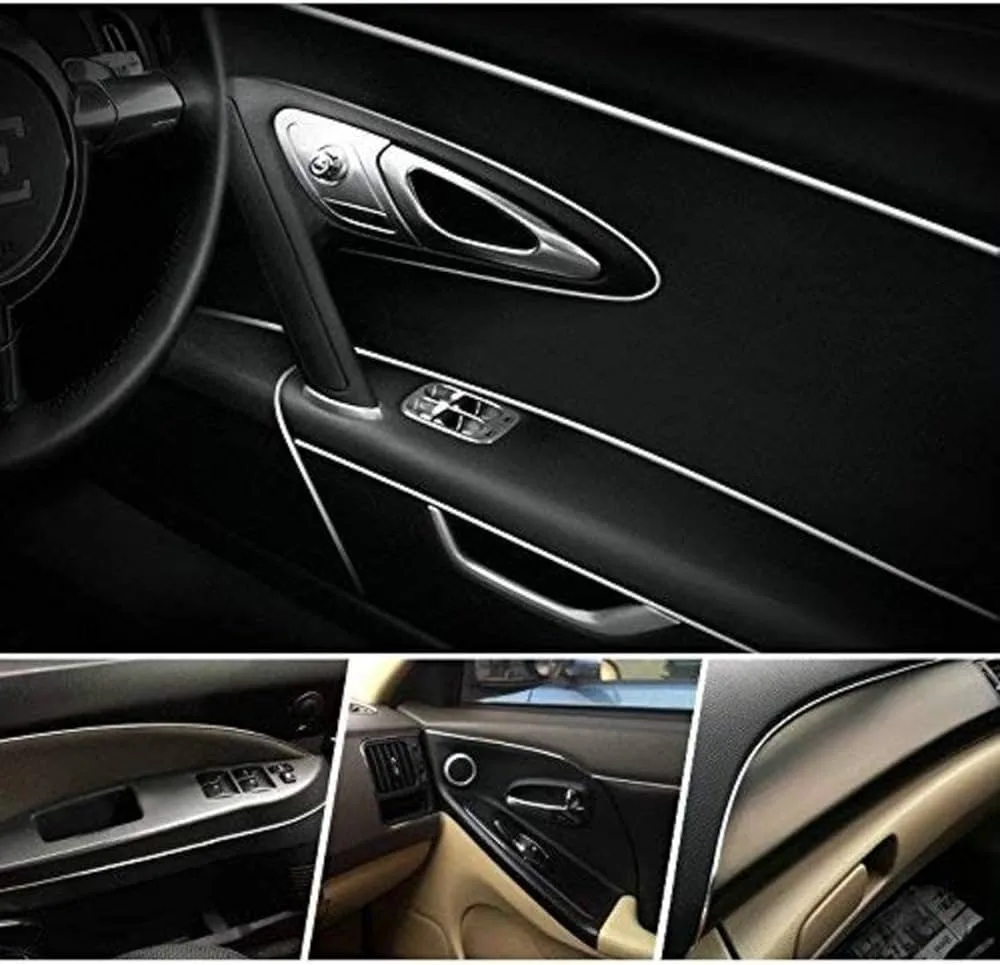
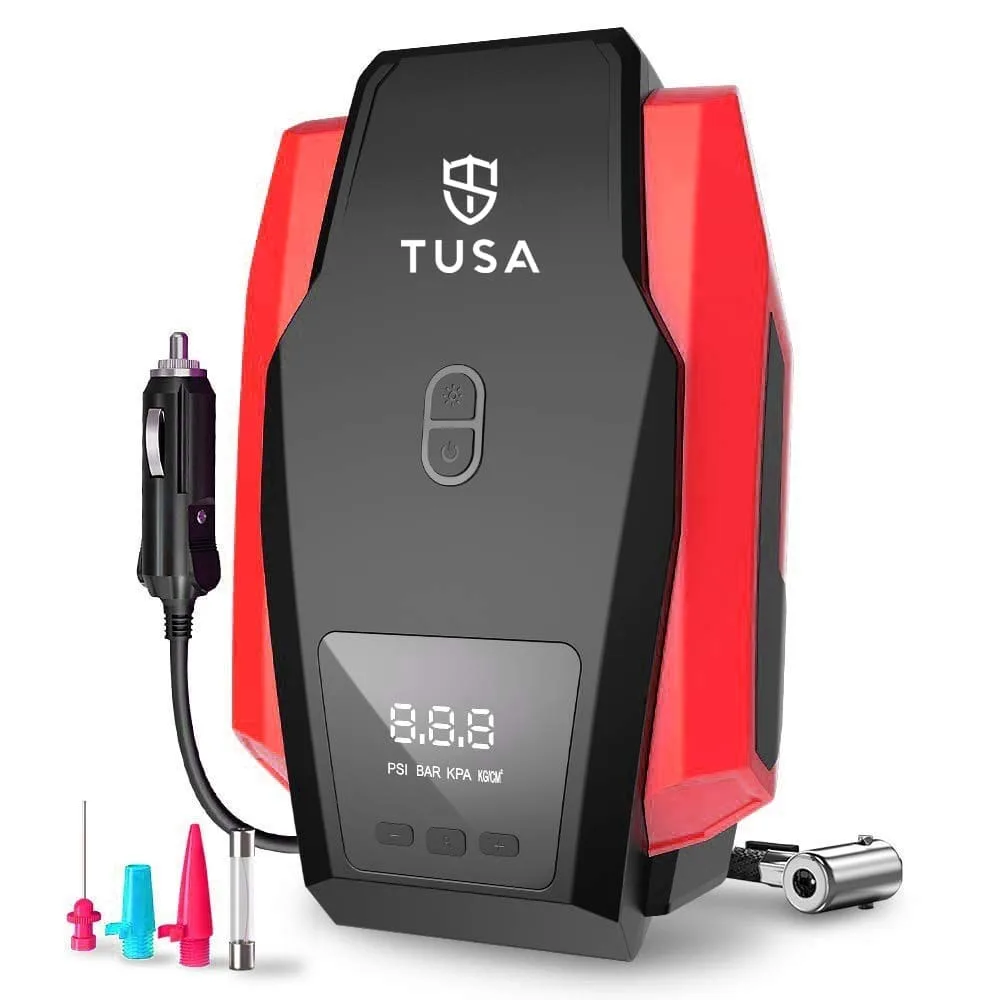
For example, an EV owner may prioritise charging-related convenience, organisers, protective floor mats and a tyre inflator. SUV owners may focus on floor protection, dash cameras, roof accessories, exterior styling and interior comfort. These choices show that car accessories in India are becoming closely connected to how individual vehicles are used.
For brands such as Creckk, this creates an opportunity to make accessory shopping more vehicle-specific. Instead of browsing hundreds of generic products, customers increasingly want to know whether an accessory will fit their exact car.
The next phase of the automotive industry is therefore likely to be about personalisation as much as electrification. Cars are becoming smarter, and buyers are becoming more informed about what they actually need.
From SUVs to EVs, discover India’s biggest car trends.
From the continued popularity of SUVs to the growing presence of EVs and hybrids, car market trends in 2026 show that Indian consumers are becoming more selective about what they buy.
SUVs continue to benefit from demand for space, practicality and a commanding driving position. EVs are gaining visibility as more models enter the market and charging infrastructure develops. Hybrid cars provide another path for buyers who want efficiency without relying entirely on external charging.
The data also shows that the transformation is happening gradually rather than overnight. Petrol remains a major part of the market, while CNG, hybrid and electric vehicles are taking a larger combined share. In August 2026, alternative fuels collectively moved ahead of petrol in passenger vehicle retail share for the first time, although petrol remained the largest individual category.
For car owners, these trends go beyond choosing a new vehicle. They affect maintenance, driving habits, accessories and everyday convenience.
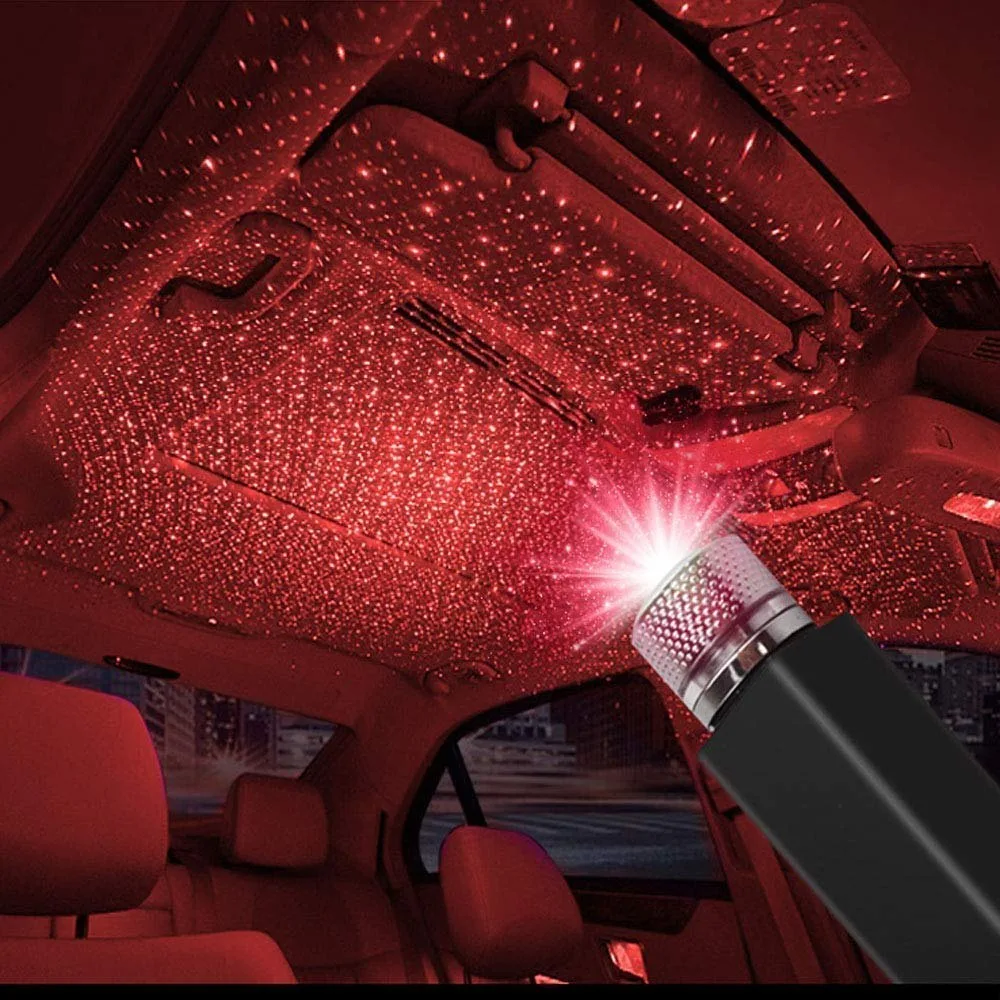
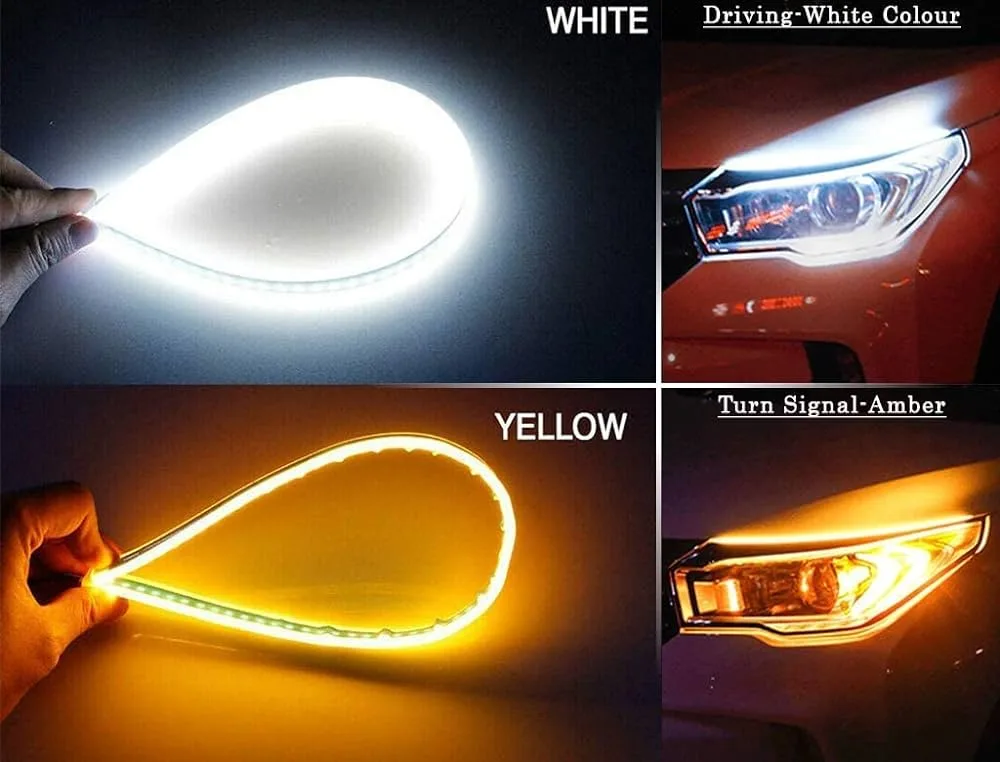
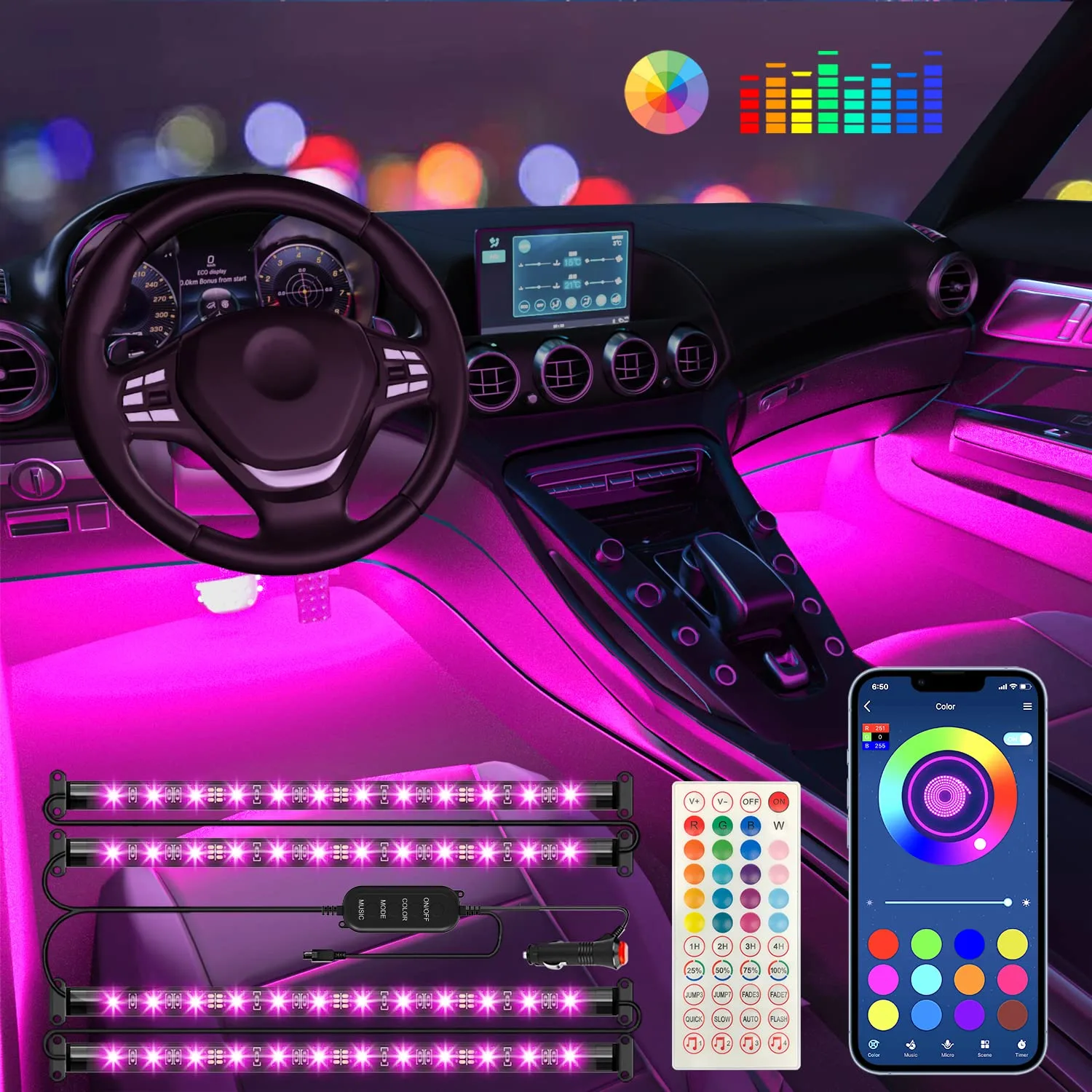
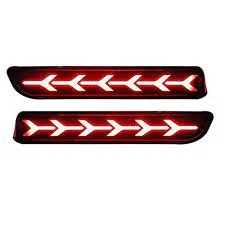
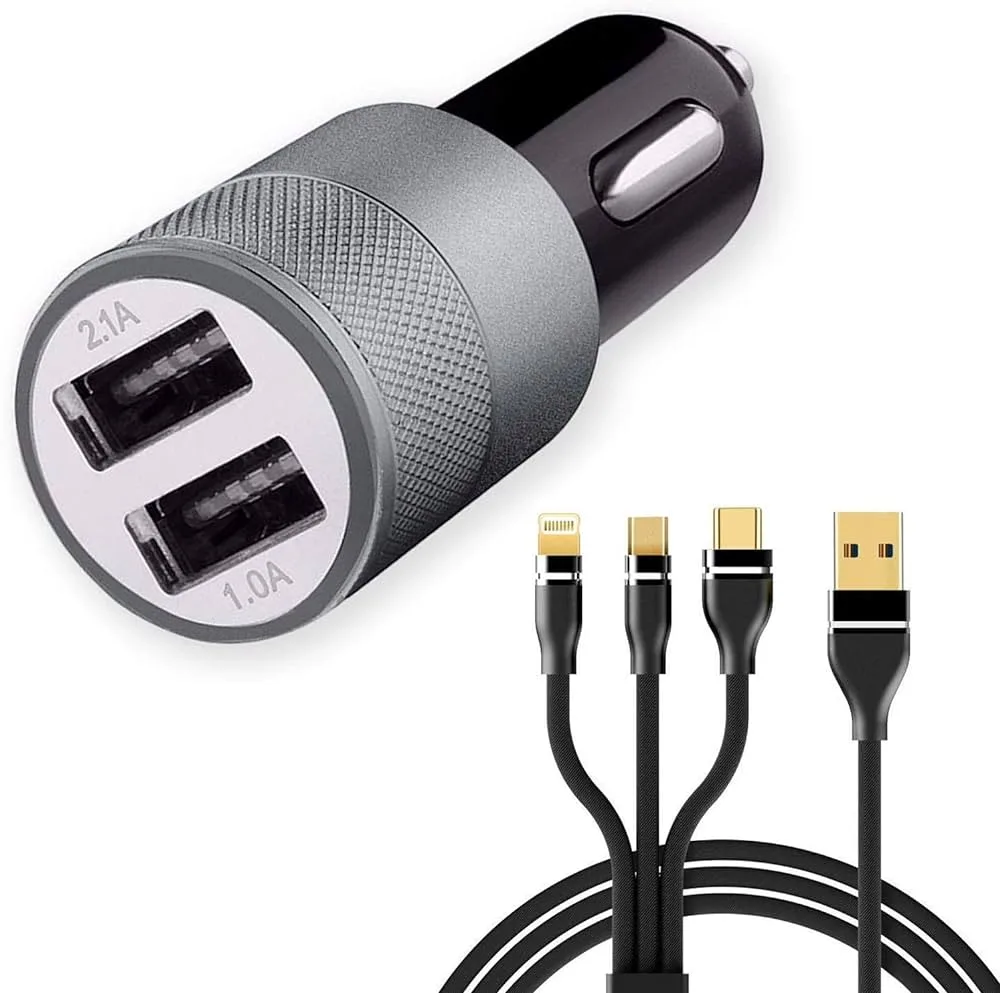
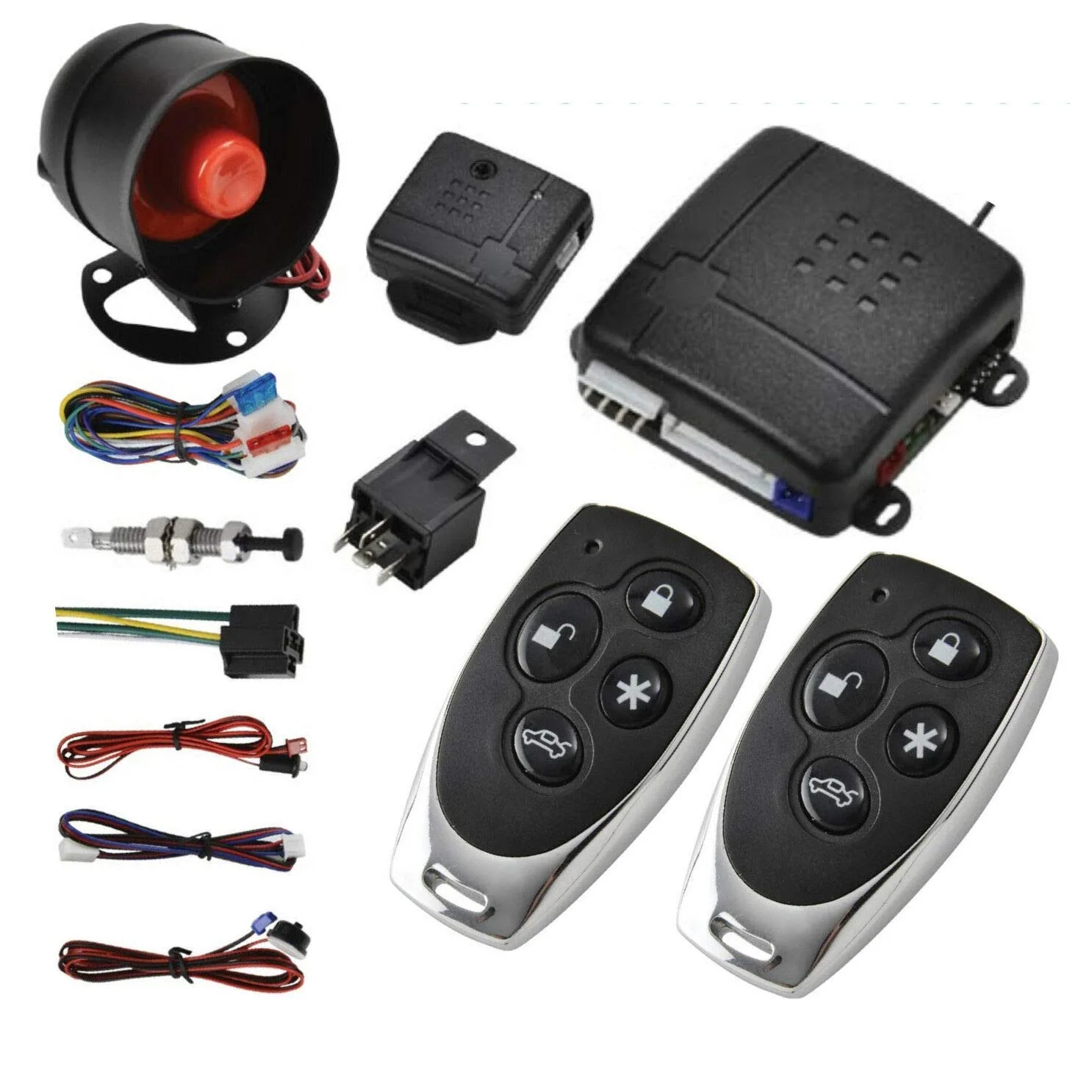
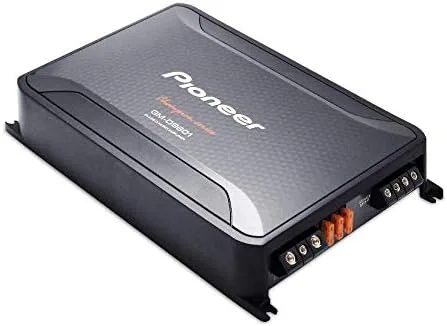
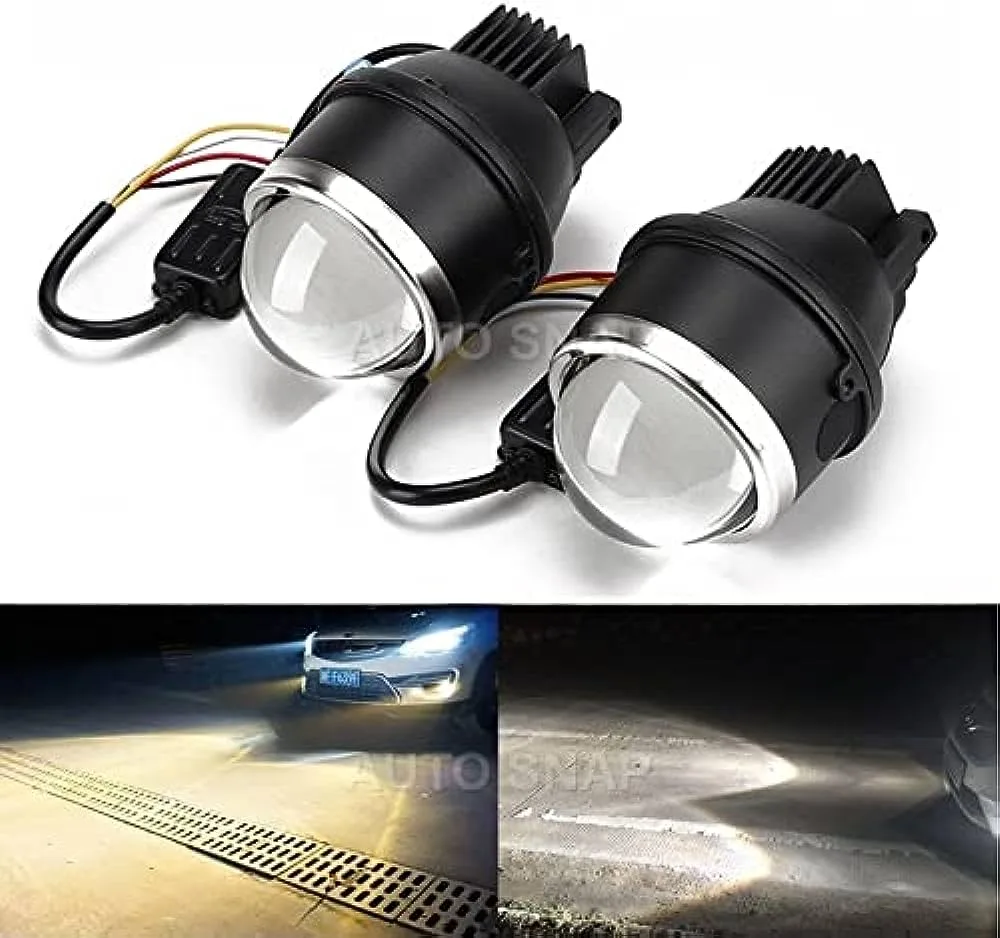
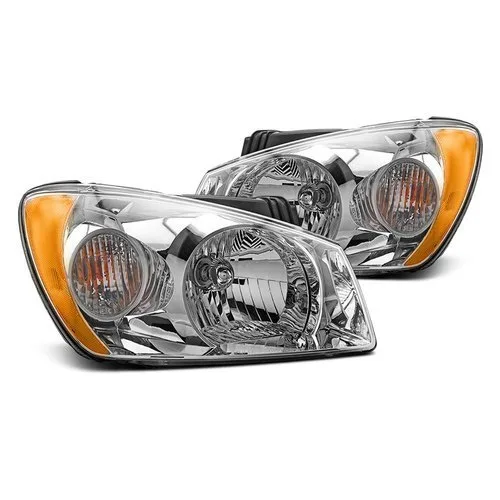
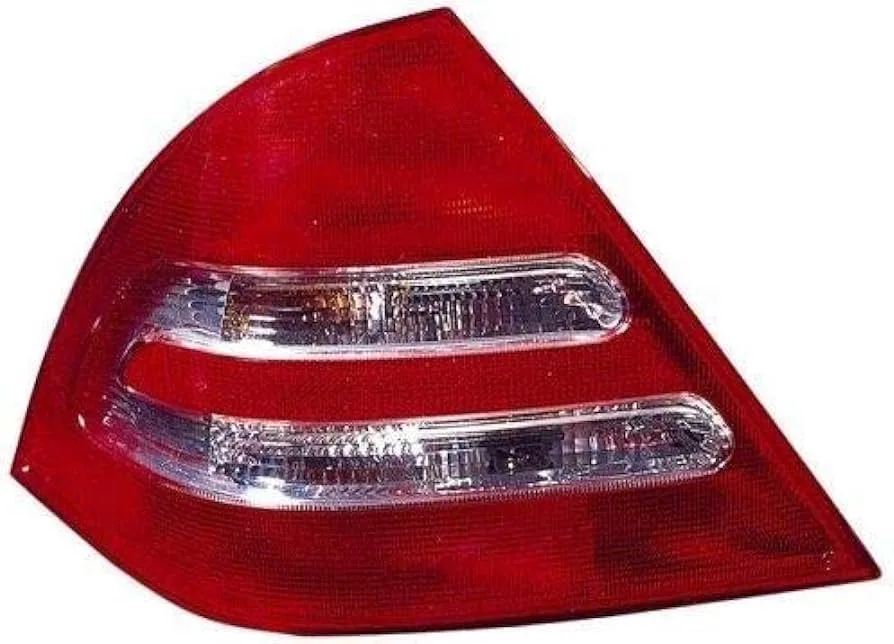
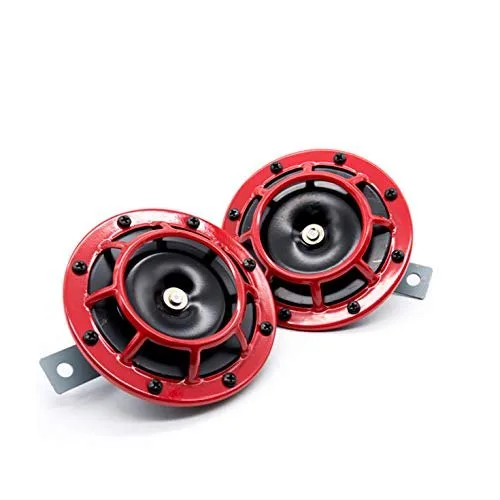
When upgrading a car, fitment should be a priority. Floor mats should match the cabin shape, lighting products should be appropriate for the vehicle, and electronic accessories should be compatible with the car’s electrical and infotainment systems.
FAQs
1. What are the biggest car trends in India in 2026?
The major trends include strong SUV demand, increasing EV adoption, growing interest in hybrid cars, wider use of CNG, connected-car technology and increasing focus on safety and convenience features.
2. Are SUVs still popular in India in 2026?
Yes. Utility vehicles represented about 68% of India’s passenger vehicle sales in Q1 FY2026-27 according to SIAM, showing the continued importance of SUVs and other utility vehicles in the market.
3. How fast are EVs growing in India?
EV adoption is increasing, although growth varies by vehicle category. FADA reported that passenger EV retail sales rose 83.1% year on year in July 2026, while passenger EV penetration reached 7.63% in August.
4. Are hybrid cars becoming popular in India?
Hybrids have become an important part of the passenger vehicle market. FADA’s August 2026 retail data showed hybrid vehicles accounting for 9.04% of passenger vehicle sales.
5. Should I buy an EV, hybrid, CNG or petrol car?
The right choice depends on your driving pattern. Consider your daily distance, highway usage, charging or CNG access, expected ownership period, budget and preferred features before deciding.
6. What should I consider before buying car accessories?
Check compatibility with your exact car model, year and variant. For electronic accessories, also consider installation requirements and whether the product can work correctly with the vehicle’s existing systems.
7. What does the future of cars in India look like?
India’s automotive direction is increasingly focused on electrification, alternative fuels, charging infrastructure, connectivity, safety technology and advanced mobility solutions. The market is likely to remain diverse rather than moving toward a single powertrain.
Conclusion
The biggest car trends in India in 2026 are not about one vehicle type replacing another. Instead, the market is becoming more diverse, with SUVs maintaining strong demand while EVs, hybrids and CNG vehicles expand their presence.
For buyers, this creates more freedom but also makes research more important. The best car depends on how you drive, where you drive and what you expect from your vehicle over several years.
The same approach applies to accessories. Whether you own an SUV, EV, hybrid or conventional car, choosing products designed for your specific vehicle can make upgrades more useful and practical. With platforms such as Creckk focusing on vehicle-specific accessory discovery, car owners can increasingly approach upgrades as part of a complete ownership experience rather than simply adding random products.
As 2026 moves forward, SUVs, EVs, hybrids, smarter technology and personalised ownership are likely to remain central to India’s evolving automobile landscape.