

























































































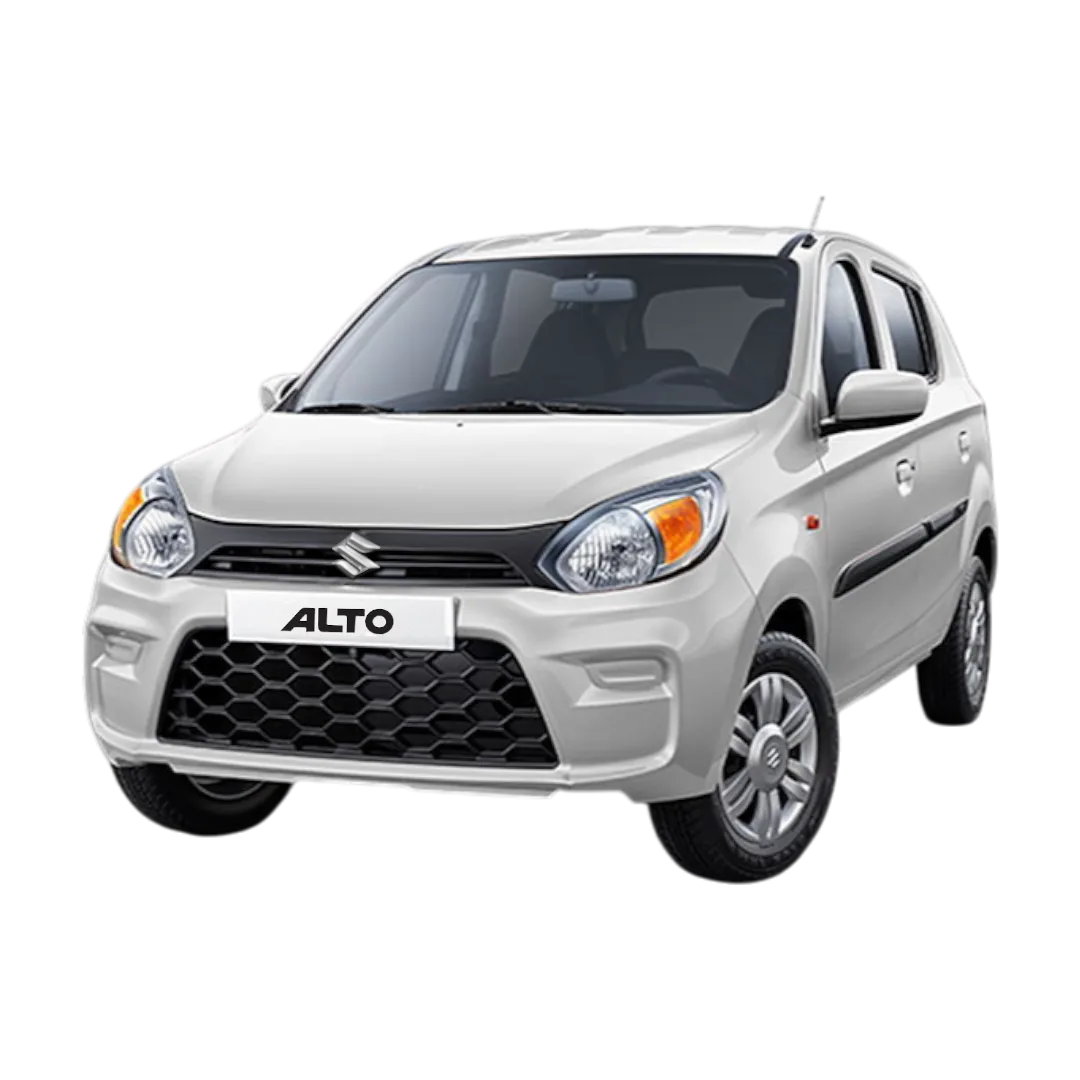








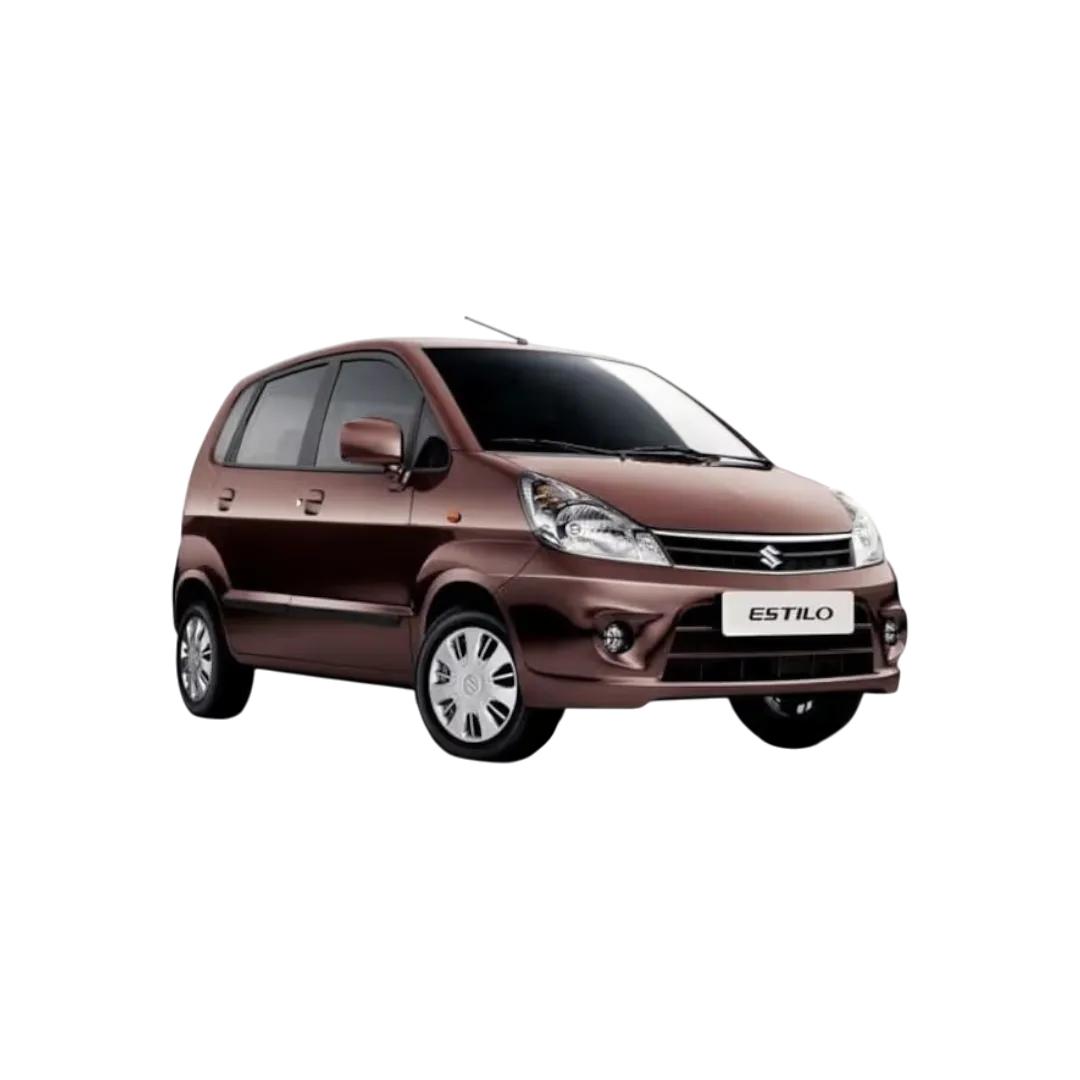





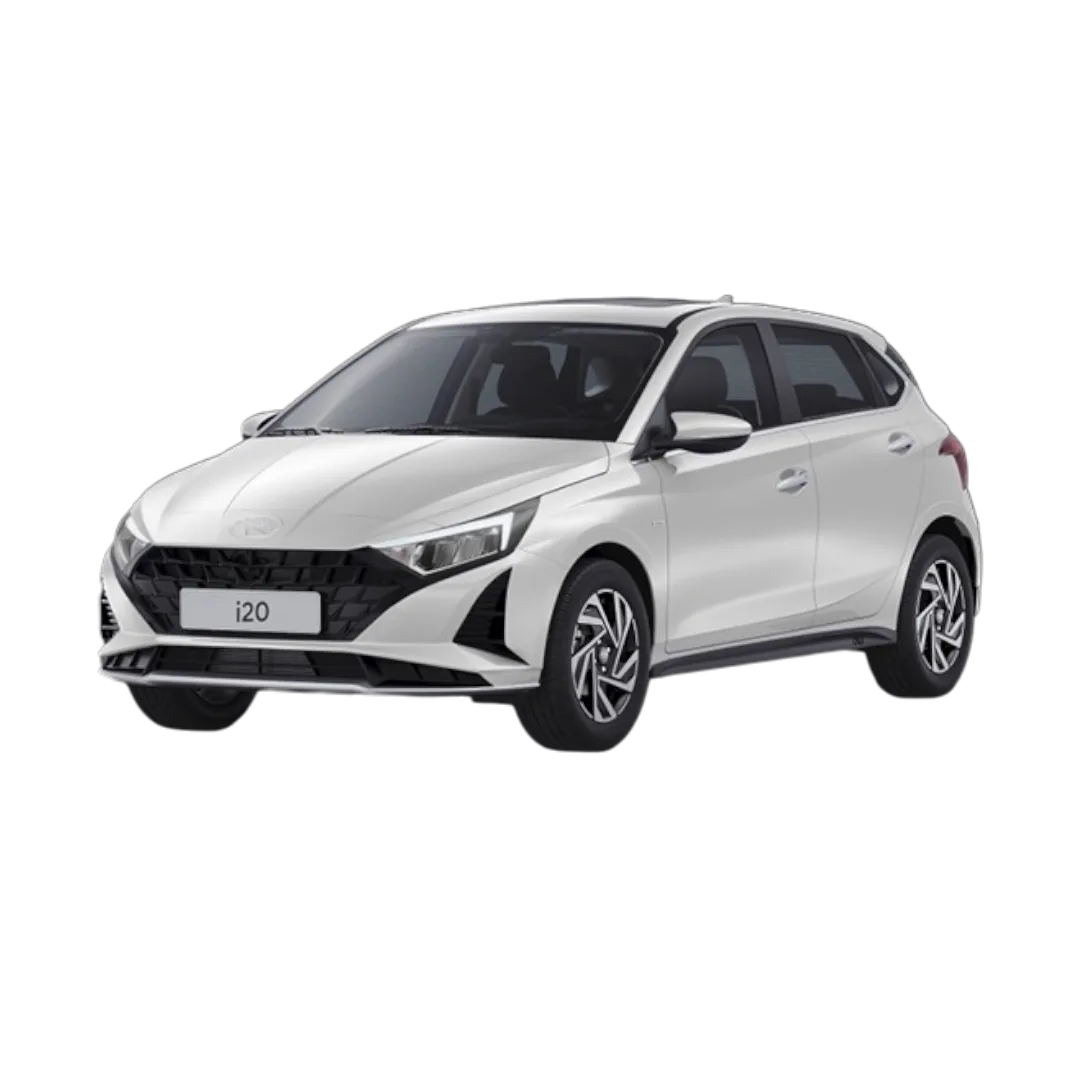







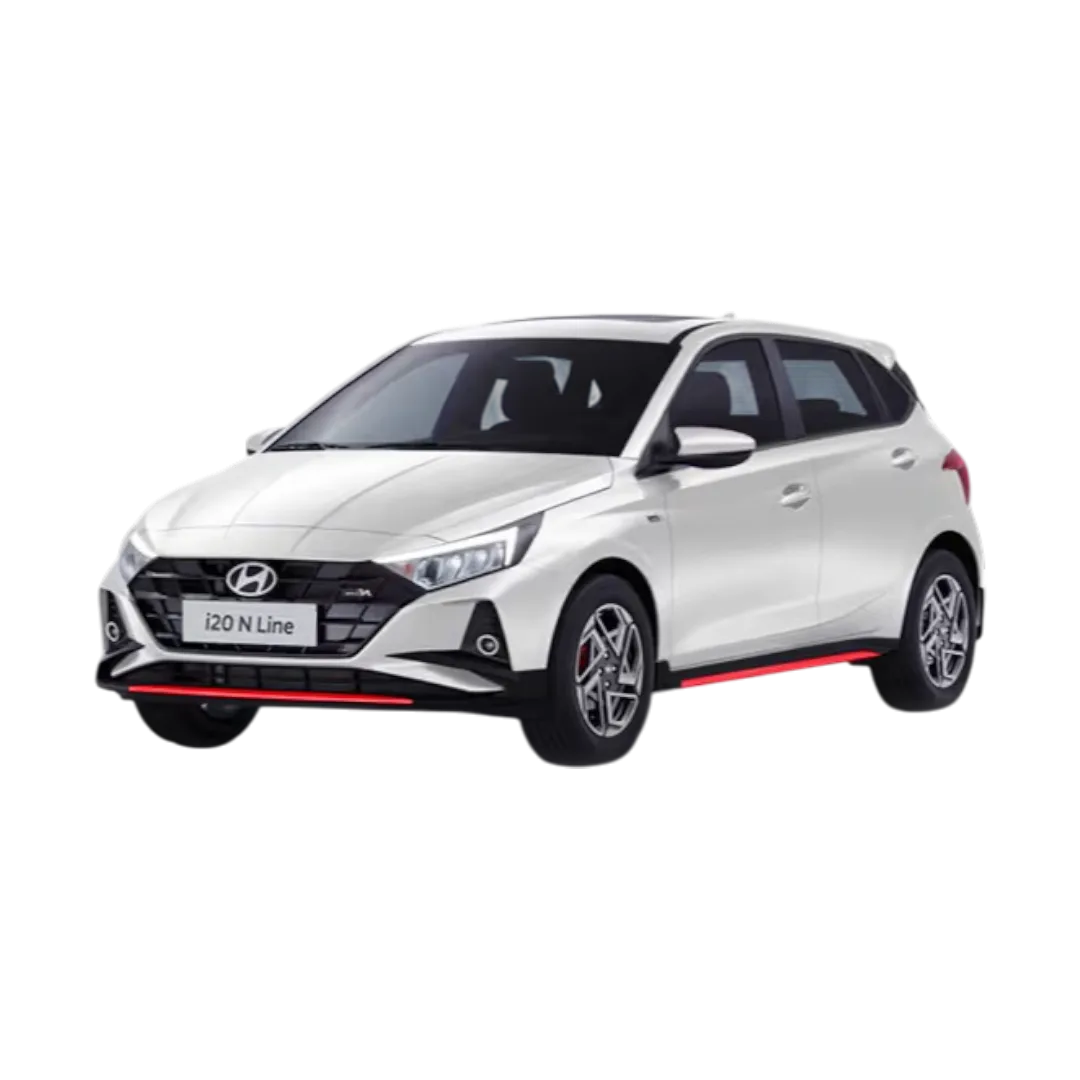
















































































































































































































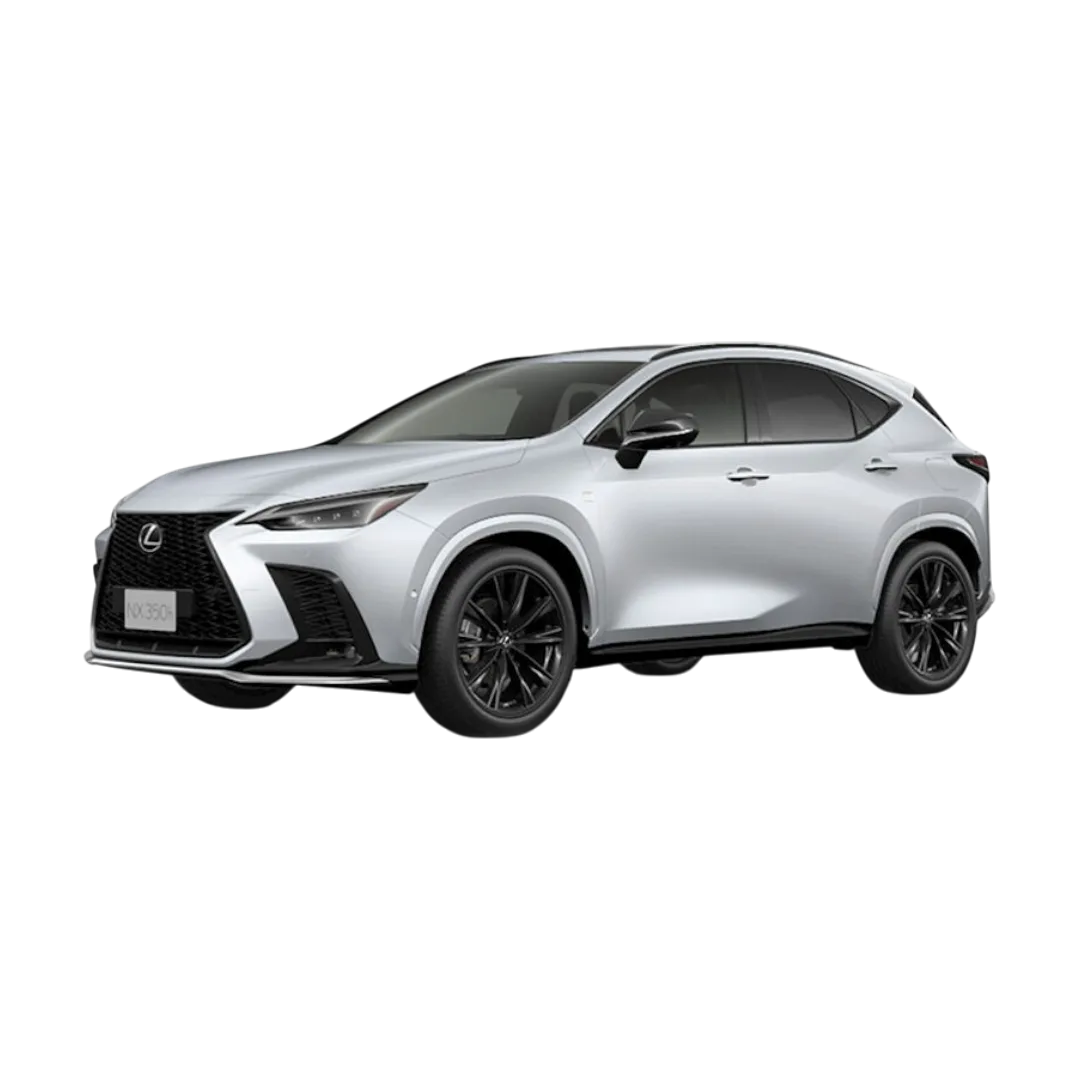


Maruti Suzuki increased prices of select models by up to ₹20,000, while Tata Motors announced a hike of up to ₹25,000 across its passenger vehicle range. Hyundai followed with a price increase of up to 1% across its applicable portfolio. Manufacturers cited factors such as rising input and commodity costs, inflationary pressure, higher operating expenses and broader economic uncertainty as key reasons behind the revisions.
At the same time, not every major carmaker introduced a separate September hike. Mahindra, Kia and MG Motor had no separate September-wide increase identified during the period covered in this article. However, the absence of a September hike should not be interpreted as a guarantee that prices will remain unchanged in the future.
For buyers, the most important point is that “up to” does not mean every car became more expensive by the maximum amount. The actual revision depends on the manufacturer, model, variant and powertrain.

1. Why Are Car Prices Increasing in September 2026?
The car price hike September 2026 trend is primarily connected to the rising cost of manufacturing and operating an automobile business. Manufacturers have been facing pressure from input and commodity costs, inflation, operating expenses and broader economic uncertainty.
Hyundai specifically cited rising input and commodity costs, higher operational expenses and geopolitical and macroeconomic uncertainty when announcing its September revision. Maruti Suzuki also attributed its September increase to sustained increases in input costs and said it had attempted to absorb part of the pressure through cost-reduction measures before passing a portion of the increased cost to customers.
The cost of manufacturing a car involves much more than the engine, body and tyres. Steel, aluminium, plastics, electronics, batteries and other components can all influence production costs. Logistics, energy, labour and other operating expenses also contribute to the overall cost structure.
This explains why cars are becoming expensive in India, even when the increase on an individual model may appear relatively small.
CRECKK FACT: September 2026 was not the first price revision of the year for several manufacturers. Maruti Suzuki described its September adjustment as its third price hike since May, while Hyundai also announced its third increase of 2026.
How Does a Car Price Increase Affect Buyers?
A higher ex-showroom price can affect the final on-road price because registration-related charges and insurance costs may also change depending on the vehicle and state.
The impact can become more noticeable when a buyer is financing the vehicle. Even a relatively small increase in the car's purchase price can add to the amount financed and, consequently, the total interest paid over the loan period.
Therefore, buyers should compare the revised ex-showroom price, on-road price, EMI and available discounts instead of looking only at the headline increase.

2. Maruti Suzuki Price Hike: Up to ₹20,000
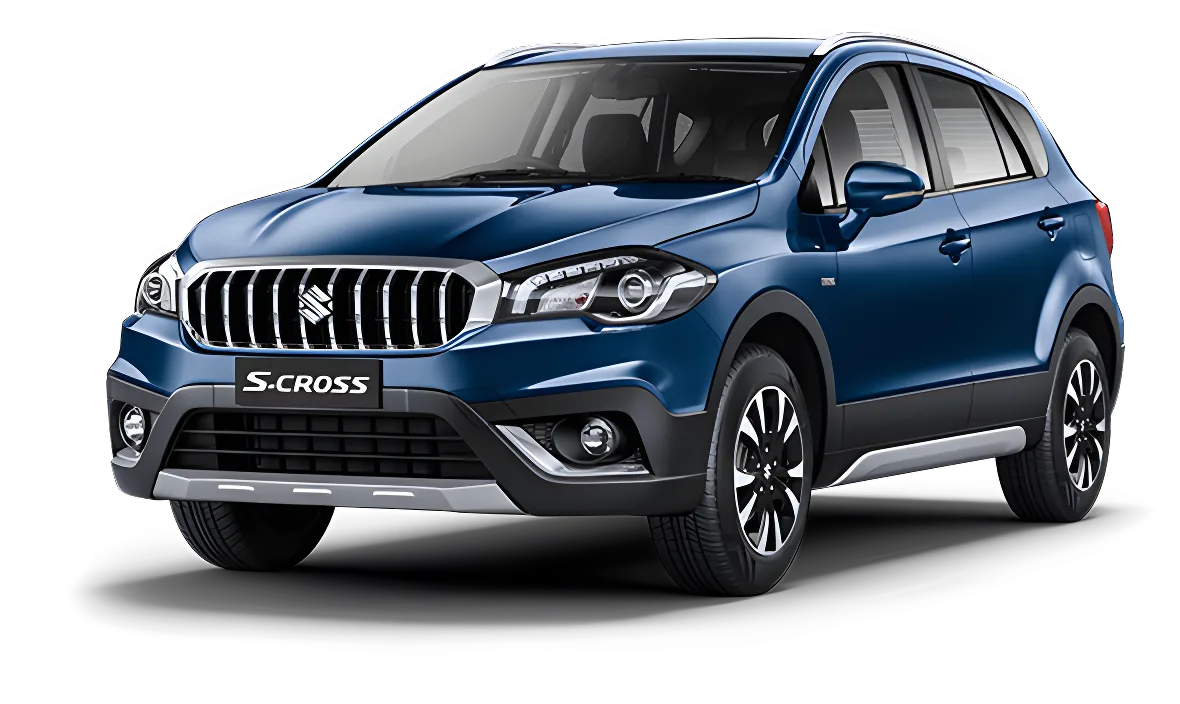
Maruti Suzuki announced a September 2026 car price increase of up to ₹20,000 on select models, making it the company's third price revision of 2026. The September increase was specifically limited to selected models and variants rather than being a uniform hike across the entire portfolio.
The company cited sustained increases in input costs as the main reason for the revision. Maruti Suzuki also said it had been working to reduce the impact through cost-control measures but eventually had to pass part of the increased cost to customers.
Maruti Suzuki's portfolio includes models such as the Alto K10, S-Presso, Celerio, WagonR, Eeco, Swift, Dzire, Brezza and Ertiga, along with Nexa models such as the Baleno, Fronx, Jimny, XL6, Grand Vitara, Invicto and e Vitara.
However, the company did not publicly provide a complete model-by-model list identifying every model and variant affected by the September revision. Therefore, buyers should verify the latest price of their specific model and variant instead of assuming that every Maruti vehicle received the maximum ₹20,000 increase.
CRECKK FACT: Maruti Suzuki's September revision was its third price hike of 2026, following earlier increases during the year.
For customers considering a Swift, Dzire, Brezza, Fronx, Baleno or Grand Vitara, getting an updated dealer quotation before booking is particularly important.
CRECKK TIP: Don't automatically add ₹20,000 to the price of your preferred Maruti. Ask for the exact revised price of your variant, because ₹20,000 is the maximum announced increase and not a flat hike for every car.
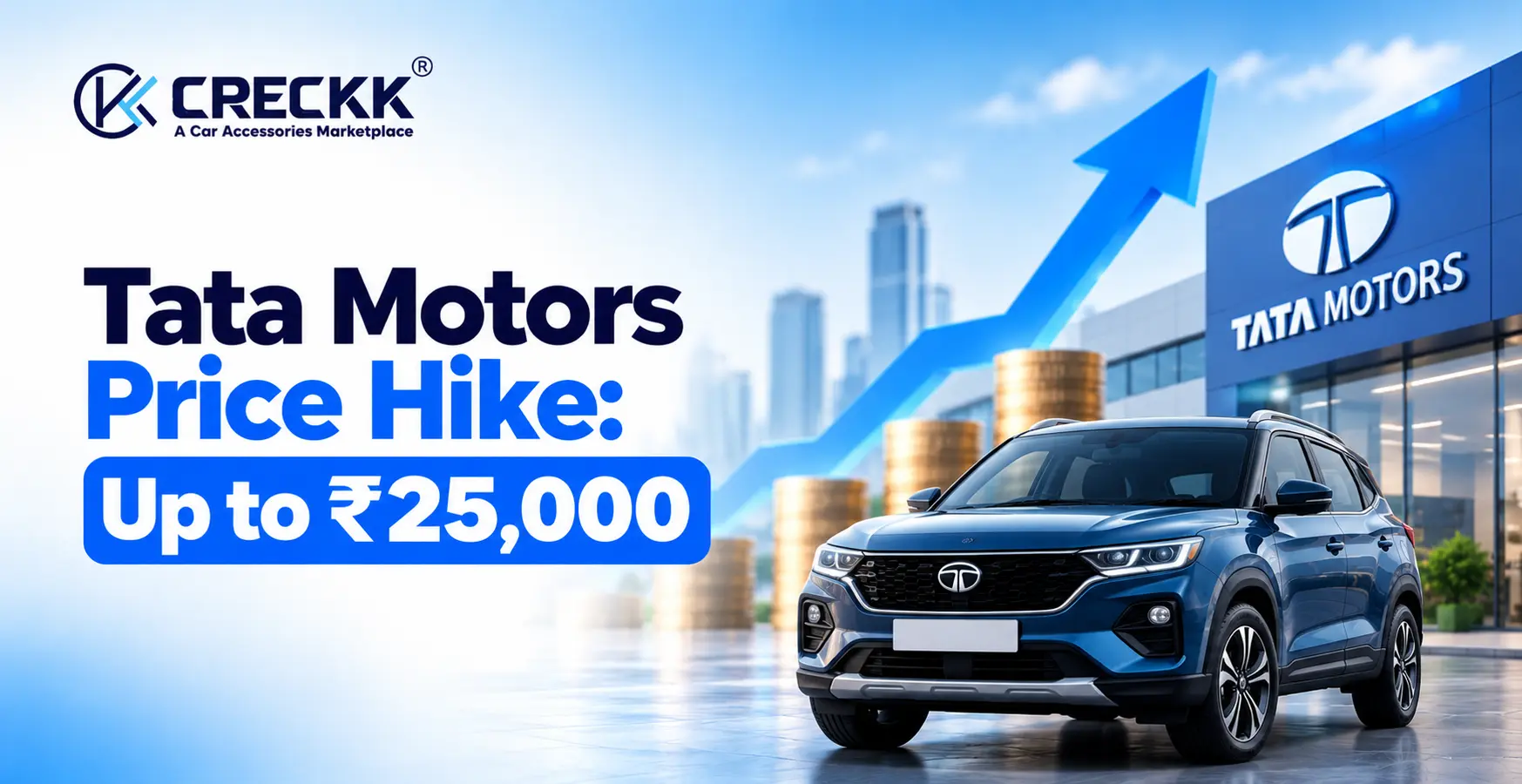
3. Tata Motors Price Hike: Up to ₹25,000
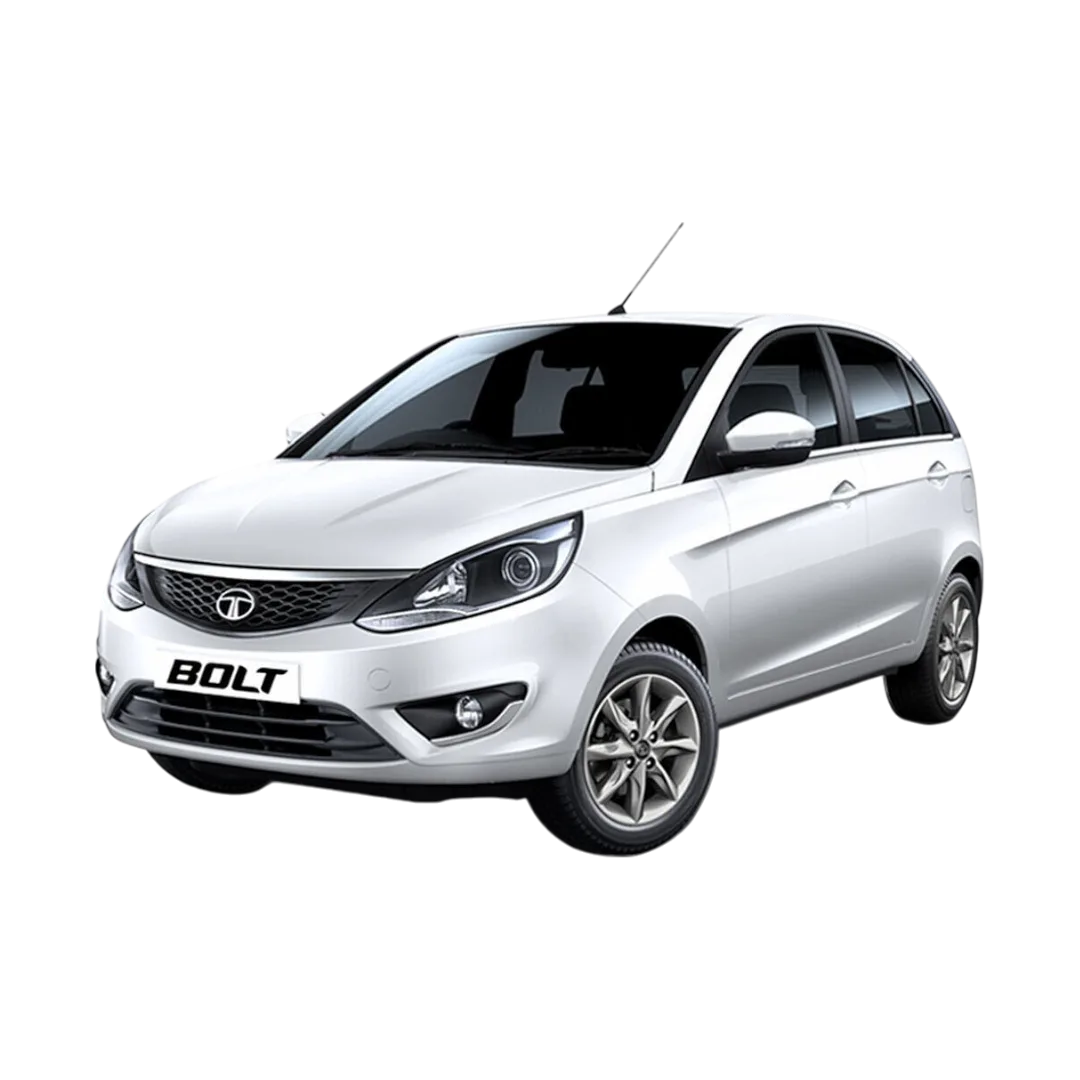
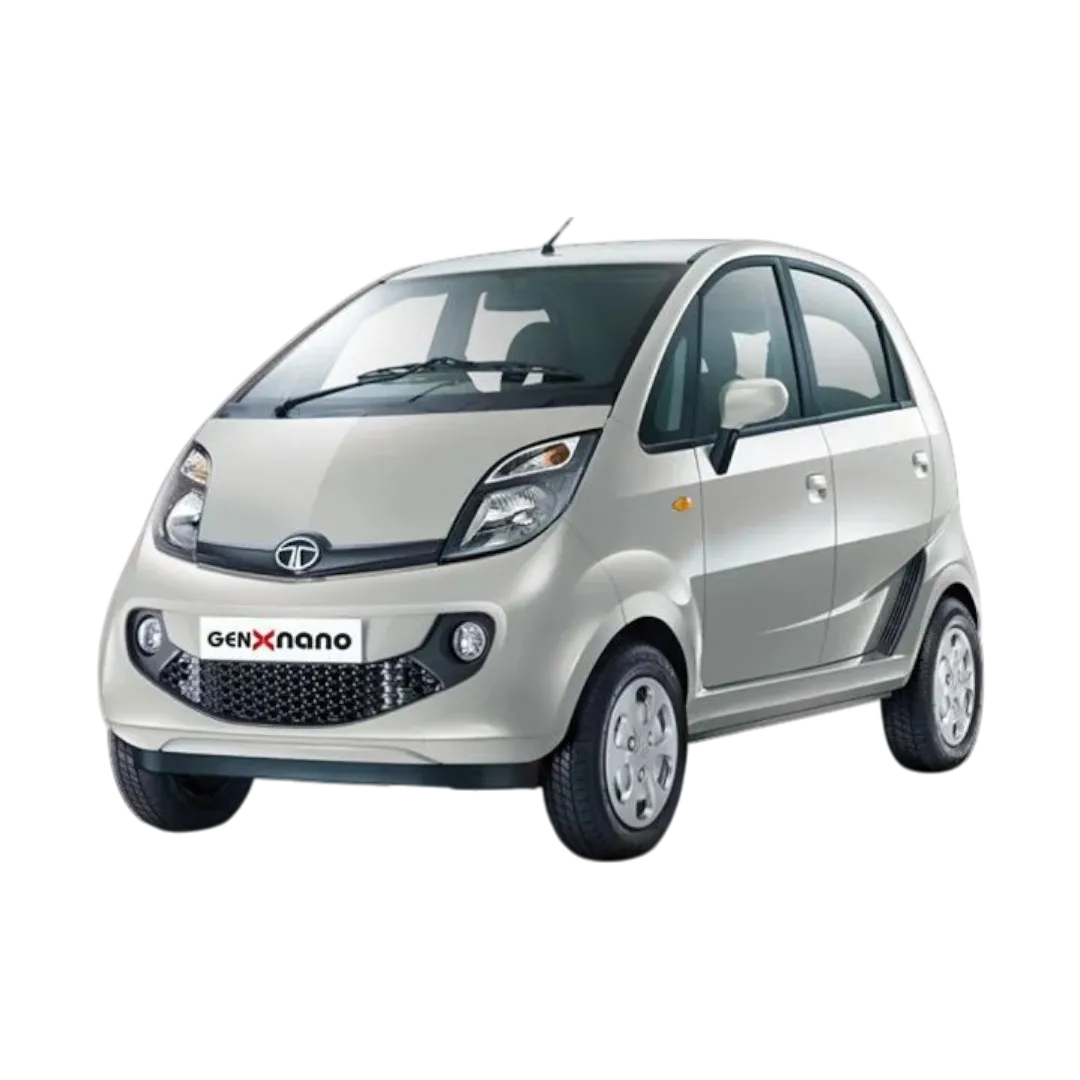
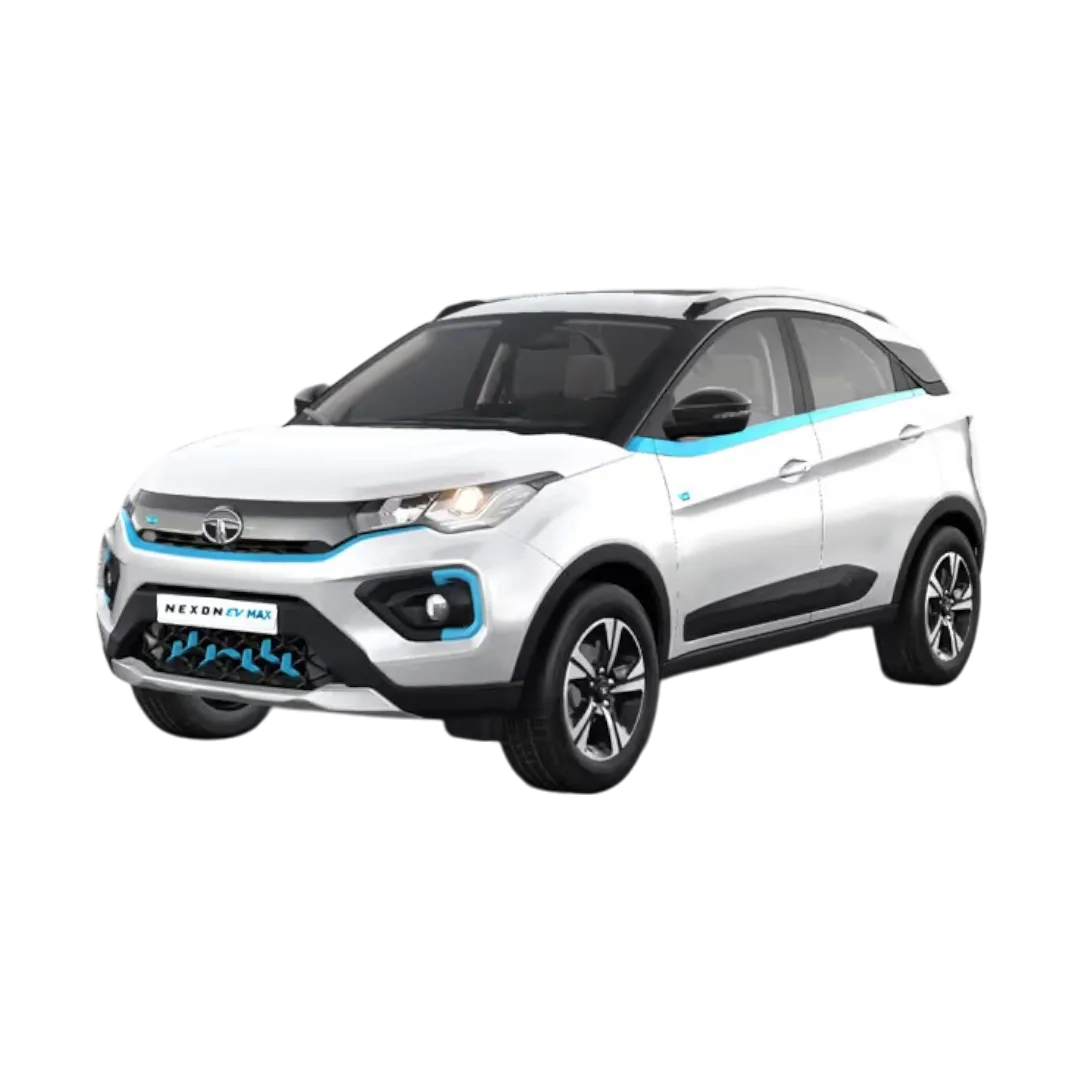
Tata Motors announced a price increase of up to ₹25,000 from September 1, 2026, covering its applicable passenger vehicle portfolio, including both internal-combustion-engine and electric vehicles.
The affected Tata range includes popular models such as the Tiago, Tigor, Altroz, Punch, Nexon, Curvv, Harrier and Safari, along with applicable EV models such as the Tiago EV, Punch EV, Nexon EV, Curvv EV and Harrier EV.
The company attributed the increase to rising input costs and sustained inflationary pressure. The actual increase varies depending on the model and variant, so the maximum ₹25,000 figure should not be treated as a standard increase across the Tata range.
For example, a buyer considering a Tata Punch or Tiago should not assume that the price has increased by exactly the same amount as a buyer purchasing a Harrier or Safari.
CRECKK VIEW: Tata's September price revision is particularly relevant for buyers comparing popular SUVs such as the Punch, Nexon and Curvv, because even a relatively small change in ex-showroom price can affect the final on-road budget after insurance, registration and financing.
Tata also offered benefits on selected models during September. Therefore, buyers should consider the revised price together with applicable dealer benefits before deciding whether the vehicle has actually become significantly more expensive.
CRECKK TIP: If you're buying a Tata car after the price increase, compare the revised ex-showroom price + current dealer benefits instead of judging the deal only from the headline ₹25,000 increase.
4. Hyundai Price Hike: Up to 1%
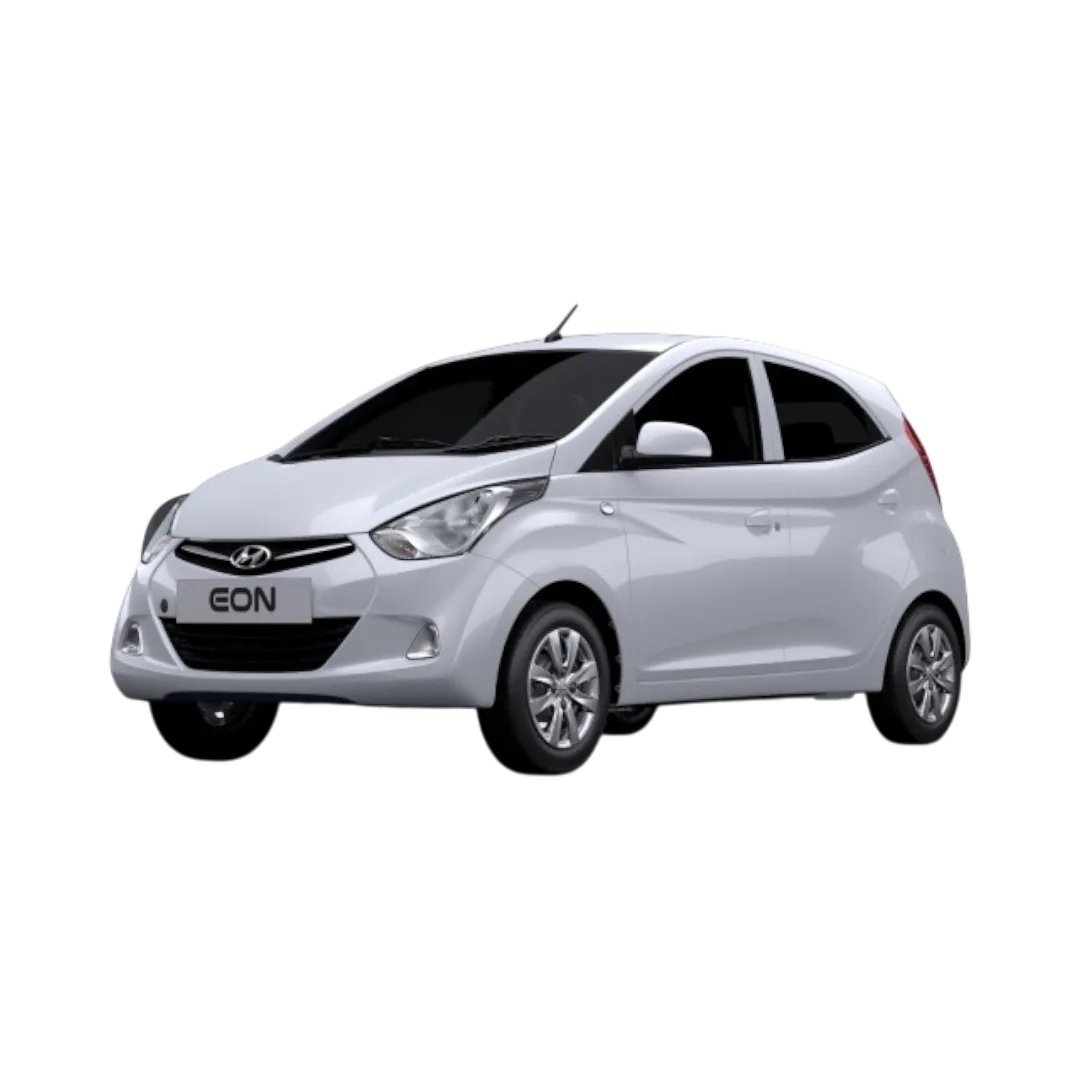
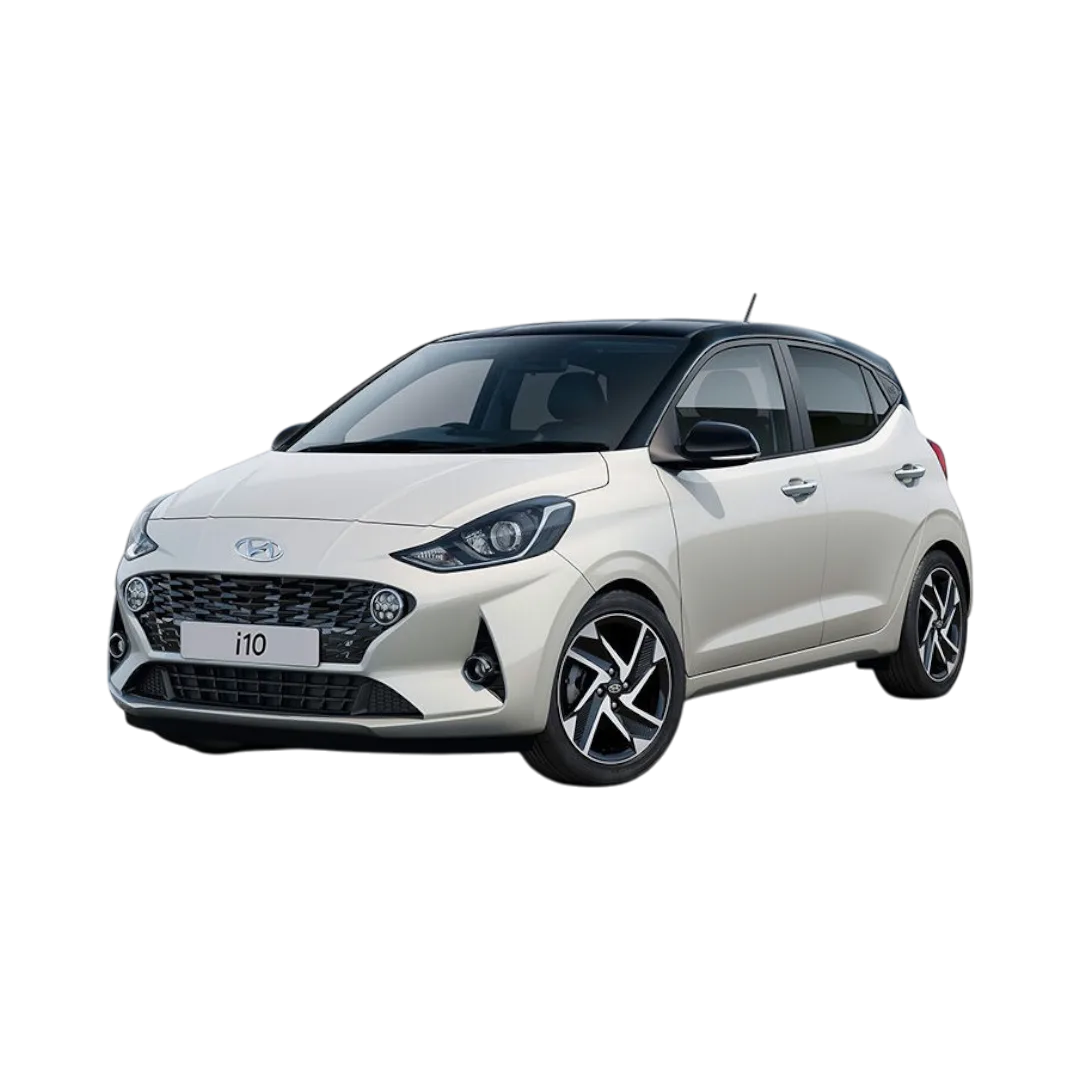
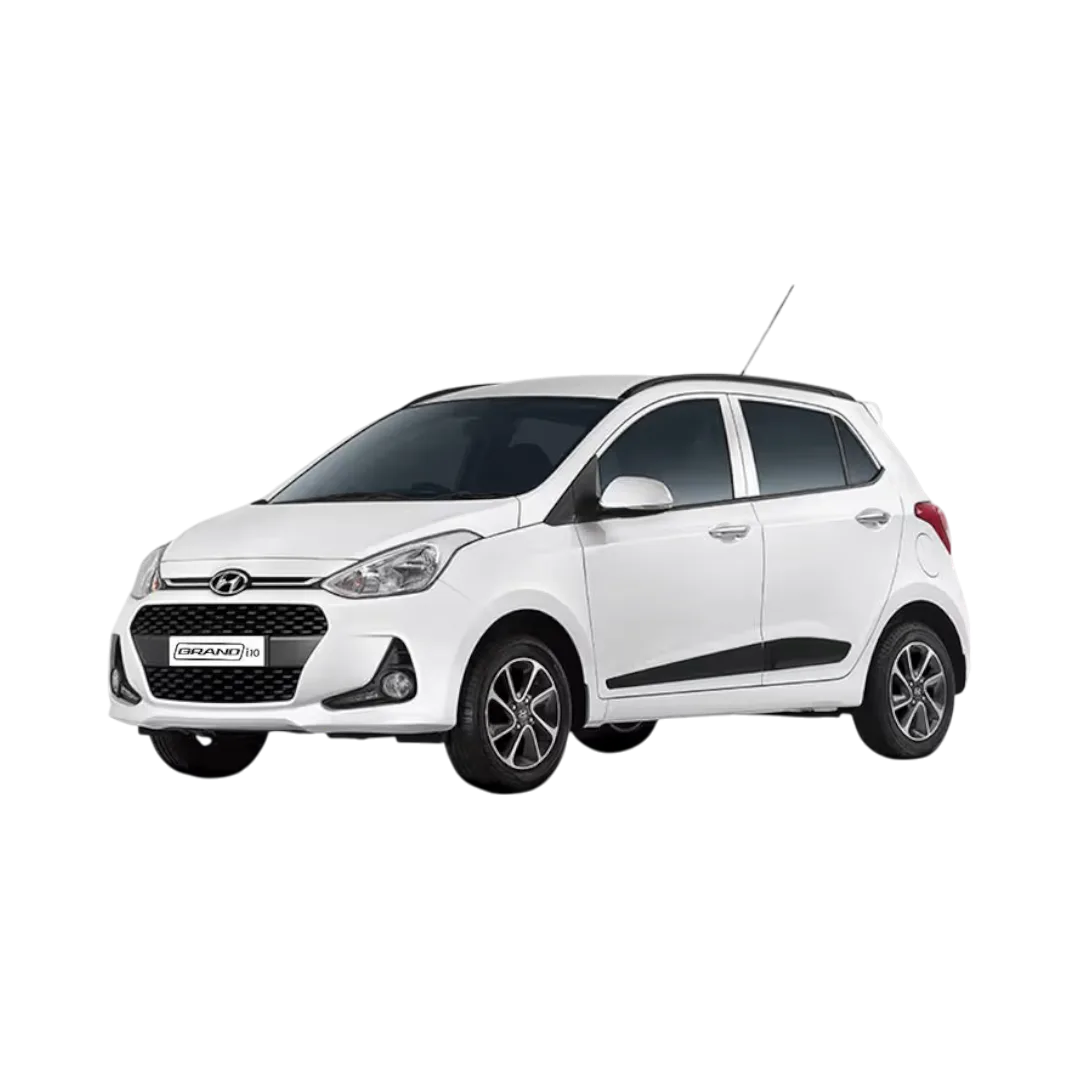
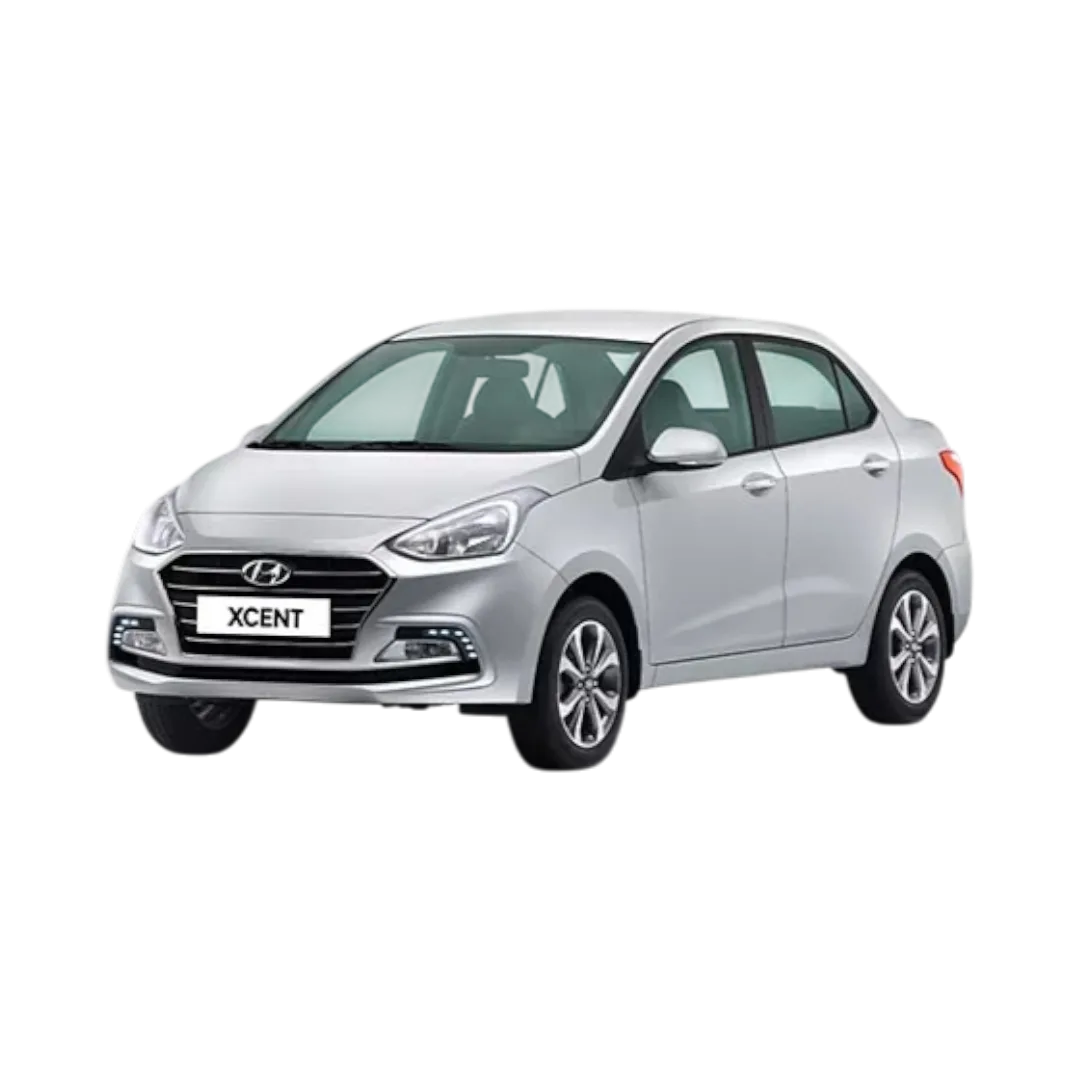
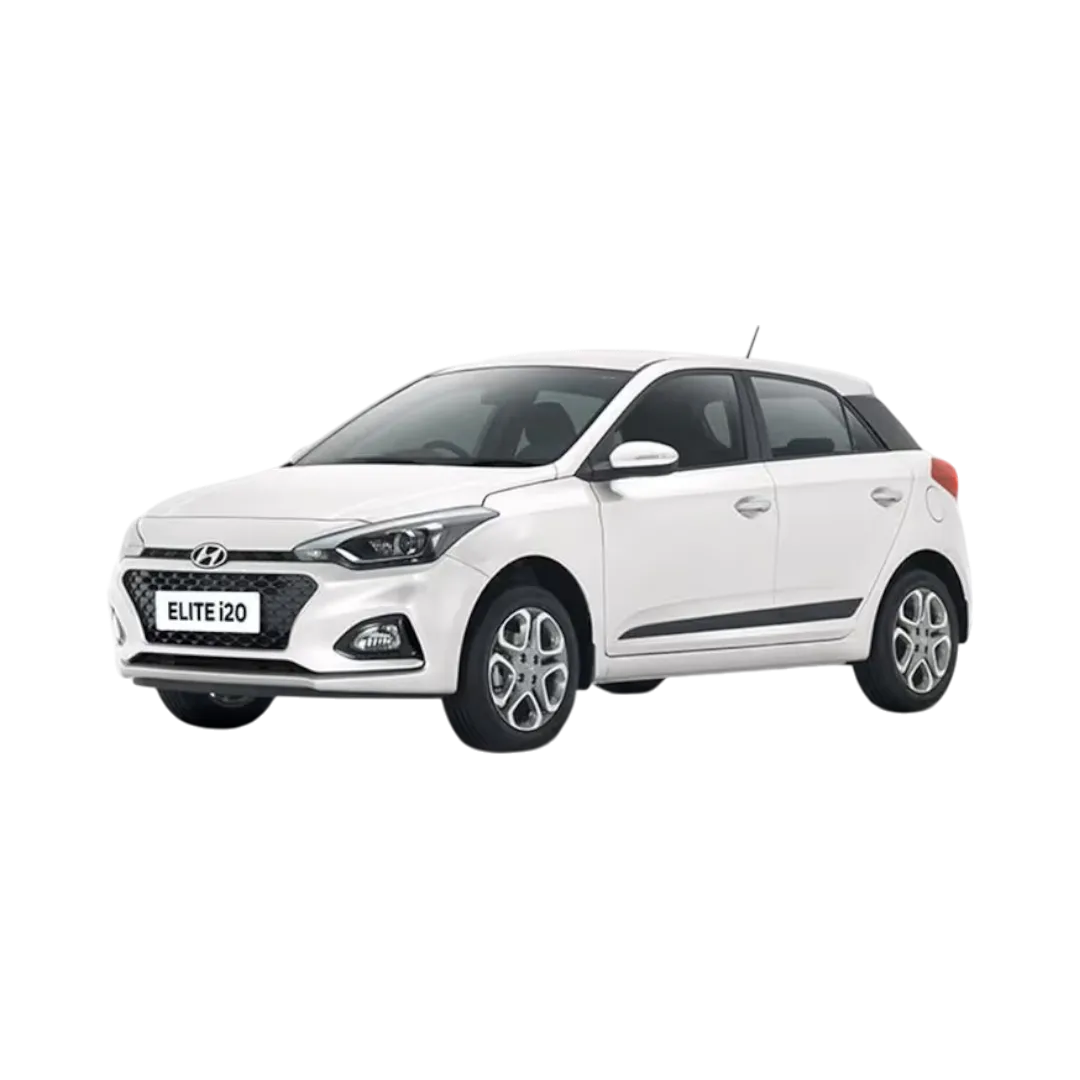
Hyundai Motor India announced a price increase of up to 1% from September 2026 across its applicable portfolio. Unlike a flat ₹10,000 or ₹20,000 increase, a percentage-based revision means that the actual rupee increase differs according to the vehicle's price.
The affected Hyundai range includes the Grand i10 Nios, Aura, i20, i20 N Line, Exter, Venue, Venue N Line, Creta, Creta N Line, Verna, Alcazar and Creta Electric.
The September increase varied by model and variant, with the actual rupee impact therefore differing across the Hyundai range. A buyer considering a Grand i10 Nios or Aura would naturally see a smaller absolute increase than someone purchasing a higher-priced SUV such as the Creta or Alcazar.
Hyundai cited rising input and commodity costs, higher operating expenses and geopolitical and macroeconomic uncertainty as reasons for the revision.
CRECKK FACT: Hyundai's September 2026 revision was its third price hike of the year.
CRECKK VIEW: A price hike and customer benefits can exist at the same time. Hyundai buyers should therefore compare the revised price after applicable offers, rather than looking only at the headline 1% increase.
For a Hyundai purchase, buyers should request a complete quotation covering the revised ex-showroom price, insurance, registration, dealer benefits, exchange bonus and finance charges.
5. Brands With No Fresh September Hike
Not every major carmaker introduced a separate September 2026 car price increase.
For this comparison, Mahindra, Kia and MG Motor can be grouped among brands for which no separate September-wide price hike was identified during the period reviewed.
However, this does not mean that these manufacturers' prices remained unchanged throughout 2026. It also does not guarantee that prices will remain unchanged in October or later months.
Mahindra, for example, was reported to be considering another SUV price increase because of rising commodity costs, although this was not a confirmed September-wide increase.
Kia was also reported to be considering a price revision for selected models from October 2026. This highlights why buyers should distinguish between a confirmed September hike and a possible future increase.
For MG Motor, no separate September-wide price increase was identified in the information reviewed for this article.
CRECKK FACT: “No September hike” means that a separate September-wide increase was not identified. It does not mean that the brand's prices never changed during 2026.
September 2026 Car Price Hike Comparison
| Brand | Models / Model Families | September 2026 Revision | Main Reason |
|---|---|---|---|
| Maruti Suzuki | Select models and variants | Up to ₹20,000 | Rising input costs |
| Tata Motors | Tiago, Tigor, Altroz, Punch, Nexon, Curvv, Harrier, Safari and applicable EVs | Up to ₹25,000 | Input costs and inflation |
| Hyundai | Grand i10 Nios, Aura, i20, i20 N Line, Exter, Venue, Venue N Line, Creta, Creta N Line, Verna, Alcazar, Creta Electric | Up to 1% | Input, commodity and operating costs |
| Mahindra | No separate September-wide hike identified | — | Future revision possible |
| Kia | No separate September-wide hike identified | — | Future revision possible |
| MG Motor | No separate September-wide hike identified | — | No fresh September revision identified |
Important: “Up to” represents the maximum announced increase. It does not mean every model or variant received that exact increase. For Maruti Suzuki, the September announcement confirmed a selective hike but did not identify every affected model and variant.

6. September Price Hike: What Buyers Should Know
The biggest mistake buyers can make while following the latest car price hike in India September 2026 is assuming that the maximum announced increase applies to every vehicle.
It doesn't.
When a manufacturer says prices have increased “up to” ₹20,000 or ₹25,000, the actual adjustment can differ by model, variant and powertrain. Similarly, Hyundai's 1% increase produces different rupee values depending on the vehicle's price.
Buyers should therefore ask dealers for the latest price sheet for the exact variant they intend to purchase. It is also worth comparing the revised price against current discounts because manufacturers and dealerships may use festive-season benefits to support sales.
CRECKK TIP: Before booking, ask the dealer to provide a written quotation showing the old price, revised price, discount, insurance, registration and final on-road price. This makes it easier to understand the real impact of the price hike.
What About Car Upgrades After a Price Hike?
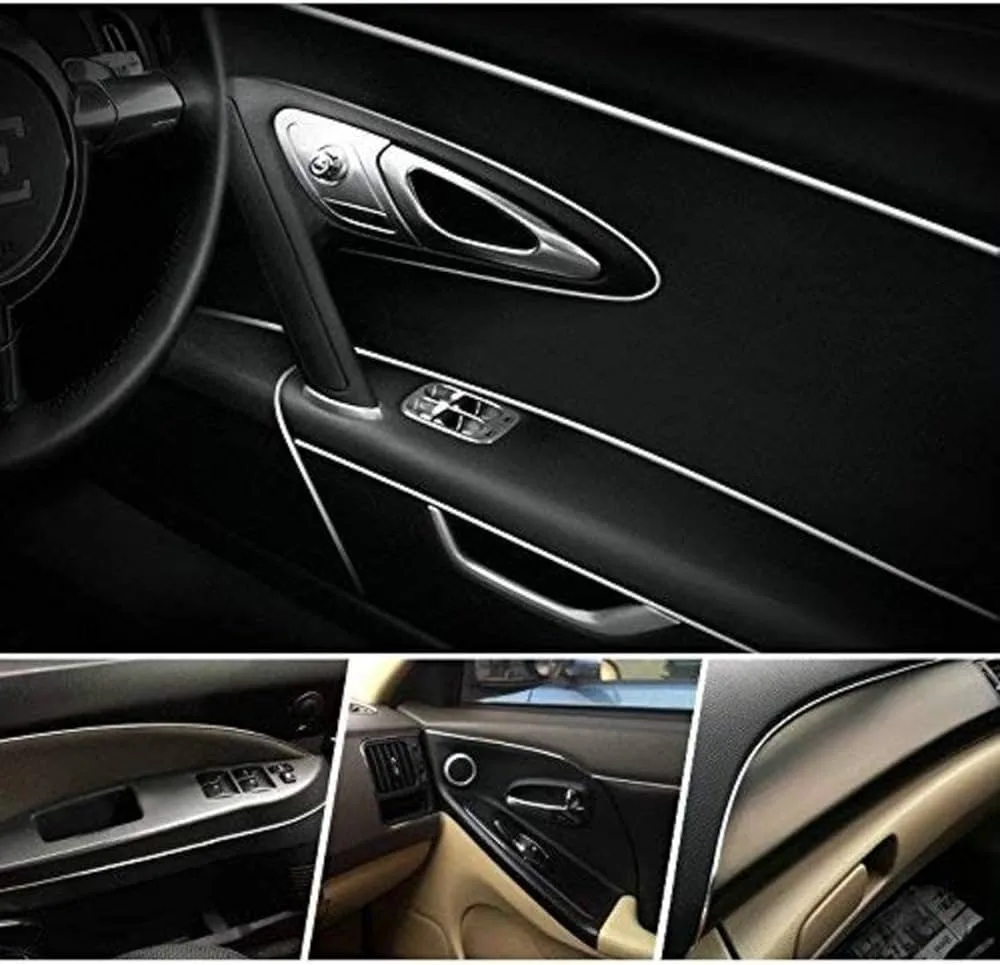
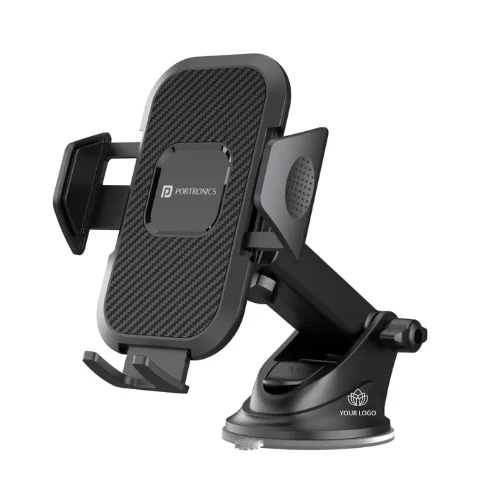
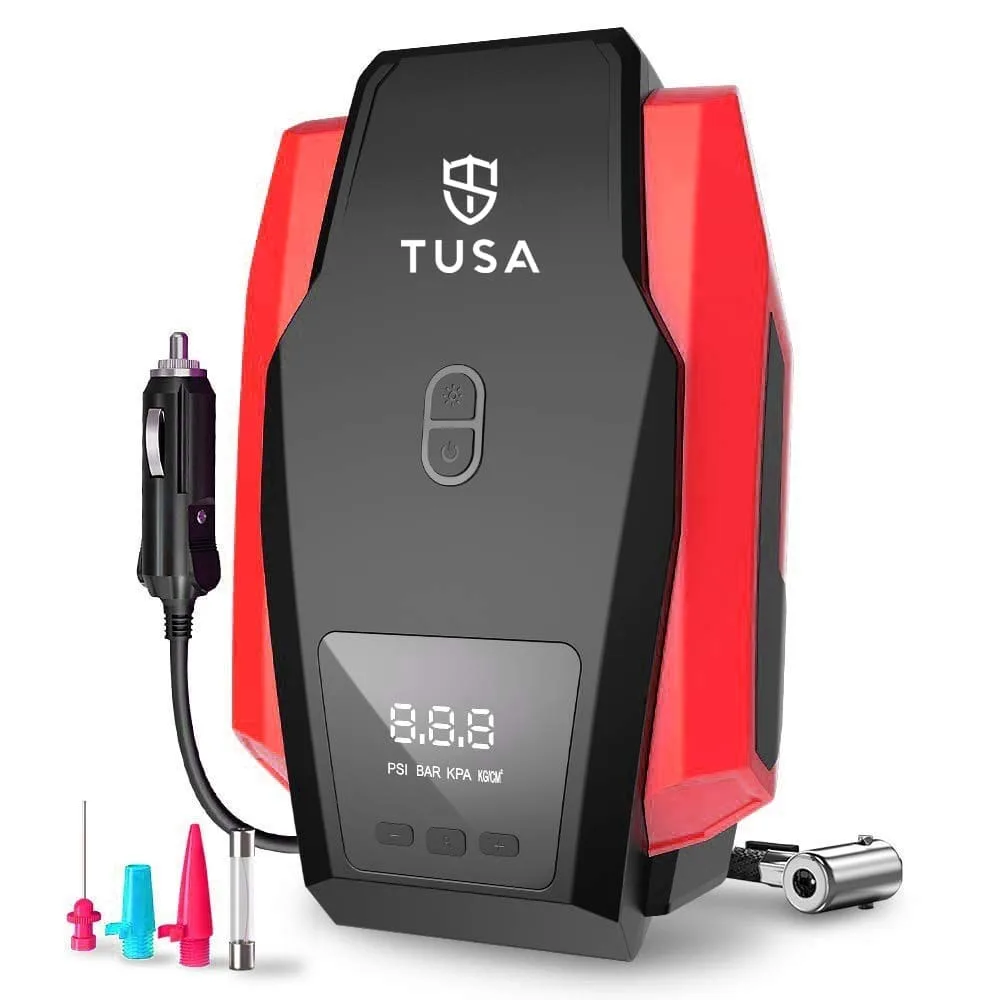
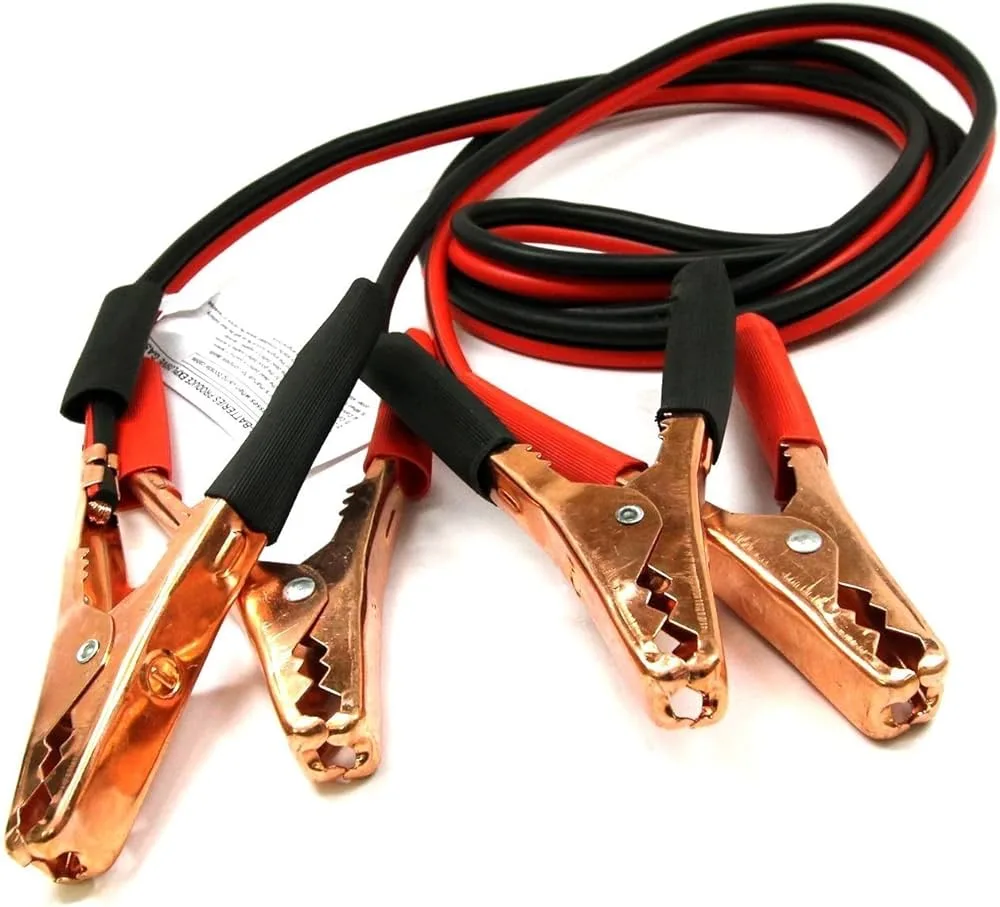
Existing owners do not need to stop upgrading their cars simply because new-car prices have increased. Instead, focus on useful upgrades that improve comfort, protection or convenience.
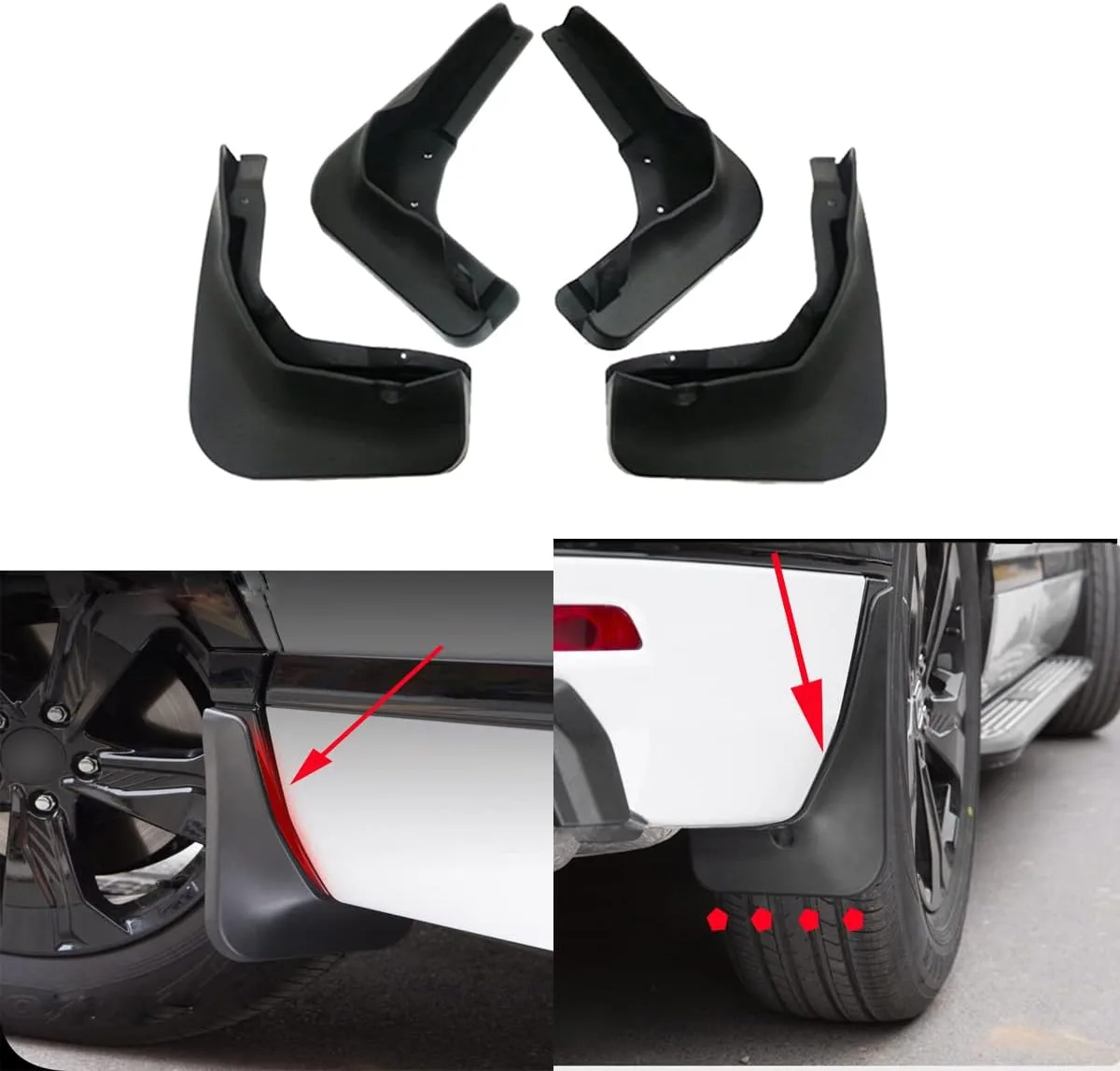
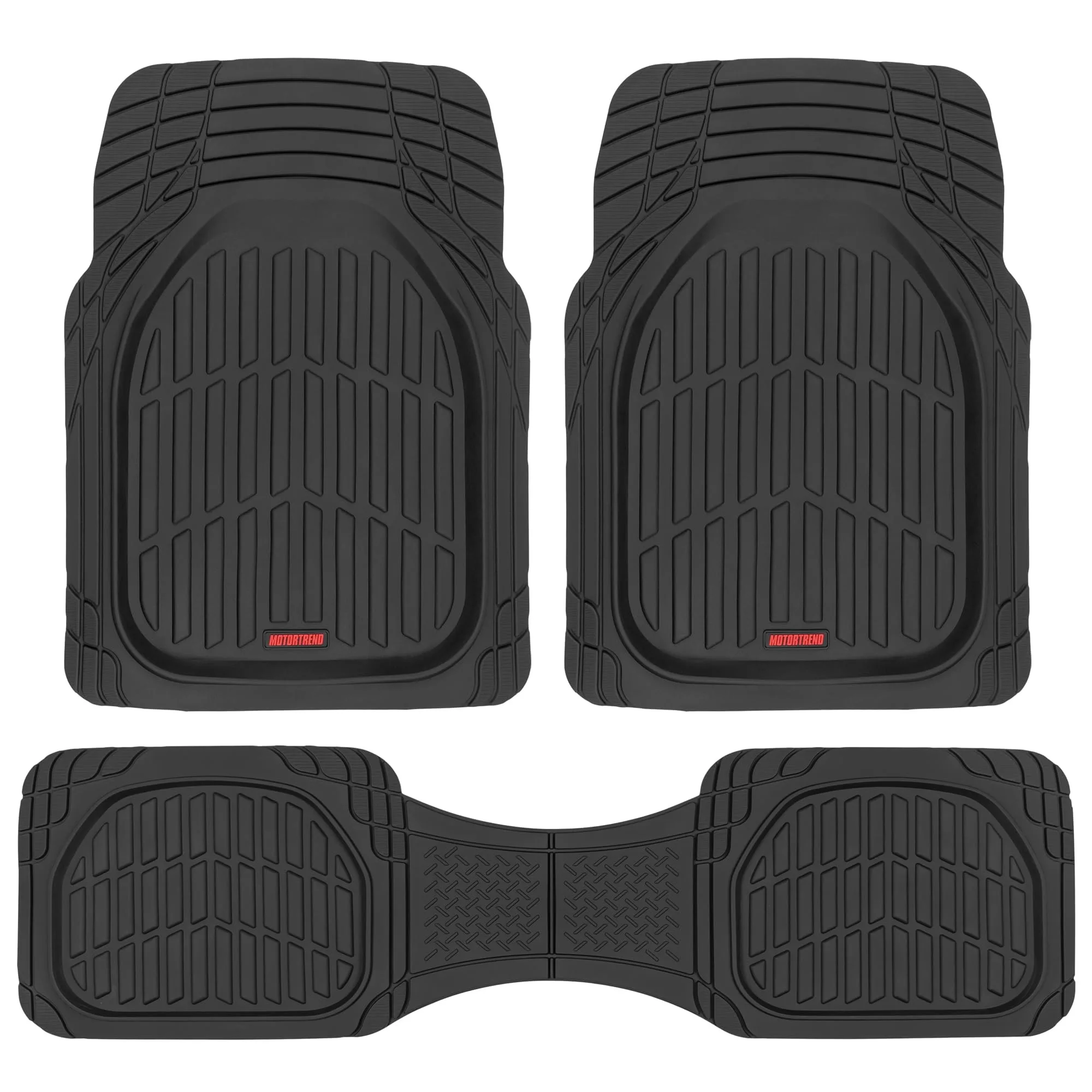
- Interior protection: floor mats and seat protection
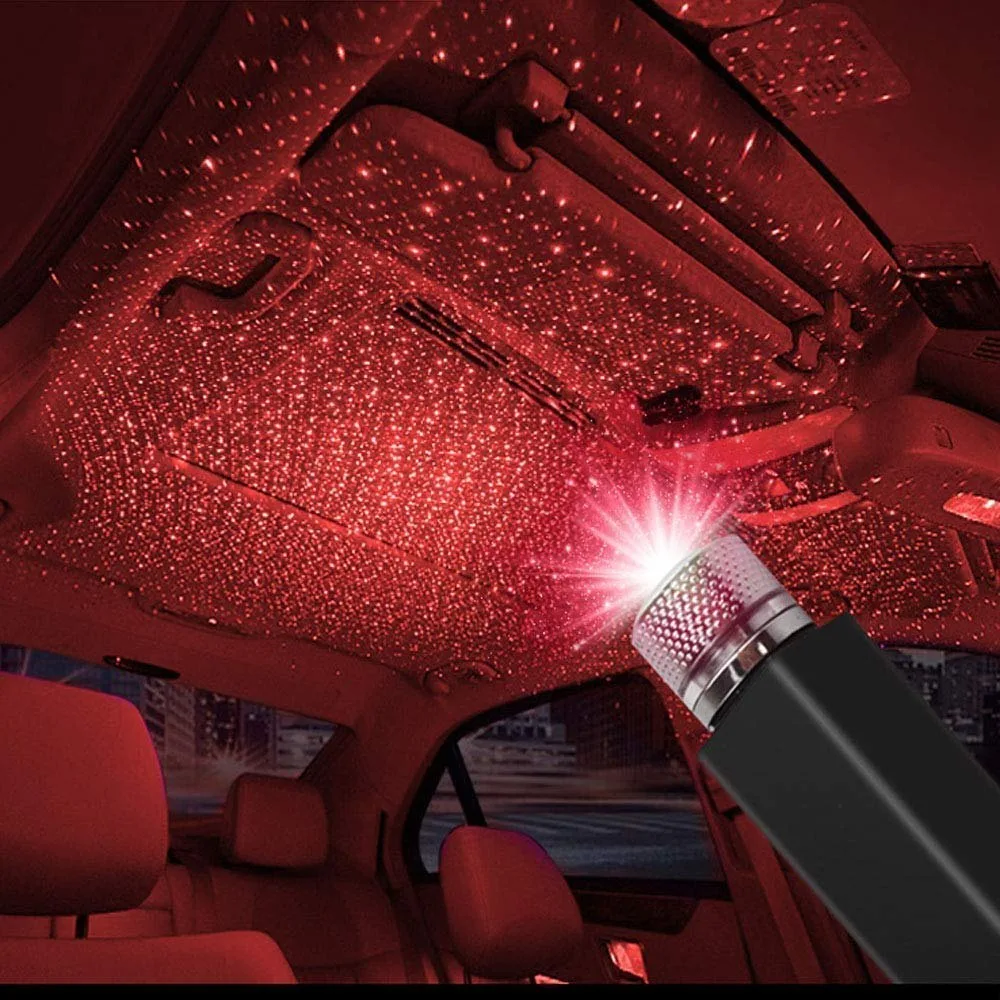
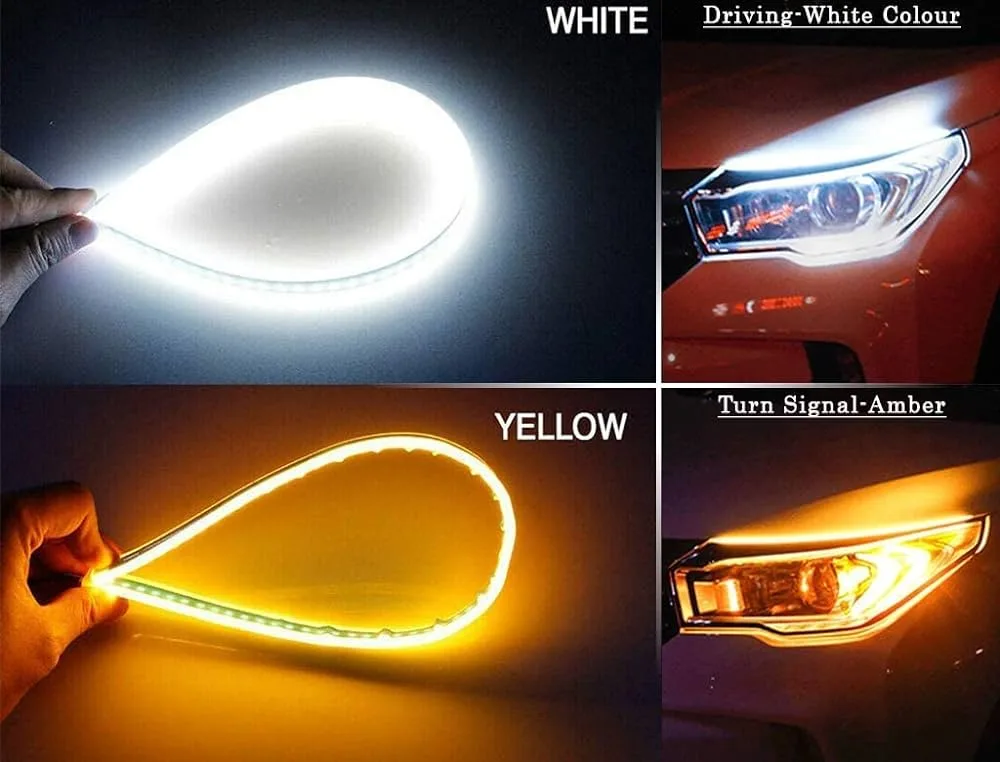
- Visibility: appropriate visibility accessories
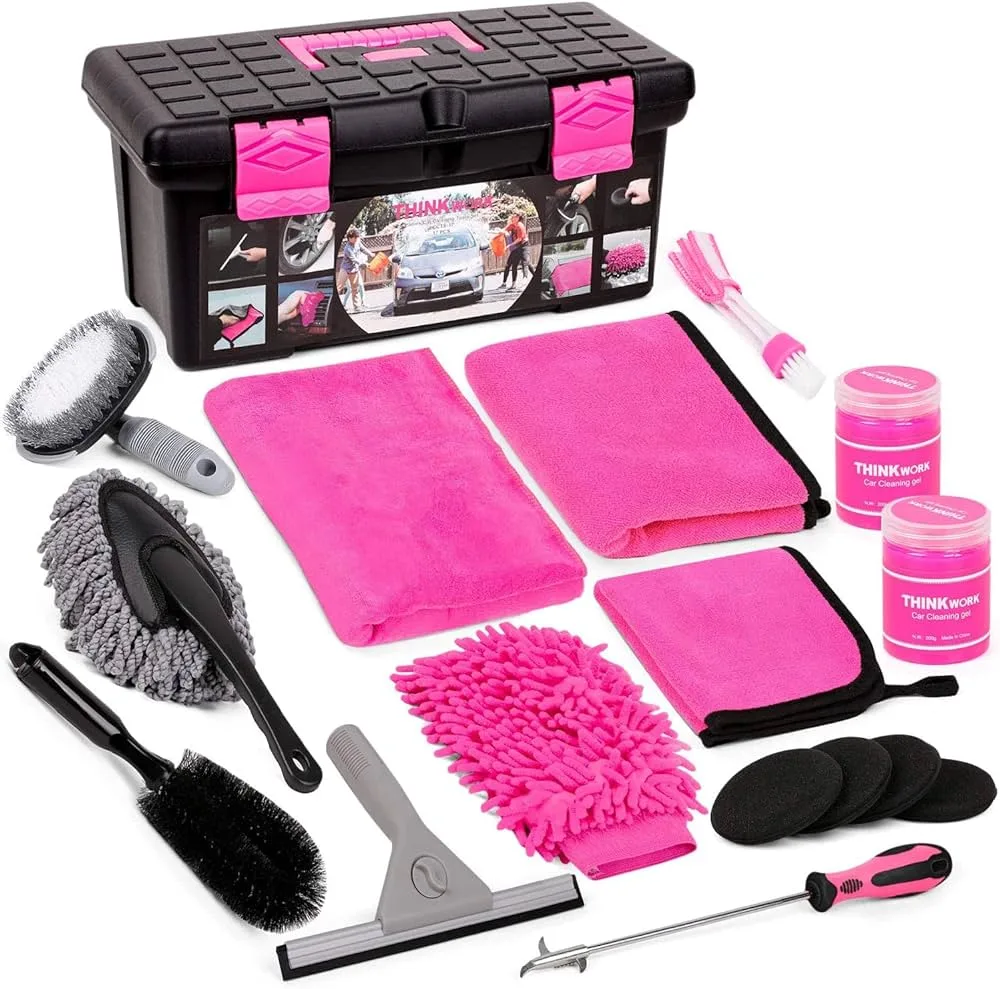
- Cleaning: microfiber cloths and car-cleaning products
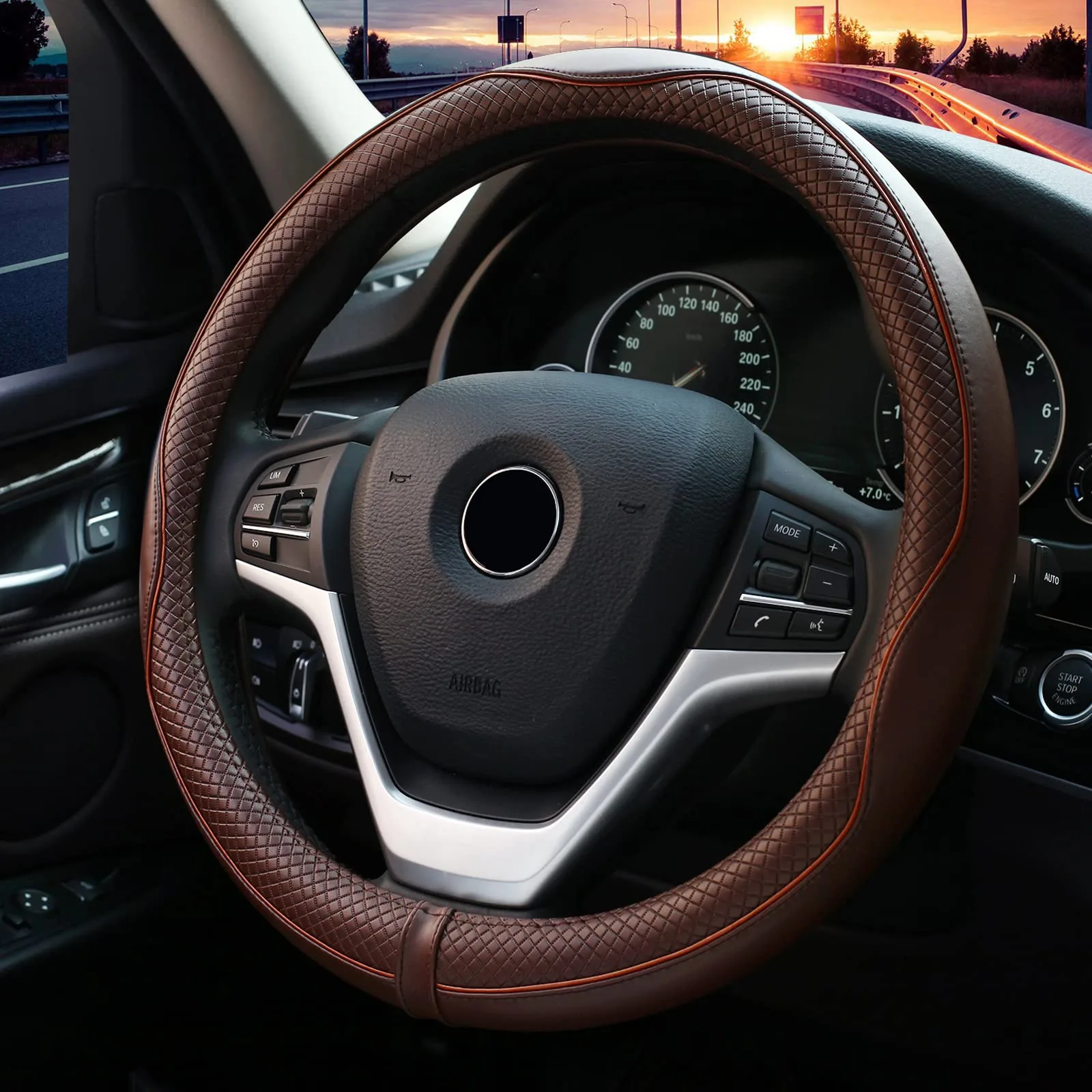
- Comfort: neck cushions and practical comfort accessories
- Organisation: seat-back or cabin organisers
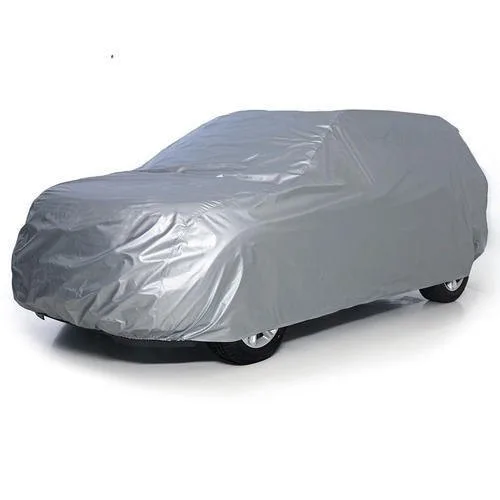
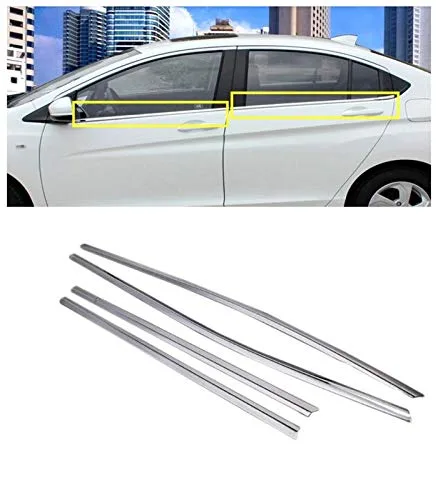
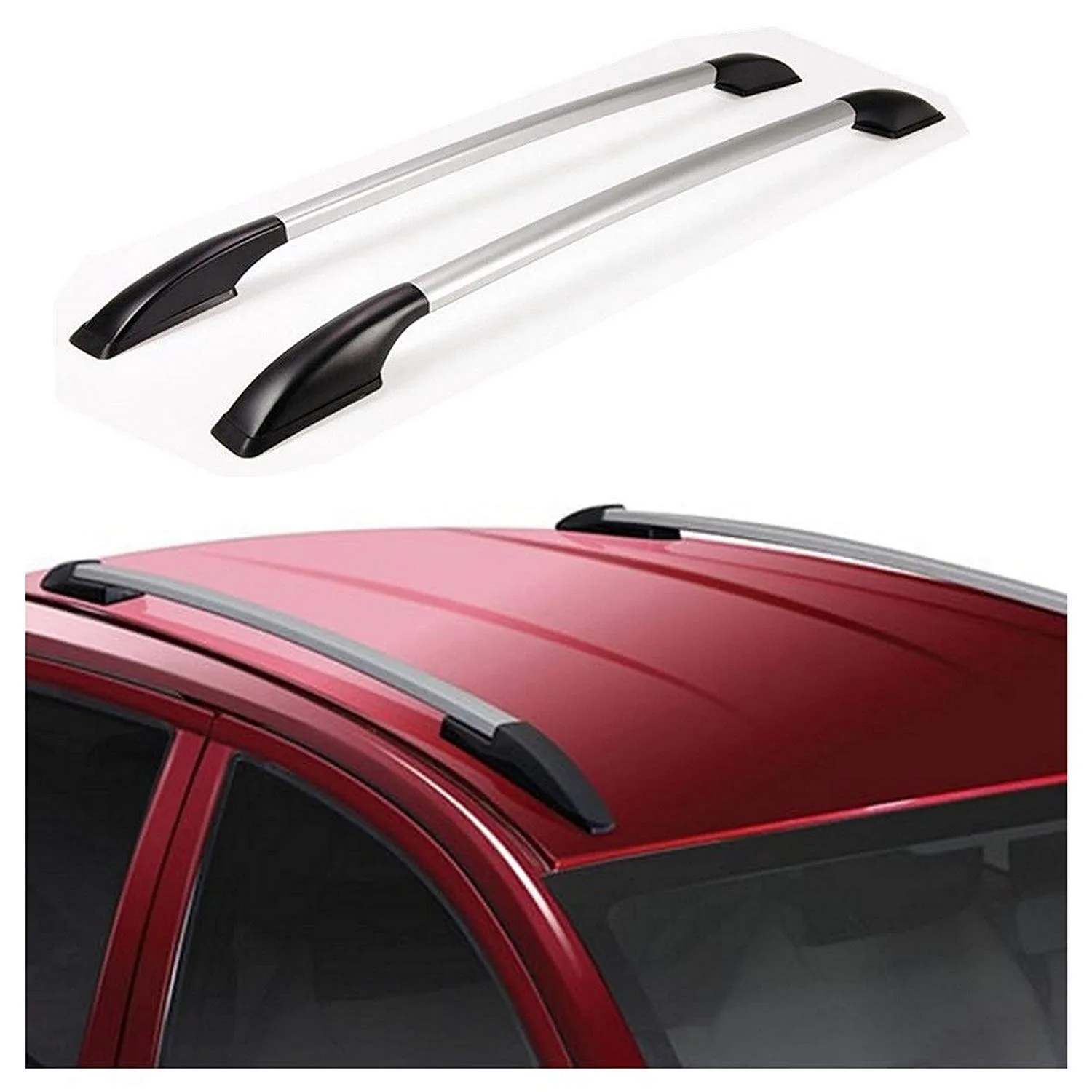
- Protection: suitable body covers and exterior protection products
For buyers looking for affordable car accessories in India, the key is to purchase according to actual usage rather than adding unnecessary products immediately after taking delivery.
CRECKK VIEW: When a new car becomes more expensive, spending intelligently on accessories becomes even more important. Prioritise products that protect the vehicle, improve comfort or solve an everyday problem before buying purely cosmetic upgrades.
How Much Can a September Price Hike Affect Your Budget?
A headline price increase can appear small, but its effect depends on the vehicle's original price and the way the car is financed.
For example, if the ex-showroom price rises by ₹20,000, the buyer should not look only at the ₹20,000 figure. The final on-road price can also change depending on applicable registration, insurance and other costs.
Similarly, if a buyer finances the purchase, the additional amount may be spread across the loan tenure and attract interest.
This is why comparing the ex-showroom price, on-road price and EMI is more useful than comparing only manufacturer announcements.
For buyers already planning a purchase, getting an updated quotation before booking can reveal exactly where the additional expense has appeared.
What Should You Do If You Are Planning to Buy a Car Now?
If you are planning to purchase a new car after the September 2026 car price increase, use this checklist:
- Confirm the exact variant price rather than relying on the maximum announced hike.
- Ask for a complete on-road quotation.
- Compare dealer offers where practical.
- Check festive-season benefits applicable to your model.
- Compare insurance quotes before accepting the dealer's insurance package.
- Calculate the EMI impact if you're financing the purchase.
- Separate essential accessories from cosmetic upgrades.
- Check the delivery timeline before making a booking.
- Confirm whether the quoted price is locked and under what booking conditions.
- Recheck the quotation before final payment.
These steps can help prevent a relatively small manufacturer's price increase from becoming a larger-than-expected jump in the final purchase cost.
Frequently Asked Questions
1. Which car brands increased prices in September 2026?
Maruti Suzuki, Tata Motors and Hyundai announced September 2026 price increases. Maruti Suzuki's increase was up to ₹20,000 on select models, Tata Motors announced up to ₹25,000, and Hyundai announced an increase of up to 1%.
2. Which cars got expensive in September 2026?
The exact impact varies by model and variant. Tata's September revision covered its applicable passenger vehicle range, while Maruti Suzuki's increase applied to selected models. Hyundai revised prices across its applicable portfolio.
3. Which car brands did not increase prices in September 2026?
No separate September-wide price hike was identified for Mahindra, Kia and MG Motor in the information reviewed. However, this does not mean these manufacturers made no other price changes during 2026 or that future hikes cannot happen.
4. What was Maruti Suzuki's September 2026 price hike?
Maruti Suzuki increased prices of selected models by up to ₹20,000 in September 2026. The company cited sustained input-cost increases as the primary reason.
5. How much did Tata Motors increase car prices?
Tata Motors announced a price increase of up to ₹25,000 from September 1, 2026. The increase applies to its applicable passenger vehicle range, including ICE and EV models, but the exact amount varies by model and variant.
6. Did Hyundai increase car prices in September 2026?
Yes. Hyundai announced a price increase of up to 1% from September 2026. The company cited rising input and commodity costs, higher operating expenses and broader economic uncertainty.
7. Should I buy a car before or after a price hike?
There is no universal answer. Compare the revised price with available discounts, exchange benefits, financing costs and delivery timelines. The final on-road quotation is more important than the headline price increase.
Conclusion
The September 2026 car price hike in India shows that rising manufacturing and operating costs continue to influence new-car pricing. Maruti Suzuki raised prices of select models by up to ₹20,000, Tata Motors announced increases of up to ₹25,000, and Hyundai revised prices by up to 1%.
Meanwhile, no separate September-wide hike was identified for Mahindra, Kia and MG Motor during the period reviewed.
For buyers, the key takeaway is simple: don't assume the maximum announced hike applies to every car. Always check the exact model and variant, revised ex-showroom price, on-road quotation, available discounts and financing costs.
As the festive buying season progresses, keeping some budget aside for essential car accessories for new owners and useful protection or comfort upgrades can also help create a better ownership experience without unnecessary spending. Creckk can be useful for buyers looking for practical car accessories and upgrades after a price hike, particularly when the focus is on value rather than cosmetic additions.