



































































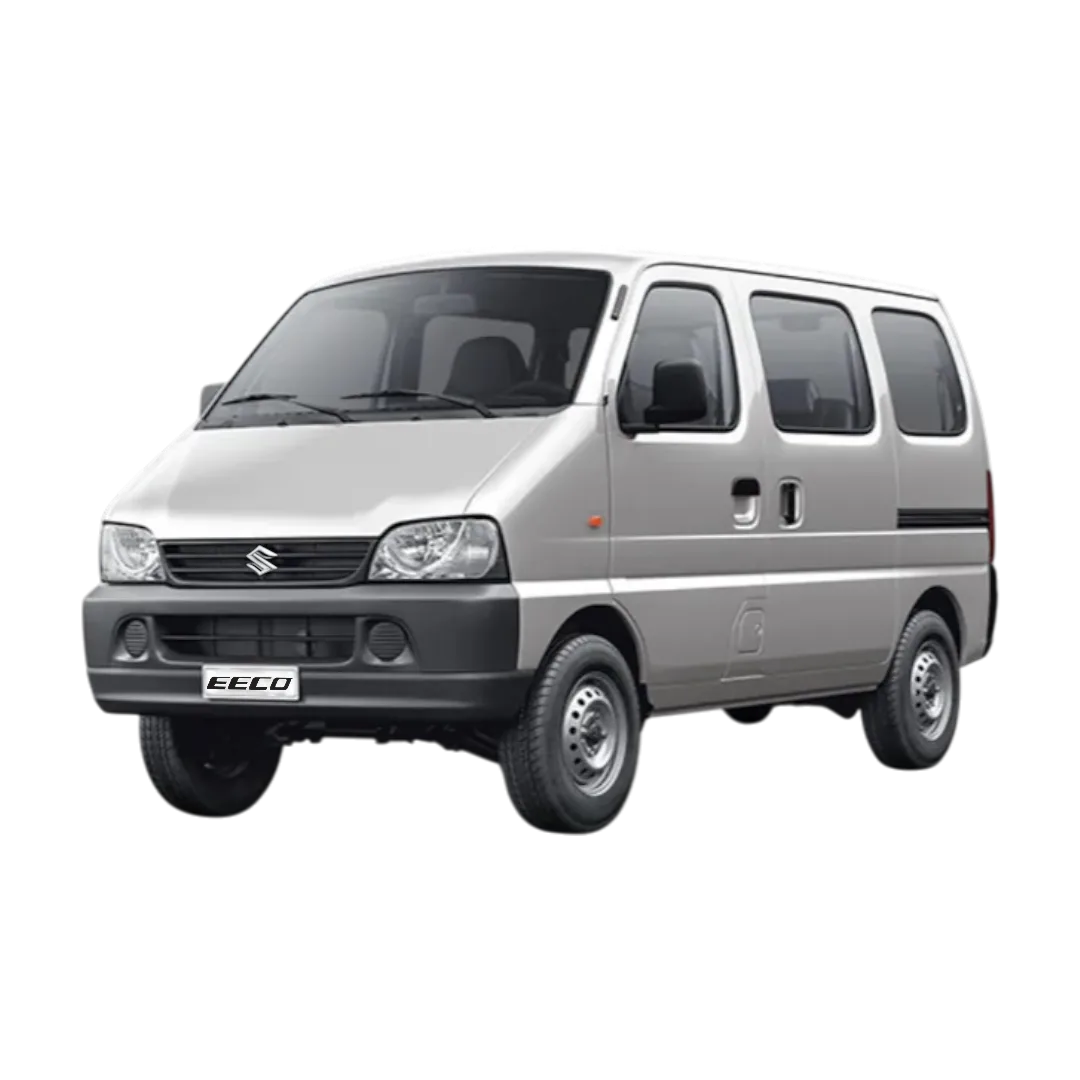












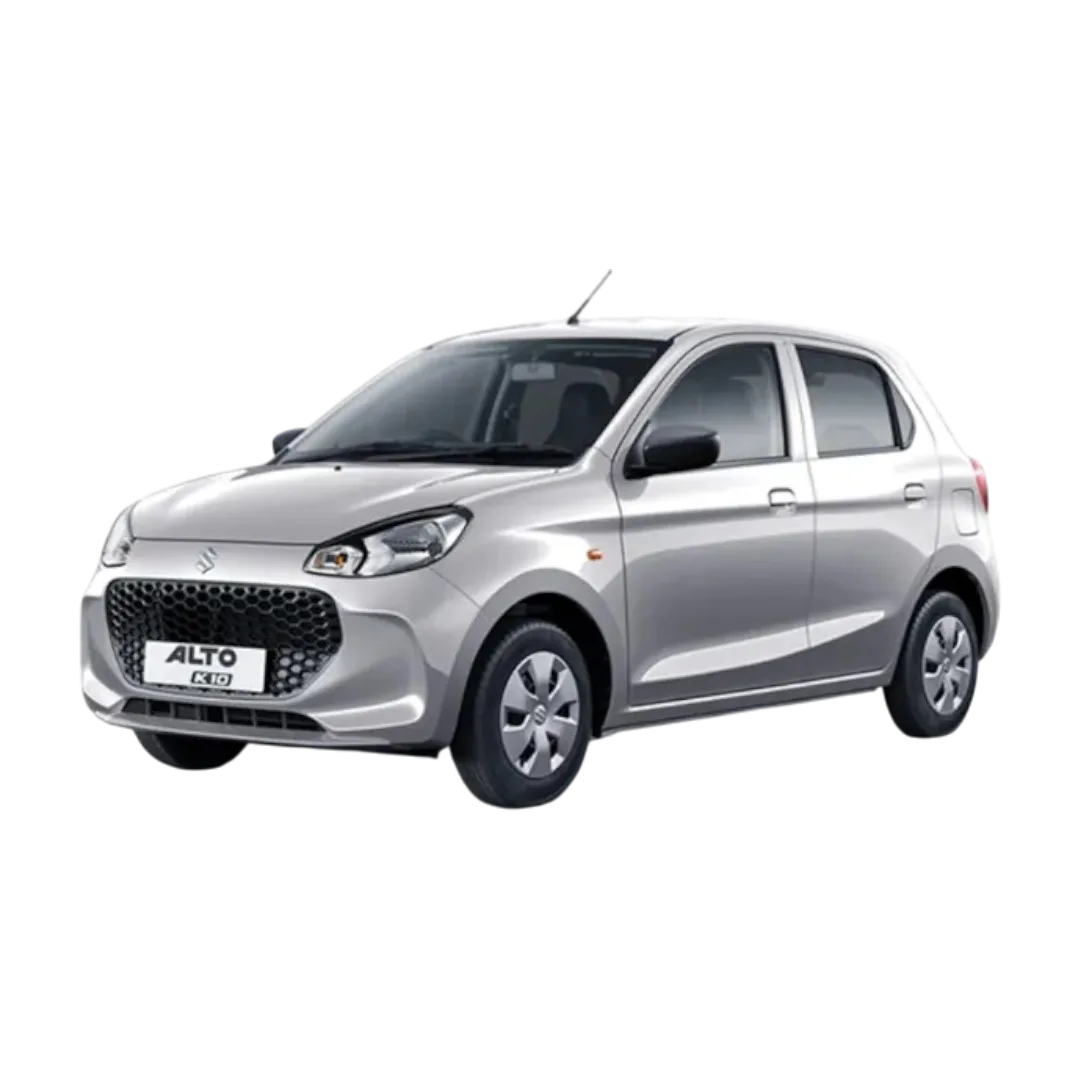




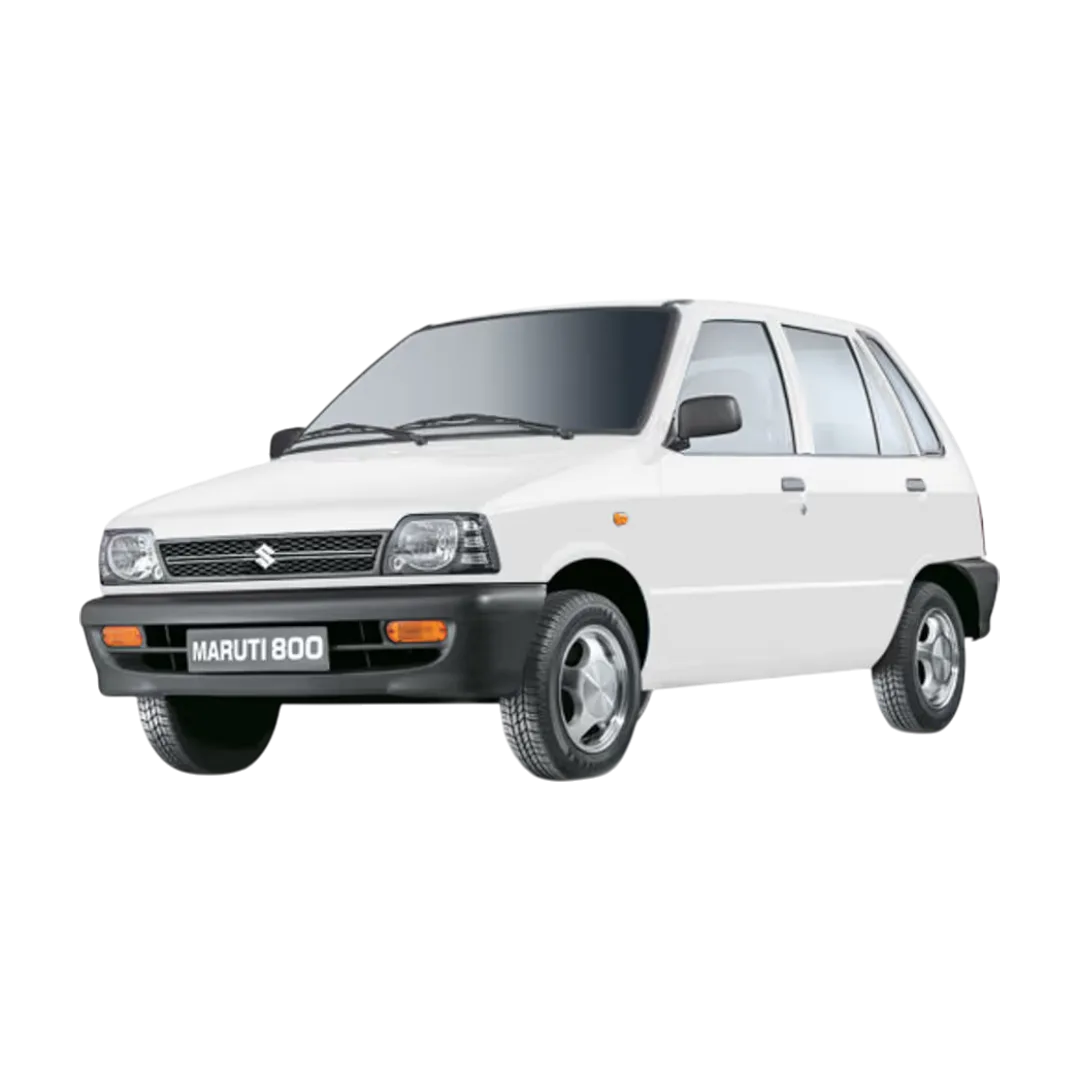
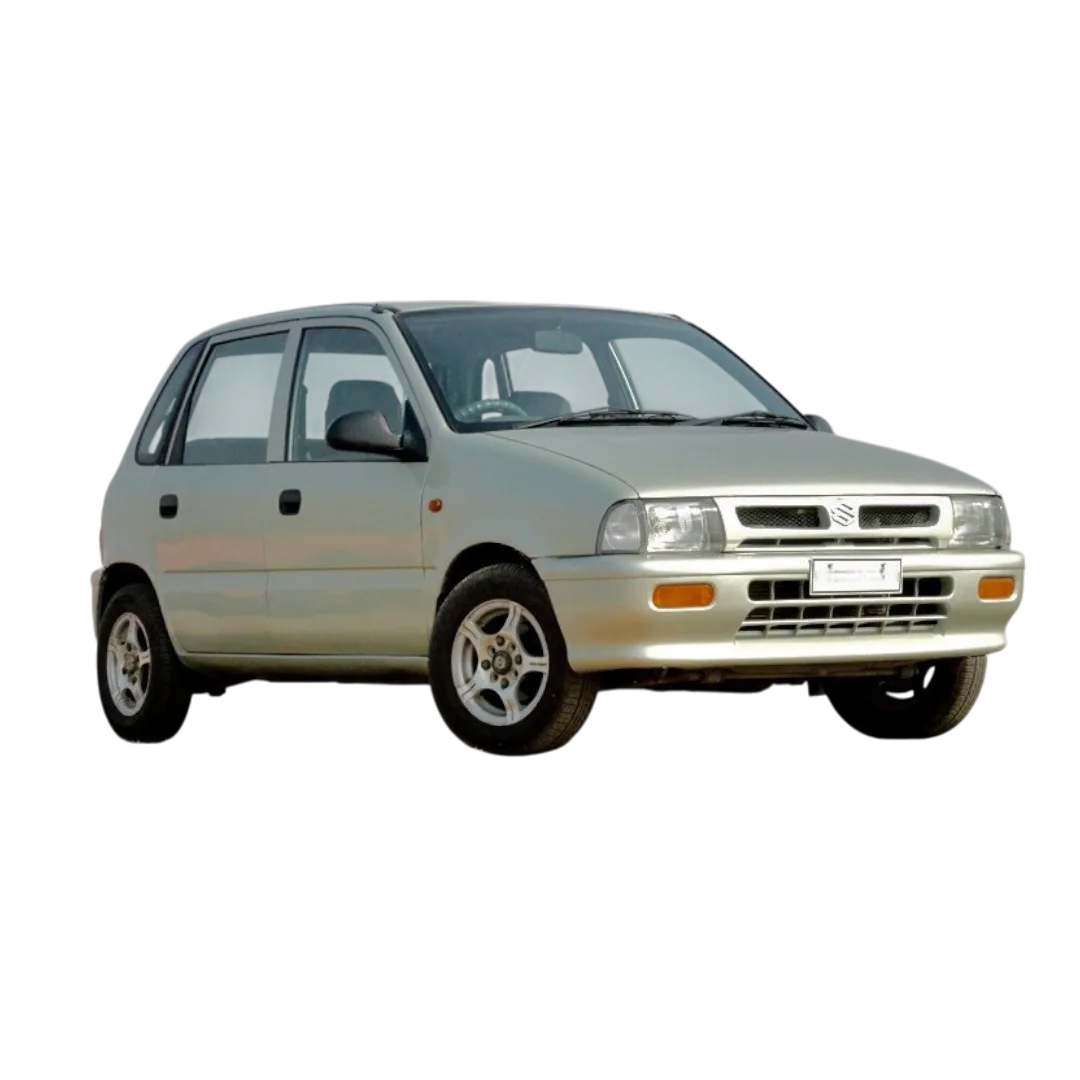





















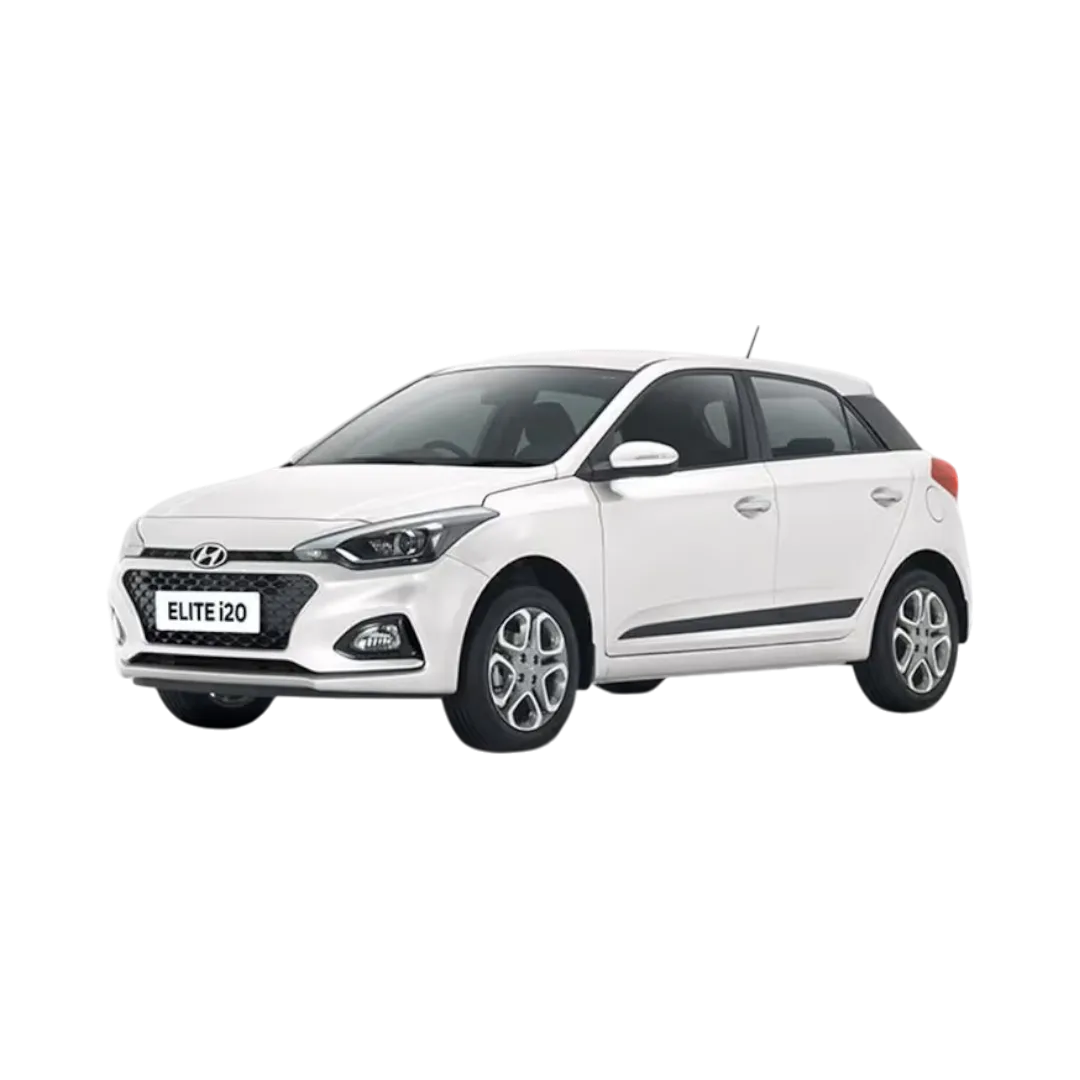



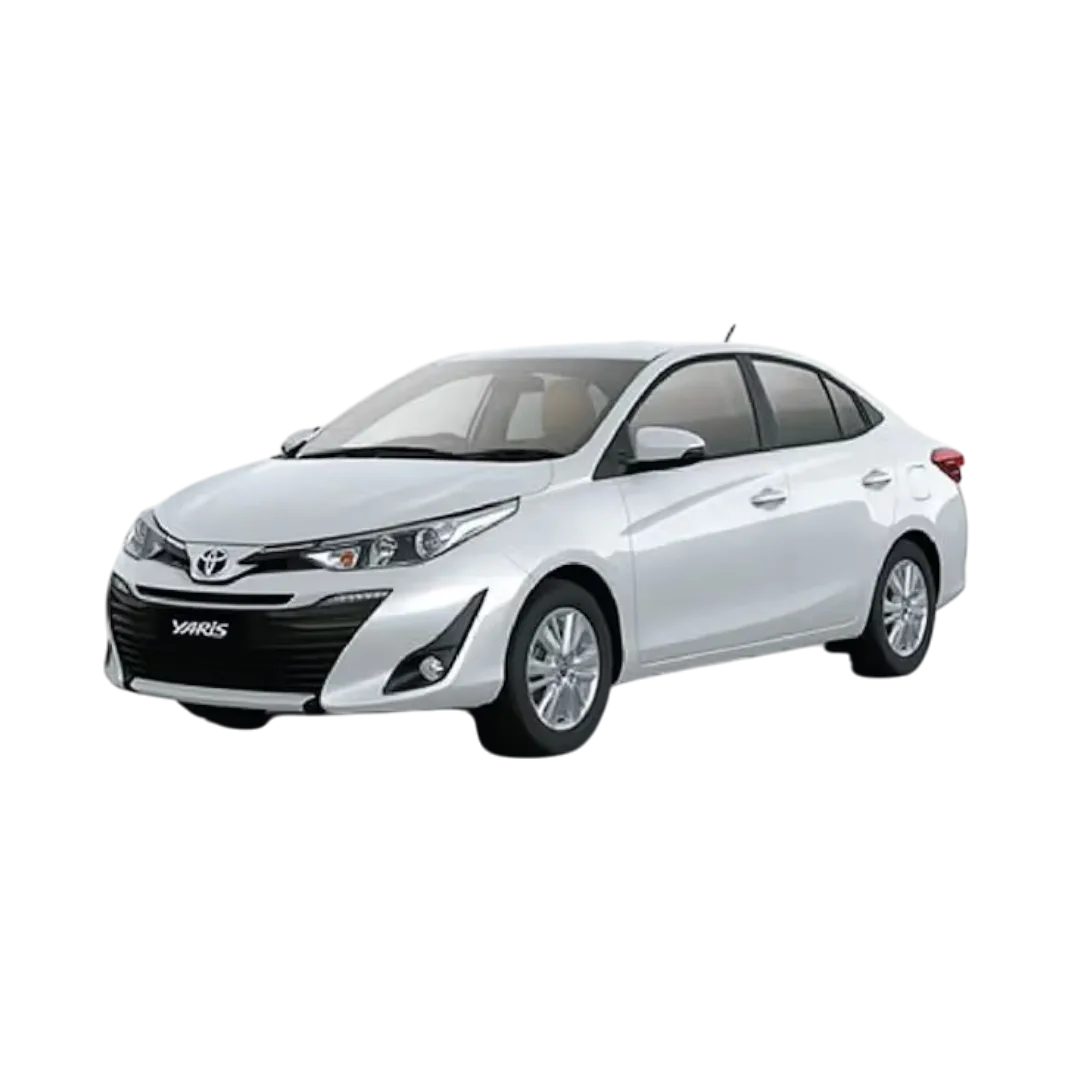


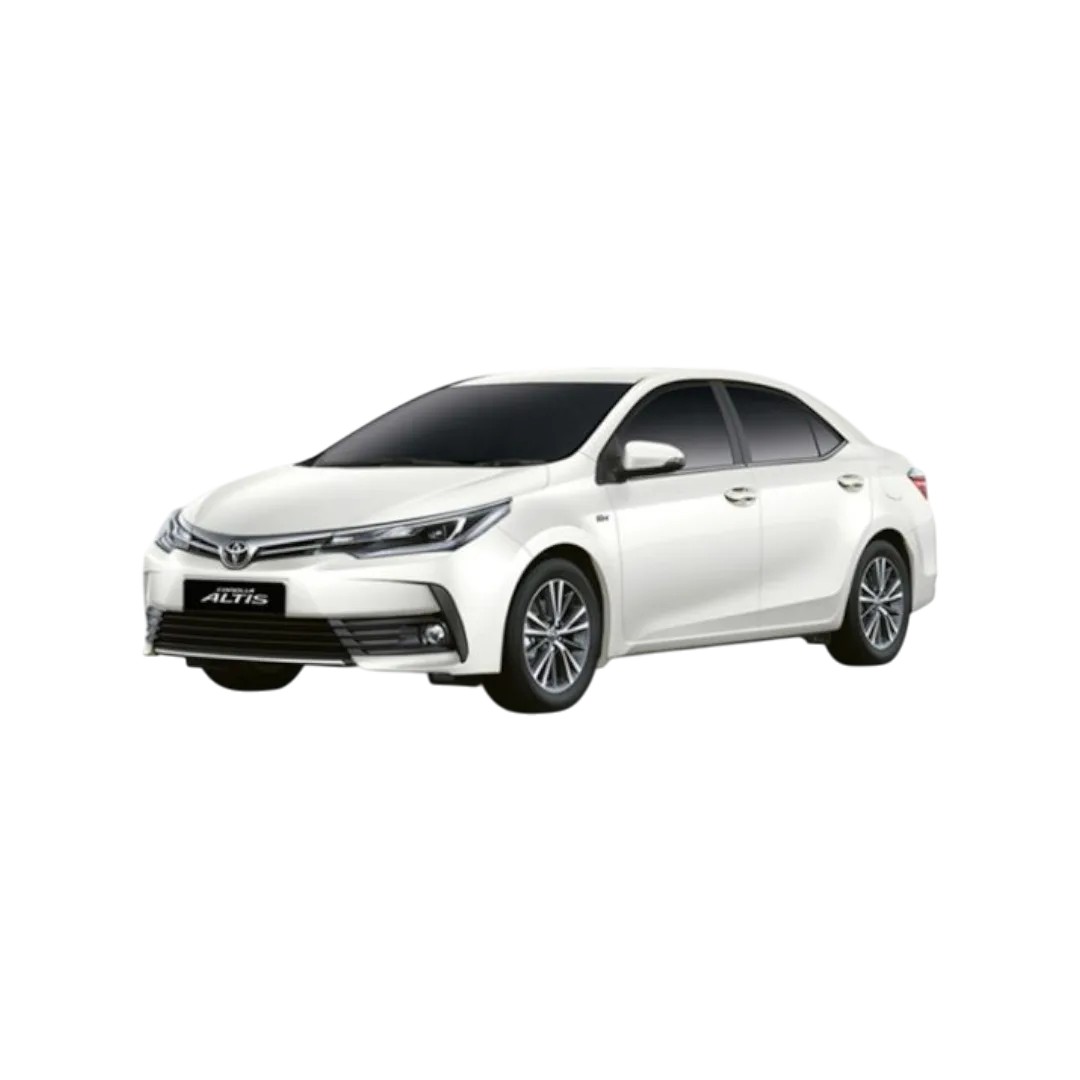







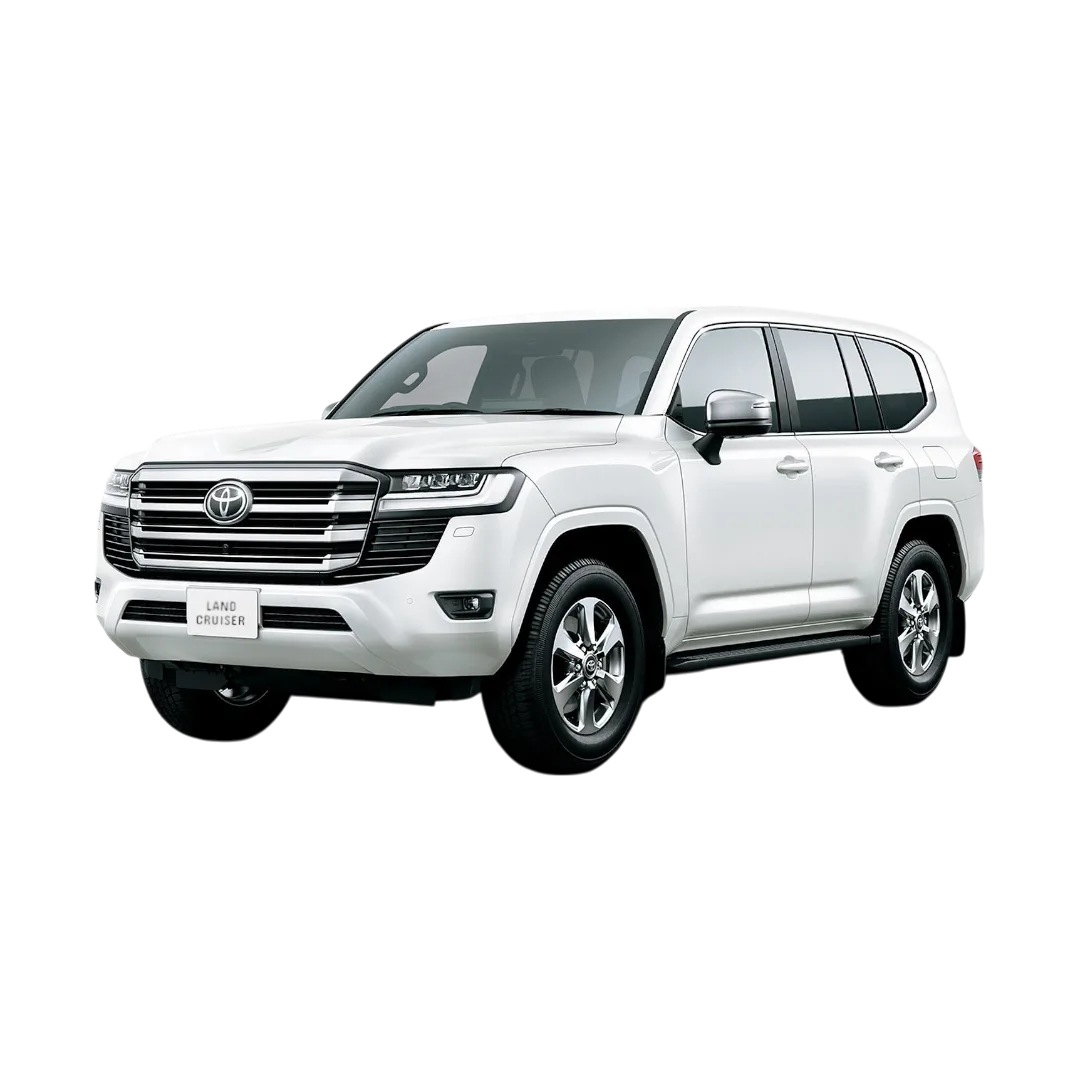



























































































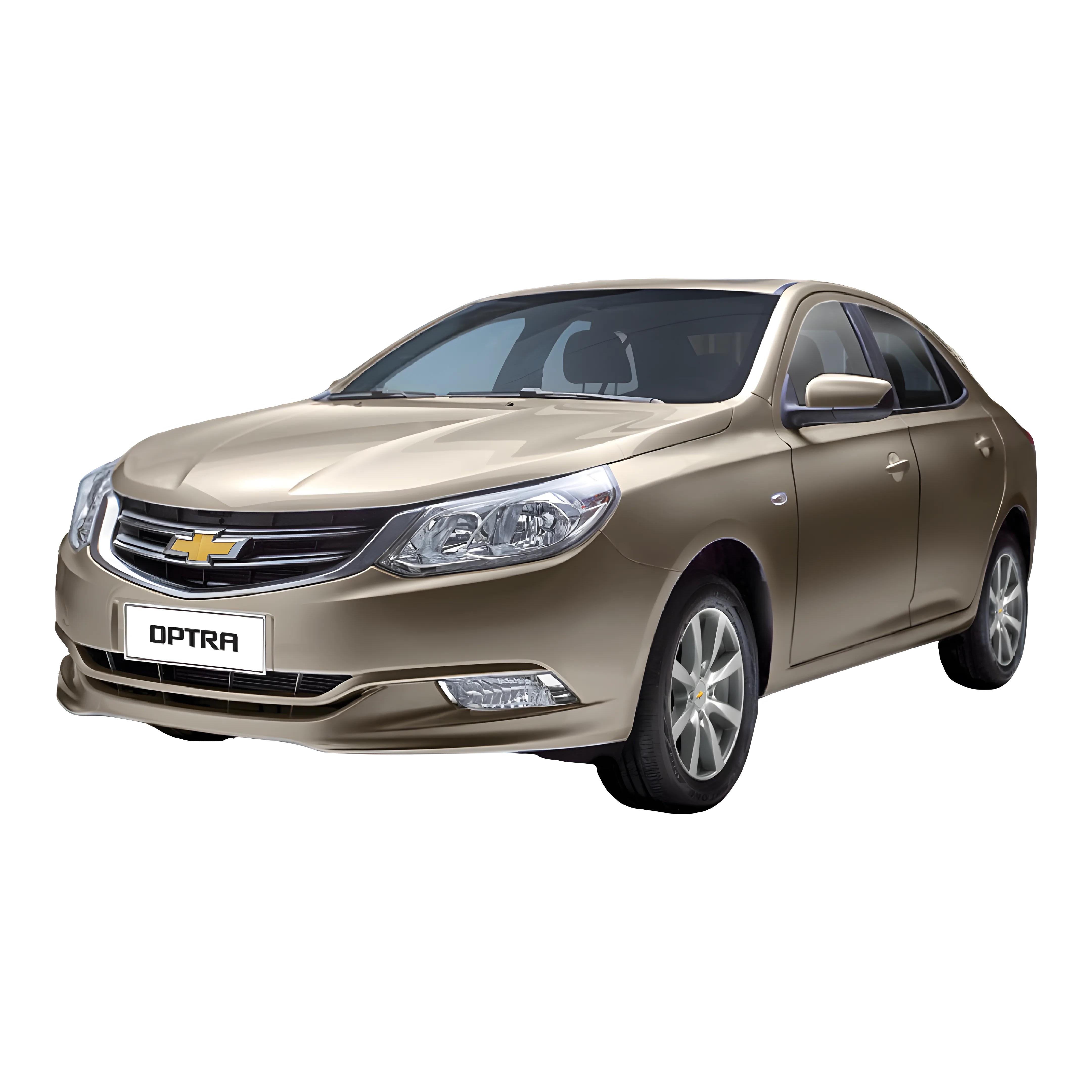

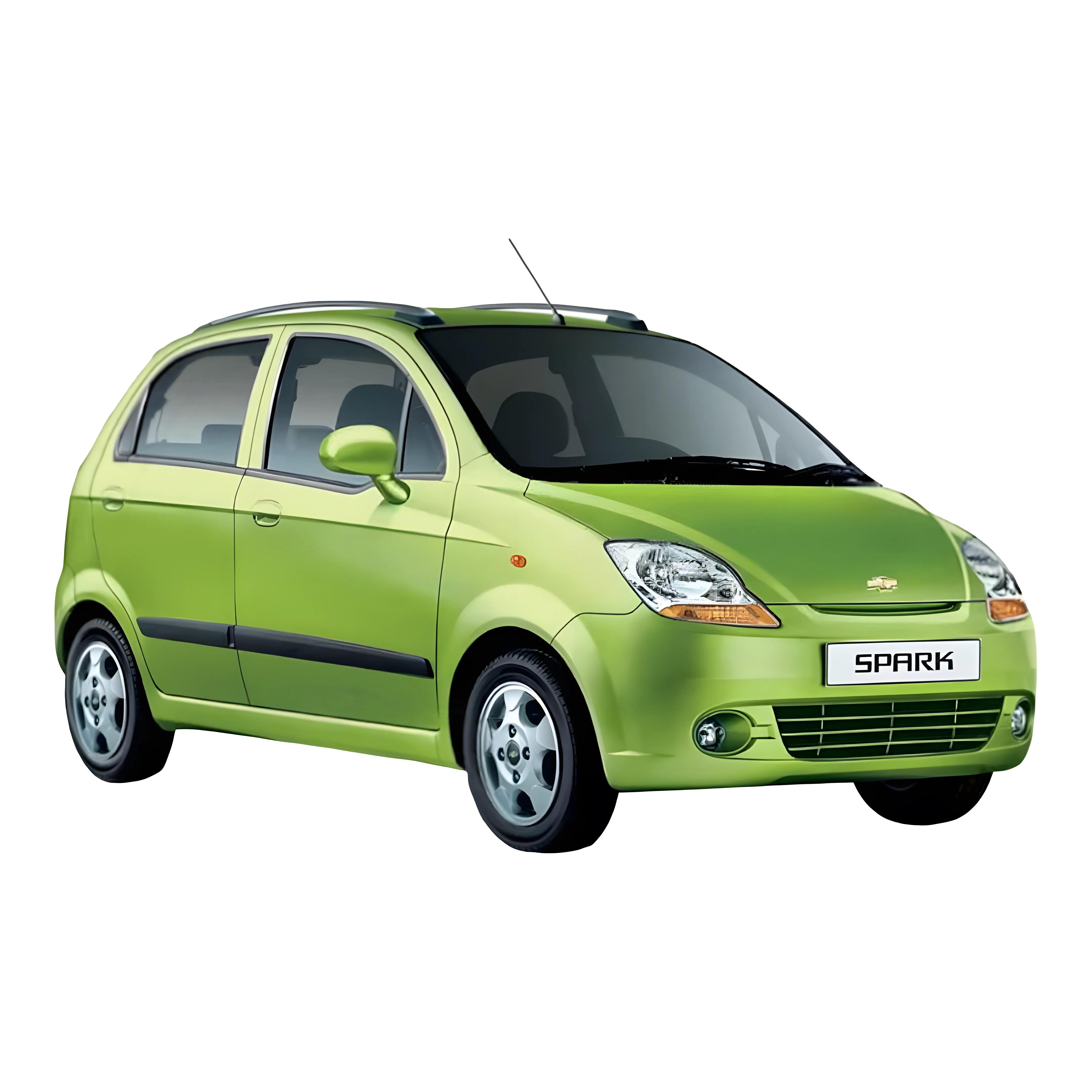













































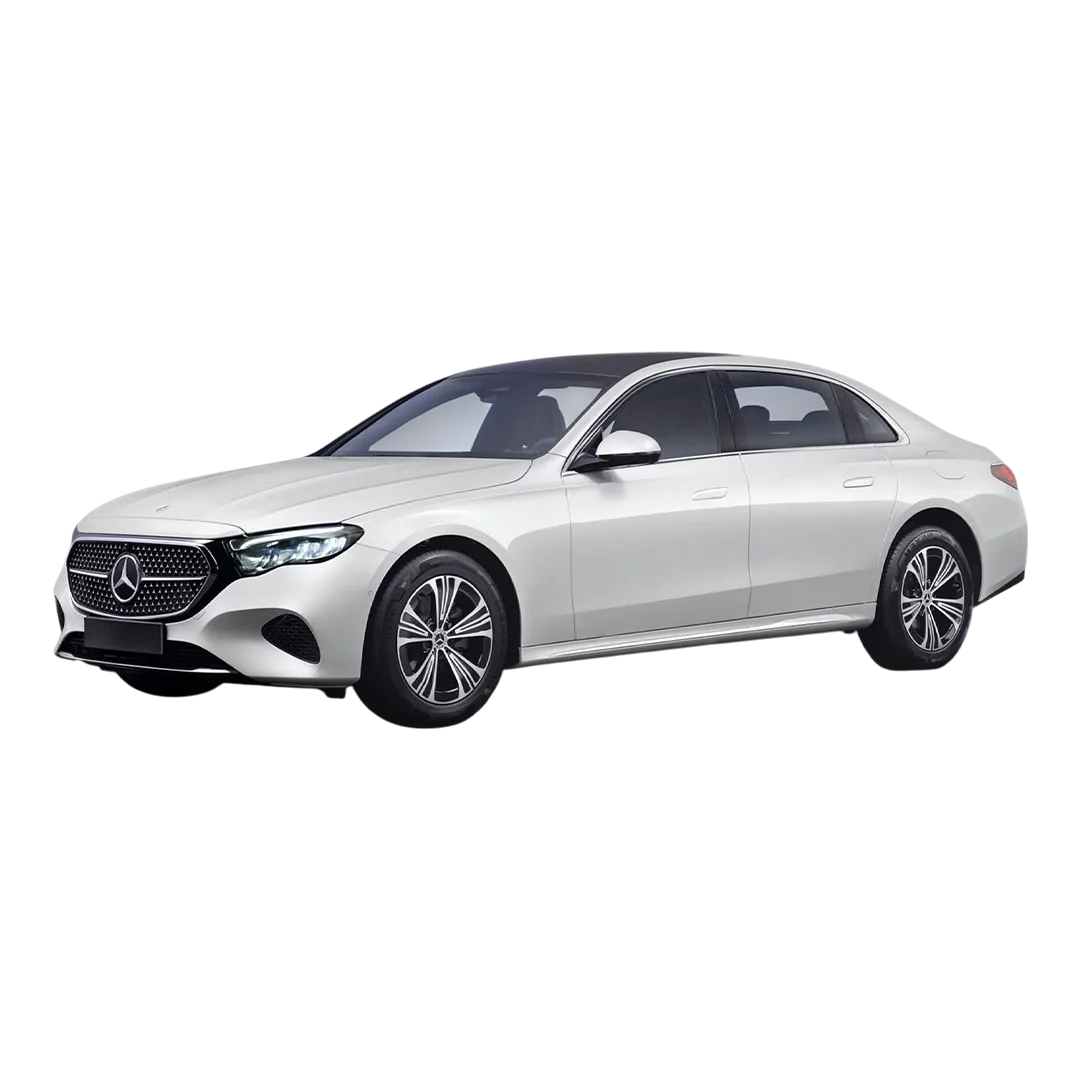



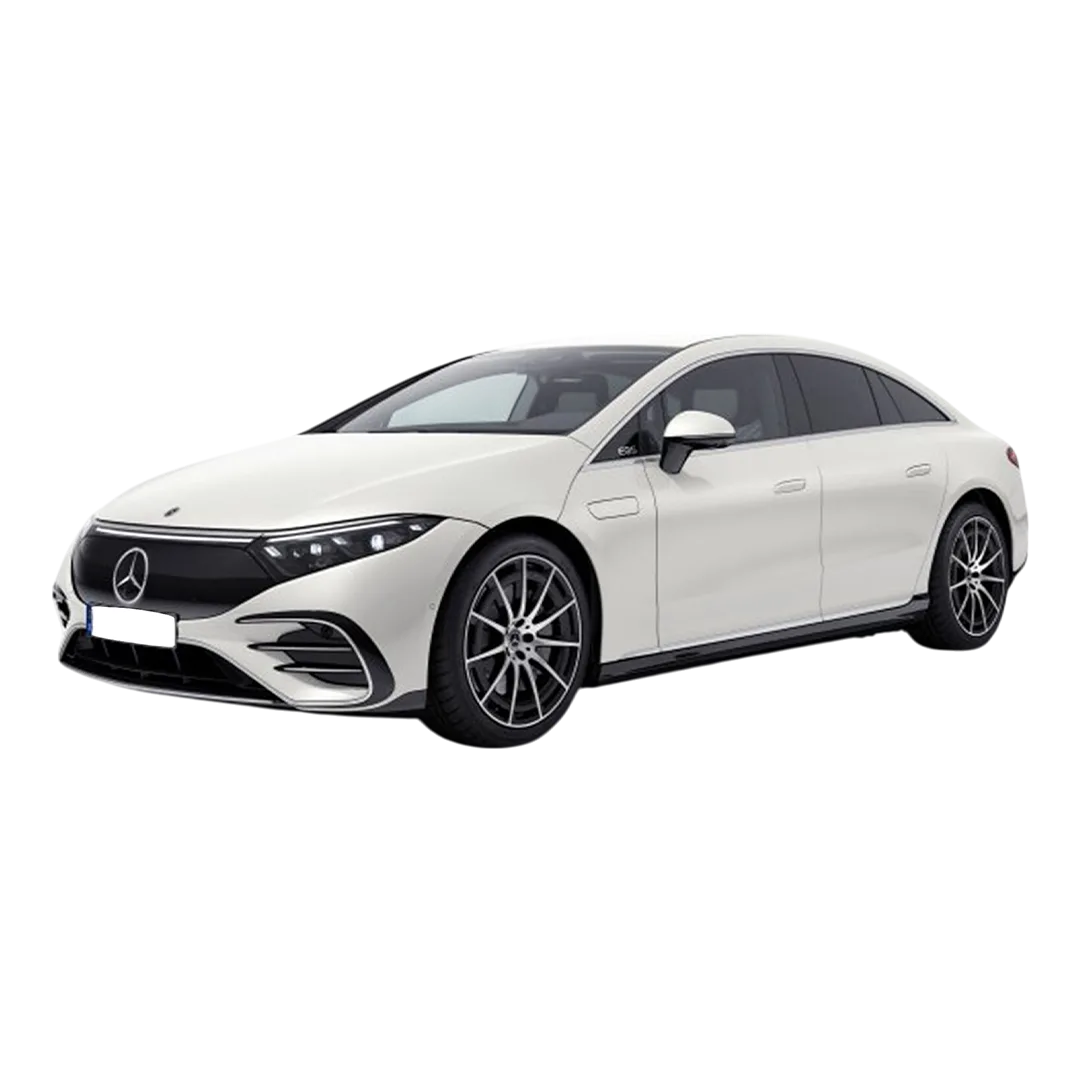




















































Maruti Suzuki remained the largest contributor to the market, while Tata Motors and Mahindra also reported healthy growth in their respective passenger-vehicle portfolios. Maruti Suzuki recorded domestic wholesales of 181,838 units, up 36.9% year-on-year, while Tata Motors reported 68,810 passenger-vehicle wholesales, up 15.3%. Mahindra reported domestic utility-vehicle sales of 64,092 units, representing 14% year-on-year growth.
Several factors supported passenger vehicle sales in September 2026, including the favourable comparison with a weak September 2025 base, changing GST dynamics, improving financing conditions and preparation for the festive buying season. At the same time, SUVs continued to account for a significant share of demand.
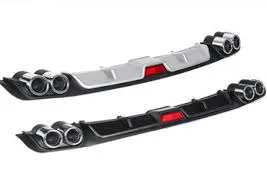
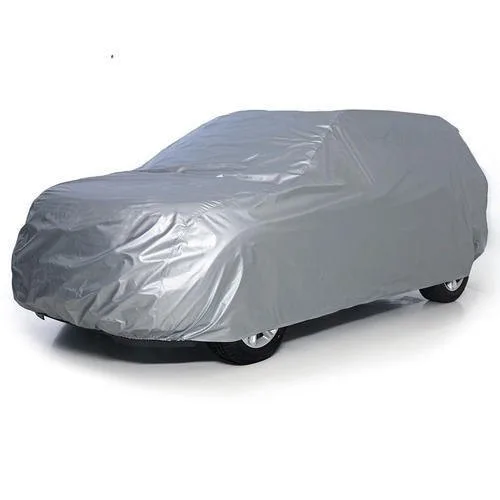
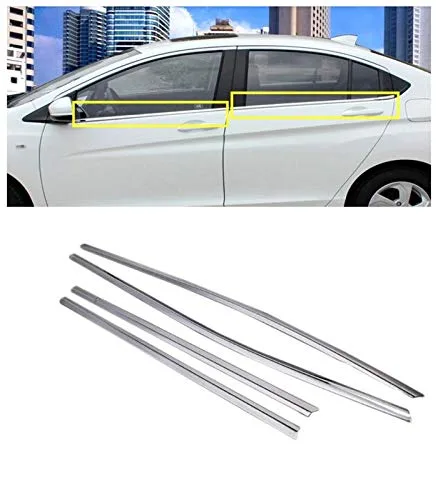
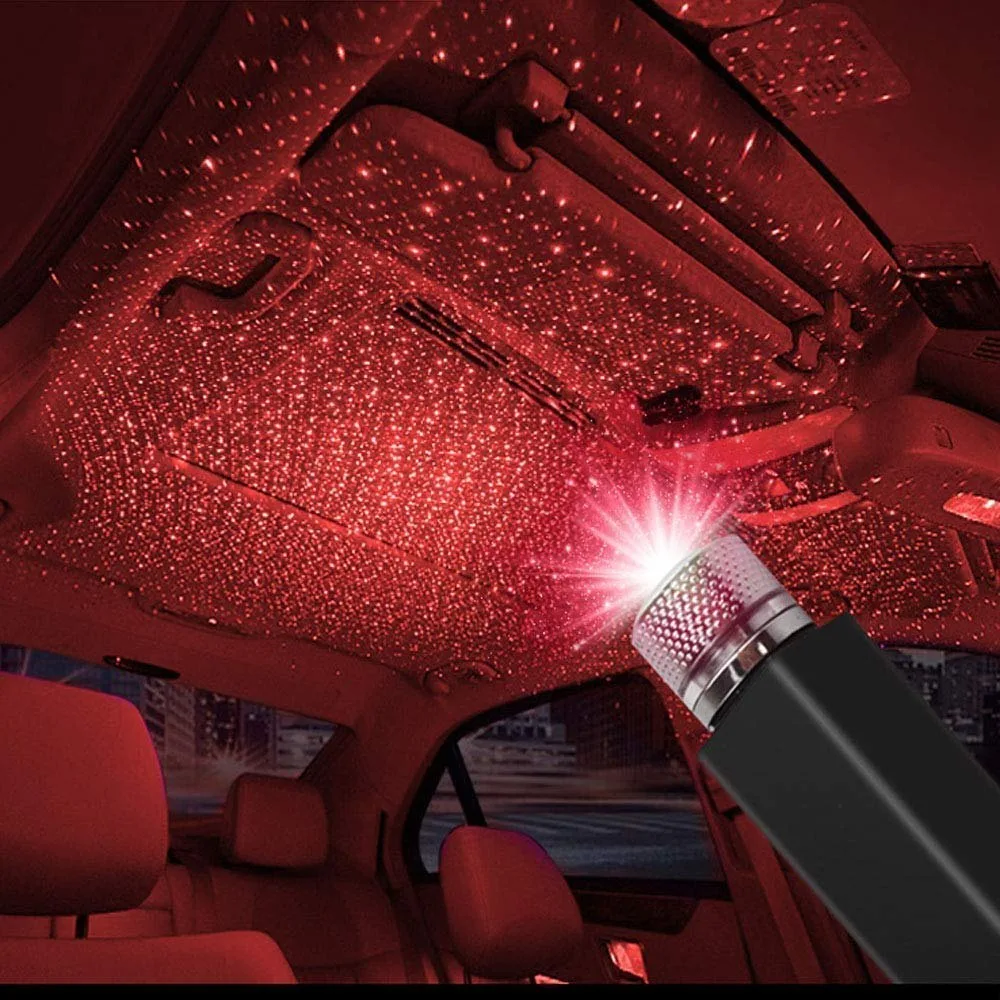
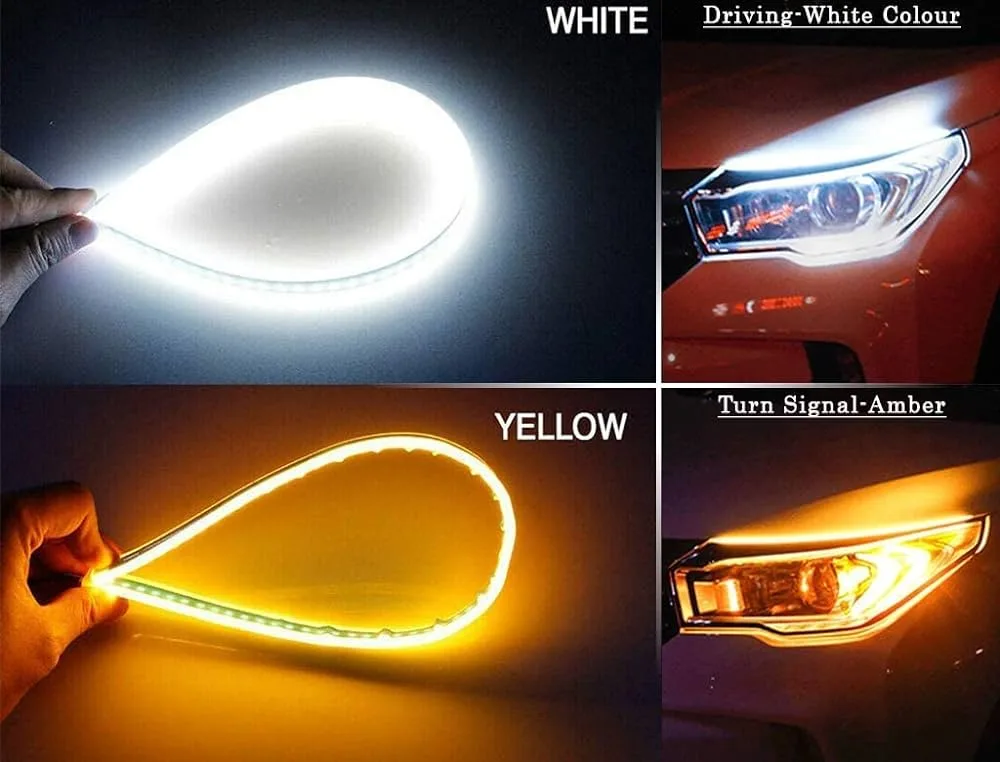
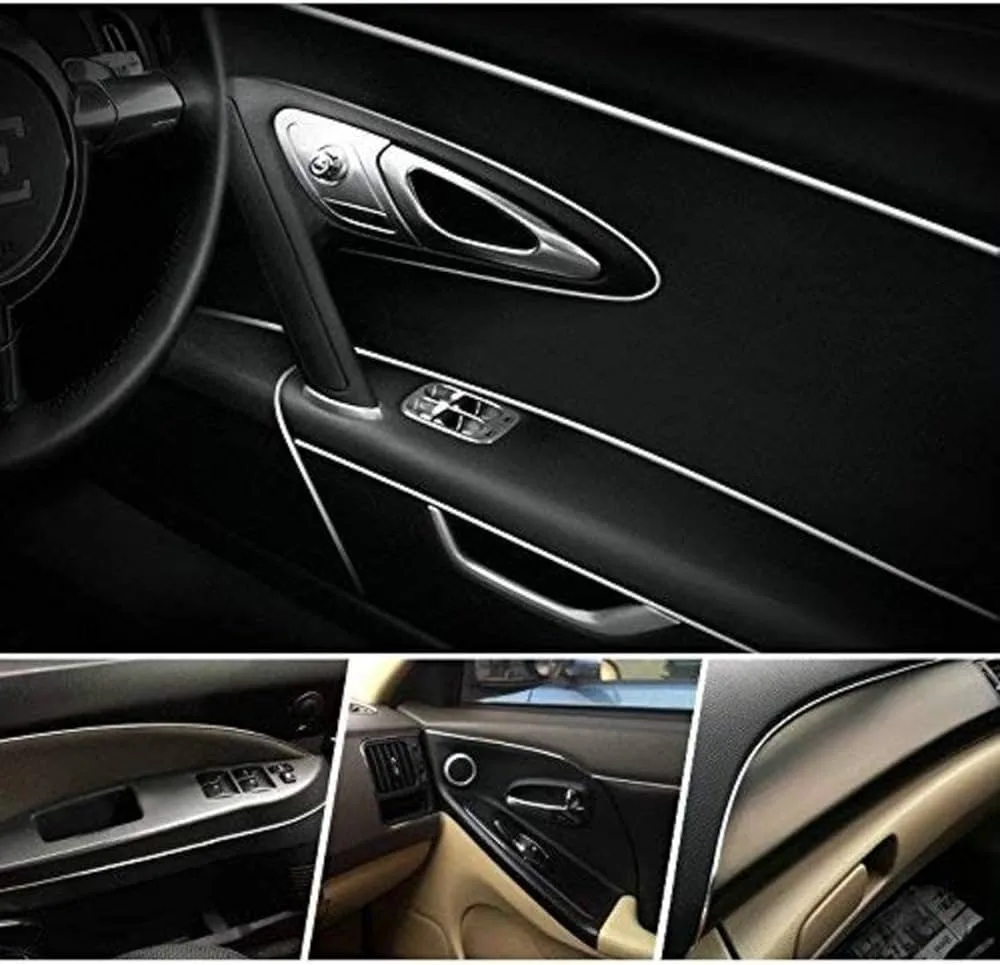
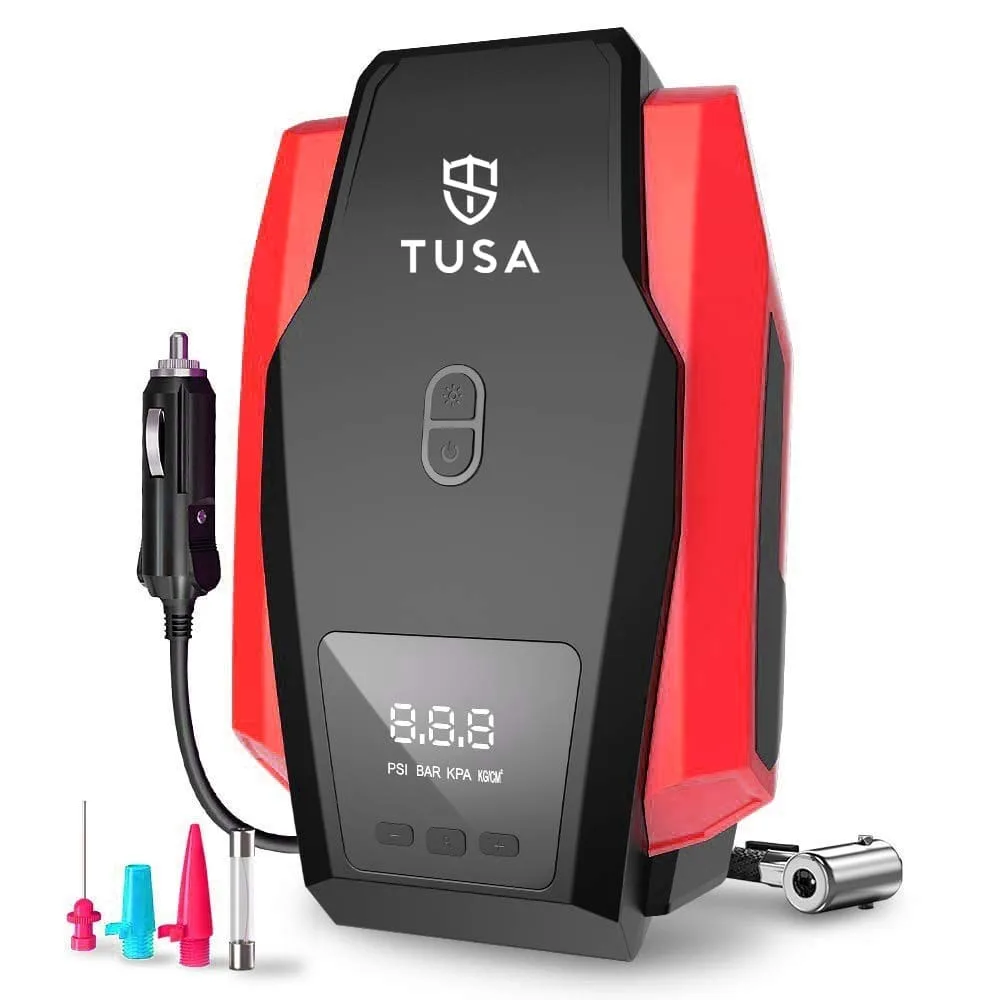
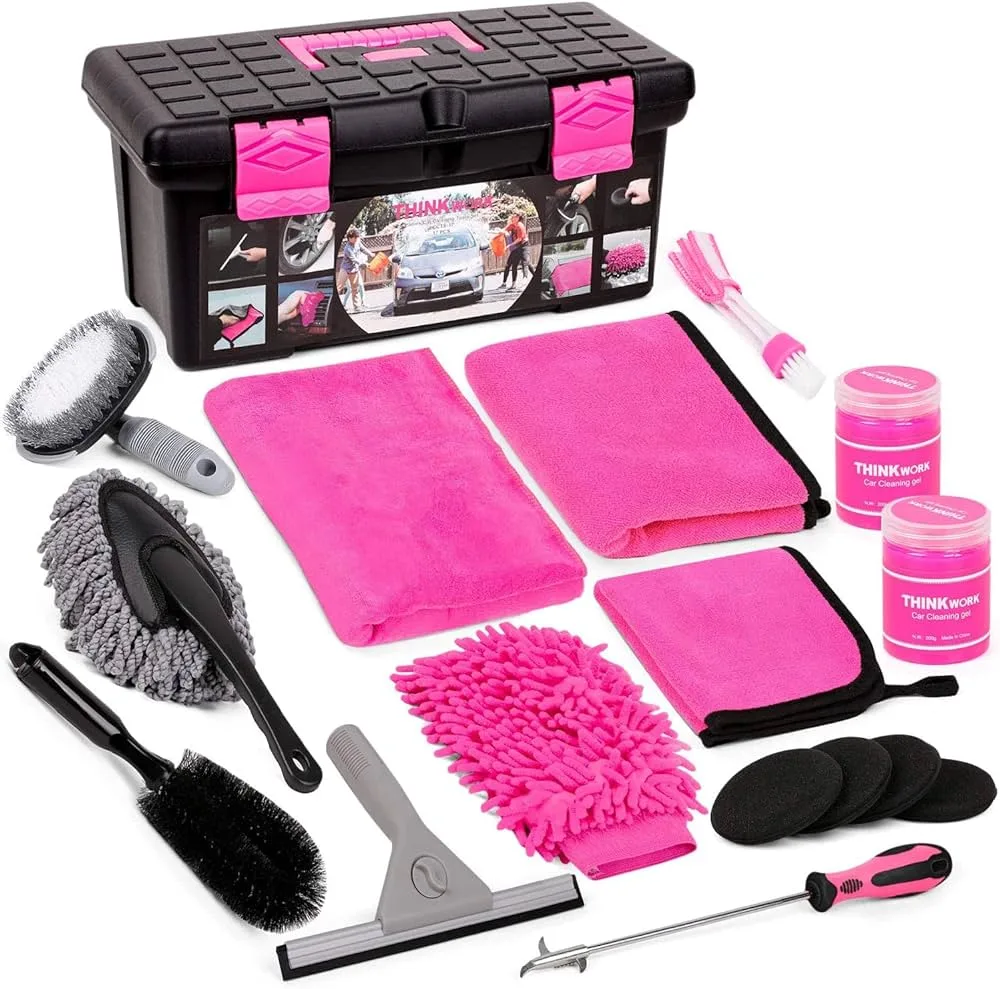
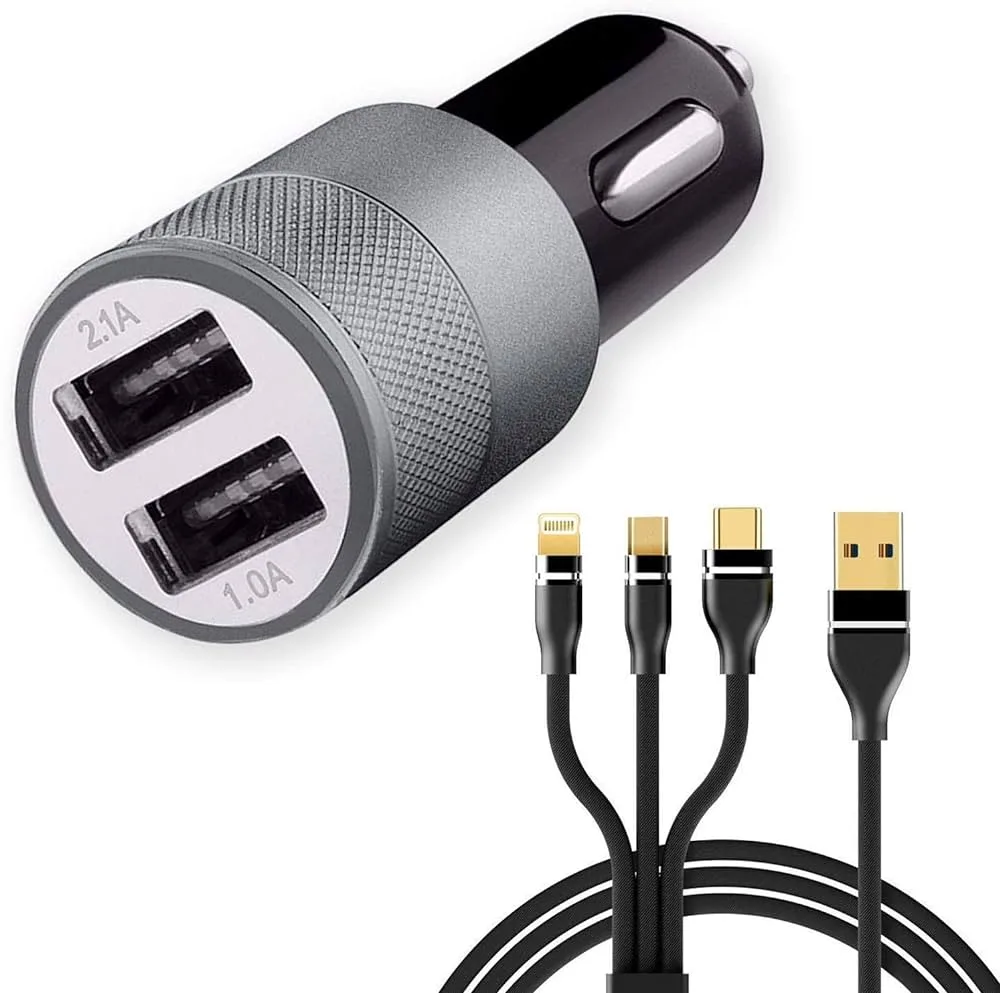
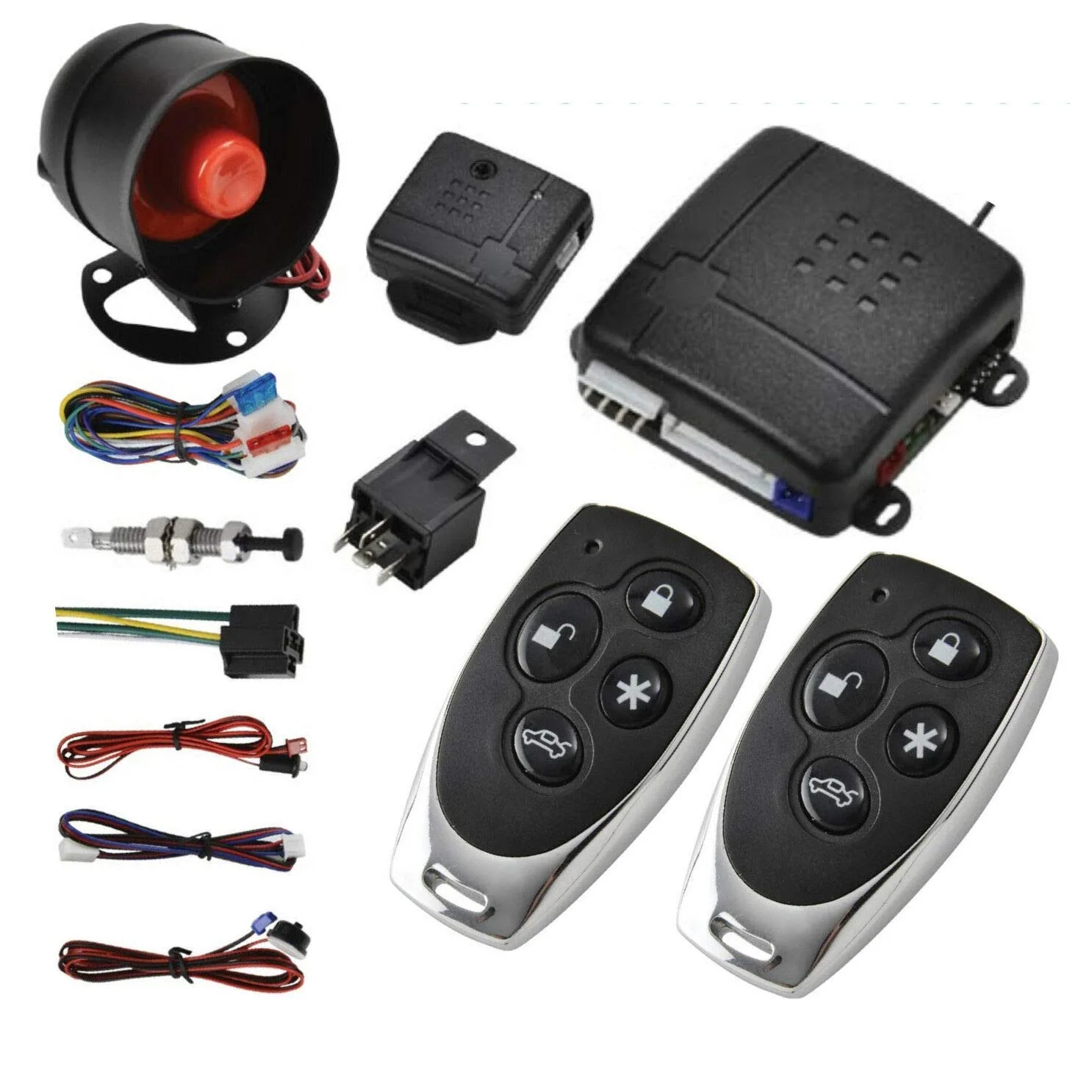
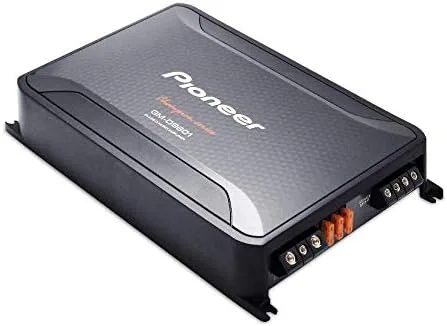
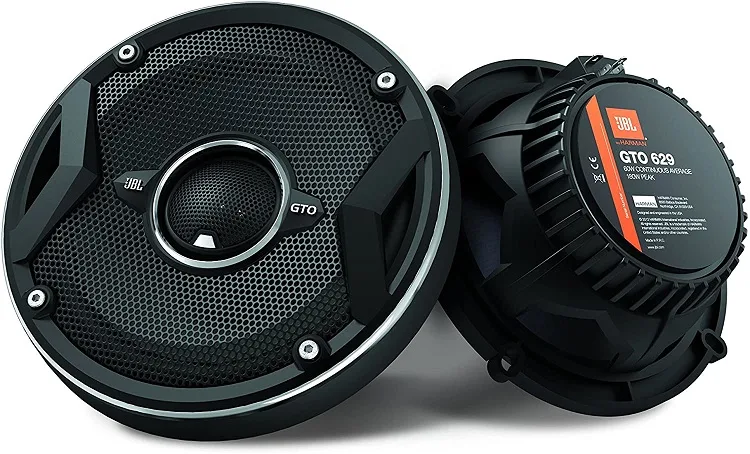
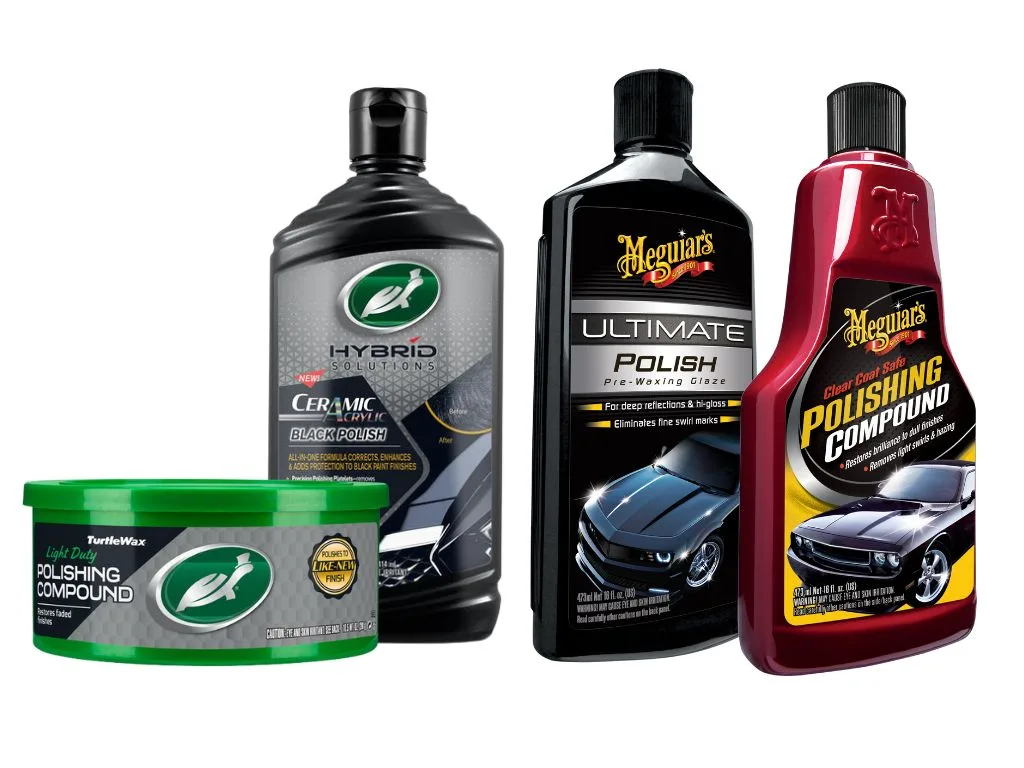
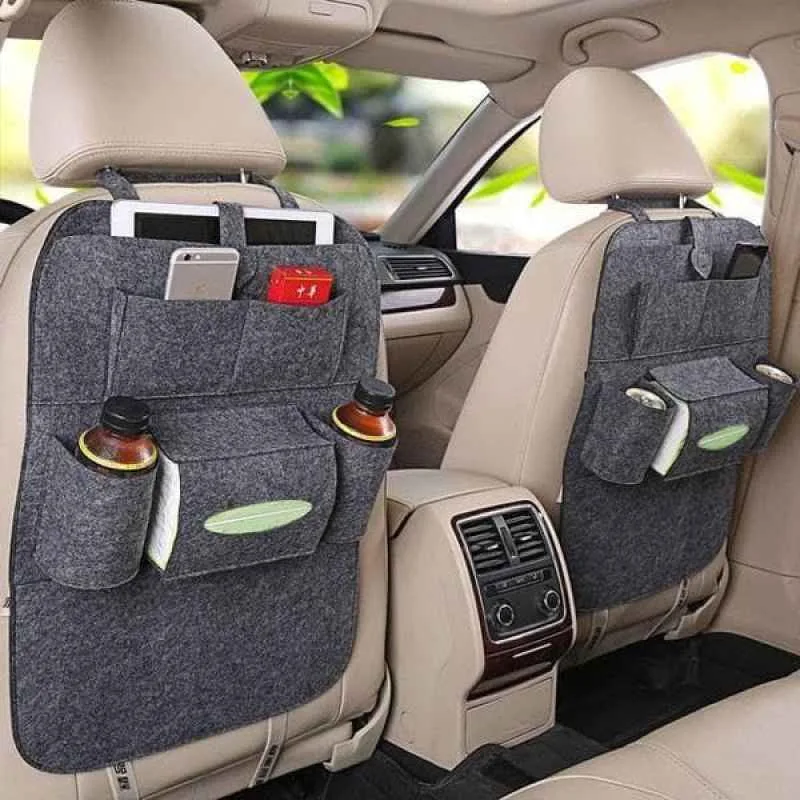
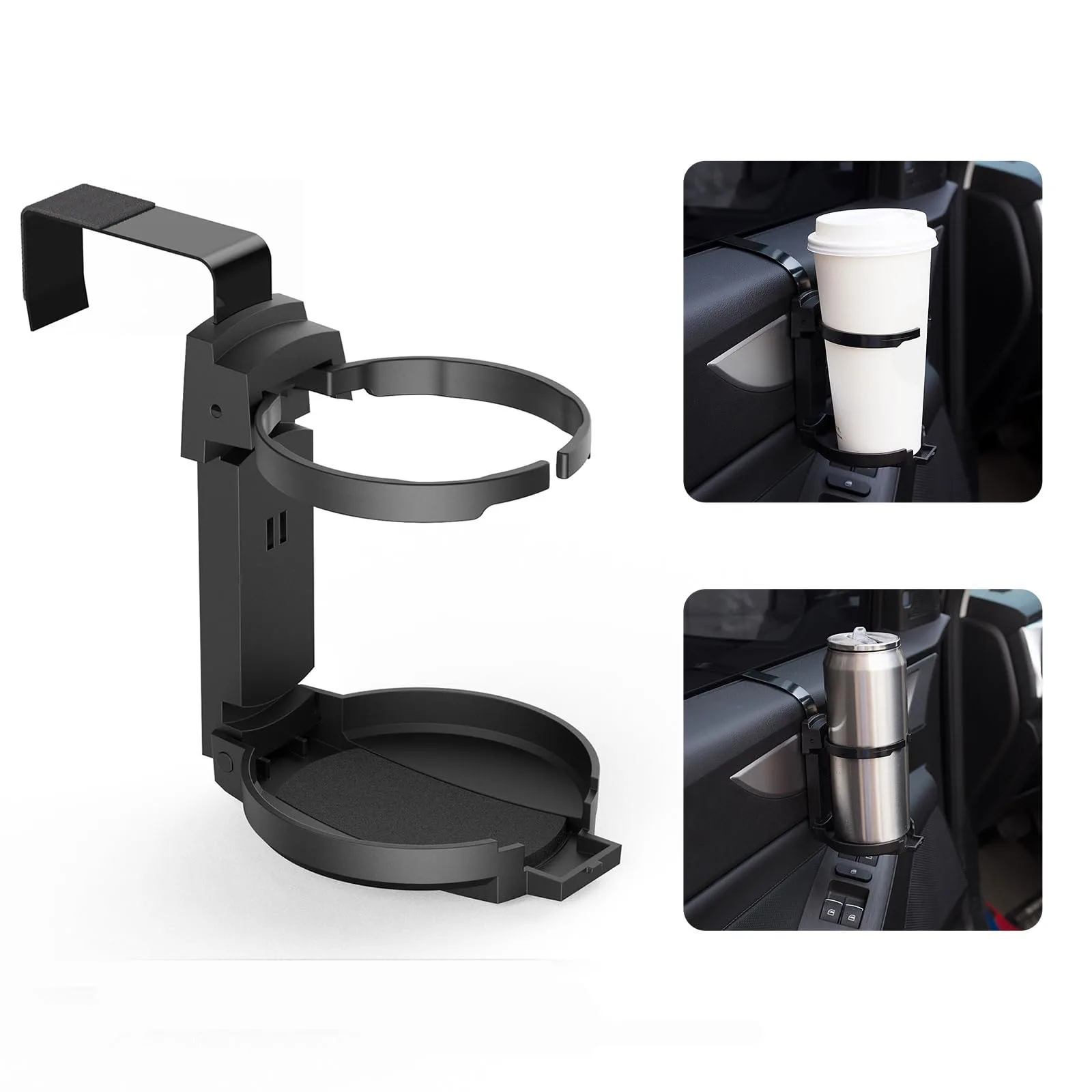
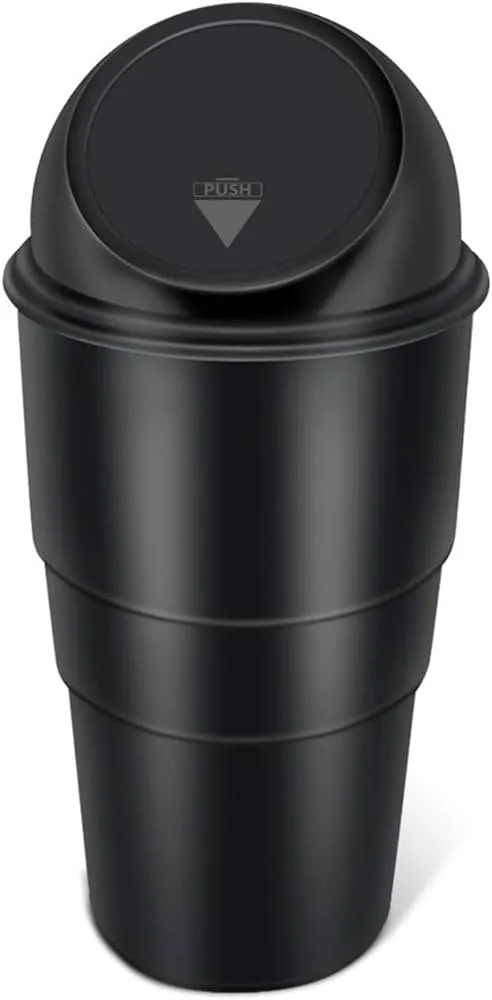
For Indian car buyers, this growth also means a wider choice of vehicles and an expanding market for upgrades, protection products and car accessories. From practical interior products to premium car accessories, consumers are increasingly looking beyond the car itself when personalising their vehicles.
What Drove India’s Passenger Vehicle Sales Growth in September 2026?
The 21.4% growth in India car sales September 2026 needs to be viewed in context. Domestic passenger vehicle wholesales reached 463,081 units, but part of the increase was supported by a relatively weak base in September 2025. Last year, uncertainty surrounding GST changes caused many customers to postpone purchases until the revised tax structure came into effect.
The comparison therefore makes September 2026 look particularly strong. However, the market also benefited from genuine demand drivers. Lower borrowing costs, improved financing conditions and stronger consumer sentiment helped support vehicle purchases. Maruti Suzuki specifically pointed to GST 2.0, lower repo rates and income-tax benefits as important demand tailwinds.
Another important factor was inventory preparation. Automakers increased supplies to dealerships before the peak festive period, meaning wholesale figures reflected both customer demand and manufacturers' efforts to keep dealerships stocked.
September 2026 Passenger Vehicle Market at a Glance
| Manufacturer | September 2026 Performance | YoY Growth |
|---|---|---|
| Maruti Suzuki | 181,838 domestic wholesales | 36.9% |
| Tata Motors | 68,810 domestic PV wholesales | 15.3% |
| Mahindra | 64,092 domestic utility vehicles | 14% |
| Hyundai | 57,166 domestic vehicles | 10.9% |
| Kia | 32,017 domestic wholesales | 41% |
| Industry | 463,081 passenger vehicles | 21.4% |
Figures represent reported domestic wholesale/vehicle-sales measures and may use different company reporting definitions.

Maruti Suzuki Leads as Strong Demand Boosts September Sales
Maruti Suzuki continued to dominate car sales in India 2026, recording domestic wholesales of 181,838 units in September 2026, an increase of 36.9% compared with 132,820 units in September 2025. The company remained the country's largest passenger-vehicle manufacturer by a significant margin.
One notable feature of Maruti Suzuki's performance was the broader recovery in smaller cars. The company indicated that demand for small cars and CNG models was gaining momentum, suggesting that India's passenger vehicle market is not being driven exclusively by premium SUVs.
At the same time, SUVs remain extremely important to Maruti's strategy. The company said SUVs account for around 57% of overall industry wholesales and has increased its monthly SUV supplies to meet demand.
This combination gives Maruti an interesting position in the Indian automotive market 2026. Its portfolio covers multiple price points and body styles, allowing customers to choose between compact hatchbacks, sedans, CNG vehicles, SUVs and MPVs.
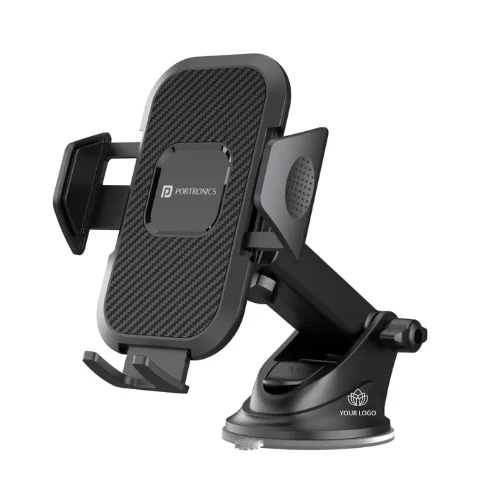
For owners of these vehicles, the growing installed base also creates demand for vehicle personalisation. Floor protection, seat protection, cleaning products, organisers, phone holders and other must-have car accessories can improve everyday usability.
Tata Motors and Mahindra Gain Momentum in the SUV Segment
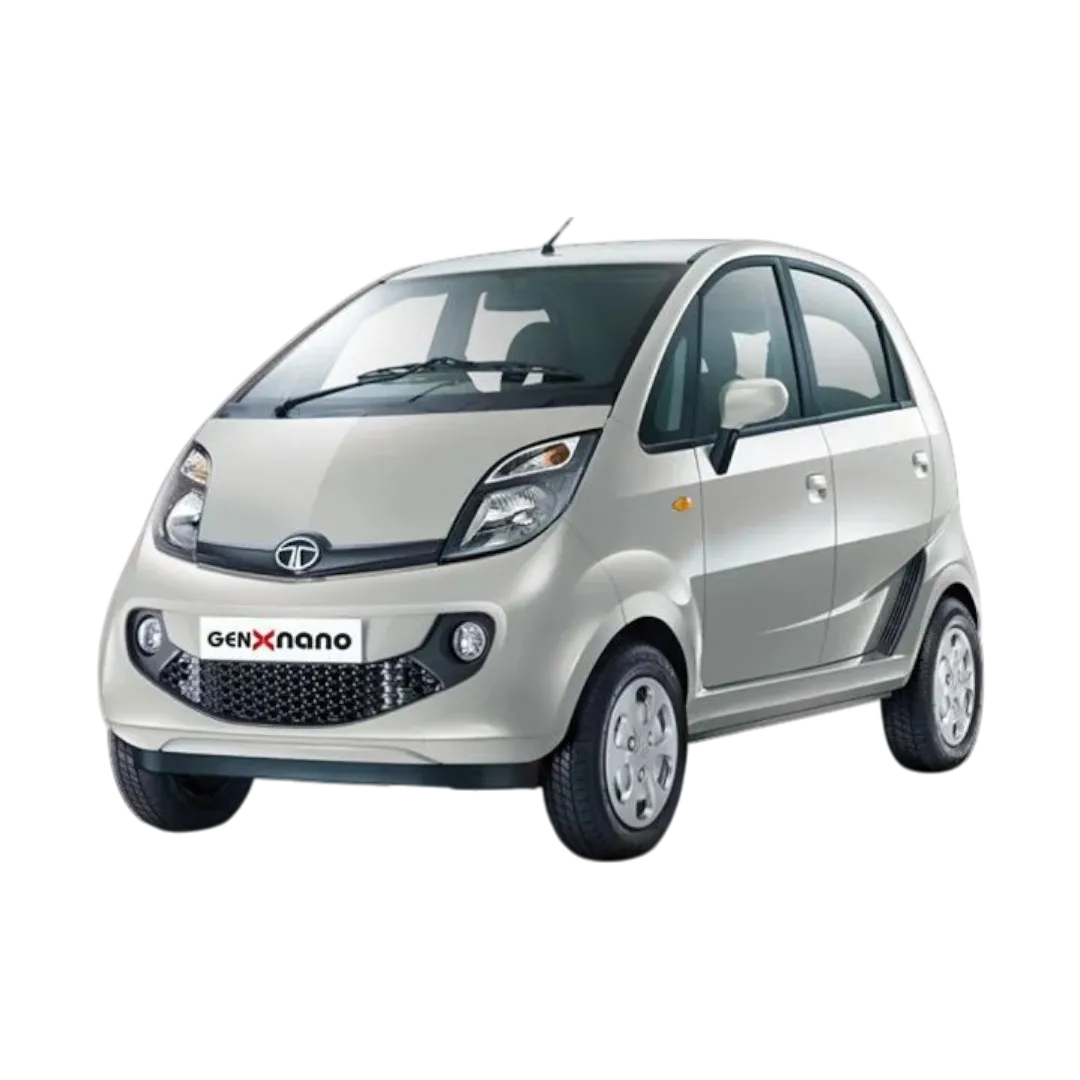
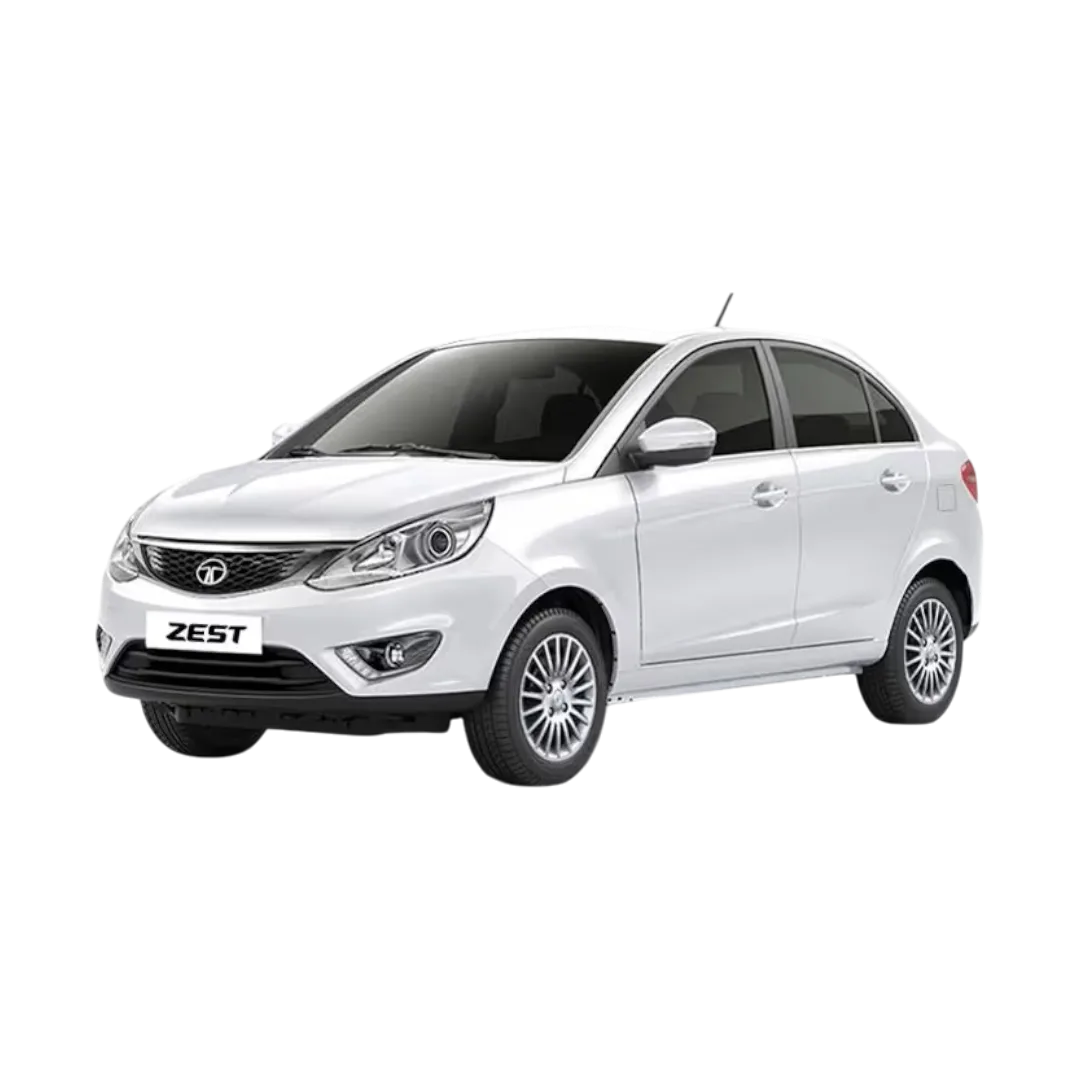
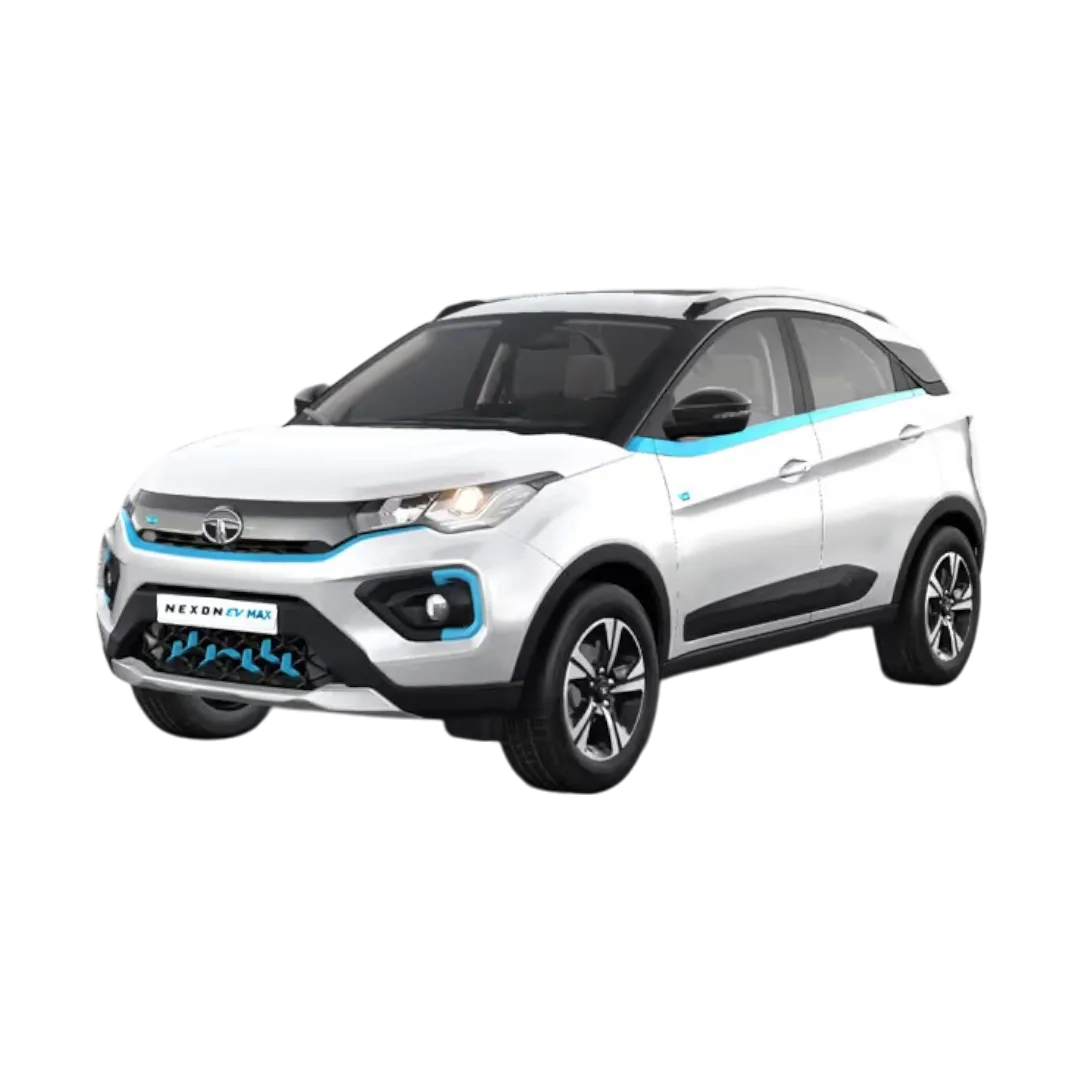
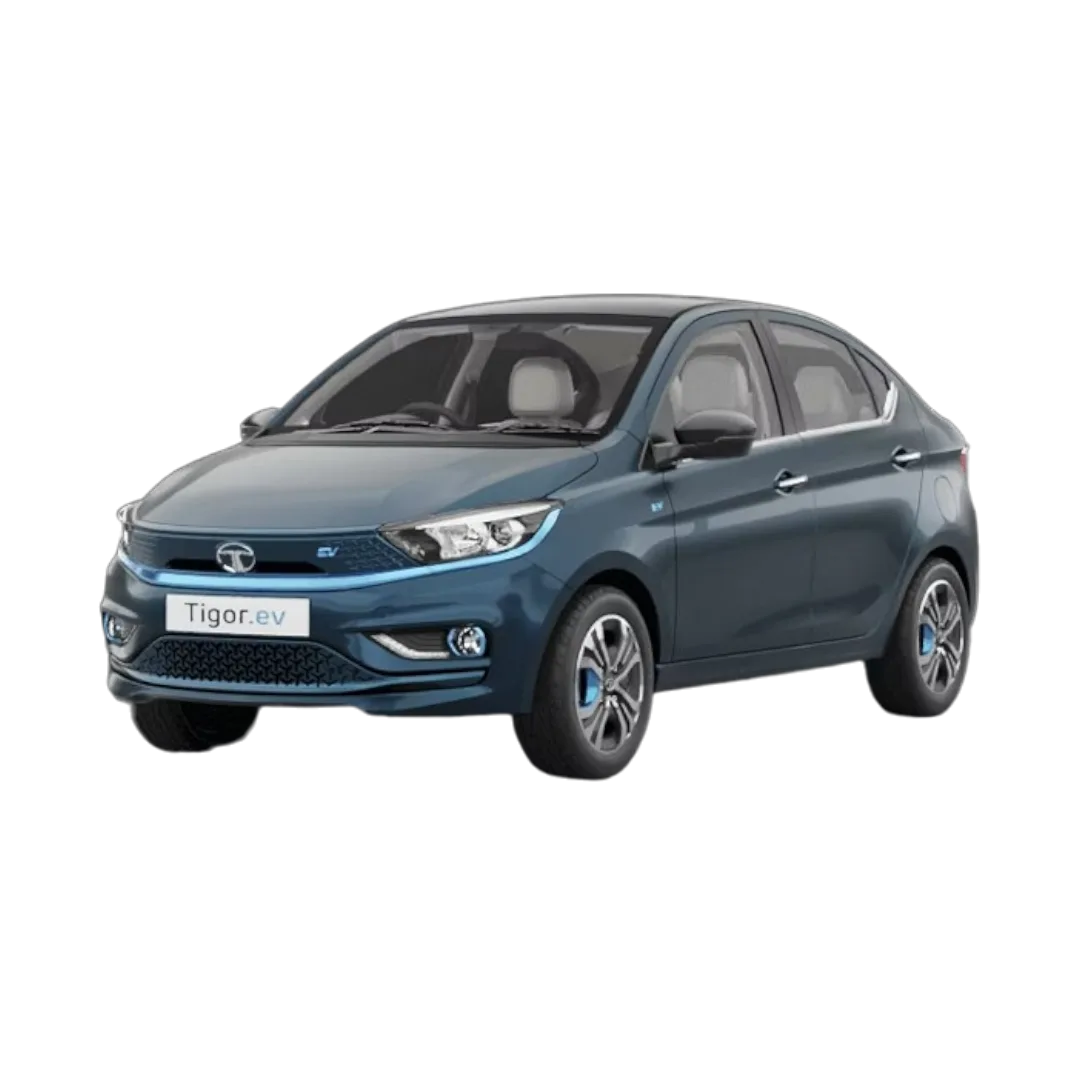
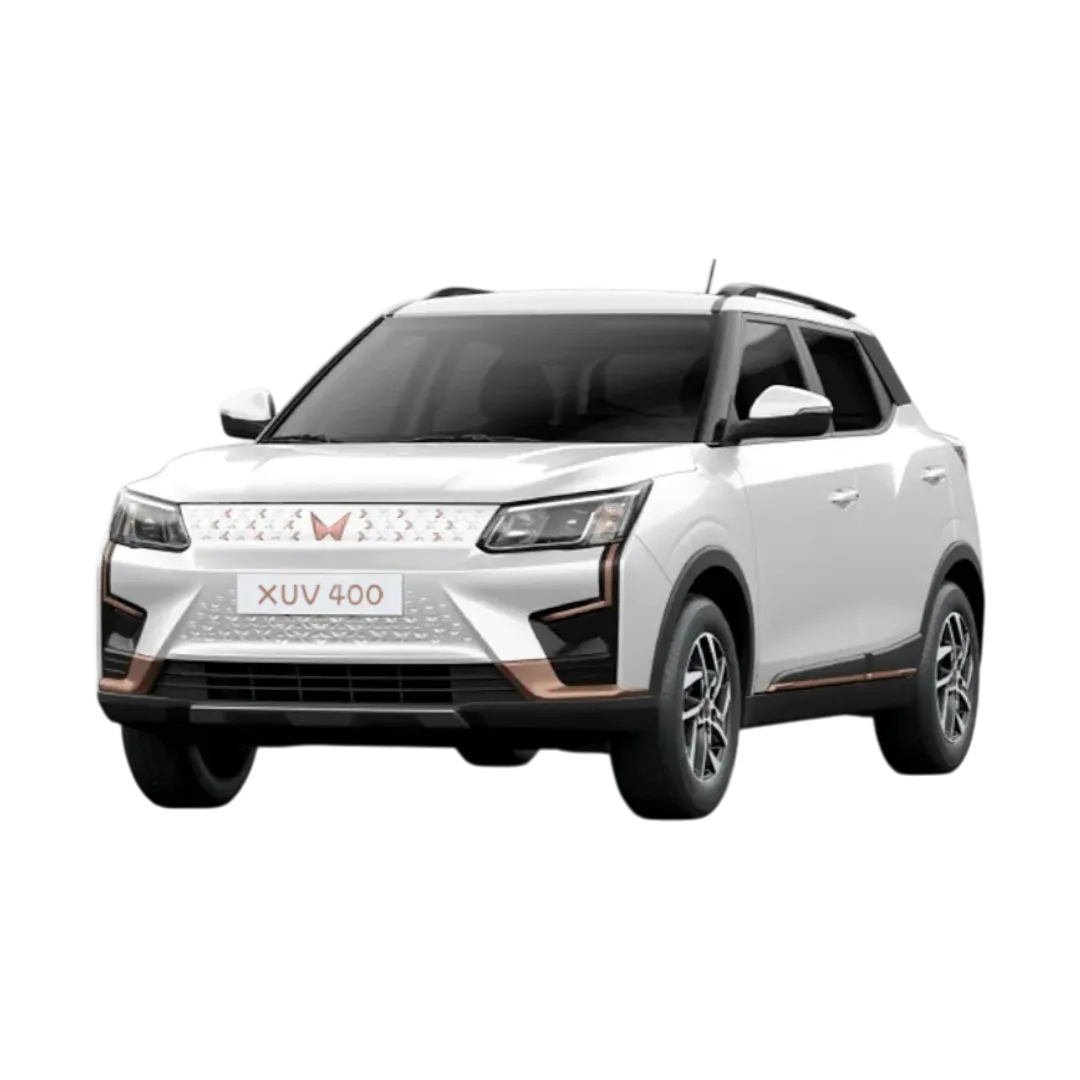
Tata Motors and Mahindra continued to benefit from India's strong preference for SUVs and utility vehicles. Tata Motors reported 68,810 domestic passenger-vehicle wholesales in September 2026, representing 15.3% year-on-year growth. Mahindra, meanwhile, reported 64,092 domestic utility-vehicle sales, up 14% year-on-year.
Tata's performance was supported by its broad portfolio and growing electric-vehicle presence. The company reported that its electric vehicles recorded their highest-ever quarterly sales in Q2 FY27, with more than 47,000 units and 90% year-on-year growth for the quarter.
Mahindra's performance reflects the continuing popularity of its SUV-focused portfolio. Its domestic utility-vehicle sales rose to 64,092 units in September, while April-September sales reached 358,142 units, up 20% year-on-year.
Why SUVs Continue to Attract Indian Buyers
SUVs offer a combination of road presence, cabin space, higher seating position and practicality that appeals to a wide range of Indian buyers. Families may prefer the additional space, while younger buyers often value styling and technology.
The growing number of SUVs on Indian roads is also influencing the car accessories in India market. Larger vehicles create demand for products such as boot organisers, seat organisers, mats, cleaning products, sunshades, phone mounts and other convenience-focused upgrades.
Festive Season Demand and GST Changes Support Car Sales
Festive demand is one of the most important factors behind the outlook for September 2026 auto sales. September is traditionally an important period for Indian automakers because manufacturers and dealerships begin preparing for higher demand around Navratri, Dussehra and Diwali.
However, the GST factor requires some explanation. The strong year-on-year growth in September 2026 was partly amplified by the unusually low comparison base from September 2025. GST changes announced in 2025 created uncertainty during much of that month, and the revised rates took effect on September 22, 2025. Buyers who delayed purchases until the new rates became effective affected the timing of last year's sales.
This makes the 21.4% year-on-year increase impressive, but it should not be interpreted as a 21% increase in underlying consumer demand alone.
Financing conditions also matter. A vehicle purchase is a major financial commitment for most Indian households, so changes in loan costs can influence monthly EMIs and purchase decisions.
The festive period can further encourage buyers who have already been researching a vehicle to complete their purchase, particularly when manufacturers or dealers introduce exchange benefits, financing schemes or other offers.
SUVs, New Launches and Attractive Offers Fuel Buyer Interest
Product launches have become an important part of car sales in India 2026. Manufacturers are increasingly refreshing existing models, expanding SUV line-ups and introducing new powertrain options to keep buyers interested.
September itself saw several important product developments. Maruti Suzuki introduced the Baleno facelift and expanded CNG automatic options, while Tata Motors launched new products and variants and expanded its Battery-as-a-Service offering across selected EVs. Mahindra also introduced updates to its SUV portfolio, including the updated Thar OG and additional XUV 3XO variants.
New launches can have an impact beyond their individual sales numbers. They create showroom traffic, encourage comparison shopping and can influence customers who were previously considering an older model.
Offers can also affect purchase timing. During the festive season, buyers may compare manufacturer discounts with exchange benefits, financing schemes and dealer-level offers. However, an attractive headline offer does not automatically mean a better deal.
For buyers, the ideal approach is to compare the complete package: vehicle variant, safety equipment, warranty, running costs, waiting period, financing and resale prospects.
The same principle applies when choosing best car accessories. A cheap accessory may look attractive initially, but material quality, compatibility, durability and installation can determine whether it provides genuine value.
What September 2026 Sales Mean for the Indian Automotive Market
The September numbers provide several important signals for the Indian automotive market 2026. First, demand is broad enough to support growth across several major manufacturers. Maruti Suzuki recorded particularly strong growth, while Tata Motors, Mahindra and Hyundai also reported double-digit increases in the company-reported figures.
Second, SUVs continue to play a central role in India's passenger vehicle market. Manufacturers are responding by expanding SUV portfolios, adding variants and introducing more electrified options.
Third, September wholesale numbers should be interpreted carefully. Wholesales measure vehicles dispatched by manufacturers to dealerships rather than the exact number of cars registered by end customers during the month. Strong dispatches ahead of the festive season can therefore partly reflect inventory building.
For consumers, however, the broader trend remains significant. More vehicles on Indian roads mean greater demand for maintenance, protection and personalisation products. This includes everything from basic cleaning products to online car accessories, interior upgrades and premium accessories.
For a platform such as Creckk, the expanding vehicle parc creates opportunities to help owners discover accessories suited to different models, lifestyles and budgets.
FAQs
1. How much did passenger vehicle sales grow in September 2026?
Domestic passenger vehicle wholesales increased 21.4% year-on-year to 463,081 units in September 2026.
2. Which carmaker led passenger vehicle sales in September 2026?
Maruti Suzuki remained India's largest passenger-vehicle manufacturer, reporting 181,838 domestic wholesales in September 2026.
3. How did Tata Motors perform in September 2026?
Tata Motors reported 68,810 domestic passenger-vehicle wholesales, representing 15.3% year-on-year growth according to its reported figures.
4. How did Mahindra's SUV sales perform in September 2026?
Mahindra reported 64,092 domestic utility-vehicle sales, up 14% year-on-year.
5. Why were September 2026 car sales so strong?
The growth was supported by a combination of a low year-ago base, improving financing conditions, GST-related factors, manufacturer dispatches and preparation for the festive season.
6. Are September 2026 sales the same as retail car registrations?
No. Industry wholesale figures generally represent vehicles dispatched by manufacturers to dealerships. Retail registrations measure vehicles actually registered by customers, so the two figures can differ.
7. What car accessories should new-car buyers consider?
Useful options can include floor protection, seat protection, cleaning products, organisers, phone holders and other accessories based on the vehicle and owner's requirements. Buyers should prioritise compatibility, quality and practical use rather than purchasing accessories simply because they are discounted.
Conclusion
The 21.4% rise in passenger vehicle sales in September 2026 highlights the strength and changing dynamics of India's automobile market. Maruti Suzuki maintained its leadership with particularly strong growth, while Tata Motors and Mahindra continued to benefit from demand for SUVs, alternative powertrains and newer products.
The headline growth was helped by a low base from September 2025, making year-on-year comparisons important to interpret carefully. Nevertheless, stronger financing conditions, product updates, SUV demand and the approaching festive season provide several reasons for manufacturers to remain optimistic.
For Indian car buyers, the expanding market means more choices across price points, body styles and powertrains. It also creates a growing ecosystem around vehicle ownership, from maintenance and protection to car accessories, online car accessories and premium personalisation.
As festive buying gathers momentum, the coming months will show whether September's strong wholesale performance translates into sustained retail demand. For consumers, careful comparison remains the best way to make the most of new-car offers and the growing range of products available in the Indian automotive market.