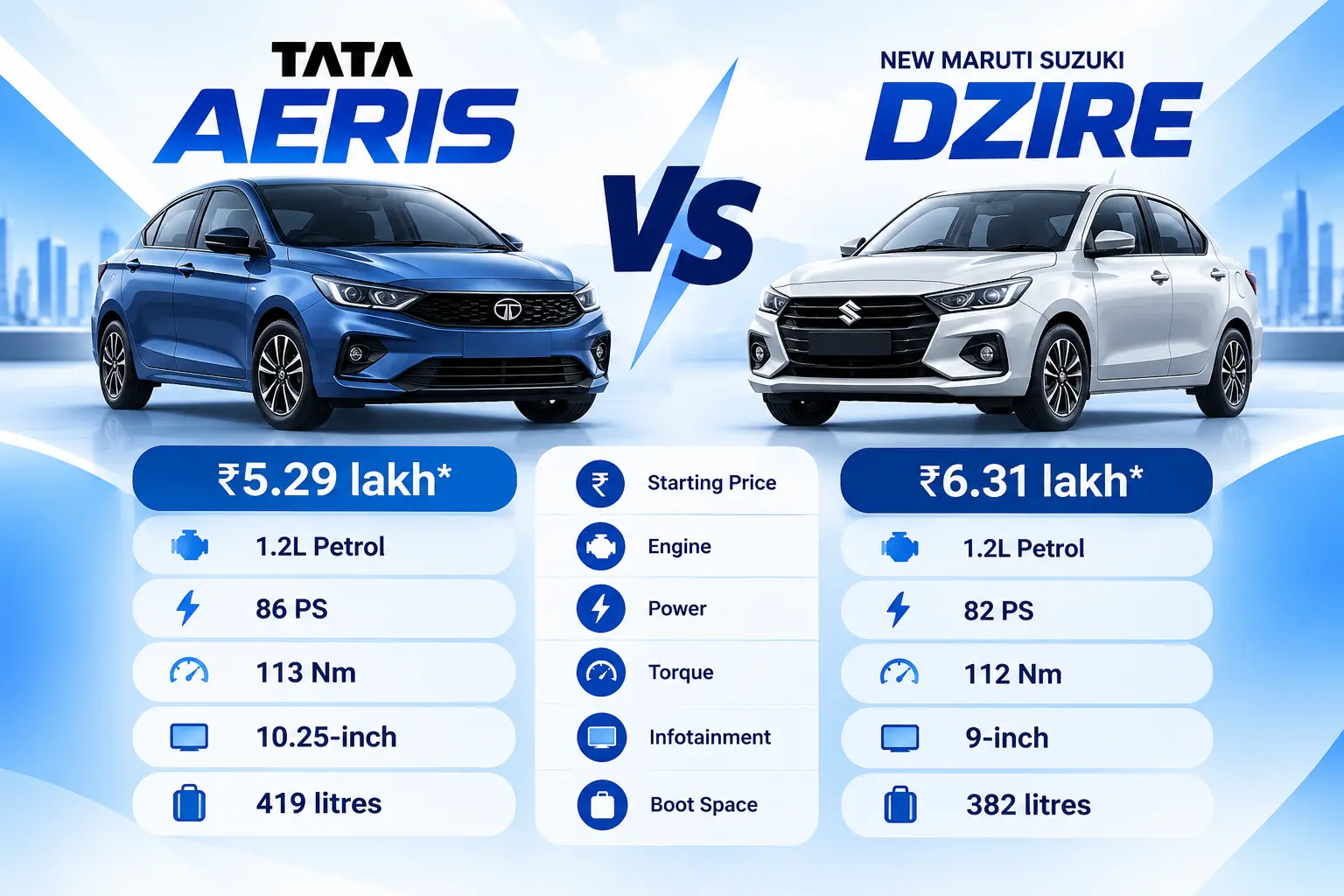





















































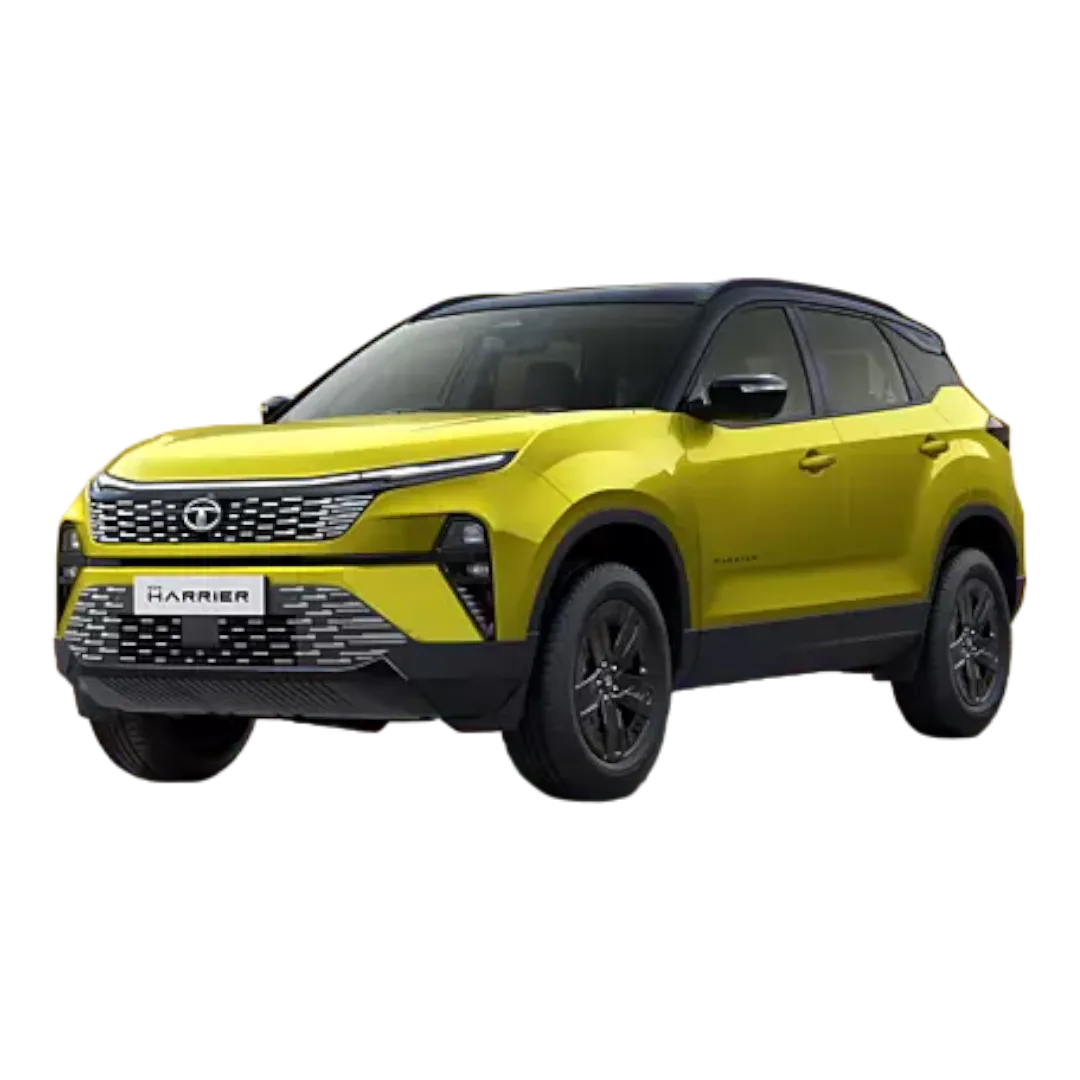
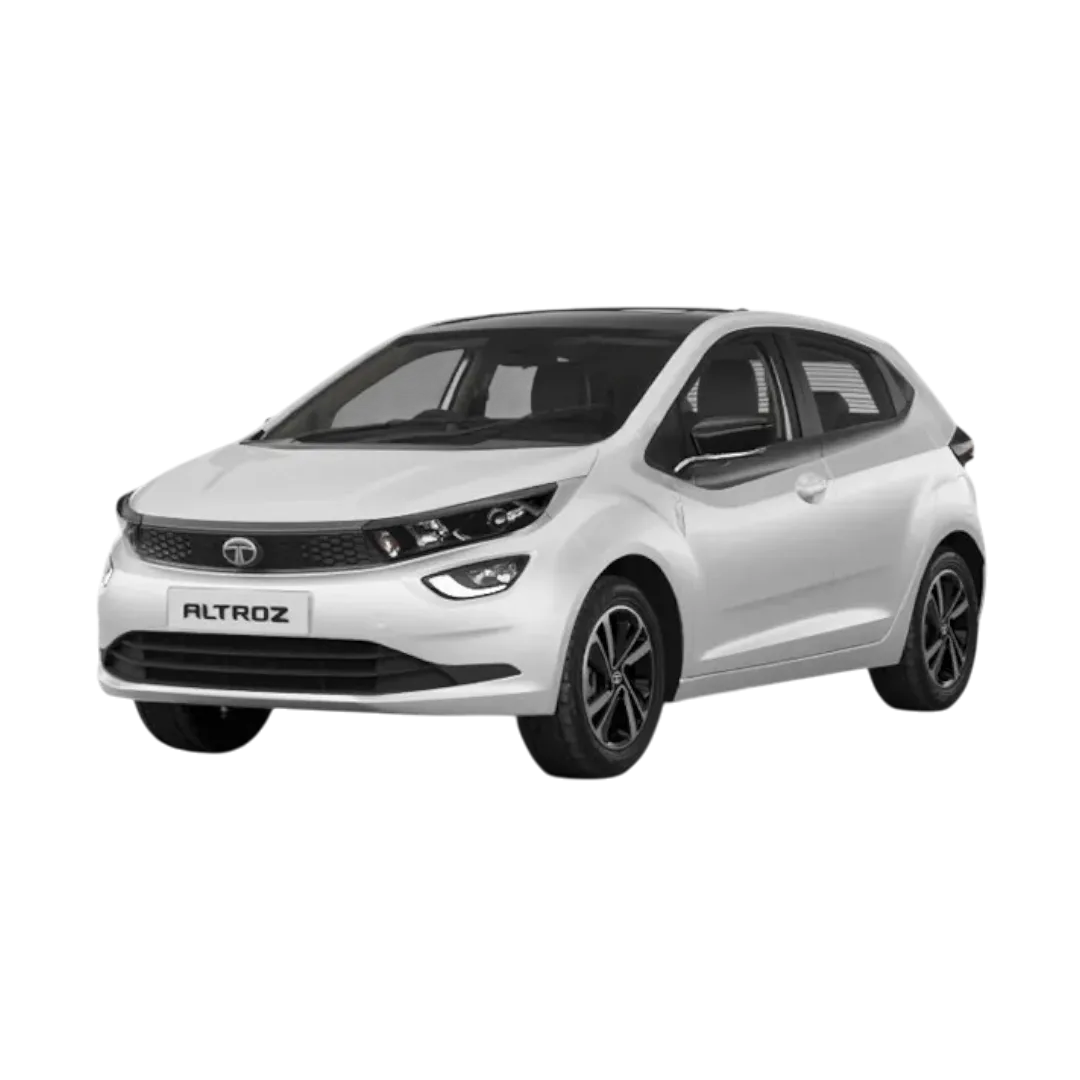




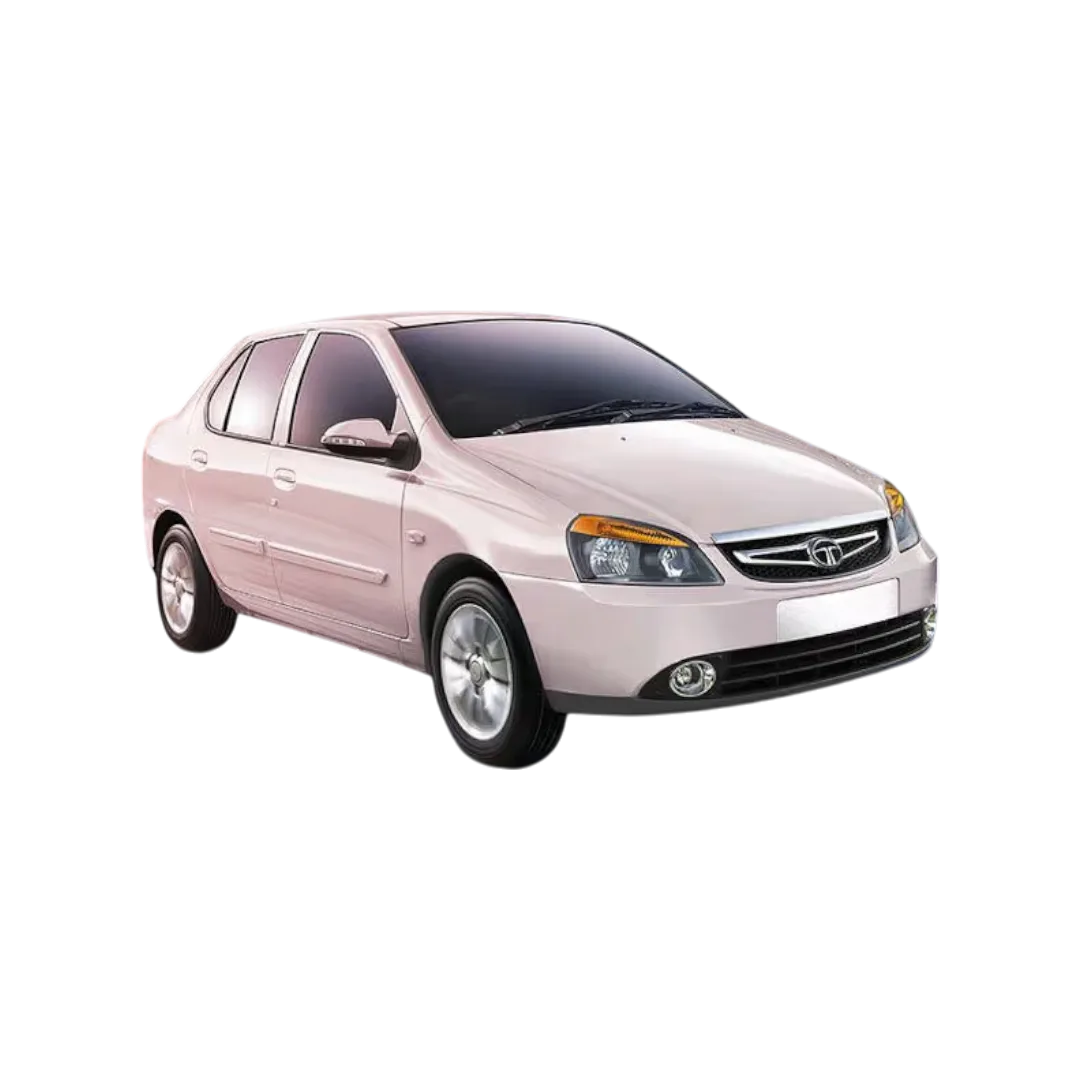




















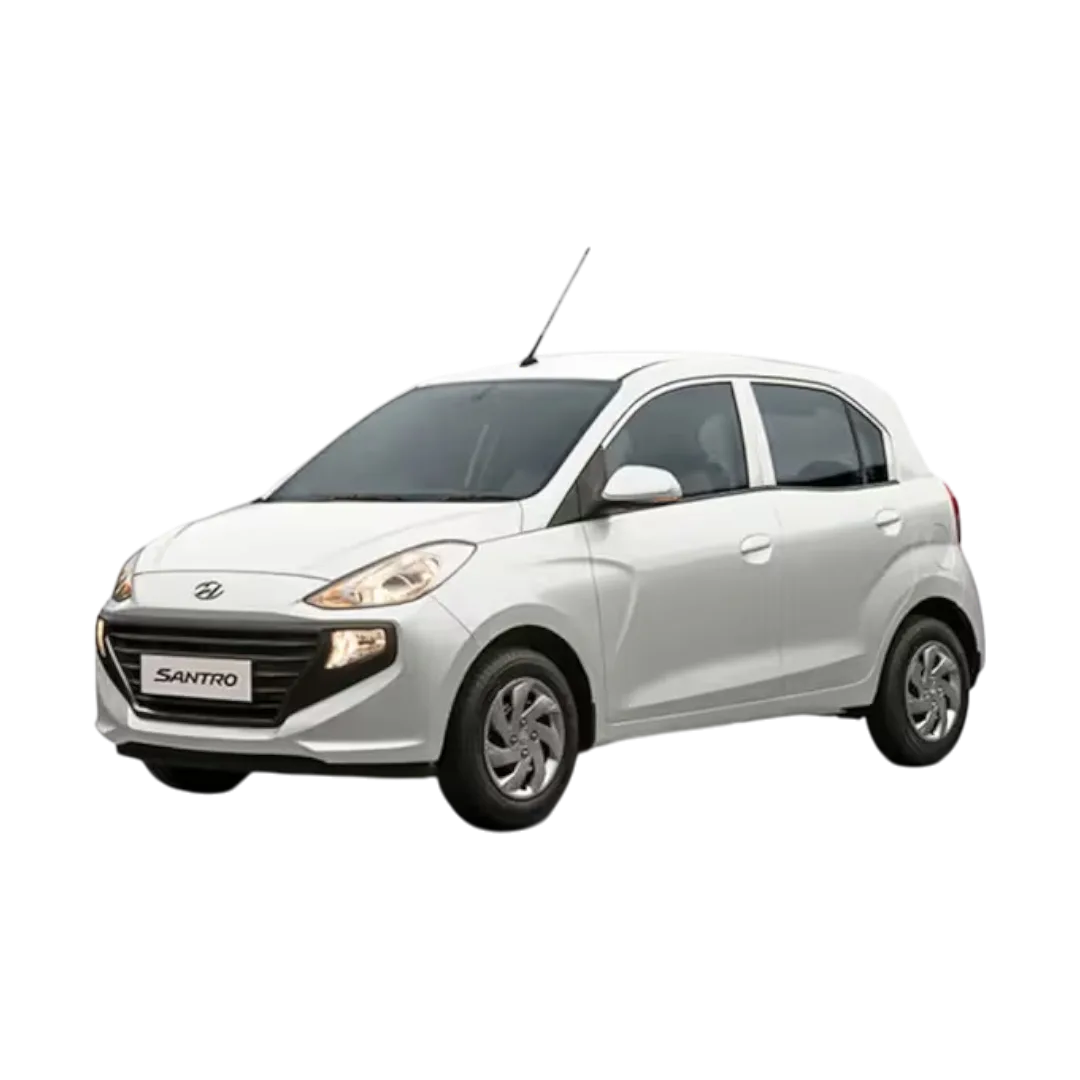
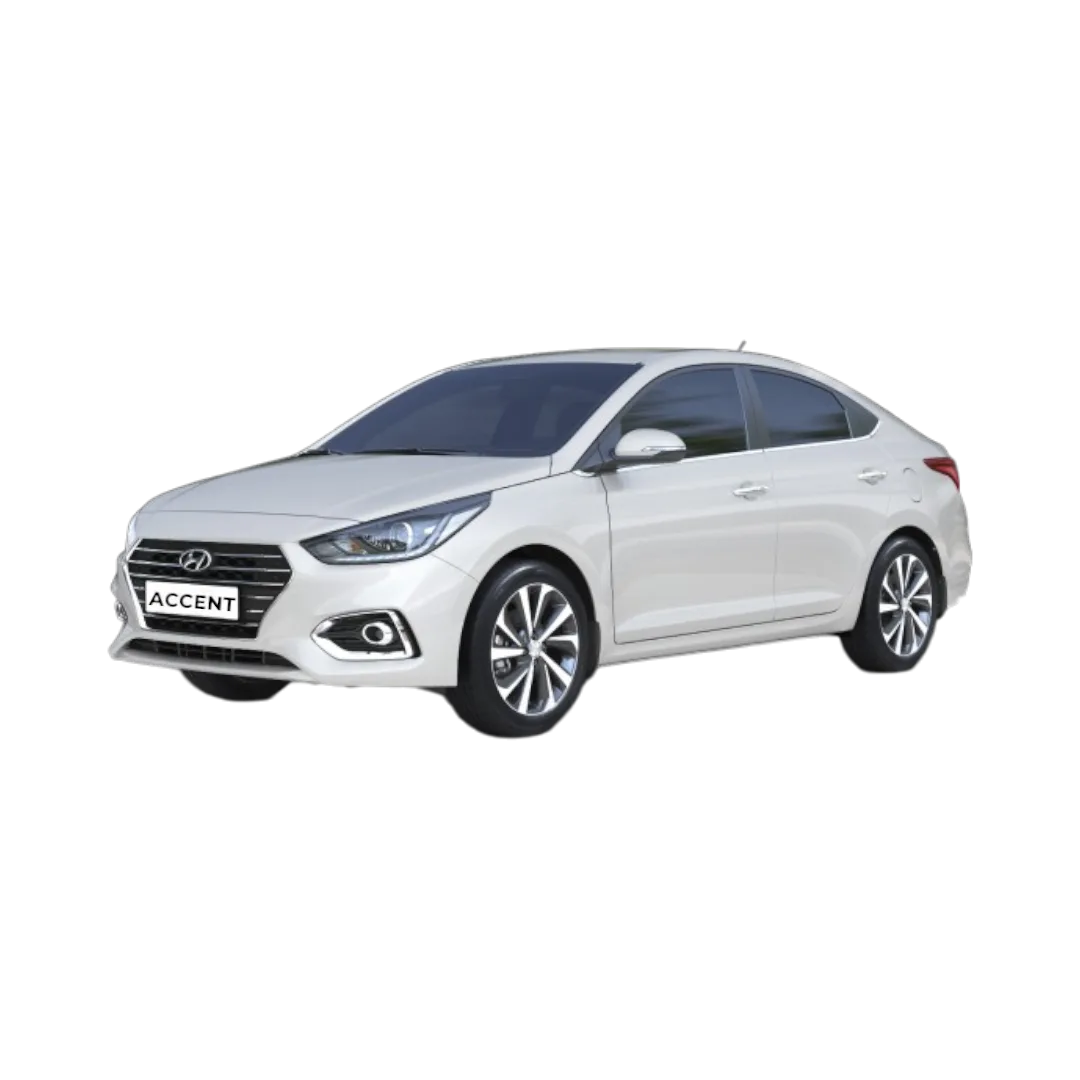

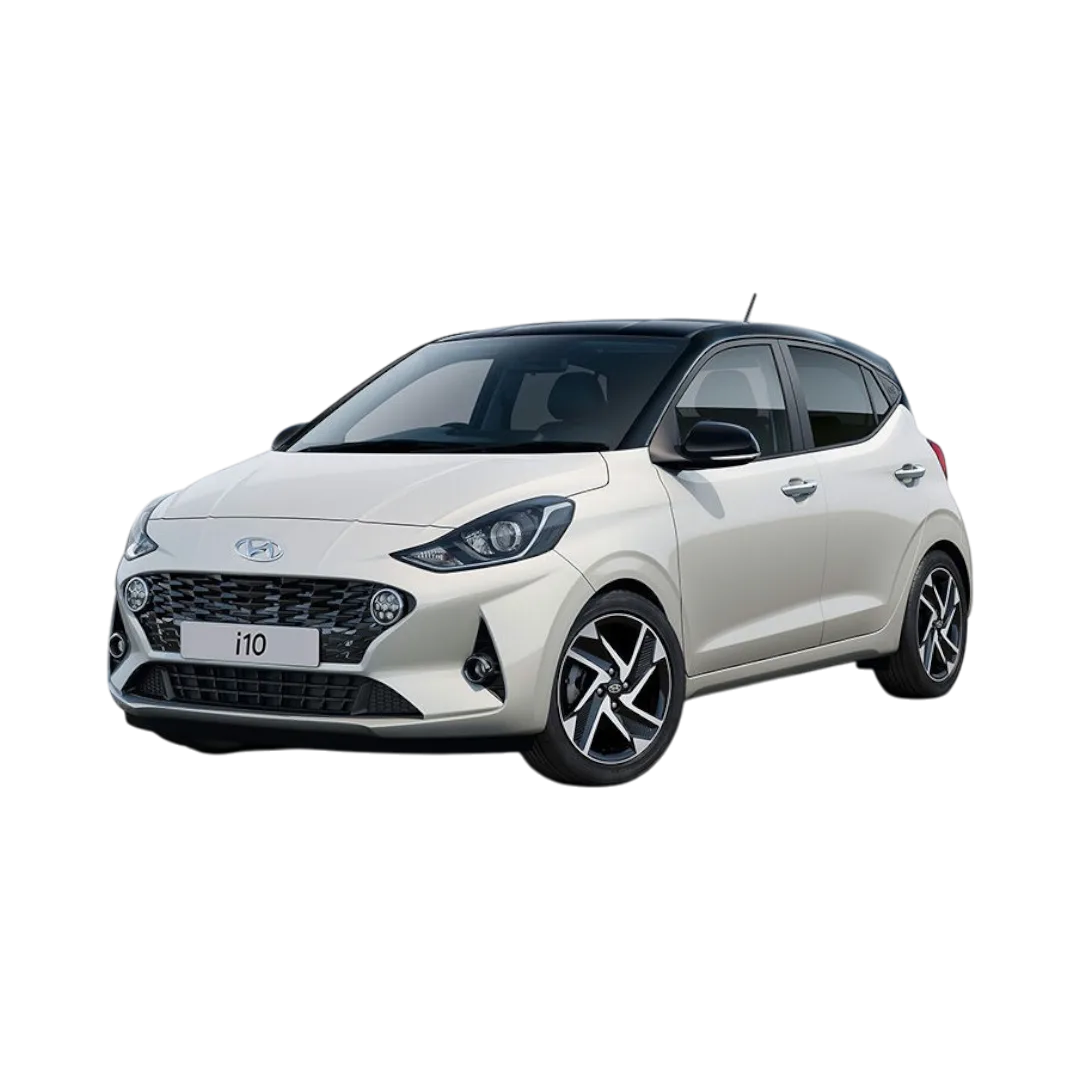
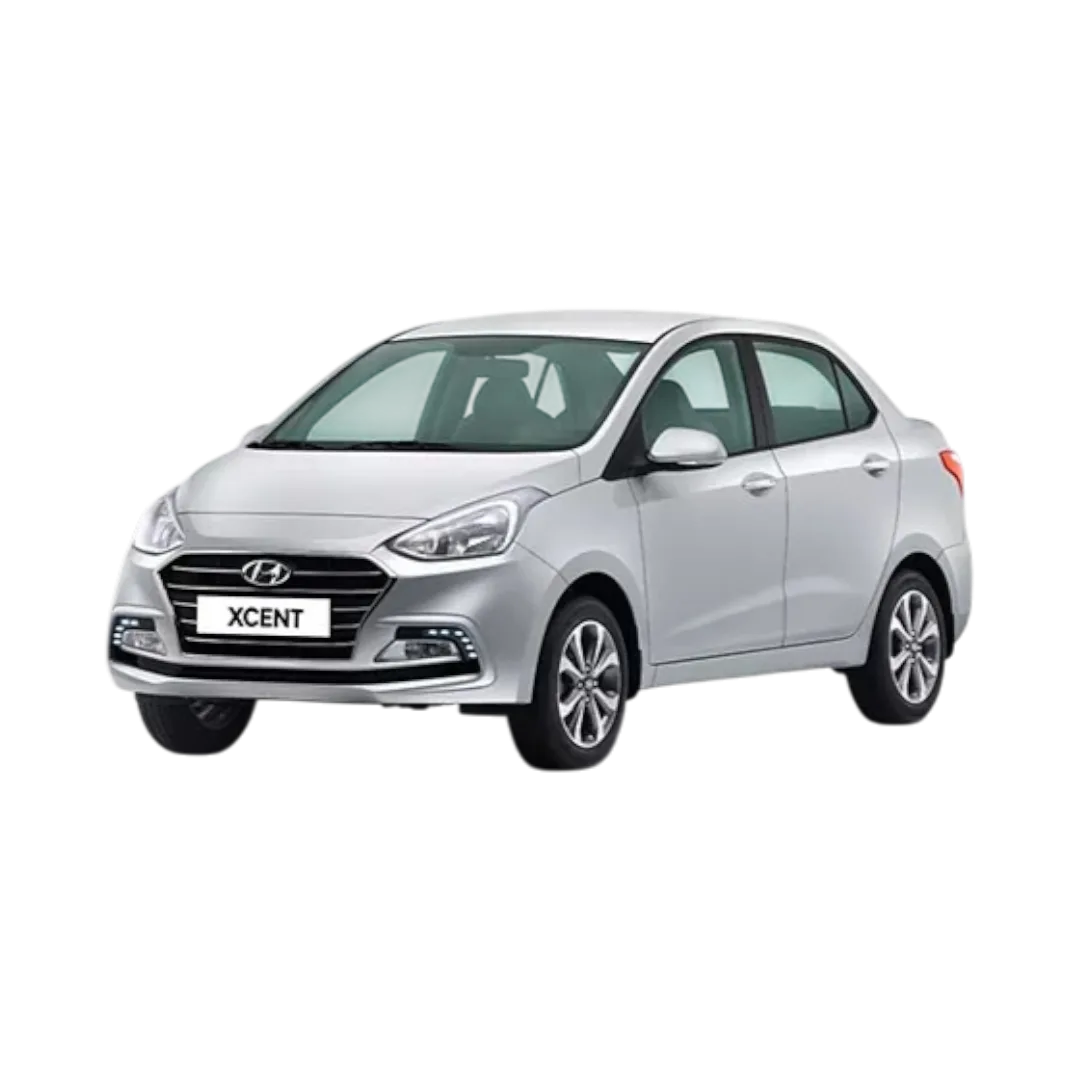
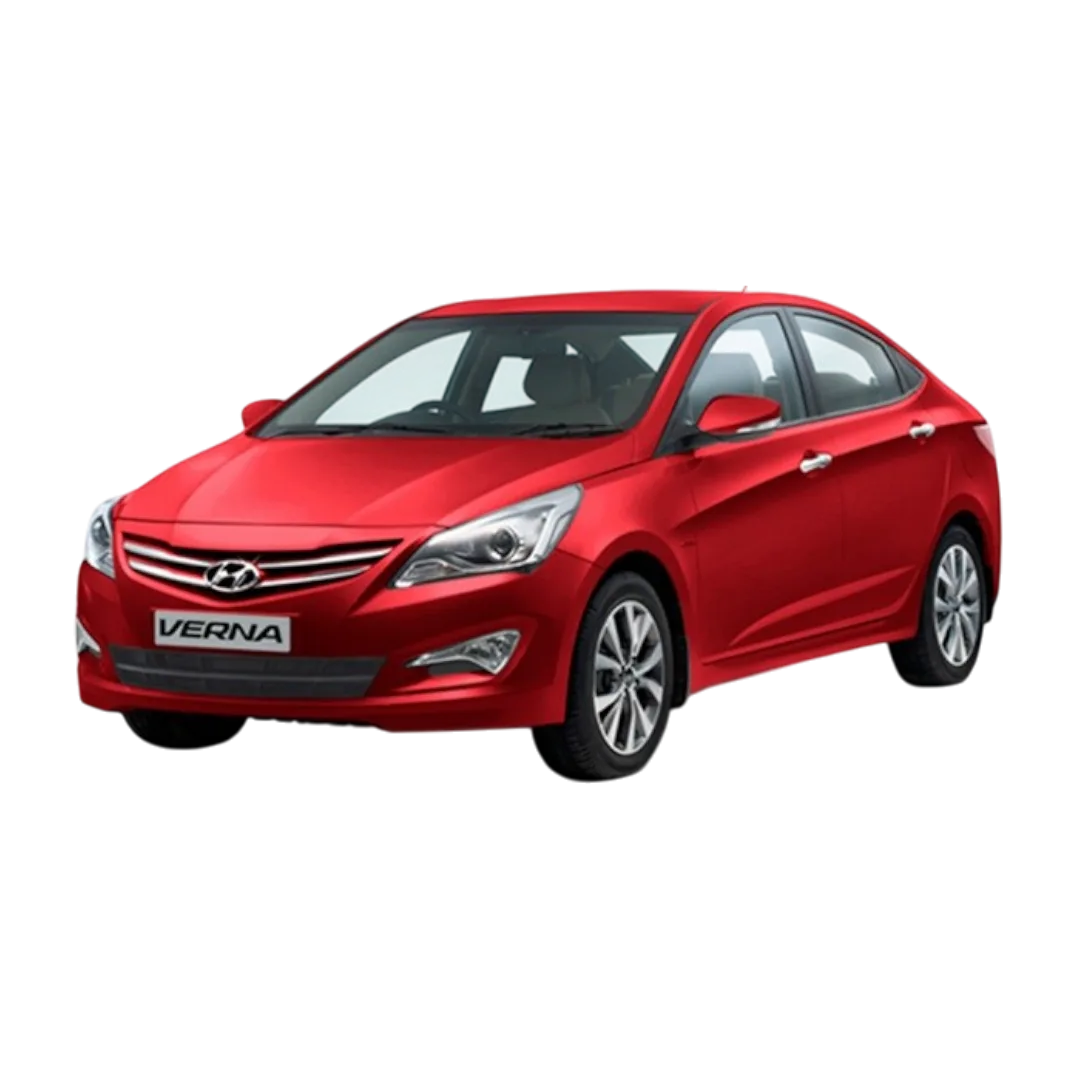

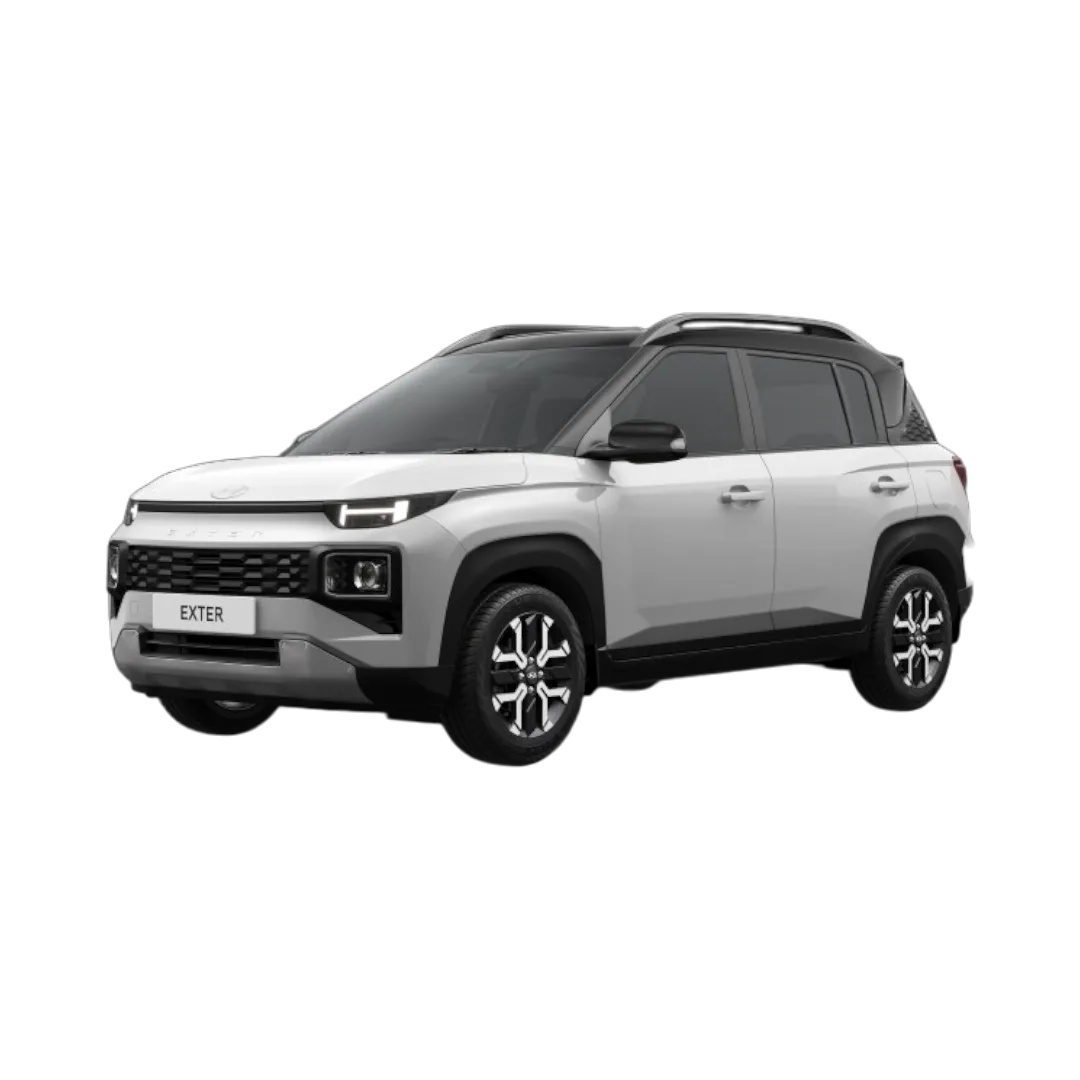
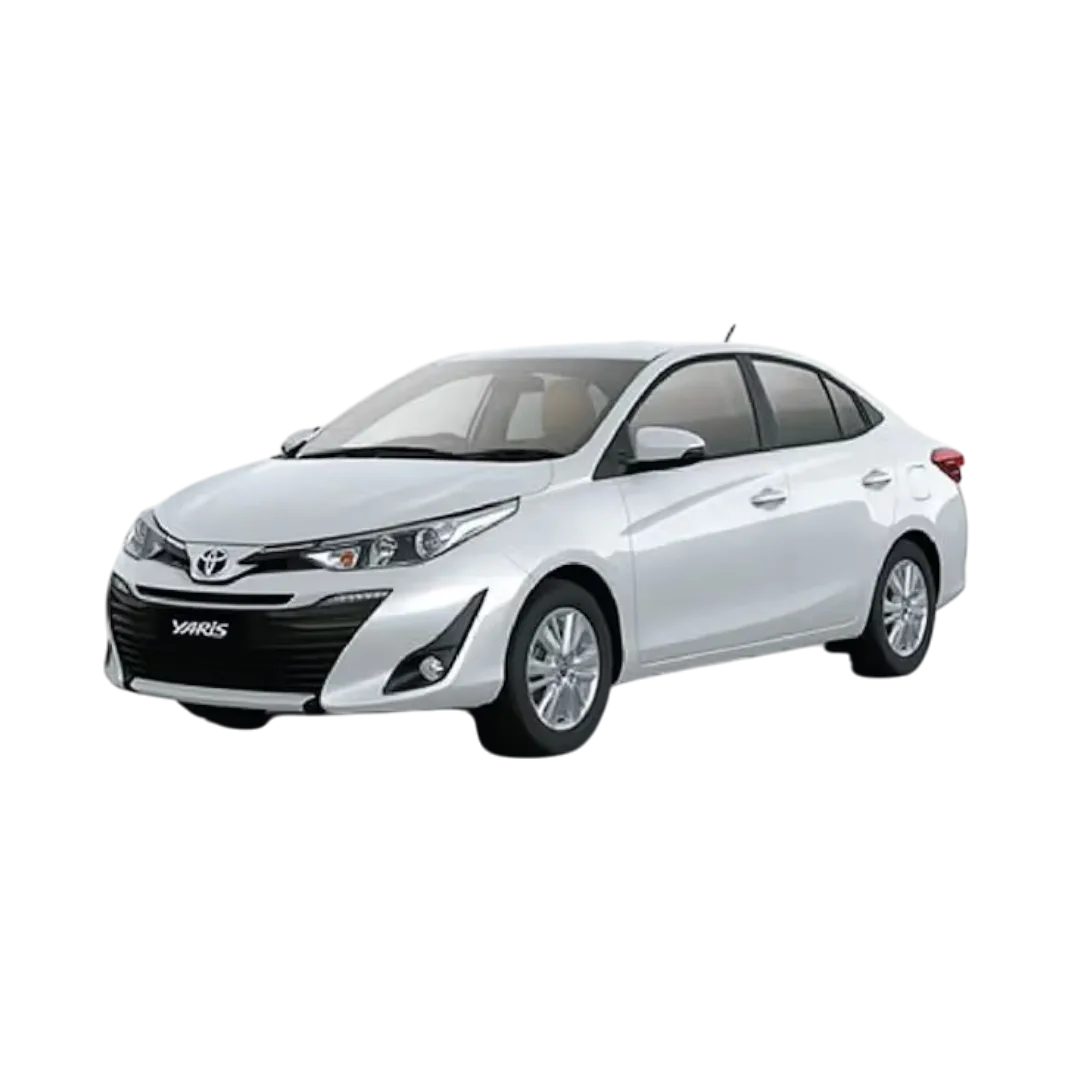

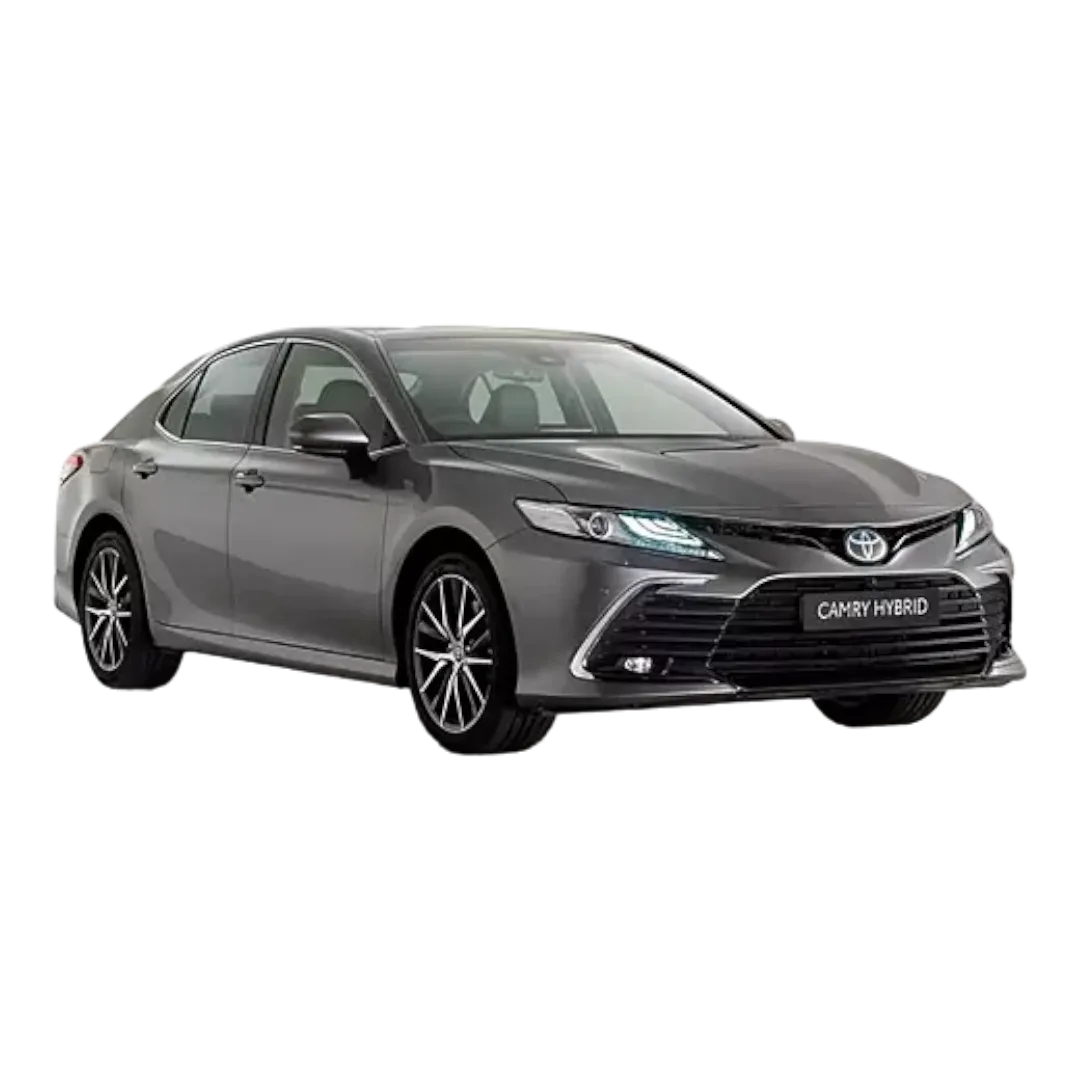
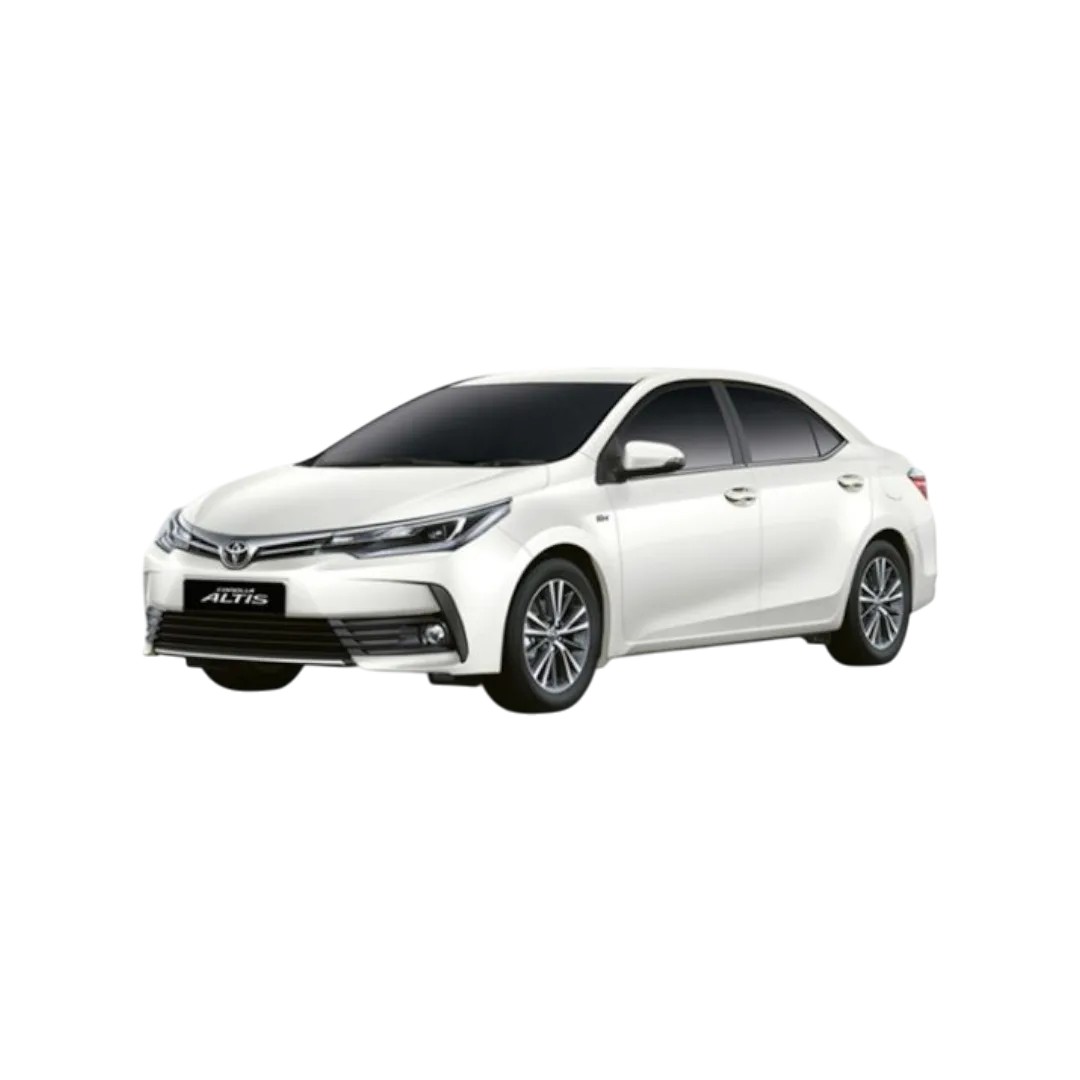














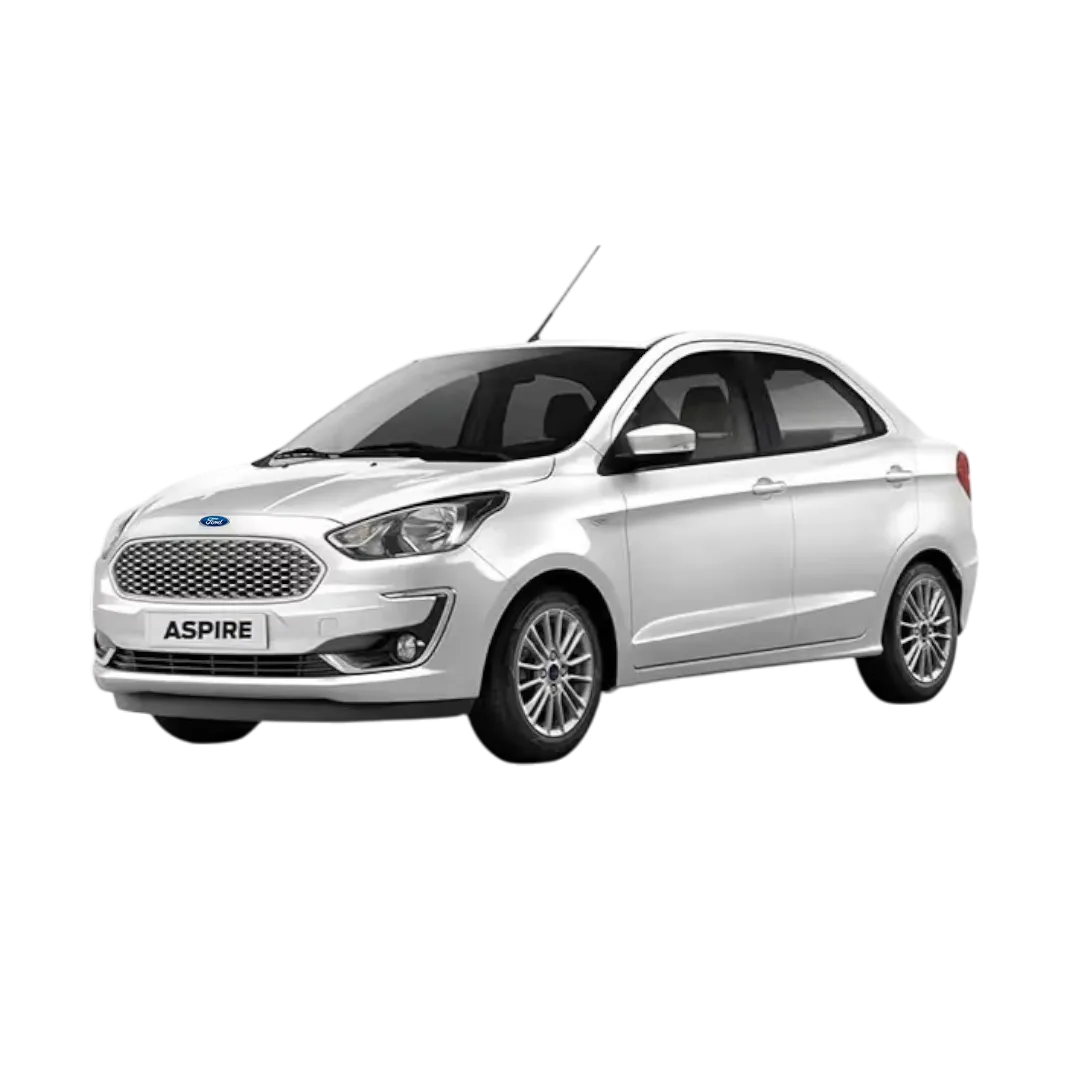




















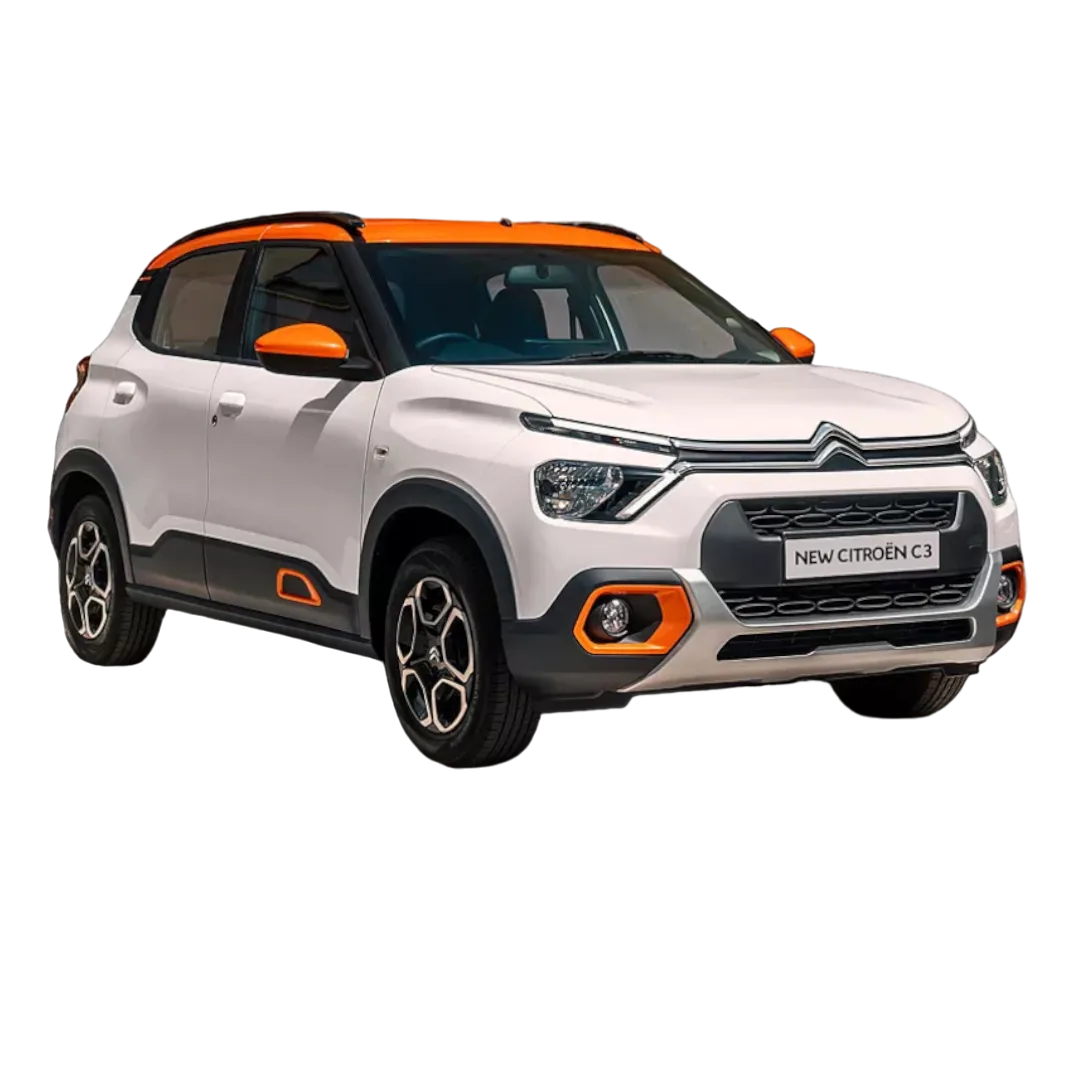
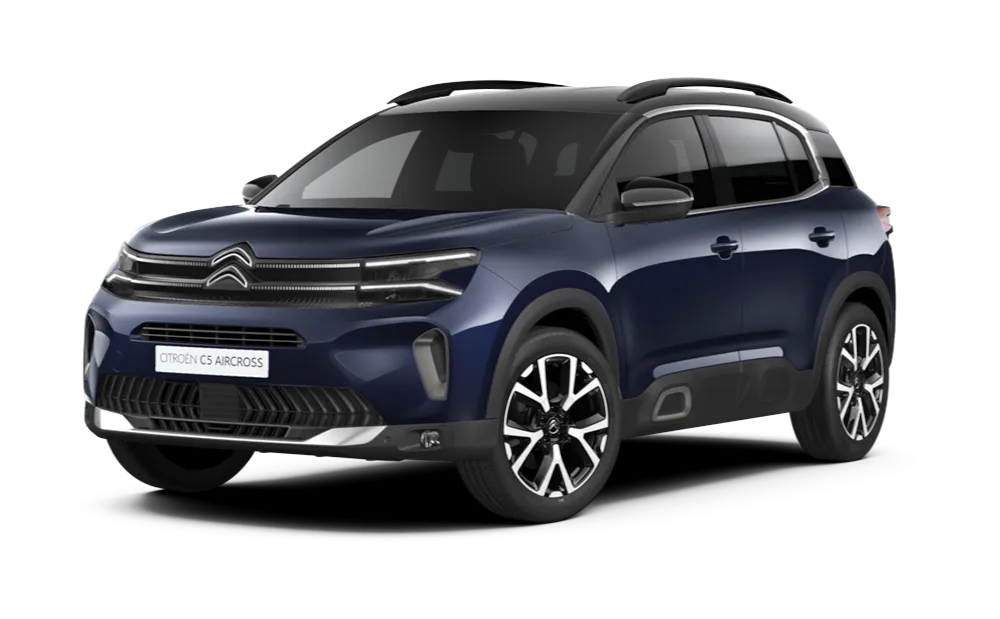
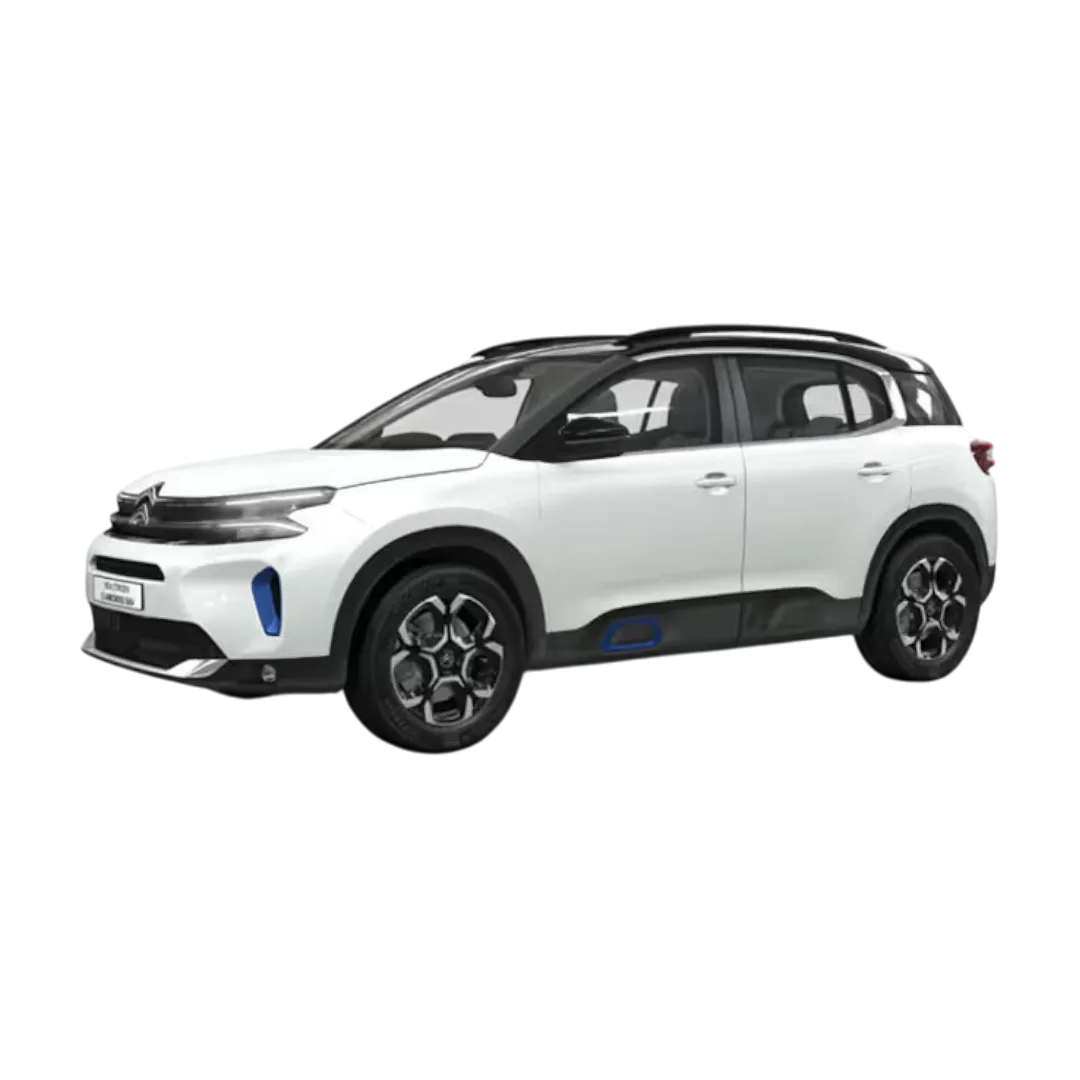
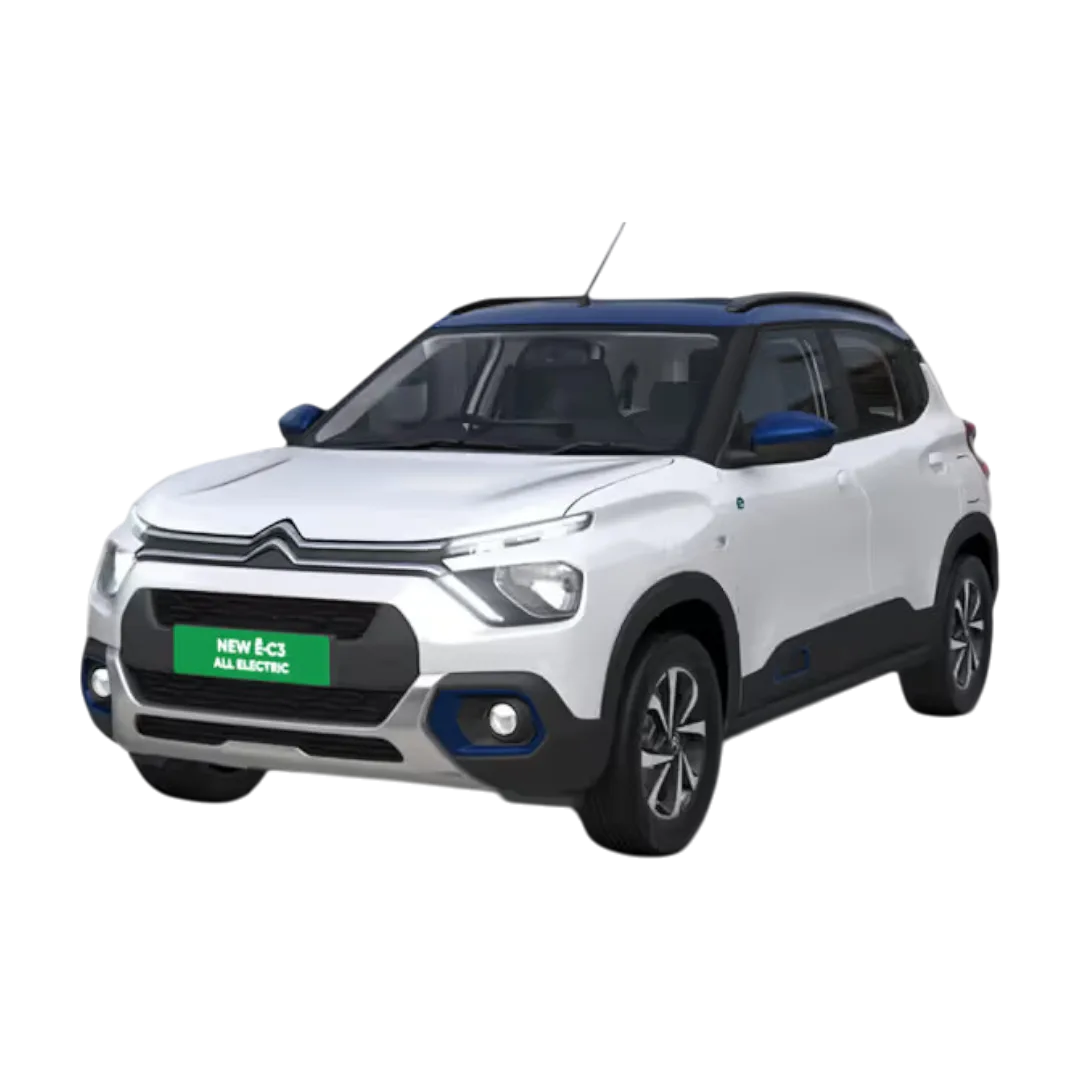

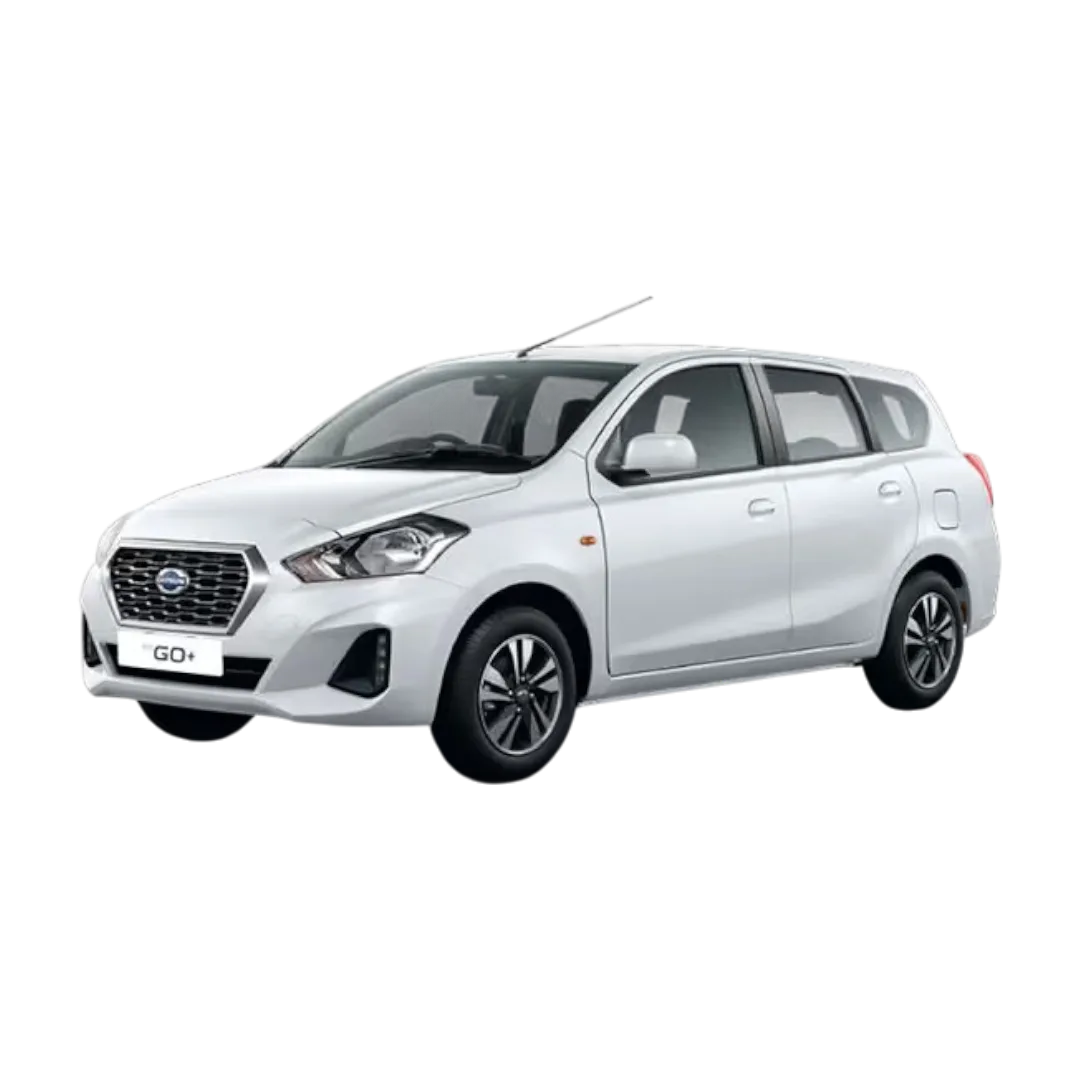









































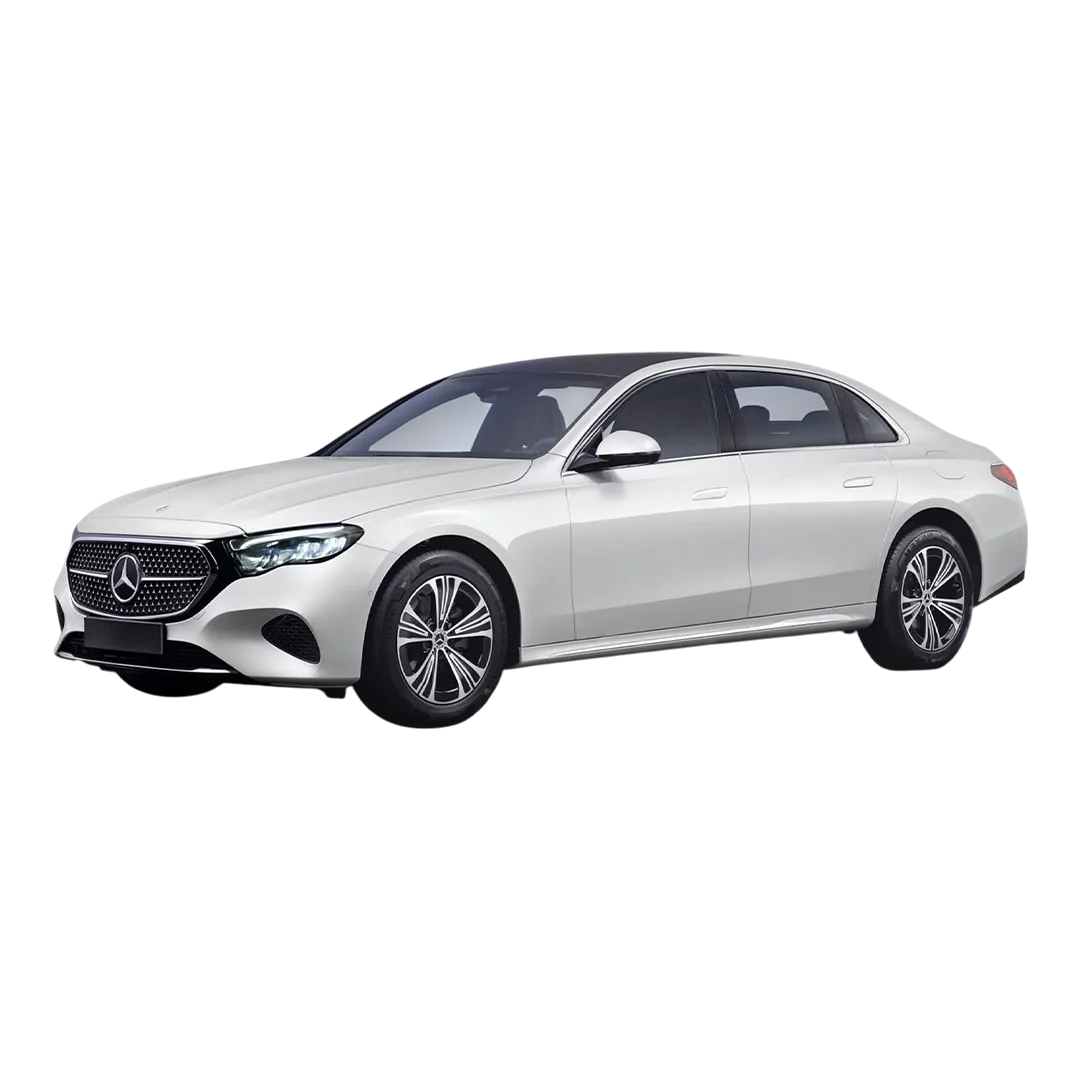



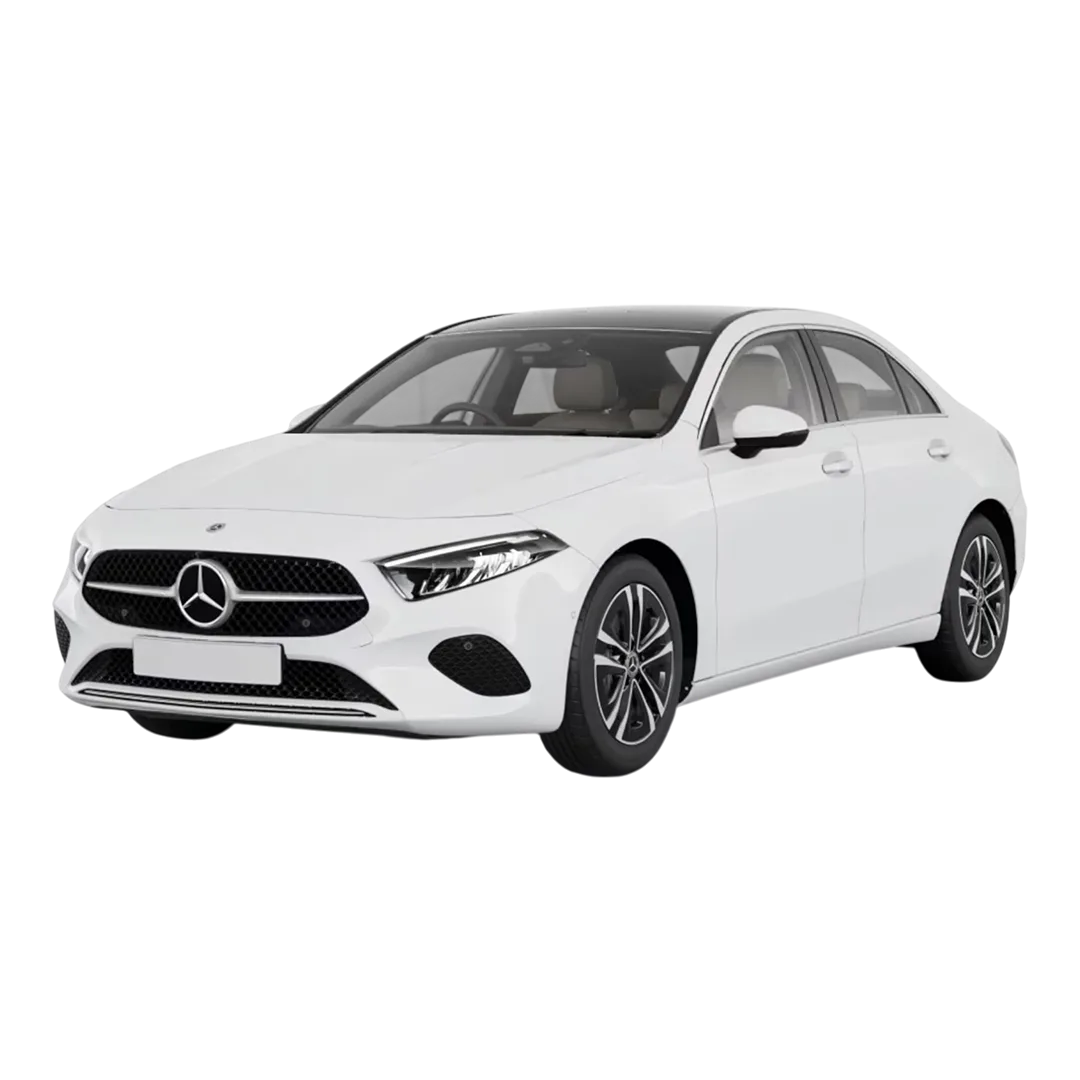
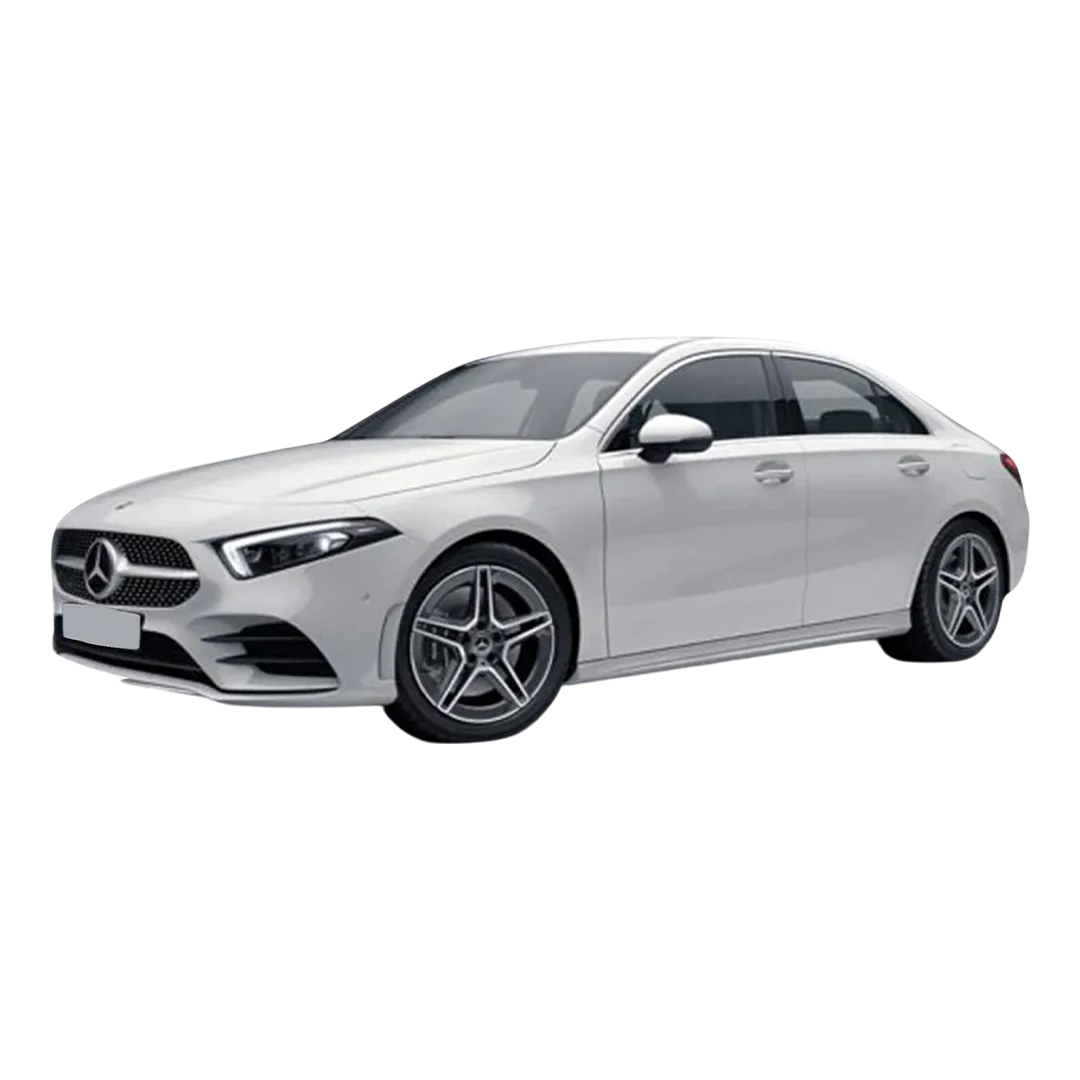




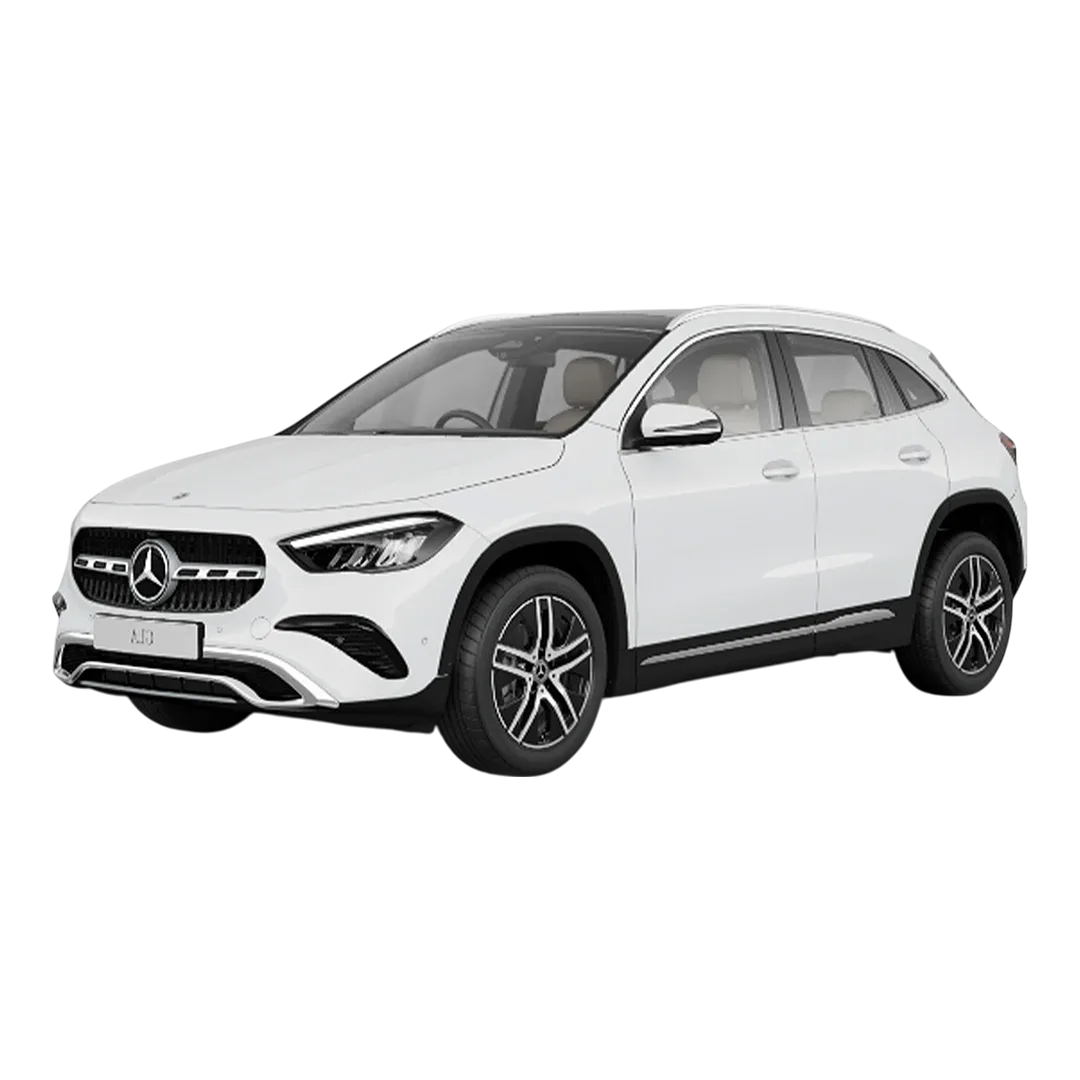
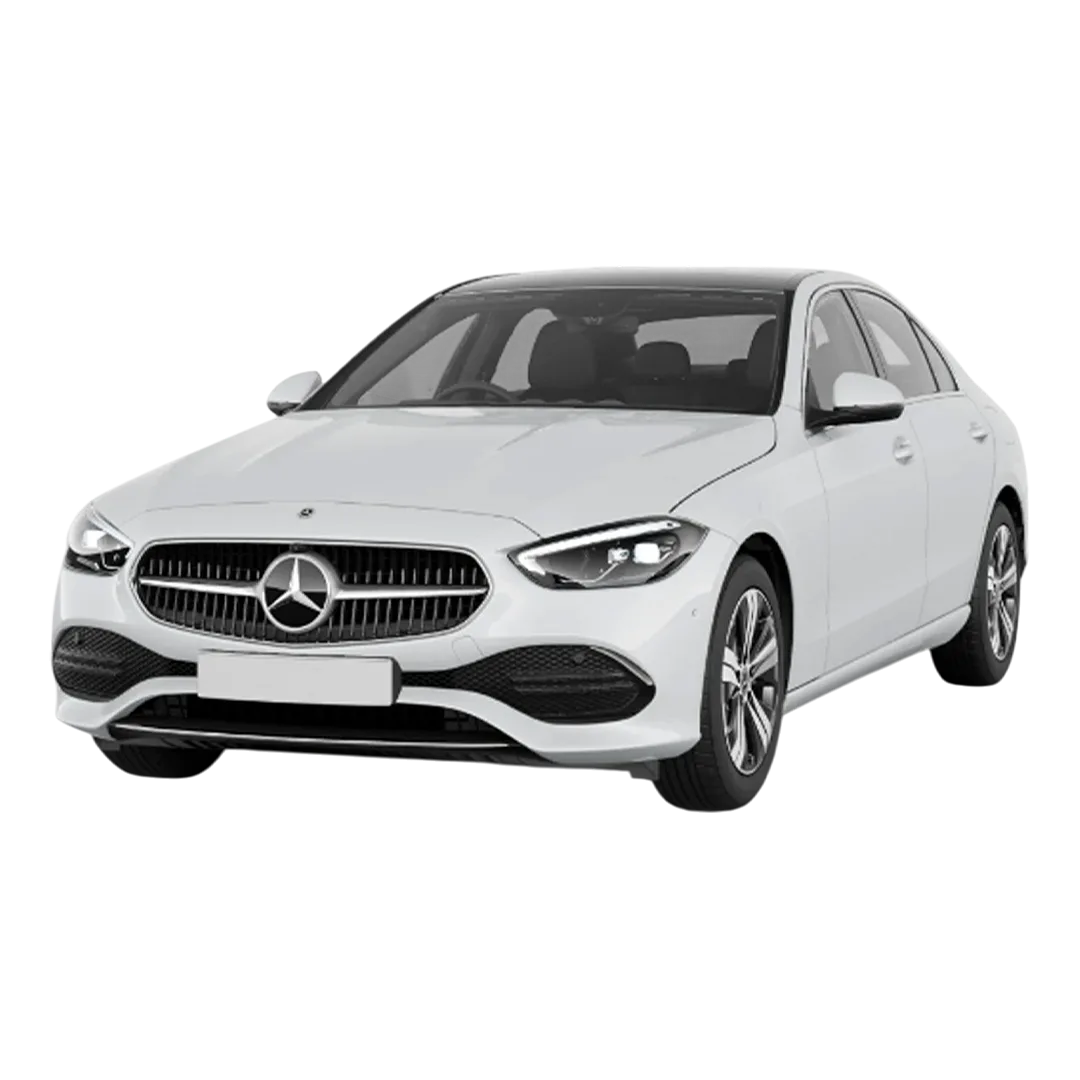





















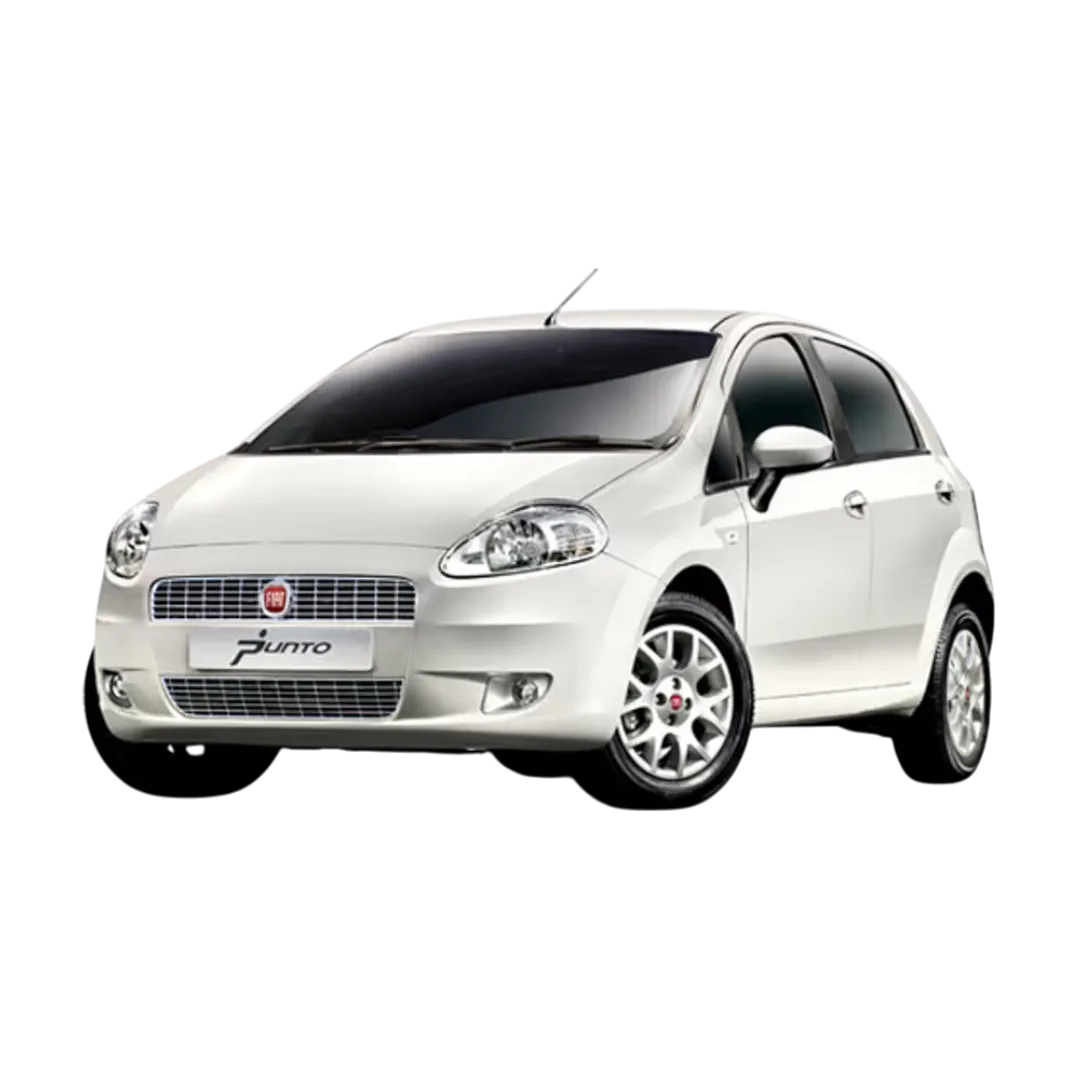
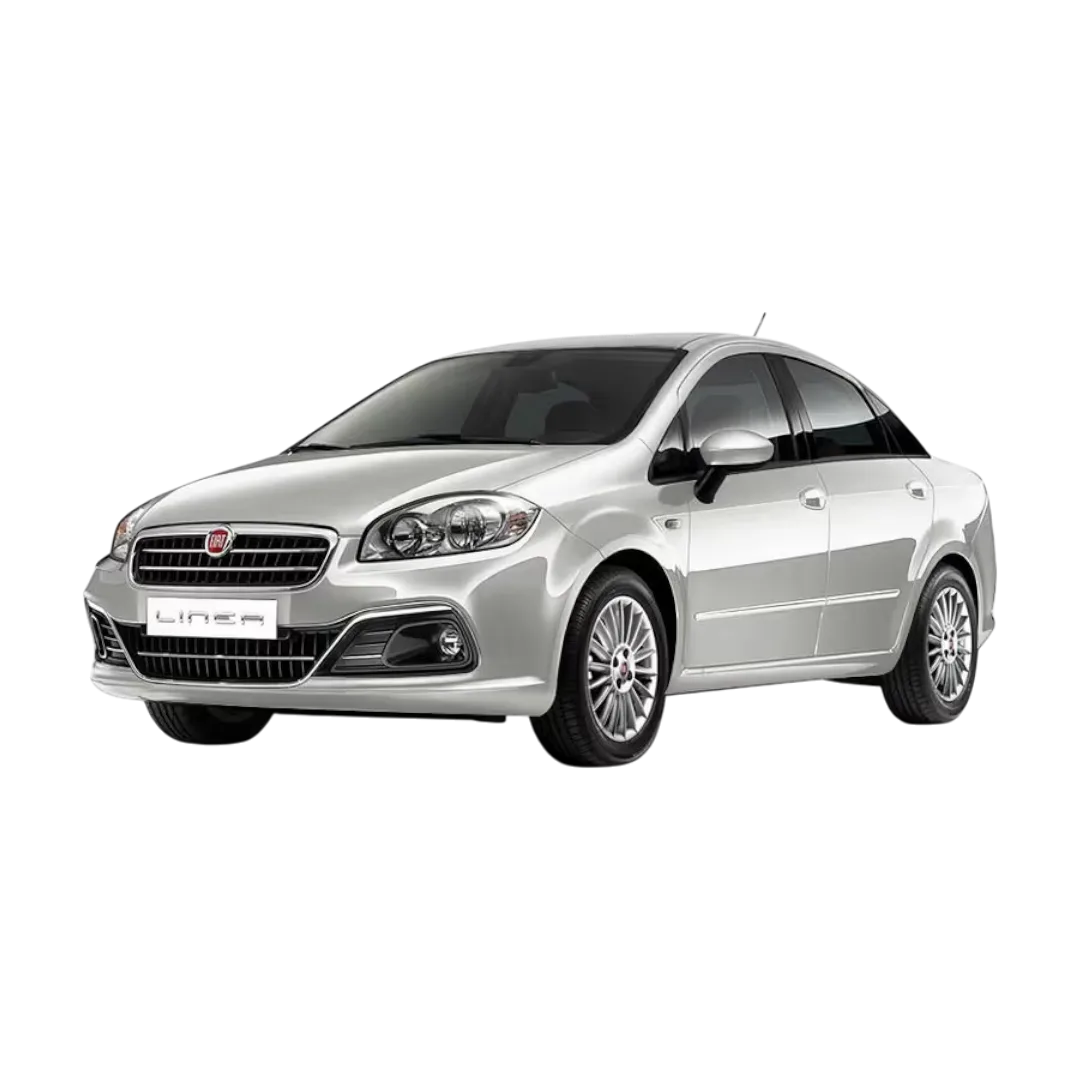
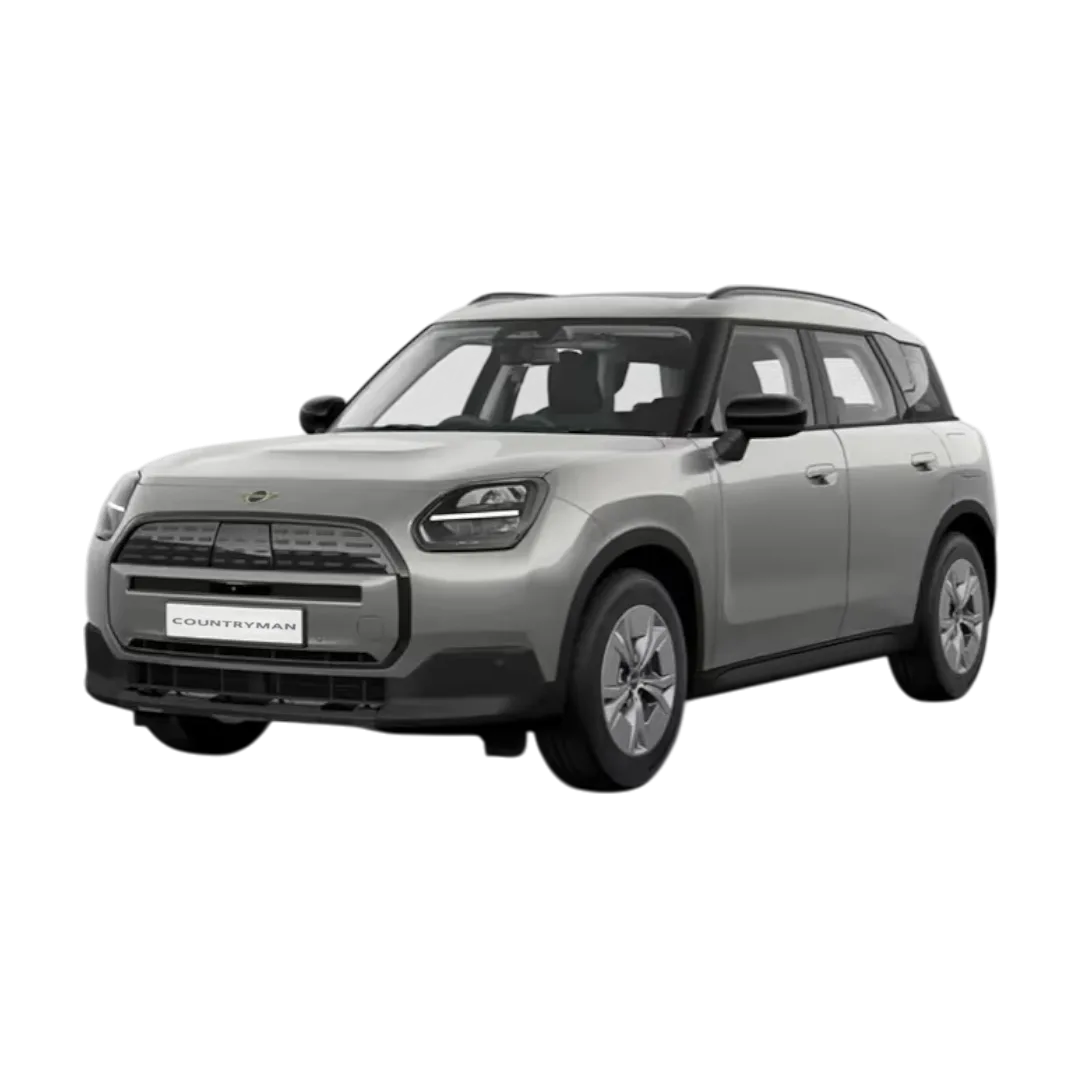

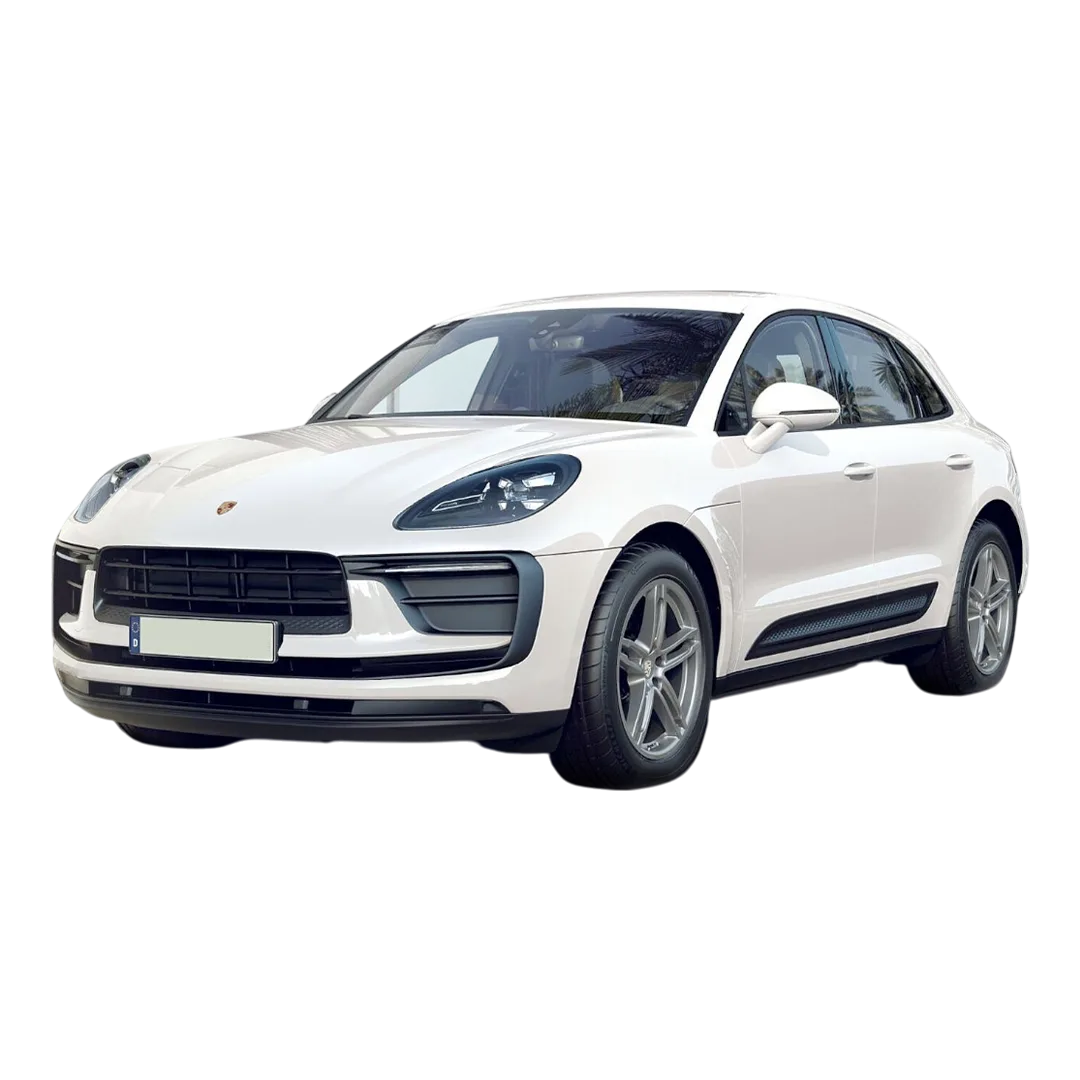



The Tata Aeris starts at around ₹5.29 lakh ex-showroom and is offered with petrol and CNG powertrains, along with manual and AMT transmission options. The new Maruti Dzire uses a 1.2-litre Z-Series petrol engine and is available with manual, AMT and CNG configurations. It also offers a range of modern features, including a sunroof, connected technology and a 360-degree camera on higher variants.
For buyers comparing the Tata Aeris vs Maruti Dzire, price alone may not be enough to make a decision. Engine performance, CNG availability, boot space, technology, safety equipment and running costs can all influence the ownership experience. This comparison looks at the major areas buyers should consider before choosing between these two compact sedans.

Tata Aeris vs Maruti Dzire: Price and Variant Line-up
Price is one of the biggest factors in the compact sedan segment. The Tata Aeris has an introductory advantage with a starting price of around ₹5.29 lakh ex-showroom. Its range includes multiple variants designed to cover different budgets and equipment requirements. The Aeris is available with petrol and CNG options, while selected variants also get an AMT transmission.
The Maruti Dzire price starts at around ₹6.31 lakh ex-showroom. The Dzire is available in petrol, CNG and automatic configurations, giving buyers several choices depending on their usage. Maruti has also introduced an automatic S-CNG option, making the Dzire relevant for buyers who want the convenience of an automatic transmission with CNG.
The Tata Aeris range includes variants such as Smart, Pure, Pure+, Creative and Accomplished. The exact equipment changes according to the variant, so buyers should compare individual trims rather than comparing only the base and top prices.
Creckk View: Buyers should compare the on-road price of the exact variants they are considering. Insurance, registration, taxes and optional accessories can significantly change the final amount paid at the dealership.
Engine, Performance and CNG Options Compared
The Tata Aeris is powered by a 1.2-litre three-cylinder petrol engine producing around 86 PS and 113 Nm of torque. It is paired with a 5-speed manual or AMT transmission, depending on the variant. The CNG version produces lower output than the petrol version but is aimed at buyers who prioritise fuel economy and lower running costs.
The new Maruti Dzire uses a 1.2-litre three-cylinder Z-Series petrol engine. It produces around 82 PS and 112 Nm of torque, with both manual and AMT transmission options available. The Dzire is also offered with a factory-fitted S-CNG system for buyers who regularly cover long distances.
One of the notable developments is the availability of an automatic CNG option on the Dzire. This can be particularly relevant for urban users who spend considerable time in stop-and-go traffic and want the convenience of an automatic transmission.
Creckk Tip: If you drive mainly inside the city, test both the manual and AMT versions before buying. AMTs can make daily traffic easier, but their response can feel different from a conventional automatic transmission.
Features, Technology and Interior Comfort
Modern compact sedans are no longer focused only on basic transportation. Buyers now expect large infotainment screens, wireless connectivity, automatic climate control, rear AC vents, wireless charging and convenience features.
The Tata Aeris gets a 10.25-inch touchscreen infotainment system, making its display larger than the Dzire's 9-inch unit. Depending on the variant, the Aeris can also offer wireless Android Auto and Apple CarPlay, wireless charging, automatic climate control, rear AC vents and ventilated front seats.
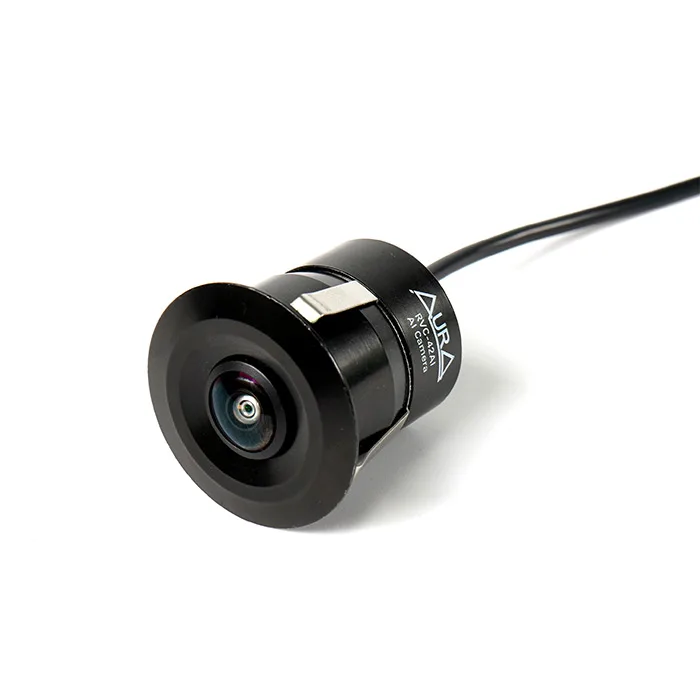
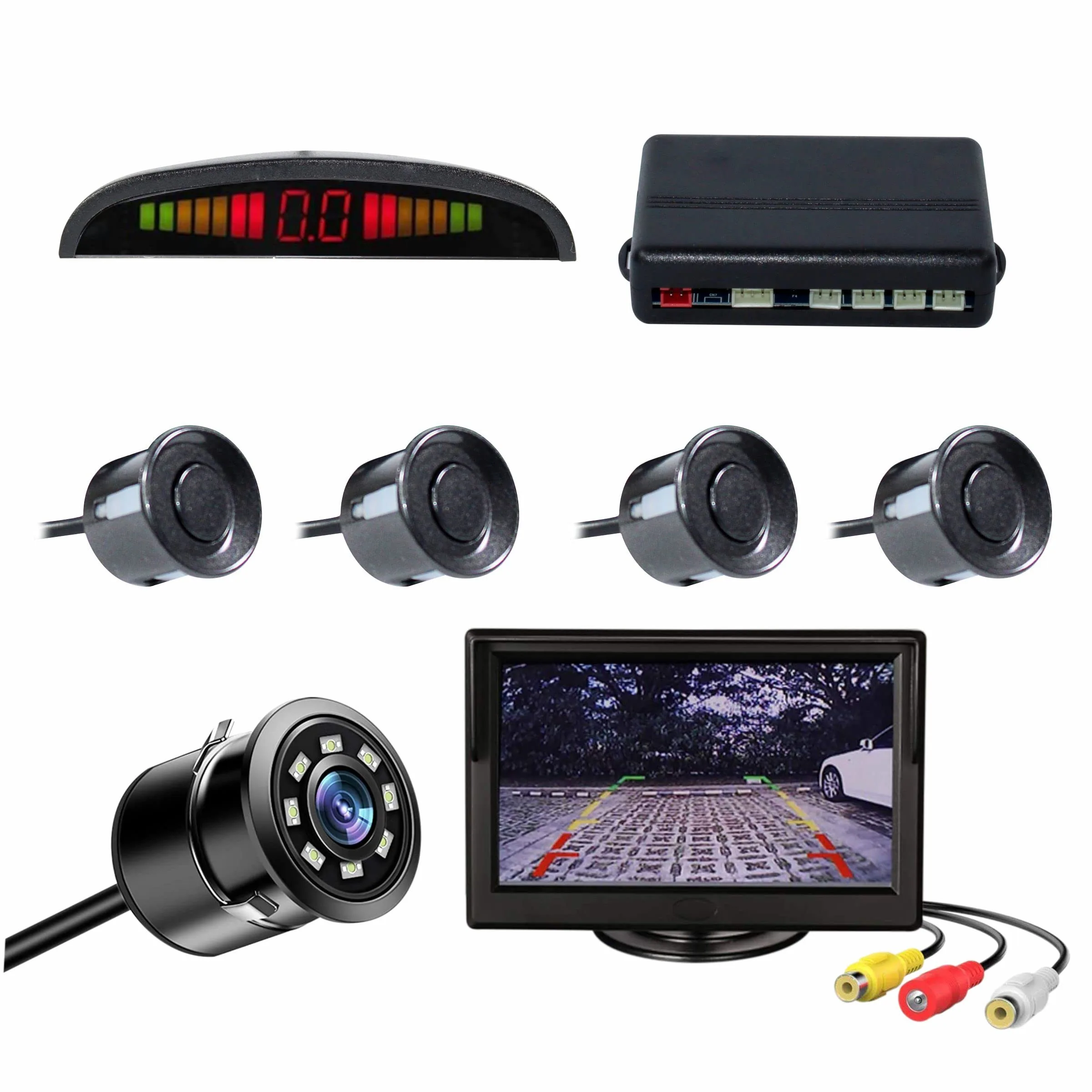
Higher variants can also receive features such as a 360-degree camera, blind-view monitor and dashcam. These features can be useful in crowded parking areas and narrow urban roads.
The new Maruti Dzire gets a 9-inch SmartPlay Pro+ touchscreen infotainment system, wireless Android Auto and Apple CarPlay, wireless charging, automatic climate control and rear AC vents. It also offers Suzuki Connect connected-car technology and an electric sunroof.
Creckk View: When comparing features, focus on the functions you will actually use. A good touchscreen, useful parking camera, comfortable seats and reliable connectivity can be more valuable during everyday driving than features used only occasionally.
Safety Features and Practicality
Safety has become an increasingly important consideration for Indian car buyers. Both the Tata Aeris and Maruti Dzire offer six airbags and electronic safety systems, although their equipment and safety credentials differ.
The Tata Aeris comes with features such as six airbags, ABS with EBD, electronic stability control, hill-hold assist and ISOFIX child-seat mounting points. Higher variants can add equipment such as a 360-degree camera, blind-view monitoring and tyre-pressure monitoring.
The new Maruti Dzire is equipped with six airbags, electronic stability control, ABS with EBD, hill-hold assist, ISOFIX mounts and tyre-pressure monitoring. It also offers a 360-degree HD camera on selected variants.
The new Maruti Dzire has received a 5-star Bharat NCAP safety rating. The Tata Aeris is a newer model, and its independent safety rating should be checked separately when an official assessment is available.
Expert Tip: Do not judge a car's safety only by the number of airbags. Look at the complete safety package, structural safety assessment, electronic safety systems, child-seat compatibility and the equipment available on the exact variant you plan to purchase.
Mileage, Boot Space and Everyday Usability
Fuel efficiency remains one of the strongest reasons Indian buyers choose compact sedans. The Maruti Dzire has published efficiency figures of up to 24.79 km/l for the manual petrol version, 25.71 km/l for the AMT petrol version and up to 33.73 km/kg for the S-CNG version, depending on the configuration.
The new automatic S-CNG version of the Dzire has also been introduced with a claimed efficiency figure of up to 36.47 km/kg. Actual fuel economy can vary depending on traffic, driving style, load, tyre pressure and road conditions.
The Tata Aeris also offers petrol and CNG powertrains. Third-party estimates may differ from official manufacturer figures, so buyers should check the certified mileage for their exact variant before making a purchase decision.
Boot space is another practical advantage of the Aeris. The petrol version offers around 419 litres of boot space, while the Dzire offers around 382 litres. This difference can matter for families carrying luggage, shopping bags or travel equipment.
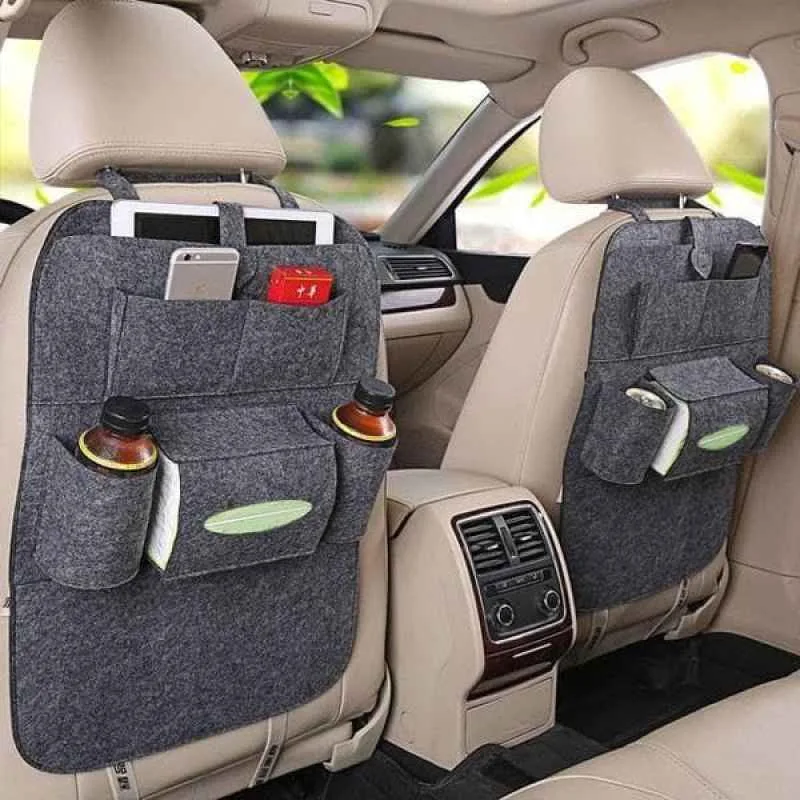
Creckk Tip: If you frequently travel with luggage, measure your typical bags and check the boot during a dealership visit. You can also consider practical car accessories such as seat organisers and boot organisers to improve storage without permanently modifying the car.