




































































































Introduction
India’s electric vehicle market is moving into a more competitive phase. Electric cars are no longer limited to a small group of technology enthusiasts or buyers looking for a second city vehicle. A wider selection of models, improving battery technology and greater awareness of running costs are encouraging more Indian consumers to consider electric mobility.
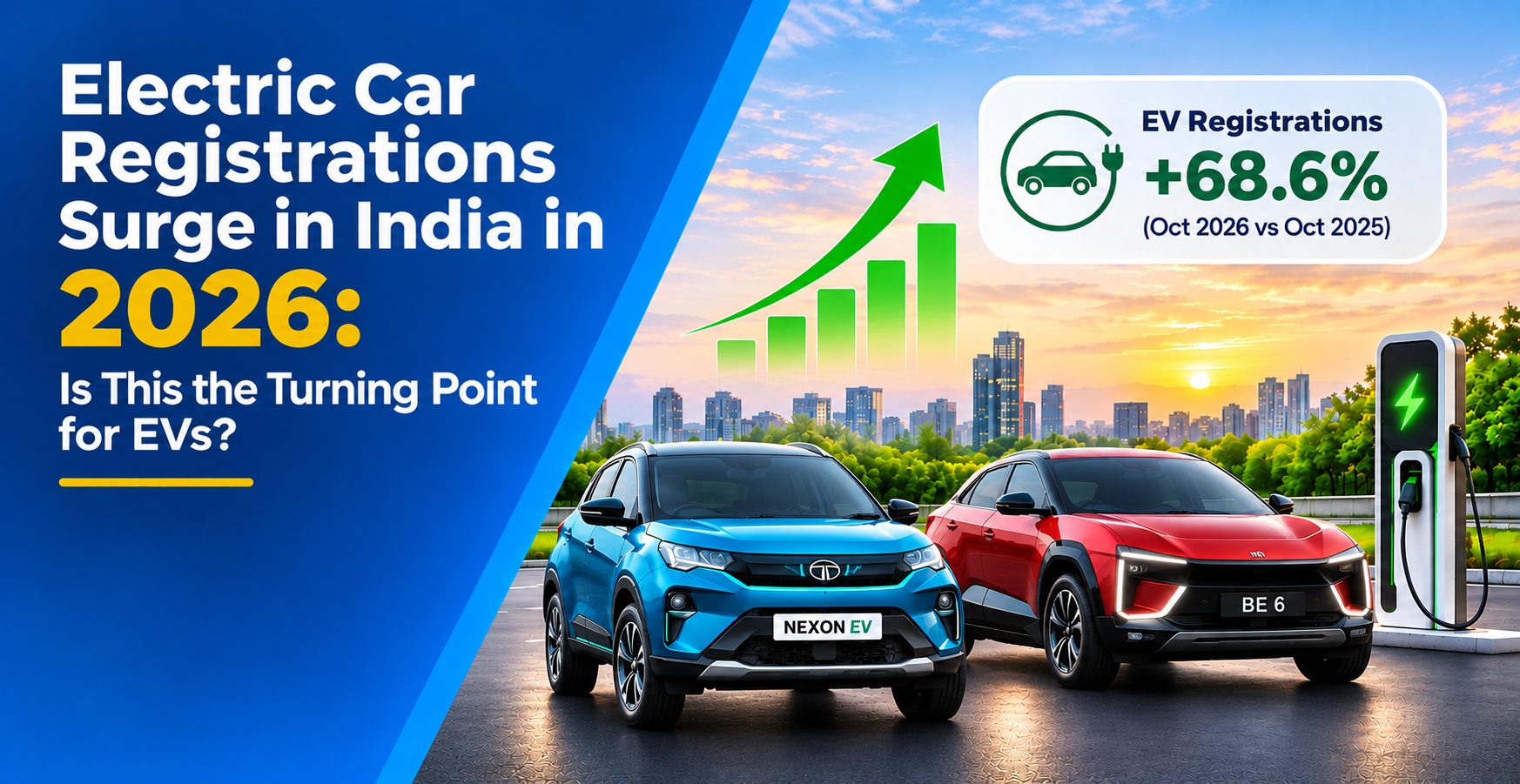
The latest registration figures underline this change. Vahan-based data reported for October 2026 shows 34,497 electric car registrations, approximately 68.6% higher than October 2025. Across January to October 2026, registrations reached 2,80,455, an increase of 83% compared with the same period in 2025. Electric cars also accounted for around 7.3% of passenger-car registrations in October, according to the same data series. These figures are based on registrations, not factory dispatches, and October data may be revised as delayed records are added.
This growth raises an important question: is 2026 becoming a turning point for electric car adoption in India? To understand the bigger picture, we need to look beyond headline sales and examine market share, manufacturers, charging access, ownership costs and the challenges buyers still face.
India's Electric Vehicle Market in 2026: An Overview
India's electric vehicle market includes several segments, from electric two-wheelers and three-wheelers to passenger cars, buses and commercial vehicles. Electric two-wheelers and three-wheelers account for a large share of registrations, while electric passenger cars are attracting attention because of new launches, longer claimed driving ranges and growing interest in SUVs.
The passenger-car segment is particularly important because it reflects a change in personal mobility choices. Buyers who previously considered only petrol, diesel, CNG or hybrid vehicles are increasingly comparing battery-electric options. The availability of different body styles and price categories is also making EVs relevant to a wider audience.
However, the market is still developing. Electric cars remain a relatively small part of India's overall passenger-vehicle registrations, and adoption differs considerably between cities and states. Home-charging access, daily travel distance, vehicle price and public charging availability all influence the decision.
Government support is another part of the picture. The PM E-DRIVE scheme, whose outlay was increased to ₹11,900 crore in August 2026 and whose implementation period runs until March 2028, is intended to support electric mobility, charging infrastructure and the EV manufacturing ecosystem. The direction is encouraging, but long-term growth will depend on whether EVs become practical and affordable for more Indian households.
Latest EV Registration Statistics
The latest Vahan-based reports available on 4 November 2026 show strong growth in electric passenger-car registrations. October recorded 34,497 electric car registrations, up 68.6% compared with October 2025. From January to October 2026, the total reached 2,80,455 registrations, an 83% increase over the corresponding period in 2025. It is useful to distinguish electric cars from the wider EV market. The wider category also includes electric scooters, motorcycles, three-wheelers, buses and commercial vehicles. A rise in total EV registrations does not automatically mean passenger-car adoption is growing at the same pace.
| Registration indicator | Latest reported figure |
|---|---|
| Electric car registrations, October 2026 | 34,497 |
| Year-on-year growth, October 2026 | 68.6% |
| Electric car registrations, January–October 2026 | 2,80,455 |
| Year-on-year growth, January–October 2026 | 83.0% |
| Electric share of passenger-car registrations, October 2026 | 7.3% |
| Electric share in October 2025 | 3.7% |
Source: Vahan-based electric-car registration data, updated 4 November 2026. October figures may be revised as registration records are updated.
These numbers suggest that electric cars are gaining ground faster than the overall market. Still, registrations are only one measure of adoption. Buyers' actual usage, charging access and repeat demand will determine whether this momentum continues.
Electric Car Registrations in India: What Do the Numbers Say?
The registration data tells two important stories. First, more buyers are choosing electric cars. Second, the electric share of passenger-car registrations is increasing, meaning EV growth is not simply a result of the entire car market becoming larger. In October 2026, electric cars represented 7.3% of passenger-car registrations, compared with 3.7% in October 2025. This is a meaningful year-on-year improvement, although it also shows that more than nine out of ten passenger cars registered during the month still used a non-battery-electric powertrain.
The manufacturer split is equally revealing. Tata Motors remained the largest electric-car brand in October, followed by Mahindra and MG. Together, these three manufacturers accounted for 82% of the electric-car registrations recorded in the report. For buyers, this concentration means the market is expanding but is not yet evenly distributed across manufacturers. More competition from established carmakers and newer EV brands could improve choice over time.
It is also important to remember that Vahan records registrations rather than factory production or wholesale dispatches. Registration figures are therefore useful for understanding vehicles entering the road network, but they should not be mixed with manufacturers' dispatch numbers.
Year-on-Year EV Registration Growth
Year-on-year comparisons help show whether electric-car demand is genuinely increasing. According to the latest Vahan-based report, October 2026 registrations were 68.6% higher than October 2025. The January–October total was also 83% higher than the same ten-month period a year earlier.
The increase in EV share provides additional context. Electric cars accounted for 7.3% of passenger-car registrations in October 2026, compared with 3.7% in October 2025. In other words, the electric segment grew faster than the overall passenger-car registration base during this comparison.
| Metric | October 2025 | October 2026 |
|---|---|---|
| Electric car registrations | Lower base | 34,497 |
| Year-on-year change | — | +68.6% |
| Share of passenger-car registrations | 3.7% | 7.3% |
The table compares the reported year-on-year figures; it does not represent manufacturer wholesale sales.
Strong growth from a relatively small starting base can produce impressive percentages. The next test is whether electric cars can maintain this pace as the market becomes larger, incentives change and more buyers outside major cities consider making the switch.
Why Are Electric Car Registrations Increasing in India?
There is no single reason behind the rise in electric car registrations. The trend reflects several factors working together: interest in reducing fuel expenses, more vehicle choices, improved battery technology, environmental awareness and the gradual expansion of charging facilities.
Indian buyers are also becoming more familiar with EV ownership. Questions that once seemed complicated—such as home charging, battery warranties, range planning and public charging payments—are now part of regular car-buying discussions. This growing familiarity can make the transition feel less uncertain.
Another factor is the changing product mix. Electric cars are available in compact city-friendly formats as well as larger SUVs and family-oriented vehicles. Buyers can now compare EVs with petrol and diesel alternatives based on their actual usage rather than treating electric mobility as a niche choice.
1. Rising Petrol and Diesel Expenses
Fuel expenses are an important part of car ownership in India. When petrol and diesel prices increase, regular commuters may start looking for alternatives that can reduce their monthly running costs.
Electric cars can offer lower energy costs per kilometre, particularly when owners charge at home. This can make them attractive to people who drive regularly and have access to convenient charging facilities.
However, the purchase price, insurance, charging setup and resale value should also be considered before deciding that an EV is cheaper overall.
2. Growing Awareness About Electric Mobility
Consumers are becoming more aware of the environmental and practical benefits of electric mobility. Battery-electric cars do not produce tailpipe emissions while driving, which can help reduce local air pollution.
Awareness is also increasing through online reviews, owner experiences, test drives and comparisons between electric and petrol vehicles. As more EVs become visible on Indian roads, potential buyers can better understand how they perform in everyday conditions.
3. New Electric Car Launches in India
New electric-car launches are giving buyers more options across different vehicle categories. Manufacturers are introducing compact EVs, family-friendly models and electric SUVs with different battery capacities and features.
More choice encourages competition. Buyers can compare design, cabin space, claimed range, charging performance, safety equipment and after-sales support before selecting a vehicle.
4. Improvements in Battery Technology
Battery technology plays a major role in the performance and usability of electric cars. Improvements in battery management, energy density and thermal management can help manufacturers develop vehicles with better efficiency and more predictable performance.
Battery warranties and service support are also important to buyers. Clear warranty terms can help reduce concerns about long-term battery ownership.
5. Government Support and EV Policies
Government policies are supporting the development of electric mobility in India. The PM E-DRIVE scheme includes funding for eligible electric vehicles and charging infrastructure, subject to scheme guidelines and applicable conditions.
State-level EV policies may also provide incentives or other support. These benefits can vary by state, vehicle category and eligibility, so buyers should check the latest official rules before making a purchase decision.
Top Electric Car Manufacturers in India in 2026
Competition among electric-car manufacturers is increasing. Tata Motors, Mahindra and MG have established a strong presence in the Indian electric passenger-car market, while other brands are adding new models and expanding their plans.
1. Tata Motors
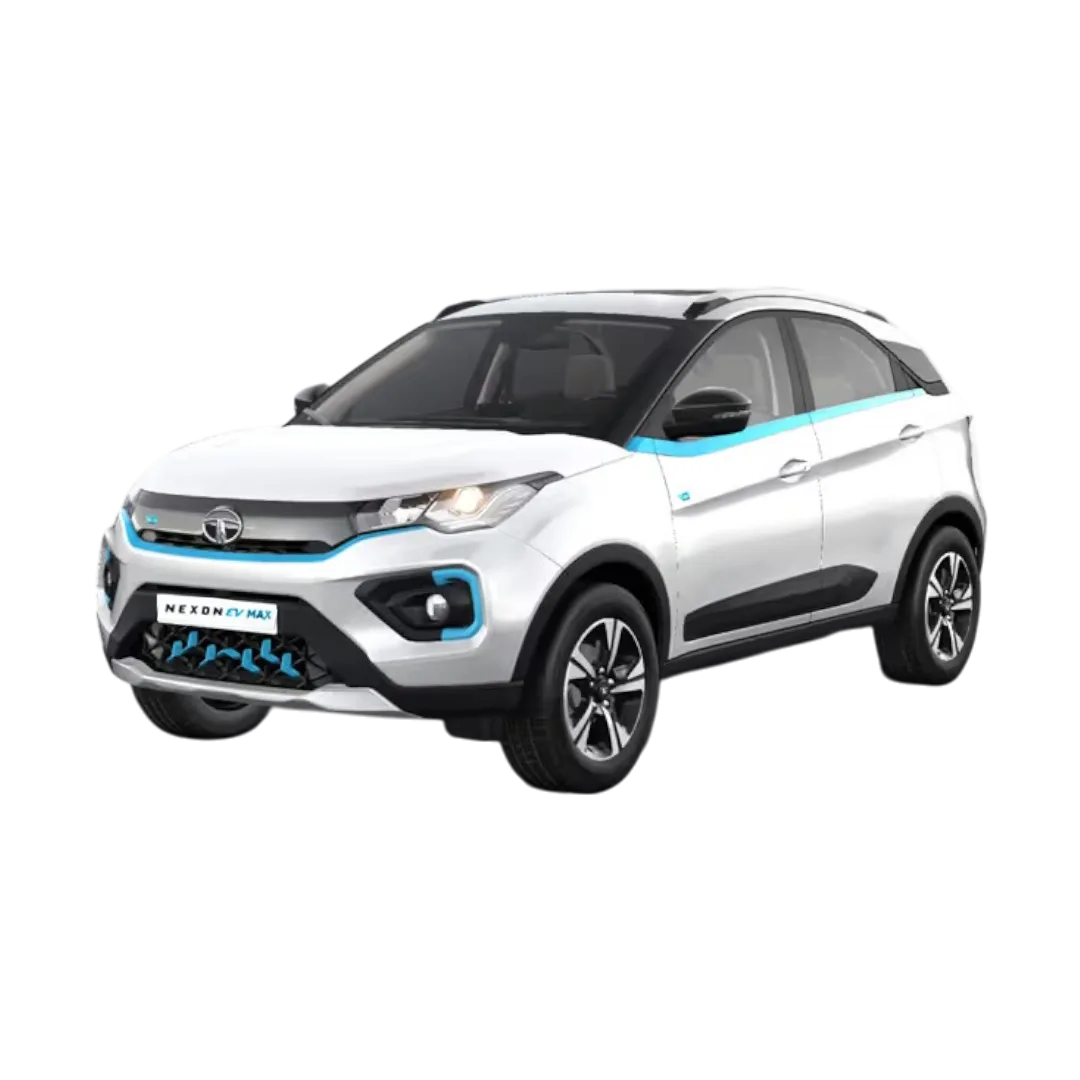
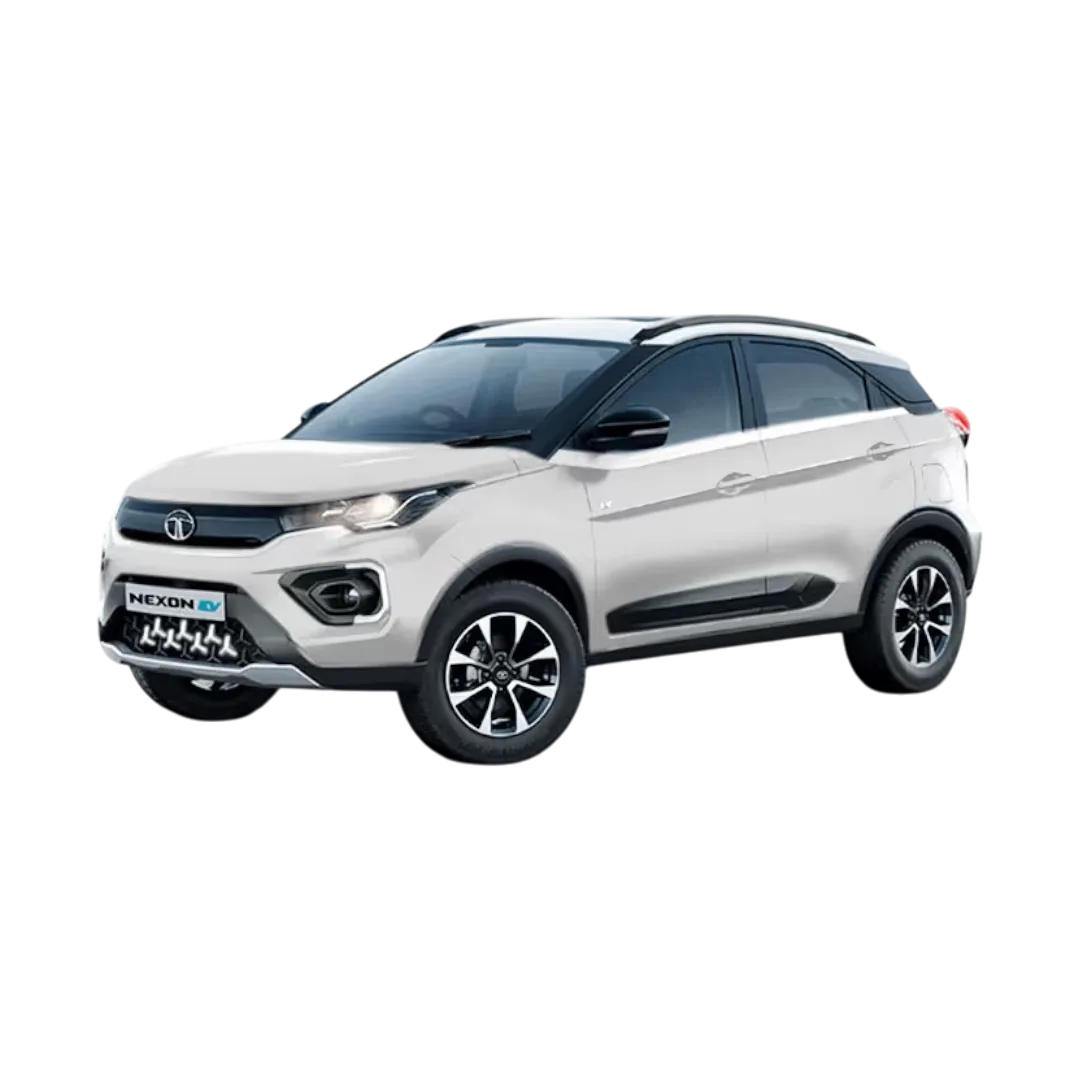
Tata Motors has played a major role in bringing electric passenger cars to Indian consumers. Its electric portfolio includes models across compact and SUV categories, giving buyers different options based on their budgets and driving requirements.
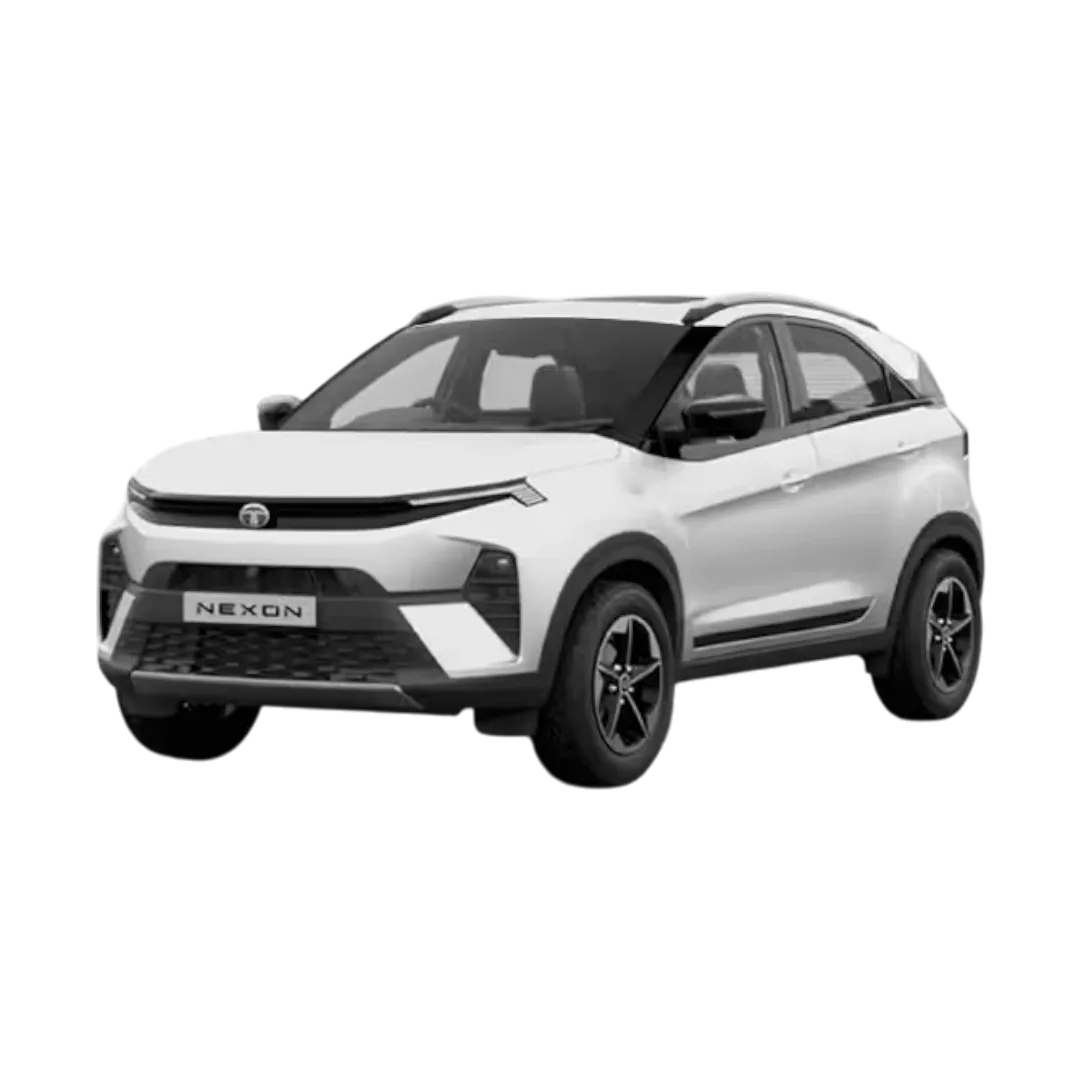
Models such as the Tiago EV, Punch EV, Nexon EV and Curvv EV are among the vehicles buyers may consider. The brand's established presence and growing EV ecosystem have helped it maintain a leading position in the segment.
2. Mahindra
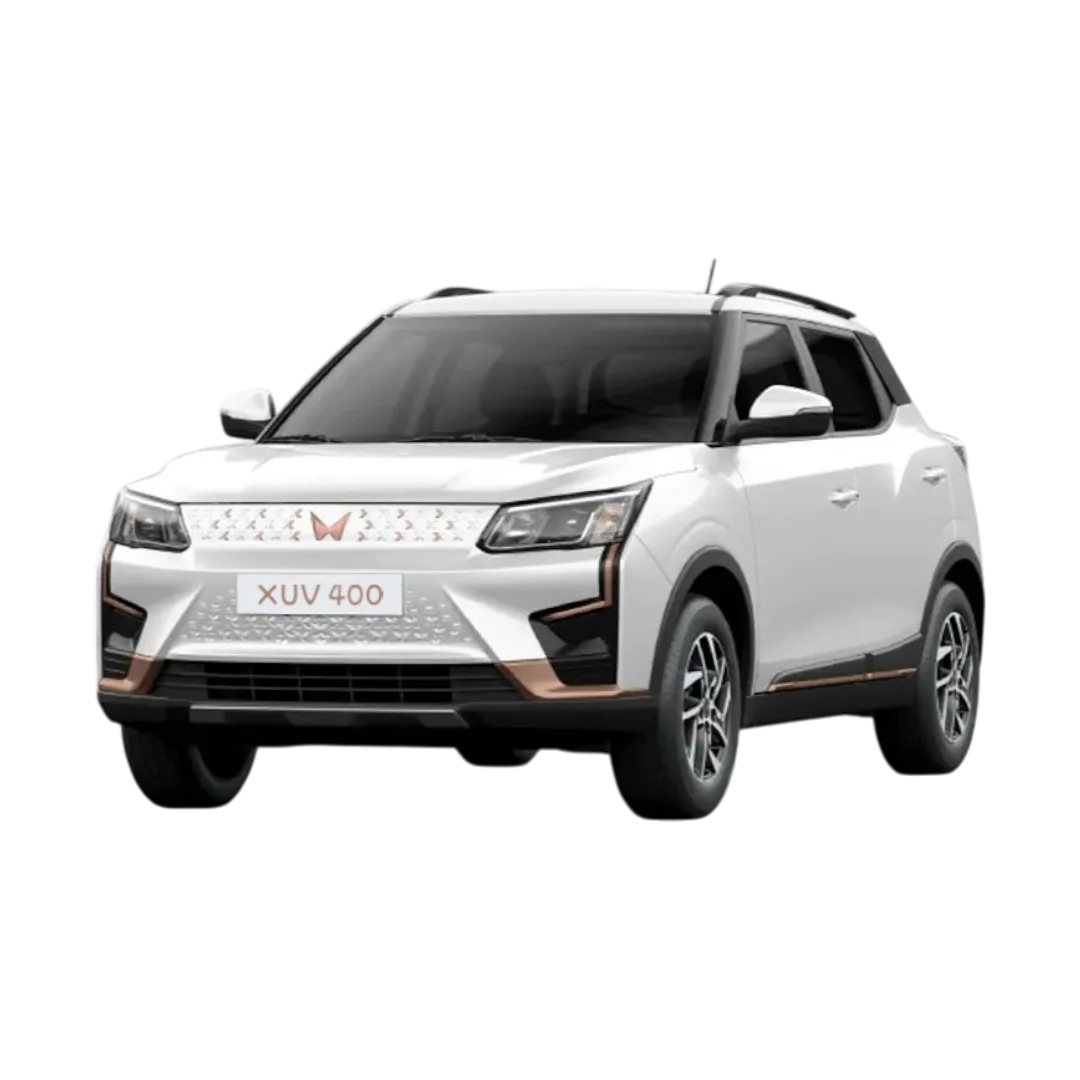
Mahindra is expanding its electric portfolio with a focus on electric SUVs. Models such as the BE 6 and XEV 9e highlight the company's push towards new electric platforms, modern cabin technology and feature-rich vehicles.
Its growing presence is adding competition in the electric SUV category and giving buyers more alternatives to consider.
3. MG Motor
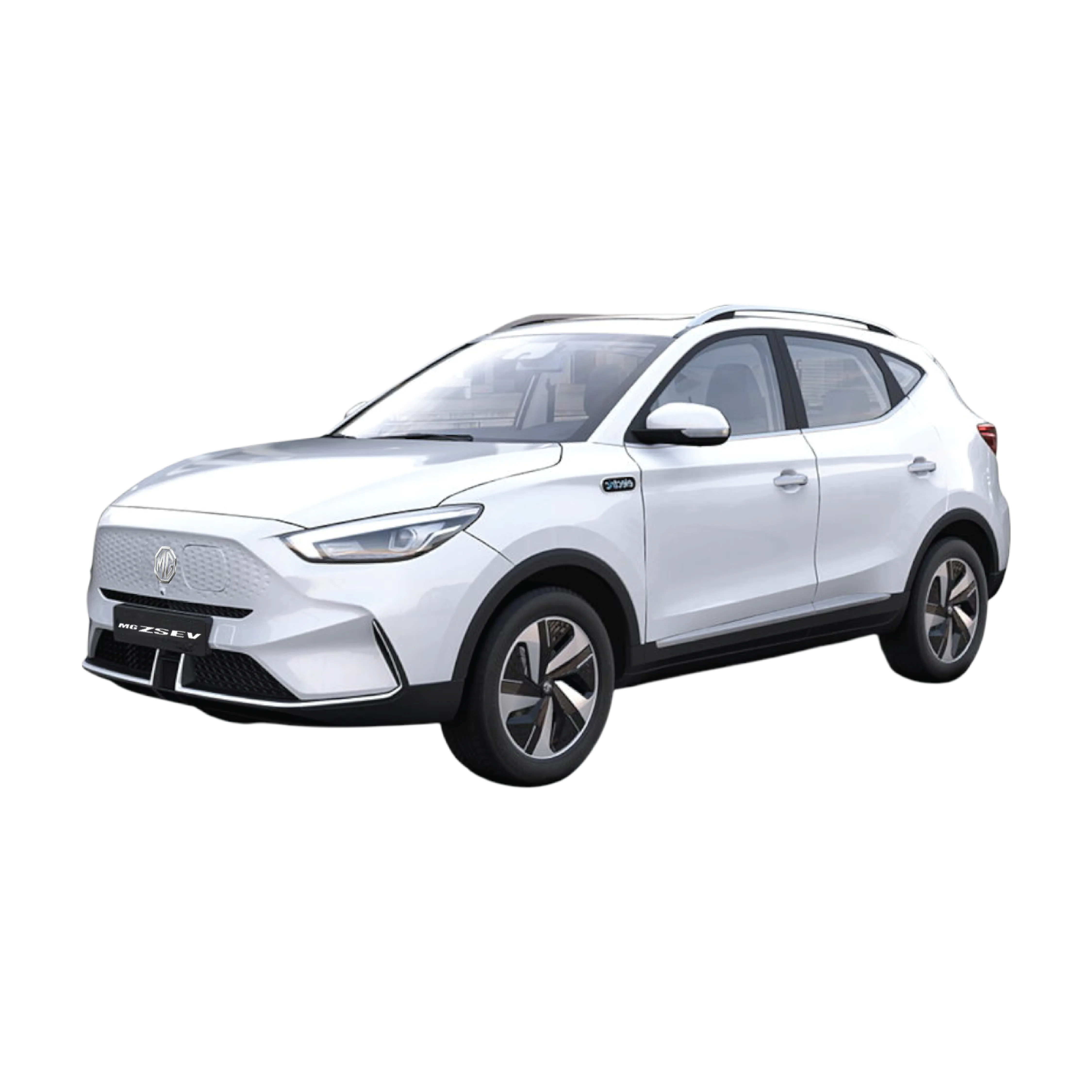
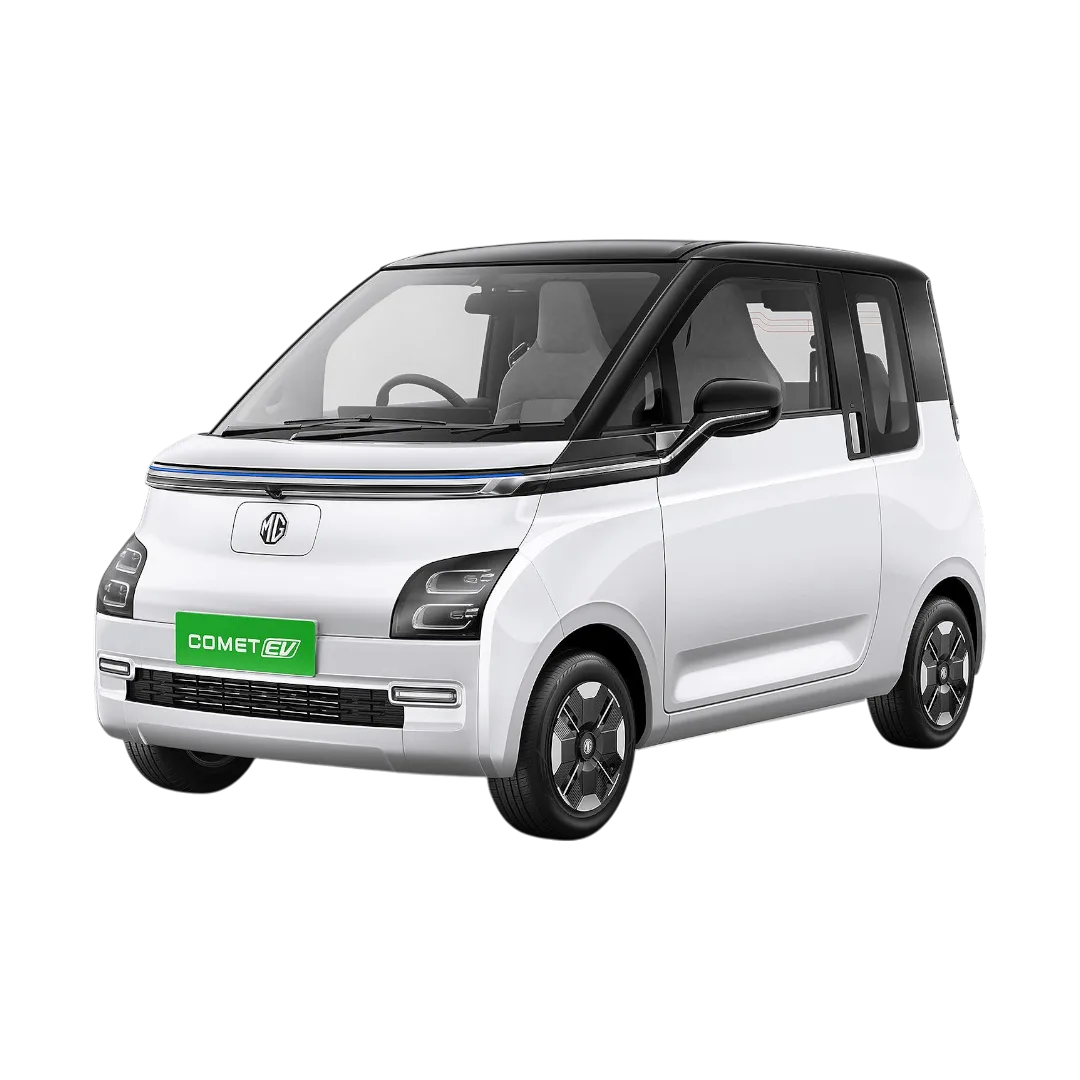
MG has developed an electric-car portfolio that includes compact and family-oriented options. The MG Comet EV focuses on urban mobility, while the MG Windsor EV offers a larger format for buyers looking for additional cabin space.
The brand's electric offerings have helped increase consumer choice in the Indian market.
4. Other Electric Car Manufacturers
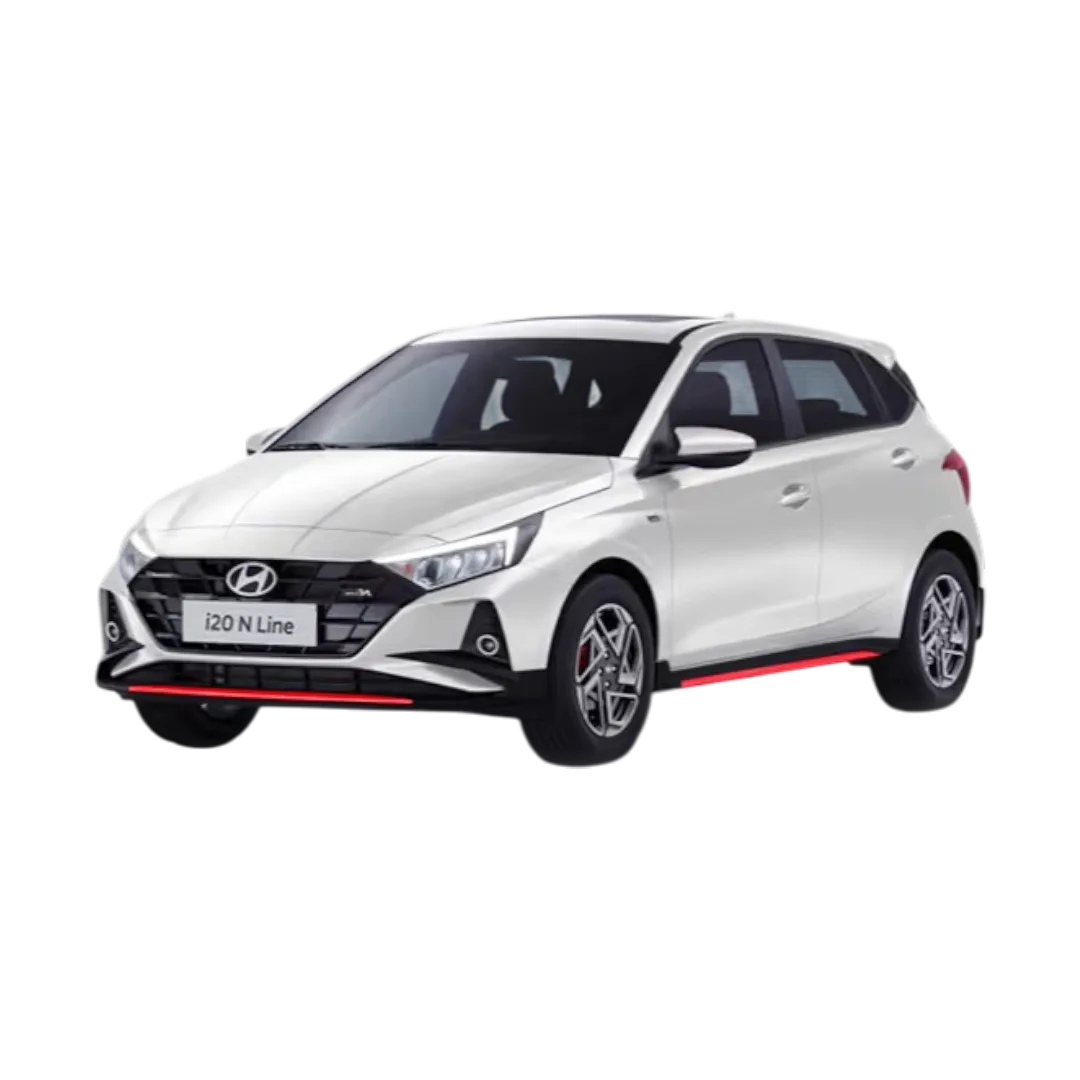
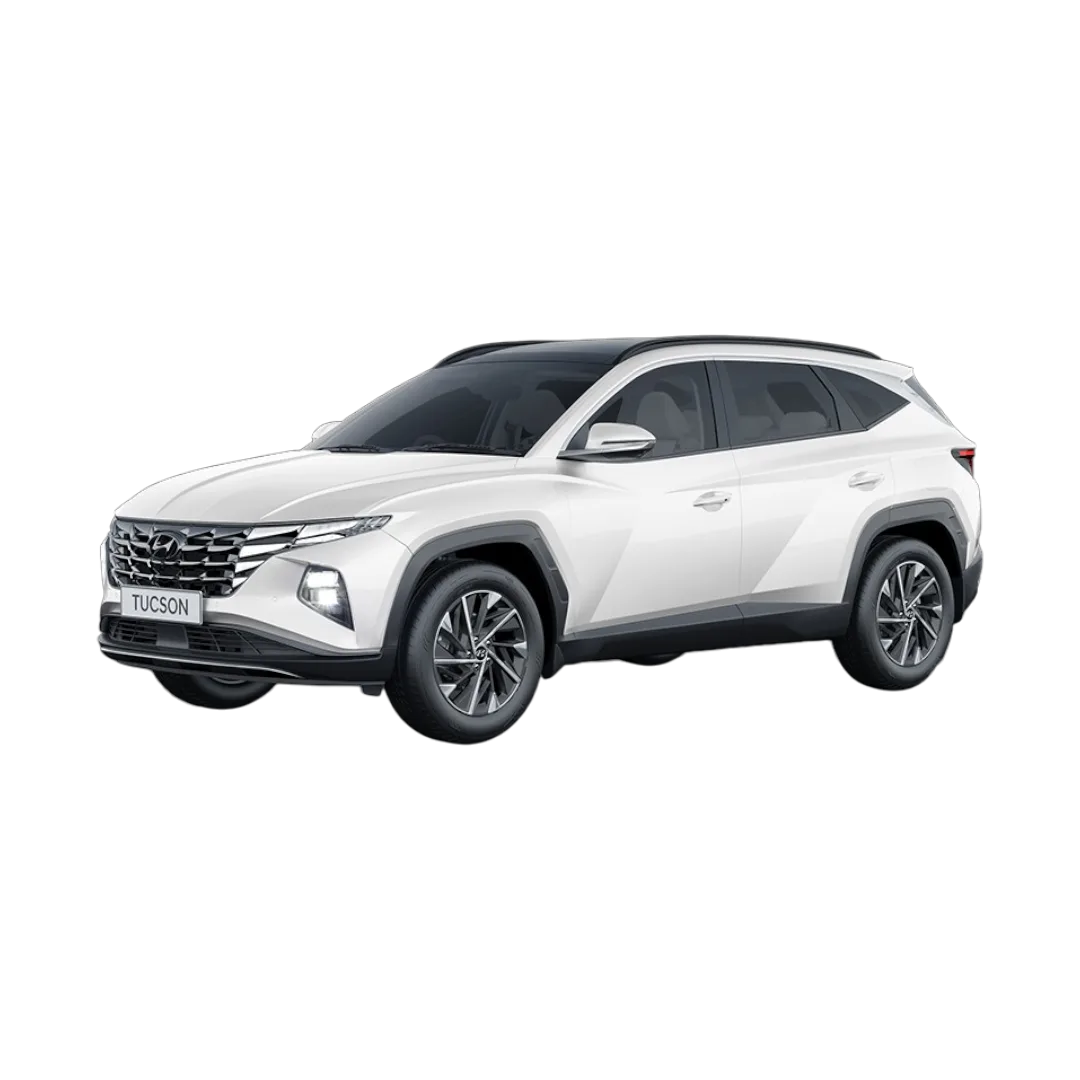
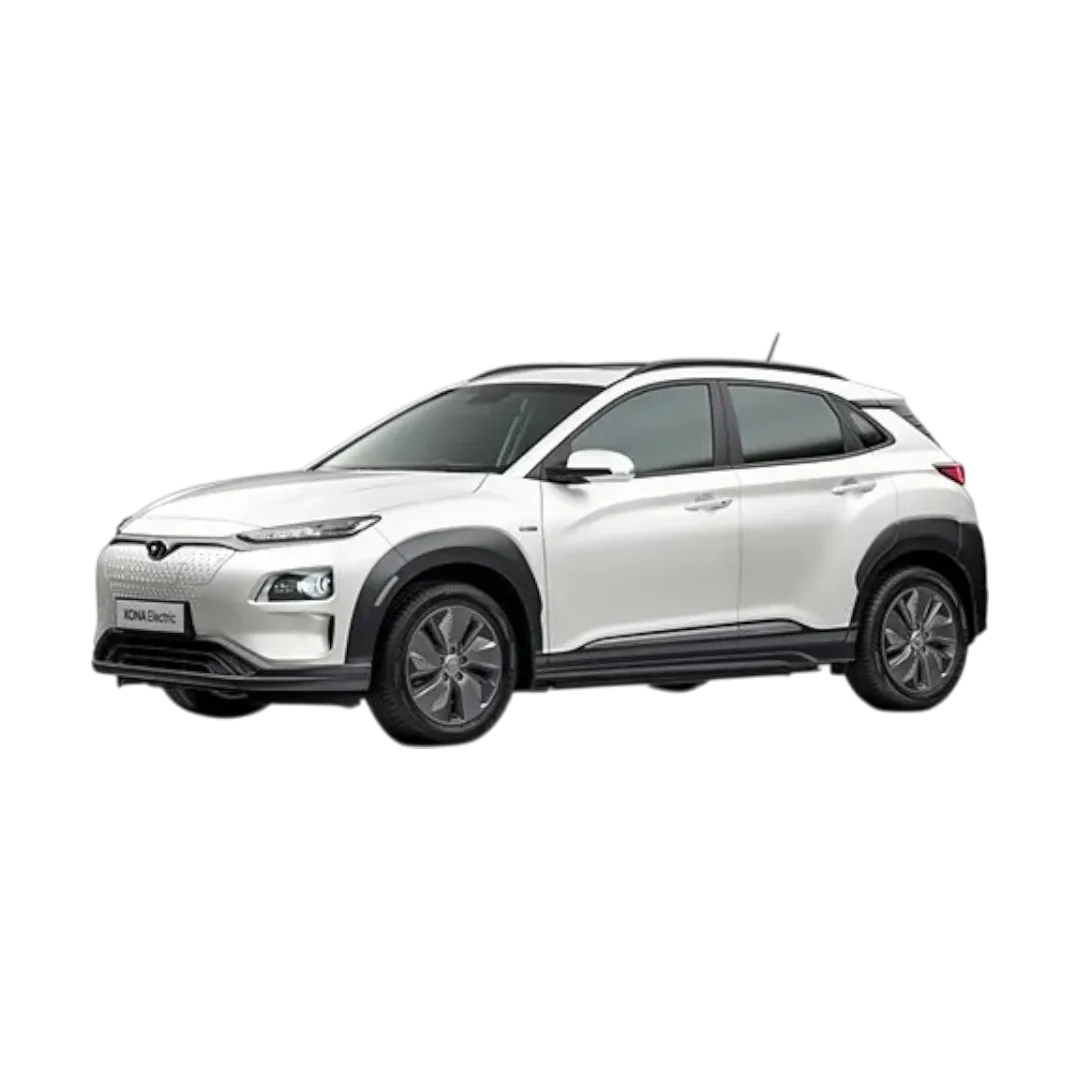
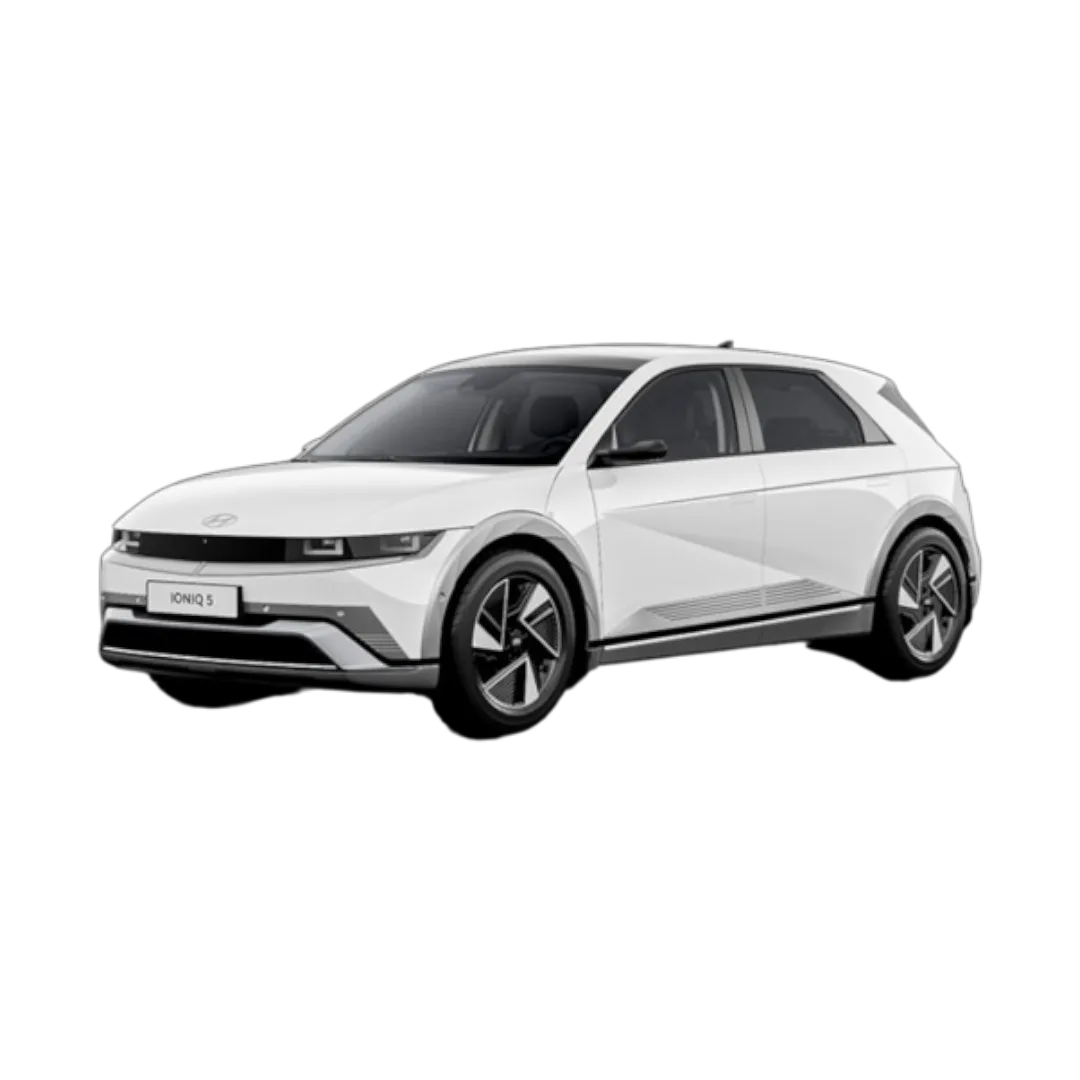
Other manufacturers are also contributing to the changing EV landscape. Hyundai, Kia, BYD, VinFast and Maruti Suzuki are among the brands participating in or preparing for India's evolving electric-car market.
As more companies enter the segment, buyers may benefit from additional body styles, technologies and price options. The extent of competition will depend on product availability, pricing, charging support and service networks.
Leading Electric Car Brands: October 2026 Registrations
| Manufacturer | Registrations | Market share |
|---|---|---|
| Tata Motors | 14,330 | 41.5% |
| Mahindra Electric Automobile | 8,167 | 23.7% |
| MG | 5,776 | 16.7% |
| Maruti Suzuki | 1,199 | 3.5% |
| Kia | 1,194 | 3.5% |
| VinFast | 851 | 2.5% |
| Hyundai | 766 | 2.2% |
| BYD | 721 | 2.1% |
These figures show the reported October 2026 registration position. Rankings and market shares can change as new models launch and registration records are updated.
EV Charging Infrastructure in India: Is It Ready for More Buyers?
Charging infrastructure is one of the most important factors influencing electric-car adoption. A buyer may be interested in an EV, but the decision becomes difficult if charging is inconvenient at home, work or along regular travel routes.
India's public charging network is expanding through government initiatives and private charging operators. The Ministry of Heavy Industries reported 29,151 public EV charging stations in February 2026. The PM E-DRIVE scheme also includes ₹2,000 crore allocated towards charging infrastructure.
Despite this progress, charger availability is not uniform across the country. Major cities and highways may have more charging options than smaller towns or less-travelled routes. Charger type, operating condition, payment methods and waiting time can also affect the experience.
Types of EV Charging Options
- Home charging: Convenient for owners who have a dedicated parking space and access to a suitable electrical connection.
- Workplace charging: Useful for people who can charge their vehicles while parked at their workplace.
- Public AC charging: Suitable for longer parking periods at locations such as malls, offices and public parking areas.
- DC fast charging: Designed to charge compatible EVs more quickly, especially during longer journeys.
What Should EV Buyers Check?
- Availability of a home-charging connection.
- Public charging stations near regular routes.
- Fast-charging compatibility of the vehicle.
- Charging network reliability and payment options.
- Availability of charging facilities on frequently used highways.
Before purchasing an electric car, buyers should check charging options around their home, workplace and common travel destinations. A little planning can make everyday EV ownership much easier.
Challenges of Electric Vehicle Adoption in India
Although electric-car registrations are increasing, several challenges continue to affect adoption. These challenges differ between buyers and locations, but they are important considerations before switching from a petrol or diesel car.
1. Higher Initial Purchase Cost
Some electric cars have a higher upfront price than comparable petrol models. Battery technology contributes significantly to vehicle cost, although pricing varies by model, variant and manufacturer.
Government incentives and lower running costs may improve the ownership equation, but buyers should compare the actual on-road price and total cost over their expected ownership period.
2. Charging Availability
Home charging is convenient for many EV owners, but not every household has a private parking space or permission to install a charger. Apartment residents may need approval from housing societies or building management.
Public charging availability can also vary between cities and highways. Buyers who regularly travel long distances should plan routes around reliable charging locations.
3. Real-World Driving Range
The driving range advertised by manufacturers may differ from the range achieved in everyday conditions. Traffic, air-conditioning use, driving style, road conditions, temperature and vehicle load can all influence energy consumption.
Buyers should consider real-world owner feedback and maintain a practical range buffer rather than planning every journey around the maximum claimed figure.
4. Battery Life and Replacement Concerns
Battery durability is a common concern among potential EV buyers. Battery performance can change over time depending on usage, charging habits, temperature and other conditions.
Before buying, review the manufacturer's battery warranty, coverage conditions, service support and available information about battery health.
5. Resale Value and Service Network
The resale market for electric cars is still developing. Used-EV buyers may consider battery health, warranty balance, vehicle condition and access to service facilities when evaluating a car.
Buyers should also confirm that authorised service support is available in their city and understand the manufacturer's after-sales process.
Electric Cars vs Petrol Cars in India: Which Makes More Sense?
Choosing between an electric car and a petrol car depends on driving habits, budget, charging access and personal preferences. EVs can offer lower energy costs and a quiet driving experience, while petrol cars may provide greater refuelling convenience in areas where charging infrastructure is limited.
| Comparison factor | Electric car | Petrol car |
|---|---|---|
| Energy source | Electricity | Petrol |
| Running cost | Can be lower, especially with home charging | Depends on fuel price and vehicle mileage |
| Refuelling or charging | Requires charging time and access | Usually quick at fuel stations |
| Local tailpipe emissions | No tailpipe emissions while driving | Produces tailpipe emissions |
| Maintenance | Fewer conventional engine-related components | Requires regular engine-related servicing |
| Long-distance travel | Needs charging-route planning | Generally supported by widespread fuel stations |
| Purchase price | Varies; some models have a higher upfront cost | Wide range of price options |
An electric car may offer lower energy costs, but the actual saving depends on how often it is driven and where it is charged. Public fast charging can cost more than home charging, while a petrol car's fuel expense changes with fuel prices and driving efficiency.
Creckk Tip: Whether you choose an EV or a petrol car, keep the tyres correctly inflated, maintain the cabin and follow the manufacturer's service schedule. Good maintenance supports safety and helps preserve the vehicle's condition.
Best Electric Cars in India 2026: What Should Buyers Consider?
There is no single best electric car for every Indian buyer. A compact EV designed for city commutes may be ideal for one household, while another family may need a larger electric SUV with more rear-seat space and highway capability.
Some of the electric models buyers may compare in India include the Tata Tiago EV, Tata Punch EV, Tata Nexon EV, Tata Curvv EV, Mahindra BE 6, Mahindra XEV 9e, MG Comet EV, MG Windsor EV, Hyundai Creta Electric and Kia Carens Clavis EV. Availability, variant details and prices should be checked with the respective manufacturers because product line-ups can change.
Instead of relying only on claimed driving range, assess the following:
- Real-world range: Consider your daily distance and keep a practical range buffer.
- Charging time: Check AC home-charging time and DC fast-charging capability.
- Battery warranty: Read the duration, kilometre limit and conditions.
- Space and comfort: Check seating, boot capacity and rear-seat practicality.
- Safety: Review the available safety equipment and independent crash-test information, where available.
- Service support: Confirm that authorised service facilities are accessible in your city.
- Total cost: Compare the purchase price, insurance, charging, maintenance and resale considerations.
For buyers looking for affordable electric cars in India, compact models may be worth considering. Families needing more space can compare electric SUVs and larger crossovers. The right choice is the one that meets everyday requirements without stretching the ownership budget.
Electric Car Running Cost in India: How to Compare It
Electric car running cost in India depends mainly on energy consumption and the price paid for electricity. A simple calculation can help buyers estimate the cost of charging.
Illustrative example: Assume an EV consumes 15 kWh of electricity per 100 km and the owner's effective home electricity tariff is ₹8 per kWh.
Electricity required for 100 km: 15 kWh
Assumed electricity tariff: ₹8 per kWh
Estimated energy cost for 100 km: ₹120
This is an example, not a claim about the efficiency of a particular vehicle or the electricity tariff in every Indian state. Actual consumption may be higher or lower, and charging losses can increase the amount of electricity drawn from the meter.
For a fair petrol-versus-electric comparison, calculate the petrol car's fuel cost for the same distance using its actual mileage and the local petrol price. Then include insurance, servicing, tyres, financing and depreciation for both vehicles.
| Cost factor | What to include |
|---|---|
| Purchase price | On-road price after applicable benefits |
| Energy | Electricity or petrol consumed |
| Charging setup | Home charger and installation, if required |
| Maintenance | Scheduled servicing and wear items |
| Insurance | Annual premium and coverage |
| Battery | Warranty terms and any out-of-warranty risk |
| Resale | Expected resale value at the time of replacement |
This calculation helps buyers understand whether a higher initial EV price could be offset by lower energy and maintenance expenses over their expected ownership period.
Future of Electric Vehicles in India: What Could Happen Next?
The future of electric vehicles in India will depend on more than registration growth. Battery costs, local manufacturing, charging infrastructure, consumer confidence and the availability of vehicles across price categories will all influence the pace of adoption.
Manufacturers are likely to keep improving battery efficiency, vehicle software, charging performance and cabin technology. More competition could also give consumers a wider selection of electric hatchbacks, crossovers and SUVs. For buyers, this may mean better choices across different budgets and usage patterns.
Charging infrastructure will remain a major priority. The PM E-DRIVE scheme includes support for public charging infrastructure, while private companies and energy providers also have a role in expanding the network. The scheme's official portal states that its overall outlay was enhanced to ₹11,900 crore in August 2026 and its period extended to March 2028.
Battery recycling, repair capability and responsible material sourcing will become increasingly important as more EVs reach the end of their useful life. A stronger used-EV market will also require reliable battery-health information and transparent warranty support.
The direction of the market is positive, but the transition will not happen at the same speed in every city or vehicle category. The most meaningful progress will come when electric cars become convenient, dependable and financially practical for a much larger section of Indian households.
Frequently Asked Questions About Electric Car Registrations in India 2026
1. How many electric cars were registered in India in October 2026?
The latest Vahan-based report available on 4 November 2026 recorded 34,497 electric-car registrations in October 2026, representing 68.6% year-on-year growth. October figures may be revised as registration records are updated.
2. Which company leads India's electric-car market in 2026?
Tata Motors led the electric-car segment in October 2026, with 14,330 registrations and a 41.5% market share. Mahindra and MG followed in the same report.
3. Are electric cars cheaper to run than petrol cars in India?
Electric cars can have lower energy costs per kilometre, particularly when charged at home. However, actual savings depend on electricity tariffs, vehicle efficiency, petrol prices, public charging use and the initial purchase-price difference.
4. Is EV charging infrastructure available across India?
Public EV charging stations have been installed across the country, and government schemes are supporting further deployment. However, charger availability and reliability vary by location. Buyers should check their regular routes and local charging options before purchasing.
5. Which are some of the electric cars available in India in 2026?
Models buyers may compare include the Tata Tiago EV, Punch EV, Nexon EV, Curvv EV, Mahindra BE 6, XEV 9e, MG Comet EV, MG Windsor EV, Hyundai Creta Electric and Kia Carens Clavis EV. Confirm current variants and availability with manufacturers.
6. What are the main challenges of EV adoption in India?
The major challenges include upfront vehicle cost, charging access, real-world range, highway charging convenience, battery-related concerns, resale uncertainty and differences in service-network coverage.
7. Is 2026 a turning point for electric vehicle adoption in India?
The registration growth suggests that 2026 is an important year for electric-car adoption. However, EVs still represent a minority of passenger-car registrations. Sustained growth will depend on affordability, charging access, product choice and customer confidence.
Conclusion: Is 2026 the Turning Point for EV Adoption in India?
The rise in electric car registrations in India during 2026 shows that the country's EV market is moving beyond its early stage. More buyers are considering electric mobility, manufacturers are expanding their portfolios and the charging network is receiving additional investment. Tata Motors, Mahindra and MG are among the leading brands shaping the passenger-EV market, while other manufacturers are increasing competition.
The latest Vahan-based figures are encouraging: electric-car registrations reached 34,497 in October 2026, while the January–October total stood at 2,80,455. The electric share of passenger-car registrations also increased to 7.3% in October. These figures point towards faster adoption, although EVs remain a relatively small part of India's overall car market.
So, is 2026 the turning point? It may well be a defining year in the transition, but a lasting shift will depend on making EVs accessible beyond major urban centres. Affordable models, dependable charging, transparent battery warranties and strong after-sales support will matter just as much as new launches.
For buyers, the smartest decision is to compare an EV with its petrol or hybrid alternatives based on actual driving habits, charging access and total ownership cost. Electric mobility is becoming a more practical option in India, but the right time to switch depends on individual needs.