




















































































































































































































































































































































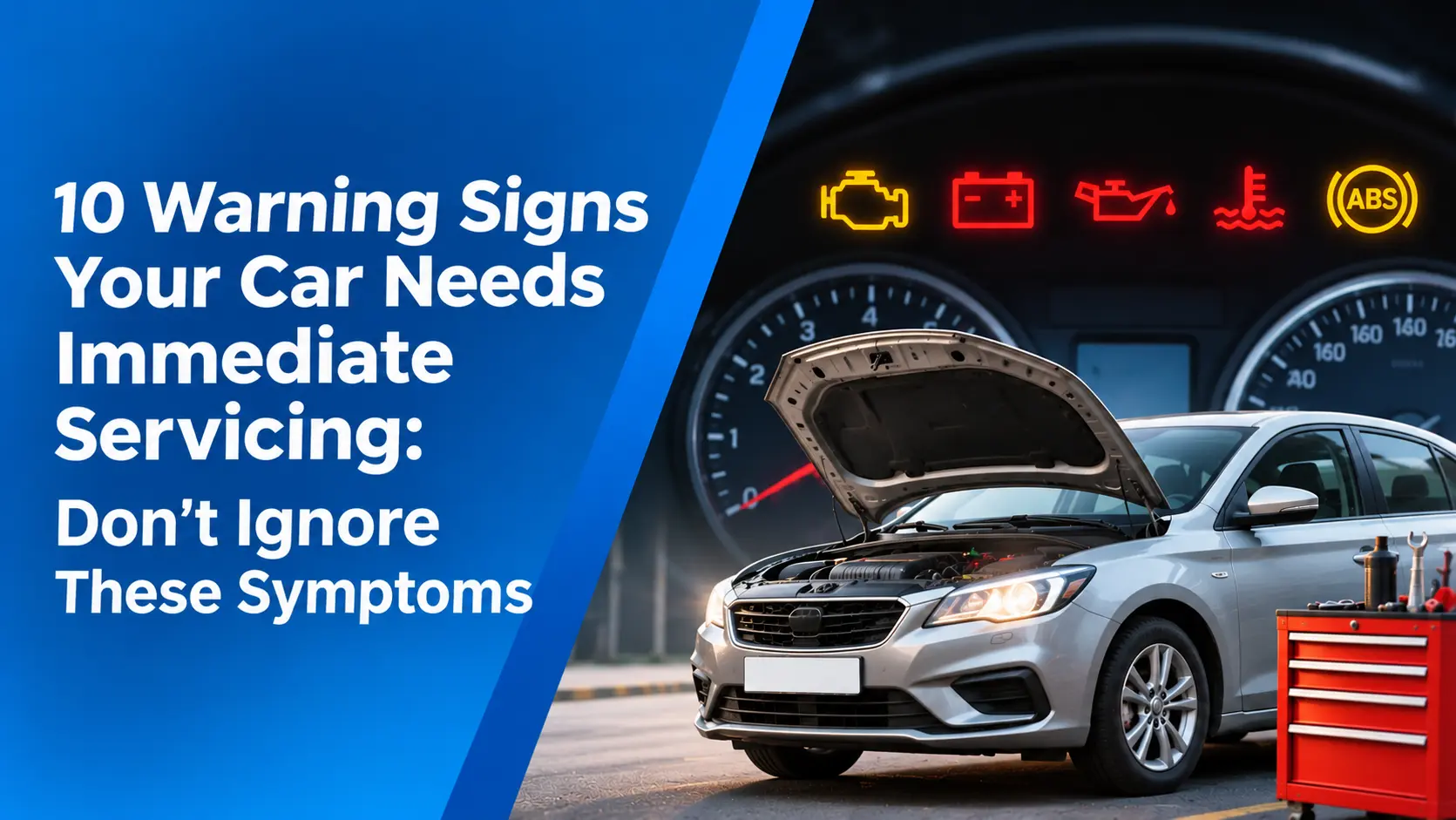
Regular car servicing is essential for maintaining your vehicle's performance, improving road safety, and preventing unexpected breakdowns. Whether you drive daily through busy city traffic, travel on highways, or use your car occasionally, understanding the signs your car needs servicing can help you identify potential problems before they become serious.
Indian driving conditions, including heavy traffic, dusty roads, extreme summer temperatures, monsoon waterlogging, and frequent stop-and-go driving, can put additional pressure on different vehicle components. Dust accumulation, road debris, changing temperatures, and prolonged traffic exposure can also affect your car's exterior, interior, tyres, and engine performance. This makes regular car maintenance particularly important for Indian car owners.
But how to know when your car needs servicing? Certain warning signs should never be overlooked, as they may indicate engine trouble, brake failure, overheating, or other mechanical issues.
In this guide, we explore 10 important car service warning signs, explain their possible causes, and share practical maintenance tips to help you maintain your vehicle. We will also discuss how suitable car care products, cleaning accessories, and essential maintenance tools can support everyday vehicle upkeep.
1. Dashboard Warning Lights That Should Never Be Ignored
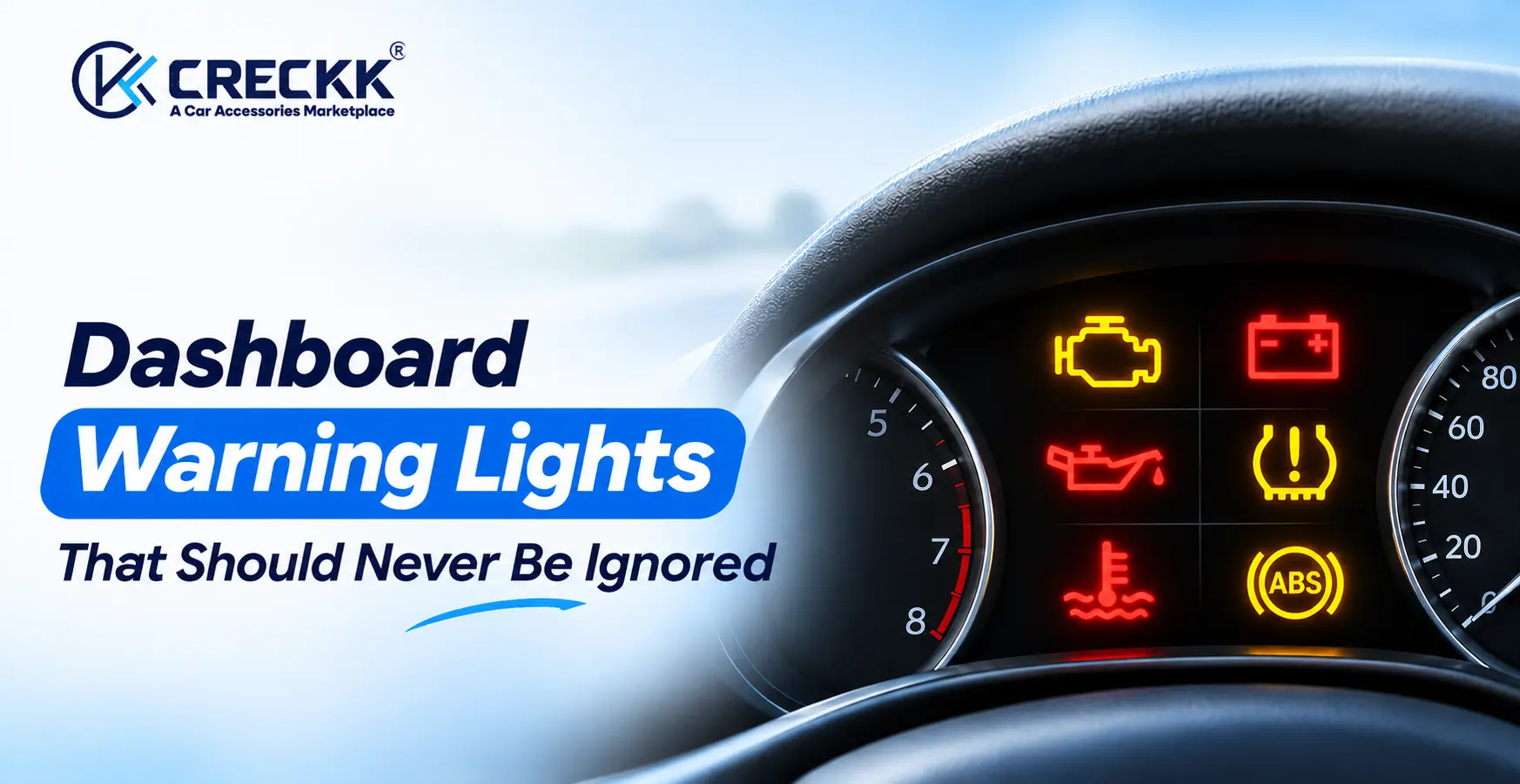
Your car's dashboard is one of the most important sources of information about its mechanical and electrical condition. Modern vehicles are equipped with sensors that monitor different systems and alert drivers whenever something requires attention. Ignoring these warning lights can lead to serious car engine problems or unexpected breakdowns.
One of the most commonly recognised indicators is the check engine light. It can signal anything from a minor sensor malfunction to an engine-related issue that requires professional diagnosis. Similarly, the oil pressure warning light may indicate insufficient oil pressure, which can cause severe engine damage if ignored.
The battery warning light may point towards a charging system problem, while the temperature warning light indicates that the engine may be overheating. A brake warning light can indicate low brake fluid, an engaged parking brake, or a potential braking system fault.
Understanding car dashboard warning lights meaning is an important part of vehicle maintenance. Different manufacturers may use slightly different dashboard symbols, so always refer to your owner's manual to understand what each warning indicates.
Some dashboard warnings require immediate action, while others may indicate that a system needs inspection soon. For example, a tyre pressure monitoring system warning may indicate that one or more tyres have insufficient air pressure. Driving with incorrect tyre pressure can affect handling, tyre wear, and fuel efficiency.
Creckk Fact: Dashboard warning lights are designed to alert drivers about specific vehicle systems. Their colour and behaviour can help indicate the urgency of the problem.
Practical Tip: If a red oil pressure, brake system, or engine temperature warning appears, stop safely as soon as possible and follow the manufacturer's instructions. Do not continue driving simply because the car still feels normal.
2. Unusual Engine Noises and Vibrations While Driving
A healthy car engine generally operates with a consistent sound. If you suddenly notice knocking, rattling, grinding, squealing, or unusual vibrations, your vehicle may be experiencing a mechanical problem. These sounds are among the important signs your car needs servicing and should never be ignored.
Different noises can indicate different problems. A knocking sound from the engine may suggest internal mechanical trouble, while a high-pitched squealing noise could be related to a worn or loose belt. Grinding sounds while braking may indicate worn brake pads or another braking system issue.
Vibrations also provide useful clues. If the steering wheel shakes at higher speeds, the problem could involve wheel balancing, tyre condition, alignment, or suspension components. Similarly, excessive vibrations while the engine is idling may indicate an engine mounting issue, ignition problem, or uneven engine operation.
It is also important to pay attention to sounds that appear when starting the vehicle. Difficulty starting, repeated clicking sounds, or unusual cranking noises may indicate battery, starter motor, or electrical system problems.
The important thing is to identify when the sound started, where it appears to be coming from, and whether it changes with speed or engine acceleration. These details can help a mechanic diagnose the issue more effectively.
Creckk Fact: Unusual vehicle noises can help identify developing mechanical problems. Paying attention to changes in sound and vibration can help drivers seek timely professional inspection.
Practical Tip: Do not try to diagnose serious engine noises by repeatedly accelerating the vehicle. Get the car inspected by a qualified mechanic, particularly if the knocking is loud, sudden, or accompanied by a warning light.
3. Smoke or Unusual Smells Coming From Your Car
Smoke and unusual smells are among the most noticeable car service warning signs that require immediate attention. These symptoms can indicate overheating, fluid leakage, electrical problems, or issues with the engine and braking systems. Ignoring them can lead to more serious mechanical damage and potentially unsafe driving conditions.
Different smoke colours can provide clues about the underlying problem. Blue or bluish smoke from the exhaust may indicate that engine oil is entering the combustion chamber. Thick white smoke that continues after the engine has warmed up may suggest coolant entering the combustion chamber, although normal condensation can also produce temporary white vapour during cold starts. Black smoke can indicate excessive fuel consumption or an air-fuel mixture problem.
Unusual smells should also be taken seriously. A burning oil smell may indicate an oil leak, while a sweet smell could suggest leaking engine coolant. A strong burning rubber smell may point towards a slipping belt or another overheated rubber component.
If you notice a burning electrical smell, it could indicate an electrical fault or overheating wiring. Similarly, a burning smell after heavy braking may suggest overheated brakes.
Apart from mechanical problems, unpleasant smells inside the cabin can also indicate dirty air filters, accumulated moisture, or bacterial growth in the air conditioning system. Regular interior cleaning and appropriate car cleaning accessories can help maintain a fresh cabin environment, although they cannot resolve mechanical or ventilation faults.
Creckk Fact: Exhaust smoke colour can provide useful clues about engine condition, but an accurate diagnosis requires a proper mechanical inspection.
Practical Tip: If smoke is coming from under the bonnet, pull over safely, switch off the engine, and keep your distance if there are signs of fire. Never open a hot radiator or coolant reservoir cap. Seek professional assistance before driving again.
4. Declining Fuel Efficiency and Poor Engine Performance
Have you noticed that your car requires more fuel than usual to cover the same distance? A sudden decline in mileage can be one of the early signs of poor car performance and may indicate that your vehicle needs servicing.
Several factors can affect fuel efficiency. A clogged air filter can restrict airflow, while incorrect tyre pressure can increase rolling resistance. Problems with spark plugs, fuel injectors, sensors, or the ignition system can also affect engine performance and fuel consumption.
You may notice other symptoms alongside declining mileage, such as slow acceleration, difficulty starting the engine, rough idling, or reduced power while climbing slopes. These signs should not be ignored, especially when they appear together.
Driving habits and road conditions also influence fuel consumption. Frequent acceleration, sudden braking, heavy traffic, excessive idling, and carrying unnecessary weight can reduce mileage even when the vehicle is mechanically healthy.
Another important factor is vehicle maintenance history. Skipping scheduled oil changes, delaying air filter replacement, and ignoring minor engine issues can affect overall performance. Following the manufacturer's recommended service schedule helps ensure that important components are inspected and maintained at the appropriate intervals.
If your car's fuel efficiency drops unexpectedly, consider checking tyre pressure, maintenance history, and driving conditions before assuming there is a major engine problem.
Creckk Fact: Fuel efficiency depends on several factors, including engine condition, tyre pressure, driving behaviour, vehicle load, and road conditions.
Practical Tip: Monitor your mileage over multiple refills rather than relying on a single fuel reading. If the decline continues despite normal driving habits and correct tyre pressure, schedule a professional inspection.
5. Brake Problems, Steering Issues, and Unusual Handling
Your car's braking and steering systems play a critical role in road safety. Even a small problem with these components can affect vehicle control and increase the risk of an accident. Therefore, recognising the signs of brake problems in cars is essential for every driver.
One of the most common warning signs is a squealing or grinding noise when applying the brakes. This may indicate worn brake pads or another issue within the braking system. If the brake pedal feels unusually soft, sinks towards the floor, or requires greater pressure than normal, there may be a hydraulic problem that needs immediate attention.
You may also notice that the car pulls towards one side while braking. This could be caused by uneven braking force, a sticking brake component, or other mechanical issues. Another warning sign is a steering wheel that vibrates when applying the brakes, which may indicate uneven brake disc surfaces or another braking-related fault.
Steering problems are equally important. A steering wheel that feels unusually heavy, produces strange noises, or vibrates excessively may indicate issues with the steering system, tyres, wheel alignment, or suspension.
Another warning sign is excessive vehicle bouncing after passing over bumps, which may suggest worn suspension components. If the vehicle feels unstable while turning or changing lanes, it should be inspected without delay.
Tyre condition also plays an important role in vehicle handling. Uneven tyre wear, damaged sidewalls, or incorrect tyre pressure can affect grip and stability, particularly on wet Indian roads during the monsoon.
Creckk Fact: Brake pads, brake discs, tyres, and suspension components work together to support vehicle control and stability. Problems with any of these components can affect driving safety.
Practical Tip: Never postpone an inspection if your brakes feel weak, the pedal behaves unusually, or the steering becomes difficult. Stop driving if braking performance is significantly affected and arrange professional assistance.
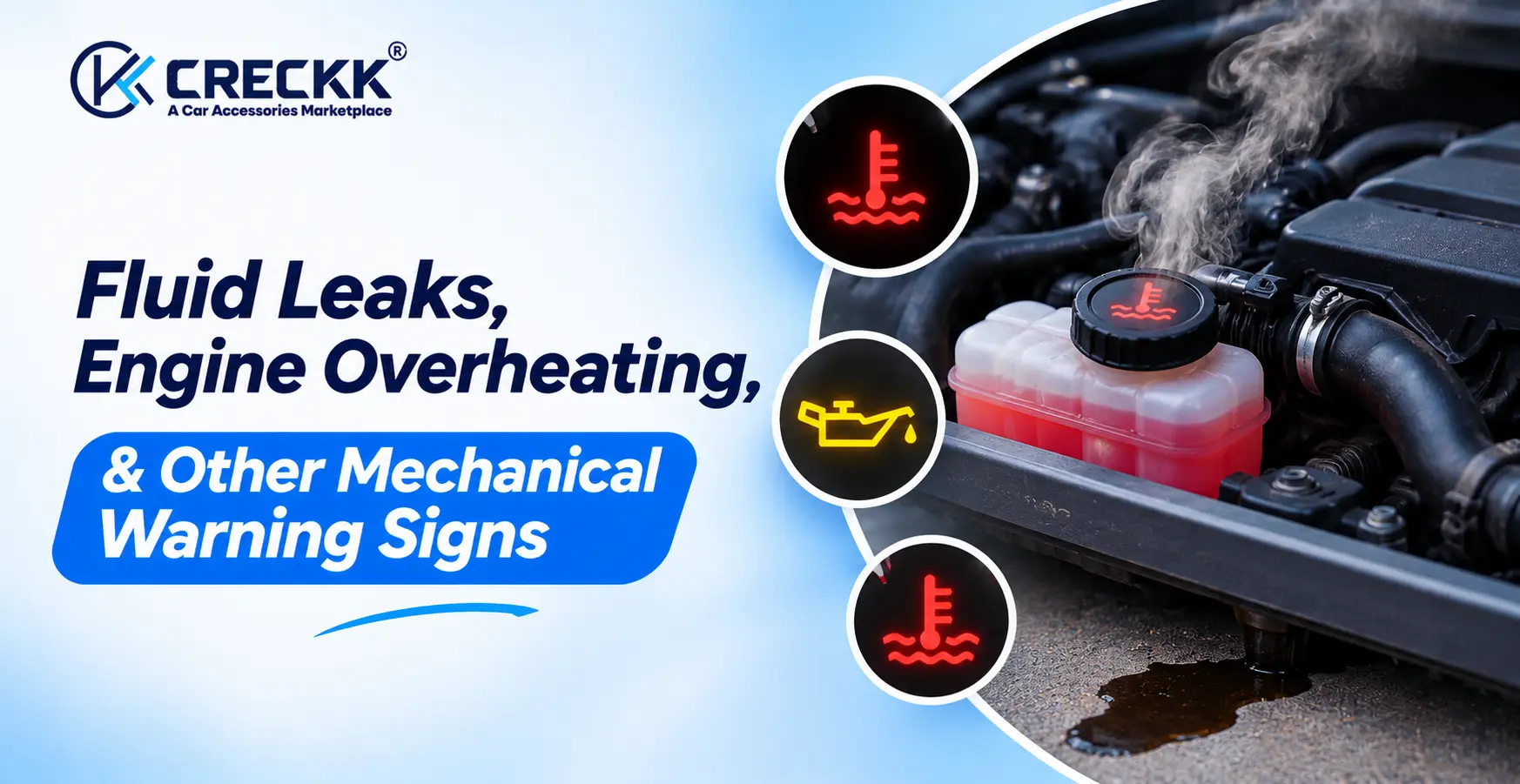
6. Fluid Leaks, Engine Overheating, and Other Mechanical Warning Signs
Fluid leaks and engine overheating are serious car service warning signs that require immediate attention. Your vehicle depends on several fluids to operate properly, including engine oil, coolant, brake fluid, transmission fluid, and power steering fluid in vehicles equipped with hydraulic steering.
If you notice a liquid patch underneath your parked car, do not ignore it. Different fluids have different colours and textures, although their appearance can vary depending on the vehicle and fluid condition.
For example, engine oil is generally brown or black and feels slippery, while engine coolant may appear green, pink, orange, or another manufacturer-specific colour. Brake fluid is usually clear to amber and slippery. Identifying the exact source of a leak requires inspection.
Engine overheating is another problem that should never be ignored. A rising temperature gauge, temperature warning light, steam from under the bonnet, or unusual coolant smell may indicate a cooling system issue. Possible causes include low coolant, a leaking hose, radiator problems, a faulty thermostat, or a cooling fan malfunction.
Many drivers wonder, why is my car engine overheating even when the coolant level appears normal. In such situations, the problem may involve the radiator, thermostat, water pump, cooling fan, or other cooling system components. A professional inspection is necessary to identify the actual cause.
Other mechanical warning signs include repeated battery problems, difficulty starting, and unusual transmission behaviour. Delaying repairs can turn relatively manageable issues into expensive mechanical problems.
Creckk Fact: Engine oil helps lubricate moving components, while coolant helps regulate engine temperature. Maintaining the correct fluid levels and addressing leaks are essential parts of car maintenance.
Practical Tip: If the engine temperature warning appears or the gauge enters the overheating zone, stop safely and switch off the engine. Allow it to cool completely before any inspection. Never remove a hot radiator cap. Have the cooling system checked by a professional.
7. Difficulty Starting Your Car or Frequent Battery Problems
A car that struggles to start, requires repeated ignition attempts, or makes clicking sounds when you turn the key may be experiencing a battery or starting system problem. These symptoms are often overlooked until the vehicle refuses to start completely.
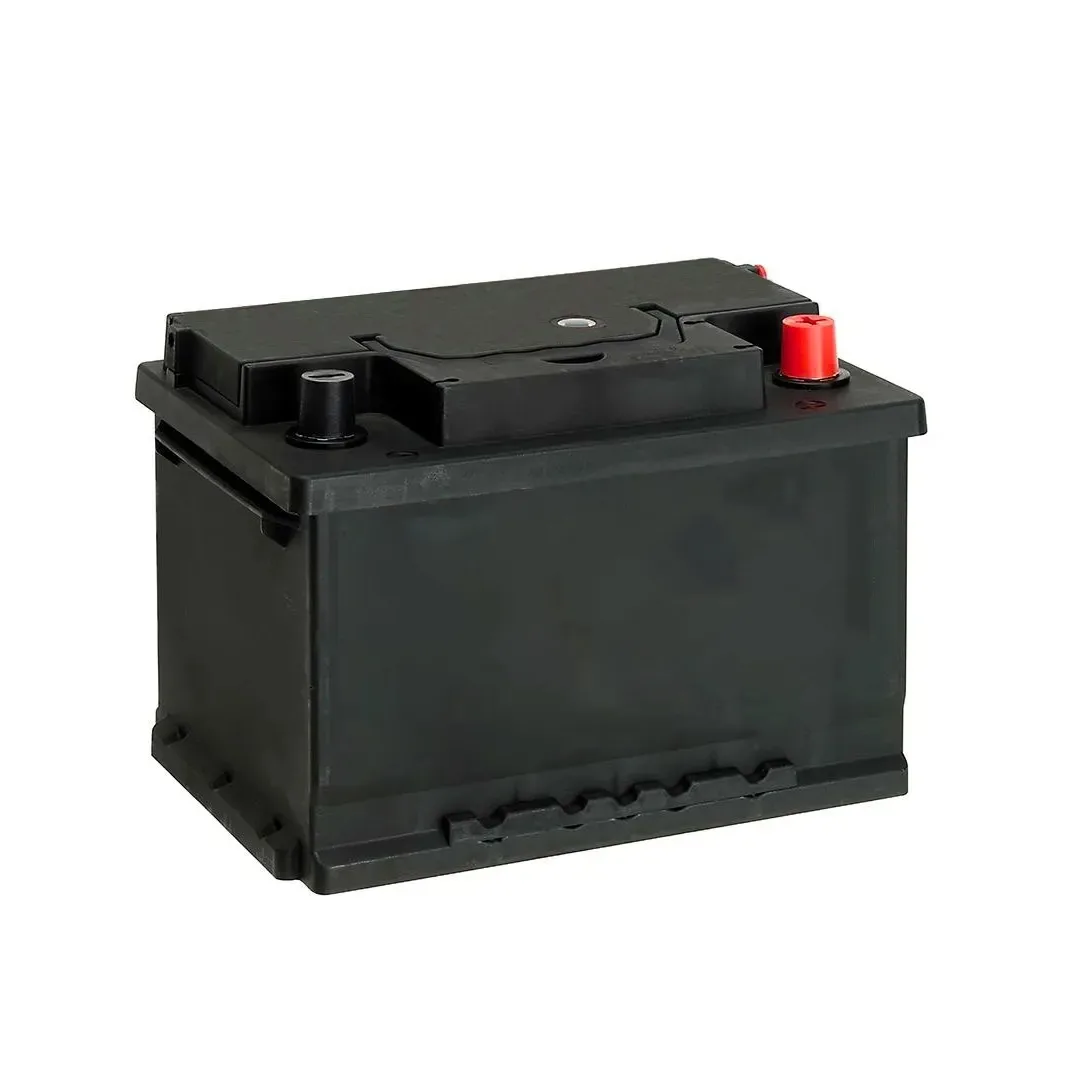
The battery supplies electrical power required to start the engine and operate various electrical systems. Over time, its performance can decline due to ageing, extreme temperatures, electrical faults, or charging system problems.
Some common warning signs include dim headlights, slow engine cranking, malfunctioning electrical accessories, and repeated battery discharge. If these symptoms appear together, the battery and charging system should be inspected.
However, not every starting problem is caused by the battery. A faulty starter motor, loose battery terminals, damaged wiring, or an alternator problem can also affect the starting process.
Indian driving conditions can contribute to battery-related issues, particularly when vehicles are frequently used for short trips or remain parked for extended periods. Regular inspection of battery terminals, charging performance, and electrical connections can help identify potential issues.
Creckk Fact: The battery and alternator perform different functions. The battery provides power for starting, while the alternator helps supply electrical power and recharge the battery when the engine is running.
Practical Tip: If your car repeatedly struggles to start, get the battery health and charging system tested. Avoid repeatedly attempting to start a vehicle with an electrical fault.
8. Excessive Tyre Wear and Incorrect Tyre Pressure
Tyres are the only components of your car that maintain direct contact with the road. Their condition directly affects braking, acceleration, steering, and overall driving stability. Therefore, unusual tyre wear and incorrect pressure should be considered important vehicle maintenance concerns.
One of the first things to check is tyre pressure. Underinflated tyres can increase rolling resistance, affect fuel efficiency, and generate additional heat. Overinflated tyres may reduce the contact area with the road and affect ride comfort and handling.
Uneven tyre wear can also indicate an underlying problem. Excessive wear on one side may suggest wheel alignment issues, while uneven wear across the tyre surface could be associated with incorrect pressure, balancing problems, or suspension faults.
Damaged sidewalls, visible cracks, bulges, and repeated air pressure loss are additional warning signs. Such damage should never be ignored, particularly before highway journeys.
For Indian drivers, tyre inspections are particularly important during monsoon travel. Wet roads, potholes, construction debris, and uneven road surfaces can increase the risk of tyre damage.
Creckk Fact: Correct tyre pressure helps maintain proper road contact, supports vehicle handling, and reduces unnecessary tyre wear.
Practical Tip: Check tyre pressure regularly when the tyres are cold and follow the manufacturer's recommended pressure. Inspect the tread and sidewalls for visible damage. Replace tyres when they reach the manufacturer's recommended wear limit.
9. Poor Air Conditioning Performance and Unusual Cabin Conditions
Your car's air conditioning system plays an important role in driving comfort, particularly during India's hot summers. If the AC suddenly stops cooling effectively, produces unpleasant smells, or makes unusual noises, it may require inspection.
Weak cooling can be caused by low refrigerant levels due to a leak, a dirty cabin air filter, a malfunctioning cooling fan, or problems with the compressor. The actual cause should be identified before replacing any component.
Another common issue is unpleasant smells coming from the AC vents. Dust, moisture, and accumulated dirt inside the ventilation system can contribute to unpleasant cabin conditions. A clogged cabin filter may also restrict airflow and reduce the effectiveness of the AC system.
Apart from servicing the AC system, regular interior cleaning can help maintain a more comfortable driving environment. Dust accumulated on dashboards, seats, floor mats, and door panels can make the cabin look untidy.
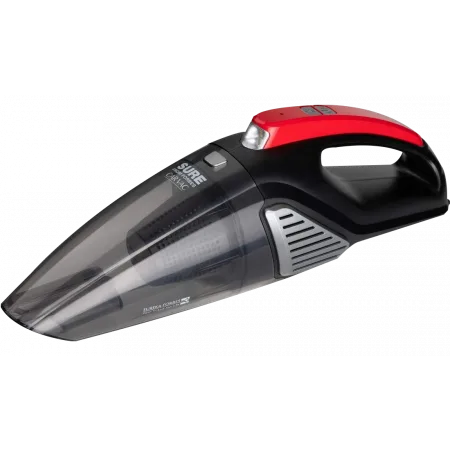
Suitable car cleaning accessories can make routine cleaning easier. Microfiber cloths are useful for wiping dashboards and delicate surfaces, while interior cleaning brushes can help remove dust from air vents and hard-to-reach areas. Car vacuum cleaners can help remove loose dirt, dust, and debris from carpets and seats.
Creckk Fact: A cabin air filter helps reduce dust and airborne particles entering the passenger compartment through the ventilation system. Its replacement interval depends on the vehicle and driving conditions.
Practical Tip: If the AC cooling becomes weak or unusual smells continue, get the ventilation and cooling systems inspected. Clean the cabin regularly using suitable car care products and avoid applying harsh household chemicals to vehicle surfaces.
10. Delayed Maintenance and Visible Wear on Essential Components
Sometimes, your car may not show a single major warning sign, but several smaller maintenance issues can indicate that it needs attention. Delayed servicing, visible component wear, and neglected routine checks can gradually affect vehicle performance and reliability.
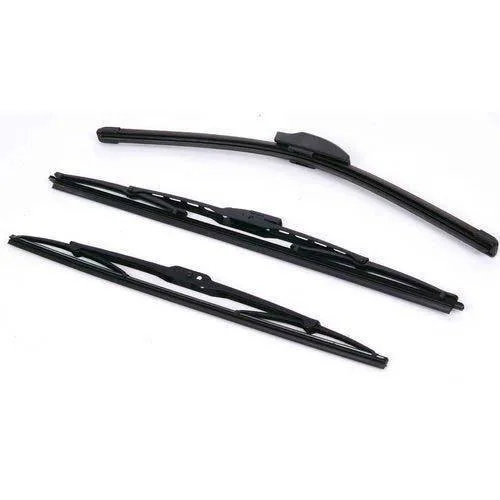
For example, old engine oil may lose some of its ability to lubricate moving components effectively. Dirty air filters can restrict airflow, while worn wiper blades may reduce visibility during heavy rainfall. Damaged rubber seals, loose components, and deteriorating hoses can also create problems if left unchecked.
Regularly inspecting your car's exterior and interior is equally important. Dirt, bird droppings, tree sap, road grime, and accumulated moisture can affect the appearance and condition of exterior surfaces if not cleaned appropriately.
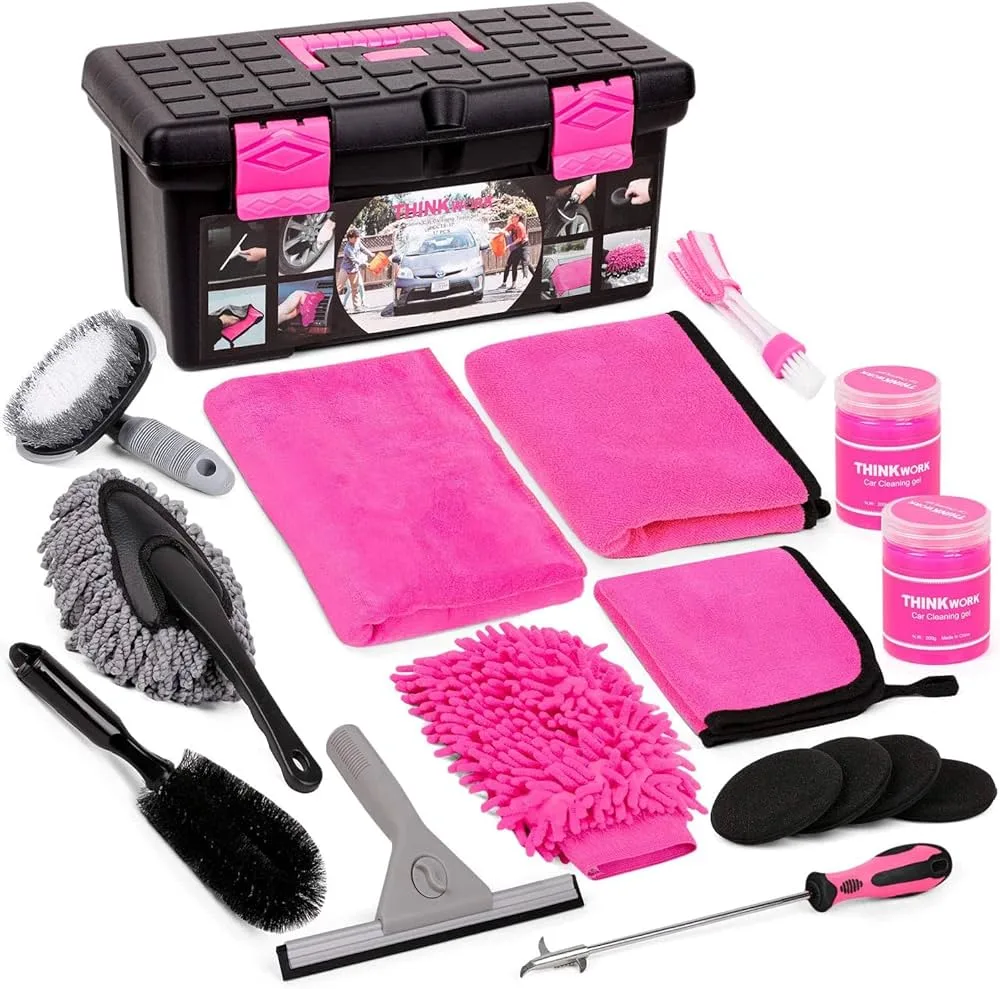
This is where suitable car cleaning accessories, such as microfiber towels, car wash mitts, detailing brushes, tyre cleaning brushes, and interior cleaning tools, become useful. They help maintain different vehicle surfaces and make routine cleaning more convenient.
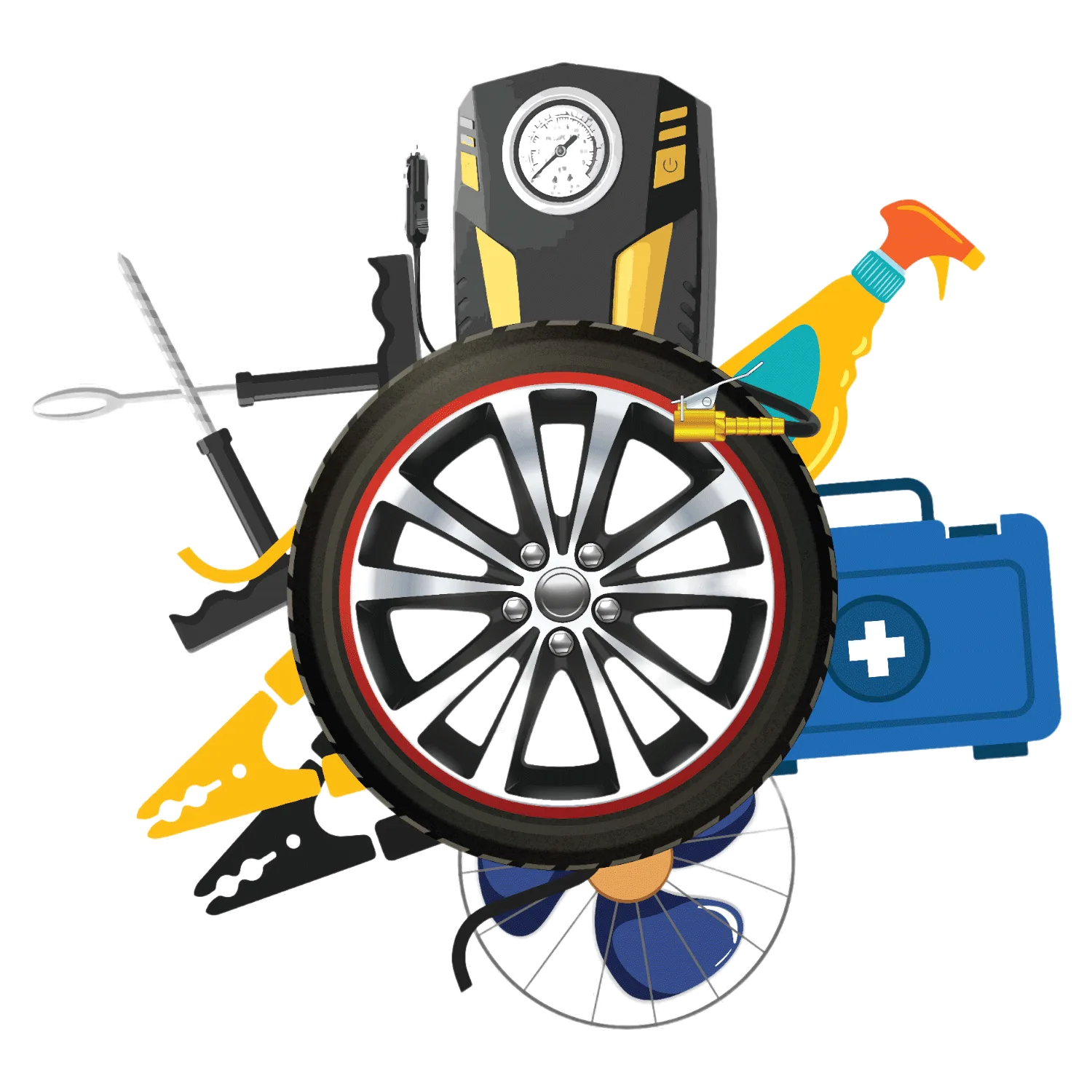
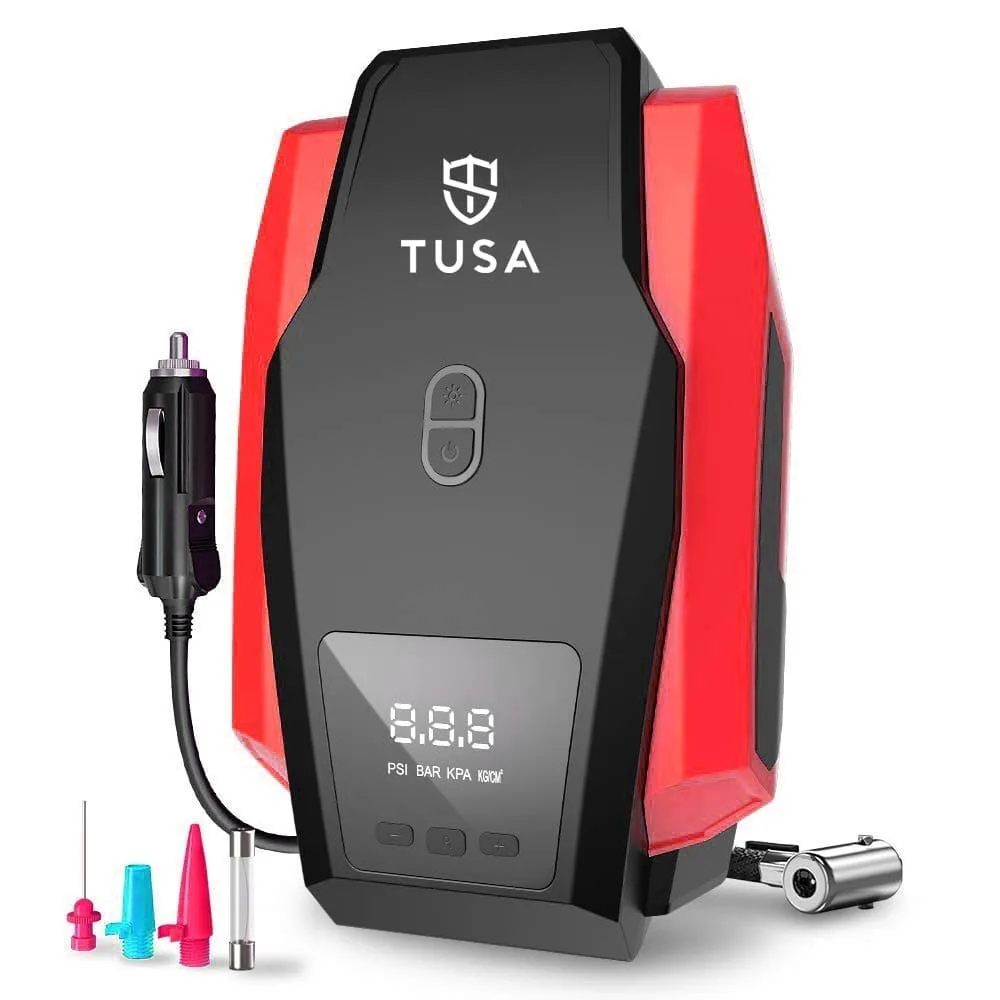
You can also consider essential car maintenance accessories, including tyre pressure gauges, portable tyre inflators, and other useful inspection tools. These products support basic vehicle care but should never be treated as replacements for professional servicing.
Creckk Fact: Preventive maintenance involves inspecting and maintaining vehicle components before they develop serious faults. Following the manufacturer's service schedule helps support long-term vehicle reliability.
Practical Tip: Maintain a simple servicing record with dates, kilometres driven, replaced parts, and upcoming maintenance requirements. Use appropriate cleaning products for different surfaces, and never ignore visible damage or unusual vehicle behaviour.
Quick Comparison: 10 Warning Signs Your Car Needs Immediate Servicing
The following table summarises common vehicle problems, their possible causes, and the recommended actions. It can help car owners understand when professional inspection may be necessary.
| Warning Sign | Possible Reason | Recommended Action |
|---|---|---|
| Dashboard warning lights | Engine, battery, or sensor issue | Get a diagnostic inspection |
| Knocking engine noise | Internal engine problem | Arrange immediate inspection |
| Excessive vibration | Tyre, wheel, or engine issue | Get components checked |
| Smoke from exhaust | Possible oil burning or combustion issue | Seek mechanical inspection |
| Burning or unusual smell | Fluid leak or overheating component | Identify the source |
| Poor fuel efficiency | Engine or maintenance issue | Check mileage and service condition |
| Weak braking | Brake system fault | Stop driving and seek assistance |
| Fluid leakage | Oil, coolant, or brake fluid leak | Identify and repair the leak |
| Engine overheating | Cooling system problem | Stop safely and switch off the engine |
| Difficulty starting | Battery, alternator, or starter issue | Get the electrical system inspected |
Note: These are possible causes, not definitive diagnoses. A qualified mechanic should inspect the vehicle to identify the actual problem.
Essential Car Care and Cleaning Accessories for Everyday Maintenance
Regular servicing takes care of your vehicle's mechanical condition, but everyday cleaning and basic maintenance are equally important for keeping your car presentable and comfortable.
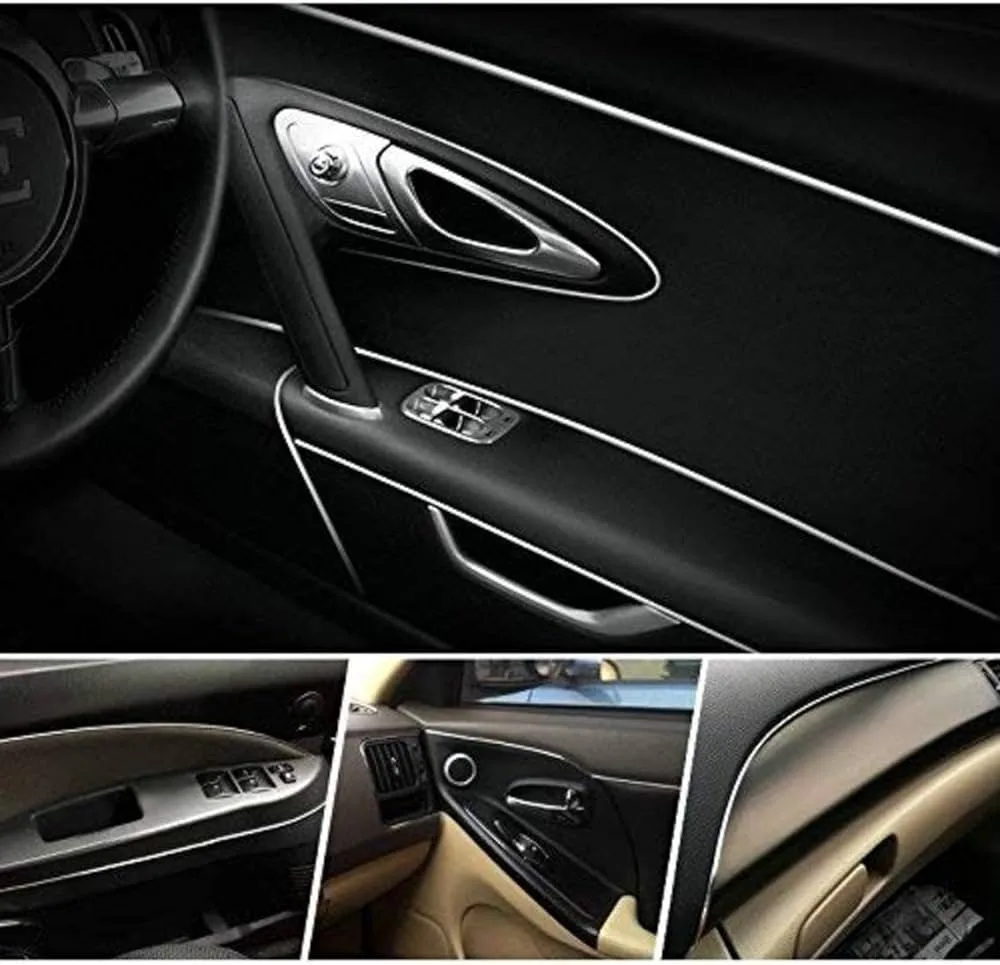
Here are some useful car accessories and car cleaning accessories that can support routine vehicle care.
| Accessory | Purpose | Maintenance Benefit |
|---|---|---|
| Microfiber cleaning cloth | Cleaning dashboards, screens, and surfaces | Helps remove dust without unnecessary scratching |
| Car wash mitt | Washing exterior surfaces | Supports gentle vehicle cleaning |
| Interior cleaning brush | Cleaning air vents and tight spaces | Helps remove accumulated dust |
| Car vacuum cleaner | Cleaning seats and floor mats | Removes loose dirt and debris |
| Tyre cleaning brush | Cleaning tyre sidewalls | Helps maintain tyre appearance |
| Glass cleaning cloth | Cleaning windows and windshields | Helps maintain clear visibility |
| Portable tyre inflator | Checking and adjusting tyre pressure | Supports routine tyre care |
| Tyre pressure gauge | Measuring tyre pressure | Helps maintain recommended pressure |
| Dashboard cleaner | Cleaning suitable interior surfaces | Supports regular interior upkeep |
| Car wash shampoo | Washing vehicle exterior | Helps remove everyday road dirt |
Creckk Tip: Choose cleaning accessories according to the surface you want to maintain. Use microfiber cloths for delicate interiors, suitable glass cleaners for windows, and vehicle-specific cleaning products instead of harsh household chemicals.
You can explore different online car accessories and car care products through CRECKK to find useful products for your vehicle's everyday maintenance and cleaning needs.
Frequently Asked Questions About Car Servicing
1. What are the most common signs your car needs servicing?
Common signs your car needs servicing include unusual engine noises, dashboard warning lights, declining fuel efficiency, excessive vibrations, fluid leaks, overheating, and braking problems. If you notice any of these symptoms, arrange an inspection to identify the underlying issue.
2. How often should I service my car in India?
The recommended car servicing interval depends on the vehicle manufacturer, model, engine type, and driving conditions. Many manufacturers specify service intervals based on kilometres driven or time elapsed. Always follow your owner's manual and service schedule.
3. Can I drive my car with the check engine light on?
It depends on the warning and how the vehicle behaves. A steady check engine light generally requires prompt diagnosis. A flashing check engine light may indicate a serious engine misfire that can damage the catalytic converter. Reduce risk by stopping safely and following the manufacturer's guidance.
4. Why is my car engine overheating?
Common reasons for car engine overheating include low coolant, coolant leakage, radiator problems, a malfunctioning cooling fan, or a faulty thermostat. Stop the vehicle safely if it overheats and allow the engine to cool before inspection. Never open the radiator cap while the engine is hot.
5. What happens if I delay regular car servicing?
Delaying scheduled car maintenance can allow minor issues to develop into more expensive repairs. It may also affect fuel efficiency, engine performance, reliability, and vehicle safety. Regular inspections help identify developing problems before they become more serious.
6. Which car maintenance checks can I perform at home?
You can regularly check tyre pressure, tyre condition, exterior lights, windshield washer fluid, visible fluid leaks, and dashboard warnings. You can also clean the interior, remove dust from the dashboard, and wash the exterior using appropriate car cleaning accessories. Always follow the owner's manual for checking engine oil and coolant levels.
7. Can car accessories help with vehicle maintenance?
Yes. Certain car maintenance accessories can support everyday vehicle care. Tyre inflators, tyre pressure gauges, microfiber cleaning cloths, car vacuum cleaners, interior cleaning brushes, and suitable cleaning products can help with routine maintenance. However, accessories cannot replace professional servicing or mechanical repairs.
Conclusion
Understanding the warning signs your car needs immediate servicing can help you prevent unexpected breakdowns and maintain better vehicle safety. Dashboard warning lights, unusual engine noises, smoke, declining mileage, braking issues, fluid leaks, overheating, and other mechanical symptoms are all signs that deserve attention.
Regular car servicing is not just about changing engine oil or replacing filters. It also involves checking essential vehicle components, identifying developing problems, and ensuring that your car remains suitable for everyday driving conditions.
For Indian car owners, regular inspections are particularly important because traffic congestion, dusty roads, monsoon conditions, potholes, and long-distance travel can affect vehicle components over time. Following a proper maintenance schedule and addressing problems early can help improve vehicle reliability and reduce the possibility of unexpected repairs.
Apart from mechanical maintenance, keeping your car clean is another important part of vehicle ownership. Using suitable car cleaning accessories, microfiber cloths, interior brushes, car vacuum cleaners, glass cleaners, and exterior cleaning products can help maintain your vehicle's appearance and cabin hygiene.
For everyday vehicle needs, CRECKK, an online car accessories marketplace, allows car owners to explore different online car accessories, car care products, and useful car maintenance accessories.
Remember, identifying a problem early is always better than waiting for a breakdown. Pay attention to your vehicle's behaviour, follow the manufacturer's maintenance schedule, and never ignore warning signs that could compromise your safety.
Take care of your car today to enjoy safer, smoother, cleaner, and more reliable journeys tomorrow.