












































































































































































































































































































































































Owning a car is not just about enjoying comfortable journeys and convenient travel. It also means taking care of your vehicle so it remains reliable, safe and efficient over time. One of the most important responsibilities of every car owner is understanding how often should you service your car and which maintenance tasks should be completed at different intervals.
In India, cars experience a wide range of driving conditions, from heavy city traffic and dusty roads to long highway journeys and seasonal monsoon rains. These conditions can influence how quickly certain components wear out, making regular car servicing an important part of vehicle ownership.
However, there is no single car service schedule that applies to every vehicle. The recommended car service interval depends on the manufacturer's guidelines, vehicle model, engine type, age and driving conditions.
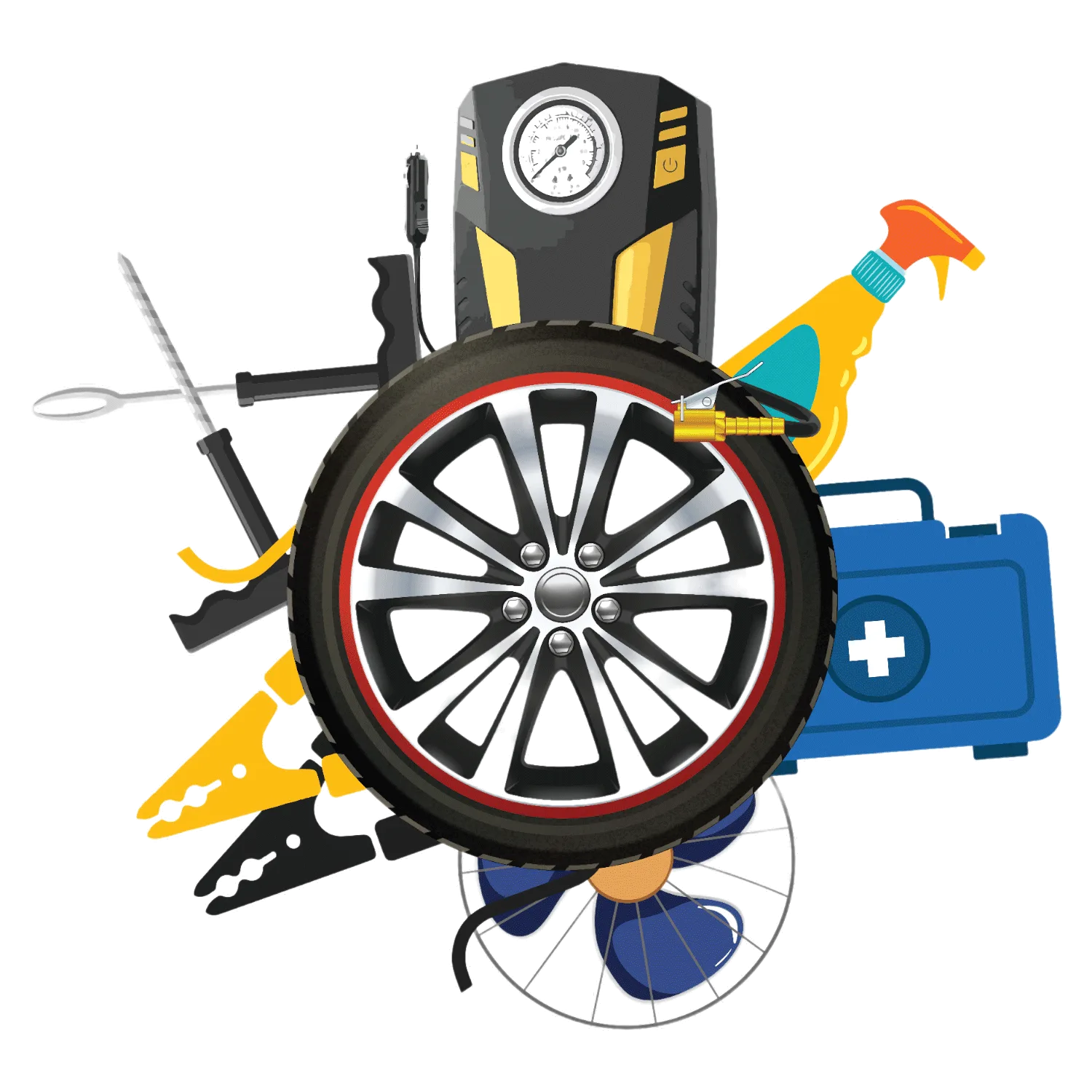
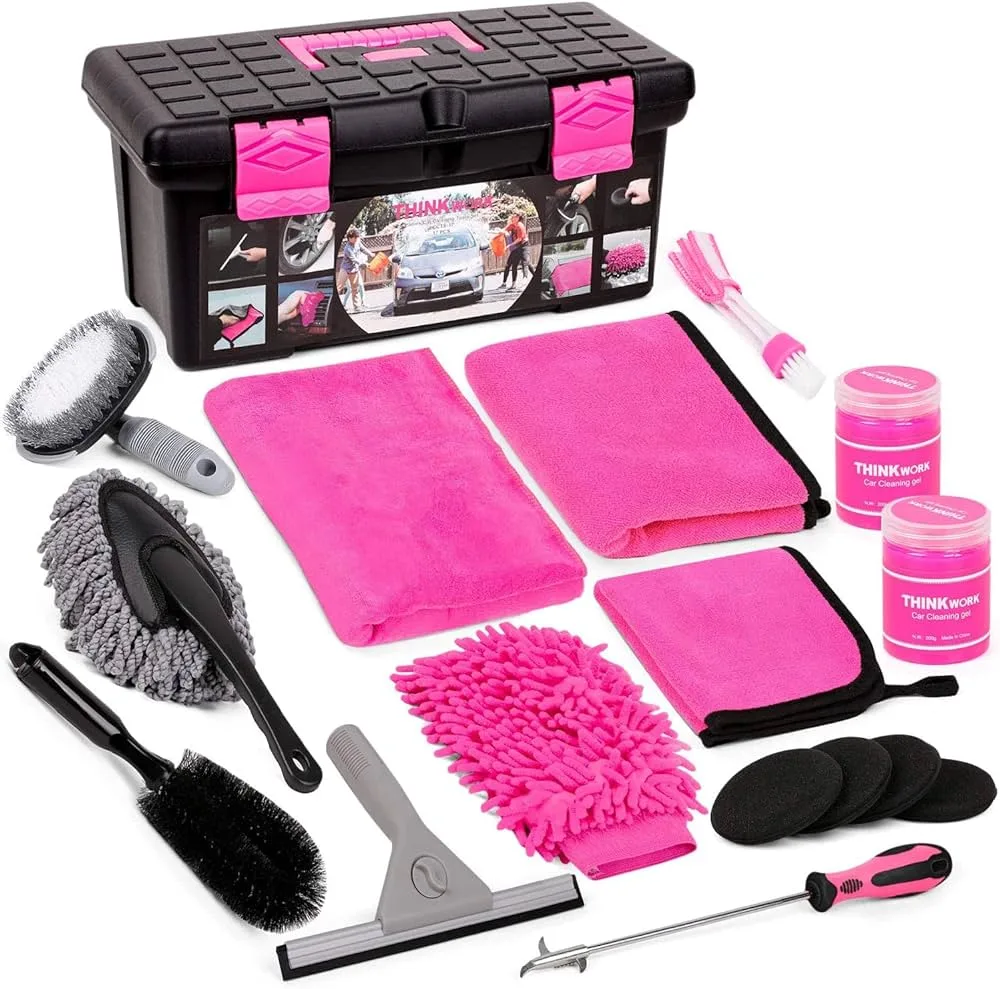
Along with mechanical maintenance, everyday vehicle care also matters. Suitable car maintenance accessories, such as microfiber cloths, tyre inflators and car vacuum cleaners, can help owners maintain cleanliness and check basic vehicle conditions between service visits.
This guide explains the complete car maintenance schedule for Indian cars, essential maintenance checks, warning signs that should not be ignored and practical ways to manage servicing expenses. It also explores useful car accessories and how Creckk, a car accessories marketplace, can help car owners discover products for everyday vehicle care.

Why Regular Car Servicing Is Important for Indian Car Owners
Regular servicing helps maintain a vehicle's performance, reliability and safety. Every car contains components that gradually wear out or require periodic attention, including engine oil, filters, brakes, tyres and various fluids. Following the recommended vehicle maintenance schedule helps ensure these components receive attention at the appropriate time.
One important benefit of regular car servicing is early problem detection. A mechanic may identify uneven tyre wear, a fluid leak, worn brake components or a weakening battery during a routine inspection. Addressing these issues early may prevent more extensive repairs later.
Regular maintenance also helps maintain smooth vehicle operation. Replacing engine oil according to the manufacturer's recommendations helps protect moving engine components, while checking tyre pressure supports proper handling and tyre wear.
Everyday accessories can support these maintenance habits. A tyre pressure gauge helps check tyre pressure, while a microfiber cloth can be used to clean mirrors and other suitable surfaces. A car vacuum cleaner helps remove dust and debris from the cabin.
Creckk Fact: A car can require maintenance even when it has covered very few kilometres. Certain time-sensitive maintenance tasks may still be necessary according to the manufacturer's recommendations.
Creckk Tip: Keep a record of every service, including the date, odometer reading, work completed and next recommended service. You can also maintain a separate list of car care accessories you use regularly.
1. How Often Should You Service Your Car in India?
If you are wondering how often should a car be serviced, the answer depends on the vehicle manufacturer's recommendations. Many Indian passenger cars follow a periodic servicing schedule based on kilometres driven, elapsed time or whichever comes first. However, the exact car servicing frequency varies between models and powertrains.
For example, a manufacturer may recommend servicing after a specified number of kilometres or months. If your car has covered fewer kilometres than the recommended limit but the scheduled time has passed, you may still need to visit the service centre.
The following table is a general planning guide, not a replacement for your vehicle's official maintenance schedule.
| Maintenance activity | General planning approach |
|---|---|
| Routine servicing | Follow the manufacturer's kilometre and time intervals. |
| Engine oil and filter | Replace according to the specified engine oil change interval. |
| Tyre pressure | Check regularly and before long journeys. |
| Brake inspection | Check during servicing and whenever warning signs appear. |
| Battery inspection | Check periodically and if starting becomes difficult. |
| Major car service | Follow the manufacturer's specified maintenance milestones. |
| Car cleaning | Clean as needed using suitable car cleaning accessories. |
What About the First Car Service?
A new car's first service may involve an inspection, fluid checks, adjustments and other model-specific tasks. Some vehicles require an early inspection, while others have different schedules. Always confirm the first service date and kilometre limit in your owner's manual or service booklet.
Creckk Tip: Set reminders based on both the date and odometer reading. A simple tyre pressure gauge or suitable inflator can also help you monitor tyre pressure between service visits.
2. Complete Car Service Schedule for Indian Cars
A complete car service schedule helps you understand what needs attention as your vehicle gets older and covers more kilometres. Instead of waiting for a problem to appear, use the manufacturer's maintenance plan to organise routine inspections, replacements and major service milestones.
The following table is a general overview of maintenance activities. It does not prescribe a universal kilometre interval because different cars require different servicing schedules.
| Service stage | Maintenance activities |
|---|---|
| First scheduled service | General inspection, fluid checks and model-specific initial maintenance. |
| Routine scheduled service | Engine oil, filters, brakes, tyres and fluids as required. |
| Intermediate maintenance | Inspect components according to the vehicle's service plan and usage. |
| Major car service | Complete the specified inspections and replacements due at that milestone. |
| Annual car servicing | Review time-based maintenance, even if the car has covered relatively few kilometres. |
Routine Service vs. Major Car Service
Routine car maintenance generally involves scheduled inspections and the replacement of items that are due. A major car service may include additional checks or replacements specified for a particular maintenance milestone.
The term "major service" does not mean that every component must be replaced. The work should be based on the manufacturer's schedule and the actual condition of the vehicle.
For example, a service centre may recommend inspecting the brake pads and replacing them only if their condition requires it. Similarly, filters should be replaced according to the applicable service requirements rather than an arbitrary schedule.
Car owners can also use this opportunity to check the condition of everyday accessories. A worn-out wiper blade, damaged body cover or poorly fitting floor mat may need attention, but these items should be assessed separately from essential mechanical servicing.
Creckk Fact: A car's maintenance needs are not determined by kilometres alone. Certain components and fluids also have time-based requirements.
Creckk Tip: Ask your service advisor to separate scheduled maintenance, condition-based repairs and optional recommendations on the job card. This makes the work easier to understand and review.
3. Essential Car Parts to Check During Every Service
A useful car service checklist covers the components that contribute to safe and reliable driving. Not every part requires replacement during every visit, but regular inspection helps identify wear, damage or maintenance needs.
The exact inspection list depends on the car model, engine type and manufacturer's service instructions.
| Car component | What should be checked? | Useful accessory |
|---|---|---|
| Engine oil | Level, condition and replacement requirement. | Suitable oil-checking tools, if required. |
| Oil and air filters | Condition and replacement schedule. | Not applicable for routine DIY inspection. |
| Brakes | Pads, discs, fluid and unusual noises. | No accessory replaces professional inspection. |
| Tyres | Pressure, tread, damage and uneven wear. | Tyre pressure gauge or inflator. |
| Battery | Connections, condition and starting performance. | Battery monitor, where appropriate. |
| Coolant | Level, leaks and specified maintenance. | No accessory replaces proper inspection. |
| Lights and wipers | Operation, visibility and blade condition. | Microfiber cloth and replacement wiper blades. |
| Interior | Dust, stains and general cleanliness. | Car vacuum cleaner and microfiber cloth. |
Car Accessories That Support Everyday Maintenance
Some car maintenance accessories can make routine vehicle care easier.
- Tyre inflator: Helps you adjust tyre pressure when used according to the vehicle manufacturer's recommendations.
- Microfiber cloth: Useful for cleaning suitable interior surfaces, mirrors and other areas without using rough materials.
- Car vacuum cleaner: Helps remove dust, crumbs and loose debris from the cabin.
- Car duster: Useful for removing loose dust from appropriate surfaces.
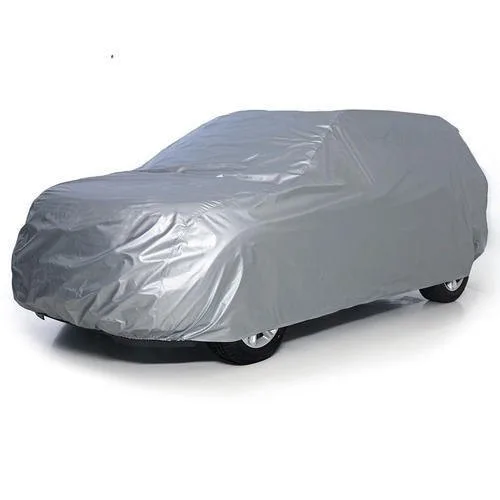
- Car body cover: Can help protect a parked vehicle from certain environmental exposures when the cover is suitable and used correctly.
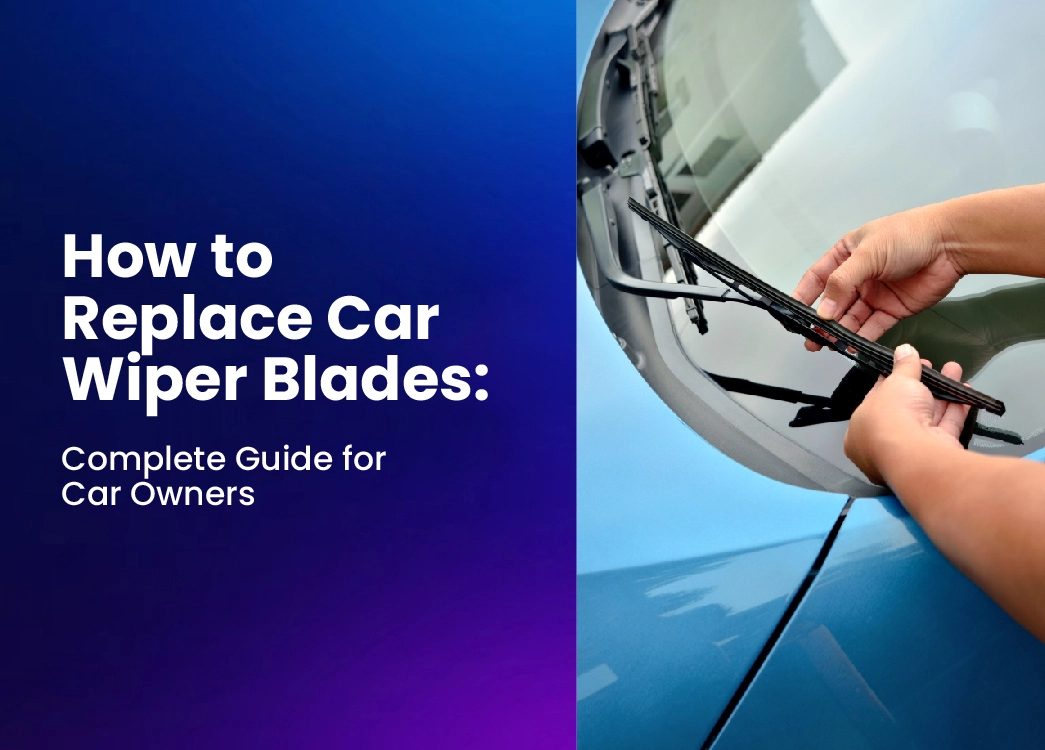
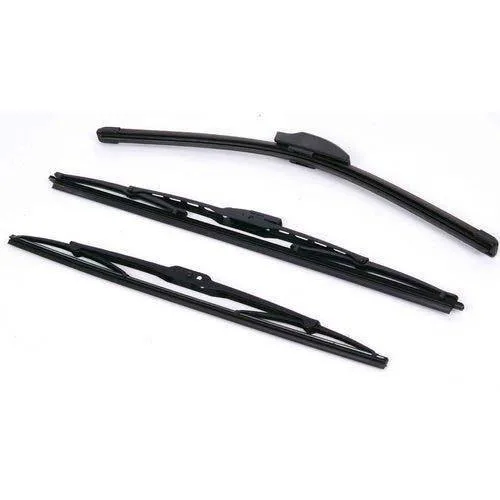
- Wiper blades: Replacement blades can help restore windscreen-clearing performance when existing blades are worn or damaged.
Creckk View: Car maintenance involves more than engine care. Clean interiors, properly maintained tyres and functional visibility equipment also contribute to a more comfortable ownership experience.
Creckk Tip: Before purchasing car accessories for maintenance from Creckk, check compatibility with your exact car model and intended use.
4. Signs Your Car Needs Servicing Before the Scheduled Date
Following a car maintenance schedule is important, but it does not mean you should ignore problems that appear between scheduled visits. A vehicle may need inspection earlier if you notice changes in its performance, unusual sounds or warning lights.
One common warning sign is a change in braking behaviour. If the brakes produce unusual noises, the pedal feels different or the vehicle takes longer to stop, arrange a professional inspection. Do not wait for the next routine service.
Other signs include difficulty starting the engine, unusual vibrations, fluid spots beneath the vehicle, overheating warnings or a sudden change in handling. These symptoms may have different causes and should be diagnosed rather than treated by replacing parts at random.
Pay attention to dashboard warning lights as well. Check the owner's manual for their meaning and follow the recommended action. A red warning light or a message indicating a serious problem may require you to stop safely and seek assistance.
Warning Signs and What to Do
| Warning sign | Recommended action |
|---|---|
| Brake noise or reduced braking performance | Arrange a prompt brake inspection. |
| Engine overheating warning | Stop safely and follow the owner's manual. |
| Fluid leakage | Identify the fluid and have the vehicle inspected. |
| Unusual engine noise | Arrange a professional diagnosis. |
| Tyre bulge or visible damage | Avoid driving on the damaged tyre and seek assistance. |
| Persistent warning light | Check the manual and arrange inspection as required. |
| Wiper blades leaving poor visibility | Inspect and replace if required. |
Creckk Tip: Keep a note of when a warning first appeared, the conditions in which it occurs and any change in vehicle behaviour. A suitable tyre inflator, microfiber cloth or replacement wiper blade may support basic care, but accessories should never be used as a substitute for diagnosing a mechanical fault.
5. How Indian Driving Conditions Affect Your Car Service Schedule
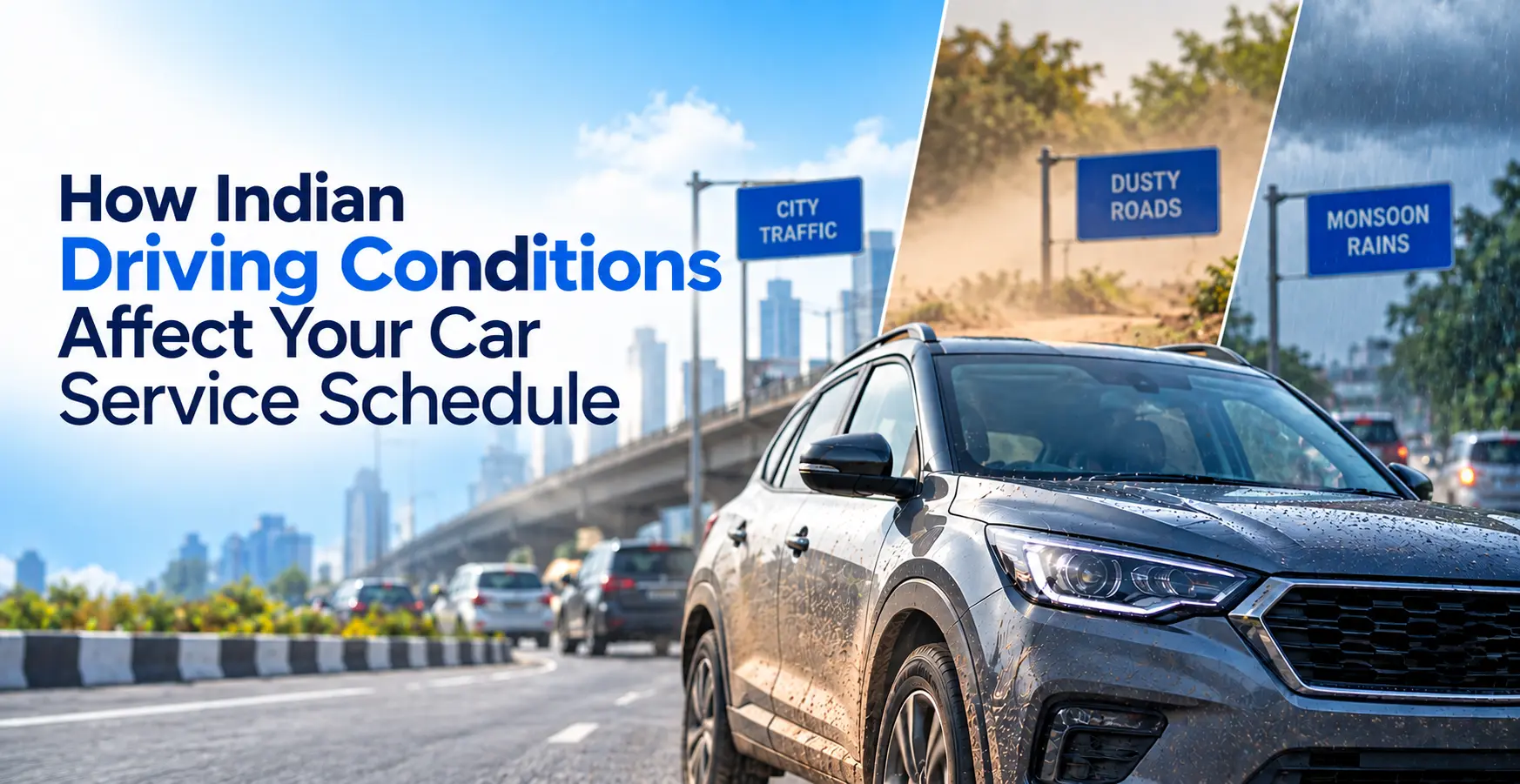
Indian driving conditions can vary significantly between cities, highways, rural roads and different seasons. These differences may influence how frequently certain components need inspection, even when the official service interval remains unchanged.
Heavy city traffic often involves frequent braking, repeated acceleration and extended periods of low-speed driving. Depending on the vehicle and usage, this can increase wear on certain components compared with steady highway driving.
Dusty roads can affect air filters and exterior surfaces. During the monsoon, water exposure, muddy roads and reduced visibility make it important to pay attention to tyres, wipers, lights and brakes.
High temperatures may also place additional demands on the cooling system and battery. However, the effect depends on the vehicle design, its condition and how it is used.
Should You Service Your Car More Frequently?
Not necessarily. Difficult driving conditions do not automatically mean that every car needs an extra service every few months. Some manufacturers specify a separate maintenance schedule for severe or demanding usage.
Check whether your owner's manual defines conditions such as frequent short trips, heavy traffic, dusty roads or extensive idling as severe usage. If it does, follow the relevant schedule.
Everyday accessories can also be selected according to local conditions. A suitable car body cover may help protect a parked car, while a microfiber cloth and car duster can help remove dust. During the monsoon, functional wipers and clean mirrors are particularly important for visibility.
Creckk Fact: The same odometer reading can represent very different driving experiences. A car driven mainly on congested roads may experience different wear patterns from one driven mostly on open highways.
Creckk Tip: Tell your service advisor how you actually use your car. Your driving pattern can help determine whether any additional inspections are recommended under the manufacturer's guidelines.
6. Car Servicing Tips to Maintain Performance and Safety
Good maintenance habits between service visits can help you monitor your vehicle's condition and identify problems early. They do not eliminate the need for regular car servicing, but they can make vehicle ownership more organised.
Start by checking tyre pressure according to the manufacturer's recommendations. Use the pressure specified for your vehicle and its load, usually provided in the owner's manual or on the vehicle's tyre-pressure label. Do not rely only on the maximum pressure printed on the tyre sidewall.
Check the engine oil and other fluids as instructed in your owner's manual. Some vehicles have electronic monitoring systems, while others require manual checks under specified conditions.
Keep the windscreen, mirrors, lights and wiper blades clean. Good visibility is especially important during rainfall and night driving.
Everyday Accessories for Car Care
| Accessory | How it supports maintenance |
|---|---|
| Tyre pressure gauge | Helps monitor tyre pressure. |
| Portable tyre inflator | Helps adjust pressure when needed. |
| Microfiber cloth | Helps clean suitable surfaces. |
| Car vacuum cleaner | Removes loose dirt and debris from the cabin. |
| Car duster | Helps remove loose dust. |
| Suitable body cover | Provides a layer of protection when parked. |
| Wiper blades | Help maintain clear visibility when in good condition. |
A Simple Routine Car Maintenance Checklist
- Check tyre pressure and visible tyre condition.
- Look for dashboard warning lights.
- Check lights, indicators and wiper operation.
- Look for visible fluid leaks.
- Keep the windscreen and mirrors clean.
- Record unusual sounds or changes in performance.
- Review the next scheduled service date and kilometre limit.
- Check whether essential car care accessories are in usable condition.
Creckk Tip: A portable tyre inflator, microfiber cloth and suitable car cleaning accessories can support everyday vehicle care. Choose products that suit your car and use them according to their instructions.

7. How to Reduce Car Maintenance Costs Without Skipping Essential Servicing
Car maintenance costs can be easier to manage when you plan servicing in advance. The goal is not to avoid necessary maintenance but to understand which work is due, which repairs are urgent and which recommendations are optional.
Begin by reviewing the manufacturer's vehicle maintenance schedule and keeping records of completed work. This helps prevent unnecessary repeat replacements and makes it easier to identify upcoming expenses.
Before approving a service, ask for an itemised estimate. It should clearly distinguish scheduled maintenance, repairs identified during inspection and optional accessories or treatments.
For example, if a service centre recommends replacing a filter, ask whether it is due under the maintenance schedule or whether its condition indicates that replacement is necessary. You can also ask to see the inspection findings.
Compare quotations carefully. A lower quotation may not include the same parts, labour or maintenance tasks as another estimate. Check the quality and suitability of replacement parts, warranty implications and the manufacturer's requirements.
Practical Ways to Manage Expenses
| Approach | How it helps |
|---|---|
| Follow the service schedule | Reduces the risk of missing required maintenance. |
| Keep service records | Helps avoid unnecessary repeat work. |
| Request itemised estimates | Makes charges and recommendations easier to review. |
| Compare equivalent quotations | Helps you understand differences in parts and labour. |
| Address warning signs promptly | May prevent an existing problem from becoming more extensive. |
| Choose suitable accessories | Helps avoid buying products that do not fit your vehicle. |
Everyday accessories should be selected according to actual needs. For example, a car vacuum cleaner may be useful for regular interior cleaning, while a tyre inflator may be practical for someone who wants to monitor tyre pressure. Not every car owner needs every accessory.
Creckk View: Preventive maintenance is about making informed decisions before problems become disruptive. Spending on an essential inspection or repair at the right time can be more practical than delaying it without understanding the risk.
Creckk Tip: Budget separately for scheduled servicing, unexpected repairs and everyday car maintenance accessories. This helps you plan vehicle expenses without treating every purchase as a maintenance requirement.
8. Common Car Servicing Mistakes Every Owner Should Avoid
Even car owners who service their vehicles regularly can make mistakes that affect maintenance quality, expenses or safety. Understanding these mistakes can help you follow your car maintenance schedule more effectively.
One common mistake is relying only on kilometres driven. A car that is used occasionally may still require time-based maintenance. Always check both the time and kilometre requirements in the manufacturer's schedule.
Another mistake is assuming that every service centre recommendation is automatically necessary. Ask whether the work is scheduled, condition-based or optional, and request a clear explanation before approving it.
Using the wrong engine oil or unsuitable replacement parts is another issue to avoid. The correct specification matters, so refer to the owner's manual and manufacturer's requirements rather than choosing products based only on price or brand familiarity.
Some owners also ignore warning lights, unusual noises or fluid leaks because their next service is approaching. These symptoms may need attention before the scheduled date.
Finally, avoid assuming that accessories can replace professional maintenance. Cleaning products, tyre inflators and protective covers can support everyday care, but they cannot replace brake inspections, engine maintenance or repairs.
Mistakes Related to Car Accessories
- Buying floor mats or seat covers without checking model compatibility.
- Using unsuitable cleaning products on sensitive interior surfaces.
- Assuming a car body cover is suitable for every weather condition.
- Ignoring damaged wiper blades because the car has recently been serviced.
- Buying unnecessary accessories instead of addressing essential maintenance.
Creckk Tip: Keep your owner's manual and service records accessible. When you visit a workshop, ask questions, review the estimate and retain the invoice for future reference. When buying from Creckk, check the product description and vehicle compatibility before placing an order.
9. Frequently Asked Questions About Car Servicing in India
1. How often should you service your car in India?
Follow the service interval specified by your car manufacturer. The recommended car servicing frequency depends on the model, engine, kilometres driven and elapsed time. Check your owner's manual for the exact schedule.
2. How many kilometres can a car run before servicing?
There is no universal kilometre limit for all cars. Some vehicles have different intervals for routine maintenance and major servicing. Follow the manufacturer's recommendations and do not exceed the specified interval without checking the guidance.
3. Is car servicing every six months necessary?
Not for every car. Some vehicles require servicing at six-month intervals, while others follow different time-based schedules. Your owner's manual determines the applicable car service interval.
4. What is included in a routine car service?
Routine servicing may include engine oil and filter replacement when due, brake and tyre inspections, fluid checks, battery checks and other model-specific maintenance. The exact work depends on the vehicle's service schedule.
5. What is the difference between routine servicing and major car service?
Routine servicing generally covers scheduled maintenance and inspections. A major car service may involve additional inspections or replacements due at a particular maintenance milestone. The manufacturer's schedule determines what is required.
6. Does a car need servicing if it is driven very little?
Yes, it may. Certain maintenance tasks are time-based rather than determined only by kilometres. Low usage does not automatically eliminate the need for annual car servicing or other scheduled maintenance.
7. Can car accessories replace regular servicing?
No. Accessories such as tyre inflators, microfiber cloths, car dusters and vacuum cleaners support everyday vehicle care. They cannot replace professional inspections, scheduled maintenance or mechanical repairs.
Conclusion
Understanding how often should you service your car is an important part of responsible vehicle ownership. A suitable car service schedule helps you plan maintenance, monitor vehicle condition and address problems before they become more disruptive.
For Indian car owners, the key is to follow the manufacturer's recommended time and kilometre intervals while considering the demands of everyday driving. Regular inspections, timely maintenance and accurate service records can help you maintain your vehicle's reliability and safety.
Remember that routine servicing and everyday car care work together. While professional servicing looks after mechanical components, suitable car maintenance accessories can help you keep your vehicle clean and monitor basic conditions between visits.
Creckk helps car owners discover useful car accessories for maintenance, including cleaning and vehicle-care products. Before purchasing any product, check its compatibility with your exact car model and intended use.
The key takeaway is simple: follow your manufacturer's maintenance schedule, pay attention to warning signs and never delay essential servicing simply because your car has covered fewer kilometres.