























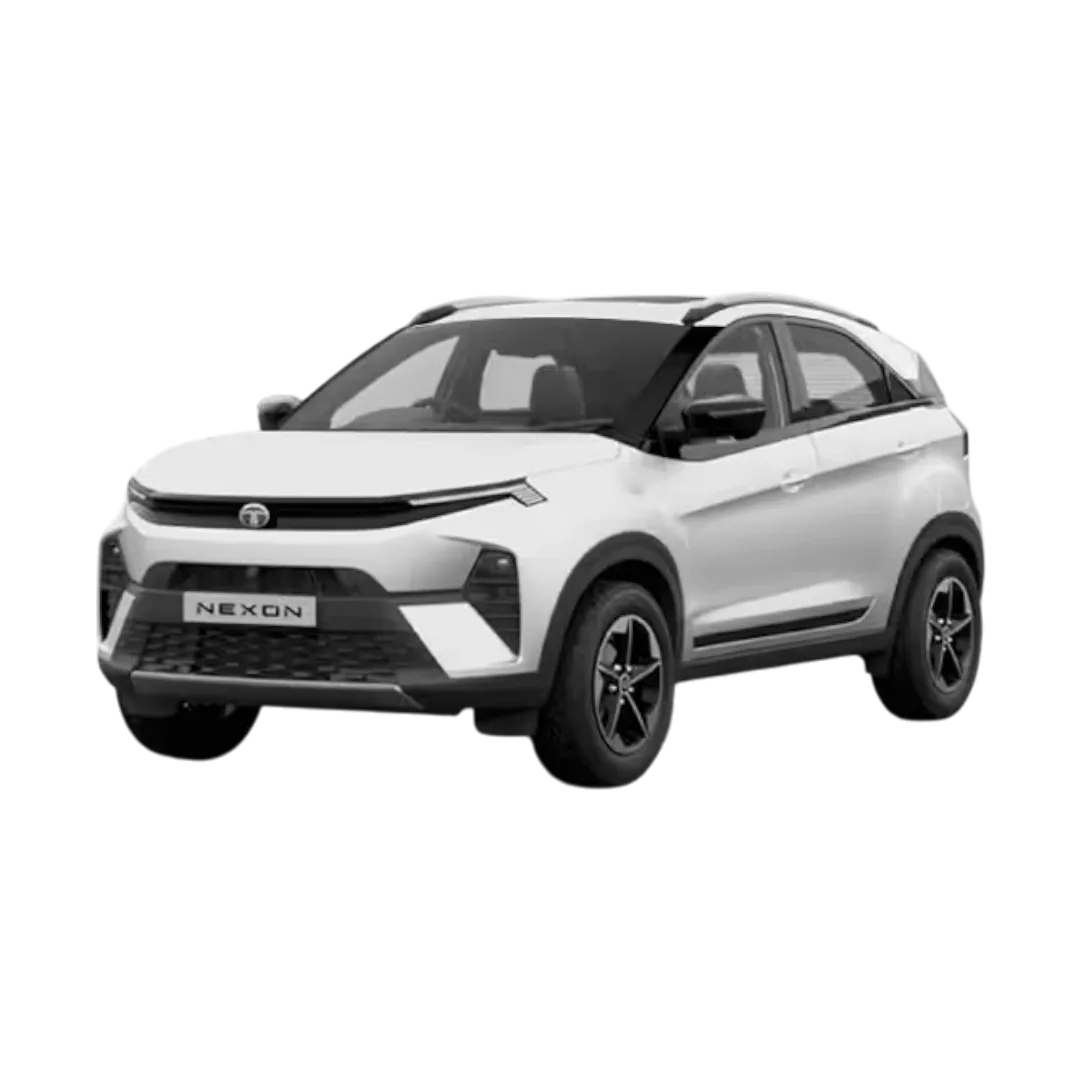
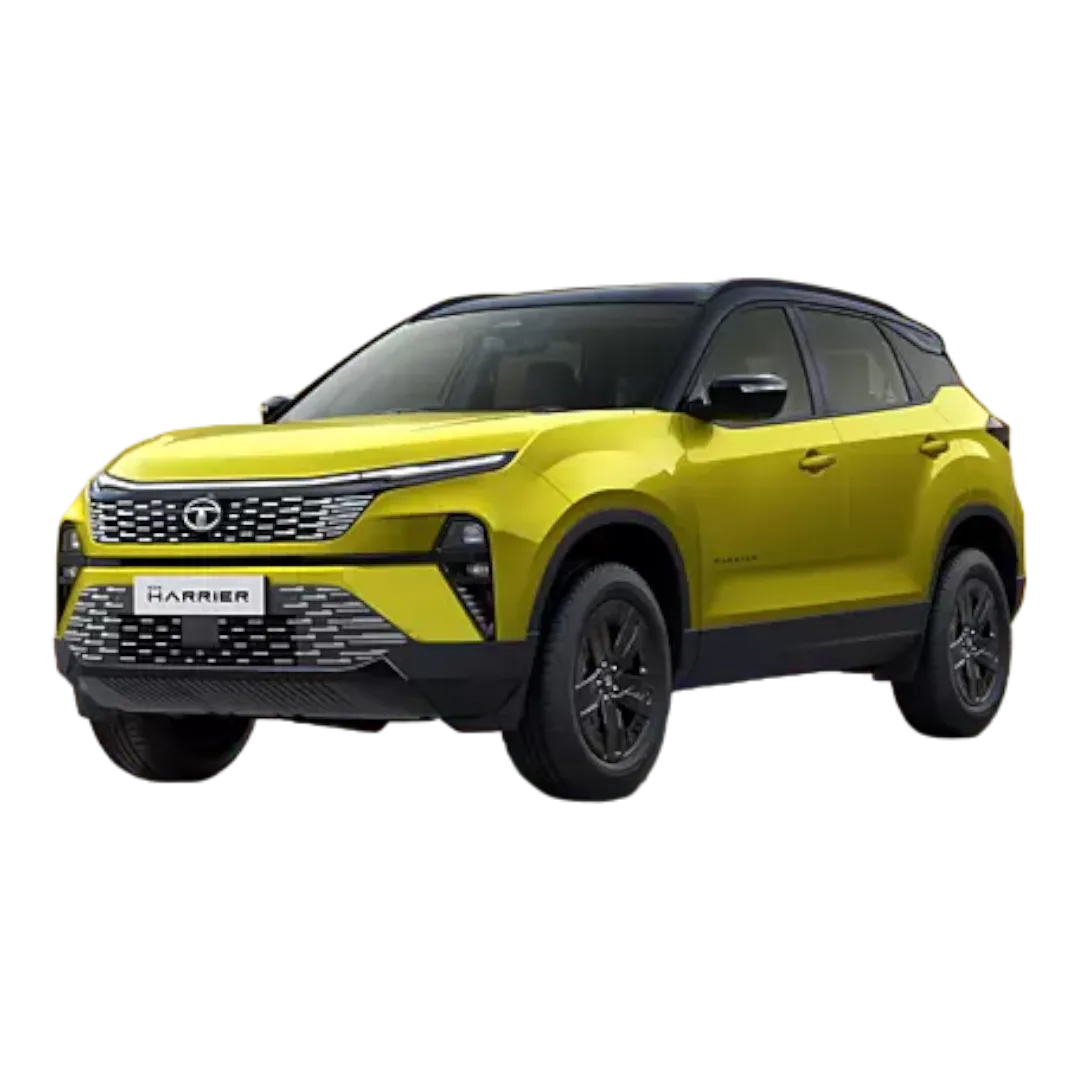
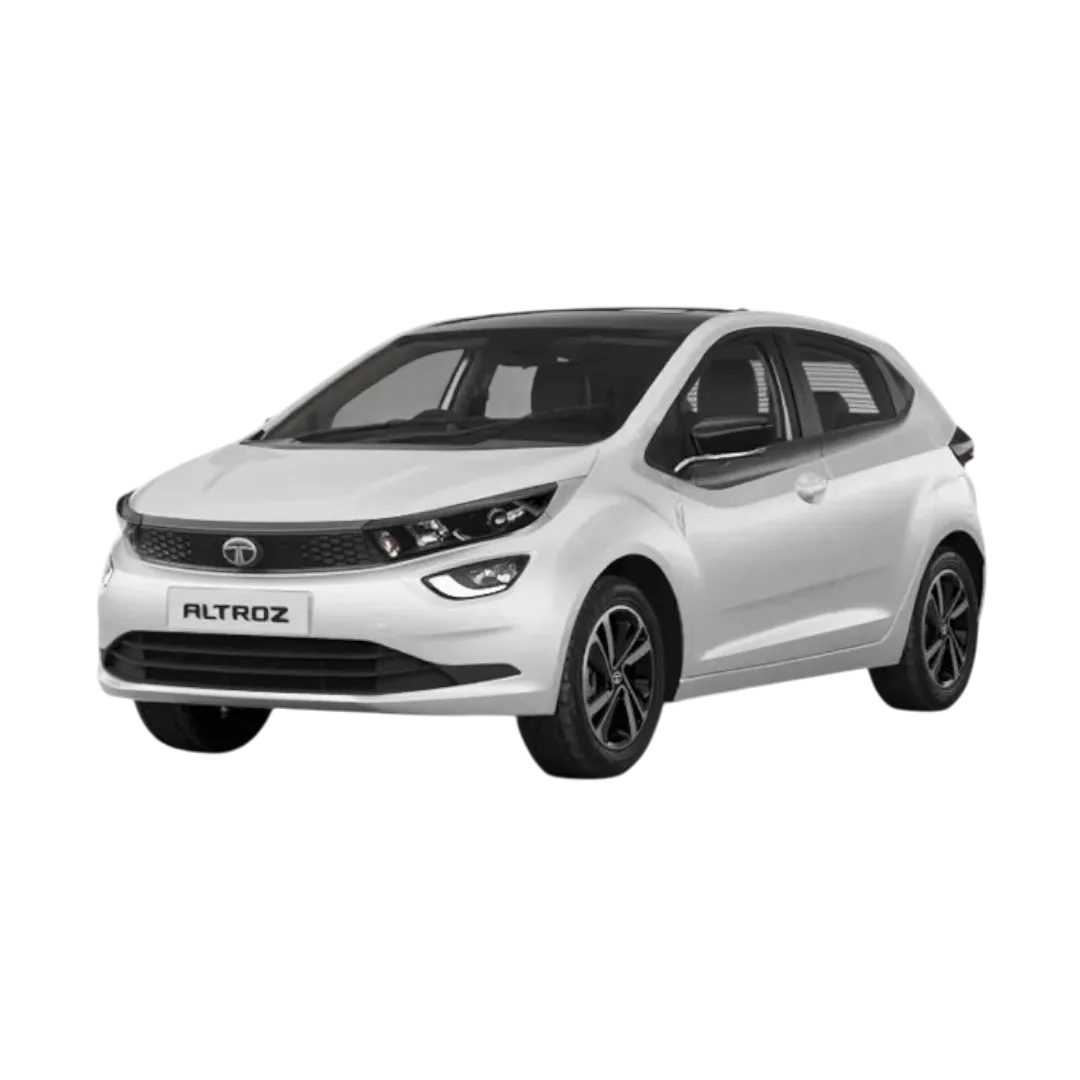
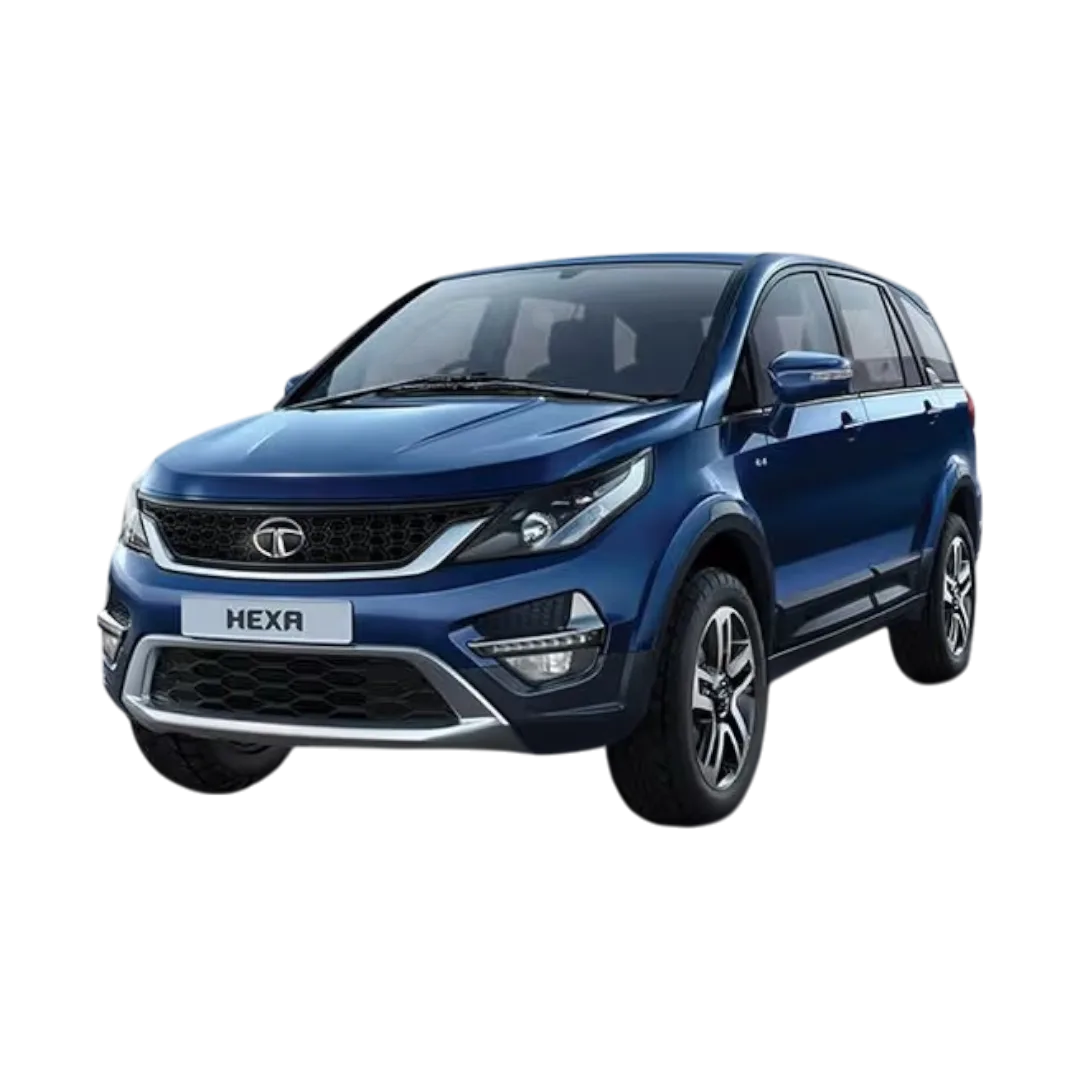



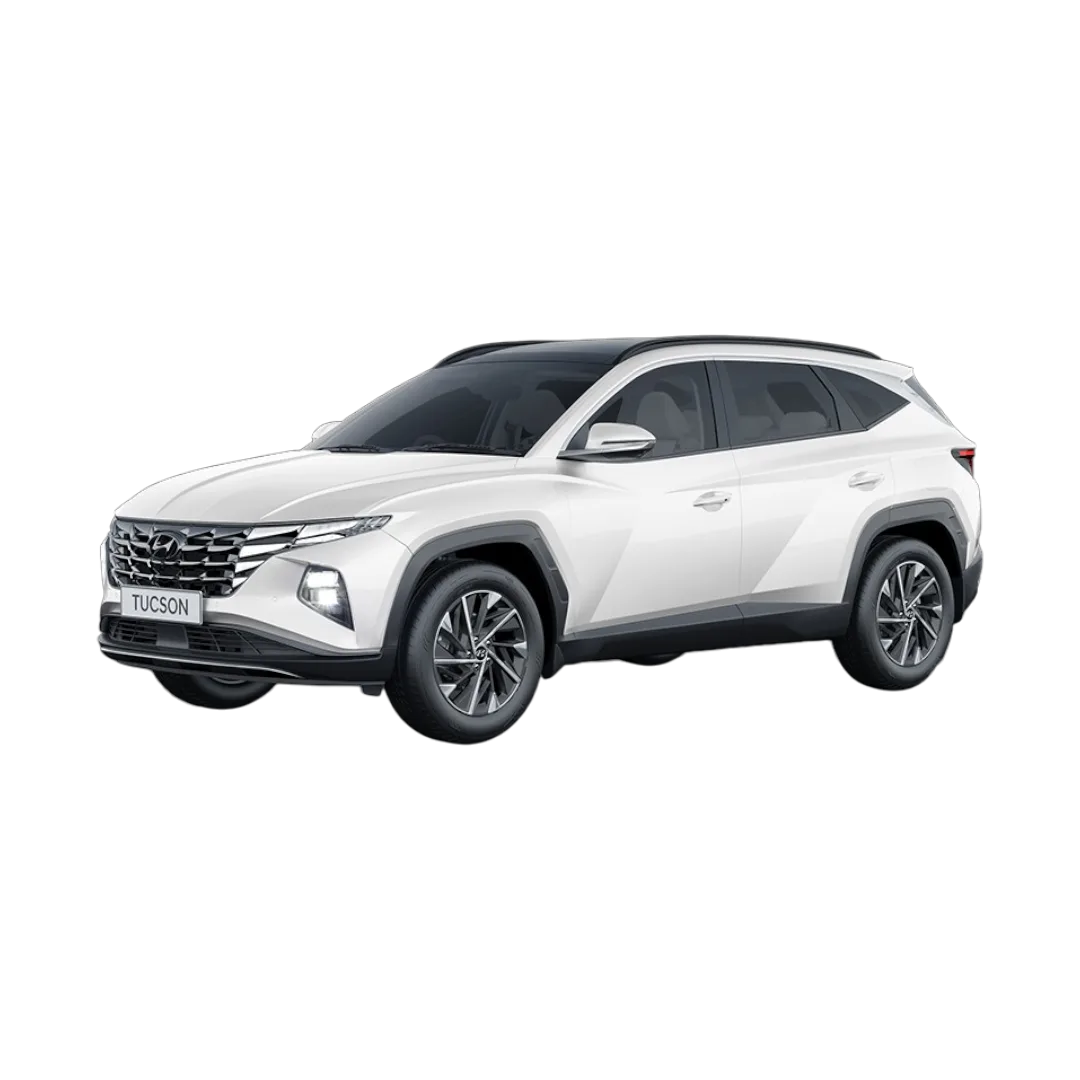
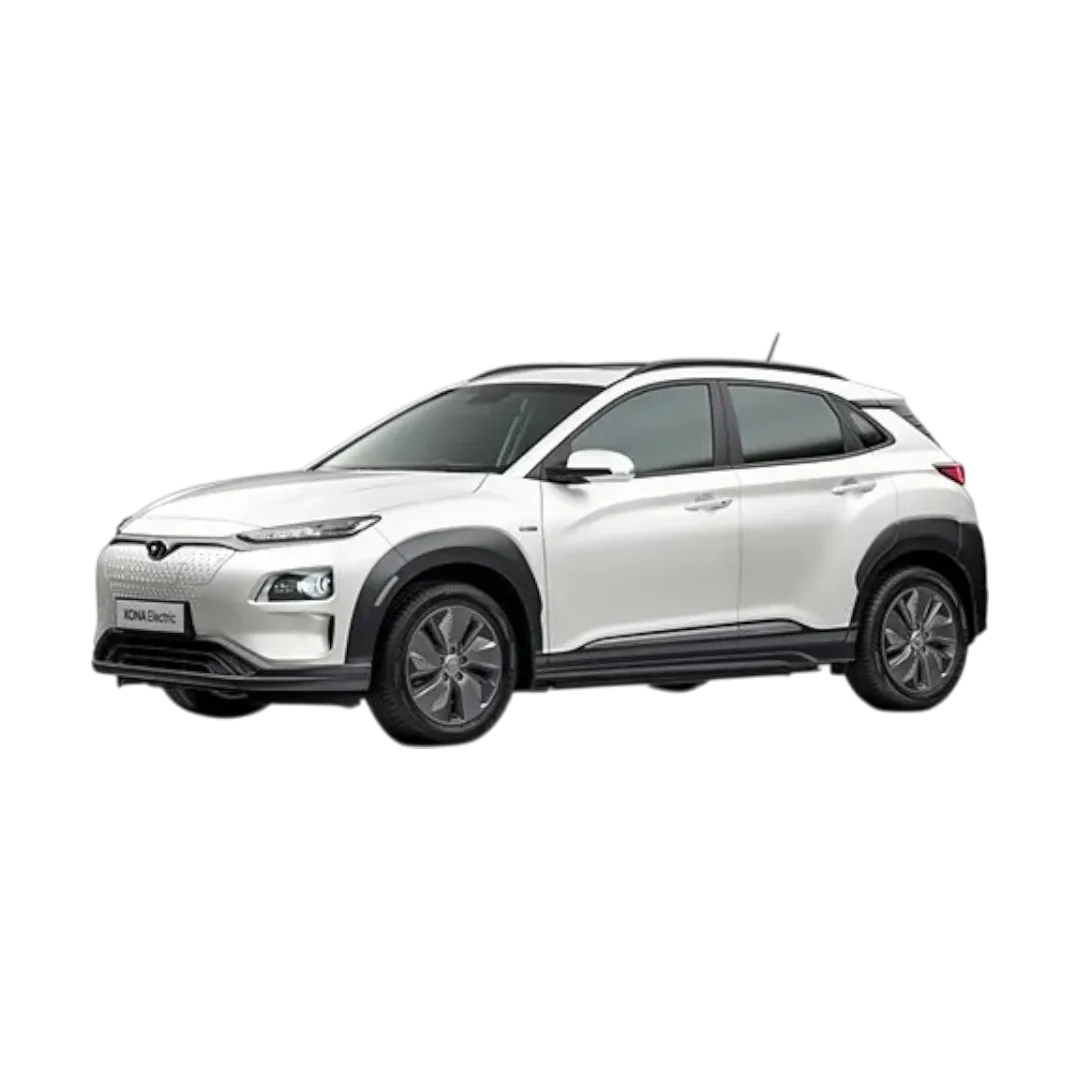
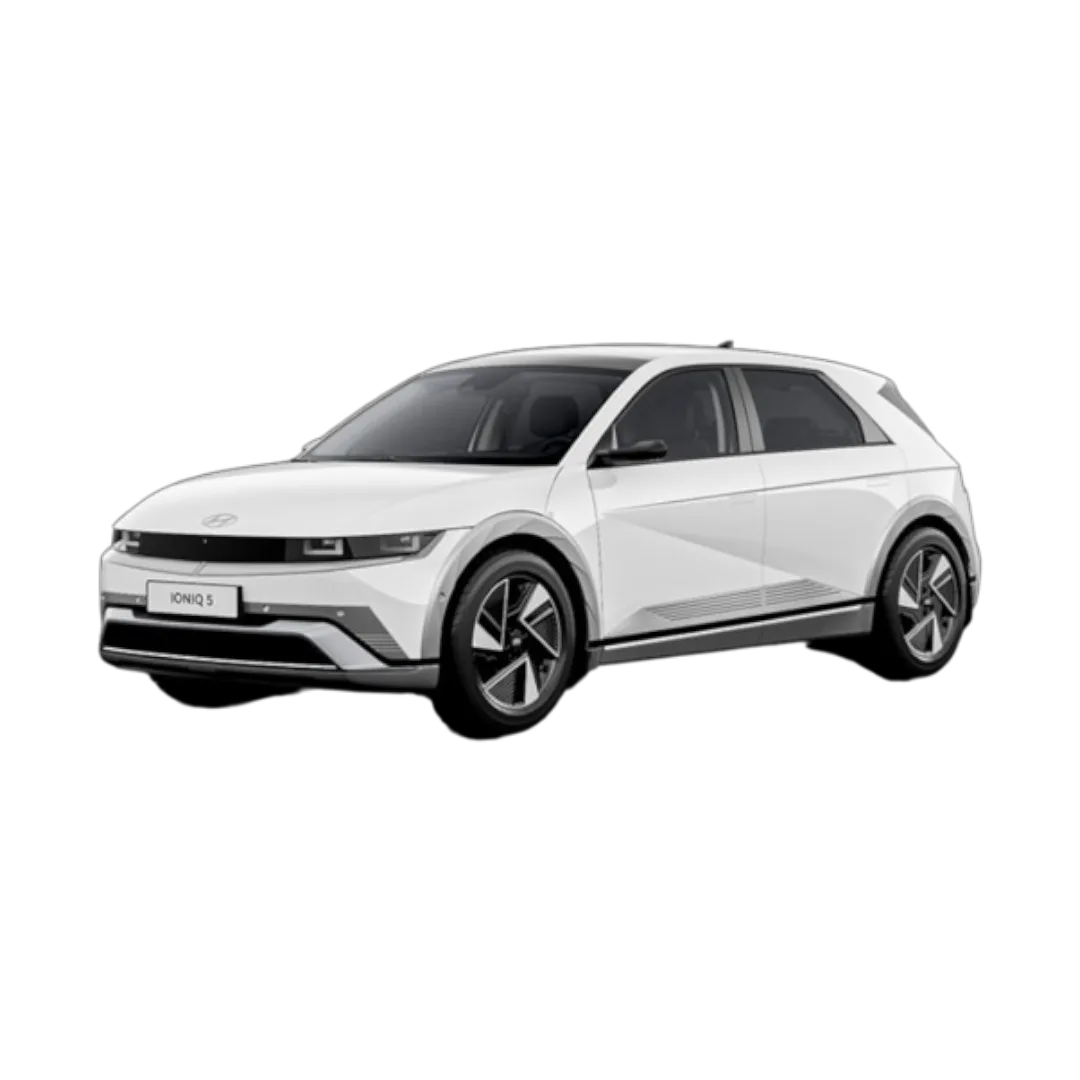




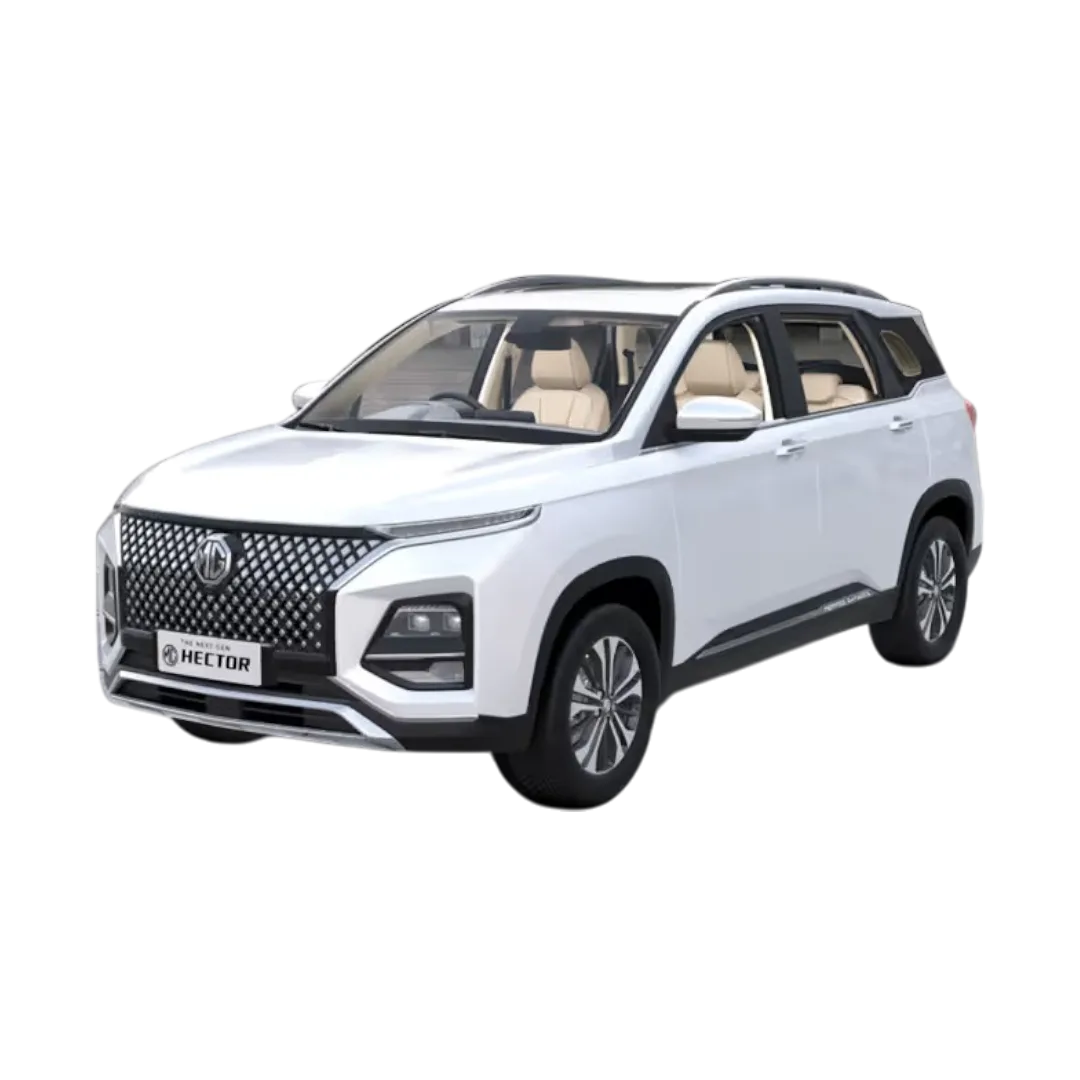
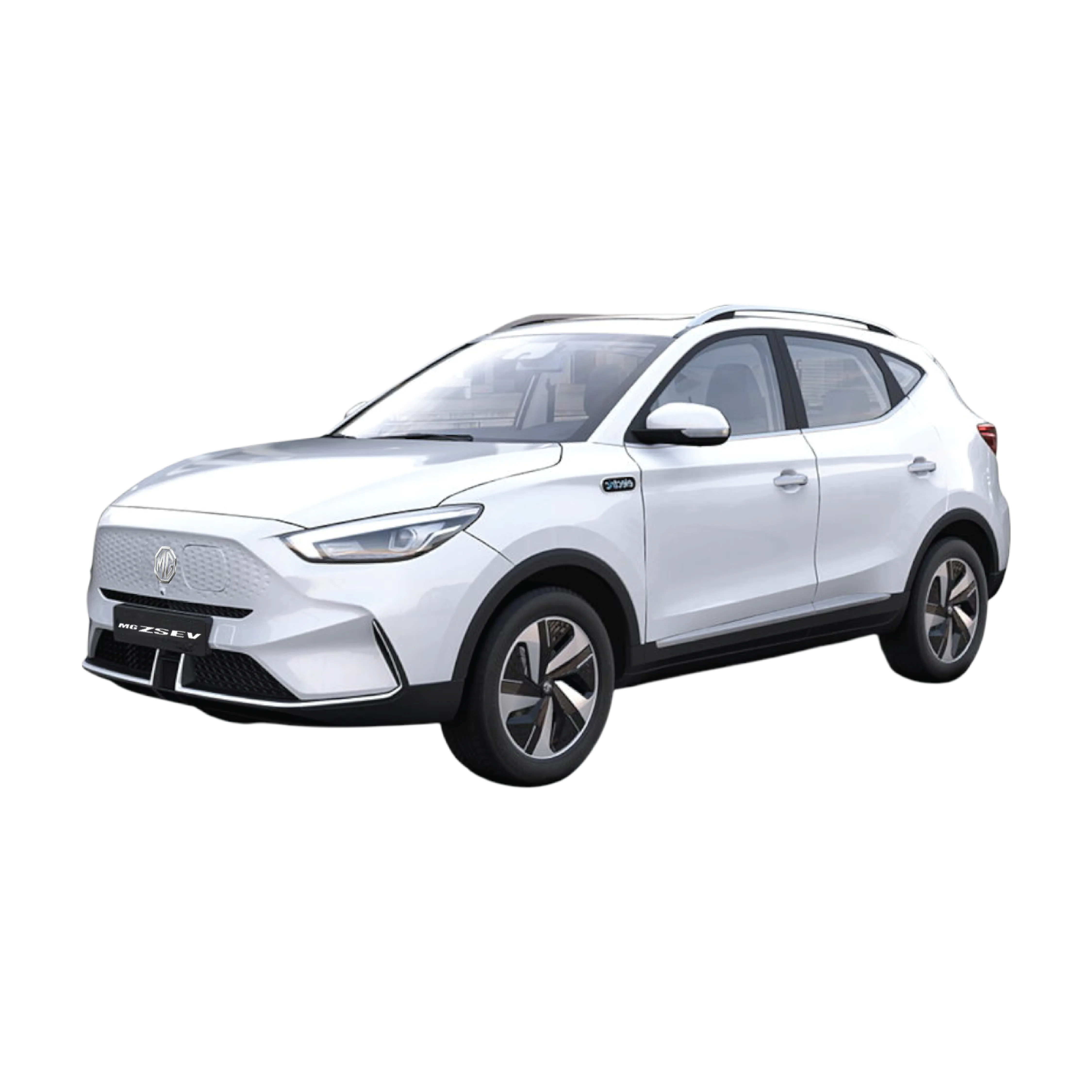
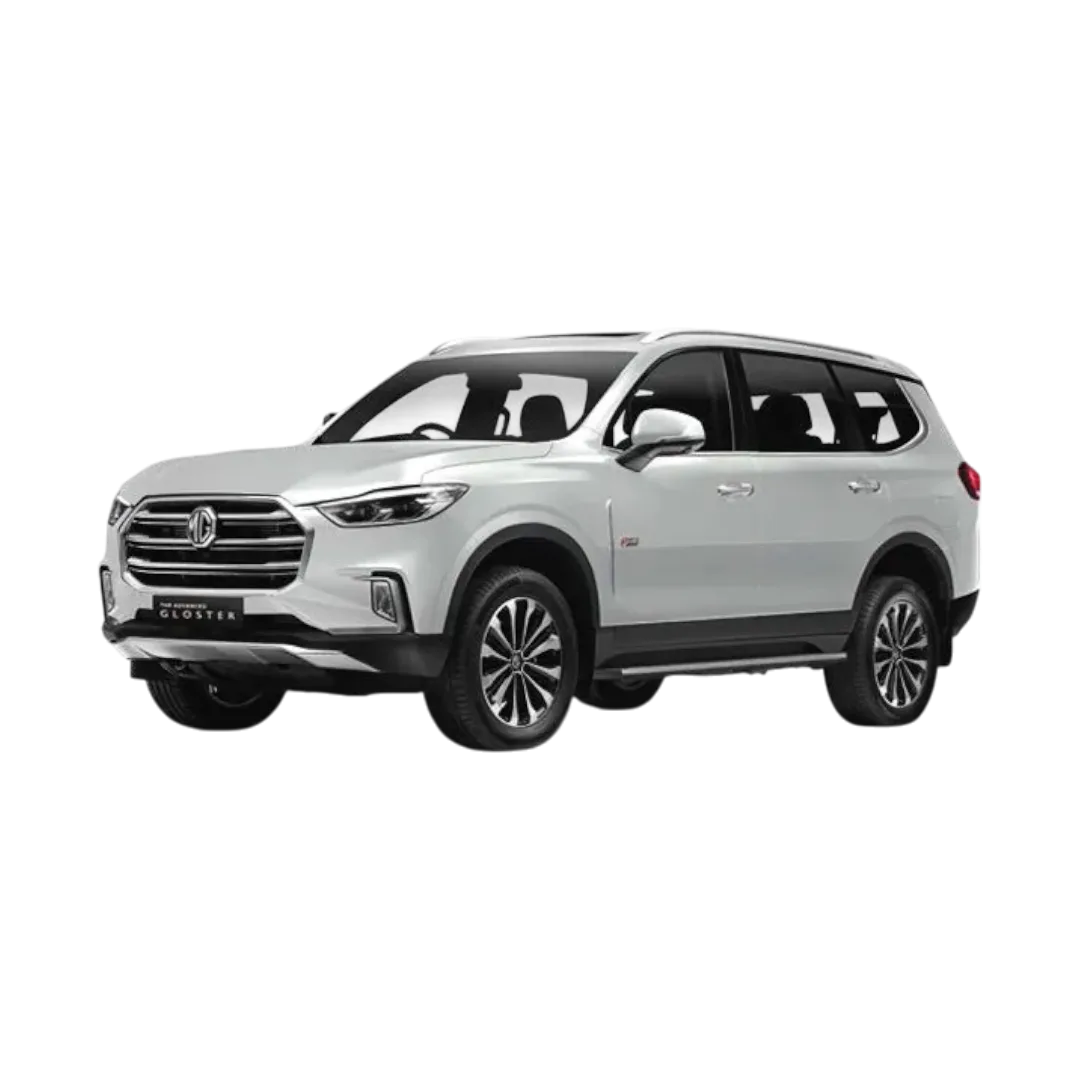
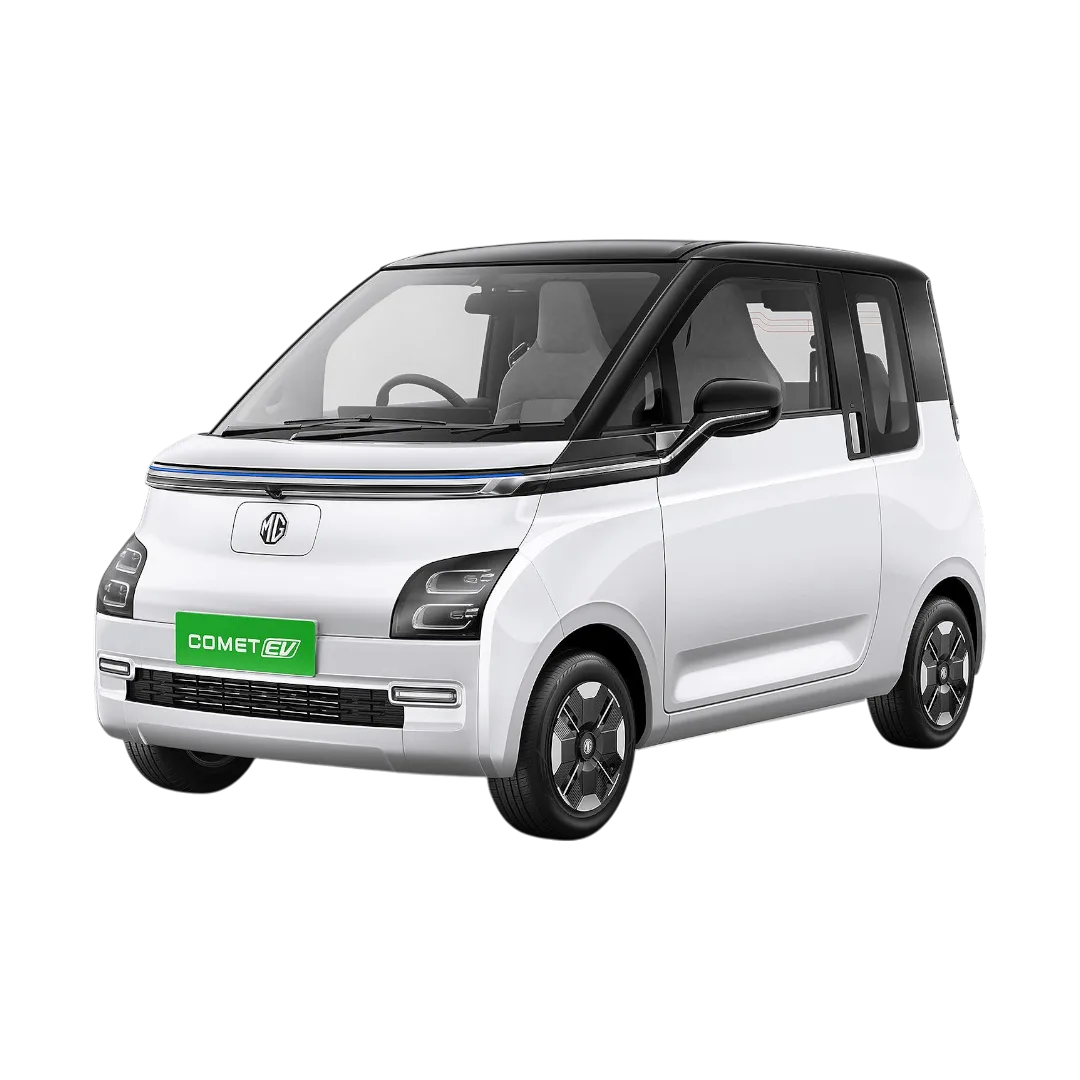
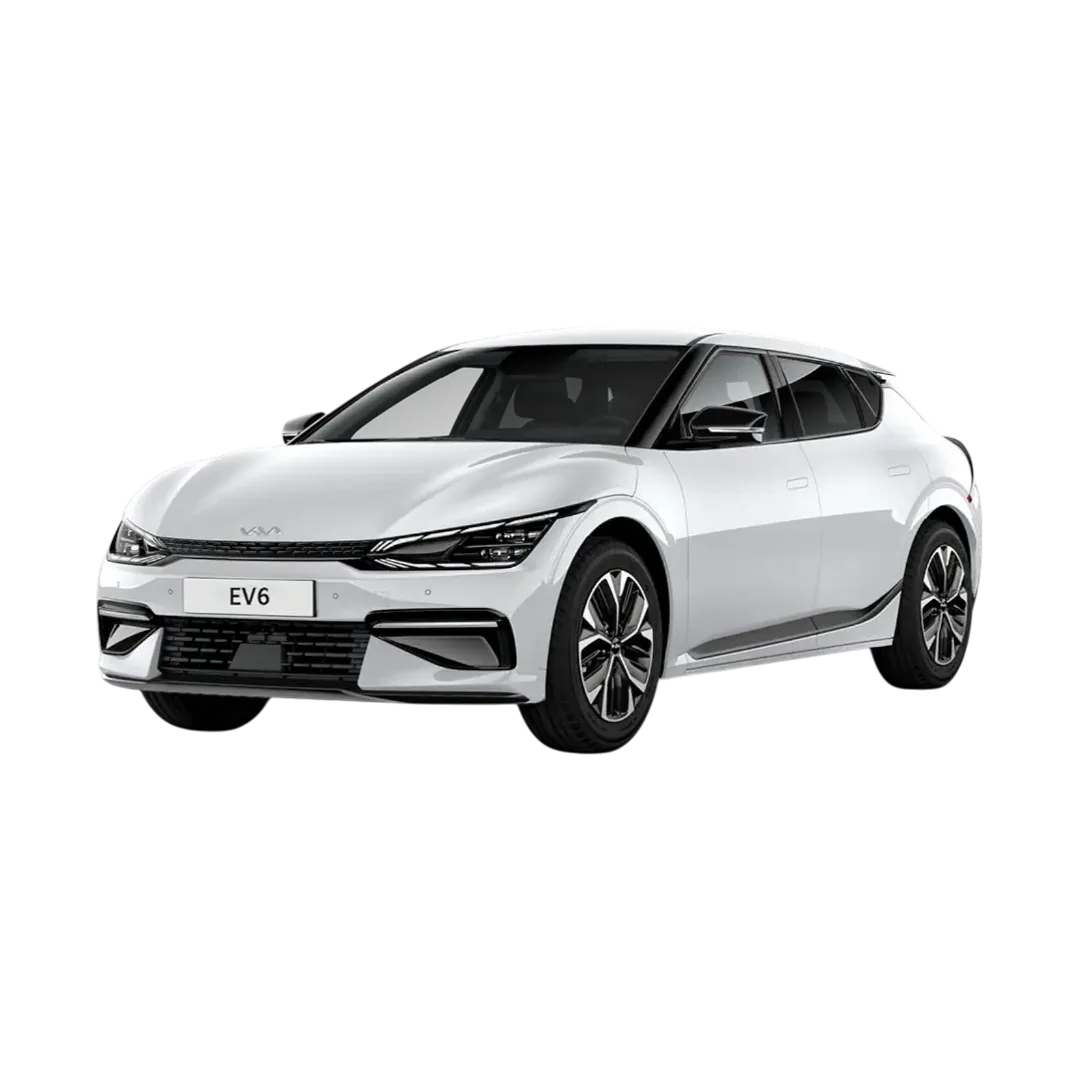


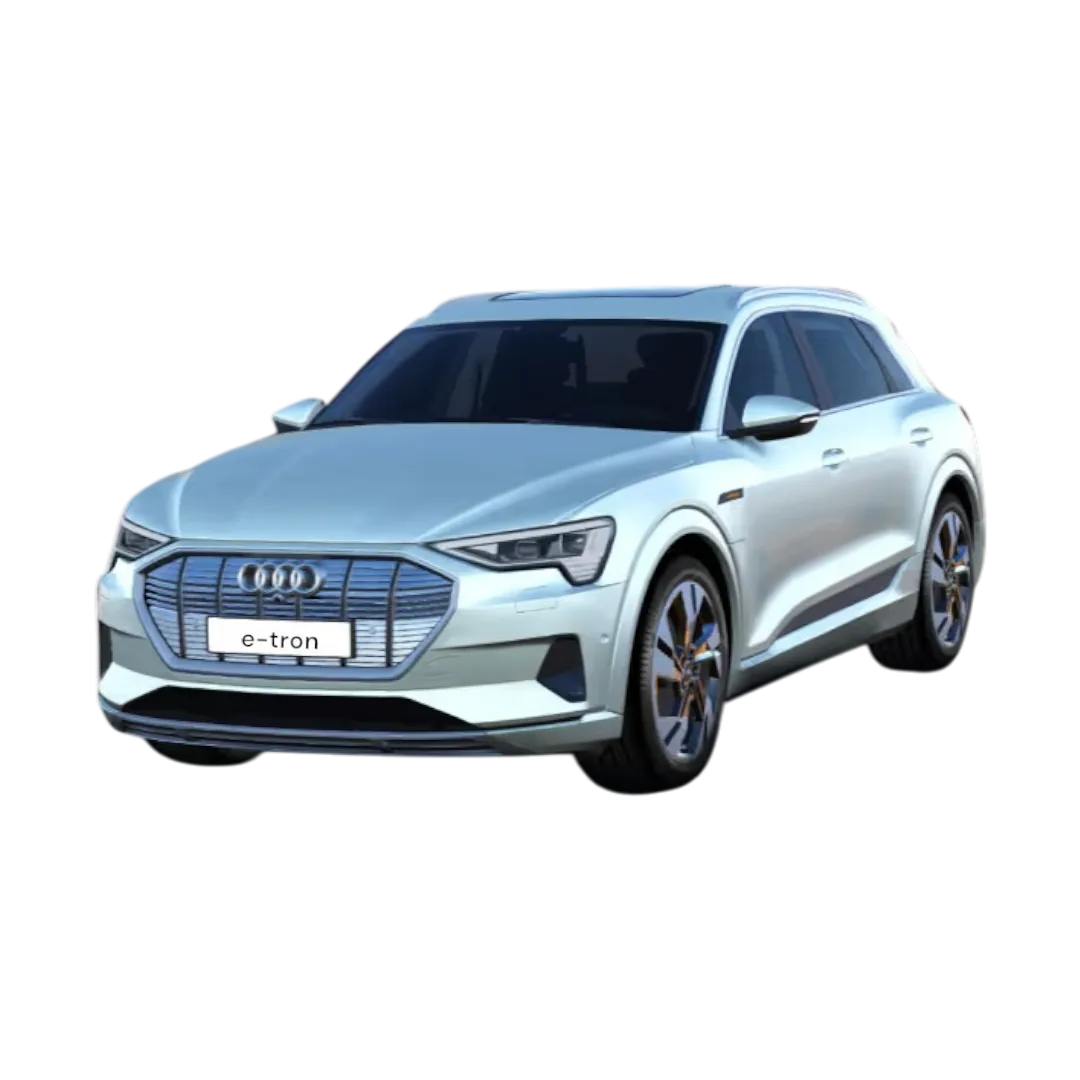
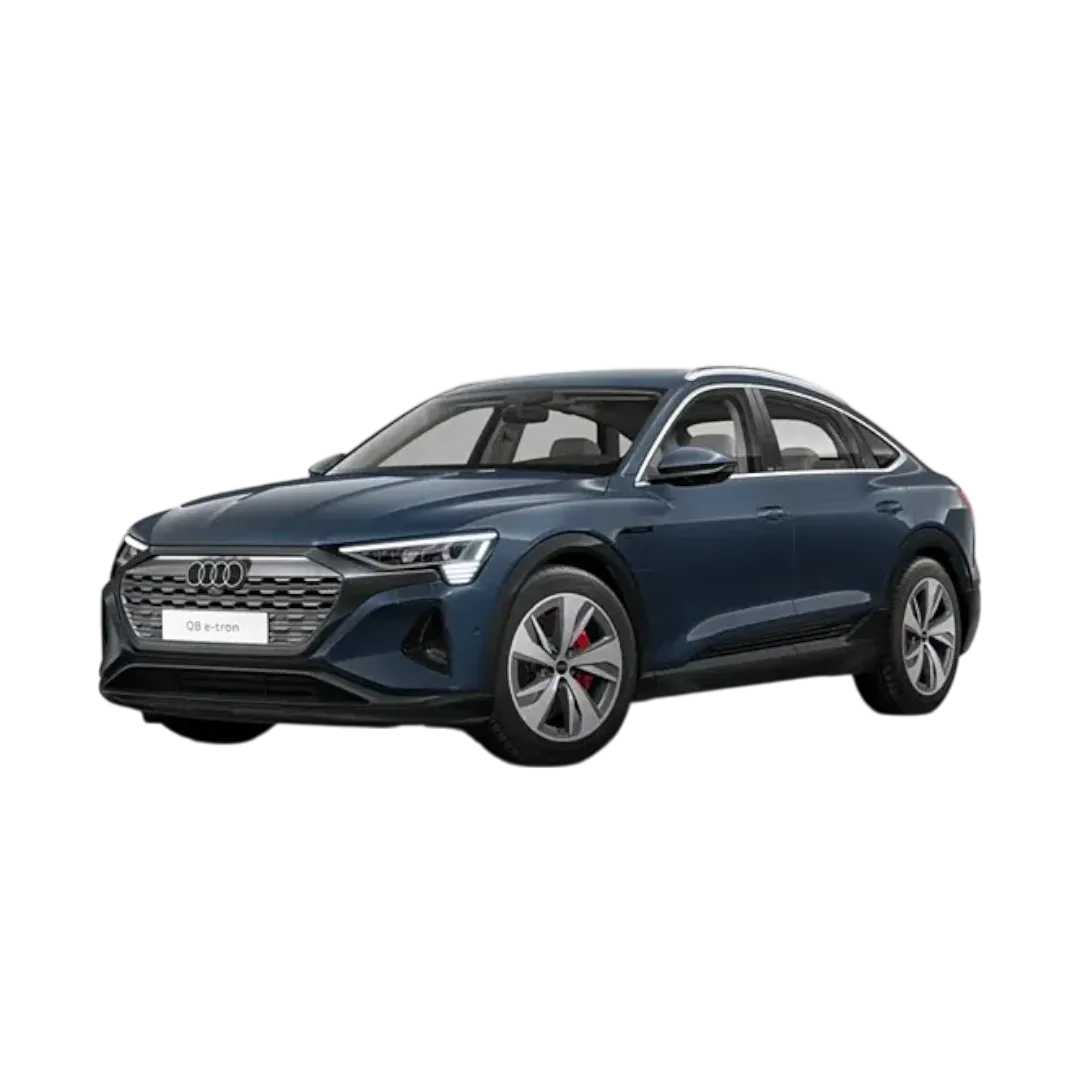
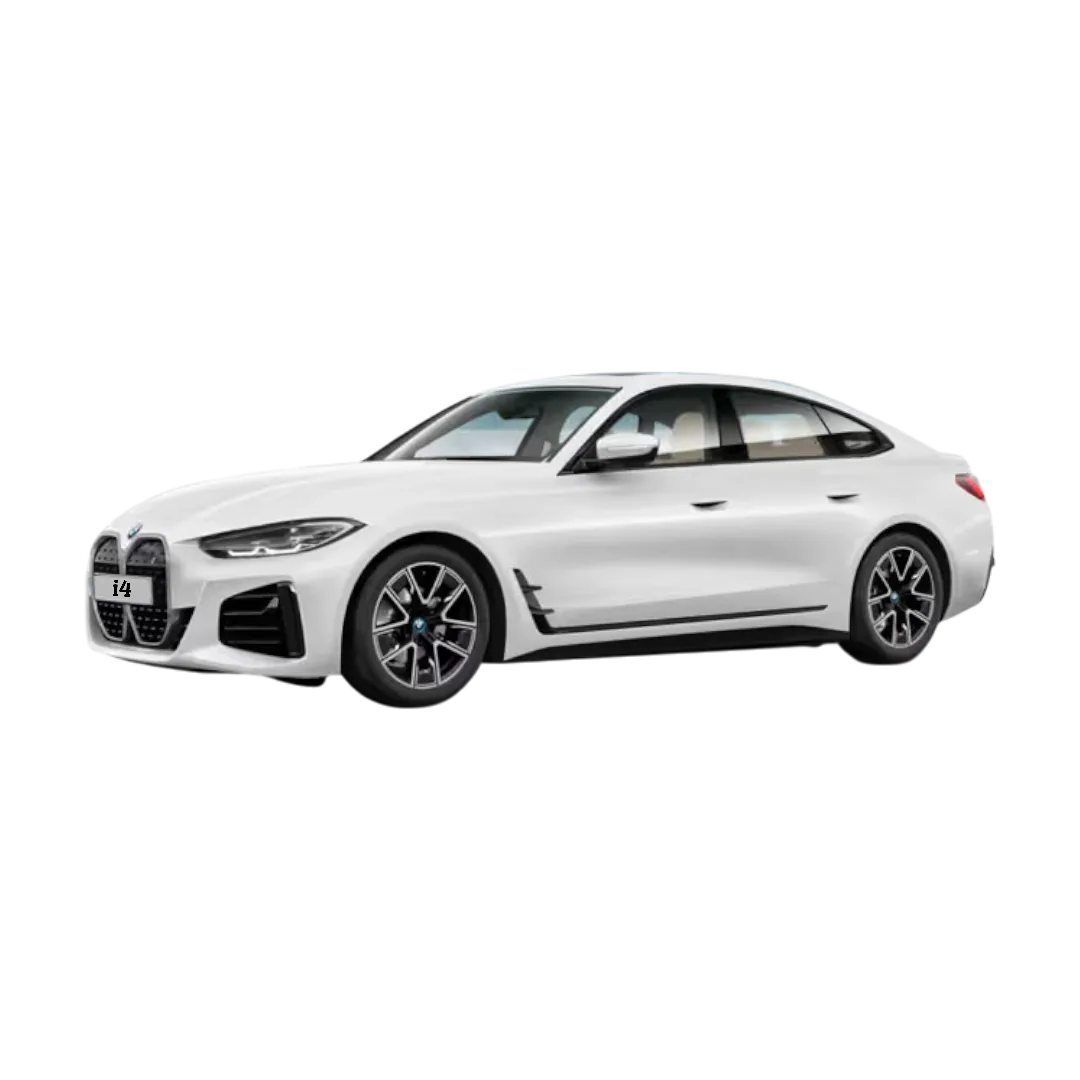
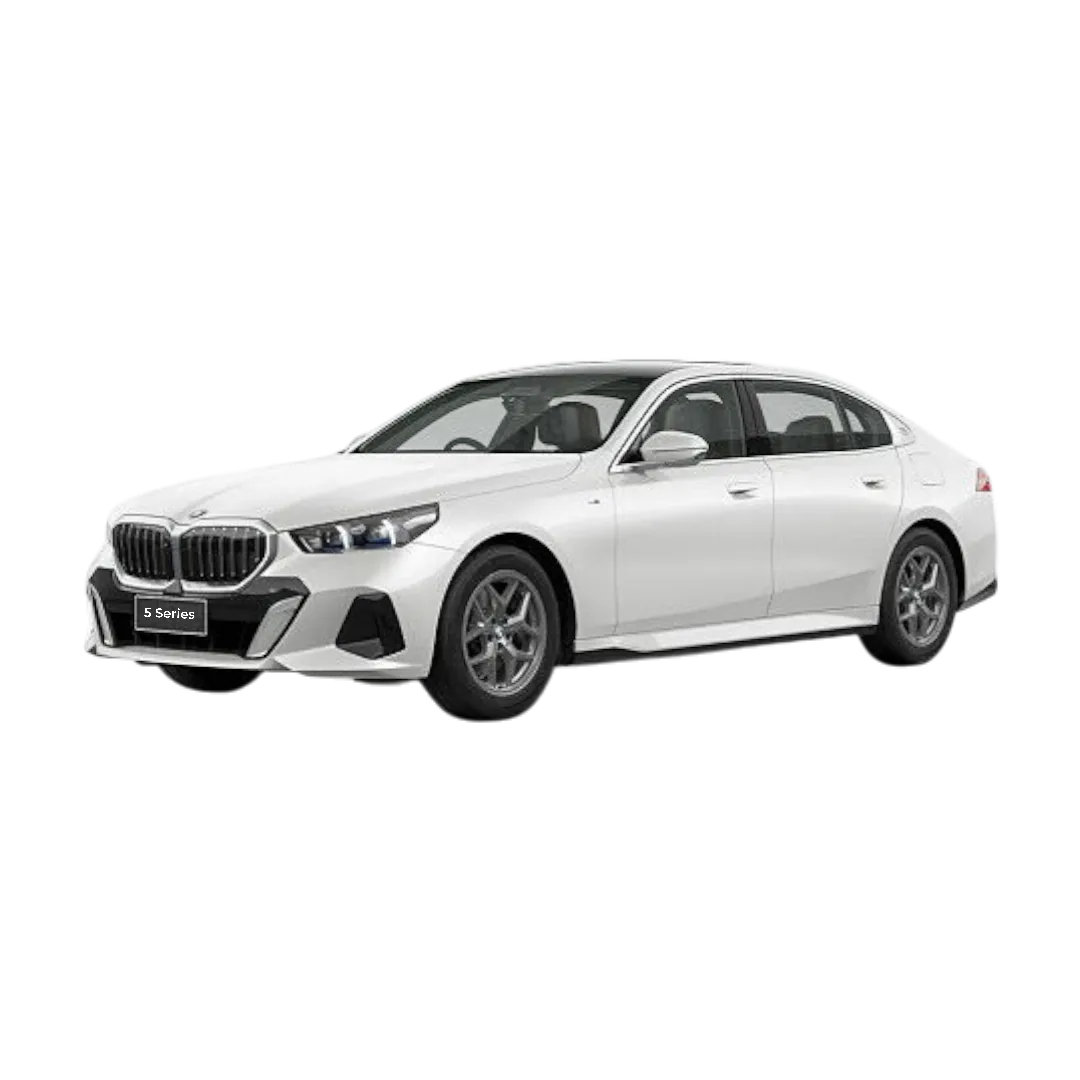
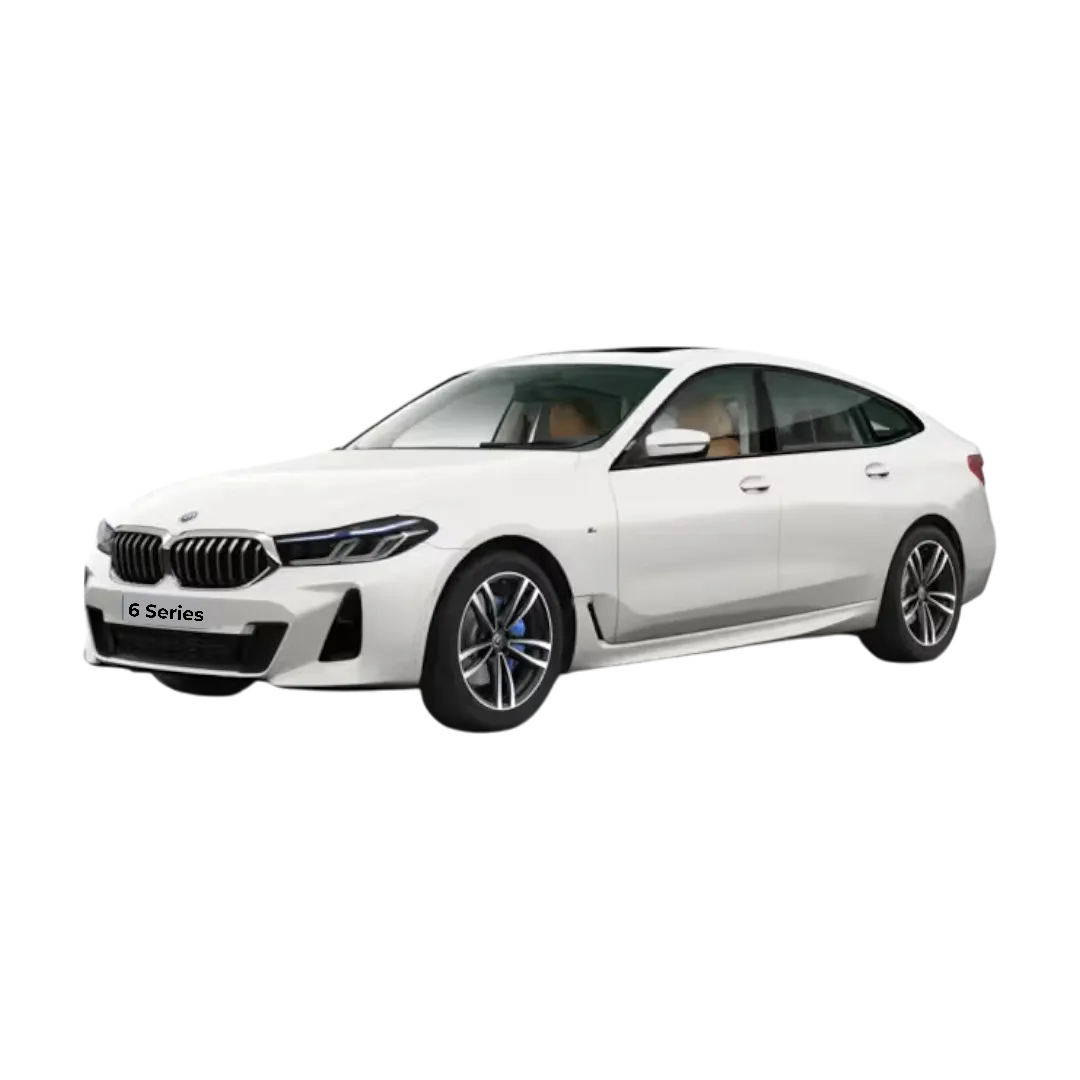
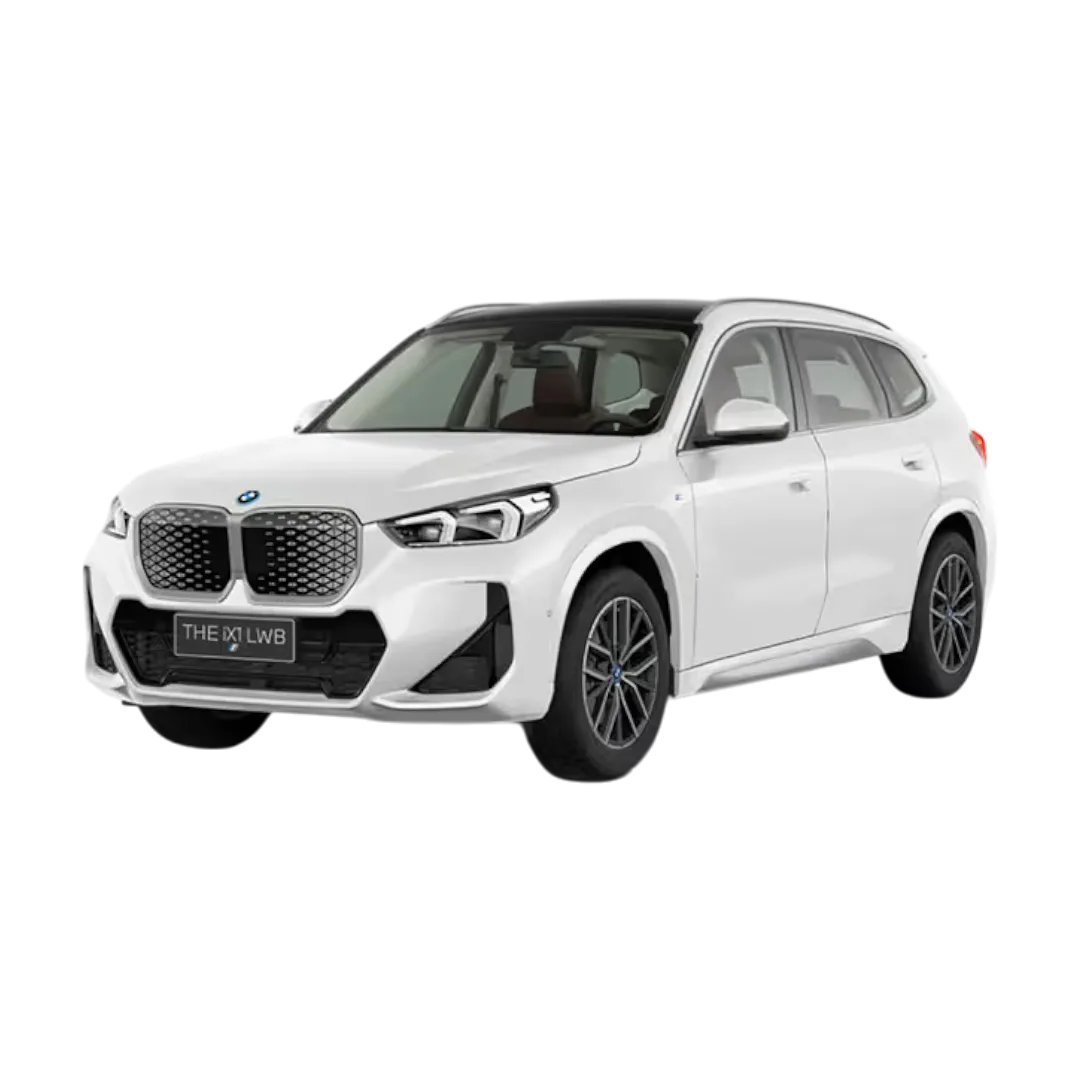
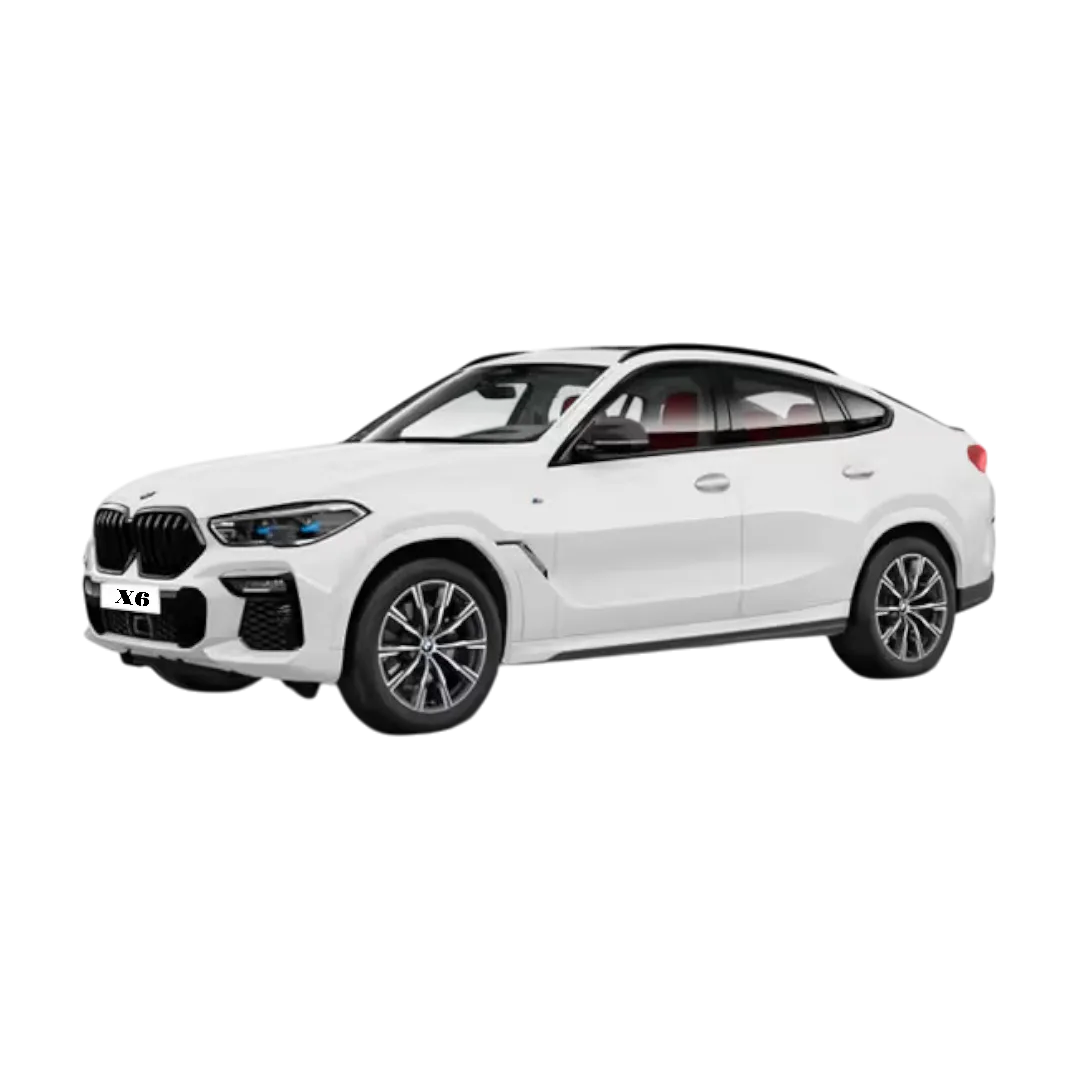
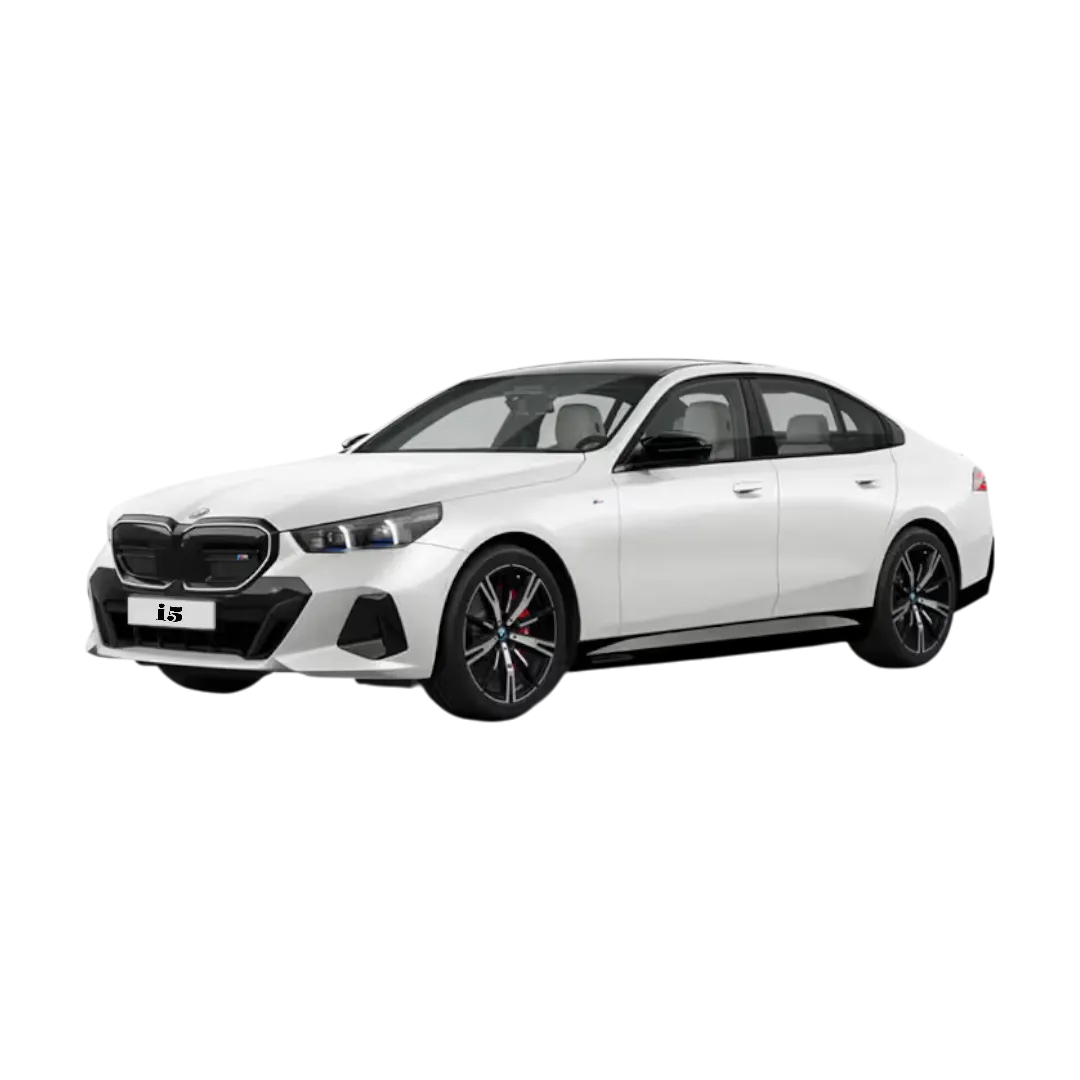
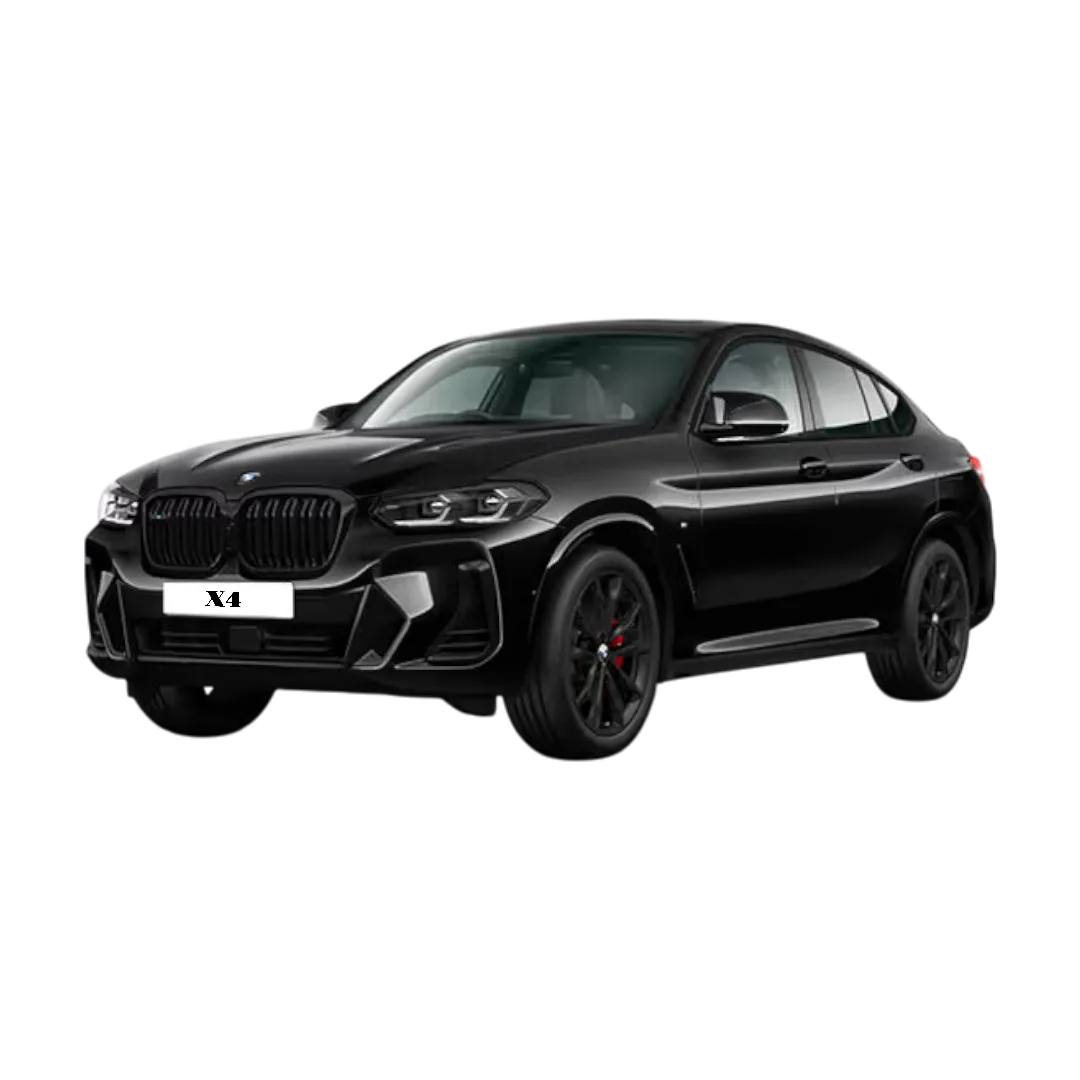
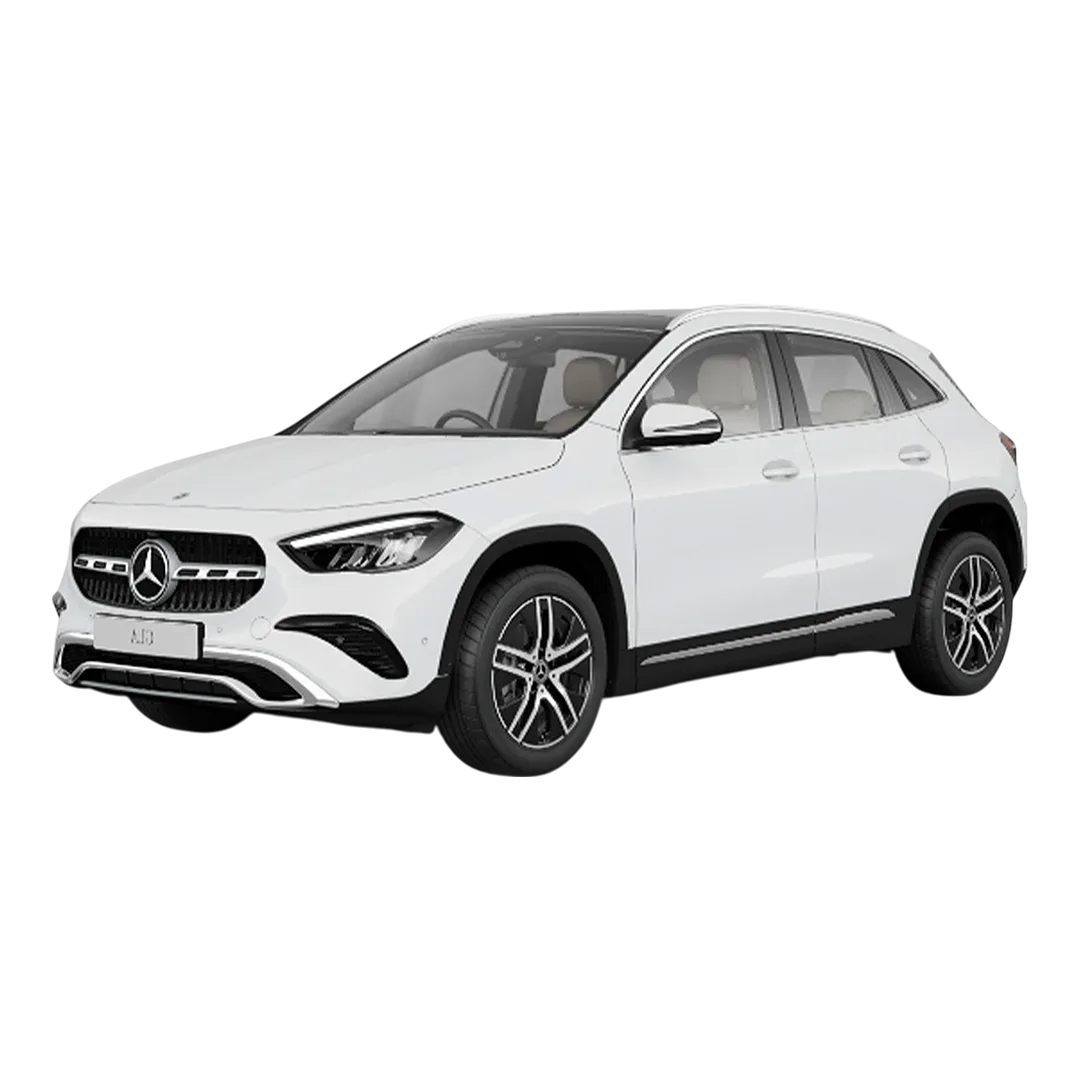
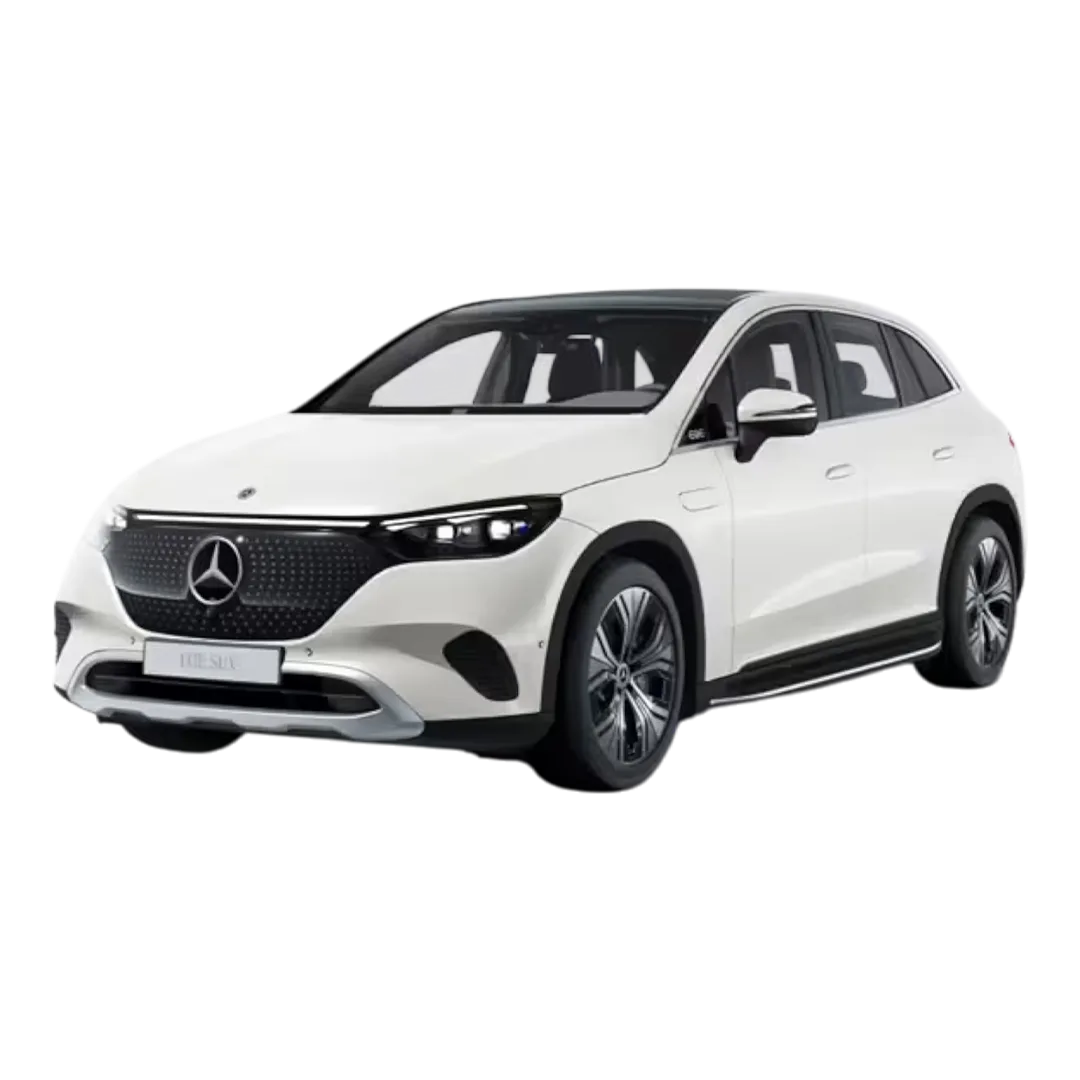
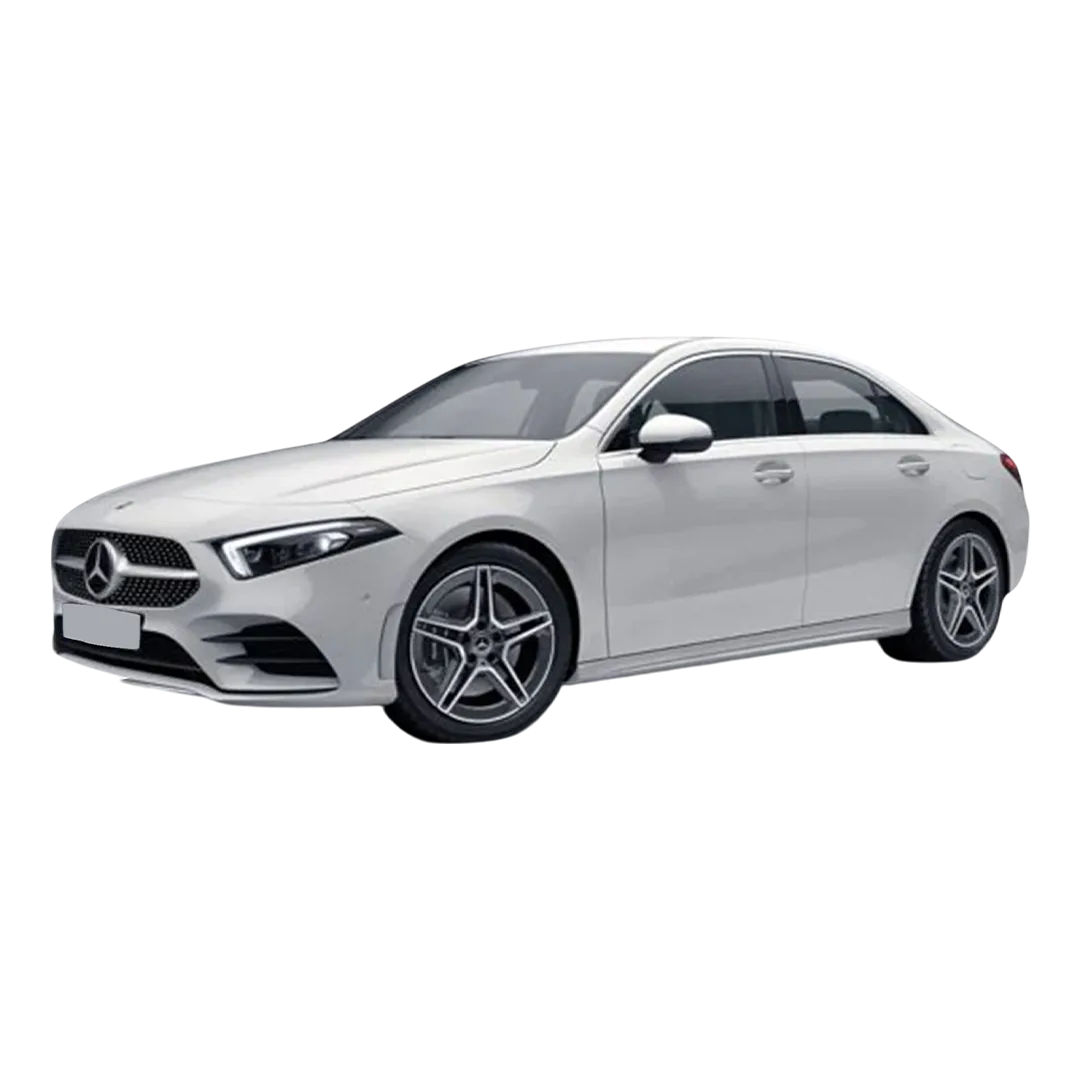
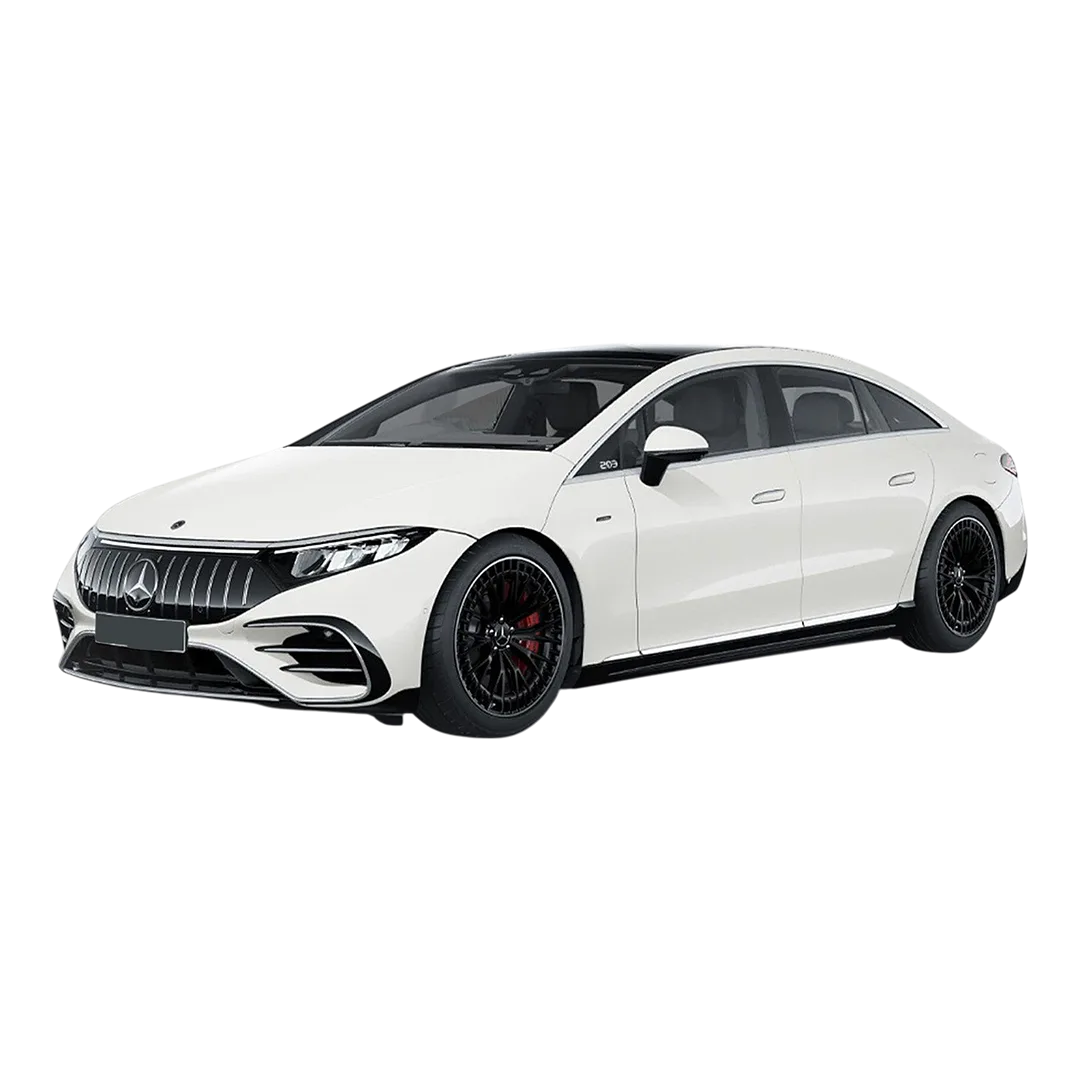
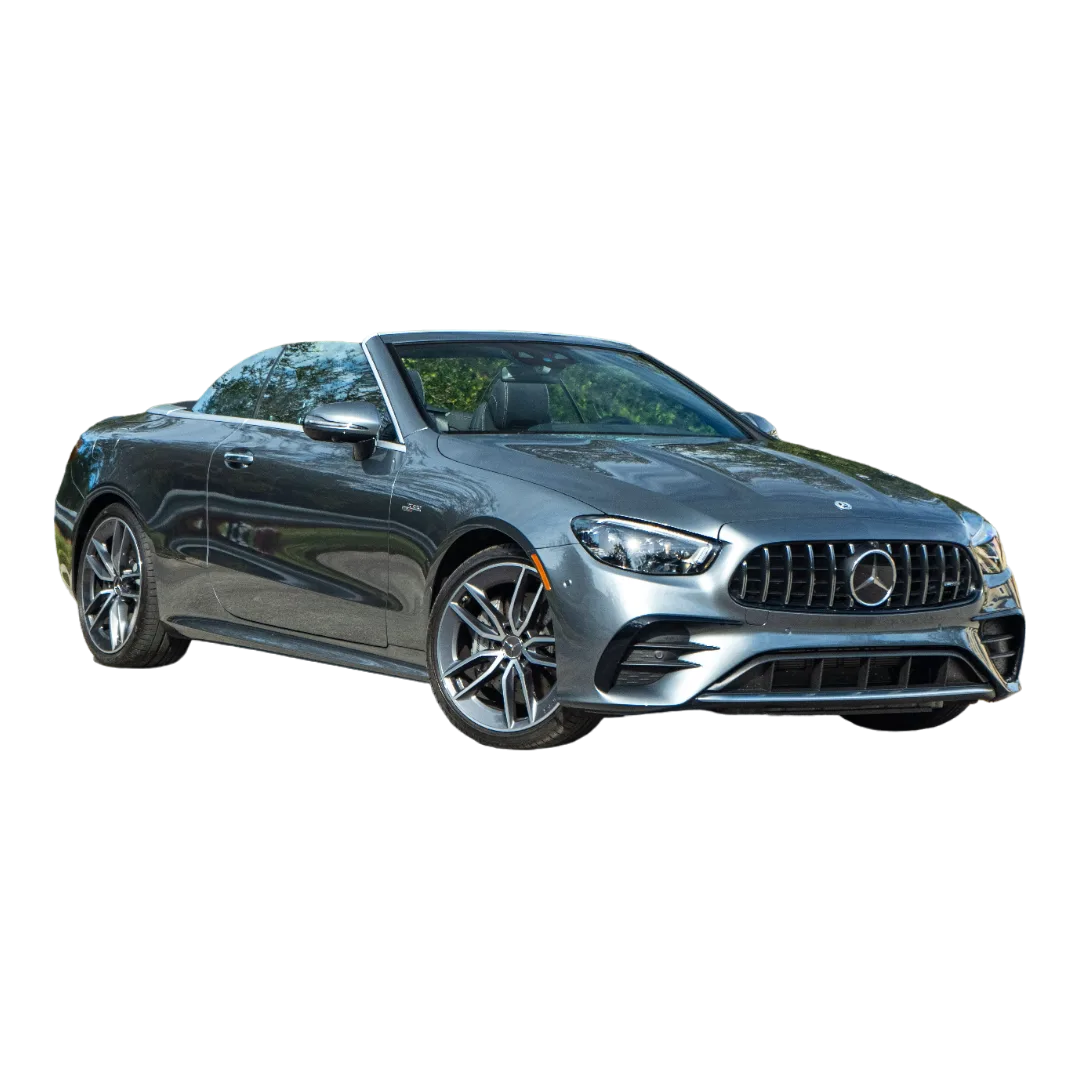
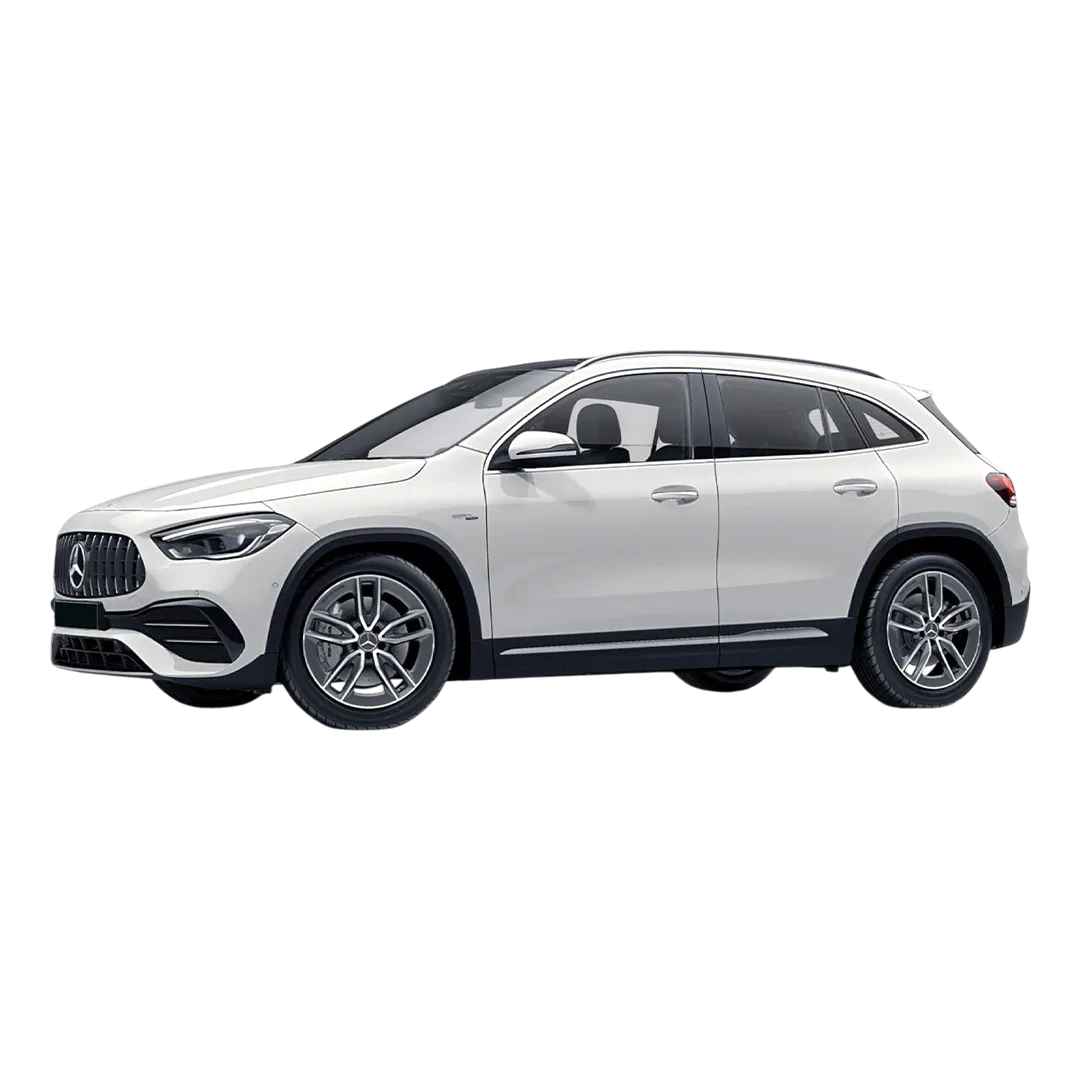

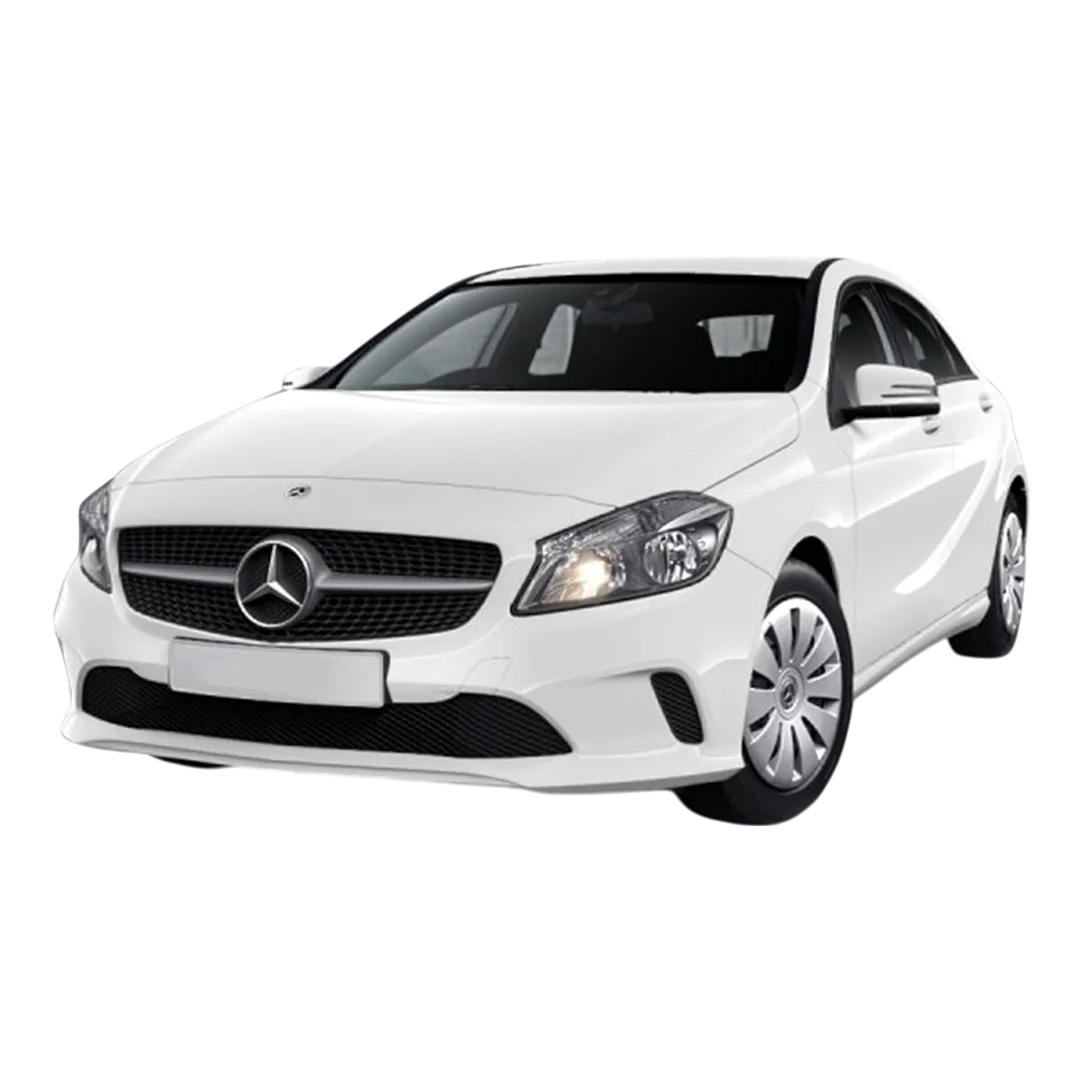
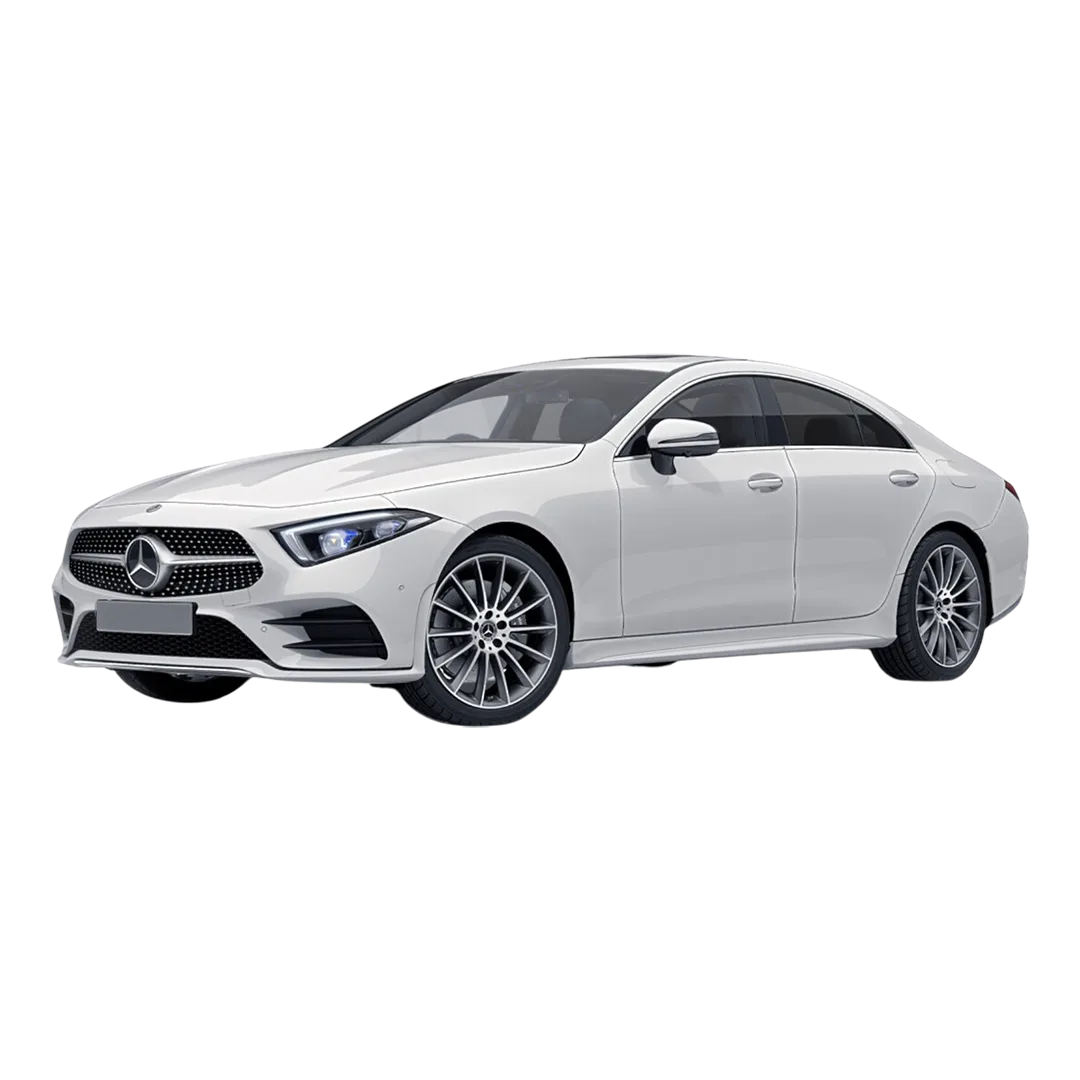
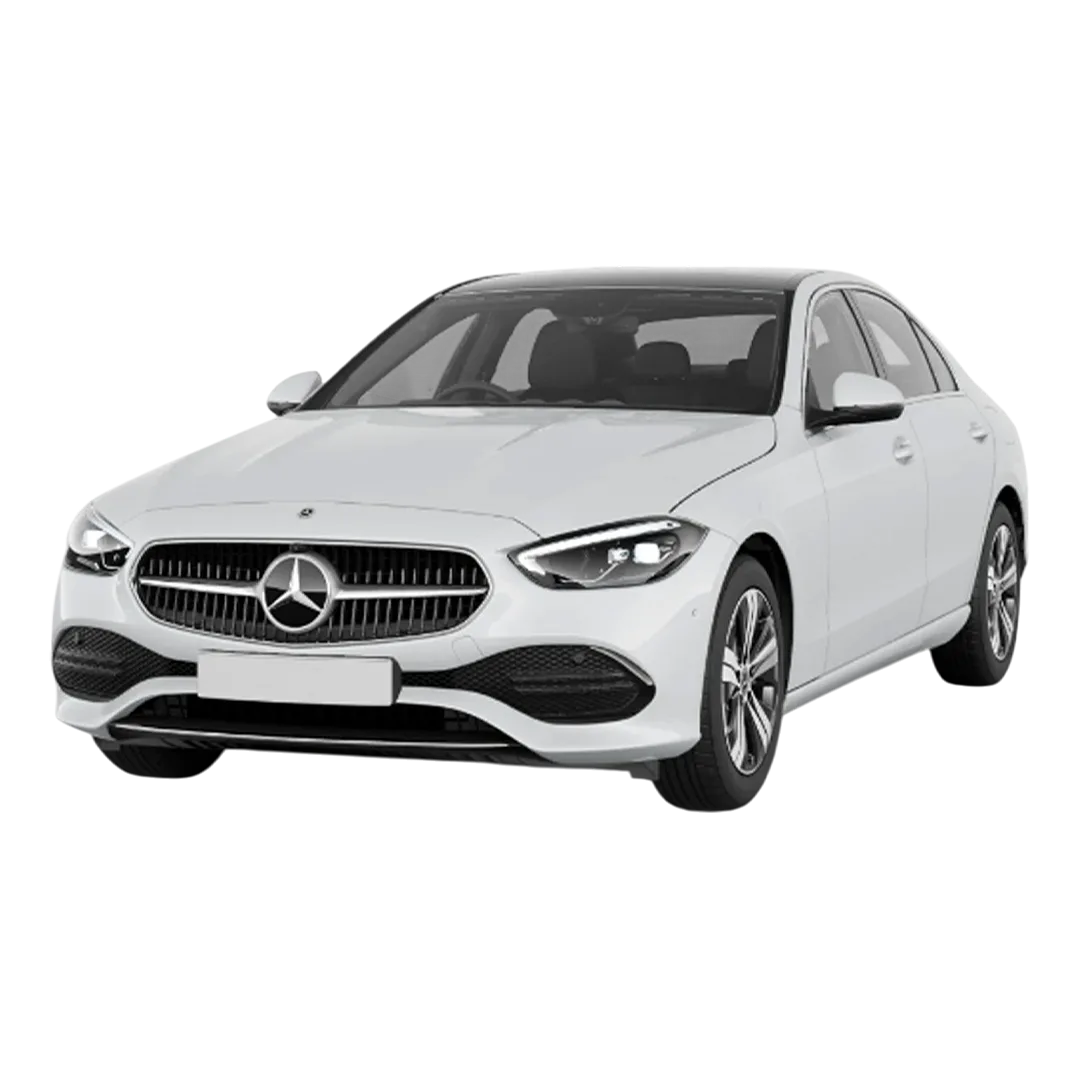
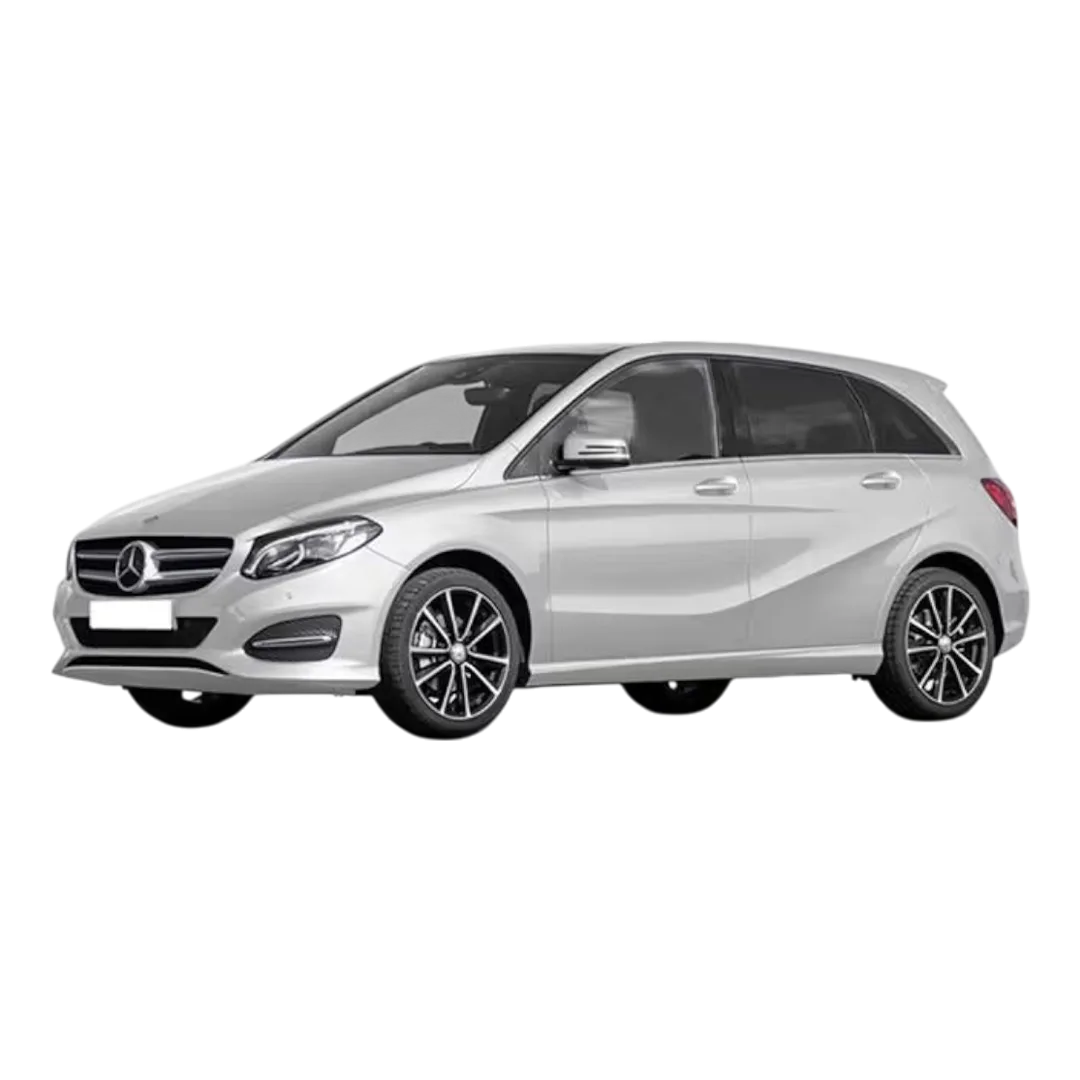
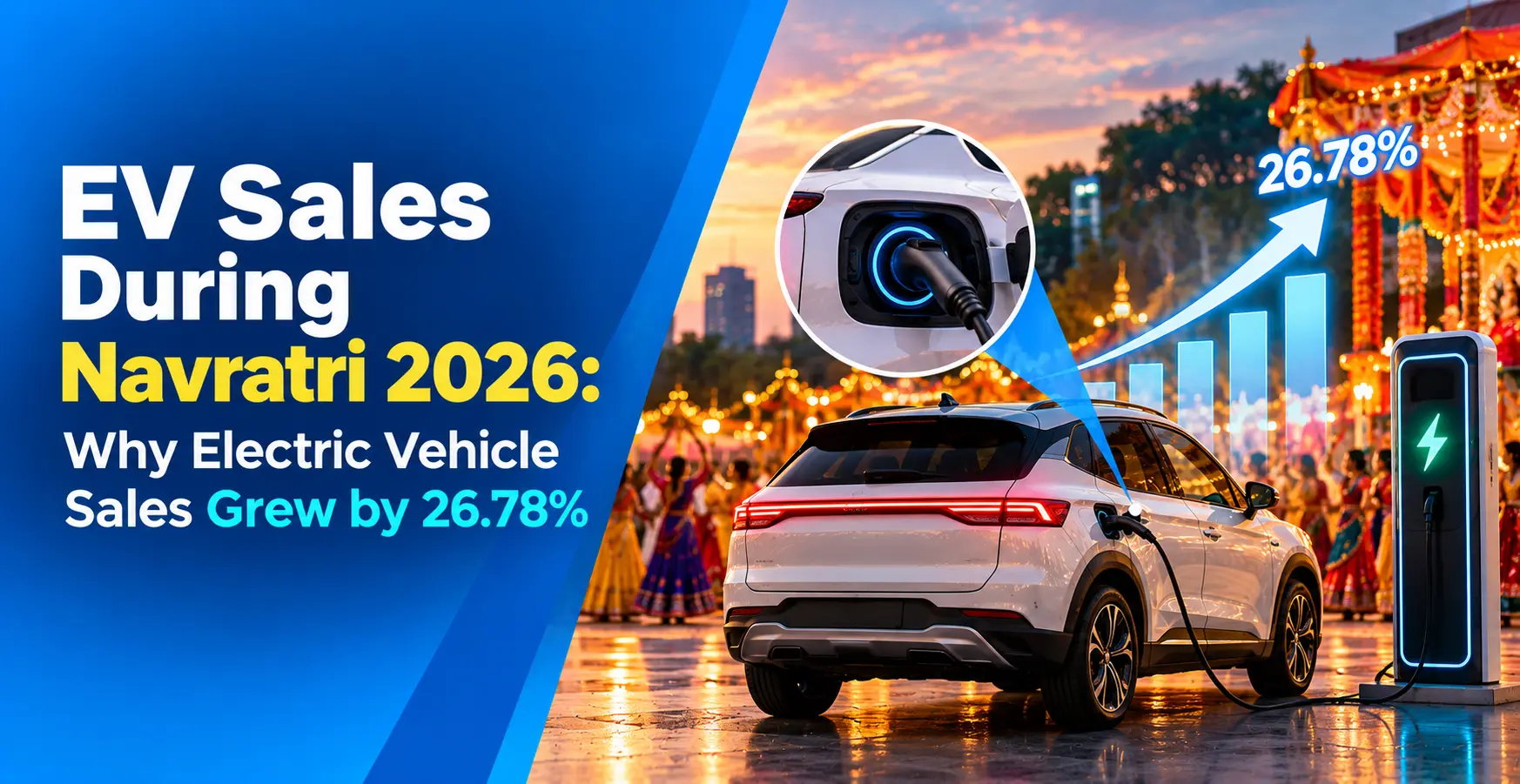
The growth was visible across several vehicle categories, including electric two-wheeler sales in India, passenger vehicles, three-wheelers and commercial vehicles. Electric two-wheelers contributed the largest number of EV sales, while electric car sales in India also recorded a substantial increase. These figures indicate that electric mobility is becoming a more significant part of India’s festive vehicle market.
The festive season is an important period for vehicle purchases in India, as consumers compare models, evaluate financing options and look for suitable offers. However, festive demand alone does not explain every change in sales. Running costs, charging access, vehicle availability and buyer preferences also deserve attention when examining electric vehicle sales in India.
This report examines the latest EV sales figures in India 2026, possible reasons behind EV sales growth in India 2026, differences between electric cars and two-wheelers, and the outlook for India's EV market. It also explores how new EV owners can choose practical accessories through marketplaces such as Creckk accessories.
Navratri 2026 EV Sales Report: Electric Vehicle Demand in India
The latest EV sales figures in India 2026 show that electric vehicles performed strongly during Navratri 2026 despite a decline in overall vehicle retail compared with the previous year. FADA's provisional data, compiled with the Ministry of Road Transport and Highways, covered registrations from 1,468 of 1,469 regional transport offices.
The main figures are summarised below.
| EV category | Navratri 2026 sales | Growth vs 2025 |
|---|---|---|
| Electric two-wheelers | 75,758 | 33.41% |
| Electric three-wheelers | 28,086 | 10.51% |
| Electric passenger vehicles | 12,305 | 25.97% |
| Electric commercial vehicles | 1,288 | 96.04% |
| Total EV retail sales | 1,17,437 | 26.78% |
Source: FADA provisional retail data, covering 11–20 October 2026.
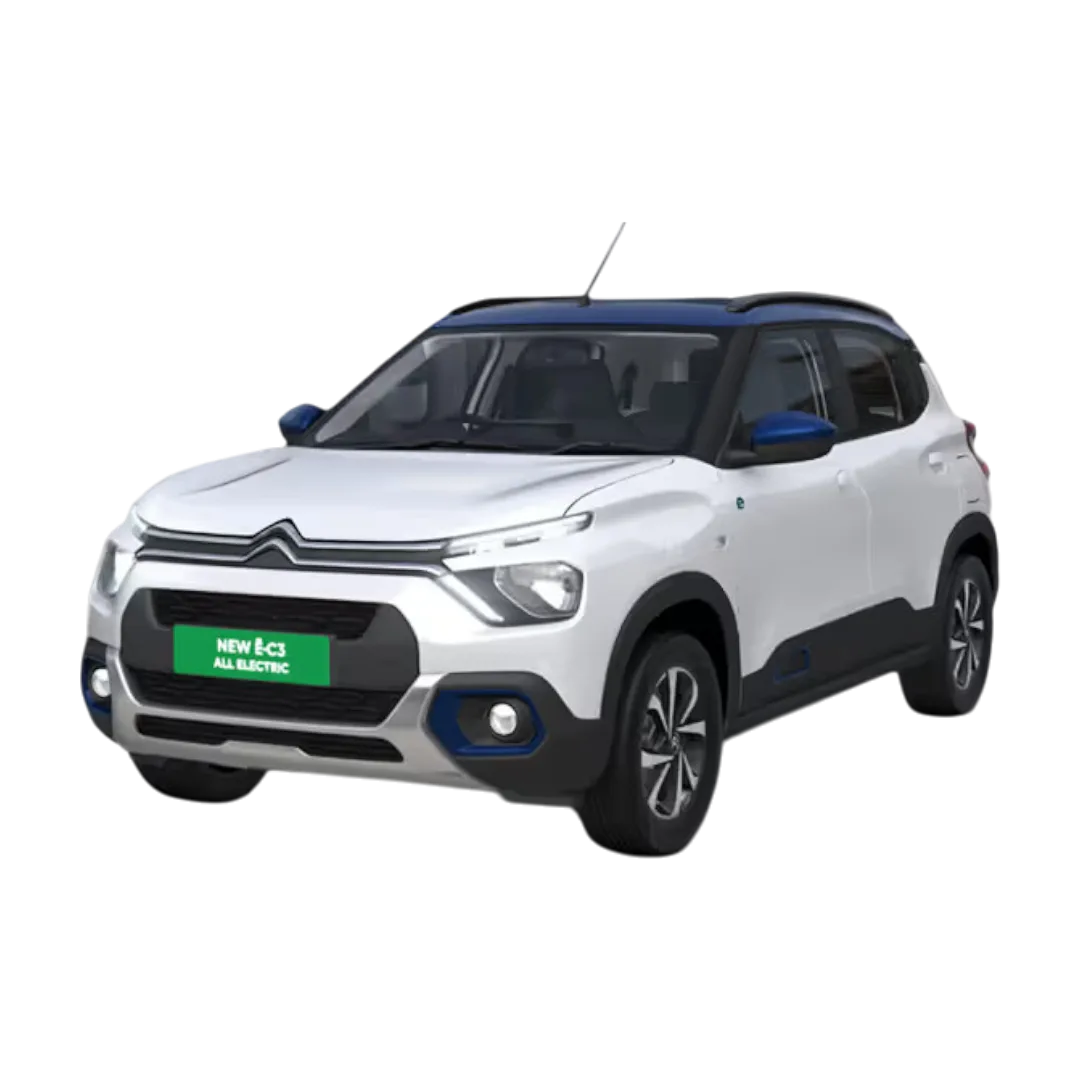
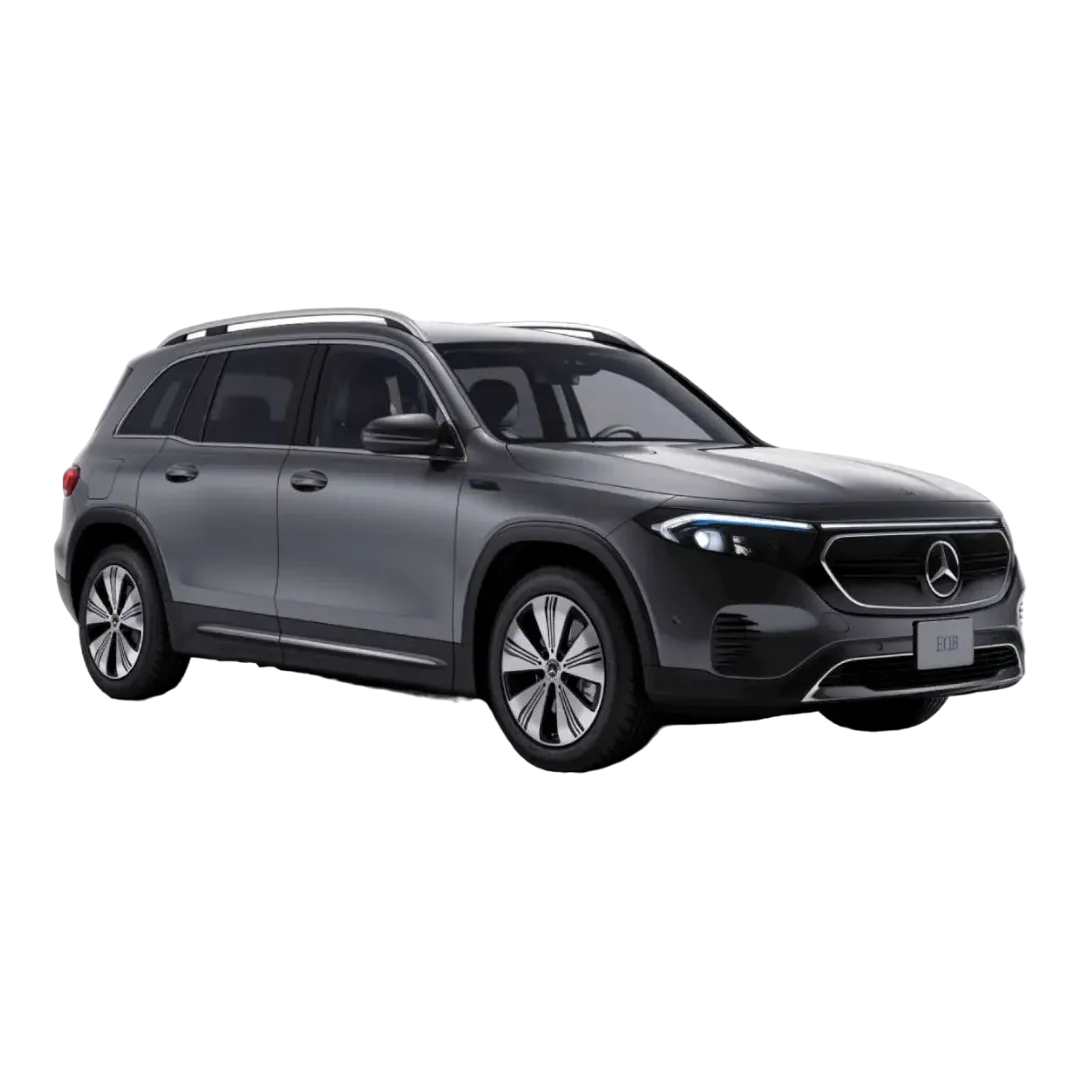
Electric two-wheeler sales in India made up the largest category by volume, reflecting the importance of electric scooters and motorcycles in India's shift towards electric mobility. Electric car sales in India also recorded growth, suggesting that interest in electric cars is expanding alongside the established two-wheeler market.
One important detail is the comparison period. Navratri lasted ten days in 2026 but eleven days in 2025. FADA also reported that EV retail sales grew 83.06% compared with Navratri 2024, offering additional context for the longer-term trend.
These numbers represent retail sales registrations, not manufacturers' wholesale dispatches. They show a positive festive-period result, but they do not establish that Navratri alone caused the increase.
1. Why Electric Cars and Two-Wheelers Gained Popularity During Navratri
Festive periods are important for vehicle purchases in India. Many buyers use this time to compare models, review finance options and plan a purchase around family needs. For electric vehicles, these decisions often involve more than the purchase price: buyers also consider daily travel distance, charging arrangements, running costs and after-sales support.
The 2026 Navratri data show growth in both electric two-wheelers and electric passenger vehicles. Electric two-wheeler sales reached 75,758 units, up 33.41% year-on-year, while electric passenger vehicle sales increased to 12,305 units, up 25.97%.
Electric scooters may suit commuters who travel predictable daily routes and have convenient charging access. Electric cars can appeal to households looking to reduce petrol use, especially when home charging is practical and the vehicle meets their regular travel requirements. However, the right choice depends on individual circumstances rather than the festive season alone.
Other factors worth examining include the availability of models, local charging infrastructure, financing arrangements and manufacturer offers. These are plausible influences on buying decisions, but the Navratri figures do not quantify how much each factor contributed to sales growth.
For buyers, the most useful lesson is to compare the complete ownership experience. A vehicle should suit the owner's budget, route, passenger requirements and charging access—not simply look attractive because sales are rising.
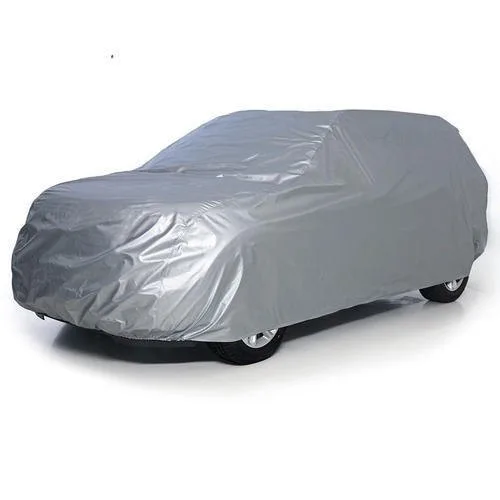
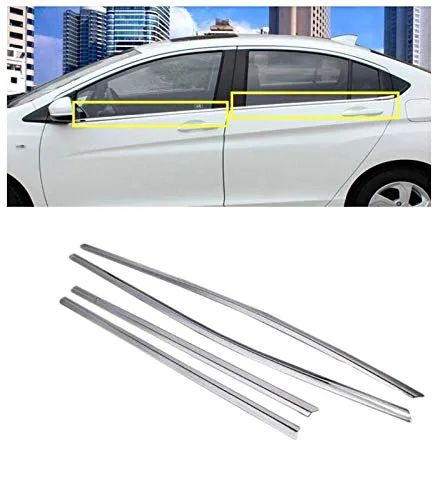
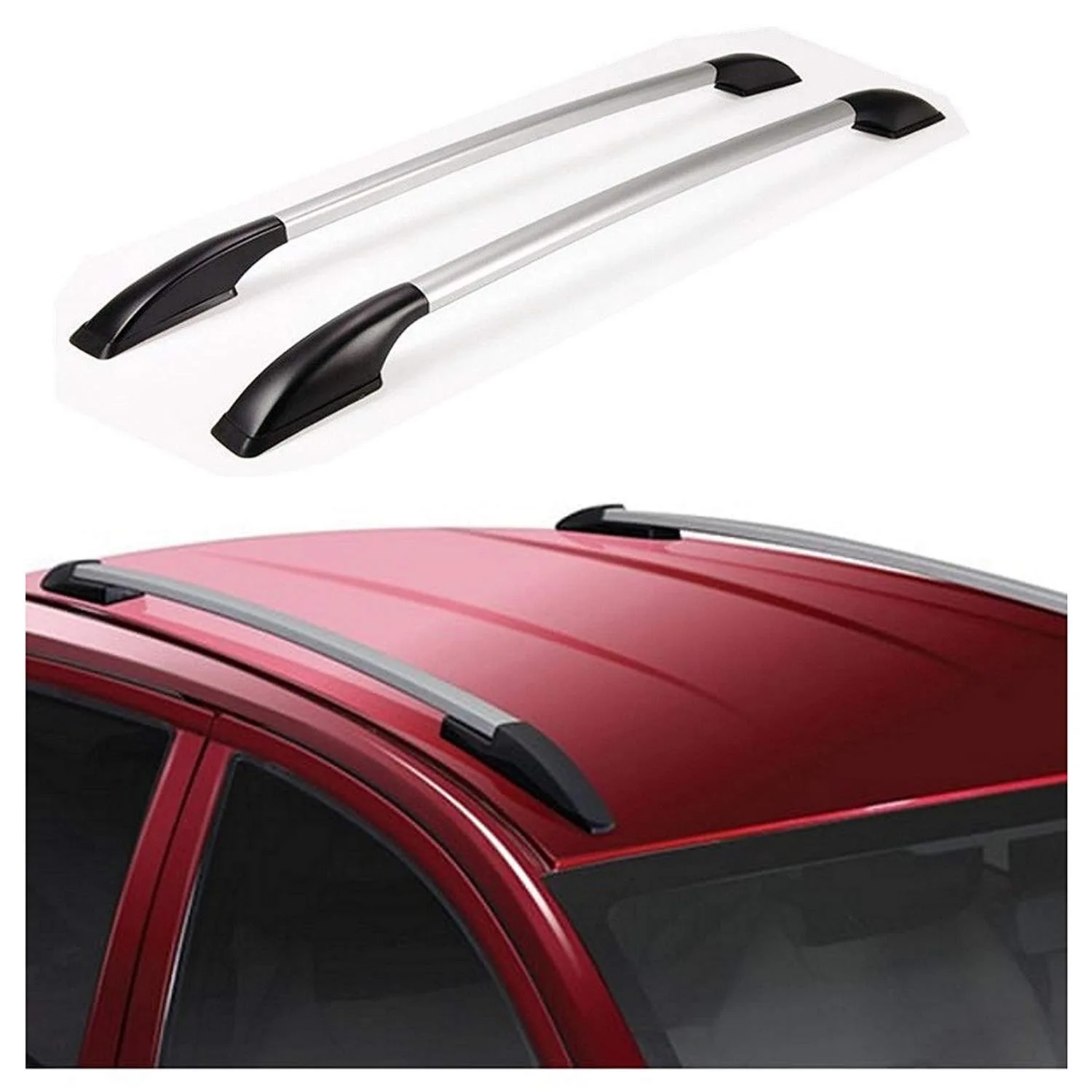
Creckk Facts: Creckk is a car accessories marketplace. New electric car owners can explore compatible accessories that help with vehicle care, comfort and everyday driving.
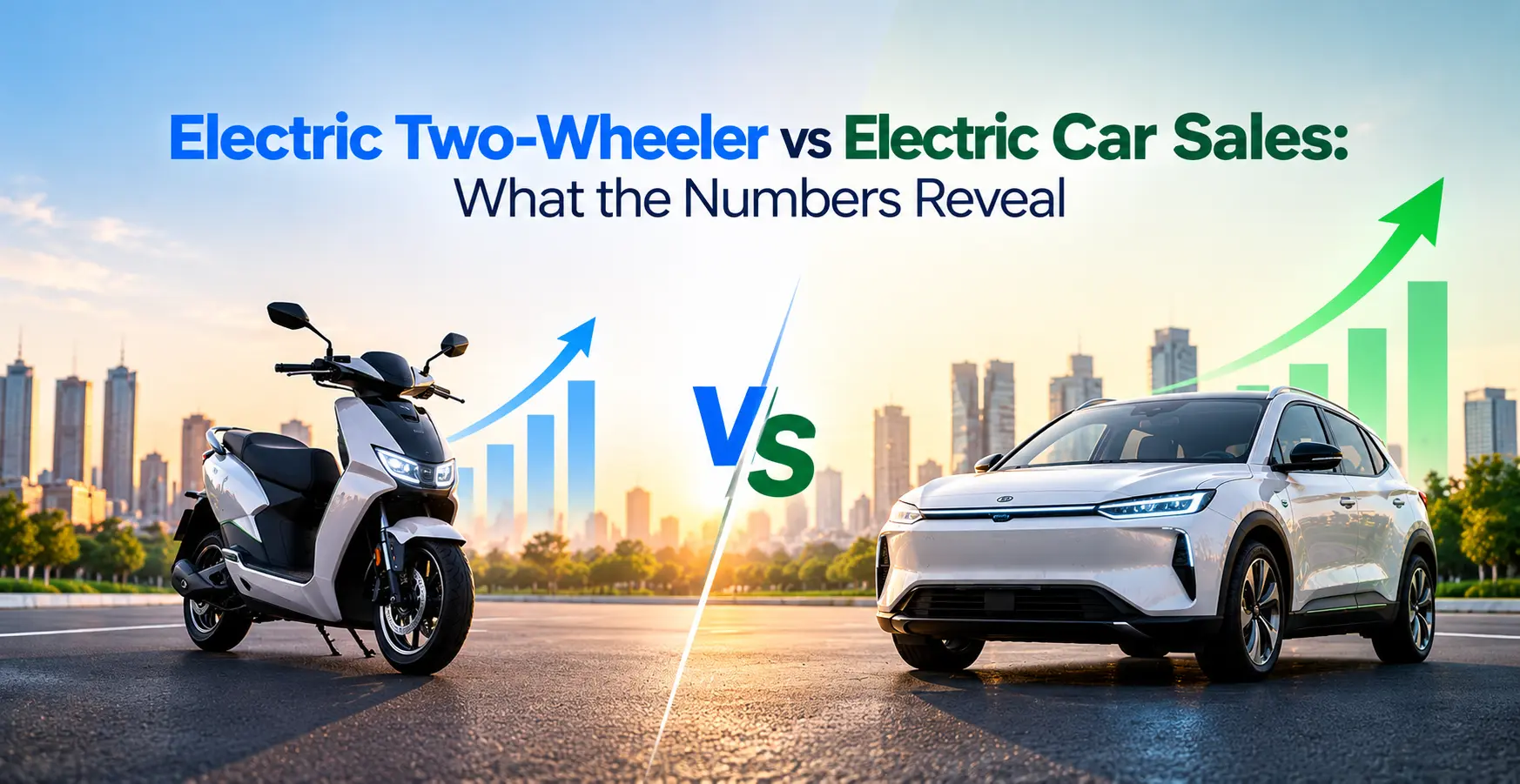
2. Electric Two-Wheeler vs Electric Car Sales: What the Numbers Reveal
Electric two-wheelers and electric cars serve different needs, so their sales figures should be interpreted in context. During Navratri 2026, electric two-wheelers recorded 75,758 retail sales, compared with 12,305 electric passenger vehicles. The two-wheeler category therefore contributed a much larger volume of EV sales during the period.
| Comparison | Electric two-wheelers | Electric passenger vehicles |
|---|---|---|
| Navratri 2026 sales | 75,758 | 12,305 |
| Growth vs Navratri 2025 | 33.41% | 25.97% |
| Common use case | Daily commuting and short trips | Family travel and longer journeys |
| Key buying consideration | Range, charging and practicality | Range, charging, space and trip planning |
The difference in sales volume does not mean electric cars are less useful or that two-wheelers are necessarily better value. Electric scooters generally serve individual commuters and smaller transport needs, whereas electric cars can carry several passengers and luggage. Purchase budgets, vehicle availability and access to charging can also differ considerably between buyers.
Growth rates tell a different story from total volumes. Electric two-wheelers grew faster than electric passenger vehicles during this Navratri period, but both categories recorded year-on-year increases.
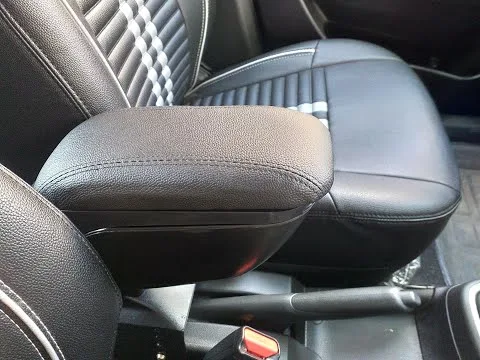
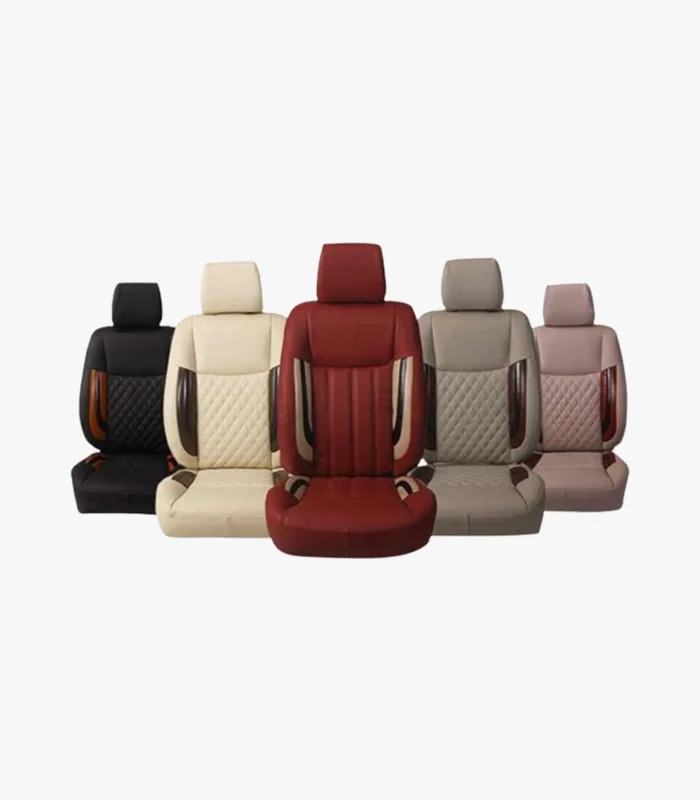
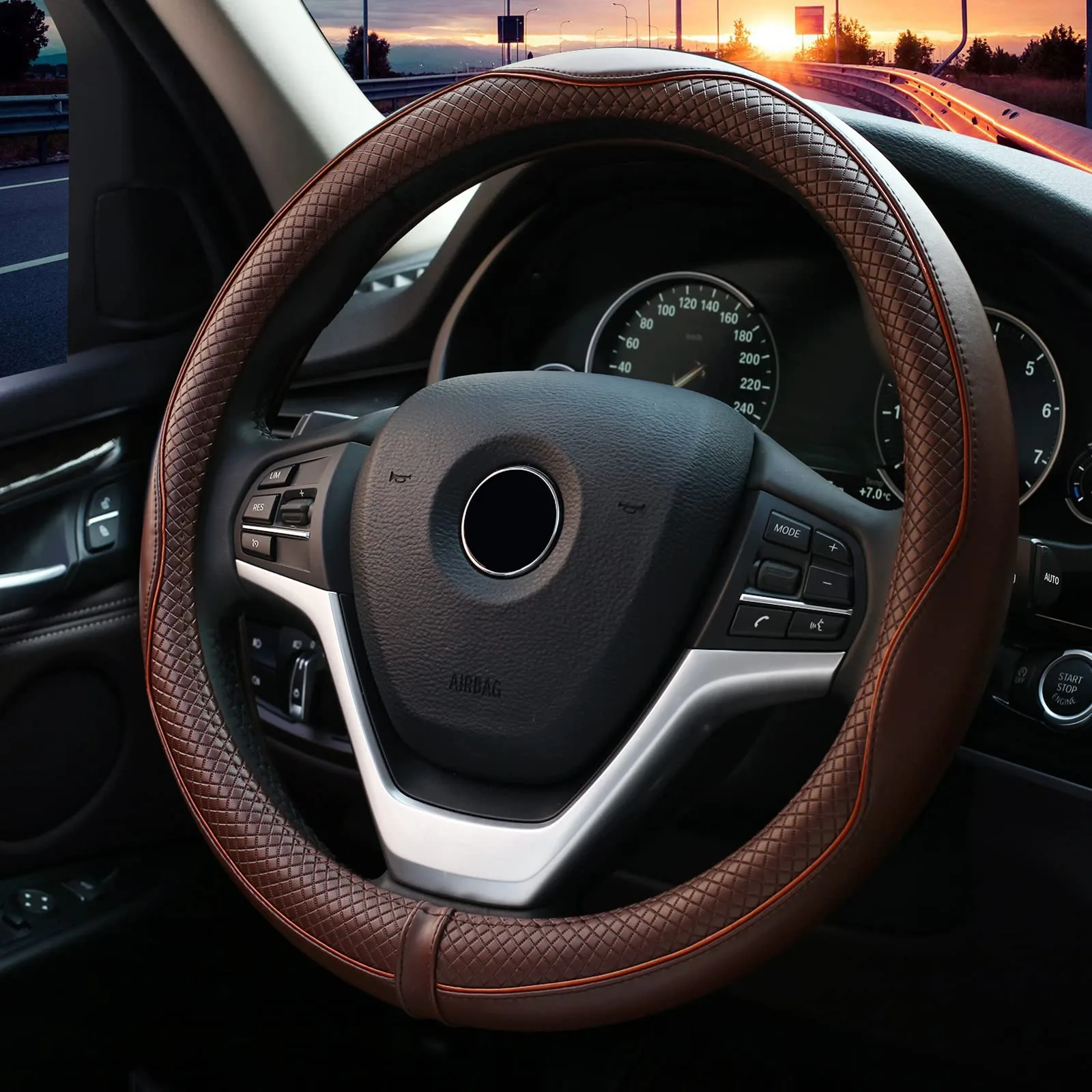
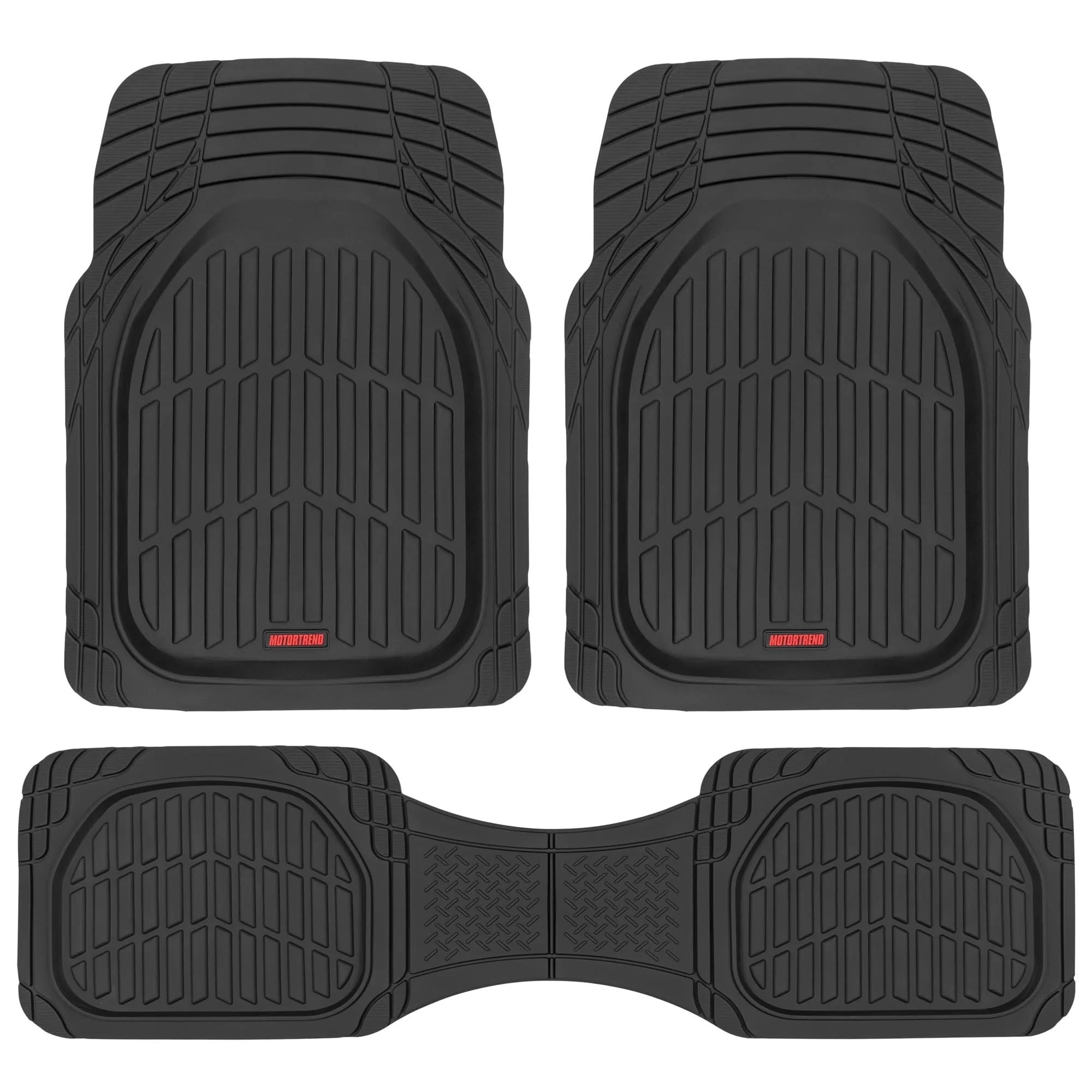
Creckk Tip: If you have purchased an electric car, check the vehicle manufacturer's recommendations before choosing Creckk accessories, including floor mats, seat covers, cleaning products or electronic accessories. Correct fit and compatibility matter more than appearance alone.
For readers tracking EV sales growth in India 2026, both categories deserve attention. Two-wheelers currently account for a larger portion of festive EV registrations, while passenger vehicle growth shows that electric cars are also an important part of the changing market.
3. Festive Offers, Lower Running Costs and Other Factors Behind EV Demand
Understanding why EV sales grew during Navratri 2026 requires looking beyond the headline percentage. Festive offers, the potential for lower running costs and improving access to charging may influence a buyer's decision, although the sales data alone cannot establish the contribution of each factor.
Festive offers: Buyers may compare discounts, exchange benefits, finance plans and manufacturer schemes when evaluating vehicles. The value of an offer depends on its eligibility conditions, duration and effect on the final on-road cost. Consumers should compare the actual payable amount rather than relying only on advertised savings.
Running costs: Electric vehicles can cost less to operate per kilometre than comparable petrol vehicles, depending on electricity tariffs, fuel prices, efficiency and charging arrangements. However, insurance, depreciation, maintenance, financing and battery-related considerations also affect total ownership costs. A buyer who travels frequently may calculate savings differently from someone who drives only occasionally.
Charging convenience: Home charging can make everyday use simpler for owners with suitable parking and electrical arrangements. Public charging access becomes more important for people who cannot charge at home or regularly travel longer distances.
Model availability: A wider choice of vehicle types, prices and features can help buyers find an EV suited to their needs. Buyers should still assess real-world range, warranty terms, service availability and charging compatibility.
September 2026 also saw strong electric vehicle sales in India, reaching a reported 3,33,634 units, up 74% year-on-year, according to FADA data reported by IBEF. The report identified festive demand, running-cost economics and wider model choice among the factors behind that month's performance.
Creckk Tip: When purchasing an EV, set aside a separate budget for practical accessories. Prioritise useful, compatible products over unnecessary add-ons, and check whether an accessory could interfere with charging equipment, sensors or vehicle safety systems.
4. India’s EV Market Outlook: Will Festive Sales Growth Continue in 2026?
The latest festive figures provide an encouraging indication of demand, but they cannot guarantee that electric vehicle sales growth during Navratri in India will continue at the same rate through the remainder of 2026. Future performance will depend on several factors, including vehicle affordability, product availability, charging infrastructure and consumer confidence.
September's reported record of 3,33,634 EV retail sales, followed by 1,17,437 registrations during Navratri, suggests that electric mobility is an increasingly significant part of India's vehicle market. These figures cover different reporting periods, so they should not be added together or treated as directly comparable monthly totals.
The next useful indicator is whether demand remains strong beyond the Navratri window. Retail data from Dhanteras, Diwali and subsequent months can help show whether buyers continue choosing EVs after the main festive purchasing period. Longer-term comparisons are also important because festival dates, the number of days covered and policy changes can affect year-on-year results.
For consumers, the market outlook should be considered alongside personal requirements. An EV may be suitable for someone with predictable daily travel and convenient charging, while another buyer may need to evaluate longer journeys, charging stops or alternative powertrains more carefully.
The wider growth of electric mobility also creates opportunities for related services, including charging, maintenance and vehicle accessories. For a marketplace such as Creckk, this trend makes it useful to provide clear product information, fitment guidance and practical recommendations for owners of electric cars.
Ultimately, sustained EV sales growth in India 2026 will depend on whether electric vehicles deliver the range, affordability, reliability and convenience buyers expect—not just whether sales rise during one festival.
Frequently Asked Questions (FAQs)
1. How much did EV sales grow during Navratri 2026?
EV sales during Navratri 2026 reached 1,17,437 units, representing a 26.78% increase compared with 92,628 units in Navratri 2025, according to FADA's provisional data.
2. Which electric vehicle category recorded the highest sales during Navratri 2026?
Electric two-wheeler sales in India recorded the highest sales volume among EV categories, with 75,758 units. Sales increased by 33.41% compared with the previous year's Navratri period.
3. Did electric car sales in India increase during Navratri 2026?
Yes. Electric car sales in India, measured as electric passenger vehicle retail sales, increased to 12,305 units, up 25.97% from 9,768 units during Navratri 2025.
4. Why did EV sales grow during Navratri 2026?
Possible contributing factors include festive purchase planning, running-cost considerations, vehicle availability and charging convenience. However, the reported sales figures do not establish the exact contribution of each factor.
5. Are electric vehicles cheaper to maintain than petrol vehicles?
Electric vehicles may have lower routine maintenance requirements because they have fewer moving parts in their drivetrains. Actual ownership costs vary by model, usage, repairs, insurance and battery warranty conditions.
6. What are the best car accessories for electric vehicle owners?
The best car accessories for electric vehicle owners may include well-fitted floor mats, seat covers, microfiber cleaning cloths and suitable car-care products. Buyers should check vehicle compatibility and follow manufacturer guidance, particularly for electronic accessories and charging equipment.
7. Where can EV owners find car accessories online?
Owners can explore online marketplaces such as Creckk accessories for car accessories. Before ordering, check product specifications, compatibility, material quality, return conditions and installation requirements.
Conclusion
The growth in EV sales during Navratri 2026 highlights the increasing importance of electric mobility in India's automotive industry. FADA's provisional figures show 1,17,437 electric vehicle retail registrations, an increase of 26.78% year-on-year. Electric two-wheelers led sales by volume, while electric passenger vehicles also recorded strong growth.
Nevertheless, one festive period cannot predict the entire market's future. Buyers should consider charging access, total ownership costs, vehicle range and after-sales support when deciding whether an EV suits their needs. Future retail data will help establish whether the festive momentum continues.
As electric vehicle ownership expands, practical accessories can also become part of the ownership experience. Creckk accessories gives car owners a marketplace to explore relevant accessories, provided they select products that fit their vehicles and meet their requirements.
For automotive readers, the key takeaway is clear: EV sales growth in India is an important market signal, but informed buying decisions and sustained demand will determine the industry's longer-term direction.