Your cart is empty
Start Shopping Exterior
›
Exterior
›
 Bumper Diffuser/Guard
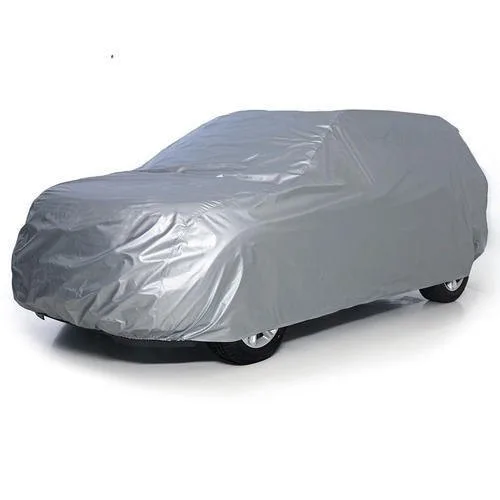 Body Covers
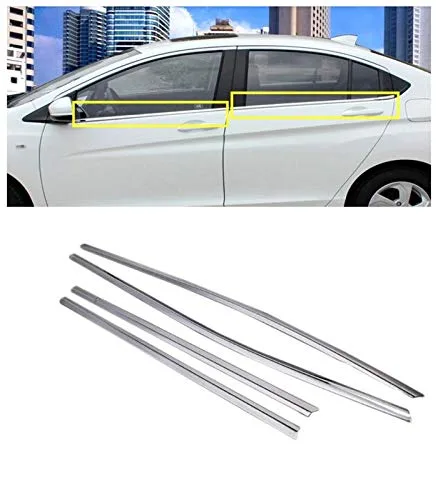 Window Garnishing
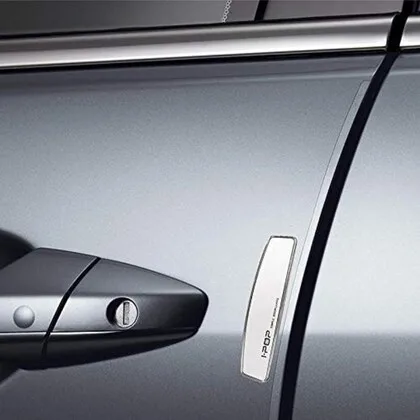 Door Guards
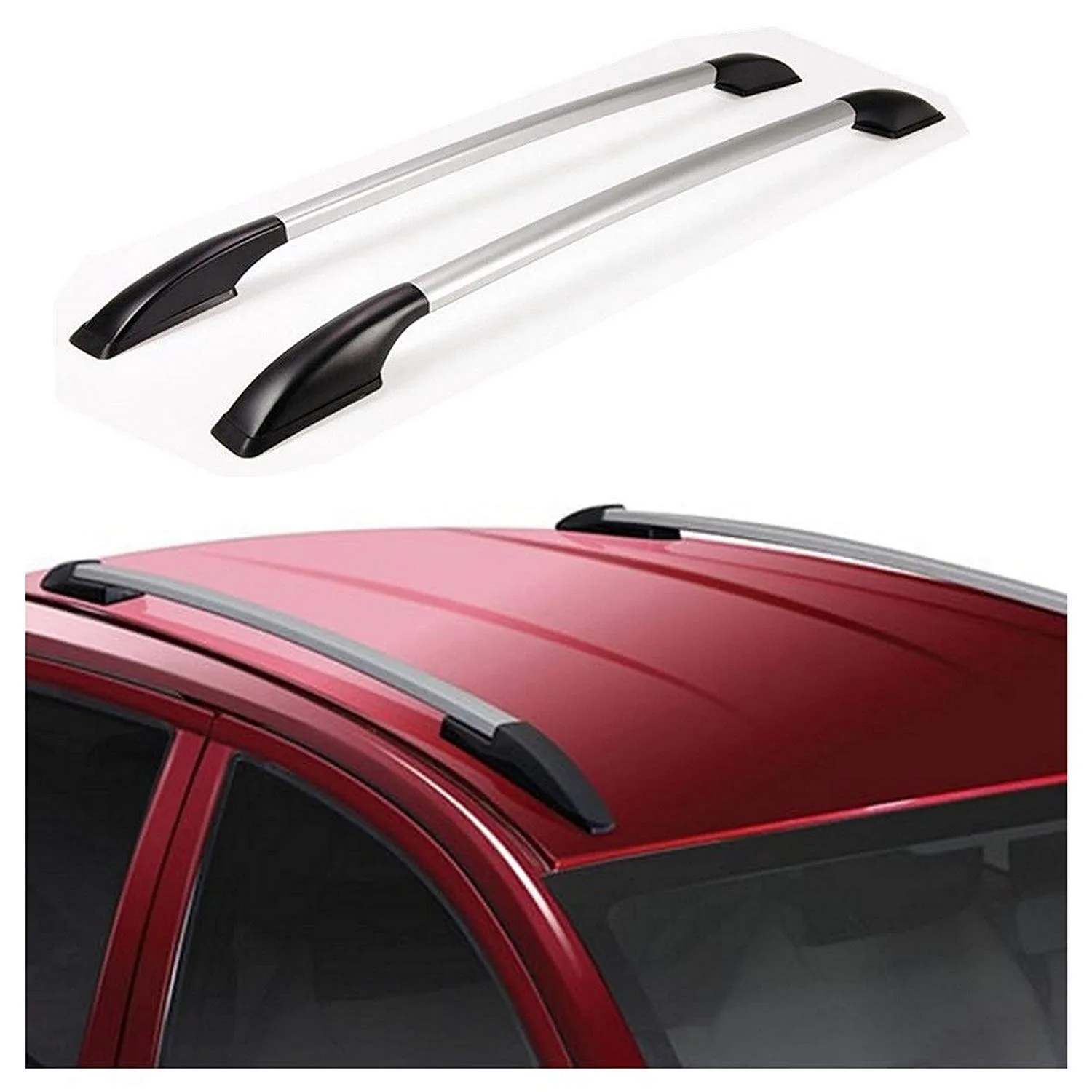 Roof Rails
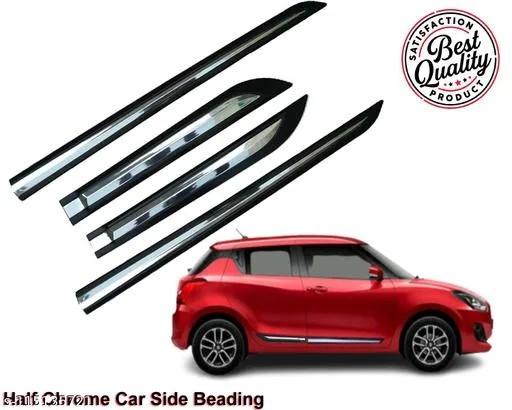 Side Beading
 Door Visor
 Mud Flap
 Wheel Cover
 Foot Rest
 Interior
›
Interior
›
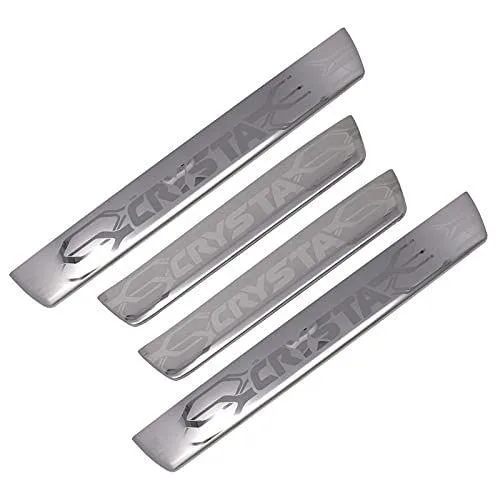 Door Scuff Sill Plates
 Window Sunshades & Film
 Armrest
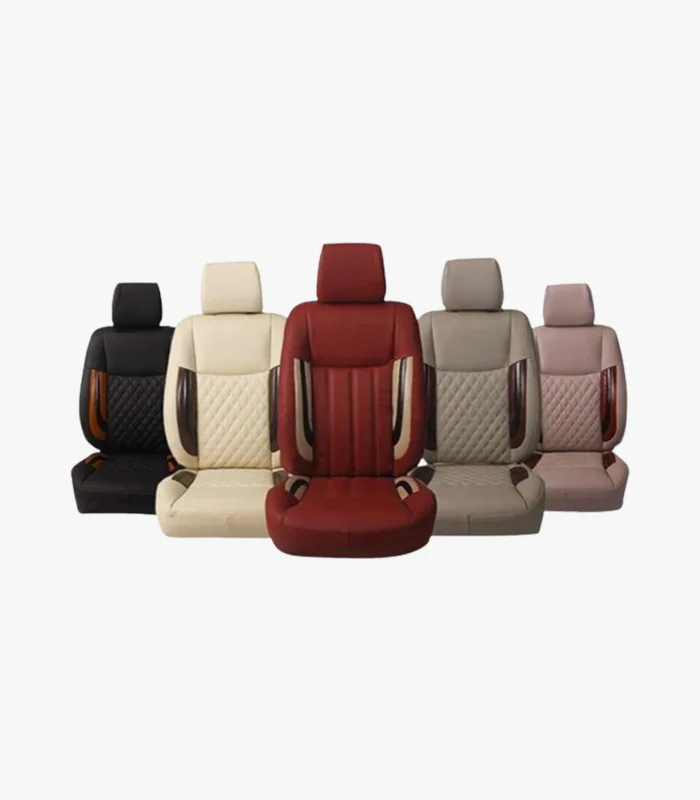 Seat Covers
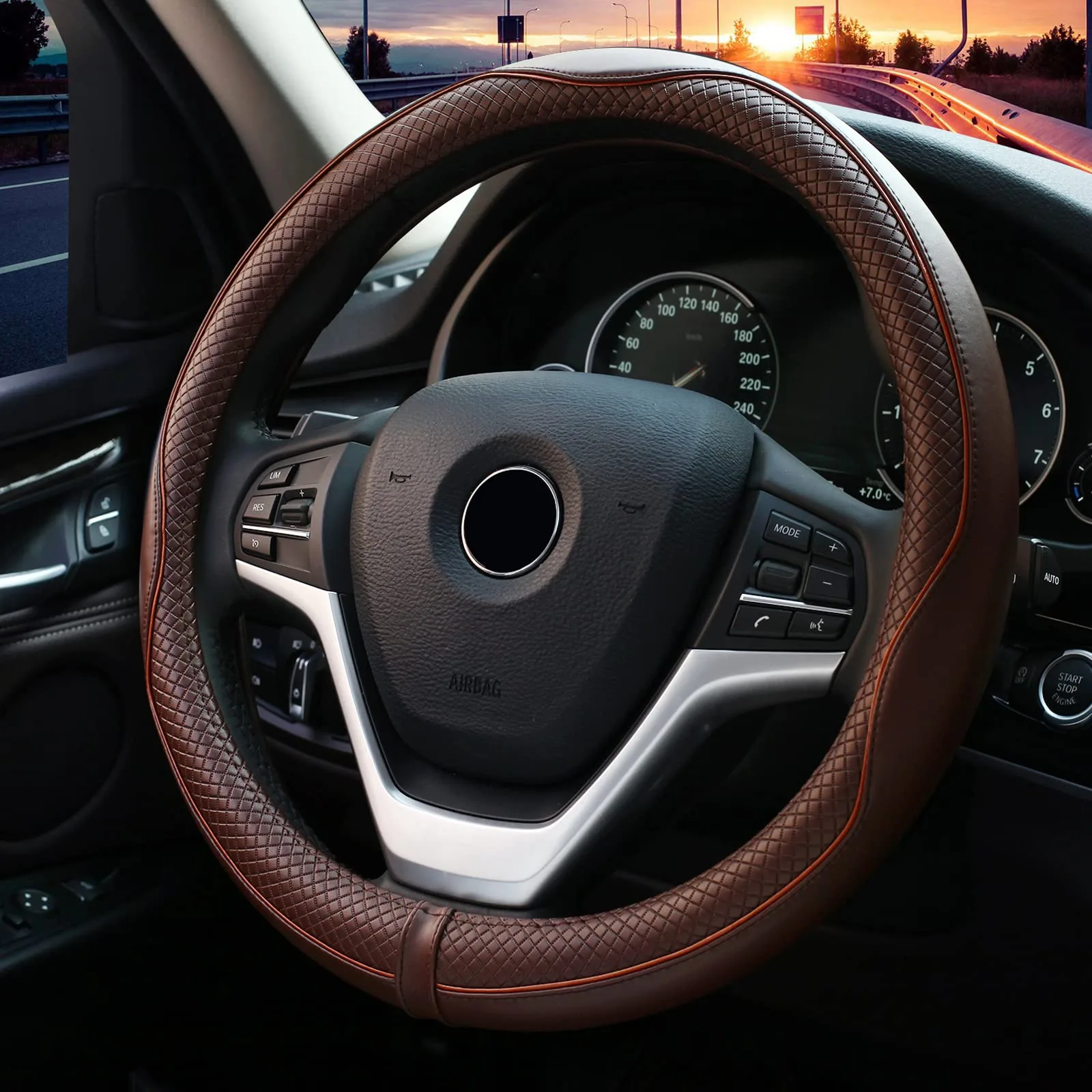 Steering Cover
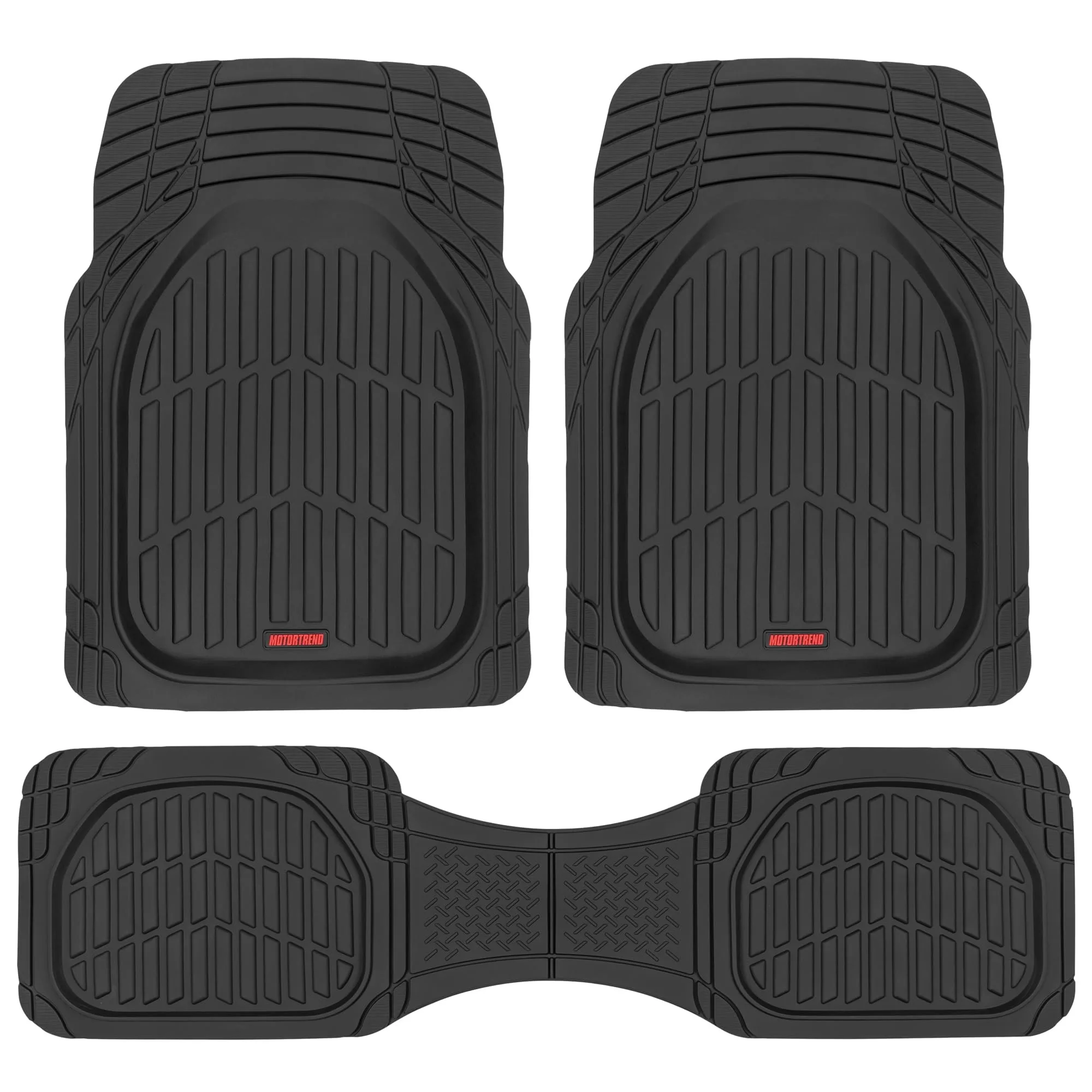 Floor Mats
 Dashboard Showpiece
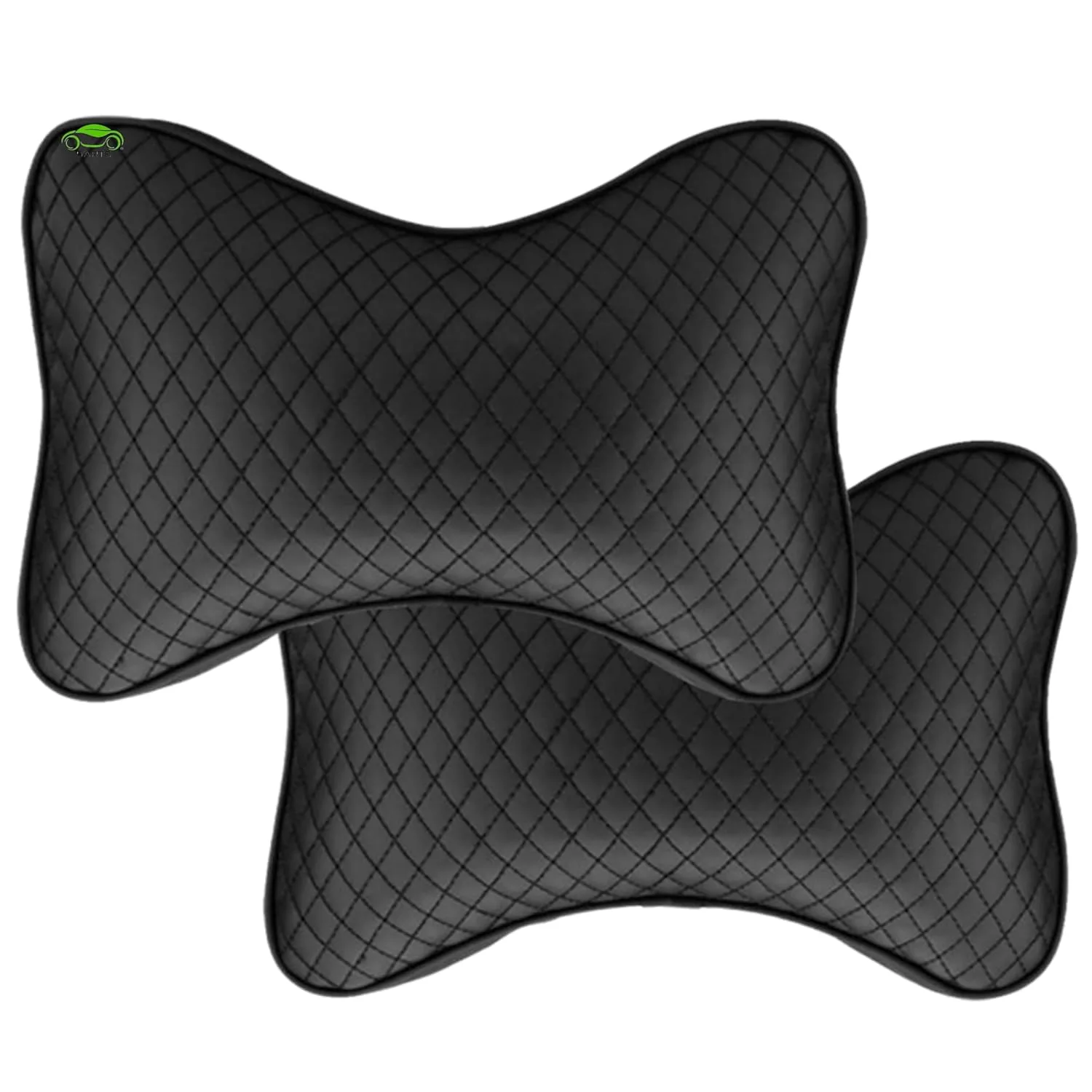 Seat & Neck Cushion
 Lighting
›
Lighting
›
 Utility
›
Utility
›
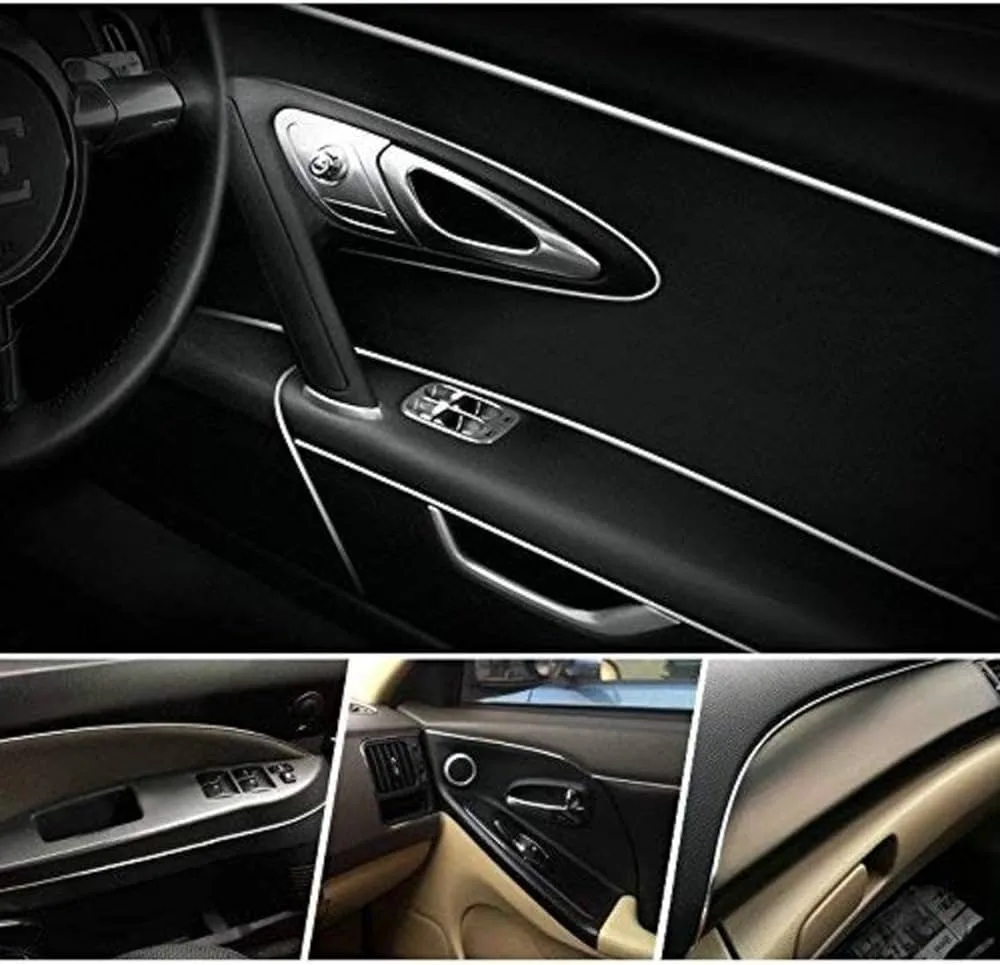 All Chrome Items
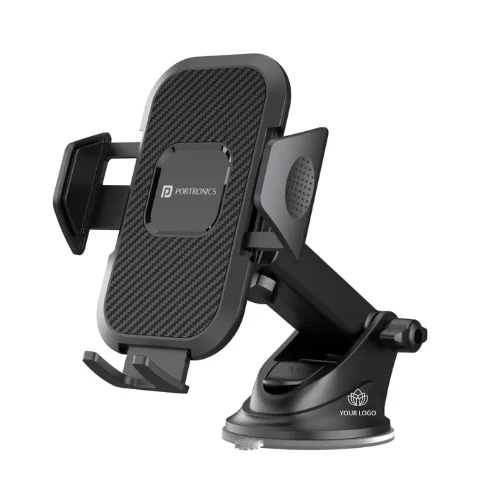 Mobile Holder
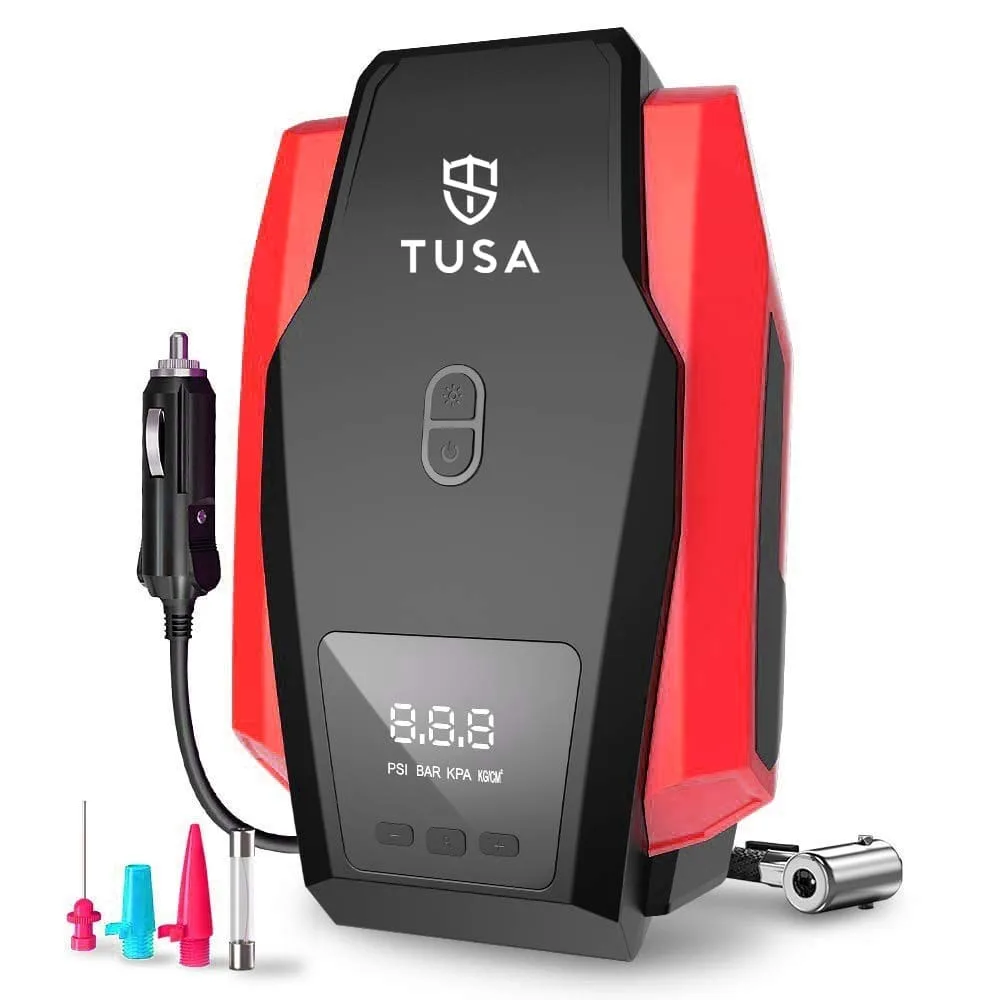 Tyre Inflators
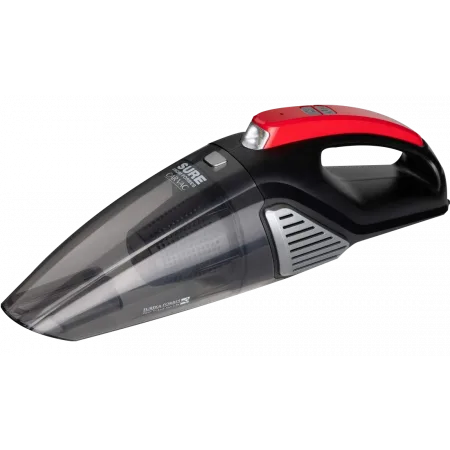 Vacuum Cleaner
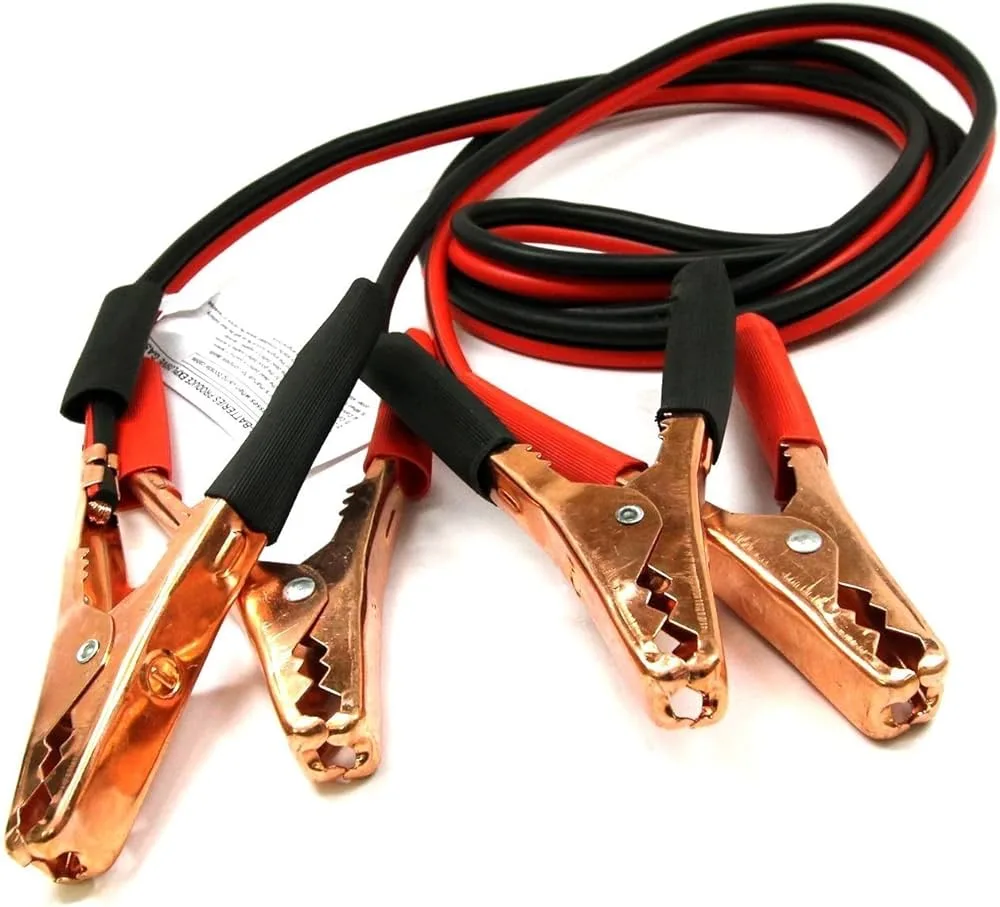 Jumper Cable
 Cleaning Kit
 Tyre Puncture Kit
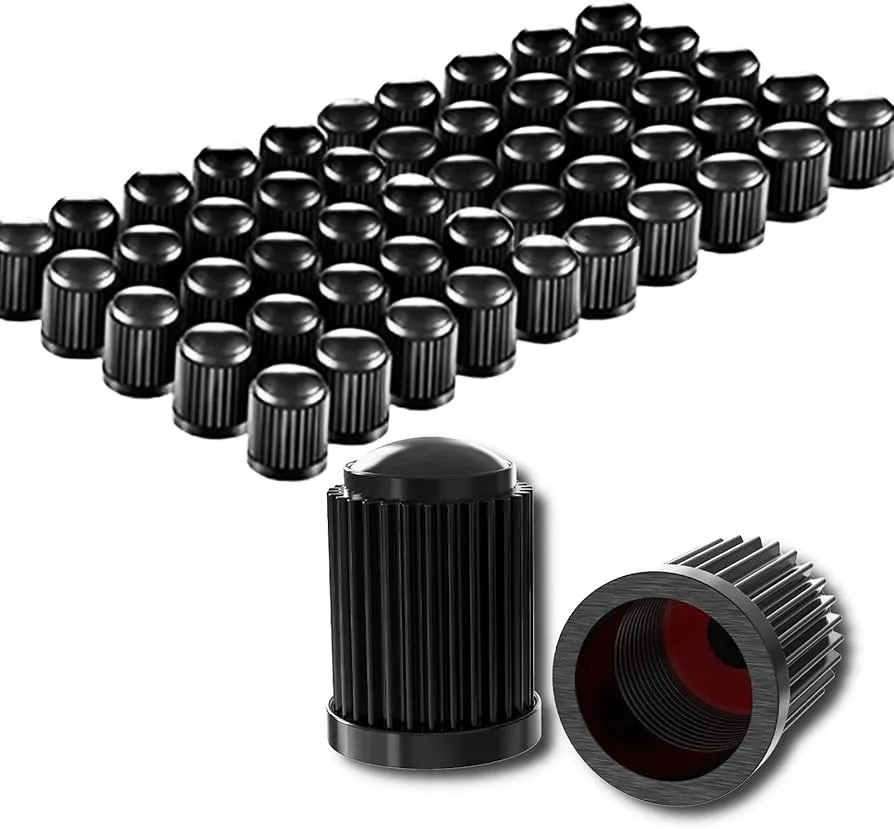 Tyre Valve Cap
 Car Fan
 Parcel Tray
 Electronic
›
Electronic
›
 Parts
›
Parts
›
 Fog Lights
 Headlights
 Tail Lights
 Steering Wheel Controls
 Sensor
 Horns
Horns
 Wiper Blade
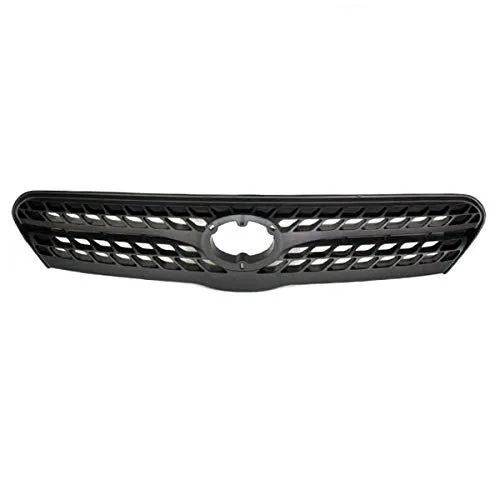 Front Grille
 Side Mirror
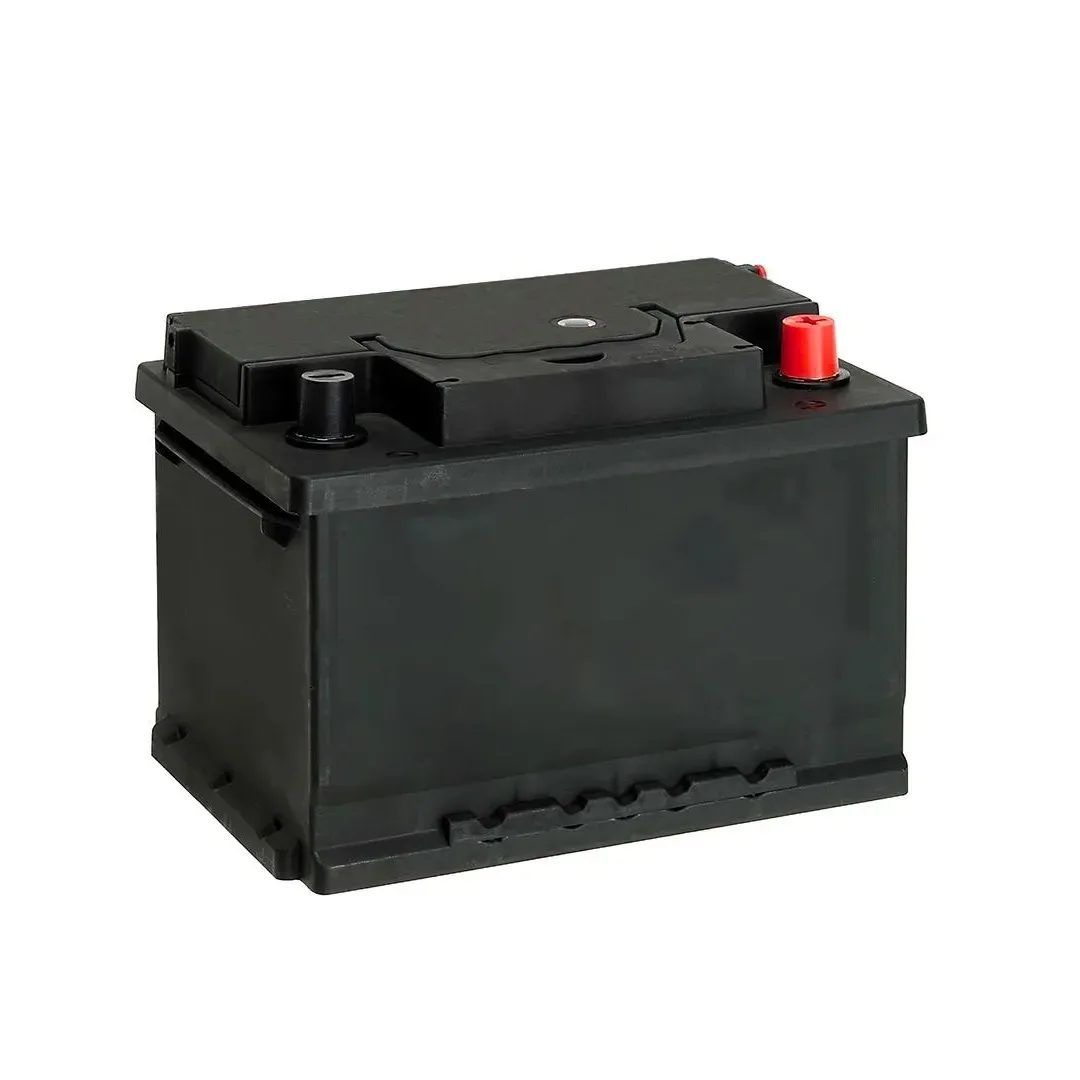 Battery
 Car Care
›
Car Care
›
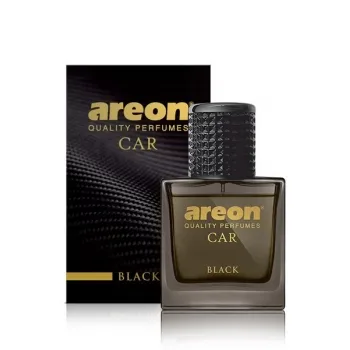 Air Freshener & Perfume
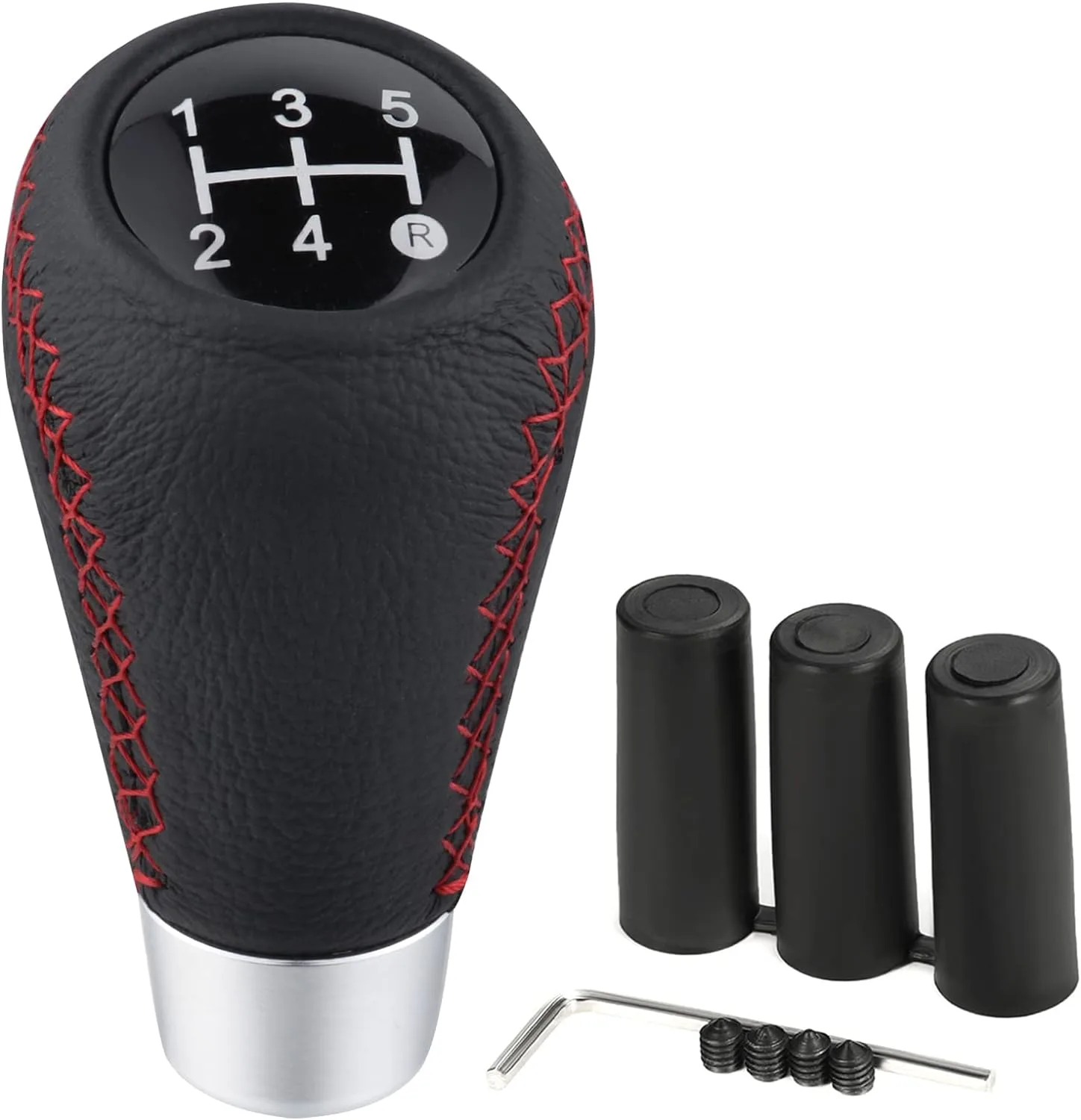 Gear knob
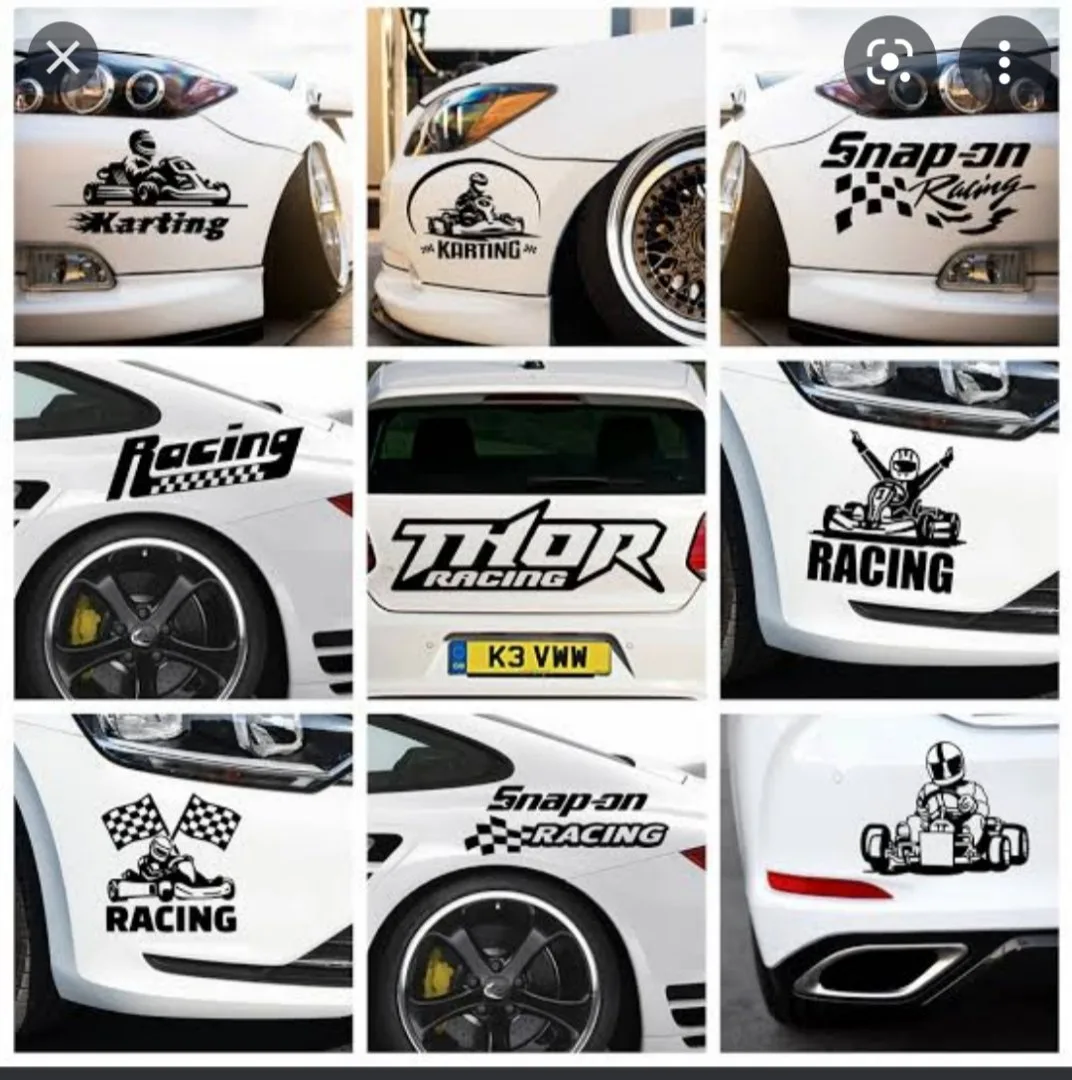 Stickers & Decals
 Blind Spot Mirror
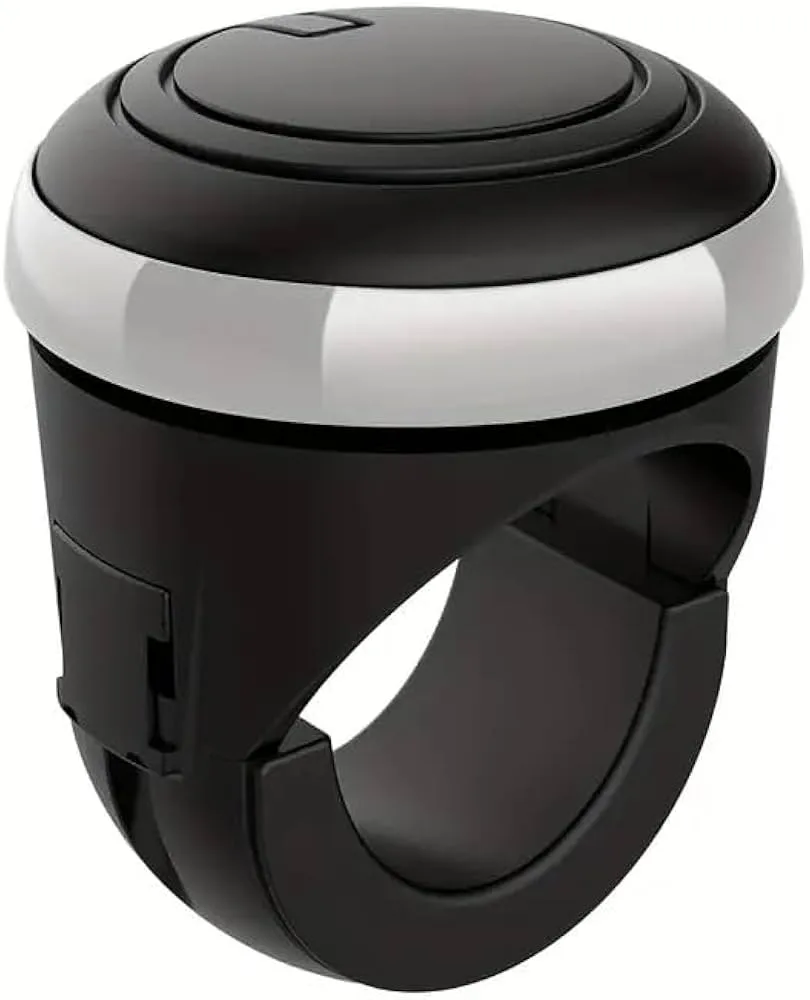 Steering Knob
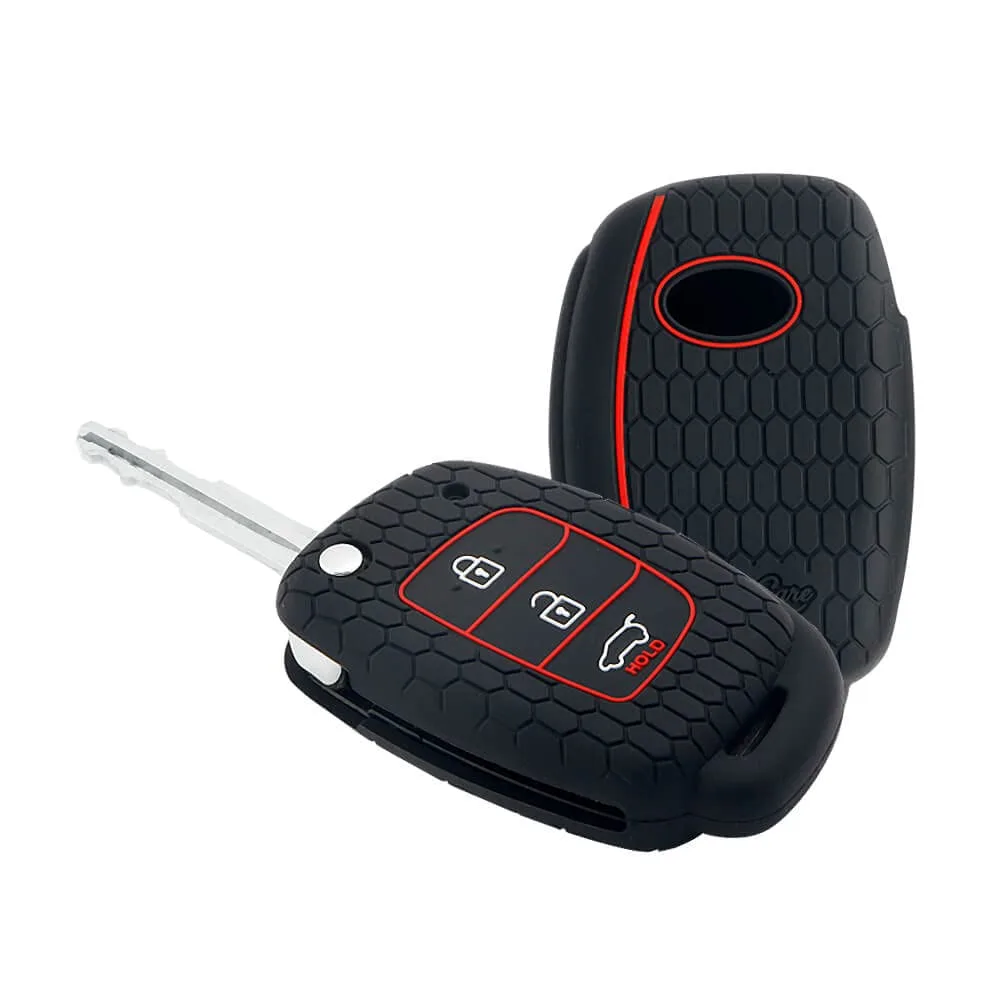 Key Covers
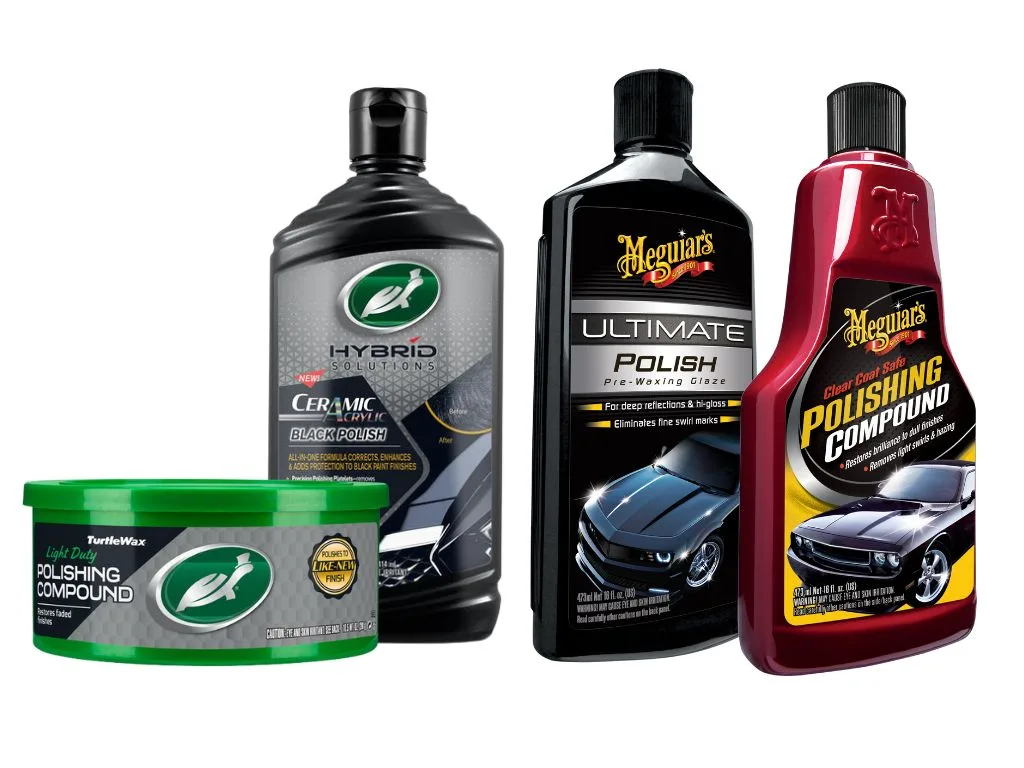 Polish & Scratch Remover
 Seat Utility Holder
 Cup Holder
 Dustbin
 Paper Napkin
 Shop By Car
›
Shop By Car
›
 Tata
›
Tata
›
 Maruti Suzuki
›
Maruti Suzuki
›
 Hyundai
›
Hyundai
›
 Toyota
›
Toyota
›
 Mahindra
›
Mahindra
›
 Honda
›
Honda
›
 Ford
›
Ford
›
 Nissan
›
Nissan
›
 Renault
›
Renault
›
 Skoda
›
Skoda
›
 Volkswagen
›
Volkswagen
›
 Morris Garages - MG
›
Morris Garages - MG
›
 KIA
›
KIA
›
 Jeep
›
Jeep
›
 Citroen
›
Citroen
›
 Datsun
›
Datsun
›
 Chevrolet
›
Chevrolet
›
 Isuzu
›
Isuzu
›
 Mitsubishi
›
Mitsubishi
›
 AUDI
›
AUDI
›
 BMW
›
BMW
›
 Mercedes
›
Mercedes
›
 Land Rover
›
Land Rover
›
 Jaguar
›
Jaguar
›
 Volvo
›
Volvo
›
 FIAT
›
FIAT
›
 Mini Cooper
›
Mini Cooper
›
 Porsche
›
Porsche
›
 Lexus
›
Citron
›
Fors
›
Morris Garages
›
MG
›
Lexus
›
Citron
›
Fors
›
Morris Garages
›
MG
›
 Nexon
Nexon
 Harrier
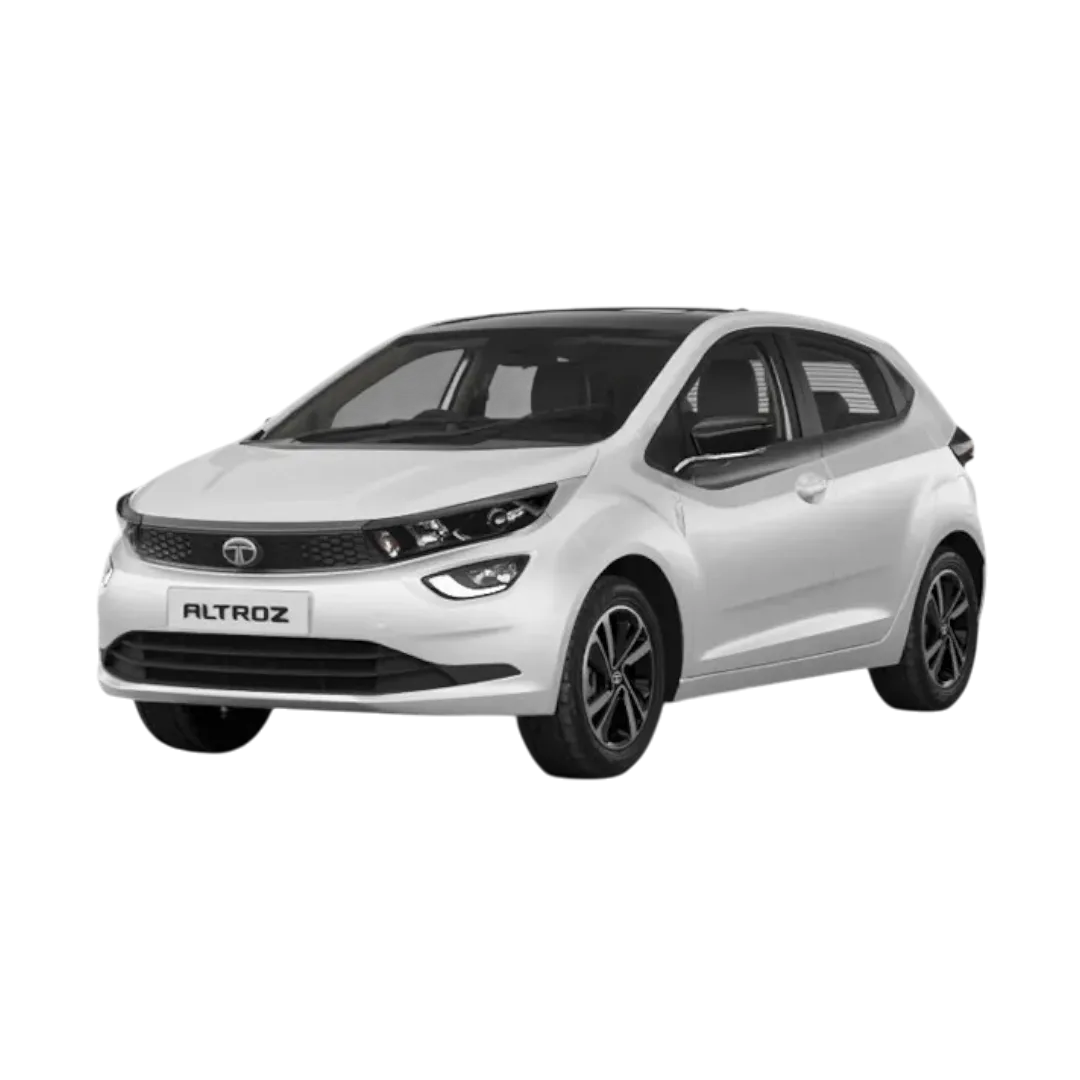 Altroz
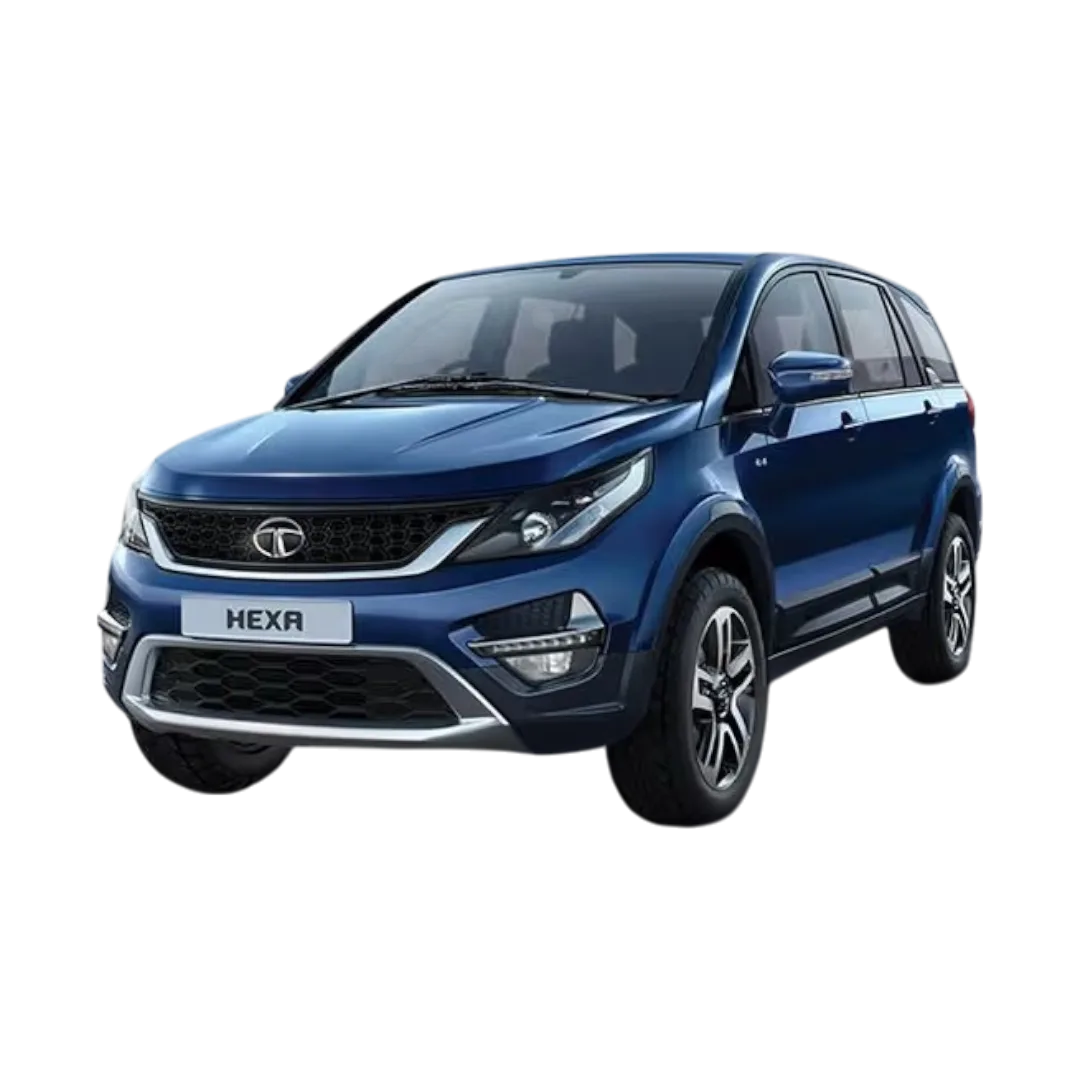 Hexa
Hexa
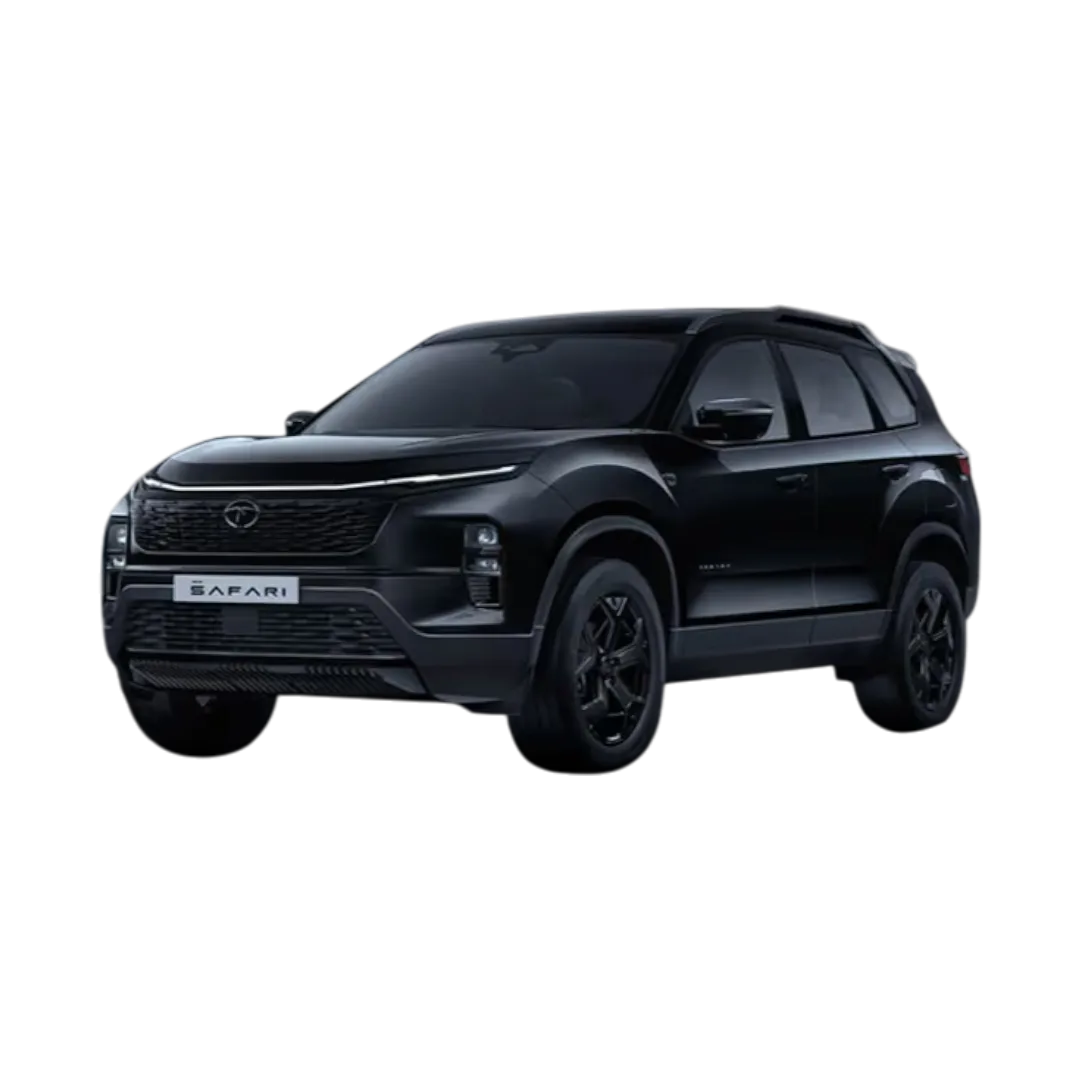 Safari
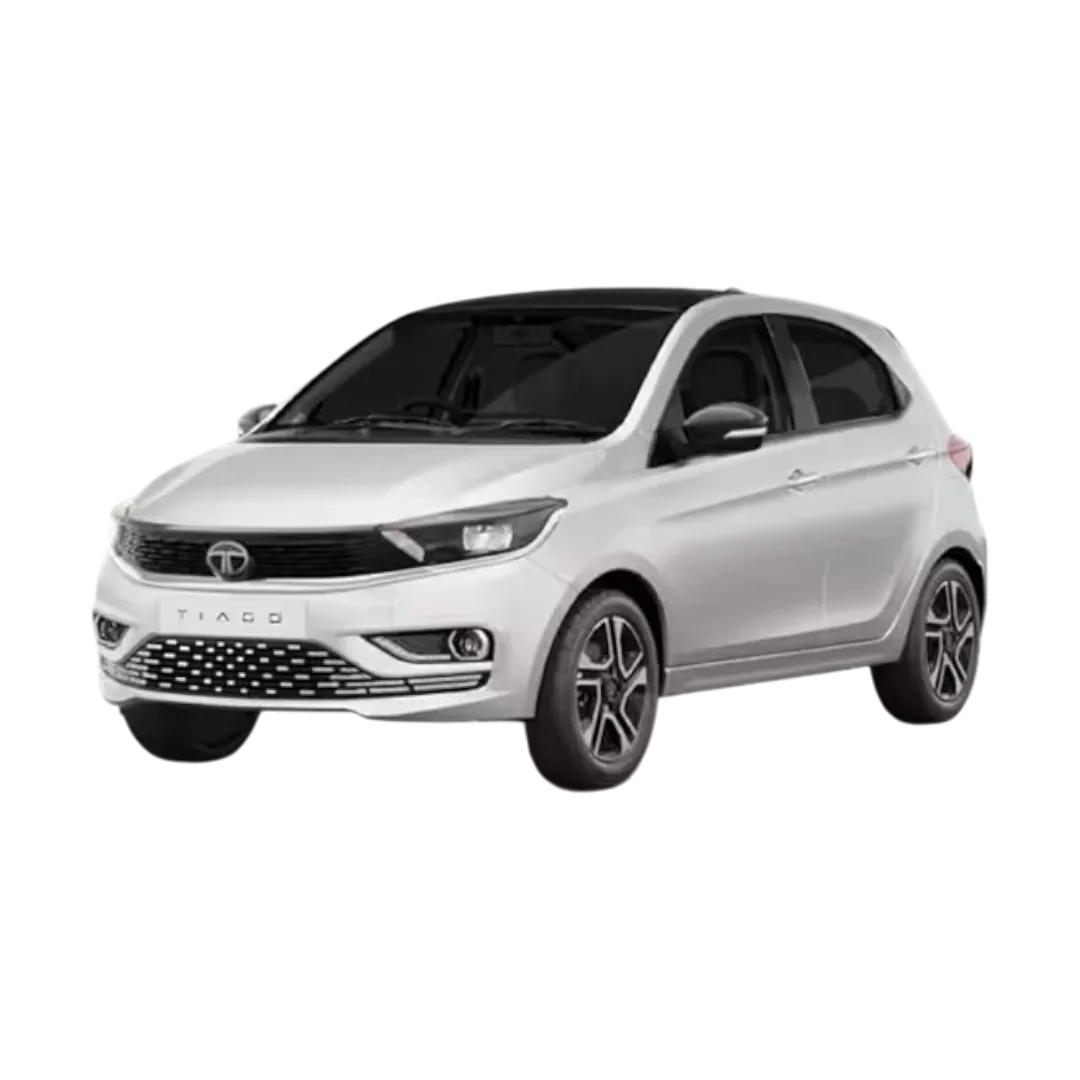 Tiago
Tiago
 Punch
Punch
 Tigor
Tigor
 Sumo
Sumo
 Winger
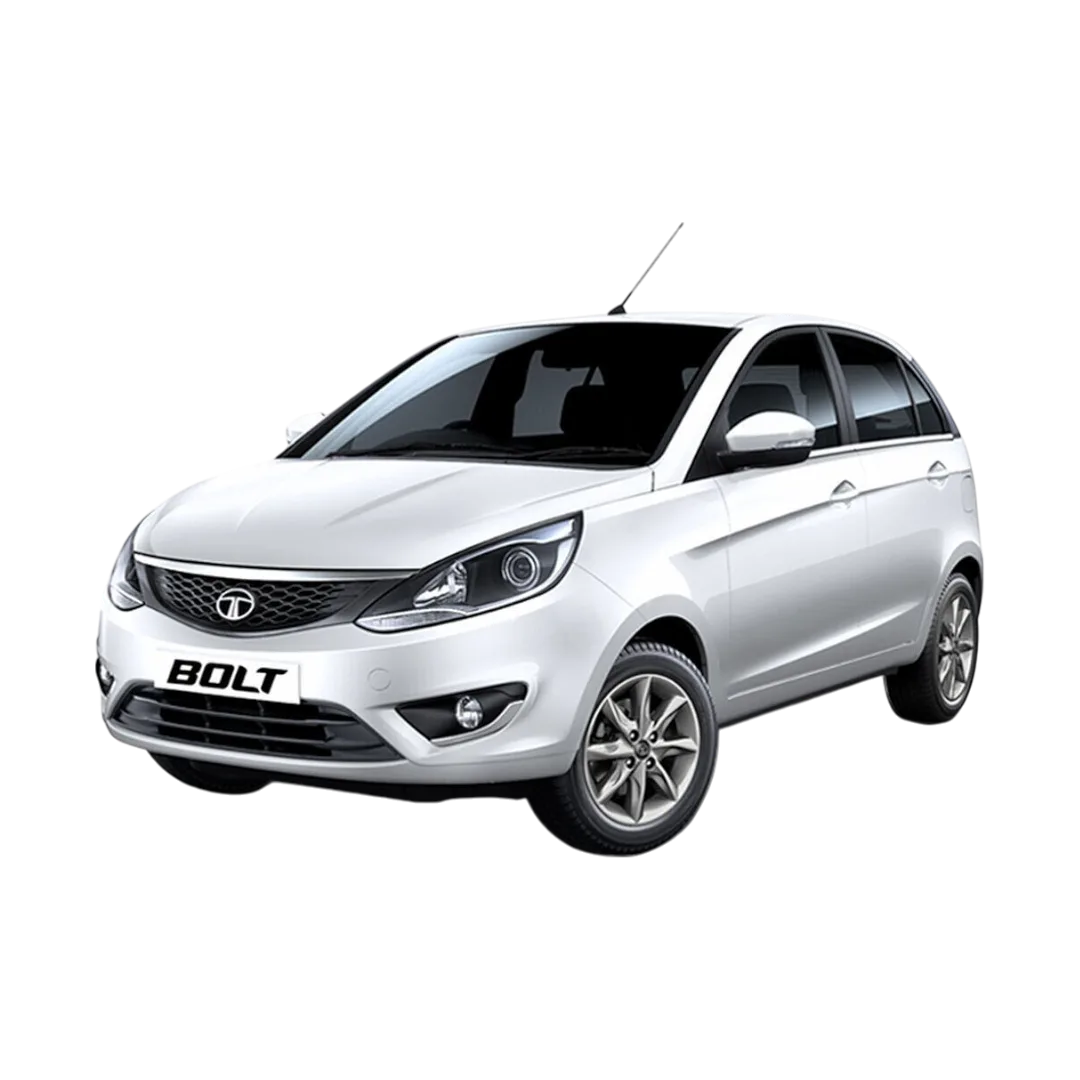 Bolt
Bolt
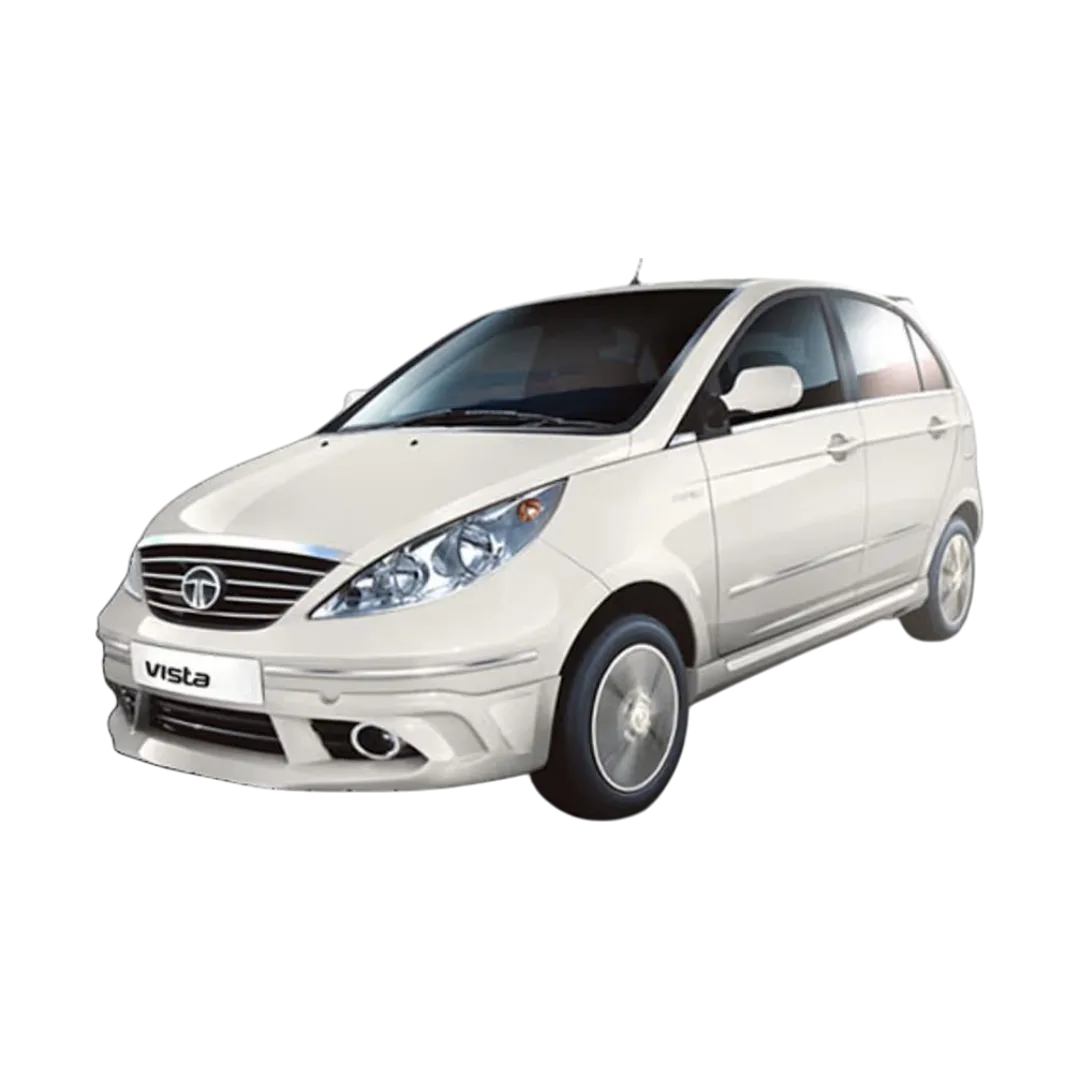 Vista
Vista
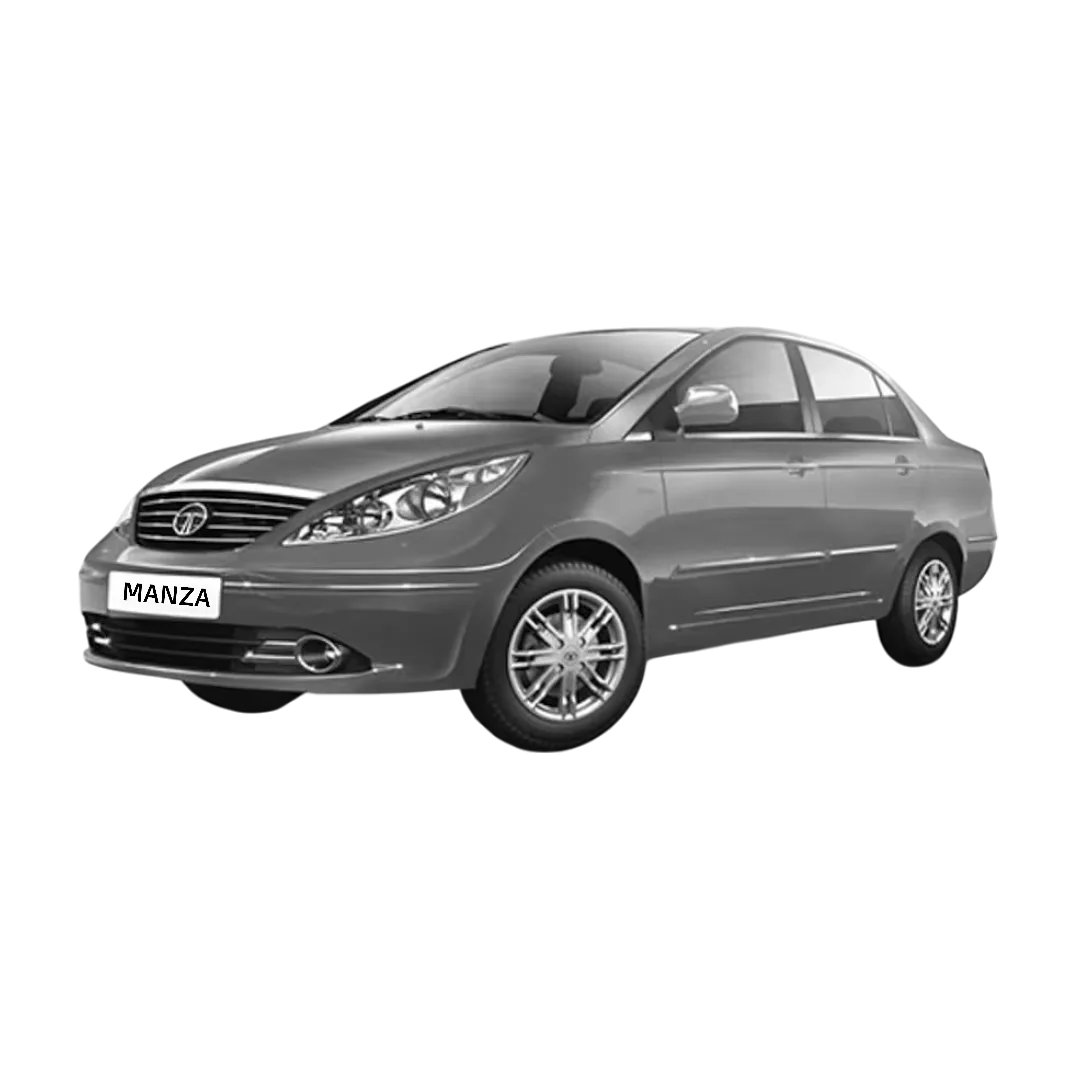 Manza
Manza
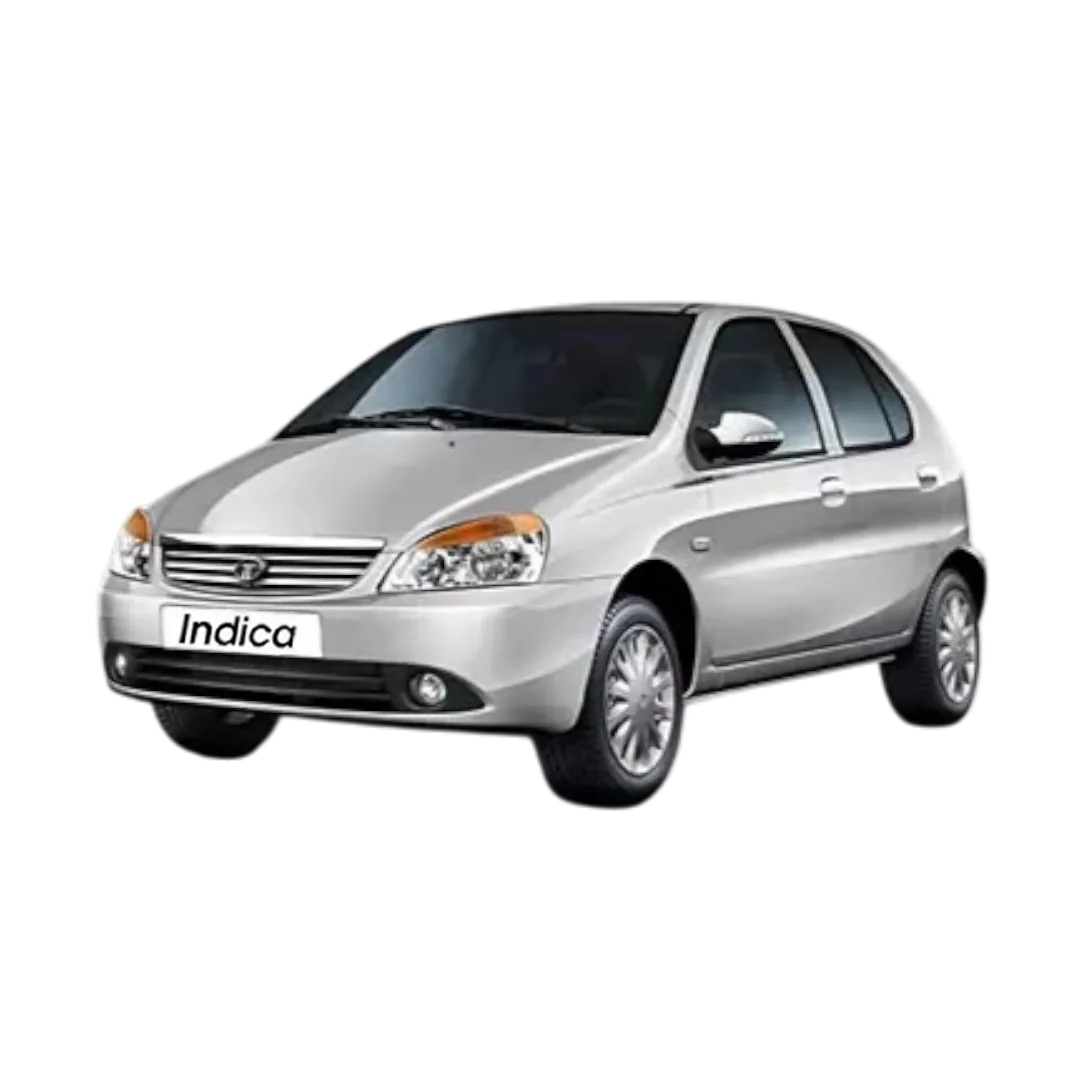 Indica
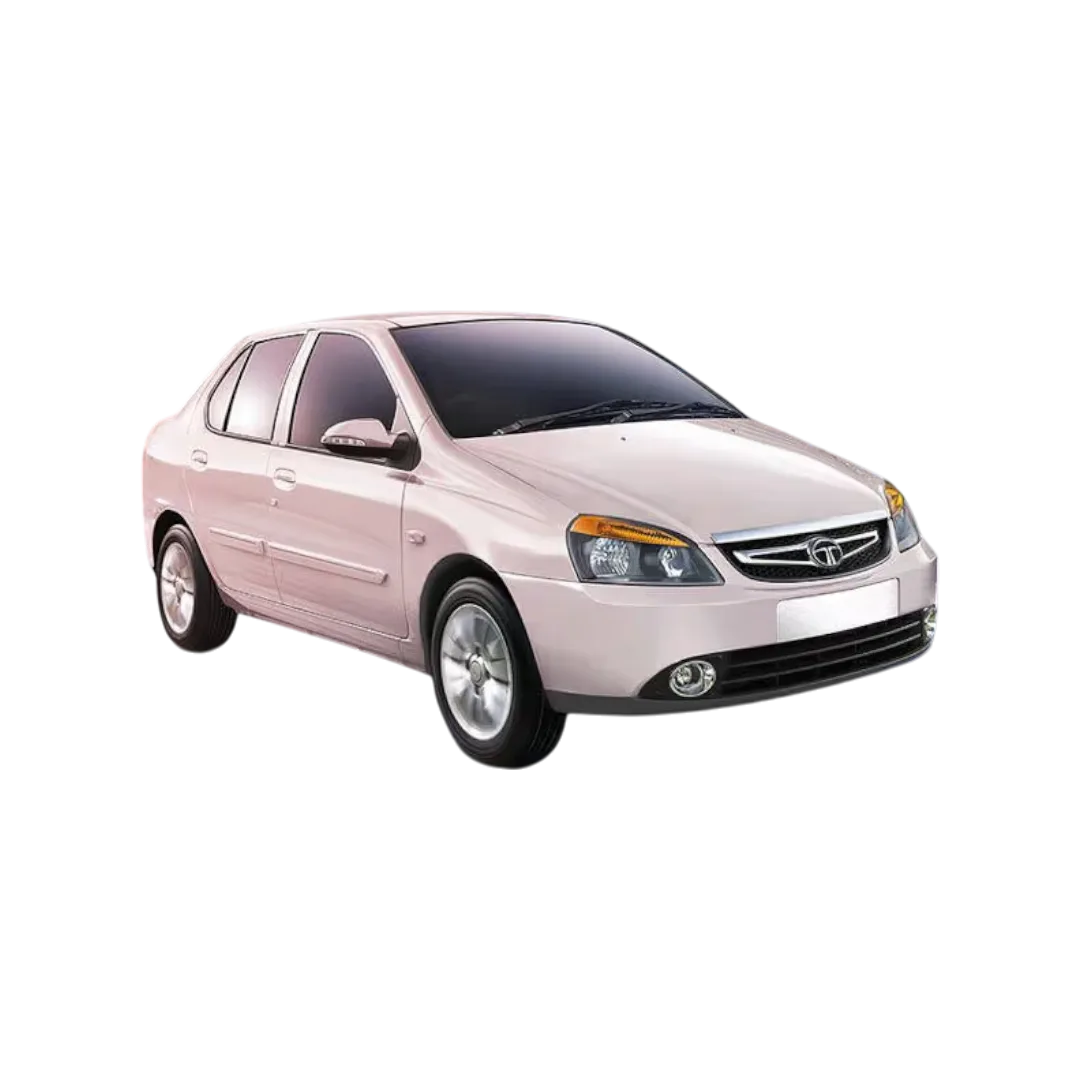 Indigo
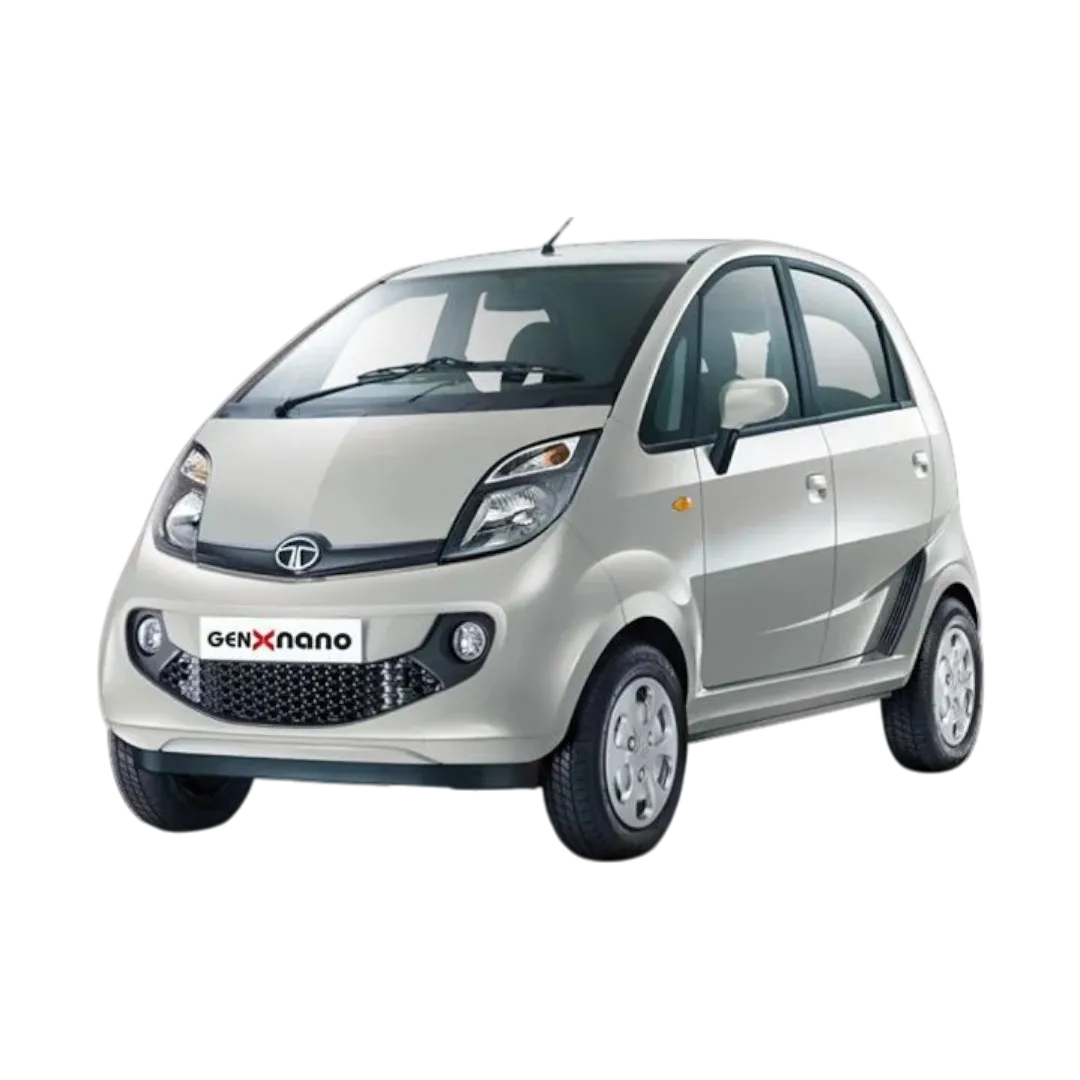 Nano
Nano
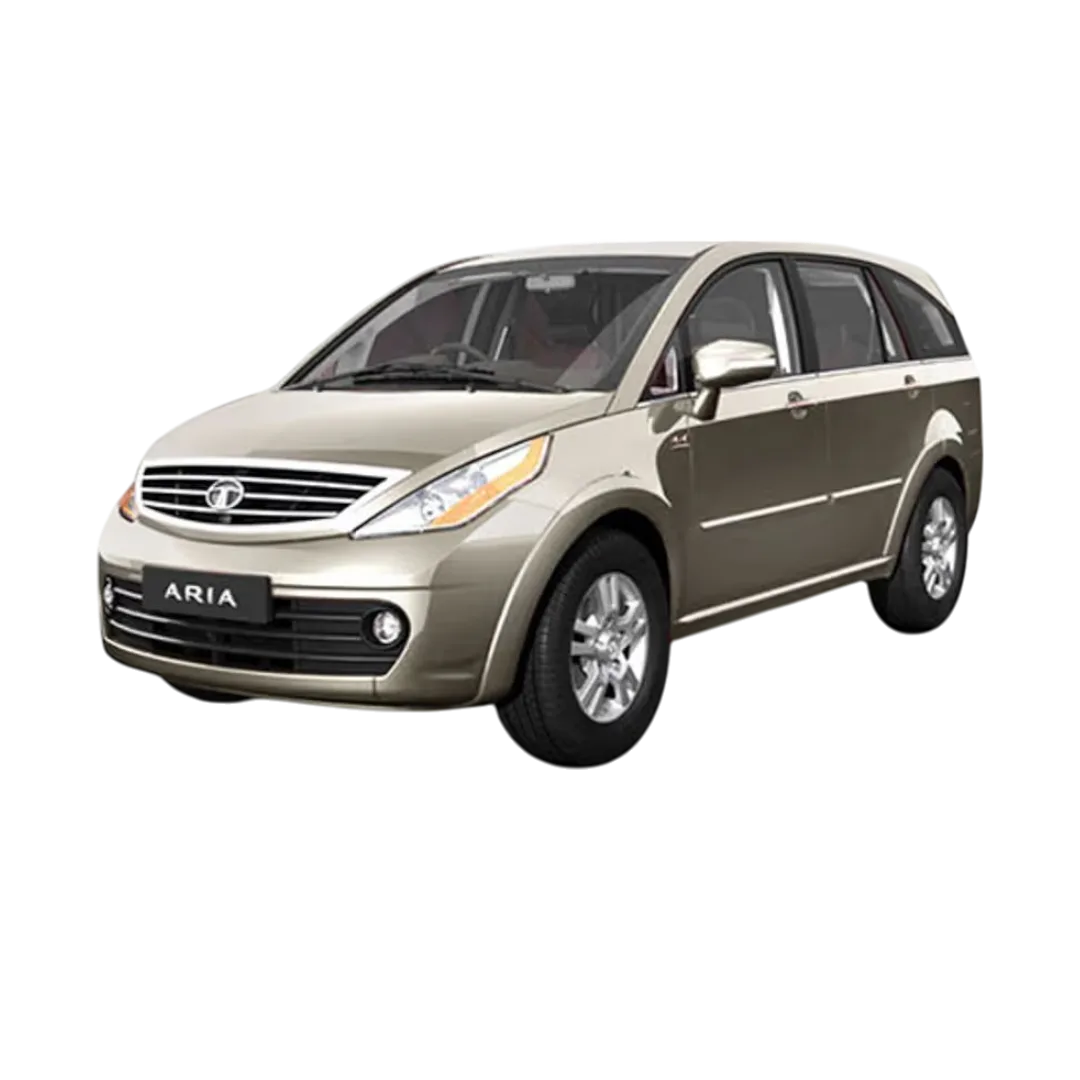 Aria
Aria
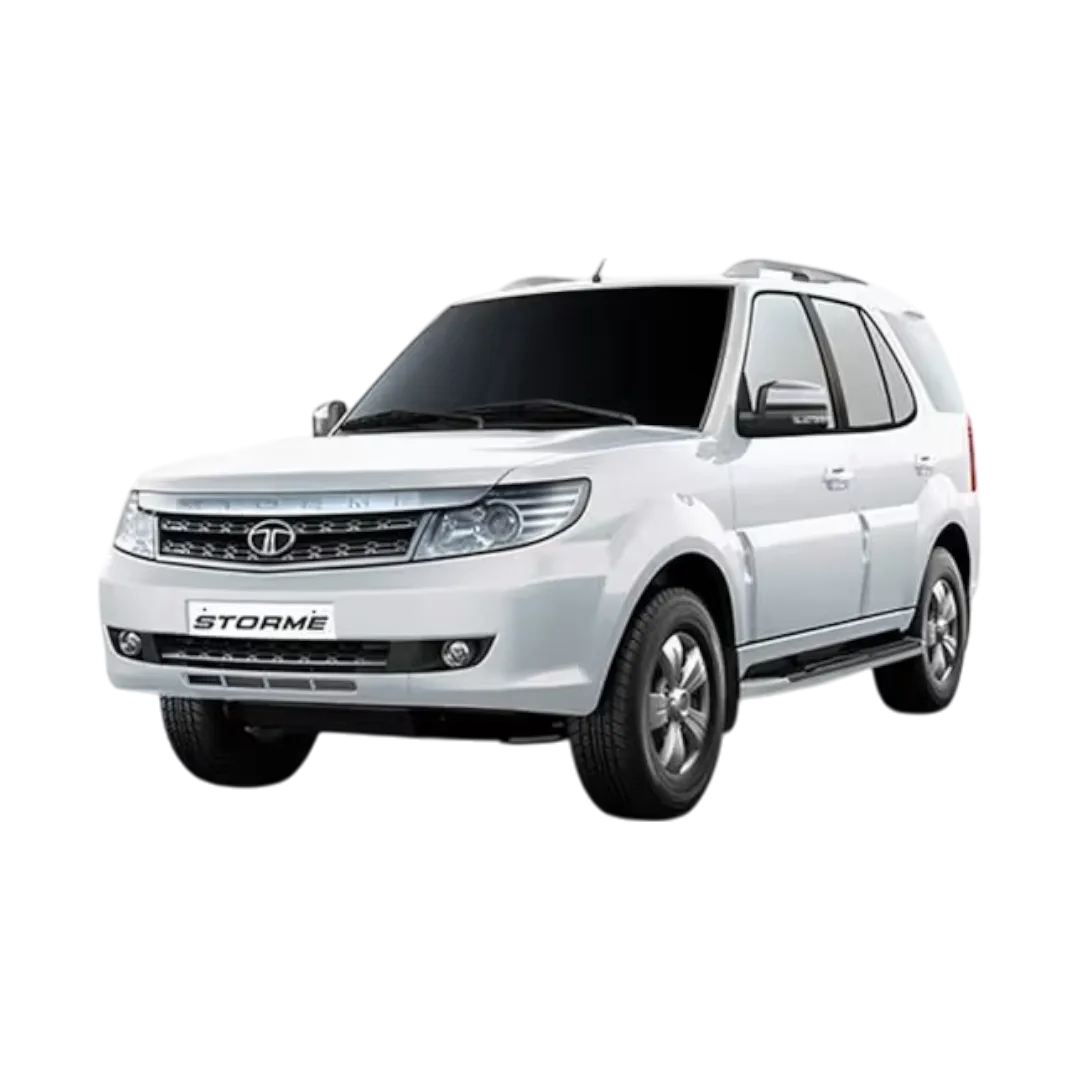 Safari Storme
 Zest
Zest
 NEXON EV Max
 NEXON EV Prime
 Tiago NRG
 Tigor EV
INDICA VISTA
Curvv
Sierra
Magic
Tigor EV
INDICA VISTA
Curvv
Sierra
Magic
 Ciaz
Ciaz
 S-Presso
 Eeco/Versa
 WagonR
 Brezza
 Swift
Swift
 Dzire
Dzire
 Baleno
 Ertiga
 Grand Vitara
 S-Cross
 Jimny
Jimny
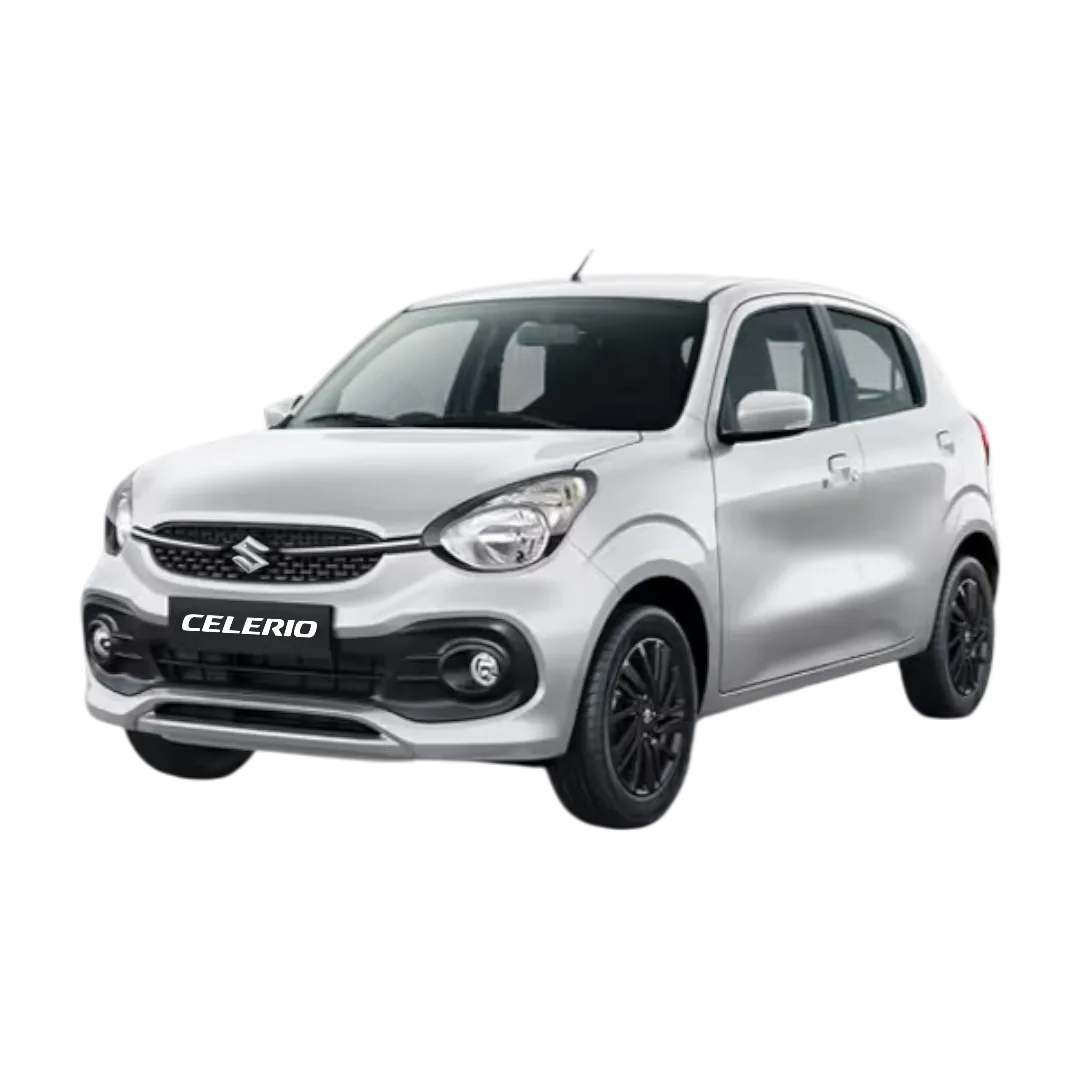 Celerio
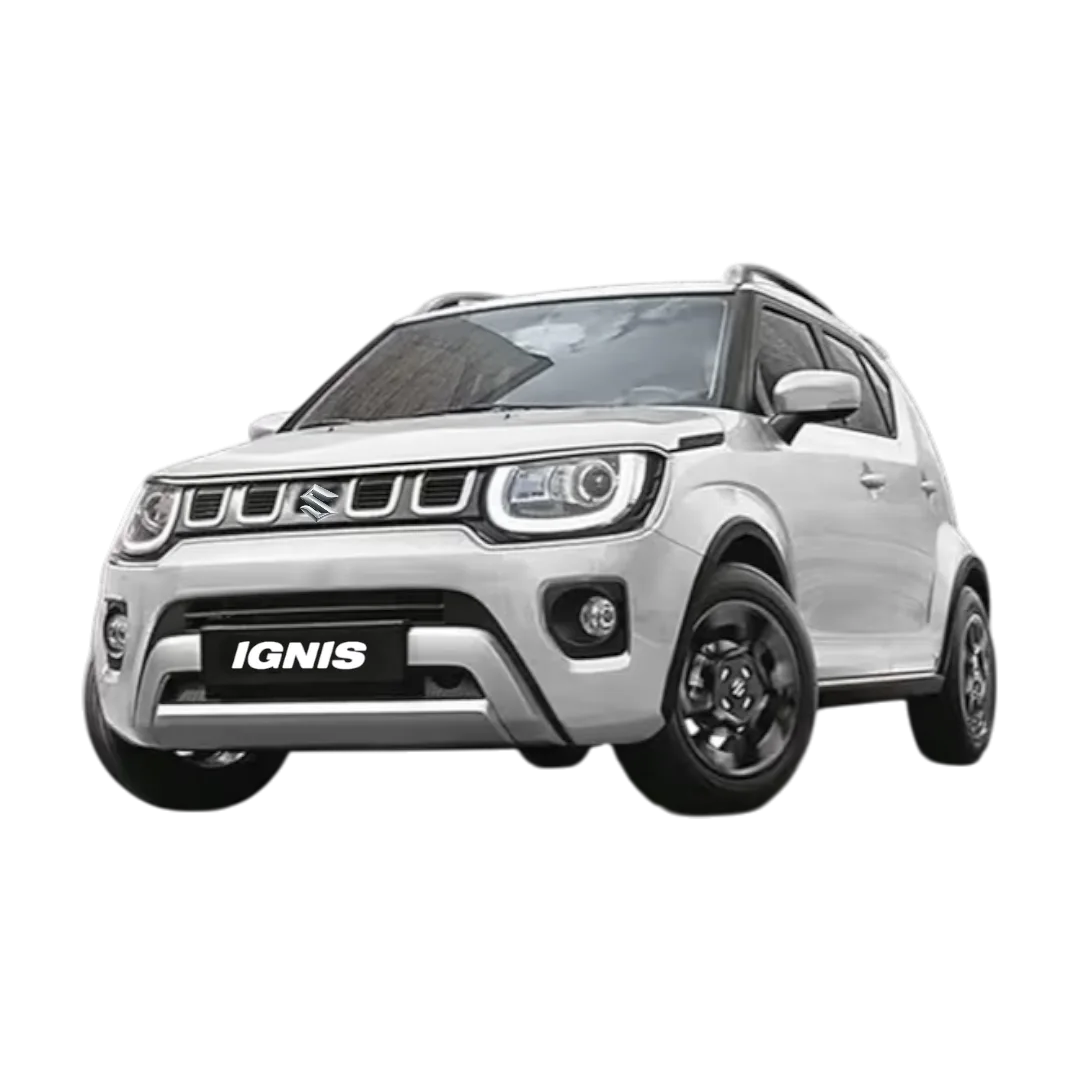 Ignis
Ignis
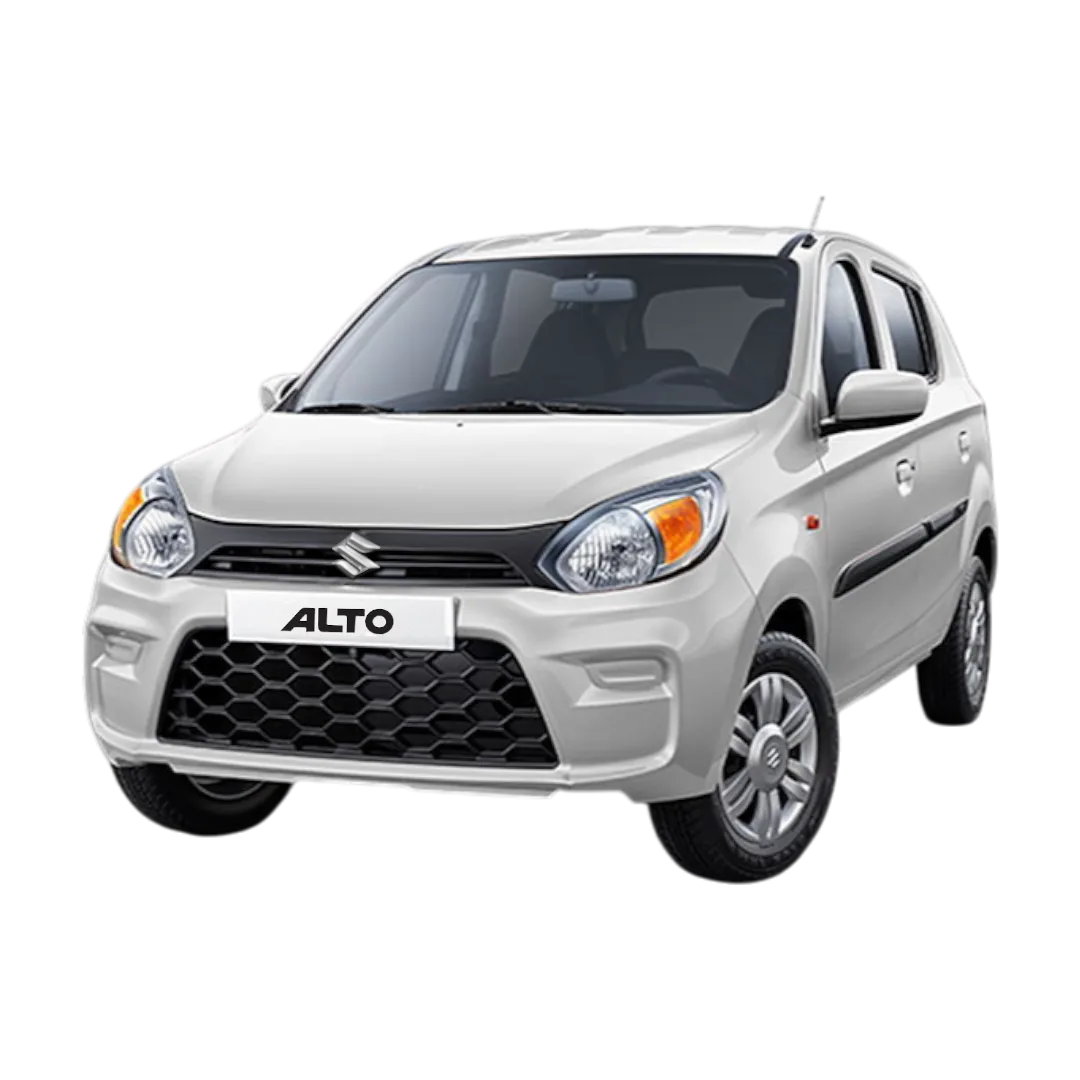 Alto 800
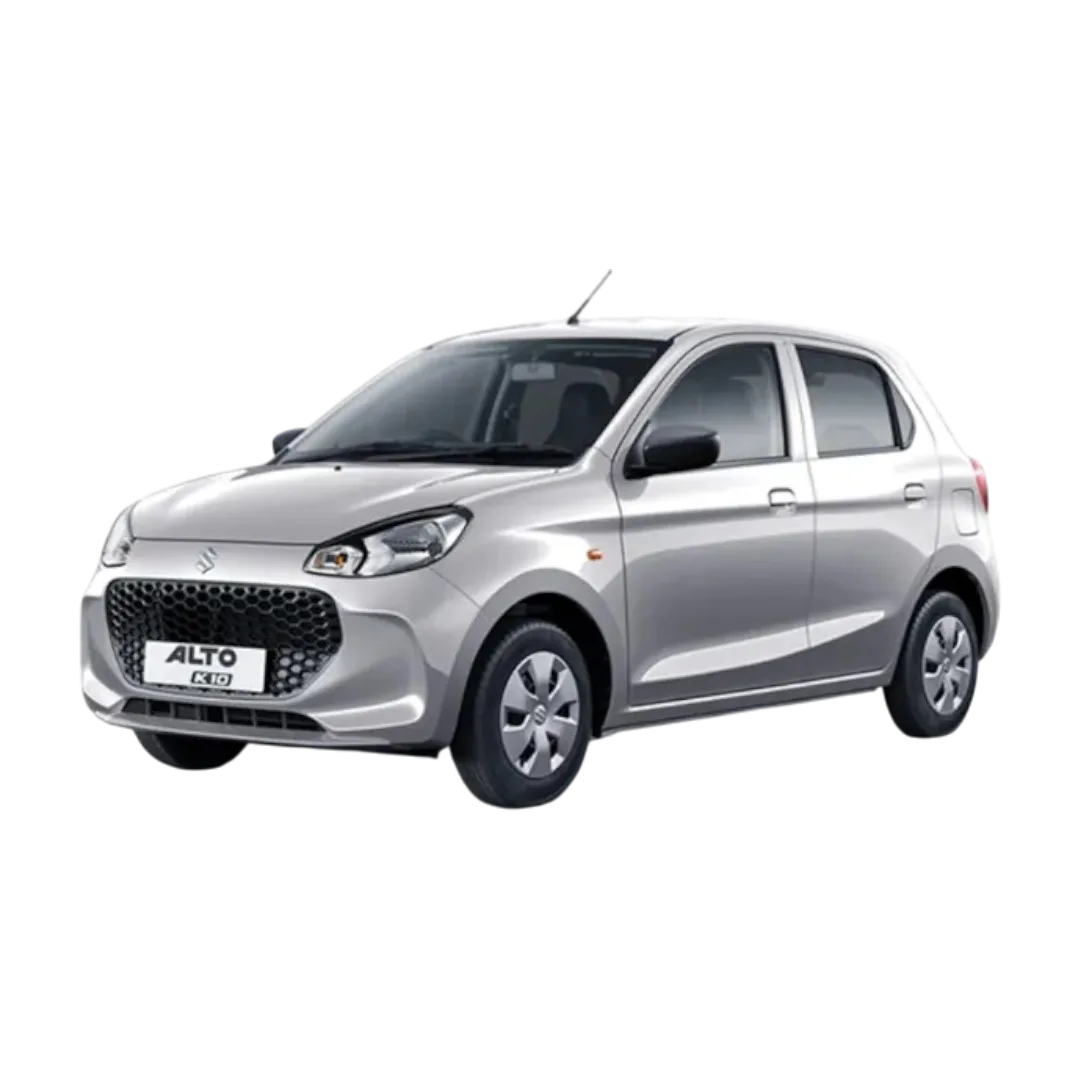 Alto K10
 XL6
XL6
 Omni
Omni
 SX4
SX4
 Gypsy
Gypsy
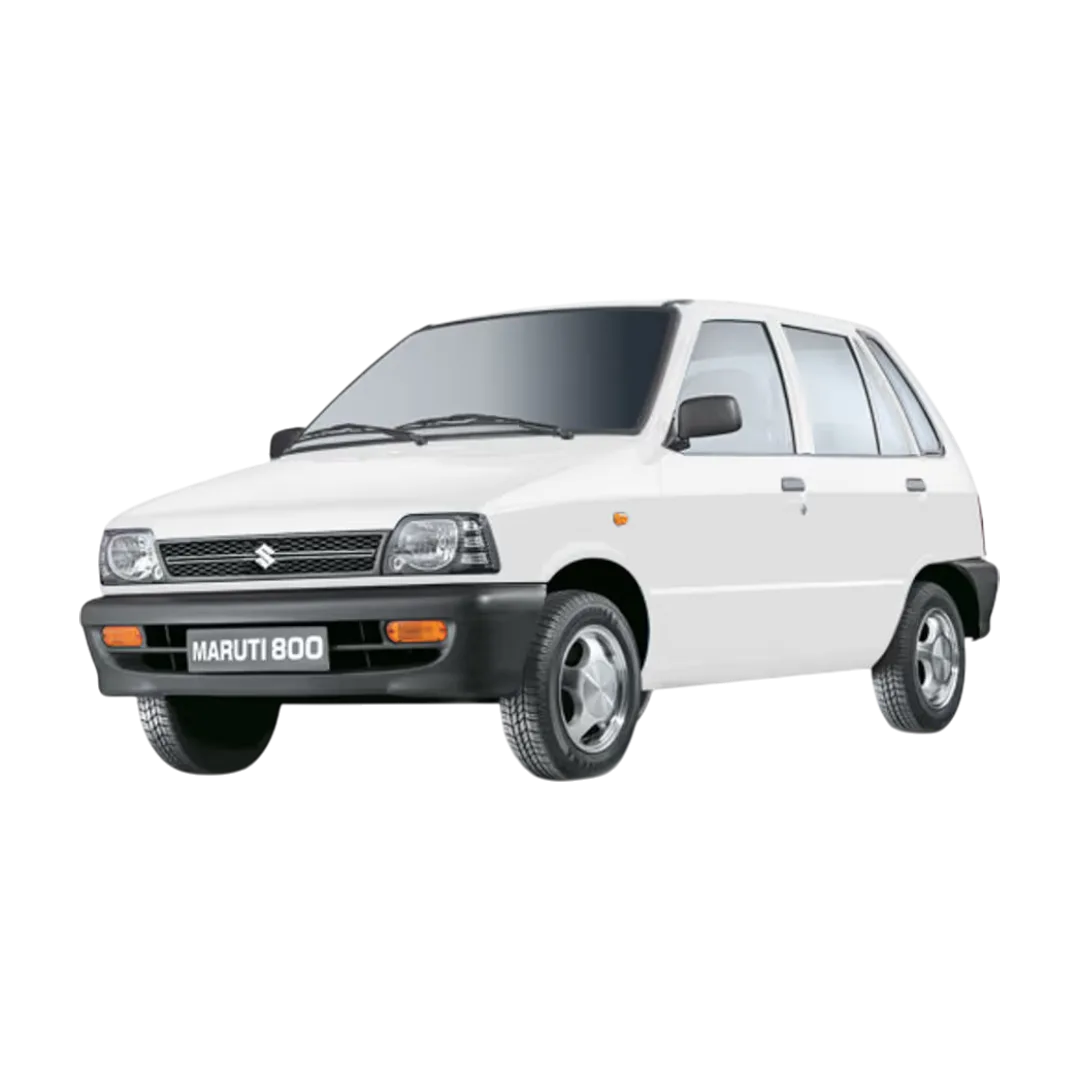 Maruti 800
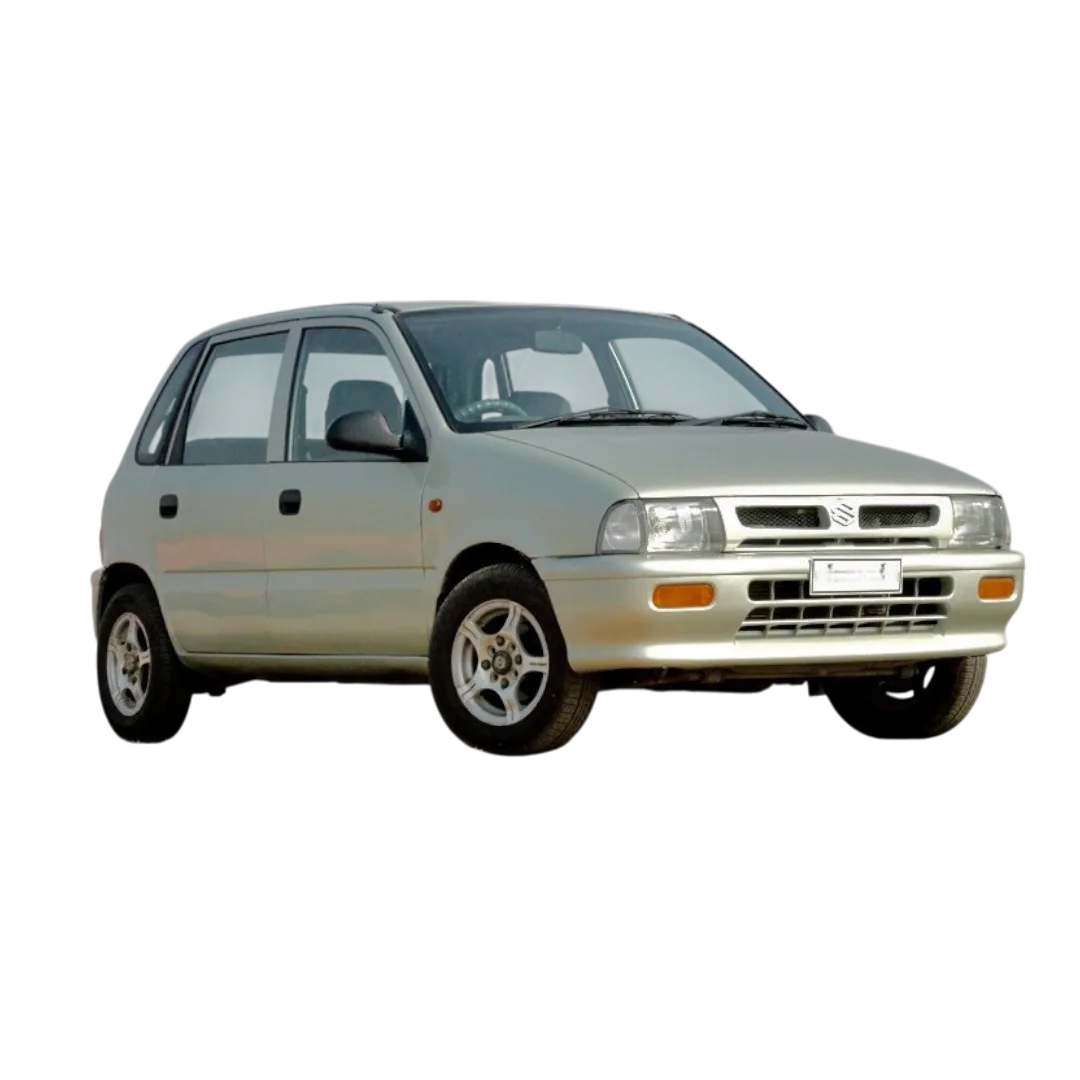 Zen
Zen
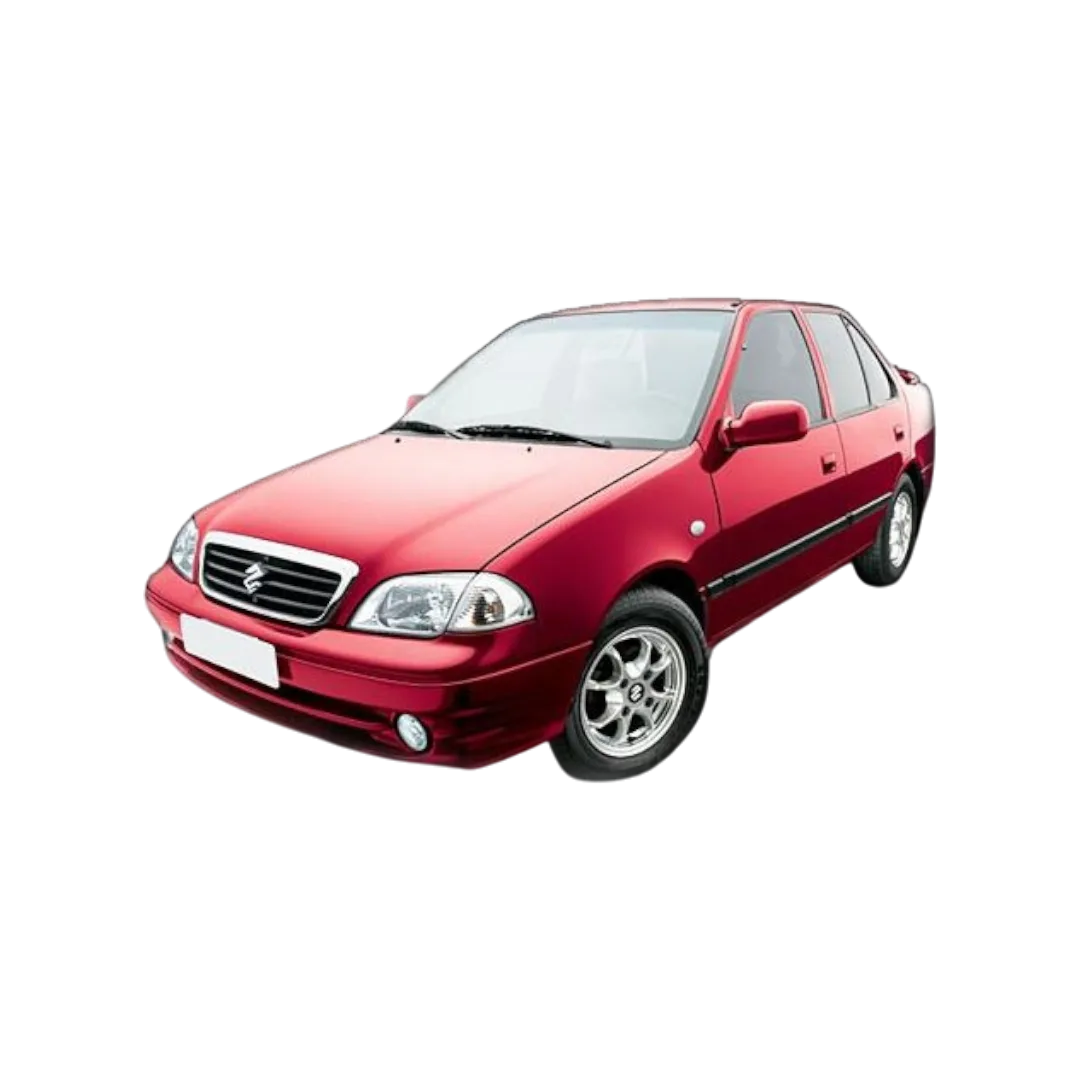 Esteem
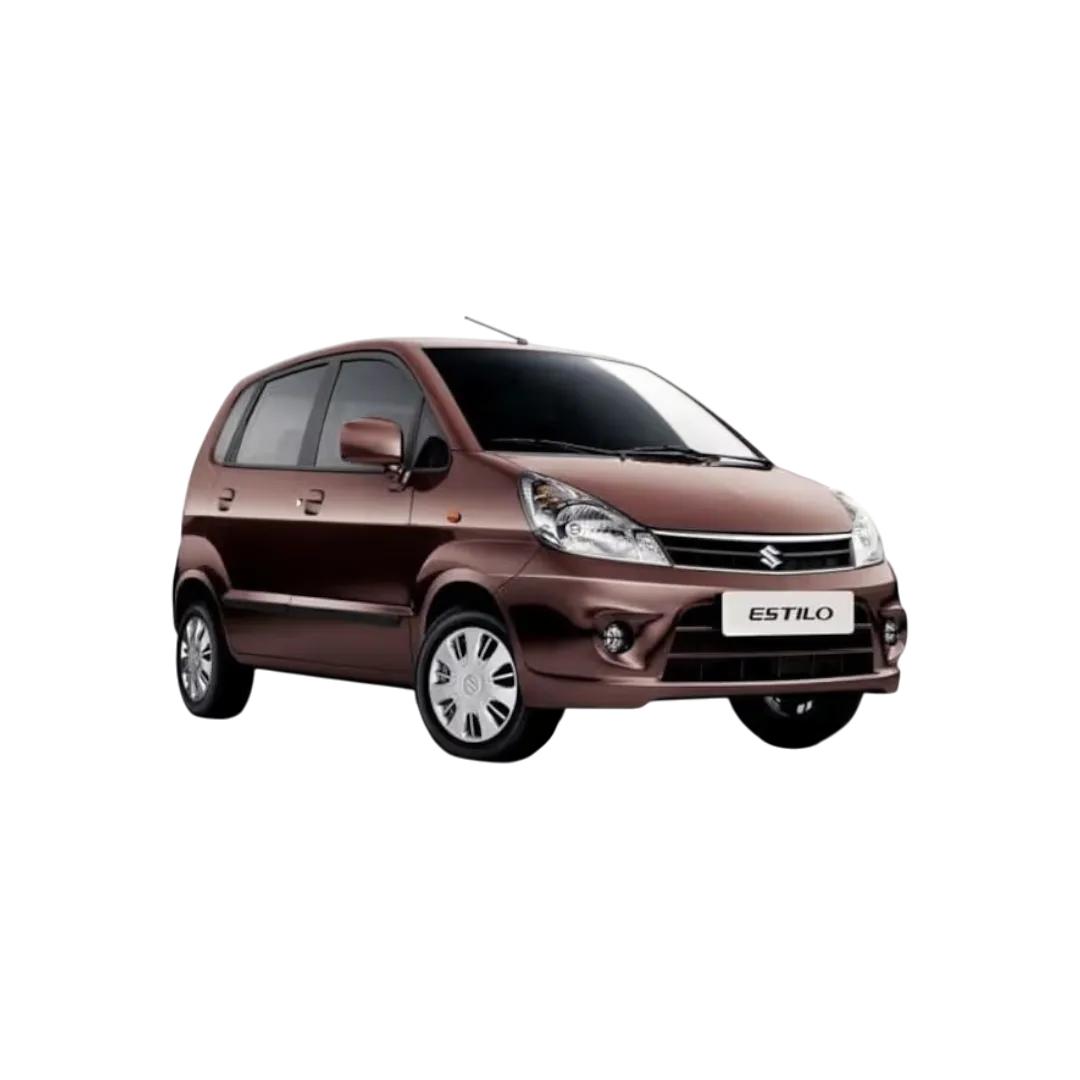 Zen Estilo
 Ritz
Ritz
 Fronx
Fronx
 A-Star
 Alto
Alto
 Invicto
Victoris
Wagon R
Invicto
Victoris
Wagon R
 i20
i20
 Aura
Aura
 Creta
Creta
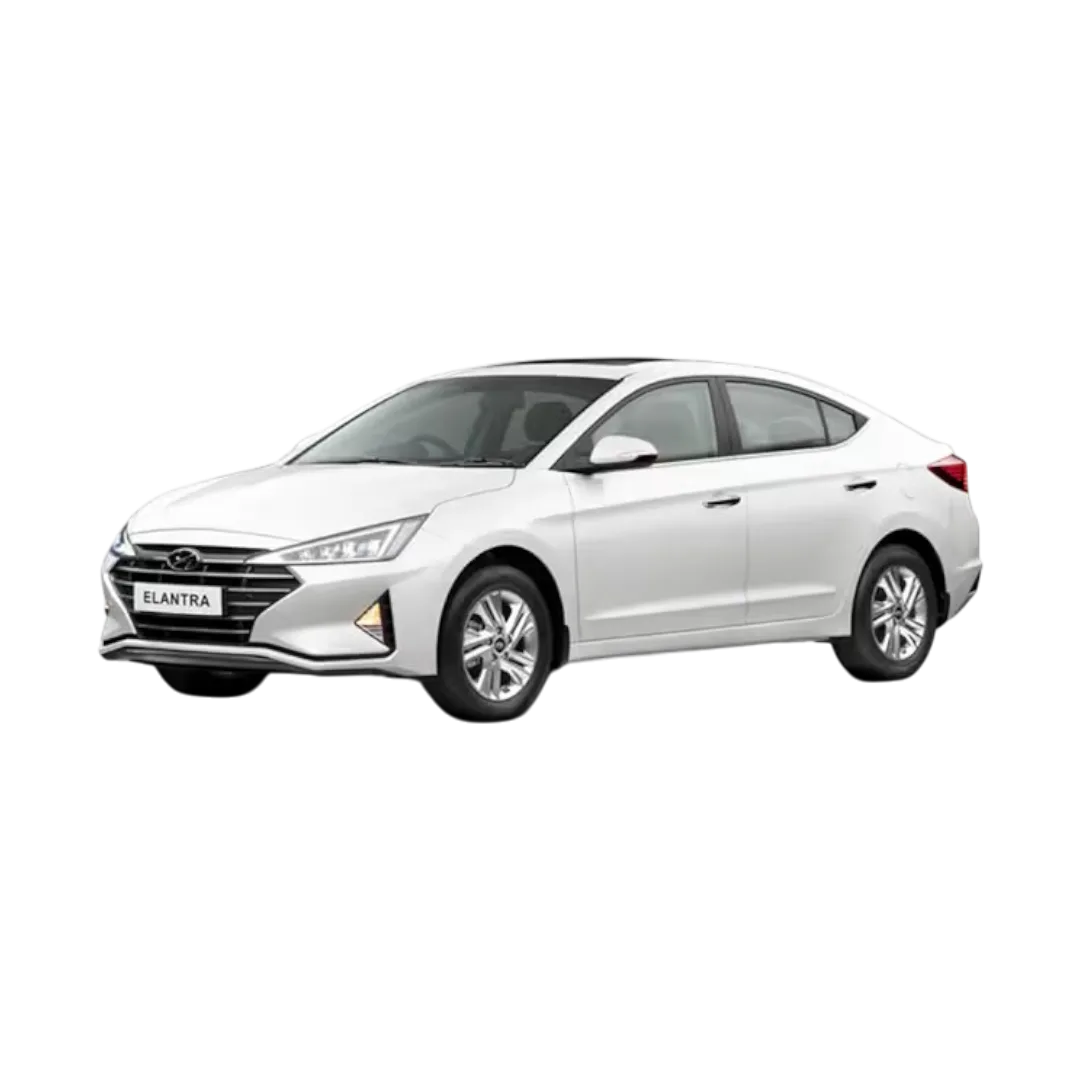 Elantra
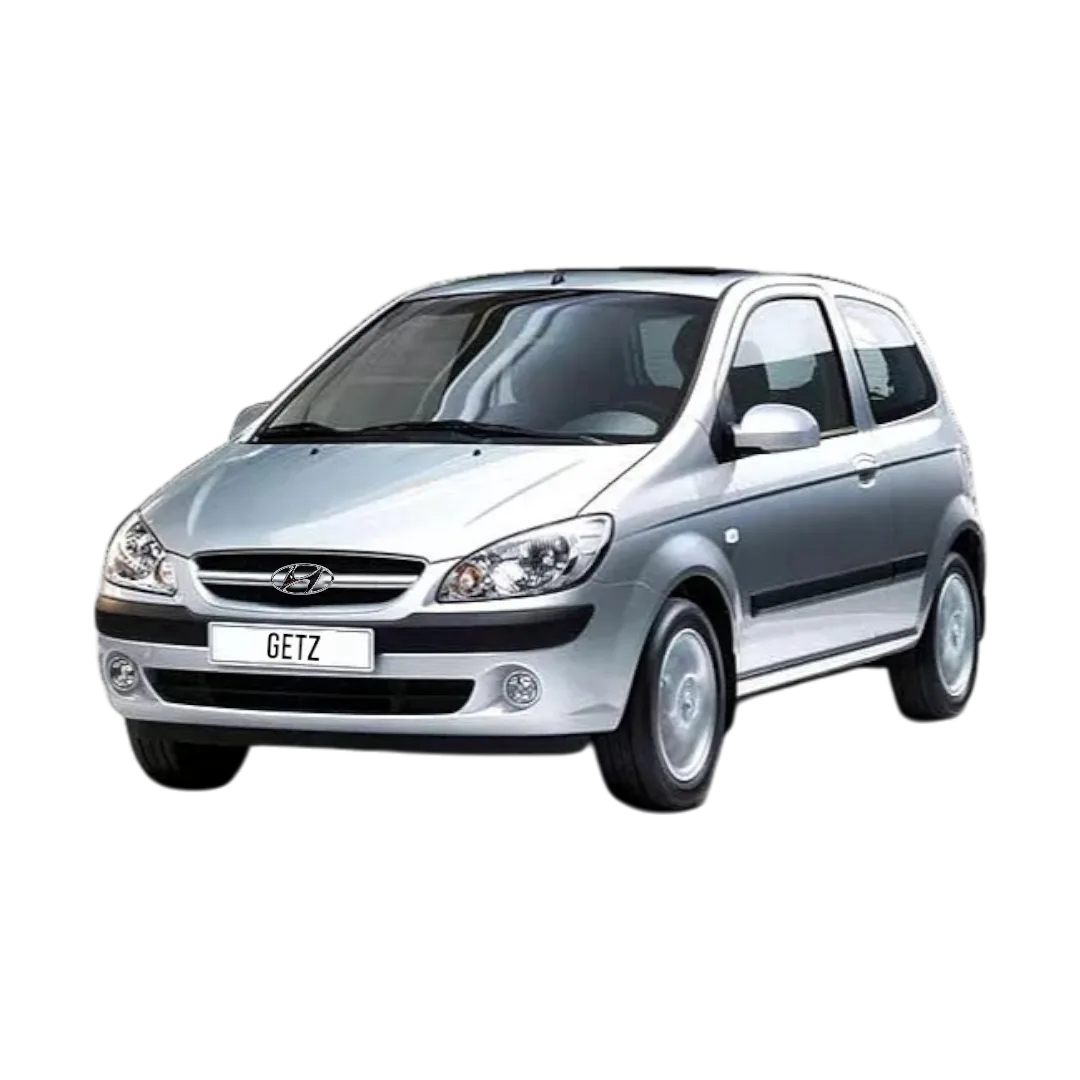 Getz
Getz
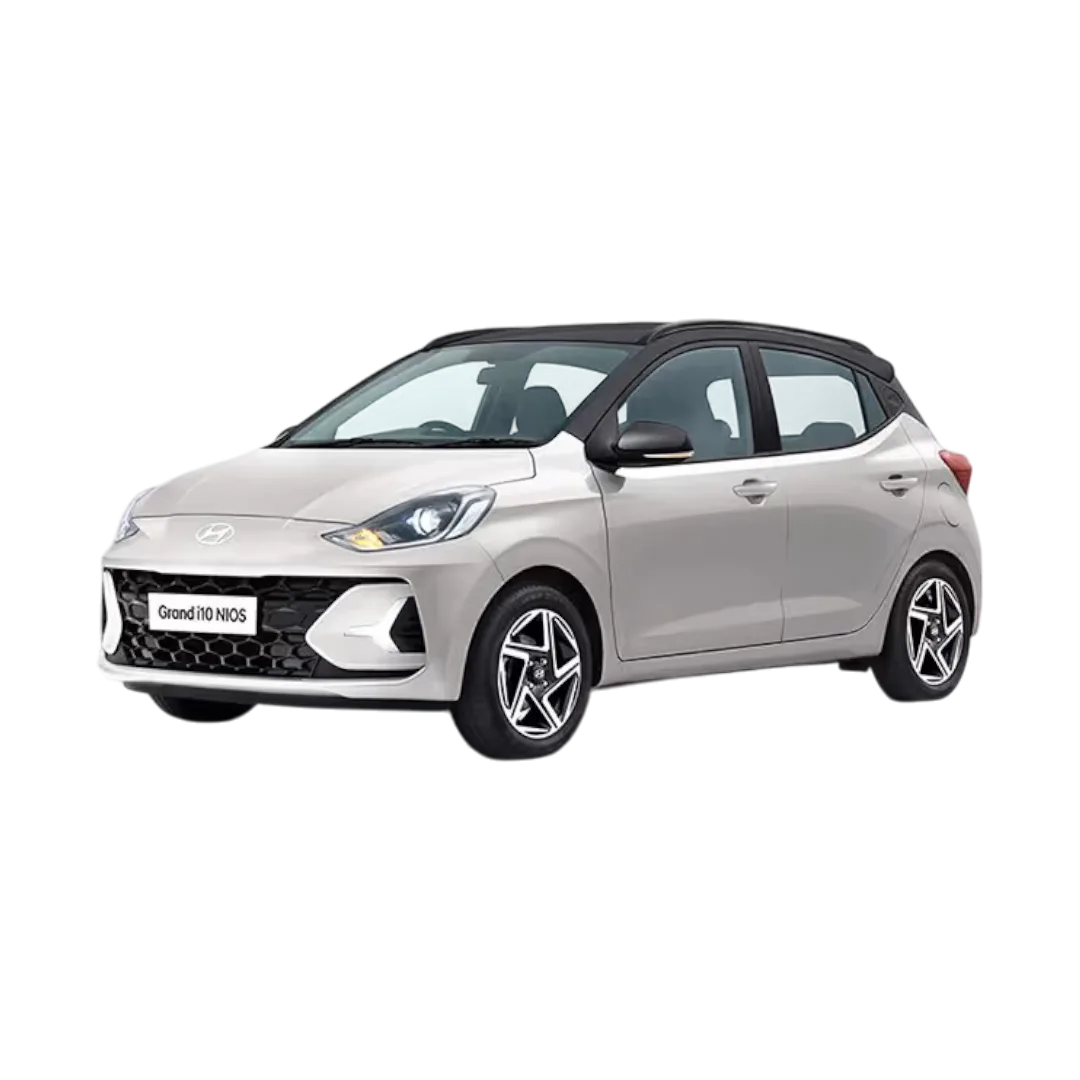 Grand i10 Nios
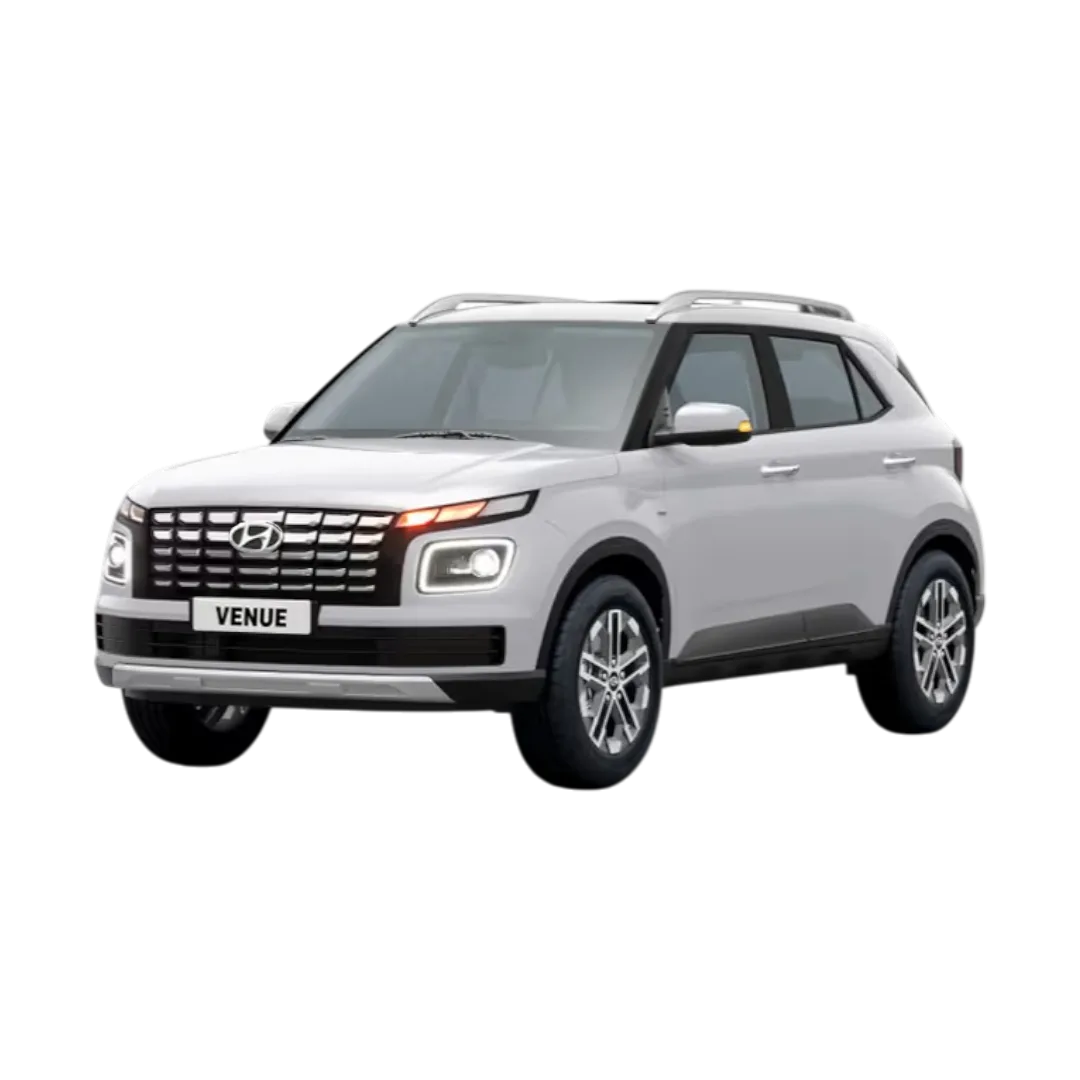 Venue
Venue
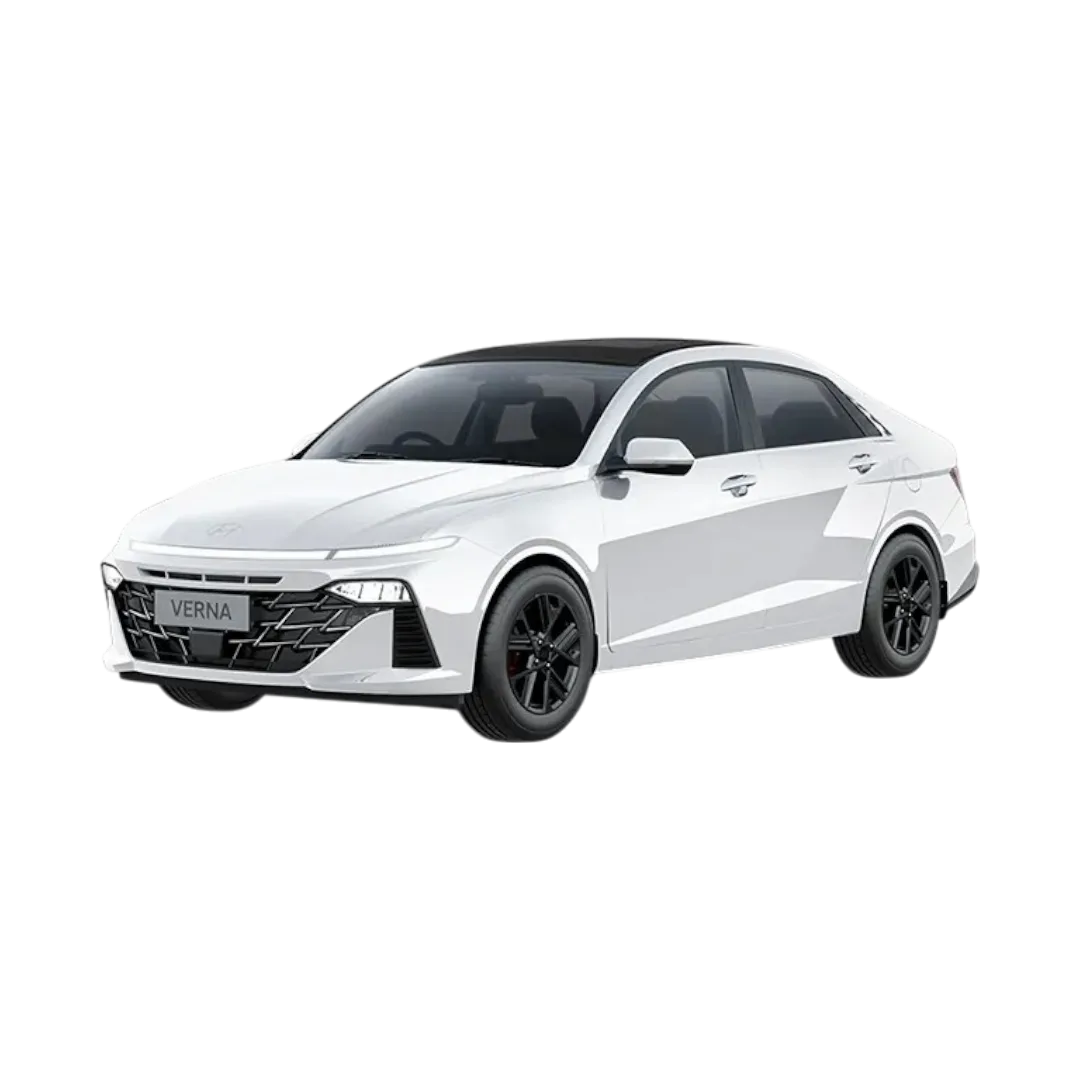 Verna
Verna
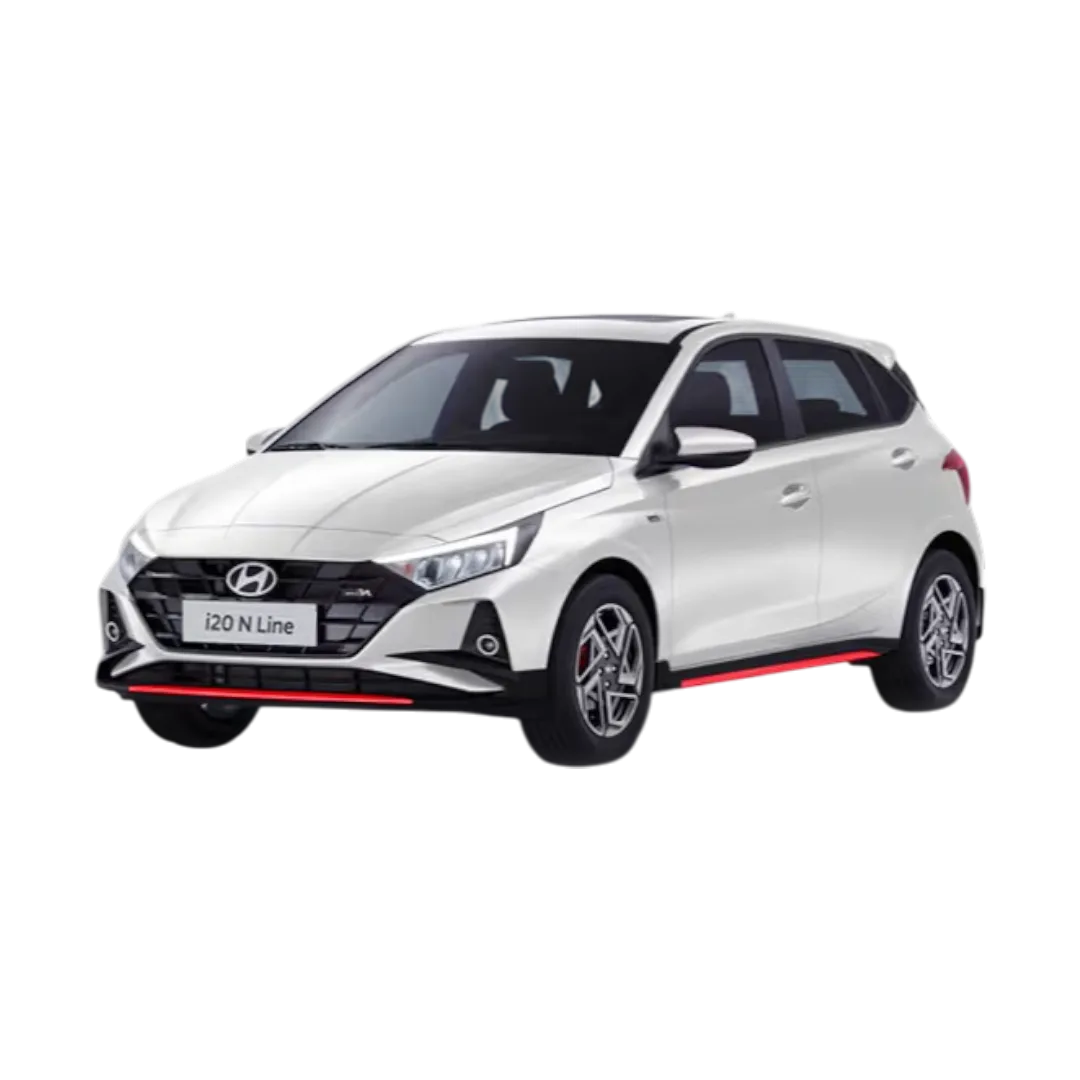 i20 N Line
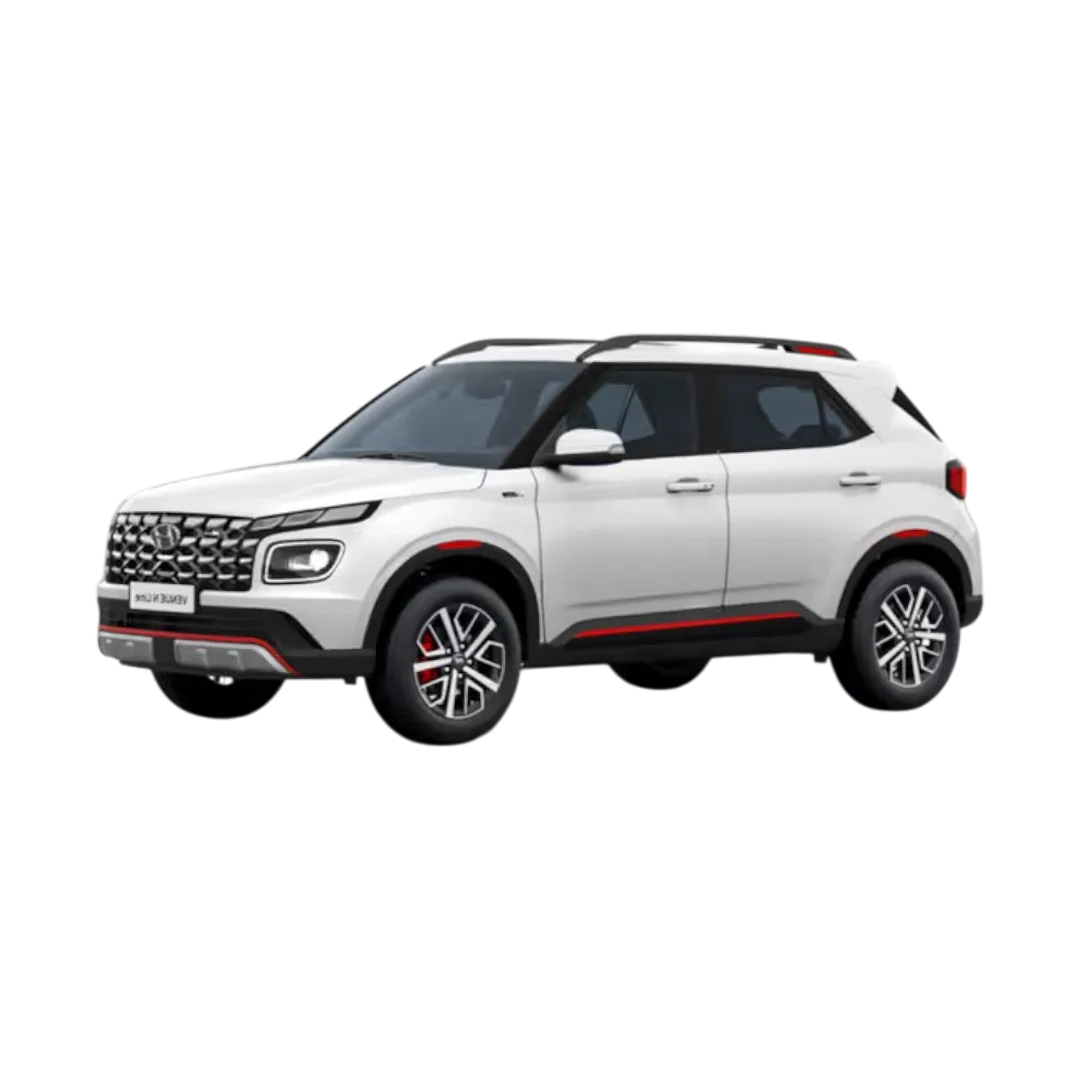 Venue N Line
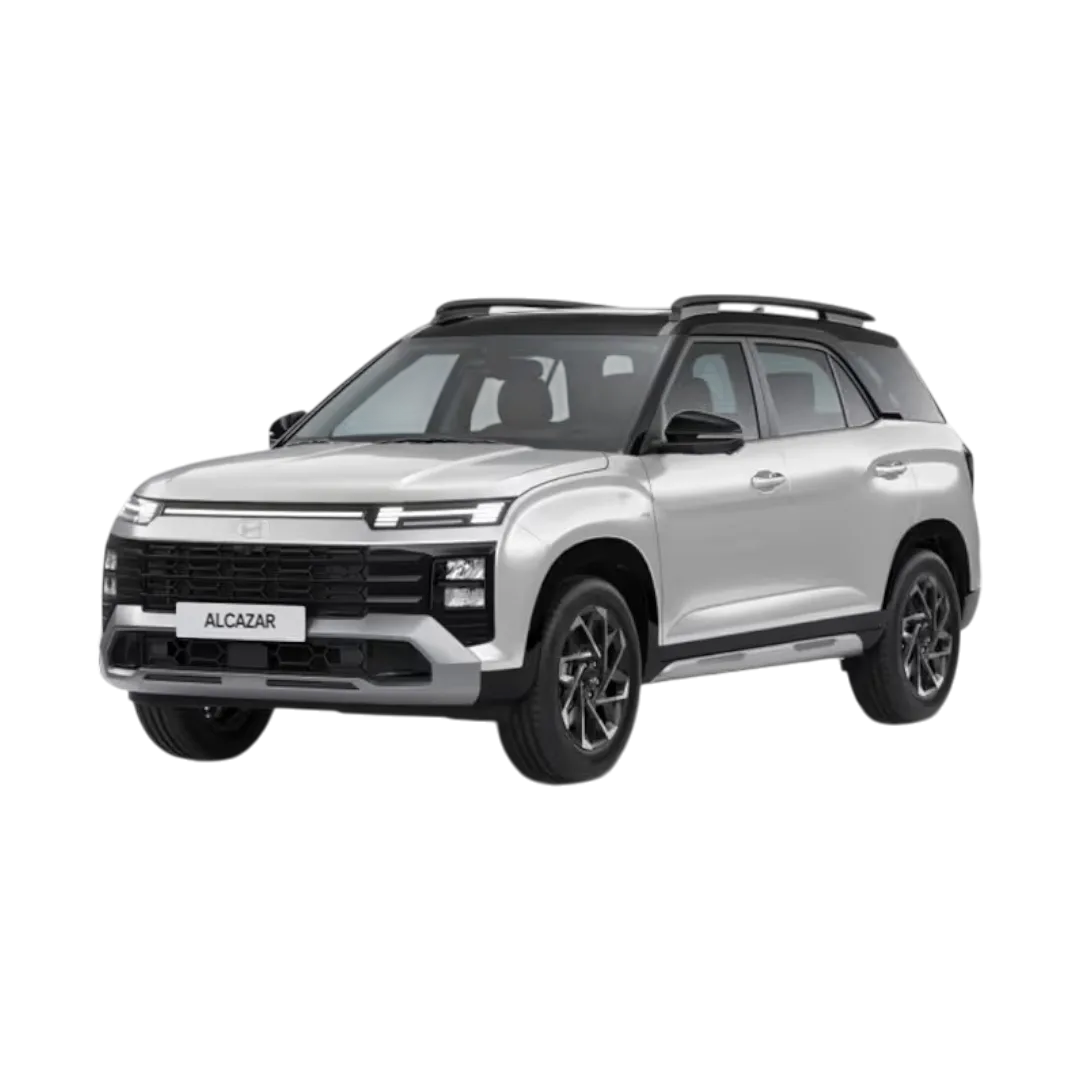 Alcazar
 Tucson
 Kona
Kona
 iONIQ 5
 Santro
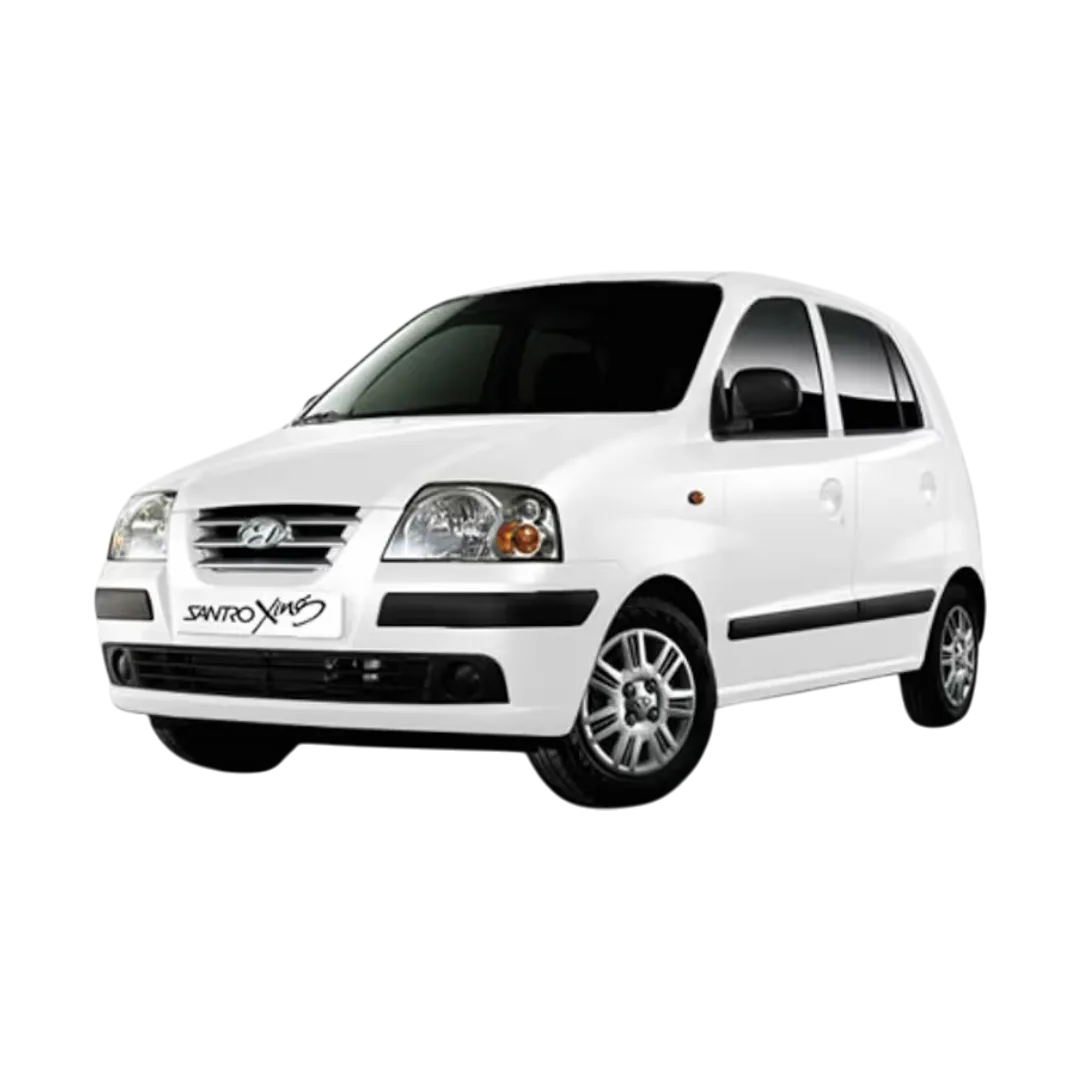 Santro Xing
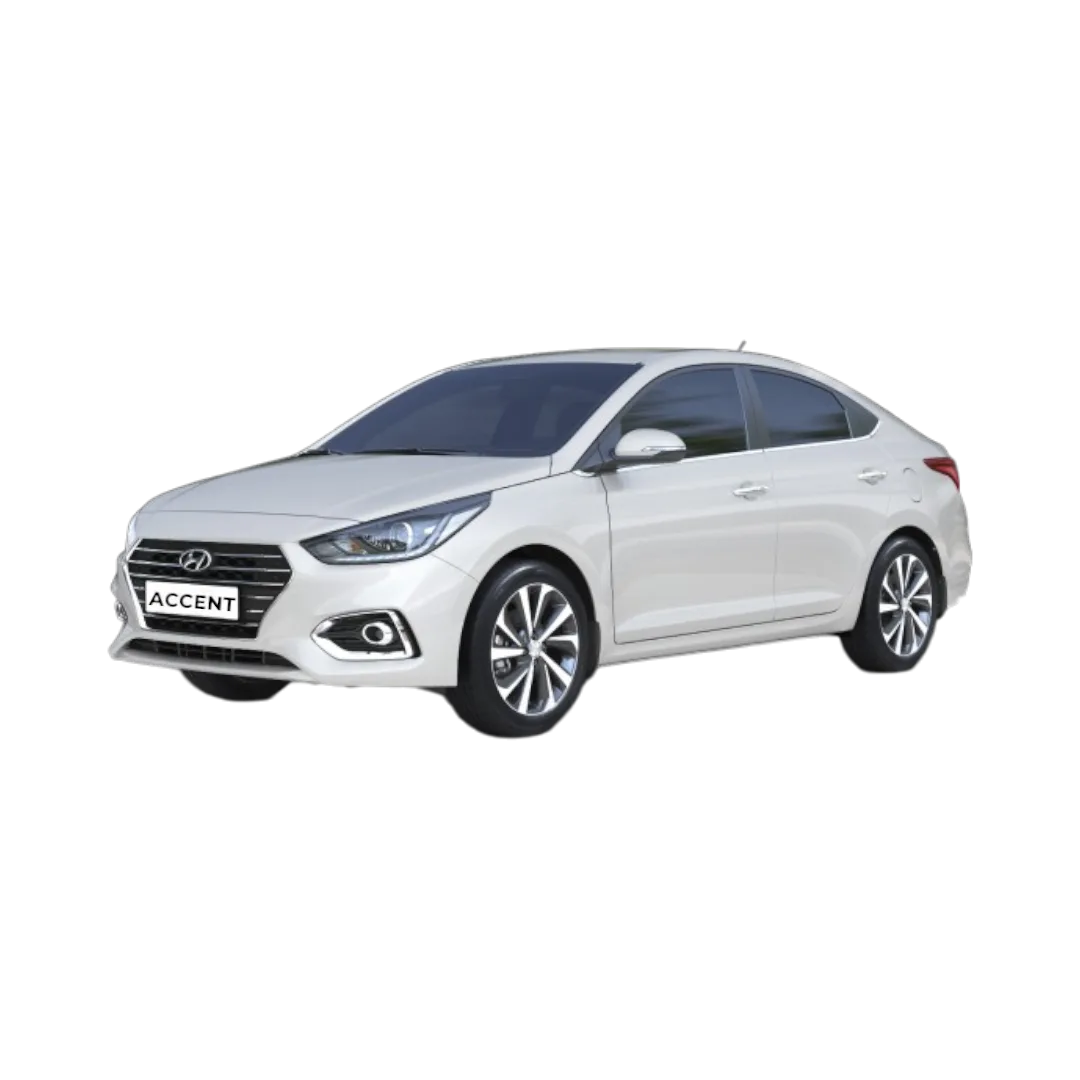 Accent
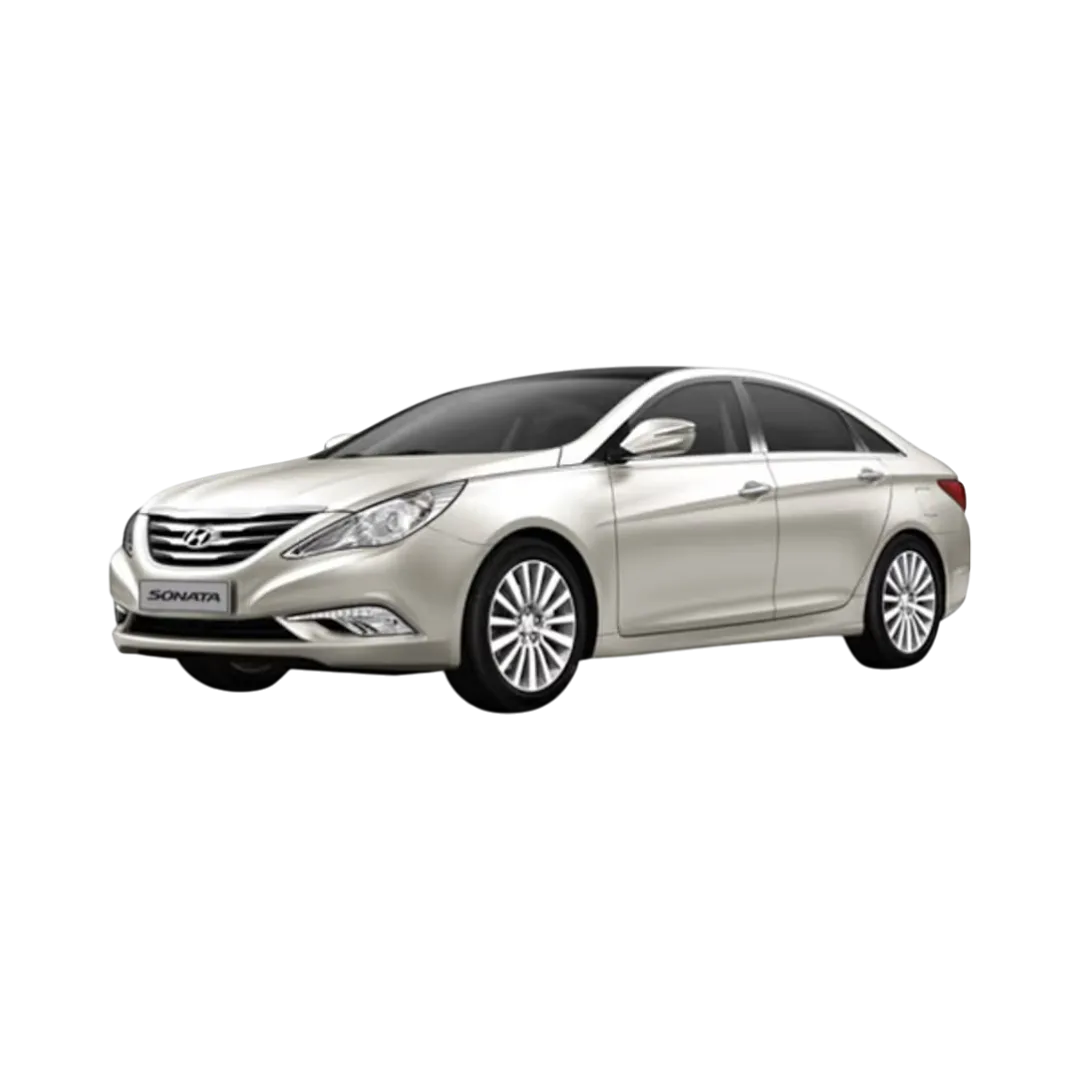 Sonata
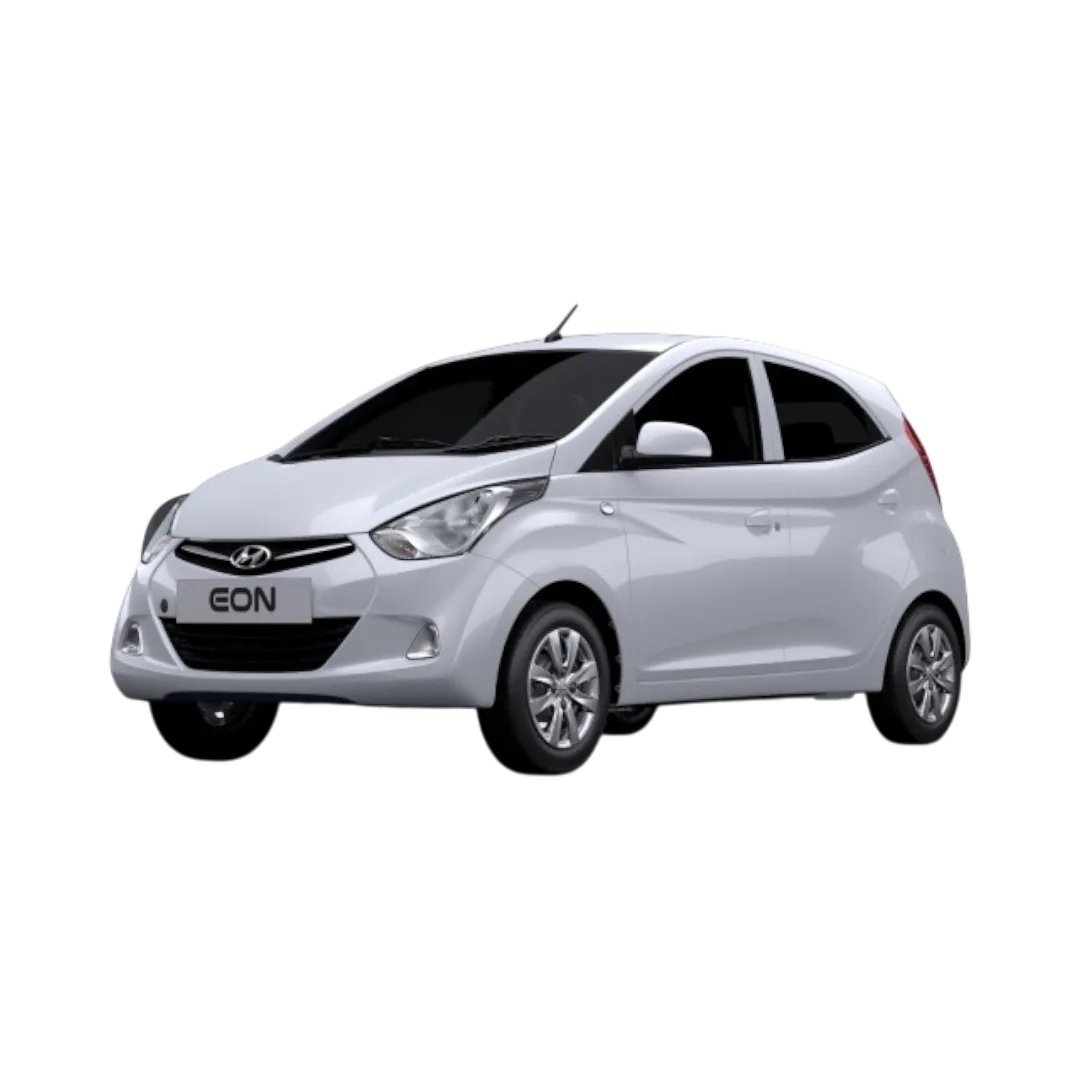 Eon
Eon
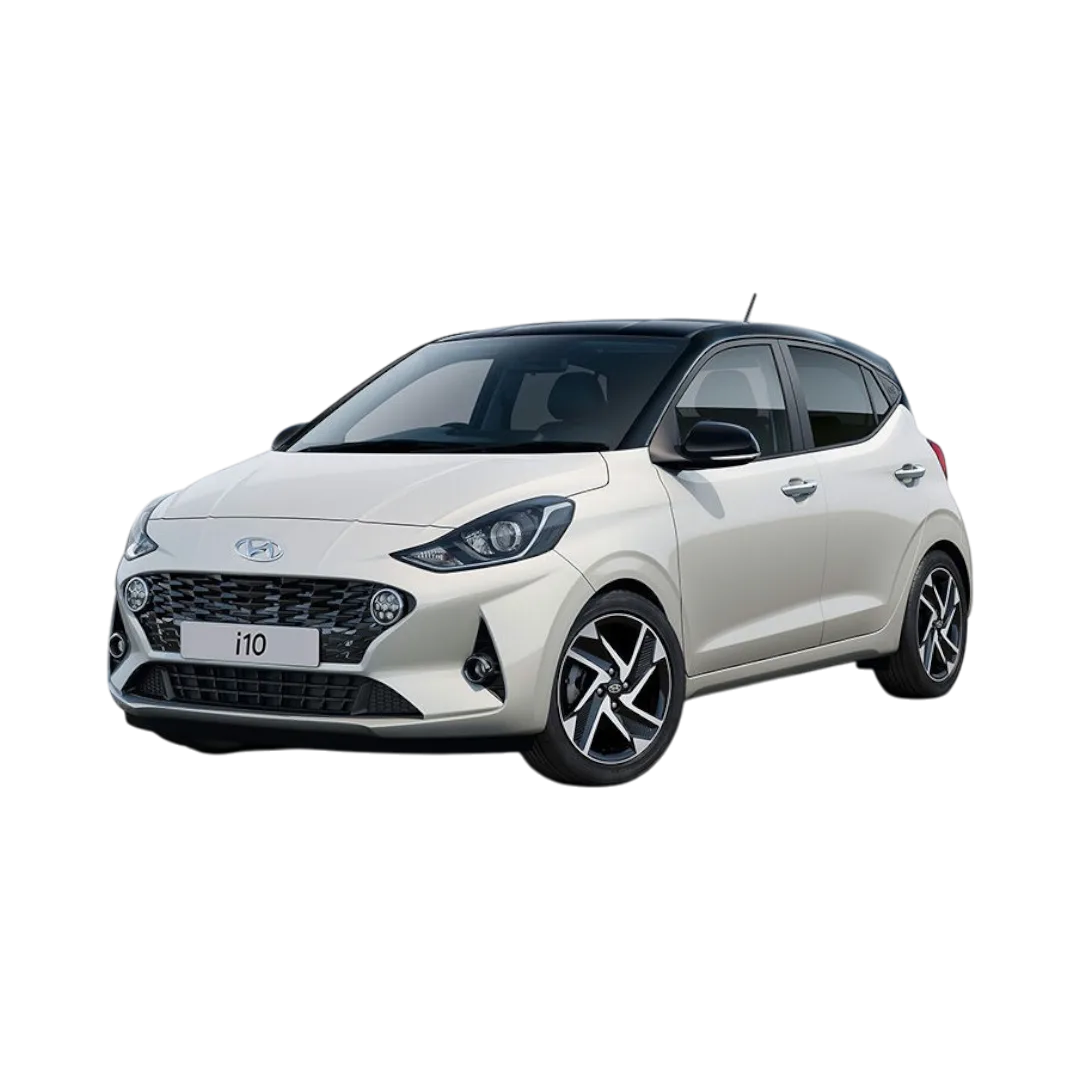 i10
i10
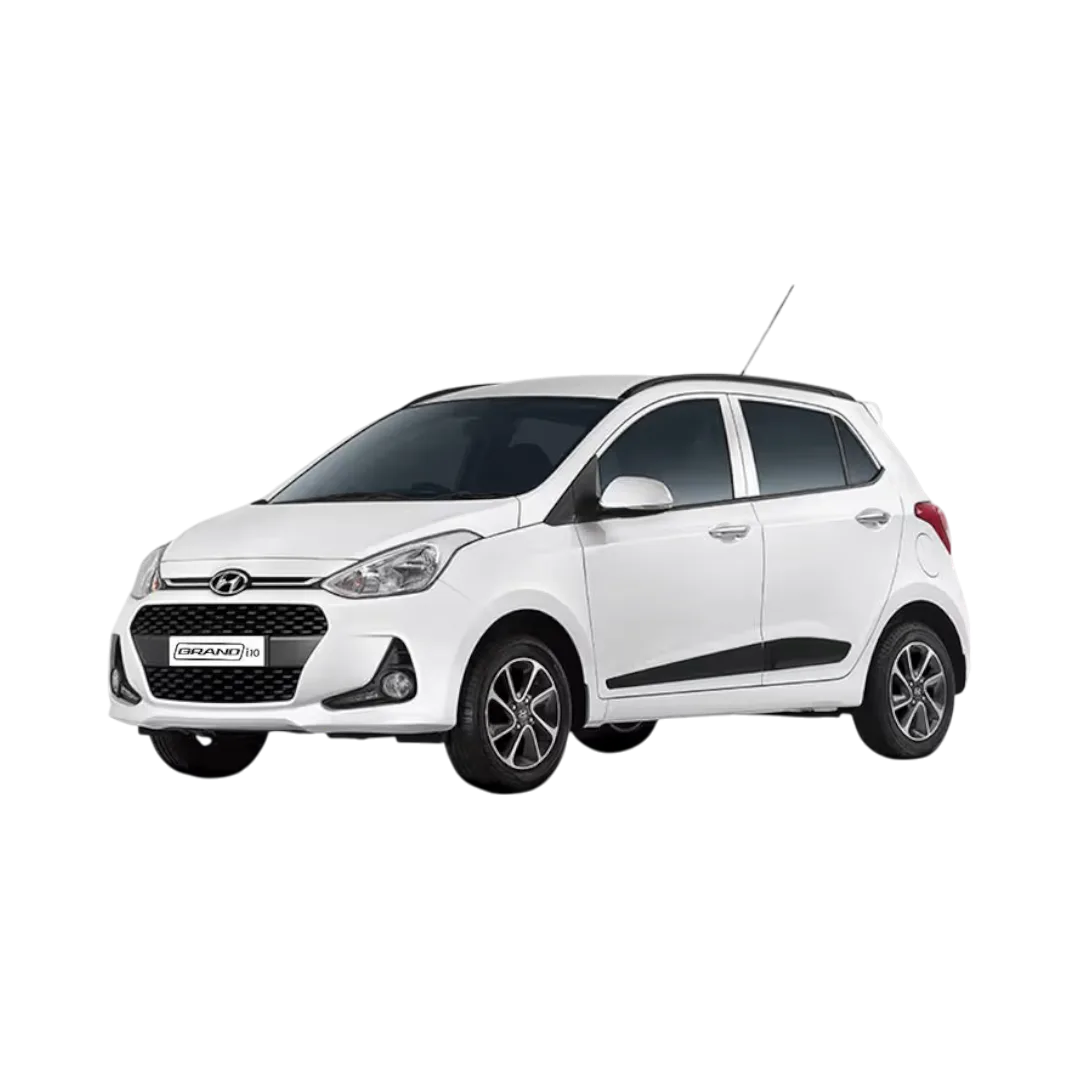 Grand i10
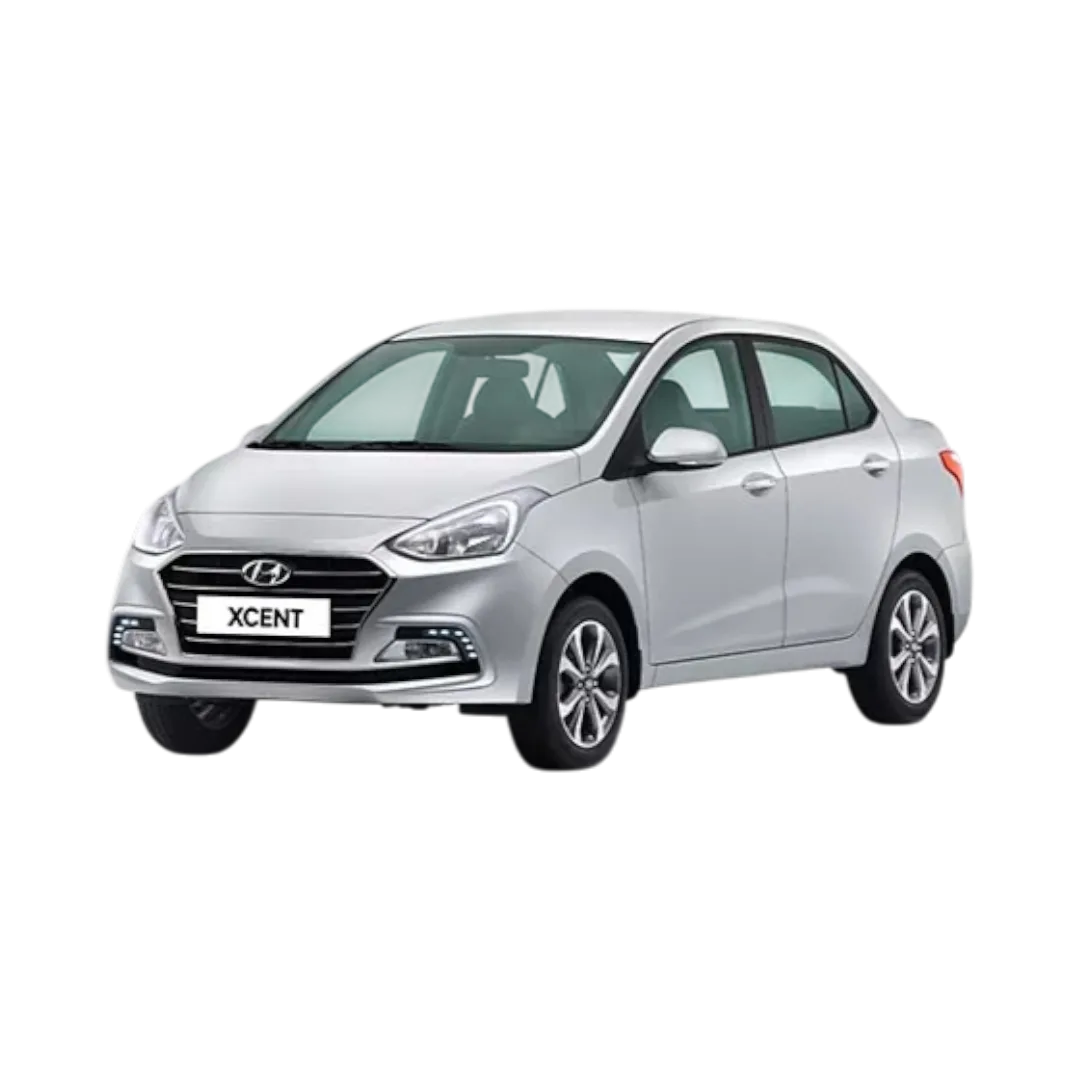 Xcent
Xcent
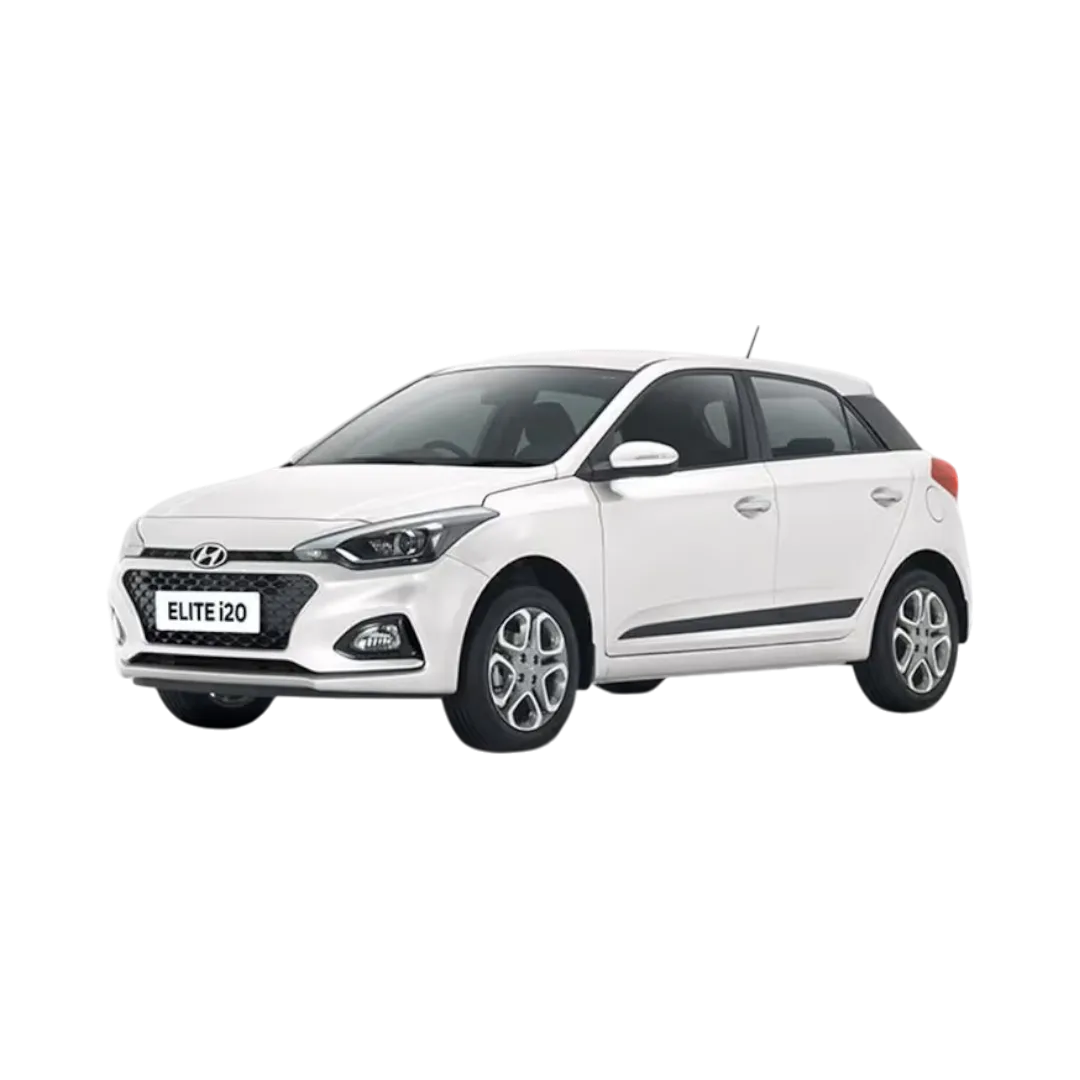 Elite i20
 Verna Fluidic
 Santafe
 Exter
Sonata Fluidic
i20 Active
Exter
Sonata Fluidic
i20 Active
 Yaris
Yaris
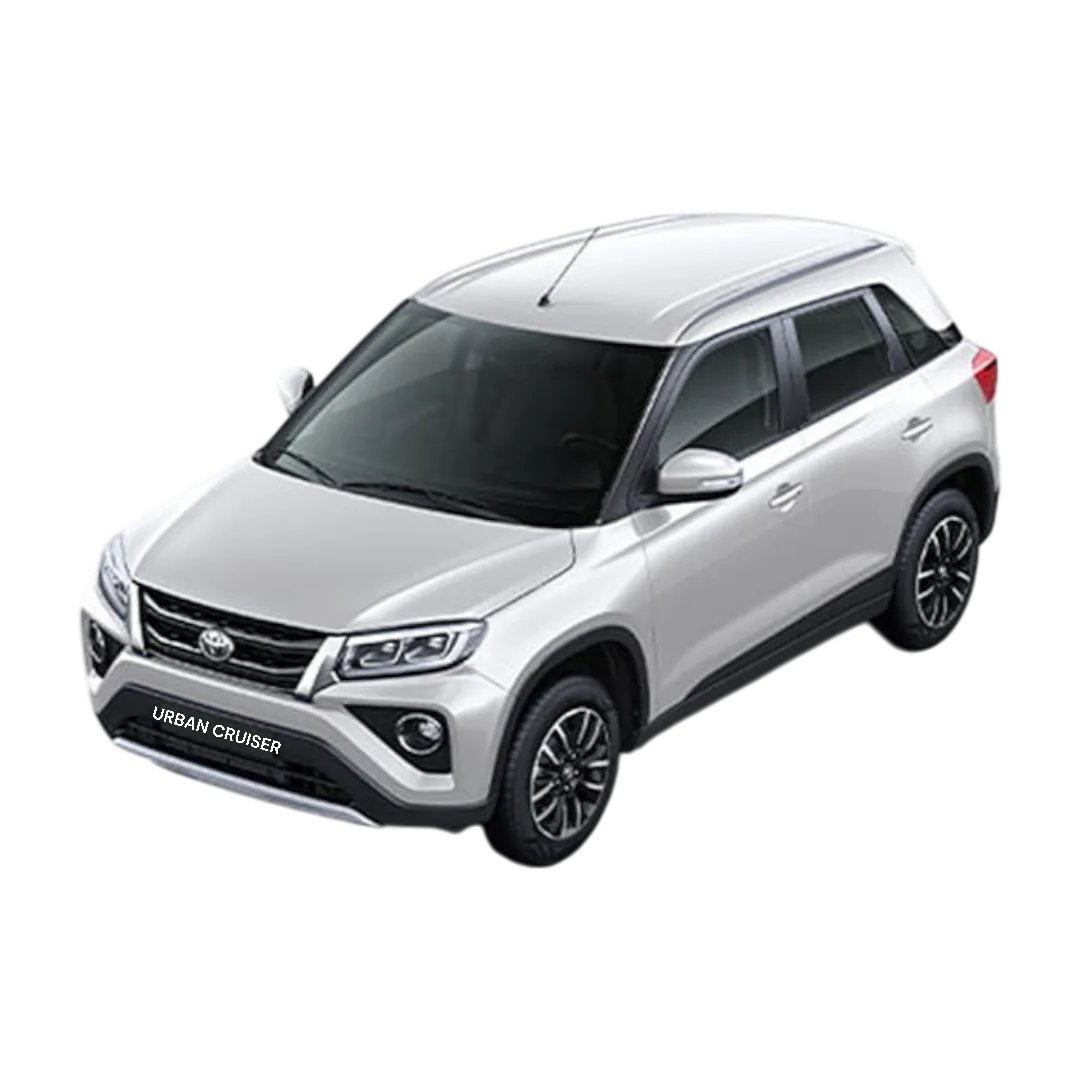 Urban Cruiser
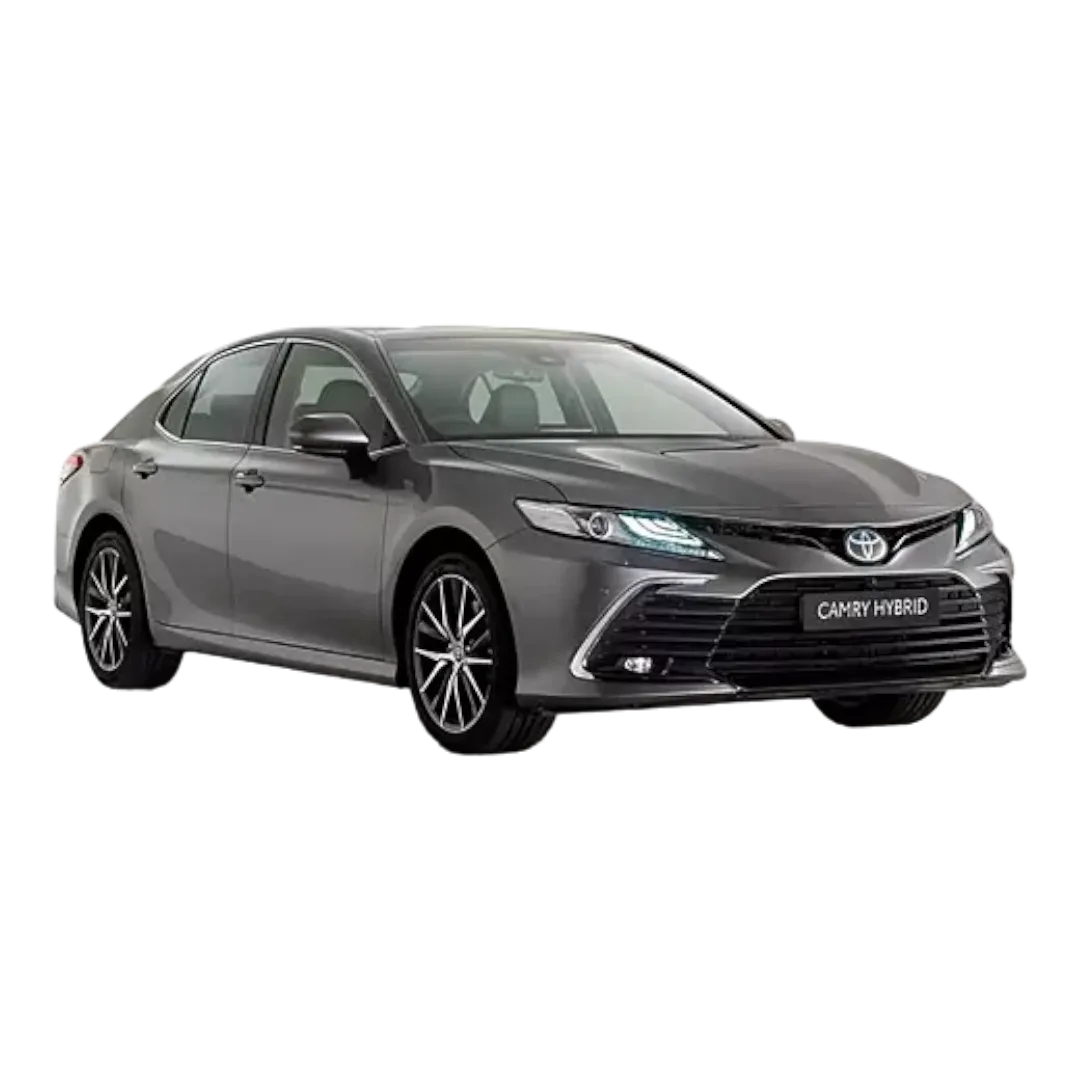 Camry
Camry
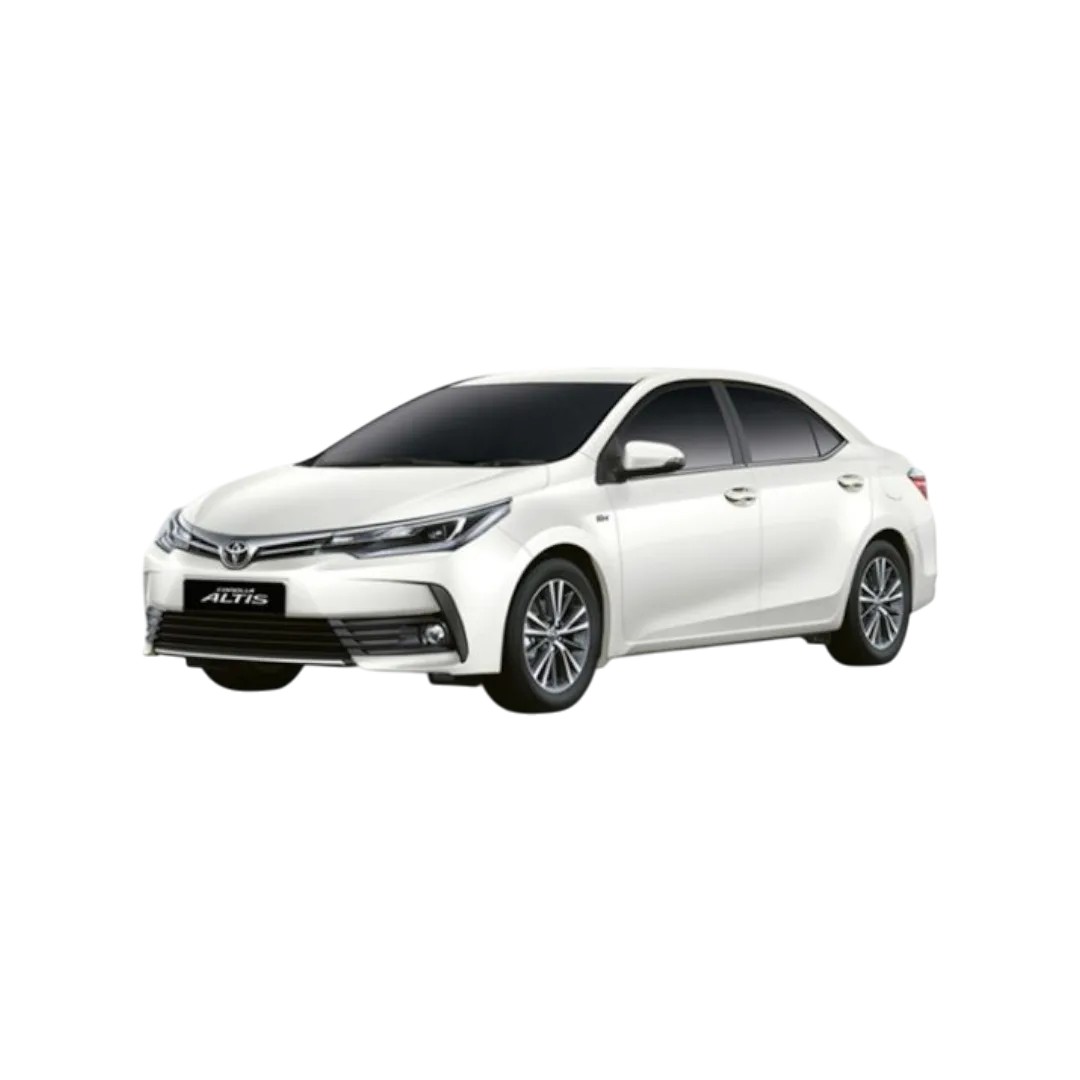 Corolla
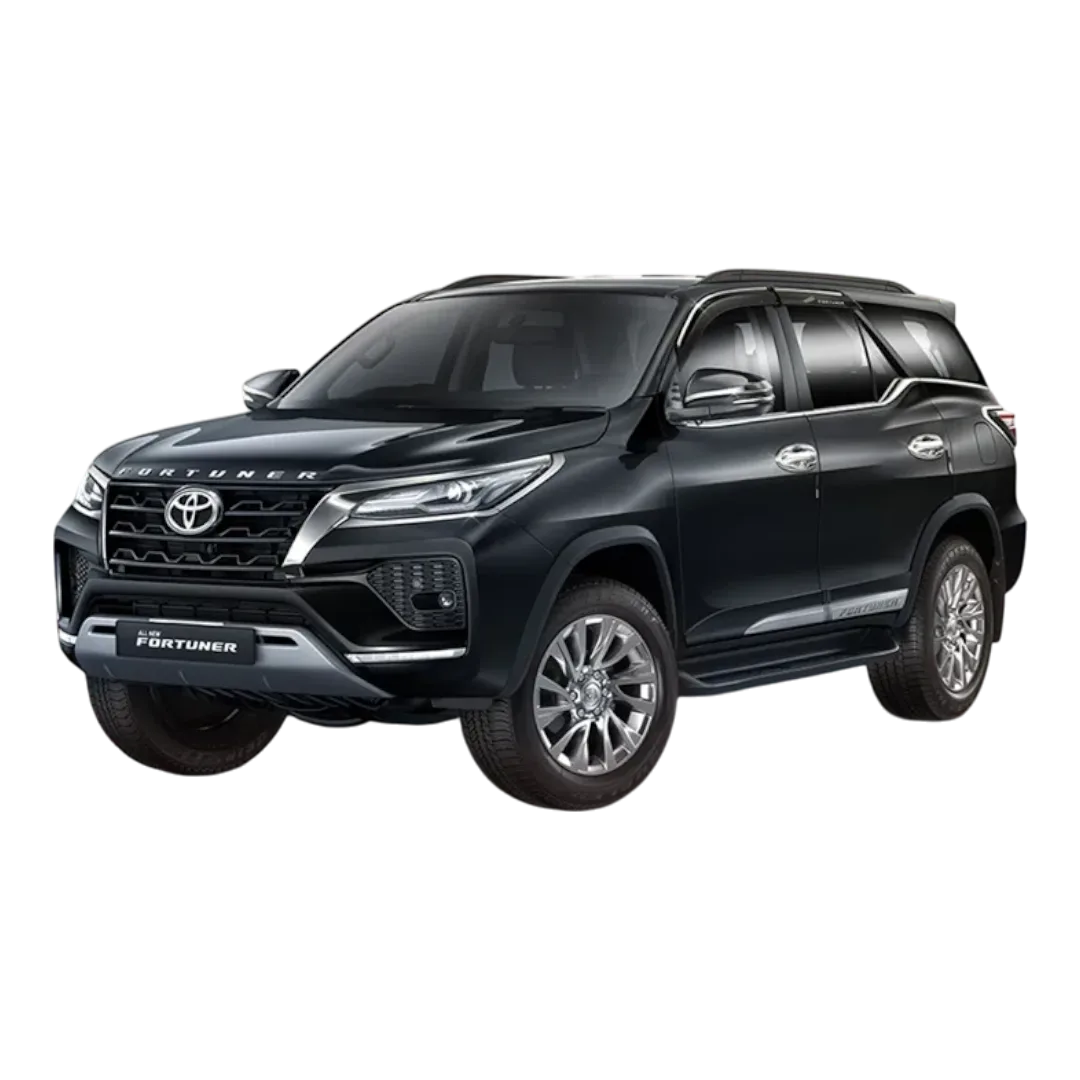 Fortuner
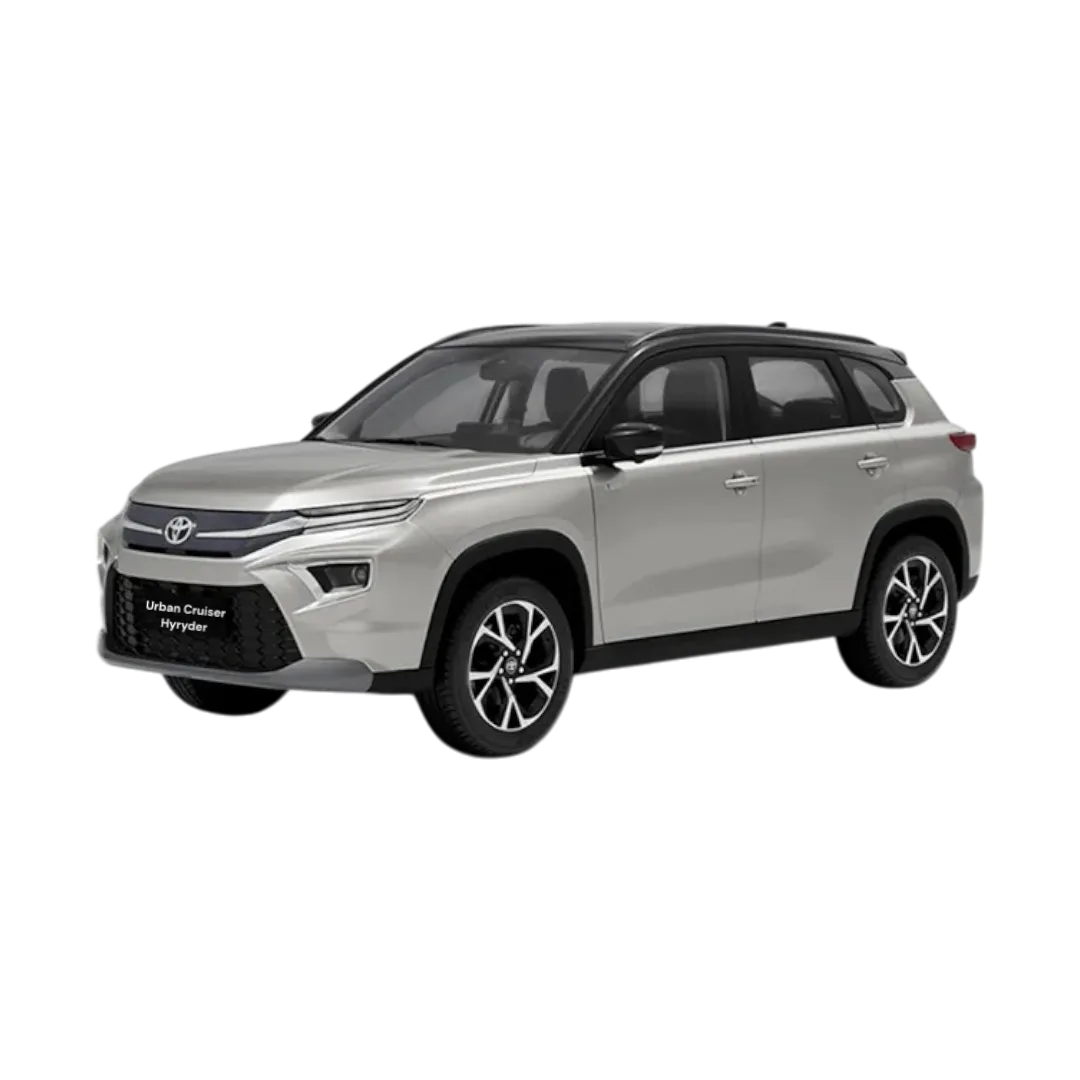 Urban Cruiser Hyryder
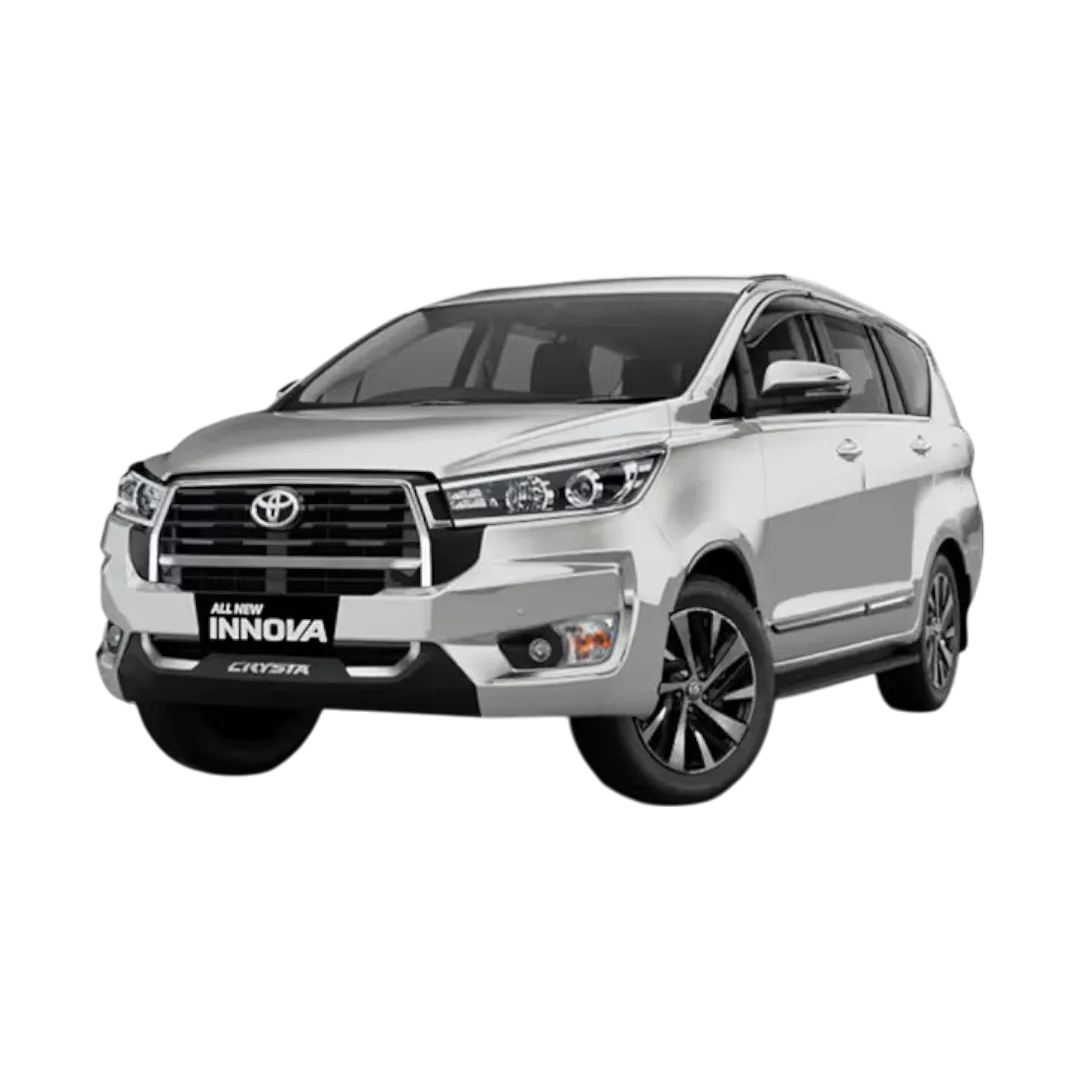 Innova Crysta
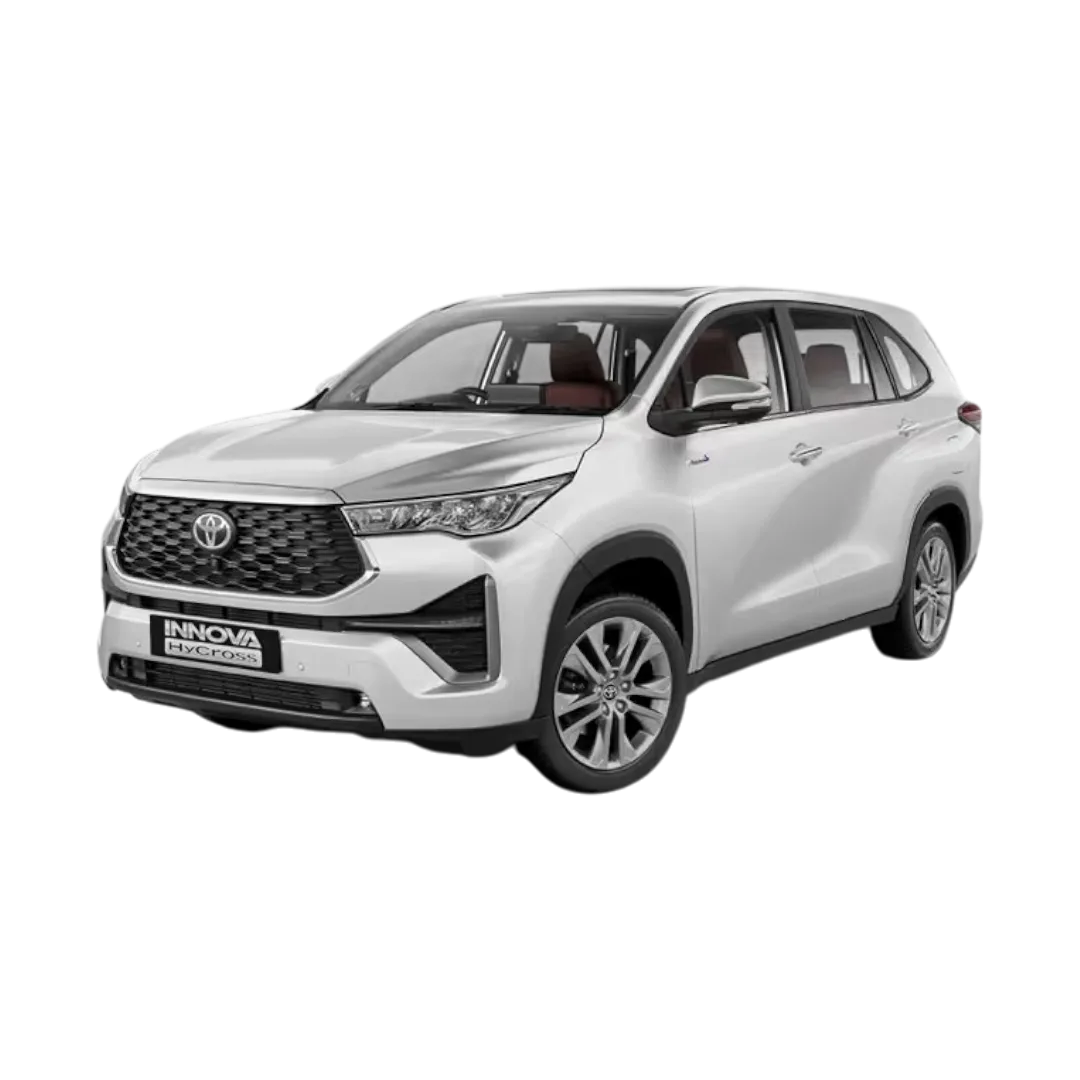 Innova Hycross
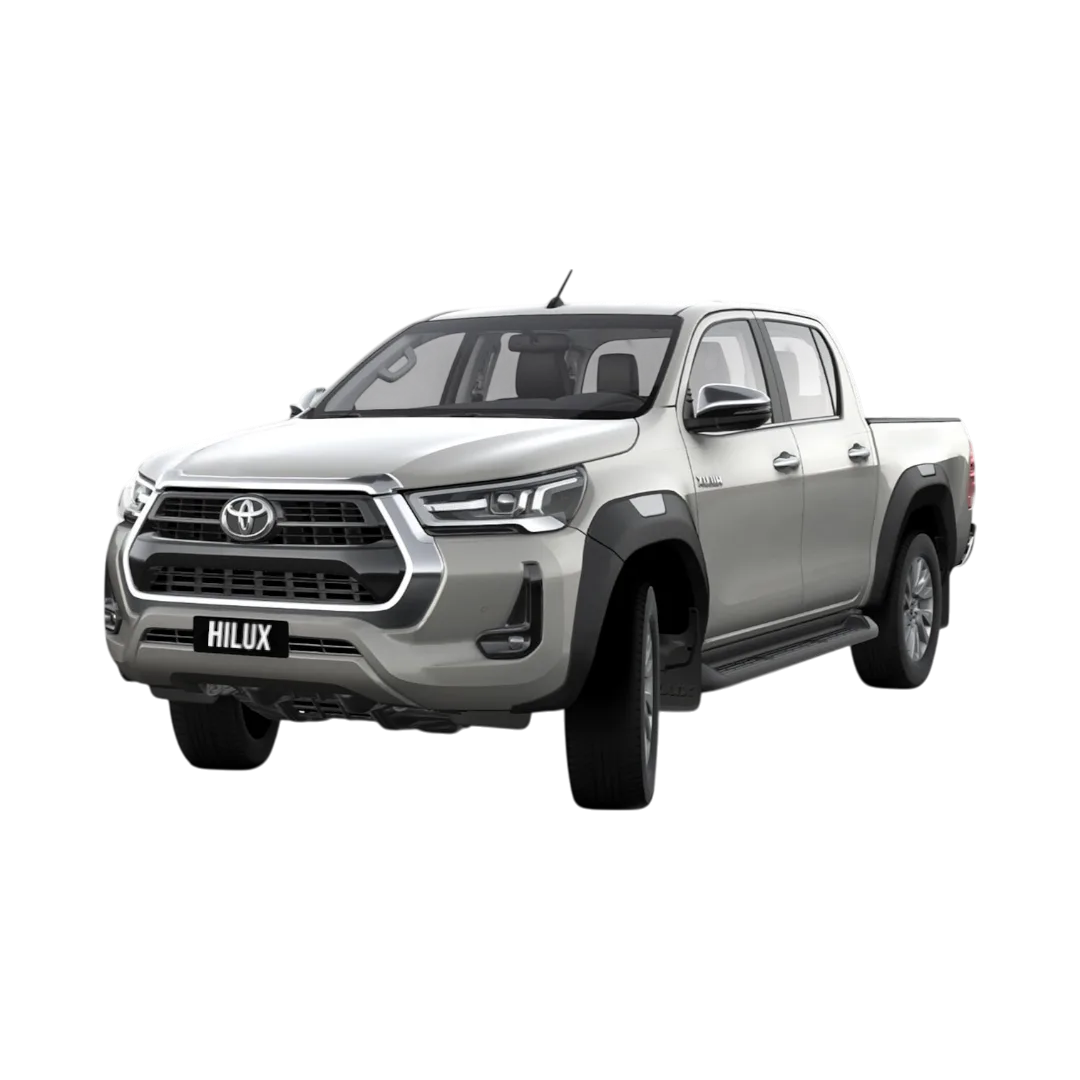 Hilux
Hilux
 Fortuner Legender
 Vellfire
 Land Cruiser
 Glanza
 Etios
Etios
 Etios cross
 Etios Liva
 Qualis
 Innova
 Rumion
Taisor
Corolla Altis
Hyryder
Rumion
Taisor
Corolla Altis
Hyryder
 Bolero
 Marazzo
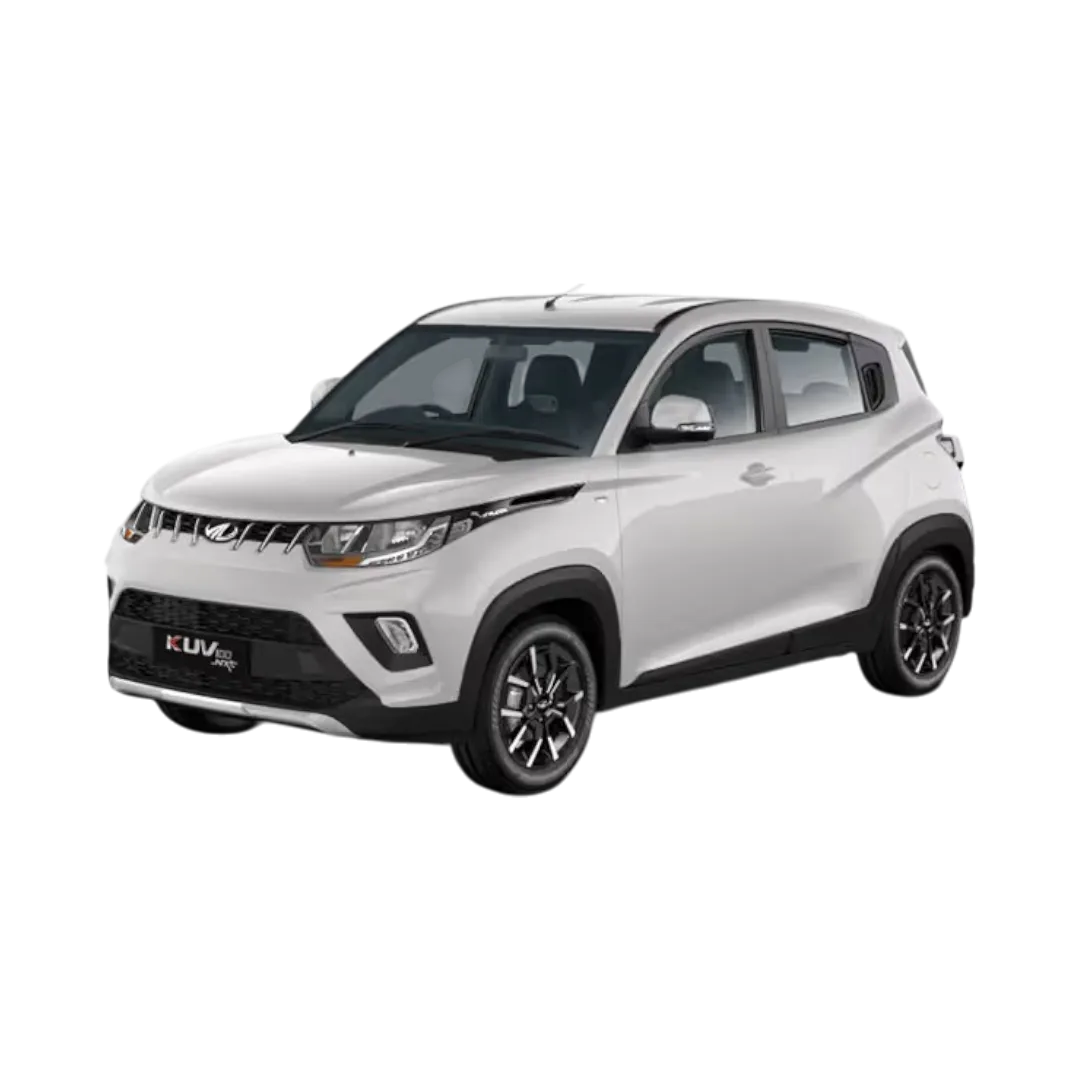 KUV100 NXT
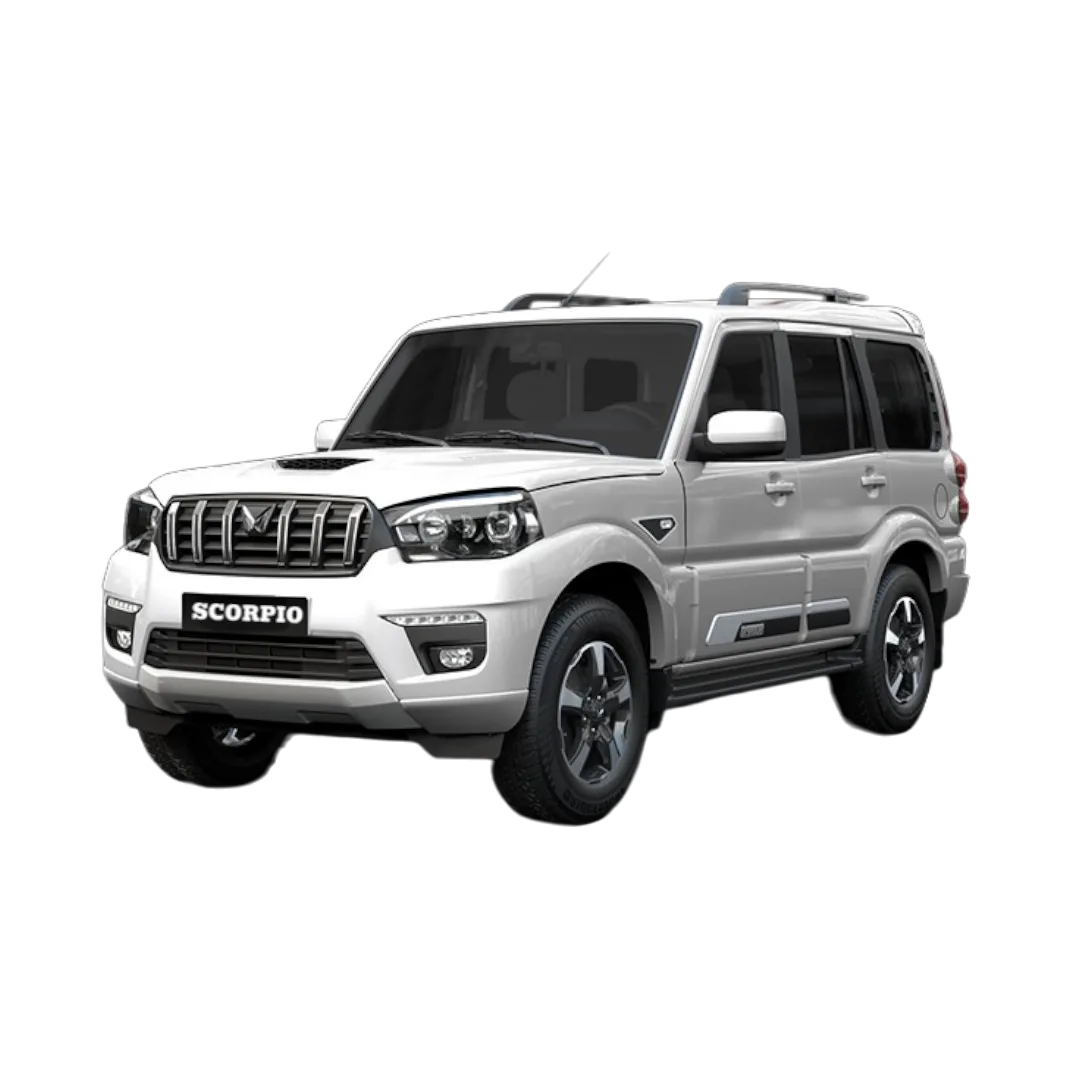 Scorpio
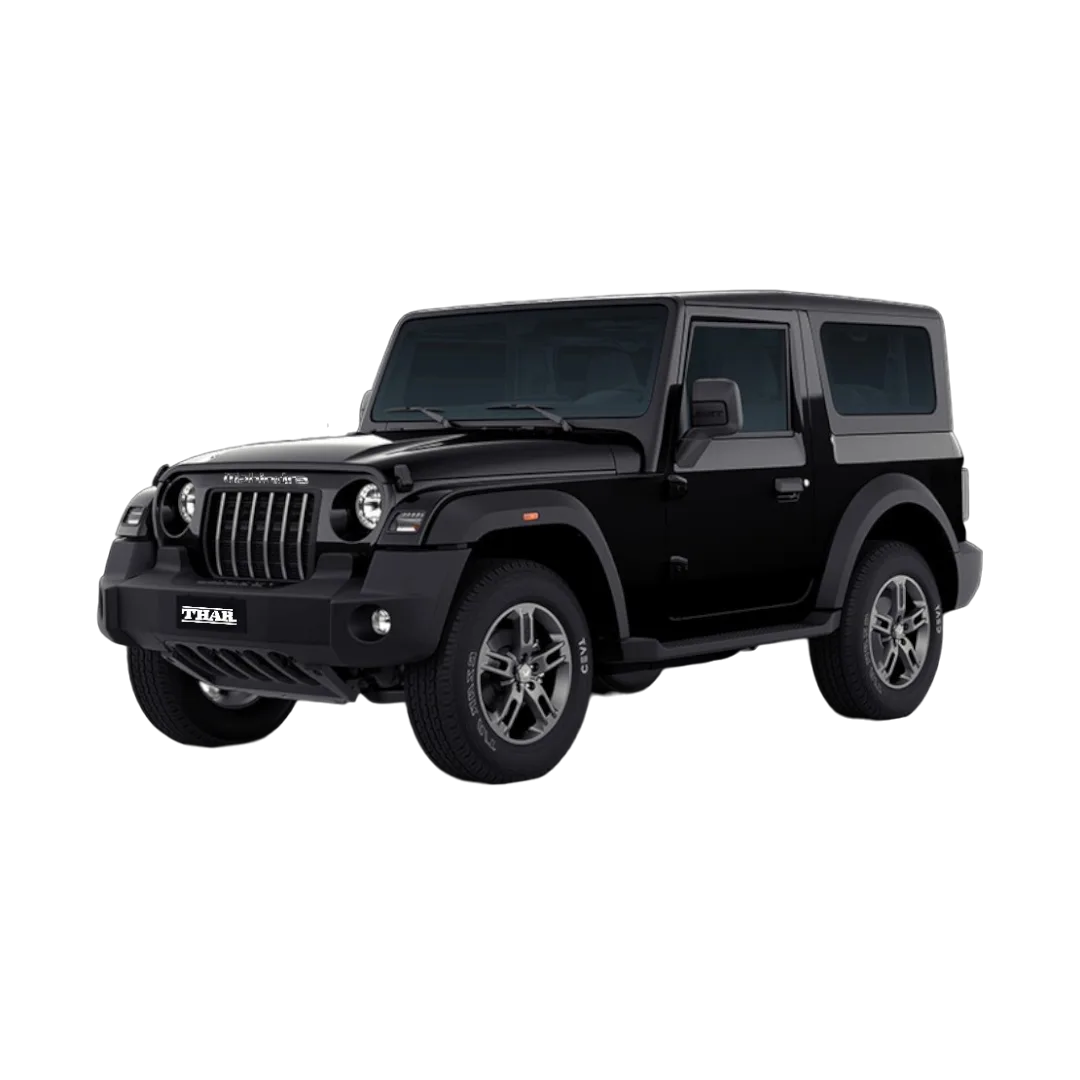 Thar
Thar
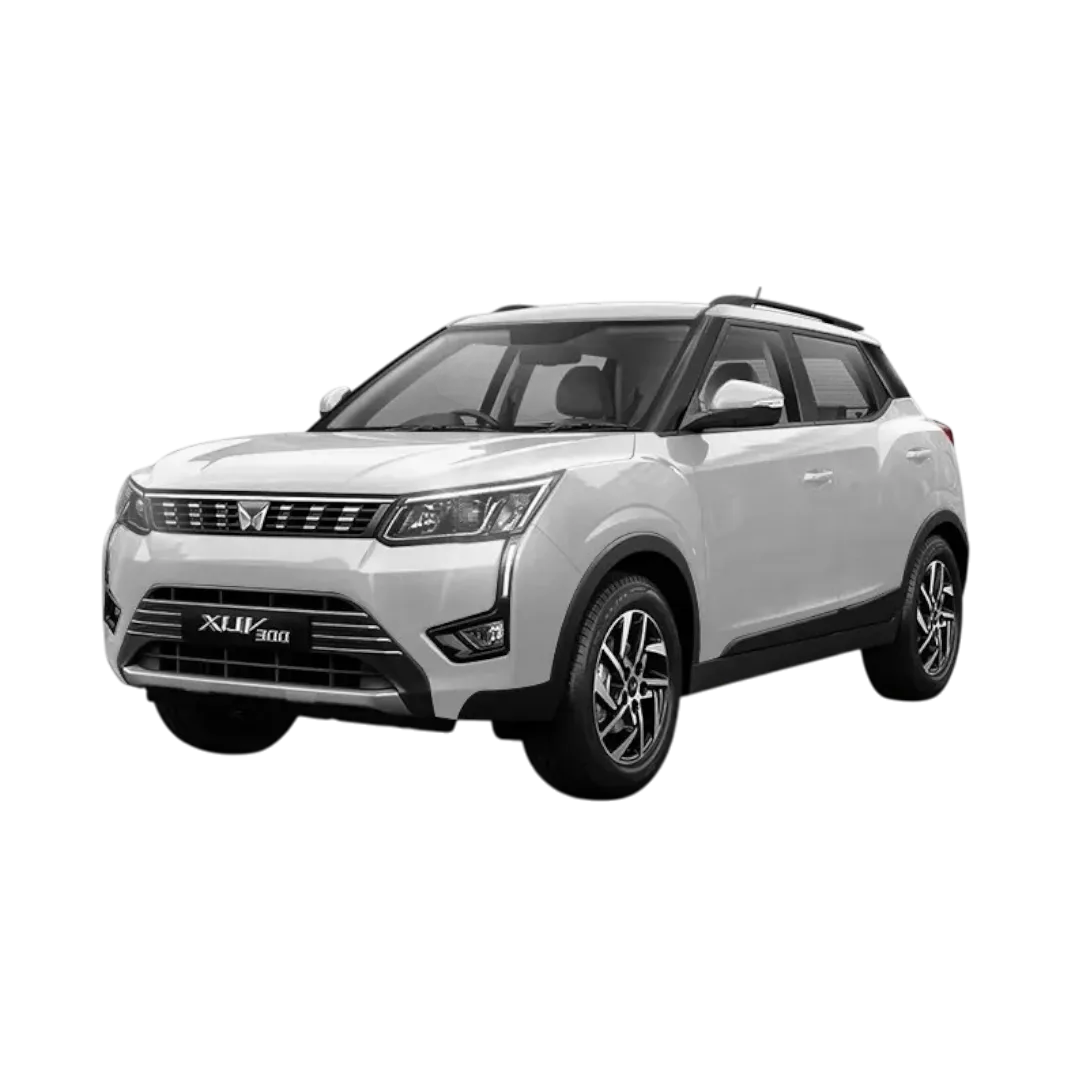 XUV 300
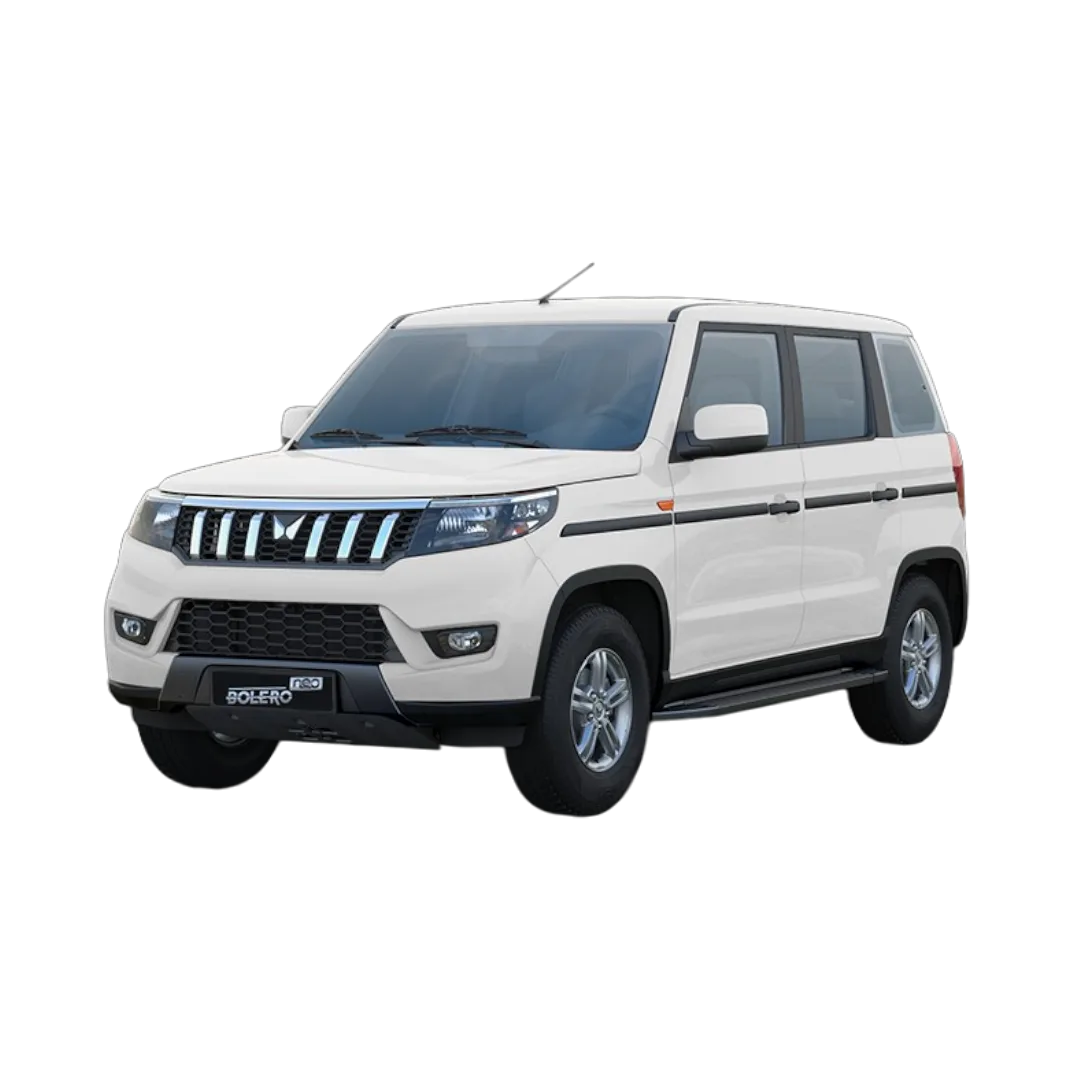 Bolero Neo
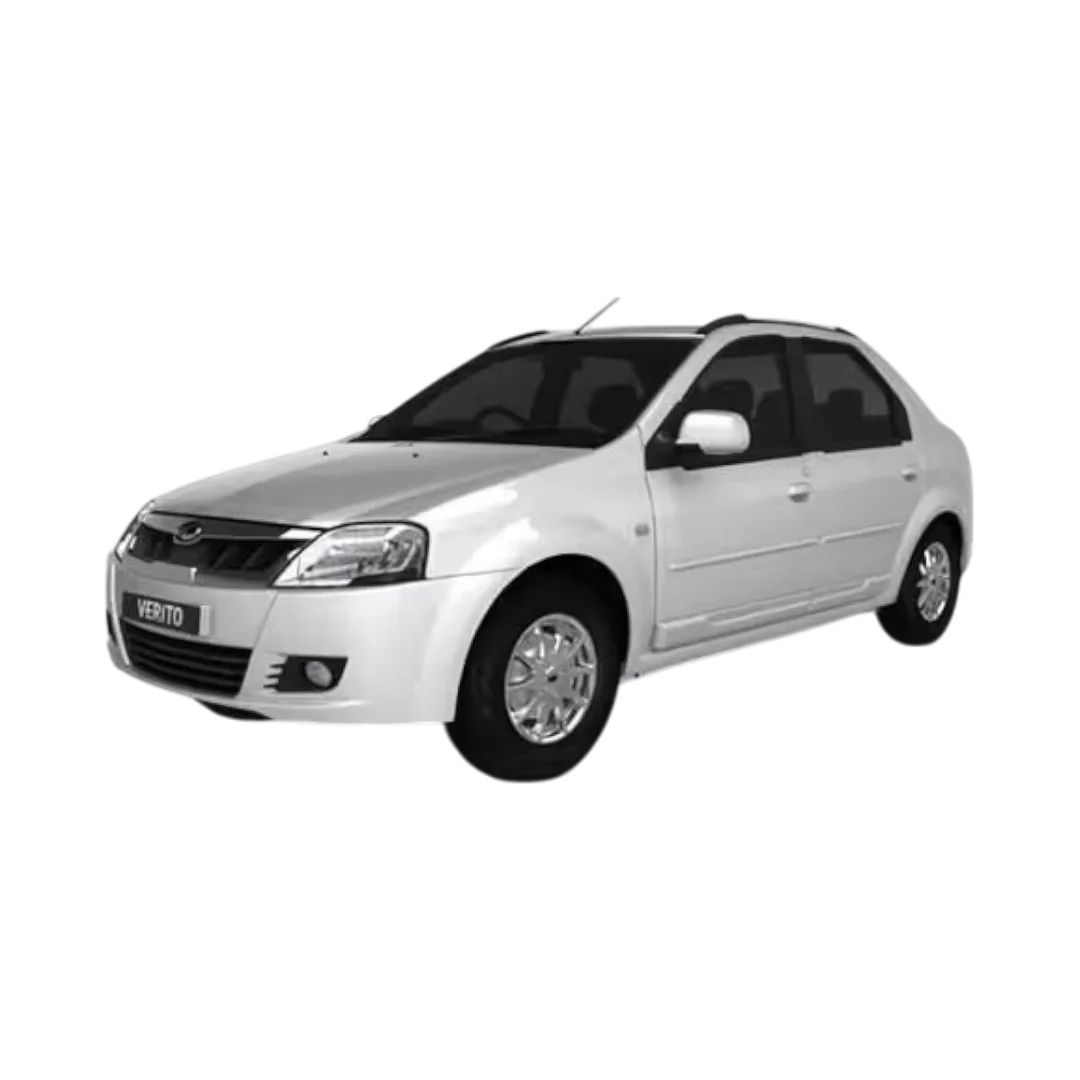 Verito
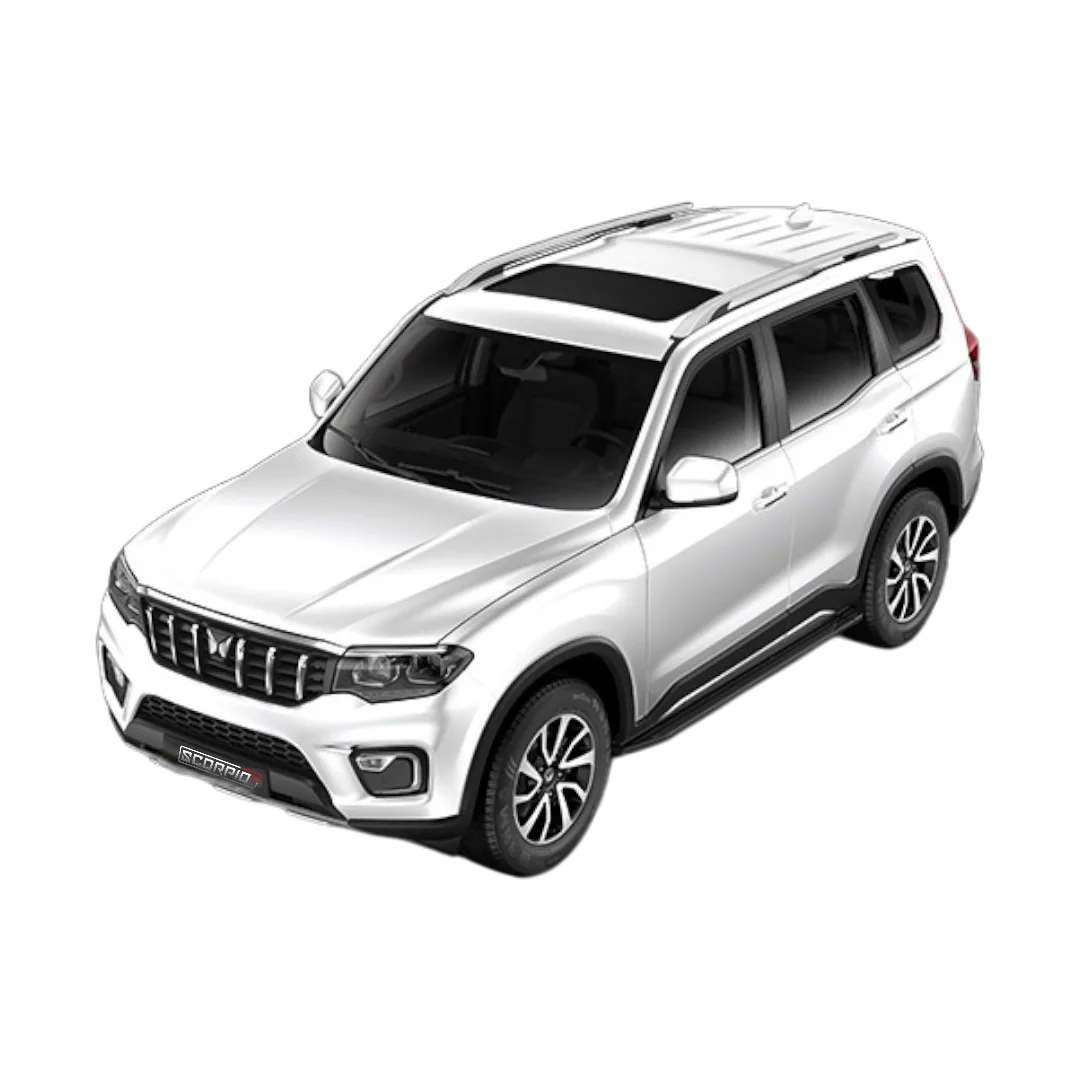 Scorpio-N
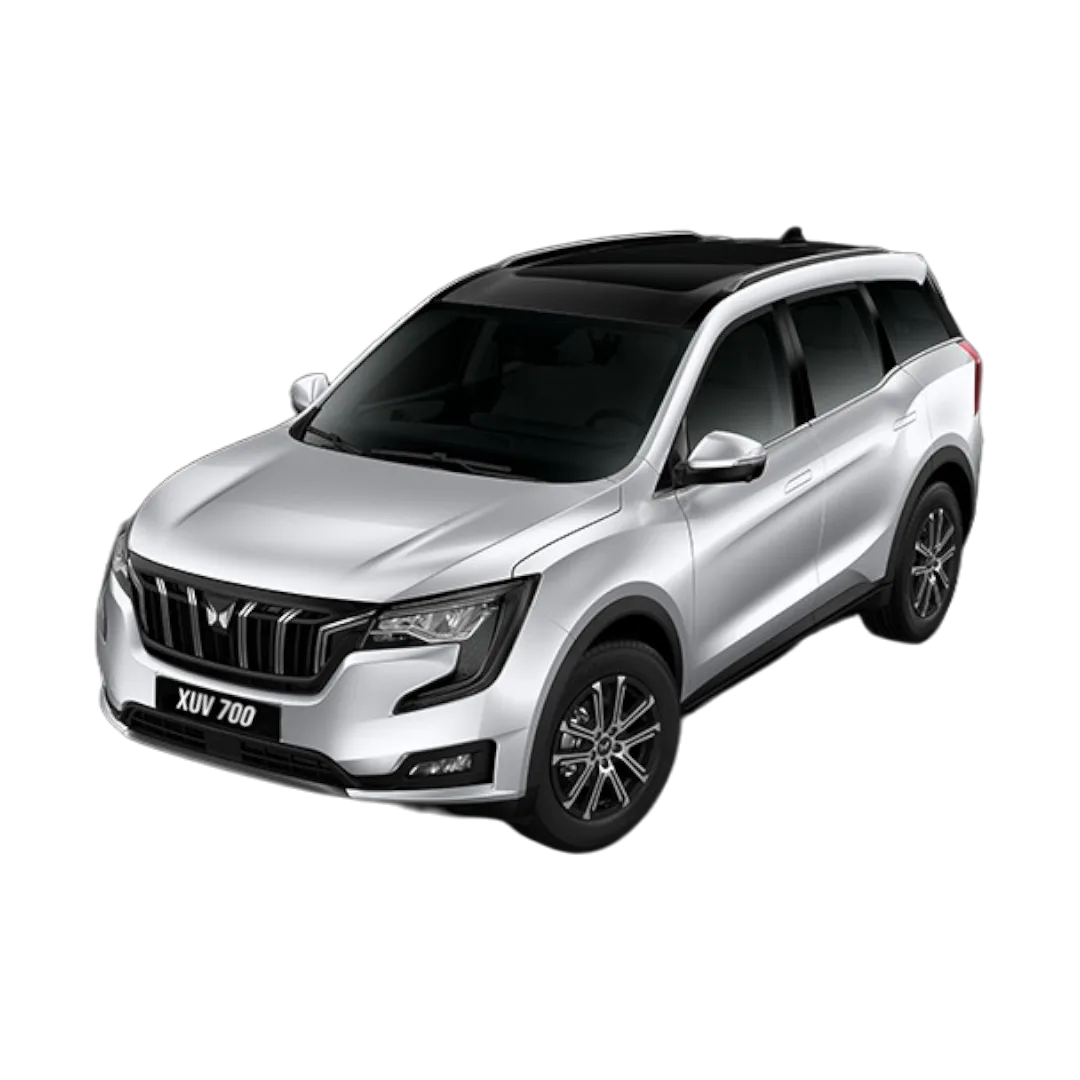 XUV 700
 Scorpio Classic
 XUV400
 Alturas
 Xylo
Xylo
 Quanto
 Logan
Logan
 XUV 500
 TUV 300
 XUV 3XO
 KUV 100
NuvoSport
XEV 9e
BE 6
Thar Roxx
E-Verito
XUV 7XO
TUV 100
BE6
Bolero Camper
Verito Vibe
XUV 400
KUV 100
NuvoSport
XEV 9e
BE 6
Thar Roxx
E-Verito
XUV 7XO
TUV 100
BE6
Bolero Camper
Verito Vibe
XUV 400
 Audi Q5
 Audi A4
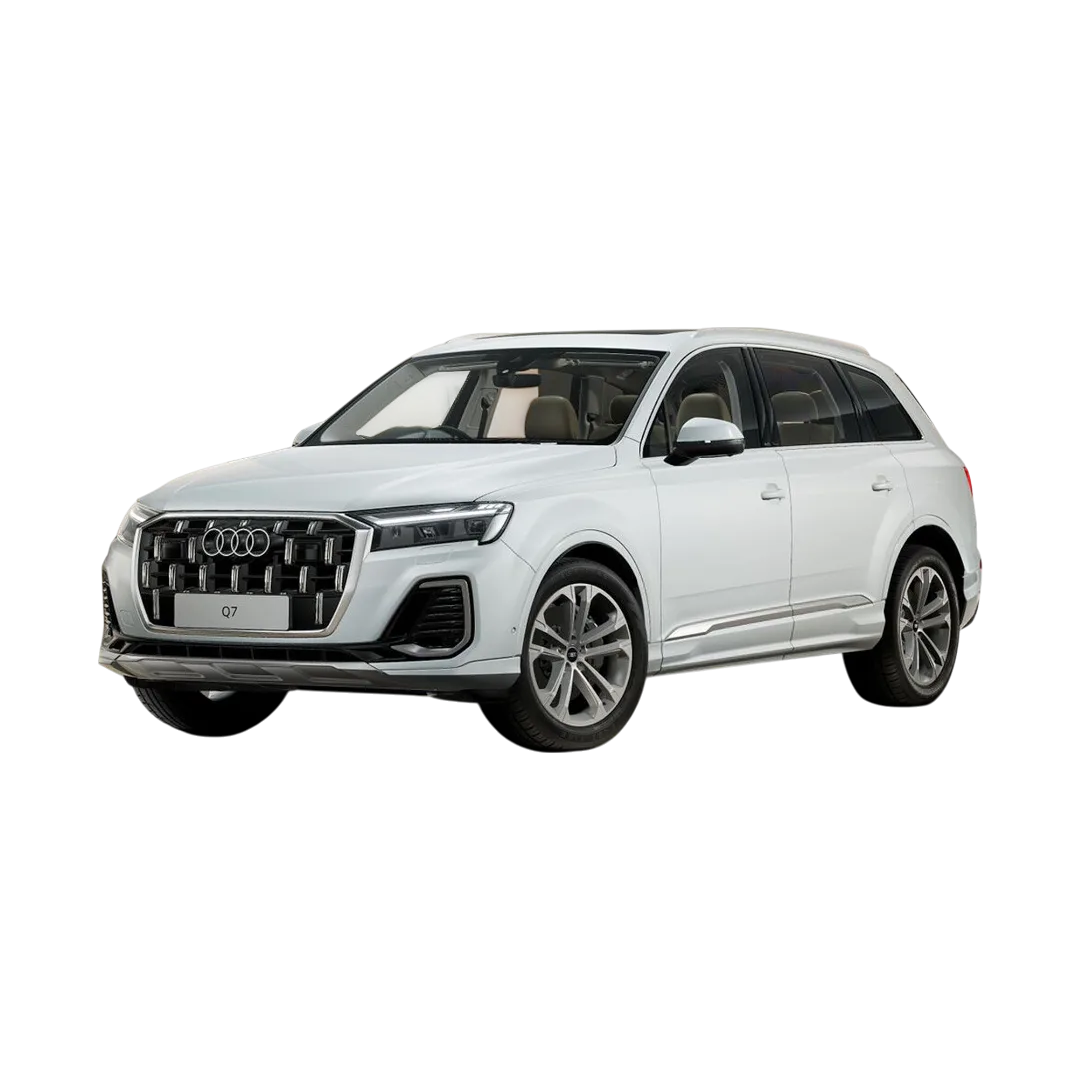 Audi Q7
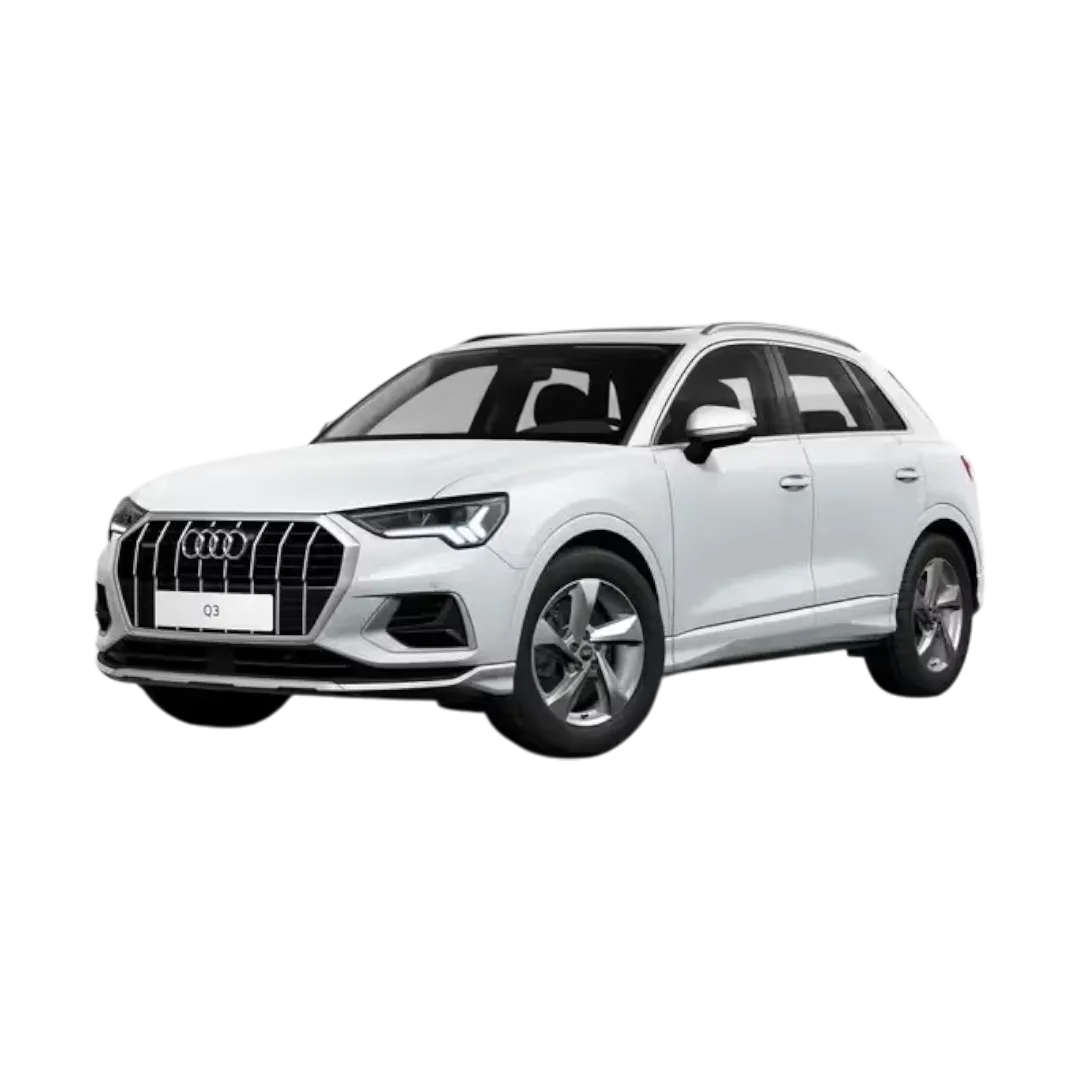 Audi Q3
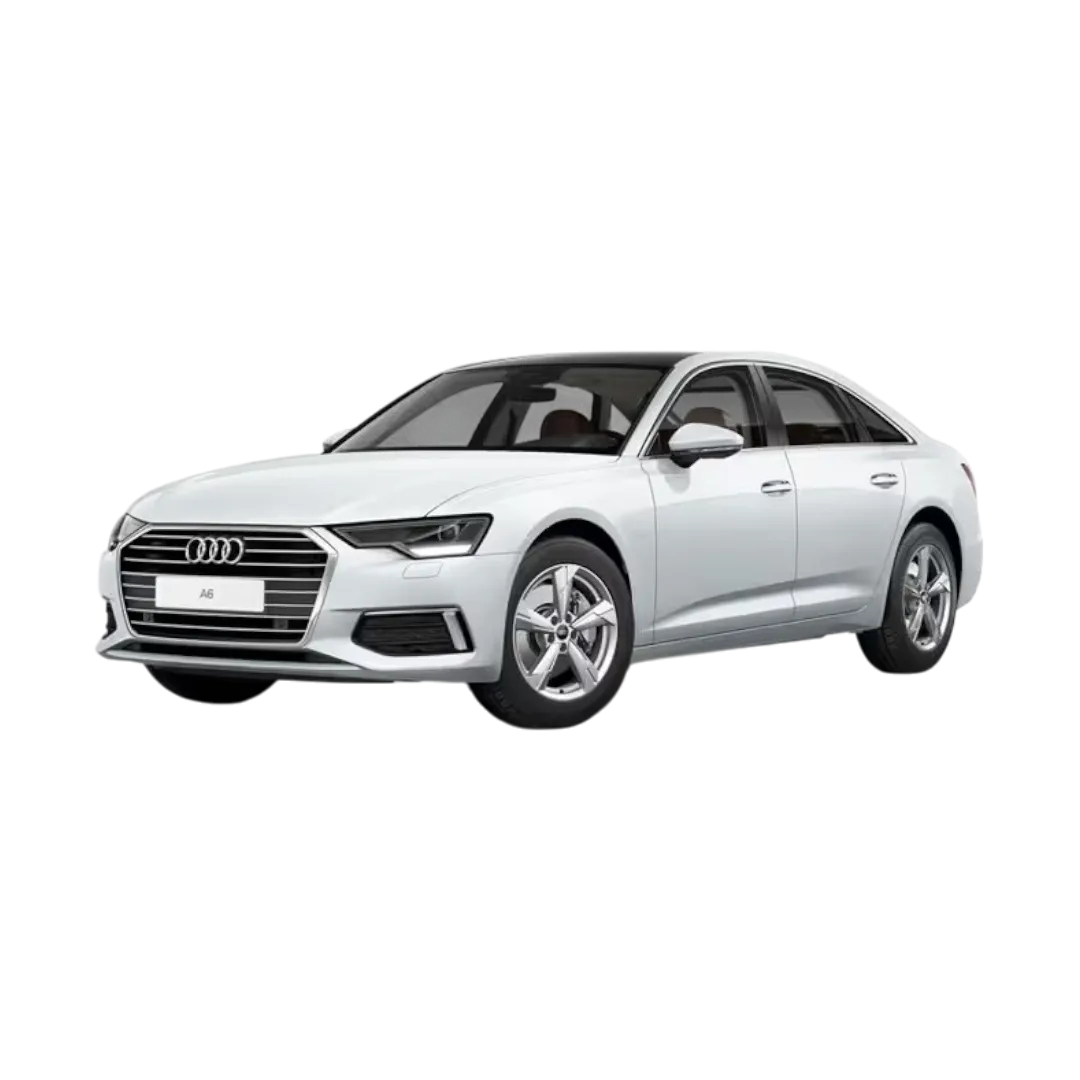 Audi A6
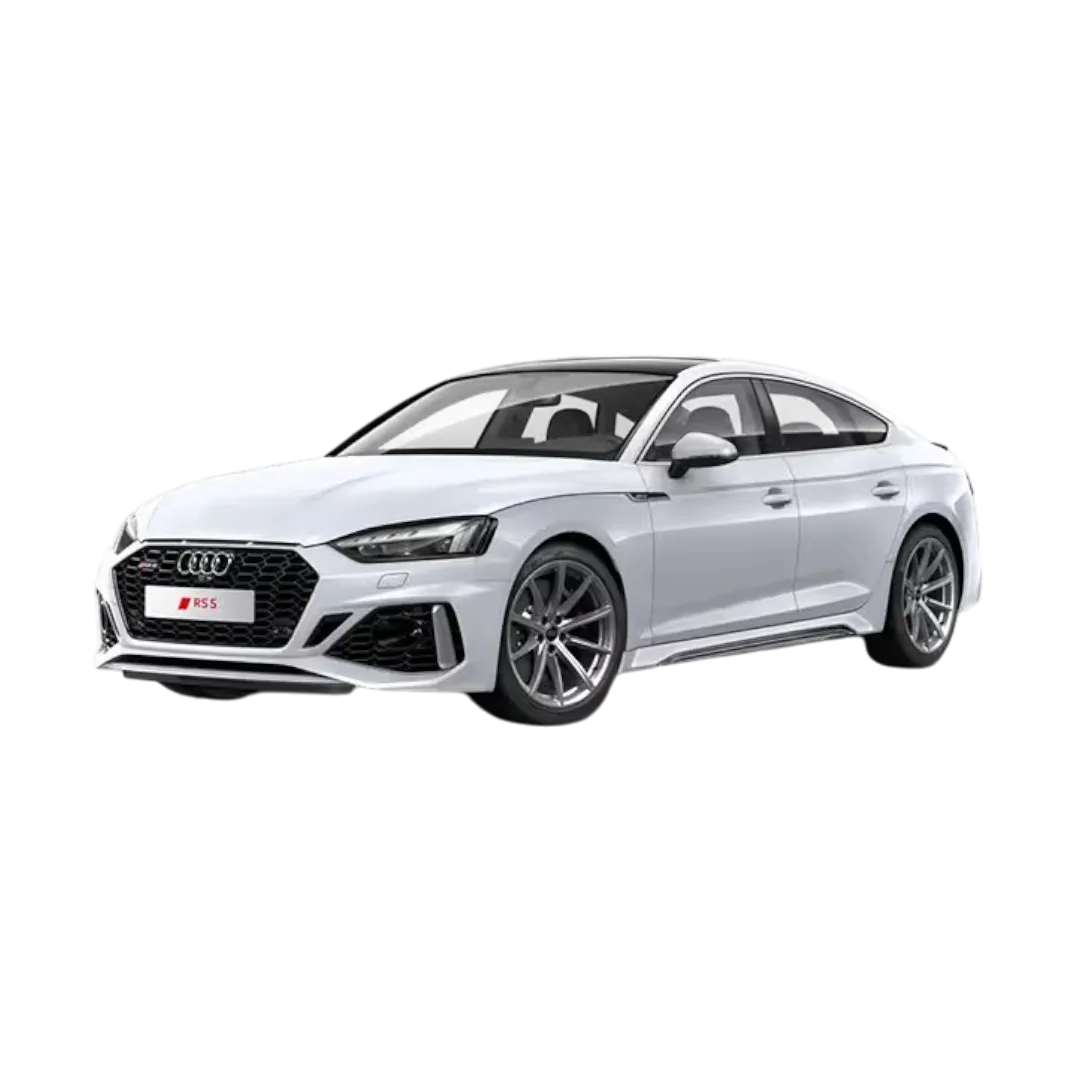 Audi RS5
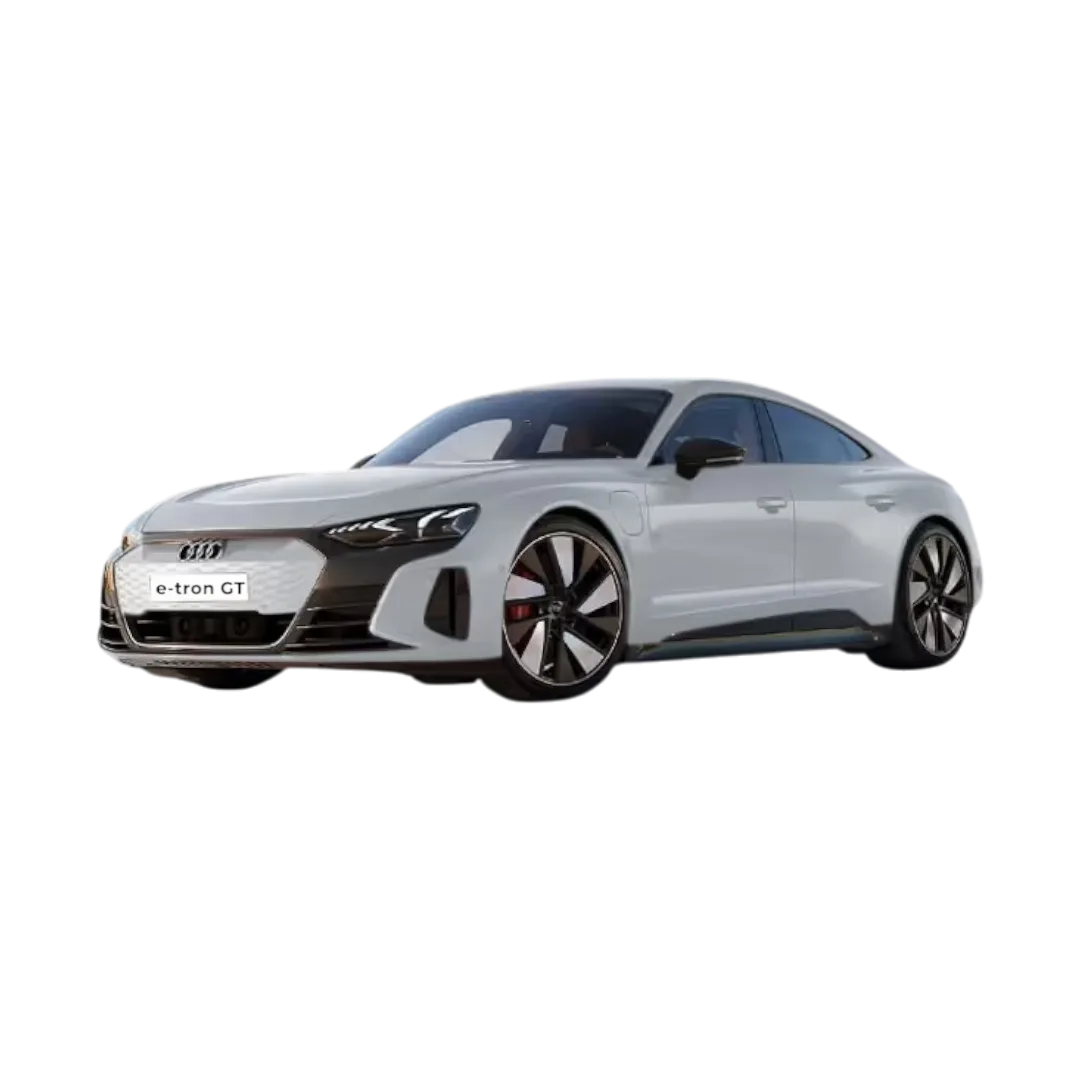 E-Tron GT
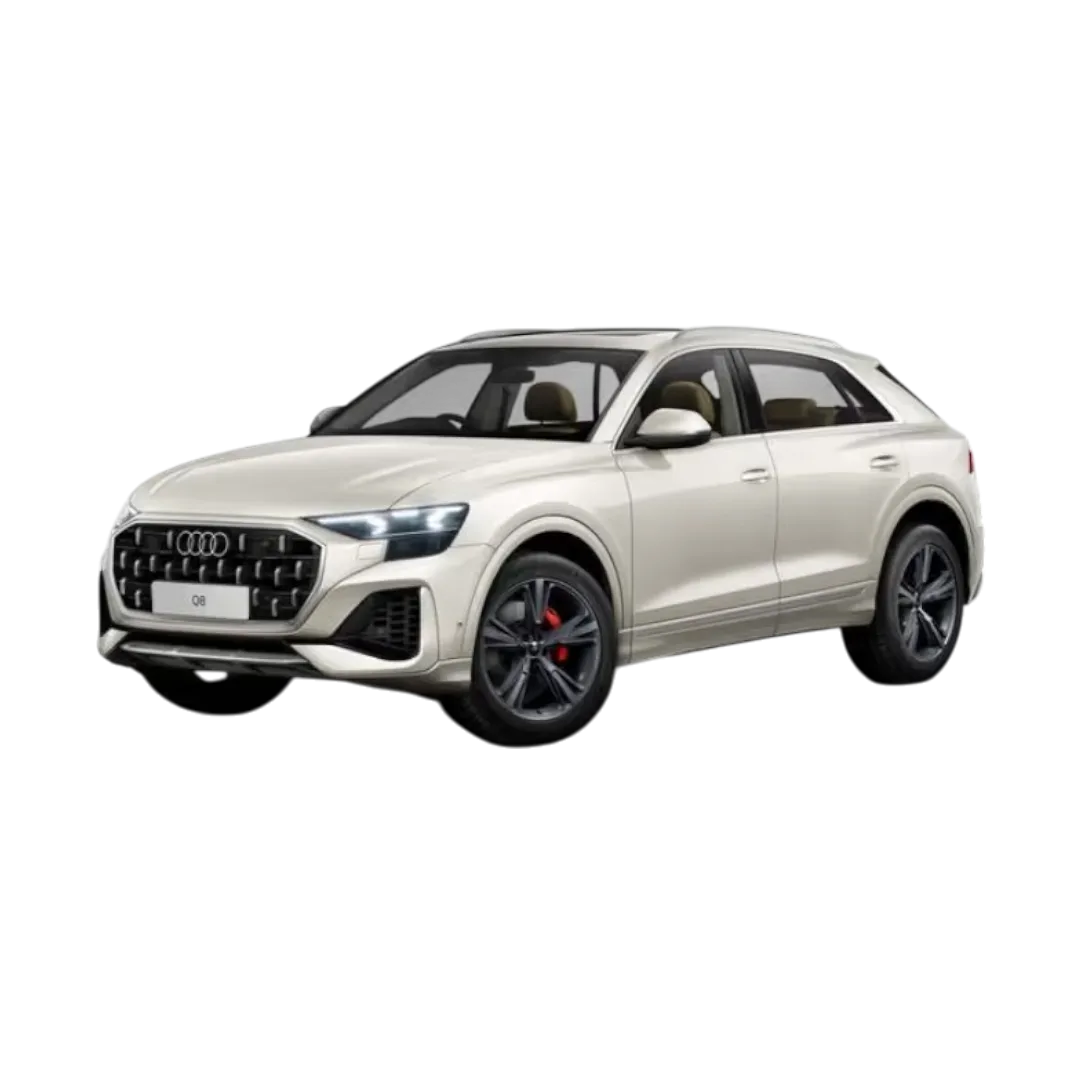 Audi Q8
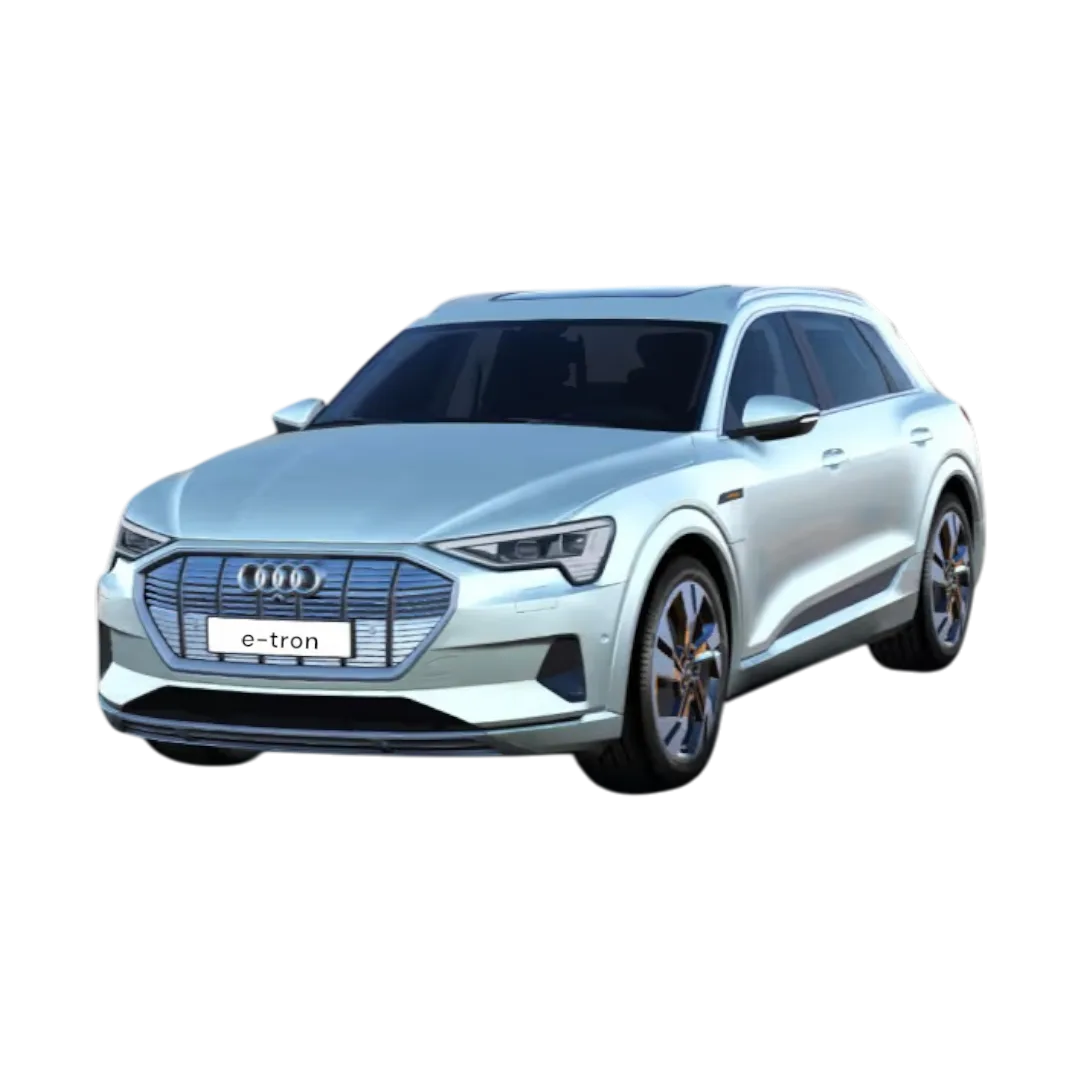 E-Tron
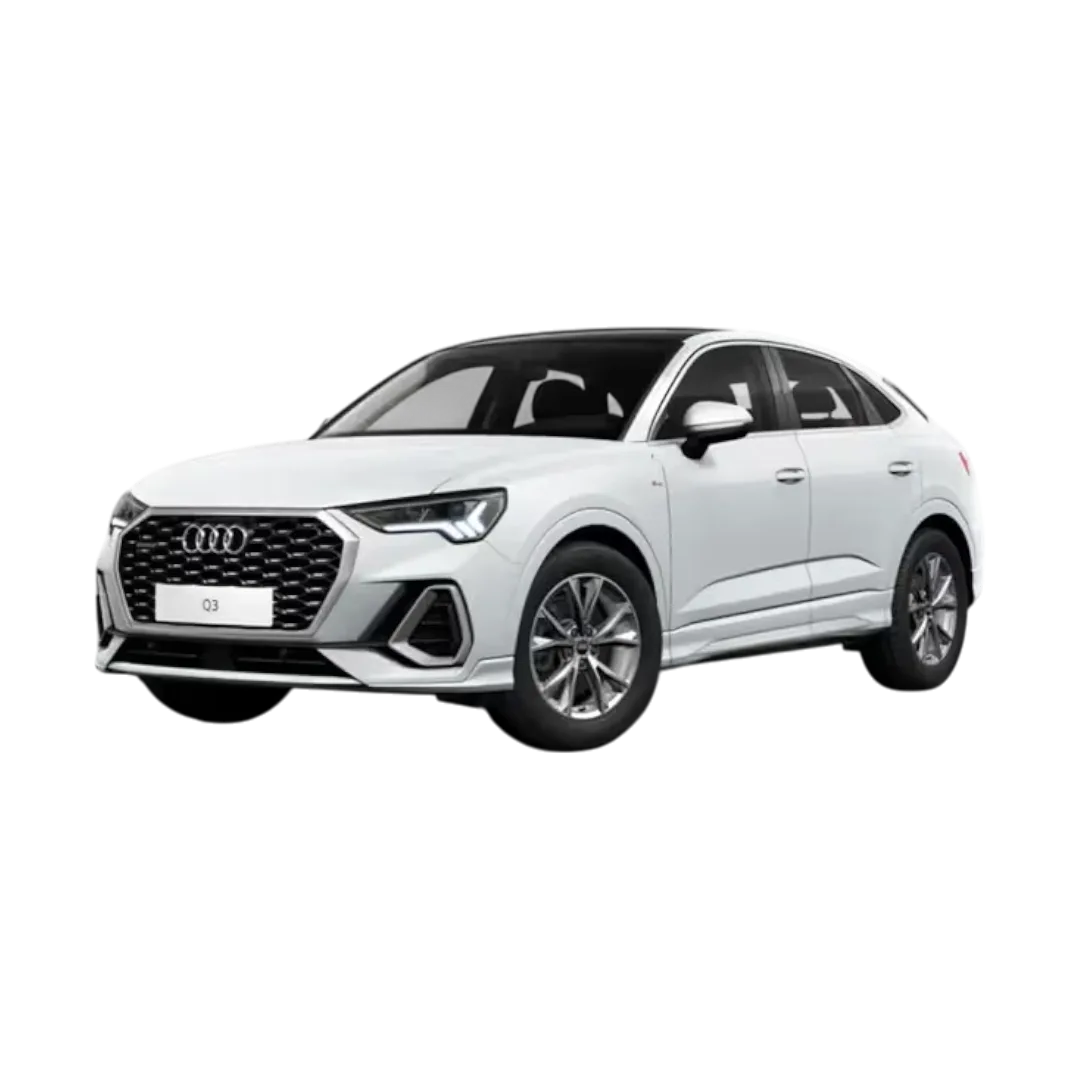 Q3 Sportback
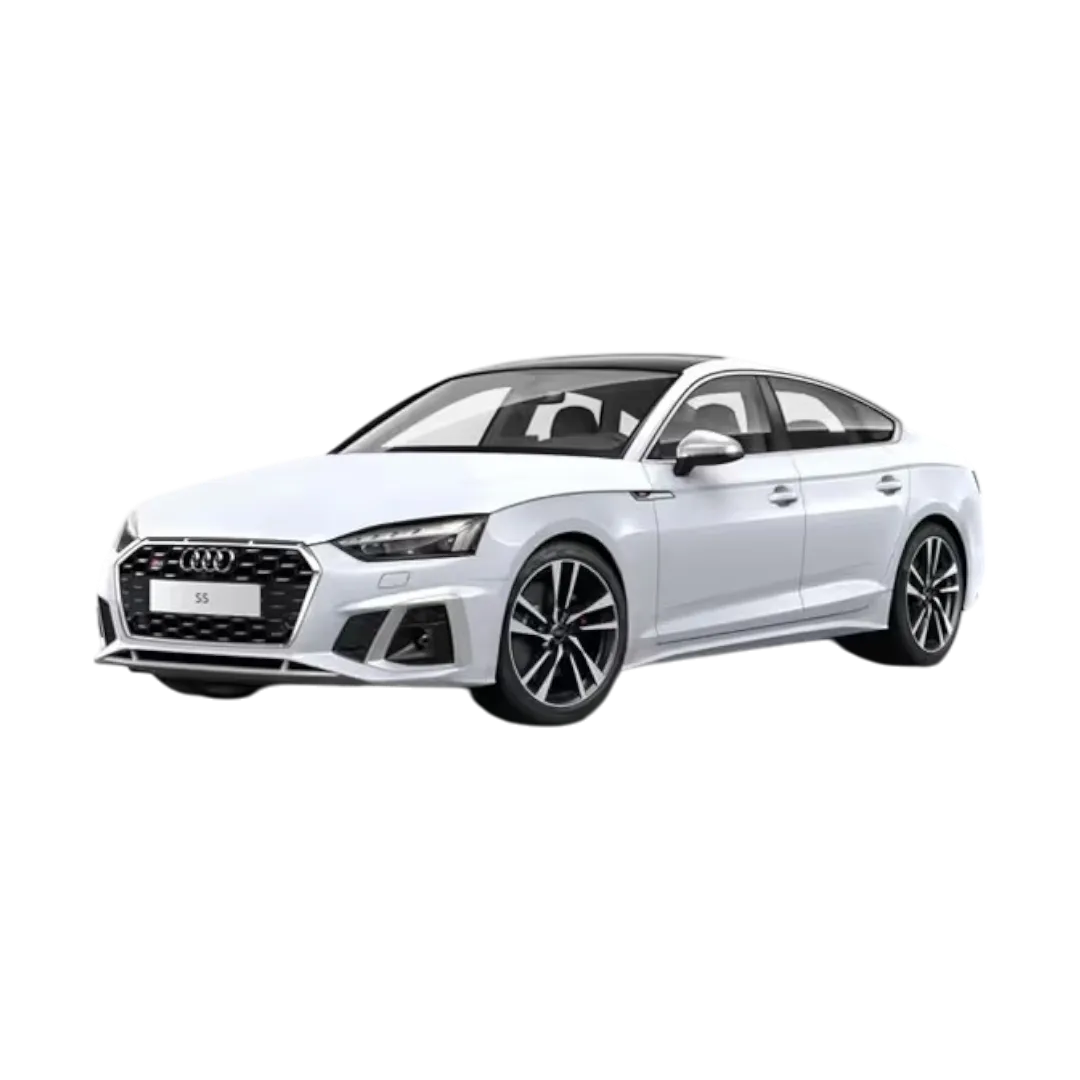 Audi S5 Sportback
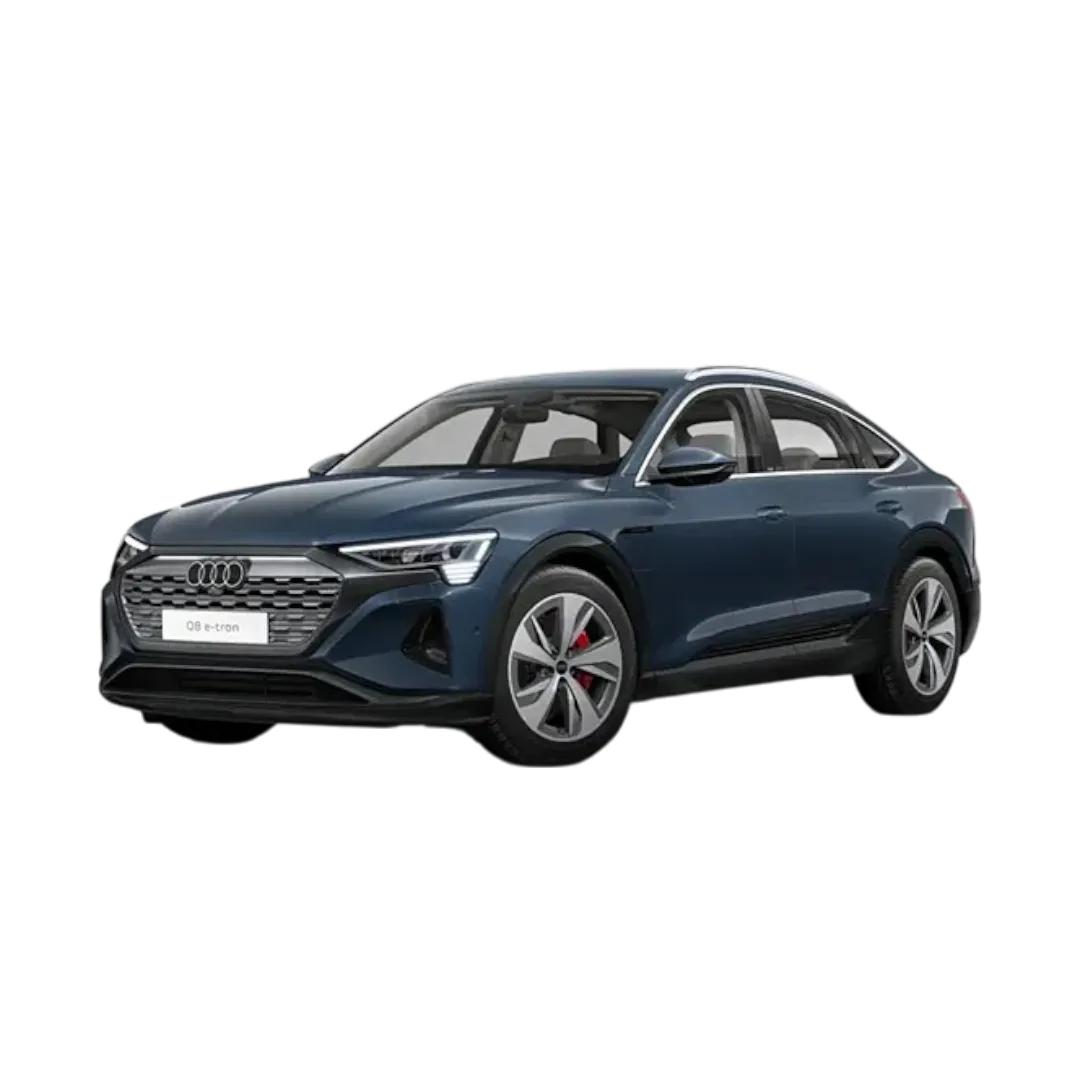 Q8 E-Tron
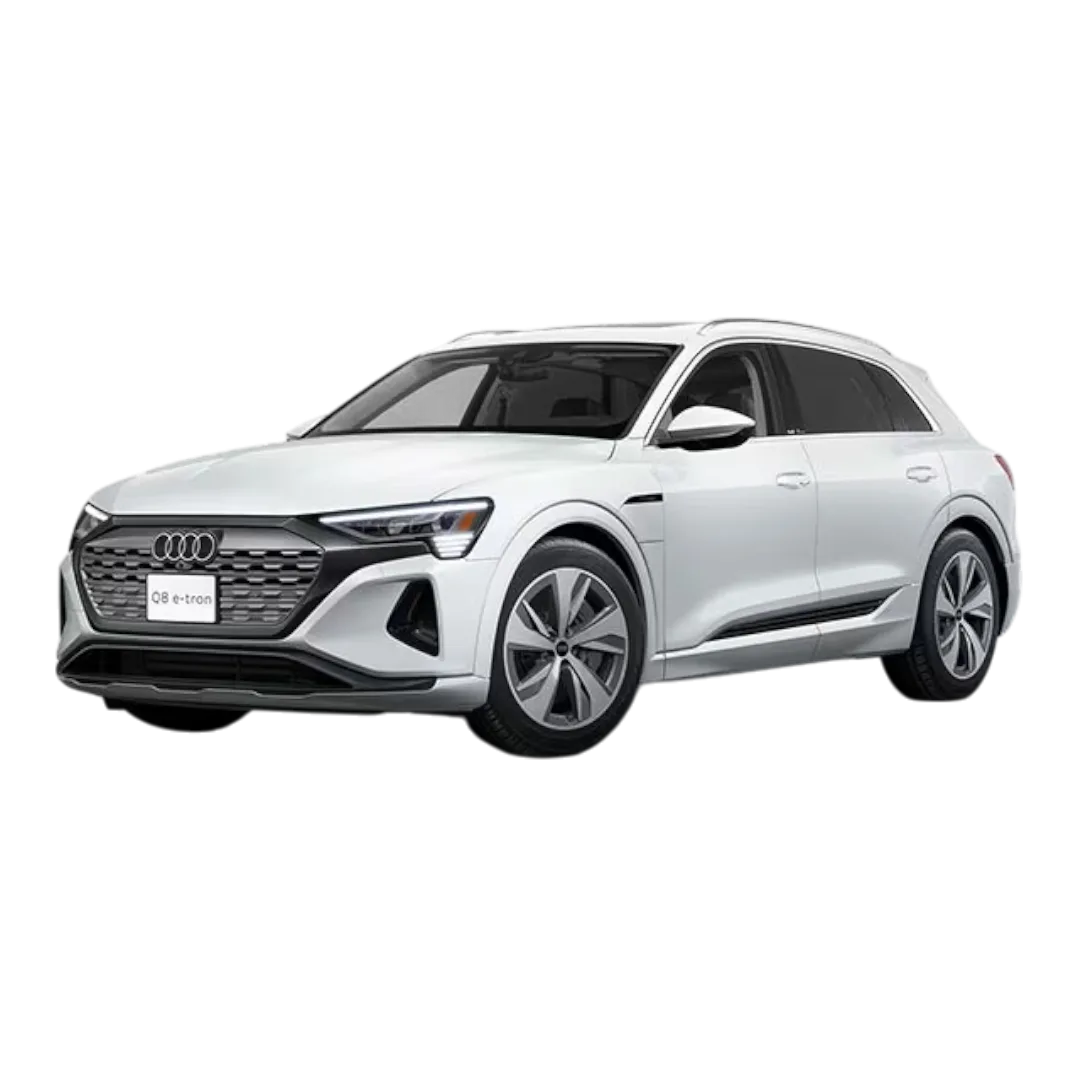 Q8 E-Tron Sportback
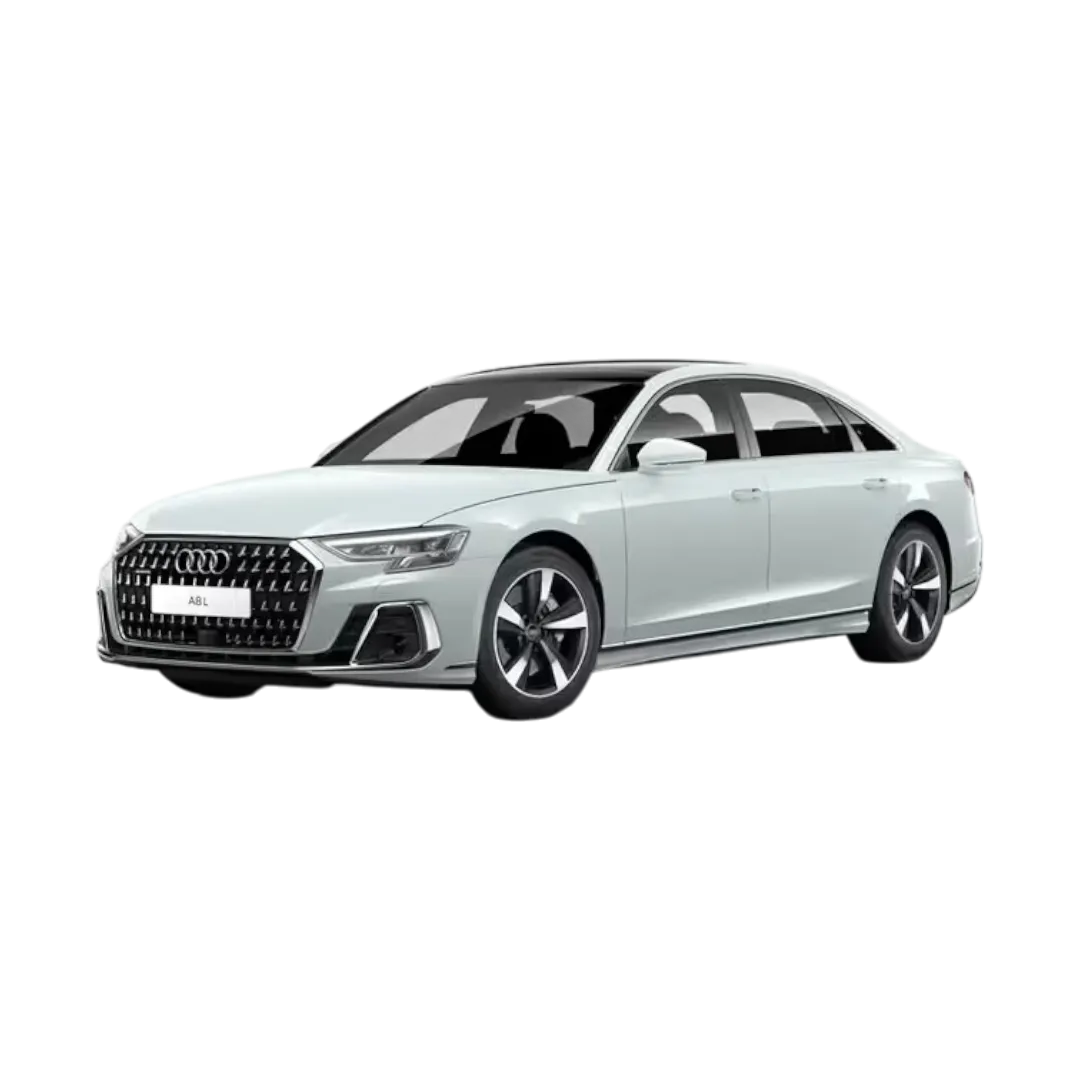 Audi A8L
 Audi RS Q8
 Audi A3
 BMW X7
 BMW X1
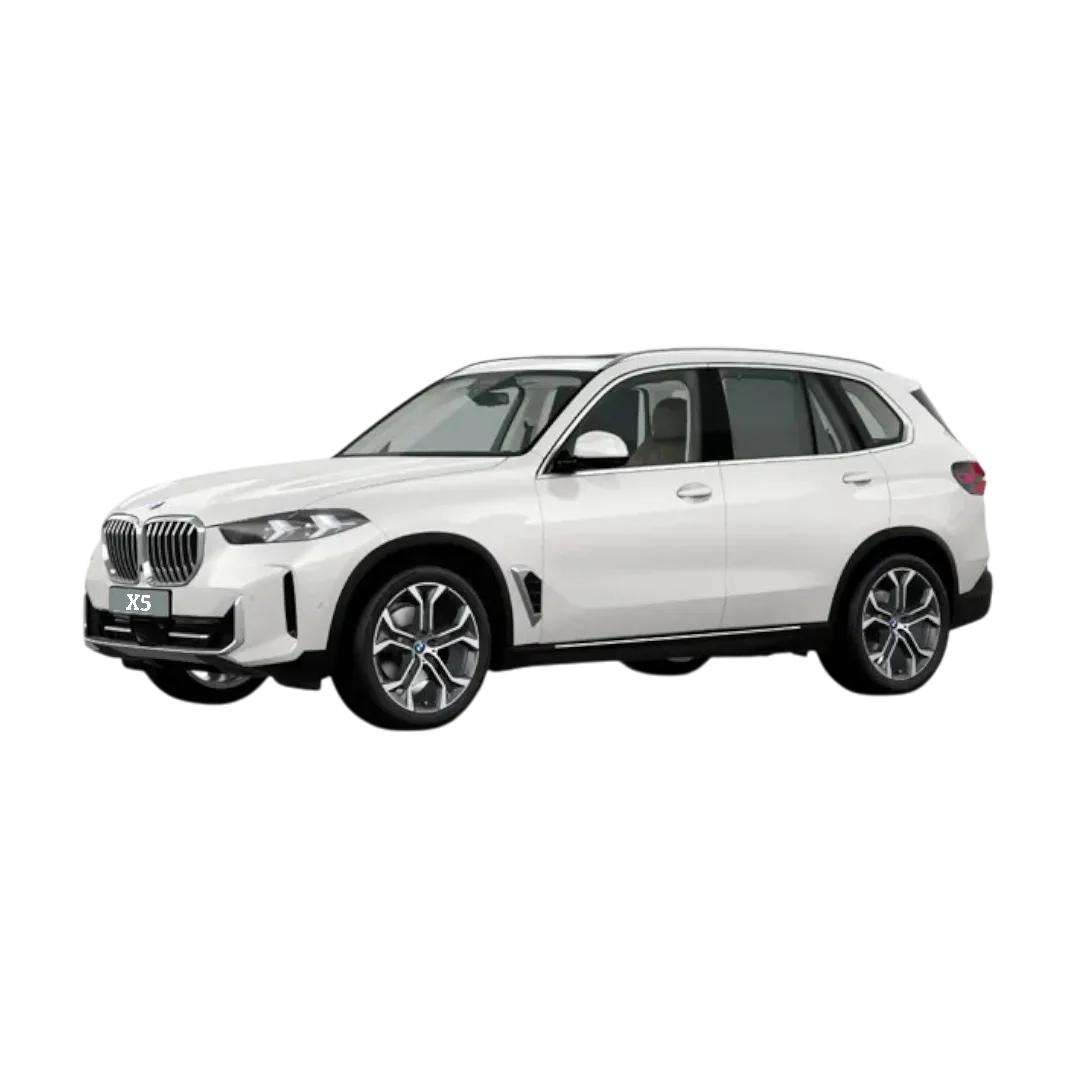 BMW X5
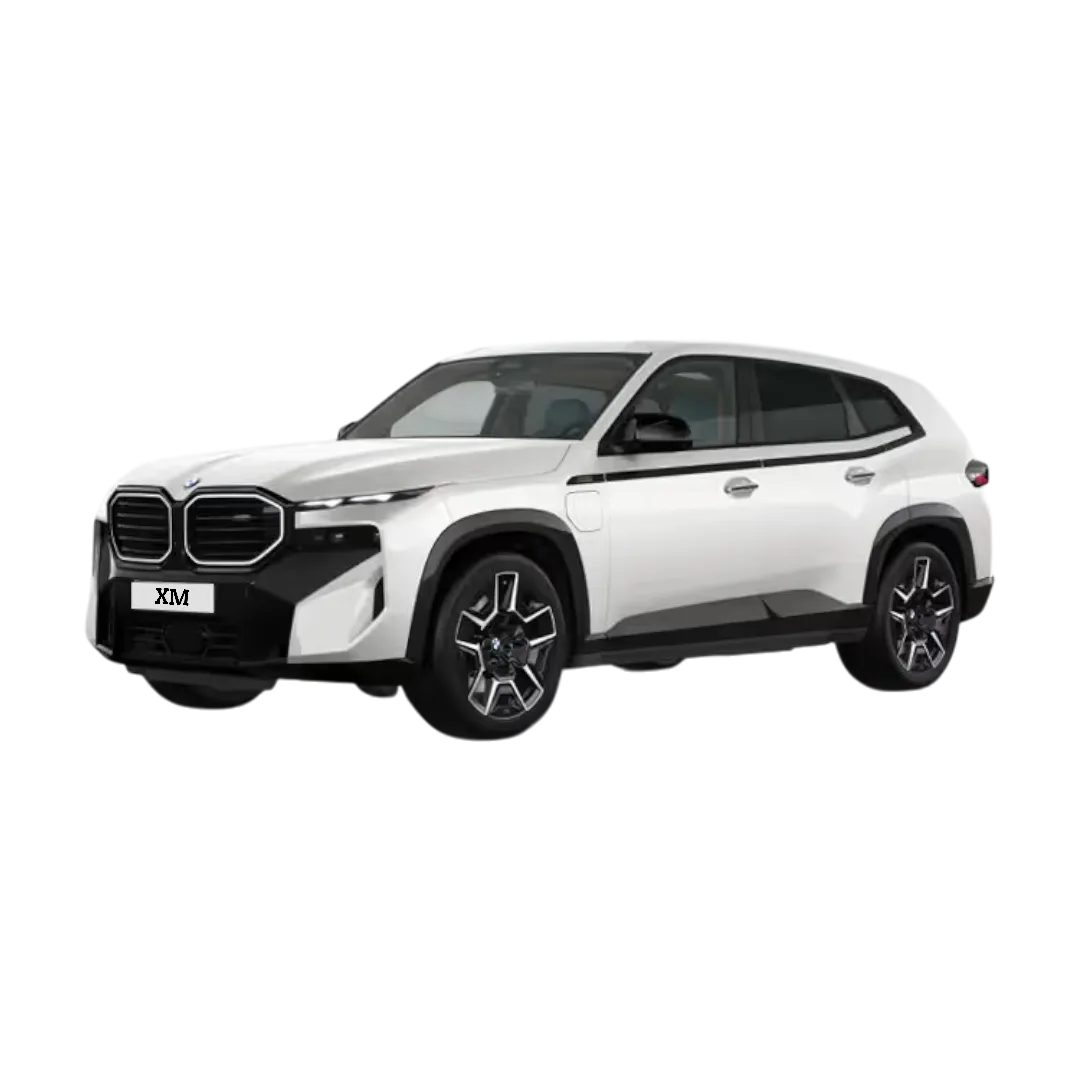 BMW XM
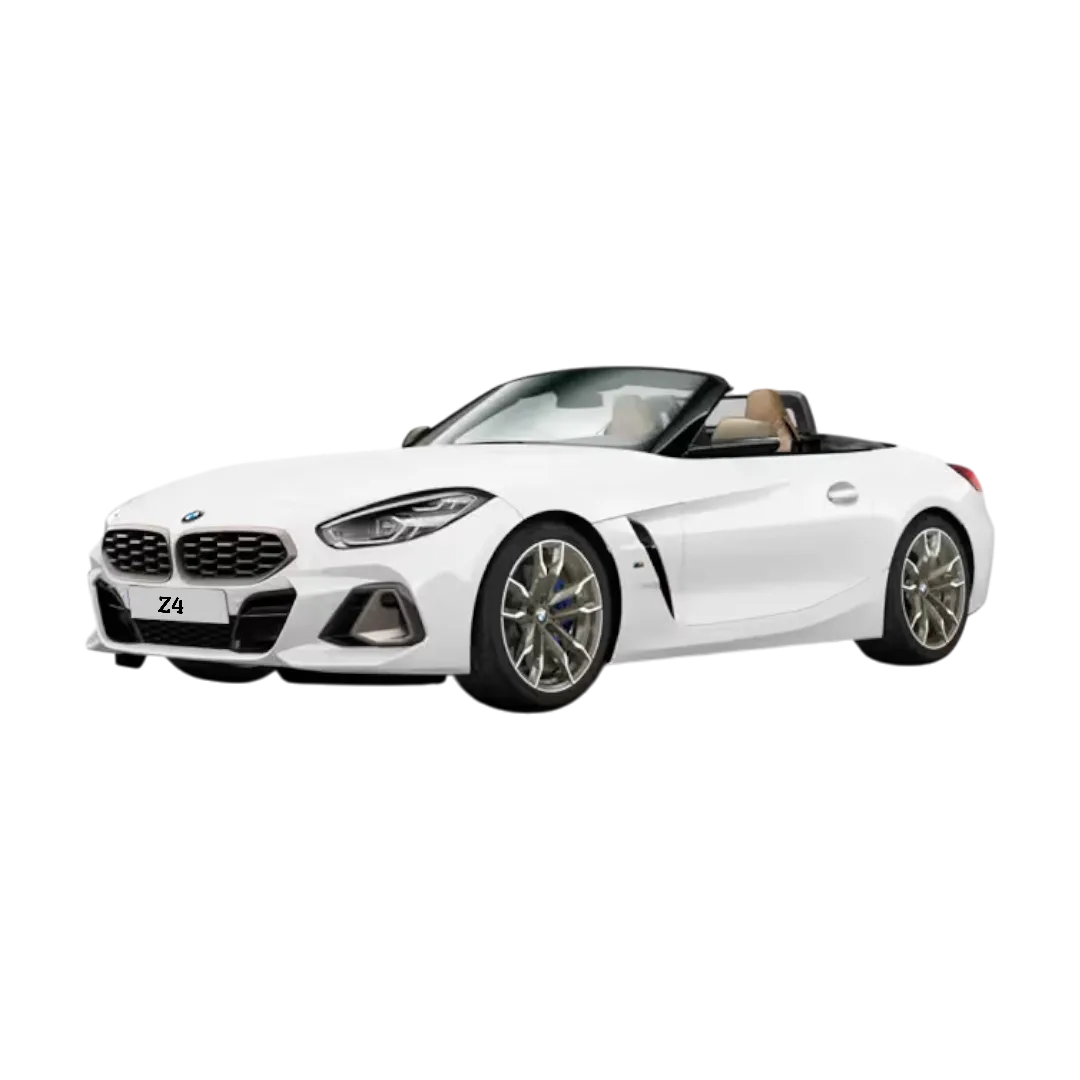 BMW Z4
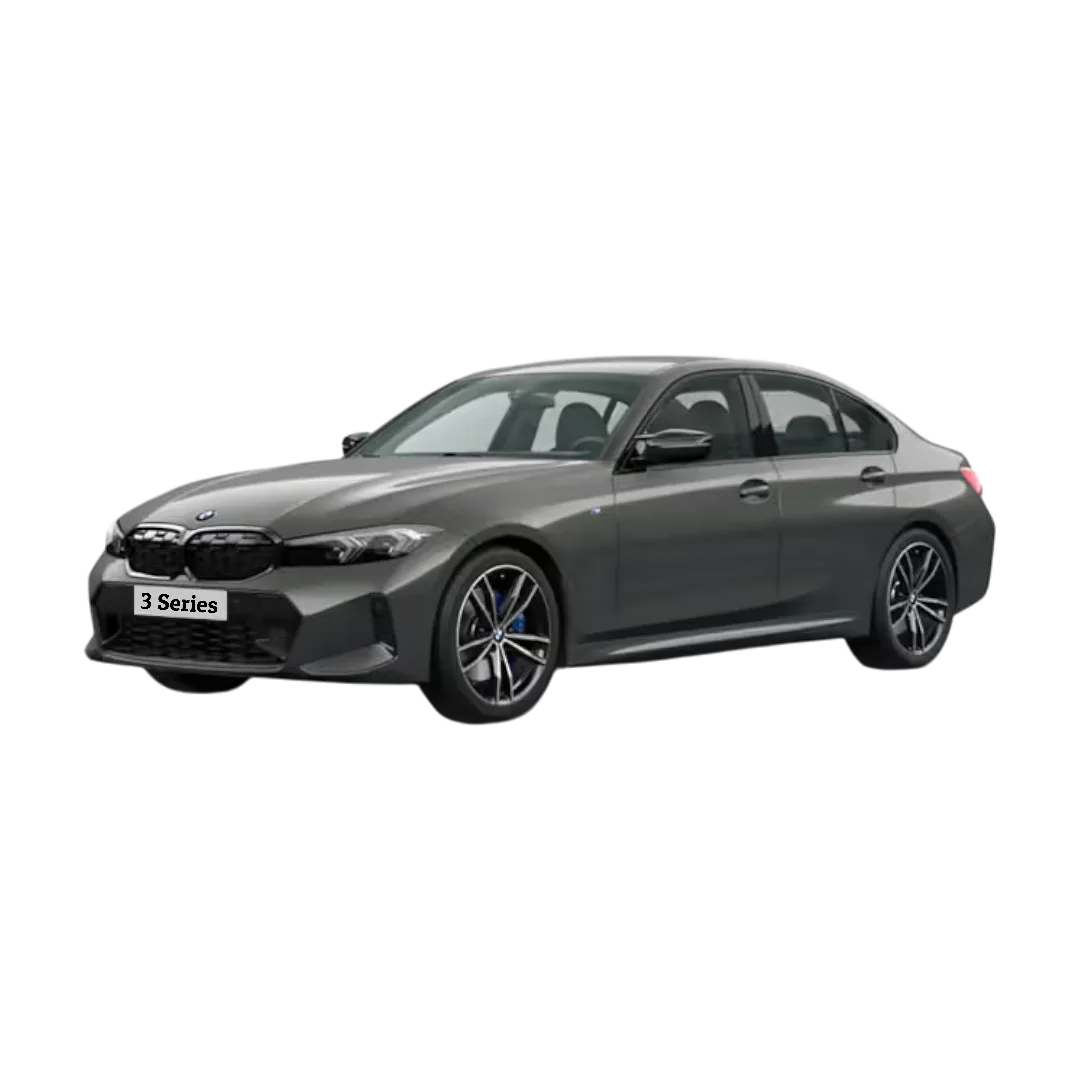 3 Series
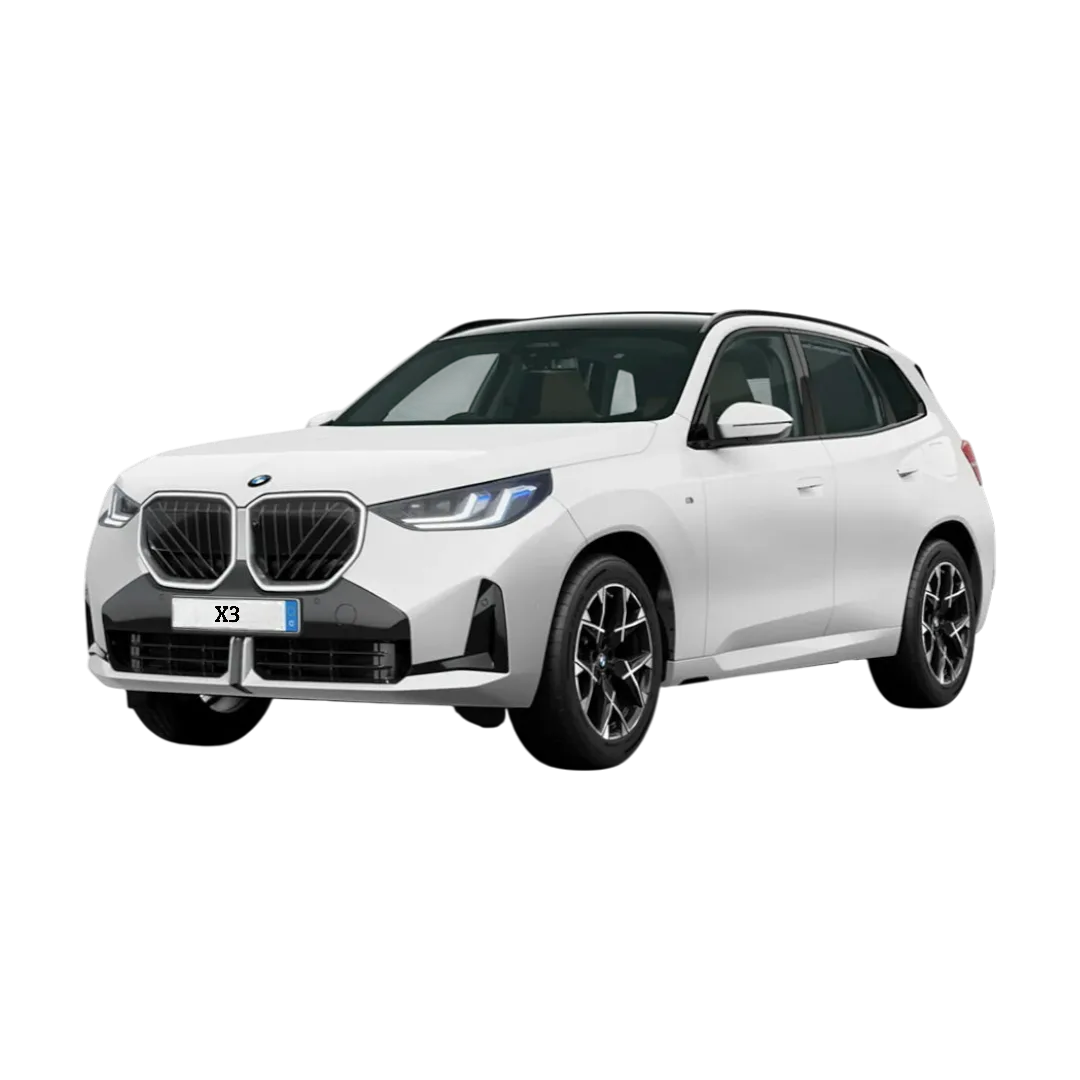 BMW X3
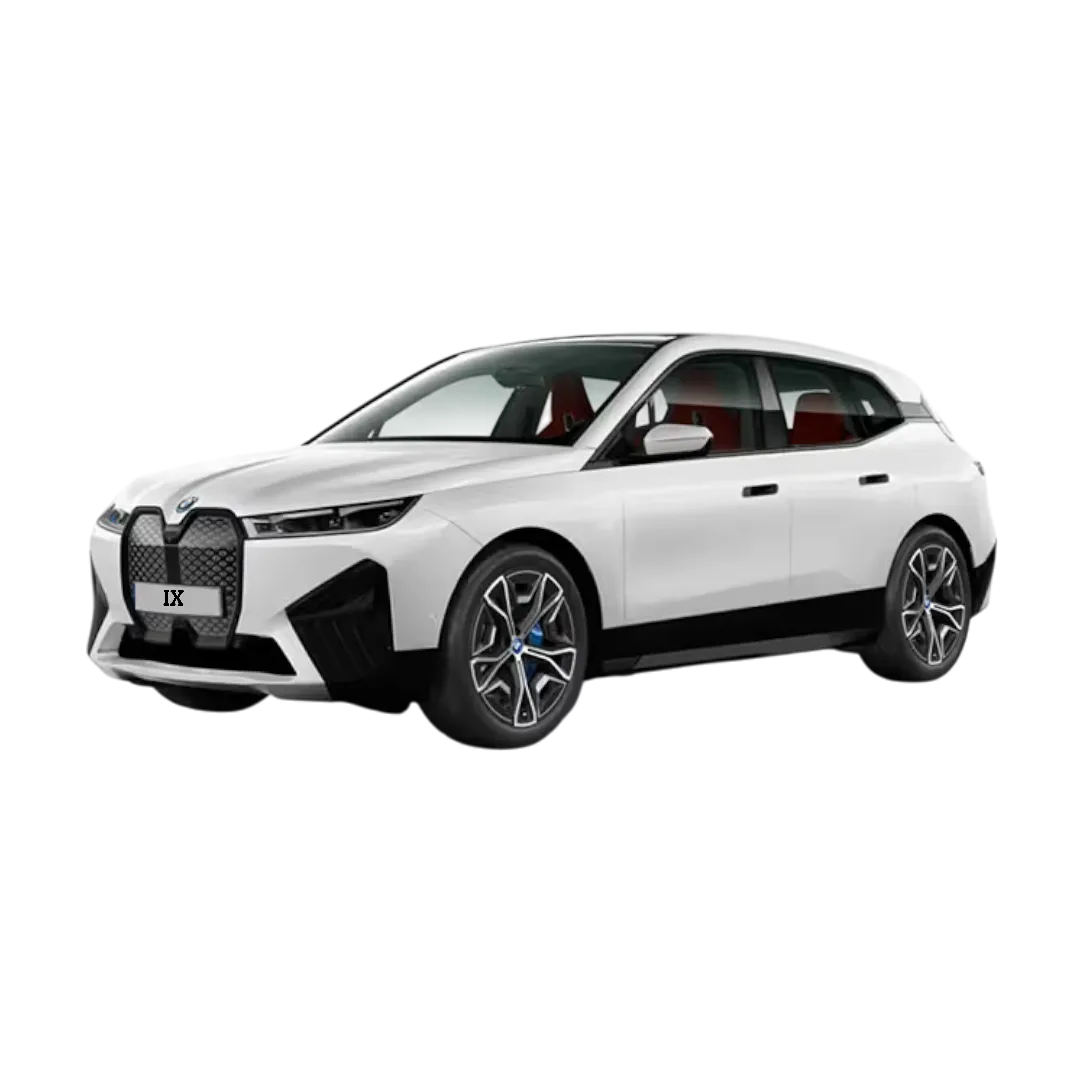 BMW iX
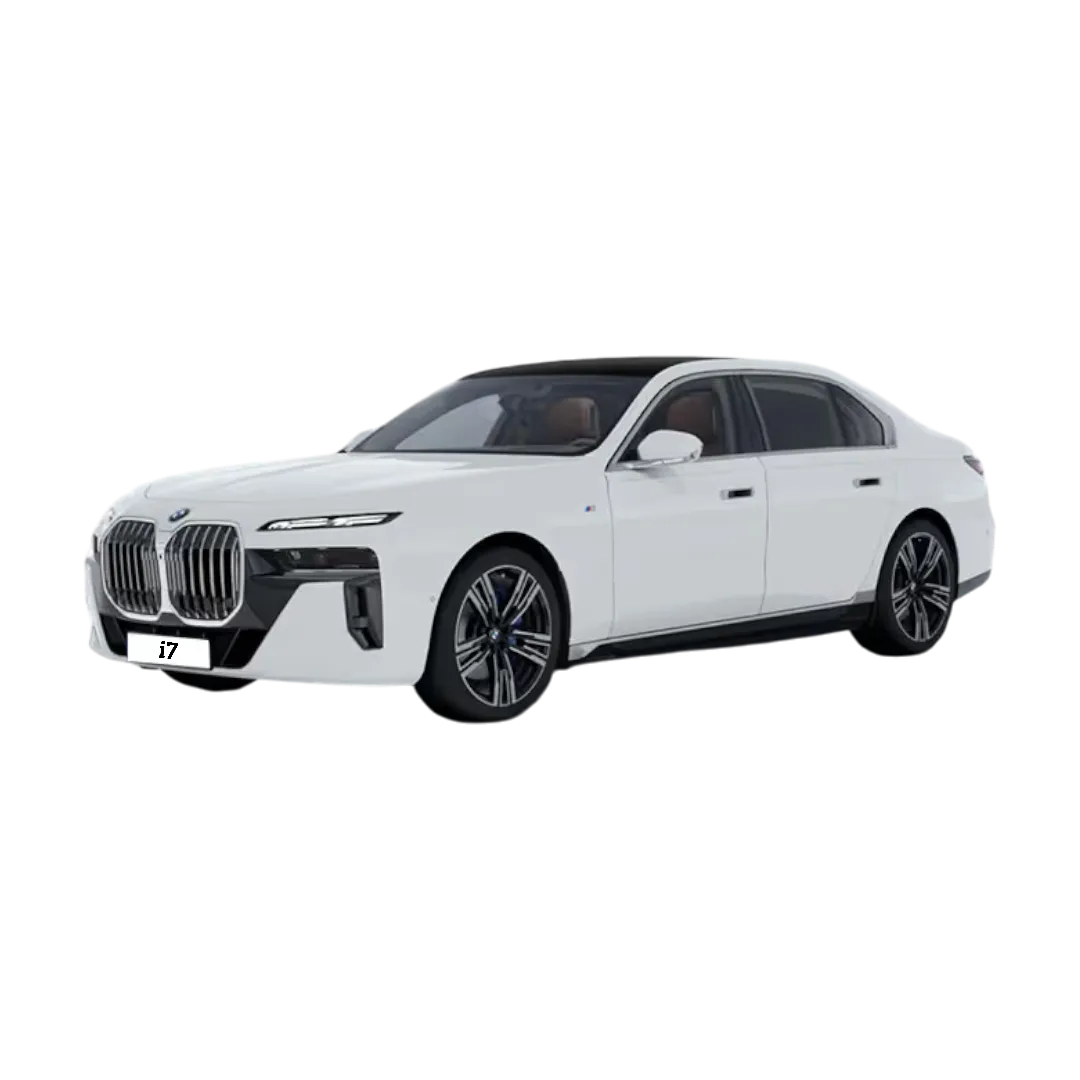 BMW i7
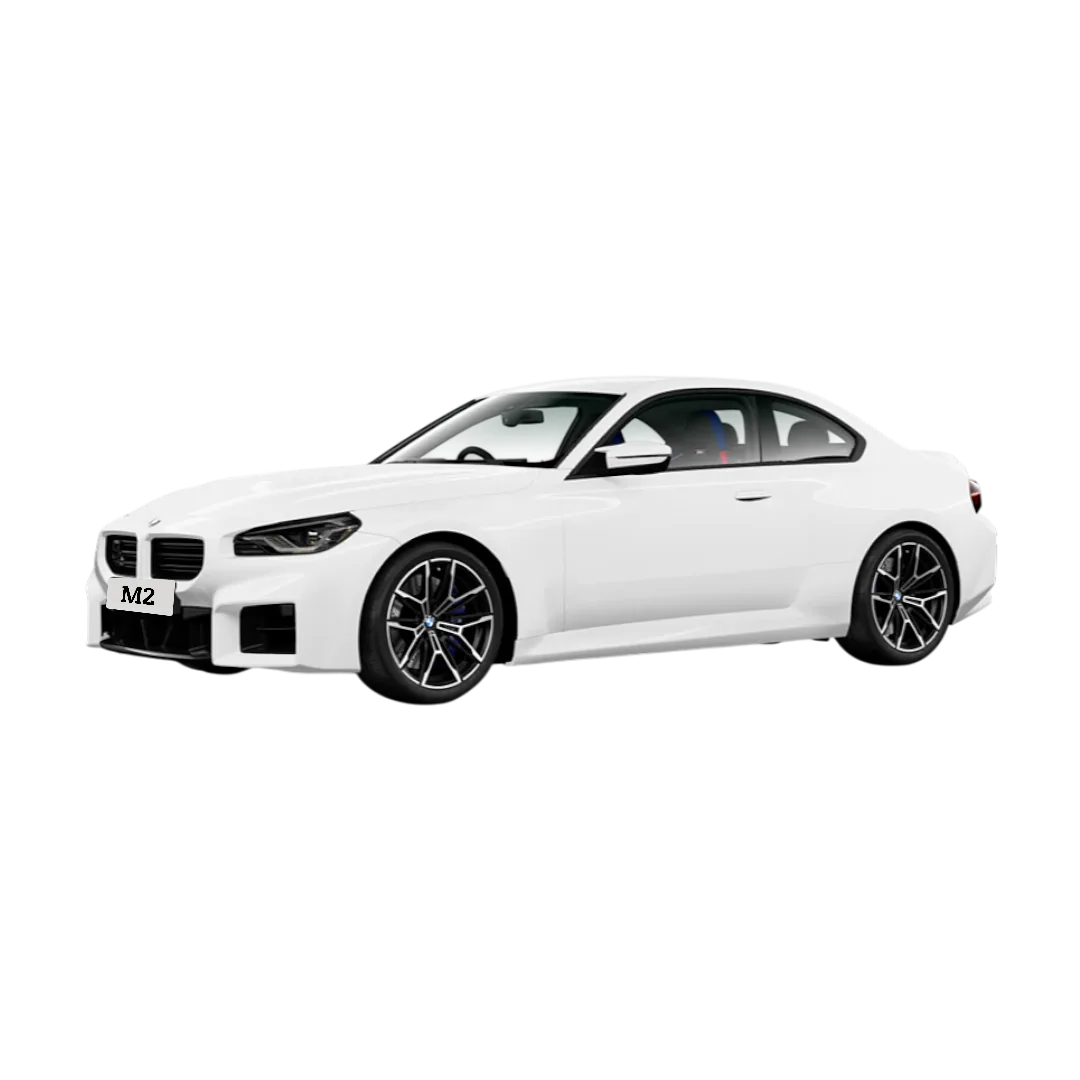 BMW M2
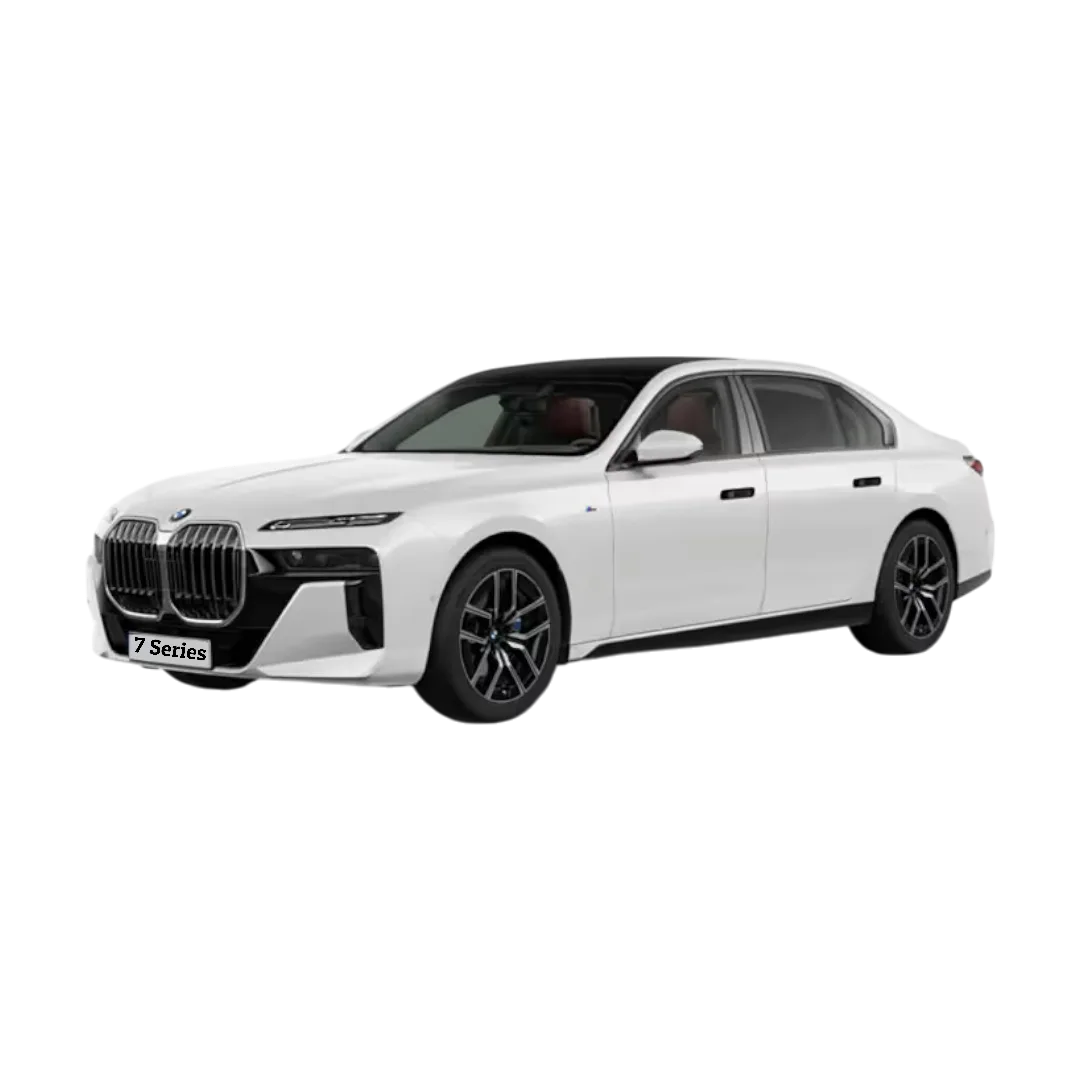 7 Series
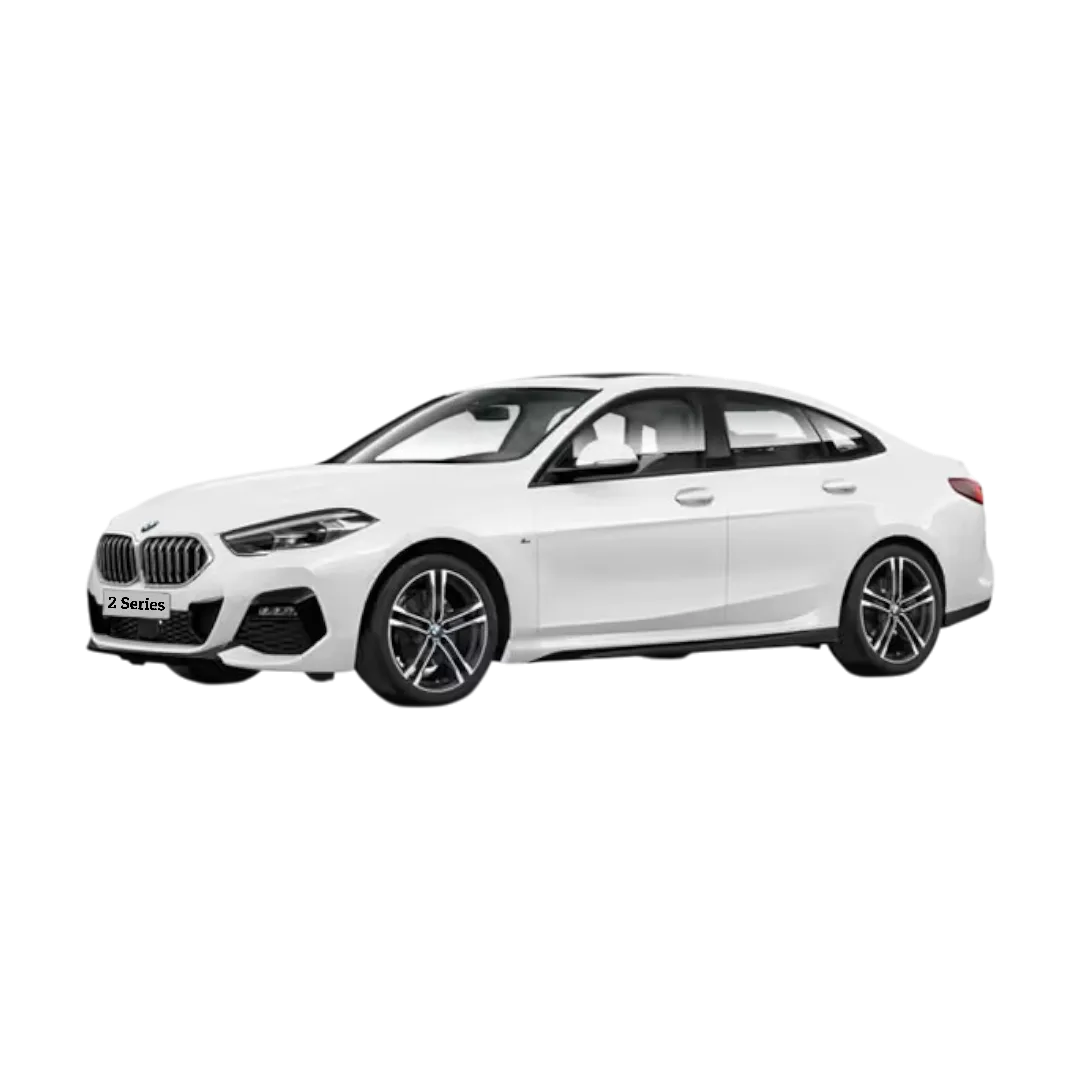 2 Series
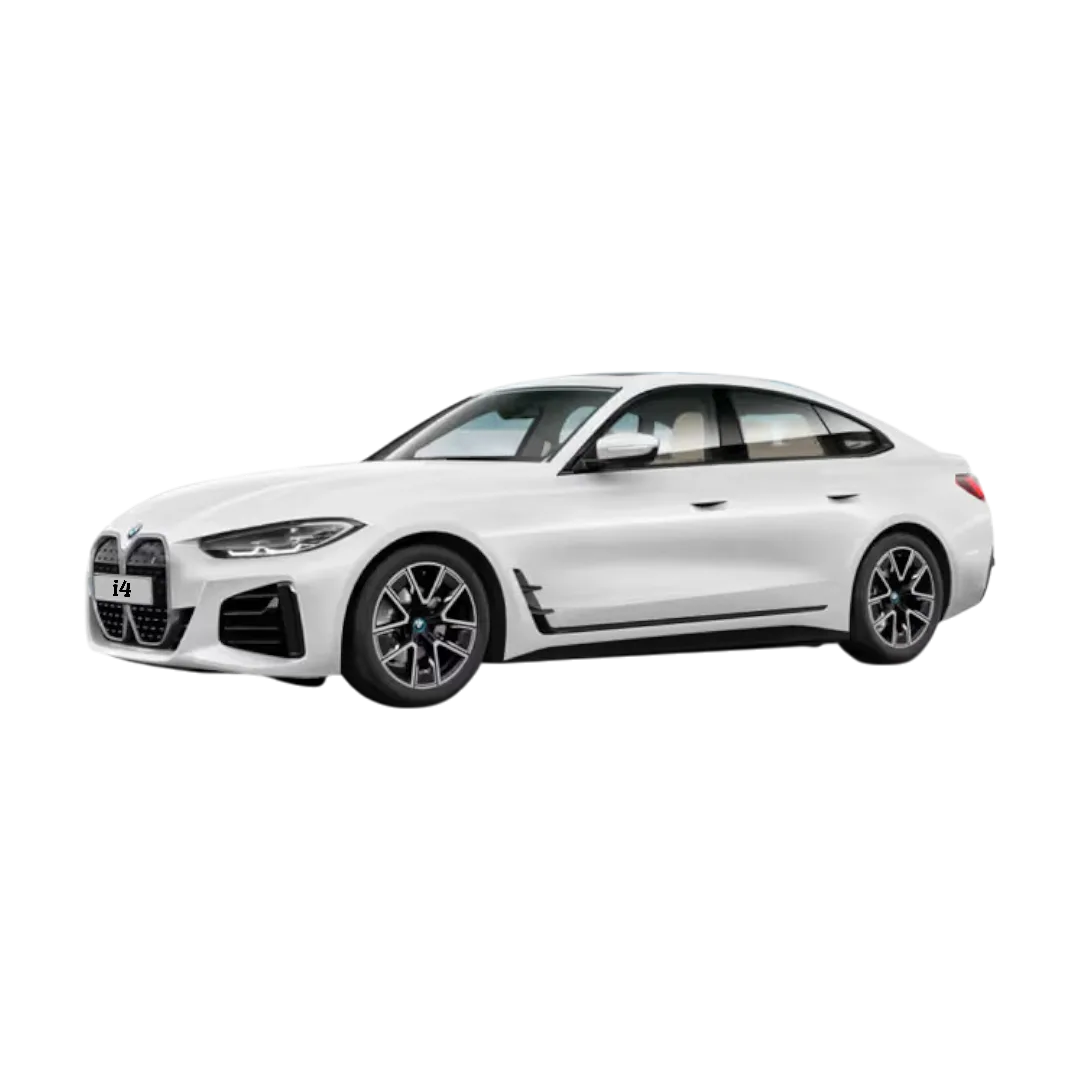 BMW i4
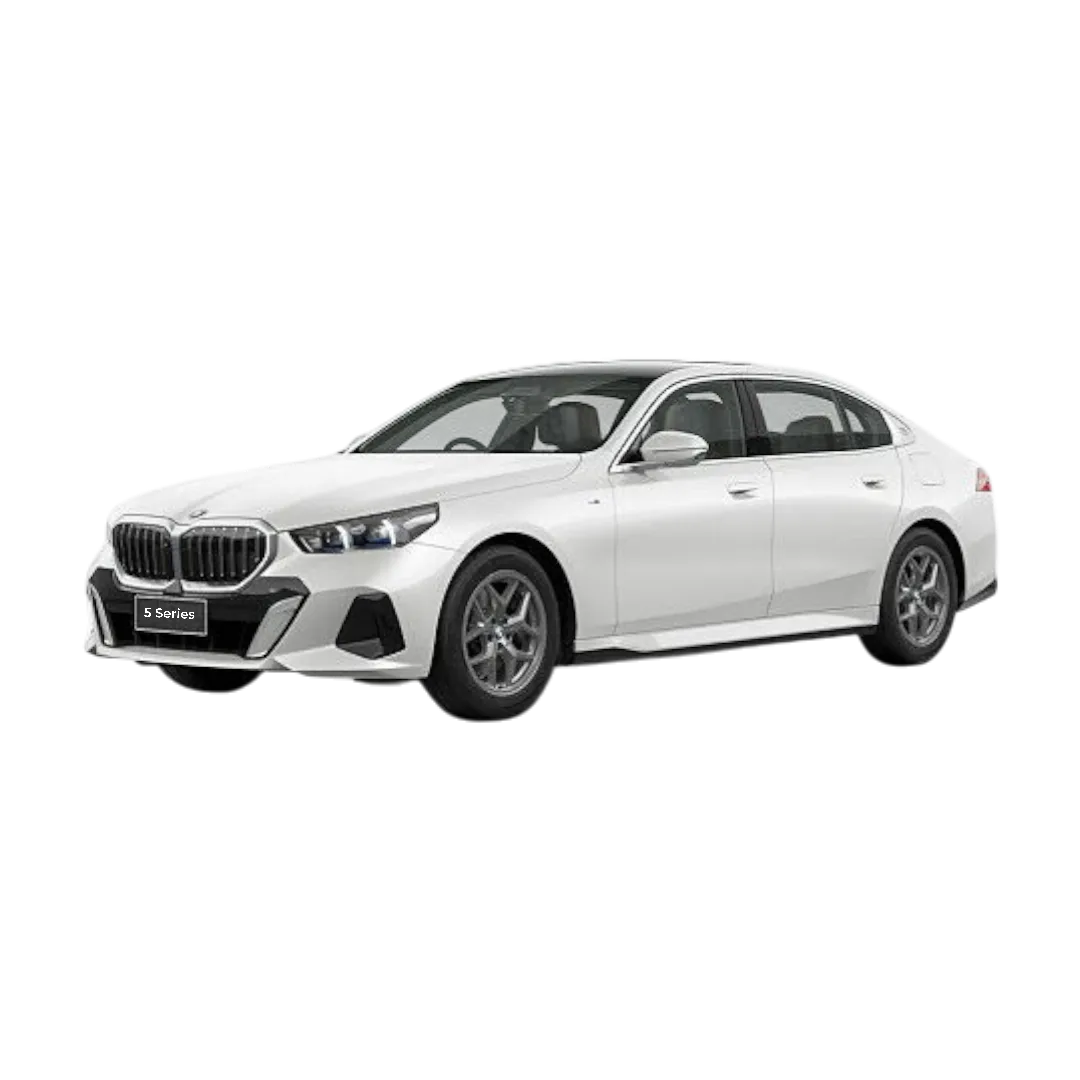 5 Series
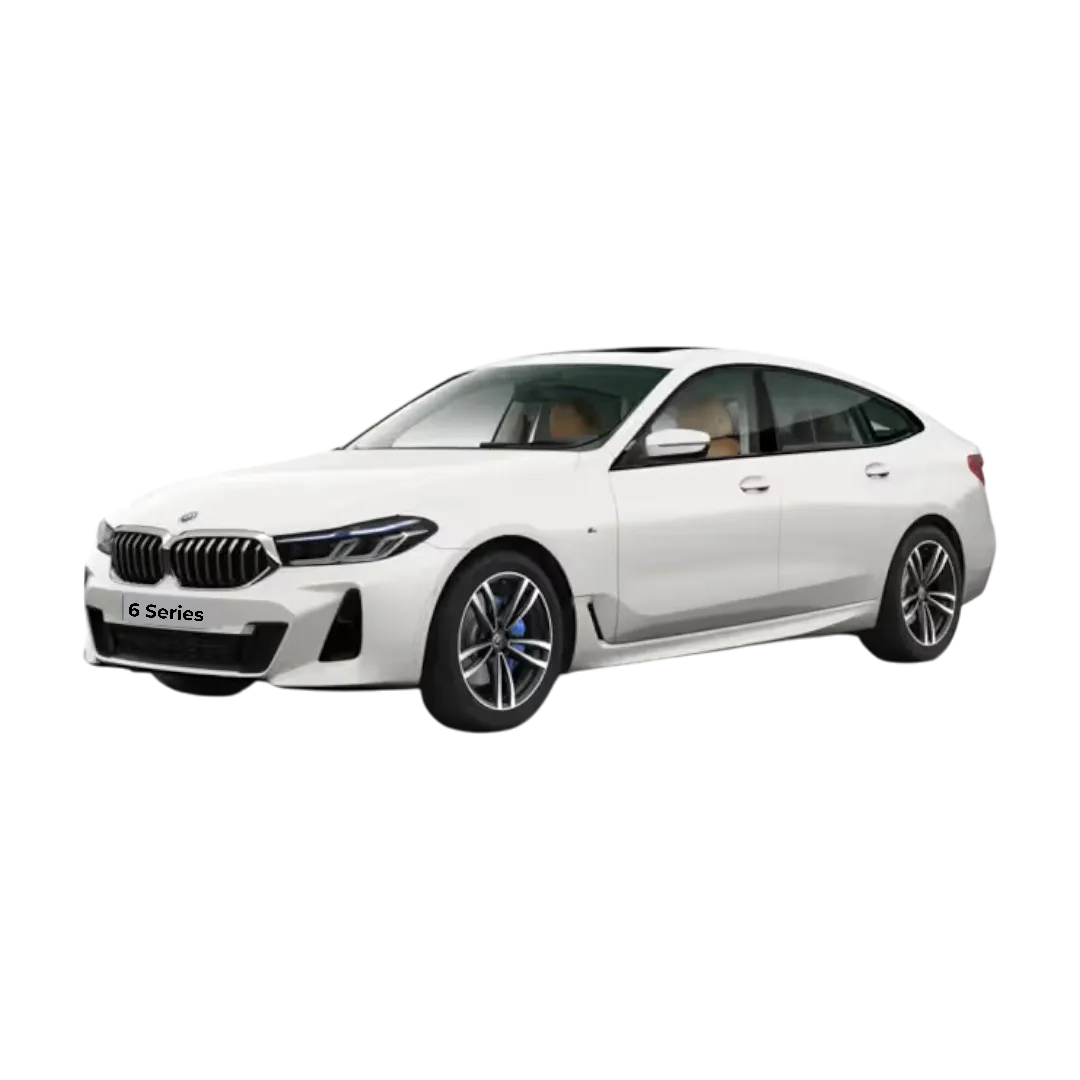 6 Series
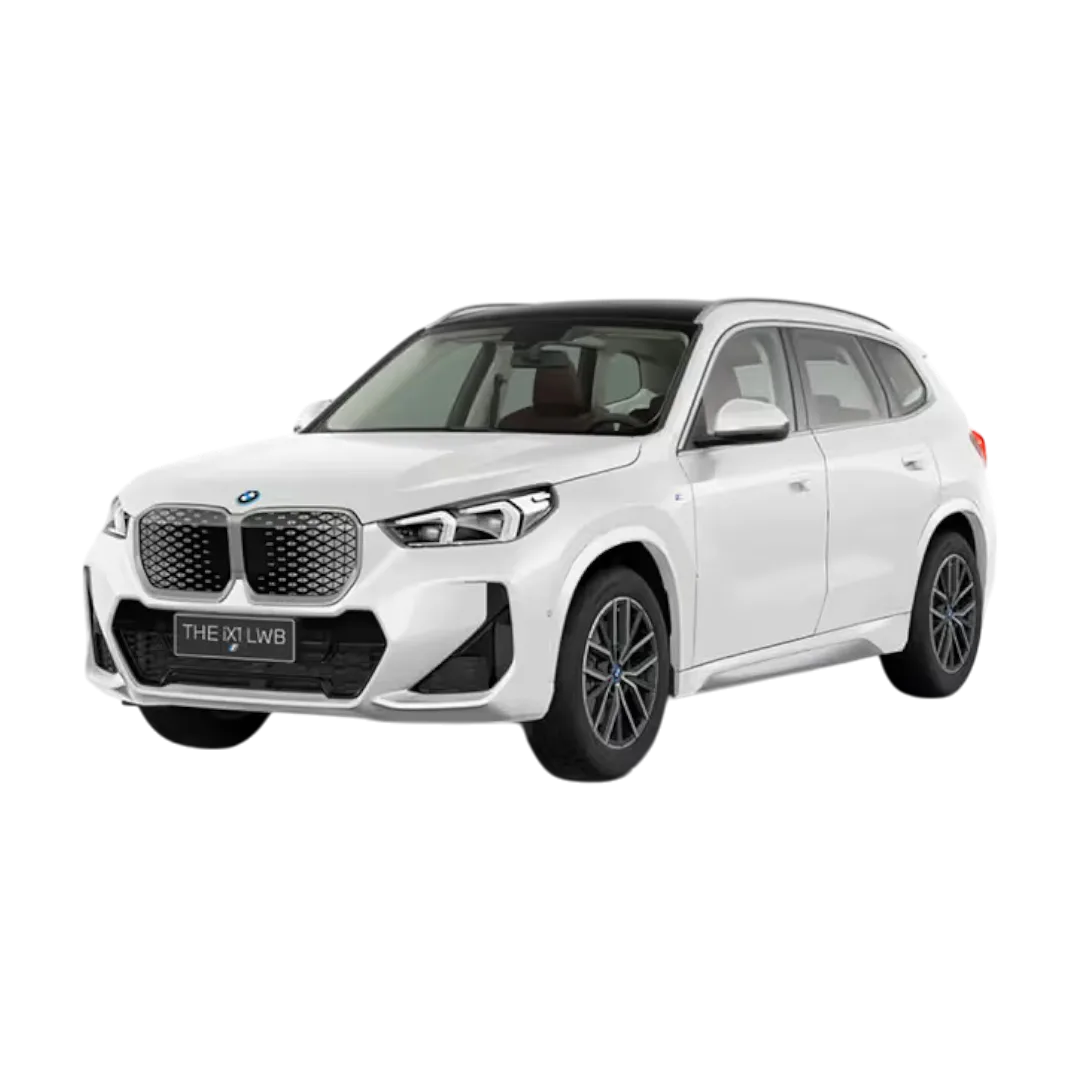 BMW ix1
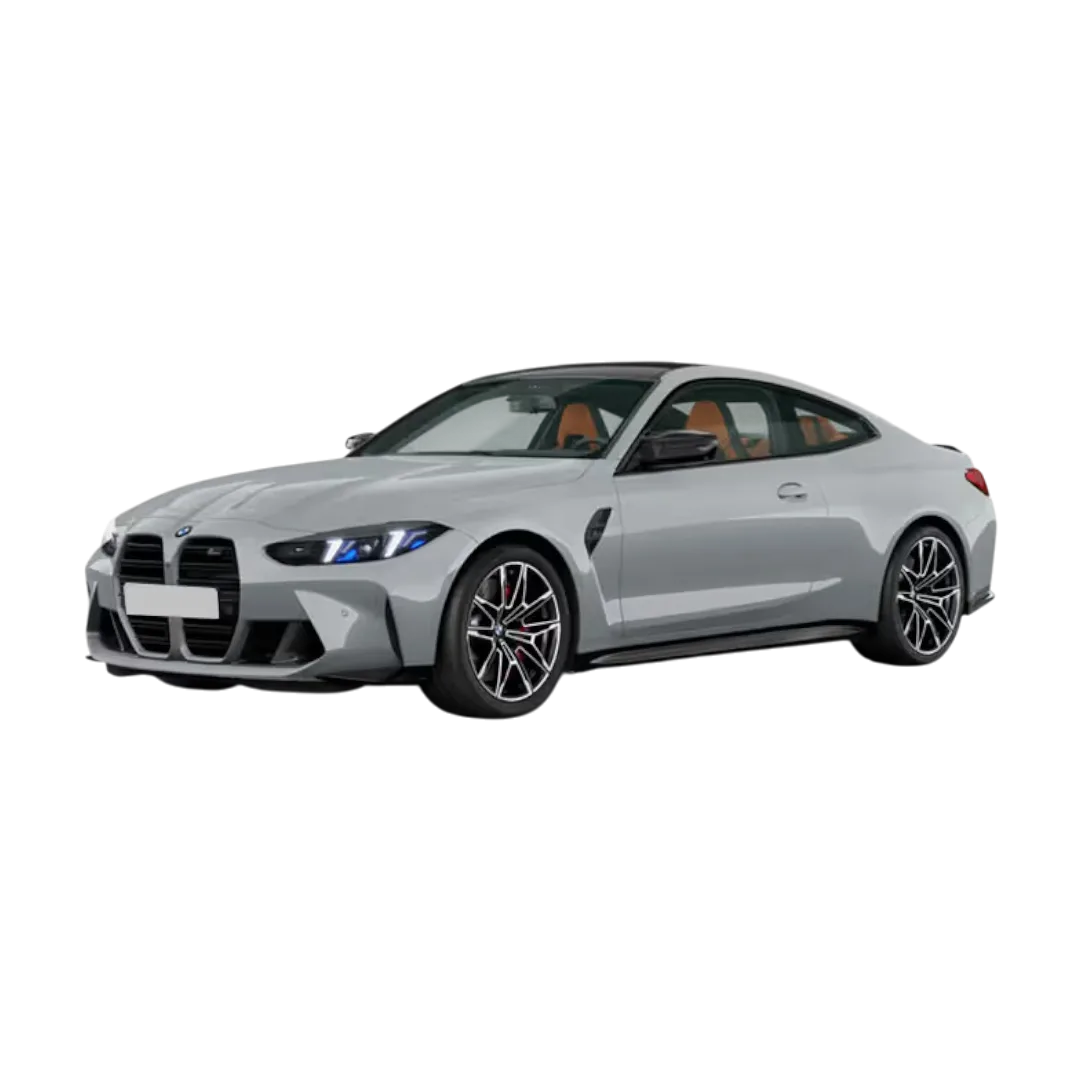 M4 Competition
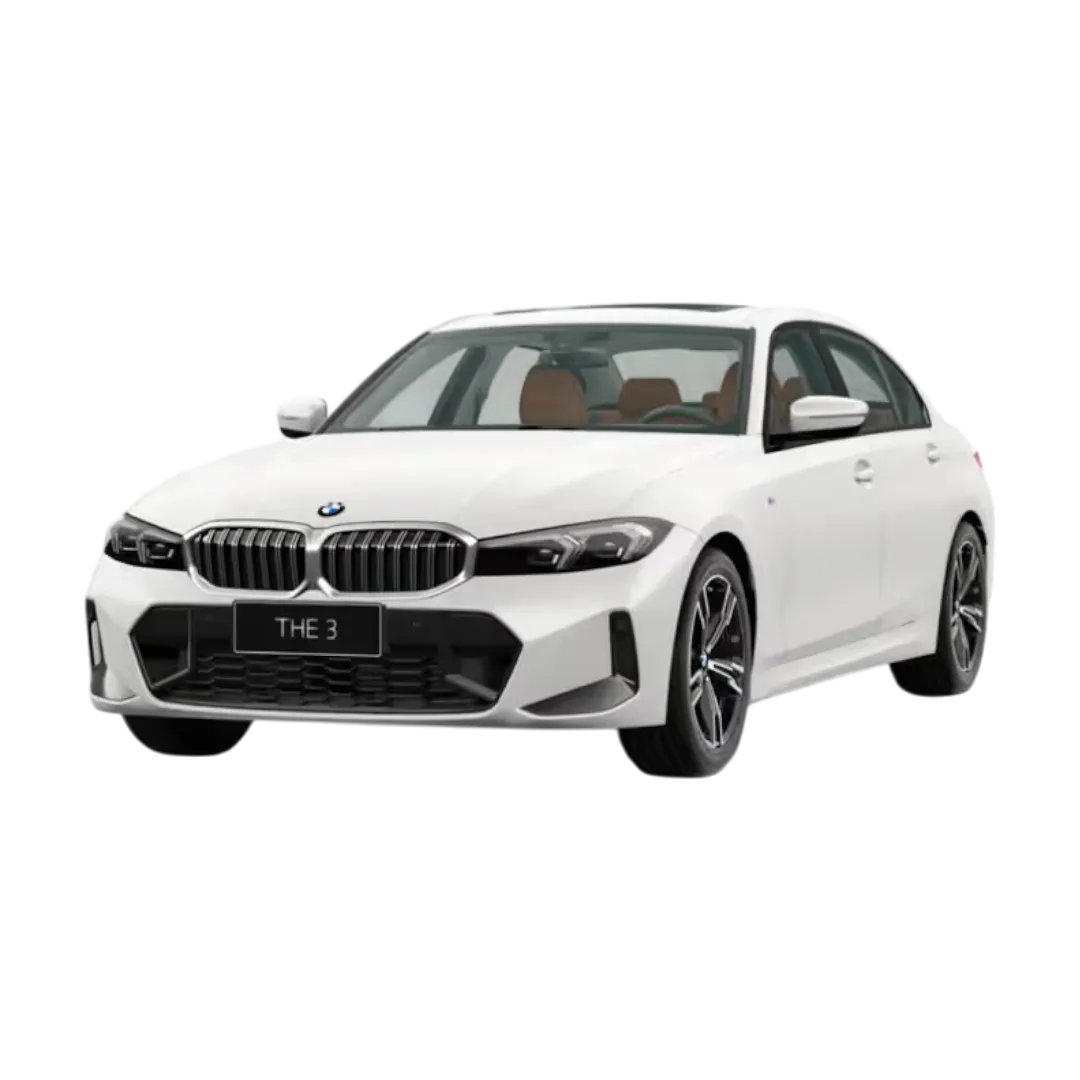 3 Series Gran Limousine
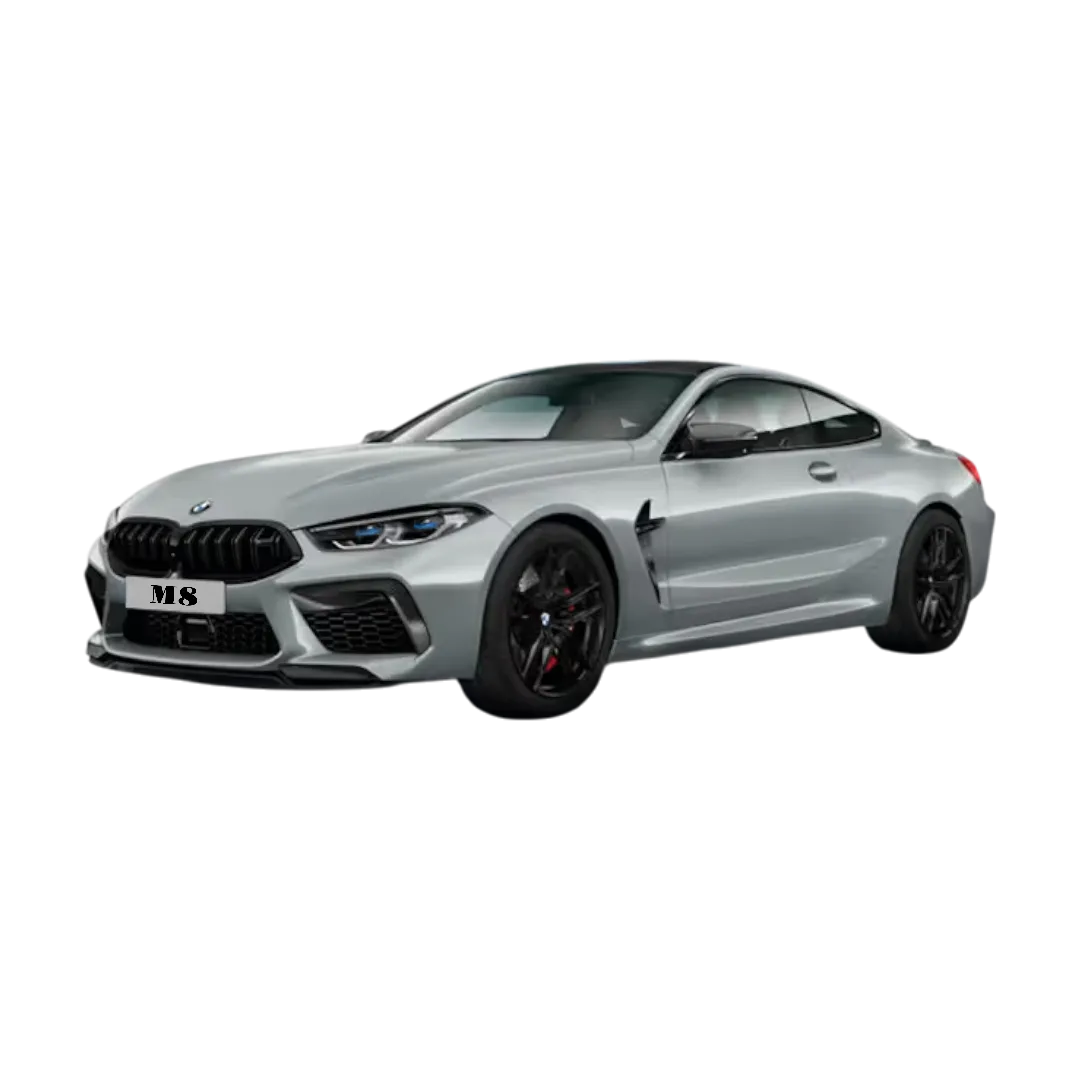 M8 Coupe
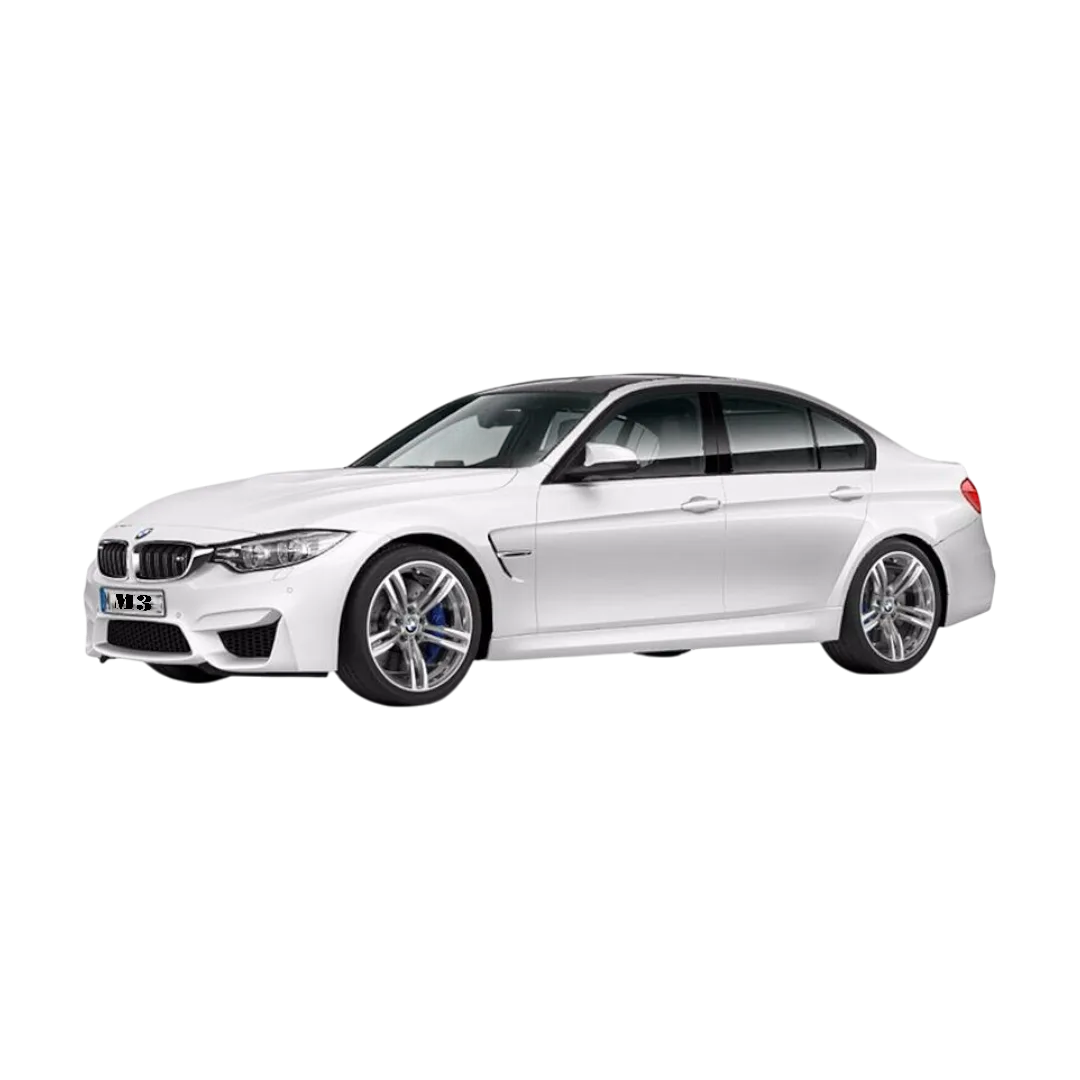 BMW M3
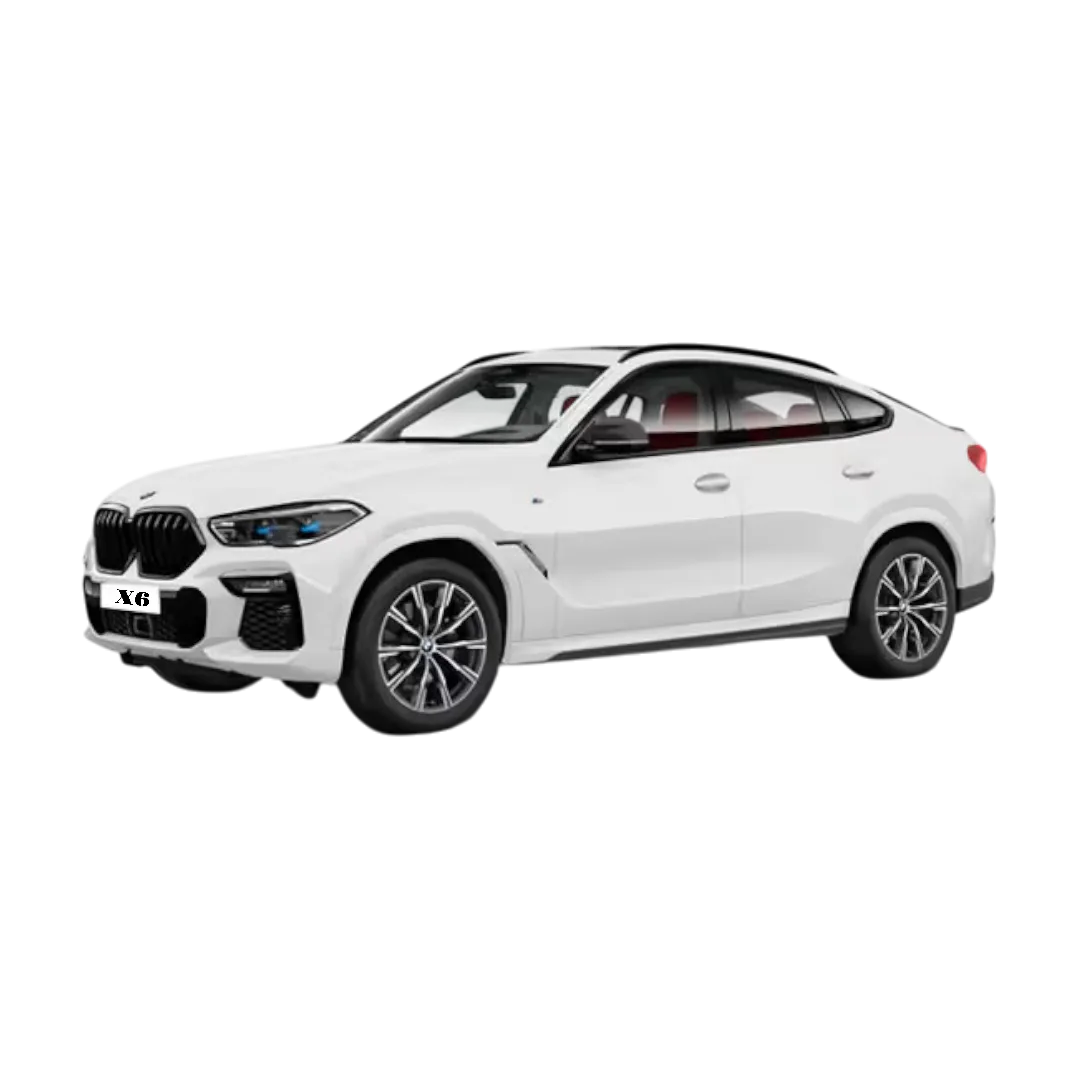 BMW X6
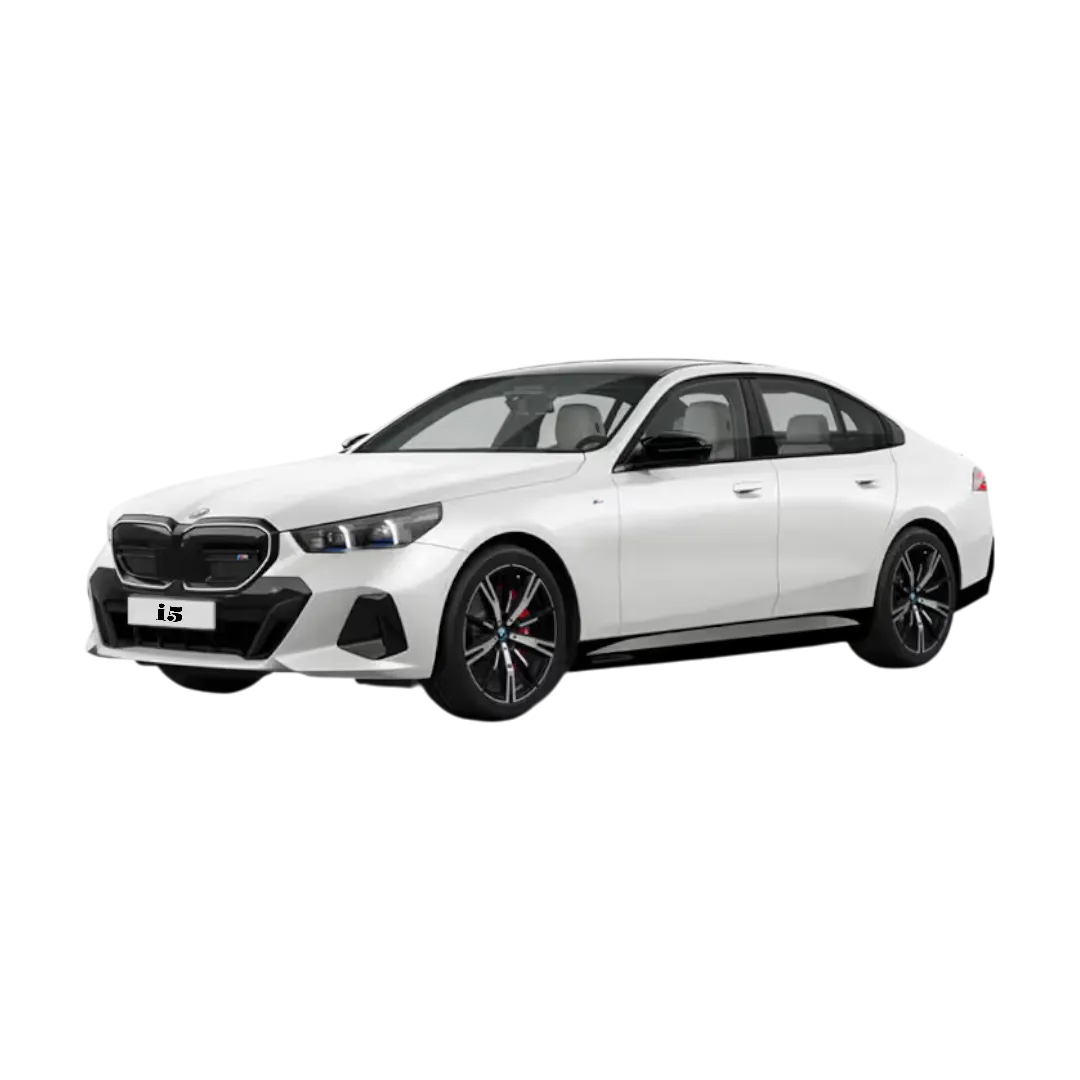 BMW i5
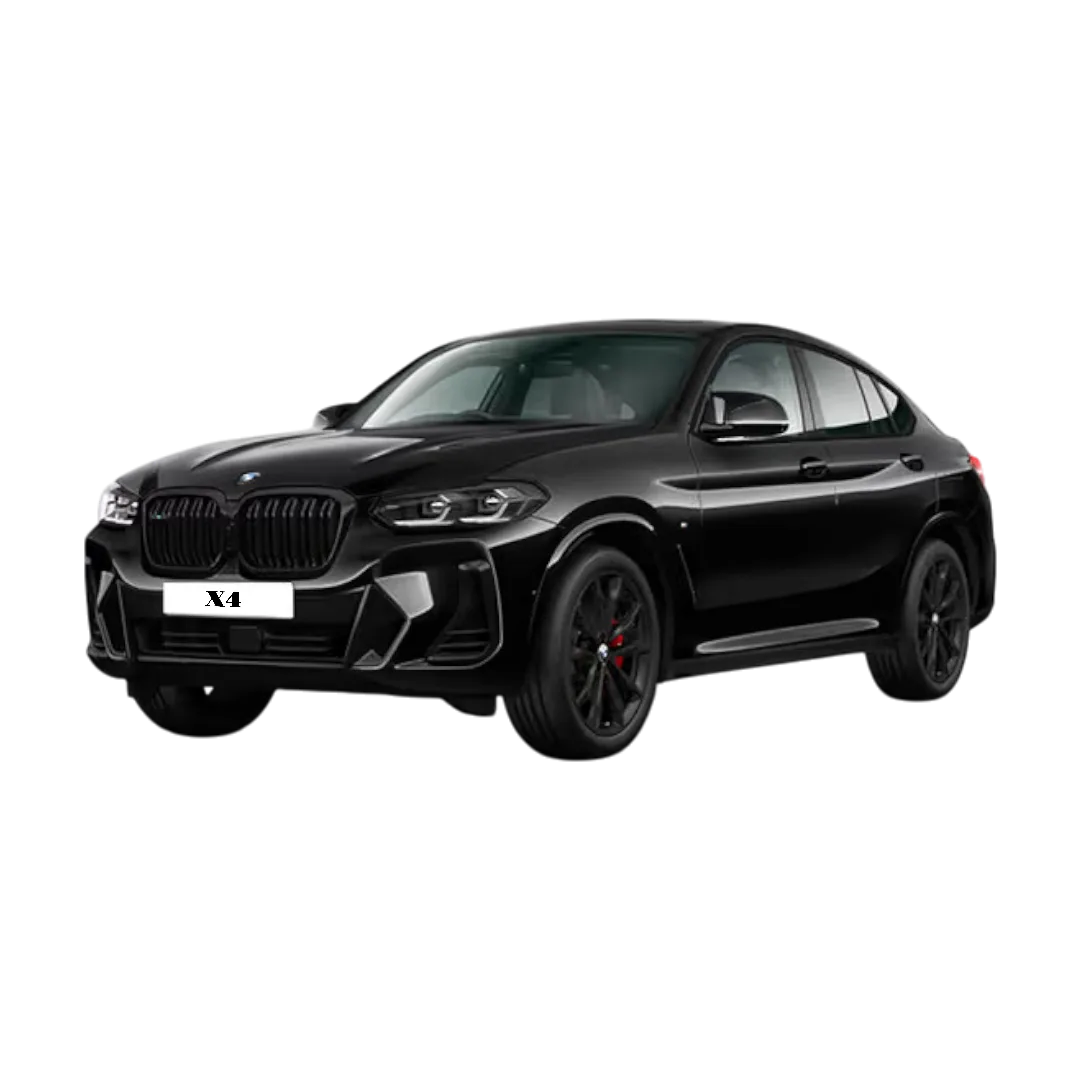 BMW X4
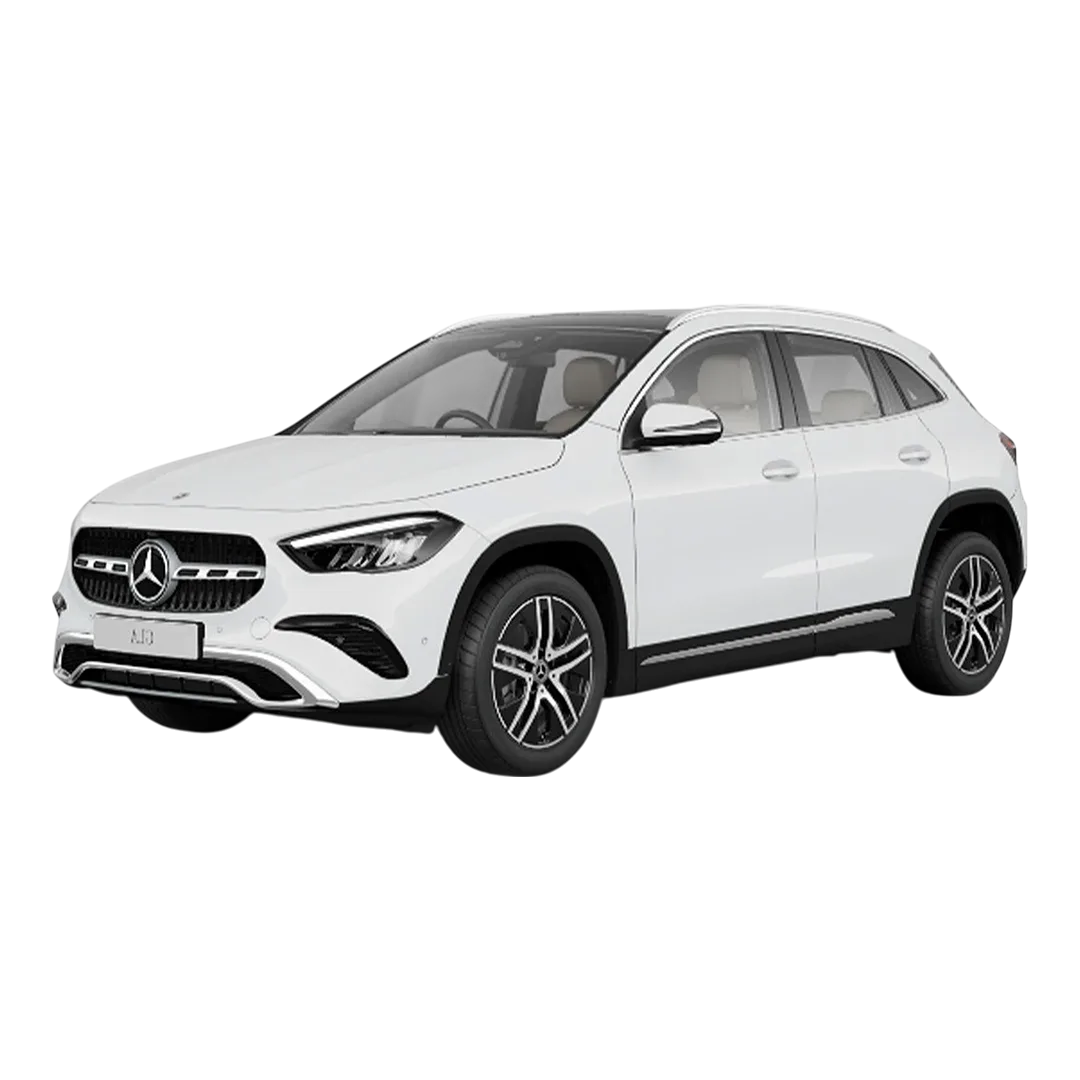 Mercedes Benz GLA
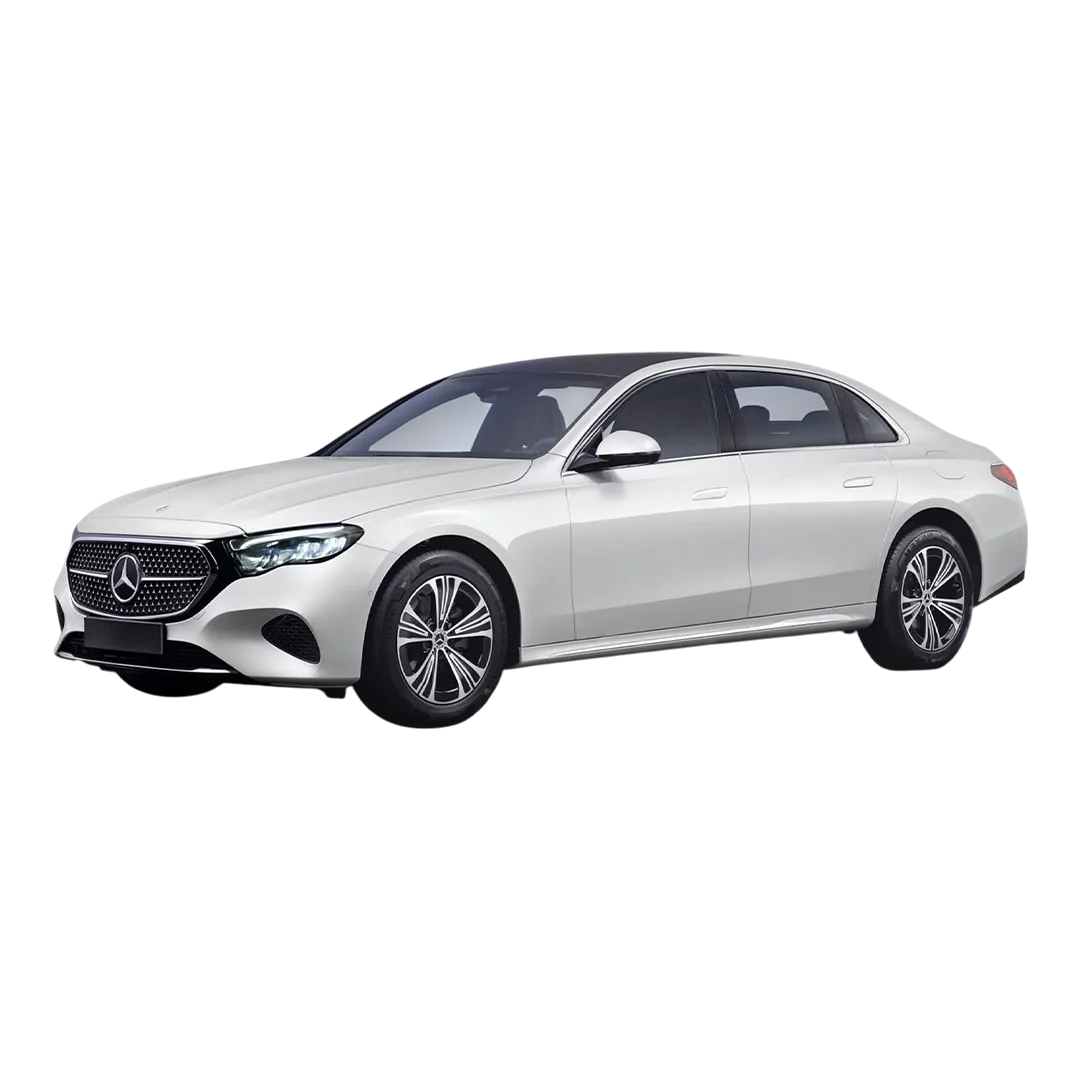 Mercedes E-Class
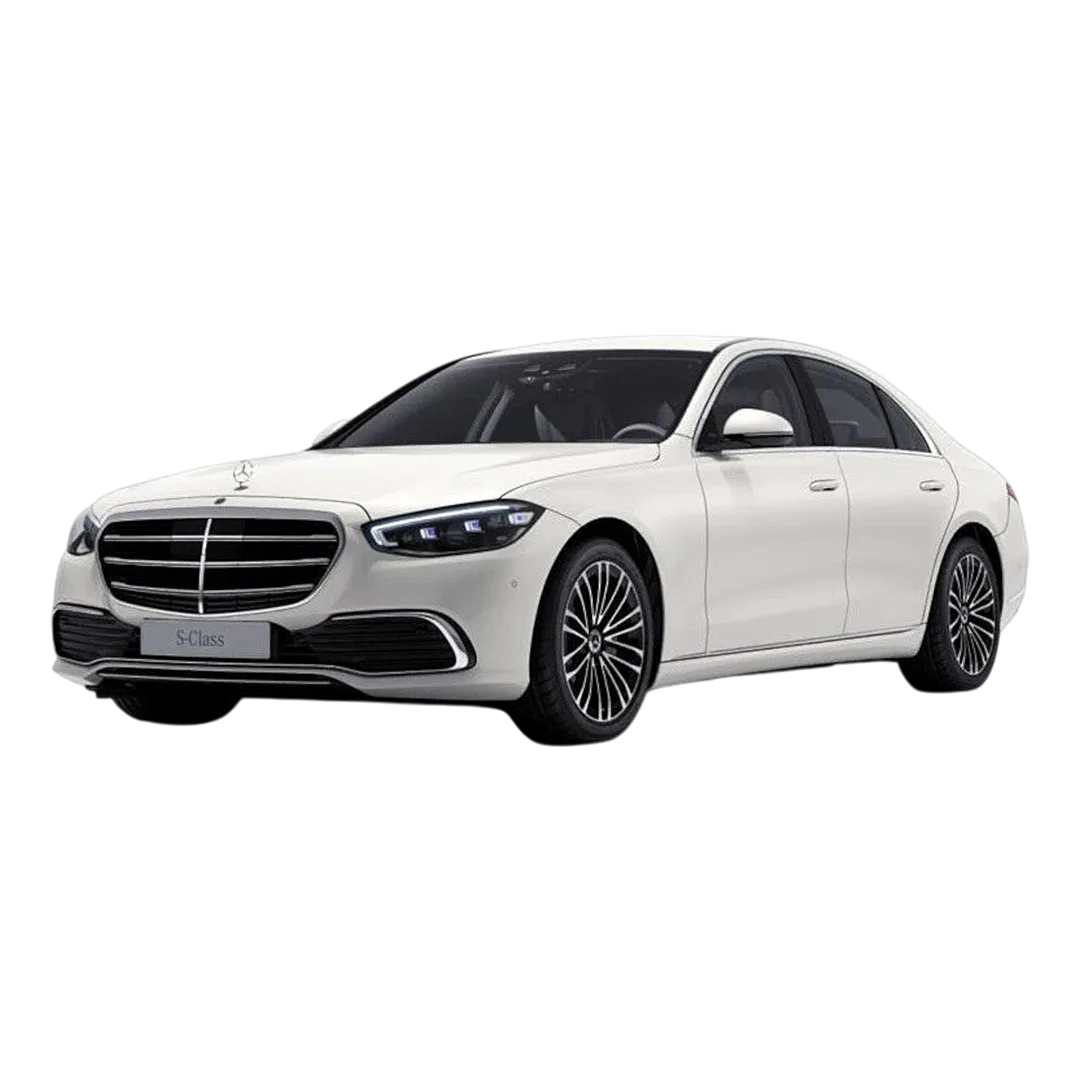 Mercedes S-Class
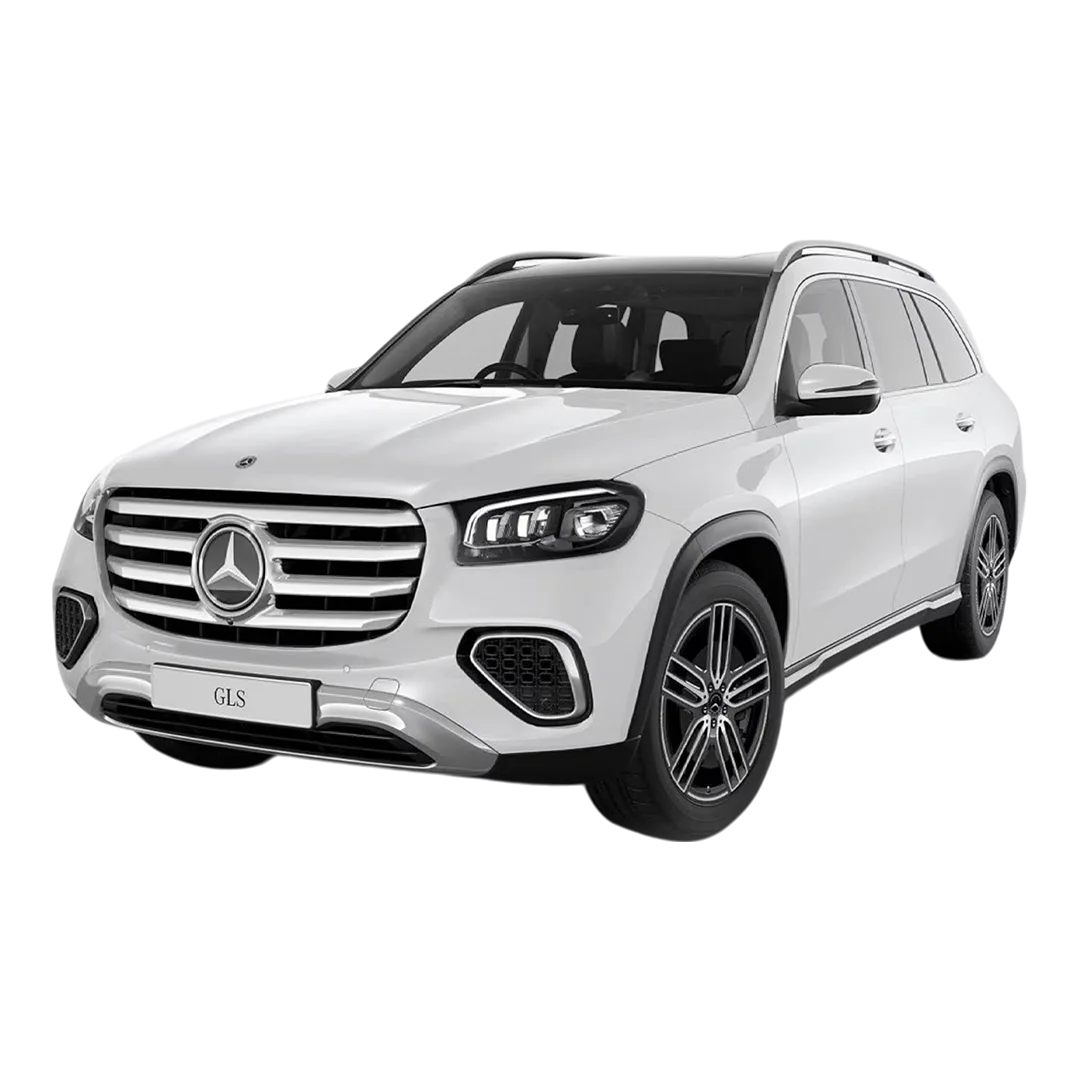 Mercedes Benz GLS
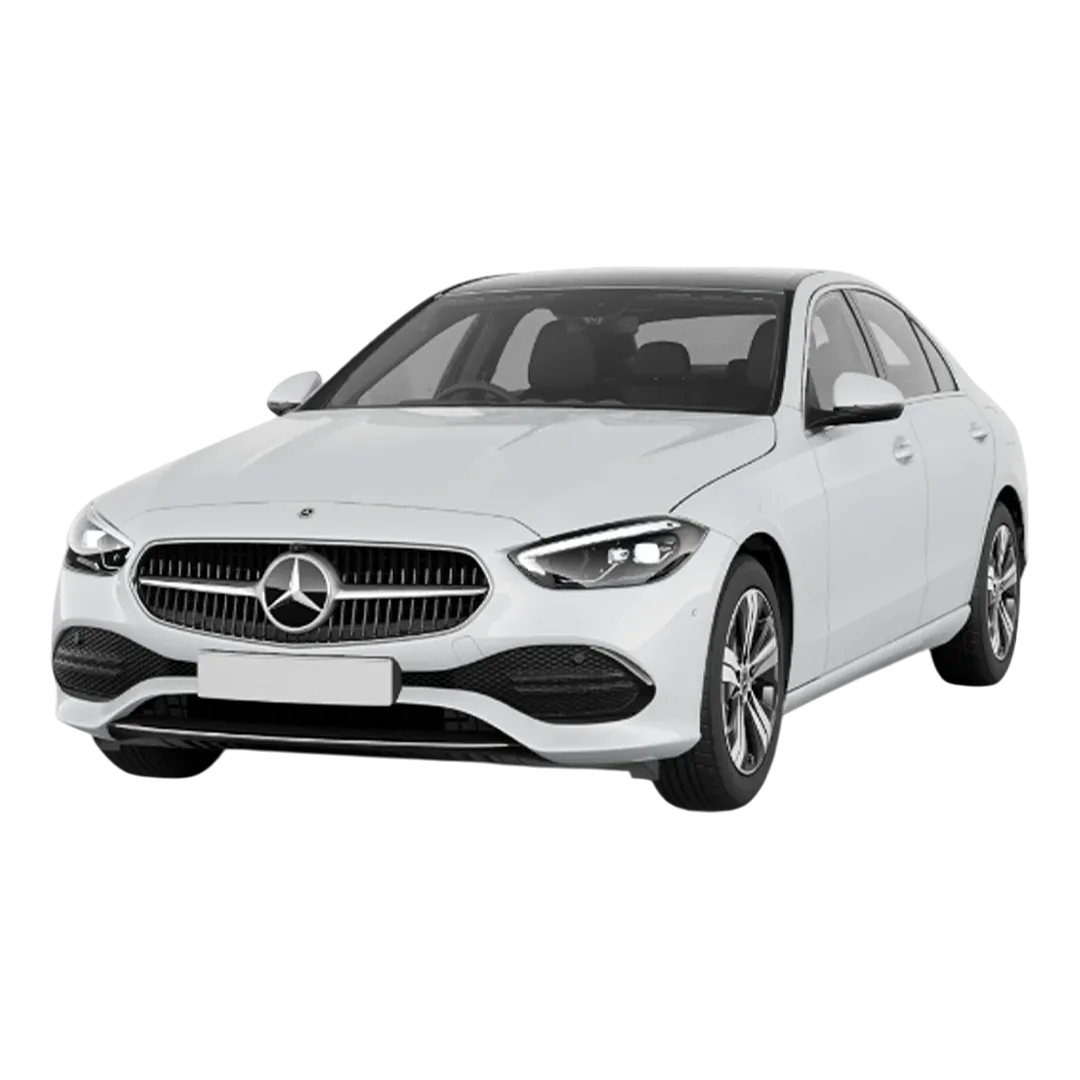 Mercedes Benz C-Class
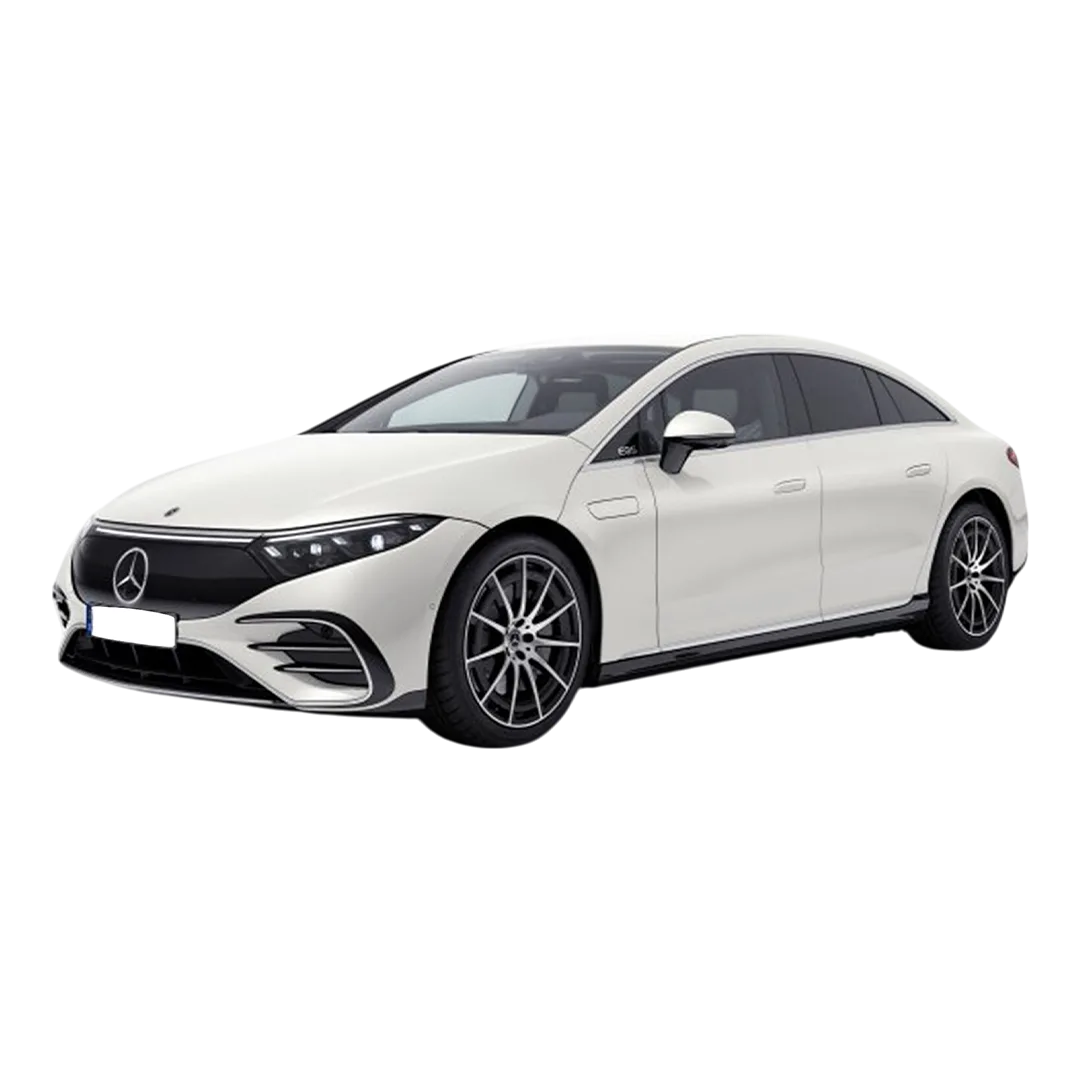 Mercedes Benz EQS
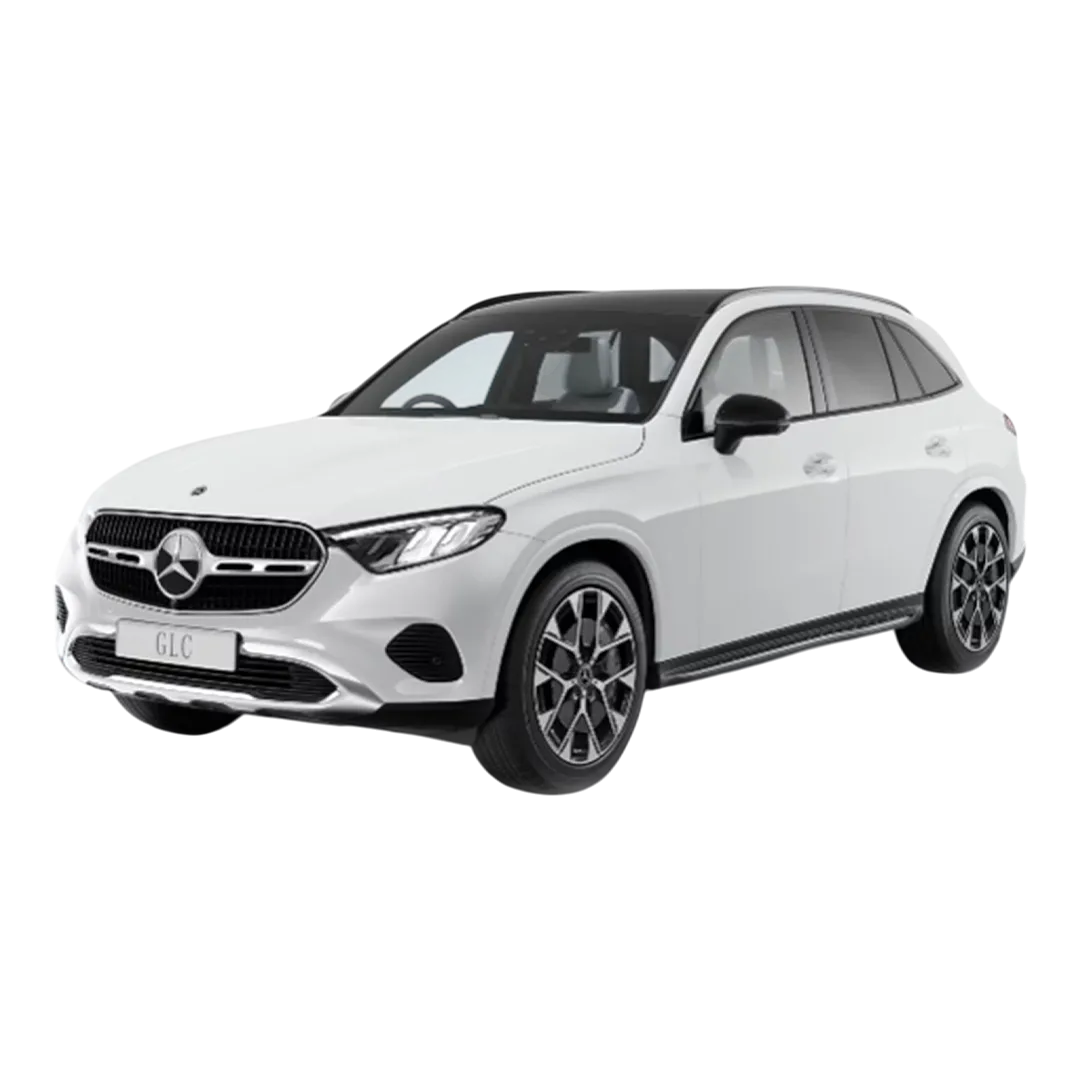 Mercedes Benz GLC
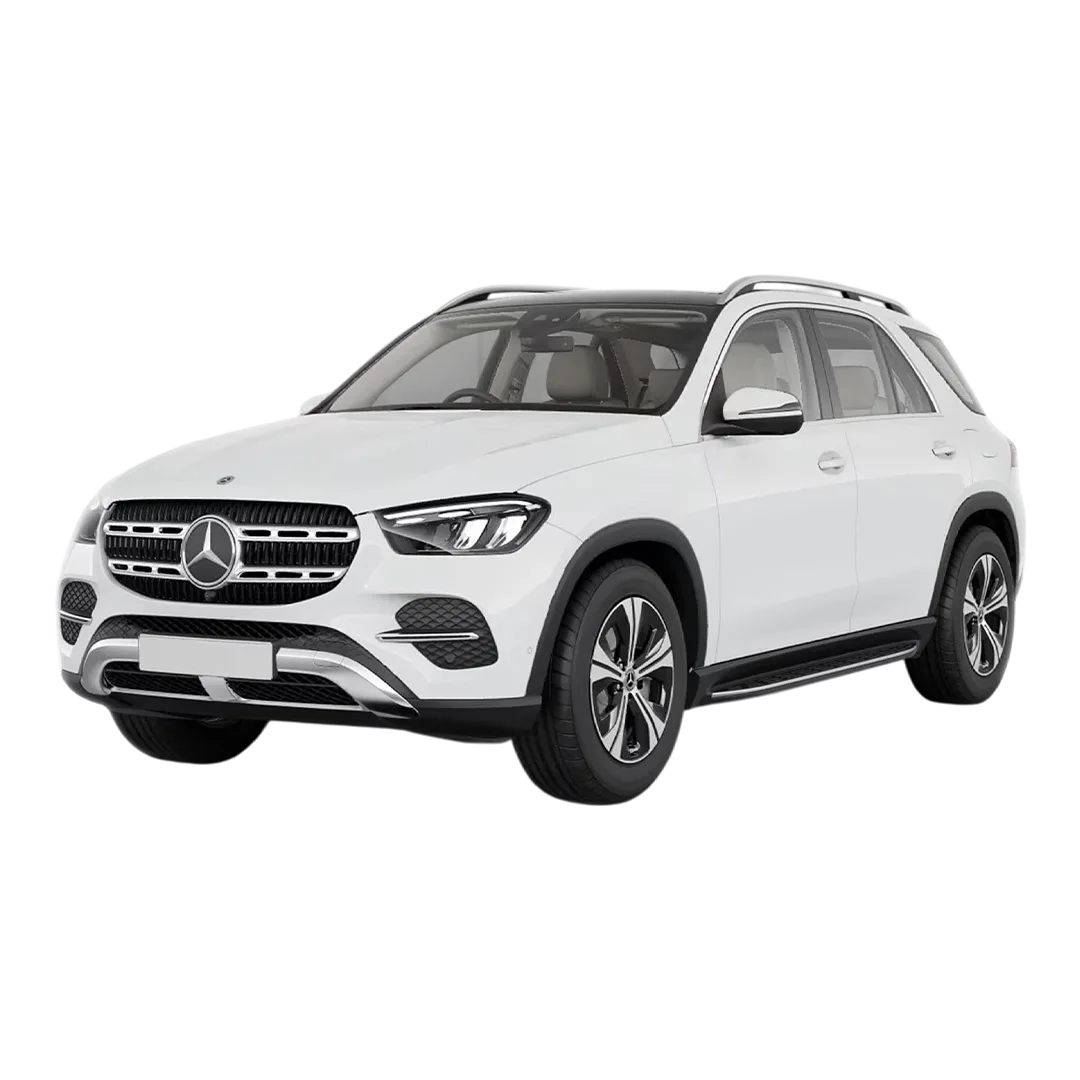 Mercedes Benz GLE
 Mercedes Benz G-Class
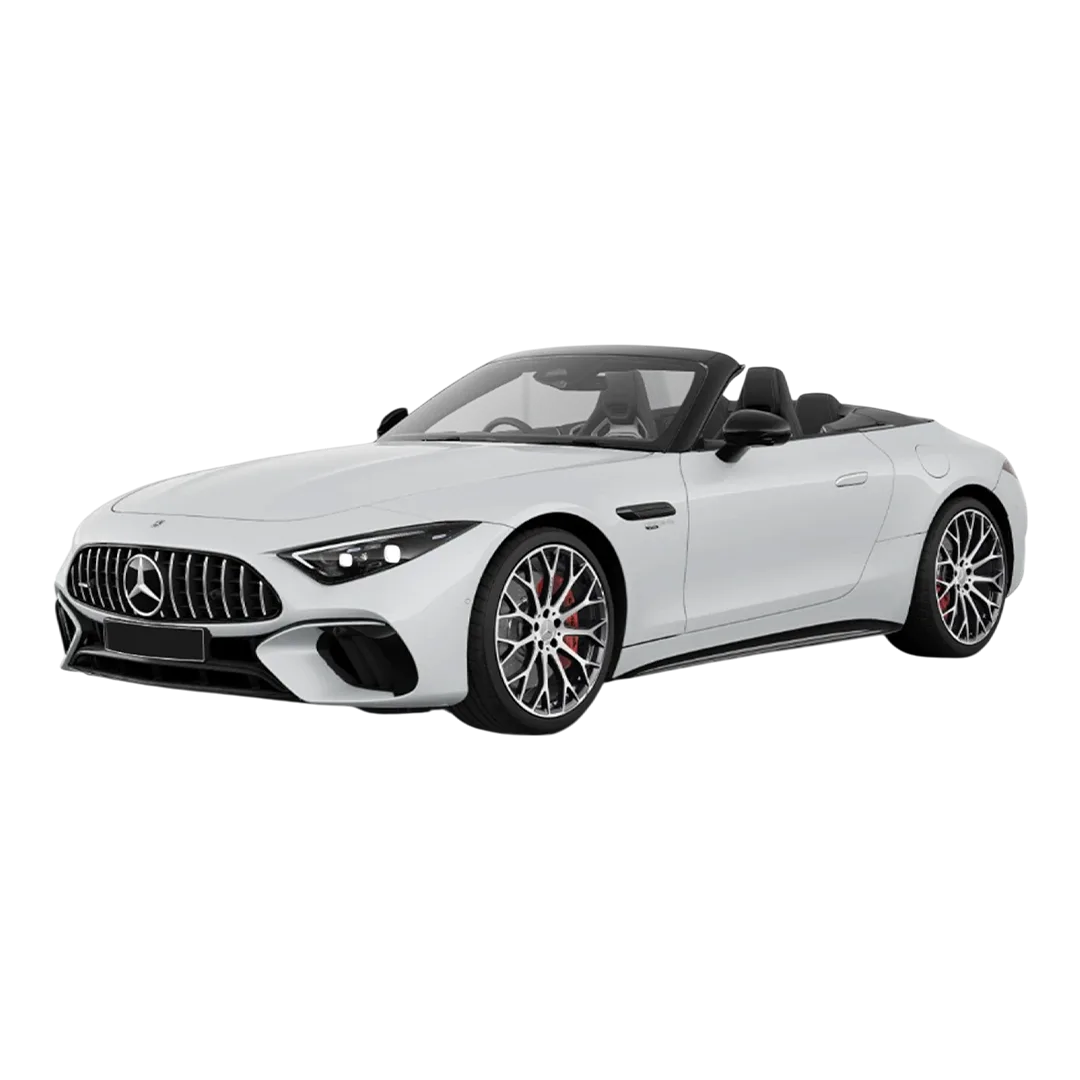 Mercedes Benz AMG SL
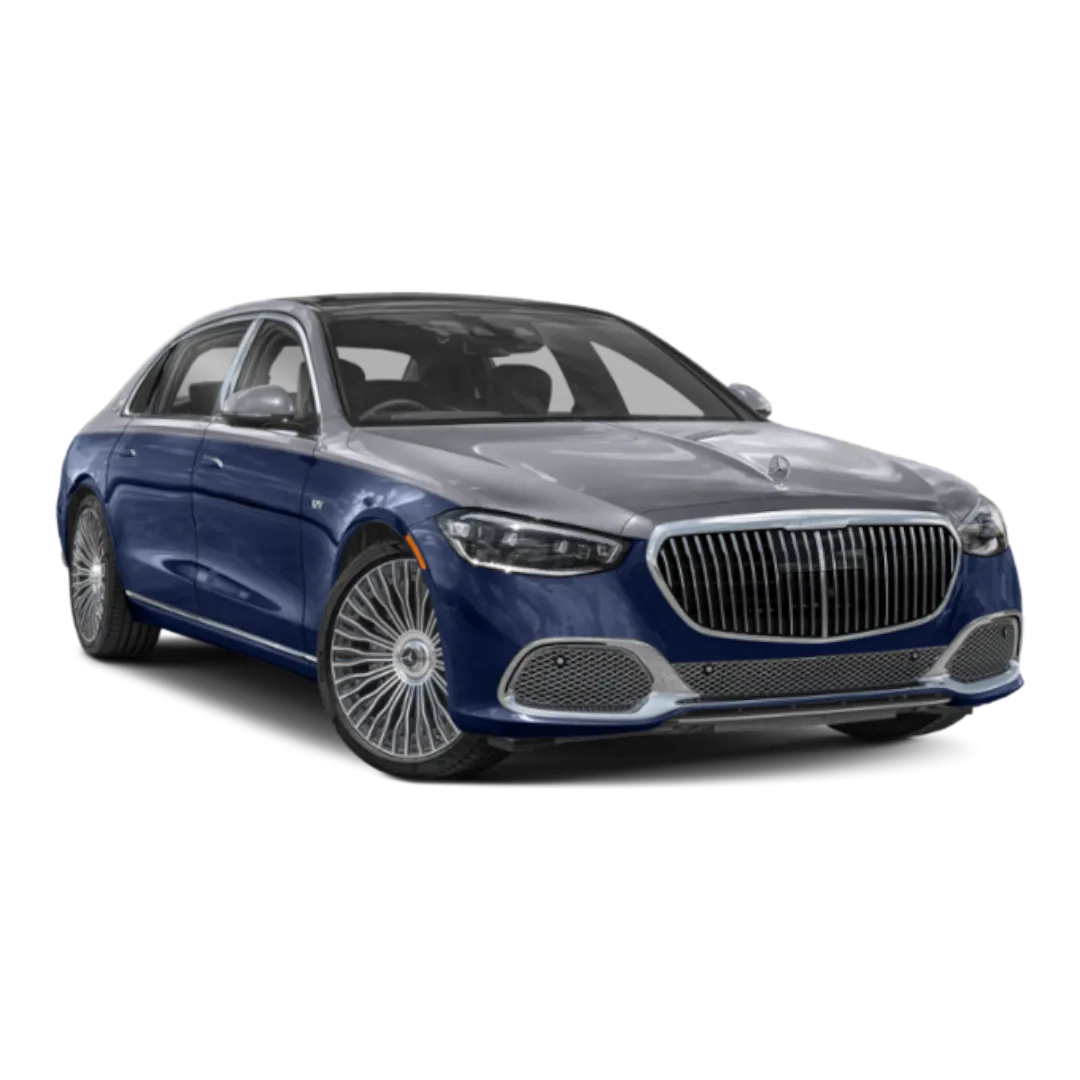 Mercedes Benz MAYBACH S- Class
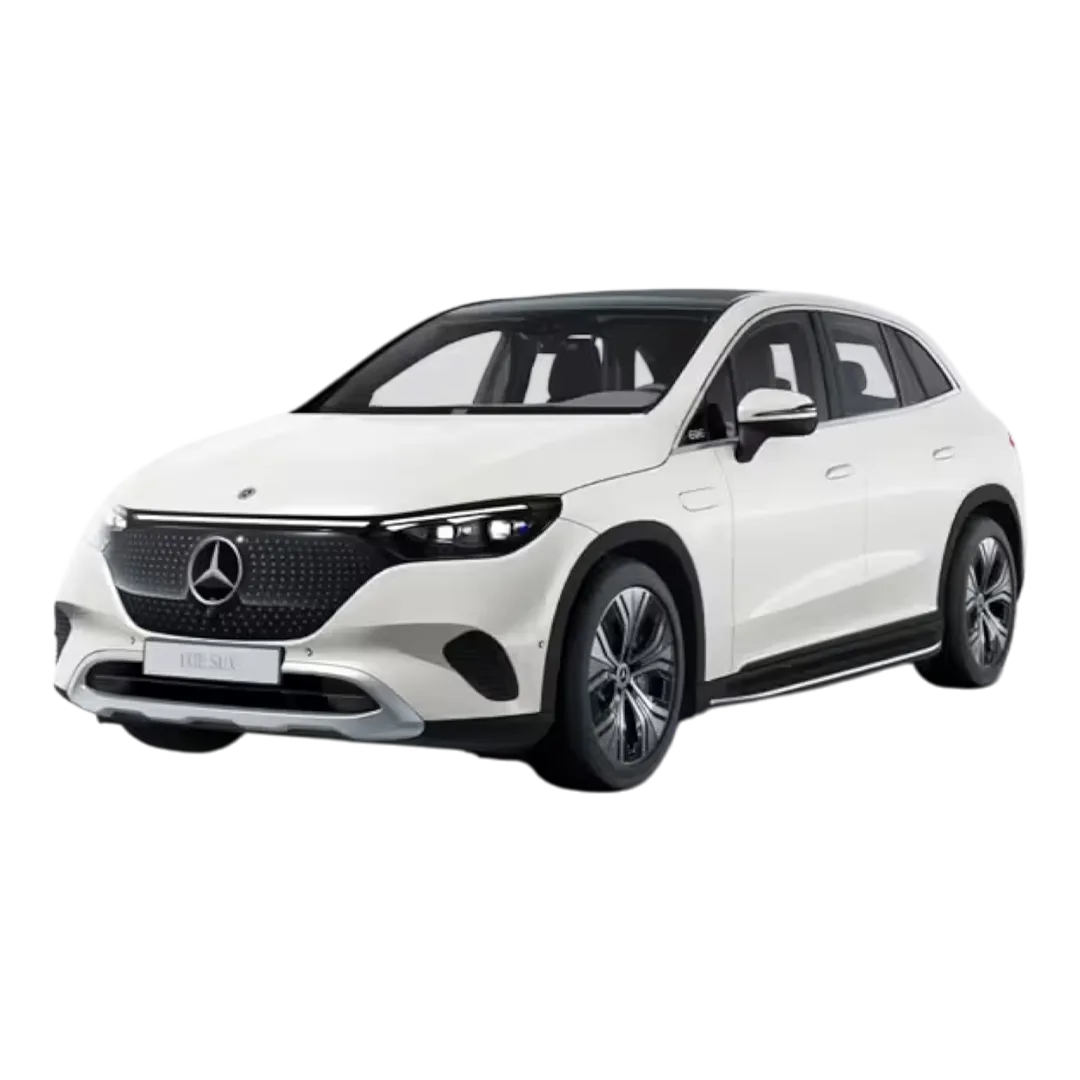 Mercedes Benz EQE-SUV
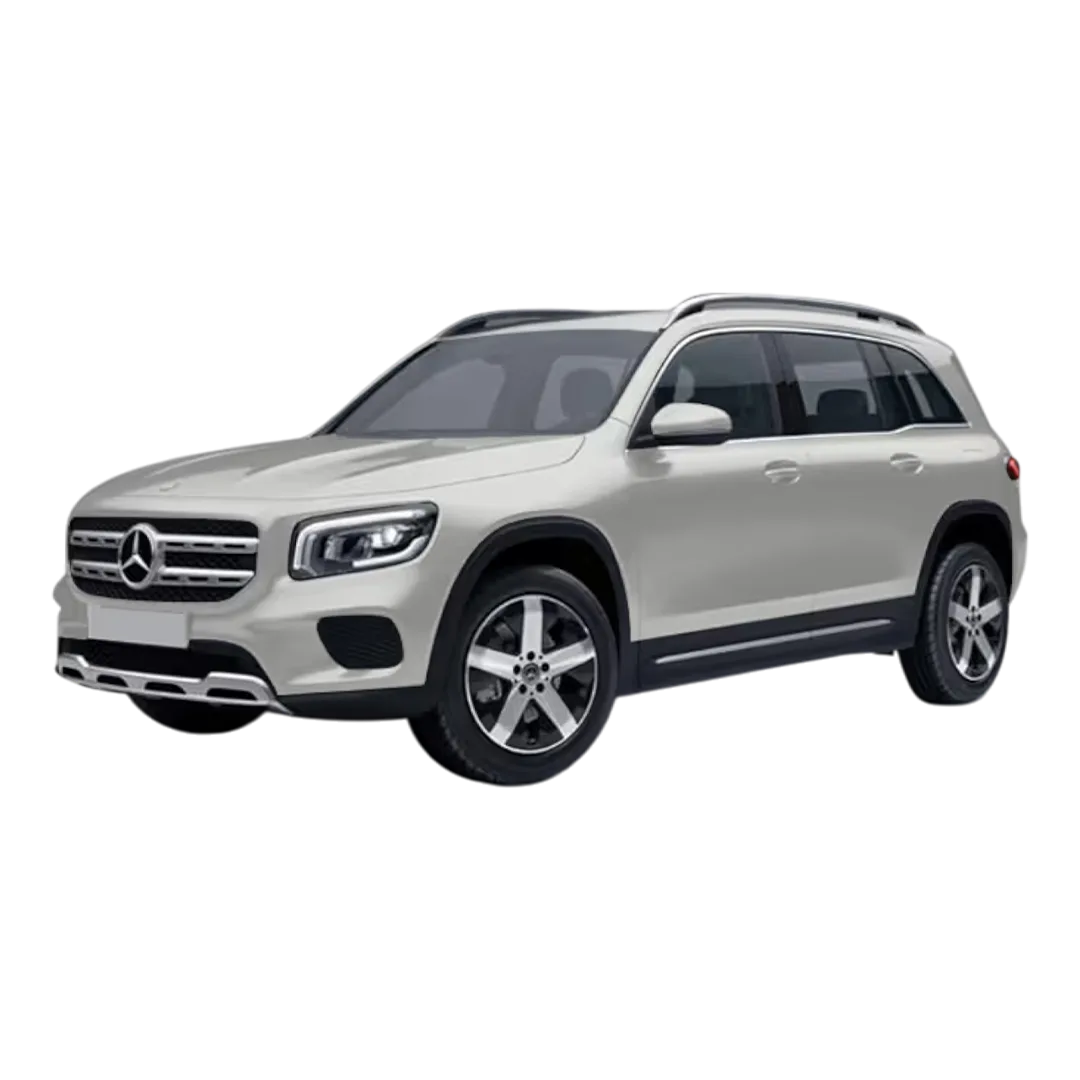 Mercedes Benz GLB
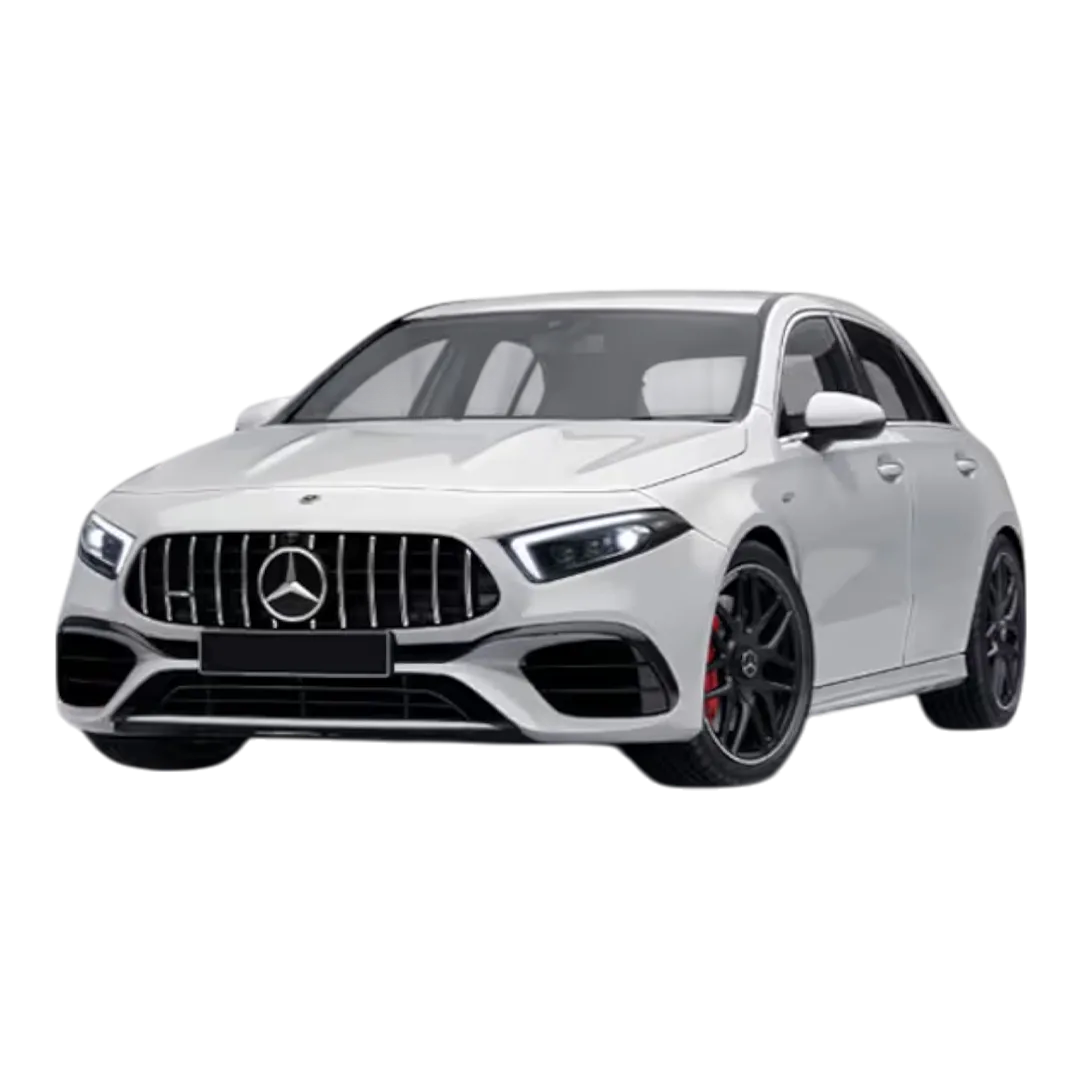 Mercedes Benz AMG A 45 S
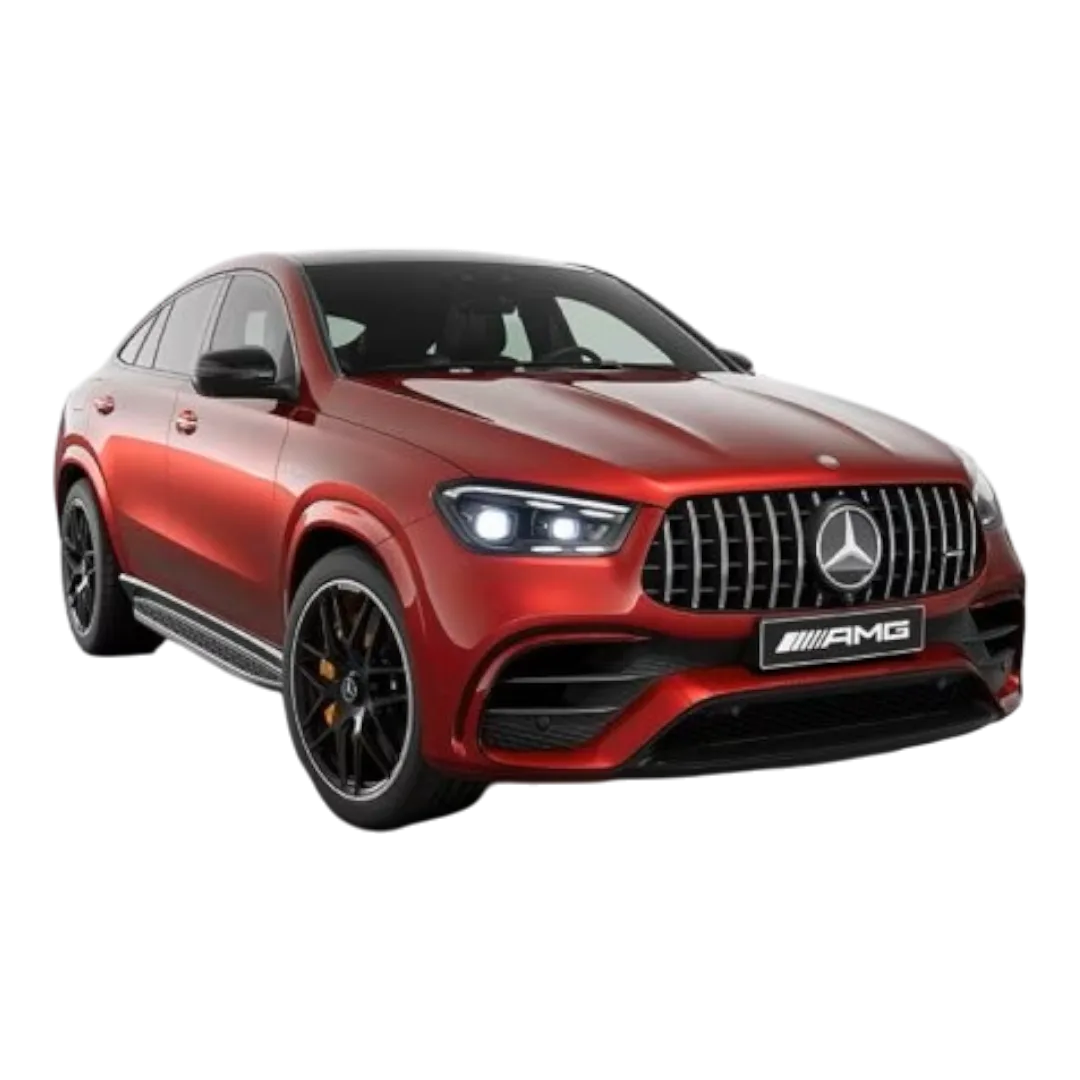 Mercedes Benz AMG GLE S3
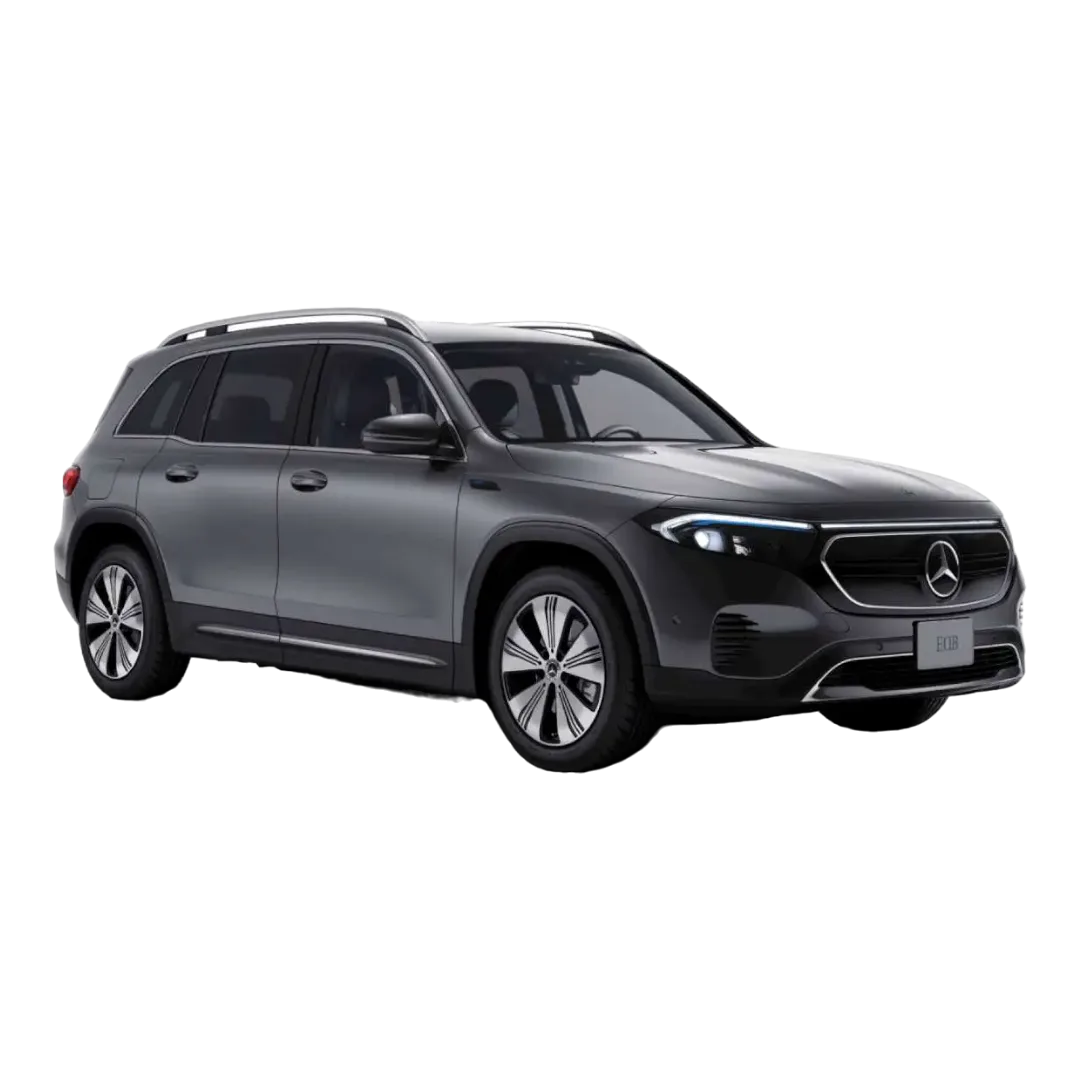 Mercedes Benz EQB
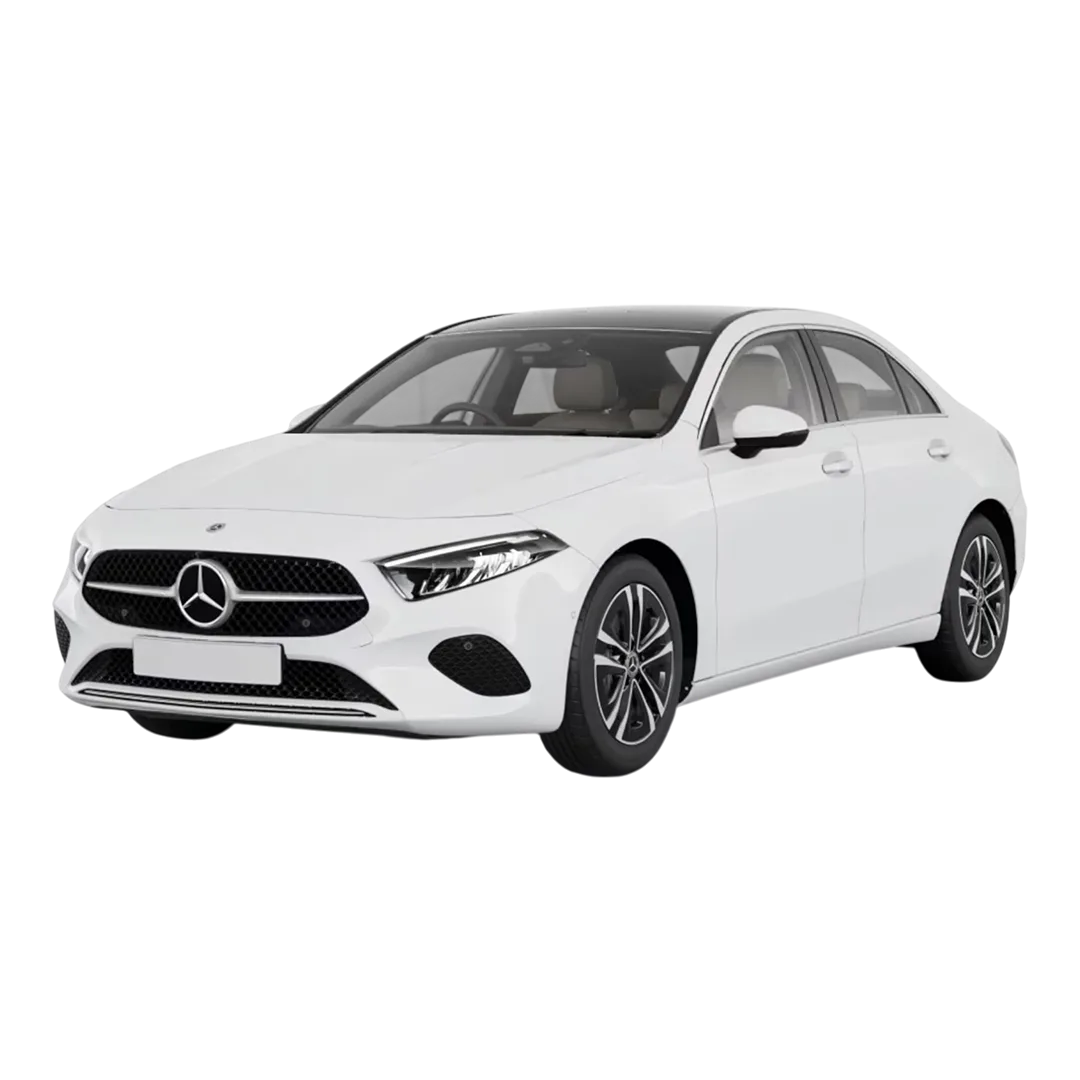 Mercedes Benz A Class limousine
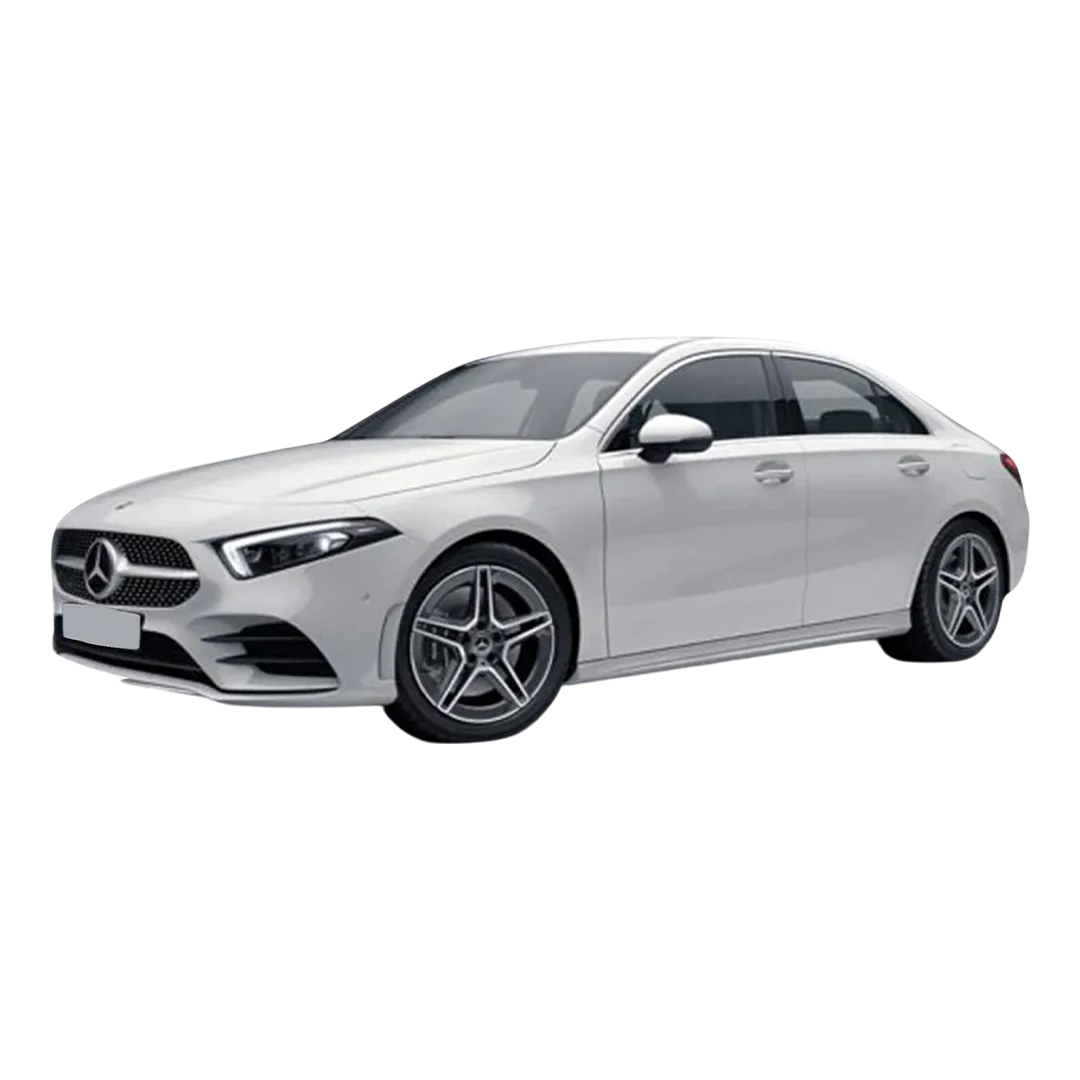 Mercedes Benz AMG A 35
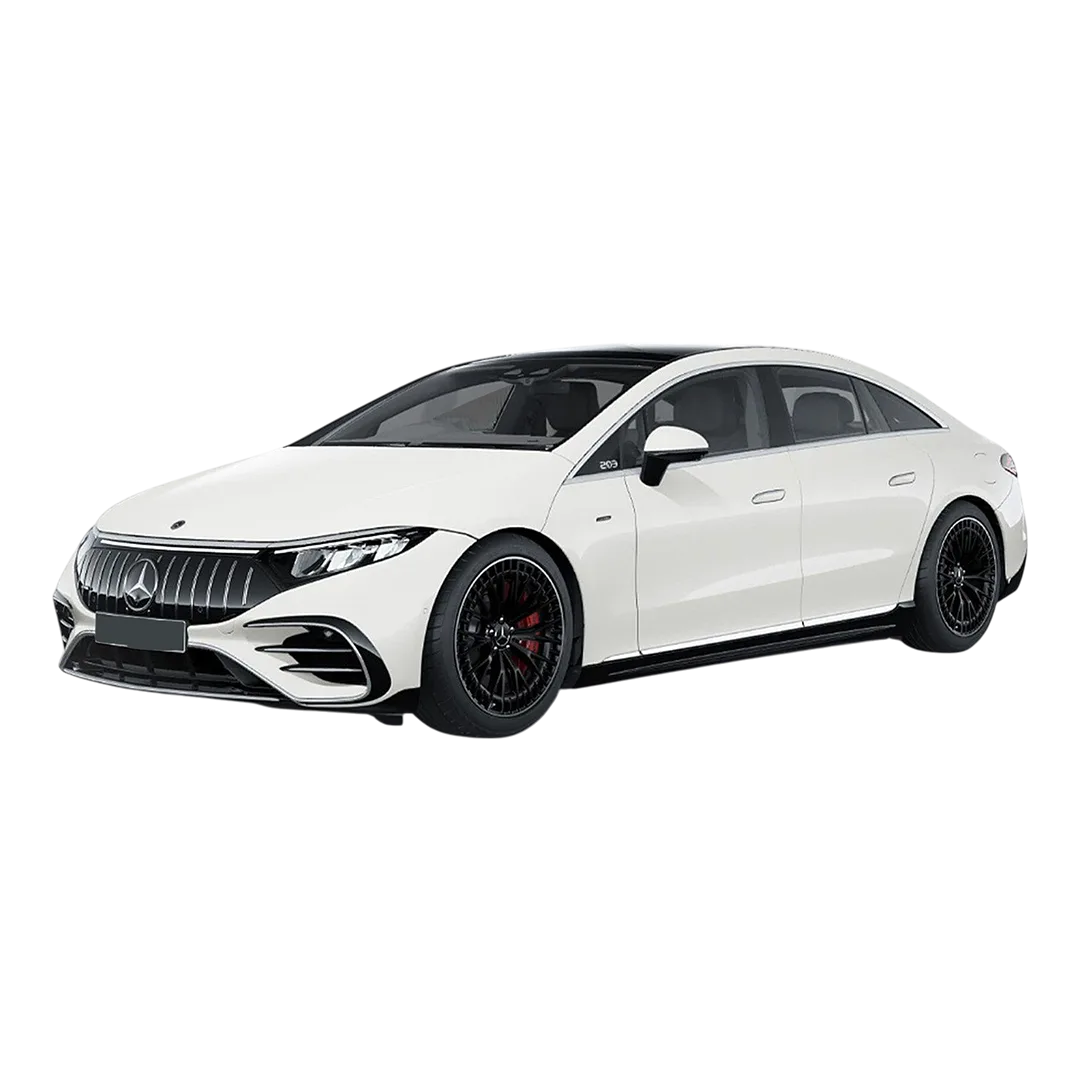 Mercedes-Benz AMG EQS
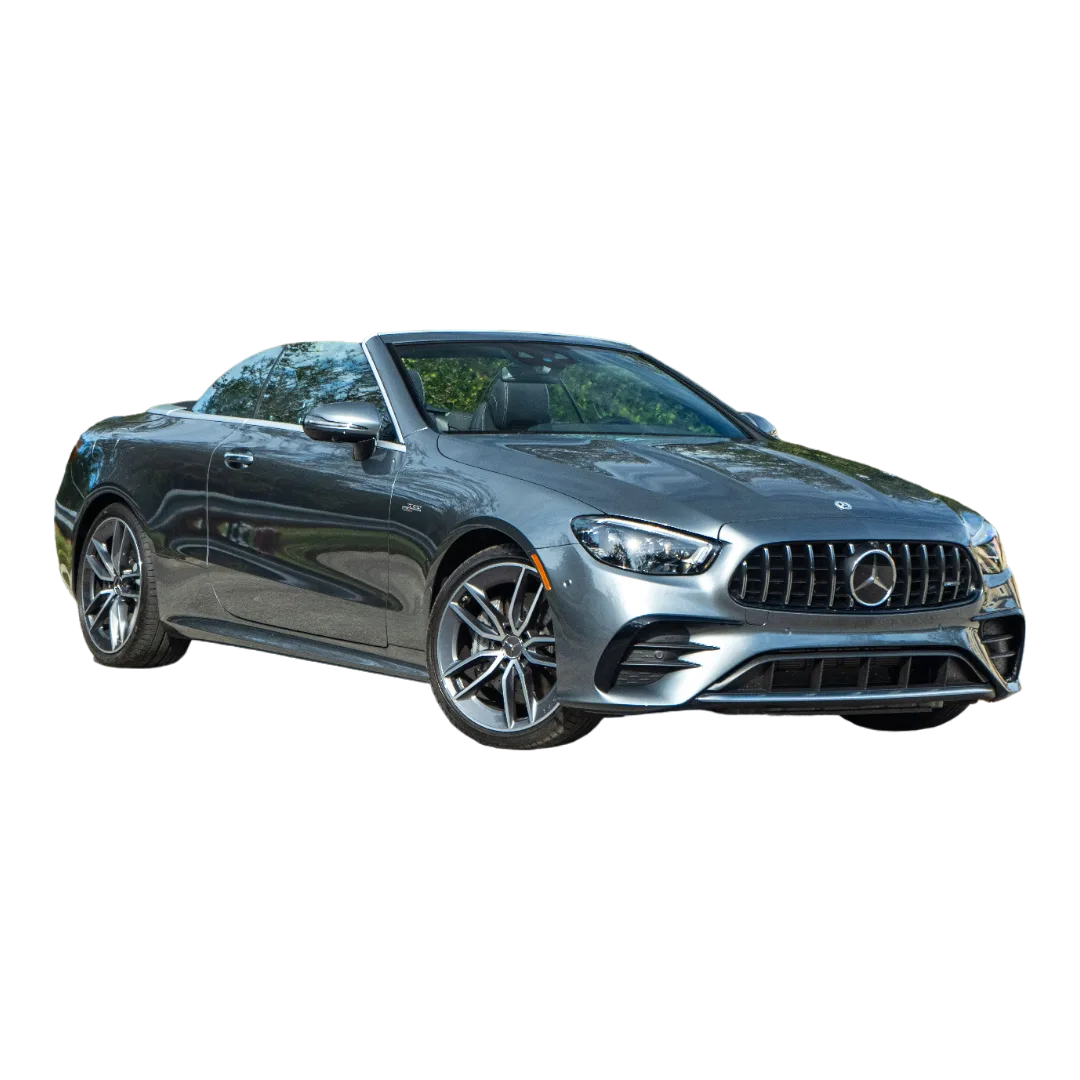 Mercedes-Benz AMG E 53 Cabriolet
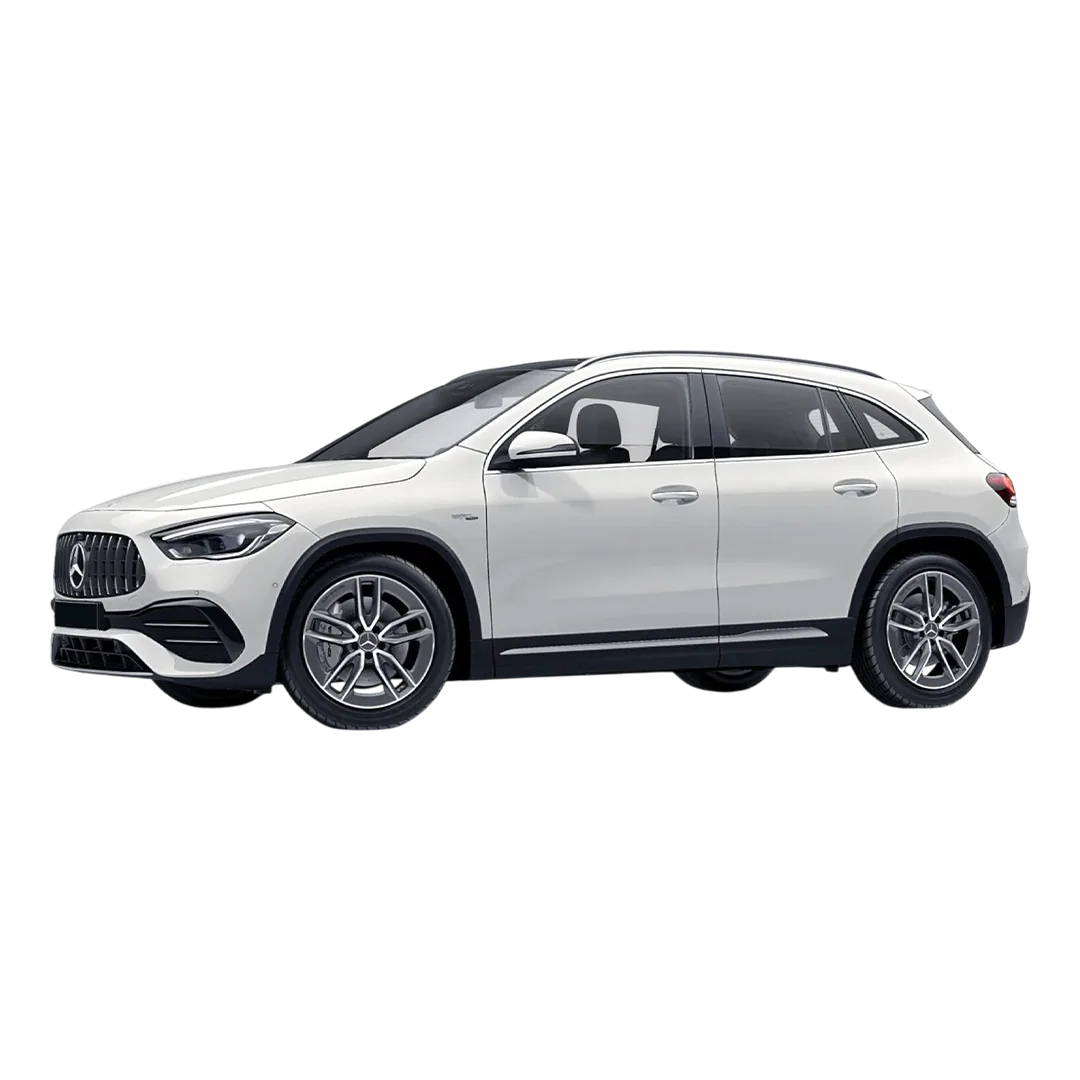 Mercedes-Benz AMG GLA 35
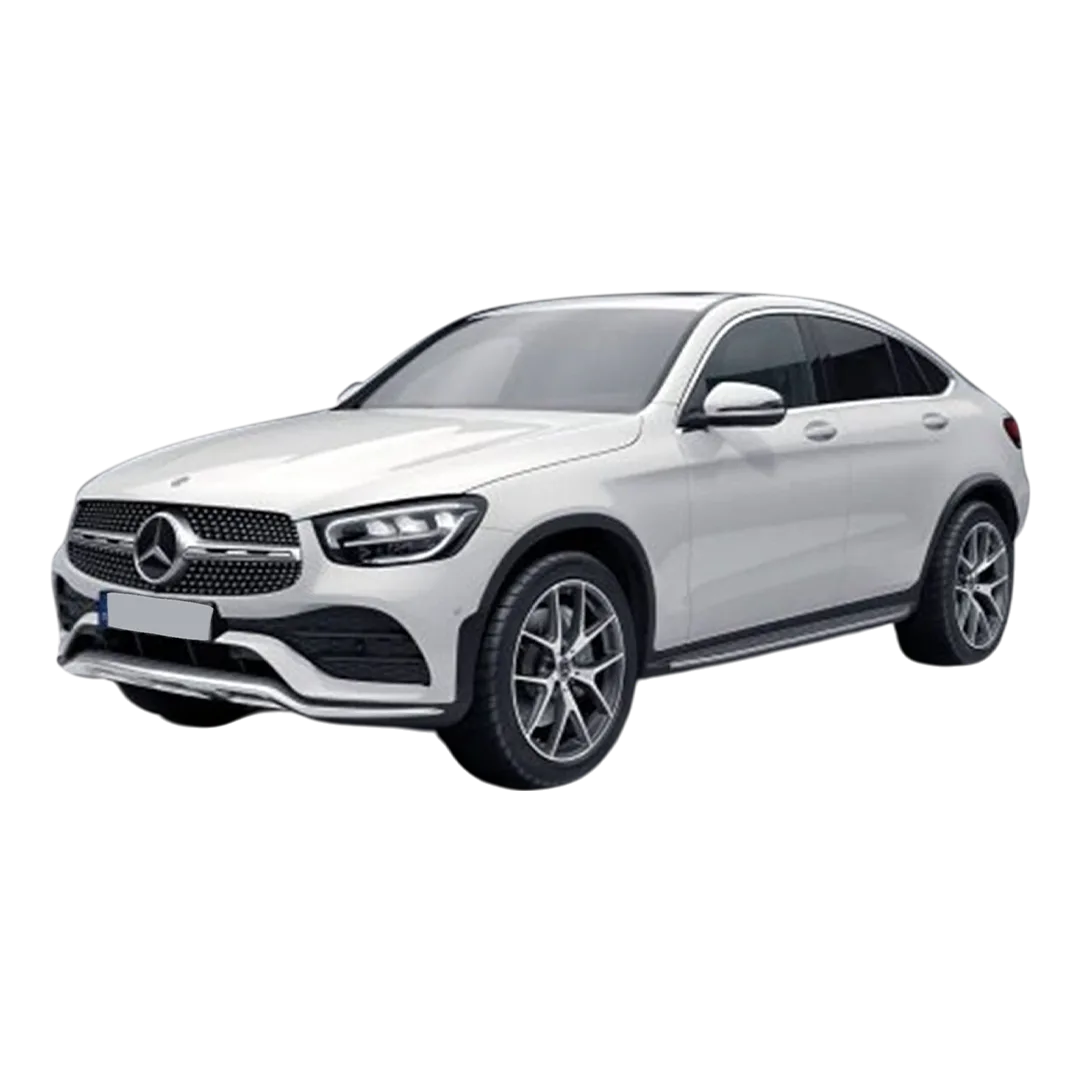 Mercedes-Benz GLC Coupe 2023
 Mercedes M-Class
R-Class
Mercedes M-Class
R-Class
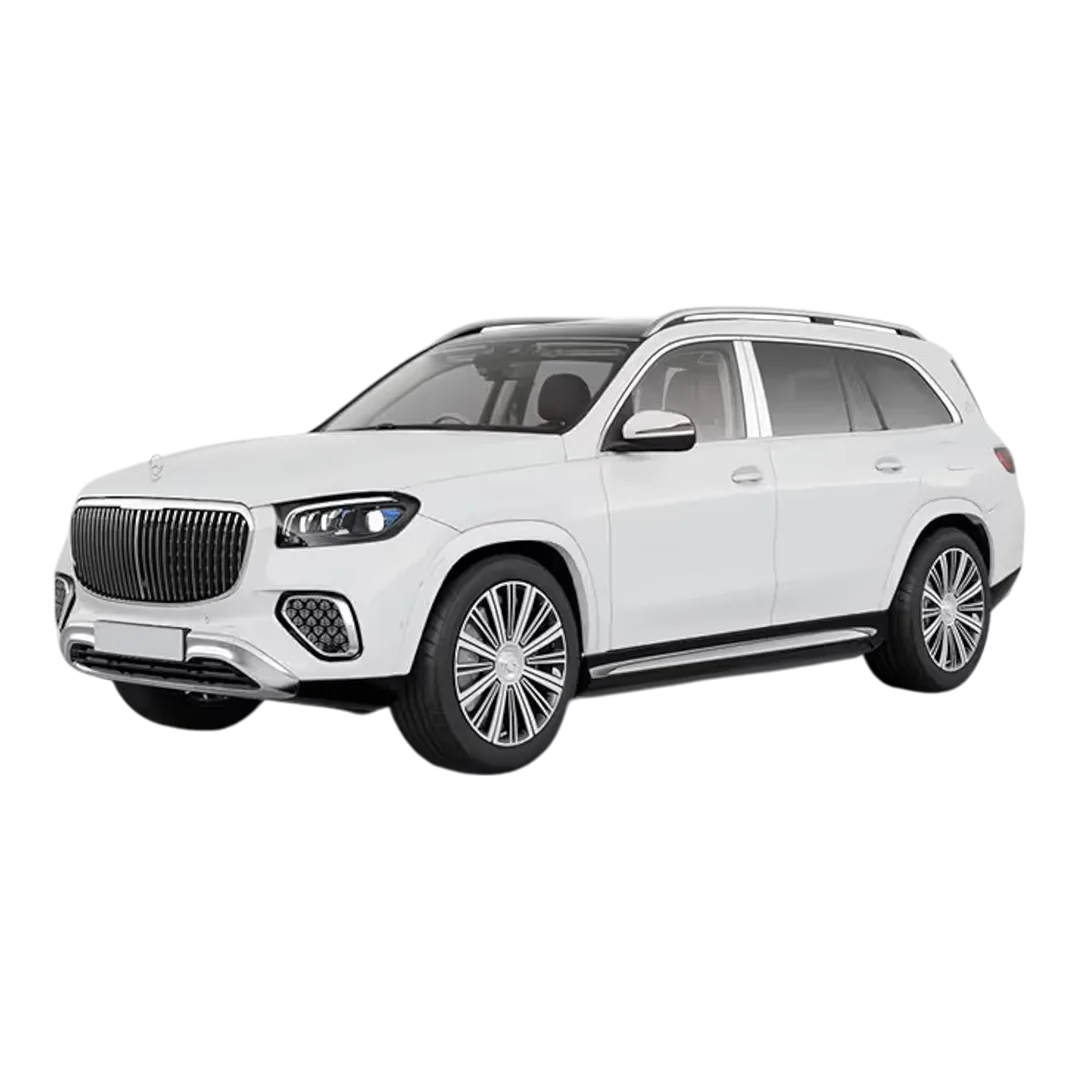 GLS 600
GLS 400
GLS 350
GLE 300
GLS 600
GLS 400
GLS 350
GLE 300
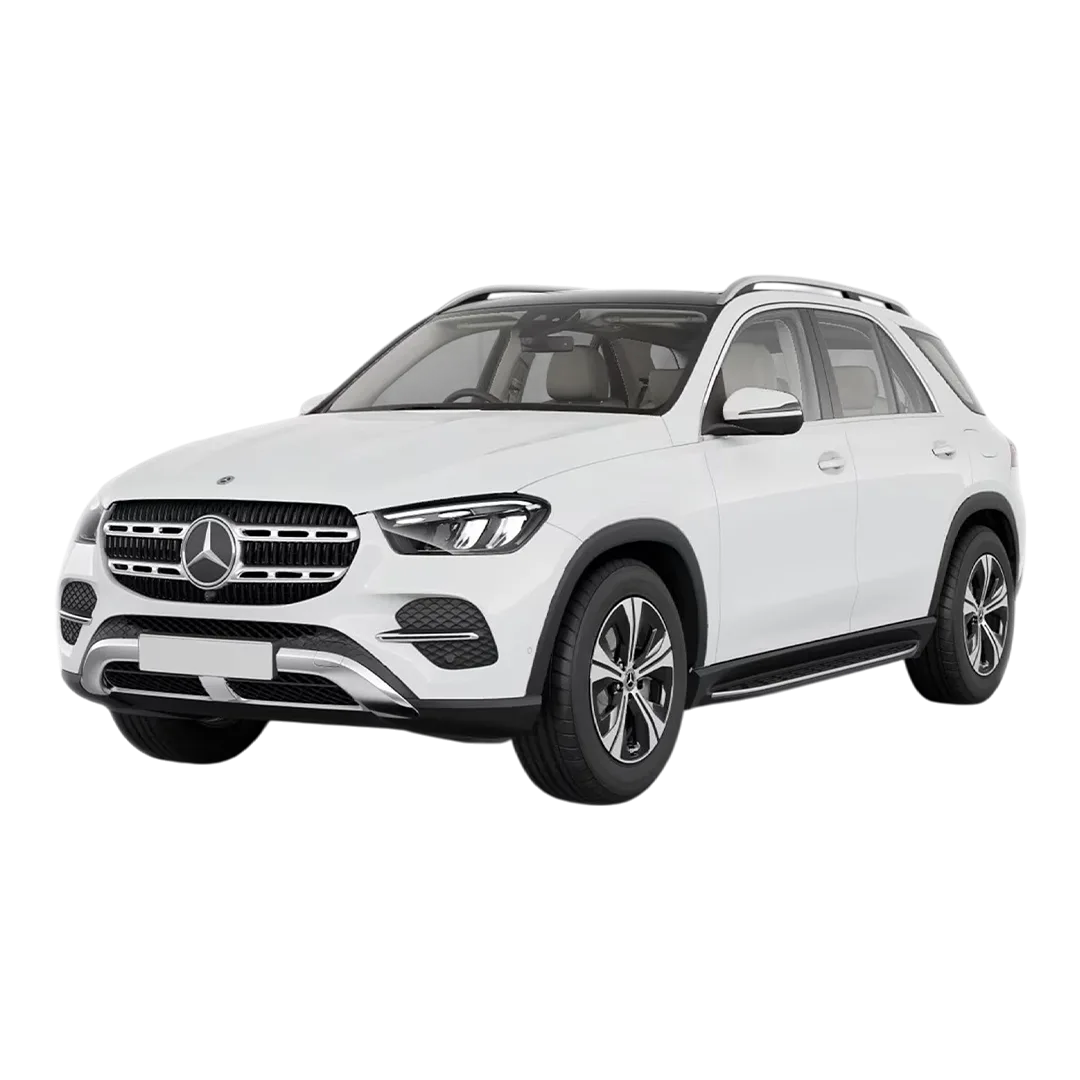 GLE 400
GLE 250D
GLE 400
GLE 250D
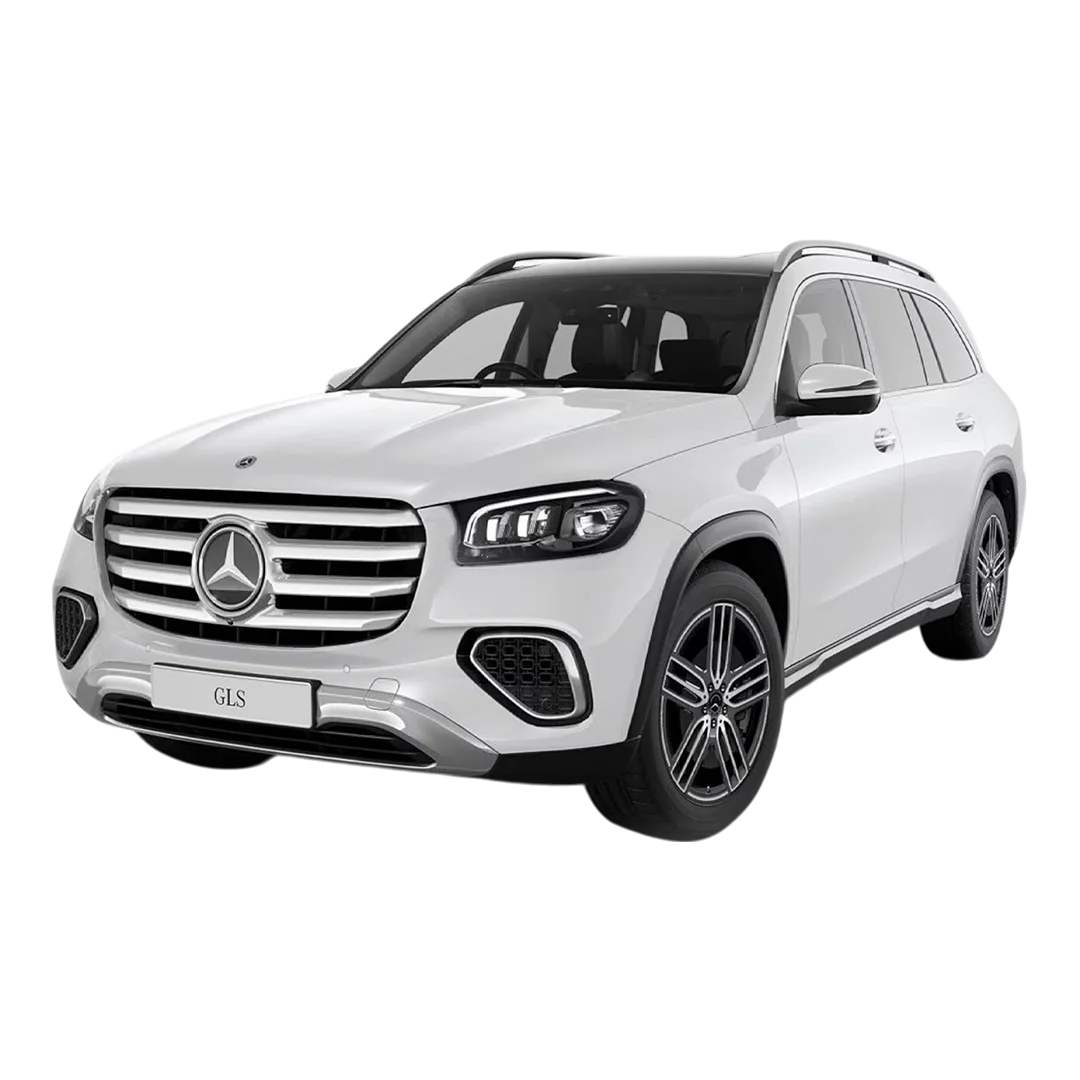 GLC 220D
GLC 300
GLC 220D
GLC 300
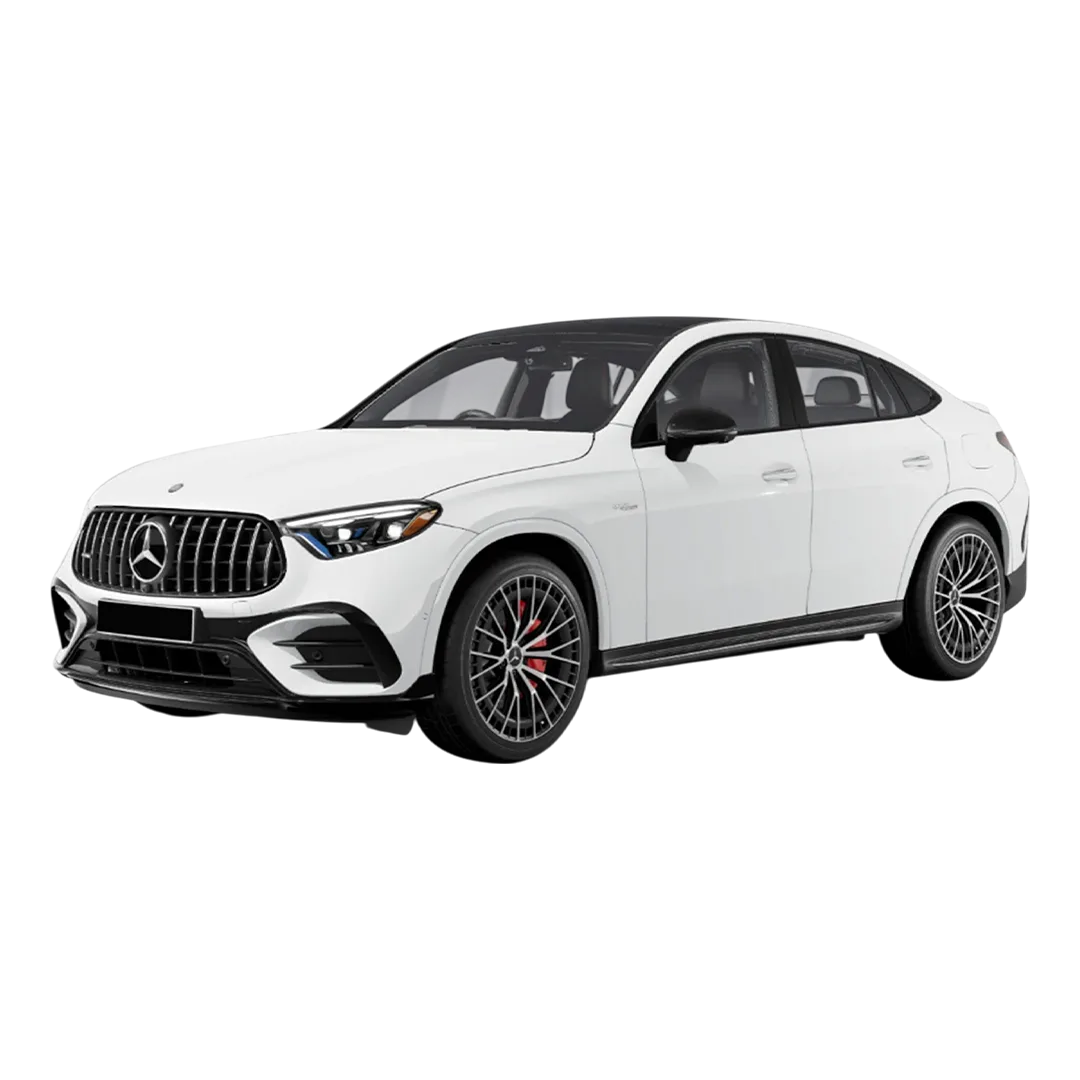 GLC 43 Coupe
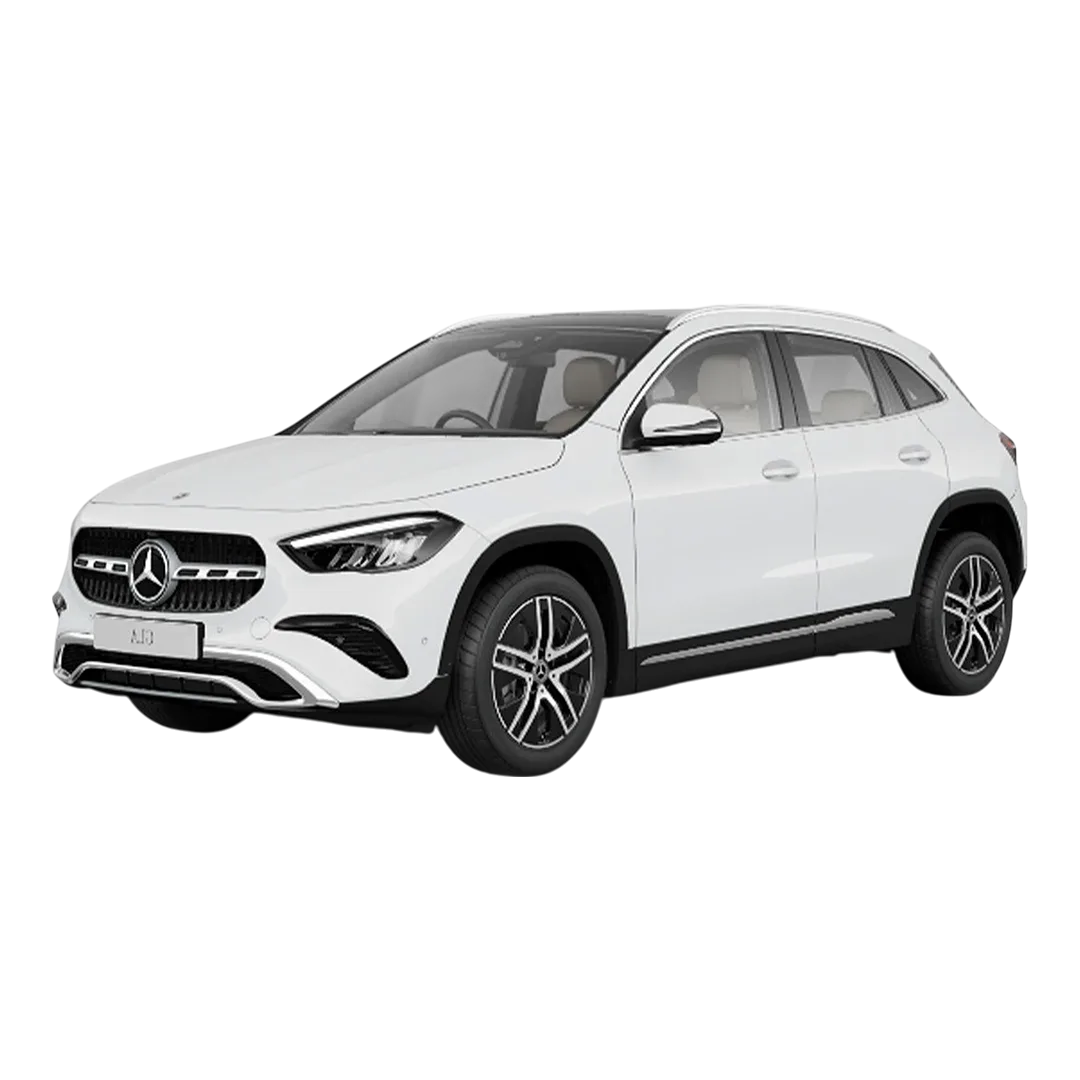 GLA 220d
 GLA-Class 200D
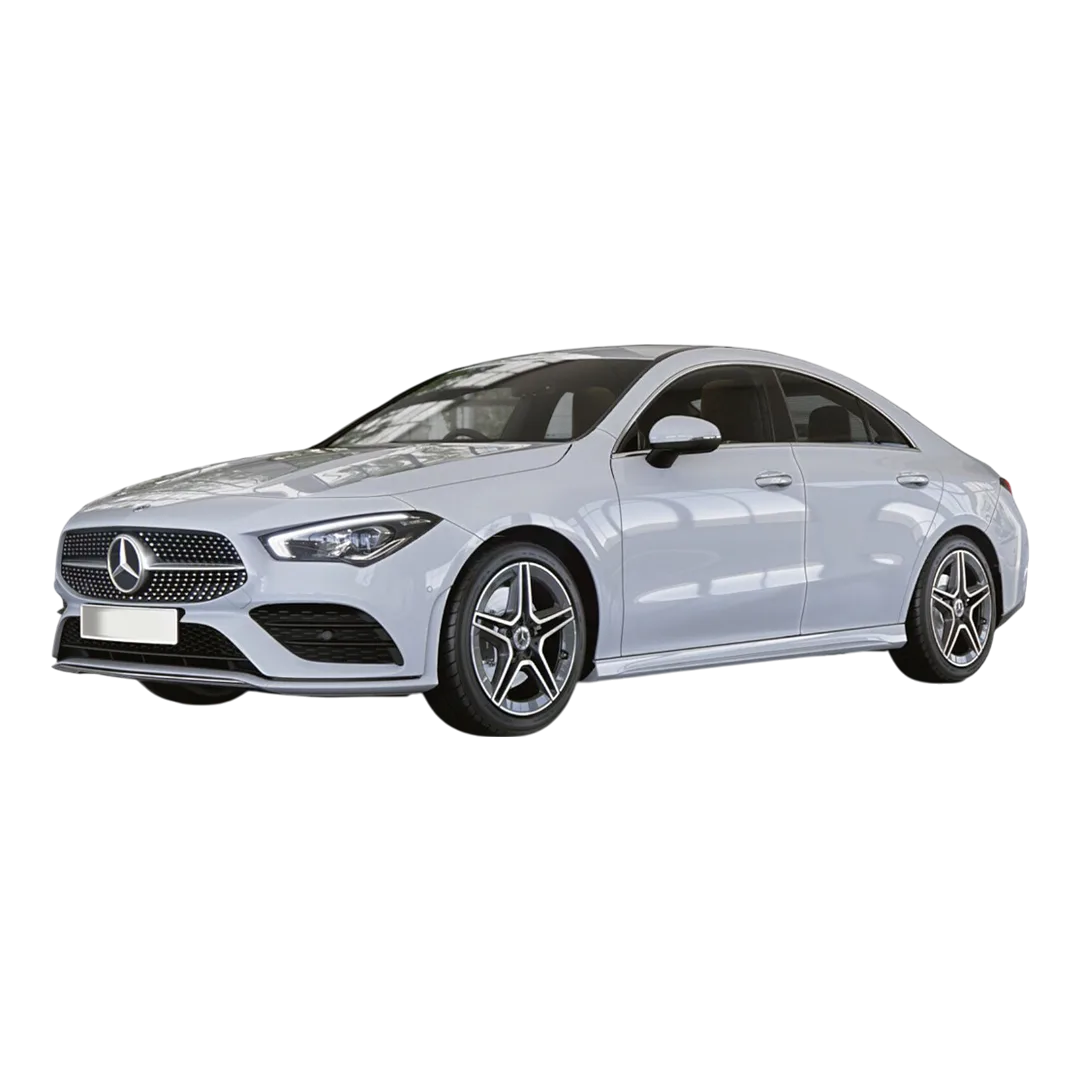 CLA 200
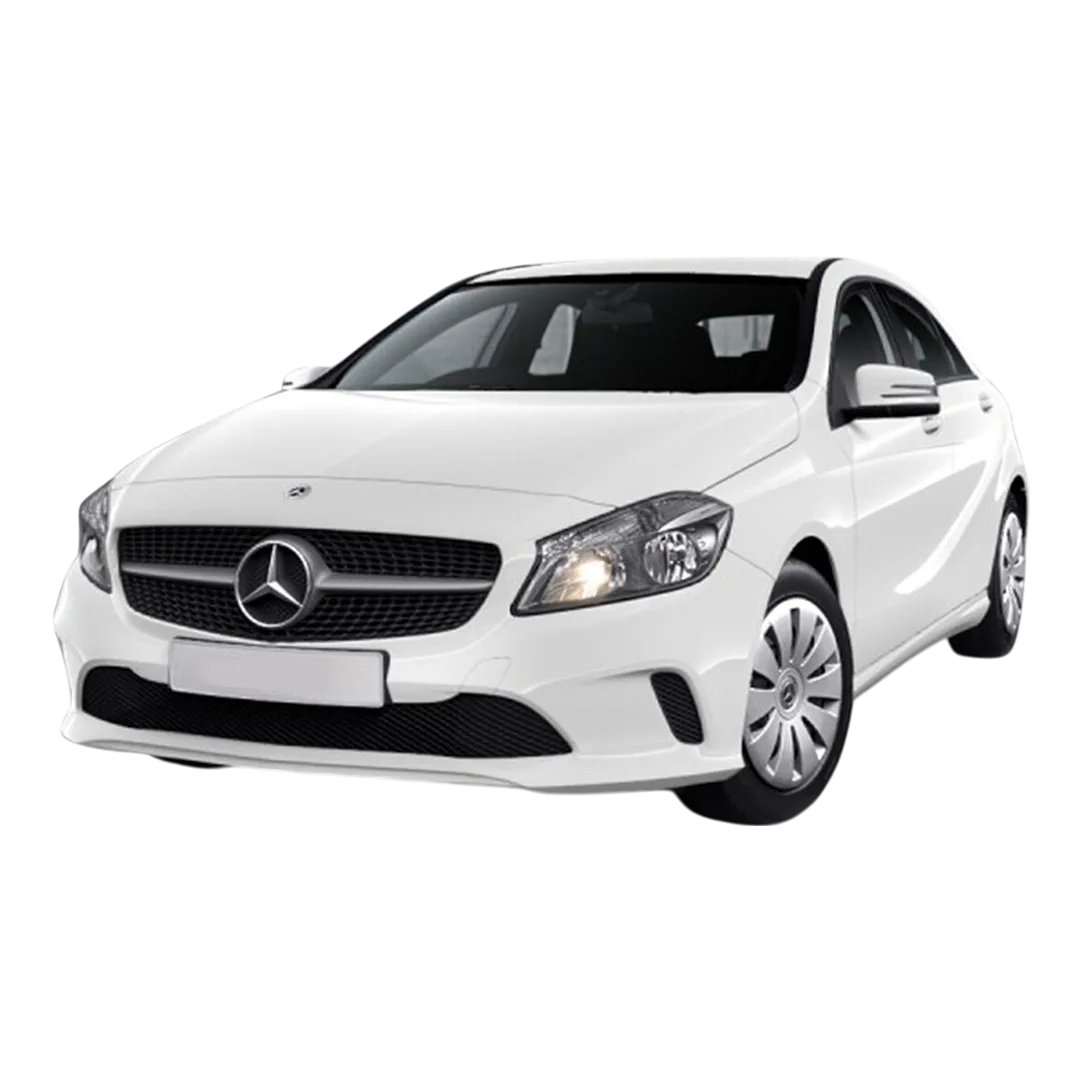 Benz A-Class A 180
M-Class ML 250
M-Class ML 350
Benz A-Class A 180
M-Class ML 250
M-Class ML 350
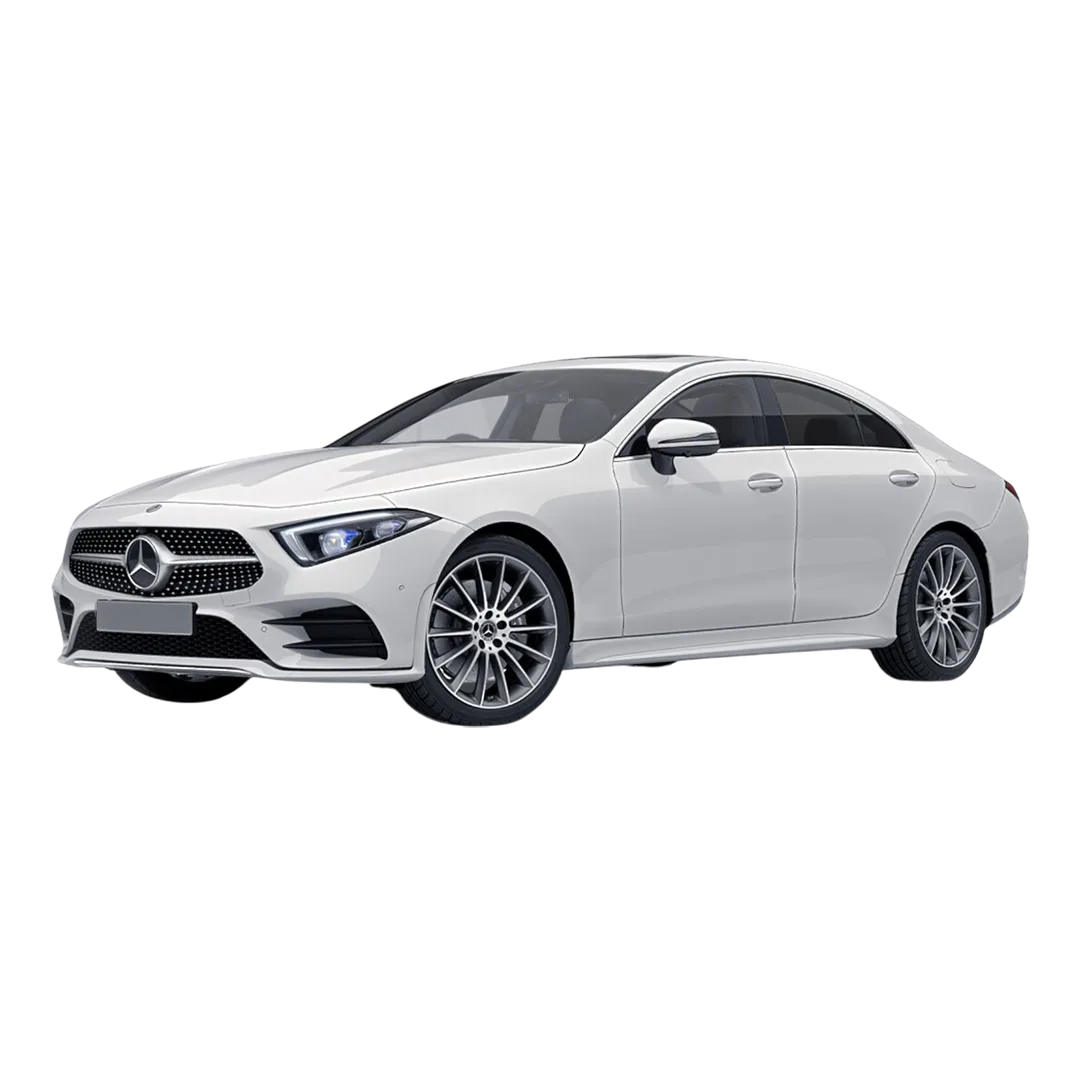 Benz CLS 300
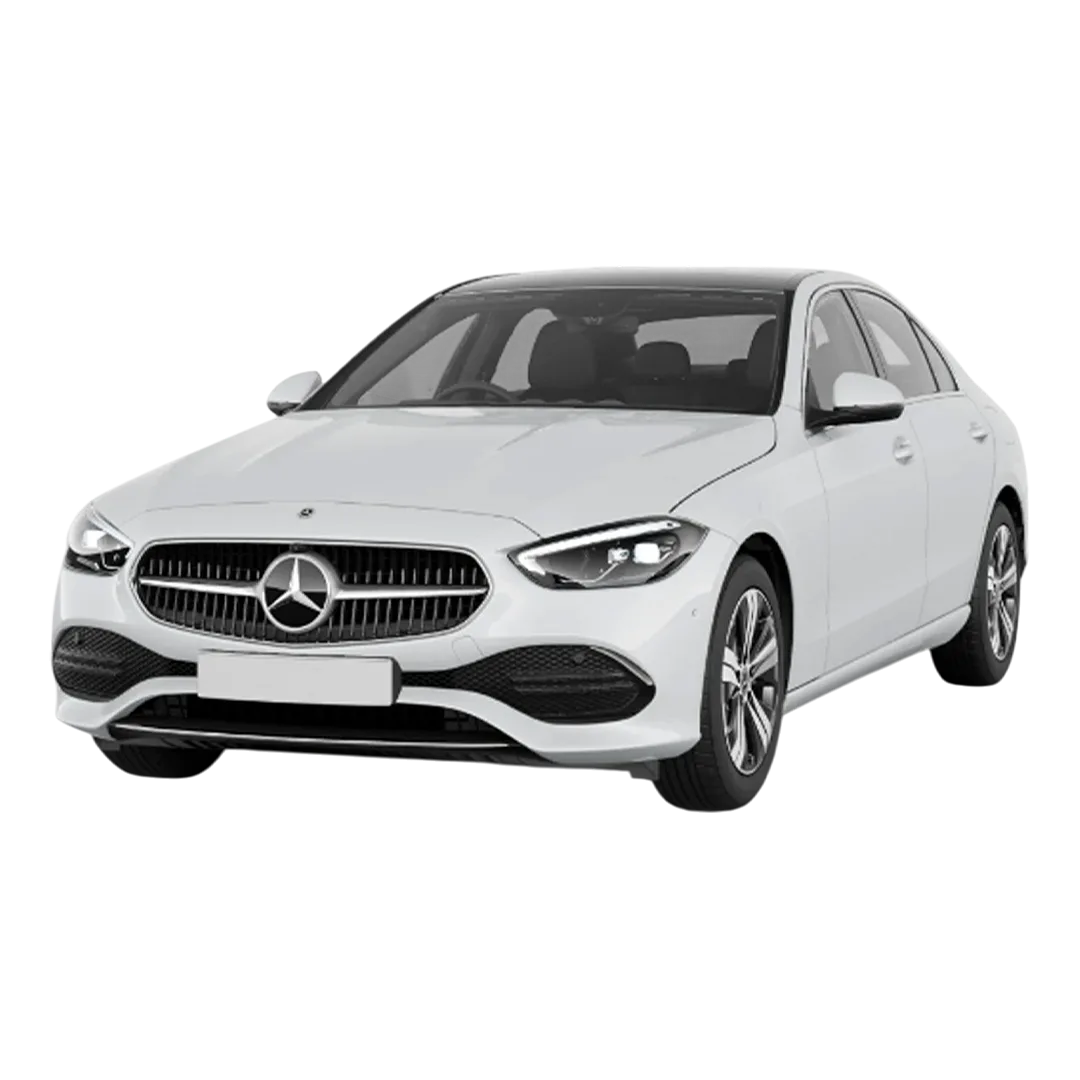 C-Class C250
C-Class C220
C-Class C200
C-Class C250
C-Class C220
C-Class C200
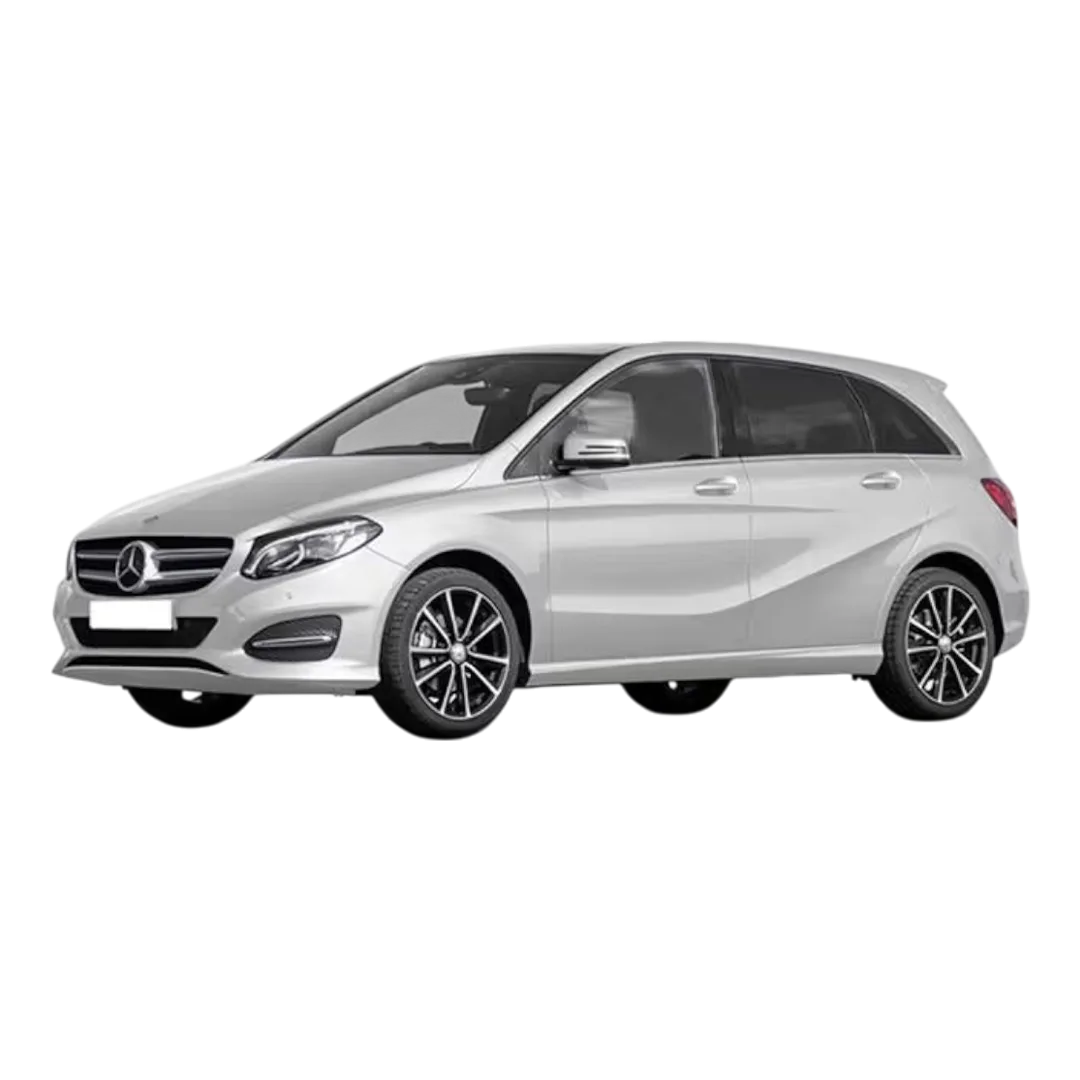 Benz B - Class
Benz A - 200
Benz B - Class
Benz A - 200

The premium electric SUV space in India is no longer limited to early adopters-it’s now a serious battleground where luxury, technology, and practicality come together. Two of the most talked-about contenders in this segment are the BMW iX1 LWB and the Hyundai Ioniq 5. While both belong to the same EV category, they approach the market with completely different philosophies, making this comparison even more interesting for buyers in 2026.
The iX1 LWB represents everything you’d expect from BMW-a strong focus on driving dynamics, premium build quality, and a design language that feels elegant yet familiar. On the other hand, the Ioniq 5 showcases Hyundai’s vision for the future, combining bold styling, cutting-edge EV architecture, and a cabin experience that feels more like a lounge than a traditional SUV.
At Creckk, we understand that choosing the right electric SUV is not just about specs-it’s about how the car fits into your daily life. Whether it’s city commutes, highway drives, or long-term ownership costs, every factor matters. In this in-depth comparison, we break down design, comfort, performance, range, features, and overall value to help you make a confident decision.
If you're planning to step into the EV world or upgrade to a premium electric SUV, this detailed guide will help you understand which of these two impressive machines truly deserves your attention..
When it comes to design, both SUVs take completely different directions, making the choice highly subjective. The BMW iX1 LWB sticks to a more traditional SUV design language, but with subtle electric-specific touches. You get the signature kidney grille-now closed off for aerodynamic efficiency-along with sleek LED headlights and a sculpted body that reflects BMW’s premium DNA. The long wheelbase (LWB) variant enhances its proportions, giving it a more stretched, executive look that feels sophisticated on Indian roads.
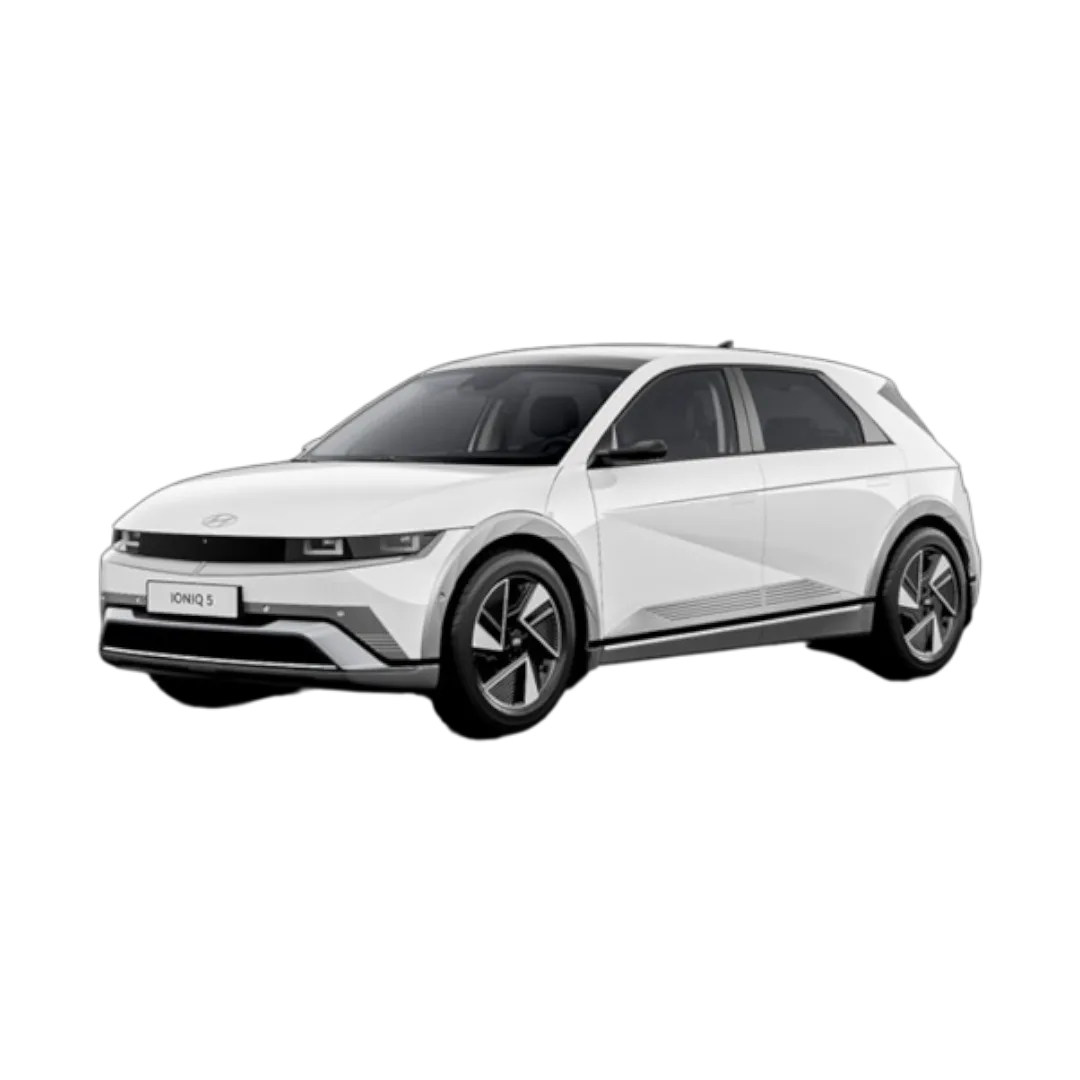
In contrast, the Hyundai Ioniq 5 is anything but conventional. Its design is inspired by Hyundai’s “Parametric Pixel” theme, which includes pixel-style LED lights, sharp geometric lines, and a distinctive boxy silhouette. It looks more like a concept car brought to life than a typical SUV. The flush door handles, clamshell hood, and wide stance give it a futuristic identity that instantly grabs attention.
From a road presence perspective, the iX1 LWB feels classy and mature, while the Ioniq 5 feels bold and experimental. Buyers who prefer timeless luxury will likely gravitate toward BMW, whereas those who want something unique and modern will find Hyundai more appealing.
In the end, both SUVs excel in design quality and presence, but your preference will depend on whether you value subtle elegance or head-turning innovation.
Step inside the BMW iX1 LWB, and you’re welcomed into a cabin that perfectly reflects BMW’s premium philosophy. The highlight is the curved dual-screen setup that integrates the infotainment system and digital instrument cluster seamlessly. The materials feel high-quality, with soft-touch surfaces, metallic accents, and a clean dashboard layout. The long wheelbase plays a crucial role here, offering improved rear seat space and better legroom, making it ideal for families or chauffeur-driven use.
On the other hand, the Hyundai Ioniq 5 offers a completely different interior experience. Built on a dedicated EV platform, it features a flat floor, which significantly enhances cabin space. The interior feels open and airy, almost like a lounge. One of its standout features is the sliding center console, which adds flexibility and practicality. The seats are designed for relaxation, and the overall vibe is futuristic yet comfortable.
In terms of comfort, both SUVs perform exceptionally well but cater to different needs. The iX1 LWB focuses on delivering a traditional luxury experience with a driver-centric layout, while the Ioniq 5 prioritizes space, flexibility, and innovation.
If your priority is premium materials and a familiar luxury feel, BMW takes the lead. But if you want maximum space and a unique cabin experience, Hyundai clearly has the advantage.
Performance is a key differentiator between these two electric SUVs. The BMW iX1 LWB stays true to BMW’s reputation for delivering engaging driving dynamics. The instant torque from its electric motor ensures quick acceleration, while the steering feels precise and responsive. The suspension is tuned to strike a balance between comfort and sportiness, making it enjoyable to drive both in the city and on highways.
The Hyundai Ioniq 5, however, takes a more relaxed approach. Its performance is smooth and effortless, with strong acceleration that feels linear and controlled. Instead of focusing on sporty handling, Hyundai has tuned the Ioniq 5 for comfort and ease of driving. It excels in city traffic and long-distance cruising, where a calm driving experience is more desirable.
Both SUVs deliver impressive performance by EV standards, but their personalities are clearly different. The iX1 LWB is designed for those who enjoy driving, while the Ioniq 5 is built for those who prefer a stress-free, comfortable ride.
Your choice here depends on your driving style-enthusiastic and engaging or relaxed and effortless.
Range and charging capabilities are crucial considerations for EV buyers, especially in a market like India where infrastructure is still evolving. The BMW iX1 LWB offers a practical range that comfortably supports daily commuting as well as occasional long drives. Its charging options include fast charging support, making it convenient for urban users.
The Hyundai Ioniq 5 stands out with its advanced 800V architecture, which allows ultra-fast charging. This means significantly reduced charging times compared to most EVs in its segment. It also offers a strong real-world range, making it more suitable for long-distance travel.
Another advantage of the Ioniq 5 is its ability to handle fast-charging infrastructure more efficiently, which can be a major benefit as India’s EV ecosystem continues to grow. BMW’s offering, while slightly less advanced in this area, still provides a reliable and practical ownership experience.
In summary, Hyundai leads in charging technology and long-distance usability, while BMW delivers consistent and dependable everyday performance.
Technology is one area where both SUVs shine, but they approach it differently. The BMW iX1 LWB focuses on delivering a refined and user-friendly tech experience. Its infotainment system is smooth, intuitive, and packed with connected features. The curved display adds to the premium feel, and the overall interface is designed for ease of use.
The Hyundai Ioniq 5, in contrast, takes a more futuristic approach. It comes loaded with advanced features such as Vehicle-to-Load (V2L), which allows you to power external devices using the car’s battery. It also offers augmented reality displays and a highly modern user interface that feels ahead of its time.
While BMW excels in delivering a polished and consistent tech experience, Hyundai pushes the boundaries with innovation and unique features. Buyers who prefer cutting-edge technology will find the Ioniq 5 more exciting, while those who value simplicity and reliability may prefer the iX1 LWB.
Pricing is often the deciding factor for many buyers. The BMW iX1 LWB is positioned as an entry-level luxury EV, offering the prestige of the BMW badge along with a premium ownership experience. It appeals to buyers who value brand image and driving pleasure.
The Hyundai Ioniq 5, on the other hand, offers a more feature-rich package at a competitive price point. It delivers advanced technology, superior charging capabilities, and a spacious interior, making it a strong value proposition.
| Aspect | BMW iX1 LWB | Hyundai Ioniq 5 |
|---|---|---|
| Design | Elegant & Premium | Futuristic & Bold |
| Interior | Luxury-focused | Spacious & Modern |
| Performance | Sporty | Smooth |
| Range | Practical | Strong |
| Charging | Fast | Ultra-fast (800V) |
| Features | Refined | Advanced |
| Value | Brand-driven | Feature-packed |
In conclusion, if you prioritize luxury branding and driving engagement, BMW is the better choice. But if you’re looking for maximum features, futuristic design, and better overall value, Hyundai clearly stands out.
1. Which EV is better for long drives?
The Hyundai Ioniq 5 is better suited for long drives due to its higher range and faster charging technology.
2. Is BMW iX1 LWB worth buying in India?
Yes, it offers a premium experience, strong performance, and practical usability for urban and highway driving.
3. Which SUV has more space?
The Hyundai Ioniq 5 offers more interior space due to its dedicated EV platform and flat floor design.
4. Which car has better technology?
Both are well-equipped, but the Ioniq 5 offers more futuristic and innovative features.
5. Which one should you choose in 2026?
Choose BMW if you want luxury and performance; choose Hyundai if you want innovation and value.