Your cart is empty
Start Shopping Exterior
›
Exterior
›
 Bumper Diffuser/Guard
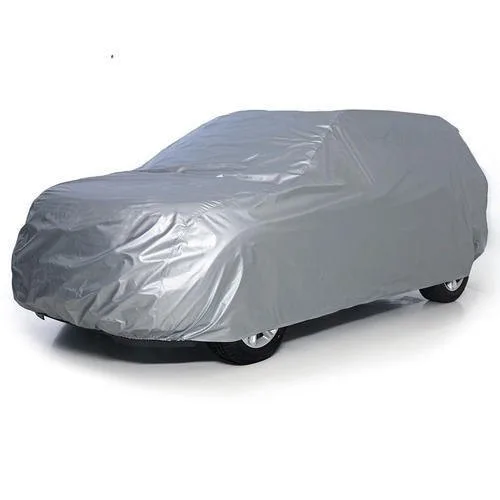 Body Covers
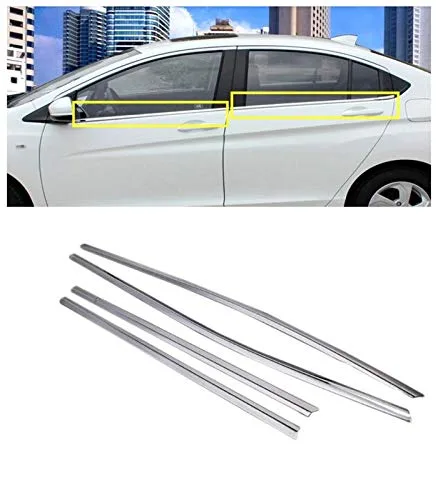 Window Garnishing
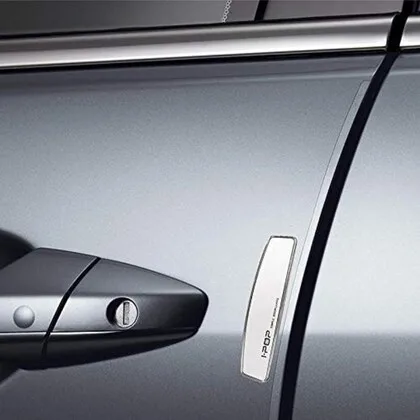 Door Guards
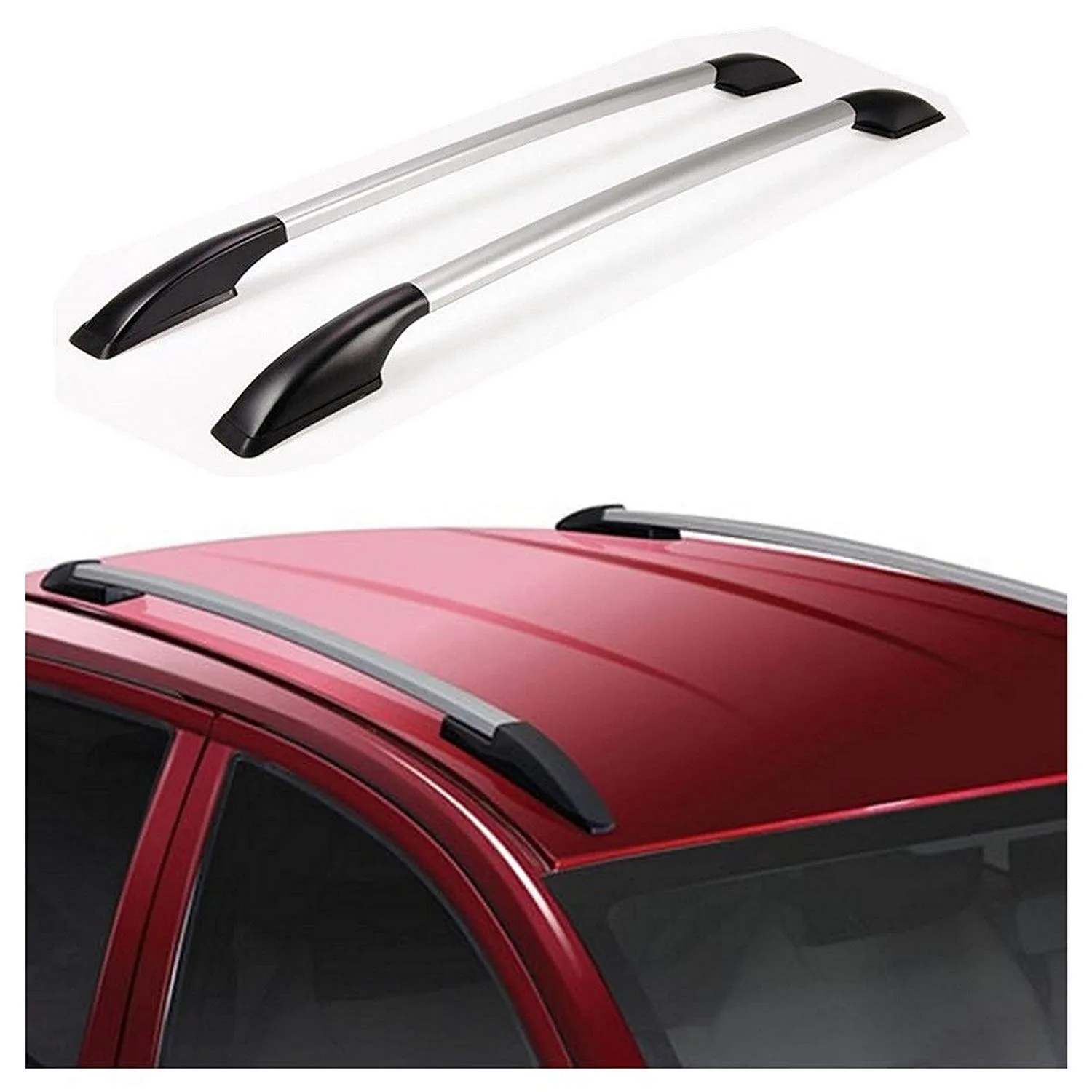 Roof Rails
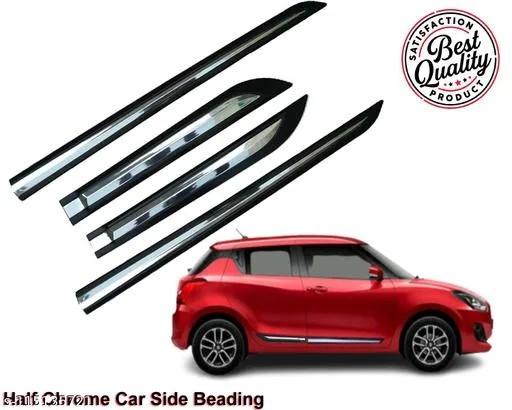 Side Beading
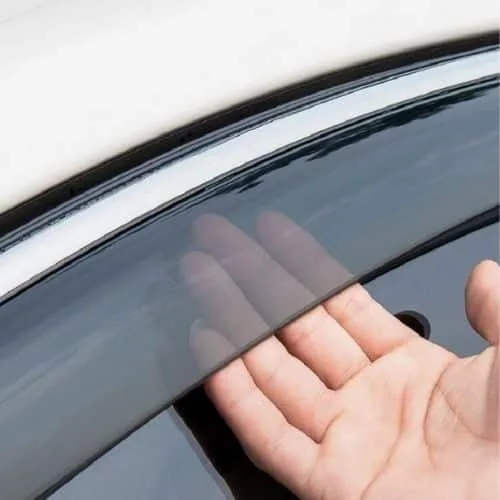 Door Visor
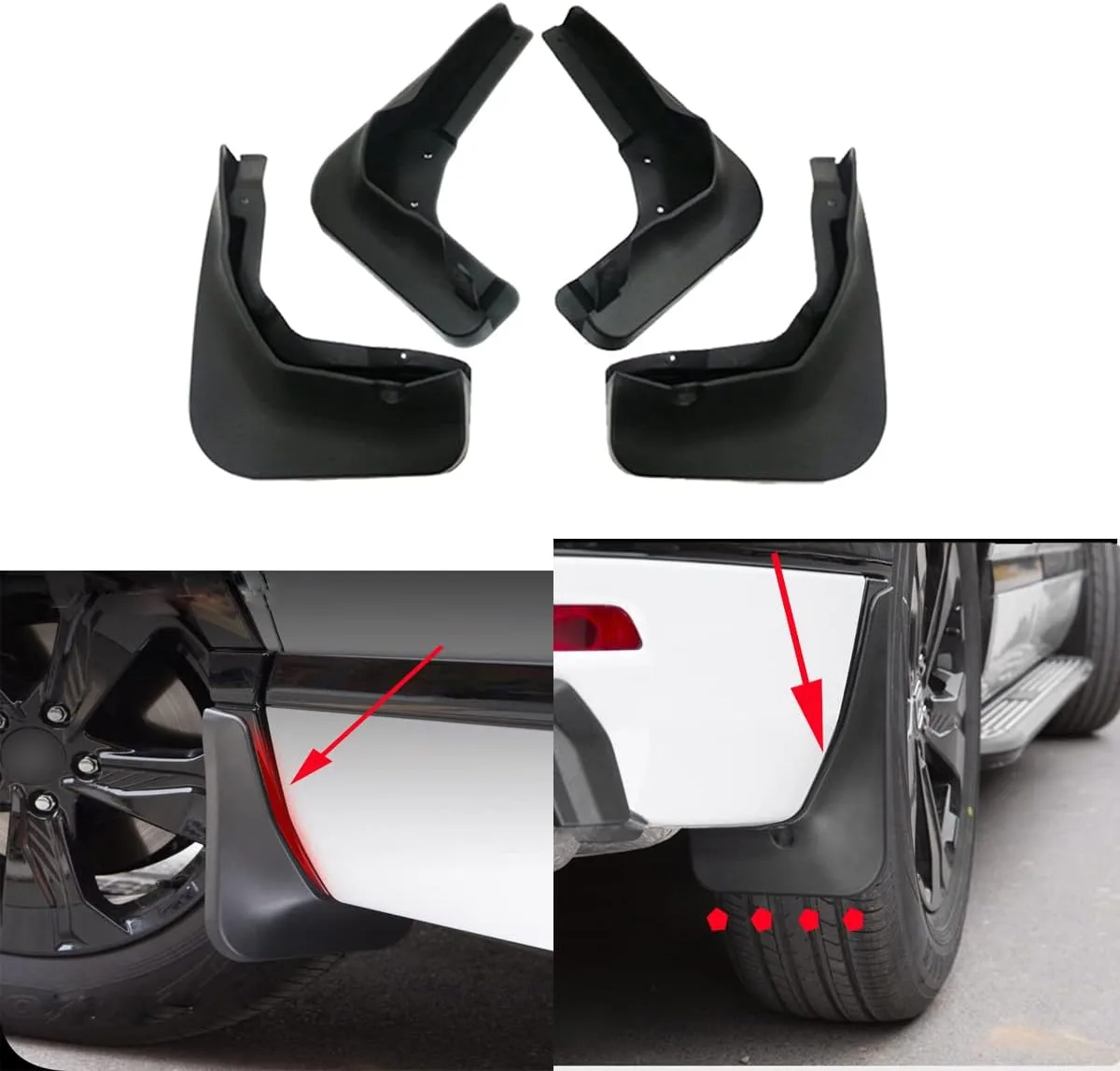 Mud Flap
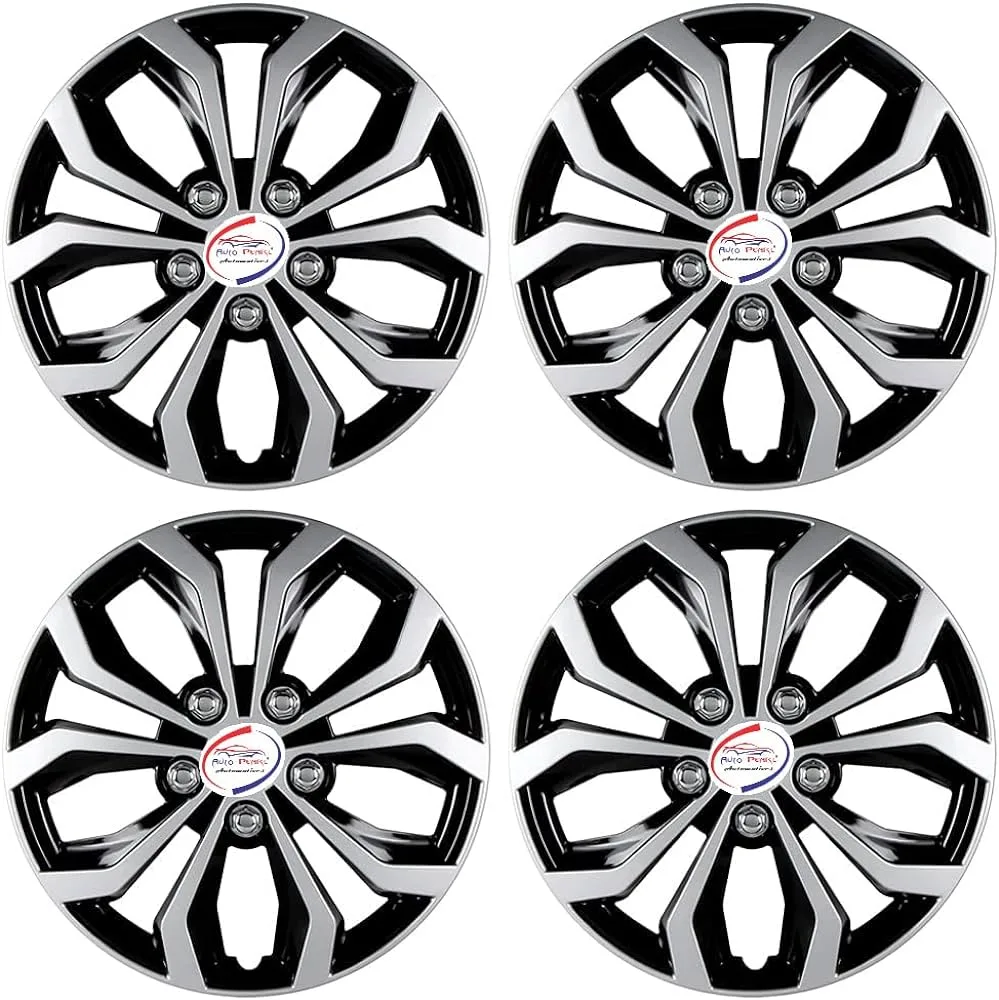 Wheel Cover
 Foot Rest
 Interior
›
Interior
›
 Door Scuff Sill Plates
 Window Sunshades & Film
 Armrest
 Seat Covers
 Steering Cover
 Floor Mats
 Dashboard Showpiece
 Seat & Neck Cushion
 Lighting
›
Lighting
›
 Utility
›
Utility
›
 All Chrome Items
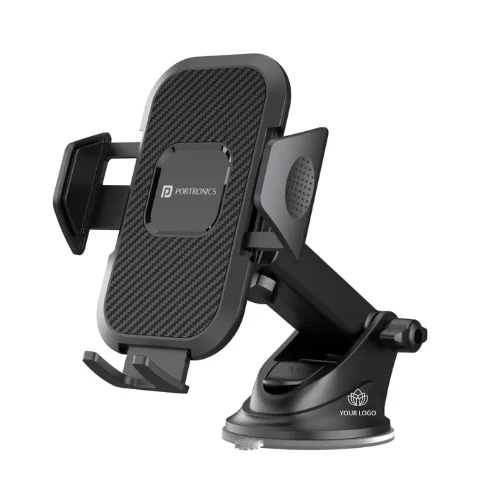 Mobile Holder
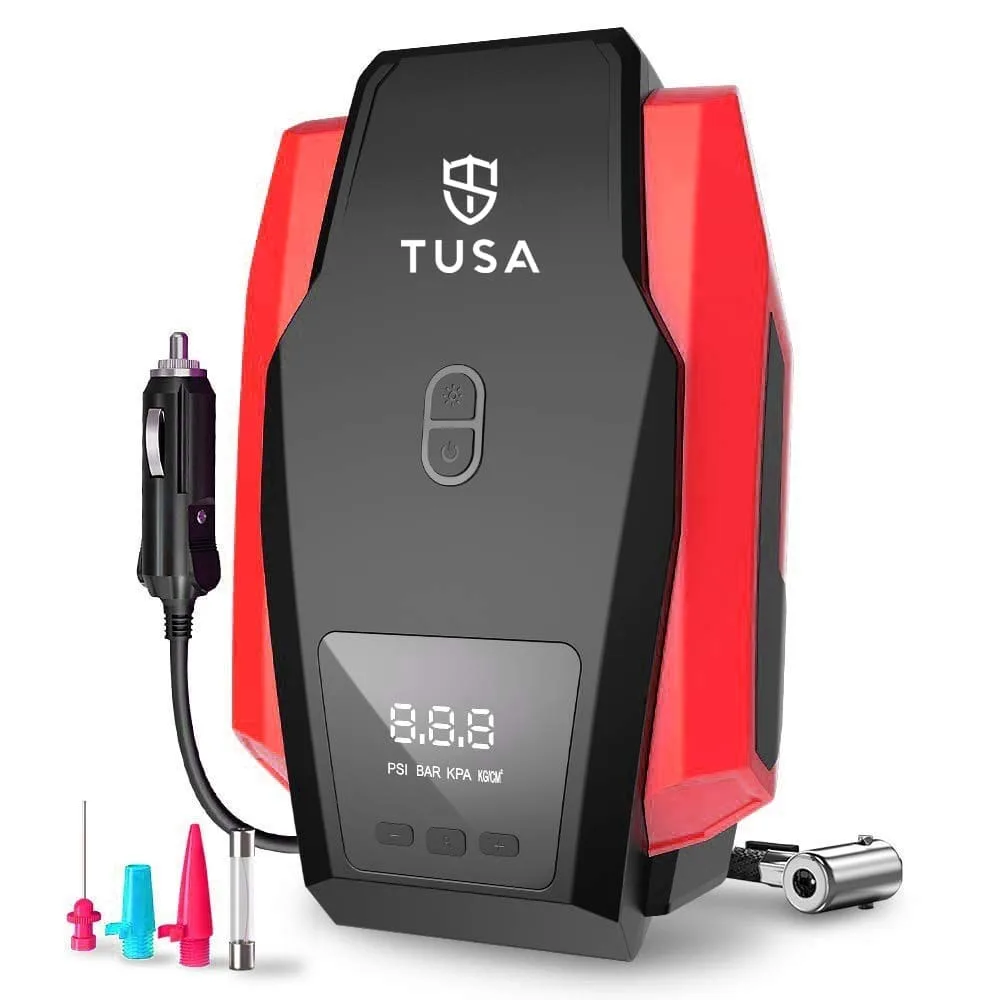 Tyre Inflators
 Vacuum Cleaner
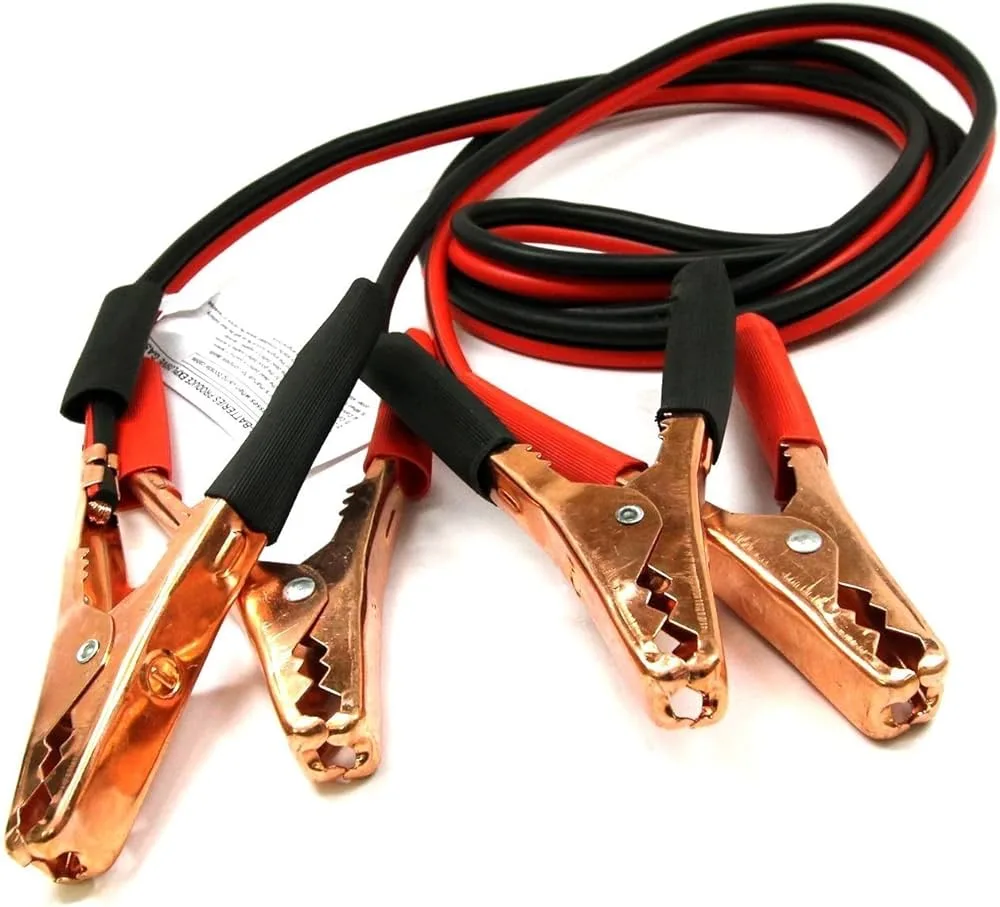 Jumper Cable
 Cleaning Kit
 Tyre Puncture Kit
 Tyre Valve Cap
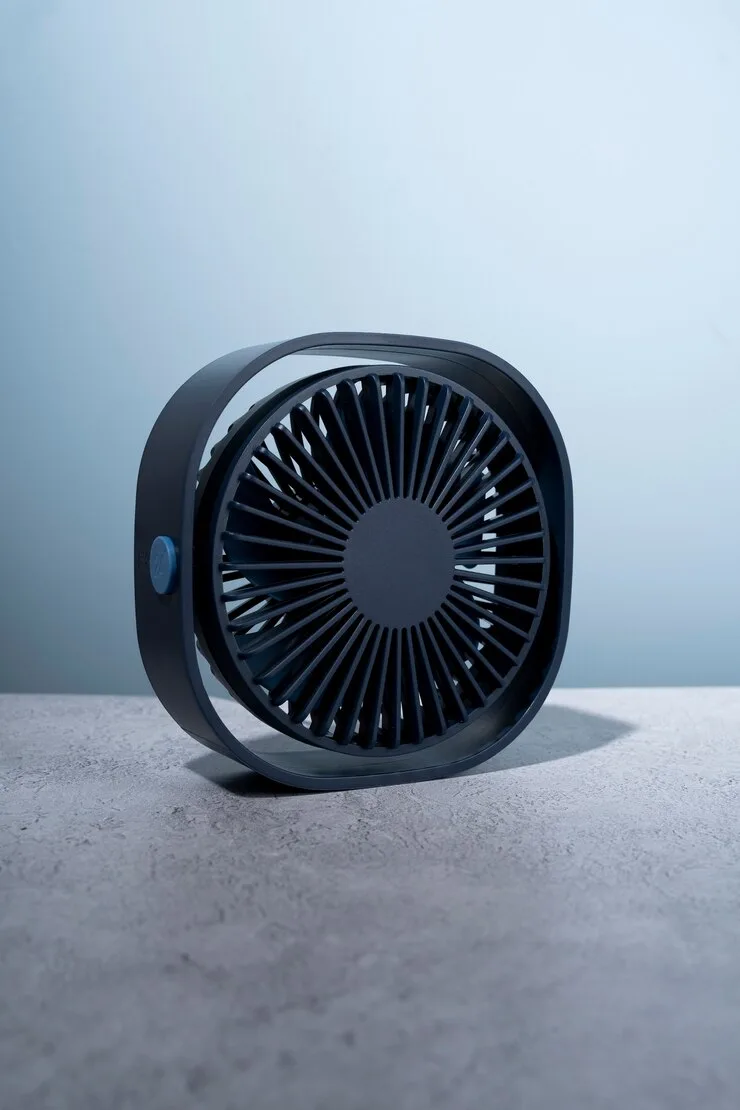 Car Fan
 Parcel Tray
 Electronic
›
Electronic
›
 Parts
›
Parts
›
 Fog Lights
 Headlights
 Tail Lights
 Steering Wheel Controls
 Sensor
 Horns
Horns
 Wiper Blade
 Front Grille
 Side Mirror
 Battery
 Car Care
›
Car Care
›
 Air Freshener & Perfume
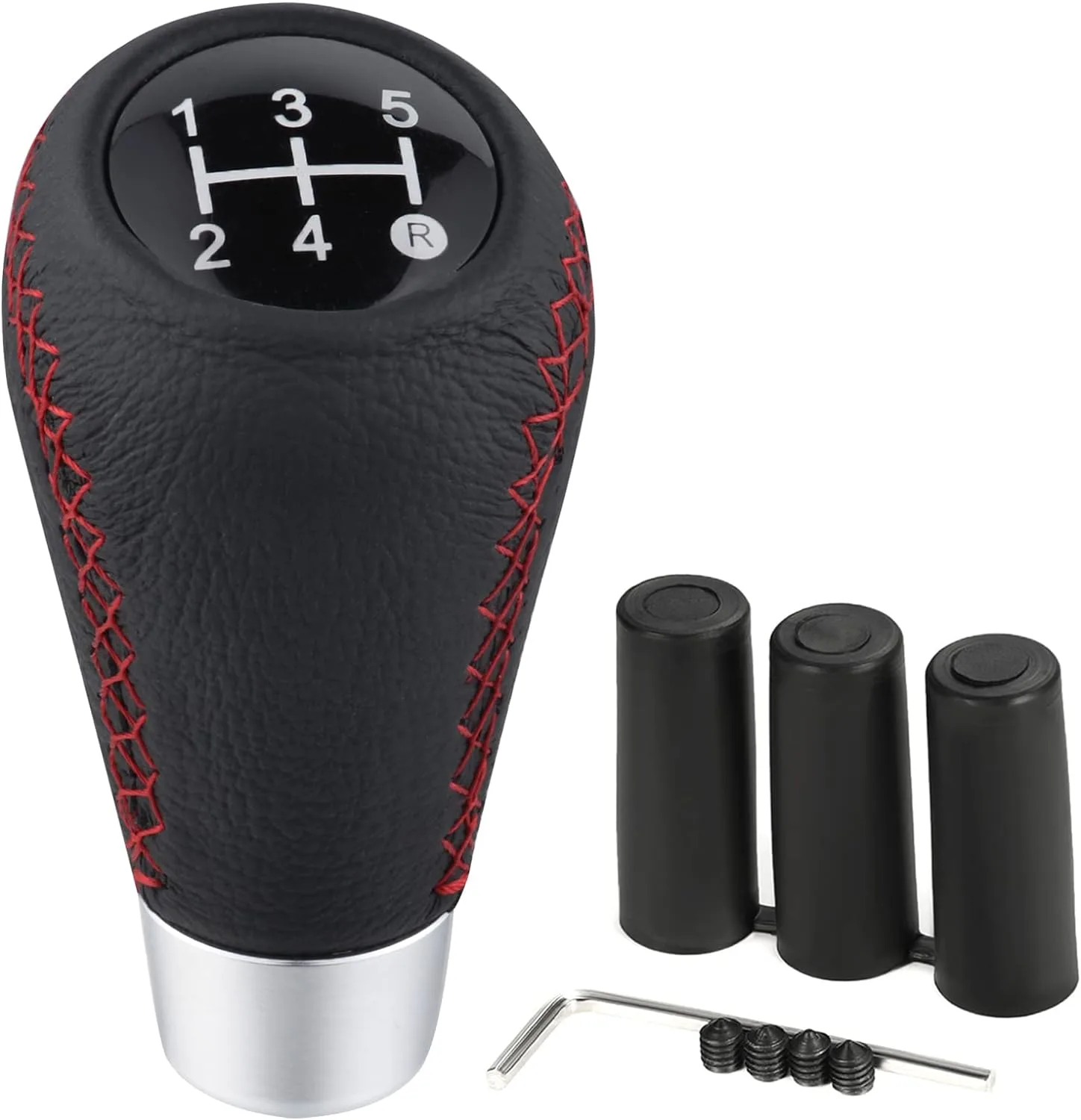 Gear knob
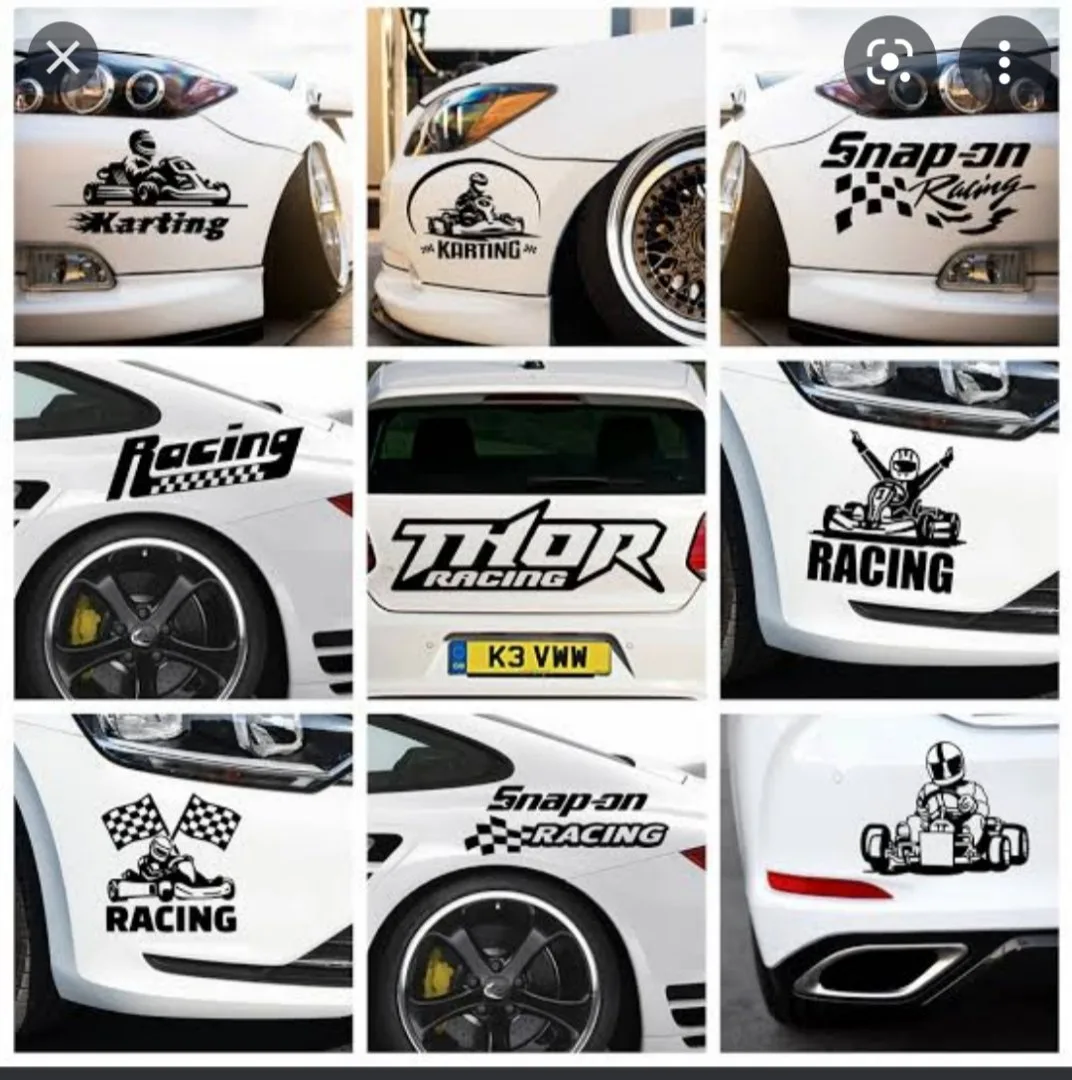 Stickers & Decals
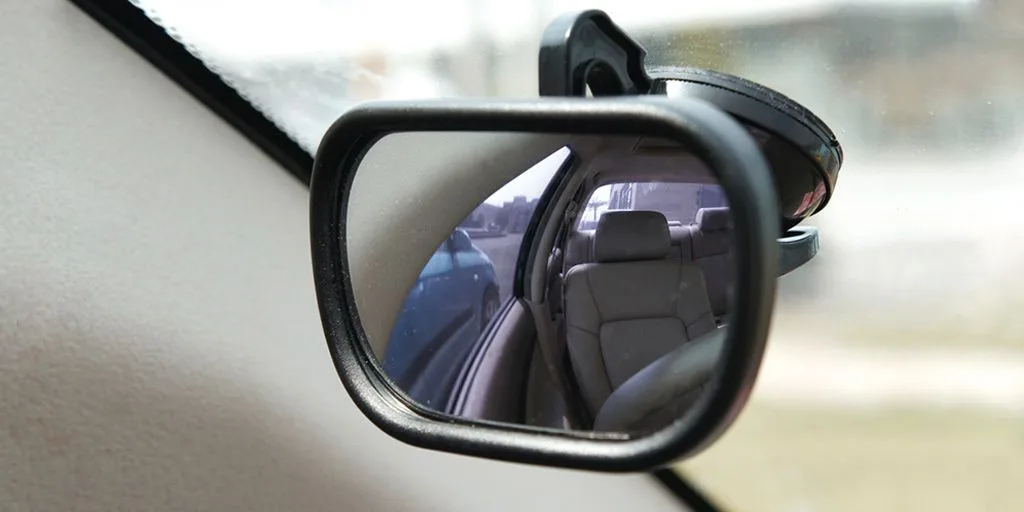 Blind Spot Mirror
 Steering Knob
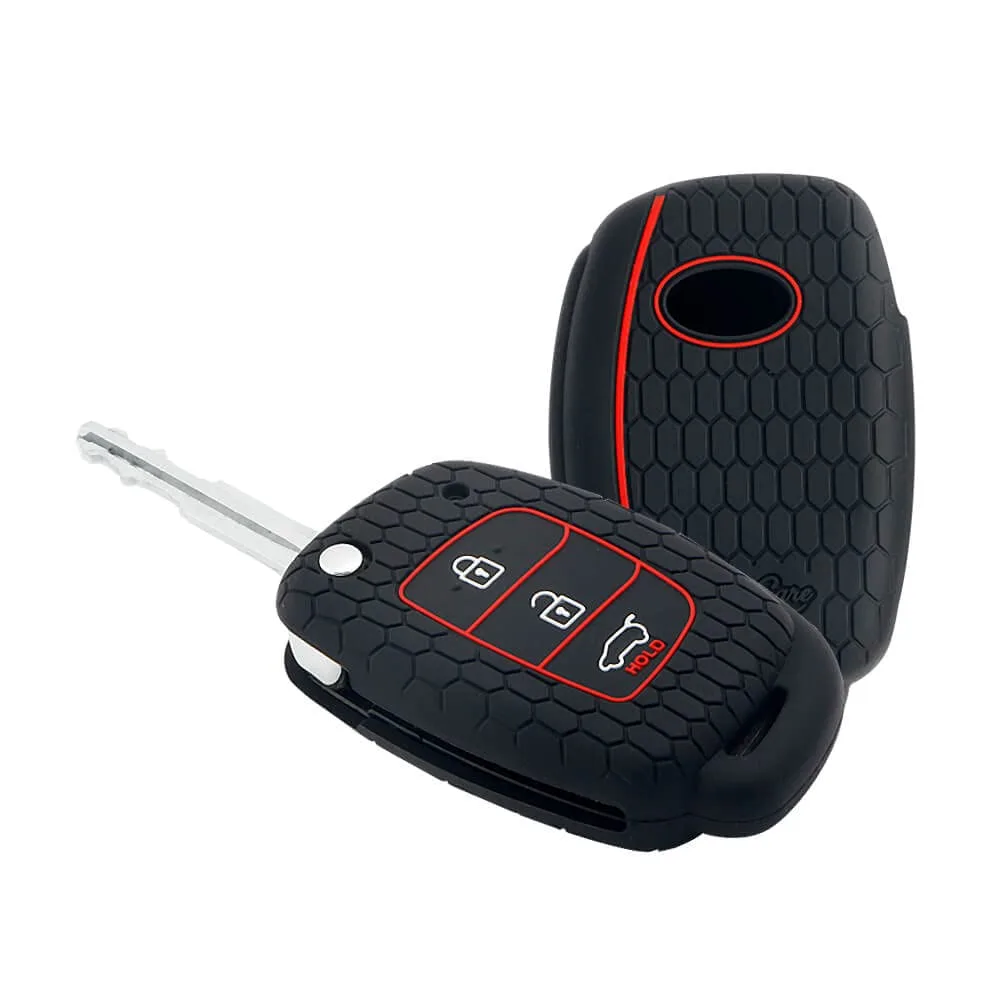 Key Covers
 Polish & Scratch Remover
 Seat Utility Holder
 Cup Holder
 Dustbin
 Paper Napkin
 Shop By Car
›
Shop By Car
›
 Tata
›
Tata
›
 Maruti Suzuki
›
Maruti Suzuki
›
 Hyundai
›
Hyundai
›
 Toyota
›
Toyota
›
 Mahindra
›
Mahindra
›
 Honda
›
Honda
›
 Ford
›
Ford
›
 Nissan
›
Nissan
›
 Renault
›
Renault
›
 Skoda
›
Skoda
›
 Volkswagen
›
Volkswagen
›
 Morris Garages - MG
›
Morris Garages - MG
›
 KIA
›
KIA
›
 Jeep
›
Jeep
›
 Citroen
›
Citroen
›
 Datsun
›
Datsun
›
 Chevrolet
›
Chevrolet
›
 Isuzu
›
Isuzu
›
 Mitsubishi
›
Mitsubishi
›
 AUDI
›
AUDI
›
 BMW
›
BMW
›
 Mercedes
›
Mercedes
›
 Land Rover
›
Land Rover
›
 Jaguar
›
Jaguar
›
 Volvo
›
Volvo
›
 FIAT
›
FIAT
›
 Mini Cooper
›
Mini Cooper
›
 Porsche
›
Porsche
›
 Lexus
›
Citron
›
Fors
›
Morris Garages
›
MG
›
Lexus
›
Citron
›
Fors
›
Morris Garages
›
MG
›
 Nexon
Nexon
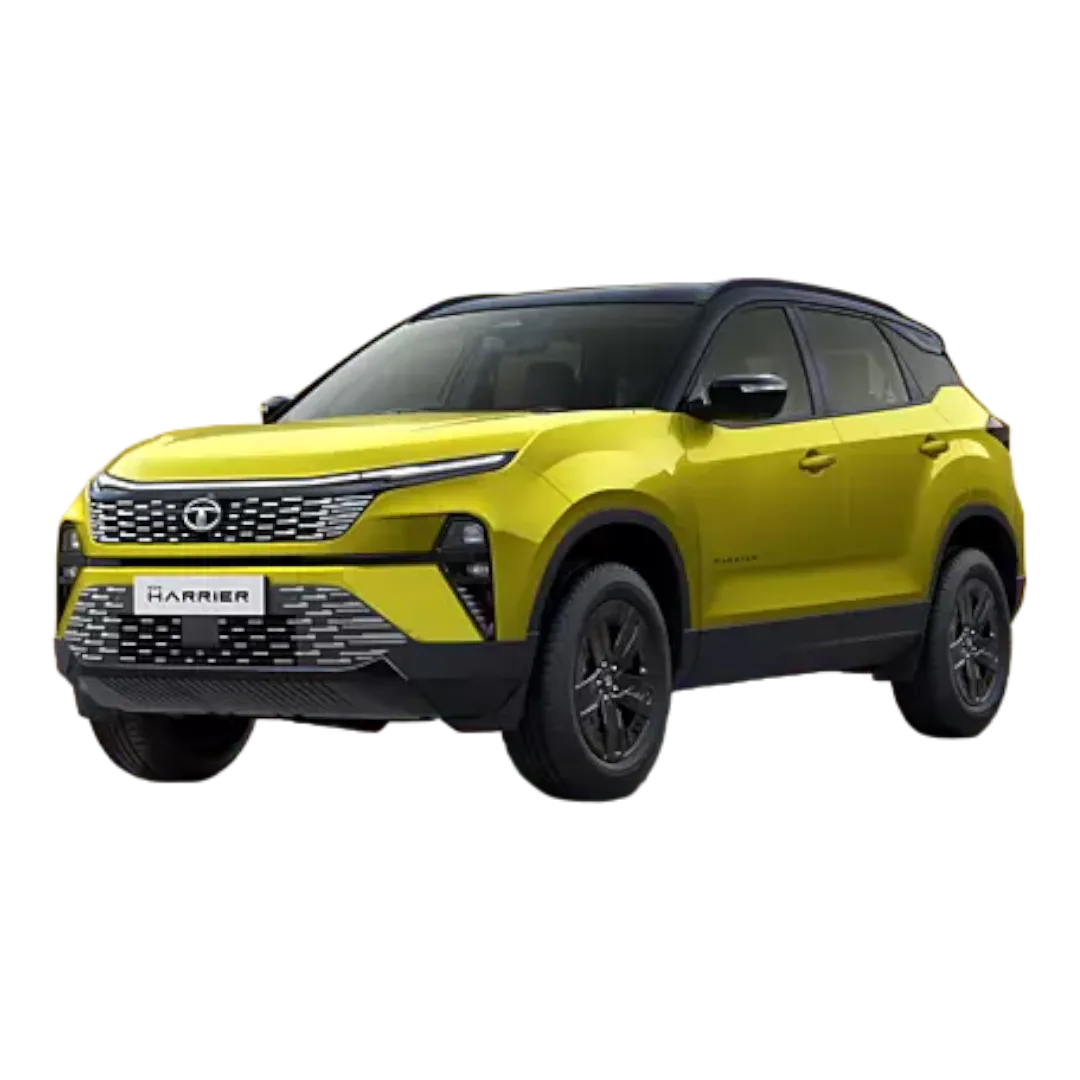 Harrier
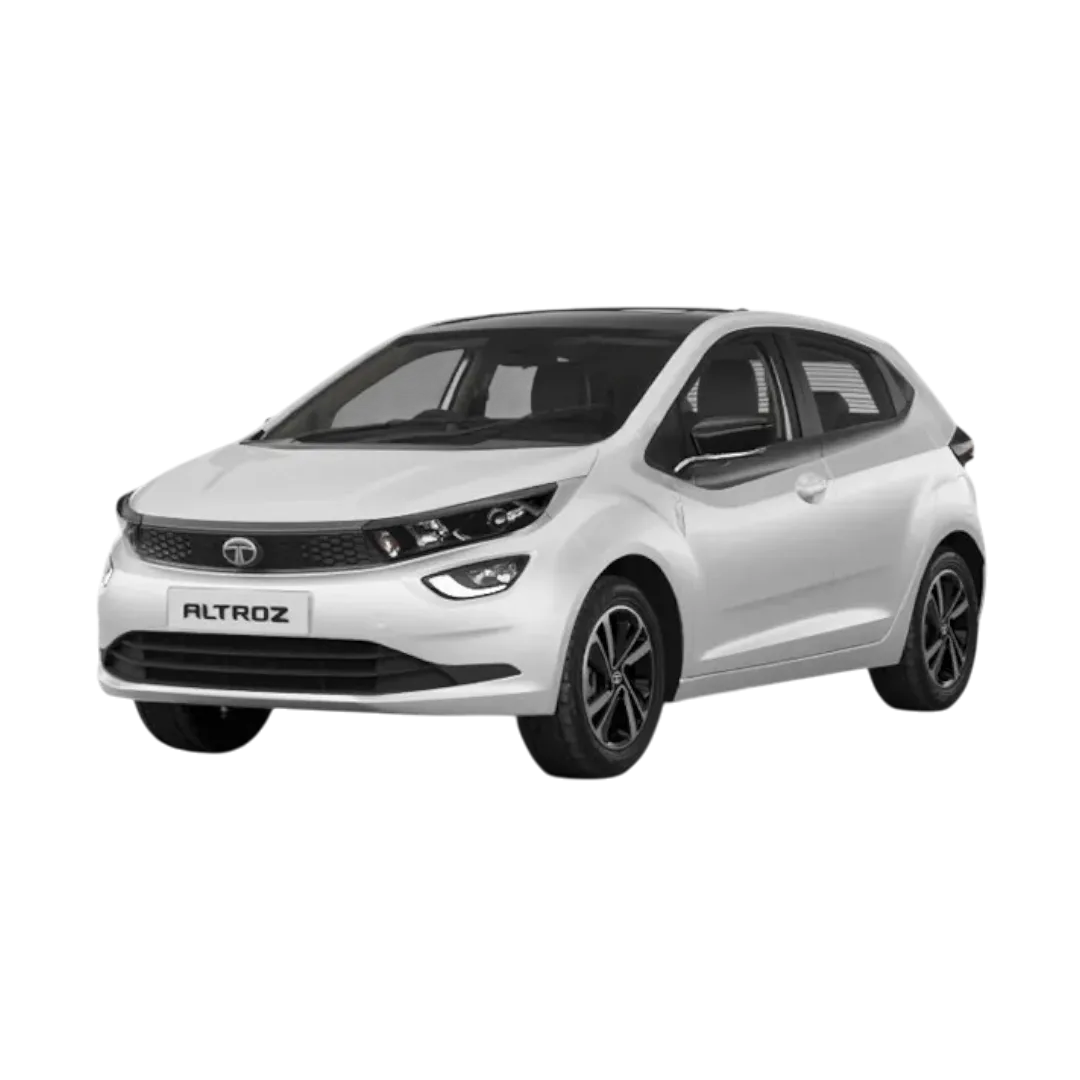 Altroz
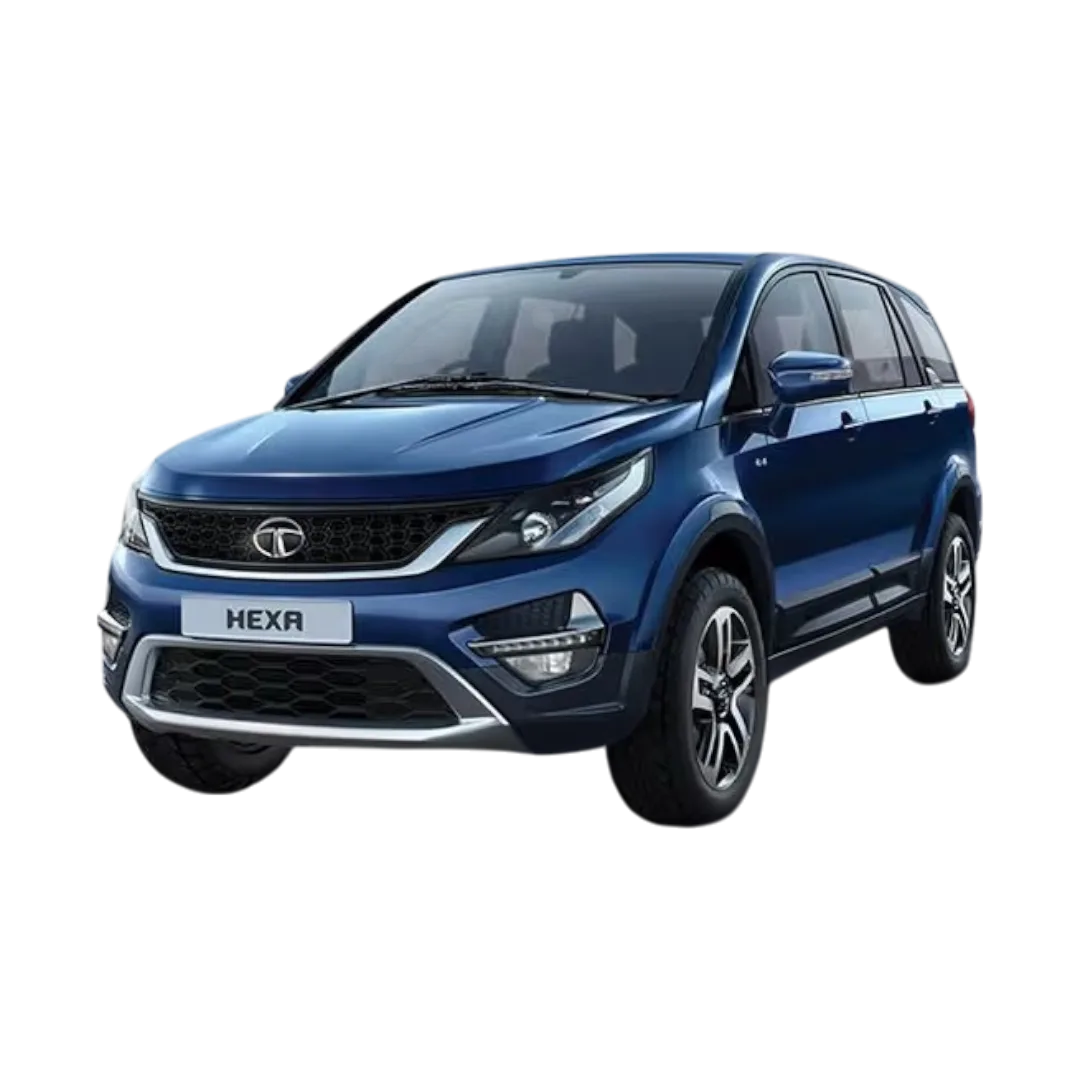 Hexa
Hexa
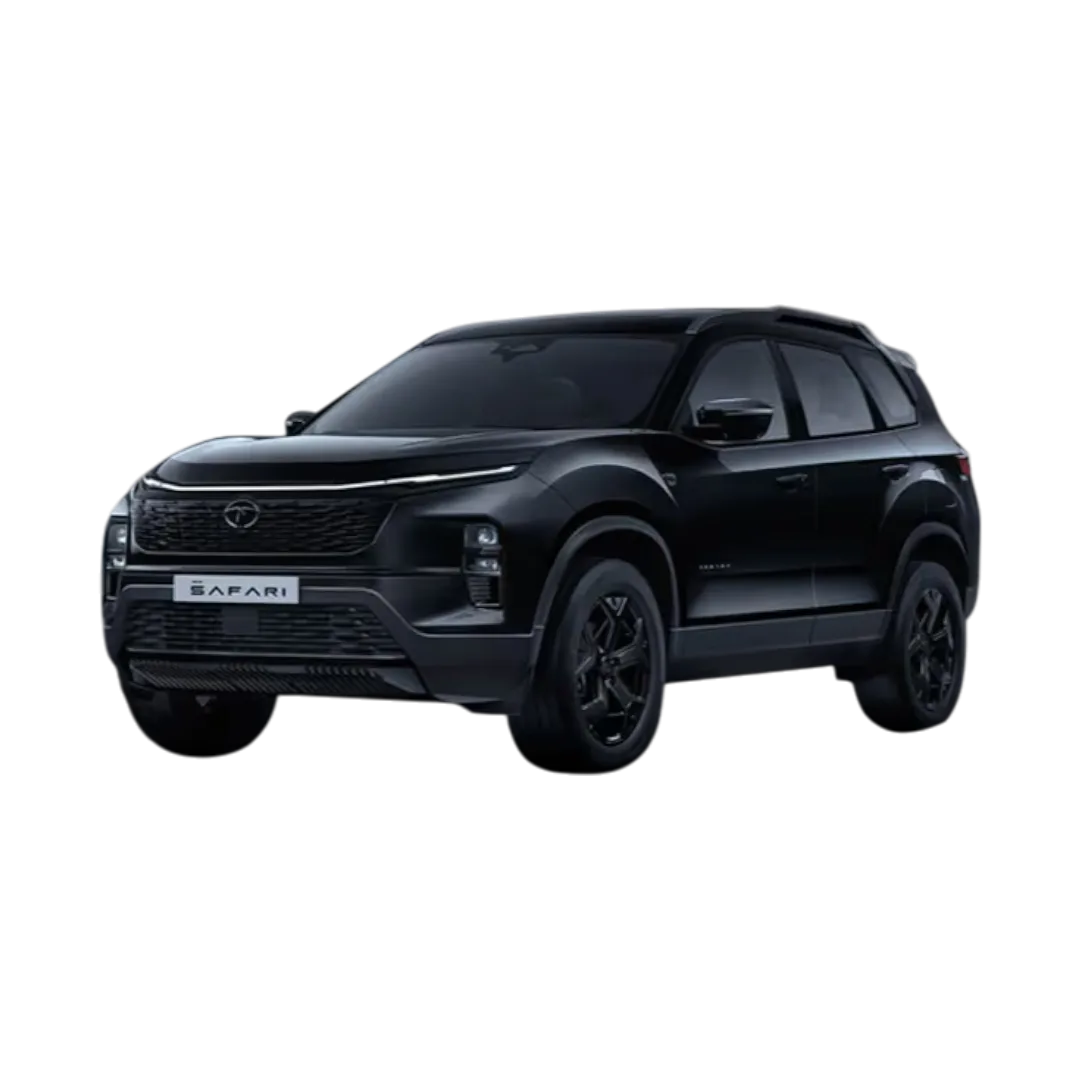 Safari
 Tiago
Tiago
 Punch
Punch
 Tigor
Tigor
 Sumo
Sumo
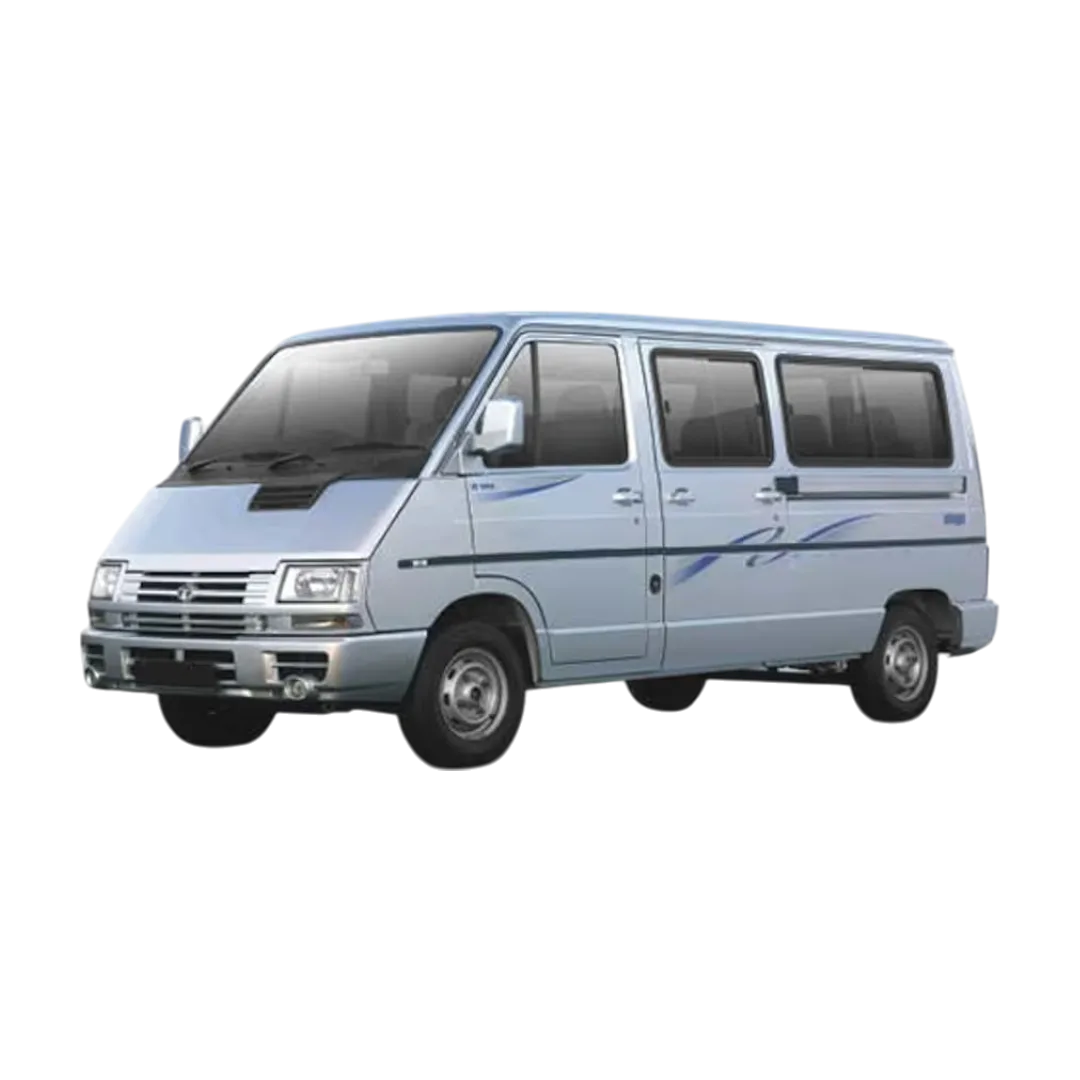 Winger
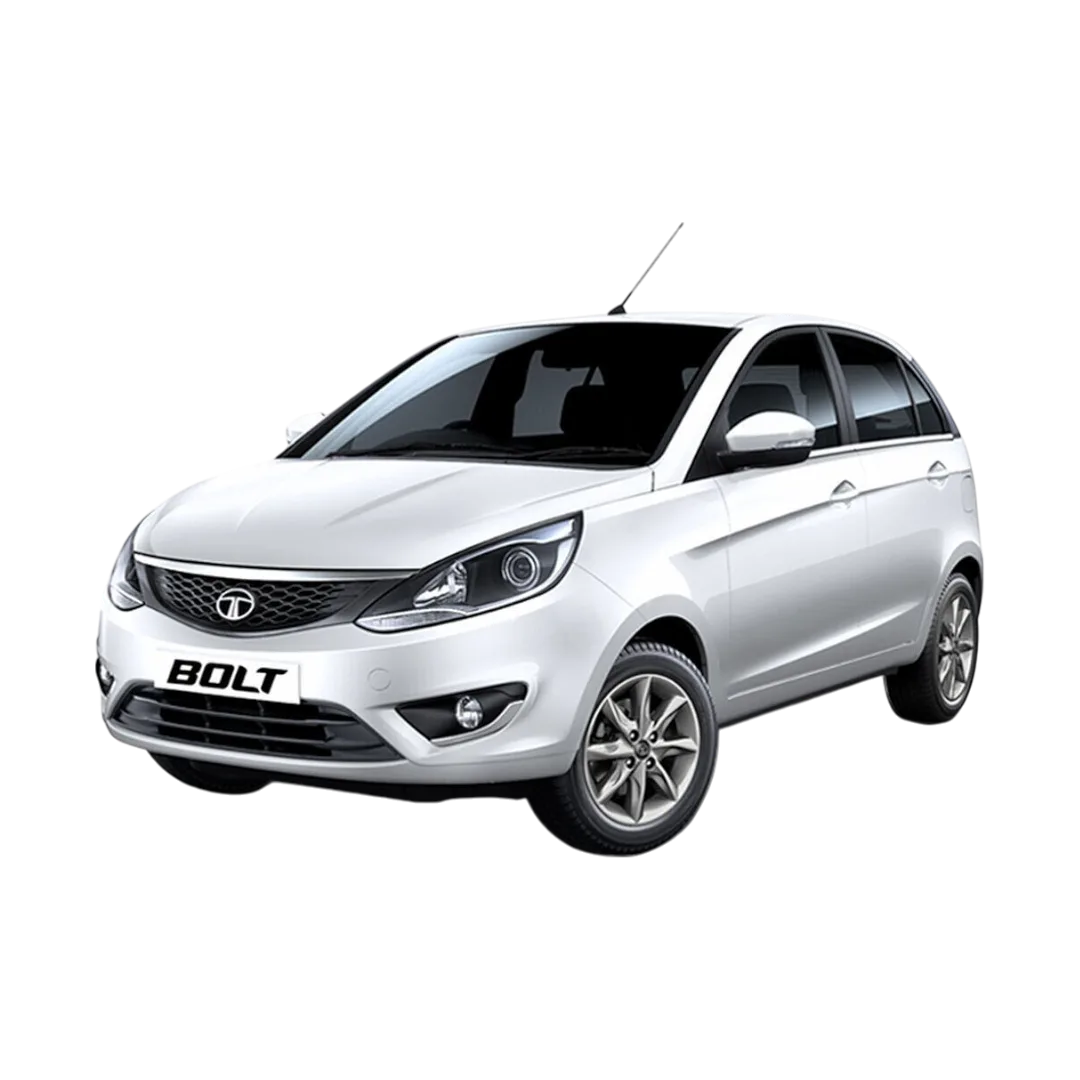 Bolt
Bolt
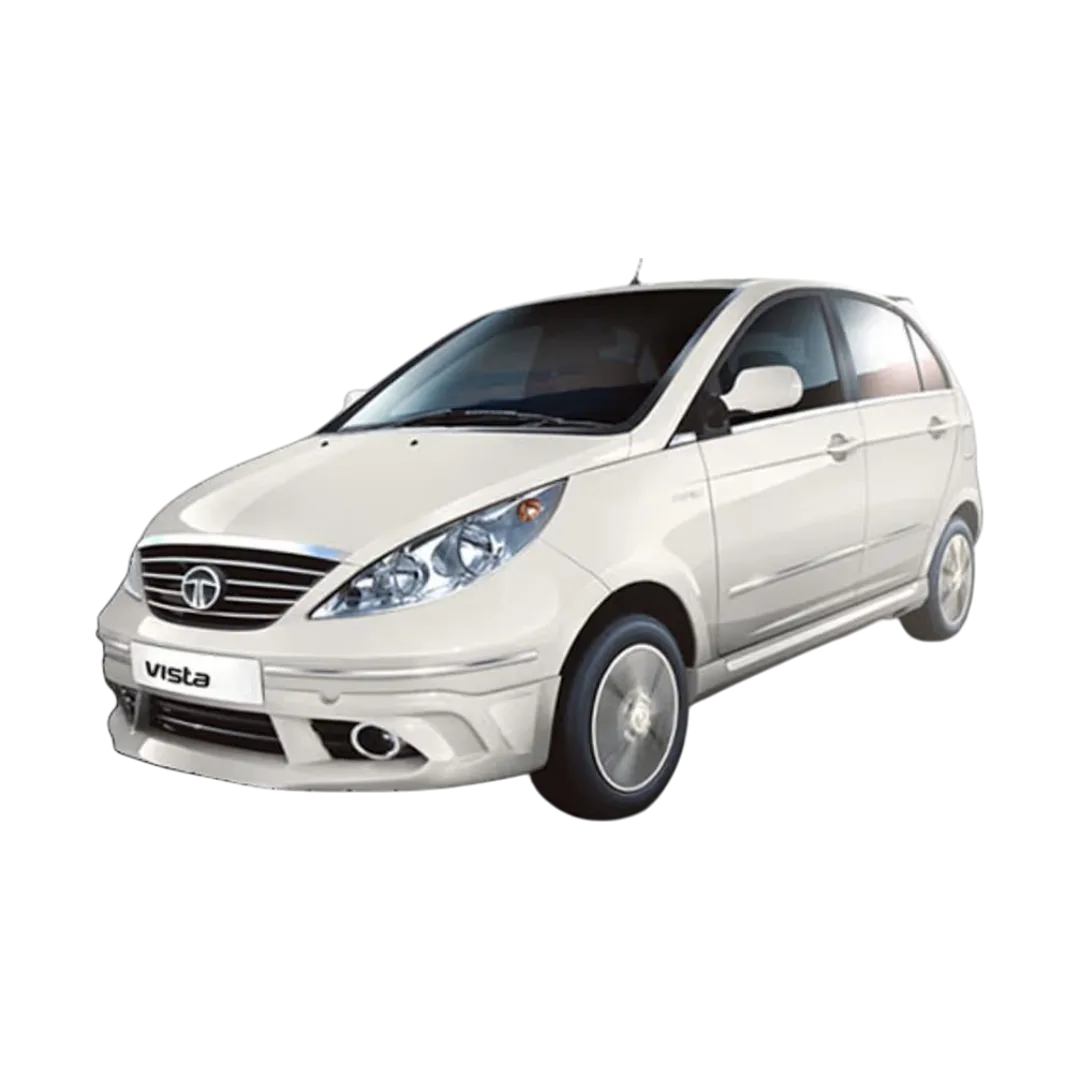 Vista
Vista
 Manza
Manza
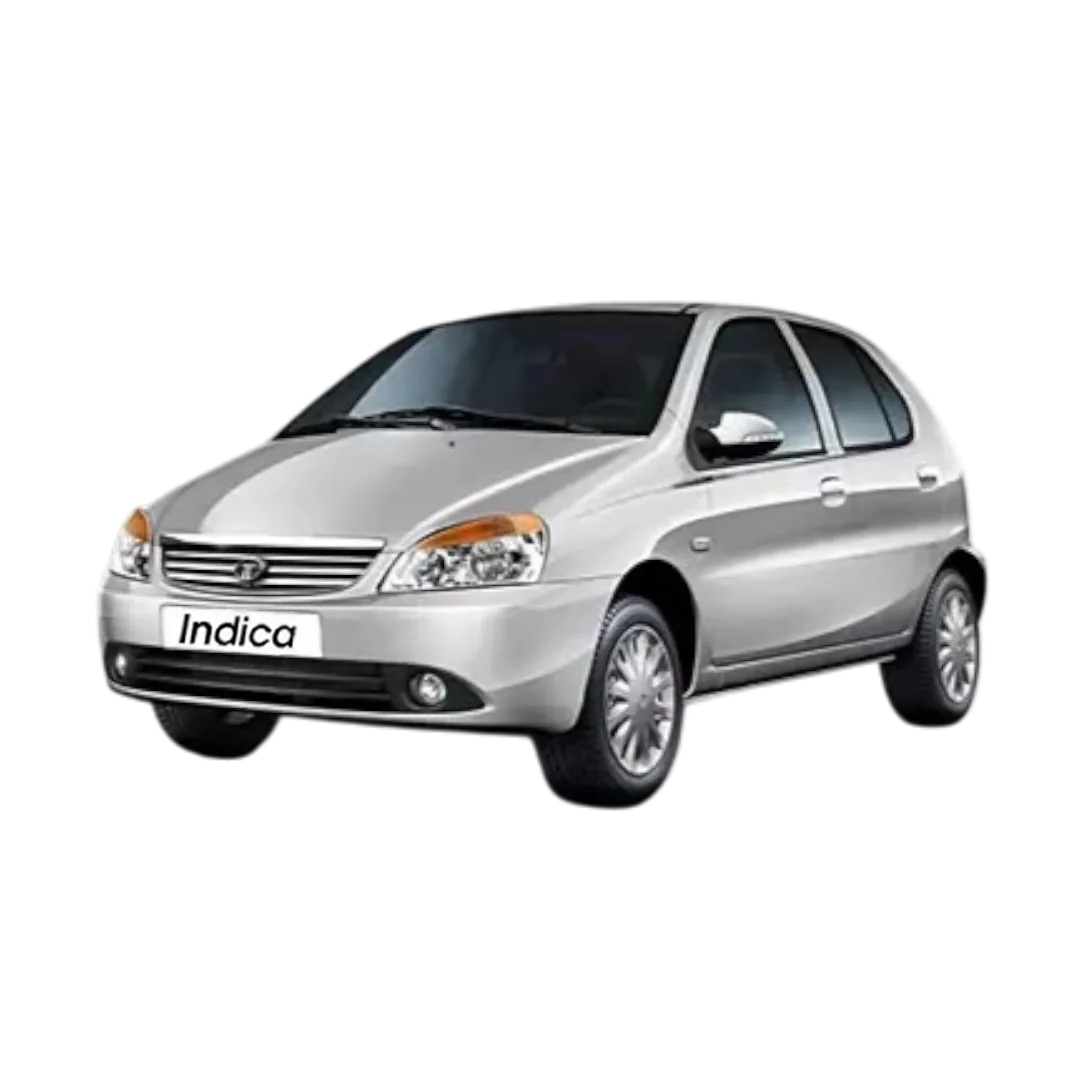 Indica
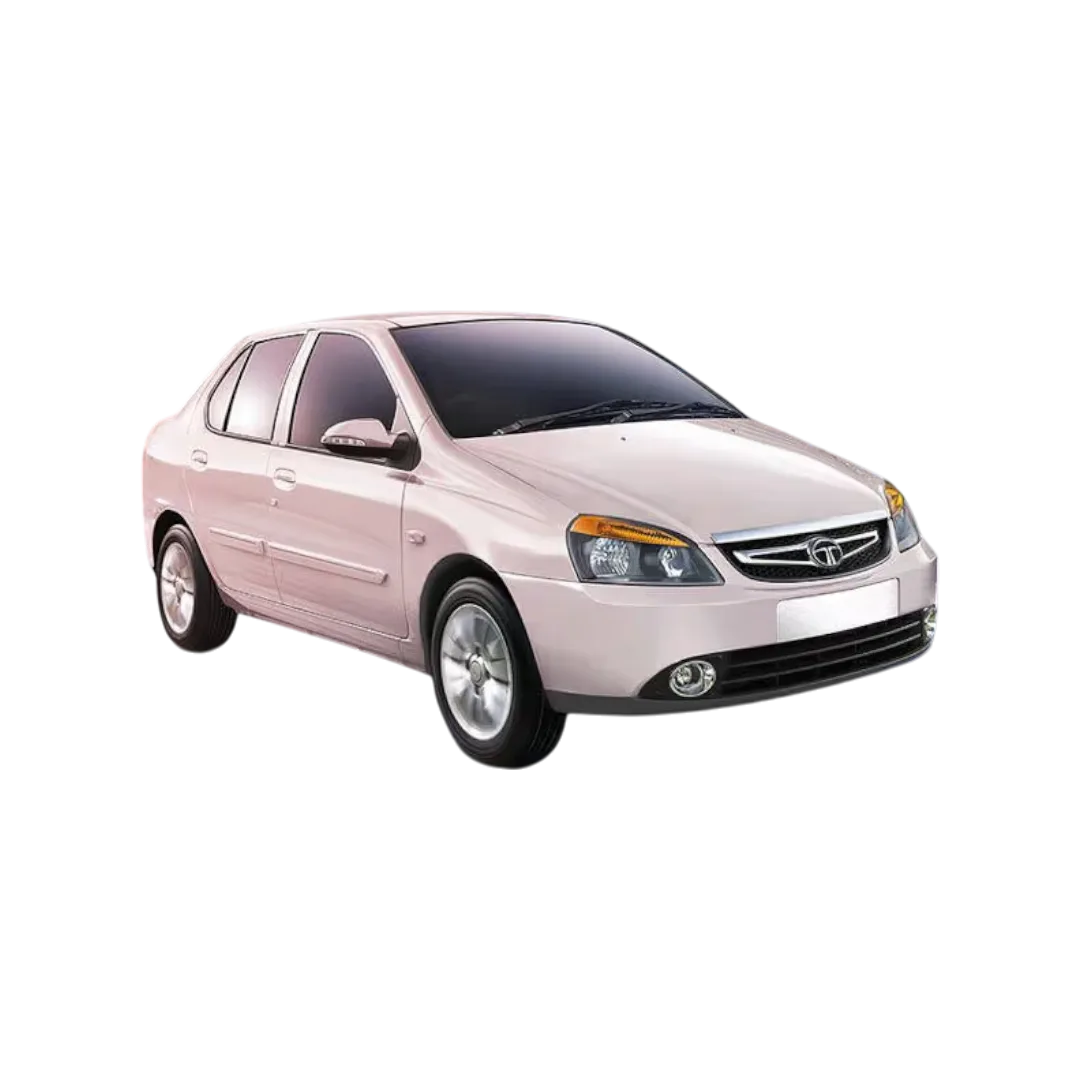 Indigo
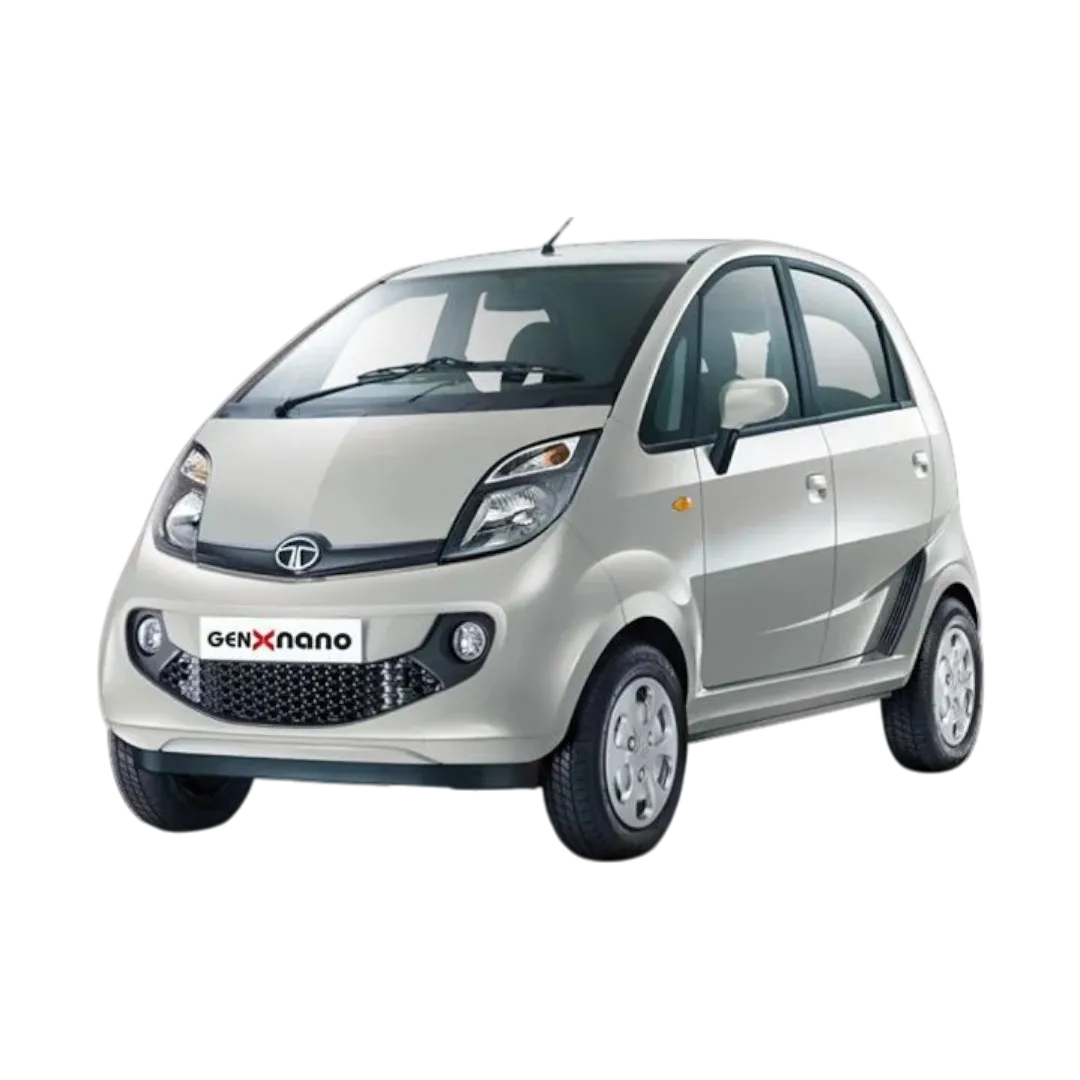 Nano
Nano
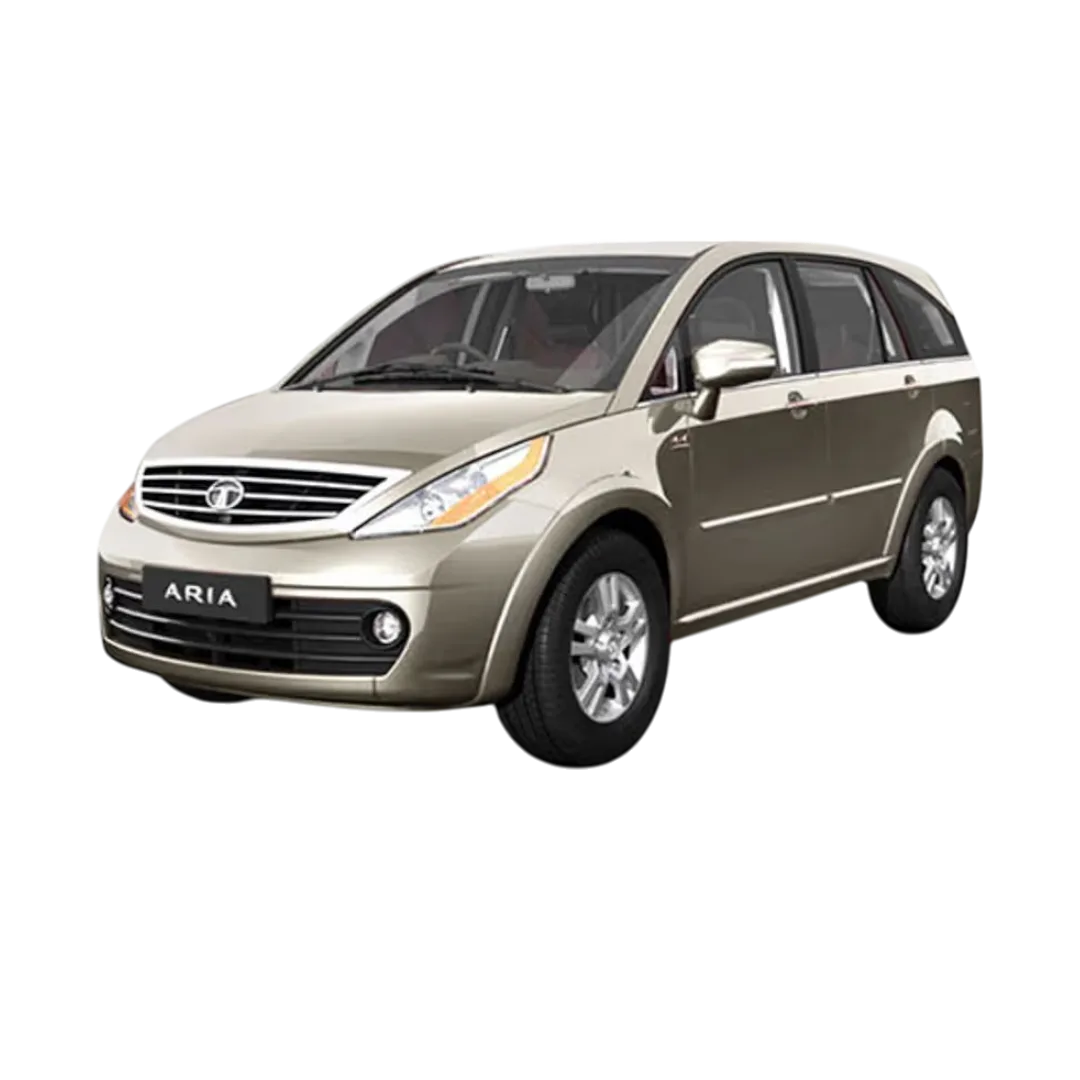 Aria
Aria
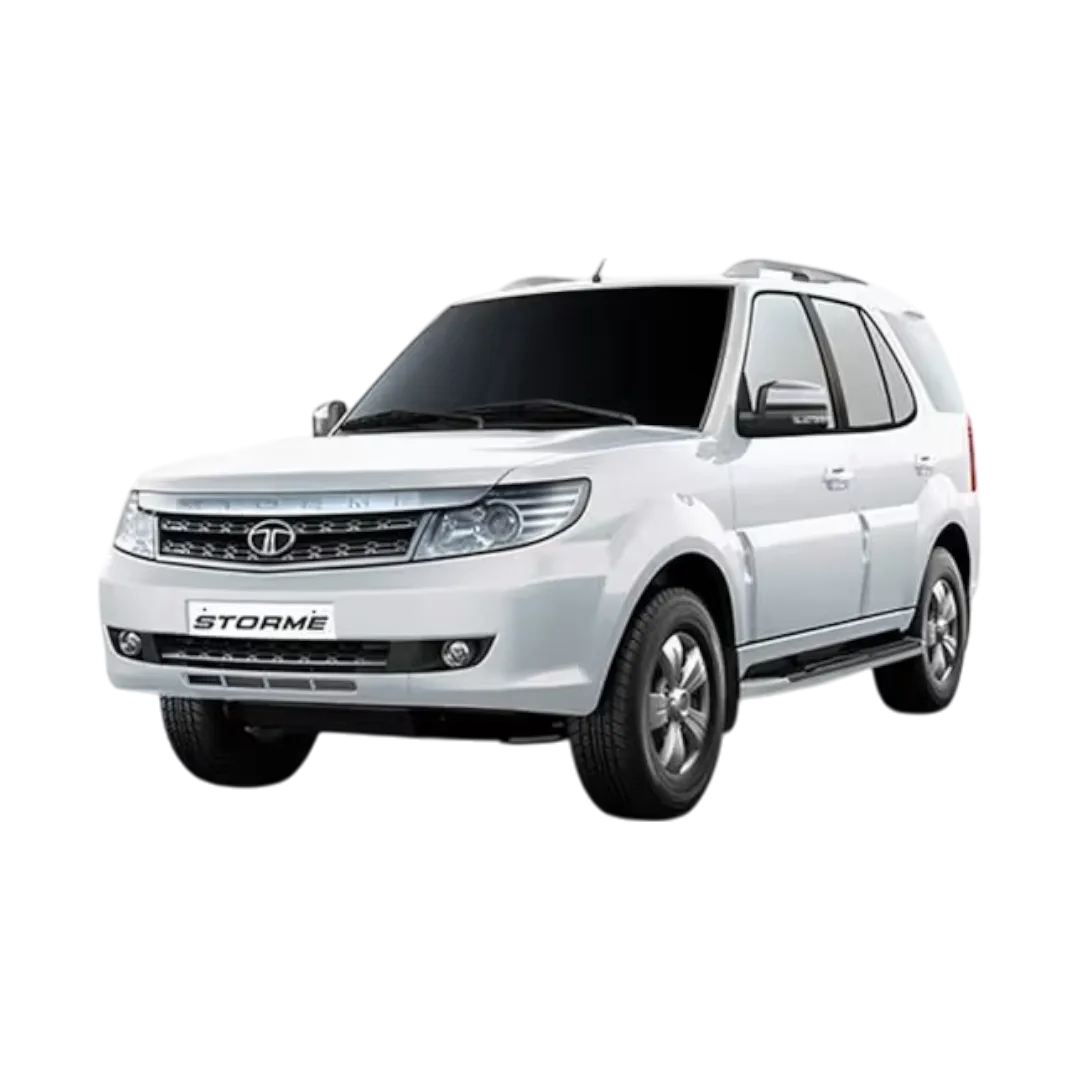 Safari Storme
 Zest
Zest
 NEXON EV Max
 NEXON EV Prime
 Tiago NRG
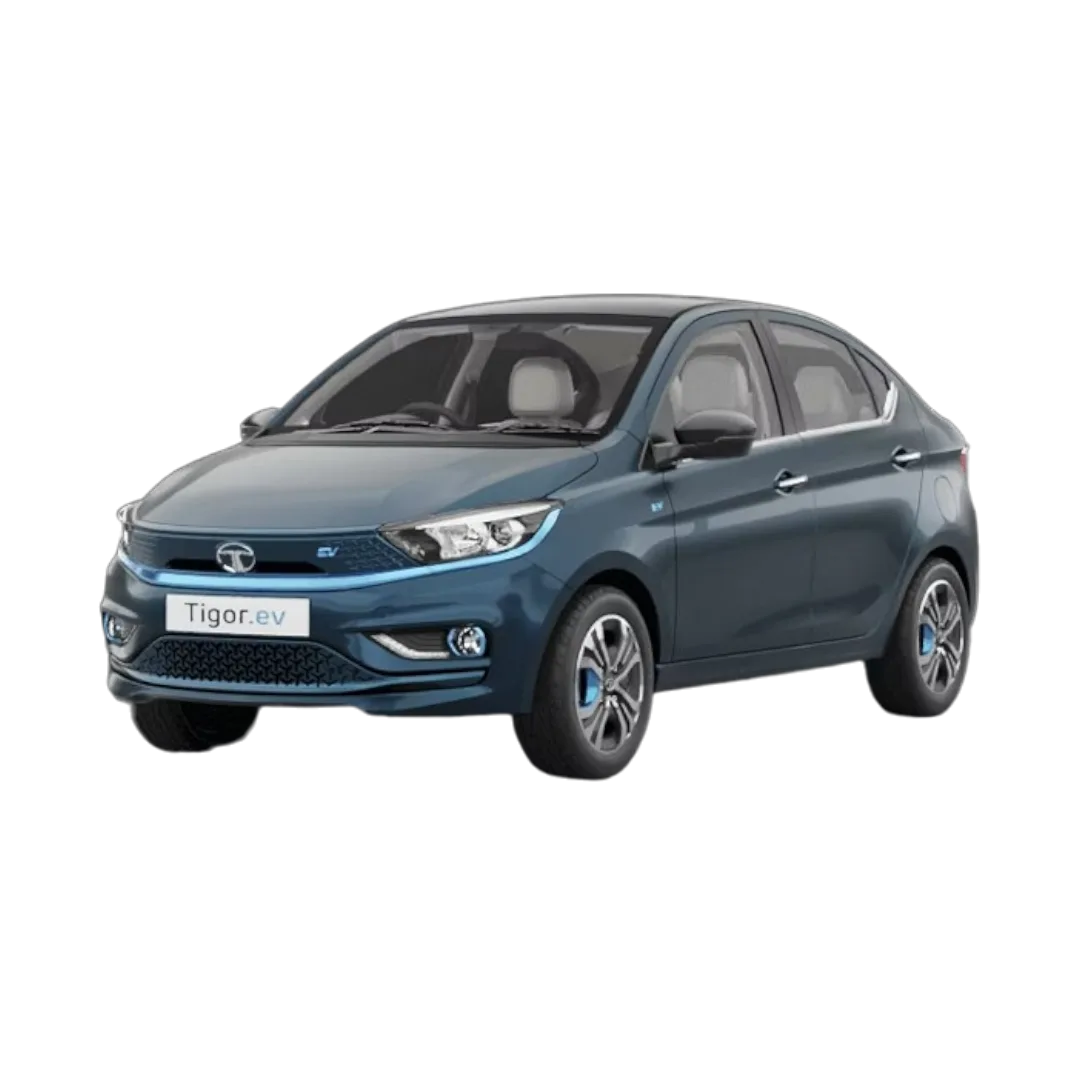 Tigor EV
INDICA VISTA
Curvv
Sierra
Magic
Tigor EV
INDICA VISTA
Curvv
Sierra
Magic
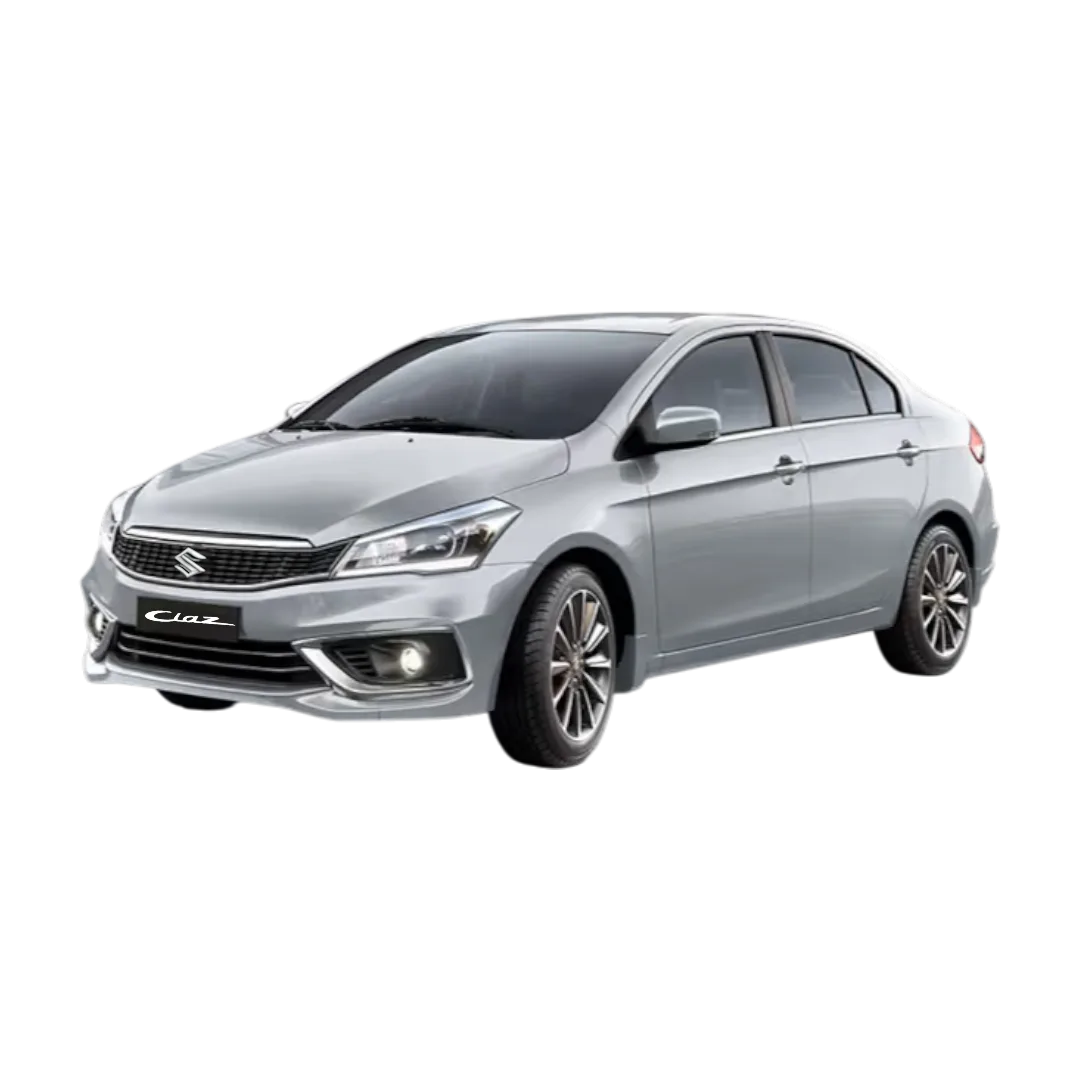 Ciaz
Ciaz
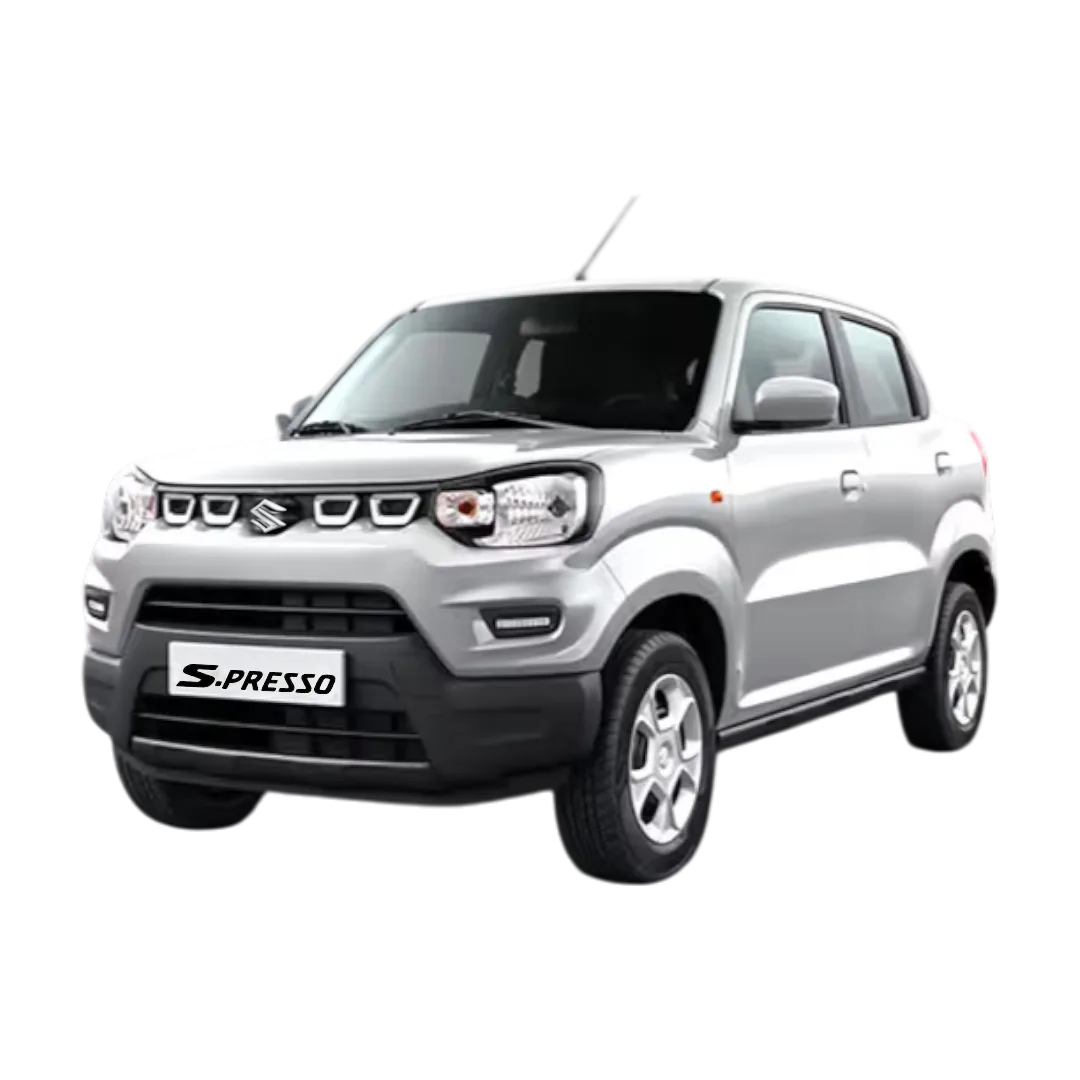 S-Presso
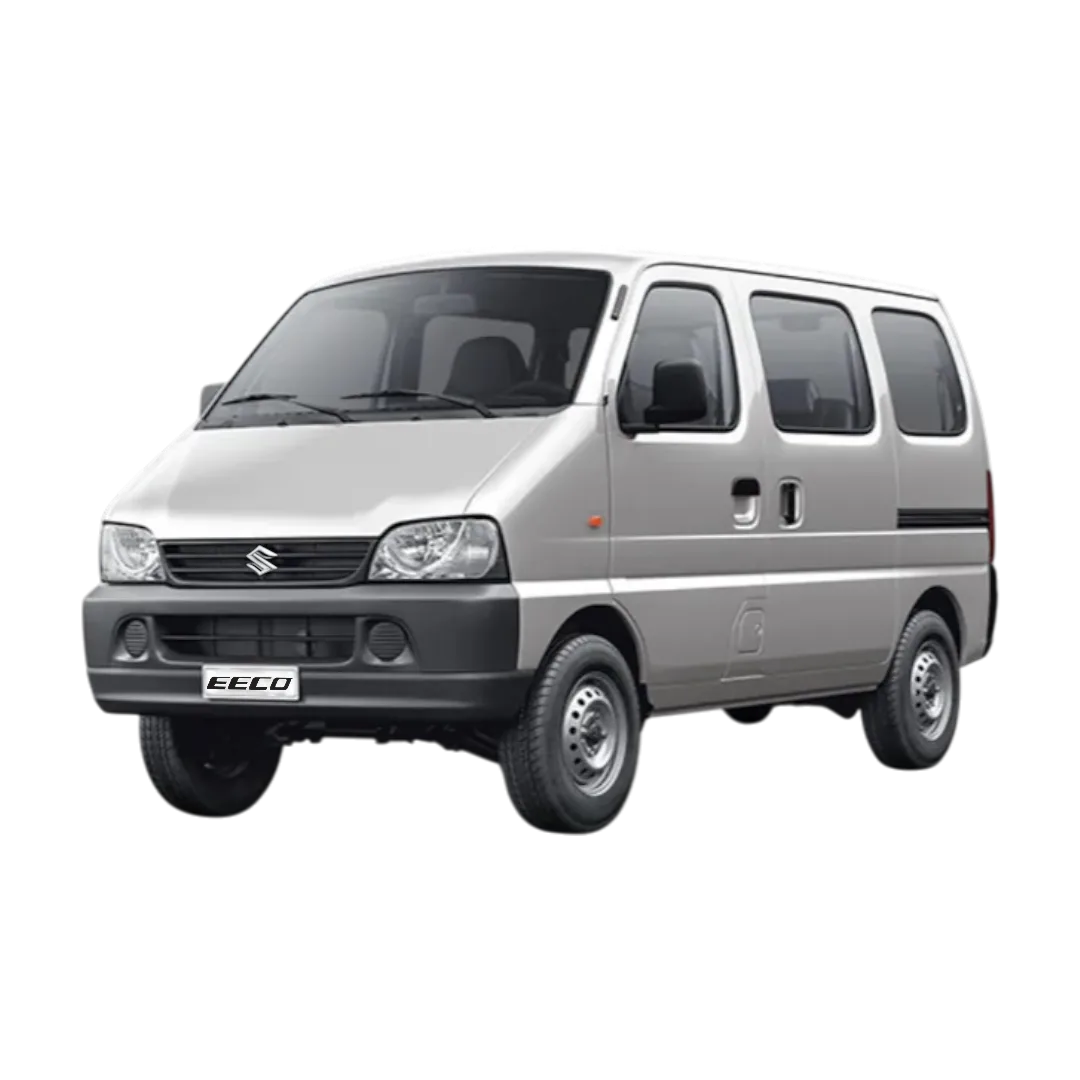 Eeco/Versa
 WagonR
 Brezza
 Swift
Swift
 Dzire
Dzire
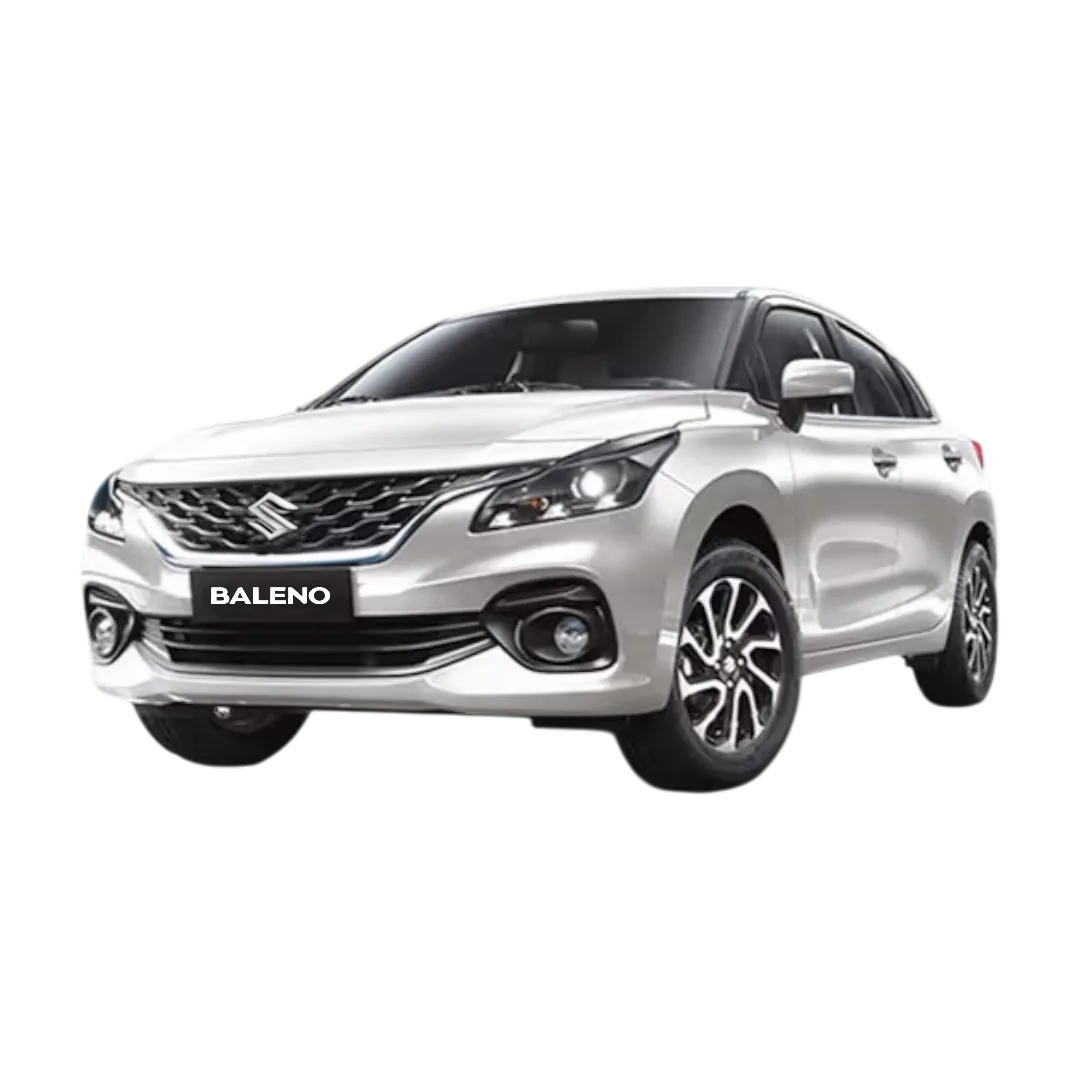 Baleno
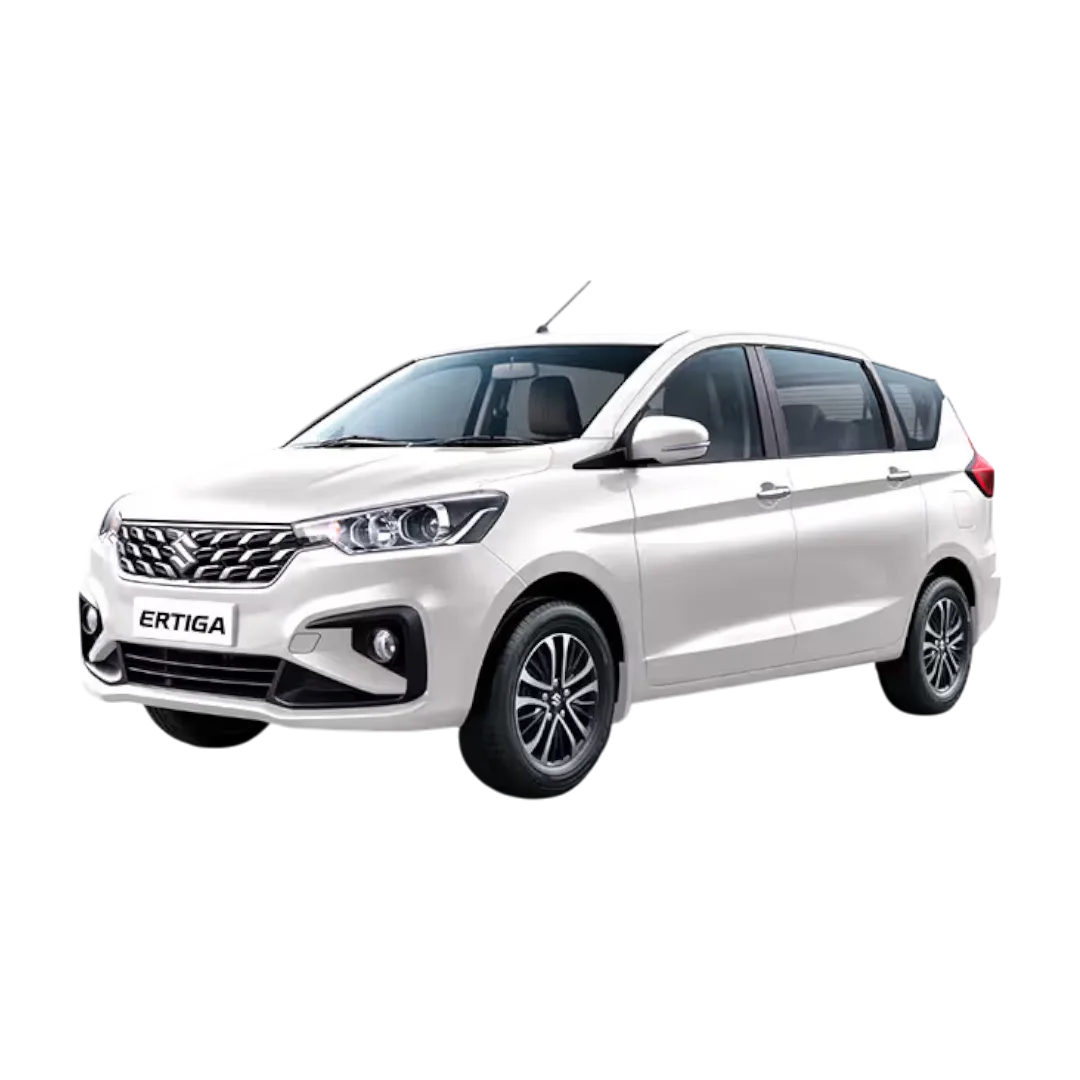 Ertiga
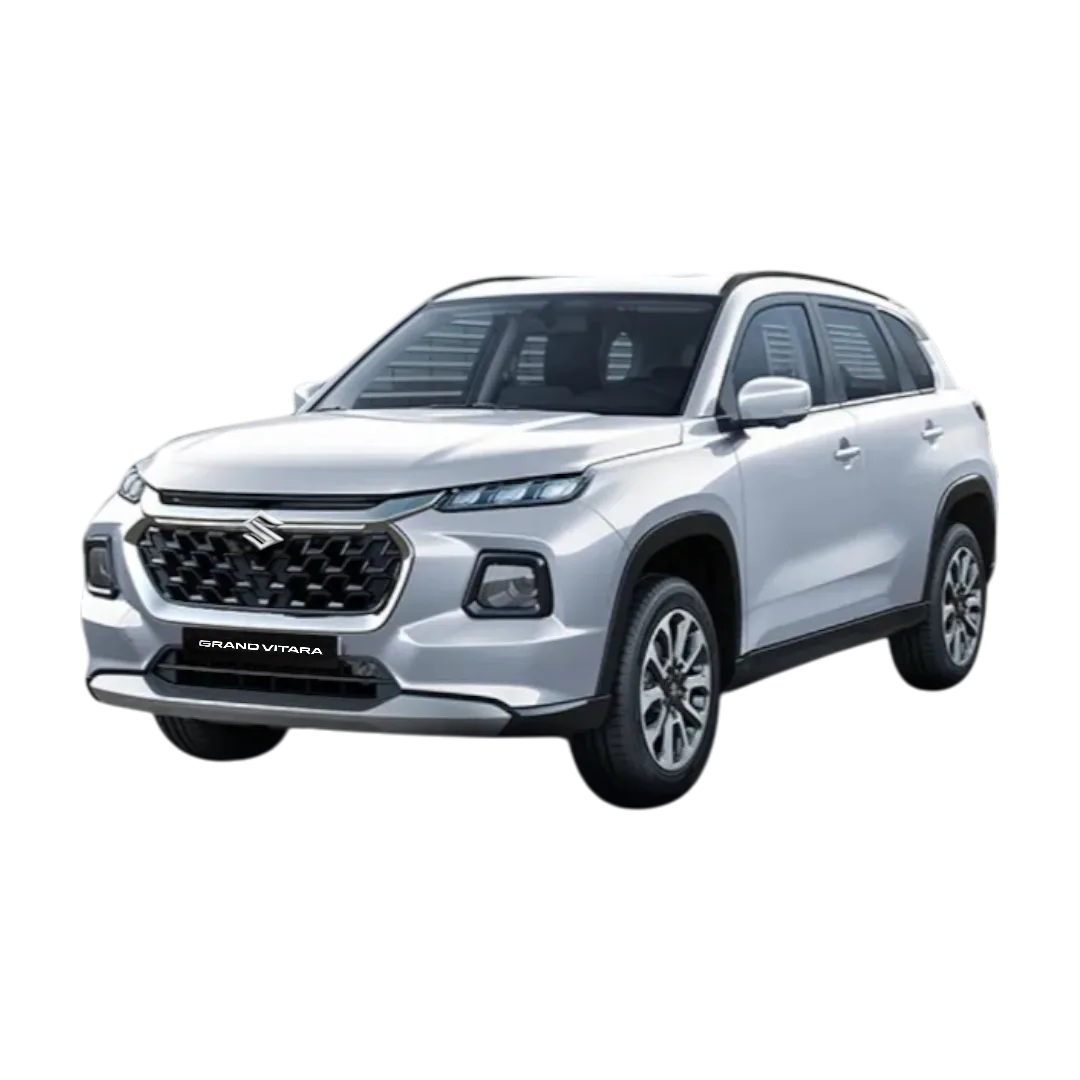 Grand Vitara
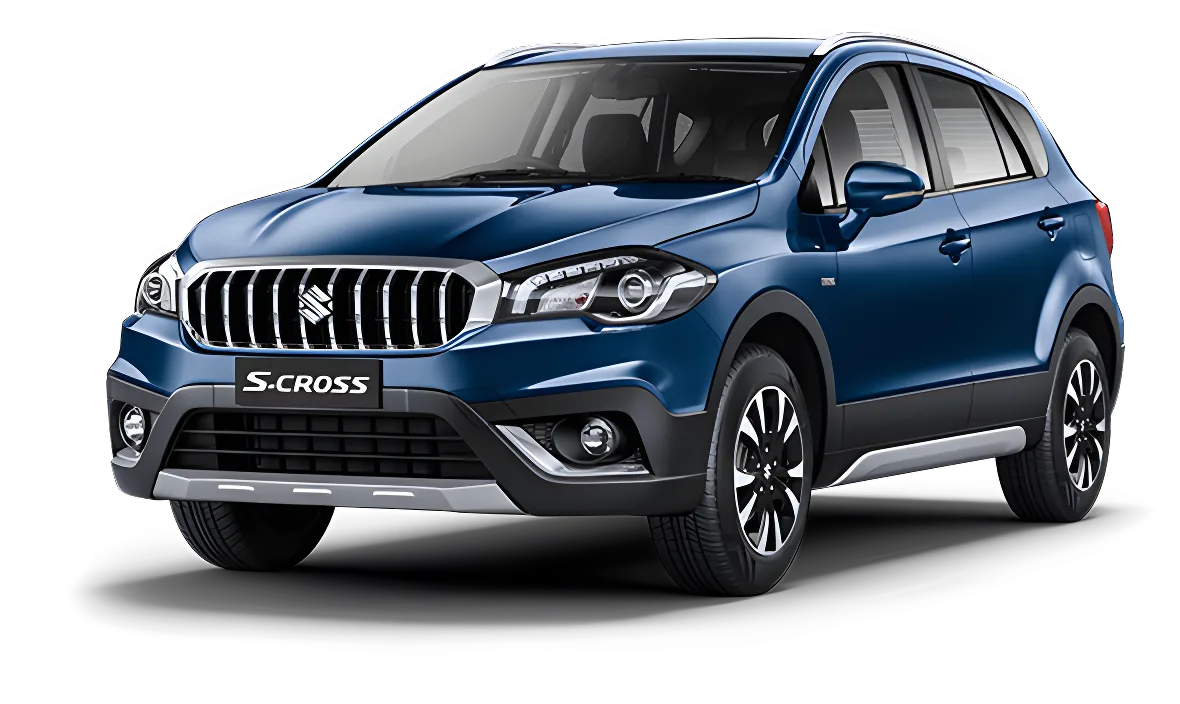 S-Cross
 Jimny
Jimny
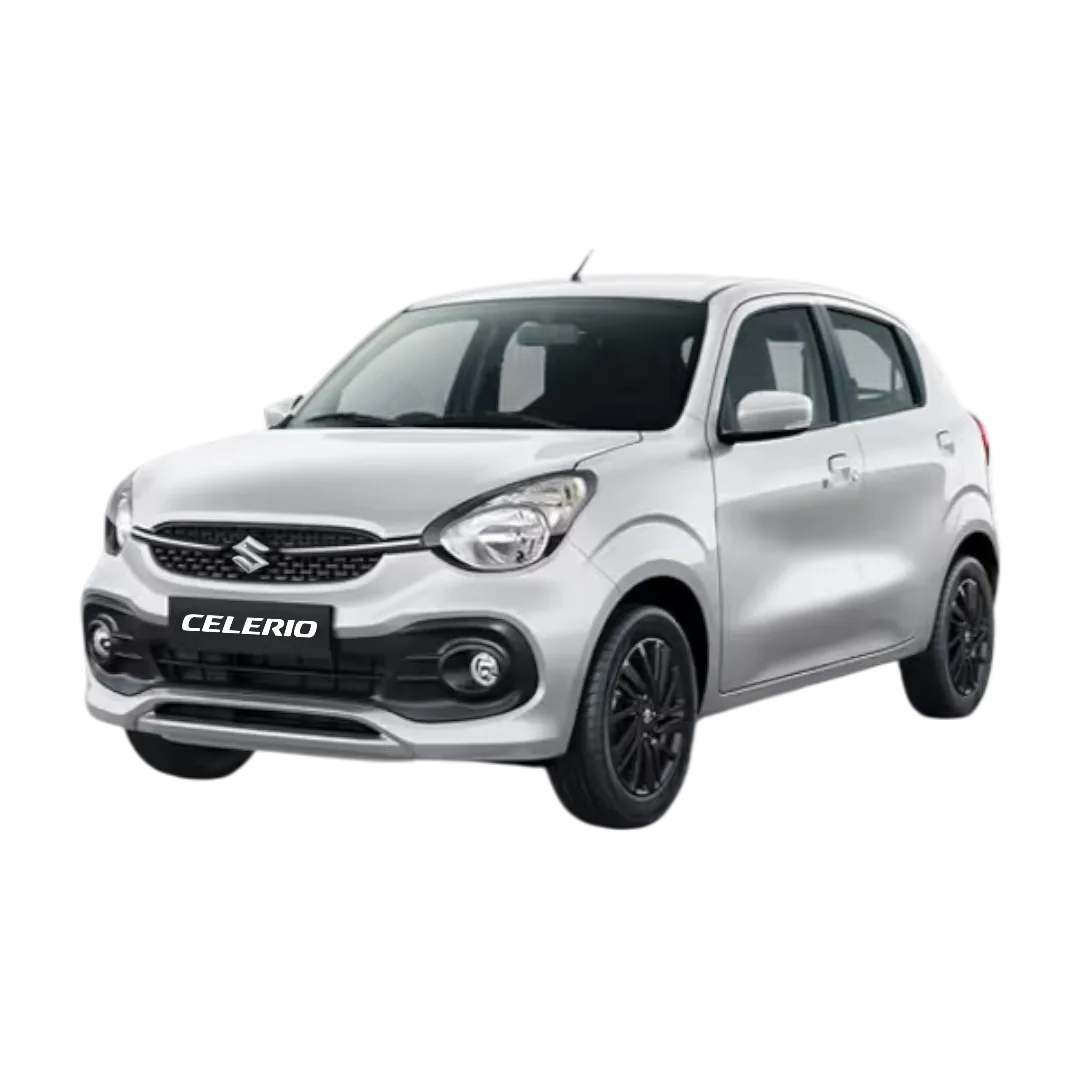 Celerio
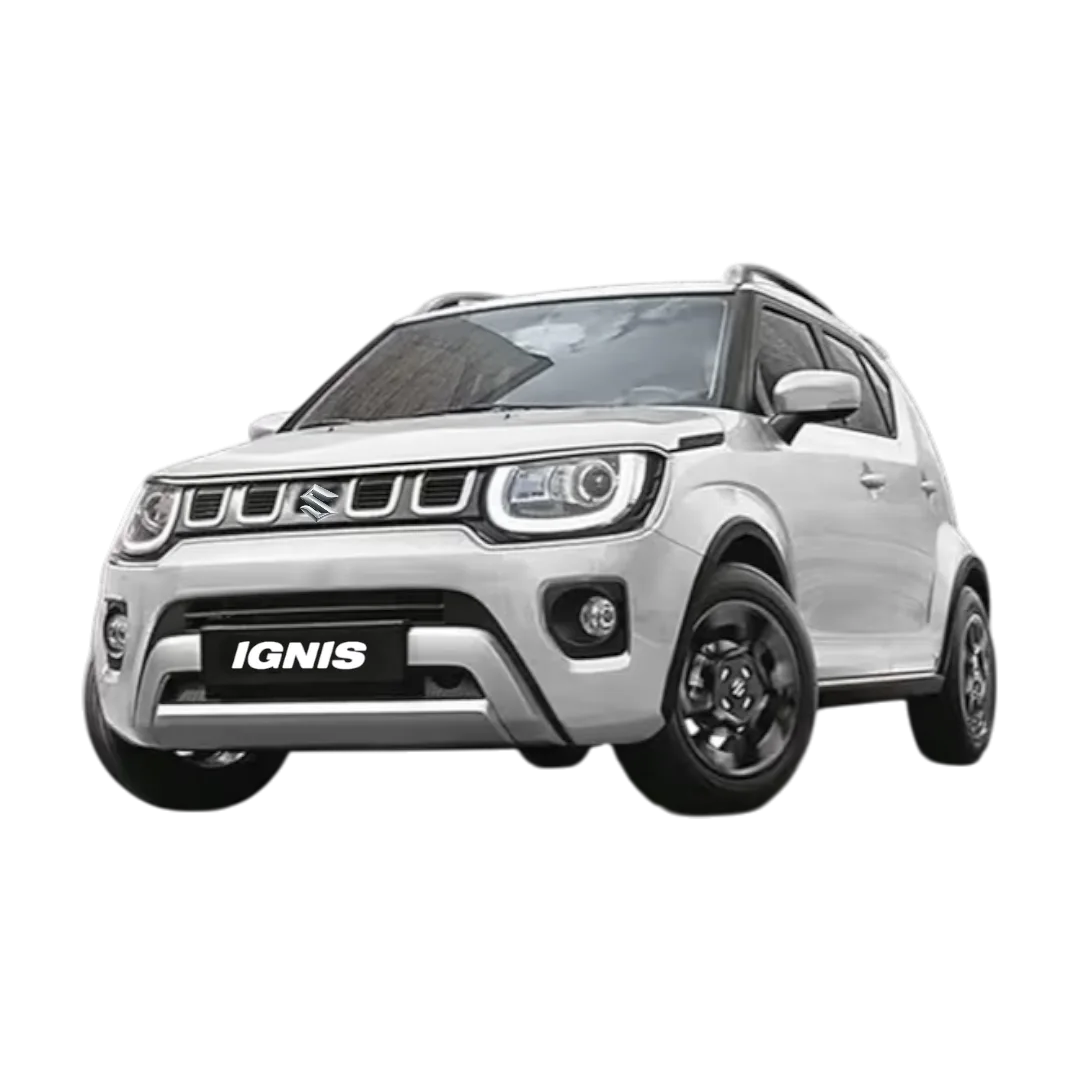 Ignis
Ignis
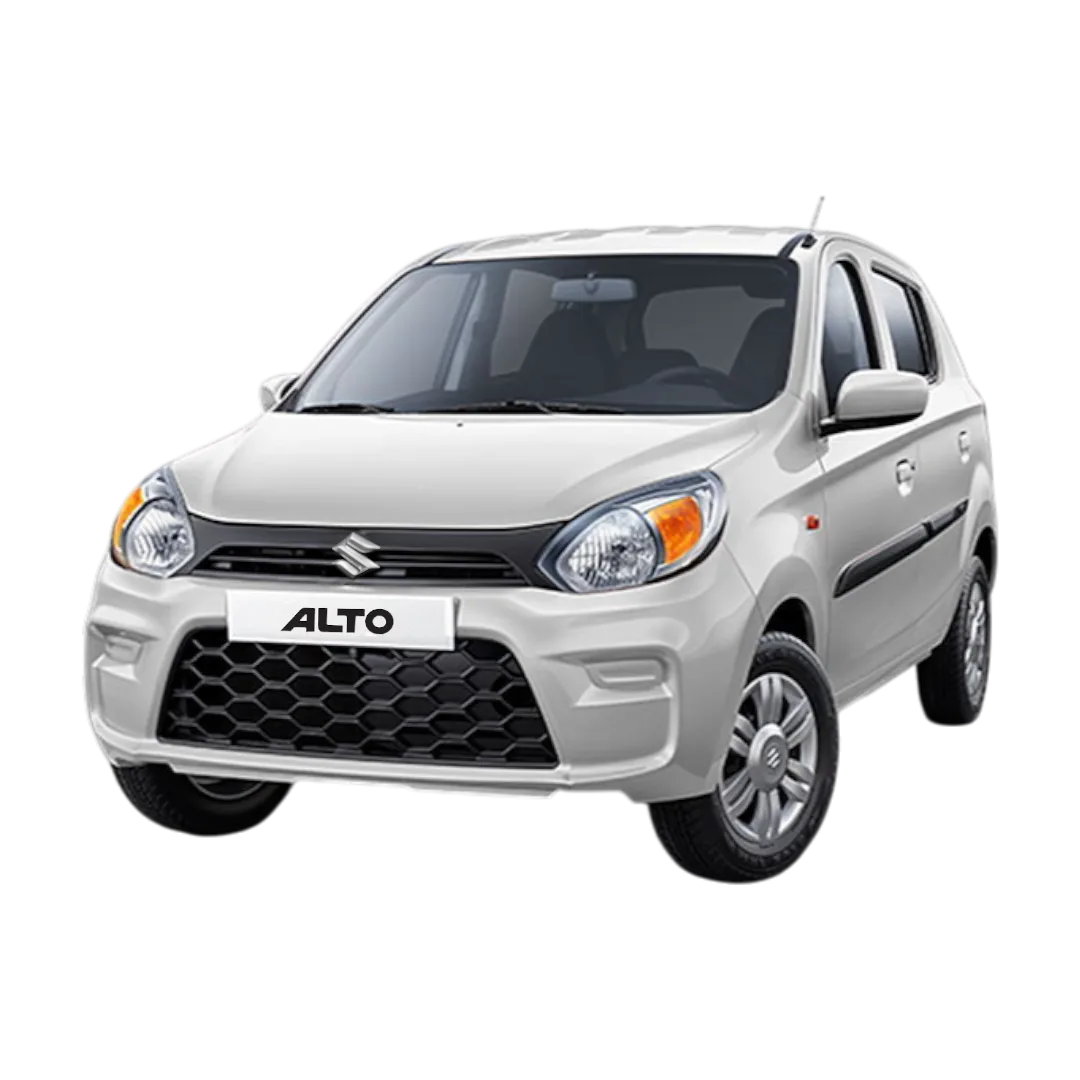 Alto 800
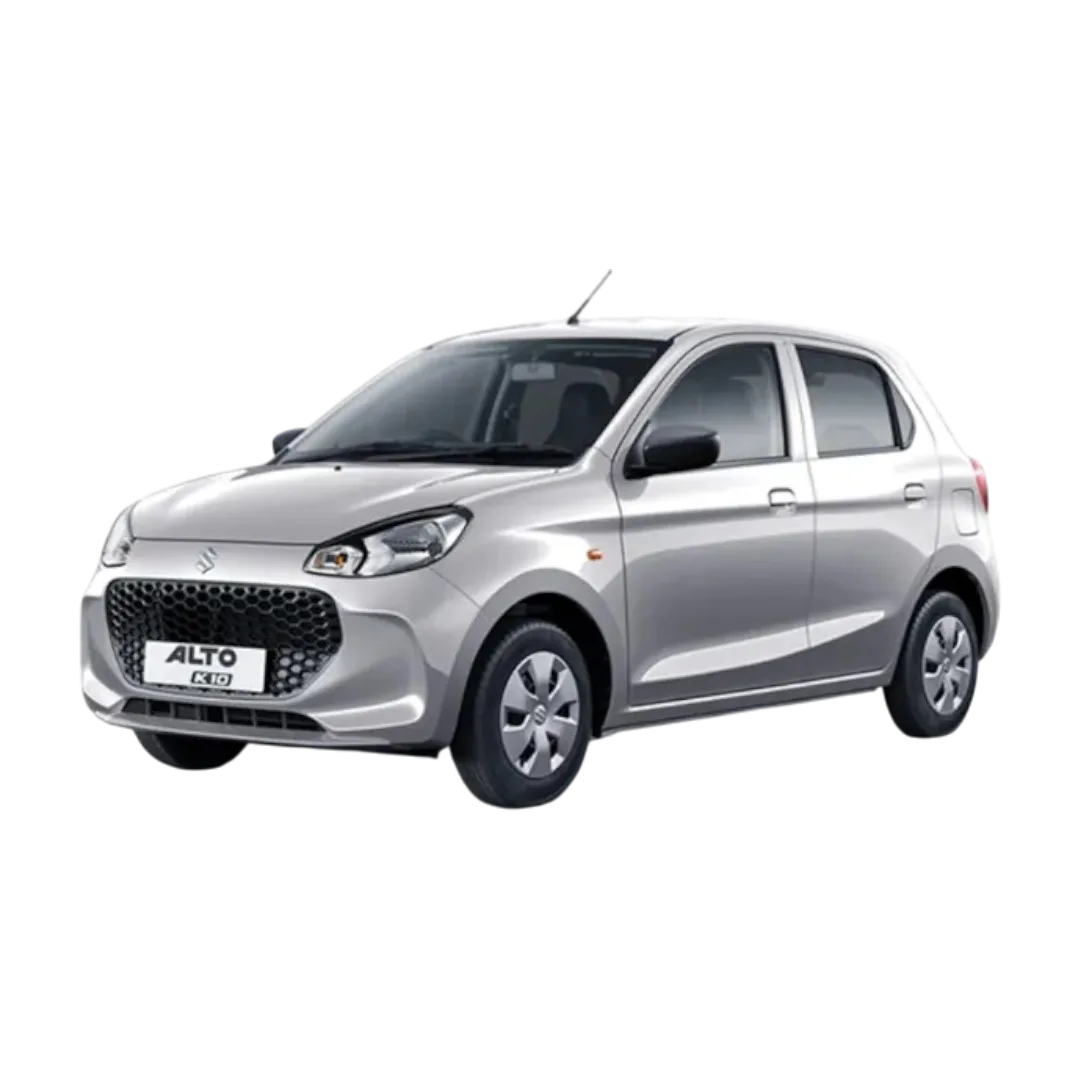 Alto K10
 XL6
XL6
 Omni
Omni
 SX4
SX4
 Gypsy
Gypsy
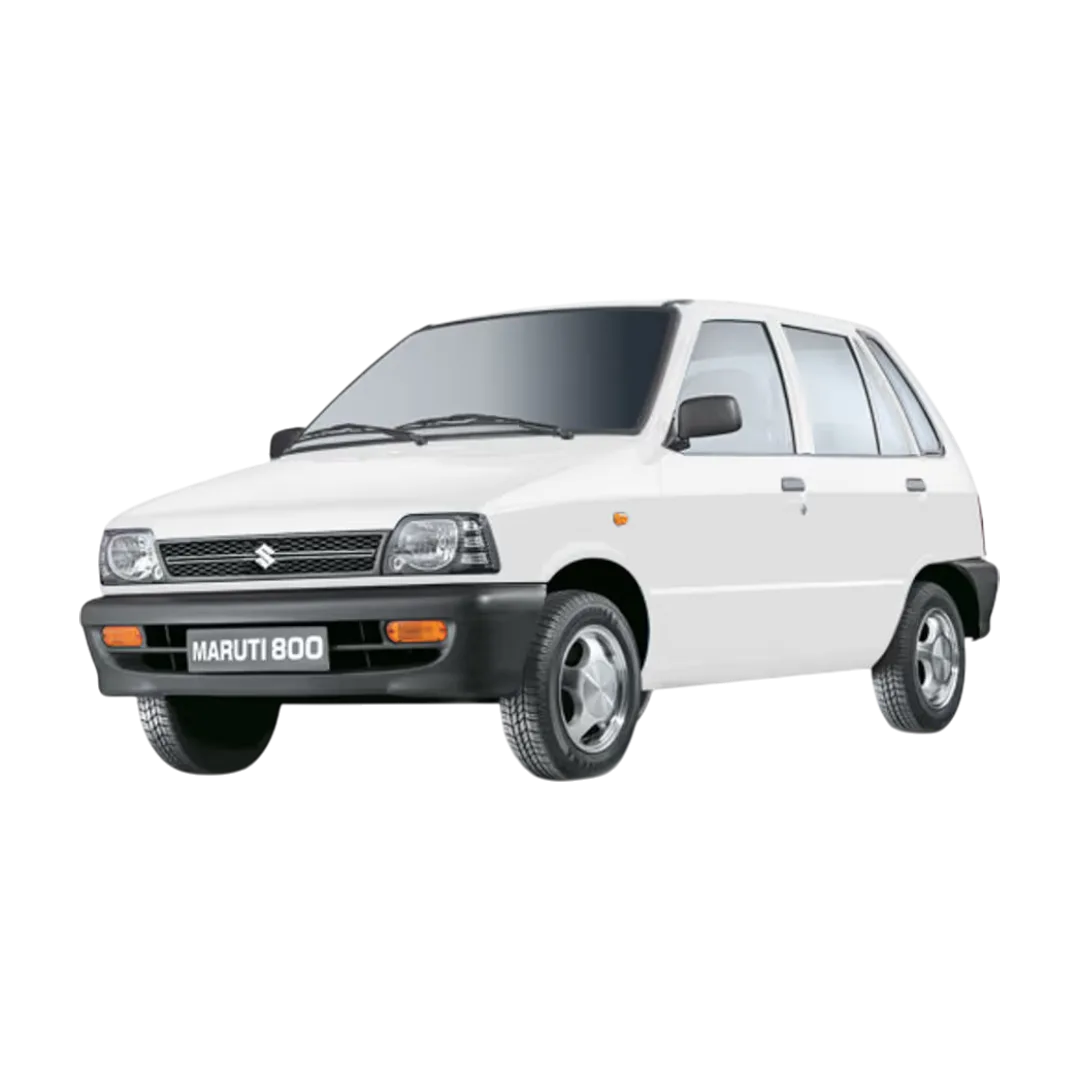 Maruti 800
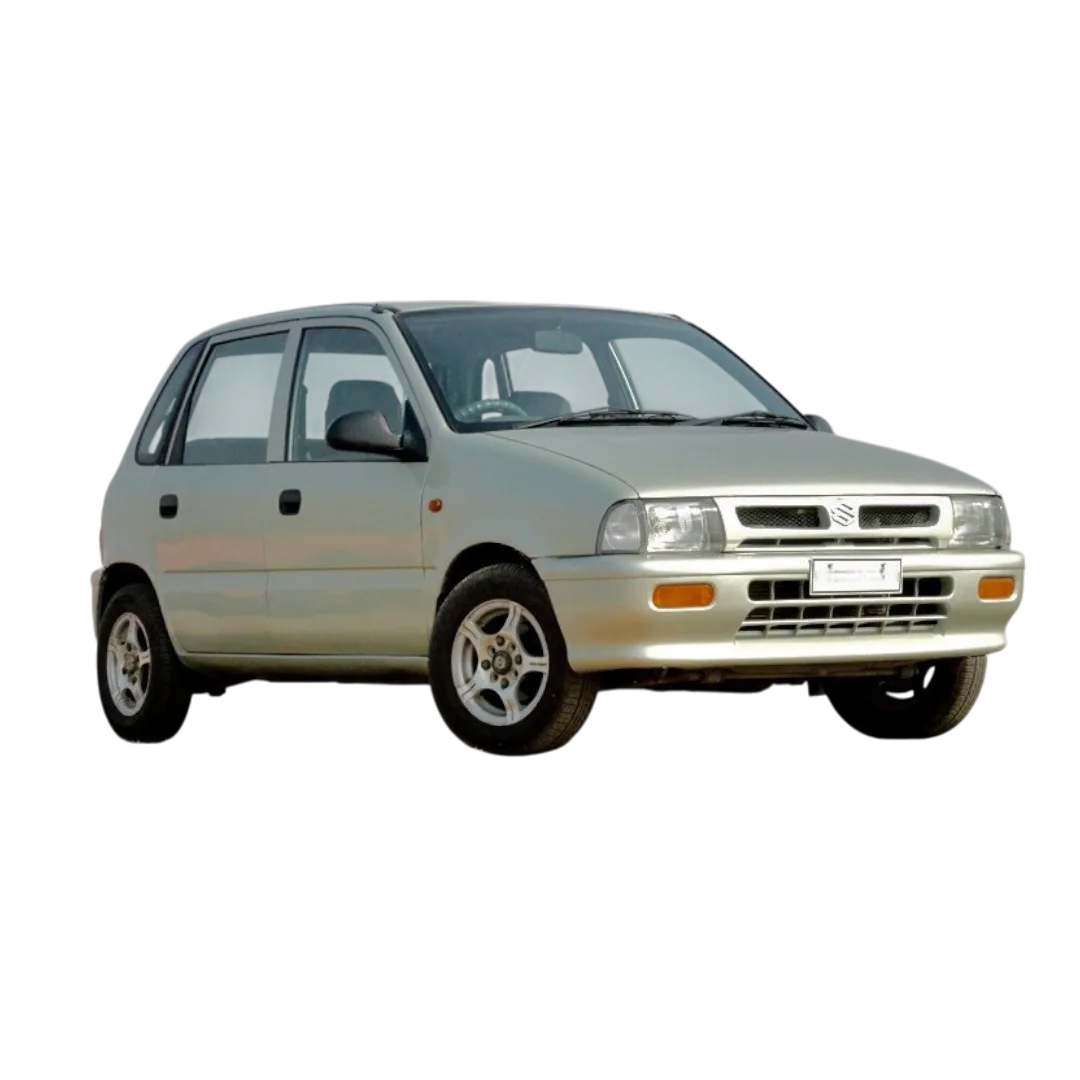 Zen
Zen
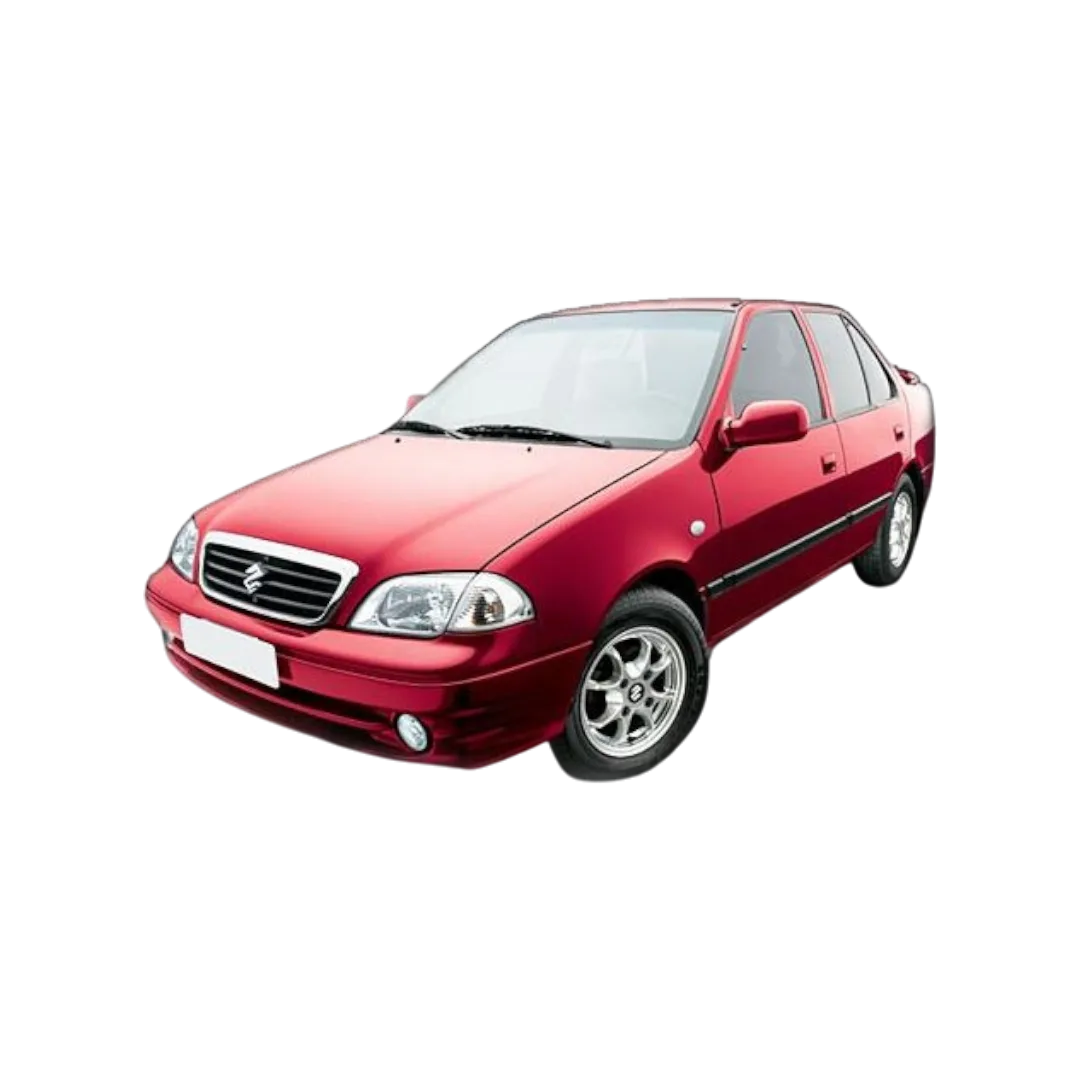 Esteem
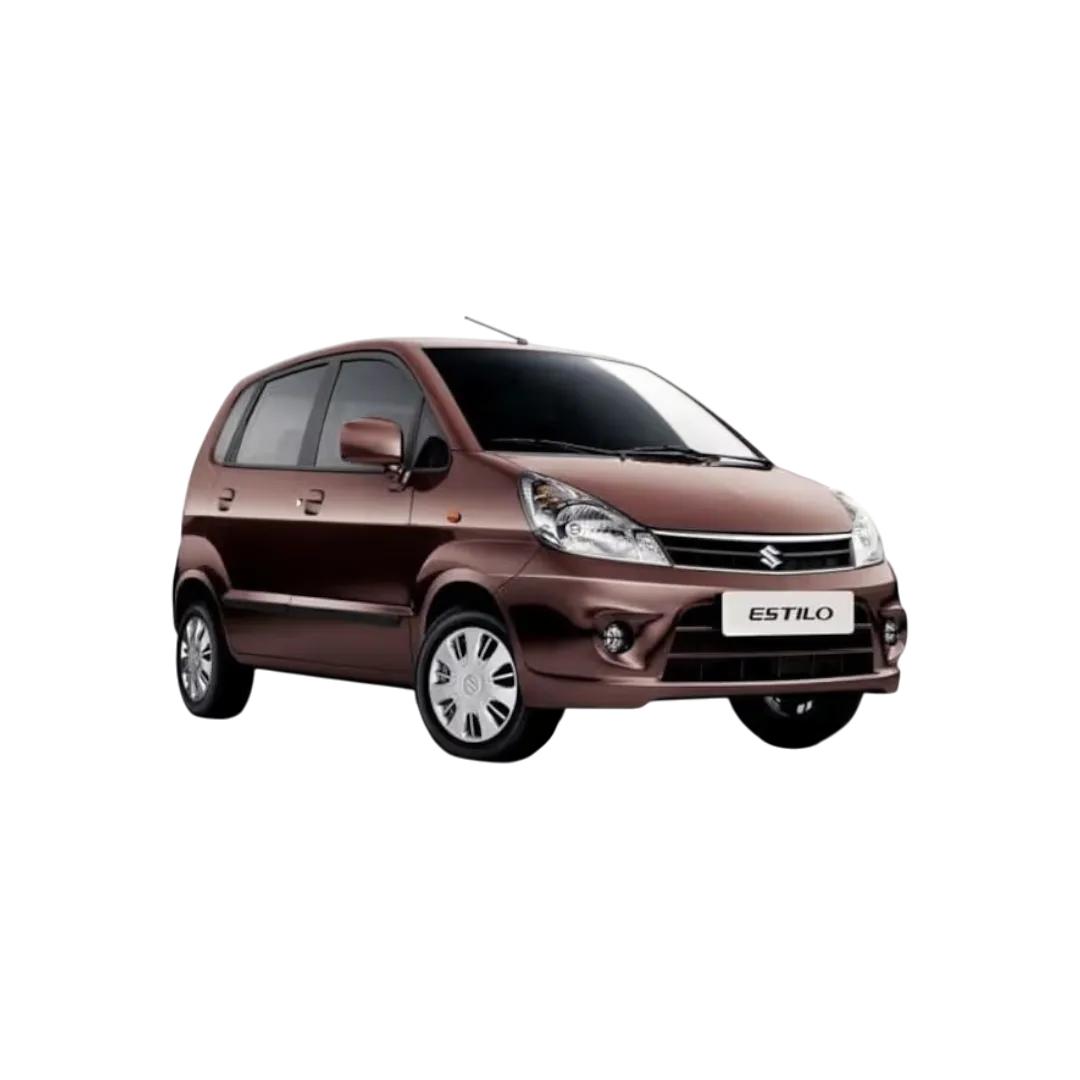 Zen Estilo
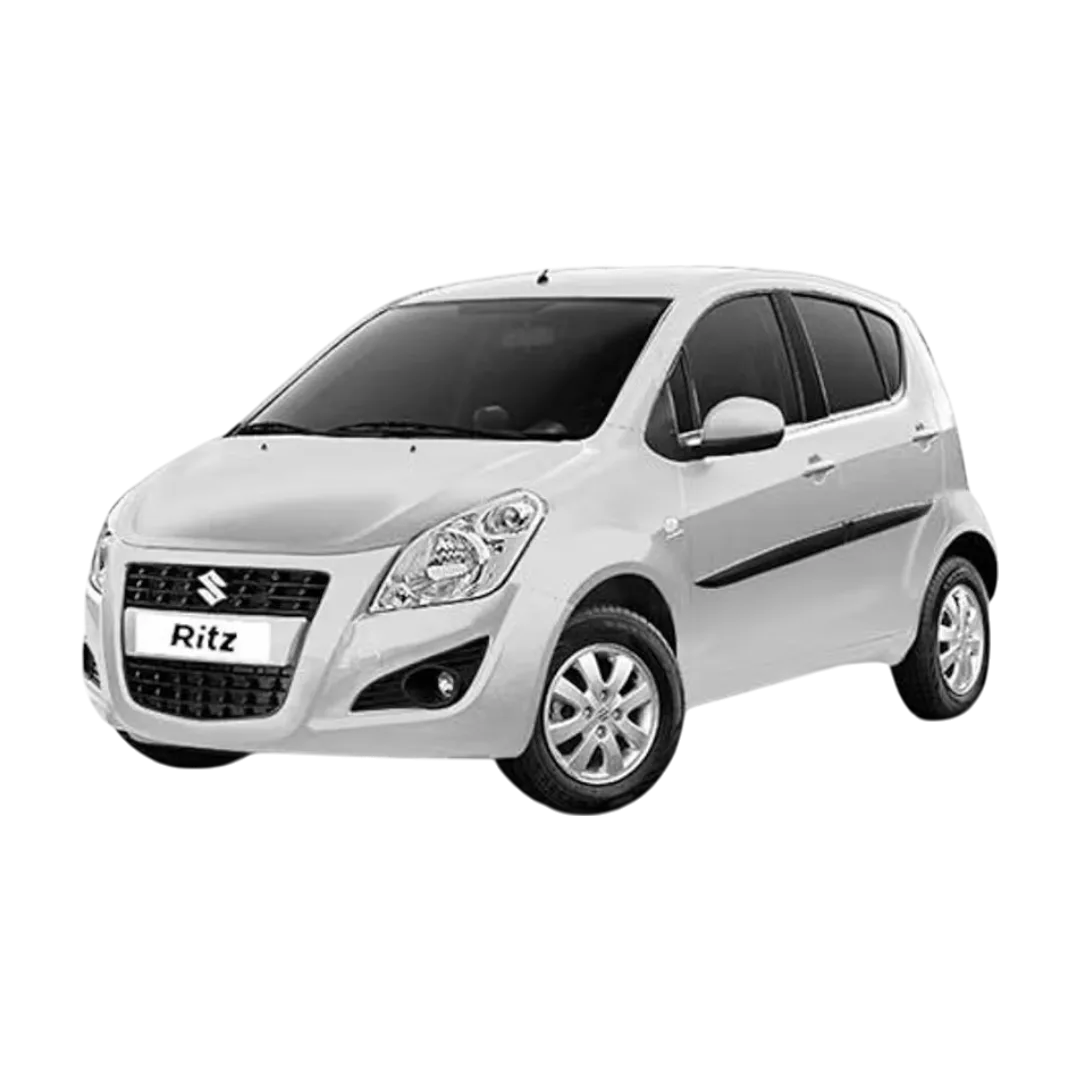 Ritz
Ritz
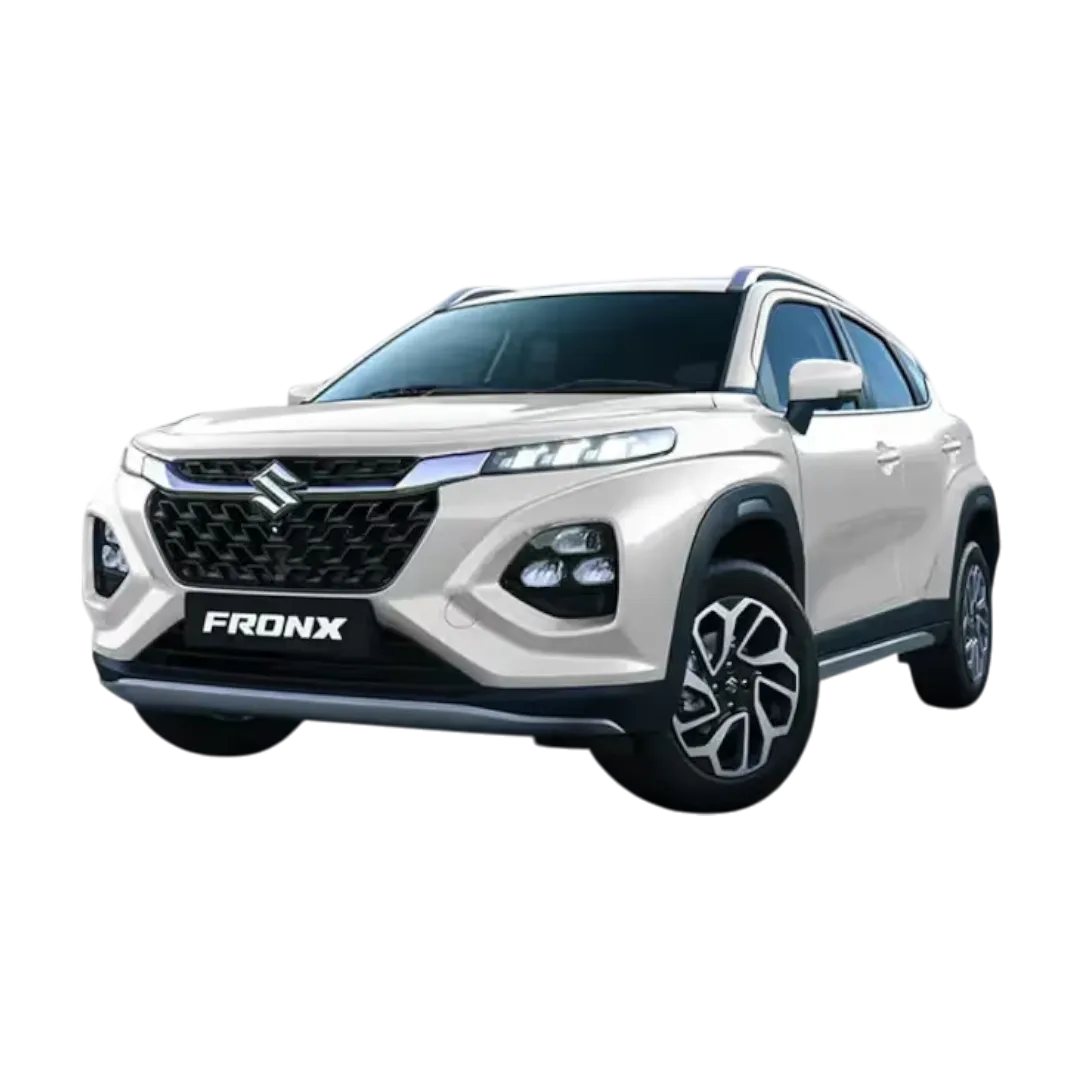 Fronx
Fronx
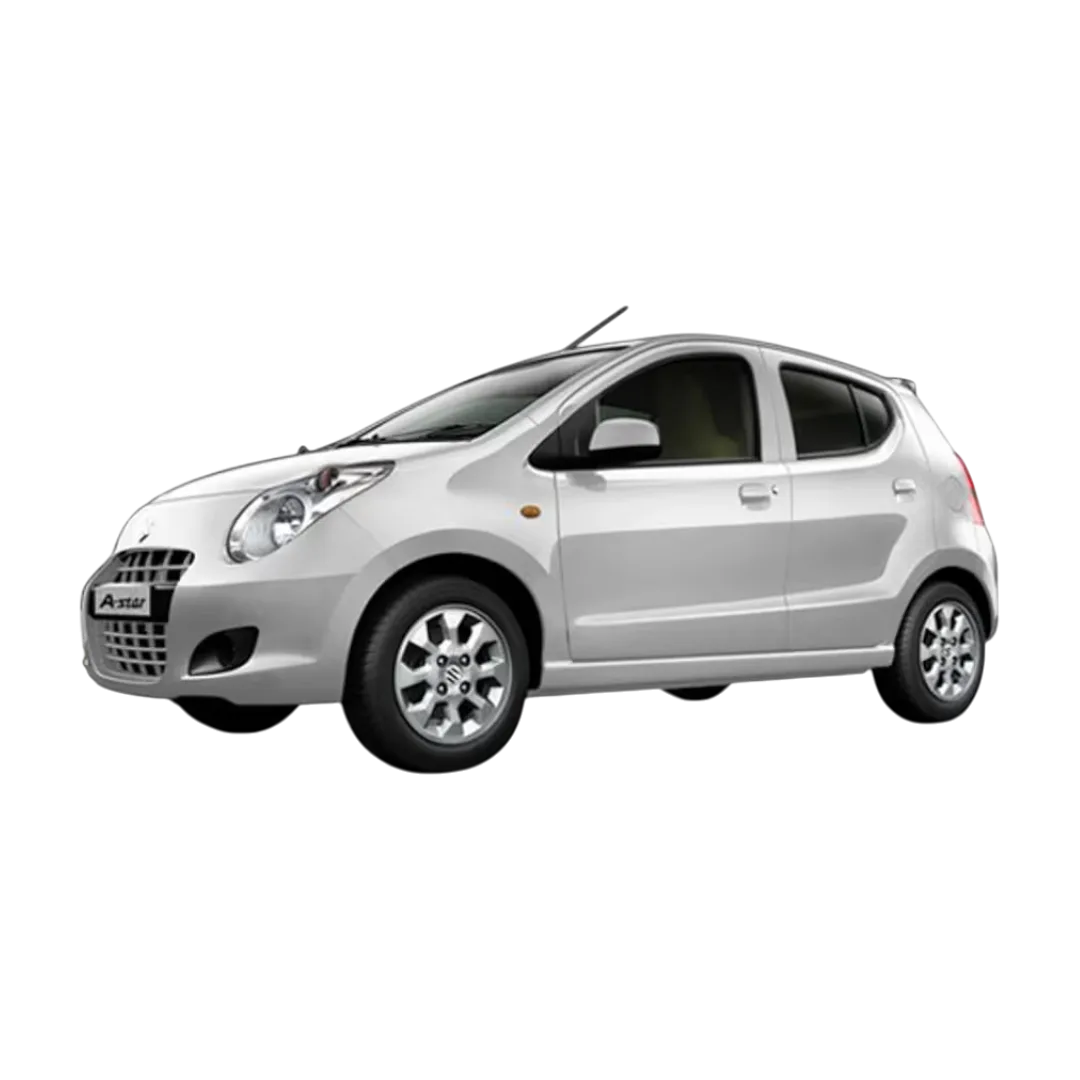 A-Star
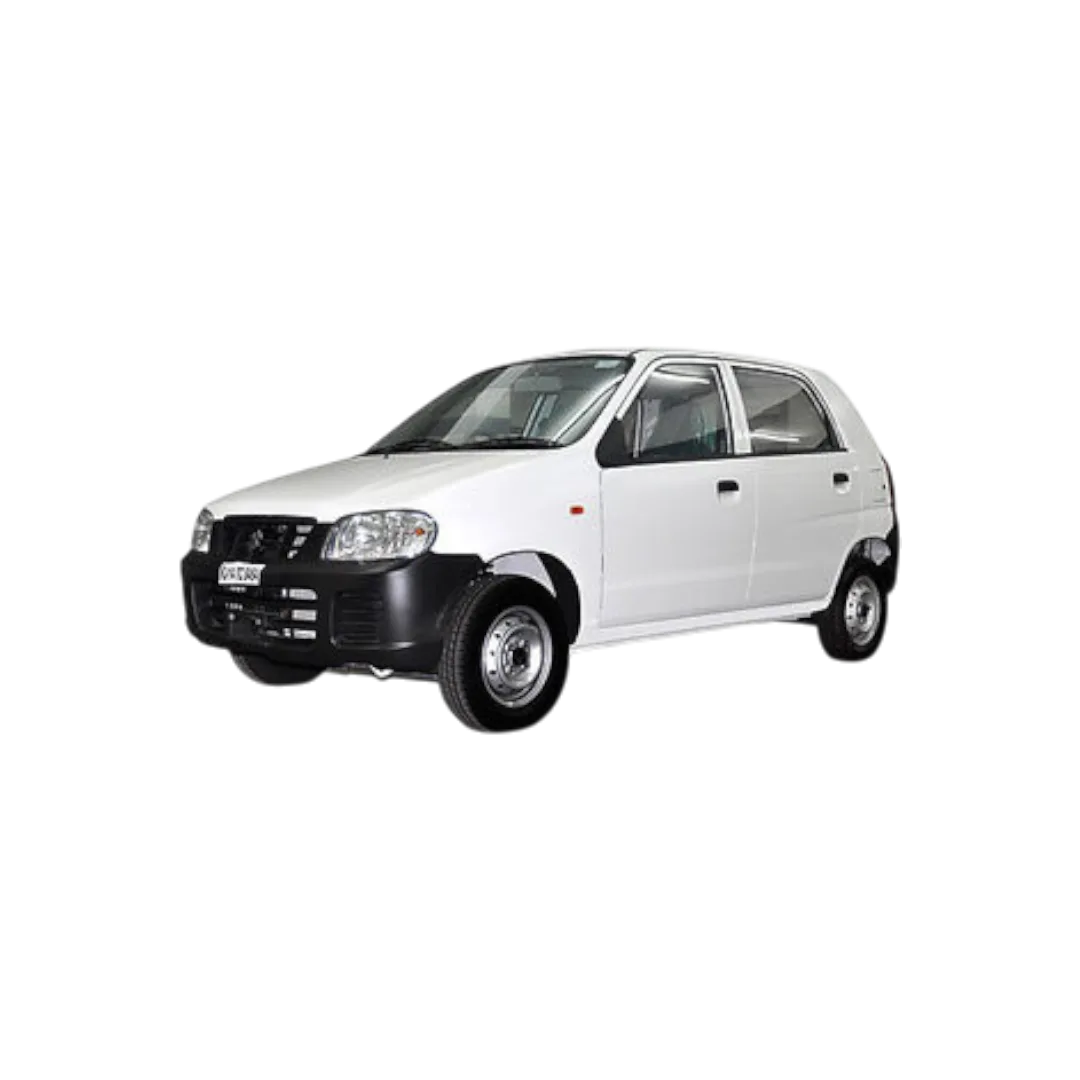 Alto
Alto
 Invicto
Victoris
Wagon R
Invicto
Victoris
Wagon R
 i20
i20
 Aura
Aura
 Creta
Creta
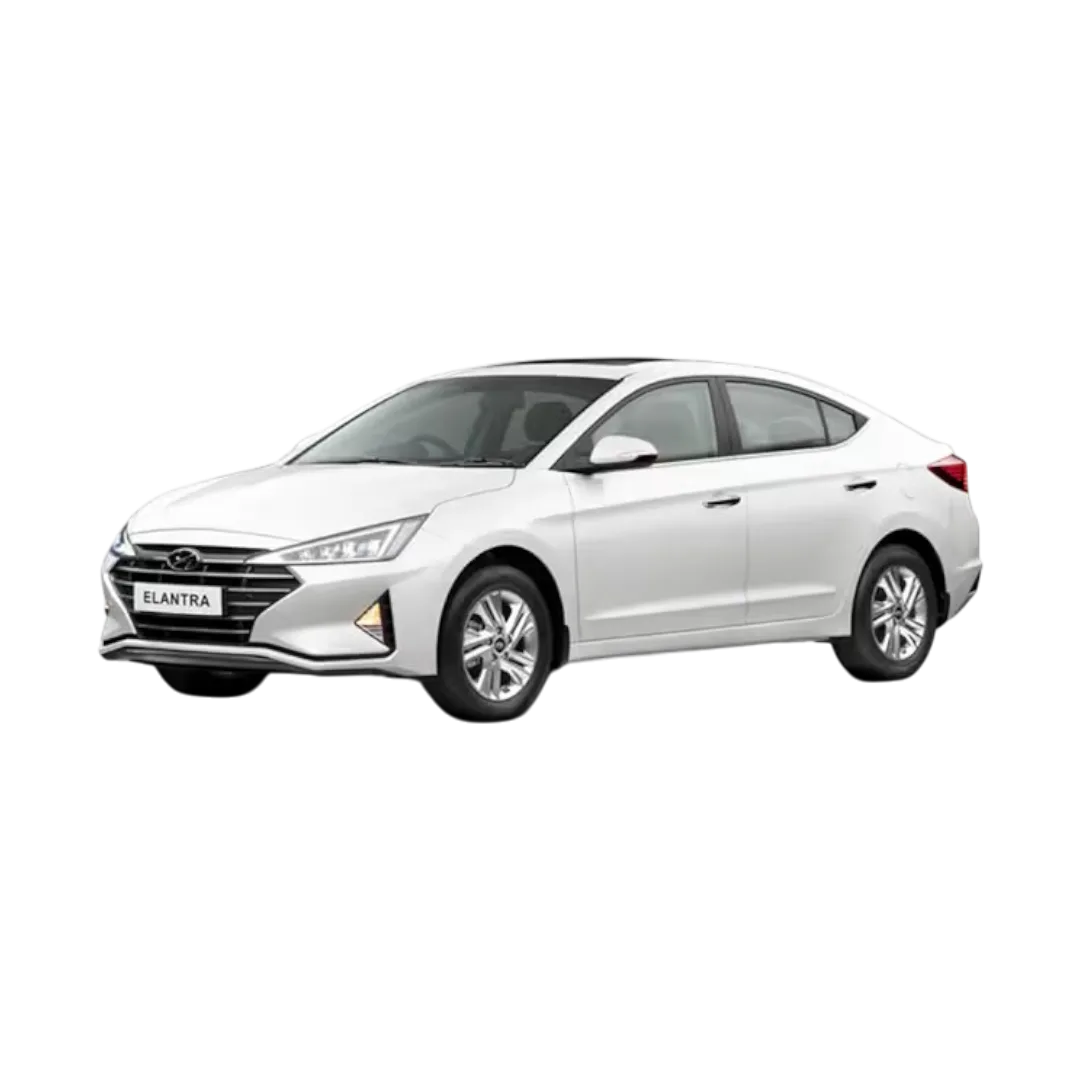 Elantra
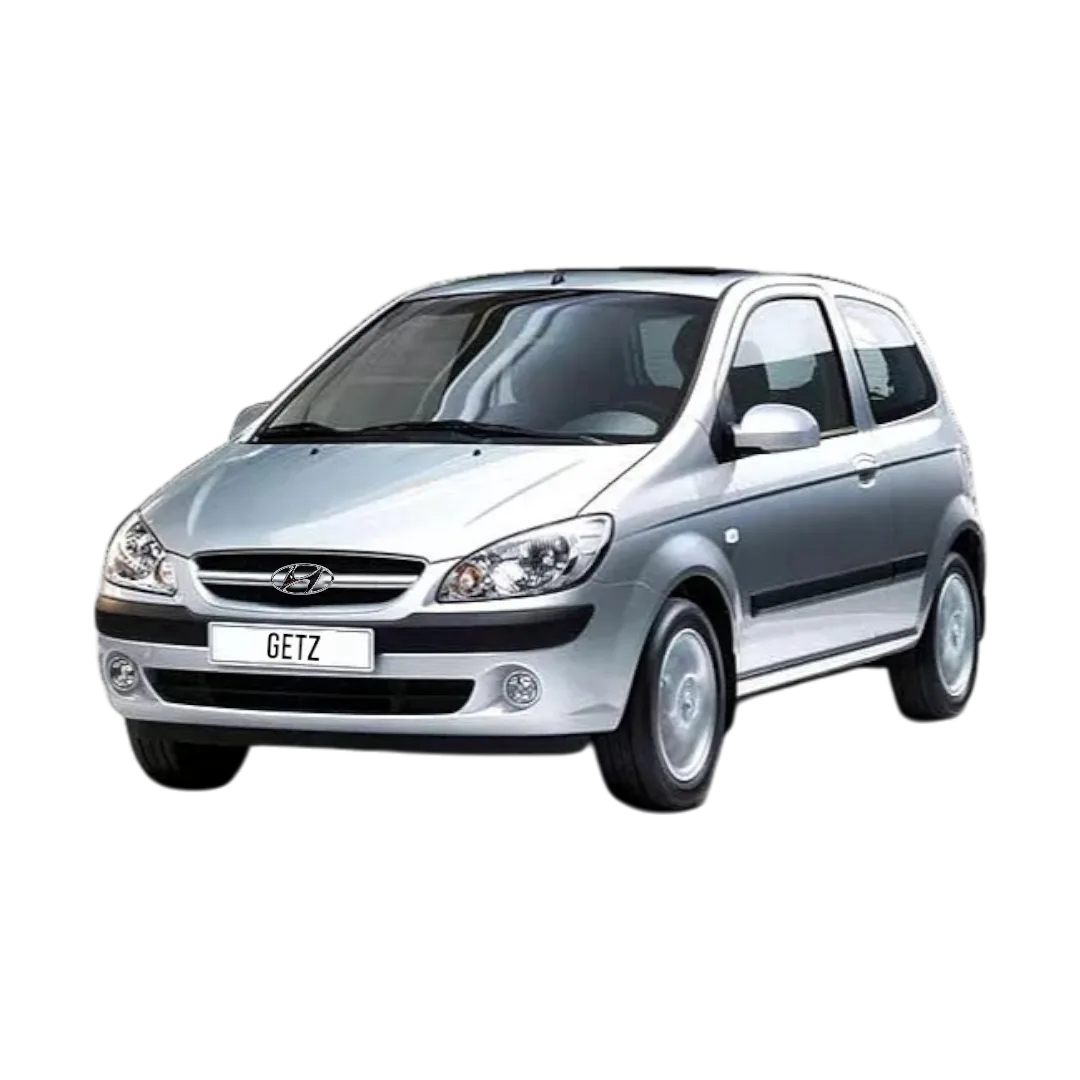 Getz
Getz
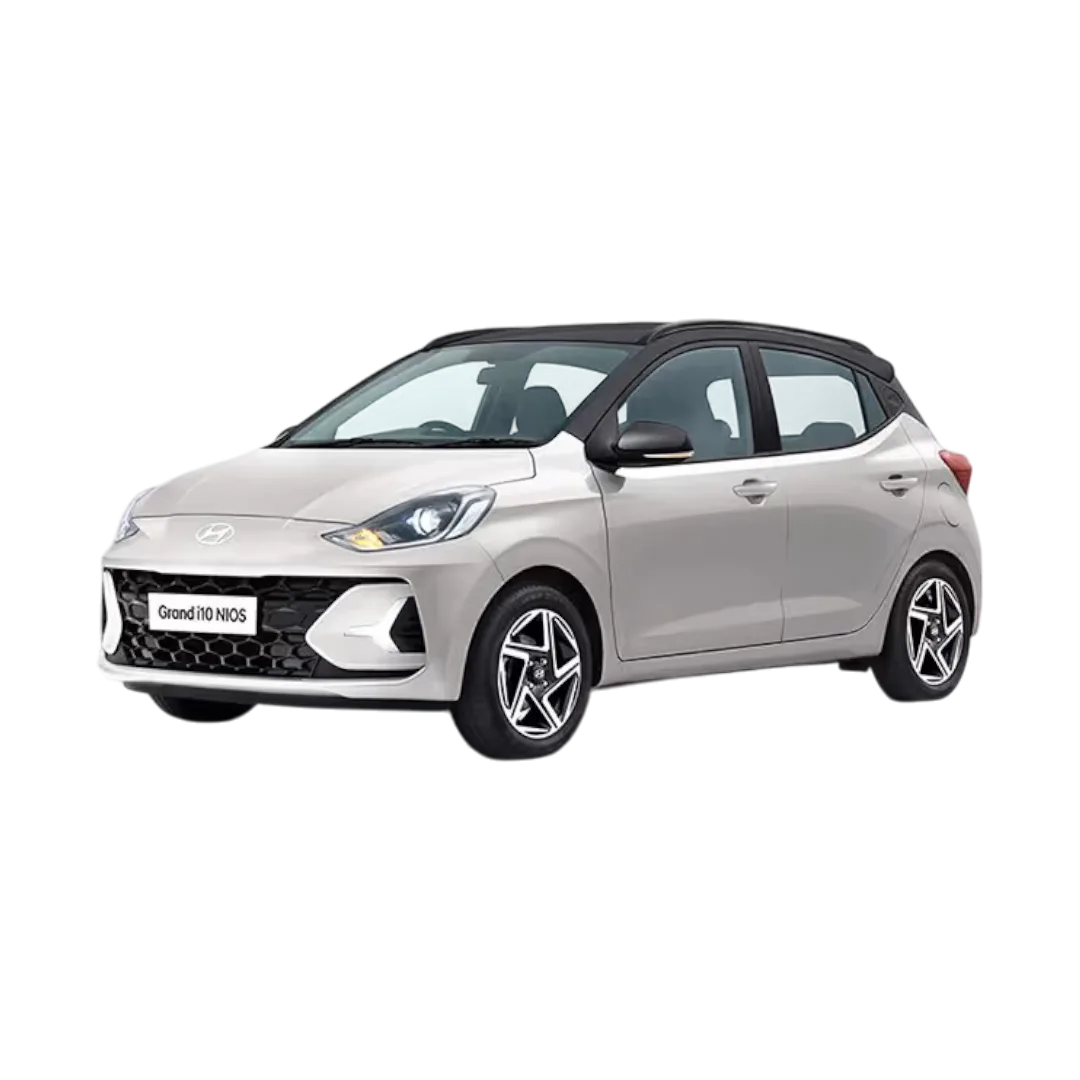 Grand i10 Nios
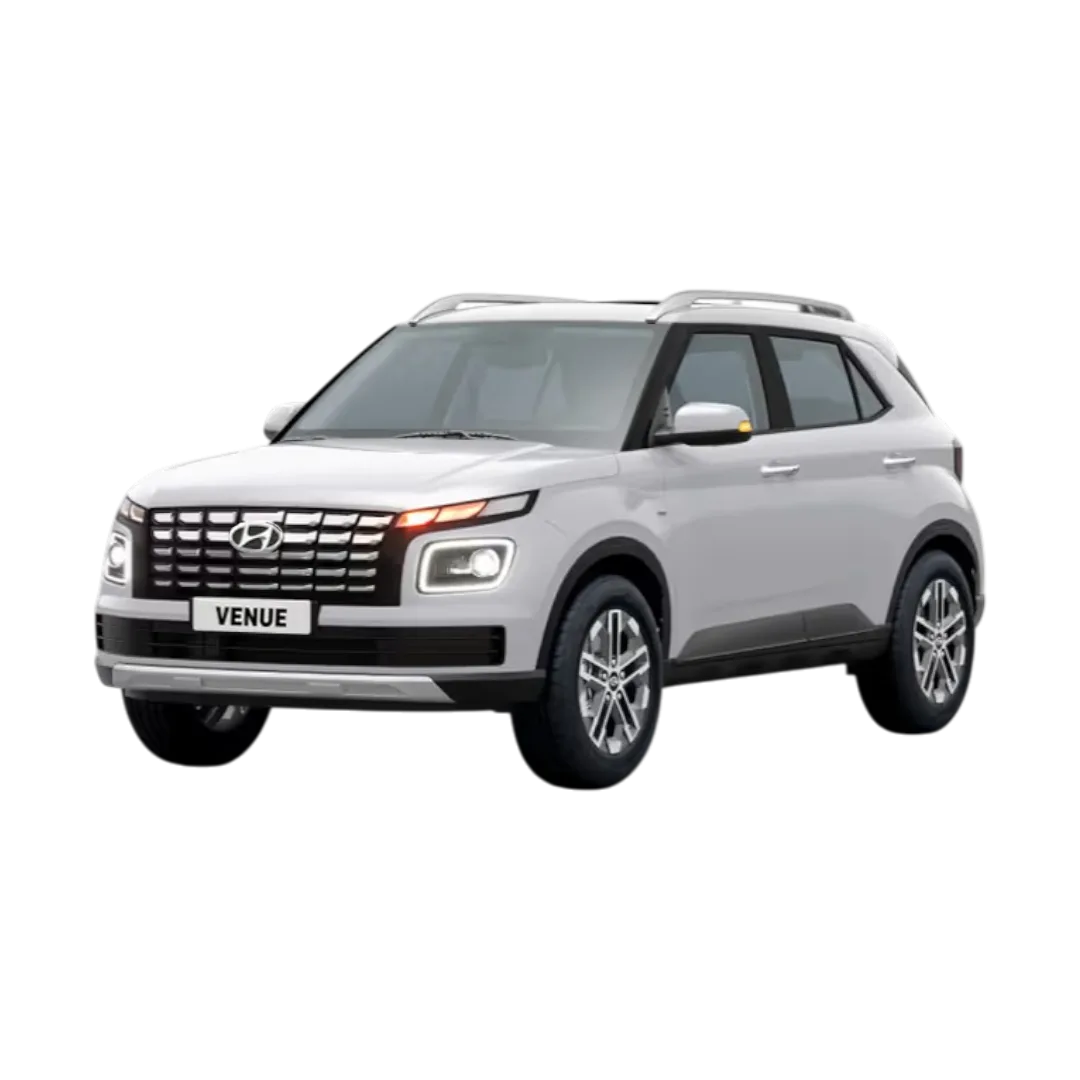 Venue
Venue
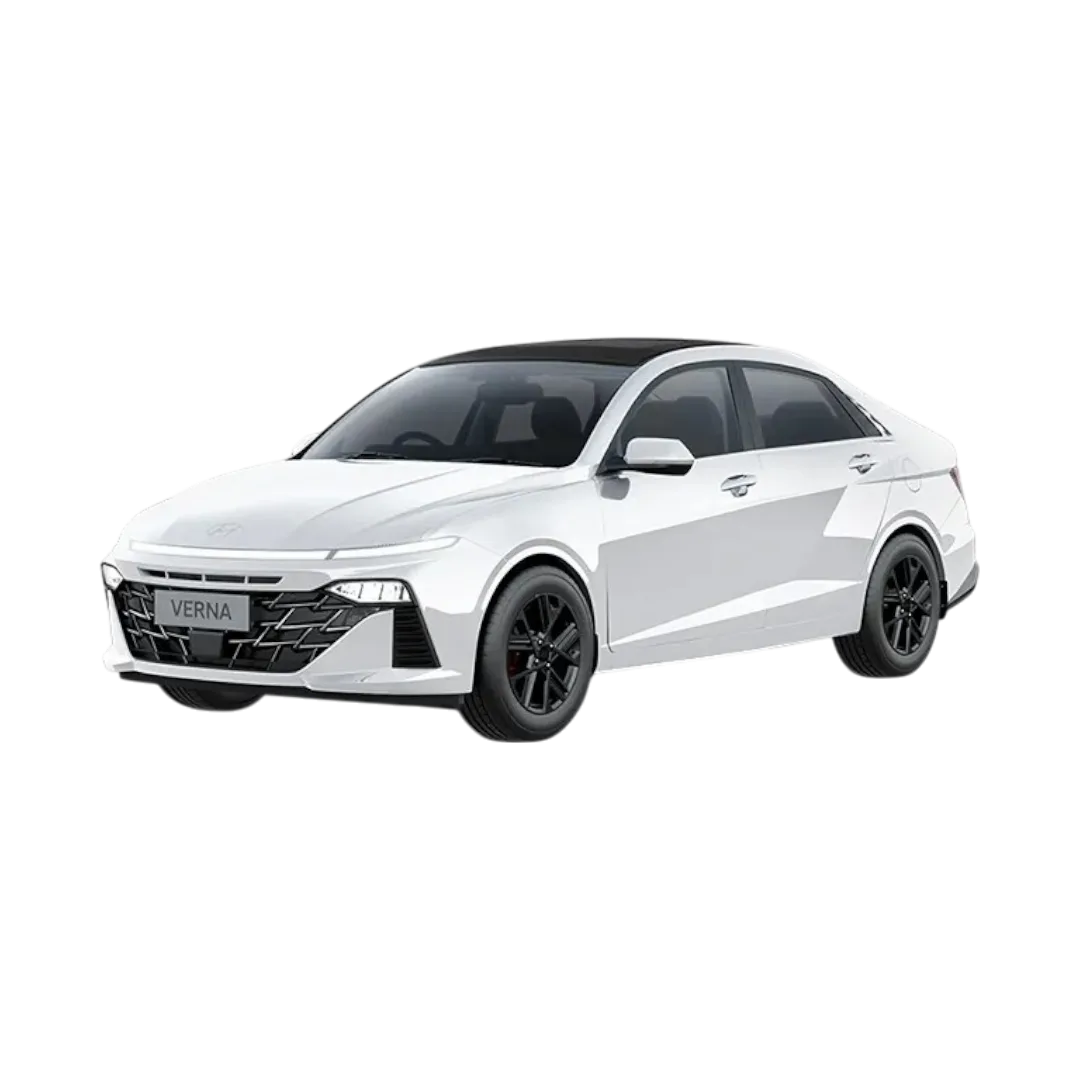 Verna
Verna
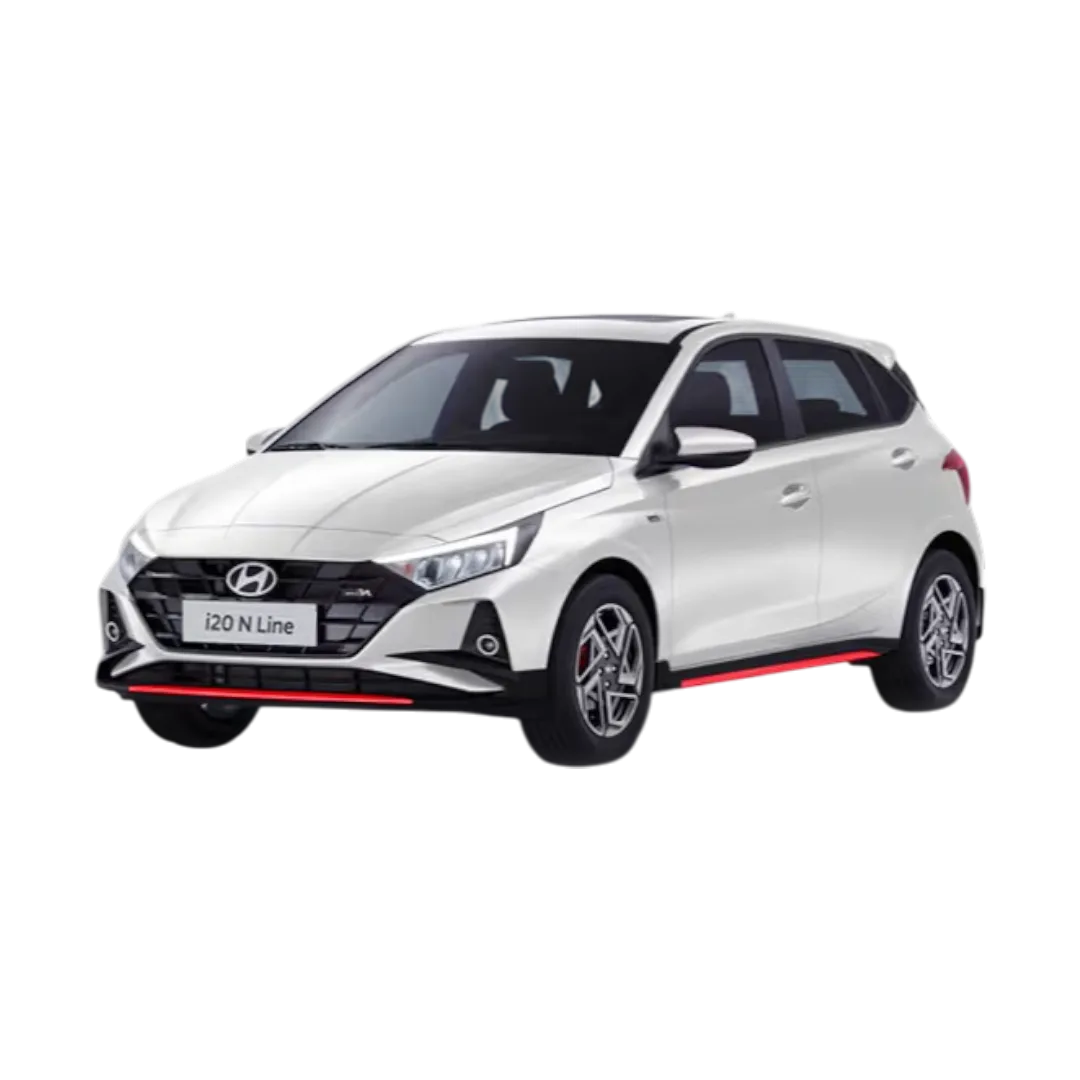 i20 N Line
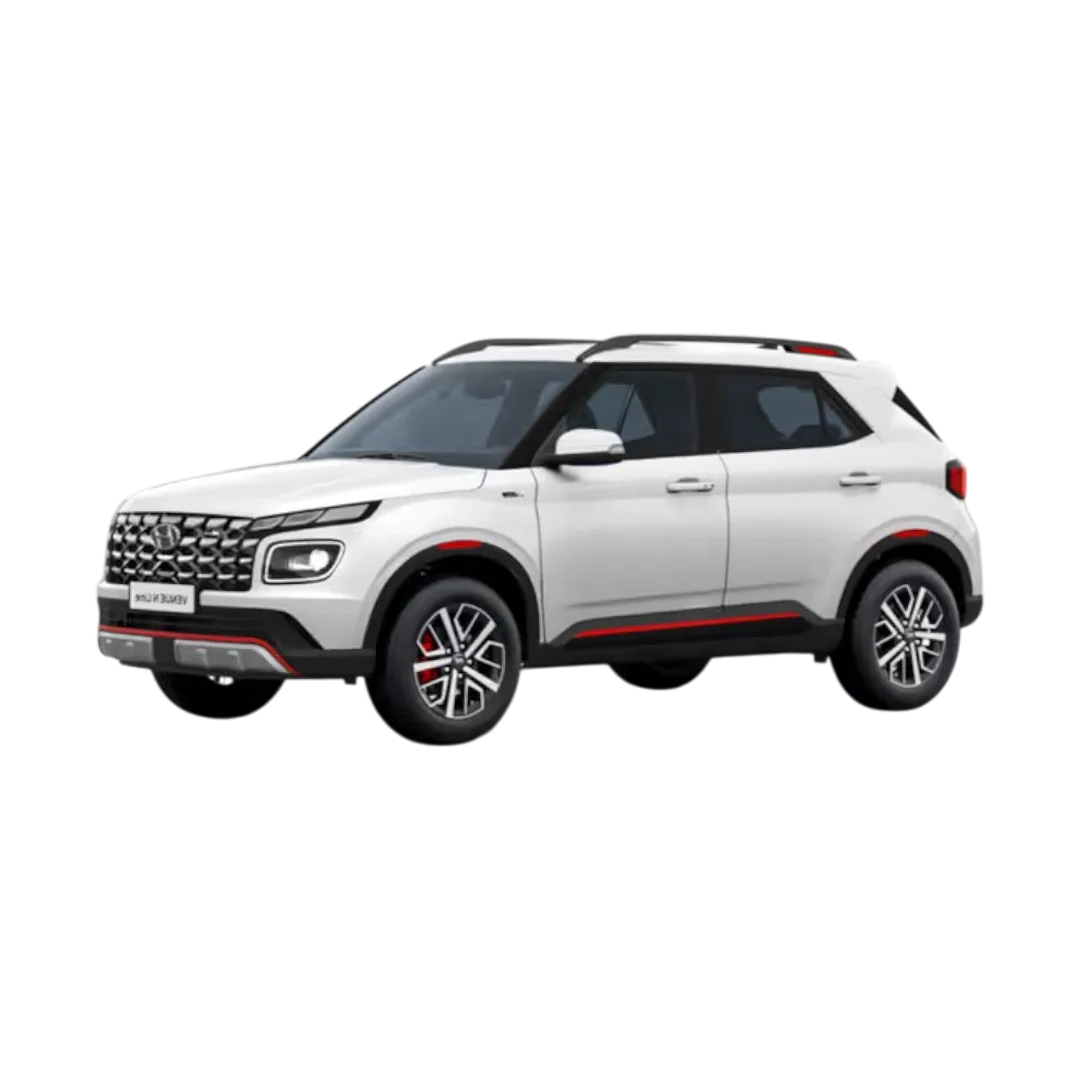 Venue N Line
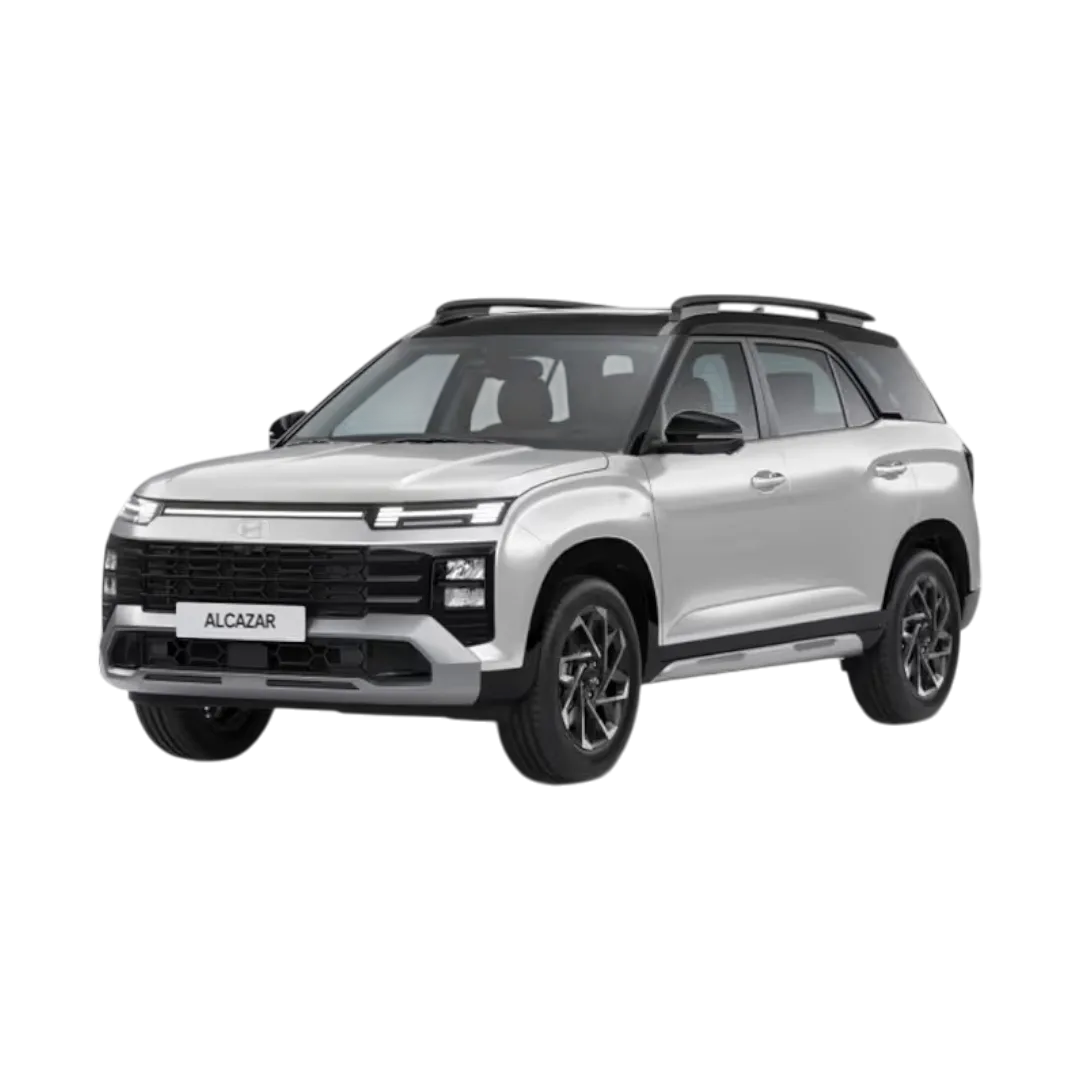 Alcazar
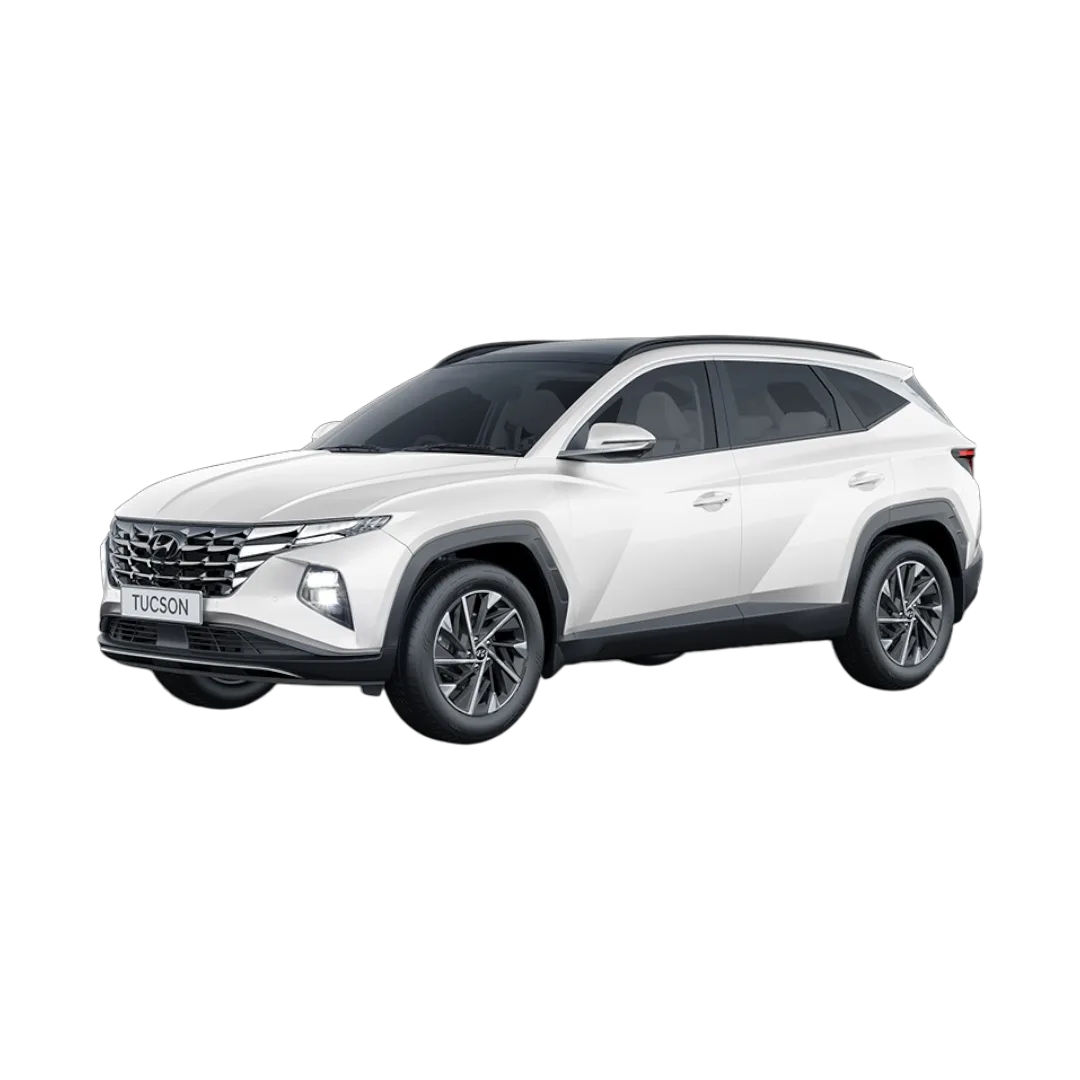 Tucson
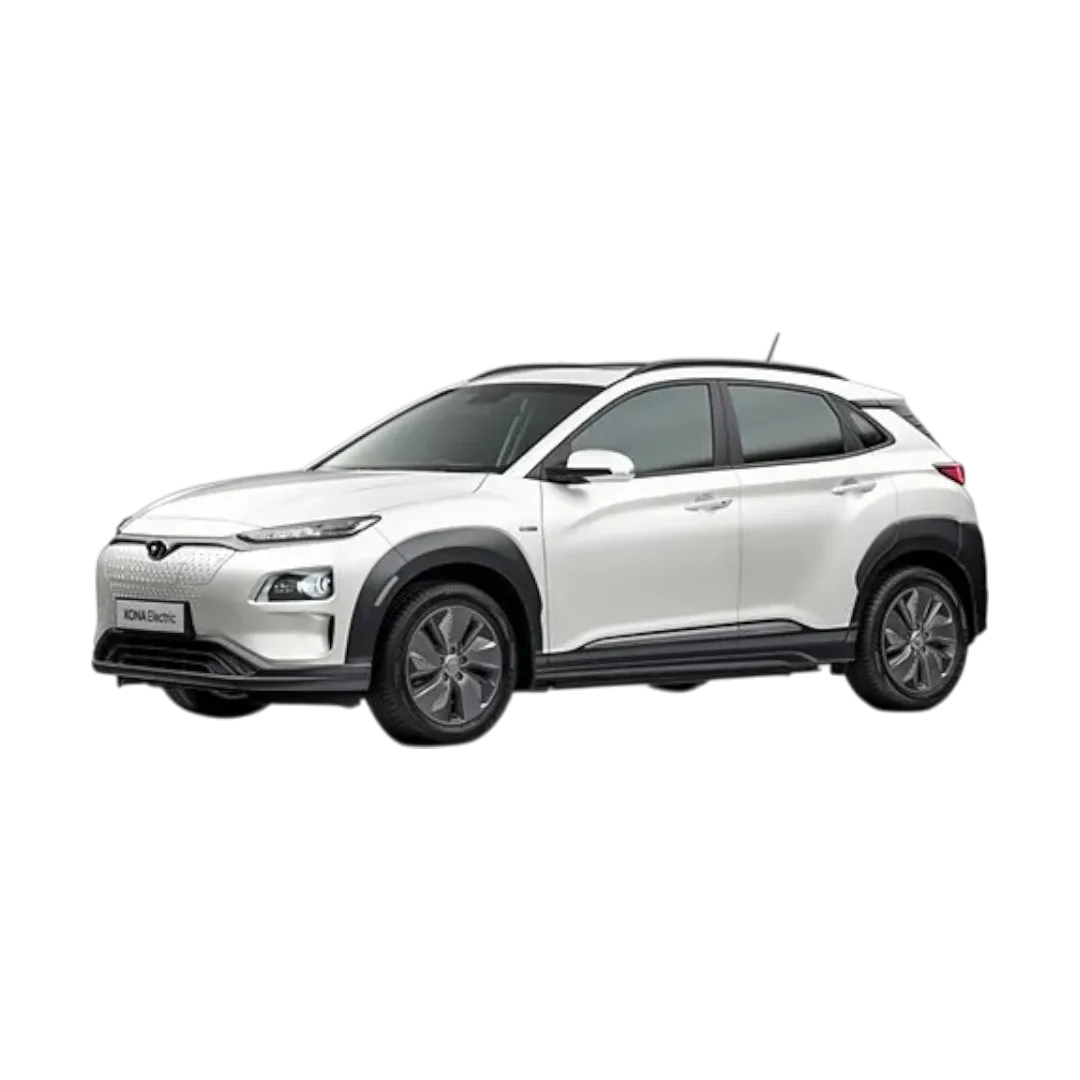 Kona
Kona
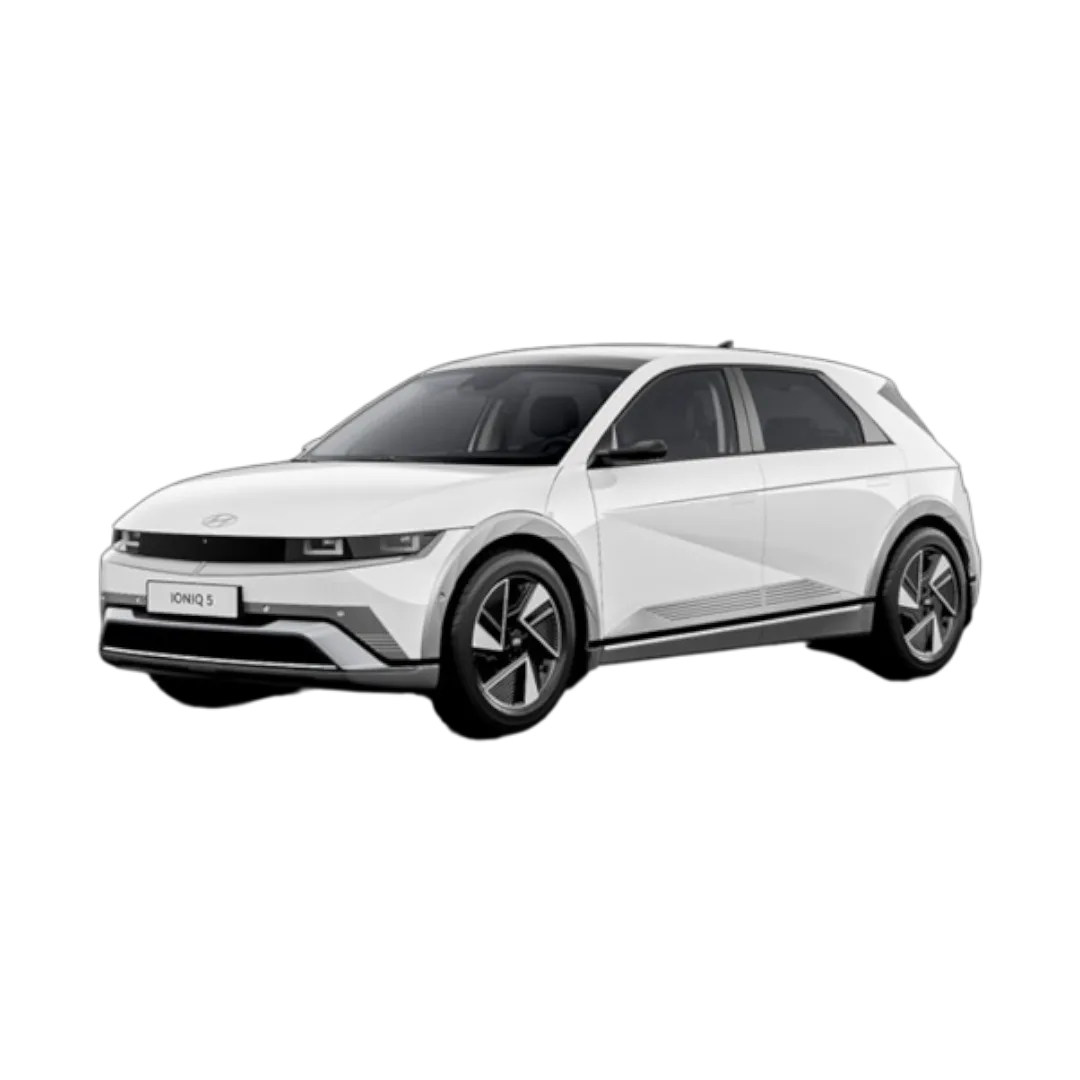 iONIQ 5
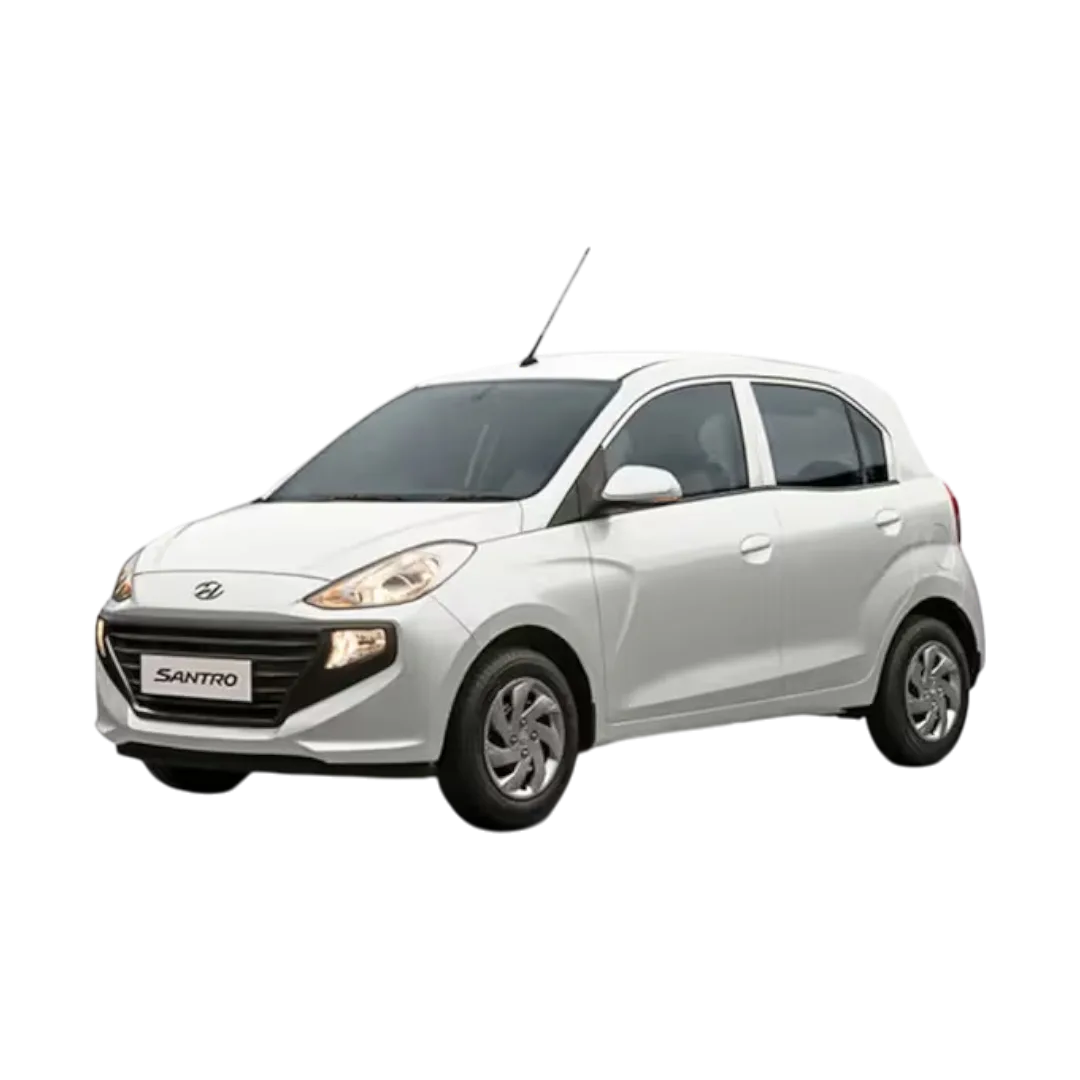 Santro
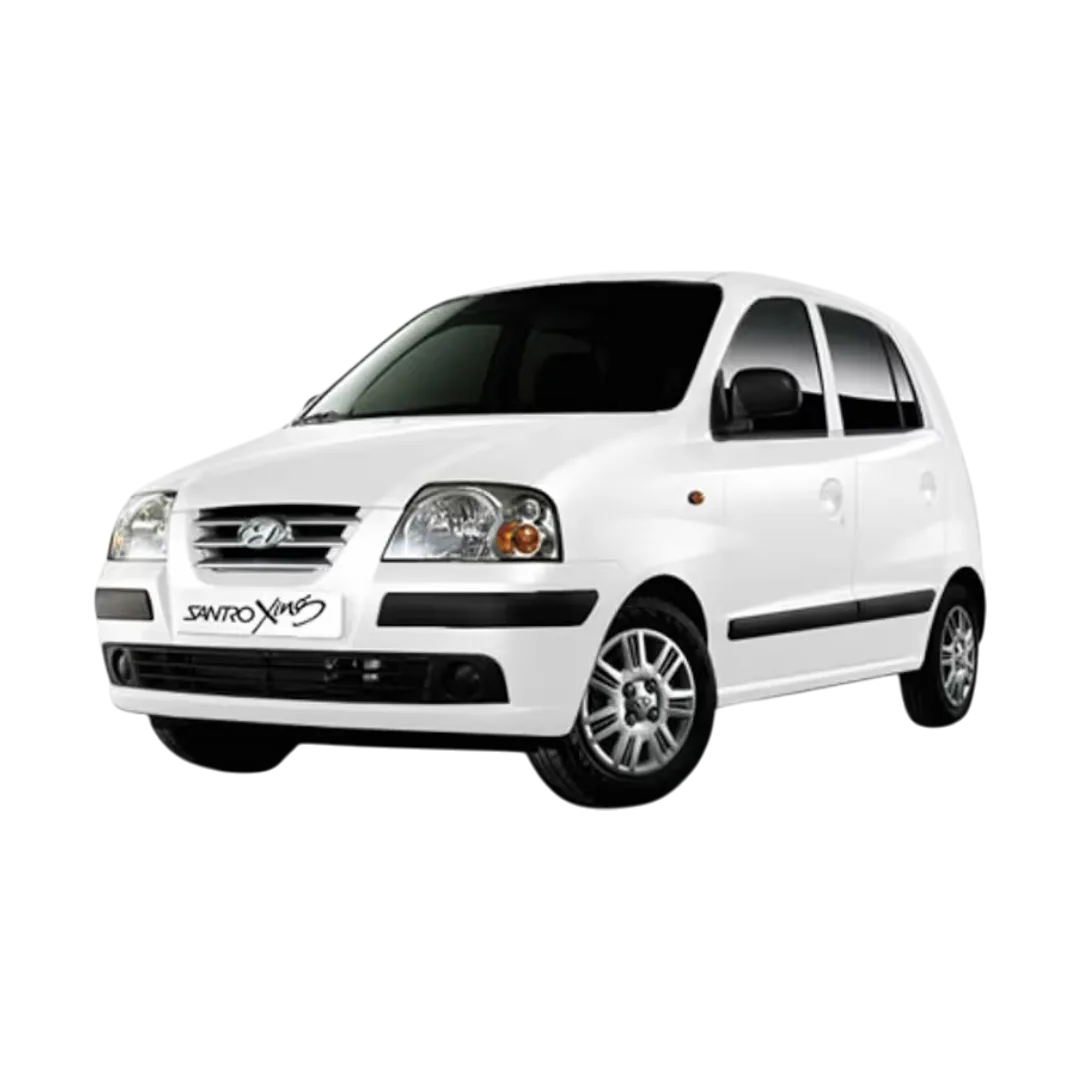 Santro Xing
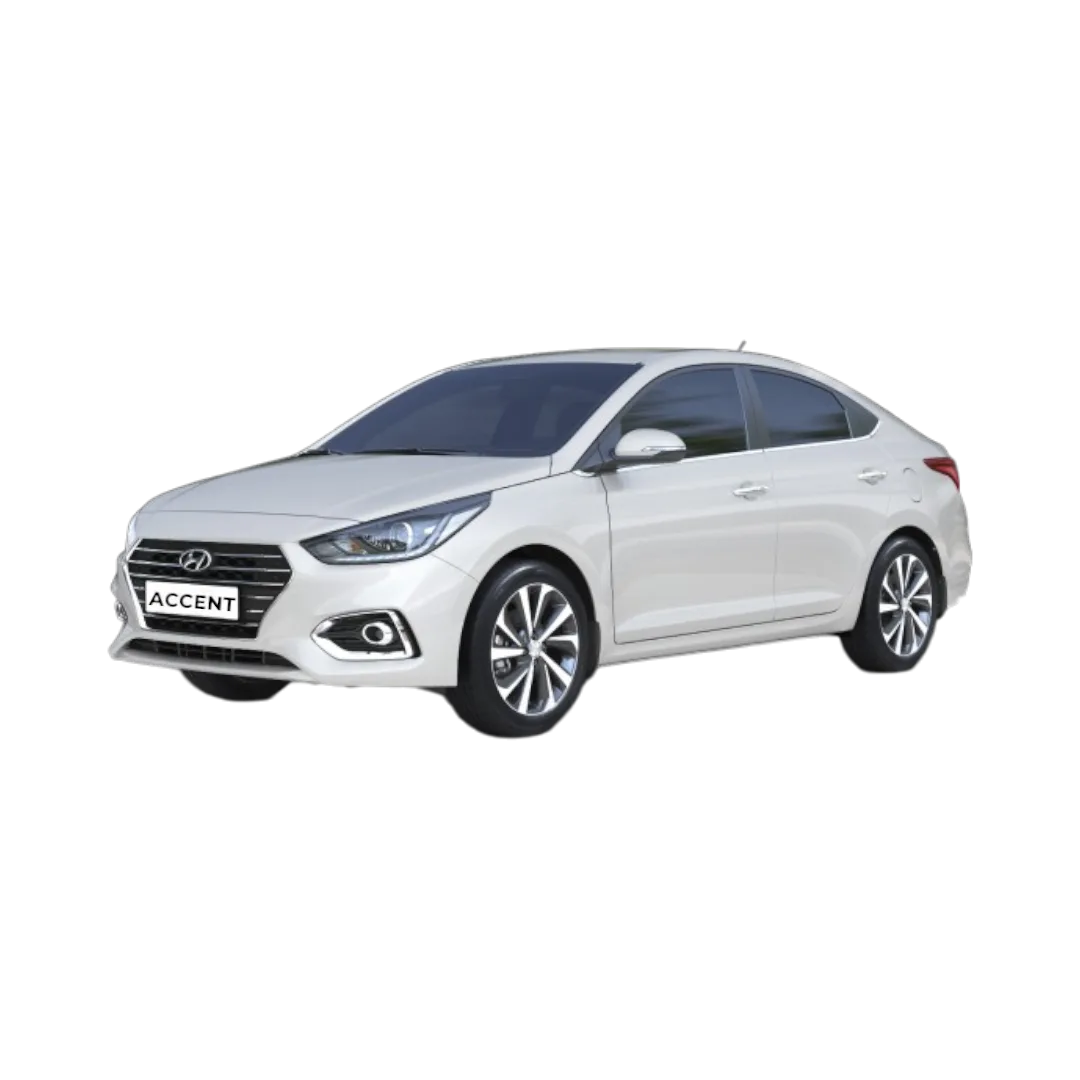 Accent
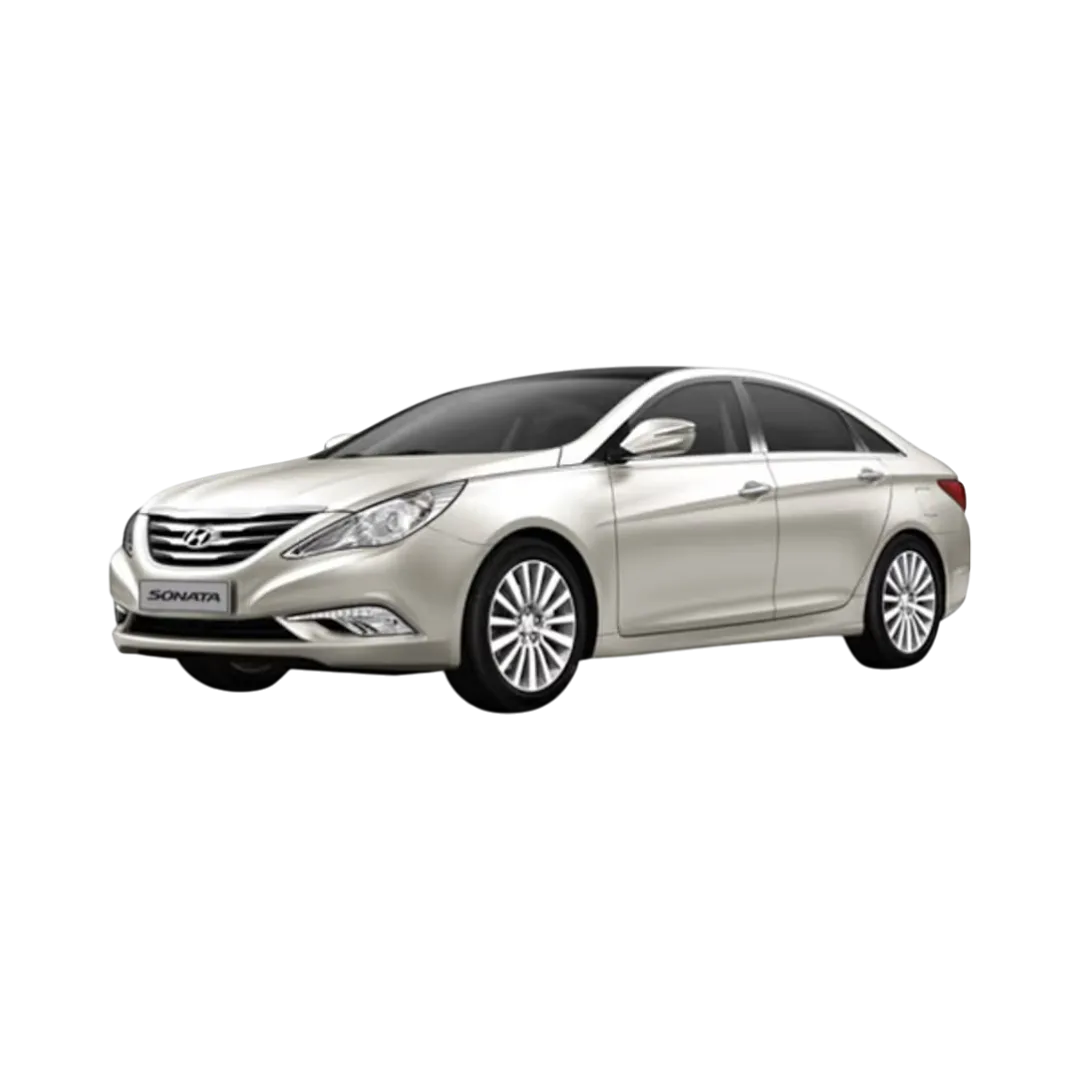 Sonata
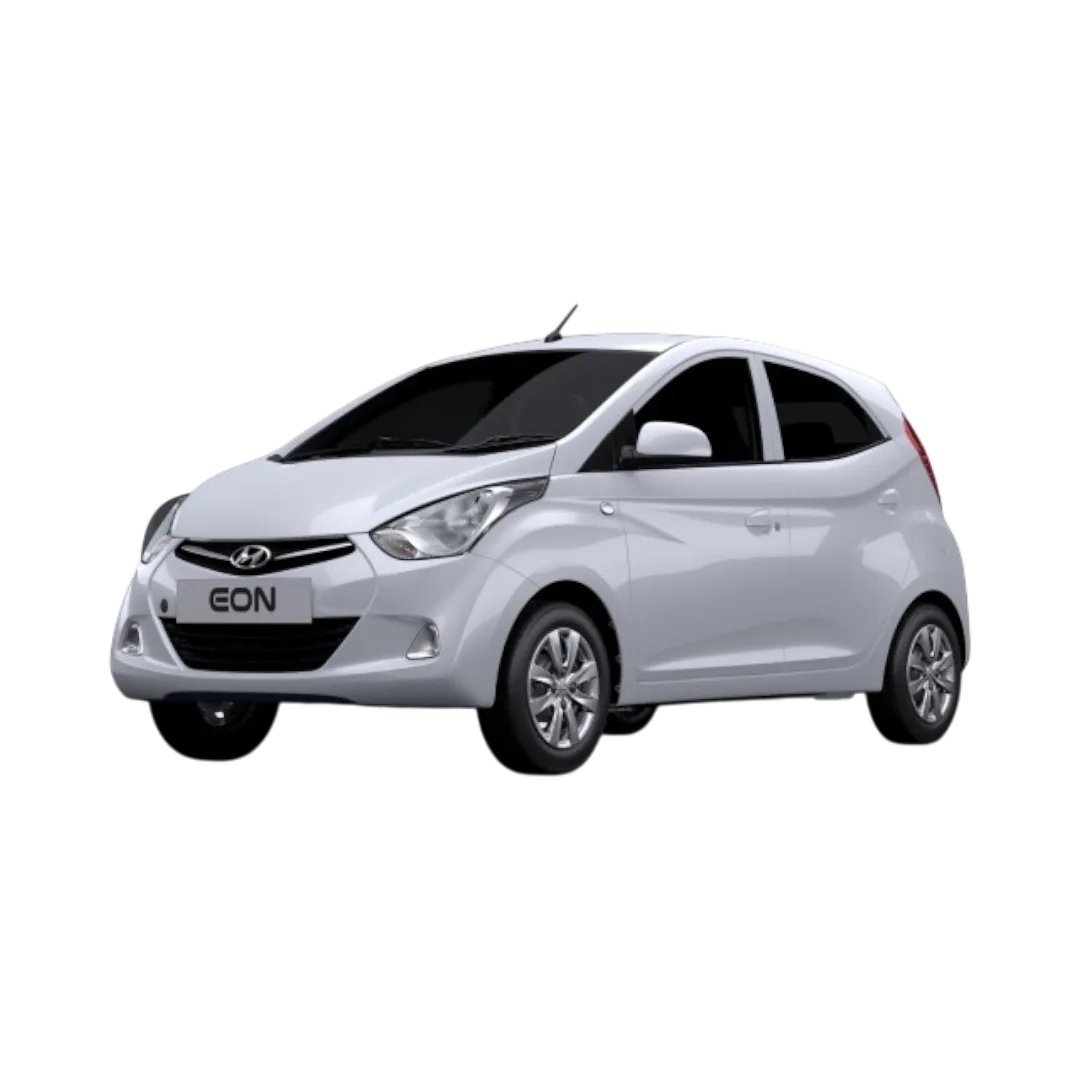 Eon
Eon
 i10
i10
 Grand i10
 Xcent
Xcent
 Elite i20
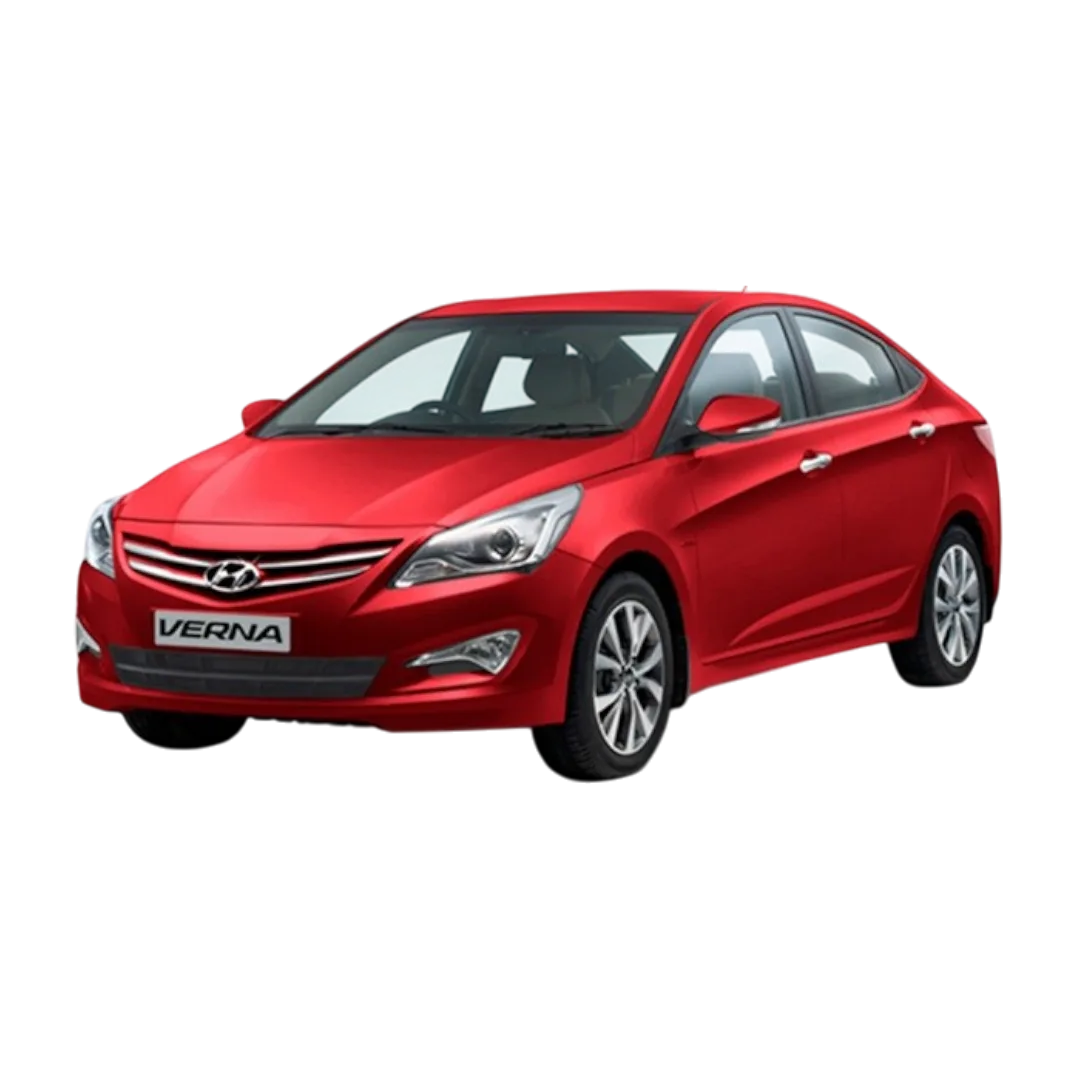 Verna Fluidic
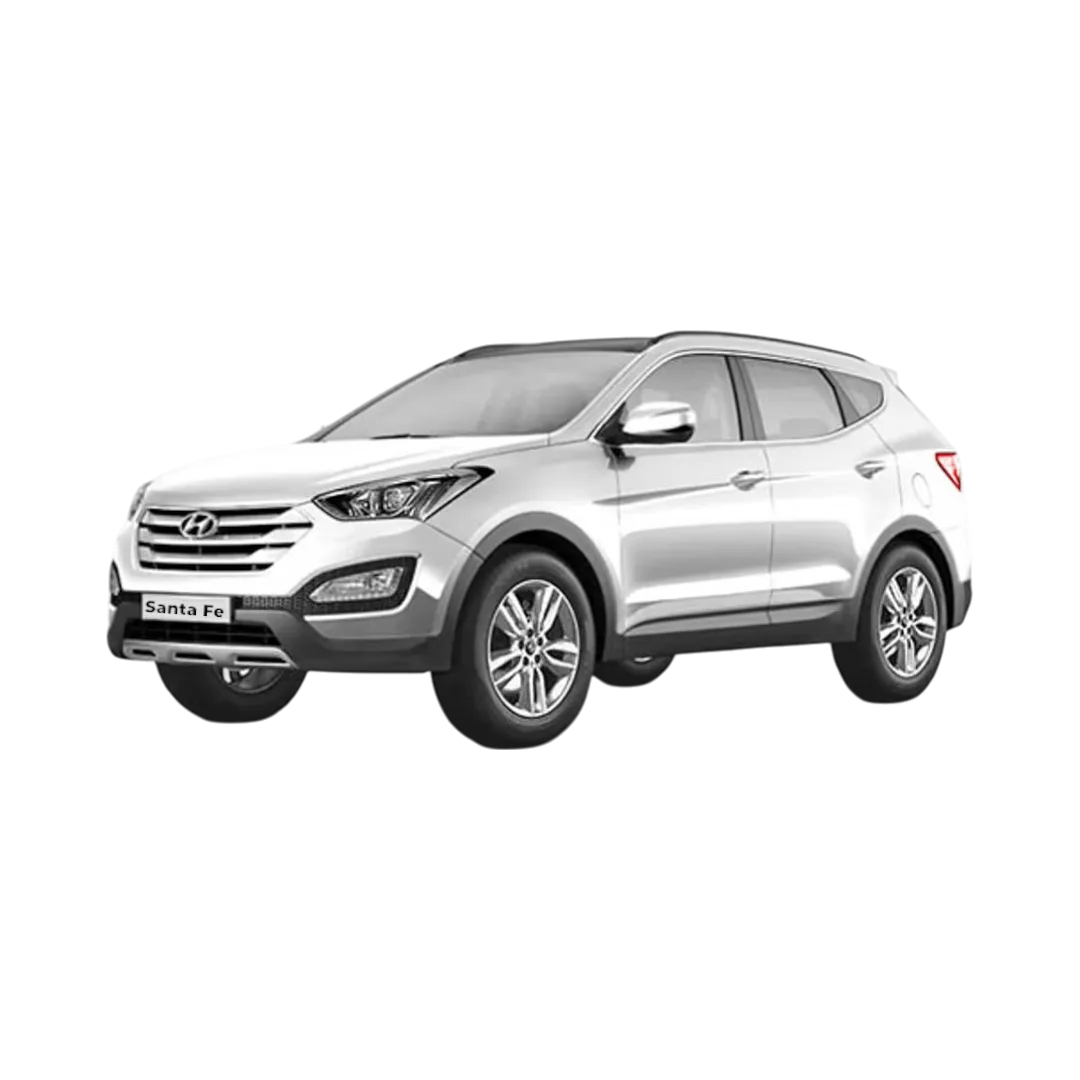 Santafe
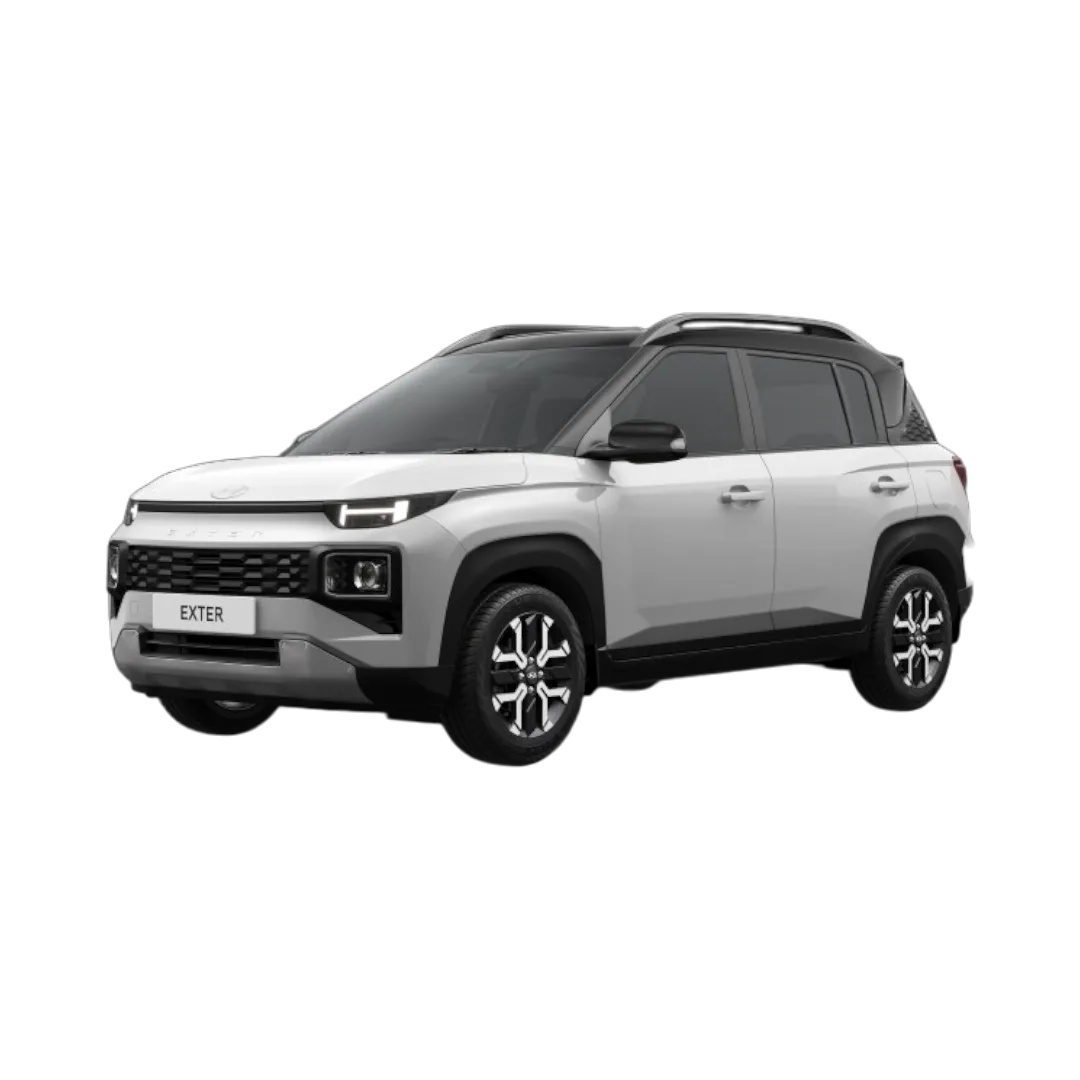 Exter
Sonata Fluidic
i20 Active
Exter
Sonata Fluidic
i20 Active
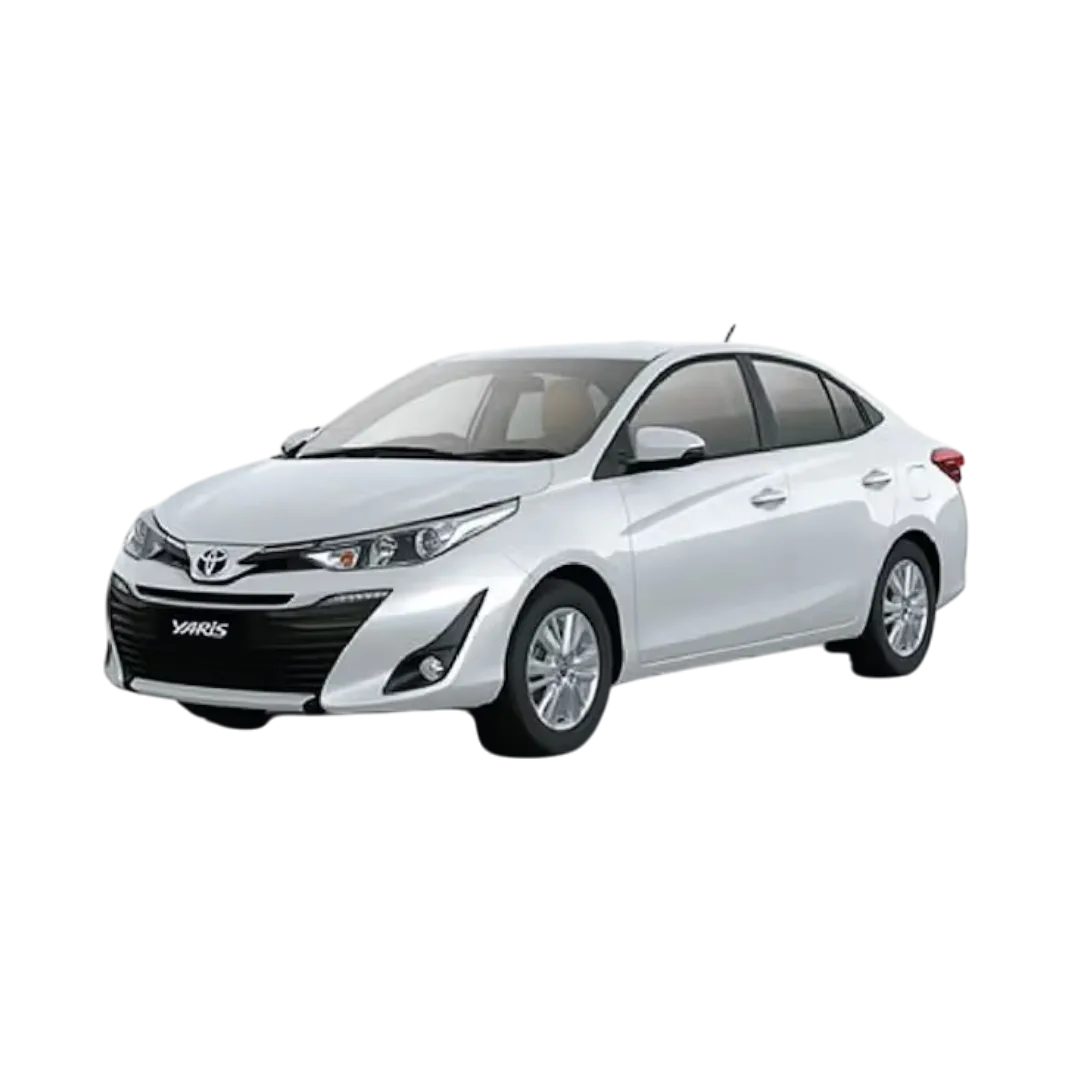 Yaris
Yaris
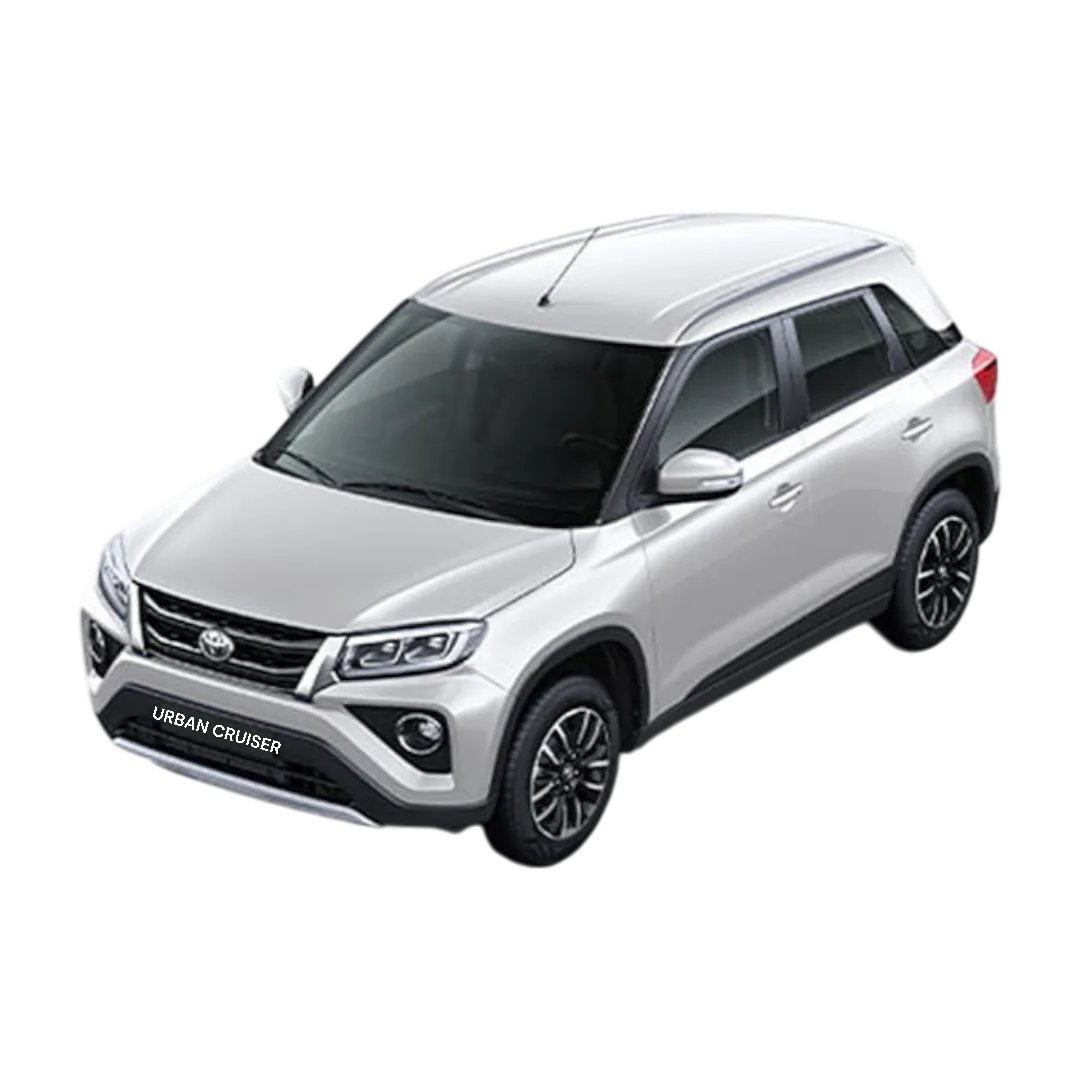 Urban Cruiser
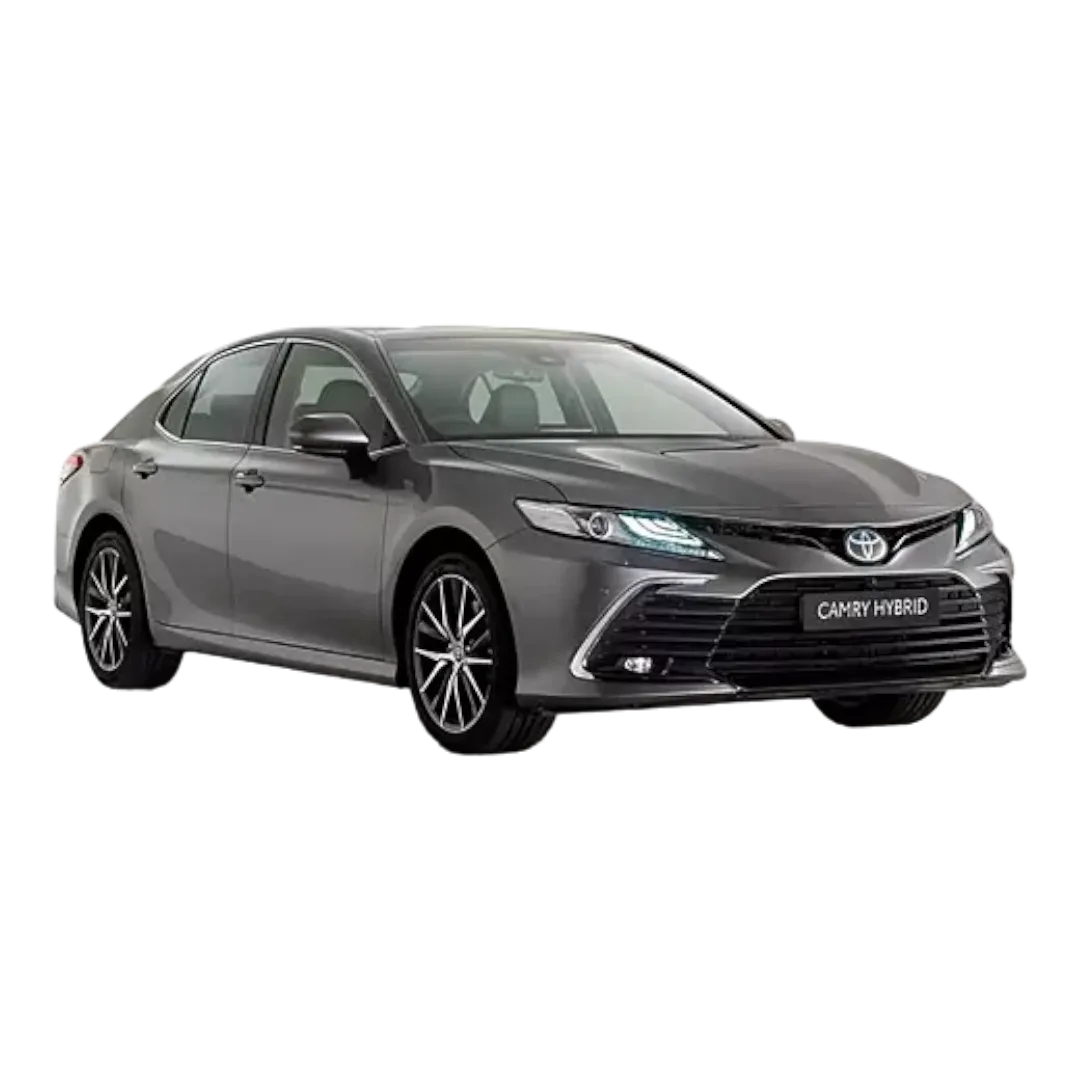 Camry
Camry
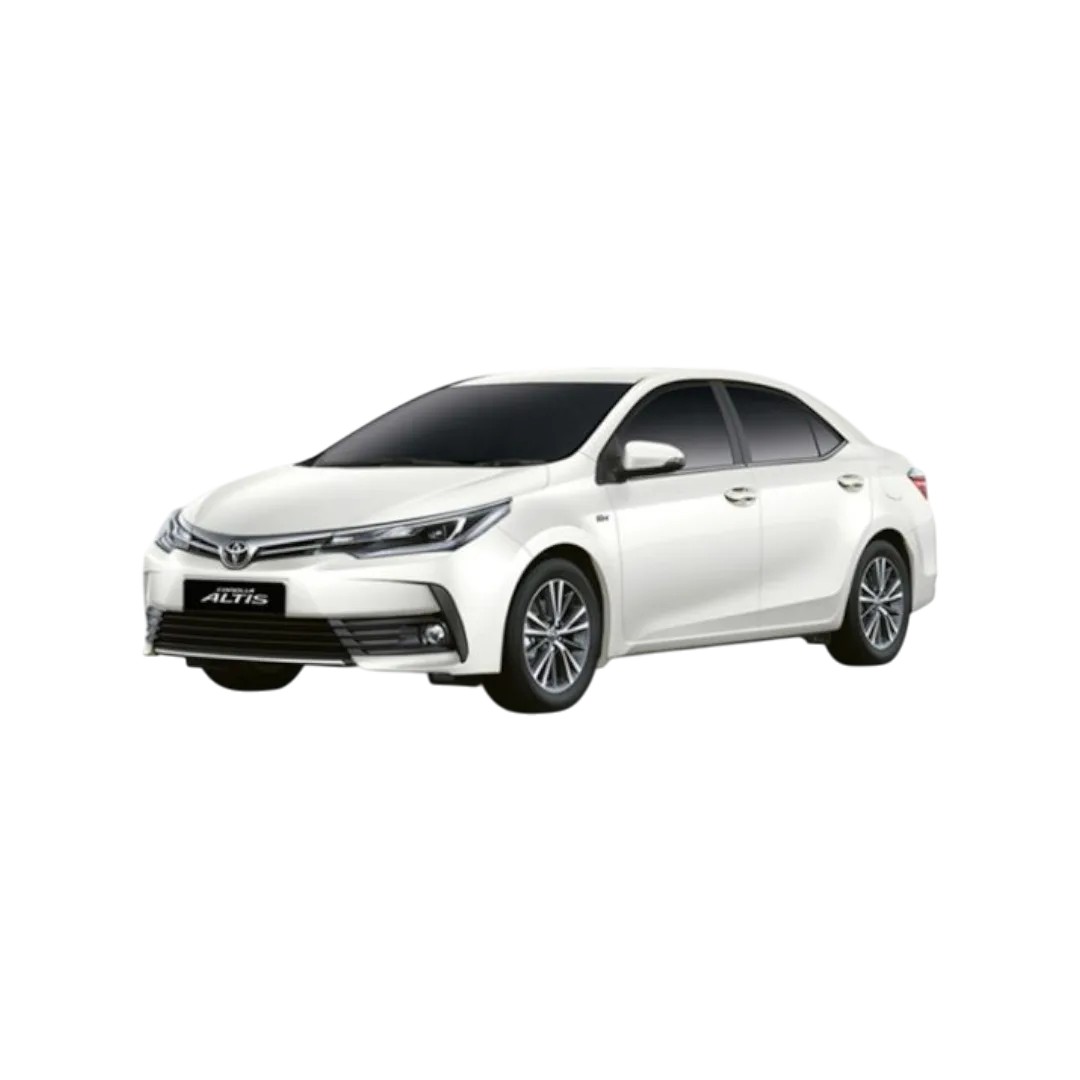 Corolla
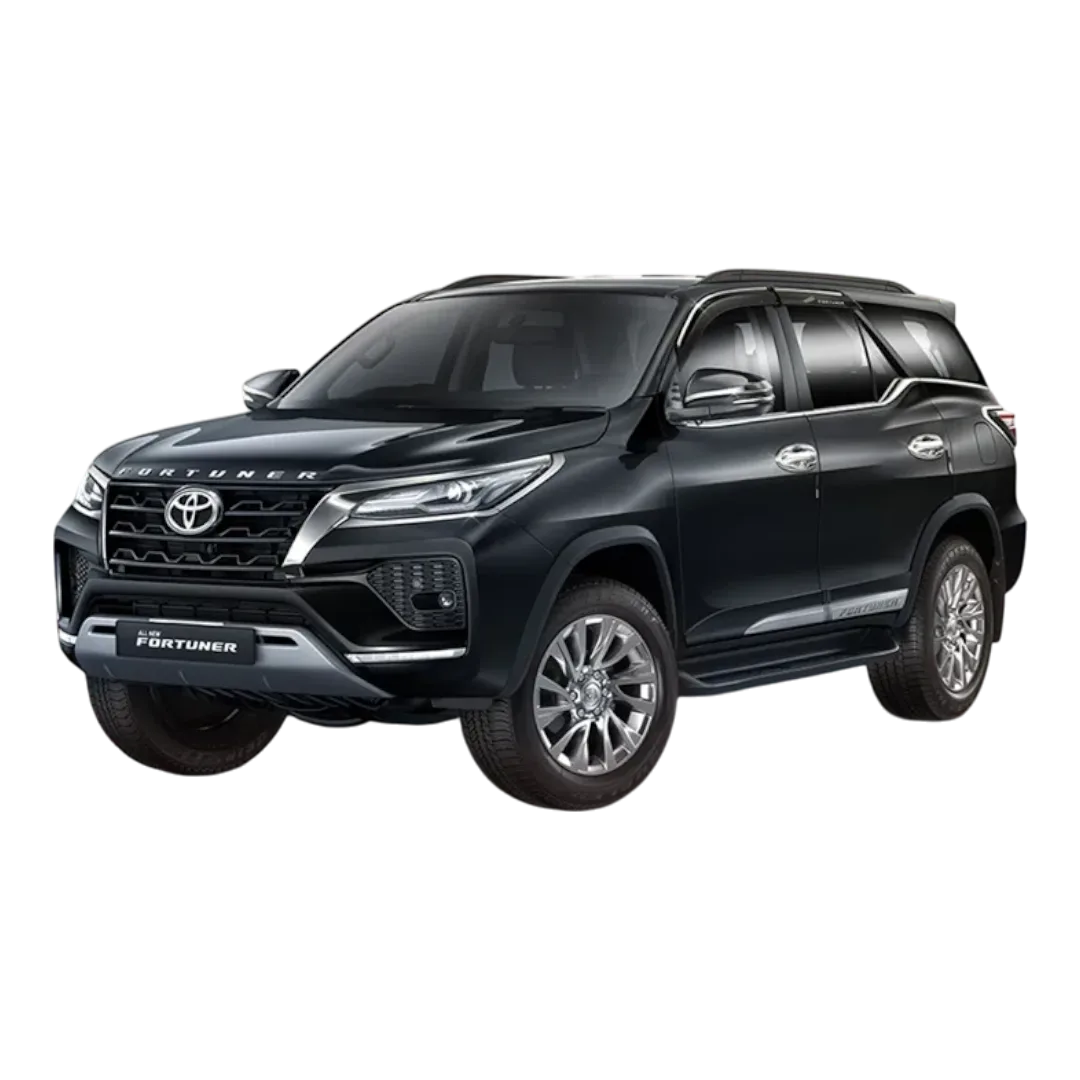 Fortuner
 Urban Cruiser Hyryder
 Innova Crysta
 Innova Hycross
 Hilux
Hilux
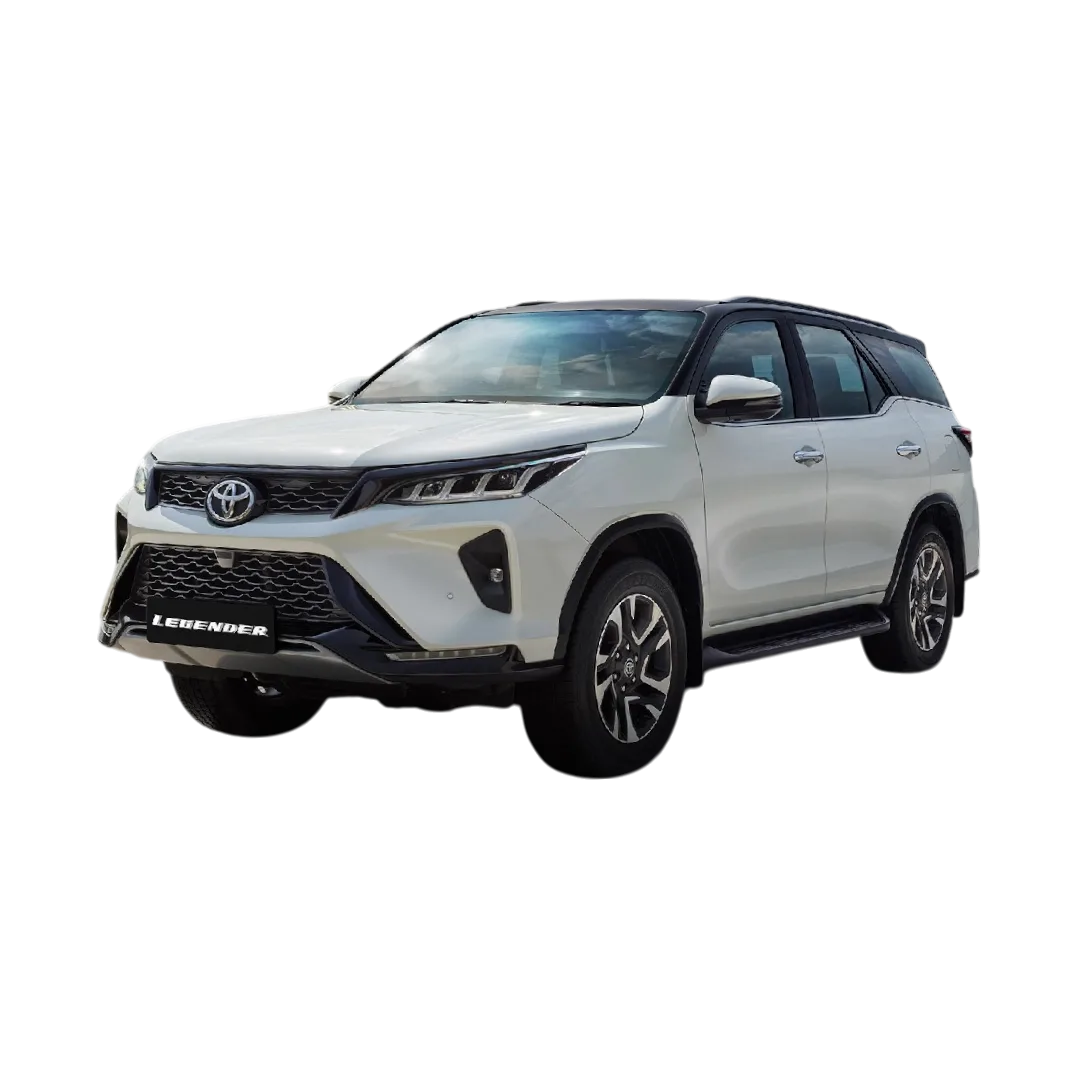 Fortuner Legender
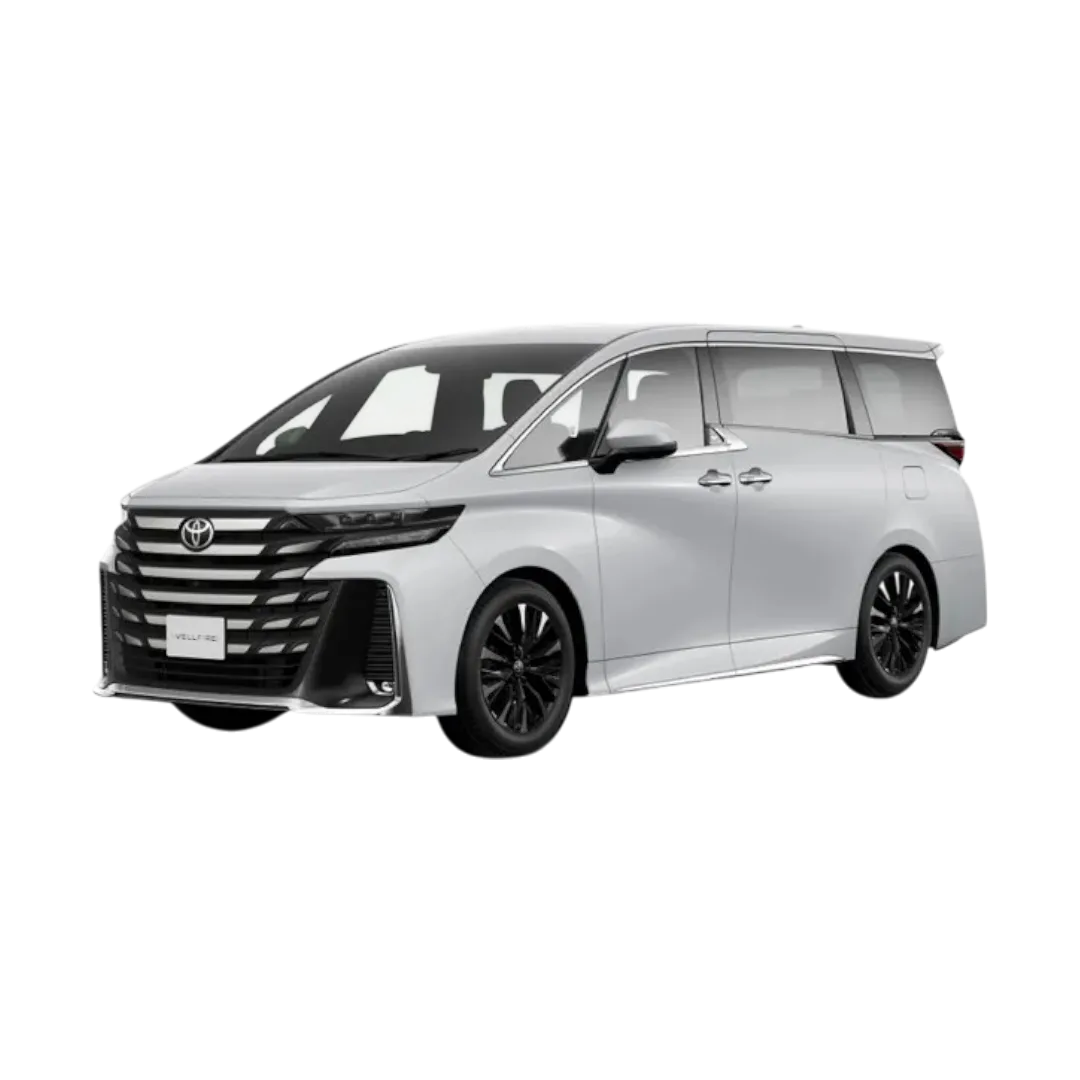 Vellfire
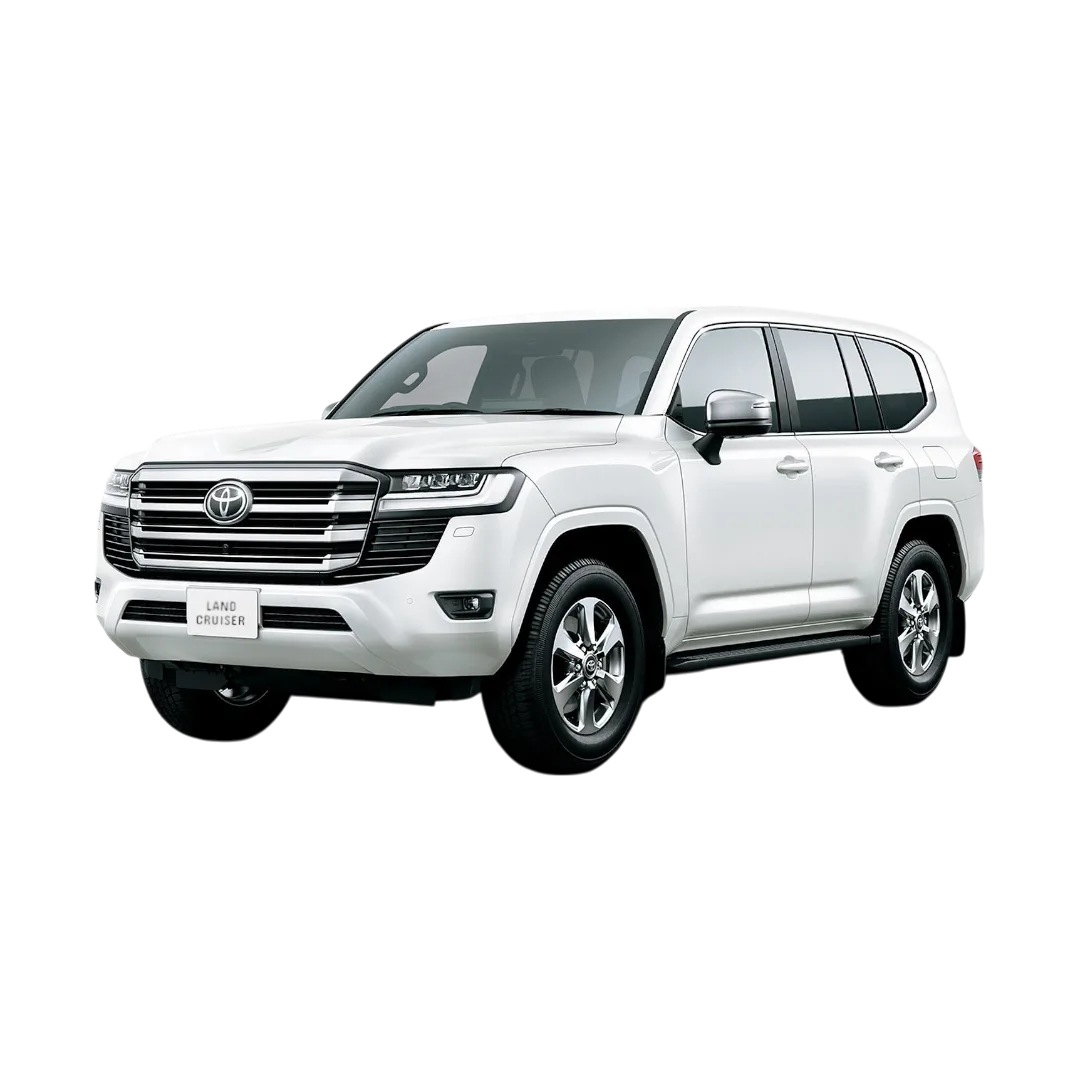 Land Cruiser
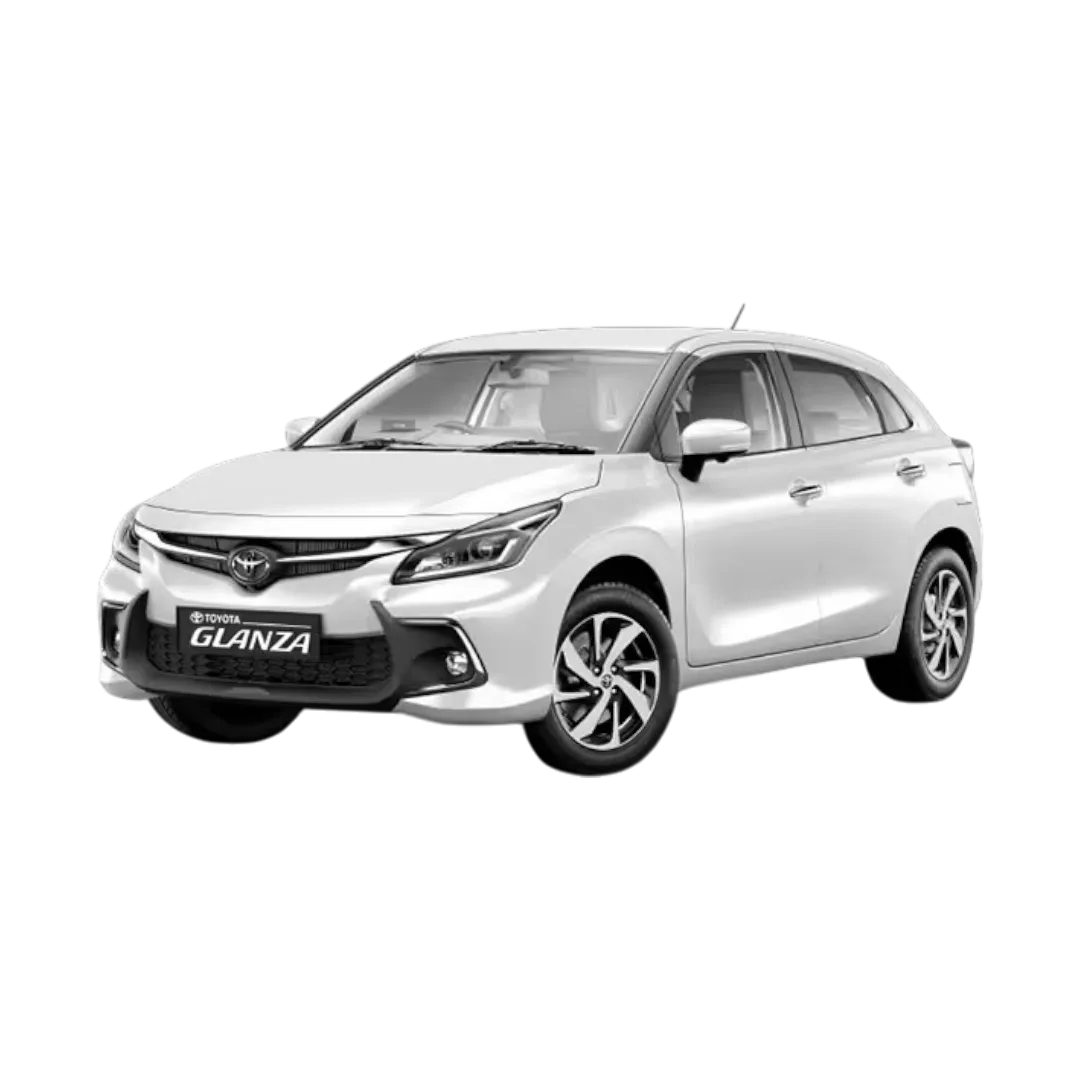 Glanza
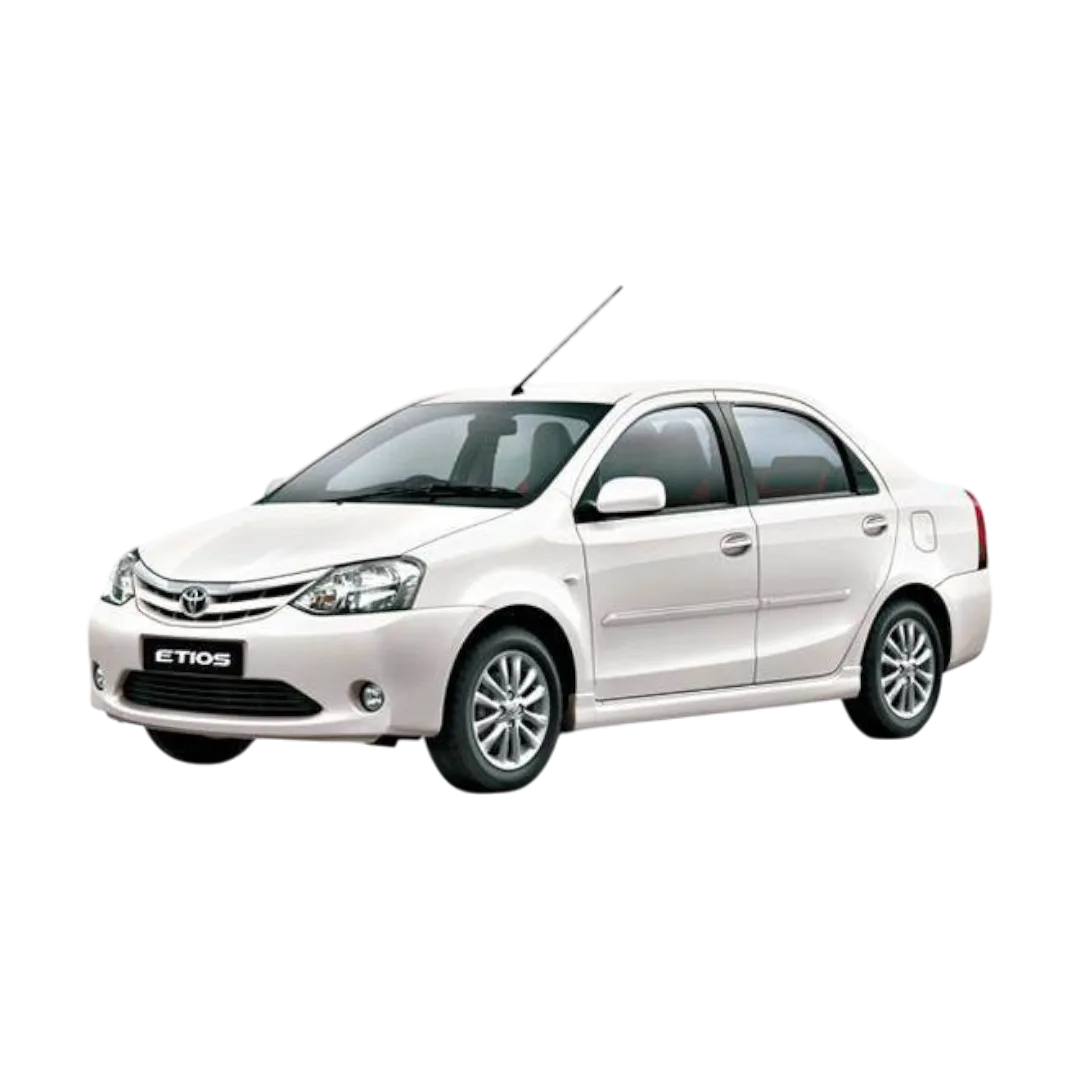 Etios
Etios
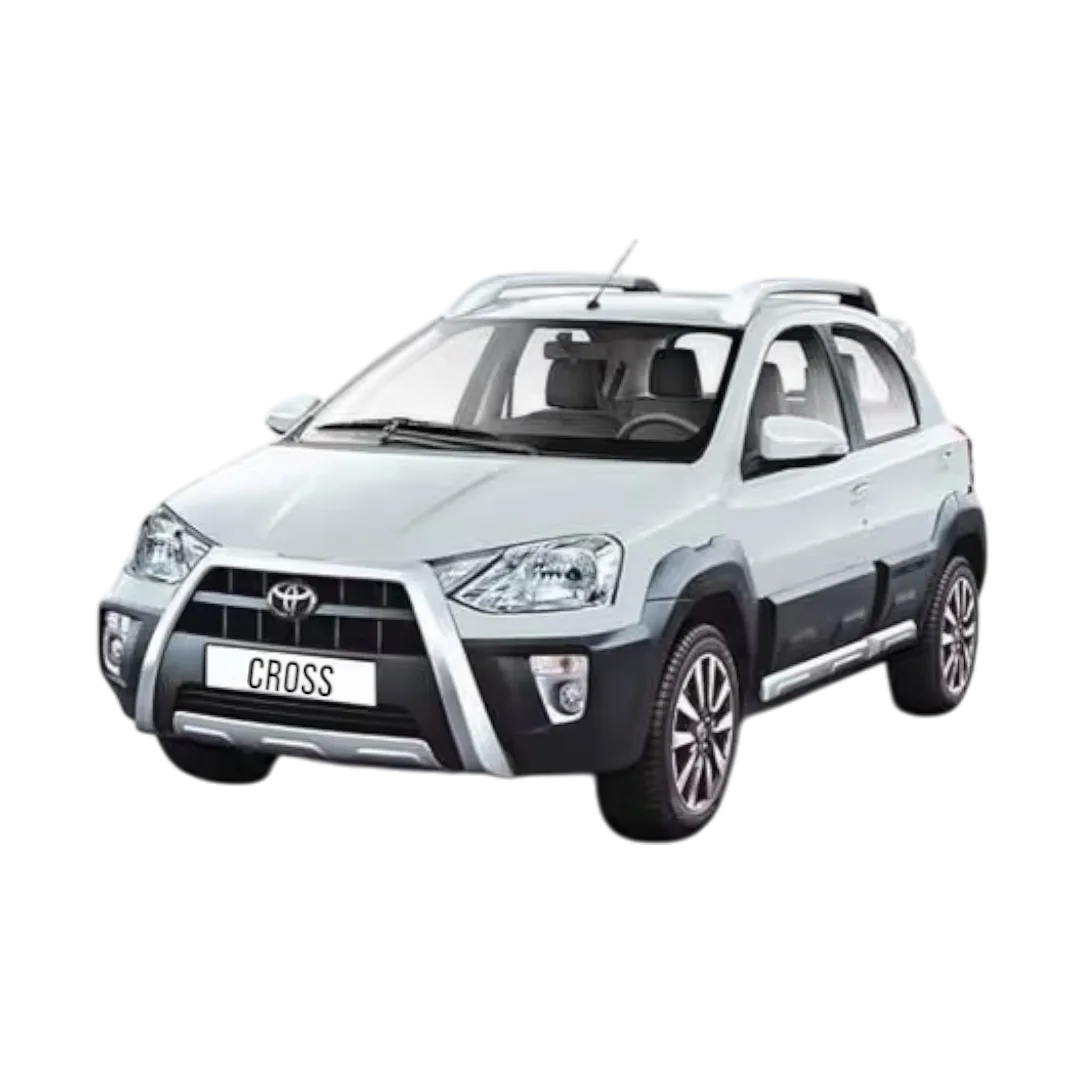 Etios cross
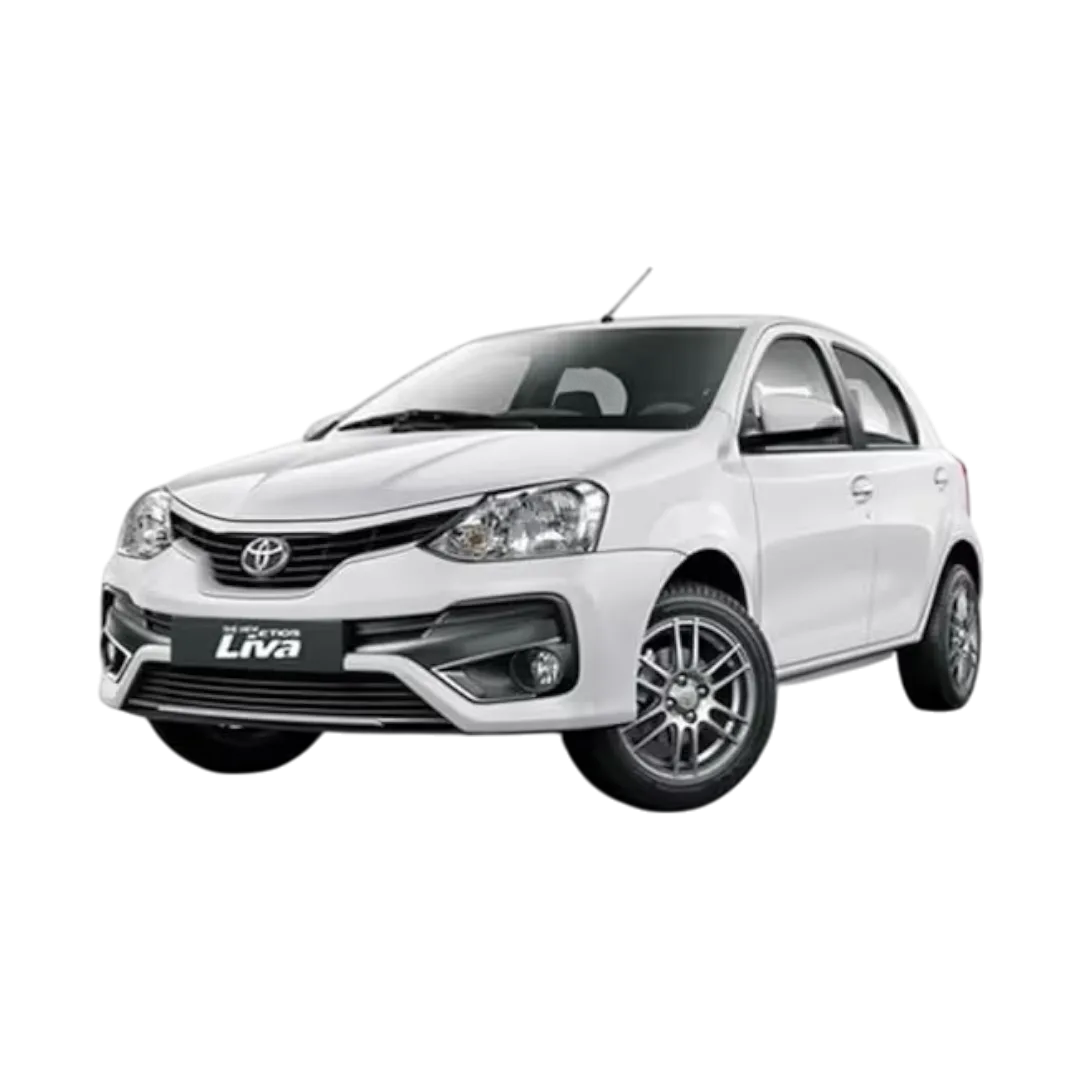 Etios Liva
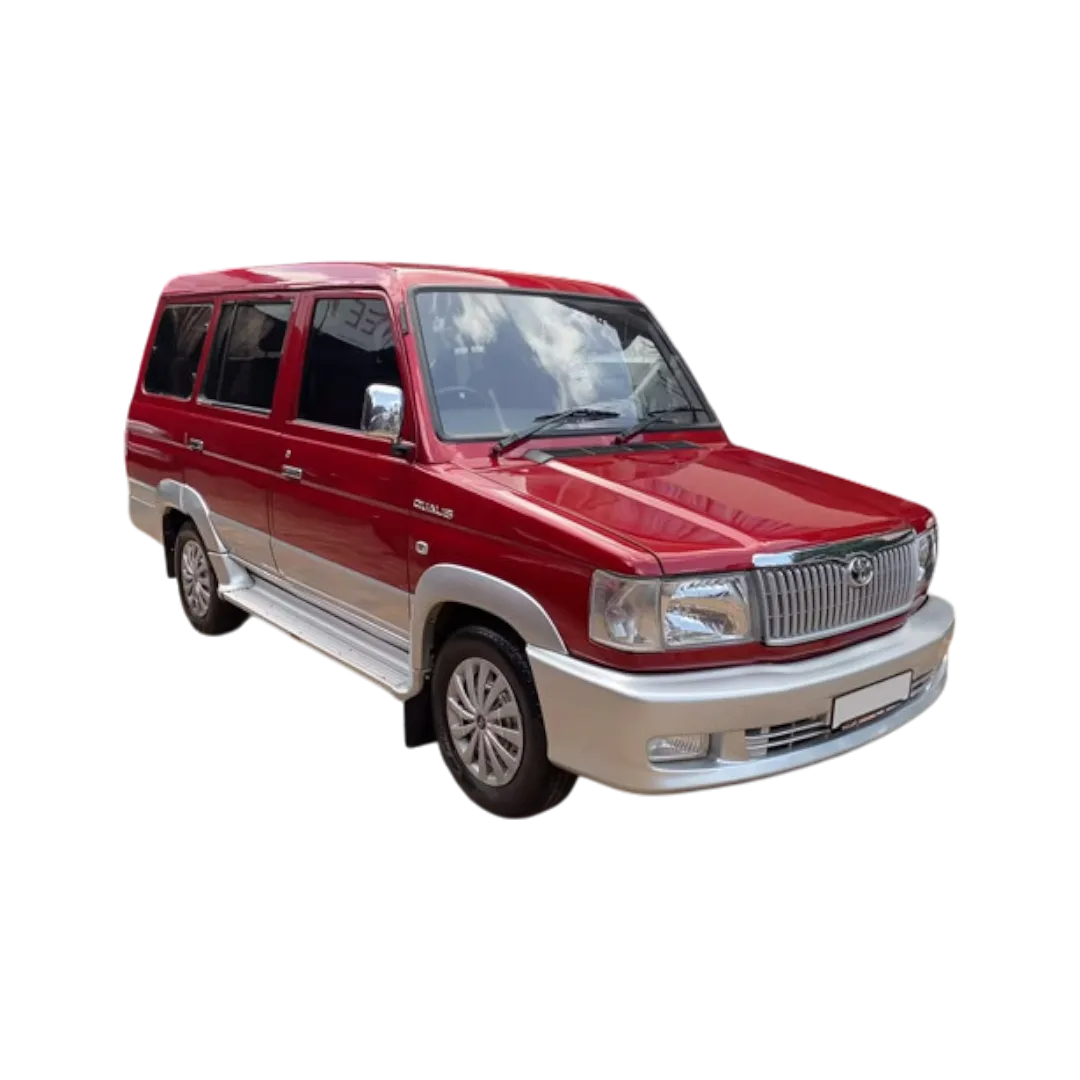 Qualis
 Innova
 Rumion
Taisor
Corolla Altis
Hyryder
Rumion
Taisor
Corolla Altis
Hyryder
 Bolero
 Marazzo
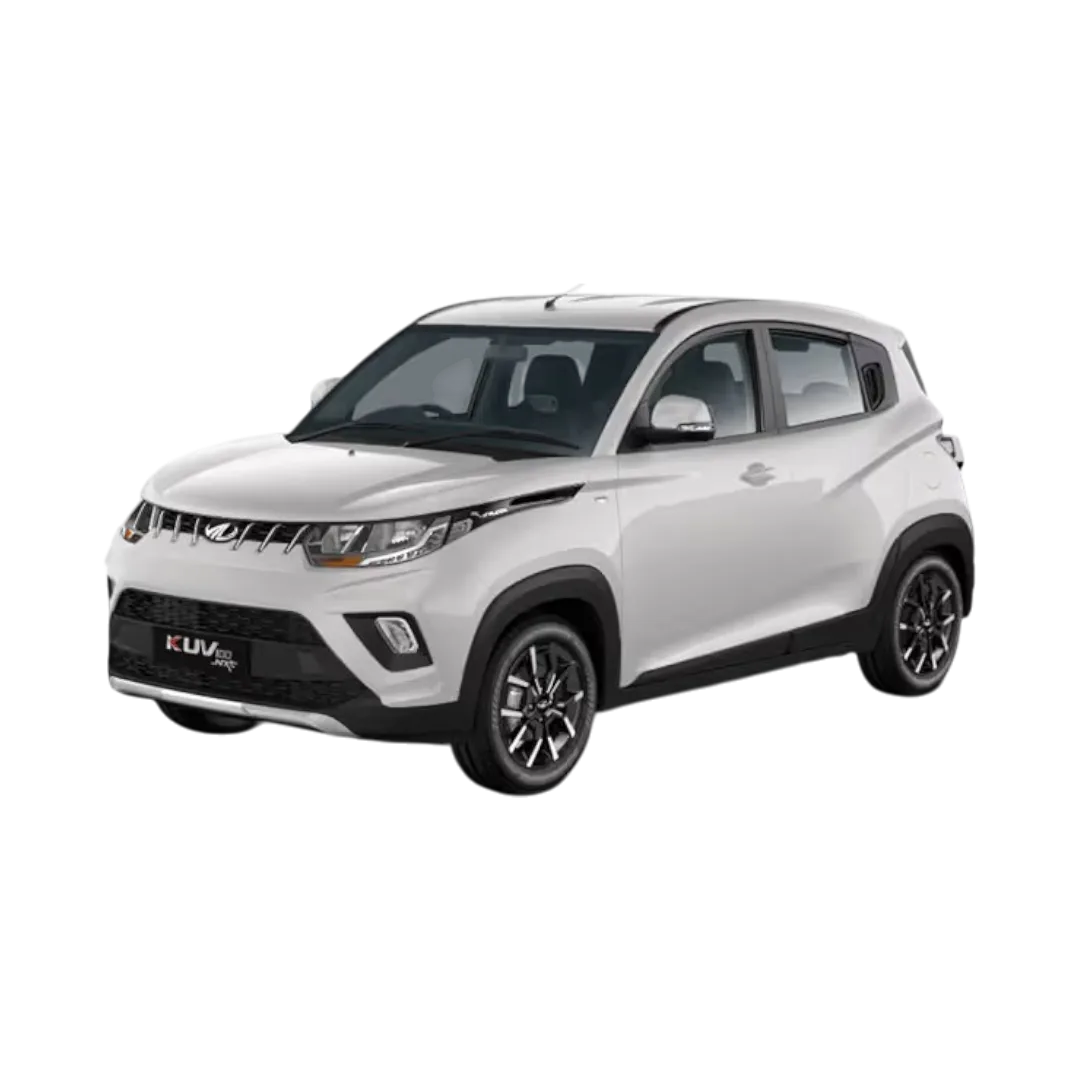 KUV100 NXT
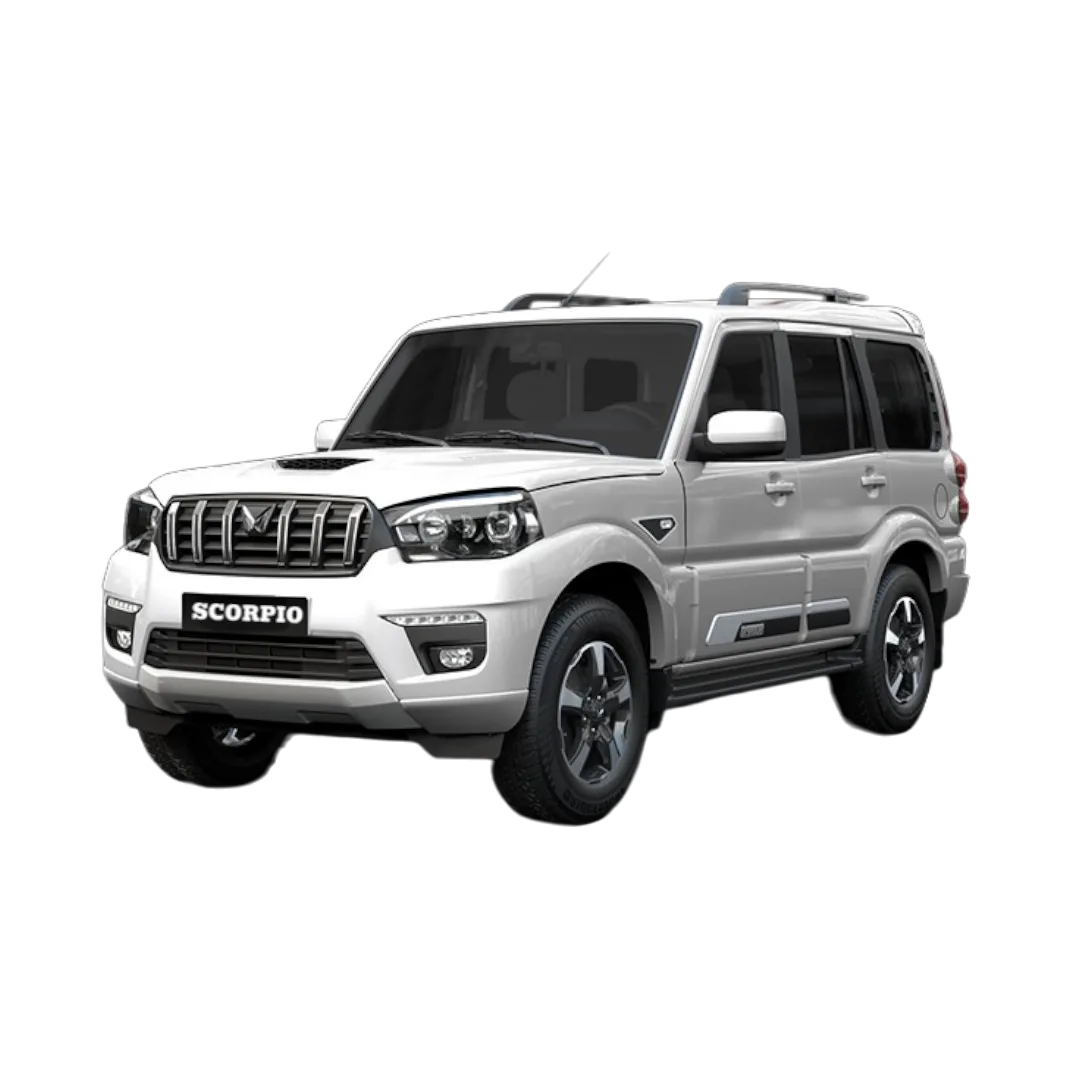 Scorpio
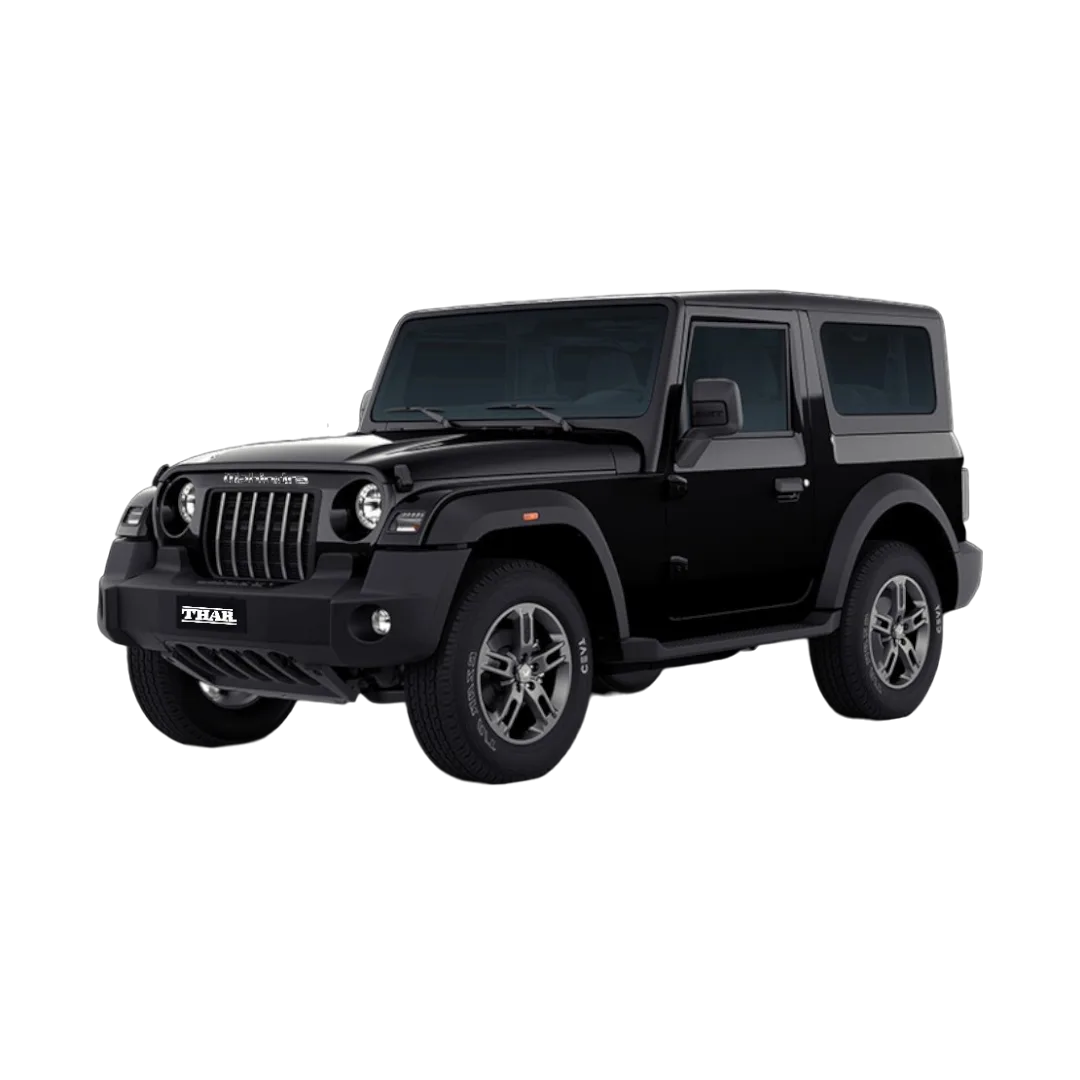 Thar
Thar
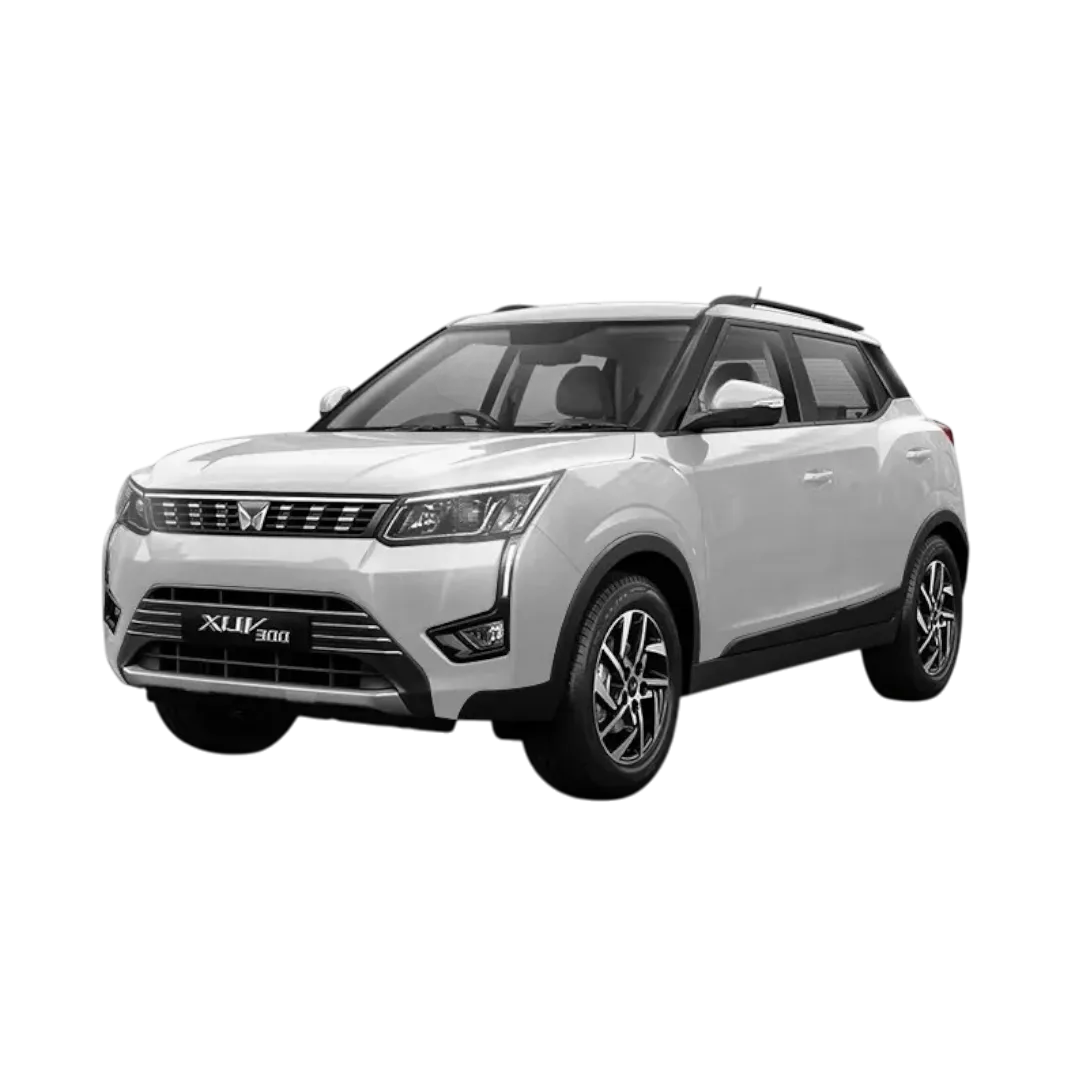 XUV 300
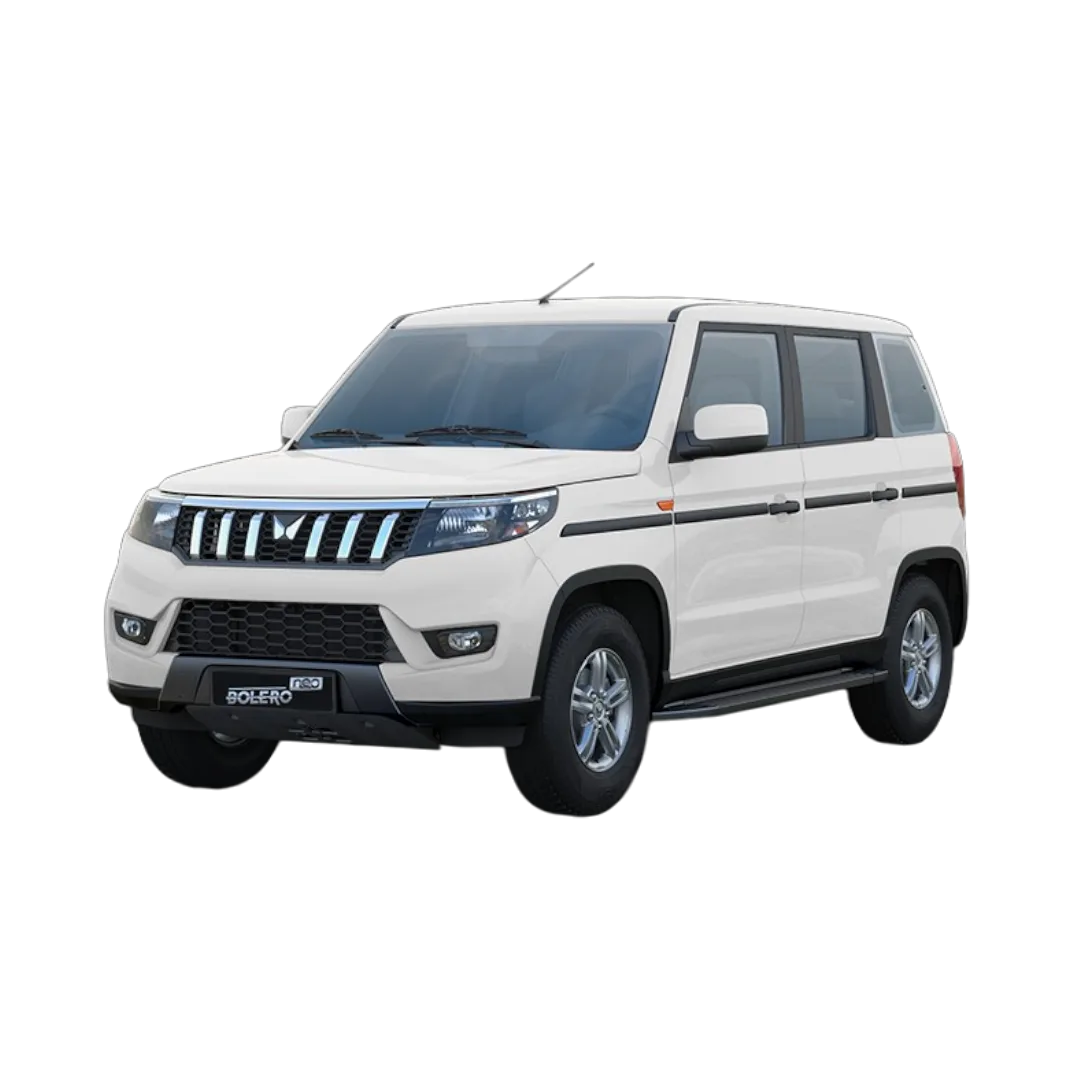 Bolero Neo
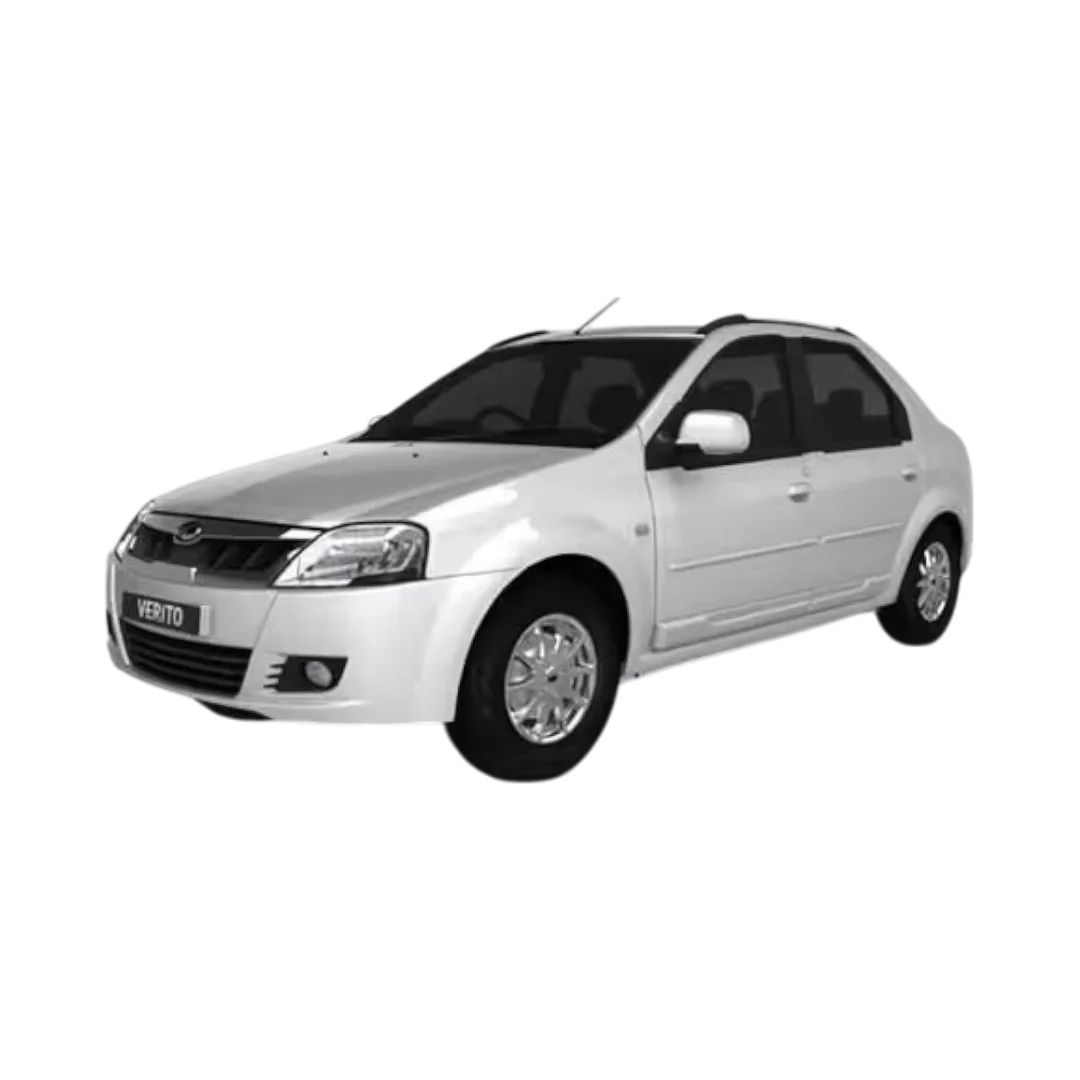 Verito
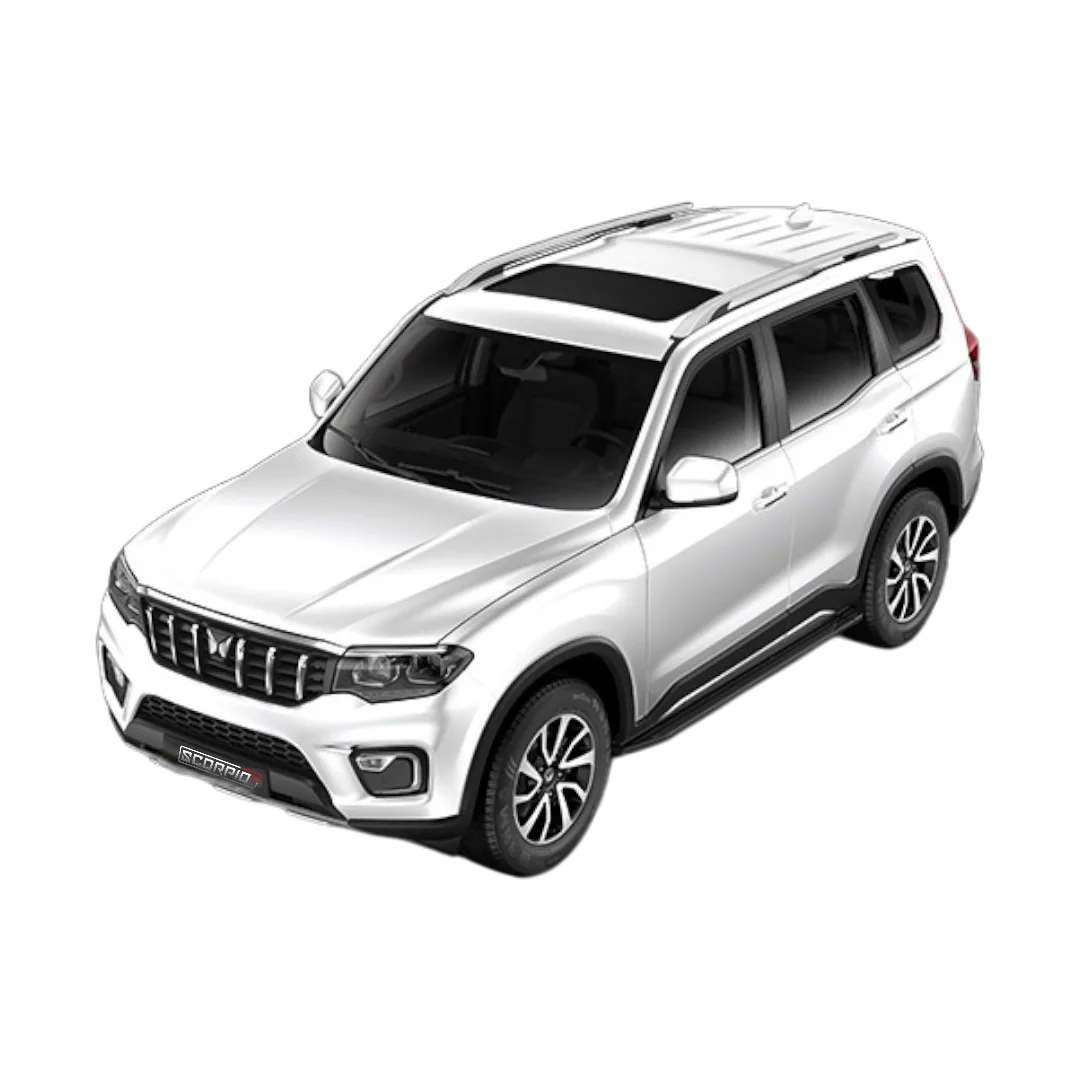 Scorpio-N
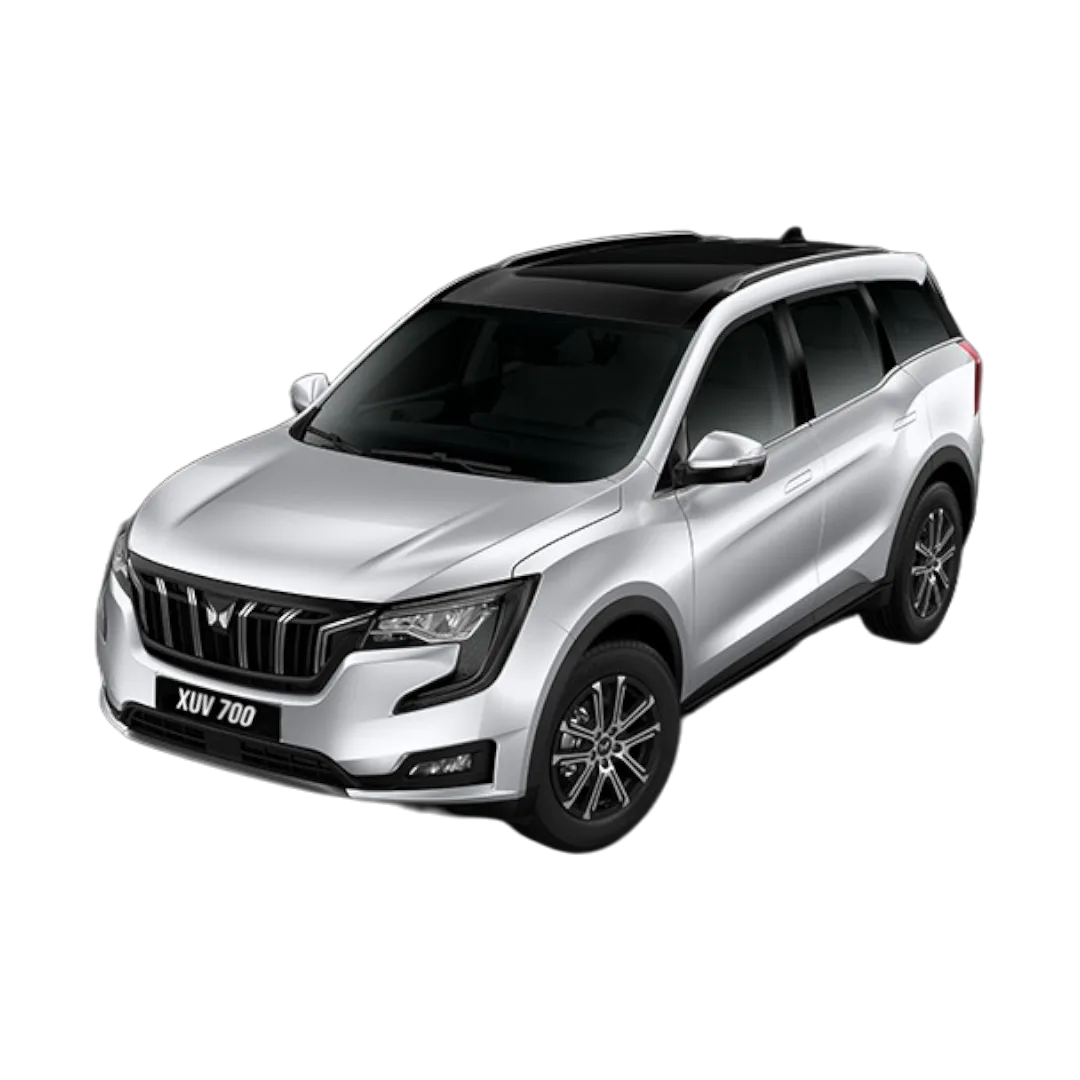 XUV 700
 Scorpio Classic
 XUV400
 Alturas
 Xylo
Xylo
 Quanto
 Logan
Logan
 XUV 500
 TUV 300
 XUV 3XO
 KUV 100
NuvoSport
XEV 9e
BE 6
Thar Roxx
E-Verito
XUV 7XO
TUV 100
BE6
Bolero Camper
Verito Vibe
XUV 400
KUV 100
NuvoSport
XEV 9e
BE 6
Thar Roxx
E-Verito
XUV 7XO
TUV 100
BE6
Bolero Camper
Verito Vibe
XUV 400
 Audi Q5
 Audi A4
 Audi Q7
 Audi Q3
 Audi A6
 Audi RS5
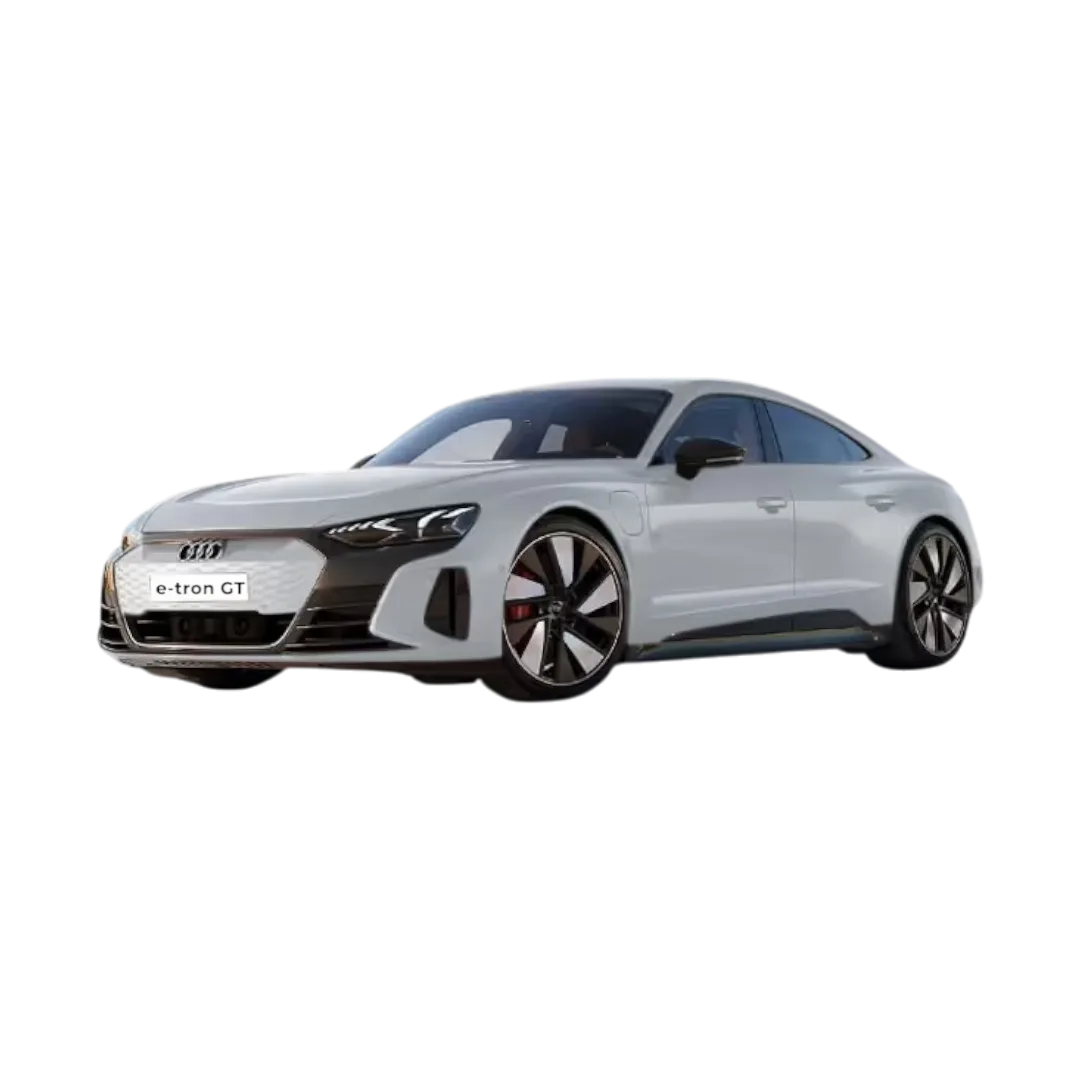 E-Tron GT
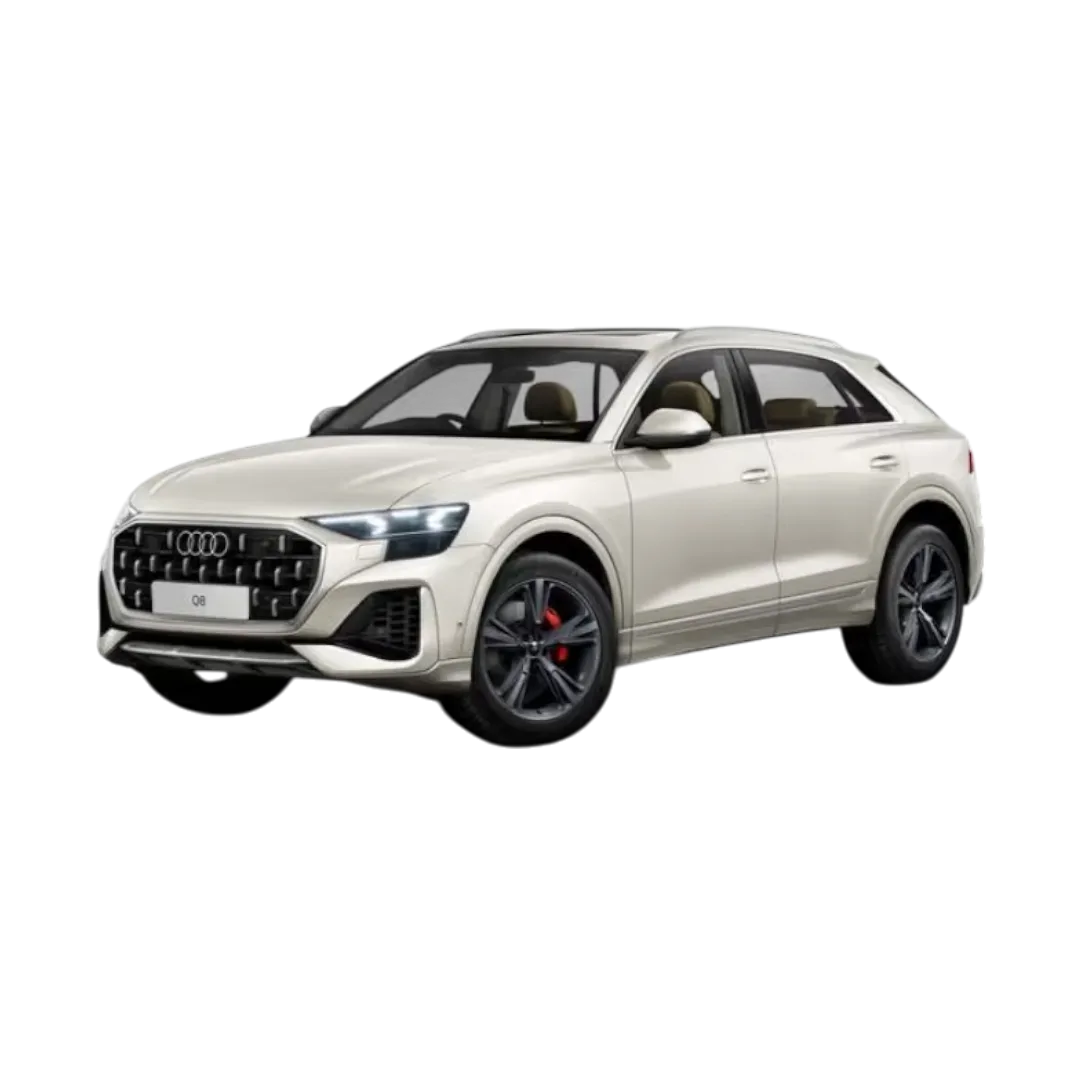 Audi Q8
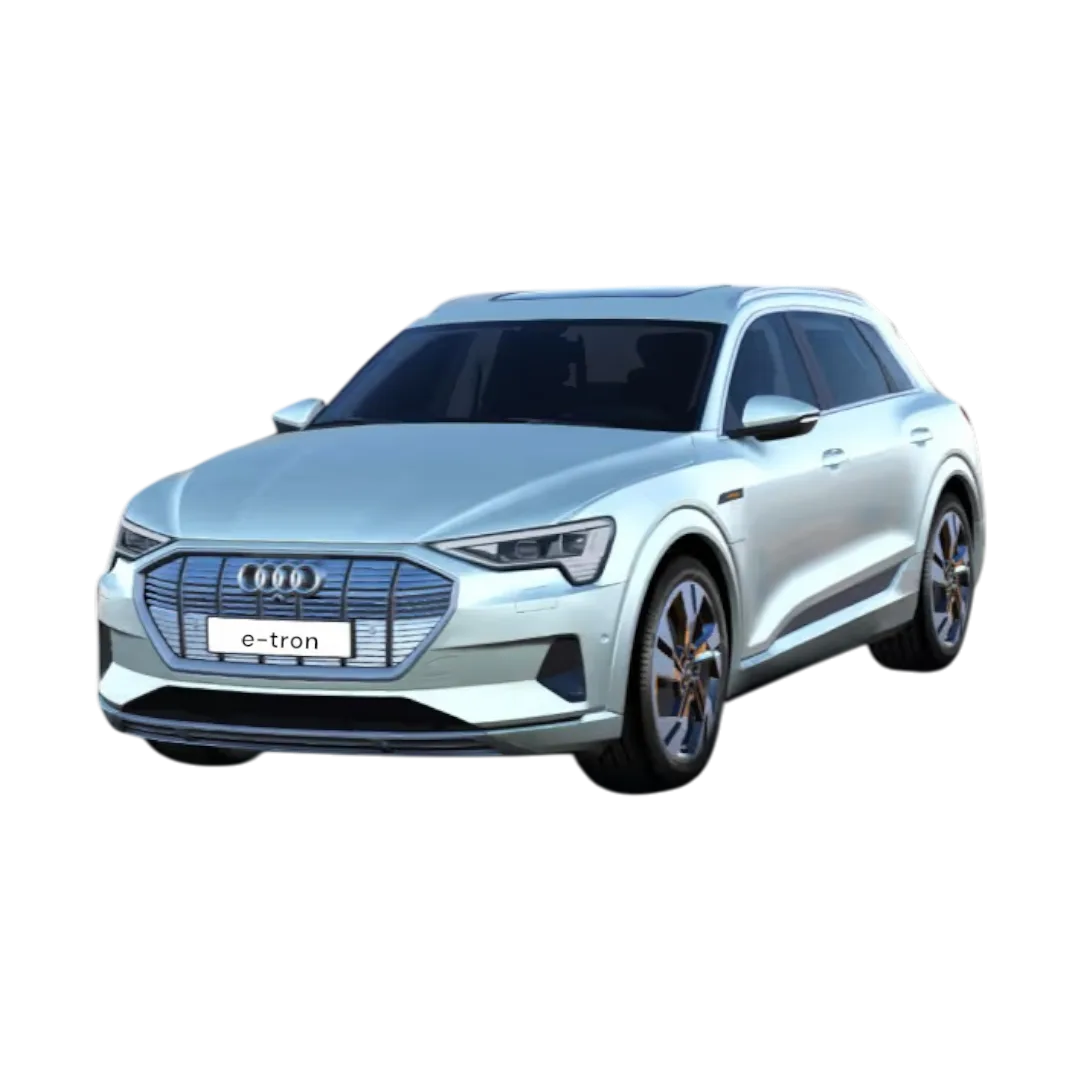 E-Tron
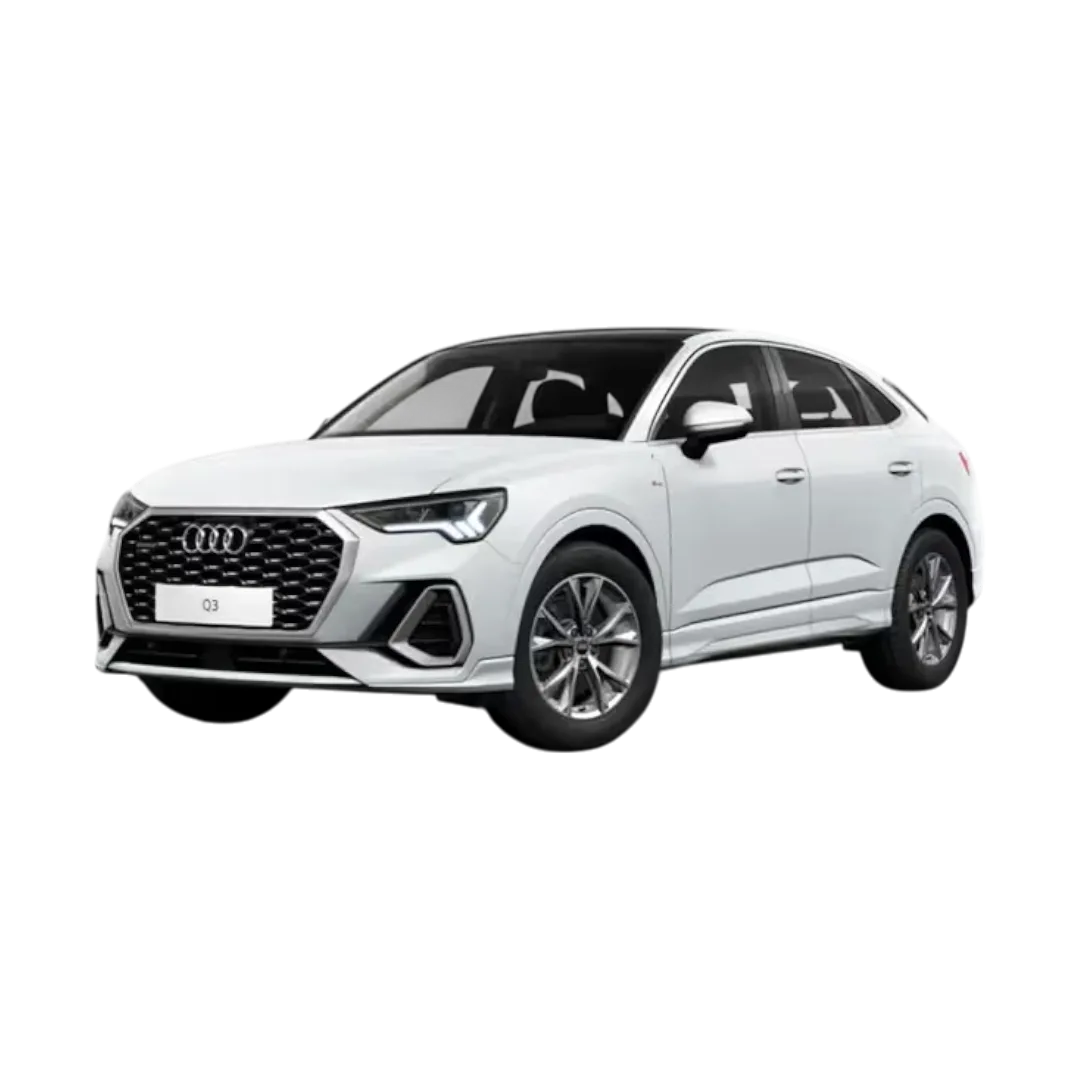 Q3 Sportback
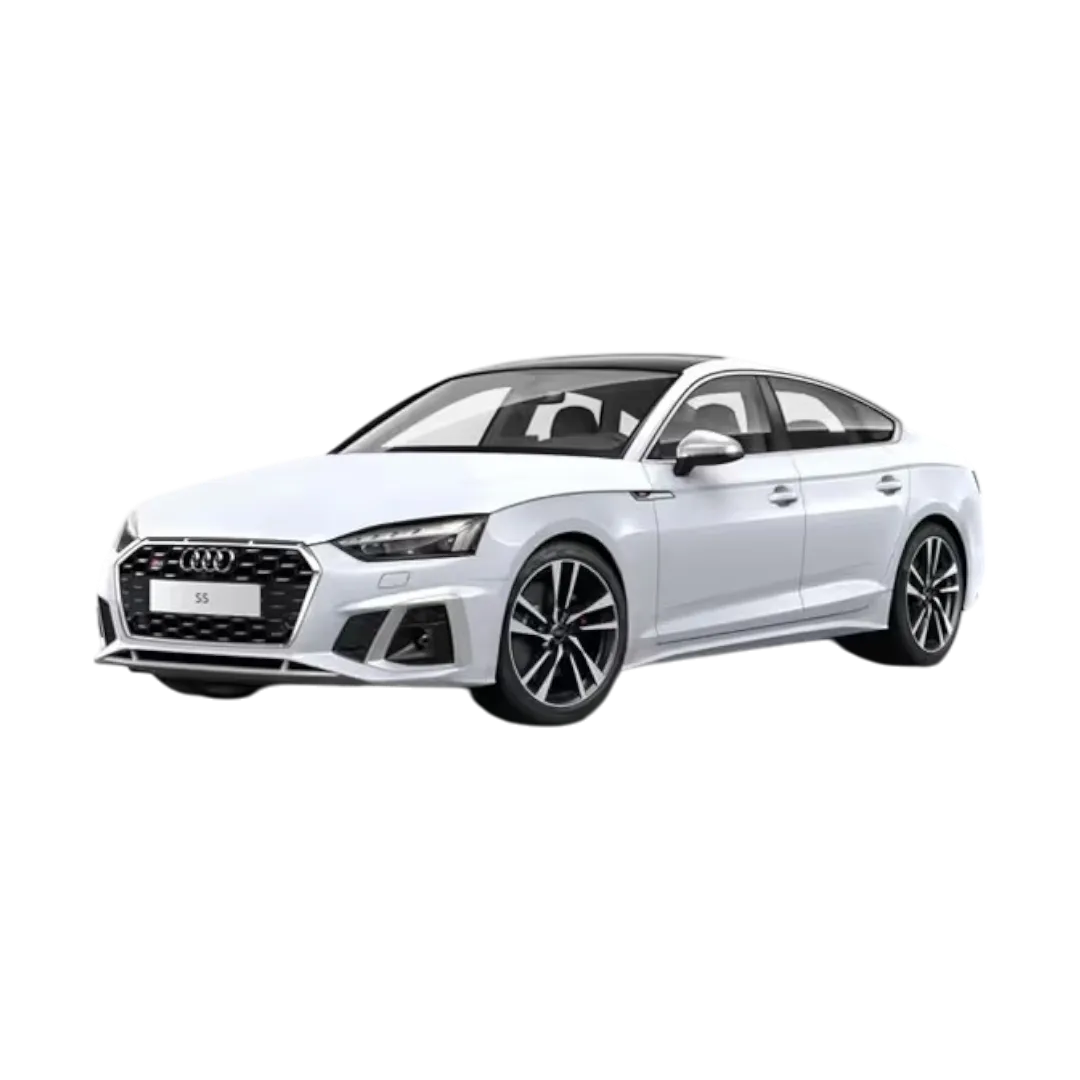 Audi S5 Sportback
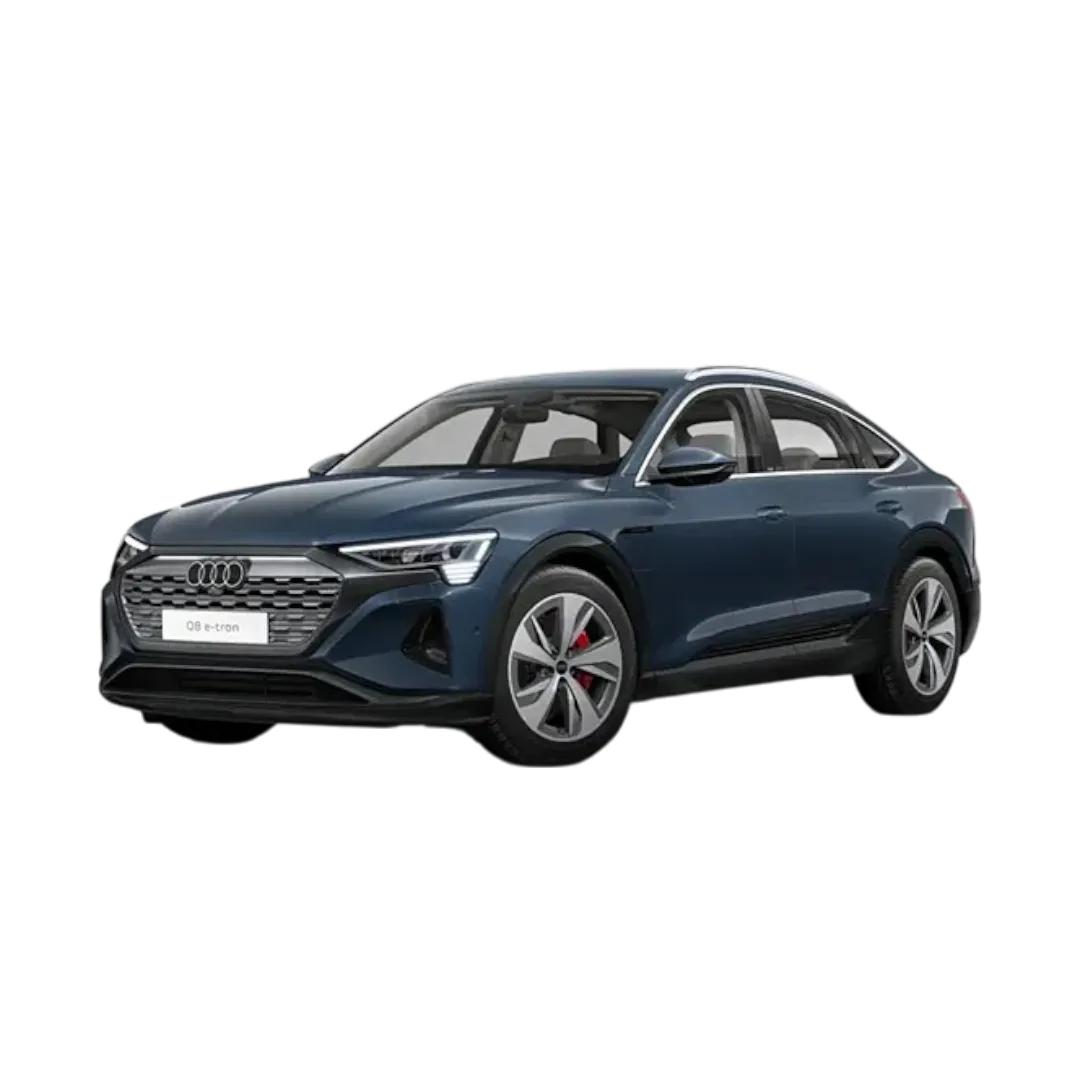 Q8 E-Tron
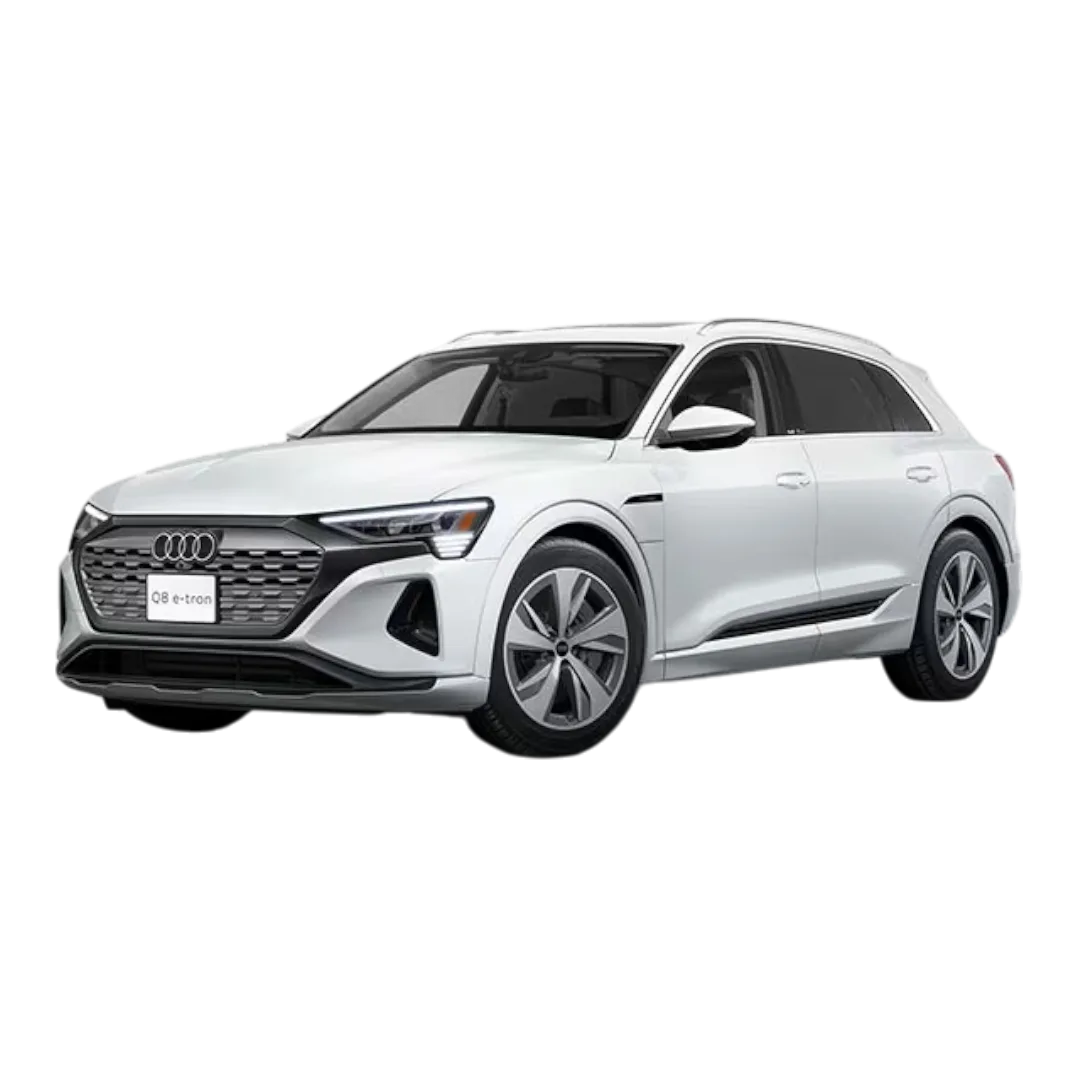 Q8 E-Tron Sportback
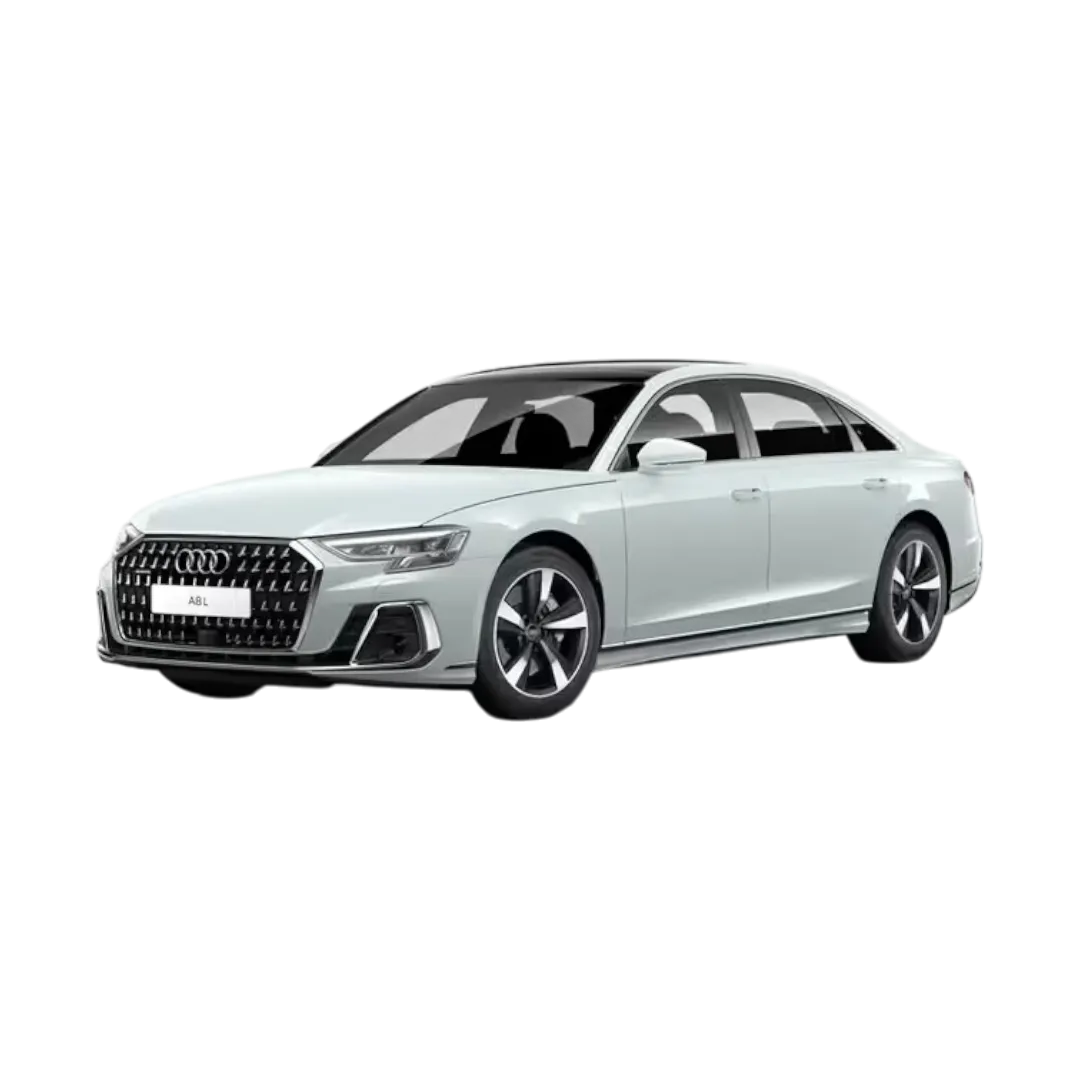 Audi A8L
 Audi RS Q8
 Audi A3
 BMW X7
 BMW X1
 BMW X5
 BMW XM
 BMW Z4
 3 Series
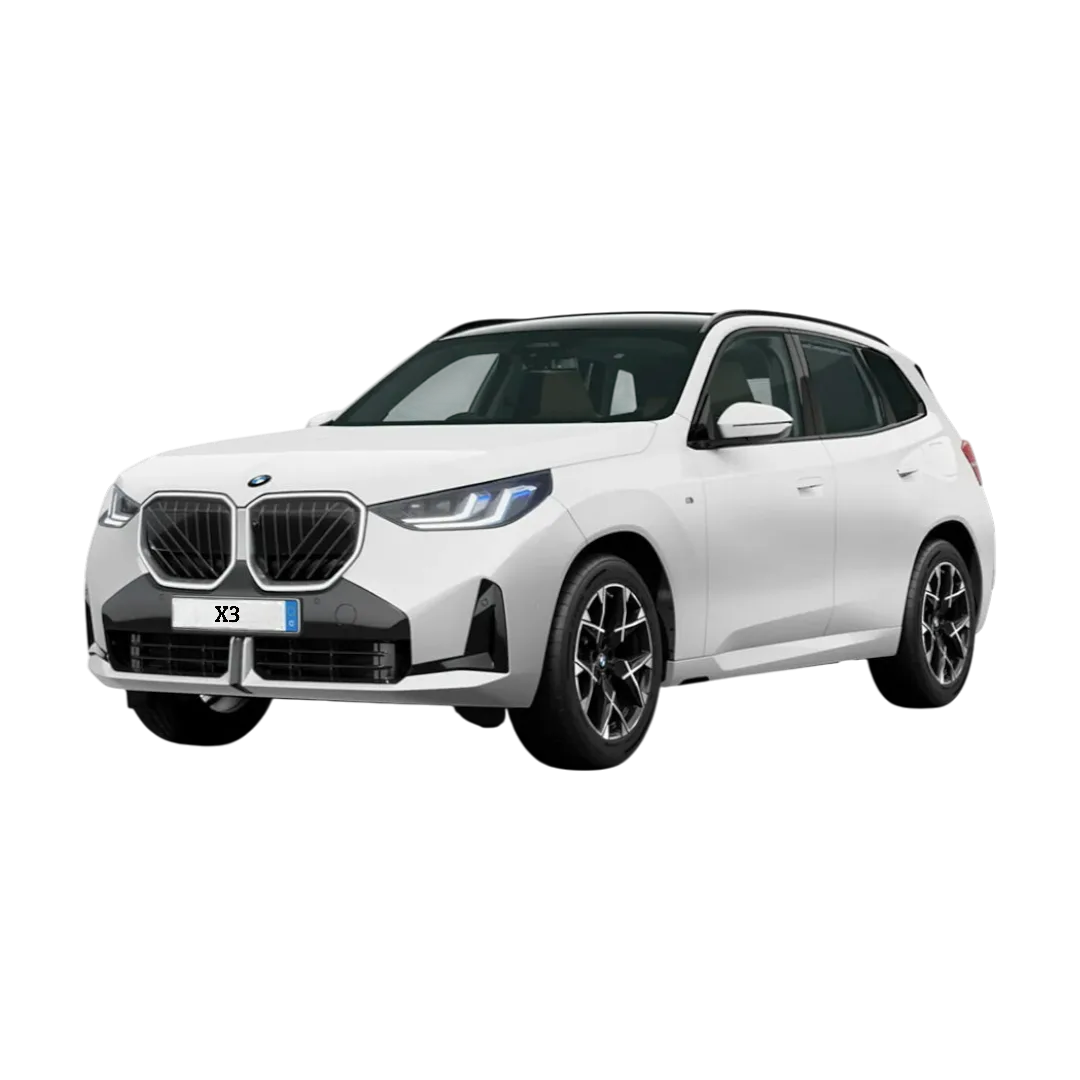 BMW X3
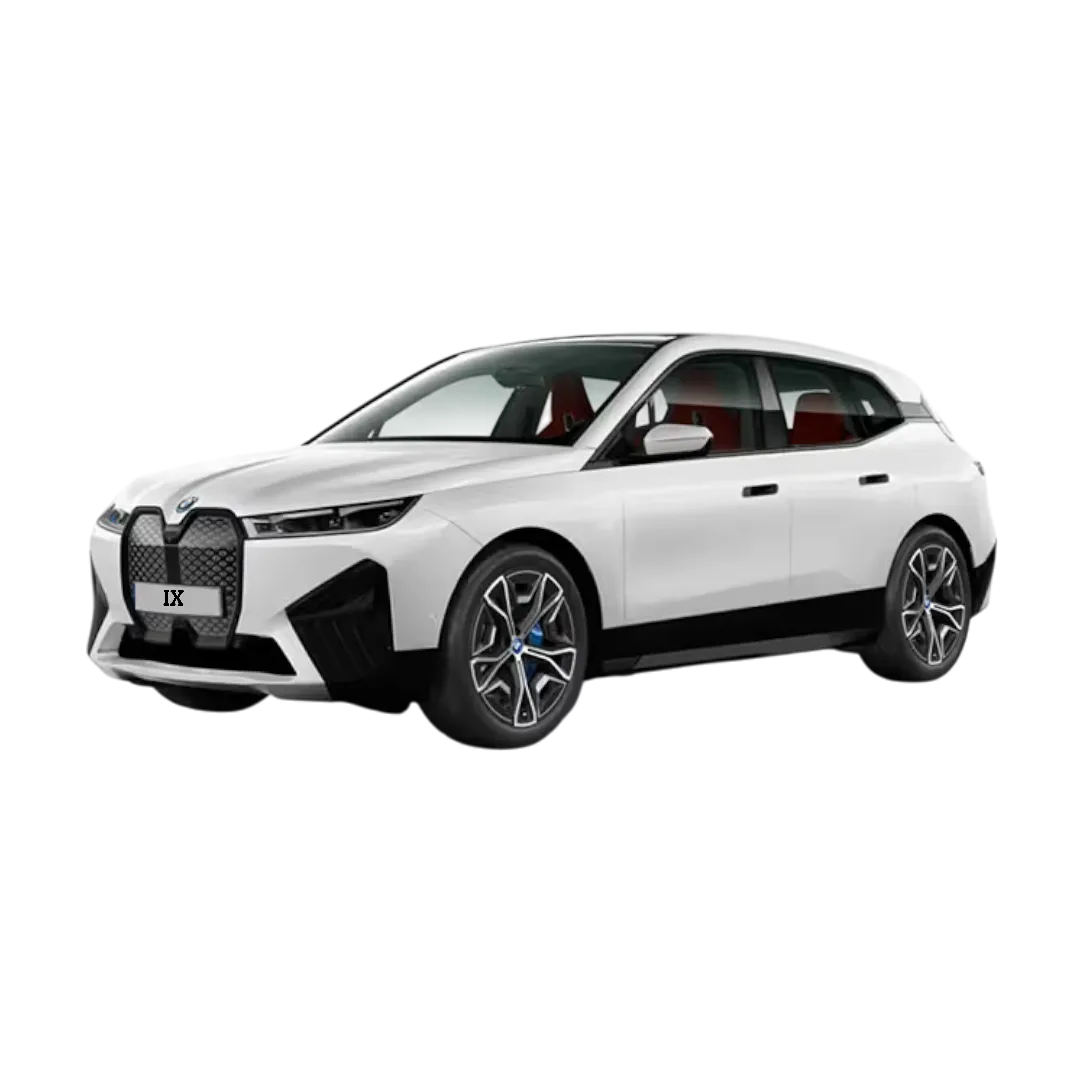 BMW iX
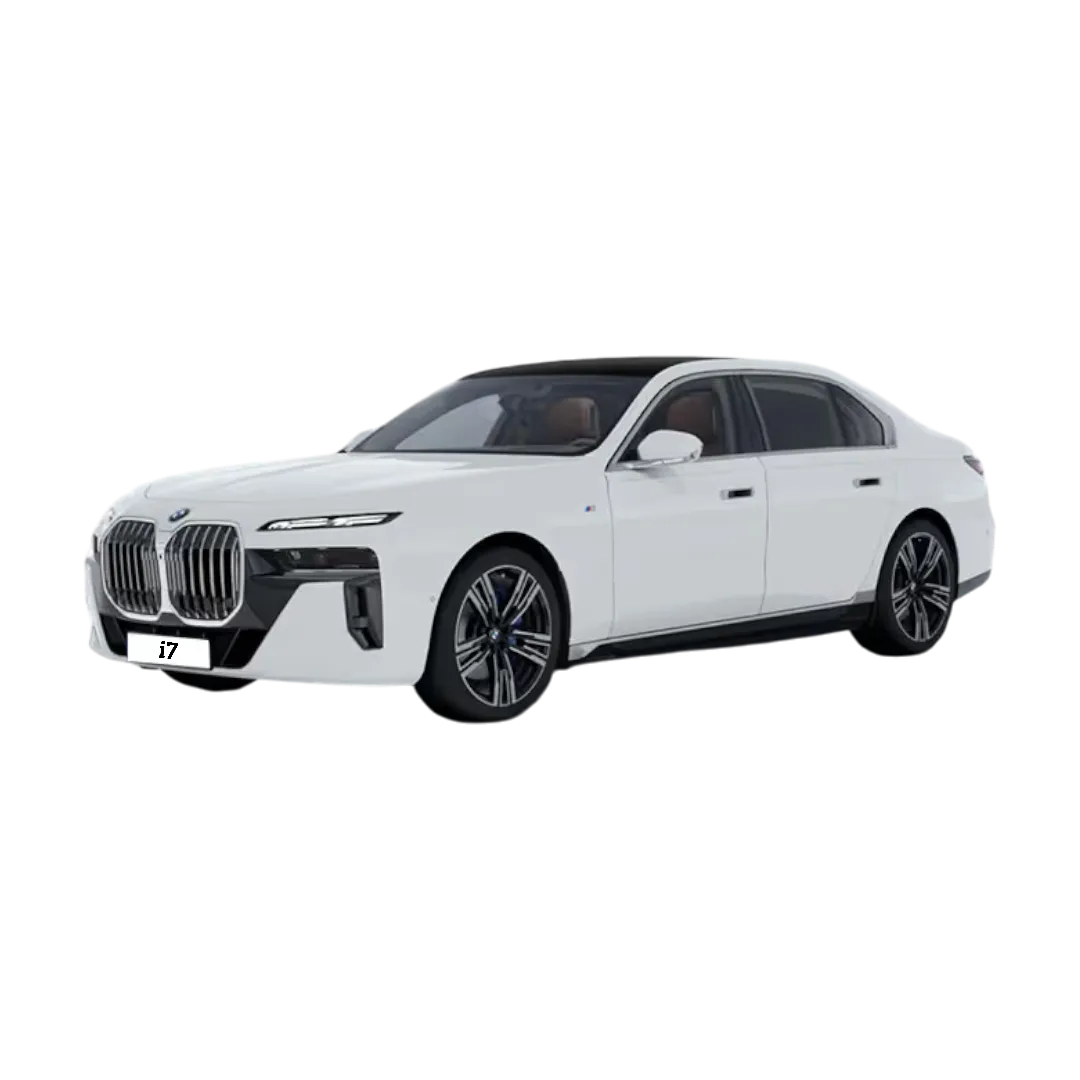 BMW i7
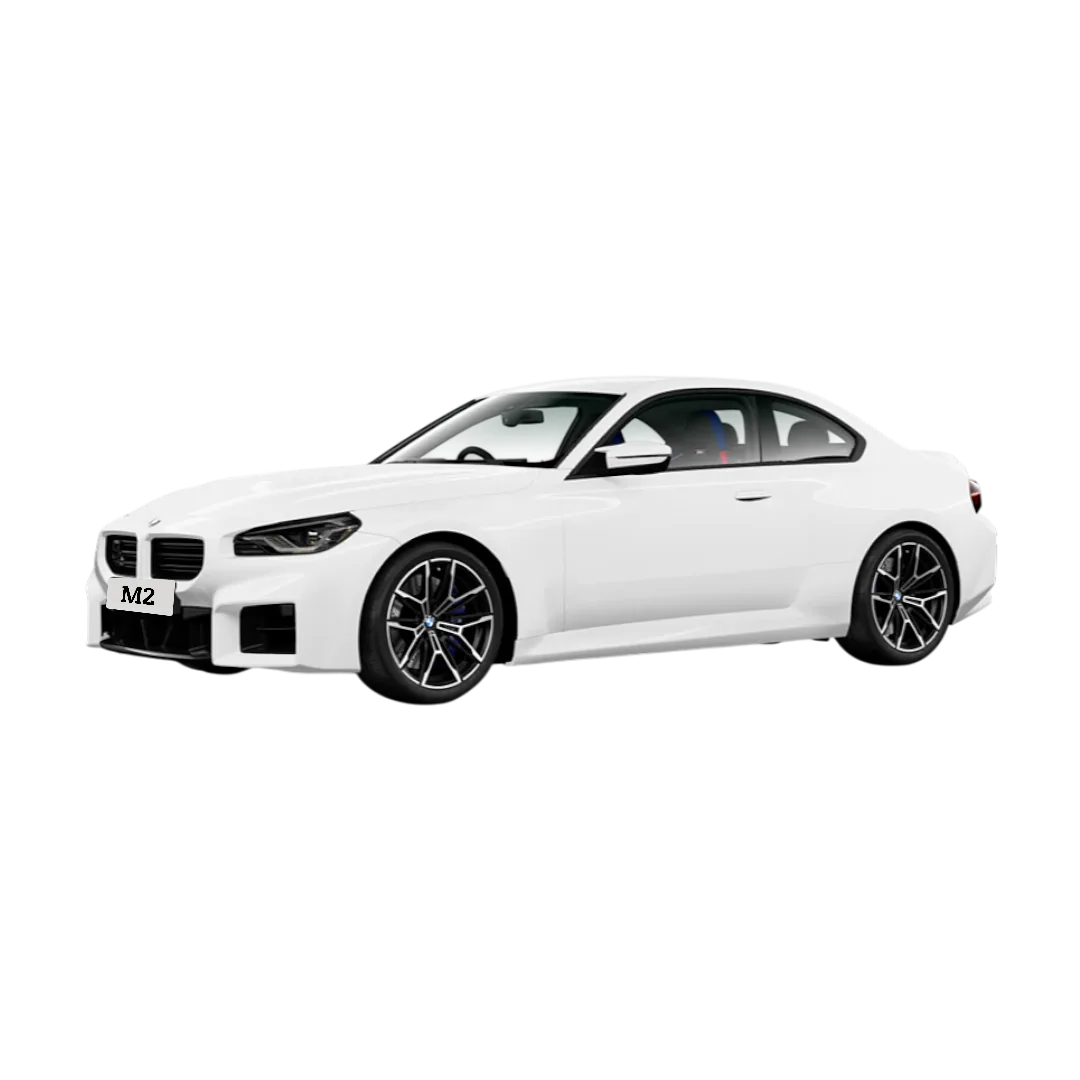 BMW M2
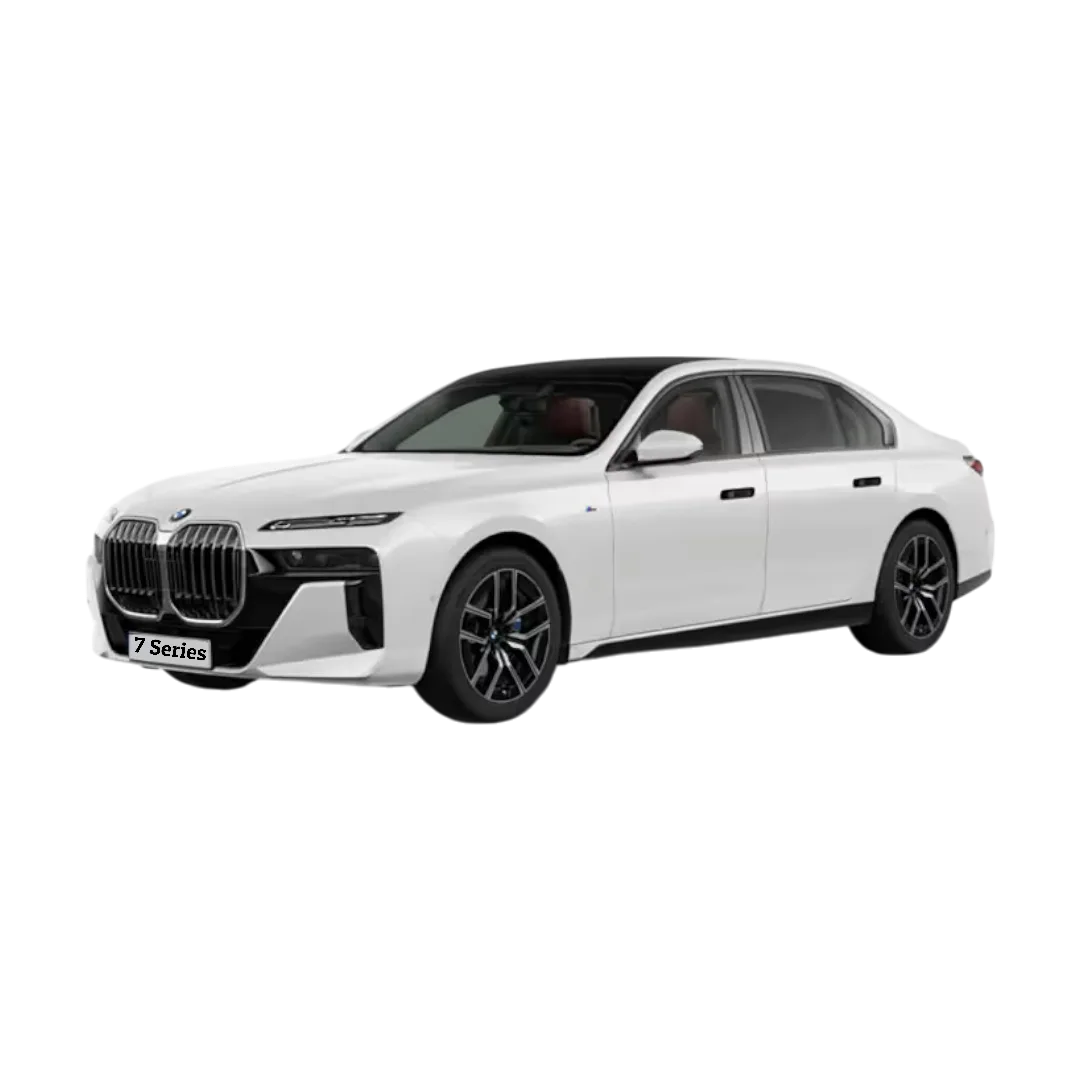 7 Series
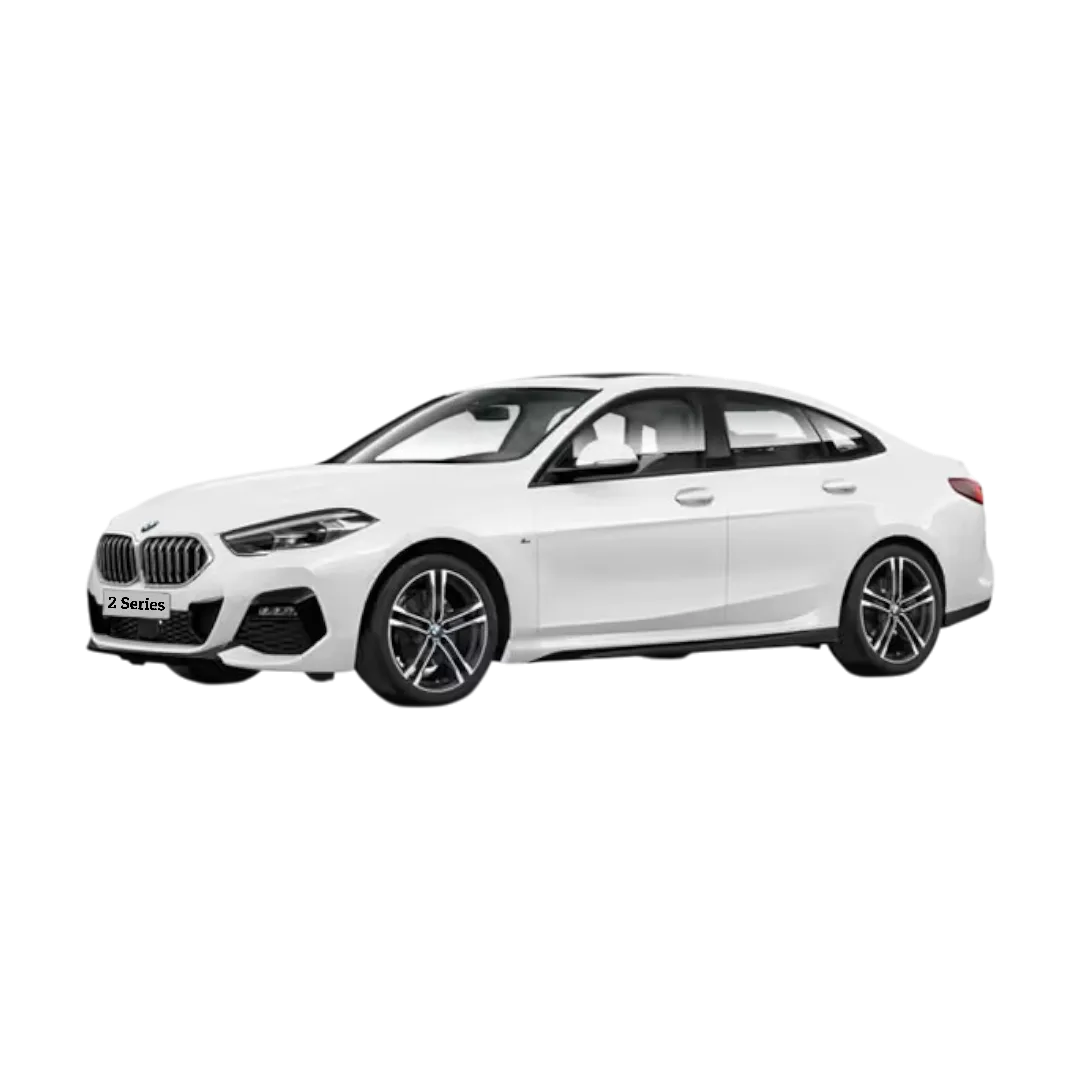 2 Series
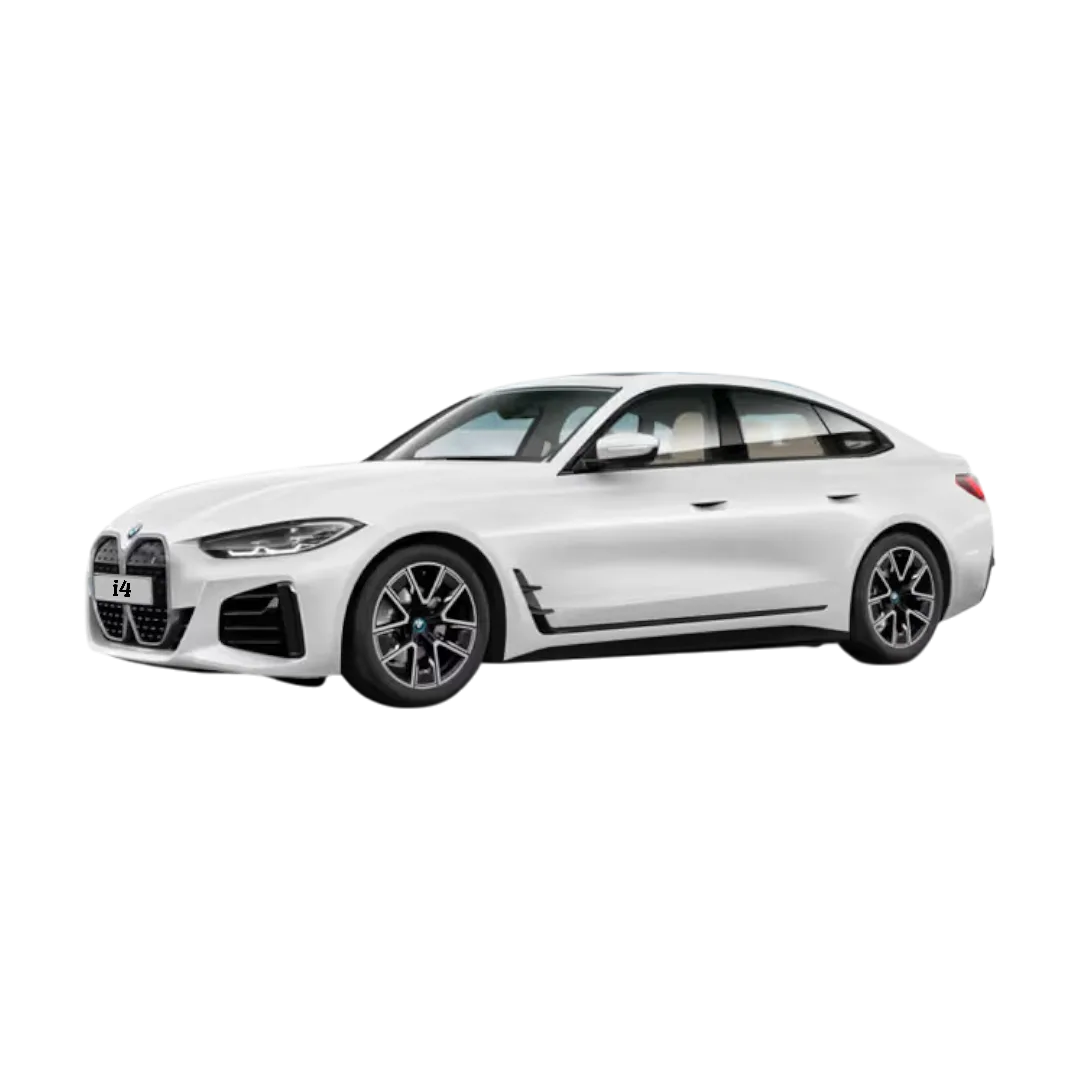 BMW i4
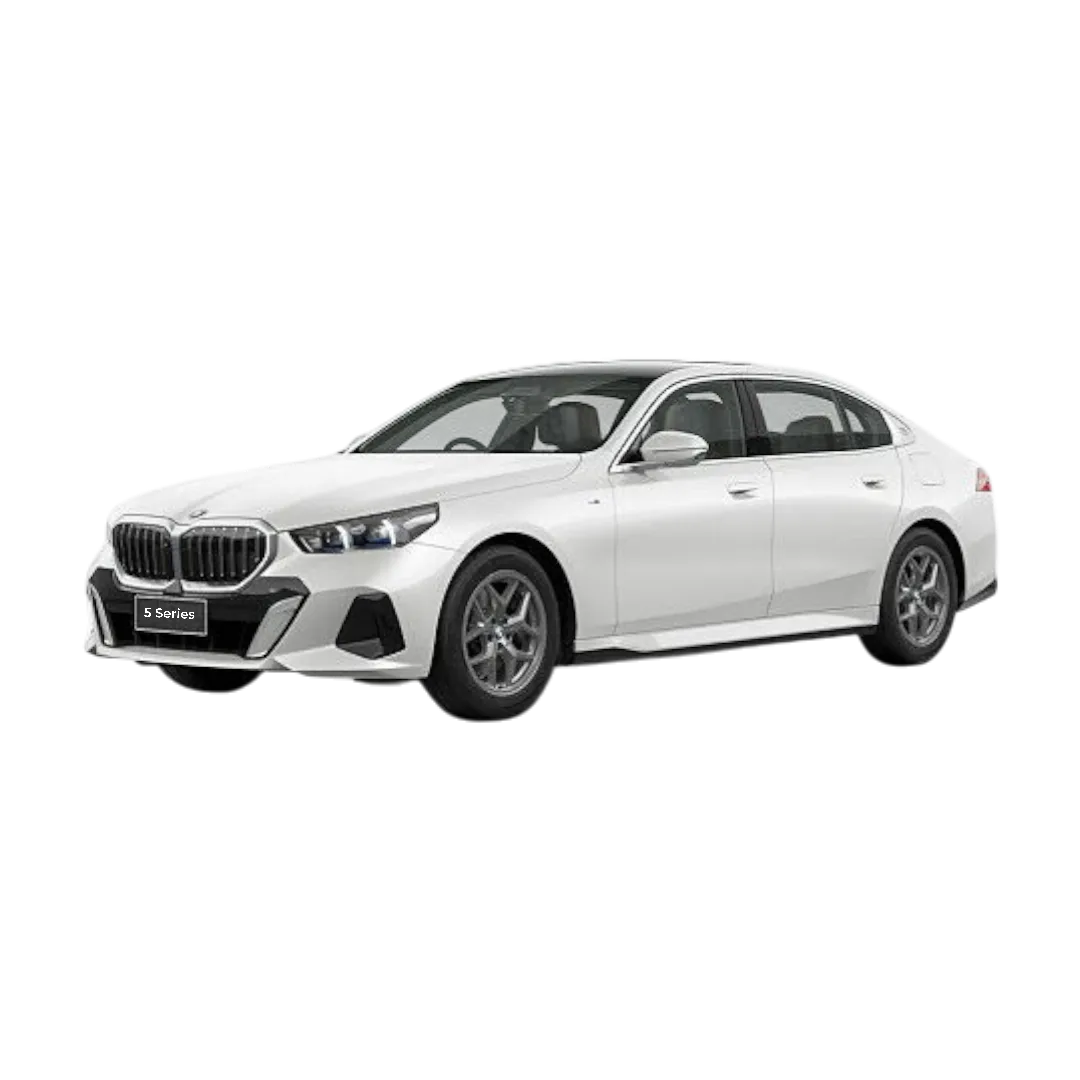 5 Series
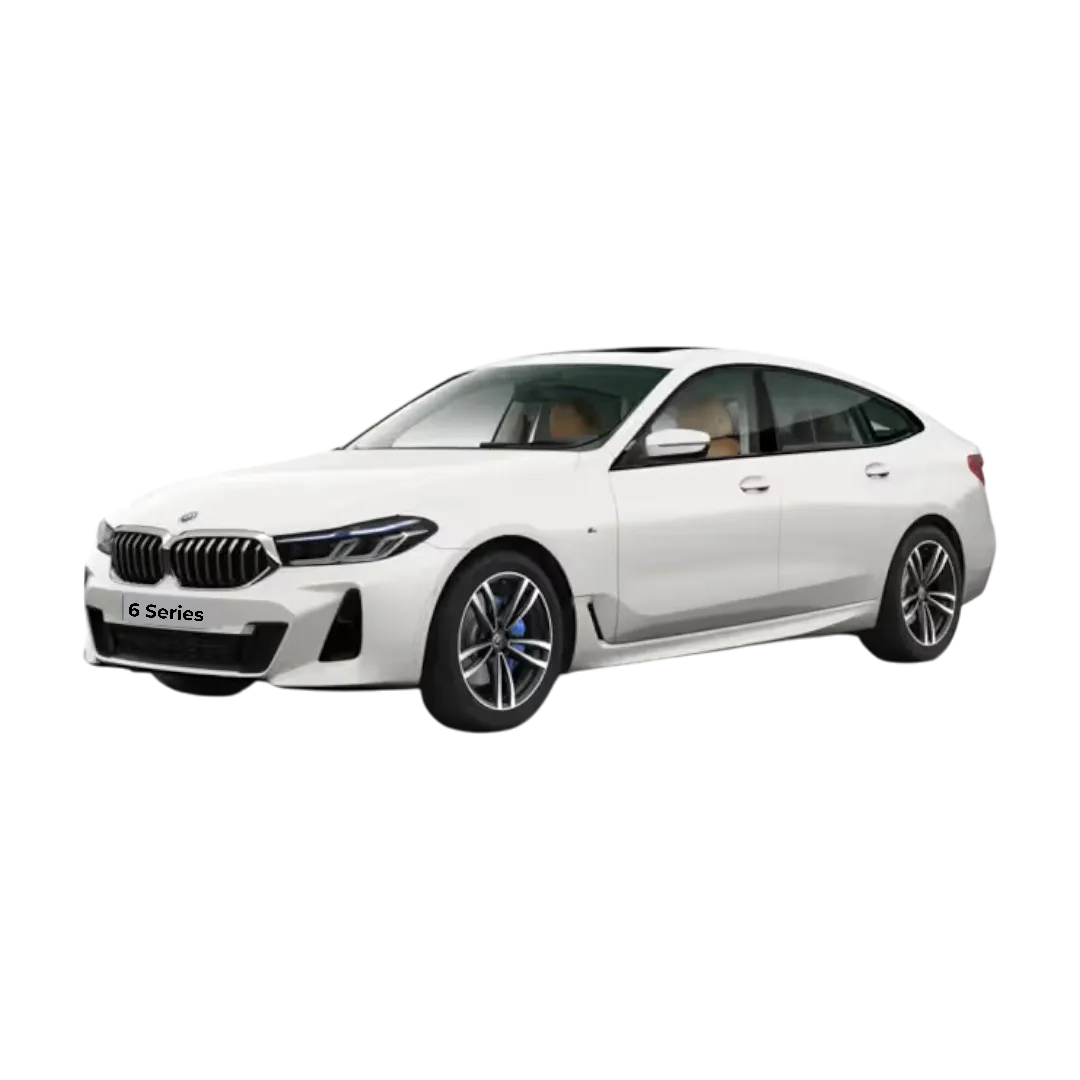 6 Series
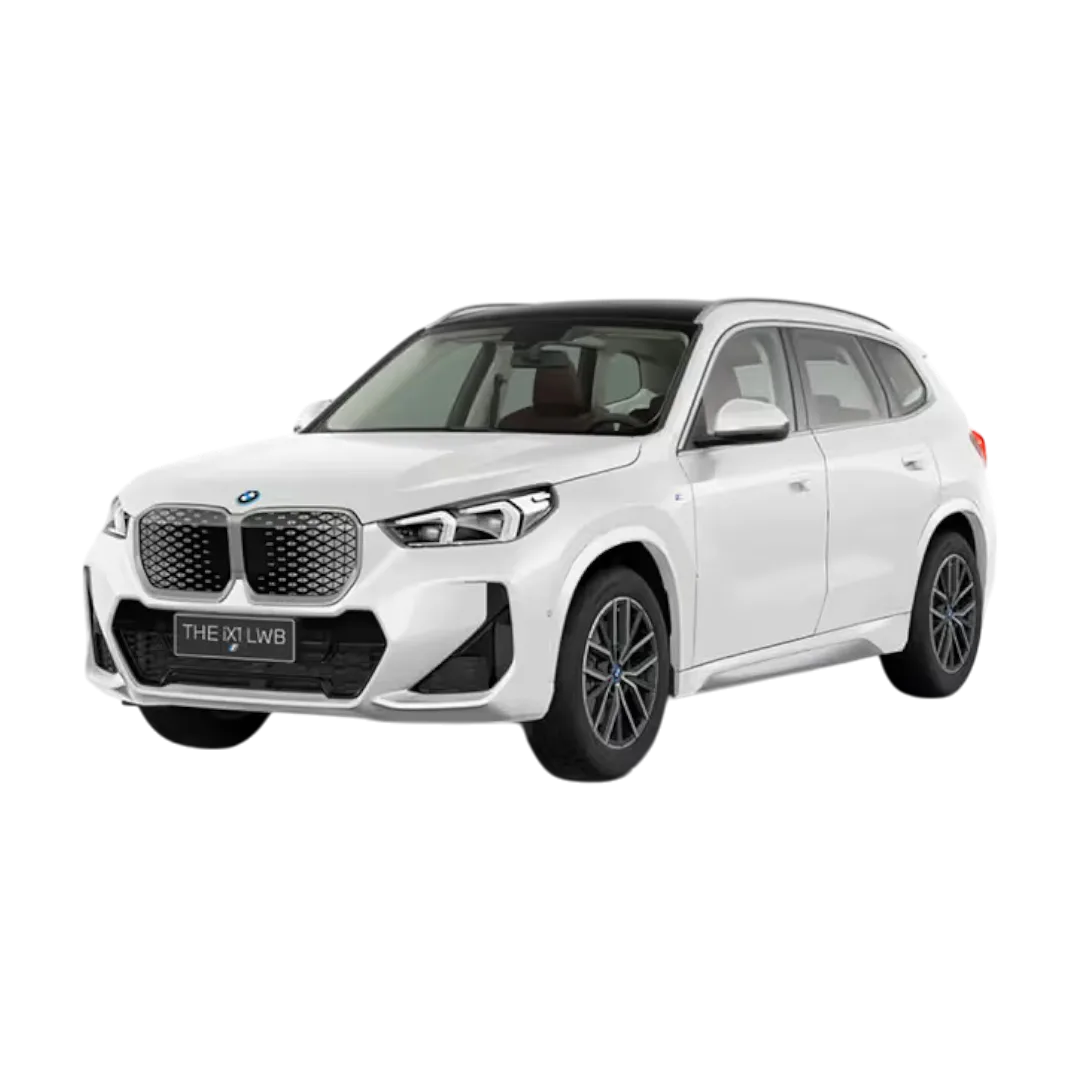 BMW ix1
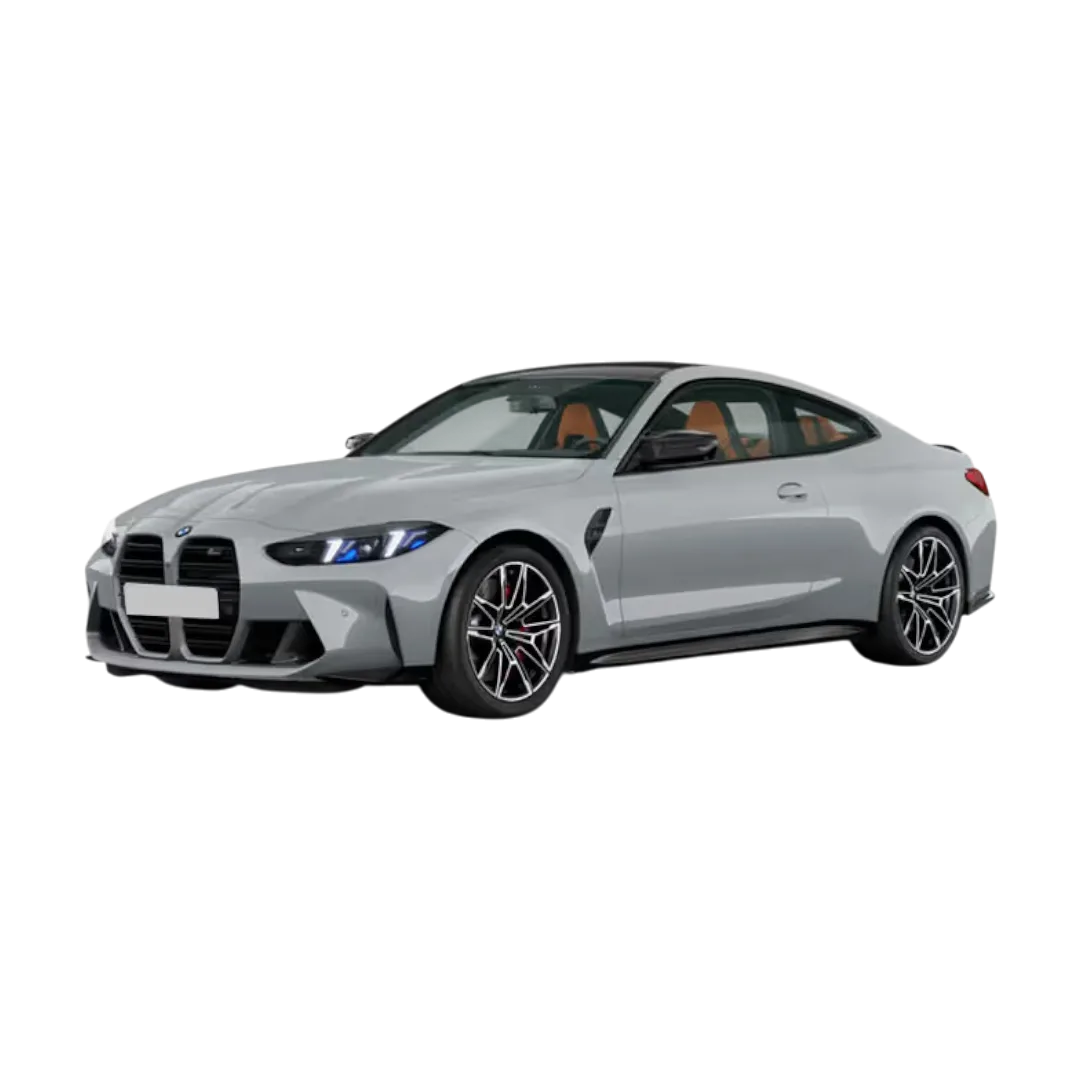 M4 Competition
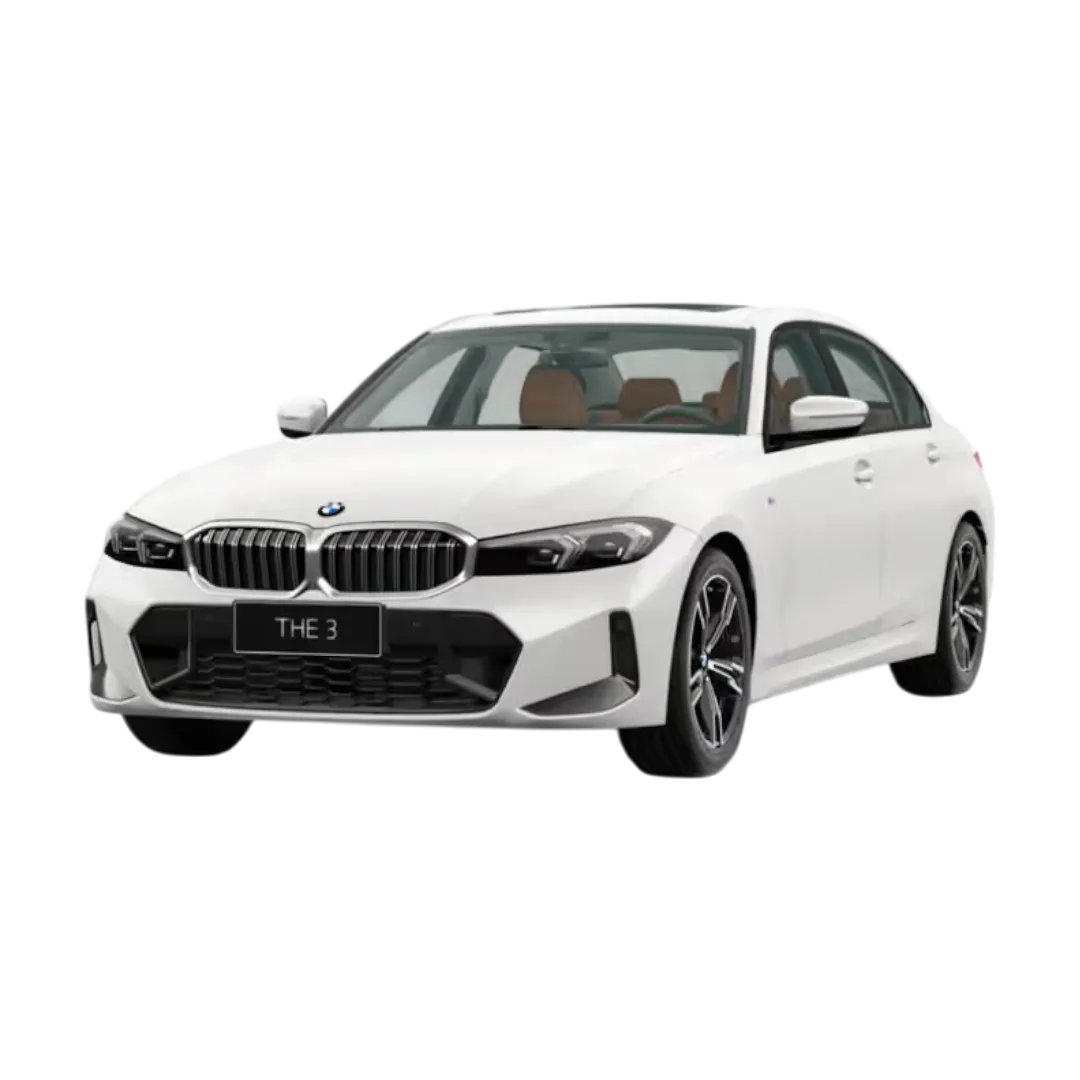 3 Series Gran Limousine
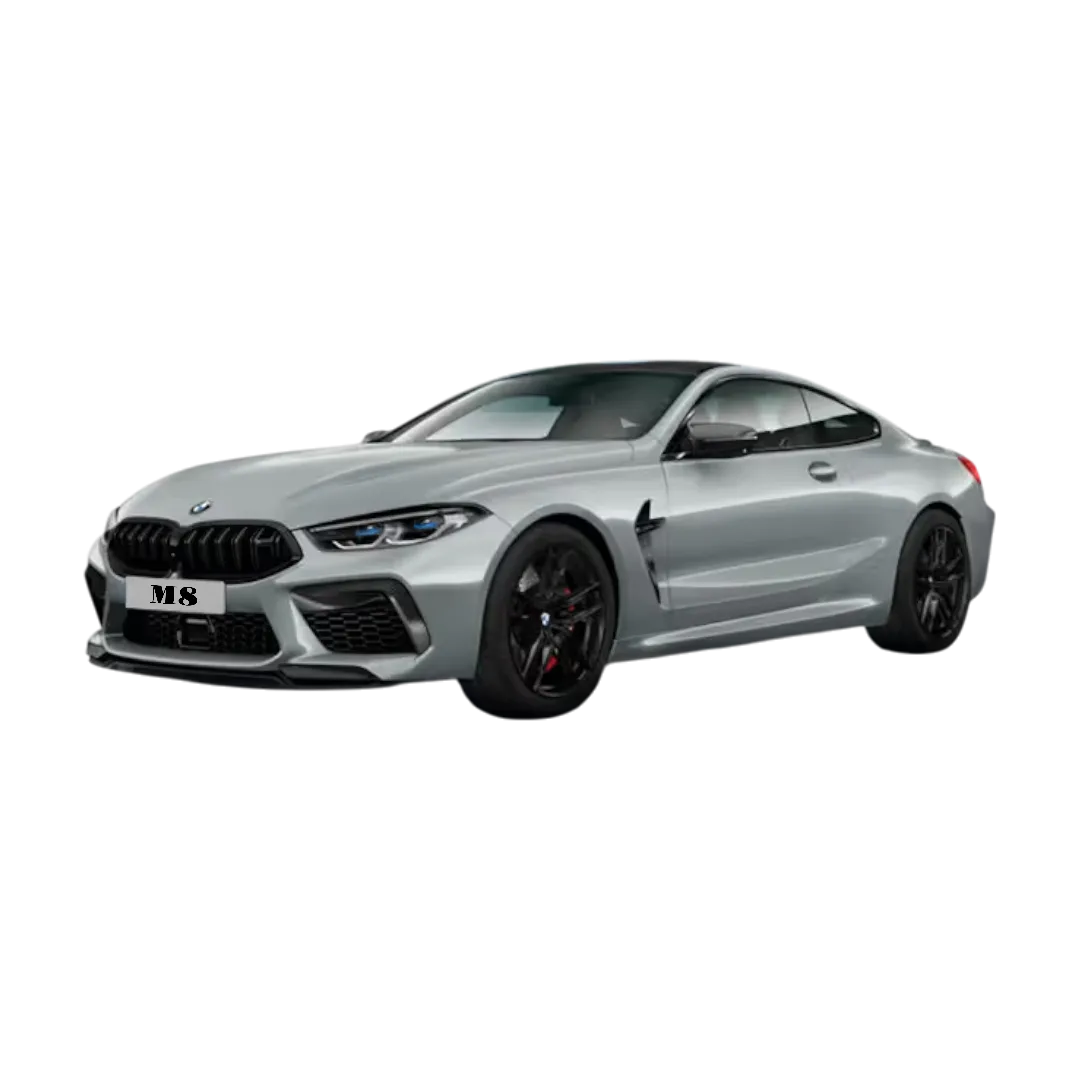 M8 Coupe
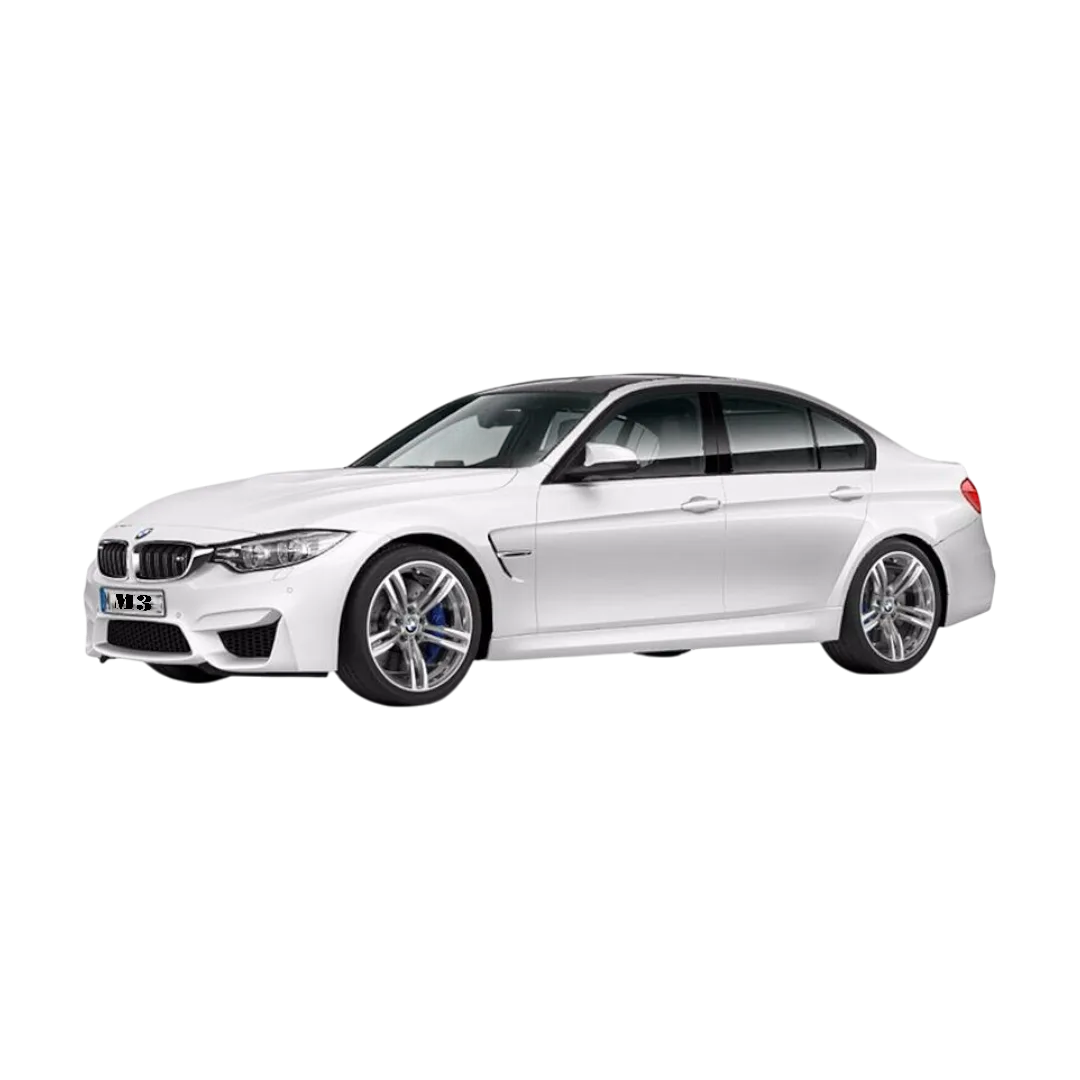 BMW M3
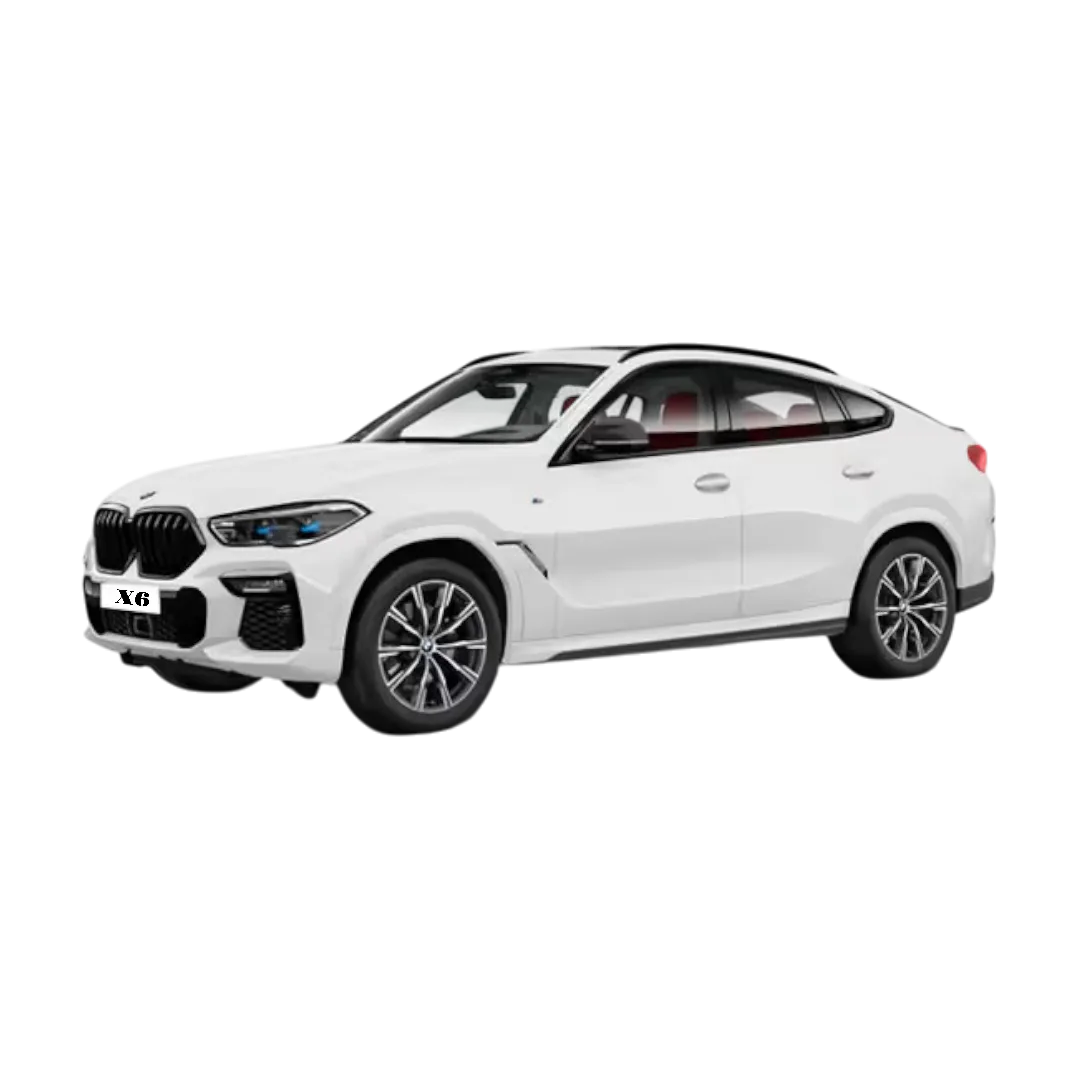 BMW X6
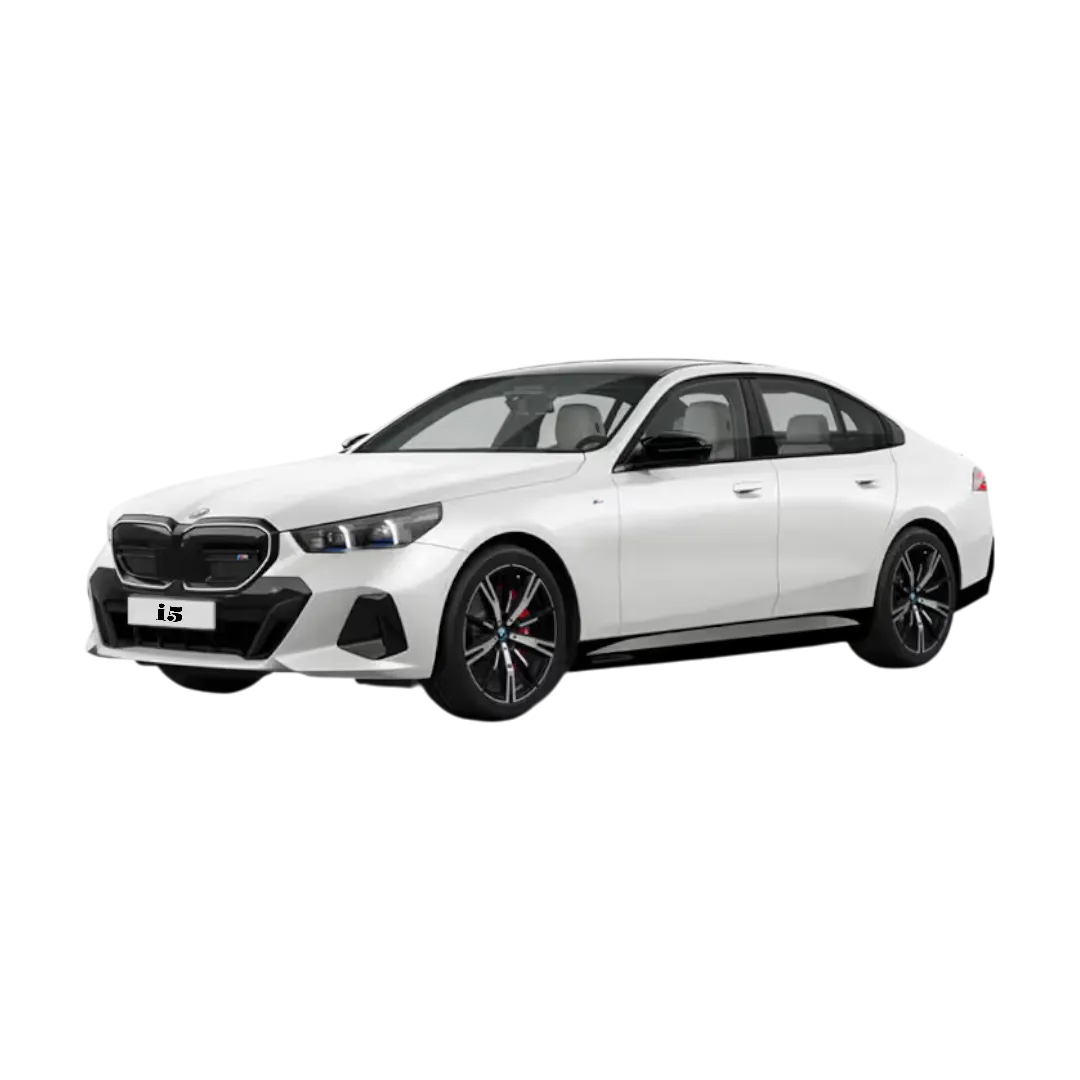 BMW i5
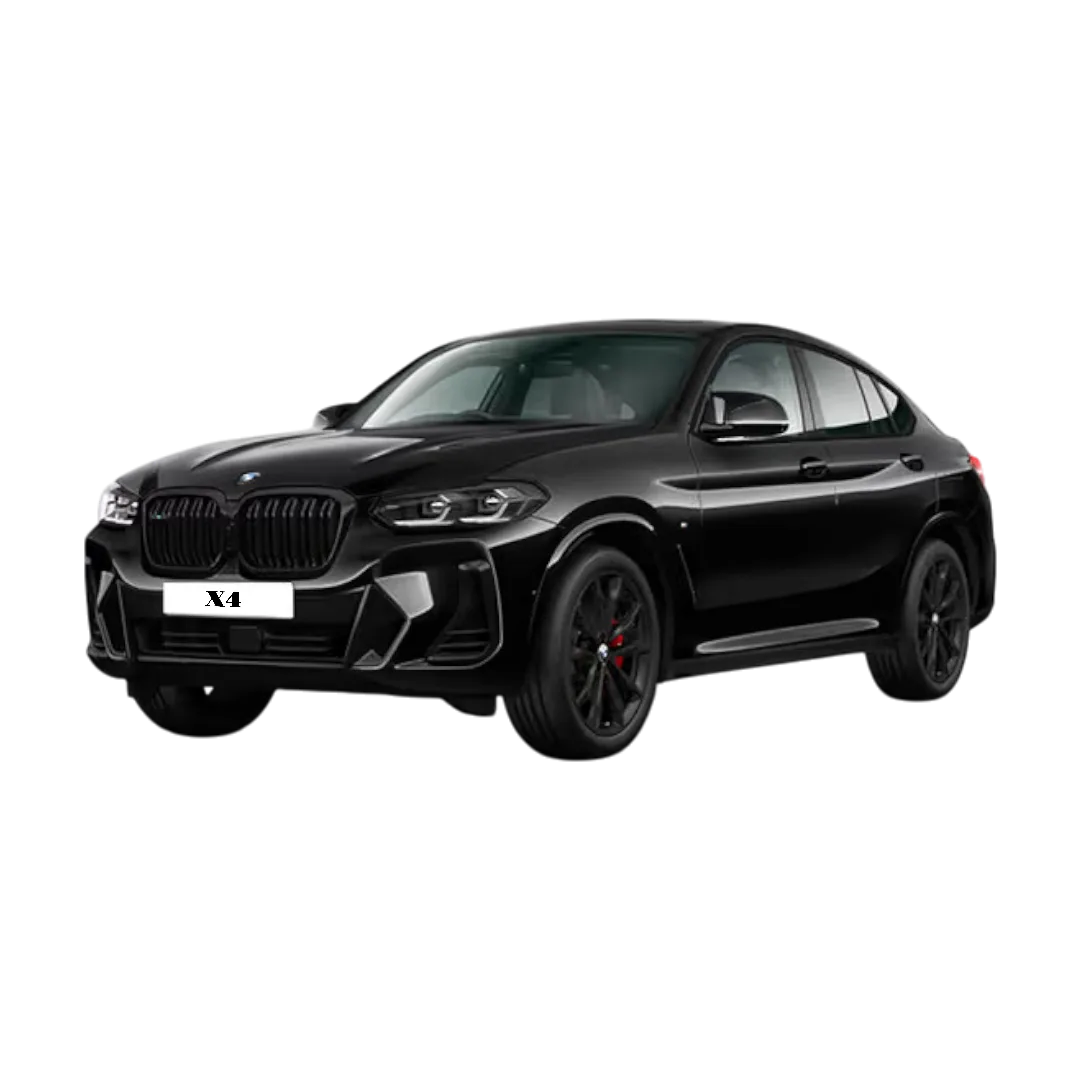 BMW X4
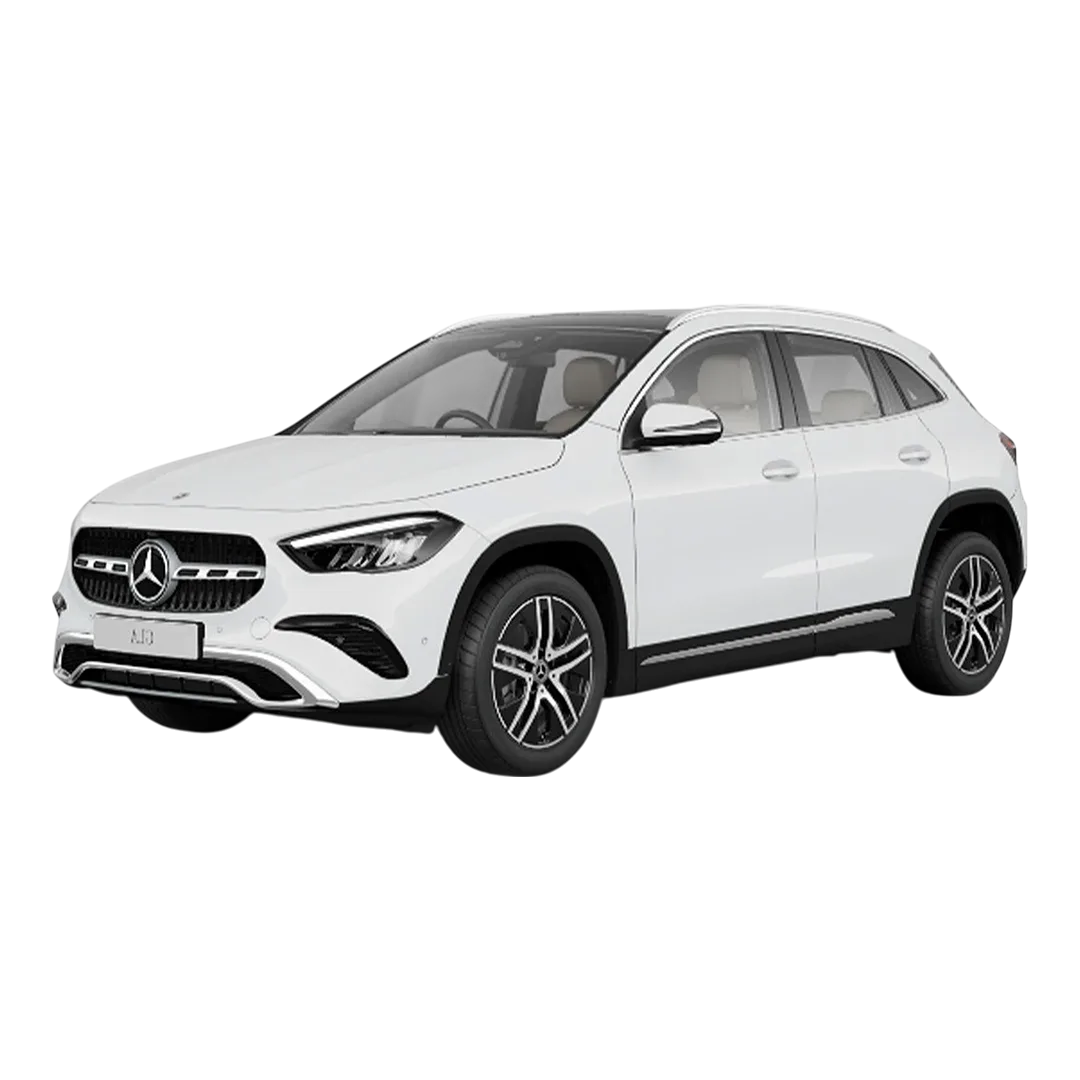 Mercedes Benz GLA
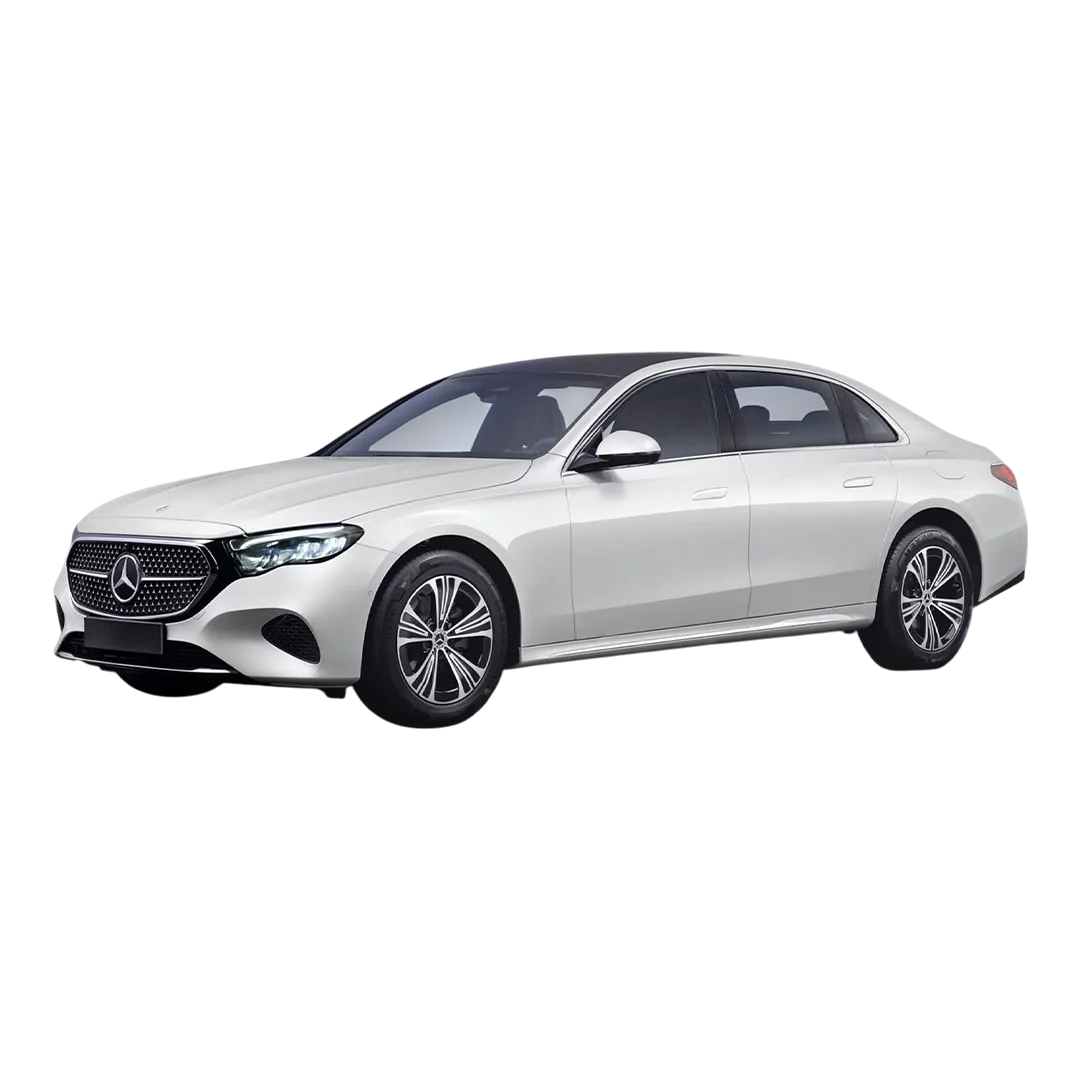 Mercedes E-Class
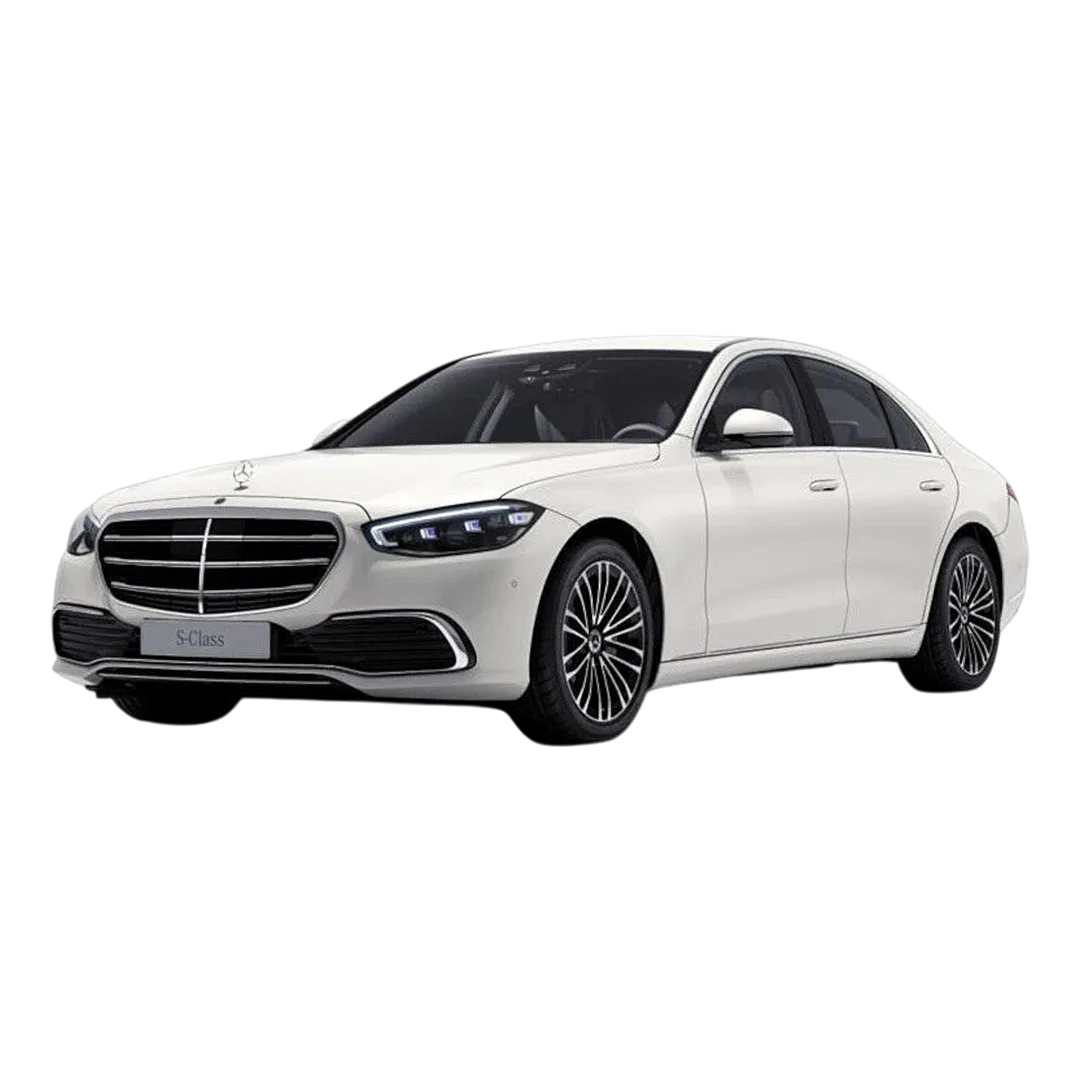 Mercedes S-Class
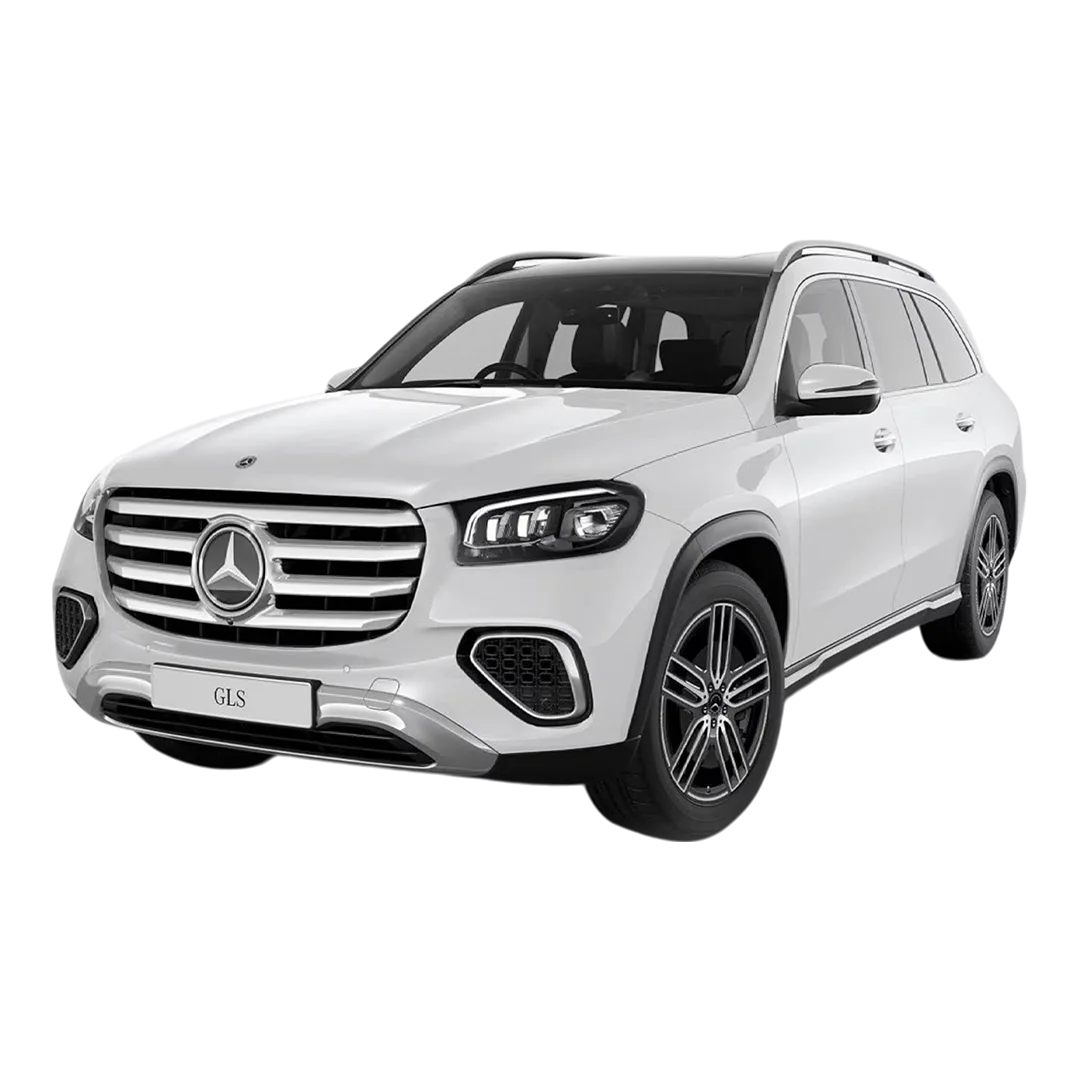 Mercedes Benz GLS
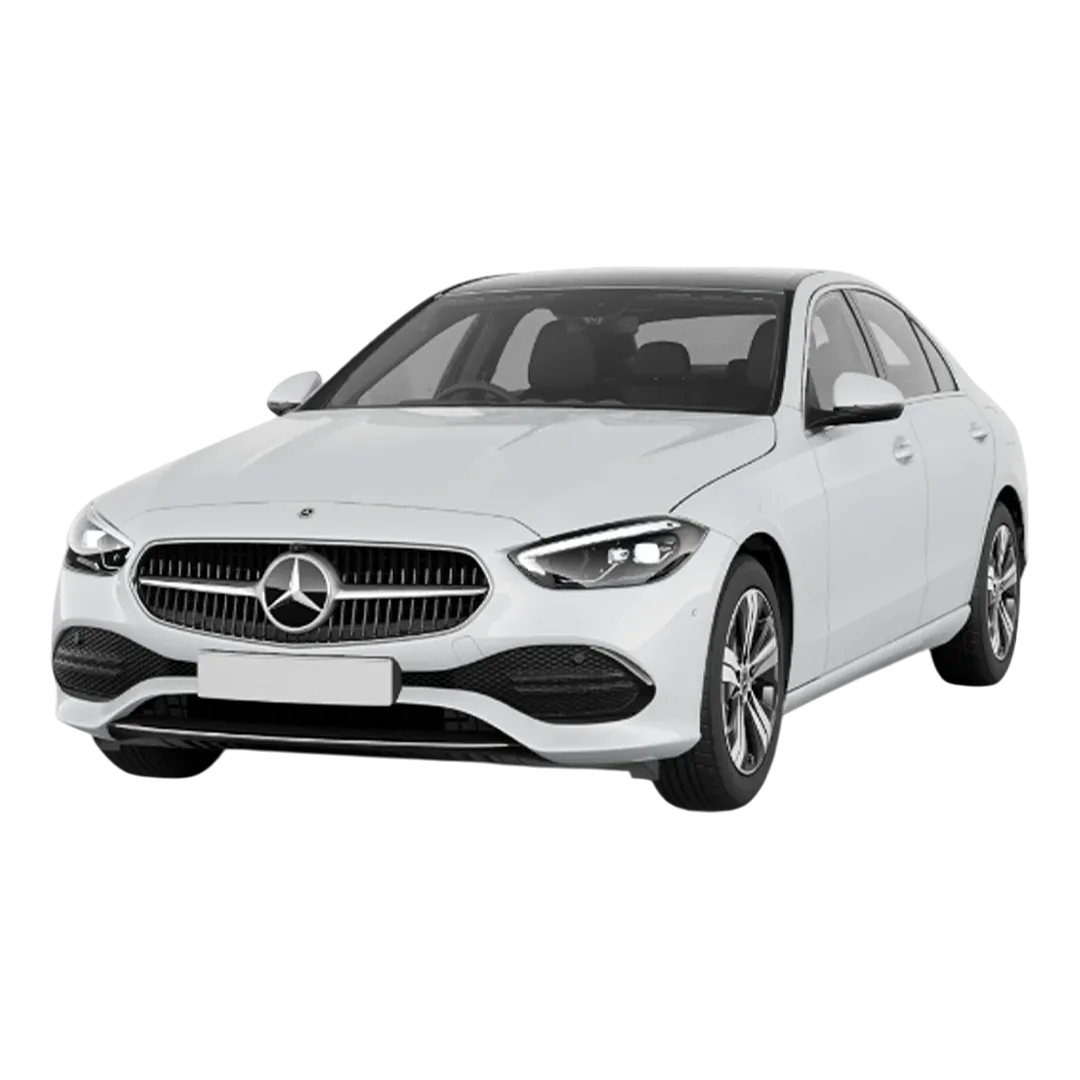 Mercedes Benz C-Class
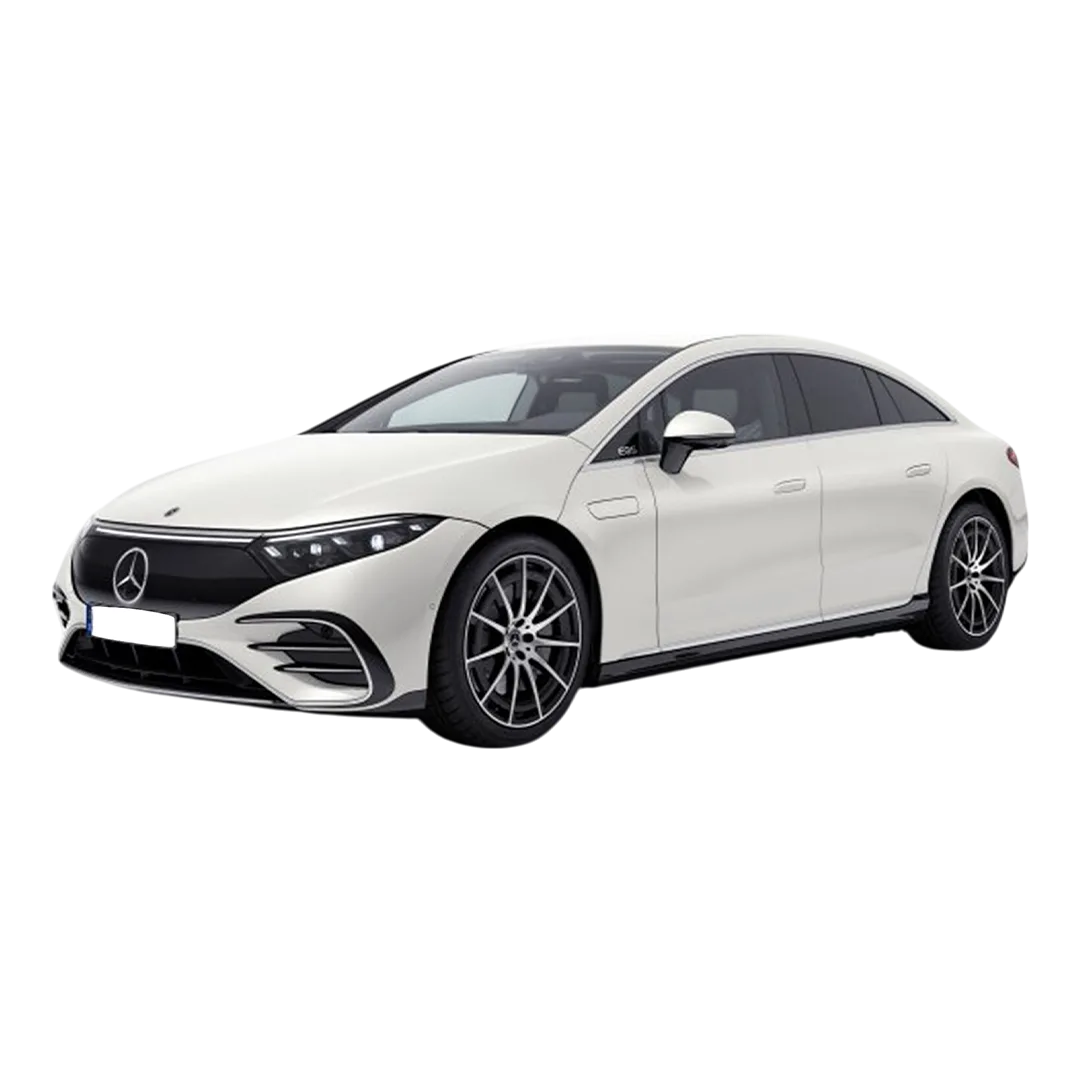 Mercedes Benz EQS
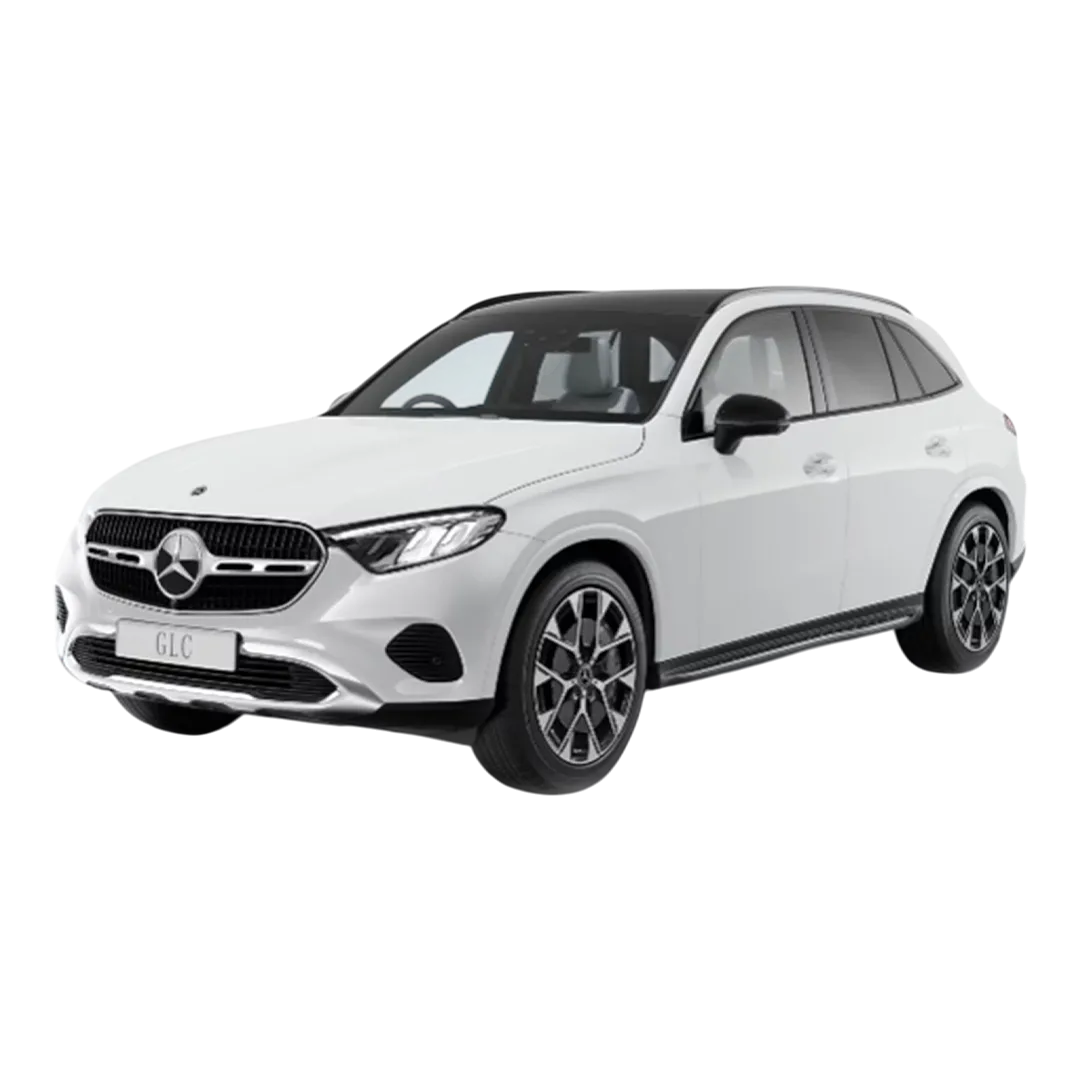 Mercedes Benz GLC
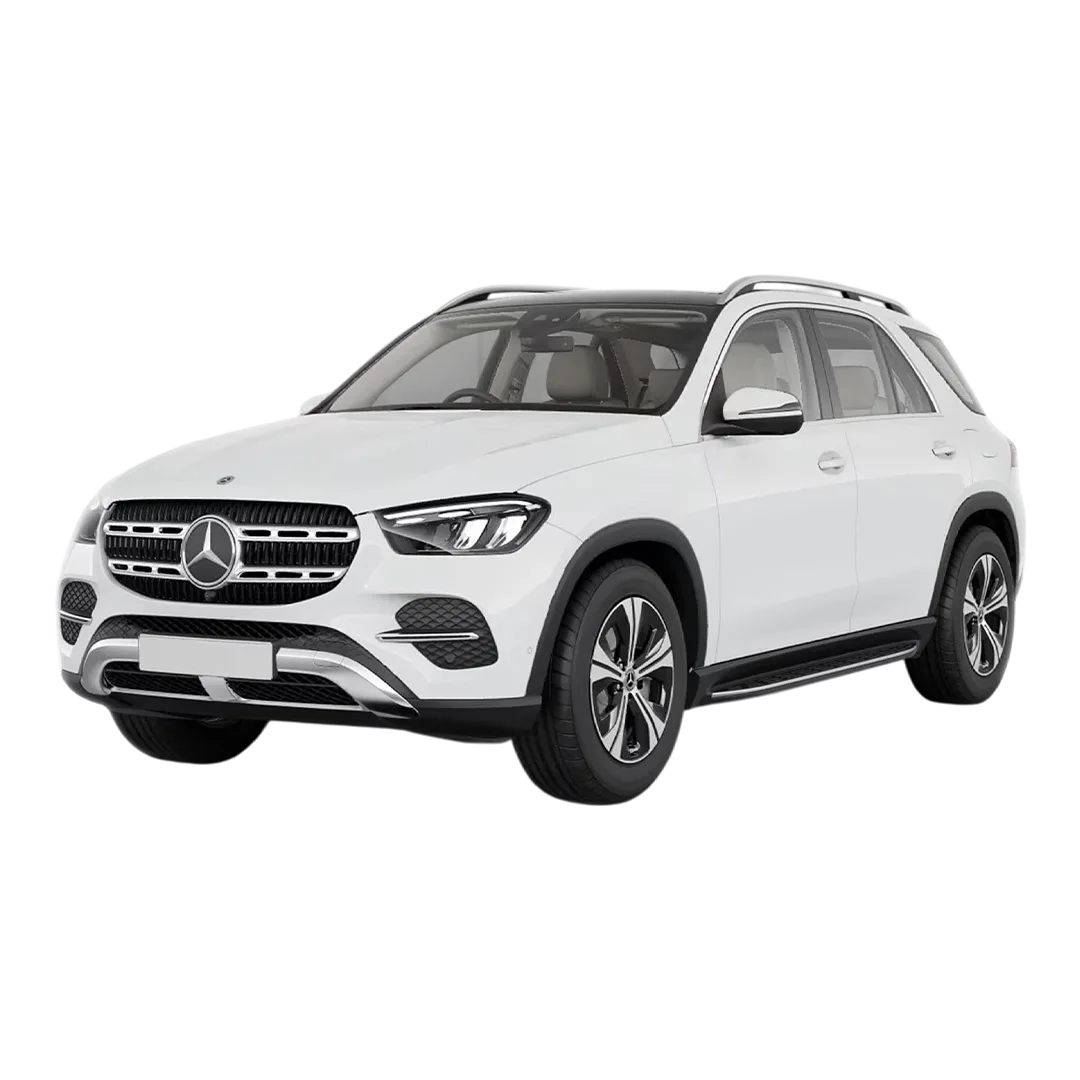 Mercedes Benz GLE
 Mercedes Benz G-Class
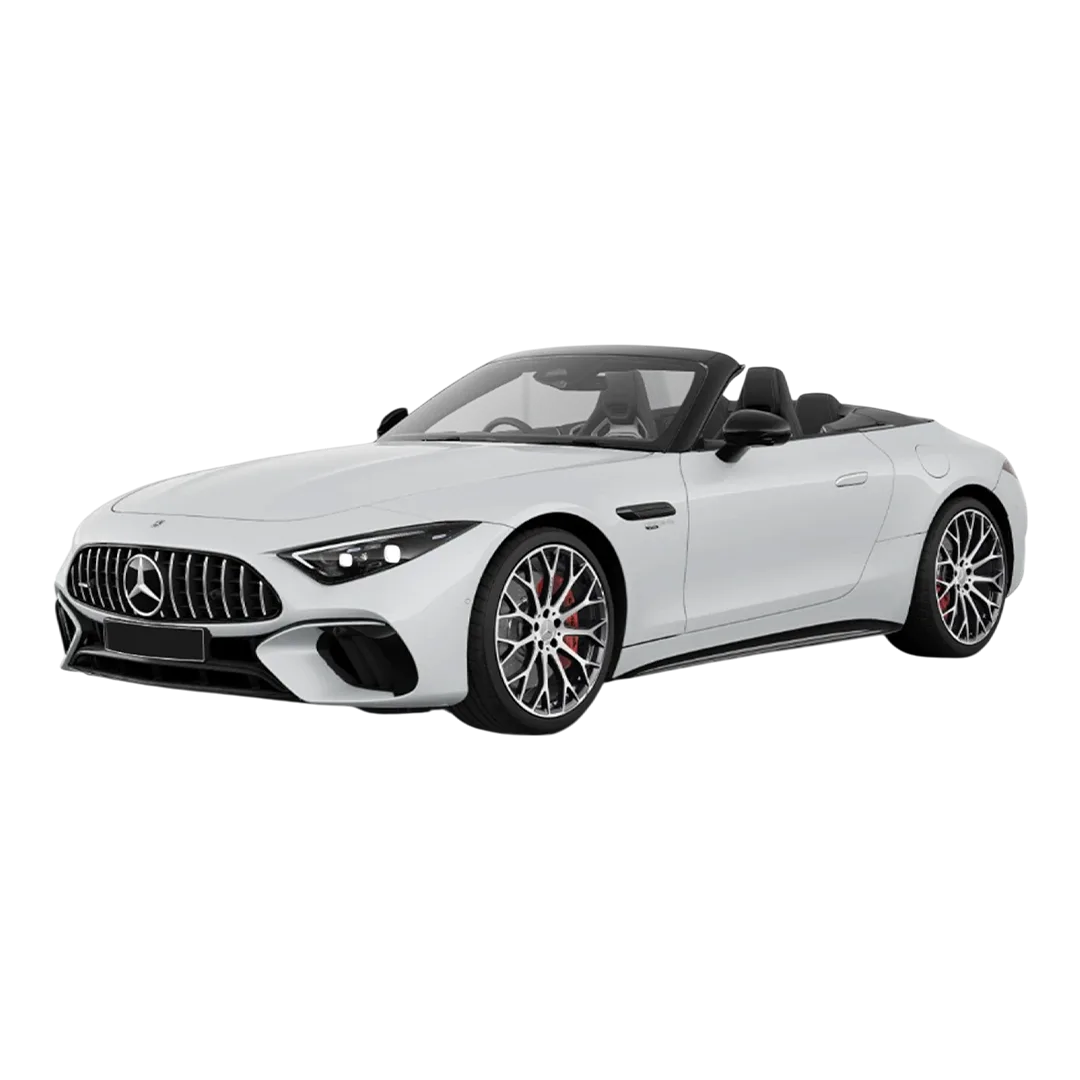 Mercedes Benz AMG SL
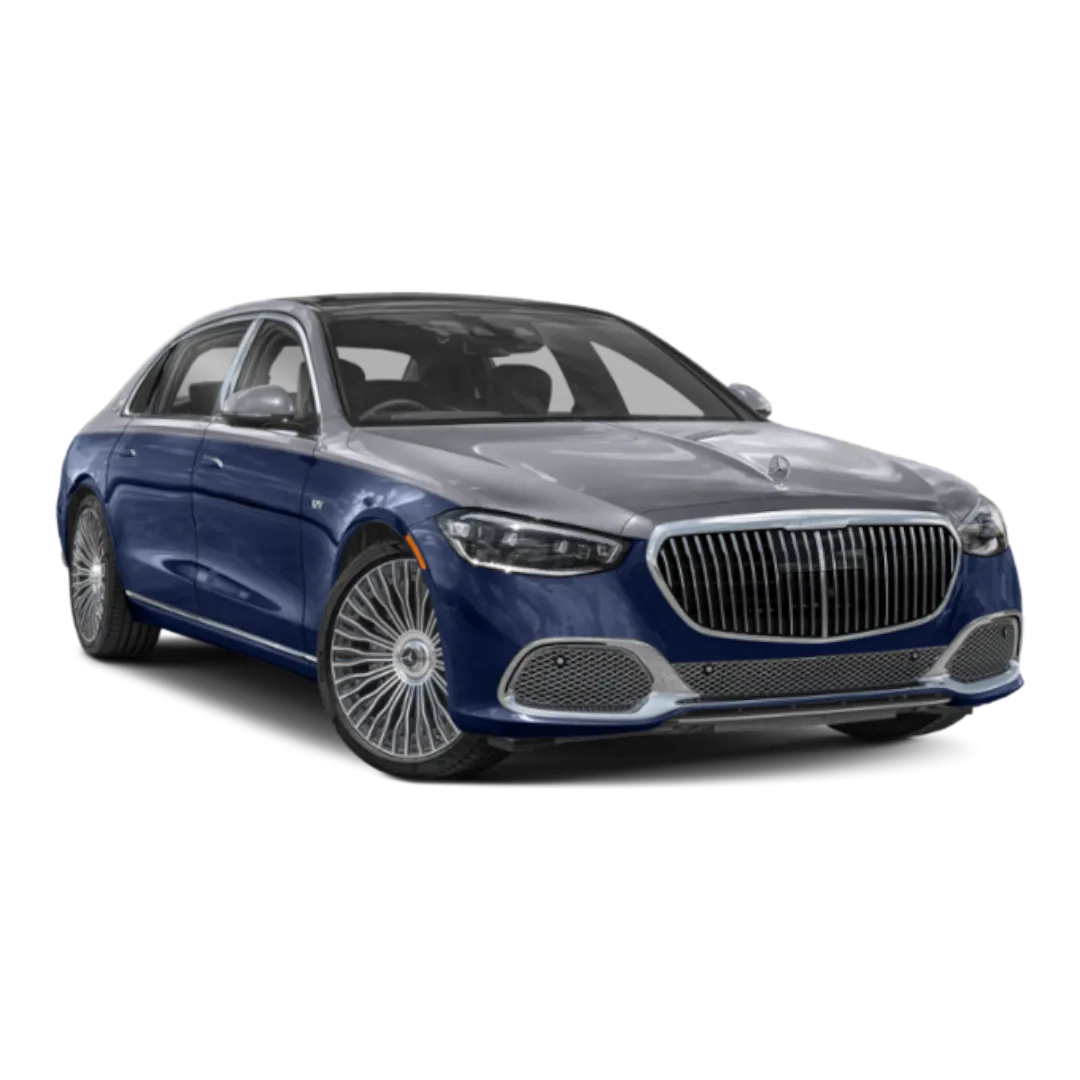 Mercedes Benz MAYBACH S- Class
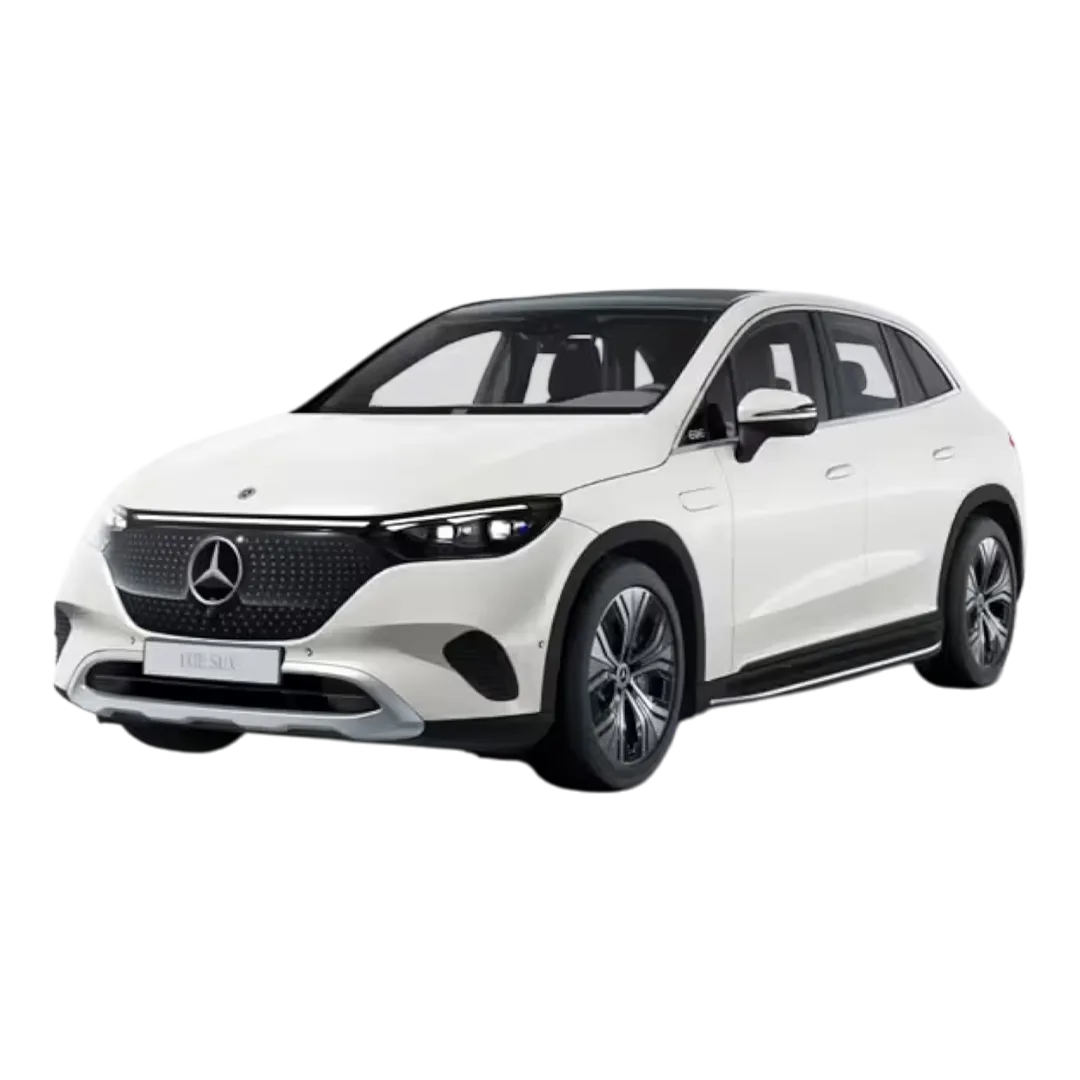 Mercedes Benz EQE-SUV
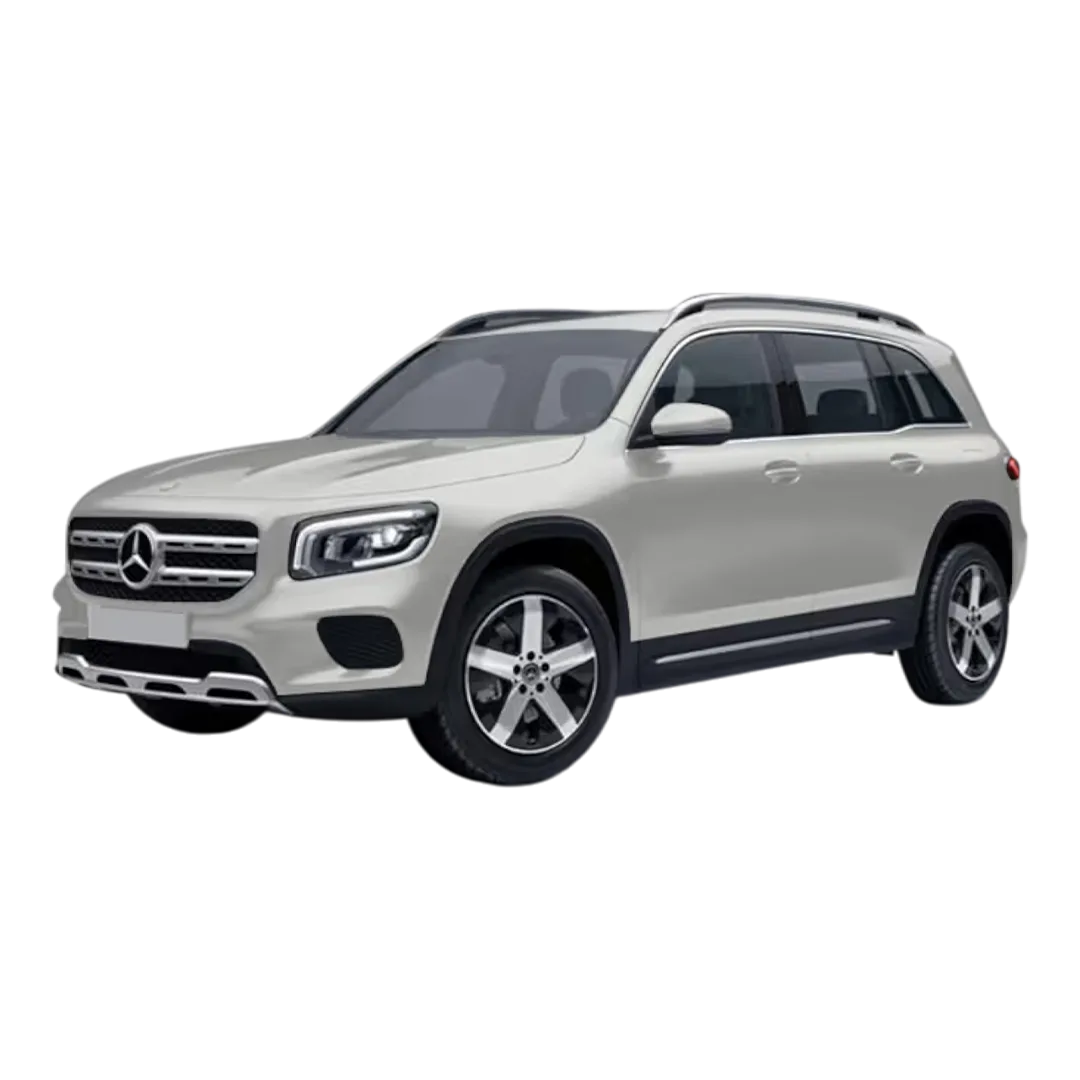 Mercedes Benz GLB
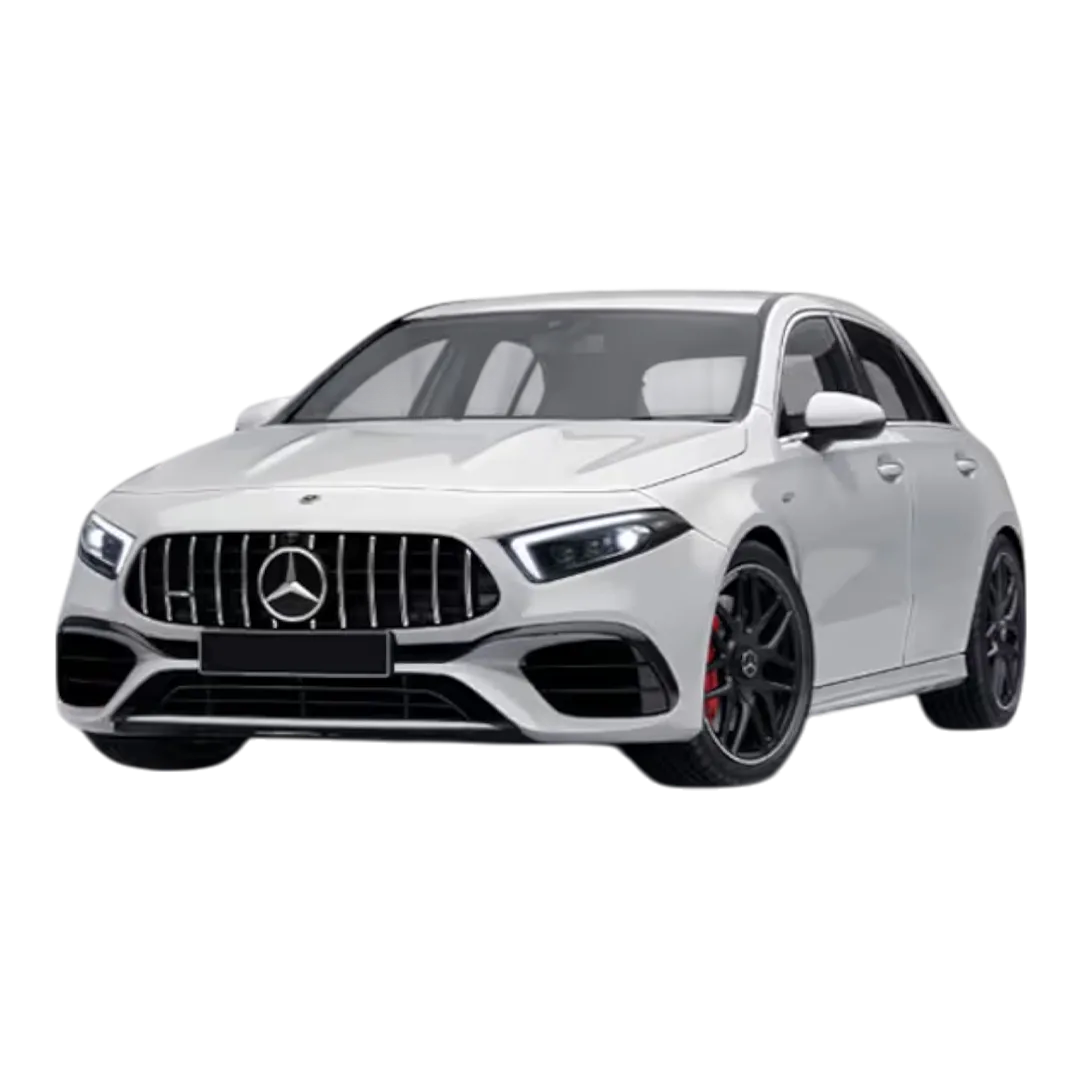 Mercedes Benz AMG A 45 S
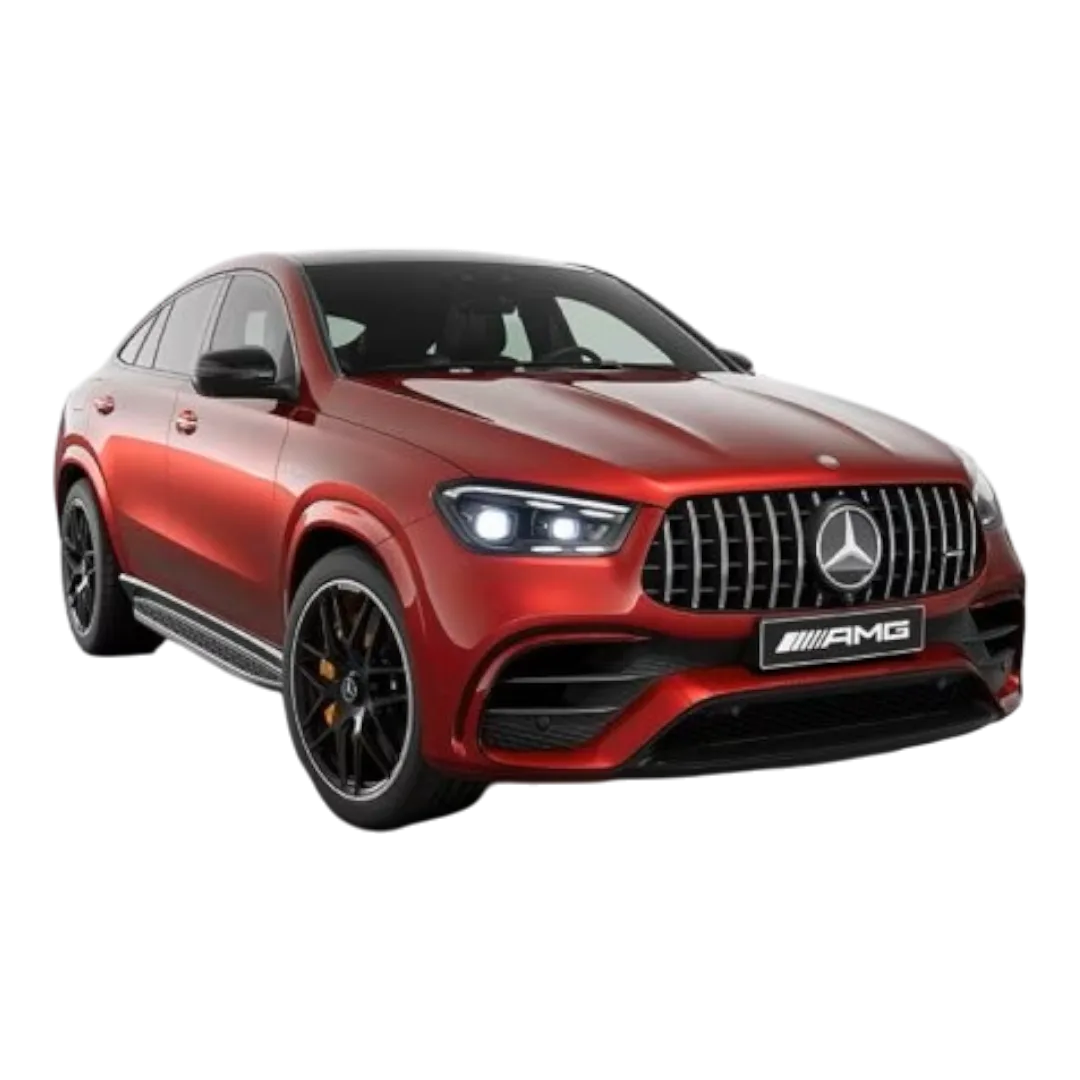 Mercedes Benz AMG GLE S3
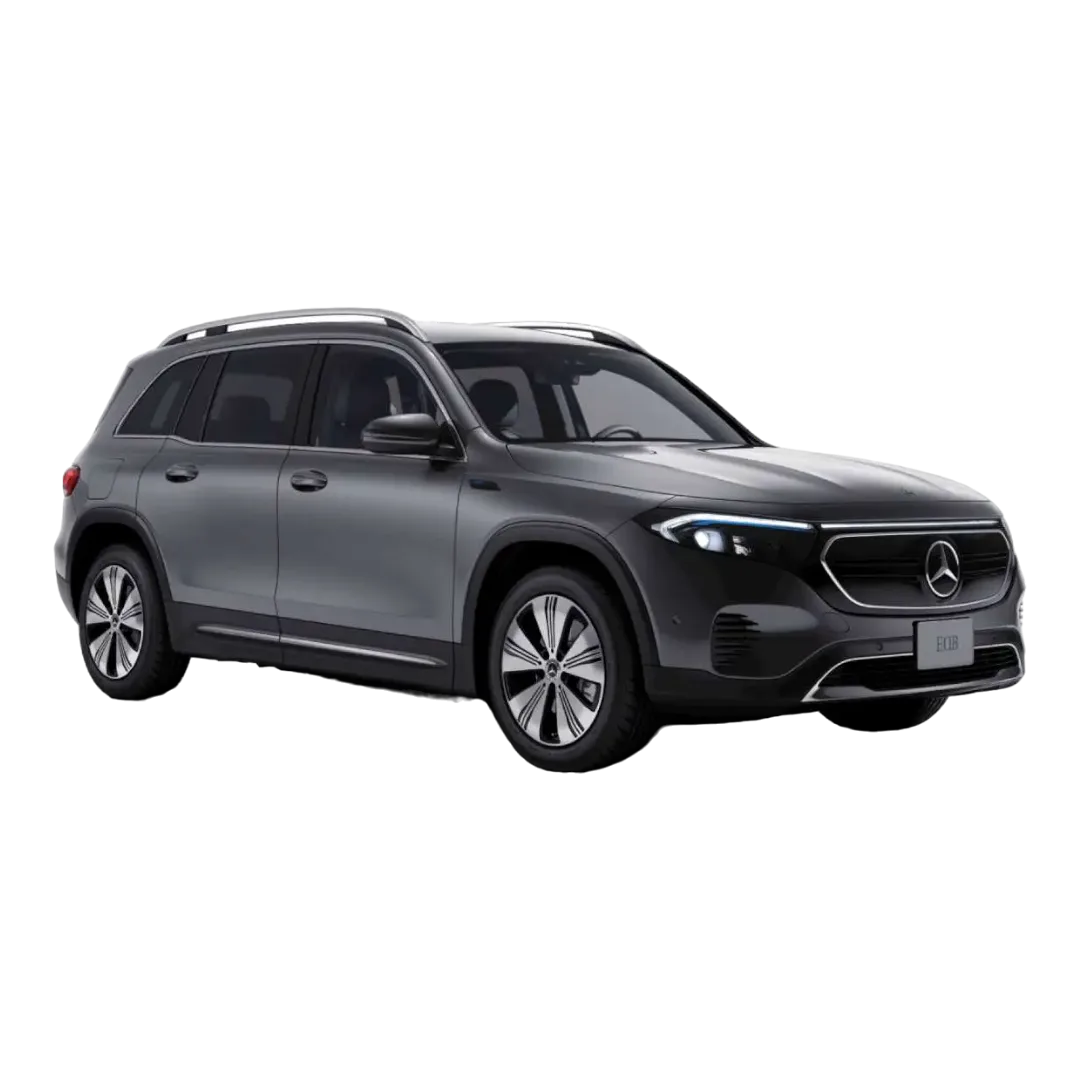 Mercedes Benz EQB
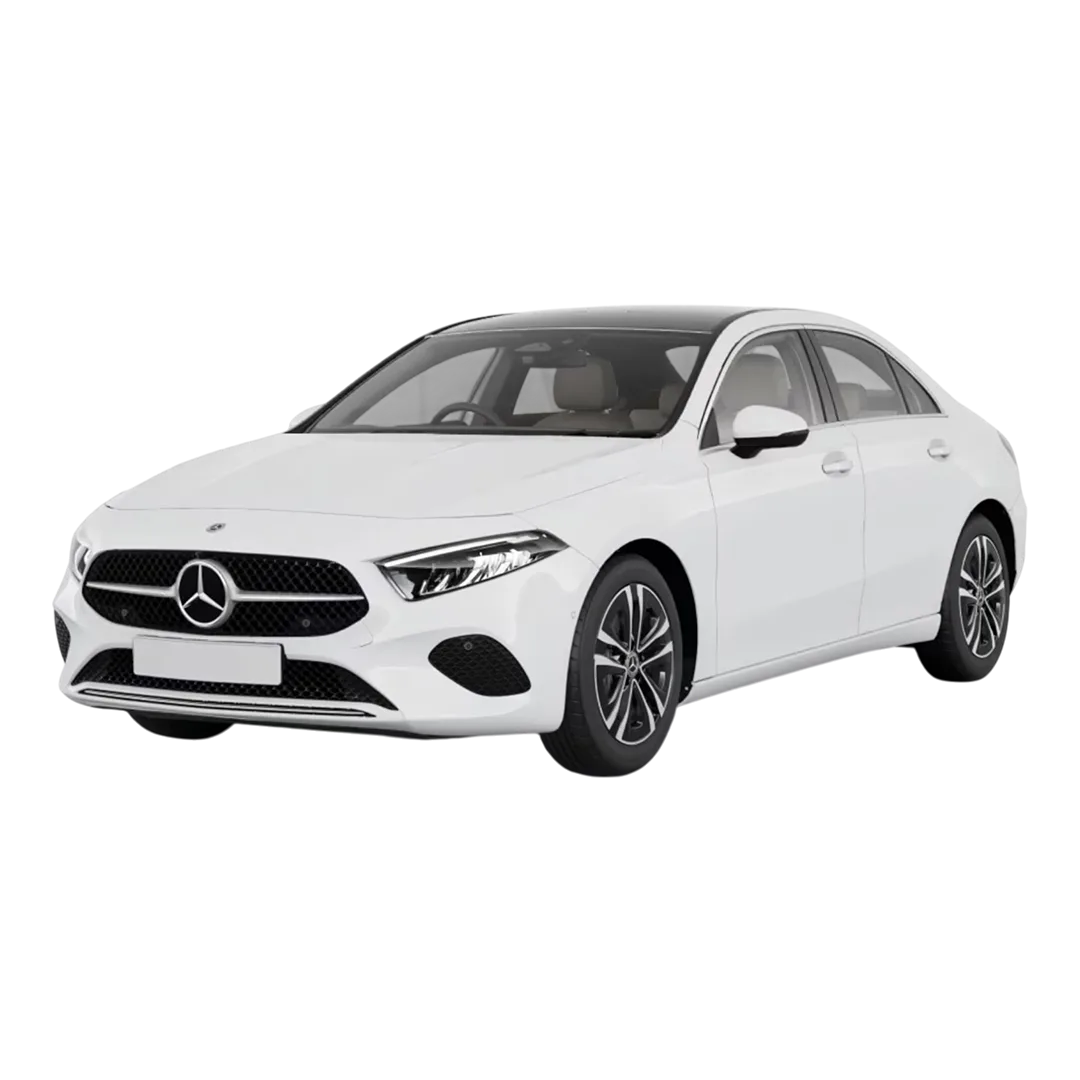 Mercedes Benz A Class limousine
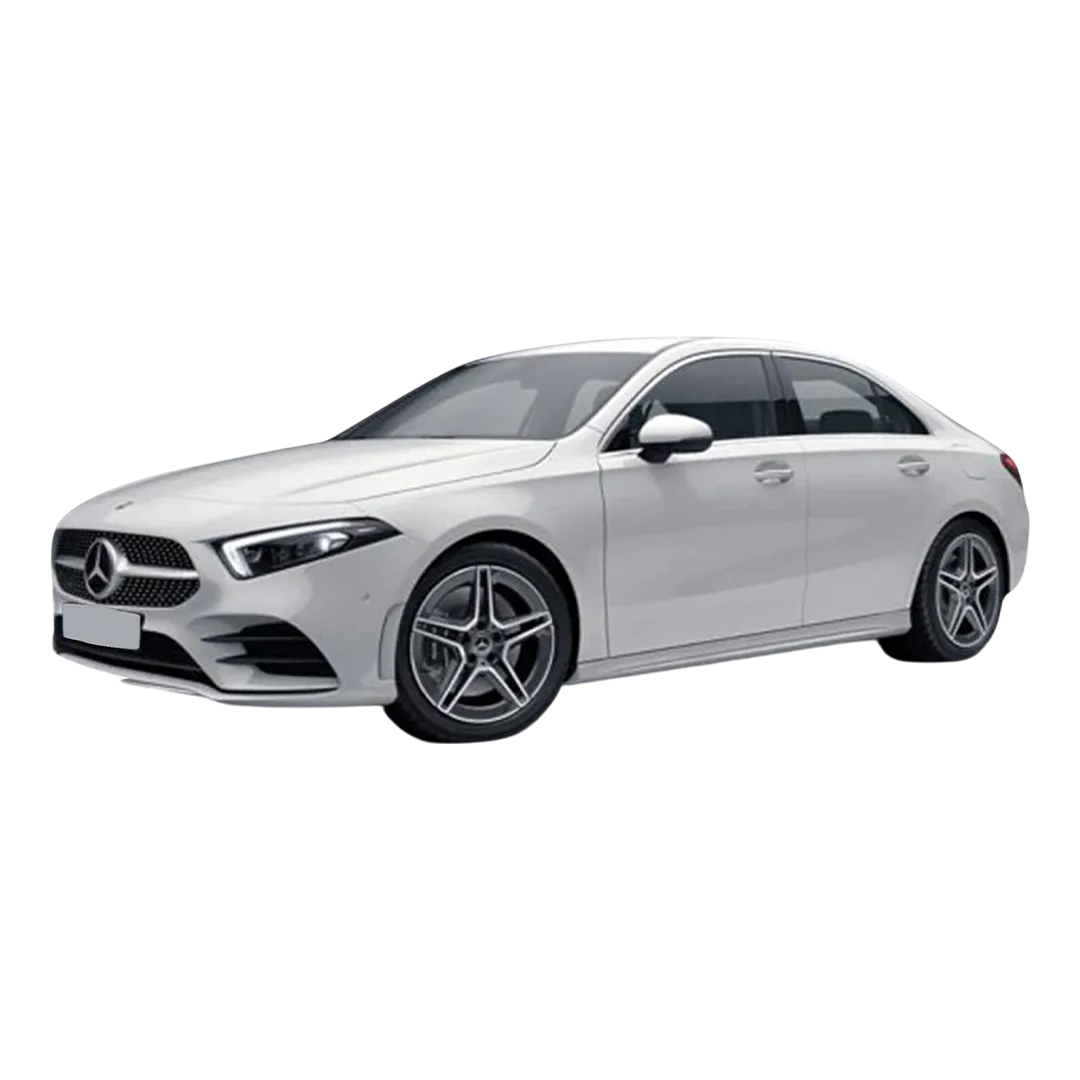 Mercedes Benz AMG A 35
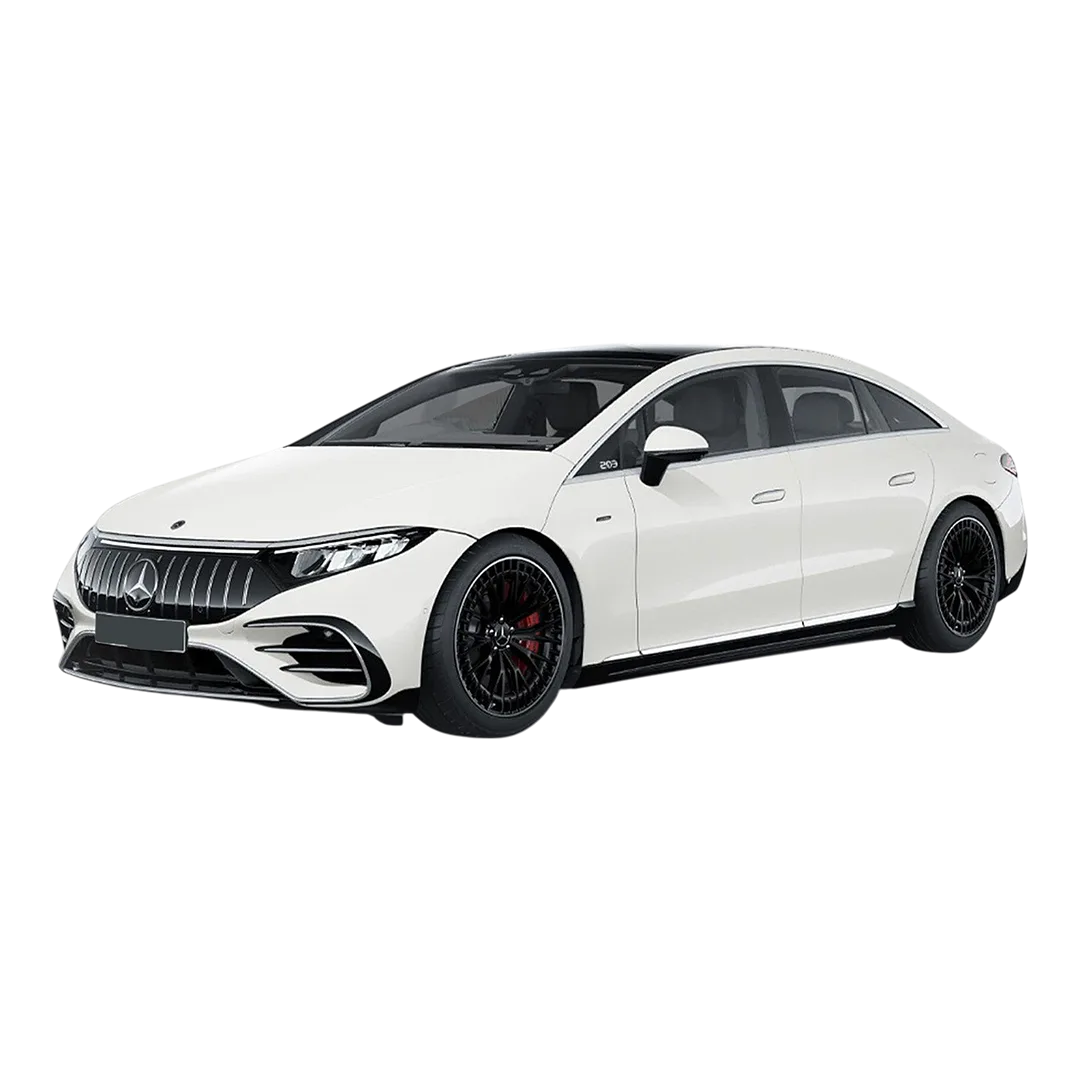 Mercedes-Benz AMG EQS
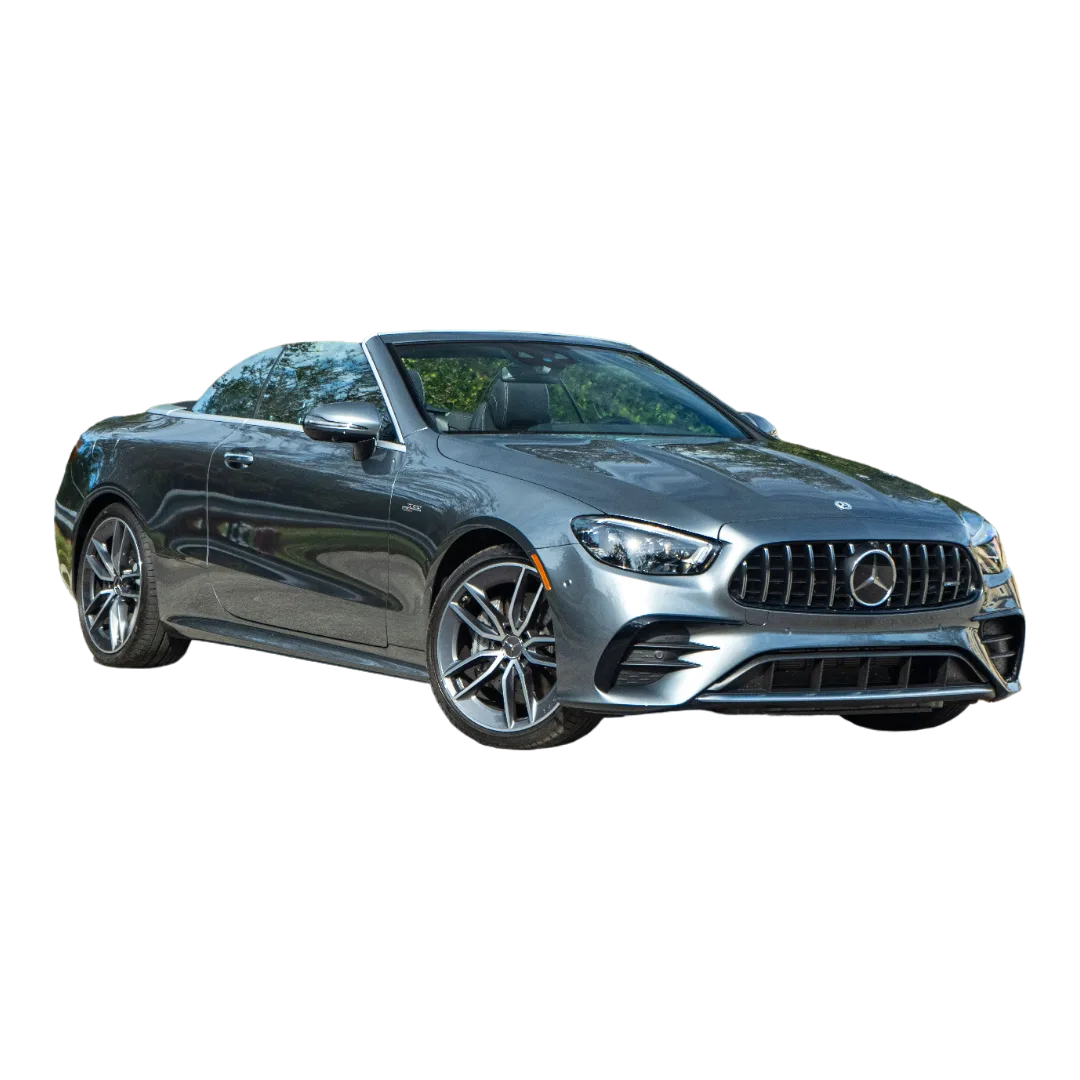 Mercedes-Benz AMG E 53 Cabriolet
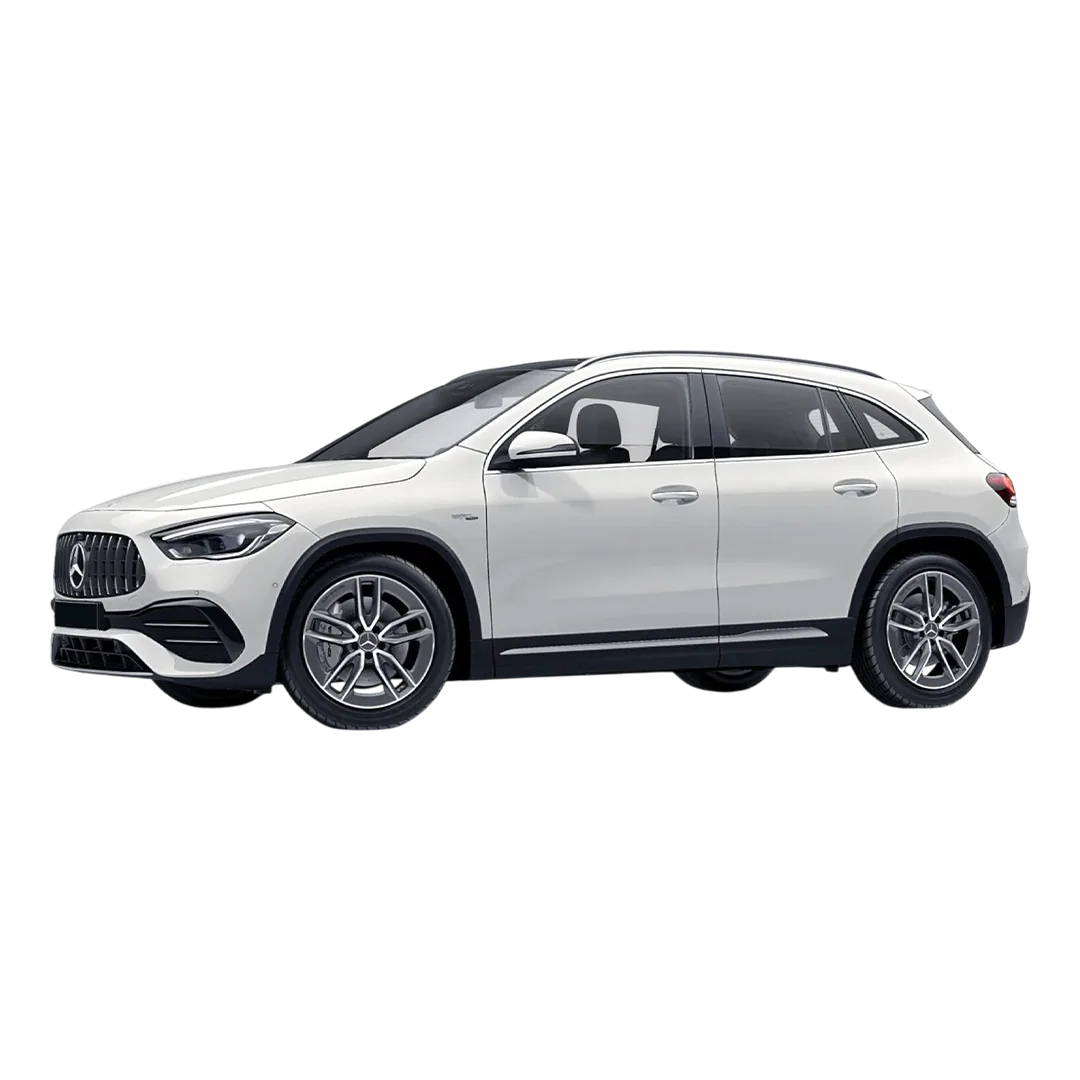 Mercedes-Benz AMG GLA 35
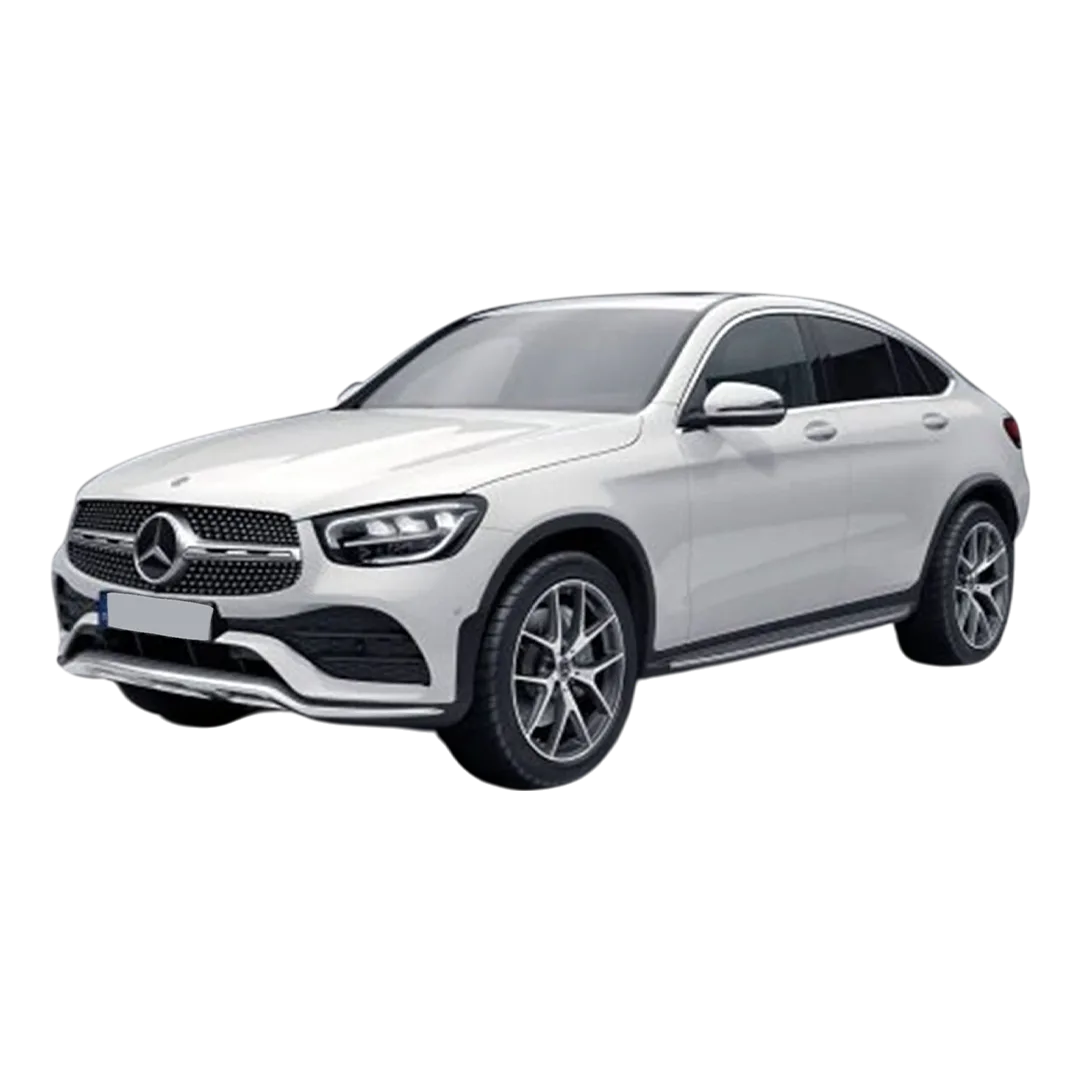 Mercedes-Benz GLC Coupe 2023
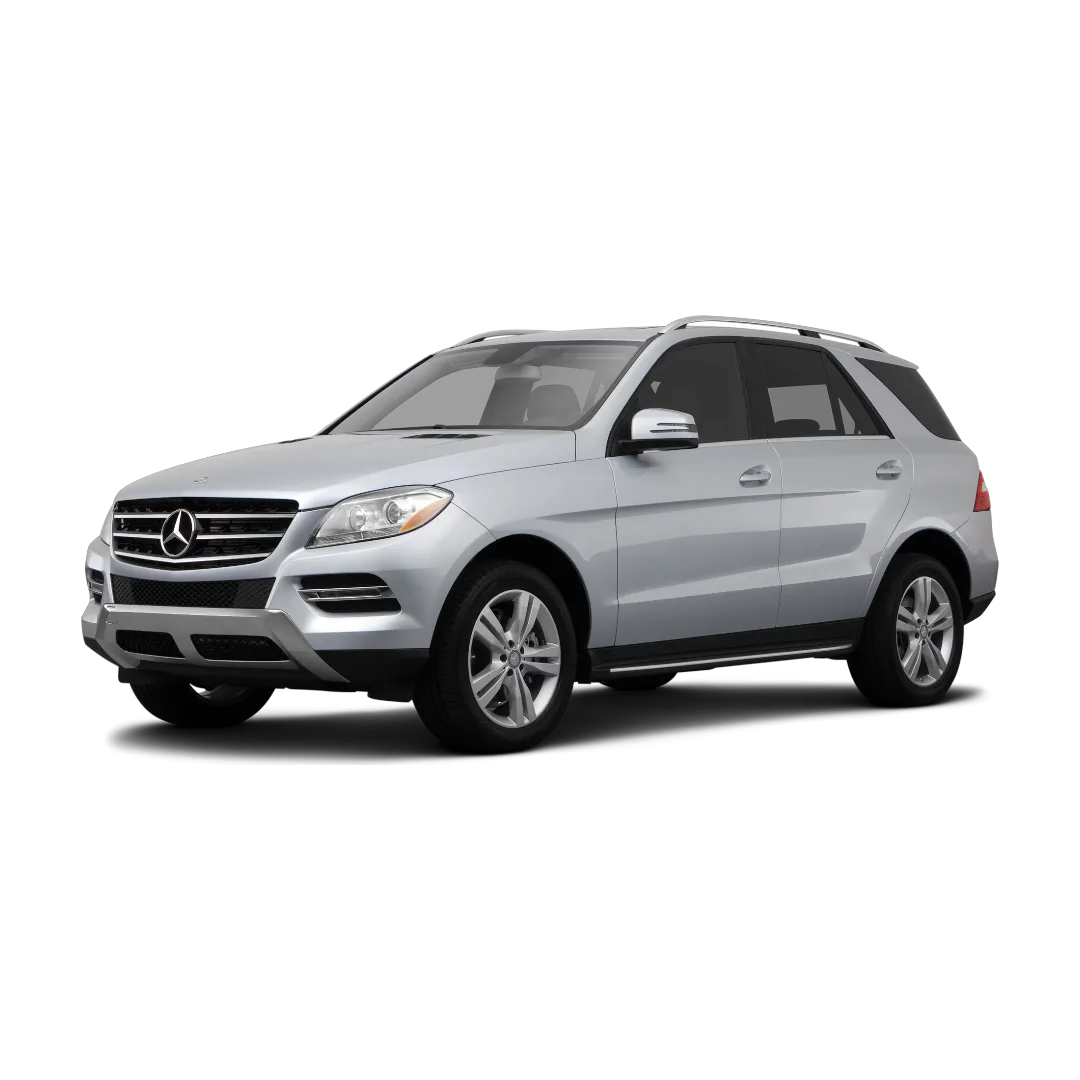 Mercedes M-Class
R-Class
Mercedes M-Class
R-Class
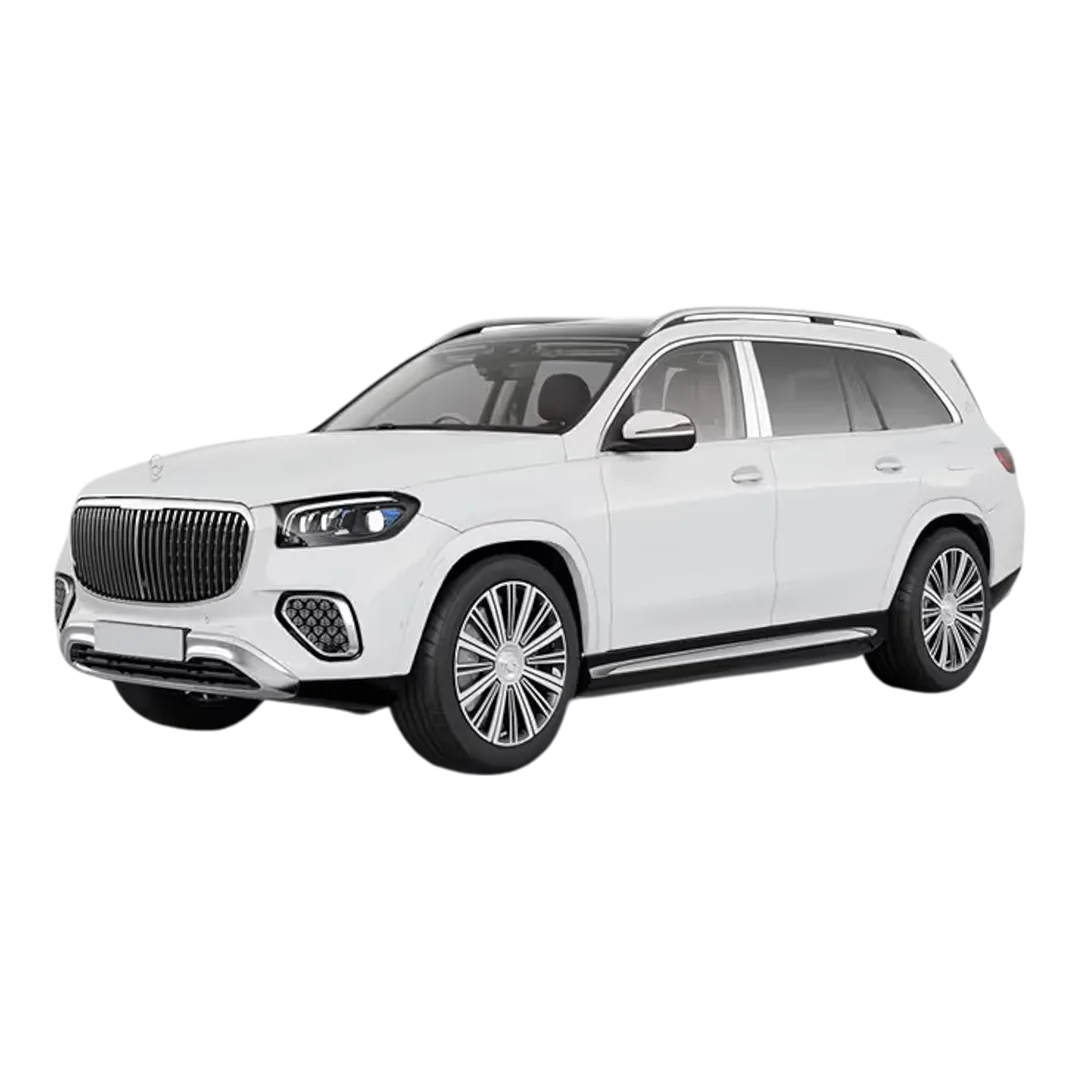 GLS 600
GLS 400
GLS 350
GLE 300
GLS 600
GLS 400
GLS 350
GLE 300
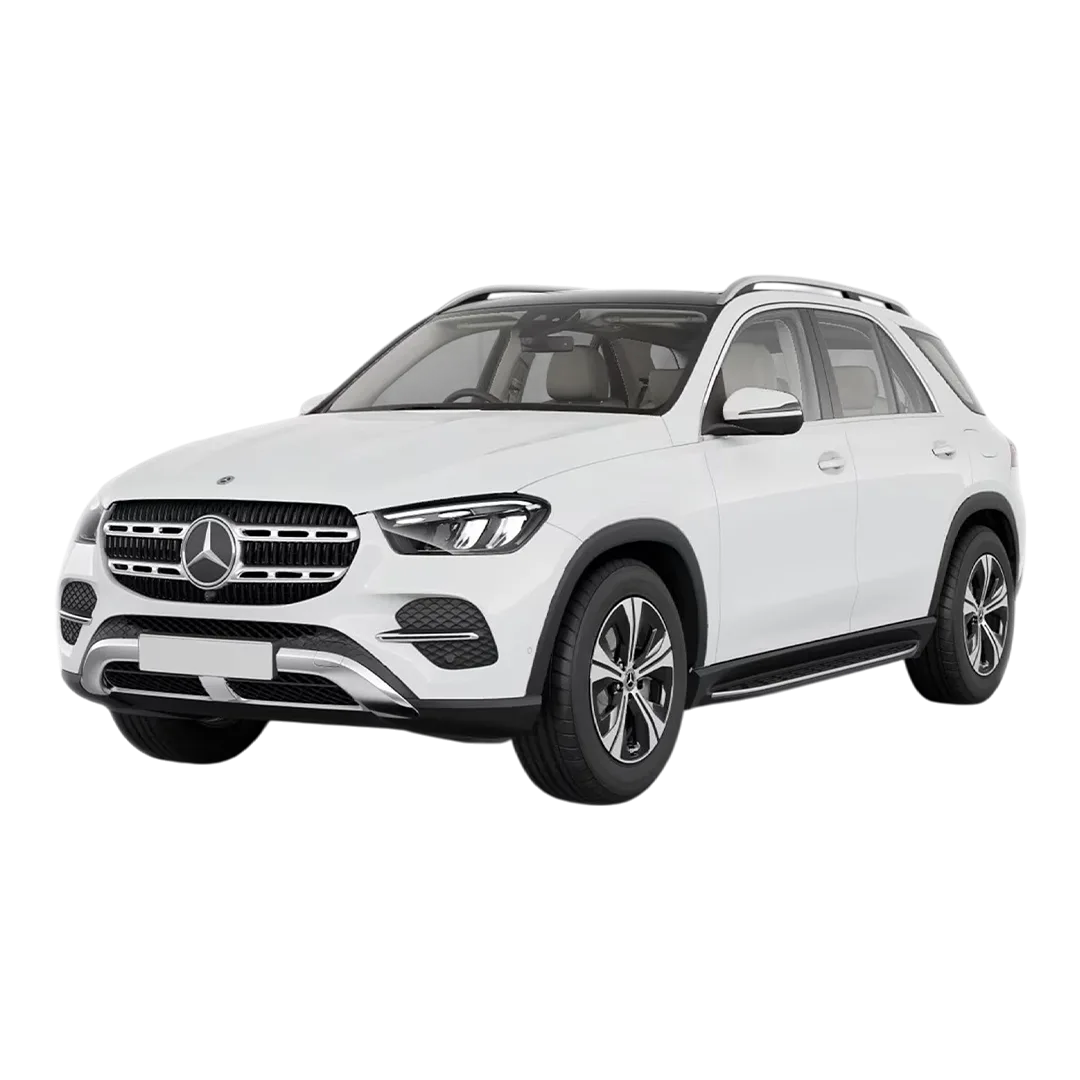 GLE 400
GLE 250D
GLE 400
GLE 250D
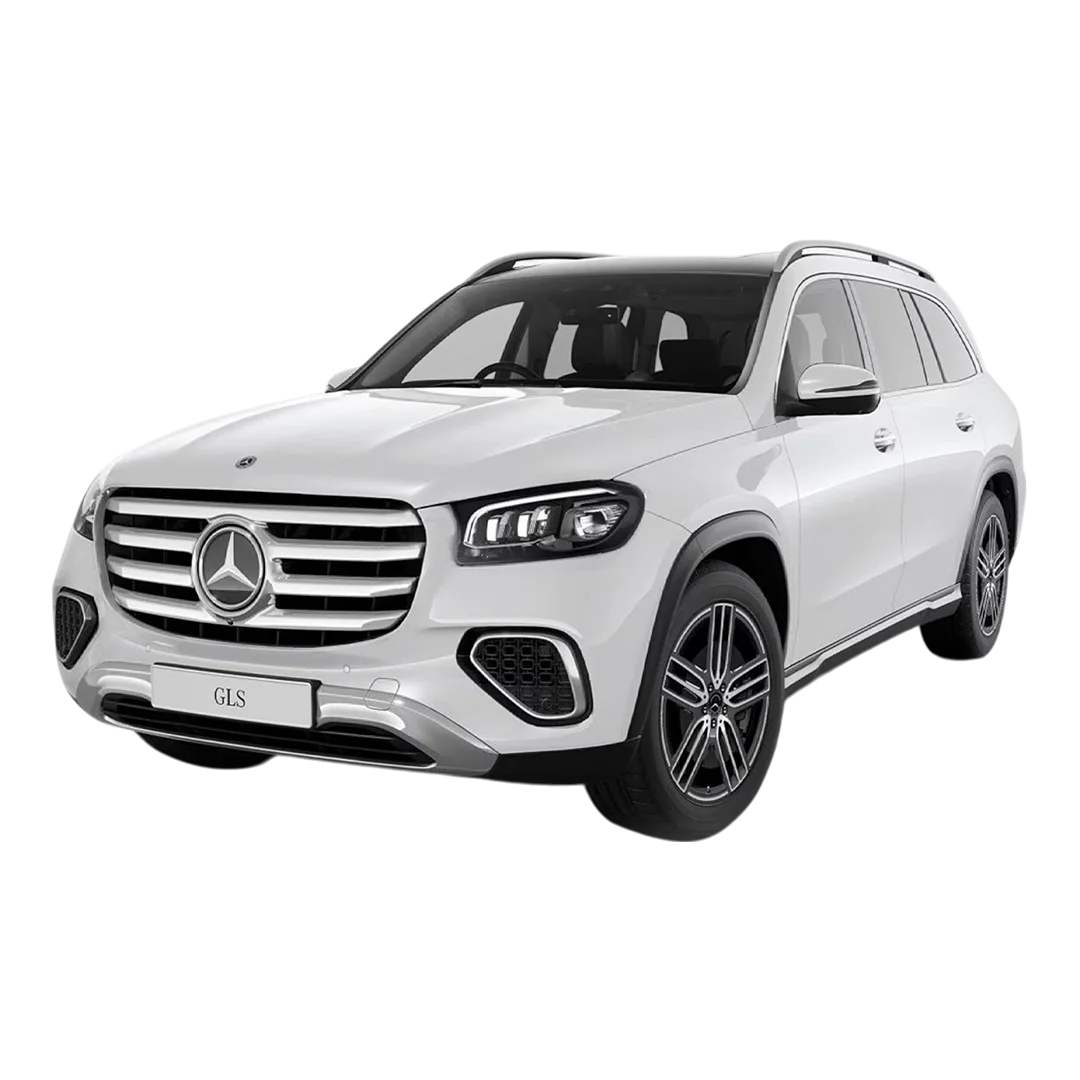 GLC 220D
GLC 300
GLC 220D
GLC 300
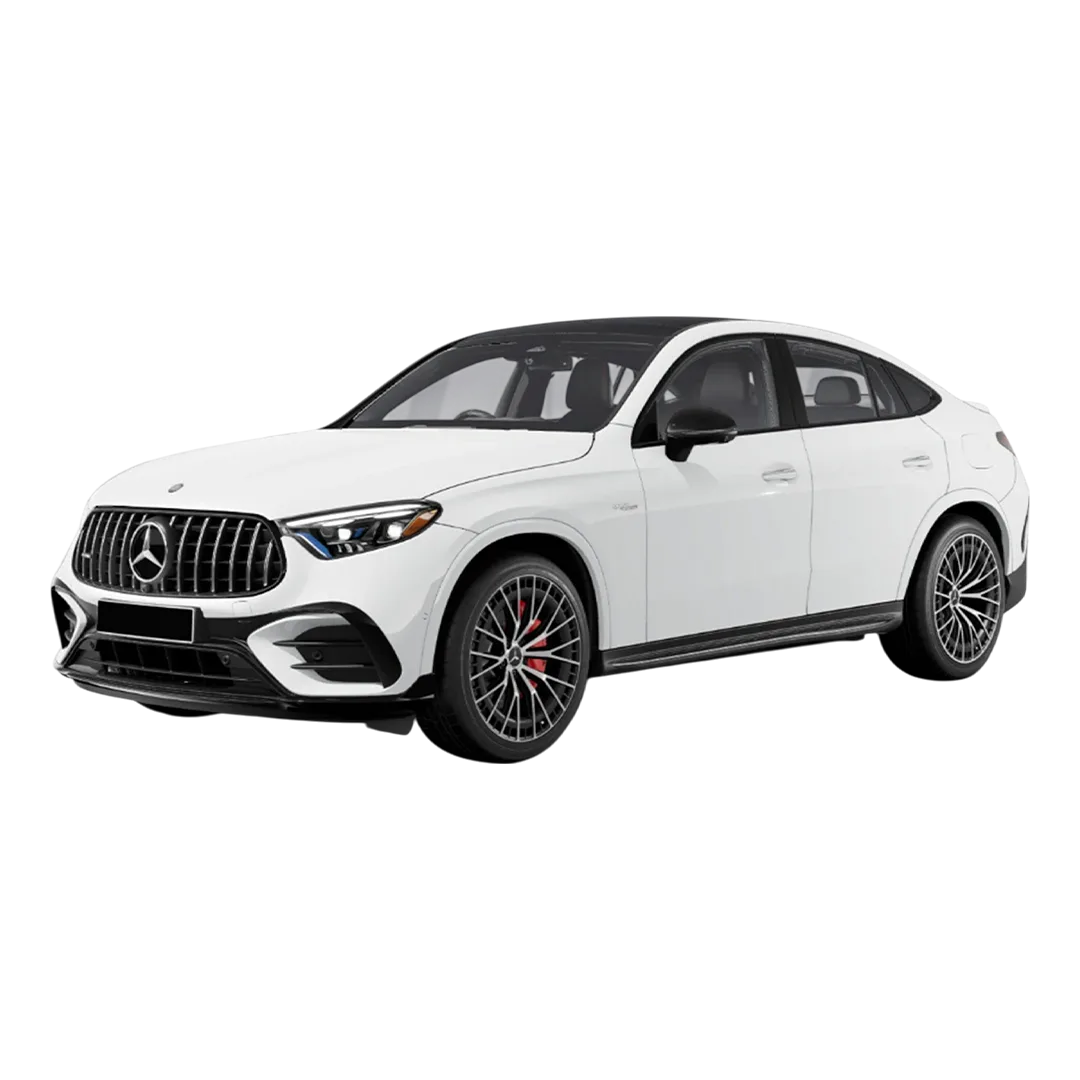 GLC 43 Coupe
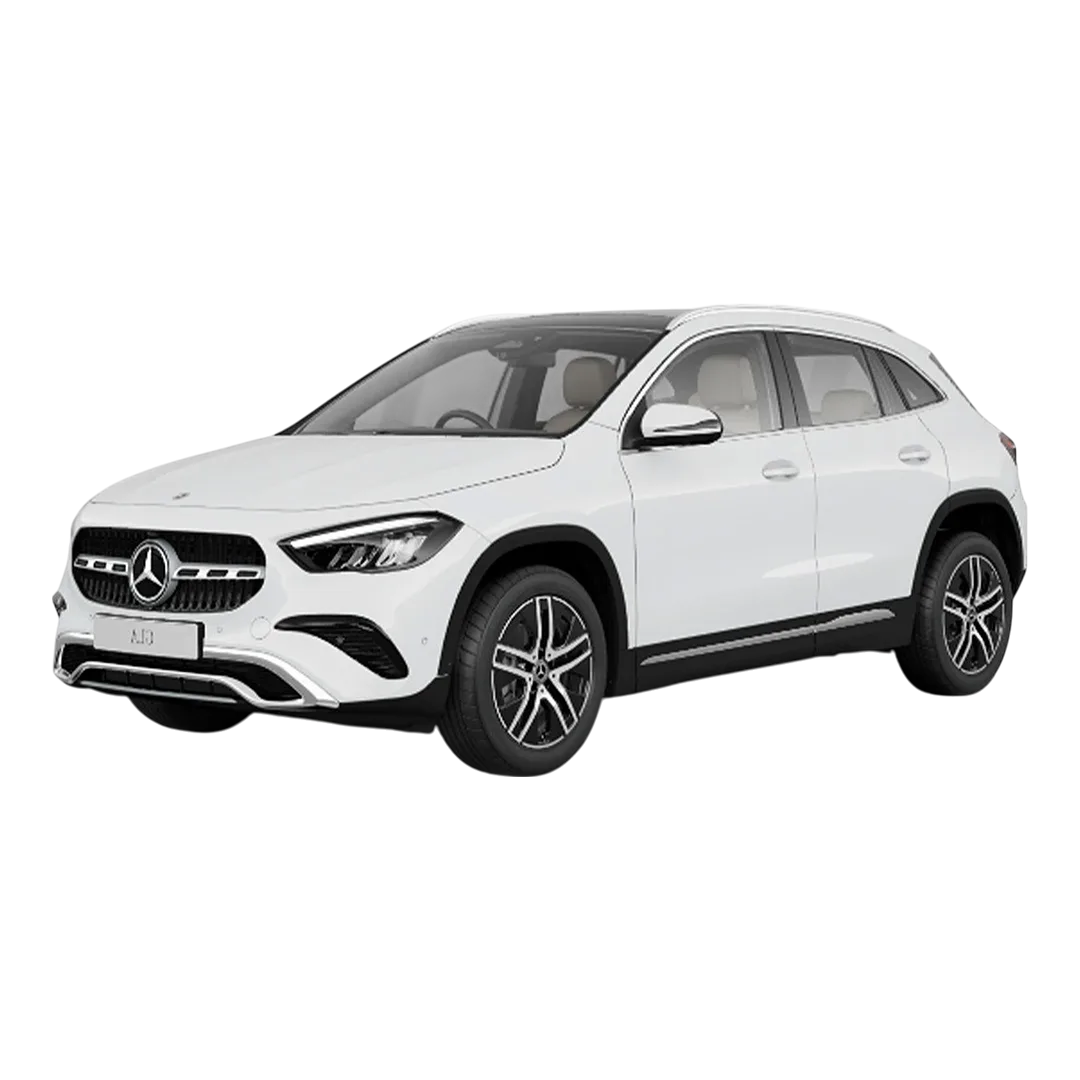 GLA 220d
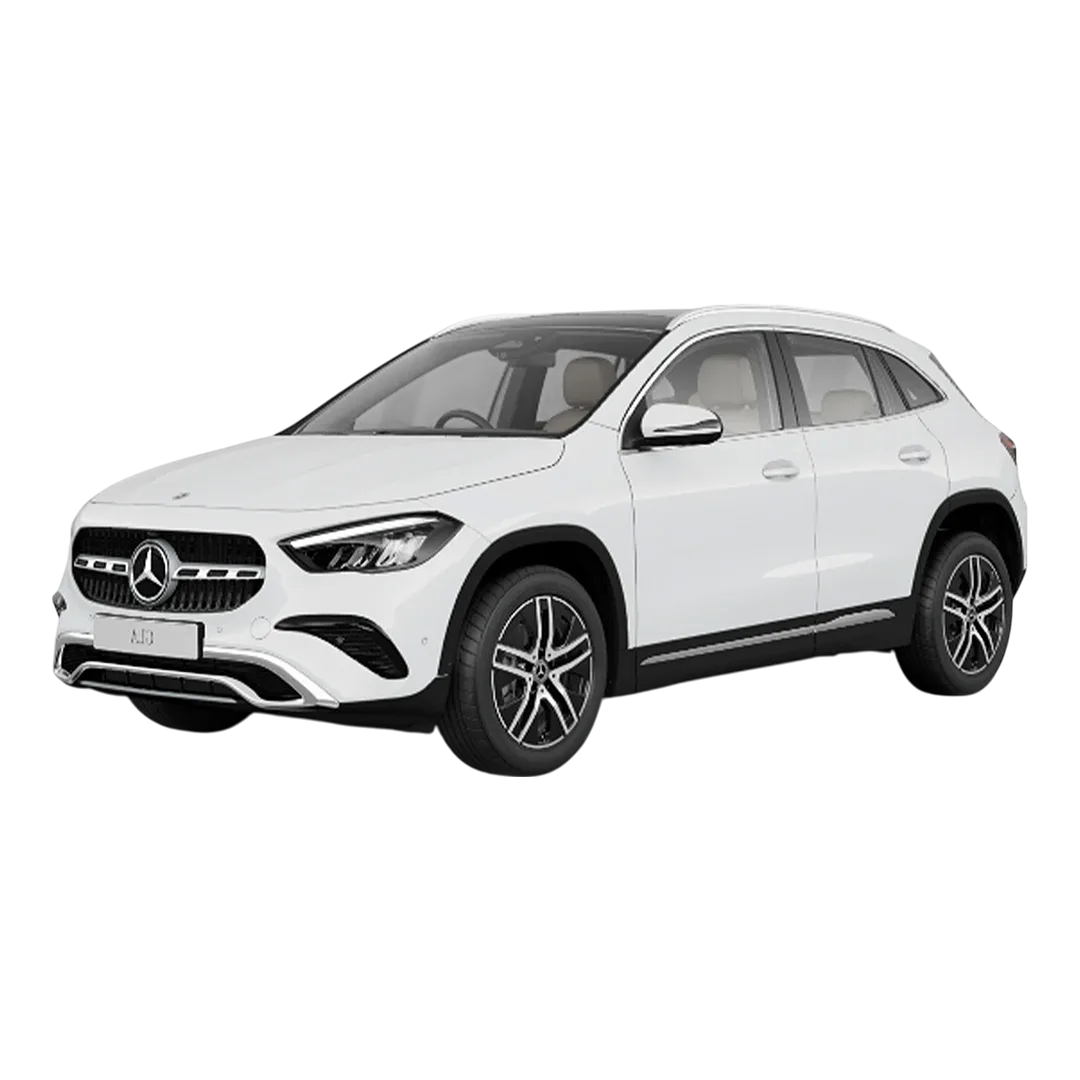 GLA-Class 200D
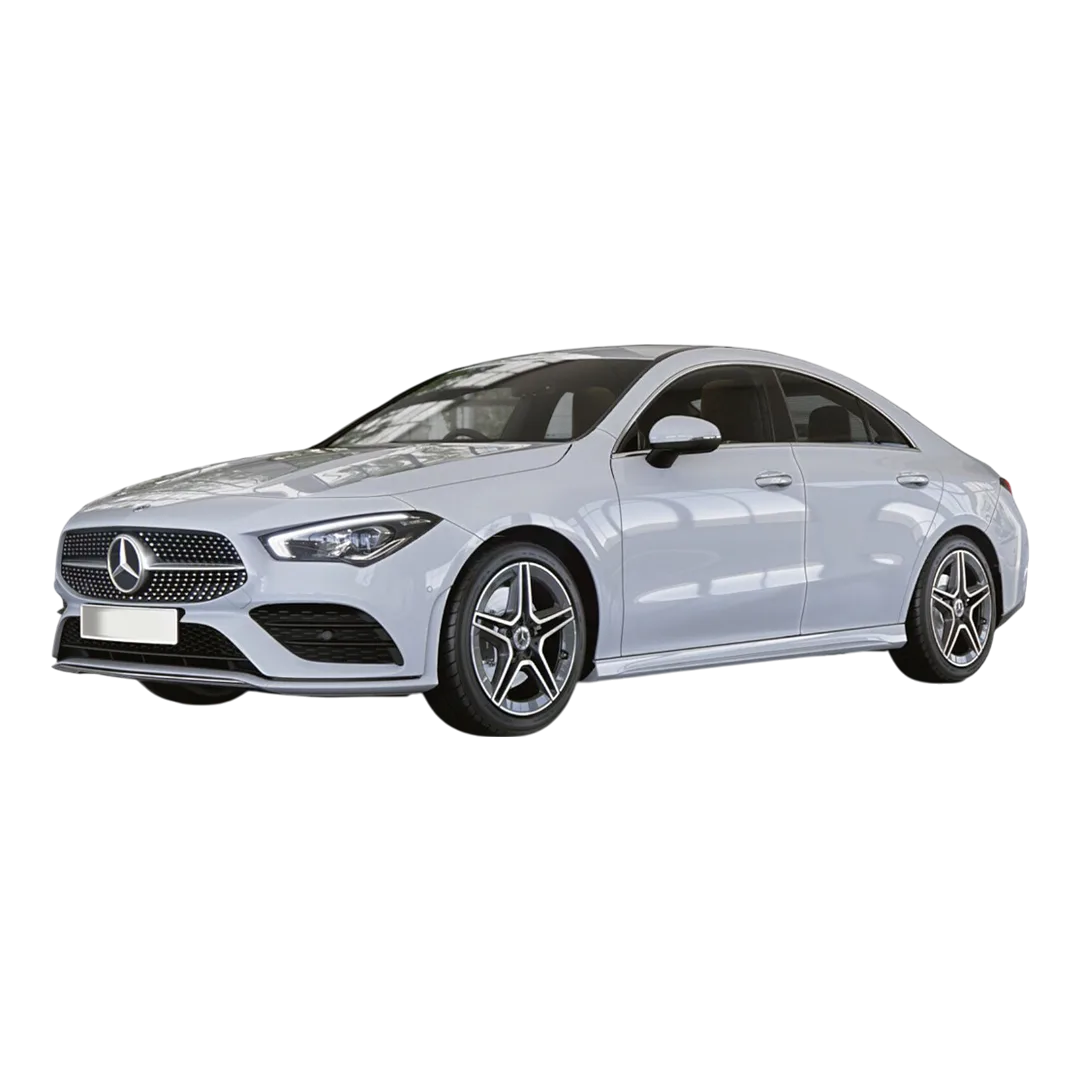 CLA 200
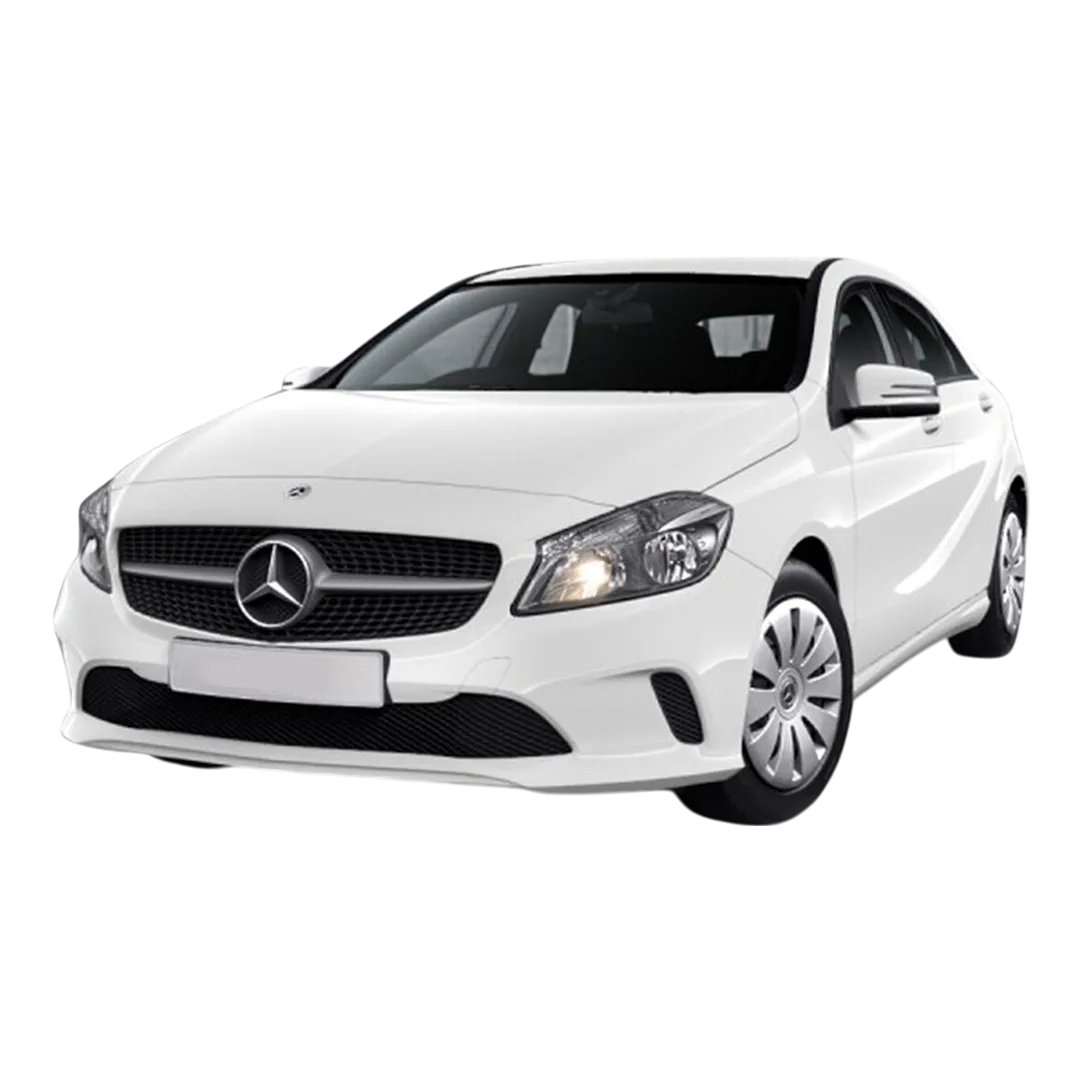 Benz A-Class A 180
M-Class ML 250
M-Class ML 350
Benz A-Class A 180
M-Class ML 250
M-Class ML 350
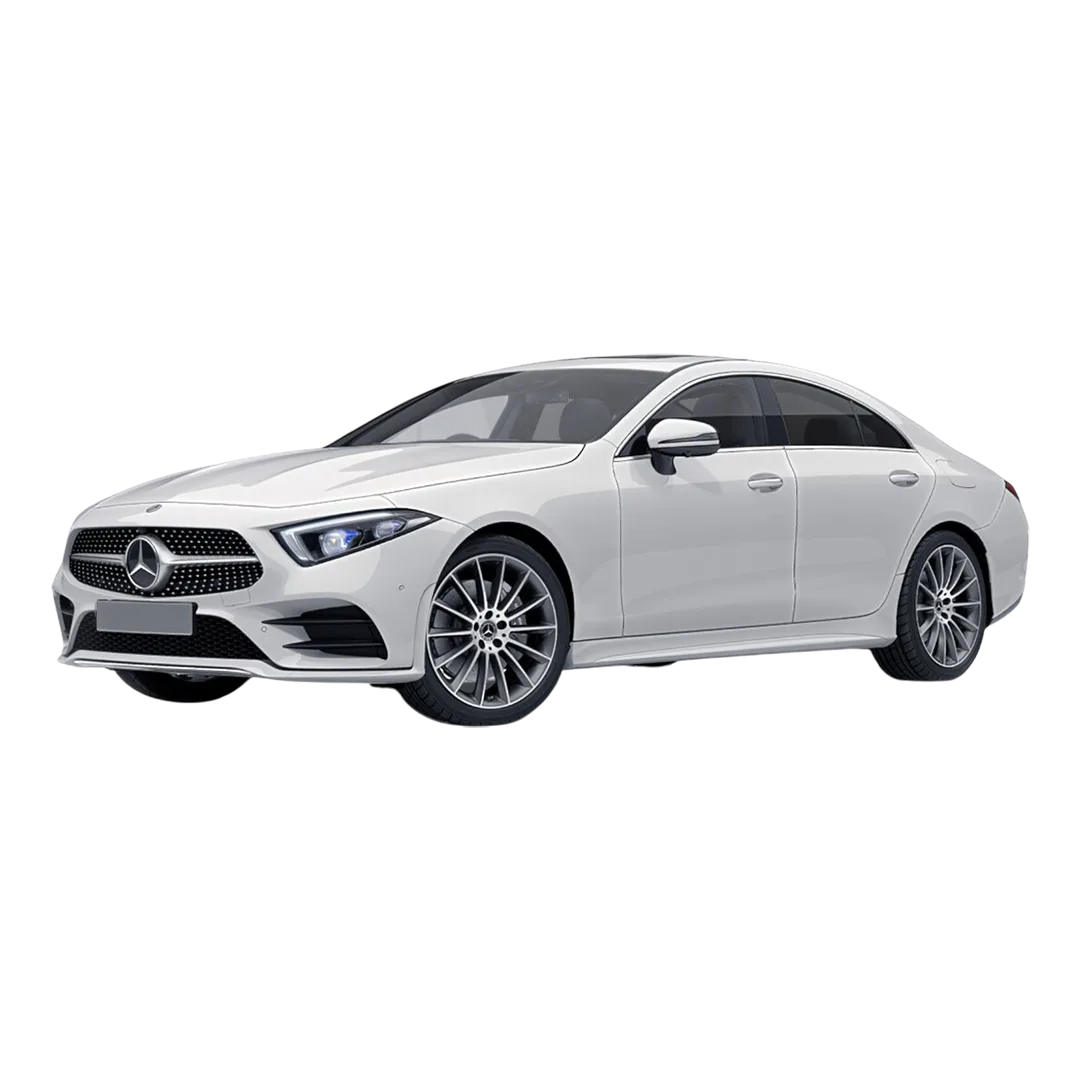 Benz CLS 300
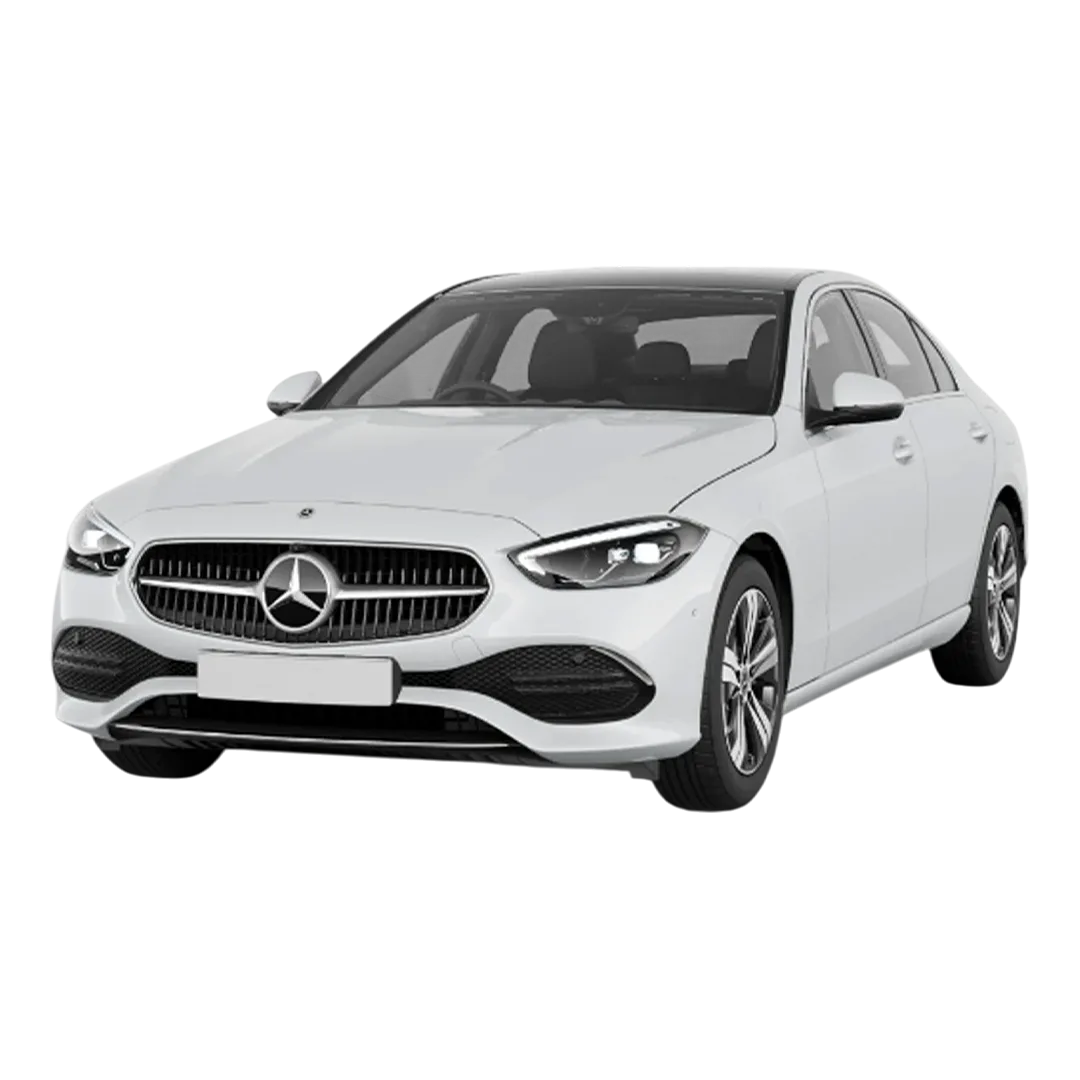 C-Class C250
C-Class C220
C-Class C200
C-Class C250
C-Class C220
C-Class C200
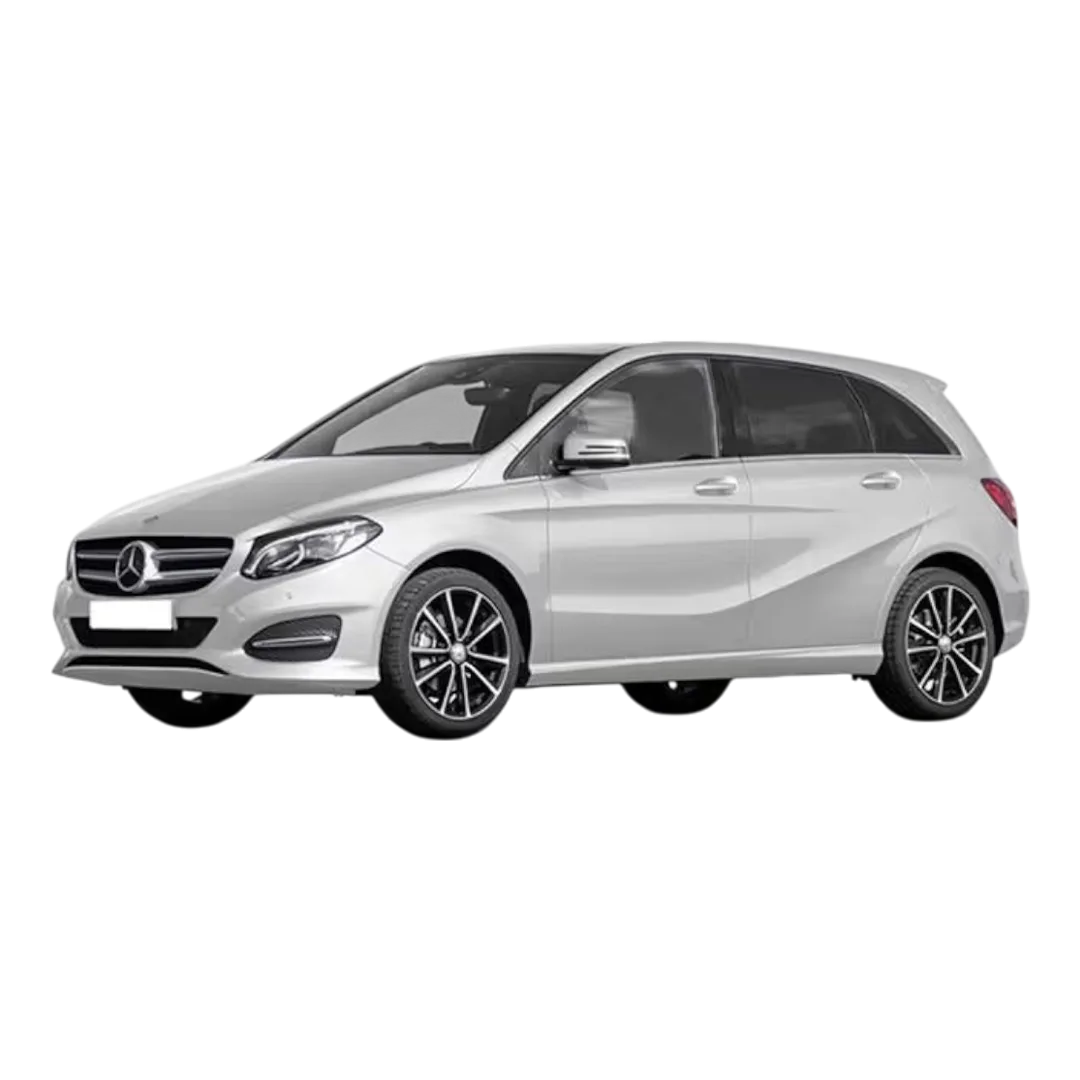 Benz B - Class
Benz A - 200
Benz B - Class
Benz A - 200

Not long ago, cars were simply machines built to get us from point A to point B. Fast forward to today, and that idea feels almost outdated. Modern vehicles are evolving into something far more powerful-what many now call “phones on wheels.” With brands like Tesla and BYD leading the charge, cars are no longer just about engines and fuel efficiency; they’re about software, connectivity, and intelligent user experiences.
From over-the-air (OTA) updates that improve performance overnight to AI-powered assistants that respond to voice commands, the driving experience is being completely redefined. Add to that app-based dashboards offering entertainment, navigation, and productivity tools, and it’s clear that the automotive world is merging with the tech industry faster than ever.
At Creckk, where emerging trends are closely observed, this shift highlights how innovation is reshaping everyday life. So, what’s really driving this change, and how will it impact you as a driver? Let’s break it down.
Cars have come a long way from mechanical systems to highly advanced digital platforms. Today’s vehicles are built with powerful processors, sensors, and connectivity features that make them feel more like smartphones than traditional automobiles.
Think about it-modern cars now come with touchscreens, cloud connectivity, and real-time data syncing. These features allow drivers to interact with their vehicles in ways that were unimaginable a decade ago. Whether it’s checking traffic updates, syncing your calendar, or even controlling smart home devices, cars are becoming an extension of your digital life.
This transformation is largely driven by the demand for convenience and personalization. Just like smartphones adapt to user behavior, cars are now learning driver preferences, adjusting seat positions, climate settings, and even driving modes automatically.
Moreover, automakers are investing heavily in software development, treating cars as platforms rather than static products. This means your vehicle can evolve over time, gaining new features long after you’ve driven it off the lot.
In short, the shift from traditional vehicles to smart devices isn’t just a trend-it’s a complete redefinition of what a car is and what it can do.
One of the biggest game-changers in the automotive world is Over-the-Air (OTA) updates. If you’ve ever updated your smartphone overnight, you already understand the concept-except now, it applies to your car.
OTA updates allow manufacturers to send software improvements directly to your vehicle without requiring a visit to the service center. These updates can enhance performance, fix bugs, improve safety features, and even introduce entirely new functionalities.
For example, Tesla has famously used OTA updates to increase battery efficiency, improve autopilot capabilities, and even add entertainment features. This means your car doesn’t stay the same-it gets better over time.
Here’s a quick look at what OTA updates can do:
| Feature Type | What It Improves |
|---|---|
| Performance | Battery life, acceleration |
| Safety | Driver assistance systems |
| Entertainment | New apps, UI upgrades |
| Navigation | Real-time map enhancements |
However, OTA updates also raise important questions around cybersecurity and data privacy. As cars become more connected, protecting them from hacking becomes crucial.
Still, there’s no denying that OTA updates are redefining car ownership. Instead of becoming outdated, vehicles now stay fresh and relevant for years.
Imagine talking to your car just like you would to Siri or Google Assistant. That’s no longer a futuristic idea-it’s already here. AI assistants are becoming a core part of modern vehicles, making driving more intuitive and hands-free.
With simple voice commands, drivers can control navigation, play music, adjust climate settings, or even send messages. This not only improves convenience but also enhances safety by reducing the need to take your hands off the wheel.
What makes these assistants even more impressive is their ability to learn. Over time, they adapt to your preferences, understand your routines, and provide personalized suggestions. For instance, your car might recommend leaving earlier based on traffic patterns or suggest your favorite playlist during your commute.
Companies are also integrating advanced AI models to make conversations more natural and context-aware. This means you can ask complex questions or give multiple commands without repeating yourself.
Still, there’s a balance to maintain. While AI enhances convenience, it also raises concerns about data collection and privacy. Automakers must ensure that user data is handled responsibly. All things considered, AI assistants are turning cars into intelligent companions, making every drive smarter and more connected.
Another major shift in the automotive industry is the rise of in-car apps. Just like smartphones have app stores, modern vehicles are now equipped with ecosystems that support a wide range of applications.
From streaming services like Netflix and Spotify to navigation tools and even games, your car’s dashboard is becoming a digital hub. This is especially useful during long drives or while waiting in your vehicle.
Here are some popular types of in-car apps:
These apps are designed to enhance the overall driving experience, making it more enjoyable and interactive. However, automakers must ensure that these features don’t distract drivers while the vehicle is in motion.
Interestingly, this trend is also opening up new opportunities for developers. Just like mobile app ecosystems, automotive platforms are becoming spaces for innovation and monetization. In many ways, the car dashboard is evolving into a second smartphone-only bigger and more integrated into your daily routine.
So, where is all this heading? The concept of “phones on wheels” is just the beginning. As technology continues to advance, cars are expected to become even smarter, more autonomous, and deeply integrated into our digital lives.
Future vehicles may feature fully autonomous driving, advanced AI decision-making, and seamless connectivity with smart cities. Imagine a car that communicates with traffic signals, finds parking on its own, and schedules its own maintenance.
Electric vehicles (EVs) will also play a major role in this transformation, combining sustainability with cutting-edge technology. Meanwhile, software will continue to be the driving force behind innovation, making updates and improvements faster than ever.
However, challenges remain. Issues like cybersecurity, data privacy, and regulatory frameworks need to be addressed to ensure safe and reliable adoption. Despite these hurdles, one thing is clear-cars are no longer just vehicles. They’re evolving into intelligent, connected ecosystems that redefine mobility.
1. What does “phones on wheels” mean?
It refers to modern cars that function like smartphones, offering apps, connectivity, and software-based features.
2. Are OTA updates safe for cars?
Yes, but they require strong cybersecurity measures to prevent potential risks.
3. Do all cars have AI assistants?
Not all, but many modern vehicles are starting to include them as standard features.
4. Can in-car apps distract drivers?
They can if not designed properly, which is why most are limited while driving.
5. What is the future of smart cars?
The future includes autonomous driving, smarter AI, and deeper connectivity with digital ecosystems.
The rise of “phones on wheels” isn’t just a buzzword-it’s a glimpse into the future of transportation. Cars are becoming smarter, more connected, and increasingly personalized, changing how we think about mobility altogether.
As AI, apps, and software continue to evolve, the line between technology and transportation will only get blurrier. Whether you’re excited or cautious, one thing’s for sure-the way we drive is never going to be the same again.