Your cart is empty
Start Shopping Exterior
›
Exterior
›
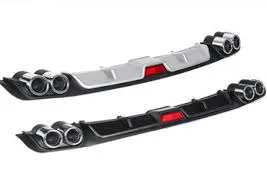 Bumper Diffuser/Guard
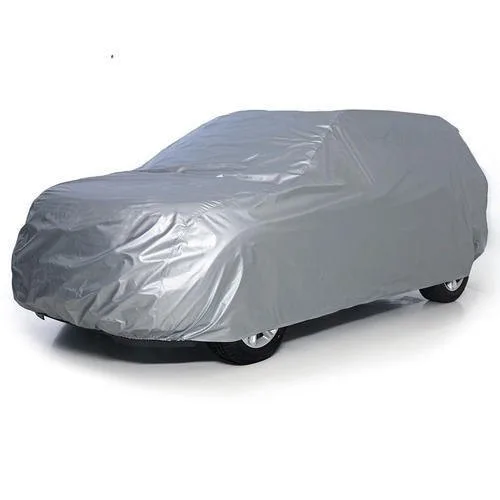 Body Covers
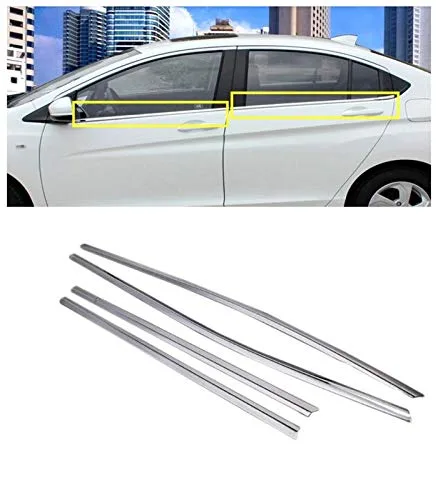 Window Garnishing
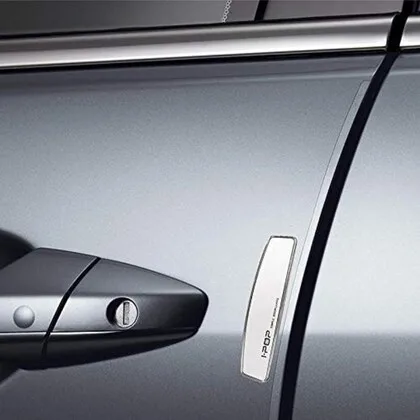 Door Guards
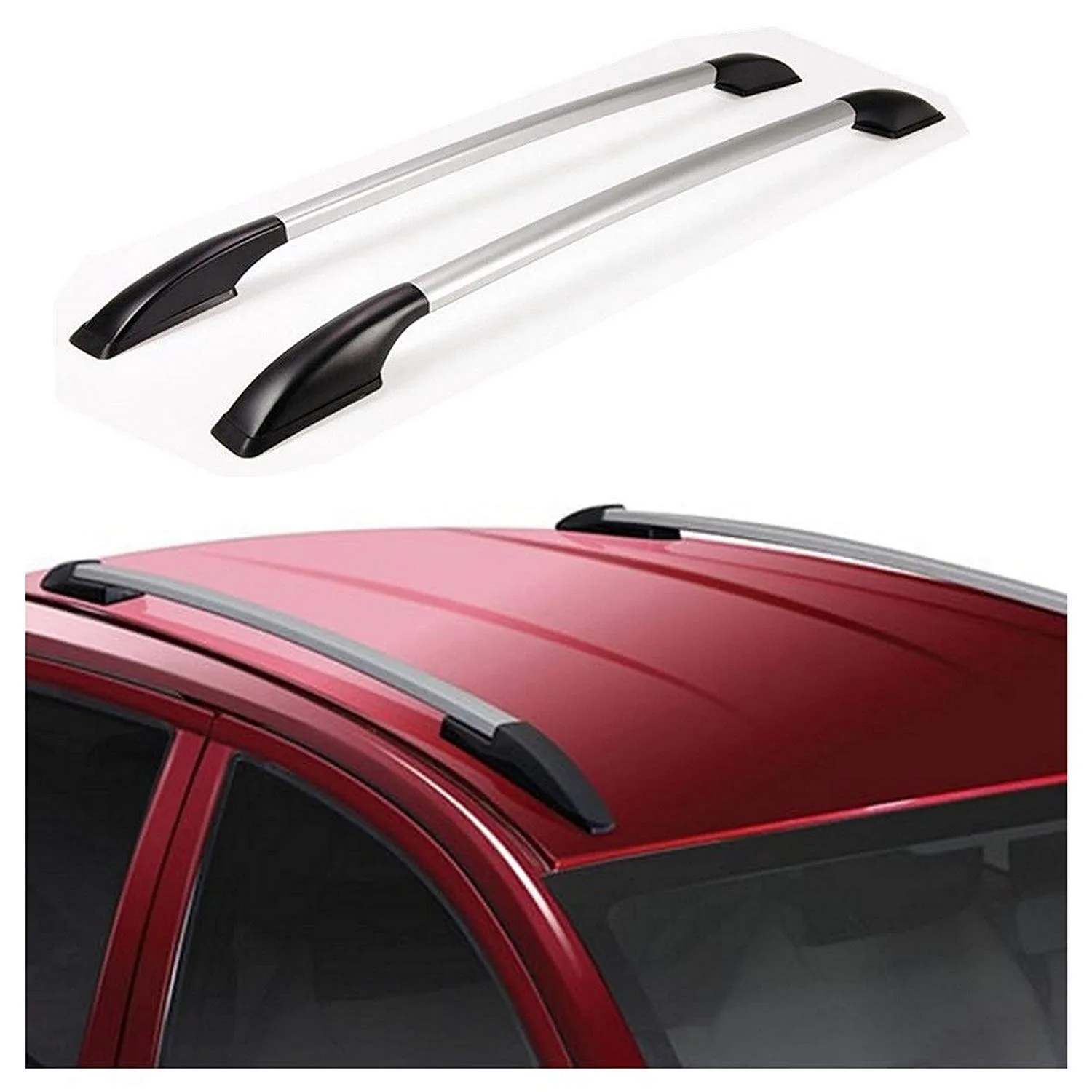 Roof Rails
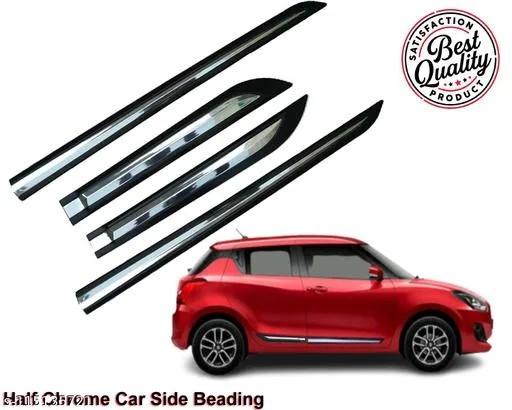 Side Beading
 Door Visor
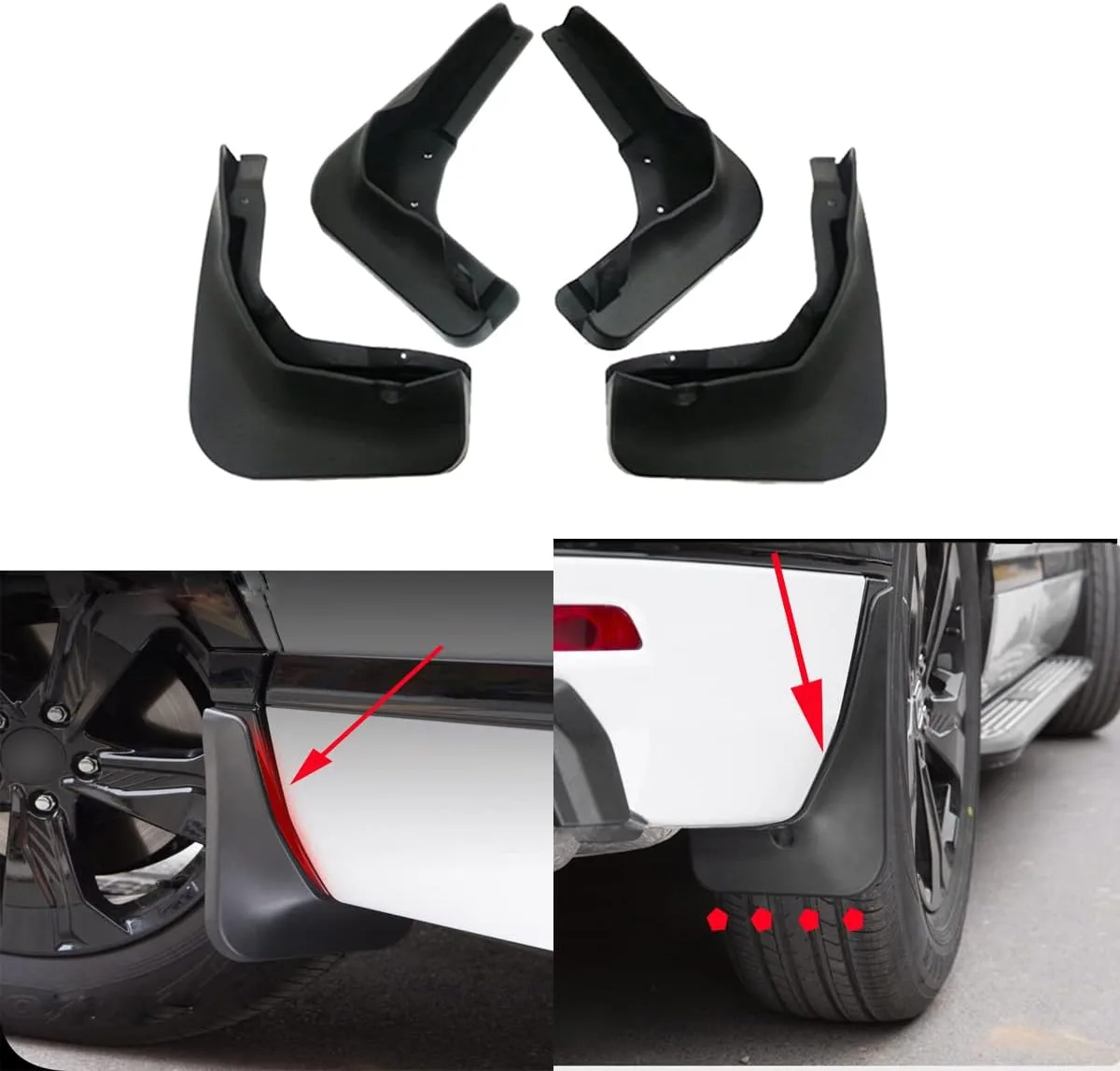 Mud Flap
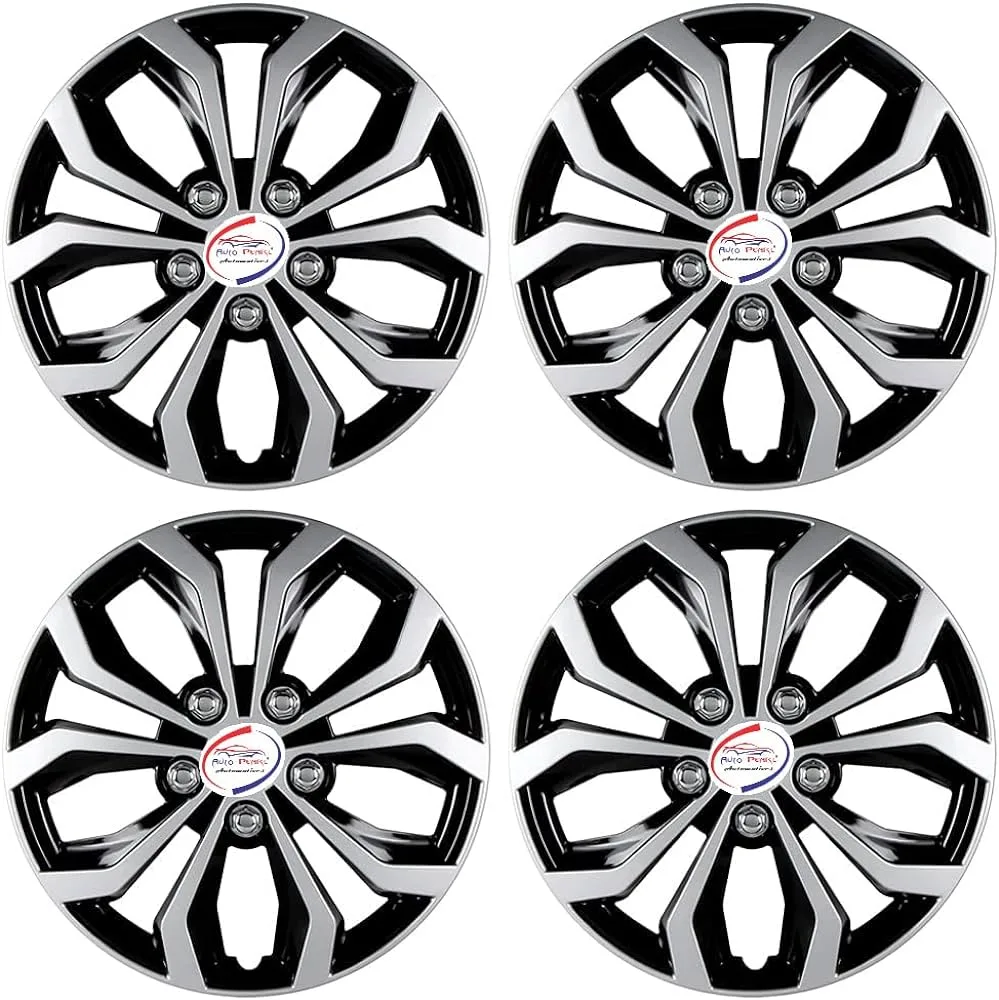 Wheel Cover
 Foot Rest
 Interior
›
Interior
›
 Door Scuff Sill Plates
 Window Sunshades & Film
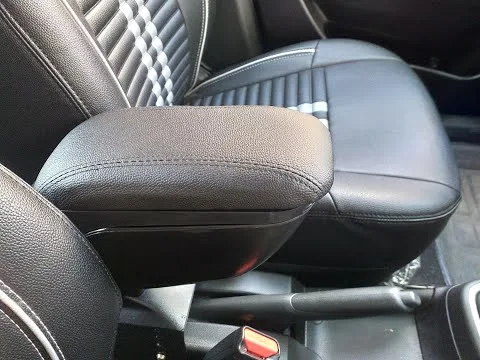 Armrest
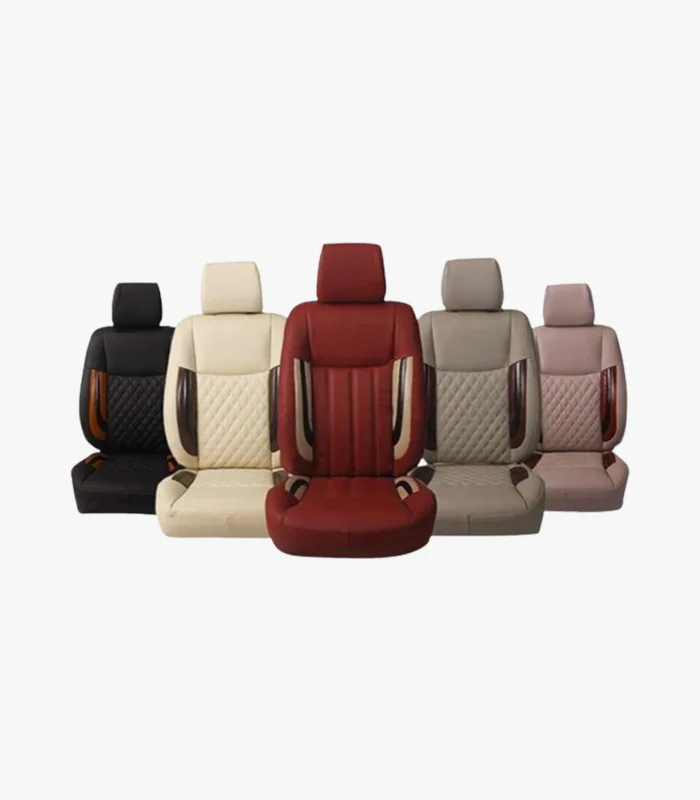 Seat Covers
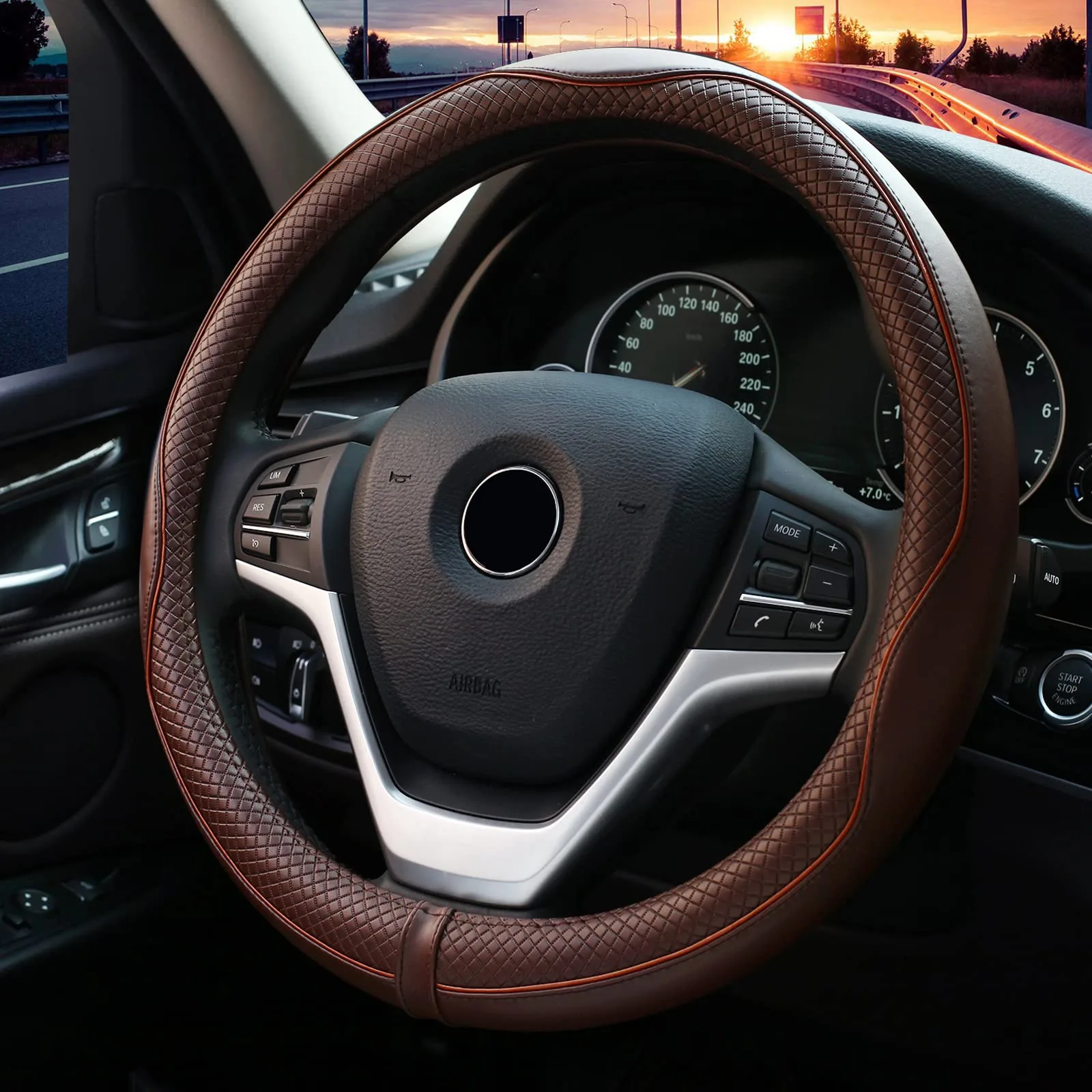 Steering Cover
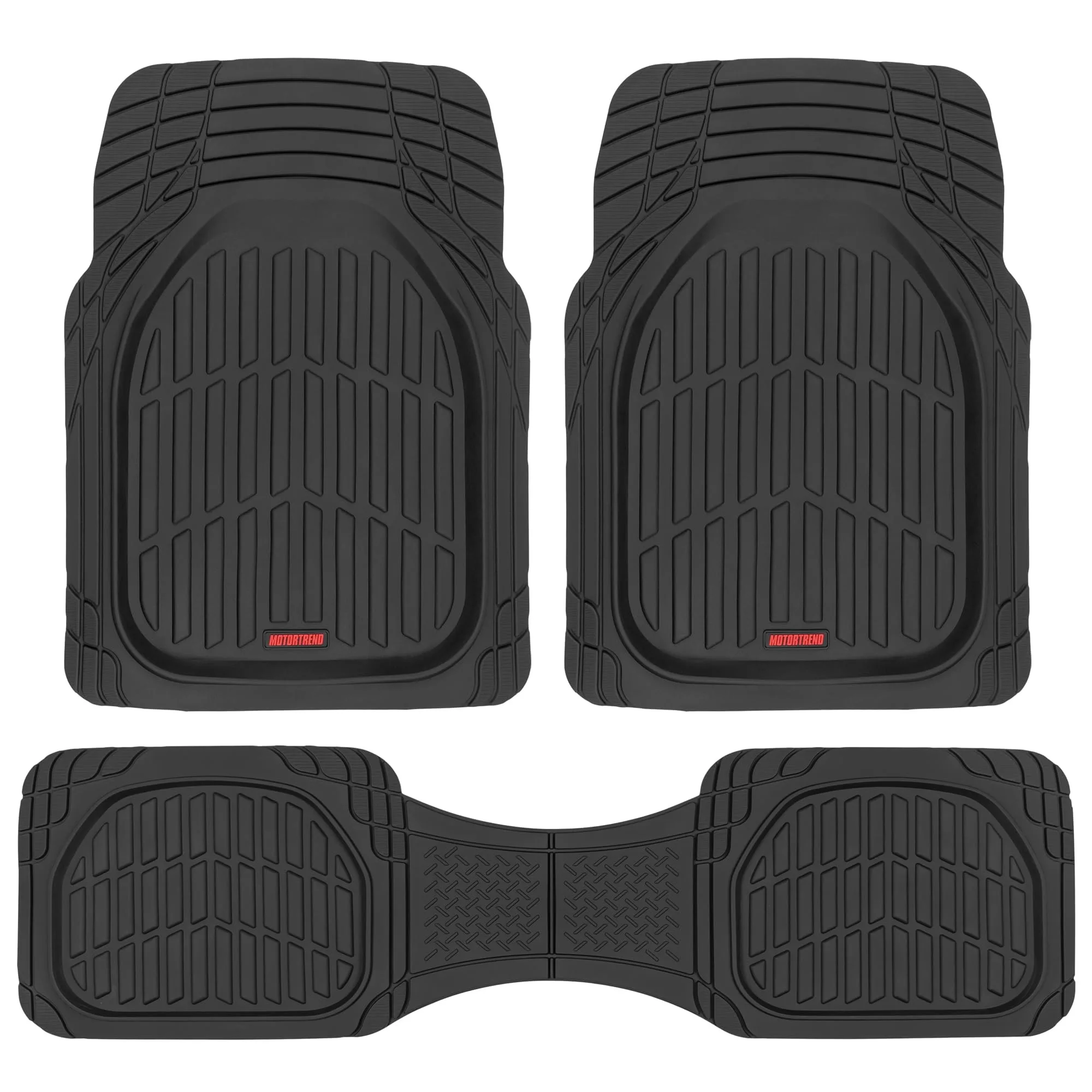 Floor Mats
 Dashboard Showpiece
 Seat & Neck Cushion
 Lighting
›
Lighting
›
 Utility
›
Utility
›
 All Chrome Items
 Mobile Holder
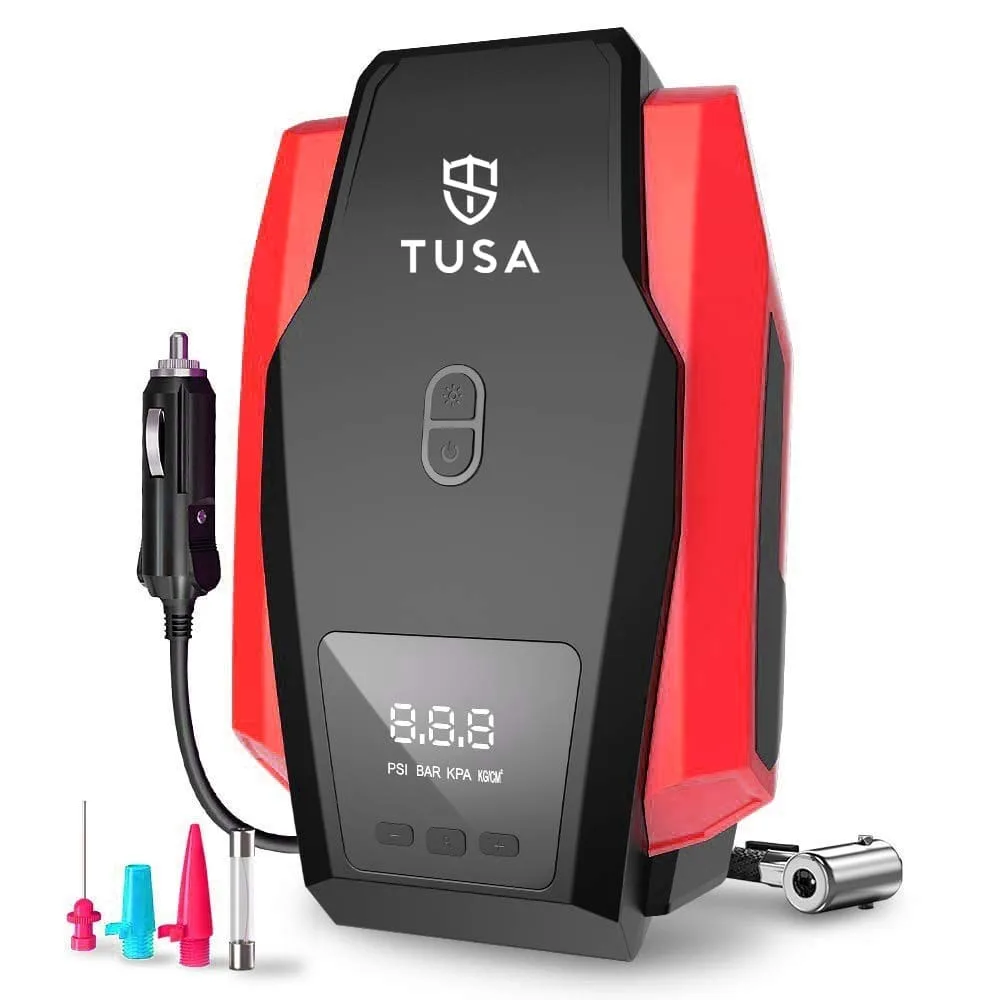 Tyre Inflators
 Vacuum Cleaner
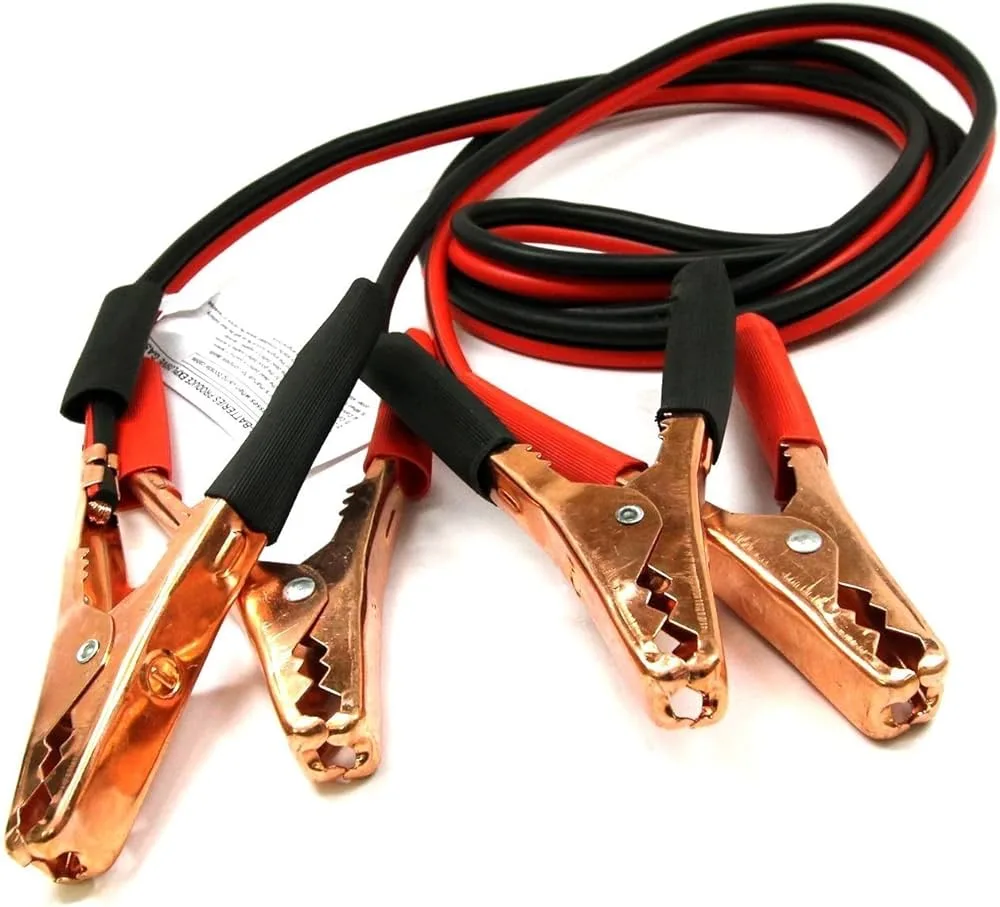 Jumper Cable
 Cleaning Kit
 Tyre Puncture Kit
 Tyre Valve Cap
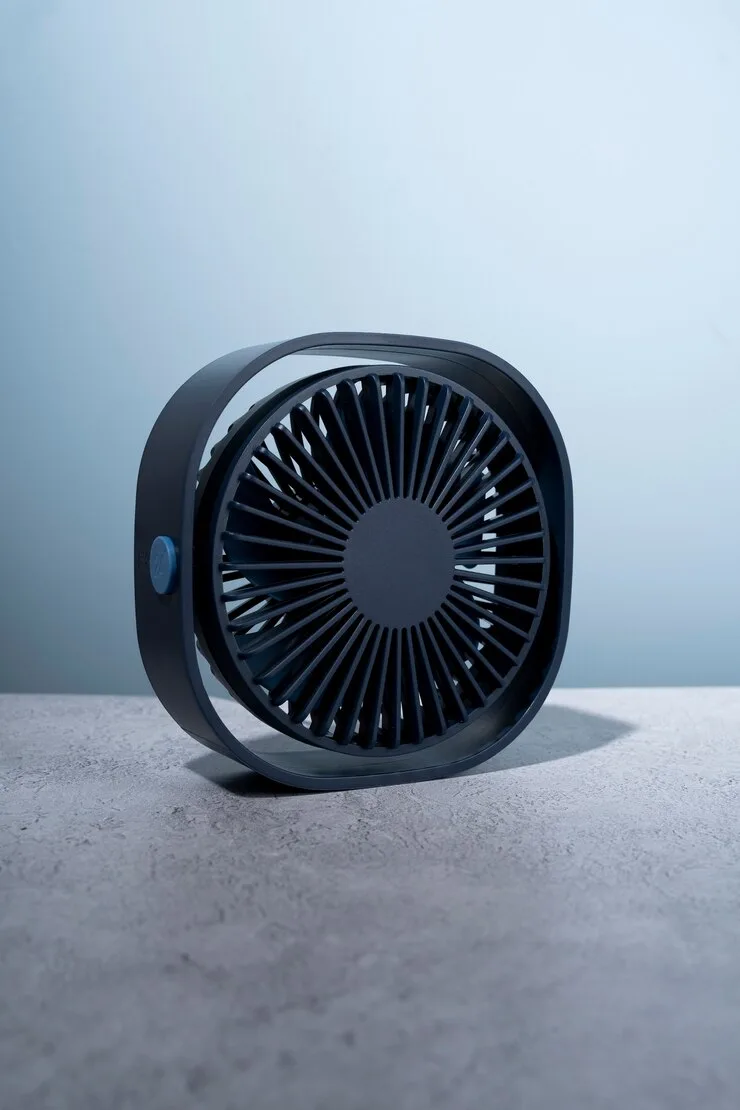 Car Fan
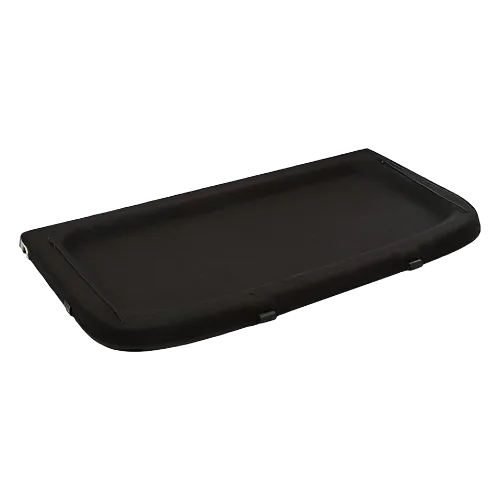 Parcel Tray
 Electronic
›
Electronic
›
 Parts
›
Parts
›
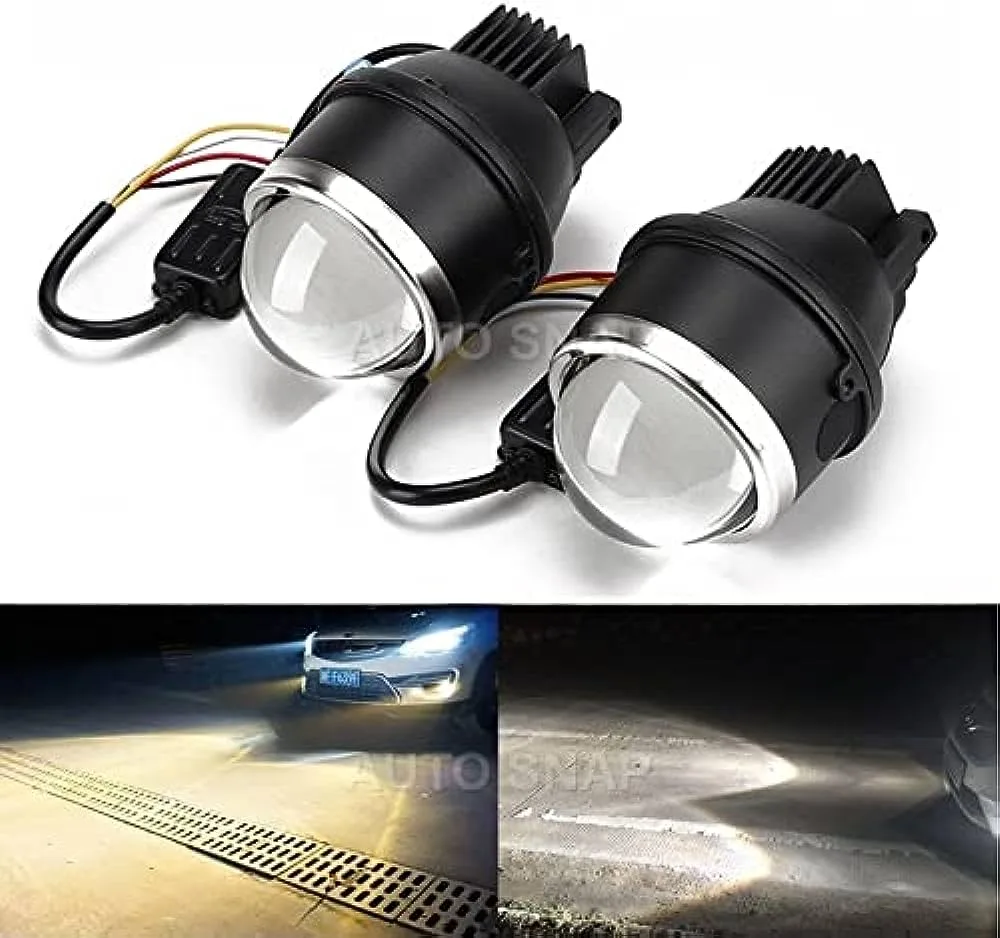 Fog Lights
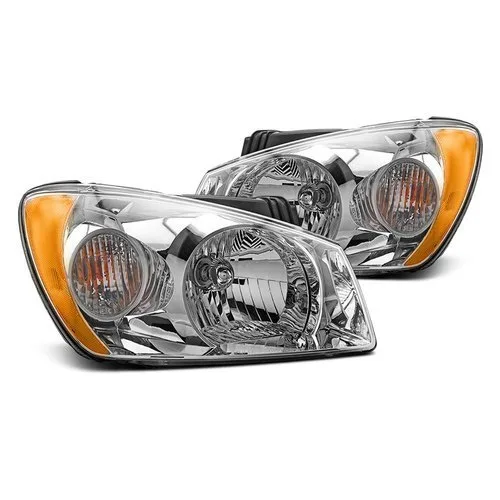 Headlights
 Tail Lights
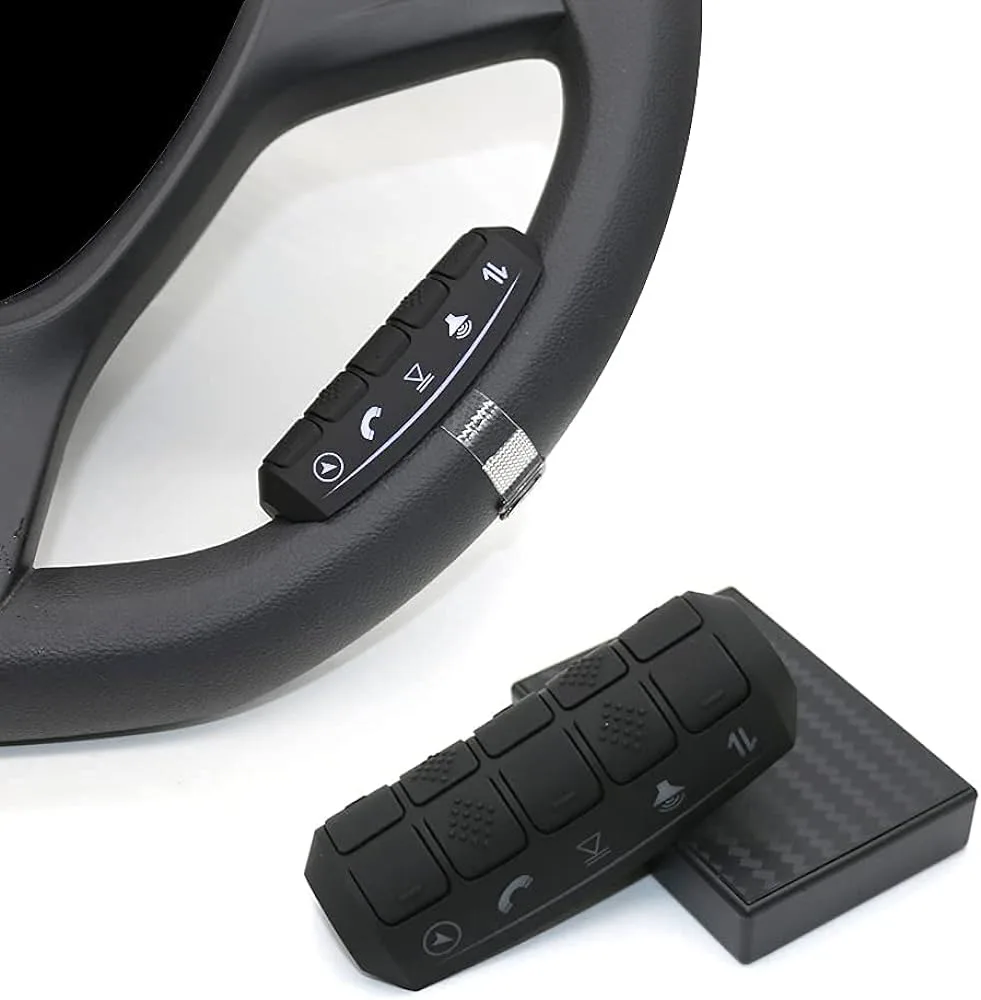 Steering Wheel Controls
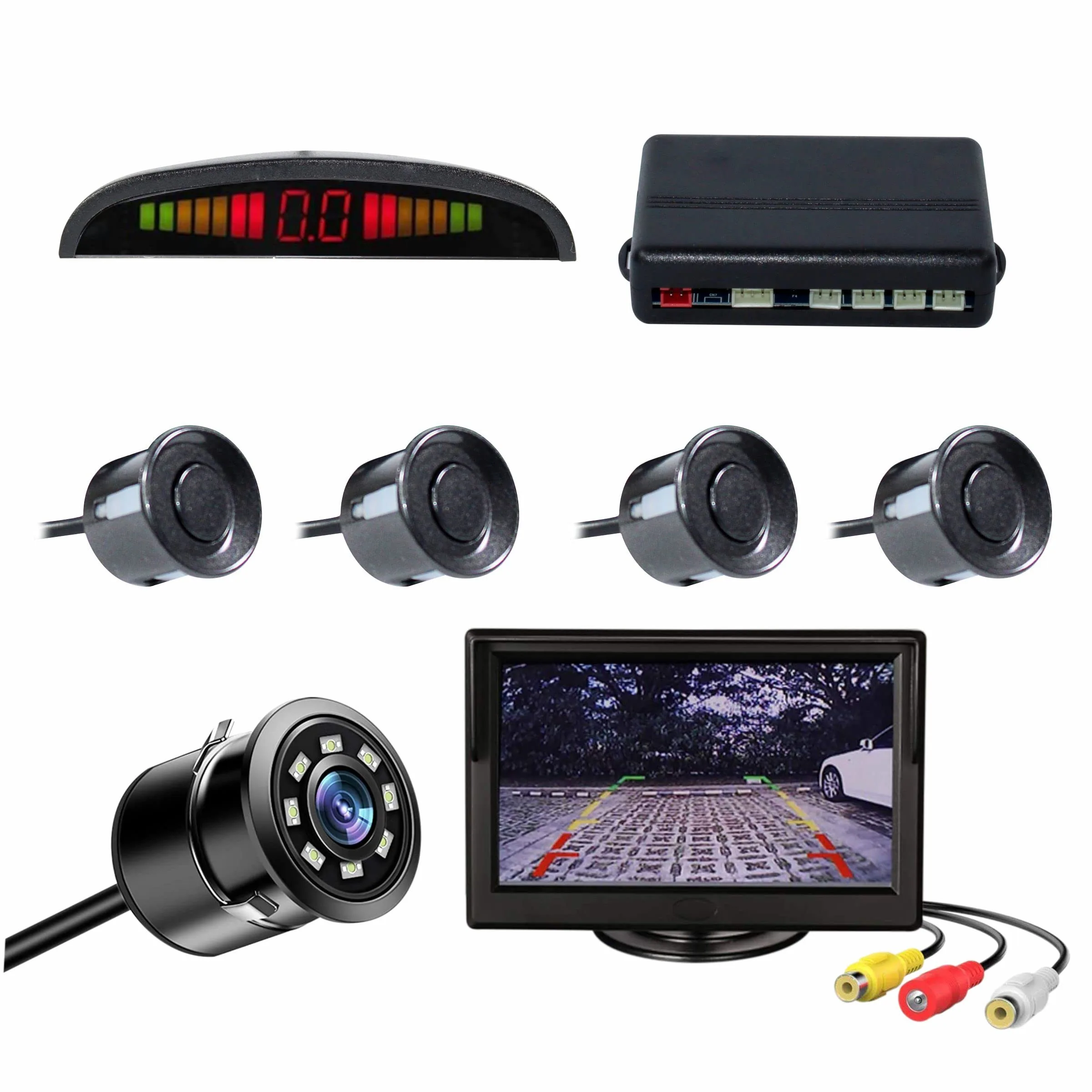 Sensor
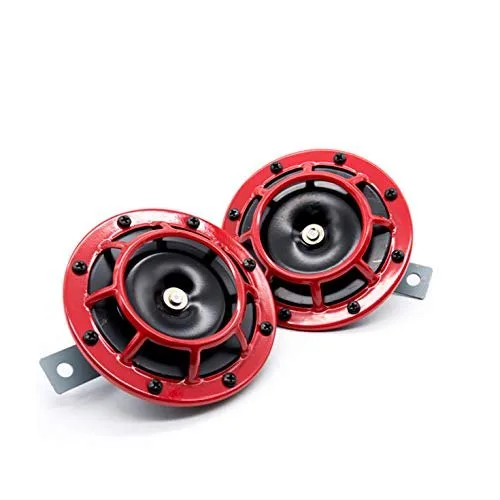 Horns
Horns
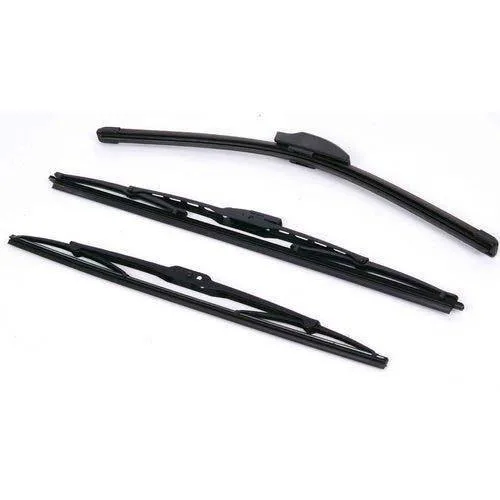 Wiper Blade
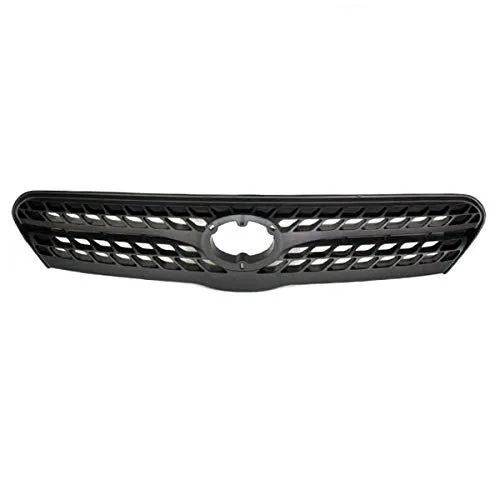 Front Grille
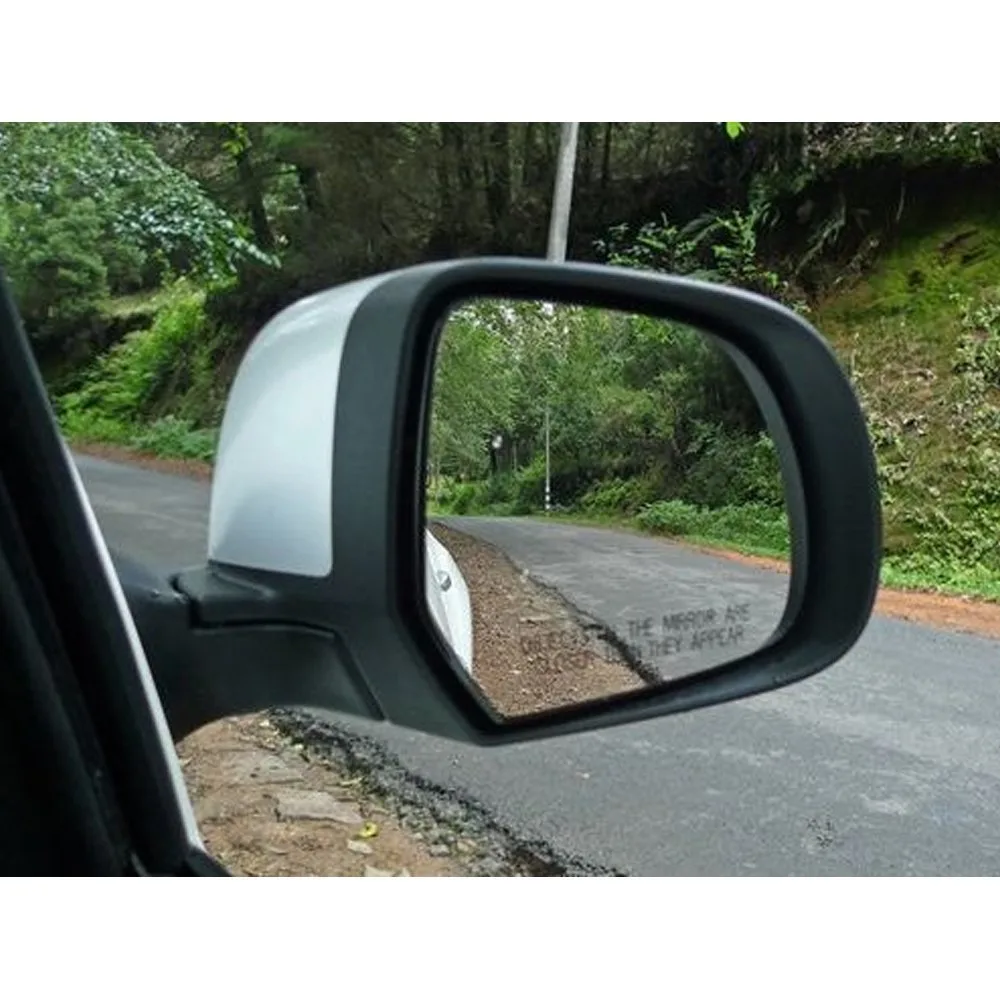 Side Mirror
 Battery
 Car Care
›
Car Care
›
 Air Freshener & Perfume
 Gear knob
 Stickers & Decals
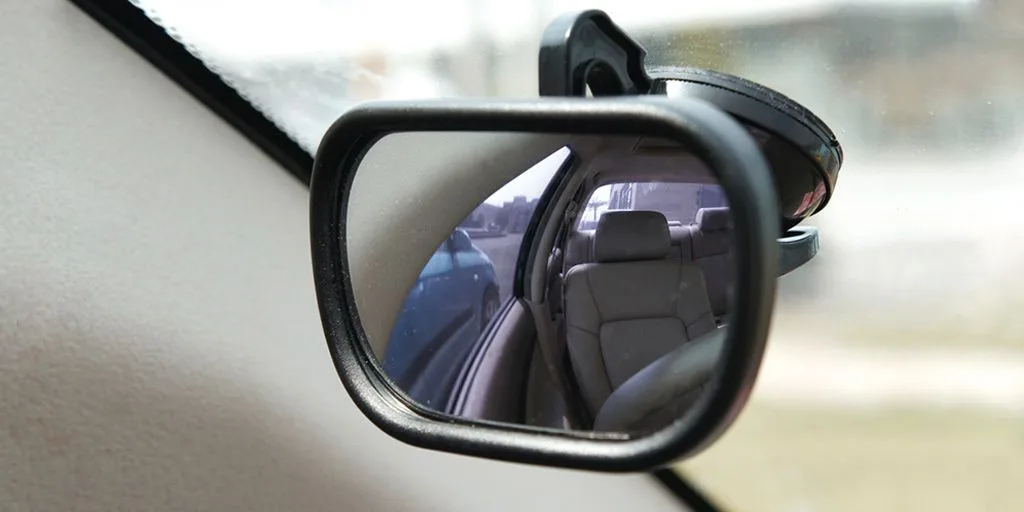 Blind Spot Mirror
 Steering Knob
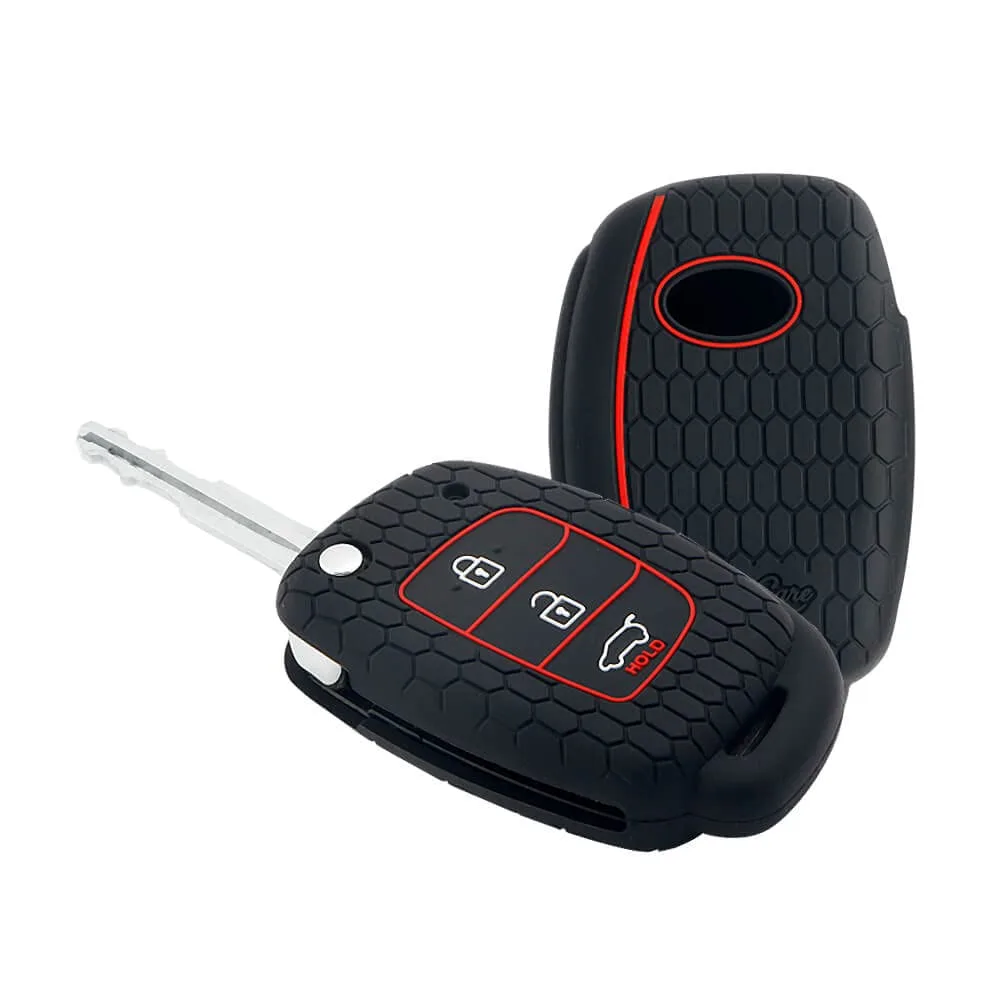 Key Covers
 Polish & Scratch Remover
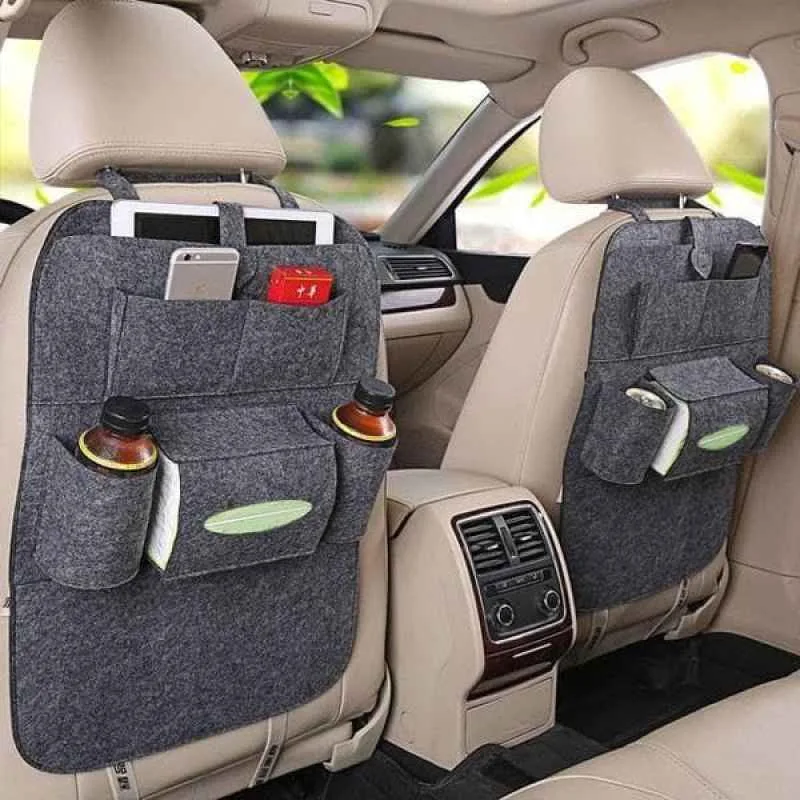 Seat Utility Holder
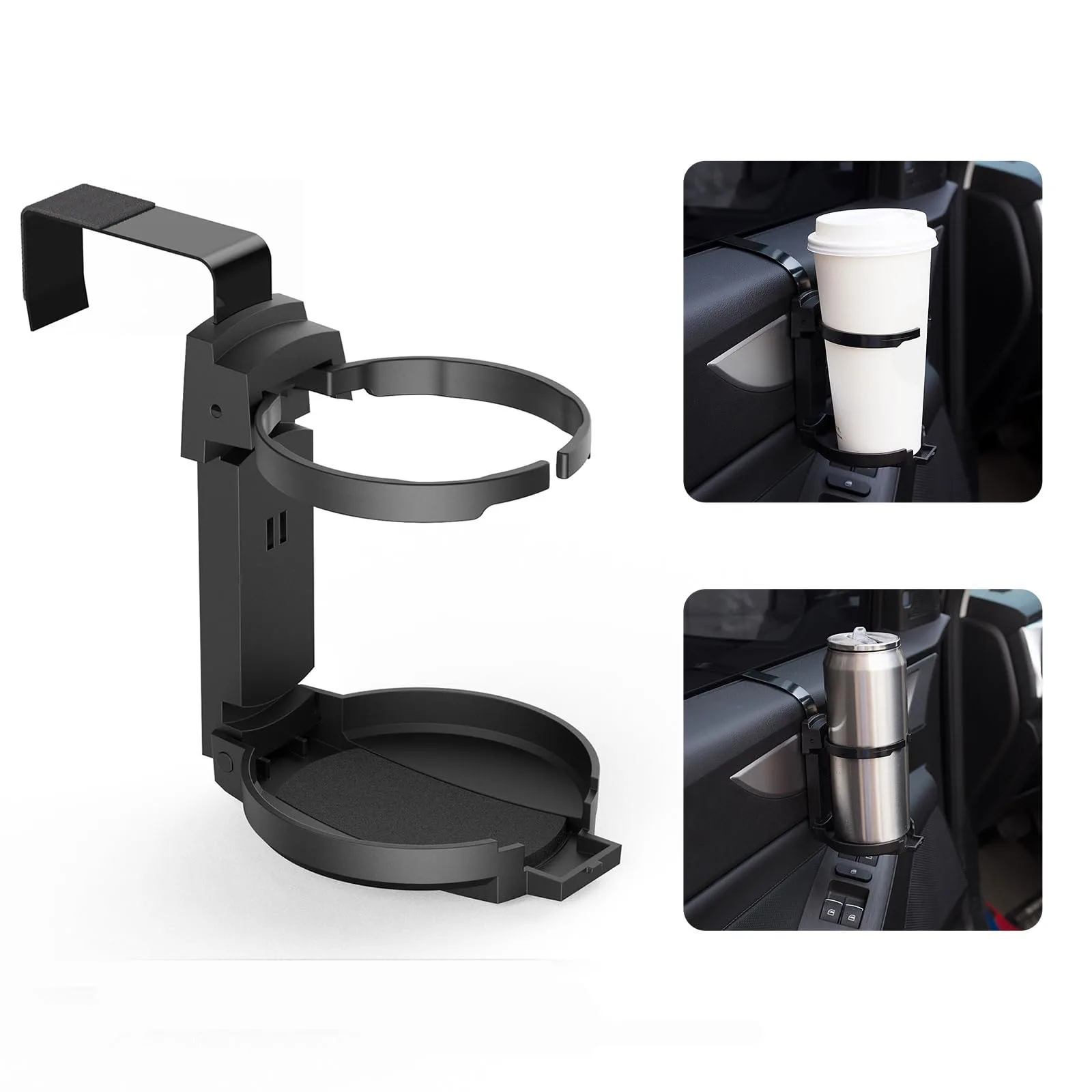 Cup Holder
 Dustbin
 Paper Napkin
 Shop By Car
›
Shop By Car
›
 Tata
›
Tata
›
 Maruti Suzuki
›
Maruti Suzuki
›
 Hyundai
›
Hyundai
›
 Toyota
›
Toyota
›
 Mahindra
›
Mahindra
›
 Honda
›
Honda
›
 Ford
›
Ford
›
 Nissan
›
Nissan
›
 Renault
›
Renault
›
 Skoda
›
Skoda
›
 Volkswagen
›
Volkswagen
›
 Morris Garages - MG
›
Morris Garages - MG
›
 KIA
›
KIA
›
 Jeep
›
Jeep
›
 Citroen
›
Citroen
›
 Datsun
›
Datsun
›
 Chevrolet
›
Chevrolet
›
 Isuzu
›
Isuzu
›
 Mitsubishi
›
Mitsubishi
›
 AUDI
›
AUDI
›
 BMW
›
BMW
›
 Mercedes
›
Mercedes
›
 Land Rover
›
Land Rover
›
 Jaguar
›
Jaguar
›
 Volvo
›
Volvo
›
 FIAT
›
FIAT
›
 Mini Cooper
›
Mini Cooper
›
 Porsche
›
Porsche
›
 Lexus
›
Citron
›
Fors
›
Morris Garages
›
MG
›
Lexus
›
Citron
›
Fors
›
Morris Garages
›
MG
›
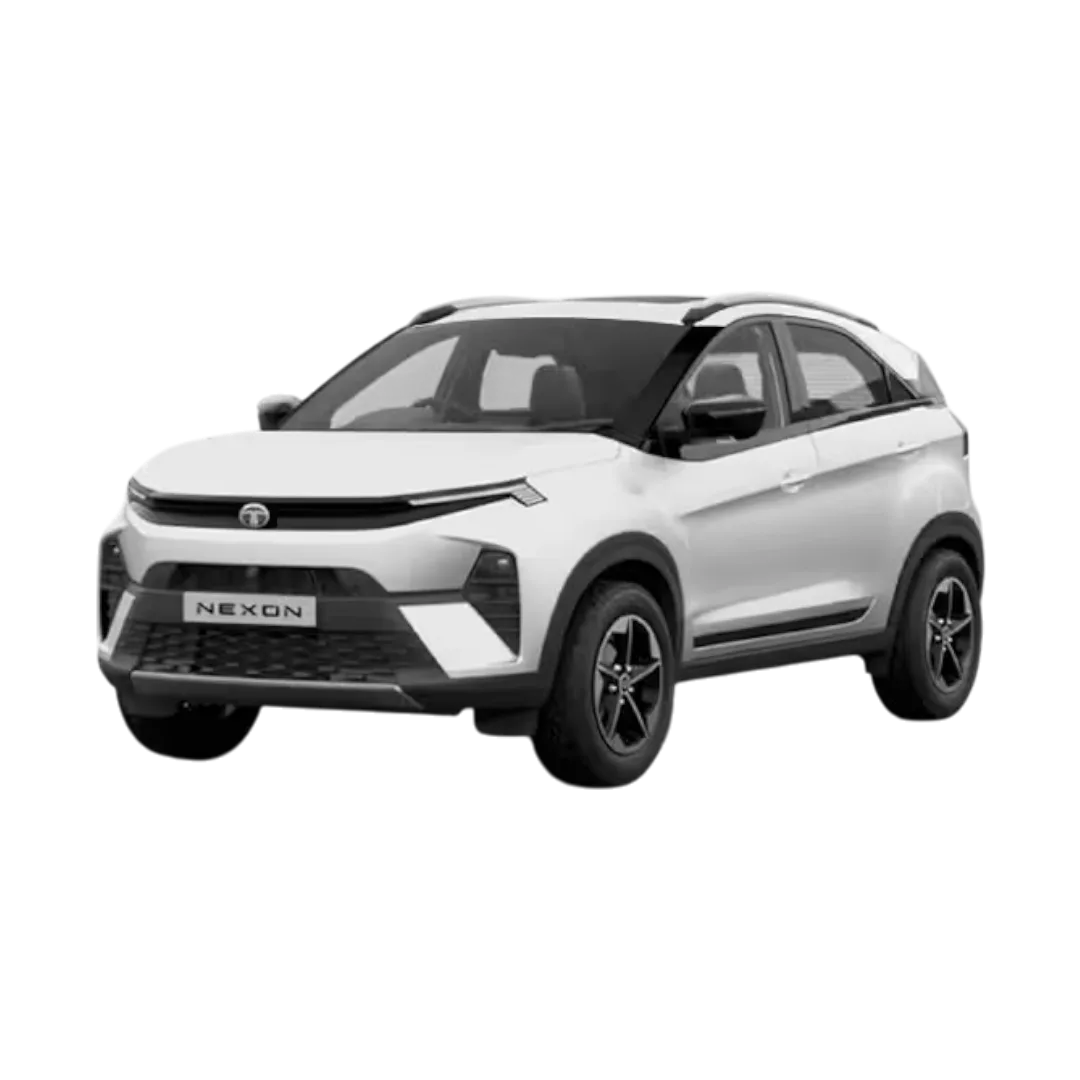 Nexon
Nexon
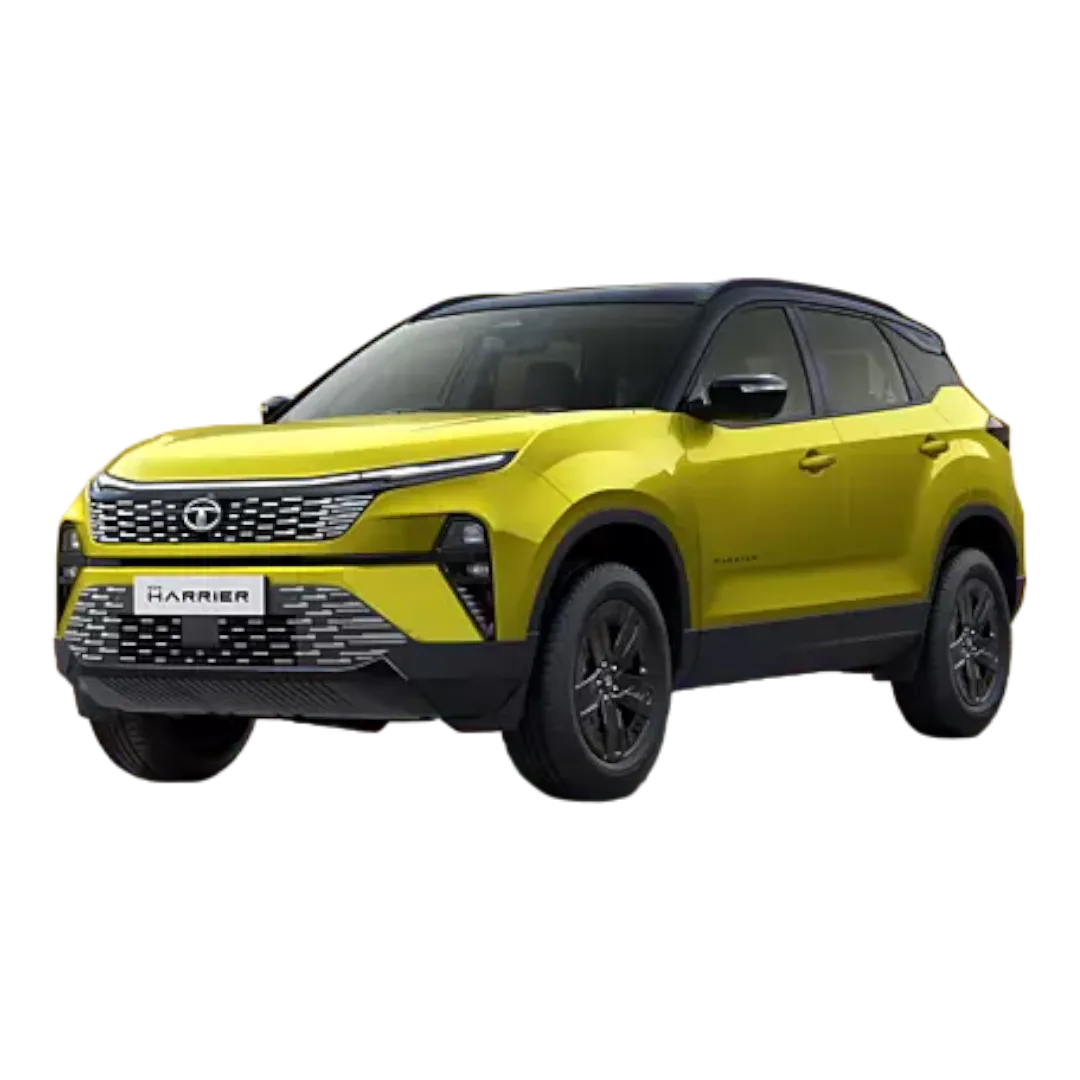 Harrier
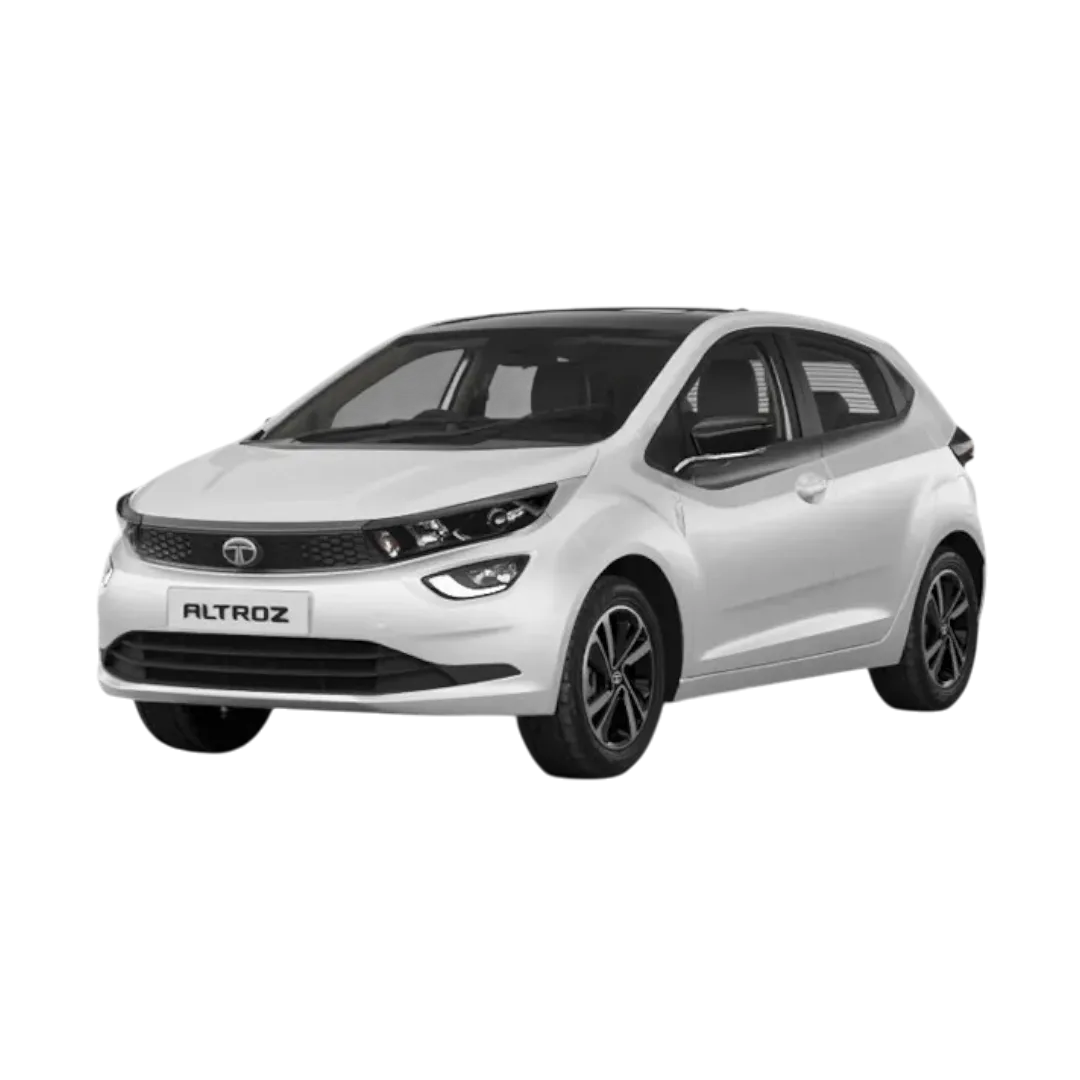 Altroz
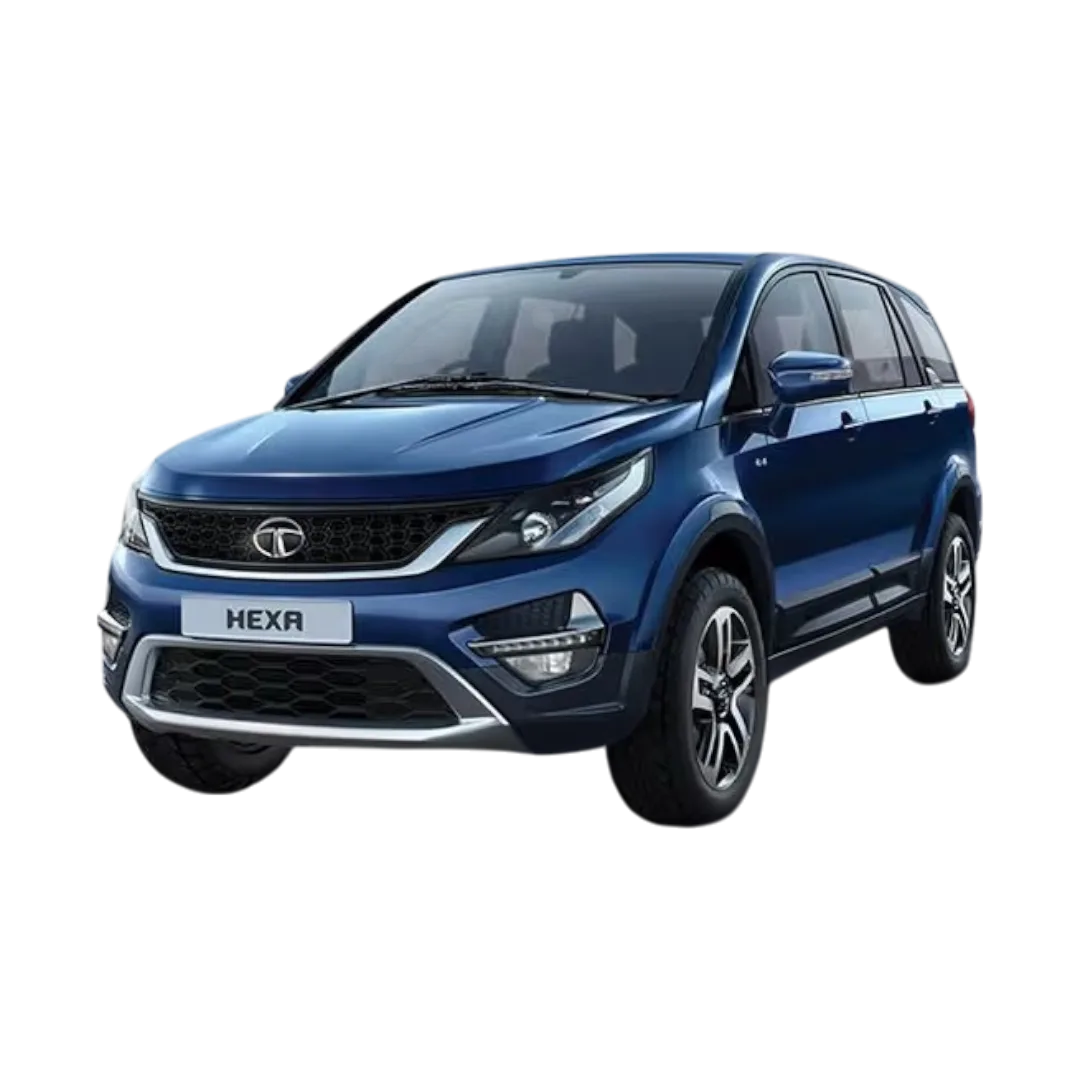 Hexa
Hexa
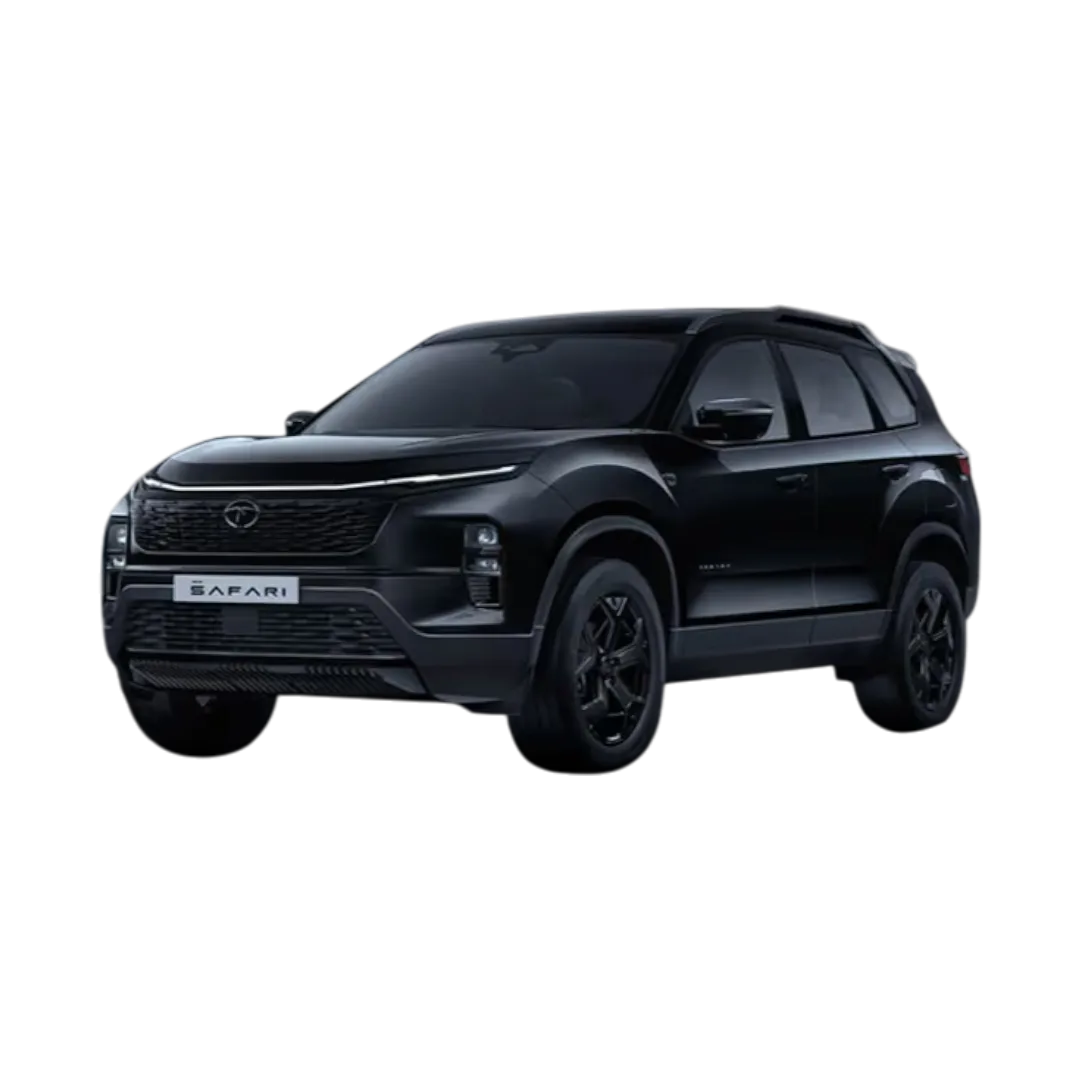 Safari
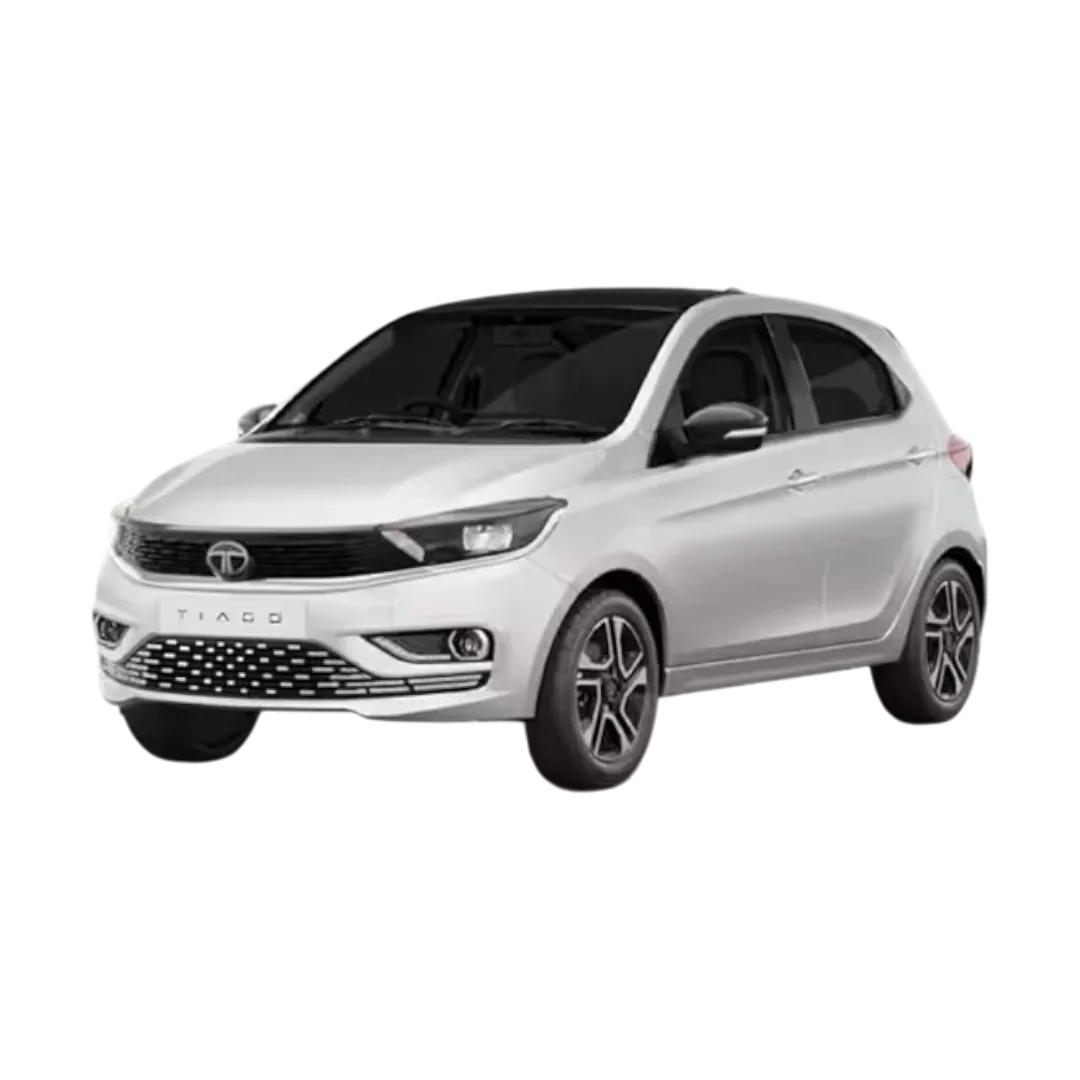 Tiago
Tiago
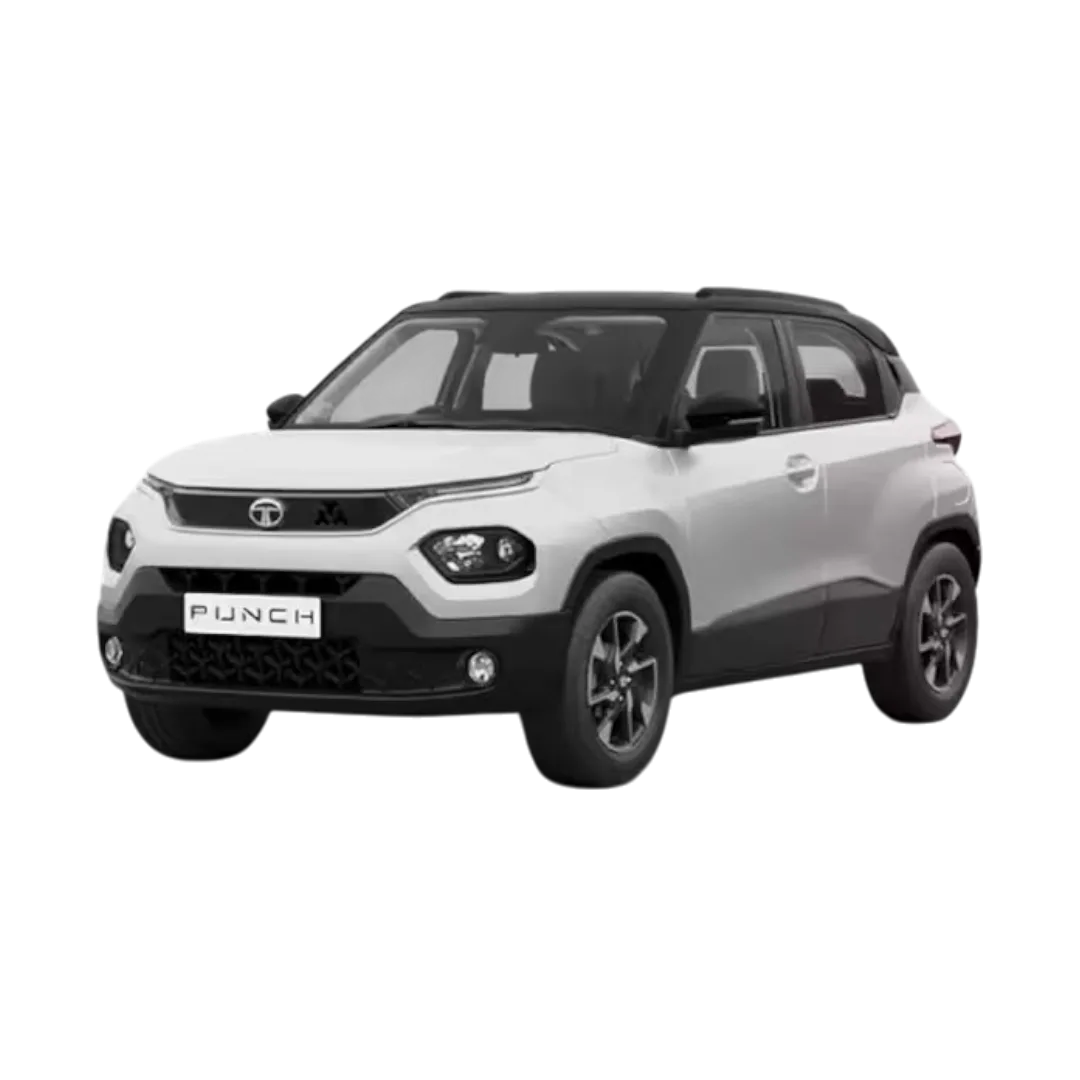 Punch
Punch
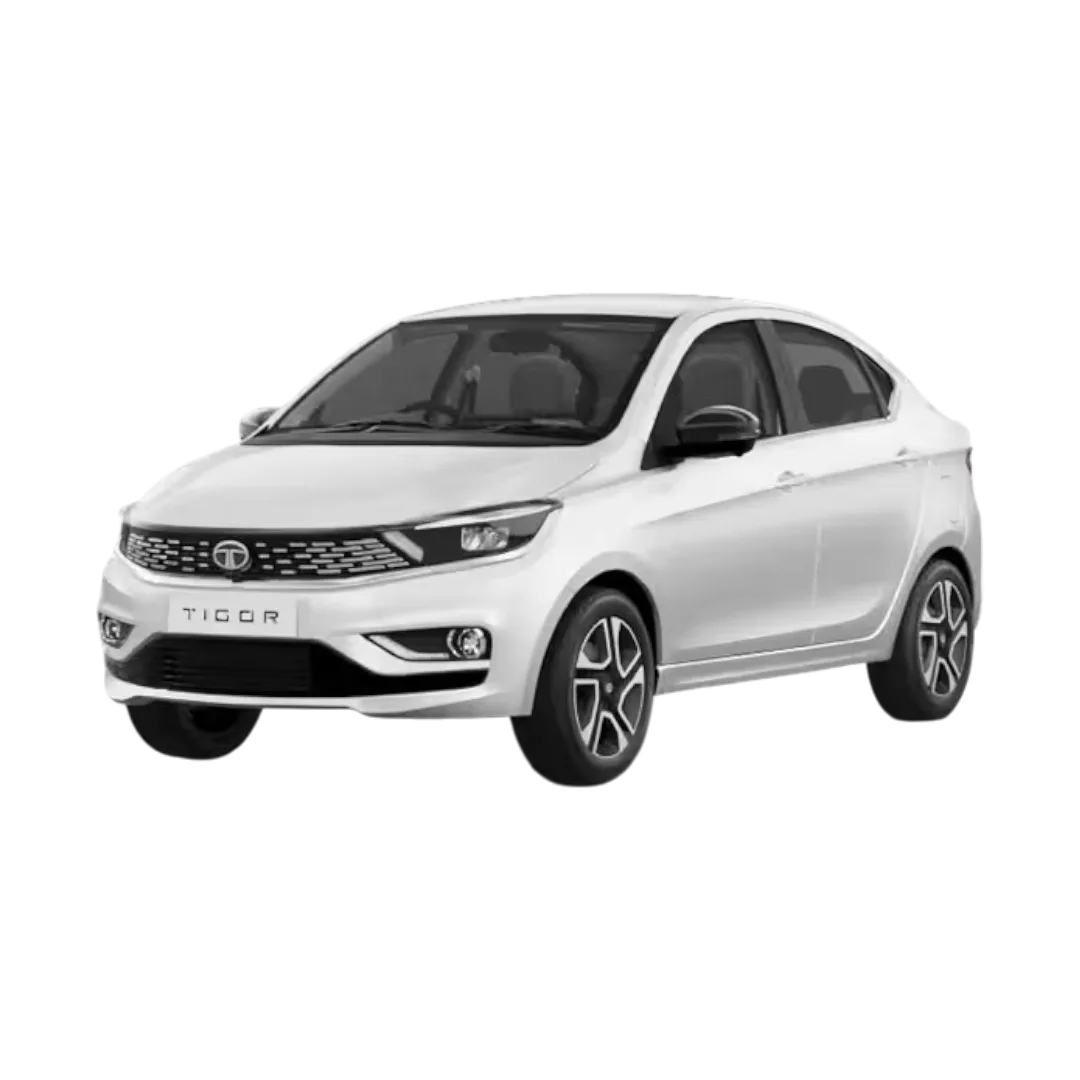 Tigor
Tigor
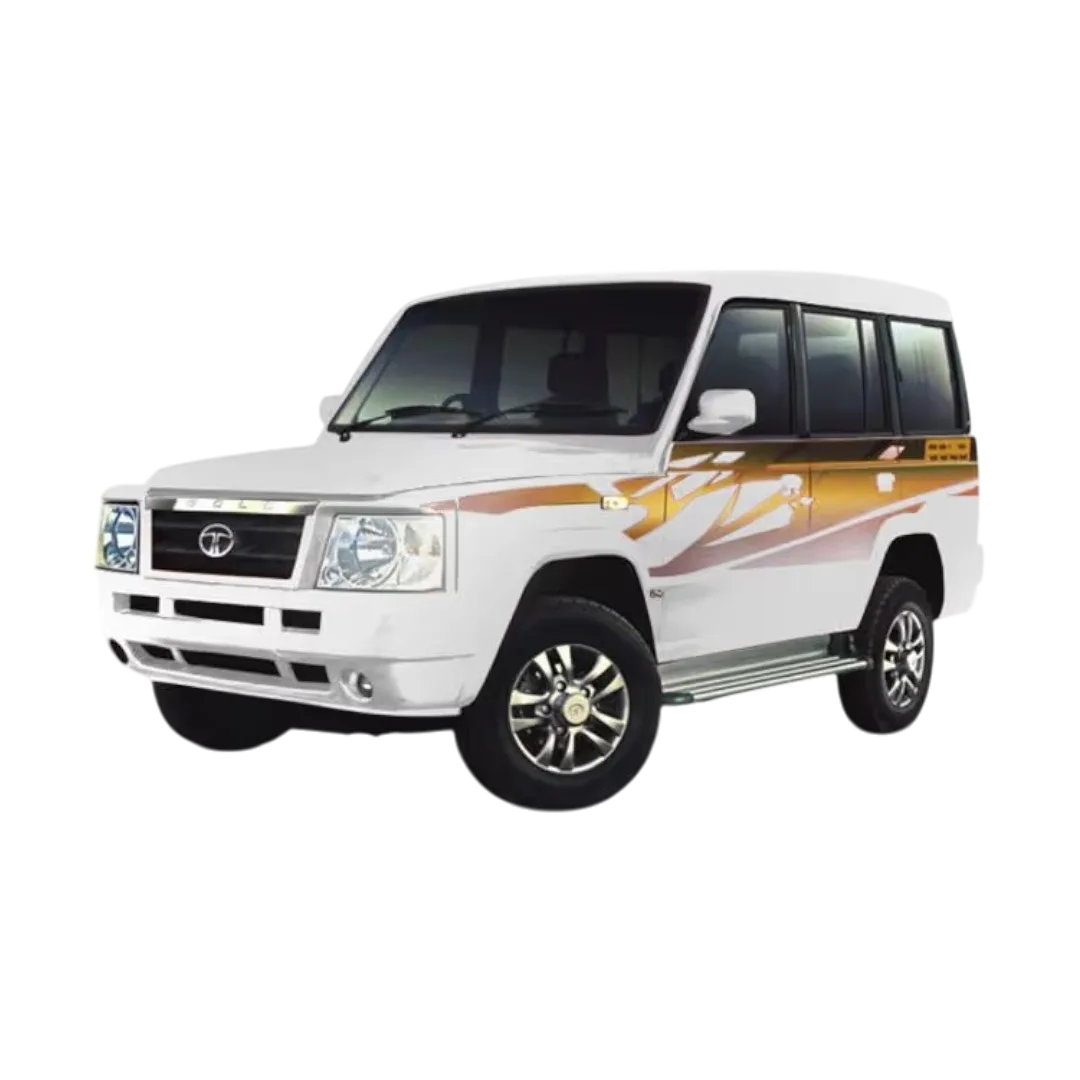 Sumo
Sumo
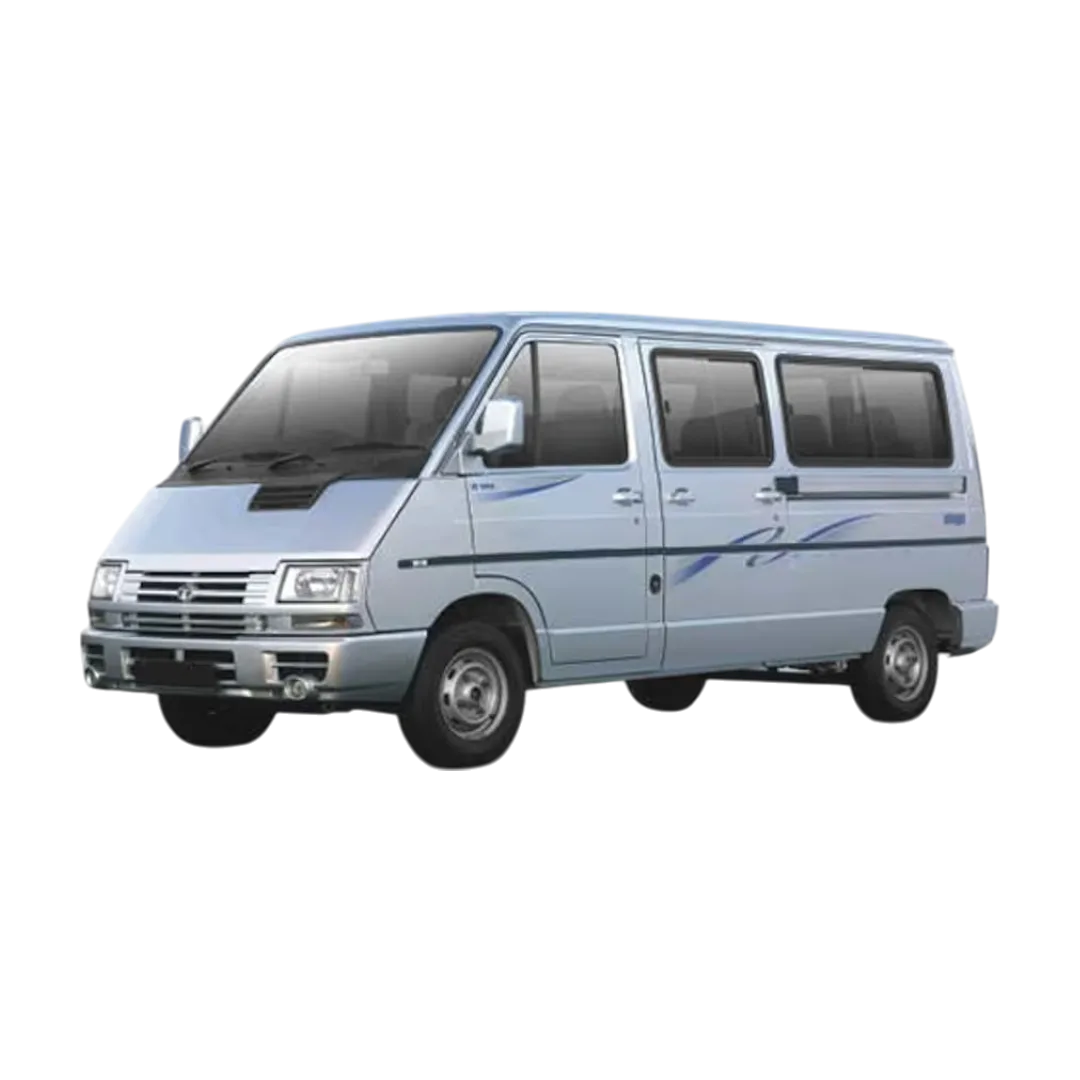 Winger
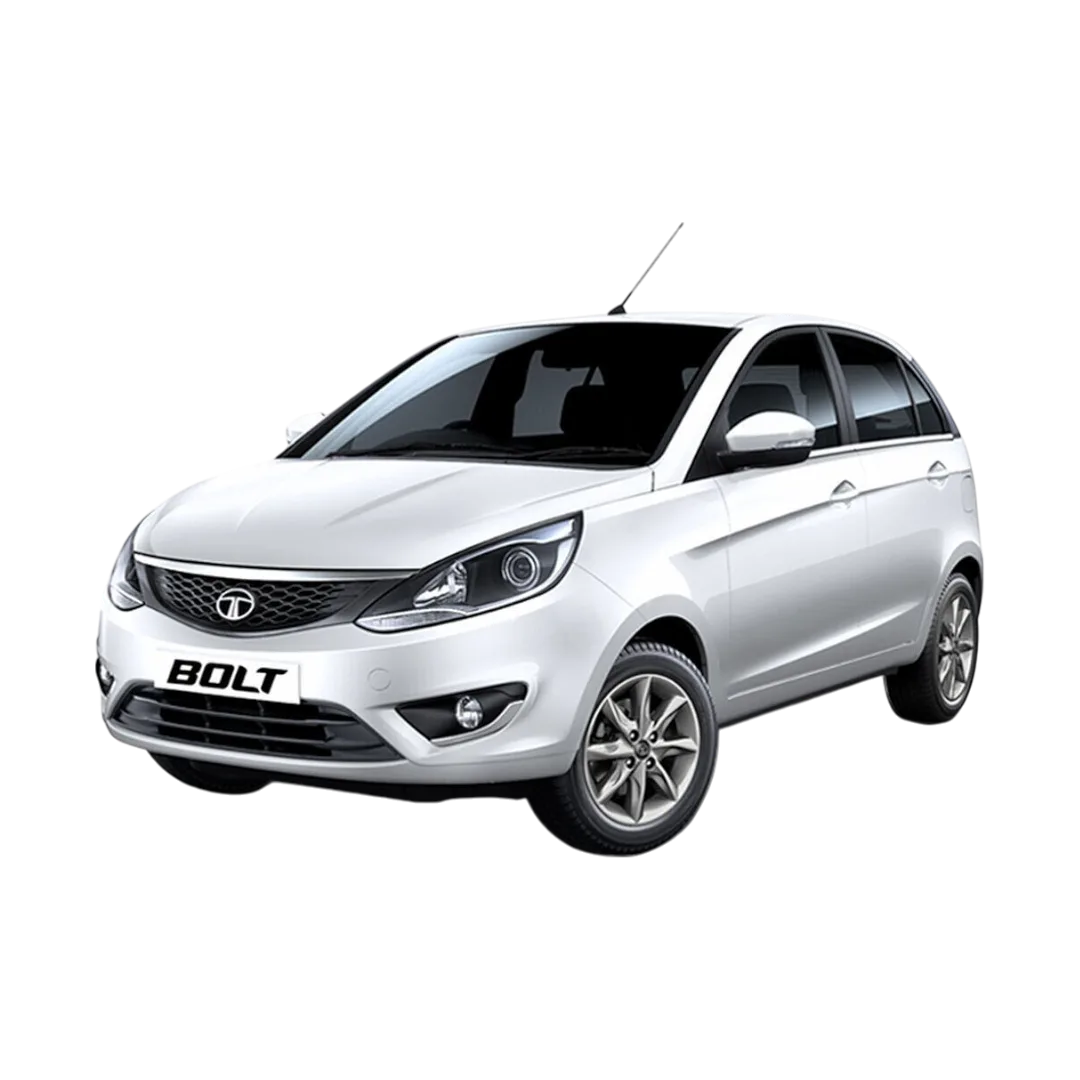 Bolt
Bolt
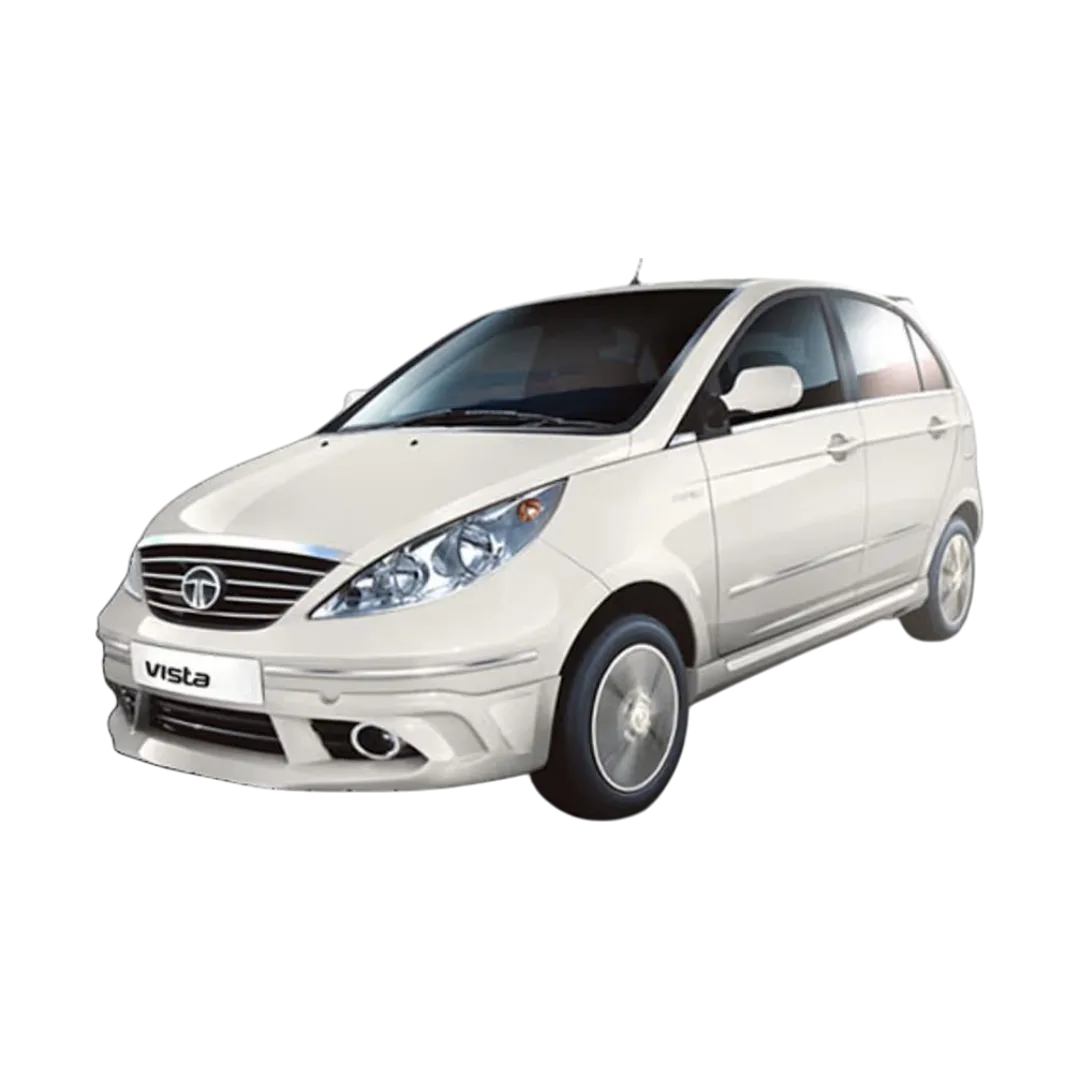 Vista
Vista
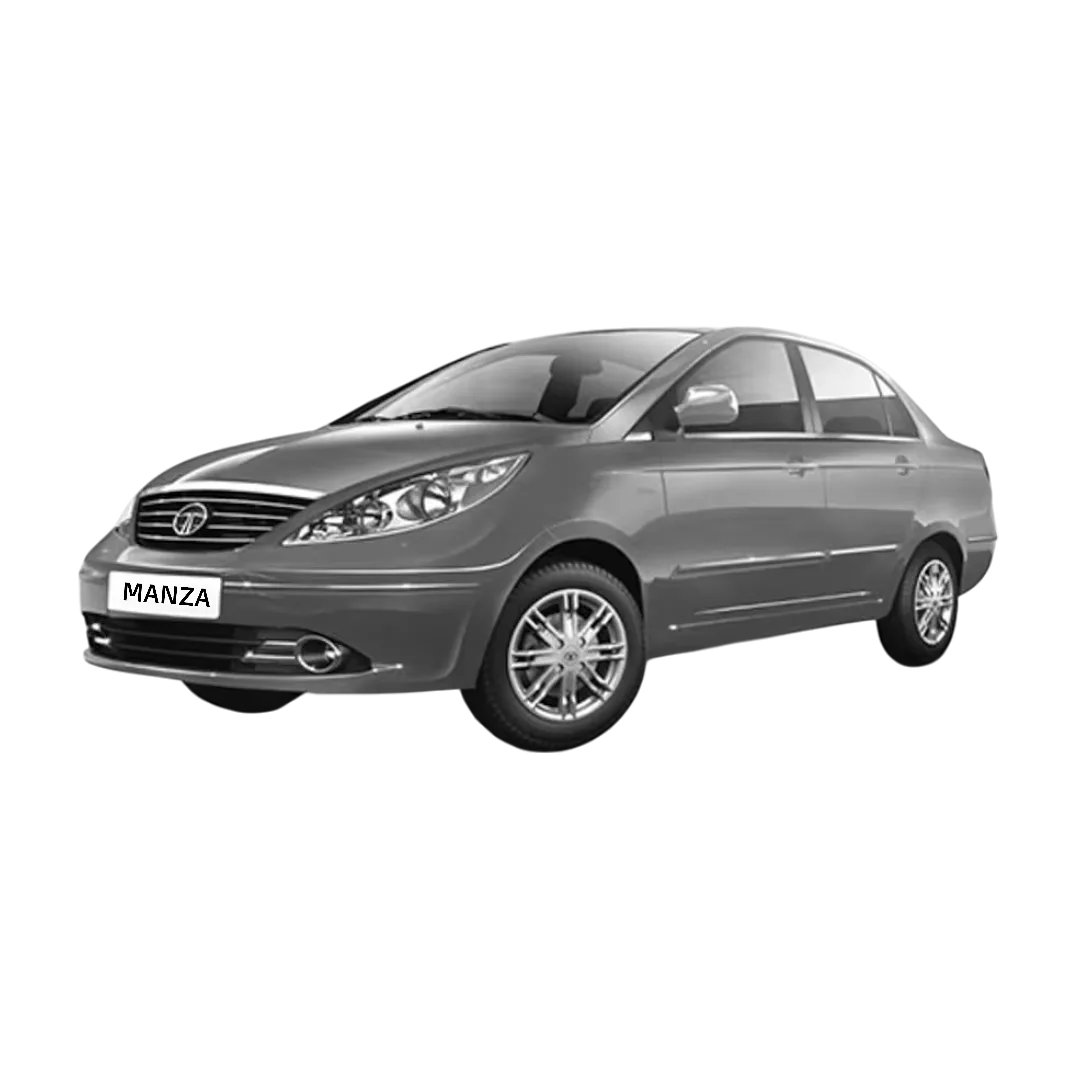 Manza
Manza
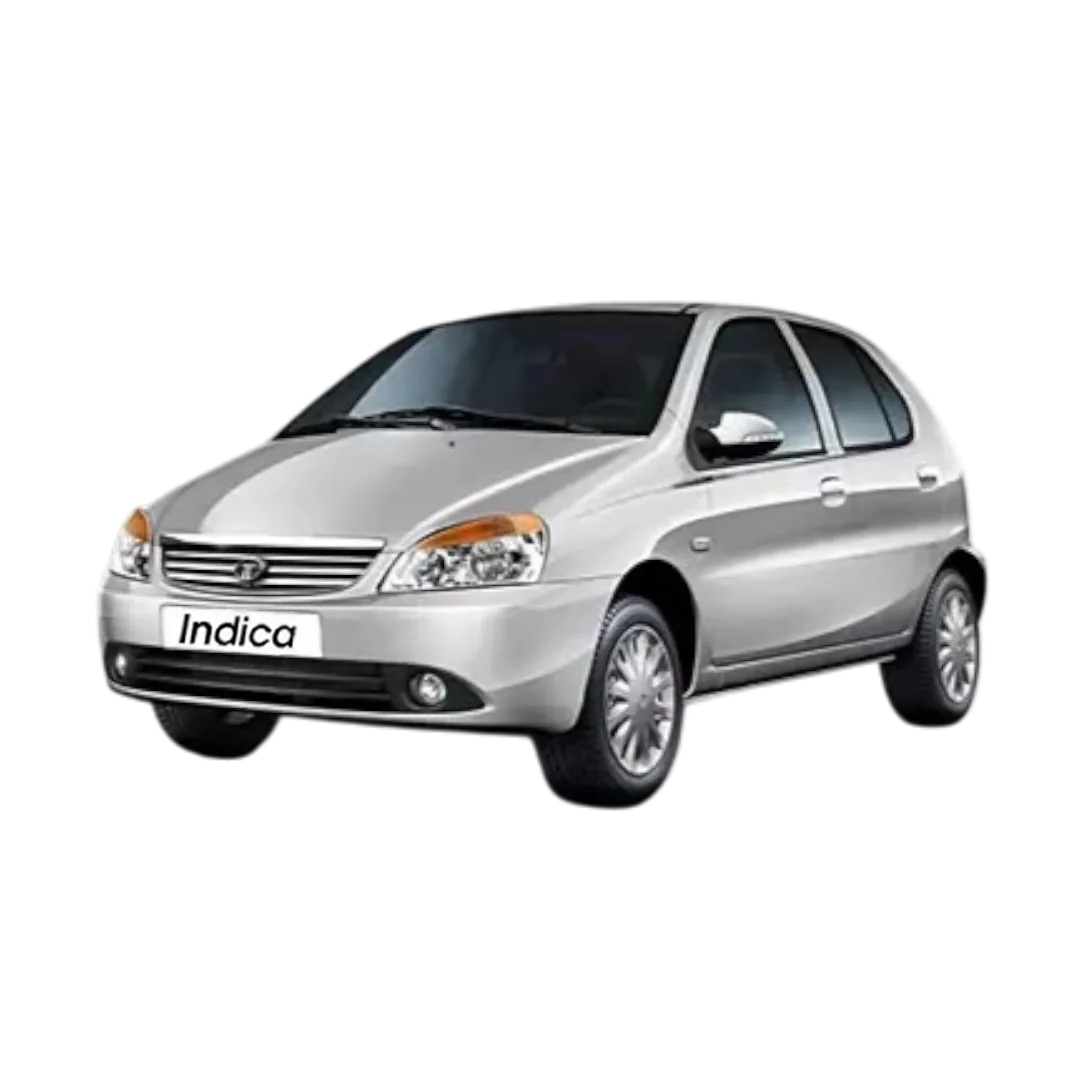 Indica
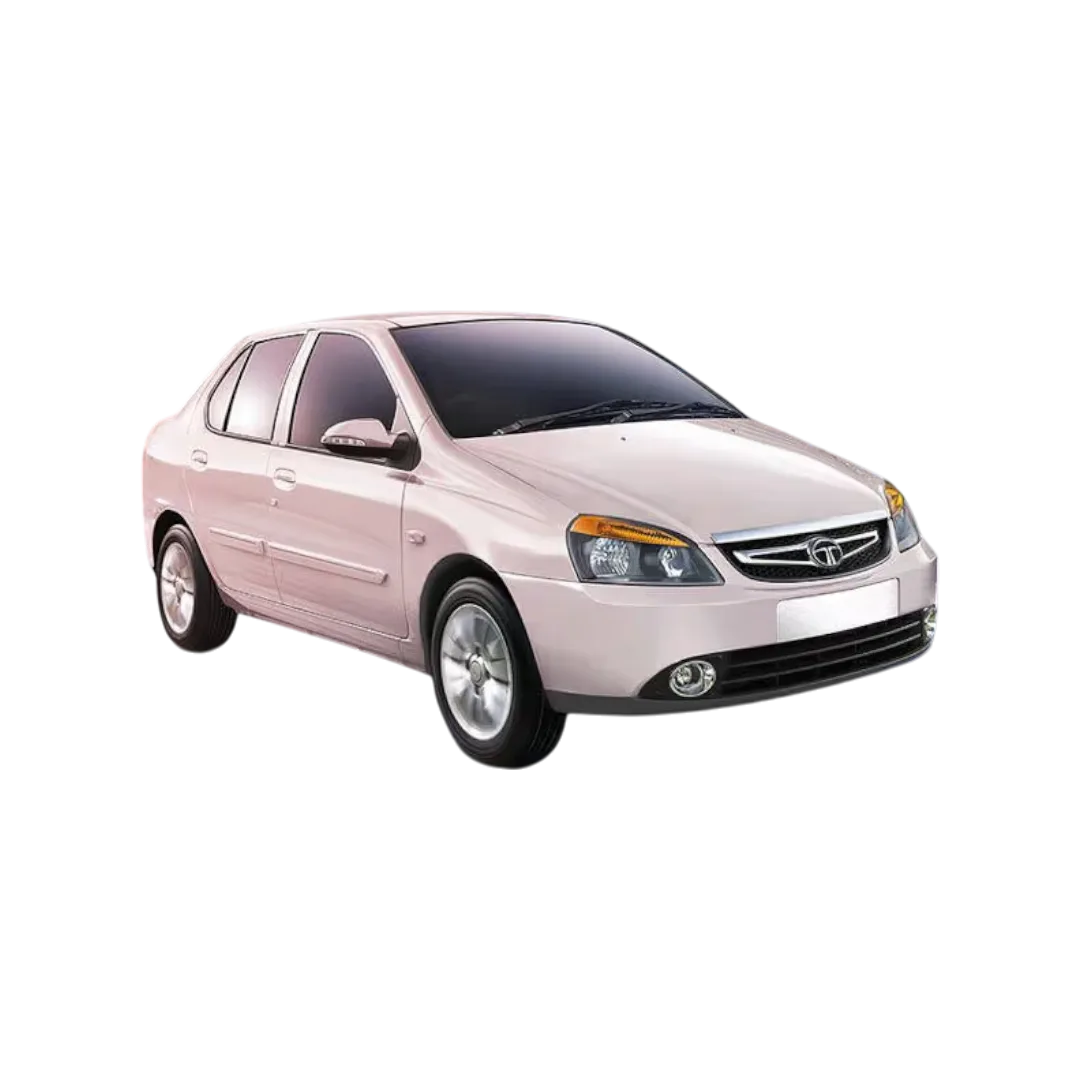 Indigo
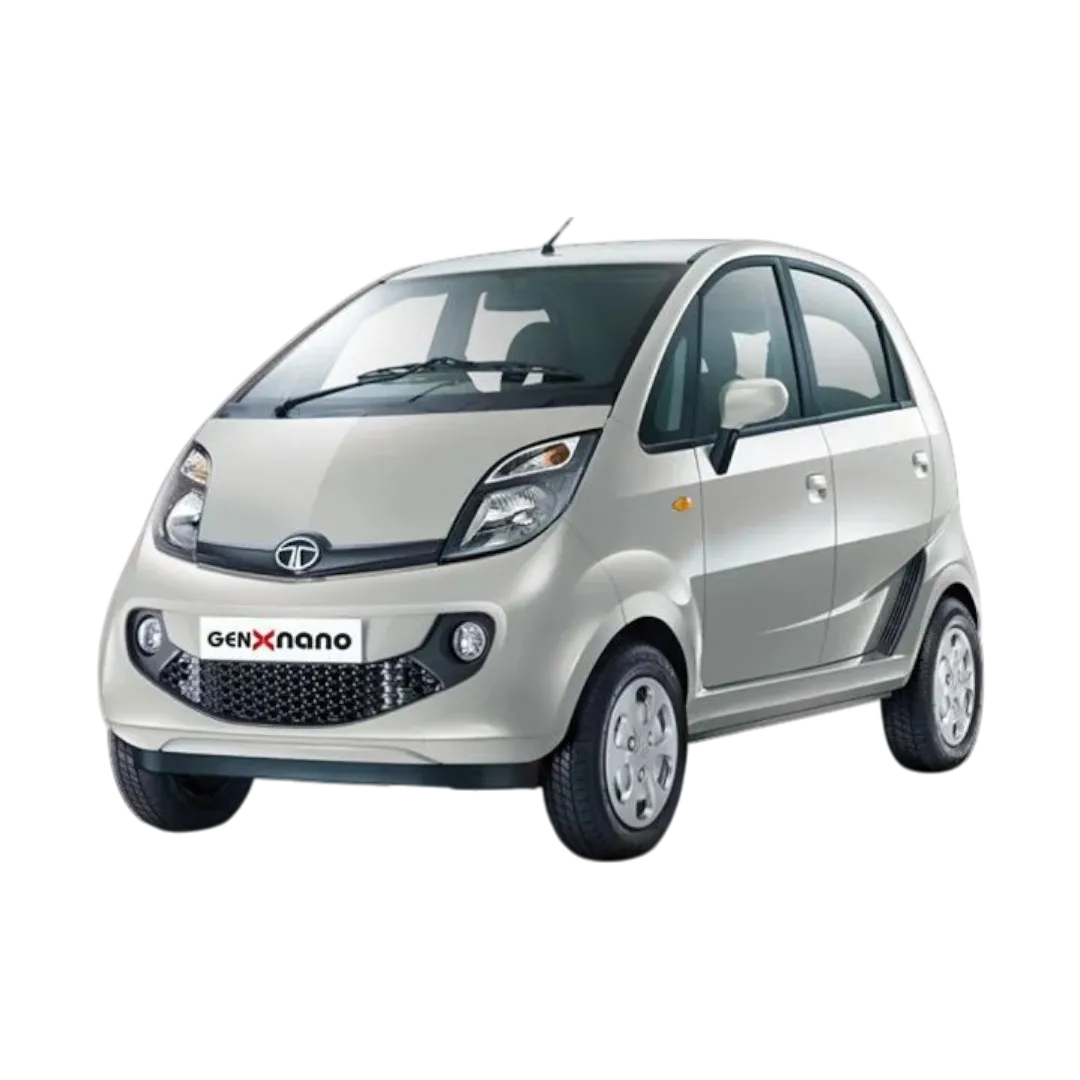 Nano
Nano
 Aria
Aria
 Safari Storme
 Zest
Zest
 NEXON EV Max
 NEXON EV Prime
 Tiago NRG
 Tigor EV
INDICA VISTA
Curvv
Sierra
Magic
Tigor EV
INDICA VISTA
Curvv
Sierra
Magic
 Ciaz
Ciaz
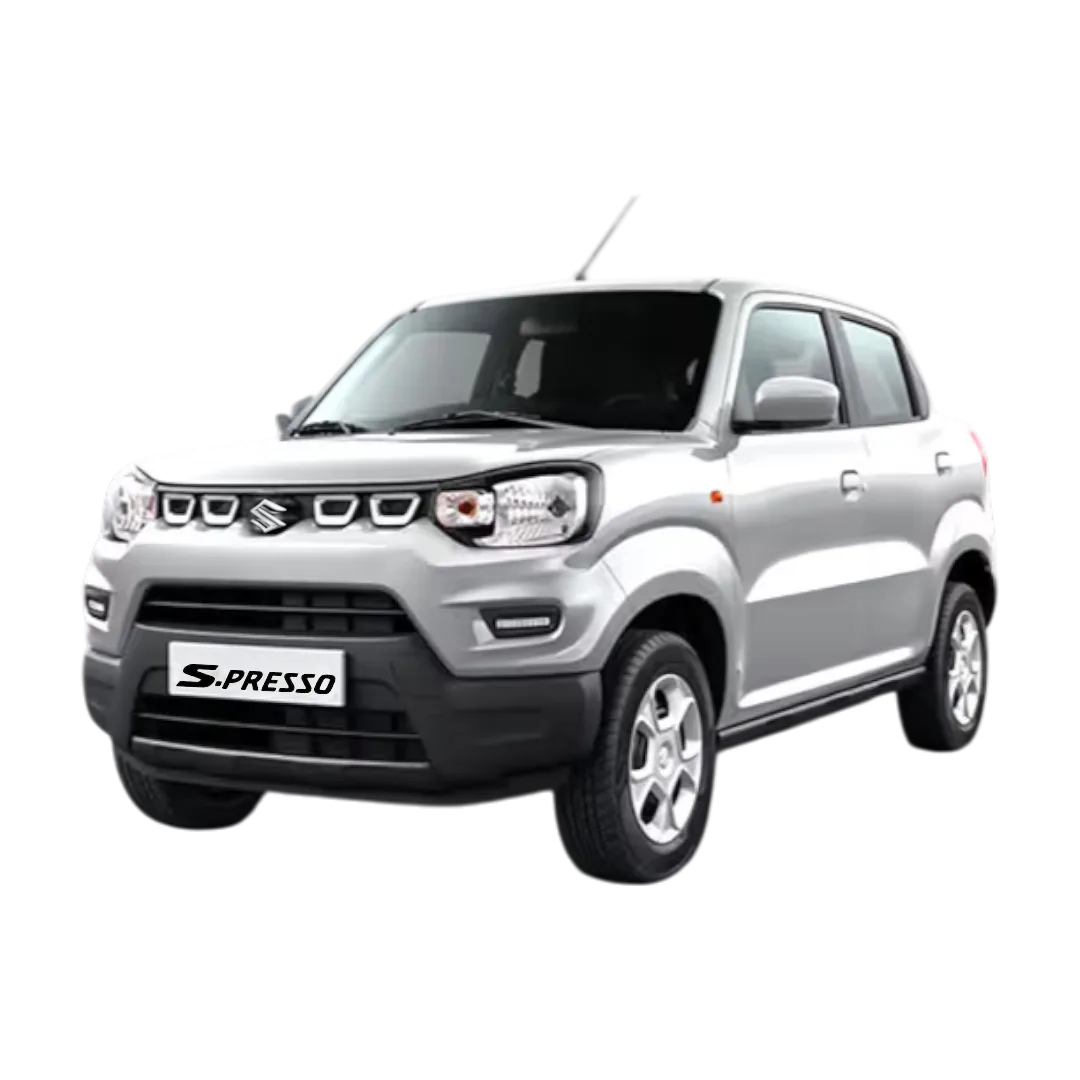 S-Presso
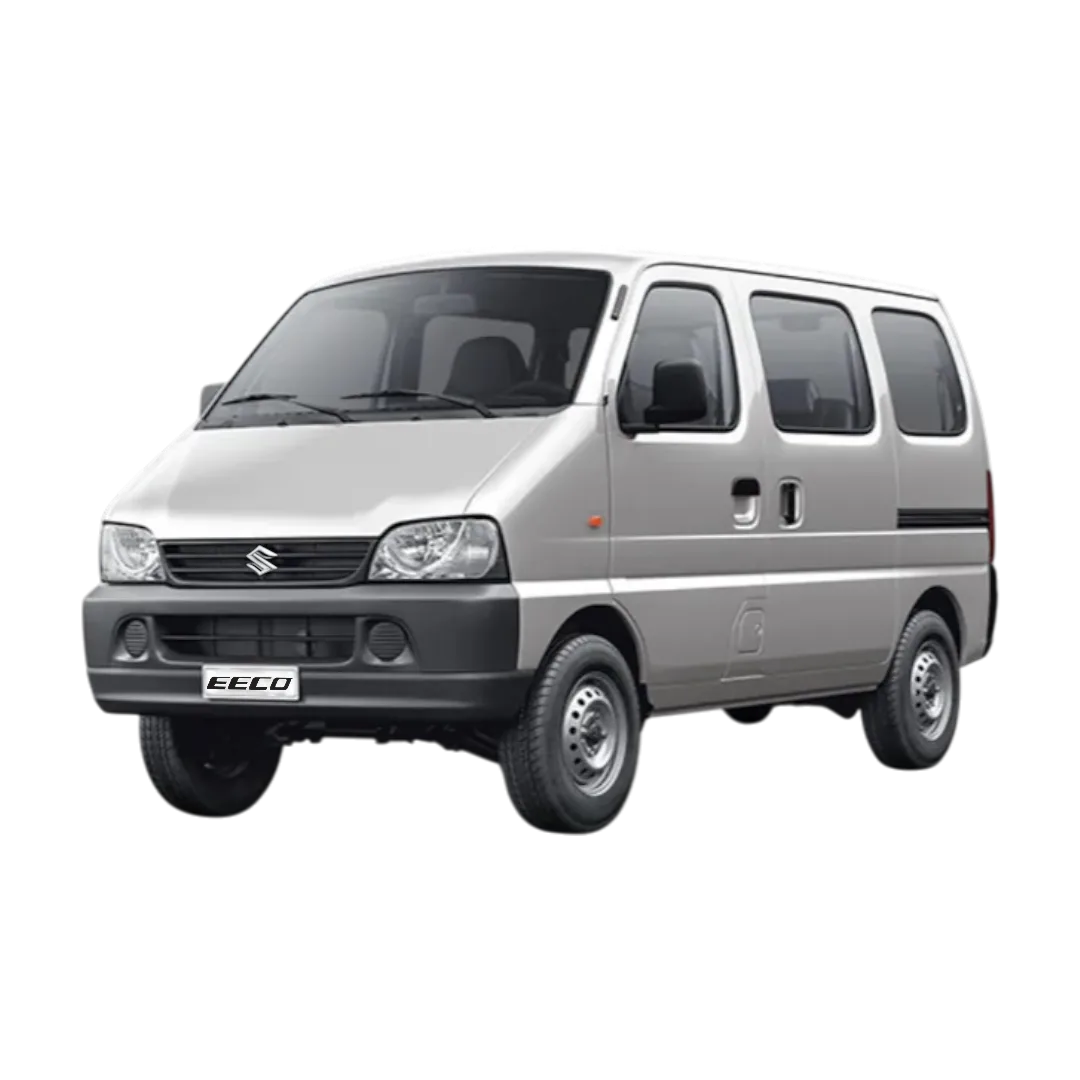 Eeco/Versa
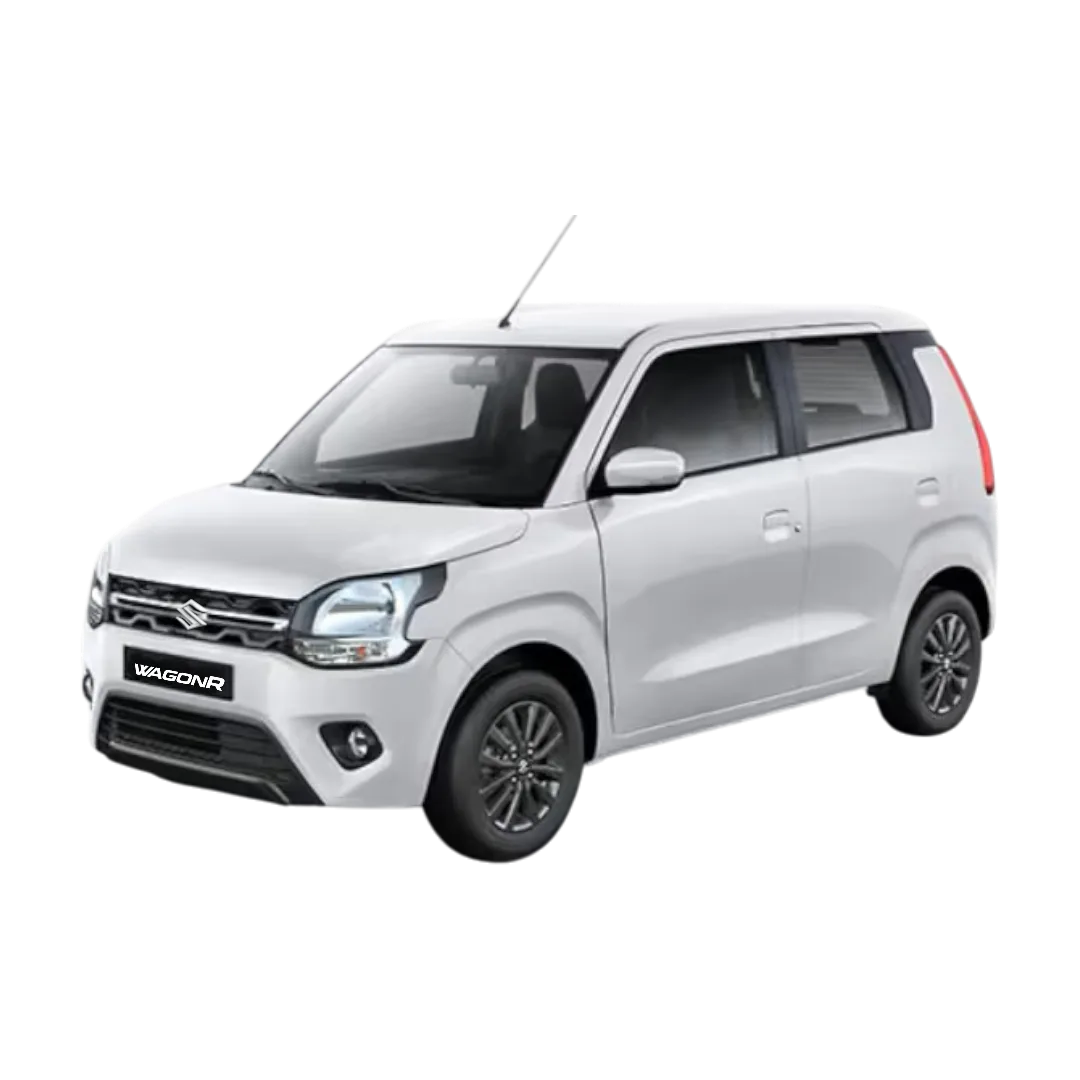 WagonR
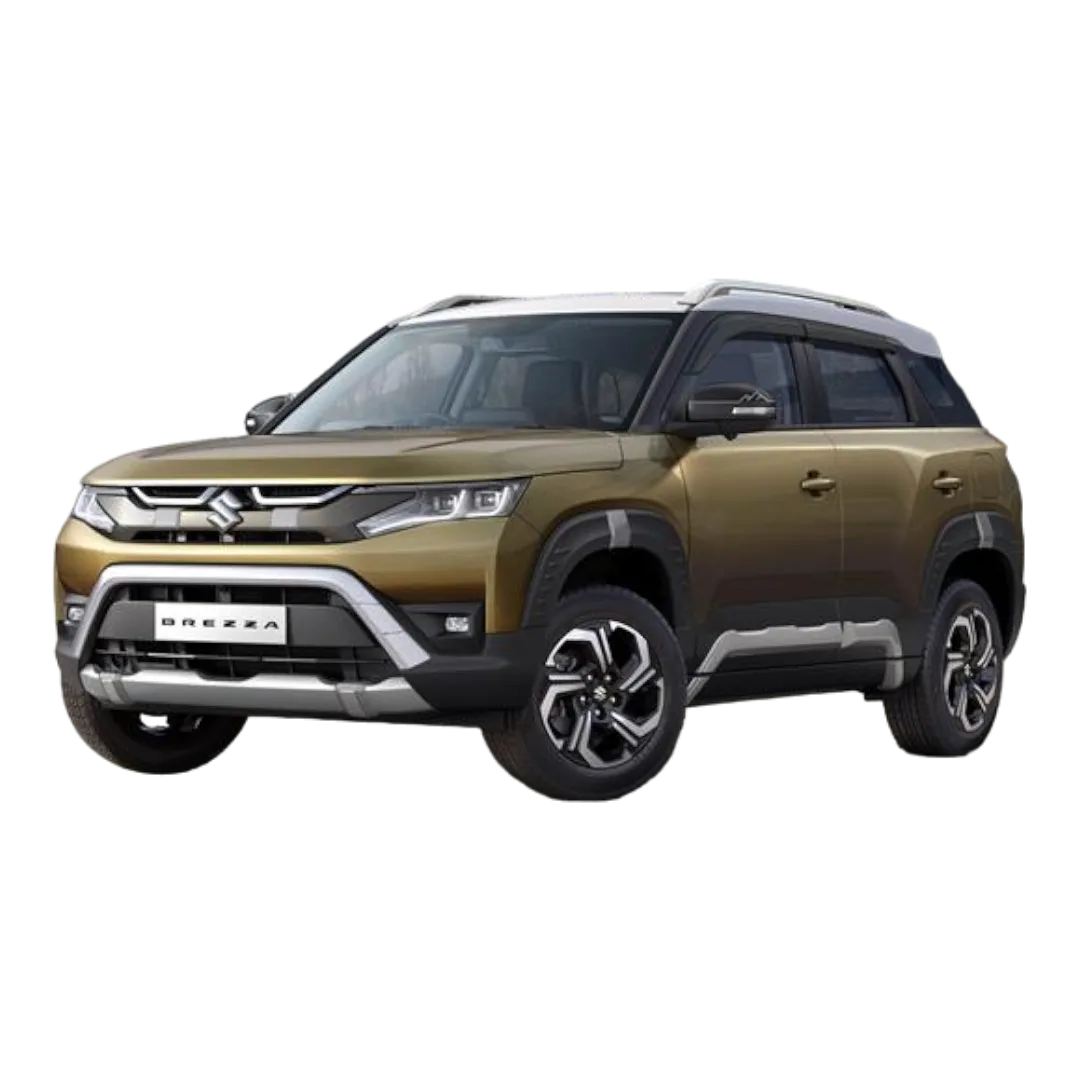 Brezza
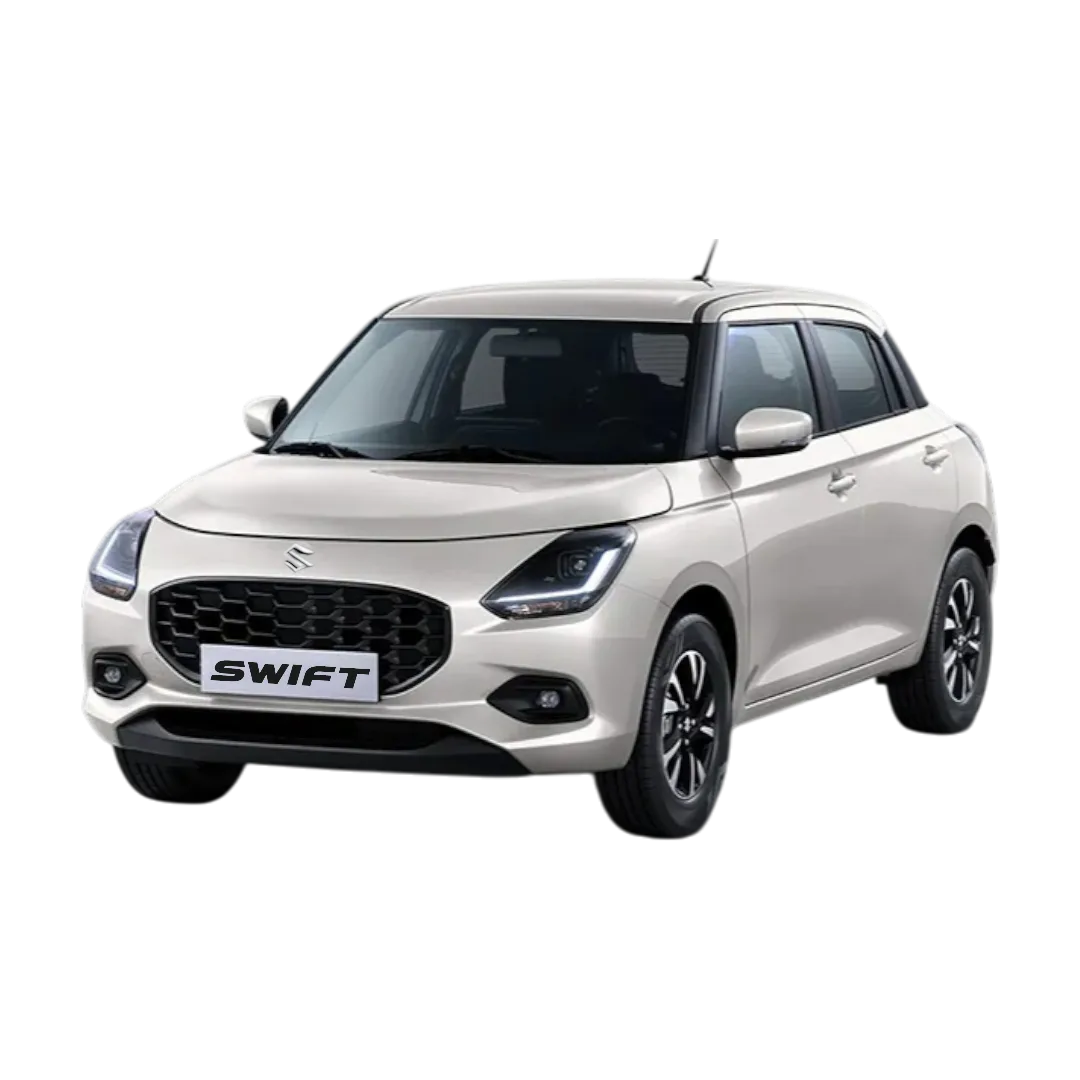 Swift
Swift
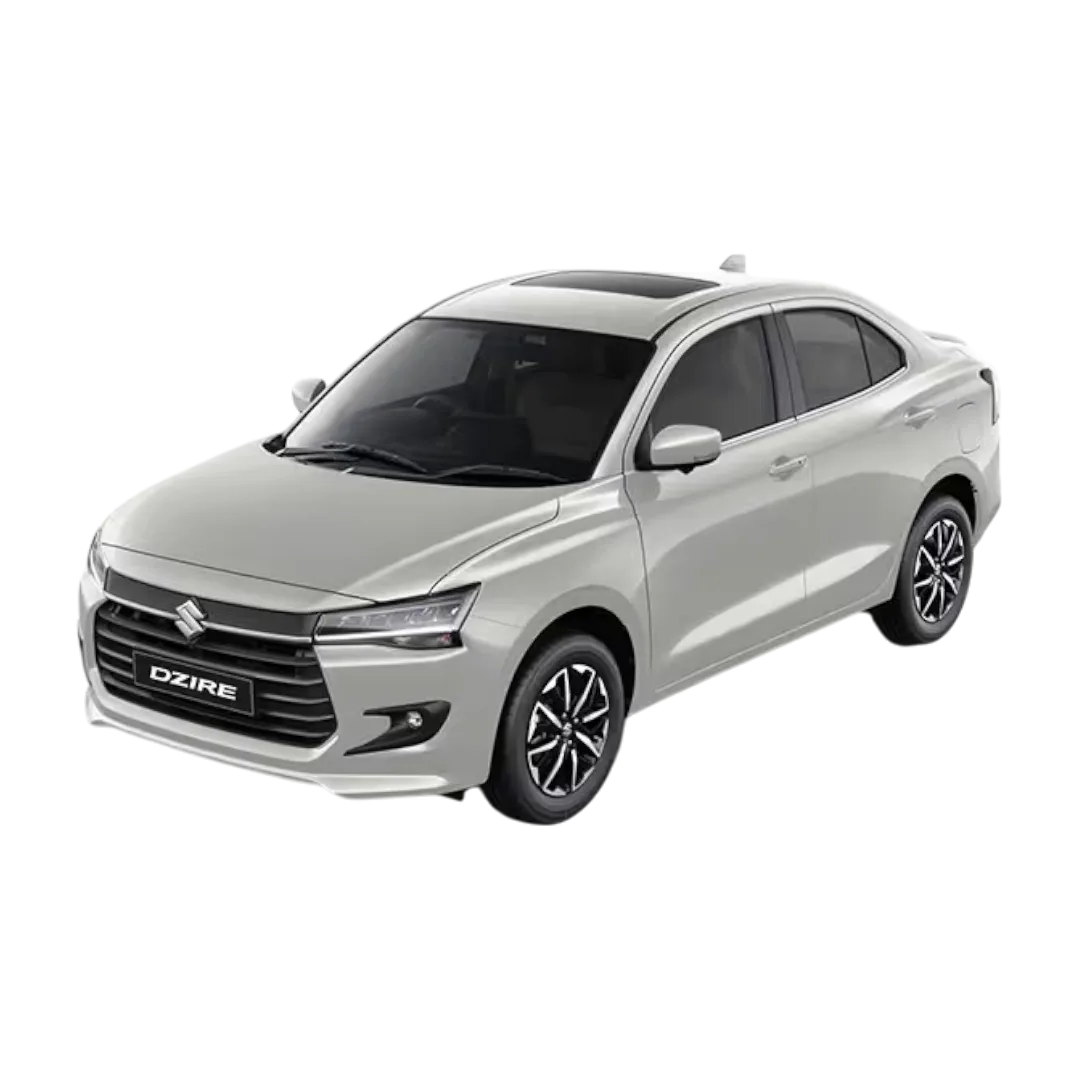 Dzire
Dzire
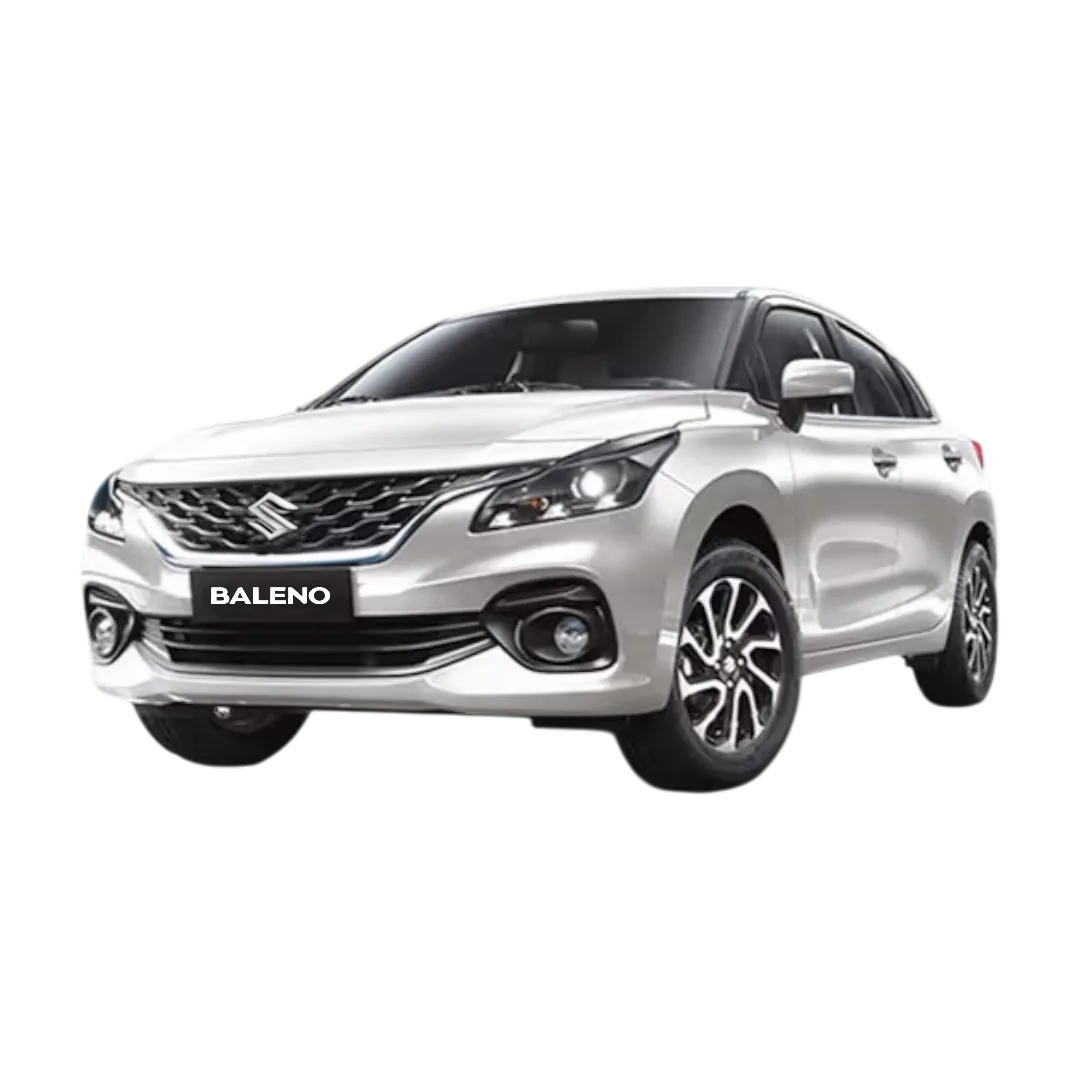 Baleno
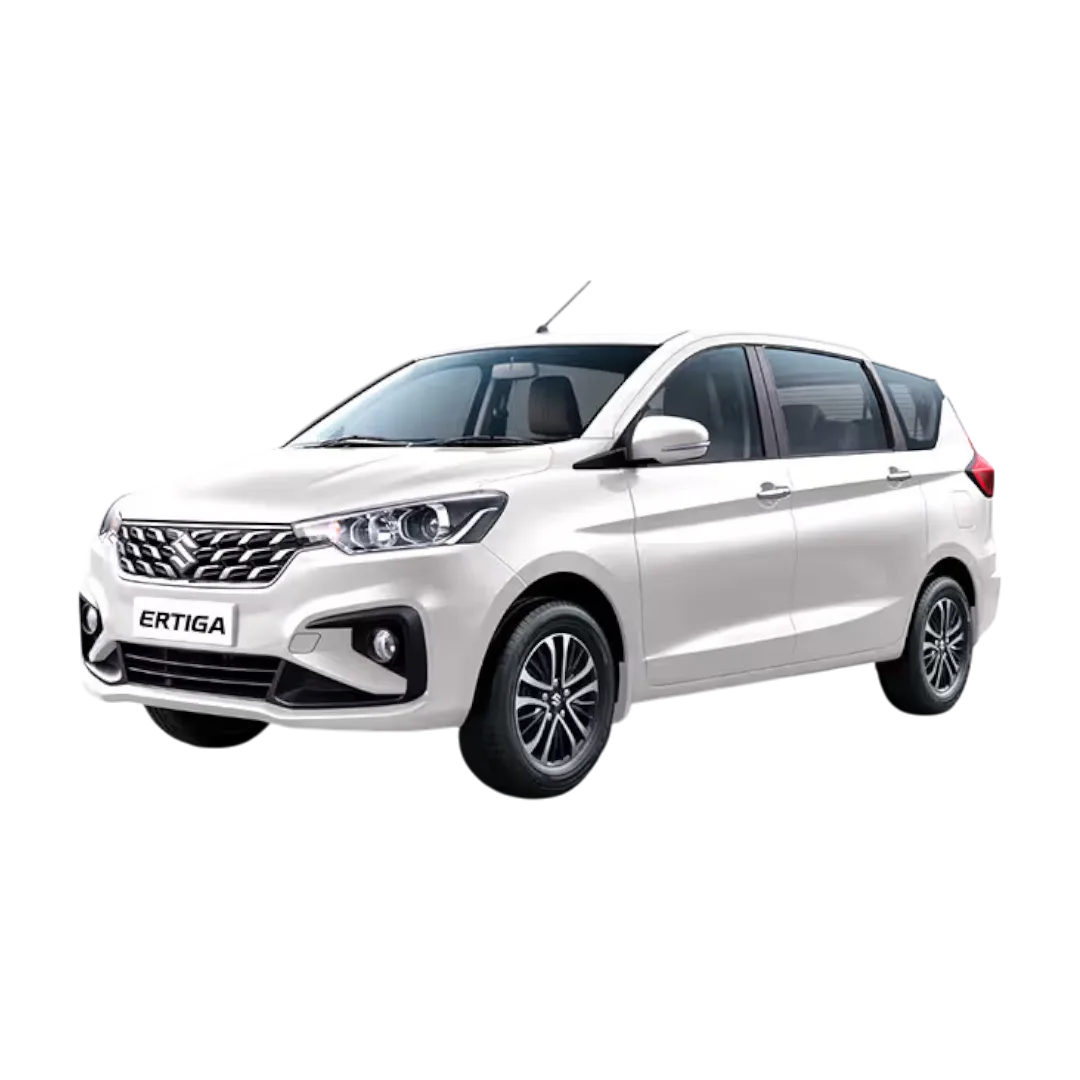 Ertiga
 Grand Vitara
 S-Cross
 Jimny
Jimny
 Celerio
 Ignis
Ignis
 Alto 800
 Alto K10
 XL6
XL6
 Omni
Omni
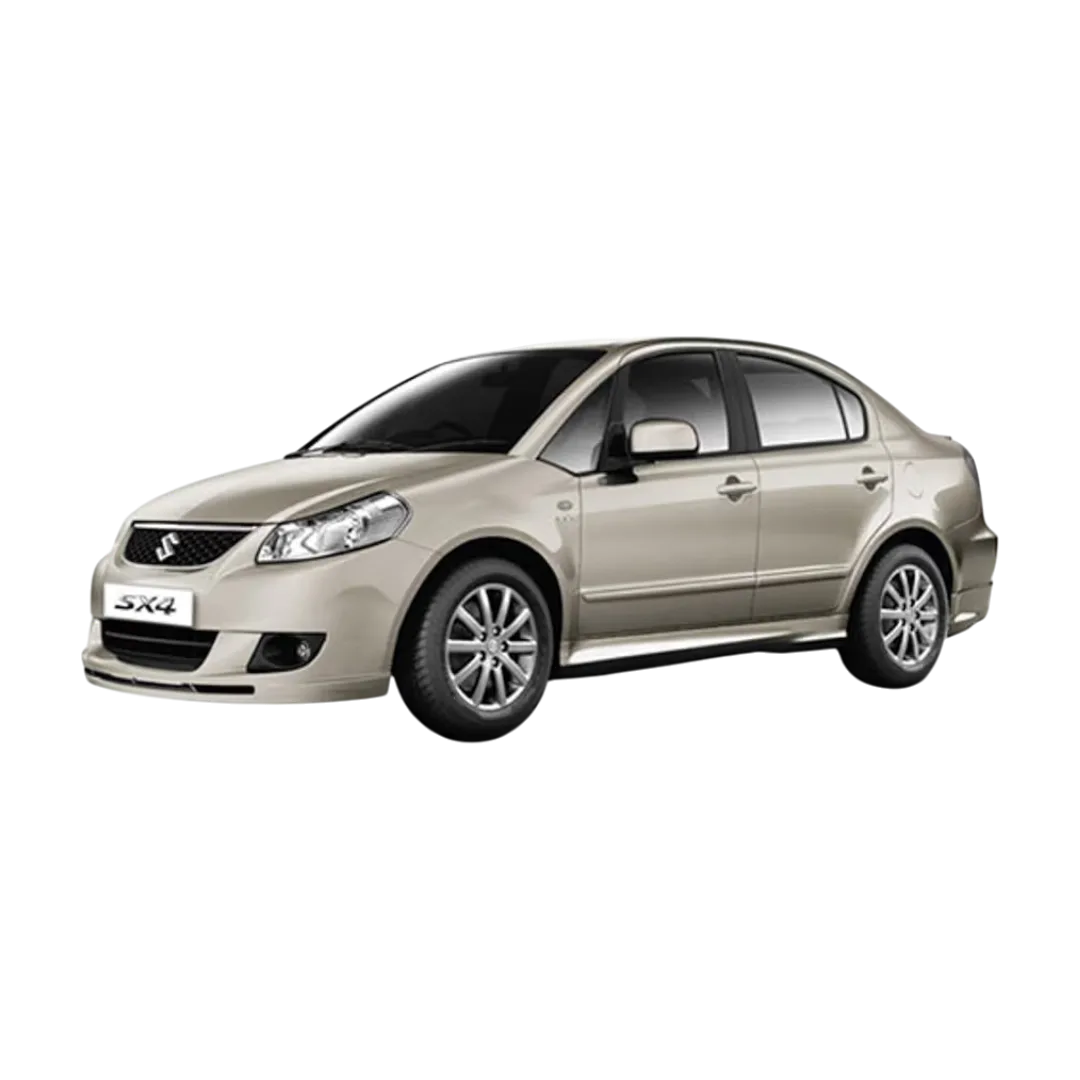 SX4
SX4
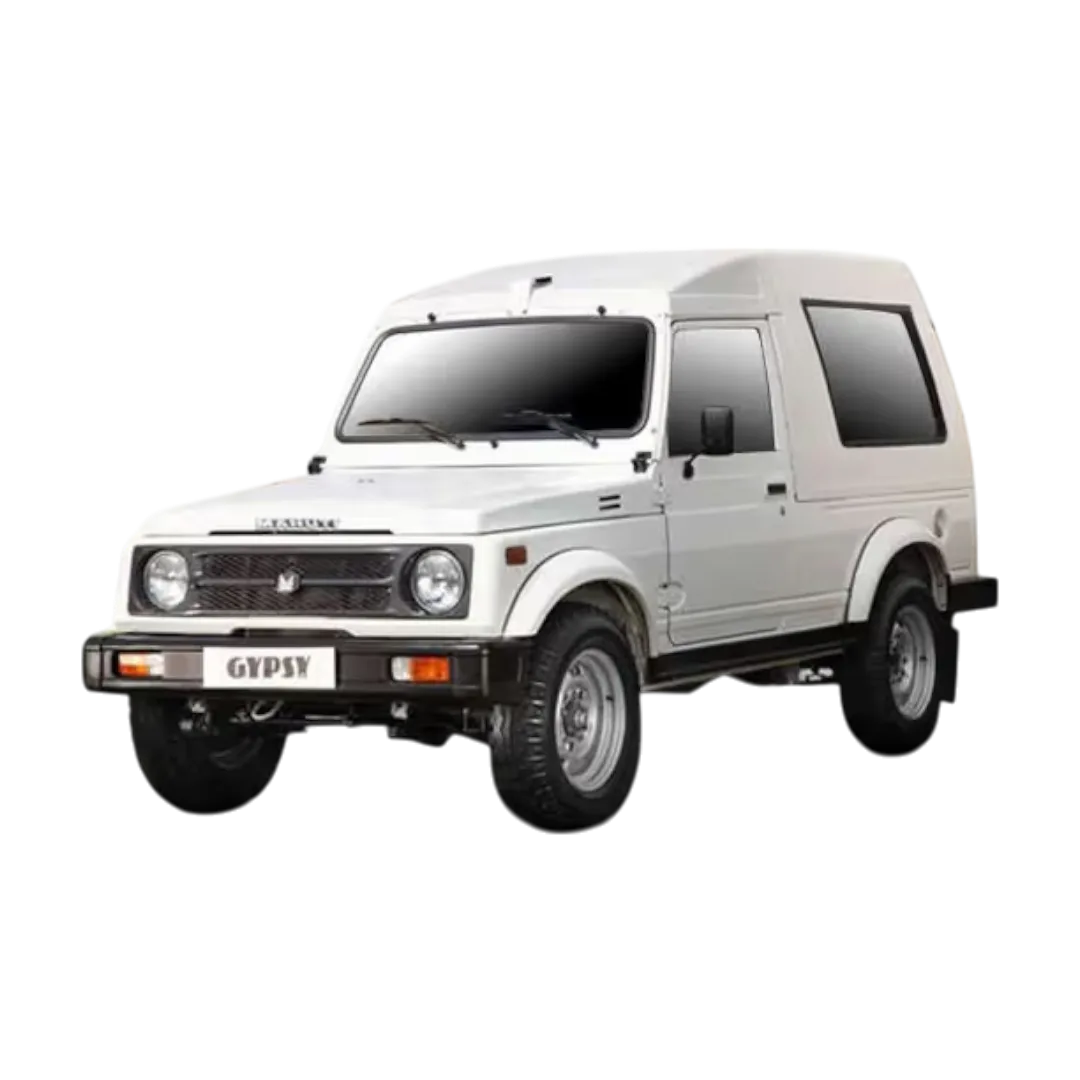 Gypsy
Gypsy
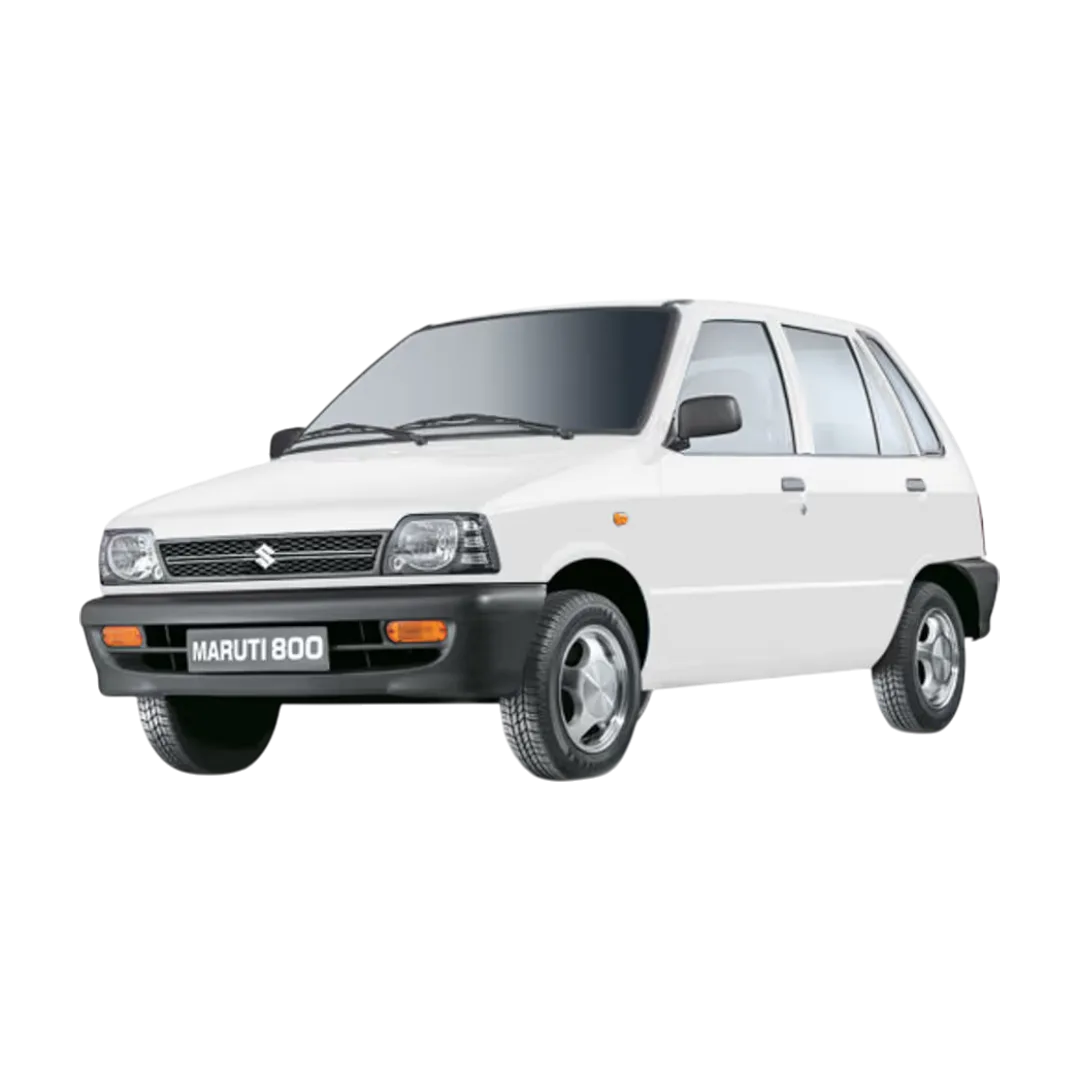 Maruti 800
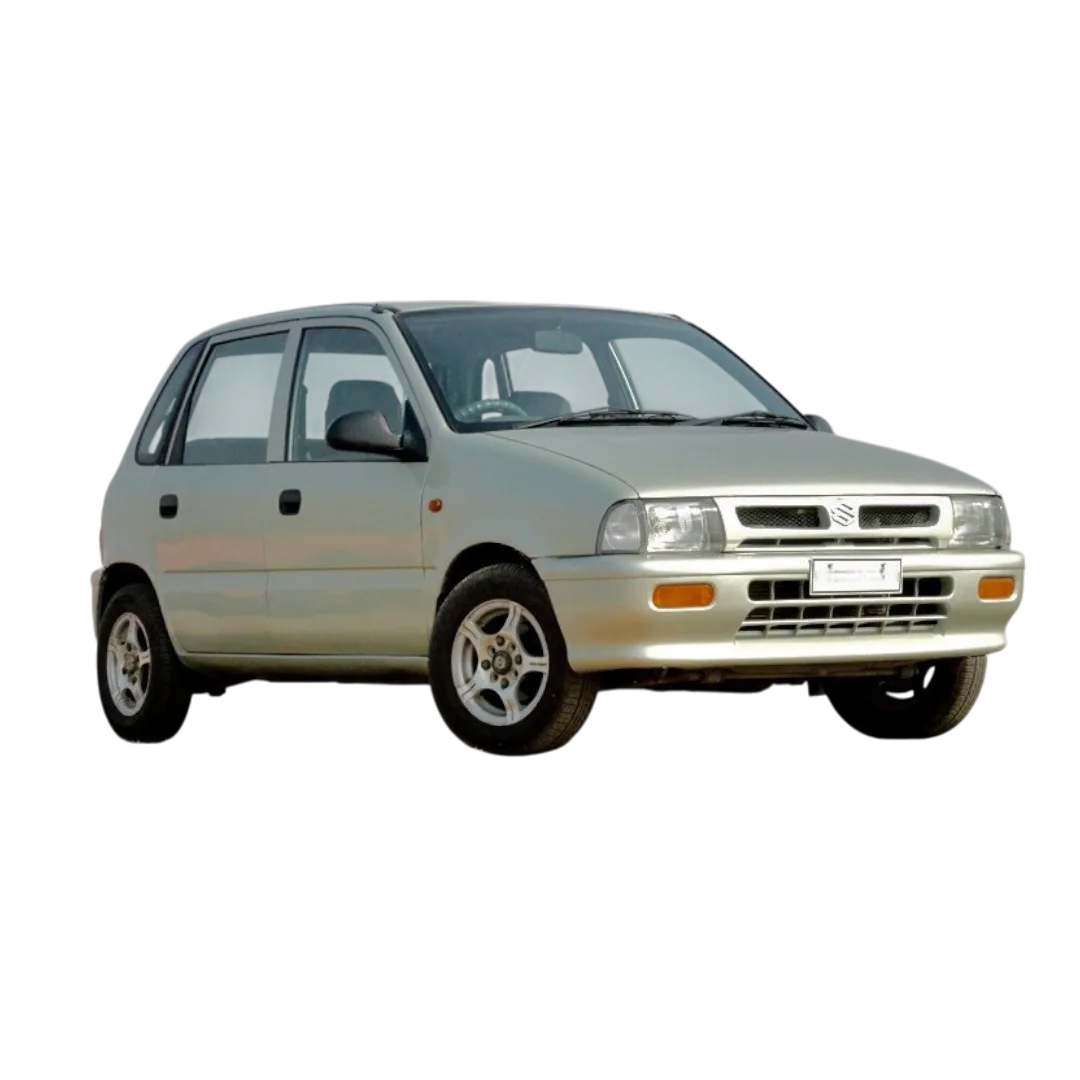 Zen
Zen
 Esteem
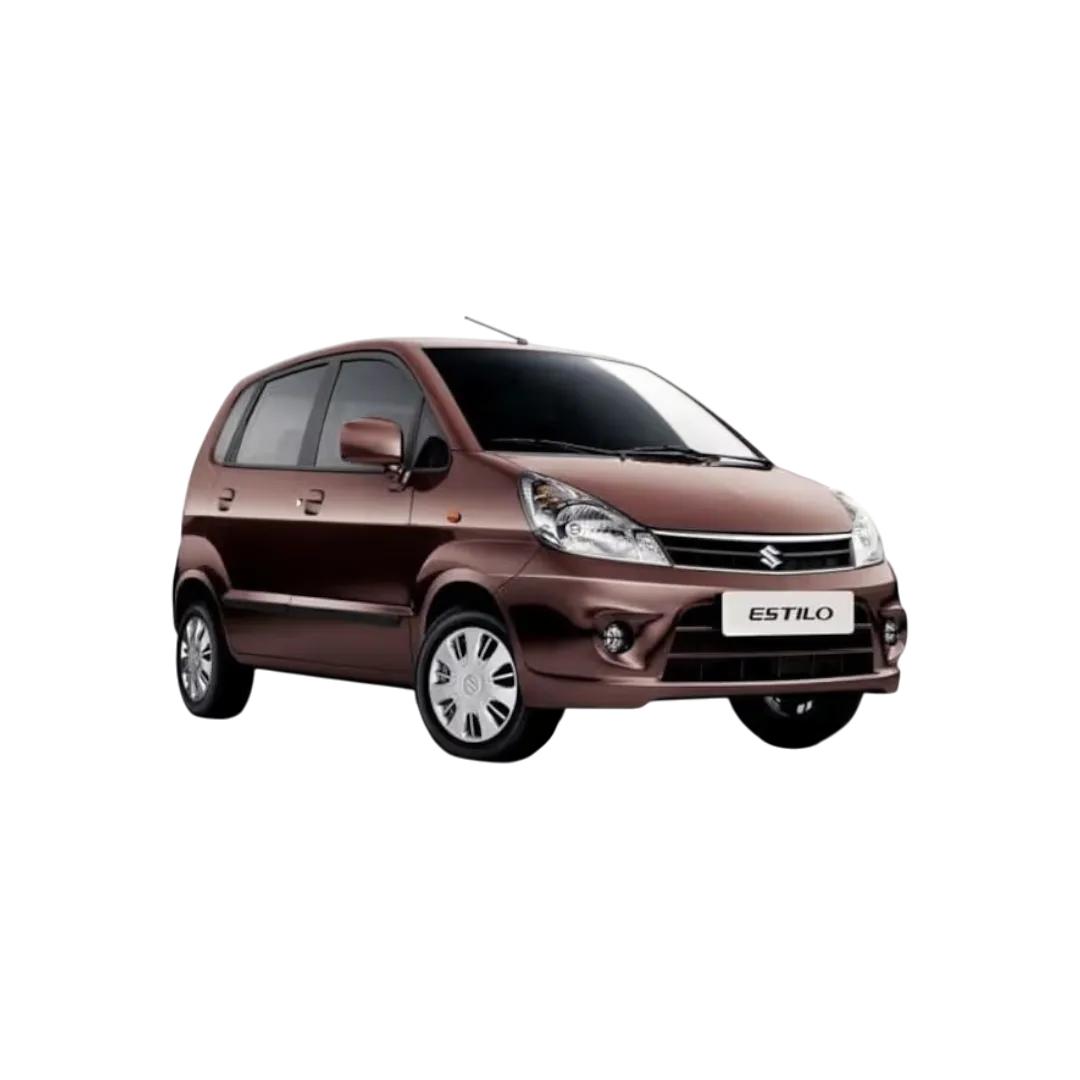 Zen Estilo
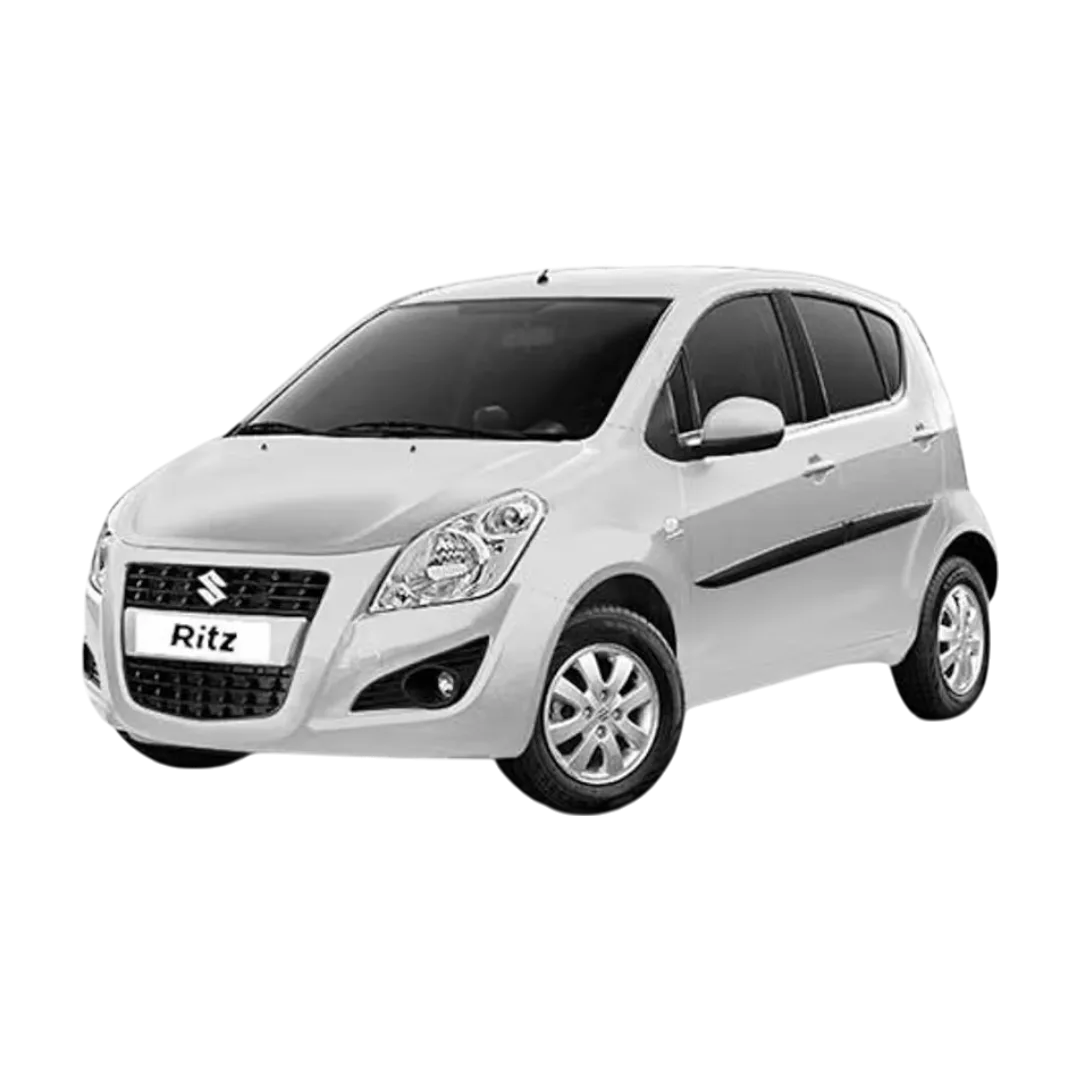 Ritz
Ritz
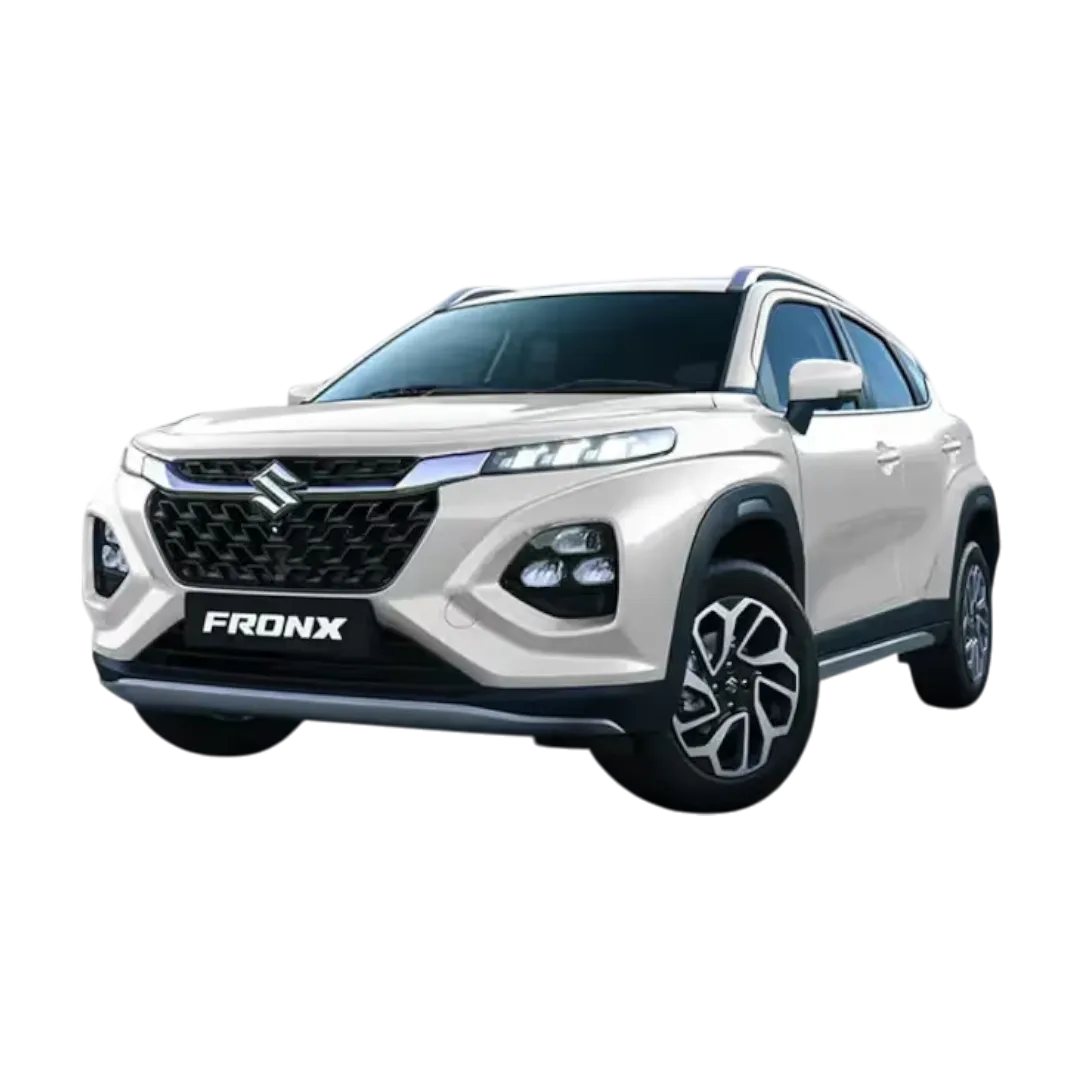 Fronx
Fronx
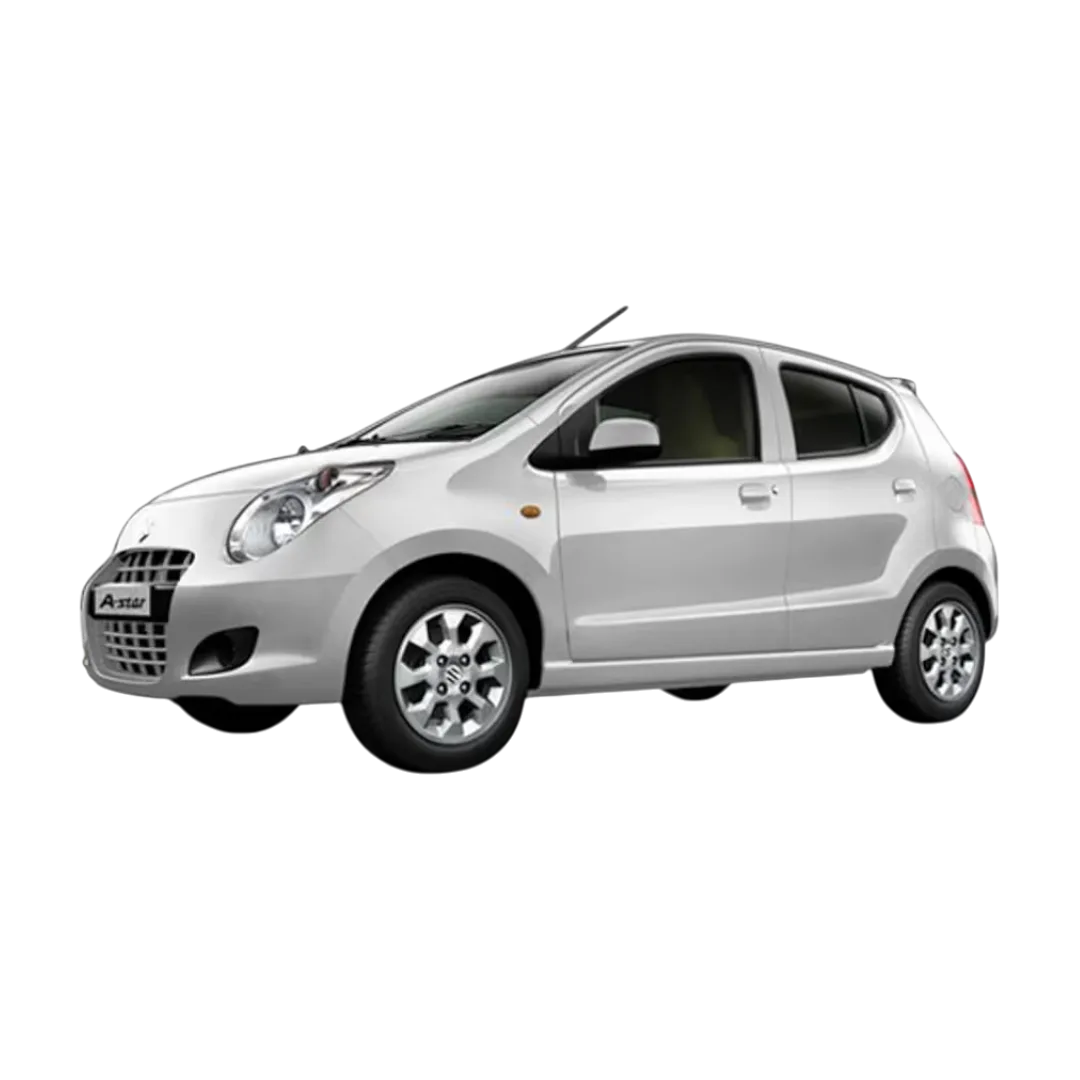 A-Star
 Alto
Alto
 Invicto
Victoris
Wagon R
Invicto
Victoris
Wagon R
 i20
i20
 Aura
Aura
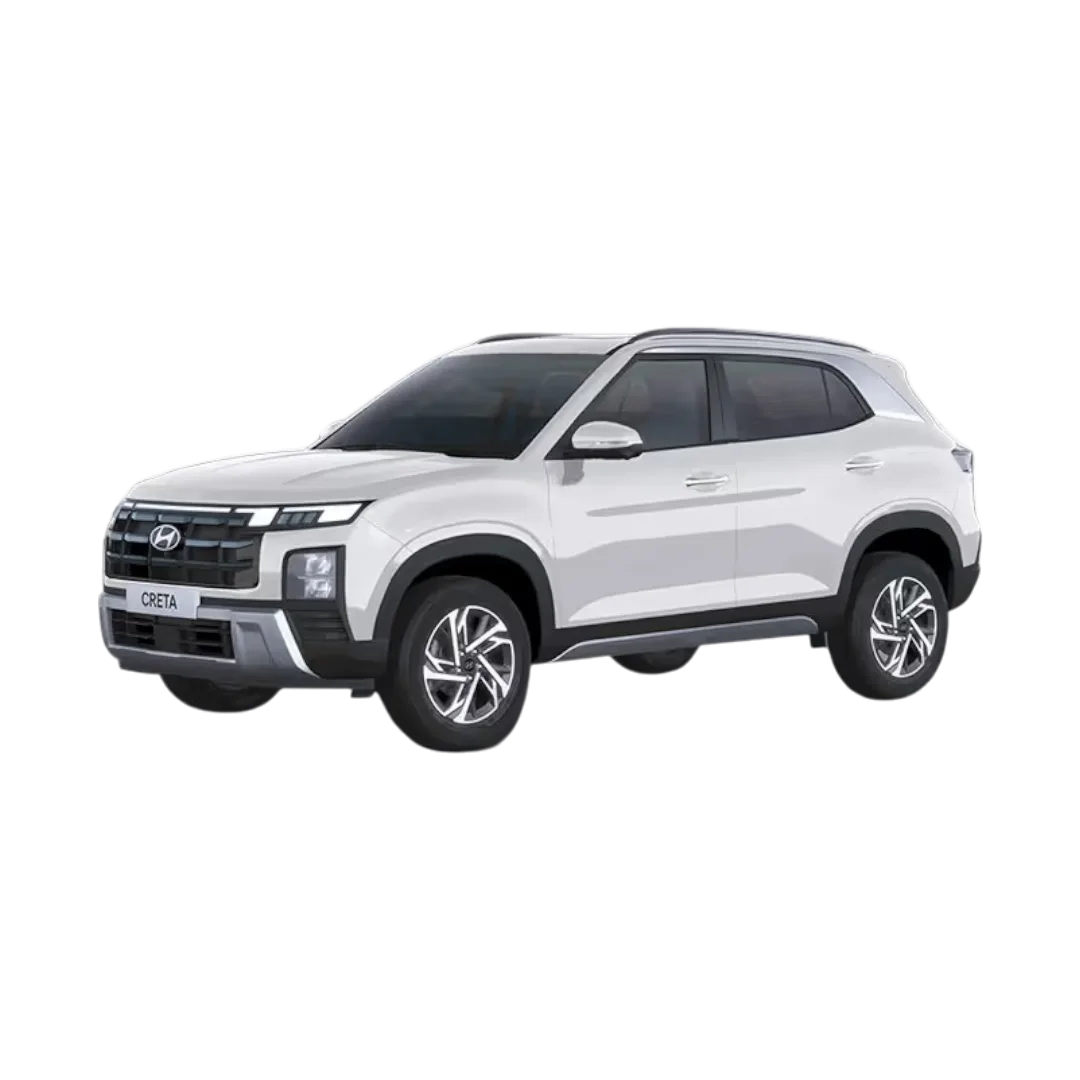 Creta
Creta
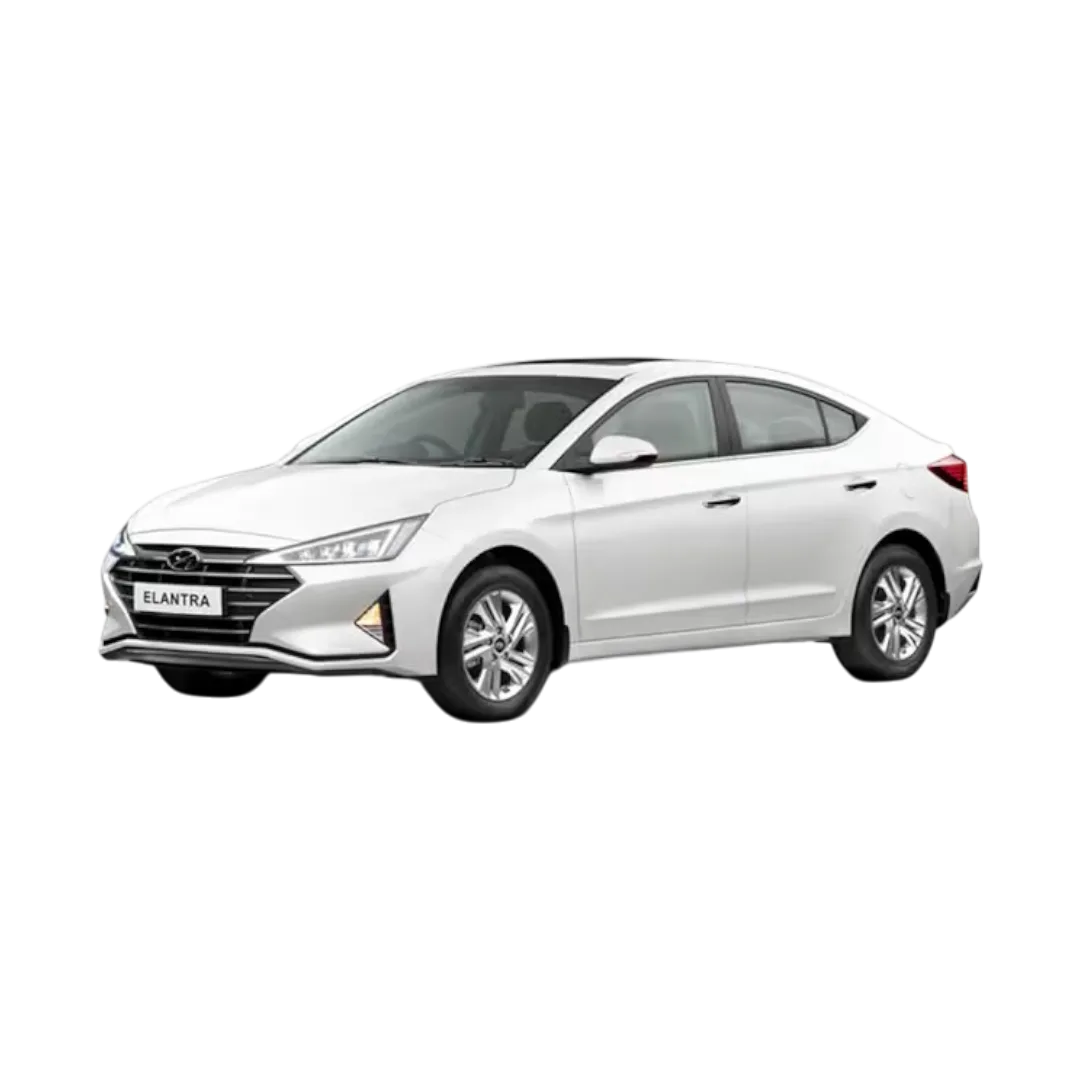 Elantra
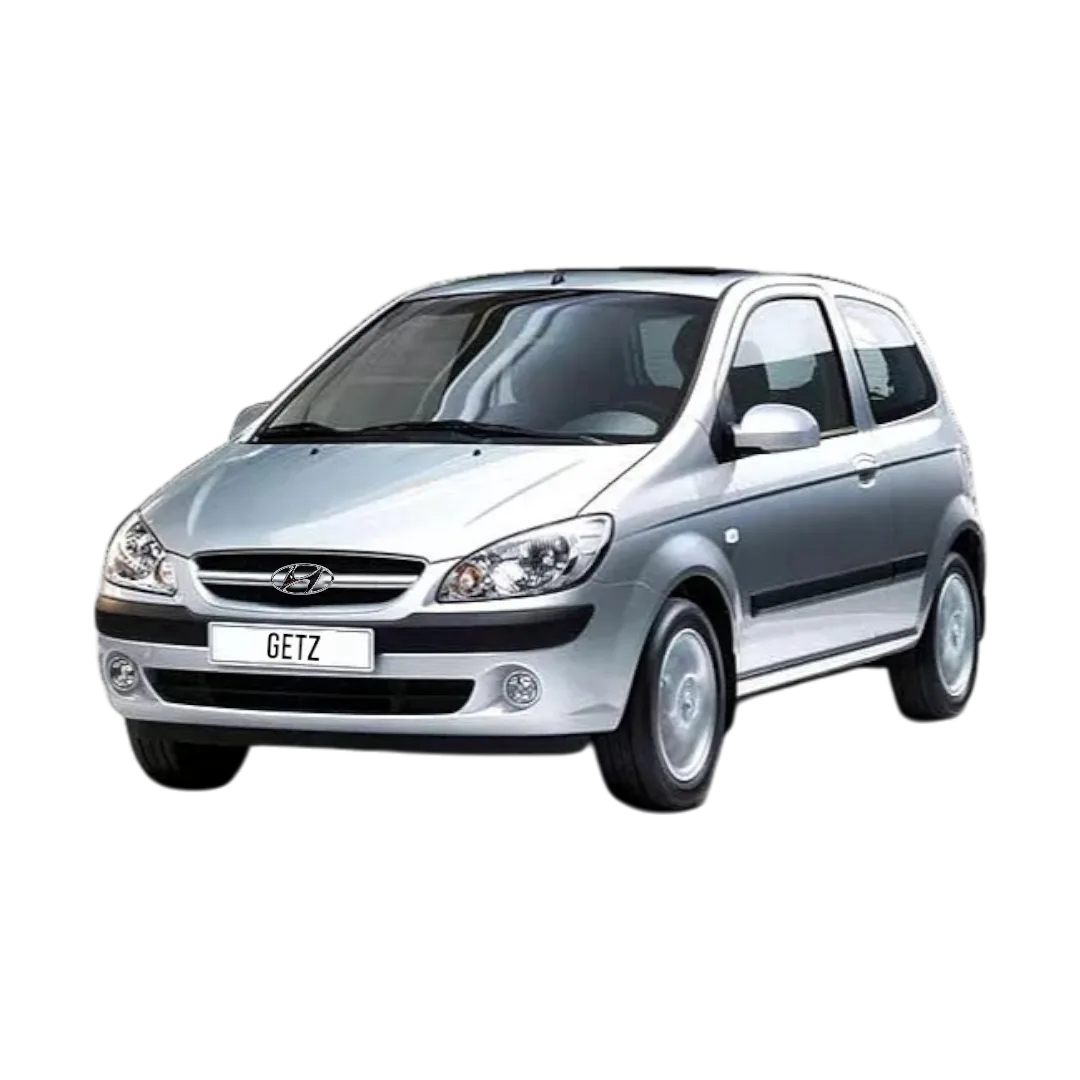 Getz
Getz
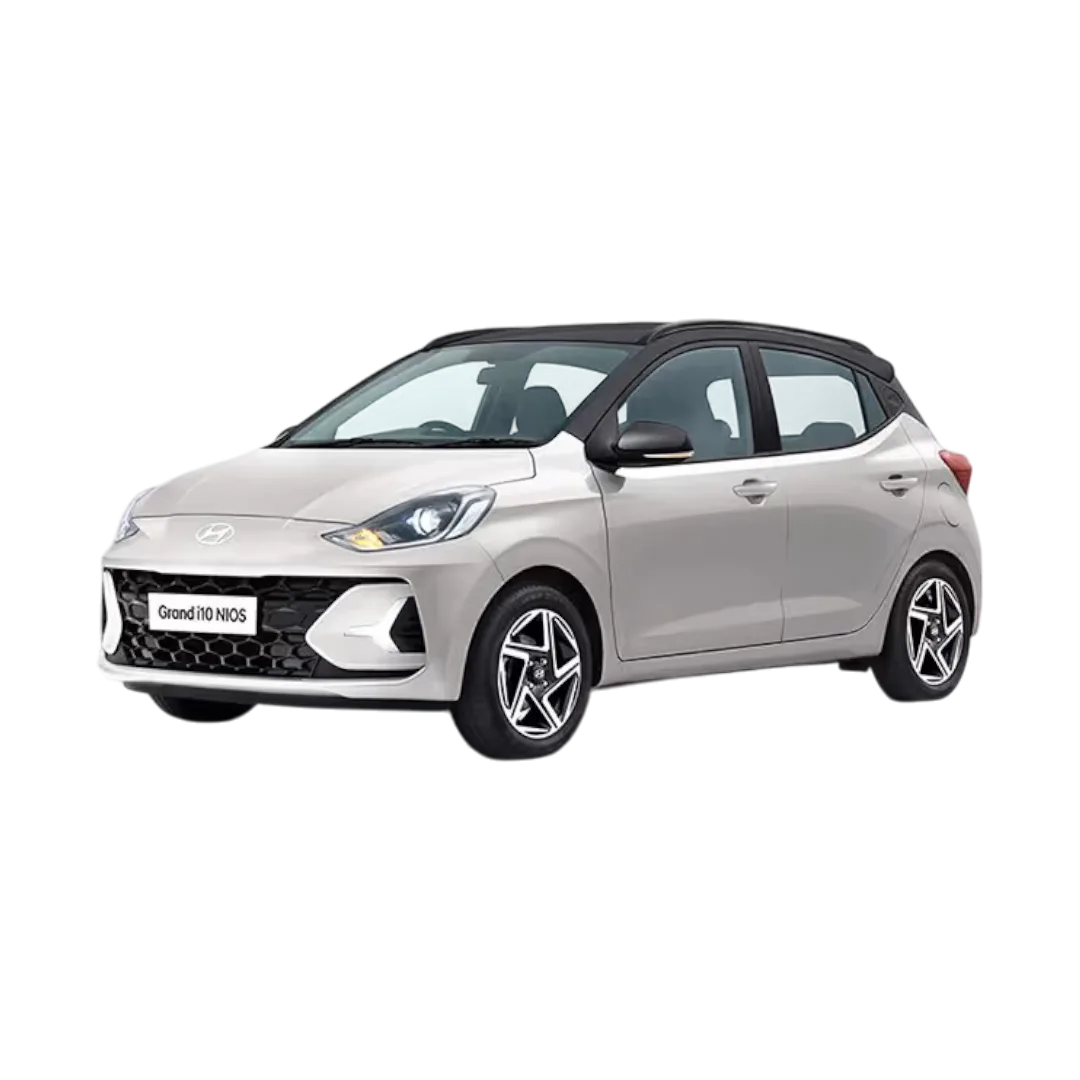 Grand i10 Nios
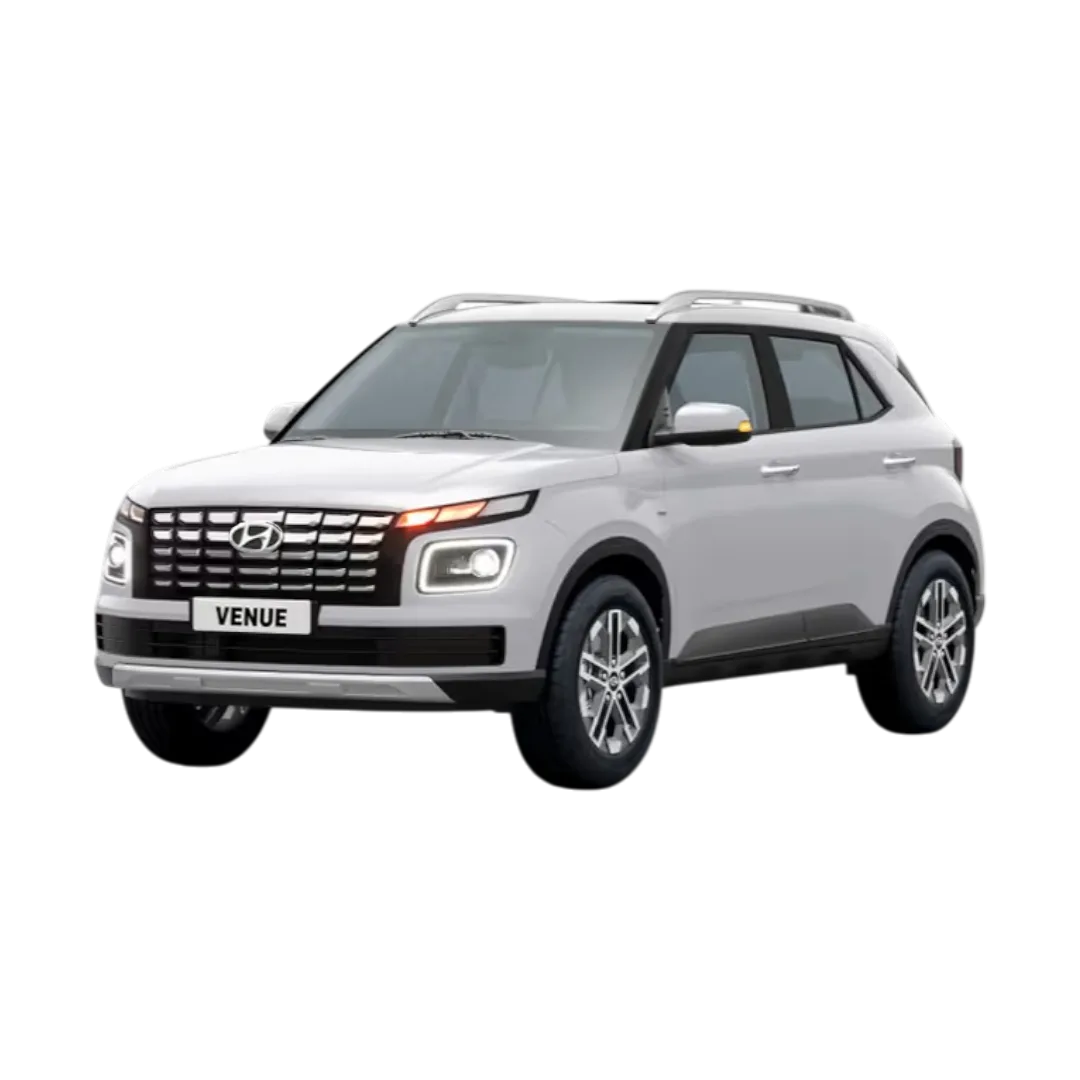 Venue
Venue
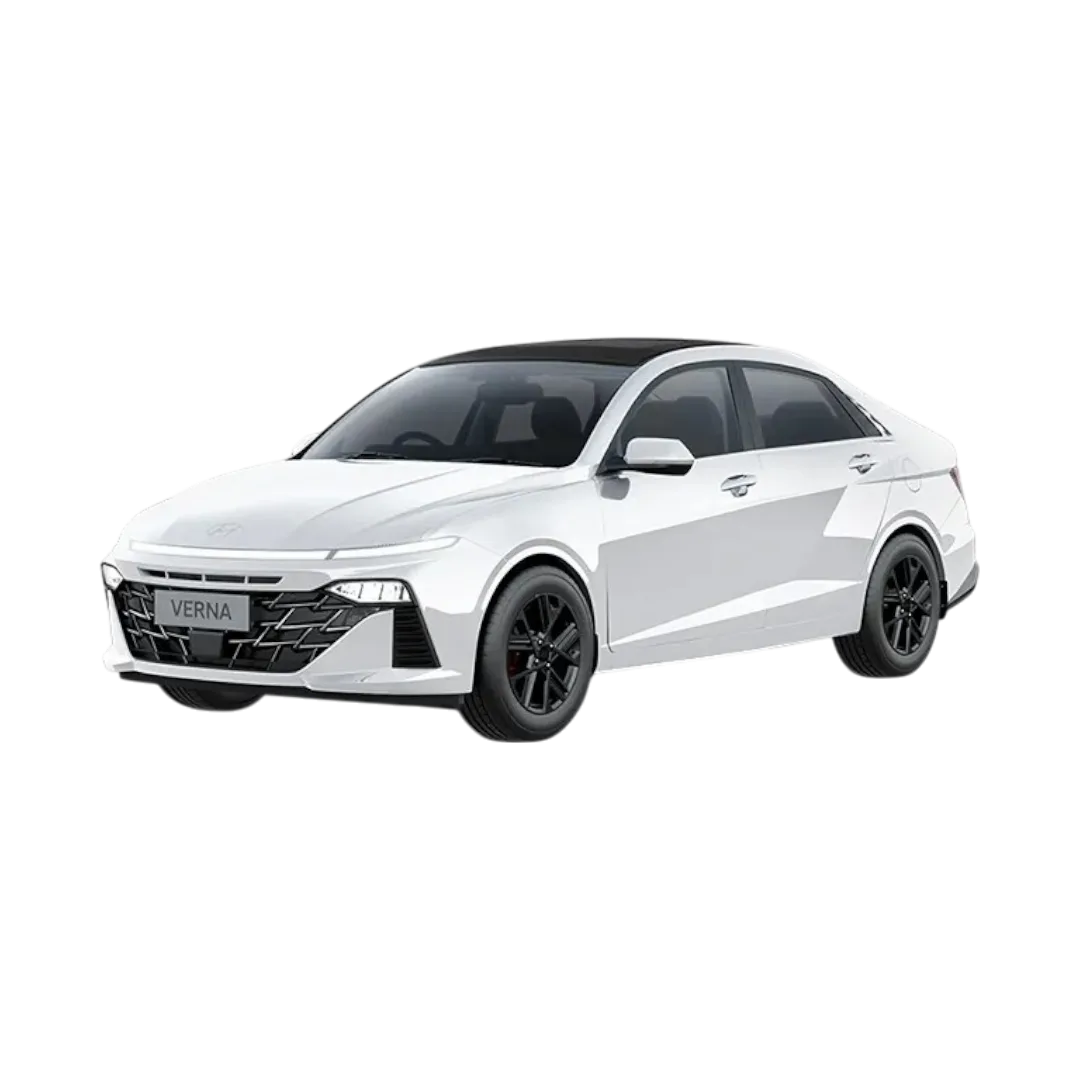 Verna
Verna
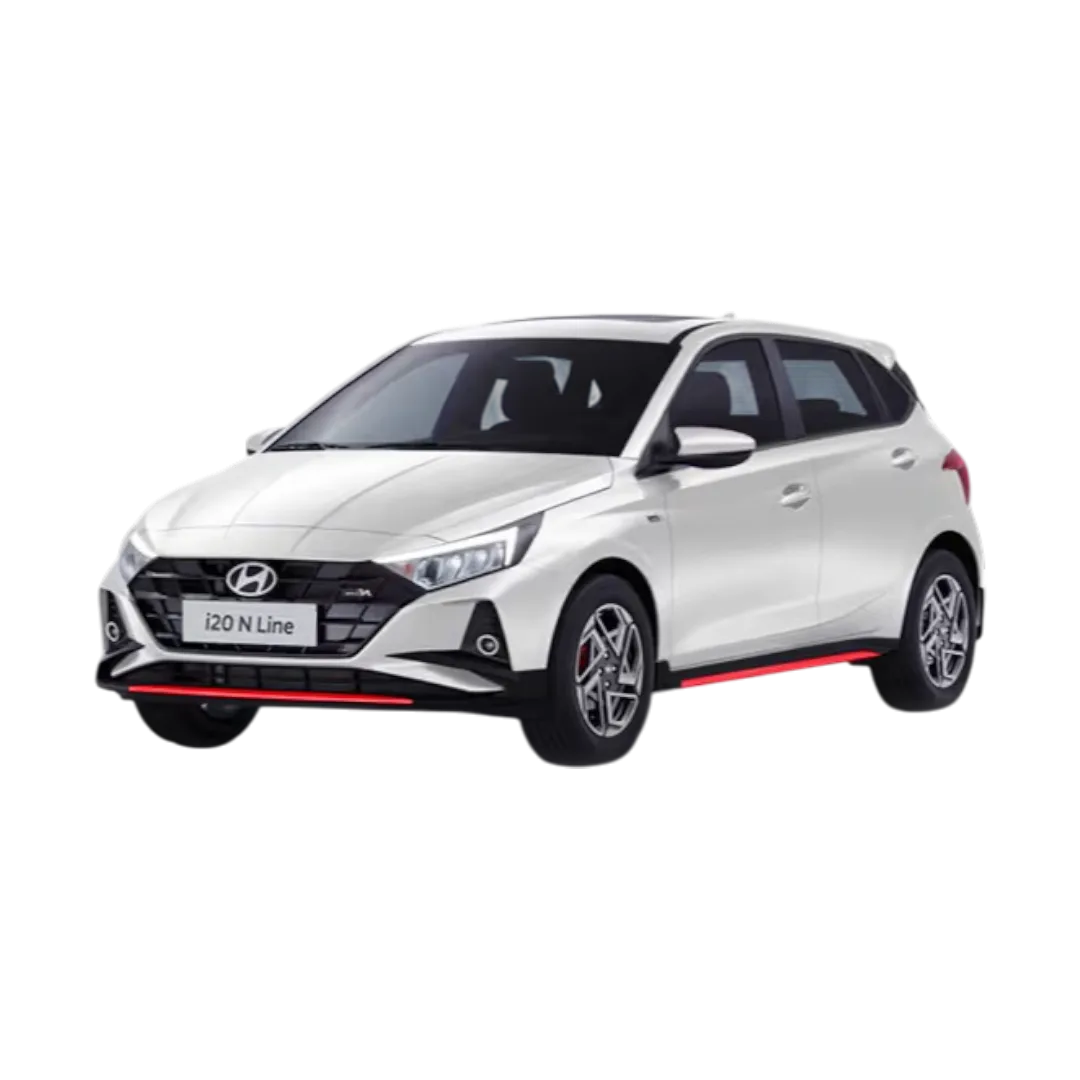 i20 N Line
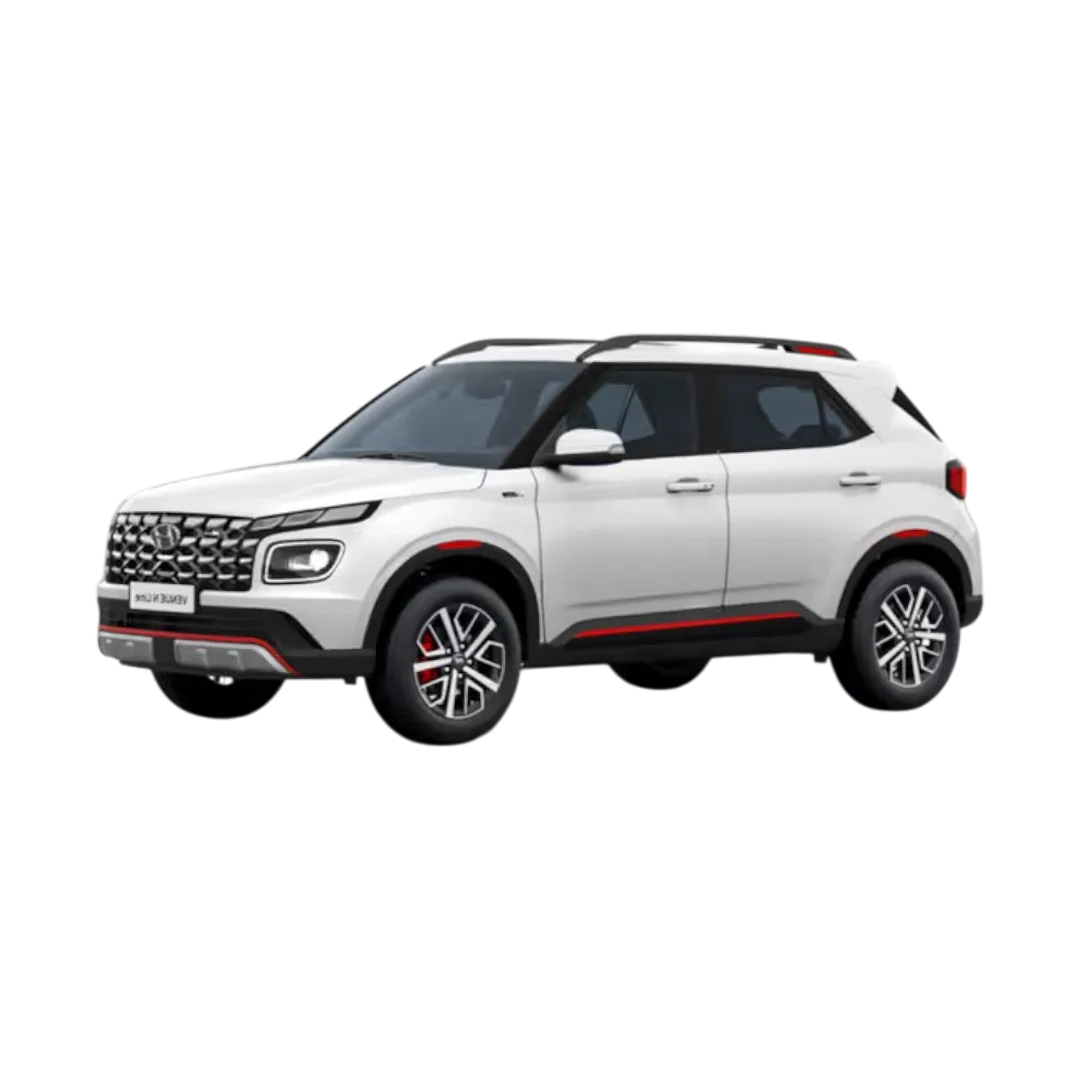 Venue N Line
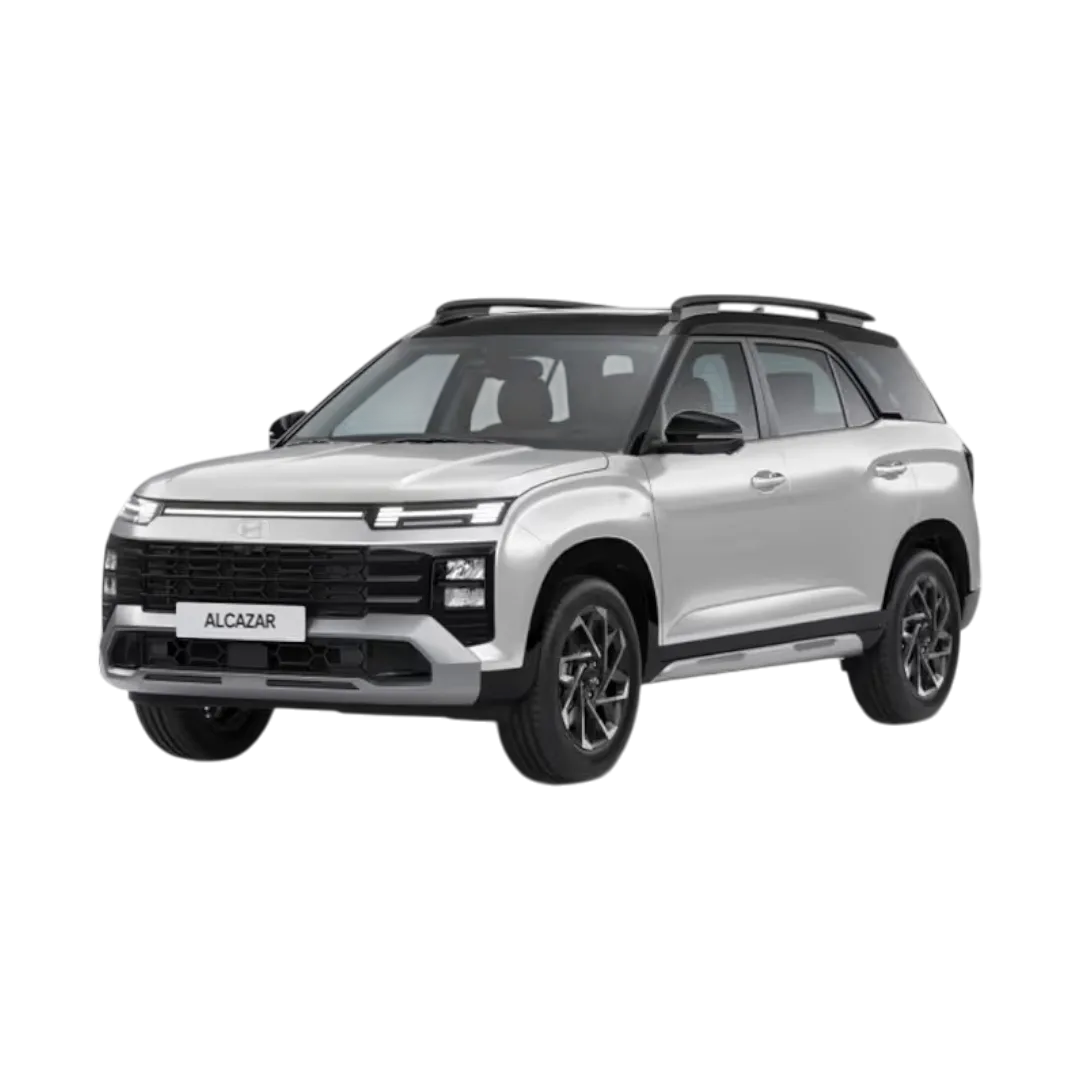 Alcazar
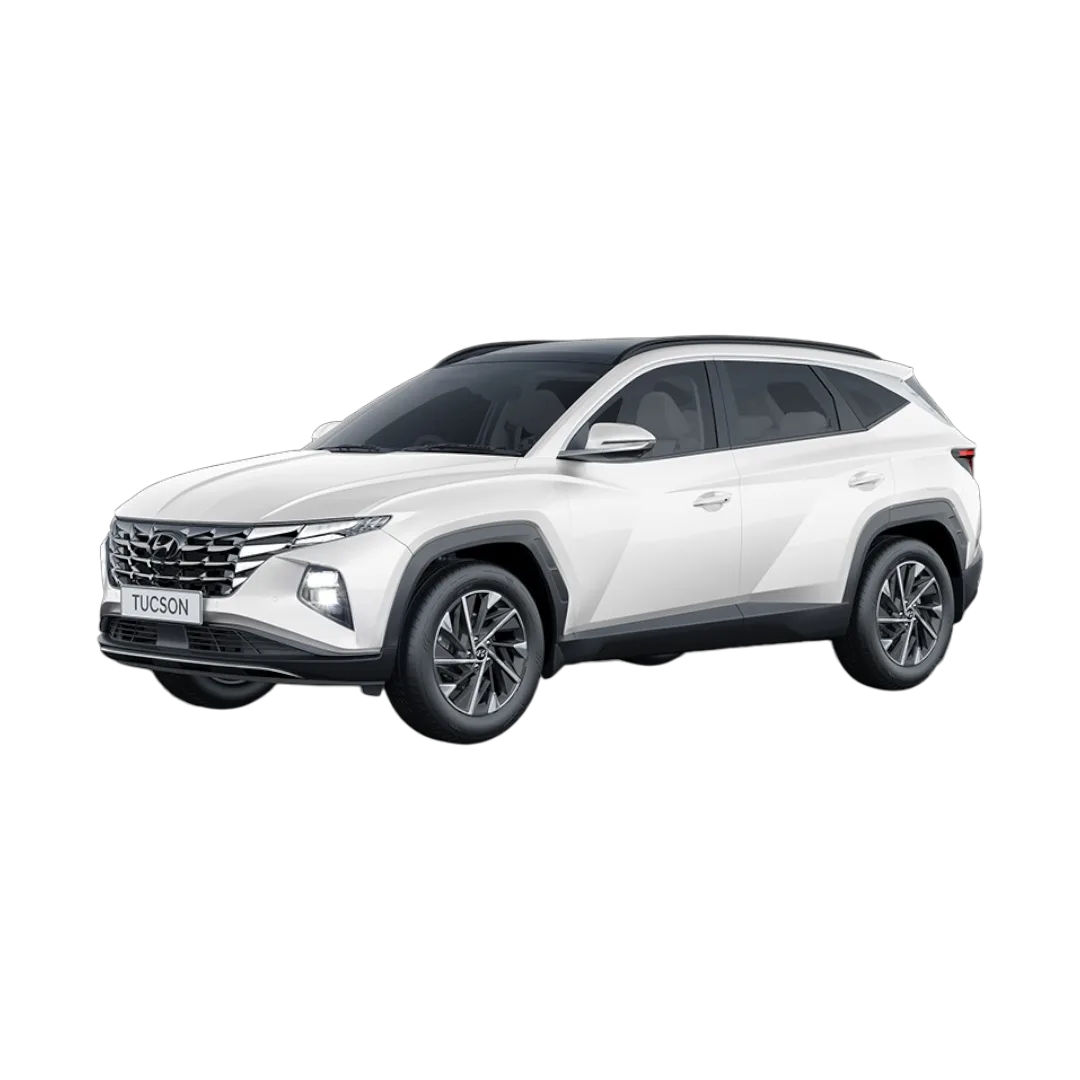 Tucson
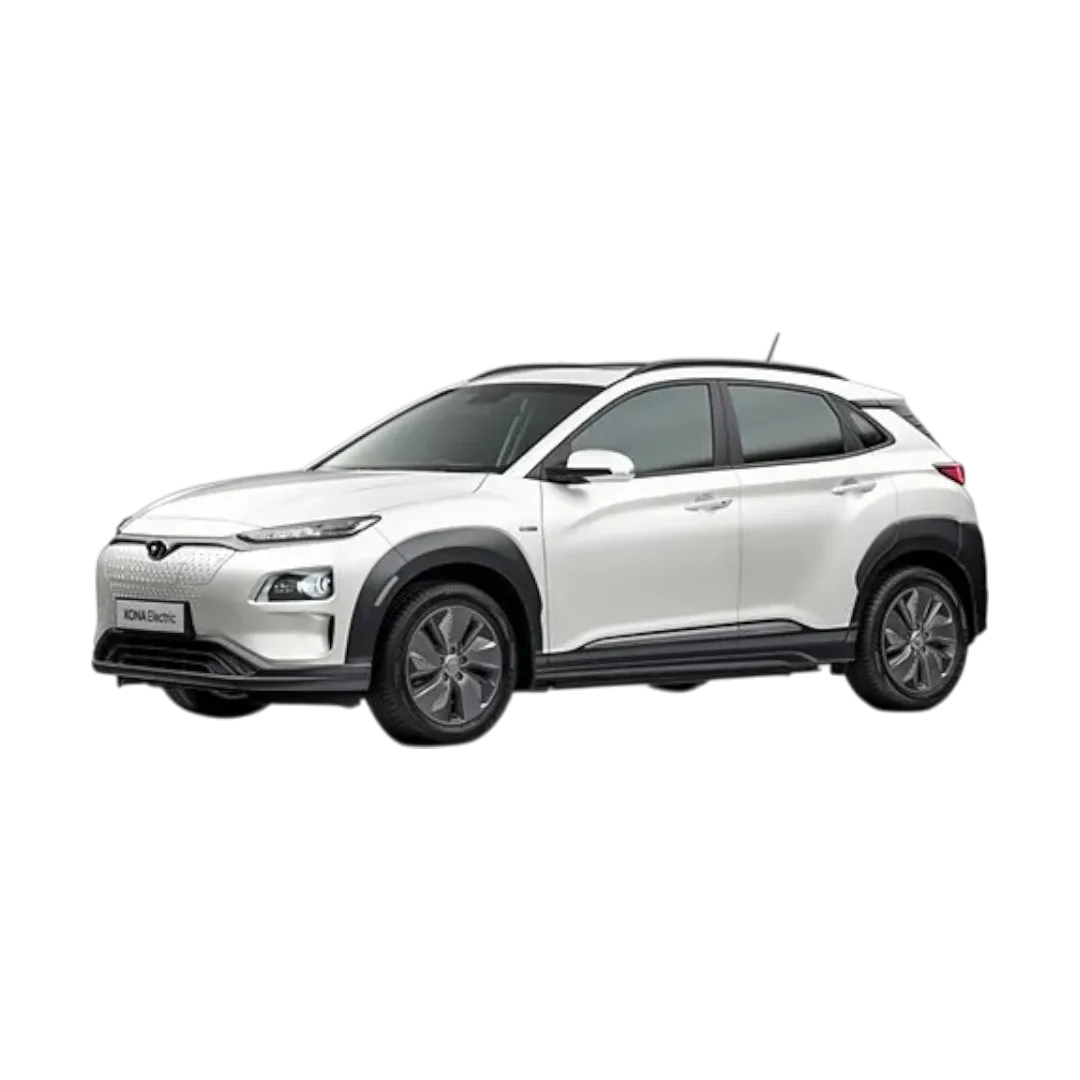 Kona
Kona
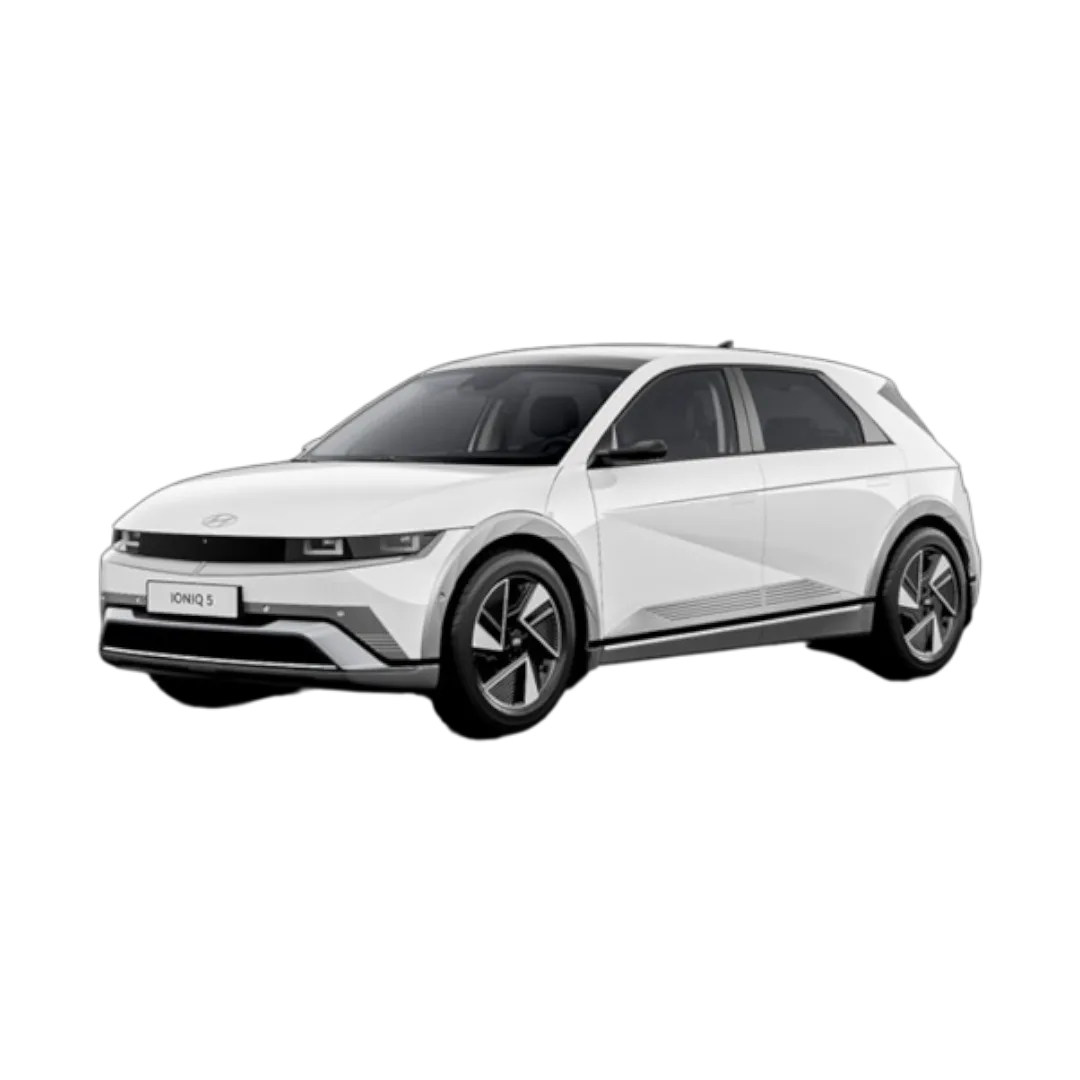 iONIQ 5
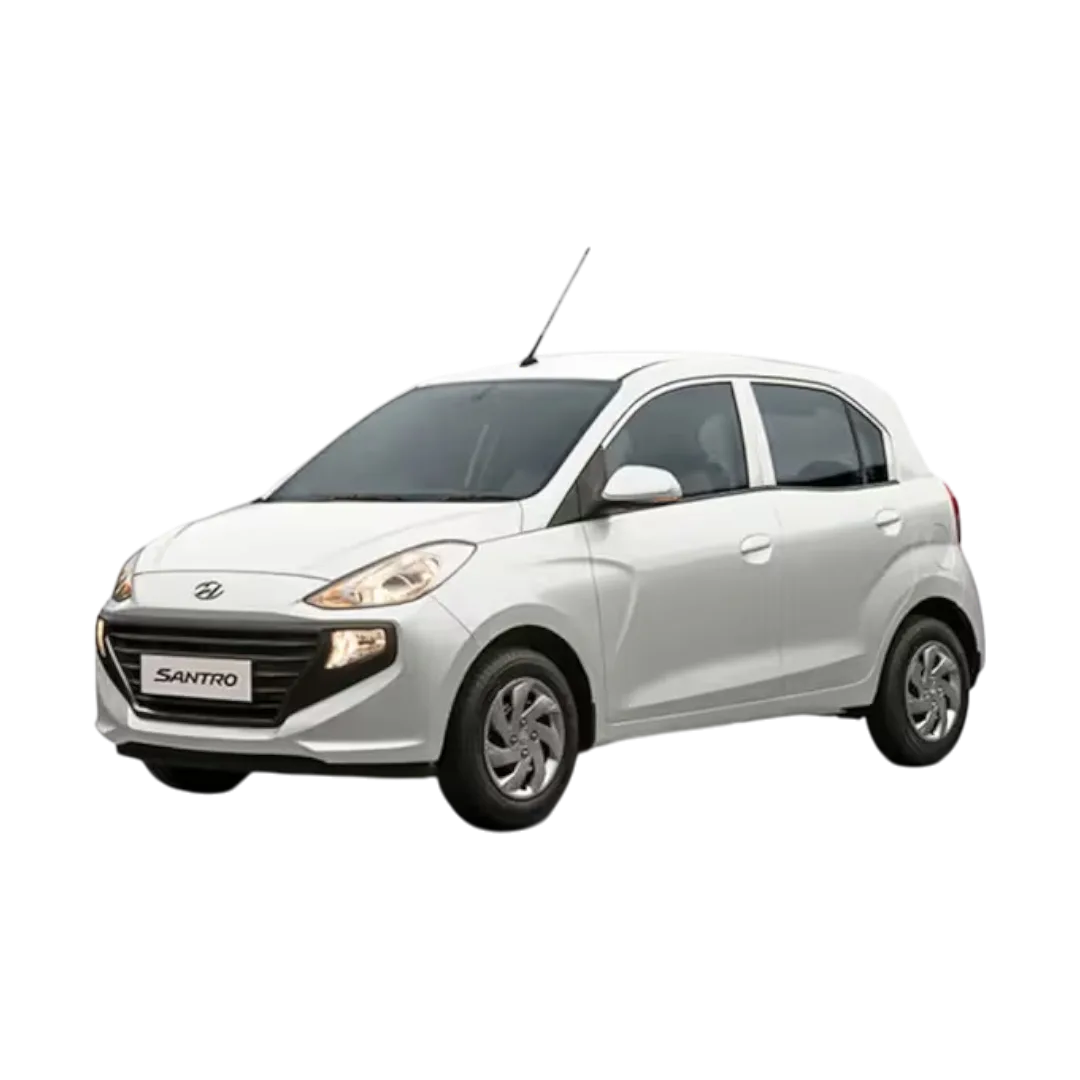 Santro
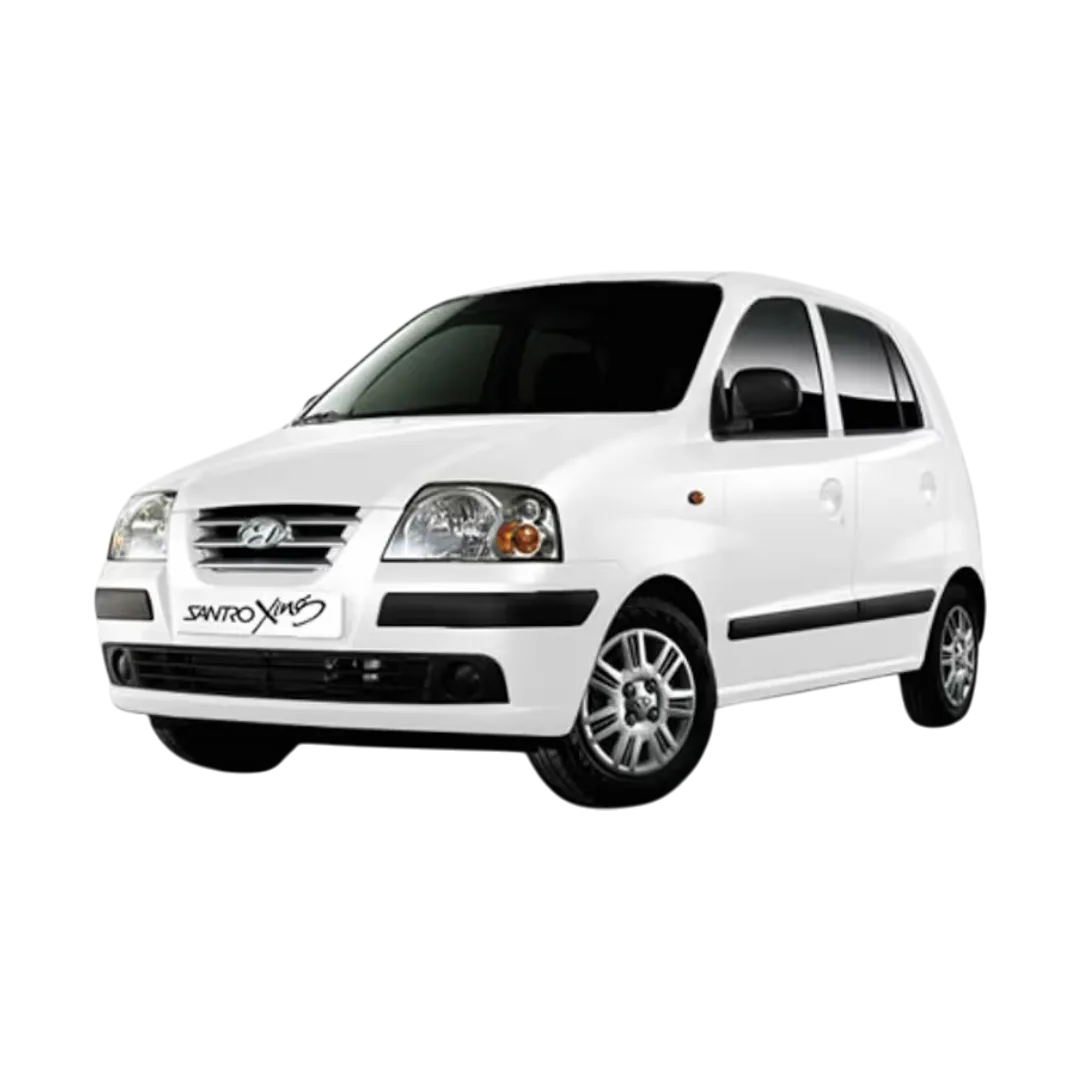 Santro Xing
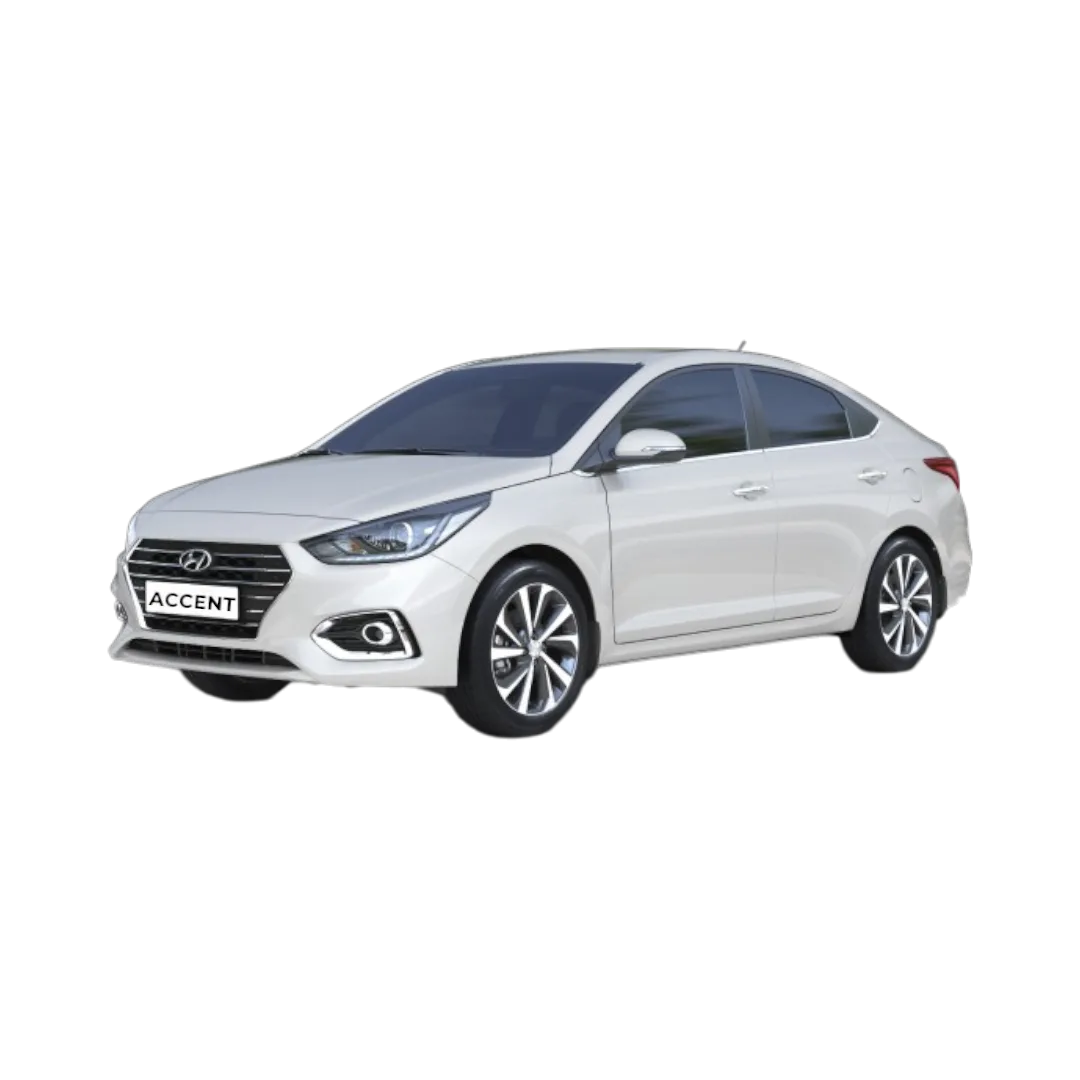 Accent
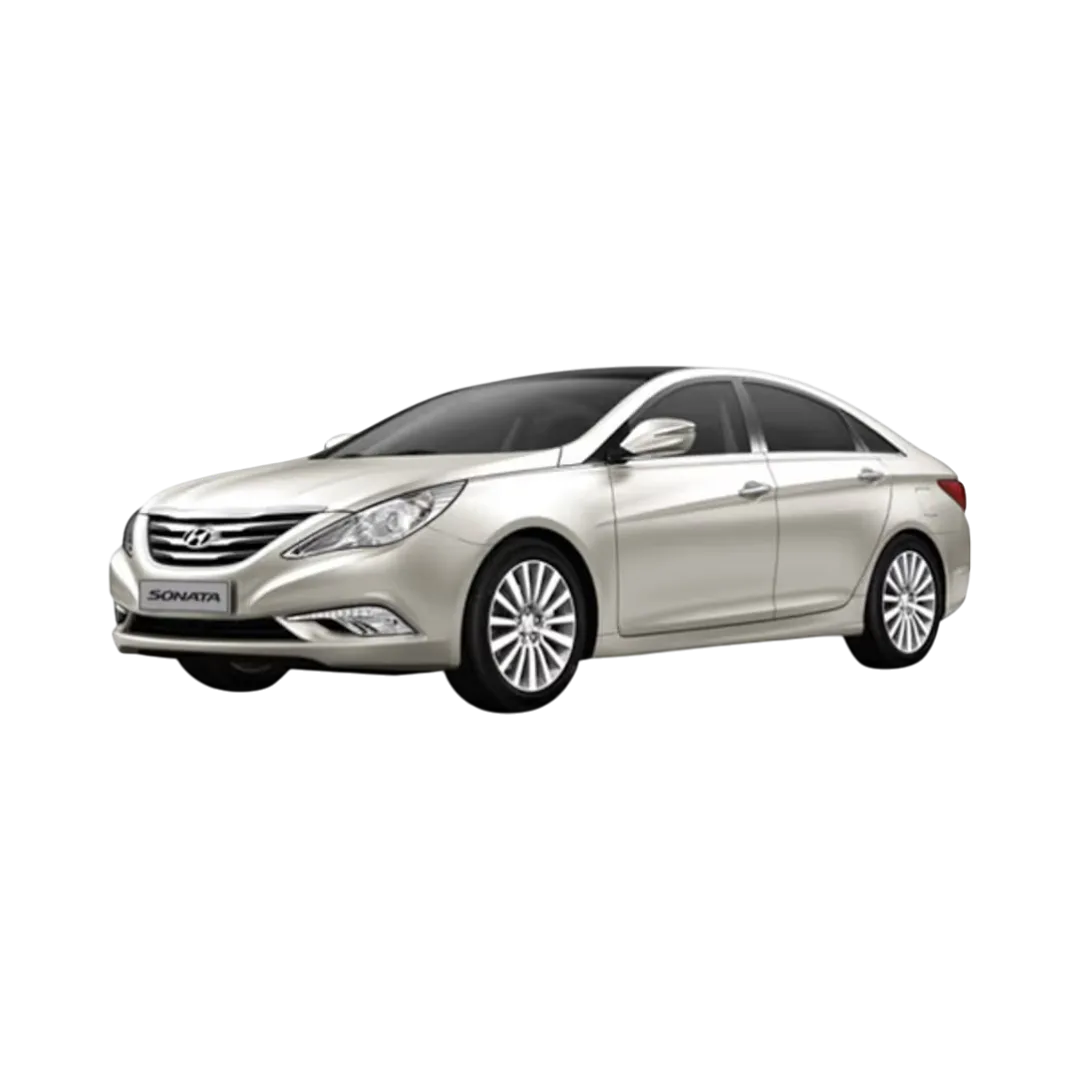 Sonata
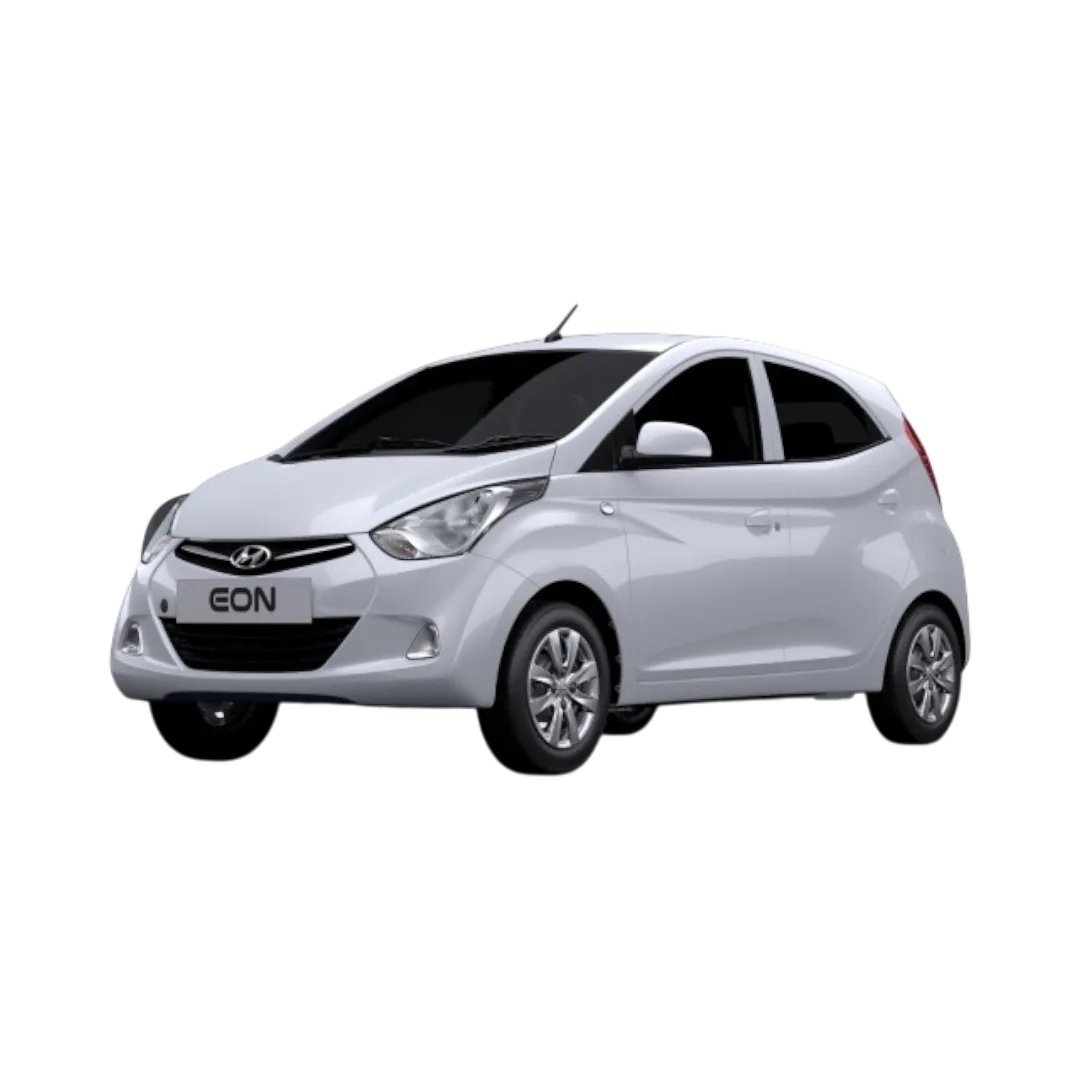 Eon
Eon
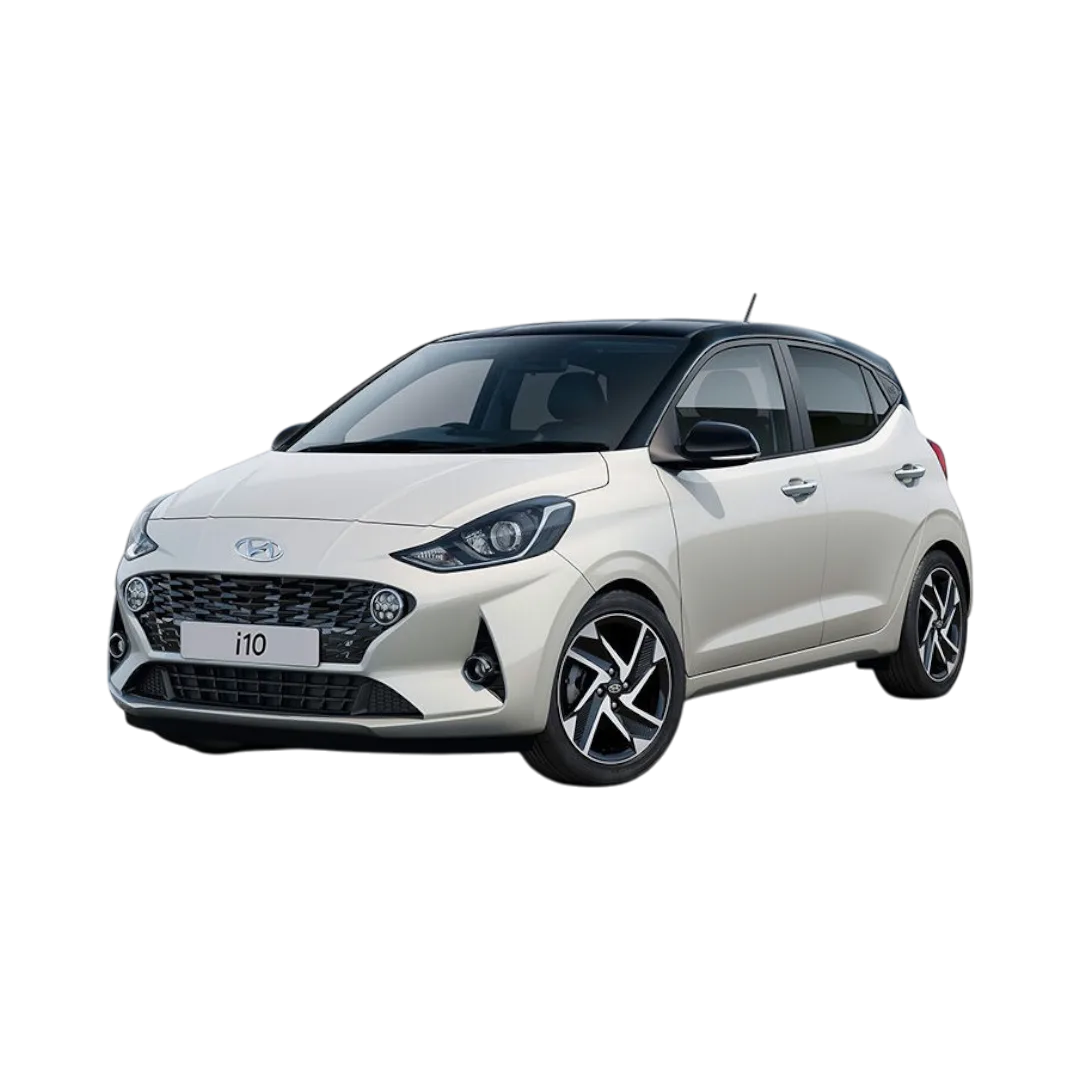 i10
i10
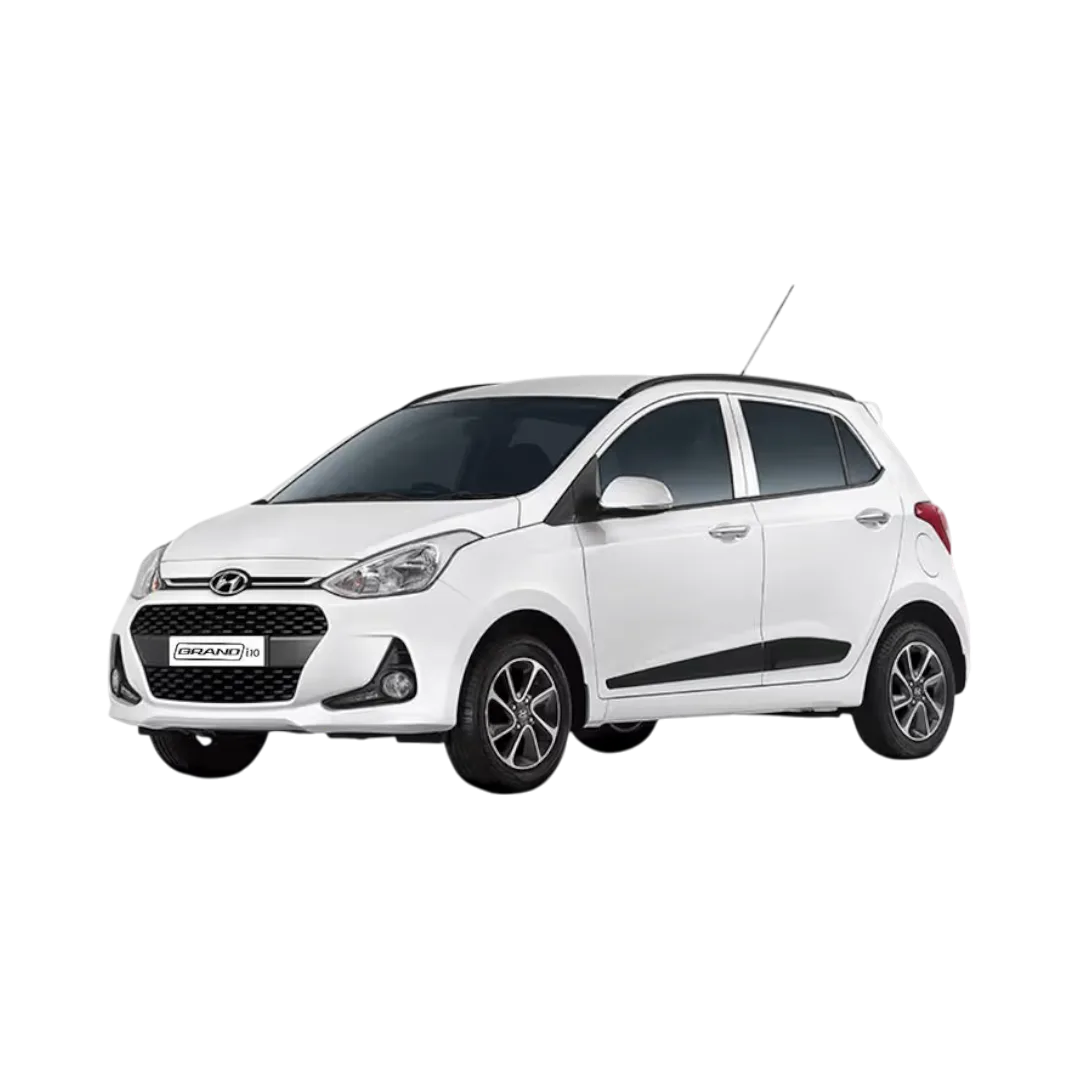 Grand i10
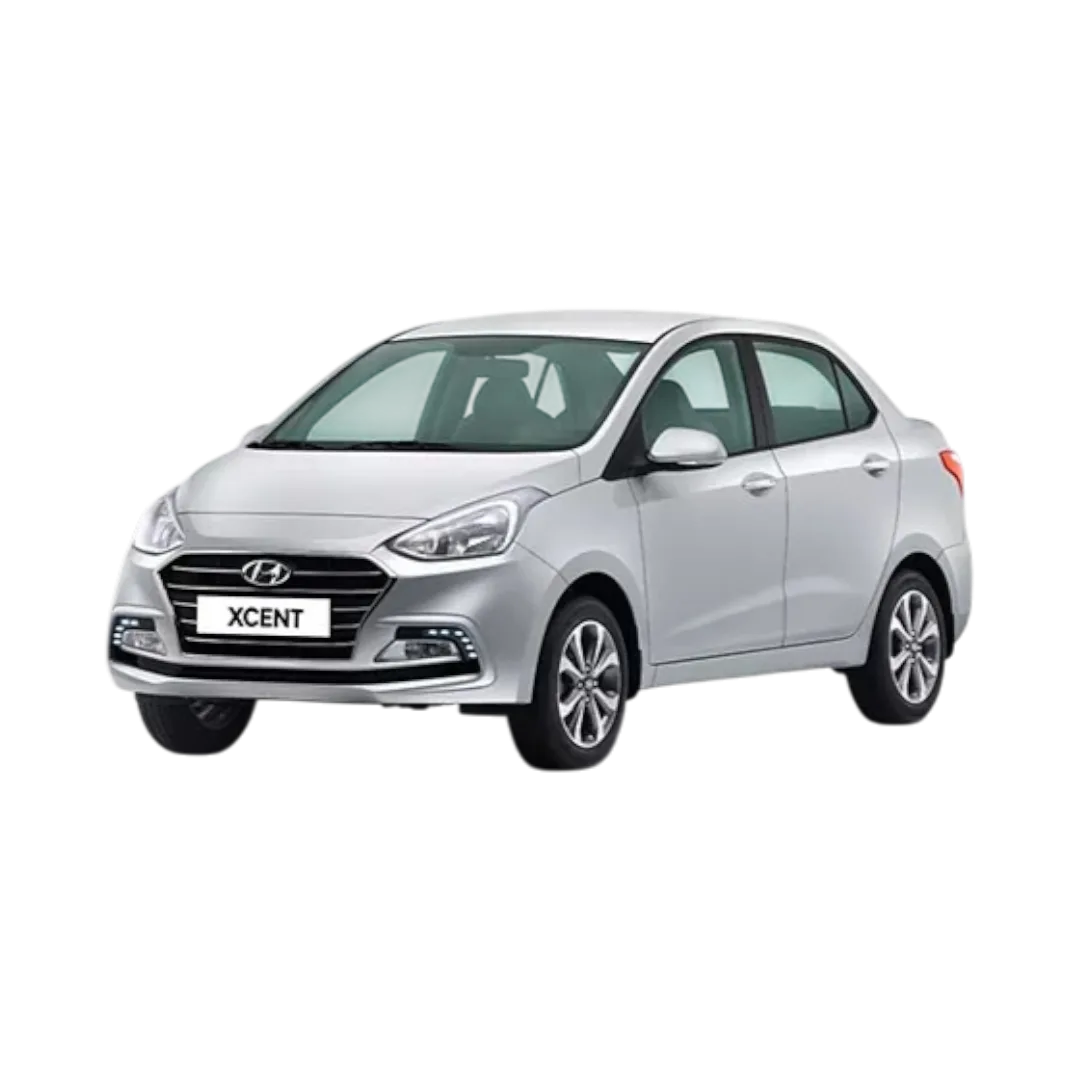 Xcent
Xcent
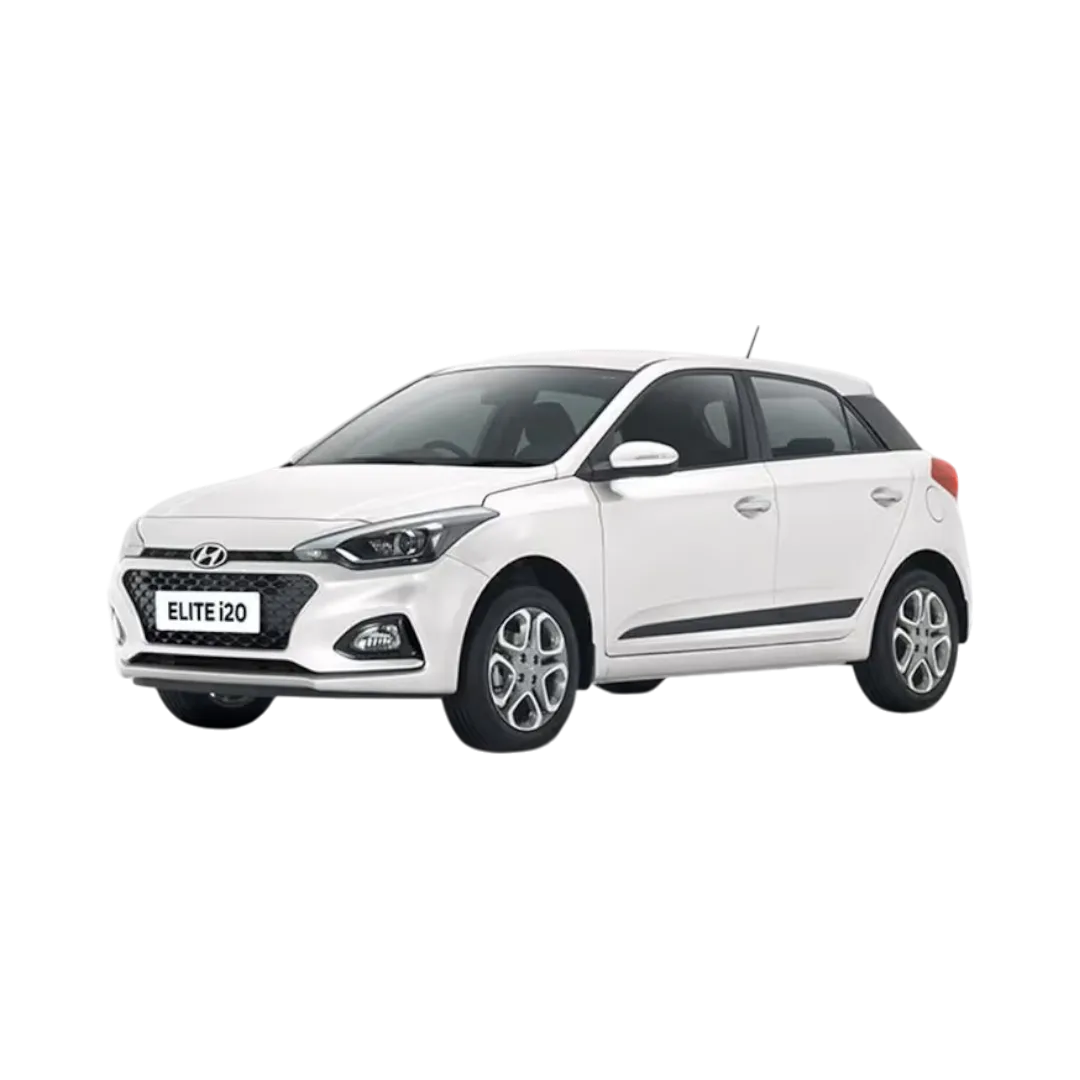 Elite i20
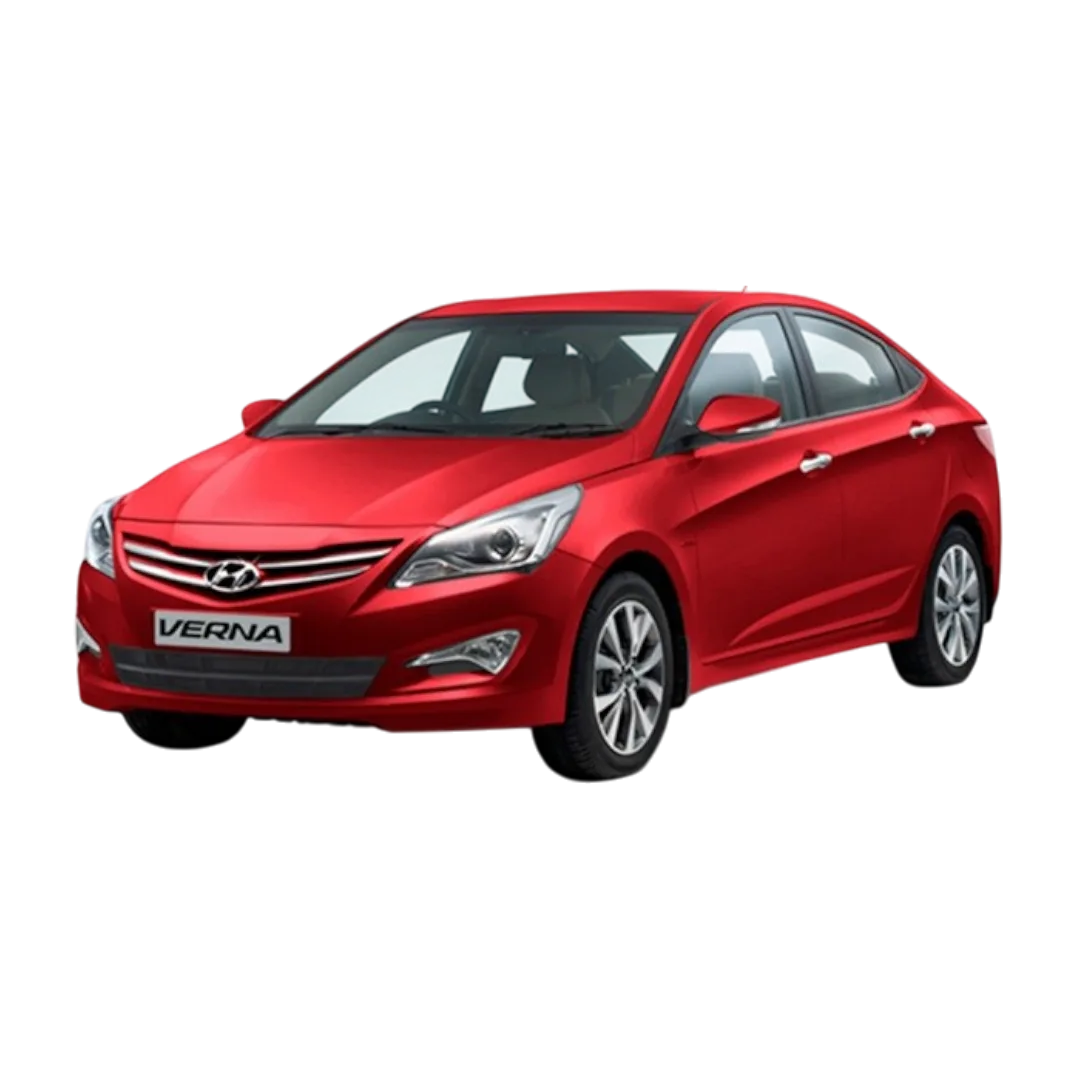 Verna Fluidic
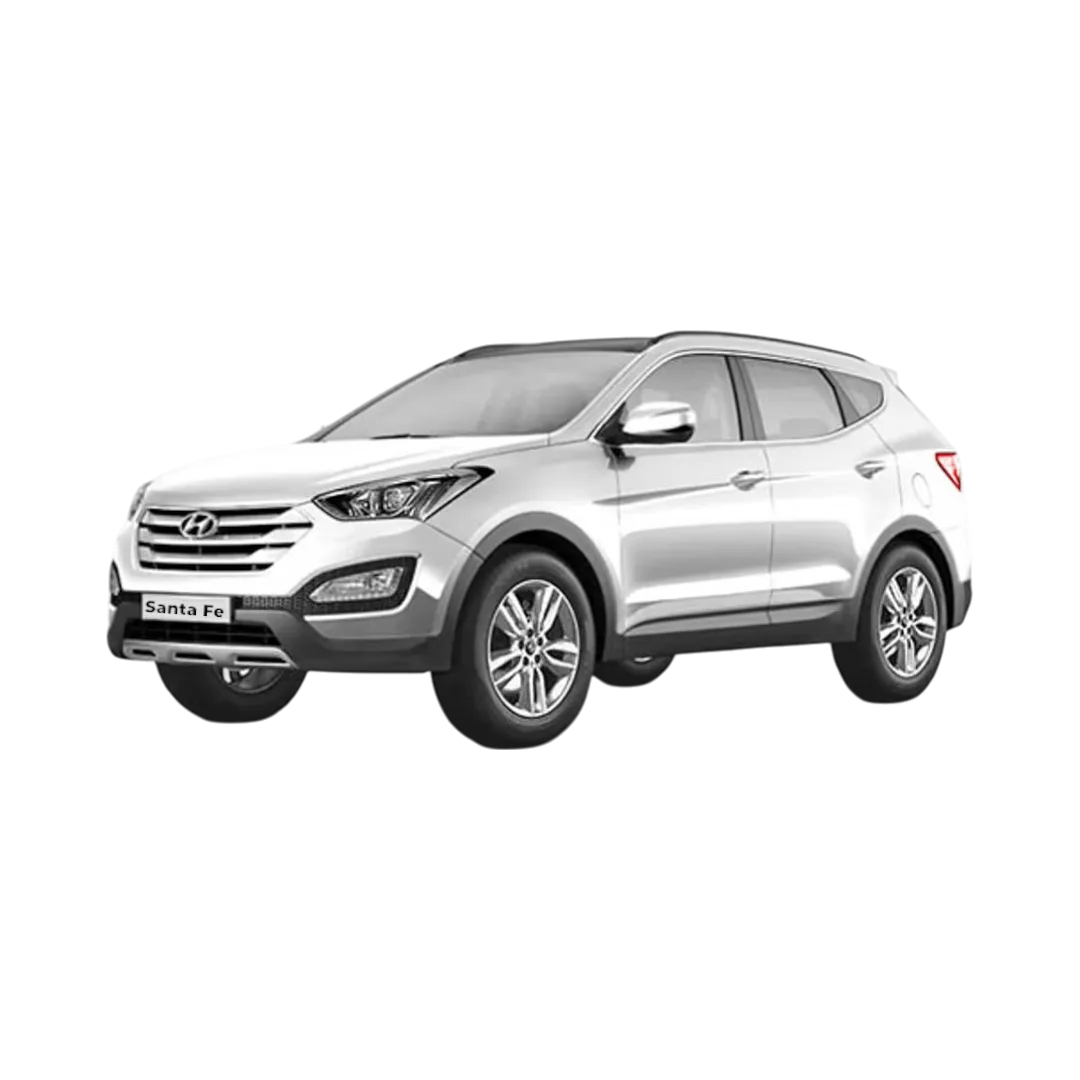 Santafe
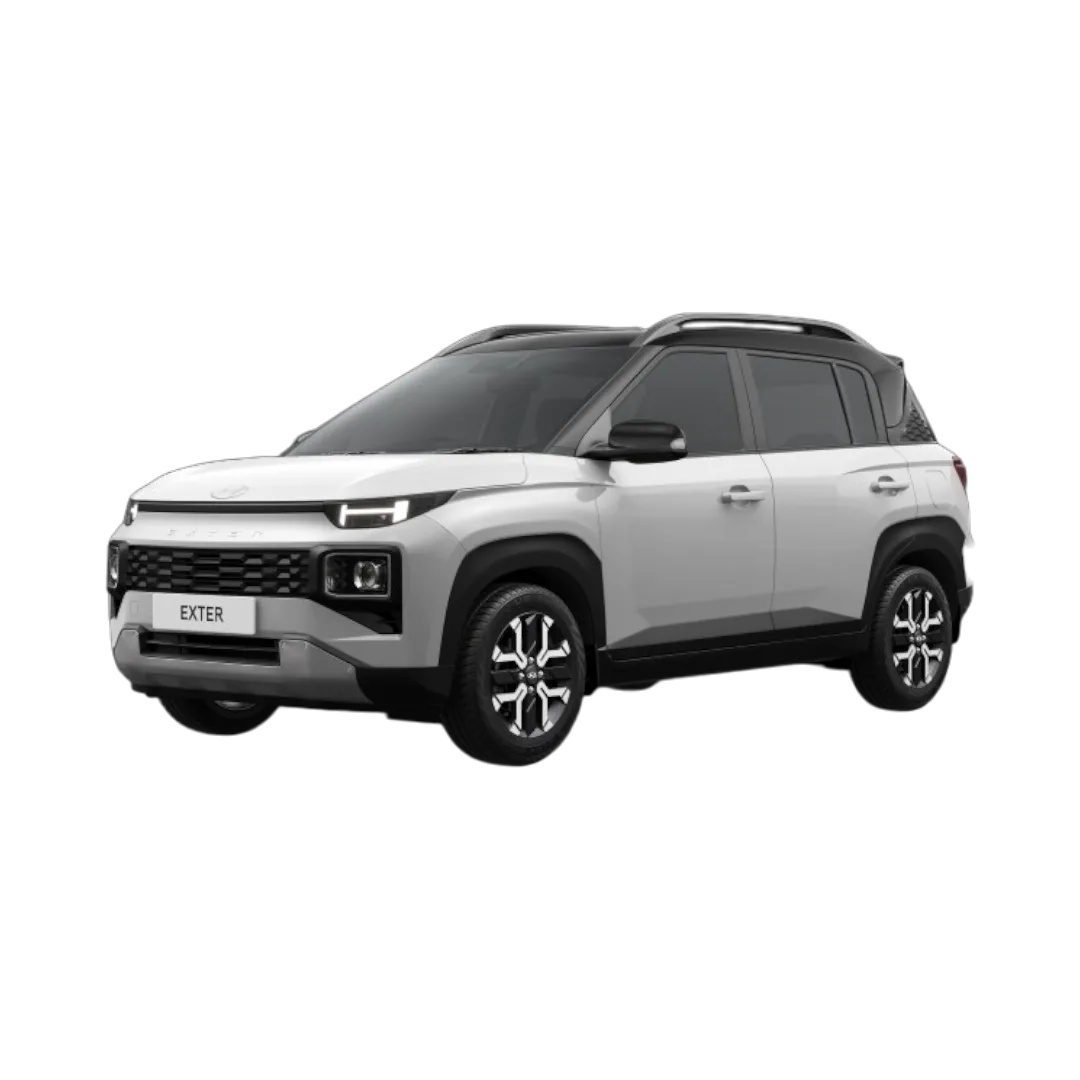 Exter
Sonata Fluidic
i20 Active
Exter
Sonata Fluidic
i20 Active
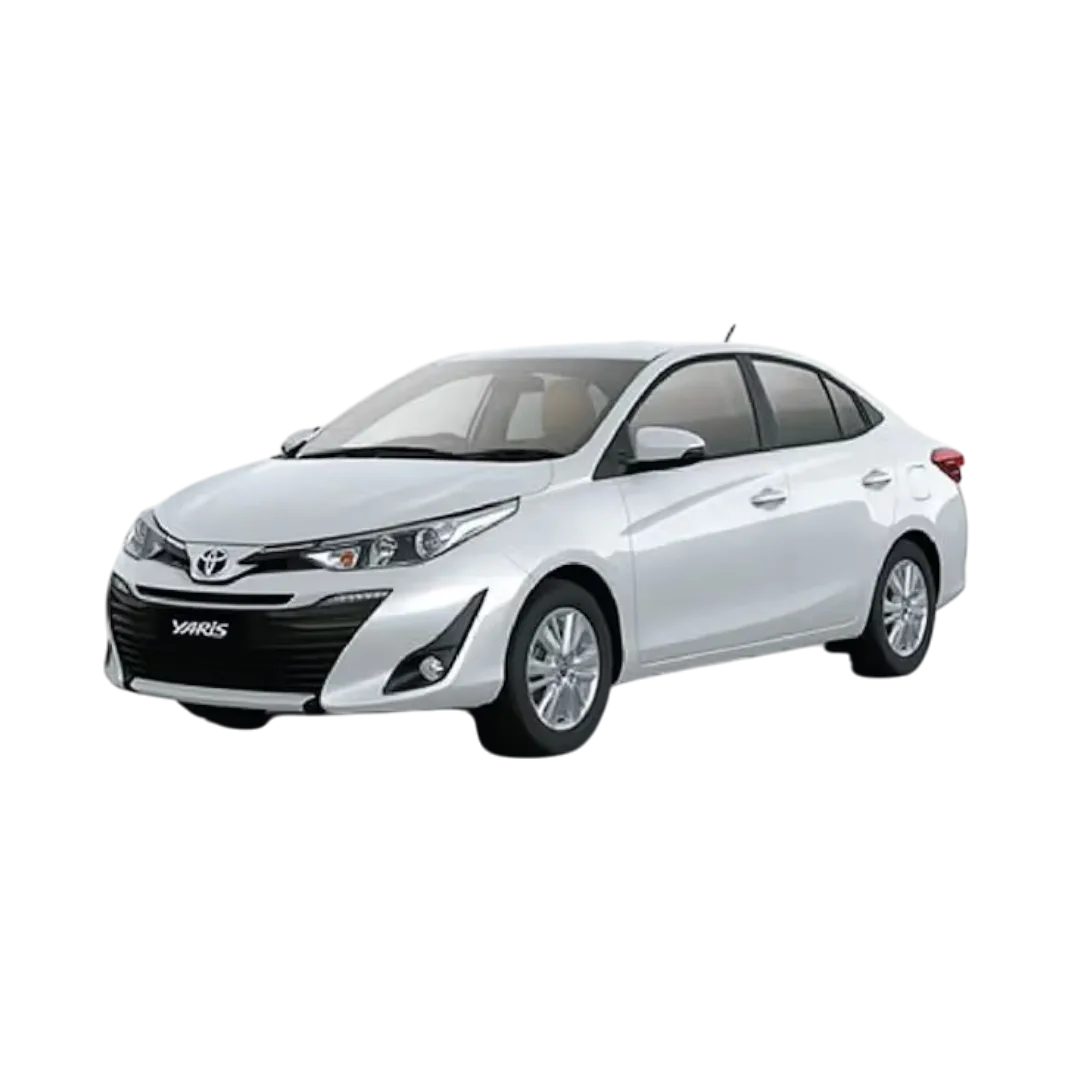 Yaris
Yaris
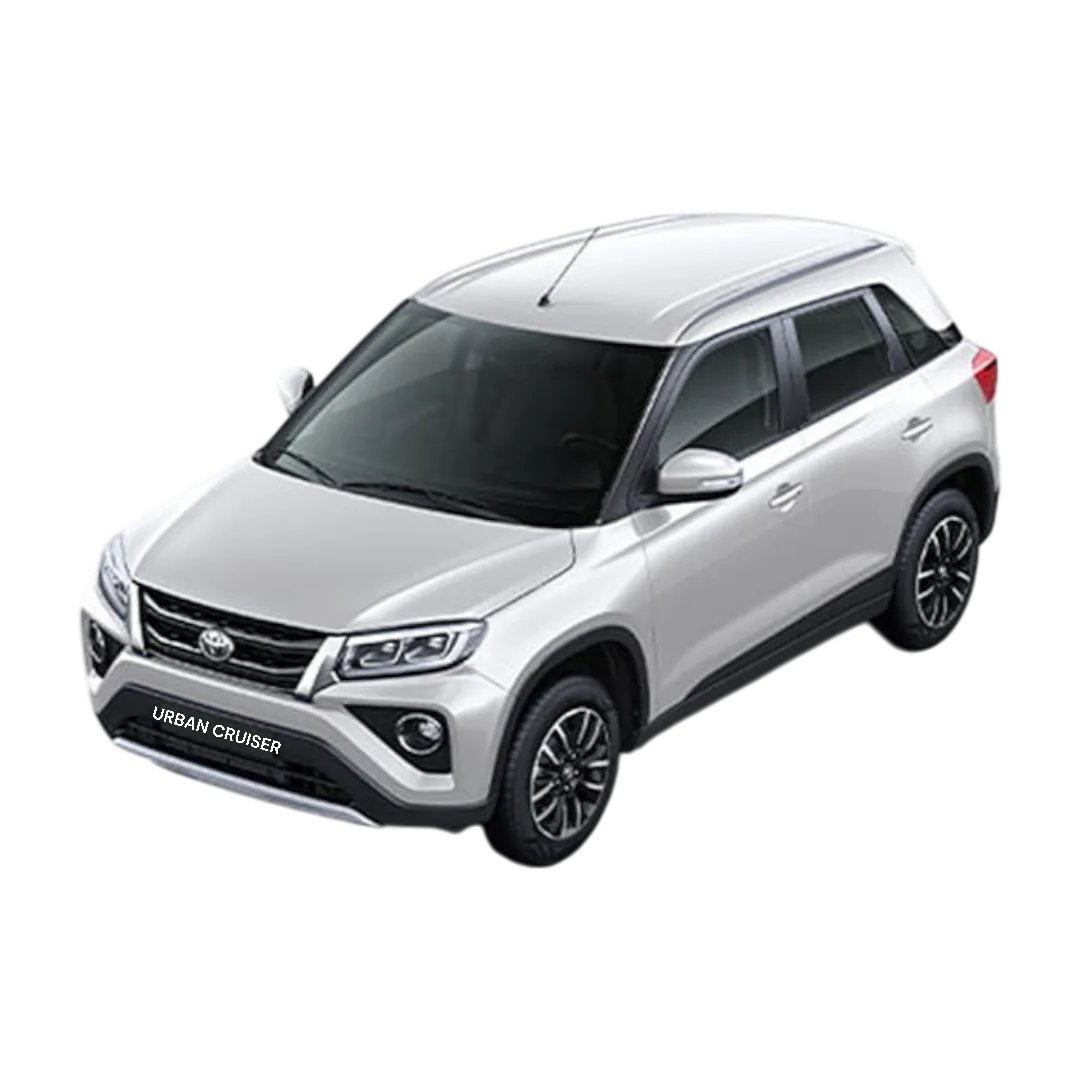 Urban Cruiser
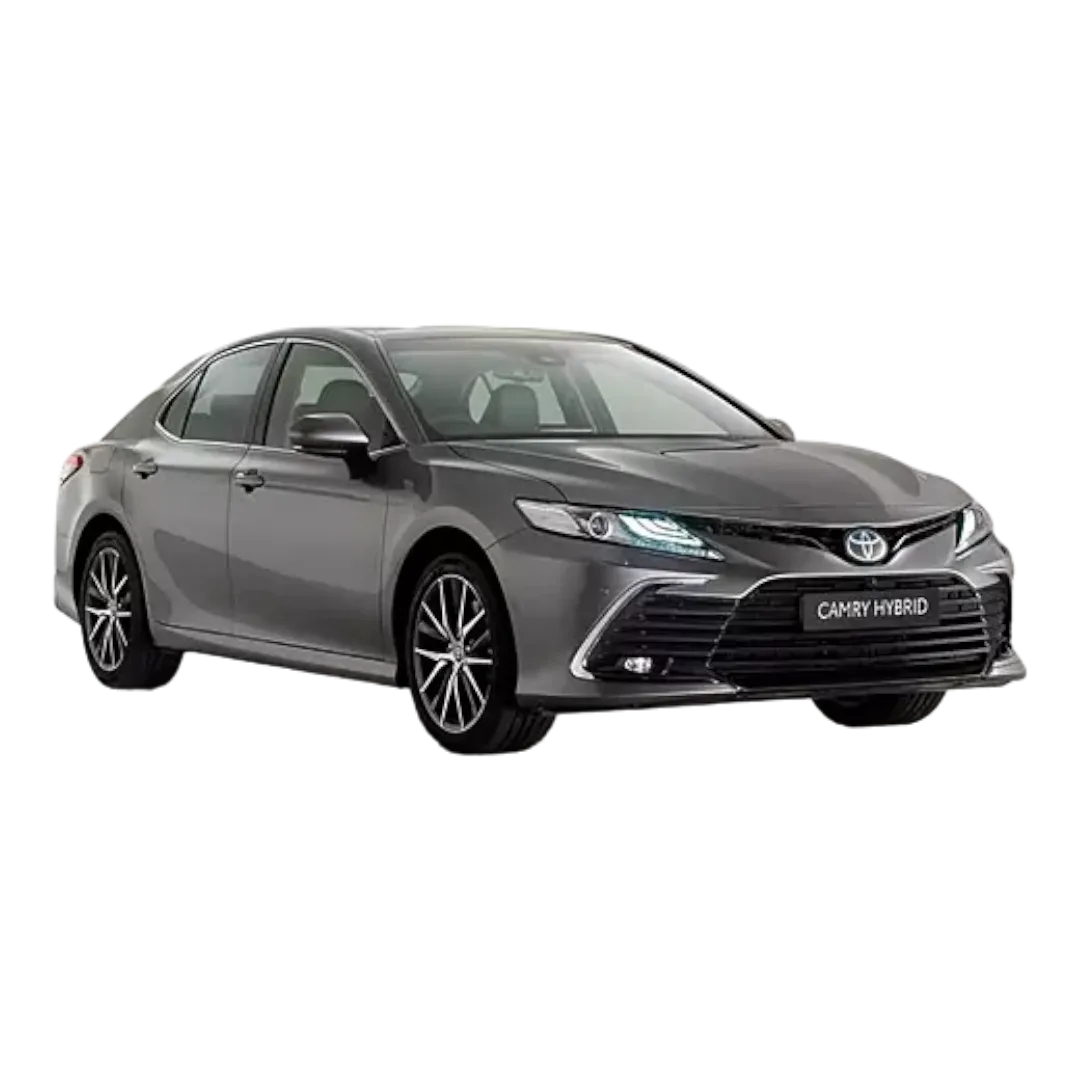 Camry
Camry
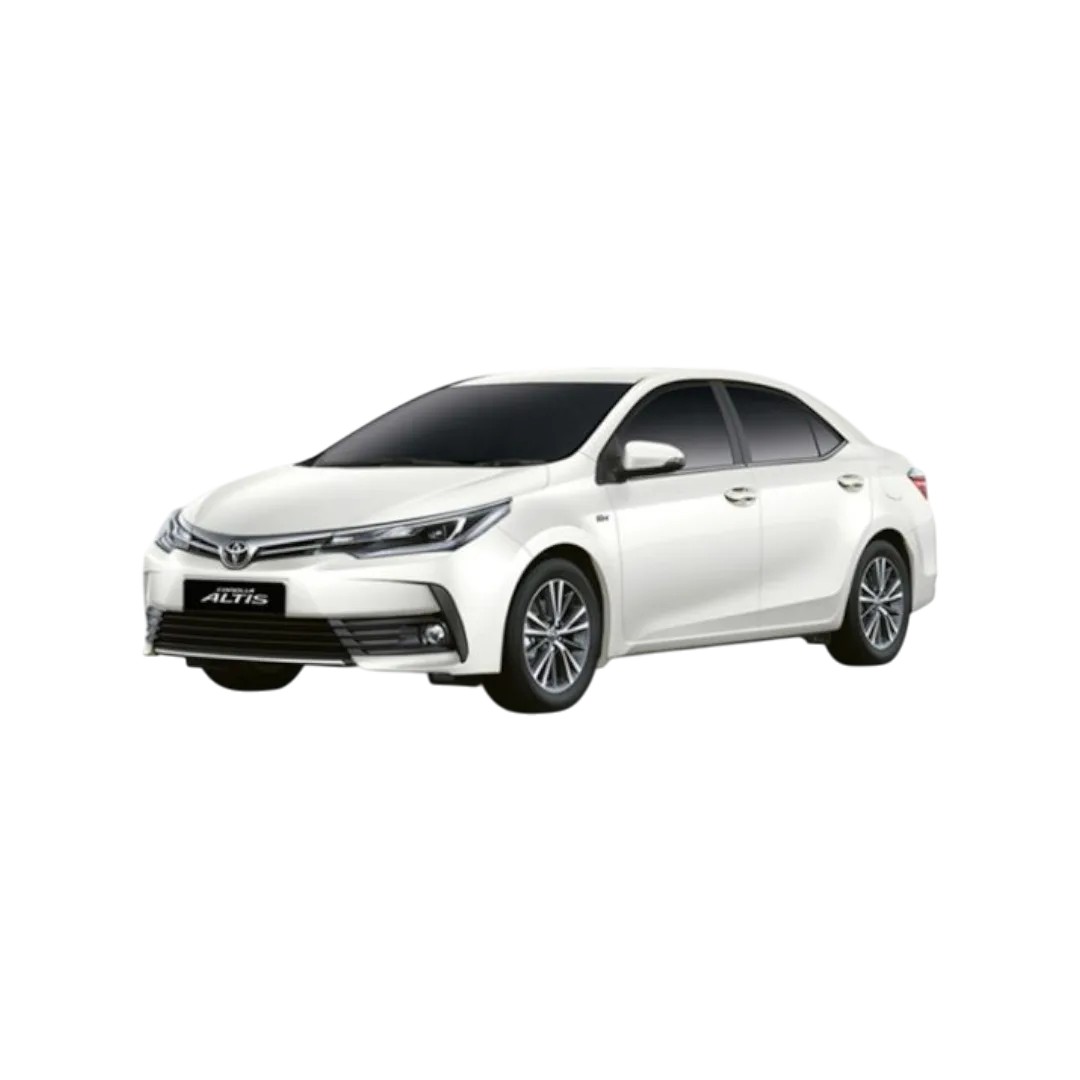 Corolla
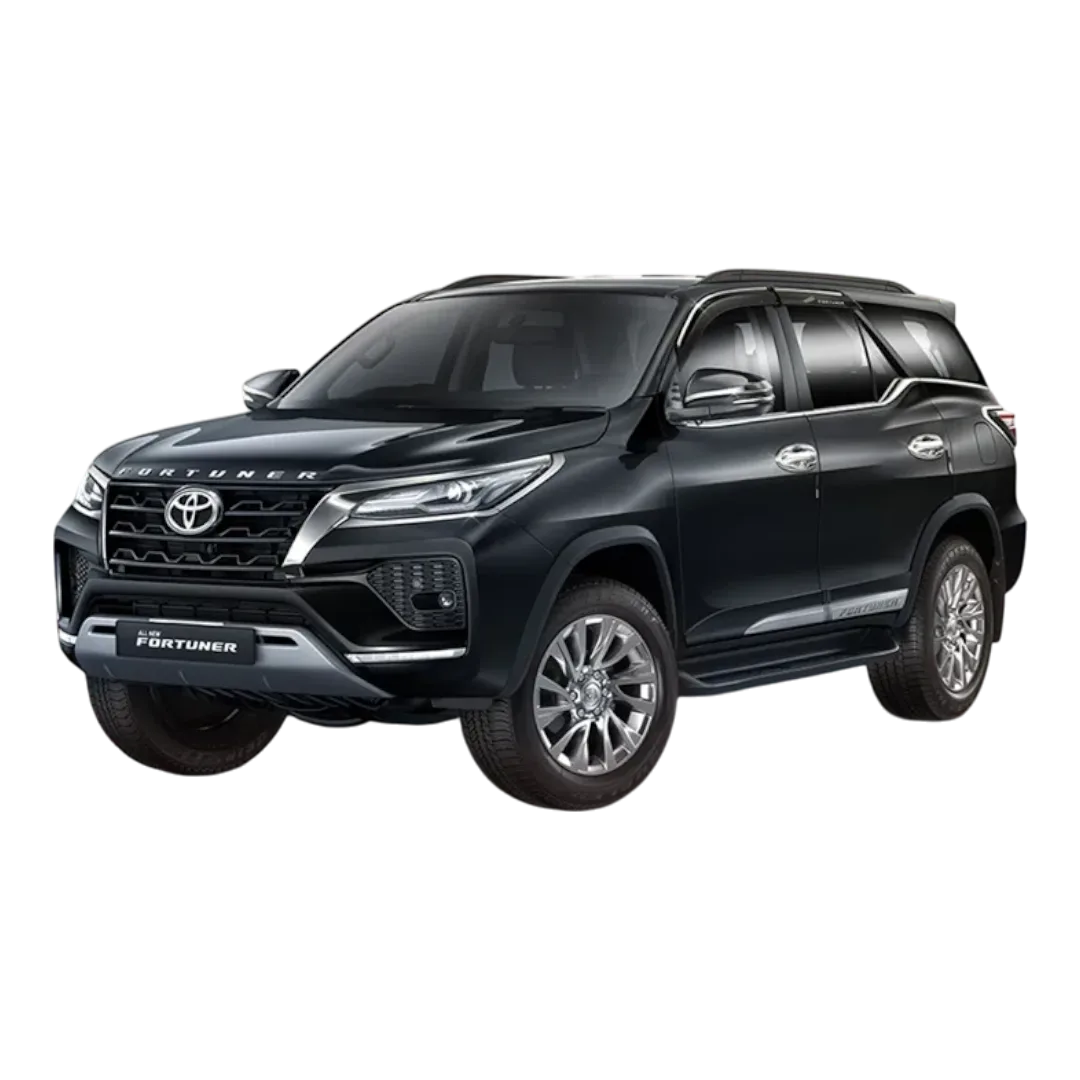 Fortuner
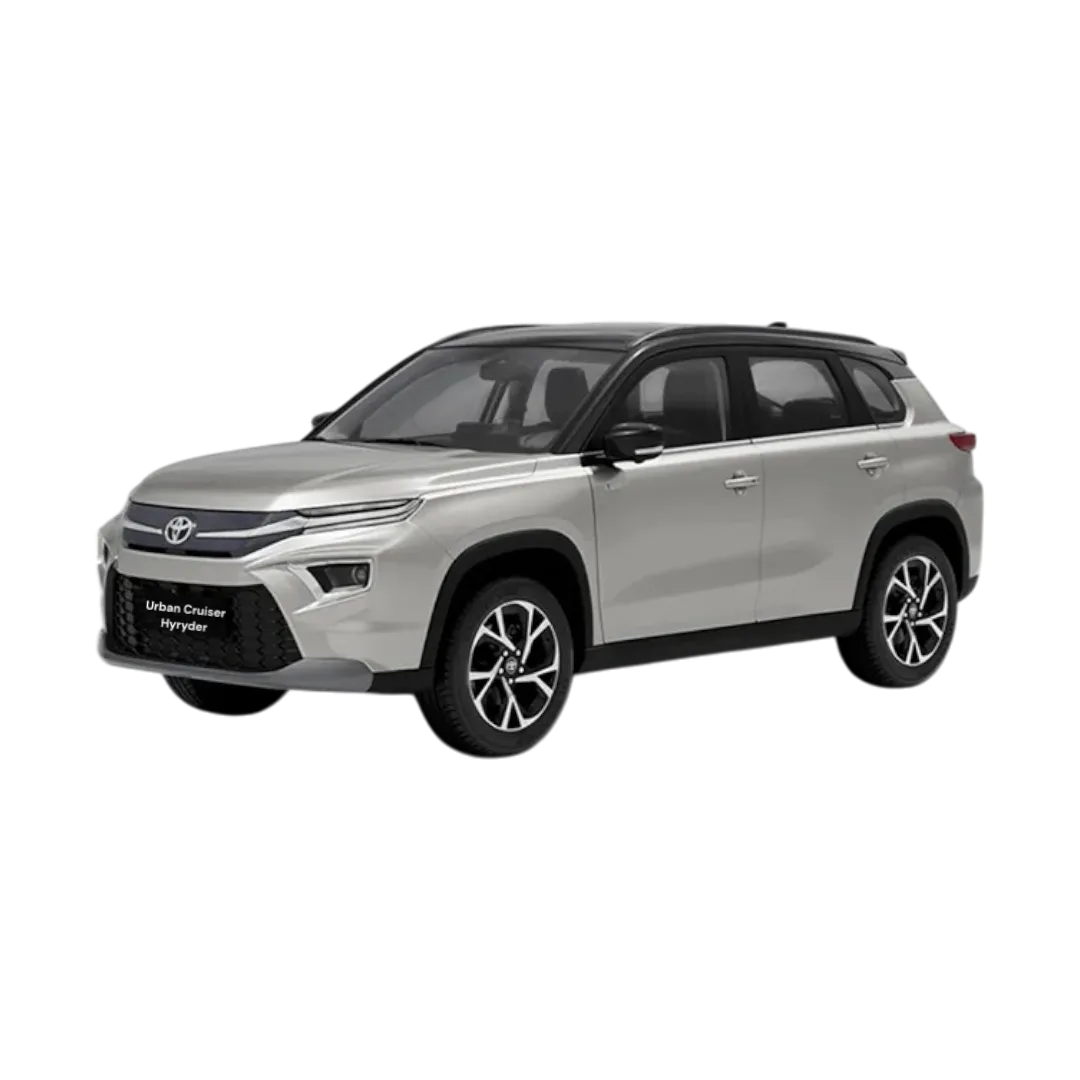 Urban Cruiser Hyryder
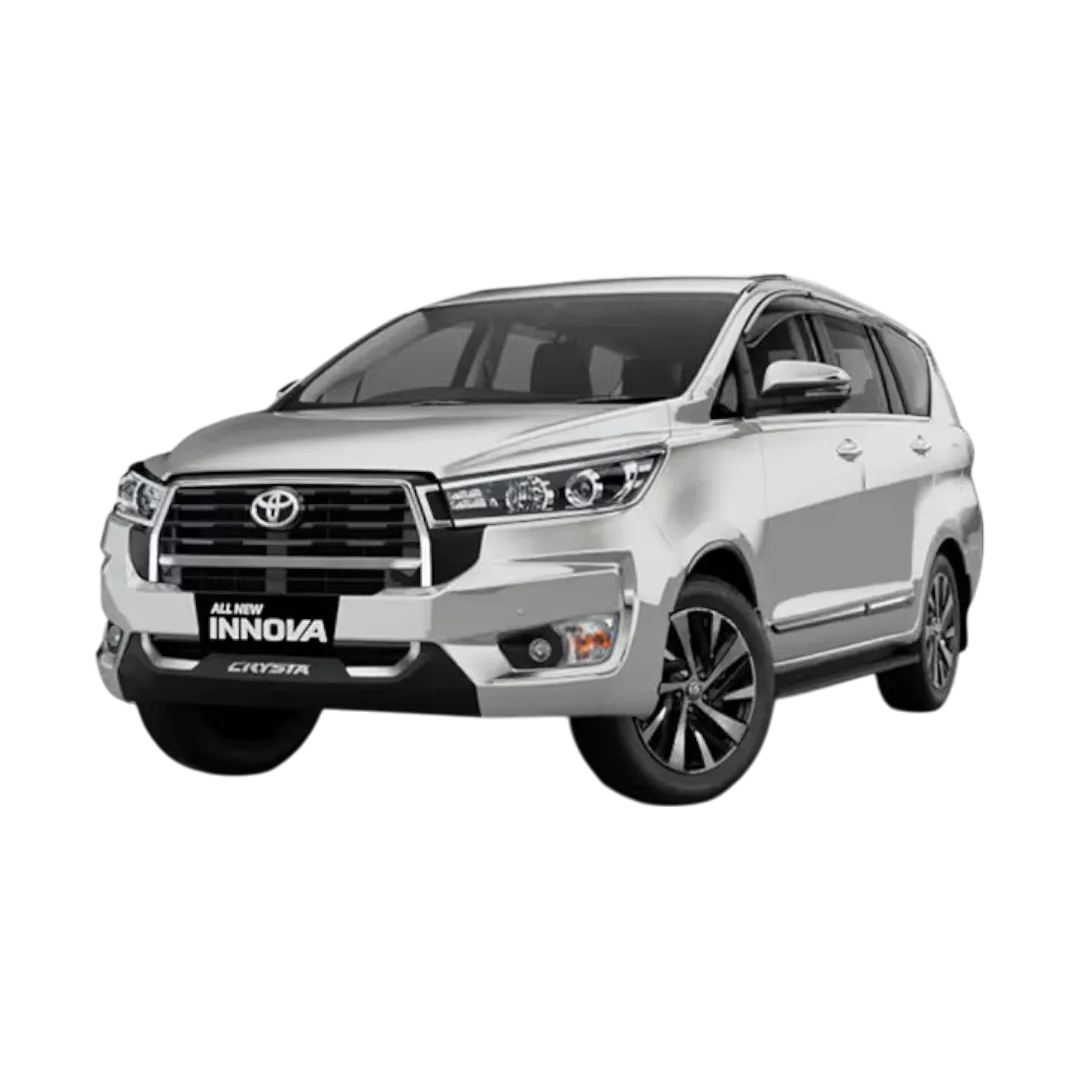 Innova Crysta
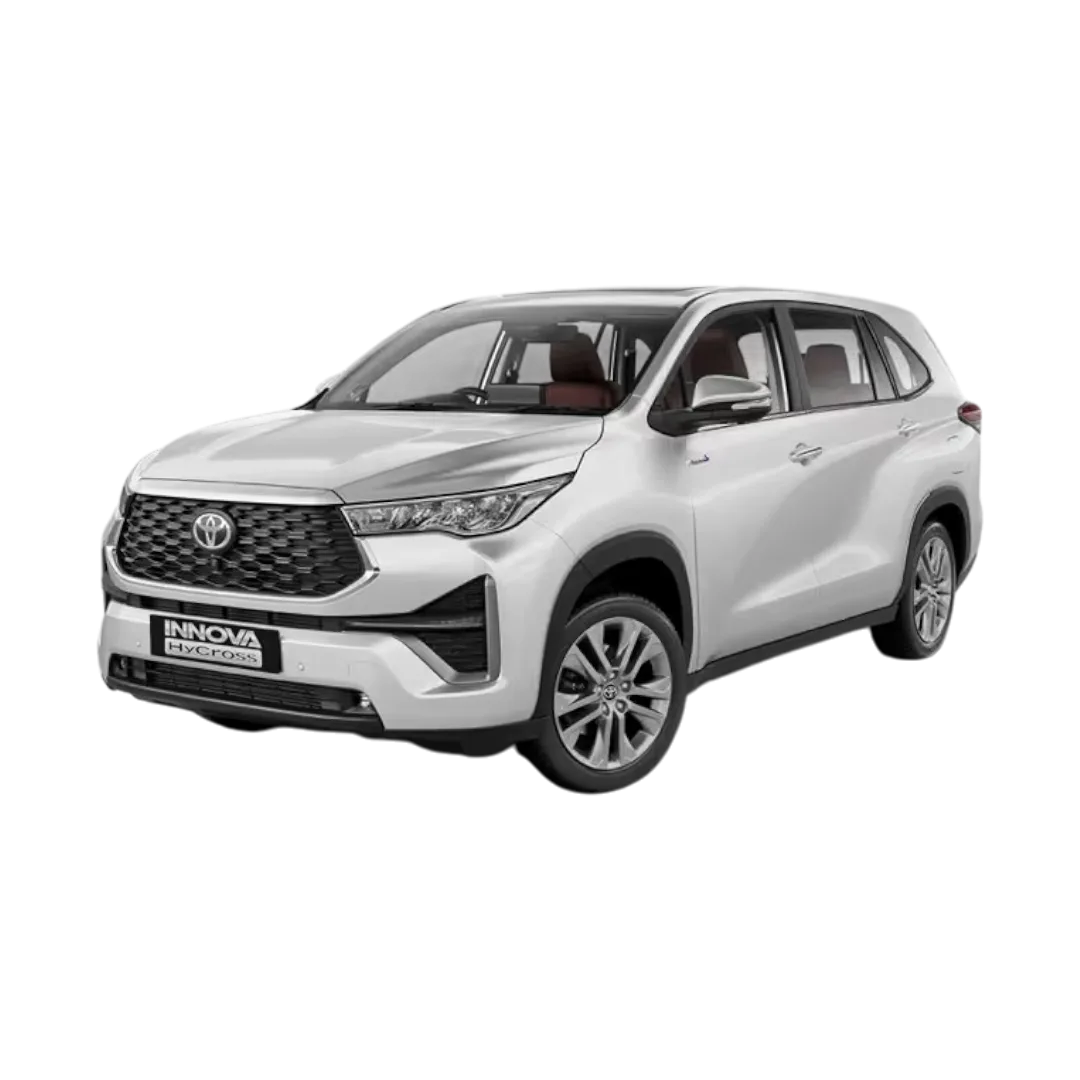 Innova Hycross
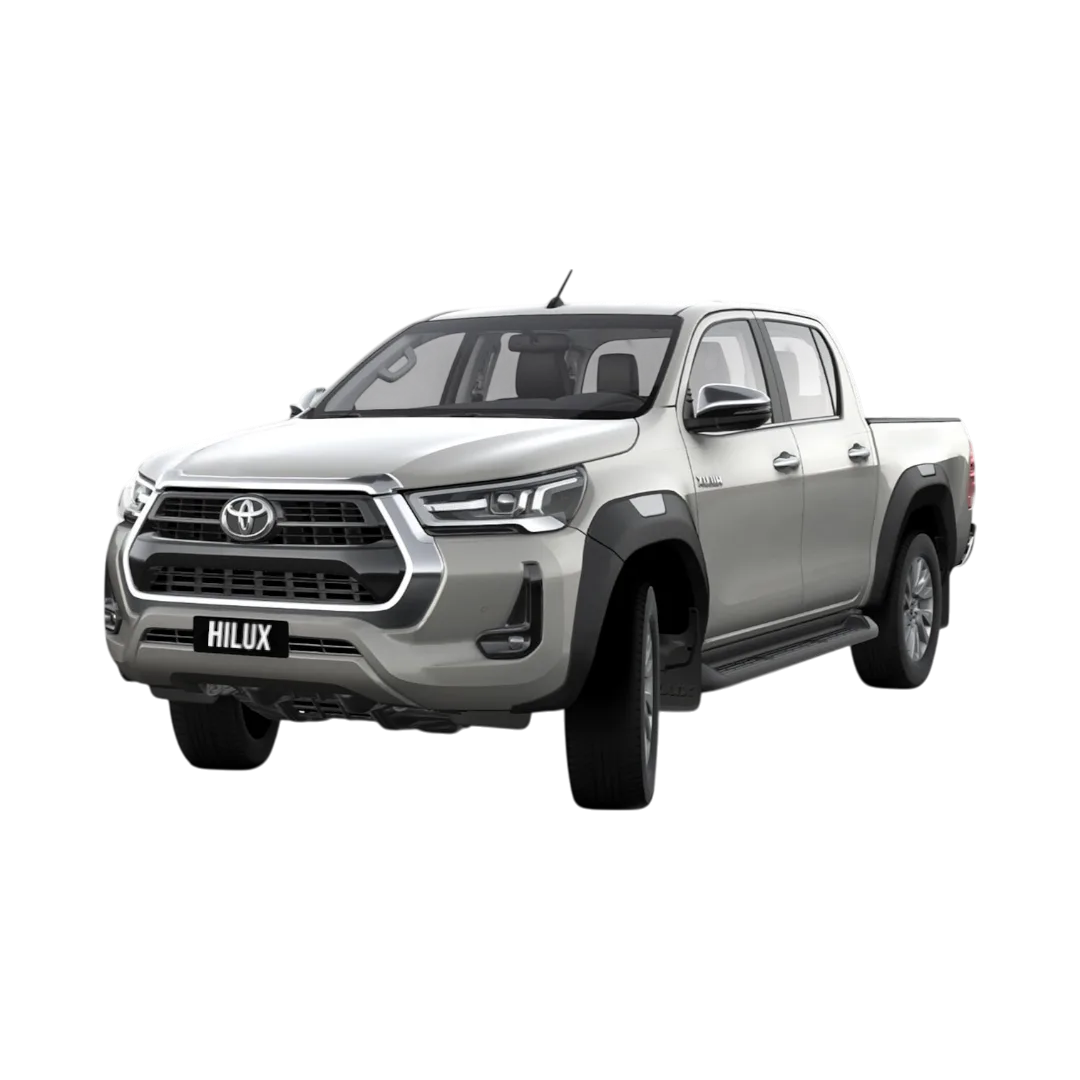 Hilux
Hilux
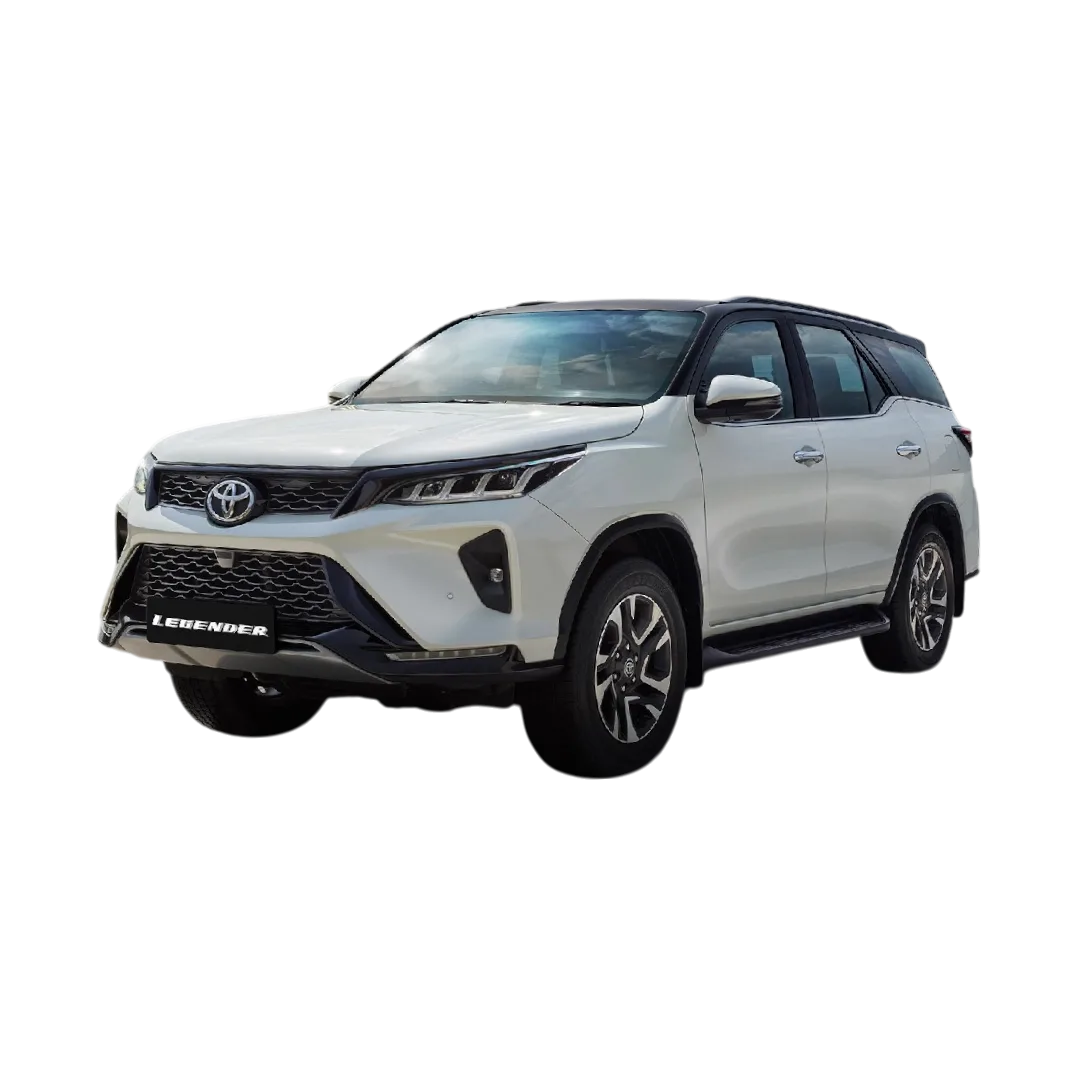 Fortuner Legender
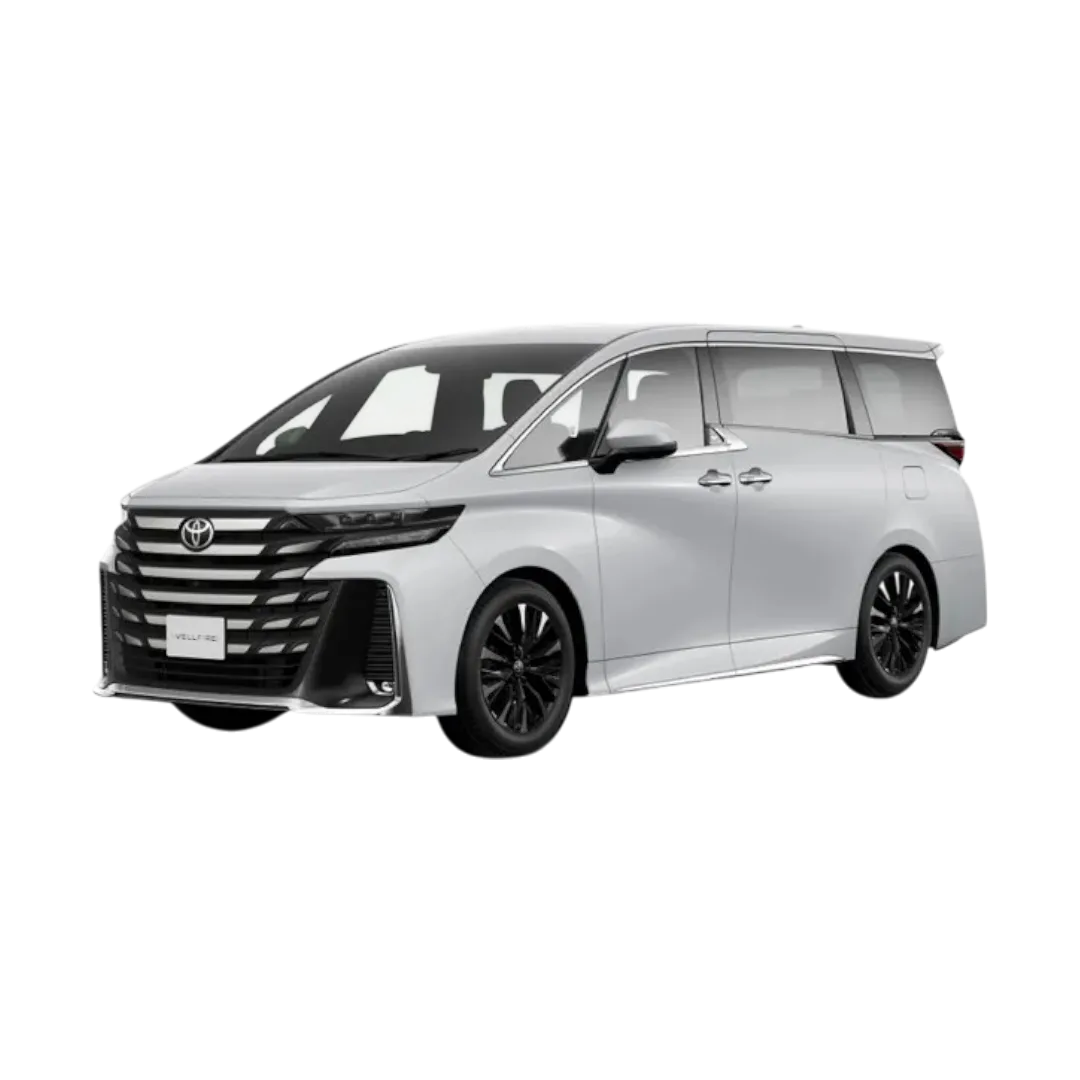 Vellfire
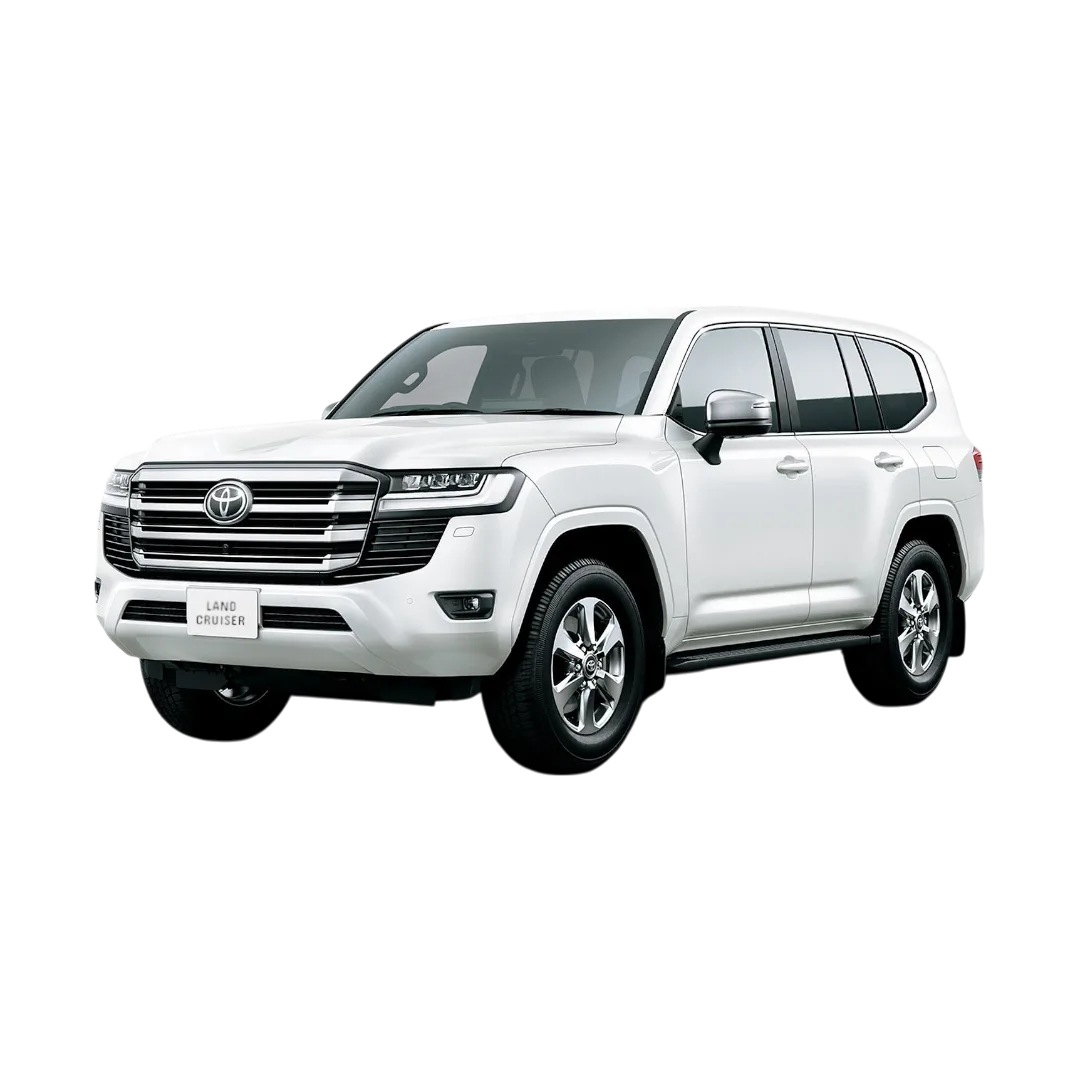 Land Cruiser
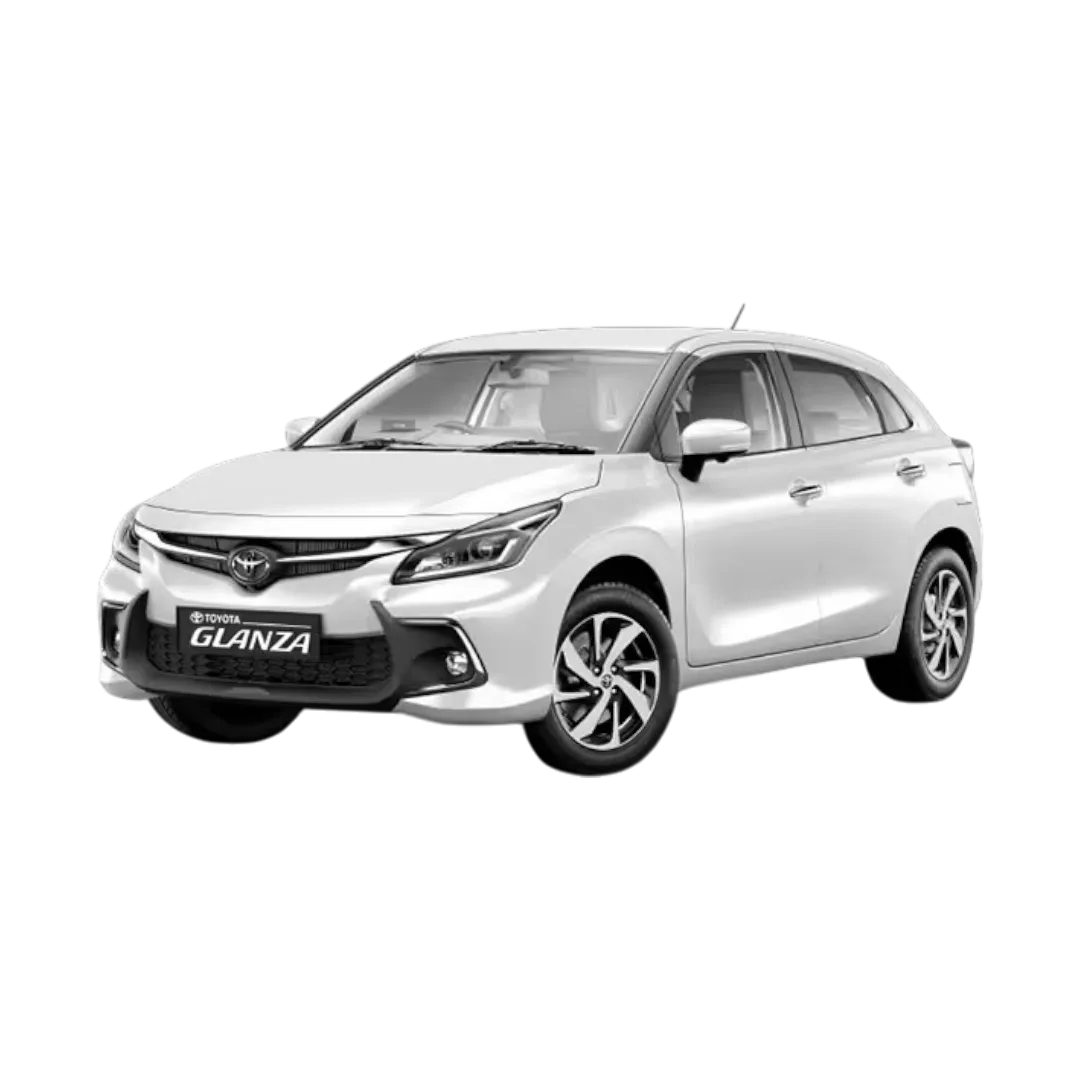 Glanza
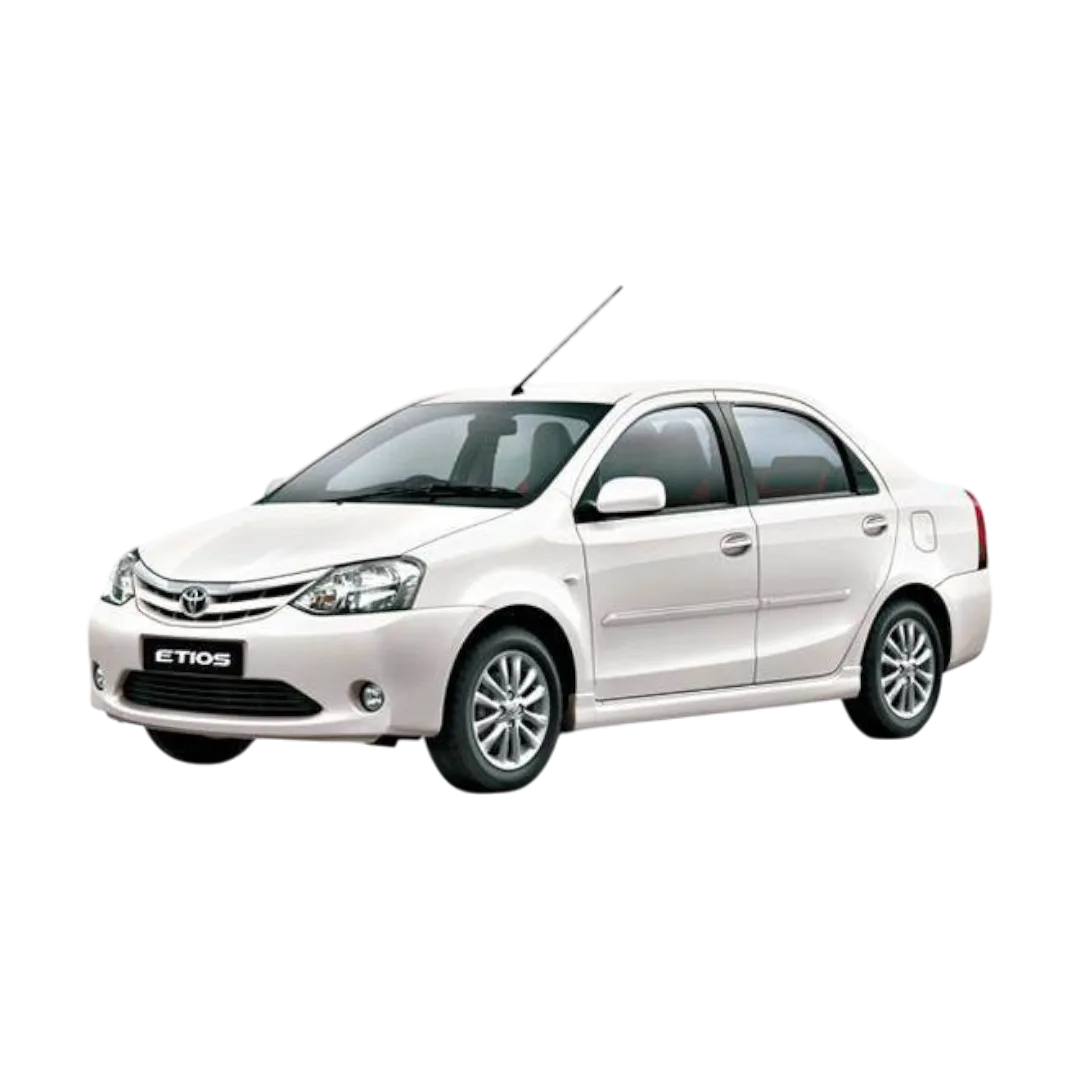 Etios
Etios
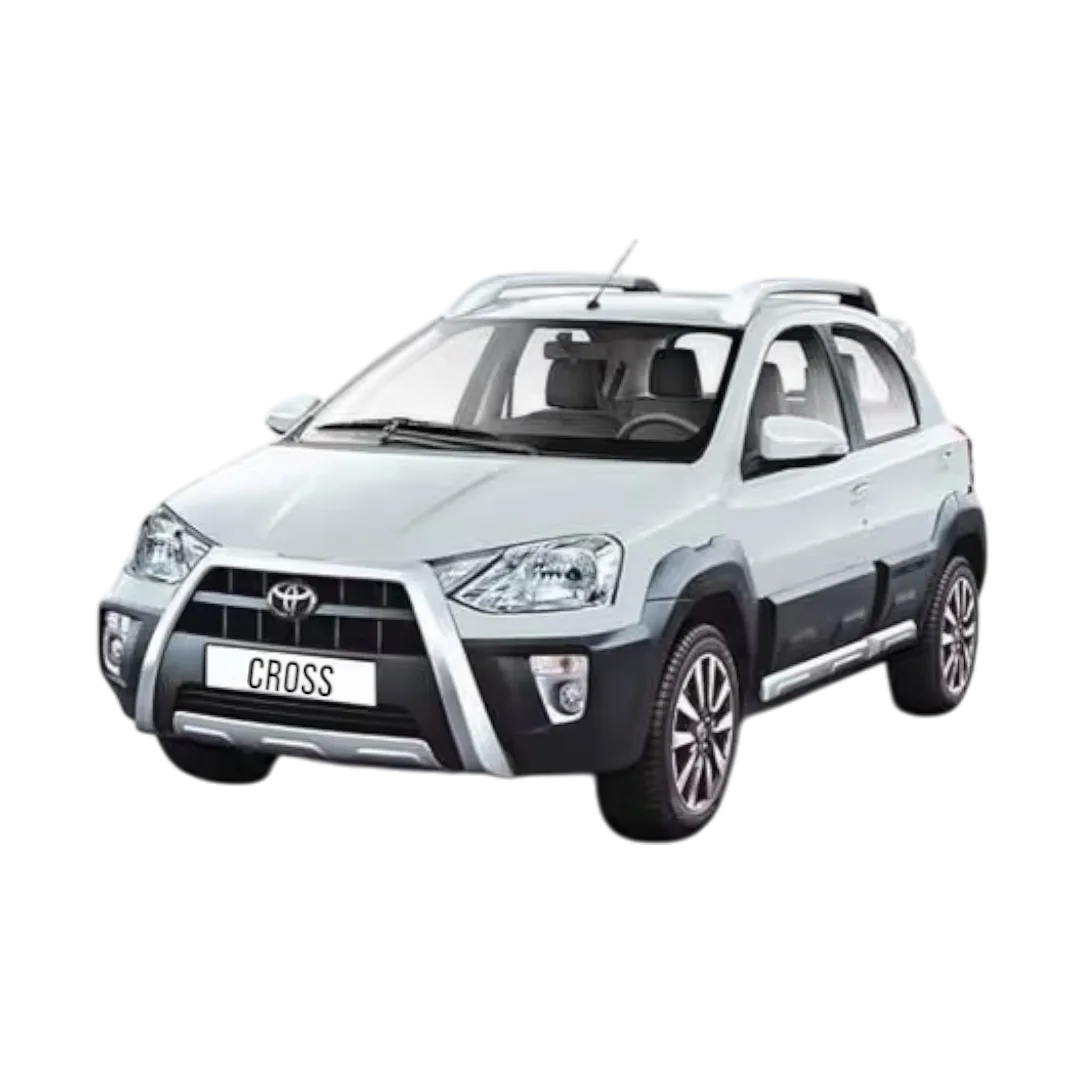 Etios cross
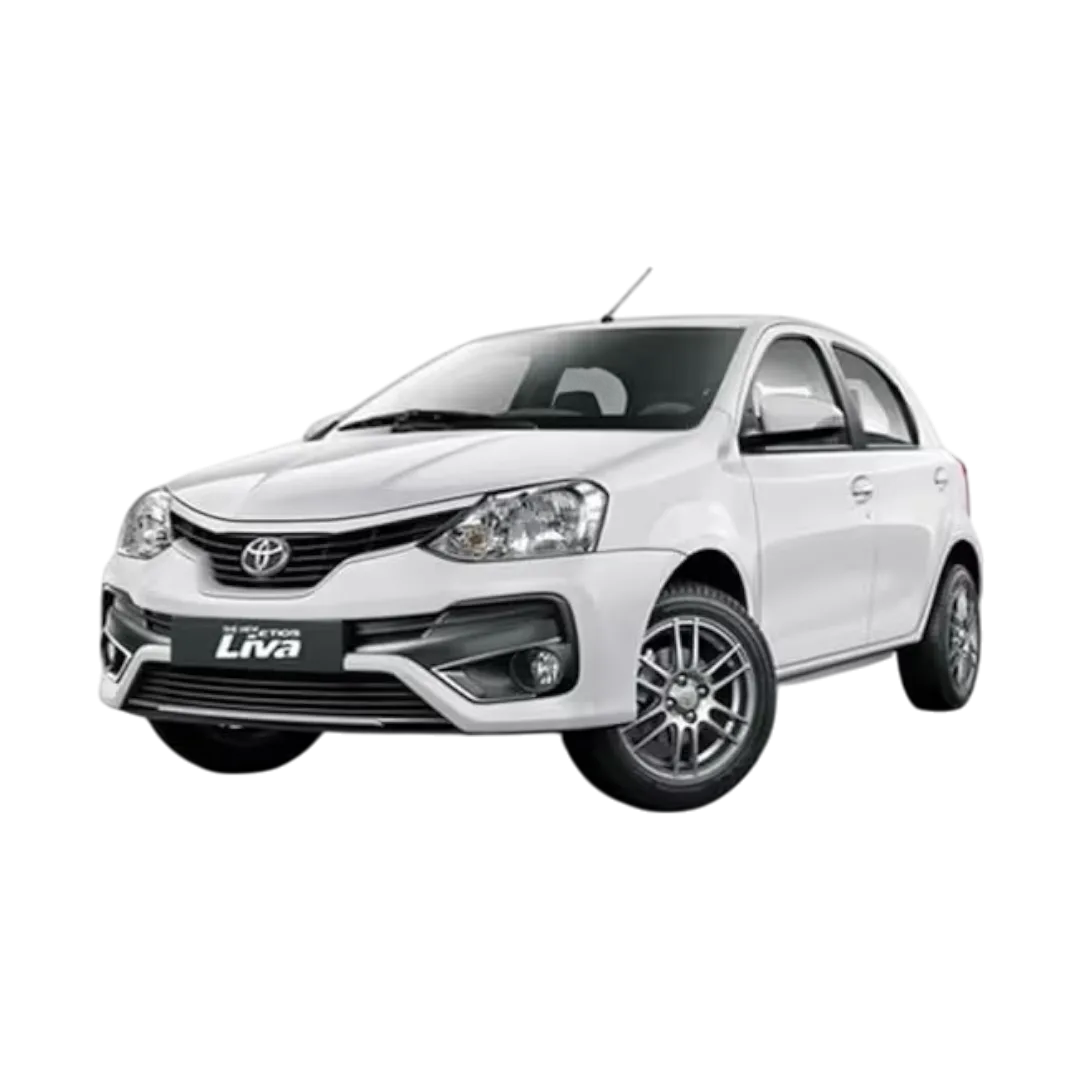 Etios Liva
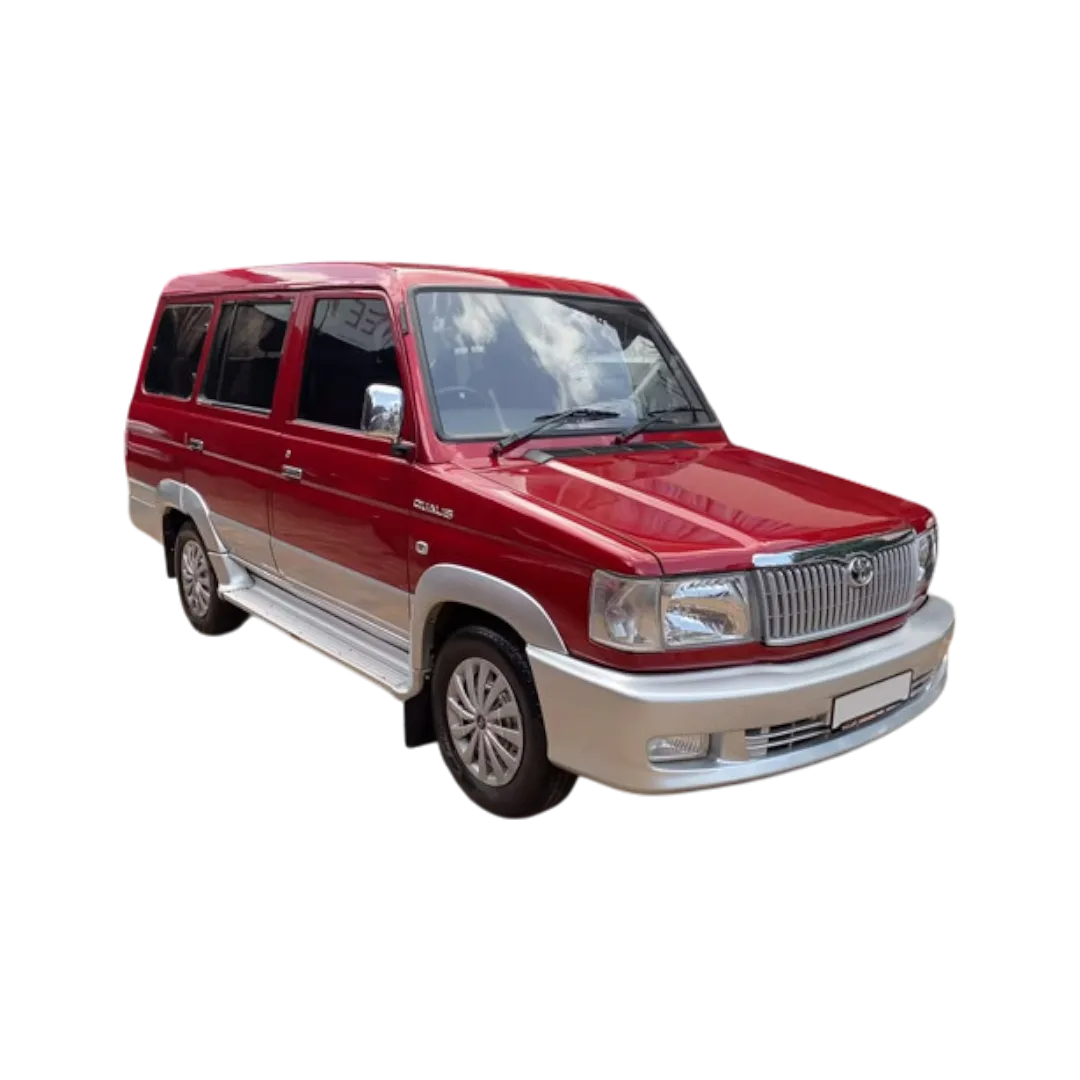 Qualis
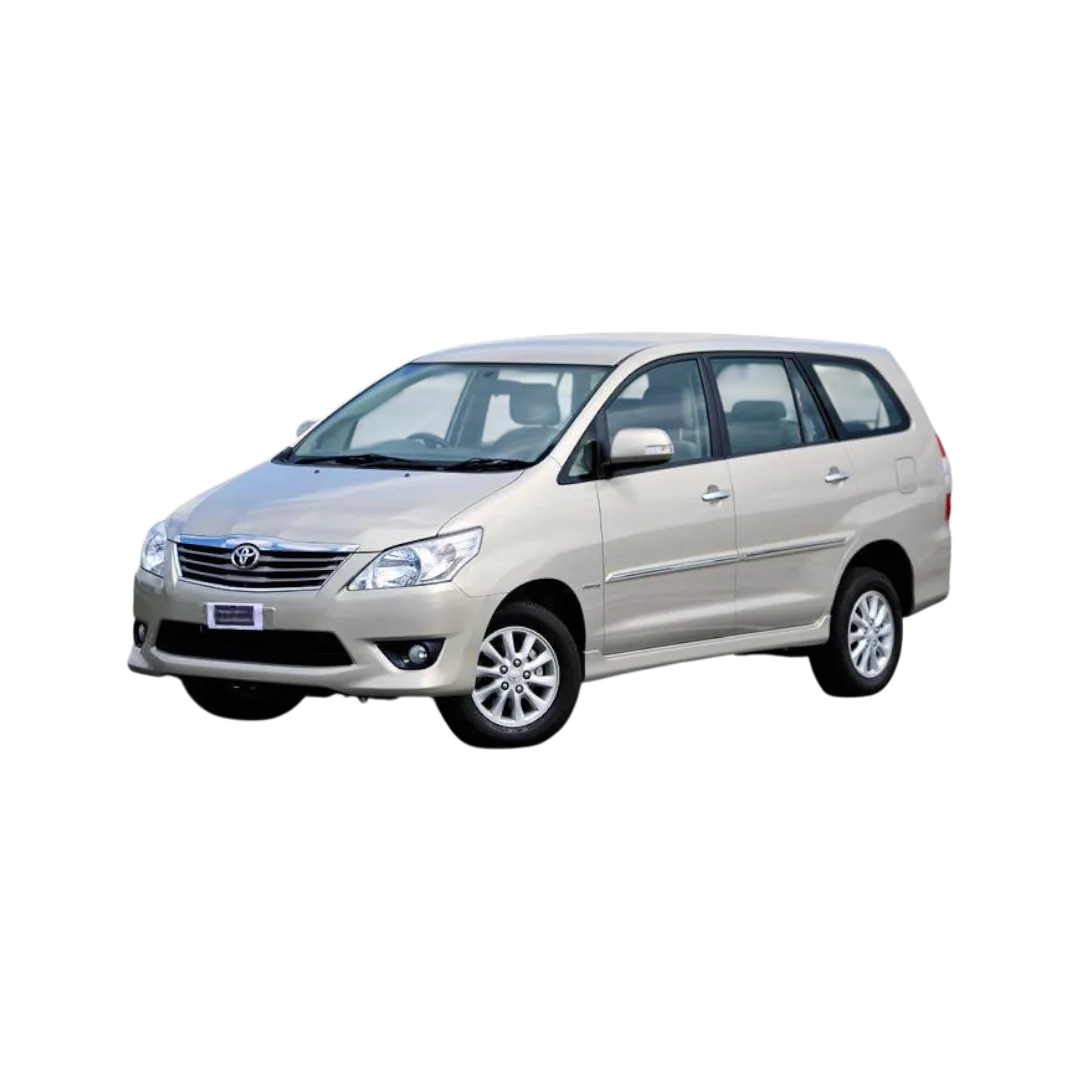 Innova
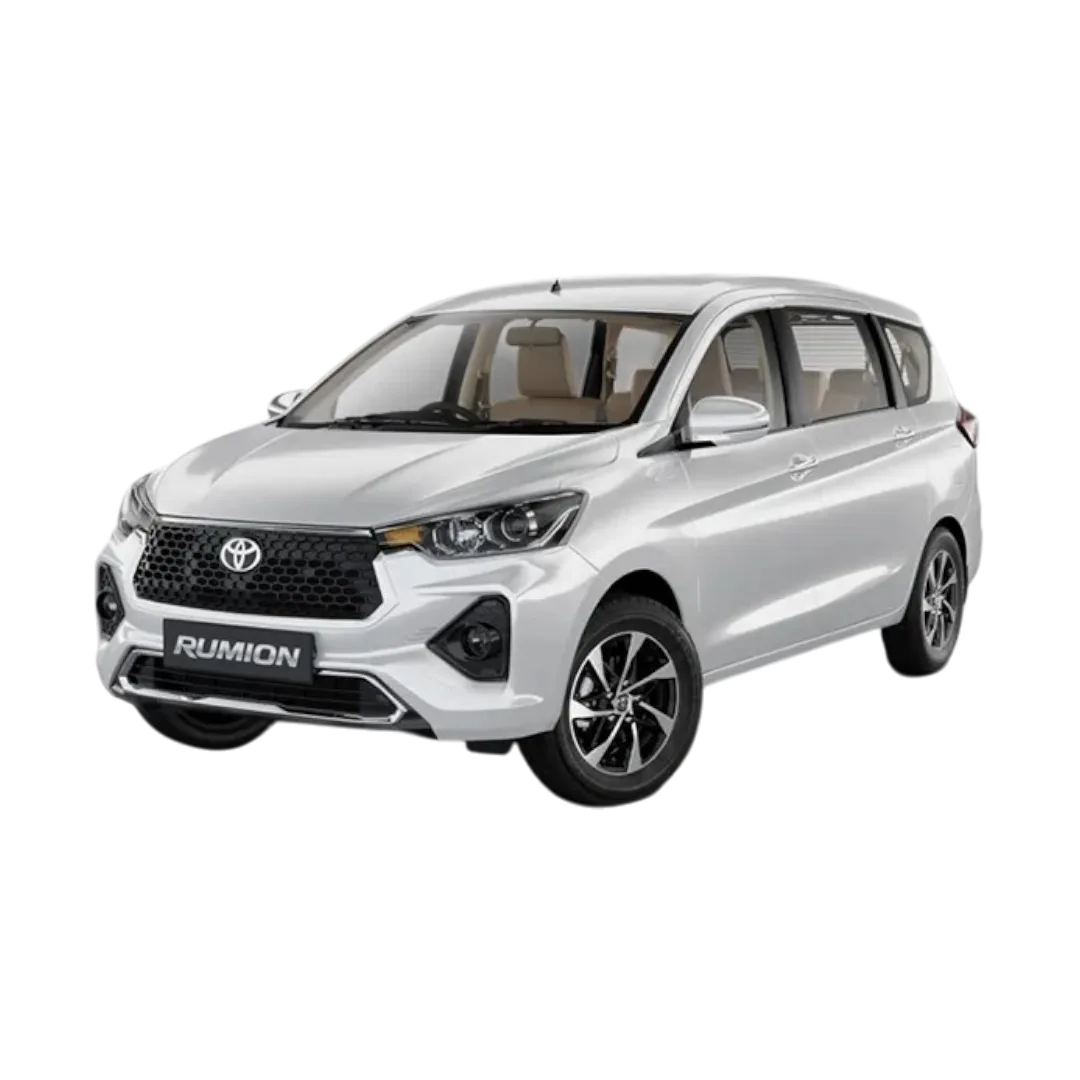 Rumion
Taisor
Corolla Altis
Hyryder
Rumion
Taisor
Corolla Altis
Hyryder
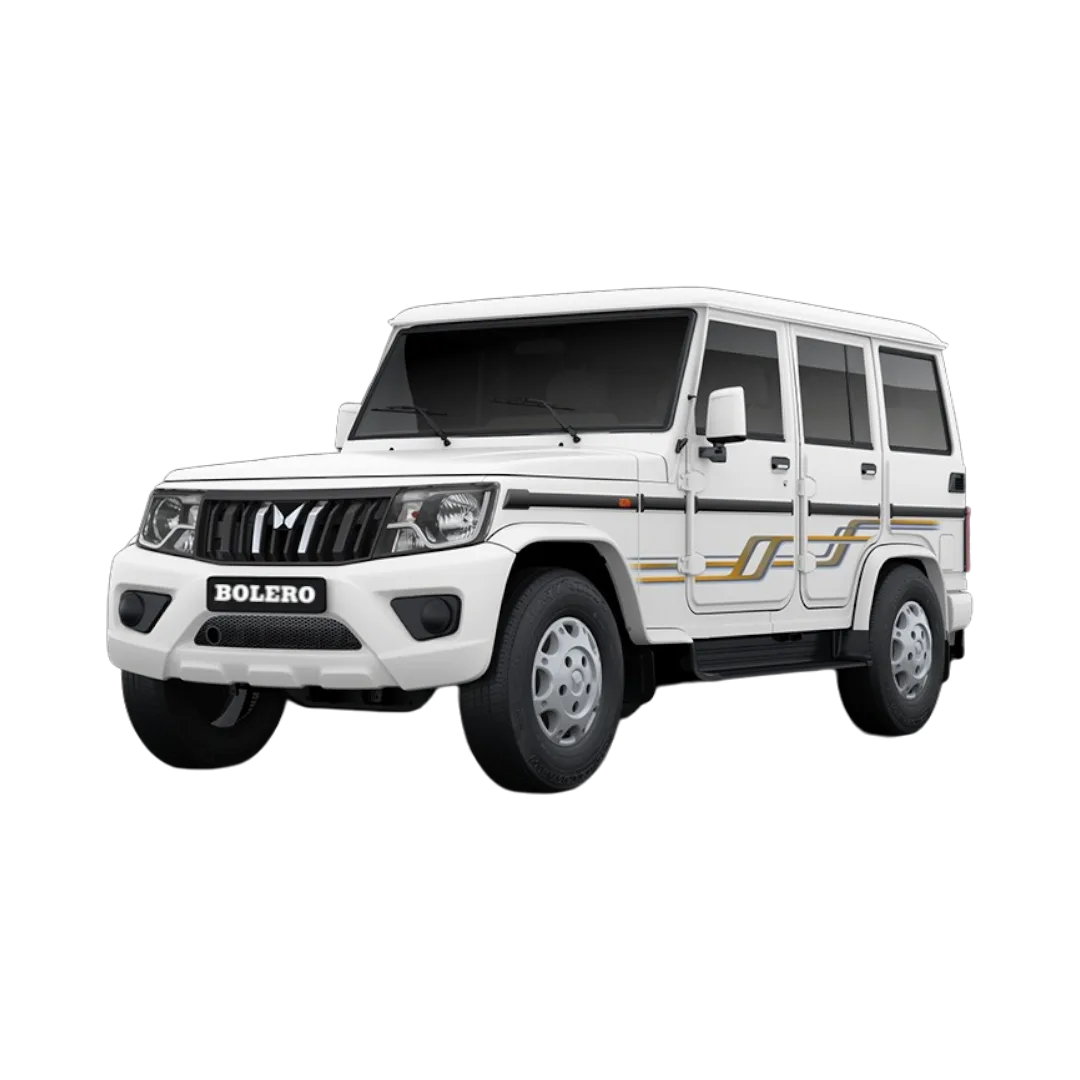 Bolero
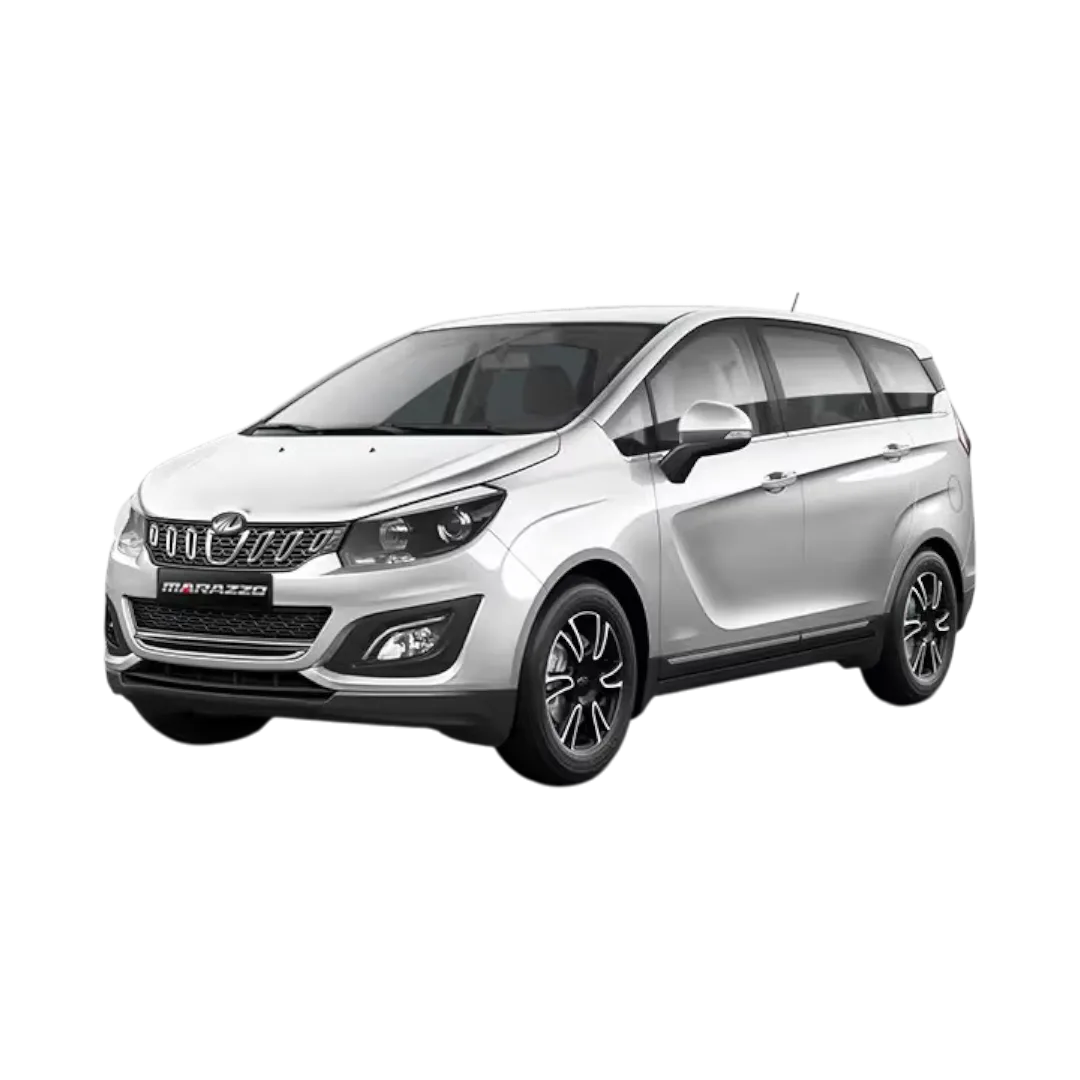 Marazzo
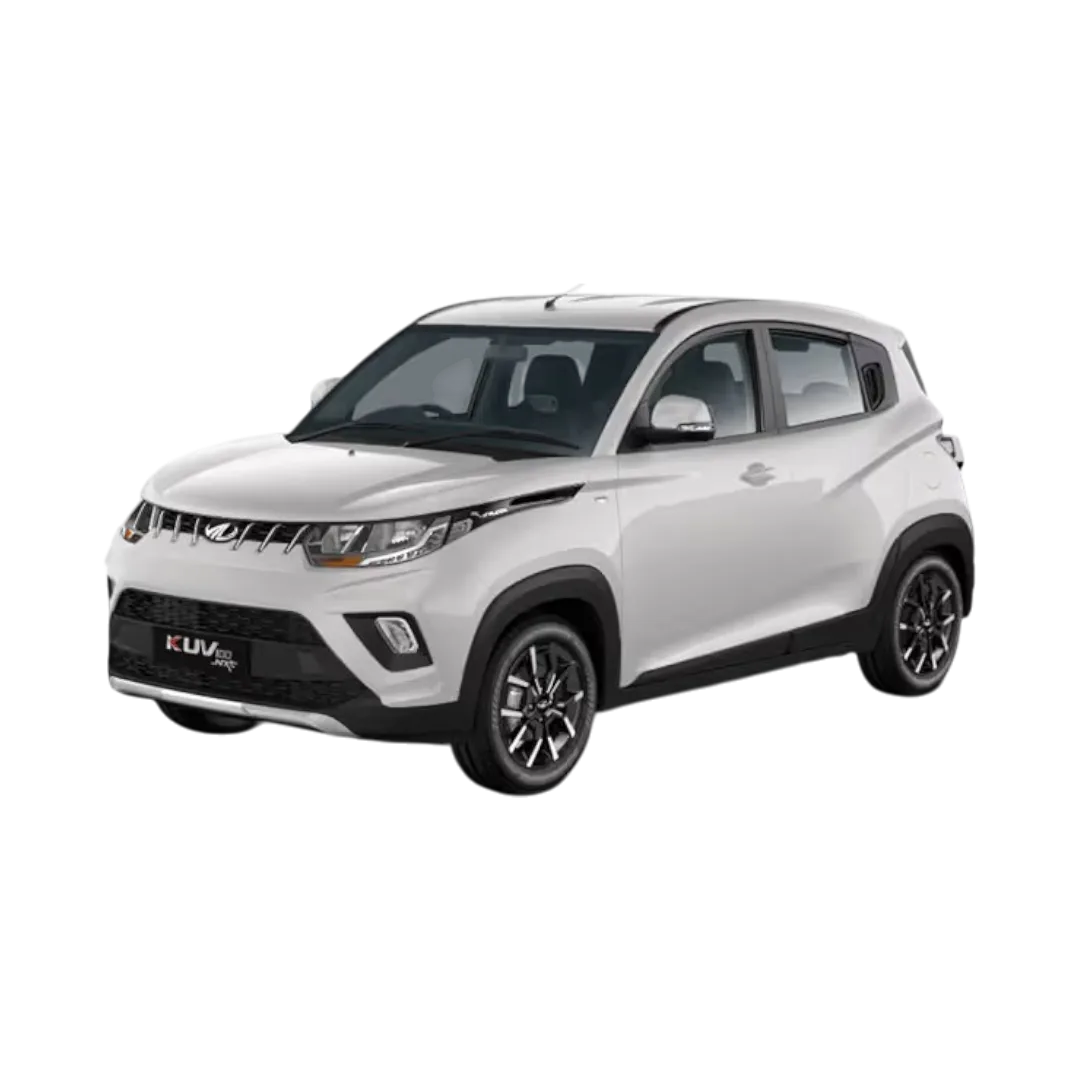 KUV100 NXT
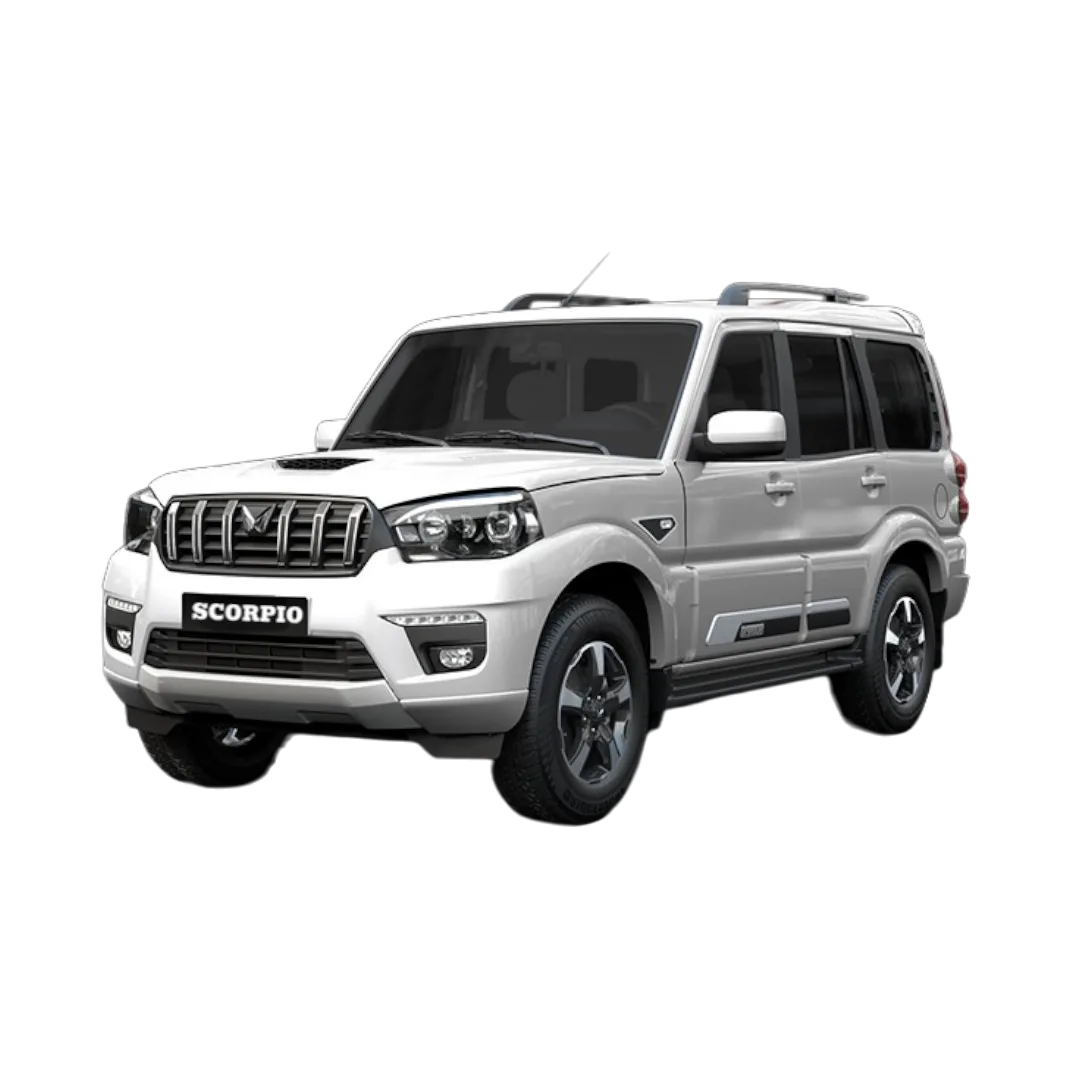 Scorpio
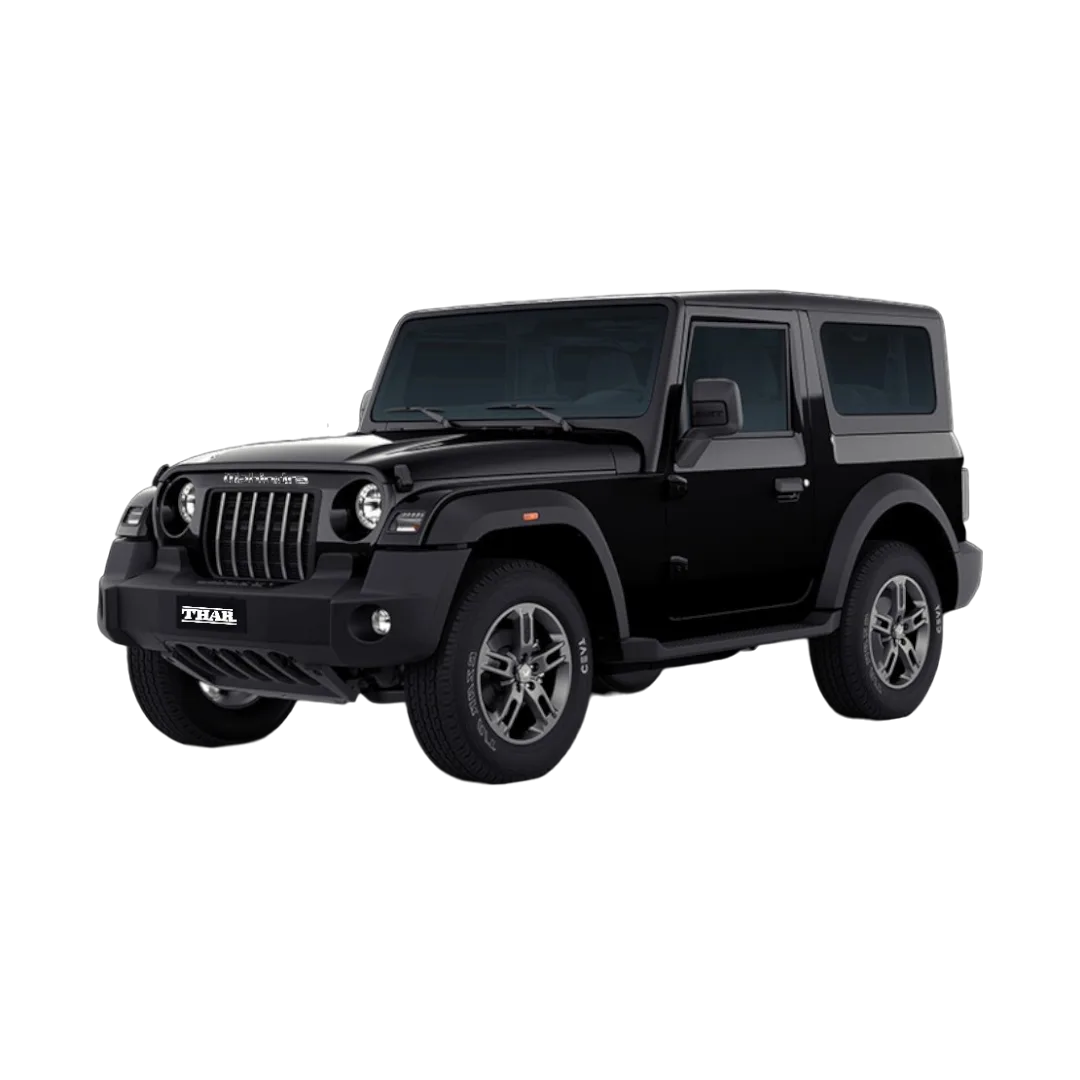 Thar
Thar
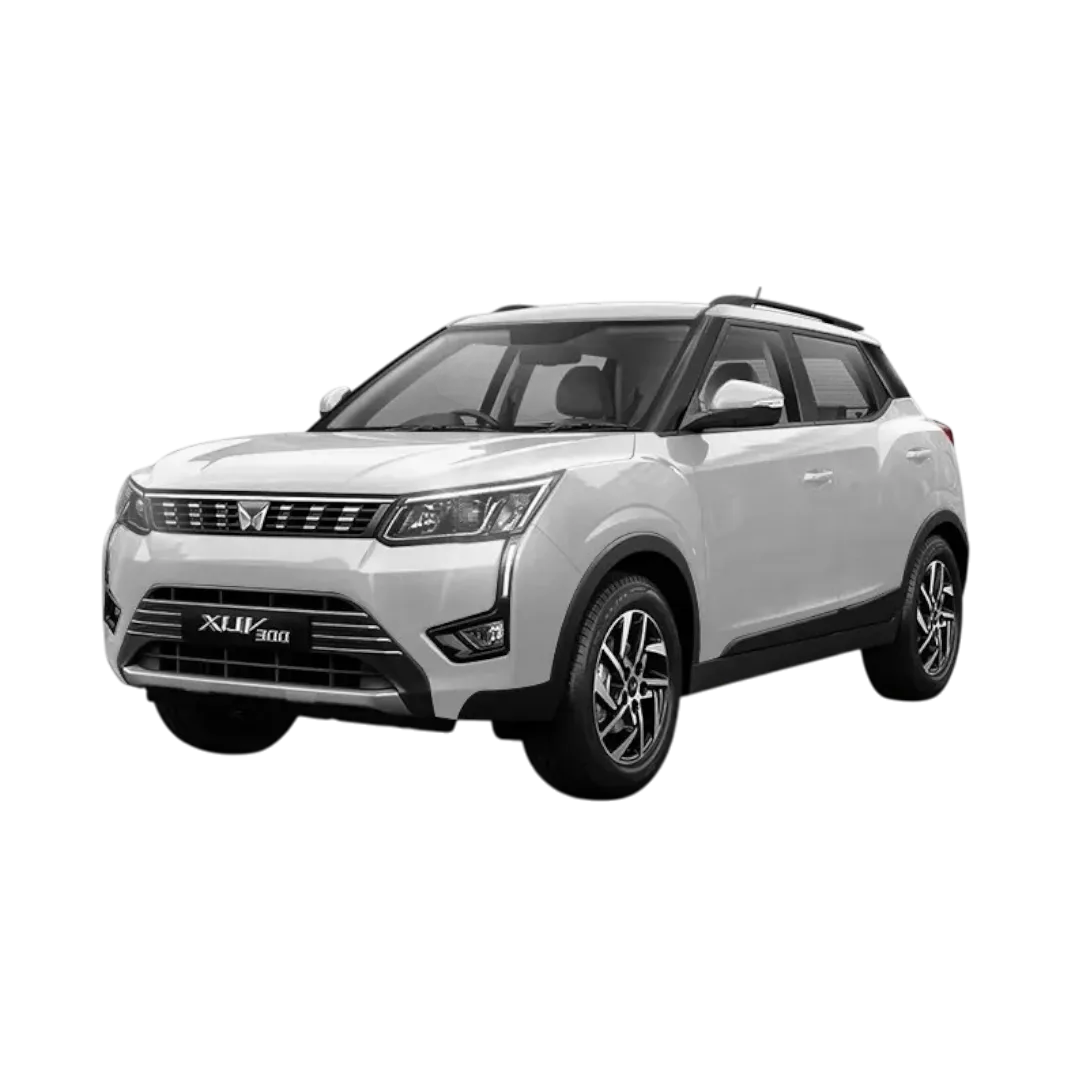 XUV 300
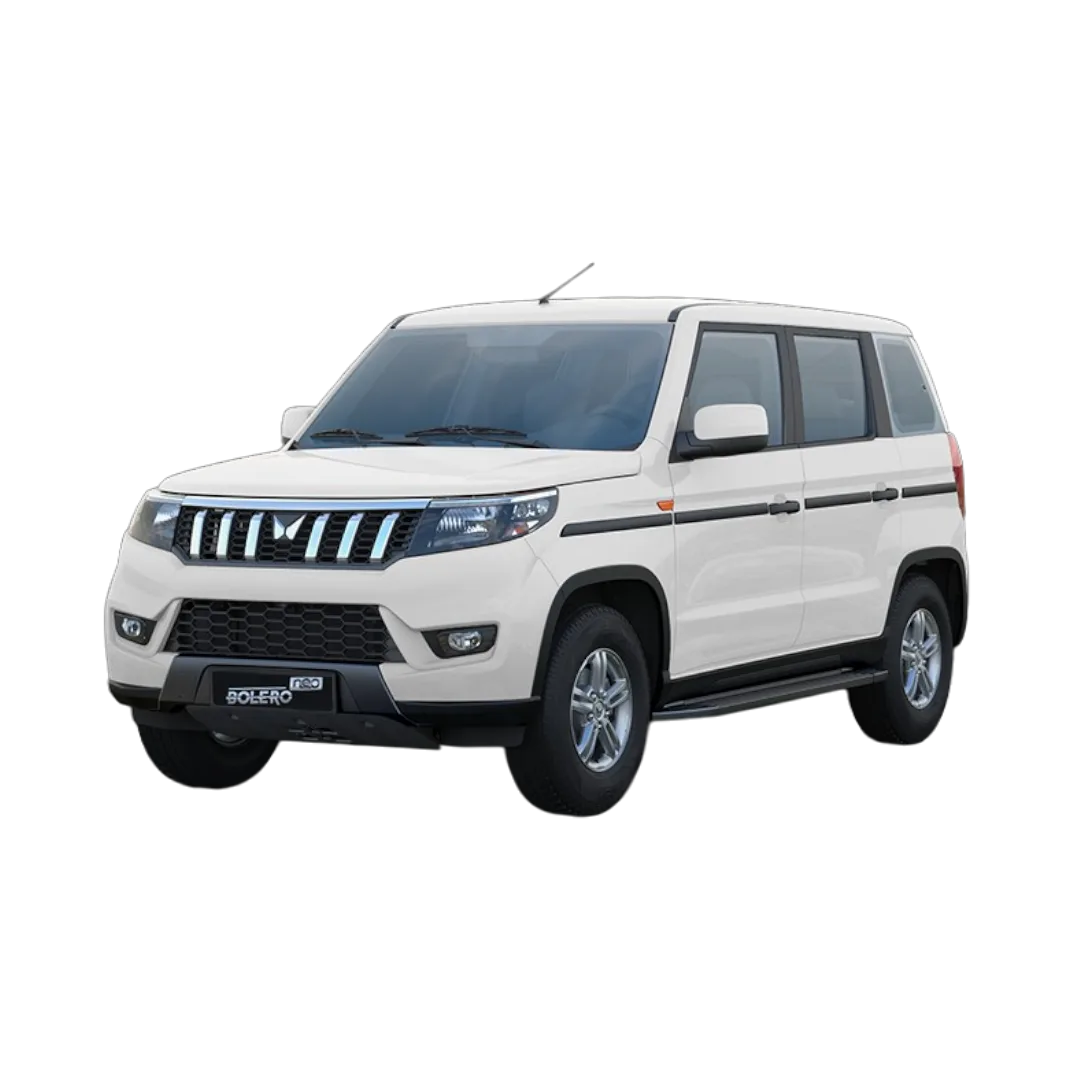 Bolero Neo
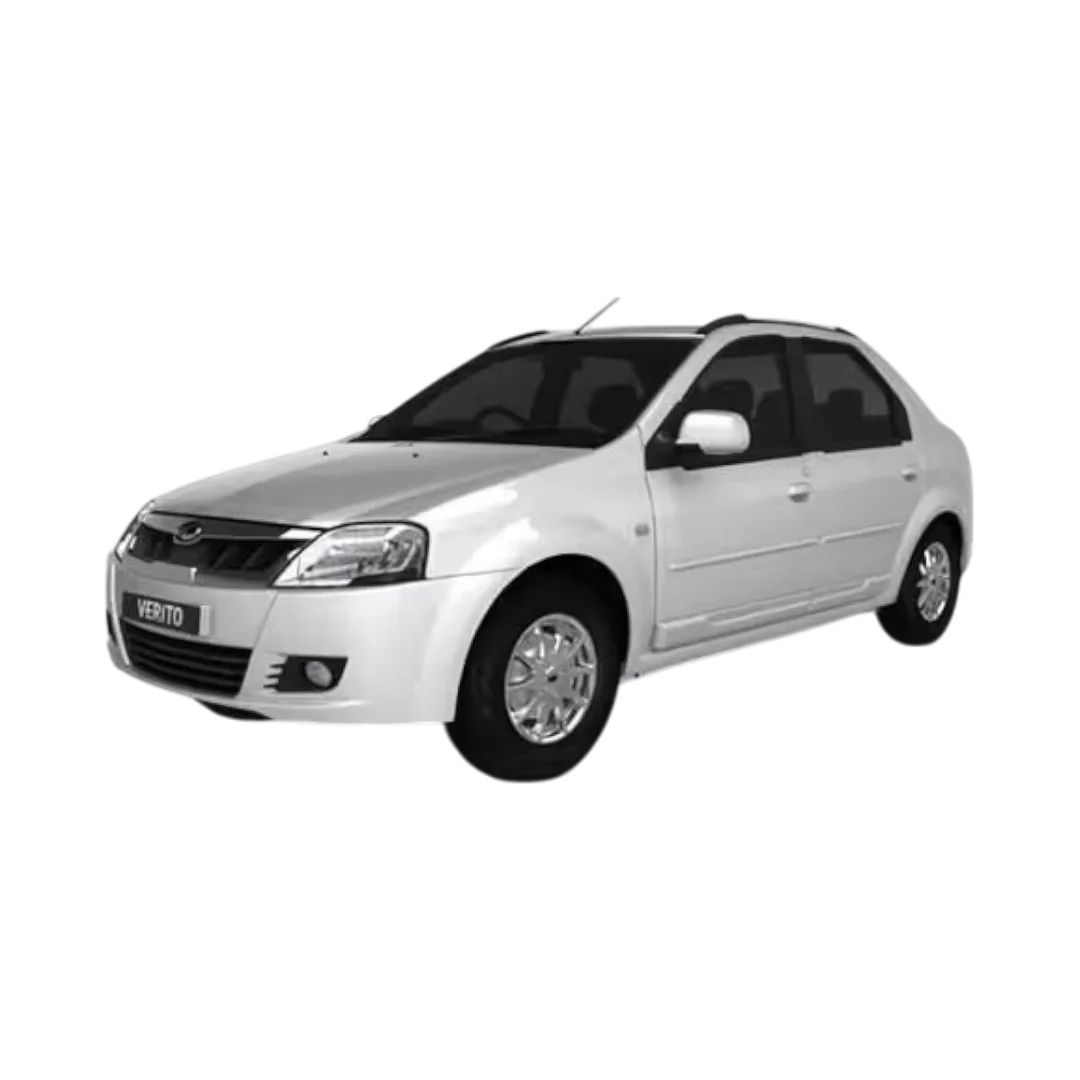 Verito
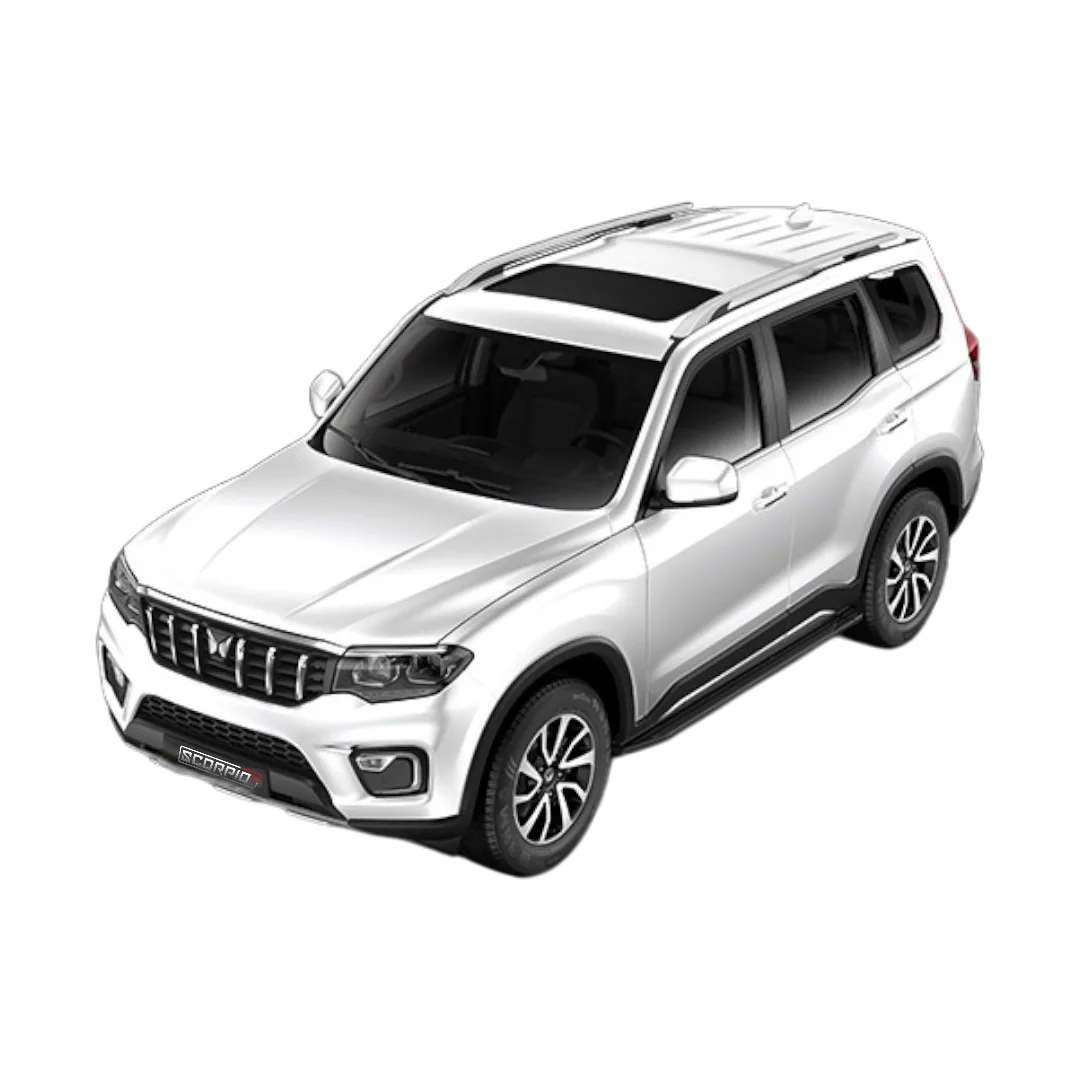 Scorpio-N
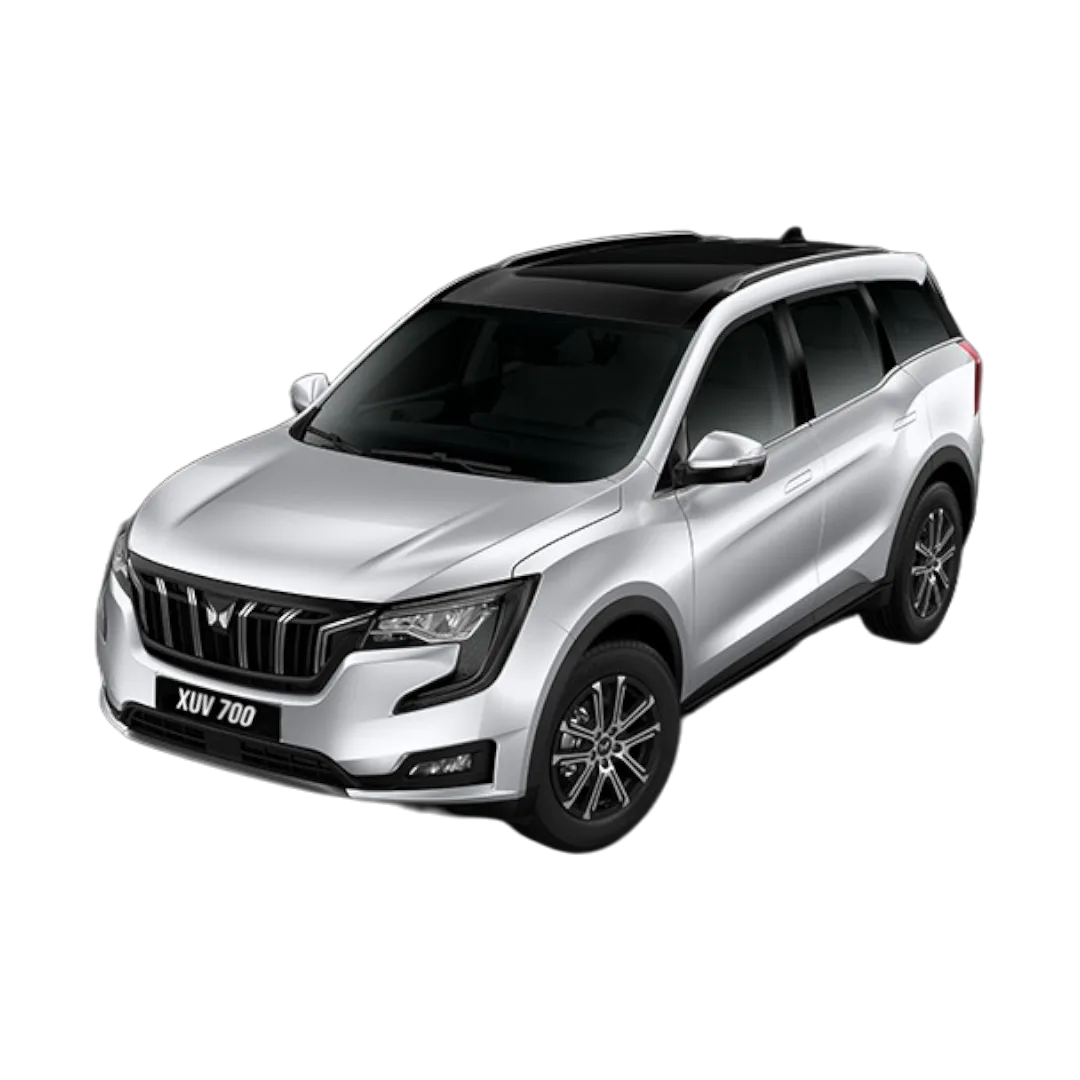 XUV 700
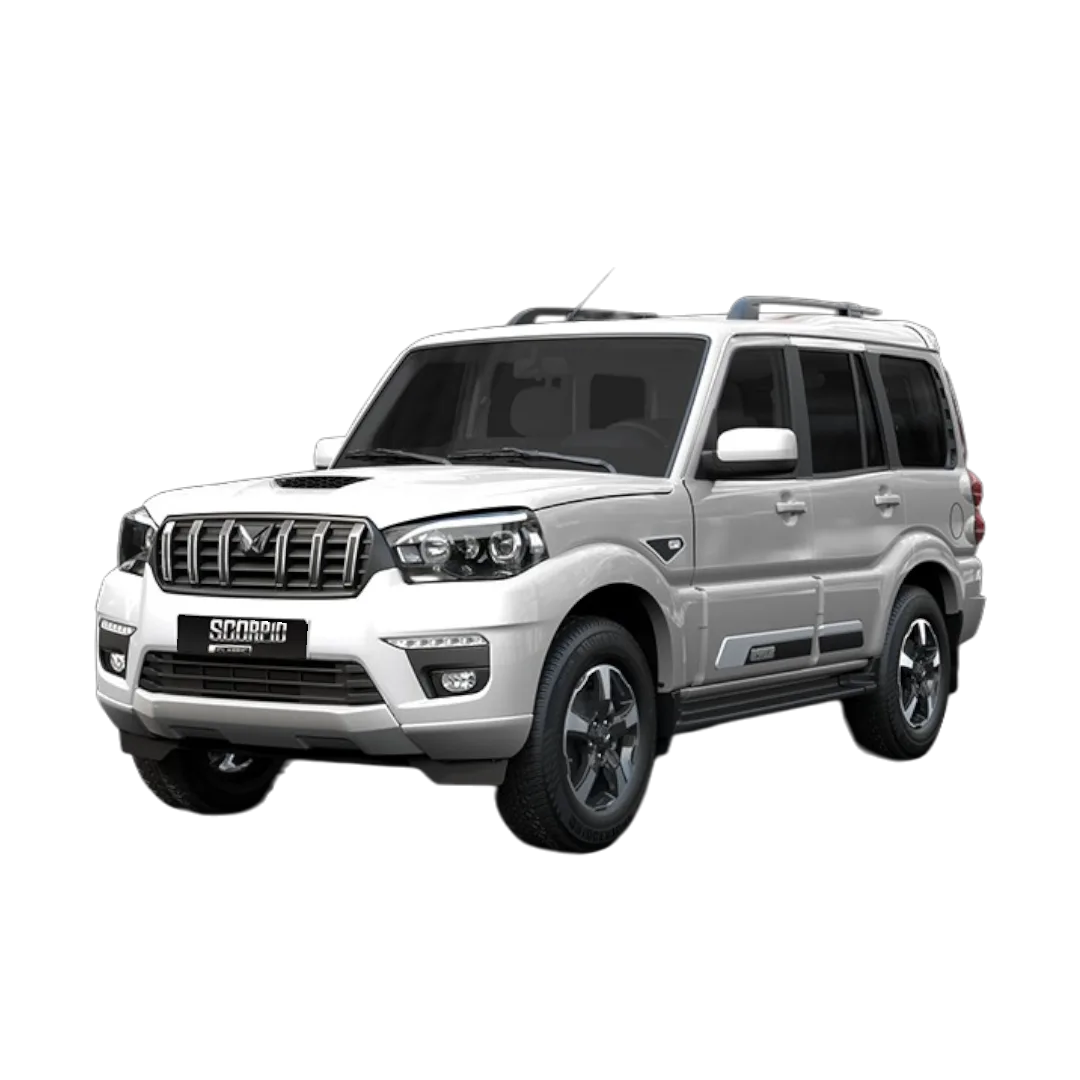 Scorpio Classic
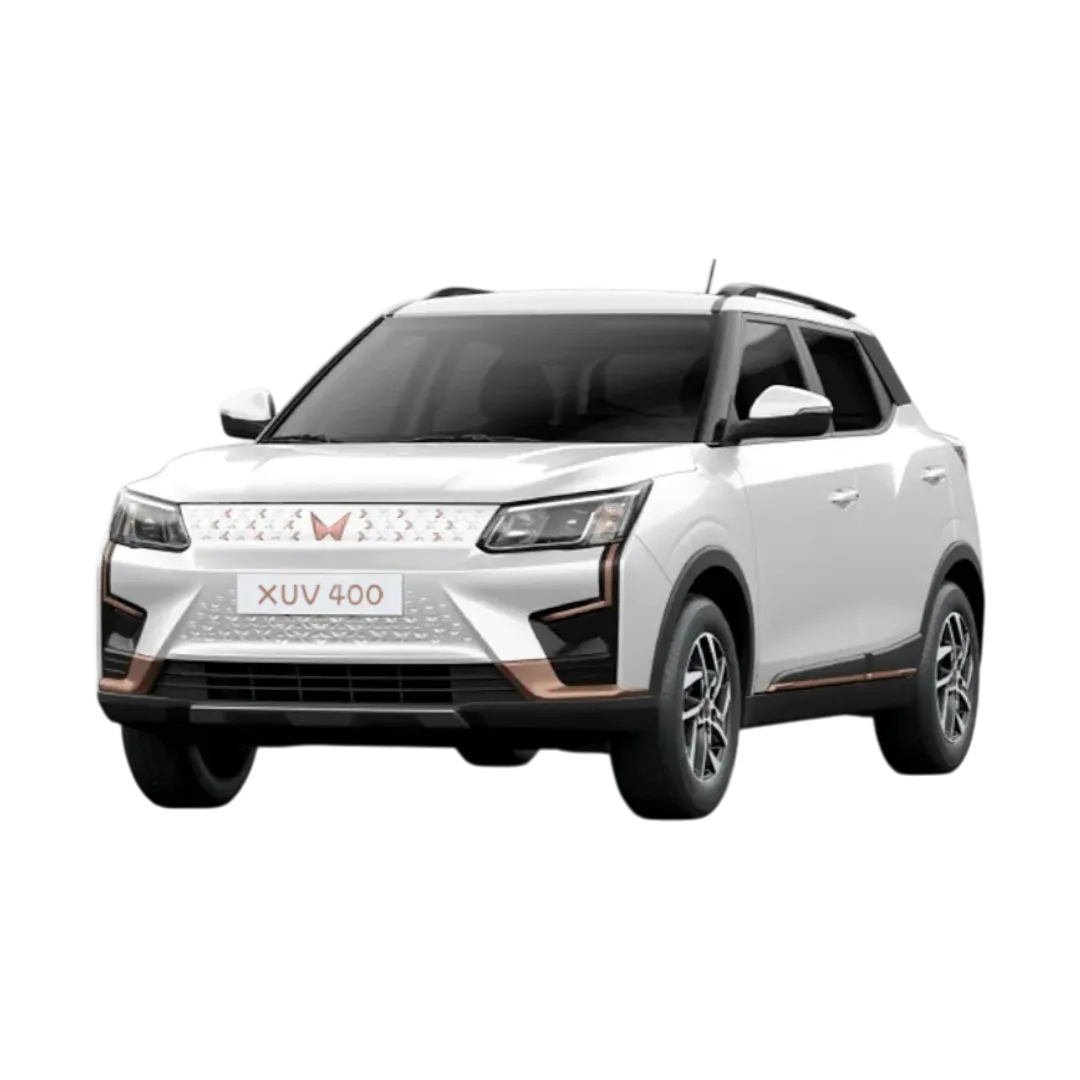 XUV400
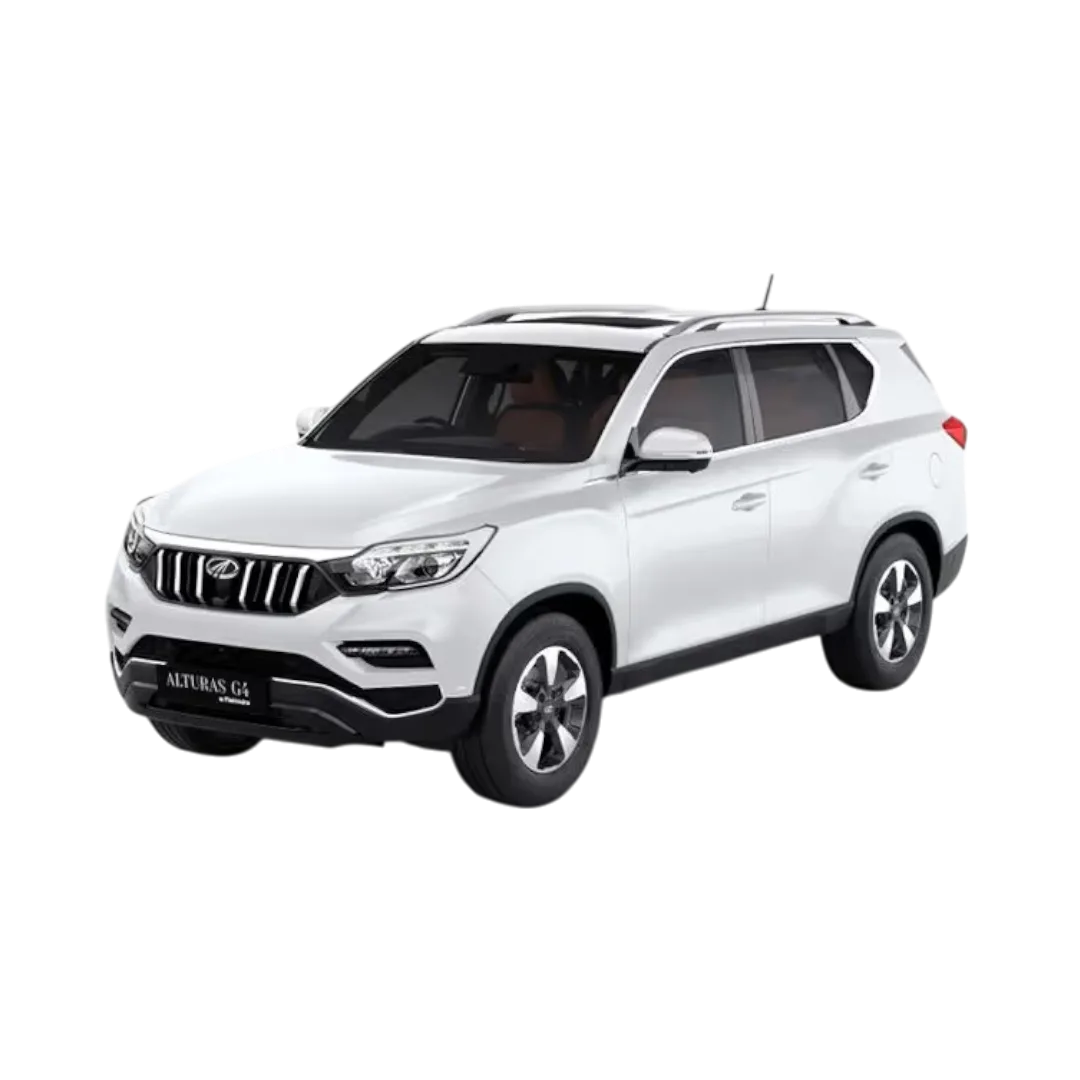 Alturas
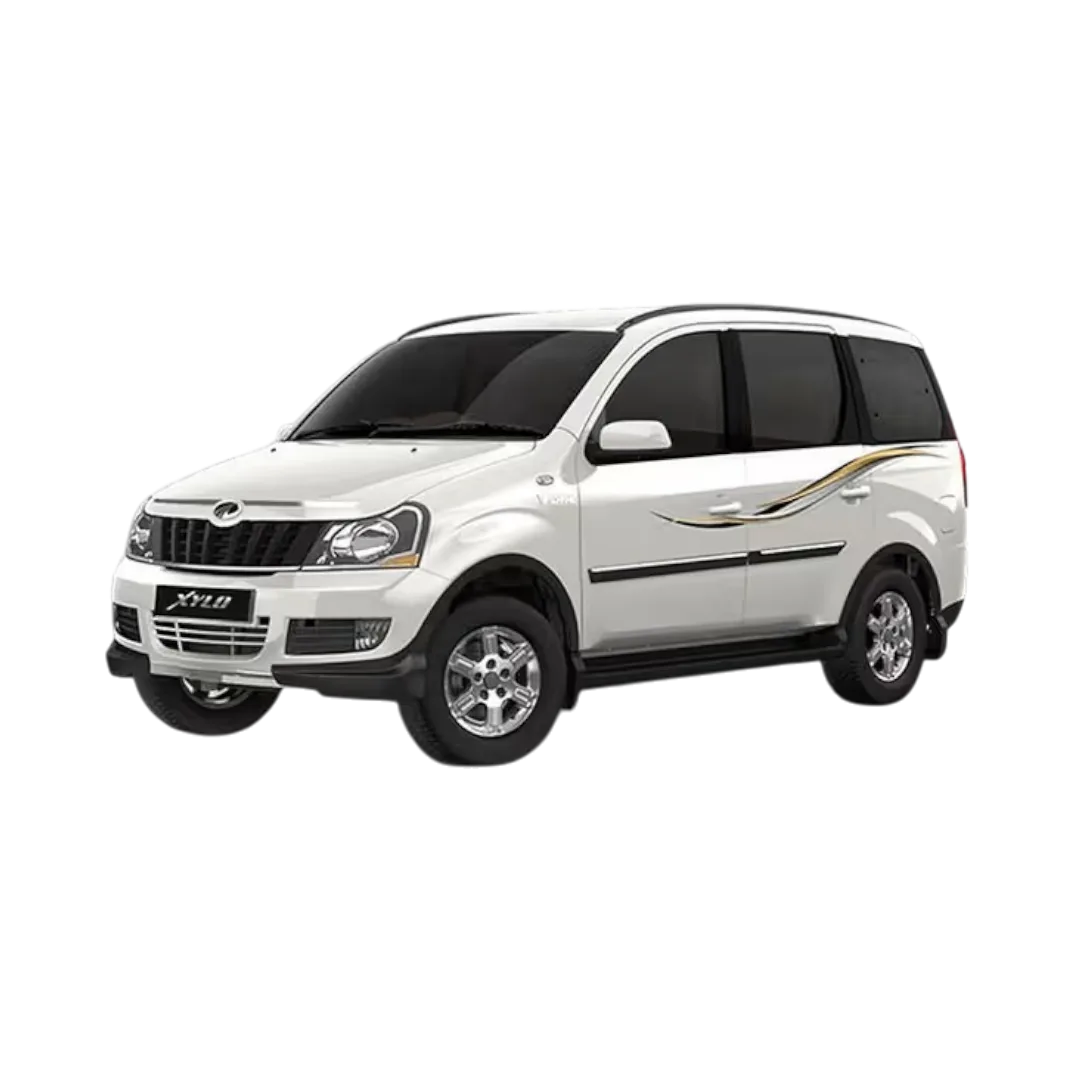 Xylo
Xylo
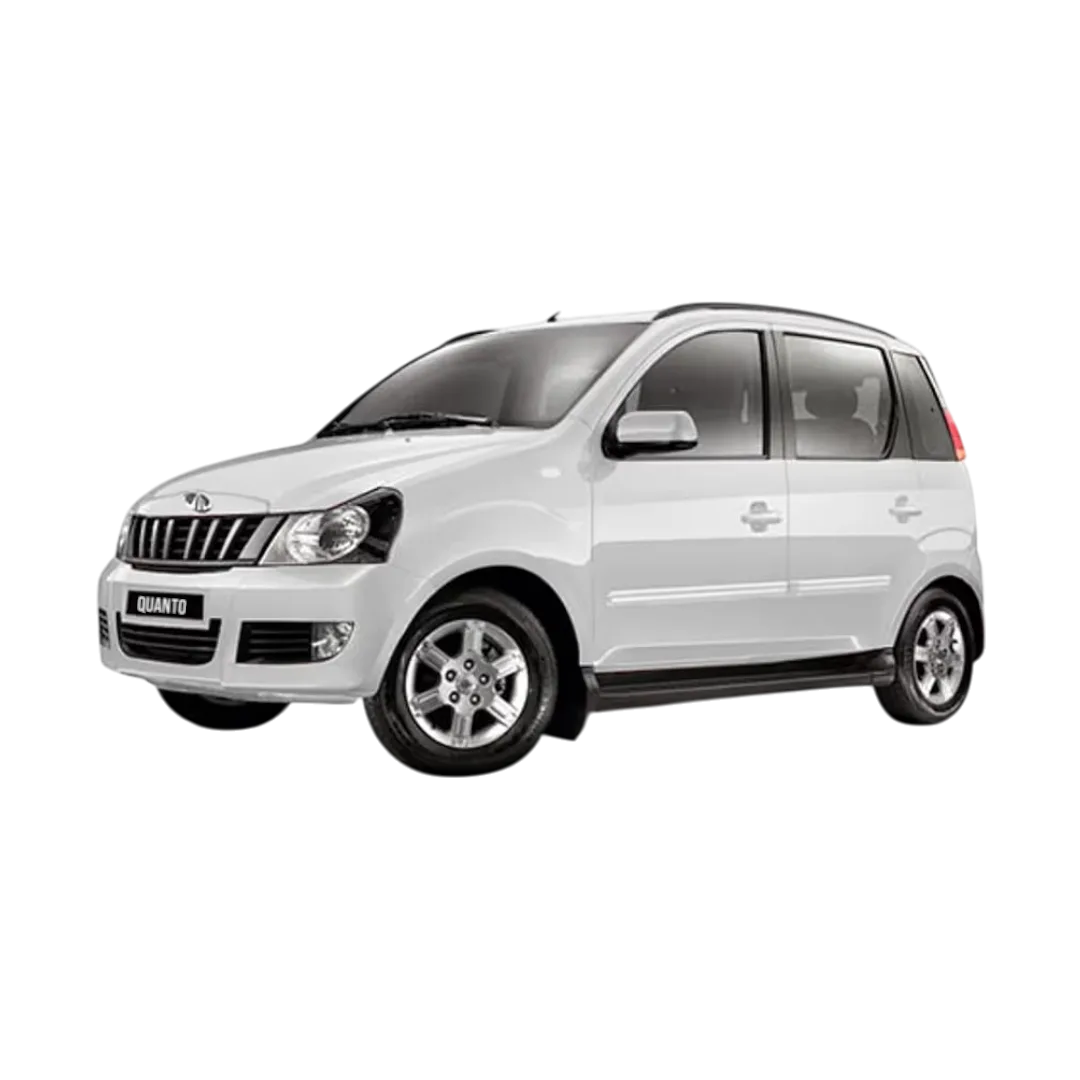 Quanto
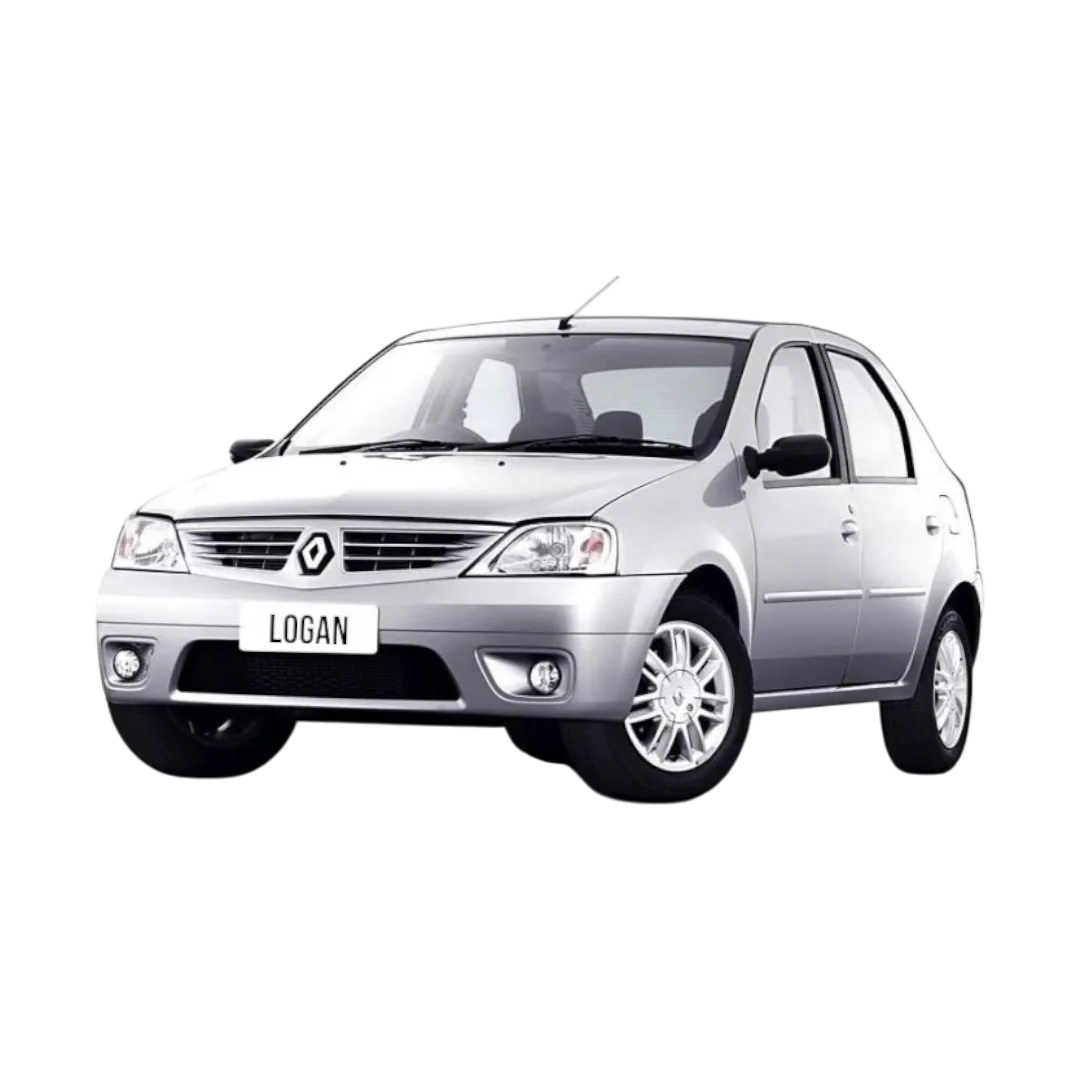 Logan
Logan
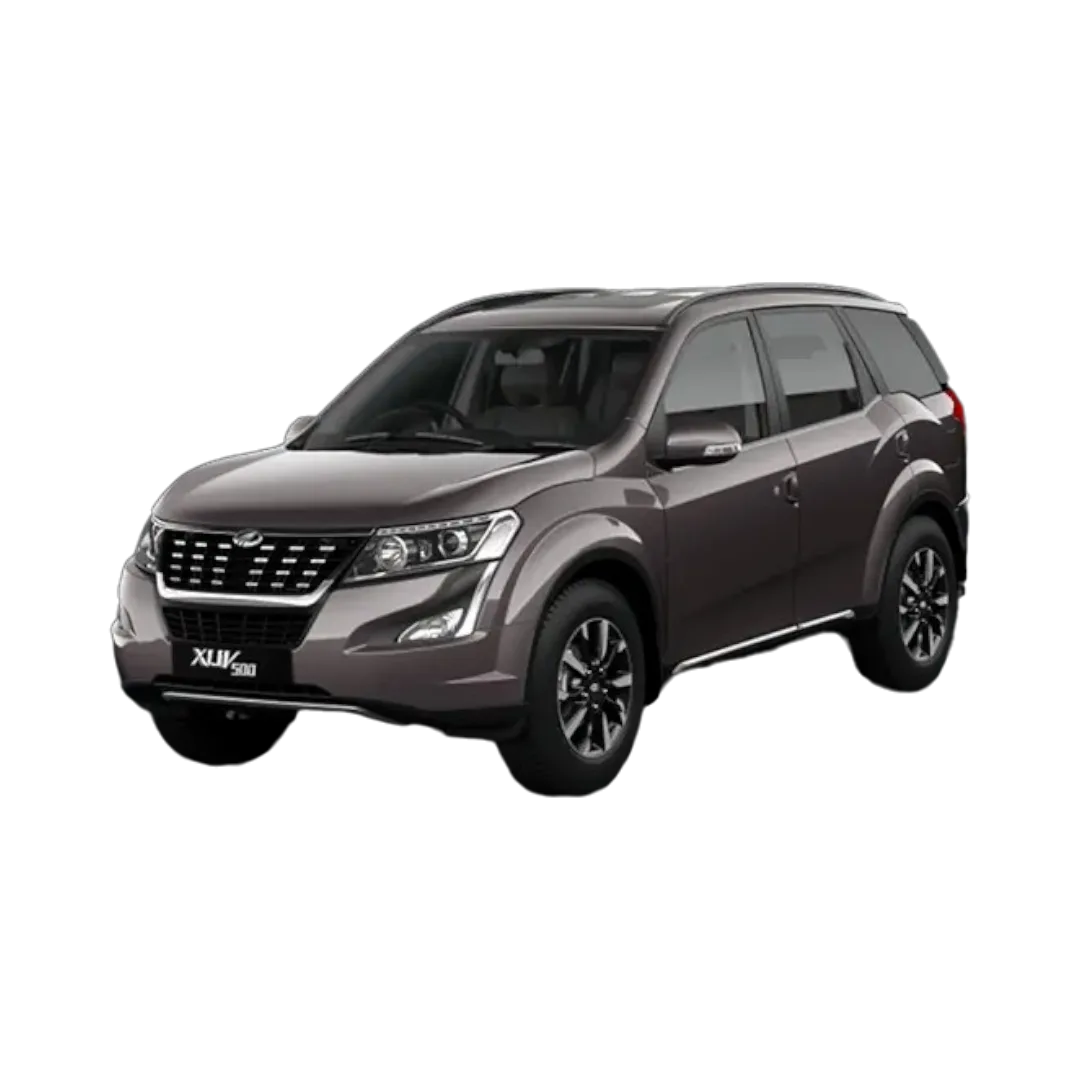 XUV 500
 TUV 300
 XUV 3XO
 KUV 100
NuvoSport
XEV 9e
BE 6
Thar Roxx
E-Verito
XUV 7XO
TUV 100
BE6
Bolero Camper
Verito Vibe
XUV 400
KUV 100
NuvoSport
XEV 9e
BE 6
Thar Roxx
E-Verito
XUV 7XO
TUV 100
BE6
Bolero Camper
Verito Vibe
XUV 400
 Audi Q5
 Audi A4
 Audi Q7
 Audi Q3
 Audi A6
 Audi RS5
 E-Tron GT
 Audi Q8
 E-Tron
 Q3 Sportback
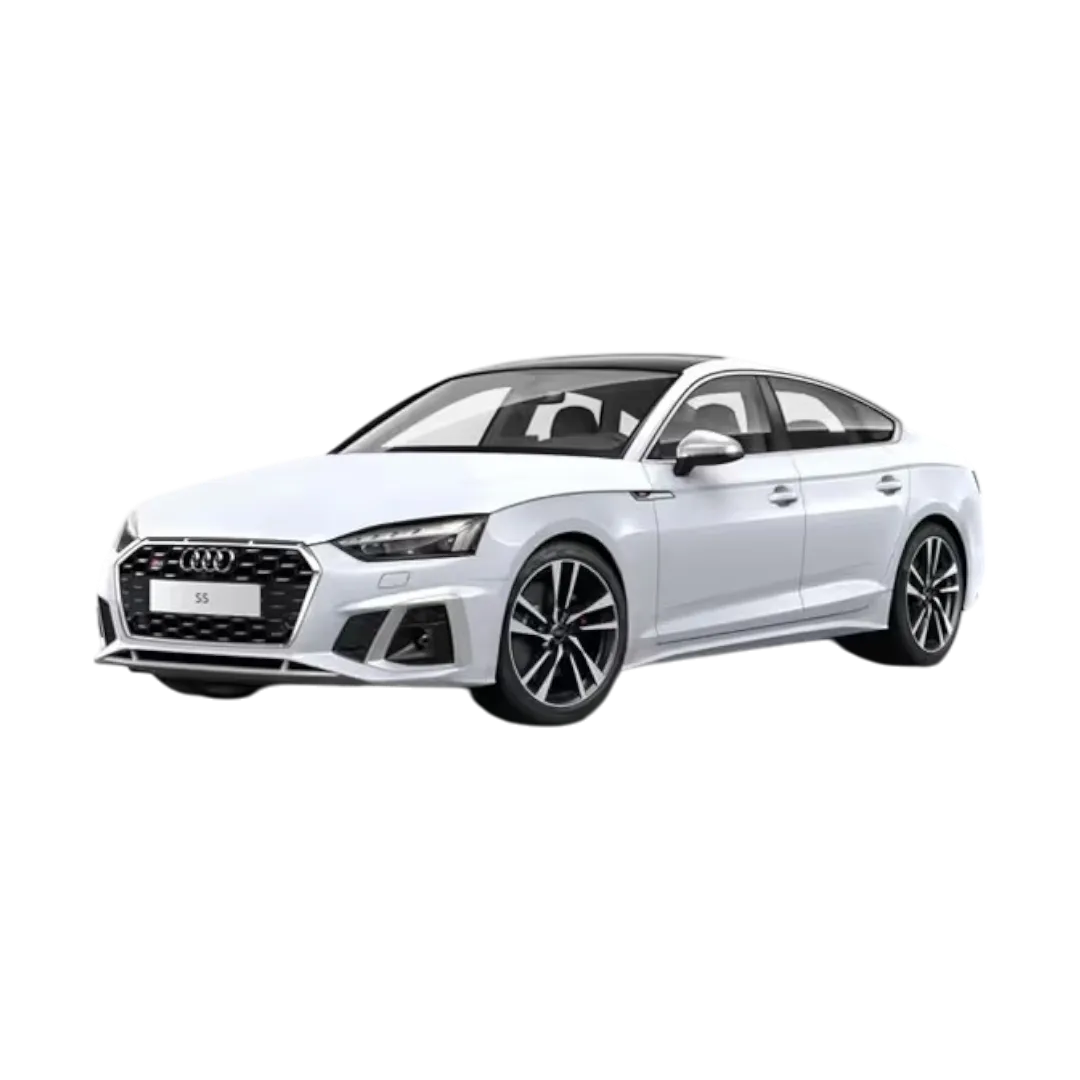 Audi S5 Sportback
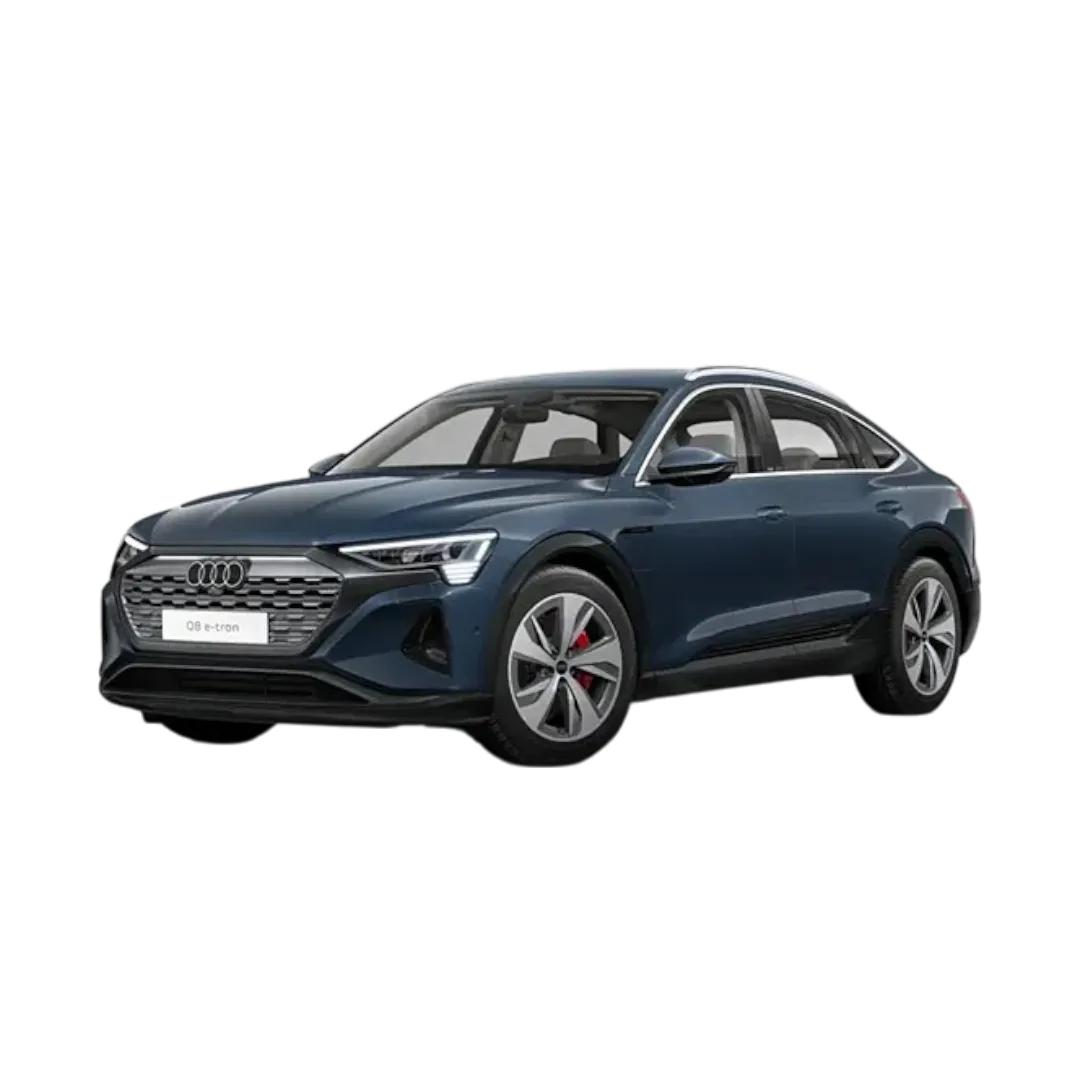 Q8 E-Tron
 Q8 E-Tron Sportback
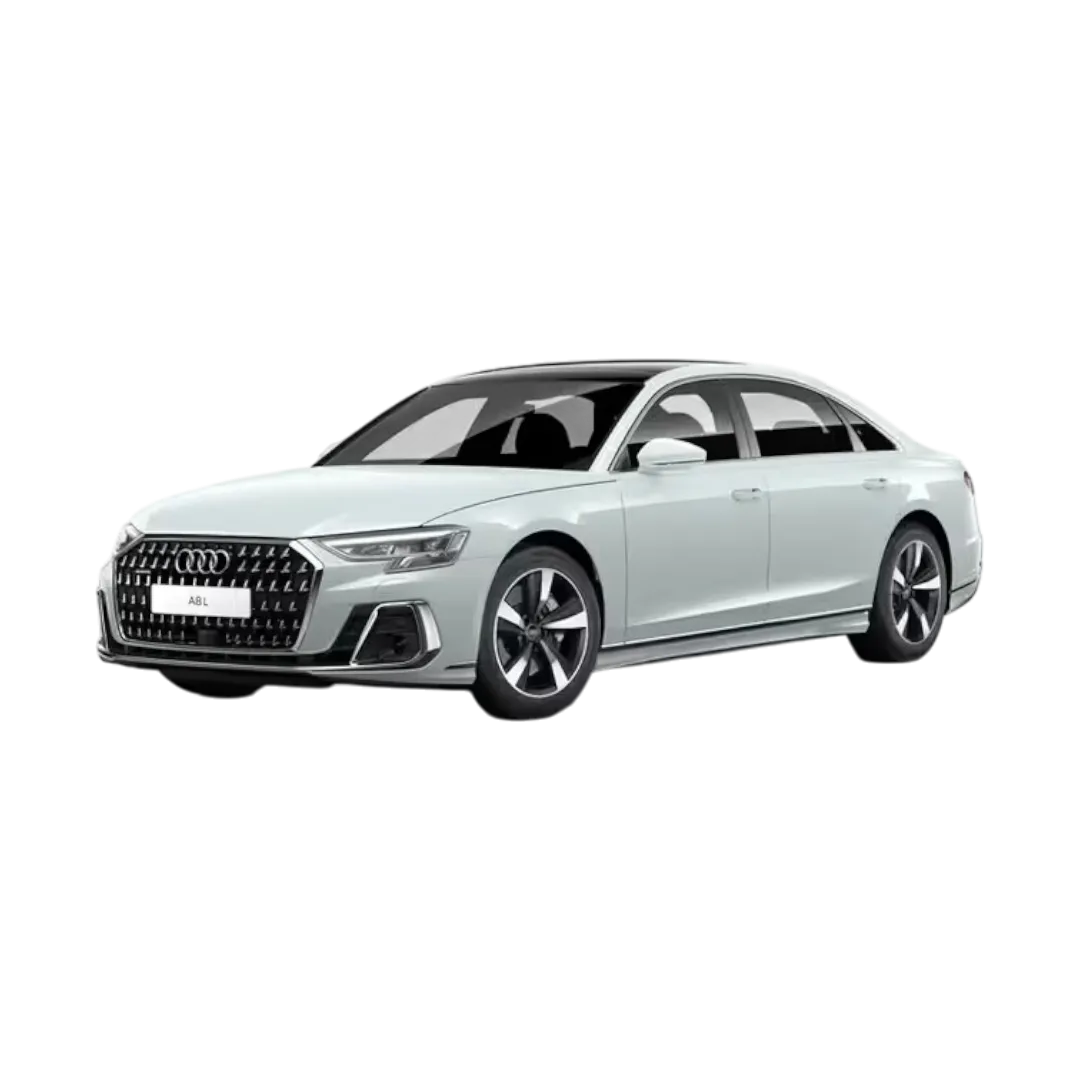 Audi A8L
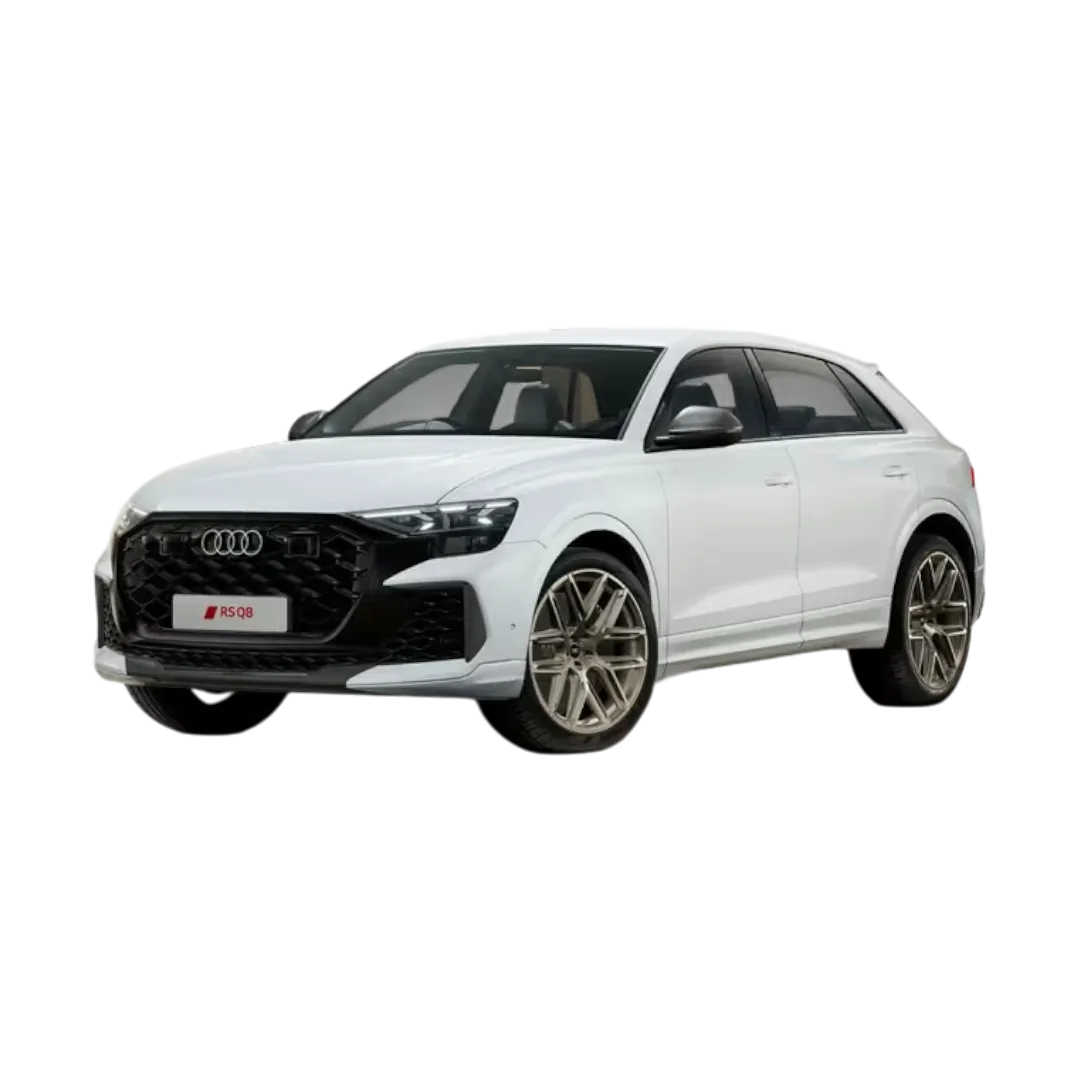 Audi RS Q8
 Audi A3
 BMW X7
 BMW X1
 BMW X5
 BMW XM
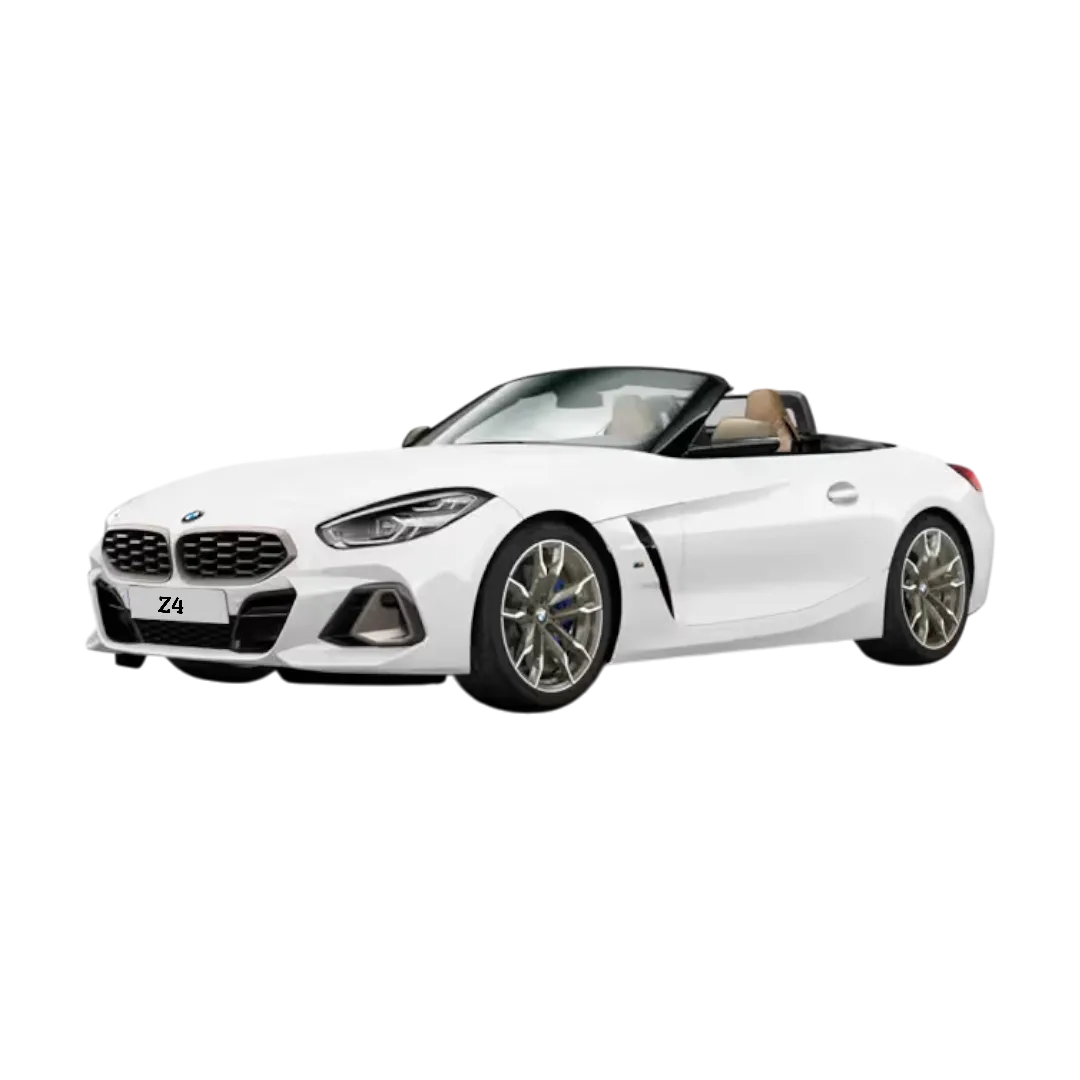 BMW Z4
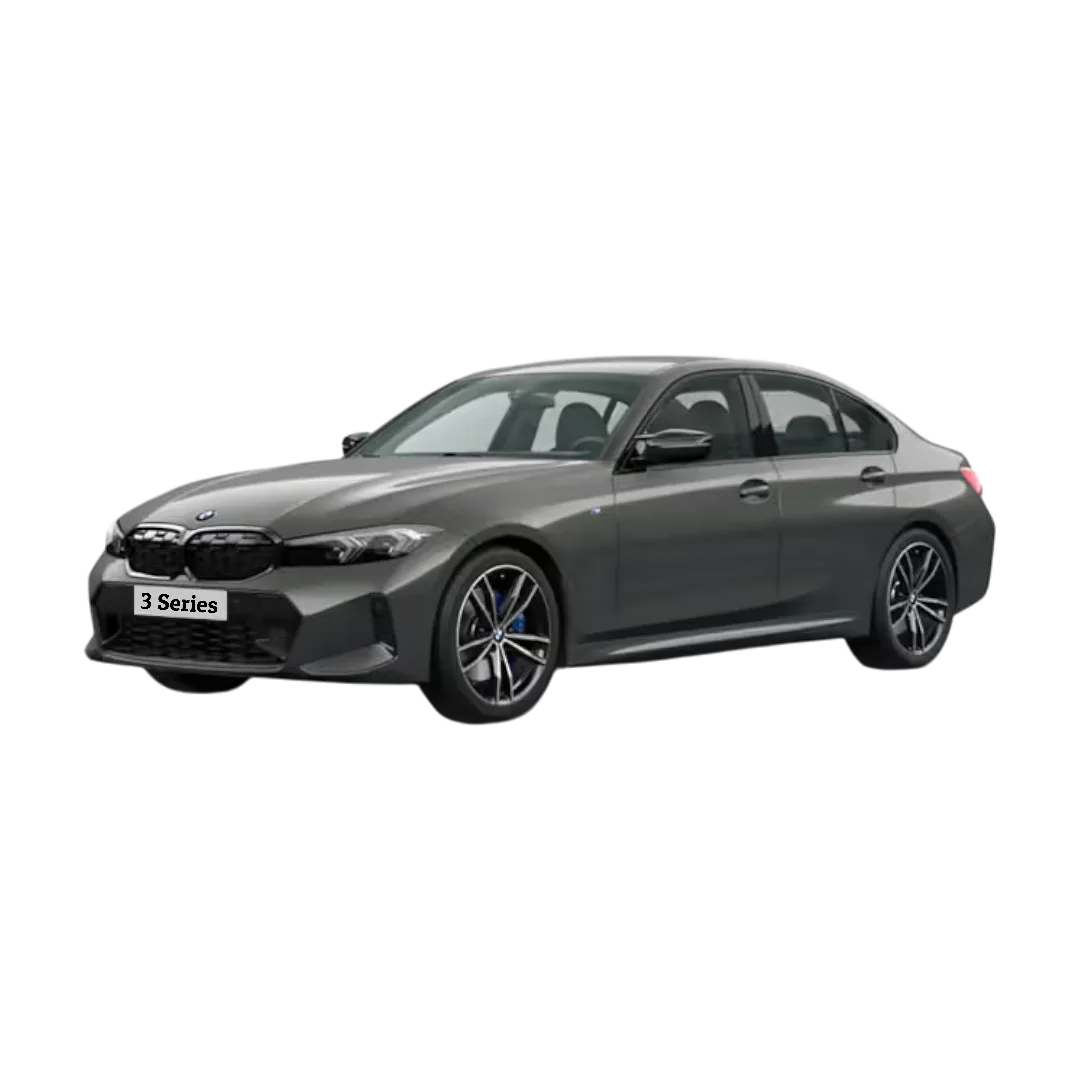 3 Series
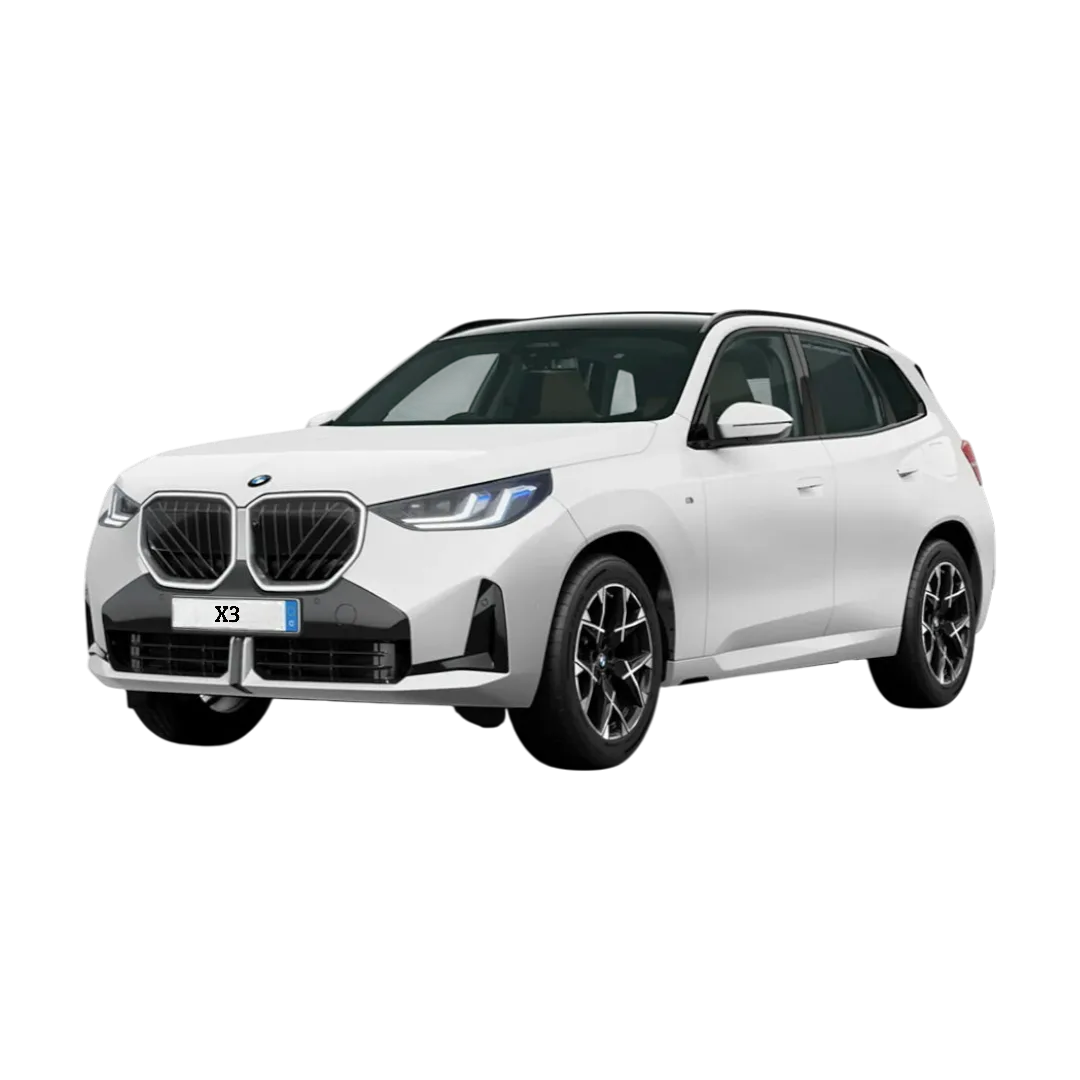 BMW X3
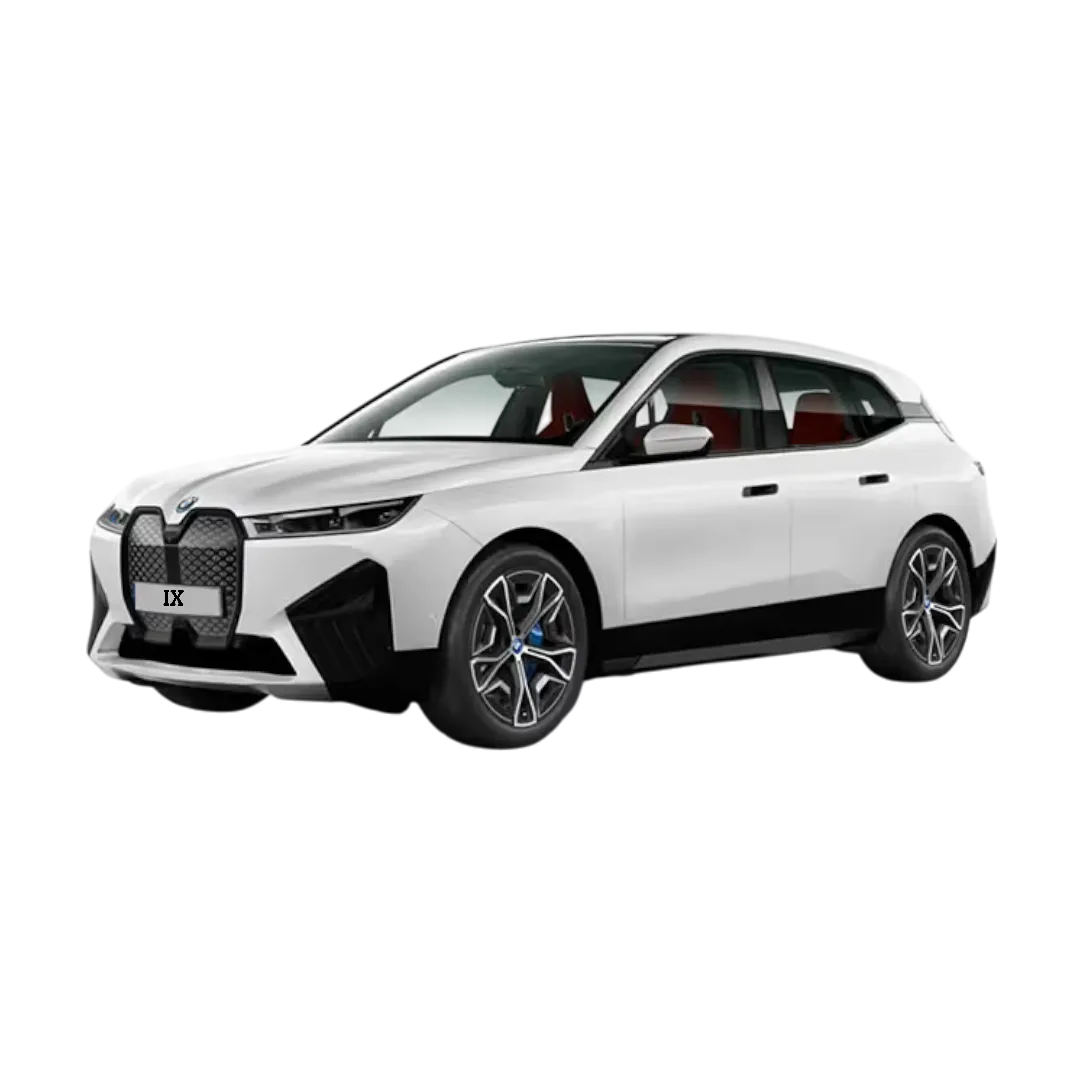 BMW iX
 BMW i7
 BMW M2
 7 Series
 2 Series
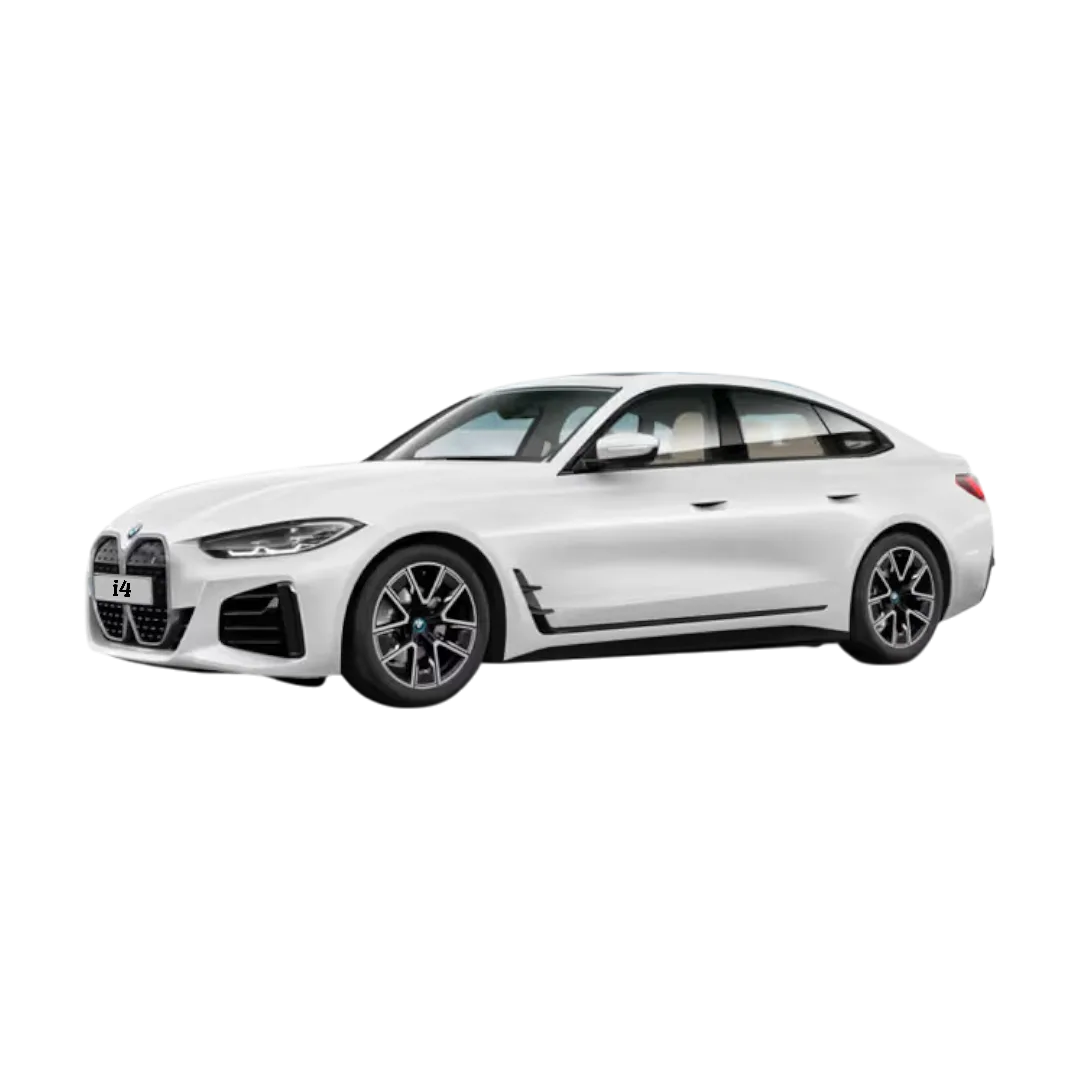 BMW i4
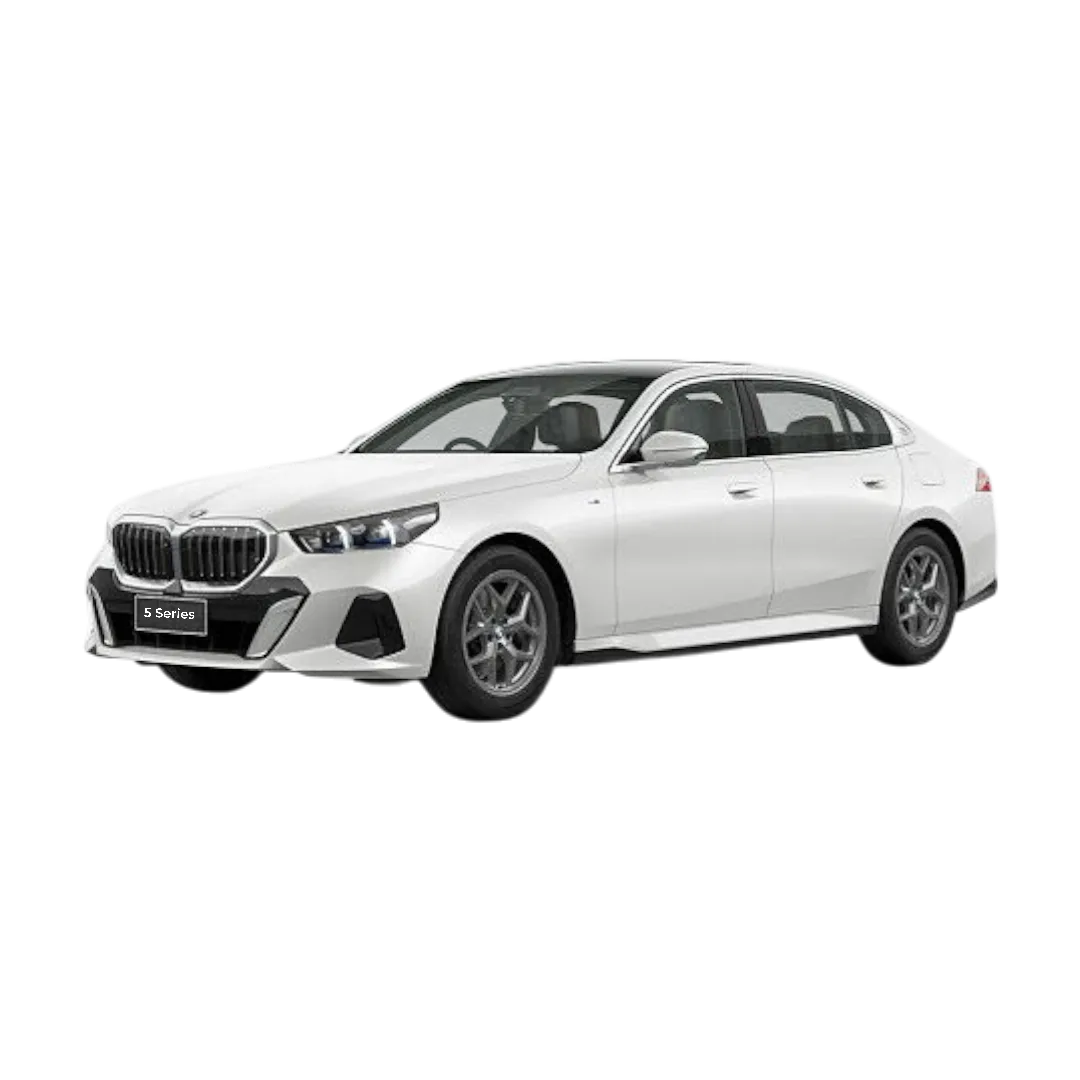 5 Series
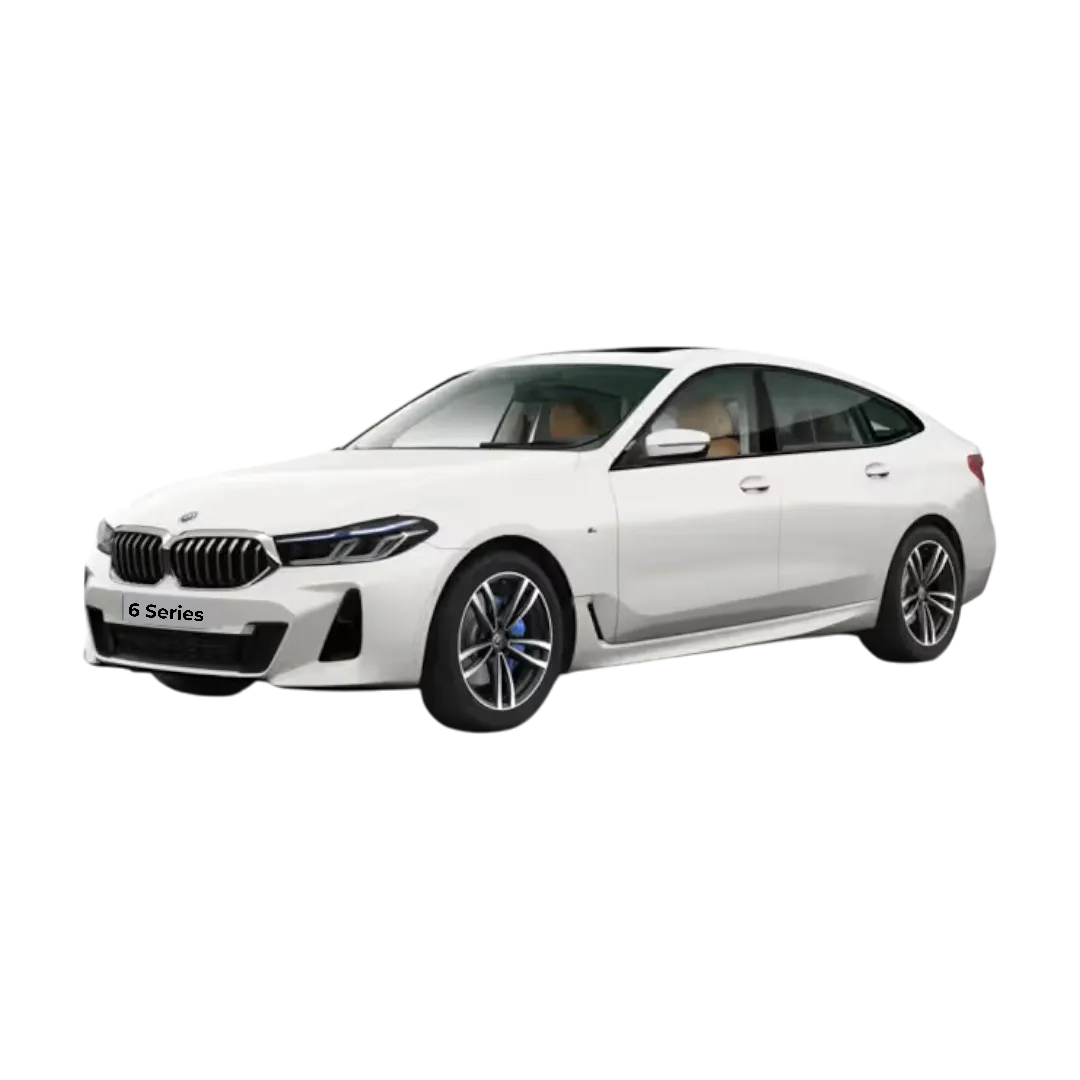 6 Series
 BMW ix1
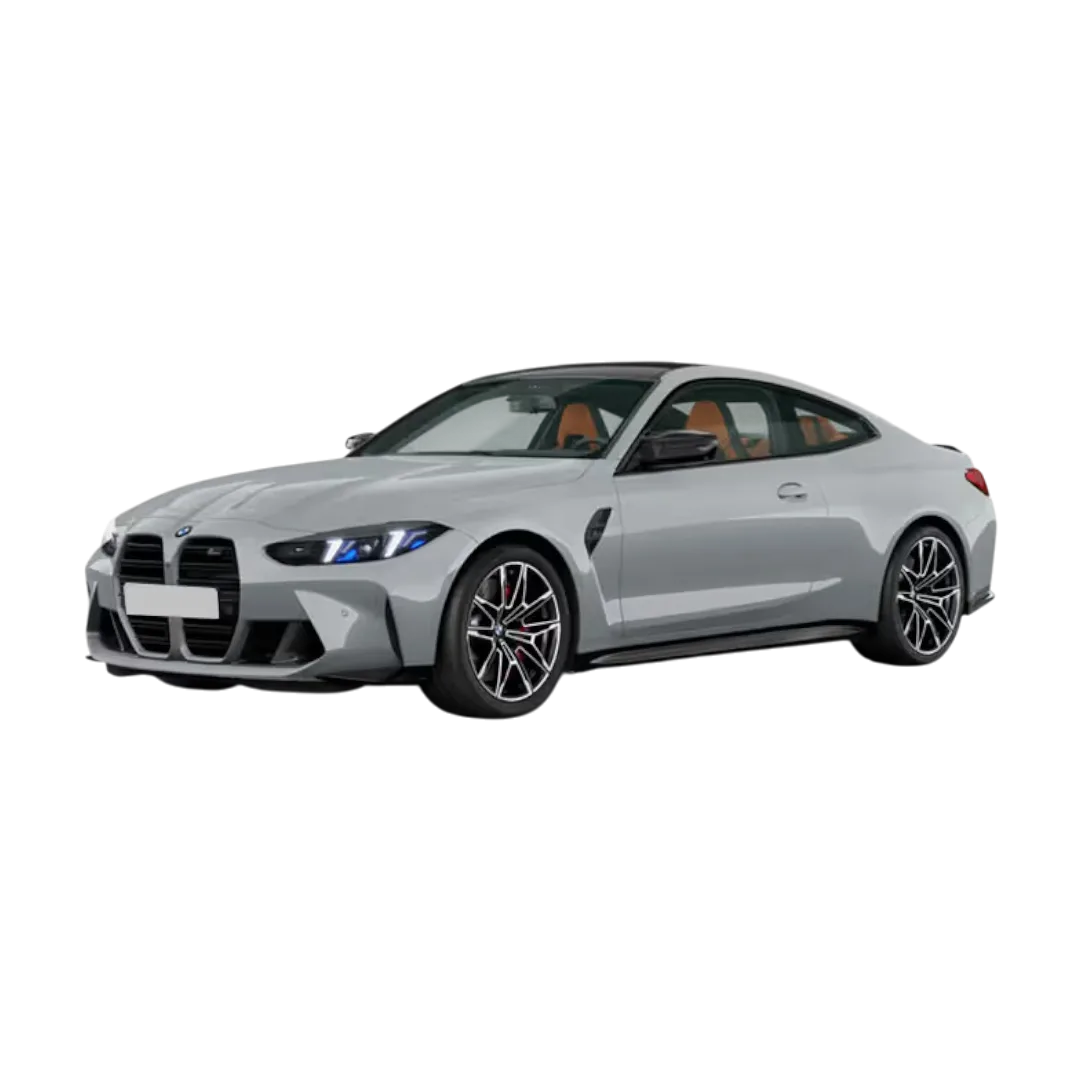 M4 Competition
 3 Series Gran Limousine
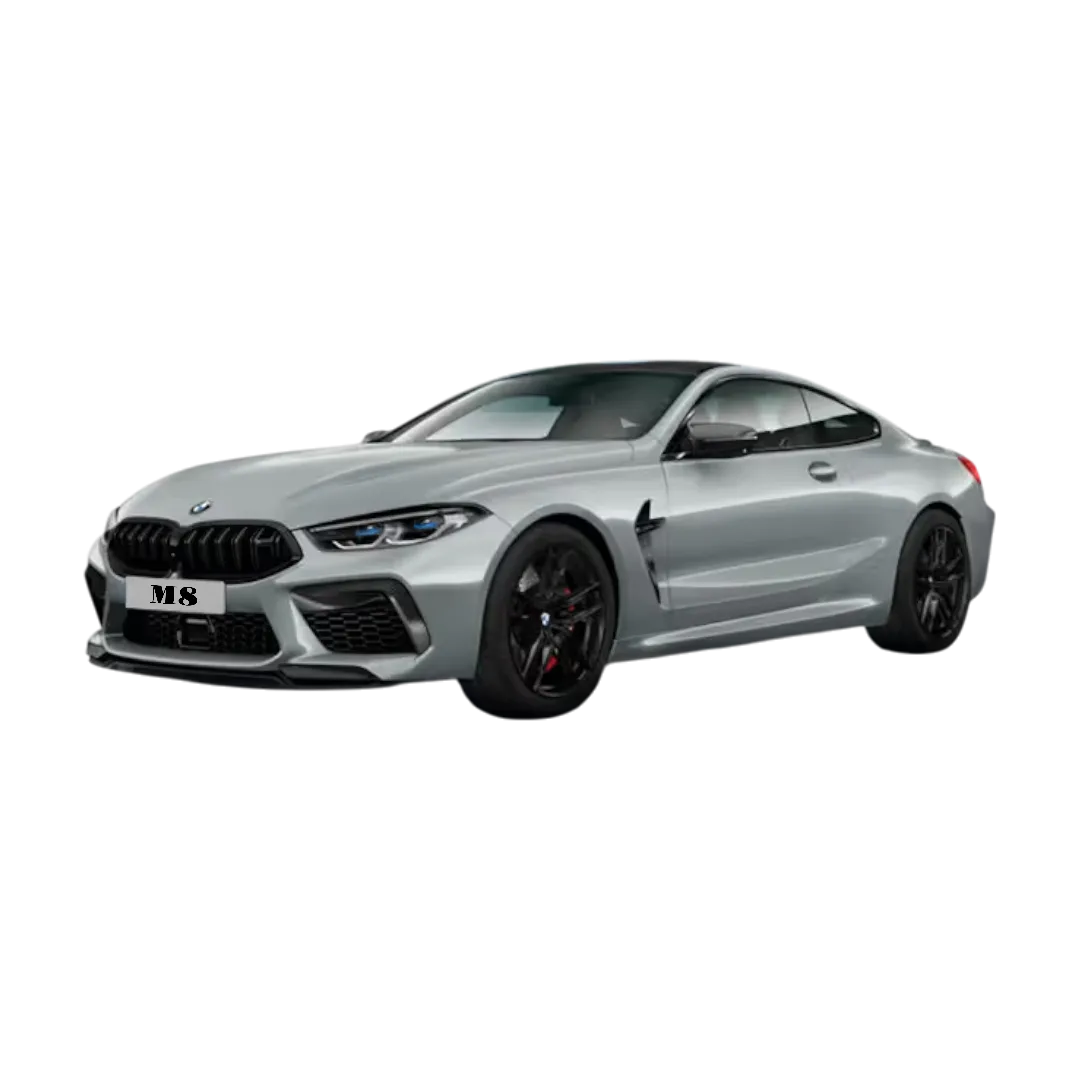 M8 Coupe
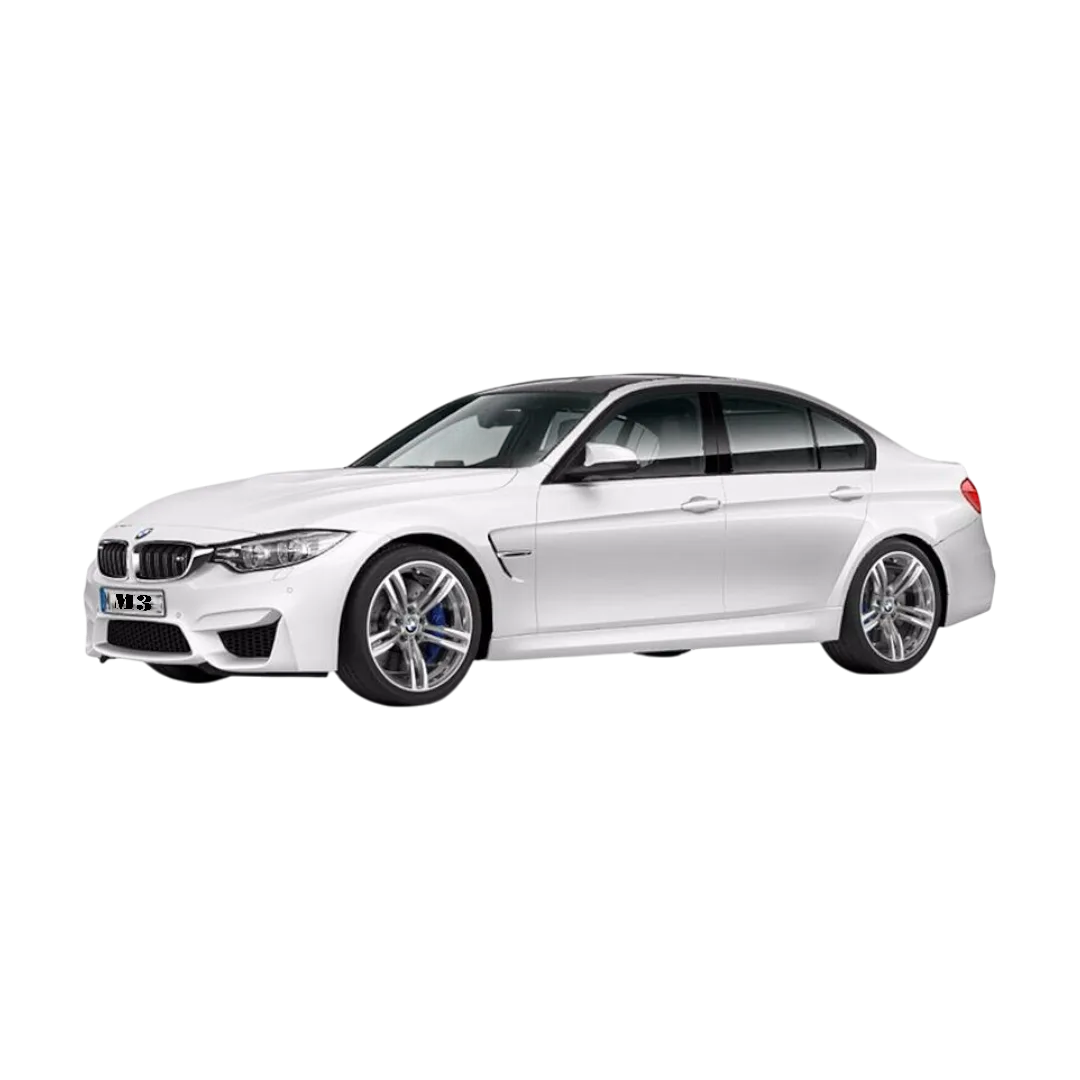 BMW M3
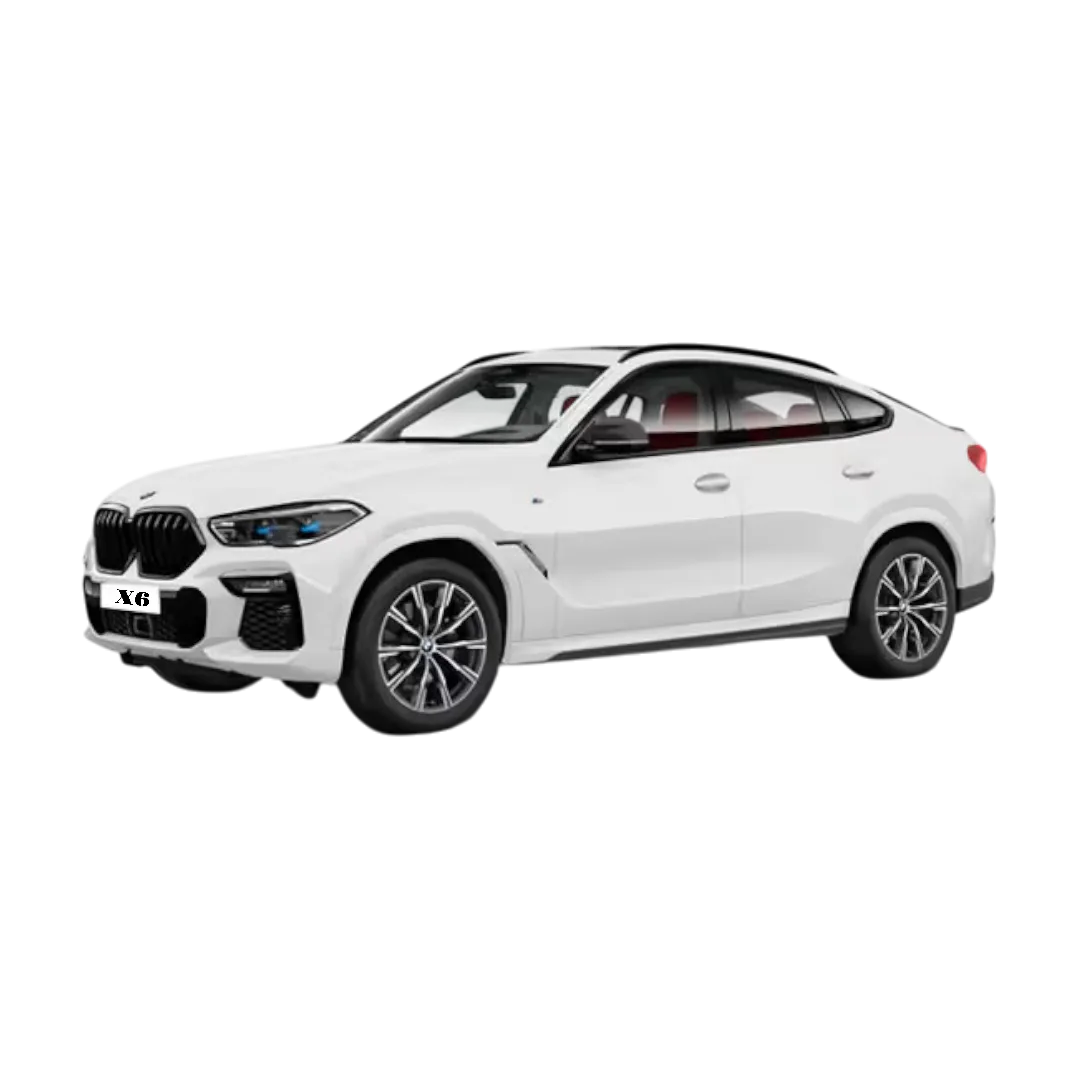 BMW X6
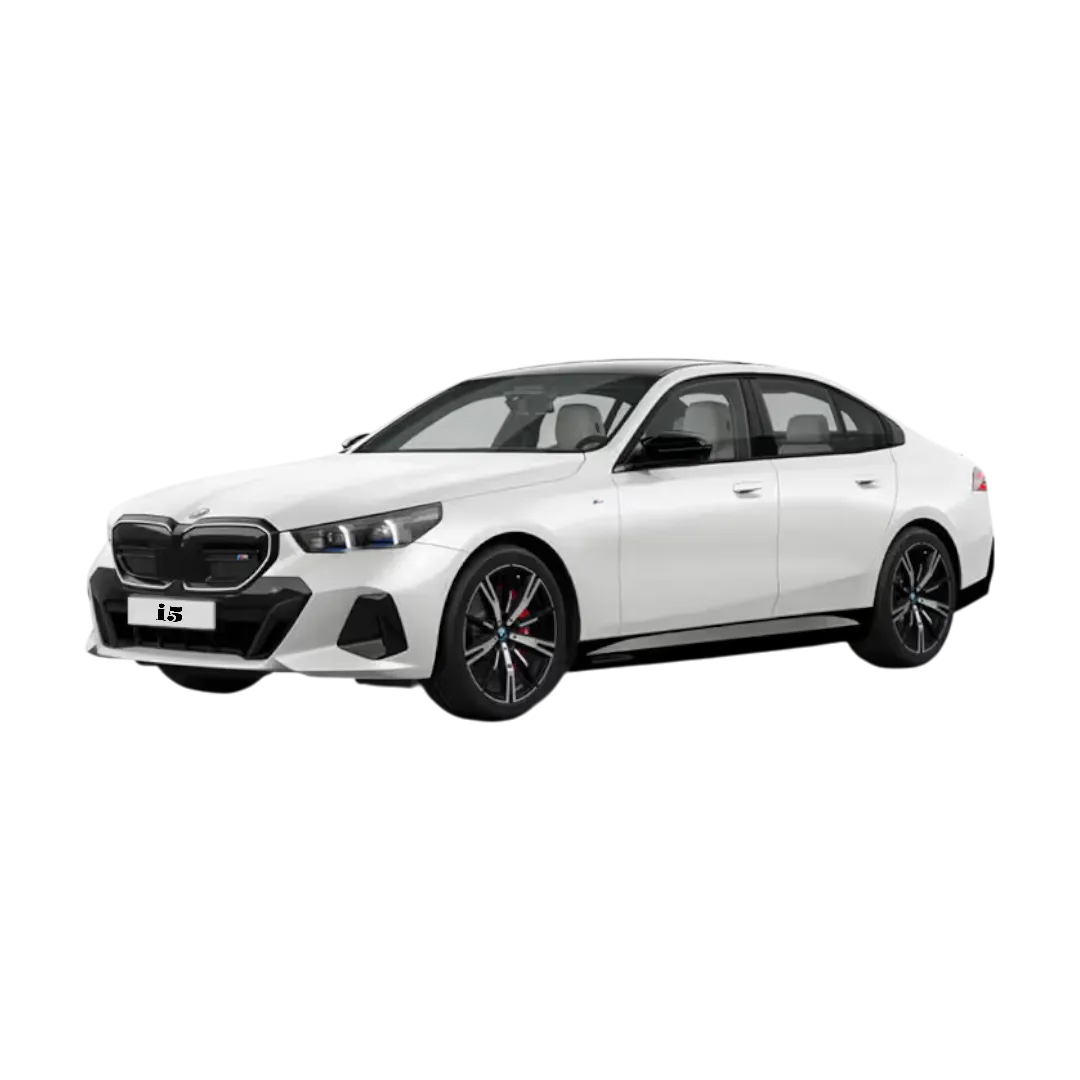 BMW i5
 BMW X4
 Mercedes Benz GLA
 Mercedes E-Class
 Mercedes S-Class
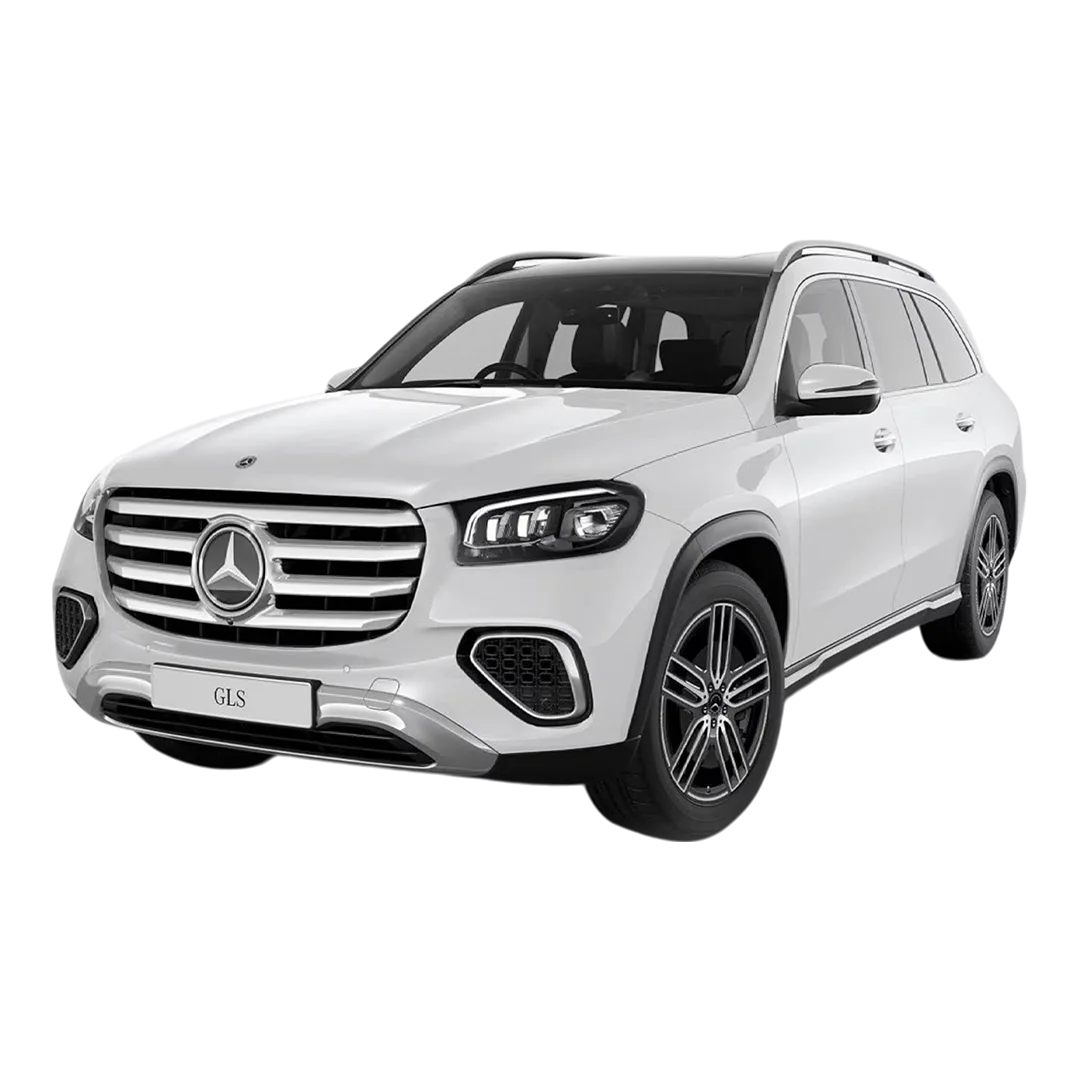 Mercedes Benz GLS
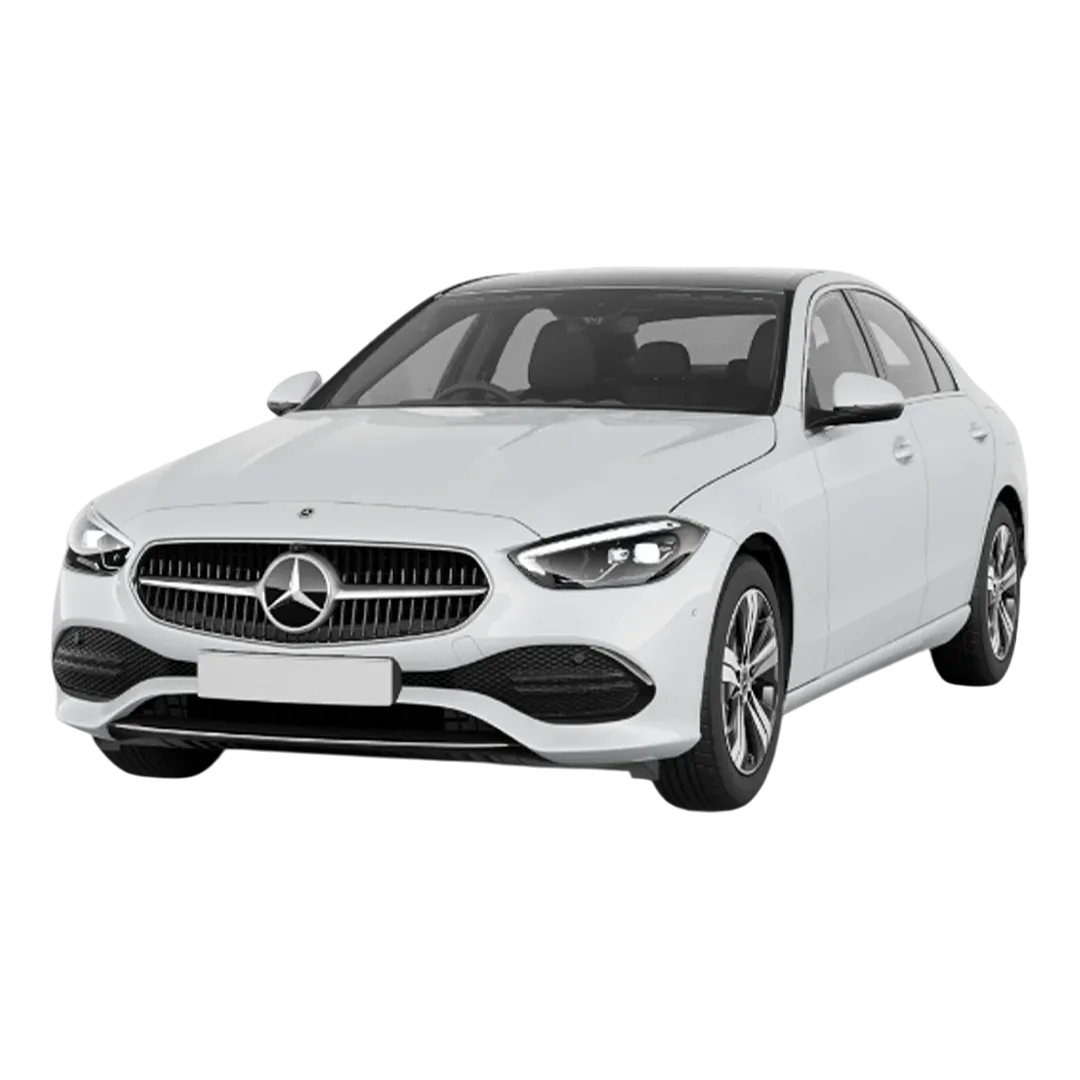 Mercedes Benz C-Class
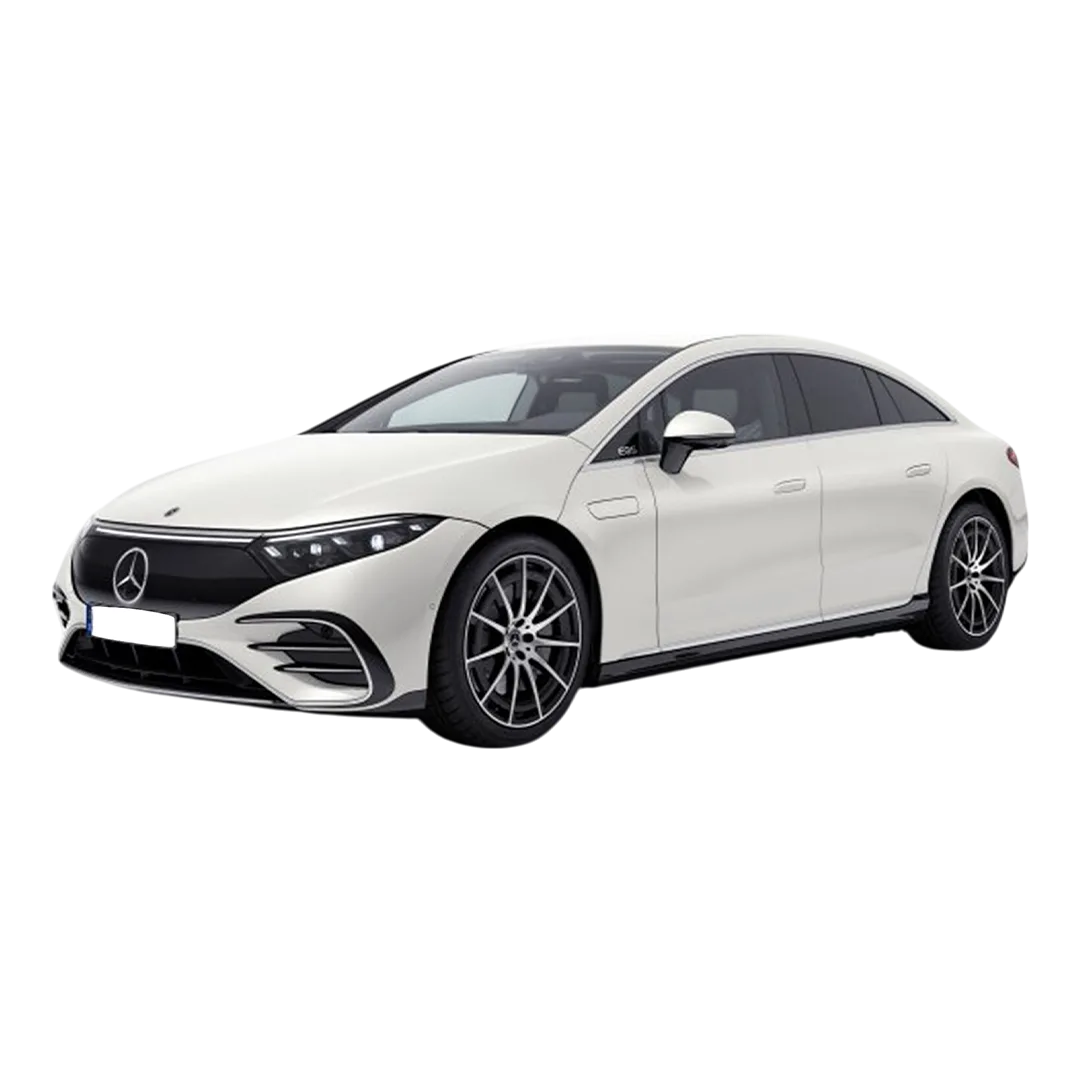 Mercedes Benz EQS
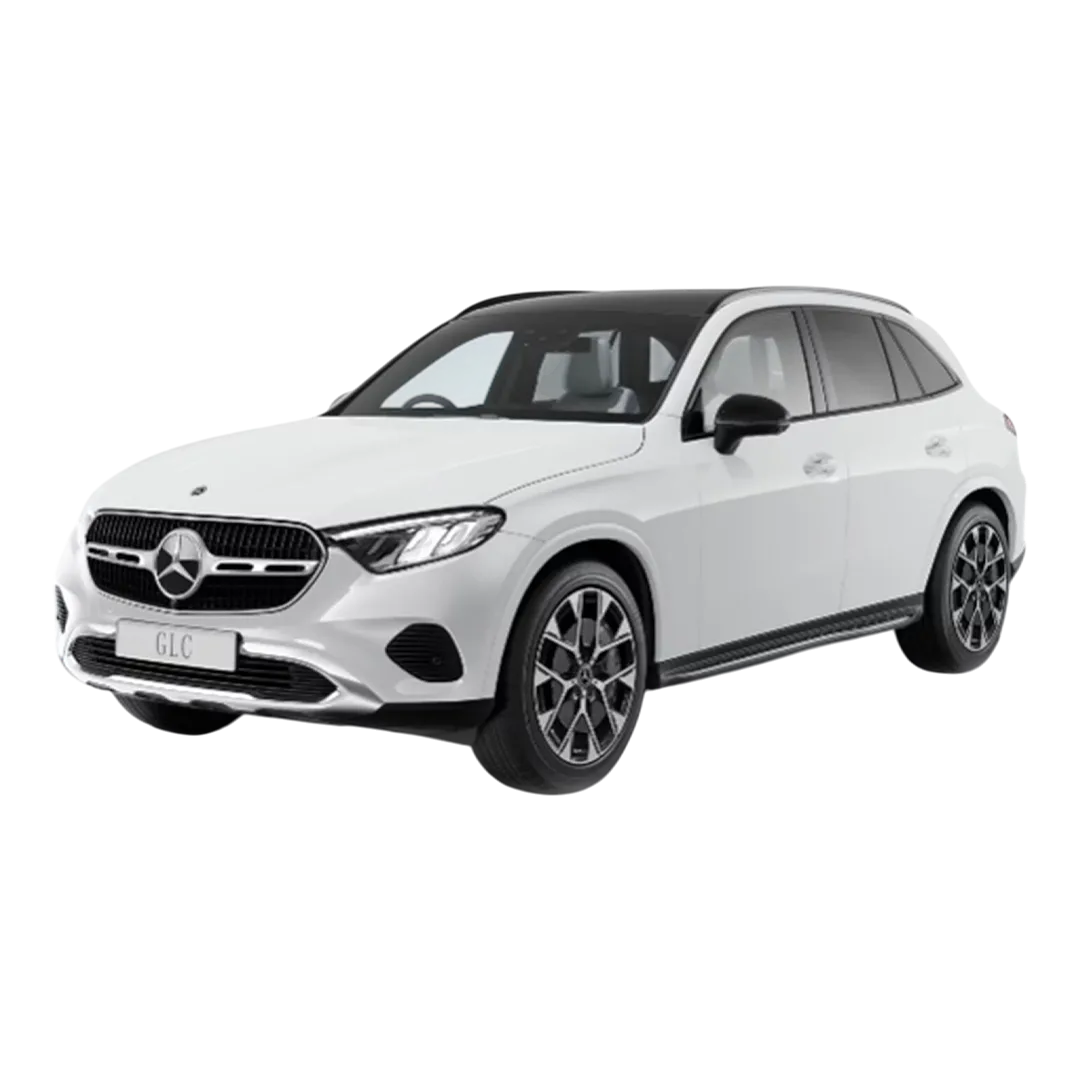 Mercedes Benz GLC
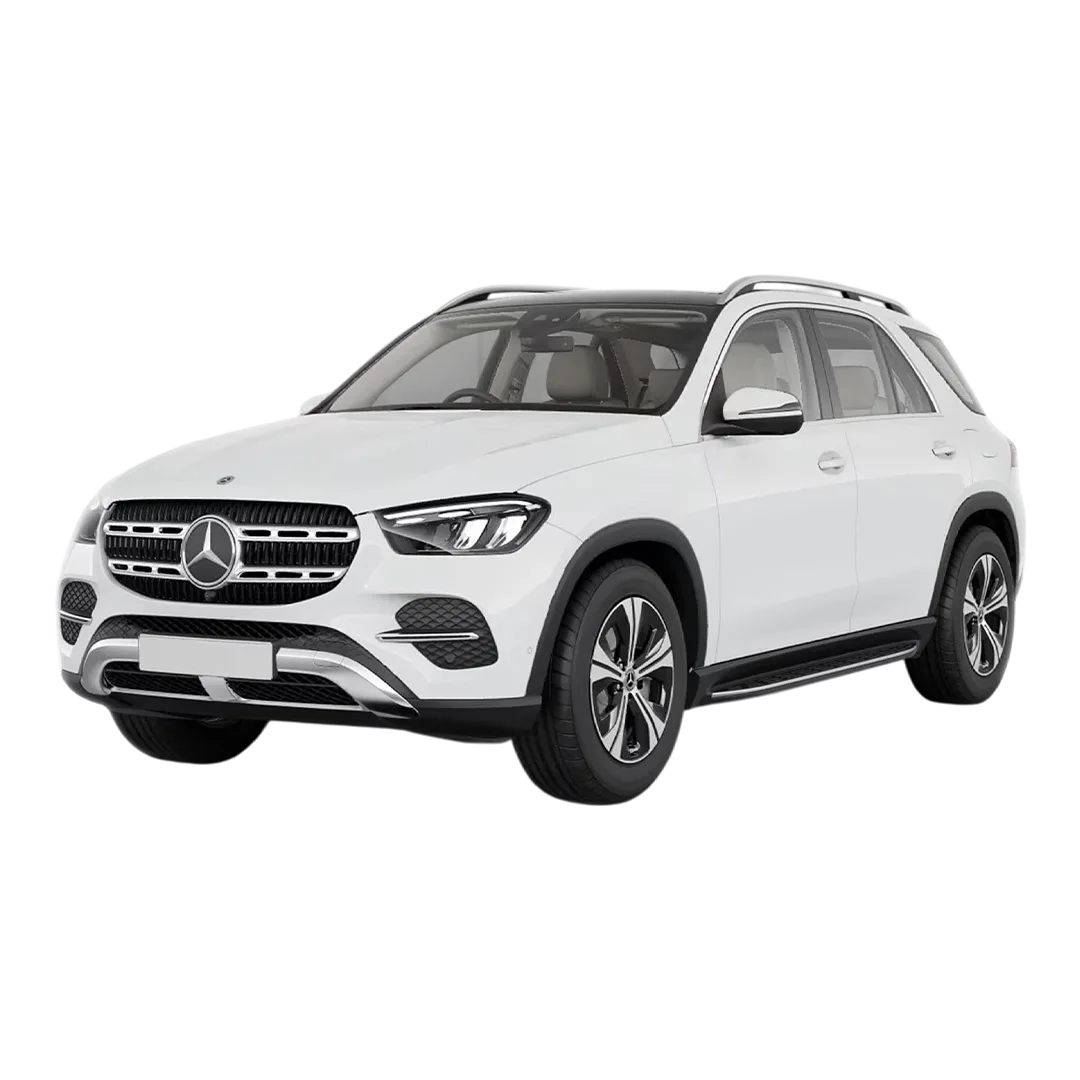 Mercedes Benz GLE
 Mercedes Benz G-Class
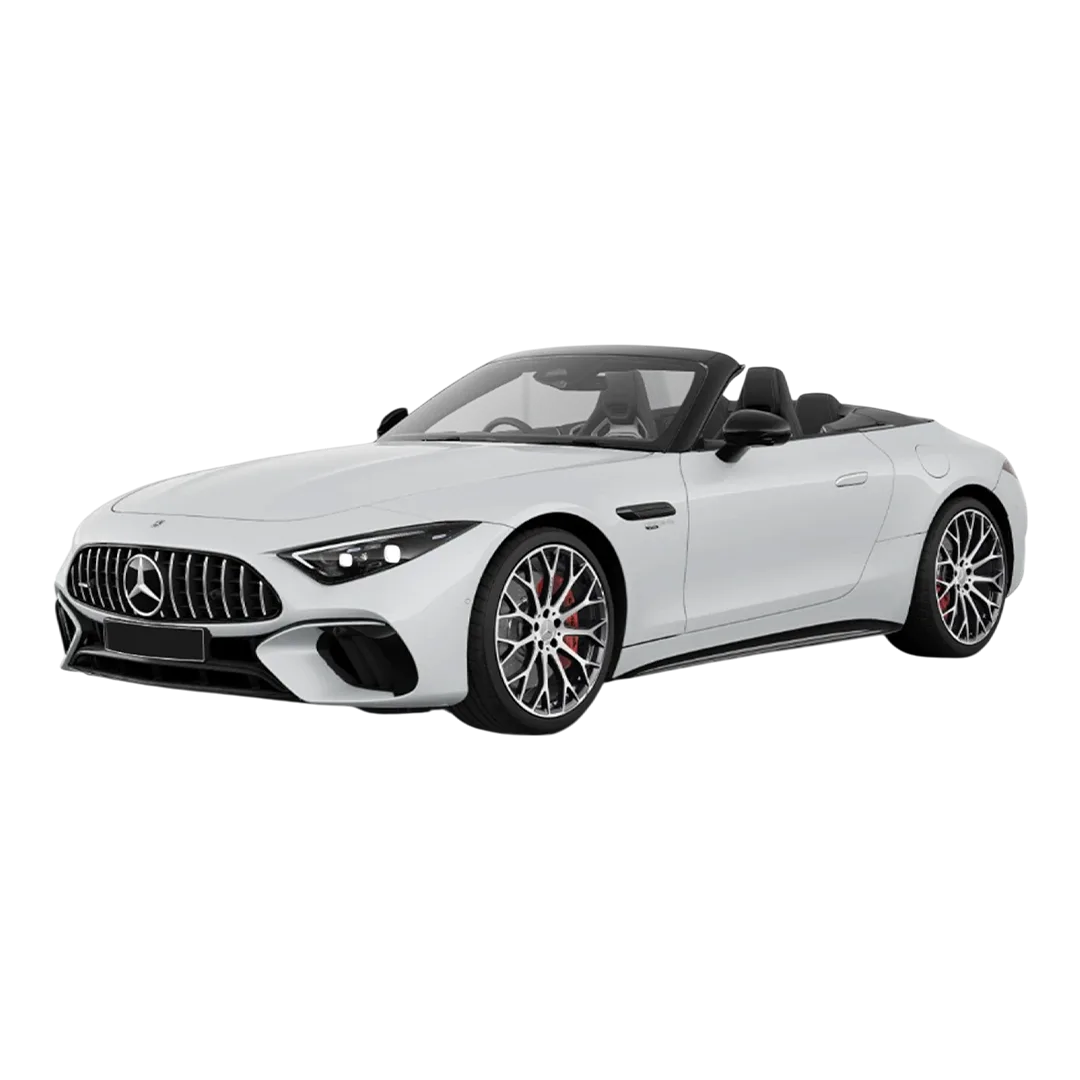 Mercedes Benz AMG SL
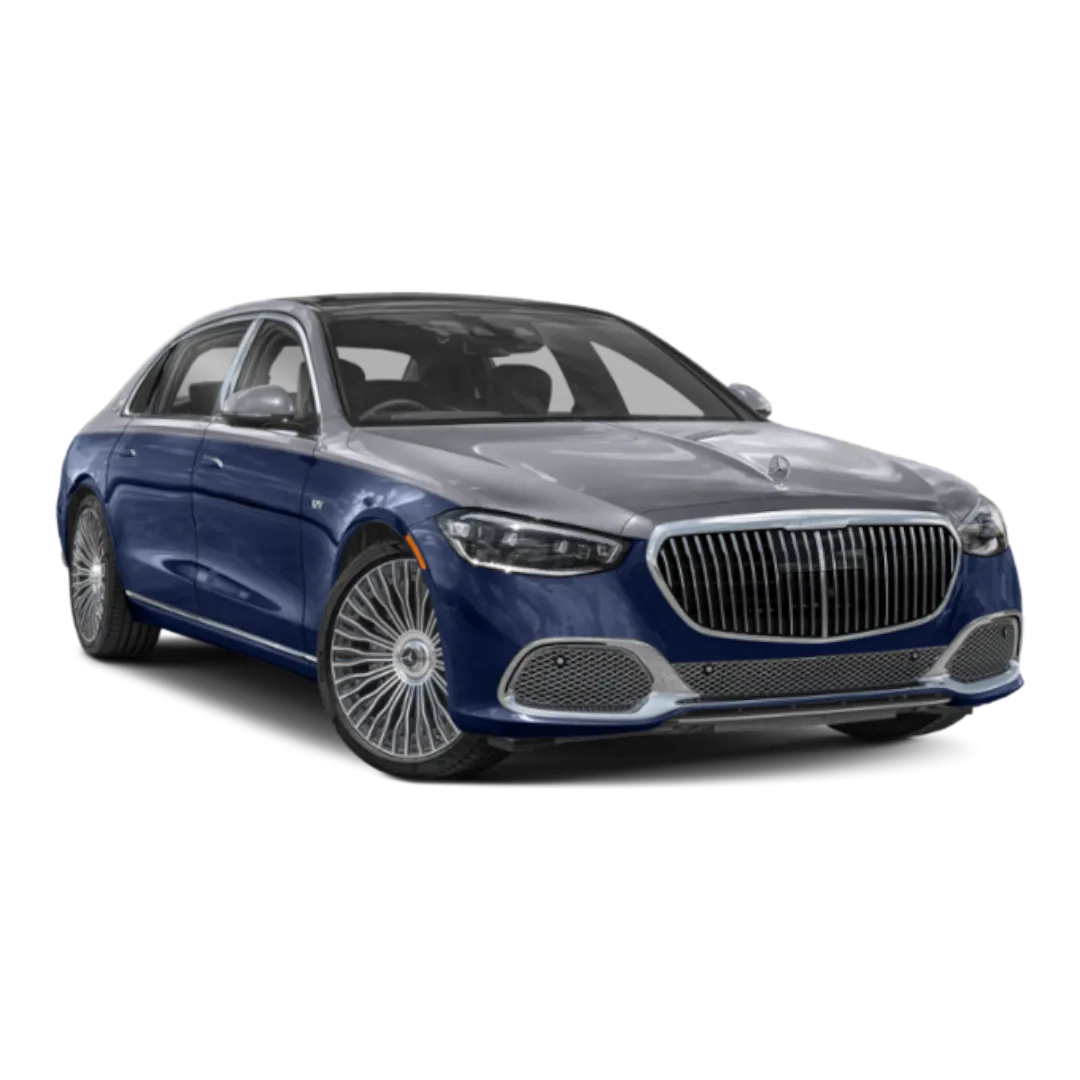 Mercedes Benz MAYBACH S- Class
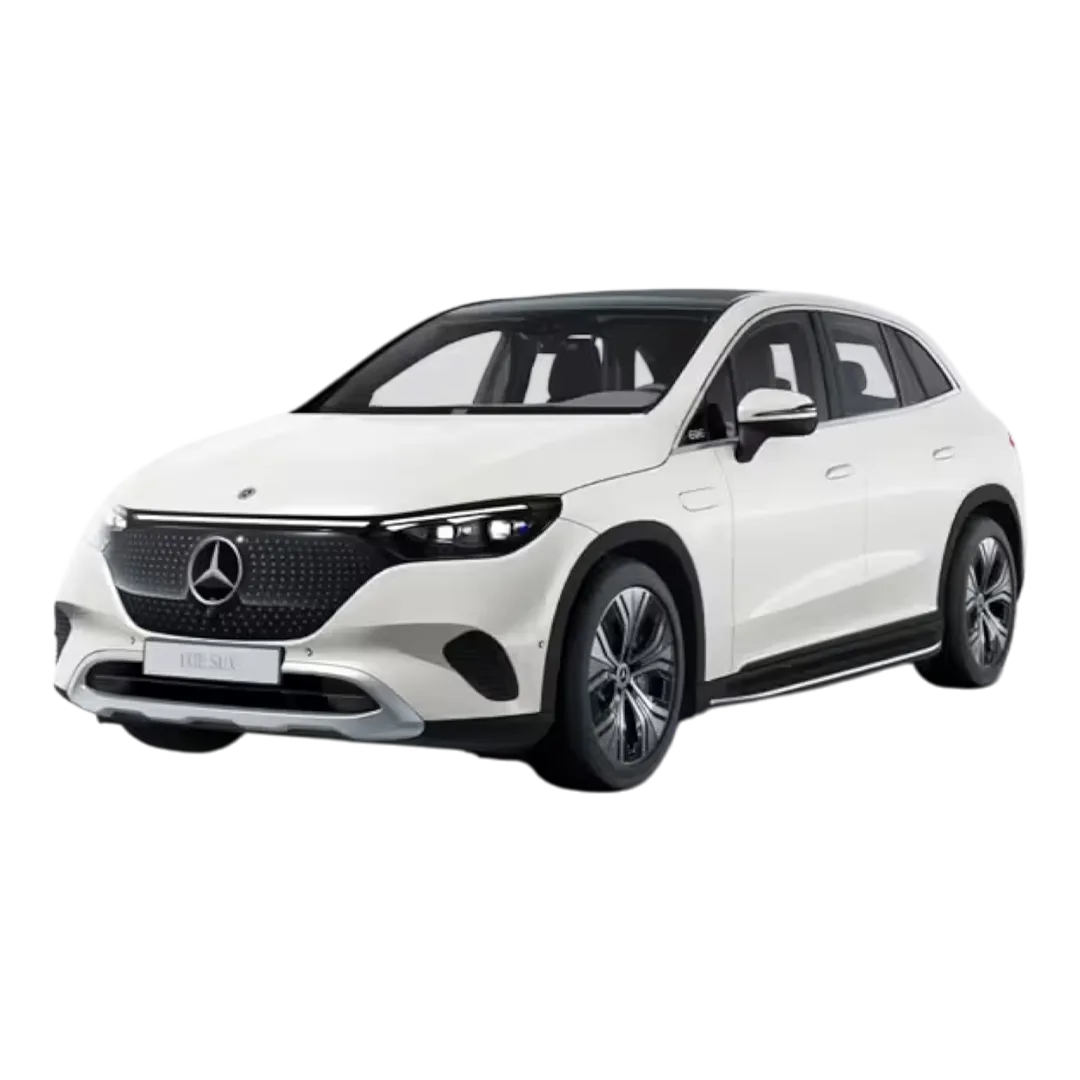 Mercedes Benz EQE-SUV
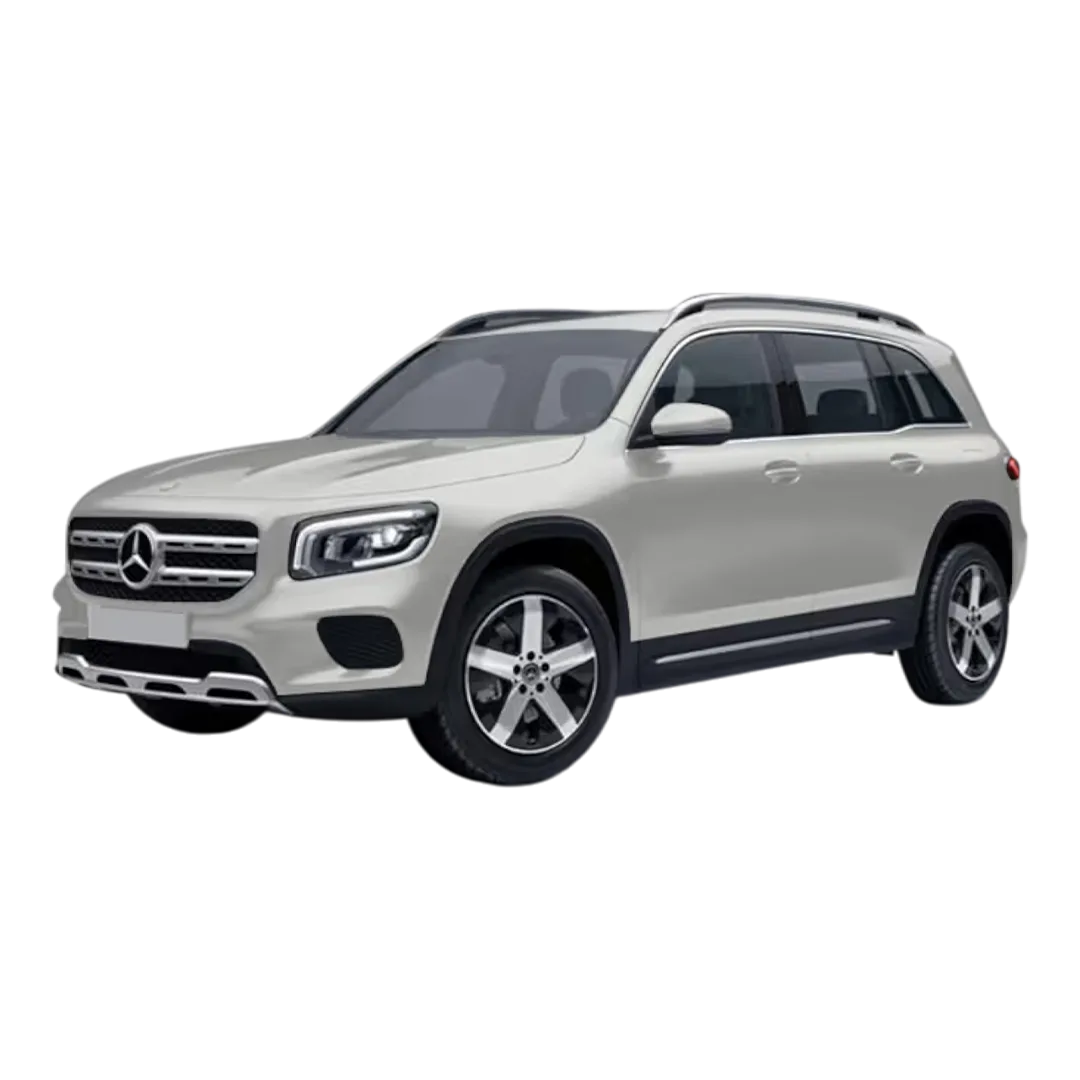 Mercedes Benz GLB
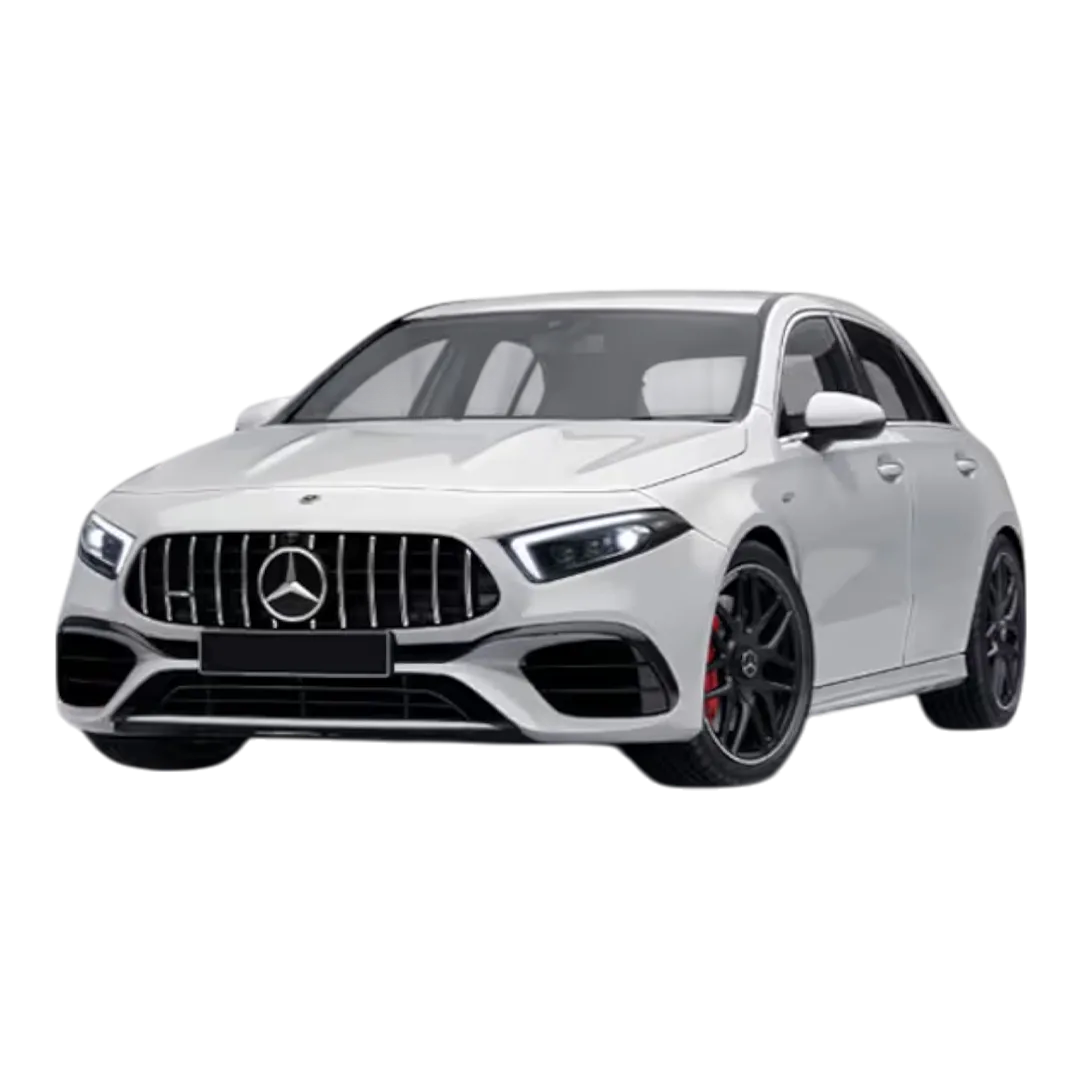 Mercedes Benz AMG A 45 S
 Mercedes Benz AMG GLE S3
 Mercedes Benz EQB
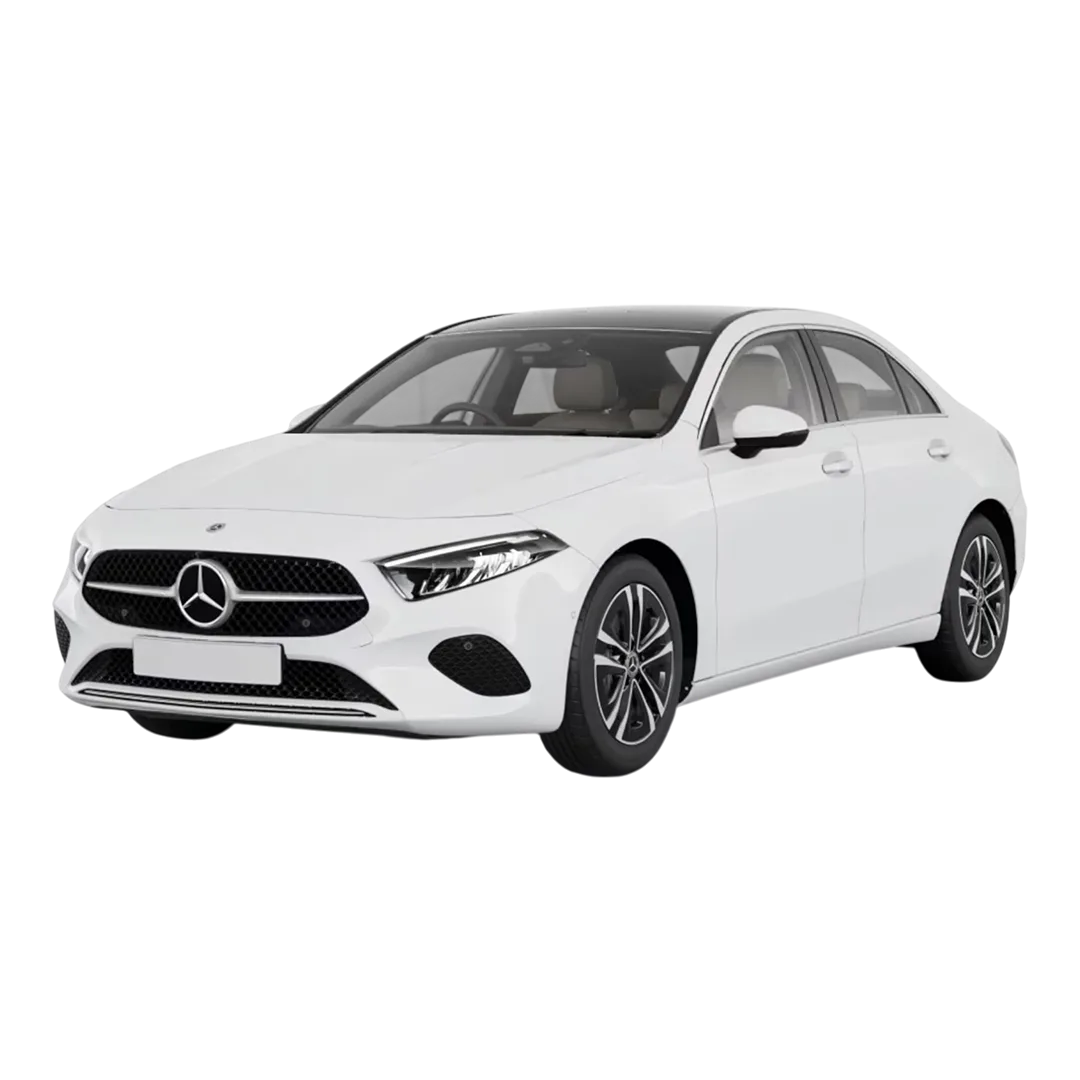 Mercedes Benz A Class limousine
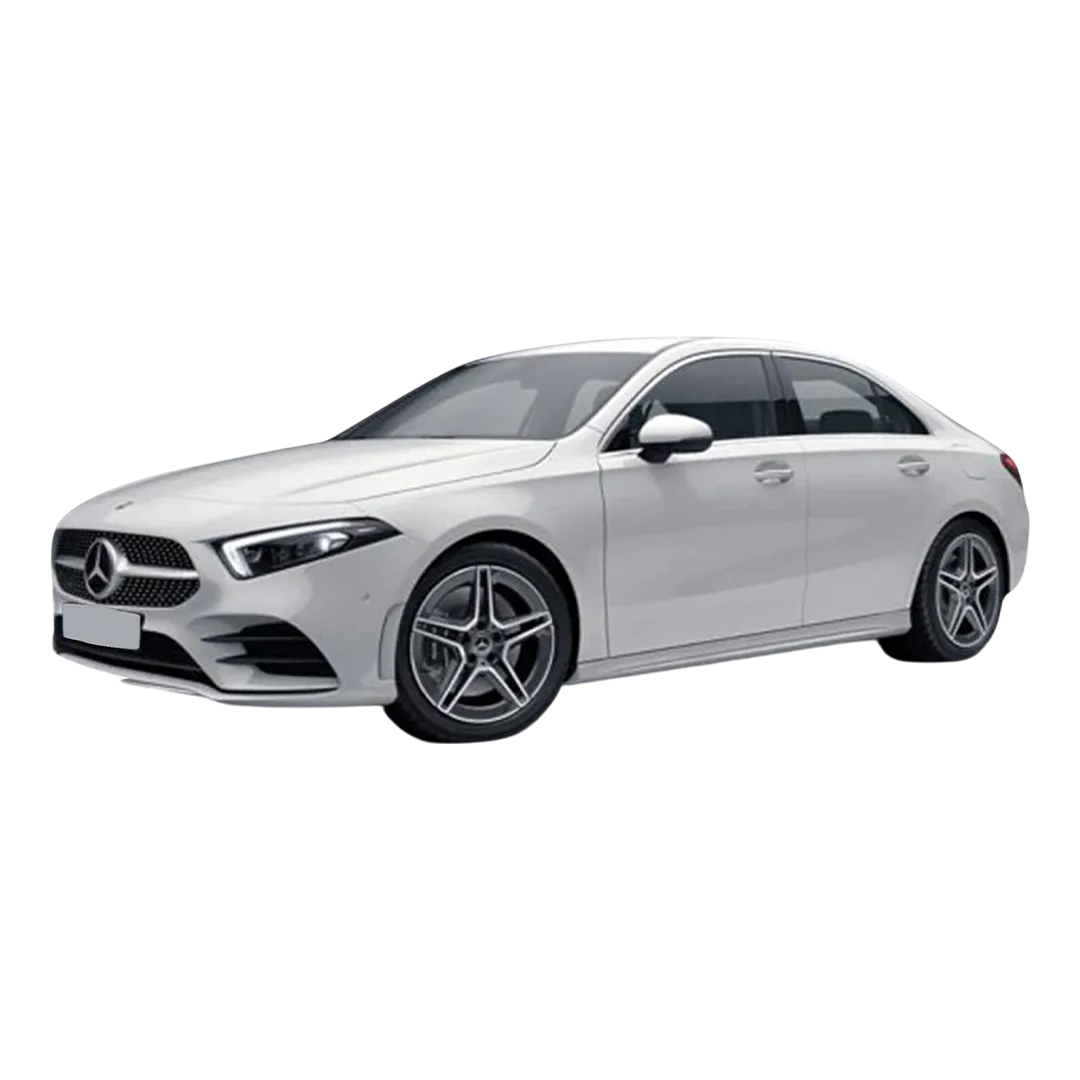 Mercedes Benz AMG A 35
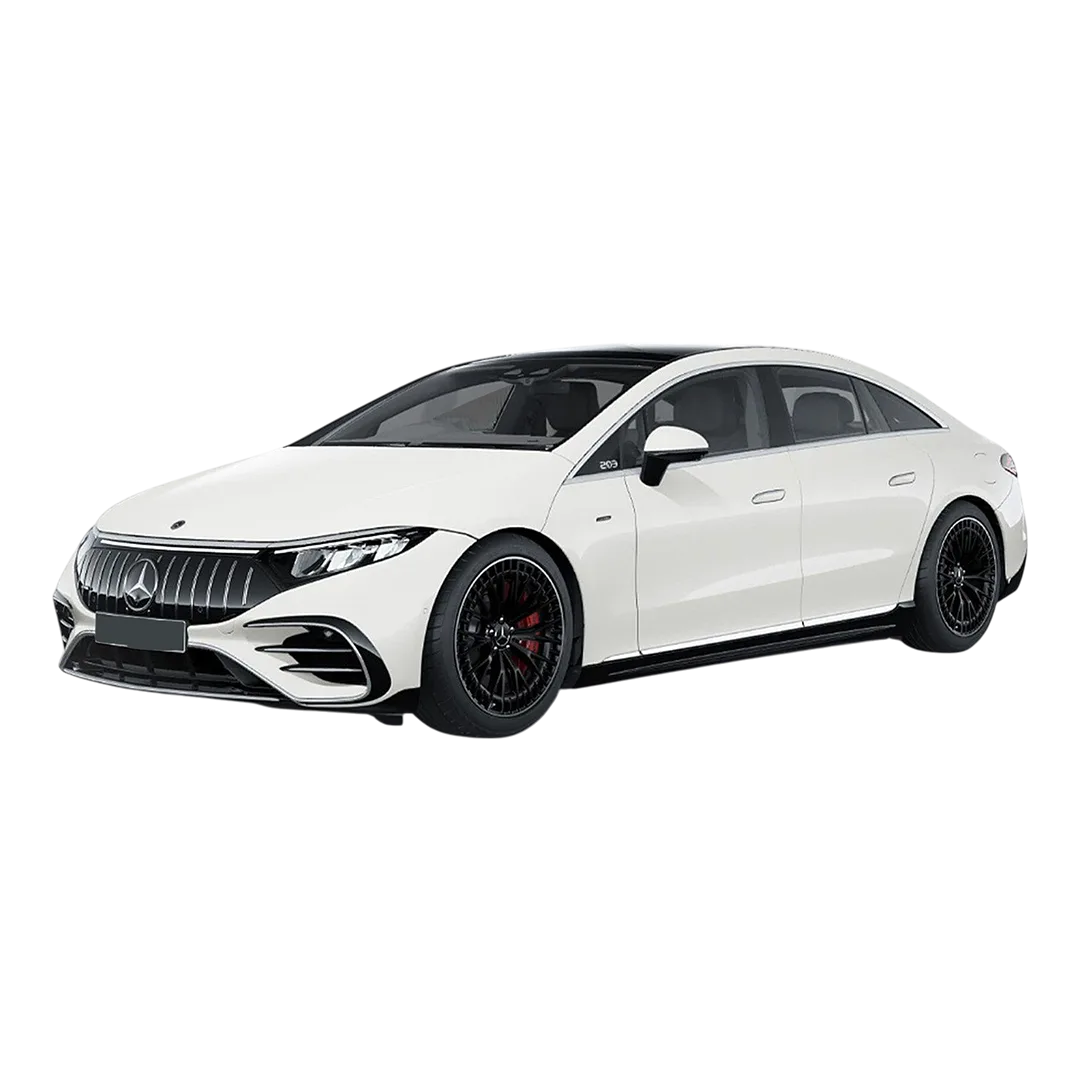 Mercedes-Benz AMG EQS
 Mercedes-Benz AMG E 53 Cabriolet
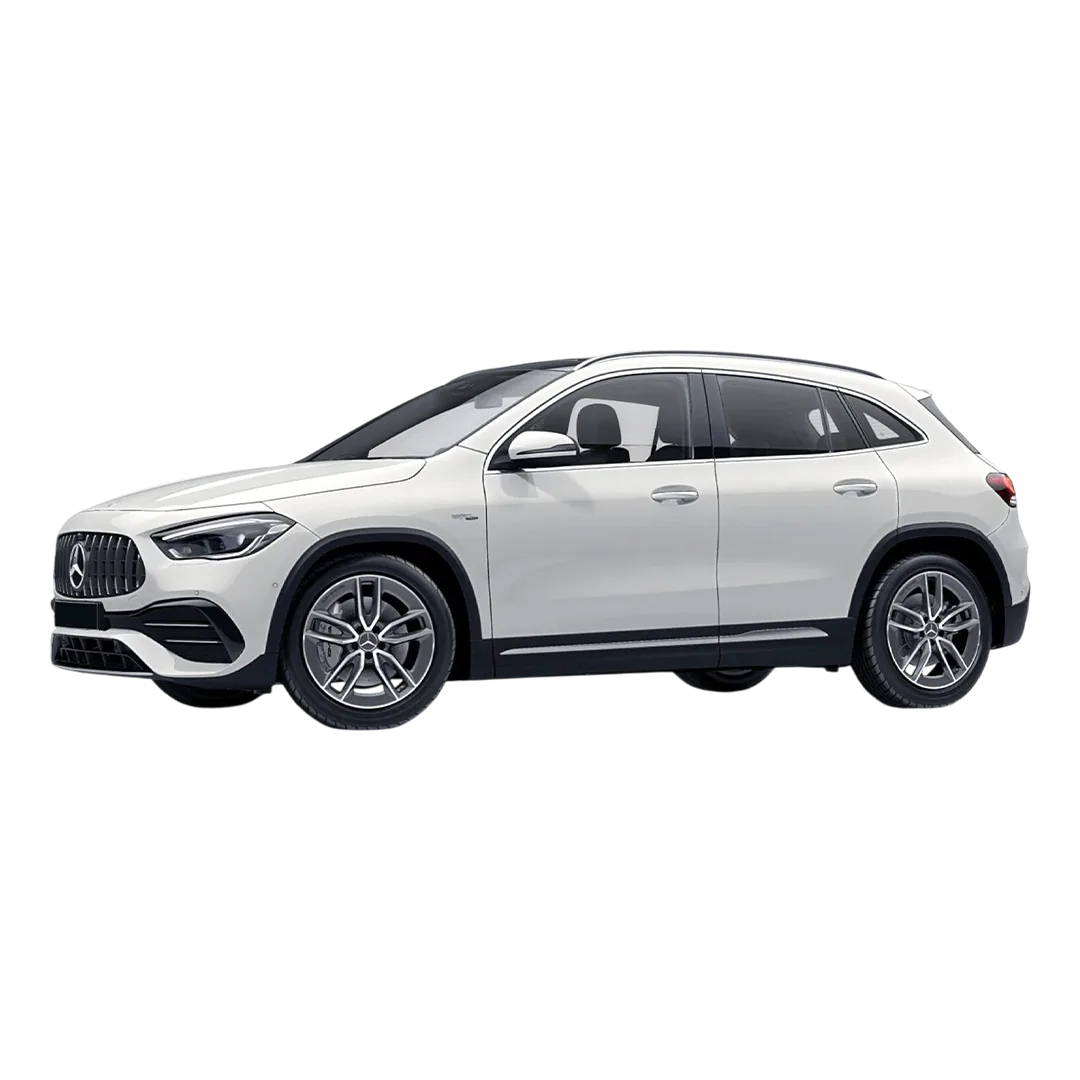 Mercedes-Benz AMG GLA 35
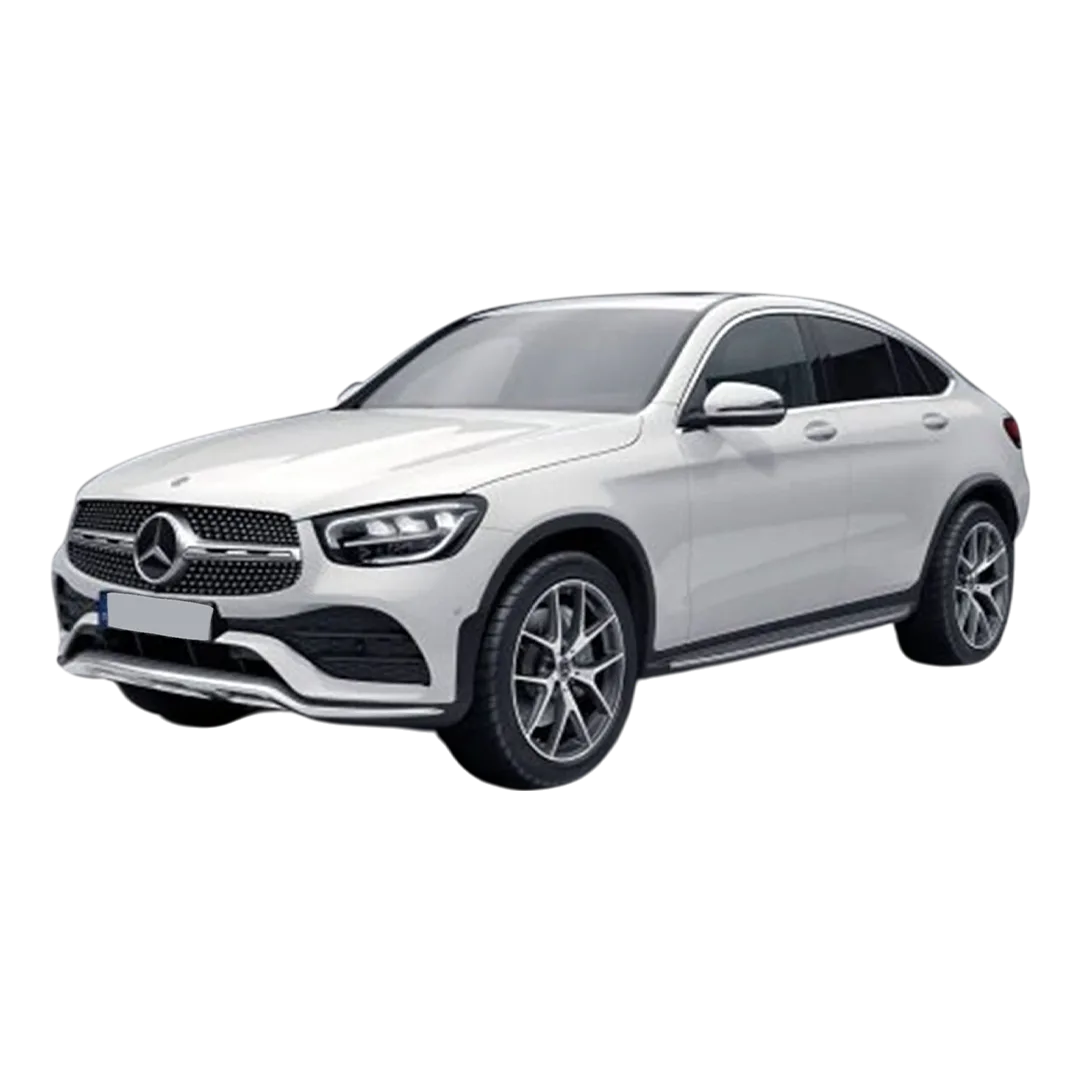 Mercedes-Benz GLC Coupe 2023
 Mercedes M-Class
R-Class
Mercedes M-Class
R-Class
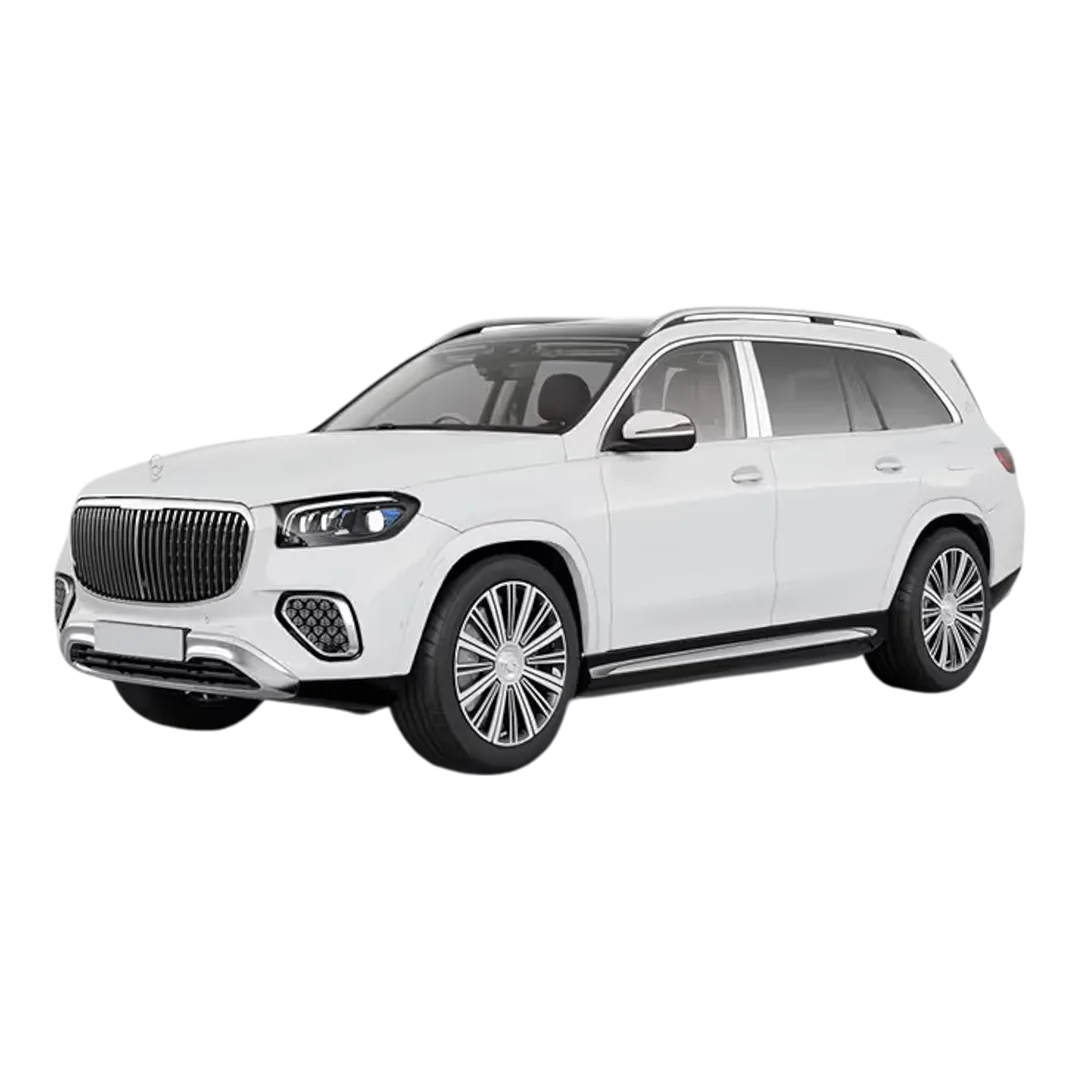 GLS 600
GLS 400
GLS 350
GLE 300
GLS 600
GLS 400
GLS 350
GLE 300
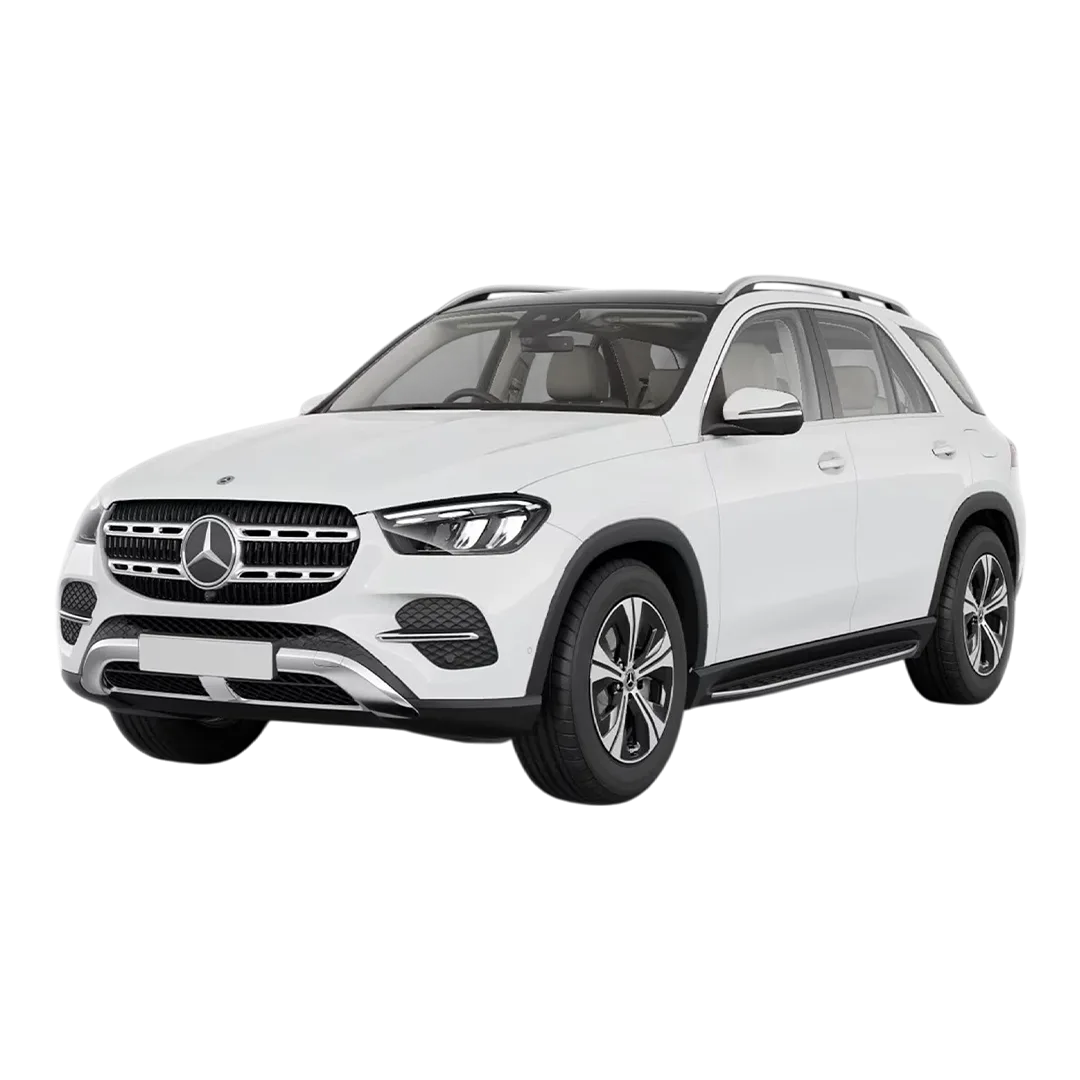 GLE 400
GLE 250D
GLE 400
GLE 250D
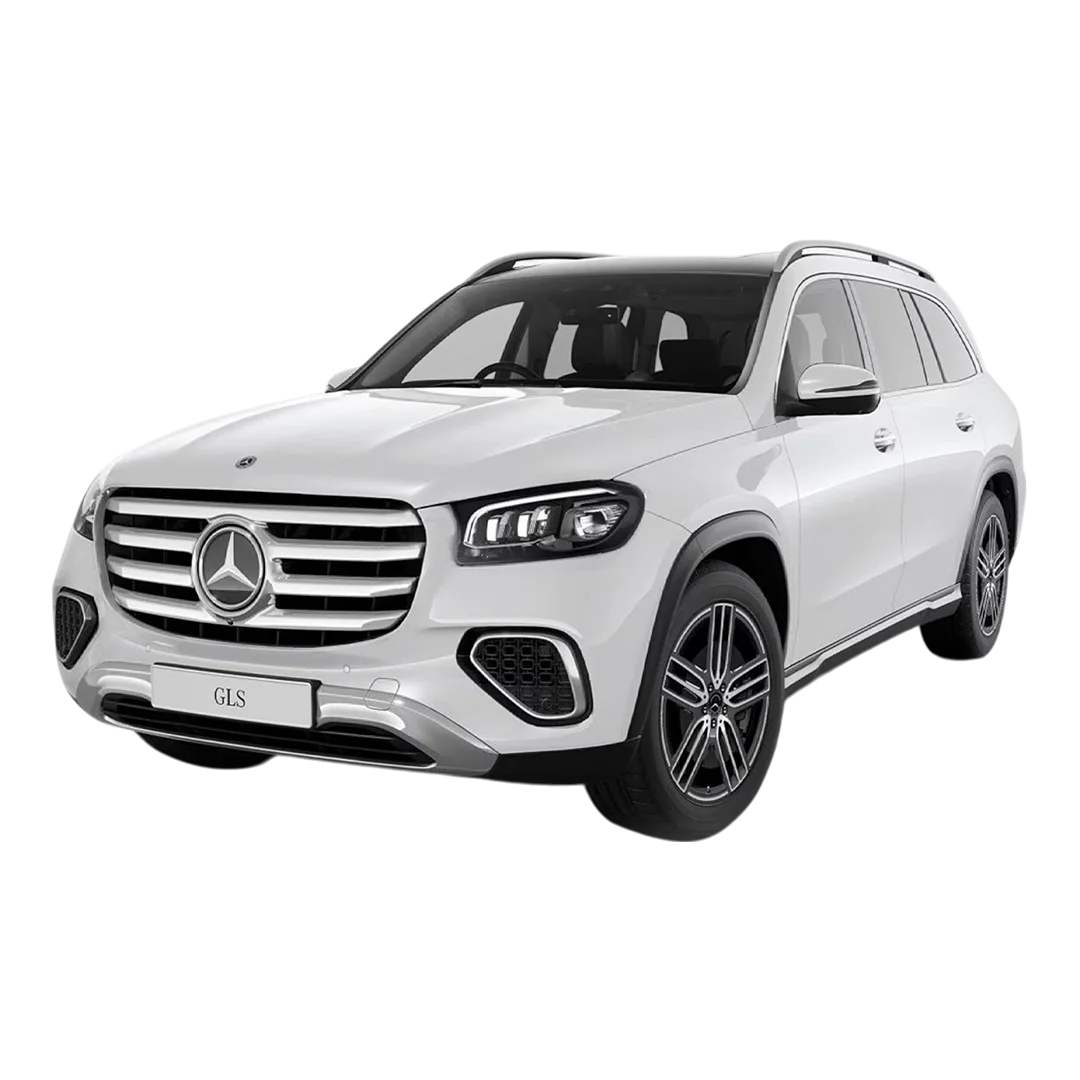 GLC 220D
GLC 300
GLC 220D
GLC 300
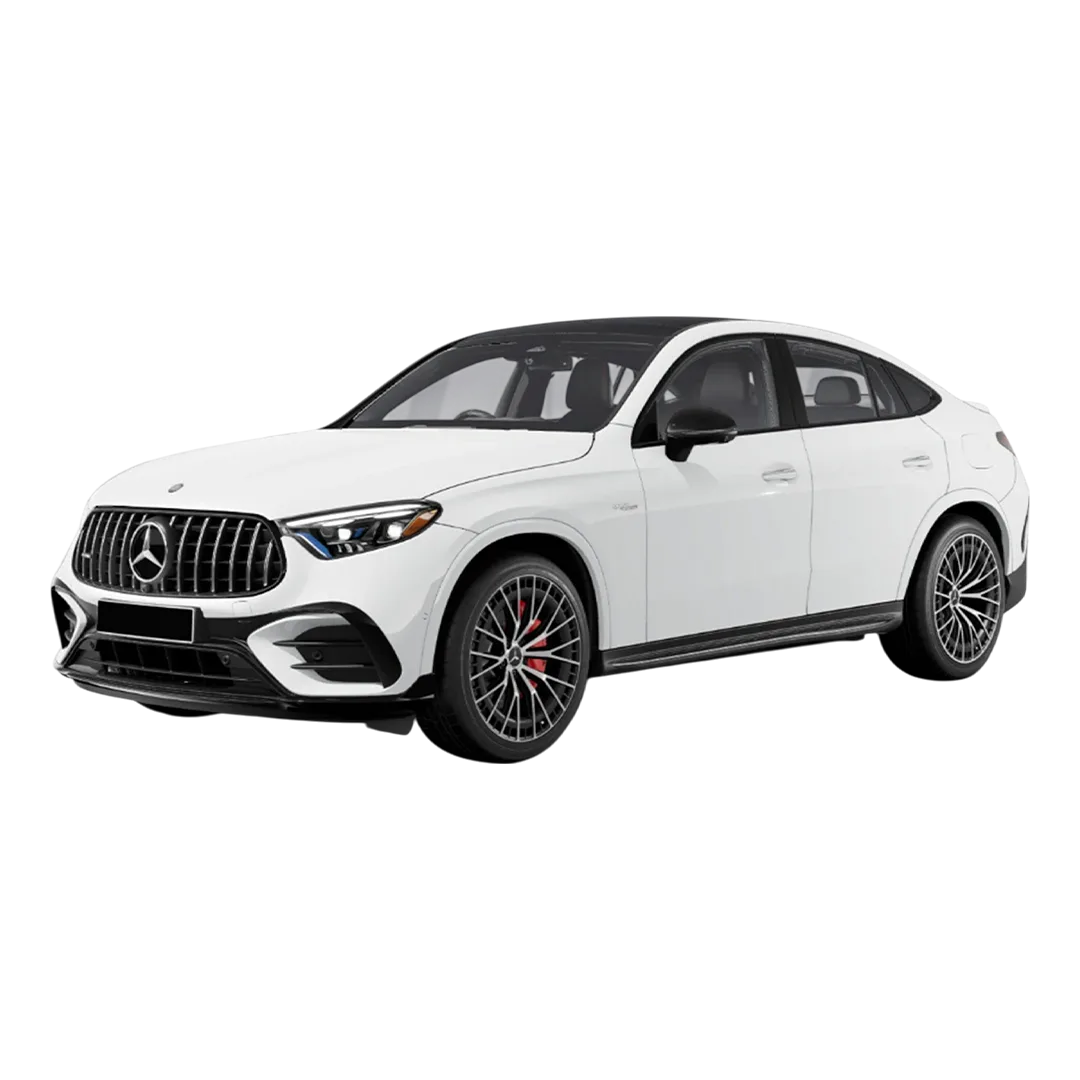 GLC 43 Coupe
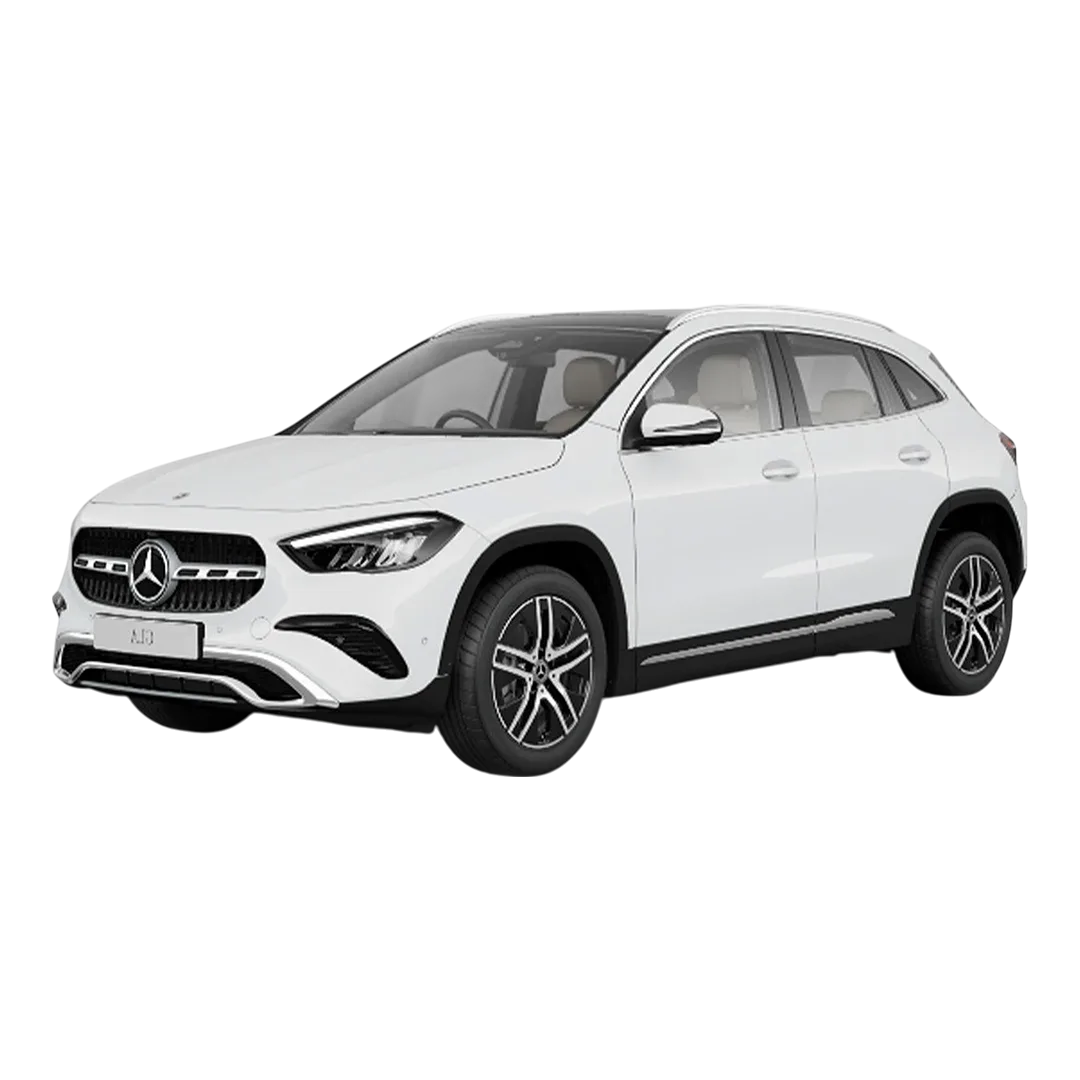 GLA 220d
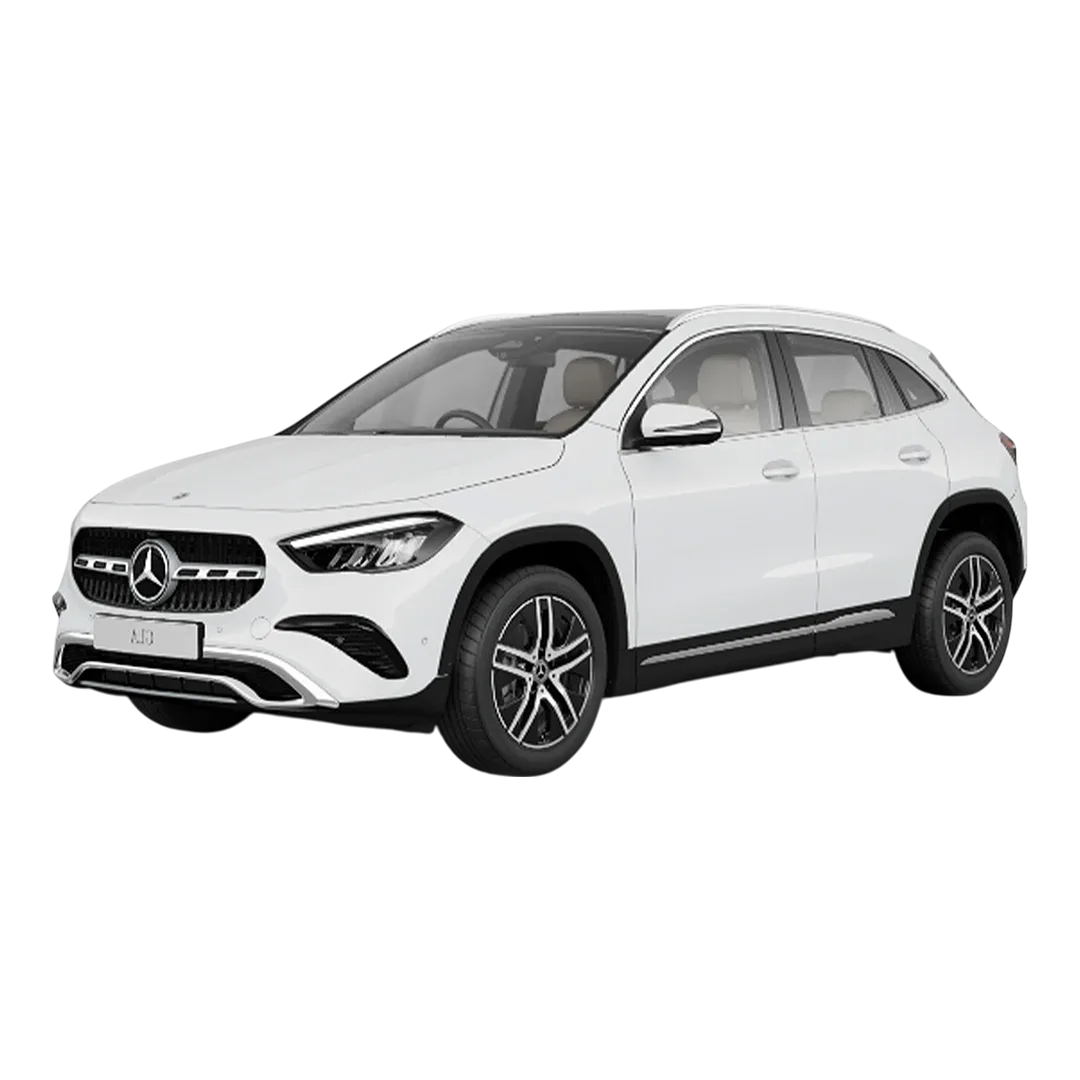 GLA-Class 200D
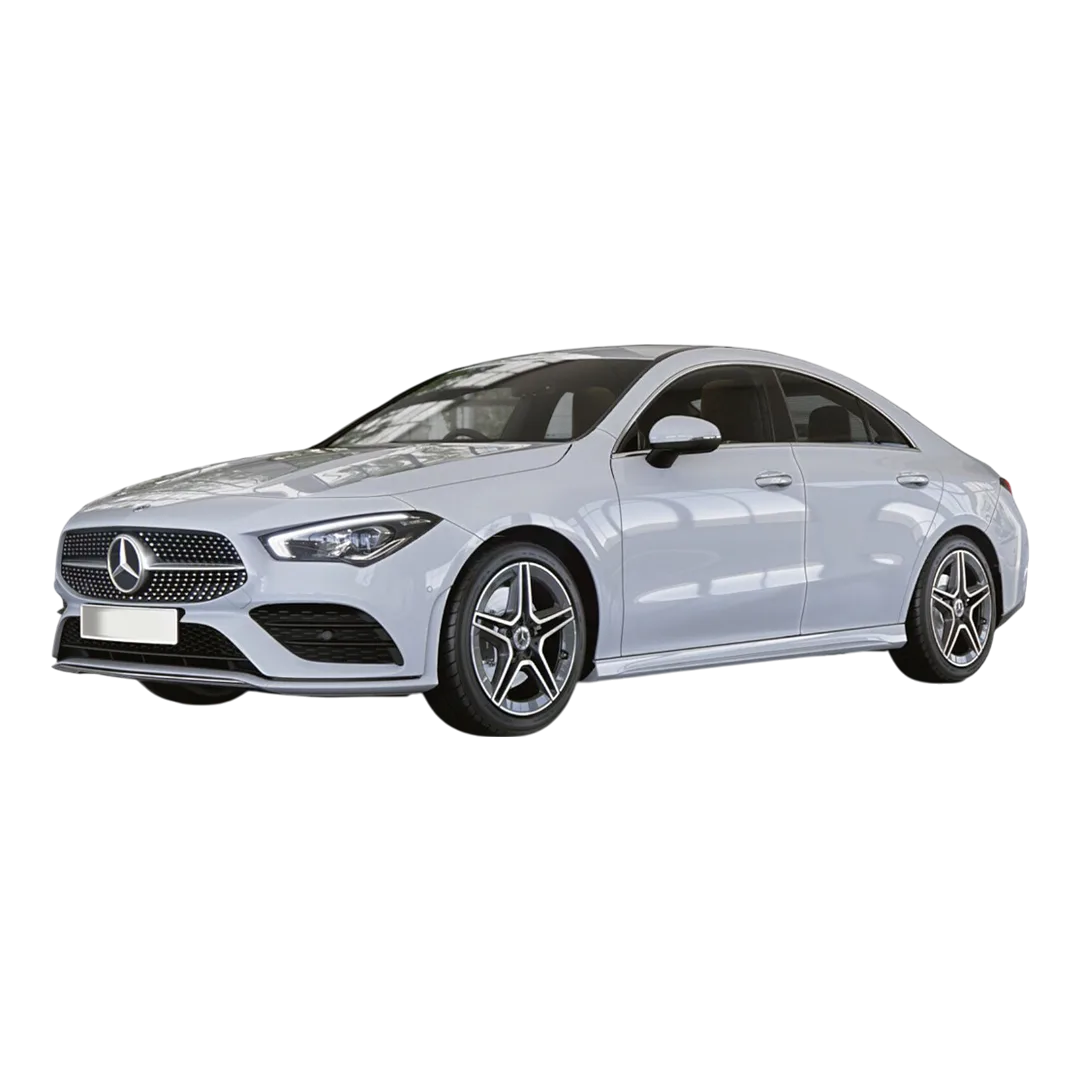 CLA 200
 Benz A-Class A 180
M-Class ML 250
M-Class ML 350
Benz A-Class A 180
M-Class ML 250
M-Class ML 350
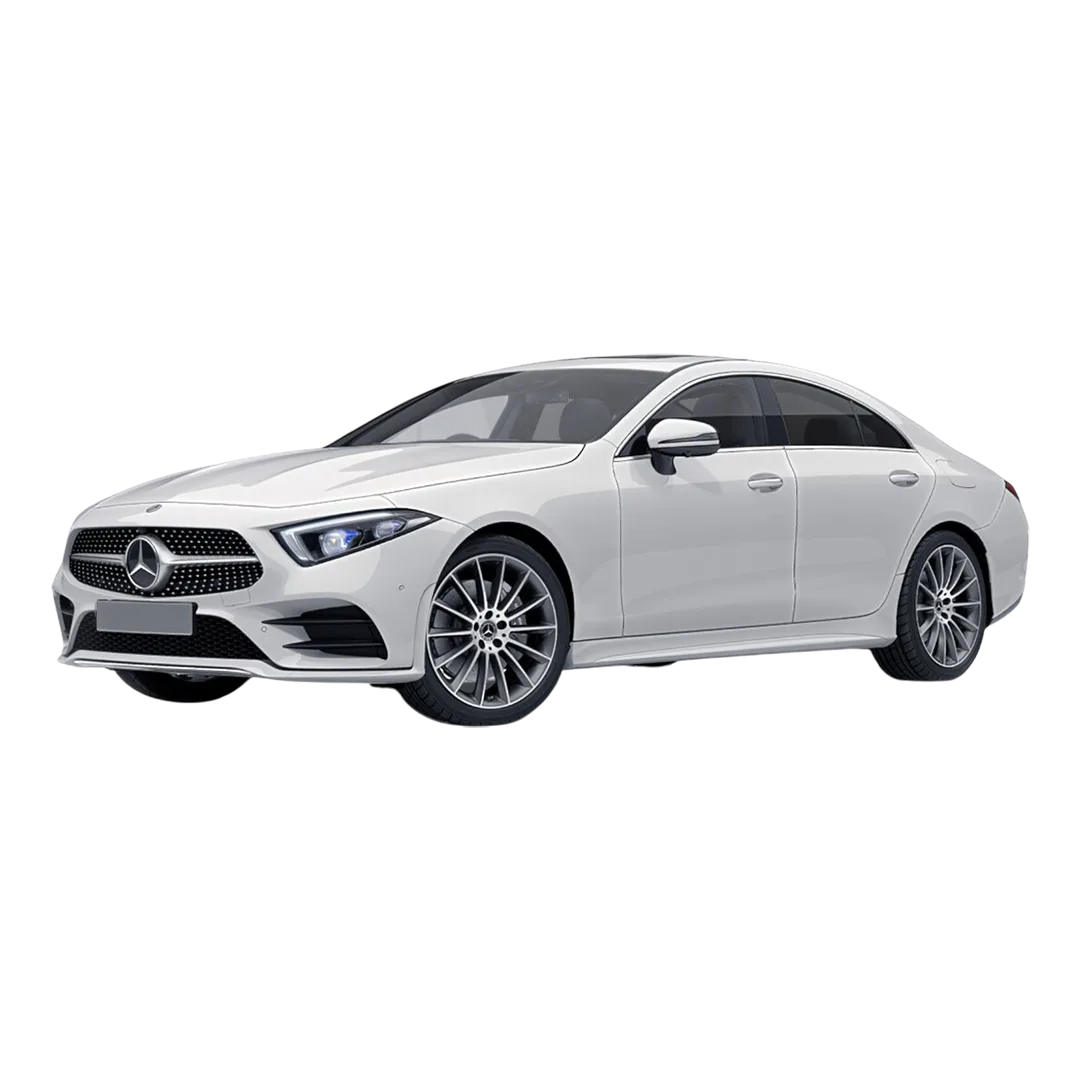 Benz CLS 300
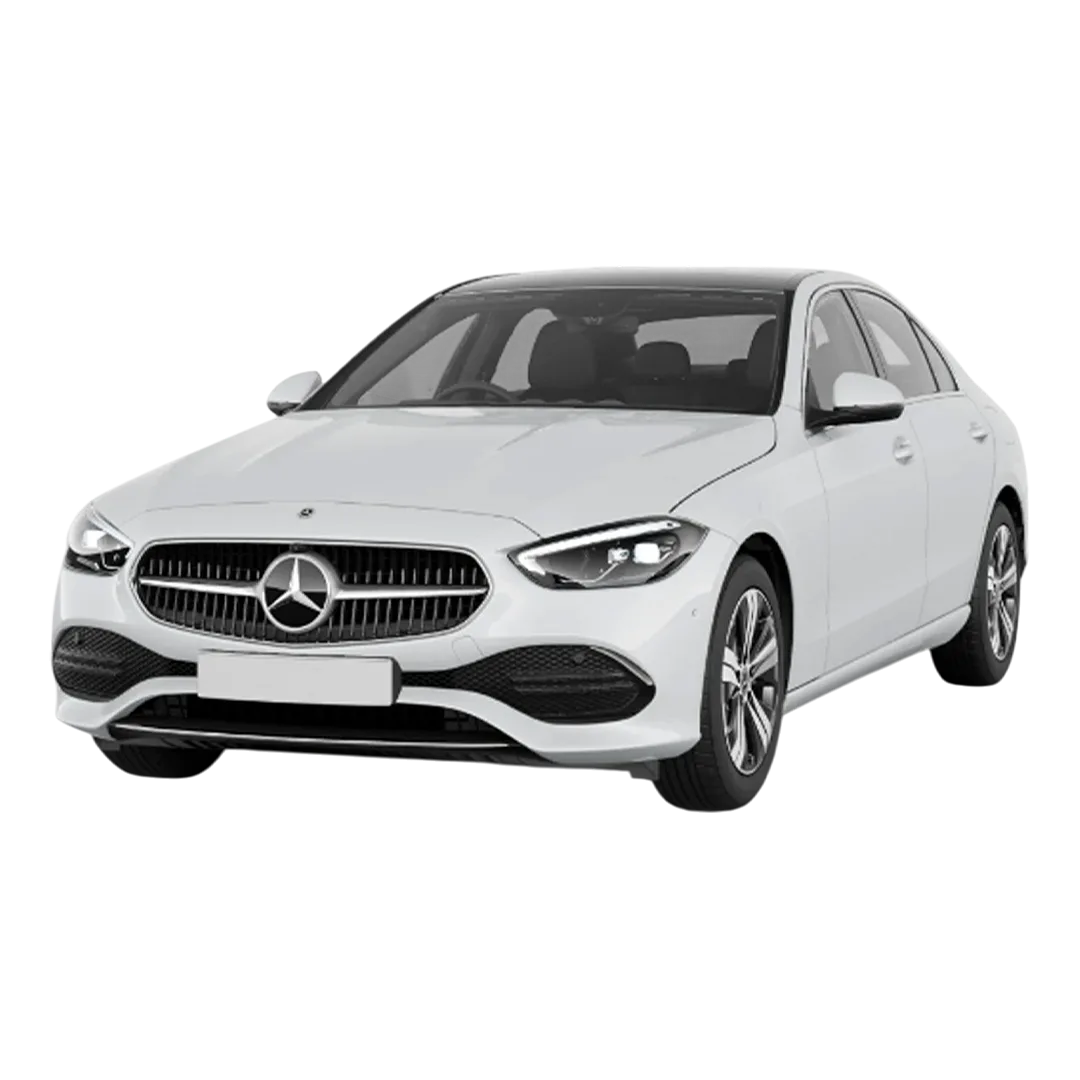 C-Class C250
C-Class C220
C-Class C200
C-Class C250
C-Class C220
C-Class C200
 Benz B - Class
Benz A - 200
Benz B - Class
Benz A - 200
Introduction
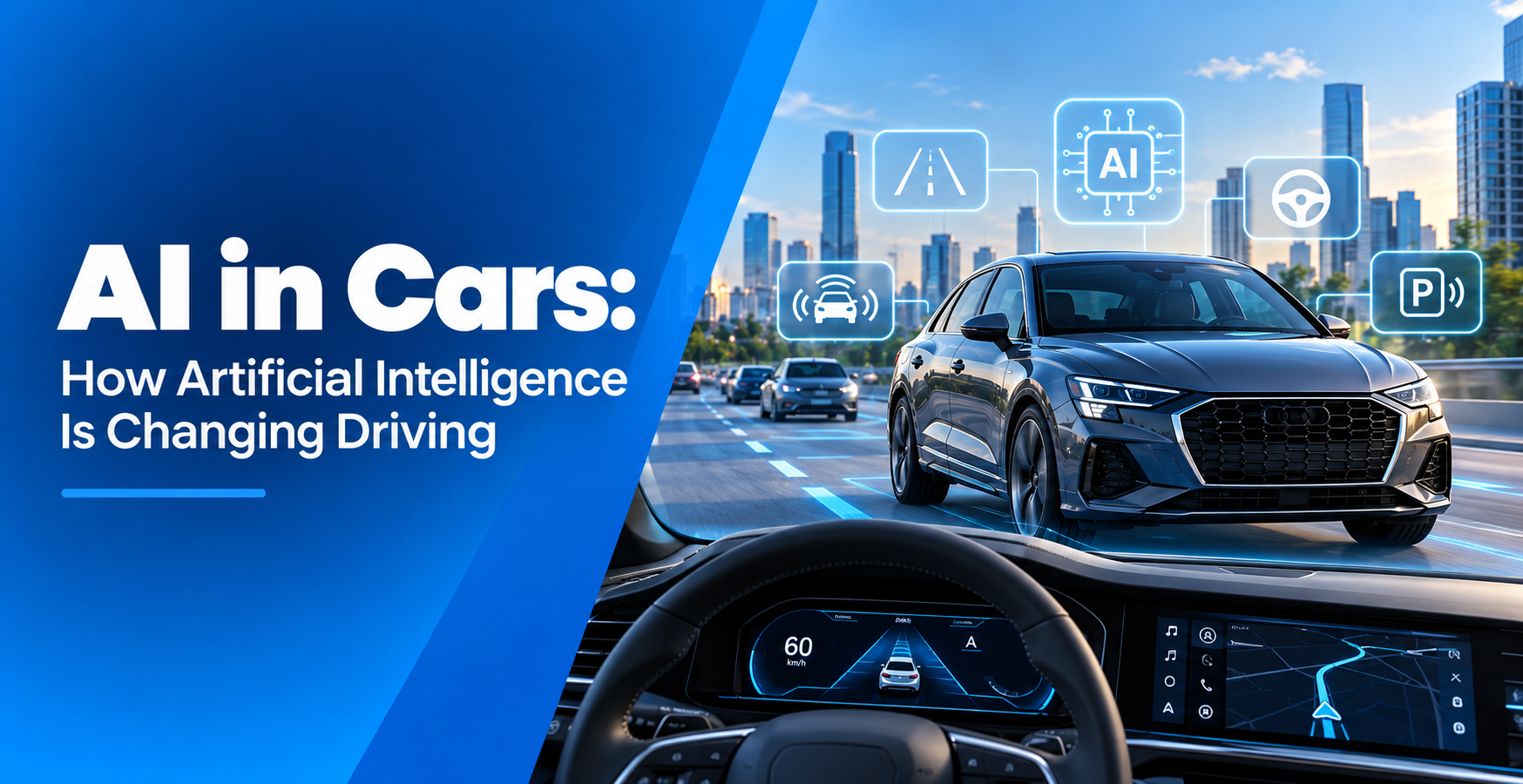
Artificial intelligence is becoming an important part of modern automobiles, changing how drivers interact with vehicles and how cars respond to everyday situations. Features that once seemed futuristic-such as voice-controlled functions, intelligent navigation, driver monitoring and predictive maintenance-are increasingly becoming part of the connected-car experience.
The growth of artificial intelligence in cars is not limited to luxury vehicles. AI-powered features are gradually appearing across different vehicle segments, while smartphones, connected devices and aftermarket accessories are also helping drivers access smarter technology.
For Indian motorists, this development is particularly interesting because driving conditions can vary significantly between cities, highways and rural roads. Traffic congestion, unfamiliar routes, long-distance journeys and changing weather conditions all create situations where technology can make driving more convenient.
The key benefits of AI in automobiles include improved convenience, better information, personalized experiences and earlier identification of potential vehicle problems. However, AI should support the driver rather than replace responsible driving.
In this article, we explore how AI technology in modern cars is changing everyday driving and how smart automotive accessories can complement this evolution.
AI voice assistants are making the interaction between drivers and their vehicles more natural. Instead of manually searching through menus or reaching for a smartphone, drivers can use voice commands for supported functions such as navigation, music, calls and other connected-car features.
The major advantage is convenience. When a driver needs directions, changing a destination through voice can be easier than typing while parked or interacting with a screen. Voice interaction can also make connected features feel more intuitive, particularly when drivers become familiar with the commands supported by their vehicle.
Modern AI assistants can understand natural-language requests better than traditional voice-command systems. This means users may not always need to remember a specific command format.
For Indian drivers, voice control can be particularly useful during busy city journeys, where minimizing unnecessary screen interaction is helpful. However, drivers should still follow safe-driving practices and avoid using features in ways that distract them.
Creckk Tip: Before relying heavily on voice controls, learn which commands your car actually supports. Test them while parked so you can use them more naturally while driving.
Smart navigation in cars goes beyond simply showing a route from one location to another. Modern navigation systems can combine information such as road networks, traffic conditions and route preferences to help drivers plan journeys more effectively.
AI can help navigation systems process large amounts of information and identify routes that may be more suitable for a particular journey. Depending on the system and available data, drivers may receive alternative routes, estimated arrival information, traffic-related updates and other useful guidance.
This can be especially valuable in Indian cities, where traffic conditions can change quickly. A route that looks short on a map may not always be the fastest option during peak hours.
Smart navigation can also become more useful when integrated with connected-car systems. A driver may be able to receive directions through the vehicle's display or voice assistant instead of repeatedly checking a smartphone.
| Traditional Navigation | AI-Enhanced Navigation |
|---|---|
| Mainly focuses on route guidance | Can process multiple information inputs |
| Limited personalization | Can support personalized preferences |
| Basic route selection | May offer alternative route options |
| Less connected | Can integrate with connected-car services |
AI does not make every navigation recommendation perfect. Drivers should remain alert to road signs, closures and actual road conditions.
Driver monitoring is another important application of AI technology in modern cars. These systems can use cameras and software to observe certain driver-related signals and identify situations that may indicate reduced attention or fatigue.
Depending on the vehicle, a driver-monitoring system may observe factors such as eye direction, head position or other signs associated with driver attention. If the system detects a potential concern, it may provide an alert.
The purpose is not to replace the driver. Instead, it is designed to act as an additional layer of assistance. This distinction is important because AI systems have limitations and can make incorrect interpretations in certain circumstances.
For Indian drivers, driver monitoring may be particularly useful during long highway journeys. Fatigue can develop gradually, and a reminder to take a break can be valuable. Privacy is also an important consideration. Buyers should understand what information a vehicle collects, how it is processed and what connected services are involved.
Expert Tip: Treat driver-monitoring alerts as a reminder to reassess your condition-not as proof that you are safe to continue driving. If you feel tired, take a proper break.
One of the more interesting applications of artificial intelligence in cars is personalization. Modern vehicles can increasingly use software and connected systems to remember or adapt to driver preferences.
Depending on the vehicle and its software, personalization may involve settings related to navigation, infotainment, preferred destinations, connected services or other supported functions.
The idea is simple: instead of every driver interacting with the car in exactly the same way, the vehicle can provide a more tailored experience.
For example, a connected system may learn commonly used destinations or preferred settings. Some vehicles can also support individual driver profiles, allowing different users to access their preferred configurations.
This is part of the wider movement toward smart car technology, where software is becoming as important to the user experience as mechanical components.However, personalization should be balanced with privacy. Vehicle owners should check account permissions, connected-service settings and the type of data being collected.
For aftermarket users, personalization can also mean choosing accessories based on individual driving habits. A frequent highway driver may prioritize a dashcam or emergency equipment, while a city driver may focus more on cabin comfort and organization.
Traditional car maintenance often follows a scheduled approach. Owners check service intervals, replace components according to manufacturer recommendations and respond when warning signs appear.
Predictive maintenance introduces another approach. Connected vehicles can collect information from sensors and onboard systems, while software can analyze patterns that may indicate a potential issue.
The concept behind predictive maintenance is to identify possible problems earlier, giving the owner an opportunity to inspect or service the vehicle before a small issue becomes a larger inconvenience.
For example, vehicle systems can monitor operating conditions and generate alerts when certain parameters move outside expected ranges. The exact capabilities vary considerably between manufacturers and vehicle models.
For Indian car owners, this can be useful because preventive attention can reduce unexpected disruptions during daily commuting or long-distance travel. Nevertheless, AI-based alerts should not replace scheduled servicing or professional inspection.
A sensible maintenance strategy combines the manufacturer's service recommendations, dashboard warnings, physical inspection and professional advice.
Creckk Tip: Keep a simple record of servicing, tyre changes, fluid checks and major repairs. Technology can provide useful alerts, but a consistent maintenance history remains valuable when diagnosing vehicle problems.
As vehicles become more connected, the accessories used inside and around them are also evolving. CRECKK can fit into this broader movement by focusing on practical accessories that complement the modern driving experience.
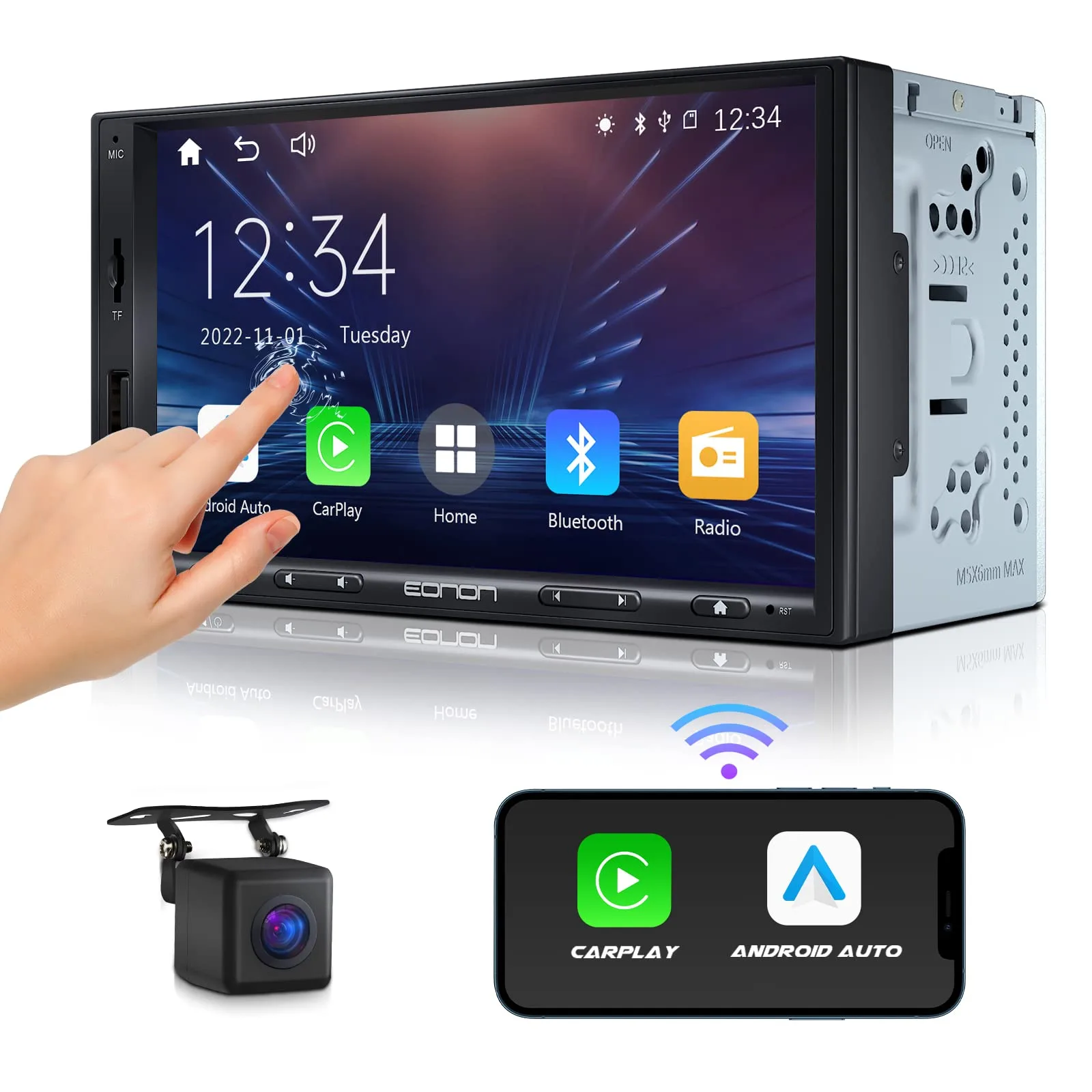
Smart automotive accessories can add convenience without requiring the owner to replace the entire vehicle. Depending on the product, accessories may help with organization, comfort, cleaning, visibility or everyday vehicle care.
For example, accessories such as car vacuum cleaners can support easier interior cleaning, while quality floor mats can help protect the cabin. Sunshades can be useful when parking in strong sunlight, and other connected accessories can add additional functionality depending on compatibility.
The important consideration is choosing accessories that genuinely solve a problem rather than buying technology simply because it appears advanced.
As smart car technology develops, compatibility will also become increasingly important. Buyers should check vehicle compatibility, installation requirements, power requirements and product quality before purchasing an accessory.
For CRECKK, the opportunity is to connect useful automotive accessories with the changing needs of today's drivers-making vehicles more comfortable, practical and technology-friendly.
Artificial intelligence in cars refers to software systems that can process information, recognize patterns and support functions such as navigation, voice interaction, driver monitoring, personalization and vehicle diagnostics.
The potential benefits include greater convenience, more personalized vehicle experiences, improved navigation assistance, driver alerts and earlier identification of some vehicle-related issues.
Smart navigation can use digital maps, traffic information, location data and other available inputs to help calculate or adjust routes. The exact capabilities depend on the vehicle and navigation system.
AI-based safety systems can provide assistance or warnings, but they cannot guarantee accident prevention. Drivers remain responsible for paying attention, following traffic laws and controlling the vehicle safely.
No. AI-related functions are appearing across different vehicle segments, although the specific features and sophistication vary between models and manufacturers.
Yes. Some aftermarket accessories use connectivity, sensors, apps or other technology. Compatibility and installation requirements should be checked before purchase.
Current AI-assisted driving technologies are designed to perform specific functions or provide assistance. Drivers should understand the limitations of their vehicle's technology and remain responsible for safe operation.
AI is changing the automobile from a machine focused primarily on transportation into a more connected and software-driven platform. AI voice assistants, smart navigation in cars, driver monitoring, personalization and predictive maintenance are examples of how technology can influence everyday driving.
For Indian motorists, the value of these technologies depends on practical use. A useful AI feature should make driving more convenient, provide meaningful assistance or help owners manage their vehicles more effectively.
At the same time, technology has limitations. Drivers should not rely blindly on automated recommendations or alerts. Safe driving habits, regular servicing and responsible use of technology remain essential.
As AI technology in modern cars continues to develop, smart accessories will also have an opportunity to complement this changing automotive ecosystem. Brands such as CRECKK can play a role by focusing on practical products that address real needs of today's car owners.
The future of automobiles will not be defined by AI alone. It will be shaped by the combination of intelligent software, reliable hardware, useful accessories and responsible drivers.