Your cart is empty
Start Shopping Exterior
›
Exterior
›
 Bumper Diffuser/Guard
 Body Covers
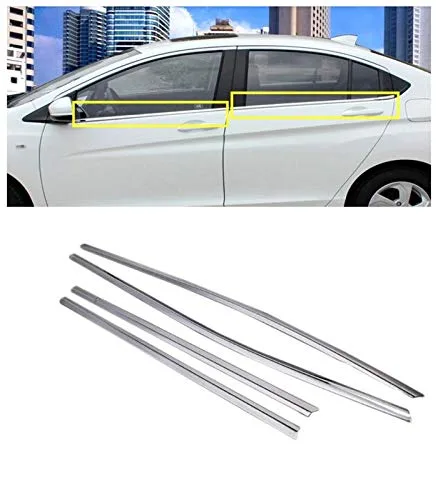 Window Garnishing
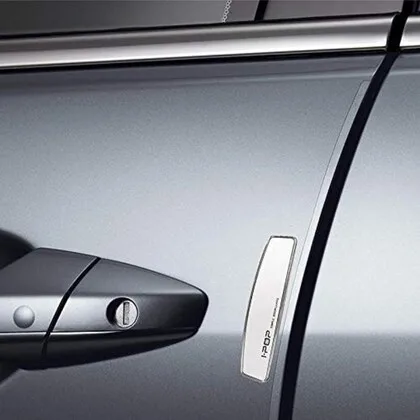 Door Guards
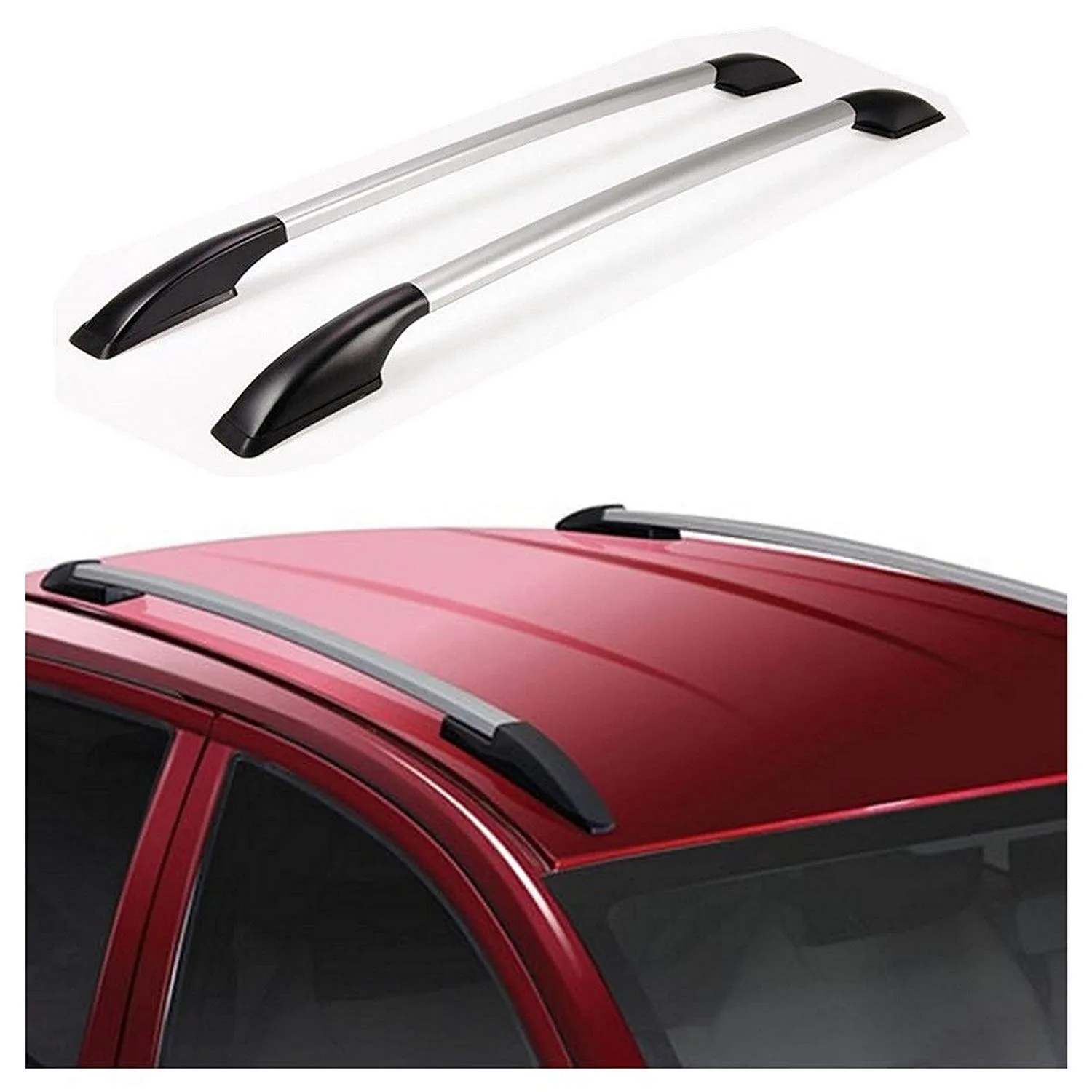 Roof Rails
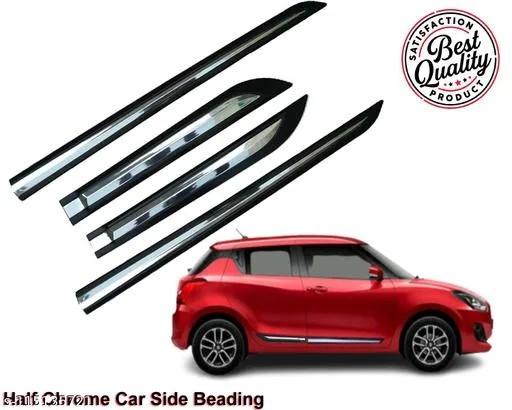 Side Beading
 Door Visor
 Mud Flap
 Wheel Cover
 Foot Rest
 Interior
›
Interior
›
 Door Scuff Sill Plates
 Window Sunshades & Film
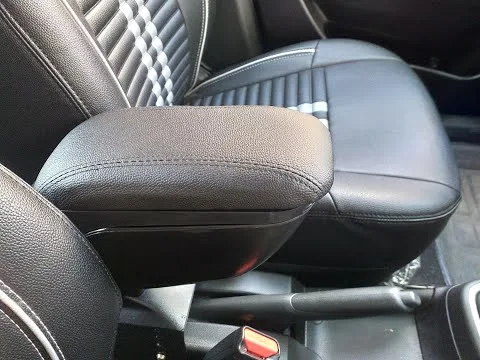 Armrest
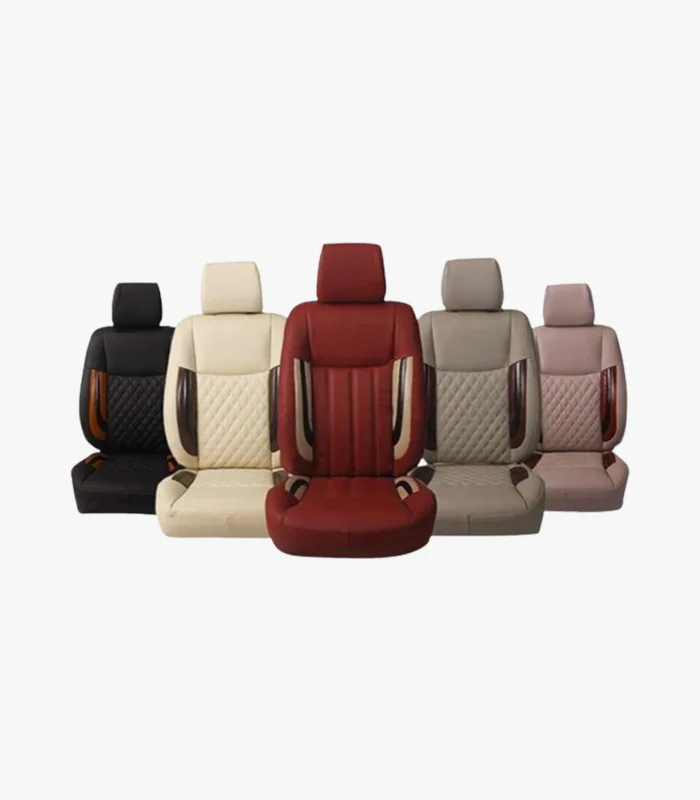 Seat Covers
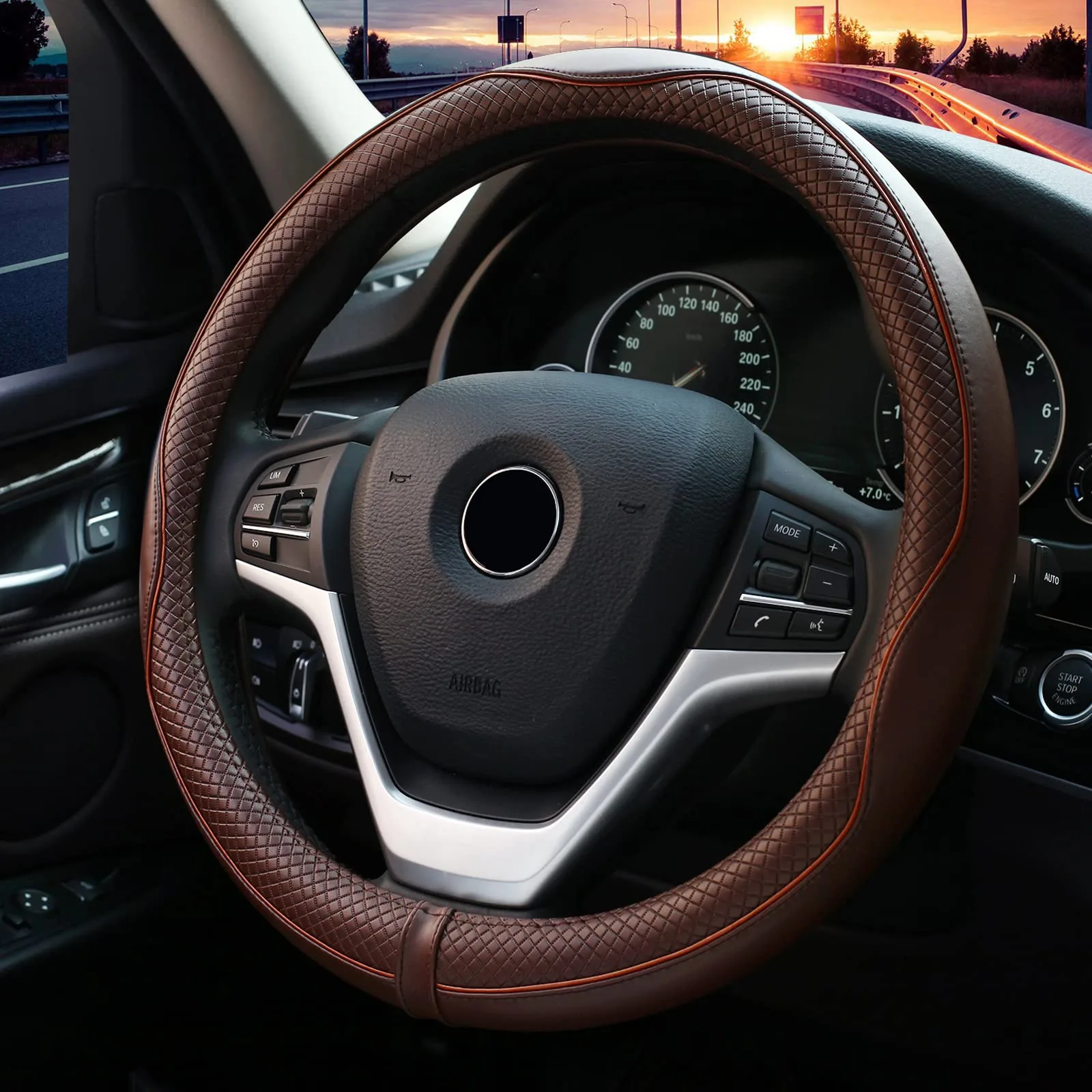 Steering Cover
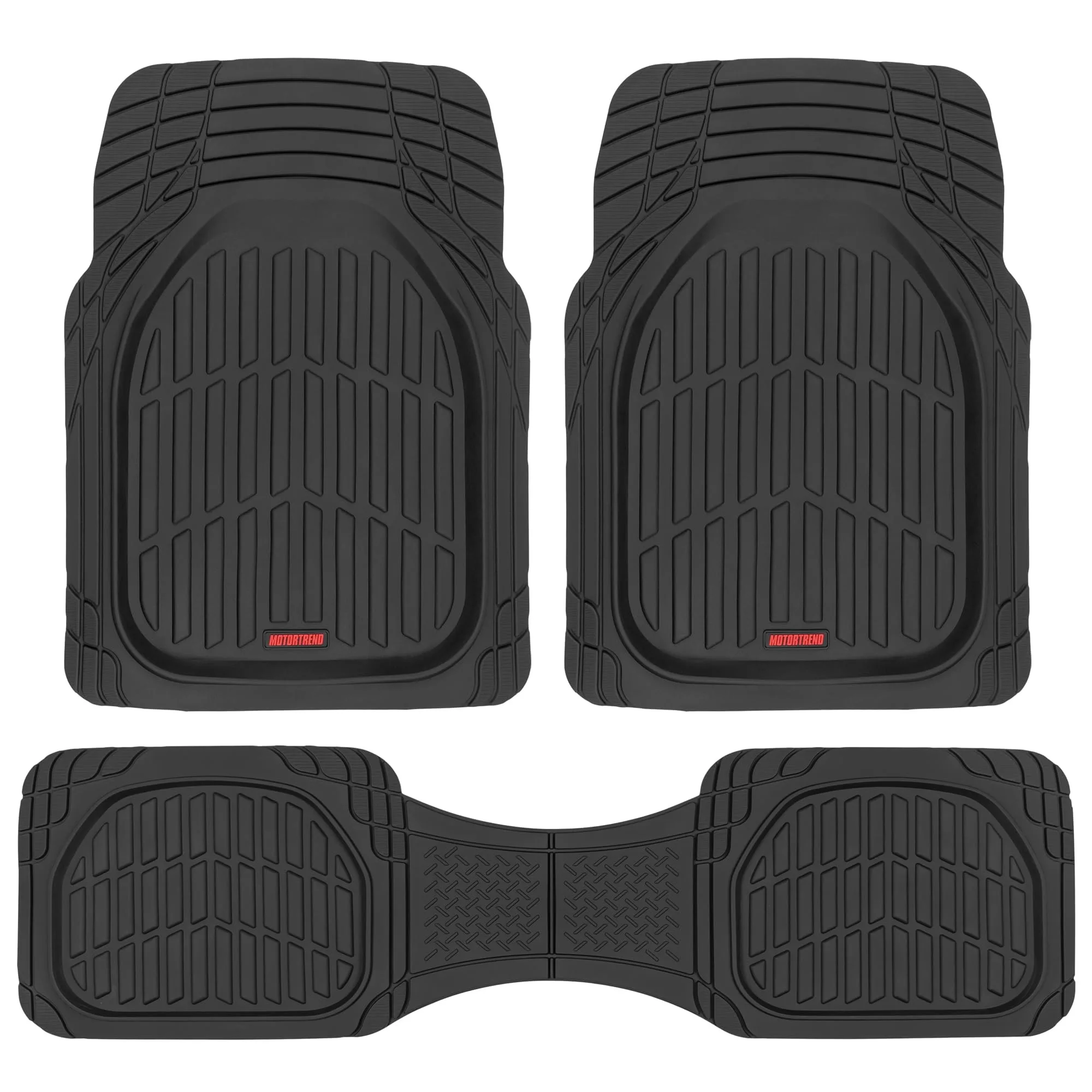 Floor Mats
 Dashboard Showpiece
 Seat & Neck Cushion
 Lighting
›
Lighting
›
 Utility
›
Utility
›
 All Chrome Items
 Mobile Holder
 Tyre Inflators
 Vacuum Cleaner
 Jumper Cable
 Cleaning Kit
 Tyre Puncture Kit
 Tyre Valve Cap
 Car Fan
 Parcel Tray
 Electronic
›
Electronic
›
 Parts
›
Parts
›
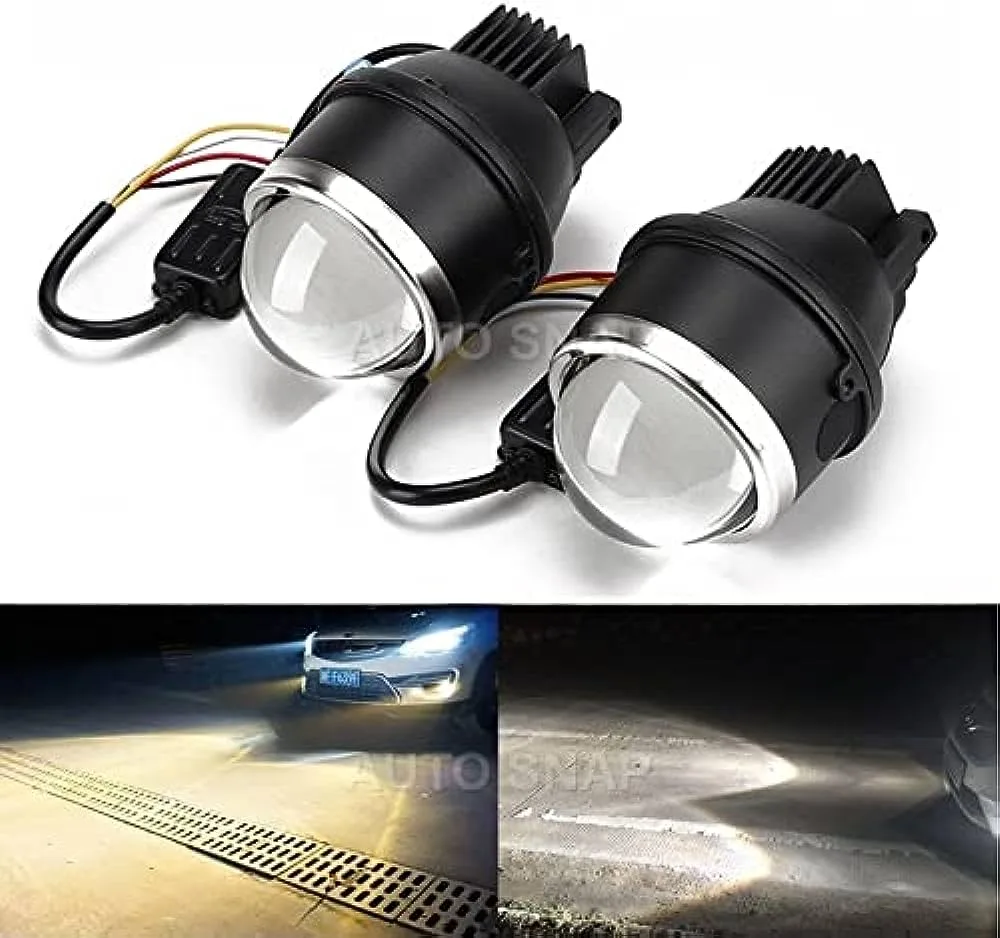 Fog Lights
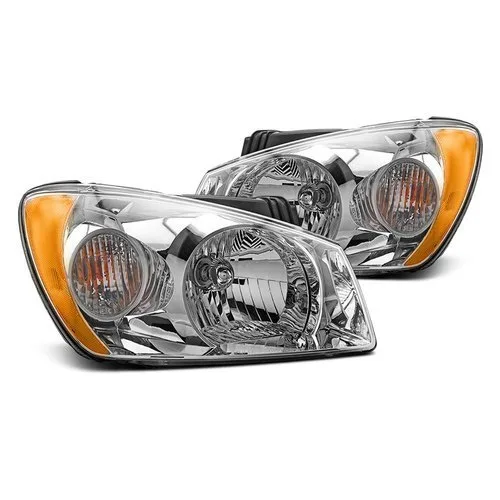 Headlights
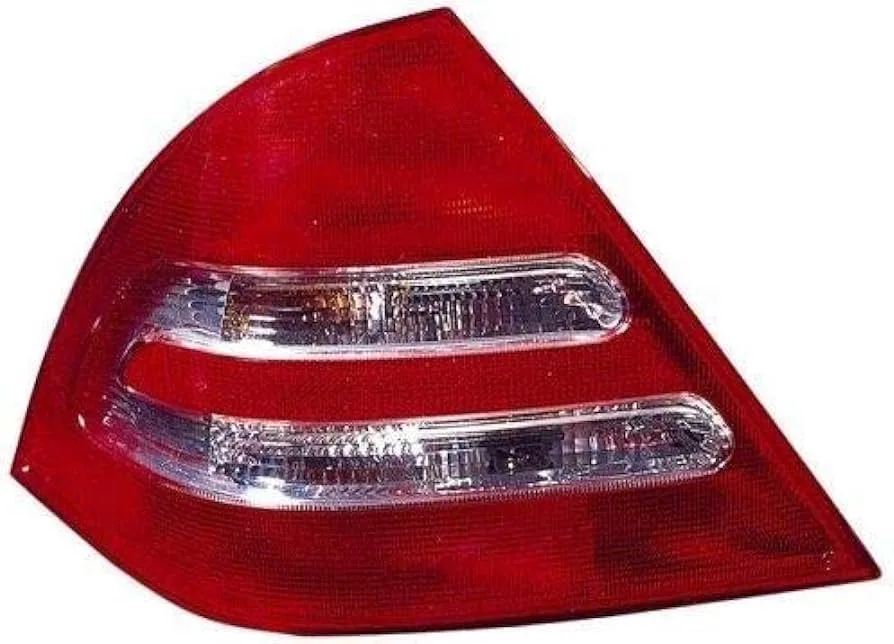 Tail Lights
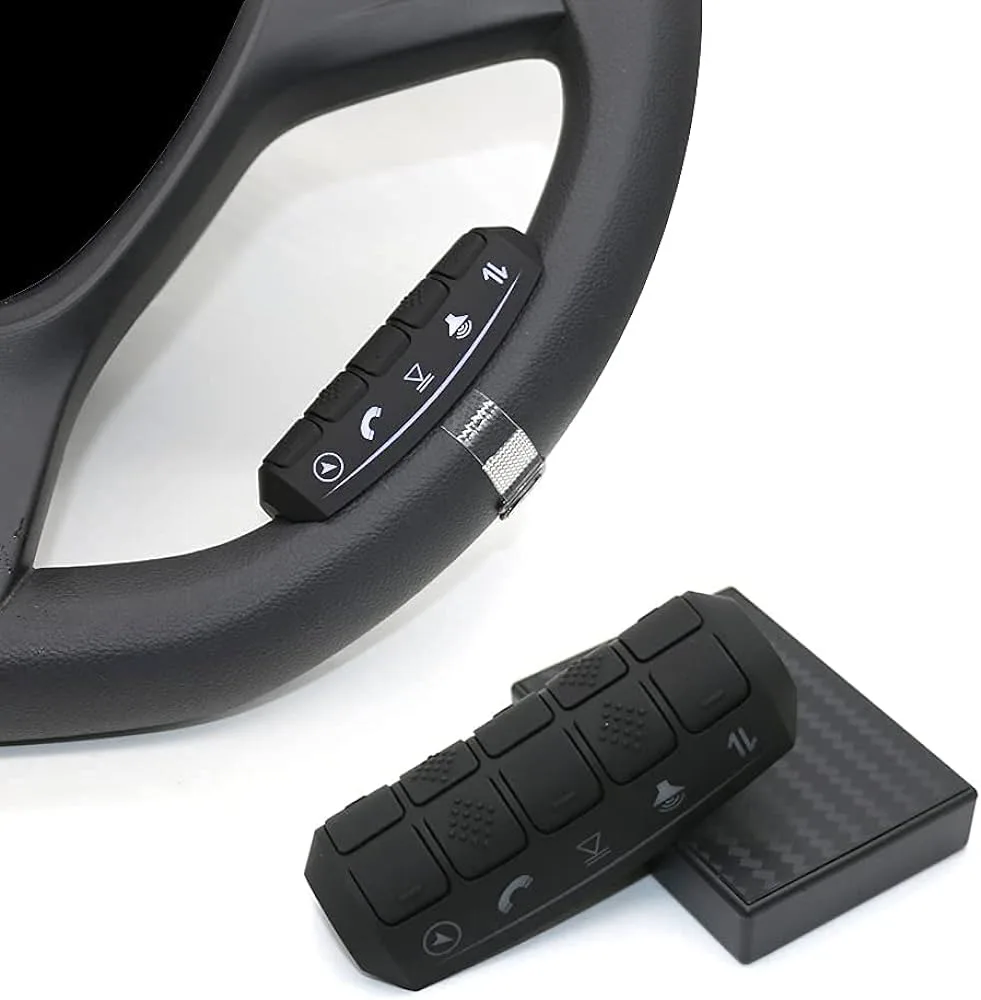 Steering Wheel Controls
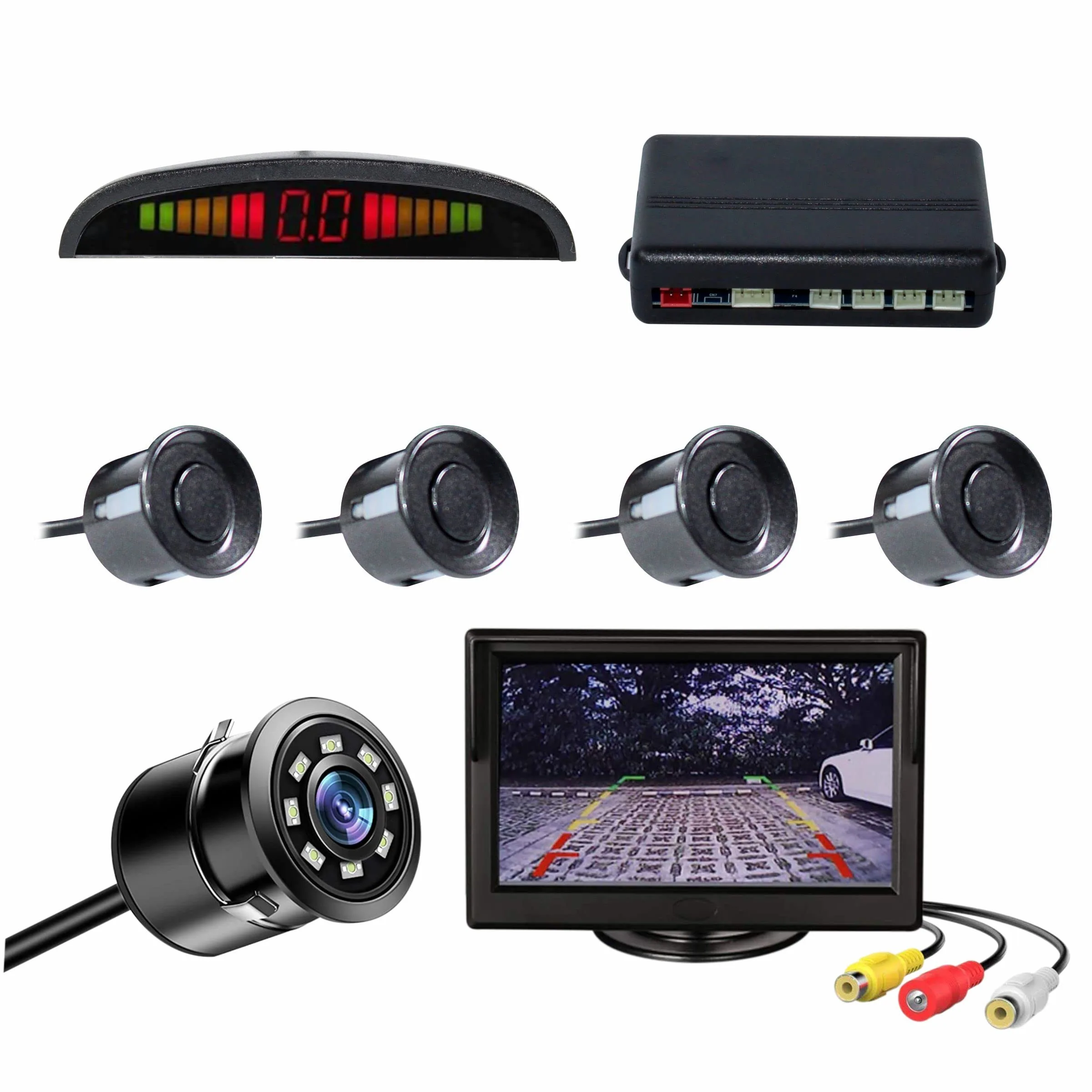 Sensor
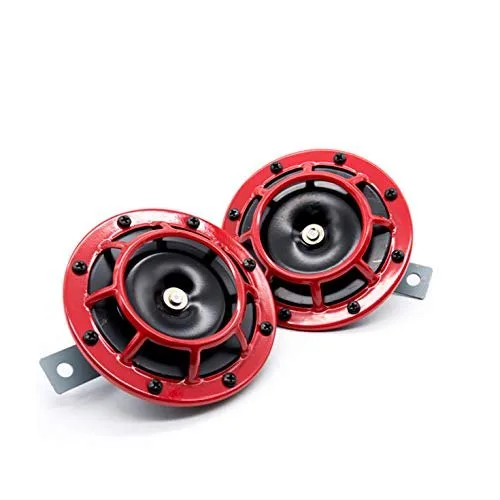 Horns
Horns
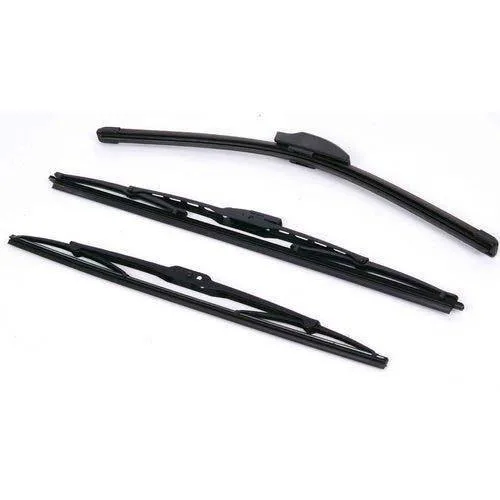 Wiper Blade
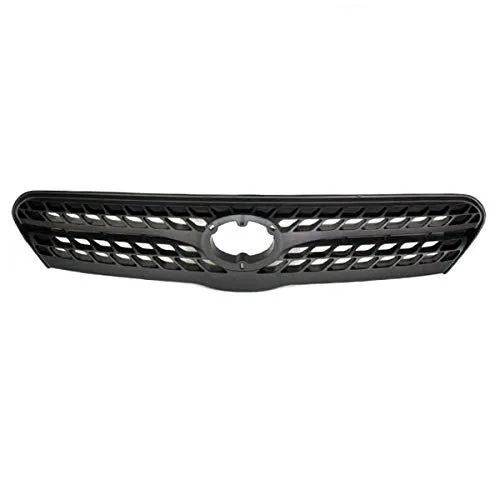 Front Grille
 Side Mirror
 Battery
 Car Care
›
Car Care
›
 Air Freshener & Perfume
 Gear knob
 Stickers & Decals
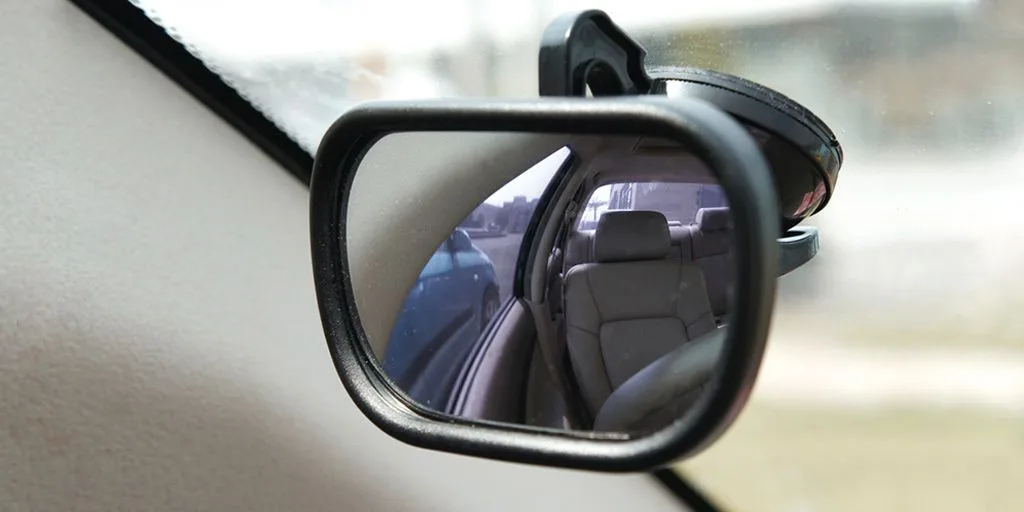 Blind Spot Mirror
 Steering Knob
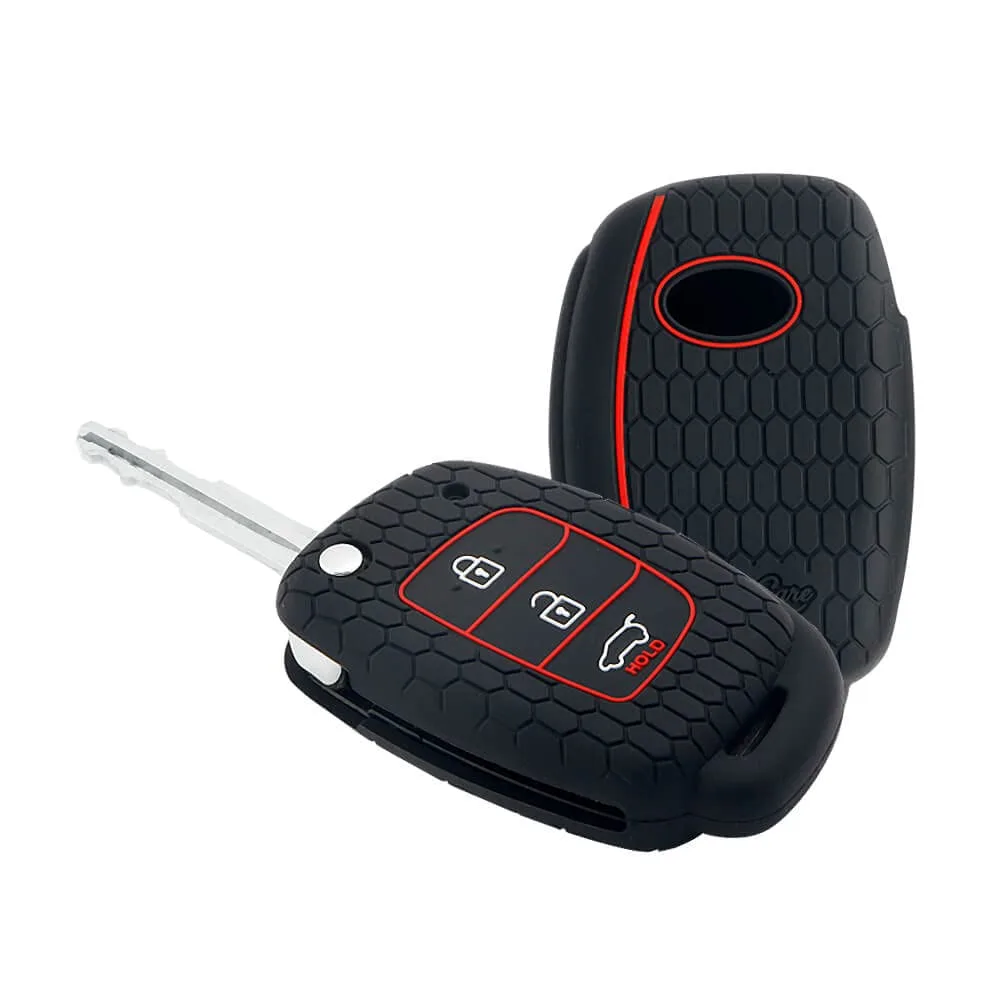 Key Covers
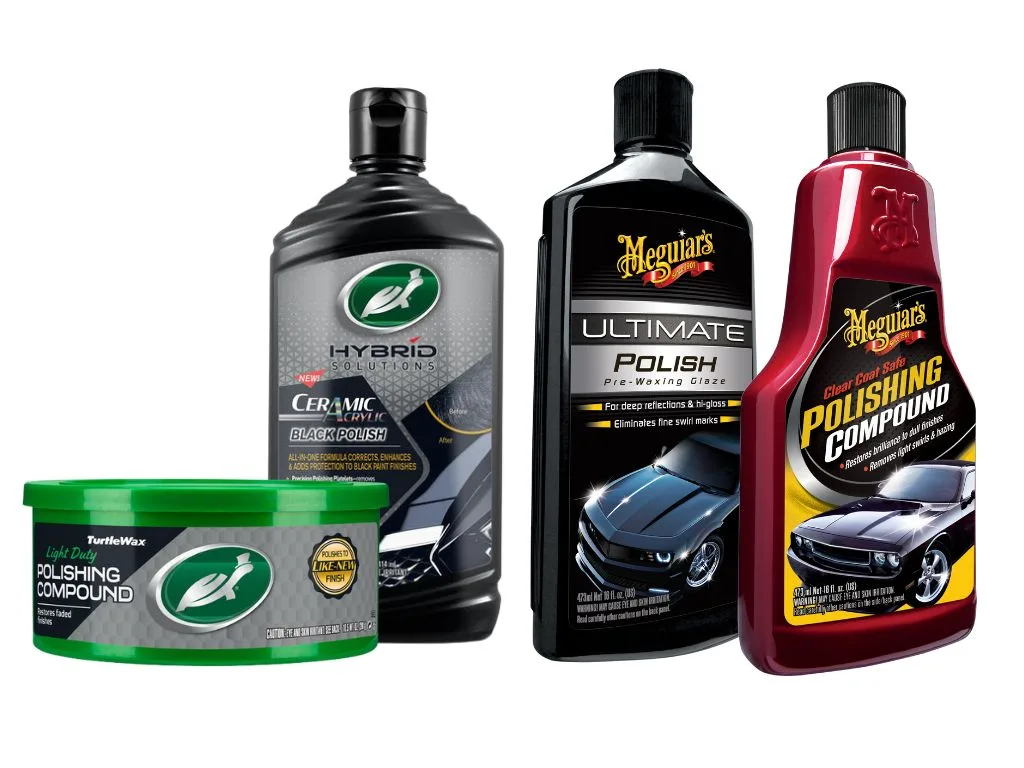 Polish & Scratch Remover
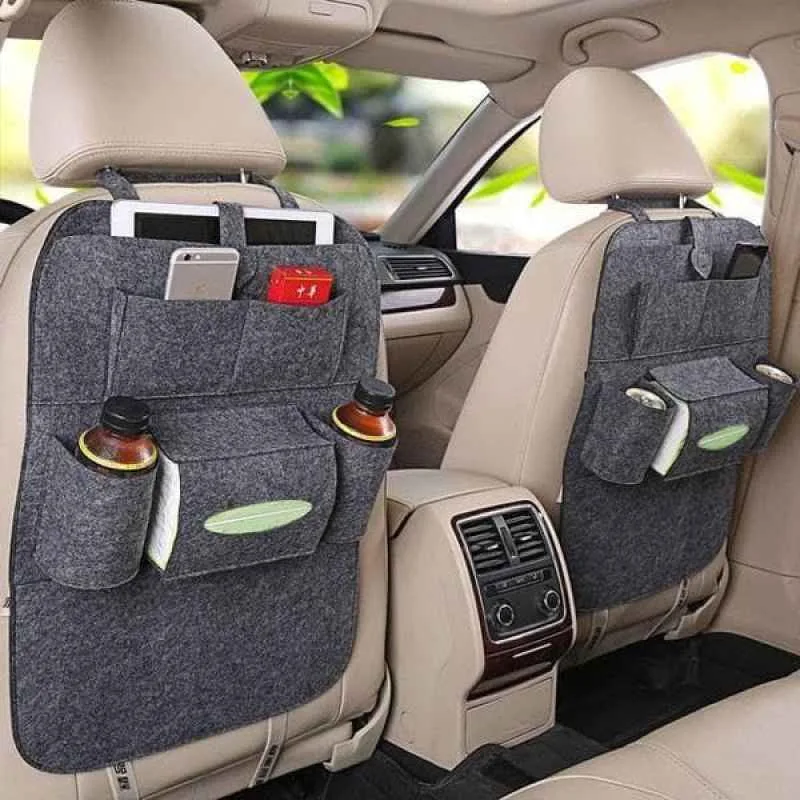 Seat Utility Holder
 Cup Holder
 Dustbin
 Paper Napkin
 Shop By Car
›
Shop By Car
›
 Tata
›
Tata
›
 Maruti Suzuki
›
Maruti Suzuki
›
 Hyundai
›
Hyundai
›
 Toyota
›
Toyota
›
 Mahindra
›
Mahindra
›
 Honda
›
Honda
›
 Ford
›
Ford
›
 Nissan
›
Nissan
›
 Renault
›
Renault
›
 Skoda
›
Skoda
›
 Volkswagen
›
Volkswagen
›
 Morris Garages - MG
›
Morris Garages - MG
›
 KIA
›
KIA
›
 Jeep
›
Jeep
›
 Citroen
›
Citroen
›
 Datsun
›
Datsun
›
 Chevrolet
›
Chevrolet
›
 Isuzu
›
Isuzu
›
 Mitsubishi
›
Mitsubishi
›
 AUDI
›
AUDI
›
 BMW
›
BMW
›
 Mercedes
›
Mercedes
›
 Land Rover
›
Land Rover
›
 Jaguar
›
Jaguar
›
 Volvo
›
Volvo
›
 FIAT
›
FIAT
›
 Mini Cooper
›
Mini Cooper
›
 Porsche
›
Porsche
›
 Lexus
›
Citron
›
Fors
›
Morris Garages
›
MG
›
Lexus
›
Citron
›
Fors
›
Morris Garages
›
MG
›
 Nexon
Nexon
 Harrier
 Altroz
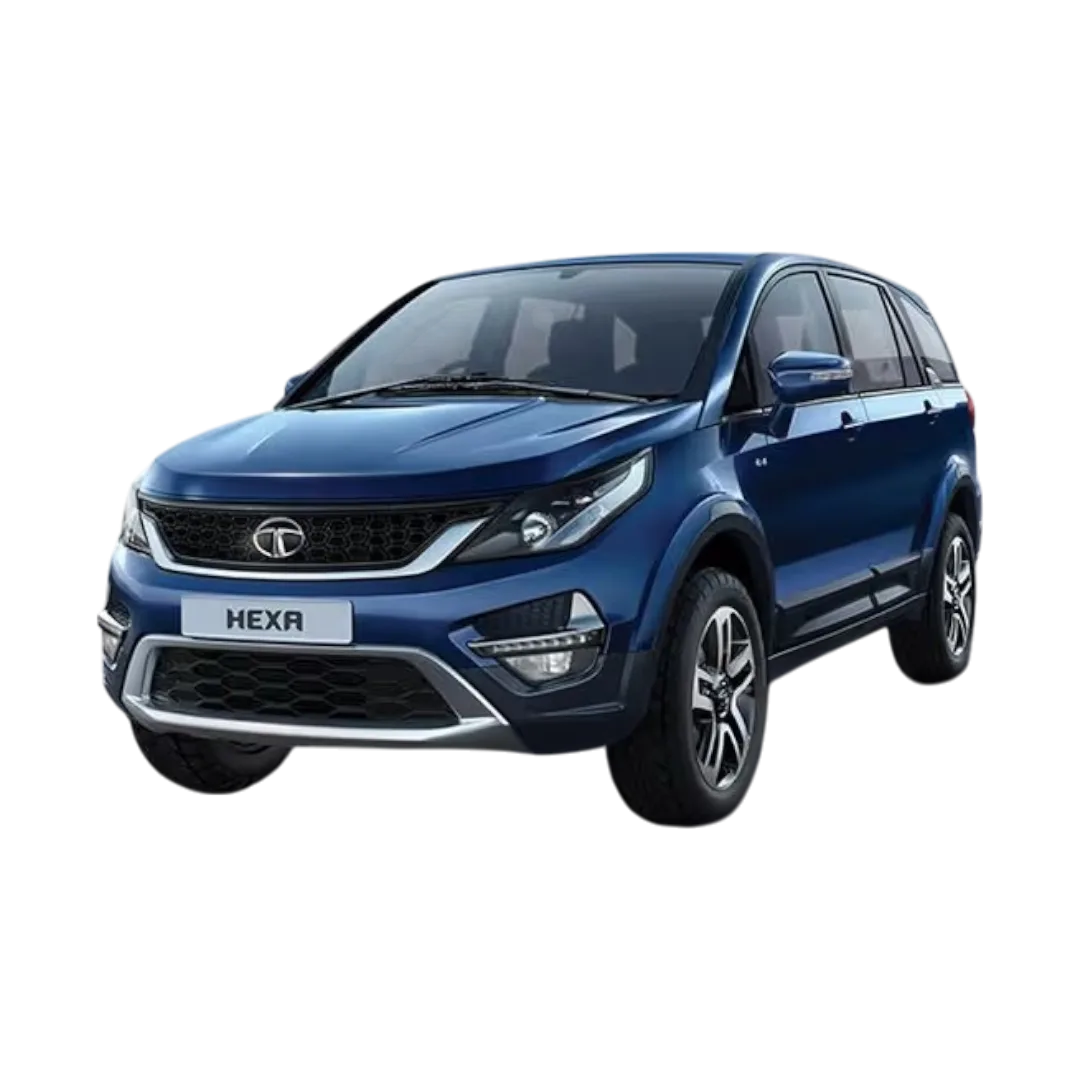 Hexa
Hexa
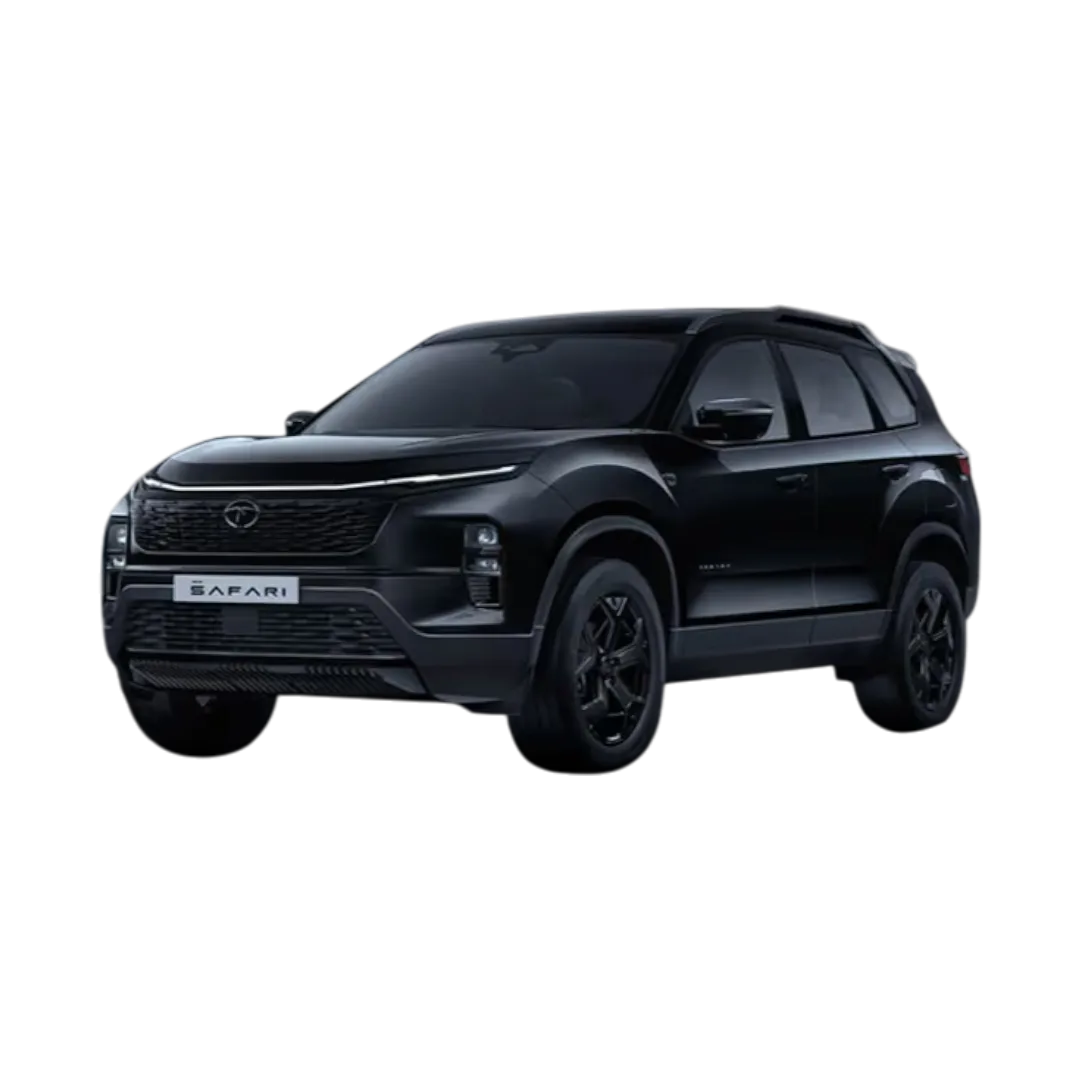 Safari
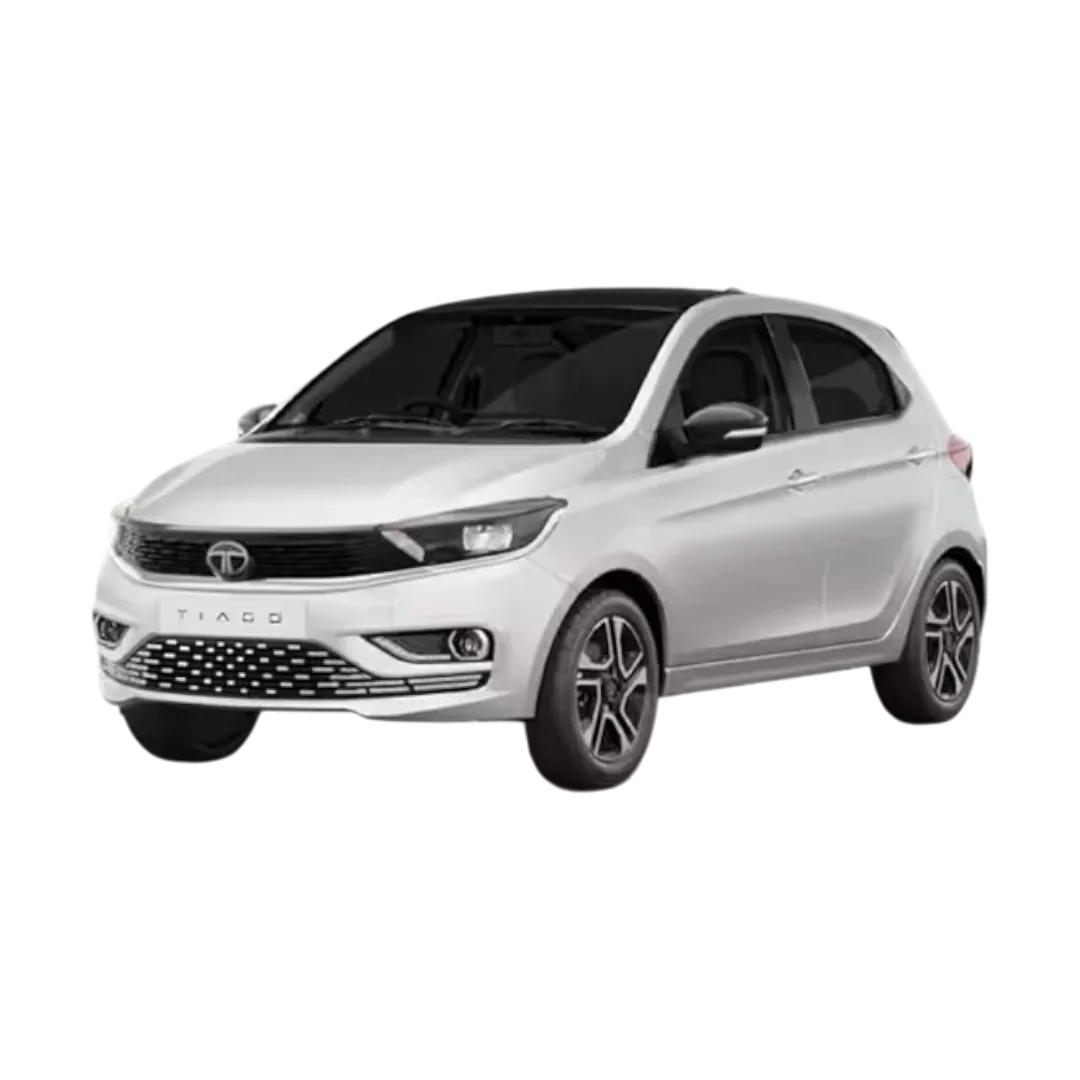 Tiago
Tiago
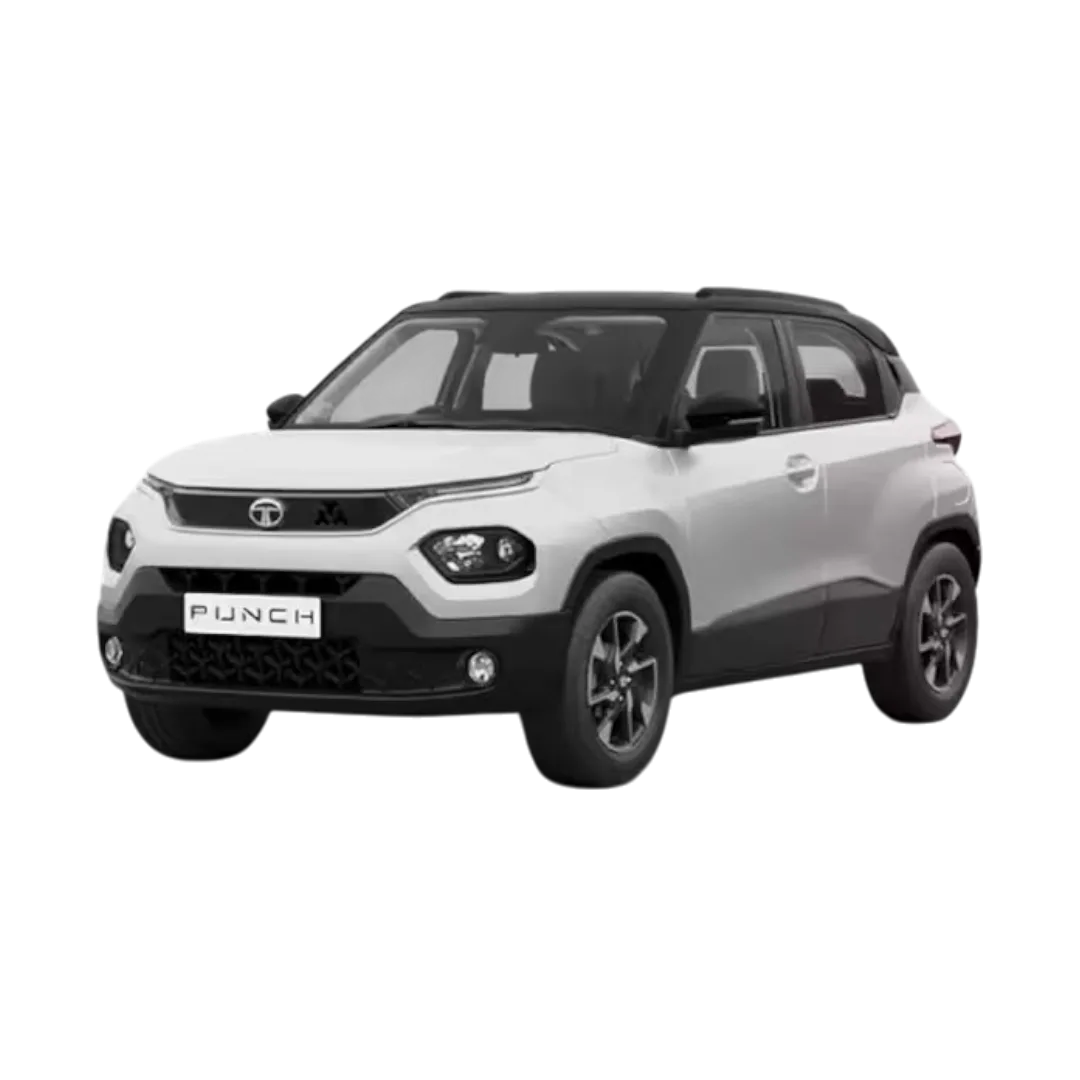 Punch
Punch
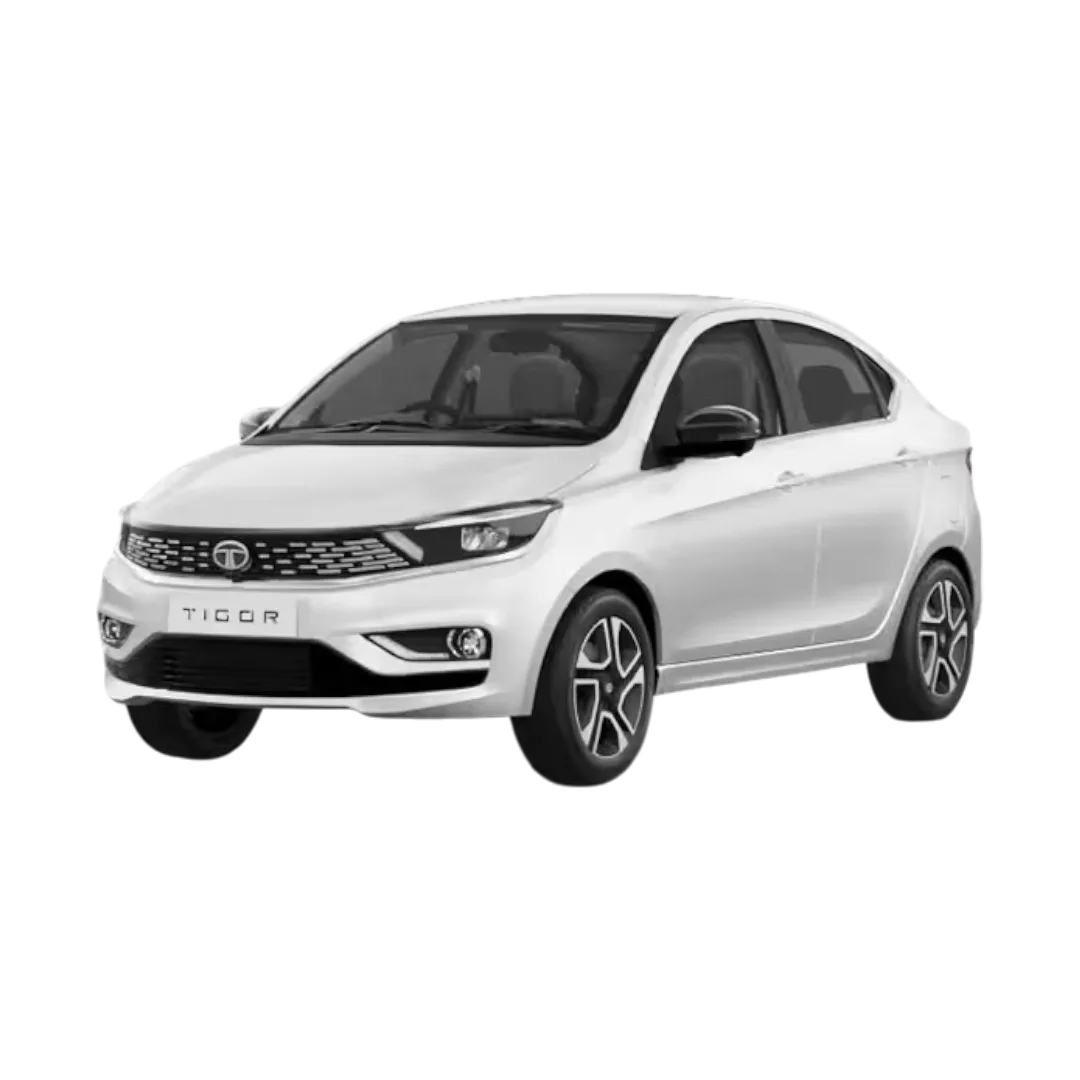 Tigor
Tigor
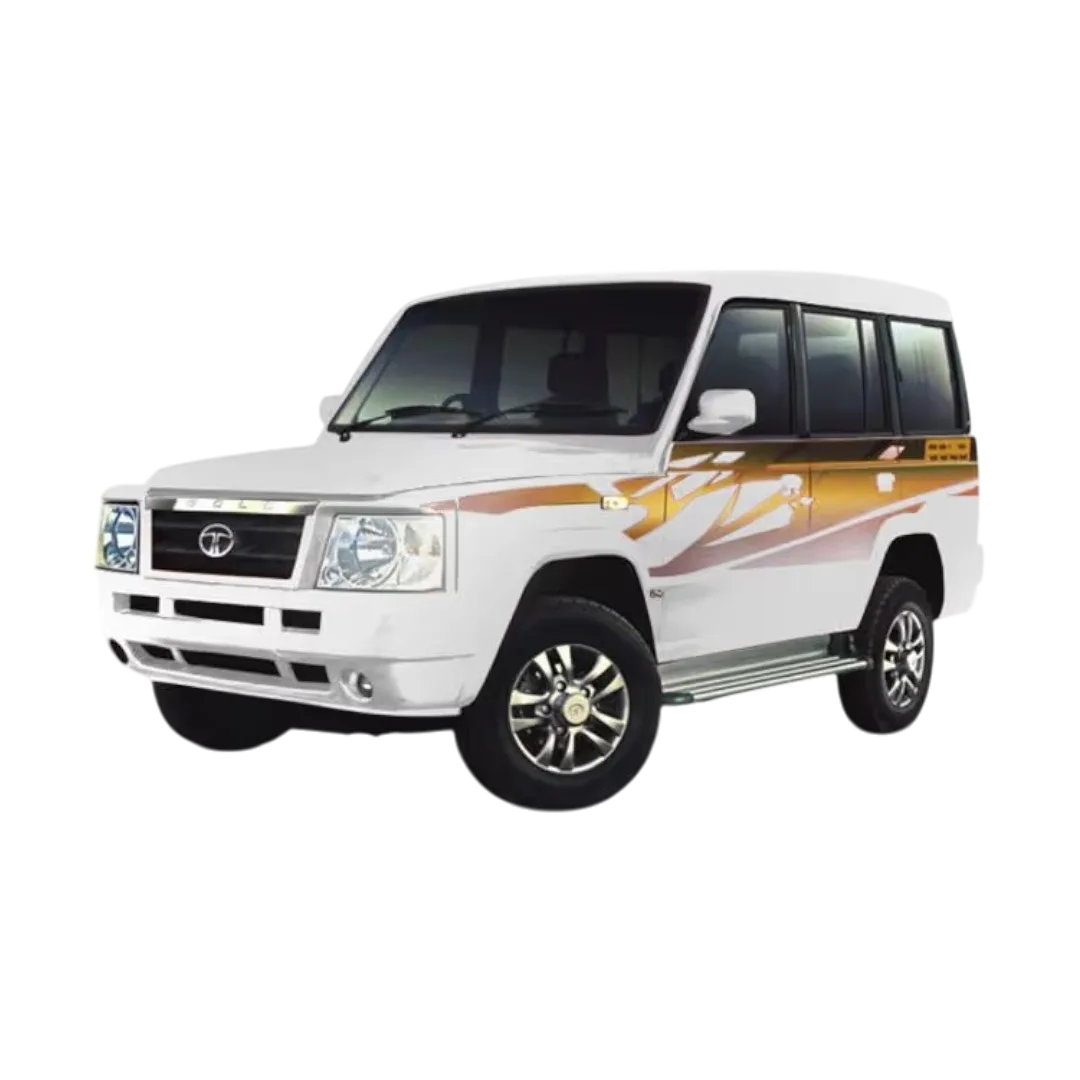 Sumo
Sumo
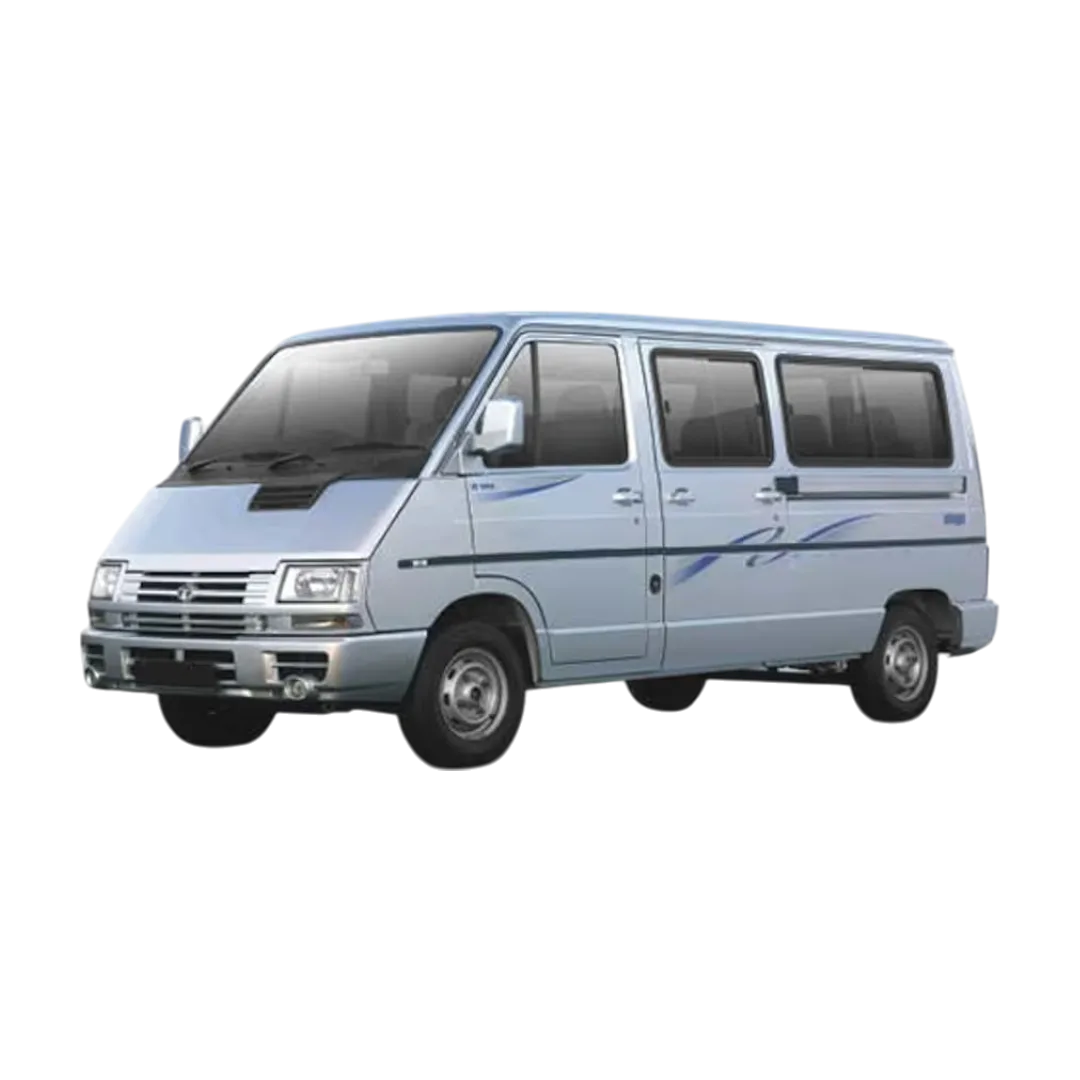 Winger
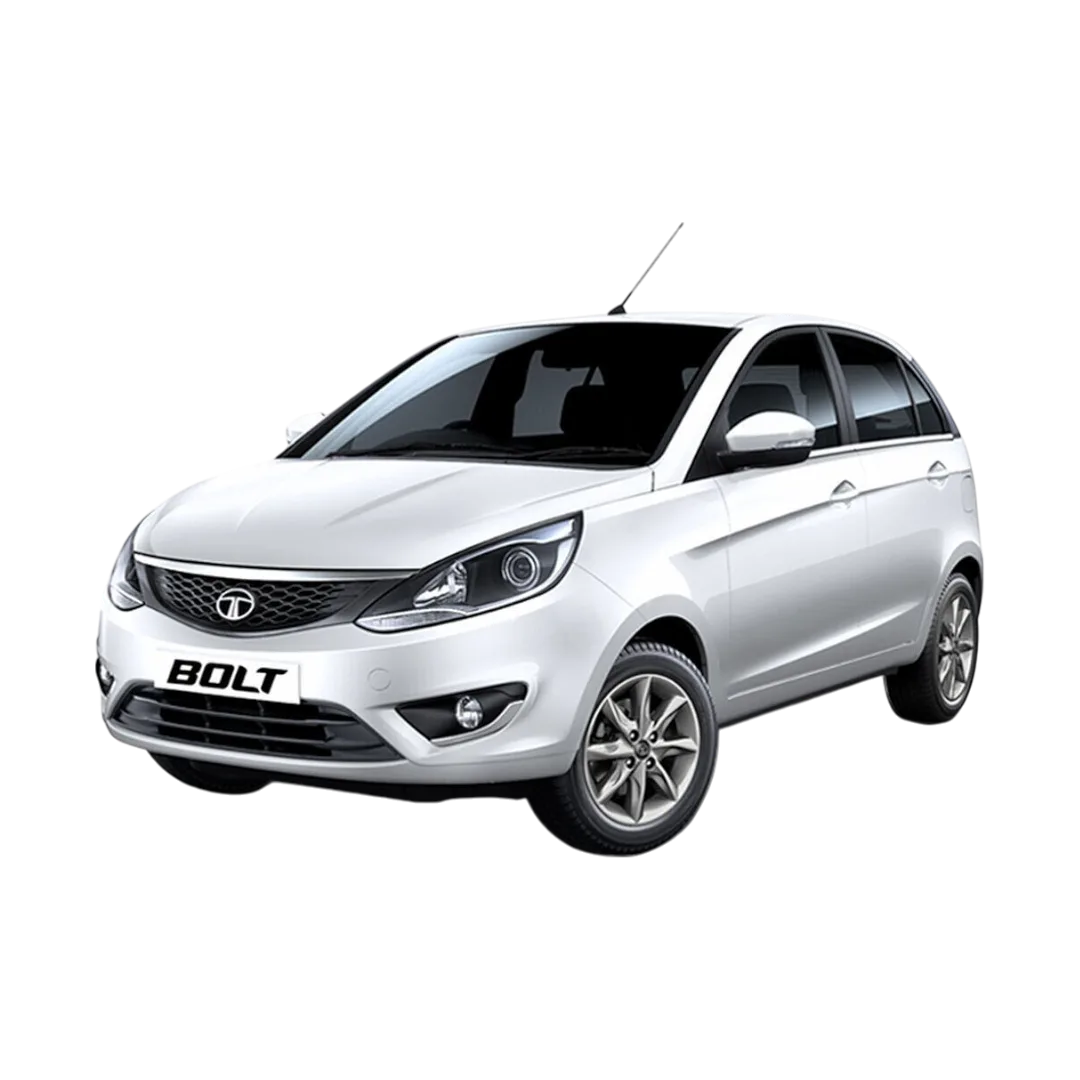 Bolt
Bolt
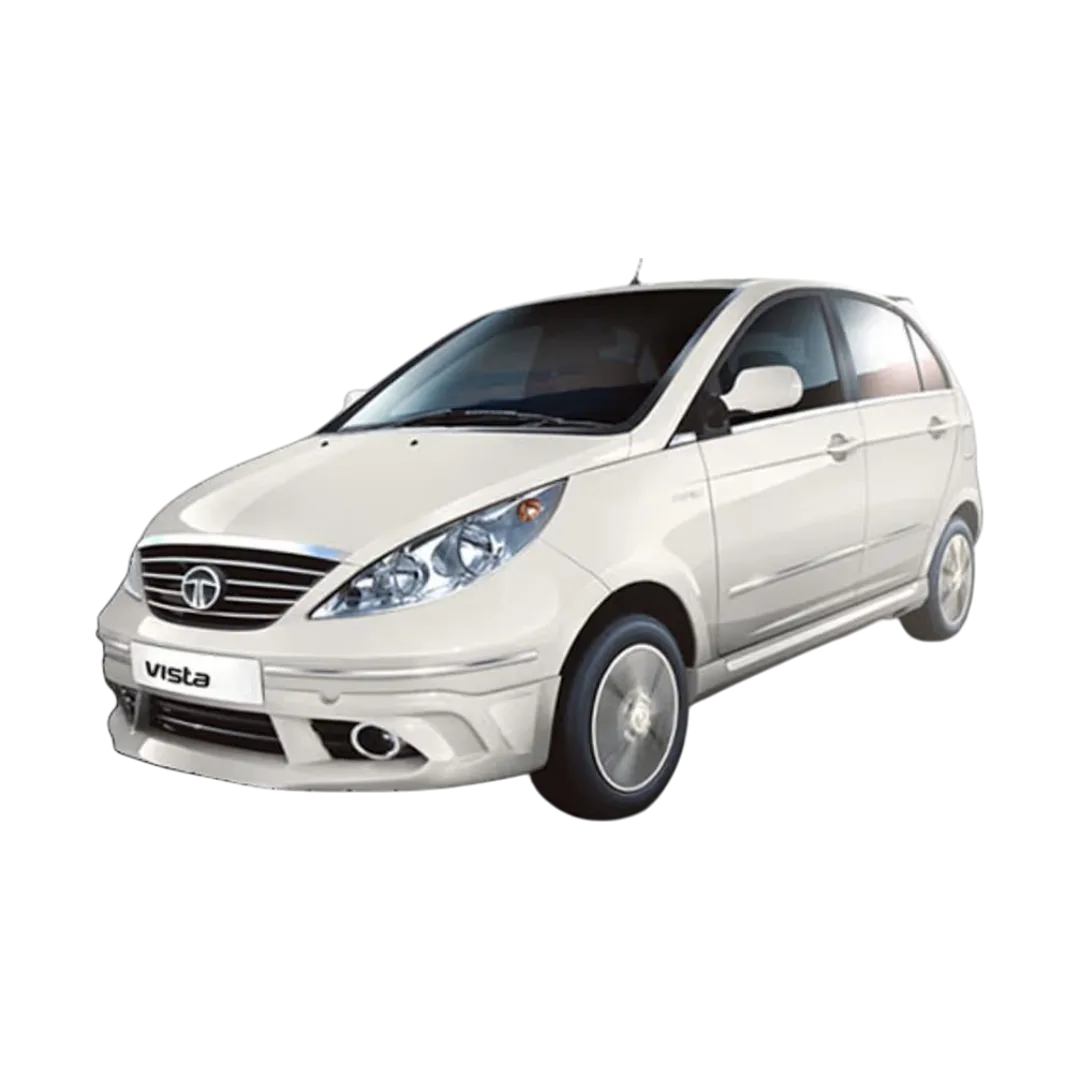 Vista
Vista
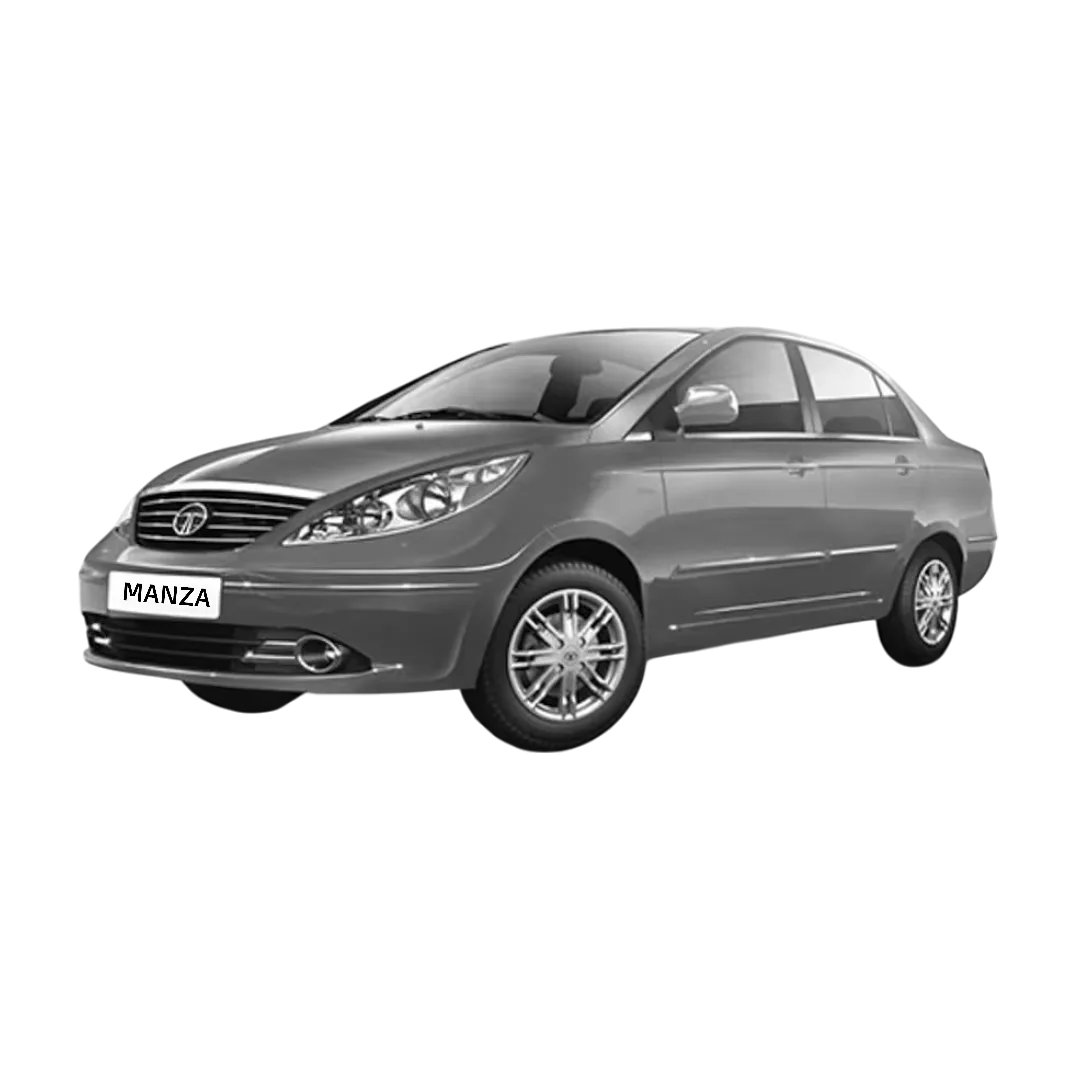 Manza
Manza
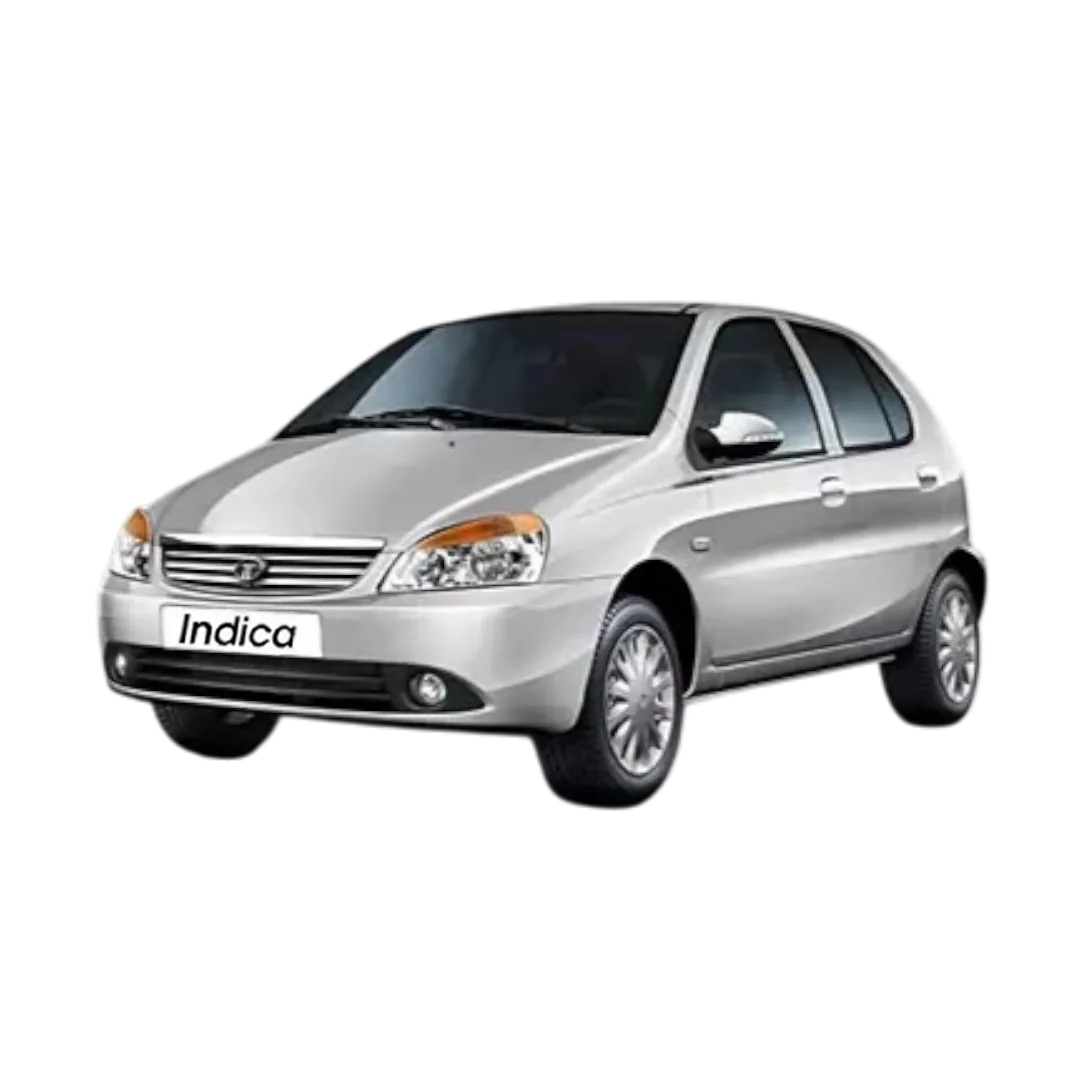 Indica
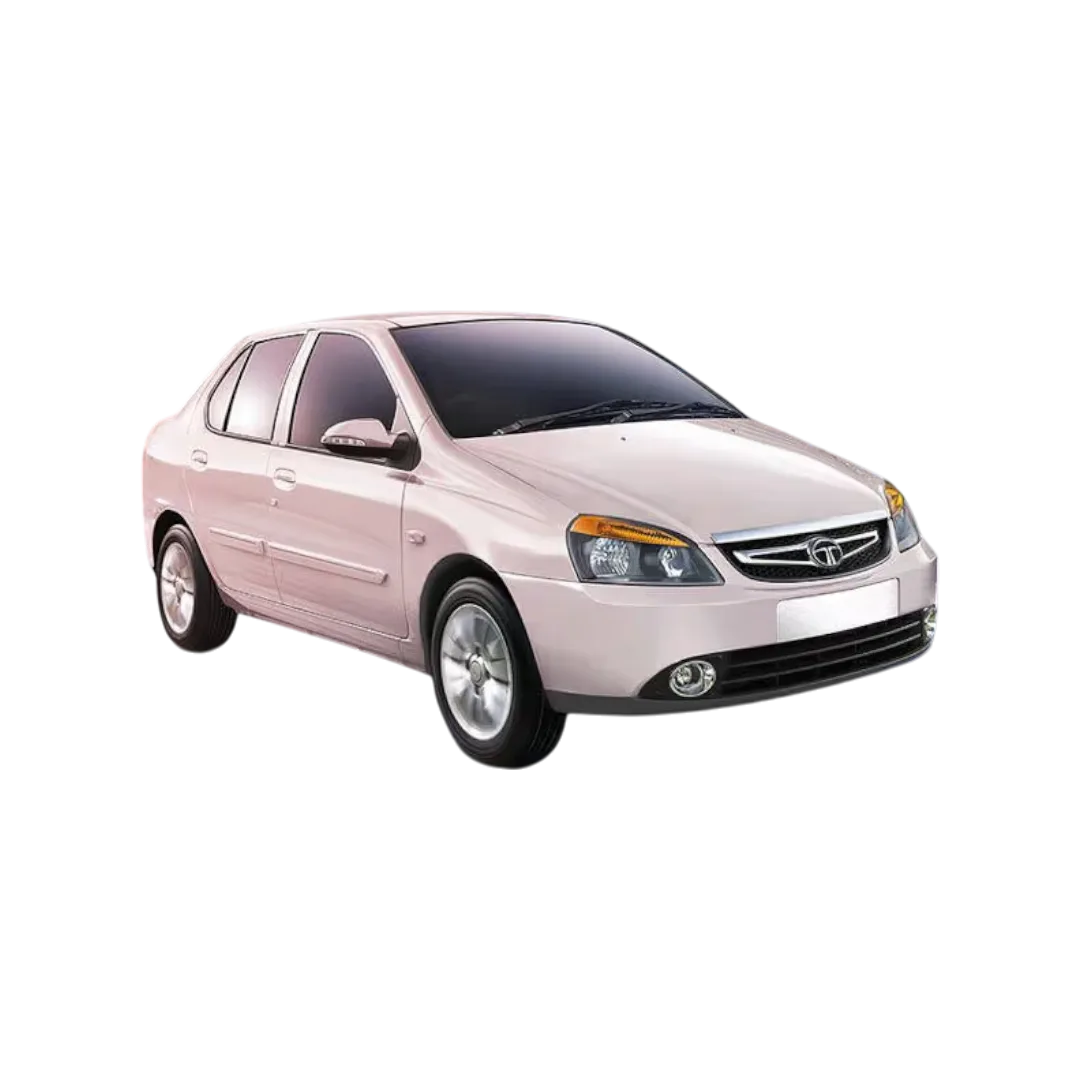 Indigo
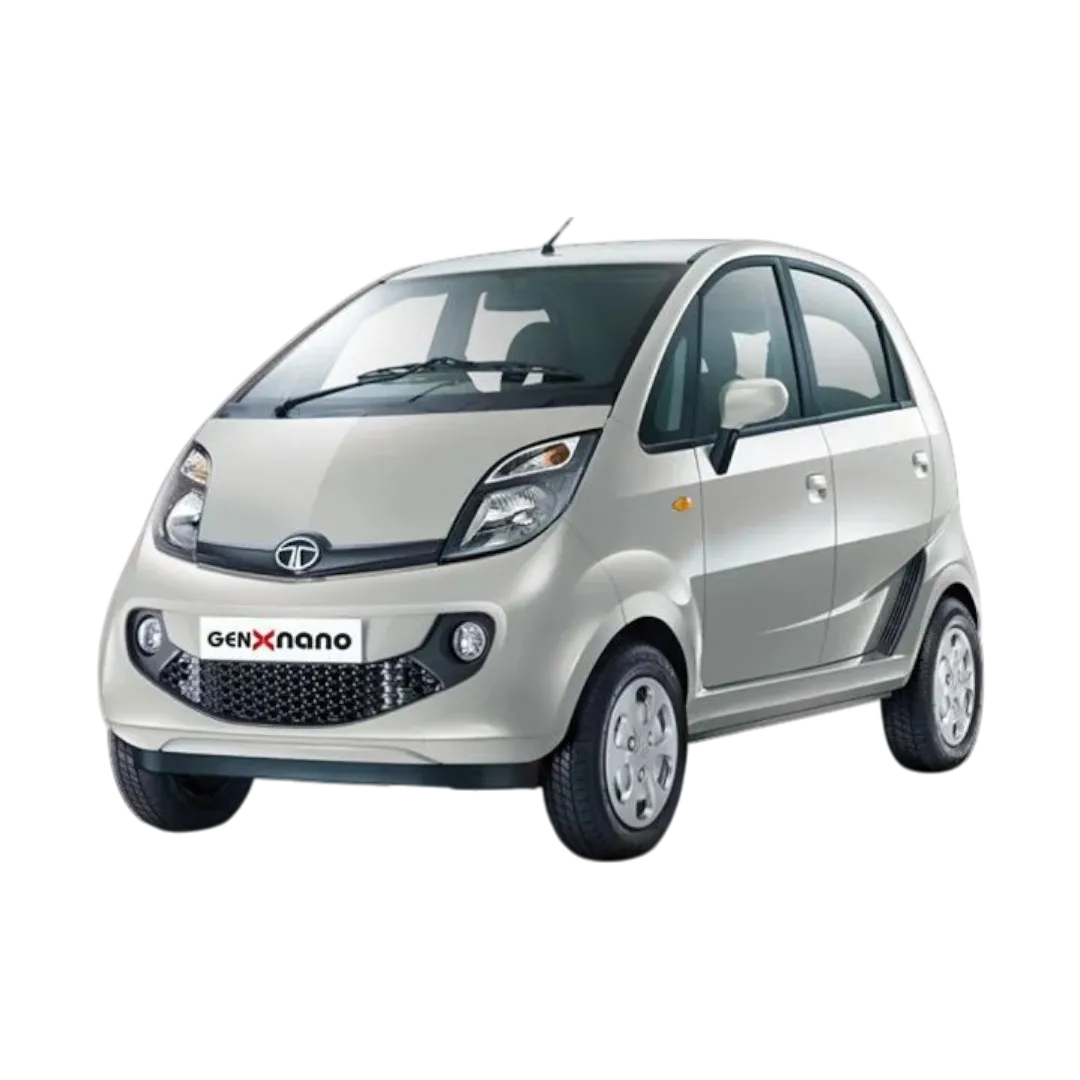 Nano
Nano
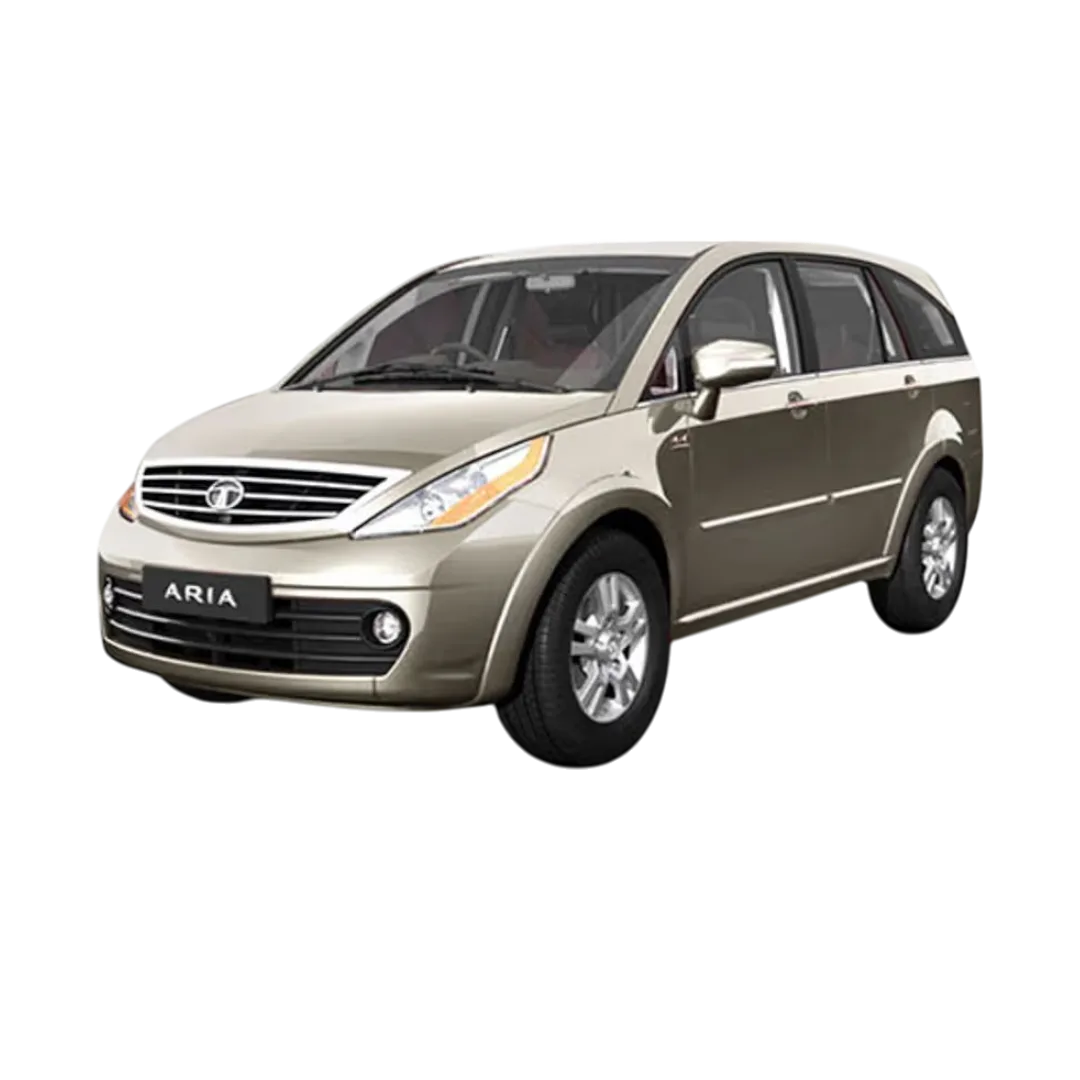 Aria
Aria
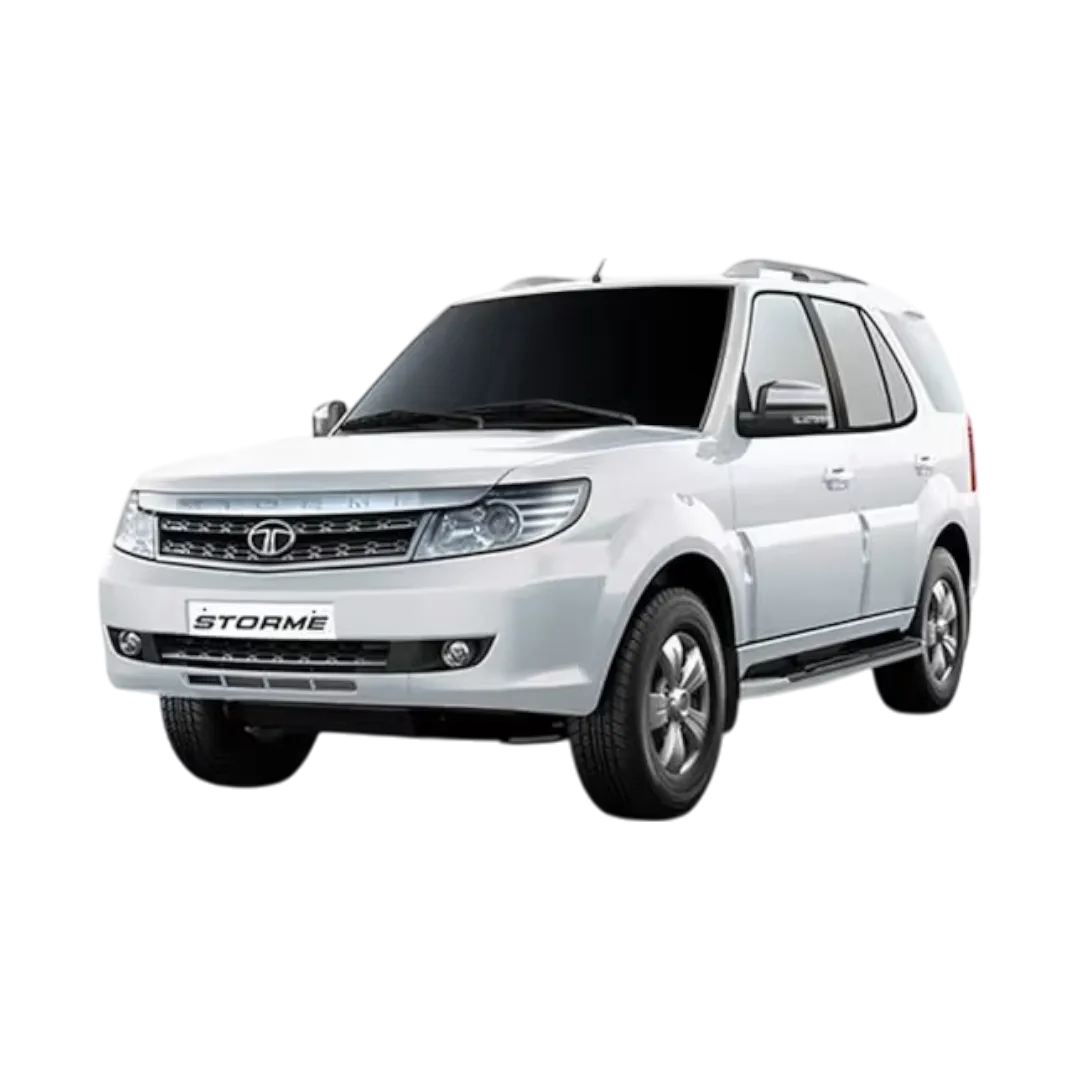 Safari Storme
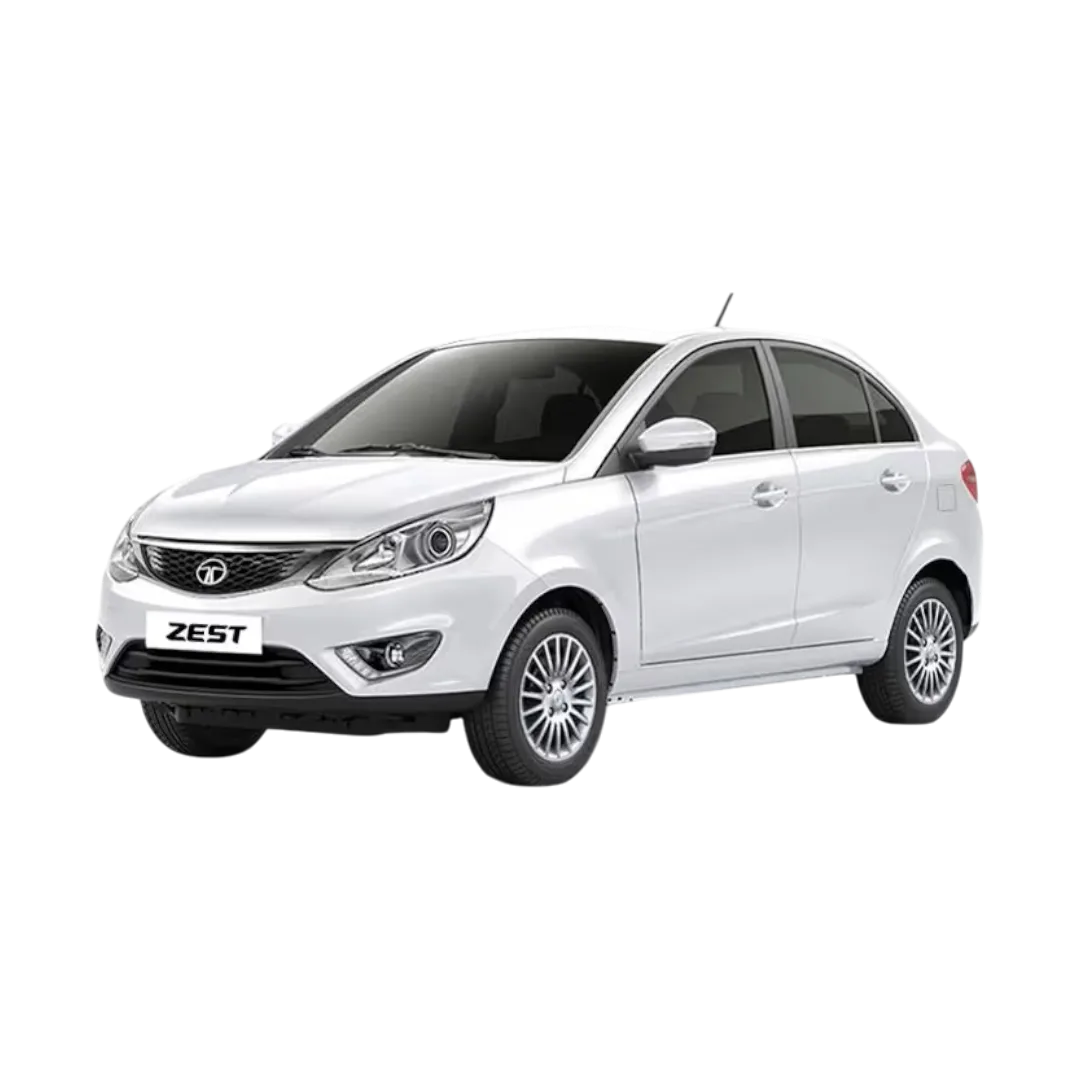 Zest
Zest
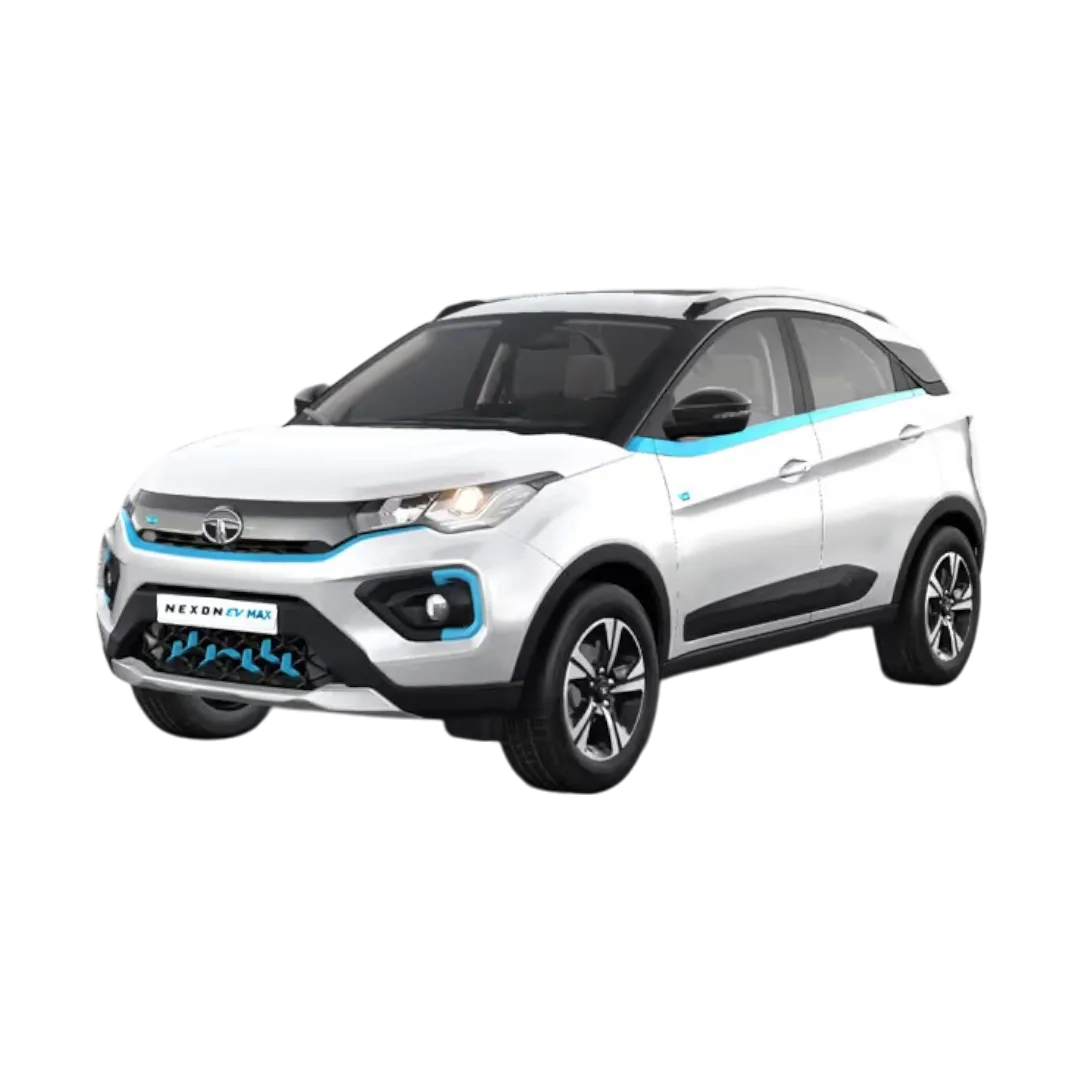 NEXON EV Max
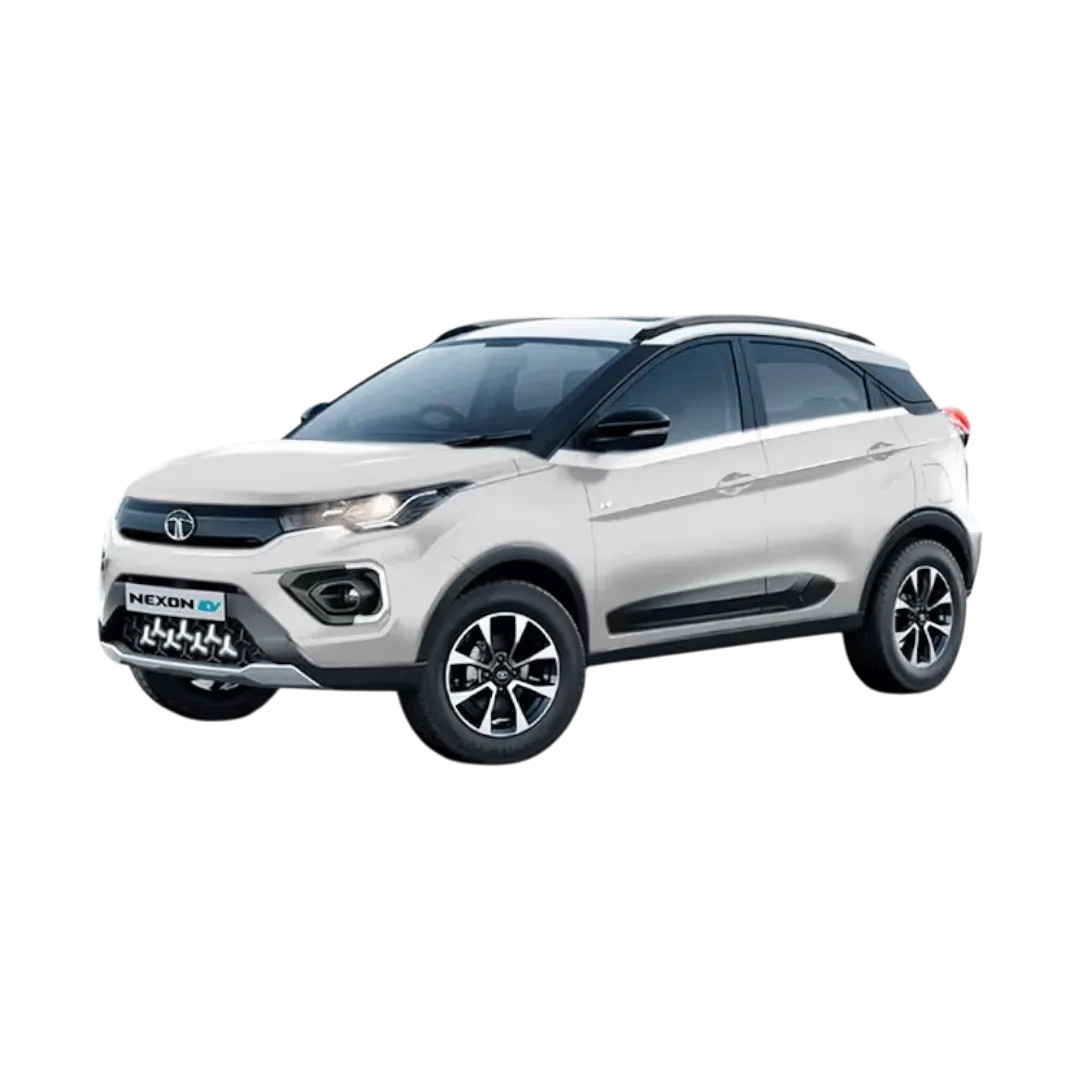 NEXON EV Prime
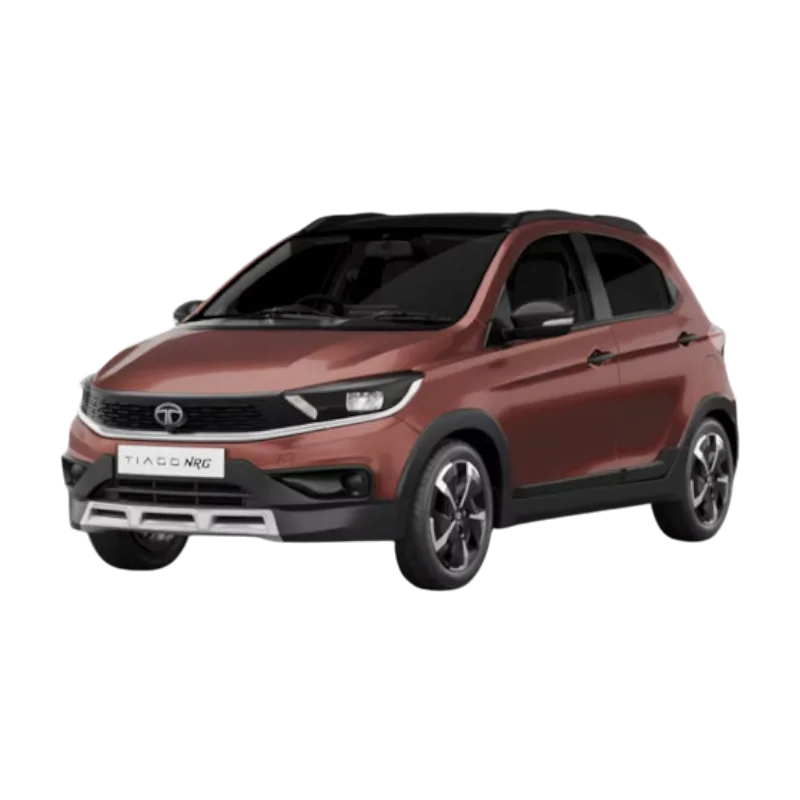 Tiago NRG
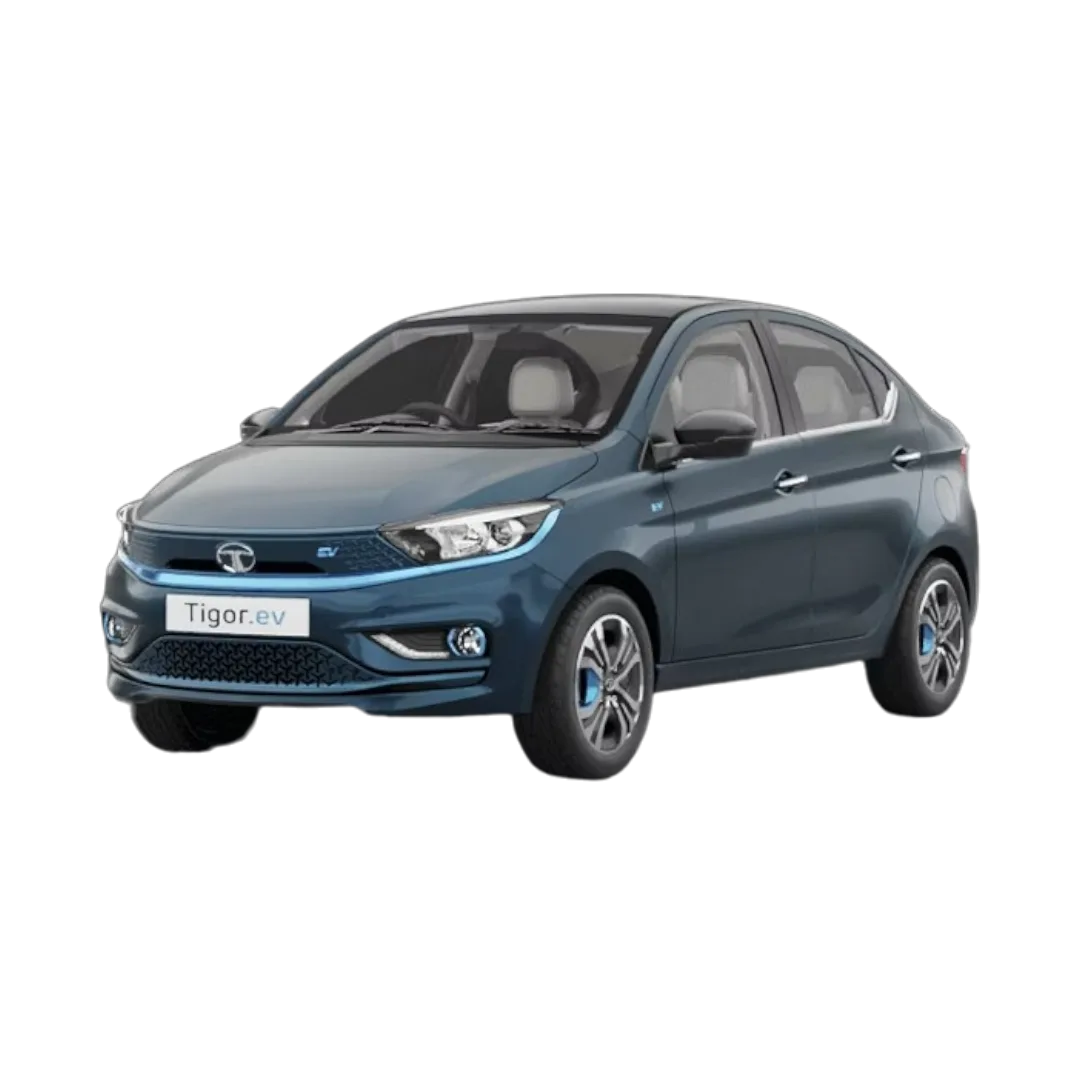 Tigor EV
INDICA VISTA
Curvv
Sierra
Magic
Tigor EV
INDICA VISTA
Curvv
Sierra
Magic
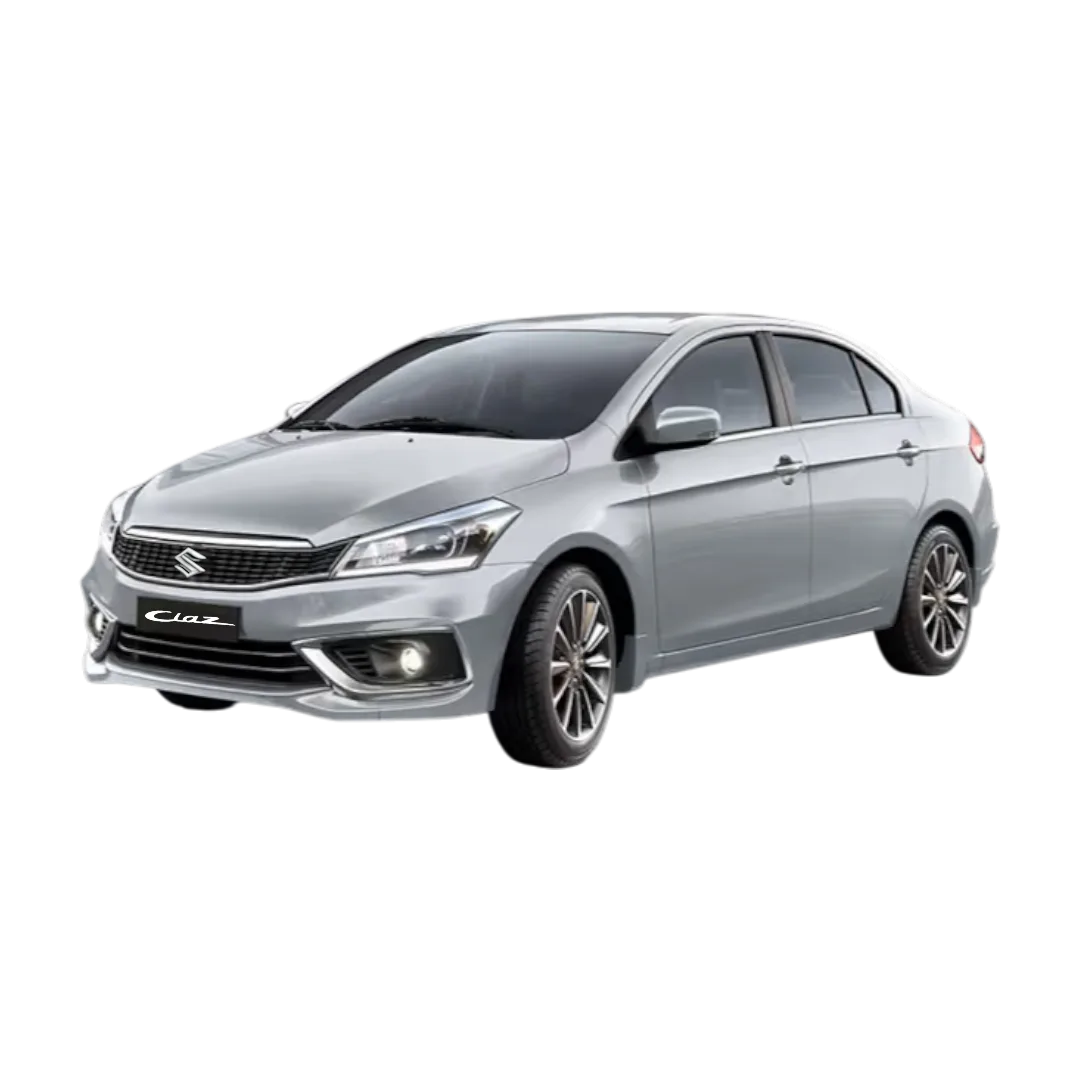 Ciaz
Ciaz
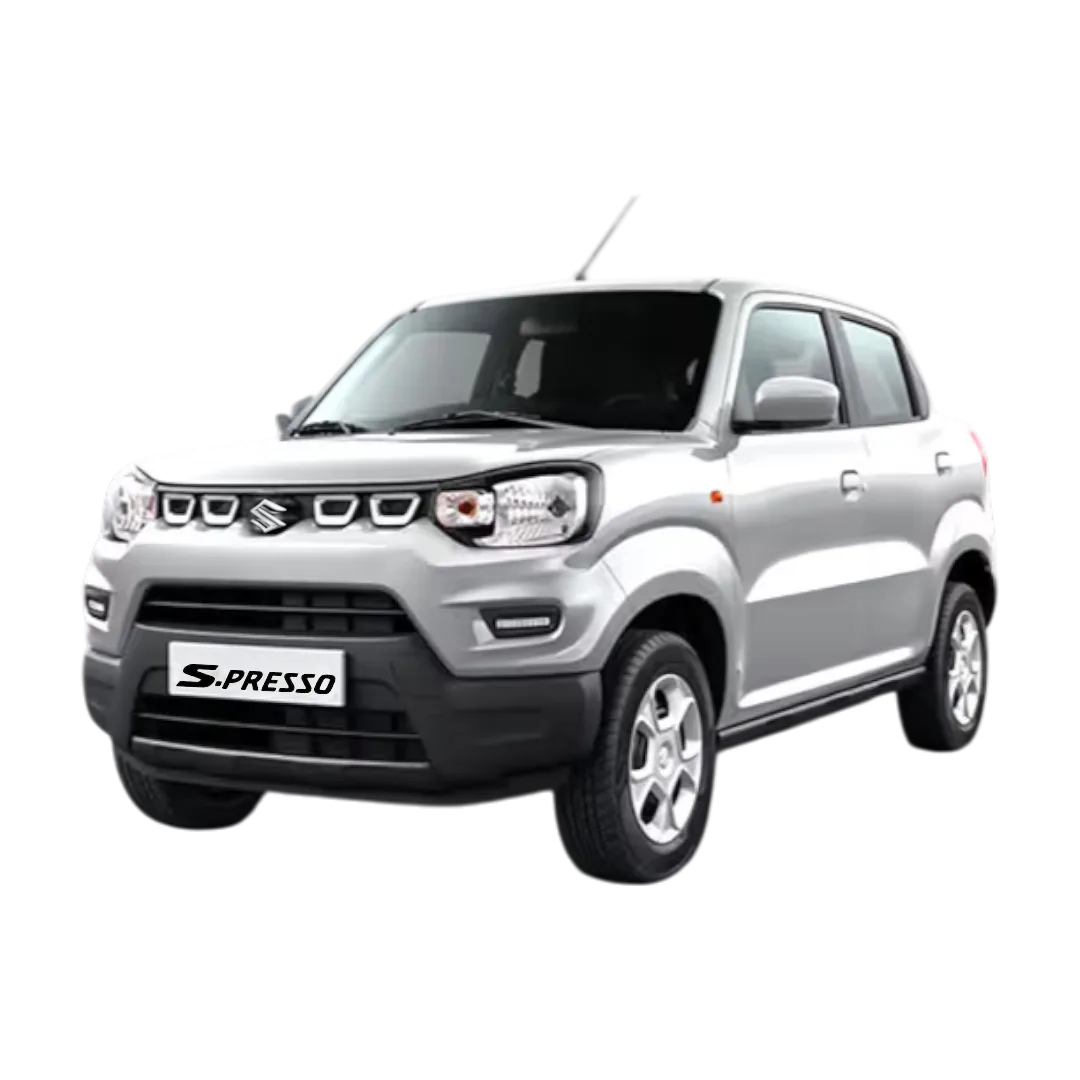 S-Presso
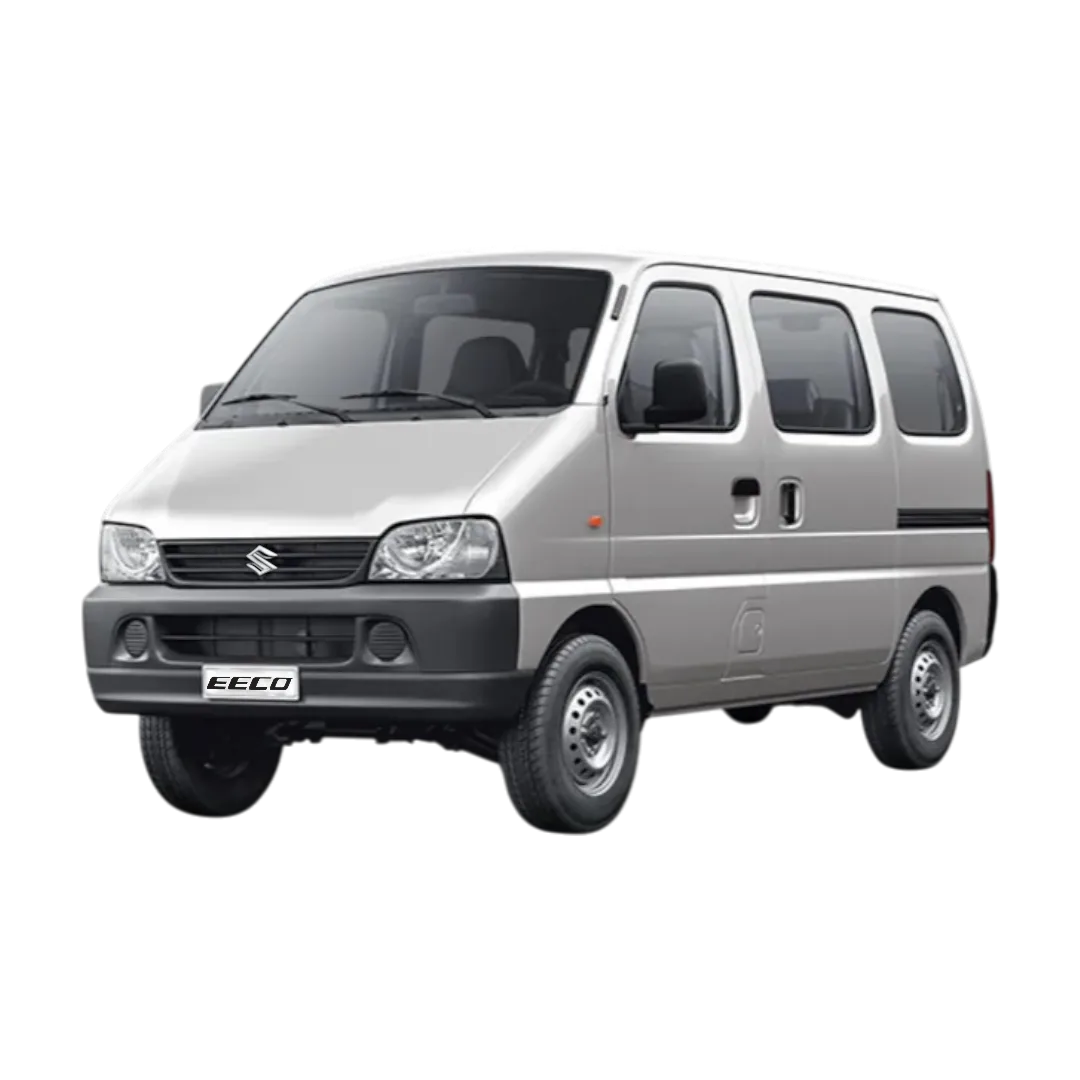 Eeco/Versa
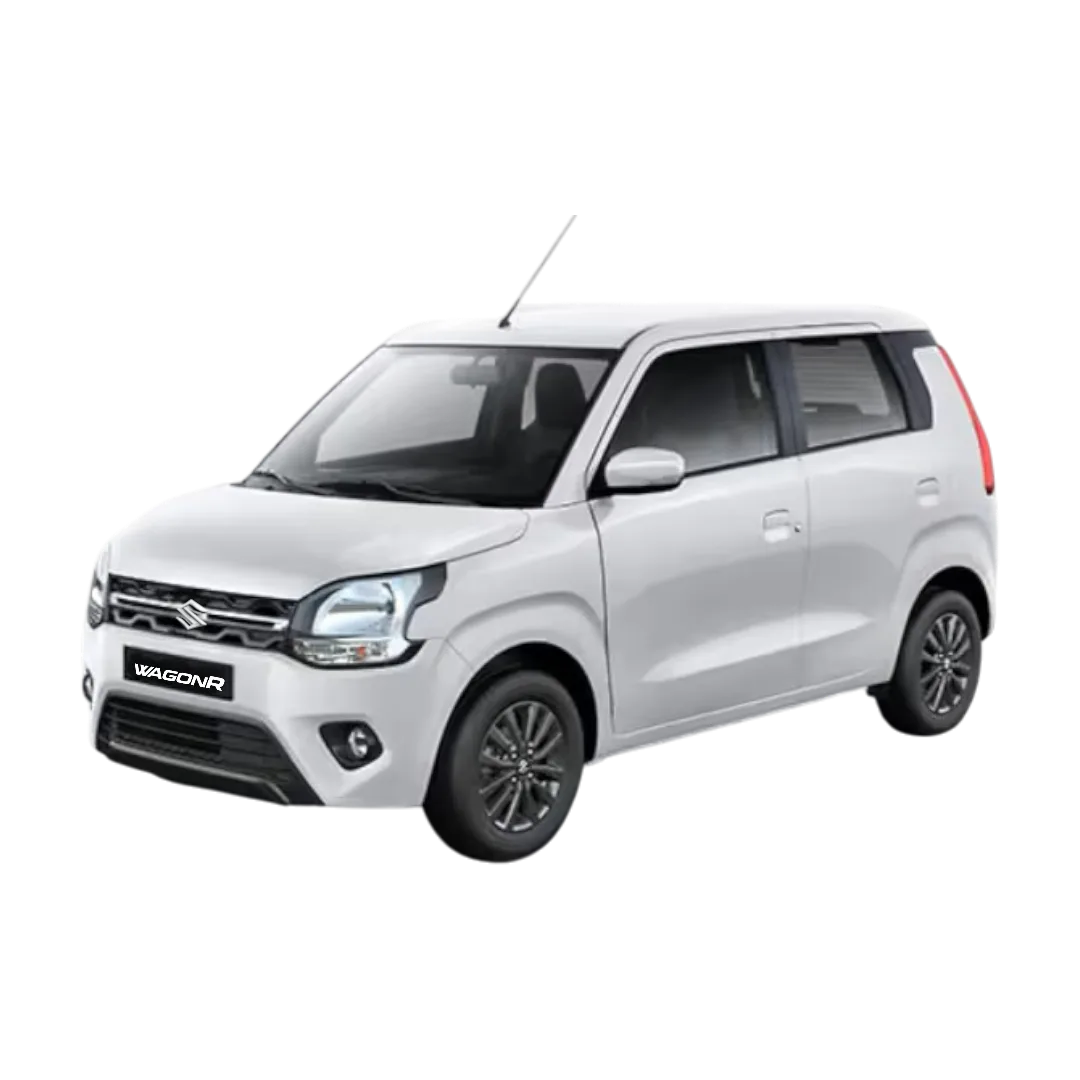 WagonR
 Brezza
 Swift
Swift
 Dzire
Dzire
 Baleno
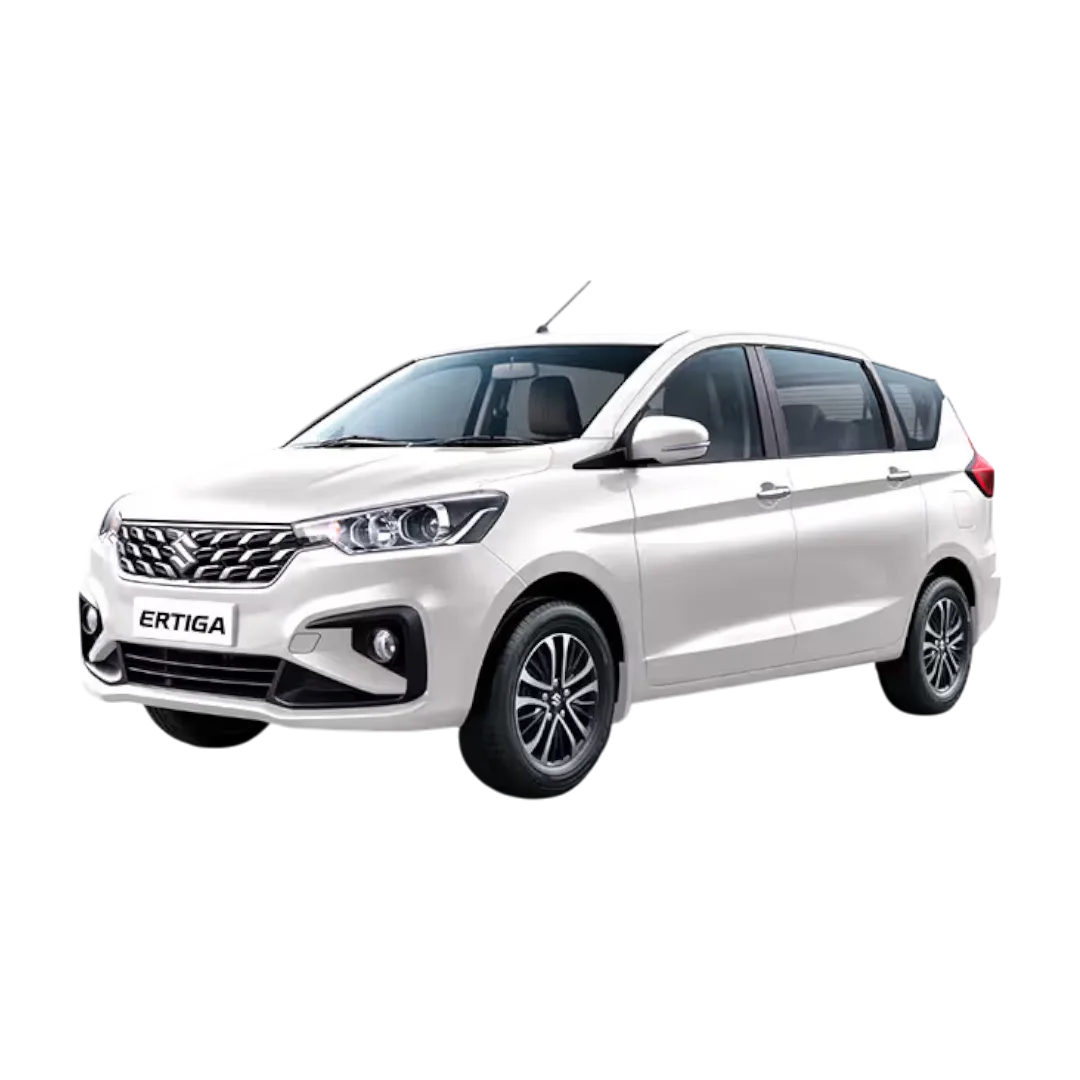 Ertiga
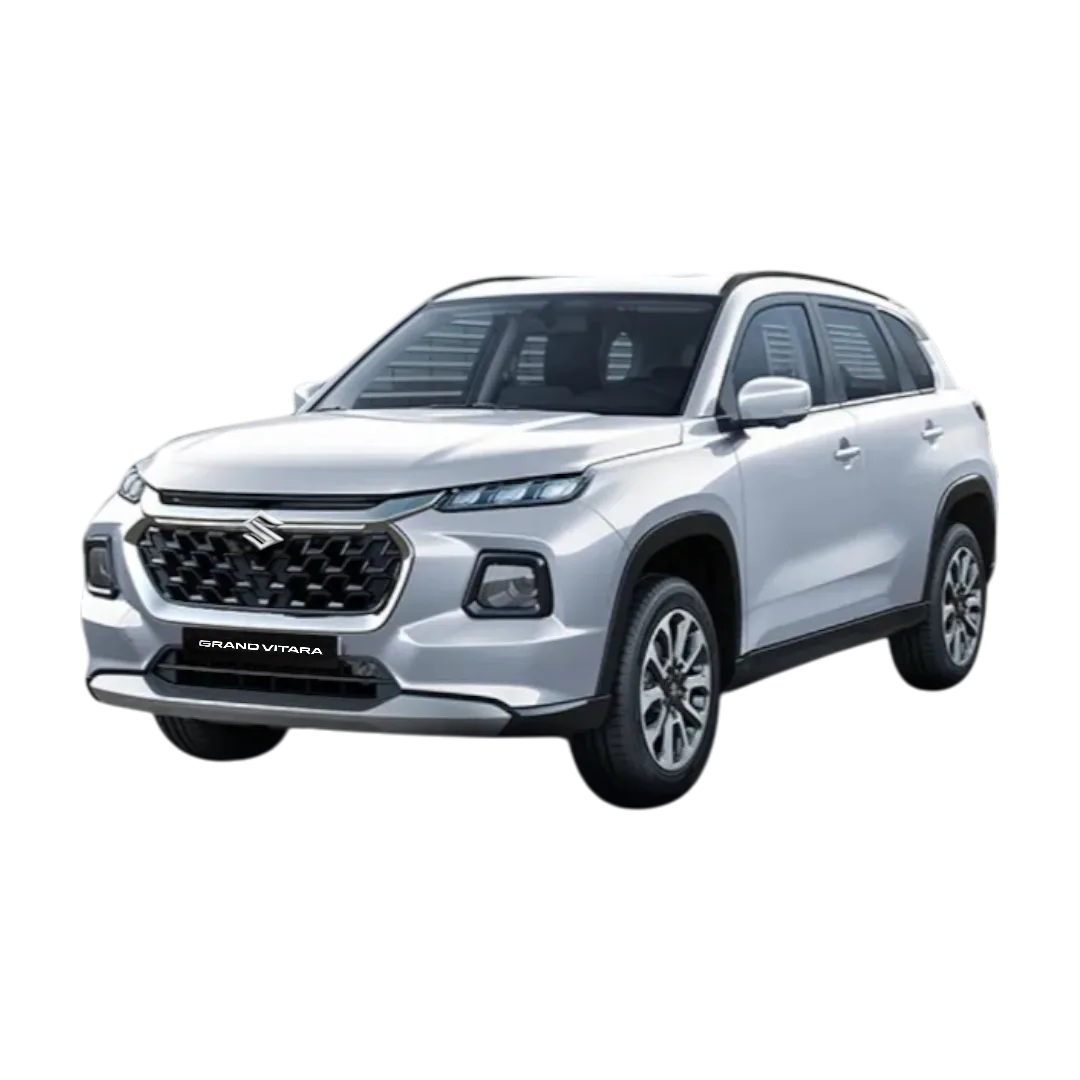 Grand Vitara
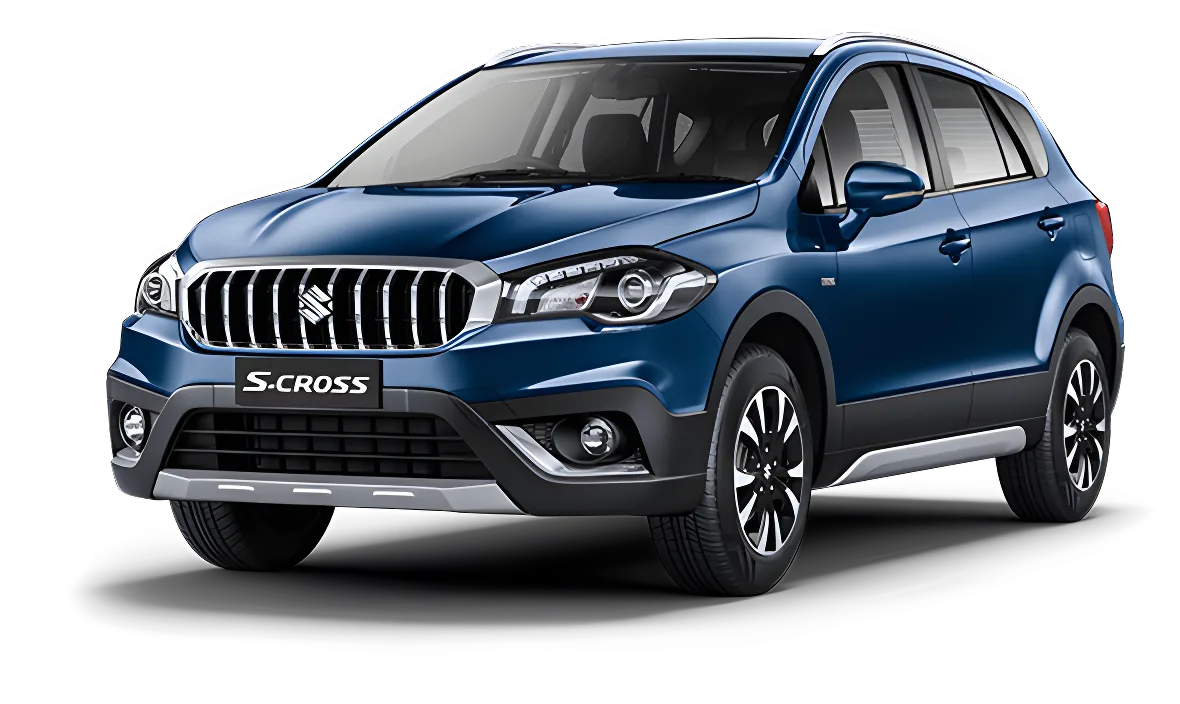 S-Cross
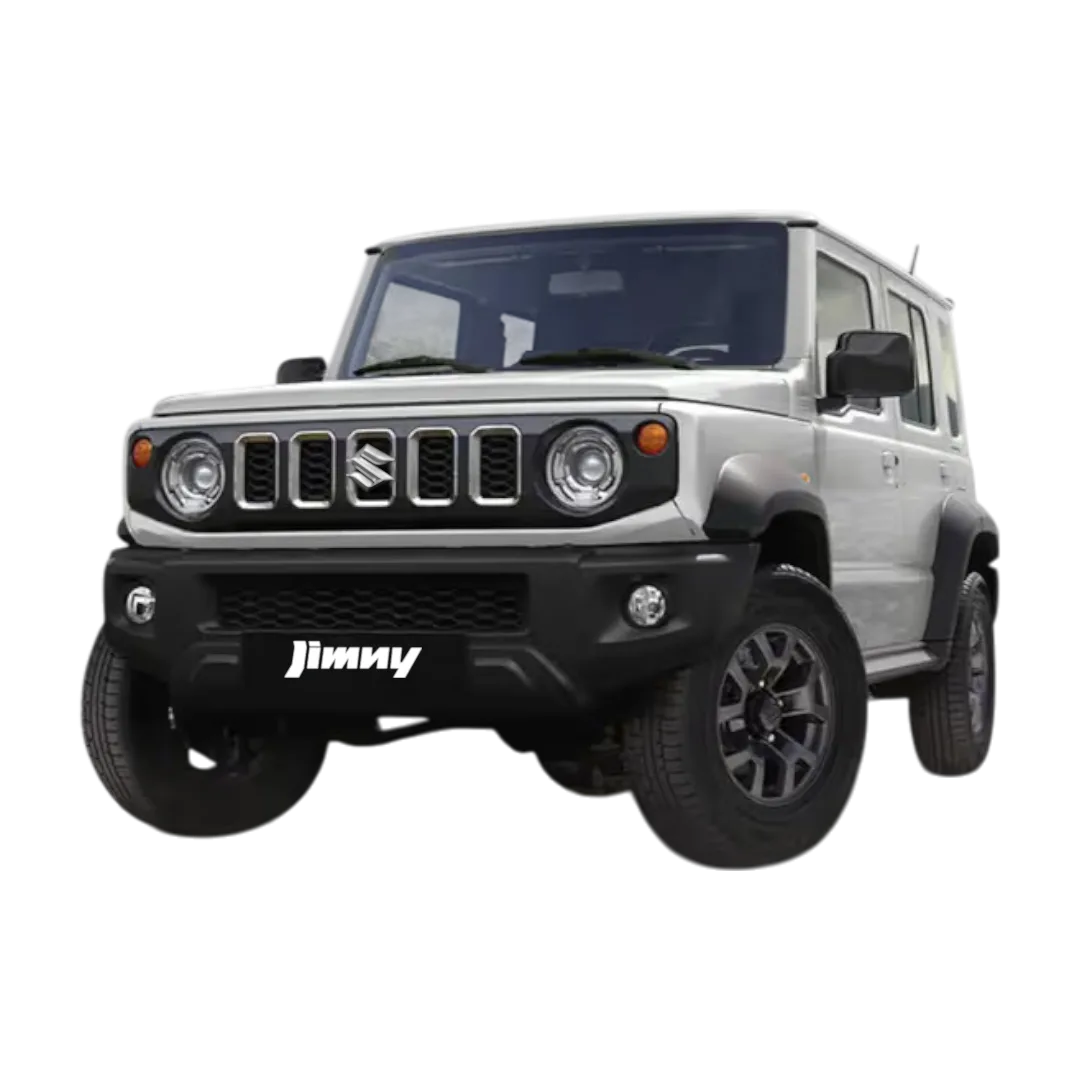 Jimny
Jimny
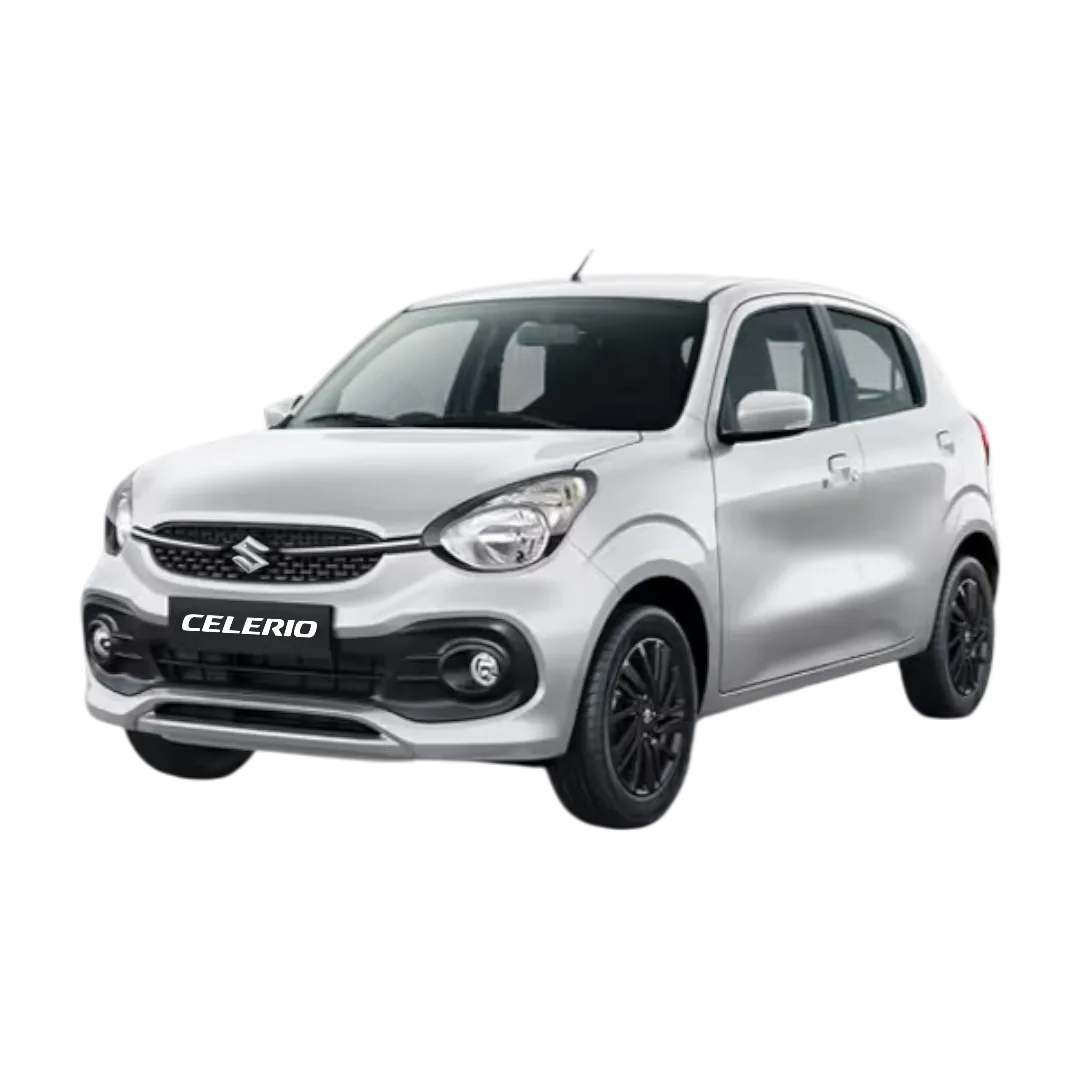 Celerio
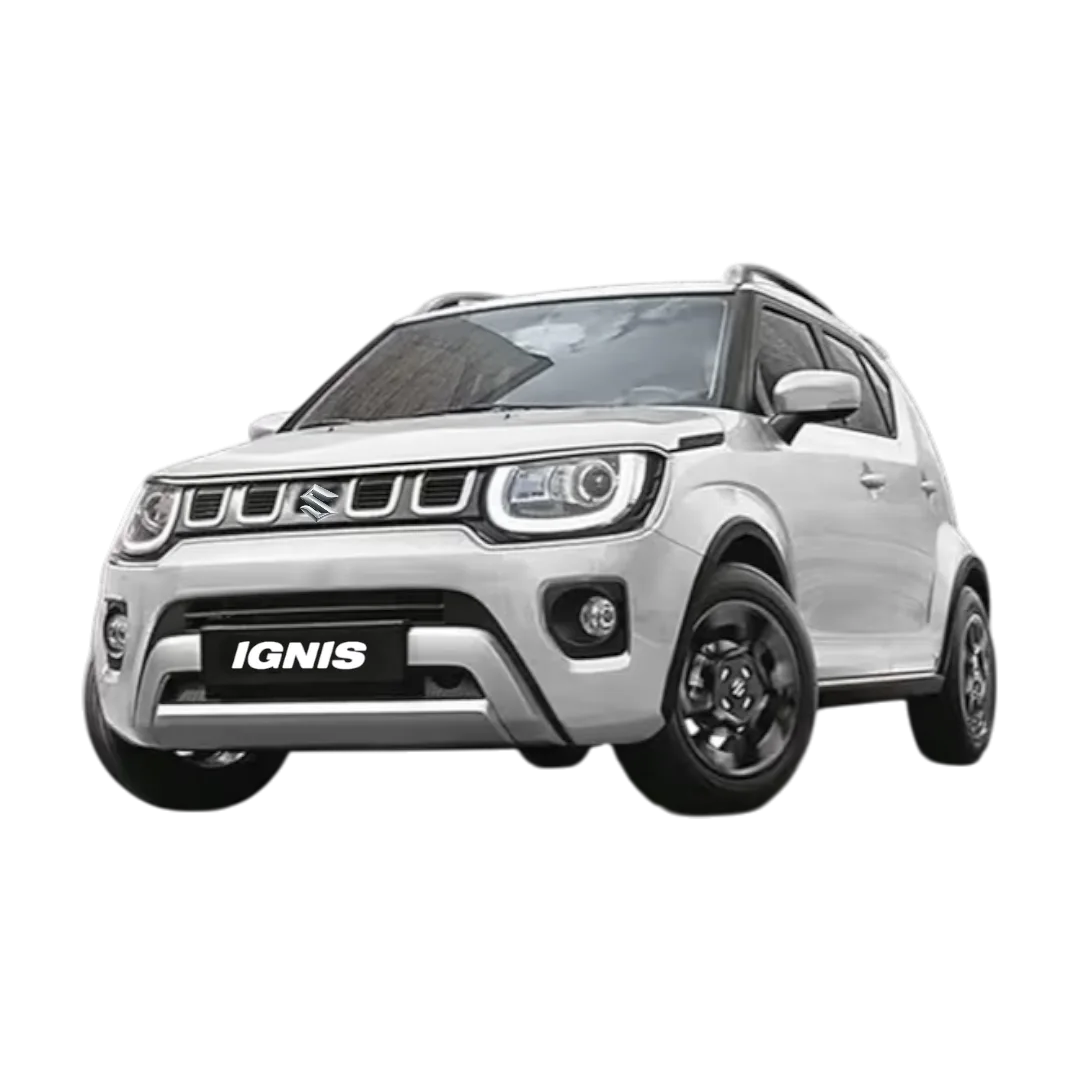 Ignis
Ignis
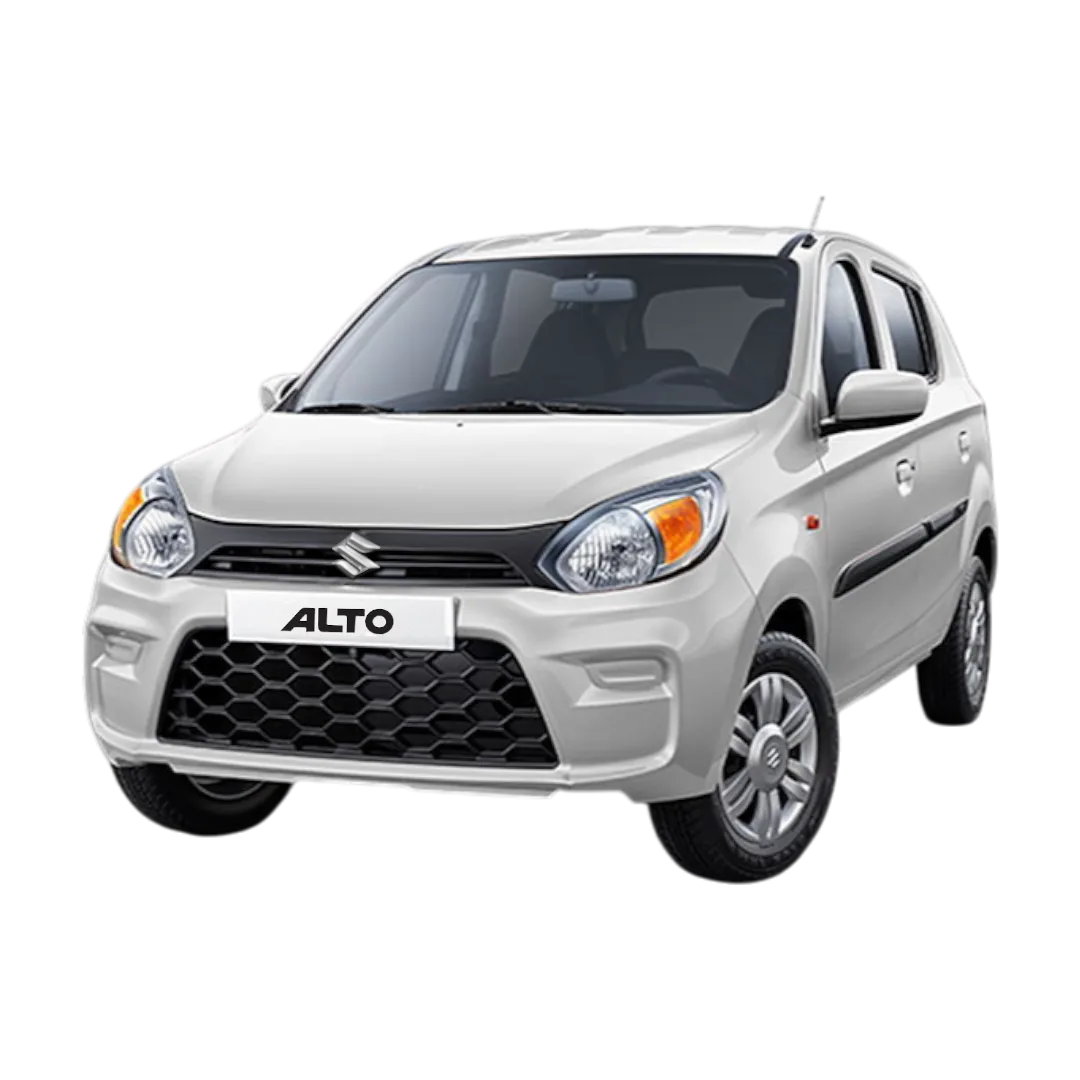 Alto 800
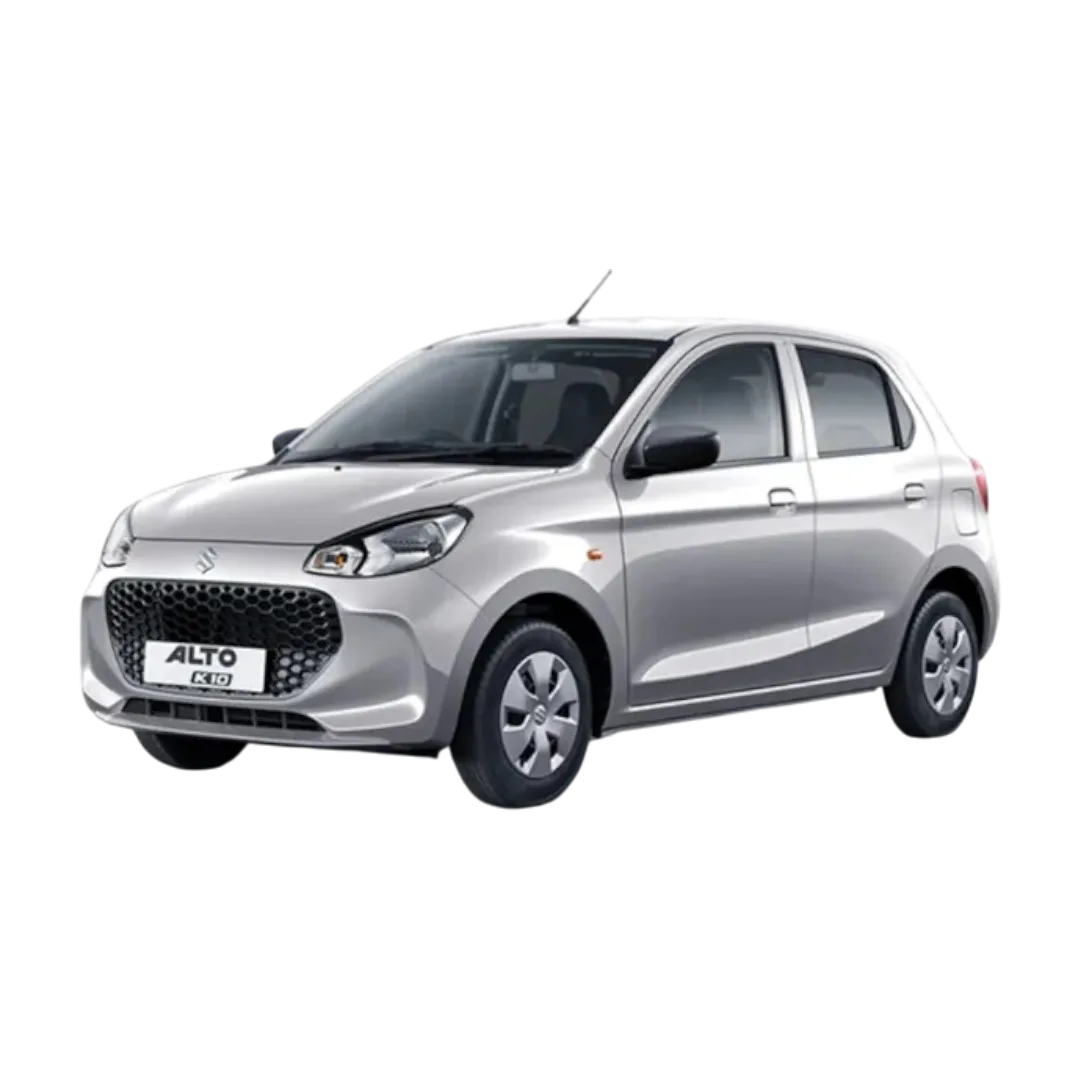 Alto K10
 XL6
XL6
 Omni
Omni
 SX4
SX4
 Gypsy
Gypsy
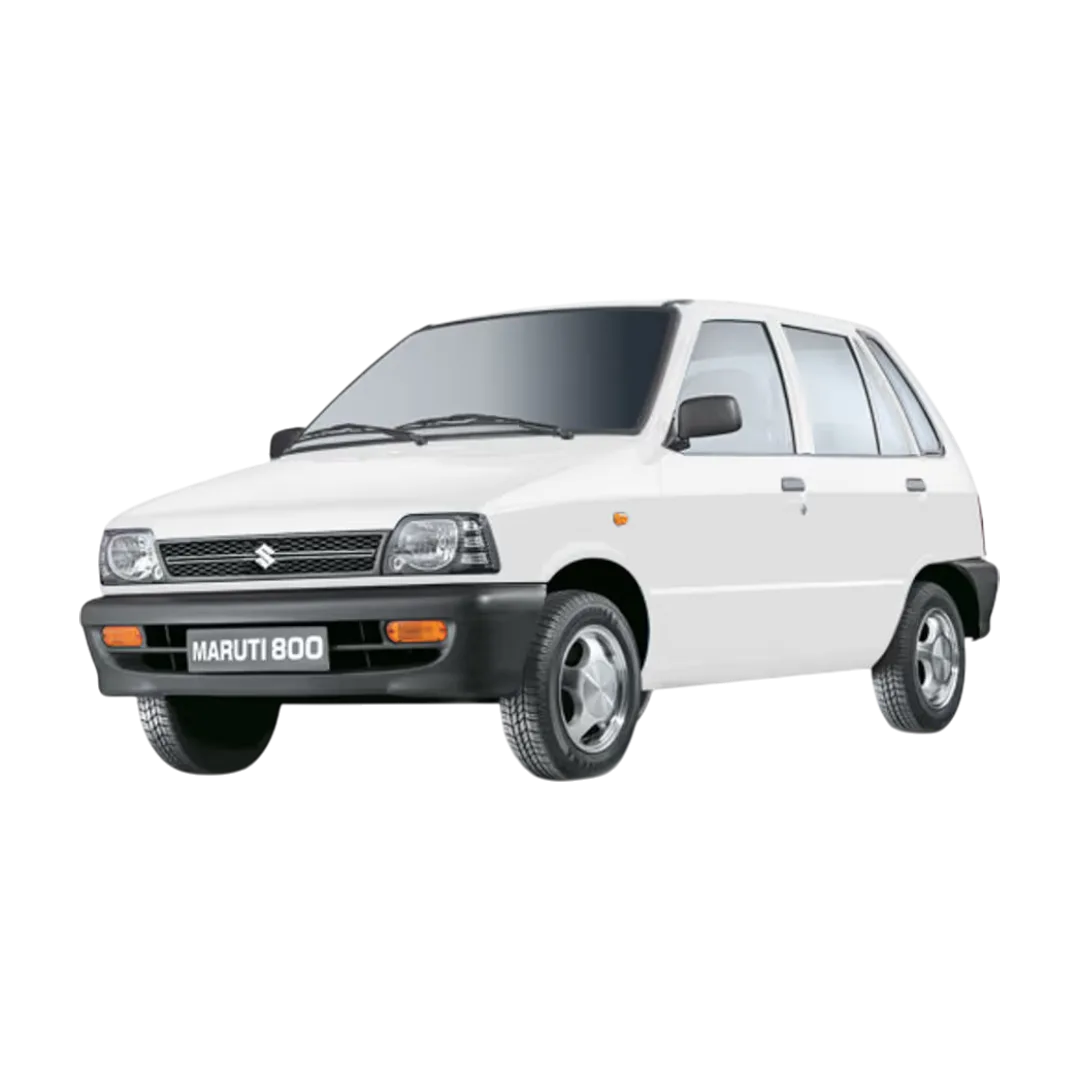 Maruti 800
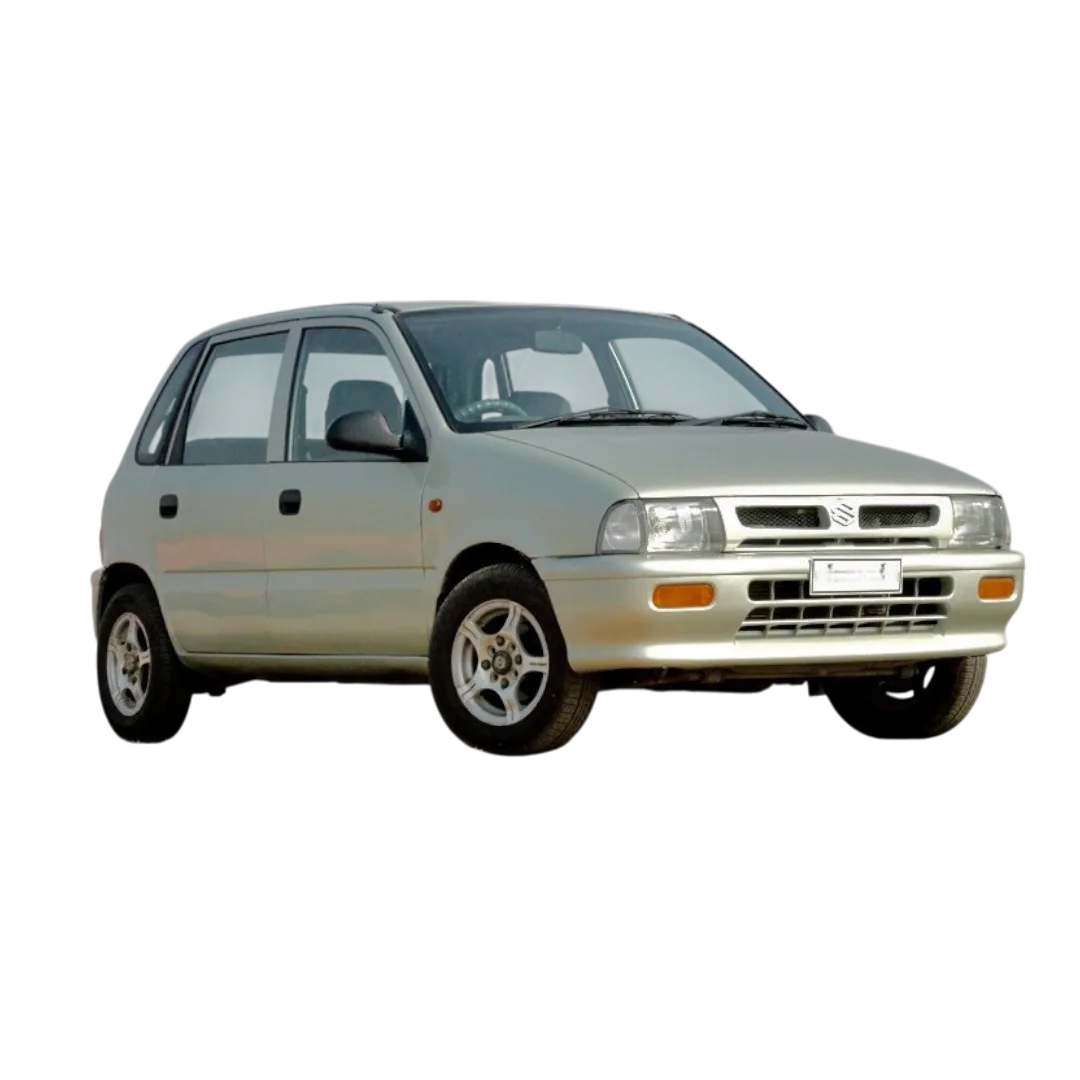 Zen
Zen
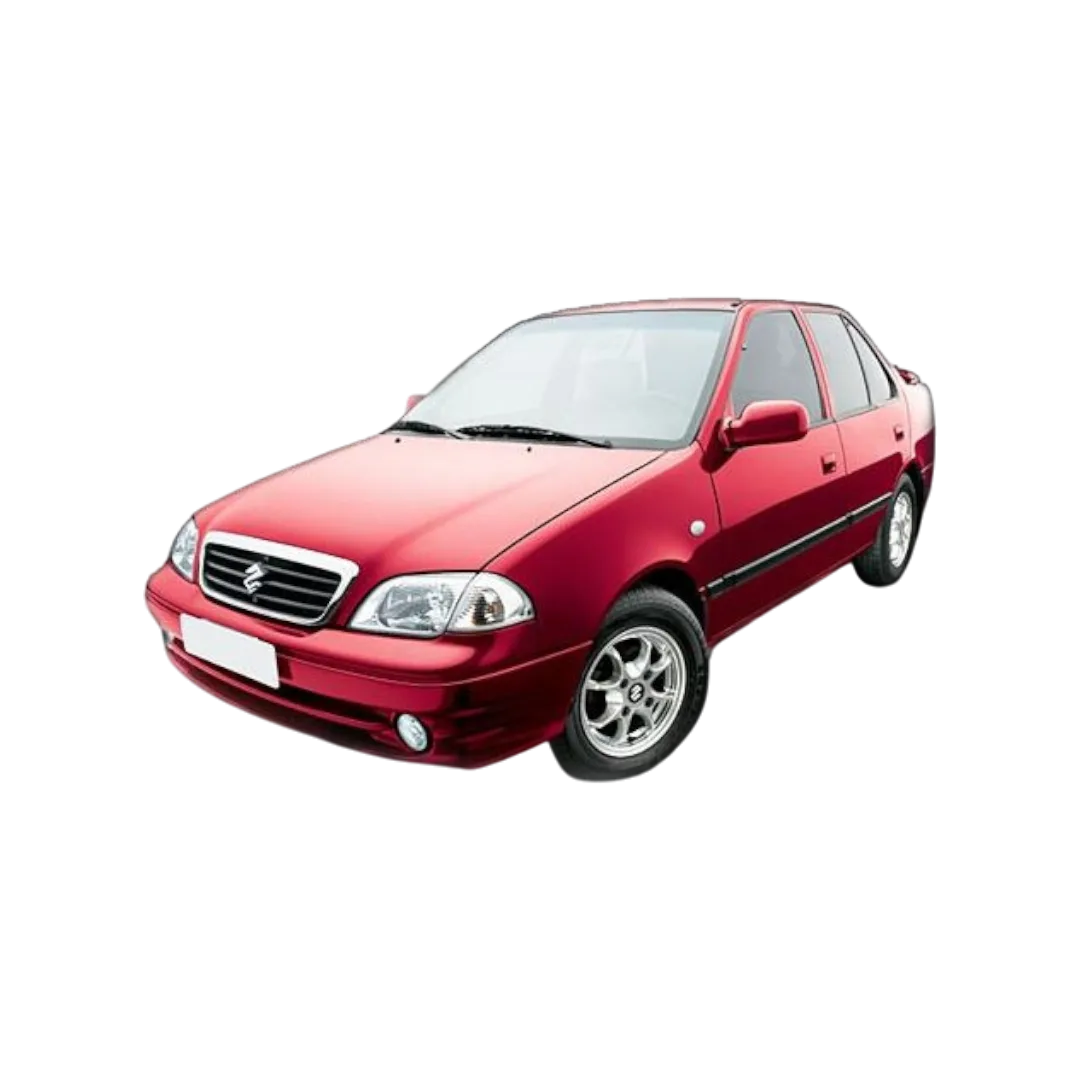 Esteem
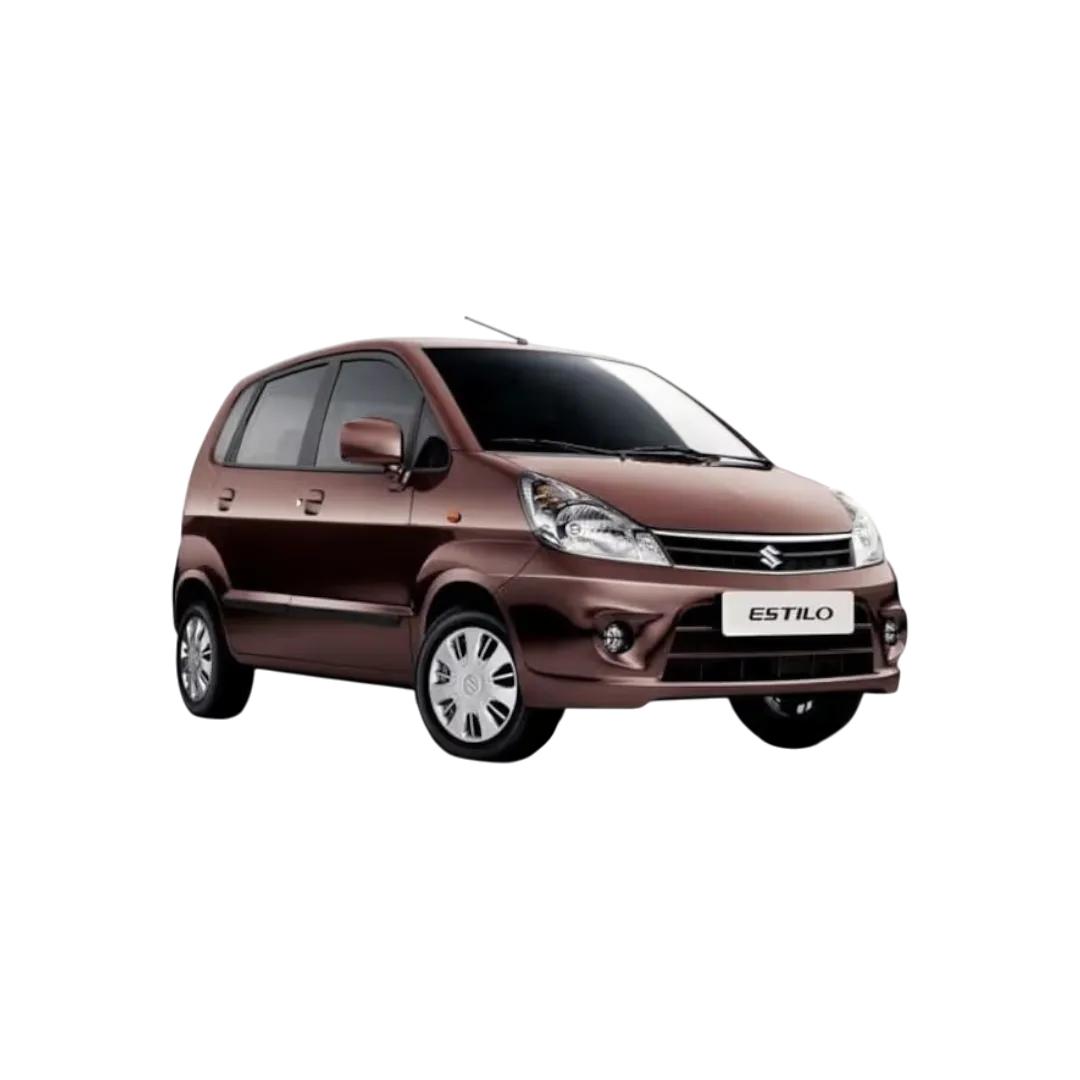 Zen Estilo
 Ritz
Ritz
 Fronx
Fronx
 A-Star
 Alto
Alto
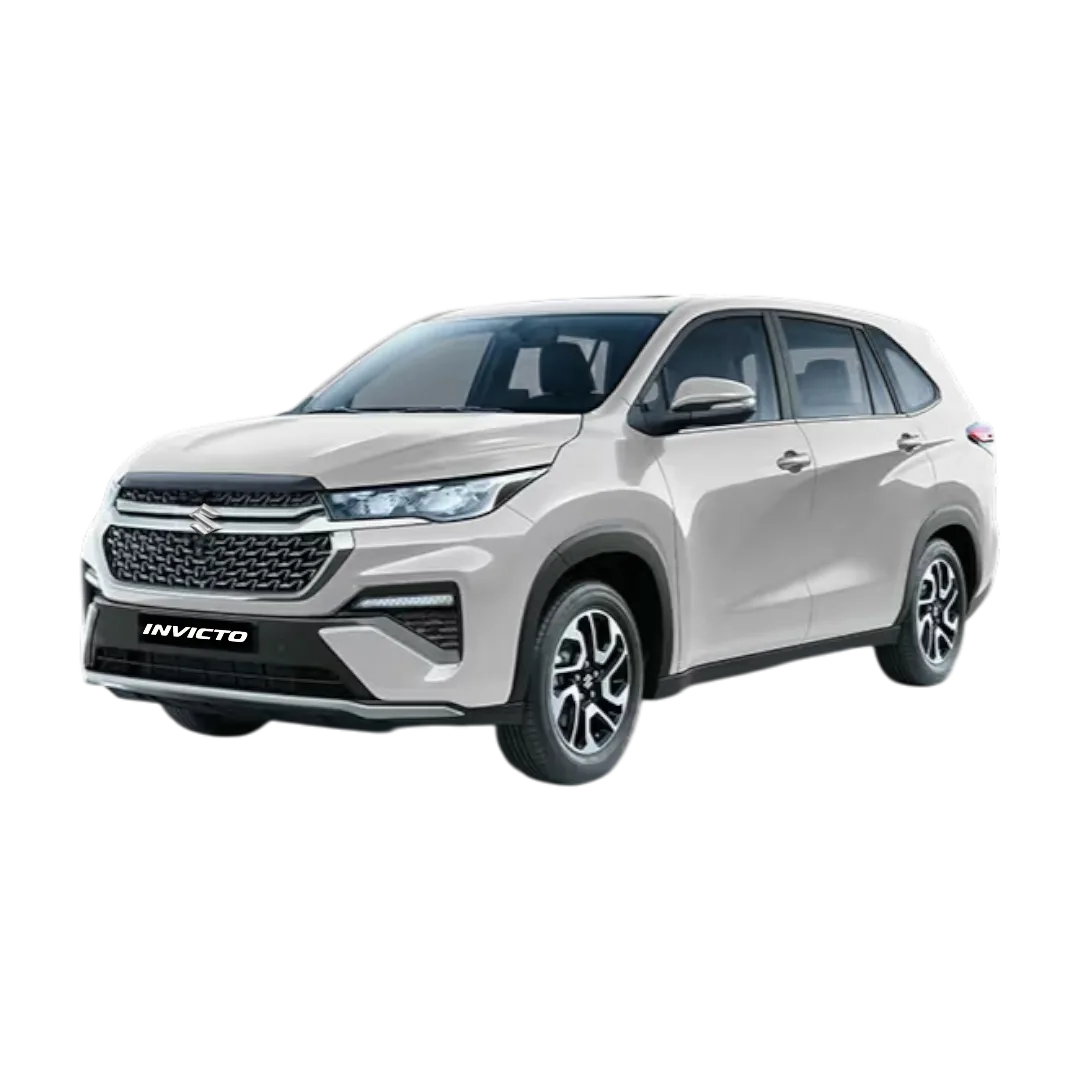 Invicto
Victoris
Wagon R
Invicto
Victoris
Wagon R
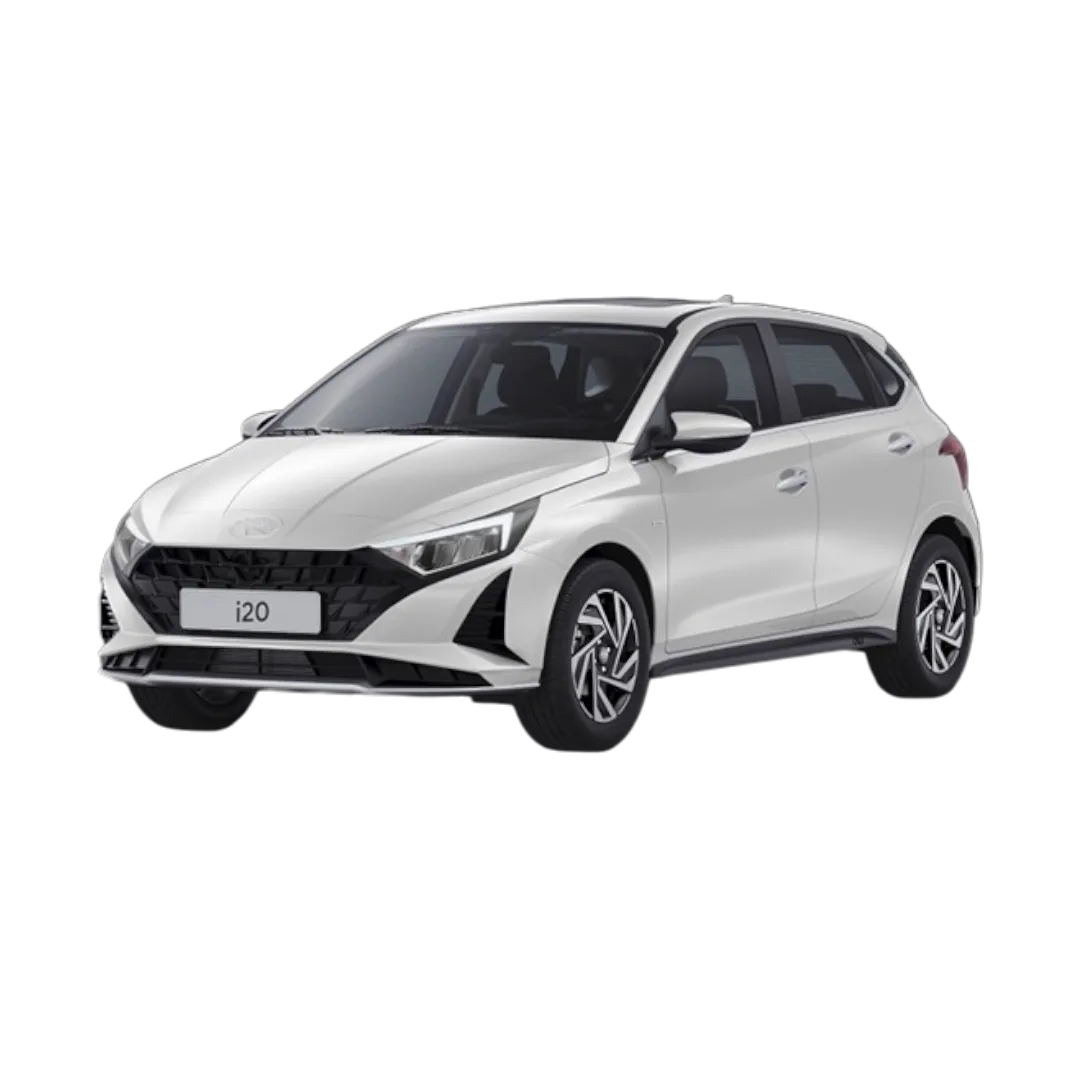 i20
i20
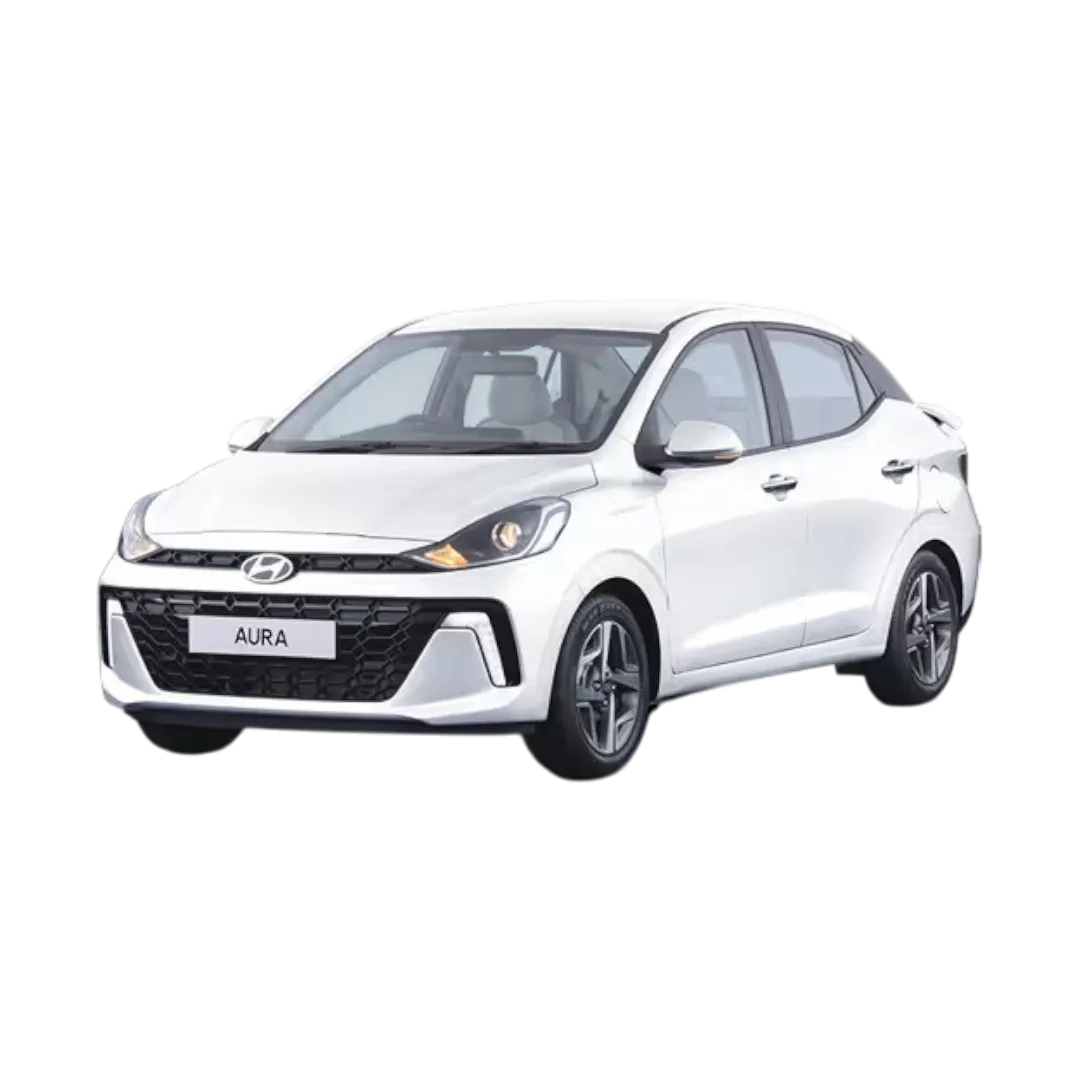 Aura
Aura
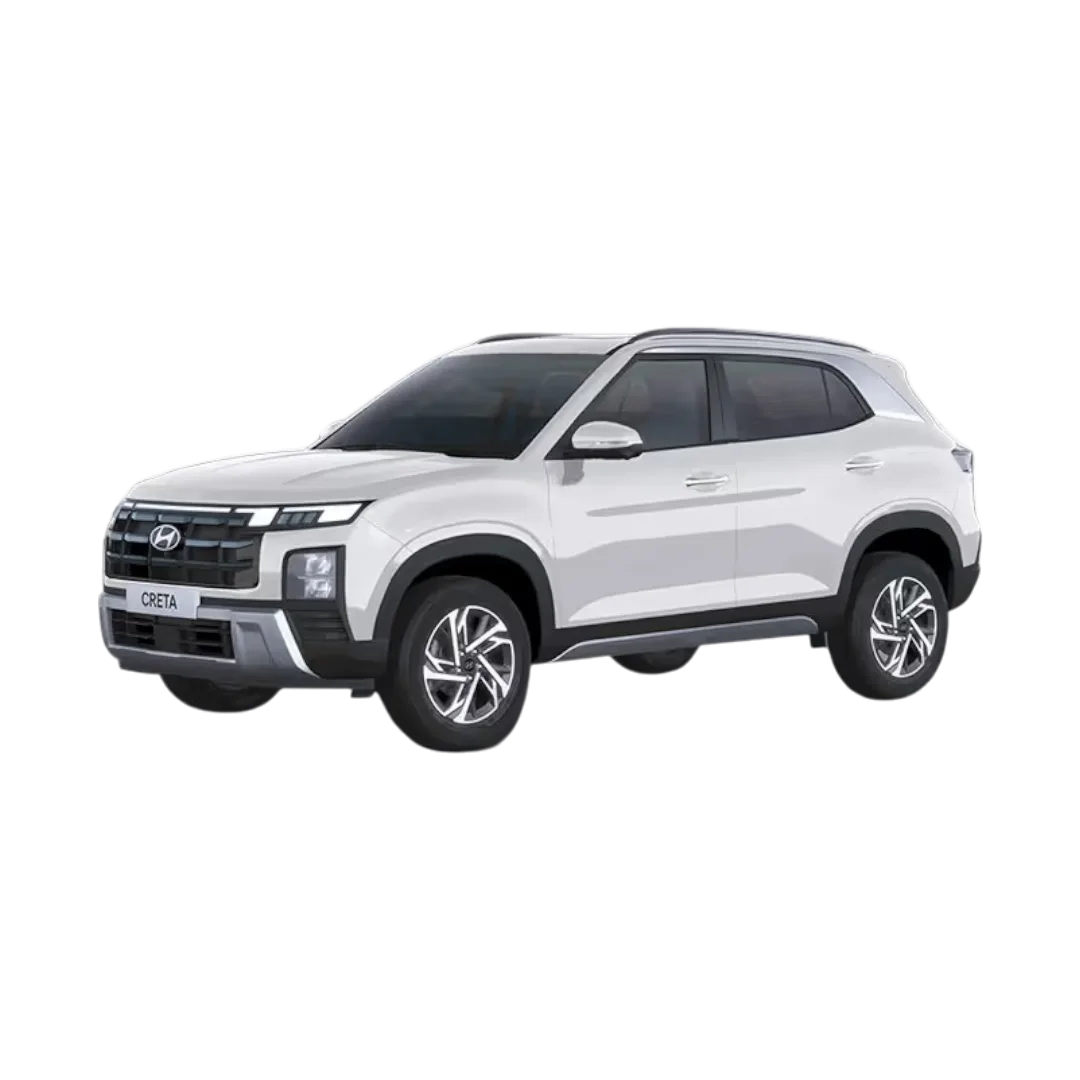 Creta
Creta
 Elantra
 Getz
Getz
 Grand i10 Nios
 Venue
Venue
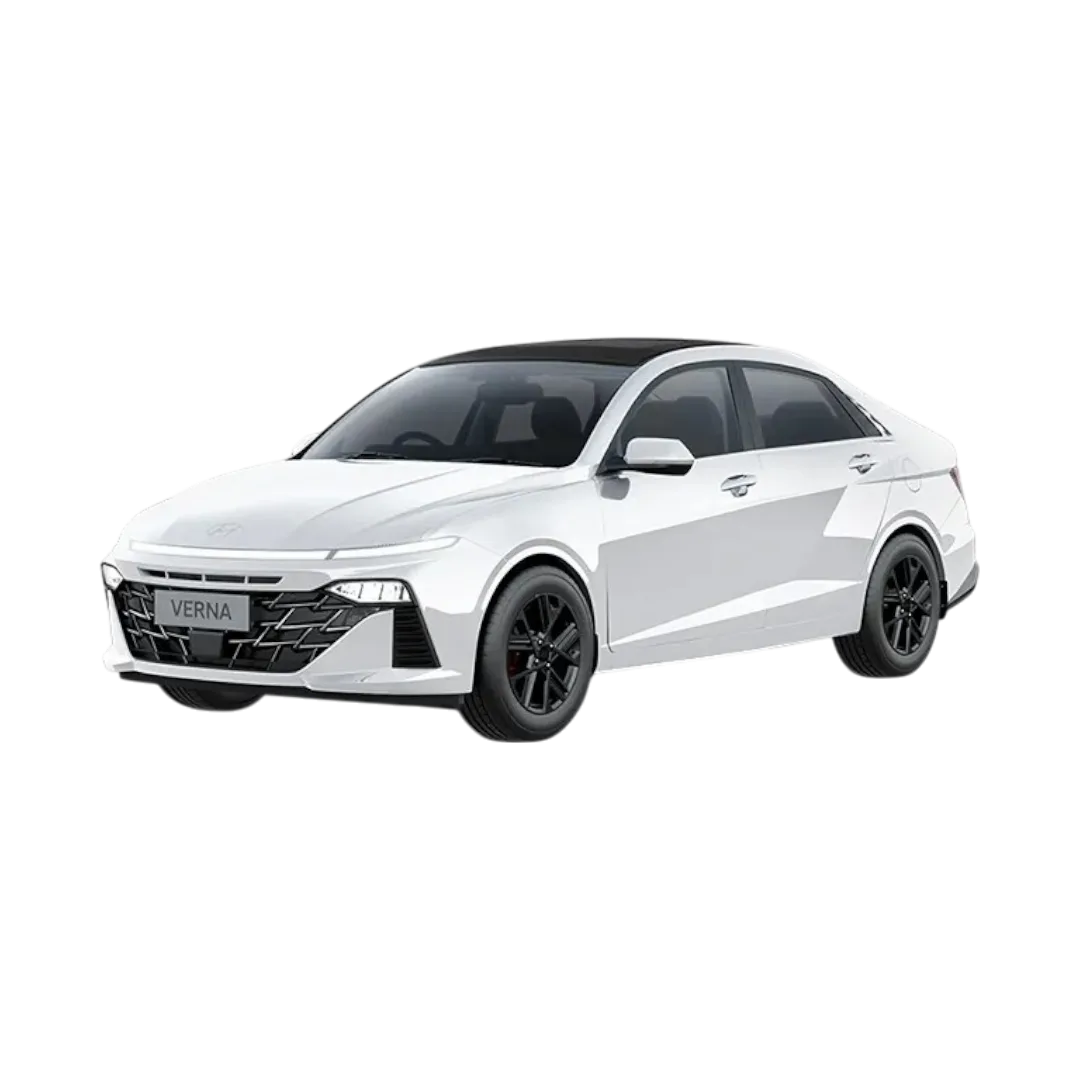 Verna
Verna
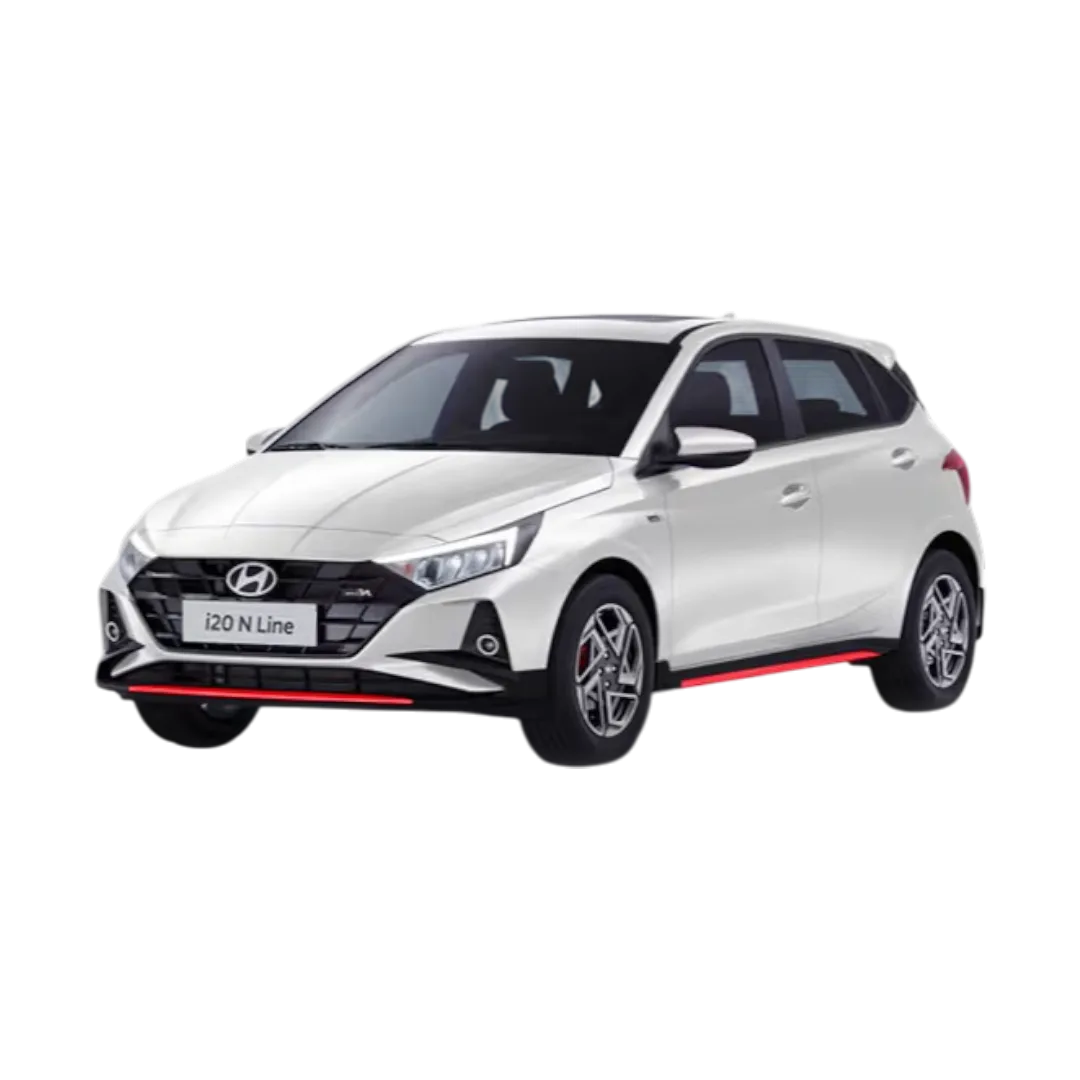 i20 N Line
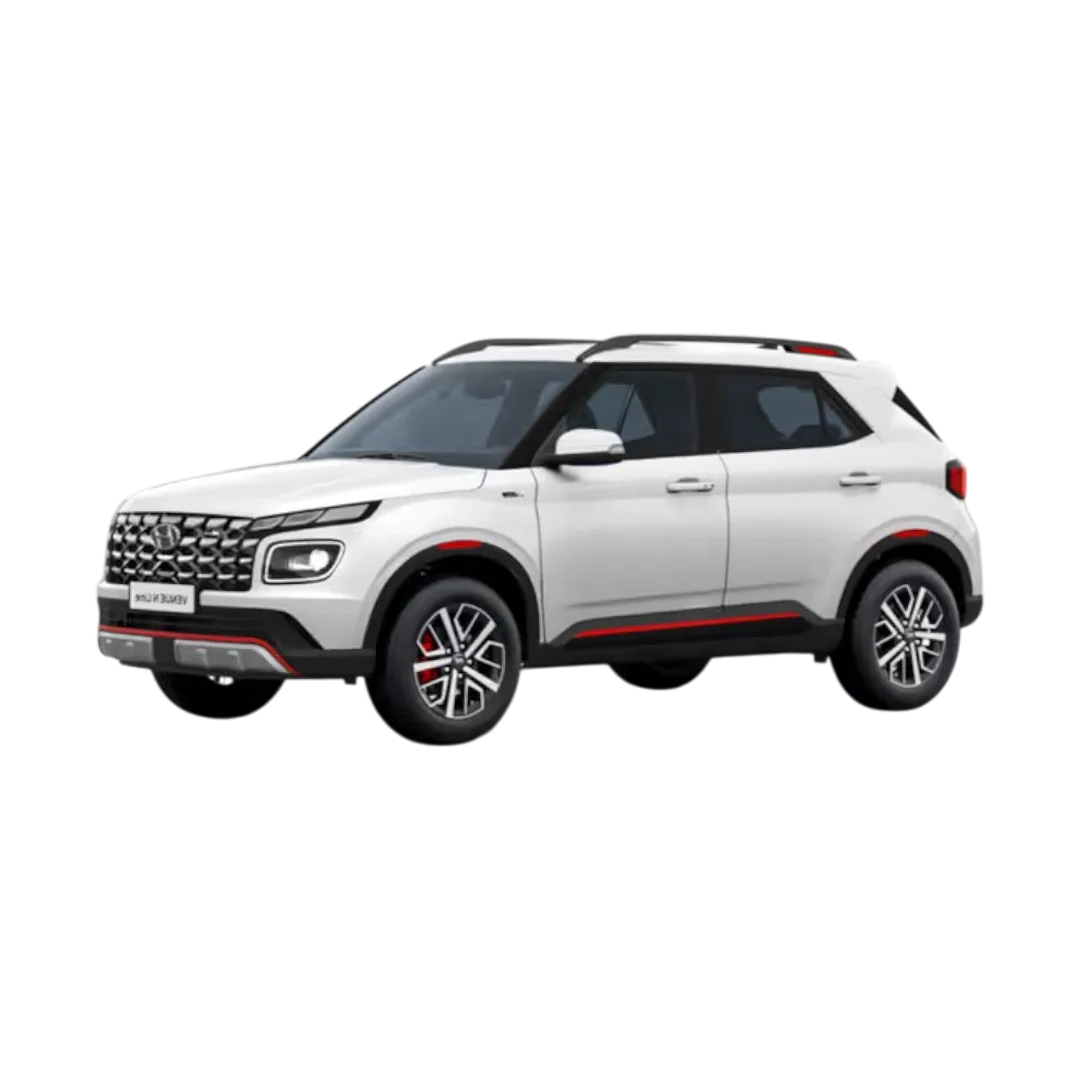 Venue N Line
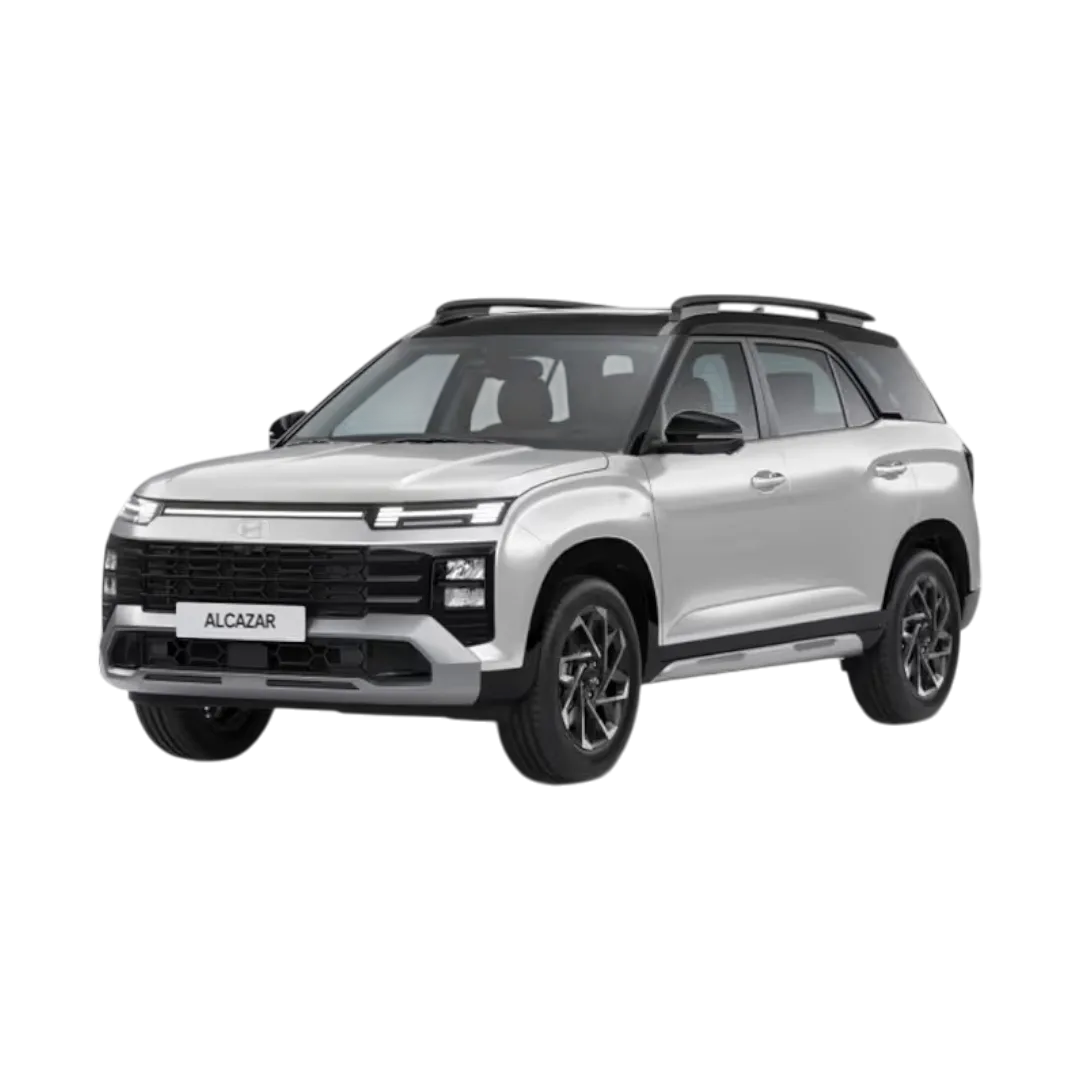 Alcazar
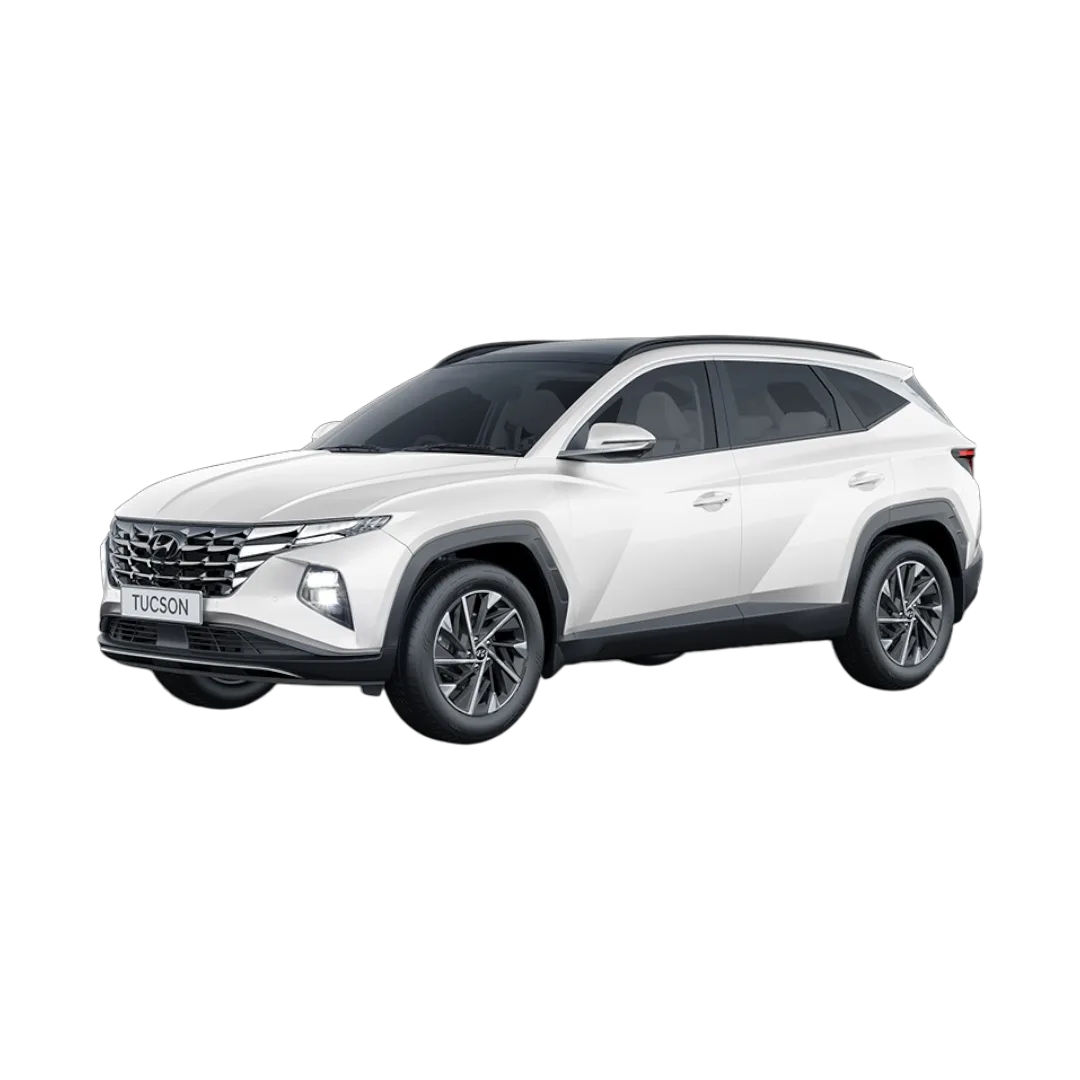 Tucson
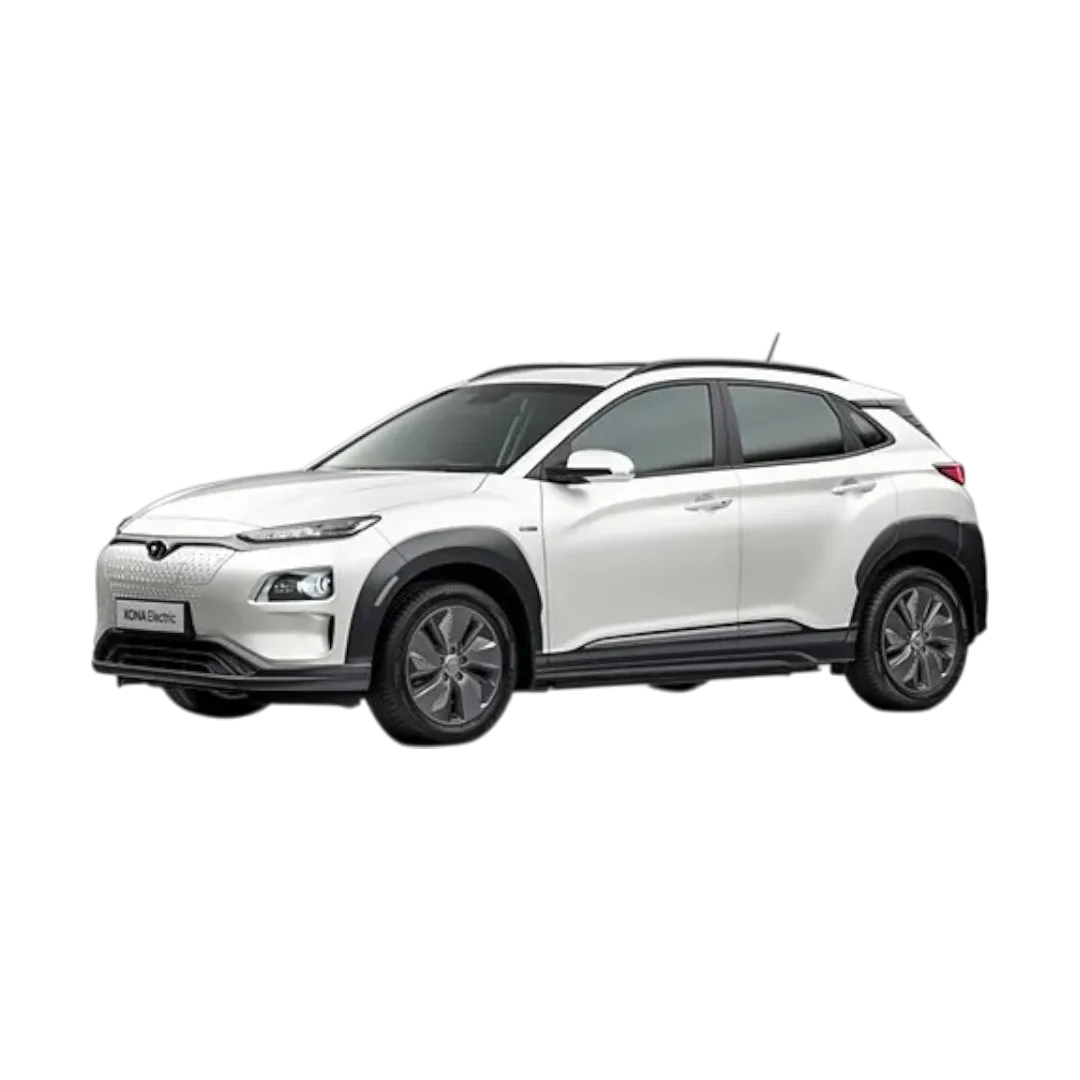 Kona
Kona
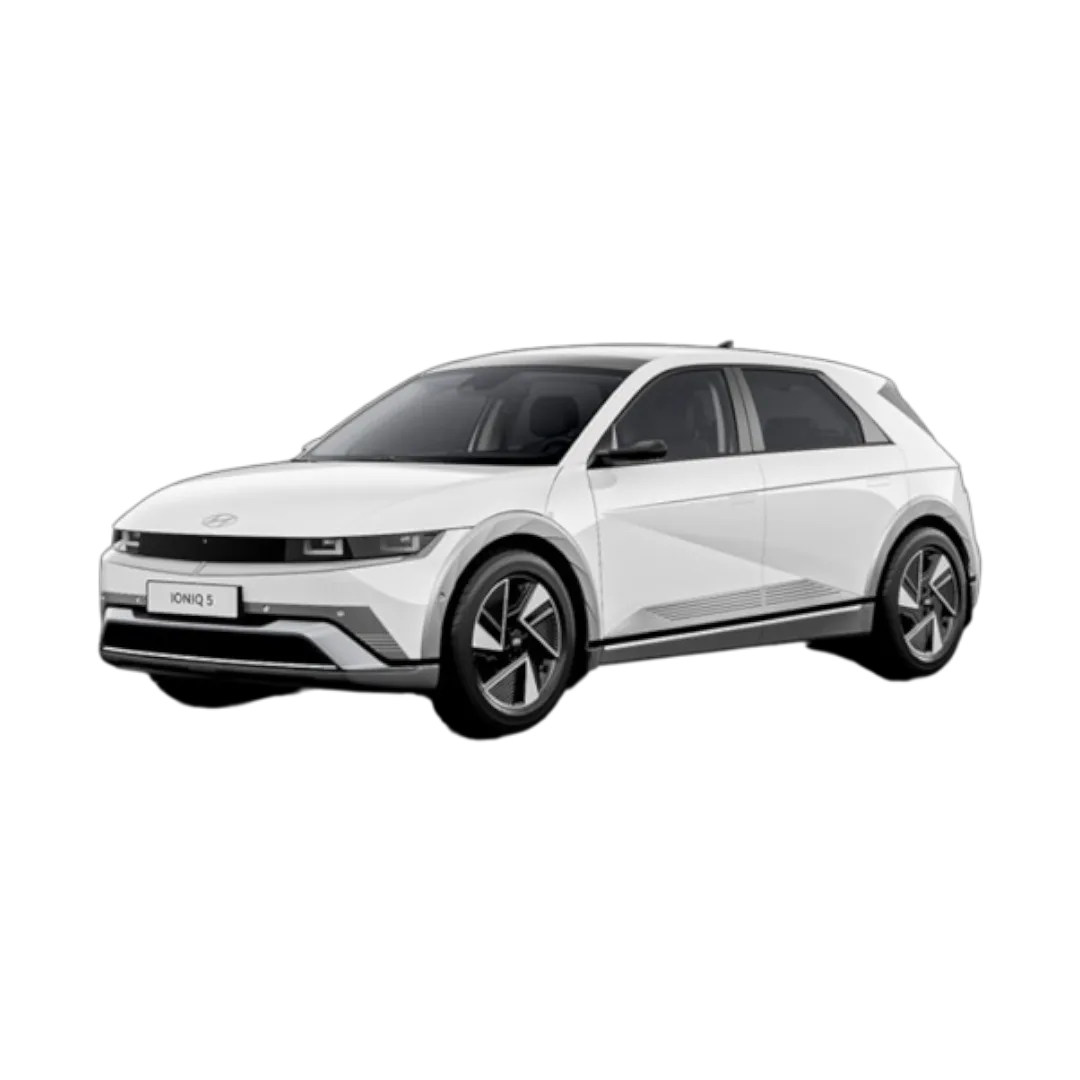 iONIQ 5
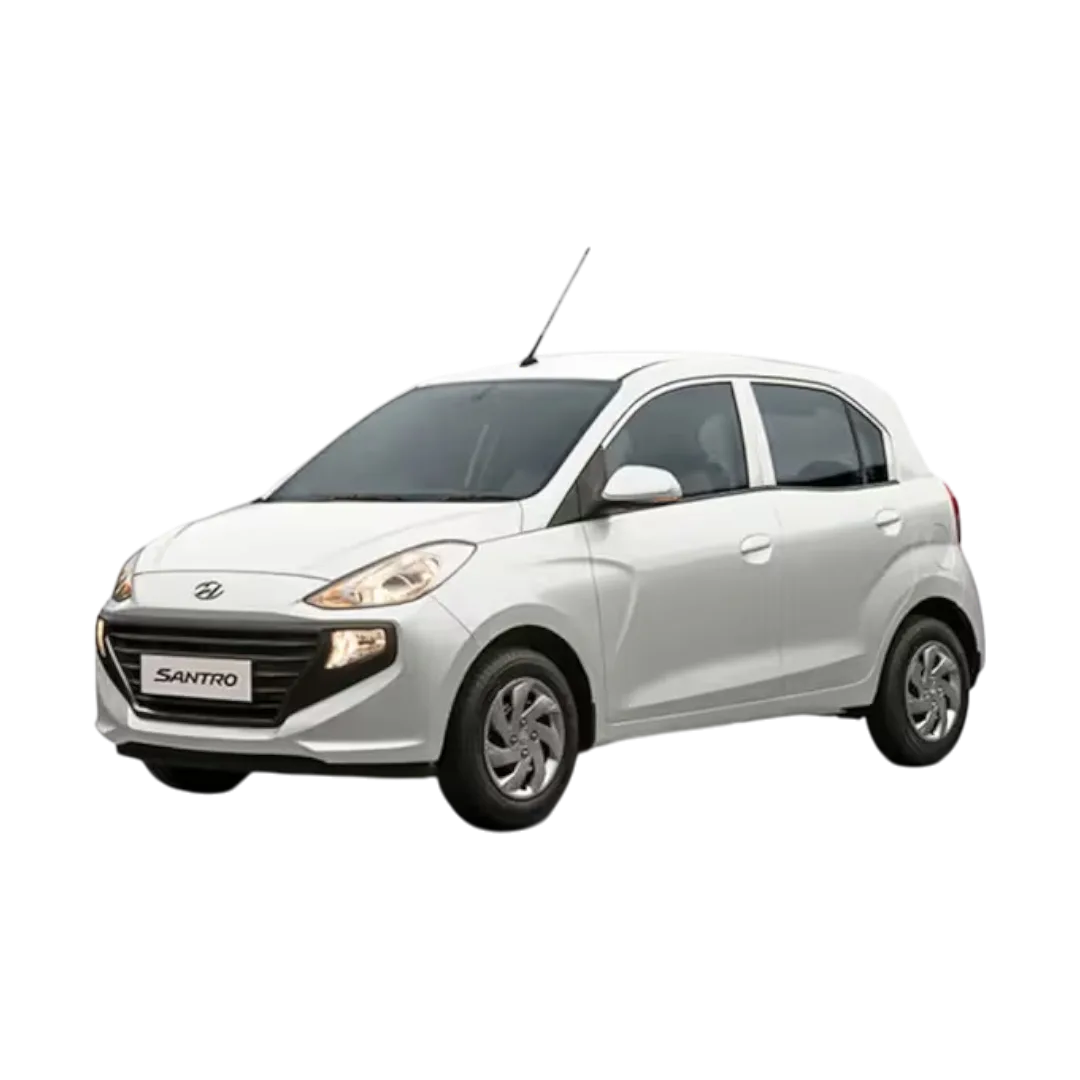 Santro
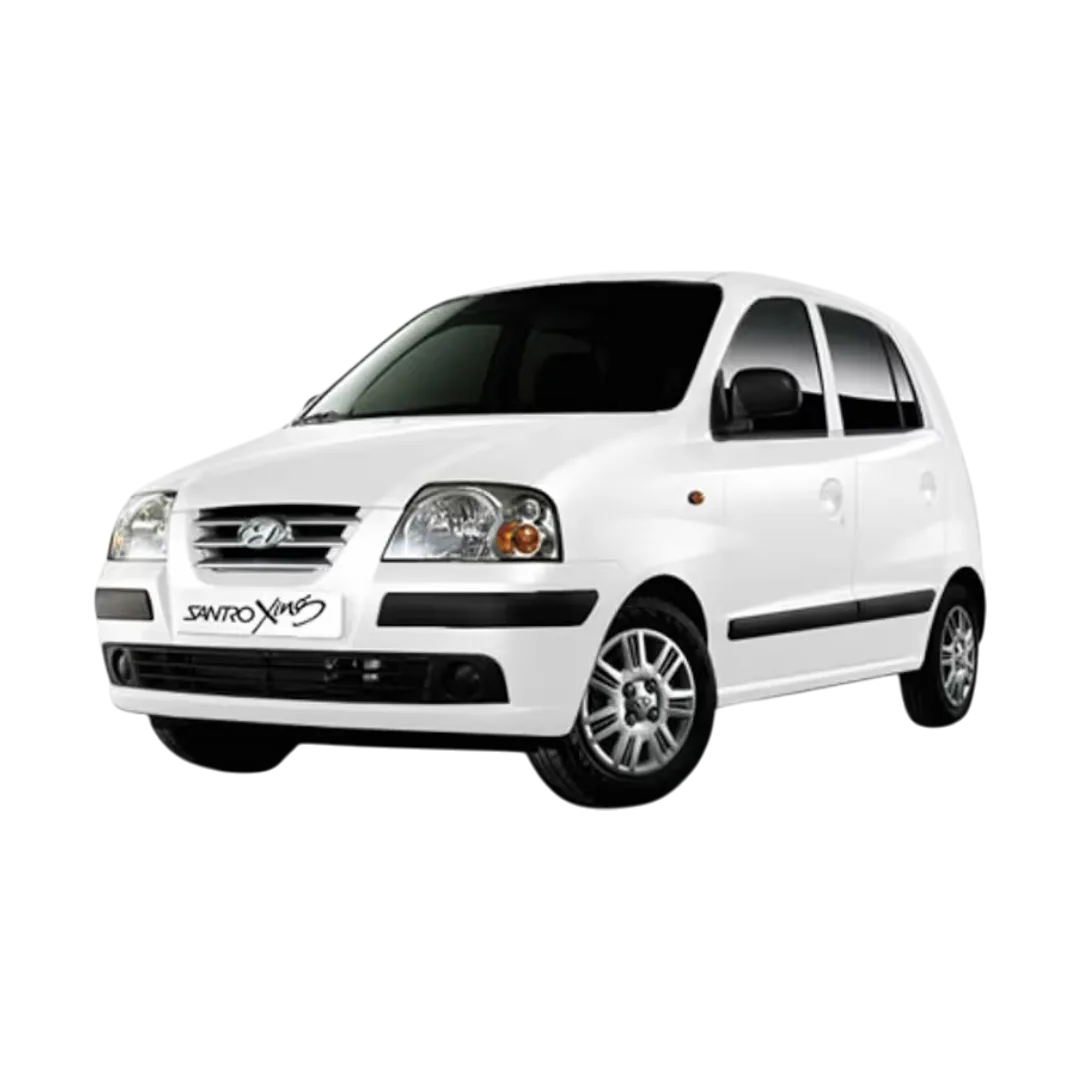 Santro Xing
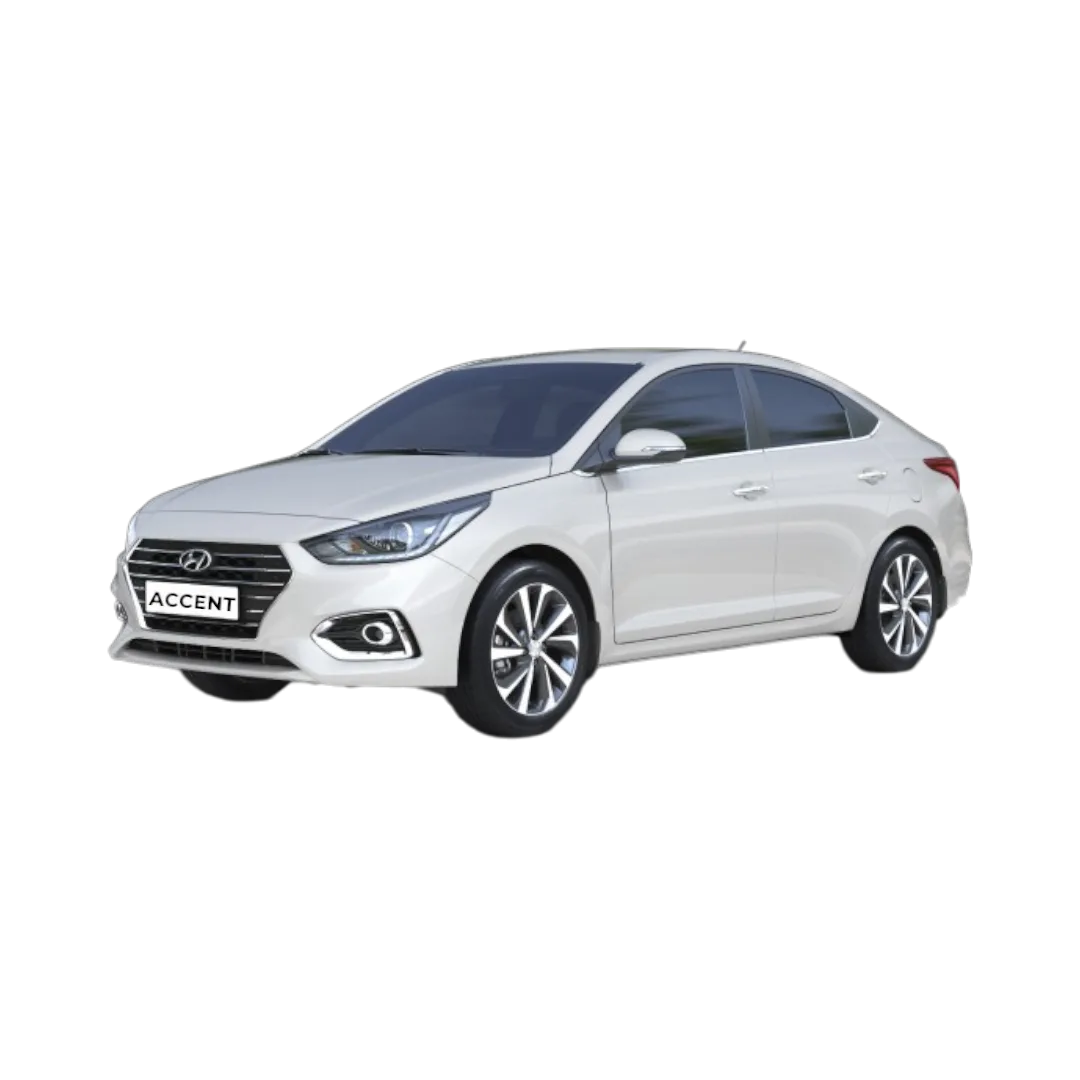 Accent
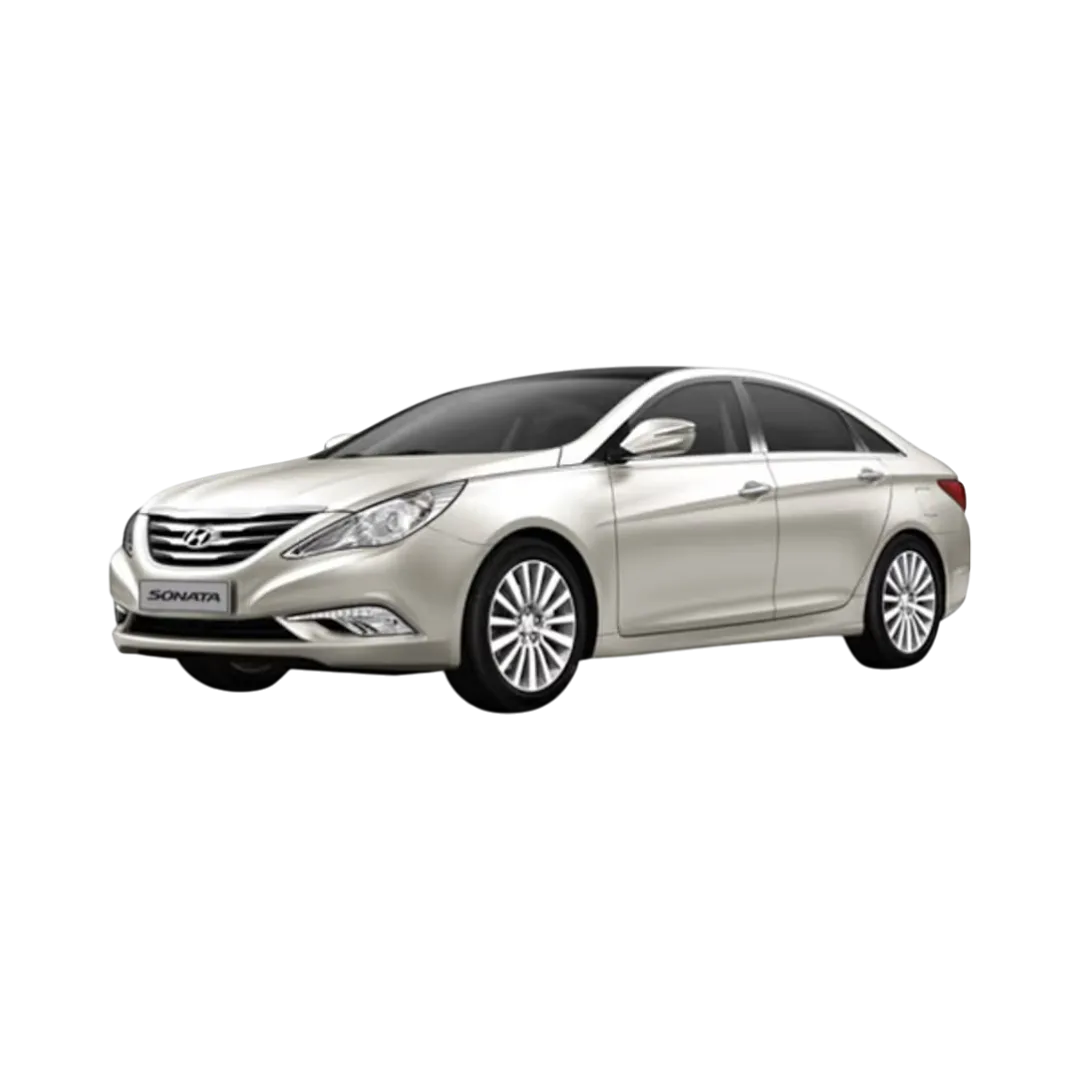 Sonata
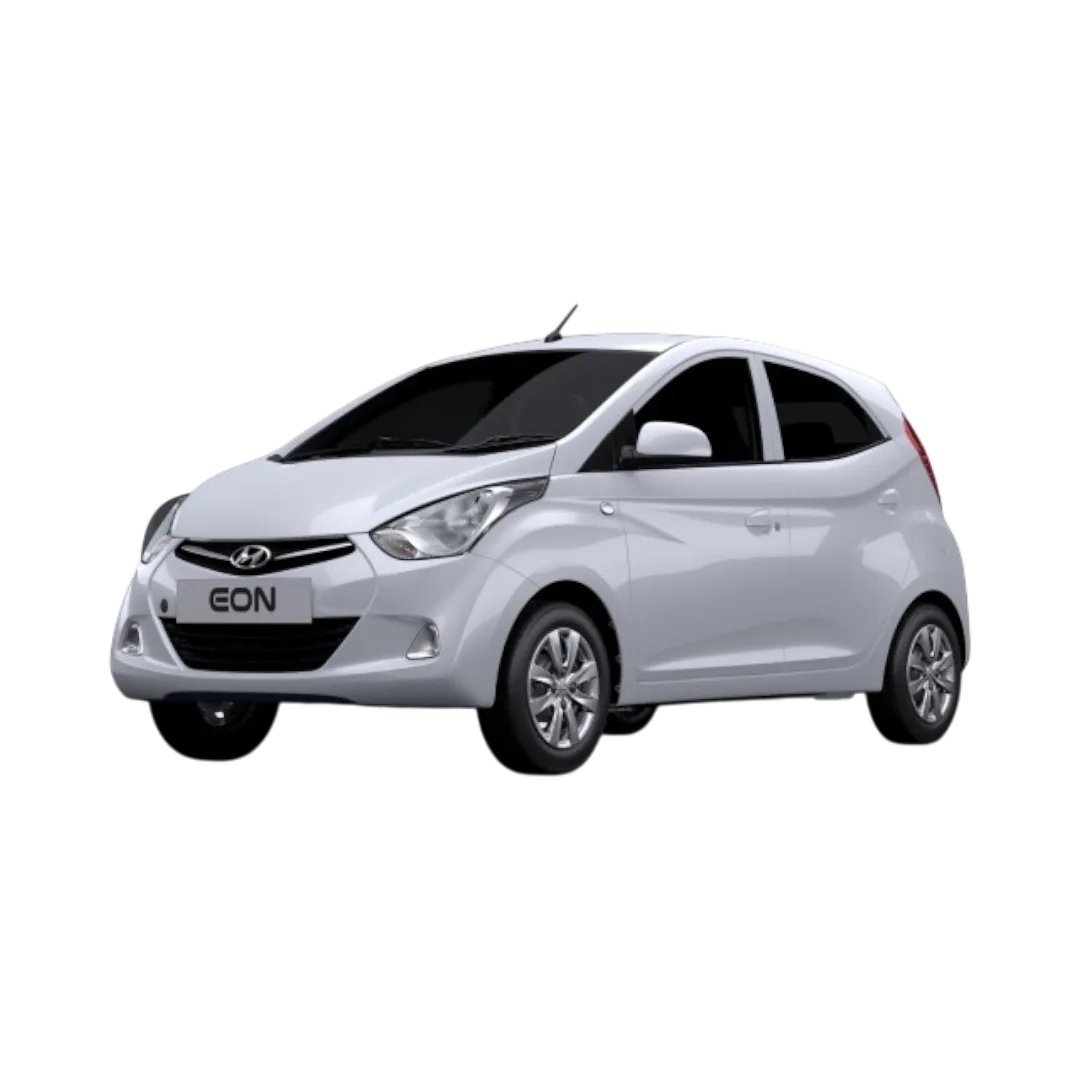 Eon
Eon
 i10
i10
 Grand i10
 Xcent
Xcent
 Elite i20
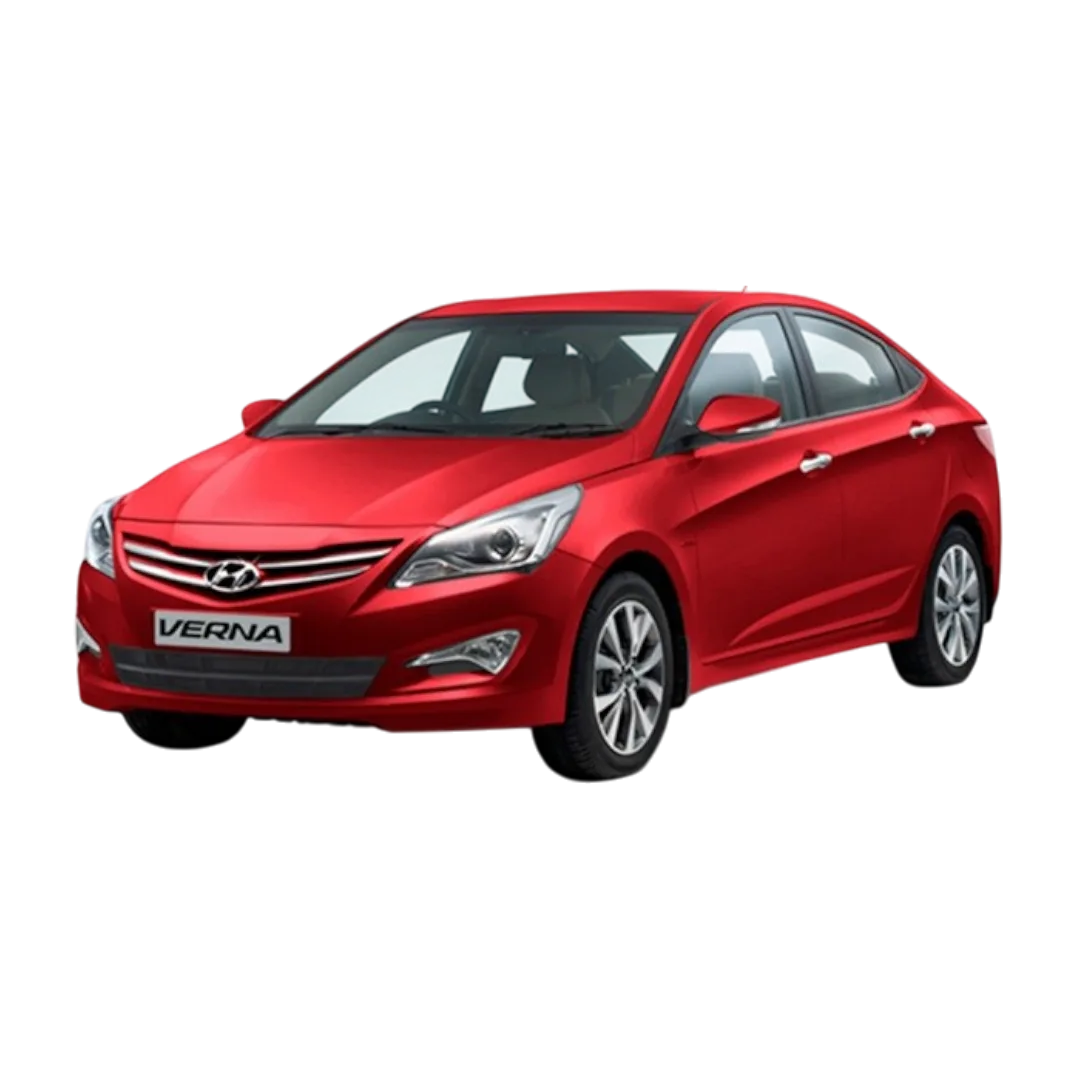 Verna Fluidic
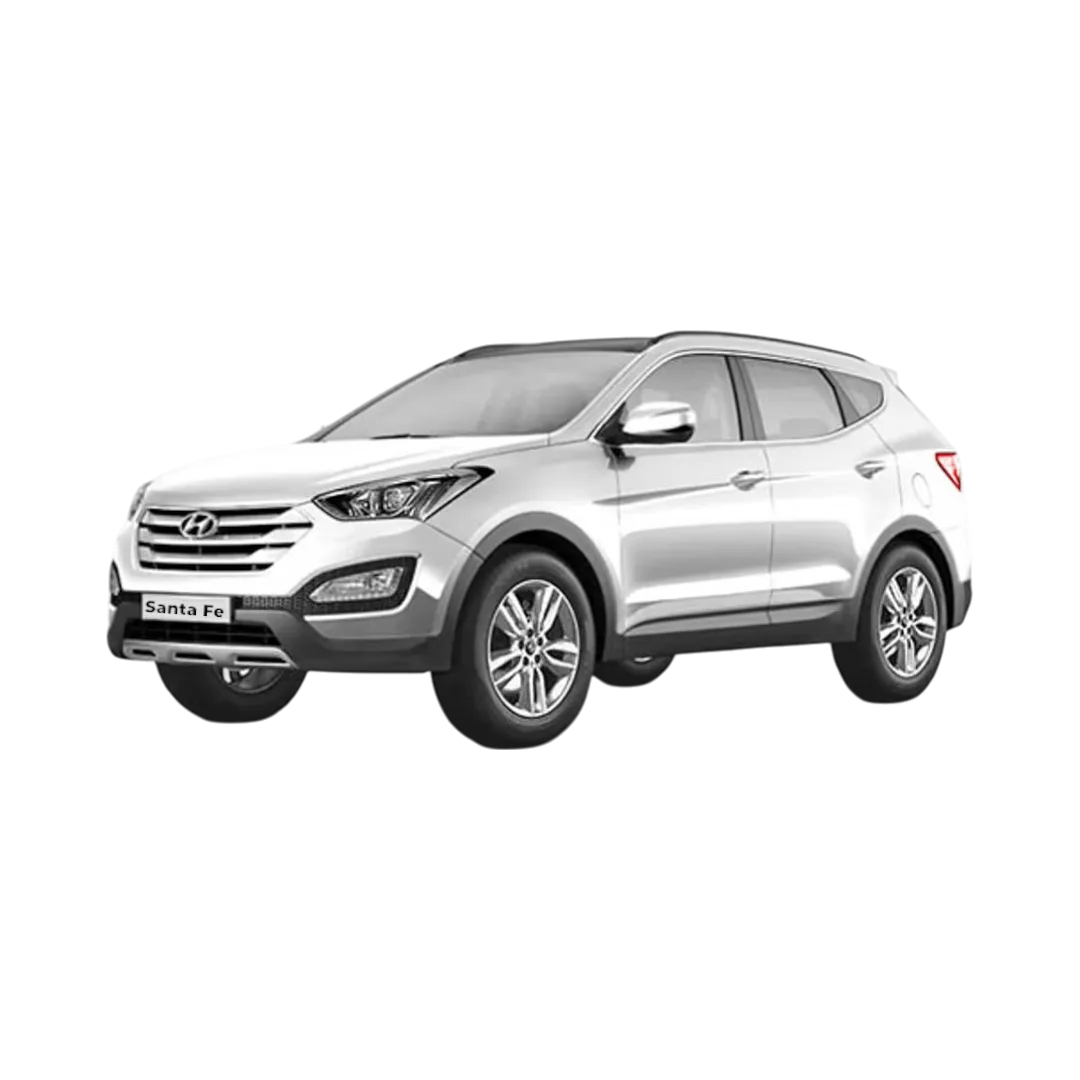 Santafe
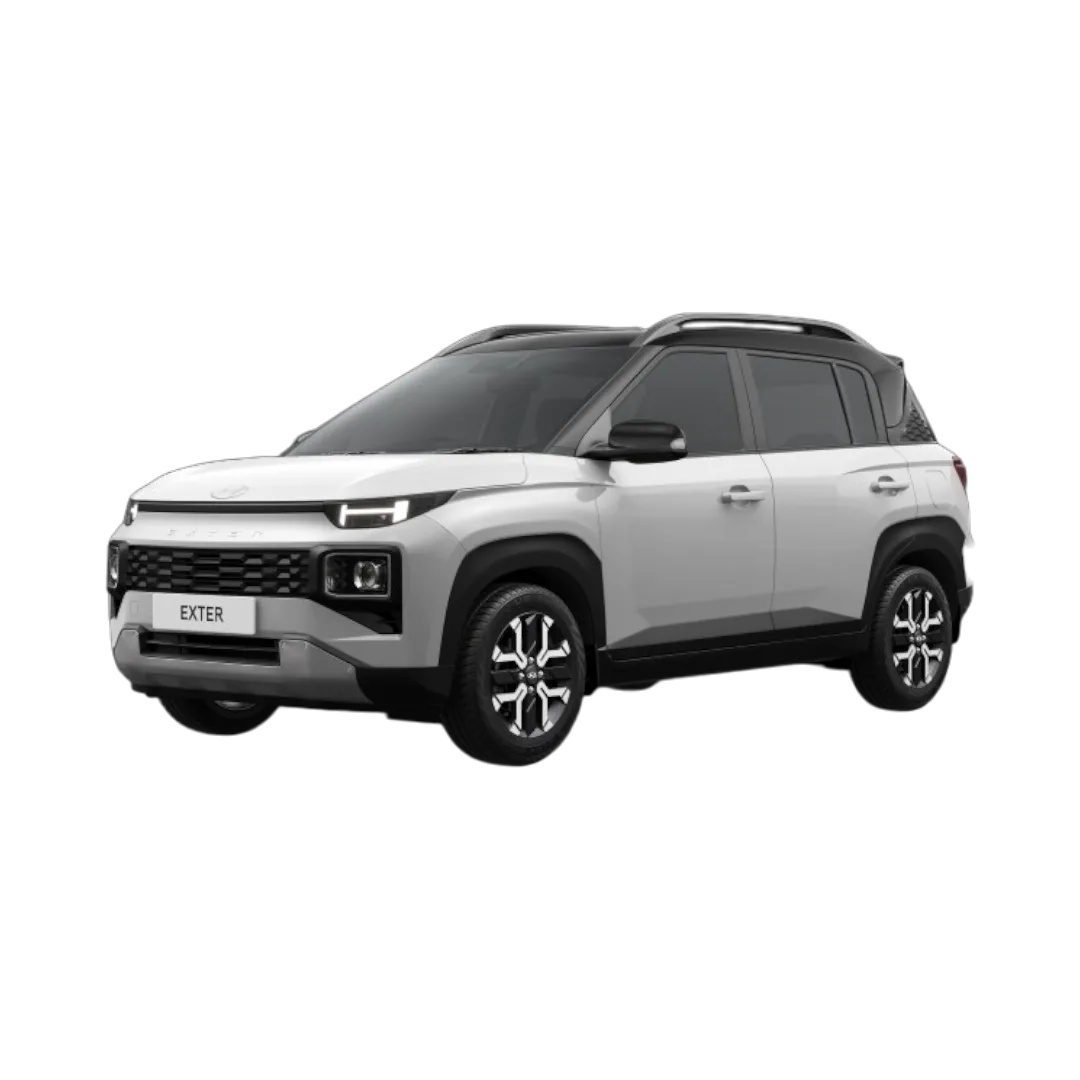 Exter
Sonata Fluidic
i20 Active
Exter
Sonata Fluidic
i20 Active
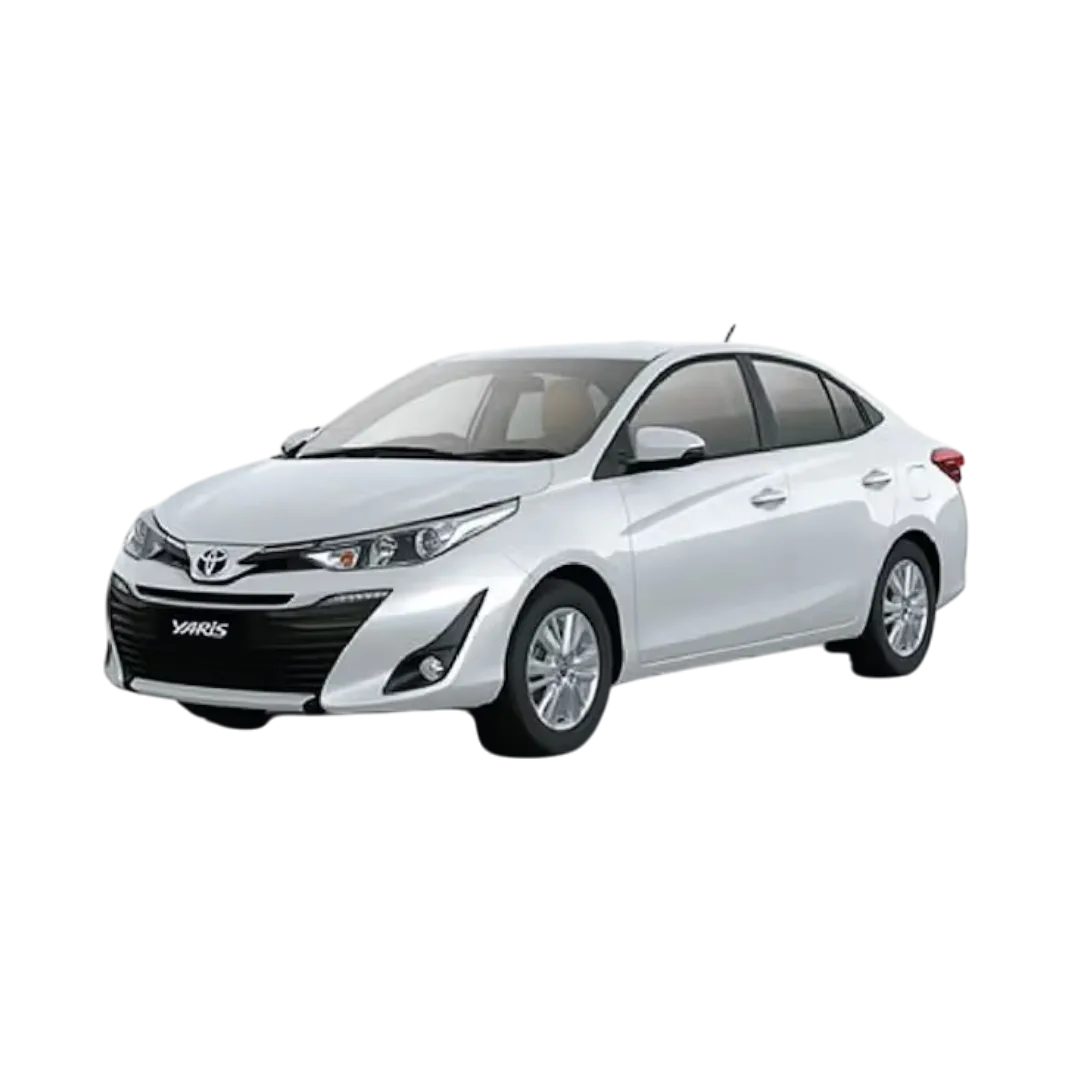 Yaris
Yaris
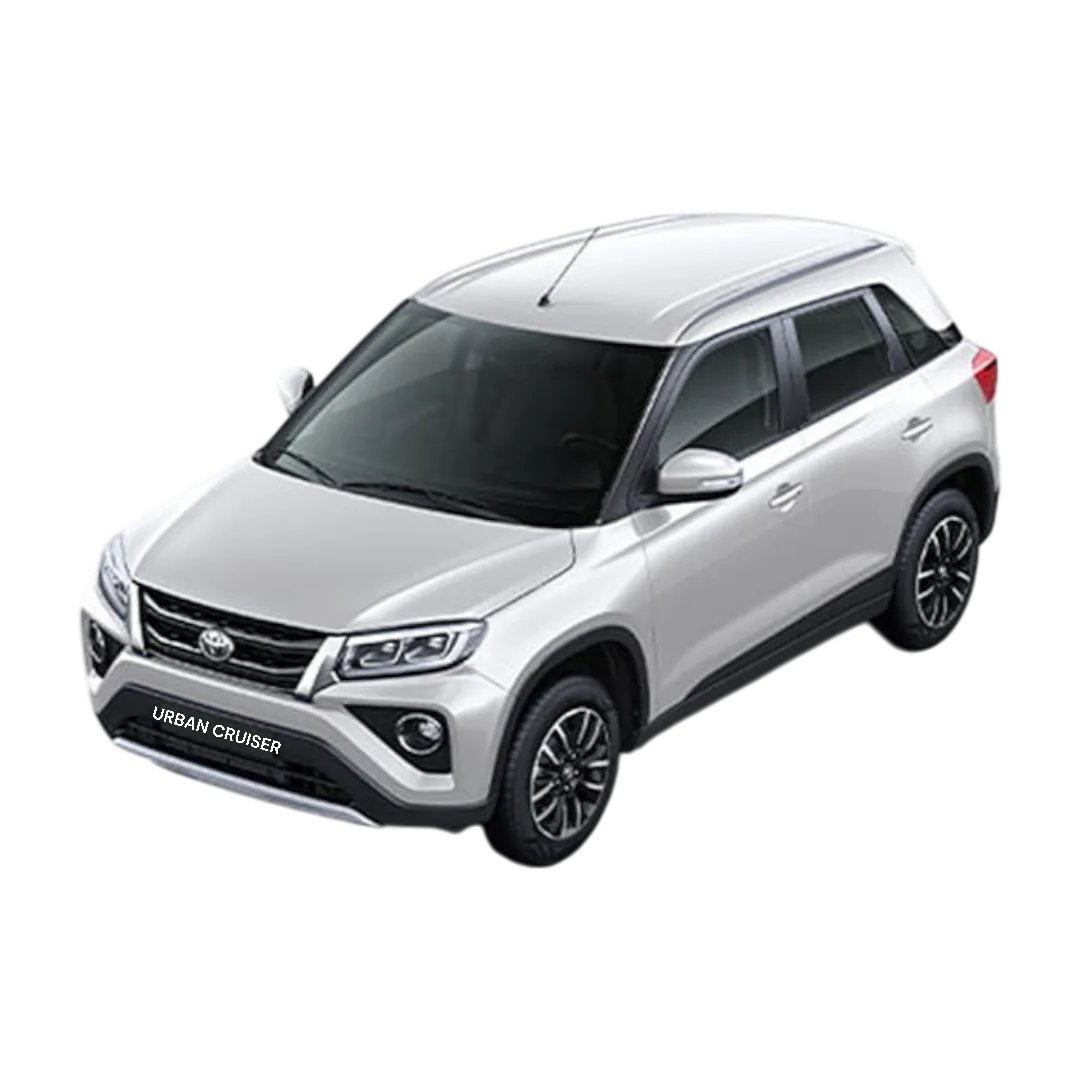 Urban Cruiser
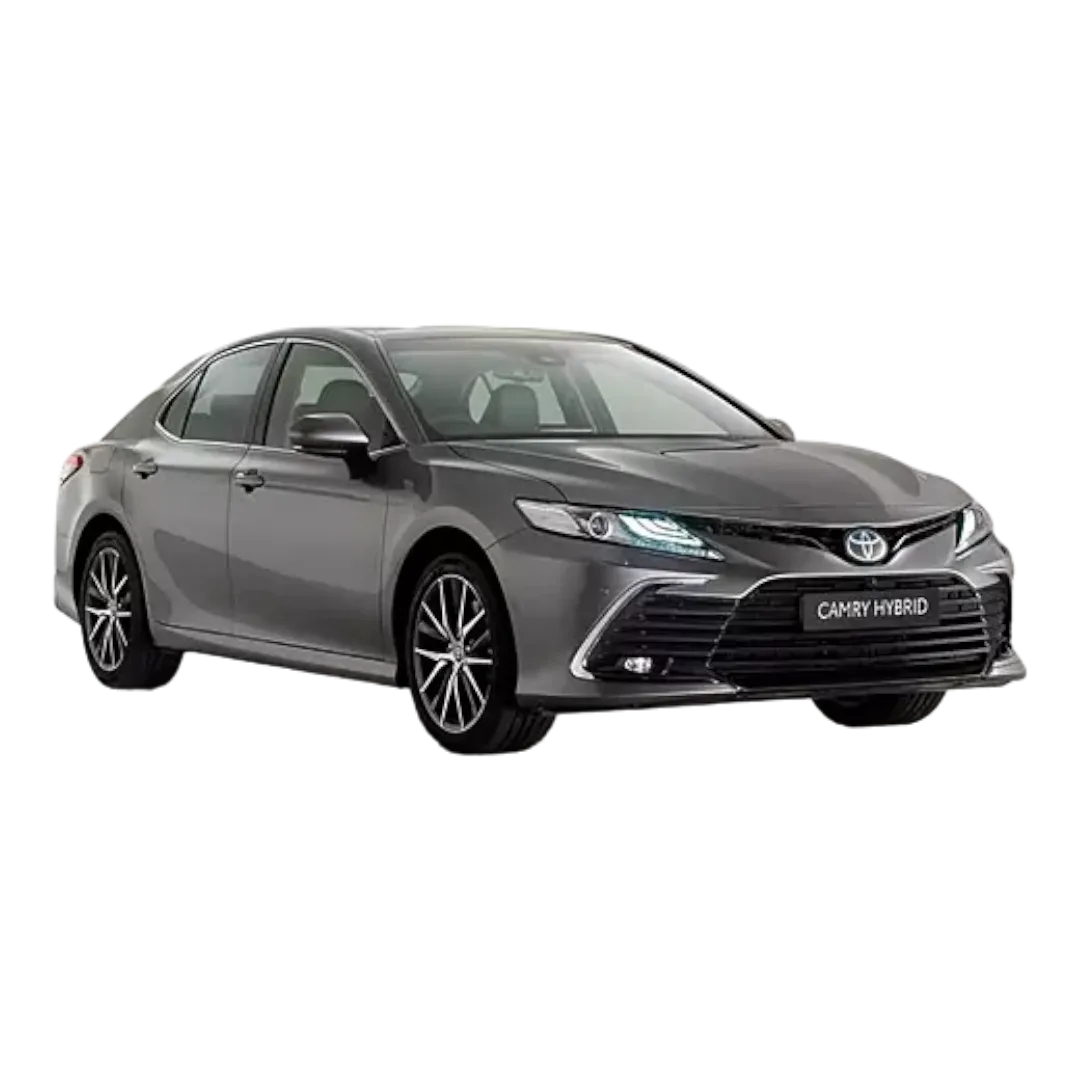 Camry
Camry
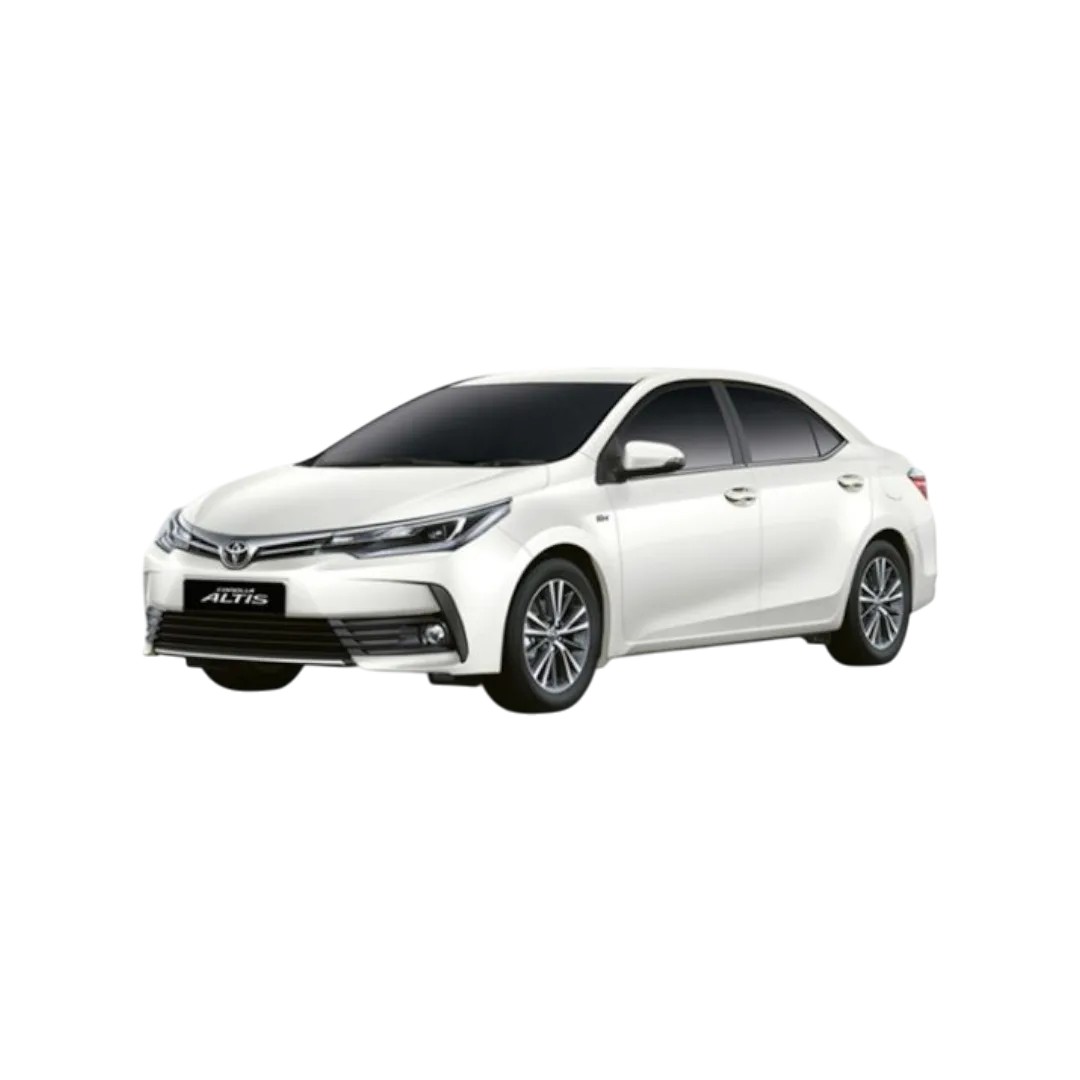 Corolla
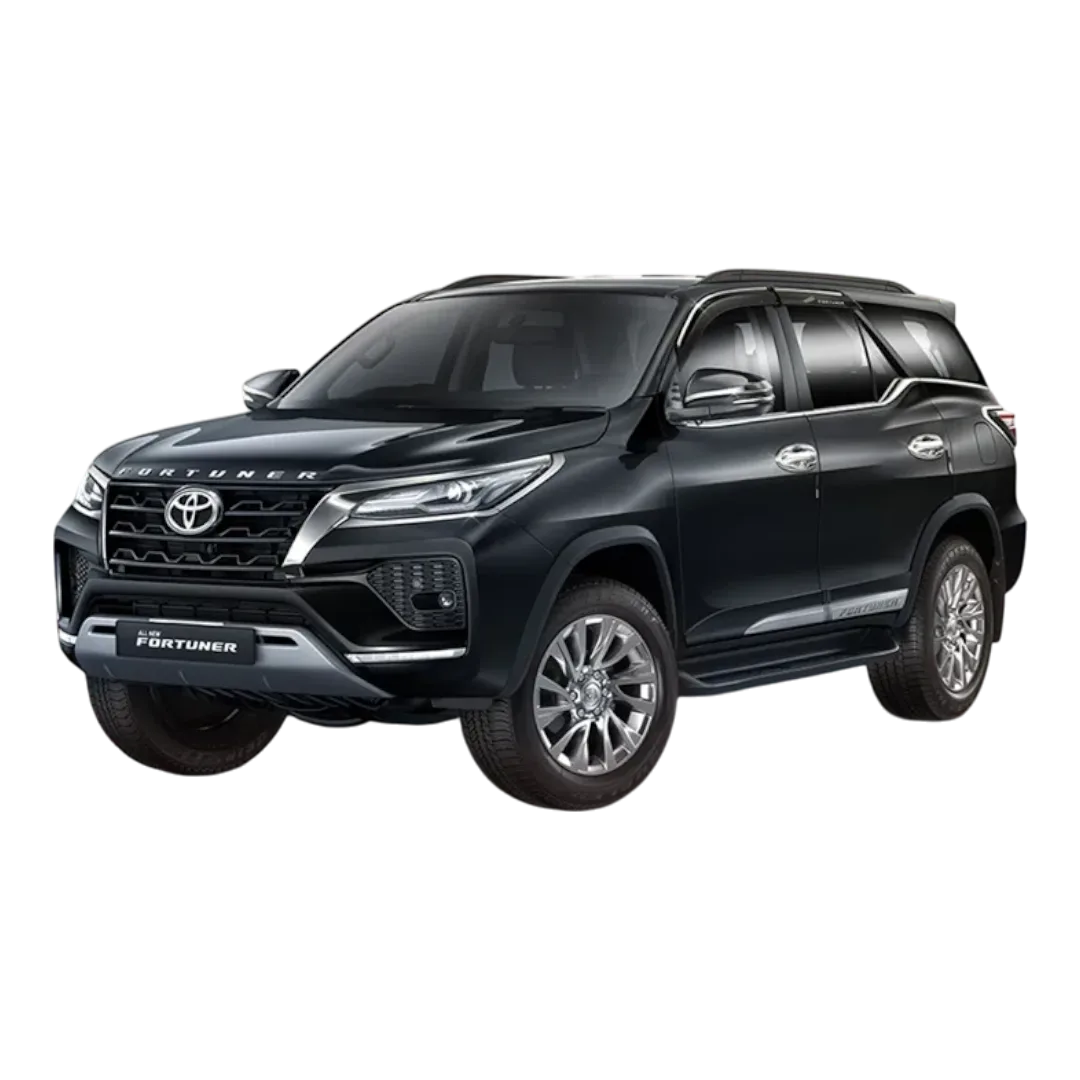 Fortuner
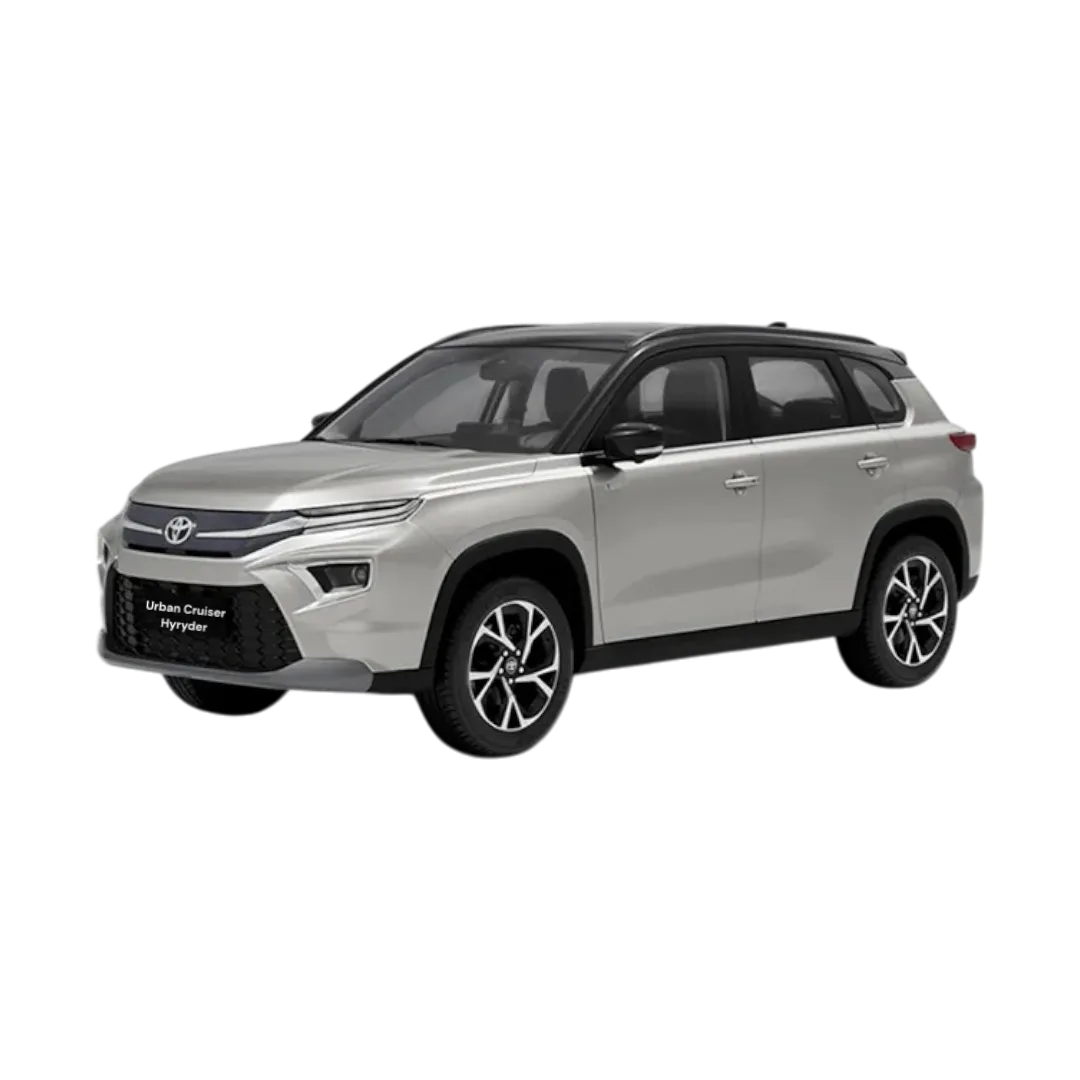 Urban Cruiser Hyryder
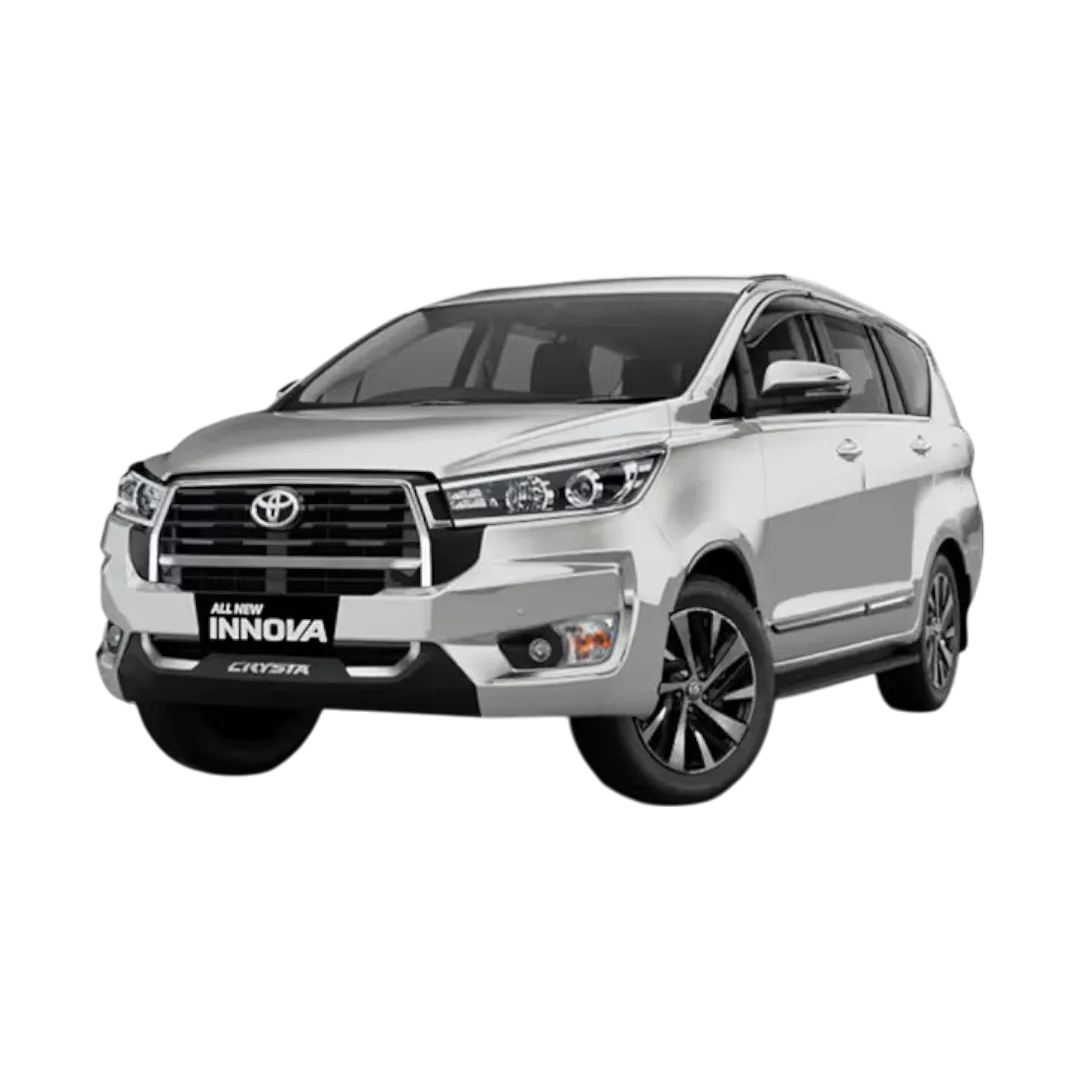 Innova Crysta
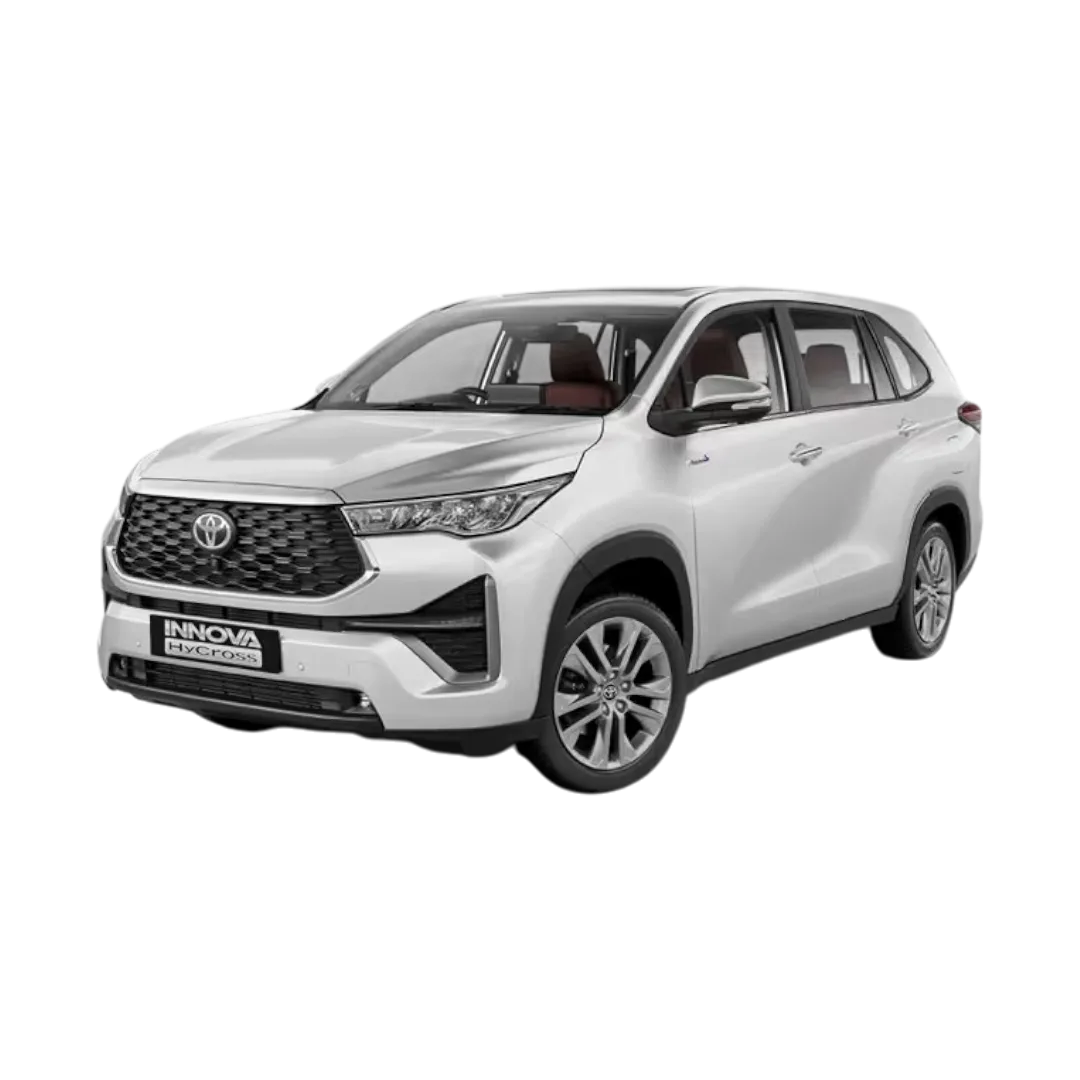 Innova Hycross
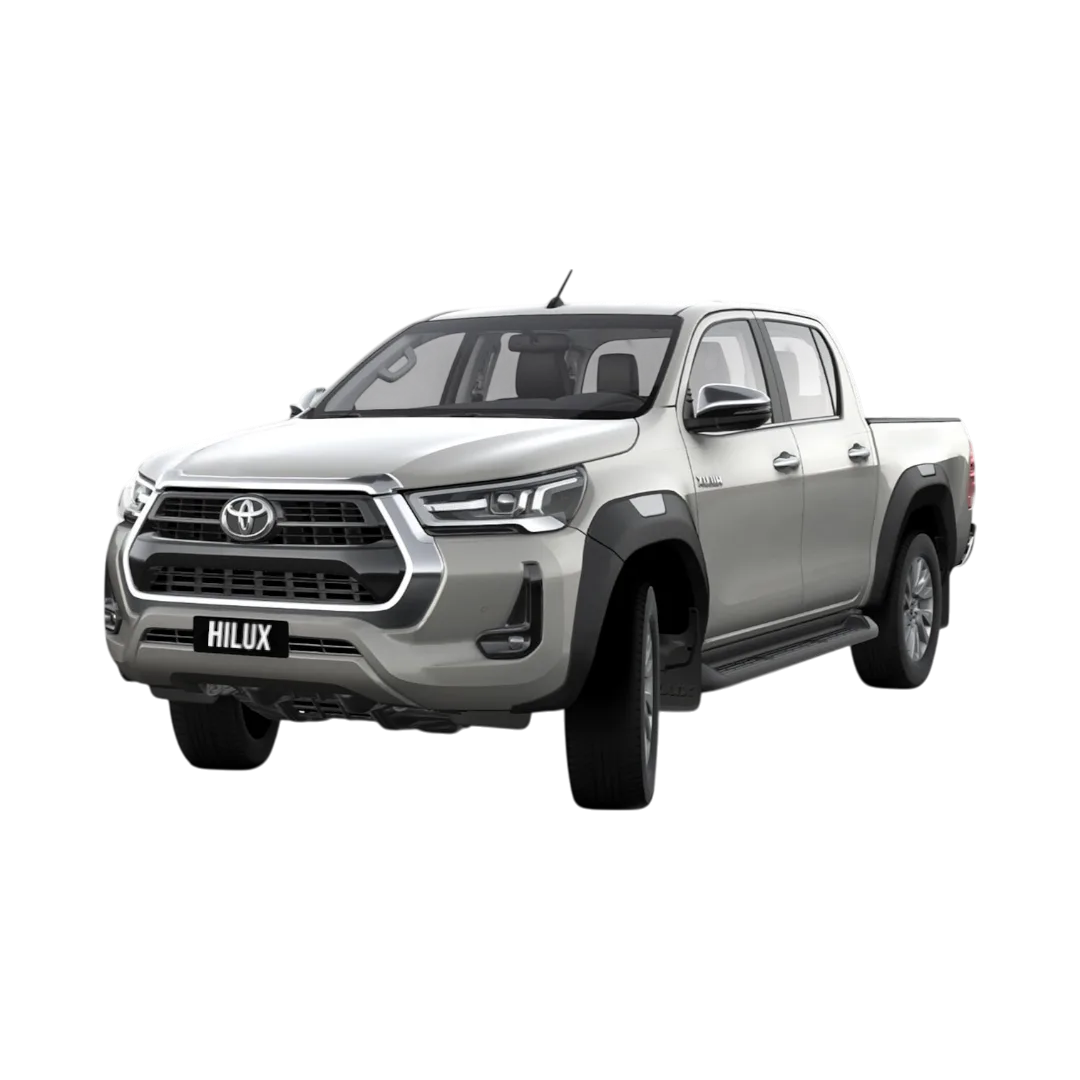 Hilux
Hilux
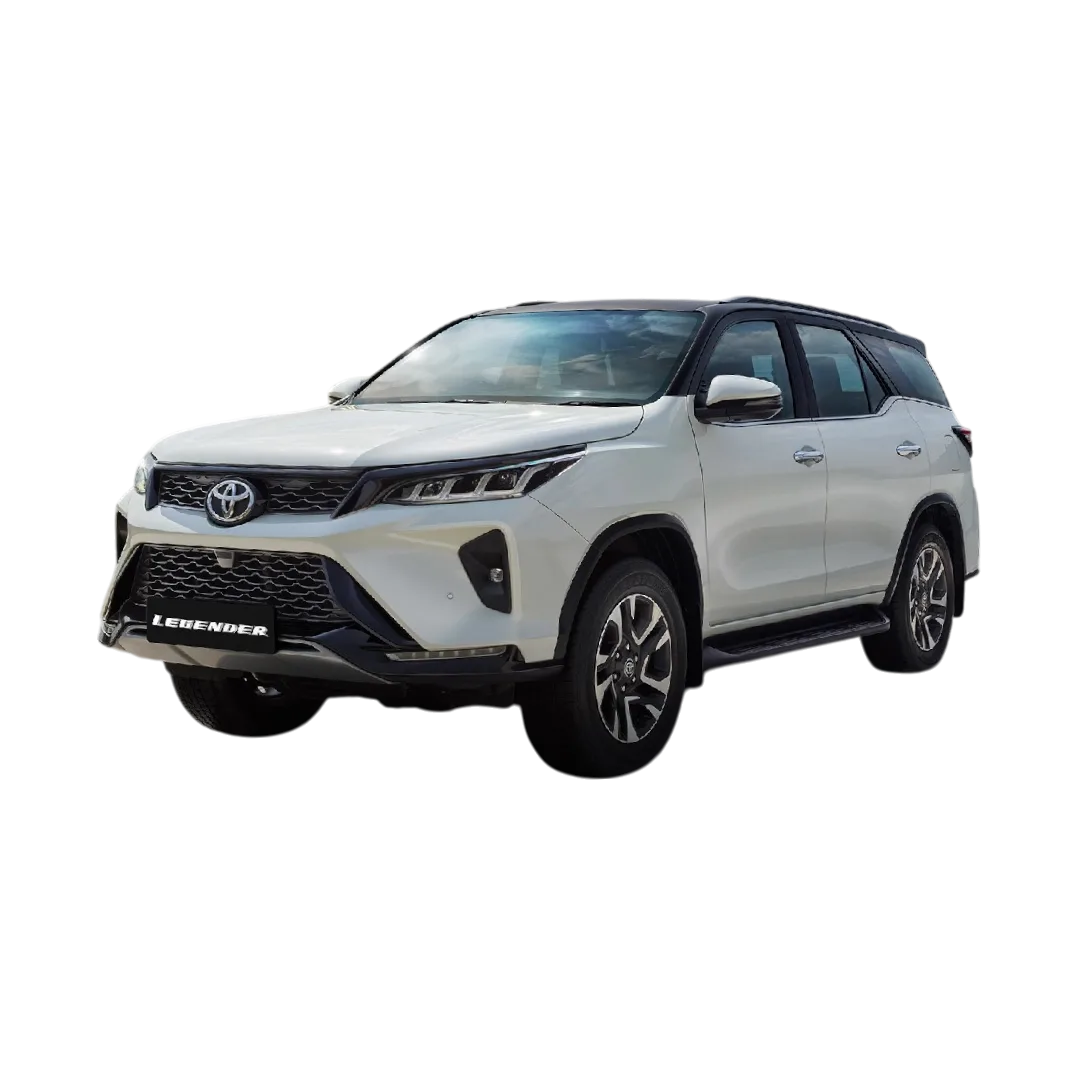 Fortuner Legender
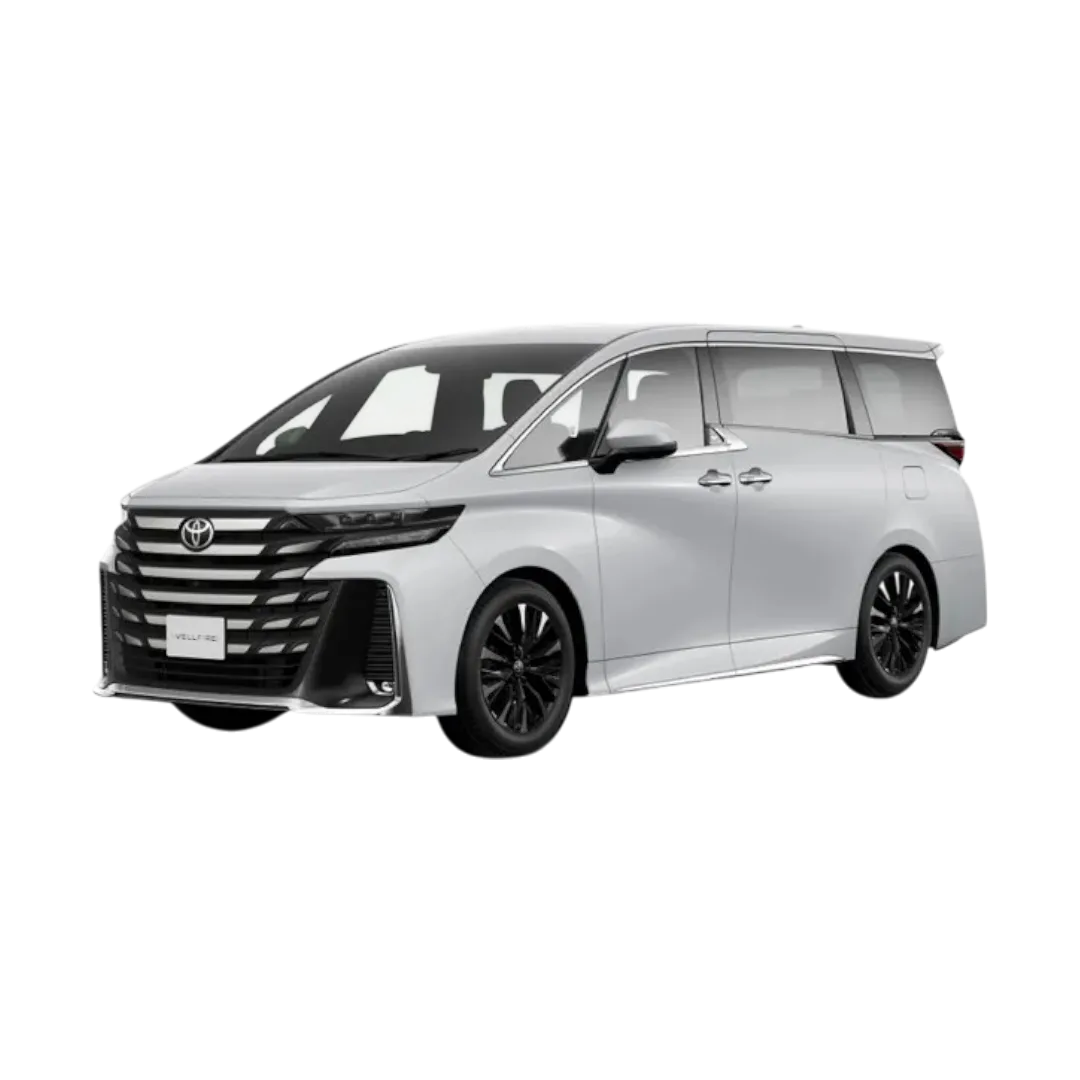 Vellfire
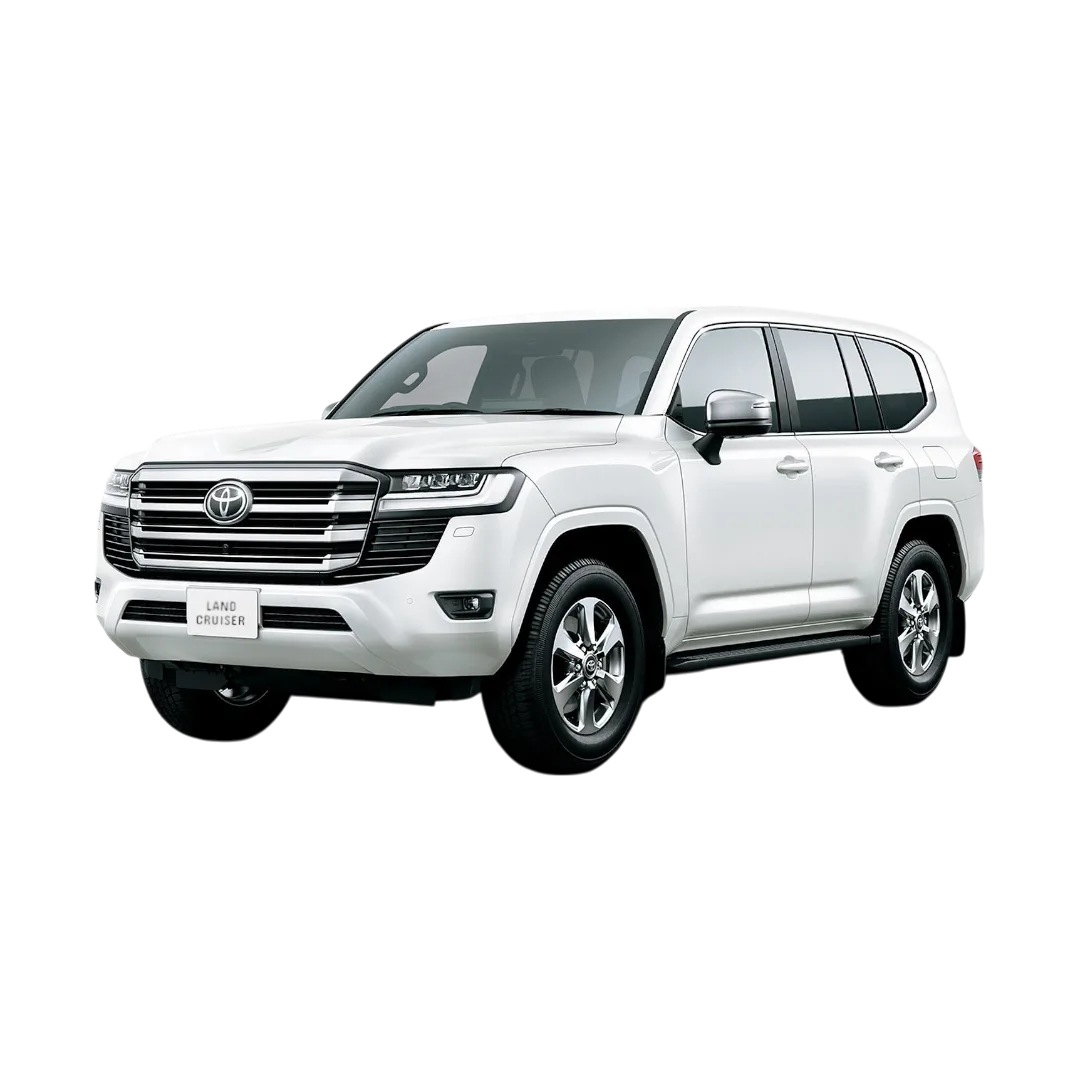 Land Cruiser
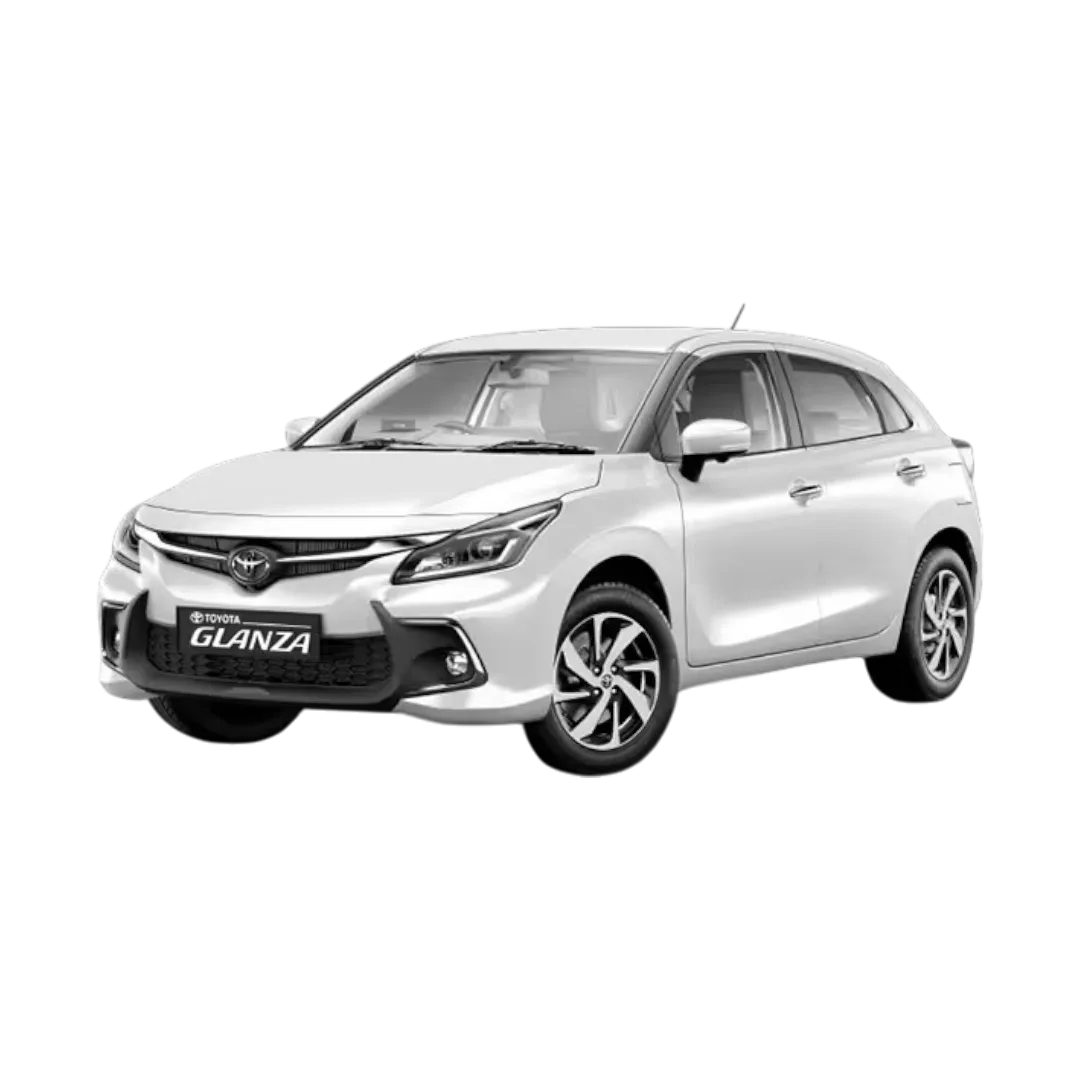 Glanza
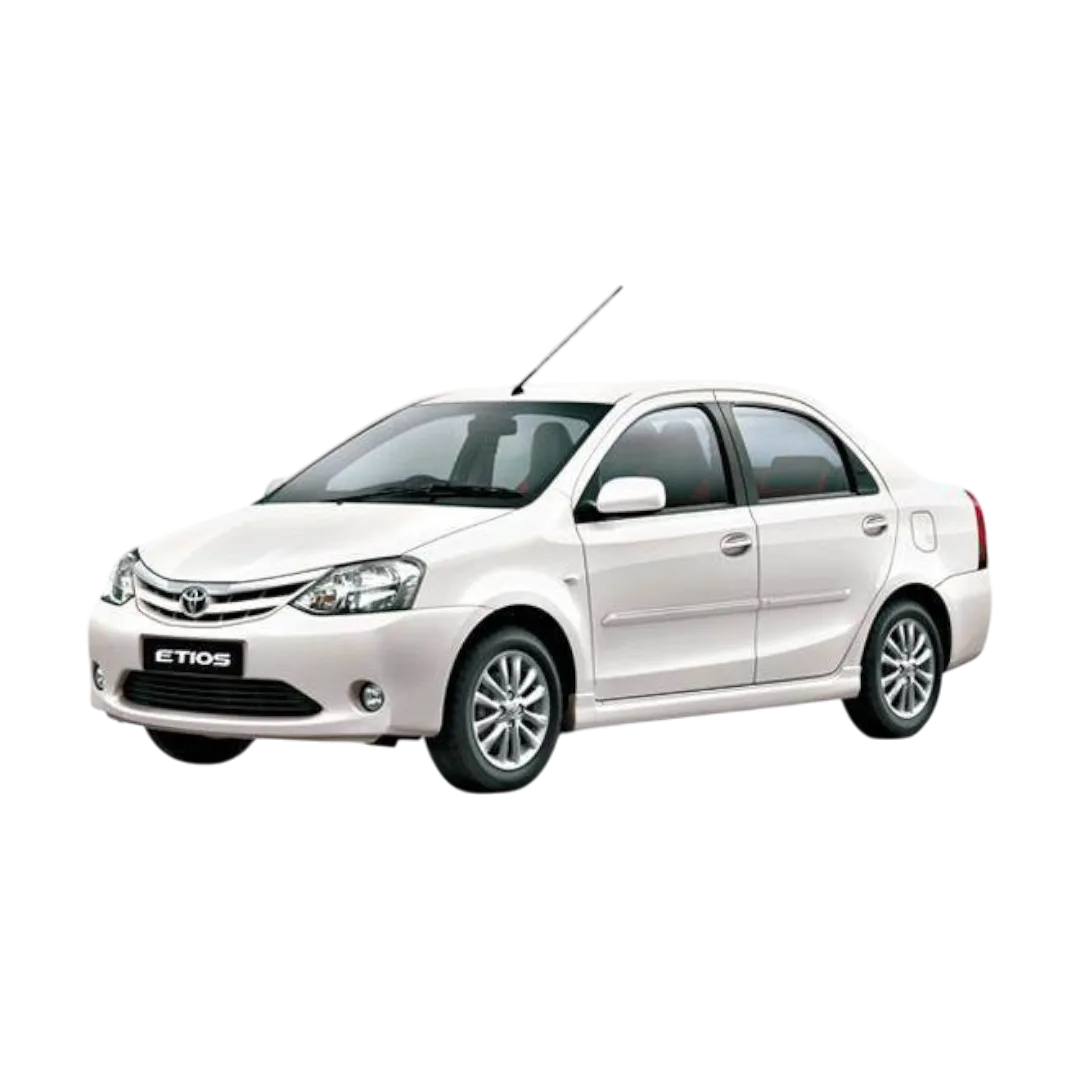 Etios
Etios
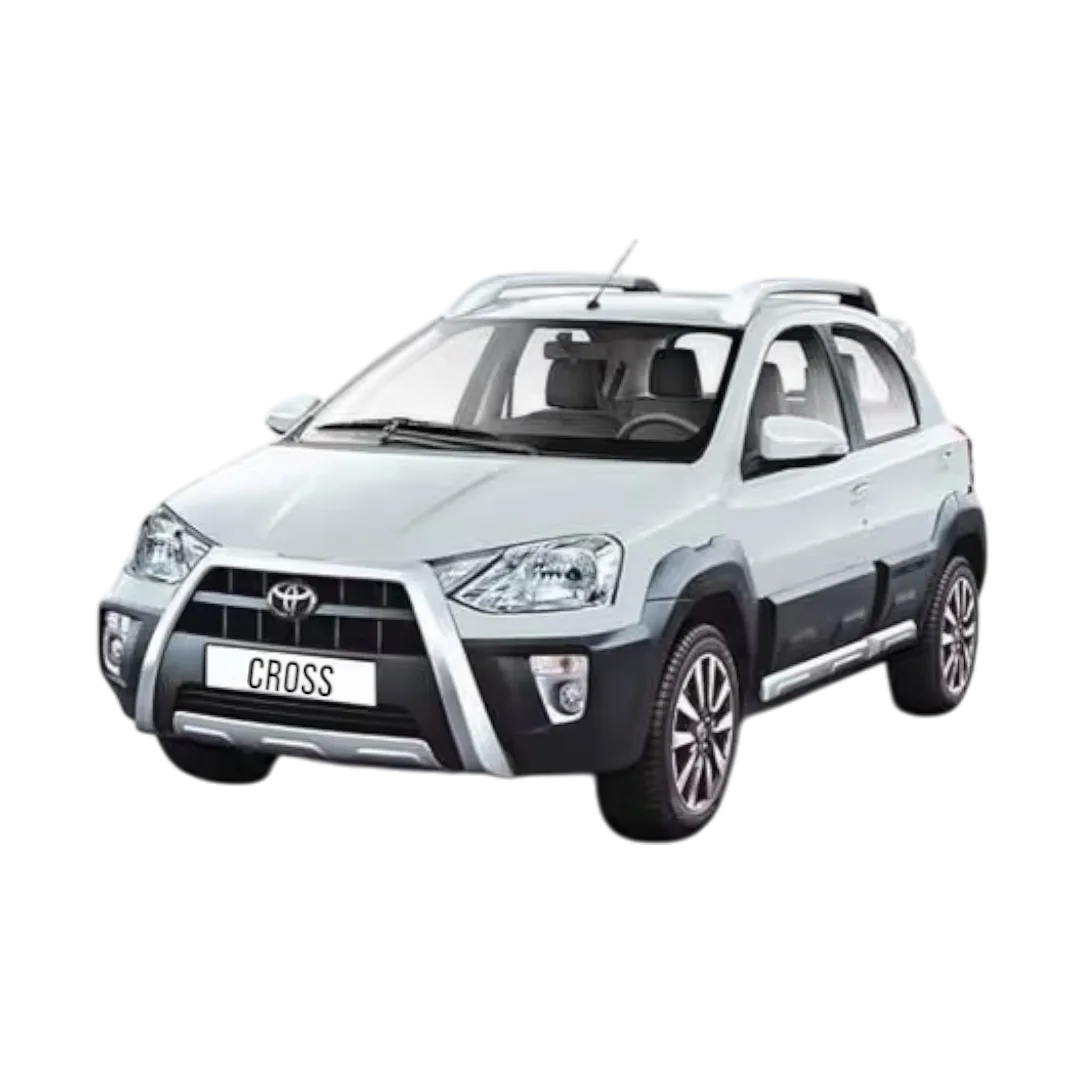 Etios cross
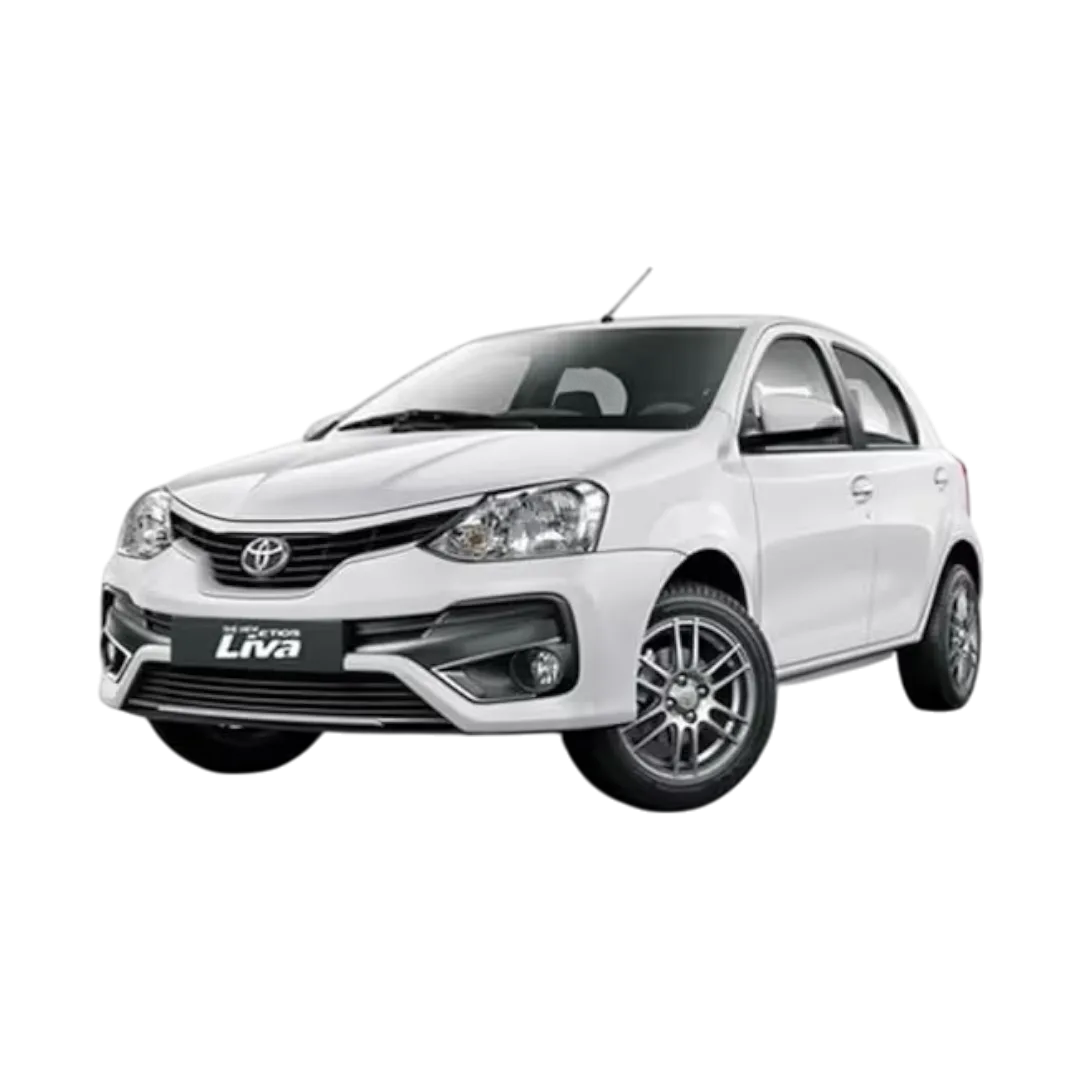 Etios Liva
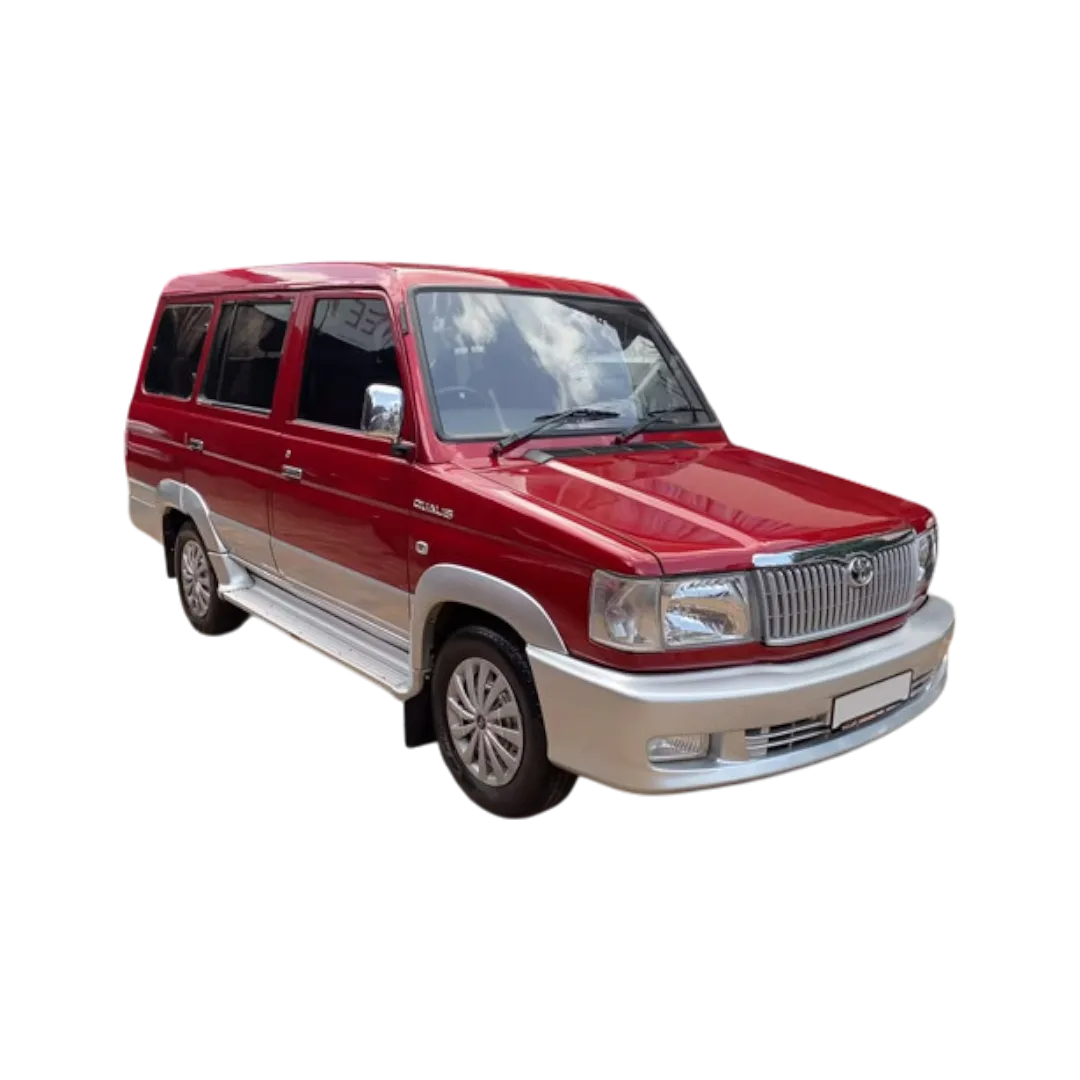 Qualis
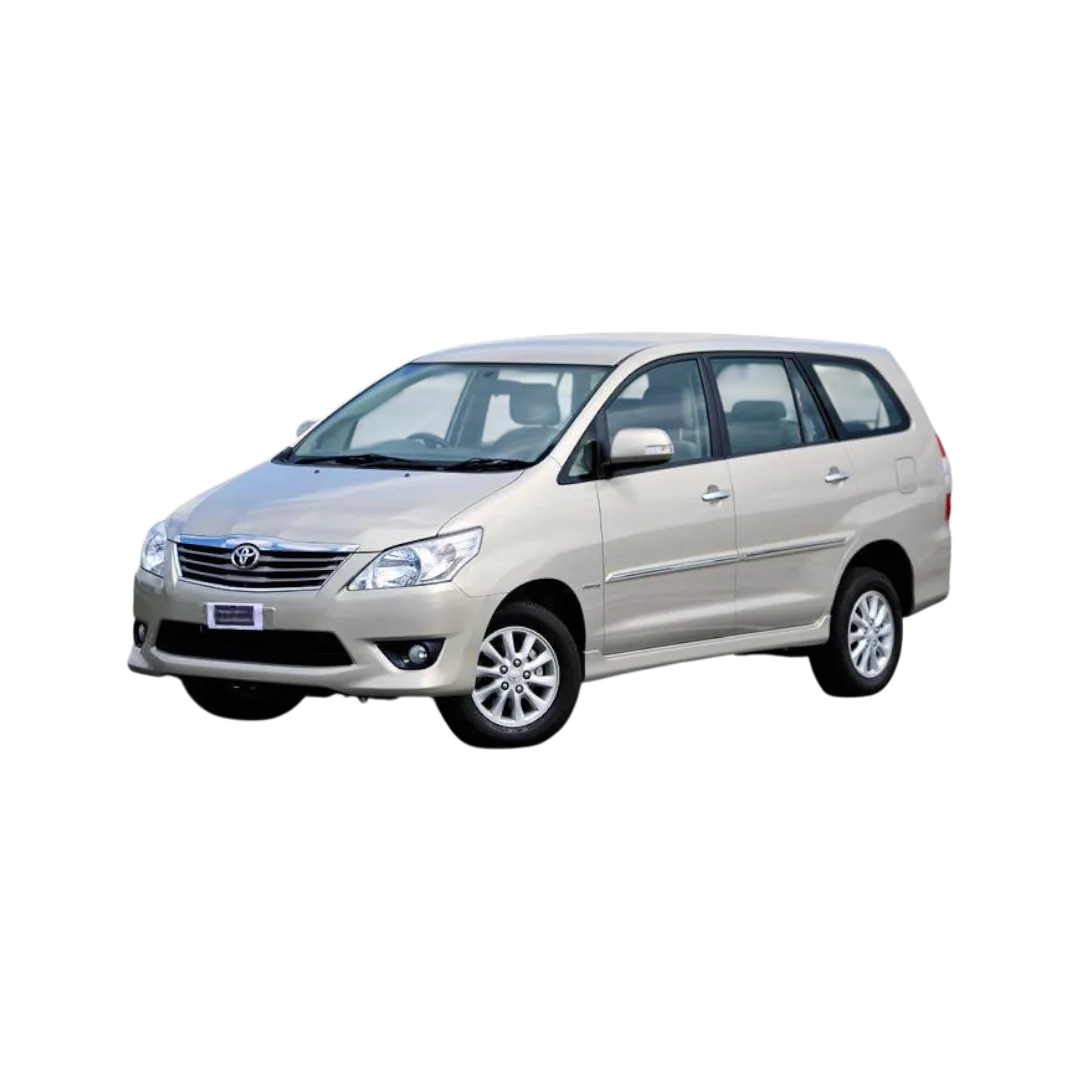 Innova
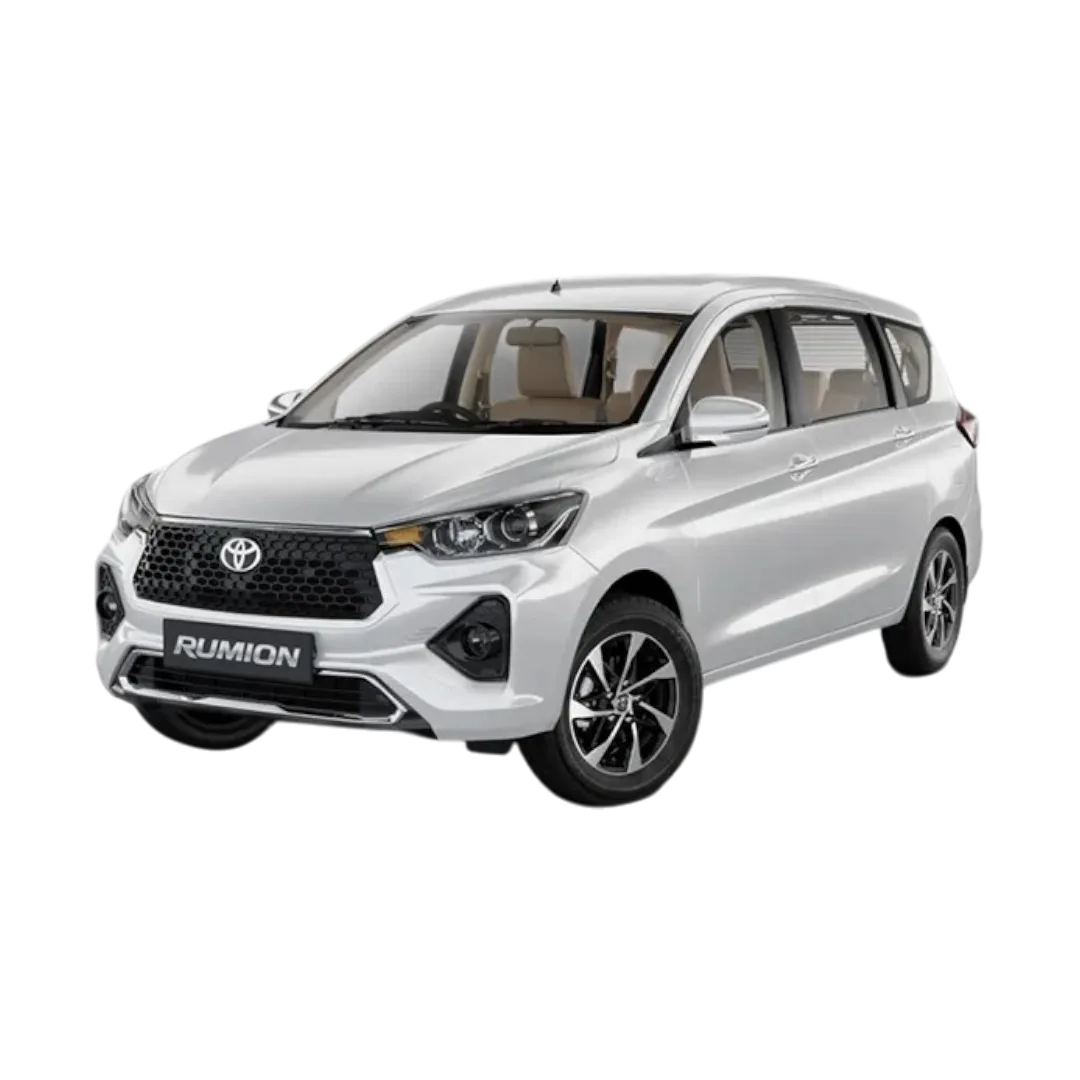 Rumion
Taisor
Corolla Altis
Hyryder
Rumion
Taisor
Corolla Altis
Hyryder
 Bolero
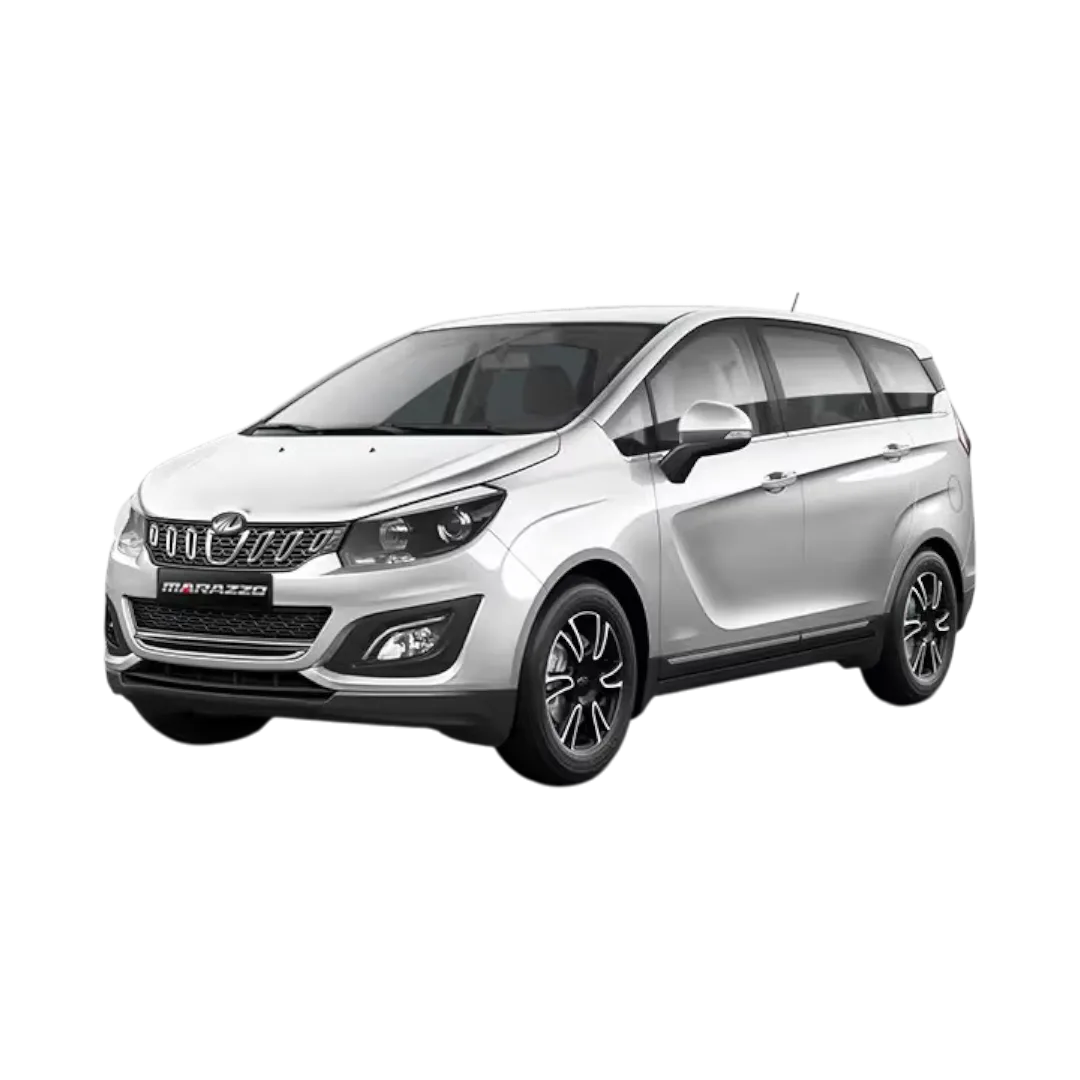 Marazzo
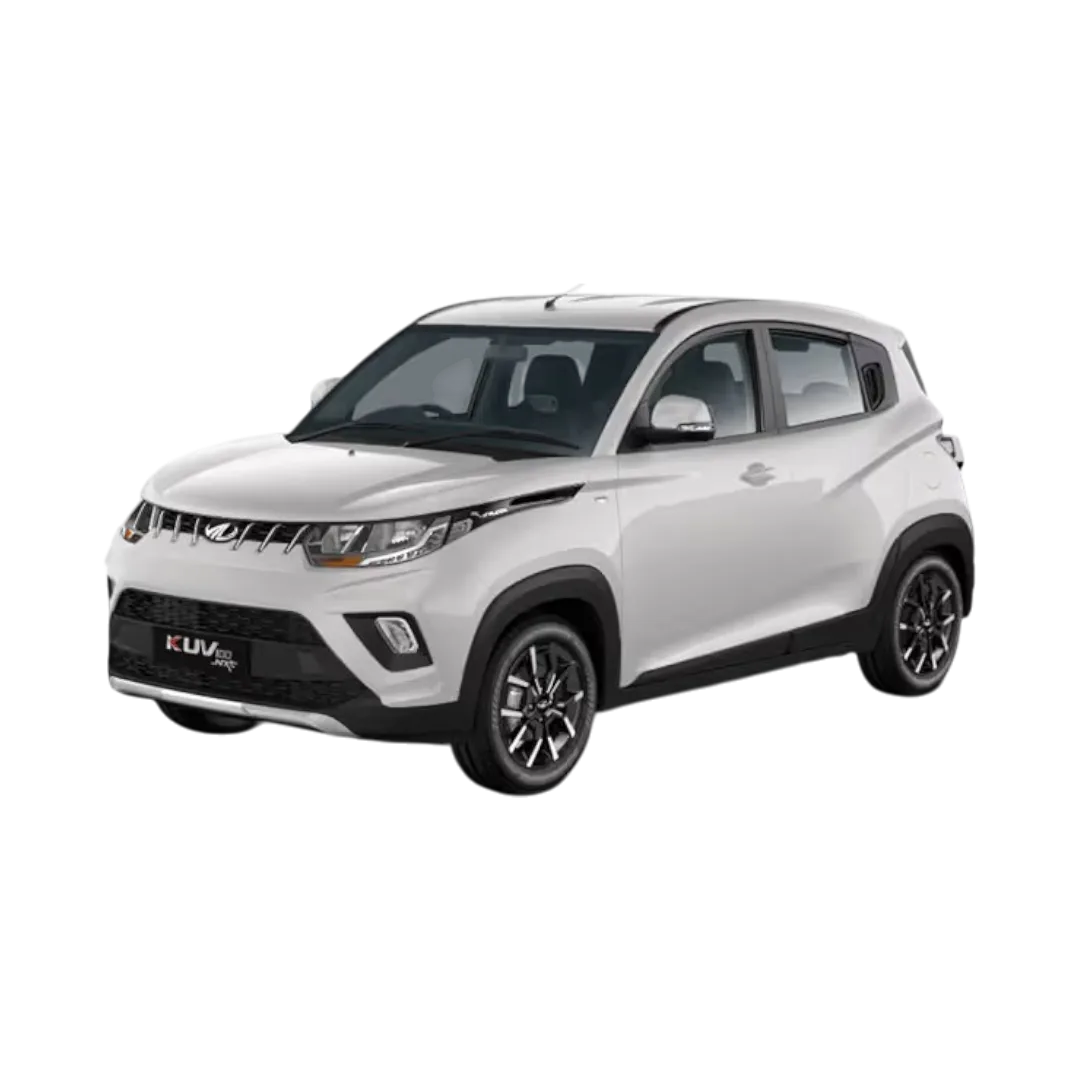 KUV100 NXT
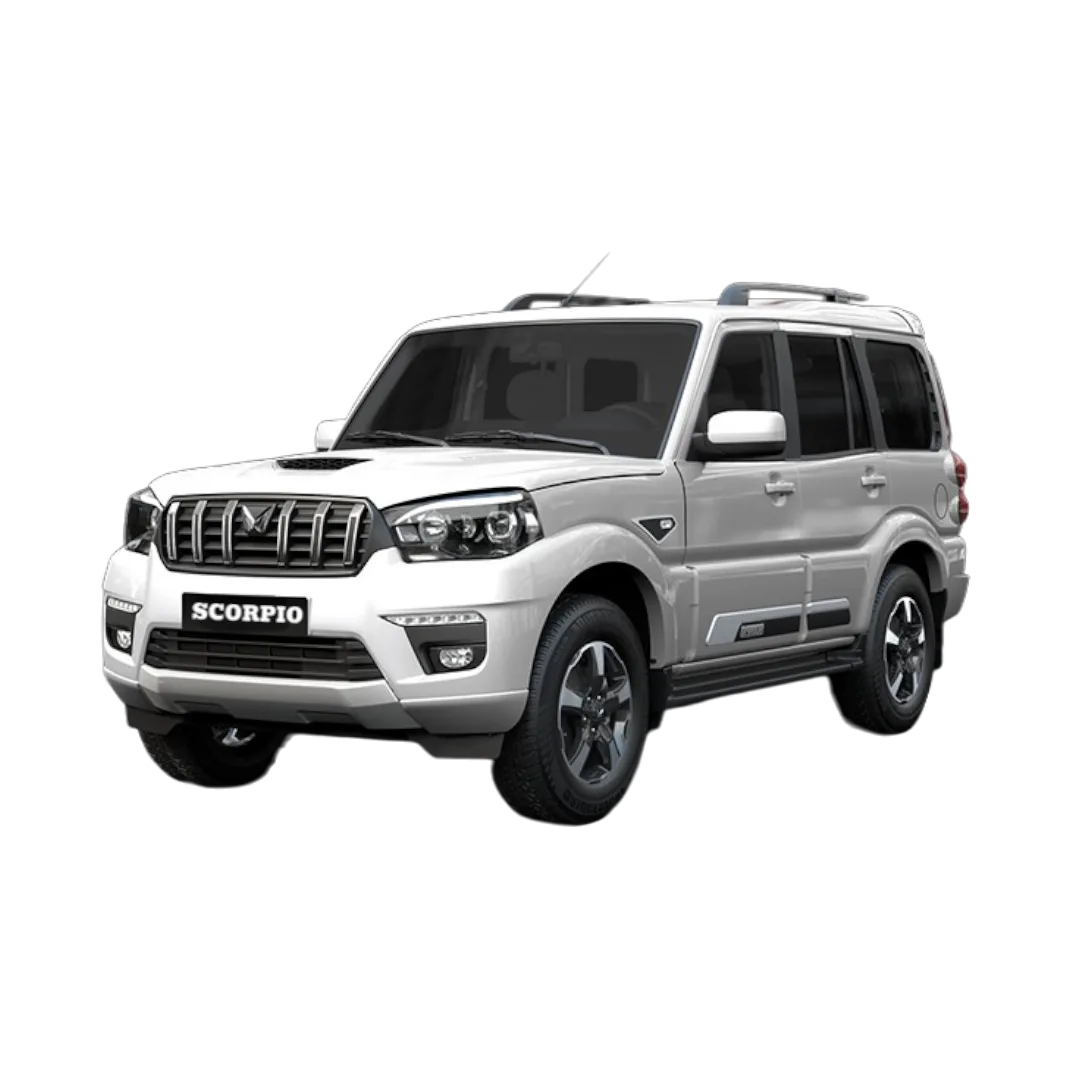 Scorpio
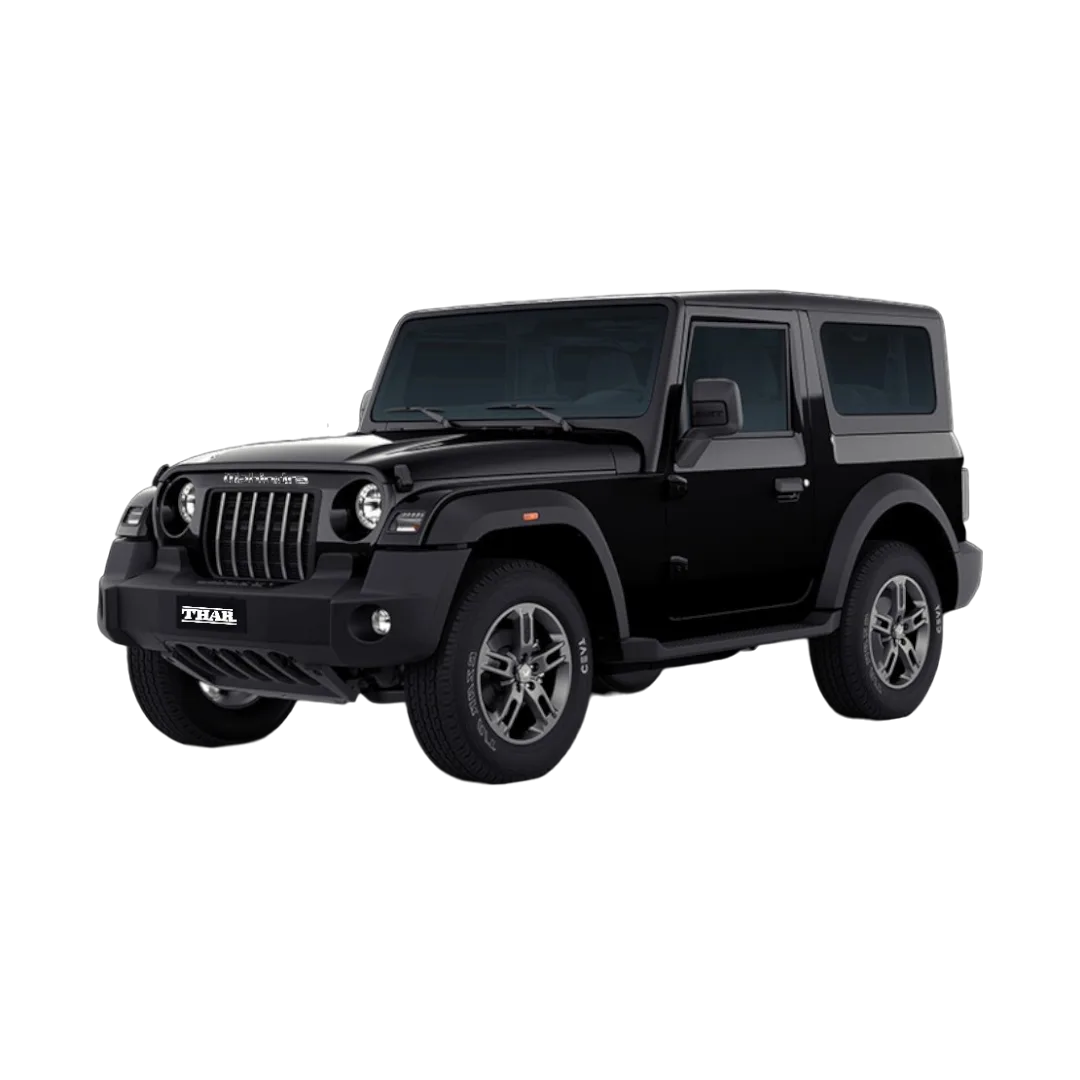 Thar
Thar
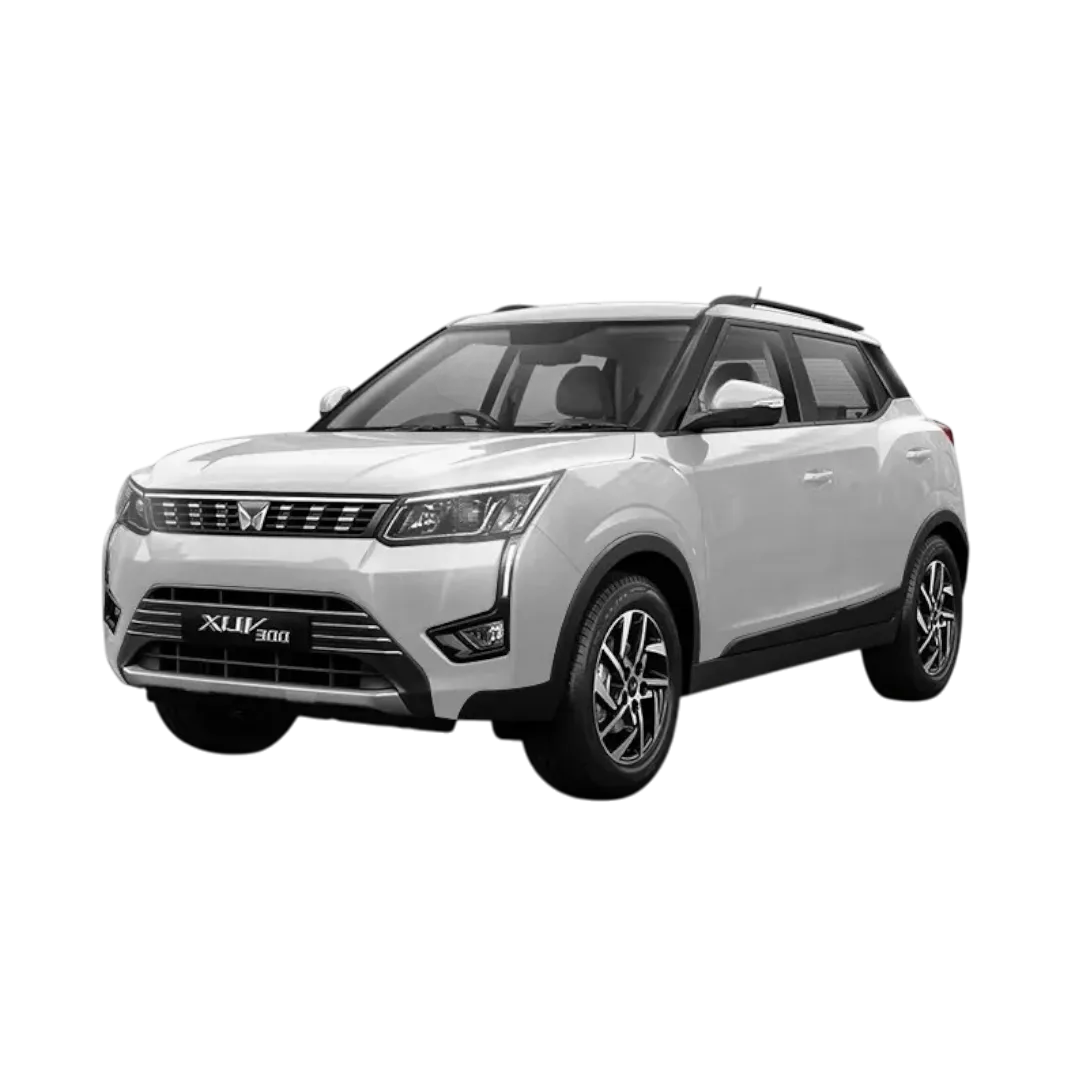 XUV 300
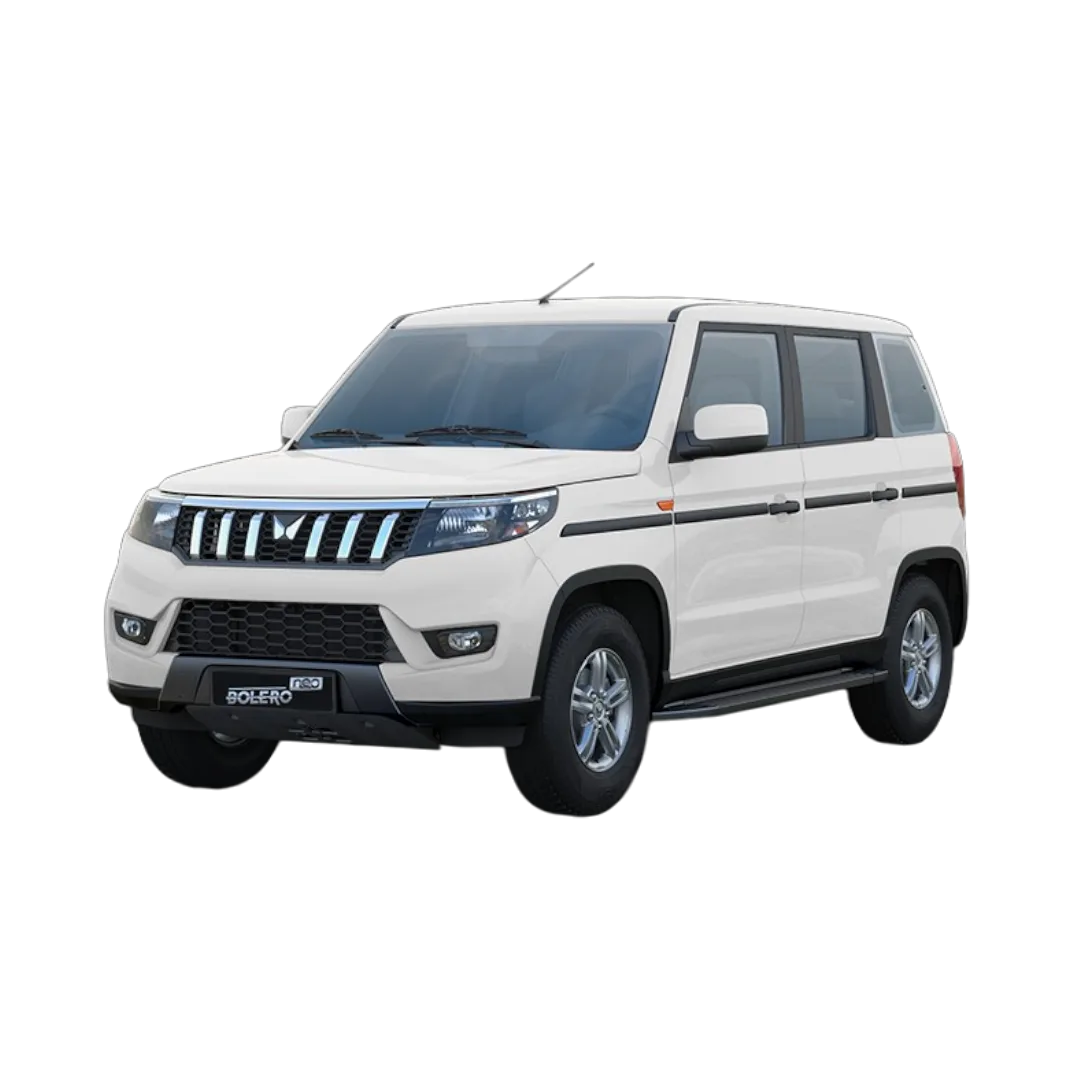 Bolero Neo
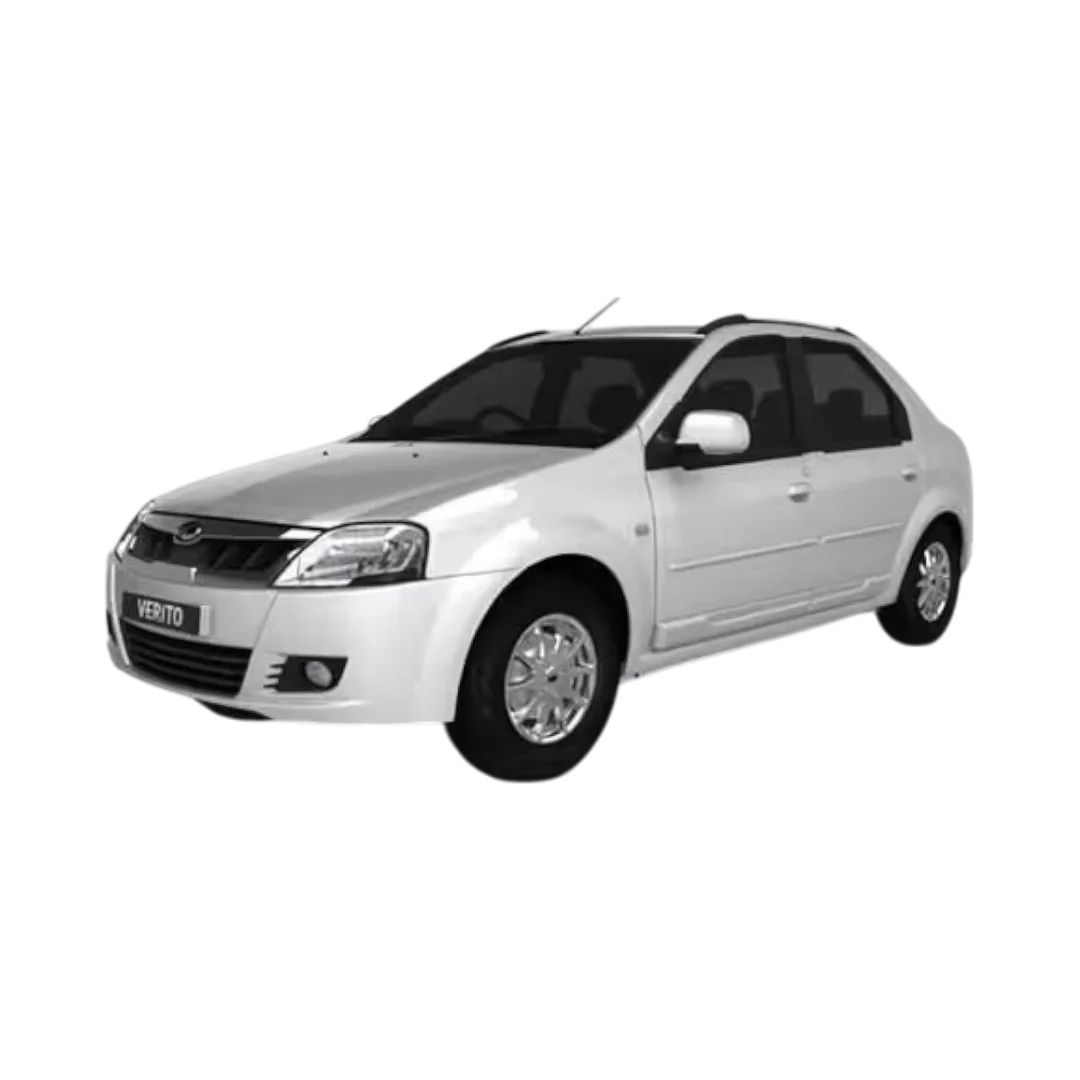 Verito
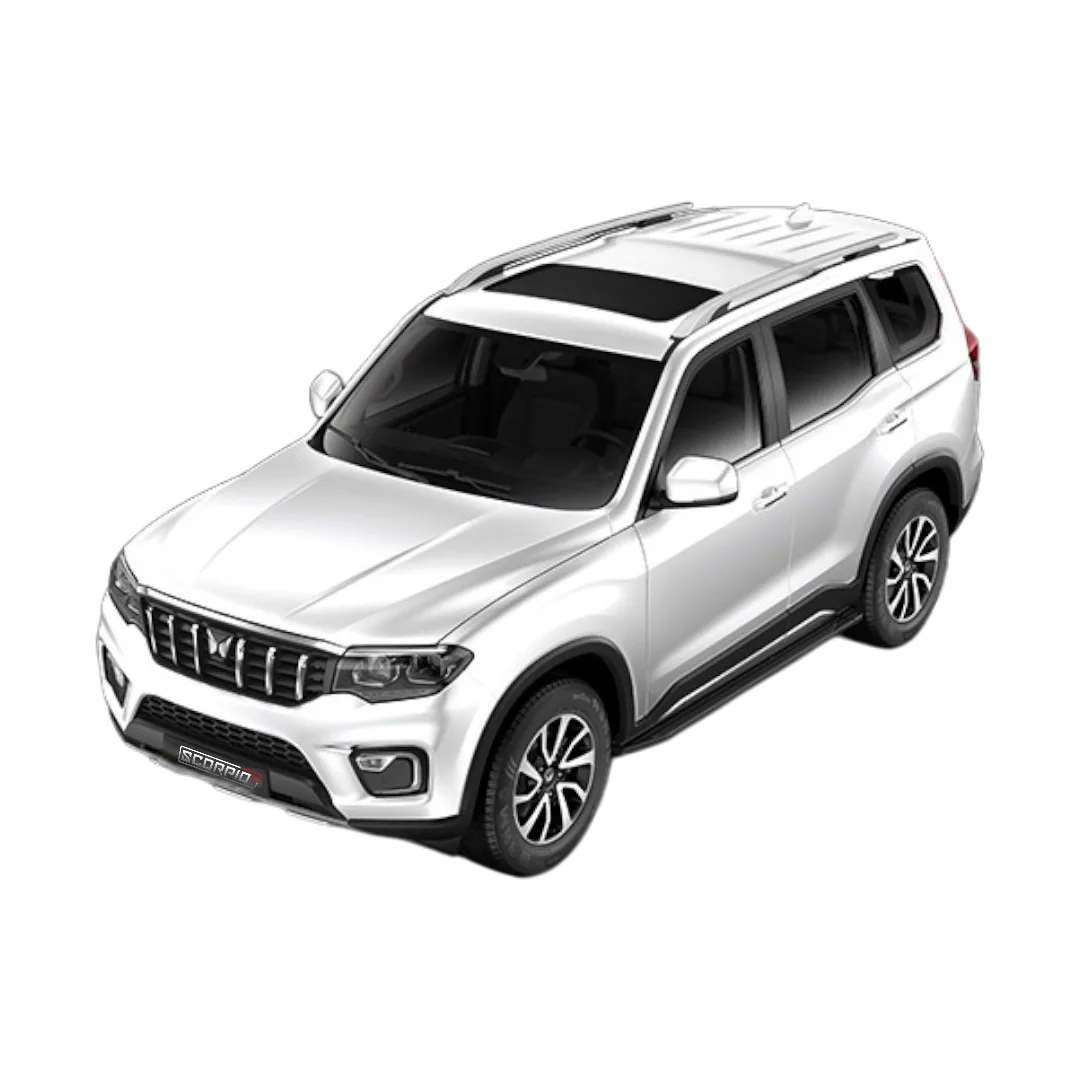 Scorpio-N
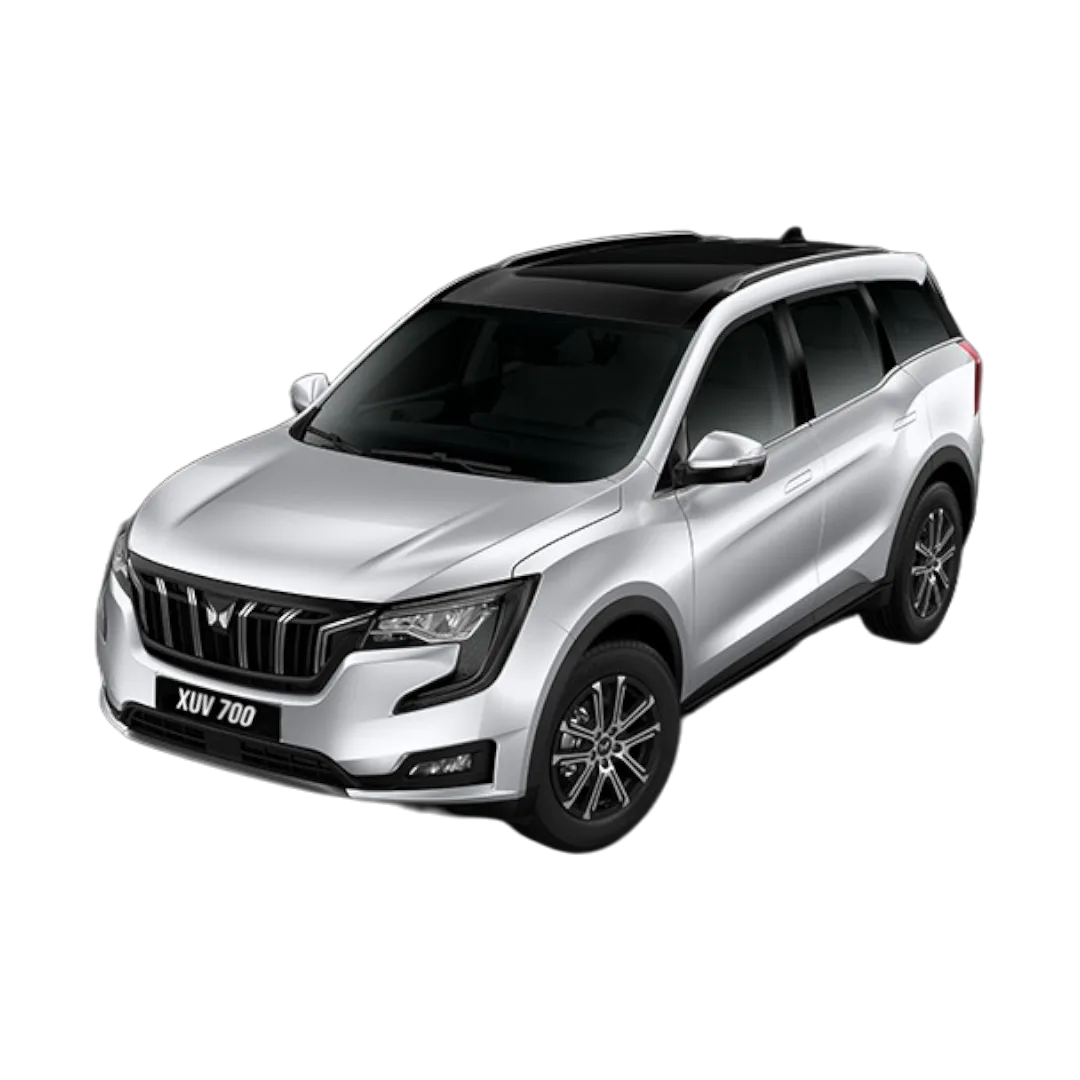 XUV 700
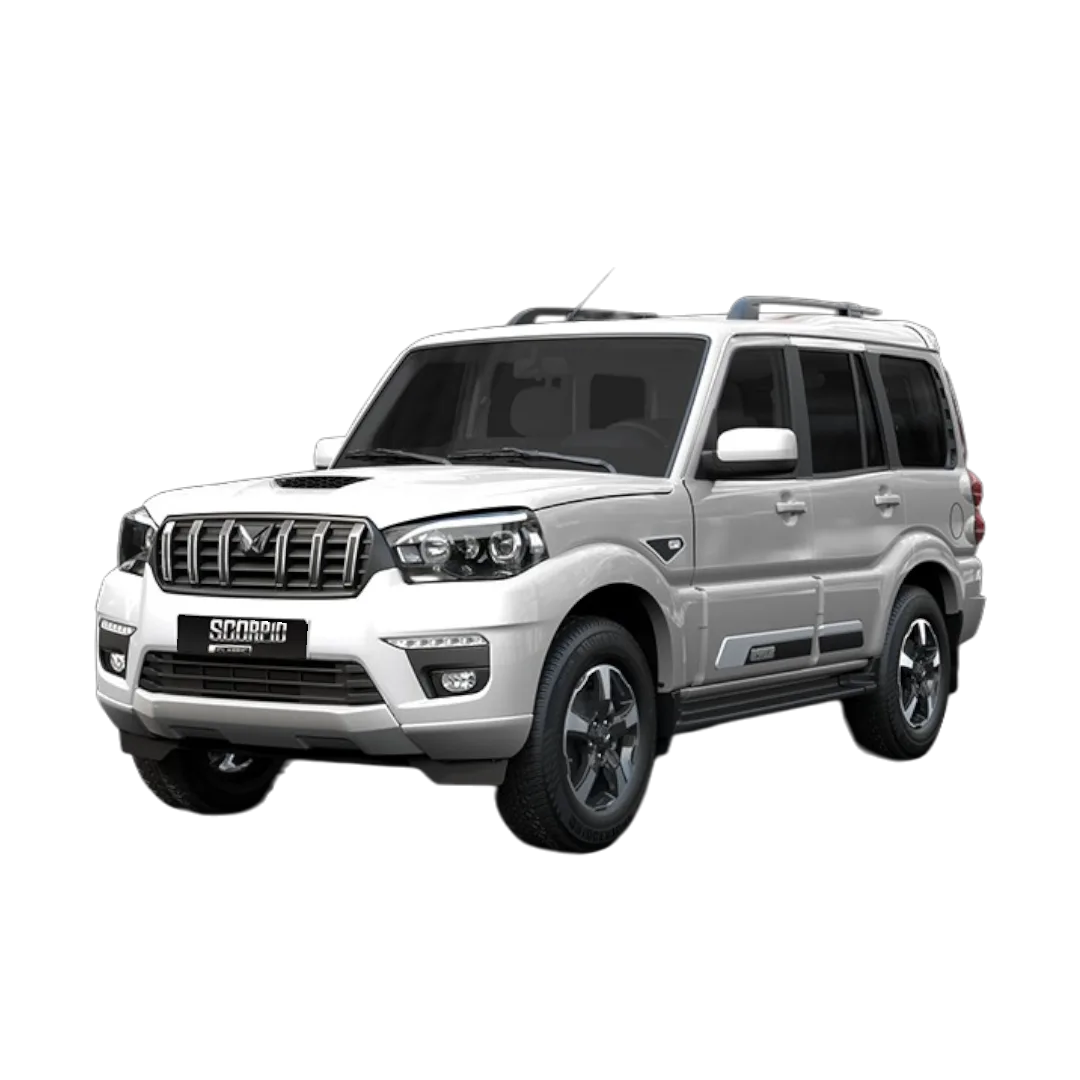 Scorpio Classic
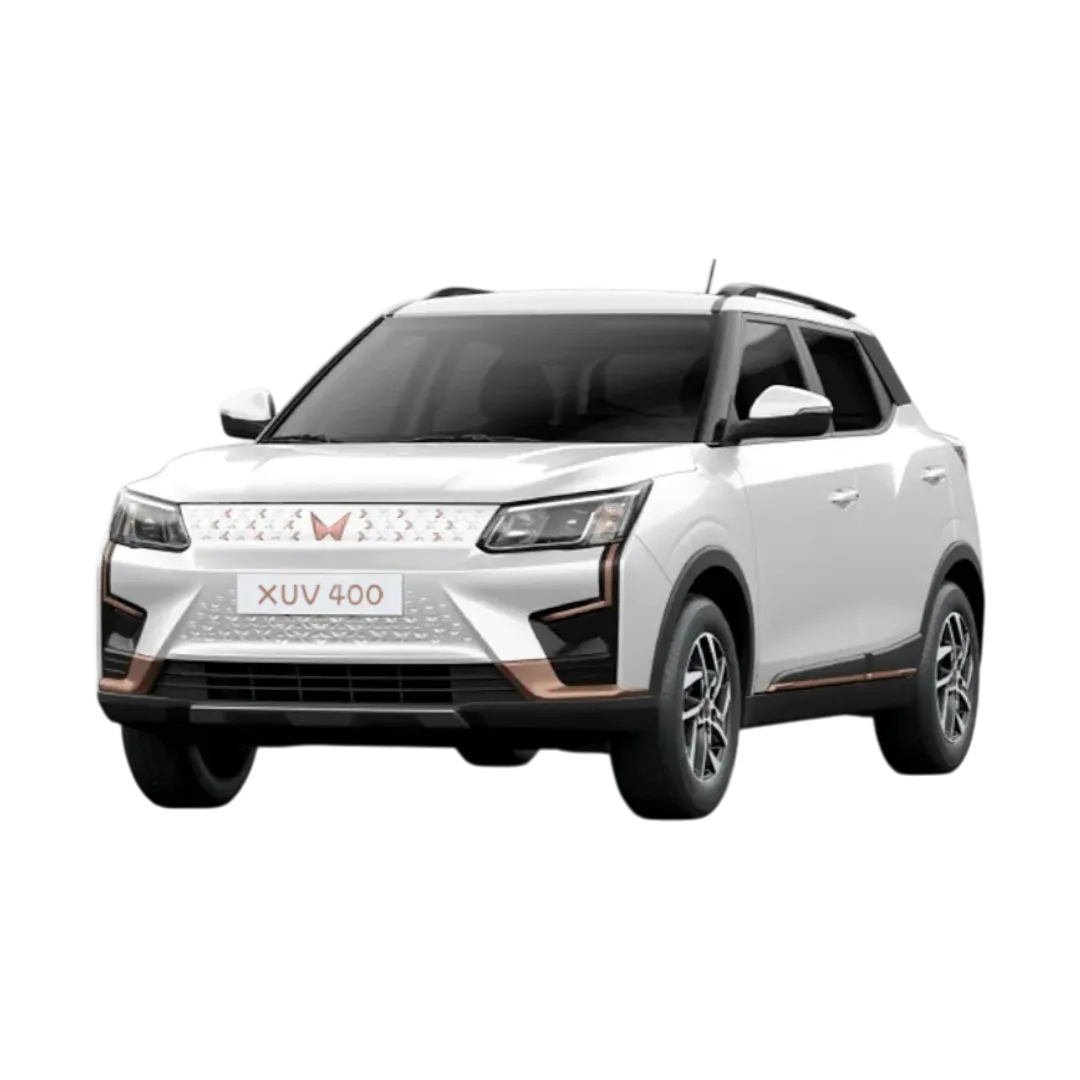 XUV400
 Alturas
 Xylo
Xylo
 Quanto
 Logan
Logan
 XUV 500
 TUV 300
 XUV 3XO
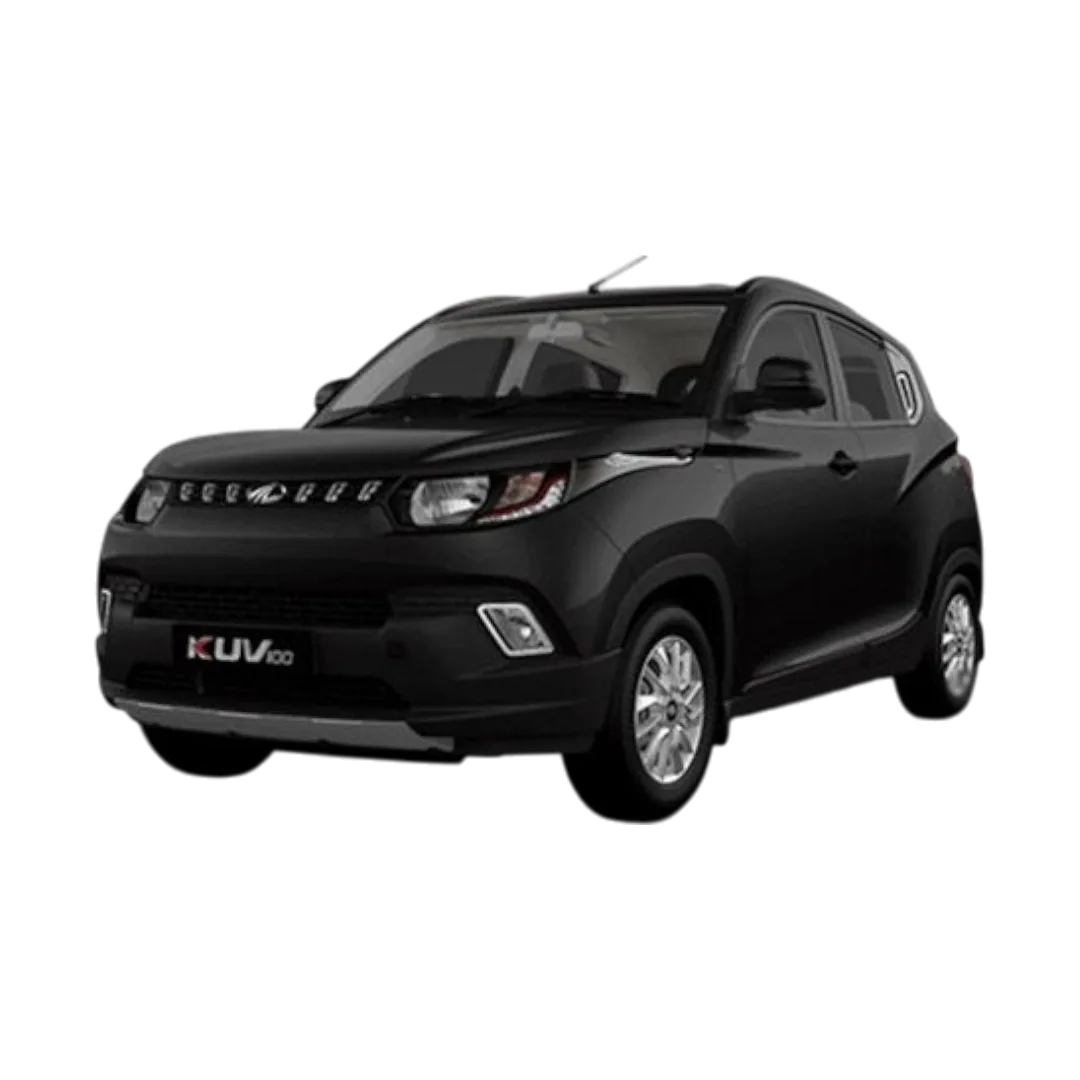 KUV 100
NuvoSport
XEV 9e
BE 6
Thar Roxx
E-Verito
XUV 7XO
TUV 100
BE6
Bolero Camper
Verito Vibe
XUV 400
KUV 100
NuvoSport
XEV 9e
BE 6
Thar Roxx
E-Verito
XUV 7XO
TUV 100
BE6
Bolero Camper
Verito Vibe
XUV 400
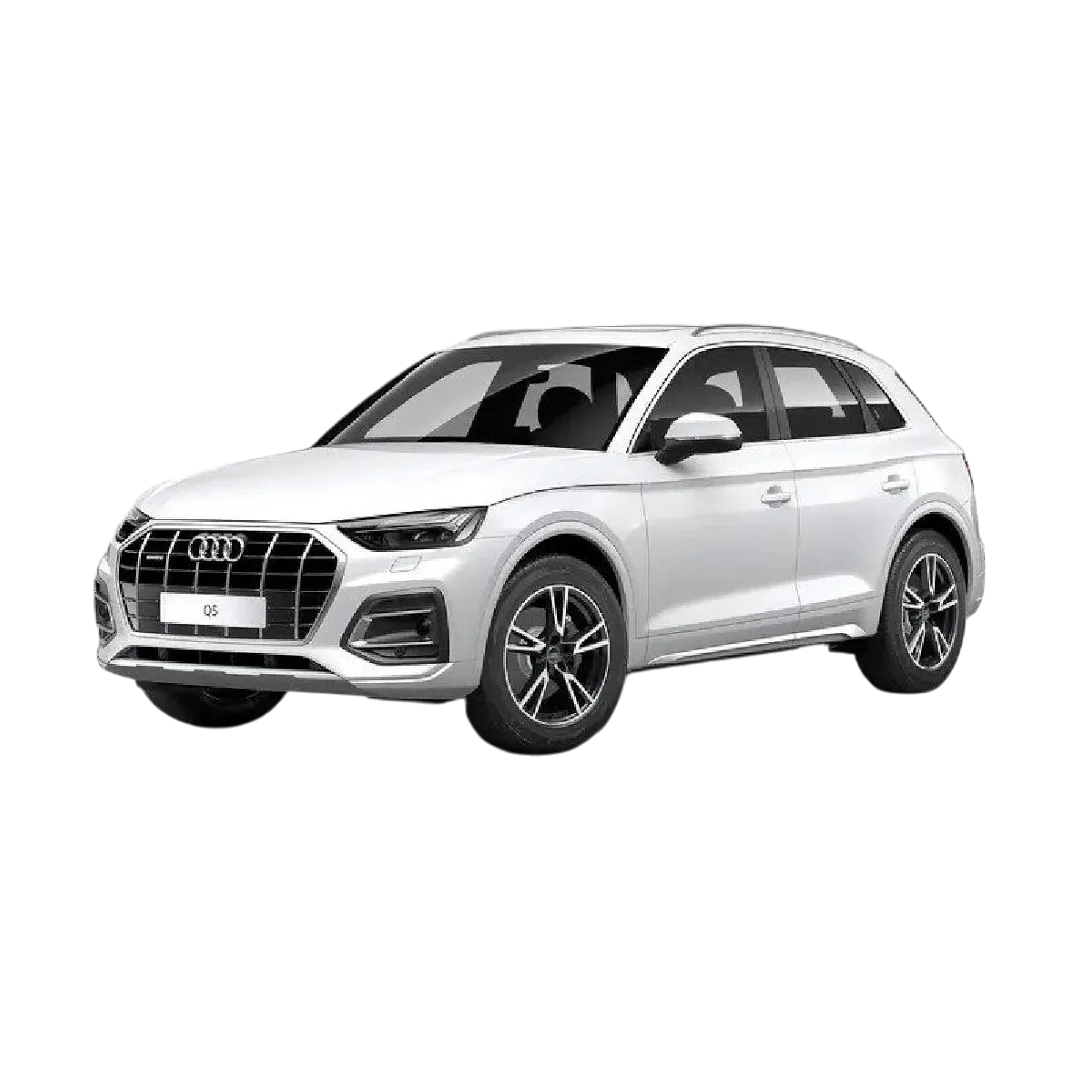 Audi Q5
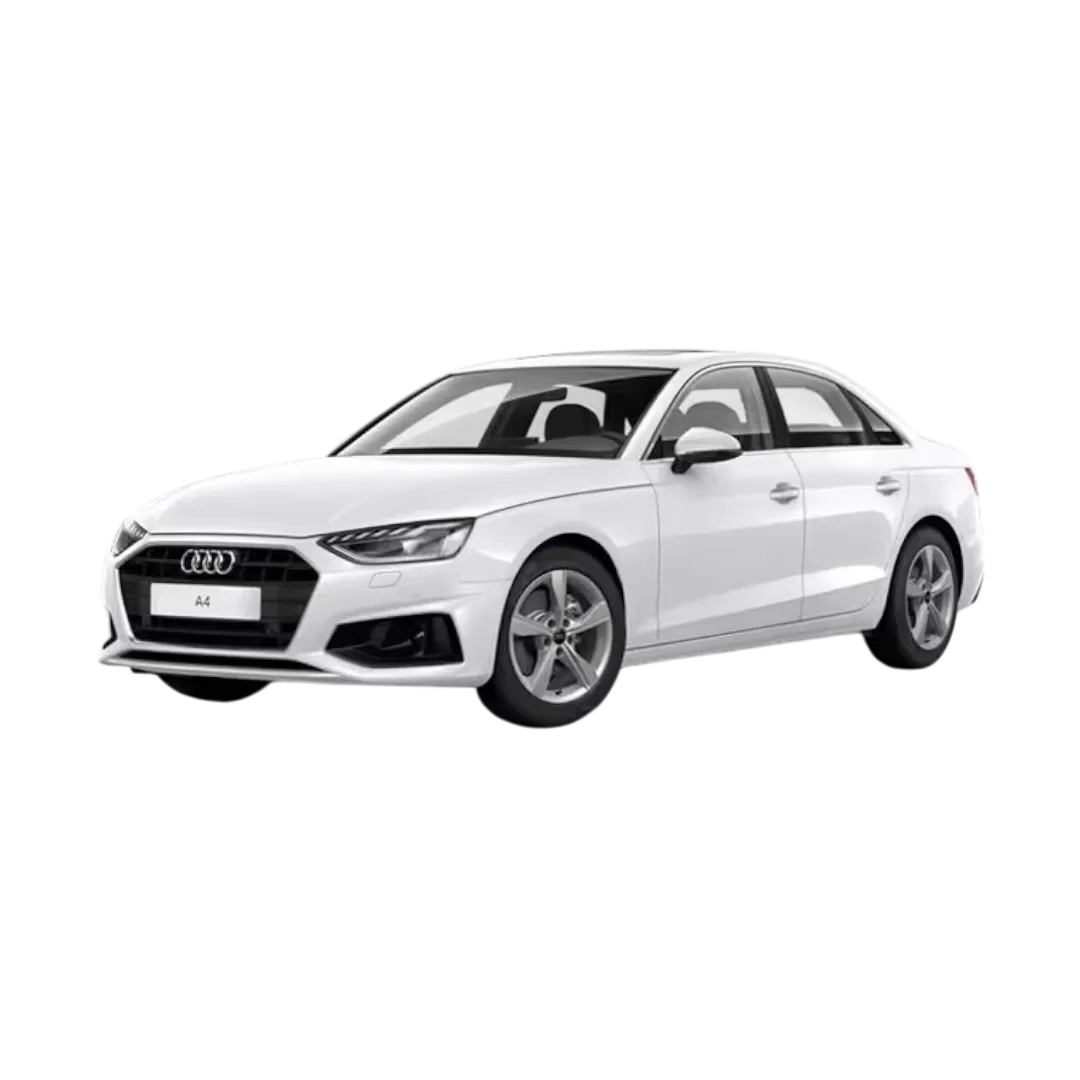 Audi A4
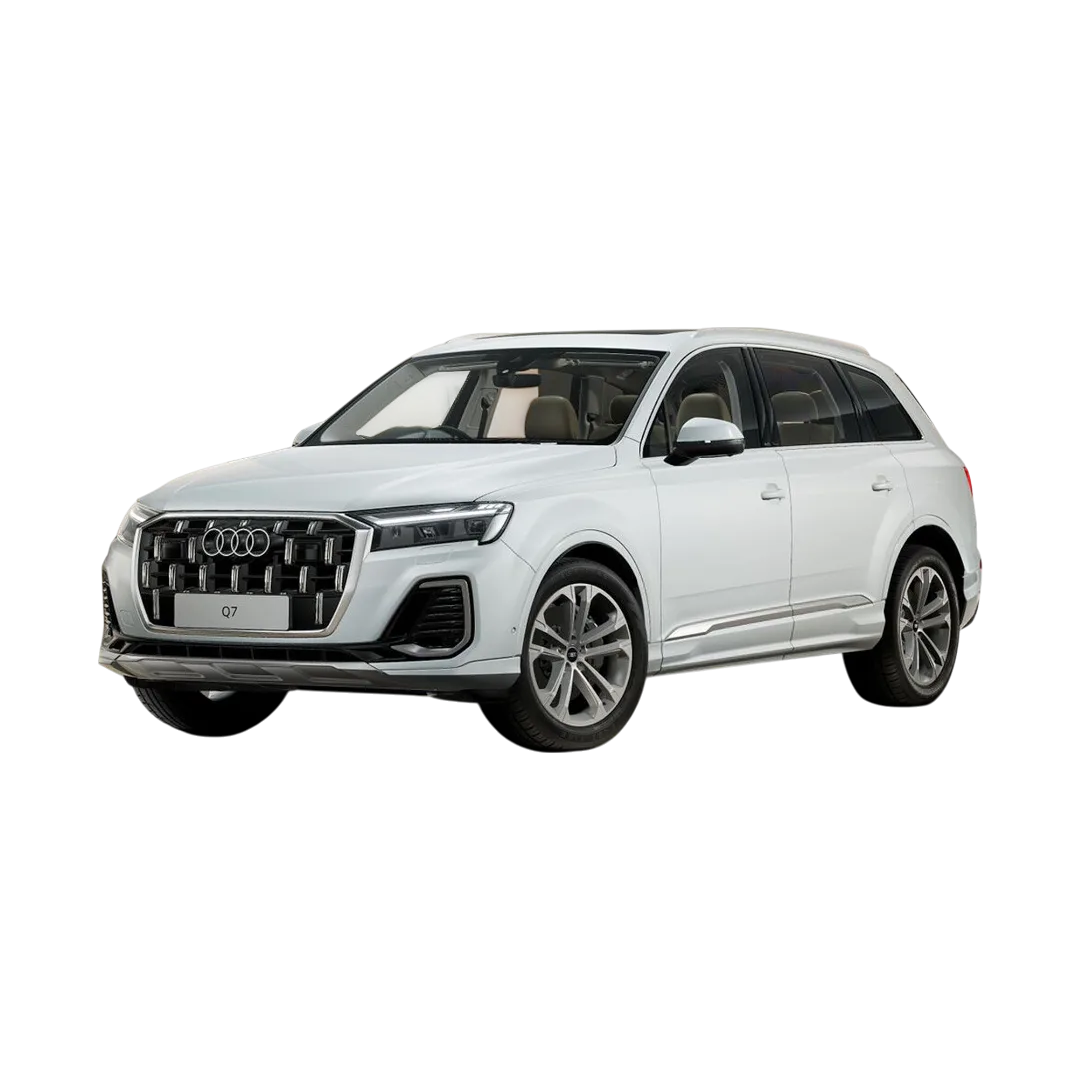 Audi Q7
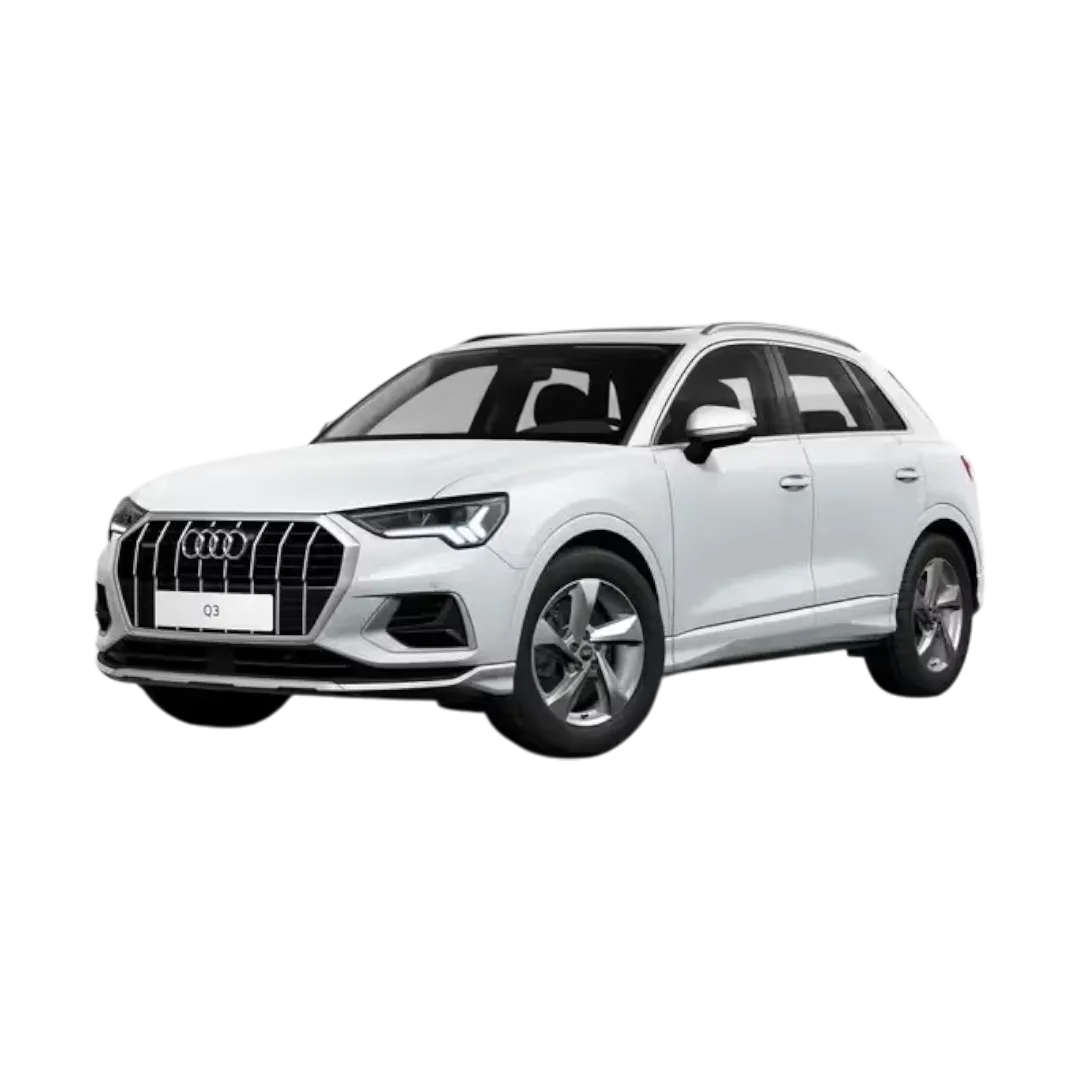 Audi Q3
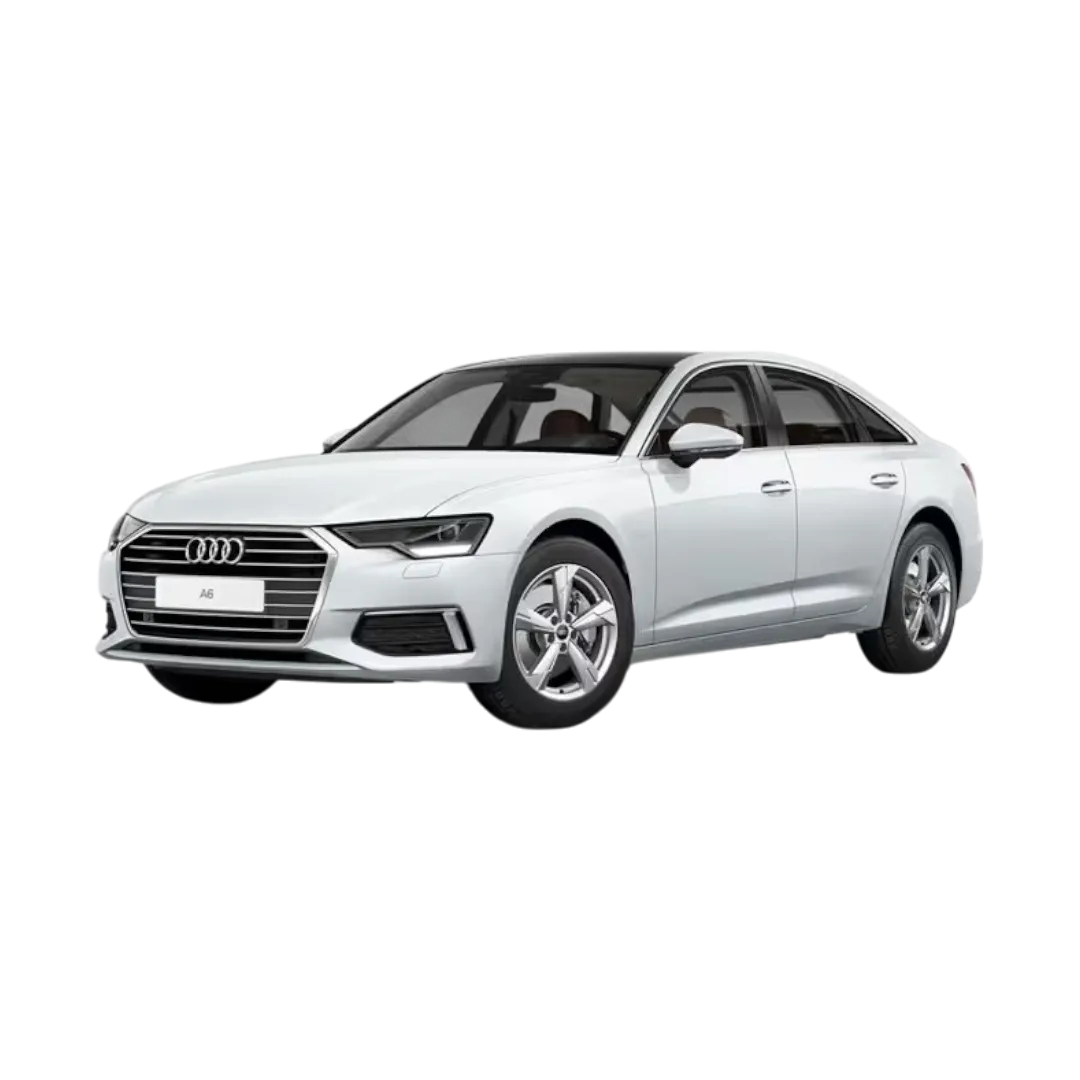 Audi A6
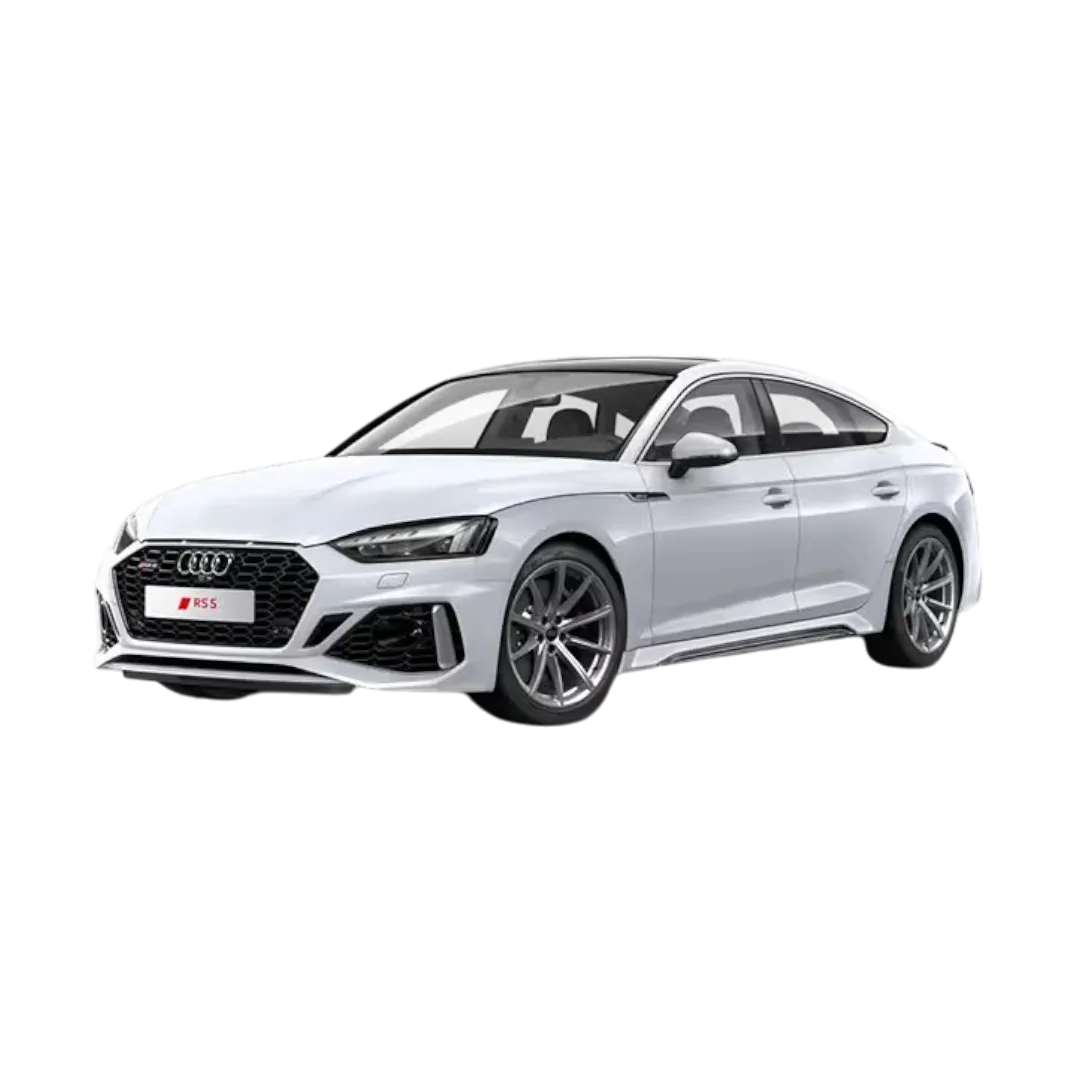 Audi RS5
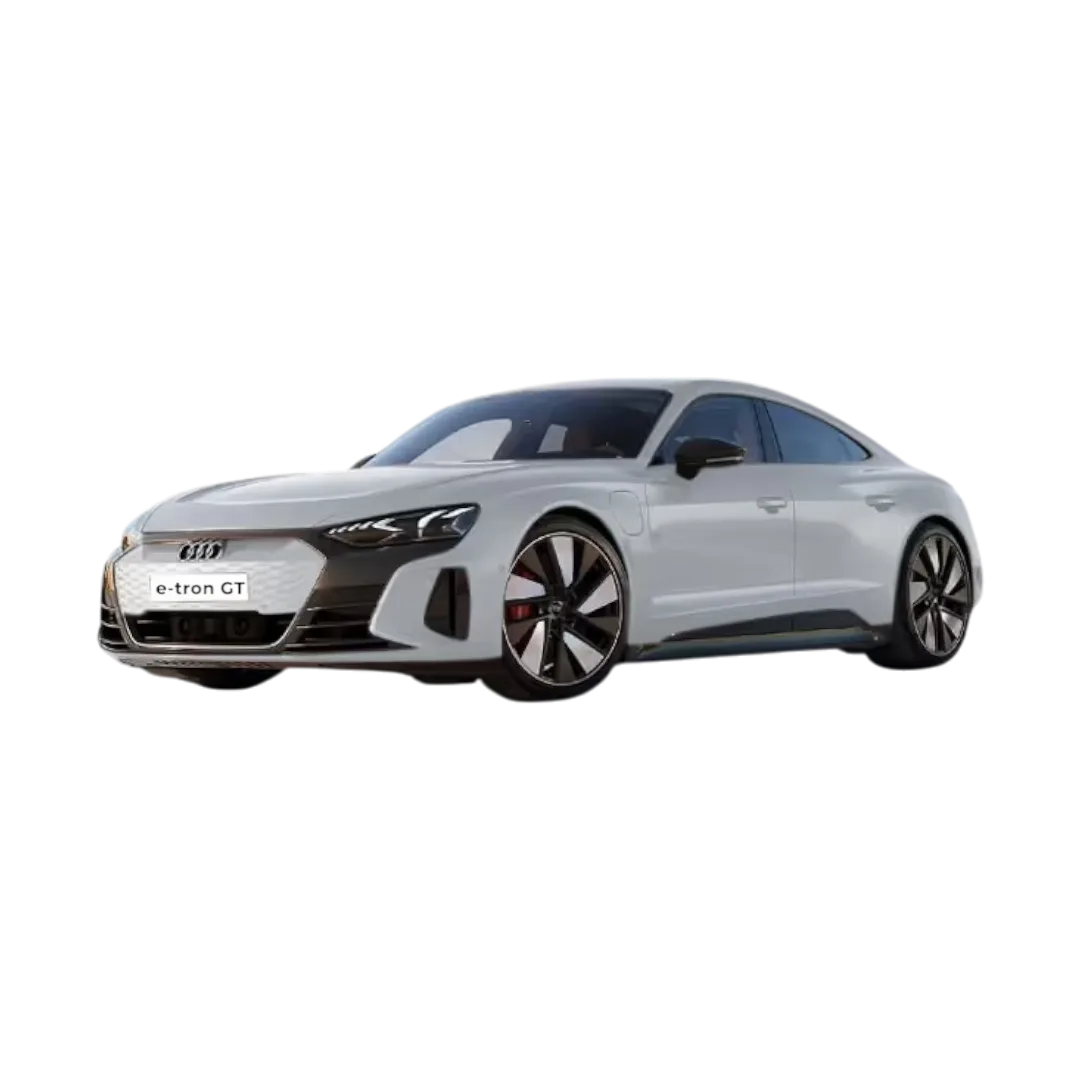 E-Tron GT
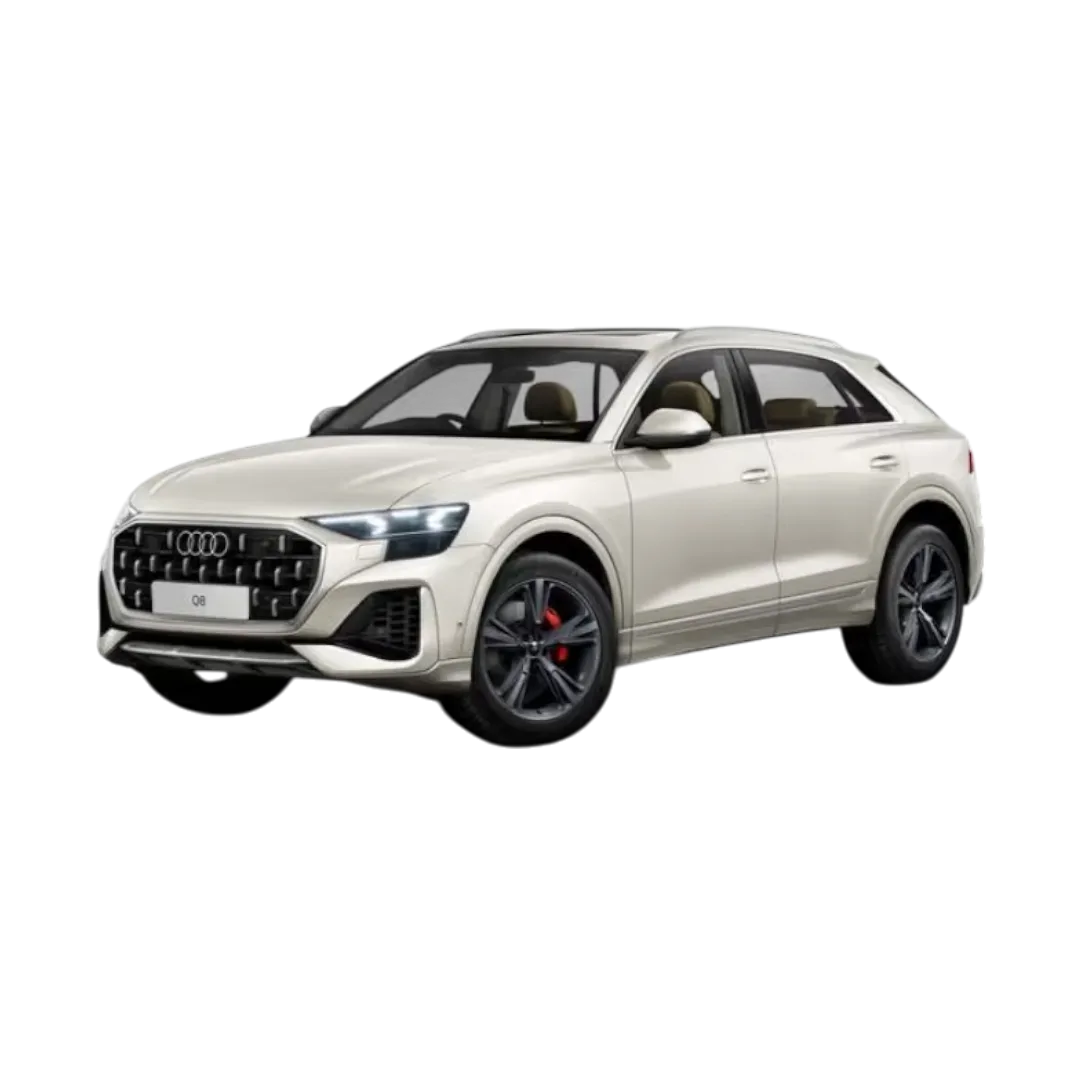 Audi Q8
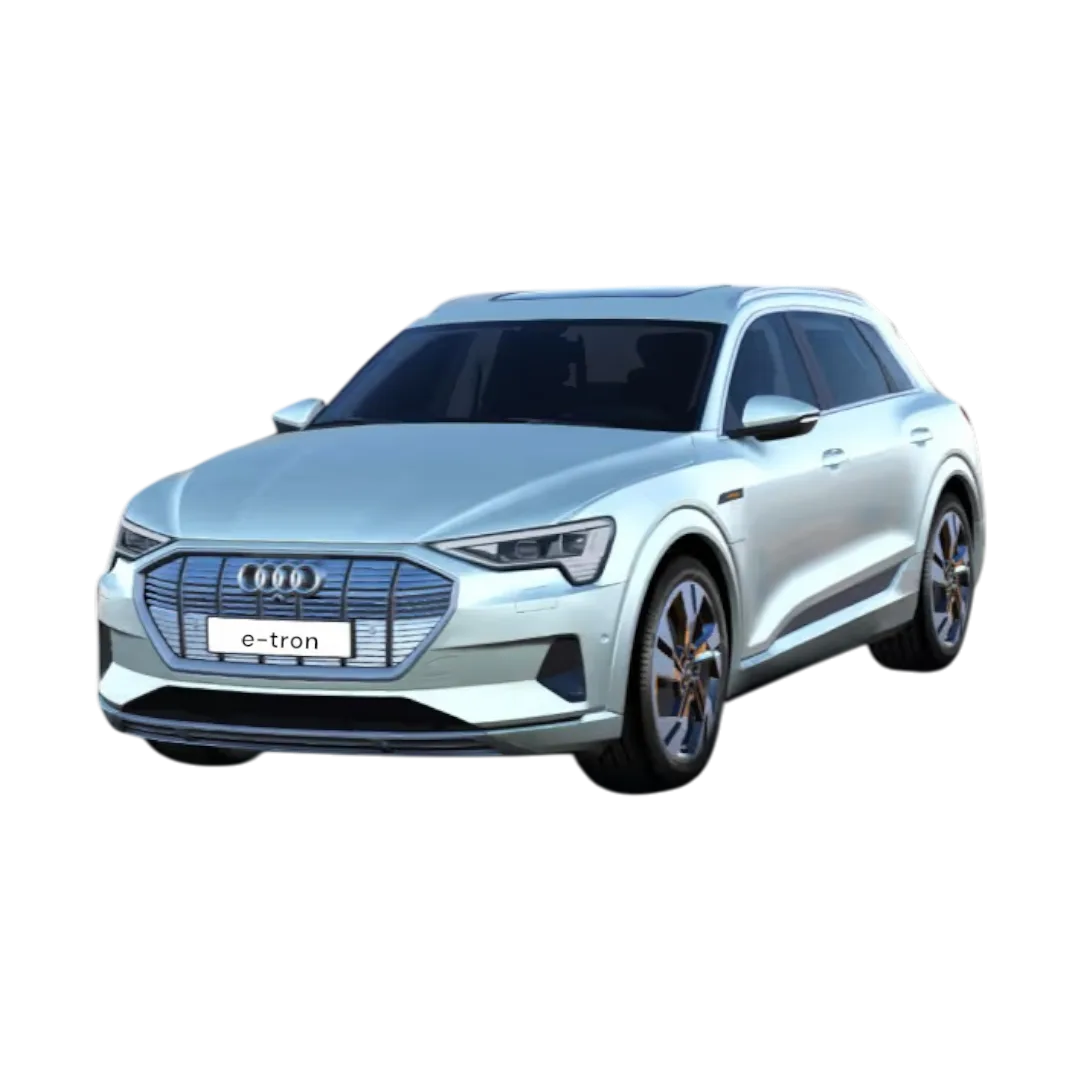 E-Tron
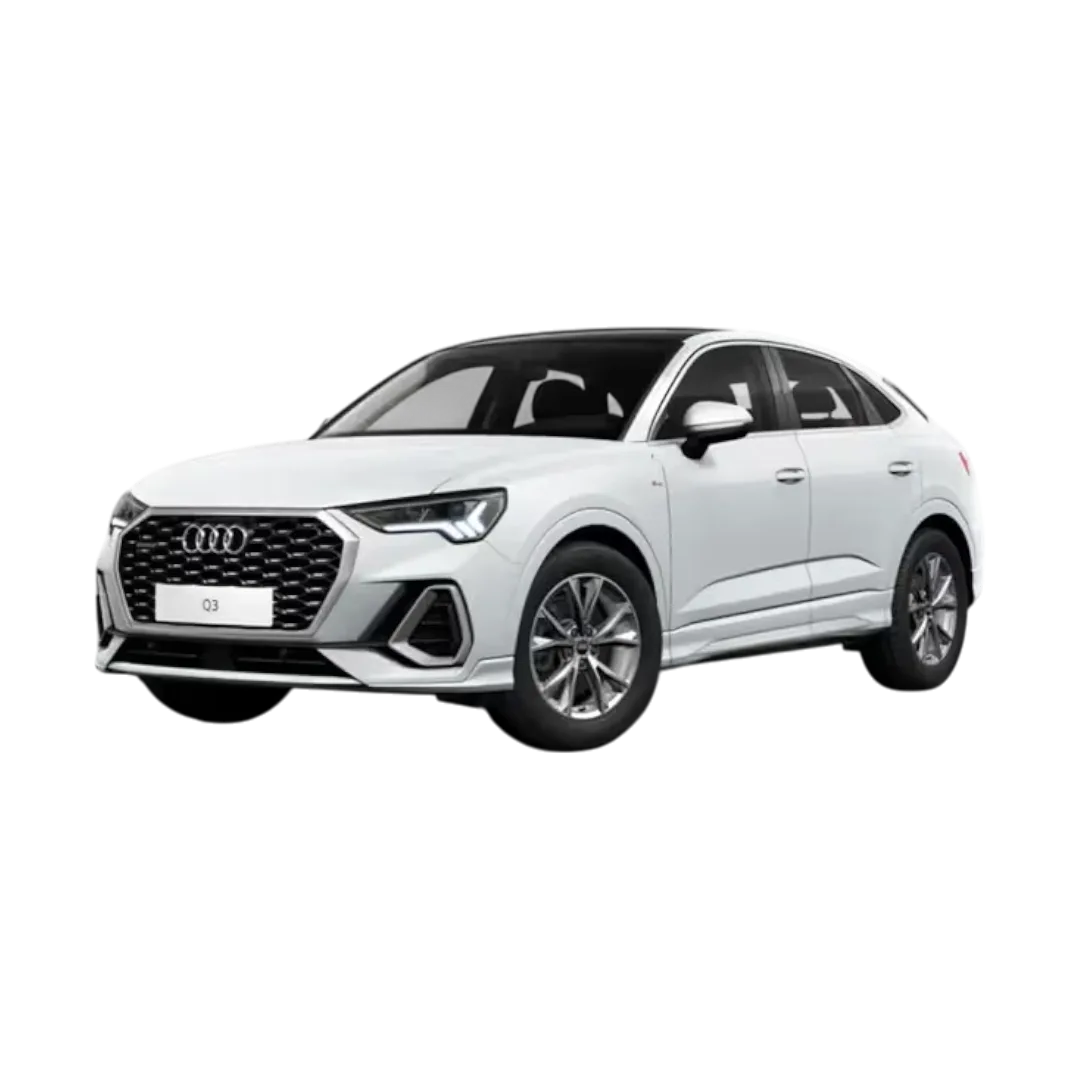 Q3 Sportback
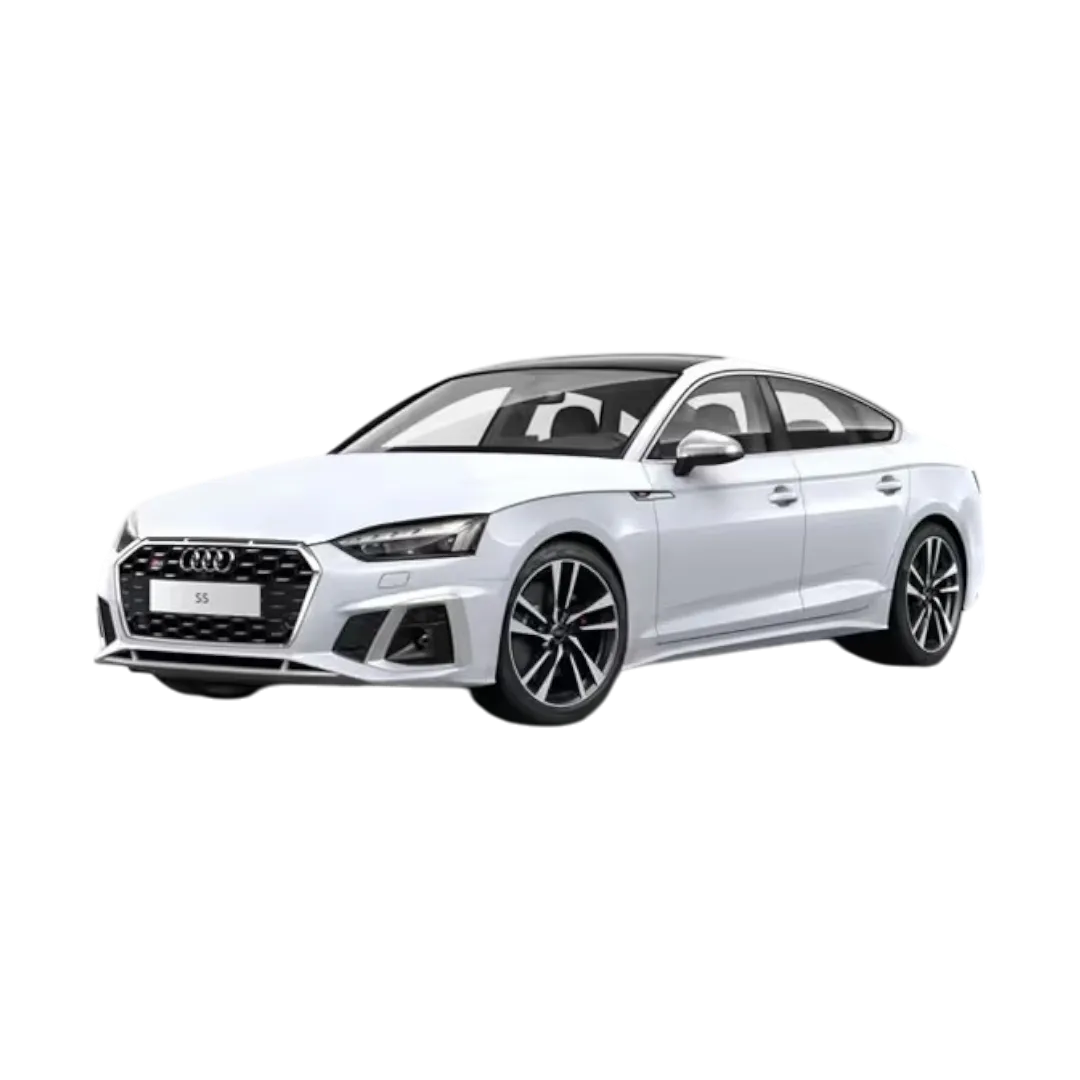 Audi S5 Sportback
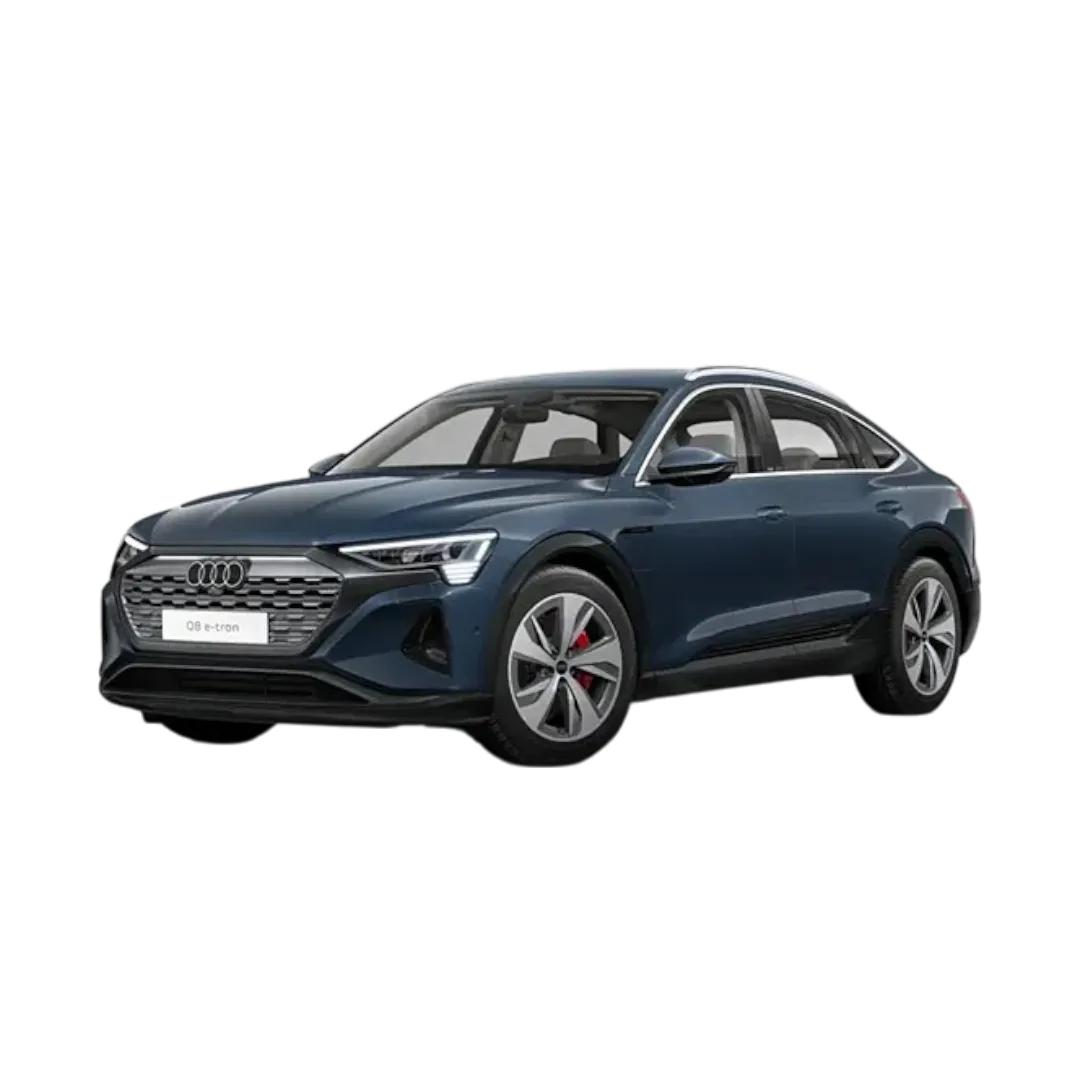 Q8 E-Tron
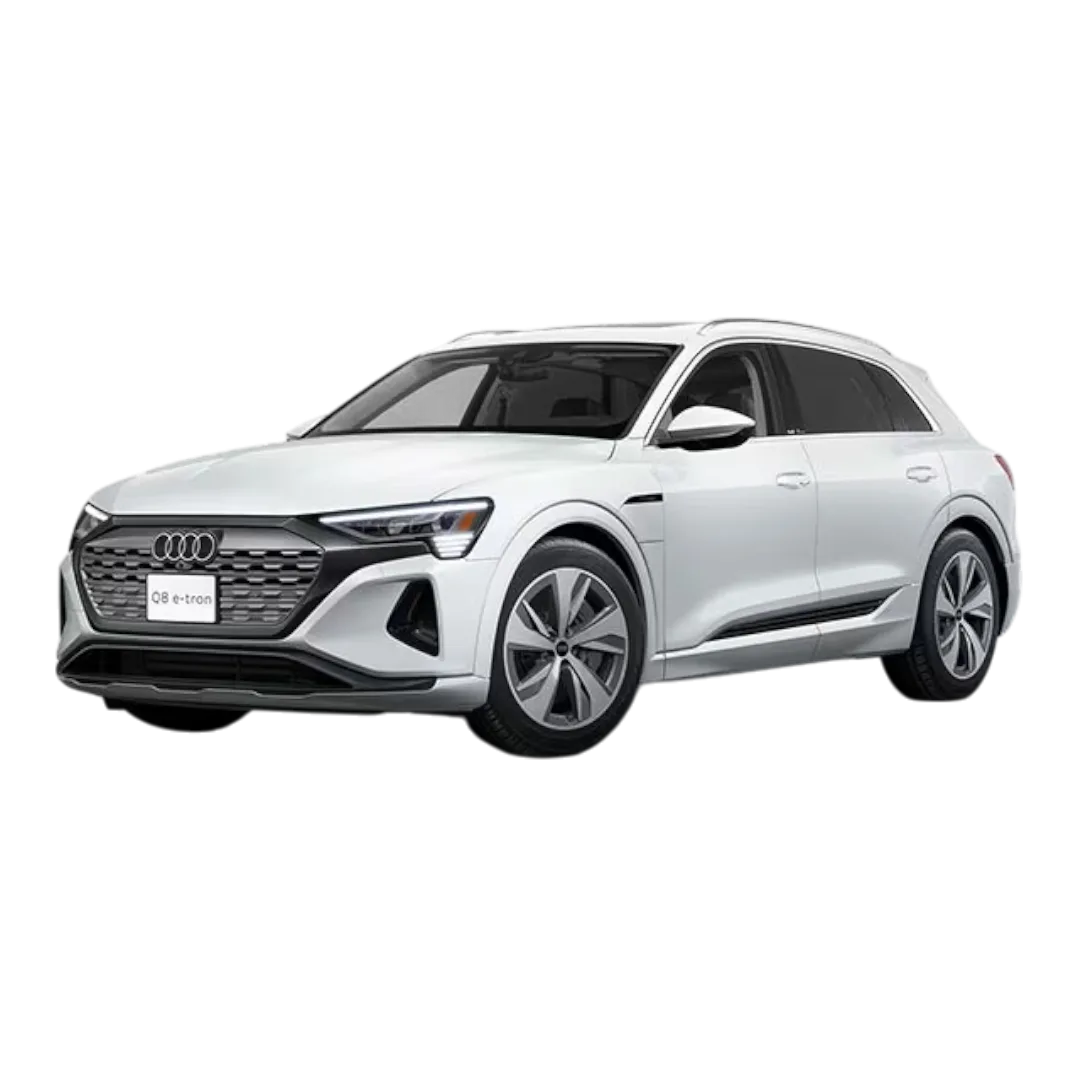 Q8 E-Tron Sportback
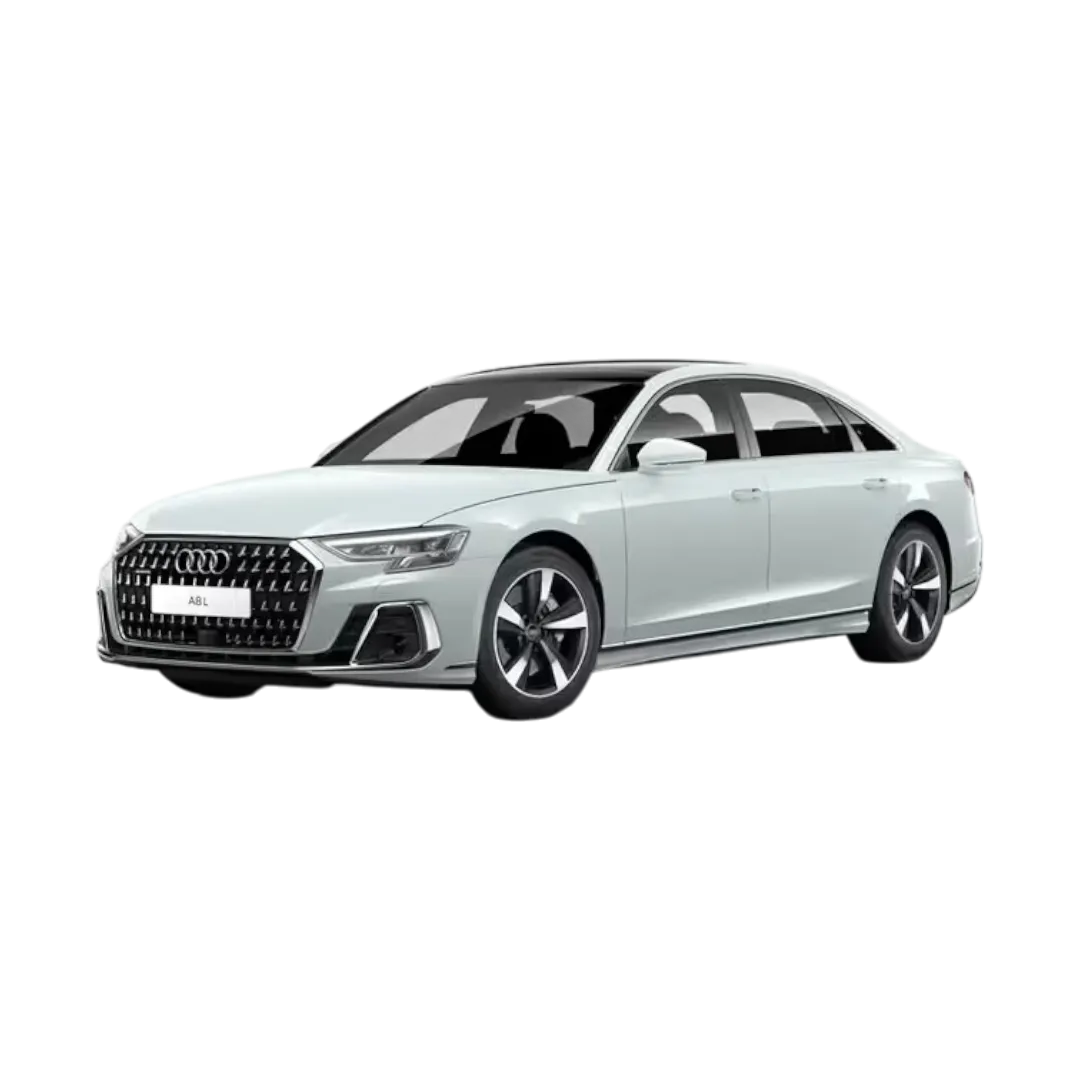 Audi A8L
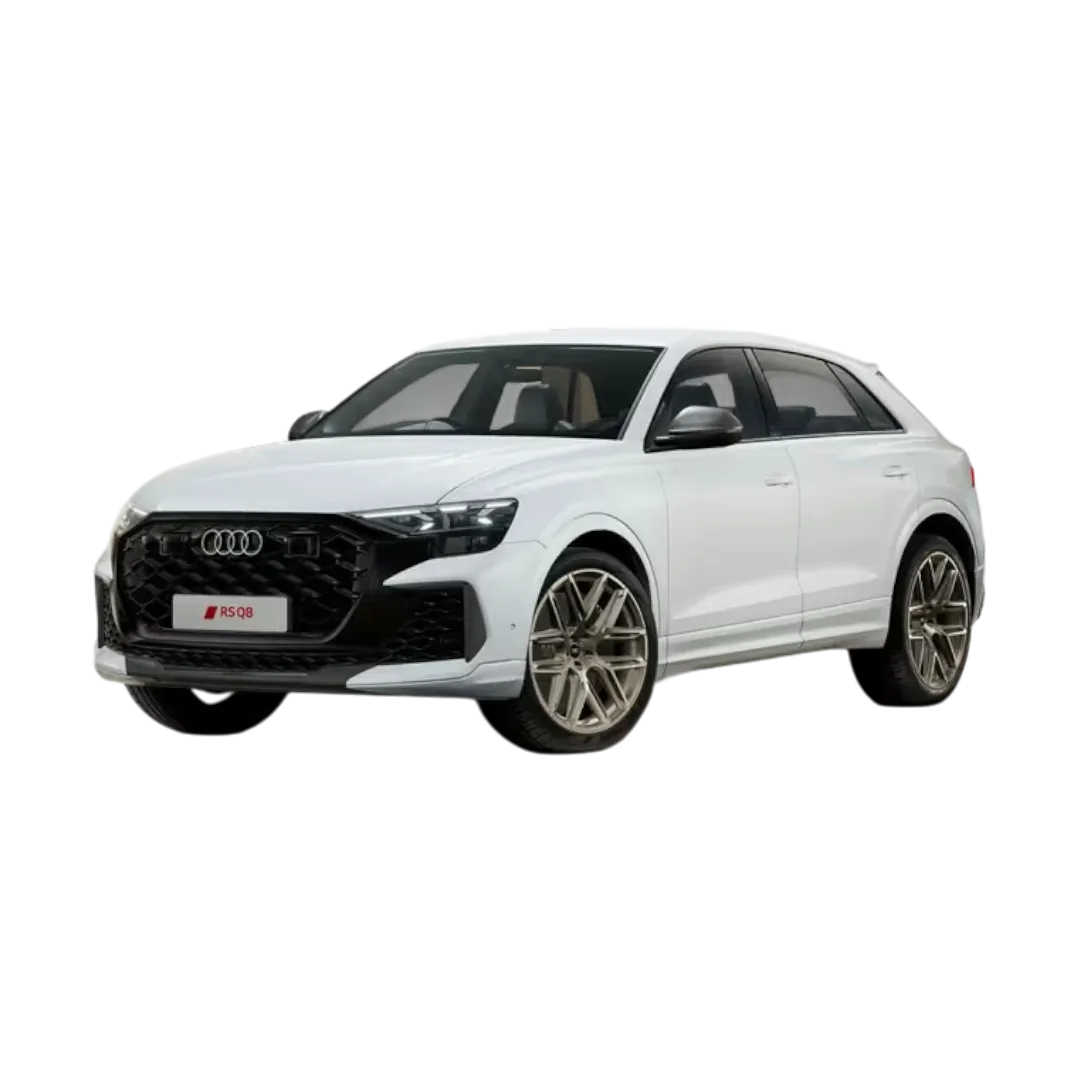 Audi RS Q8
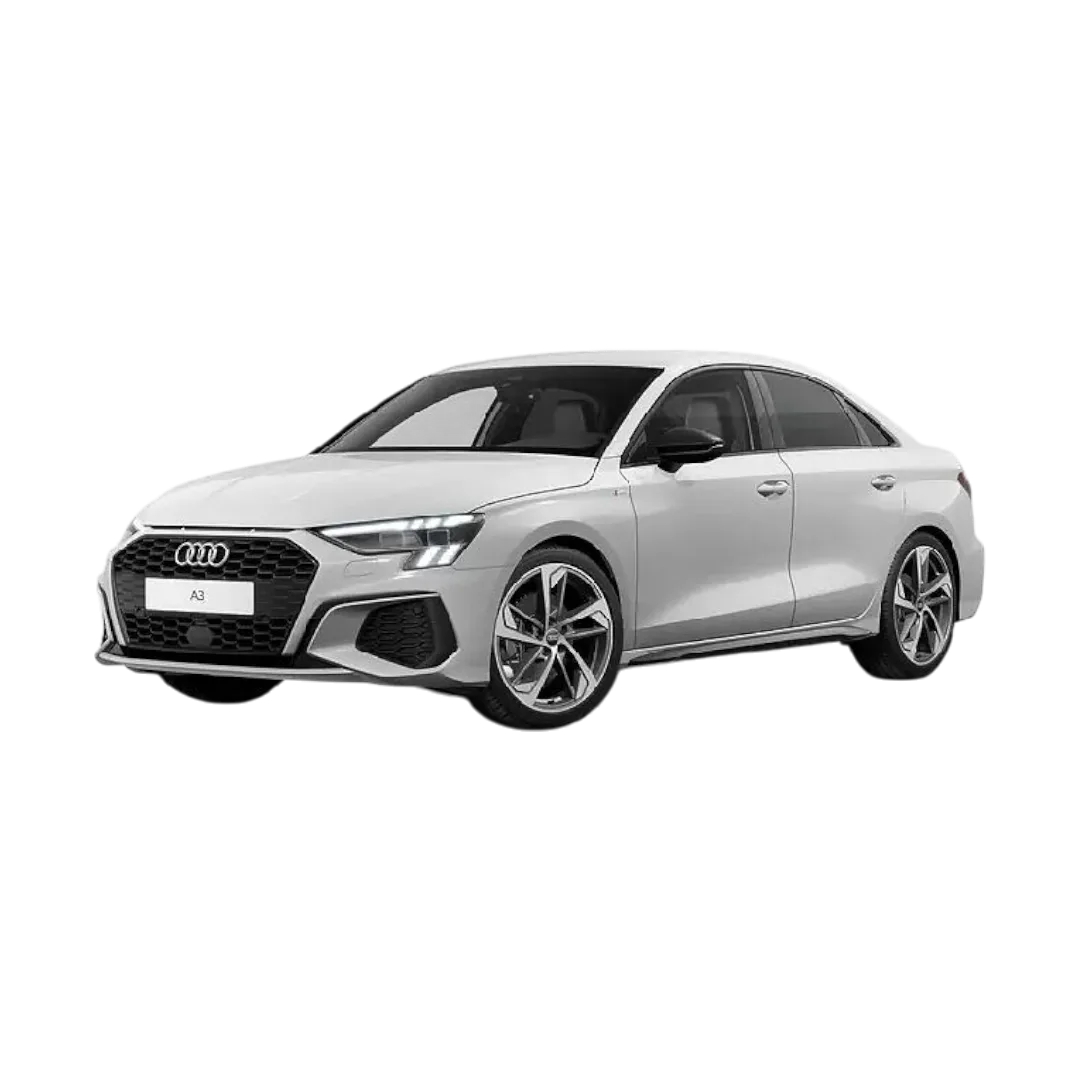 Audi A3
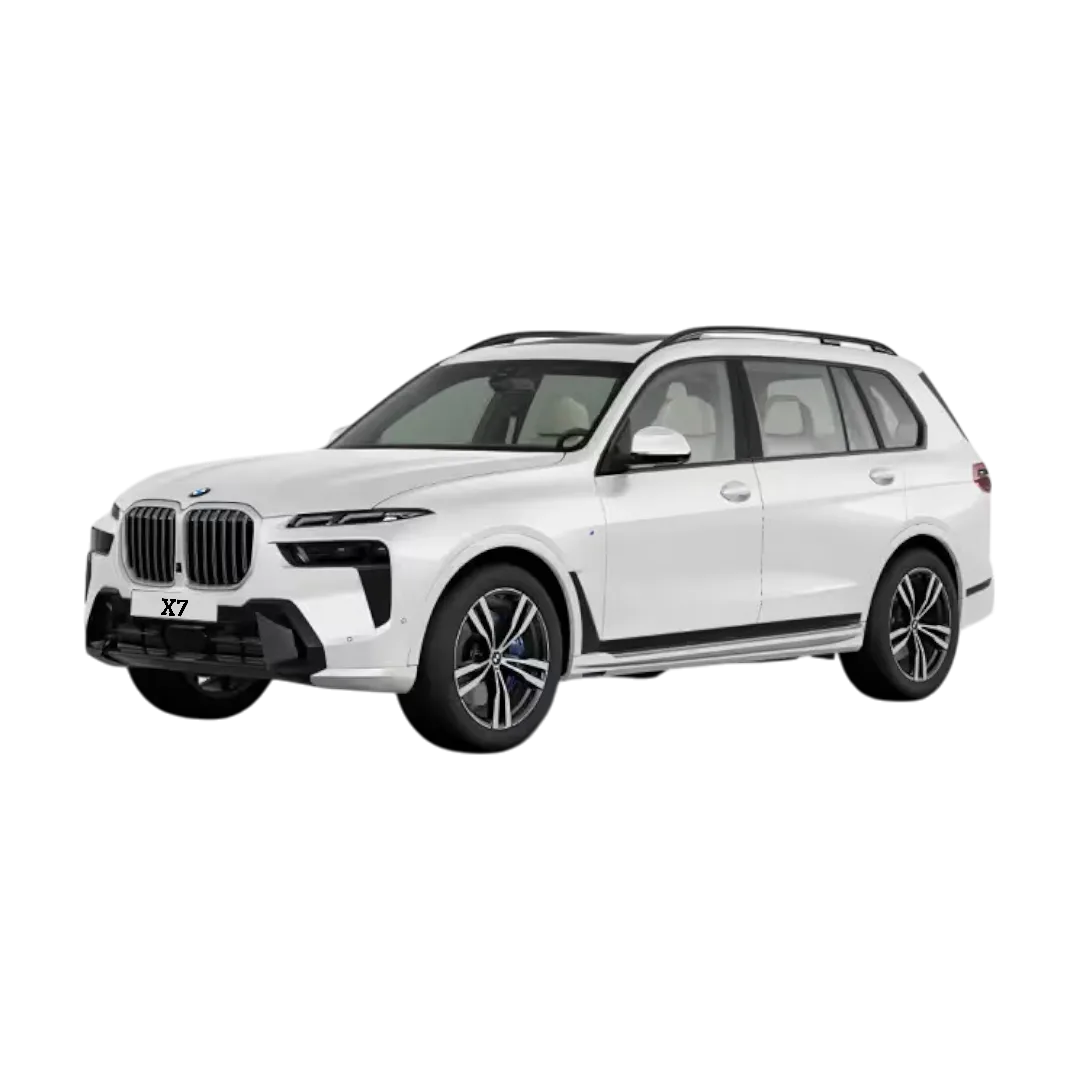 BMW X7
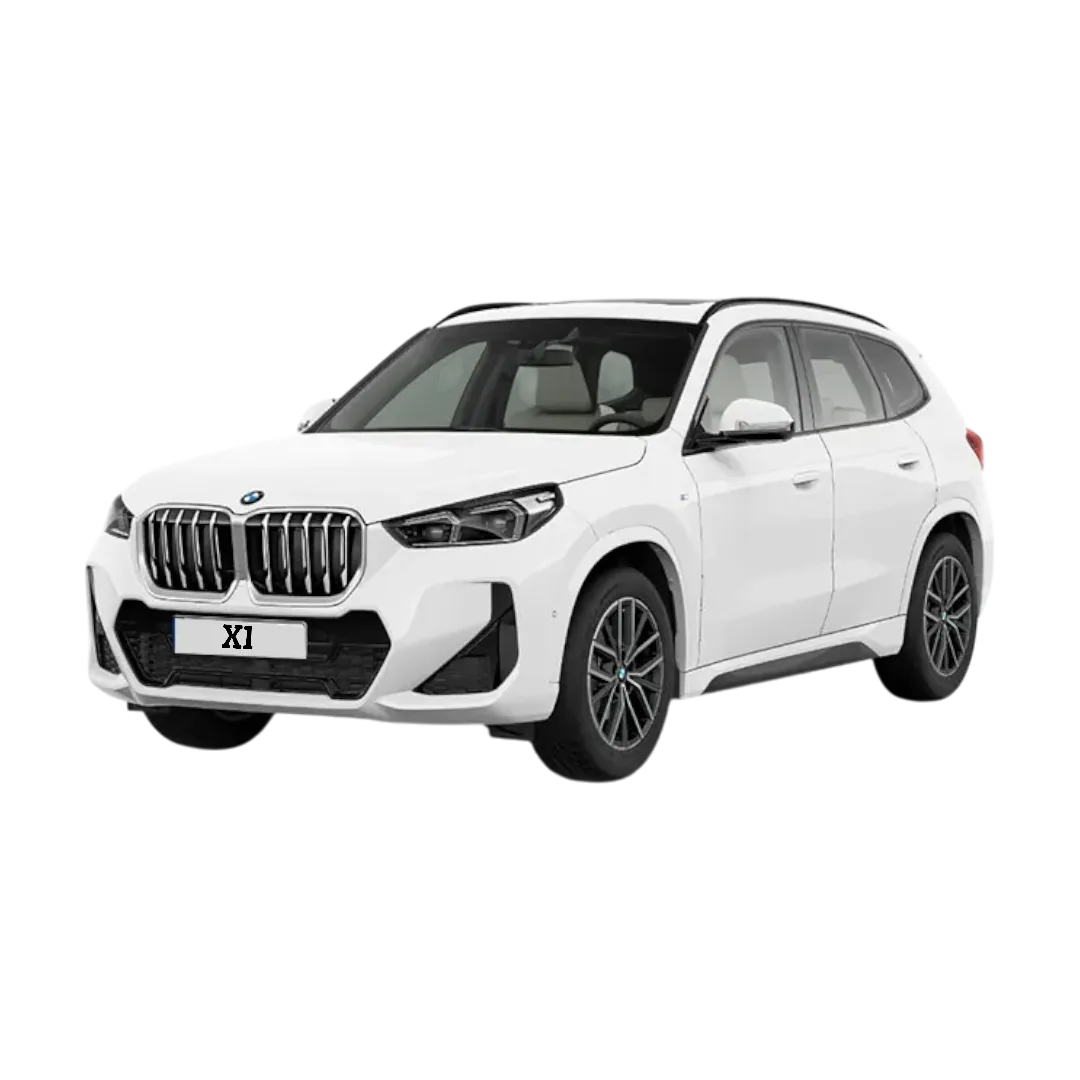 BMW X1
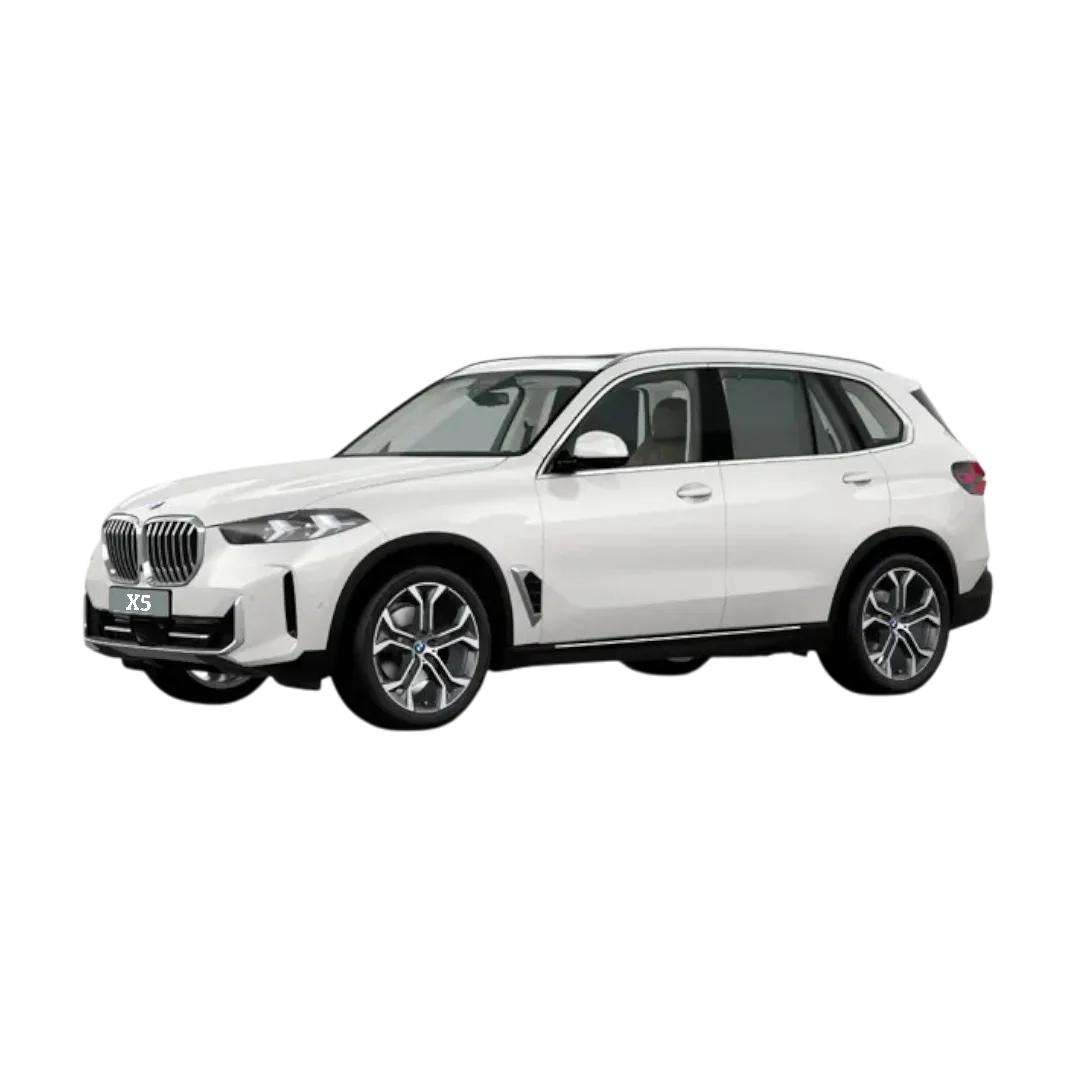 BMW X5
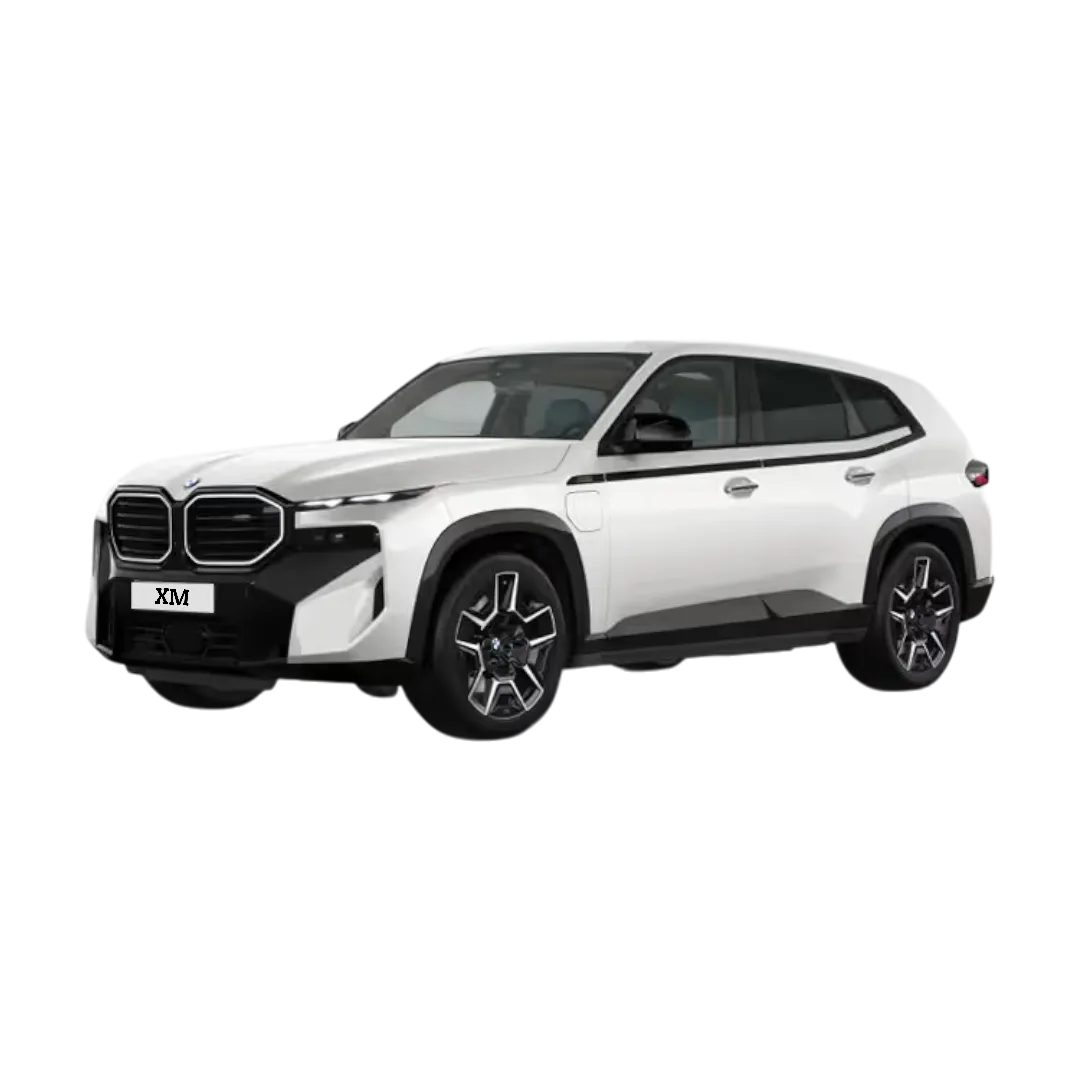 BMW XM
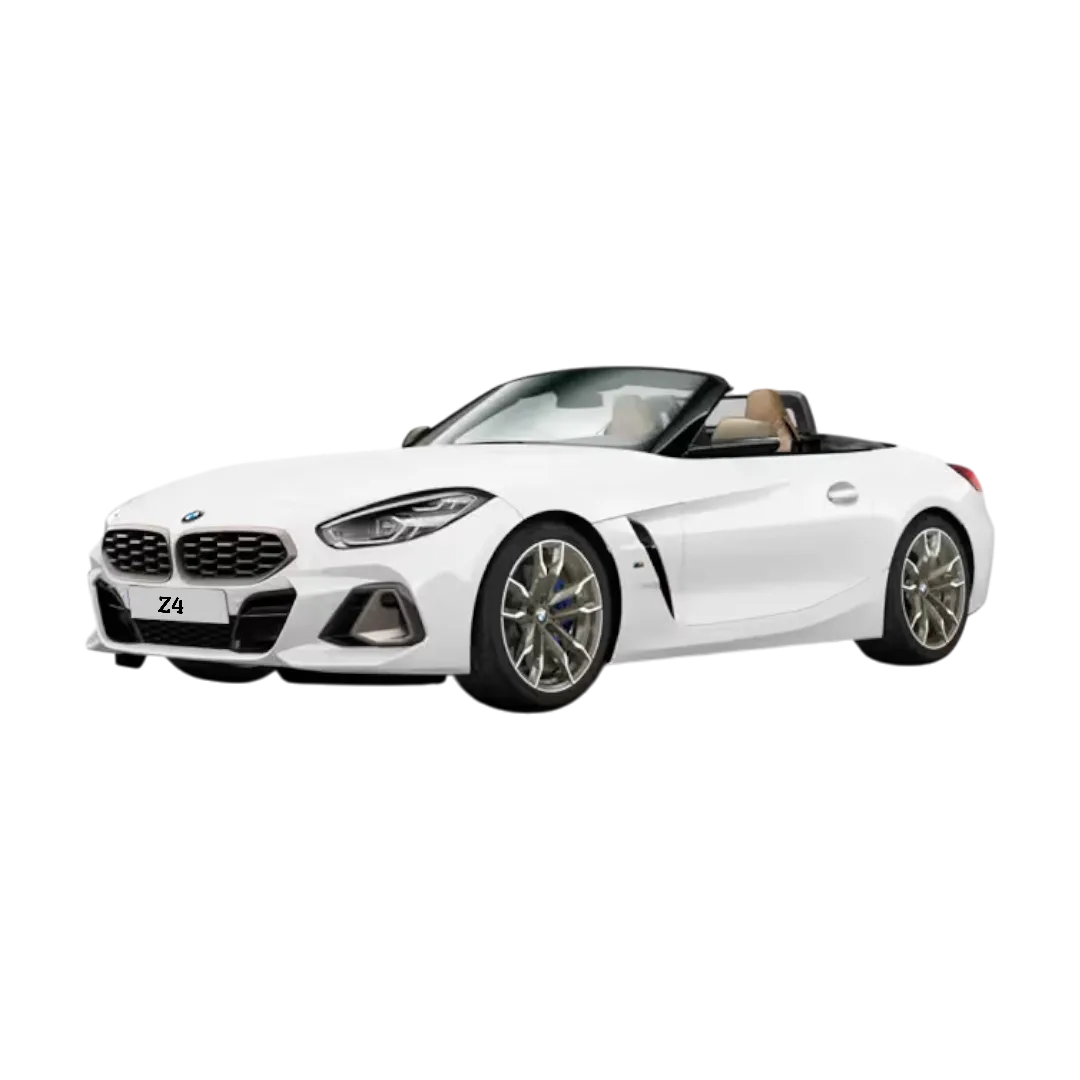 BMW Z4
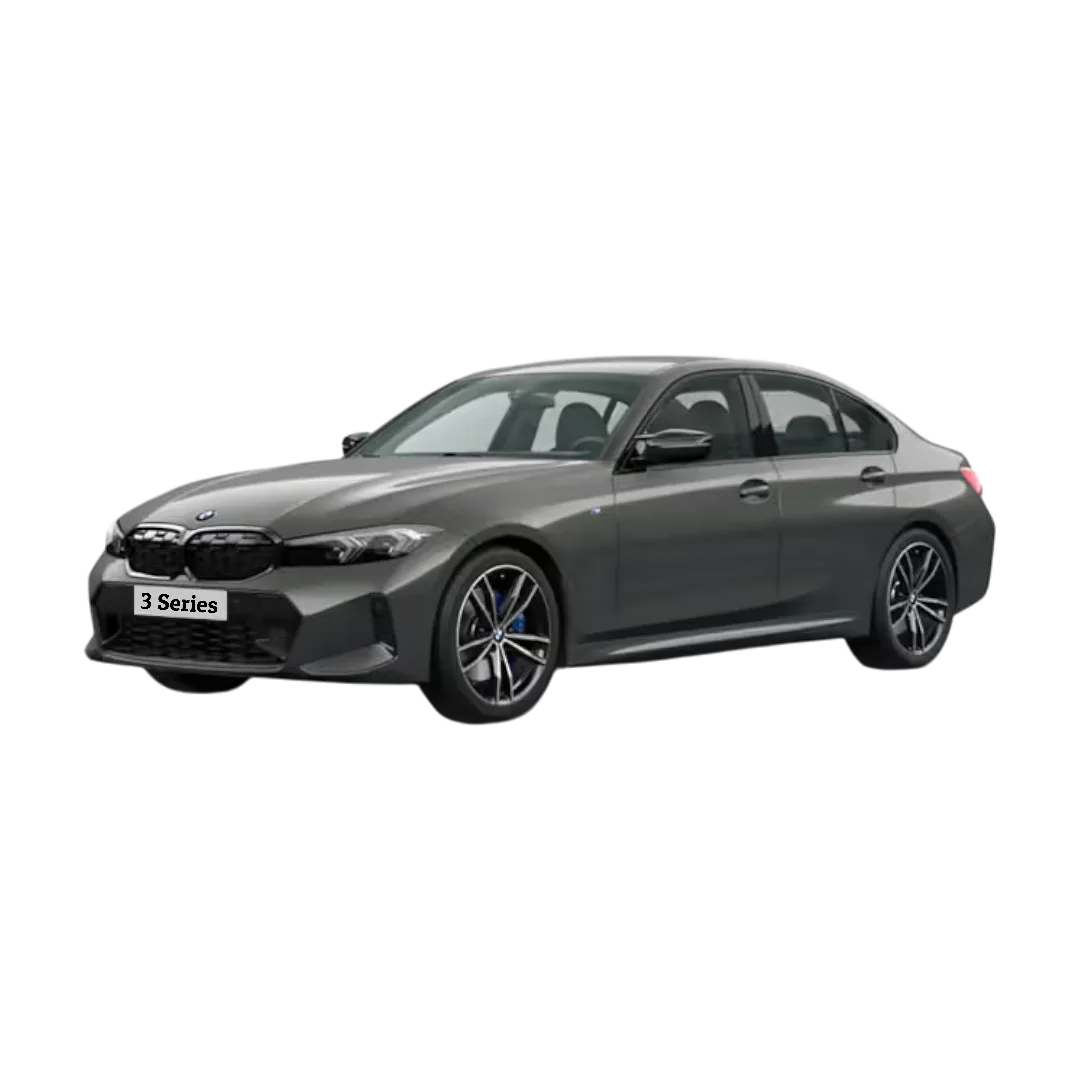 3 Series
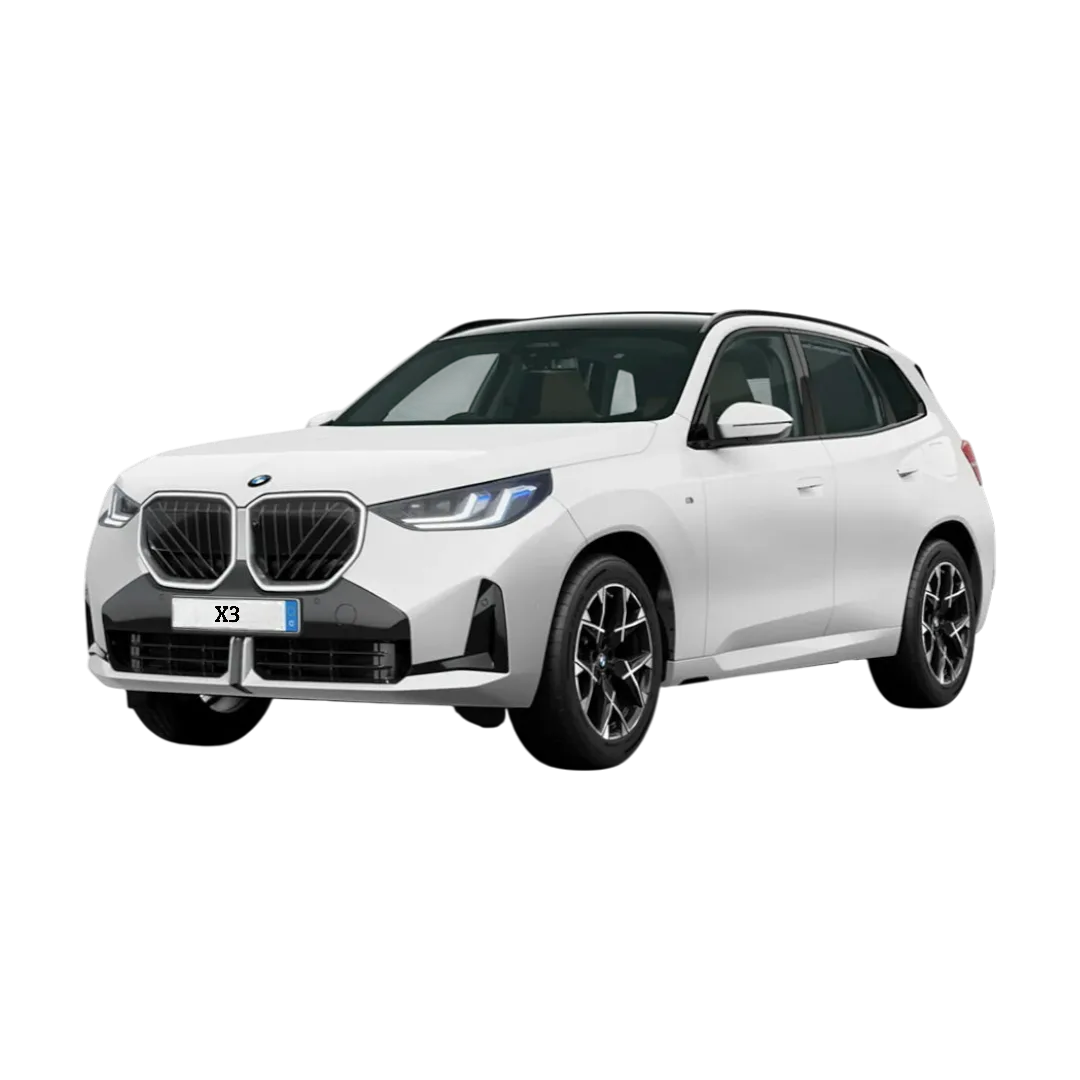 BMW X3
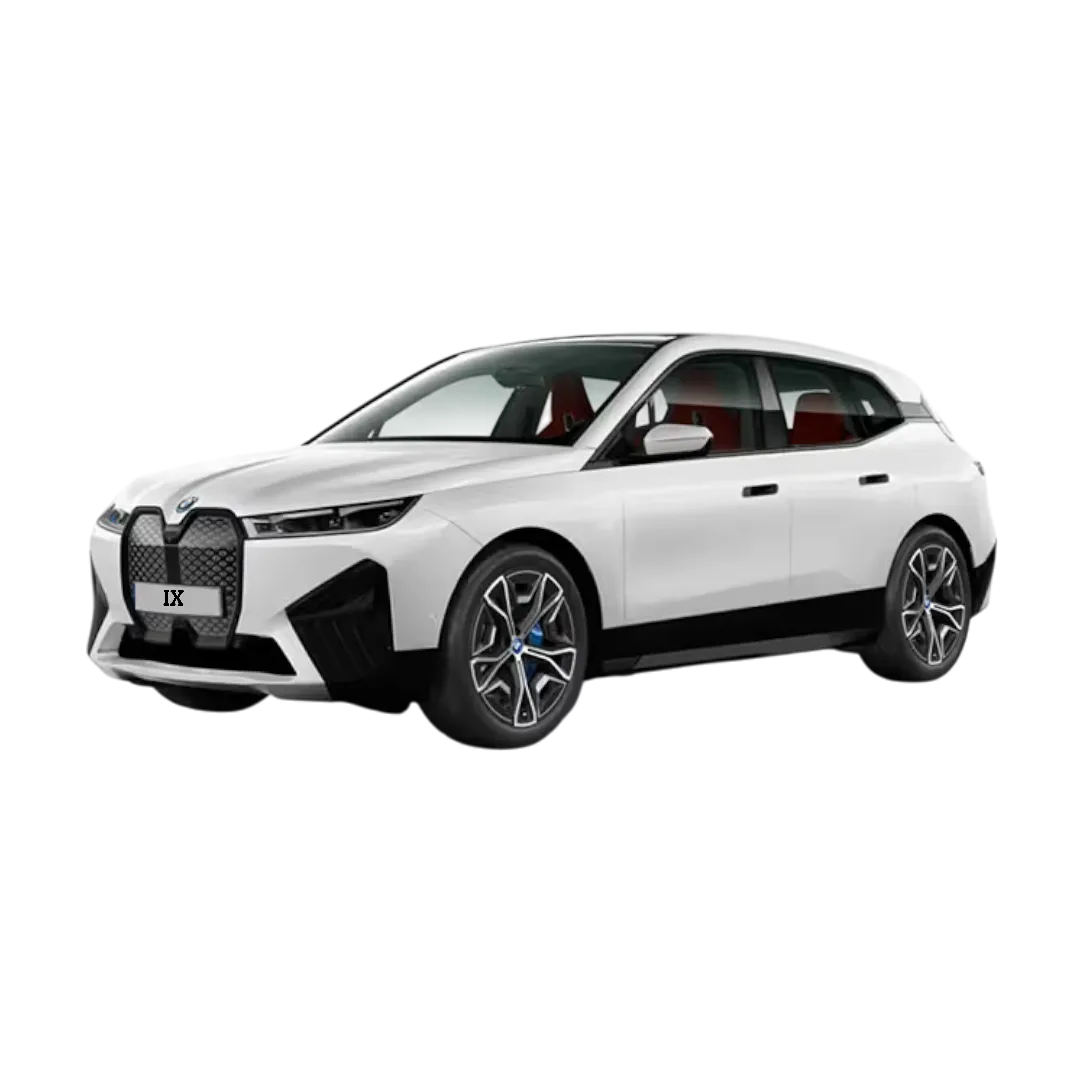 BMW iX
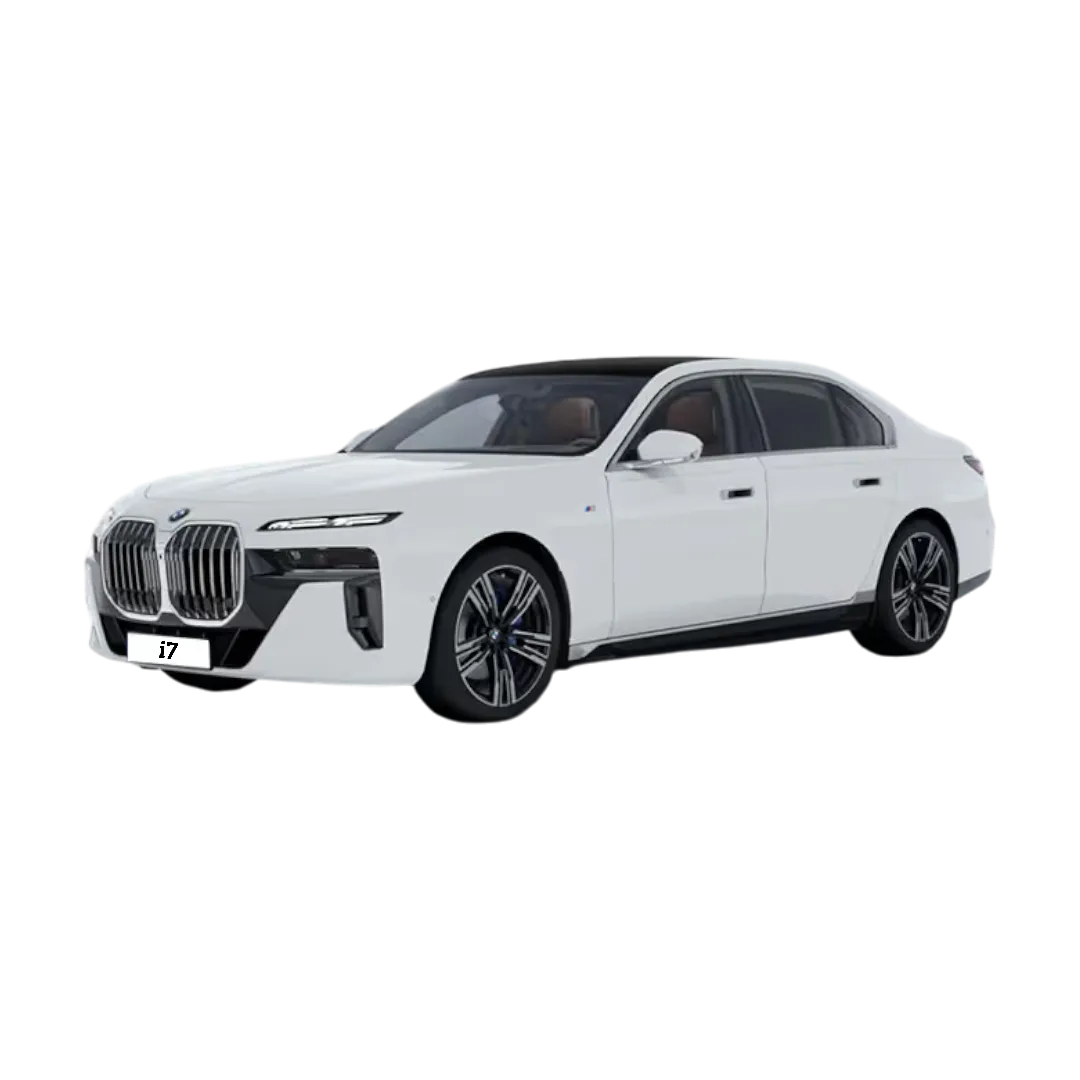 BMW i7
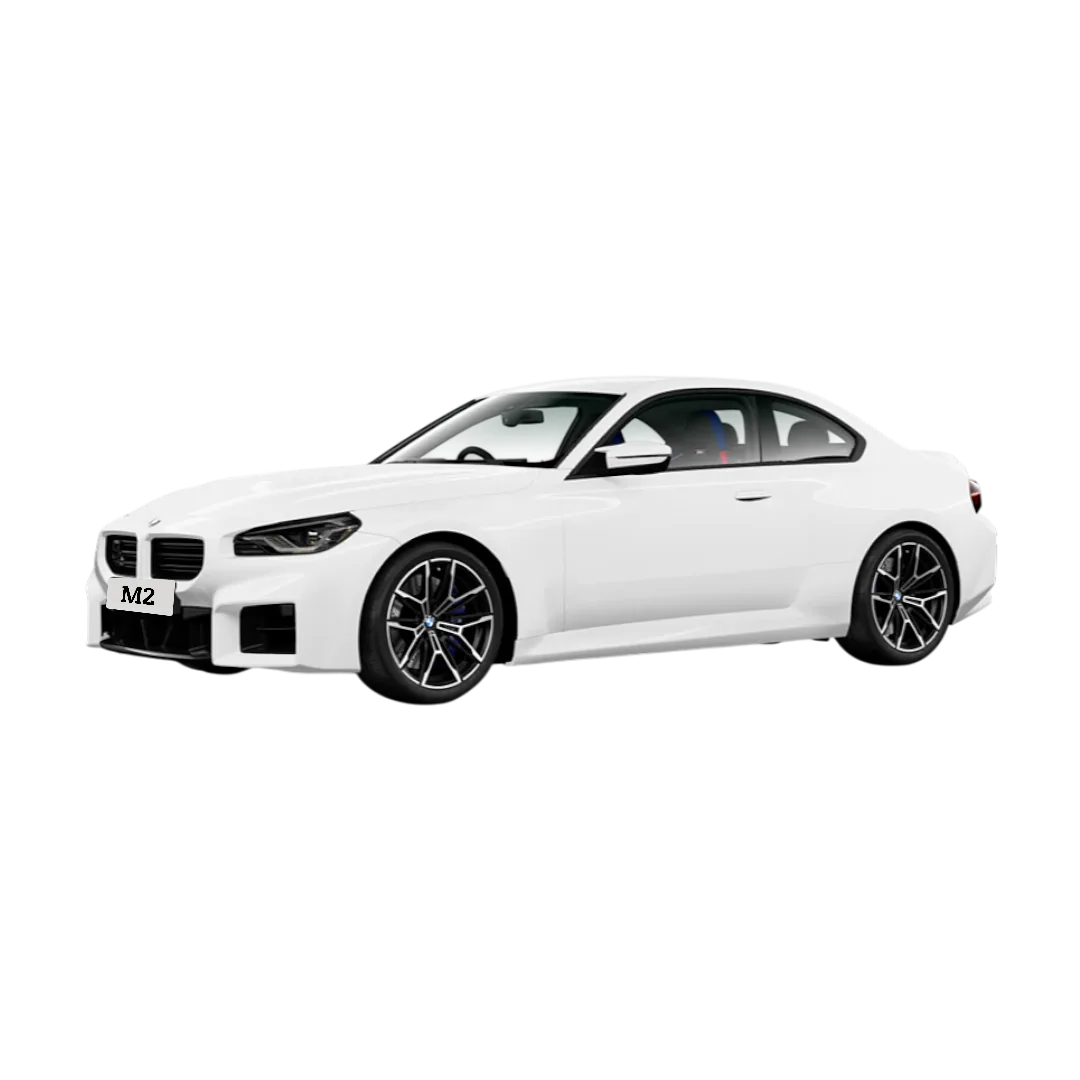 BMW M2
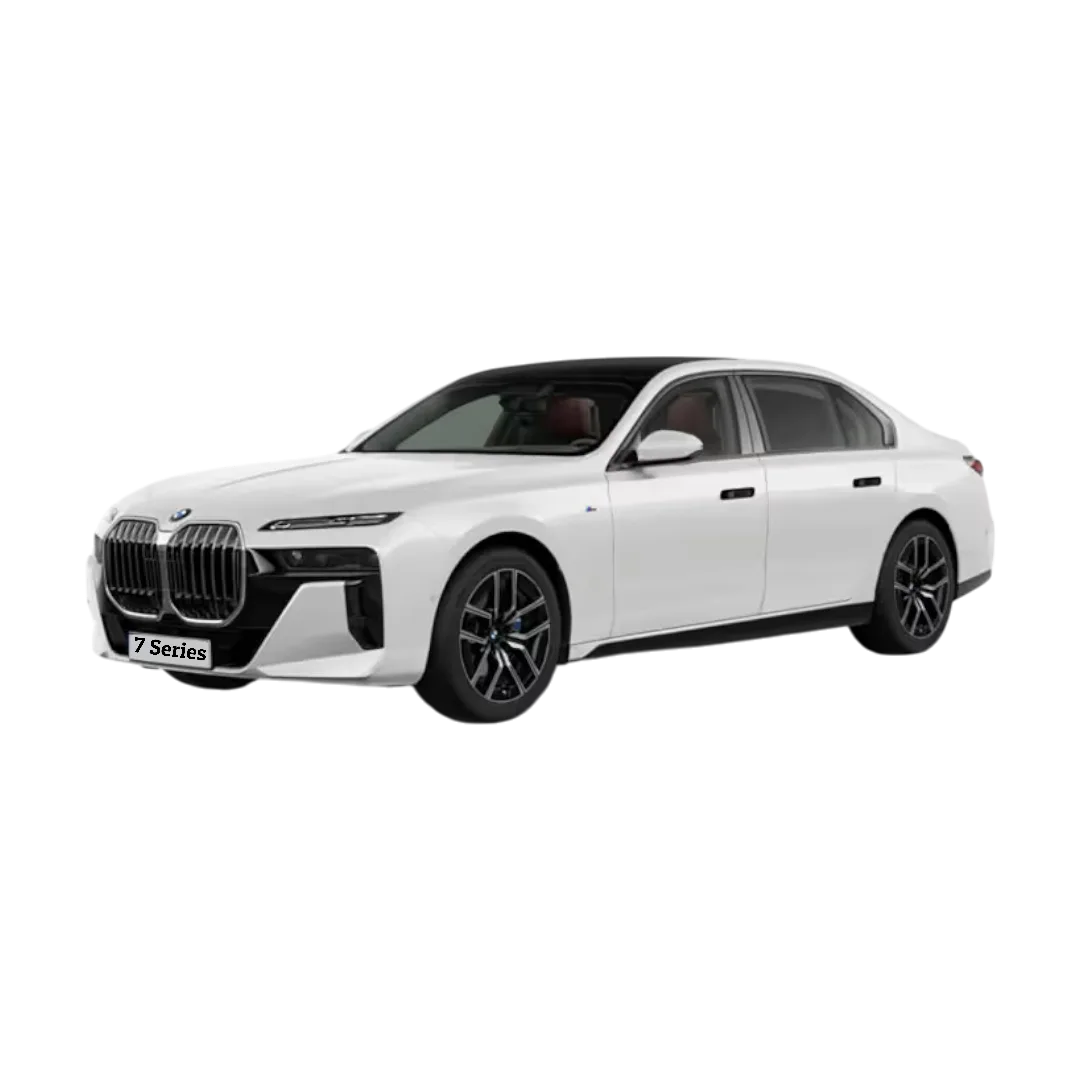 7 Series
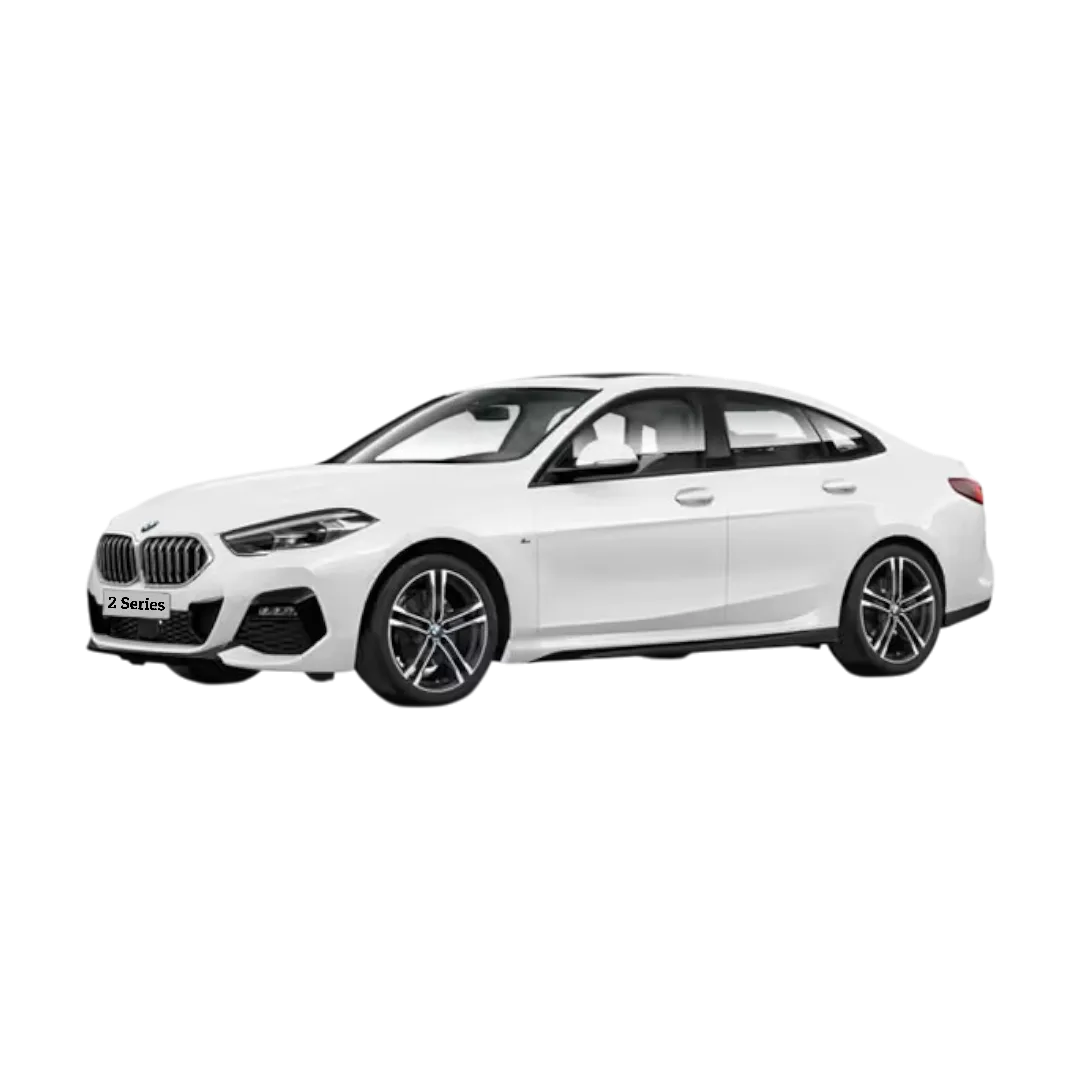 2 Series
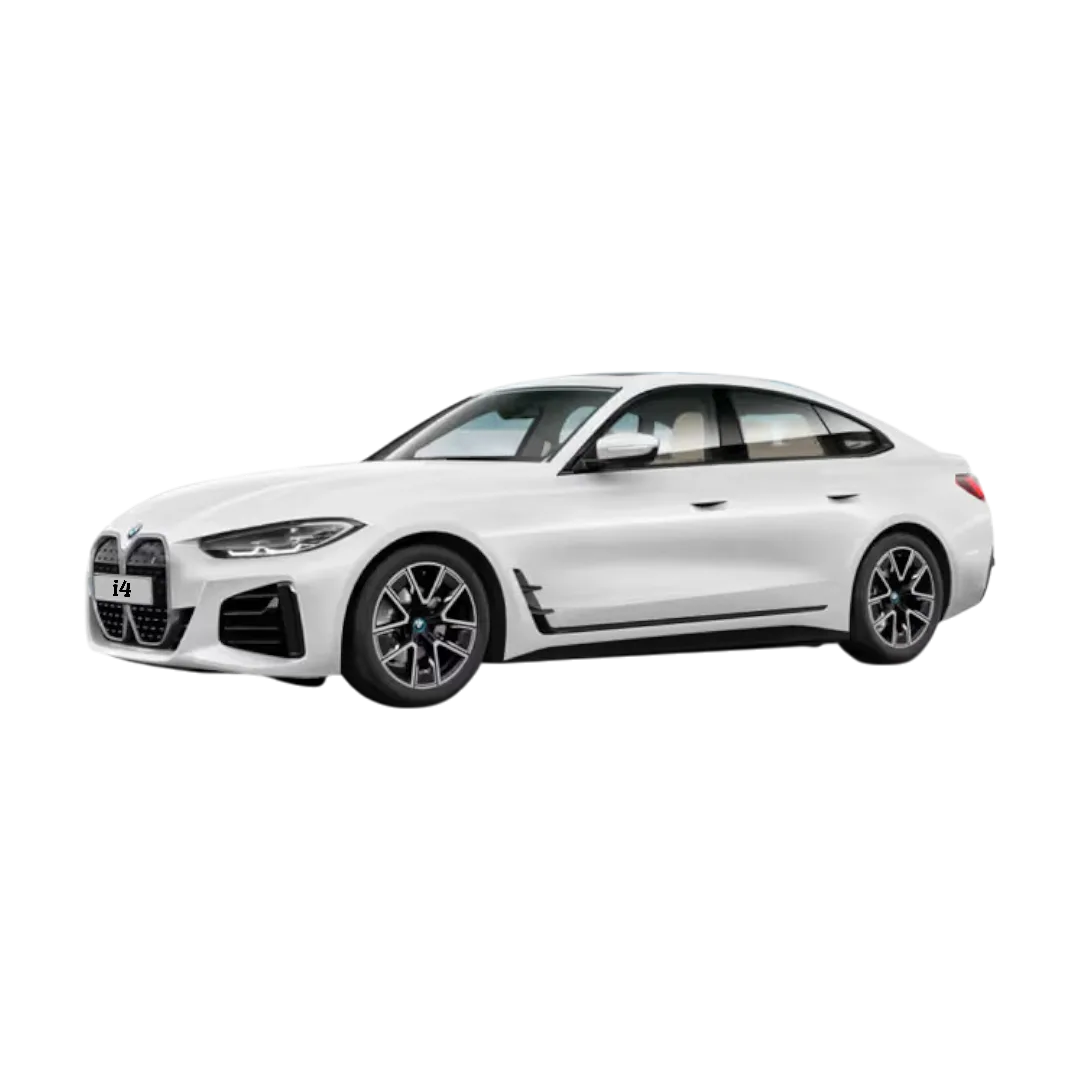 BMW i4
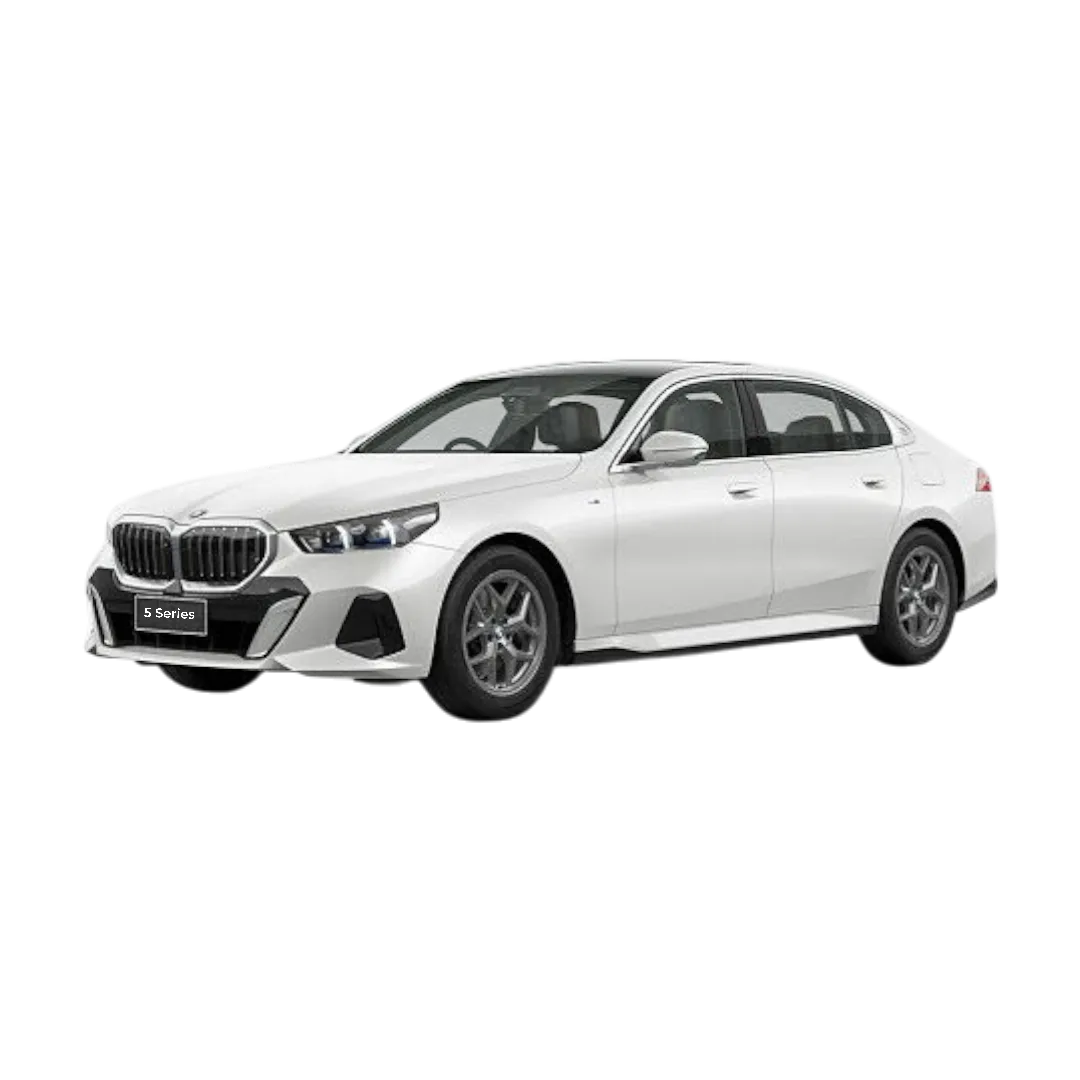 5 Series
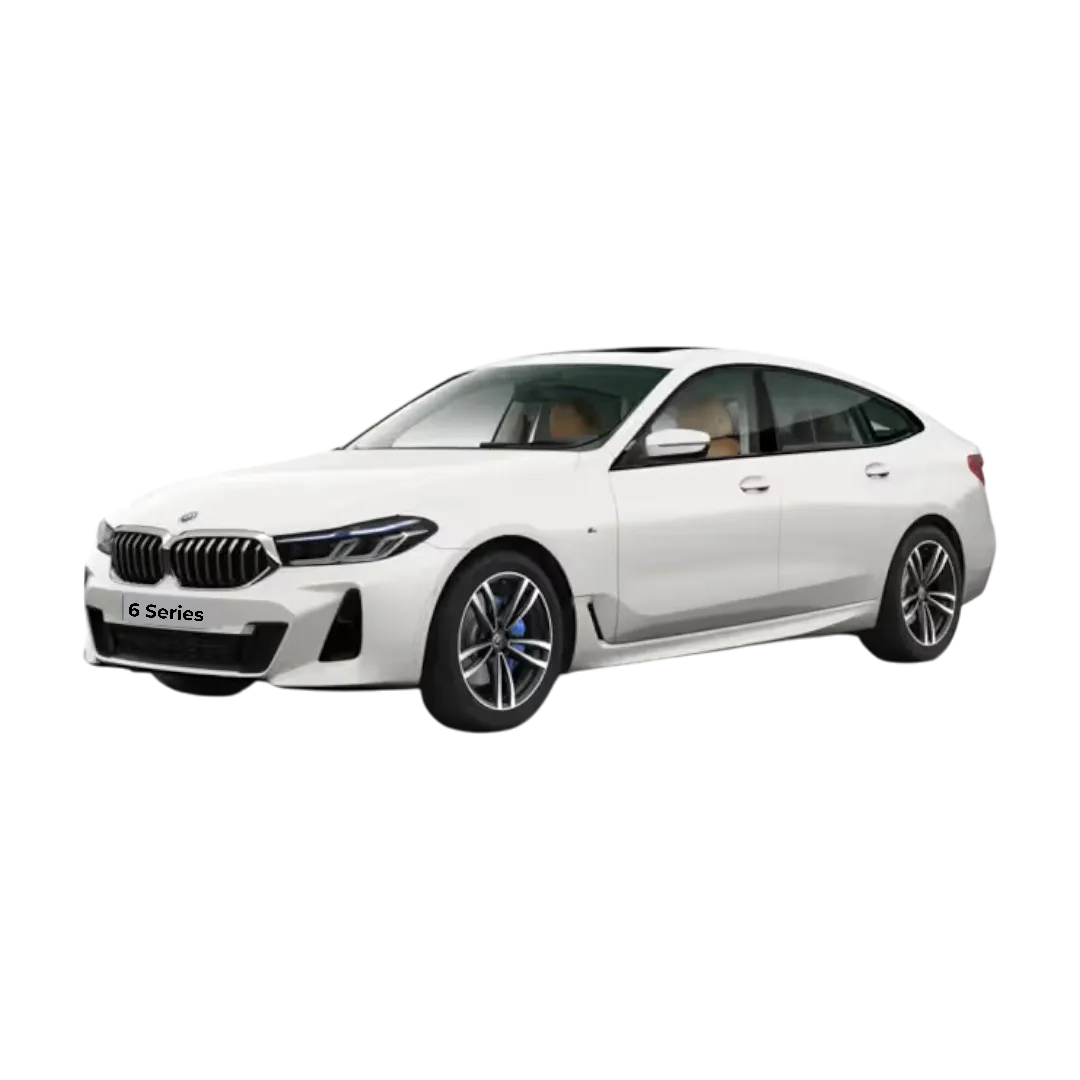 6 Series
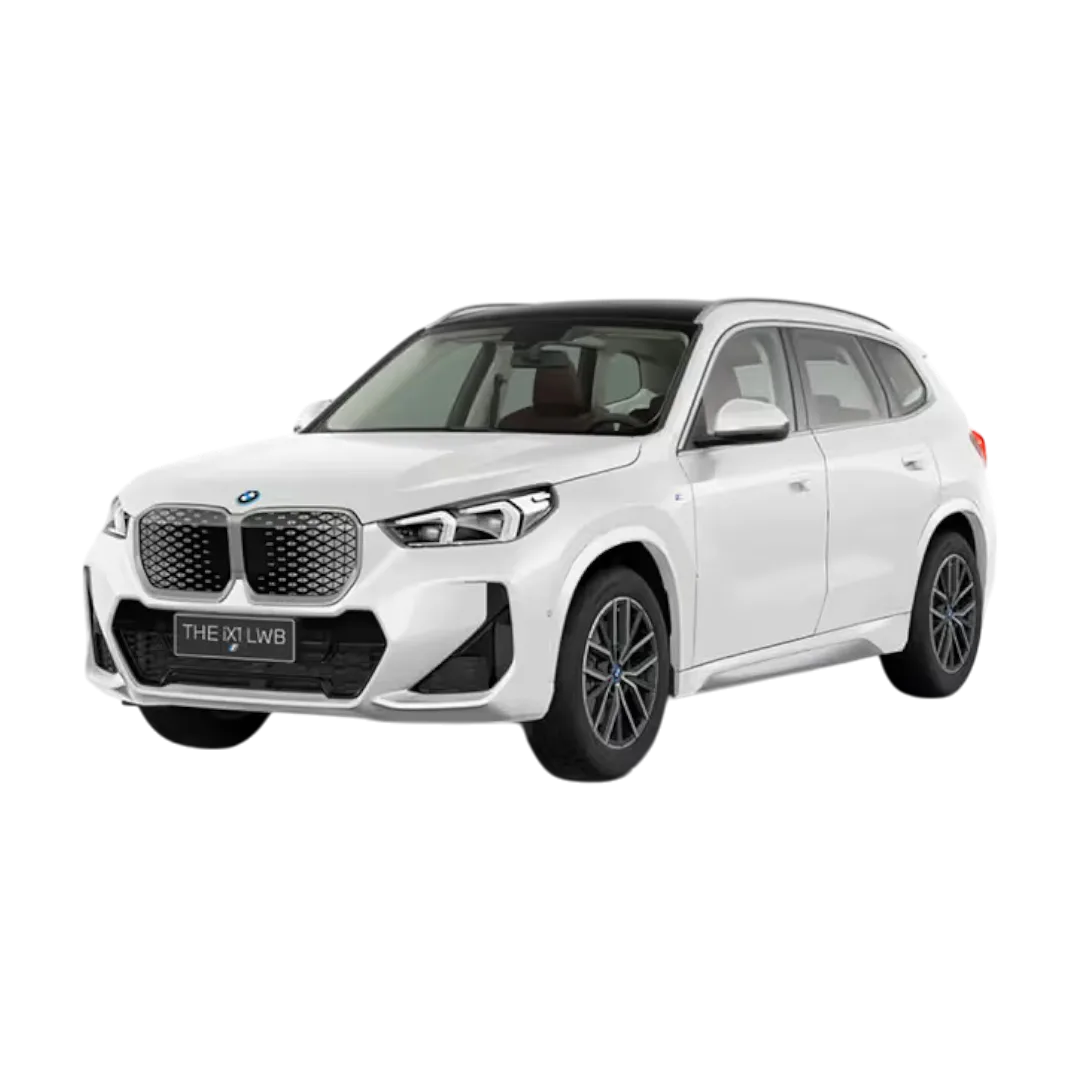 BMW ix1
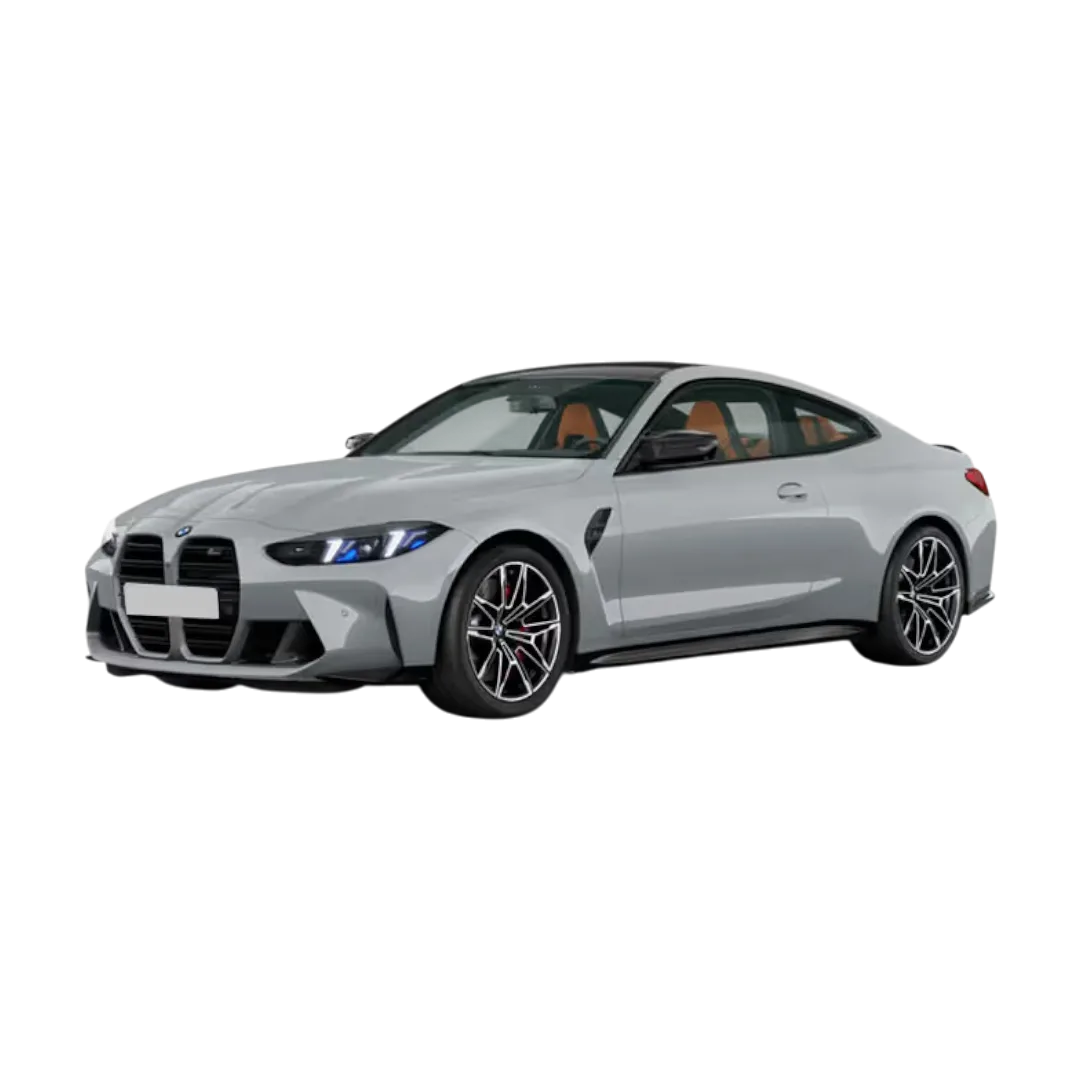 M4 Competition
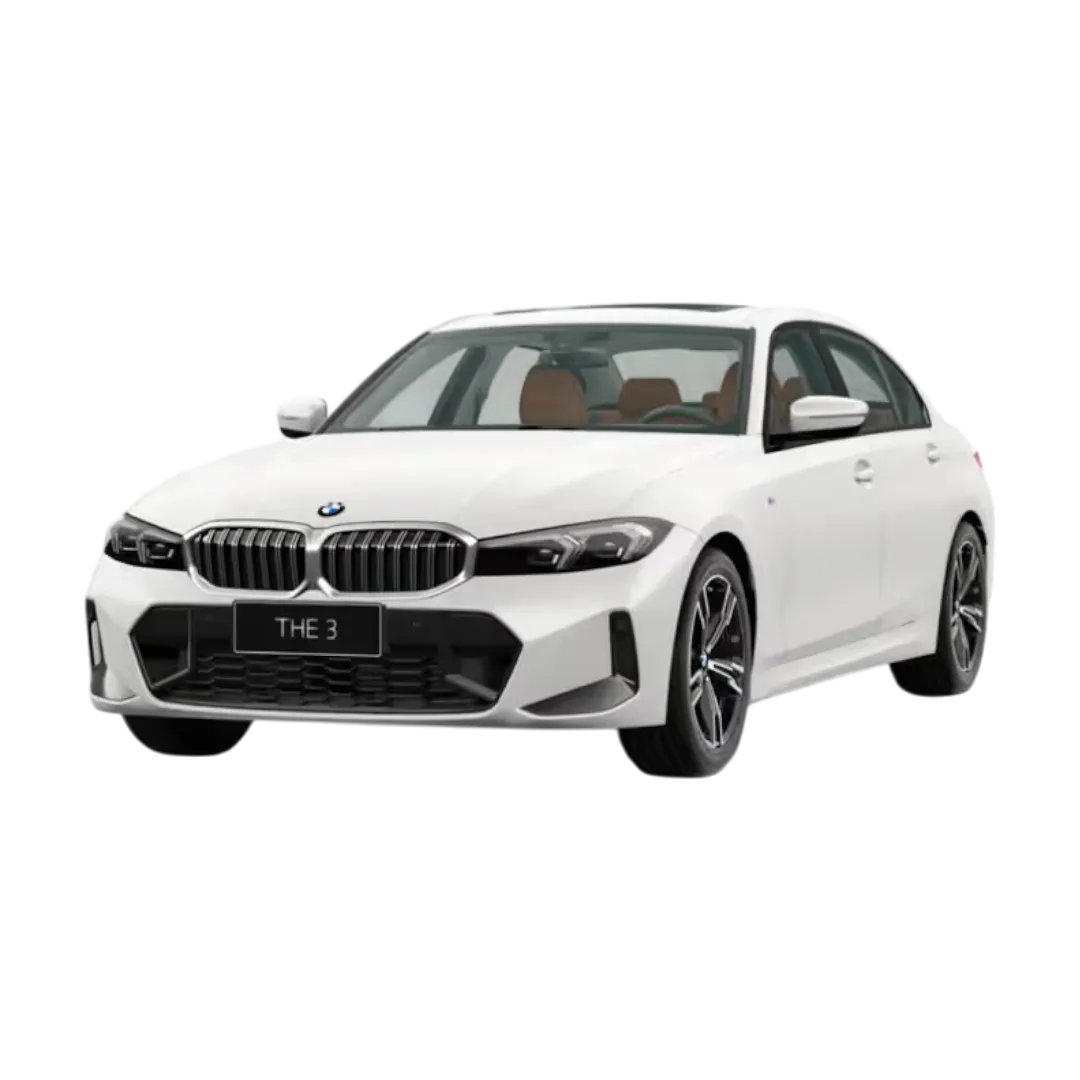 3 Series Gran Limousine
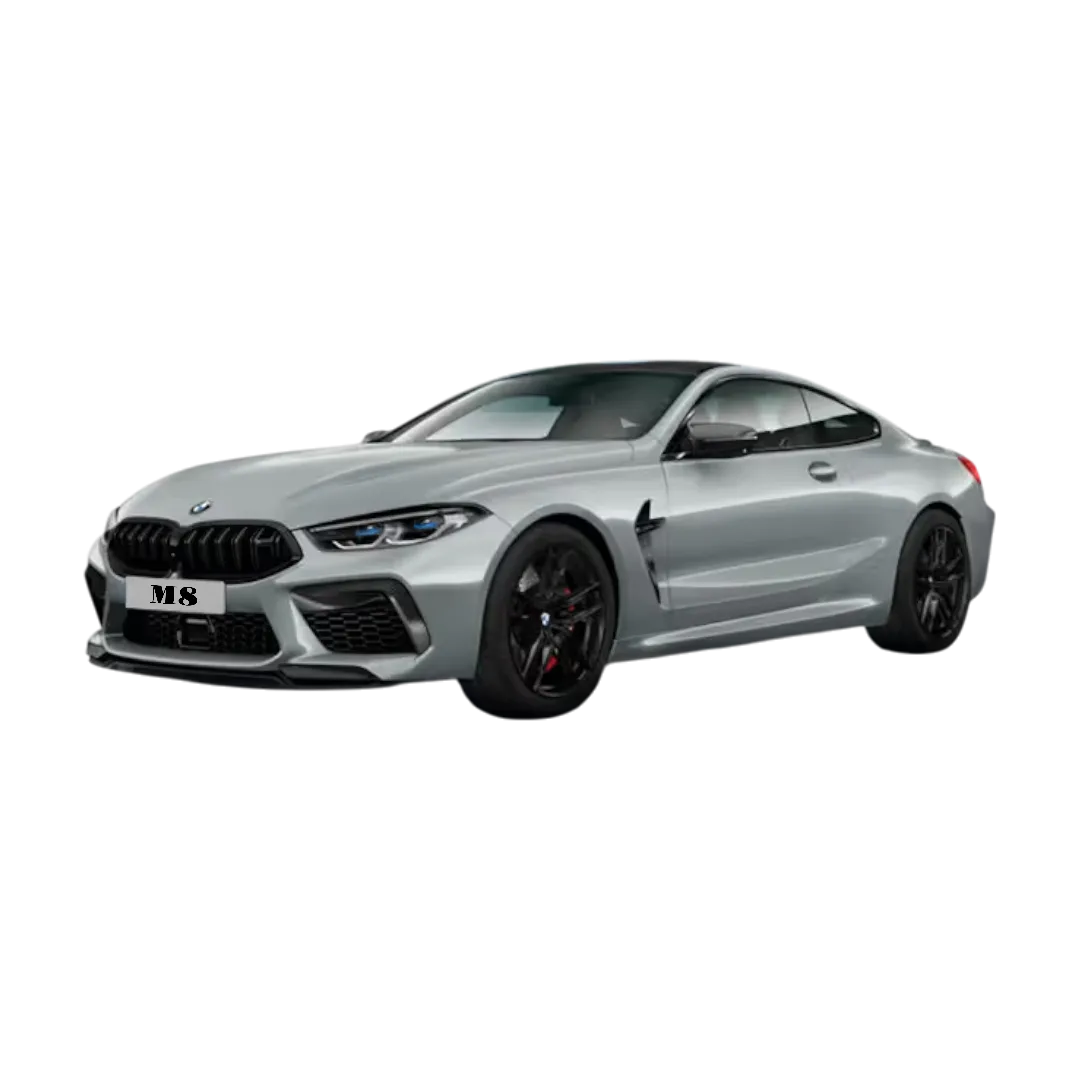 M8 Coupe
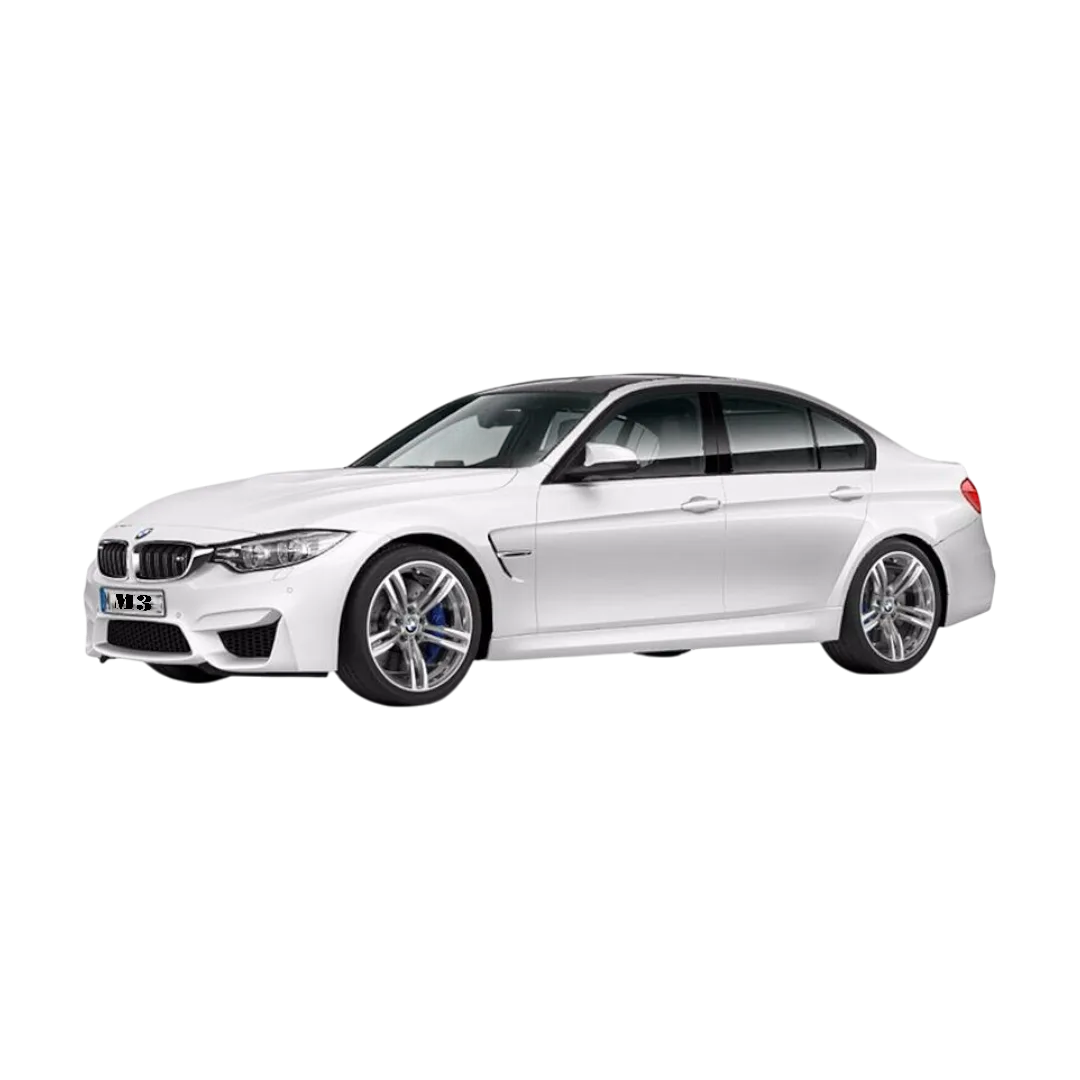 BMW M3
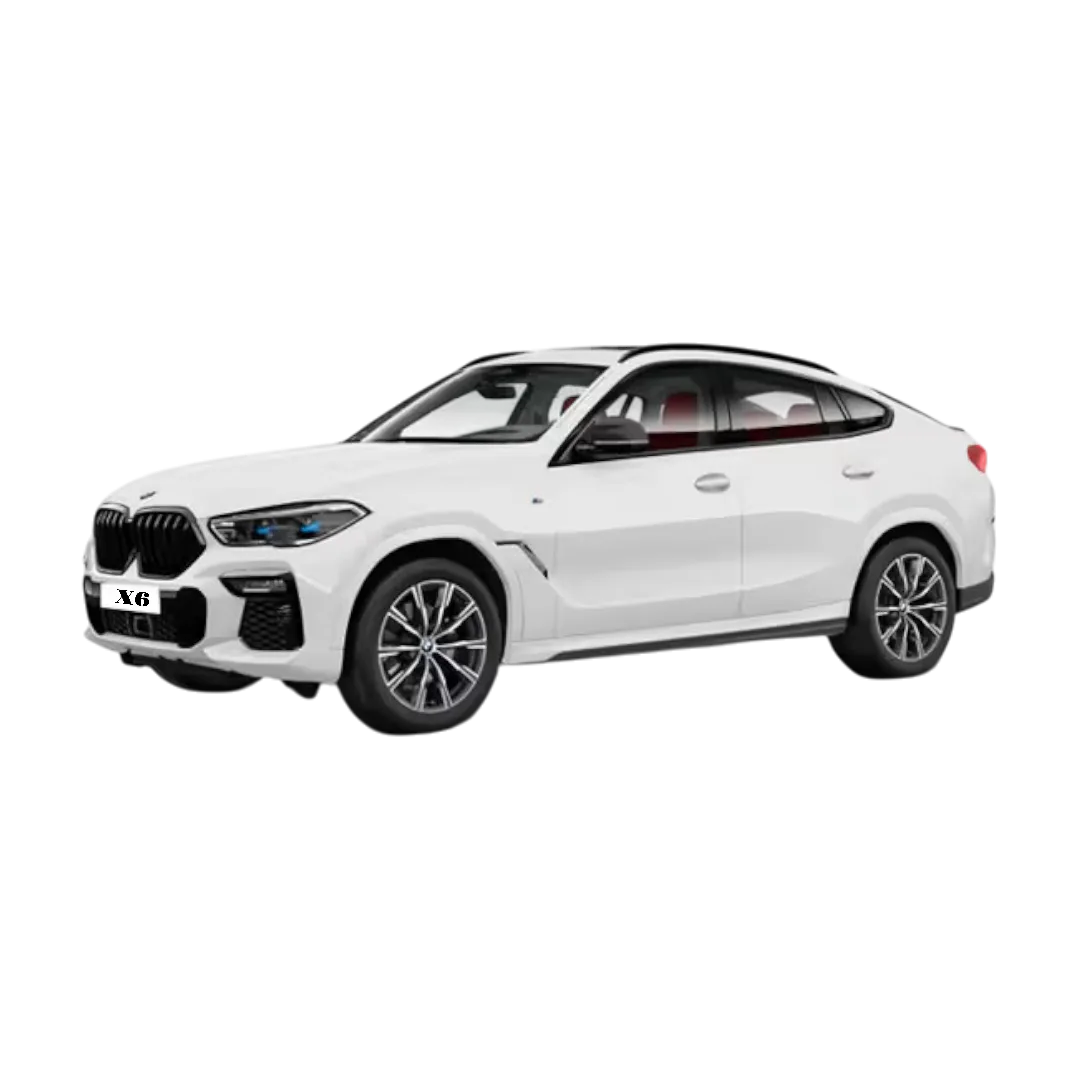 BMW X6
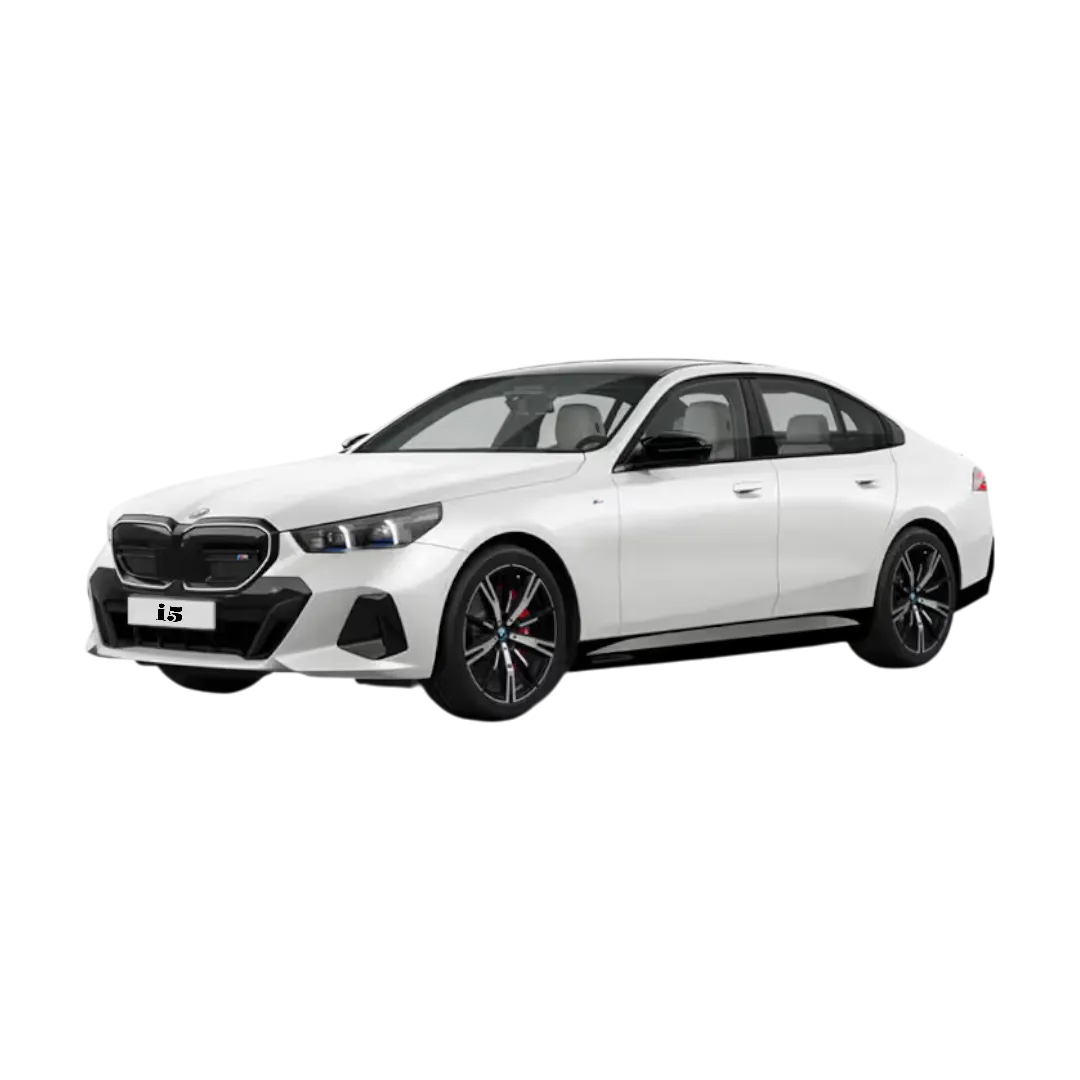 BMW i5
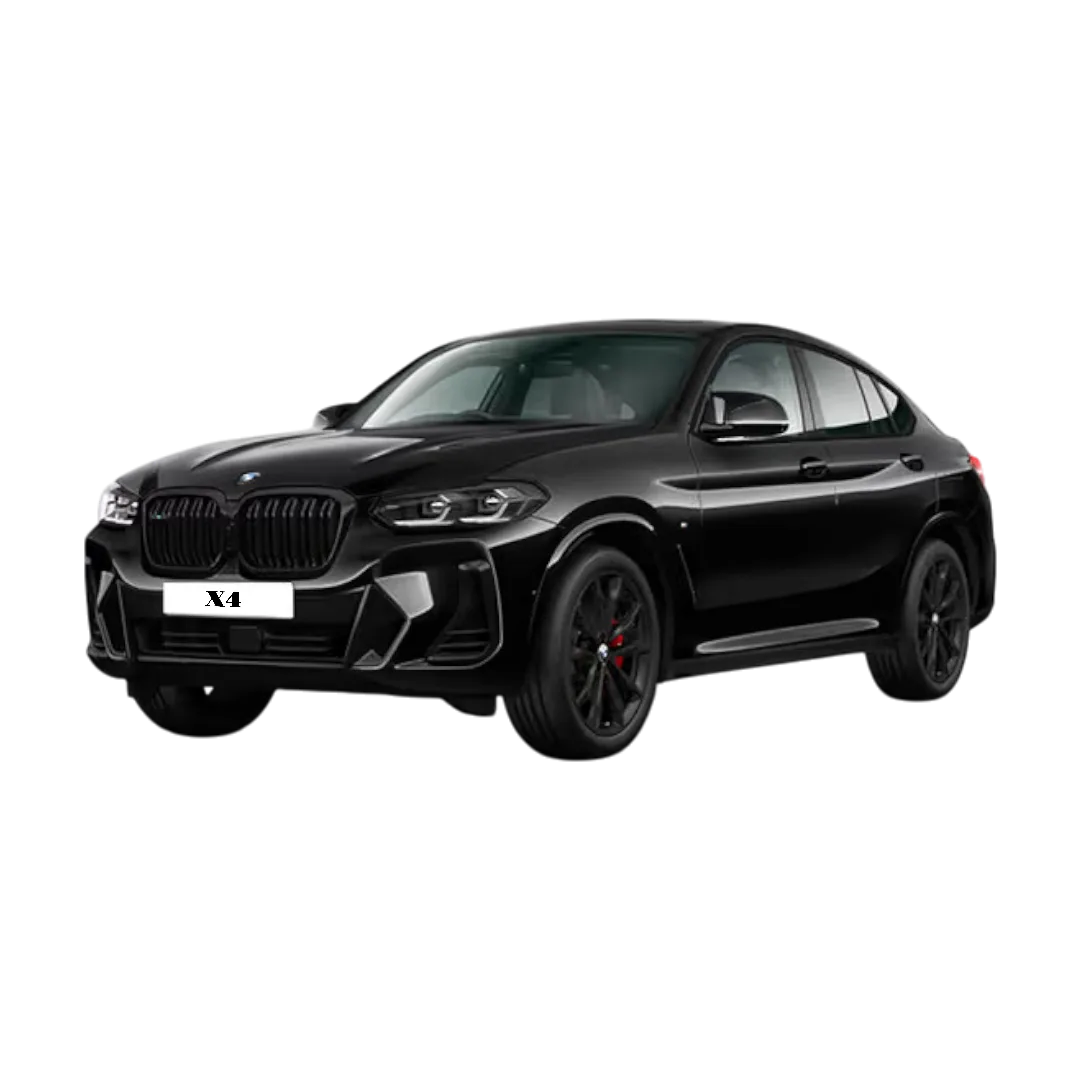 BMW X4
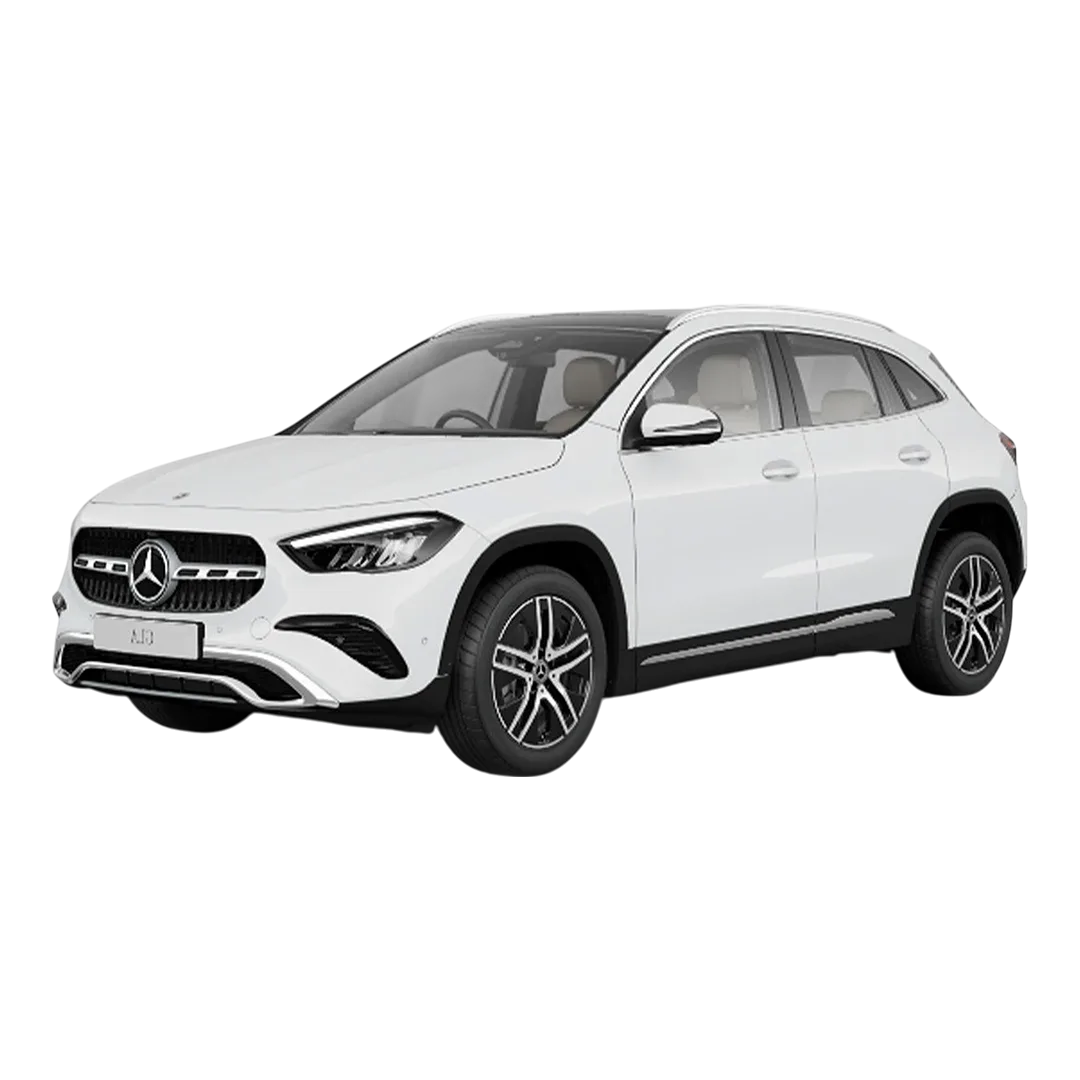 Mercedes Benz GLA
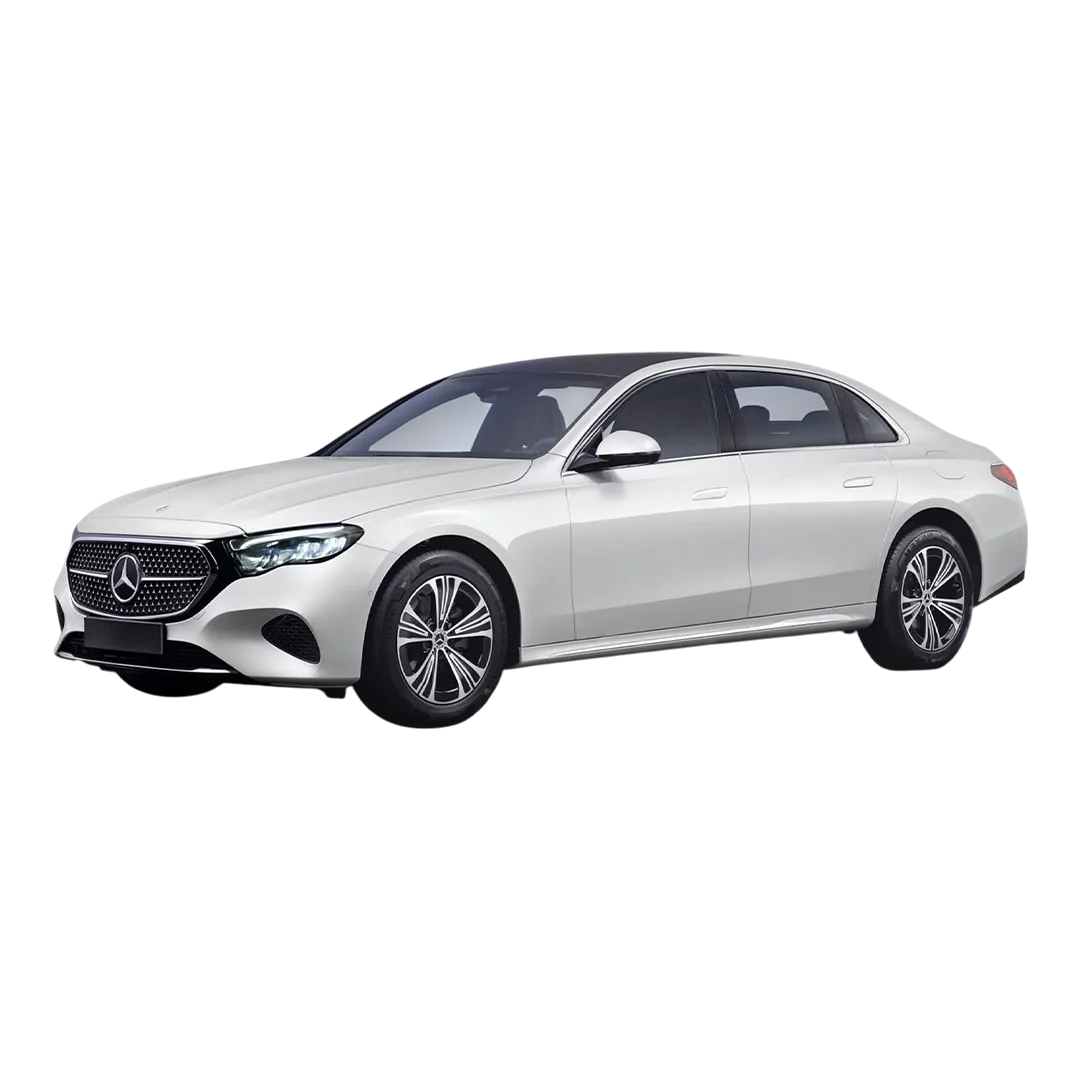 Mercedes E-Class
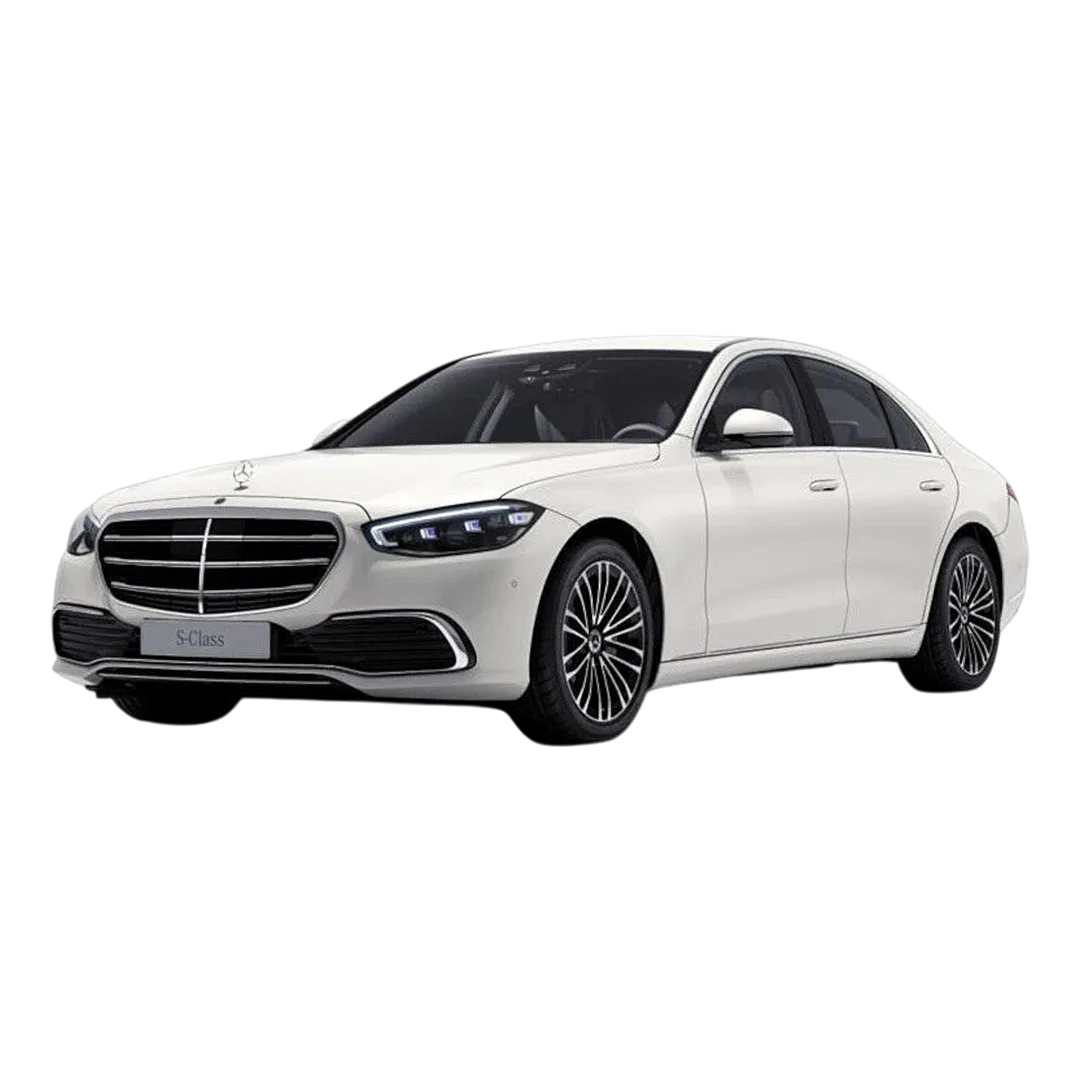 Mercedes S-Class
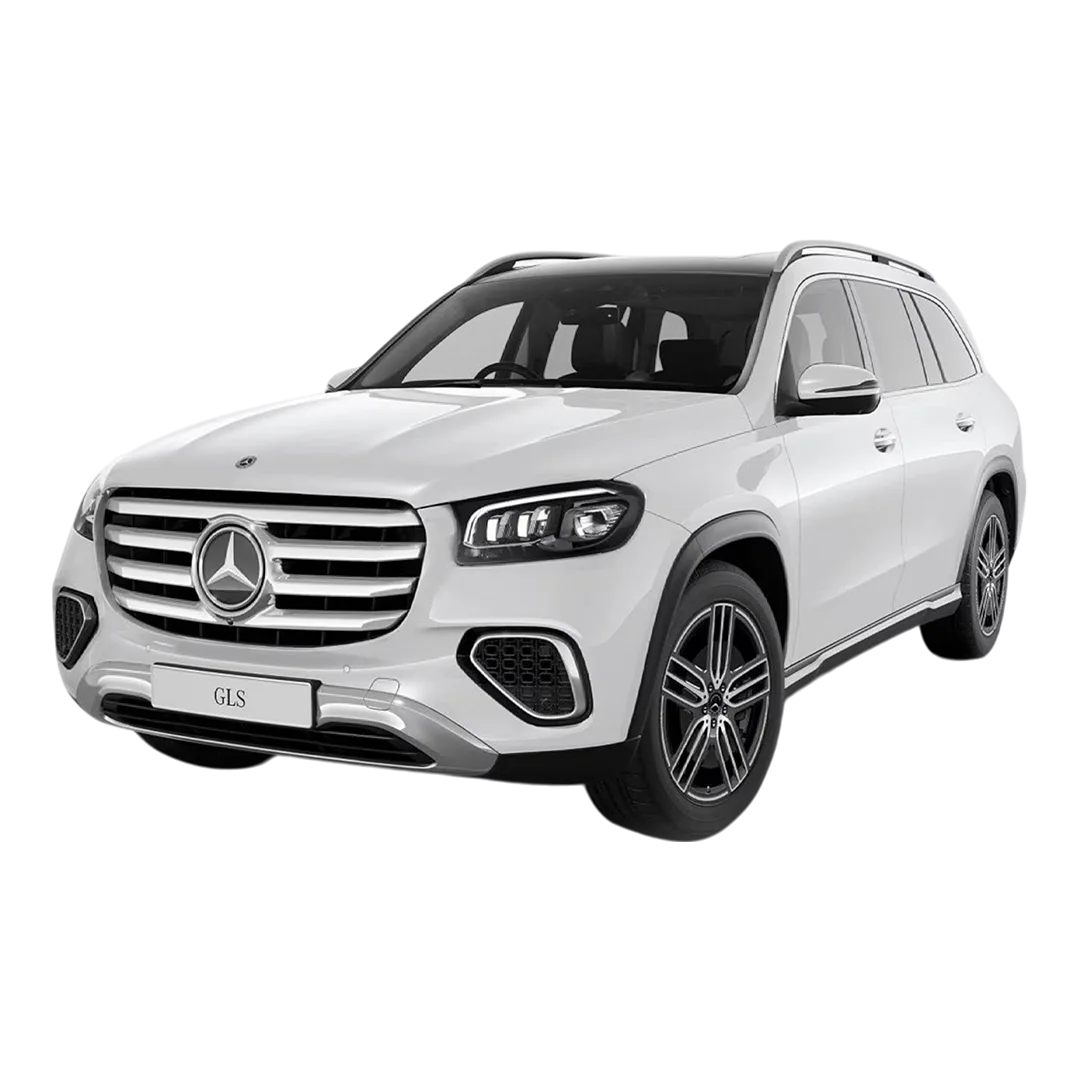 Mercedes Benz GLS
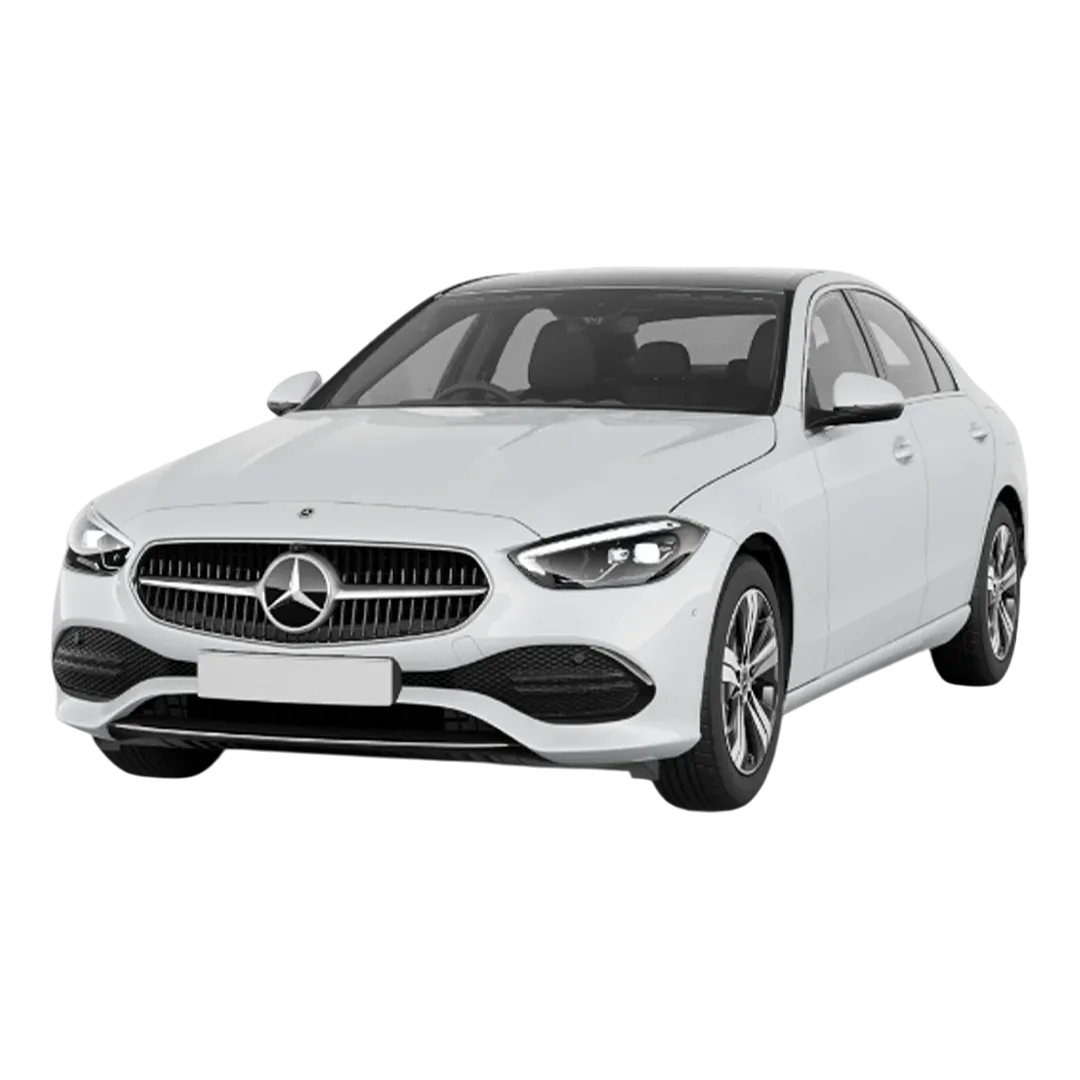 Mercedes Benz C-Class
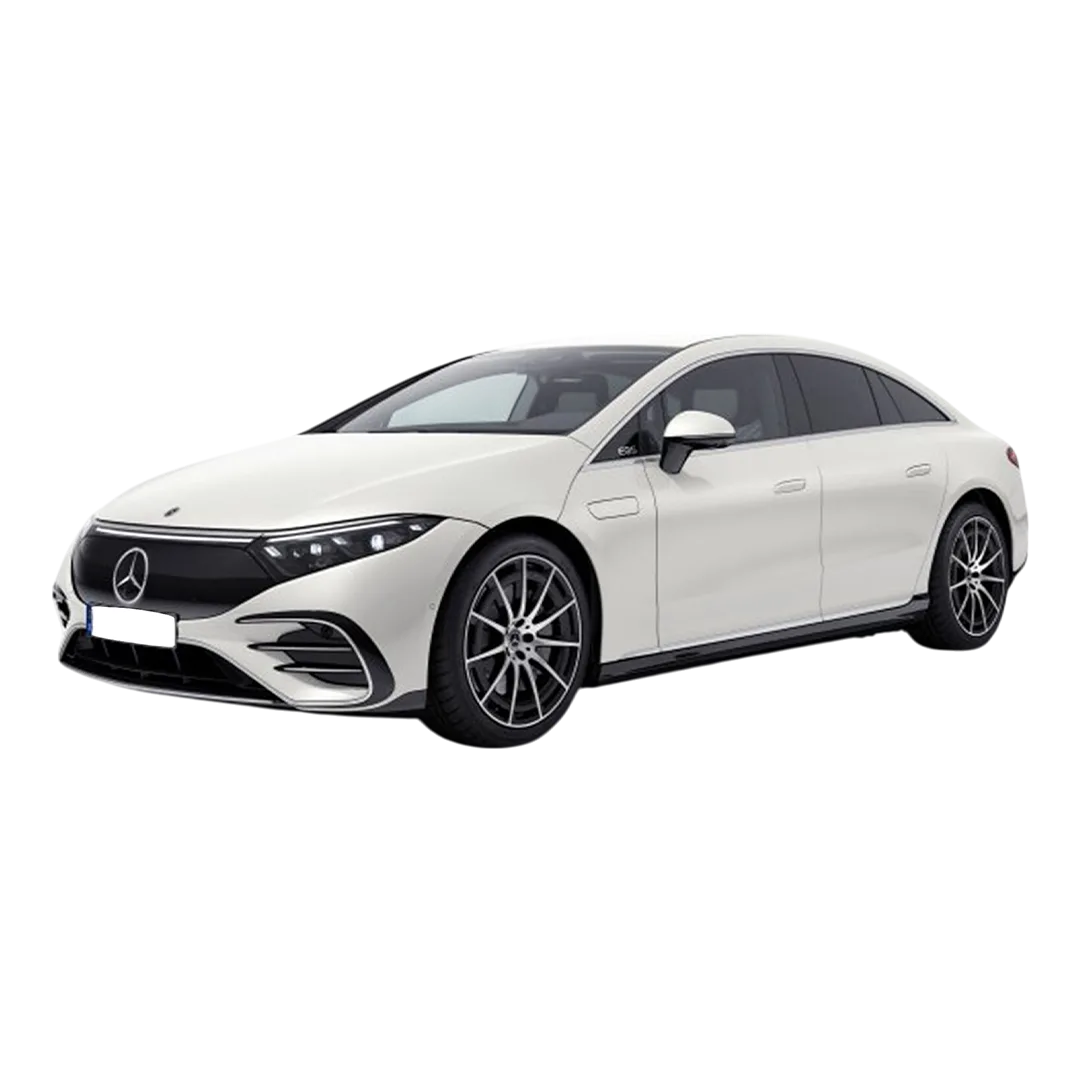 Mercedes Benz EQS
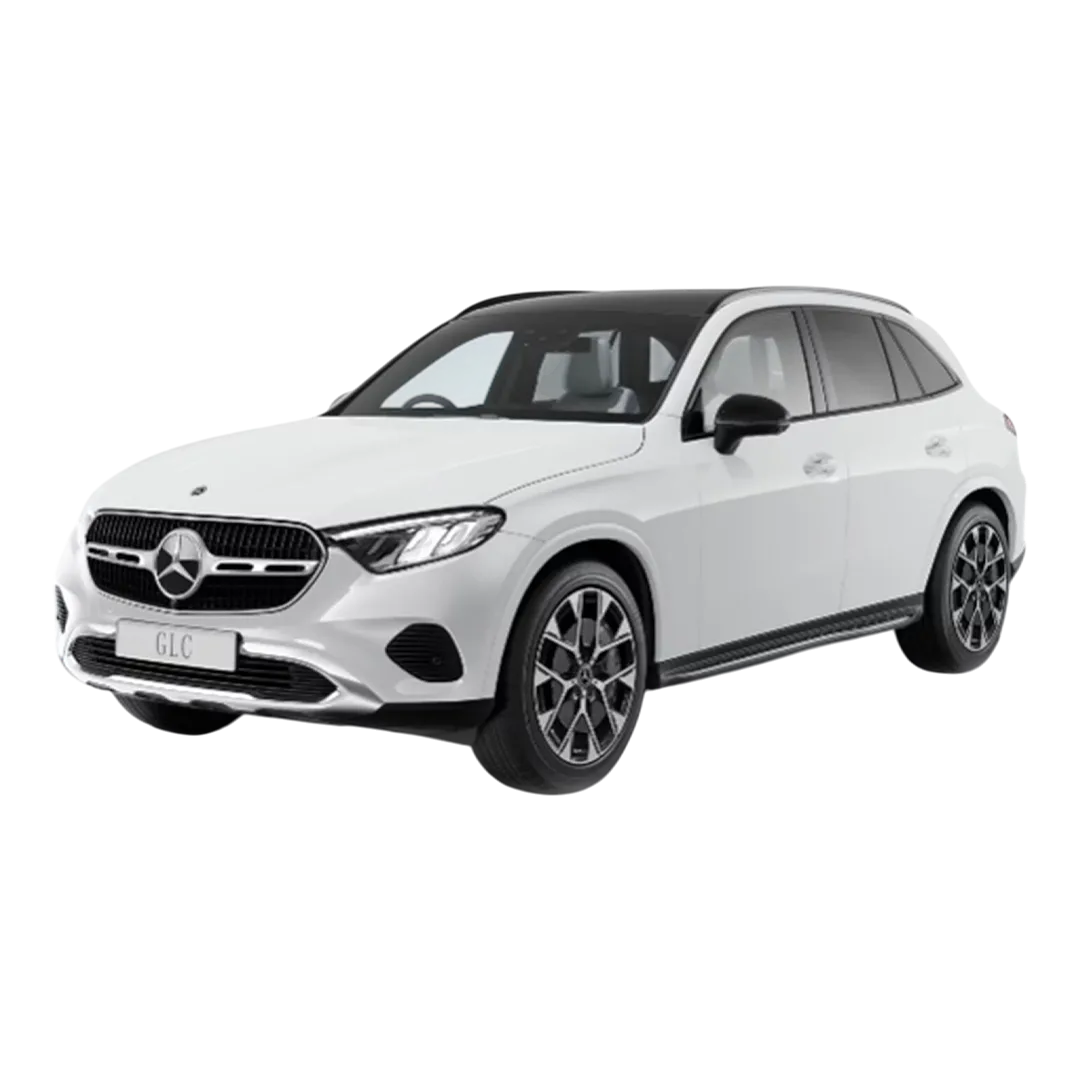 Mercedes Benz GLC
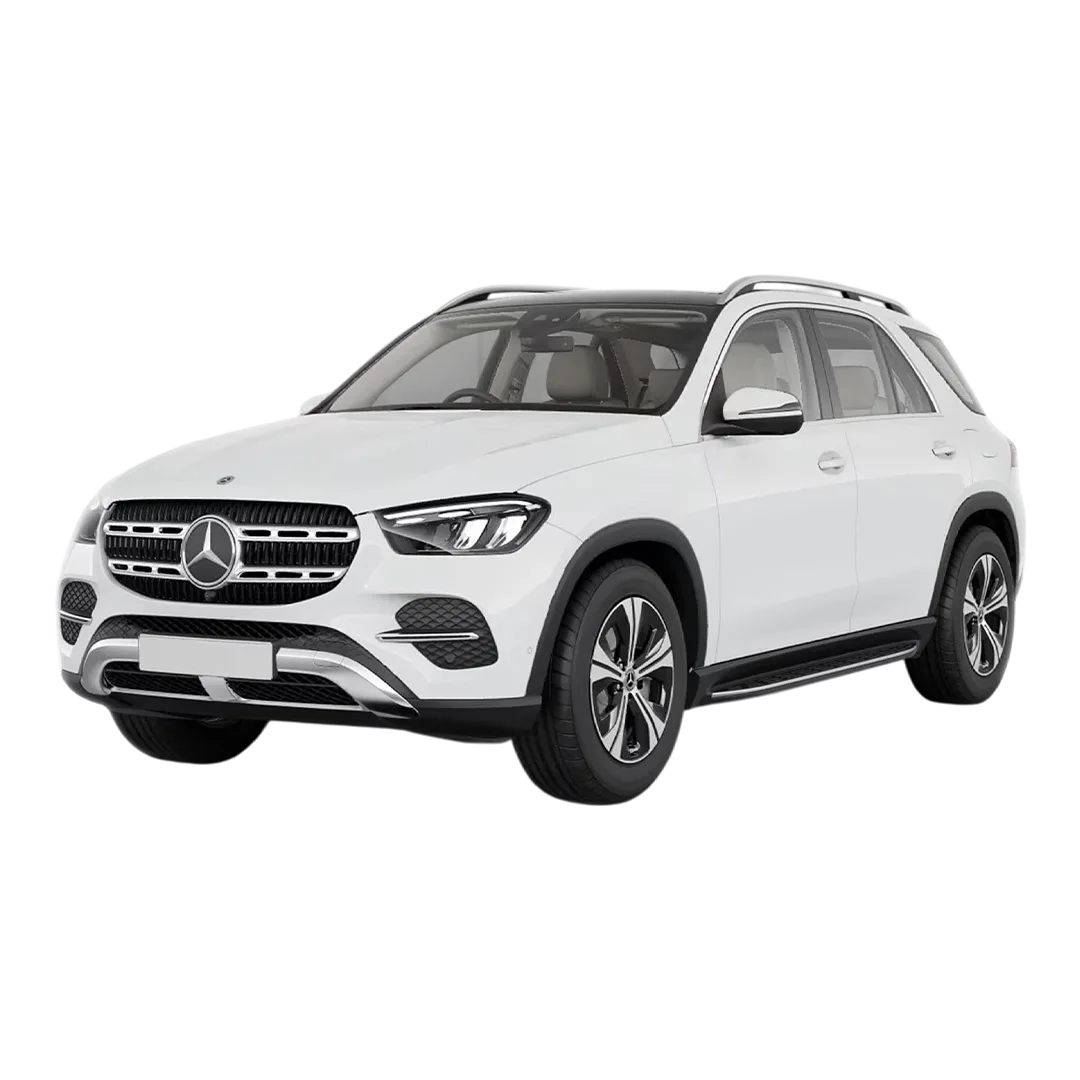 Mercedes Benz GLE
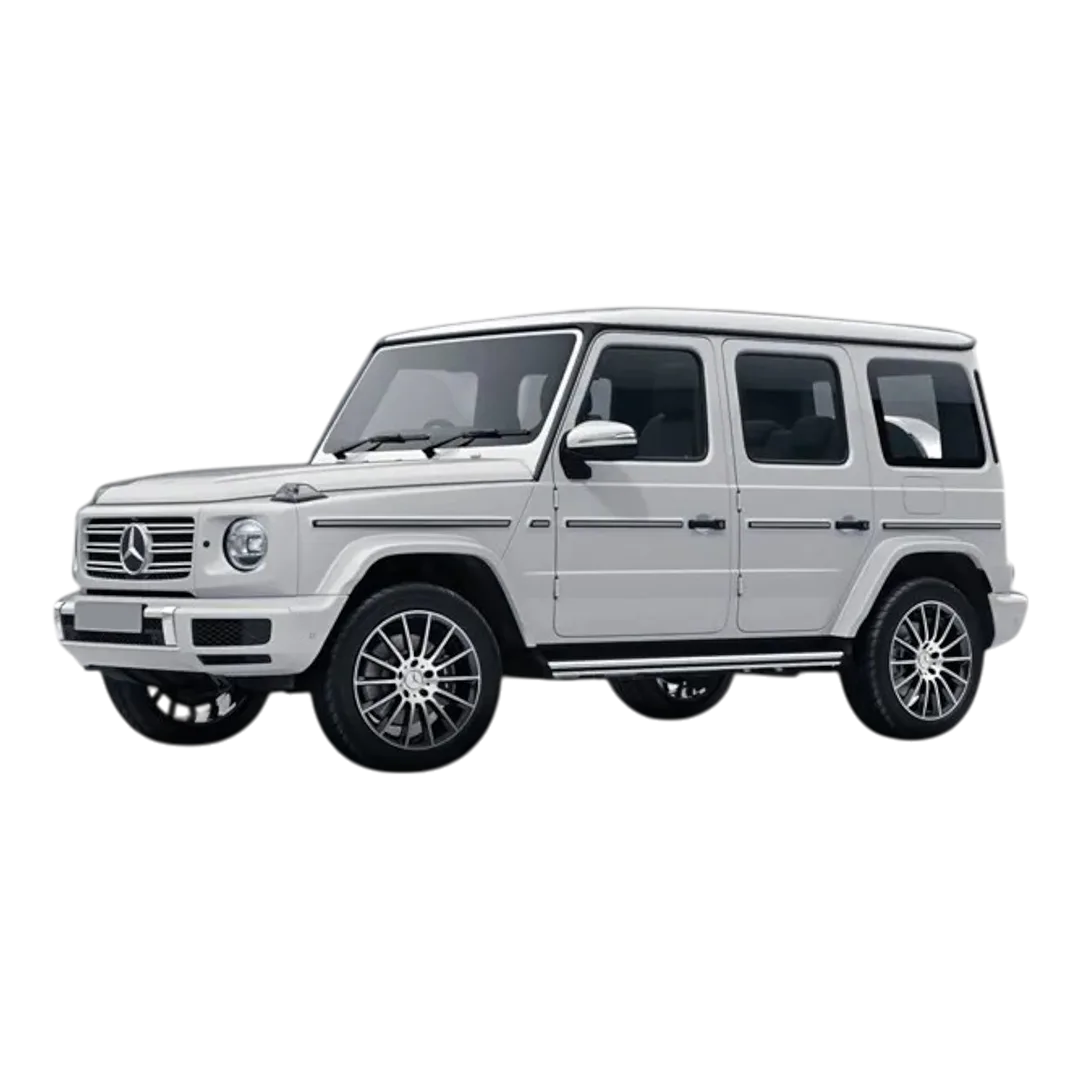 Mercedes Benz G-Class
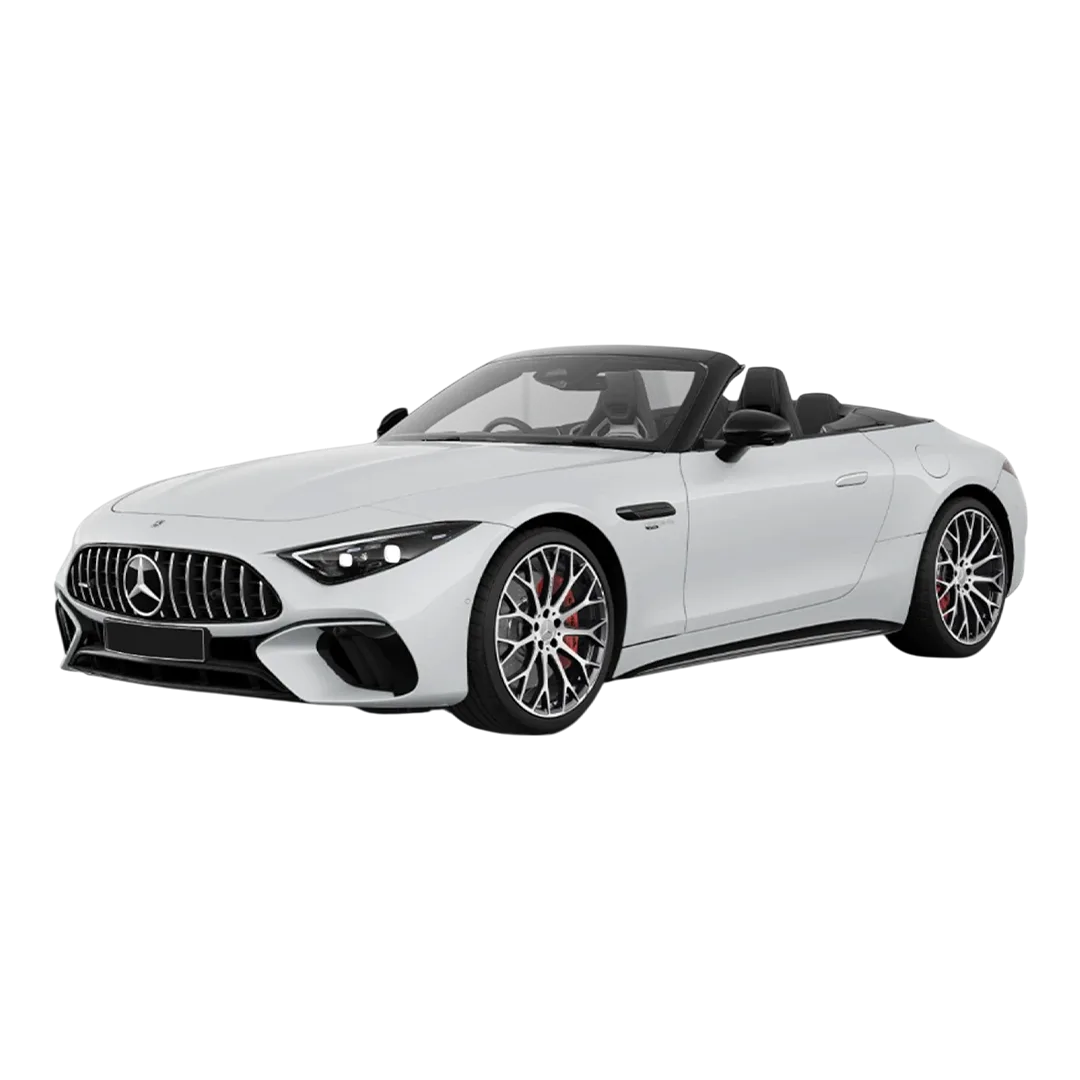 Mercedes Benz AMG SL
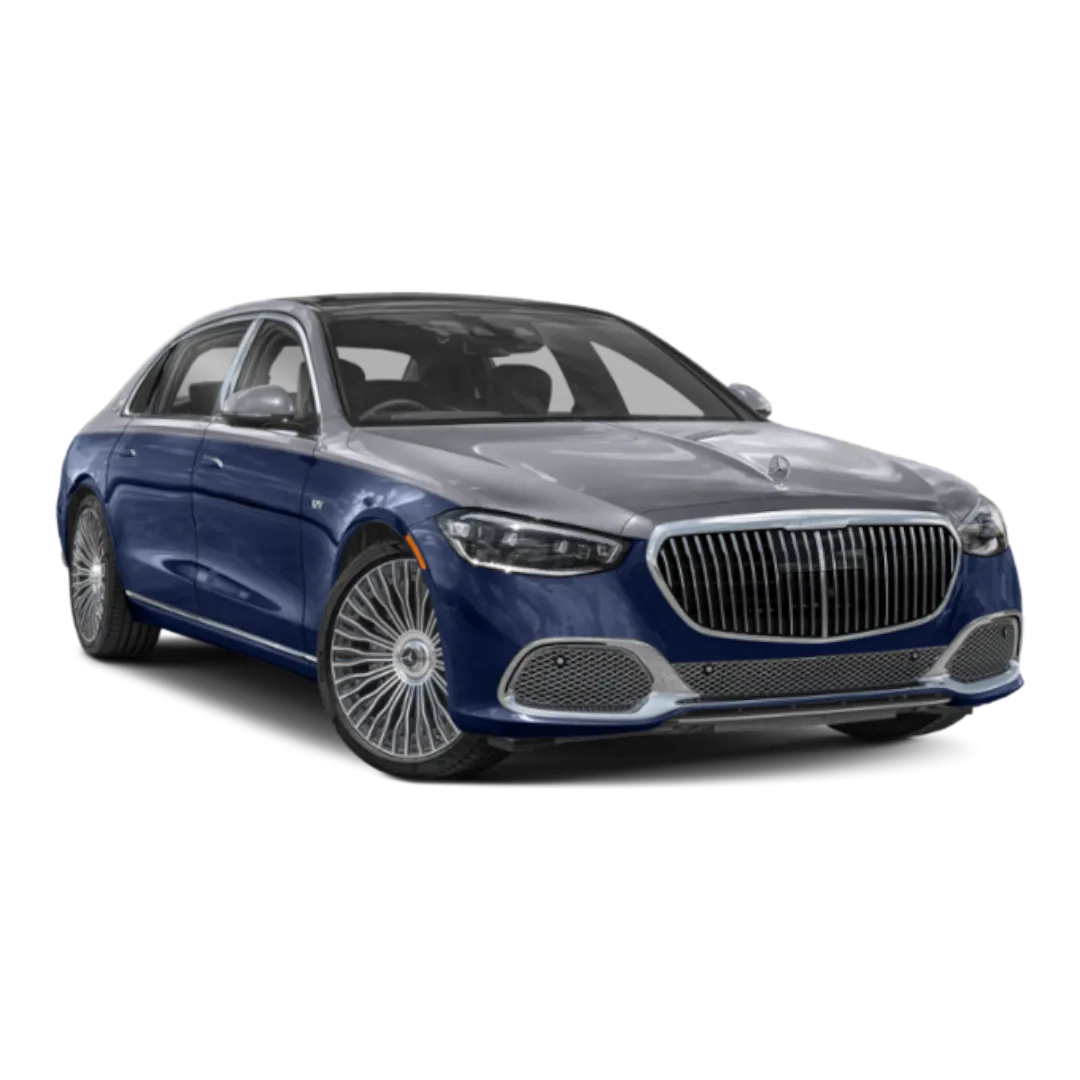 Mercedes Benz MAYBACH S- Class
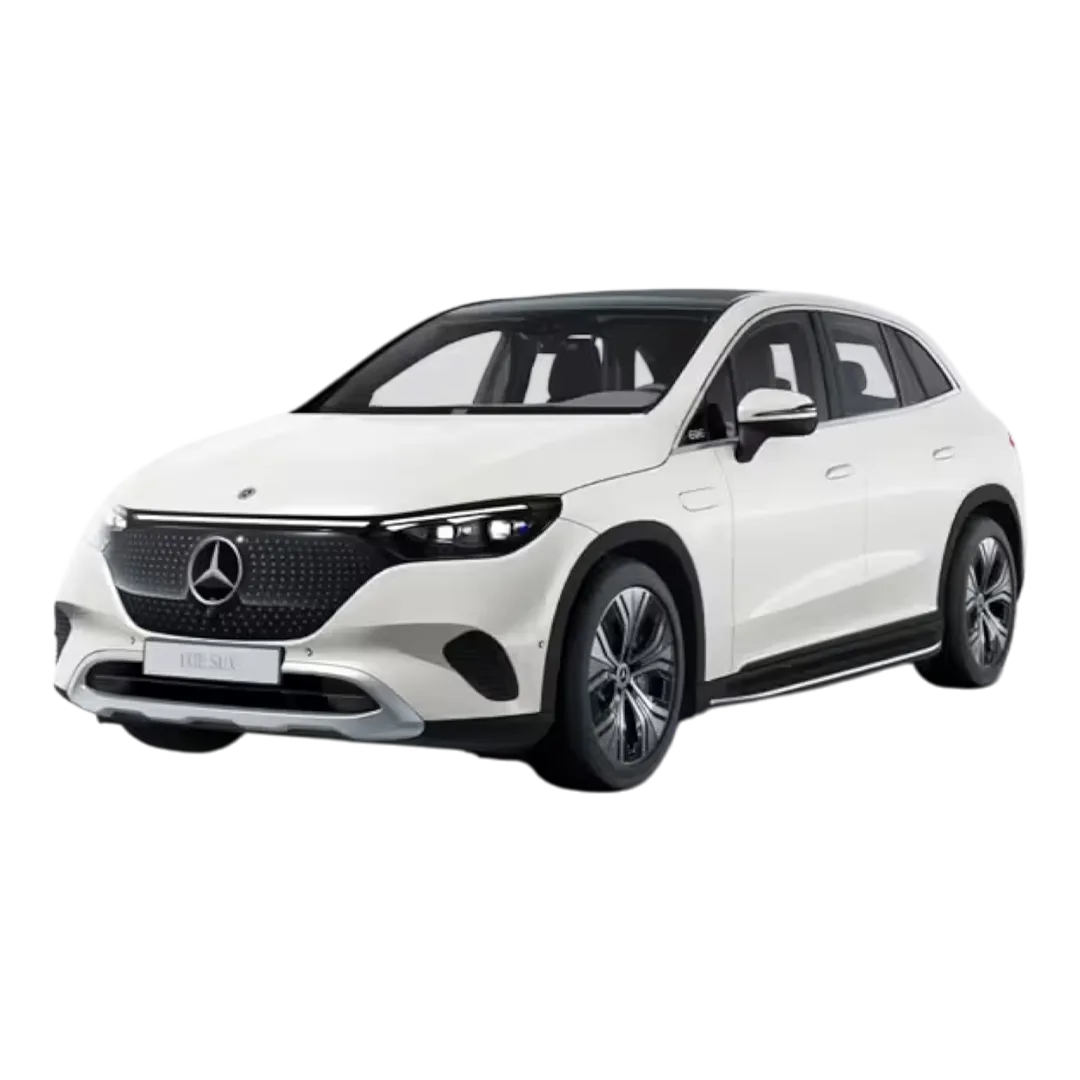 Mercedes Benz EQE-SUV
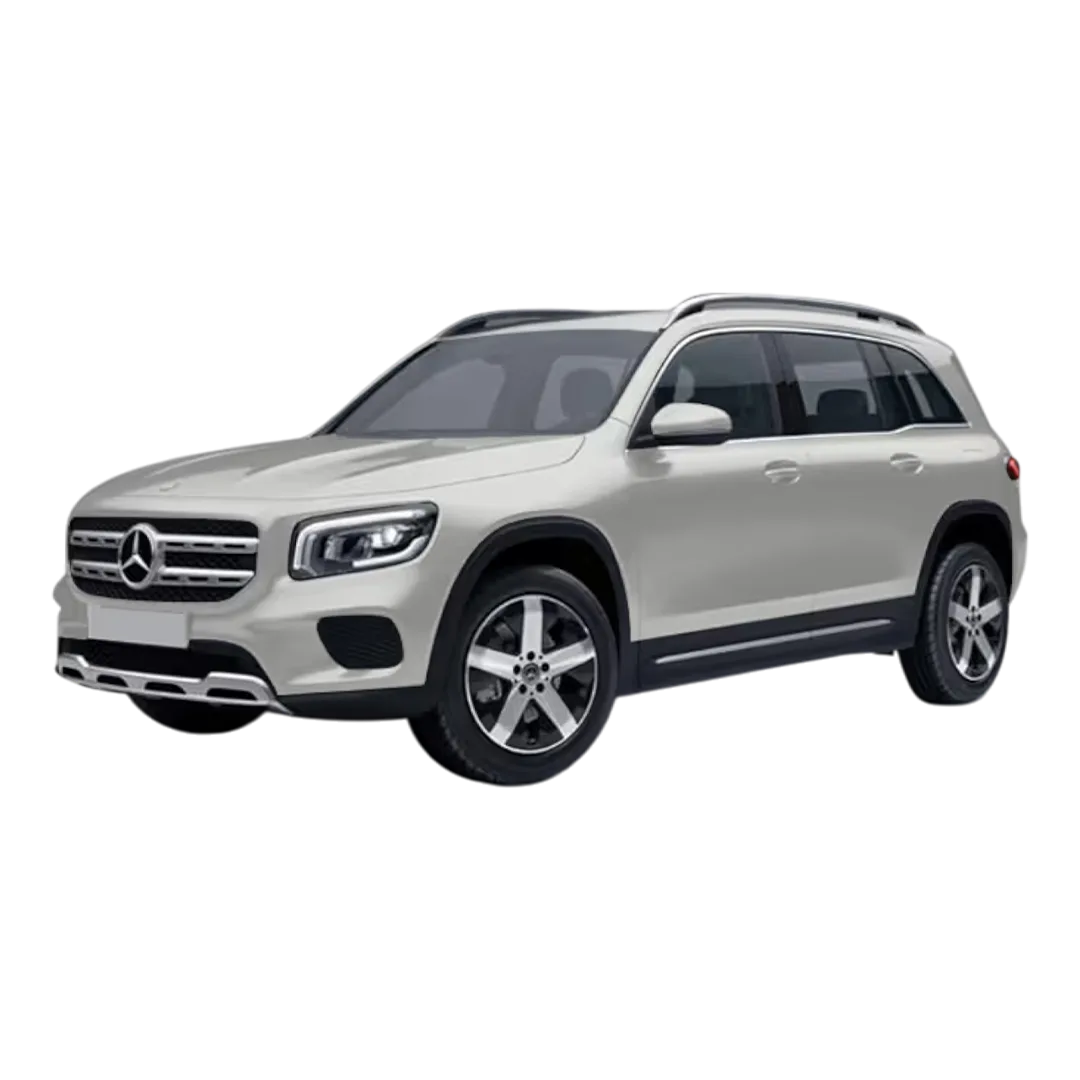 Mercedes Benz GLB
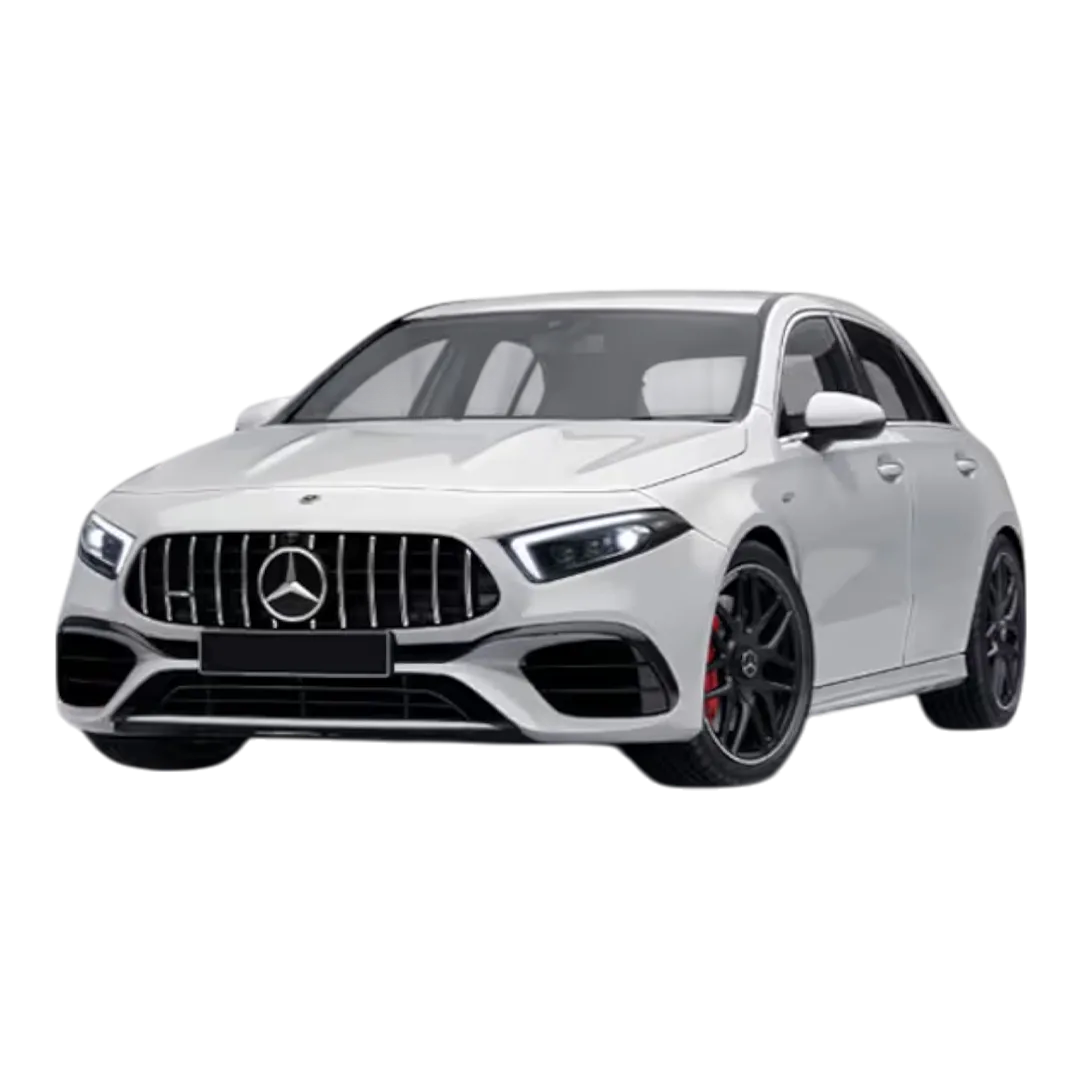 Mercedes Benz AMG A 45 S
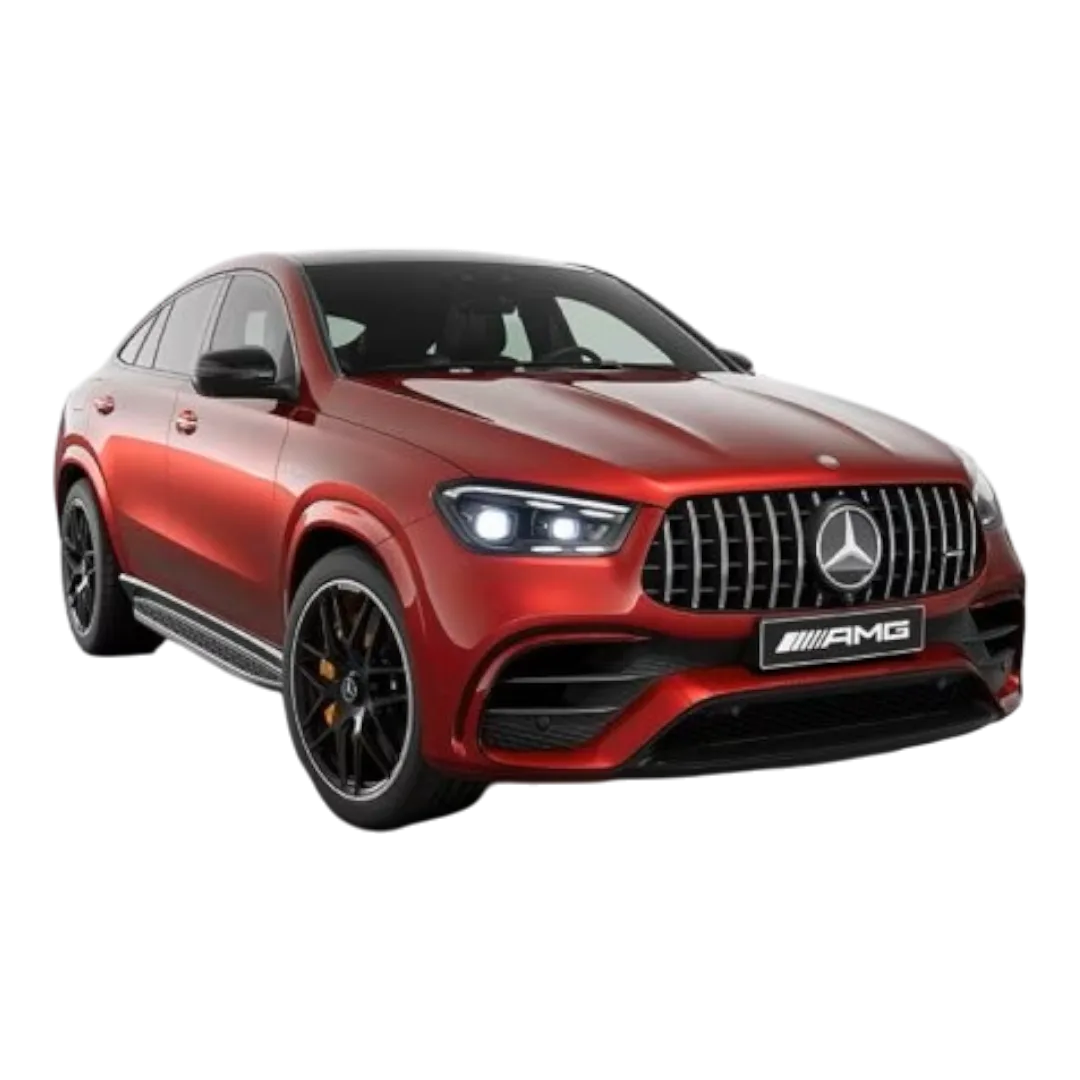 Mercedes Benz AMG GLE S3
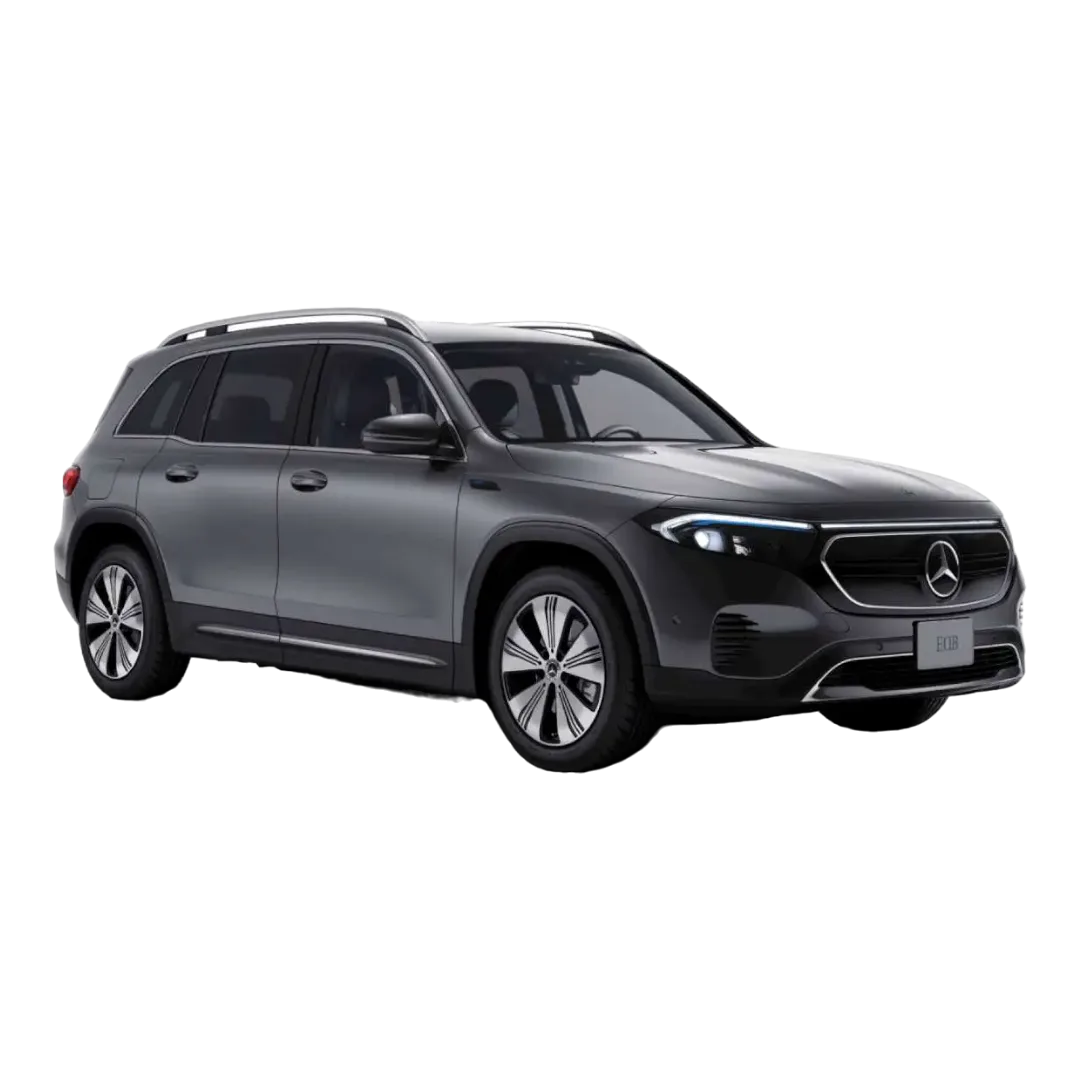 Mercedes Benz EQB
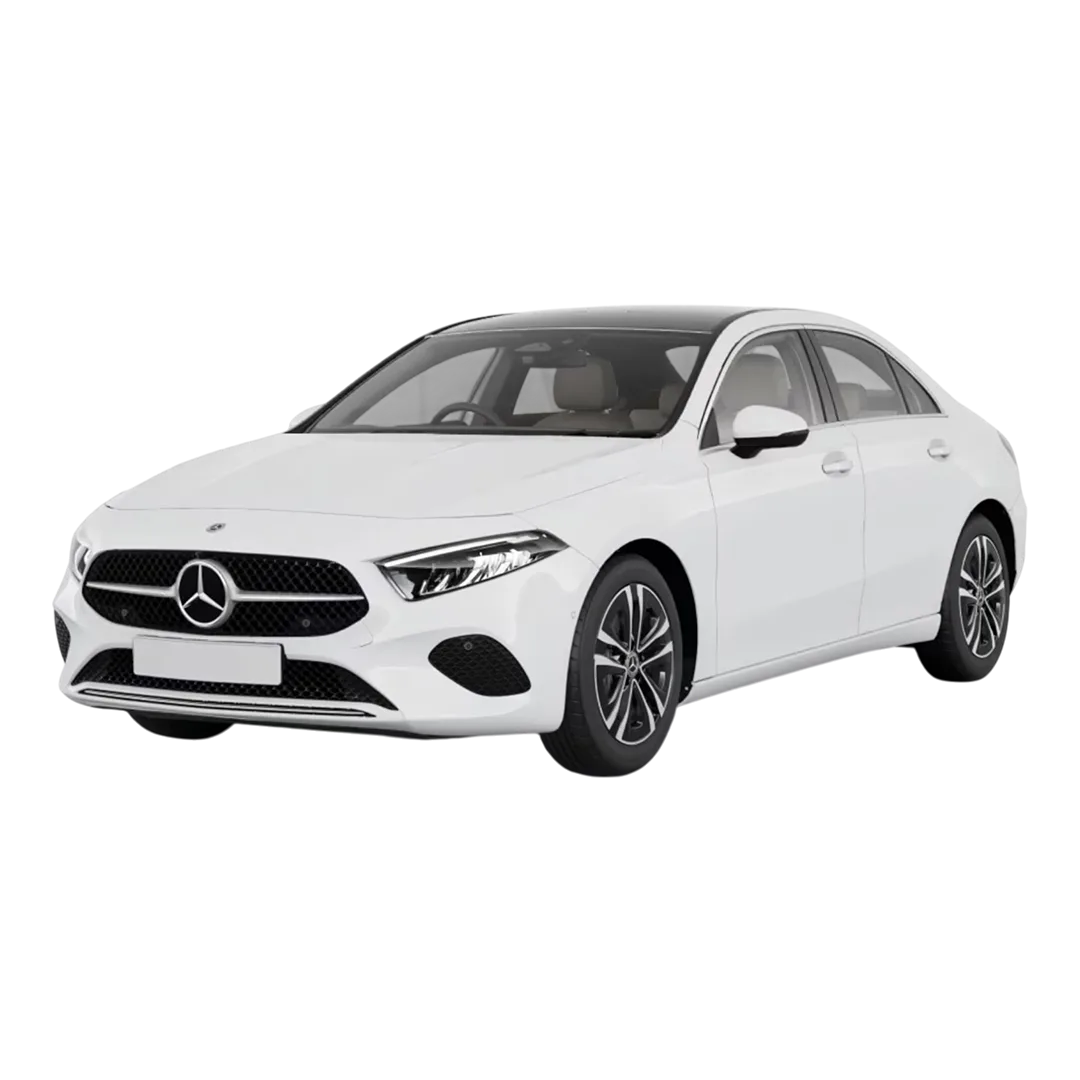 Mercedes Benz A Class limousine
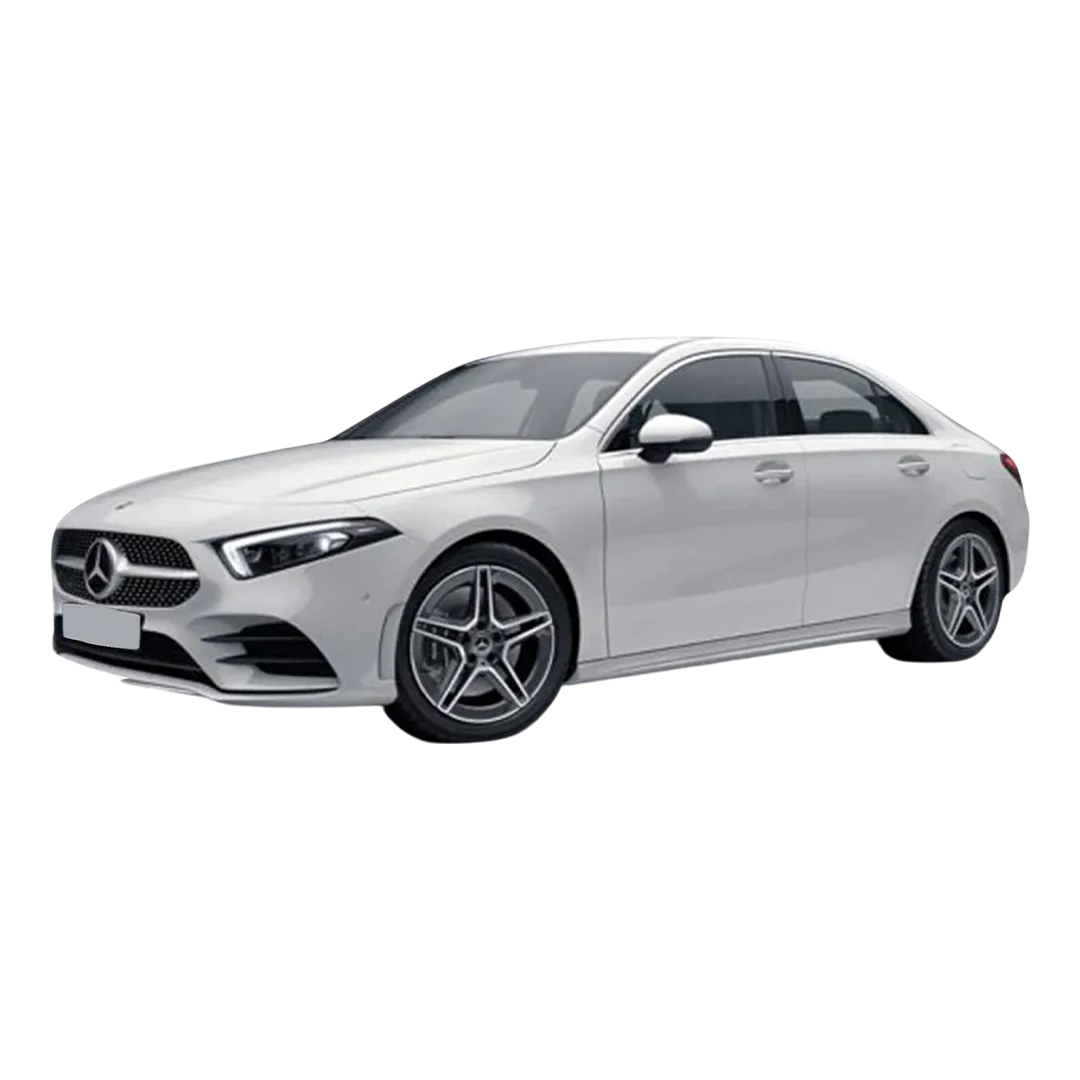 Mercedes Benz AMG A 35
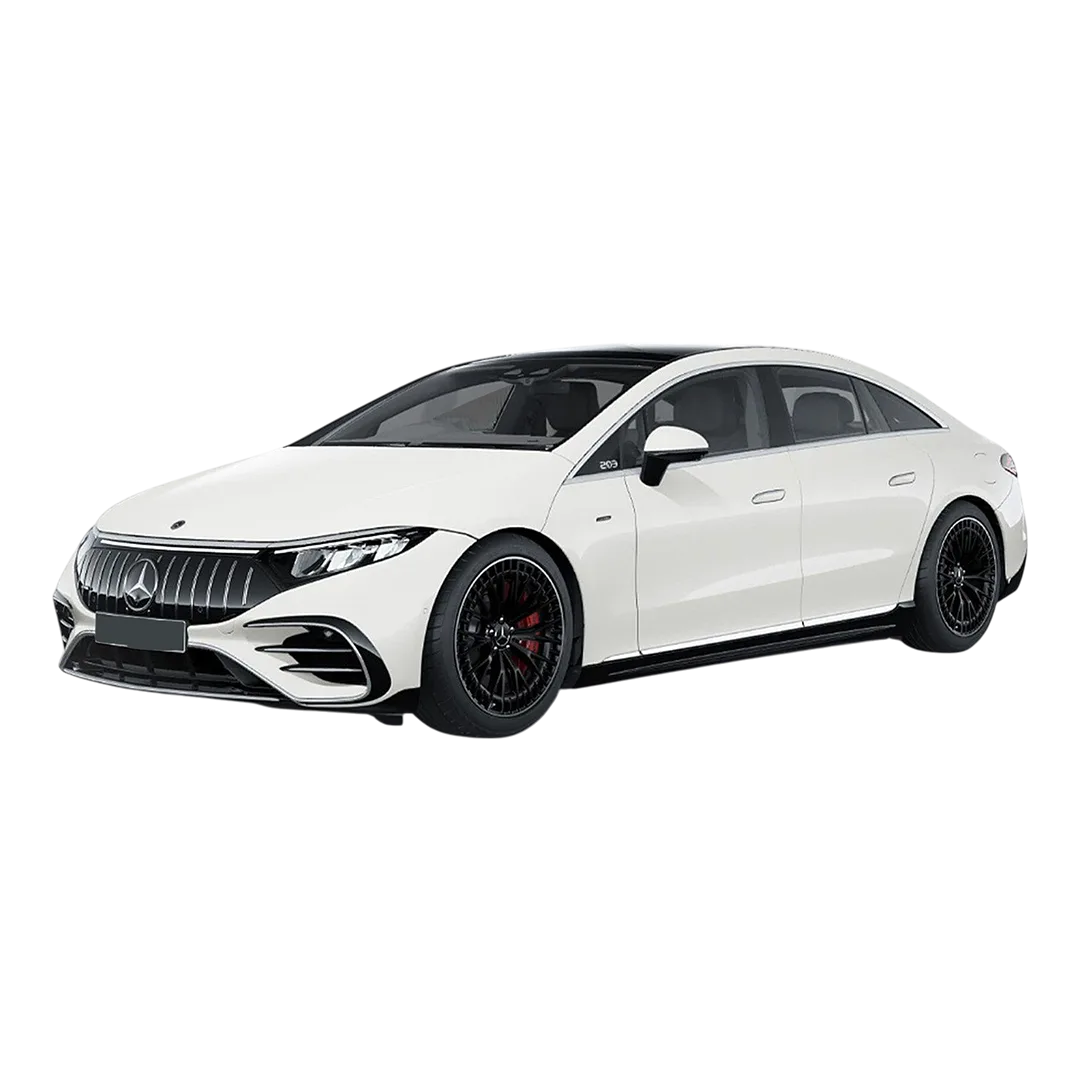 Mercedes-Benz AMG EQS
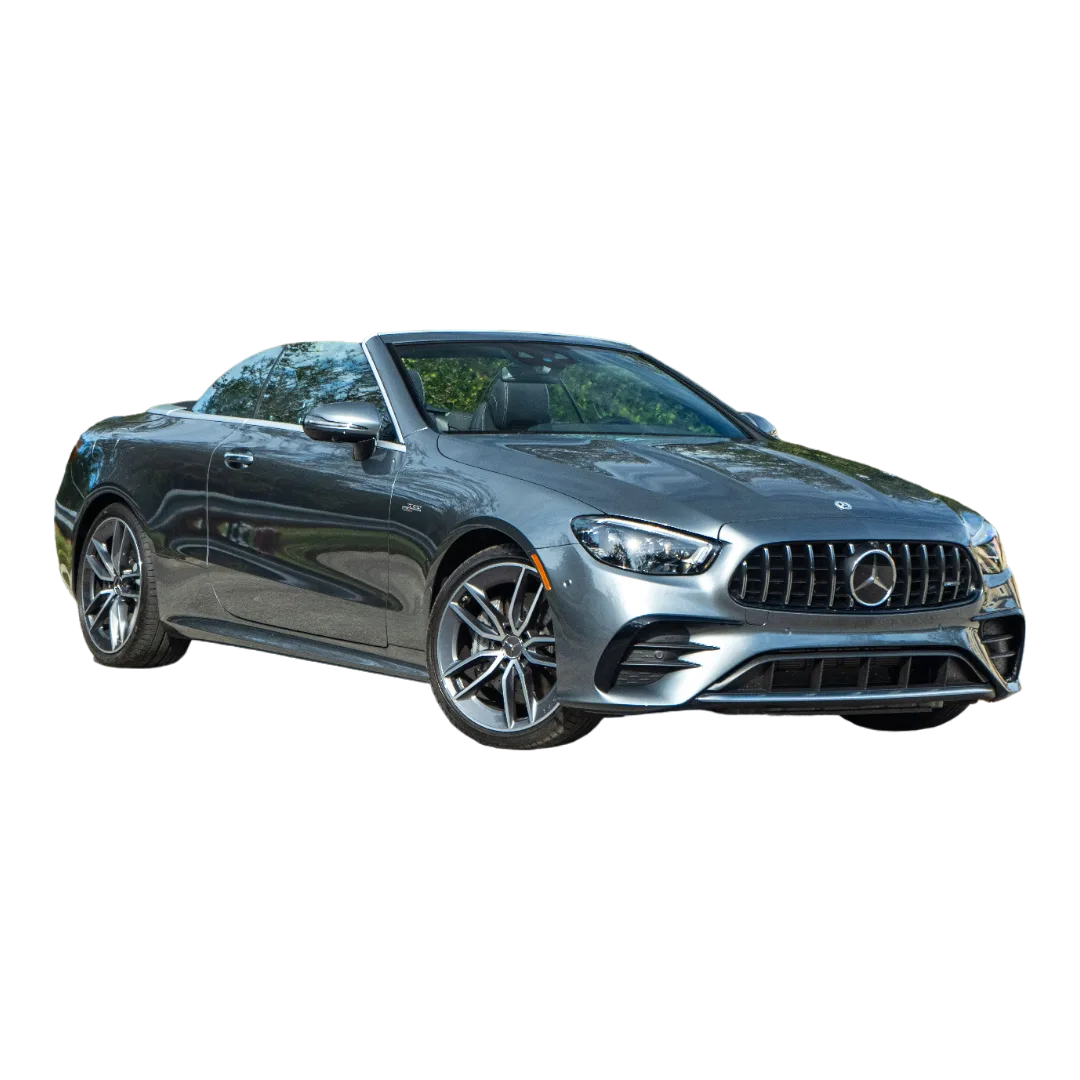 Mercedes-Benz AMG E 53 Cabriolet
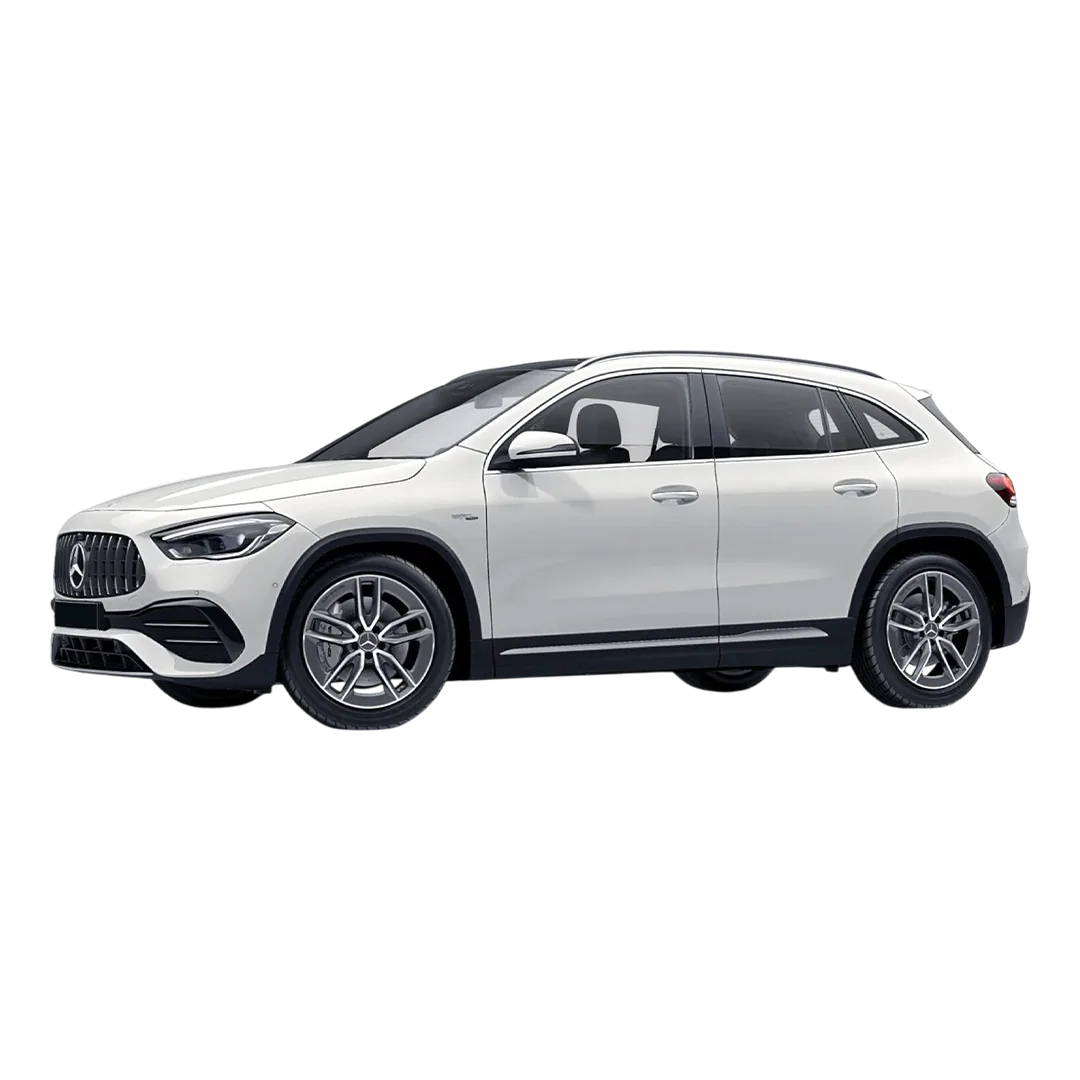 Mercedes-Benz AMG GLA 35
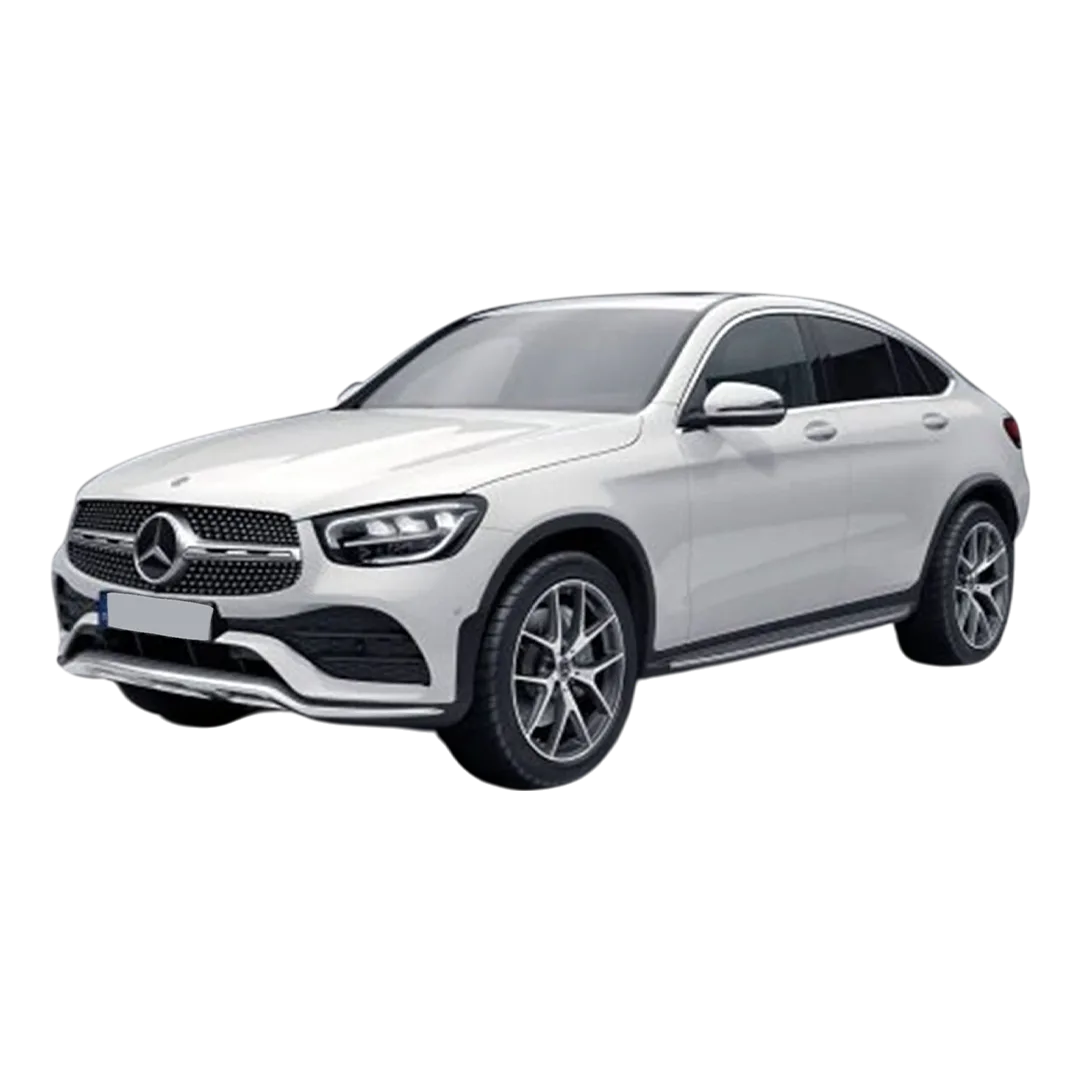 Mercedes-Benz GLC Coupe 2023
 Mercedes M-Class
R-Class
Mercedes M-Class
R-Class
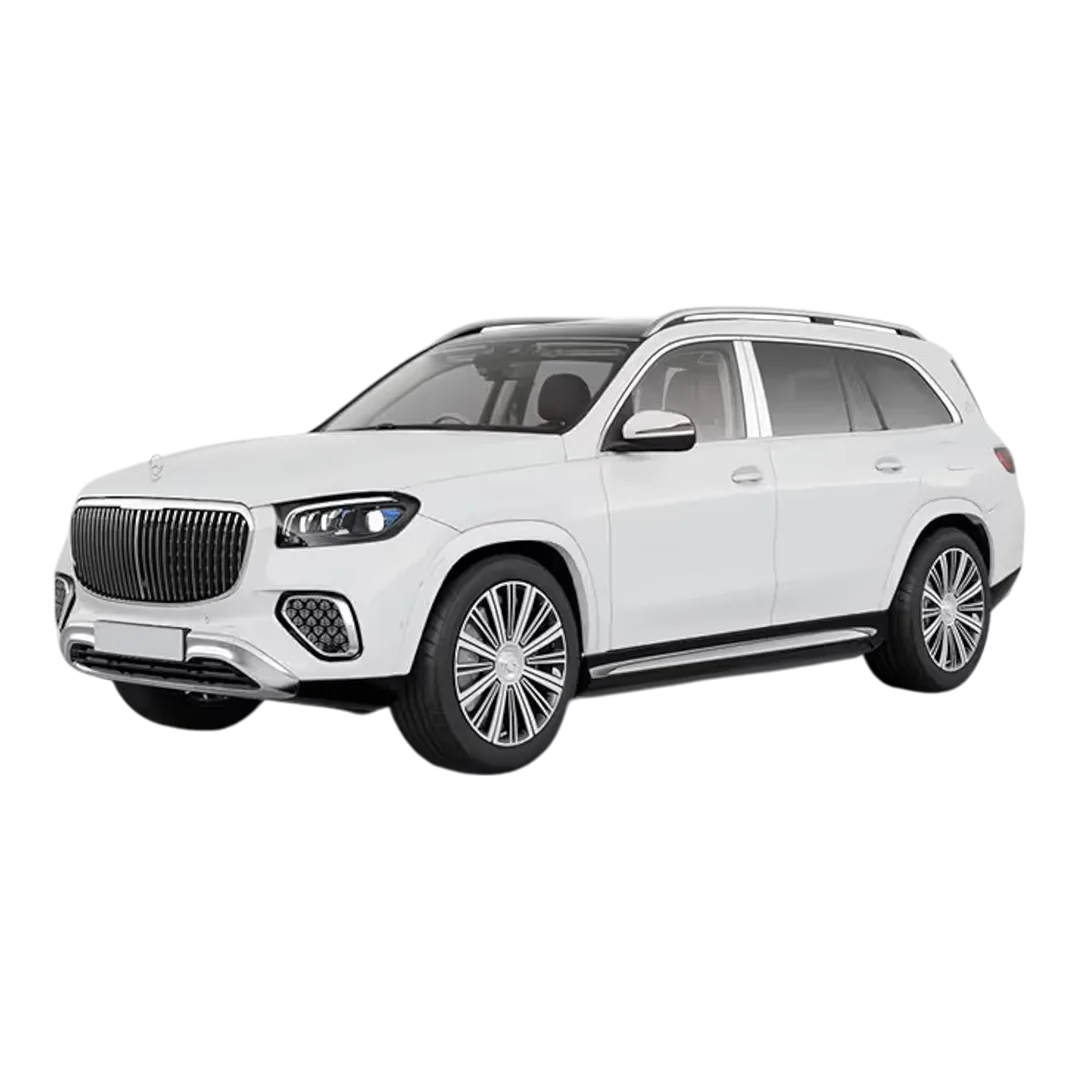 GLS 600
GLS 400
GLS 350
GLE 300
GLS 600
GLS 400
GLS 350
GLE 300
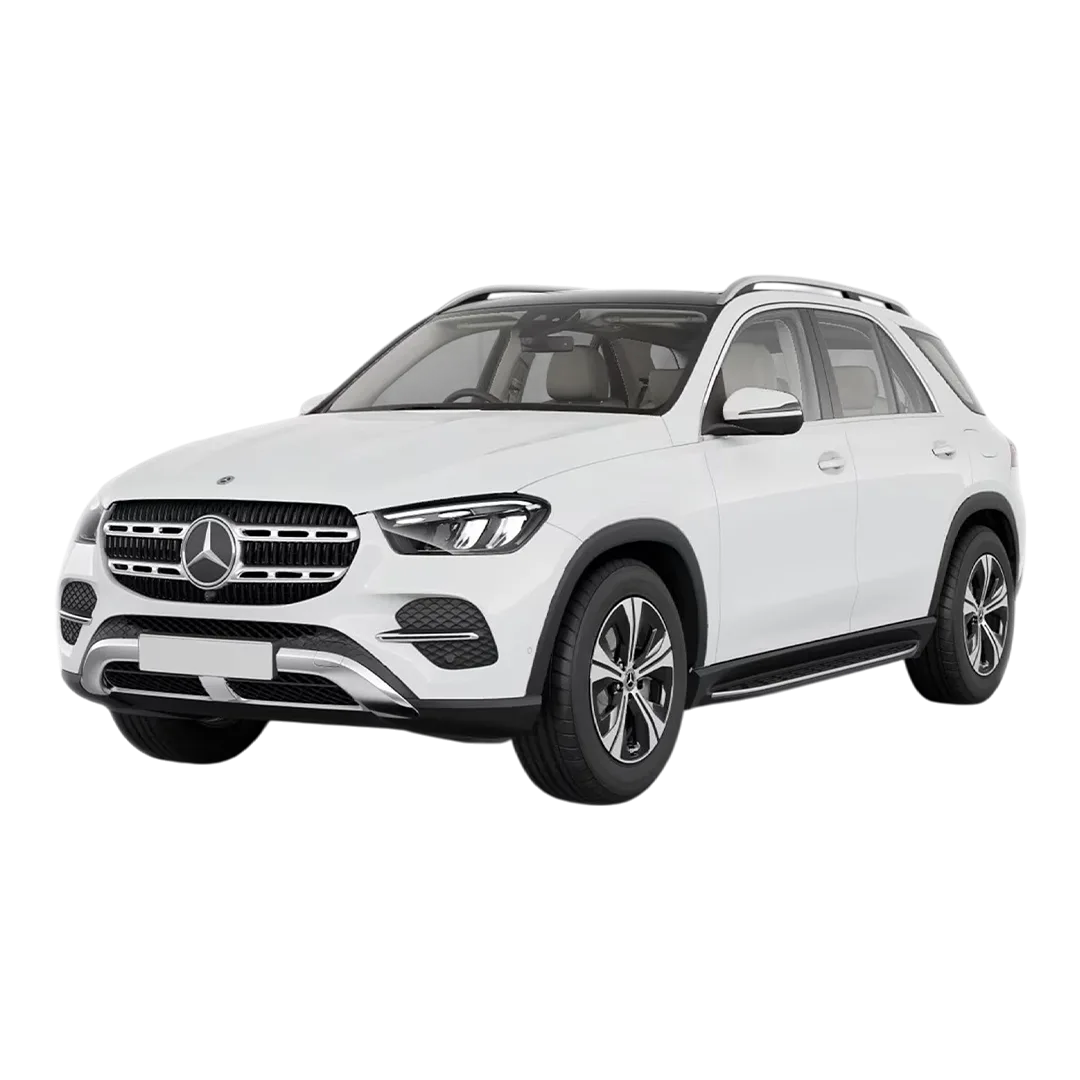 GLE 400
GLE 250D
GLE 400
GLE 250D
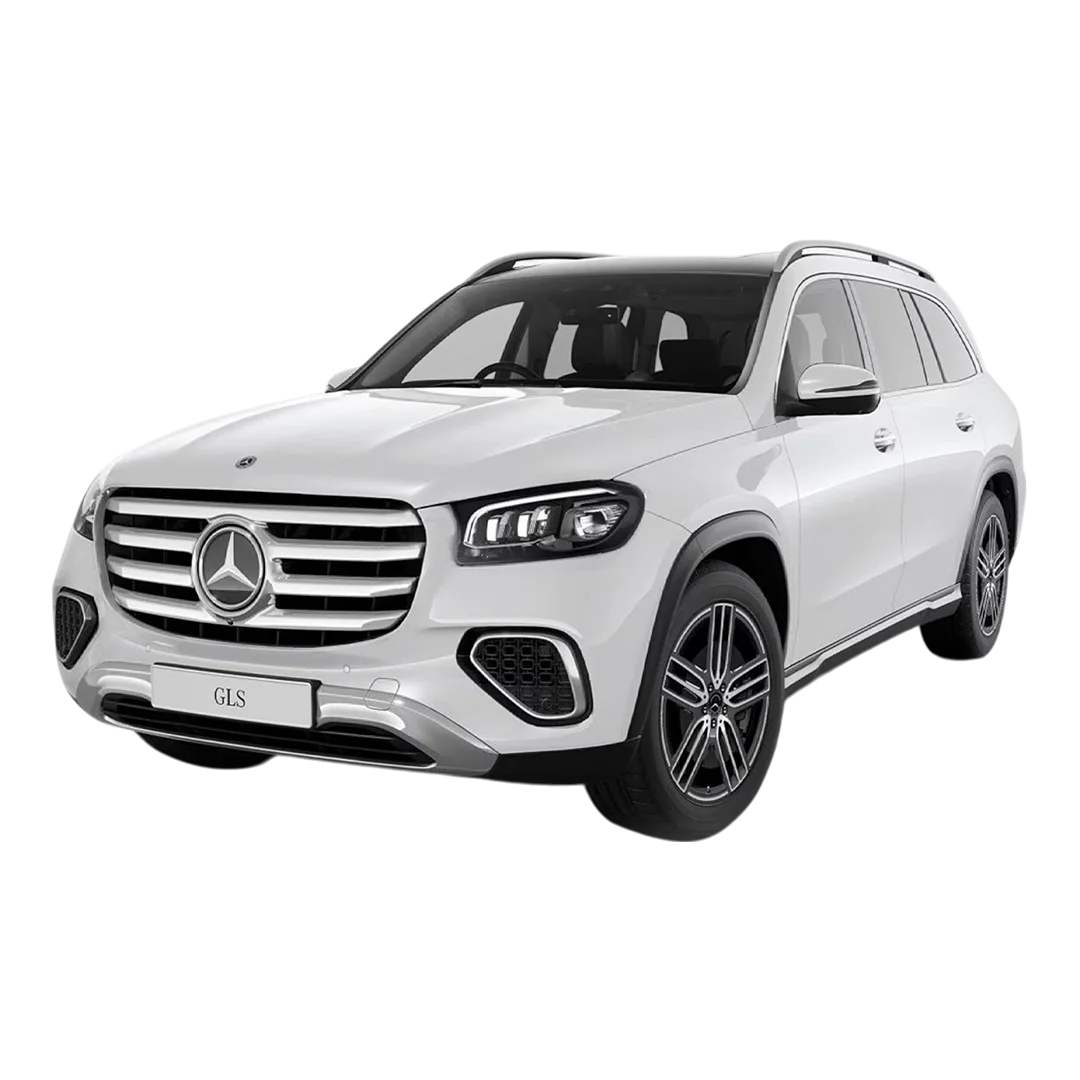 GLC 220D
GLC 300
GLC 220D
GLC 300
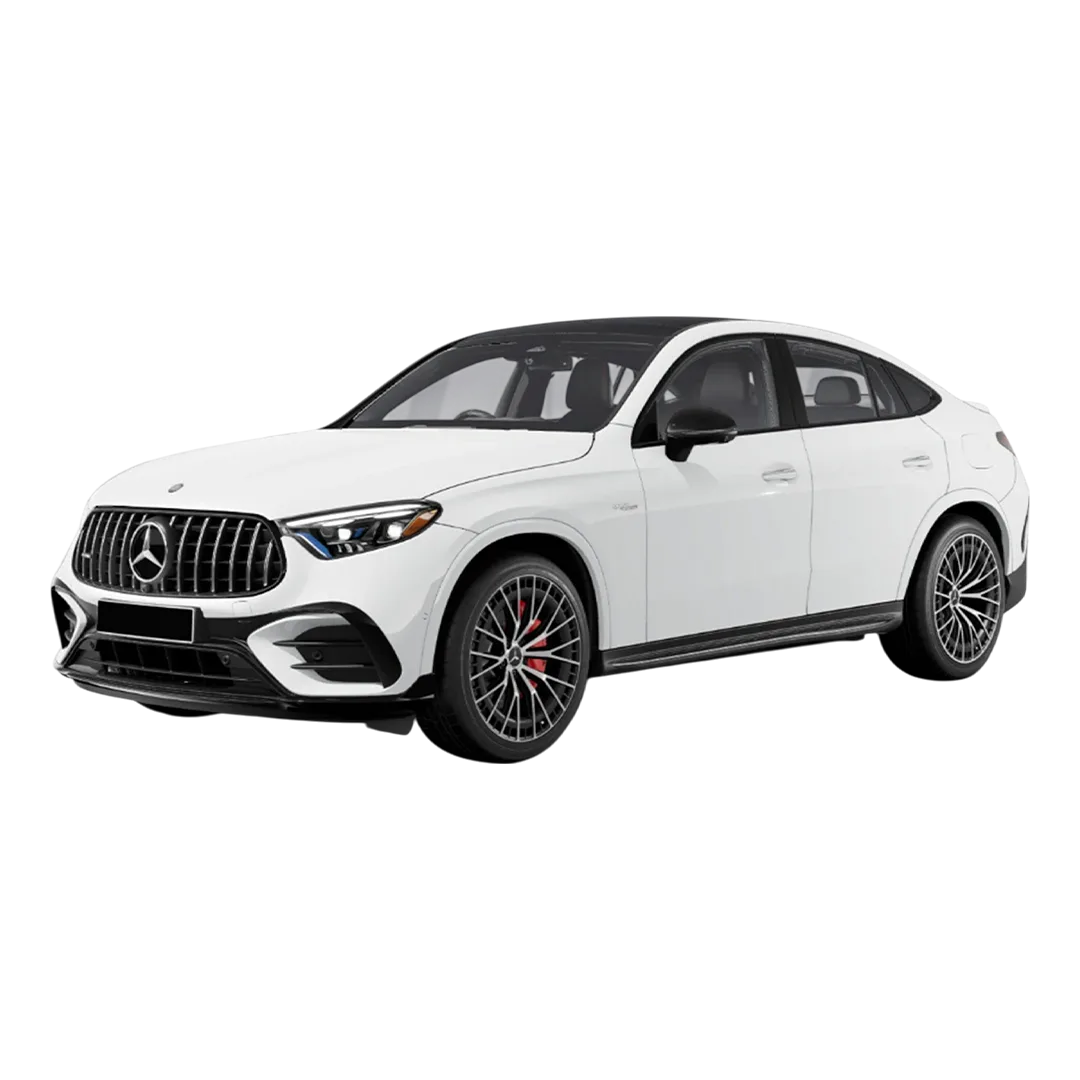 GLC 43 Coupe
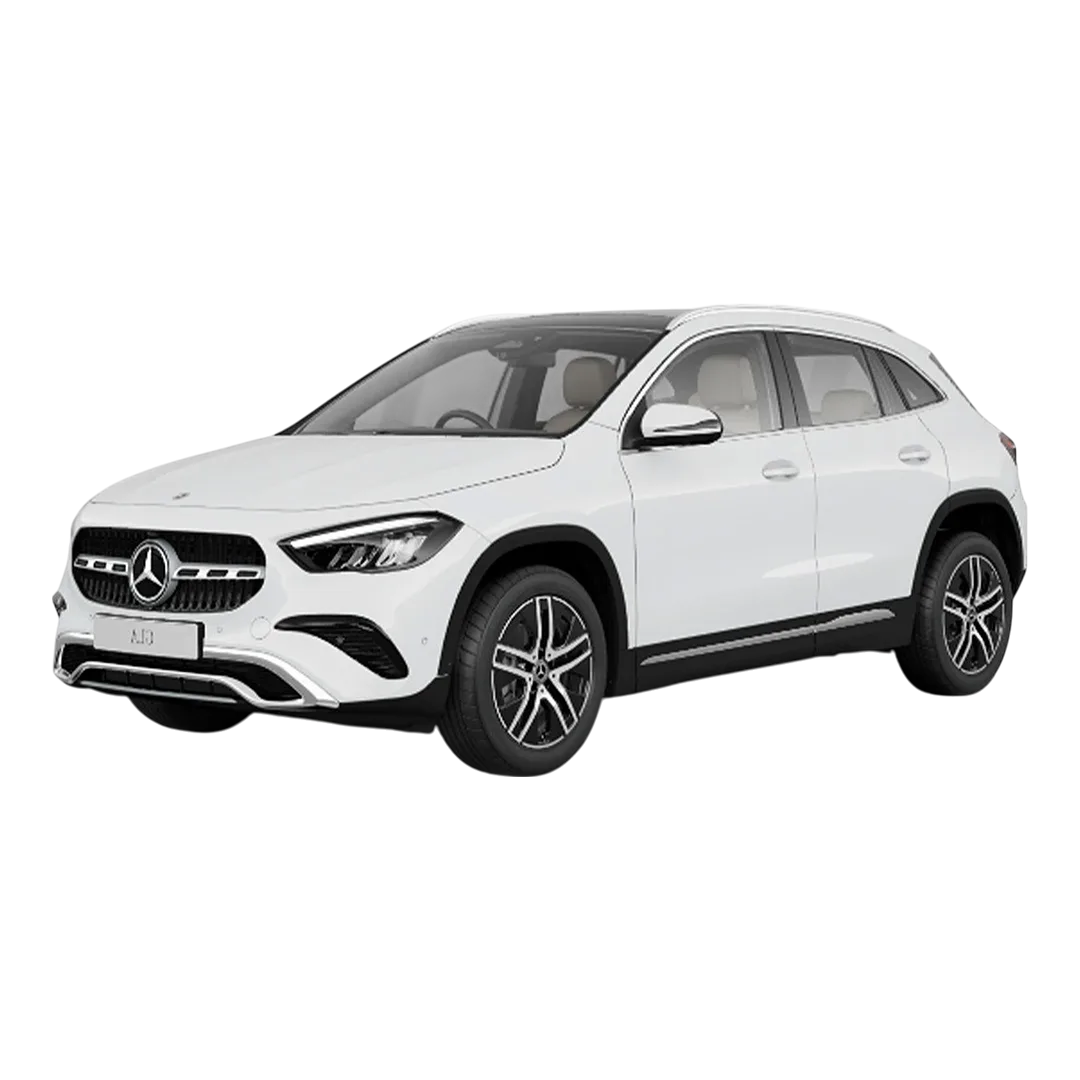 GLA 220d
 GLA-Class 200D
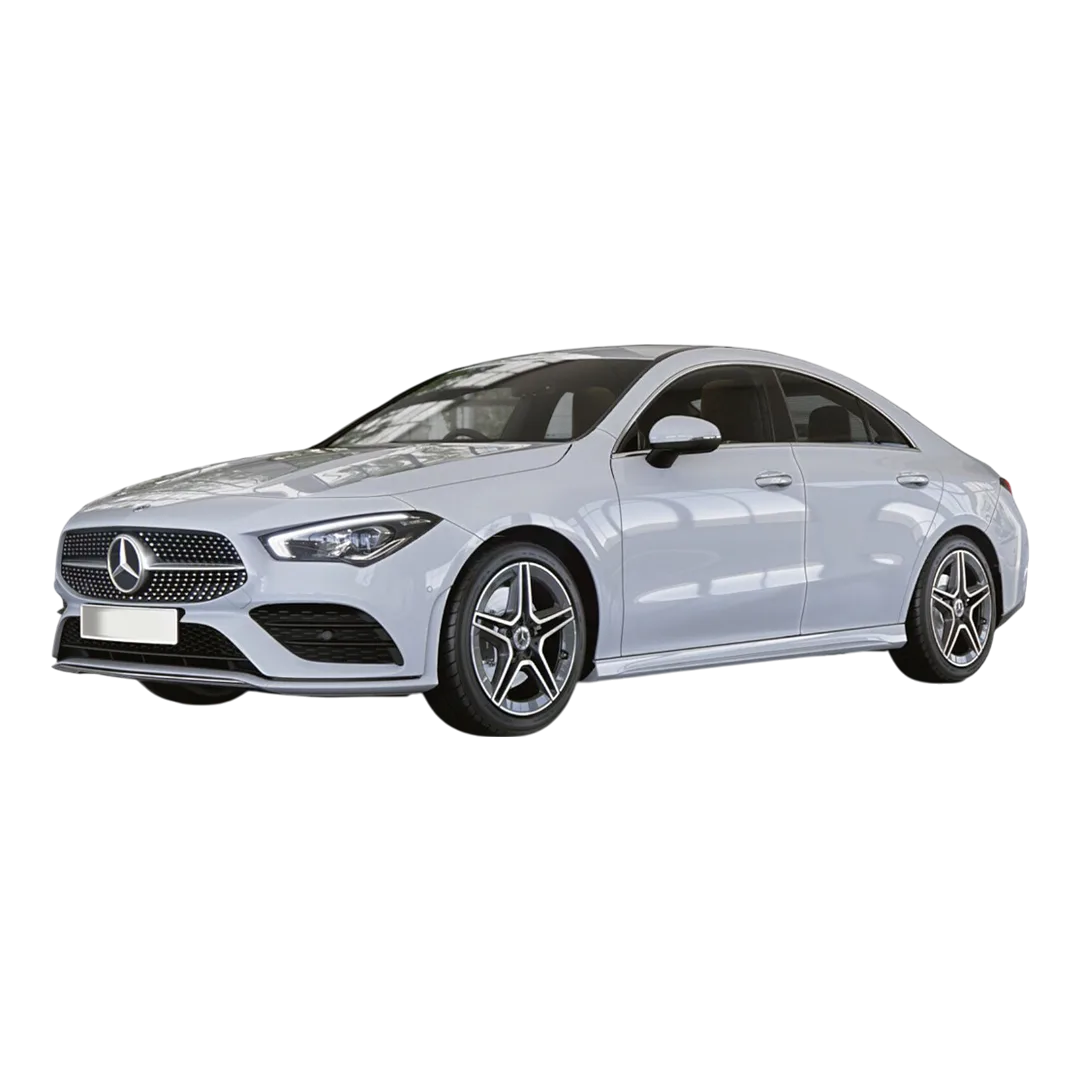 CLA 200
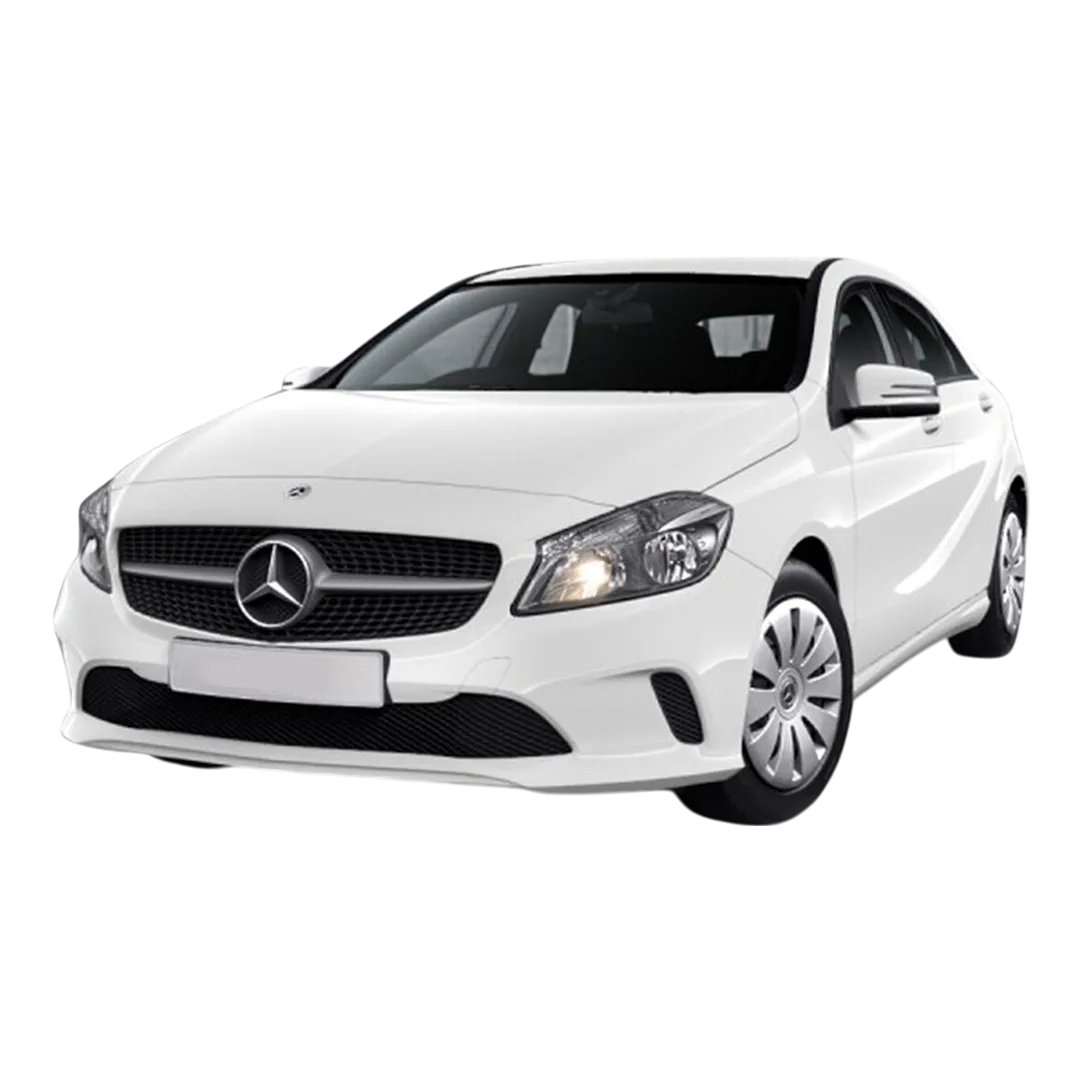 Benz A-Class A 180
M-Class ML 250
M-Class ML 350
Benz A-Class A 180
M-Class ML 250
M-Class ML 350
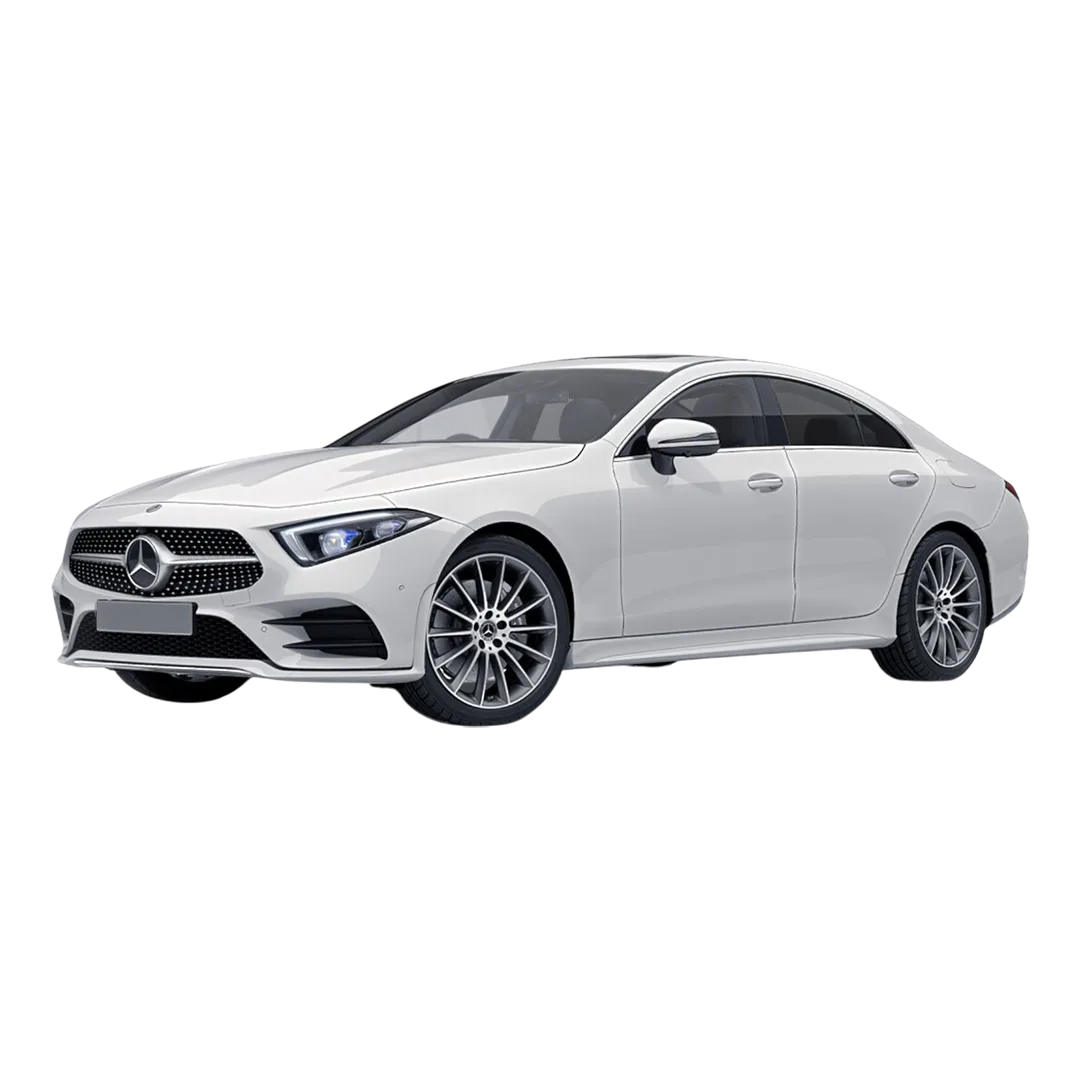 Benz CLS 300
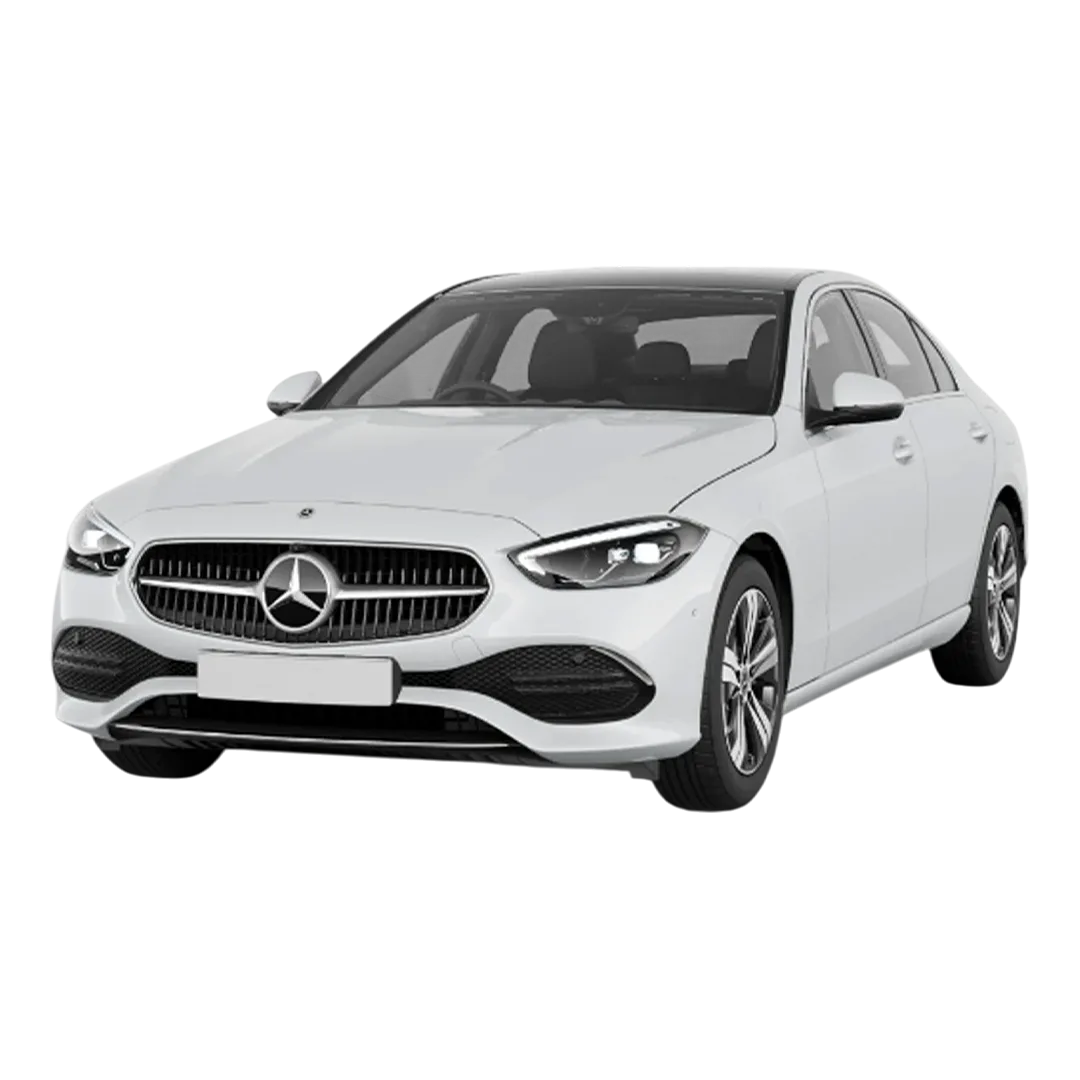 C-Class C250
C-Class C220
C-Class C200
C-Class C250
C-Class C220
C-Class C200
 Benz B - Class
Benz A - 200
Benz B - Class
Benz A - 200

Electric mobility in India was not an easy concept for many car buyers a few years ago. Most people had doubts about range, charging availability, battery life, and long term ownership costs. But slowly the mindset is changing. Many Indian consumers are now exploring electric mobility with a more open perspective.
The shift toward electric vehicles is not happening overnight. Instead, it is a gradual process where buyers are gathering information, comparing costs, and experimenting with new technology. The electric mobility ecosystem in India is evolving with improved infrastructure, supportive policies, and growing environmental awareness.
This change in consumer behaviour explains why electric mobility adoption in India is becoming more visible in cities and emerging urban regions.
Understanding why Indians are becoming comfortable with electric mobility requires examining multiple factors working together. Buyers are not only interested in innovation but also practical ownership benefits.
Several elements are influencing this transition.
| Factor | Impact on EV Adoption |
|---|---|
| Charging infrastructure expansion | Reduces range anxiety and improves convenience |
| Government incentives | Makes EV purchase more affordable |
| Lower running cost | Reduces long term ownership expenses |
| Technology improvements | Increases driving range and reliability |
| Environmental awareness | Encourages sustainable transportation |
These factors are gradually building trust in electric mobility solutions.
One of the biggest concerns about electric mobility in India has always been charging availability. Many early buyers worried about where they would charge their vehicles during long trips.
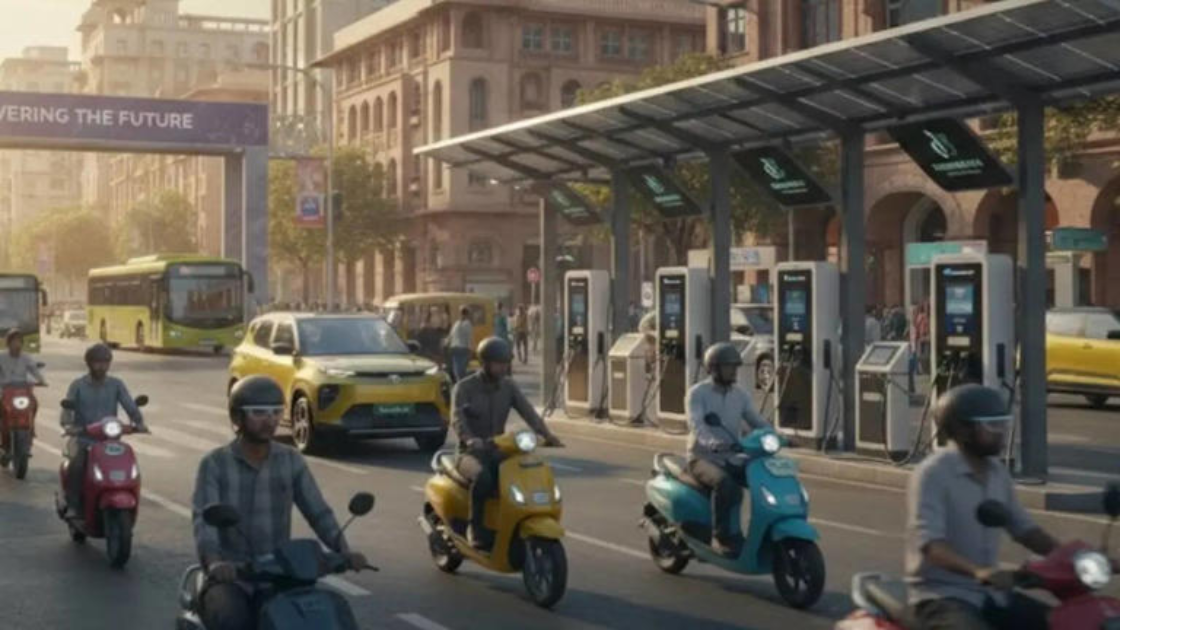
However, the situation is changing. Charging infrastructure is expanding across major cities, highways, and residential areas. Public charging stations are increasing and many EV owners now install home chargers.
This development is making electric mobility easier for daily commuting and long distance travel. As the charging network improves, range anxiety continues to decrease.
Government policies are playing an important role in accelerating electric mobility adoption in India. Several initiatives aim to encourage consumers and manufacturers to invest in EV technology.
Key government support measures include:
| Policy Support | Benefit |
|---|---|
| EV purchase subsidies | Reduces upfront cost |
| Reduced GST on electric vehicles | Makes EVs more affordable |
| Charging infrastructure programs | Expands charging network |
| Clean mobility initiatives | Encourages sustainable transport |
These incentives create a favorable environment for electric mobility development.
Another reason many Indians are exploring electric mobility is the potential for lower running costs. Electricity is generally cheaper than petrol or diesel, especially for daily commuting.
Electric vehicles also have fewer moving parts. This often results in lower maintenance requirements compared to traditional internal combustion vehicles.
For cost conscious buyers, this difference in operational expenses becomes a strong motivation to consider electric mobility.
Earlier EV models faced criticism for limited range and charging time. Today the situation is different. Battery technology has improved significantly.
Modern electric vehicles now offer:
As technology continues to evolve, consumer confidence in electric mobility keeps growing.
Environmental concerns are another factor shaping the shift toward electric mobility. Air pollution levels in many Indian cities have encouraged discussions about cleaner transportation options.
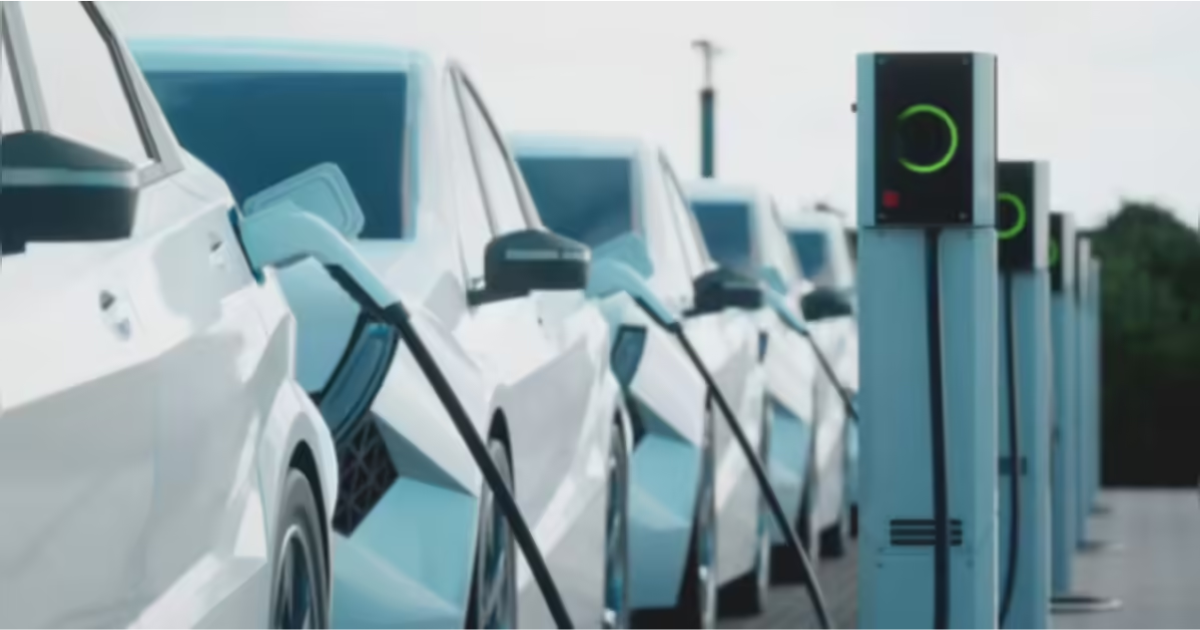
Electric vehicles help reduce tailpipe emissions and support long term sustainability goals. Many consumers now see EVs as a responsible choice for reducing their environmental footprint. This awareness is contributing to the growing acceptance of electric mobility in India.
Electric mobility adoption in India is not just a trend driven by technology. It is the result of several factors gradually aligning. Charging infrastructure expansion, government incentives, lower running costs, technology improvements, and environmental awareness are all influencing buyer decisions.
Indian consumers are still exploring and learning about electric vehicles, but the hesitation that once existed is slowly fading. As infrastructure improves and EV technology advances further, electric mobility in India is likely to become an increasingly practical option for everyday transportation.
Indians are becoming comfortable with electric mobility due to better charging infrastructure, government incentives, lower running costs, improved EV technology, and growing environmental awareness.
Yes. Charging infrastructure is expanding across cities, highways, and residential areas. More public charging stations and home charging options are making EV ownership easier.
Electric vehicles generally have lower running costs because electricity is cheaper than petrol or diesel. EVs also have fewer mechanical parts, which can reduce maintenance expenses.
The Indian government offers subsidies for EV purchases, reduced GST rates, and policies that promote charging infrastructure development and clean mobility initiatives.
Yes. Modern EVs offer better battery technology, longer driving range, improved performance, and enhanced digital features compared to earlier electric vehicle models.
Electric vehicles produce no tailpipe emissions and help reduce air pollution. Many consumers see electric mobility as a sustainable transportation option that supports environmental protection.