




























































































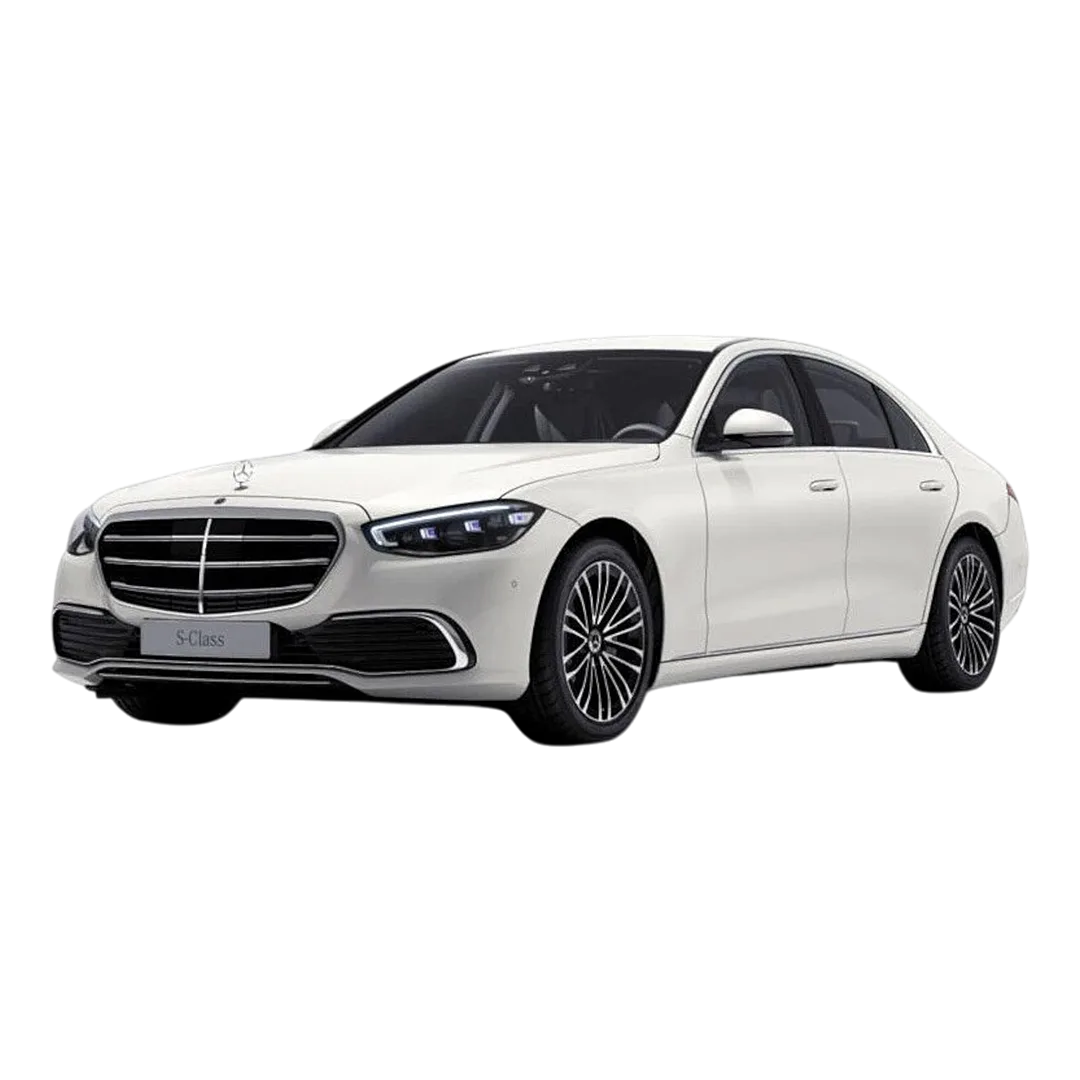
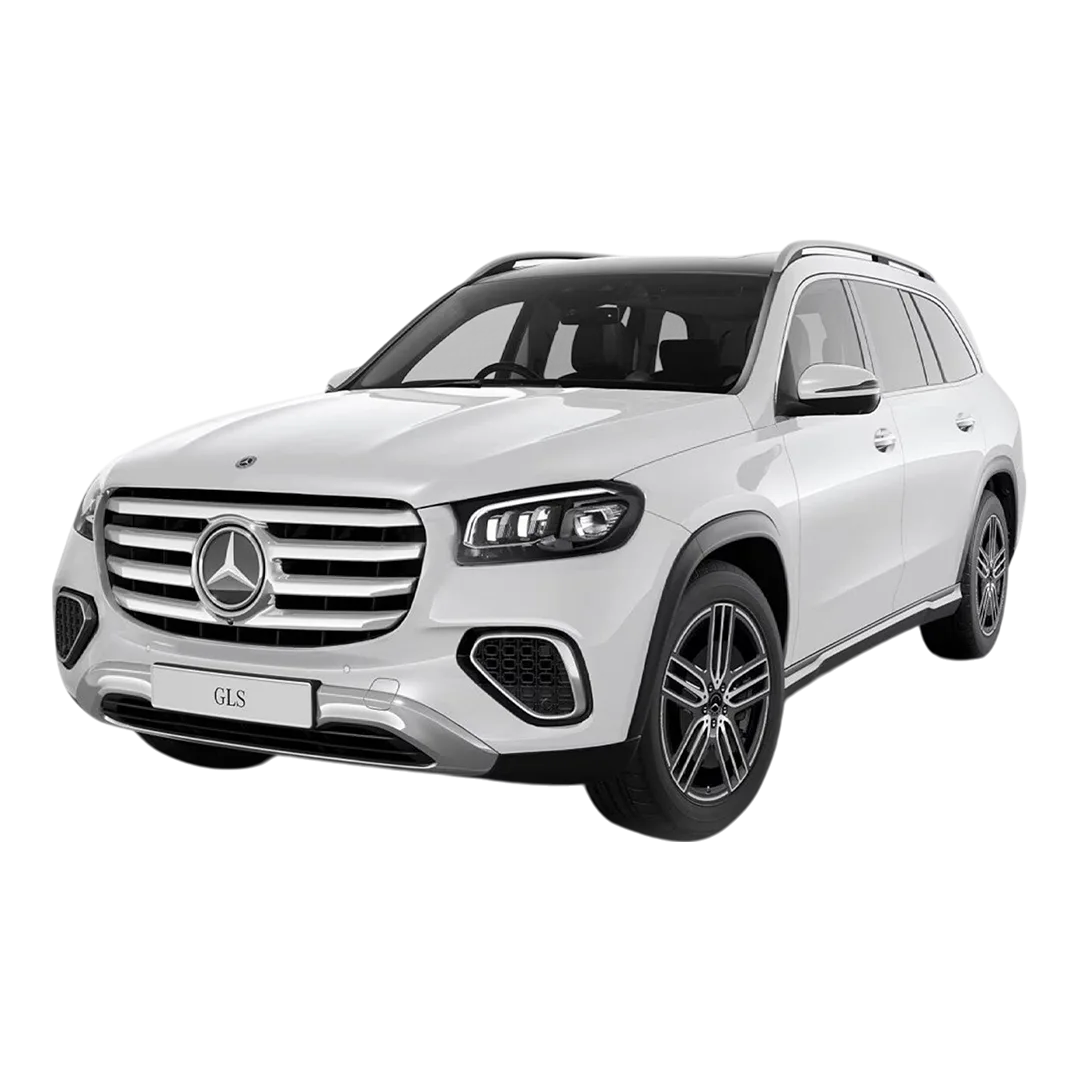
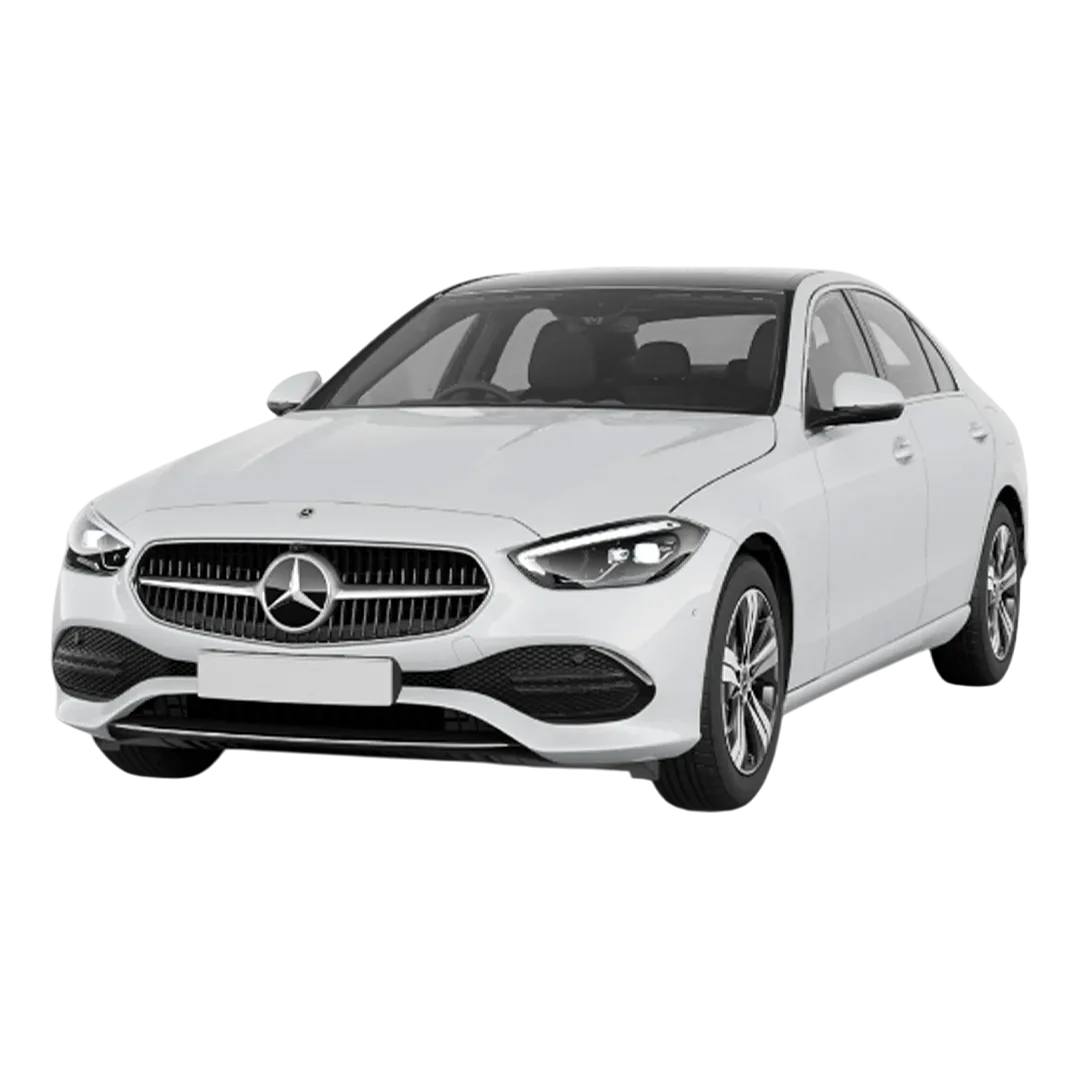
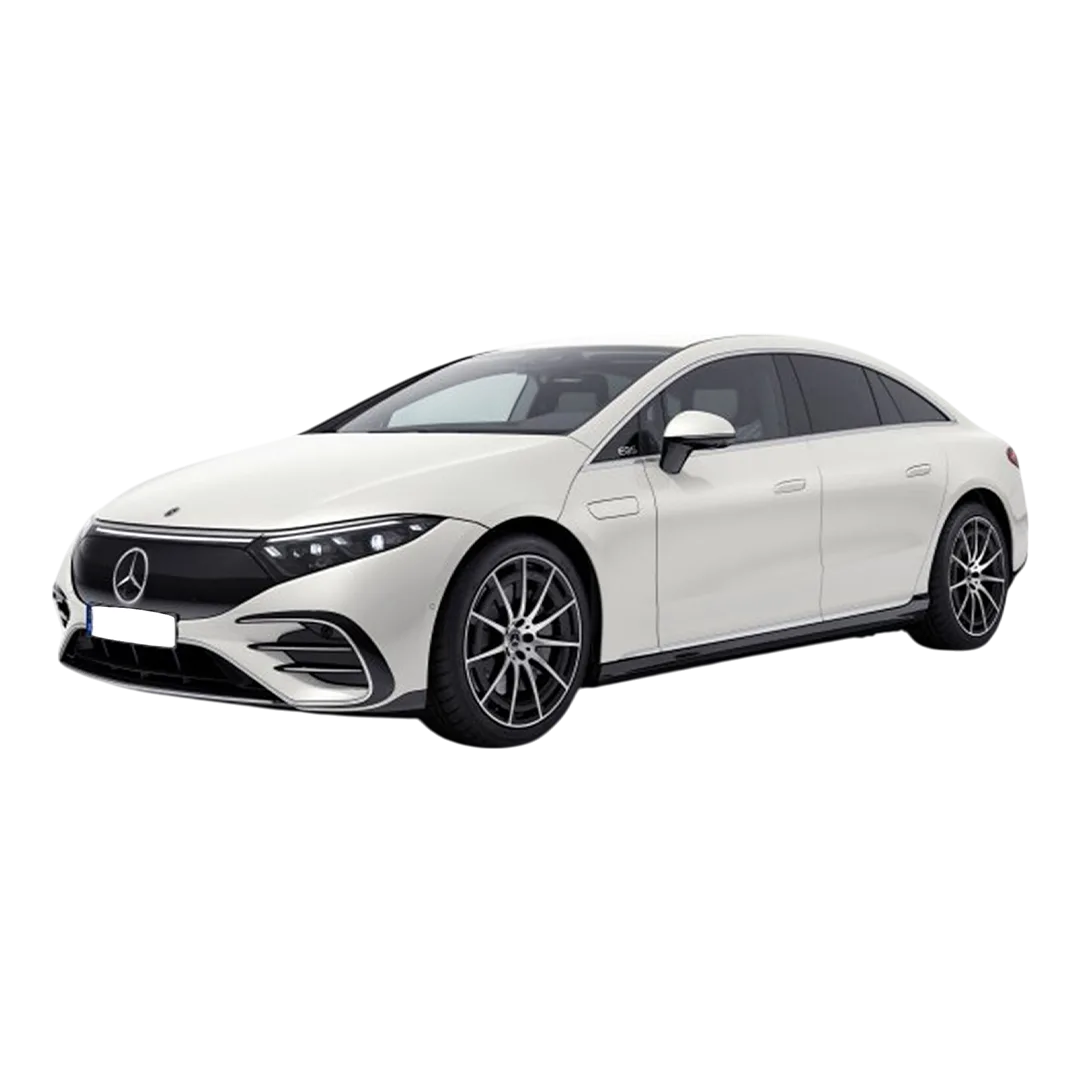

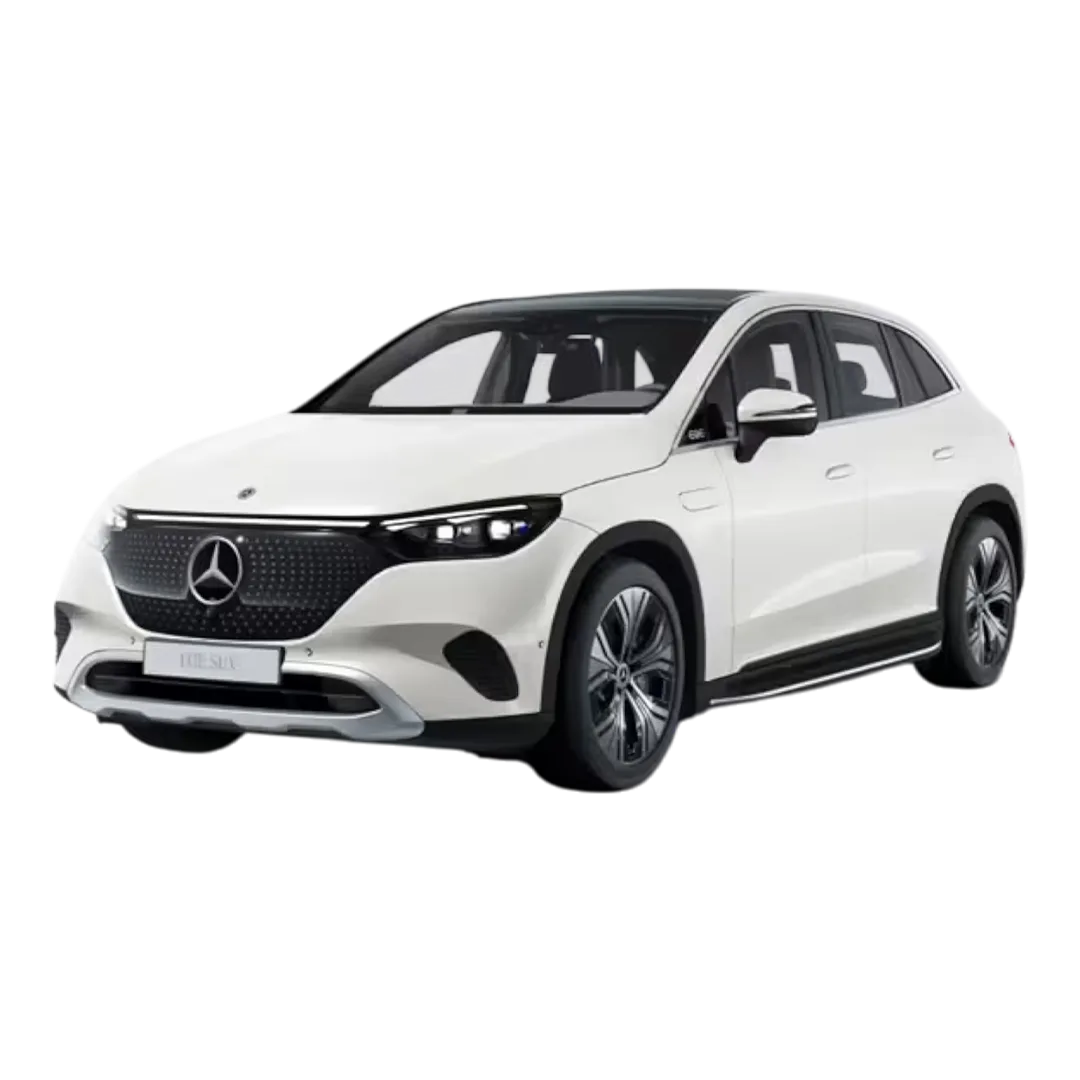
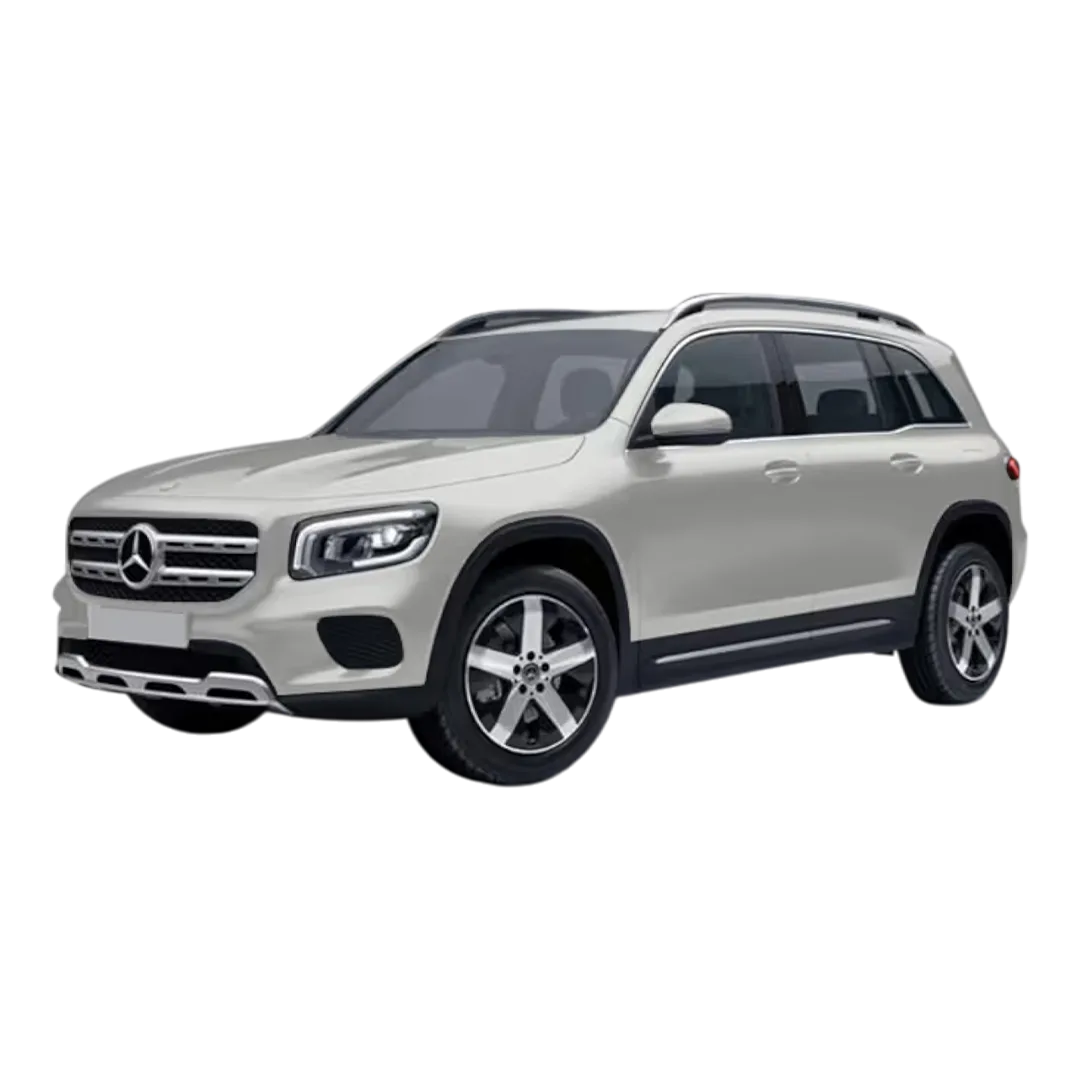
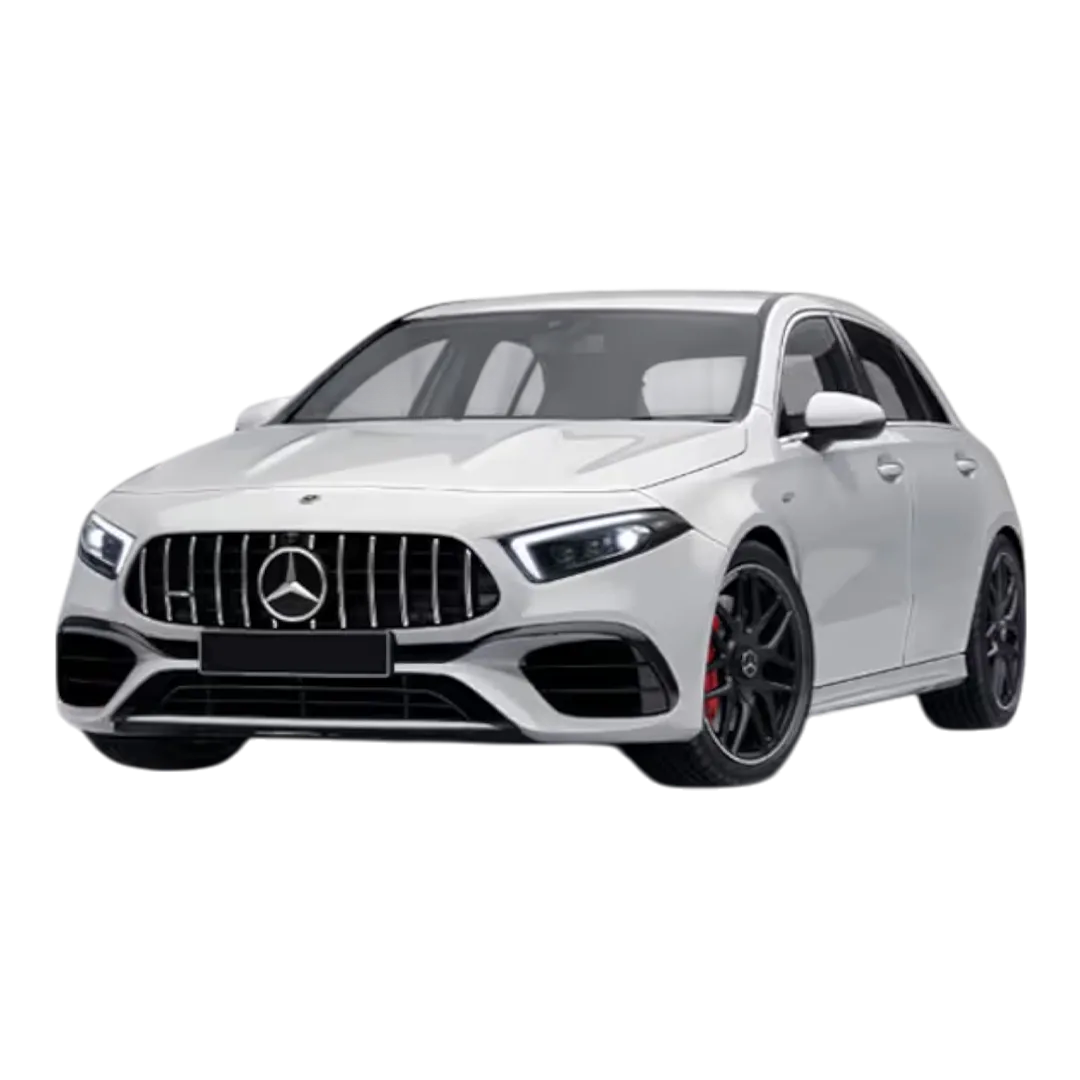
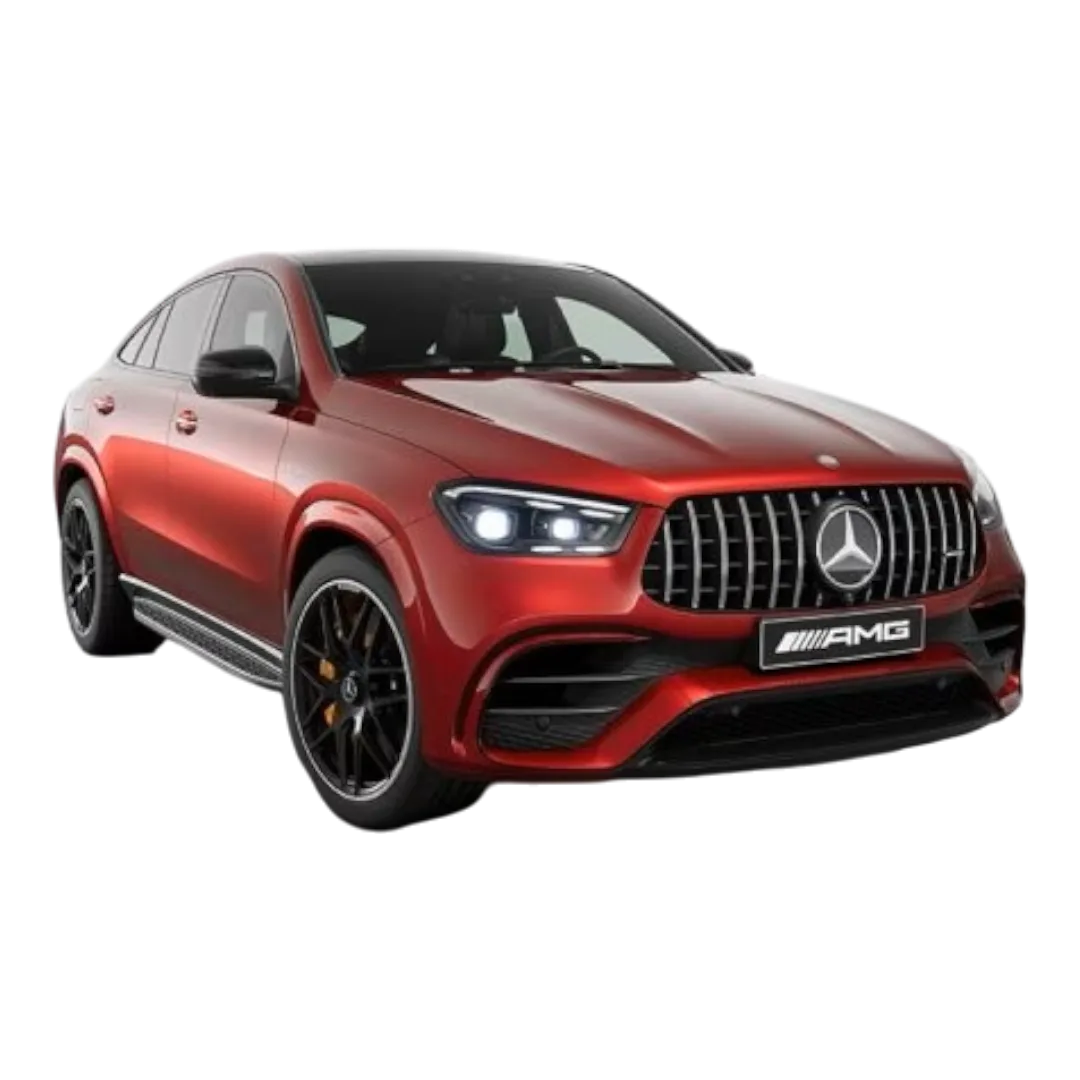
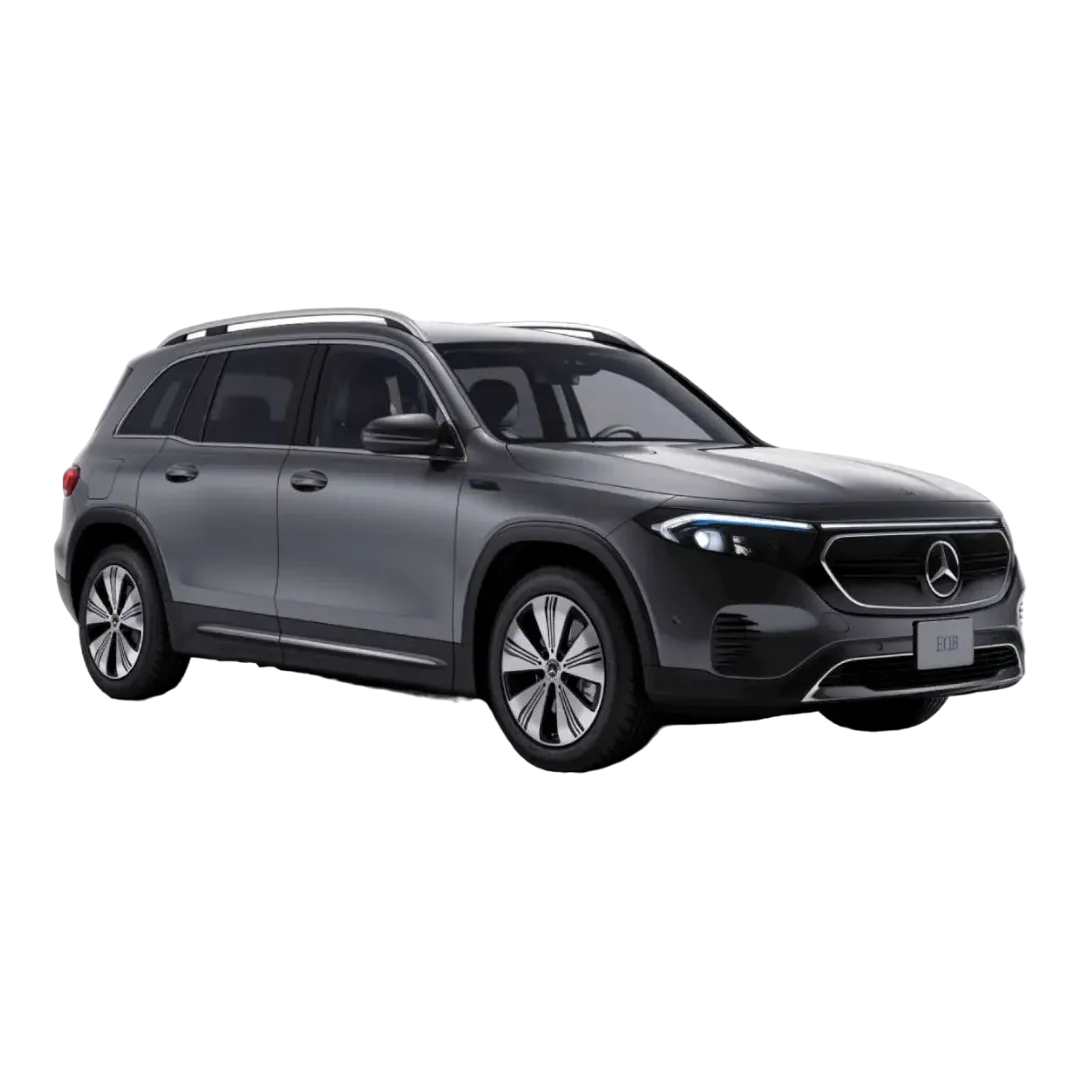
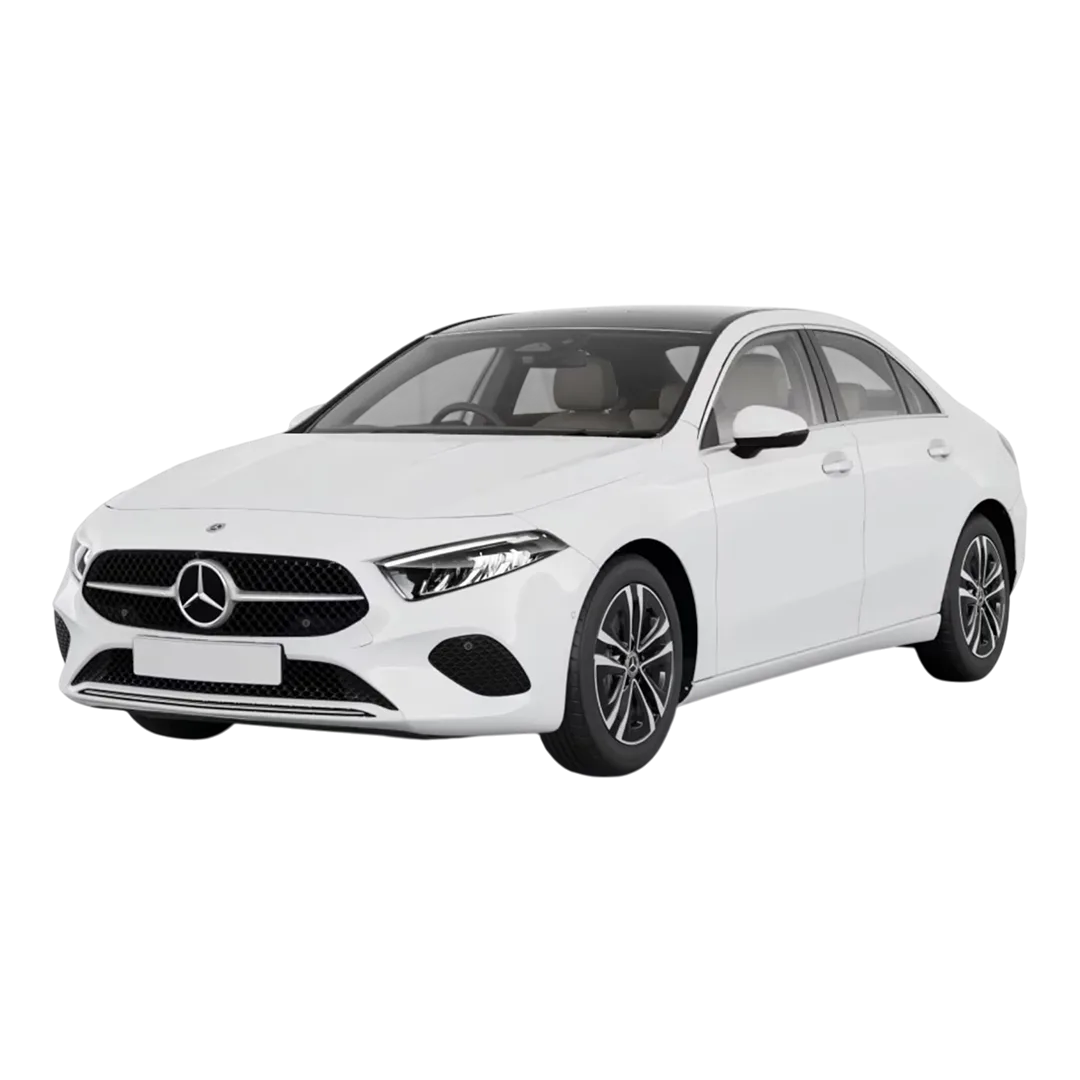
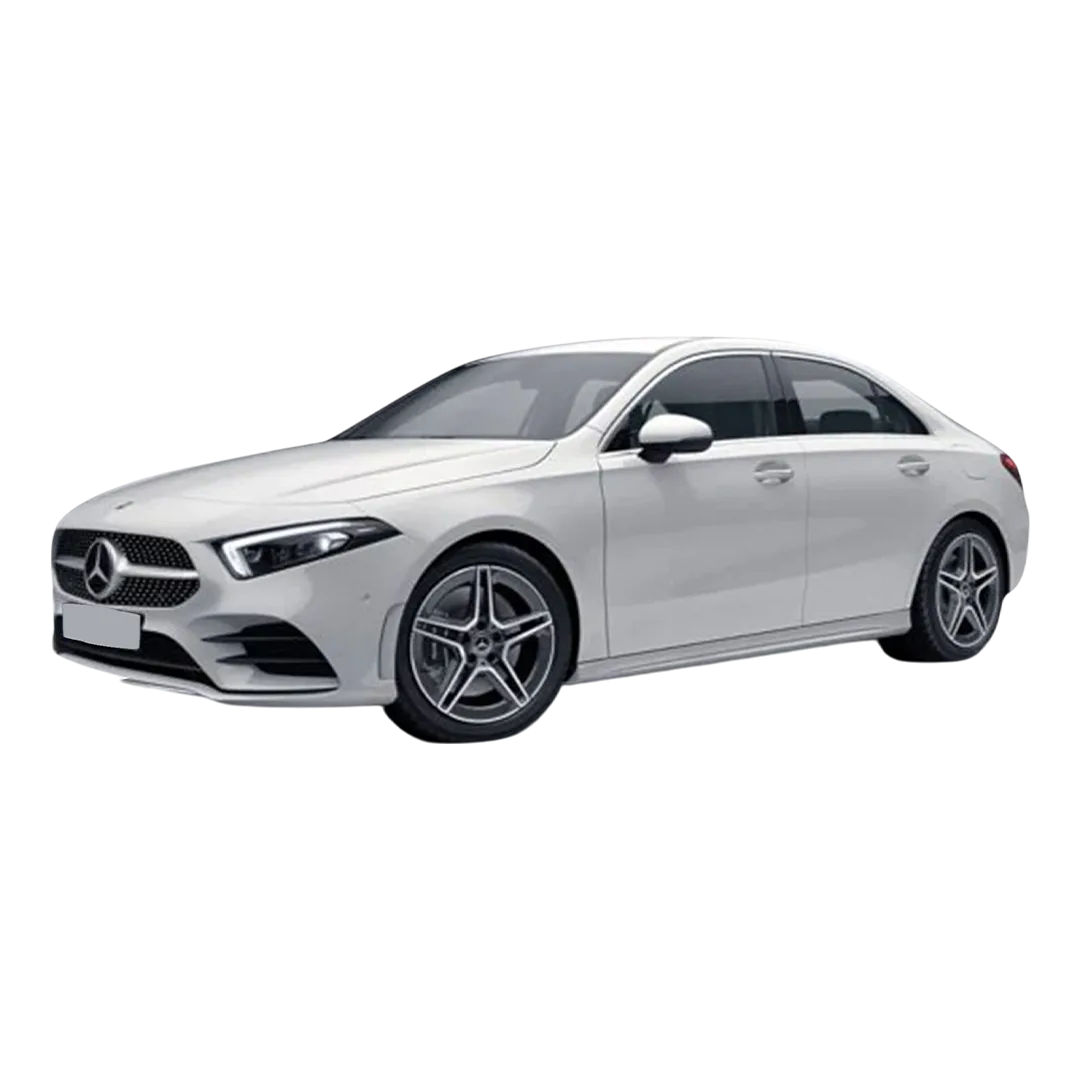
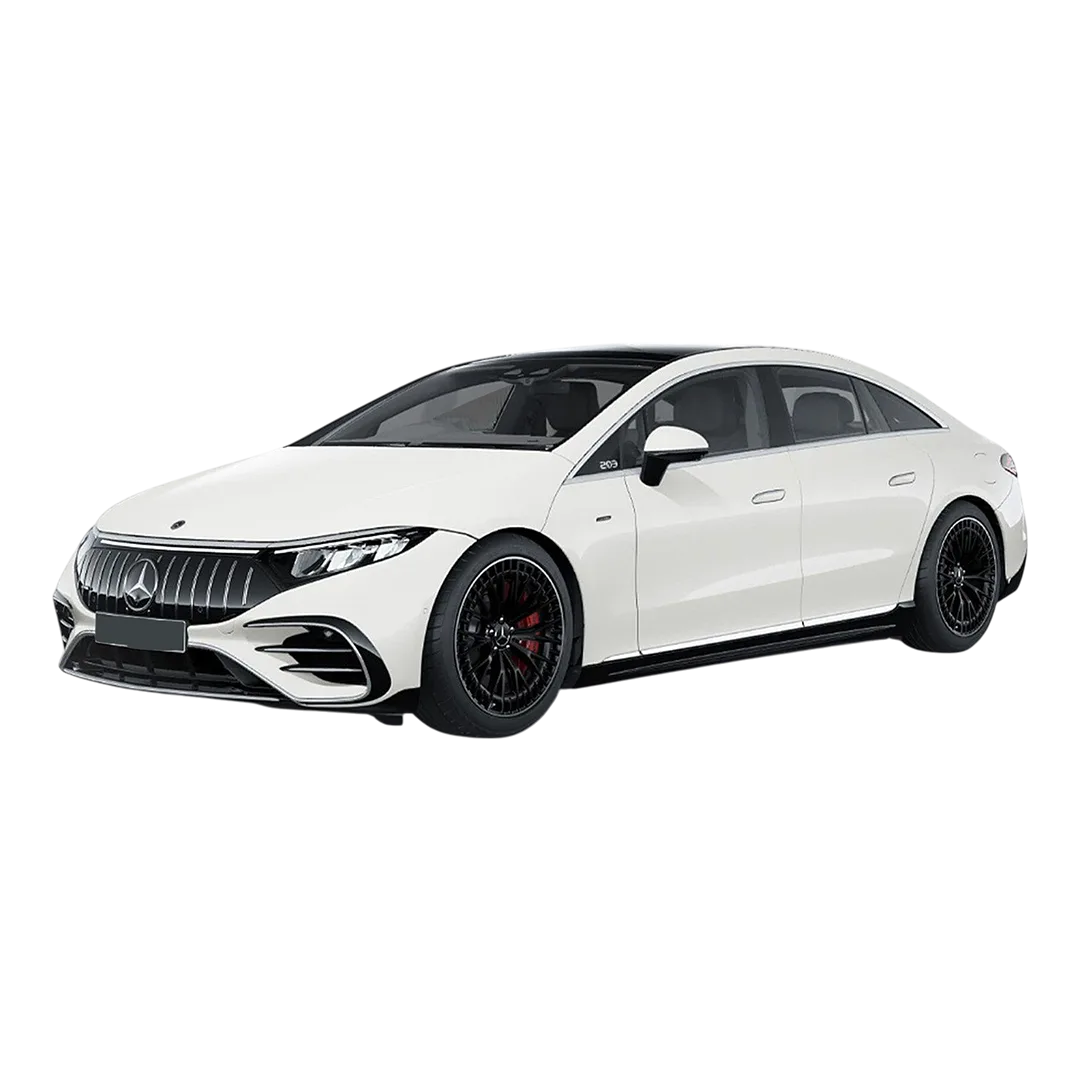








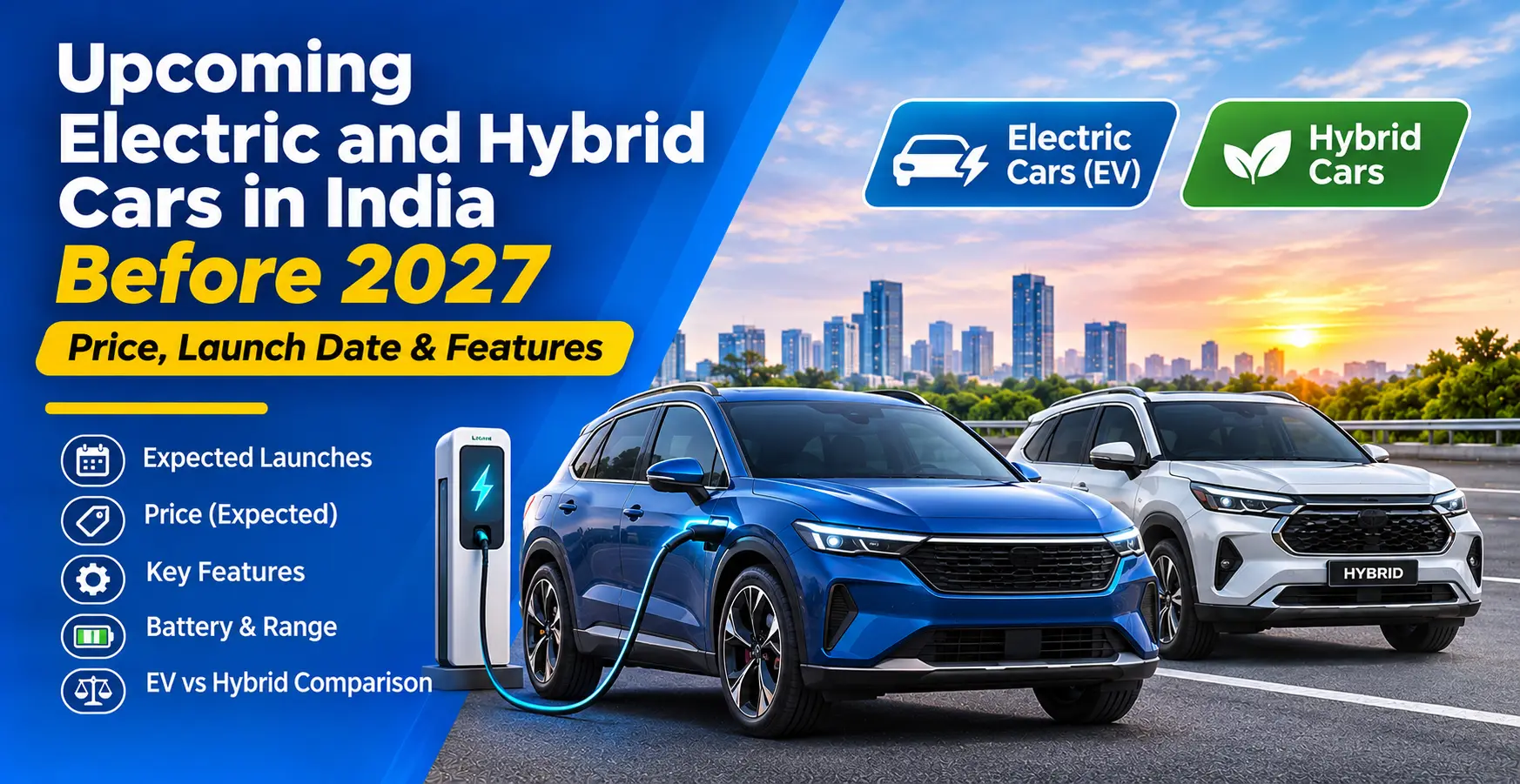
India’s electric and hybrid car market is entering an exciting phase, with automakers preparing new models for buyers who want better fuel efficiency, modern technology and more sustainable mobility. From electric SUVs and compact city EVs to plug-in hybrids and premium electric vehicles, the upcoming launches could give Indian customers more choices before 2027.
However, not every model discussed internationally is confirmed for an Indian launch. Some vehicles have an announced India launch plan, while others remain market possibilities or are based on global product announcements. Expected prices, launch timelines and specifications should therefore be treated carefully until manufacturers release official details.
This guide explores the upcoming electric and hybrid cars in India in 2026, including the Mercedes-Benz GLC Electric, Honda ALPHA electric SUV, Tata Safari EV, VinFast VF 3 and BYD Seal U Plug-in Hybrid. It also explains what buyers should check before choosing an EV or hybrid, from battery range and charging access to running costs and maintenance.
If you are planning to buy a new car before 2027, understanding these launches can help you decide whether to purchase a current model or wait for a newer option. Creckk will help you stay informed about car technology and accessories as the Indian market evolves.
Upcoming Electric and Hybrid Cars in India: Overview
The final months of 2026 are bringing a mix of electric-car launches, new electric SUV debuts and hybrid updates. The most important distinction for buyers is whether a manufacturer has confirmed a launch date or whether a model is simply expected based on industry reports.
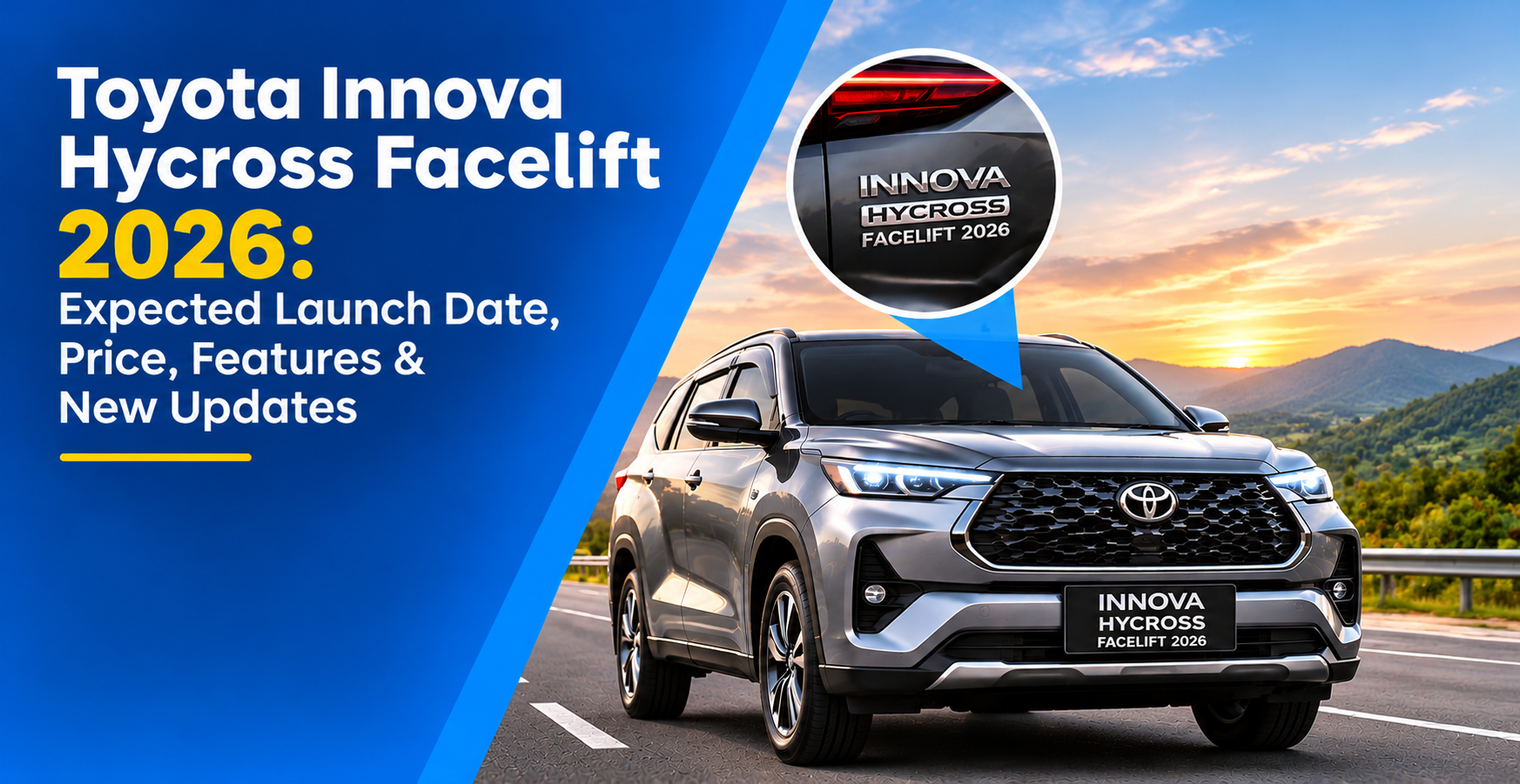
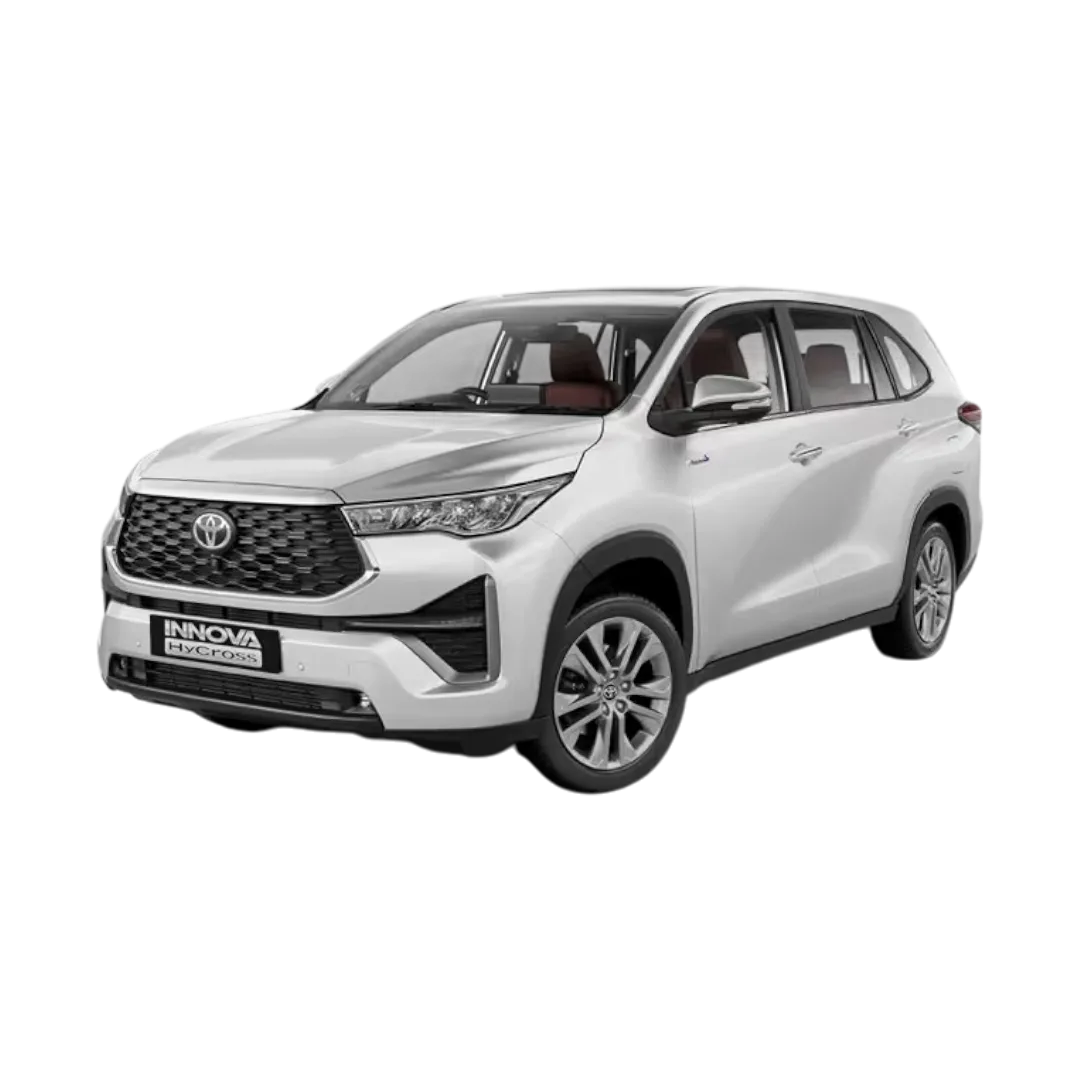
One major development has already happened: Mercedes-Benz launched the GLC Electric in India on 4 November 2026, at an introductory ex-showroom price of ₹78.5 lakh. Honda has also officially named its first India-made electric SUV Honda ALPHA, with its global debut scheduled for 2 December 2026. Toyota is preparing the Innova Hycross facelift for a reported November 25 launch, with updates expected to its styling, cabin and strong-hybrid system.
Other names, including the Tata Safari EV, VinFast VF 3 and BYD Seal U Plug-in Hybrid, need more careful treatment. Their India launch timing or specifications have not been firmly confirmed by the manufacturers in the information available at the time of writing.
| Model | Powertrain | India Launch Status |
|---|---|---|
| Mercedes-Benz GLC Electric | Battery electric | Launched 4 November 2026 |
| Honda ALPHA | Battery electric | Global debut scheduled for 2 December 2026 |
| Toyota Innova Hycross facelift | Petrol strong hybrid expected | Reported launch: 25 November 2026 |
| Tata Safari EV | Battery electric | No official launch date confirmed |
| VinFast VF 3 | Battery electric | India launch date not confirmed |
| BYD Seal U Plug-in Hybrid | Plug-in hybrid | India launch not confirmed |
What to Expect Before 2027
Buyers can expect two different kinds of developments before the year ends. The first is the arrival of new electric vehicles, including premium SUVs and Honda's upcoming electric SUV. The second is the improvement of existing petrol-electric technology, particularly in hybrid vehicles that can reduce fuel consumption without requiring owners to depend entirely on public charging.
November and December are also important because several manufacturers use this period to announce products, showcase new technology or open bookings. However, an unveiling is not always the same as a market launch. A vehicle may be revealed in 2026 but reach dealerships or customers in 2027.
For buyers, the most useful details to watch are the official launch date, ex-showroom price, variant list, battery warranty, certified driving range and delivery timeline. Do not make a booking decision based only on an estimated price or a social-media launch rumour.
The Toyota Innova Hycross facelift is particularly relevant to hybrid buyers, while the Honda ALPHA is one of the more significant upcoming electric SUV debuts.
Upcoming Electric Cars Launching in India
The upcoming electric cars in India 2026 cover different buyer requirements. Premium models focus on long-distance comfort, performance and advanced cabin technology. More compact electric SUVs are expected to target urban families and buyers moving from petrol-powered compact SUVs.
A key point is that not every vehicle listed on an upcoming-car portal has a confirmed India launch. For example, the Mercedes-Benz GLC Electric is already launched, Honda has confirmed the ALPHA's debut, while the Tata Safari EV and VinFast VF 3 remain less certain in terms of India-specific launch timing.
When comparing these vehicles, buyers should look beyond the headline range figure. Battery size, charging speed, real-world efficiency, service coverage and the availability of compatible charging stations can have a greater impact on everyday ownership.
Mercedes-Benz GLC Electric
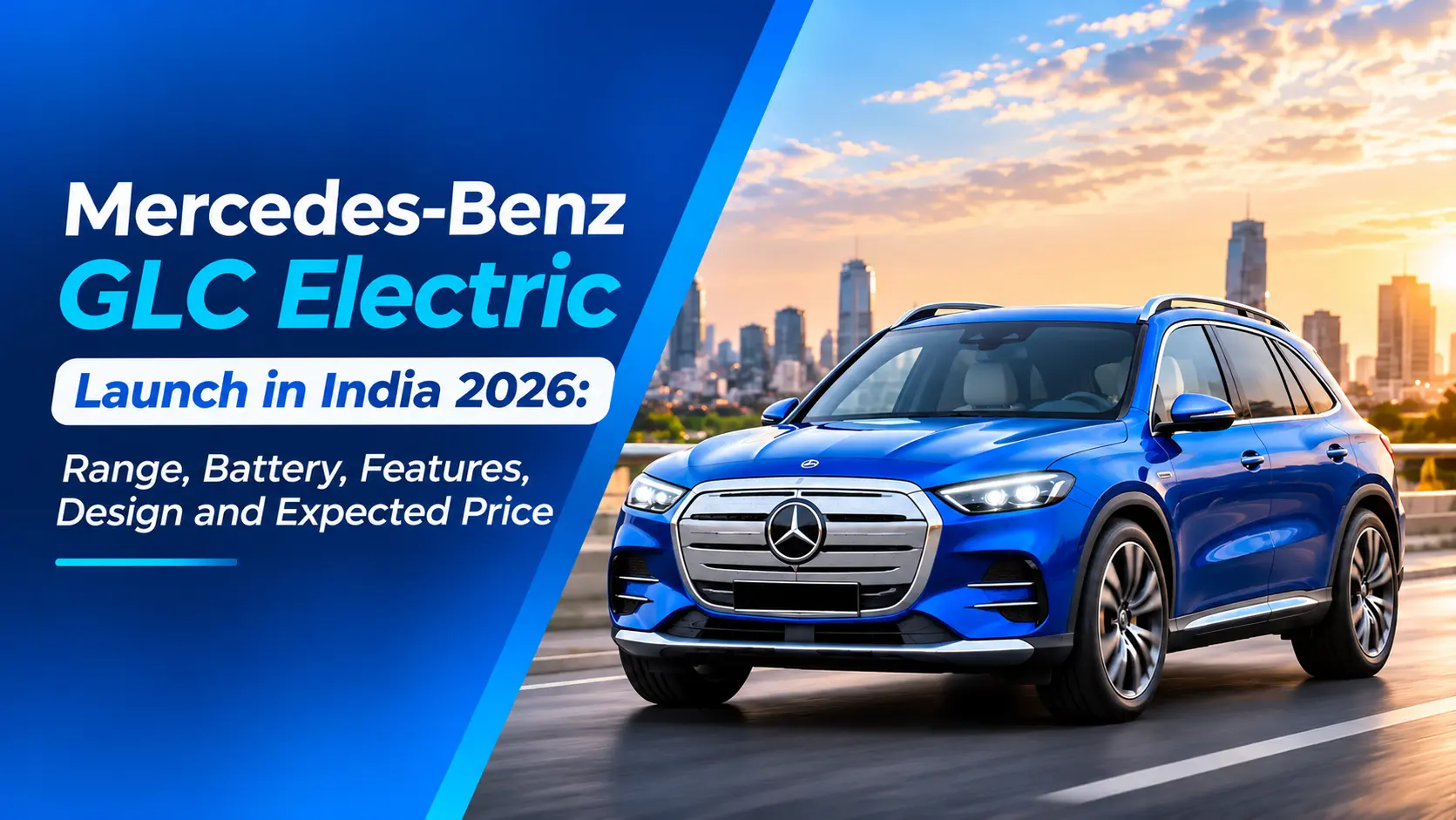
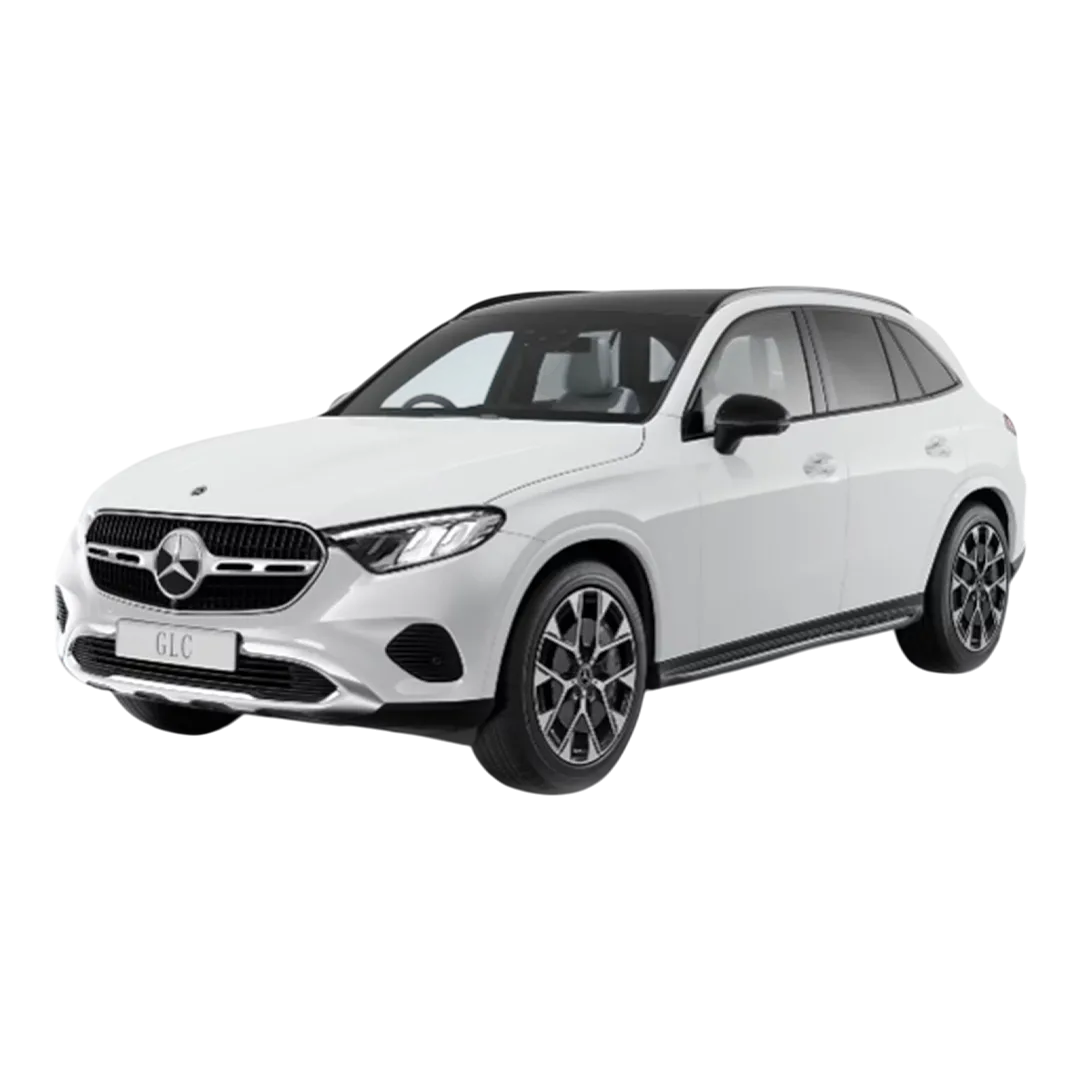
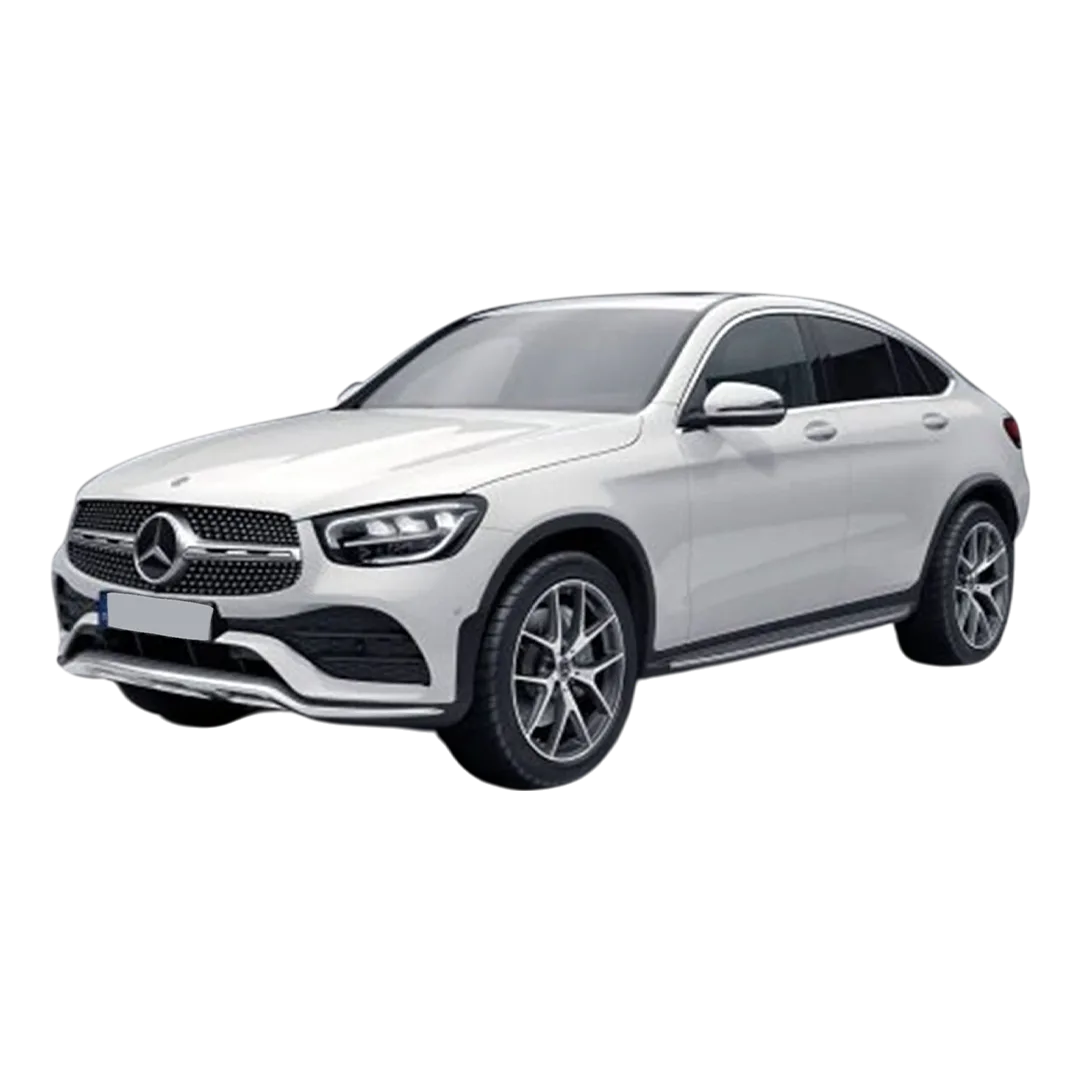
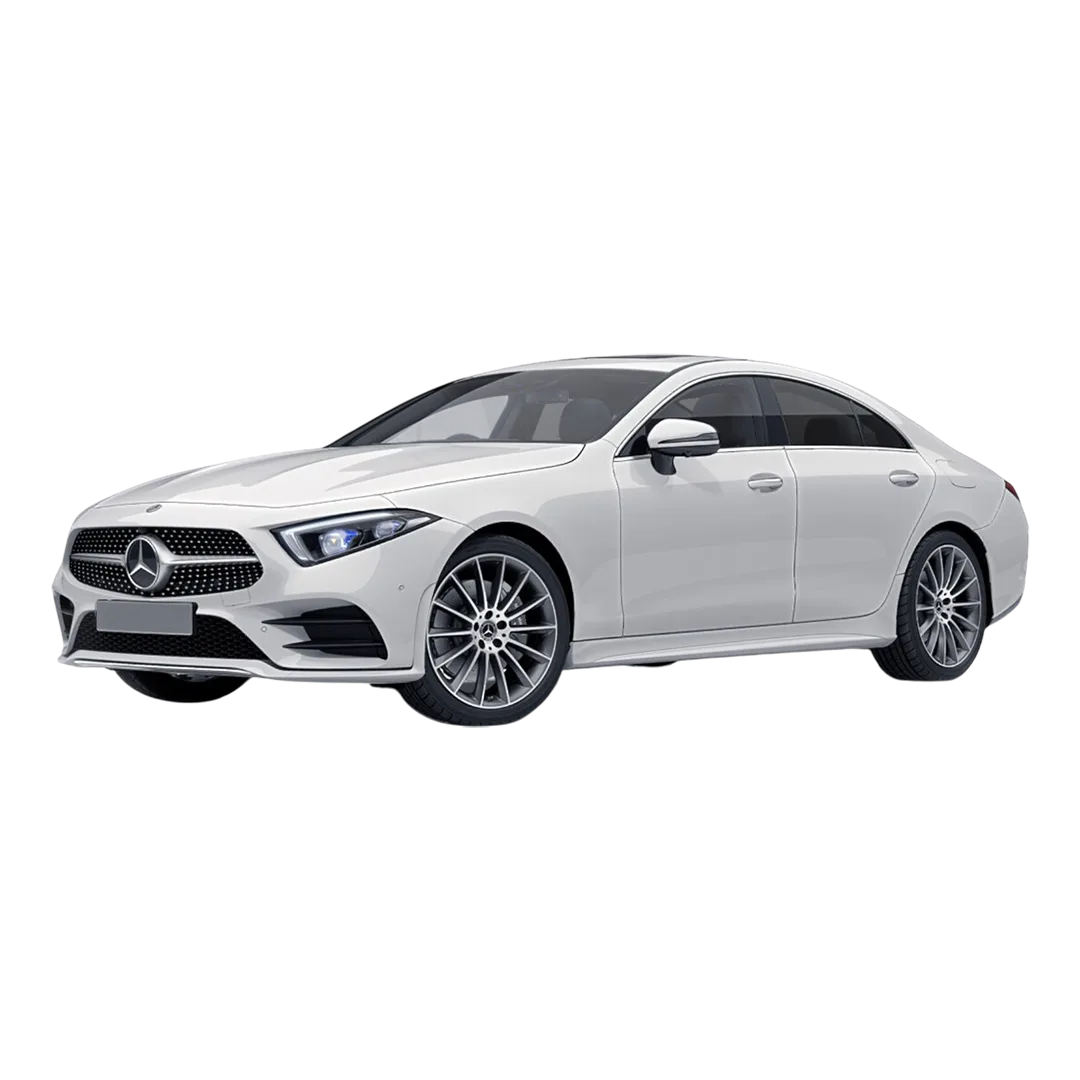
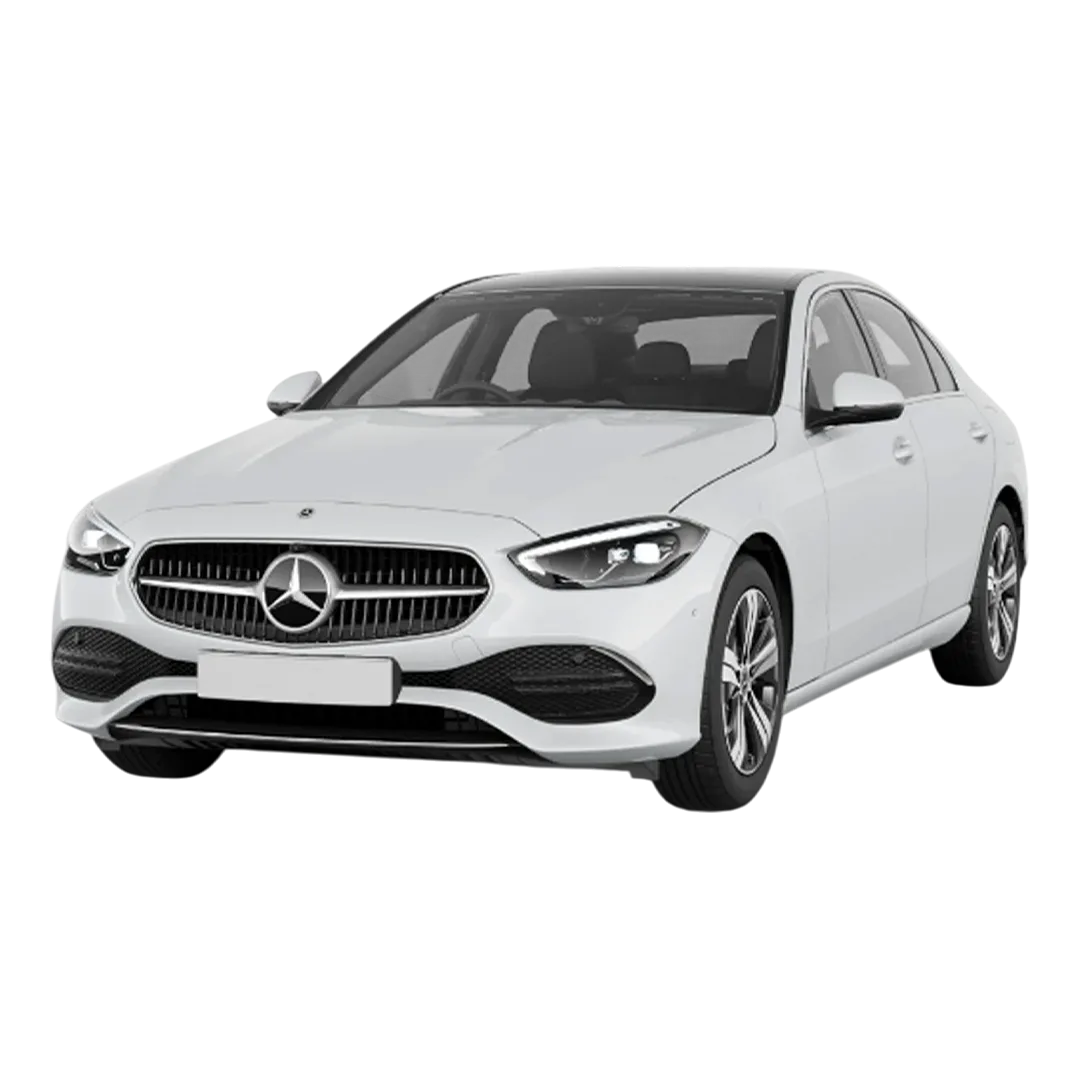
The Mercedes-Benz GLC Electric is one of the most significant premium EV launches in India towards the end of 2026. Mercedes-Benz India launched the GLC 400 4MATIC Electric on 4 November at ₹78.5 lakh ex-showroom. The model is locally assembled at the company's Chakan facility in Pune.
The India model uses a 94kWh battery and has a claimed WLTP driving range of up to 711km, according to the launch report. WLTP is an international test cycle, so the figure should not be treated as a guaranteed Indian real-world range. Actual distance will depend on traffic, speed, weather, air-conditioning use and driving style.
The GLC Electric is designed for buyers who want a luxury SUV with an all-electric powertrain. Its key appeal includes a premium cabin, dual-motor all-wheel-drive configuration and fast-charging capability. Mercedes-Benz states that the vehicle can charge from 10% to 80% in approximately 22 minutes on a compatible 330kW DC charger.
For buyers considering this SUV, the most important questions are home-charging access, long-distance charging support and the cost of ownership after the initial purchase. Its price places it firmly in the premium segment rather than the mass-market EV category.
Honda ALPHA Electric SUV
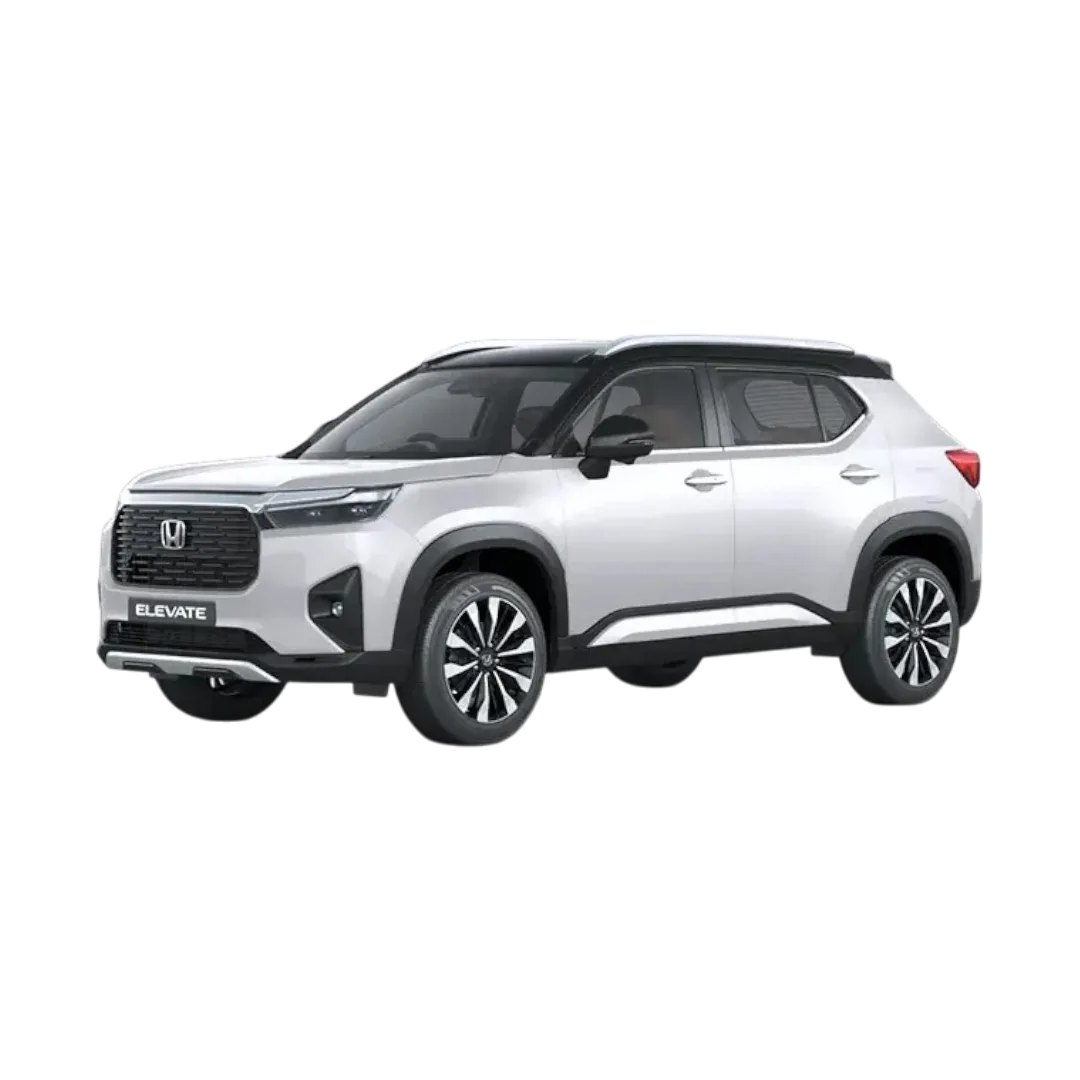
The Honda ALPHA is an important upcoming electric SUV because it will be Honda Cars India's first made-in-India global electric SUV. Honda officially announced the ALPHA name on 3 November 2026 and confirmed that the model will make its global debut in India on 2 December 2026. The company has also described India as the future production base for the vehicle.
The SUV was previously previewed through the Honda 0 Alpha concept. Its design direction focuses on a modern electric-SUV shape, advanced technology and everyday usability. However, the production model's final battery capacity, certified range, charging time, motor output and variant-wise equipment have not yet been officially announced.
Some automotive reports have suggested a possible price range of approximately ₹25 lakh to ₹30 lakh, but this remains an estimate rather than an announced price. Buyers should wait for Honda's official specifications before comparing it directly with established electric SUVs.
The ALPHA could be worth watching for customers who want a new electric SUV from an established manufacturer. Its local manufacturing plans may also be important for long-term product availability and the company's future EV strategy.
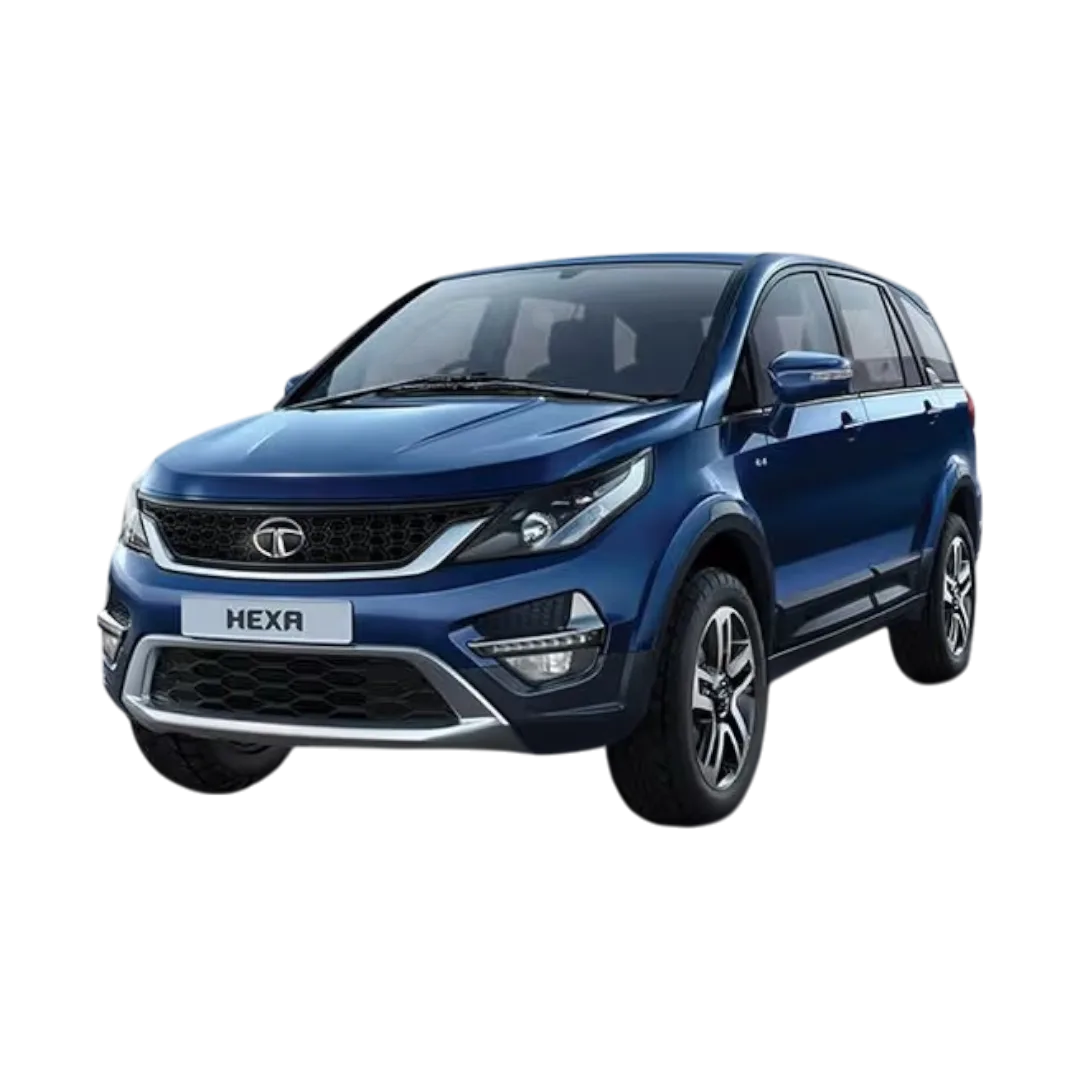
Tata Safari EV
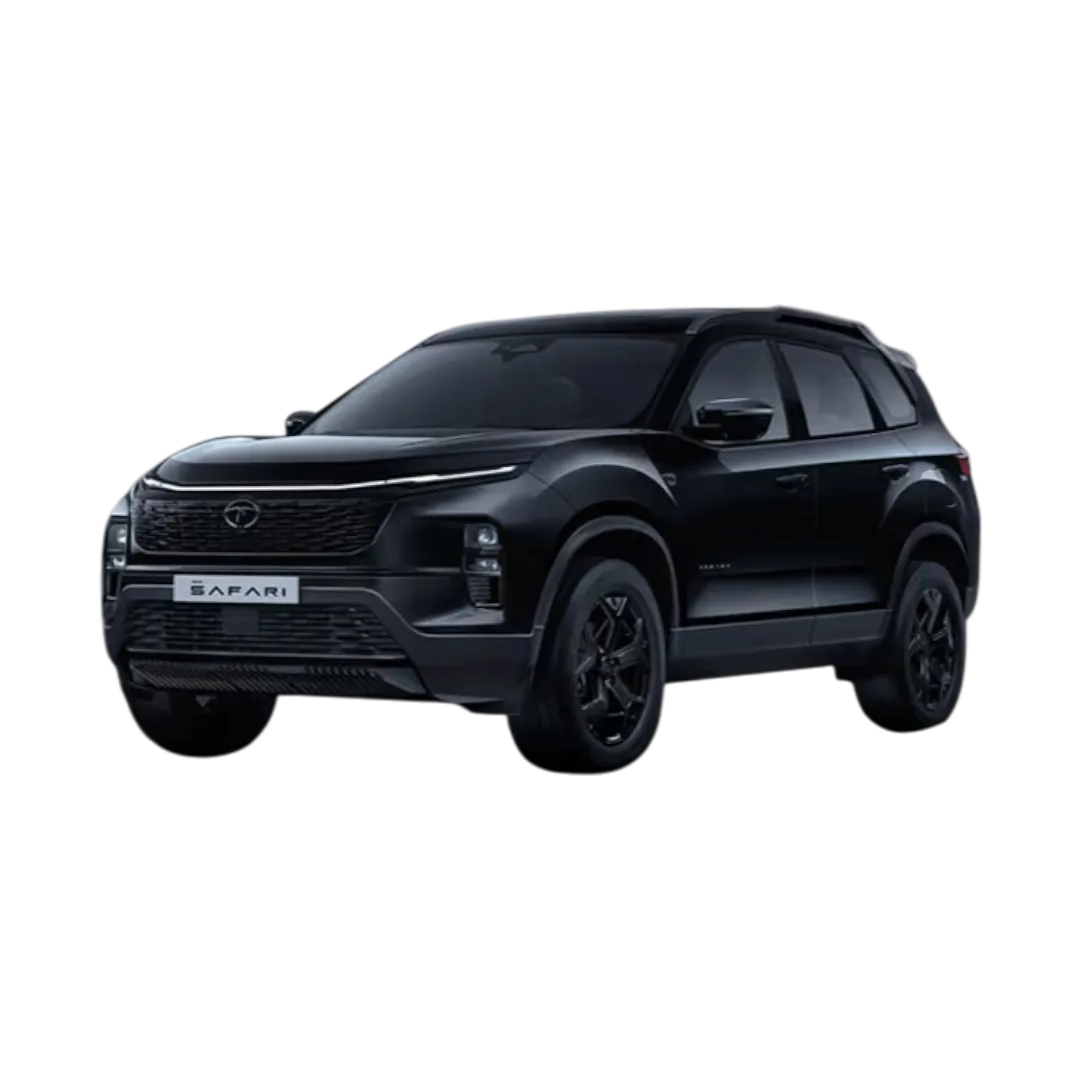
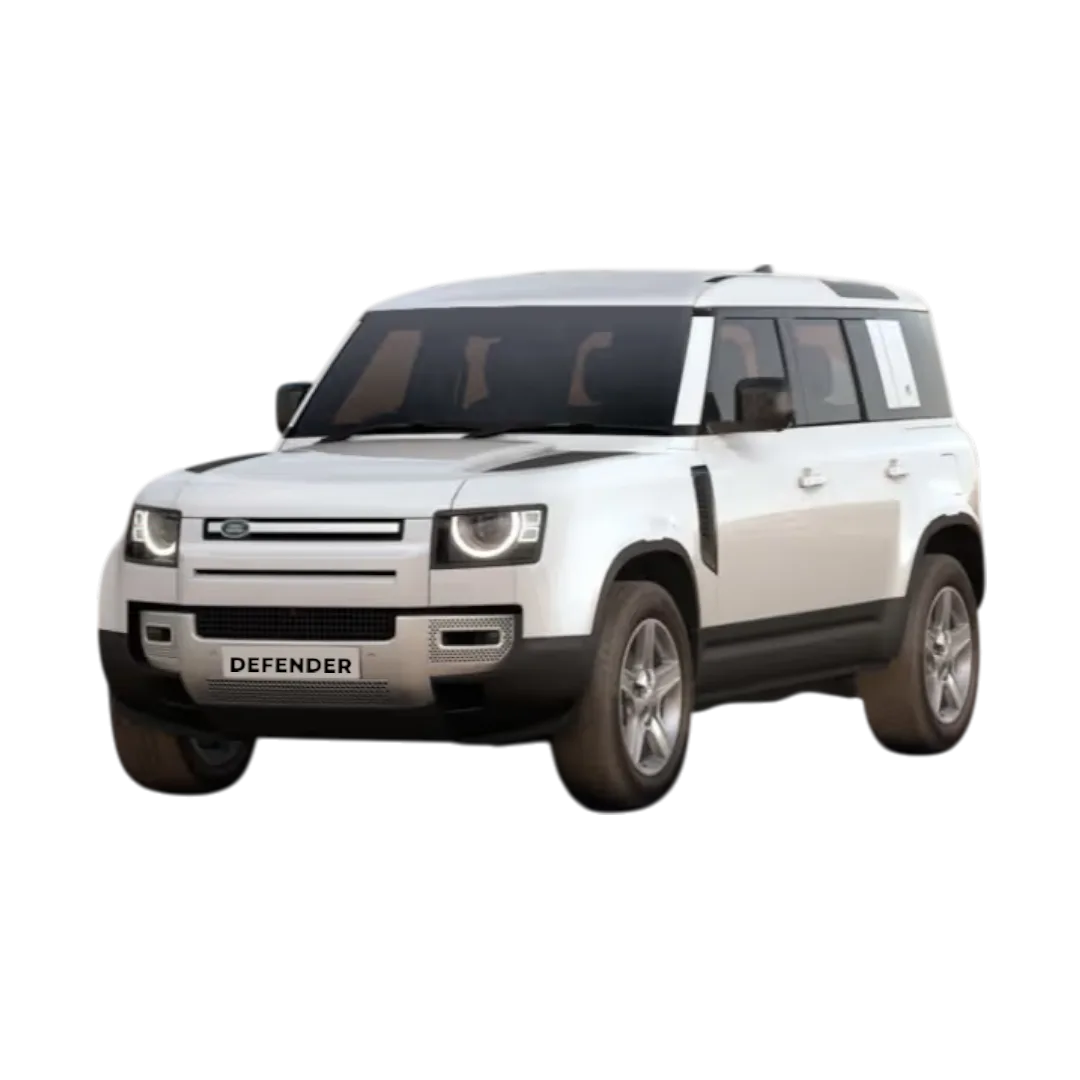
The Tata Safari EV is a model that many Indian SUV buyers may be interested in, particularly families looking for a larger electric vehicle. However, as of 4 November 2026, Tata Motors has not published an official Safari EV launch date, price, battery specification or confirmed production details.
The possibility of an electric Safari is attractive because the Safari name is associated with a spacious, family-oriented SUV. A battery-electric version could appeal to buyers who want an electric vehicle for regular family travel rather than only short city commutes. But its seating configuration, battery capacity, driving range and charging performance should not be assumed before Tata makes an announcement.
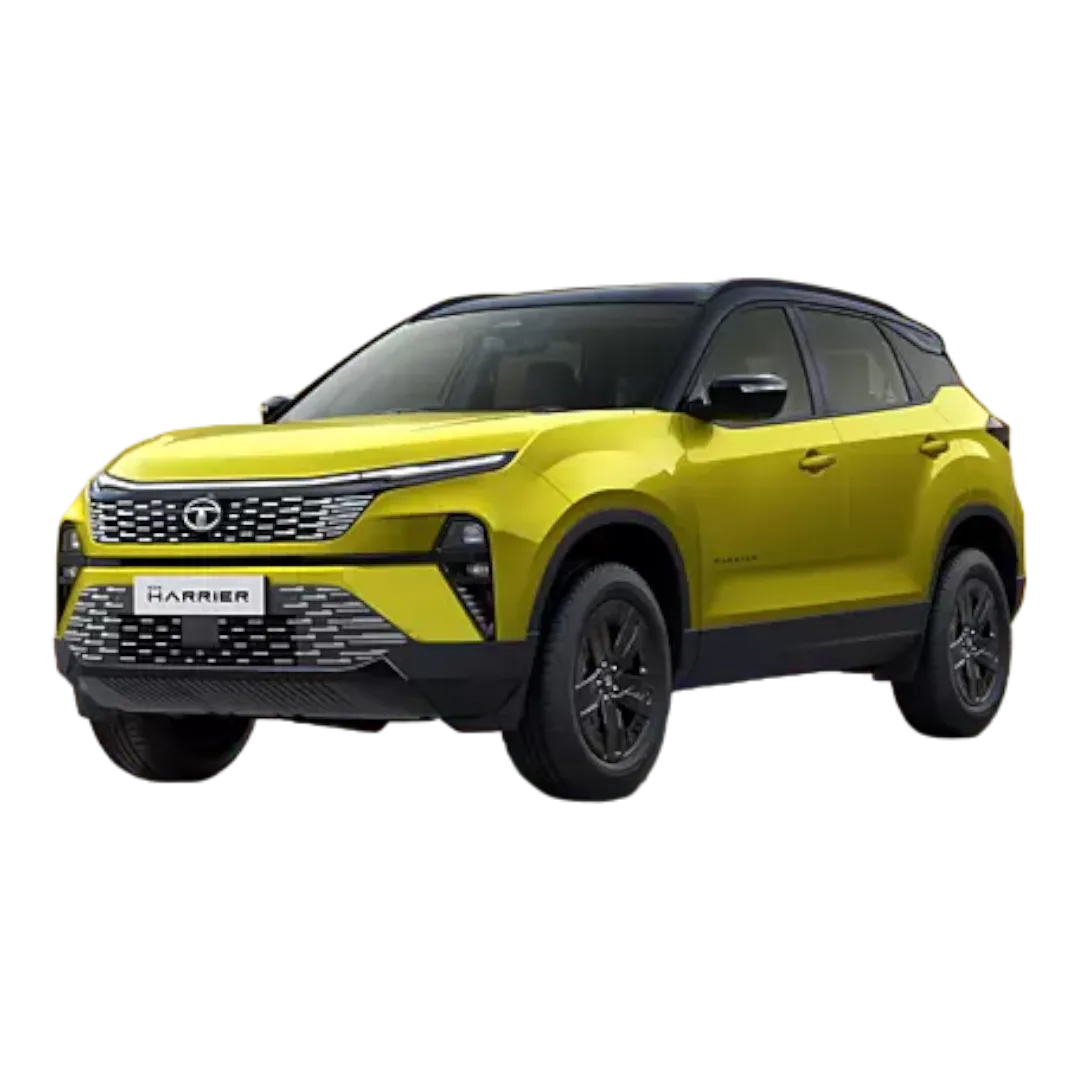
The Tata Harrier EV provides a useful reference for understanding the brand's current electric-SUV direction, but it does not confirm that the Safari EV will share the same battery packs, motors or specifications.
If you are considering waiting for the Safari EV, keep an eye on official Tata Motors announcements. Do not treat estimated launch dates circulating online as confirmed commitments.
VinFast VF 3
The VinFast VF 3 is a small electric vehicle designed primarily for urban mobility. Its compact footprint and distinctive styling make it different from the larger electric SUVs that dominate many Indian launch discussions.
A vehicle of this type could be relevant to city buyers who need a compact car for daily commuting, shopping and short-distance travel. Its suitability for India would depend on factors such as pricing, safety equipment, charging compatibility, battery warranty, ground clearance and service availability.
Some online launch lists have shown a possible November 2026 India launch and an estimated price around ₹10 lakh. These figures should not be treated as confirmed: VinFast had not announced an official India launch date or price in the manufacturer-confirmation reports available for this article. For Indian customers, the VF 3 would need to offer more than an attractive design. A dependable service network and practical ownership support would be essential for it to compete with established small cars and entry-level EVs.
Upcoming Plug-in Hybrid Cars
Plug-in hybrid electric vehicles, commonly called PHEVs, combine a rechargeable battery and electric motor with a conventional combustion engine. Unlike a regular strong hybrid, a PHEV can generally be charged from an external power source and driven for a limited distance using electric power alone.
This technology can be useful for people who have access to home charging but also want a petrol engine for longer journeys. However, PHEVs are not automatically the best option for every buyer. Their value depends on the electric-only range, charging habits, purchase price and availability of service support.
BYD Seal U Plug-in Hybrid
The BYD Seal U Plug-in Hybrid is an international plug-in hybrid SUV that combines an electric motor with a petrol engine. In some markets, the model is sold under the BYD Seal U DM-i name, while the Sealion 6 name is used in other regions.
Its plug-in hybrid system is designed to allow shorter daily journeys to be completed using electric power when the battery is charged, while the petrol engine provides additional flexibility for longer drives. This type of setup may appeal to customers who want some of the benefits of electric driving without depending entirely on public charging stations.
However, an India launch should not be assumed. As of 4 November 2026, there is no confirmed India launch date, price or India-specific specification announcement for the Seal U Plug-in Hybrid in the sources reviewed. It is therefore better to treat it as a global model worth watching rather than a confirmed upcoming Indian launch.
If BYD introduces this vehicle in India, buyers should compare its electric-only range, total system performance, battery warranty, charging time and local service support before considering it alongside conventional hybrids and fully electric SUVs.
Expected Prices of Upcoming EVs and Hybrid Cars
The price of an upcoming electric or hybrid car can vary significantly depending on its battery size, vehicle category, imported or locally assembled status, features and tax structure. Premium electric SUVs may cost several times more than compact city EVs, while hybrid MPVs and SUVs occupy a different price range.
The table below separates announced prices from estimates and unconfirmed models. It is important not to interpret an estimated price as a manufacturer's final quotation.
| Model | Price Information | Status |
|---|---|---|
| Mercedes-Benz GLC Electric | ₹78.5 lakh ex-showroom | Launched price |
| Honda ALPHA | Not announced; media estimates around ₹25–30 lakh | Estimated |
| Toyota Innova Hycross facelift | Not announced; reports suggest around ₹20–35 lakh | Estimated |
| Tata Safari EV | Not announced | Unconfirmed model timing |
| VinFast VF 3 | Not announced | Unconfirmed India launch |
| BYD Seal U Plug-in Hybrid | Not announced | India launch unconfirmed |
Budget-Friendly vs Premium Models
Budget-friendly electric cars are generally aimed at buyers who need practical urban transportation. These customers may prioritise manageable purchase costs, easy parking, convenient home charging and sufficient range for everyday commuting.
Premium electric vehicles focus on a different set of requirements. Buyers in this category may expect larger batteries, higher performance, advanced driver assistance, luxury interiors, faster charging and more sophisticated suspension or comfort technology.
Hybrid vehicles can also fit different budgets. A strong-hybrid MPV or SUV may cost more than a comparable petrol version but can offer better fuel efficiency in certain driving conditions. A plug-in hybrid, meanwhile, requires buyers to consider both charging access and conventional fuel expenses.
Before selecting a vehicle, compare the complete on-road price rather than only the ex-showroom figure. Also account for insurance, home-charger installation, loan interest, service costs and the vehicle's expected resale value.
Electric Car Battery and Driving Range
The battery is one of the most important components of an electric car. It stores the energy that powers the motor, and its capacity has a direct relationship with the amount of energy available for driving. However, a larger battery does not automatically mean that a car will be more efficient.
Battery chemistry, vehicle weight, aerodynamics, motor efficiency, tyre resistance and software management all influence the distance an EV can travel. This is why two vehicles with similar battery capacities may deliver different real-world ranges.
Indian driving conditions also matter. Heavy traffic, high temperatures, frequent acceleration, air-conditioning use and highway speeds can affect energy consumption. Buyers should therefore compare certified range figures with independent real-world tests and owner experiences where available.
Expected Battery Capacity and Range
Battery capacity is usually measured in kilowatt-hours (kWh). A higher kWh figure generally means the battery can store more energy, but the actual driving range depends on how efficiently the vehicle uses that energy.
For the upcoming models discussed in this article, not all battery specifications have been officially announced. The Mercedes-Benz GLC Electric, for example, has a 94kWh battery and a reported WLTP range of up to 711km. Honda has not yet released the final production-specification battery and range figures for the ALPHA.
| Battery and Range Factor | Why It Matters |
|---|---|
| Battery capacity (kWh) | Indicates the amount of energy the battery can store |
| Certified driving range | Provides a standardised comparison figure |
| Real-world efficiency | Shows how the car performs in everyday conditions |
| DC fast-charging support | Affects charging convenience on longer journeys |
| Battery warranty | Helps buyers understand long-term coverage |
| Thermal management | Helps control battery temperature during operation |
Buyers should also check whether the battery warranty has a time limit, a kilometre limit or specific capacity-retention conditions. These details are important for long-term ownership.
New Technology and Features in Upcoming Cars
Technology is becoming a major part of the electric and hybrid car experience. New models are expected to offer larger displays, connected-car features, improved navigation, digital driver information and advanced safety systems.
However, buyers should distinguish between features that are officially confirmed and those expected from concept vehicles or international versions. Equipment can differ between countries and even between variants of the same car.
A useful way to evaluate technology is to consider whether it improves daily driving. A large touchscreen may look impressive, but clear navigation, reliable smartphone connectivity, easy-to-use controls and a responsive interface can be more valuable in everyday use.
ADAS and Smart Driving Technology
Advanced Driver Assistance Systems, or ADAS, use cameras, radar and other sensors to help drivers identify potential hazards and manage certain driving situations. Depending on the vehicle and variant, features may include adaptive cruise control, lane-keeping assistance, forward collision warnings and automatic emergency braking.
ADAS availability is not identical across every upcoming EV or hybrid. Honda ALPHA's final India-spec equipment list has not yet been fully announced, so buyers should wait for official confirmation before assuming which functions will be included.
When evaluating ADAS, check the exact feature list, operating conditions and limitations. These systems are driver-assistance tools, not replacements for attention or responsible driving. Indian road conditions, lane markings, traffic behaviour and weather can also affect how well certain functions operate.
Advanced Infotainment Systems
Modern infotainment systems bring navigation, music, smartphone connectivity, vehicle settings and connected services into one interface. Larger screens and digital instrument displays are becoming common selling points in new cars.
The upcoming Toyota Innova Hycross facelift is expected to receive cabin technology updates, potentially including a larger 12.3-inch infotainment display and a digital driver display in some hybrid variants. These details are based on reports about the updated international model and expectations for the Indian version, rather than a complete India-specification announcement.
For buyers, useful infotainment features include wireless Android Auto and Apple CarPlay, clear navigation, voice controls, software updates and simple physical controls for frequently used functions. Screen size alone should not decide whether a system is good.
Fast Charging Technology
Fast charging is important for EV owners who regularly travel beyond their usual commuting distance. DC fast chargers can transfer energy to a compatible EV battery more quickly than conventional AC home chargers.
Charging speed depends on the vehicle's maximum charging capability, battery temperature, charger output and the battery's current state of charge. A car advertised as supporting high-power charging may not maintain that peak speed throughout the entire session.
Before buying an EV, check the manufacturer's charging curve or official charging-time claim, where available. Also check the location of compatible chargers on your regular routes.
India's public charging network is expanding. The Ministry of Heavy Industries reported 52,718 public EV charging stations as of July 2026, including 16,561 equipped with fast chargers for cars. The government has also allocated ₹2,000 crore under PM E-DRIVE for public charging infrastructure.
EV vs Hybrid Cars: Which Is Better?
Choosing between an electric vehicle and a hybrid depends on how and where you drive. A battery-electric car runs using electricity stored in its battery and does not have a conventional petrol engine. A strong hybrid combines a petrol engine with an electric motor and battery, while a plug-in hybrid can also be externally charged.
An EV can be a practical choice for people with home-charging access, predictable daily travel and a suitable public charging network. A strong hybrid may suit buyers who want better fuel efficiency without changing their refuelling habits. A plug-in hybrid can provide electric commuting and petrol-powered flexibility, but only if the owner charges it regularly.
There is no universal winner. The best choice depends on purchase price, driving distance, charging access, fuel costs and ownership plans.
Running Cost Comparison
Electric cars can have lower energy costs per kilometre when charged at home, particularly for regular commuters. However, actual savings depend on the electricity tariff, vehicle efficiency, charging losses and how often public fast charging is used.
Strong hybrids use petrol but can reduce fuel consumption through regenerative braking, electric assistance and engine management. Plug-in hybrids may deliver lower fuel use when their batteries are regularly charged and the electric driving mode is used.
| Cost Factor | Battery-Electric Car | Strong Hybrid | Plug-in Hybrid |
|---|---|---|---|
| Main energy source | Electricity | Petrol and recovered electrical energy | Electricity and petrol |
| External charging | Required | Generally not required | Required to maximise electric use |
| Daily energy expense | Depends on electricity tariff | Depends on fuel use and price | Depends on charging and petrol use |
| Long-distance planning | Charging stops may be needed | Similar refuelling convenience to petrol cars | Petrol engine provides additional flexibility |
| Best suited to | Buyers with convenient charging | Buyers wanting fuel efficiency without plugging in | Buyers who can charge regularly and need longer-trip flexibility |
This is a general comparison, not a guarantee of savings. A buyer should calculate costs using the actual model's efficiency, local fuel price and home electricity tariff.
Maintenance and Fuel Efficiency
Electric cars have fewer conventional powertrain components than petrol vehicles. They do not require engine oil changes, spark plugs or exhaust-system maintenance. However, they still need tyre inspections, brake checks, cabin-filter replacement, suspension maintenance, coolant checks where applicable and software updates.
Hybrid cars have both an internal-combustion engine and an electric drive system. Their maintenance requirements therefore include engine-related servicing as well as checks for hybrid-system components. Regenerative braking can reduce conventional brake wear in some driving conditions, but it does not remove the need for inspections.
Fuel efficiency depends heavily on driving style and conditions. Strong hybrids can be particularly effective in stop-and-go city traffic because they can recover energy during braking and use electric assistance. On highways, the efficiency advantage may differ depending on the vehicle and driving speed.
Before buying, review the manufacturer's service schedule, battery warranty, authorised workshop availability and expected maintenance costs.
Charging Requirements
A battery-electric car needs access to charging. Home charging is often the most convenient option because the vehicle can be plugged in while parked overnight. However, apartment residents may need approval to install a charger, and some buildings may require electrical upgrades.
Public AC charging is useful when a car is parked for several hours, while DC fast charging is more suitable for shorter stops during longer trips. Owners should check charger compatibility, payment methods, station reliability and availability near their home and workplace.
A regular strong hybrid does not normally need an external charger. Its battery is charged through the vehicle's engine and regenerative braking system. A plug-in hybrid, on the other hand, benefits from regular external charging if the owner wants to make meaningful use of its electric-only driving capability.
Why Are Automakers Focusing on Electric and Hybrid Cars?
Automakers are investing in electric and hybrid technology because customer expectations, emission requirements and the global automotive industry are changing. Electric vehicles offer a different driving experience, while hybrid systems provide a way to improve fuel efficiency without completely moving away from conventional engines.
For manufacturers operating in India, the challenge is to develop vehicles that suit local driving conditions, customer budgets and infrastructure. This includes making batteries more affordable, improving energy efficiency, developing local supply chains and expanding service capabilities.
The growing availability of electric SUVs and hybrid vehicles also gives customers more choices. Rather than relying on one powertrain technology, manufacturers can offer different solutions for city commuters, family buyers and long-distance travellers.
Rising Demand for Fuel-Efficient Vehicles
Fuel expenses remain an important consideration for Indian car buyers. People who drive regularly often compare vehicles based on mileage, maintenance, purchase price and long-term ownership costs. Strong hybrids can attract buyers who want better fuel efficiency but do not want to depend on external charging. Electric vehicles appeal to customers who can charge conveniently and want to reduce their dependence on petrol or diesel.
The growing interest in these technologies is also encouraging manufacturers to expand their product portfolios. The upcoming Toyota Innova Hycross facelift, for example, is expected to continue with a strong-hybrid option, while Honda is preparing to enter India's electric SUV market with the ALPHA.
However, fuel efficiency should always be evaluated using real-world driving conditions. Traffic, road quality, vehicle load, air-conditioning use and driving habits can influence the results. Buyers should compare the expected running cost over their own usage rather than depending only on advertised mileage.
Government Policies and EV Infrastructure
Government policy plays an important role in developing India's electric mobility ecosystem. Initiatives such as PM E-DRIVE support the deployment of public charging infrastructure and the broader transition towards electric vehicles.
According to the Ministry of Heavy Industries, India had 52,718 public EV charging stations as of July 2026, of which 16,561 were equipped with fast chargers for cars. The government has allocated ₹2,000 crore under PM E-DRIVE for public charging infrastructure.
The Ministry of Power's charging-infrastructure guidelines also provide a framework for the installation and operation of charging facilities. Public and private operators can participate in expanding the network. For consumers, infrastructure development matters because it can make EV ownership more practical beyond major cities. However, the total number of chargers does not tell the complete story. Their location, operating condition, charging speed and availability during peak hours are equally important.
State-level incentives and policies may also differ. Buyers should check the latest eligibility conditions and official government notifications before including any subsidy or tax benefit in their purchase calculations.
Should You Wait for Upcoming Electric Cars?
Waiting for a new electric or hybrid car can make sense if the upcoming model offers features that are important to your requirements. A buyer looking for a premium electric SUV may find the Mercedes-Benz GLC Electric worth considering, while someone interested in a new Honda electric SUV may prefer to wait for the ALPHA's official specifications.
Hybrid buyers may also want to watch the Toyota Innova Hycross facelift, particularly if they are interested in updated cabin features and possible changes to its strong-hybrid system.
However, waiting is not always the best decision. Launch dates can change, initial deliveries may take time and newly launched vehicles may have limited availability. Some models discussed online may not even receive a confirmed India launch announcement.
Before delaying your purchase, compare the current vehicles available in your budget with the features and expected price of the upcoming model. If your existing vehicle is unreliable or you need a car immediately, waiting several months for an uncertain launch may not be practical.
Factors to Consider Before Buying
Before choosing an upcoming EV or hybrid, evaluate the following points:
- Budget: Compare the on-road price, insurance, financing and any applicable incentives.
- Daily driving distance: Estimate your average commute and occasional long-distance travel.
- Charging access: Check whether home or workplace charging is available.
- Real-world range: Do not rely only on the maximum certified range.
- Battery warranty: Understand the warranty period, kilometre limit and coverage conditions.
- Service network: Confirm that authorised service centres are accessible in your city.
- Safety: Review the available safety equipment and independent crash-test results, where available.
- Resale value: Consider the developing used-EV market and battery-health information.
- Delivery timeline: Confirm the actual booking and delivery schedule with the manufacturer.
- Ownership cost: Compare energy, maintenance, insurance and depreciation over your expected ownership period.
For buyers in cities such as Ahmedabad, Surat and Vadodara, charging access should be checked around home, work and frequently travelled routes. The right vehicle is not necessarily the one with the highest battery capacity or the most features. It is the one that fits your actual driving requirements.
Frequently Asked Questions
Upcoming EV and Hybrid Car Launch FAQs
1. Which electric cars are launching in India before 2027?
The Mercedes-Benz GLC Electric launched on 4 November 2026, while Honda ALPHA is scheduled for its global debut in India on 2 December 2026. Other models, including the Tata Safari EV and VinFast VF 3, should be treated as unconfirmed for India until their manufacturers announce launch details.
2. What is the expected price of the Honda ALPHA electric SUV?
Honda has not announced the official price of the ALPHA. Some automotive reports have estimated a price of approximately ₹25 lakh to ₹30 lakh, but buyers should wait for the official announcement.
3. Is the Tata Safari EV launching in India in 2026?
There is no officially confirmed India launch date or specification announcement for the Tata Safari EV as of 4 November 2026. Online launch estimates should not be treated as confirmed information.
4. What is the difference between an EV and a hybrid car?
An electric vehicle uses a battery and electric motor as its primary powertrain. A strong hybrid combines a petrol engine with an electric motor and does not normally need external charging. A plug-in hybrid can be charged externally and also has a petrol engine.
5. Is a hybrid car better than an electric car in India?
It depends on your driving requirements. A strong hybrid can be convenient for people who regularly travel long distances or lack charging access. An EV may be more suitable for buyers with convenient charging facilities and predictable daily travel.
6. Which hybrid car launch should buyers watch before 2027?
The Toyota Innova Hycross facelift is one of the key hybrid updates expected before the end of 2026. It is reported to launch on 25 November, with revised styling, cabin updates and possible changes to its strong-hybrid powertrain.
7. Should I buy an electric car now or wait for 2027?
If a current EV meets your budget, range and charging requirements, buying now may make sense. If you want a specific upcoming model, compare its confirmed launch timeline, expected price and specifications before deciding to wait.
Conclusion: Which Upcoming Electric or Hybrid Car Should You Watch?
The upcoming electric and hybrid cars in India 2026 show how quickly the country's automotive market is evolving. From the newly launched Mercedes-Benz GLC Electric to Honda's upcoming ALPHA and the expected Toyota Innova Hycross facelift, buyers have several interesting developments to follow before 2027.
Electric SUVs are bringing new choices for customers who want battery-powered mobility, while strong hybrids continue to offer an alternative for people who want improved fuel efficiency without depending on external charging. Models such as the Tata Safari EV, VinFast VF 3 and BYD Seal U Plug-in Hybrid may attract attention, but their India launch plans should be verified before making a purchase decision.
The most important thing is to choose a vehicle based on real-world requirements. Consider your budget, daily distance, charging access, battery warranty, service network and total ownership cost. A well-matched vehicle will offer more value than simply choosing the newest model.
As India's EV ecosystem develops, Creckk will continue sharing useful automotive updates, car-care information and accessory insights to help car owners make informed decisions.