

















































































































































































































































The Hyundai Bayon launch in India 2026 is a topic of interest for buyers exploring new SUV options. Before considering it for a purchase, however, it is important to distinguish reported launch information from specifications officially confirmed for the Indian market. Buyers should verify the latest announcements regarding availability, engine options, features and variants through Hyundai India.
Understanding the Hyundai Bayon specifications, interior technology and safety features can help buyers compare it with established SUVs. Practical ownership factors, including city driving, fuel efficiency, maintenance costs and accessory compatibility, should also be considered.
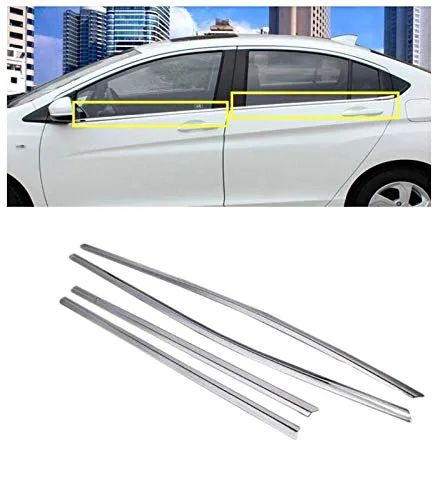
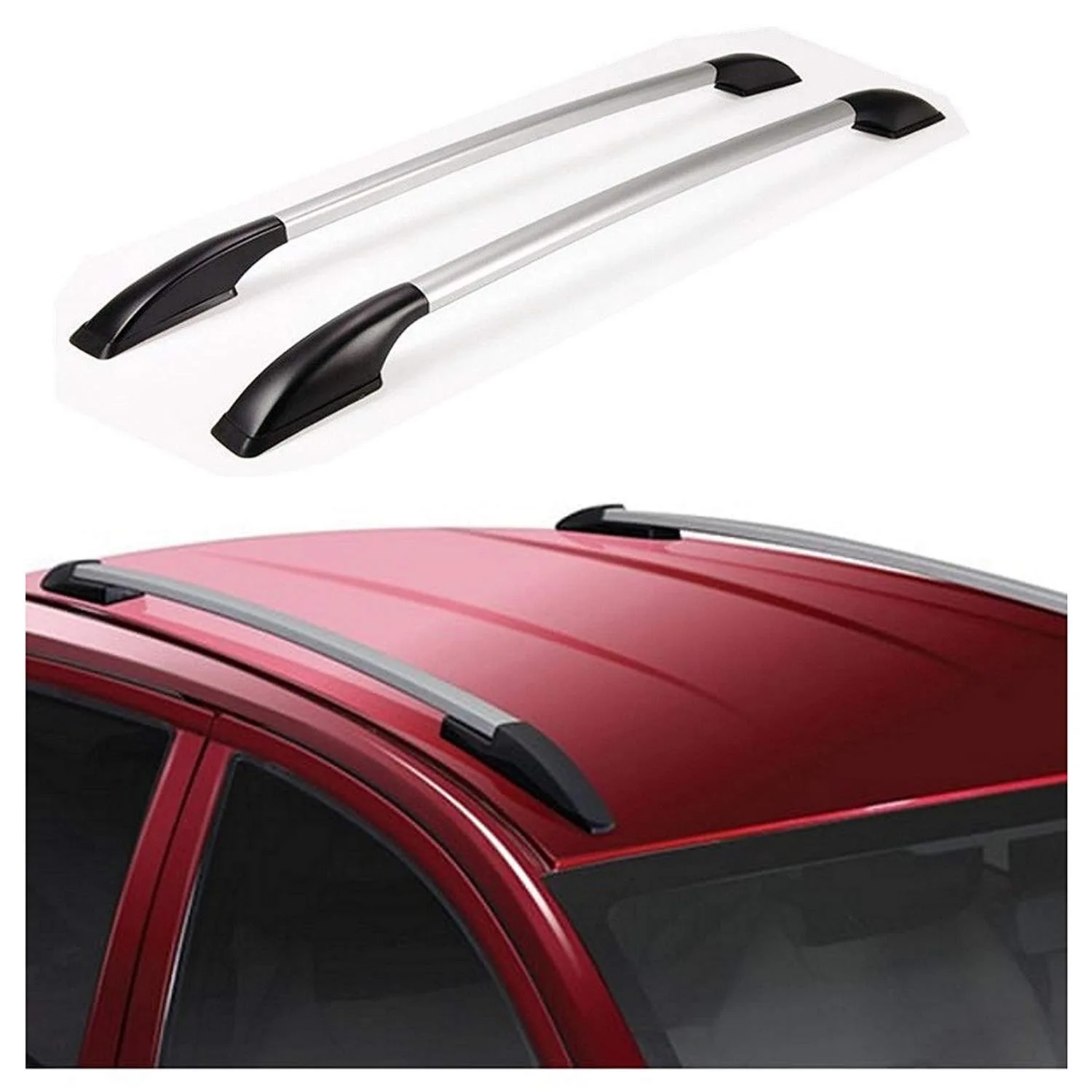
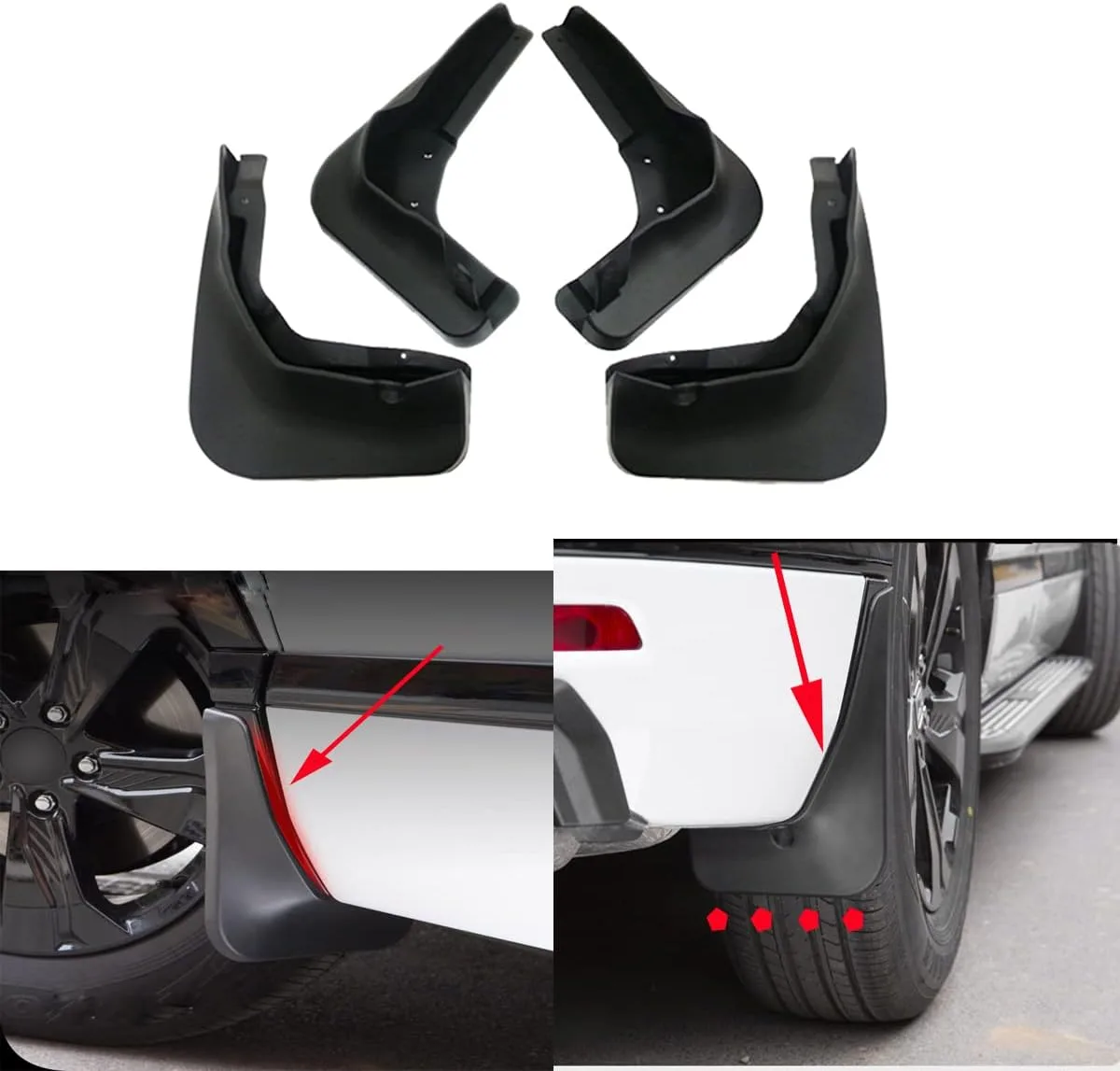
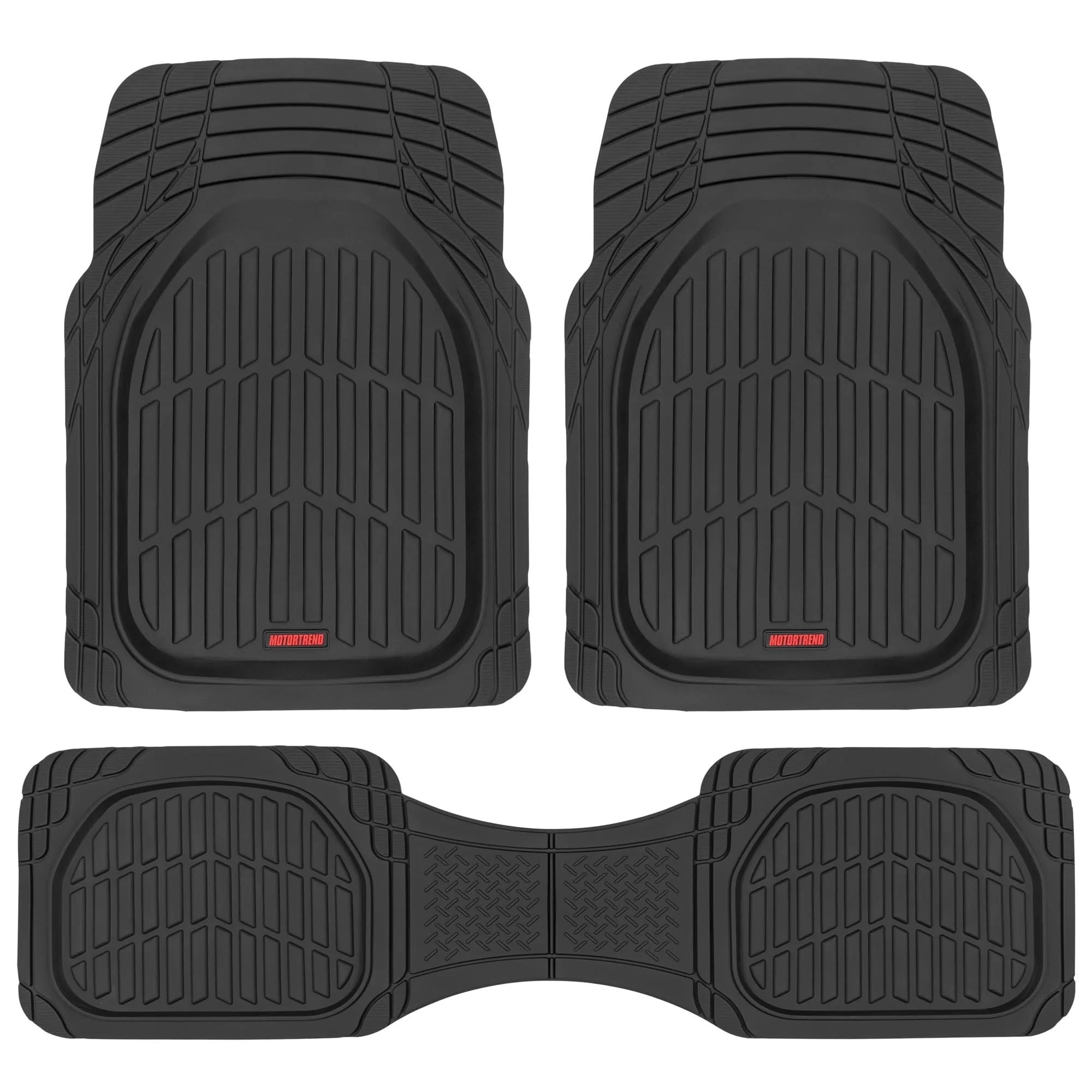
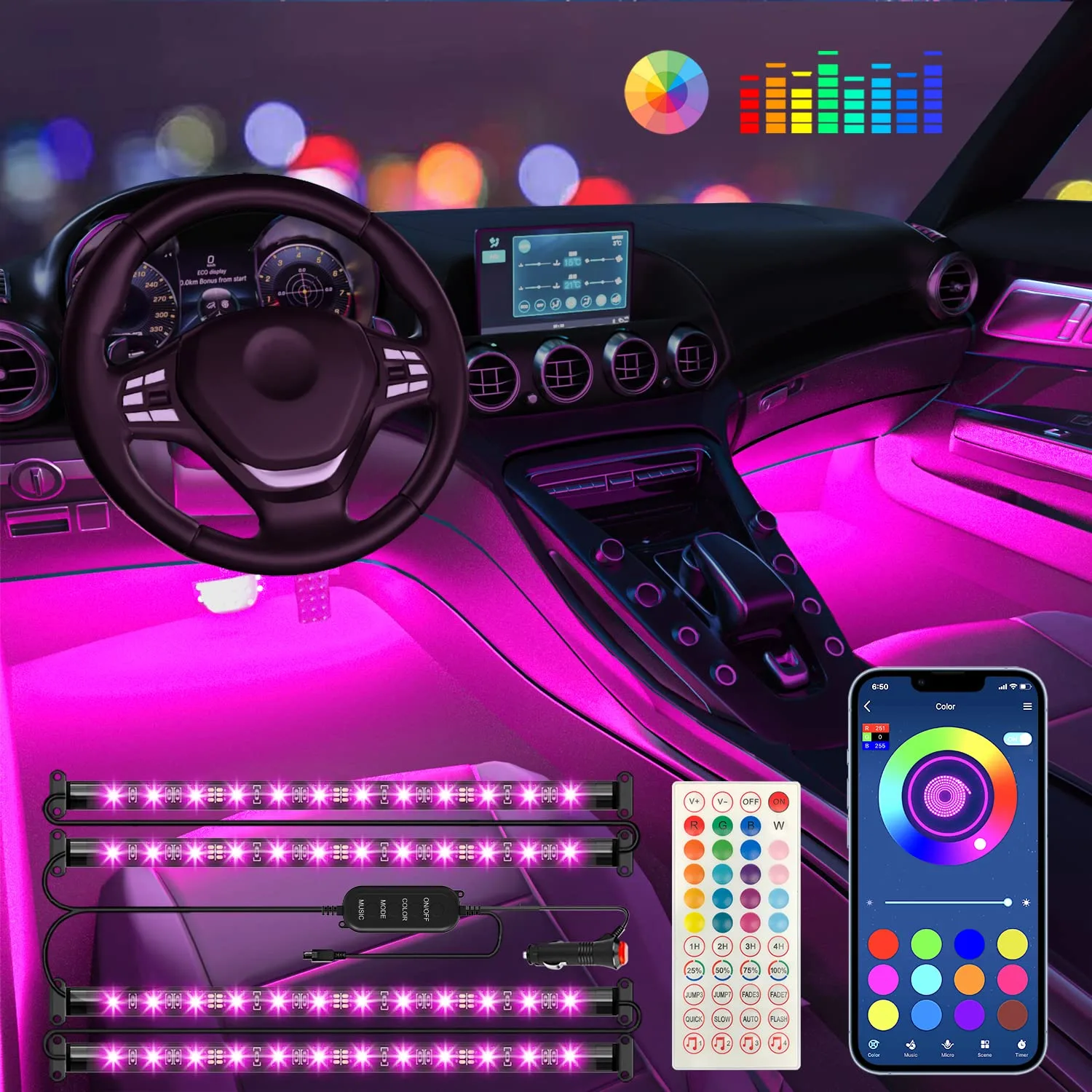
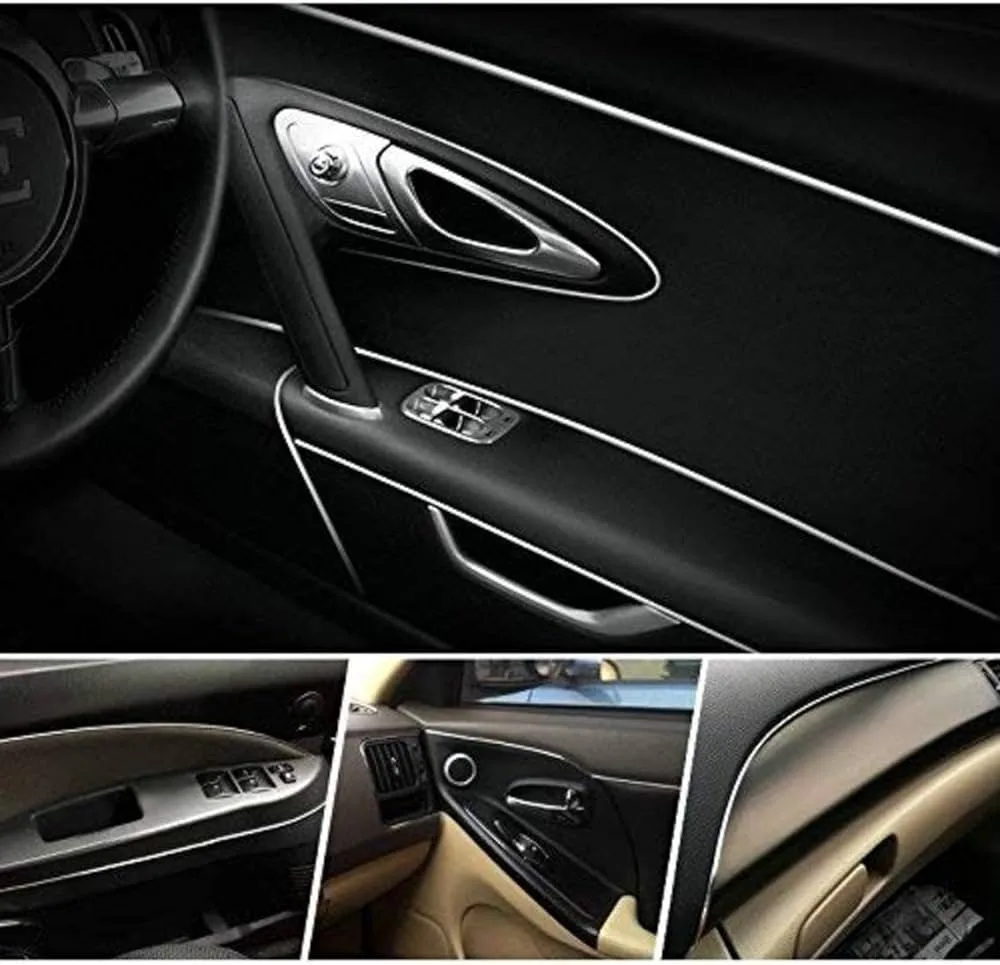
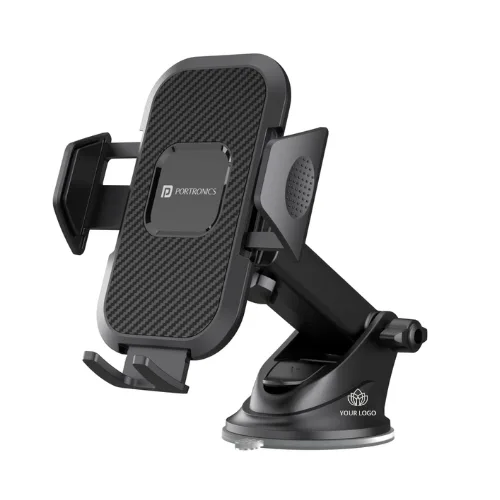
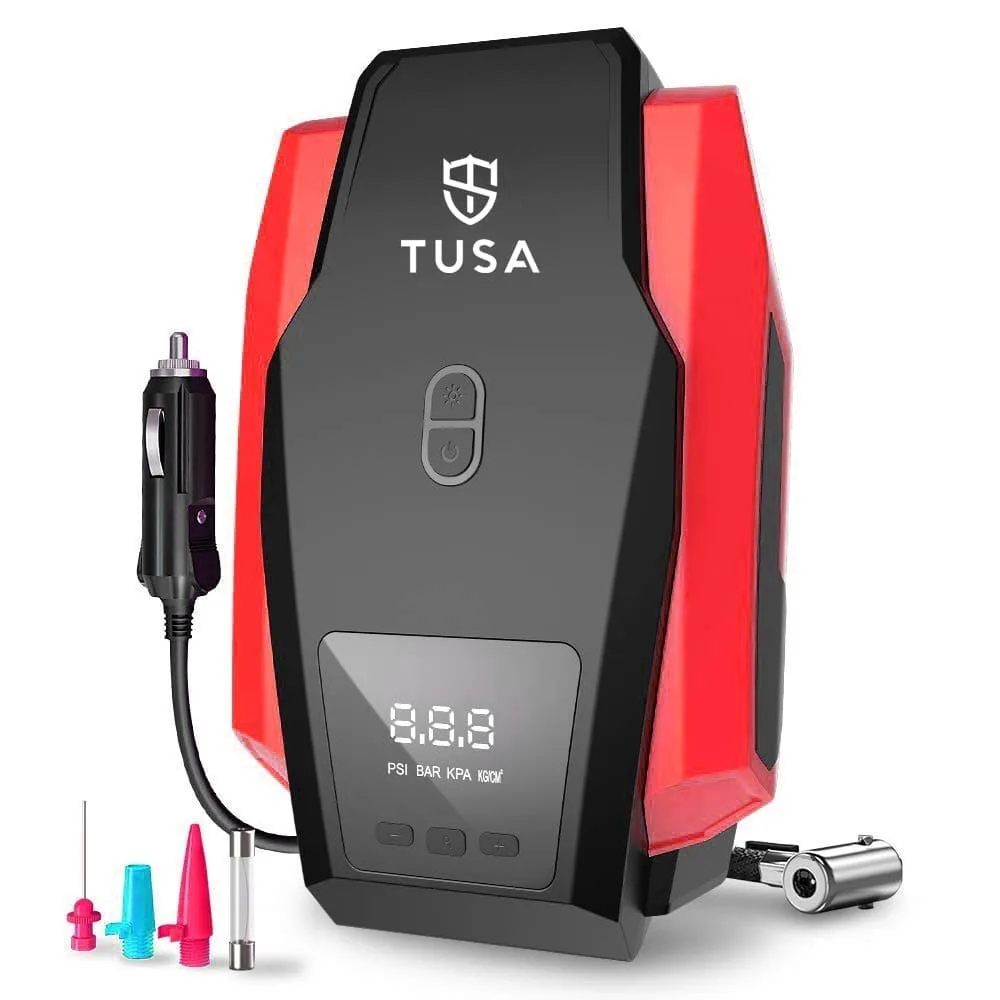
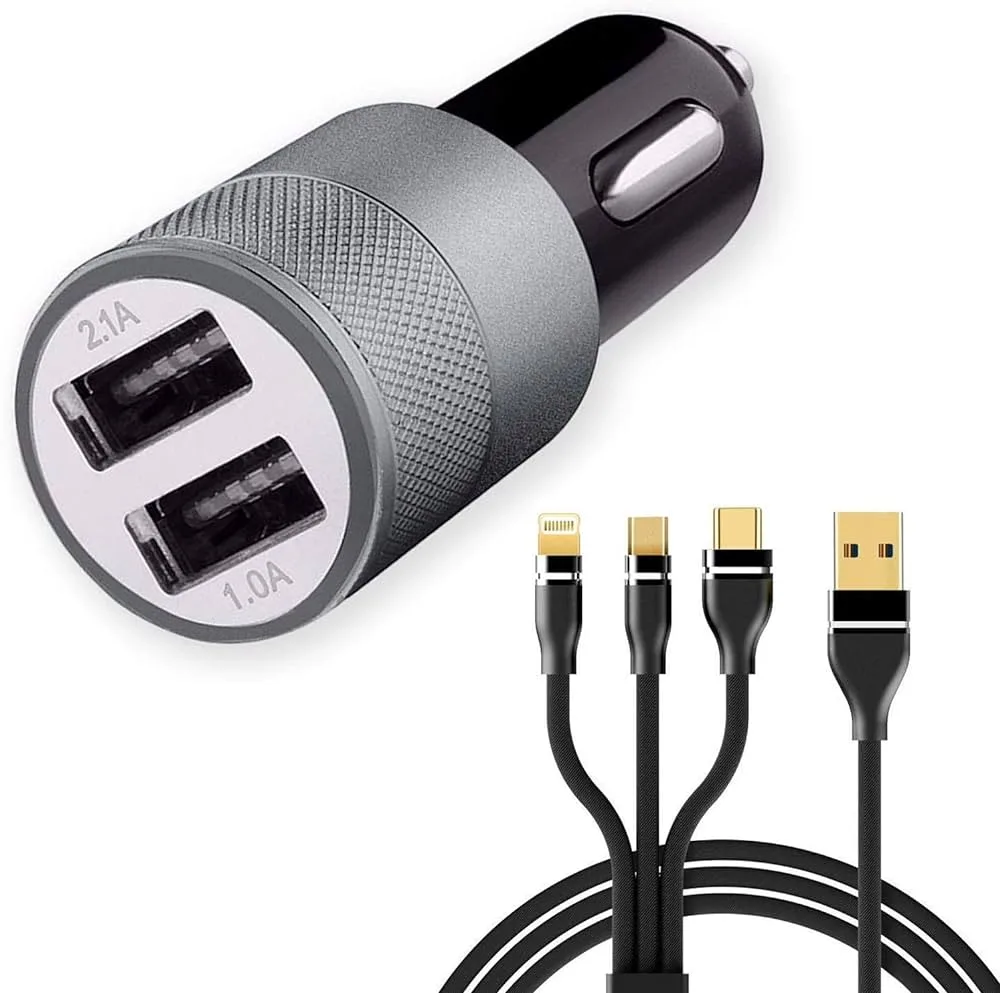
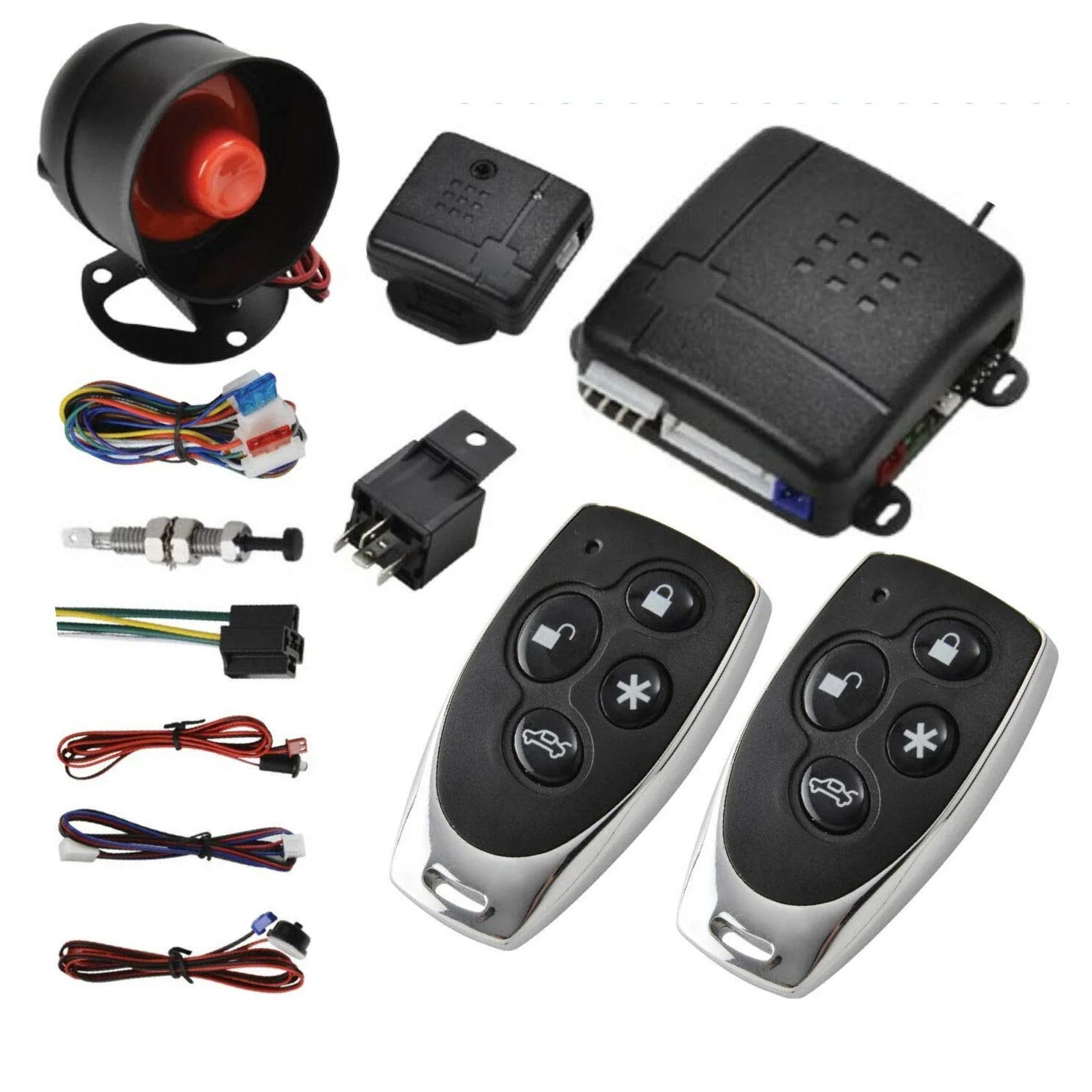
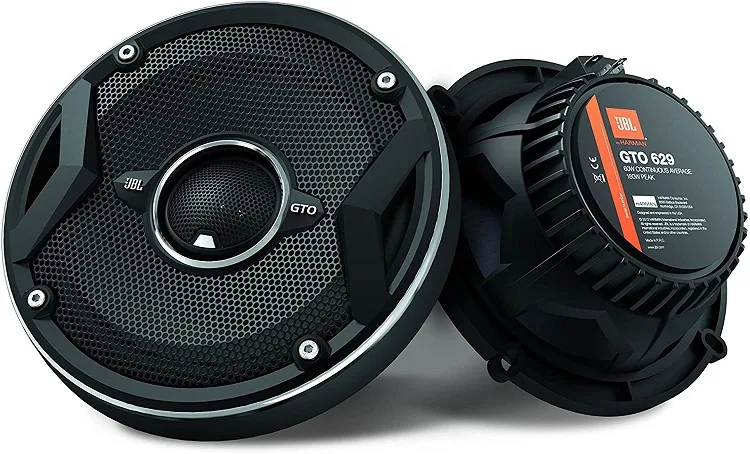
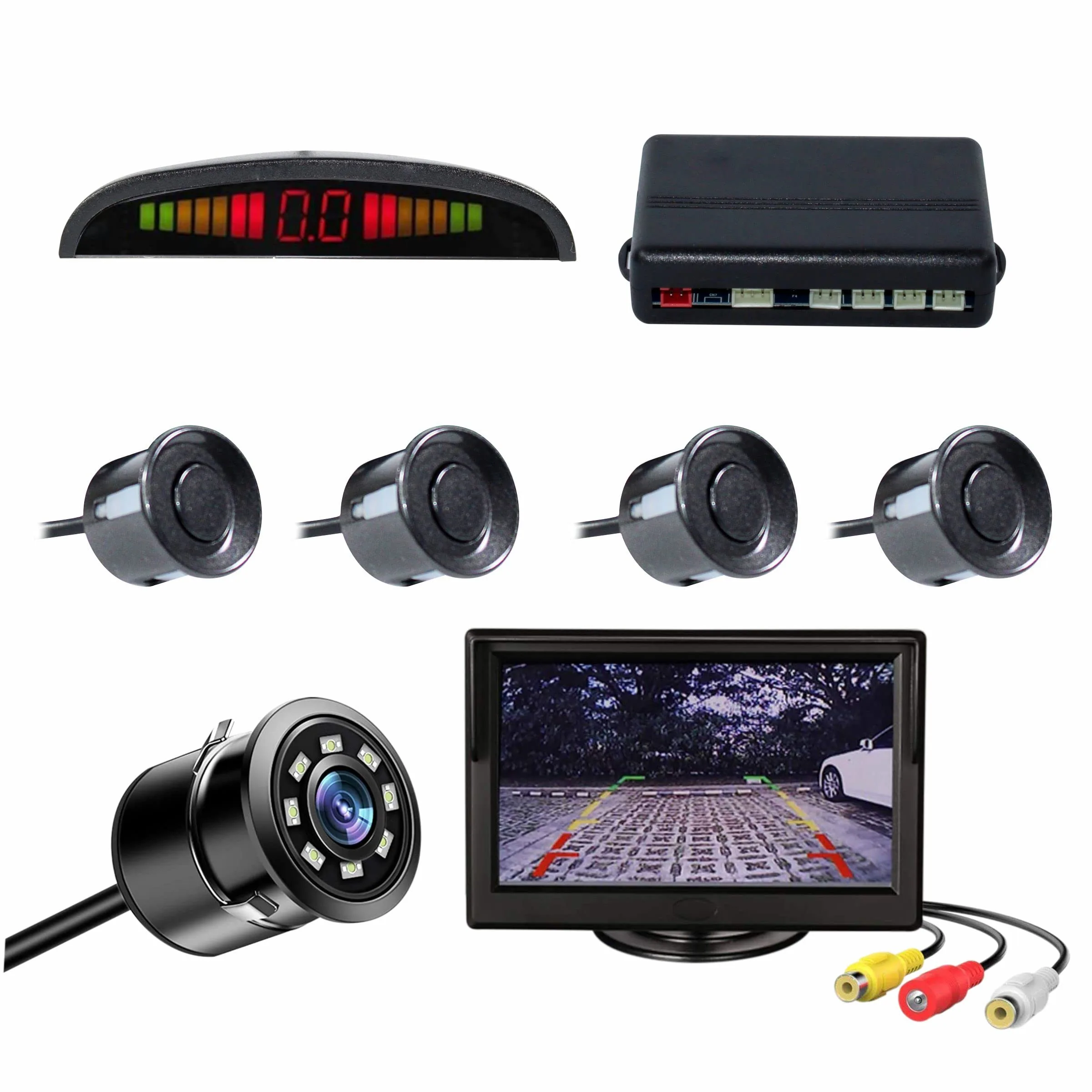
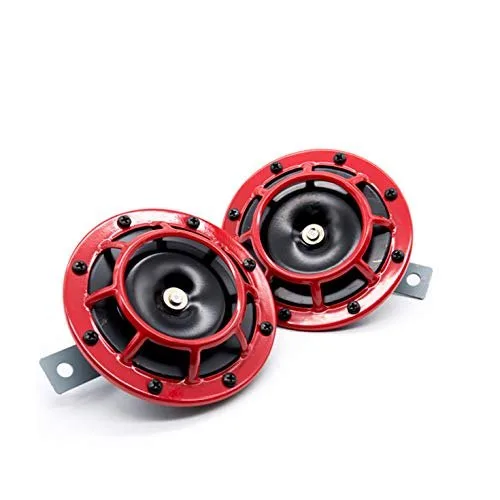
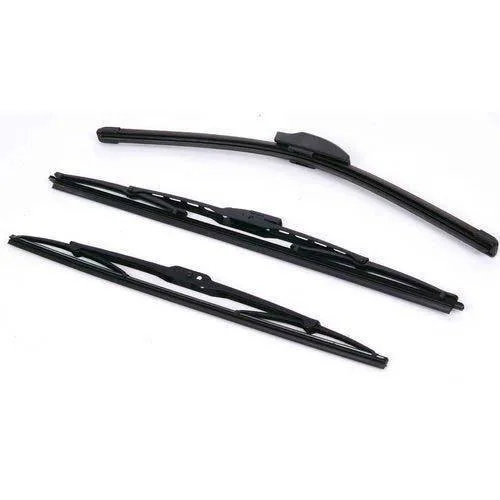
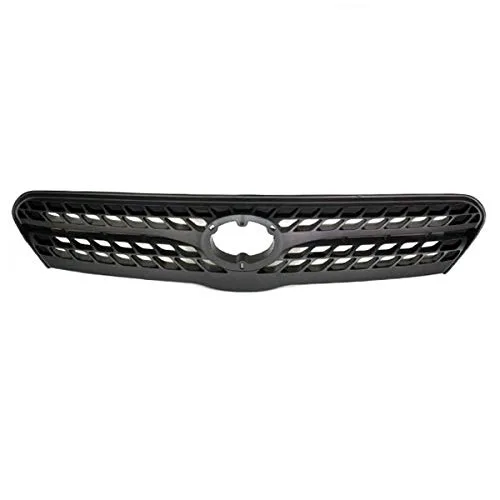
Once you choose a new SUV, suitable accessories can improve everyday convenience and help keep the cabin organised. Creckk accessories offer a starting point for exploring car accessories online. Buyers should always confirm vehicle compatibility before purchasing products for a particular model.
This guide covers the reported launch details, engine and transmission options, interior technology, safety features, market positioning and differences buyers should understand when comparing the Bayon with the Hyundai Venue.
1. Hyundai Bayon India Launch 2026: Date and Key Details
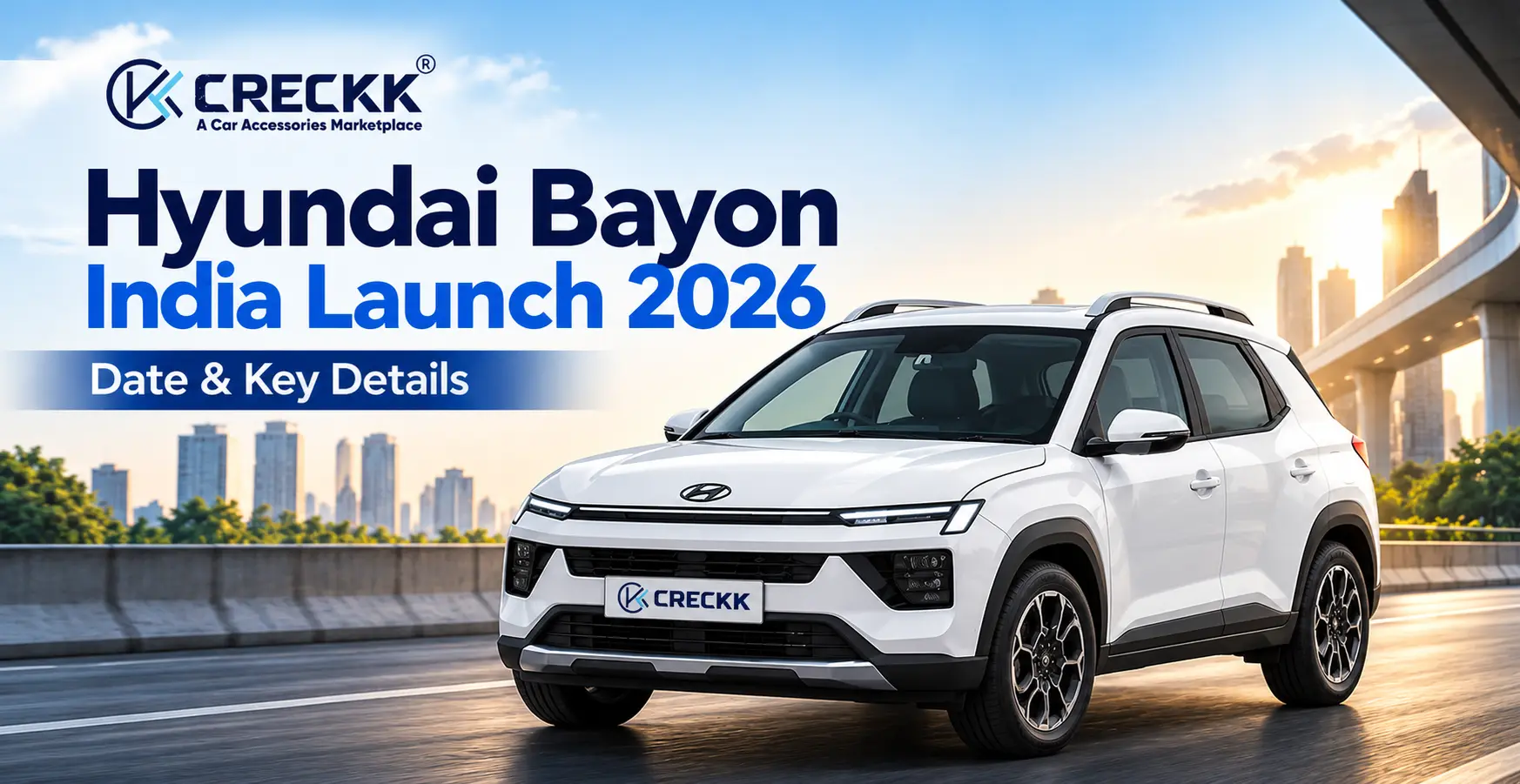
The Hyundai Bayon has attracted attention among Indian SUV buyers following reports about its India launch scheduled for 26 October 2026. Reported launch information has also mentioned an initial booking amount of ₹11,000. Buyers should confirm these details through Hyundai India's official website or authorised dealerships before making a booking.
The Hyundai Bayon is positioned between the Venue and Creta in the reported India-market lineup. Its appeal will depend on the final variant lineup, equipment, availability and ownership experience. Buyers should evaluate its practicality rather than relying only on promotional features or launch announcements.
Here are the key details reported for the Hyundai Bayon SUV 2026:
| Detail | Information |
|---|---|
| Reported launch date | 26 October 2026 |
| Reported booking amount | ₹11,000 |
| Fuel type | Petrol |
| Engine | 1.5-litre naturally aspirated MPi petrol |
| Transmission options | Six-speed manual and IVT automatic |
| Market positioning | Between the Venue and Creta, as reported |
Creckk Facts: Launch dates, booking details and specifications should be verified against the latest official Hyundai announcement. Buyers should also confirm the final variant-wise equipment list before making a purchase decision.
For prospective owners, comparing everyday comfort, cabin space, safety equipment and running costs can help determine whether the Bayon suits their requirements.
2. Hyundai Bayon Engine, Power and Transmission Options
The reported India-spec Hyundai Bayon specifications include a four-cylinder, 1.5-litre MPi naturally aspirated petrol engine. The reported output is 115 PS of maximum power and approximately 144 Nm of torque. The announced transmission options include a six-speed manual gearbox and Hyundai's Intelligent Variable Transmission (IVT) automatic.
The manual transmission may appeal to drivers who prefer direct control over gear changes. The IVT automatic may be worth considering for people who regularly face stop-and-go traffic in cities such as Ahmedabad, Mumbai, Bengaluru and Delhi. Actual comfort and fuel consumption will depend on traffic, driving style, road conditions and vehicle maintenance.
Reported features for the IVT version include driving technologies such as Dash Boost Mode, paddle shifters and Eco, Normal and Sport drive modes. These functions are intended to let drivers adjust the vehicle's response to different driving situations. Buyers should confirm the availability of each feature in the specific variant they choose.
| Engine specification | Reported details |
|---|---|
| Engine type | 1.5-litre naturally aspirated MPi petrol |
| Cylinders | Four |
| Maximum power | 115 PS |
| Maximum torque | Approximately 144 Nm |
| Manual gearbox | Six-speed |
| Automatic gearbox | IVT |
Creckk Tip: Test-drive the transmission you intend to buy. Compare low-speed smoothness, overtaking response and parking convenience rather than selecting a variant based only on its feature list.
Check the official certified fuel-efficiency figures when available. Do not assume that the engine will deliver identical mileage in every driving environment.
3. Hyundai Bayon Interior, Technology and Safety Features
The Hyundai Bayon features focus on combining cabin technology with driver assistance and everyday convenience. Reported highlights include a dual-display setup featuring two 12.3-inch screens, creating a connected digital cockpit. Other announced technologies include a generative AI voice assistant, connected-car services and over-the-air updates for supported vehicle controllers.
These technologies may be useful for drivers who want convenient access to navigation, vehicle information and connected services. However, drivers should prioritise safe operation and avoid interacting with touchscreen controls while driving.
The reported Hyundai Bayon safety features include Hyundai SmartSense Level 2 Pro ADAS, along with a reinforced body structure and other safety systems. ADAS stands for Advanced Driver Assistance Systems. Depending on the system, these technologies can provide alerts or assistance in certain driving situations. They support the driver but do not replace attention, safe driving practices or responsible speed selection.
| Feature category | Reported highlights |
|---|---|
| Digital cockpit | Dual 12.3-inch displays |
| Voice assistance | Generative AI voice assistant |
| Connectivity | Connected-car features |
| Software | Over-the-air updates for supported systems |
| Driver assistance | Level 2 Pro ADAS, as reported |
| Body structure | Reinforced structure using high-strength steel technologies |
Creckk Facts: Advanced connectivity and driver-assistance technology are important considerations when evaluating a new SUV. Buyers should verify the official equipment list, variant availability and operating limitations before booking.
After purchasing a vehicle, owners can explore Hyundai Bayon car accessories to improve cabin organisation and everyday comfort. Suitable dashboard accessories, organisers and cleaning products may be useful, provided they do not obstruct visibility, interfere with airbags or distract the driver.
4. Hyundai Bayon Pricing and Market Positioning
The Hyundai Bayon is positioned between the Hyundai Venue and Hyundai Creta in the reported SUV lineup. Its appeal will depend on its design, engine performance, interior technology, safety equipment and overall ownership experience.
Buyers exploring the Hyundai Bayon SUV 2026 should compare it with other SUVs based on daily driving requirements, passenger comfort, fuel efficiency, maintenance costs and available features. Checking the official variant details will also help buyers understand which features are included as standard and which are available only in selected variants.
When evaluating a new SUV, consider the total cost of ownership rather than focusing on a single feature. Insurance, registration charges, fuel expenses, scheduled servicing, tyres and other maintenance requirements can all affect long-term ownership costs.
| Buying consideration | What to check |
|---|---|
| Variant selection | Essential features versus additional equipment |
| Fuel expenses | Expected usage and certified fuel-efficiency figures |
| Maintenance | Service schedule and estimated ownership costs |
| Safety equipment | Features included in the selected variant |
| Accessories | Compatibility, quality and practical usefulness |
Creckk Tip: Before purchasing a new SUV, prioritise features that improve everyday comfort and convenience. You can also explore Creckk accessories for practical car accessories, checking product compatibility before ordering.
Creckk Facts: Vehicle accessories should be selected according to the car model, fitment requirements and intended use. Products designed for one Hyundai SUV may not necessarily fit another model.
5. Hyundai Bayon vs Hyundai Venue: Key Differences
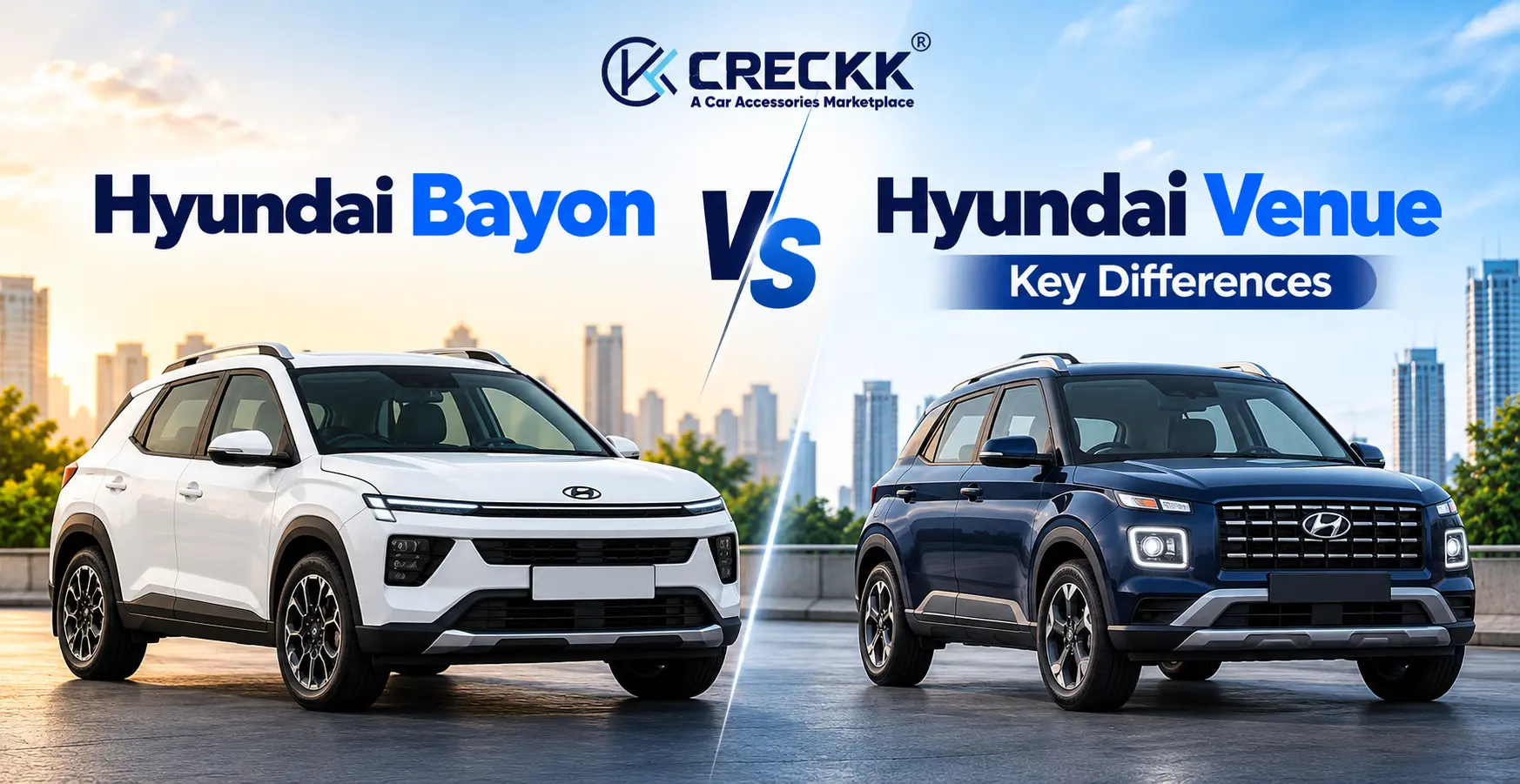
The comparison between the Hyundai Bayon vs Hyundai Venue is relevant for buyers deciding which Hyundai SUV better matches their needs. Both models sit within Hyundai's wider SUV portfolio, but the right choice depends on the actual specifications, cabin space, equipment and everyday usability of the versions being considered.
The reported India-spec Bayon powertrain includes a 1.5-litre naturally aspirated petrol engine with manual and IVT transmission options. The Venue has offered different powertrain choices, including petrol and diesel engines, depending on the model year and variant. Buyers should check the current official specifications before comparing individual versions.
The Bayon's reported dual-screen cockpit, generative AI voice assistant and Level 2 Pro ADAS are notable technology highlights. Venue buyers should compare the equipment available on the specific trim they are considering rather than assuming both SUVs offer identical technology.
| Comparison point | Hyundai Bayon | Hyundai Venue |
|---|---|---|
| India availability | Check the latest official announcement | Established model in India |
| Engine options | Reported 1.5-litre MPi petrol | Options vary by model year and variant |
| Transmission | Six-speed manual and IVT, as reported | Options vary by engine and variant |
| Technology | Dual 12.3-inch displays and reported AI voice assistant | Features vary by model year and variant |
| Safety technology | Level 2 Pro ADAS, as reported | Check the specific variant's safety equipment |
| Buying decision | Evaluate confirmed specifications and availability | Compare current variants and ownership costs |
Creckk Tip: Arrange test drives of both models and compare seating comfort, rear-seat space, visibility, parking ease and boot practicality. Also request written quotations for the exact variants you are considering.
After choosing a vehicle, you can browse car accessories online for practical additions. Creckk accessories may help you explore options for cabin organisation and upkeep, but verify compatibility before ordering. The best choice is the SUV that fits your budget and everyday needs, not simply the one with the longer feature list.
Frequently Asked Questions About the Hyundai Bayon
1. What is the Hyundai Bayon launch date in India?
The reported India launch date is 26 October 2026. Buyers should check Hyundai India's official website for the latest launch announcements and availability details.
2. What is the Hyundai Bayon price in India?
Refer to Hyundai India's official announcements for confirmed pricing and variant details. Check the final on-road quotation with an authorised dealership before making a purchase decision.
3. What engine does the Hyundai Bayon offer?
The reported India-spec model uses a four-cylinder, 1.5-litre MPi naturally aspirated petrol engine producing 115 PS and approximately 144 Nm of torque. Verify the final specifications through official sources.
4. Does the Hyundai Bayon offer an automatic transmission?
Reported transmission options include a six-speed manual gearbox and an Intelligent Variable Transmission (IVT) automatic. Confirm availability for the specific variant you intend to purchase.
5. What are the key Hyundai Bayon features?
Reported highlights include dual 12.3-inch displays, a generative AI voice assistant, connected-car technology, supported over-the-air updates and Level 2 Pro ADAS. Equipment may vary by variant.
6. How does the Hyundai Bayon compare with the Hyundai Venue?
The Bayon is reported to sit between the Venue and Creta in Hyundai's SUV lineup. Compare confirmed specifications, cabin space, safety equipment, fuel efficiency and ownership costs before deciding.
7. Where can I find accessories for the Hyundai Bayon?
You can explore Creckk accessories and other car accessories online for interior organisation, cleaning and convenience. Confirm product compatibility and installation requirements before purchasing Hyundai Bayon accessories.
Conclusion
The Hyundai Bayon brings together a petrol powertrain, a digital cockpit, connected technology and reported advanced driver-assistance features. Its reported 1.5-litre engine, manual and IVT transmission choices, and dual-screen interior make it worth evaluating for buyers exploring a new Hyundai SUV in India.
The final buying decision should depend on confirmed specifications, variant-wise equipment, practical cabin space, fuel efficiency and ownership costs. Comparing the Bayon with the Hyundai Venue through test drives and written dealer quotations can help buyers identify the better option for their requirements.
After purchasing a vehicle, owners can also explore Creckk accessories for practical additions that support comfort, organisation and maintenance. Before ordering, check compatibility, quality and installation requirements, particularly for dashboard-mounted products and accessories that could affect visibility or safety.
Ultimately, a well-informed purchase combines the right vehicle, a realistic budget and useful accessories. Confirm the latest official specifications and availability before booking the Hyundai Bayon.