Your cart is empty
Start Shopping Exterior
›
Exterior
›
 Bumper Diffuser/Guard
 Body Covers
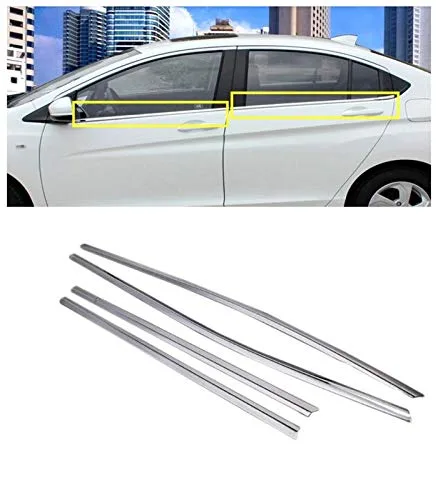 Window Garnishing
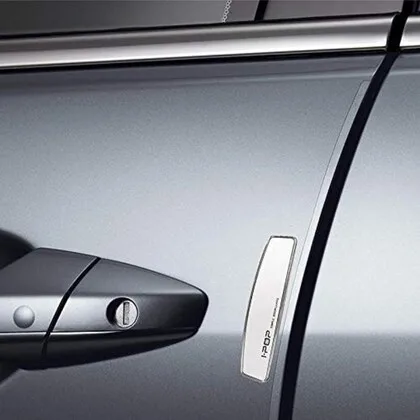 Door Guards
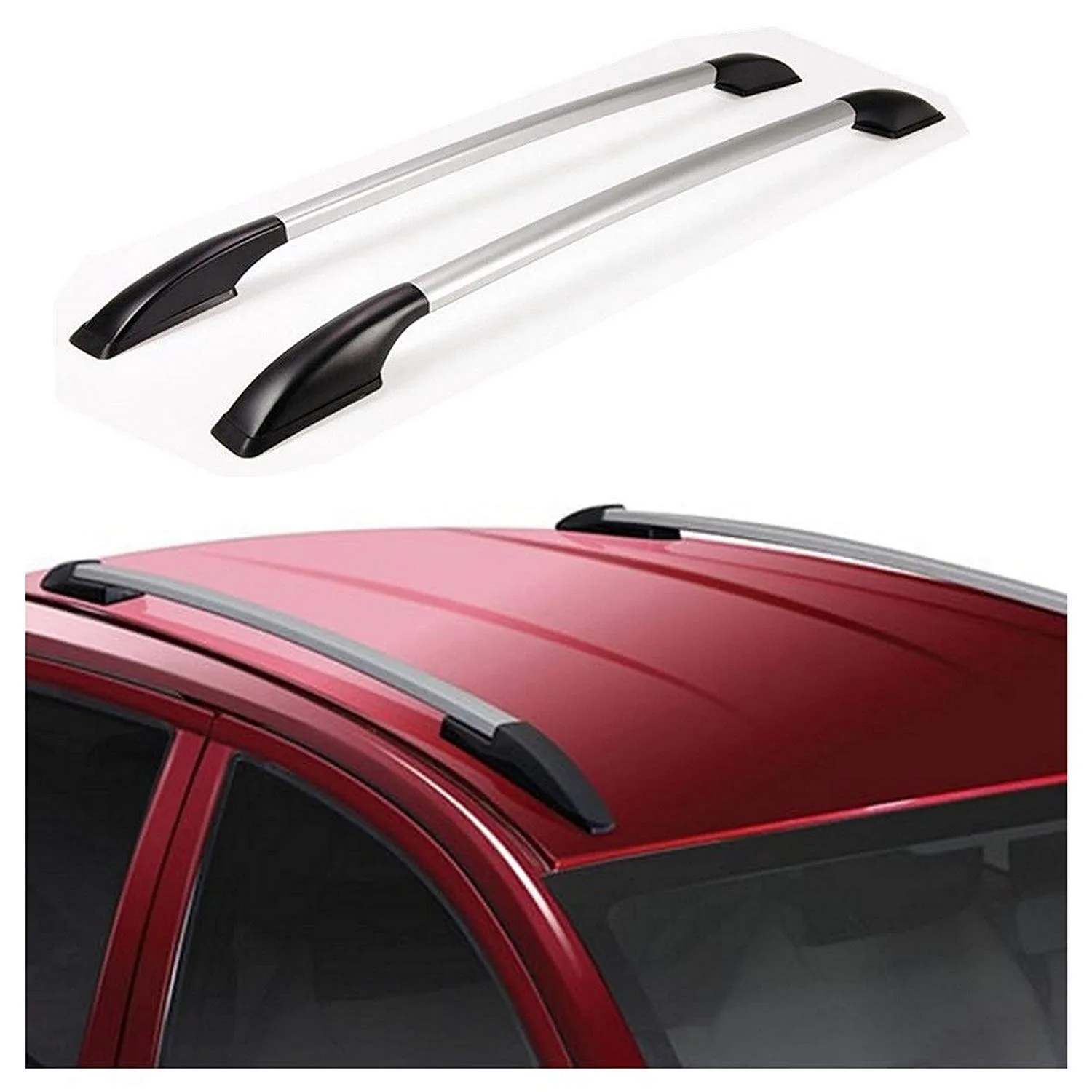 Roof Rails
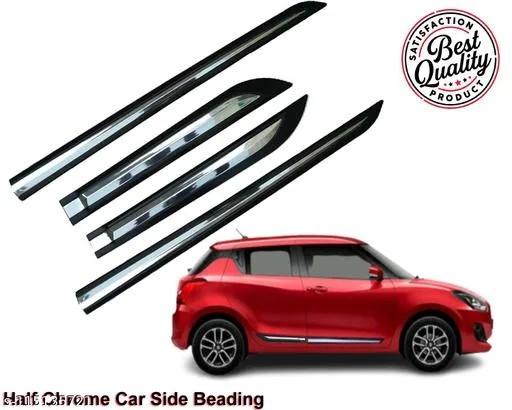 Side Beading
 Door Visor
 Mud Flap
 Wheel Cover
 Foot Rest
 Interior
›
Interior
›
 Door Scuff Sill Plates
 Window Sunshades & Film
 Armrest
 Seat Covers
 Steering Cover
 Floor Mats
 Dashboard Showpiece
 Seat & Neck Cushion
 Lighting
›
Lighting
›
 Utility
›
Utility
›
 All Chrome Items
 Mobile Holder
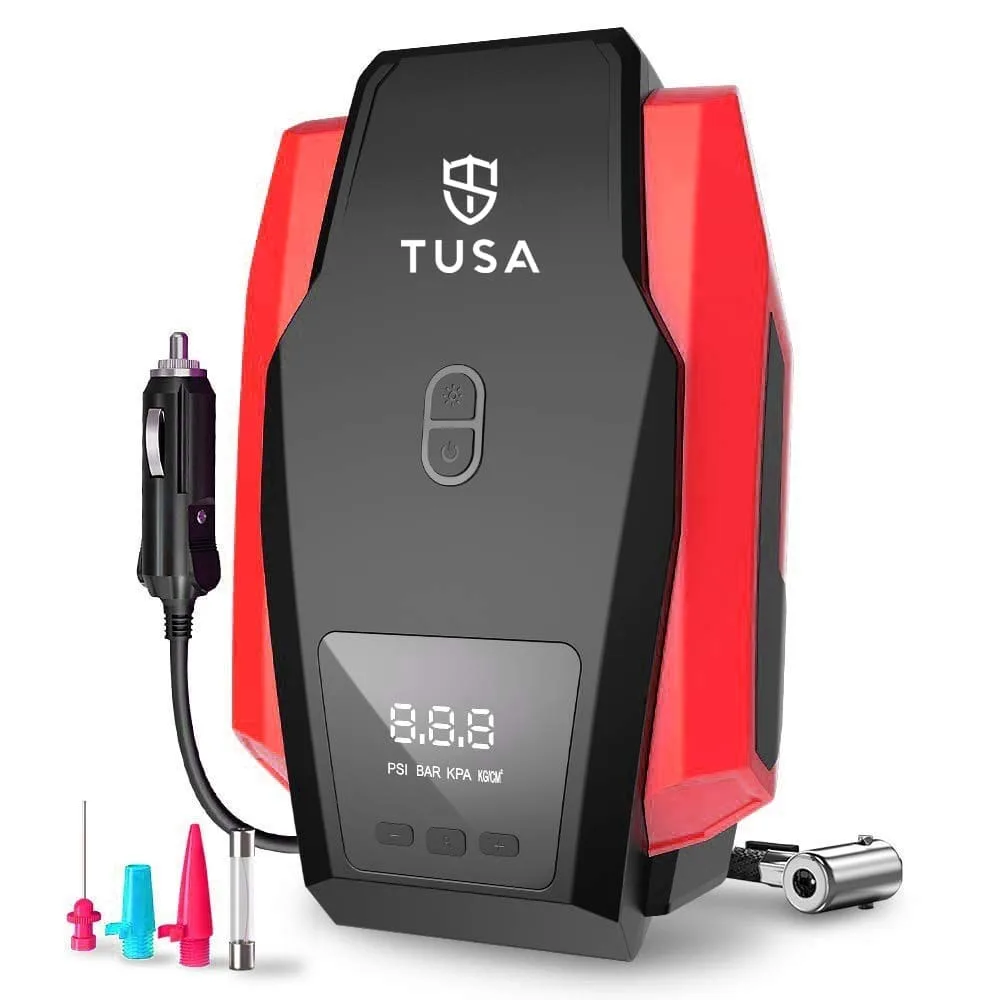 Tyre Inflators
 Vacuum Cleaner
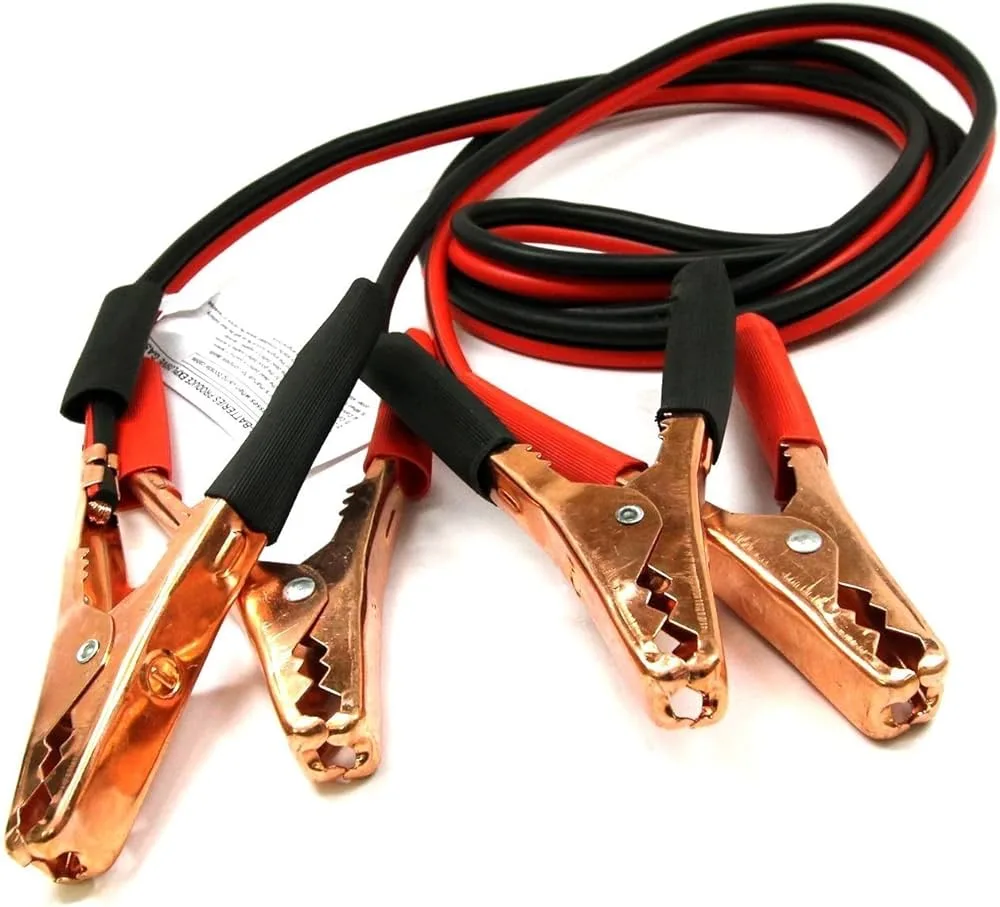 Jumper Cable
 Cleaning Kit
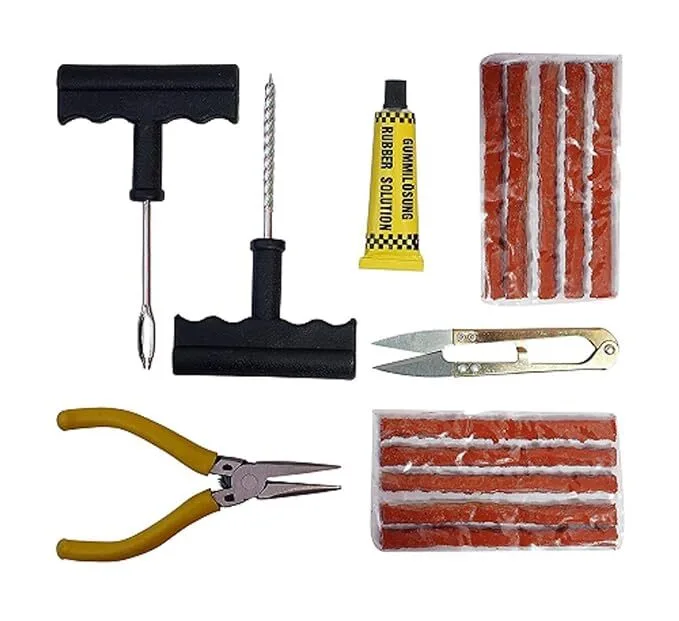 Tyre Puncture Kit
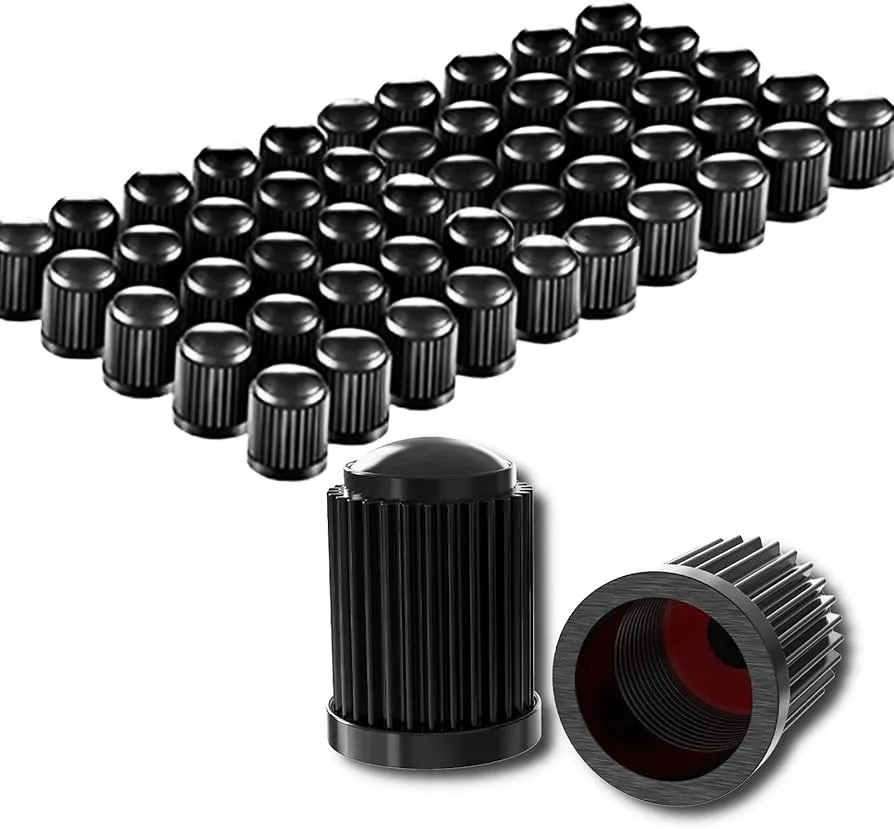 Tyre Valve Cap
 Car Fan
 Parcel Tray
 Electronic
›
Electronic
›
 Parts
›
Parts
›
 Fog Lights
 Headlights
 Tail Lights
 Steering Wheel Controls
 Sensor
 Horns
Horns
 Wiper Blade
 Front Grille
 Side Mirror
 Battery
 Car Care
›
Car Care
›
 Air Freshener & Perfume
 Gear knob
 Stickers & Decals
 Blind Spot Mirror
 Steering Knob
 Key Covers
 Polish & Scratch Remover
 Seat Utility Holder
 Cup Holder
 Dustbin
 Paper Napkin
 Shop By Car
›
Shop By Car
›
 Tata
›
Tata
›
 Maruti Suzuki
›
Maruti Suzuki
›
 Hyundai
›
Hyundai
›
 Toyota
›
Toyota
›
 Mahindra
›
Mahindra
›
 Honda
›
Honda
›
 Ford
›
Ford
›
 Nissan
›
Nissan
›
 Renault
›
Renault
›
 Skoda
›
Skoda
›
 Volkswagen
›
Volkswagen
›
 Morris Garages - MG
›
Morris Garages - MG
›
 KIA
›
KIA
›
 Jeep
›
Jeep
›
 Citroen
›
Citroen
›
 Datsun
›
Datsun
›
 Chevrolet
›
Chevrolet
›
 Isuzu
›
Isuzu
›
 Mitsubishi
›
Mitsubishi
›
 AUDI
›
AUDI
›
 BMW
›
BMW
›
 Mercedes
›
Mercedes
›
 Land Rover
›
Land Rover
›
 Jaguar
›
Jaguar
›
 Volvo
›
Volvo
›
 FIAT
›
FIAT
›
 Mini Cooper
›
Mini Cooper
›
 Porsche
›
Porsche
›
 Lexus
›
Citron
›
Fors
›
Morris Garages
›
MG
›
Lexus
›
Citron
›
Fors
›
Morris Garages
›
MG
›
 Nexon
Nexon
 Harrier
 Altroz
 Hexa
Hexa
 Safari
 Tiago
Tiago
 Punch
Punch
 Tigor
Tigor
 Sumo
Sumo
 Winger
 Bolt
Bolt
 Vista
Vista
 Manza
Manza
 Indica
 Indigo
 Nano
Nano
 Aria
Aria
 Safari Storme
 Zest
Zest
 NEXON EV Max
 NEXON EV Prime
 Tiago NRG
 Tigor EV
INDICA VISTA
Curvv
Sierra
Magic
Tigor EV
INDICA VISTA
Curvv
Sierra
Magic
 Ciaz
Ciaz
 S-Presso
 Eeco/Versa
 WagonR
 Brezza
 Swift
Swift
 Dzire
Dzire
 Baleno
 Ertiga
 Grand Vitara
 S-Cross
 Jimny
Jimny
 Celerio
 Ignis
Ignis
 Alto 800
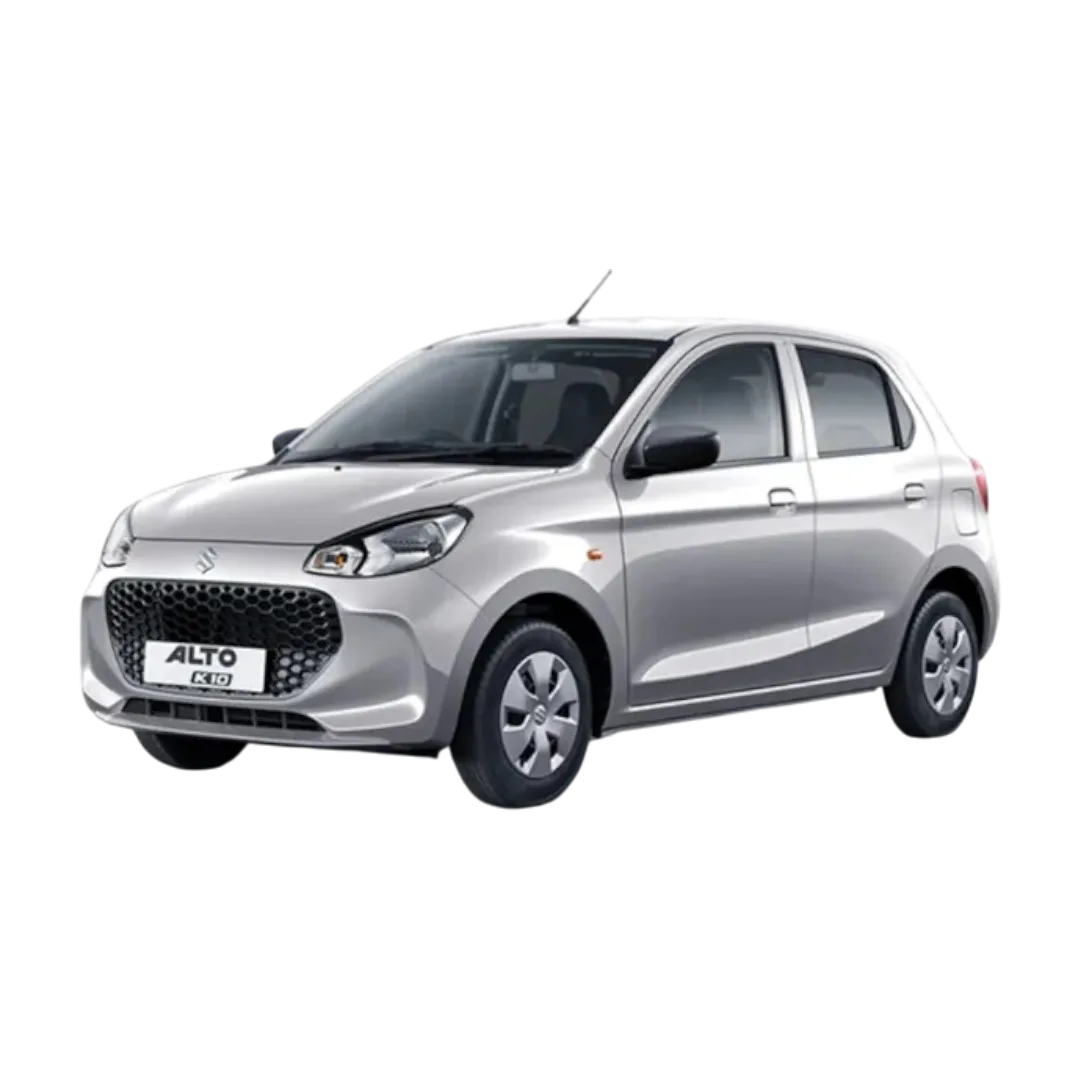 Alto K10
 XL6
XL6
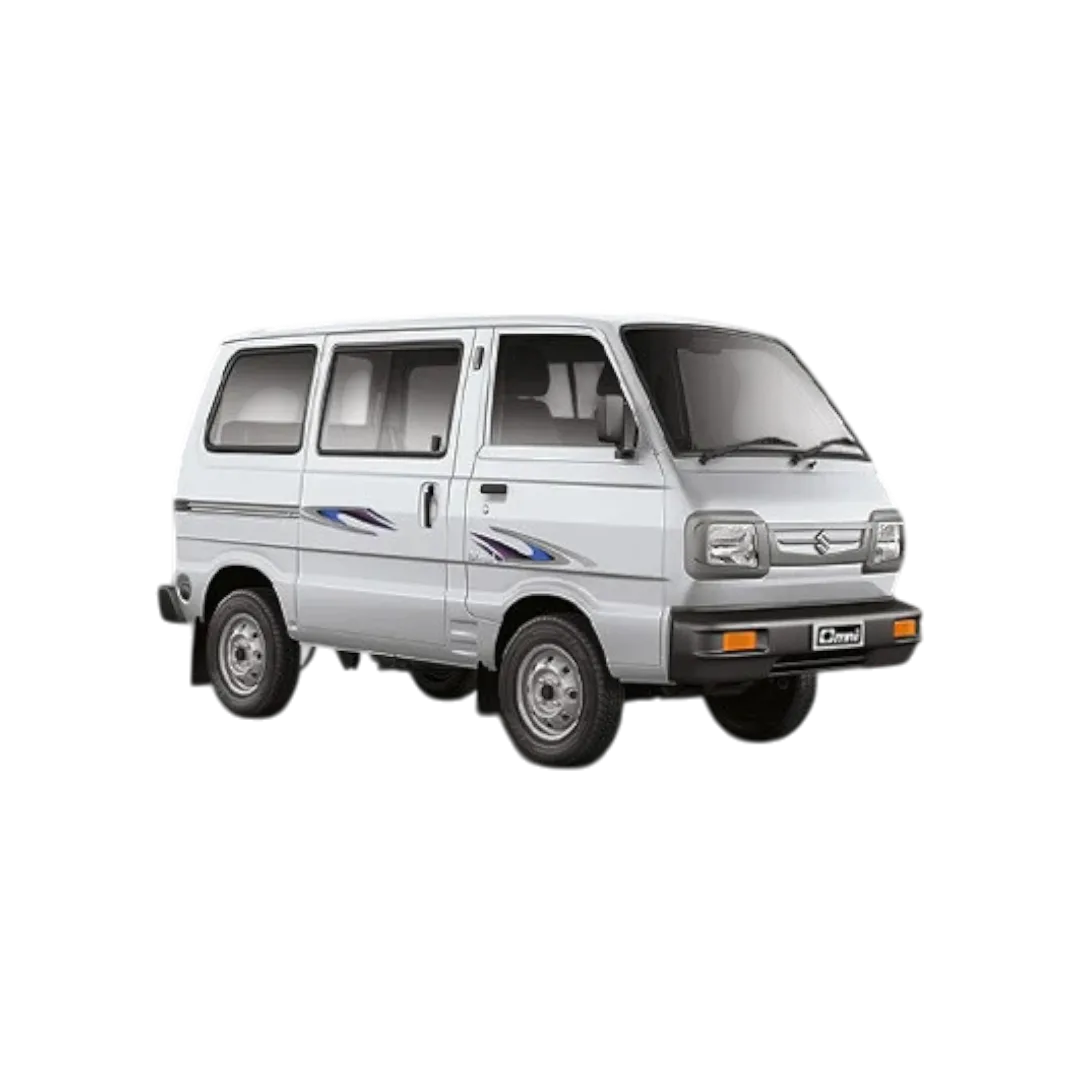 Omni
Omni
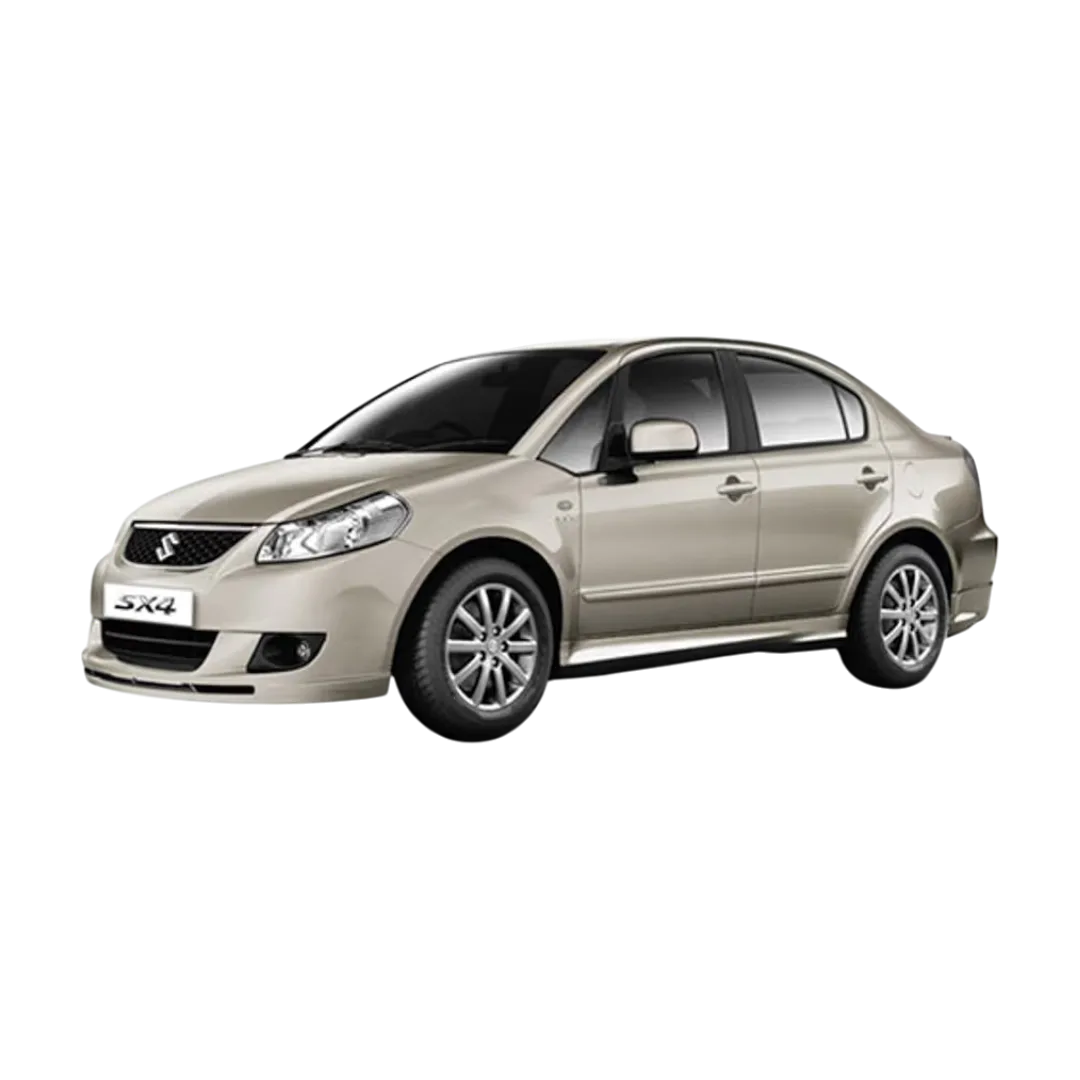 SX4
SX4
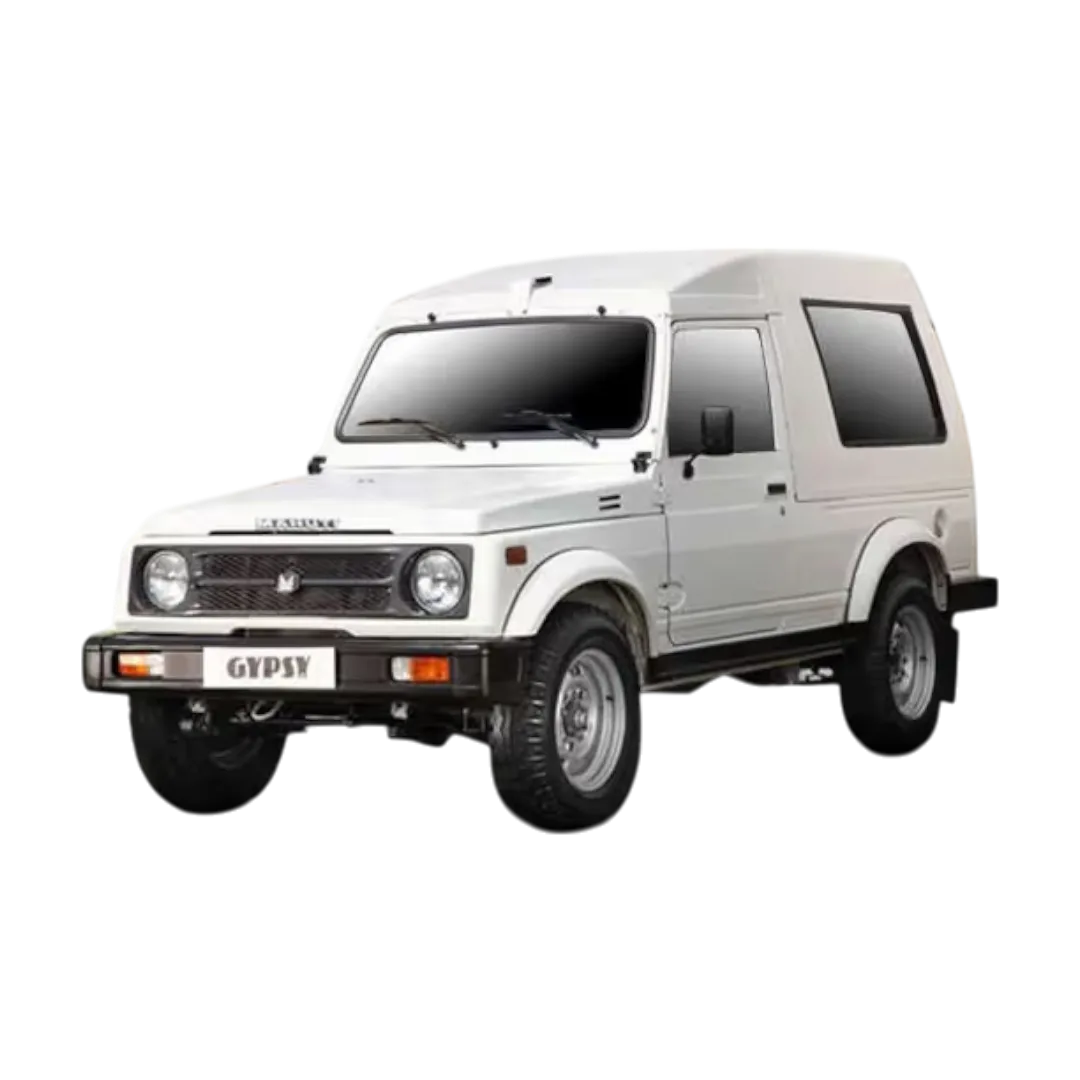 Gypsy
Gypsy
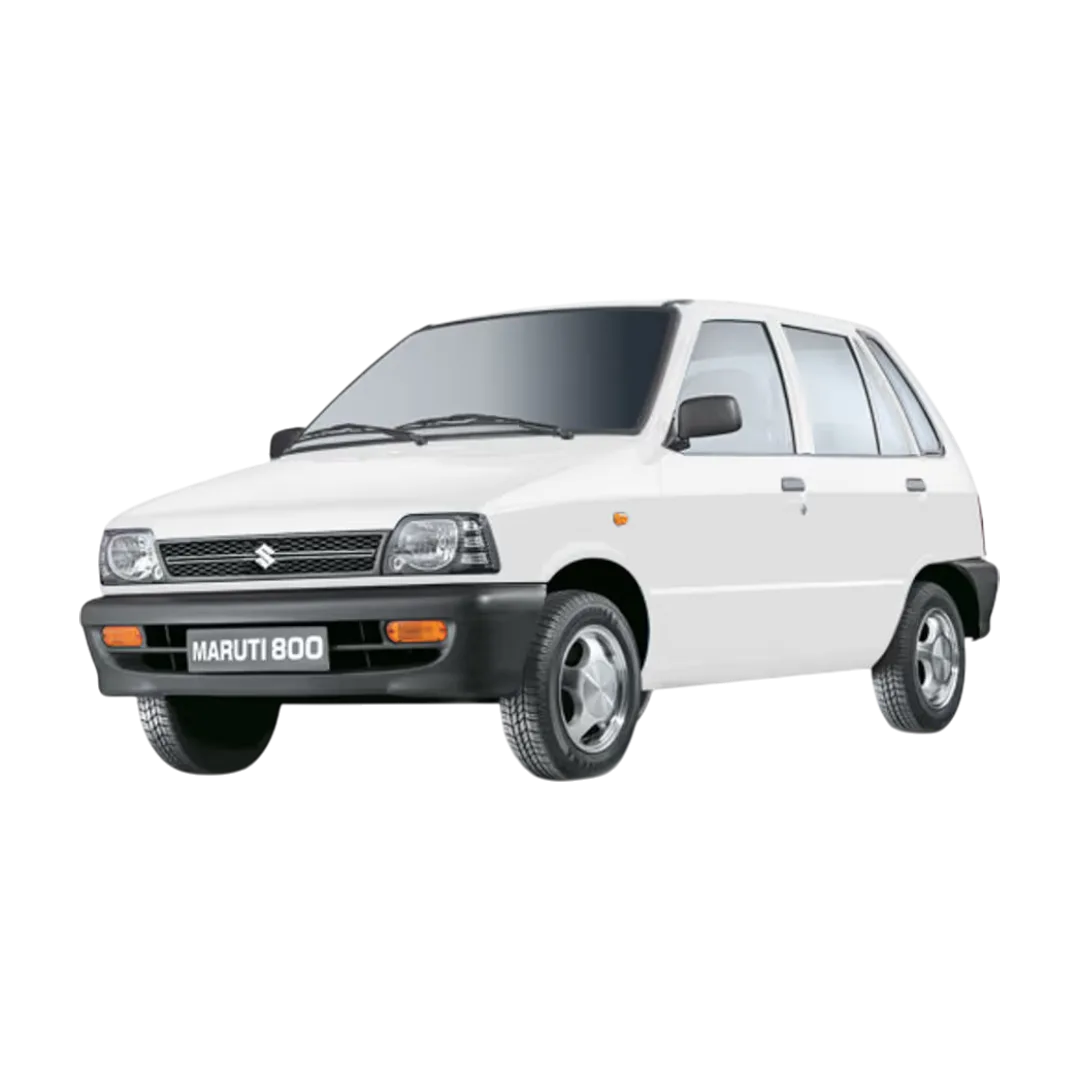 Maruti 800
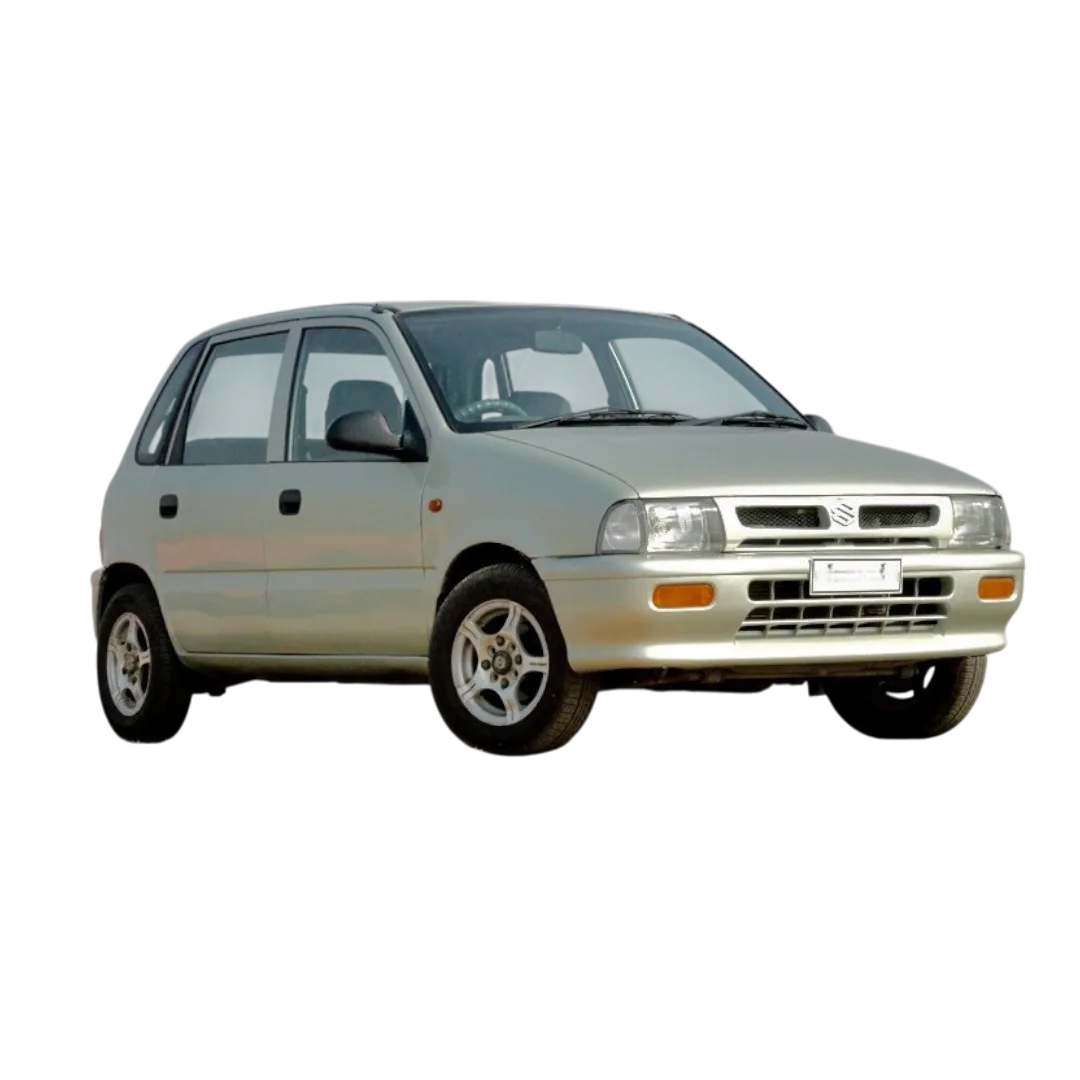 Zen
Zen
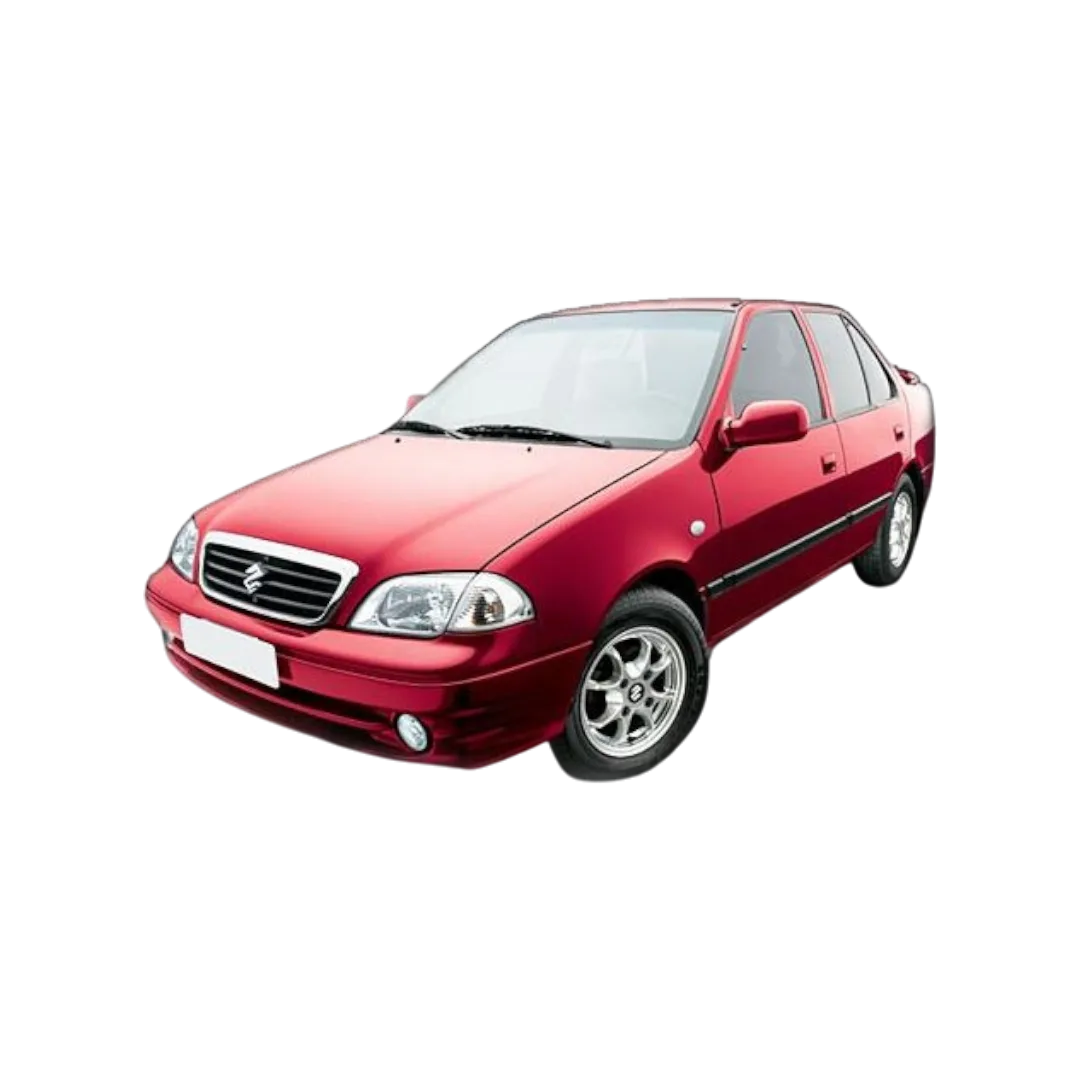 Esteem
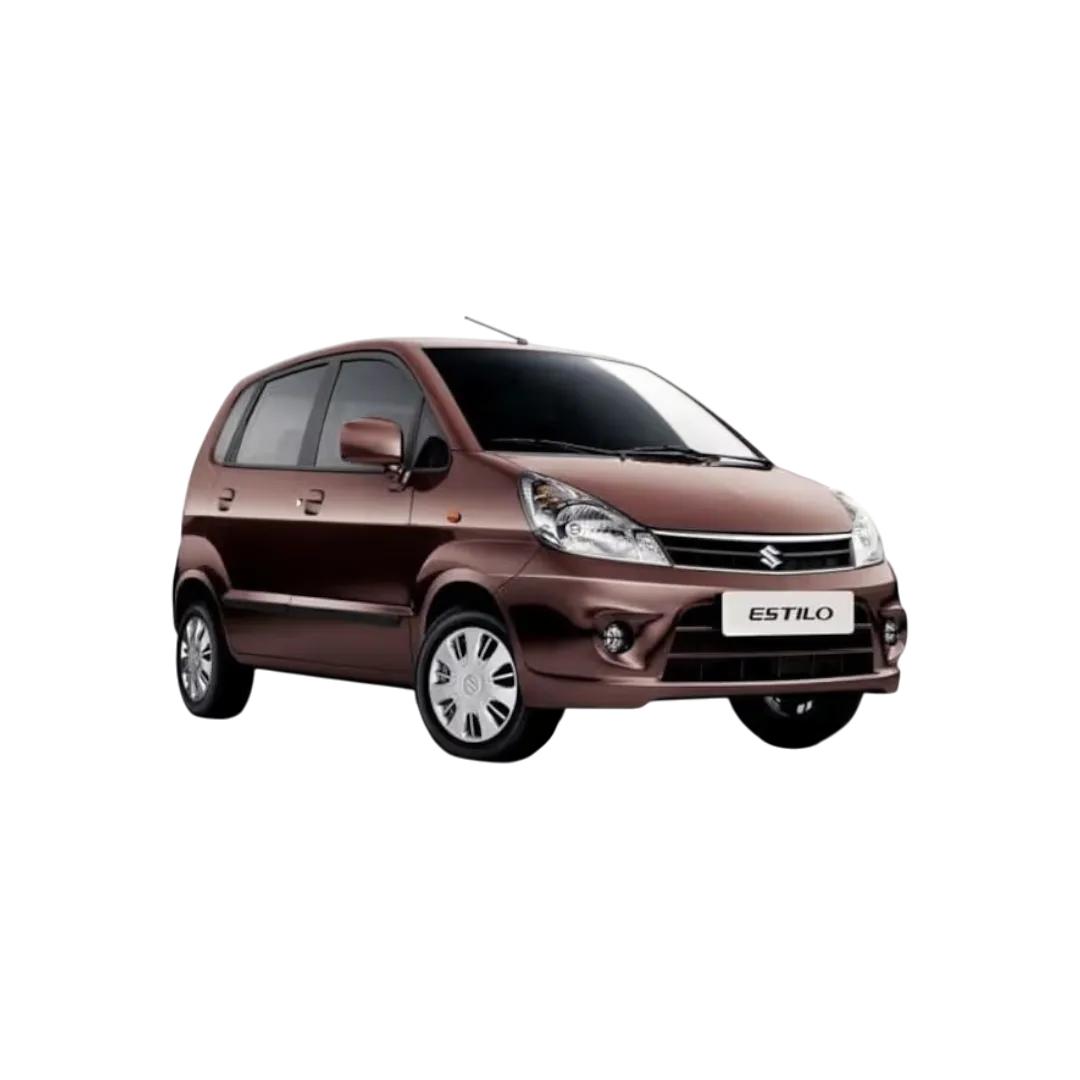 Zen Estilo
 Ritz
Ritz
 Fronx
Fronx
 A-Star
 Alto
Alto
 Invicto
Victoris
Wagon R
Invicto
Victoris
Wagon R
 i20
i20
 Aura
Aura
 Creta
Creta
 Elantra
 Getz
Getz
 Grand i10 Nios
 Venue
Venue
 Verna
Verna
 i20 N Line
 Venue N Line
 Alcazar
 Tucson
 Kona
Kona
 iONIQ 5
 Santro
 Santro Xing
 Accent
 Sonata
 Eon
Eon
 i10
i10
 Grand i10
 Xcent
Xcent
 Elite i20
 Verna Fluidic
 Santafe
 Exter
Sonata Fluidic
i20 Active
Exter
Sonata Fluidic
i20 Active
 Yaris
Yaris
 Urban Cruiser
 Camry
Camry
 Corolla
 Fortuner
 Urban Cruiser Hyryder
 Innova Crysta
 Innova Hycross
 Hilux
Hilux
 Fortuner Legender
 Vellfire
 Land Cruiser
 Glanza
 Etios
Etios
 Etios cross
 Etios Liva
 Qualis
 Innova
 Rumion
Taisor
Corolla Altis
Hyryder
Rumion
Taisor
Corolla Altis
Hyryder
 Bolero
 Marazzo
 KUV100 NXT
 Scorpio
 Thar
Thar
 XUV 300
 Bolero Neo
 Verito
 Scorpio-N
 XUV 700
 Scorpio Classic
 XUV400
 Alturas
 Xylo
Xylo
 Quanto
 Logan
Logan
 XUV 500
 TUV 300
 XUV 3XO
 KUV 100
NuvoSport
XEV 9e
BE 6
Thar Roxx
E-Verito
XUV 7XO
TUV 100
BE6
Bolero Camper
Verito Vibe
XUV 400
KUV 100
NuvoSport
XEV 9e
BE 6
Thar Roxx
E-Verito
XUV 7XO
TUV 100
BE6
Bolero Camper
Verito Vibe
XUV 400
 Audi Q5
 Audi A4
 Audi Q7
 Audi Q3
 Audi A6
 Audi RS5
 E-Tron GT
 Audi Q8
 E-Tron
 Q3 Sportback
 Audi S5 Sportback
 Q8 E-Tron
 Q8 E-Tron Sportback
 Audi A8L
 Audi RS Q8
 Audi A3
 BMW X7
 BMW X1
 BMW X5
 BMW XM
 BMW Z4
 3 Series
 BMW X3
 BMW iX
 BMW i7
 BMW M2
 7 Series
 2 Series
 BMW i4
 5 Series
 6 Series
 BMW ix1
 M4 Competition
 3 Series Gran Limousine
 M8 Coupe
 BMW M3
 BMW X6
 BMW i5
 BMW X4
 Mercedes Benz GLA
 Mercedes E-Class
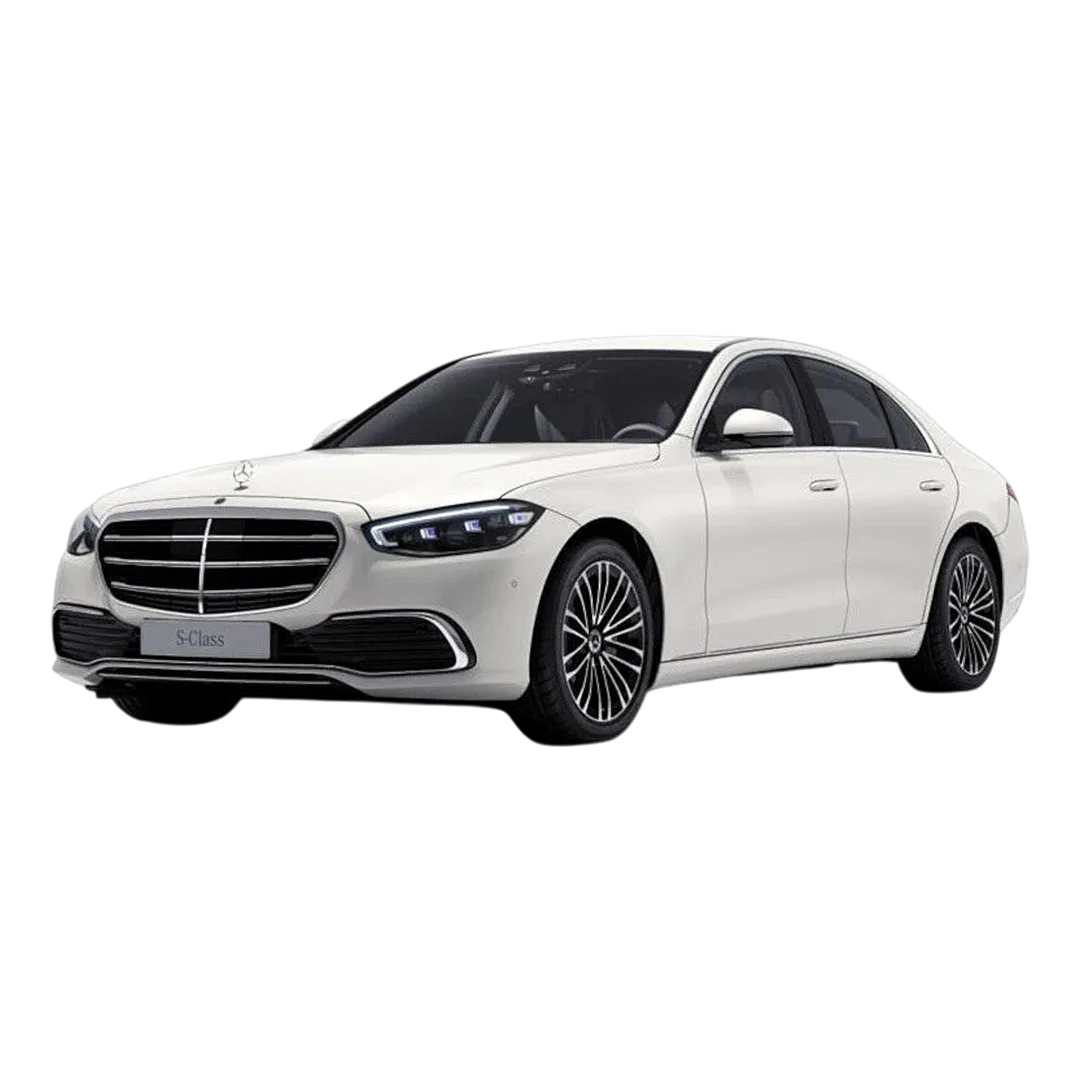 Mercedes S-Class
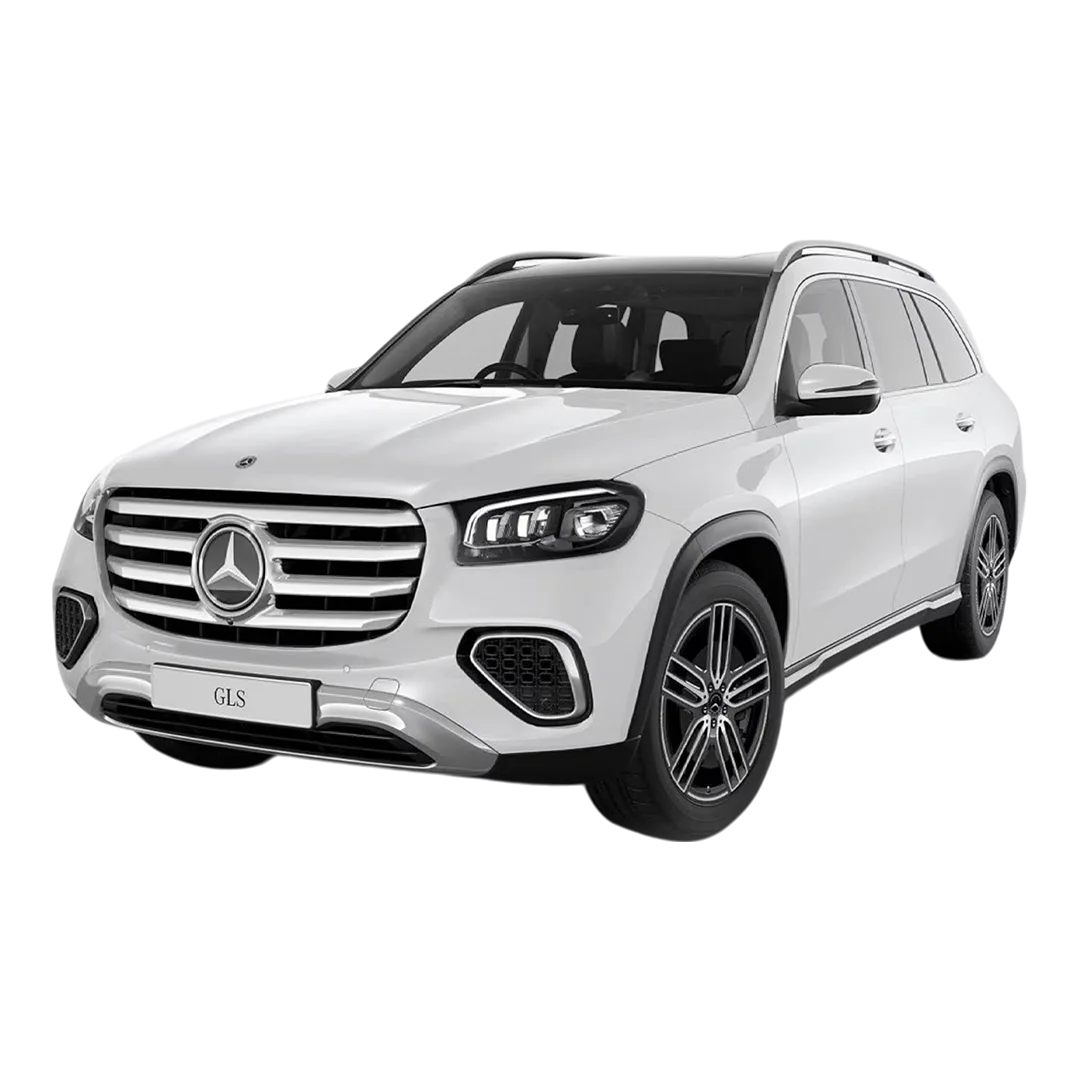 Mercedes Benz GLS
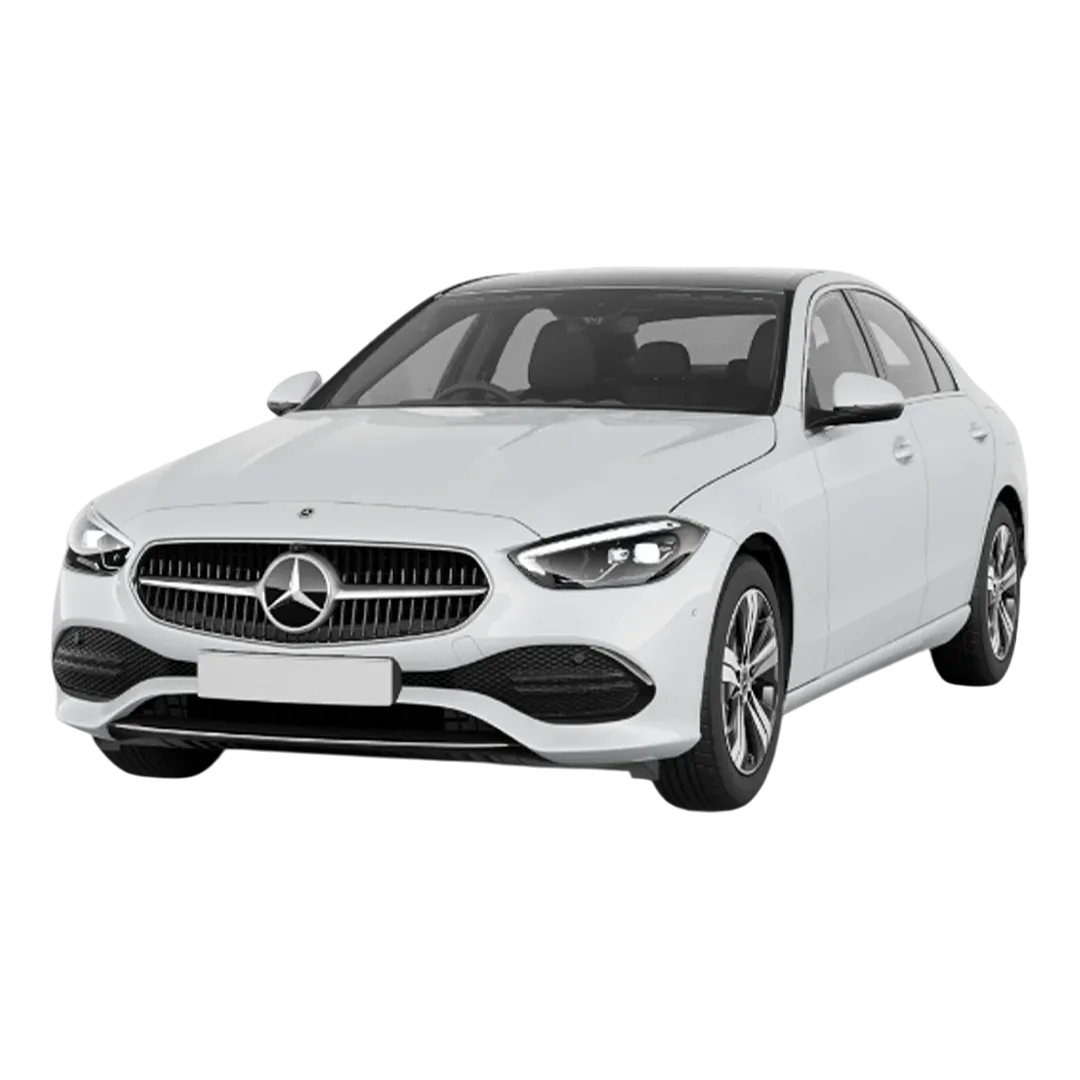 Mercedes Benz C-Class
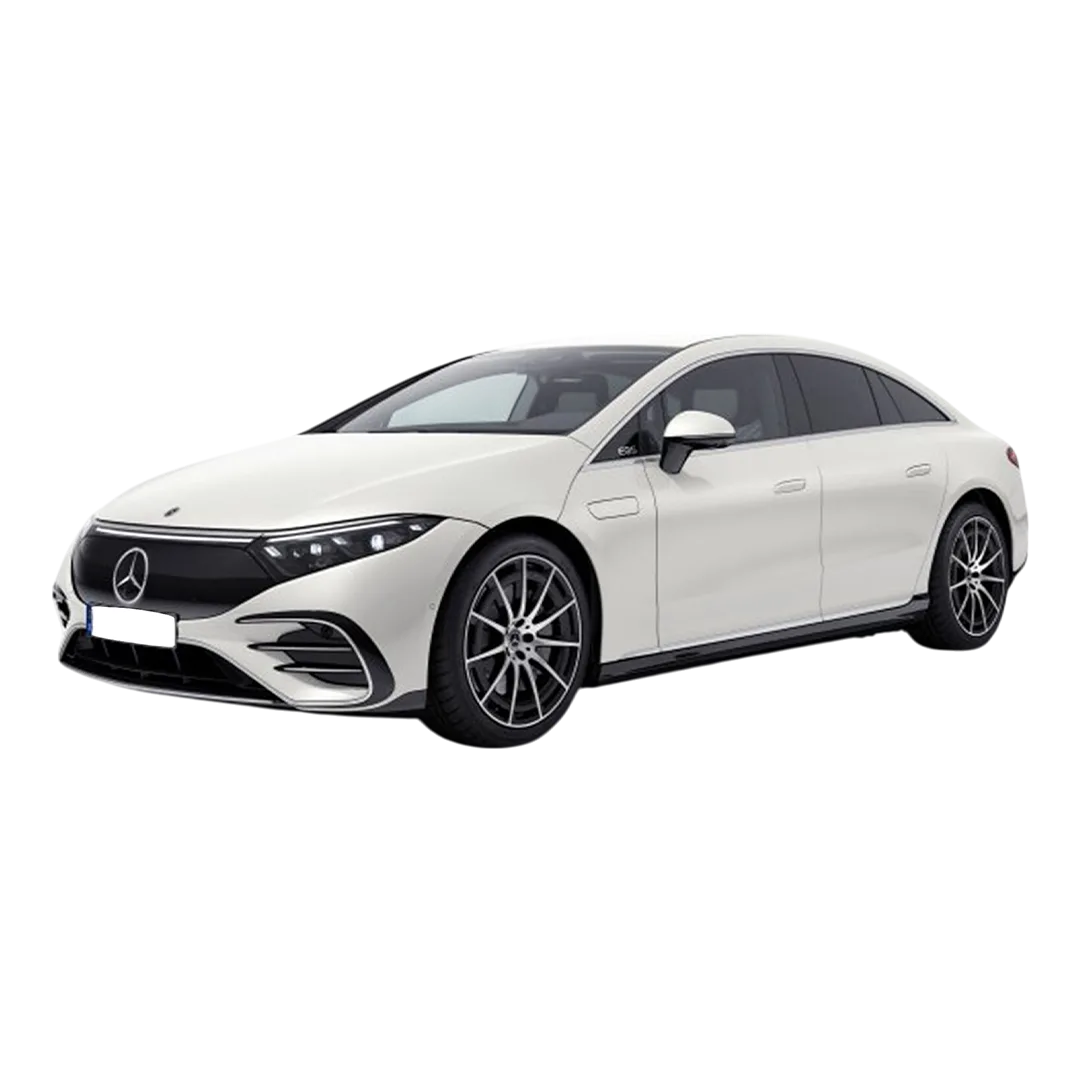 Mercedes Benz EQS
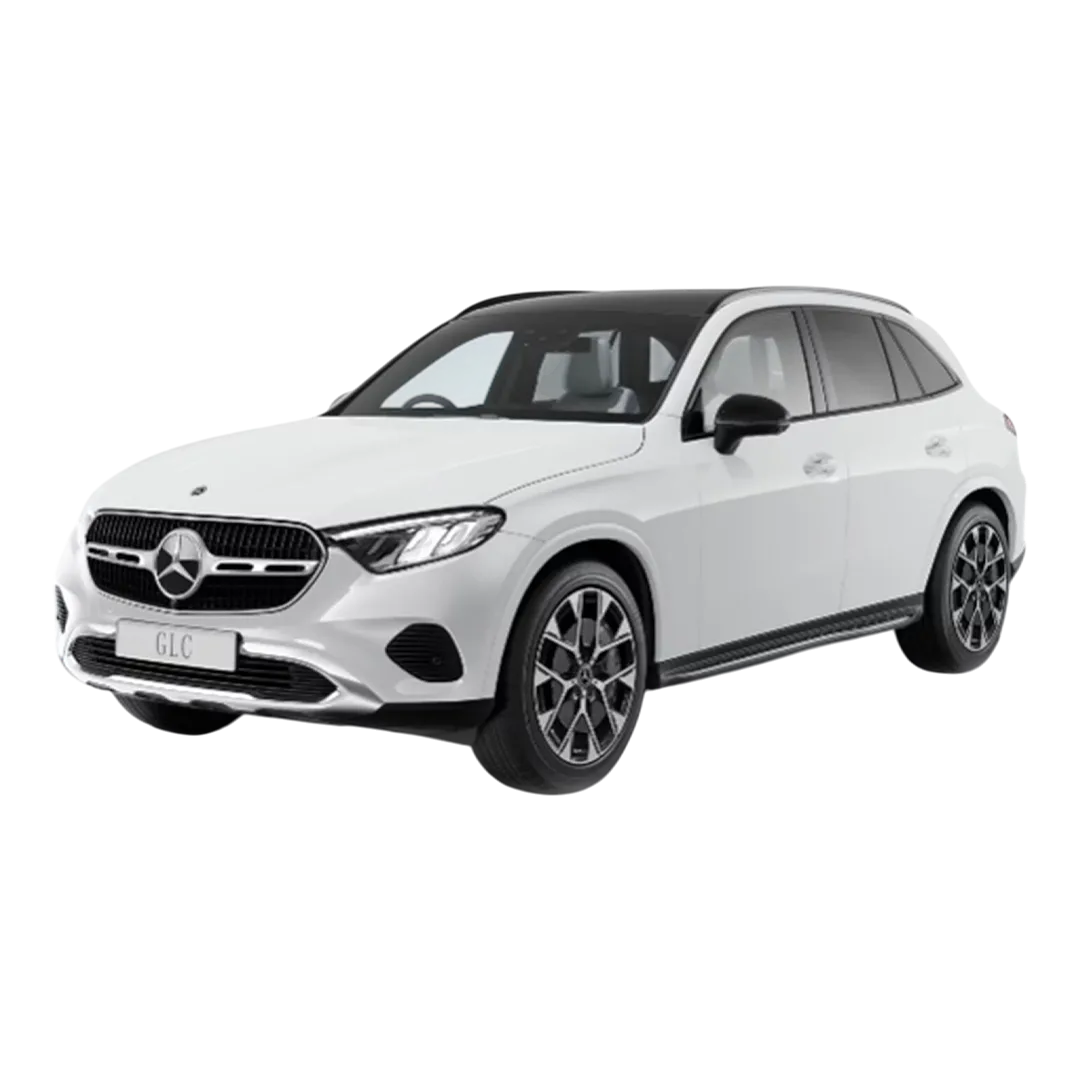 Mercedes Benz GLC
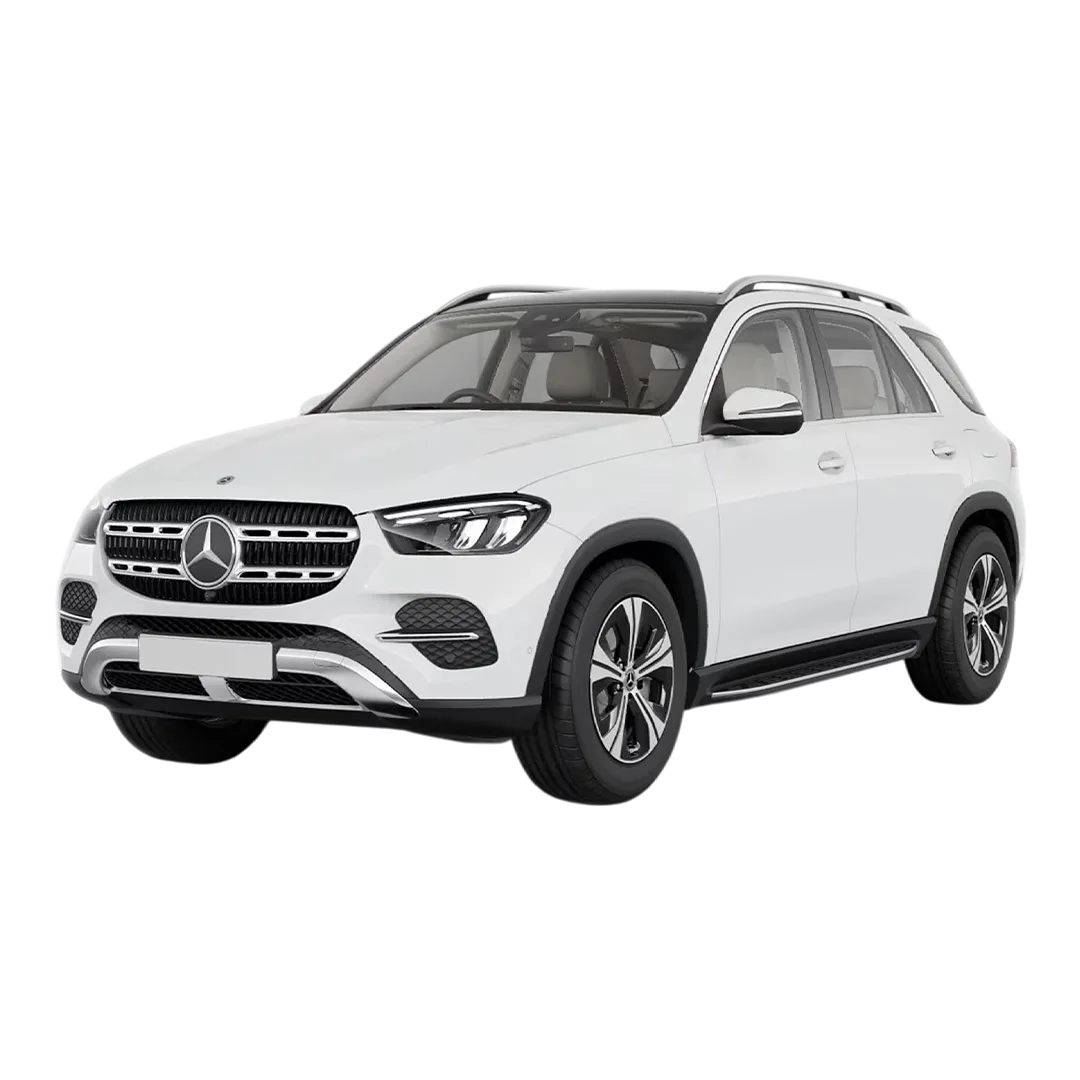 Mercedes Benz GLE
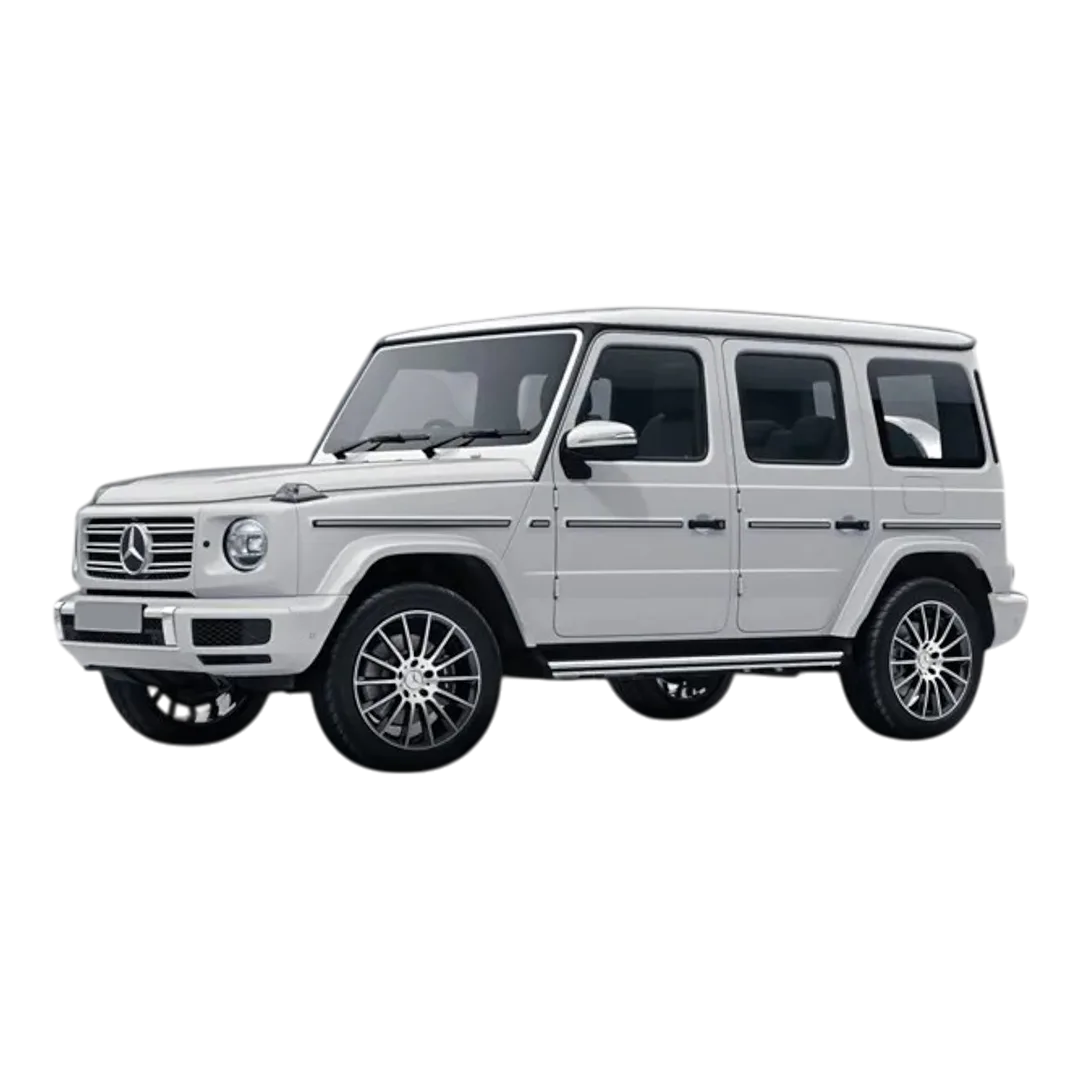 Mercedes Benz G-Class
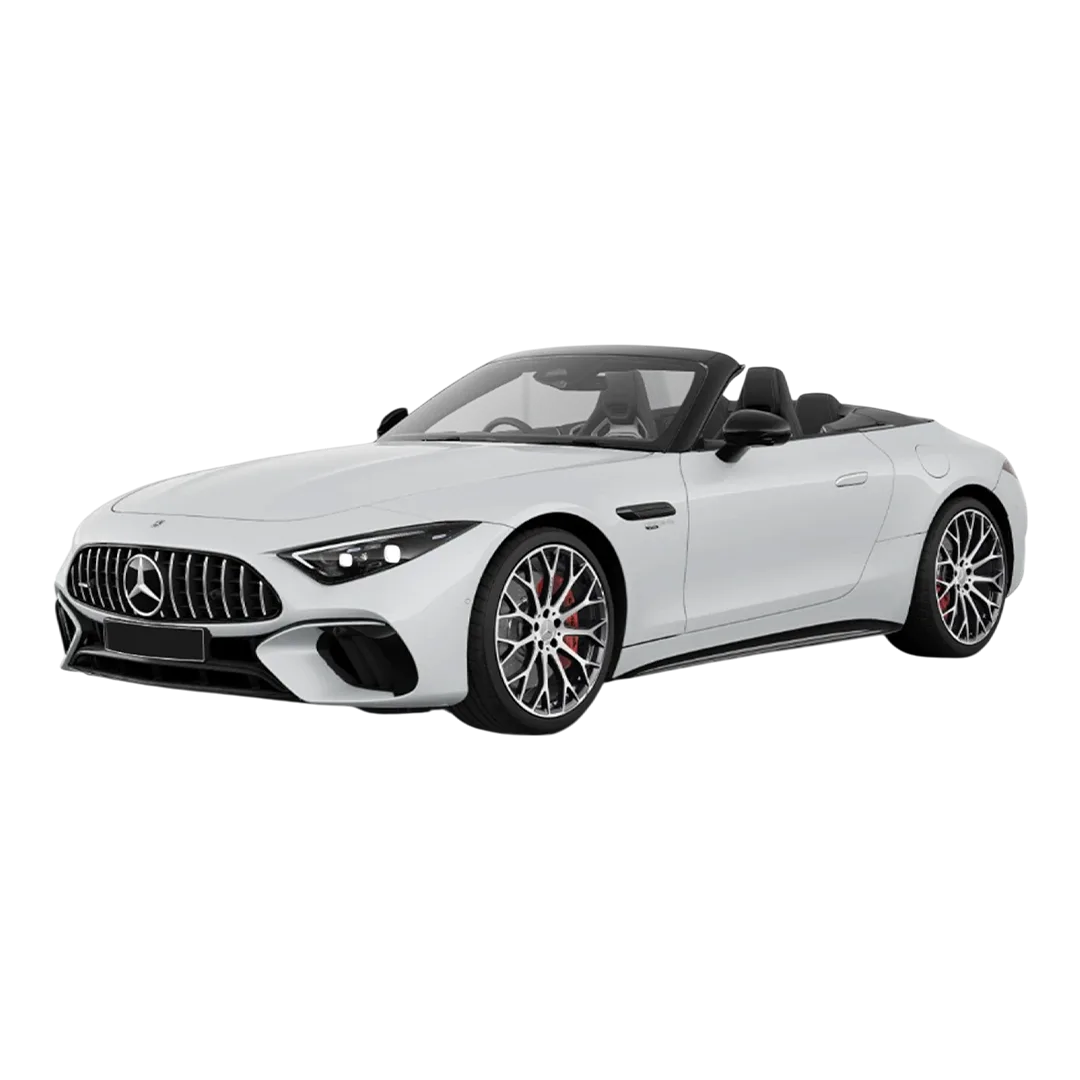 Mercedes Benz AMG SL
 Mercedes Benz MAYBACH S- Class
 Mercedes Benz EQE-SUV
 Mercedes Benz GLB
 Mercedes Benz AMG A 45 S
 Mercedes Benz AMG GLE S3
 Mercedes Benz EQB
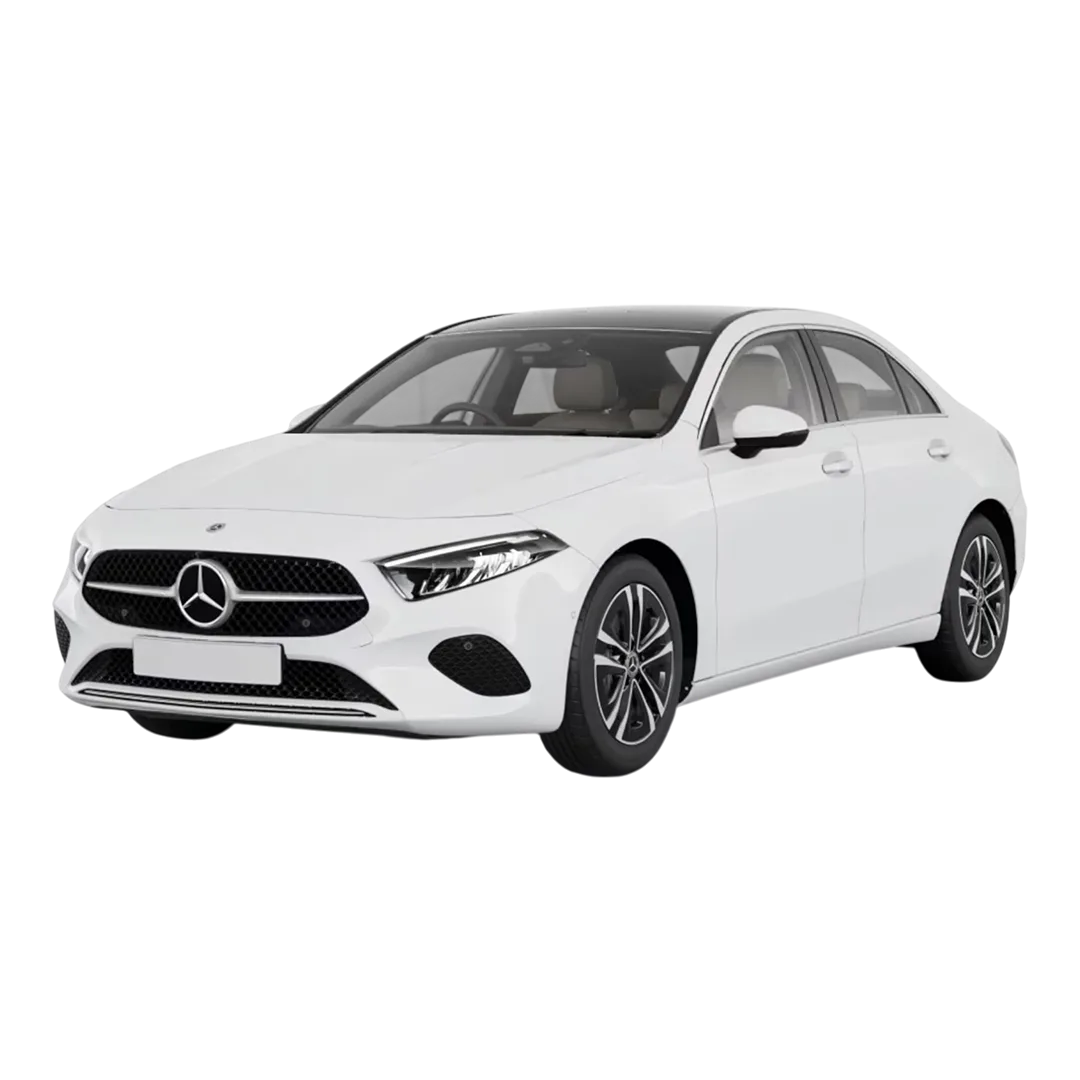 Mercedes Benz A Class limousine
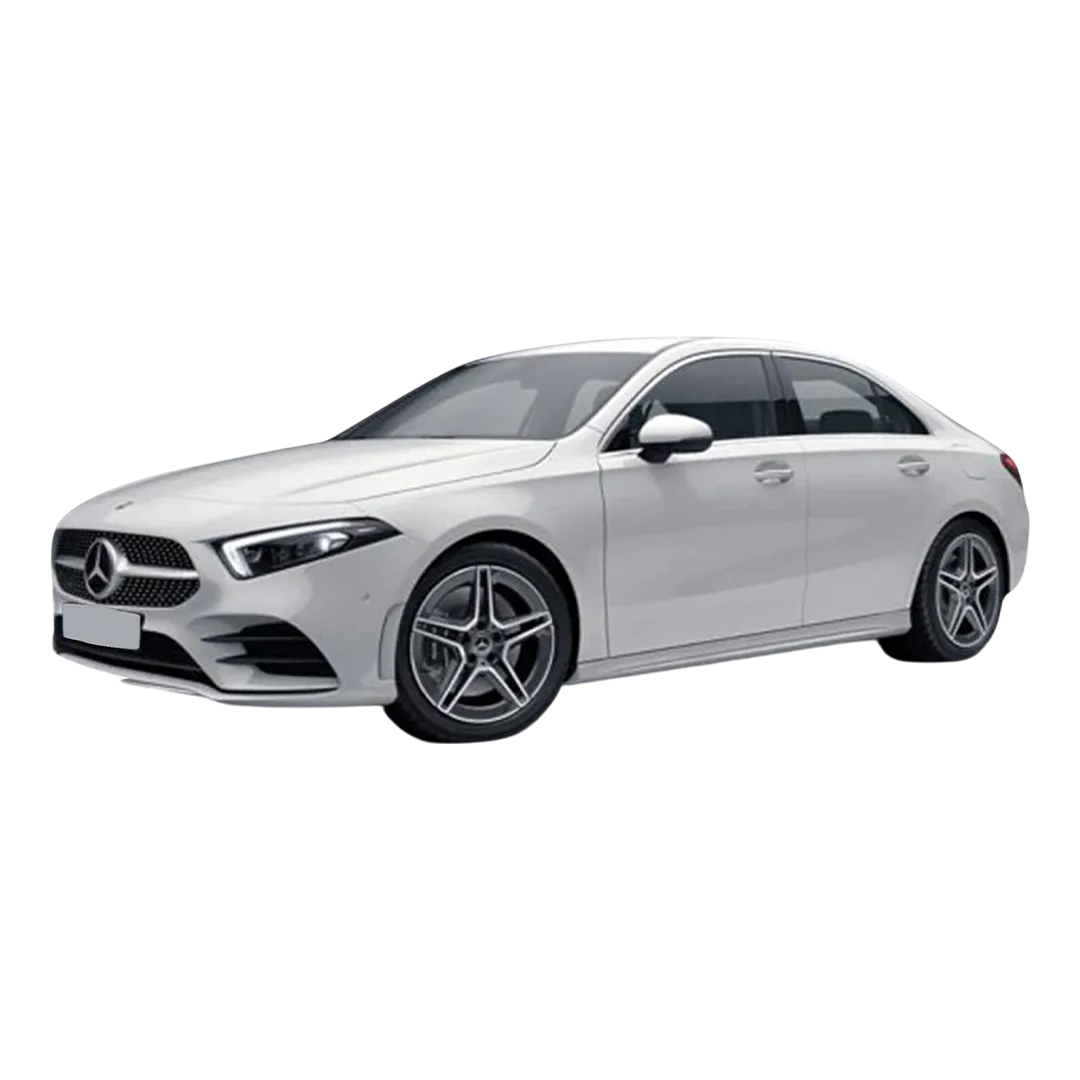 Mercedes Benz AMG A 35
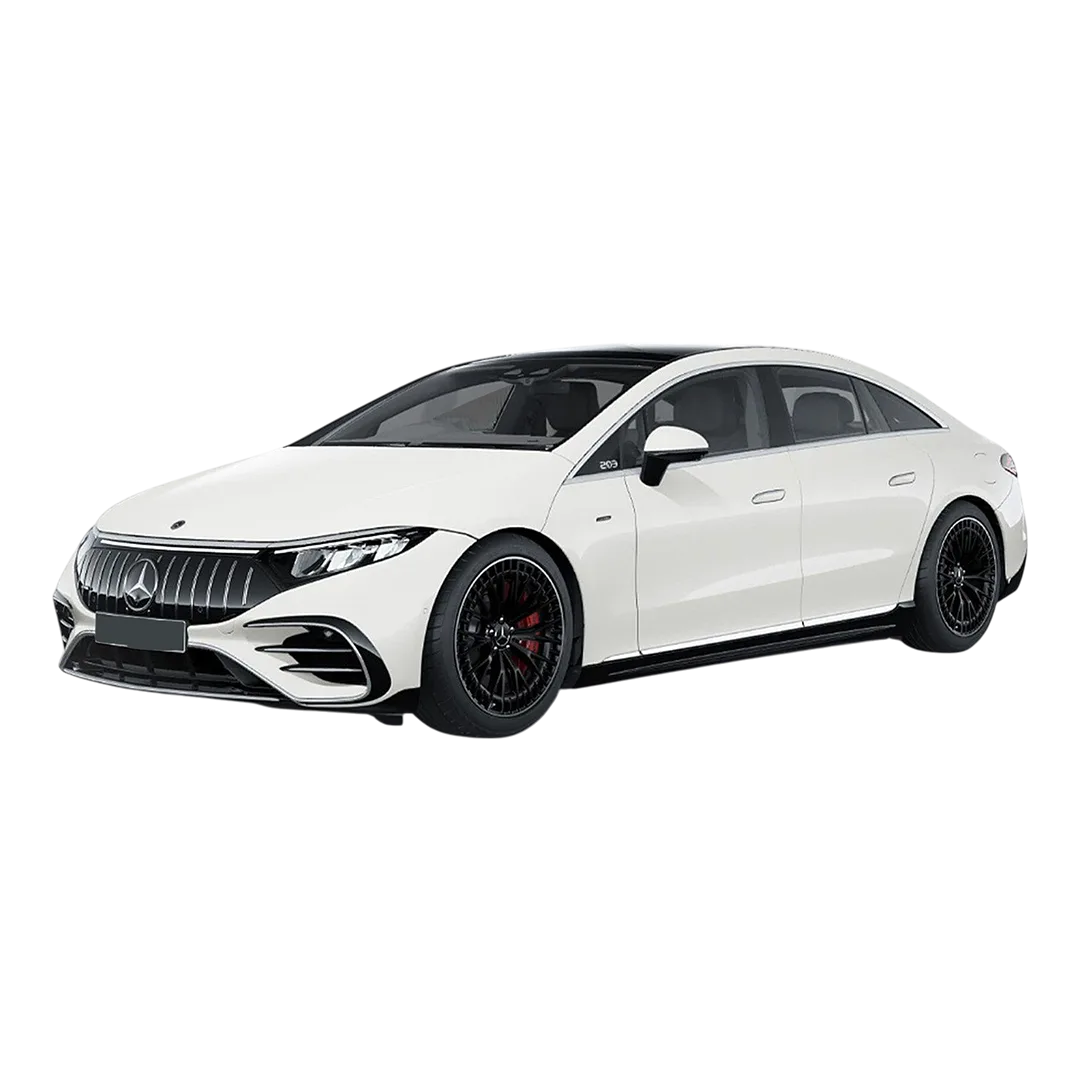 Mercedes-Benz AMG EQS
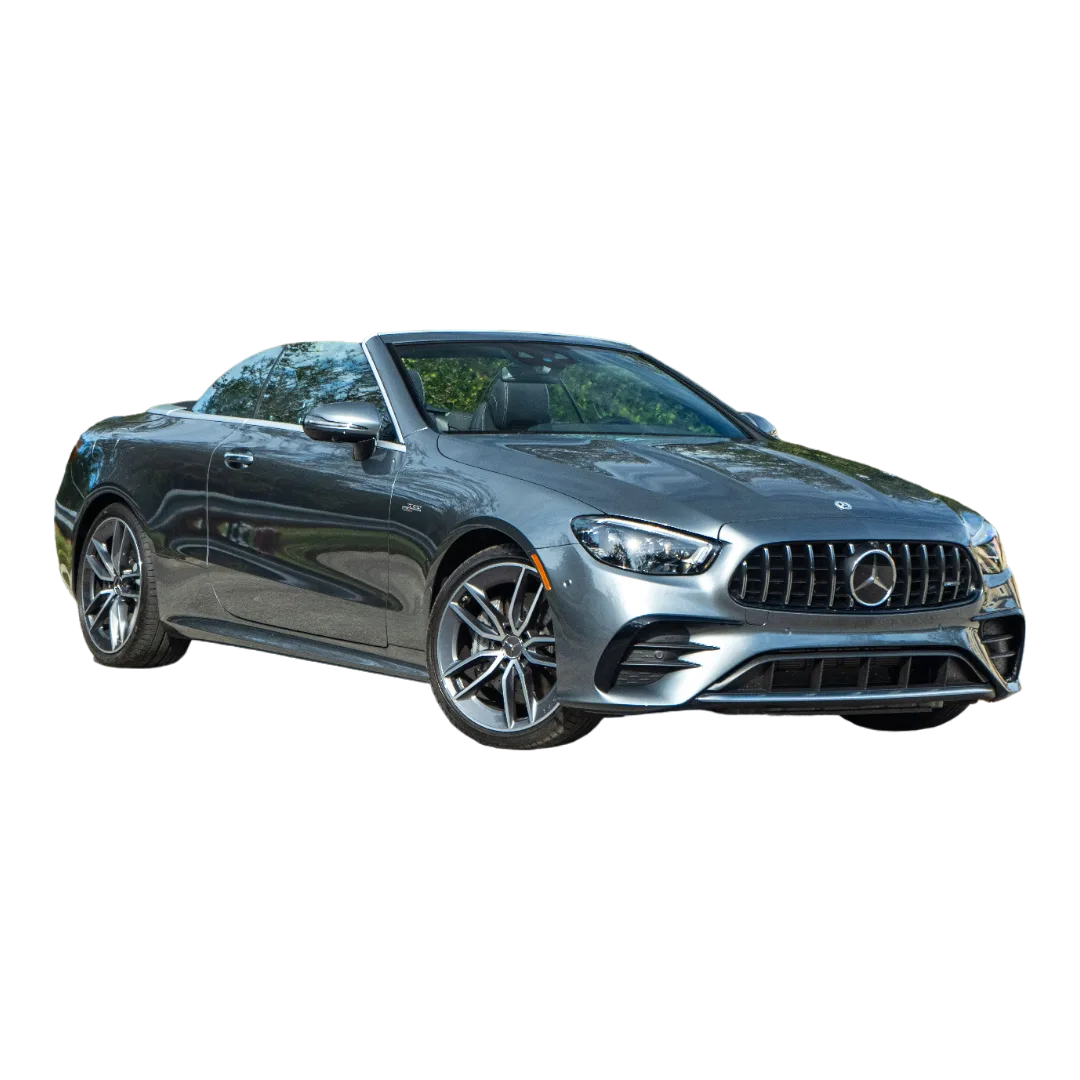 Mercedes-Benz AMG E 53 Cabriolet
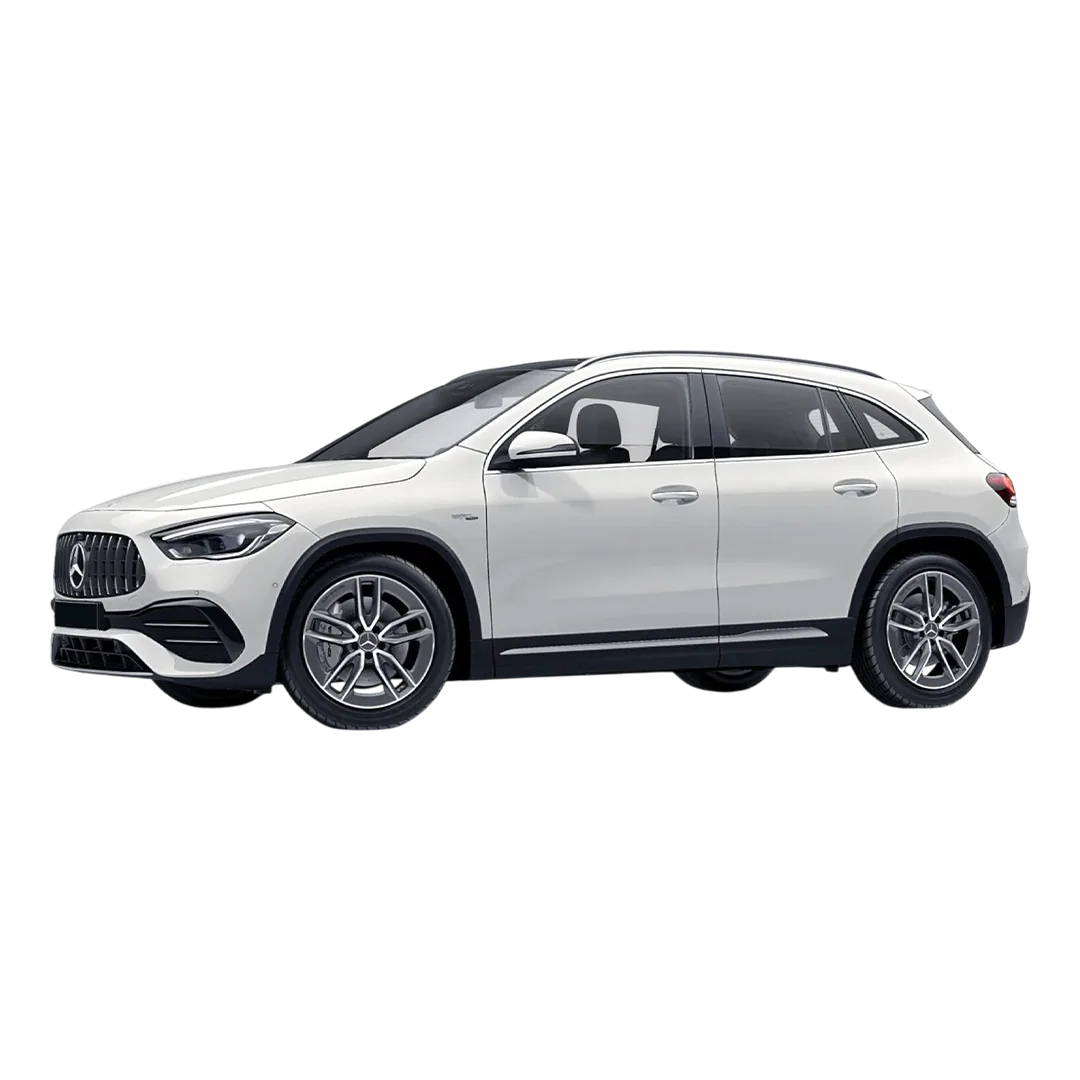 Mercedes-Benz AMG GLA 35
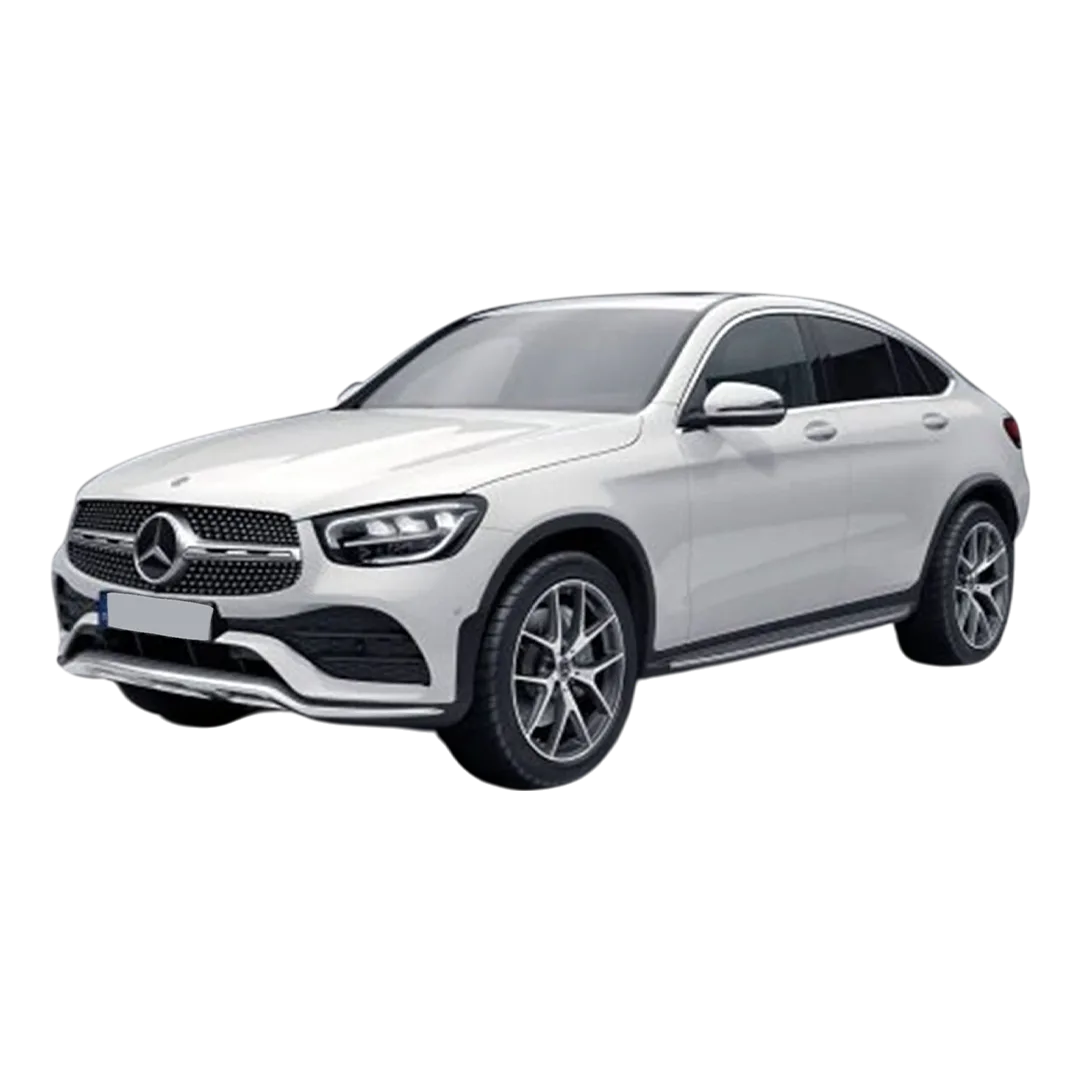 Mercedes-Benz GLC Coupe 2023
 Mercedes M-Class
R-Class
Mercedes M-Class
R-Class
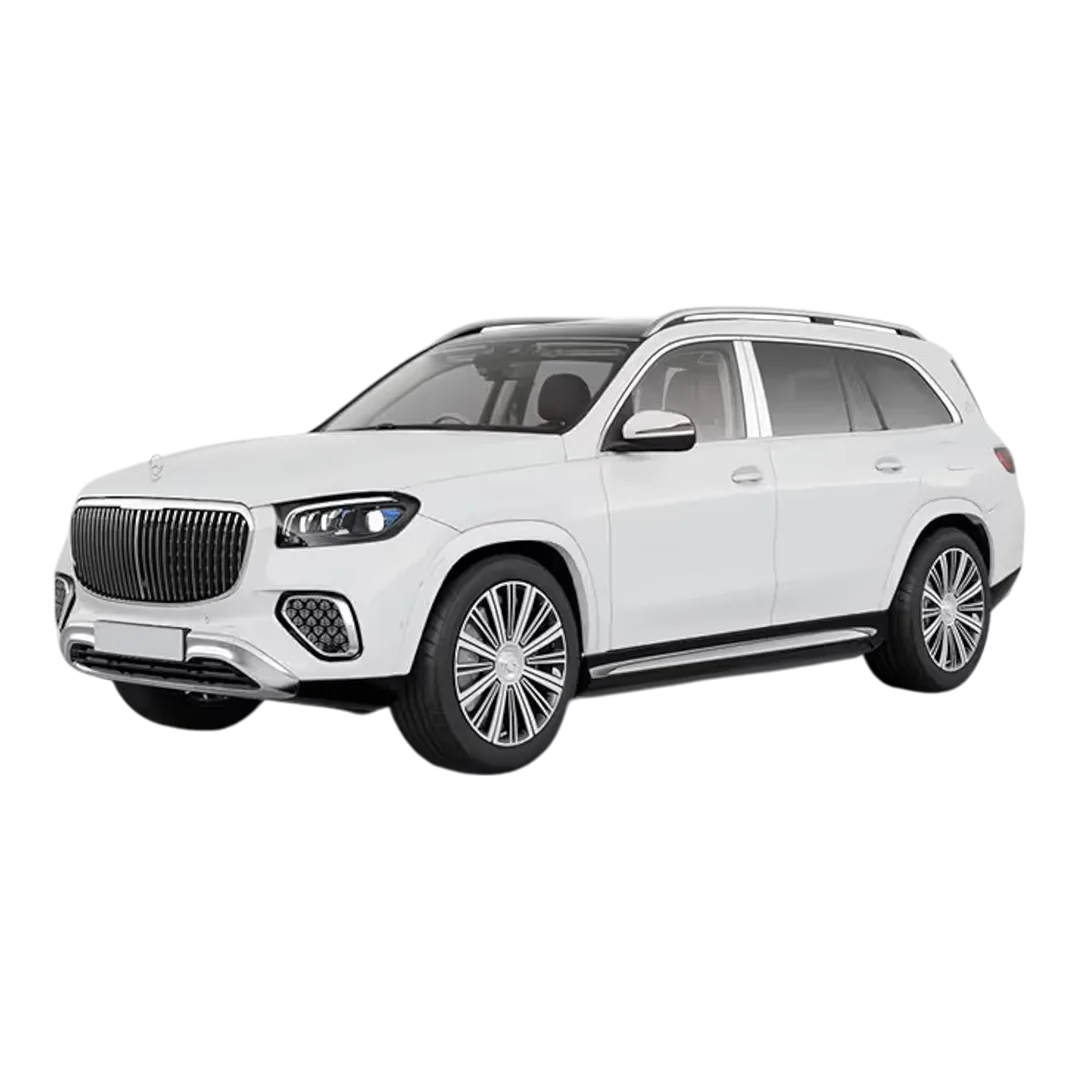 GLS 600
GLS 400
GLS 350
GLE 300
GLS 600
GLS 400
GLS 350
GLE 300
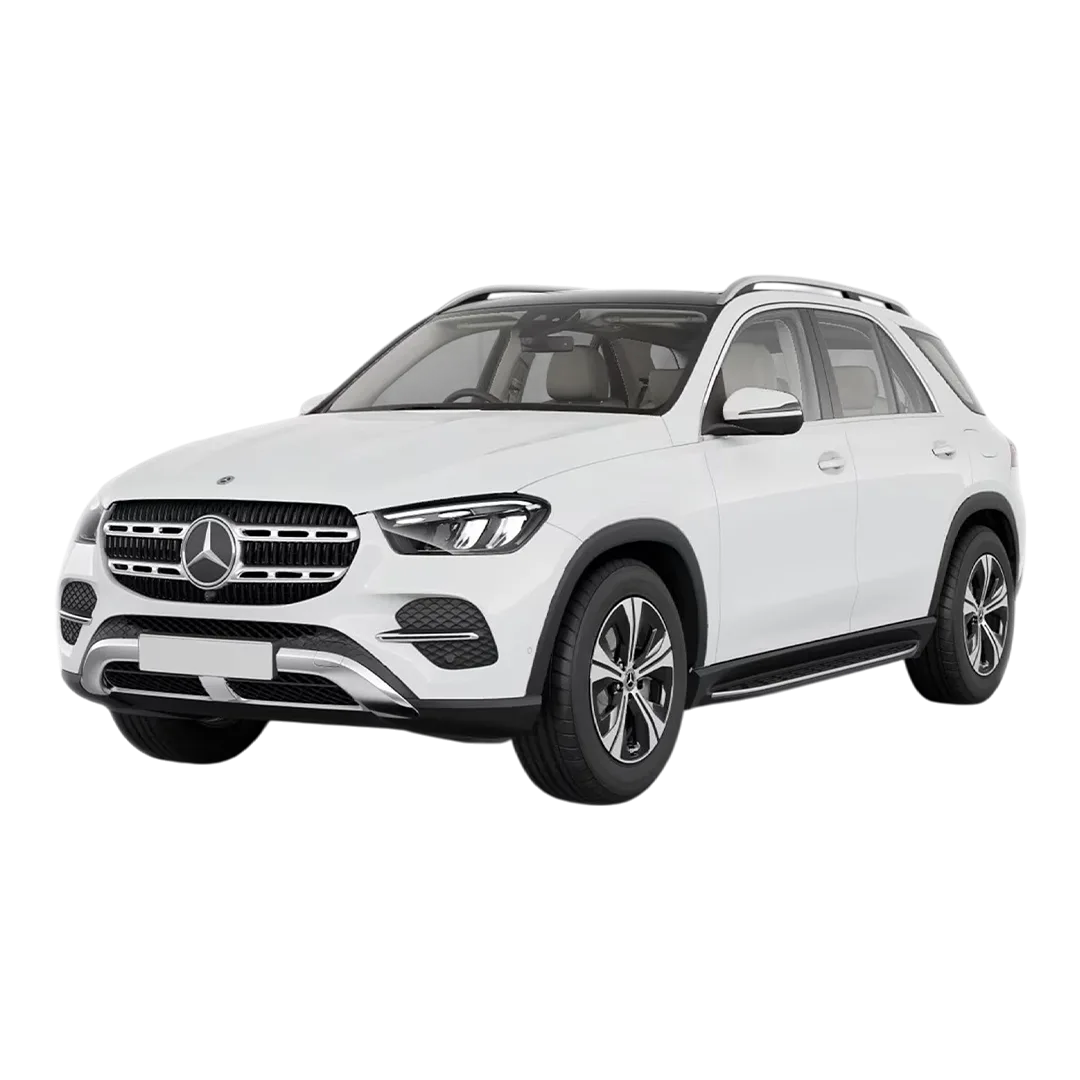 GLE 400
GLE 250D
GLE 400
GLE 250D
 GLC 220D
GLC 300
GLC 220D
GLC 300
 GLC 43 Coupe
 GLA 220d
 GLA-Class 200D
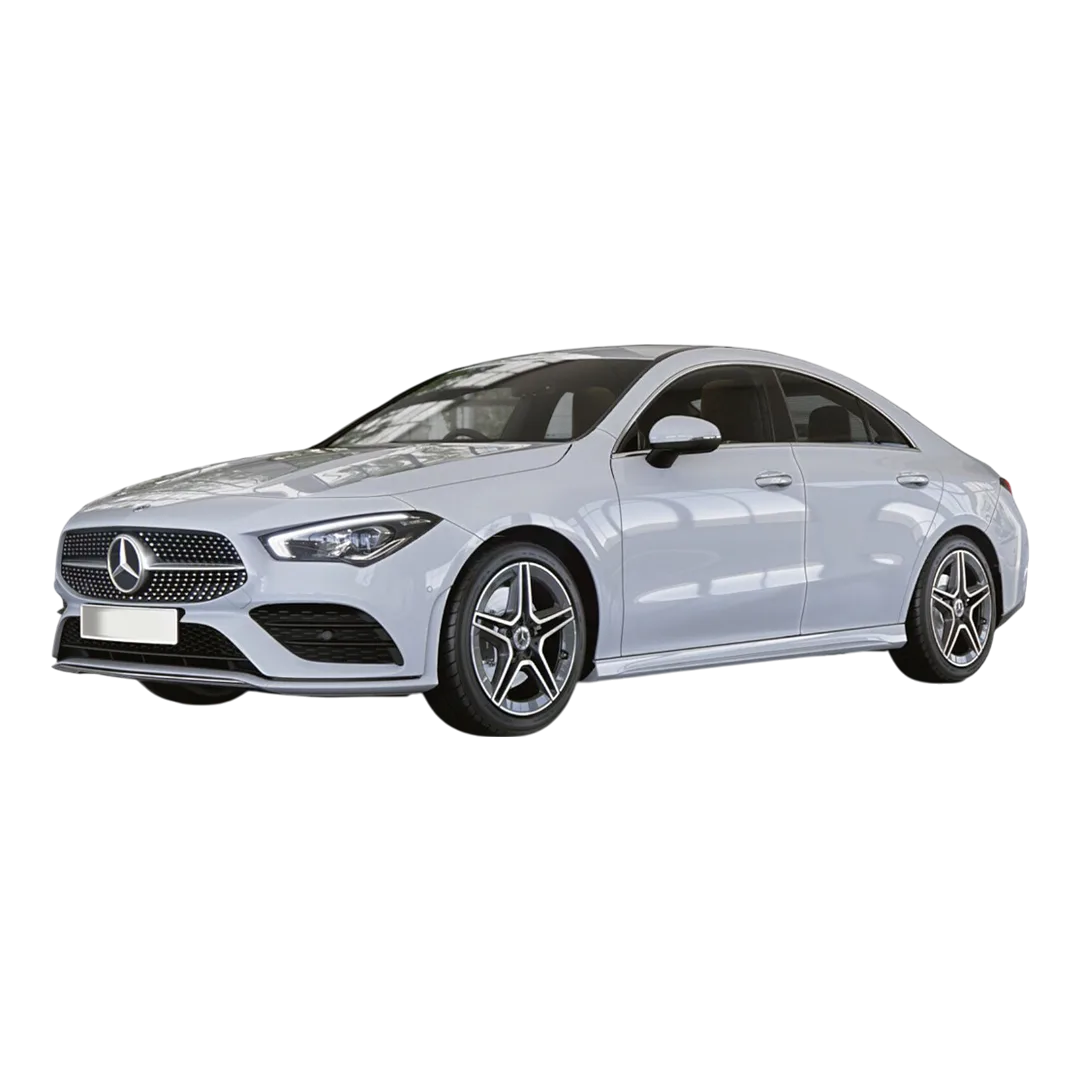 CLA 200
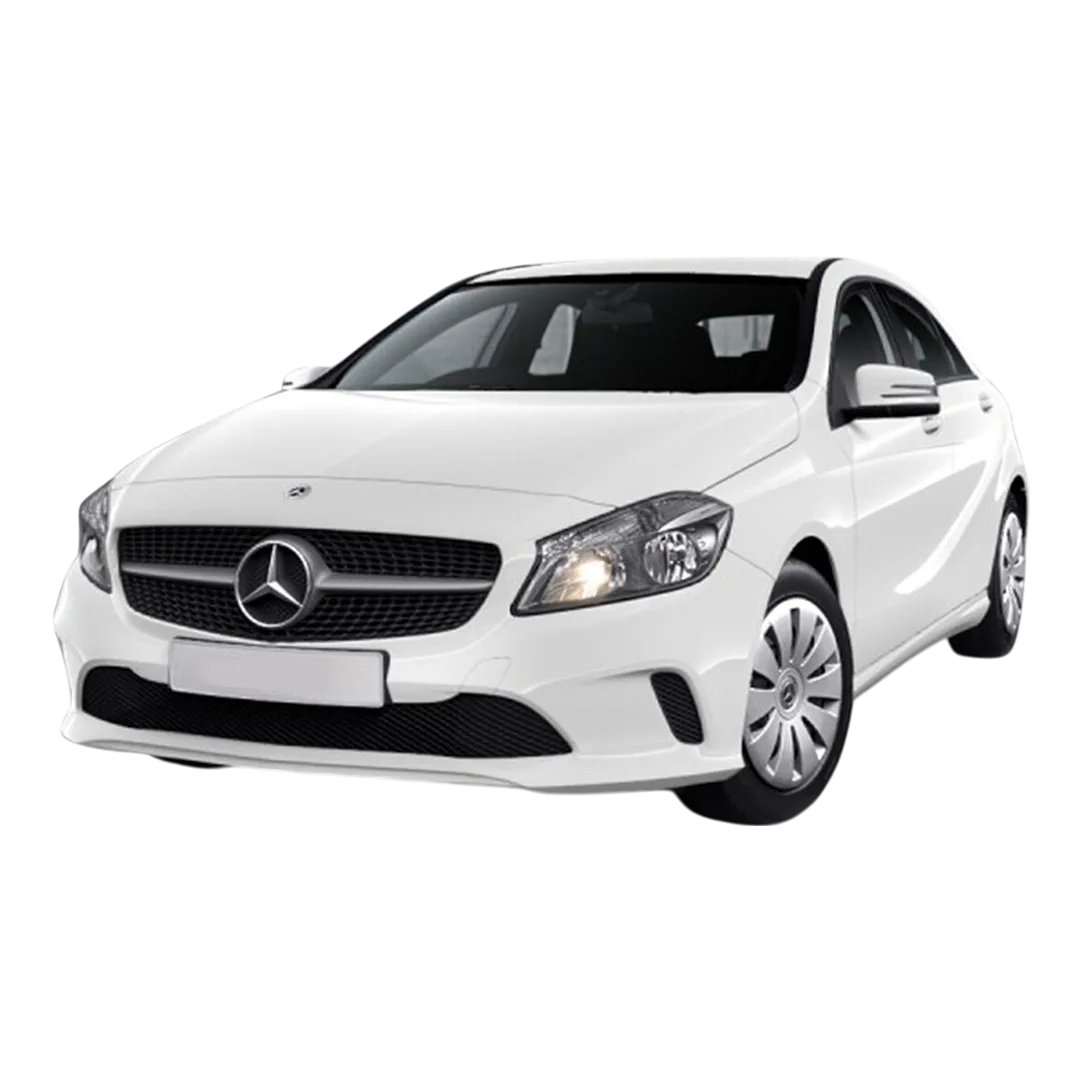 Benz A-Class A 180
M-Class ML 250
M-Class ML 350
Benz A-Class A 180
M-Class ML 250
M-Class ML 350
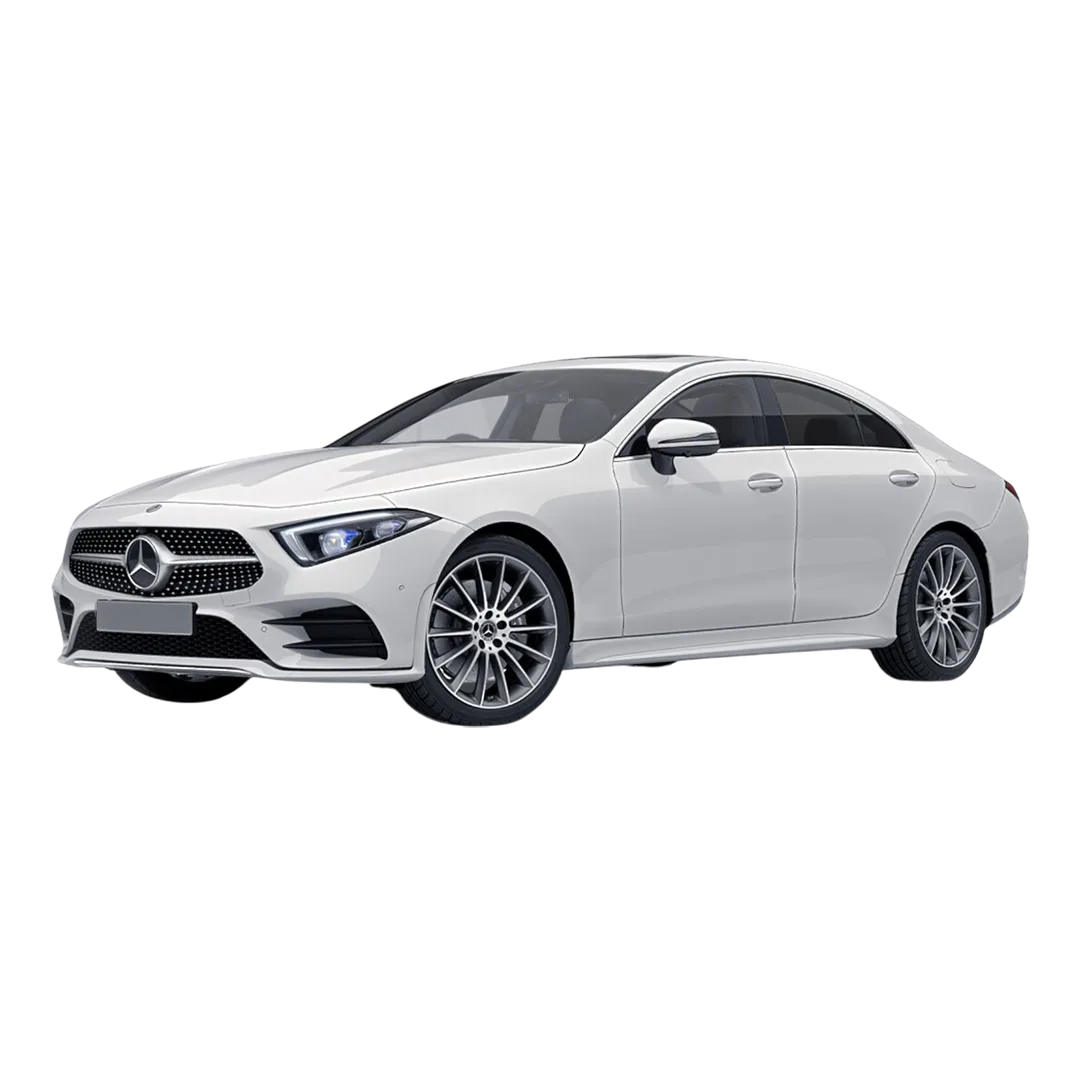 Benz CLS 300
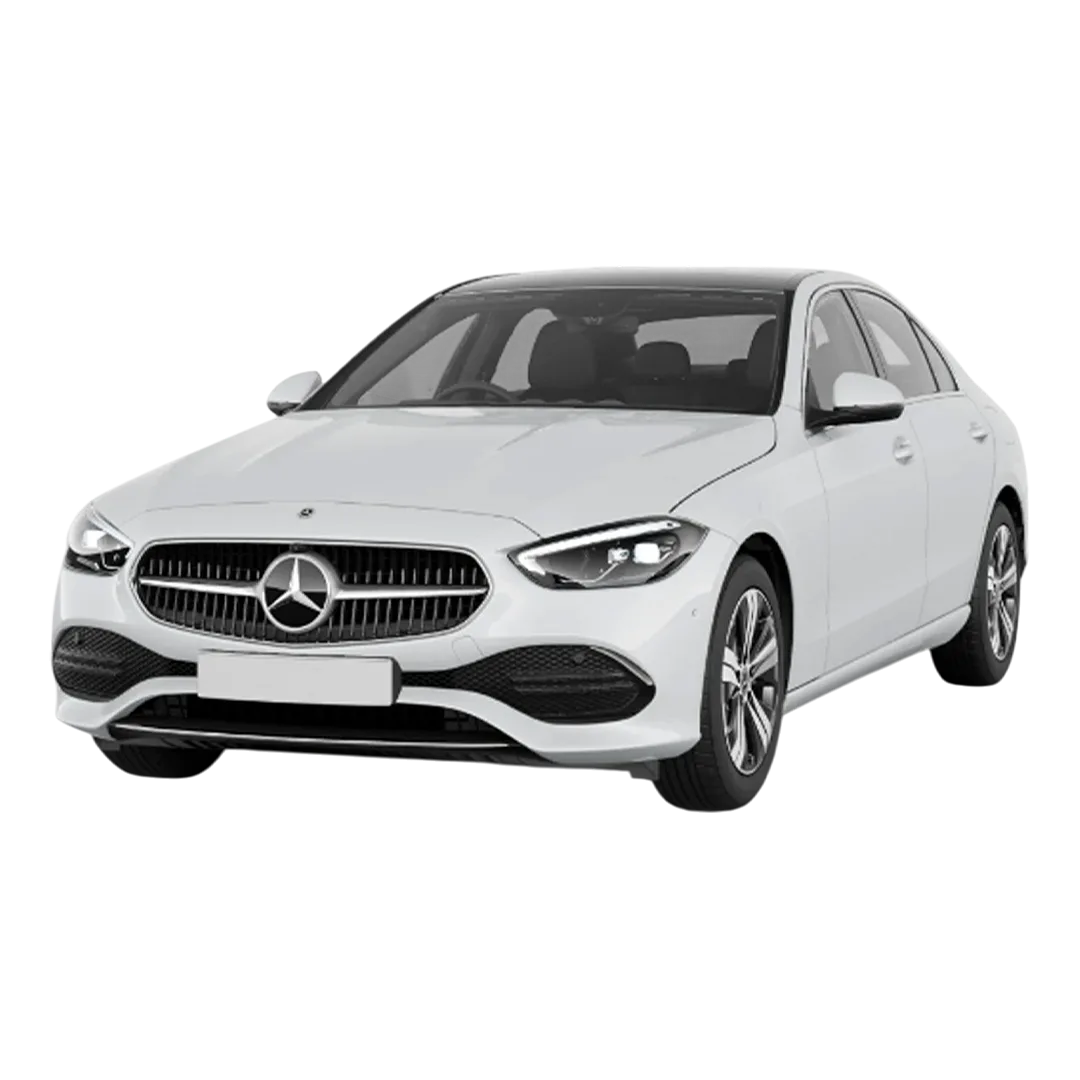 C-Class C250
C-Class C220
C-Class C200
C-Class C250
C-Class C220
C-Class C200
 Benz B - Class
Benz A - 200
Benz B - Class
Benz A - 200

The idea of a Tesla flying car has captured the attention of electric vehicle enthusiasts and technology followers worldwide. With Elon Musk flying car discussions attracting interest, many people are searching for the Tesla flying car 2026, its expected launch date, battery range, top speed and futuristic features.
However, there is an important distinction between a technological concept and a confirmed production vehicle. As of October 2026, a conventional Tesla flying car designed for everyday air travel has not been established through official Tesla product information. Reports about rocket-assisted technology associated with the next-generation Tesla Roadster have generated interest, but its practical flight capabilities require careful interpretation.
A genuine flying car needs more than a powerful electric motor. It must generate sufficient lift, maintain stability, control its movement in the air and land safely. These requirements make flying vehicles considerably more complex than conventional electric cars.
This blog explores the Tesla flying car launch date, reported performance, possible features and technical principles behind rocket-assisted movement. It also explains the difference between a flying-car concept and an aircraft, helping Indian readers understand the latest developments in automotive and aerospace technology.
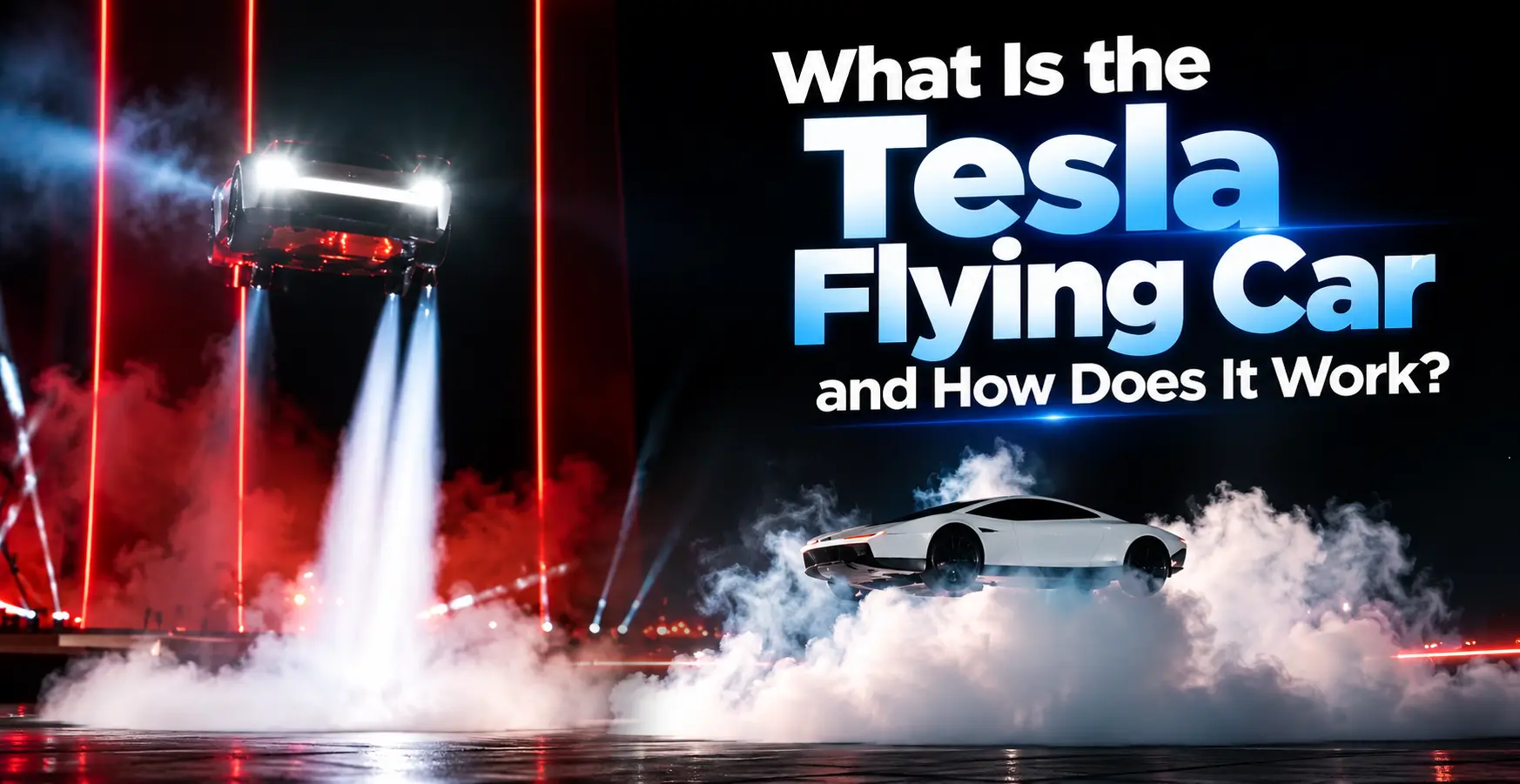
The term Tesla flying car is commonly associated with futuristic vehicle concepts combining electric-car engineering and aerospace technology. Recent discussions have linked the idea to the next-generation Tesla Roadster 2026, which has attracted attention for its reported rocket-style thrusters.
An electric car uses battery-powered motors to rotate its wheels and move on roads. A flying vehicle must also generate enough upward force to overcome its weight. Conventional aircraft achieve this using wings, while helicopters and electric vertical take-off and landing (eVTOL) vehicles typically use powered rotors or propellers.
The reported rocket-assisted Roadster concept follows a different approach. Rocket-style thrusters produce thrust by expelling gas at high speed. Depending on their direction and force, thrusters could potentially lift a vehicle briefly or help it perform controlled manoeuvres.
However, a brief lift is not the same as sustained flight. A practical flying car would require reliable flight controls, stability systems, sufficient energy, emergency procedures and safe landing capabilities.
Creckk View: Rocket-assisted movement is not equivalent to a fully functional flying car designed for daily commuting.
The most important question surrounding Tesla flying car technology is how a road vehicle could lift off the ground. The basic principle is thrust: a force generated in one direction can move an object in the opposite direction.
In a conventional electric car, the battery supplies power to motors that drive the wheels. For an airborne manoeuvre, rocket thrusters would generate force independently of the wheels. If the upward thrust exceeded the vehicle's weight, the vehicle could theoretically rise off the ground.
Controlling that movement would be considerably more complicated. Multiple thrusters and a precise control system would be needed to manage balance, orientation and movement. The vehicle would also need a reliable way to return to the ground without endangering occupants or people nearby.
| Technology | Function |
|---|---|
| Electric motor | Drives the wheels on roads. |
| Rocket thrusters | Generate thrust by expelling gas. |
| Flight controls | Manage balance and orientation. |
| Lift | Requires sufficient upward force to overcome weight. |
| Landing system | Enables a controlled return to the ground. |
A short airborne manoeuvre does not prove that a vehicle can fly between cities or remain airborne for an extended period. Confirmed information about the production vehicle's flight capabilities, safety systems and operating limitations is essential.
Creckk Tip: Rocket-assisted lifting differs from sustained aircraft flight. Look for verified technical specifications before accepting flying-car claims.
The Tesla flying car launch date has become a popular search topic because of developments surrounding the next-generation Roadster. Reports in October 2026 described a redesigned Roadster featuring rocket-style thrusters, renewing interest in Elon Musk's vision of combining automotive engineering with aerospace technology.
However, a vehicle reveal does not automatically mean that production has started or customer deliveries are available. Reports have pointed to 2028 as the expected start of Roadster production, rather than a confirmed 2026 delivery date. The production timeline and final equipment should be checked against official Tesla announcements.
It is also important to distinguish the Roadster from a conventional flying car. The reported rocket-assisted concept is not equivalent to an aircraft designed for sustained flight or a commercially available air-taxi service.
For Indian buyers, no confirmed Indian delivery date for a flying-capable Roadster has been established here. Local availability would depend on production, vehicle approval, applicable safety requirements and the legality of any proposed flight-related features.
Creckk Tip: Check whether a reported date refers to a reveal, production start or customer delivery before treating it as confirmed.
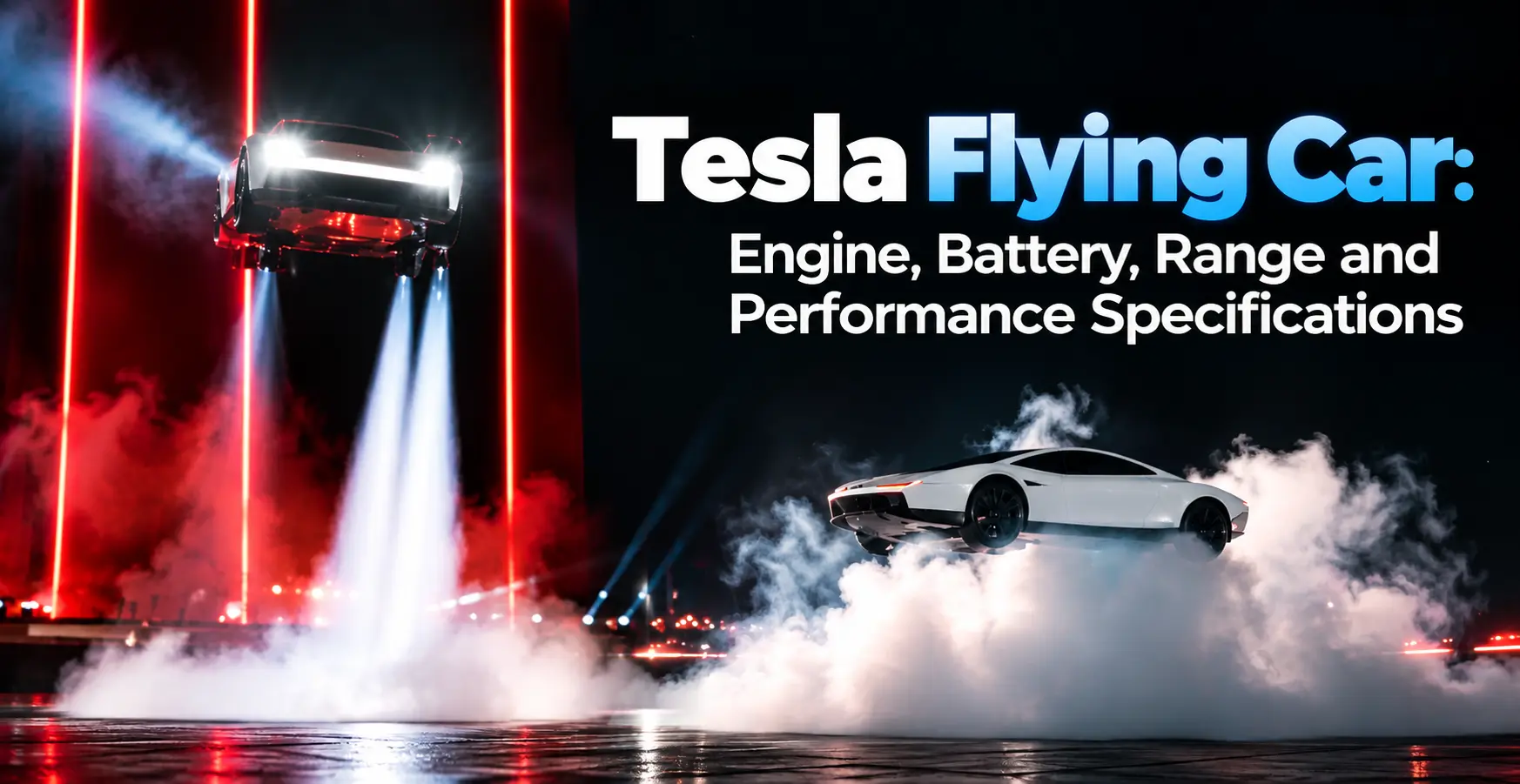
The Tesla flying car specifications require careful interpretation because the vehicle under discussion is associated with a high-performance electric sports car and reported rocket-assisted technology, rather than a fully developed aircraft with published flight specifications.
Tesla's published Roadster information has listed ambitious performance targets. However, road-performance figures should not be treated as verified flight specifications, and the final configuration of any redesigned vehicle may differ from earlier targets.
The electric powertrain uses battery energy to power the vehicle's motors. Rocket-assisted technology would introduce an additional propulsion mechanism, creating further engineering challenges involving weight, energy management, stability and passenger safety.
Tesla's published Roadster page lists a target range of 620 miles, approximately 998 km. This is a road-range figure and should not be interpreted as a flying range. A verified airborne range for a production flying-capable version has not been established.
| Specification | Available Information |
|---|---|
| Vehicle type | Next-generation electric sports car |
| Road propulsion | Battery-powered electric motors |
| Additional technology | Rocket-style thrusters reported |
| 0–60 mph acceleration | Earlier Tesla Roadster target: 1.9 seconds |
| Top speed | Earlier Tesla Roadster target: over 250 mph (402 km/h) |
| Published range | Earlier target: 620 miles (approximately 998 km) |
| Sustained flight range | Not confirmed |
| Expected production start | Reported as 2028 |
| India availability | No confirmed delivery date established |
Creckk Facts: Road speed, acceleration and battery range do not establish how far or how long a vehicle can fly.
The most discussed Tesla flying car features involve the reported use of rocket-style thrusters alongside electric sports-car engineering. This combination has attracted attention because it brings technologies associated with road vehicles and aerospace systems into the same conversation.
The distinction between a sports car that briefly lifts off and a vehicle capable of sustained flight remains important. Flying over a city would require additional technical capabilities, safety validation and regulatory approval.
For buyers interested in New car technology 2026, the wider lesson is that impressive demonstrations should be evaluated alongside practical considerations such as reliability, maintenance, safety and everyday usability.
Creckk View: The real milestone will be confirmed production specifications and evidence of what the technology can safely achieve.
Whether the Tesla flying car is real depends on how the term is being used. The reported rocket-assisted Roadster concept has attracted attention, but that does not establish the existence of a production-ready aircraft capable of routine air travel.
A practical flying car would need reliable flight controls, an appropriate propulsion system, passenger protection, emergency procedures and a safe landing system. Depending on its design, it could also require specialised landing areas, trained operators and approval from aviation authorities.
In India, road approval and permission to fly are separate matters. A road-legal vehicle is not automatically permitted to operate in the air. Any future vehicle combining road travel and flight would need to comply with the applicable regulations for its intended use.
The Future of Tesla flying cars will also depend on cost, energy efficiency, noise, maintenance and safety. A technology that enables a brief airborne manoeuvre may be exciting without being practical for everyday transportation.
Meanwhile, the broader Future electric cars market continues to focus on battery efficiency, charging infrastructure, software and driver-assistance technology. These developments have more immediate relevance to everyday motorists.
| Factor | Rocket-Assisted Car Concept | Conventional Flying Car or eVTOL |
|---|---|---|
| Main purpose | Road performance and special manoeuvres | Air transportation, depending on design |
| Lift mechanism | Reported rocket-style thrust | Typically wings, rotors or propellers |
| Sustained flight | Not established | Depends on design and certification |
| Road usability | Designed as a road sports car, subject to approval | Varies by vehicle |
| Main challenges | Safe thruster integration and control | Flight safety, certification and infrastructure |
This is a conceptual comparison; actual capabilities vary between vehicle designs.
A conventional Tesla flying car launch in 2026 has not been confirmed. The reported Roadster developments should be distinguished from a production-ready aircraft.
No confirmed Indian launch or delivery date for a flying-capable Tesla Roadster has been established.
Earlier Tesla Roadster targets include a top speed above 250 mph and 0–60 mph acceleration in 1.9 seconds. These are road-performance targets, not verified flight figures.
The reported concept combines electric road propulsion with rocket-style thrusters that produce thrust by expelling gas. This differs from the sustained lift systems used by conventional aircraft.
Tesla's published Roadster page has listed a target range of 620 miles, approximately 998 km. This is not a verified flying range, and final production specifications require confirmation.
Availability has not been confirmed. Production, vehicle approval and applicable aviation regulations would need to be addressed before any proposed flying capability could be used legally.
The term is being used in connection with the next-generation Roadster and its reported rocket-assisted technology. It is not the name of a separately confirmed Tesla aircraft for routine air travel.
The Tesla flying car 2026 discussion highlights the growing intersection of automotive and aerospace engineering. The reported Roadster concept has generated interest in rocket-assisted movement, but a vehicle capable of brief airborne manoeuvres is not automatically a practical flying car.
For Indian readers, the key details to monitor are the production timeline, final specifications, verified battery range, safety testing and local availability. Reported production targets should not be confused with confirmed customer deliveries.
The broader Latest car technology landscape includes developments in electric powertrains, connected vehicles, driver assistance and vehicle personalisation. These innovations can improve everyday driving even if flying-capable cars remain specialised products.
For motorists exploring practical automotive upgrades, Creckk helps users discover car accessories for comfort, convenience, protection and personalisation. While futuristic vehicle concepts may shape tomorrow's mobility, choosing suitable accessories for an existing car remains a practical way to enhance today's driving experience.