Your cart is empty
Start Shopping Exterior
›
Exterior
›
 Bumper Diffuser/Guard
 Body Covers
 Window Garnishing
 Door Guards
 Roof Rails
 Side Beading
 Door Visor
 Mud Flap
 Wheel Cover
 Foot Rest
 Interior
›
Interior
›
 Door Scuff Sill Plates
 Window Sunshades & Film
 Armrest
 Seat Covers
 Steering Cover
 Floor Mats
 Dashboard Showpiece
 Seat & Neck Cushion
 Lighting
›
Lighting
›
 Utility
›
Utility
›
 All Chrome Items
 Mobile Holder
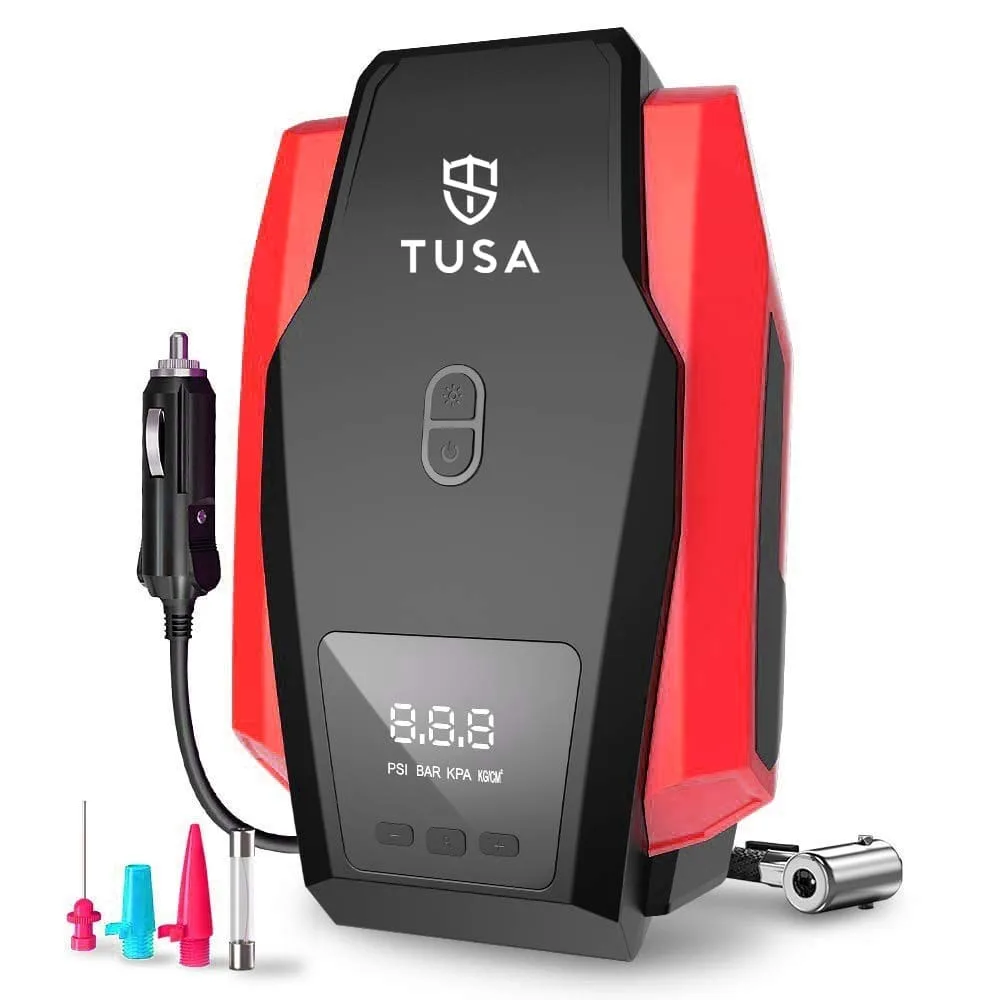 Tyre Inflators
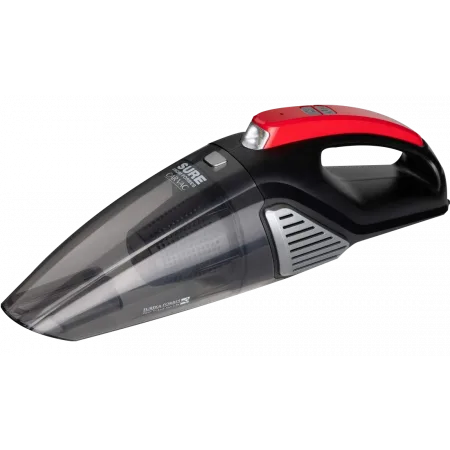 Vacuum Cleaner
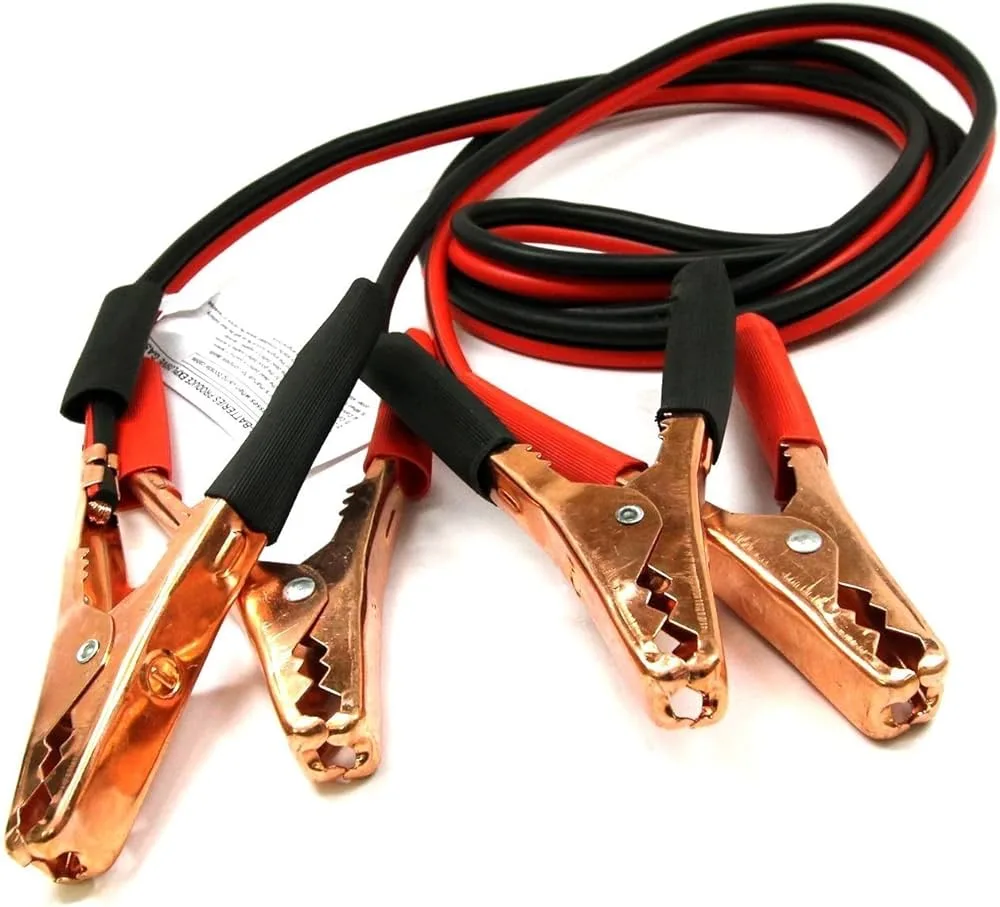 Jumper Cable
 Cleaning Kit
 Tyre Puncture Kit
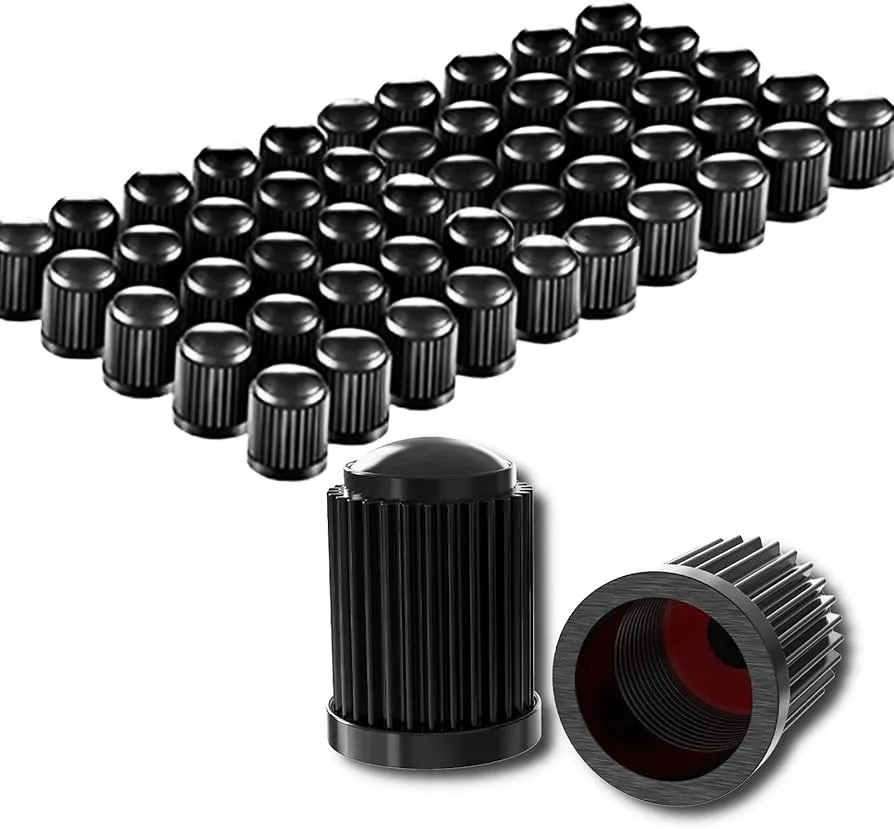 Tyre Valve Cap
 Car Fan
 Parcel Tray
 Electronic
›
Electronic
›
 Parts
›
Parts
›
 Fog Lights
 Headlights
 Tail Lights
 Steering Wheel Controls
 Sensor
 Horns
Horns
 Wiper Blade
 Front Grille
 Side Mirror
 Battery
 Car Care
›
Car Care
›
 Air Freshener & Perfume
 Gear knob
 Stickers & Decals
 Blind Spot Mirror
 Steering Knob
 Key Covers
 Polish & Scratch Remover
 Seat Utility Holder
 Cup Holder
 Dustbin
 Paper Napkin
 Shop By Car
›
Shop By Car
›
 Tata
›
Tata
›
 Maruti Suzuki
›
Maruti Suzuki
›
 Hyundai
›
Hyundai
›
 Toyota
›
Toyota
›
 Mahindra
›
Mahindra
›
 Honda
›
Honda
›
 Ford
›
Ford
›
 Nissan
›
Nissan
›
 Renault
›
Renault
›
 Skoda
›
Skoda
›
 Volkswagen
›
Volkswagen
›
 Morris Garages - MG
›
Morris Garages - MG
›
 KIA
›
KIA
›
 Jeep
›
Jeep
›
 Citroen
›
Citroen
›
 Datsun
›
Datsun
›
 Chevrolet
›
Chevrolet
›
 Isuzu
›
Isuzu
›
 Mitsubishi
›
Mitsubishi
›
 AUDI
›
AUDI
›
 BMW
›
BMW
›
 Mercedes
›
Mercedes
›
 Land Rover
›
Land Rover
›
 Jaguar
›
Jaguar
›
 Volvo
›
Volvo
›
 FIAT
›
FIAT
›
 Mini Cooper
›
Mini Cooper
›
 Porsche
›
Porsche
›
 Lexus
›
Citron
›
Fors
›
Morris Garages
›
MG
›
Lexus
›
Citron
›
Fors
›
Morris Garages
›
MG
›
 Nexon
Nexon
 Harrier
 Altroz
 Hexa
Hexa
 Safari
 Tiago
Tiago
 Punch
Punch
 Tigor
Tigor
 Sumo
Sumo
 Winger
 Bolt
Bolt
 Vista
Vista
 Manza
Manza
 Indica
 Indigo
 Nano
Nano
 Aria
Aria
 Safari Storme
 Zest
Zest
 NEXON EV Max
 NEXON EV Prime
 Tiago NRG
 Tigor EV
INDICA VISTA
Curvv
Sierra
Magic
Tigor EV
INDICA VISTA
Curvv
Sierra
Magic
 Ciaz
Ciaz
 S-Presso
 Eeco/Versa
 WagonR
 Brezza
 Swift
Swift
 Dzire
Dzire
 Baleno
 Ertiga
 Grand Vitara
 S-Cross
 Jimny
Jimny
 Celerio
 Ignis
Ignis
 Alto 800
 Alto K10
 XL6
XL6
 Omni
Omni
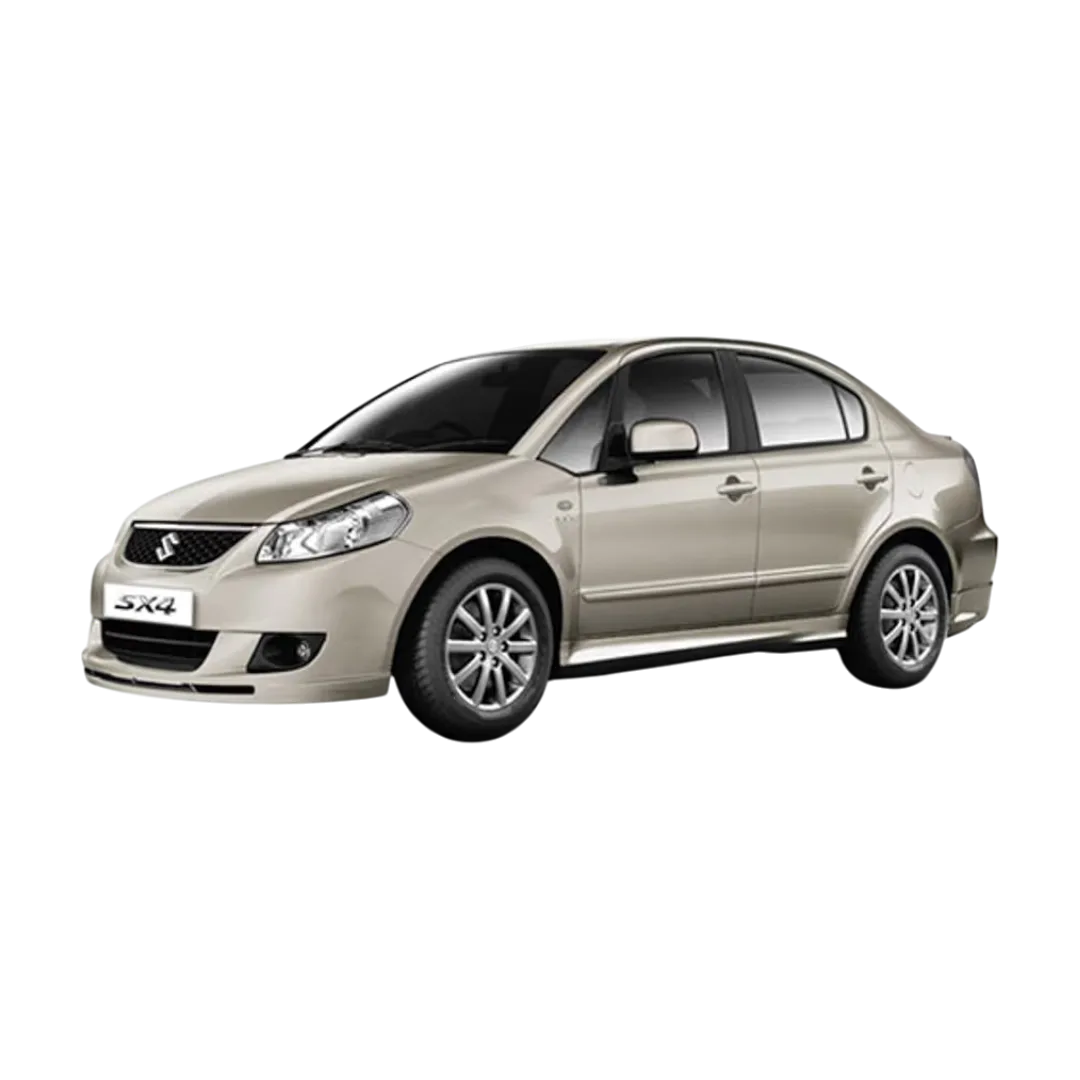 SX4
SX4
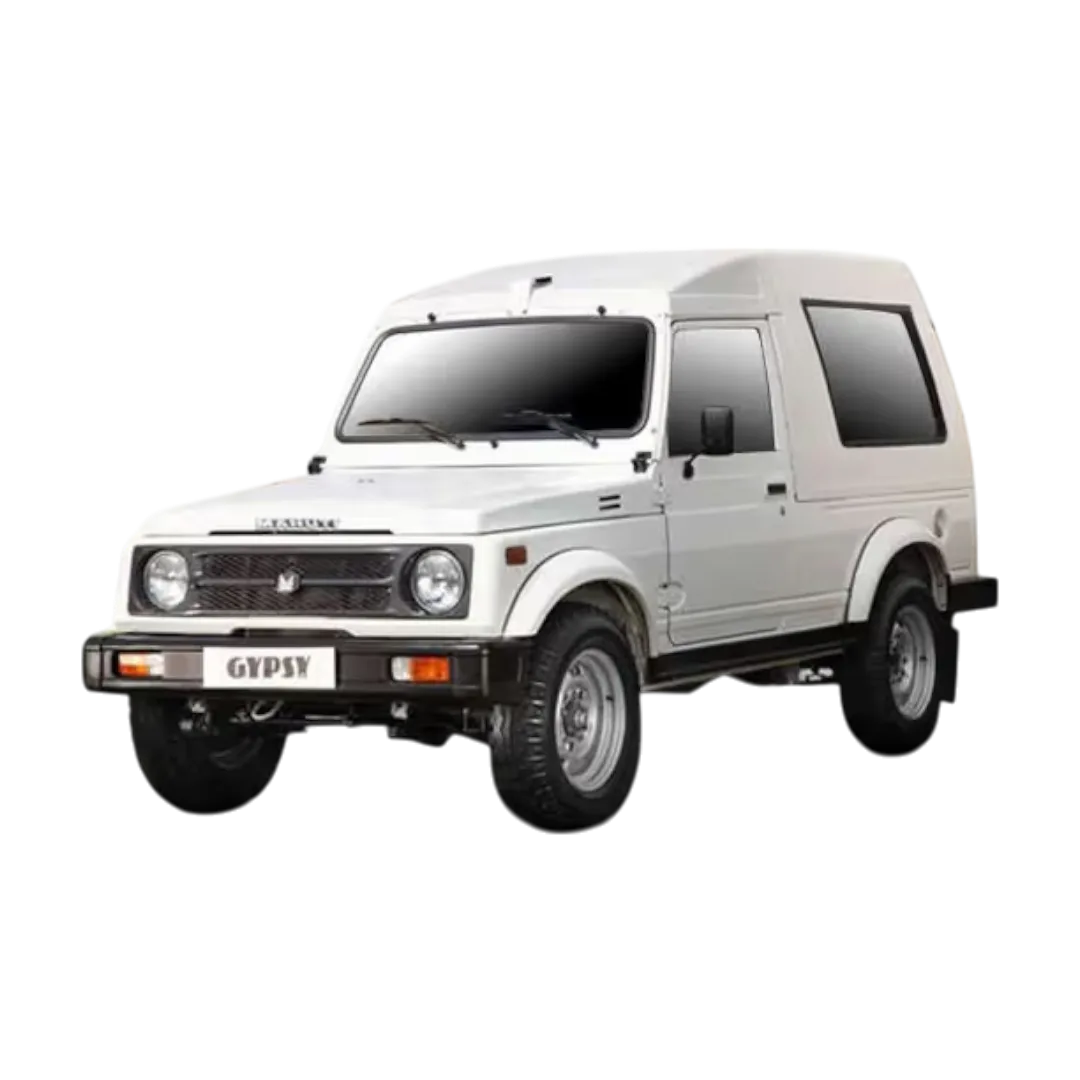 Gypsy
Gypsy
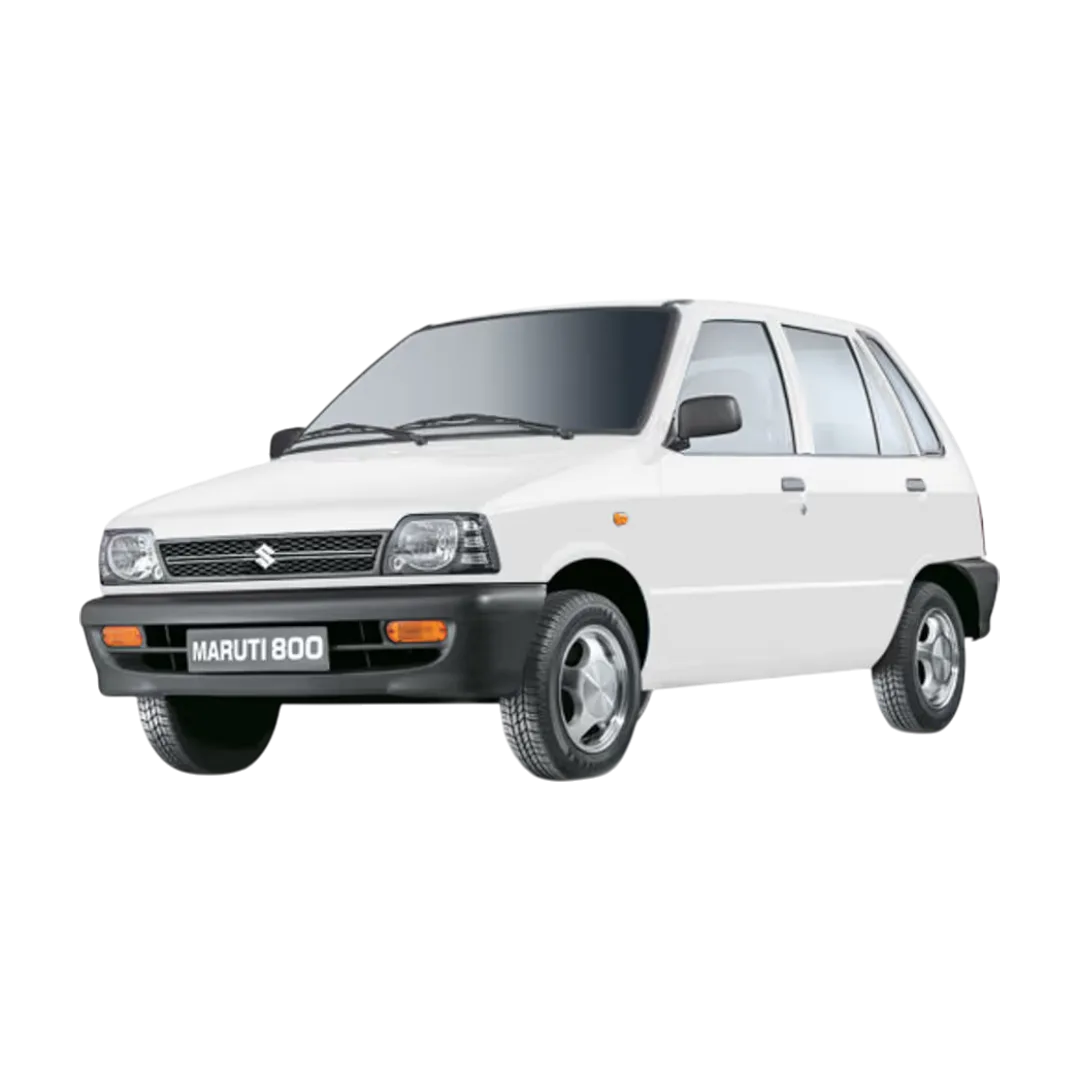 Maruti 800
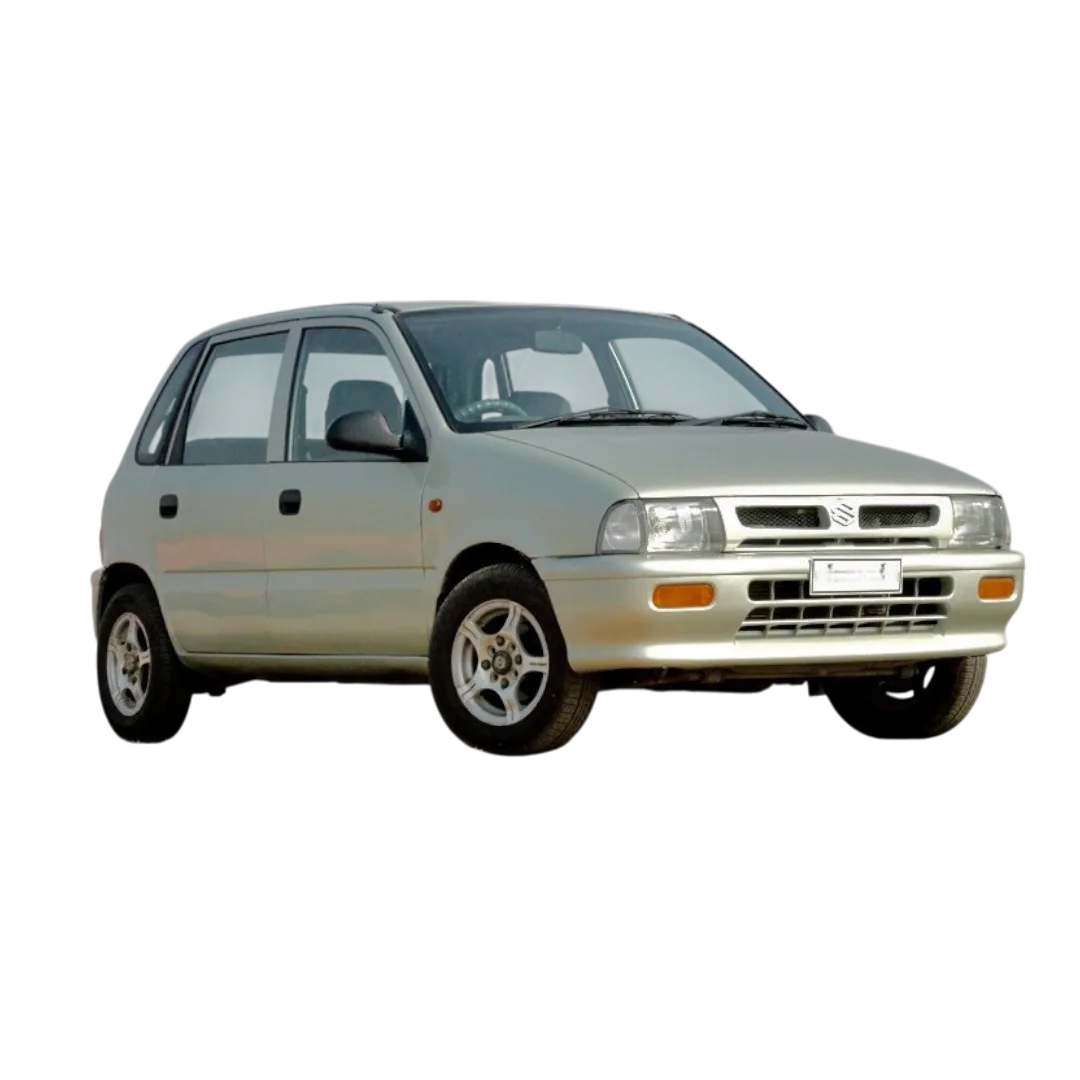 Zen
Zen
 Esteem
 Zen Estilo
 Ritz
Ritz
 Fronx
Fronx
 A-Star
 Alto
Alto
 Invicto
Victoris
Wagon R
Invicto
Victoris
Wagon R
 i20
i20
 Aura
Aura
 Creta
Creta
 Elantra
 Getz
Getz
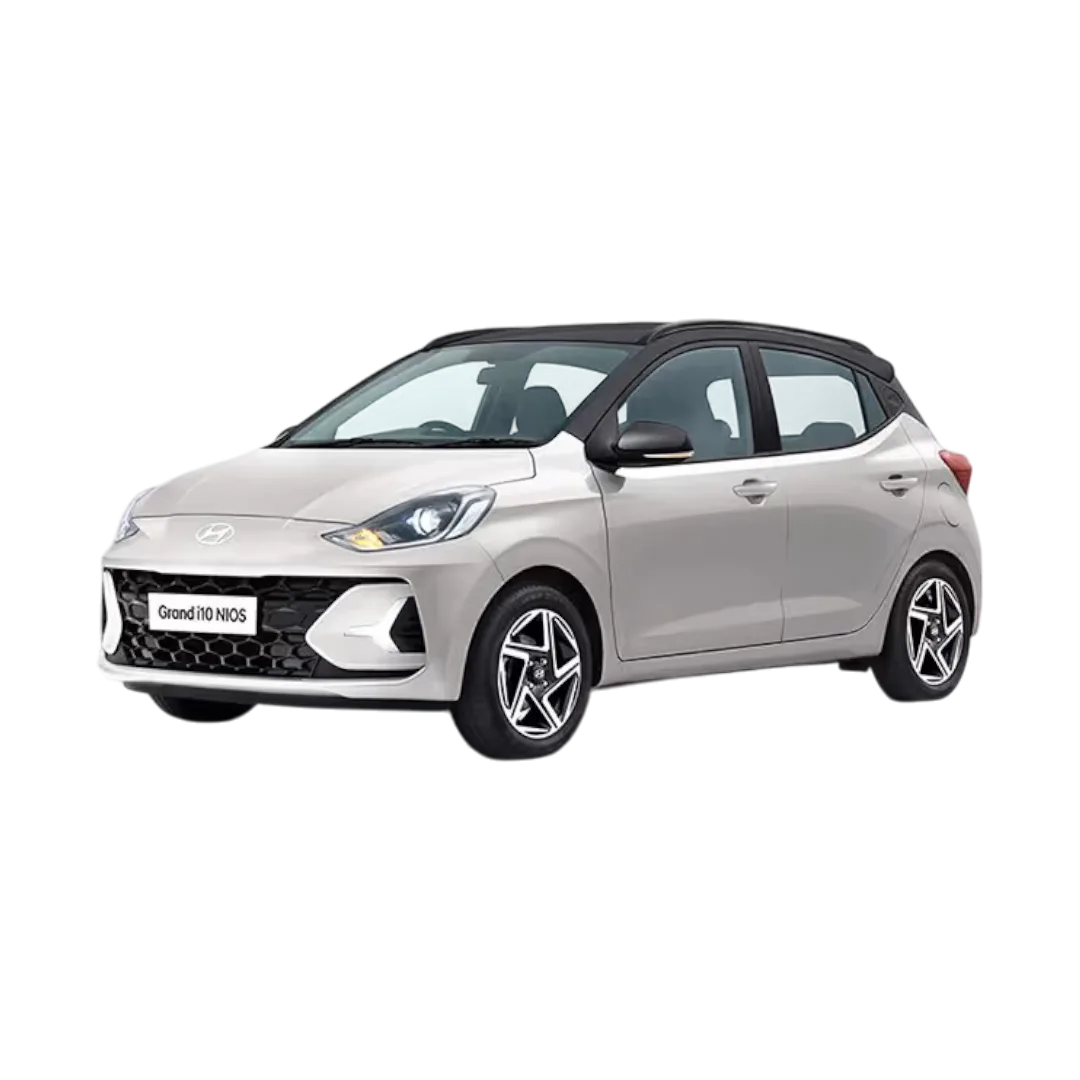 Grand i10 Nios
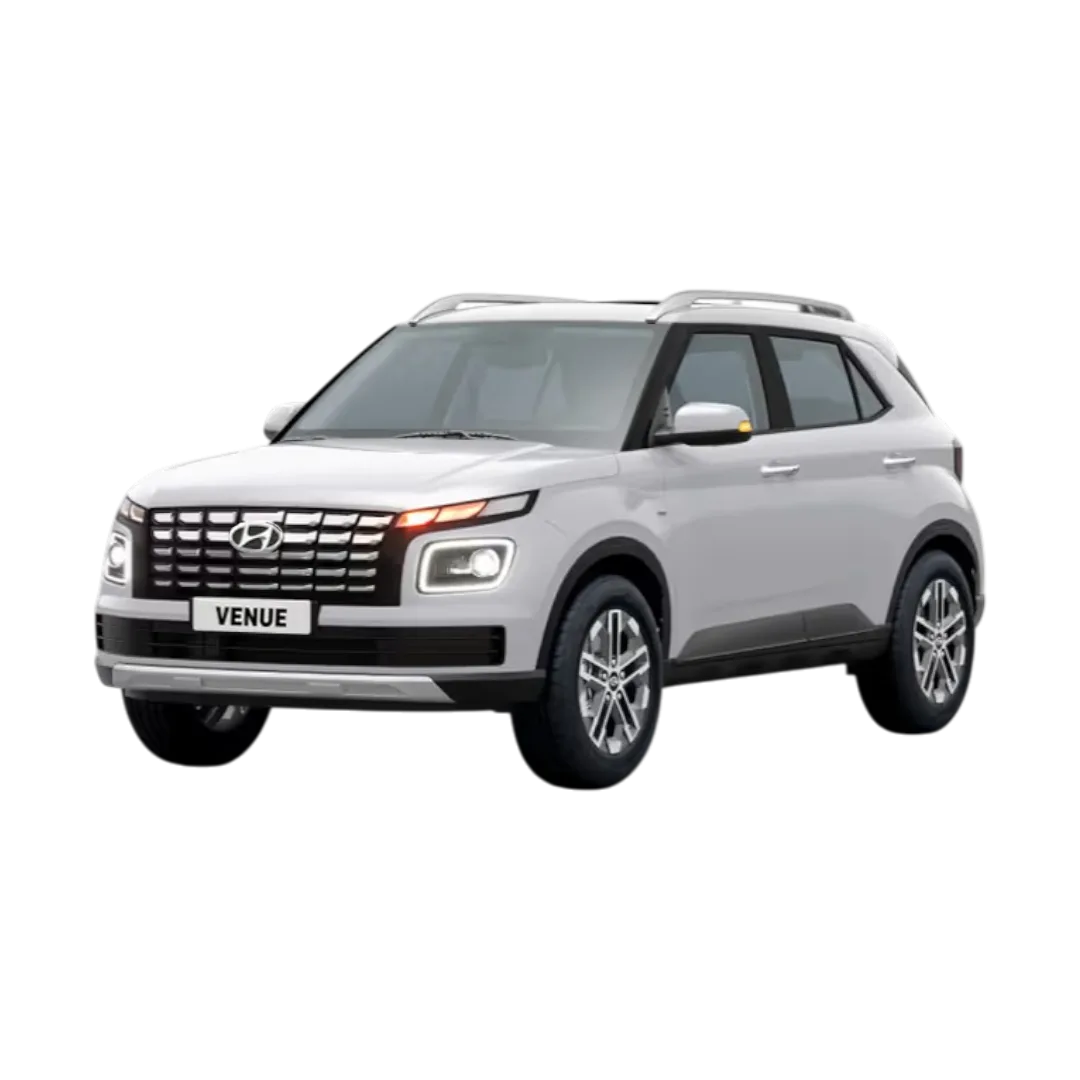 Venue
Venue
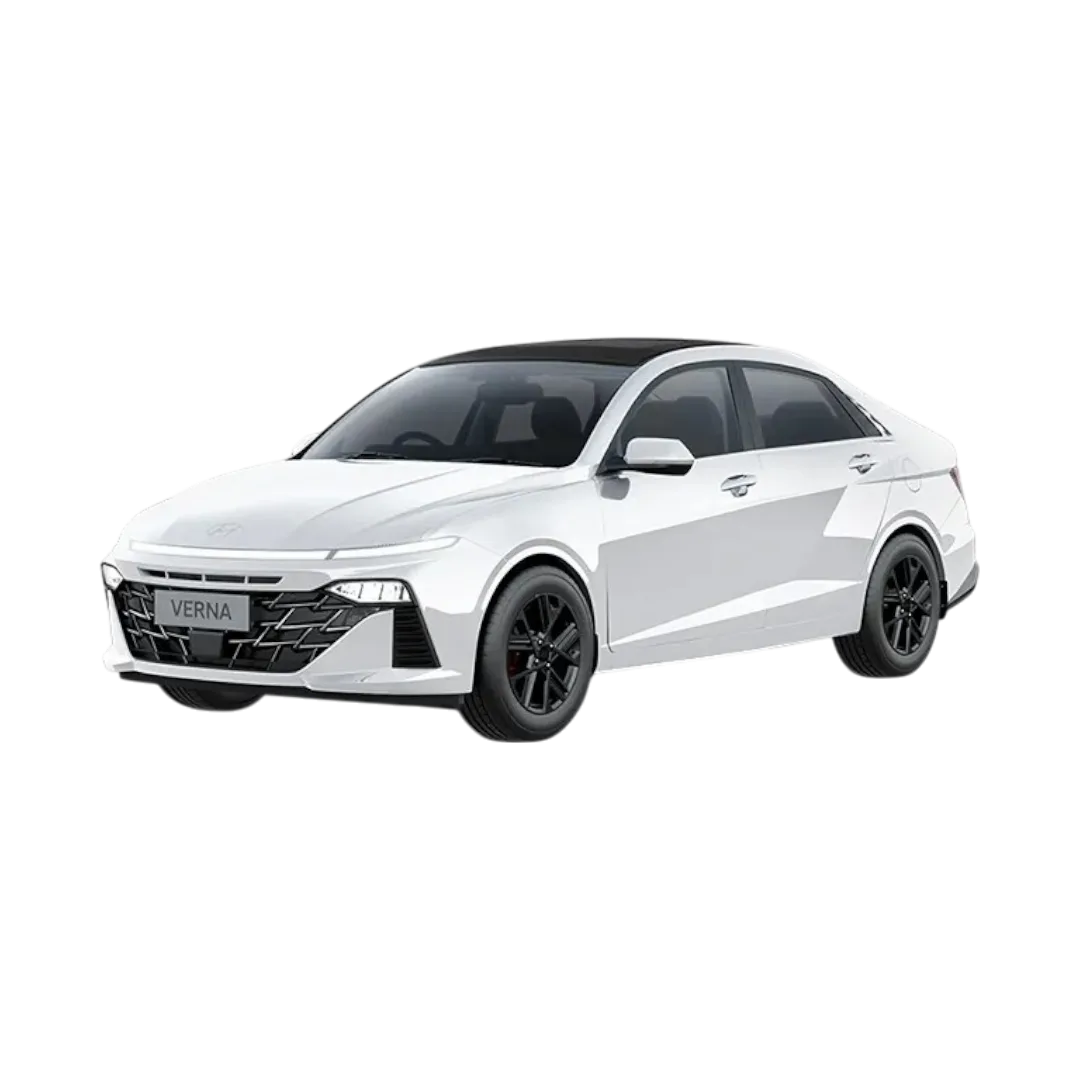 Verna
Verna
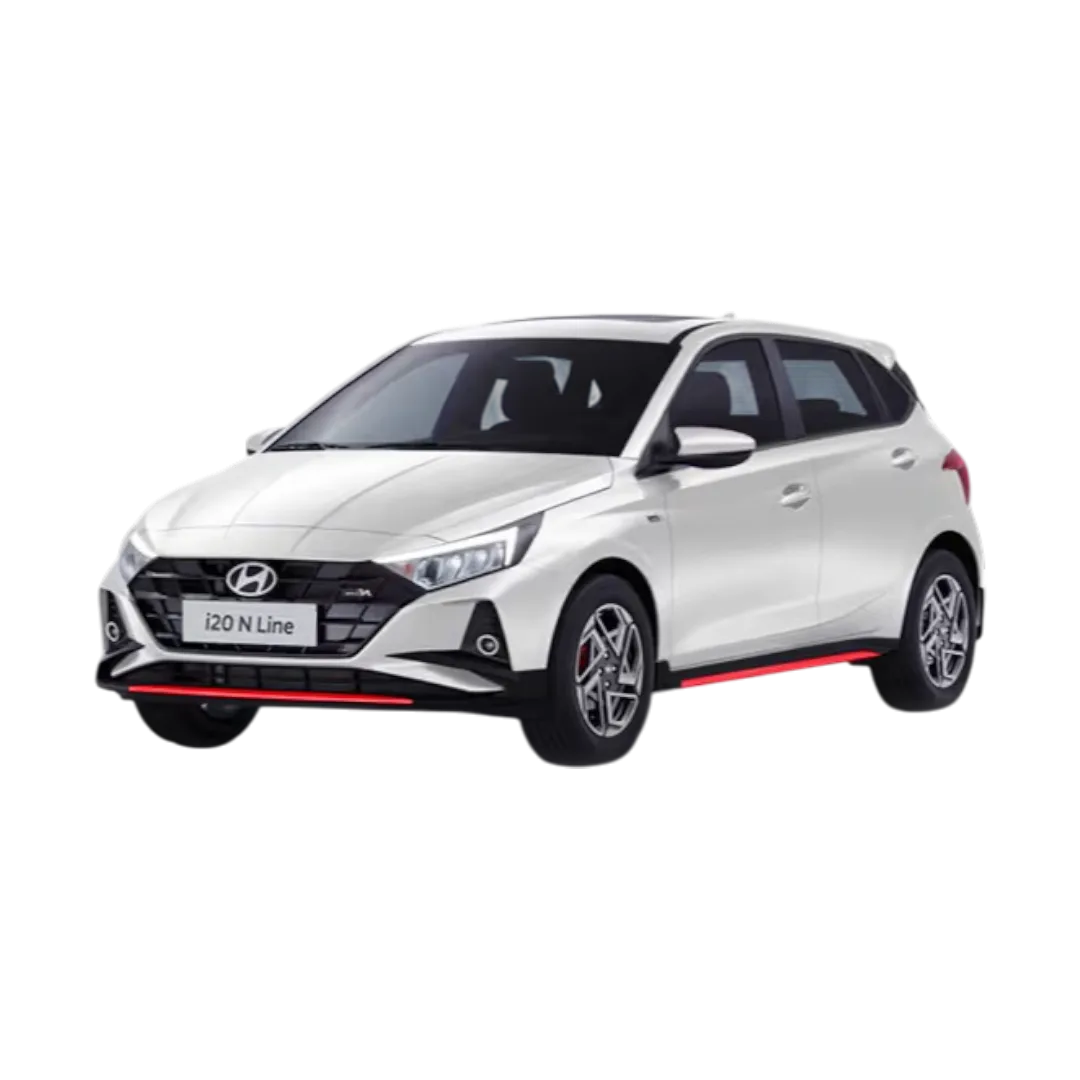 i20 N Line
 Venue N Line
 Alcazar
 Tucson
 Kona
Kona
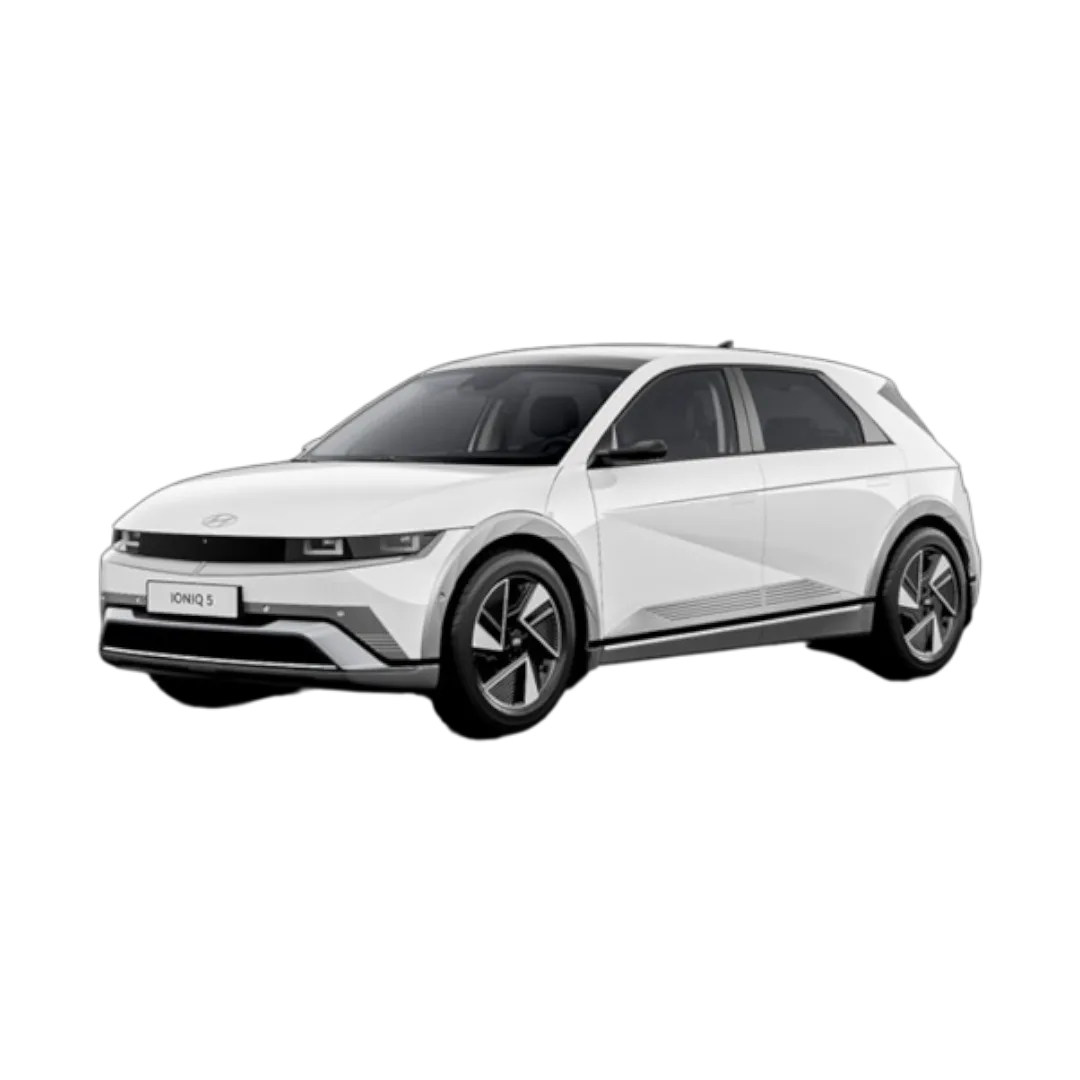 iONIQ 5
 Santro
 Santro Xing
 Accent
 Sonata
 Eon
Eon
 i10
i10
 Grand i10
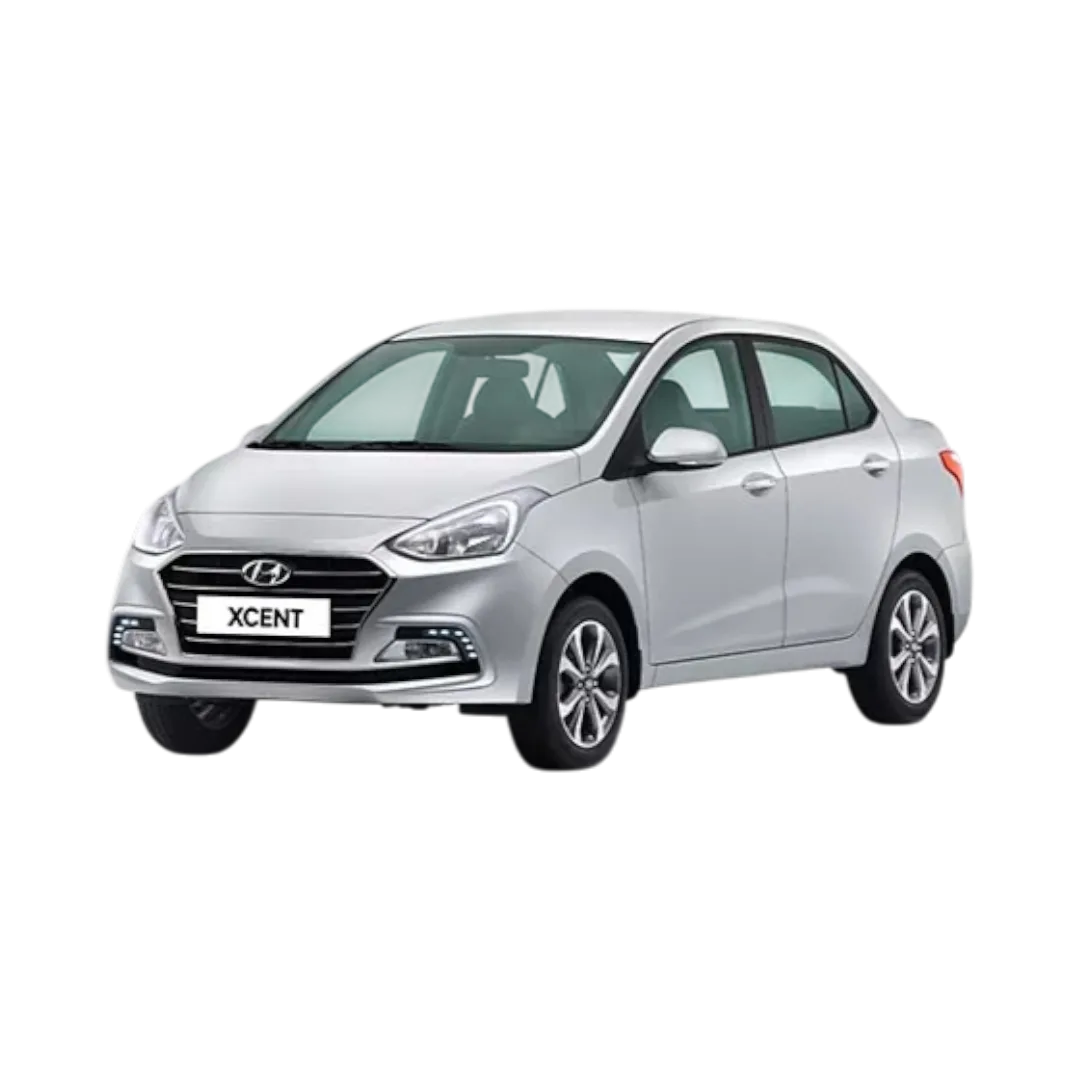 Xcent
Xcent
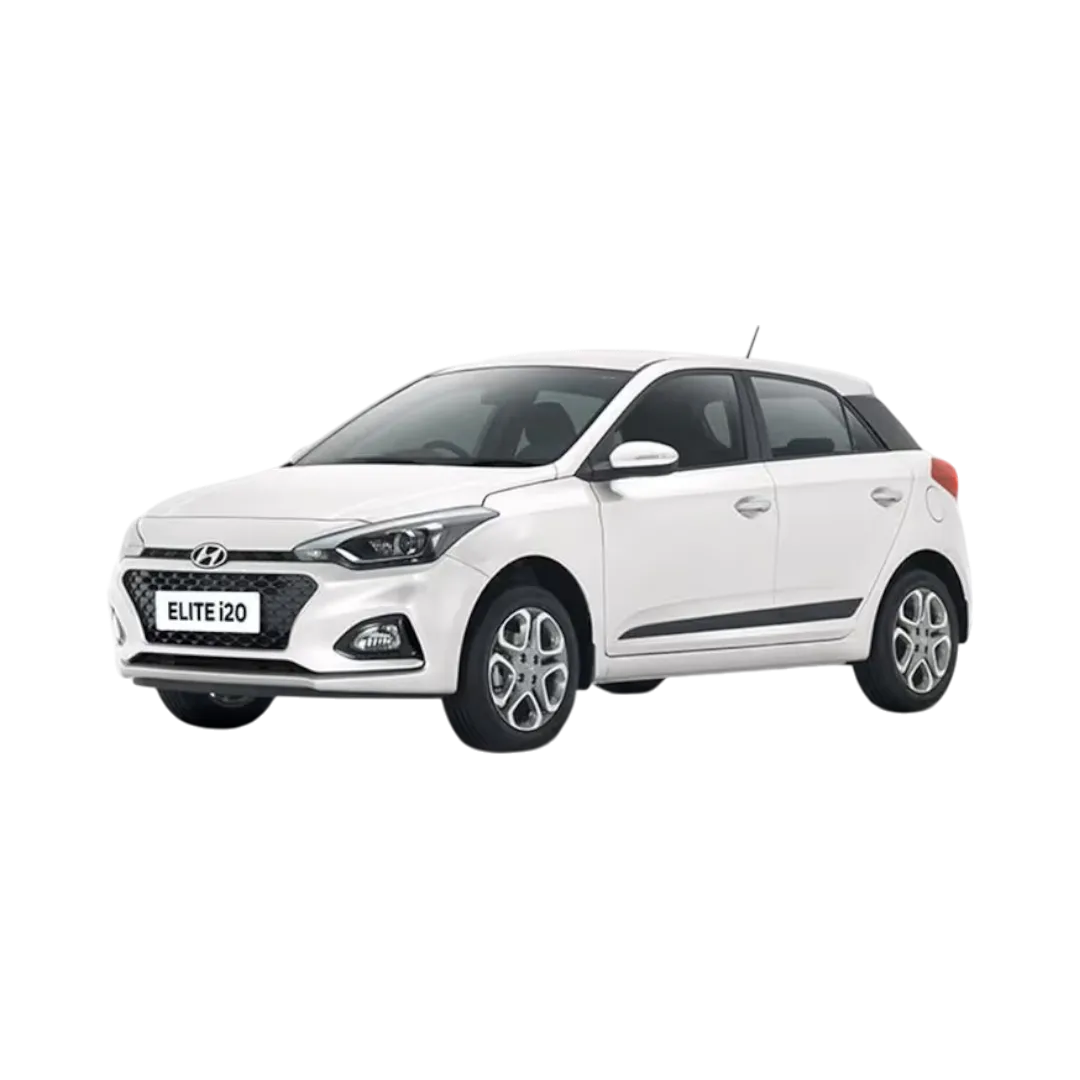 Elite i20
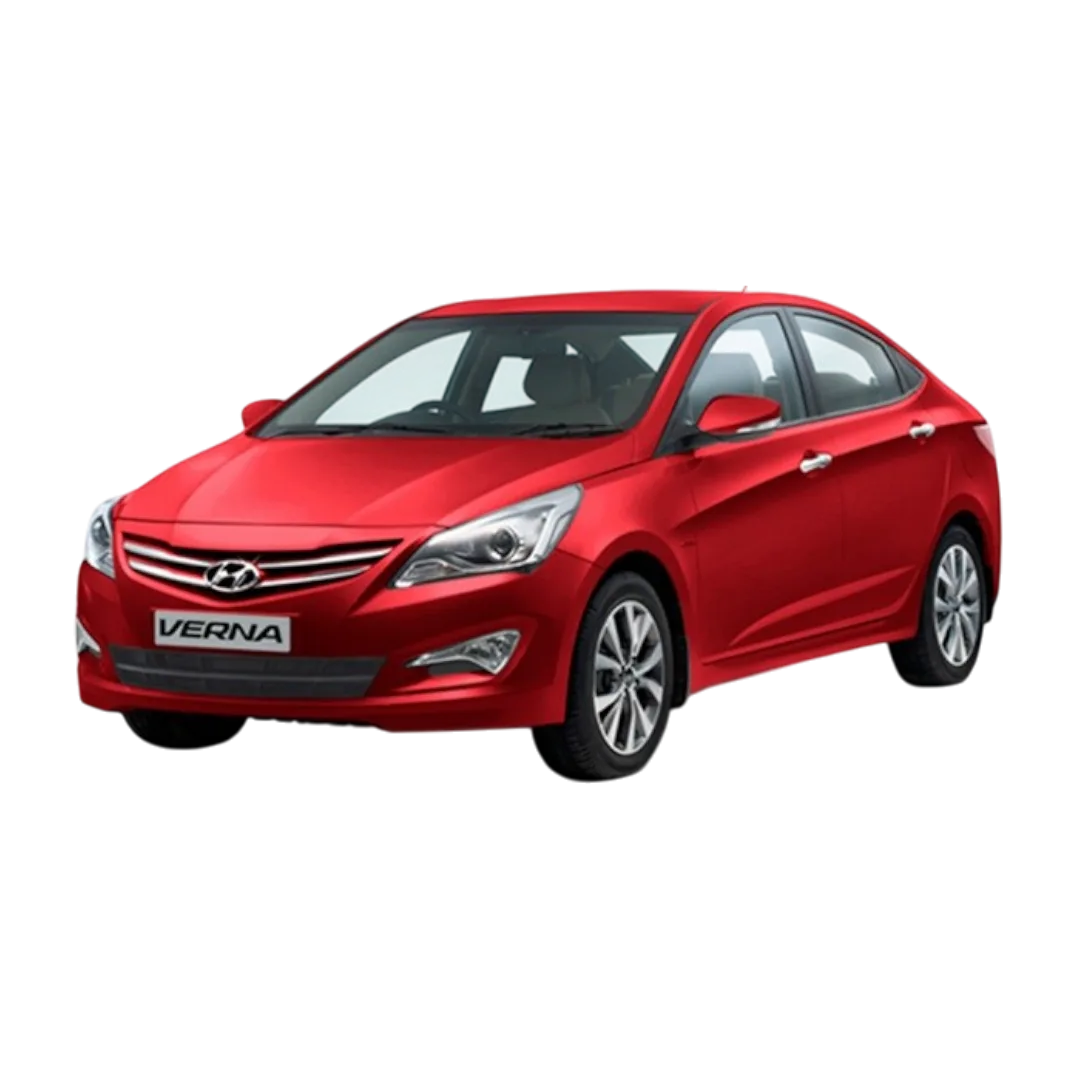 Verna Fluidic
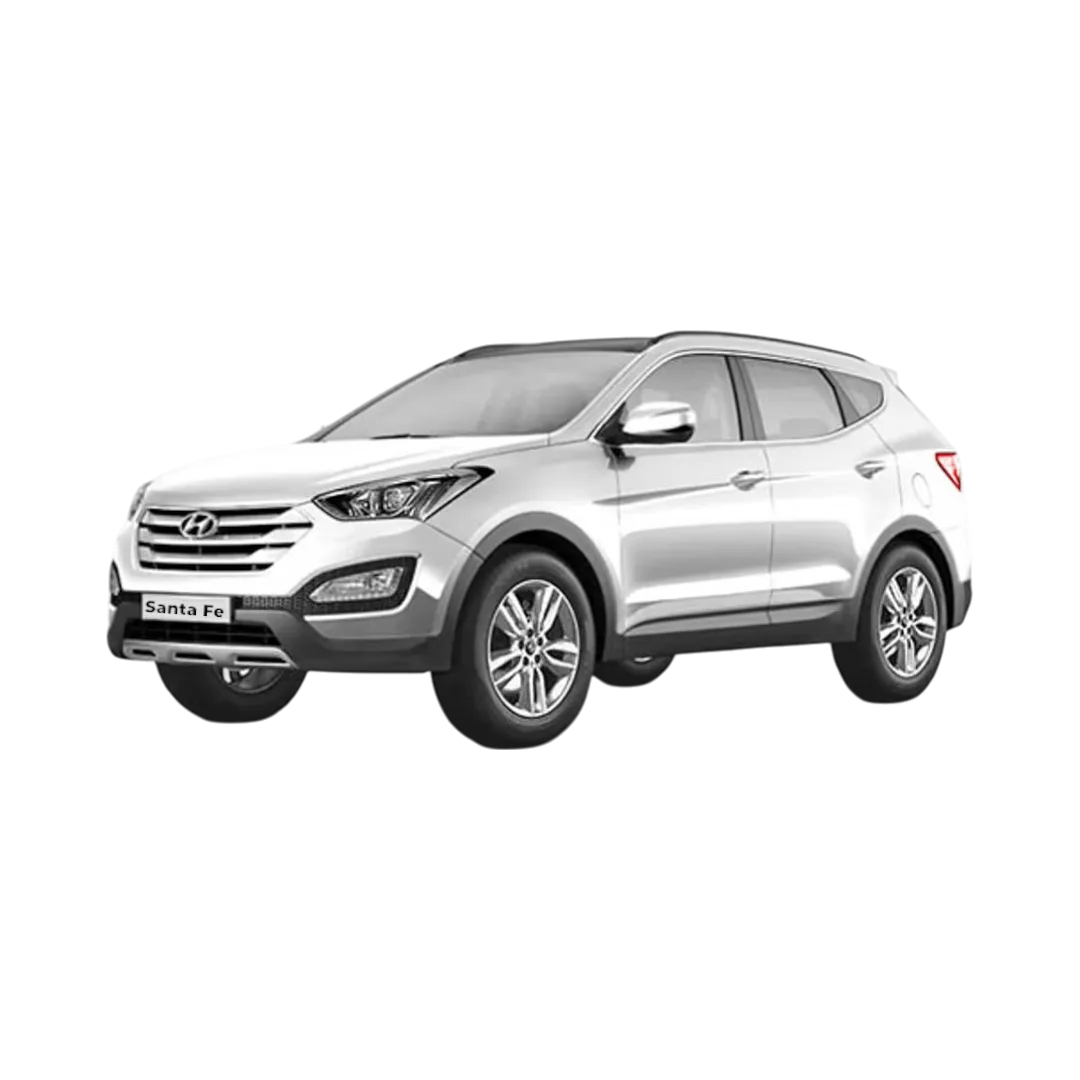 Santafe
 Exter
Sonata Fluidic
i20 Active
Exter
Sonata Fluidic
i20 Active
 Yaris
Yaris
 Urban Cruiser
 Camry
Camry
 Corolla
 Fortuner
 Urban Cruiser Hyryder
 Innova Crysta
 Innova Hycross
 Hilux
Hilux
 Fortuner Legender
 Vellfire
 Land Cruiser
 Glanza
 Etios
Etios
 Etios cross
 Etios Liva
 Qualis
 Innova
 Rumion
Taisor
Corolla Altis
Hyryder
Rumion
Taisor
Corolla Altis
Hyryder
 Bolero
 Marazzo
 KUV100 NXT
 Scorpio
 Thar
Thar
 XUV 300
 Bolero Neo
 Verito
 Scorpio-N
 XUV 700
 Scorpio Classic
 XUV400
 Alturas
 Xylo
Xylo
 Quanto
 Logan
Logan
 XUV 500
 TUV 300
 XUV 3XO
 KUV 100
NuvoSport
XEV 9e
BE 6
Thar Roxx
E-Verito
XUV 7XO
TUV 100
BE6
Bolero Camper
Verito Vibe
XUV 400
KUV 100
NuvoSport
XEV 9e
BE 6
Thar Roxx
E-Verito
XUV 7XO
TUV 100
BE6
Bolero Camper
Verito Vibe
XUV 400
 Audi Q5
 Audi A4
 Audi Q7
 Audi Q3
 Audi A6
 Audi RS5
 E-Tron GT
 Audi Q8
 E-Tron
 Q3 Sportback
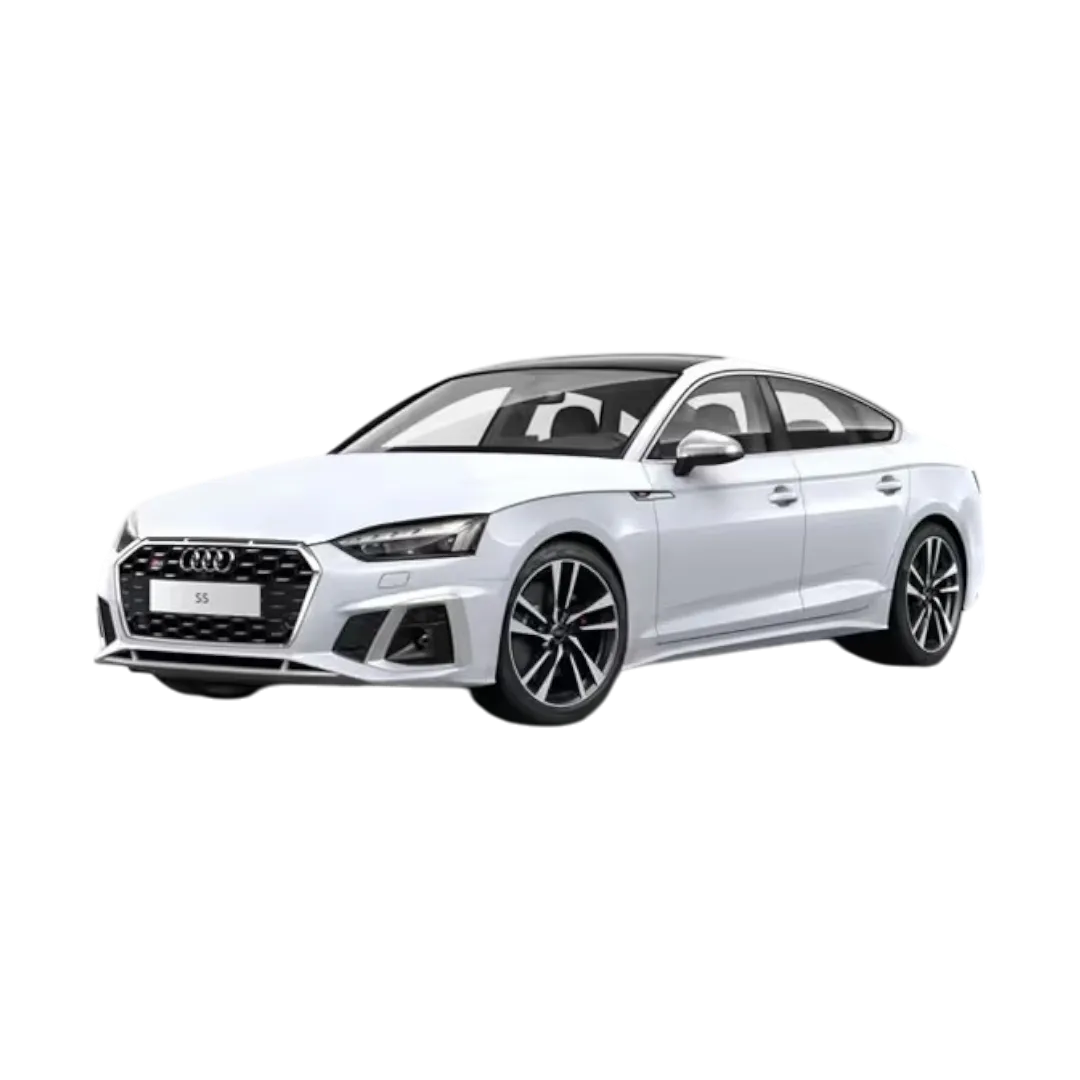 Audi S5 Sportback
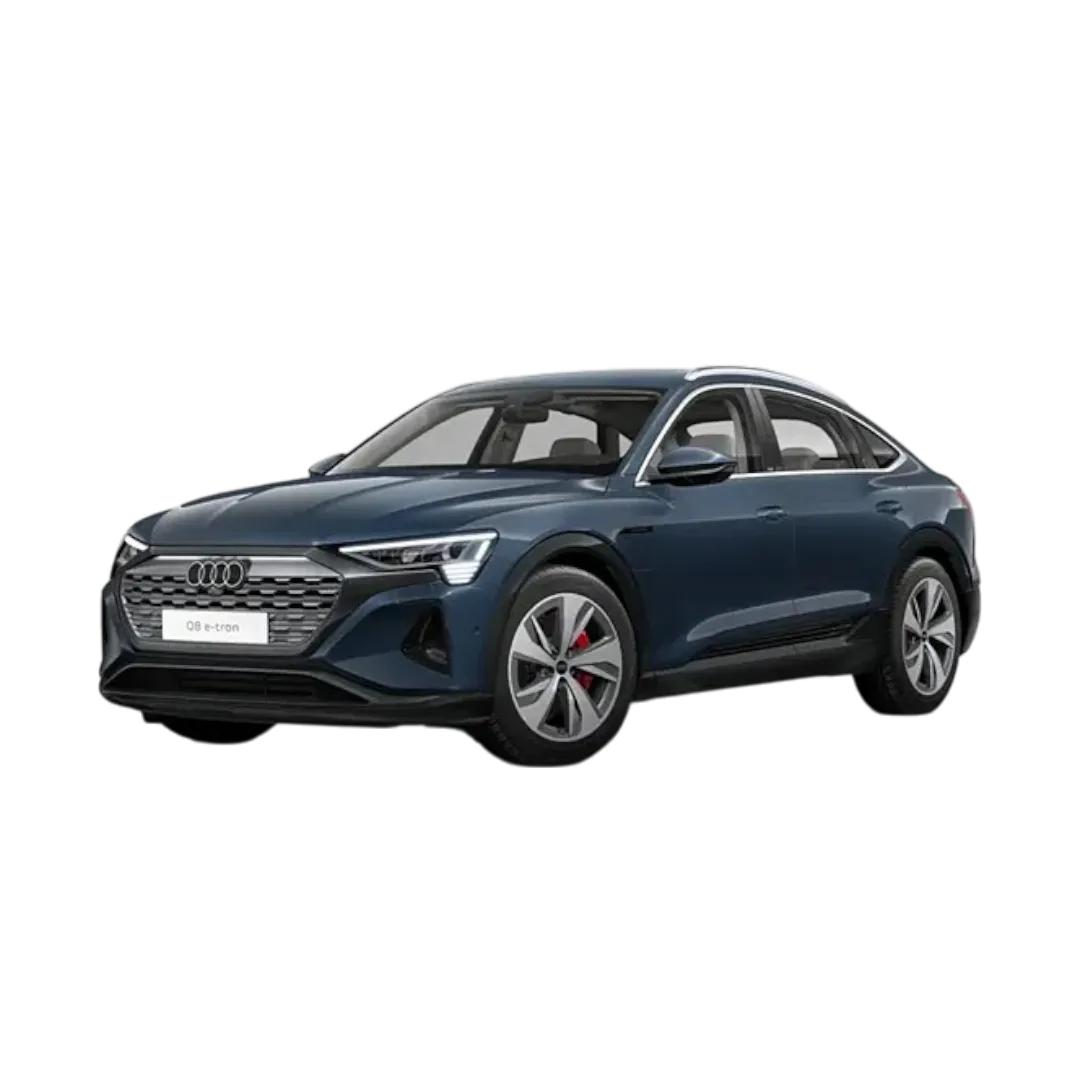 Q8 E-Tron
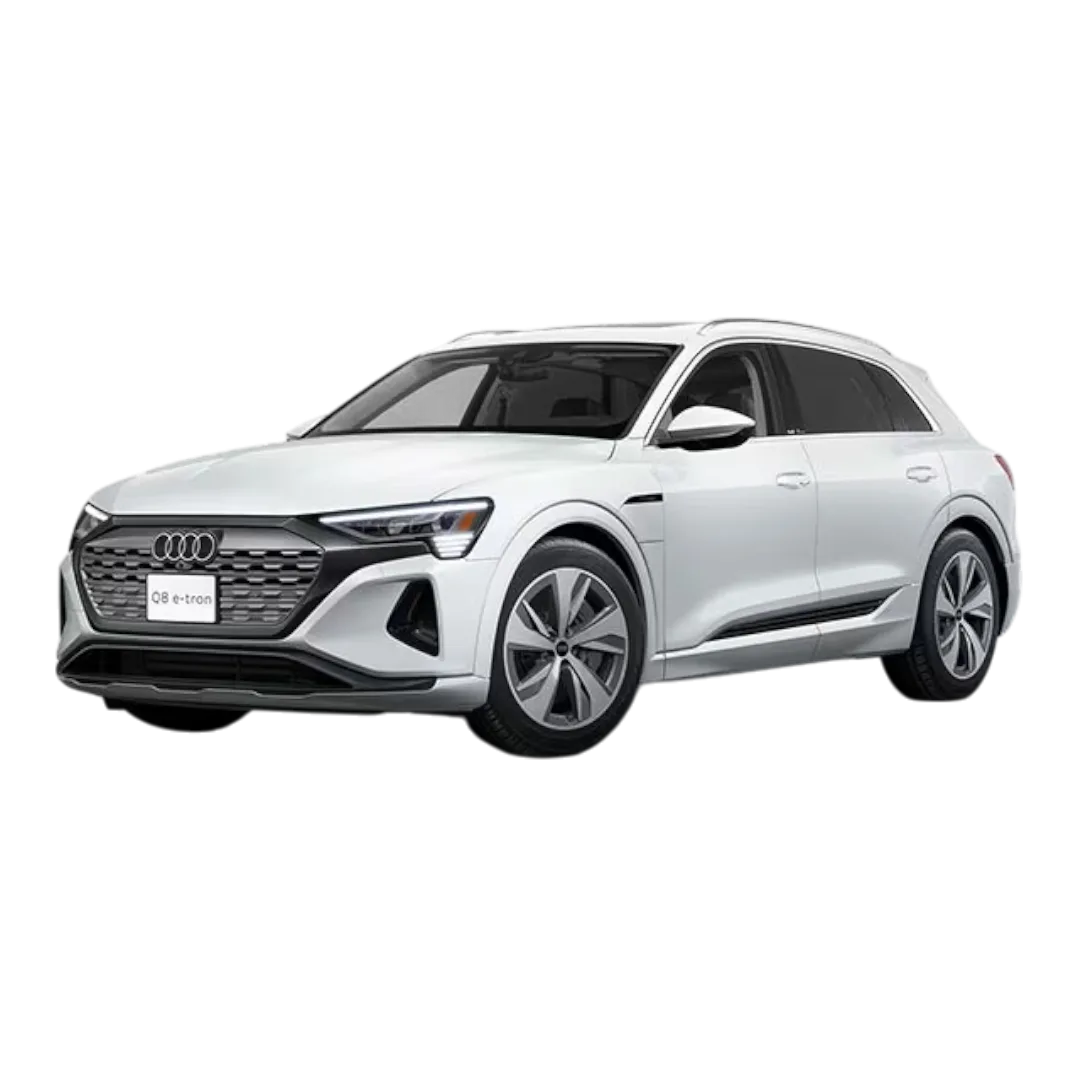 Q8 E-Tron Sportback
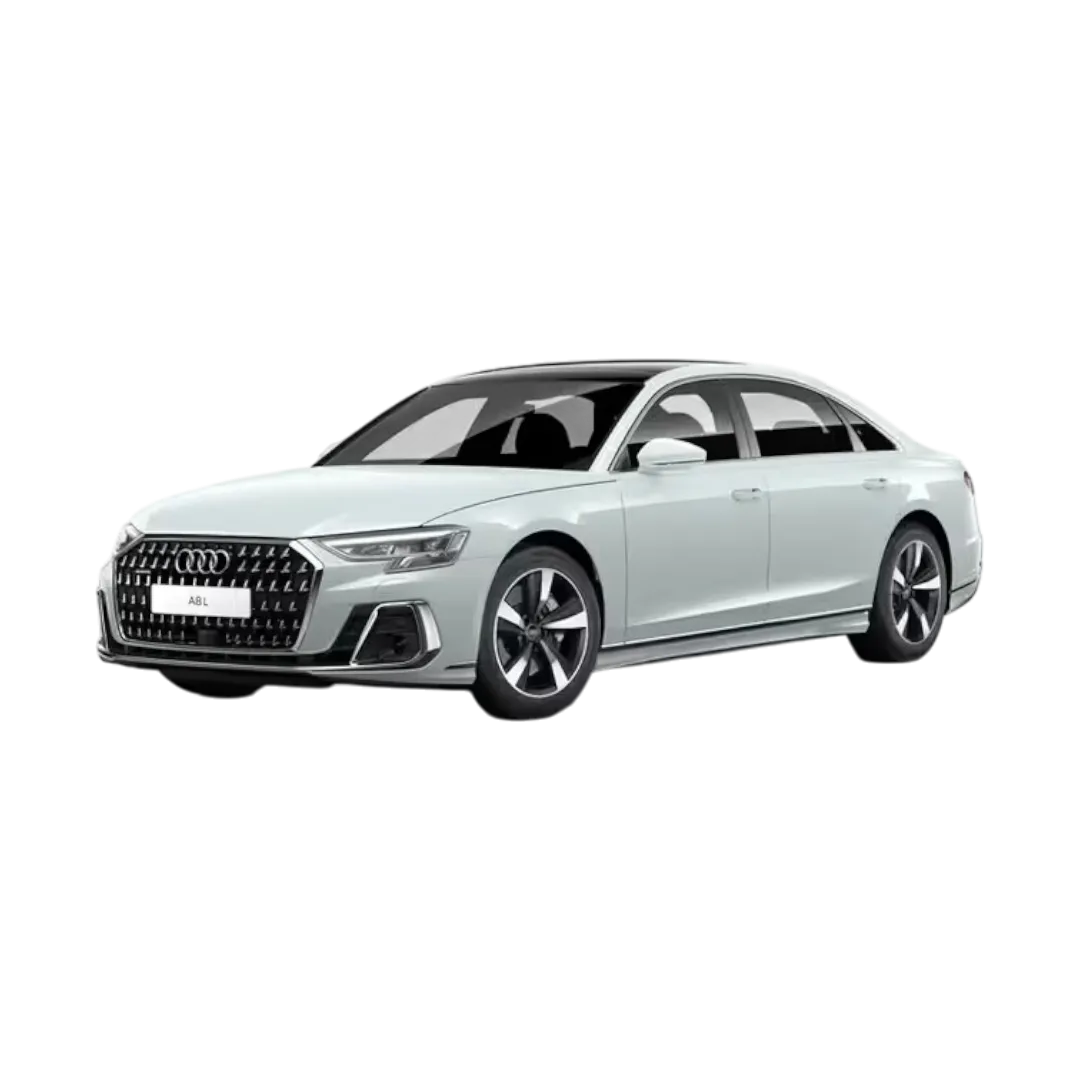 Audi A8L
 Audi RS Q8
 Audi A3
 BMW X7
 BMW X1
 BMW X5
 BMW XM
 BMW Z4
 3 Series
 BMW X3
 BMW iX
 BMW i7
 BMW M2
 7 Series
 2 Series
 BMW i4
 5 Series
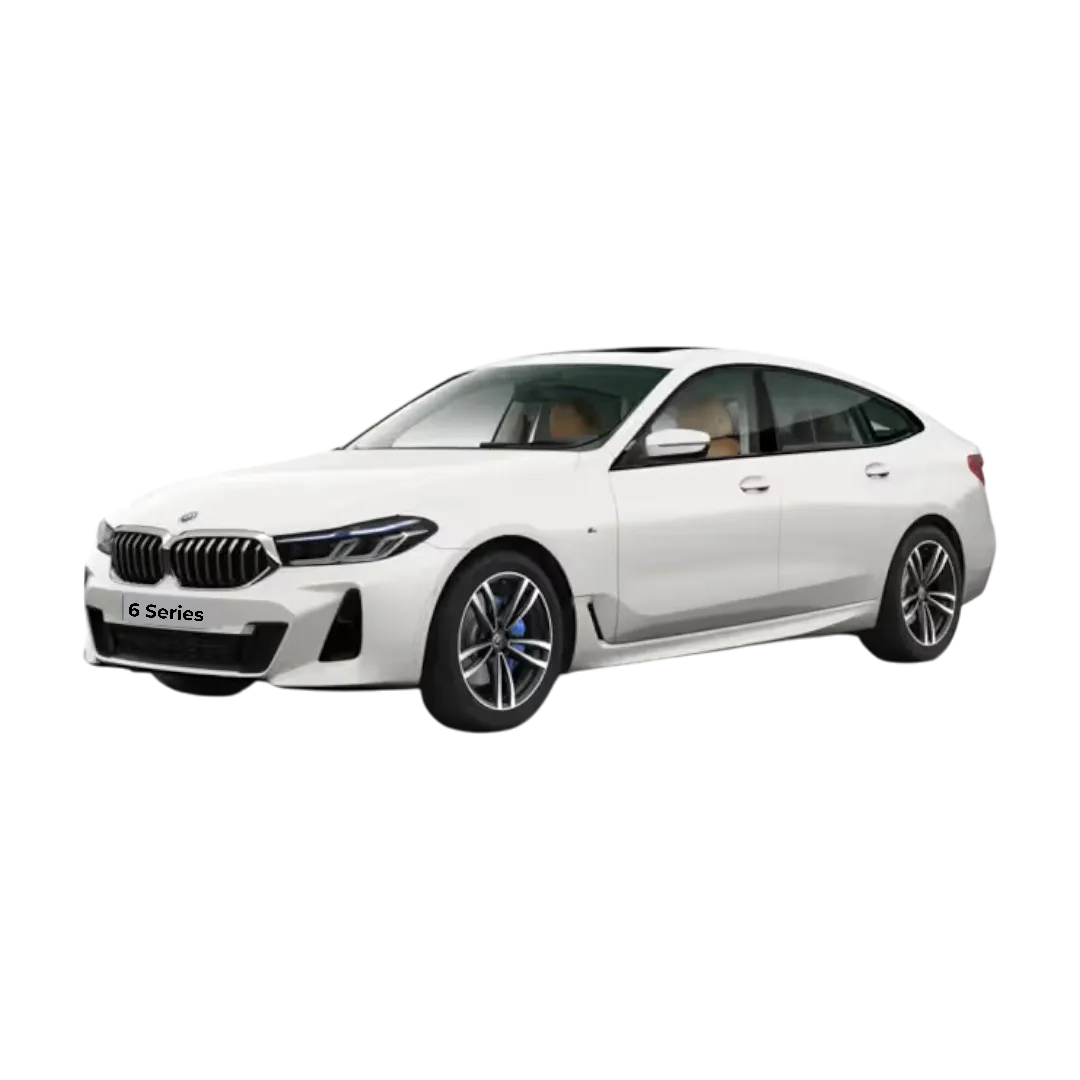 6 Series
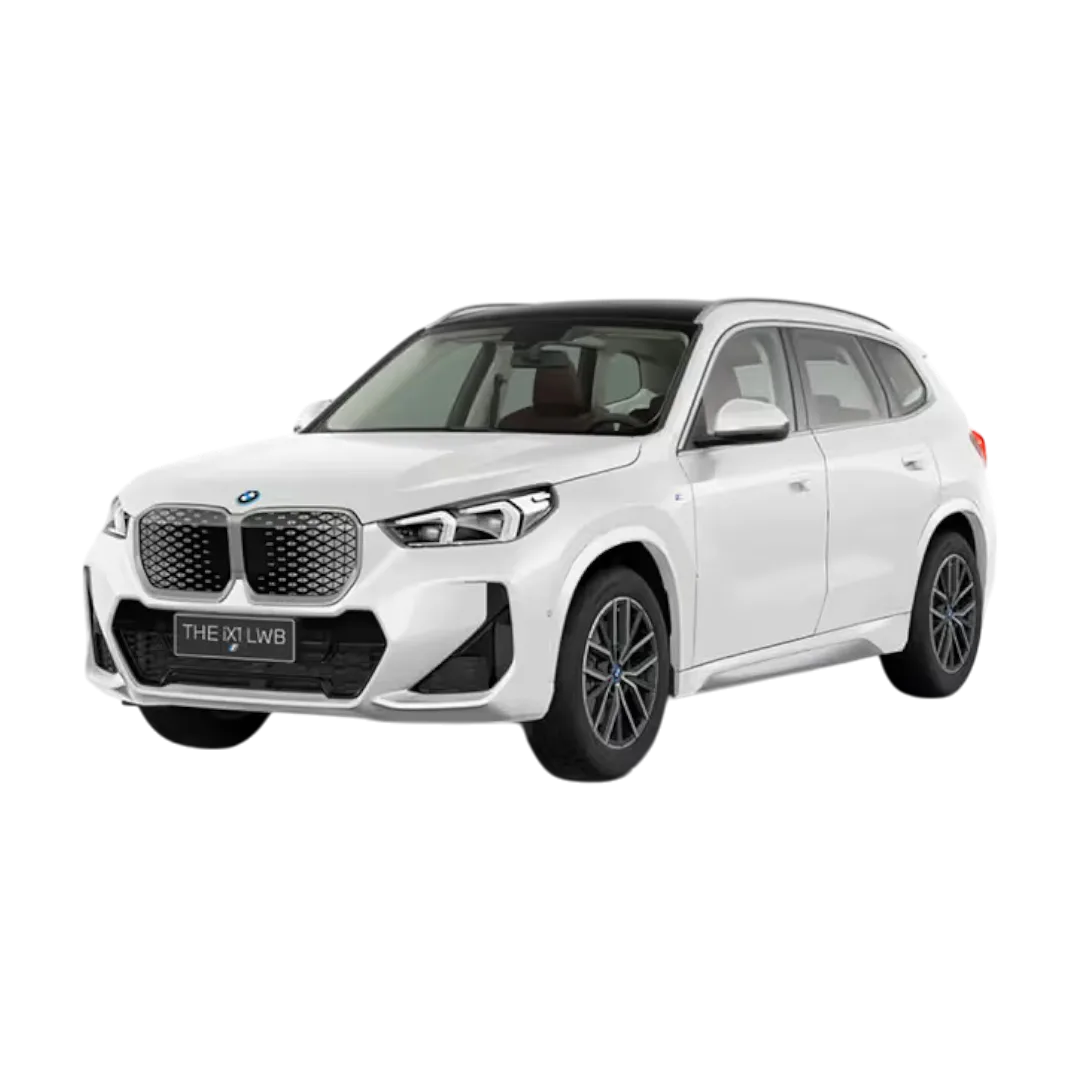 BMW ix1
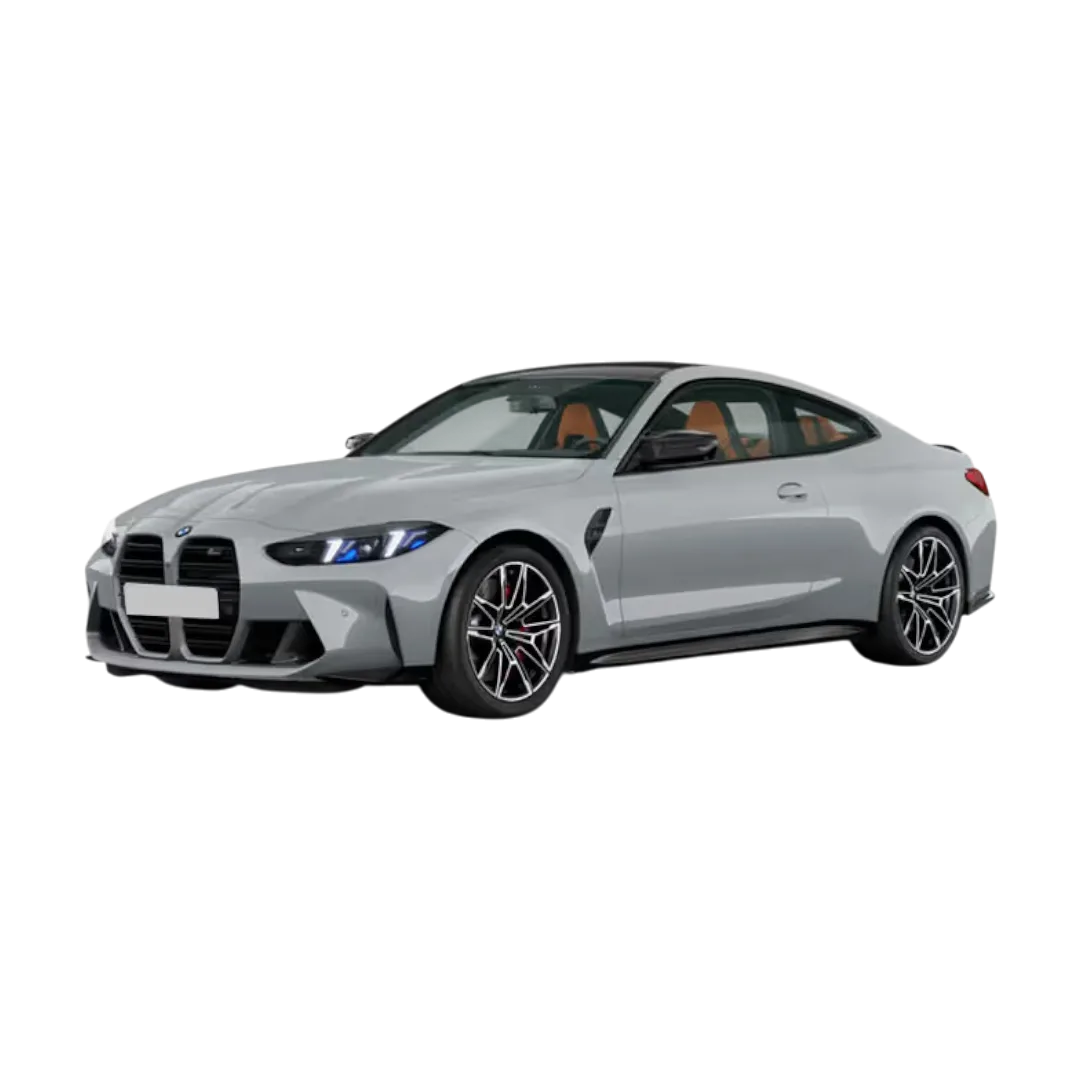 M4 Competition
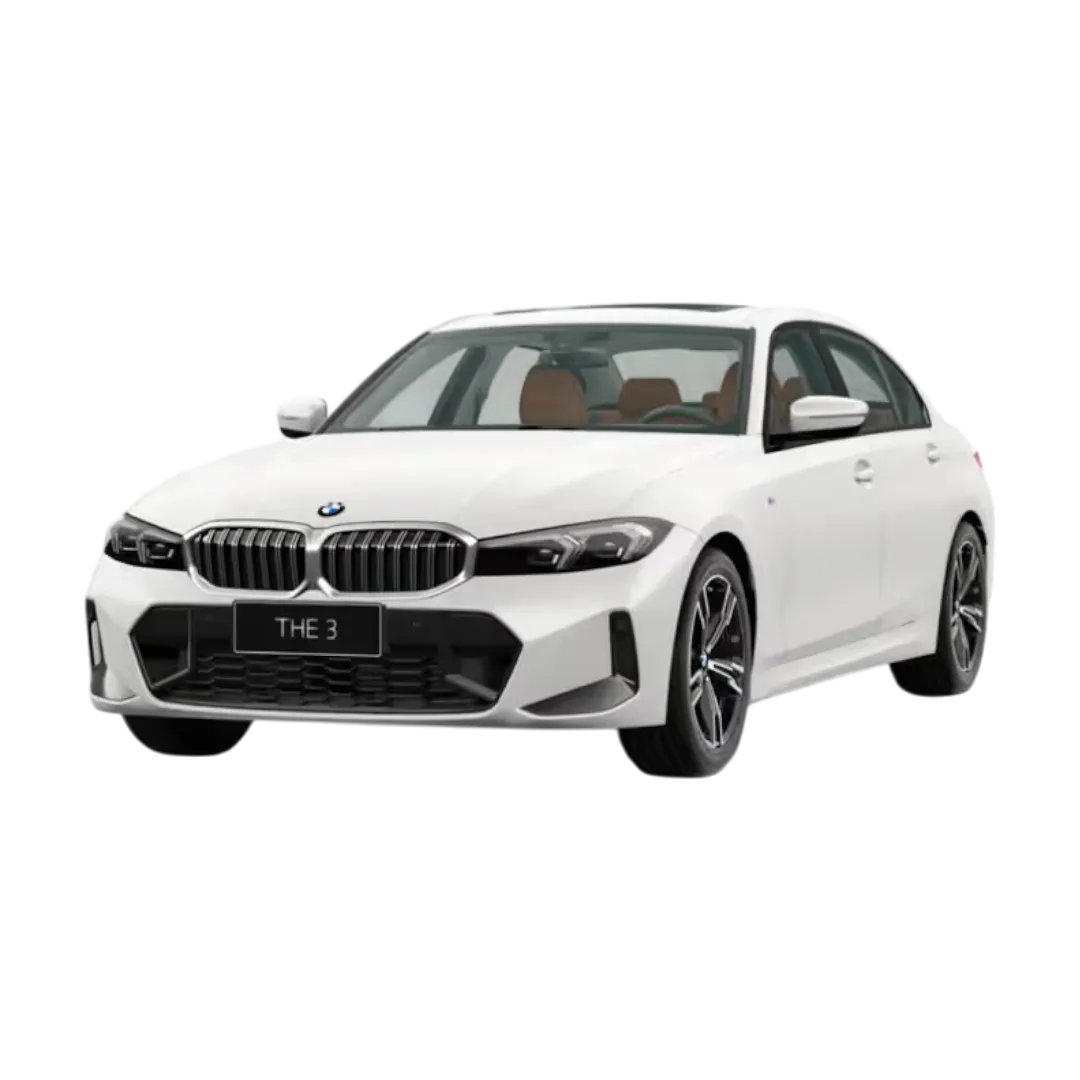 3 Series Gran Limousine
 M8 Coupe
 BMW M3
 BMW X6
 BMW i5
 BMW X4
 Mercedes Benz GLA
 Mercedes E-Class
 Mercedes S-Class
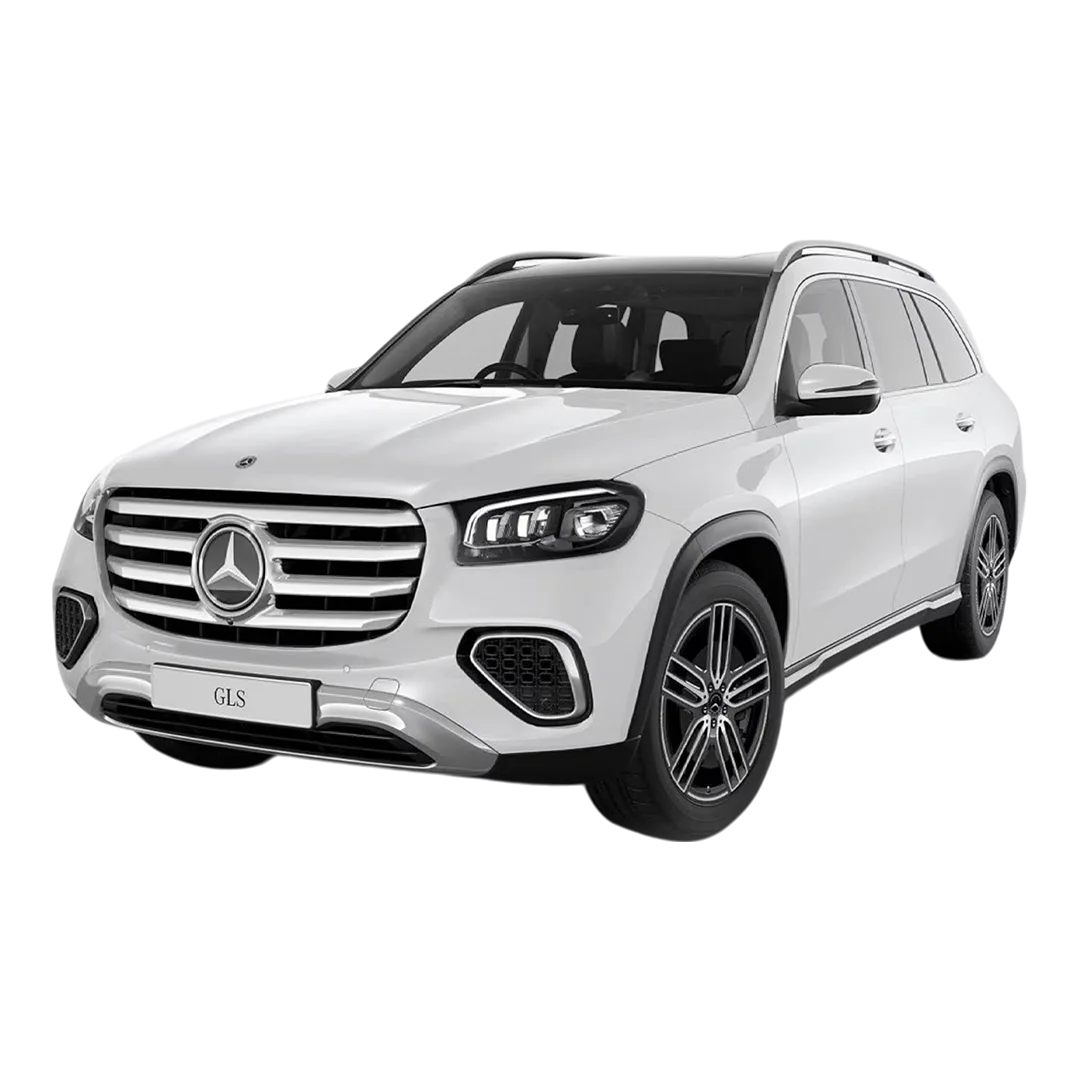 Mercedes Benz GLS
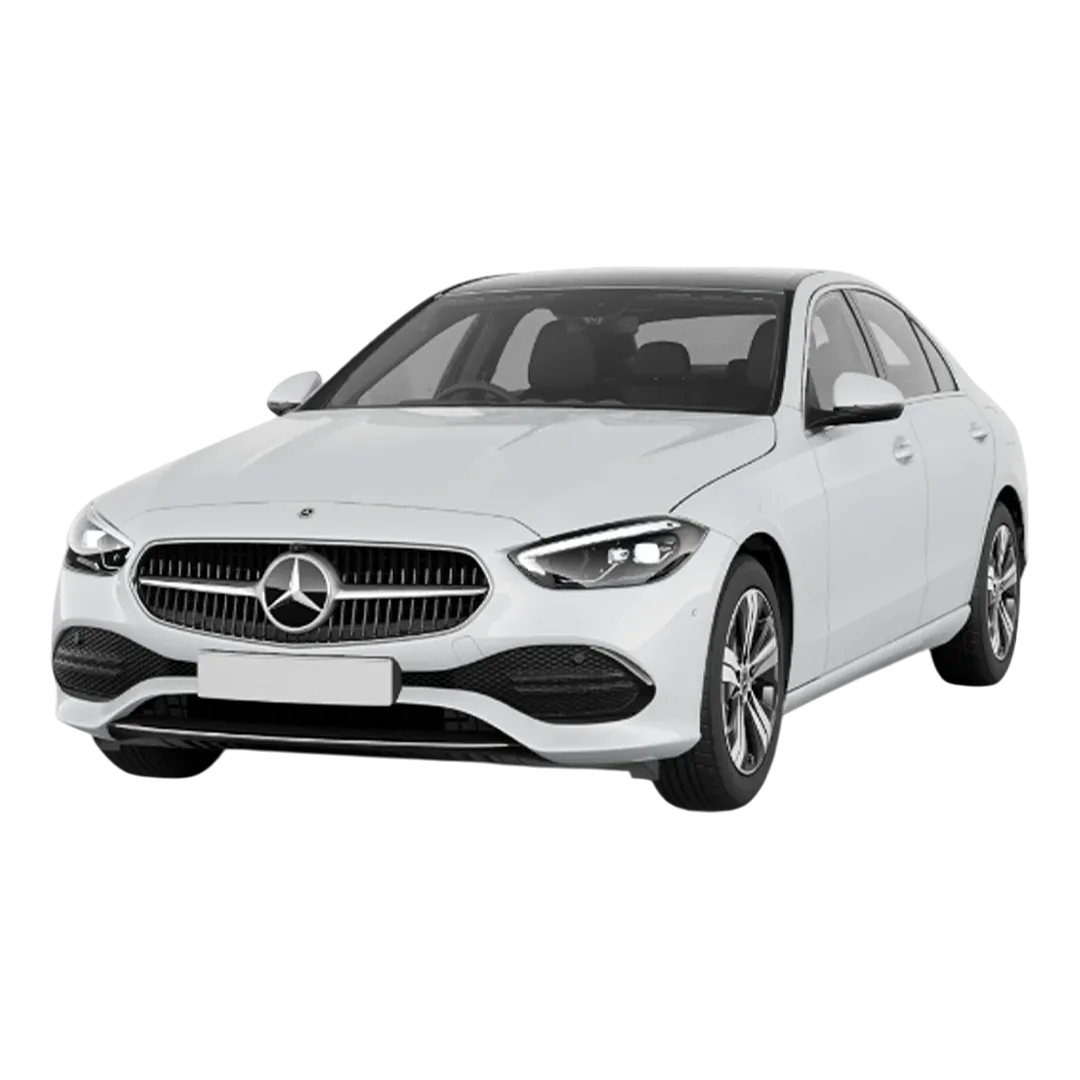 Mercedes Benz C-Class
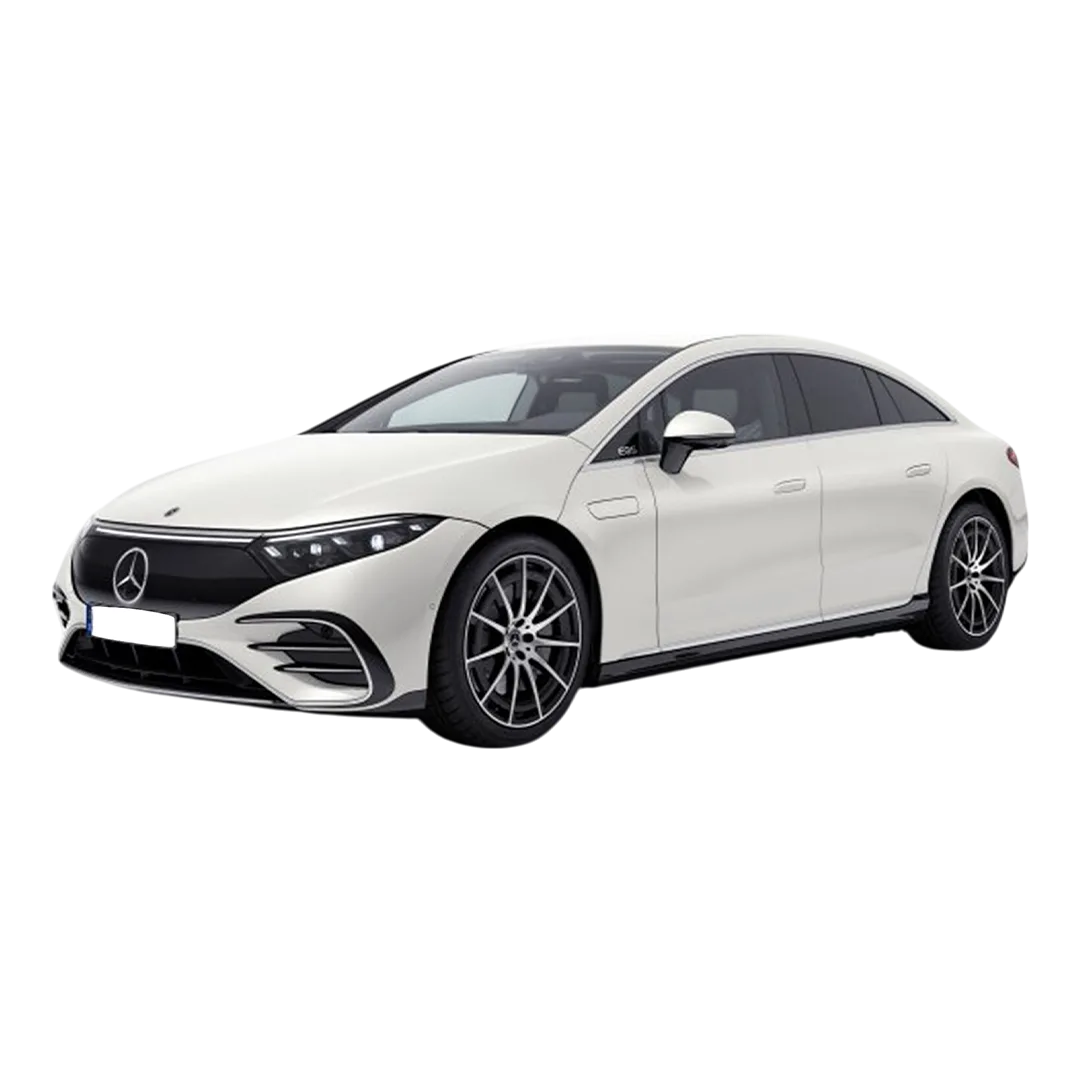 Mercedes Benz EQS
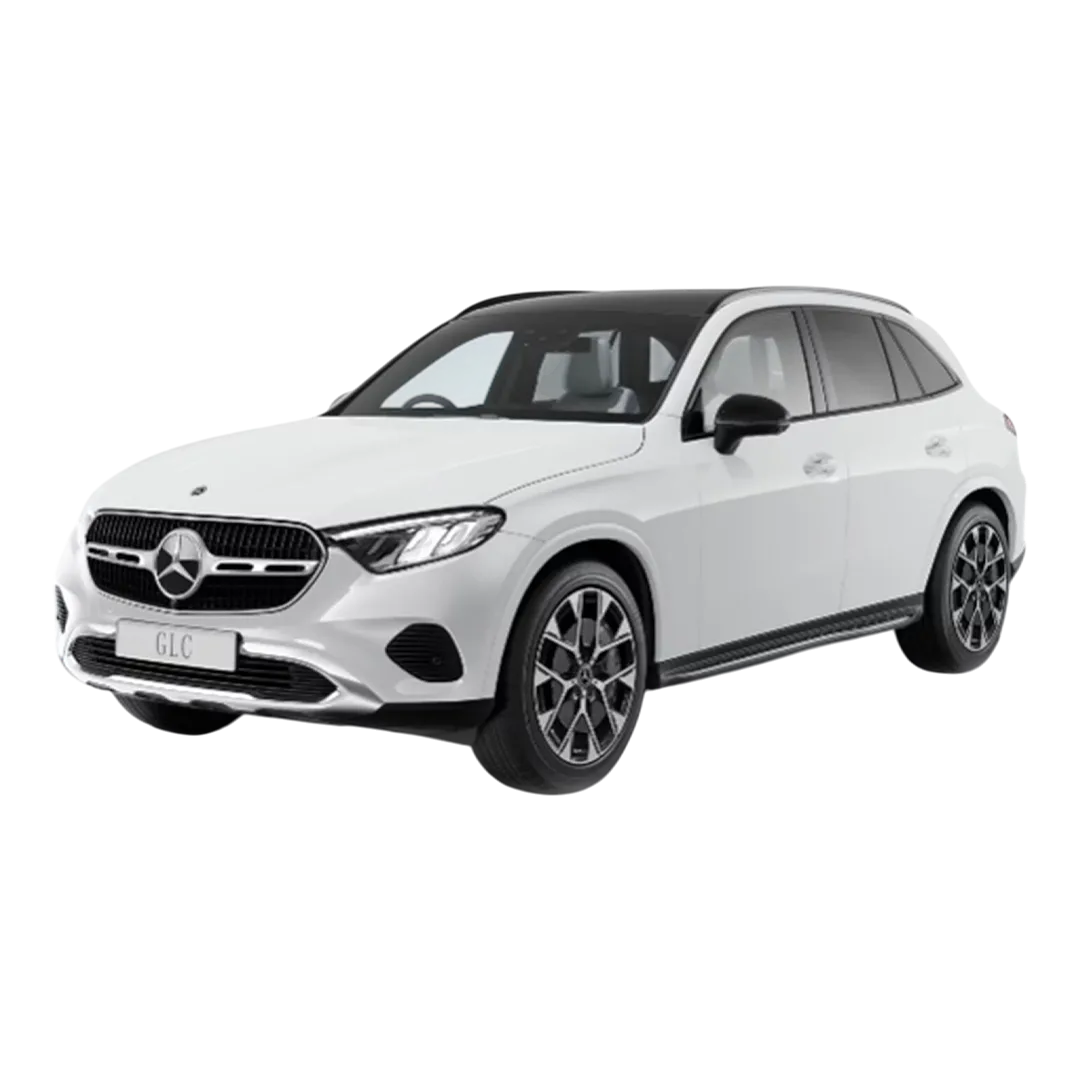 Mercedes Benz GLC
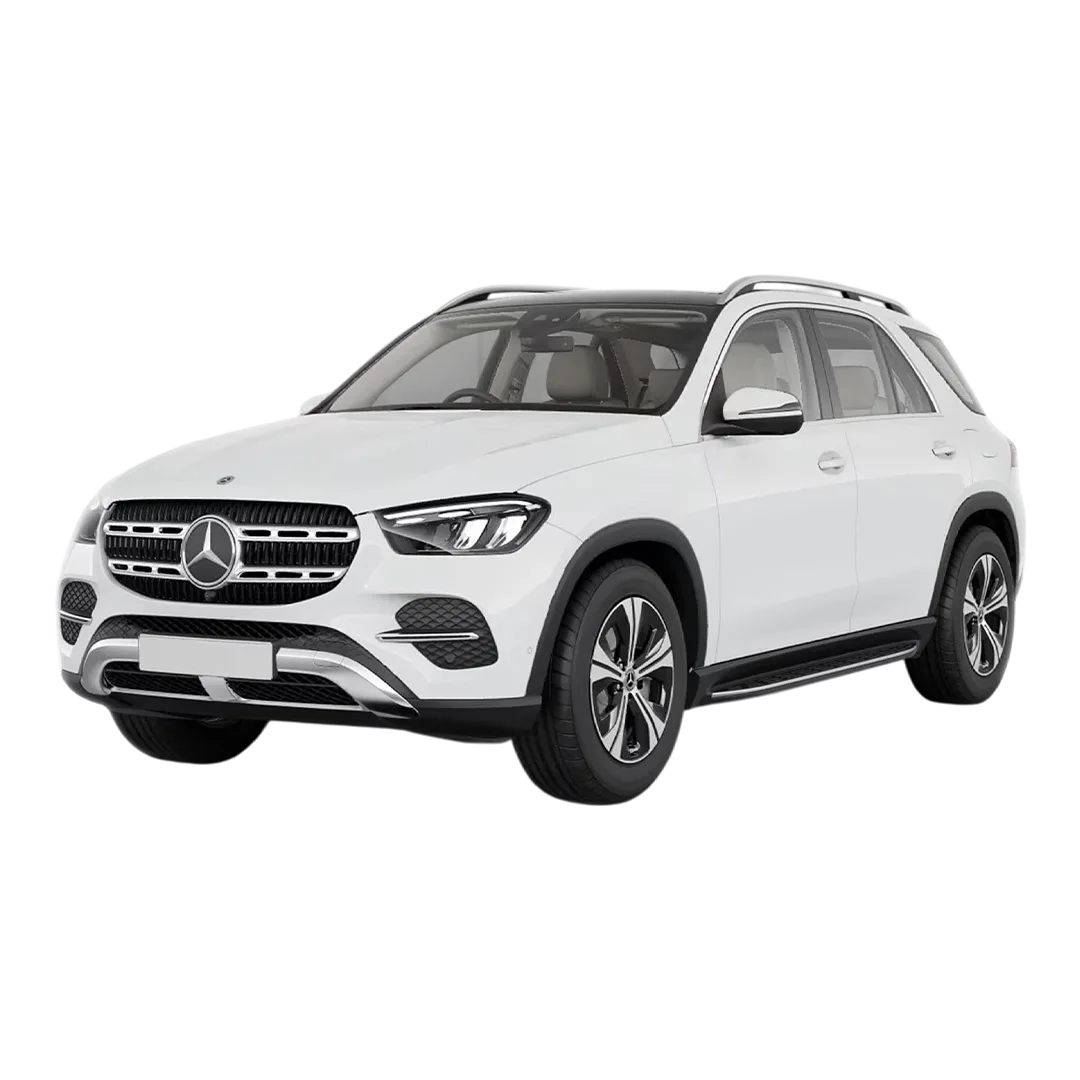 Mercedes Benz GLE
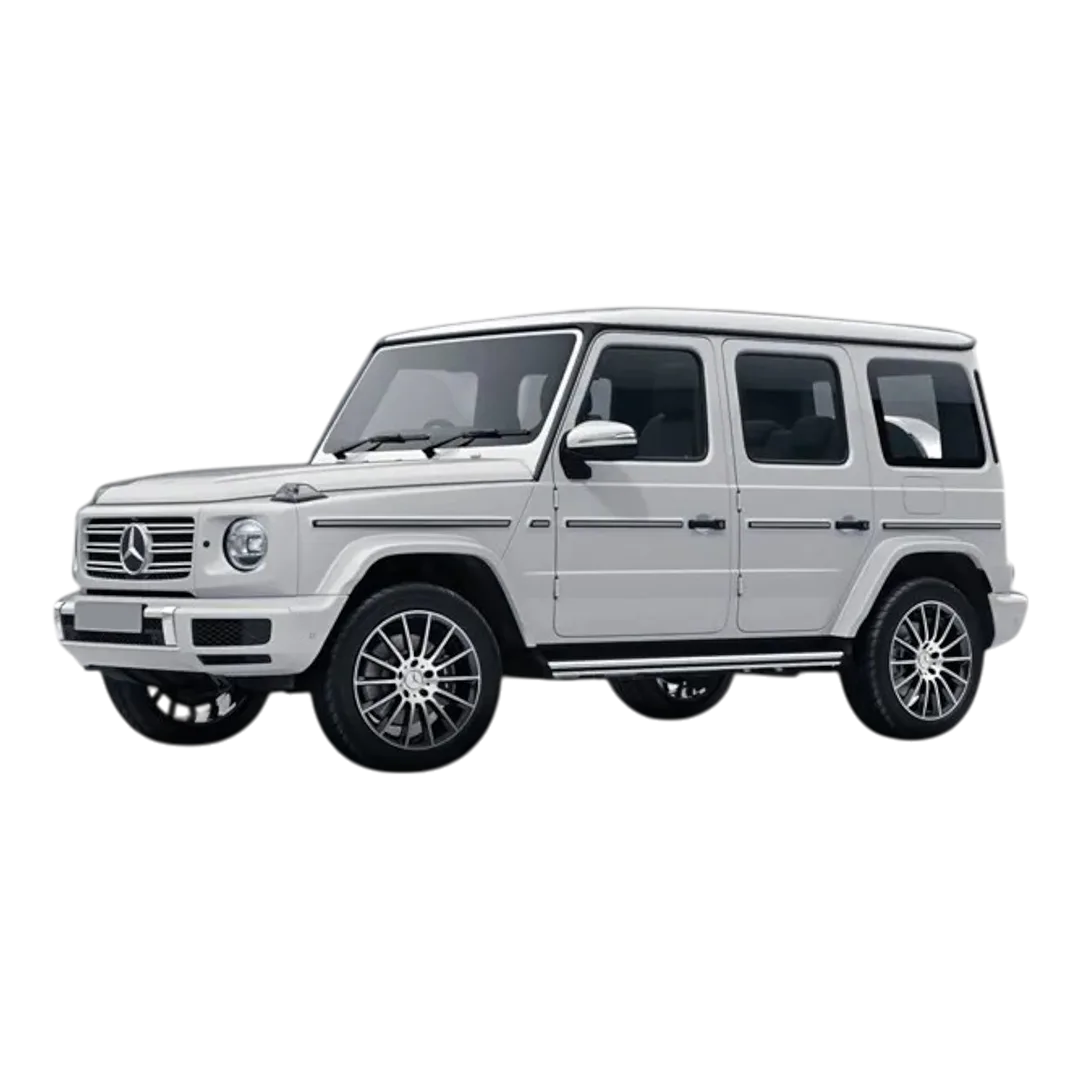 Mercedes Benz G-Class
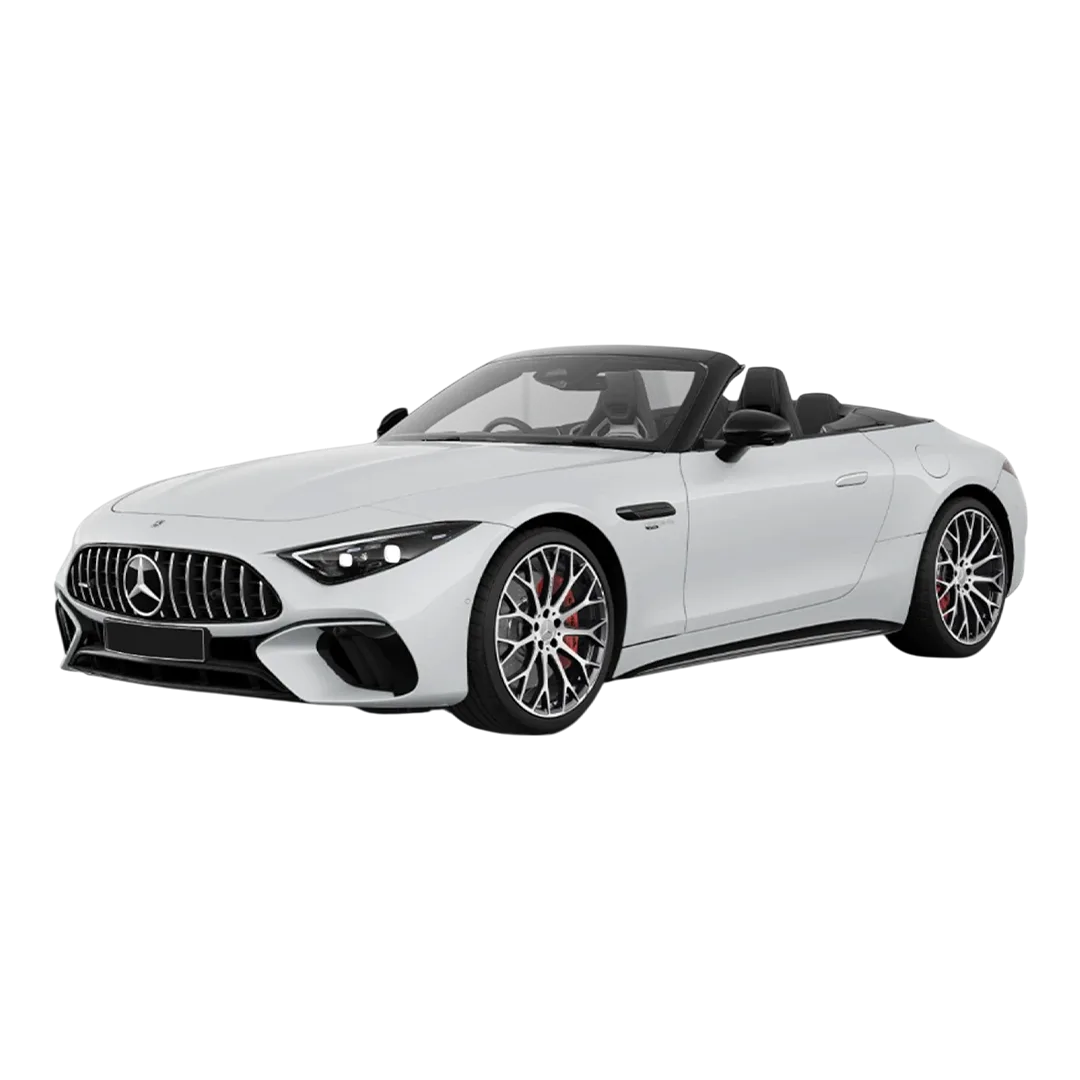 Mercedes Benz AMG SL
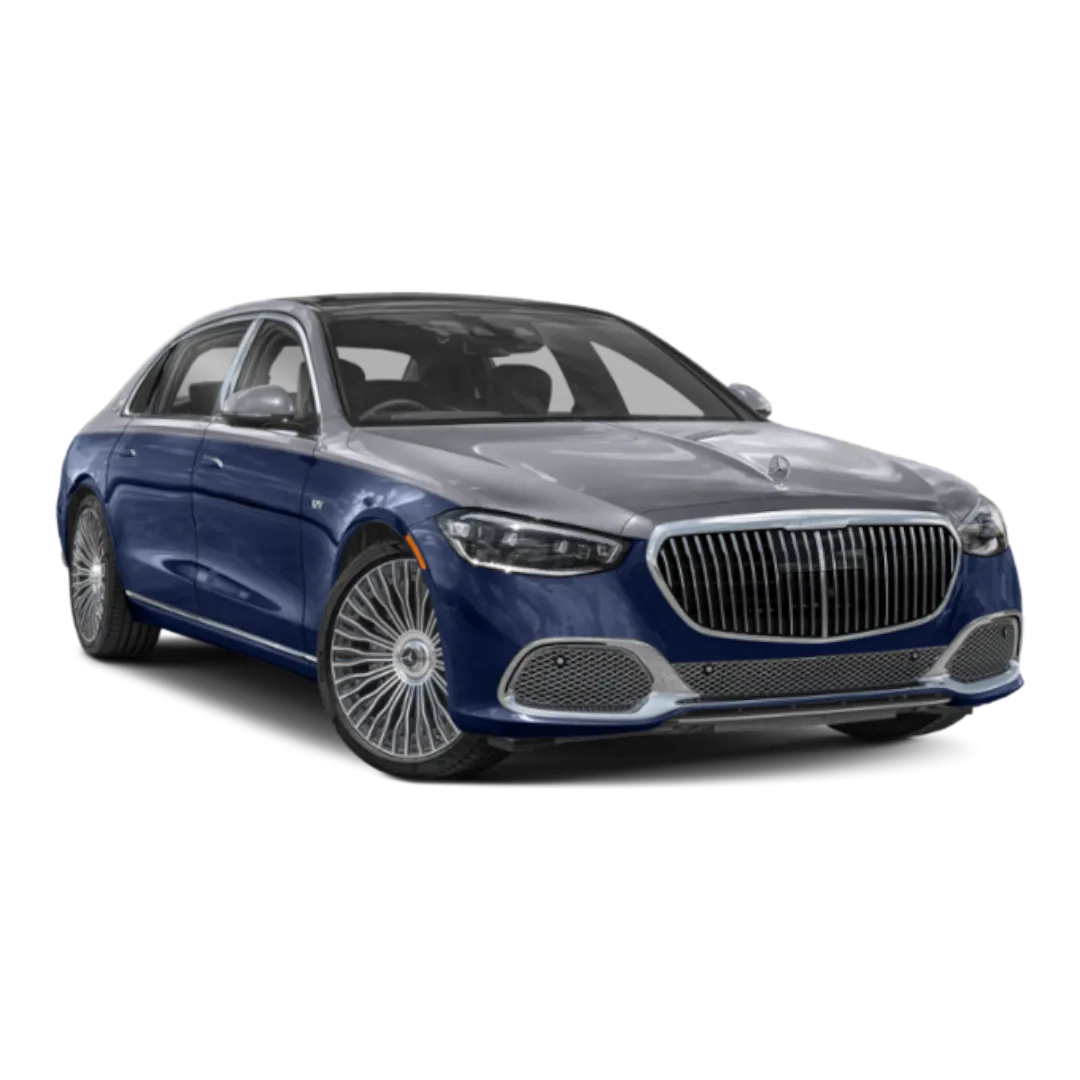 Mercedes Benz MAYBACH S- Class
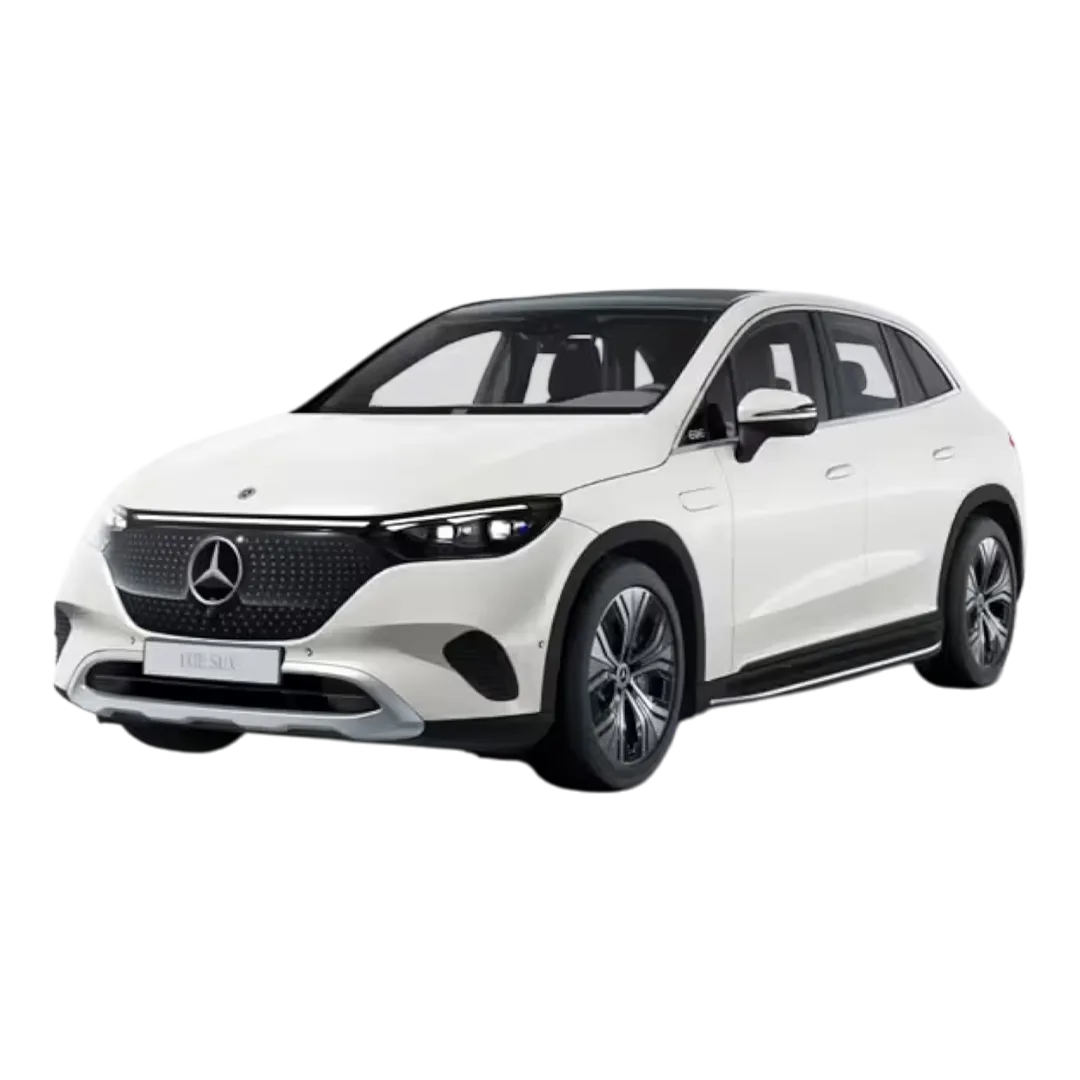 Mercedes Benz EQE-SUV
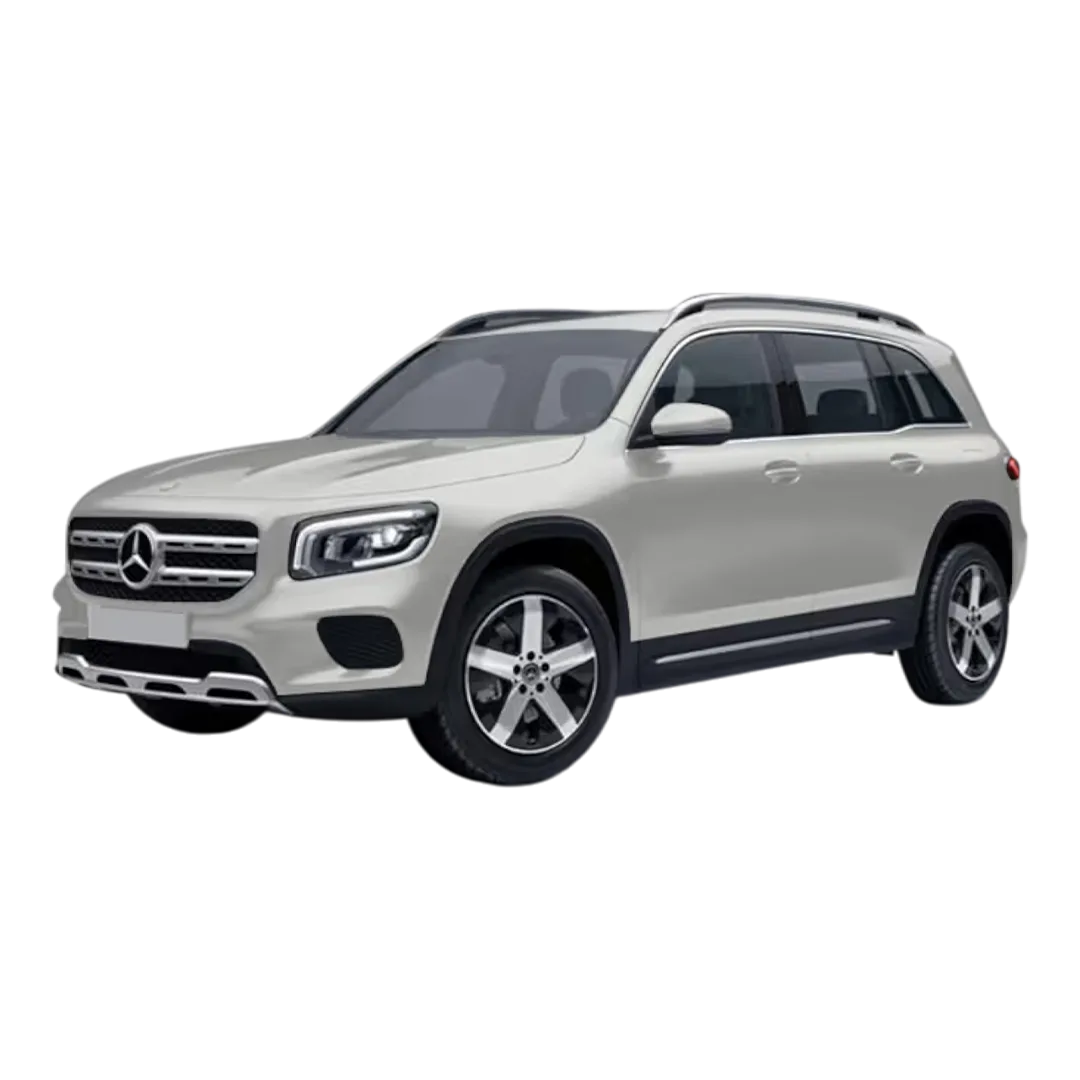 Mercedes Benz GLB
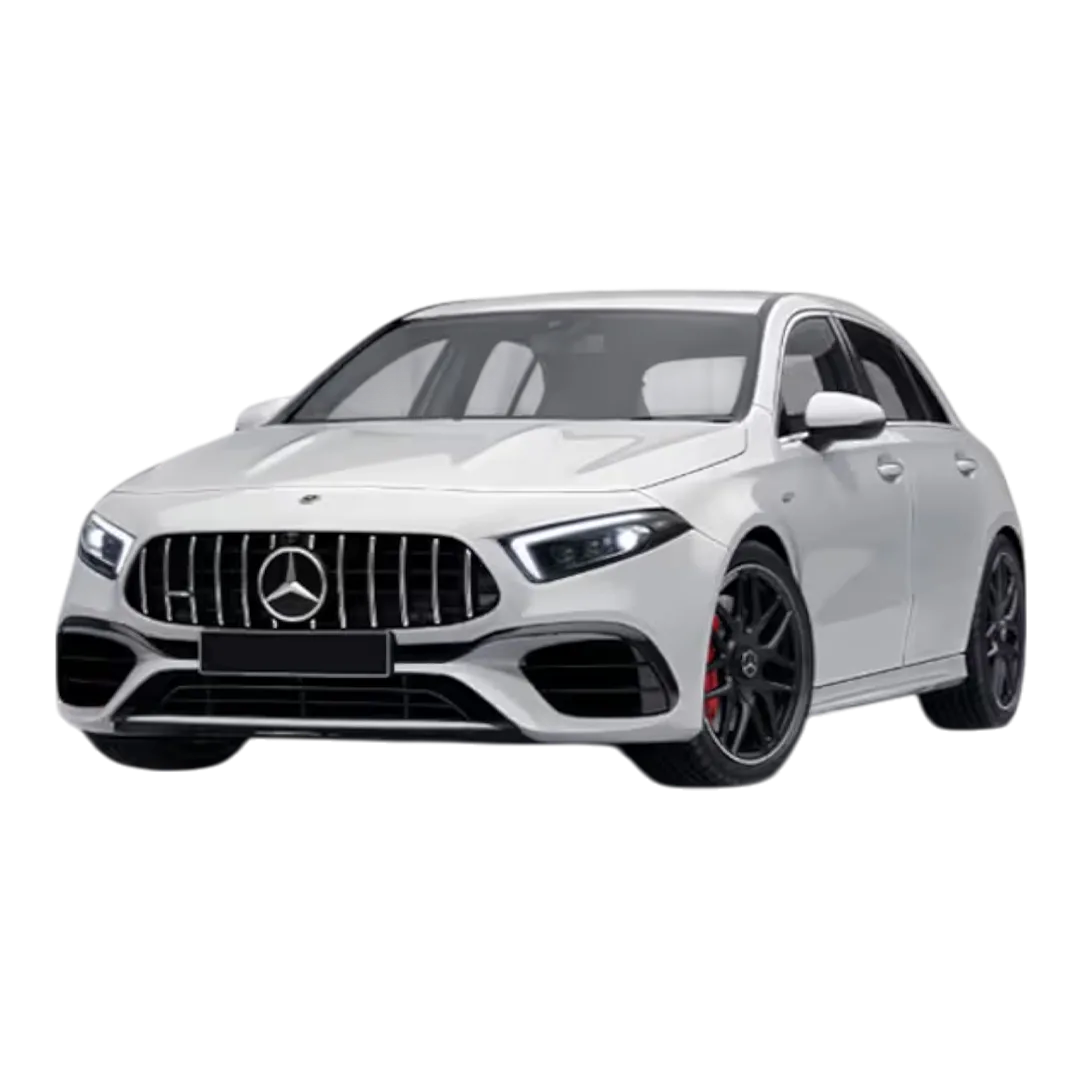 Mercedes Benz AMG A 45 S
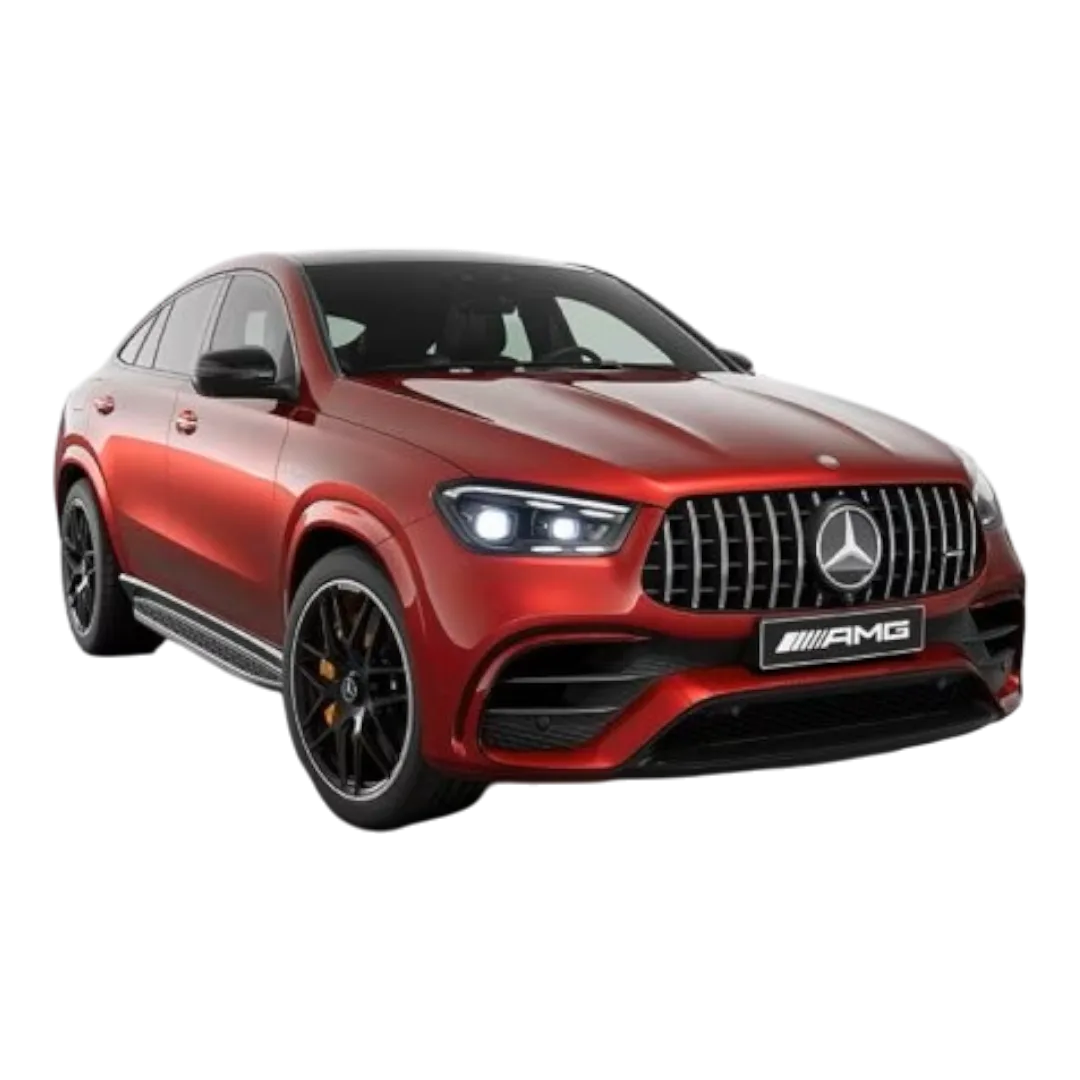 Mercedes Benz AMG GLE S3
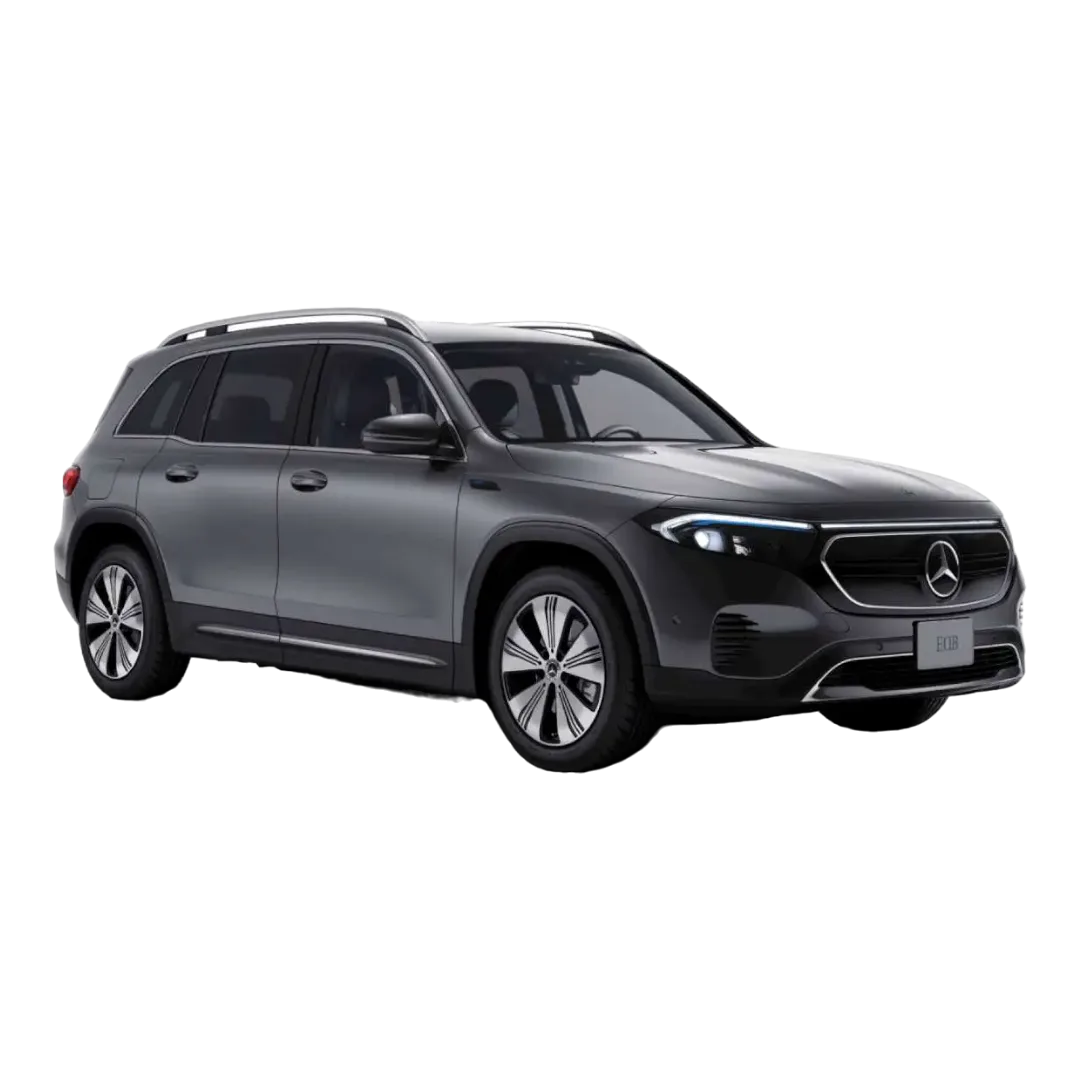 Mercedes Benz EQB
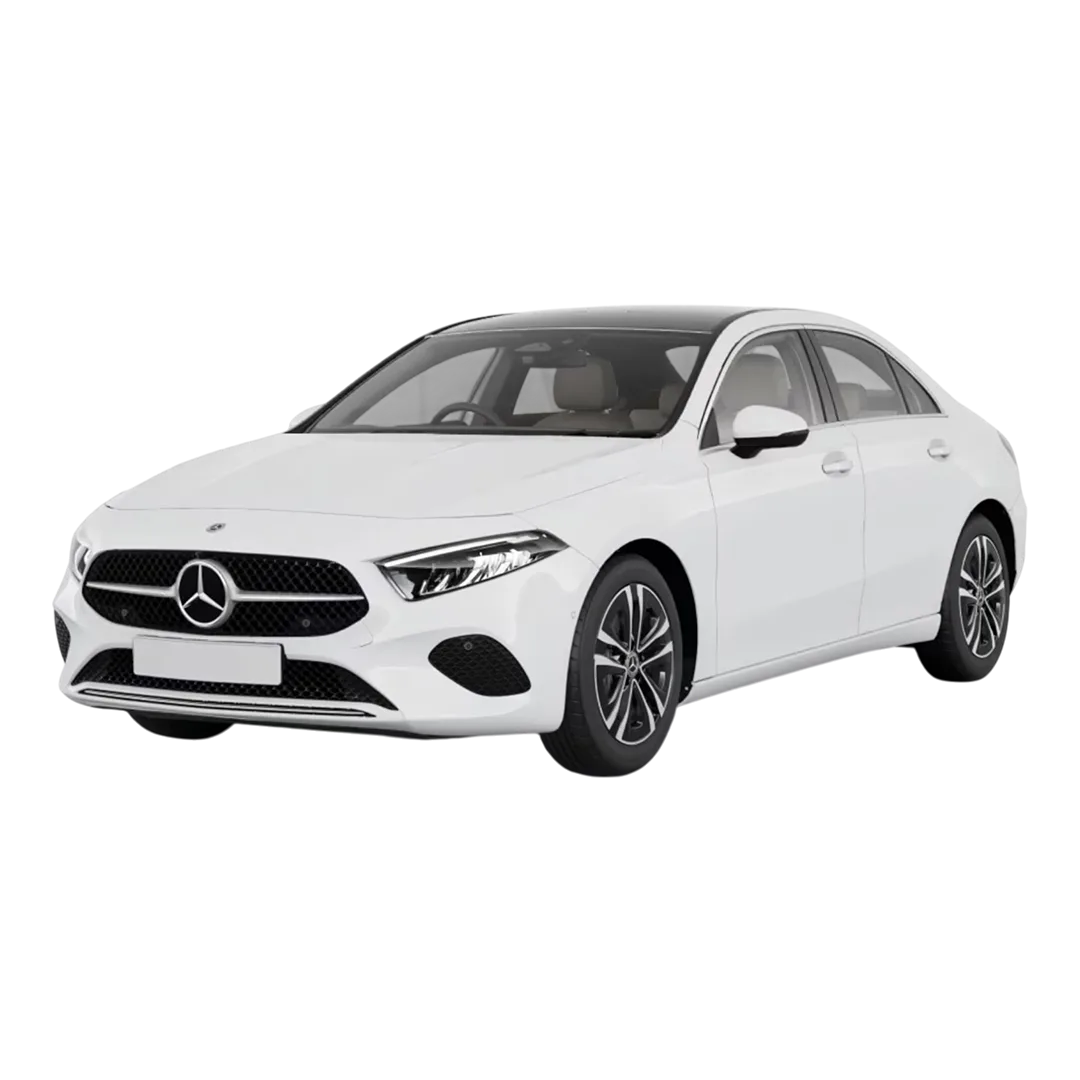 Mercedes Benz A Class limousine
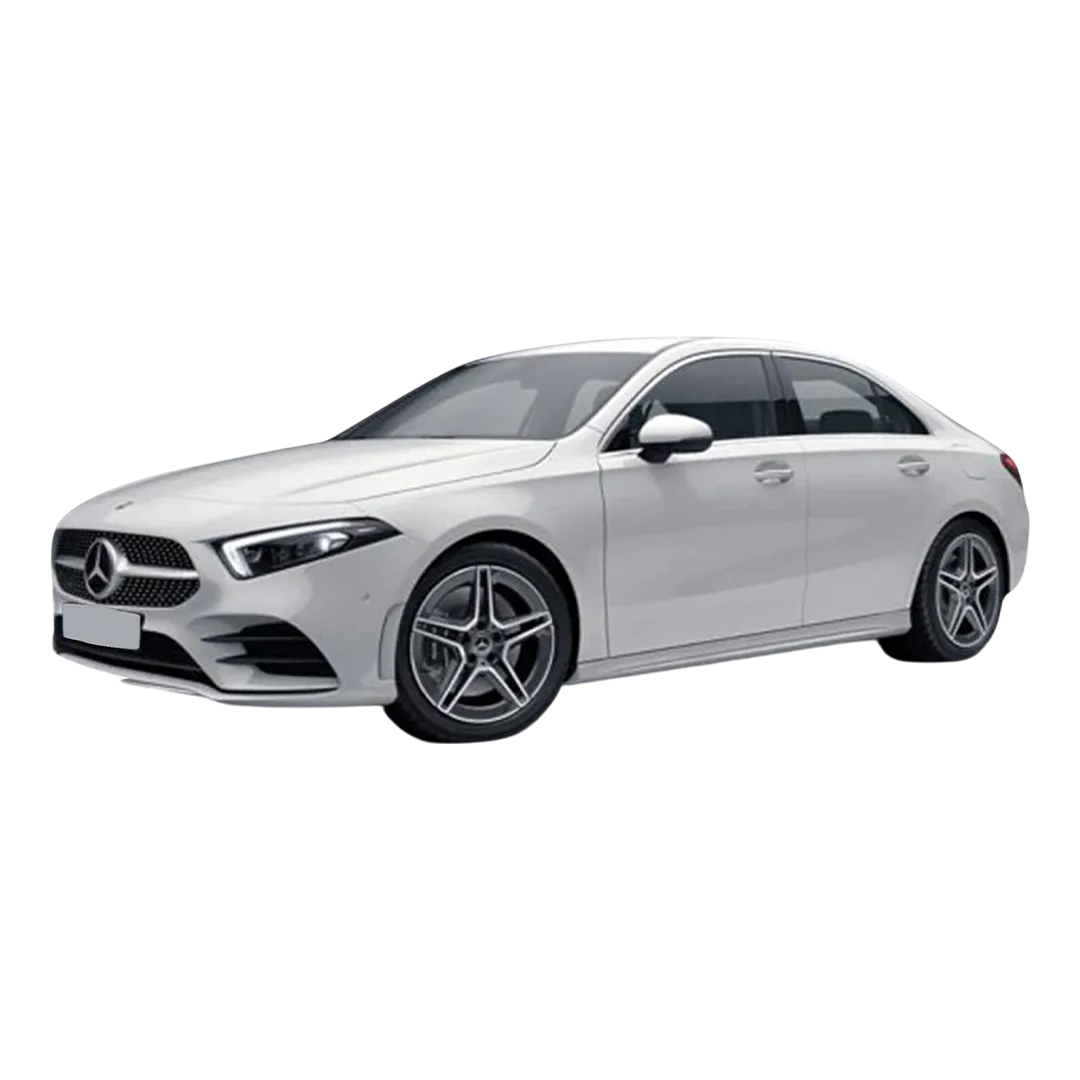 Mercedes Benz AMG A 35
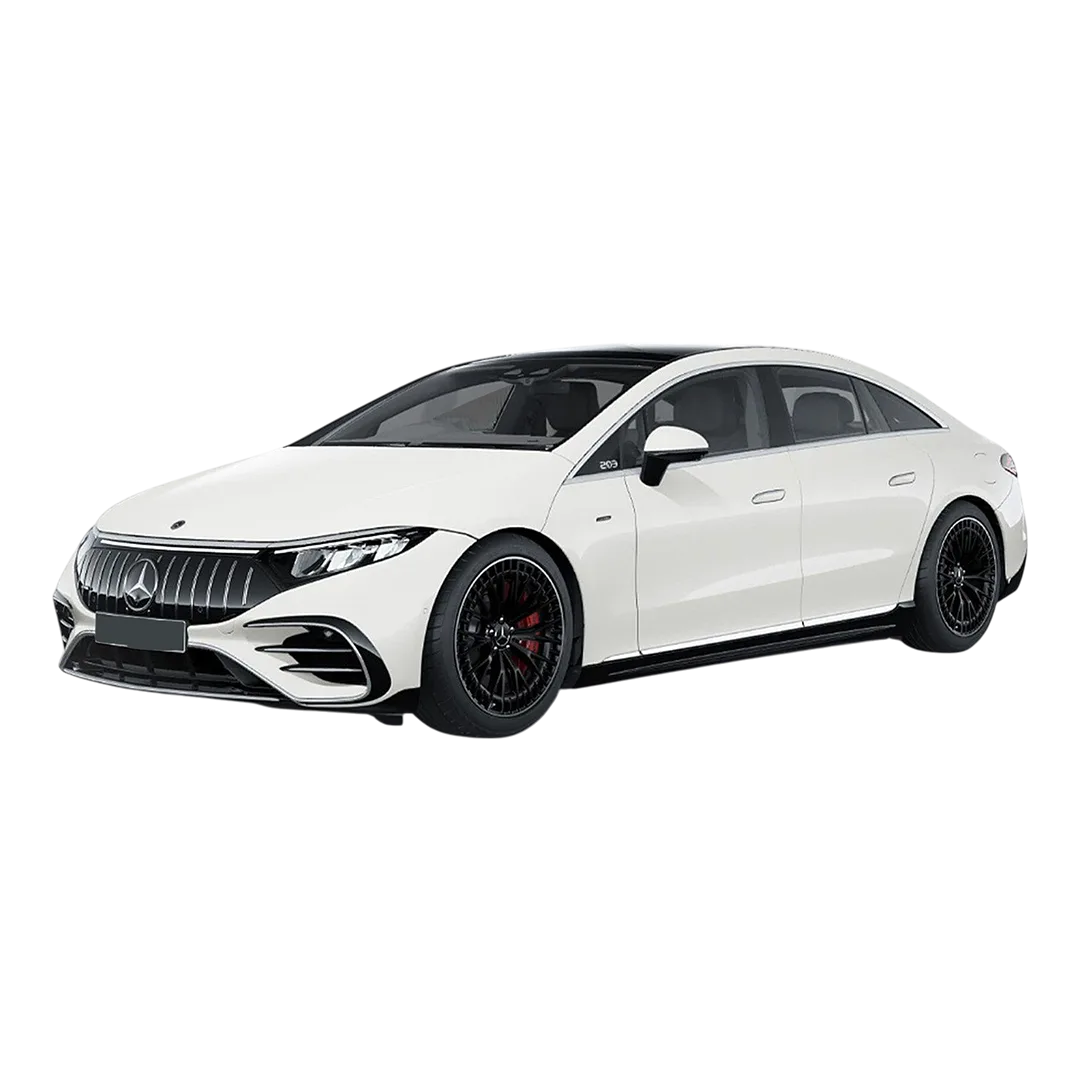 Mercedes-Benz AMG EQS
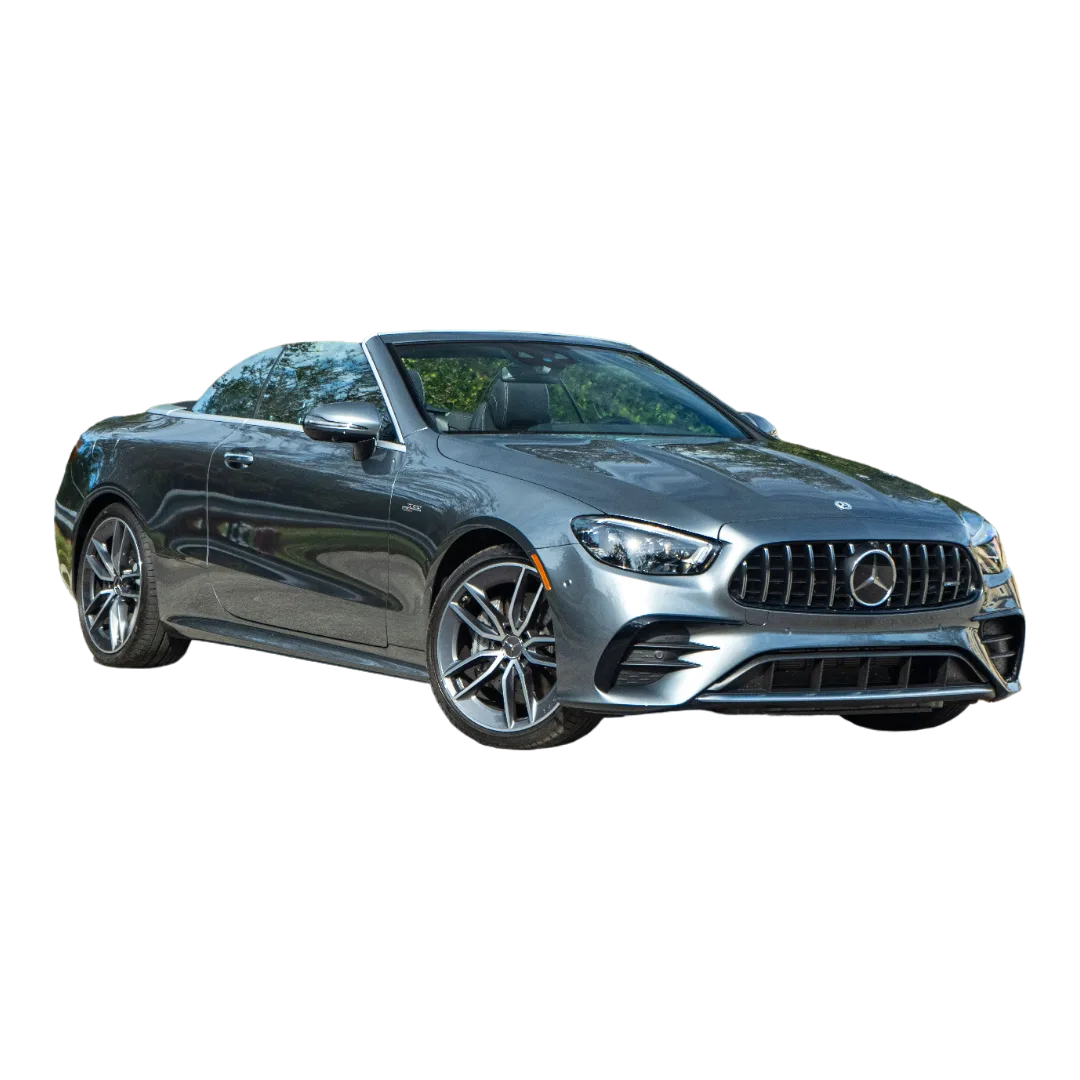 Mercedes-Benz AMG E 53 Cabriolet
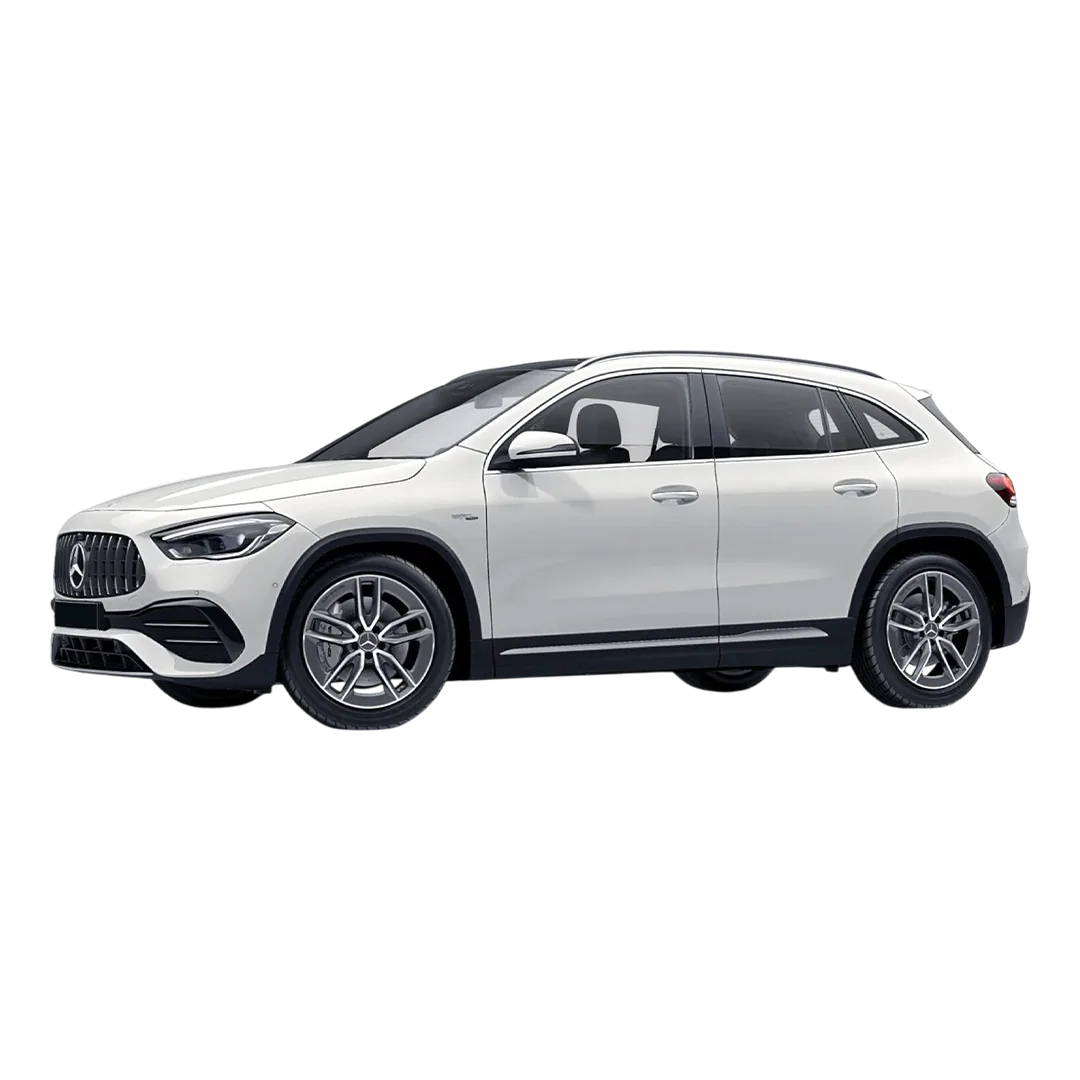 Mercedes-Benz AMG GLA 35
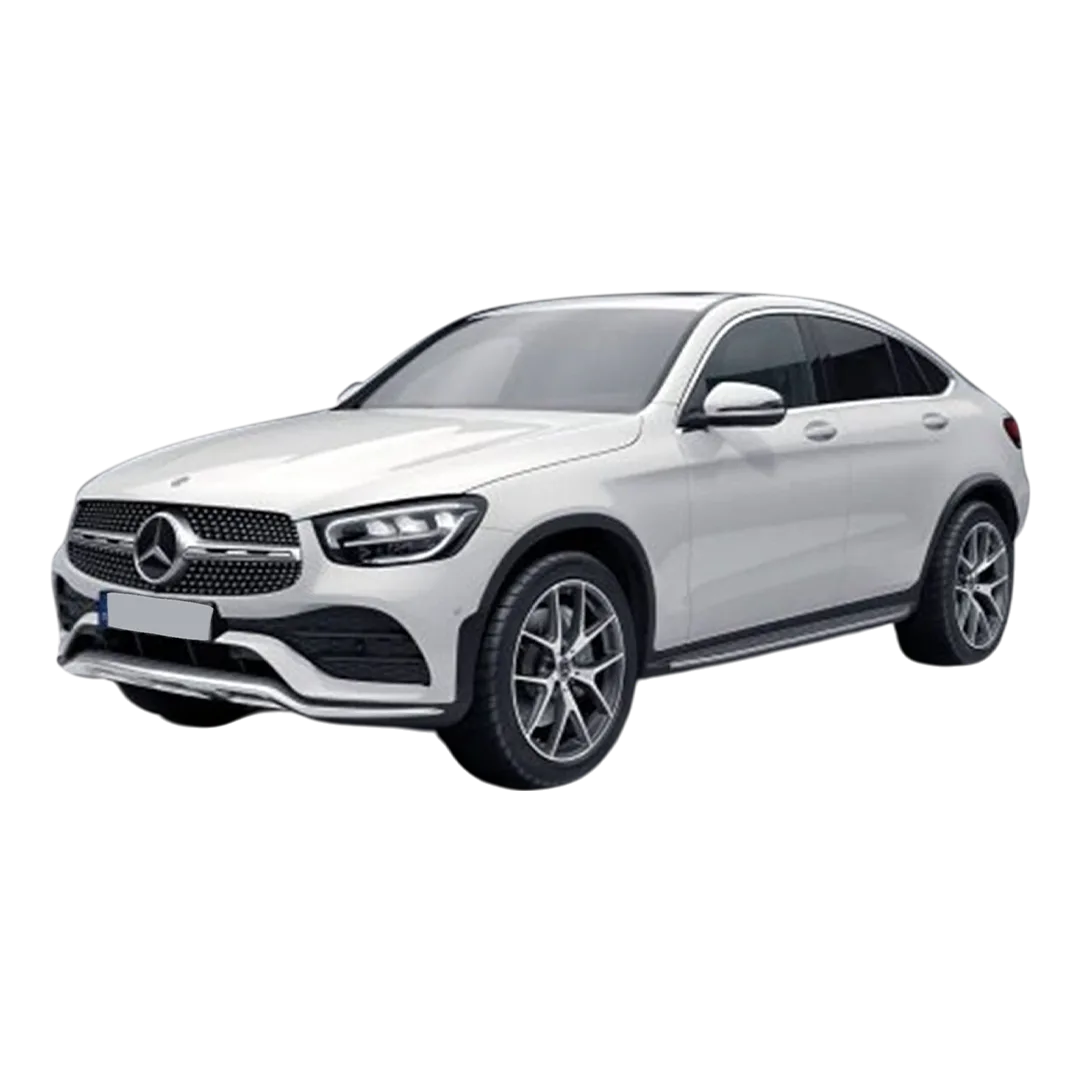 Mercedes-Benz GLC Coupe 2023
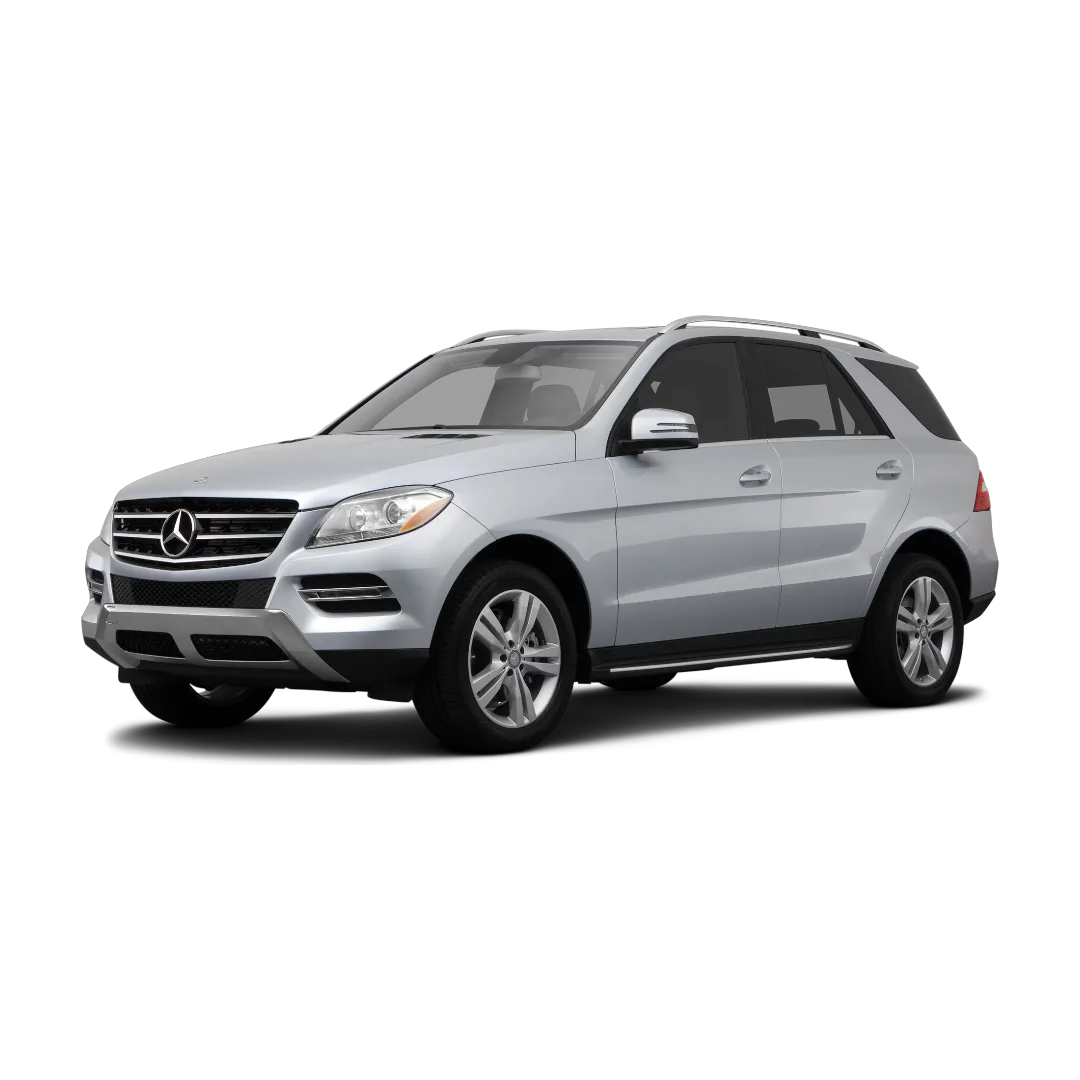 Mercedes M-Class
R-Class
Mercedes M-Class
R-Class
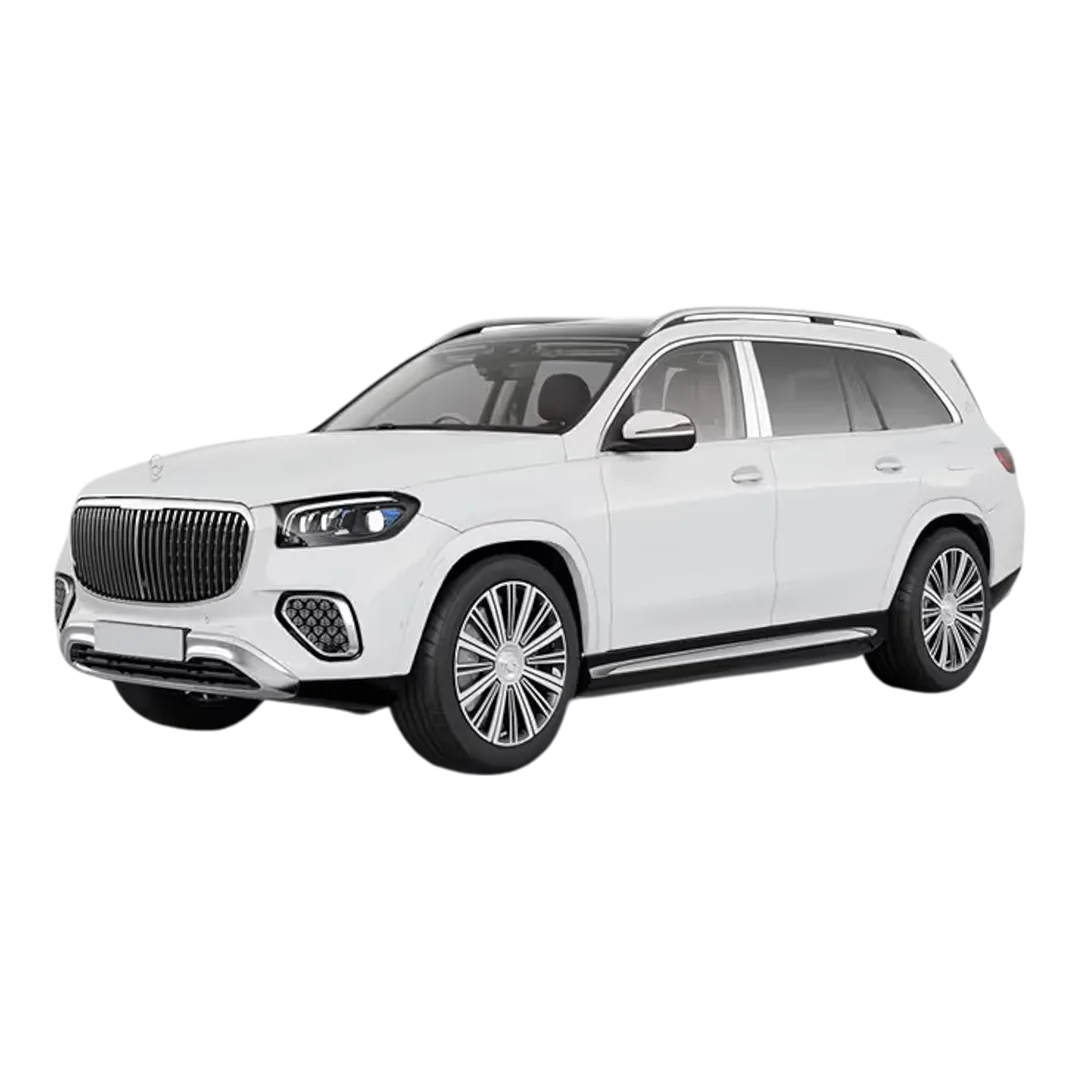 GLS 600
GLS 400
GLS 350
GLE 300
GLS 600
GLS 400
GLS 350
GLE 300
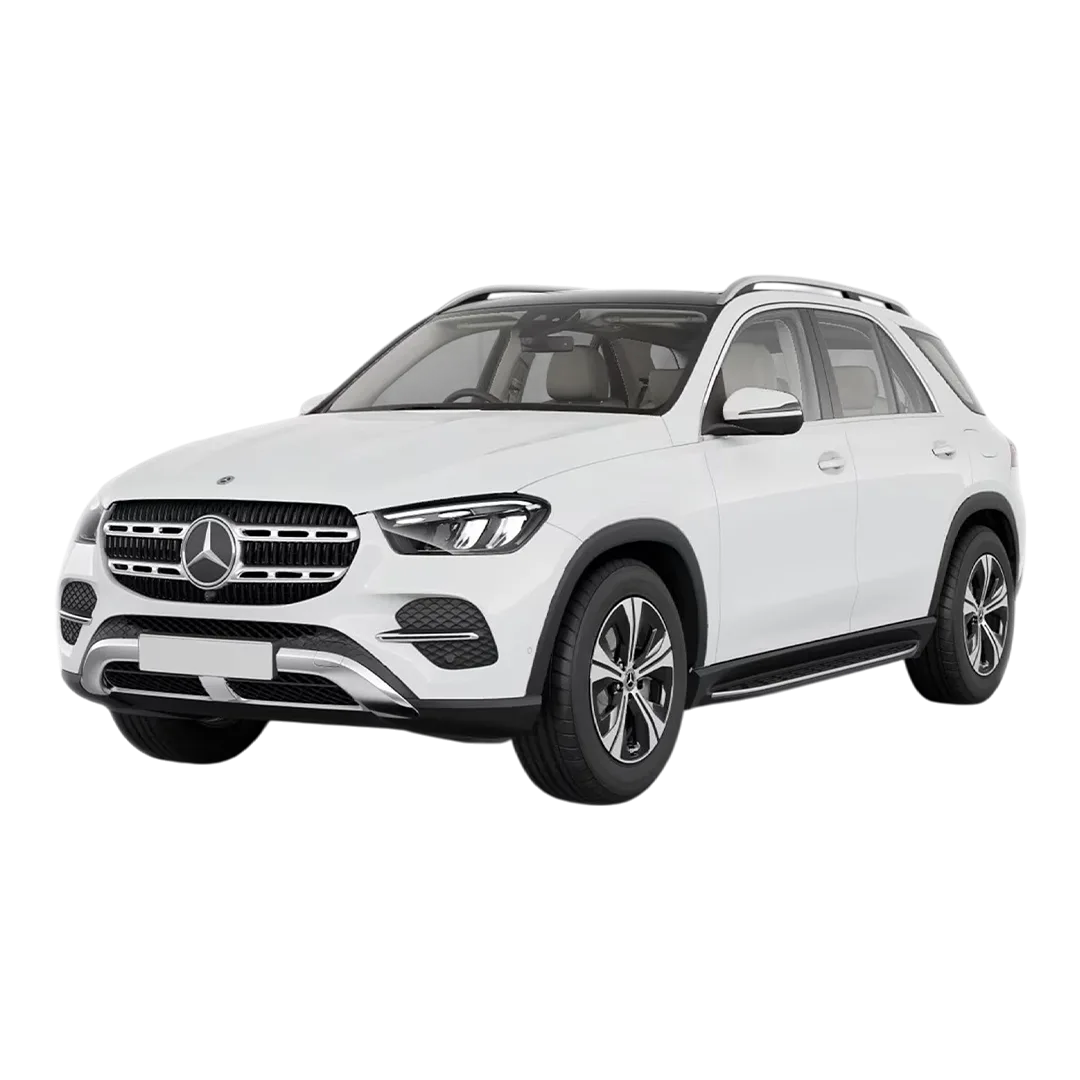 GLE 400
GLE 250D
GLE 400
GLE 250D
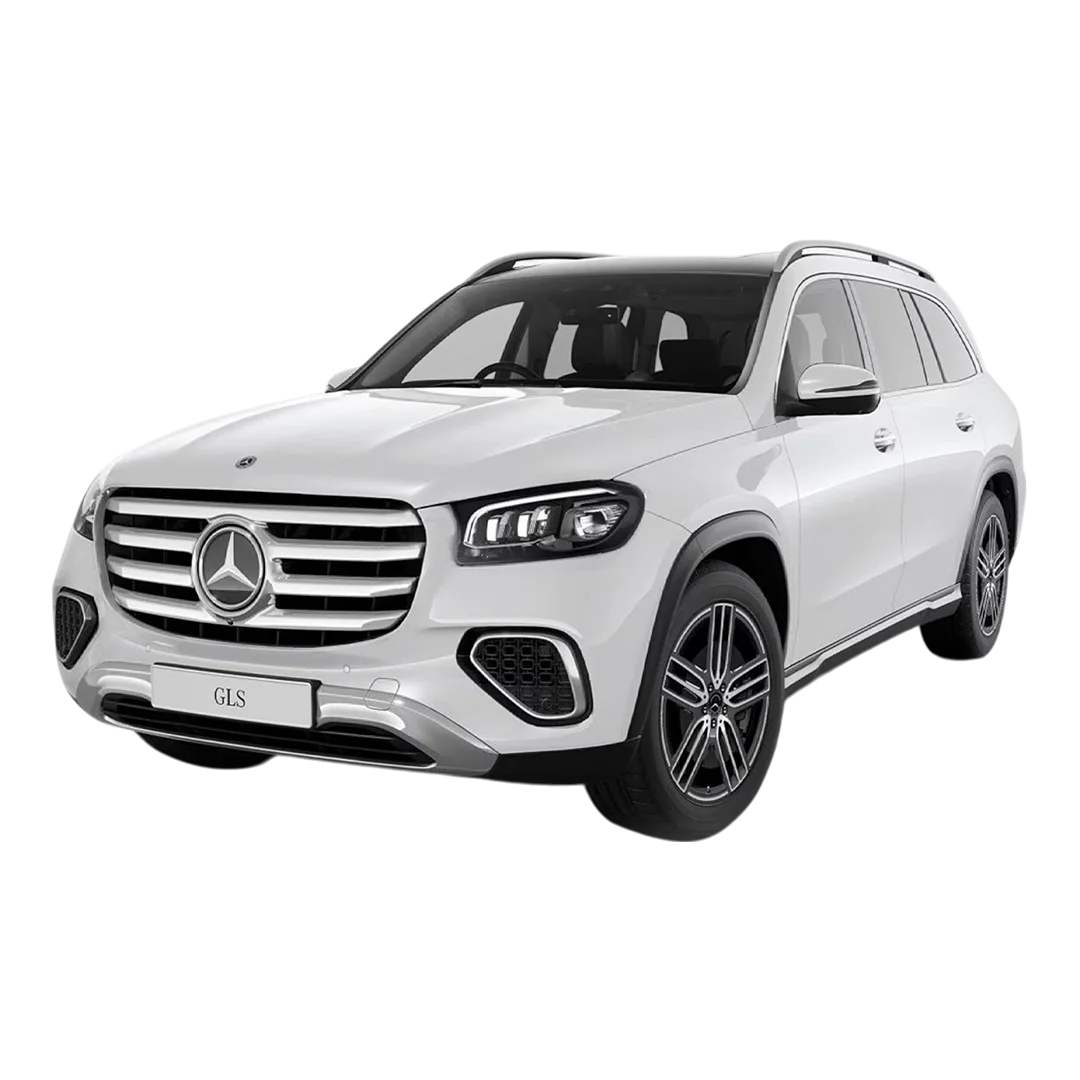 GLC 220D
GLC 300
GLC 220D
GLC 300
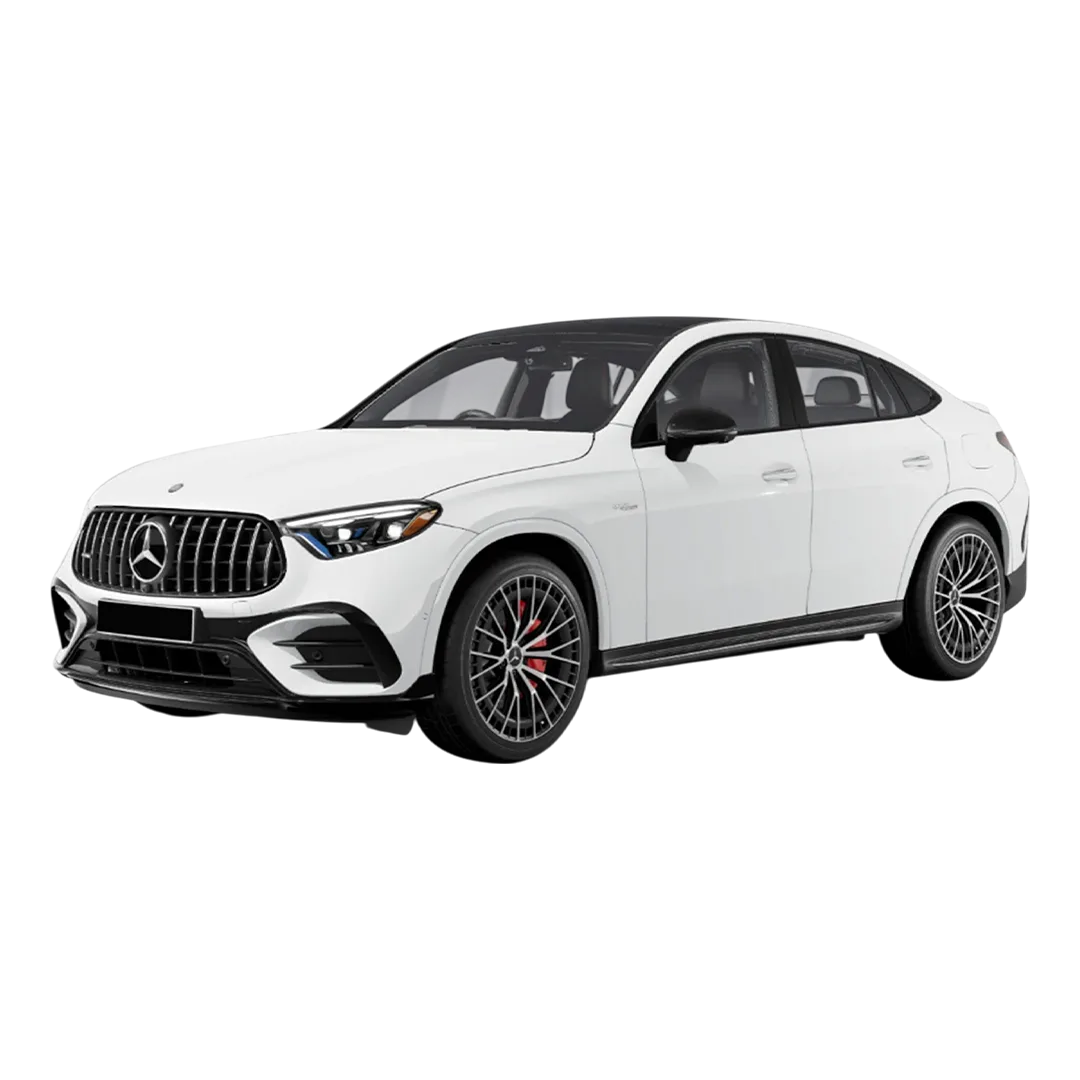 GLC 43 Coupe
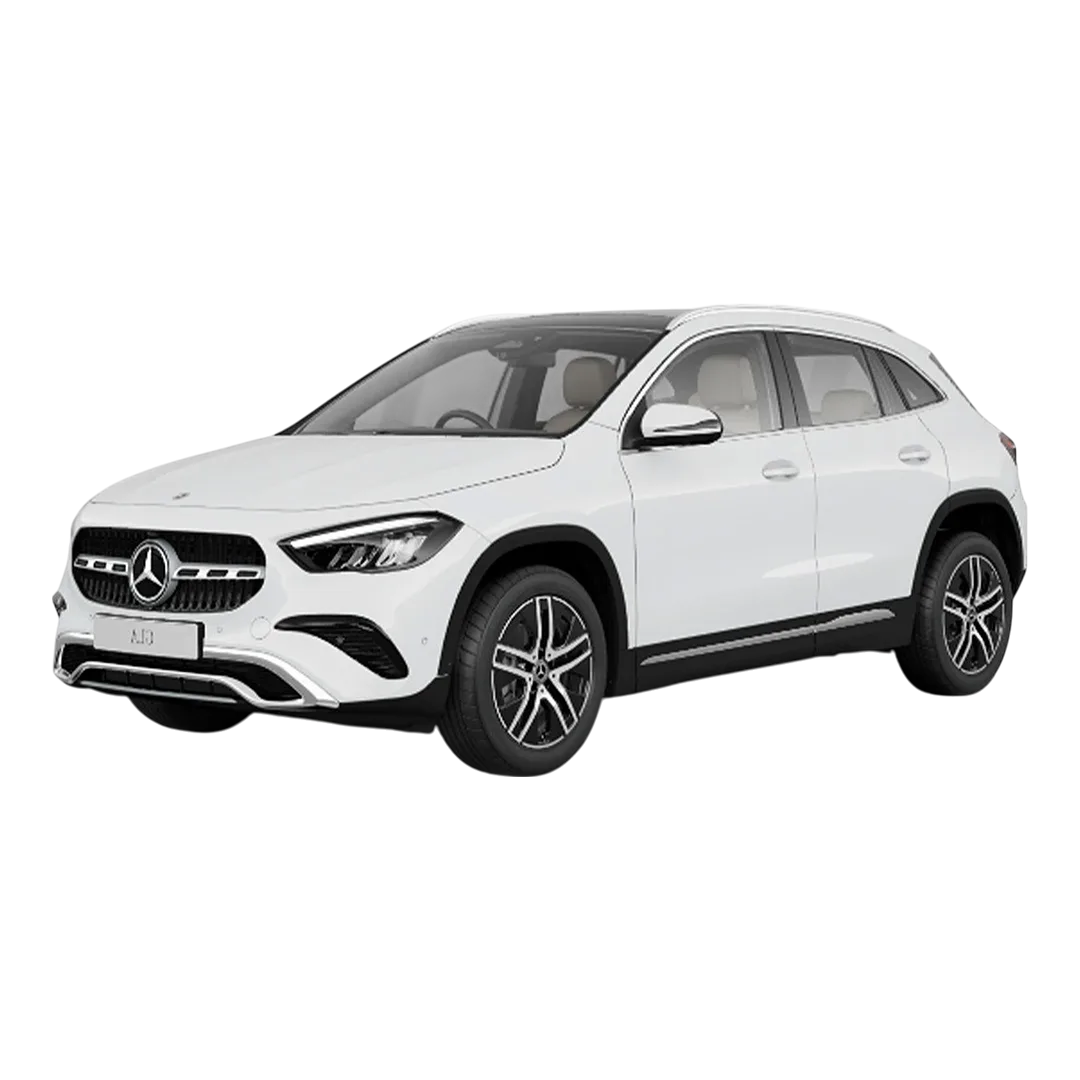 GLA 220d
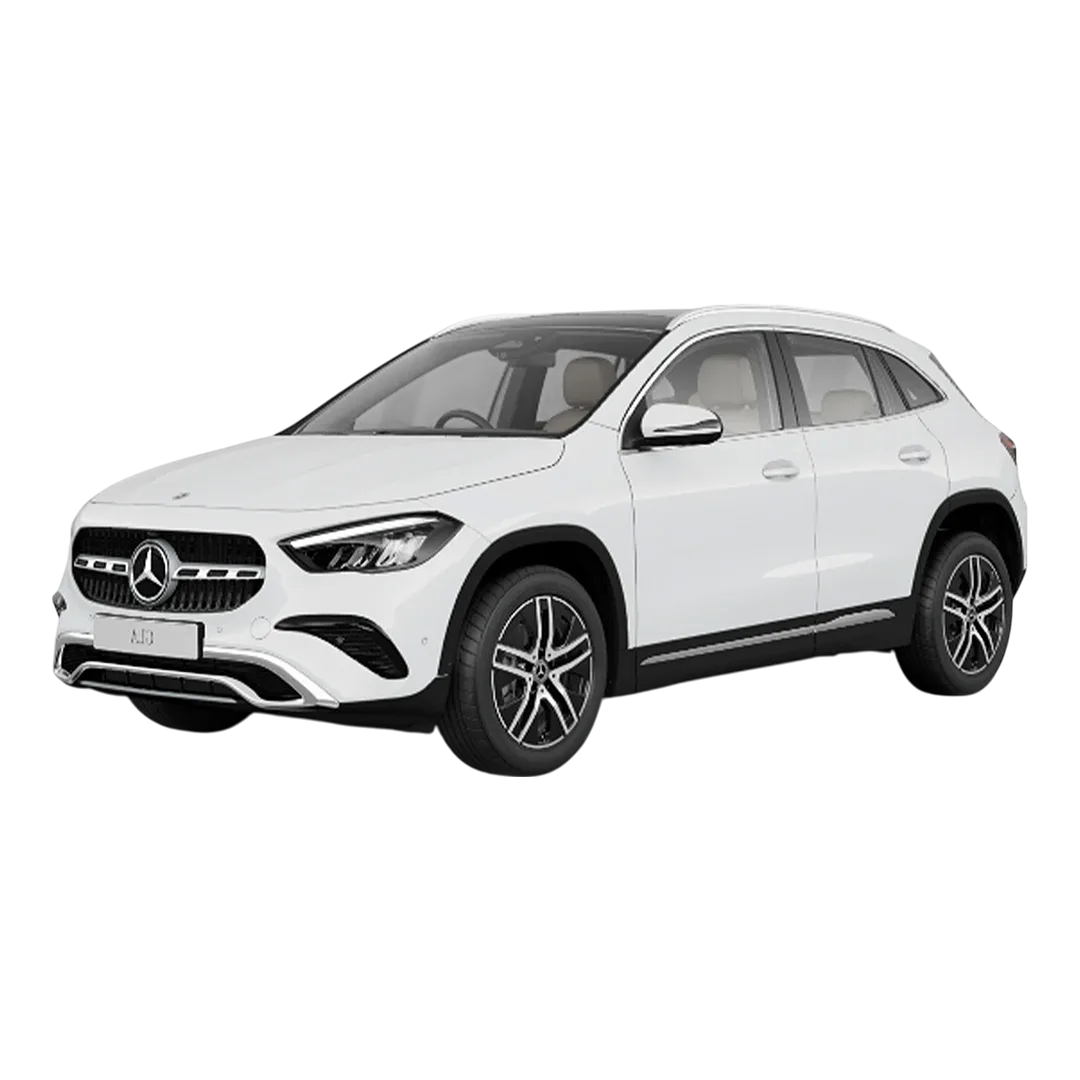 GLA-Class 200D
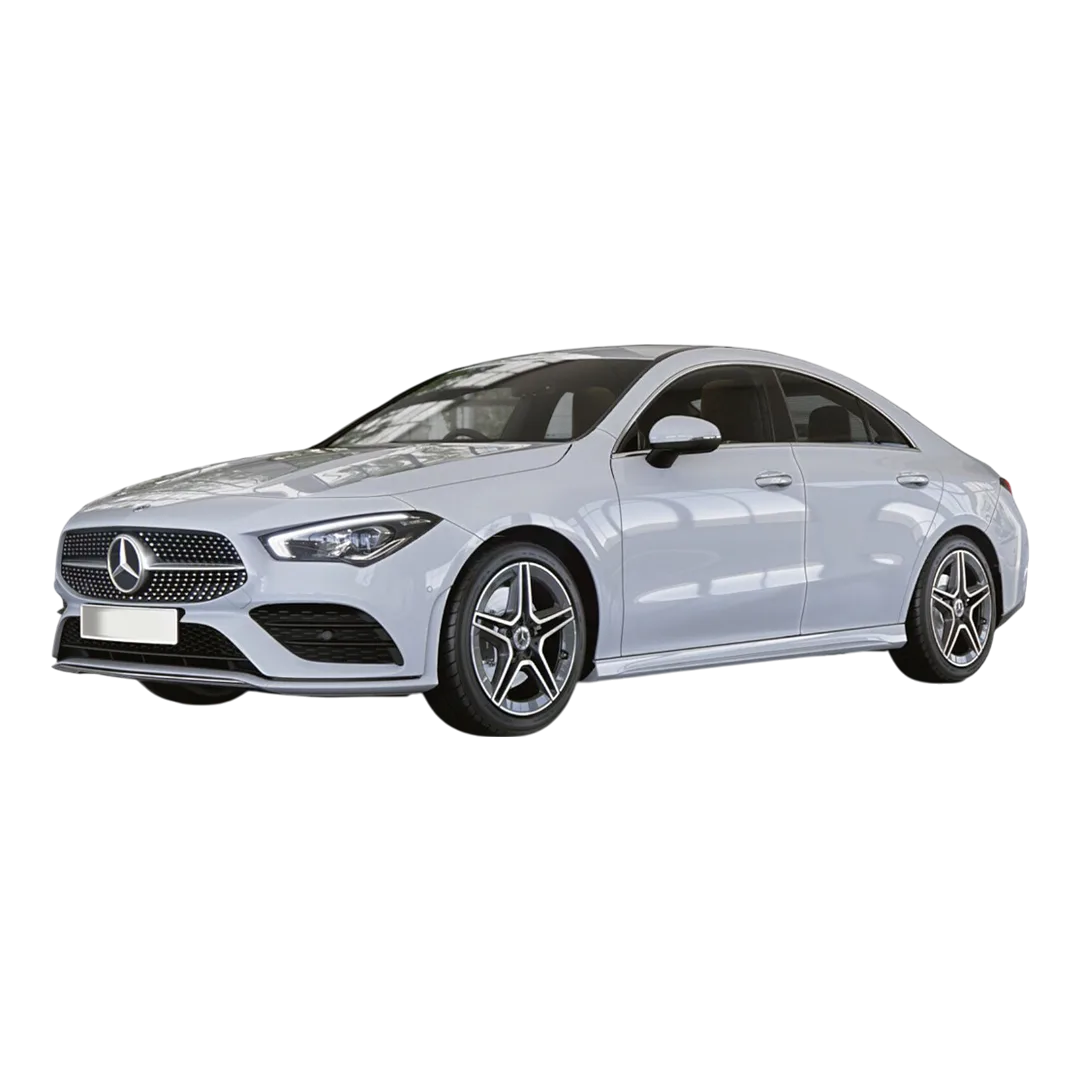 CLA 200
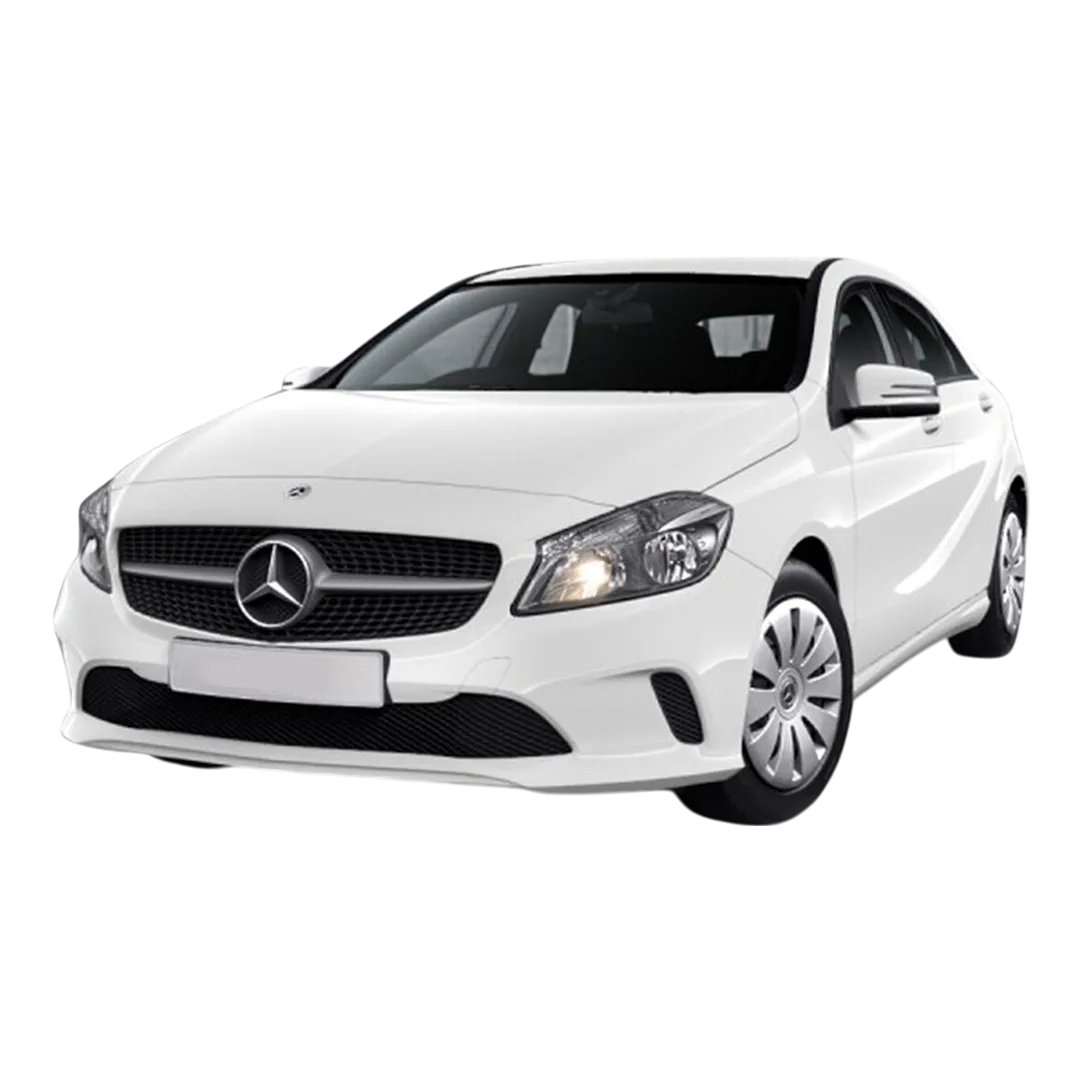 Benz A-Class A 180
M-Class ML 250
M-Class ML 350
Benz A-Class A 180
M-Class ML 250
M-Class ML 350
 Benz CLS 300
 C-Class C250
C-Class C220
C-Class C200
C-Class C250
C-Class C220
C-Class C200
 Benz B - Class
Benz A - 200
Benz B - Class
Benz A - 200

The premium electric SUV segment in India is becoming more exciting than ever, especially after the arrival of Tesla Model Y. Tesla’s entry into the Indian market has created massive buzz among EV enthusiasts, tech lovers, and buyers looking for a futuristic driving experience. At the same time, the updated Hyundai Ioniq 5 continues to attract attention with its bold styling, practical cabin, impressive range, and strong feature list. Both electric SUVs promise premium comfort, advanced technology, and eco-friendly mobility, but choosing the right one depends on what you expect from your next car.
While the Tesla Model Y focuses on minimalism, intelligent software, and performance-driven innovation, the Hyundai Ioniq 5 offers a more familiar ownership experience with wider service support and value-focused pricing. From battery range and charging speed to cabin comfort, safety, pricing, and road presence, both EVs cater to different types of buyers in India.
In this detailed comparison by Creckk, we compare the Tesla Model Y and Hyundai Ioniq 5 across every important category to help you decide which premium electric SUV truly deserves your money in 2026.
Price plays a major role when buyers consider a premium electric SUV in India. The Hyundai Ioniq 5 clearly gains attention with its more affordable pricing strategy. Hyundai offers the Ioniq 5 at around Rs. 55.70 lakh (ex-showroom), while the Tesla Model Y starts from approximately Rs. 59.89 lakh and goes significantly higher for the long-range and all-wheel-drive variants.
For buyers looking for better value, the Ioniq 5 feels more practical because it comes fully loaded in a single variant. Buyers do not need to spend extra for premium technology or comfort features. Tesla, on the other hand, offers multiple variants with different battery and drivetrain options, allowing customers to select a configuration according to their performance and range preferences.
| Model | Starting Price | Top Variant Price | Variants |
|---|---|---|---|
| Tesla Model Y | Rs. 59.89 lakh | Rs. 67.89 lakh | Multiple |
| Hyundai Ioniq 5 | Rs. 55.70 lakh | Rs. 55.70 lakh | Single |
The Tesla Model Y may justify its premium through advanced software integration, futuristic technology, and stronger brand appeal. However, the Hyundai Ioniq 5 offers a more budget-friendly premium EV experience without compromising on essential features.
For Indian buyers who prioritize value-for-money ownership, lower entry cost, and predictable pricing, the Ioniq 5 stands out as a strong contender in this segment.
The design philosophy of both electric SUVs is completely different, which makes this comparison even more interesting. The Tesla Model Y follows Tesla’s signature minimalist and aerodynamic styling approach. It looks clean, futuristic, and premium, especially with its smooth body lines, coupe-inspired roofline, and flush design elements.
On Indian roads, the Tesla Model Y instantly grabs attention because of its international road presence and unique EV identity. The longer and wider dimensions also give it a commanding appearance. Tesla offers multiple premium paint options, although most of them require additional payment from buyers.
Meanwhile, the Hyundai Ioniq 5 takes a completely different approach with its retro-modern styling theme. Inspired by classic hatchback proportions combined with futuristic pixel-inspired lighting, the Ioniq 5 looks distinctive and refreshing. It appeals to buyers who want their EV to stand out without looking overly aggressive.
The Ioniq 5 also benefits from a longer wheelbase, which improves cabin space and gives the SUV a balanced road stance. Hyundai’s design feels more experimental and artistic, while Tesla’s design language focuses on simplicity and efficiency.
Ultimately, design preference depends on buyer personality. If you prefer sleek, tech-inspired aesthetics, the Tesla Model Y feels more futuristic. But if you want a unique and stylish EV with a modern-retro identity, the Hyundai Ioniq 5 offers stronger visual character.
Range anxiety remains one of the biggest concerns for EV buyers in India, which is why battery performance and charging capabilities are extremely important. On paper, both SUVs deliver impressive driving ranges suitable for city driving and long-distance travel.
The Hyundai Ioniq 5 comes equipped with an 84 kWh battery pack and offers a claimed range of up to 690 km. It also supports ultra-fast 350 kW DC charging, making it one of the fastest charging EVs available in India.
The Tesla Model Y offers multiple range options depending on the variant. The long-range models deliver up to 681 km of claimed range and support 250 kW fast charging. Tesla also provides an all-wheel-drive setup in higher variants, which improves traction, acceleration, and driving confidence.
| Feature | Tesla Model Y | Hyundai Ioniq 5 |
|---|---|---|
| Claimed Range | Up to 681 km | Up to 690 km |
| Charging Speed | 250 kW | 350 kW |
| Drivetrain | RWD / AWD | RWD |
| Performance | Faster acceleration | Smooth and refined |
In real-world conditions, Tesla’s software optimization and regenerative braking system often help maximize battery efficiency. The Model Y feels sportier and quicker during acceleration, especially in AWD variants.
The Ioniq 5, however, delivers a more comfortable and relaxed driving experience with excellent ride quality. Buyers looking for performance-oriented driving may prefer Tesla, while those prioritizing comfort and practicality may lean toward Hyundai.
Inside the cabin, both electric SUVs offer a futuristic experience, but their approach to technology and comfort is very different. The Tesla Model Y follows an ultra-minimalistic interior layout dominated by a massive 16-inch touchscreen infotainment system. Almost every function inside the car is controlled through the display, creating a highly digital environment.
Tesla also offers premium features such as powered front and rear seats, heated rear seats, wireless smartphone connectivity, panoramic glass roof, second-row touchscreen, ambient lighting, and optional full self-driving technology.
The Hyundai Ioniq 5 focuses more on practicality and passenger comfort. Its interior feels airy and lounge-like due to the flat floor design and long wheelbase. Hyundai includes dual 12.3-inch displays, ventilated seats, premium BOSE sound system, wireless charging, dual-zone climate control, and sliding center console functionality.
| Feature | Tesla Model Y | Hyundai Ioniq 5 |
|---|---|---|
| Infotainment | 16-inch touchscreen | Dual 12.3-inch displays |
| Rear Touchscreen | Yes | No |
| Audio System | 9-speaker audio | BOSE premium audio |
| Panoramic Roof | Yes | Yes |
| Cabin Feel | Minimalistic | Spacious and relaxing |
Tesla’s cabin feels more futuristic and software-driven, while Hyundai’s interior feels more luxurious and user-friendly. Buyers who love technology and innovation may prefer Tesla, but families and comfort-focused buyers could find the Ioniq 5 more practical for daily usage.
Safety is a major priority in premium EVs, and both SUVs come equipped with advanced protection systems and intelligent driver assistance technology. The Tesla Model Y includes multiple airbags, front and rear parking sensors, 360-degree camera, rain-sensing wipers, tyre pressure monitoring system, and advanced driver assistance features.
Tesla’s biggest highlight remains its optional Full Self-Driving package, which introduces advanced autonomous driving technologies rarely seen in India. While regulations still limit full autonomous functionality, Tesla’s software ecosystem remains one of the most advanced globally.
The Hyundai Ioniq 5 also offers Level 2 ADAS technology with features like lane keep assist, adaptive cruise control, forward collision warning, and driver attention monitoring. Hyundai’s safety package feels more practical and optimized for Indian driving conditions.
While Tesla leads in futuristic autonomous capabilities and software integration, Hyundai offers a more balanced and confidence-inspiring ownership experience due to its established service network and proven after-sales support in India.
For families prioritizing long-term reliability and peace of mind, the Ioniq 5 may feel more reassuring. Tech enthusiasts looking for cutting-edge innovation will naturally gravitate toward Tesla.
Choosing between the Tesla Model Y and Hyundai Ioniq 5 ultimately depends on your lifestyle, expectations, and driving priorities.
The Tesla Model Y is ideal for buyers who want futuristic software technology, stronger brand aspiration, minimalist interiors, impressive performance, and advanced autonomous features. It feels more like a tech product on wheels and delivers a unique ownership experience that appeals to innovation-focused customers.
On the other hand, the Hyundai Ioniq 5 offers better affordability, wider service accessibility, practical comfort, ultra-fast charging, and premium features without overwhelming users with excessive complexity. It provides a balanced ownership package that feels more suitable for Indian families and daily usability.
If budget is not your primary concern and you want the latest EV innovation with global brand appeal, the Tesla Model Y deserves serious consideration. However, if you want a reliable, feature-loaded, and practical premium electric SUV with easier ownership experience, the Hyundai Ioniq 5 delivers stronger overall value.
No matter which EV you choose, both models represent the future of mobility in India. For more automotive comparisons, EV updates, and premium car accessory recommendations, visit Creckk.
The Hyundai Ioniq 5 offers a slightly higher claimed range of around 690 km, while the Tesla Model Y delivers up to 681 km depending on the variant.
Yes, buyers looking for futuristic technology, advanced software integration, and premium EV performance may find the Tesla Model Y worth the premium pricing.
The Hyundai Ioniq 5 supports faster 350 kW DC charging, while the Tesla Model Y supports up to 250 kW charging.
The Hyundai Ioniq 5 feels more practical for family use because of its spacious cabin, comfortable ride quality, and wider service network in India.
The Tesla Model Y offers optional Full Self-Driving capabilities, although certain autonomous functions may remain restricted based on Indian regulations.