



















































































































































































































































































Introduction
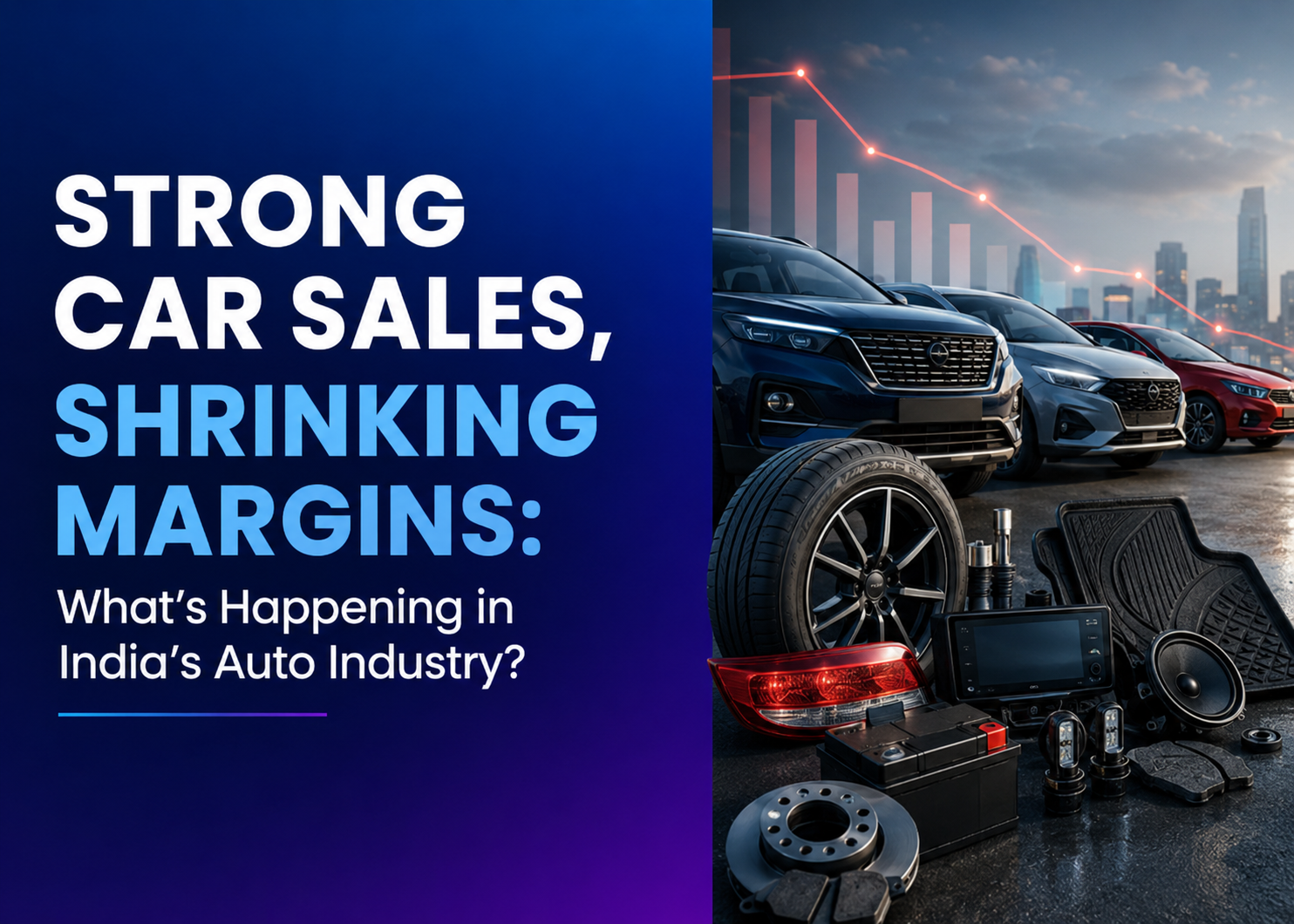
India's automobile industry is moving through an interesting phase. Vehicle demand remains strong, sales are growing across major segments, and consumers continue to show interest in new cars, SUVs, two wheelers and electric vehicles. In Q1 FY2026 to 27, passenger vehicle sales reached a record 1.27 million units, up 25.9 percent year on year. But strong sales do not automatically translate into stronger profits.
Automakers are simultaneously dealing with higher costs for raw materials, components, logistics, energy and manufacturing. Steel, aluminium, rubber and crude linked inputs can quickly affect profitability, especially when companies cannot immediately pass every cost increase on to customers. Recent price increases announced by major carmakers also show how cost pressure is becoming a real business challenge.
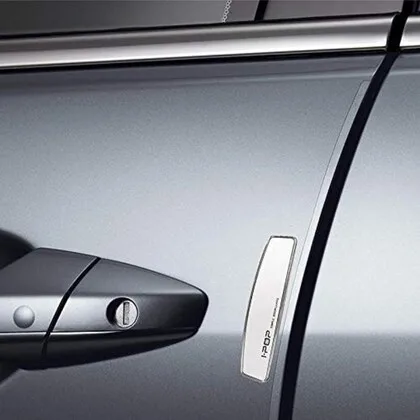
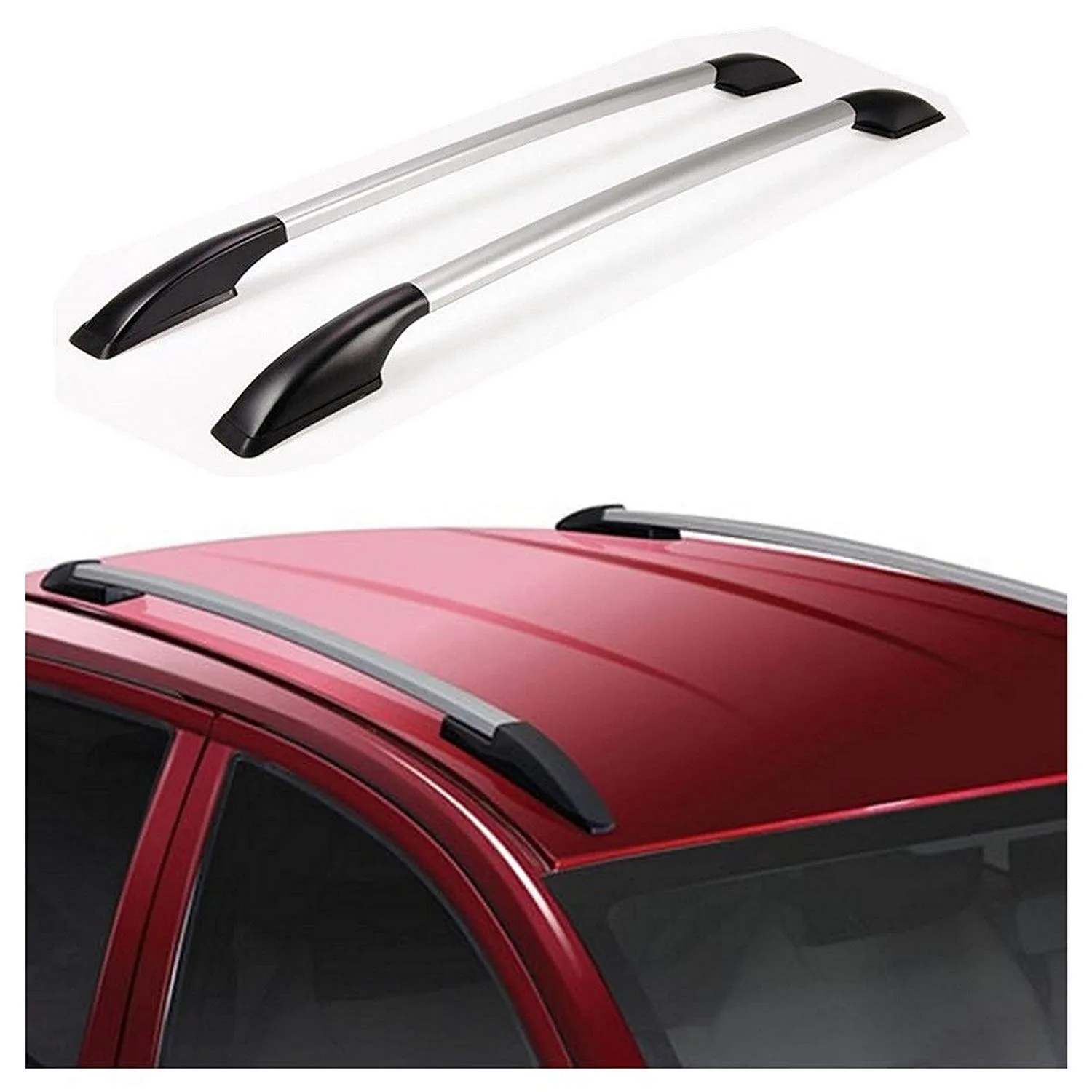
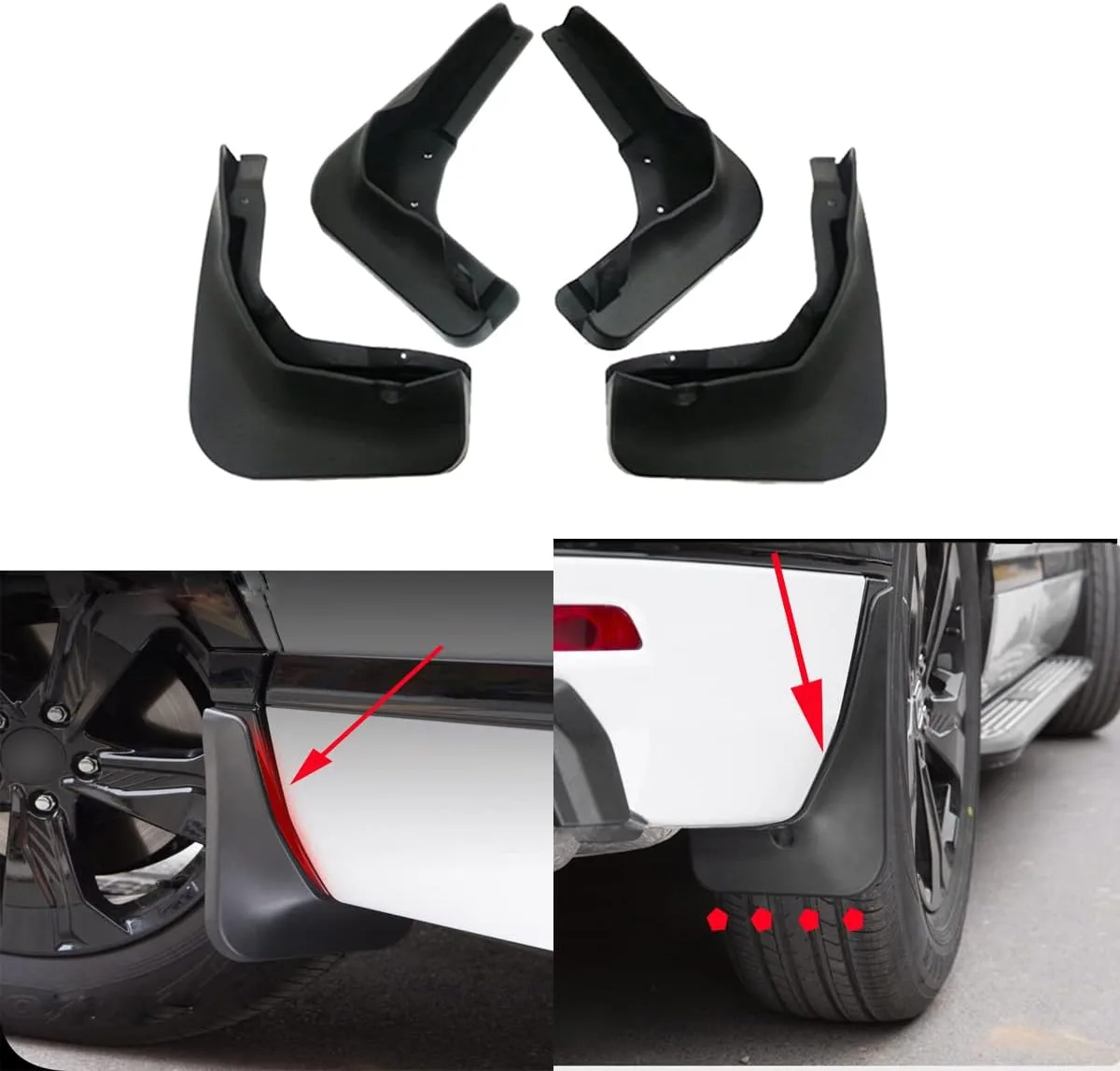
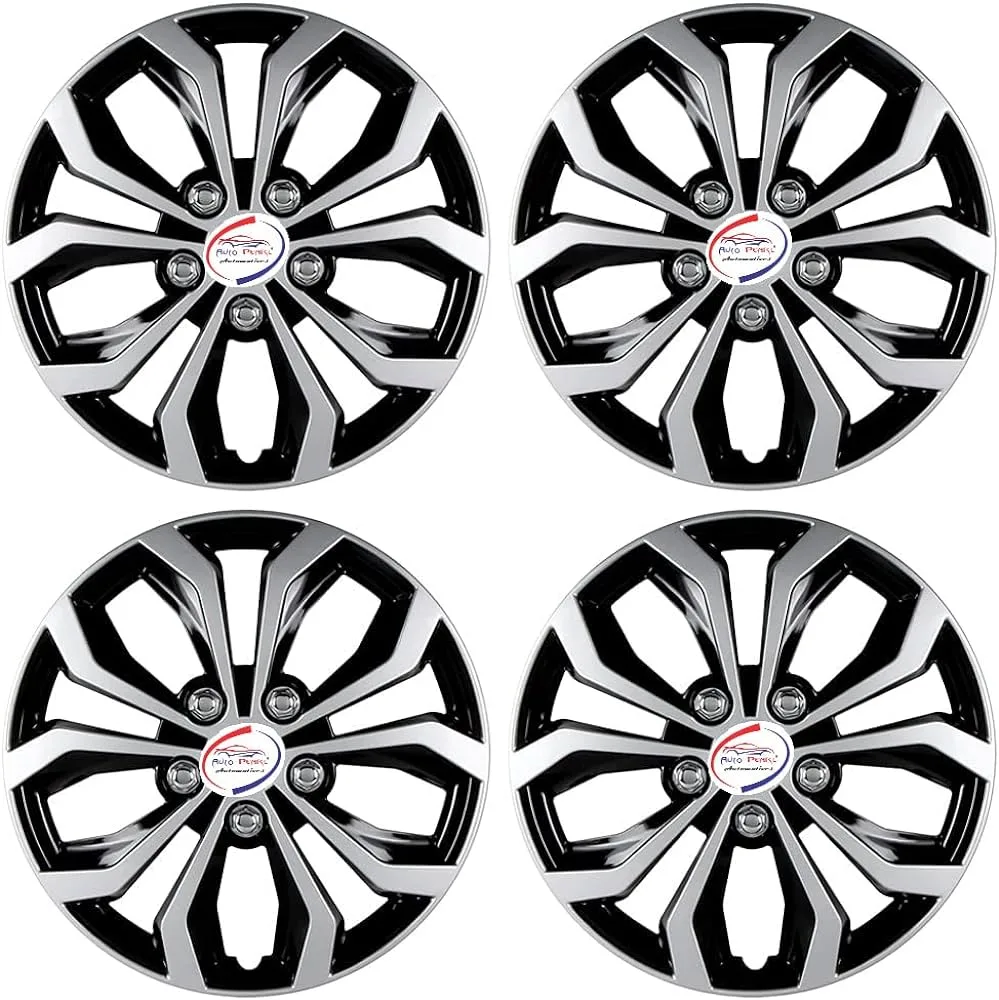
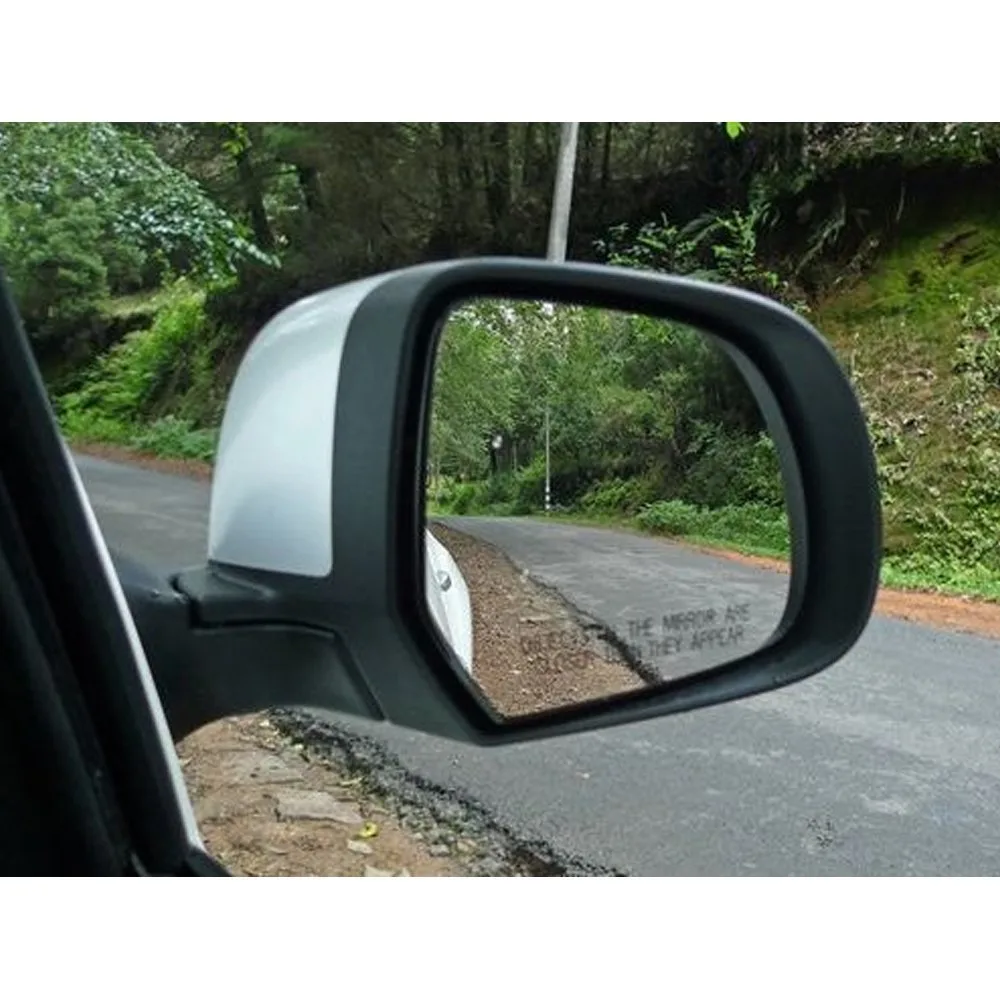
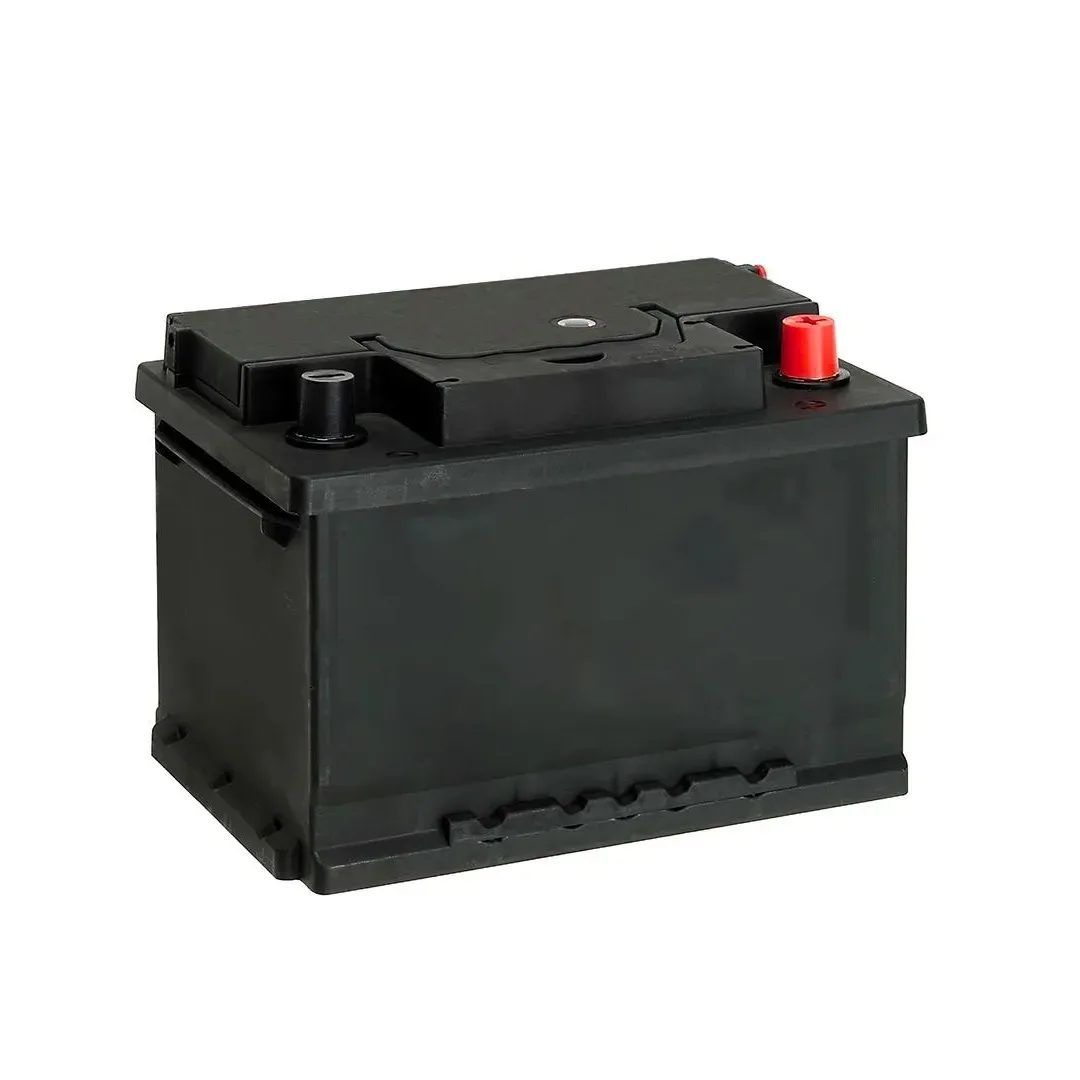
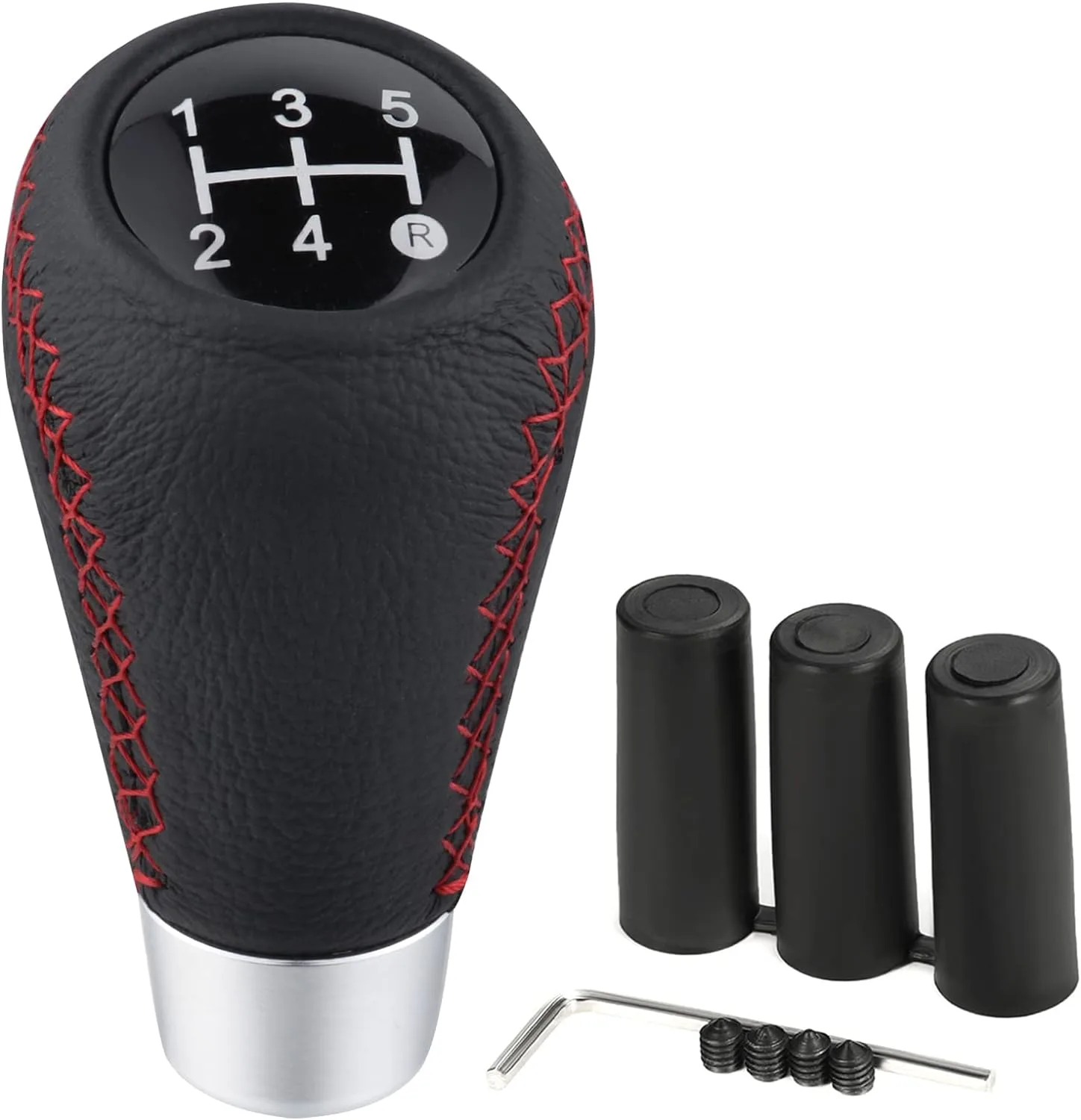
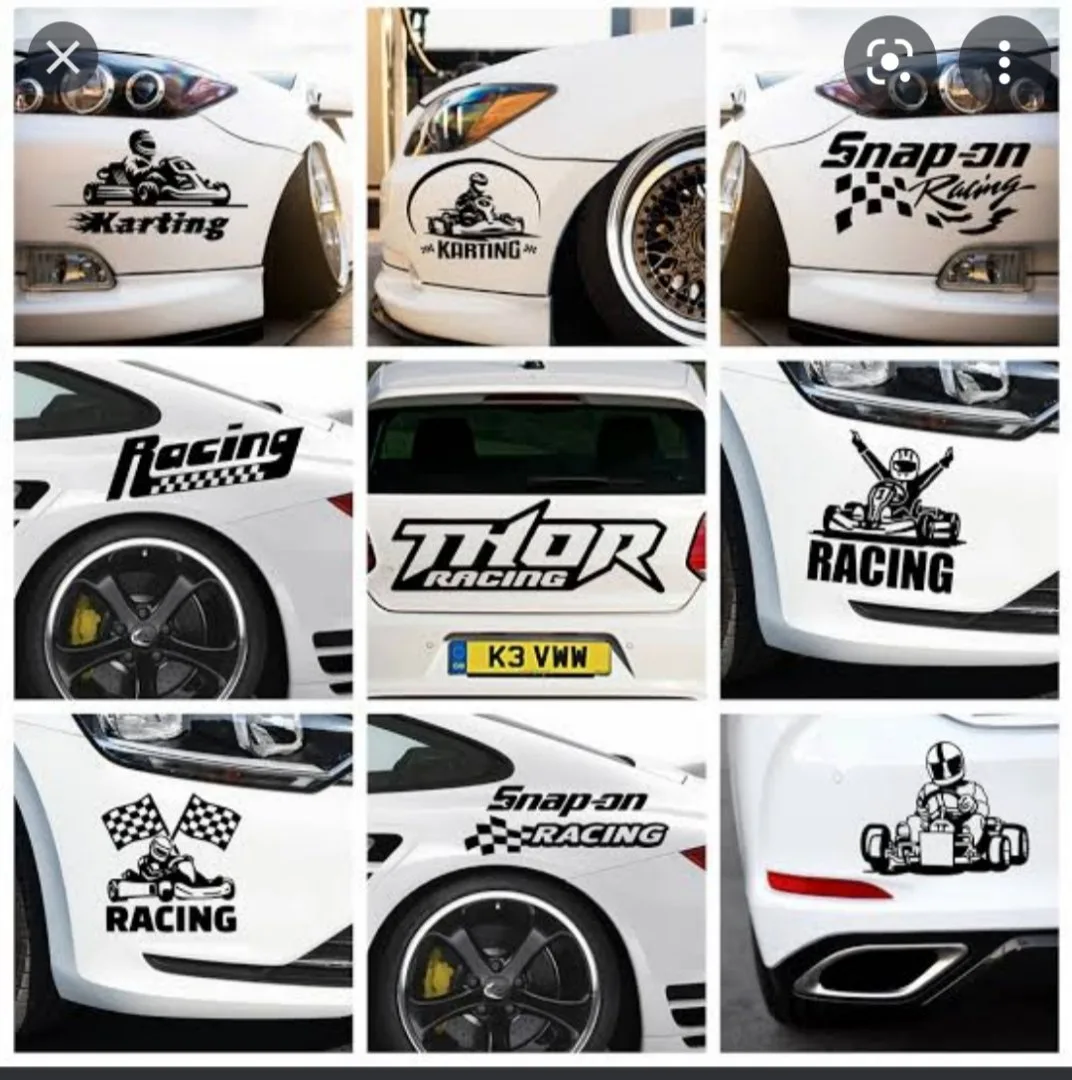
This situation matters beyond car manufacturers. A growing vehicle population creates opportunities across dealerships, service networks and the Car accessories market. As more people buy and personalise vehicles, platforms like Creckk can benefit from increasing demand for products that improve convenience, comfort, protection and ownership experience.
Here is a closer look at why India's auto industry can be selling more vehicles while still facing pressure on its profit margins.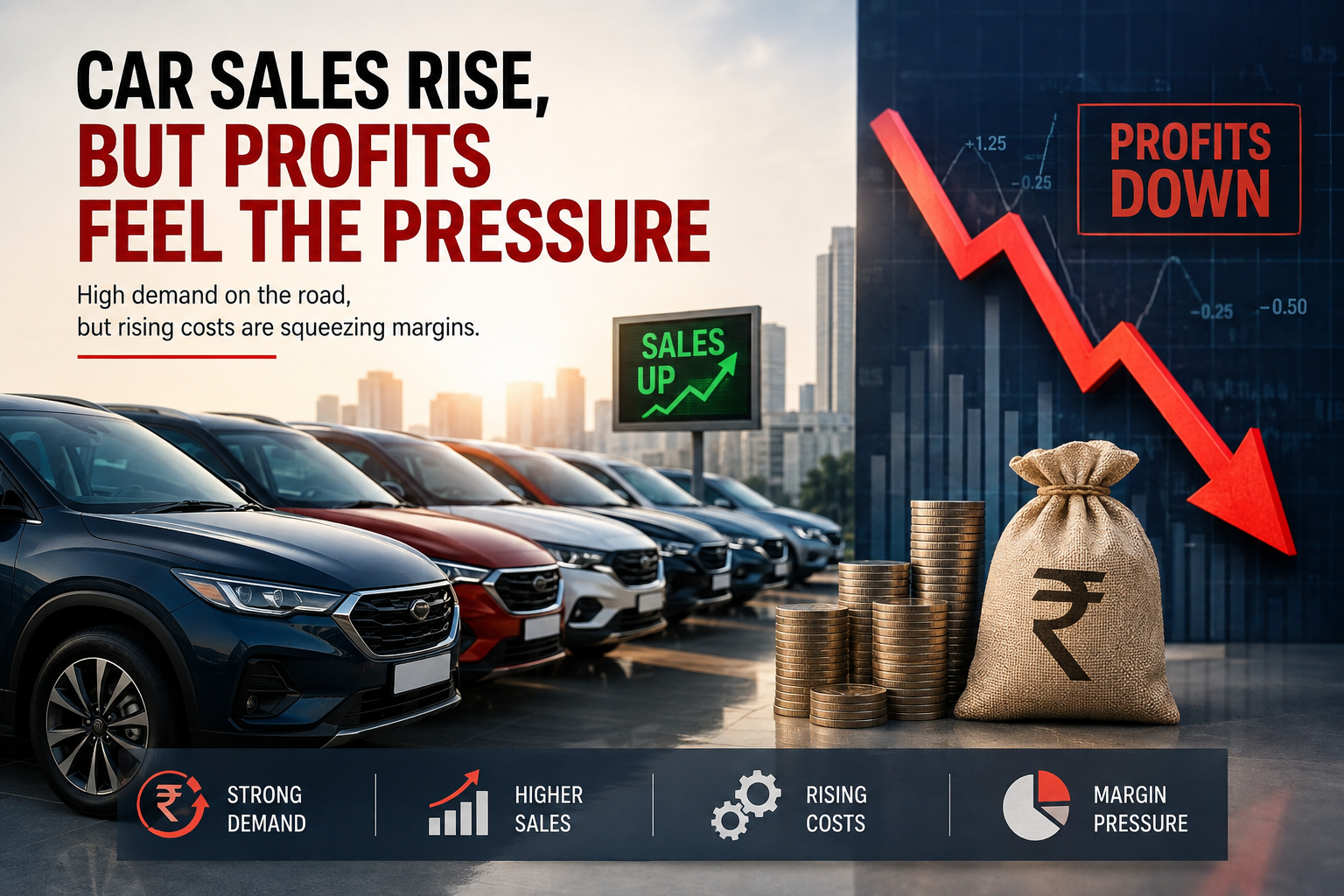
Car Sales Rise, But Profits Feel the Pressure
India's automobile market is showing strong momentum, particularly in passenger vehicles and two wheelers. New launches, improving affordability and resilient consumer demand have helped manufacturers increase volumes.
However, volume growth and profit growth are not the same thing. Every additional vehicle sold comes with manufacturing, sourcing, logistics, marketing and distribution costs. When raw material prices rise faster than the selling price of a vehicle, the profit earned on each unit can shrink.
This creates a difficult balancing act. Automakers want to protect demand by keeping vehicles competitively priced, especially in India's price sensitive market. At the same time, they cannot absorb rising costs indefinitely. Passing the entire increase to customers can affect affordability and buying decisions.
The wider automotive ecosystem faces a similar challenge. Suppliers and component makers also deal with input cost pressure before products even reach the vehicle manufacturer. For consumers, a growing vehicle market can also increase interest in Car accessories, as owners look to personalise and protect their purchases. Platforms such as Creckk operate within this expanding ownership ecosystem.
Strong Demand Meets Rising Costs
Strong demand is clearly supporting India's automobile industry, but rising costs are creating pressure behind the scenes. Manufacturers depend on a large network of suppliers and raw materials, including steel, aluminium, rubber, plastics and energy. Even relatively small changes in these costs can have a significant impact when companies manufacture vehicles at scale.
For automakers, the challenge is deciding how much of these additional costs should be absorbed and how much should be passed on to customers. Frequent price increases can hurt demand, while absorbing all the costs can weaken margins.
The impact extends across the automotive value chain. Vehicle owners may also become more selective about where they spend money after purchasing a car. This makes value, product quality and compatibility increasingly important in the Car accessories market.
Creckk aims to make finding suitable accessories simpler for car owners by helping them explore products that match their vehicle and ownership needs.
More Cars Sold, Tougher Margins Ahead
Selling more cars usually sounds like a straightforward success story. Higher volumes can increase revenue, improve factory utilisation and strengthen a company's market position. But profitability depends on what happens to costs at the same time.
If revenue grows by selling more vehicles but expenses rise even faster, operating margins can decline. Higher commodity prices, supply chain costs and logistics expenses can reduce the profit earned from each vehicle.
Companies can respond in several ways. They may increase vehicle prices, negotiate with suppliers, improve manufacturing efficiency, redesign components or focus on models with stronger margins. None of these options is completely risk free.
Price hikes can protect profitability, but they can also affect affordability. Cost reduction can improve efficiency, but excessive cuts may affect quality or investment in future technology. This is why strong sales alone should not be viewed as the complete measure of an automaker's performance.
The same principle applies across the wider mobility ecosystem. As the number of vehicles on Indian roads continues to grow, Car accessories remain a meaningful aftermarket opportunity, particularly when customers can easily find products designed for their specific vehicle through platforms such as Creckk.
India’s Auto Growth Faces a Profit Challenge
India remains one of the world's most important automobile markets, with growth opportunities across passenger vehicles, SUVs, two wheelers, commercial vehicles and electric mobility. Strong domestic demand provides a major advantage for manufacturers, but rapid growth also brings new investment and cost challenges.
Automakers need to spend heavily on new vehicle platforms, technology, localisation, safety and future regulatory requirements. At the same time, competition remains intense. Companies must offer attractive features and competitive pricing while protecting their margins.
Global developments can also affect Indian manufacturers. Commodity prices, supply disruptions, freight costs and currency movements can influence the cost of producing a vehicle. These pressures do not always remain limited to large manufacturers. They can move through the entire supply chain, including auto component companies.
The challenge, therefore, is not whether India has demand. The challenge is converting that demand into sustainable and profitable growth.
For the aftermarket, this growing vehicle base creates its own opportunity. More cars on the road eventually mean more demand for maintenance, upgrades and Car accessories. Creckk and similar platforms can benefit by focusing on product fitment, quality, transparent pricing and a convenient ownership experience.
Sales Are Strong, But Costs Keep Rising
One of the biggest questions facing the auto industry is how long manufacturers can continue absorbing rising costs. Input inflation can affect almost every stage of vehicle production, from basic materials and electronic components to transportation and energy.
Some companies have chosen to increase vehicle prices gradually rather than making one large revision. Others absorb part of the increase to remain competitive. This approach shows the difficult balance between demand and profitability.
Automakers do not want to discourage buyers, particularly when customers have many choices across brands and price segments. However, continuing to absorb higher costs can weaken financial performance.
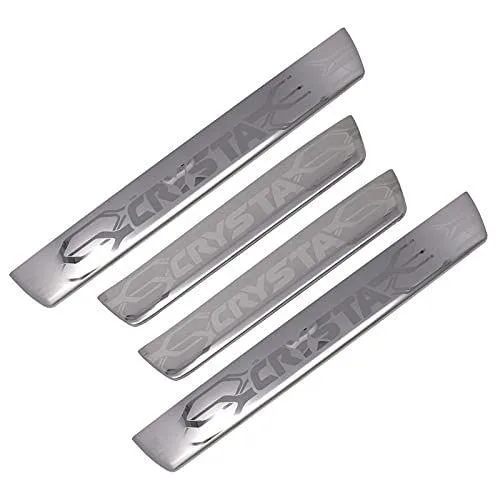
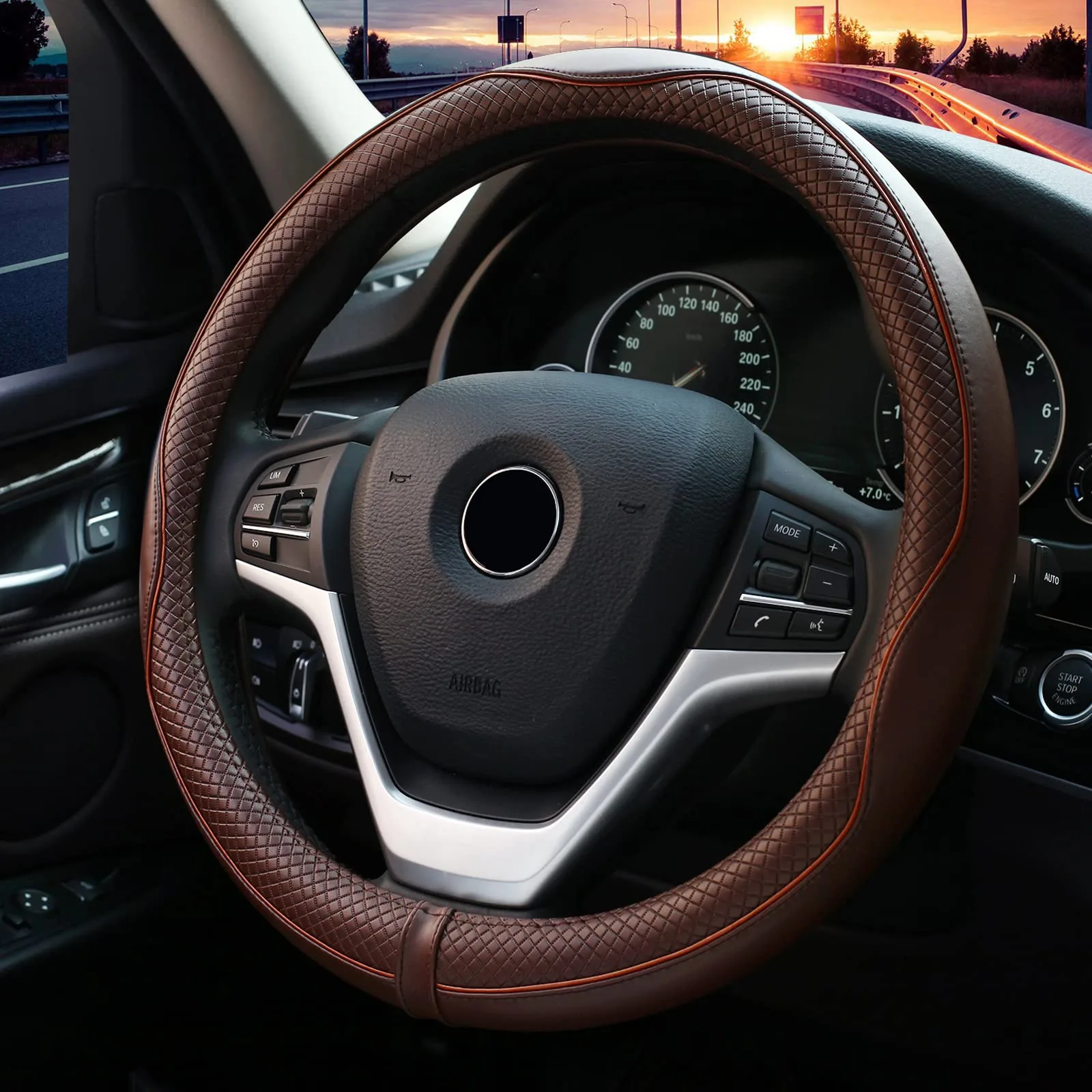
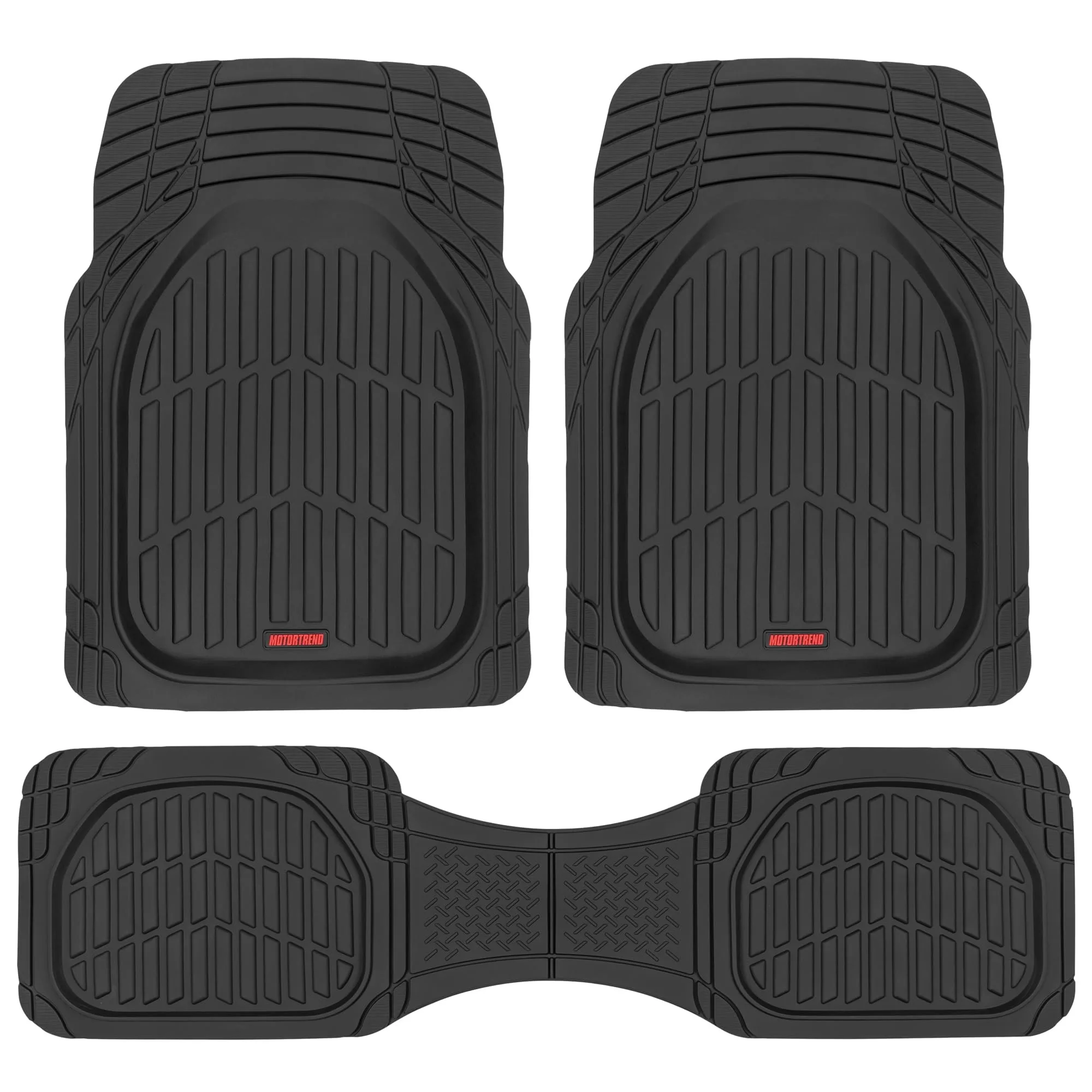
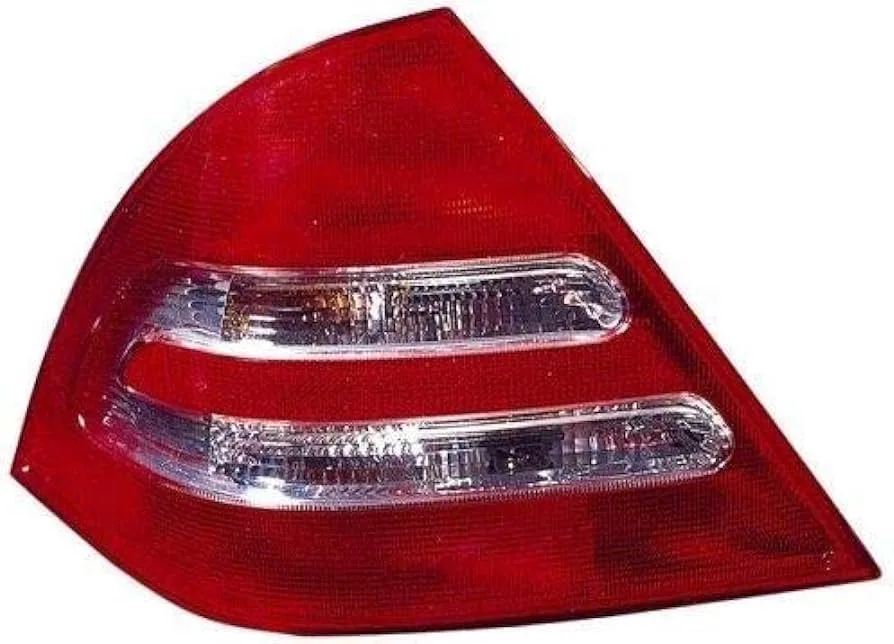
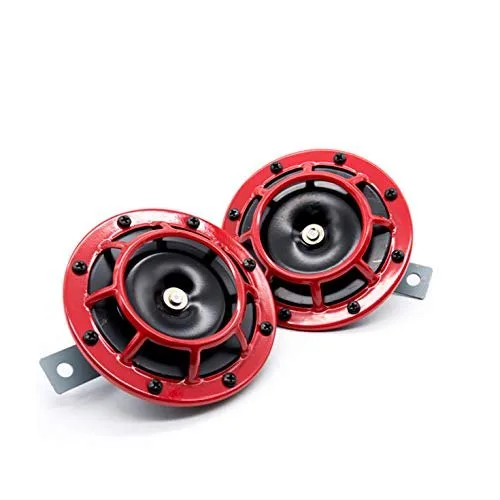
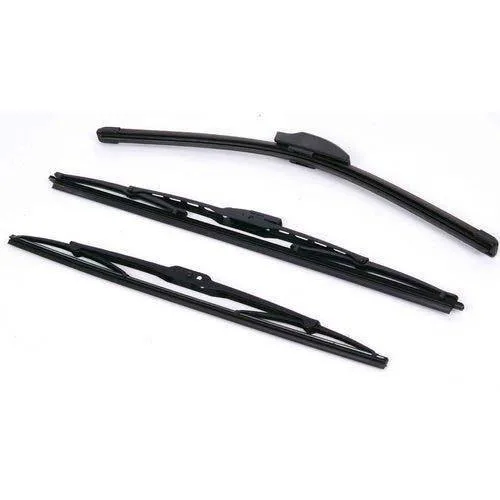
For consumers, higher vehicle prices can increase the importance of maintaining and protecting their existing cars. This can support demand for practical Car accessories such as floor mats, wiper blades, lighting and car care products.
Creckk serves this ownership journey by helping customers explore products suited to their vehicles and everyday driving needs.
Why Selling More Cars Isn’t Always More Profitable
The simplest way to understand the current situation is this: sales volume measures how much a company sells, while profit margins measure how much it keeps after costs.
An automaker can sell thousands of additional cars and still experience pressure on profitability if the cost of producing each vehicle rises significantly. For example, higher prices for aluminium, steel, rubber, fuel or logistics can reduce the profit earned from every unit.
That is why investors and industry observers look beyond headline sales figures. They also monitor revenue growth, raw material costs, operating margins, pricing power and future investment requirements.
For India's auto industry, strong demand remains a positive sign. The bigger question is whether manufacturers can manage costs without reducing affordability or losing competitiveness.
A larger vehicle base also creates long term opportunities beyond new car sales. Every vehicle enters an ownership cycle involving maintenance, protection and personalisation. This is where the Car accessories ecosystem becomes increasingly relevant.
Platforms like Creckk can play a role by making compatible products easier to discover as India's car ownership base continues to expand.
Key Factors Affecting India’s Auto Industry
| Factor | Impact on Vehicle Sales | Impact on Profit Margins |
|---|---|---|
| Strong consumer demand | Supports higher sales volumes | Positive, but depends on costs |
| New vehicle launches | Attracts more buyers | Development costs can be high |
| Rising commodity prices | Usually limited immediate impact | Can significantly reduce margins |
| Vehicle price increases | May support revenue per vehicle | Can improve margins but may affect demand |
| Higher freight and logistics costs | Limited direct impact | Increases operating expenses |
| Strong supplier network | Supports production growth | Better efficiency can support margins |
| Growing vehicle ownership | Expands aftermarket demand | Creates opportunities for Car accessories |
Conclusion
India's automobile industry is currently experiencing two stories at the same time. The first is strong demand and impressive vehicle sales growth. The second is growing pressure on profitability as raw material, manufacturing and operating costs remain a concern.
The industry's next phase will depend on how effectively automakers balance pricing, efficiency, localisation and investment. Selling more vehicles is important, but sustainable growth requires companies to protect both demand and margins.
For the wider automotive ecosystem, however, a growing number of vehicles on Indian roads creates significant long term opportunities. Car owners need products that help them protect, maintain, personalise and improve their vehicles.
That is where the Car accessories market continues to become more relevant. Platforms such as Creckk can support this growing ownership journey by helping car owners discover suitable accessories and make more informed purchase decisions.
As India's auto industry expands, the business of owning, maintaining and upgrading a car is likely to grow alongside it.
Frequently Asked Questions
Why are automobile companies facing margin pressure despite strong car sales?
Automobile companies can face margin pressure when raw material, manufacturing, logistics and operating costs rise faster than vehicle prices. Higher sales volumes increase revenue, but they do not guarantee higher profits.
Which costs have the biggest impact on auto company margins?
Major costs include steel, aluminium, rubber, crude linked materials, electronic components, energy, transportation and labour. Changes in these costs can directly affect the profitability of manufacturers and suppliers.
Will rising manufacturing costs make cars more expensive?
They can. Automakers may increase vehicle prices when cost pressure becomes difficult to absorb. However, companies often absorb part of the increase to remain competitive and protect consumer demand.
Is India's automobile industry still growing?
Yes. India's automobile industry continues to show growth across several vehicle segments, supported by consumer demand, new product launches and expanding interest in personal mobility.
How does automobile industry growth affect the Car accessories market?
More vehicles on the road create a larger customer base for maintenance, protection and personalisation products. This can increase demand for Car accessories and create opportunities for platforms such as Creckk to serve car owners with compatible products and convenient shopping options.