
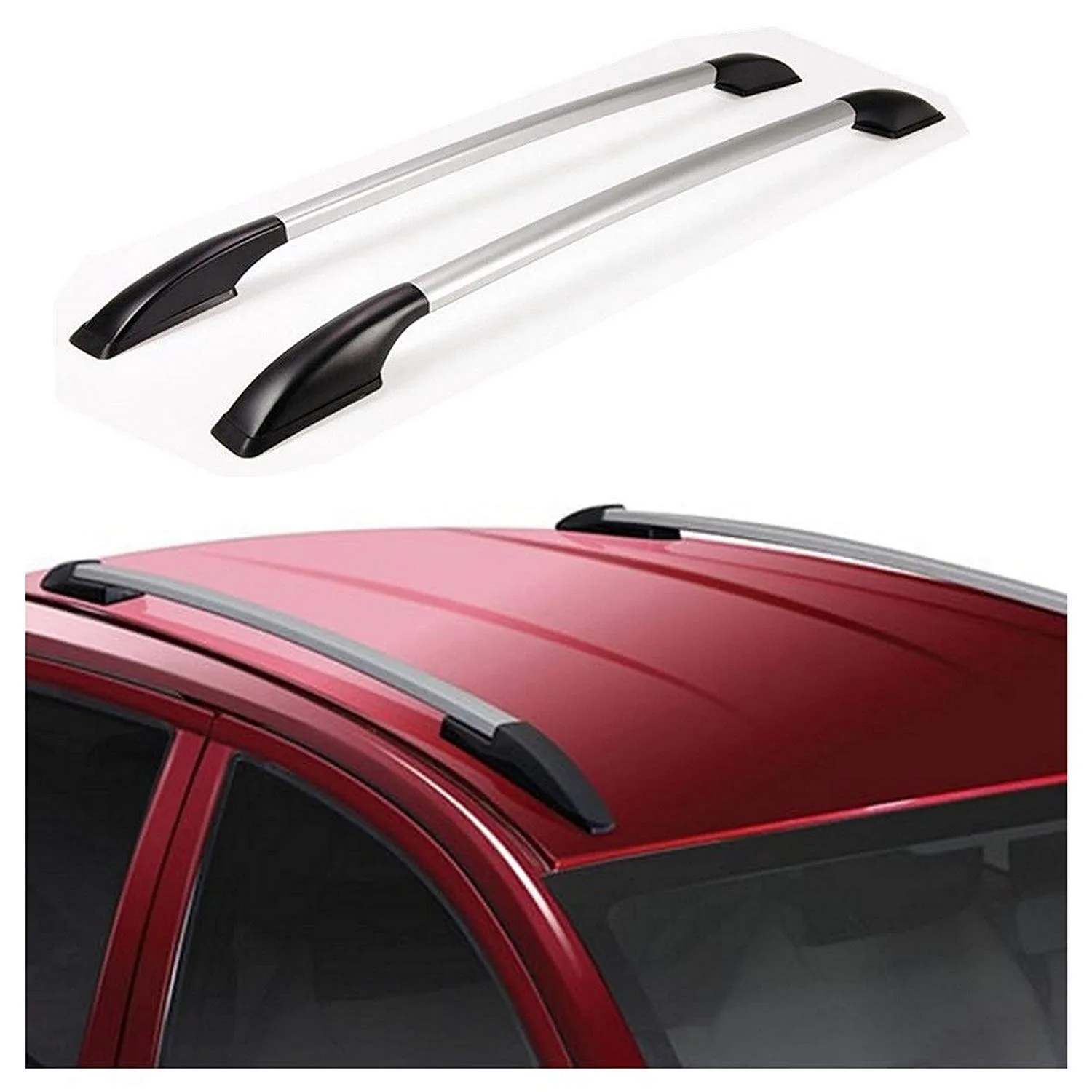
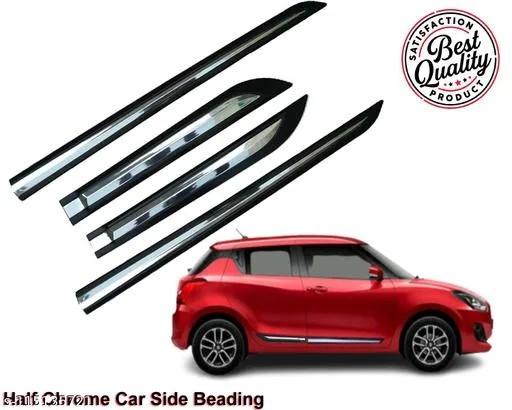
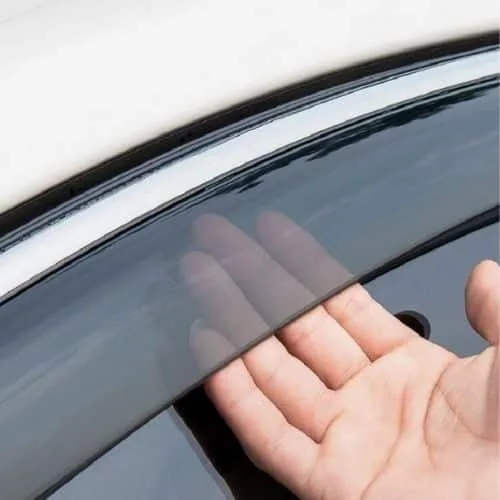
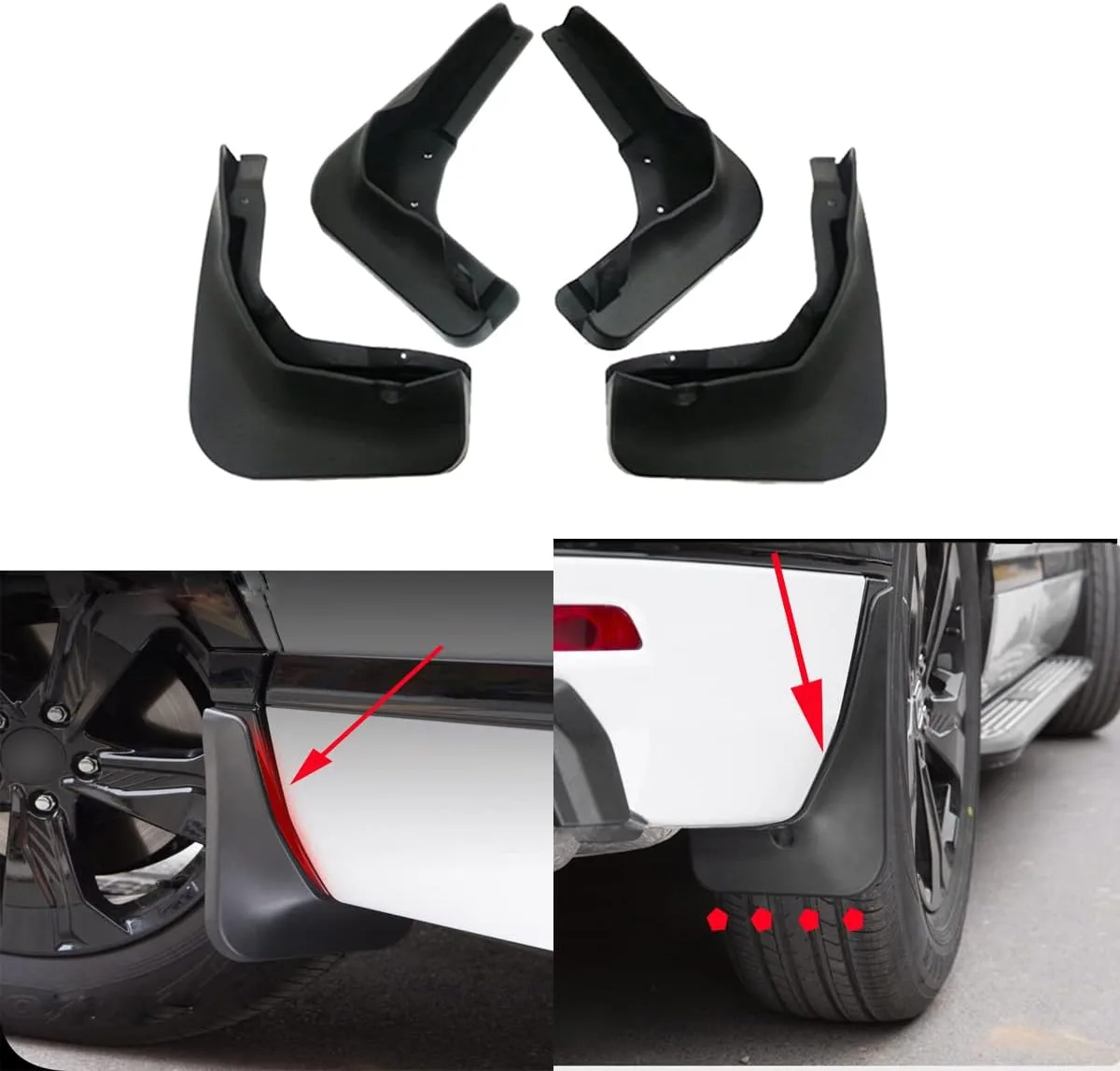


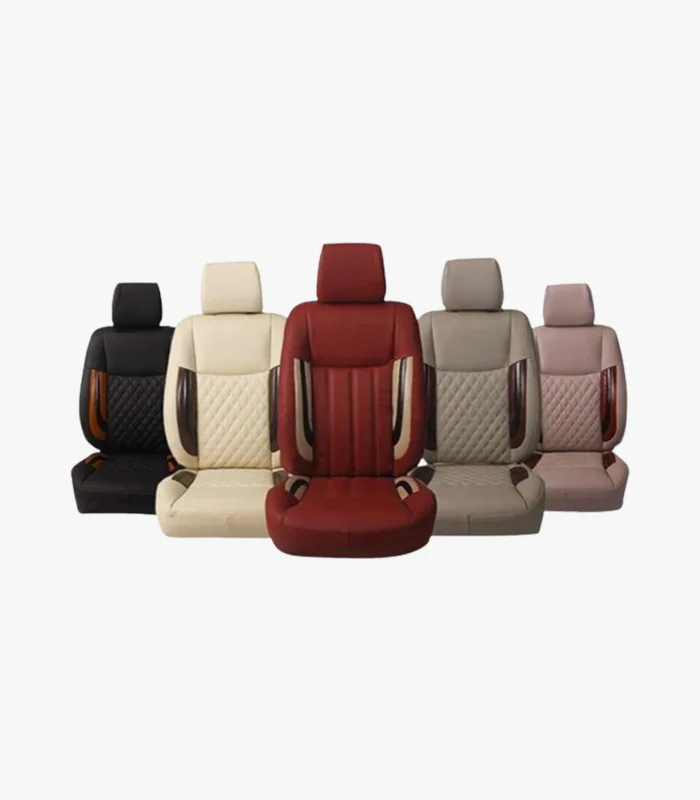
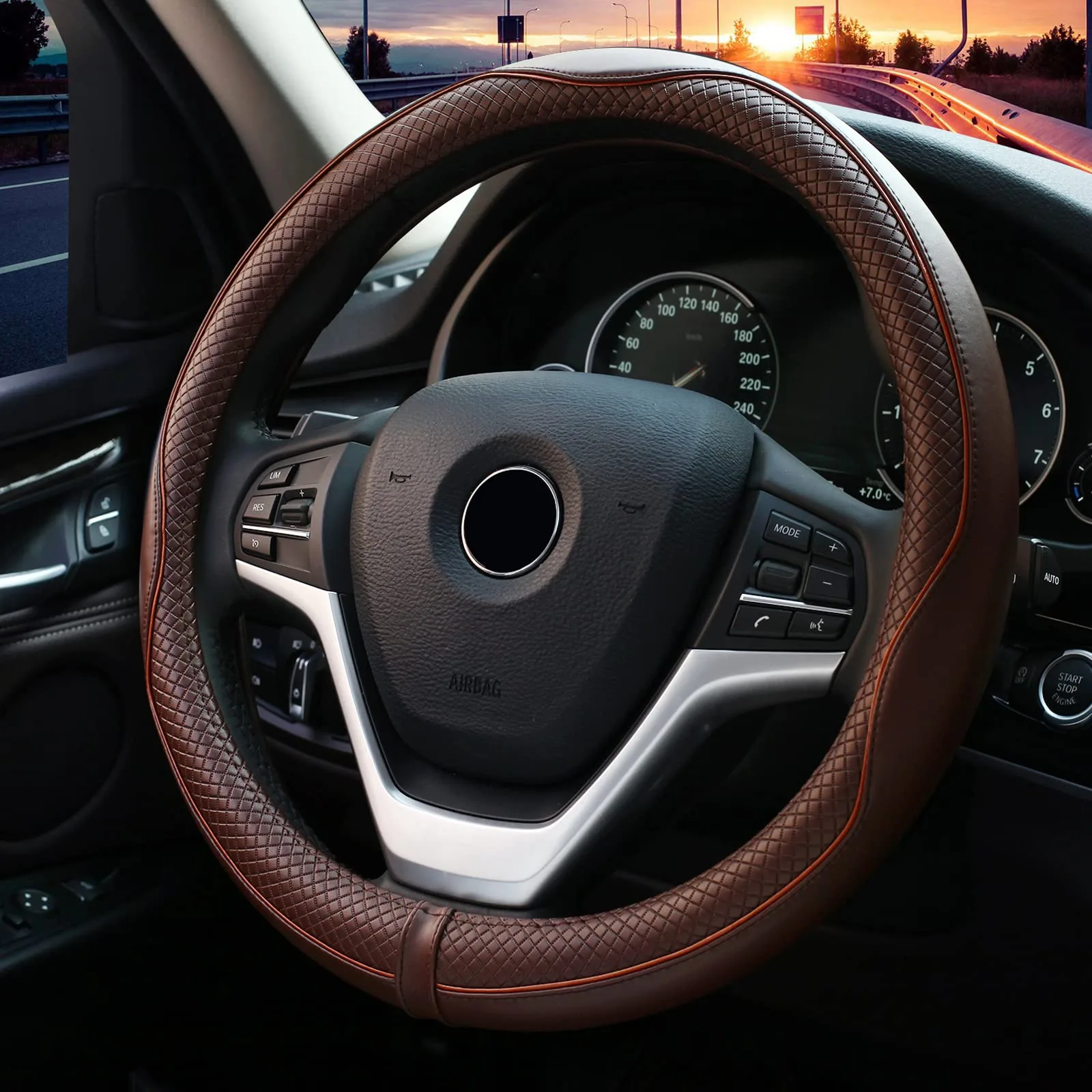
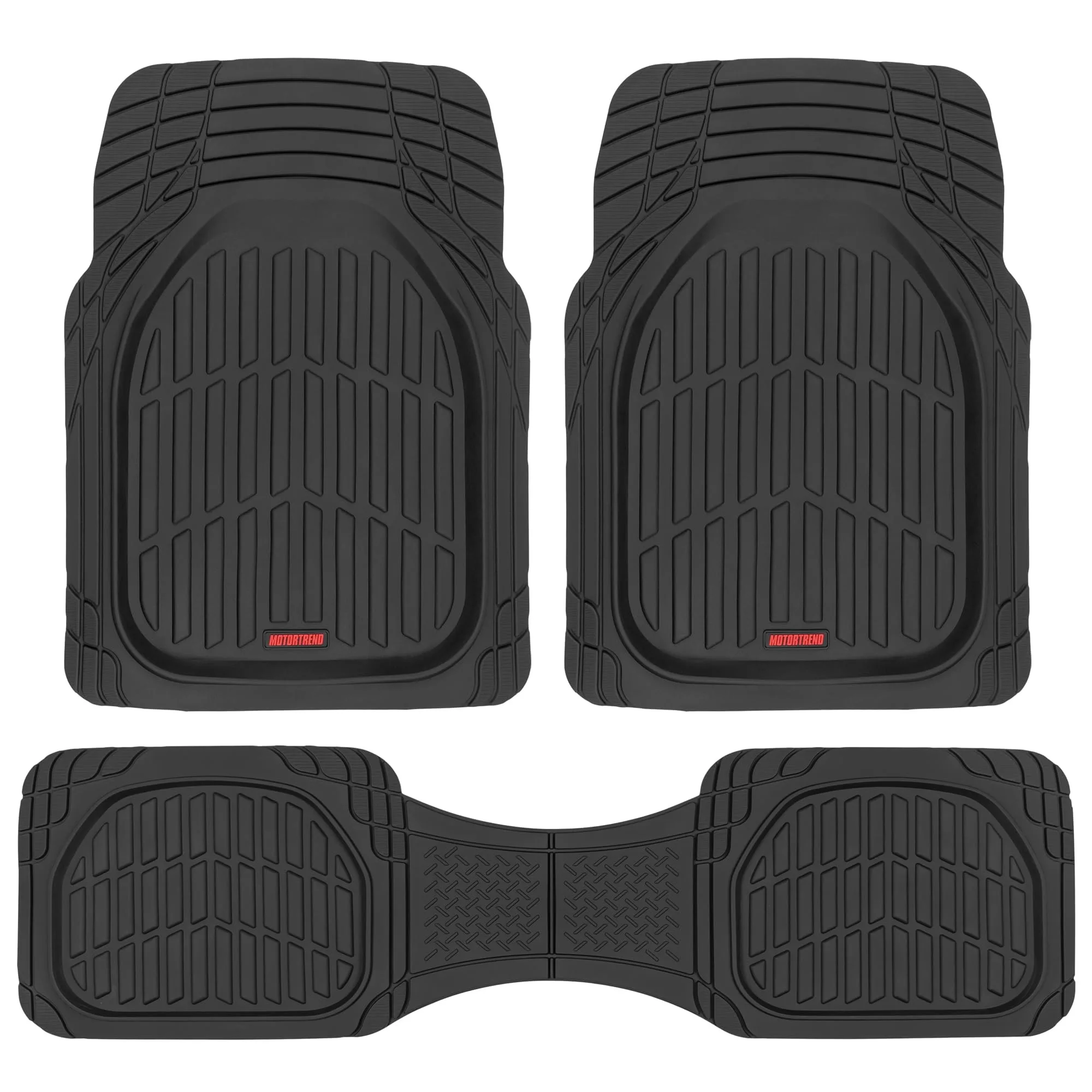


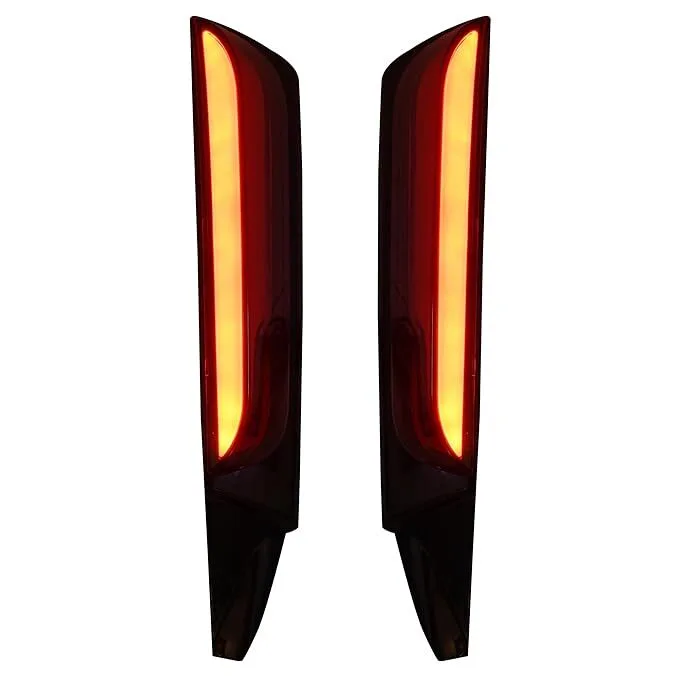
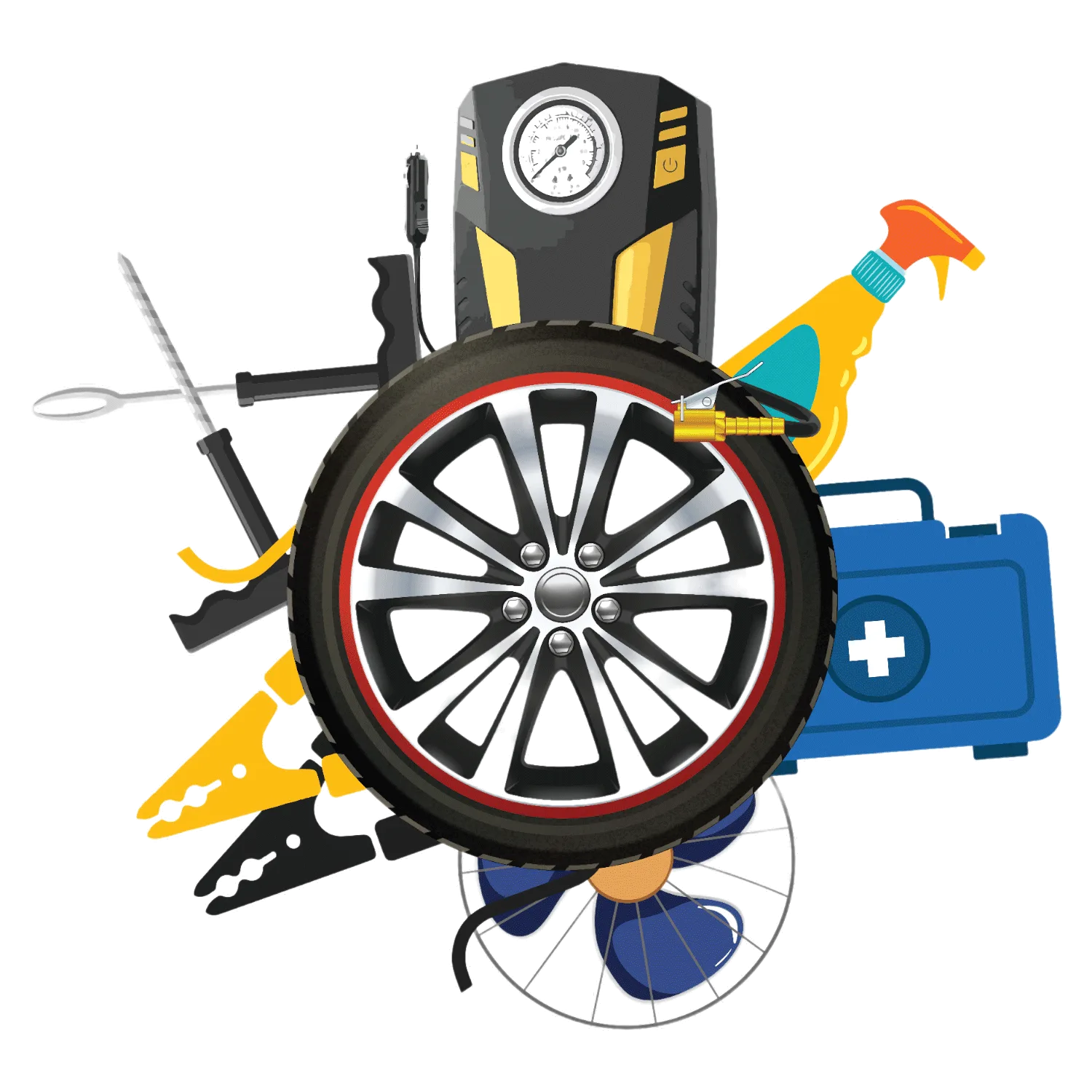
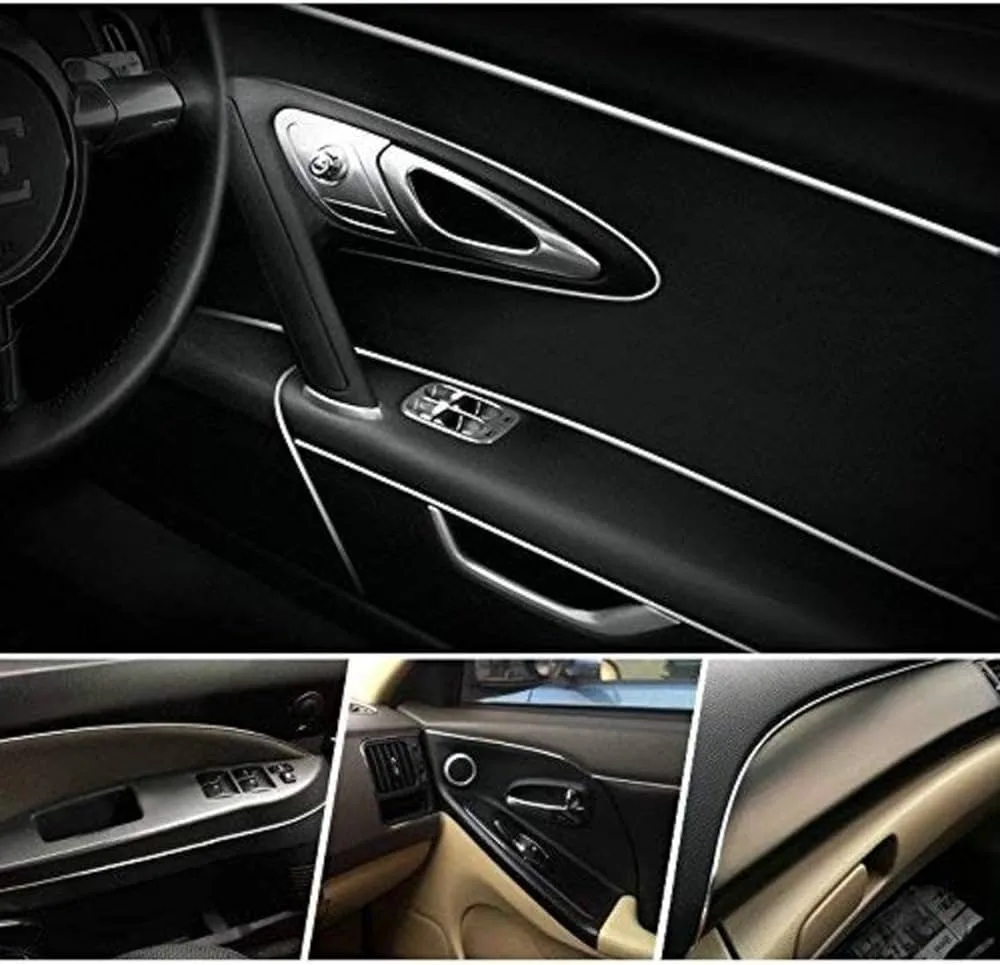
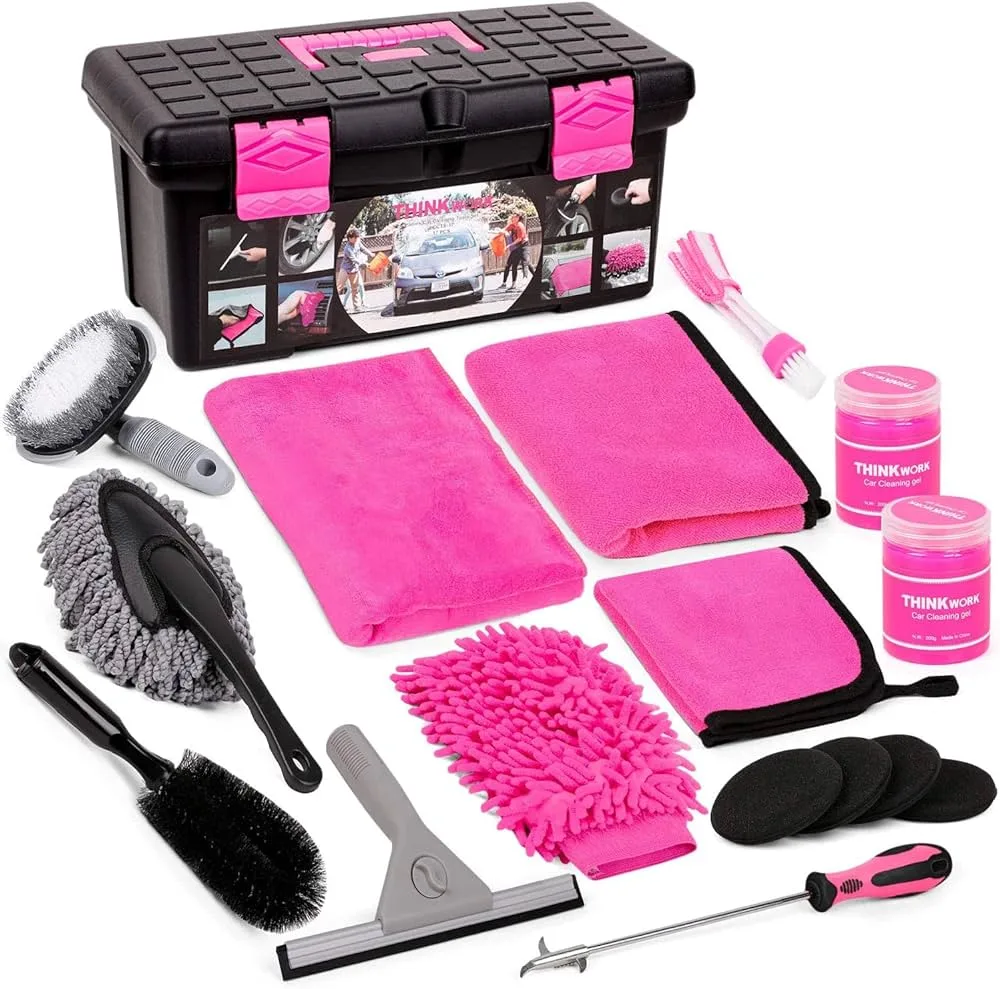
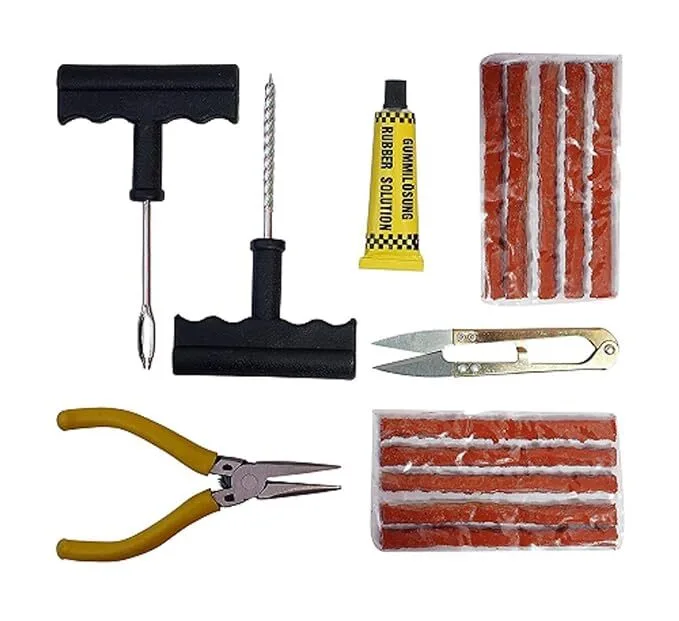

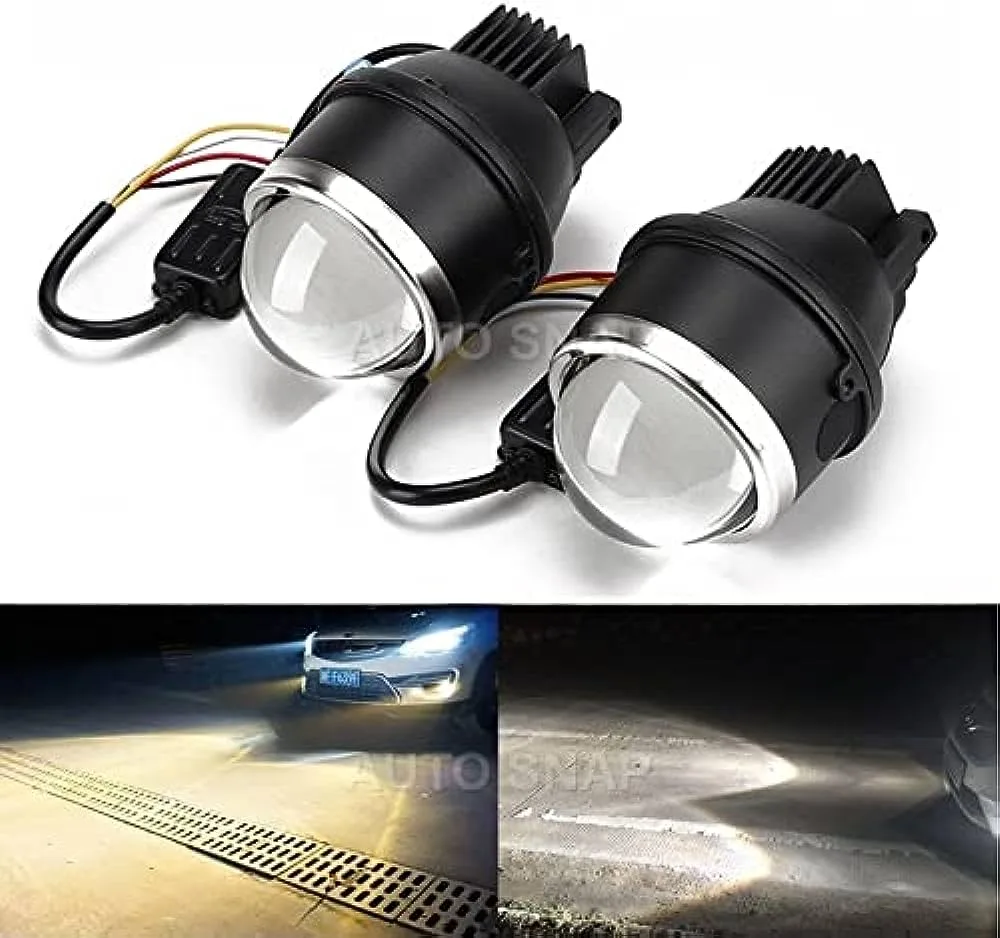
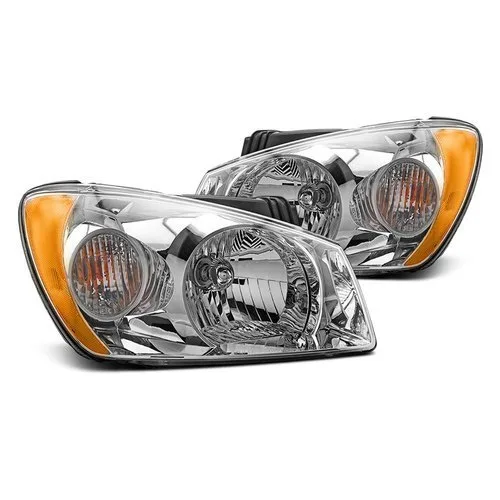
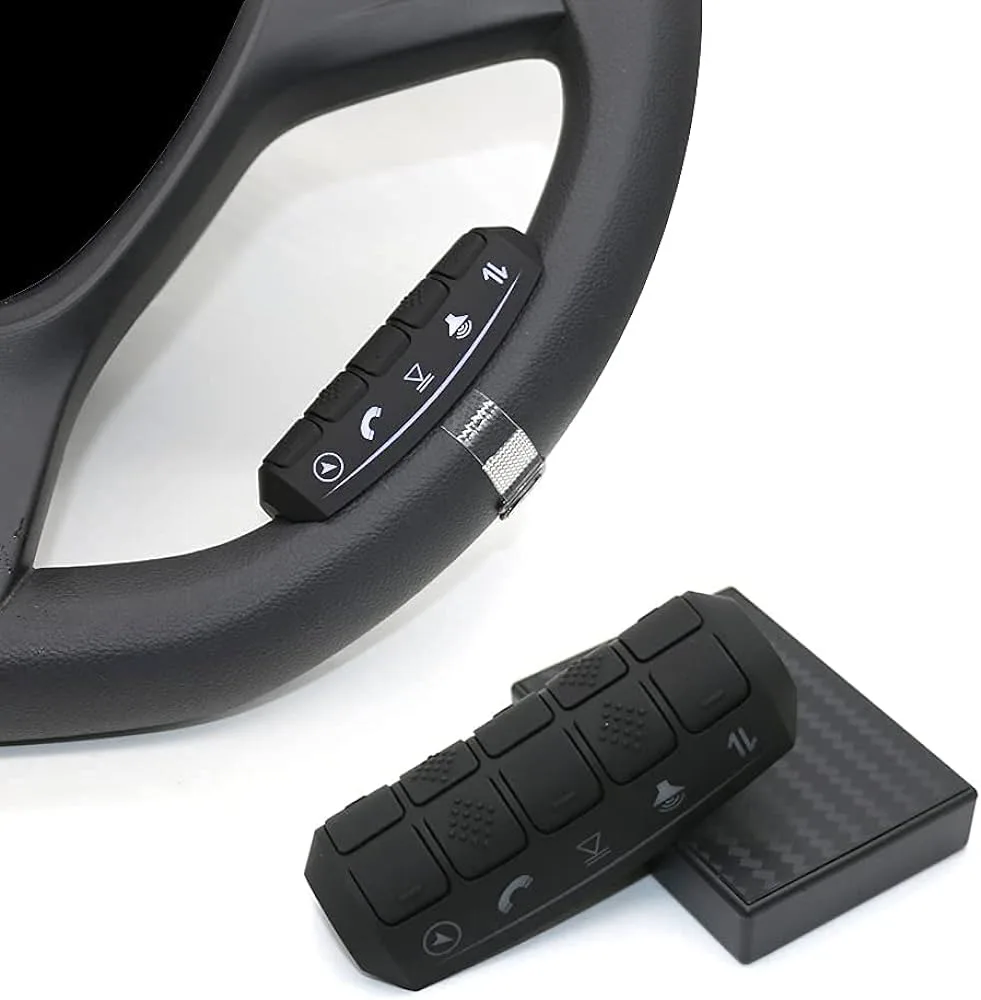
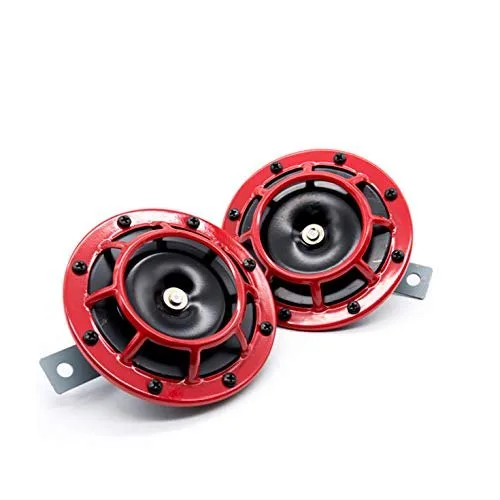
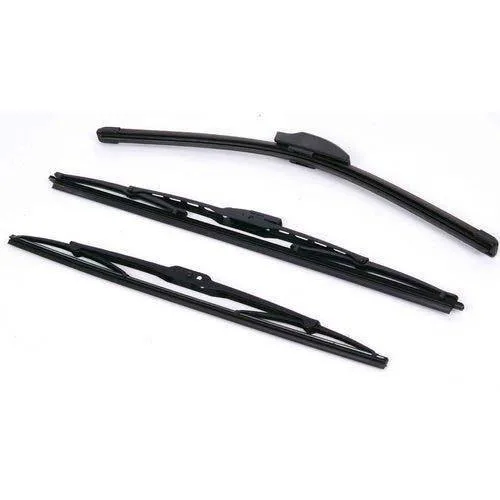
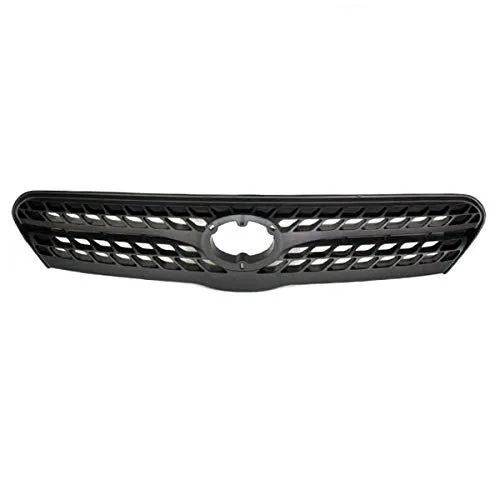
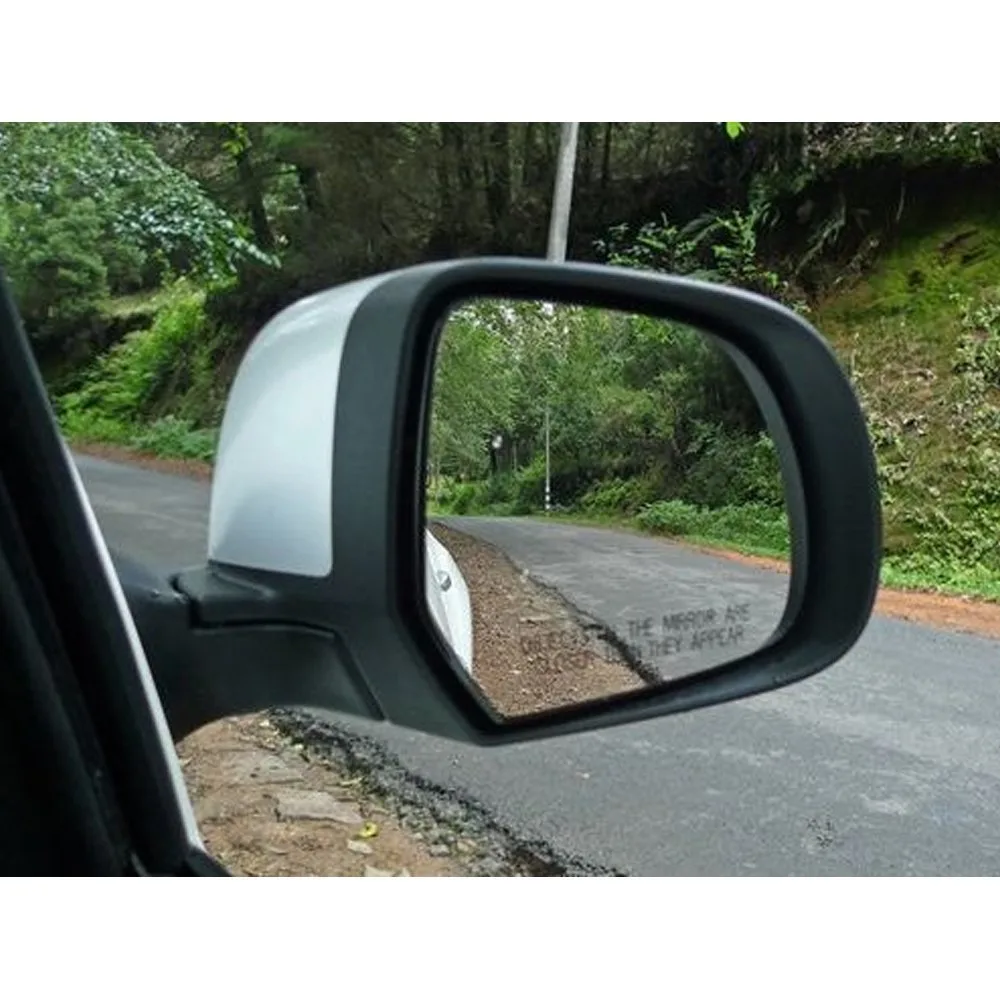



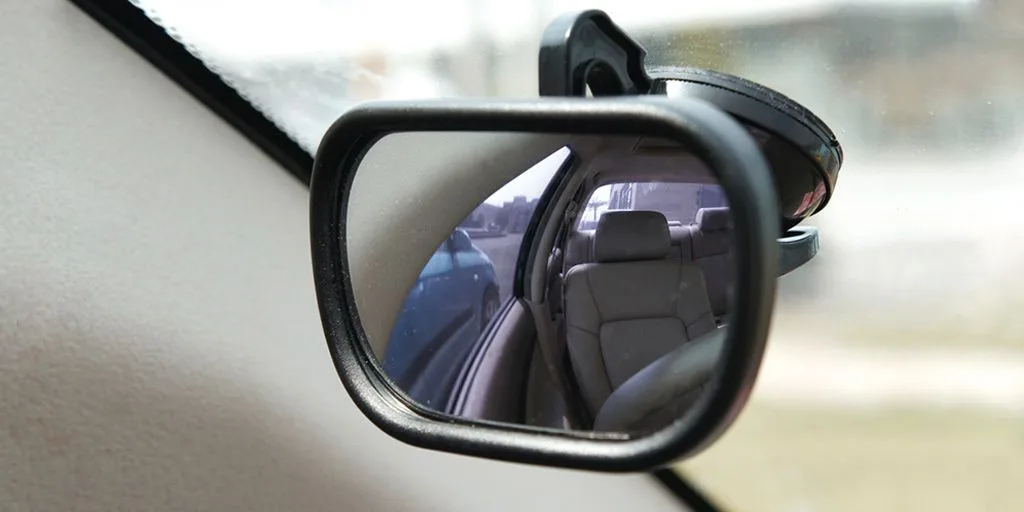








































This is where the best car accessories can make a practical difference. While no gadget can replace an attentive driver, the right car accessories for safety can improve visibility, awareness, and convenience behind the wheel. LED headlights can provide better road illumination, fog lamps can assist in poor weather, and dash cameras can record what happens ahead. Reverse cameras and parking sensors can also make manoeuvring easier when you're dealing with dark parking areas or tight spaces.
Other car accessories for night driving, including TPMS, blind-spot mirrors, phone holders, wireless chargers, and safety warning lights, address different aspects of nighttime travel.
At Creckk, drivers can explore automotive accessories designed around real-world driving requirements. But choosing the right product is only part of night driving safety. Keeping your windshield and lights clean, maintaining correct tyre pressure, reducing speed when visibility is limited, and avoiding distractions are equally important.
In this guide, we explore some of the most useful car safety gadgets that can make nighttime journeys more comfortable, controlled, and safer.
1. Essential Safety Accessories for Safer Night Driving
When the sun goes down, your ability to see and react to hazards becomes more dependent on your vehicle's lighting, mirrors, cameras, and warning systems. This makes selecting the right car accessories for safety more than a matter of adding features to your vehicle—it is about solving specific problems you may encounter on the road.
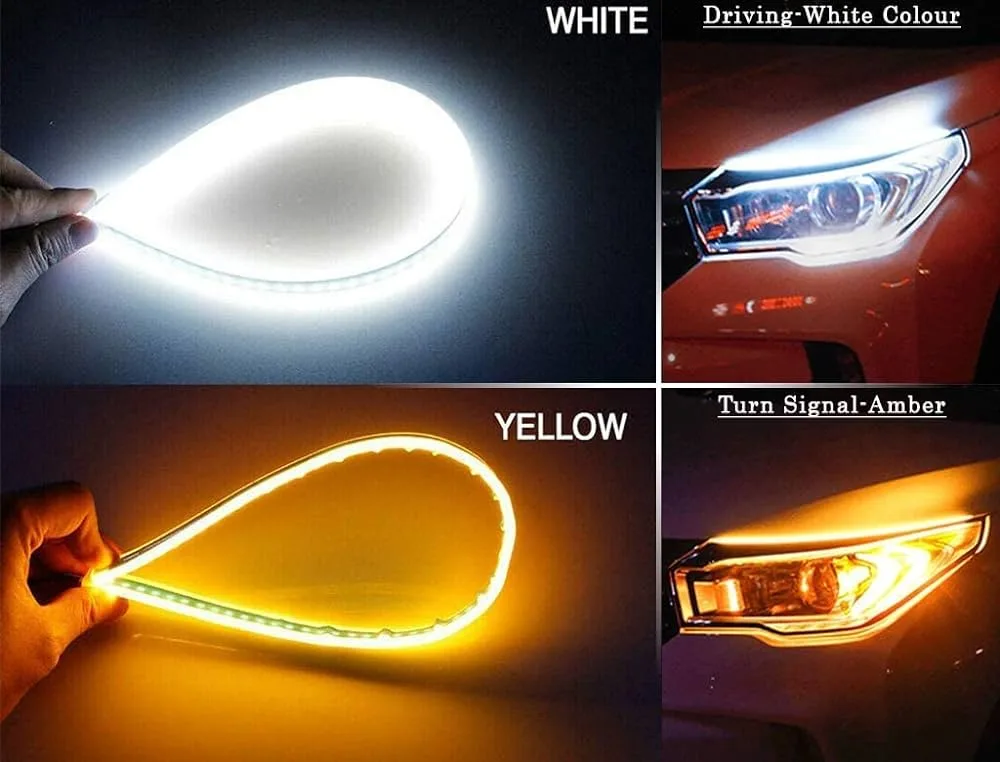
One of the first upgrades many drivers consider is LED headlights. Good-quality headlights can provide useful illumination of the road ahead, helping drivers identify curves, lane markings, pedestrians, animals, and unexpected obstacles earlier. Fog lamps can also be valuable when fog, mist, or heavy rain reduces visibility.
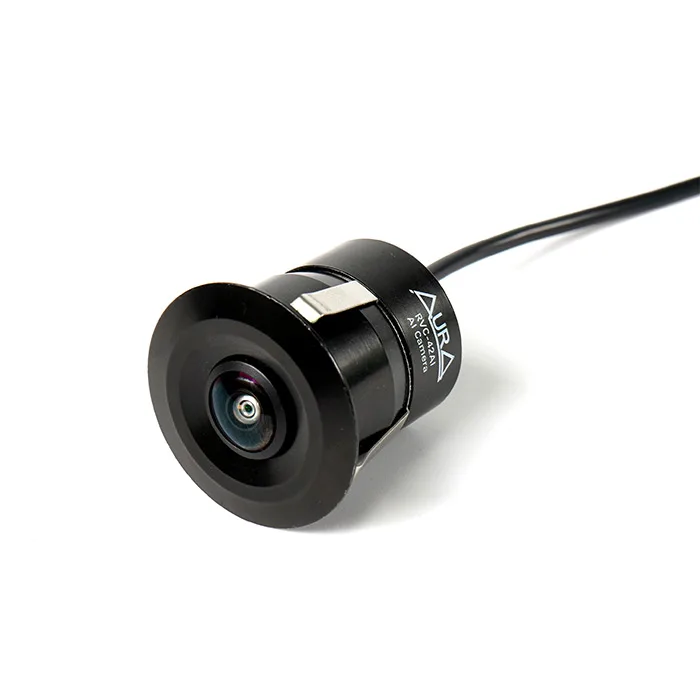
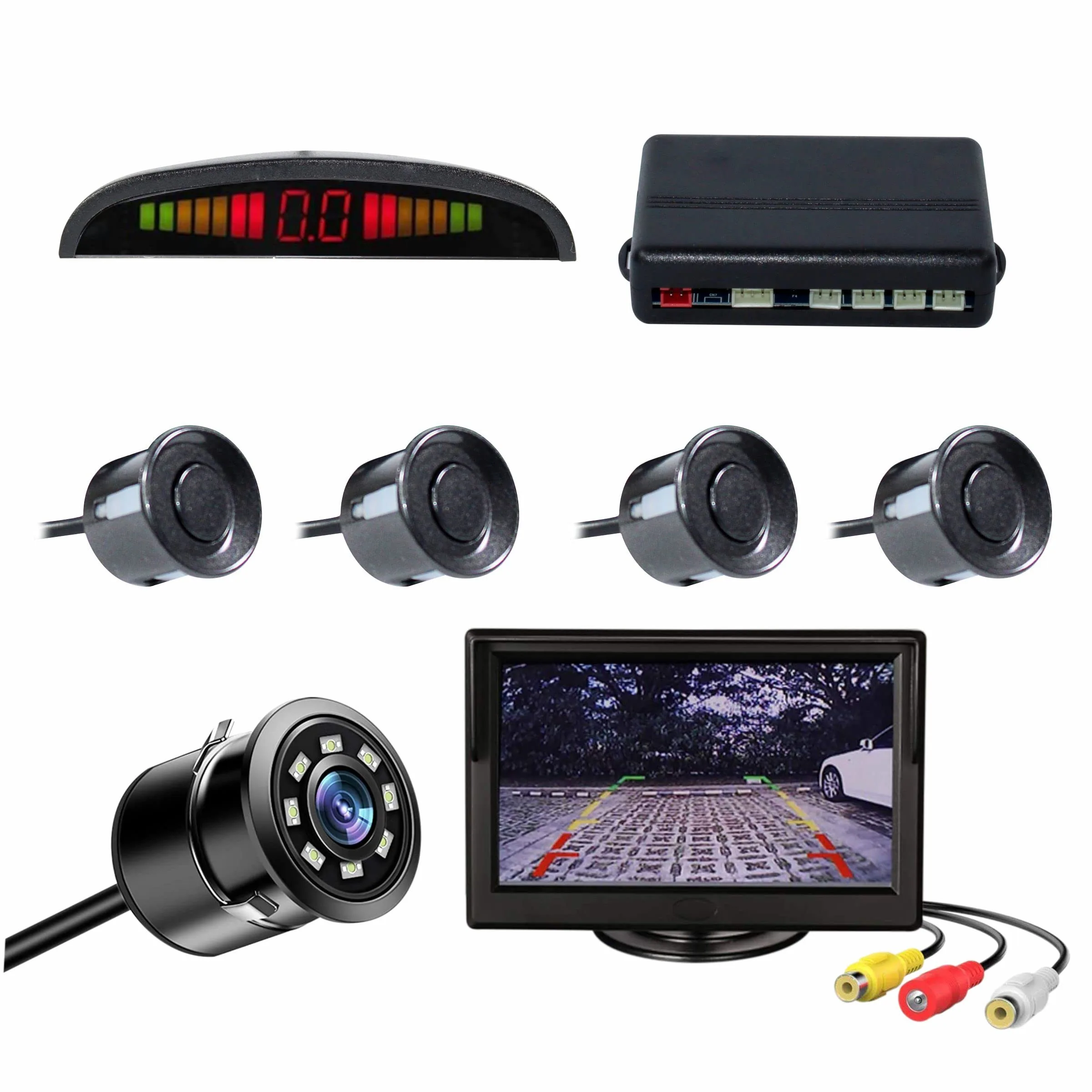
For awareness beyond what your eyes can immediately see, a dash camera can continuously record the road ahead. A reverse camera provides a clearer view behind the vehicle, while parking sensors can warn the driver when the car gets close to an obstacle. These features can be particularly useful in poorly lit parking lots, apartment basements, and narrow driveways.
Then there is TPMS, which helps drivers monitor tyre pressure. Since tyres play an important role in braking, handling, and stability, knowing when pressure needs attention is useful. Blind-spot mirrors can also provide a wider viewing angle and help drivers check areas that may be difficult to see through conventional mirrors.
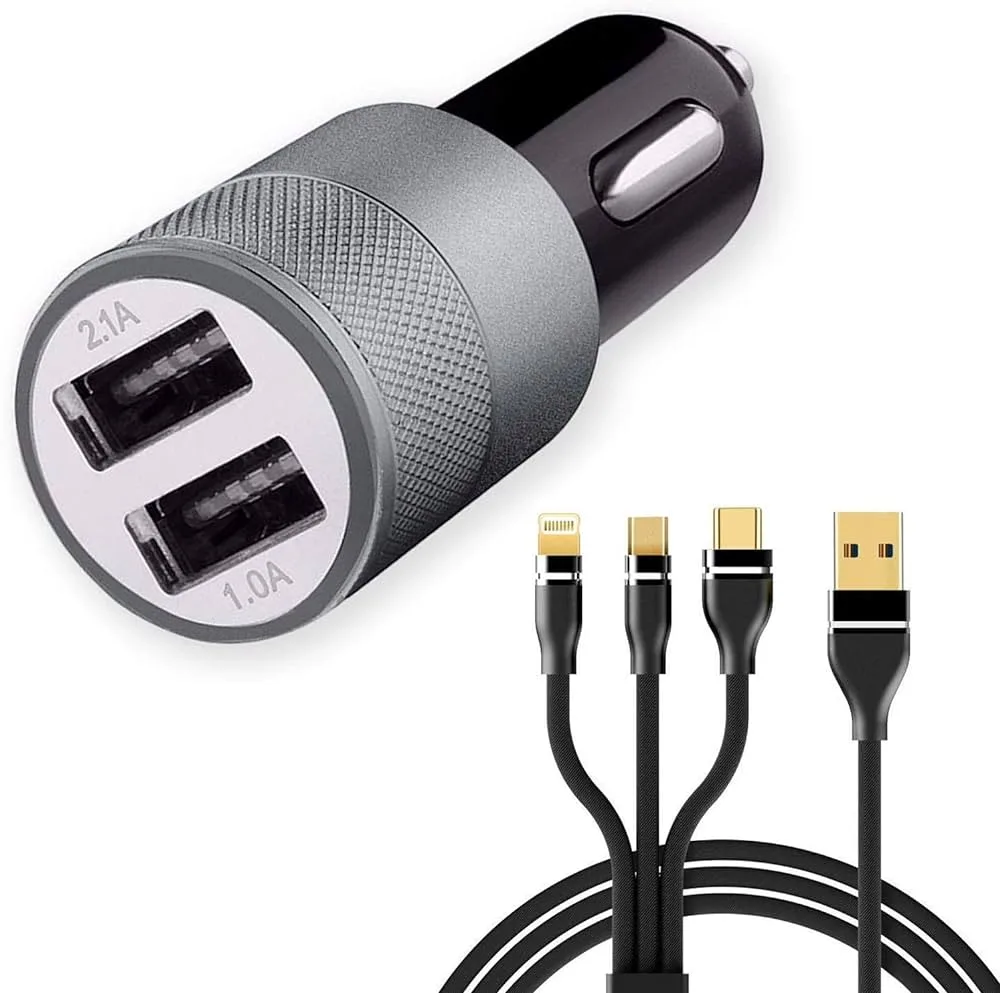
For convenience, a car phone holder and wireless charger can keep navigation equipment organised, while safety/warning lights can make a stationary vehicle more visible during a roadside emergency.
Together, these car safety gadgets can support better awareness and contribute to more confident safe night driving.
2. Improve Visibility with LED Headlights and Fog Lamps
When you're driving on a dark road, the quality of your vehicle's lighting can significantly influence how much of the road you can see. A road that appears easy to navigate during daylight can become challenging at night when visibility is limited to the area illuminated by your headlights.
This is why LED headlights are among the most popular car accessories for night driving. A properly selected LED lighting setup can provide clear illumination of the road ahead and help the driver identify important visual details such as lane markings, bends, pedestrians, road debris, potholes, and animals.
However, brighter does not always mean safer. Headlights that are poorly aligned can direct excessive light toward oncoming drivers, creating glare and potentially making nighttime driving more dangerous for everyone. Therefore, proper installation, beam alignment, and vehicle compatibility are extremely important.
Fog lamps work differently from conventional headlights. They are positioned lower on the vehicle and are designed to provide useful illumination closer to the road surface. They can be particularly helpful during fog, mist, heavy rain, or dusty conditions when visibility is reduced.
Drivers should also remember that lighting performance depends on basic maintenance. Dirty headlamp covers can reduce the amount of useful light reaching the road, while a dirty or scratched windshield can increase glare from other vehicles.
For night driving safety, lighting should therefore be viewed as a complete system rather than simply a search for the brightest bulb.
Practical Tip
Before upgrading your headlights, check your vehicle's compatibility and have the lighting system properly installed and aimed. A well-focused beam is generally more useful than simply choosing the highest-output option available.
3. Stay Alert with Dash Cameras, TPMS & Blind-Spot Accessories
Nighttime driving is not only about seeing what's directly in front of you. Drivers also need to understand what is happening around the vehicle and remain aware of its condition. This is where several car safety gadgets can provide useful additional information.
A dash camera is one of the most practical additions for many vehicles. It records the road ahead and can provide a visual record of an incident, unexpected event, or traffic situation. Some dash cameras offer features such as low-light recording, wide-angle coverage, parking monitoring, and automatic recording when the vehicle starts. While a dash cam cannot prevent an accident, having a record of events can be useful when reviewing what happened.
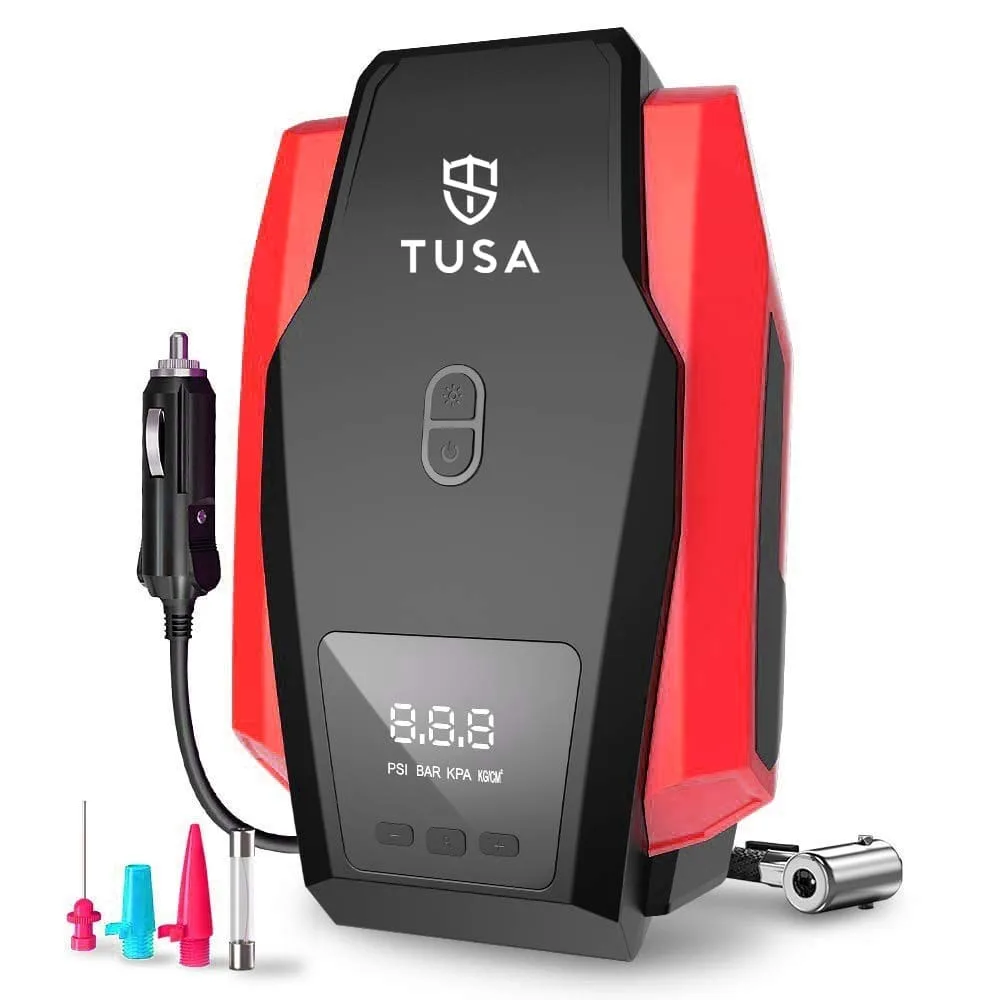
A TPMS, or tyre-pressure monitoring system, addresses another important area tyre condition. Under-inflated or over-inflated tyres can affect vehicle handling, braking, tyre wear, and fuel efficiency. A TPMS can provide pressure information and alert the driver when pressure needs attention. It should complement regular manual checks rather than replace them.
Blind-spot mirrors offer a simple way to expand the driver's field of view. They can make it easier to notice vehicles that may not be immediately visible in conventional side mirrors. This can be especially useful when changing lanes at night, although drivers should still check mirrors and blind spots carefully.
These accessories work best as support systems, not substitutes for attention. The driver still needs to maintain a safe speed, leave adequate following distance, use indicators correctly, and stay focused.
For anyone comparing the best car accessories, these three categories are worth considering because they address different aspects of awareness—what is happening ahead, how the tyres are performing, and what may be beside the vehicle.
4. Make Night Driving More Convenient with Smart Car Accessories
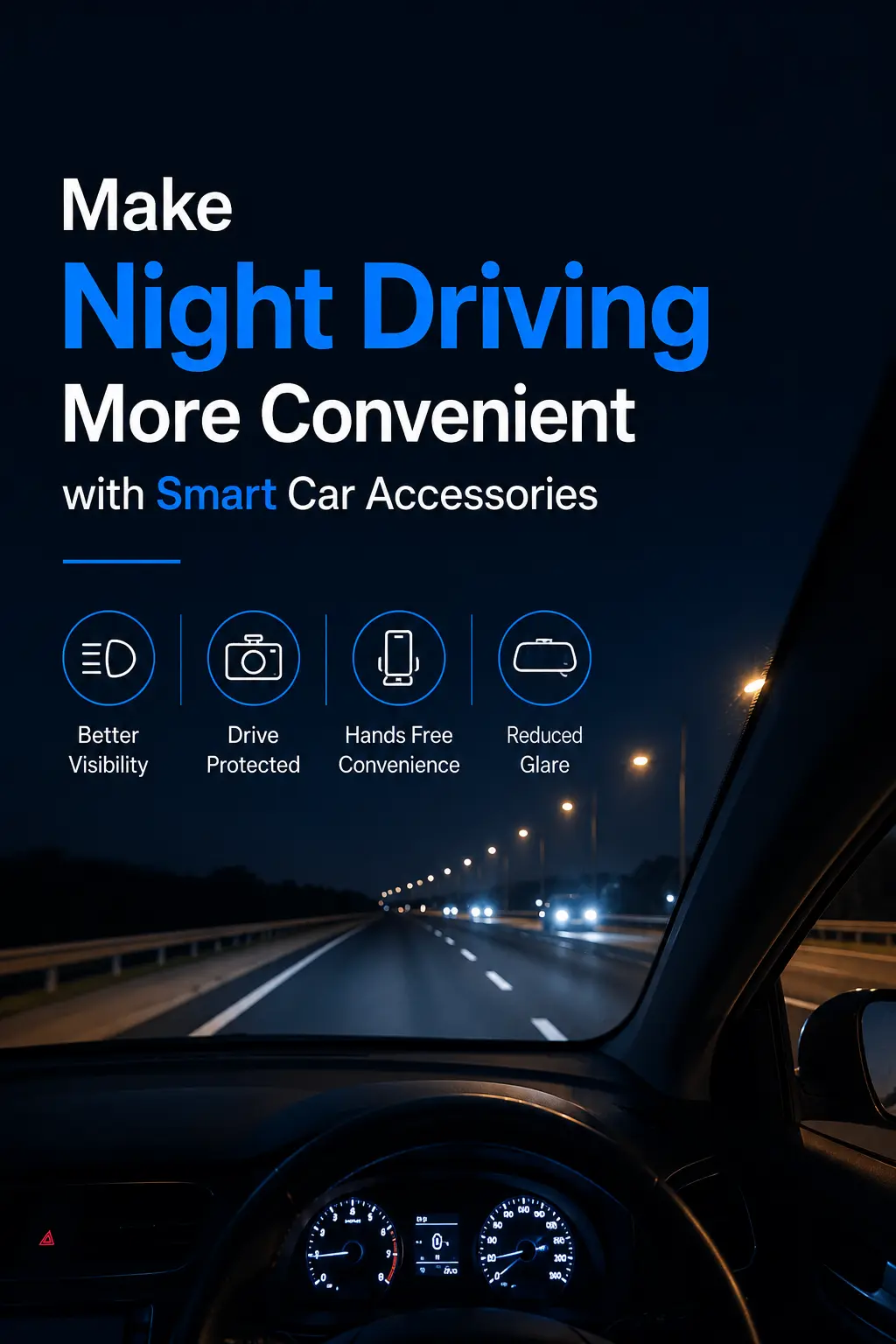
Not every accessory designed for the car needs to be a direct safety device. Some products can make nighttime journeys more organised and convenient, which can indirectly support a better driving experience when used correctly.
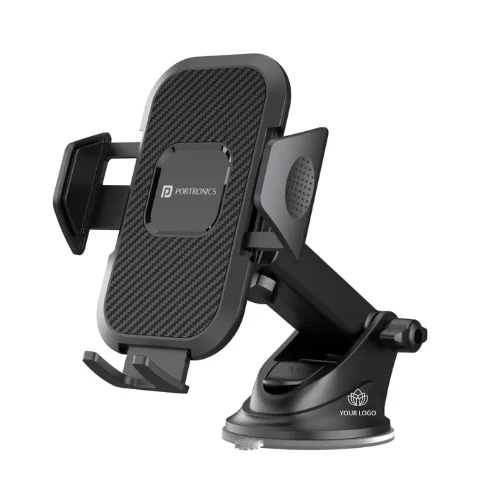
A car phone holder is a good example. Instead of keeping a smartphone loose on the dashboard or holding it while driving, a secure holder can position the device in a fixed location for navigation. Drivers should always set their destination before starting the journey and avoid unnecessary interaction with the phone while the vehicle is moving.
A wireless car charger can make things even simpler by reducing the need for charging cables. For drivers who regularly use their phones for navigation, keeping the device charged during longer journeys can be convenient.
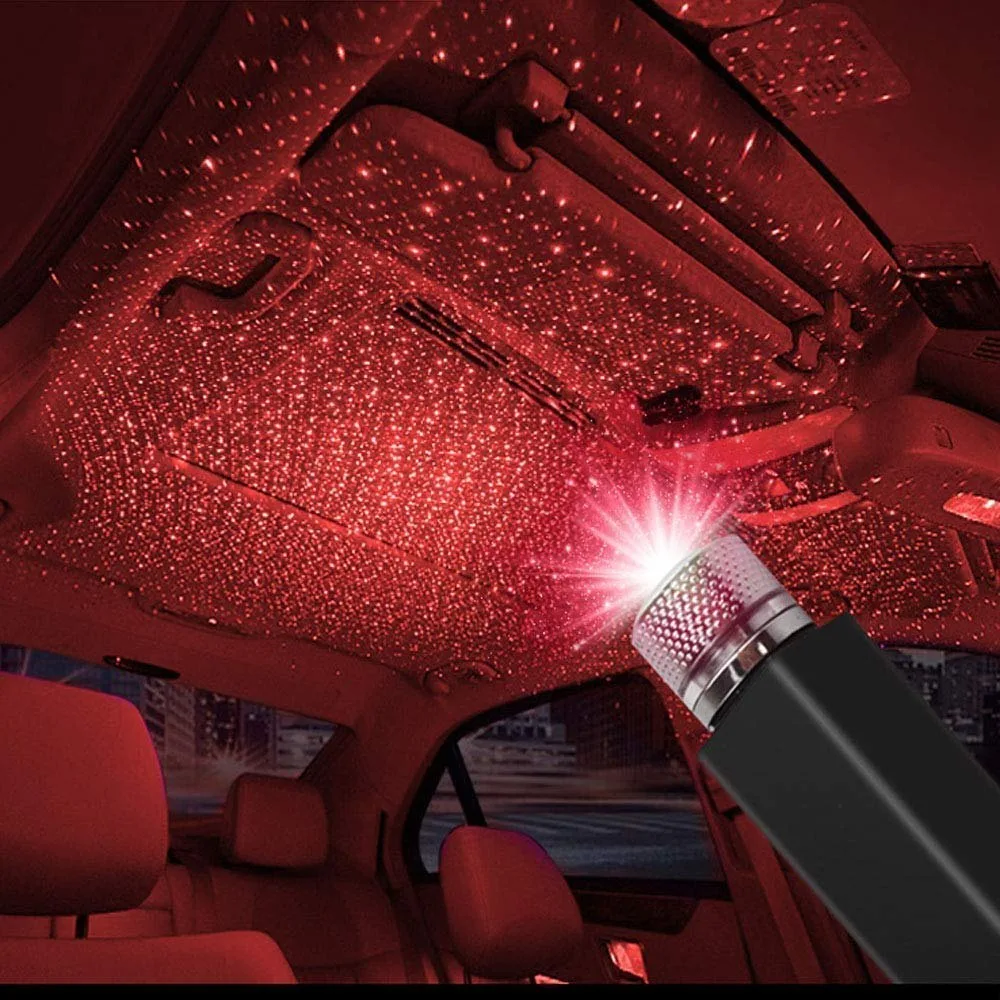
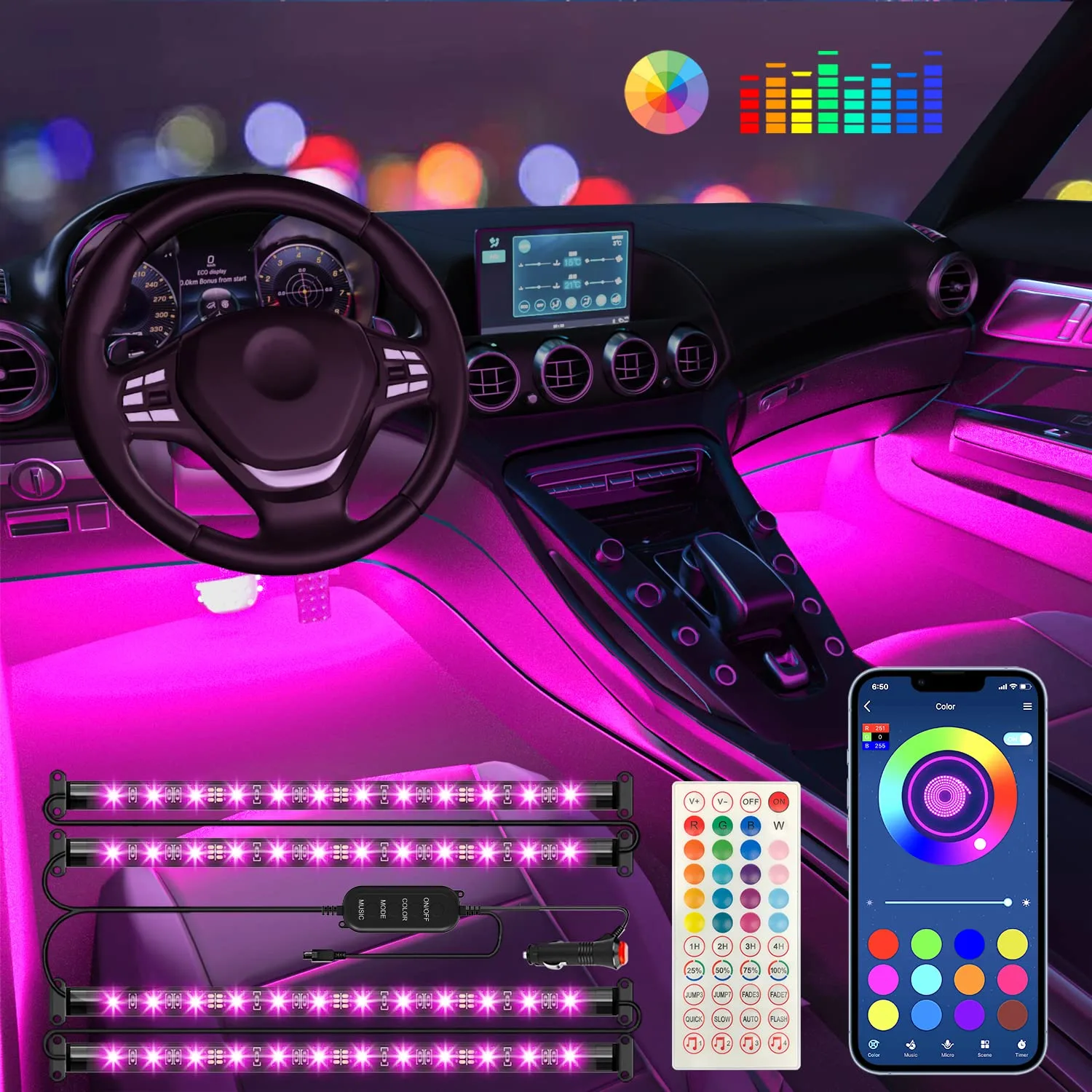
Another popular accessory is ambient lighting. Subtle interior illumination can create a more comfortable cabin environment at night. However, excessive brightness or poorly positioned lighting can become distracting and may affect the driver's ability to see clearly. The safest approach is to keep cabin lighting soft and unobtrusive.
Other smart gadgets can also add convenience, but every accessory should pass one simple test: Does it help the driver, or does it demand the driver's attention?
When selecting car accessories for night driving, choose products that simplify tasks rather than create additional distractions. A well-positioned phone holder, convenient charging system, and sensible interior lighting can make the cabin more organised without interfering with the driver's focus.
Creckk offers a range of automotive accessories that can help vehicle owners customise their cars according to their everyday requirements.
5. Recommended 10 Car Accessories for Safer Night Driving
| No. | Accessory | What It Helps With | Why It Matters at Night |
|---|---|---|---|
| 1 | LED Headlights | Road illumination | Helps identify road hazards and markings |
| 2 | Fog Lamps | Poor-weather visibility | Useful during fog, mist and heavy rain |
| 3 | Dash Camera | Road recording | Documents incidents and traffic situations |
| 4 | Reverse Camera | Rear visibility | Makes reversing easier in dark areas |
| 5 | Parking Sensors | Obstacle detection | Helps judge distance while parking |
| 6 | TPMS | Tyre-pressure awareness | Helps identify pressure-related issues |
| 7 | Blind-Spot Mirrors | Side visibility | Helps monitor areas outside normal mirror view |
| 8 | Car Phone Holder | Navigation convenience | Keeps the phone securely positioned |
| 9 | Wireless Car Charger | Charging convenience | Keeps compatible devices charged |
| 10 | Safety/Warning Lights | Vehicle visibility | Makes a stationary vehicle more noticeable |
Remember: These accessories are designed to support responsible driving. They cannot replace proper vehicle maintenance, driver attention, appropriate speed, or compliance with traffic rules.
How These Accessories Work Together
The biggest mistake when choosing car accessories for safety is looking at every product separately.
Think about a typical nighttime journey.
Your LED headlights illuminate the road ahead. Your fog lamps provide additional support when weather conditions reduce visibility. Your dash camera records the journey. Your blind-spot mirrors help you monitor areas alongside the vehicle. Your TPMS keeps you informed about tyre pressure.
When you reach your destination, the reverse camera and parking sensors can make it easier to manoeuvre into a tight parking space. Your phone holder keeps navigation organised, while the wireless charger ensures your phone does not run out of power during a longer journey.
None of these accessories makes the driver invincible. Instead, each solves a small problem.
That is what makes a good collection of car safety gadgets valuable. The goal isn't to fill your vehicle with technology. The goal is to choose accessories that provide useful information, improve visibility, or make specific driving tasks easier.
For safe night driving, the best setup is one that works quietly in the background while allowing the driver to concentrate on the road.
What Should You Check Before Buying Night Driving Accessories?
Before purchasing the best car accessories, consider your vehicle and your actual driving conditions.
1. Vehicle Compatibility
Always check whether the accessory is compatible with your car's model and electrical system. This is especially important for lighting and electronic products.
2. Installation Quality
Even a good accessory can become problematic if installed incorrectly. Lighting products, cameras, sensors, and electrical accessories should be installed properly.
3. Build Quality
Look for durable materials, reliable components, and products designed for automotive use. Cheap products may not always provide consistent performance.
4. Ease of Use
A safety accessory should not create another problem. Complicated controls or distracting displays can defeat the purpose of installing the product.
5. Your Driving Environment
Someone who mostly drives through a well-lit city may have different priorities from someone who regularly travels on highways or rural roads.
6. Maintenance
Accessories should not be considered a "fit and forget" solution. Cameras should be kept clean, lighting should be checked, and tyre-pressure systems should be monitored regularly.
Common Mistakes to Avoid During Night Driving
Even the most advanced car safety gadgets cannot compensate for poor driving habits. Some common mistakes can increase risk after dark.
- Driving too fast: Reduced visibility means you may need more time to react. Adjust your speed according to road and weather conditions.
- Using high beams incorrectly: High beams can create dangerous glare for other drivers when used inappropriately.
- Ignoring dirty headlights: Dust and grime can reduce useful illumination.
- Driving with incorrect tyre pressure: Tyre pressure affects handling and braking, so it should be checked regularly.
- Using a phone while driving: A phone holder does not make distracted driving safe. Set navigation before moving and avoid unnecessary interaction.
- Following other vehicles too closely: Maintain an appropriate distance so you have more time to react if the vehicle ahead brakes suddenly.
- Ignoring fatigue: Tiredness can significantly reduce concentration and reaction ability. If you feel sleepy, take a safe break rather than trying to push through the journey.
These basic habits are just as important as choosing the right car accessories for night driving.
FAQs About Car Accessories for Night Driving
1. What are the best car accessories for safer night driving?
Some of the most useful best car accessories include LED headlights, fog lamps, dash cameras, reverse cameras, parking sensors, TPMS, blind-spot mirrors, safety lights, phone holders, and wireless chargers. The ideal combination depends on your vehicle and driving conditions.
2. Which car accessories improve visibility at night?
LED headlights, fog lamps, reverse cameras, and blind-spot mirrors can improve different aspects of visibility. Headlights illuminate the road ahead, fog lamps can help in poor weather, reverse cameras improve rear visibility, and blind-spot mirrors expand the side-view area.
3. Are LED headlights better for night driving?
Quality LED headlights can provide effective road illumination when they are compatible with the vehicle and correctly installed. However, excessive brightness or incorrect beam alignment can create glare for other road users.
4. Is a dash camera useful at night?
Yes. A dash camera can record nighttime journeys and may provide a useful record of traffic incidents or unexpected situations. Models with suitable low-light recording capabilities can be particularly useful.
5. Why should I install TPMS?
TPMS helps you monitor tyre pressure and can alert you when pressure requires attention. Maintaining appropriate tyre pressure is important for handling, braking, tyre performance, and overall vehicle operation.
6. Do parking sensors work in the dark?
Yes. Parking sensors generally detect nearby obstacles using sensors rather than relying entirely on visible light. They can therefore be useful when parking in dark or poorly illuminated areas.
7. Can blind-spot mirrors prevent accidents?
Blind-spot mirrors can expand your field of view and help you notice vehicles that may be difficult to see in conventional mirrors. However, they are only an aid and should not replace proper mirror checks and driver awareness.
8. Is a car phone holder a safety accessory?
A phone holder is primarily a convenience accessory, but it can support safer navigation by keeping the phone securely positioned instead of requiring the driver to hold it. Drivers should still avoid interacting with the phone while driving.
9. Are fog lamps useful only in fog?
Fog lamps are designed to provide useful illumination in reduced-visibility conditions such as fog, mist, and heavy rain. They should be used appropriately and according to applicable traffic regulations.
10. Where can I buy car safety gadgets?
You can explore different car safety gadgets and automotive accessories through platforms such as Creckk, while checking product compatibility with your specific vehicle before purchasing.
Final Thoughts: Build a Safer Night-Driving Setup
The best approach to night driving safety isn't about installing every accessory available. It's about identifying the situations you regularly face and choosing products that genuinely help.
If visibility is your biggest concern, start with properly installed LED headlights and fog lamps. If you want better awareness, consider a dash camera, TPMS, or blind-spot mirrors. If parking after dark is difficult, a reverse camera and parking sensors can provide additional assistance. For convenience, a phone holder and wireless charger can keep your cabin organised without unnecessary cable clutter.
The most important point is that accessories should support the driver, not distract the driver.
Combine the right car accessories for safety with good tyres, clean glass, properly functioning lights, sensible speeds, adequate following distance, and full attention to the road. That combination can make a much bigger difference than relying on technology alone.
Whether you're upgrading an older car or simply looking for practical improvements, Creckk makes it easier to explore accessories suited to different vehicle needs.
Because when the road gets dark, better preparation can help you drive with greater awareness and confidence.