



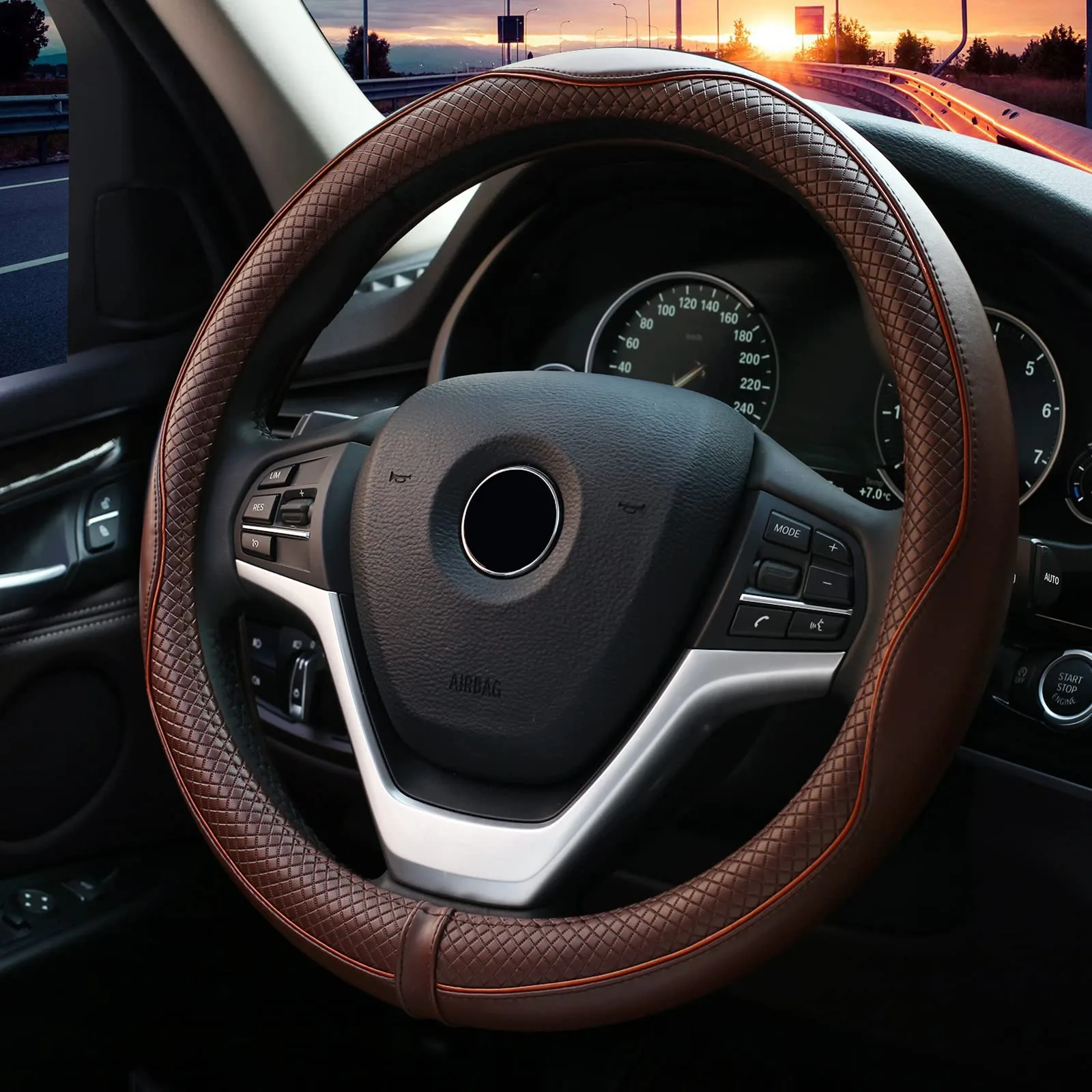


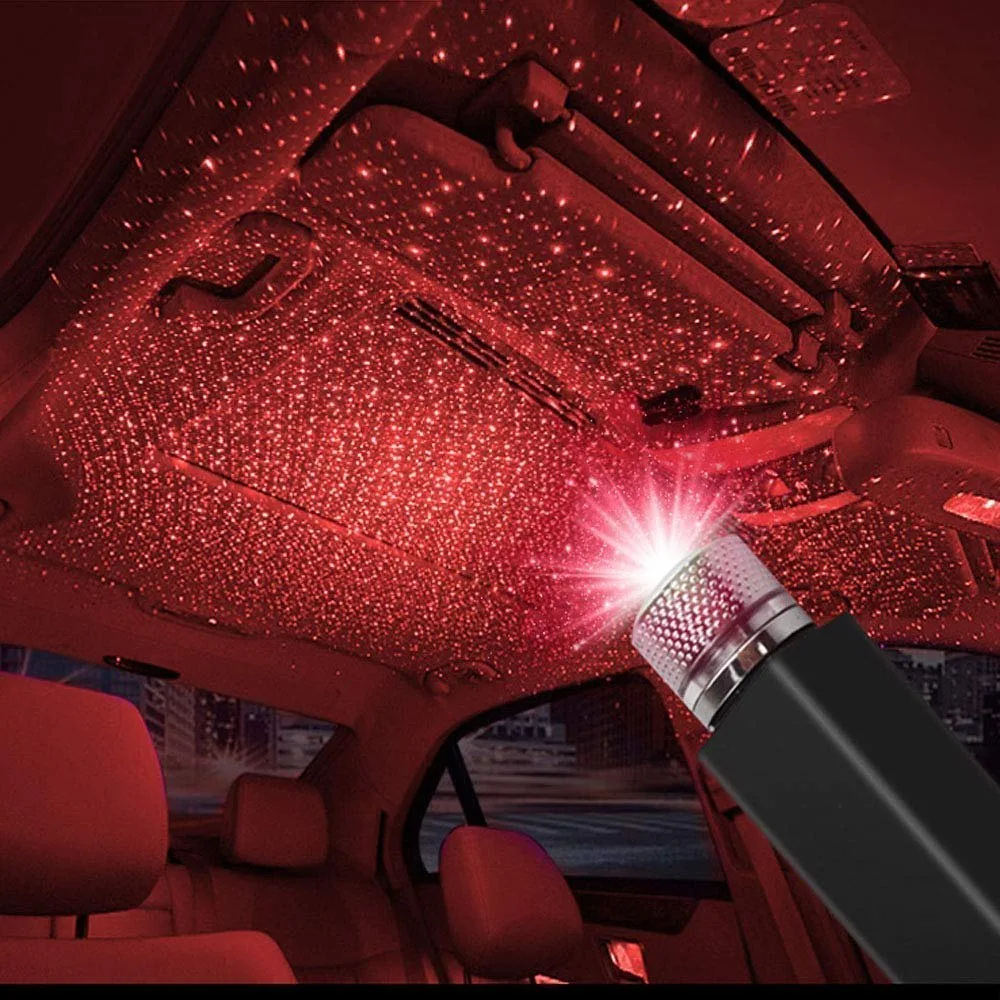
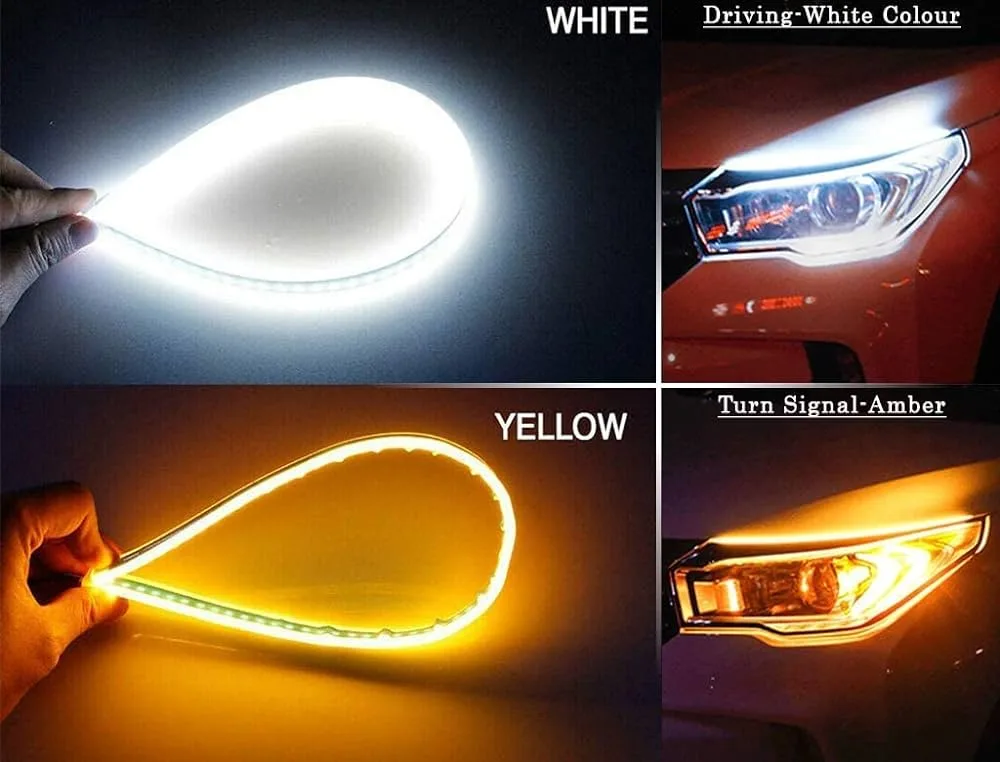
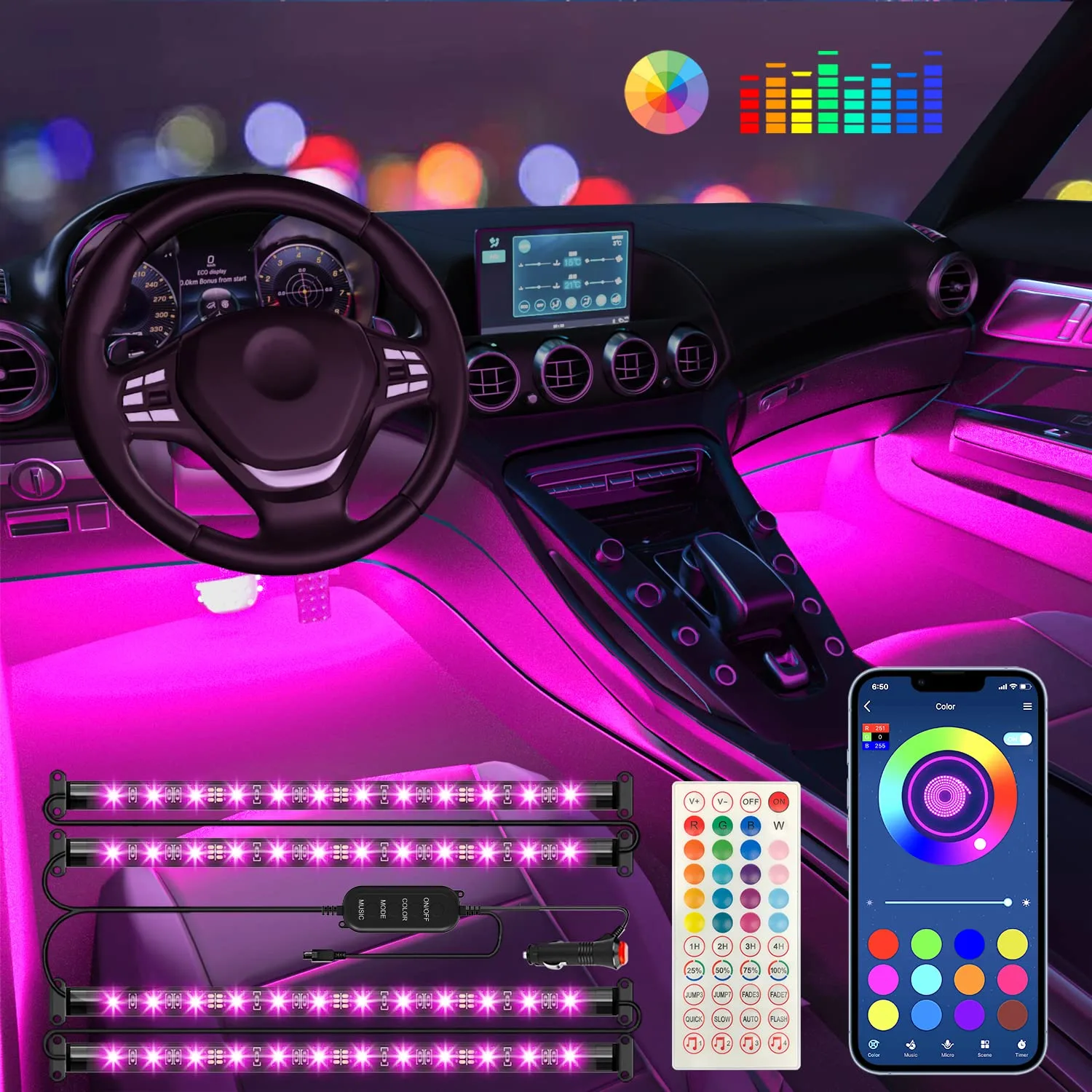













































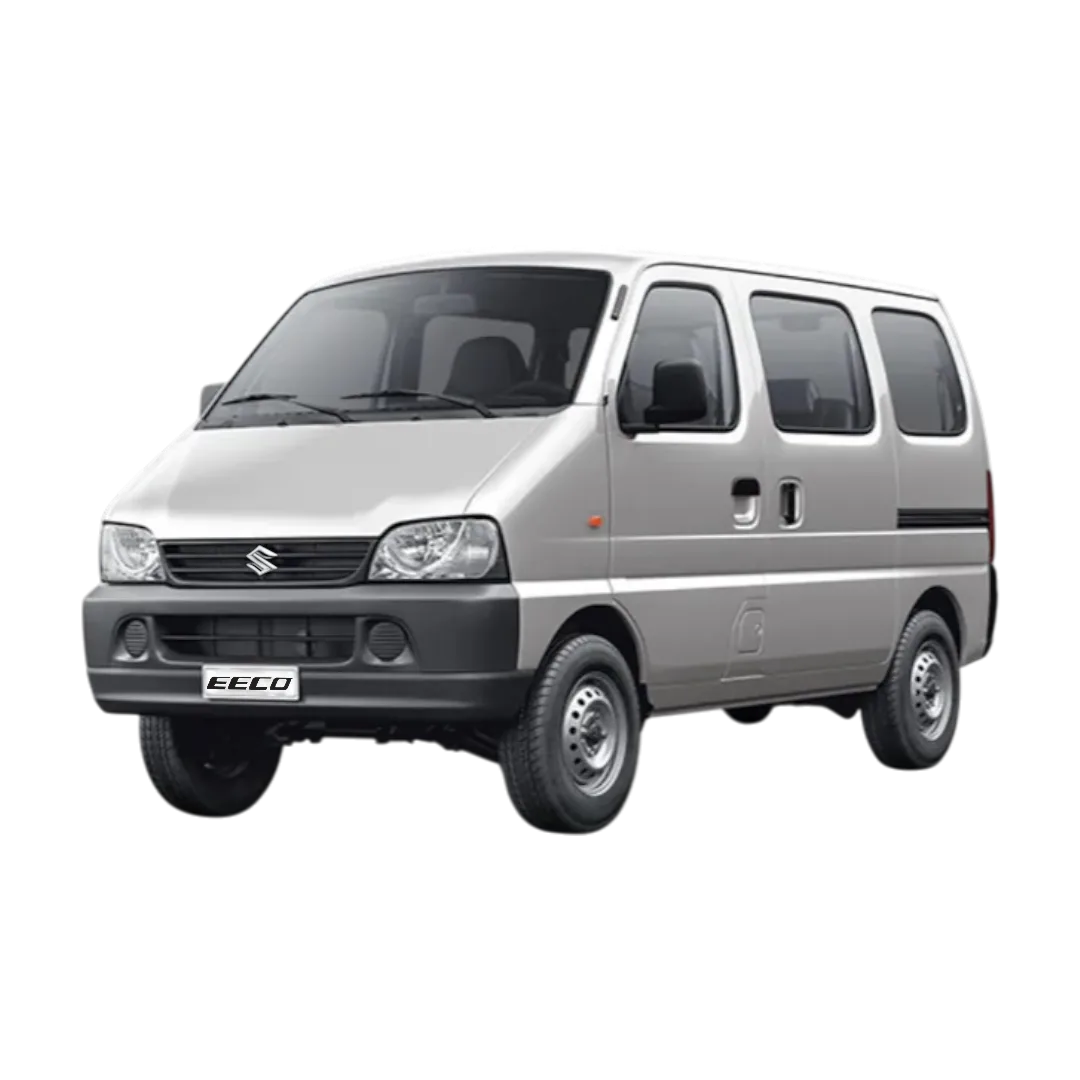
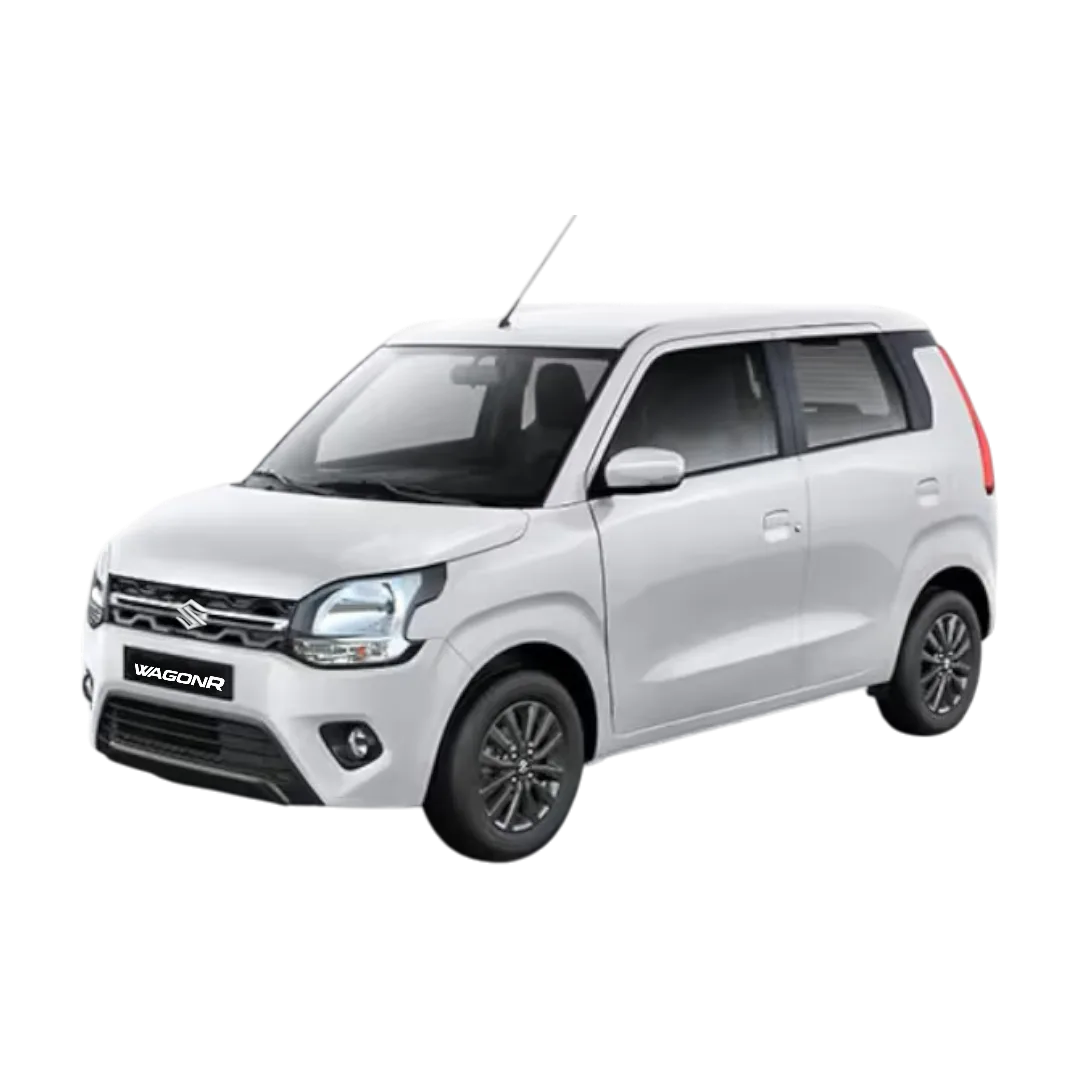
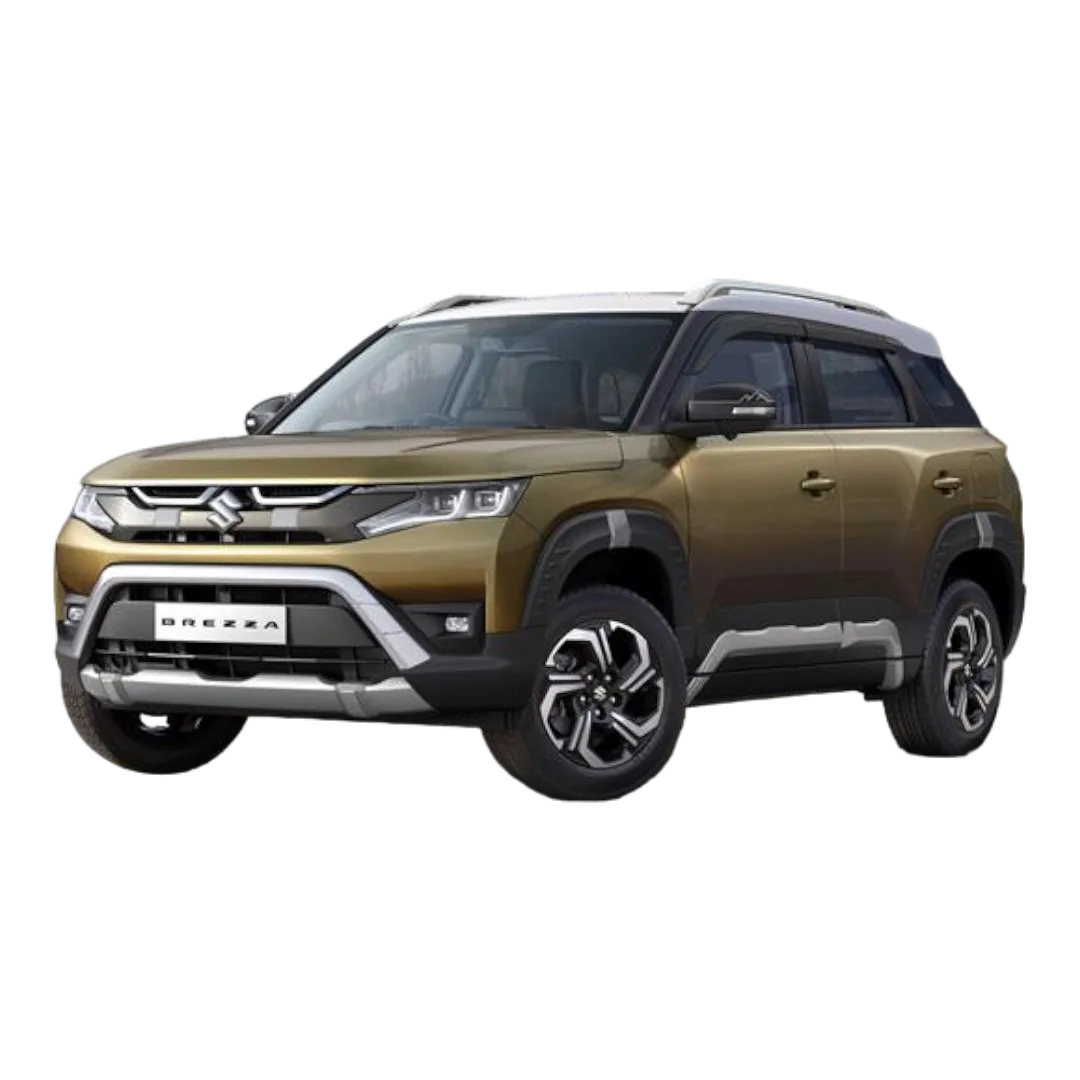
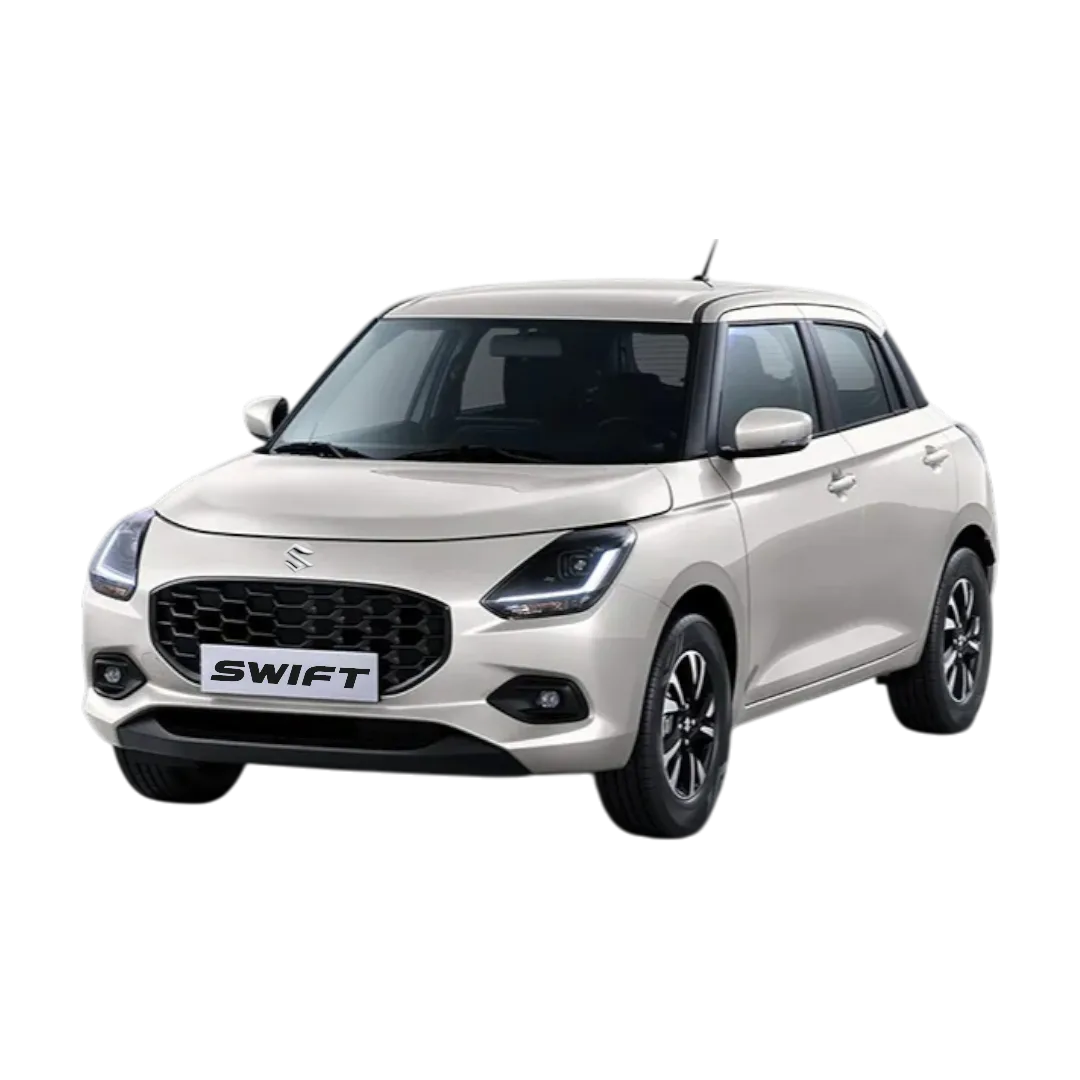
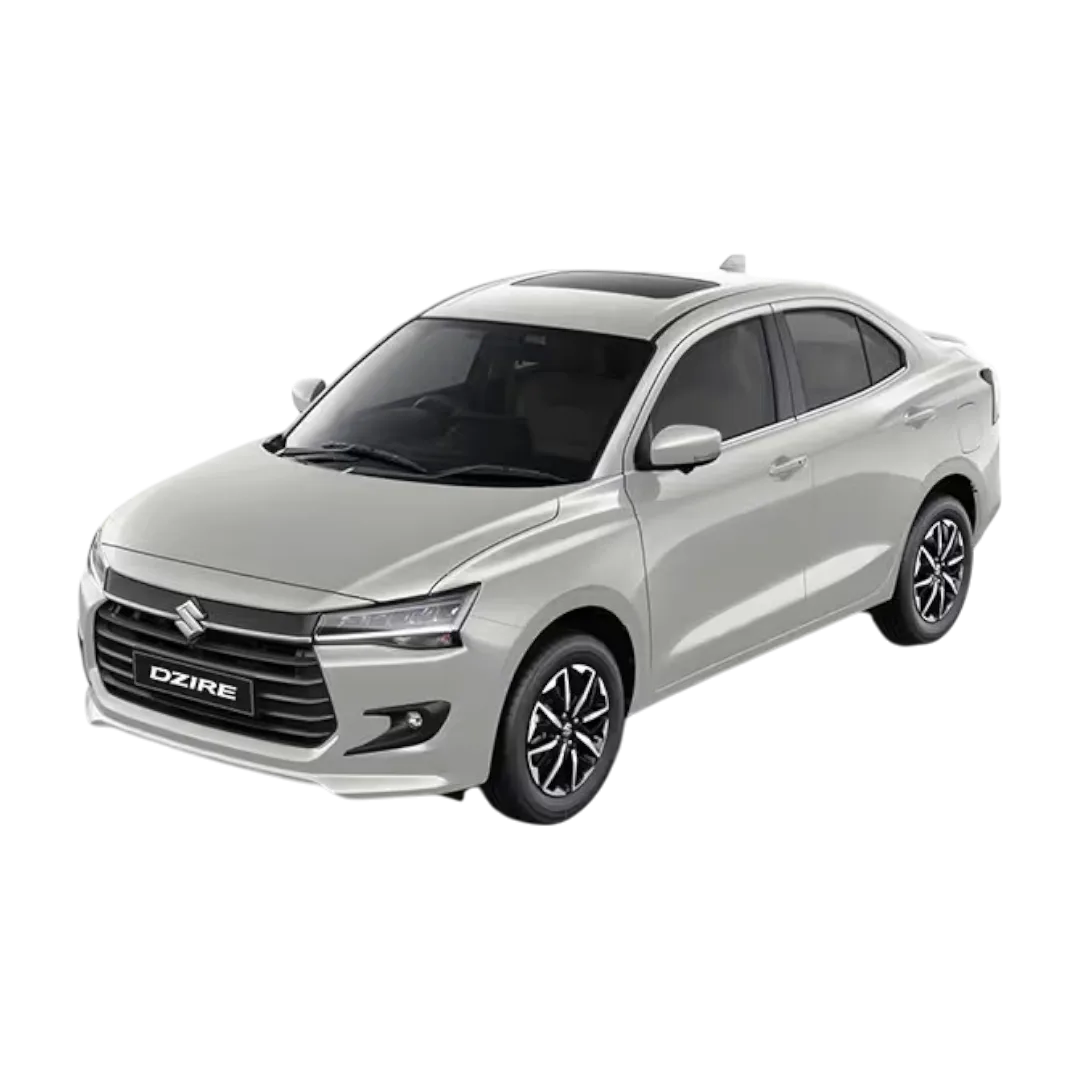


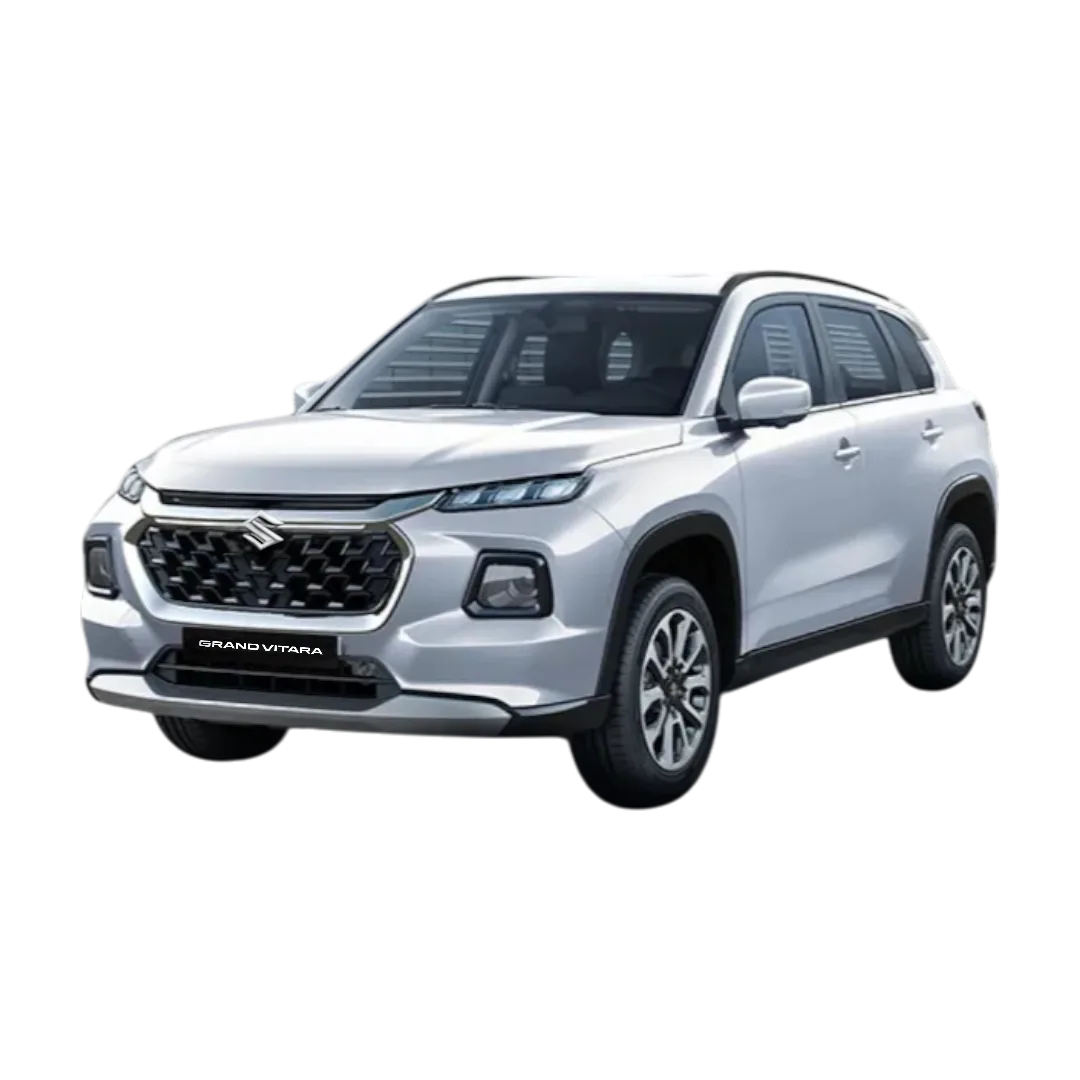
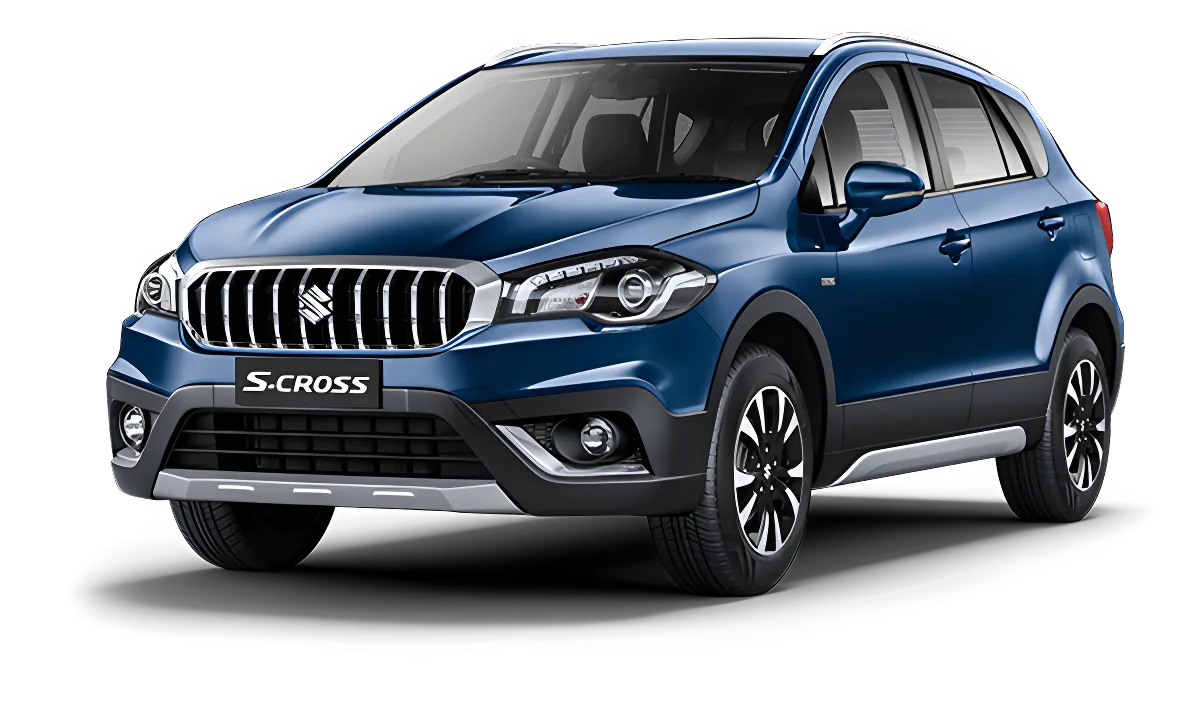

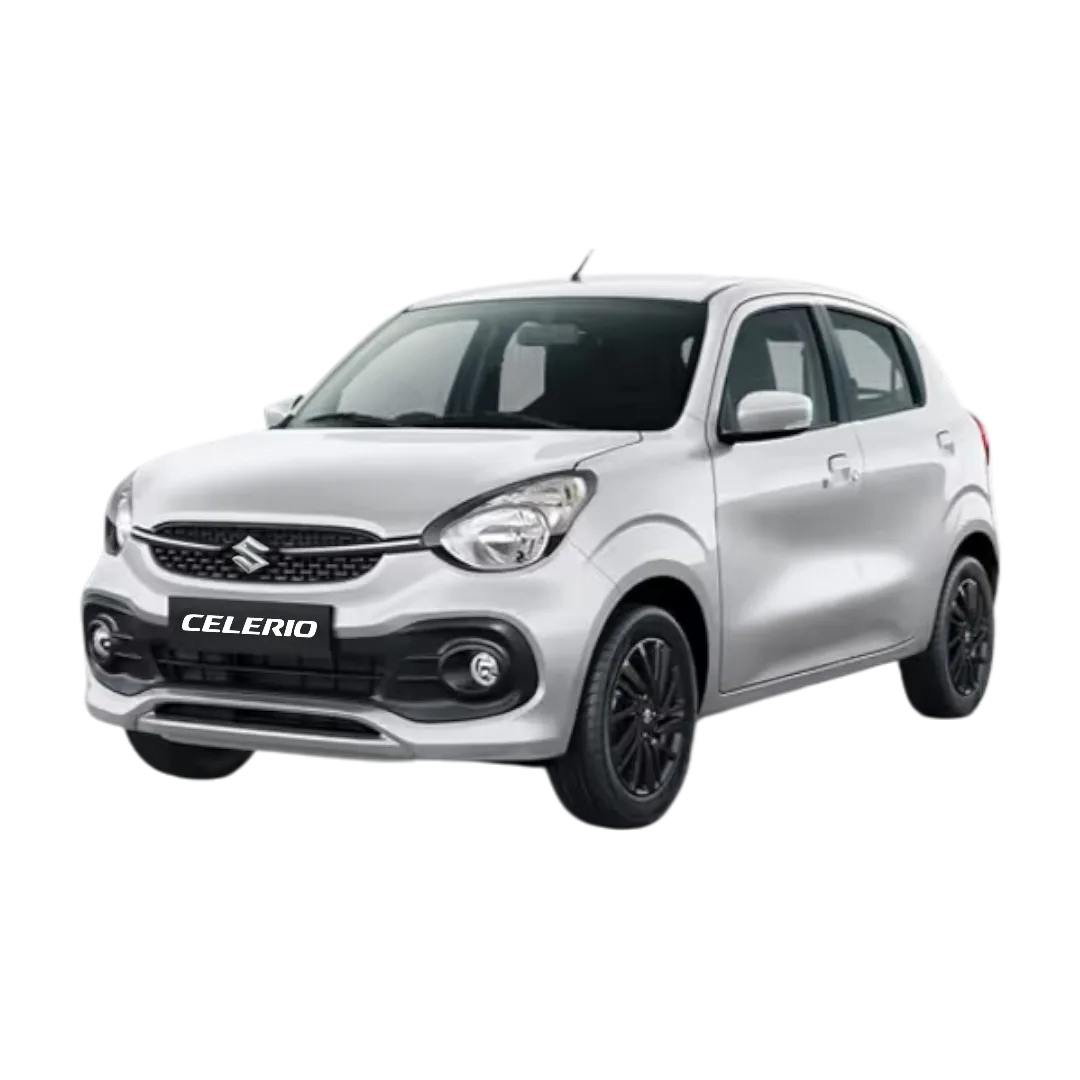
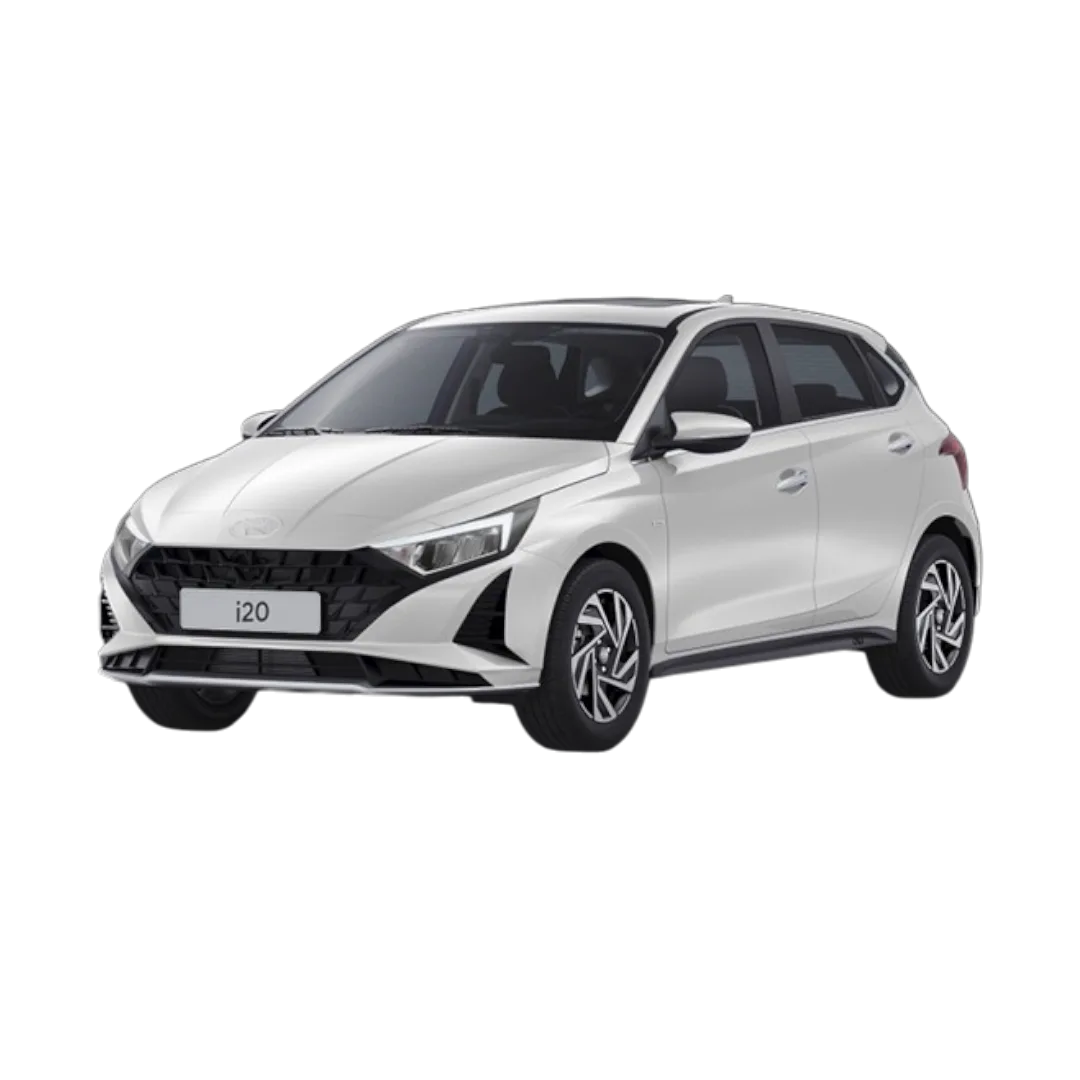

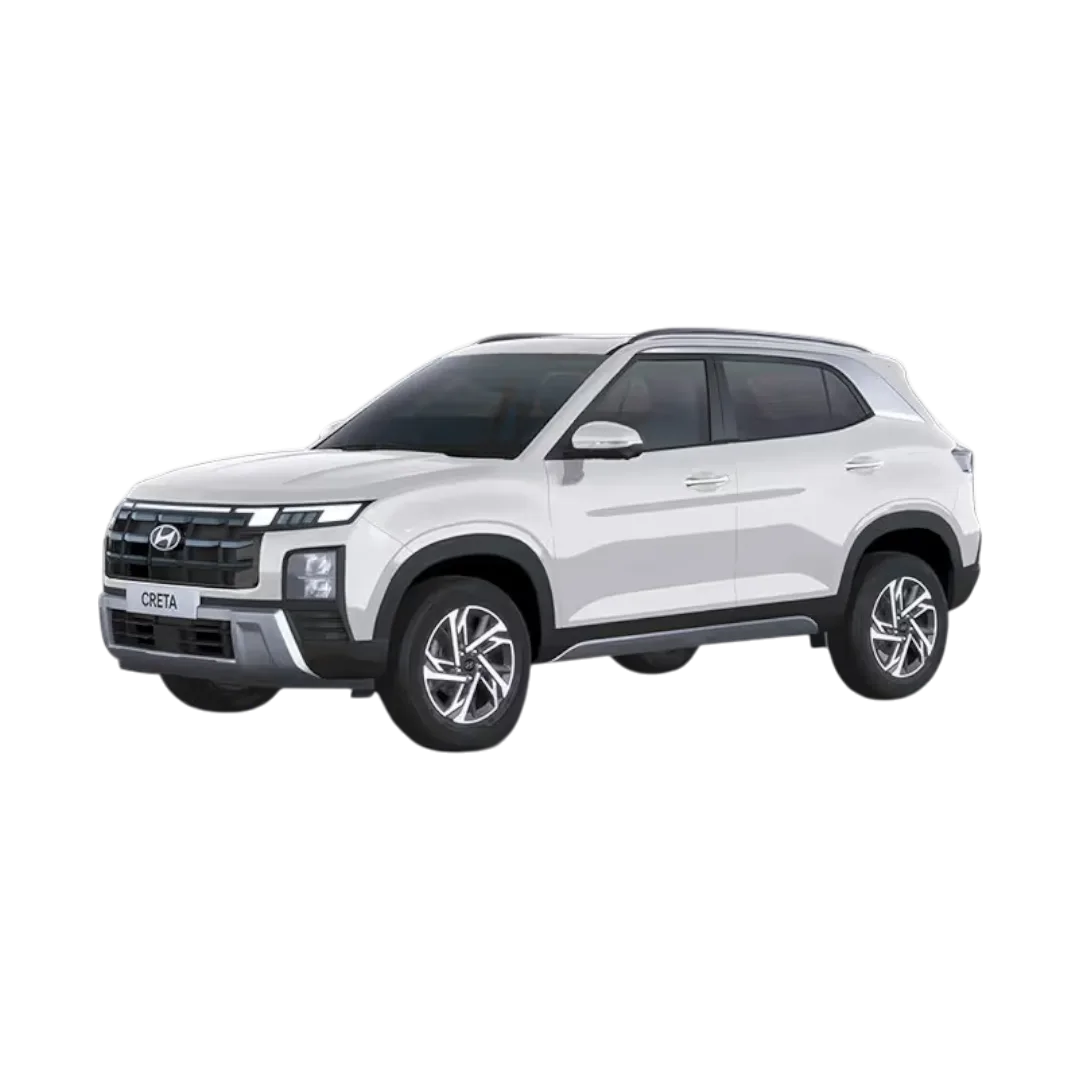

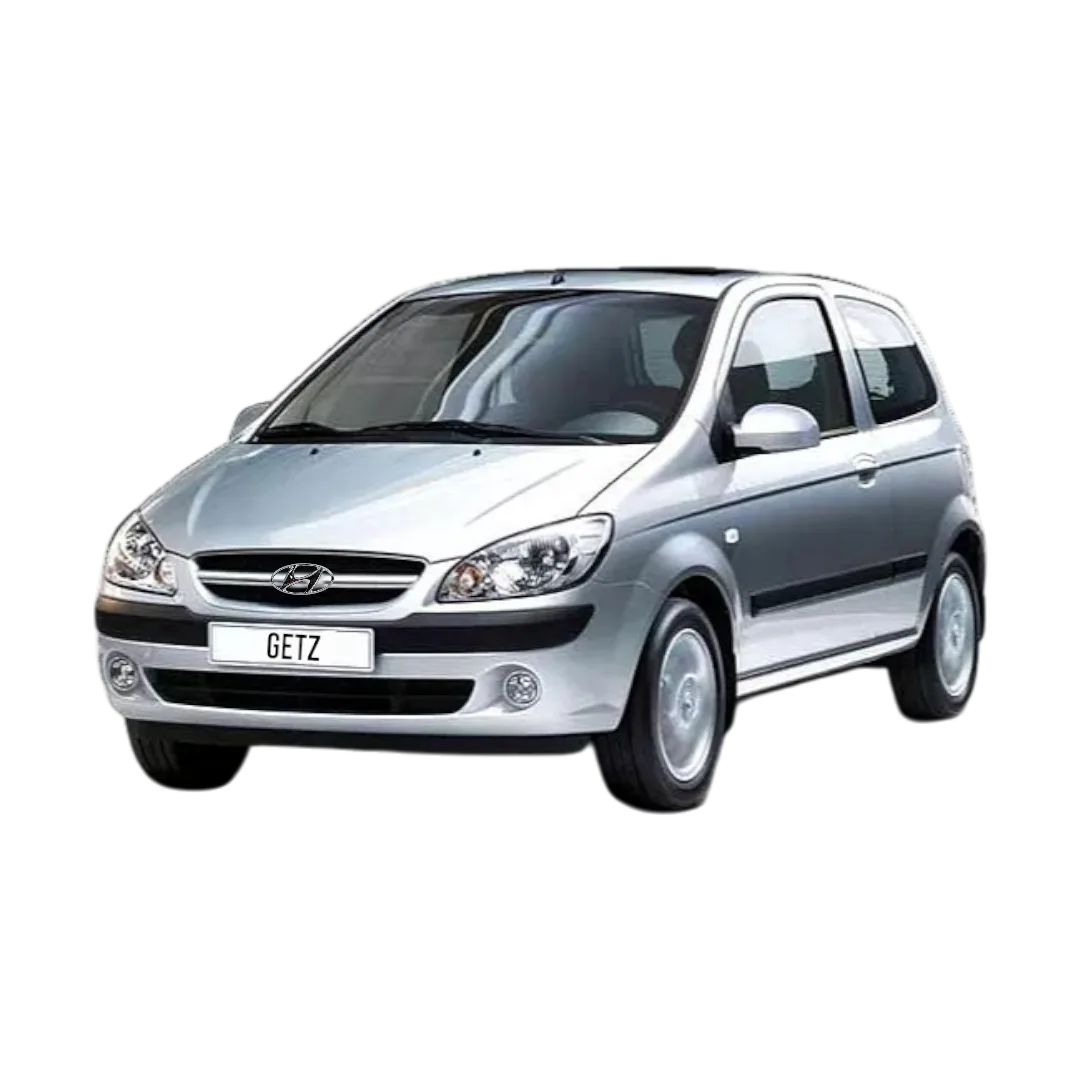
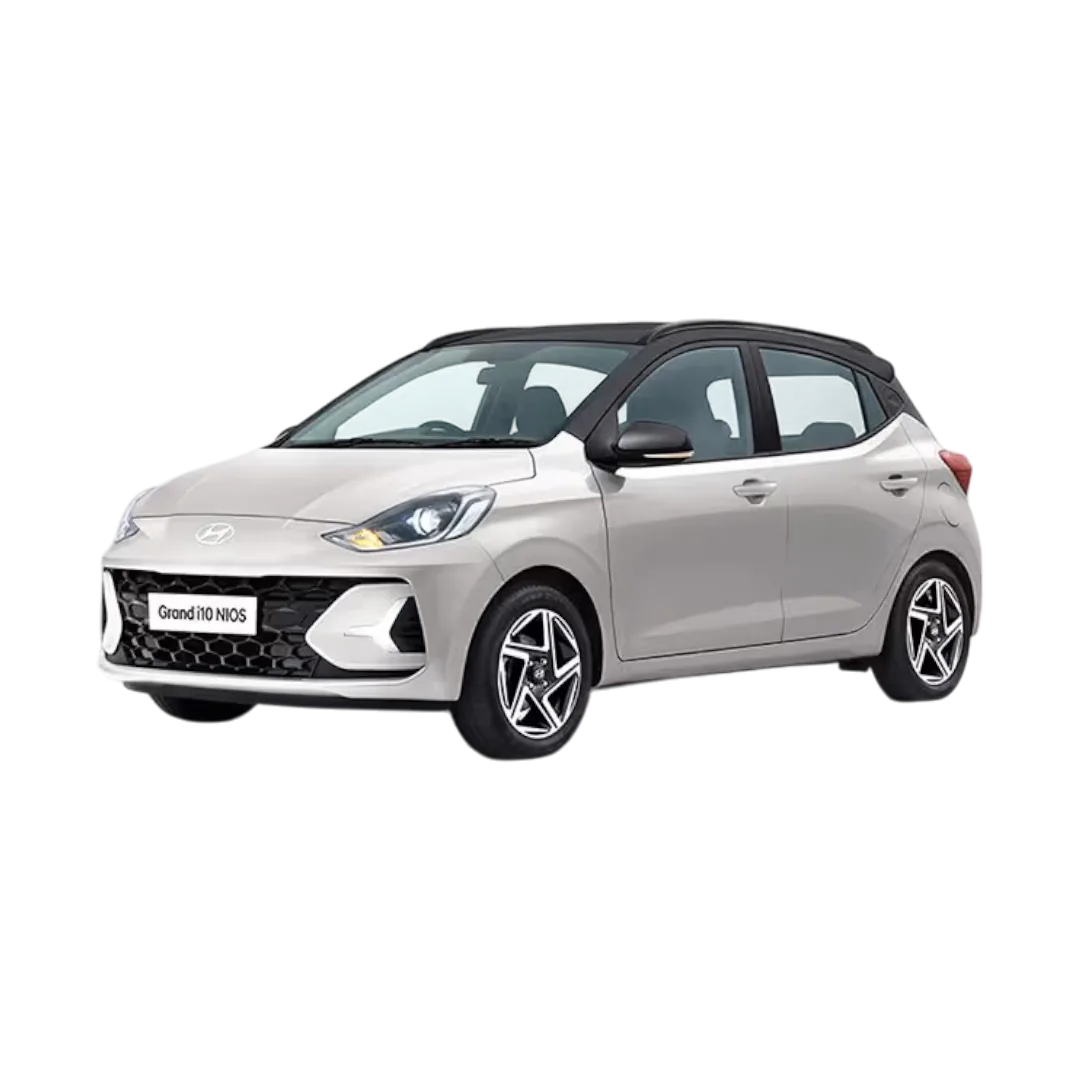
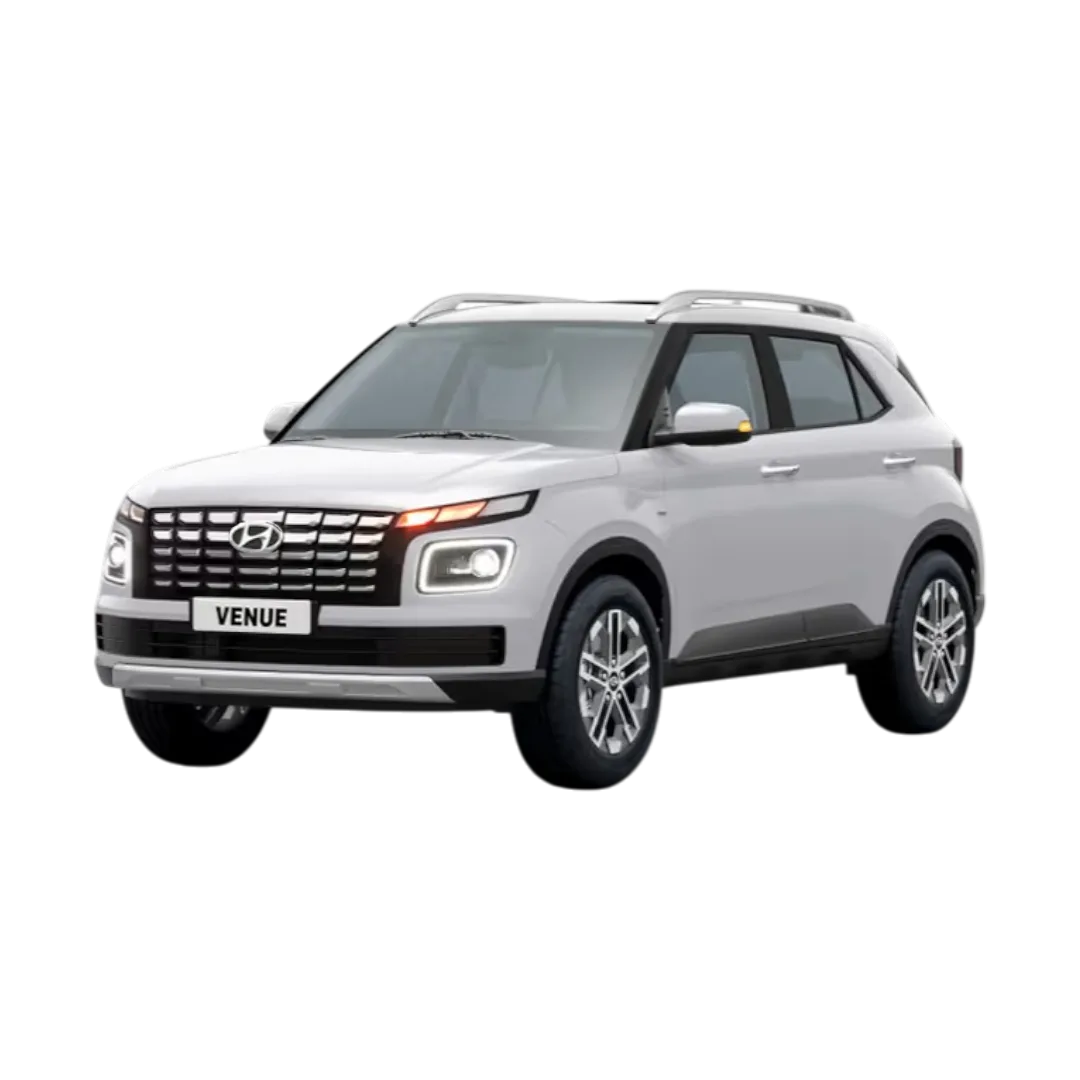
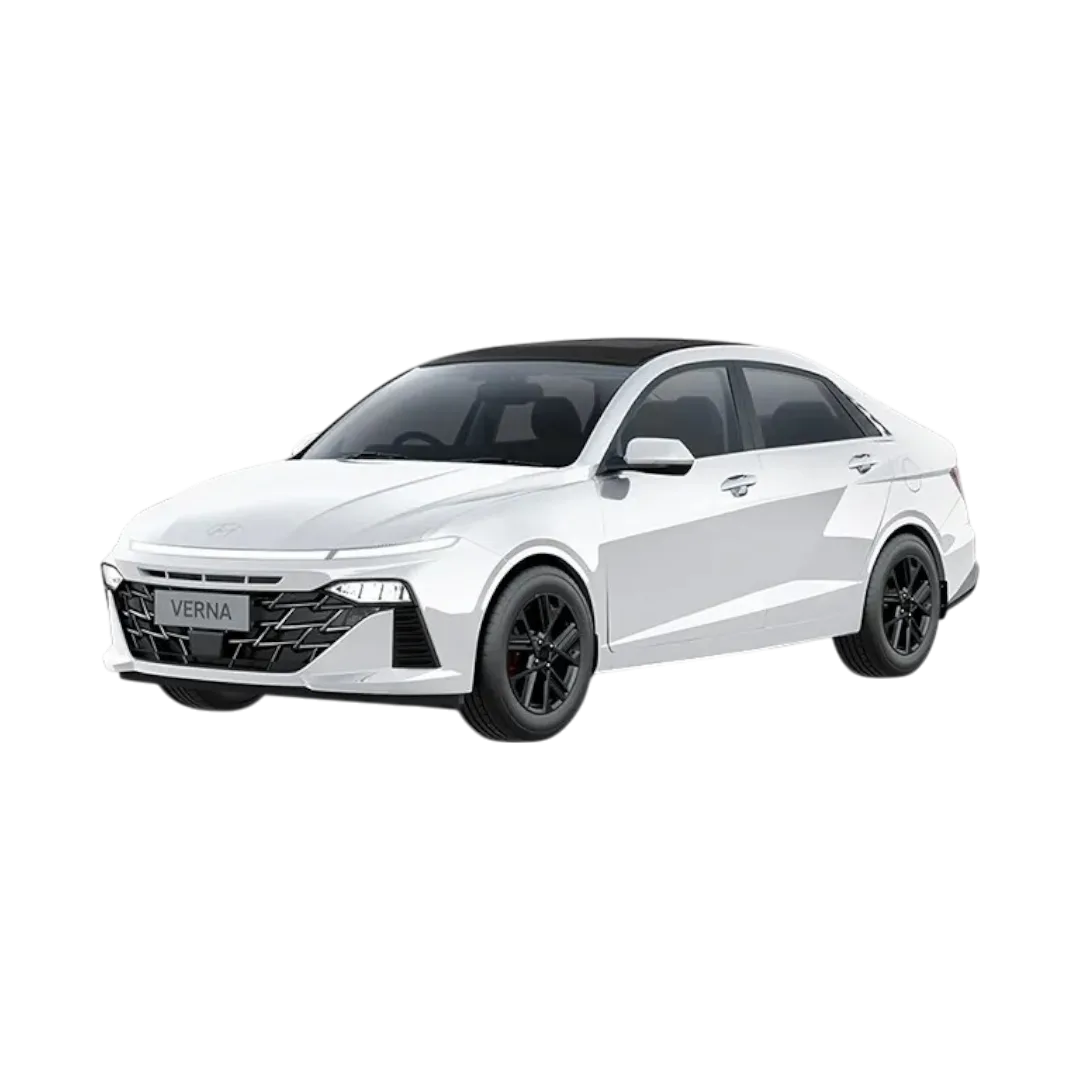
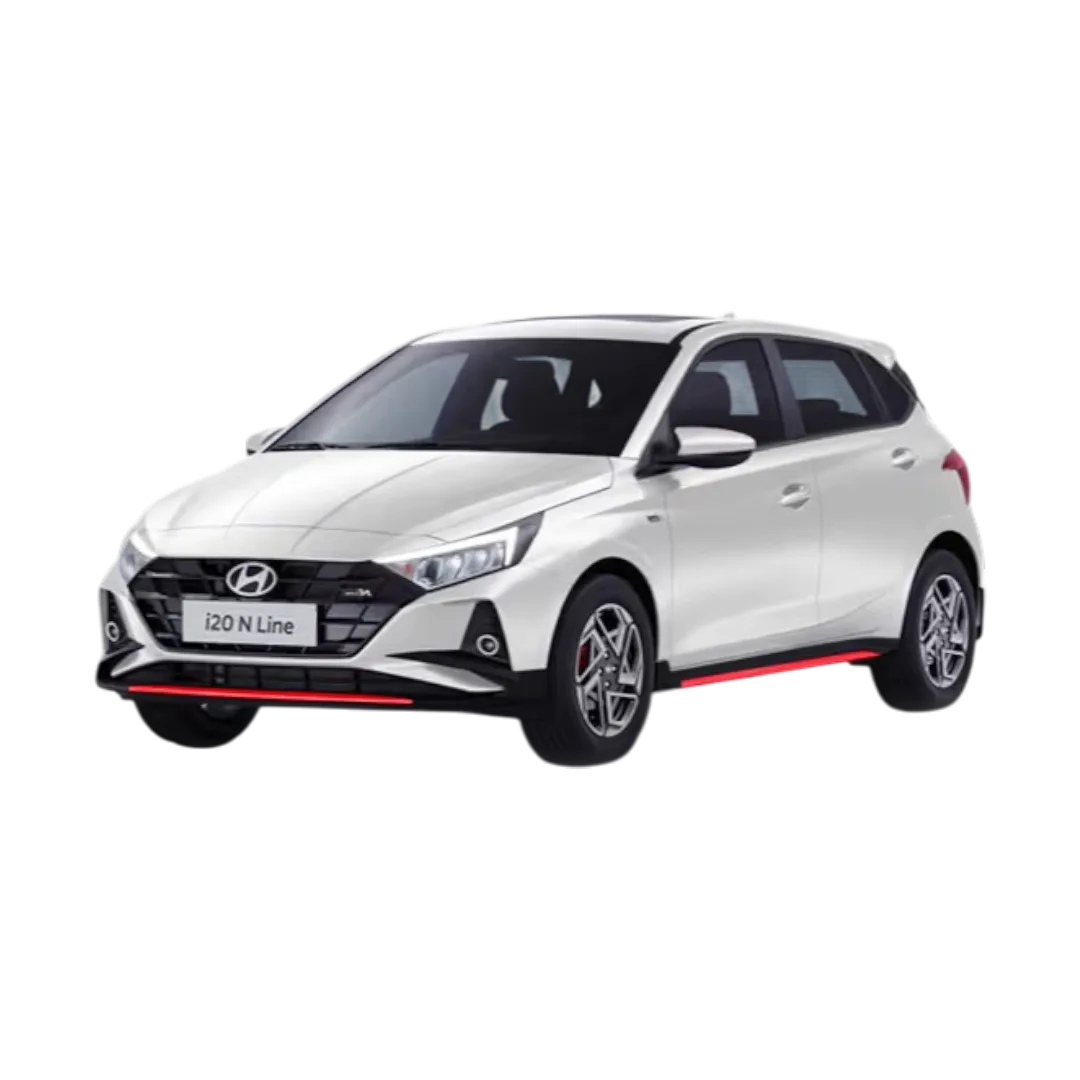

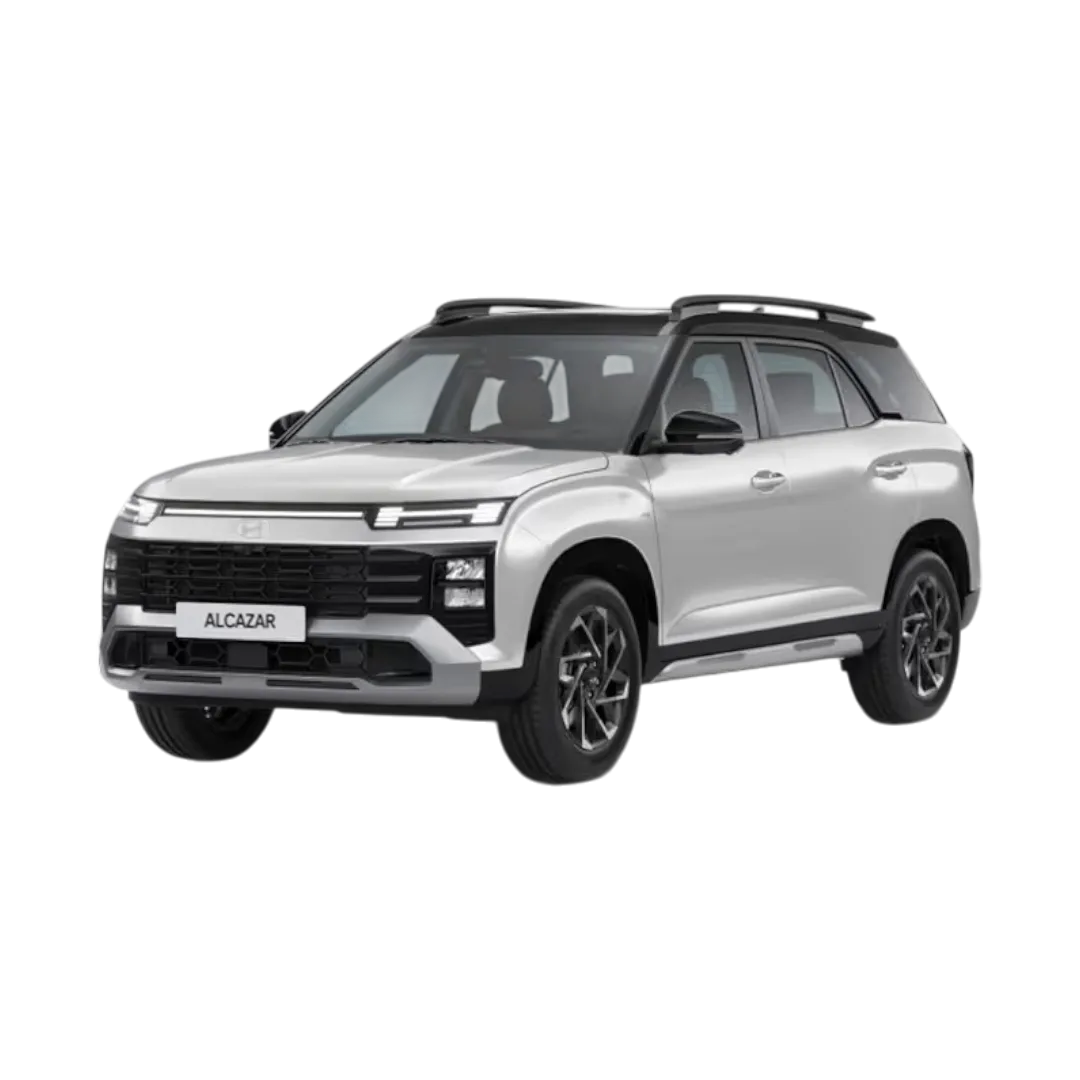
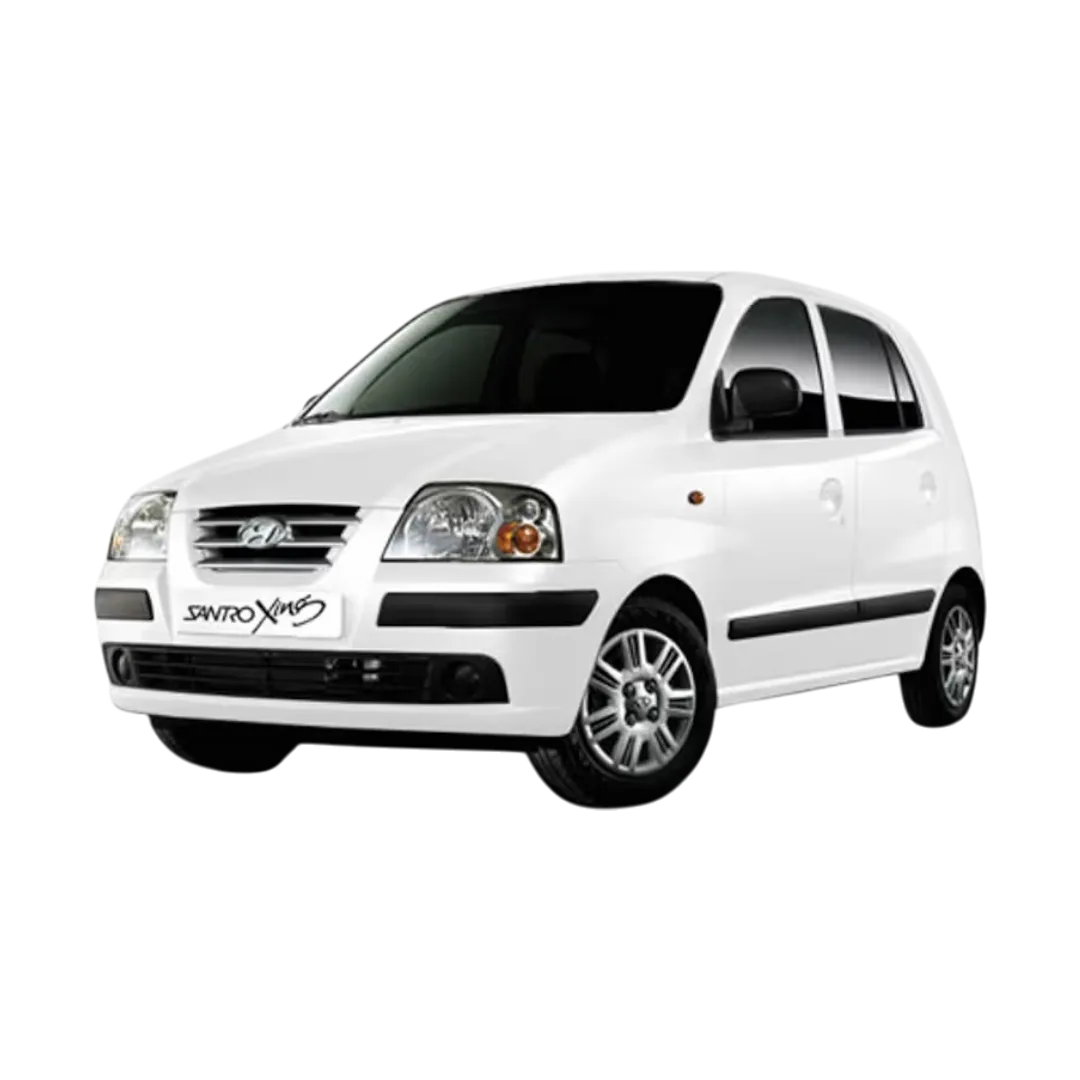
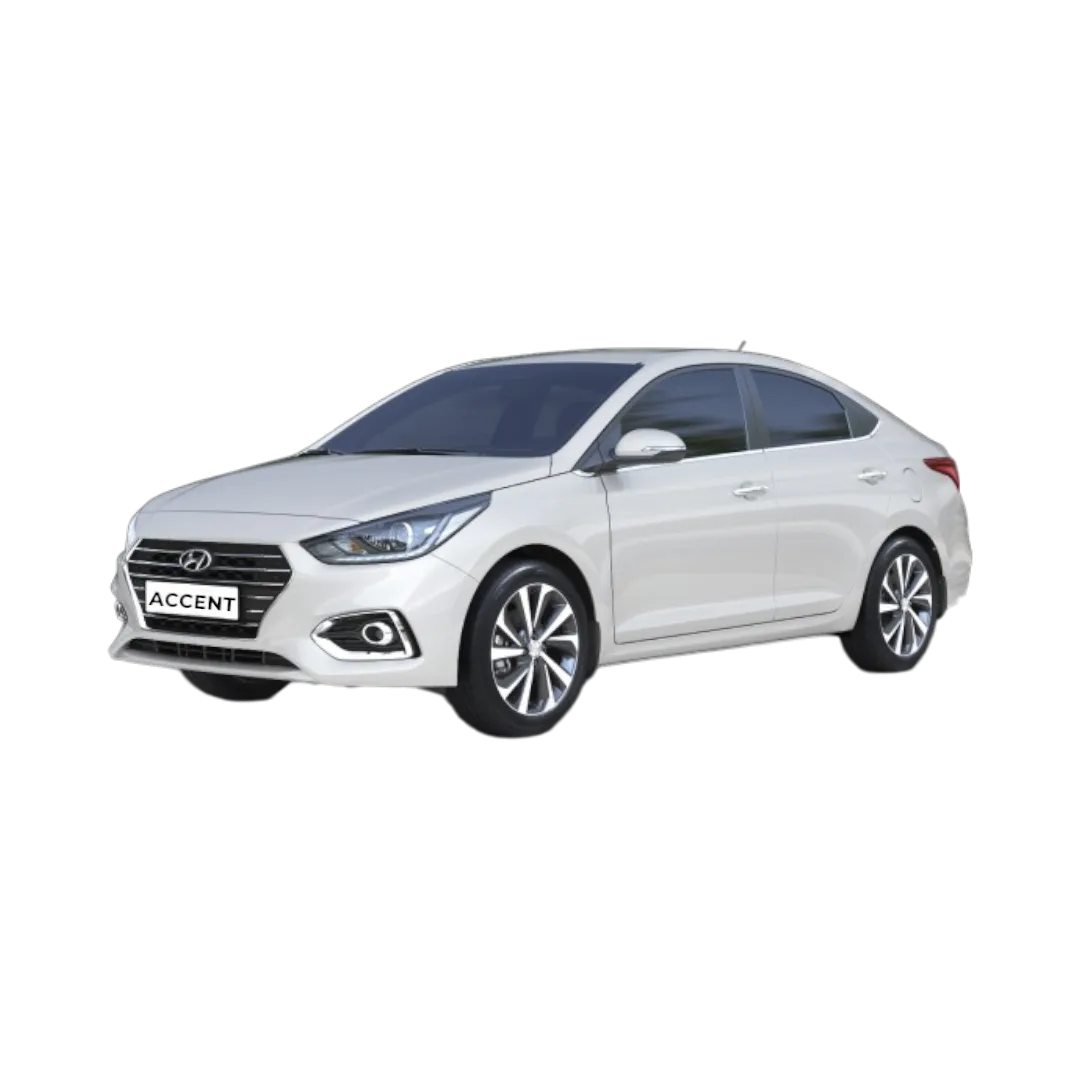

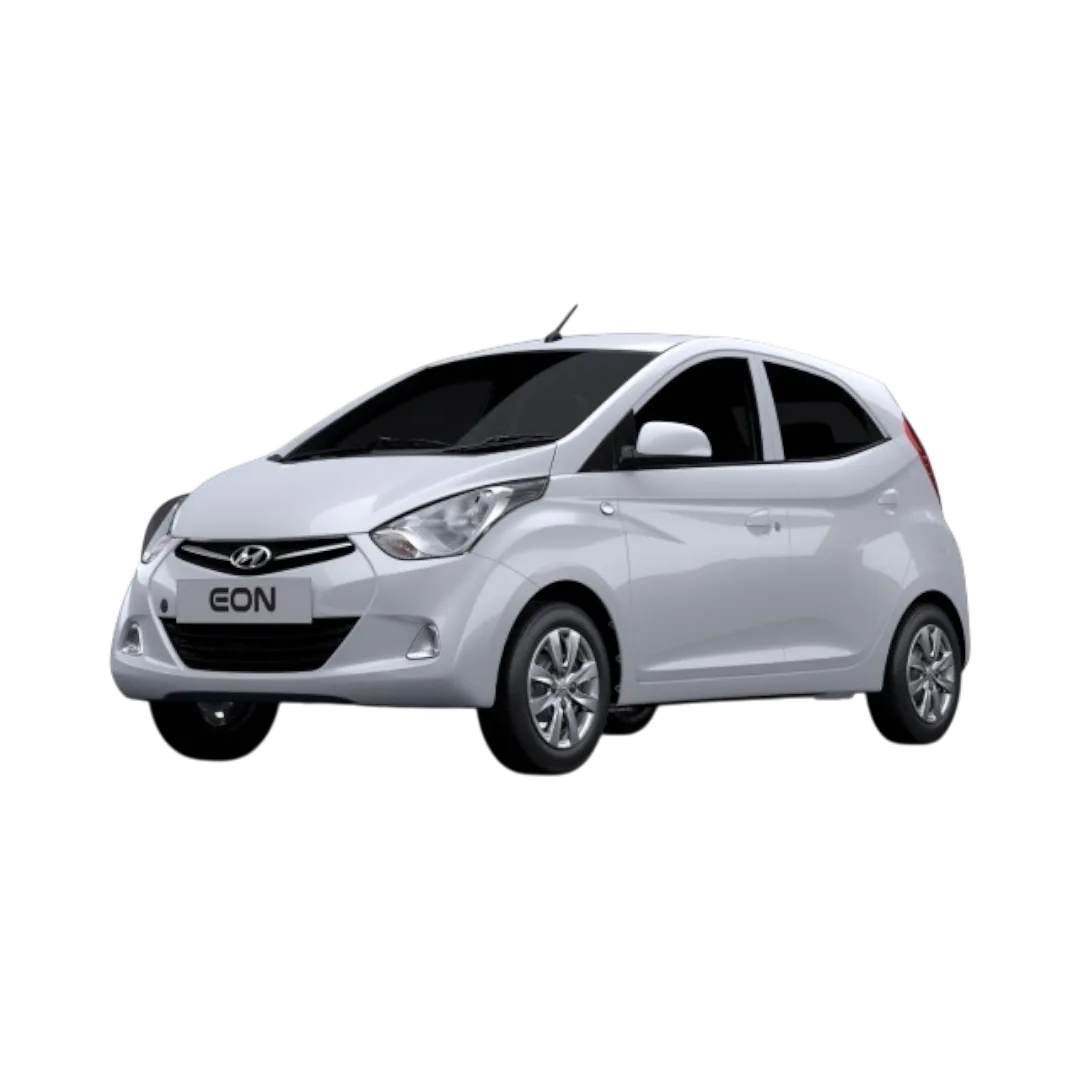

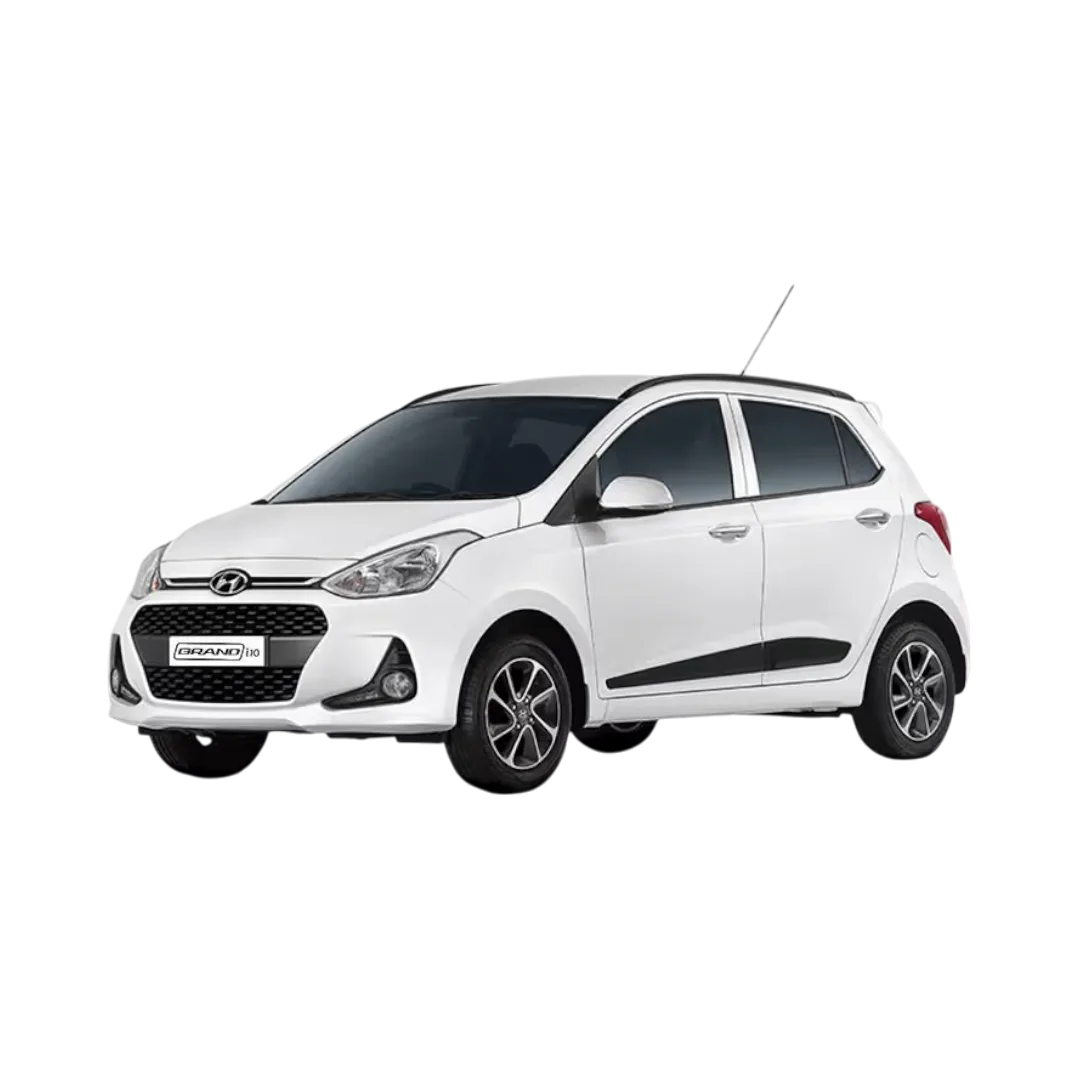
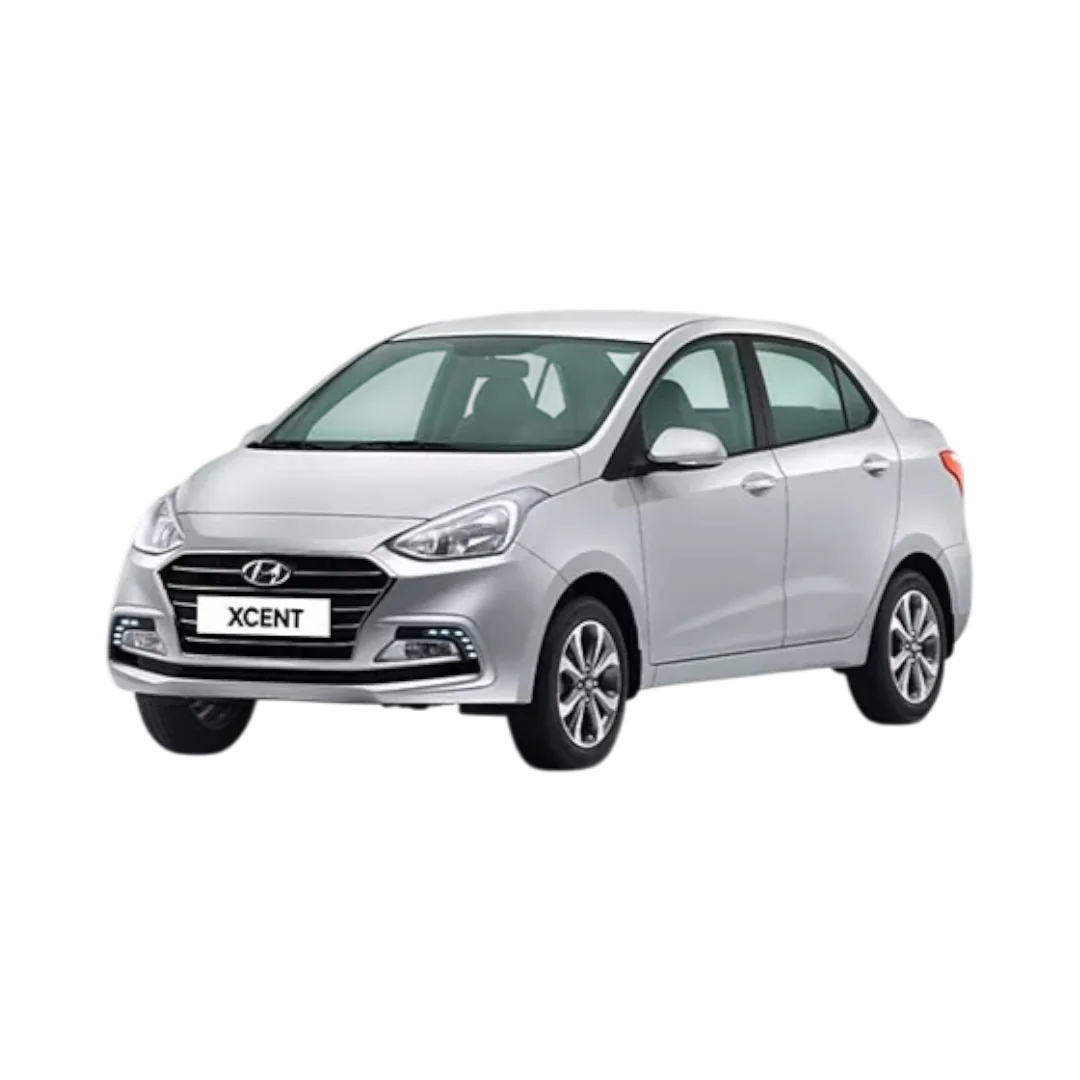
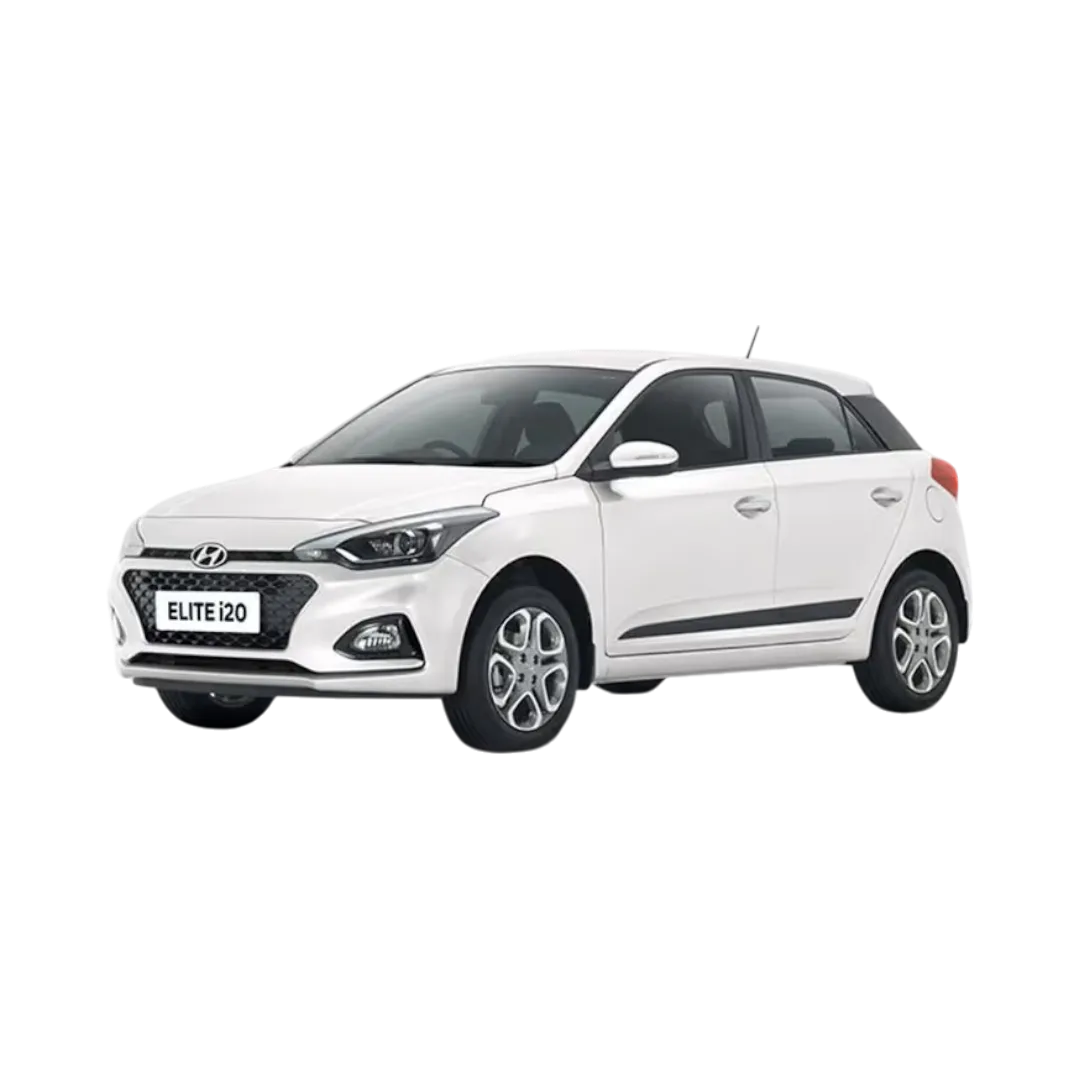


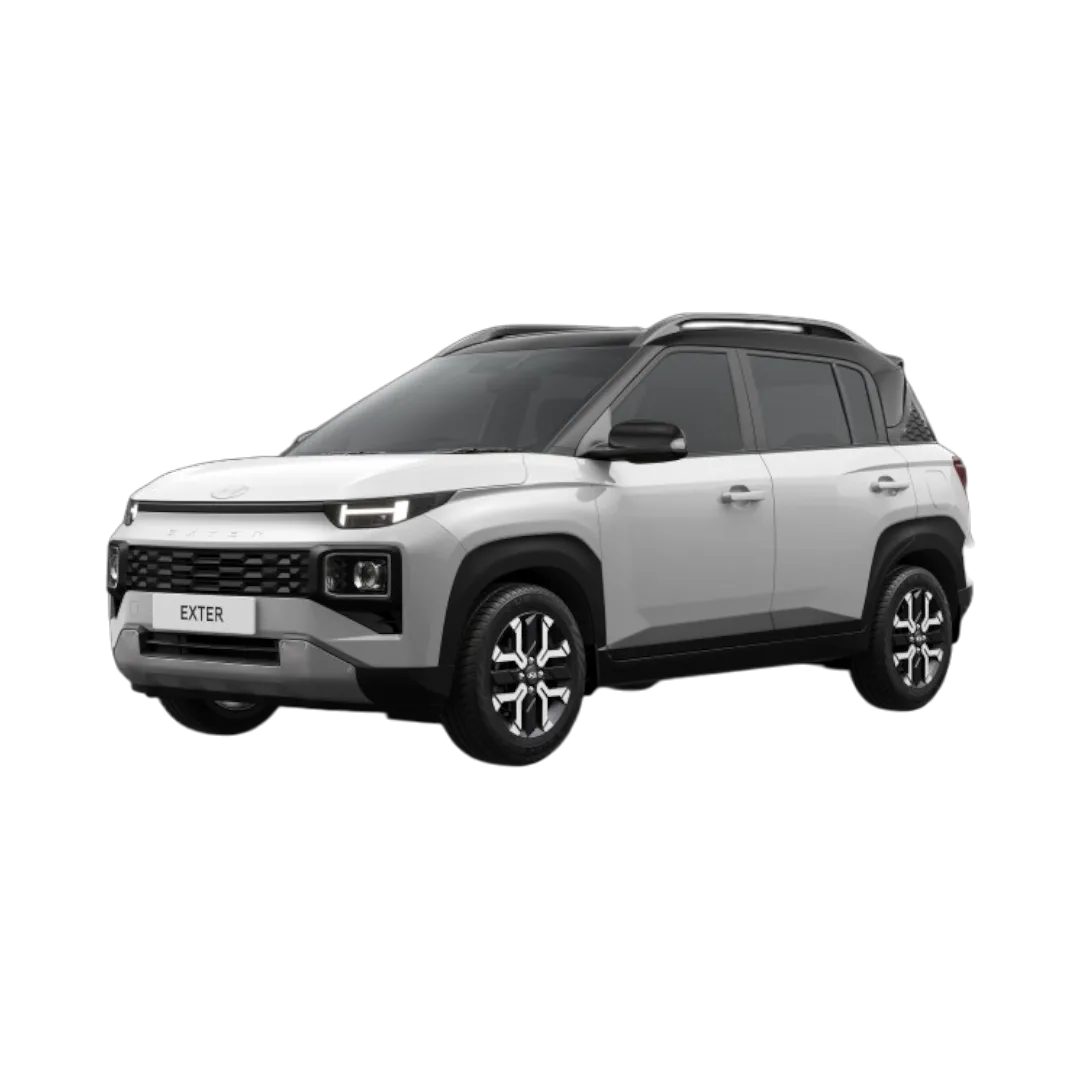
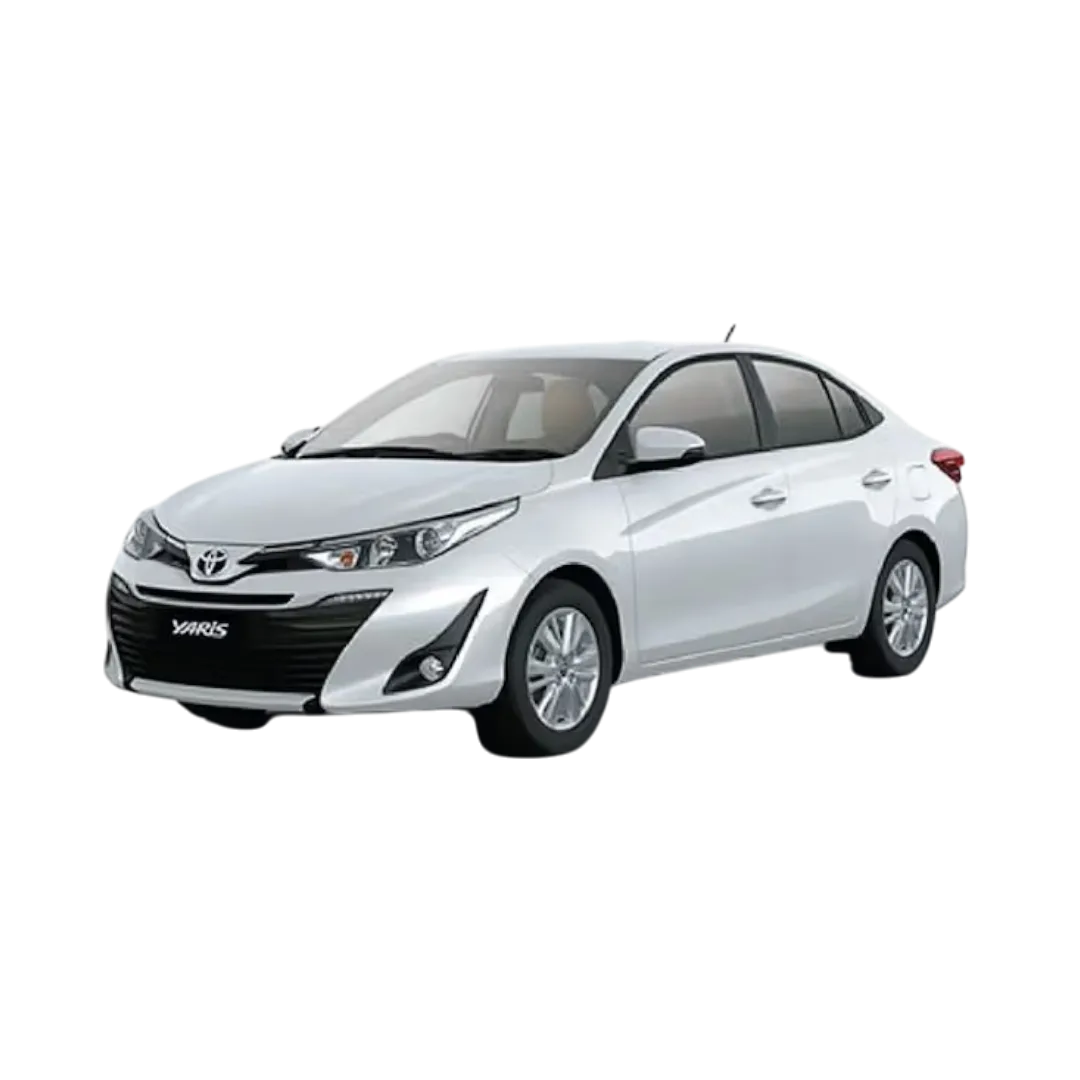
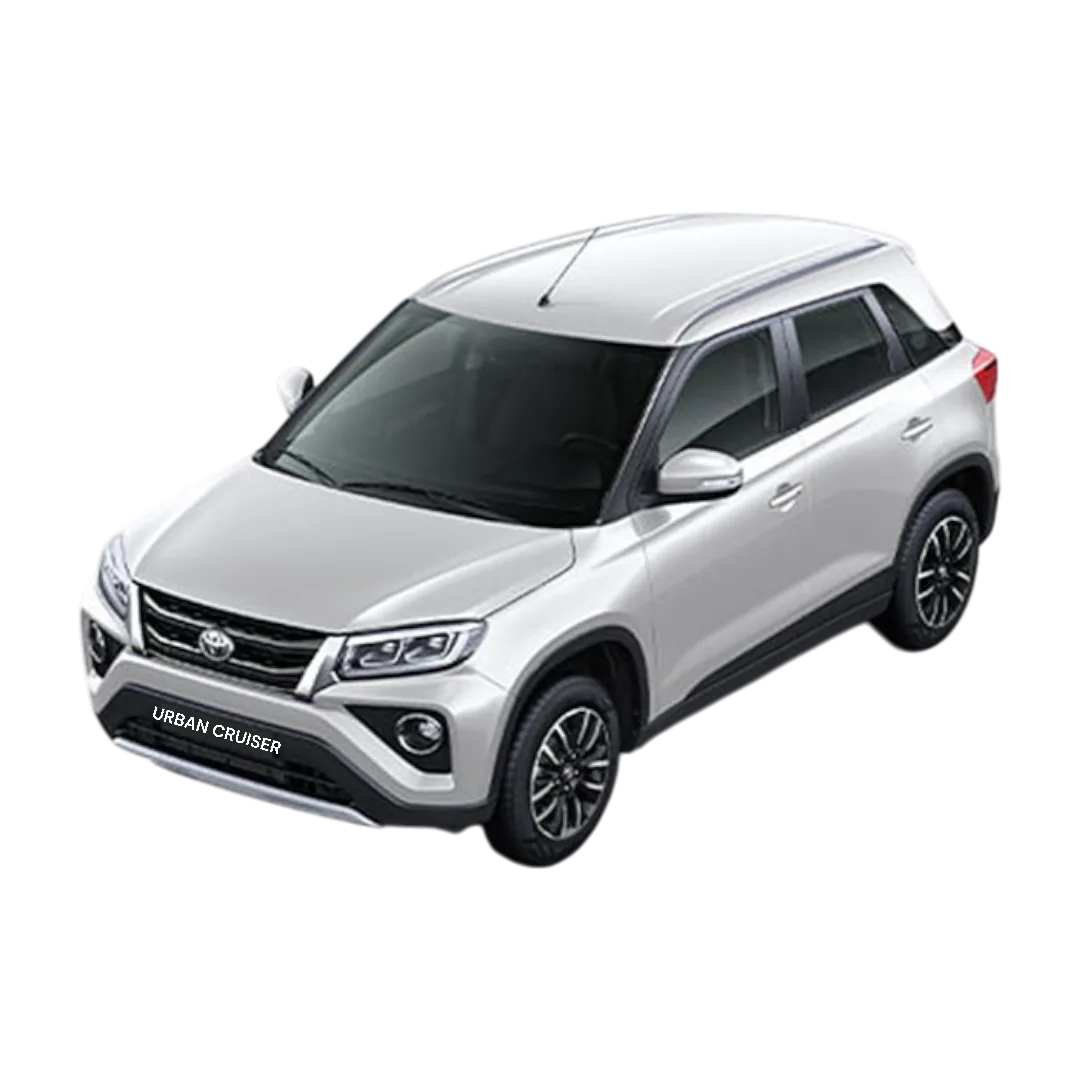
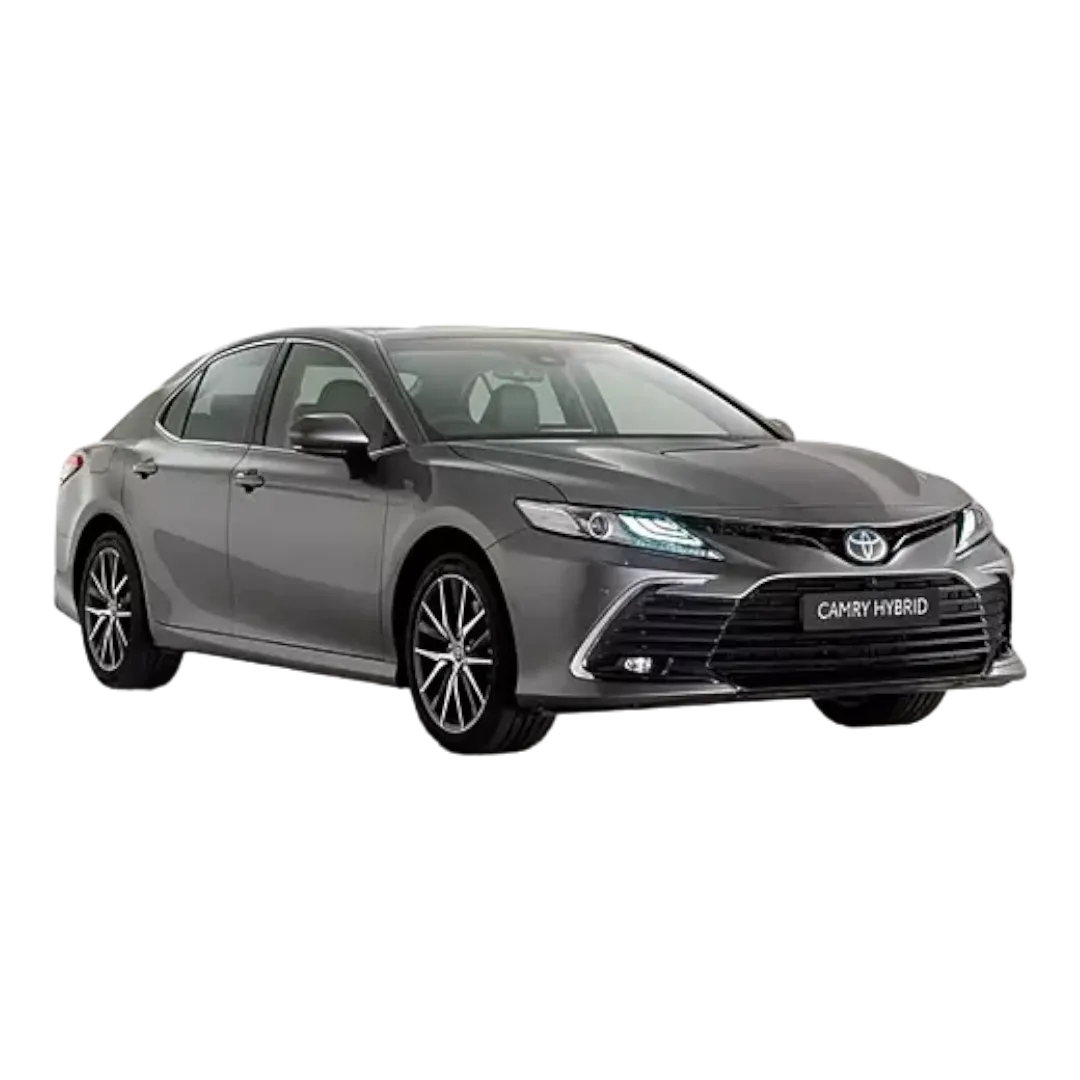
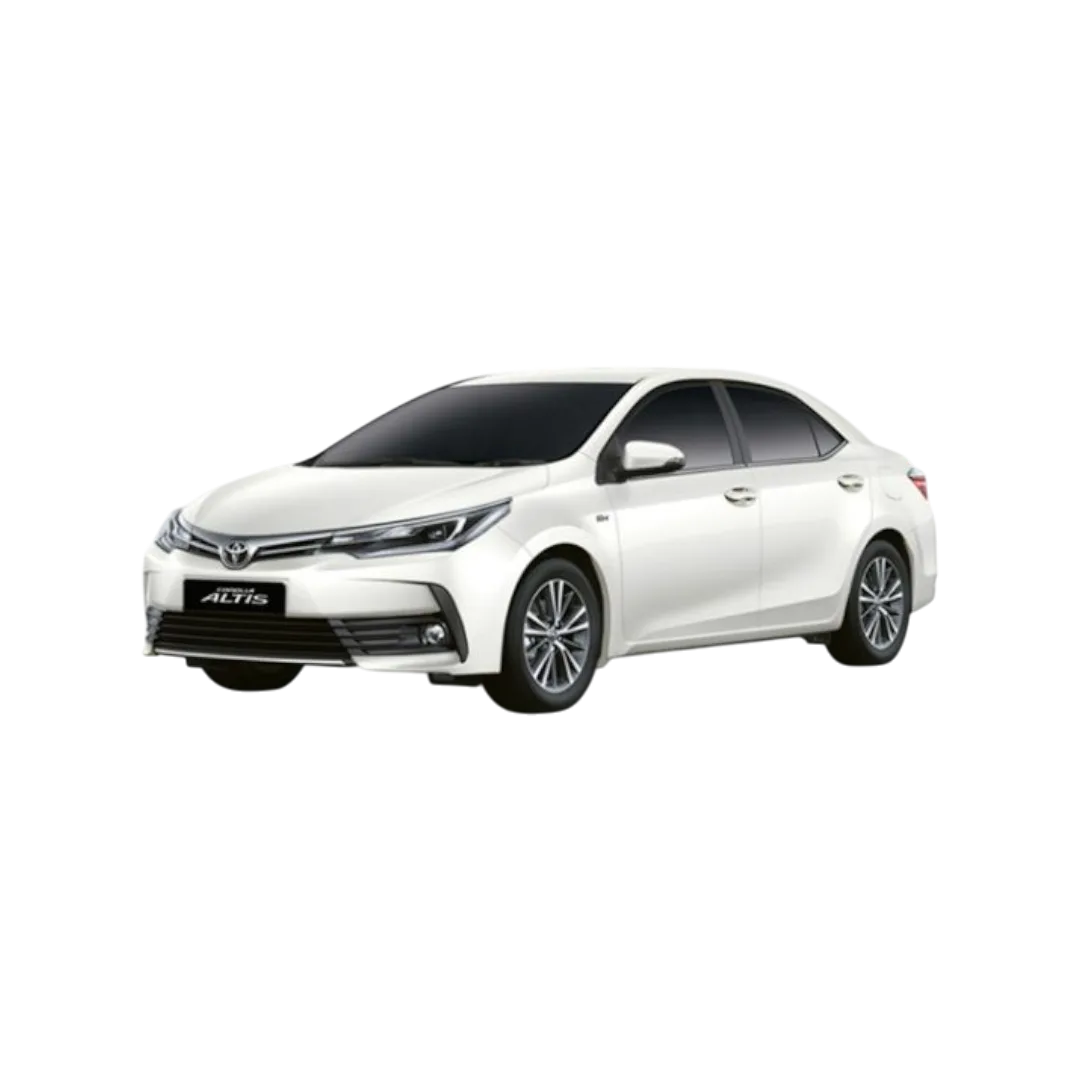

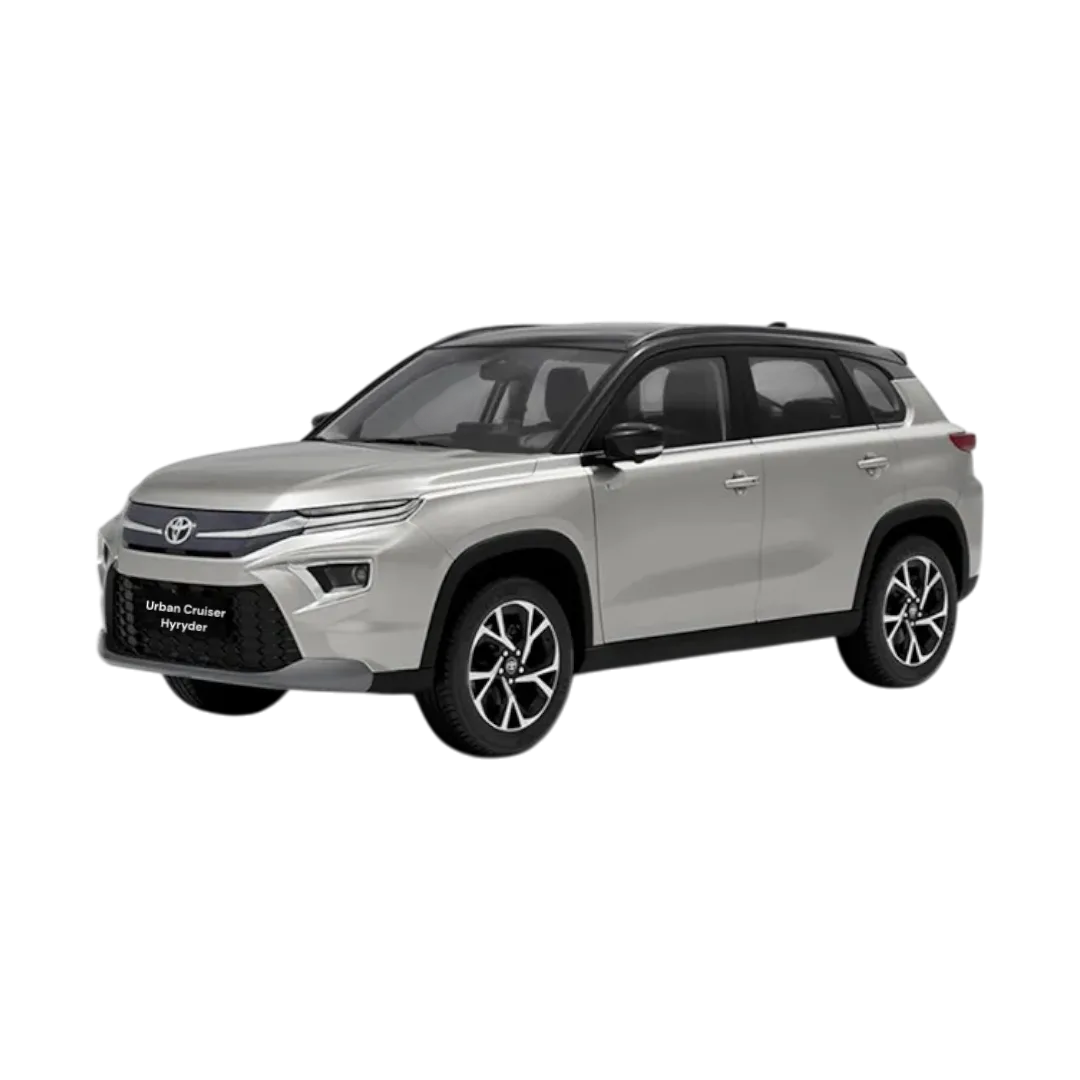







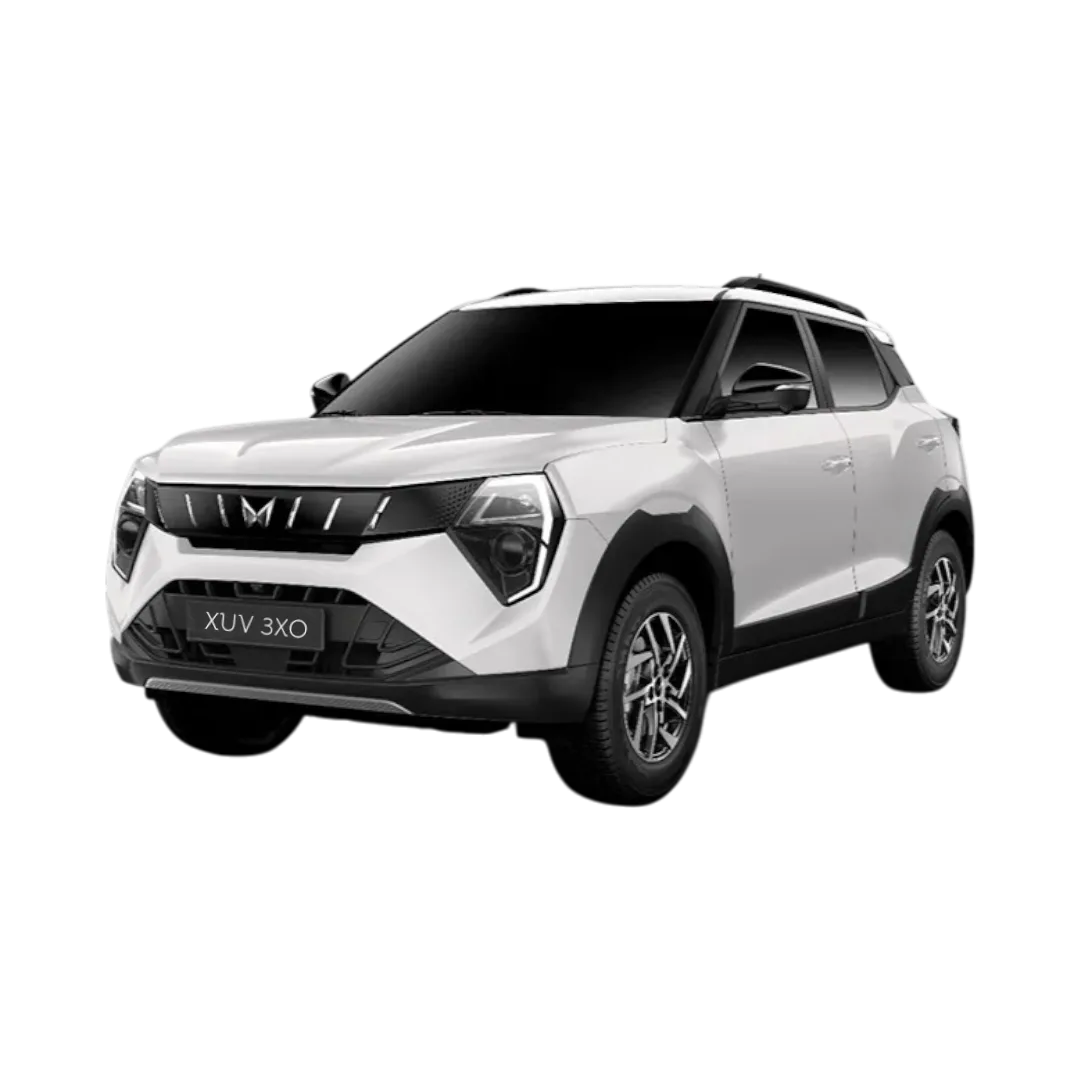
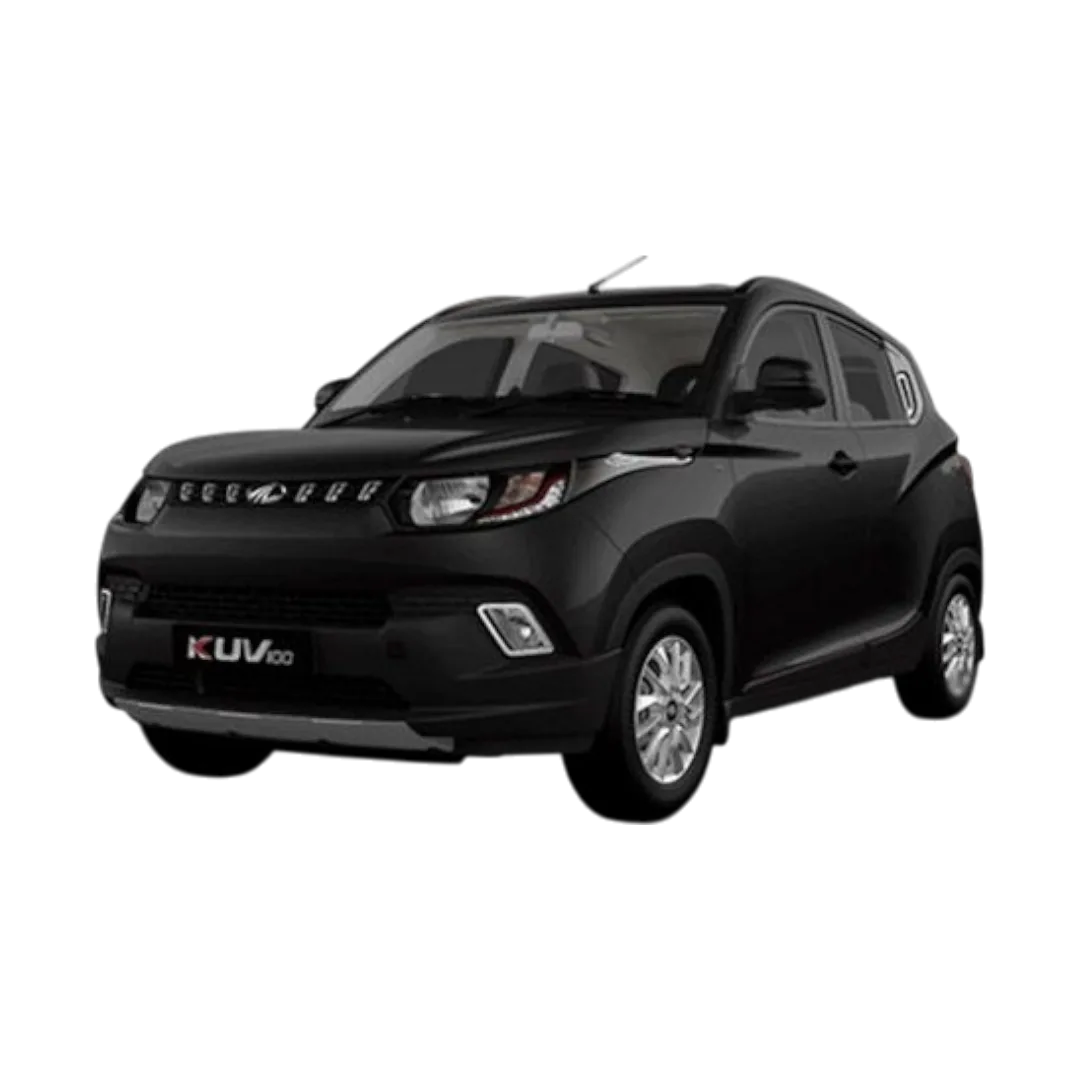
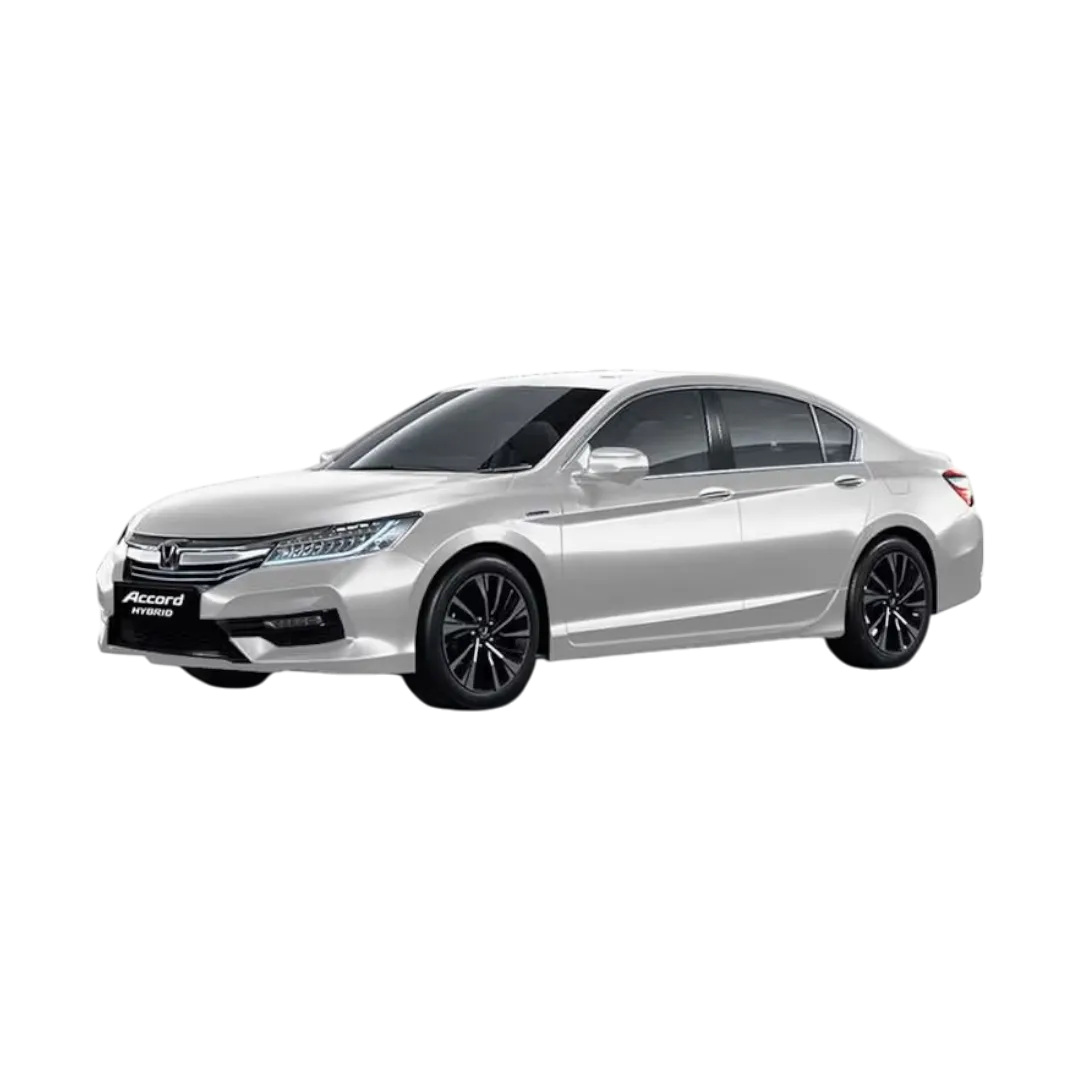
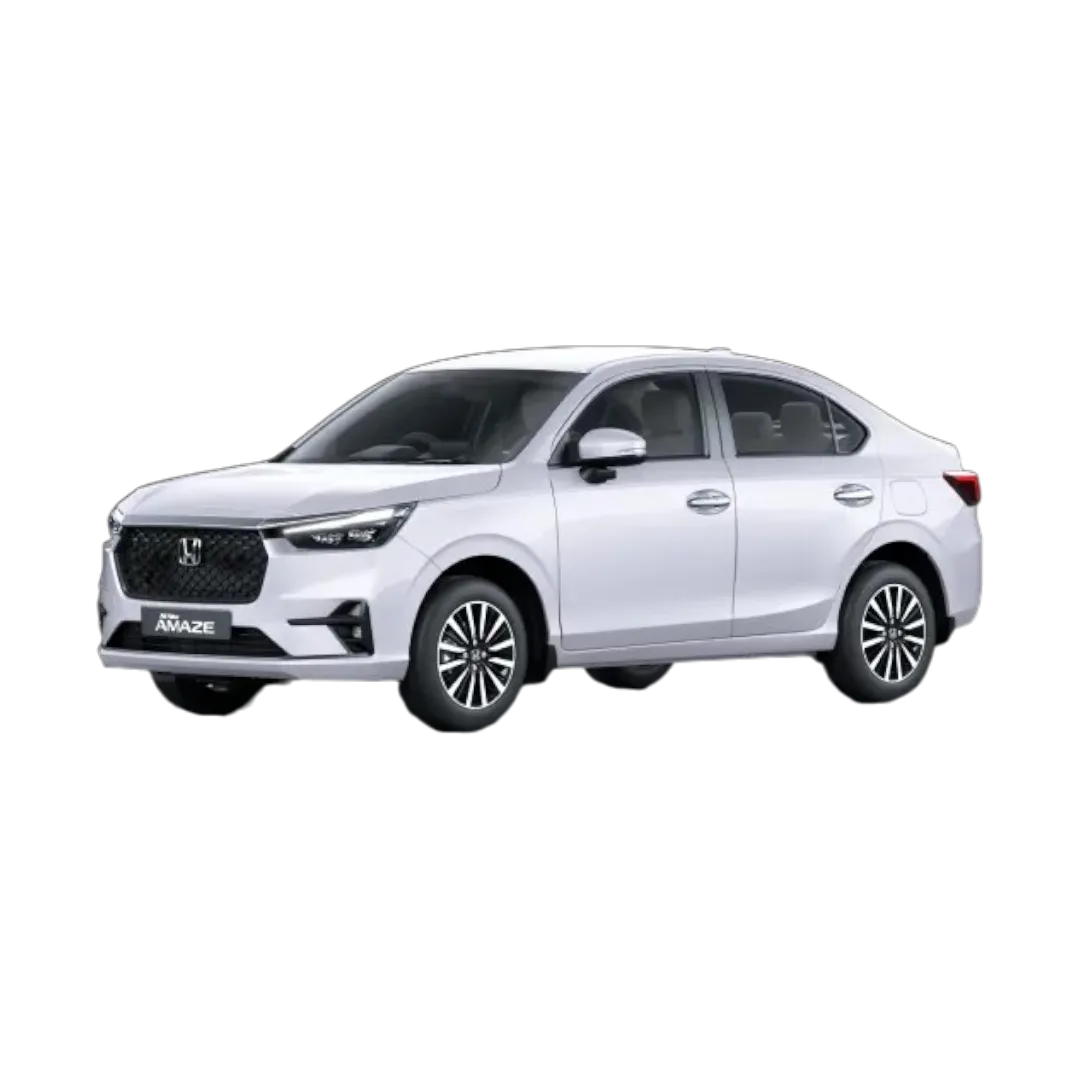
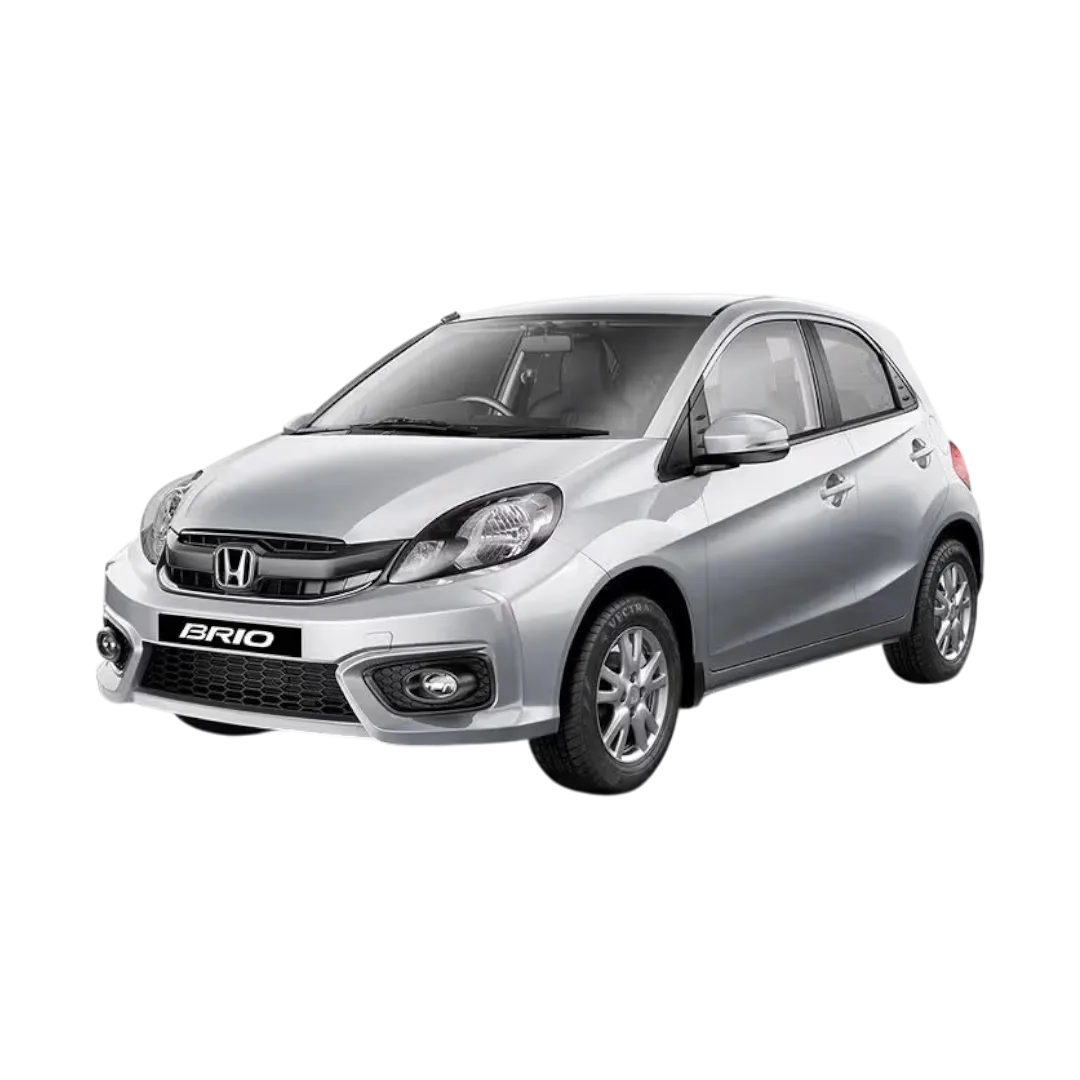
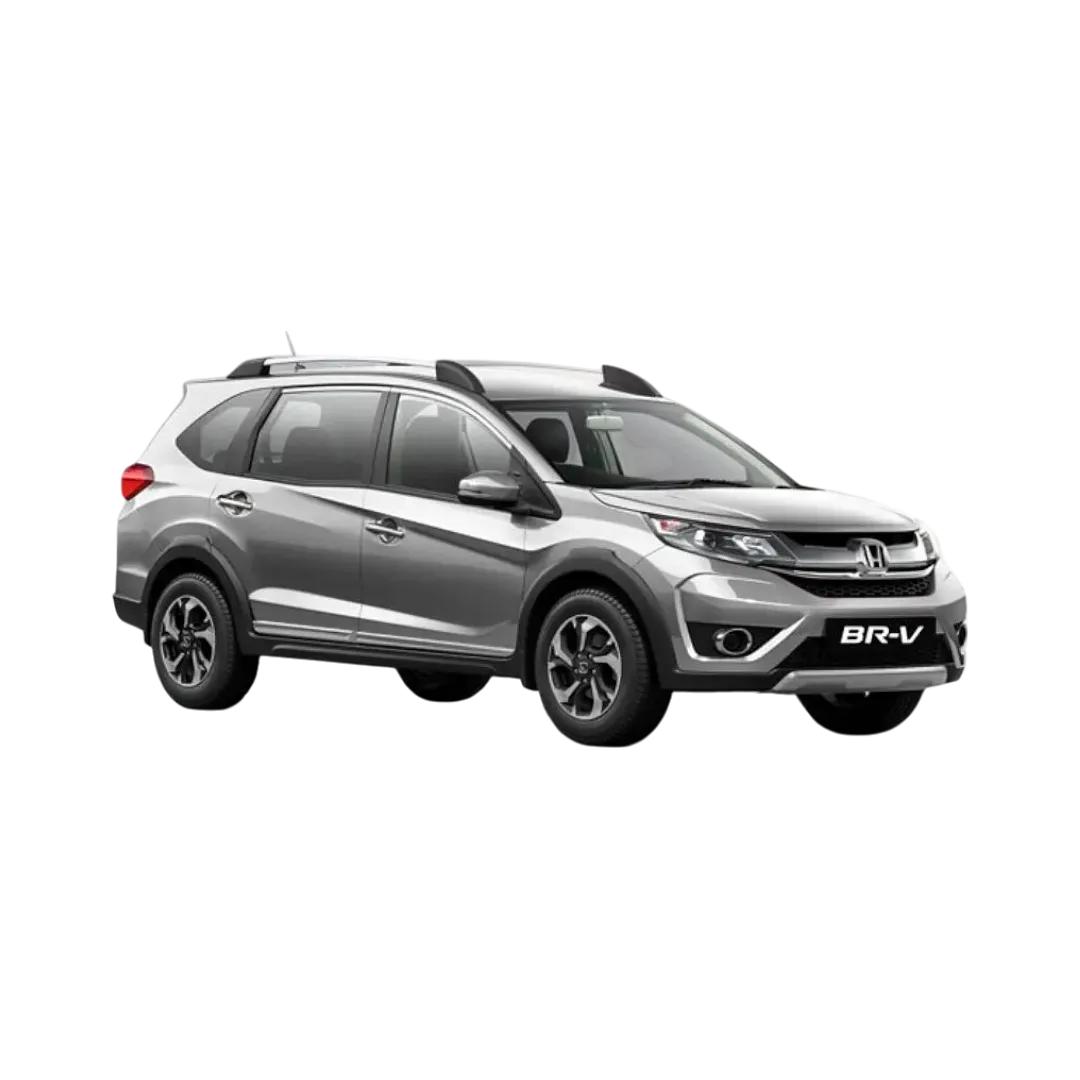
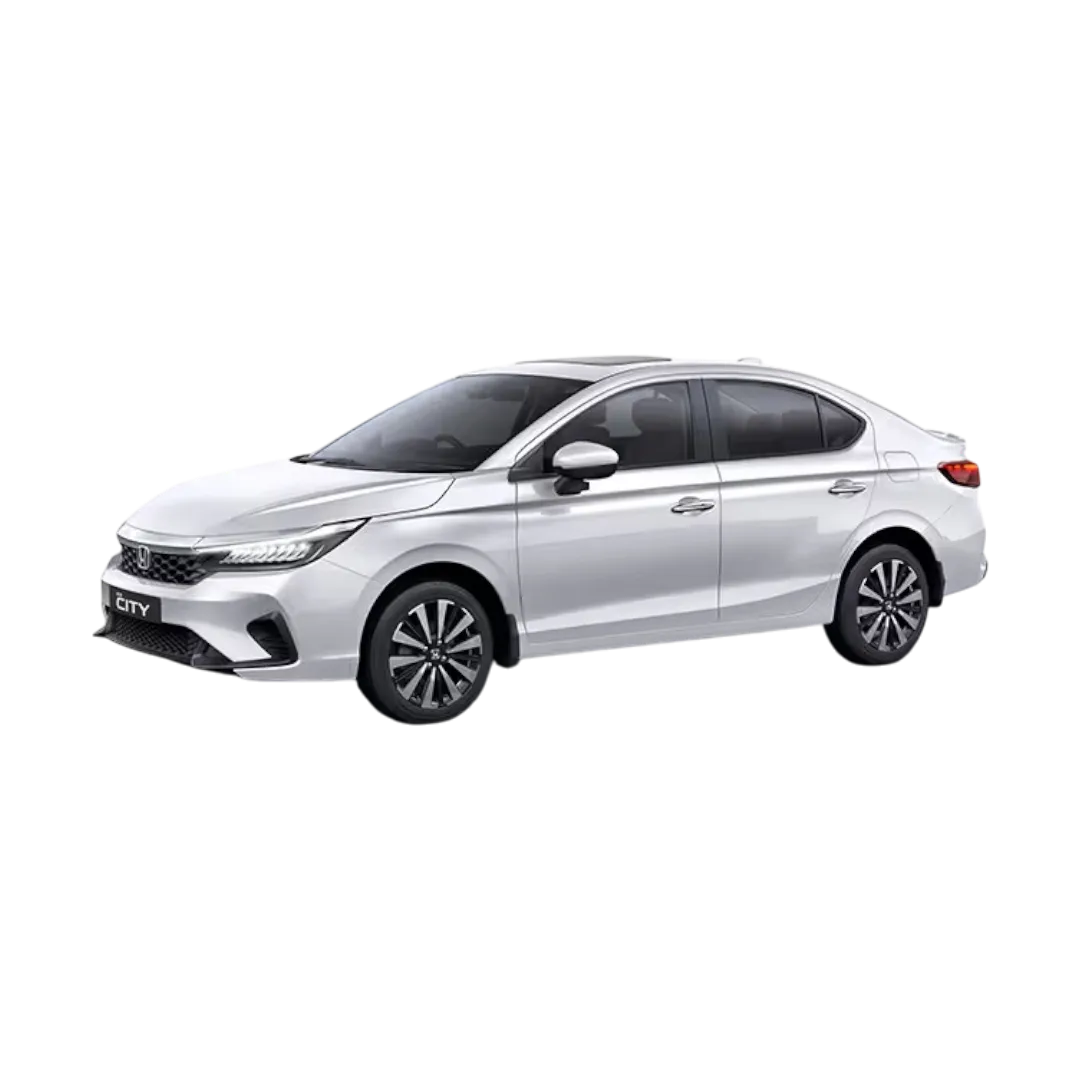
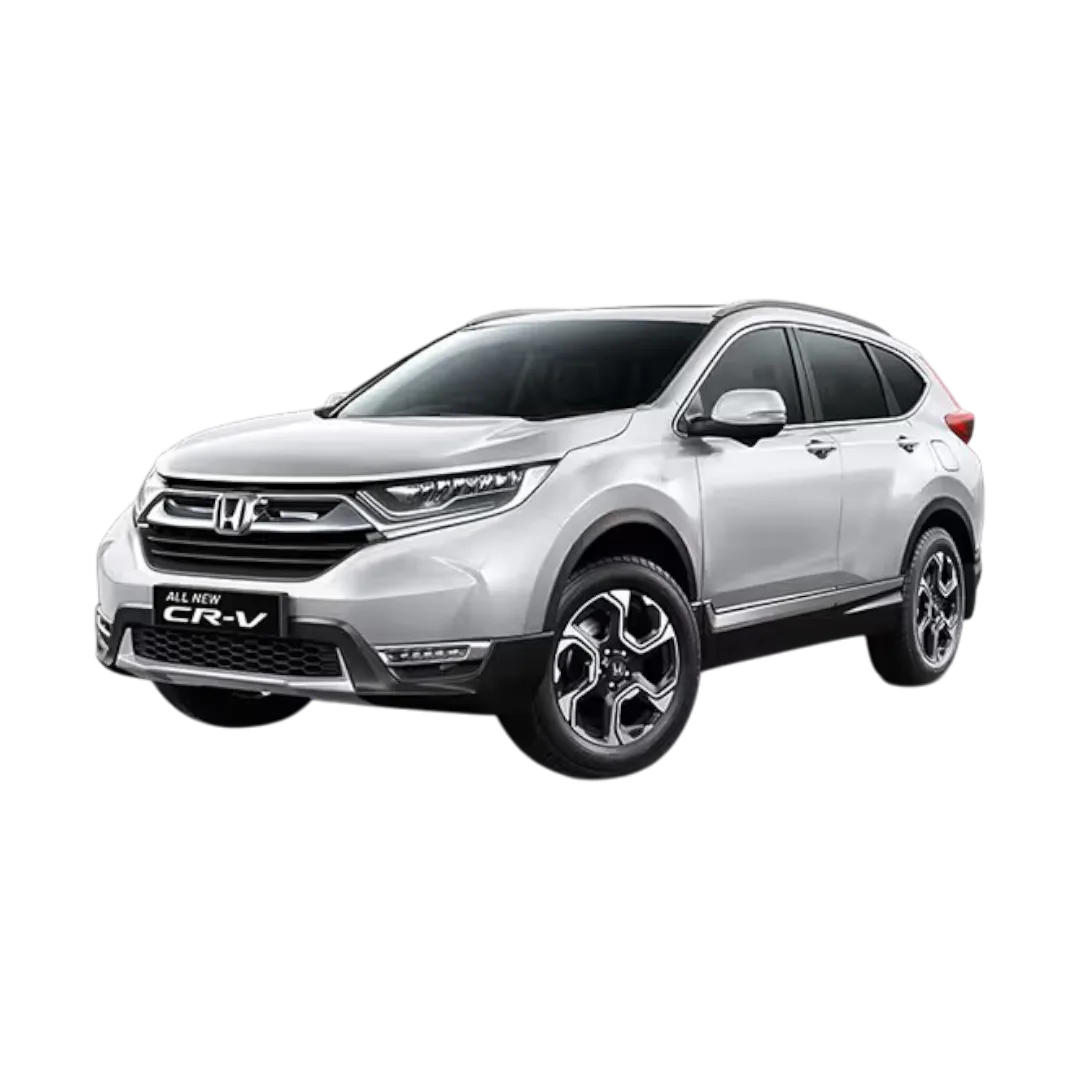
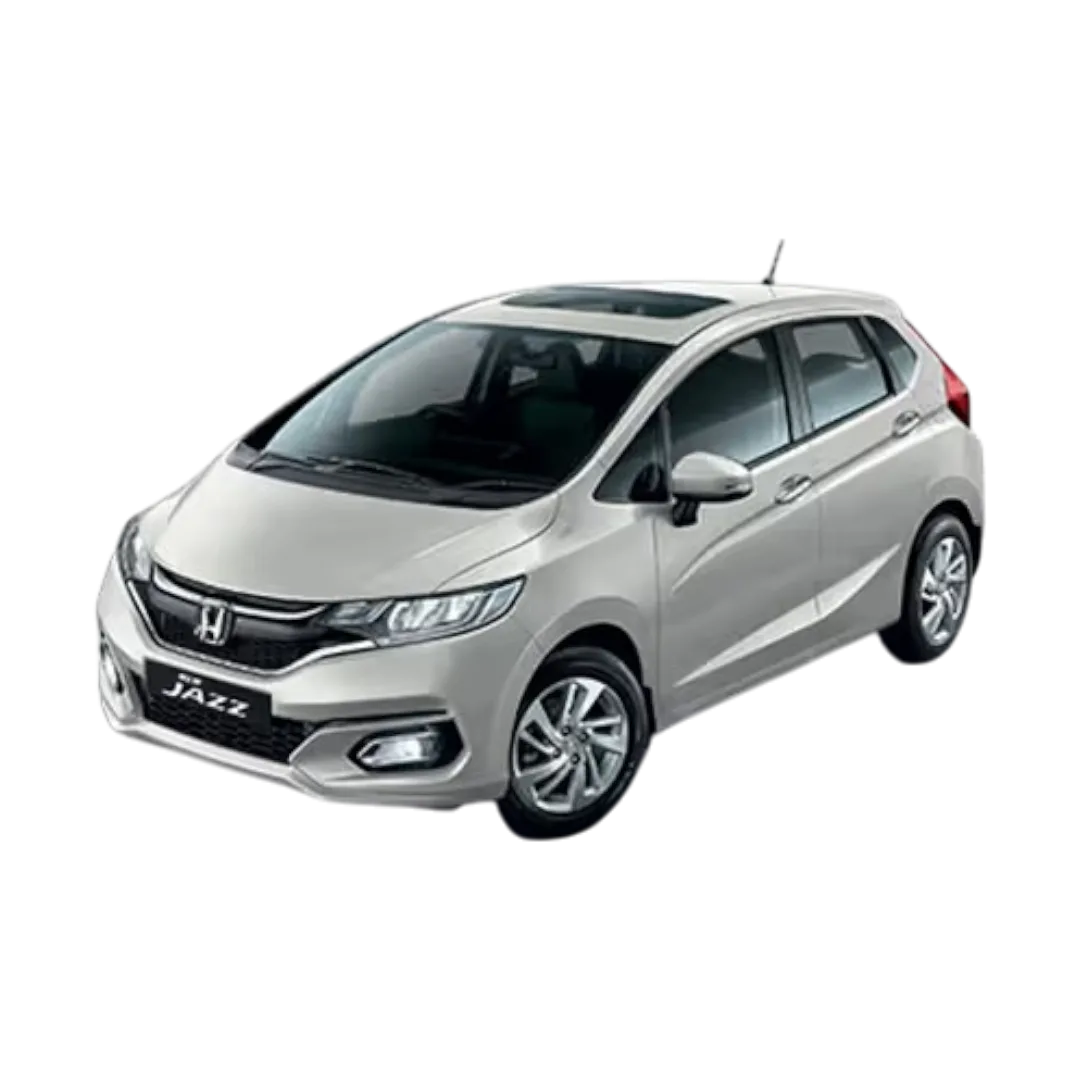
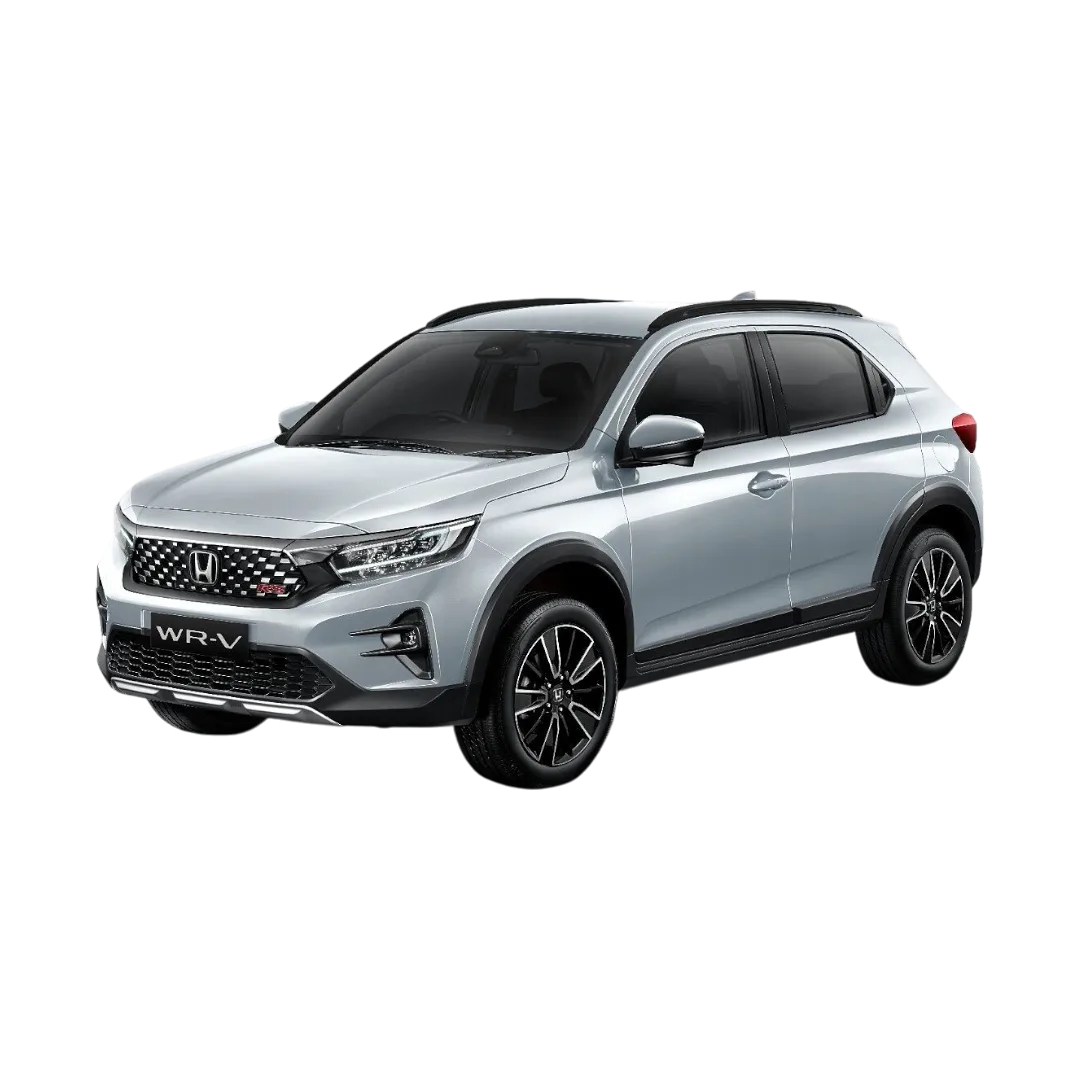
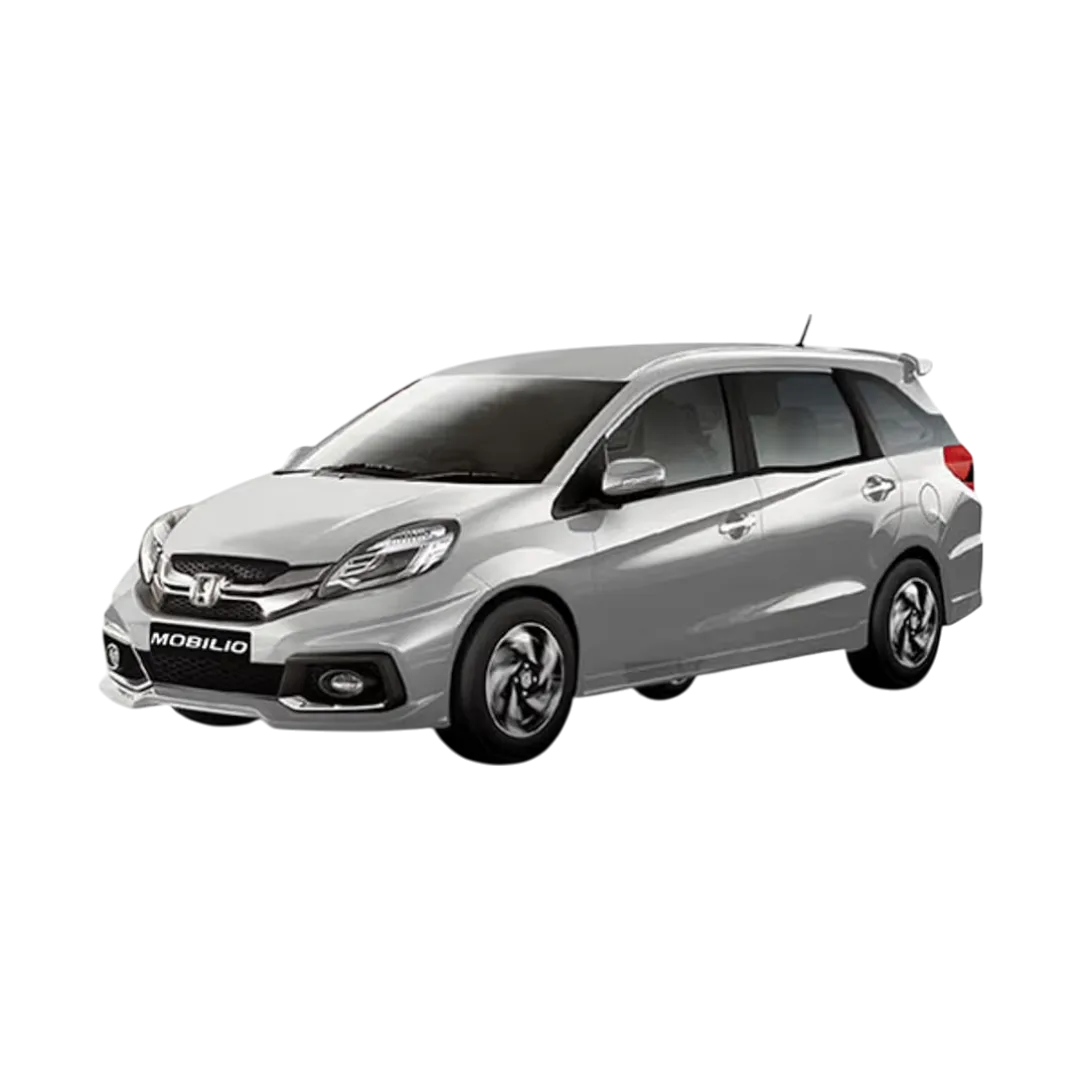
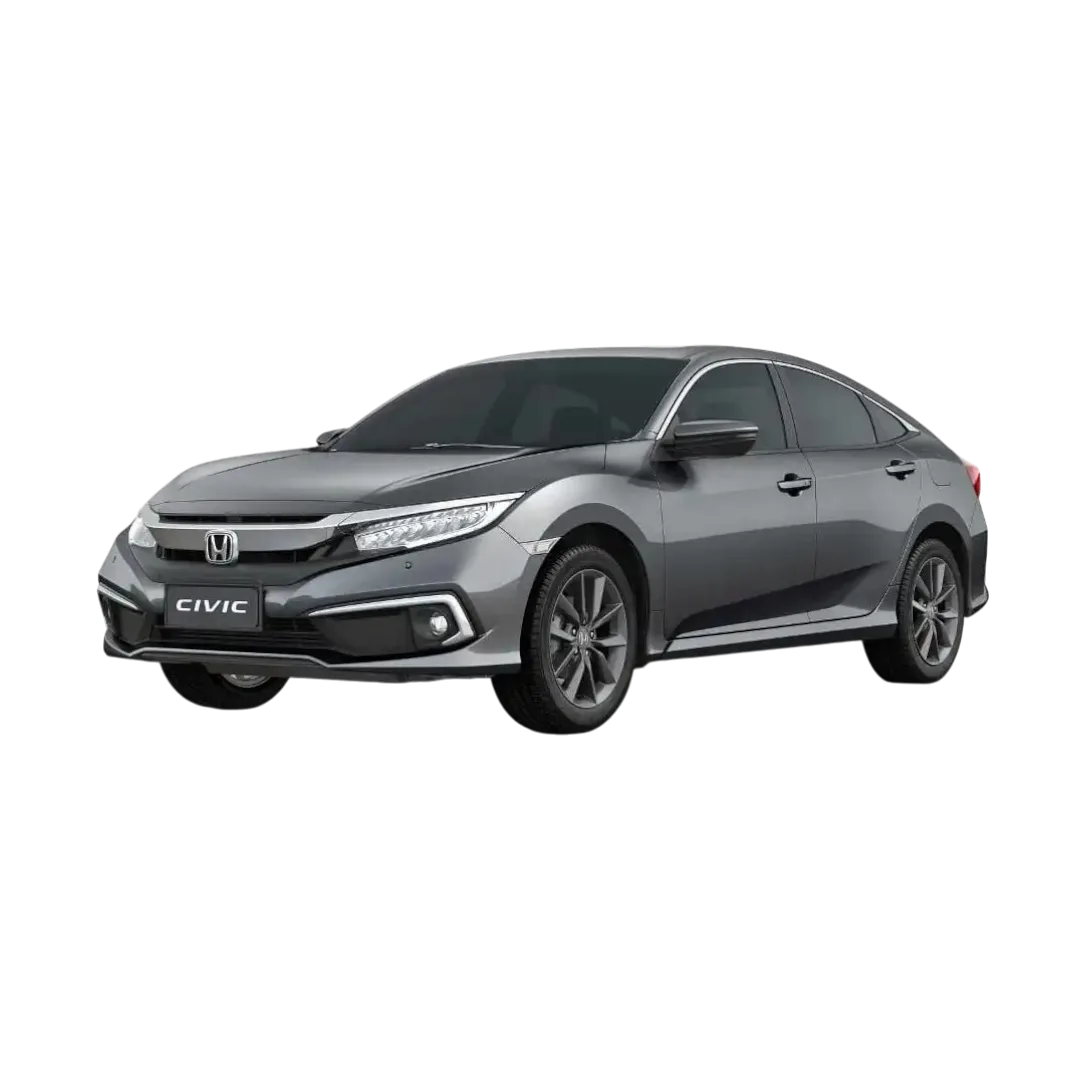








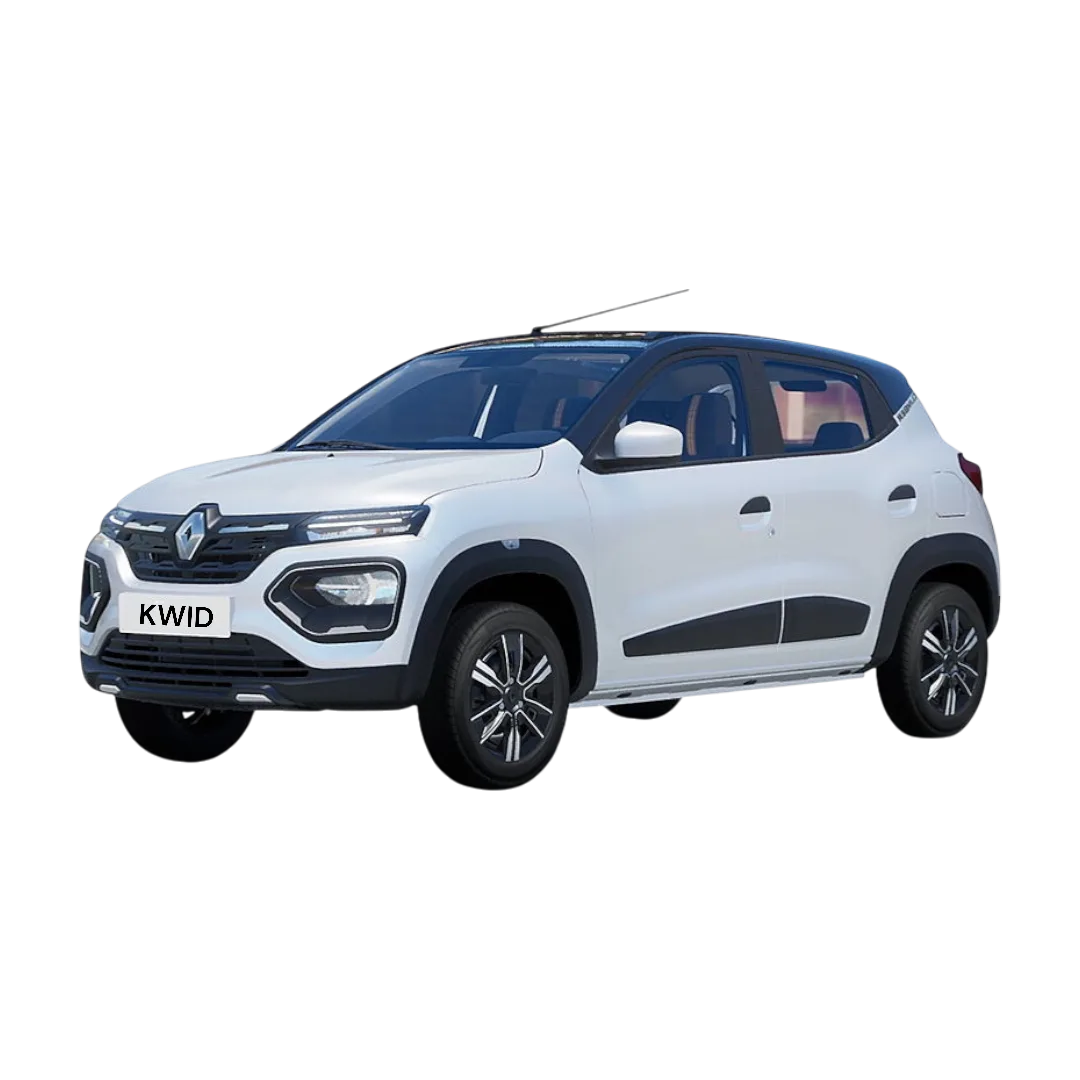
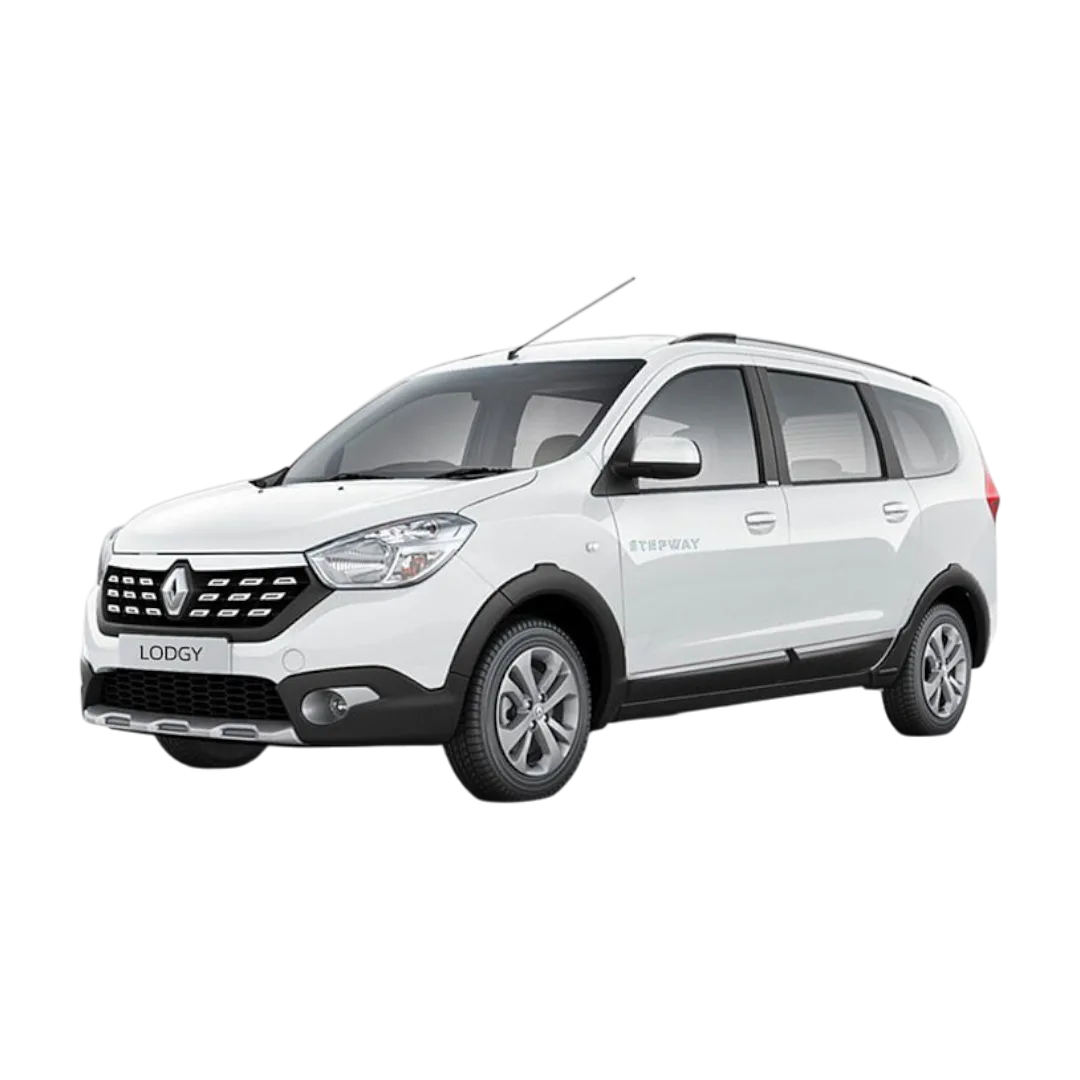
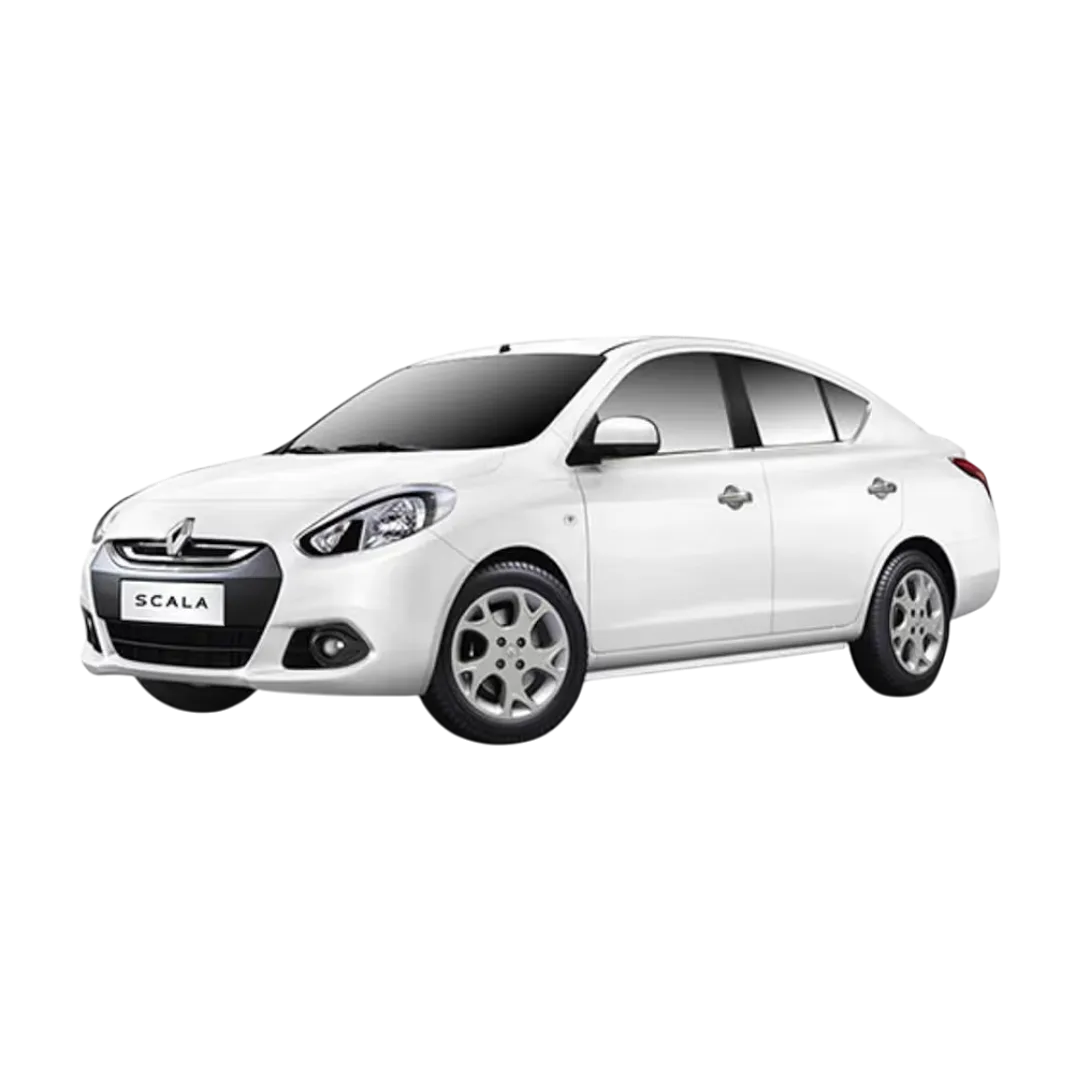
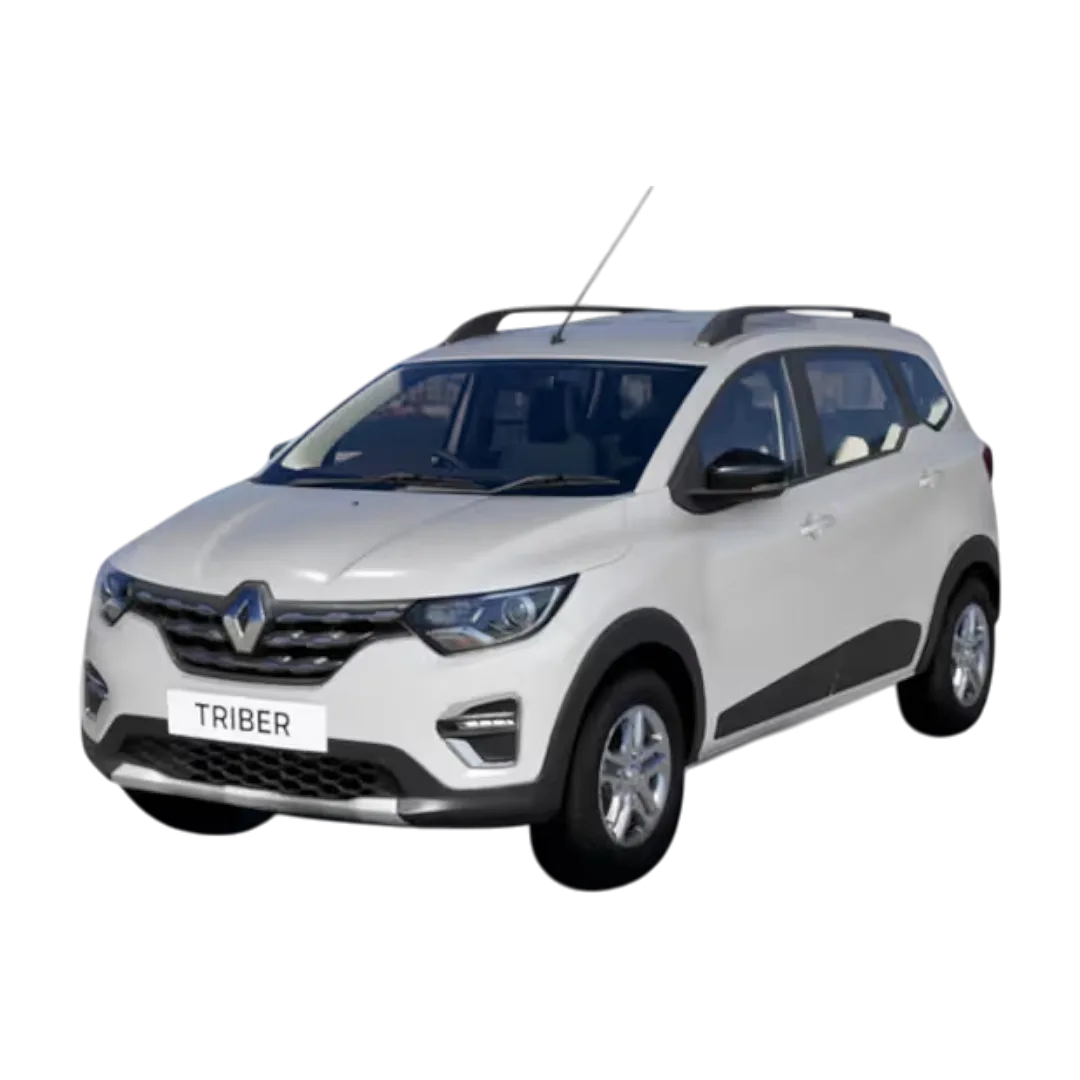
















































From illuminated dashboards and door panels to glowing footwells and centre consoles, Ambient Lighting for Cars is available in different designs, colours and installation styles. Many car owners in India are considering this modification to give their vehicles a modern appearance without making major changes to the original interior.
However, installing ambient lighting involves more than simply choosing attractive colours. Factors such as electrical compatibility, installation quality, lighting intensity, material quality and vehicle warranty should be considered before making a purchase.
Whether you own a hatchback, sedan or SUV, selecting the right Car Interior Ambient Lights can improve the overall cabin experience when installed correctly. Understanding the available options and potential limitations will help you make a practical decision.
In this guide, we will explore the important things you should know before installing ambient lighting, including its types, benefits, installation process, safety precautions, maintenance and common mistakes.
1. Types of Ambient Lighting Available for Cars
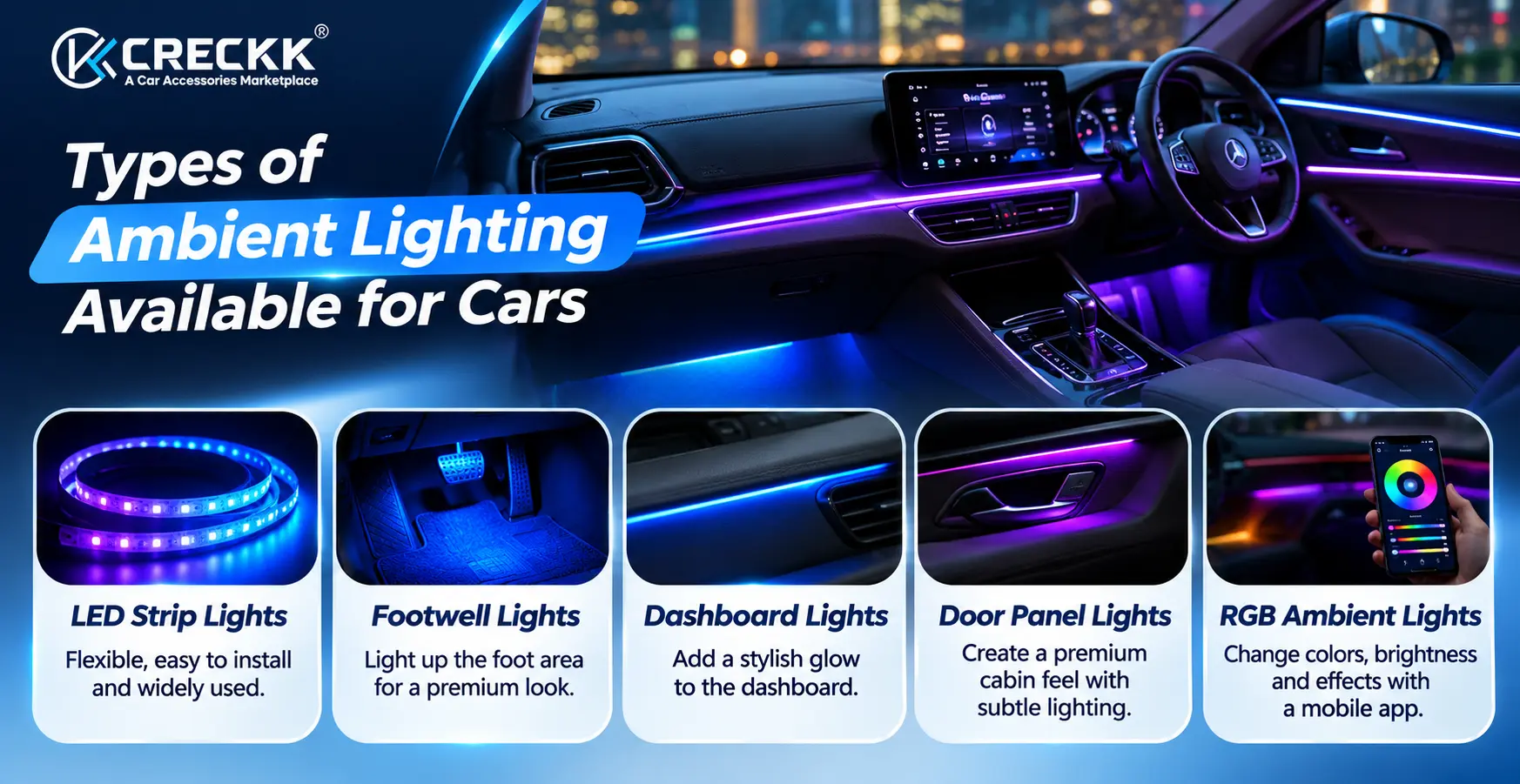
Before purchasing Car Ambient Lighting, it is important to understand the different types available in the market. Each lighting system offers a different appearance, installation method and level of customisation. The right option depends on your vehicle's interior design, personal preferences and budget.
Here are some popular types of LED Ambient Lights for Cars worth considering.
1. LED Strip Ambient Lighting
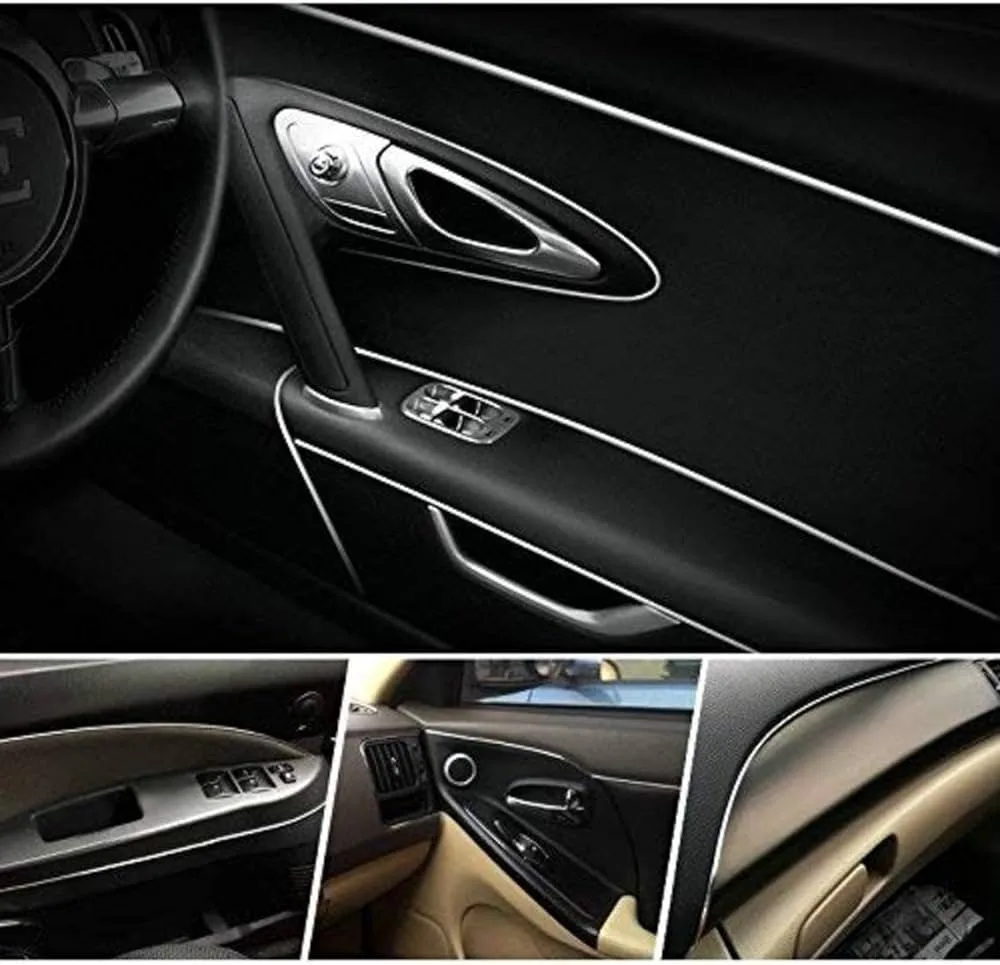
LED strips are among the most commonly available options. They can be installed along dashboard edges, door panels, footwells and centre consoles. Their flexible design allows them to fit different interior sections. However, proper positioning is important to avoid visible wires or uneven illumination.
2. RGB Ambient Lighting
RGB lighting systems allow users to choose from multiple colours, creating different cabin moods. Depending on the product, colours can be controlled through a remote, mobile application or dedicated controller.
3. Fibre Optic Ambient Lighting
Fibre optic lighting uses thin optical fibres to distribute light across selected interior sections. It is often used for dashboard outlines, door trims and decorative interior detailing. It can provide a cleaner appearance when professionally installed.
4. Footwell Ambient Lighting
These lights illuminate the driver and passenger footwell areas. They can improve interior visibility when entering or exiting the vehicle, provided the brightness is appropriately controlled.
5. App-Controlled Ambient Lighting
Some advanced systems offer smartphone-based controls, allowing users to adjust colours, brightness and lighting effects.
| Lighting Type | Main Application | Key Feature |
|---|---|---|
| LED Strip Lights | Dashboard and doors | Flexible installation |
| RGB Lighting | Multiple cabin areas | Colour customisation |
| Fibre Optic Lighting | Interior trims | Subtle illumination |
| Footwell Lighting | Footwell areas | Lower cabin illumination |
| App-Controlled Lighting | Multiple locations | Smartphone control |
Creckk Tip: Before purchasing any Car Interior Lighting Accessories, check the lighting system's compatibility with your vehicle and decide which interior sections you actually want to illuminate. This helps avoid unnecessary modifications.
2. Benefits of Installing Ambient Lighting in Your Car
Installing Ambient Lighting for Cars can change the overall appearance of your vehicle's cabin. Although it is primarily an interior styling upgrade, selecting the right lighting system can offer several practical and aesthetic advantages.
1. Creates a Premium Interior Appearance
One of the biggest reasons car owners choose ambient lighting is its ability to improve interior aesthetics. Soft illumination along the dashboard, doors and centre console can make an ordinary cabin look more modern. It is particularly useful for vehicles that do not come with factory-installed ambient lighting.
2. Allows Personalisation
RGB lighting systems provide different colour options, allowing drivers to customise their cabin according to their preferences. Some systems also offer brightness adjustments and different lighting effects.
3. Improves Interior Visibility
Footwell and door-area lighting can make certain parts of the cabin easier to see in low-light conditions. For example, passengers may find it easier to locate belongings or identify the footwell when entering the vehicle at night.
4. Enhances the Night-Time Driving Experience
Well-positioned, low-intensity lighting can create a comfortable cabin atmosphere during evening drives. However, the brightness should always remain low enough to avoid distracting the driver.
5. Offers Affordable Interior Customisation
Compared with extensive interior modifications, ambient lighting can be a relatively simple way to personalise a vehicle. The final expense depends on the number of lighting zones, product quality and installation complexity.
Creckk Fact: Ambient lighting is primarily an interior styling feature. It should not be treated as a replacement for headlights, cabin lights or other essential vehicle lighting systems.
For car owners exploring Car Interior Modification Accessories, ambient lighting can be a suitable option when appearance, functionality and installation quality are considered together.
3. Things to Consider Before Choosing Ambient Lighting
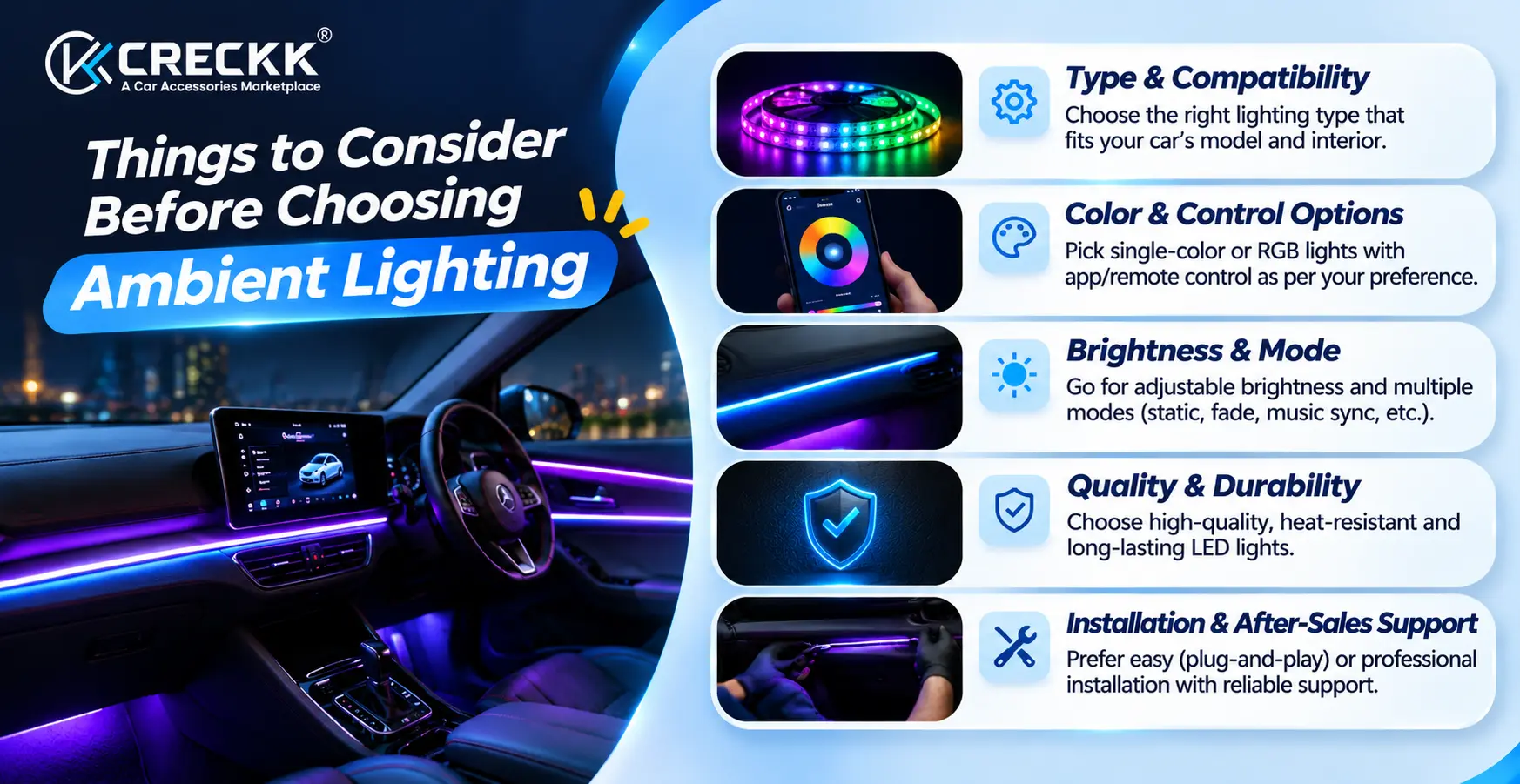
Choosing the Best Ambient Lights for Cars requires more attention than simply selecting your favourite colour. Different vehicles have different dashboard layouts, electrical systems and interior materials. A lighting kit that works well in one vehicle may not be suitable for another.
Consider the following factors before making a purchase.
1. Vehicle Compatibility
Check whether the lighting kit is suitable for your car's make, model and interior layout. Some kits are universal, while others are specifically designed for particular vehicles. Vehicle-specific kits may offer better fitting and a cleaner finish.
2. Lighting Brightness
Brightness is an important consideration because excessively bright lights can create reflections on windows and glossy dashboard surfaces. Choose a system that offers adjustable brightness so you can maintain comfortable illumination.
3. Colour Options
If you prefer flexibility, RGB systems allow you to change colours. However, if you want a simple and elegant interior, single-colour lighting may be a better choice.
4. Material and Build Quality
Examine the quality of LED strips, connectors, wiring and protective coverings. Poor-quality components may lead to inconsistent lighting, loose connections or premature failure.
5. Control Options
Ambient lighting systems may use physical switches, remote controls, mobile applications or dedicated controllers. Choose a control method that is convenient without requiring unnecessary attention while driving.
6. Installation Requirements
Some lighting kits are designed for simple installation, while others require access to dashboard panels, door trims or electrical connections. Understand the installation requirements before purchasing.
7. Warranty and After-Sales Support
Check the manufacturer's warranty, replacement policy and technical support. These details become important if the lighting system develops electrical or connectivity issues.
Creckk Tip: When browsing Car Accessories Online, compare product specifications, included accessories, installation instructions and customer feedback instead of selecting a lighting kit based only on its appearance.
4. Installation Process: DIY vs Professional Installation
Once you have selected your preferred Car Interior LED Lights, the next decision is whether to install them yourself or seek professional assistance. The correct approach depends on the lighting kit, your technical knowledge and the complexity of your vehicle's interior.
DIY Installation
DIY installation can be suitable for basic lighting kits that come with clear instructions and simple connections. Some products use adhesive-backed LED strips and plug-in power connectors, making installation less complicated.
A typical basic installation involves:
- Cleaning the selected interior surfaces before attaching the lighting strips.
- Measuring the required length for each lighting section.
- Positioning the LED strips along suitable dashboard or door-panel areas.
- Routing wires carefully through appropriate interior gaps.
- Connecting the lighting system according to the manufacturer's instructions.
- Testing the lights, brightness and colour controls before securing all components.
However, DIY installation should not involve cutting factory wiring or interfering with vehicle electronics without the required technical knowledge.
Professional Installation
Professional installation is generally preferable for advanced RGB systems, fibre optic lighting and vehicle-specific kits. An experienced installer can identify suitable mounting positions, route wiring neatly and check electrical connections.
Doorstep Installation Services by Creckk
For added convenience, car owners can explore doorstep installation services through Creckk in selected cities, including Bengaluru, Ahmedabad, Surat and Vadodara. This allows customers to get their ambient lighting accessories installed at their preferred location without needing to visit an installation centre. Before booking, check service availability, installation charges and eligible locations through Creckk.
Creckk Tip: Choose professional doorstep installation for complex ambient lighting setups to ensure proper fitting, neat wiring and a cleaner interior finish.
| Factor | DIY Installation | Professional Installation |
|---|---|---|
| Initial Expense | Usually lower | Includes labour charges |
| Technical Knowledge | Required | Handled by installer |
| Installation Time | Depends on experience | Depends on complexity |
| Wiring Management | Depends on skill | Can provide a cleaner finish |
| Complex Lighting Kits | May be challenging | More suitable |
| Customisation | Depends on kit | More flexibility |
Creckk Fact: A lighting kit being advertised as easy to install does not automatically mean it is suitable for every vehicle. Always follow the vehicle and product manufacturer's installation instructions.
For expensive vehicles or cars with complex electronic systems, professional installation can help reduce the risk of accidental damage.
5. Safety Precautions and Electrical Compatibility
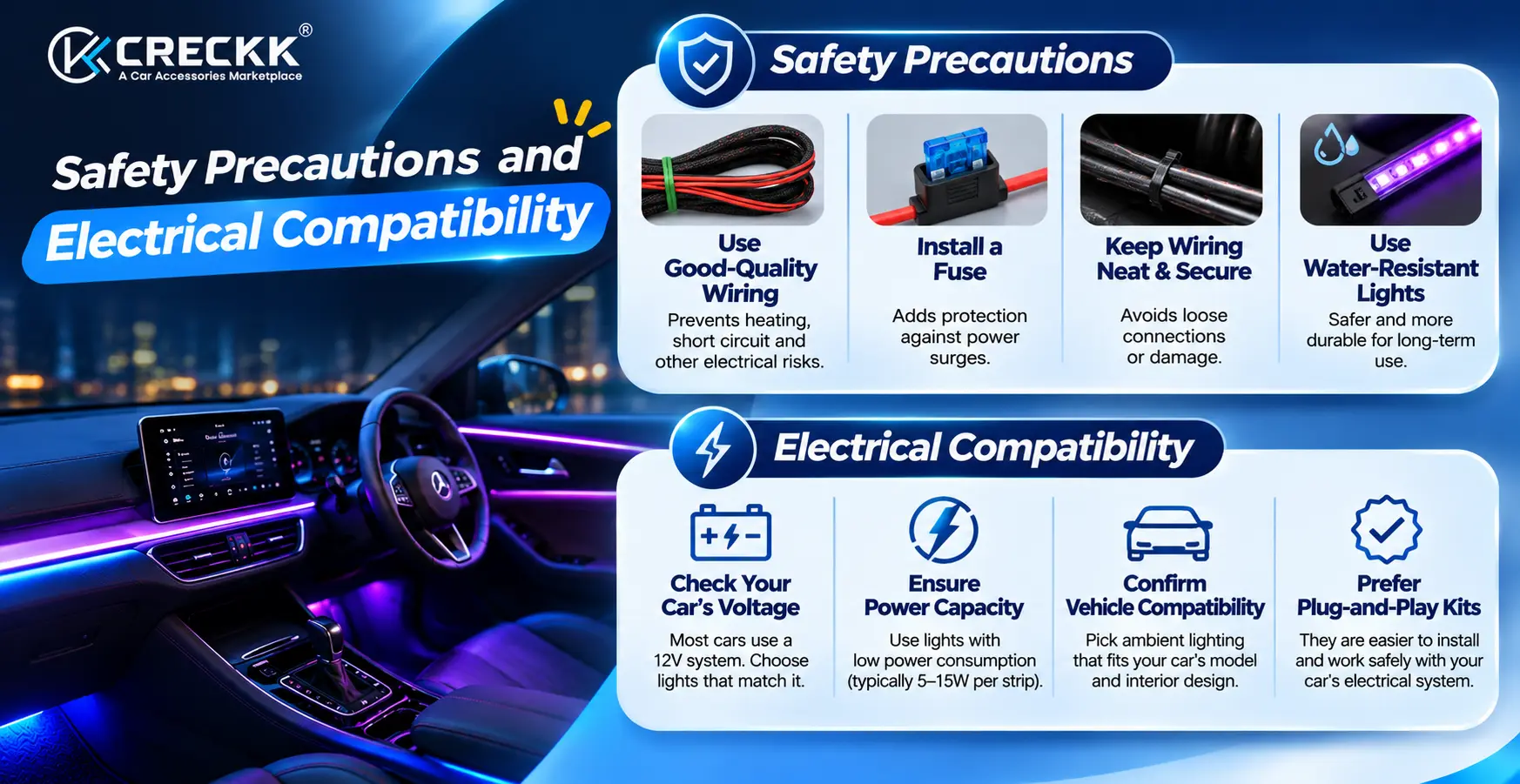
Safety should be one of the most important considerations when installing Car Ambient Lighting. Although LED lighting systems generally consume relatively little power, incorrect wiring or unsuitable electrical connections can create problems.
Modern vehicles contain multiple electronic systems, sensors and control modules. Therefore, adding aftermarket lighting should be done carefully.
1. Check Electrical Requirements
Before installation, check the voltage and power requirements mentioned by the lighting manufacturer. The kit must be suitable for the vehicle's electrical system.
2. Avoid Incorrect Wiring Connections
Do not connect lighting wires randomly to existing vehicle wiring. Incorrect connections may cause electrical faults, blown fuses or interference with vehicle systems. Use only the recommended connection method.
3. Protect Wiring Connections
Loose or exposed wiring can create problems over time. Ensure that connections are properly insulated, secured and protected from sharp edges or moving components.
4. Avoid Driver Distractions
Lighting should never obstruct the driver's view or create distracting reflections on the windshield. Avoid flashing, rapidly changing or excessively bright lighting effects while driving.
5. Keep Airbags and Safety Components Clear
Do not install LED strips, wires or lighting modules over airbag deployment areas. Avoid interfering with dashboard panels, steering components and other safety equipment.
6. Consider Vehicle Warranty
Modifying factory wiring or electrical components may affect warranty coverage for related components, depending on the manufacturer's terms. Check with your authorised service centre before making electrical modifications.
7. Use Appropriate Fuses
Where required by the product design, use the recommended fuse protection. Never bypass the vehicle's original electrical protection system.
Creckk Tip: Before installing Car Dashboard Ambient Lighting, check the dashboard layout carefully. Avoid areas around airbags, instrument displays, steering controls and essential vehicle switches.
A properly installed lighting system should enhance the cabin without affecting the vehicle's original safety features or electrical functionality.
6. Cost, Maintenance and Long-Term Durability
The overall cost of installing Premium Car Interior Lights depends on the type of lighting system, number of illuminated sections, product quality and installation requirements.
Basic LED strips and advanced fibre optic systems can have significantly different prices. Therefore, it is important to understand what you are paying for rather than choosing a product based entirely on its advertised price.
Factors That Influence Installation Cost
- Lighting Type: Basic LED strips, RGB systems and fibre optic kits have different product requirements.
- Number of Lighting Zones: Installing lights across the dashboard, doors, footwells and centre console increases the number of components required.
- Build Quality: Better-quality connectors, wiring and LED components may offer more consistent performance.
- Installation Charges: Professional installation adds labour costs, particularly for customised setups.
- Control Features: App connectivity, multiple lighting zones and advanced controllers can influence the overall price.
The following table provides a general comparison of maintenance requirements rather than fixed product costs.
| Component | Maintenance Requirement | What to Check |
|---|---|---|
| LED Strips | Occasional inspection | Uneven illumination |
| Wiring | Periodic inspection | Loose or damaged connections |
| Connectors | Check when required | Secure connections |
| RGB Controller | As required | Colour and brightness response |
| Adhesive Mounting | Occasional inspection | Peeling or loose strips |
| Mobile Application | When updates are available | Connectivity and compatibility |
Maintaining Ambient Lighting in Indian Conditions
Indian weather conditions can expose vehicle interiors to high temperatures, dust and humidity. These factors may affect adhesive materials, wiring insulation and electronic components over time.
Avoid using harsh cleaning chemicals directly on lighting strips. Clean the surrounding dashboard and door panels using suitable interior cleaning products. If a lighting section stops working, inspect it rather than repeatedly switching the system on and off.
Creckk Fact: The actual lifespan of an LED lighting system depends on component quality, operating temperature, electrical stability and installation conditions. Always check the manufacturer's stated specifications instead of assuming every LED kit has the same durability.
When comparing options to Buy Car Accessories Online, consider product quality, warranty and long-term reliability alongside the initial purchase price.
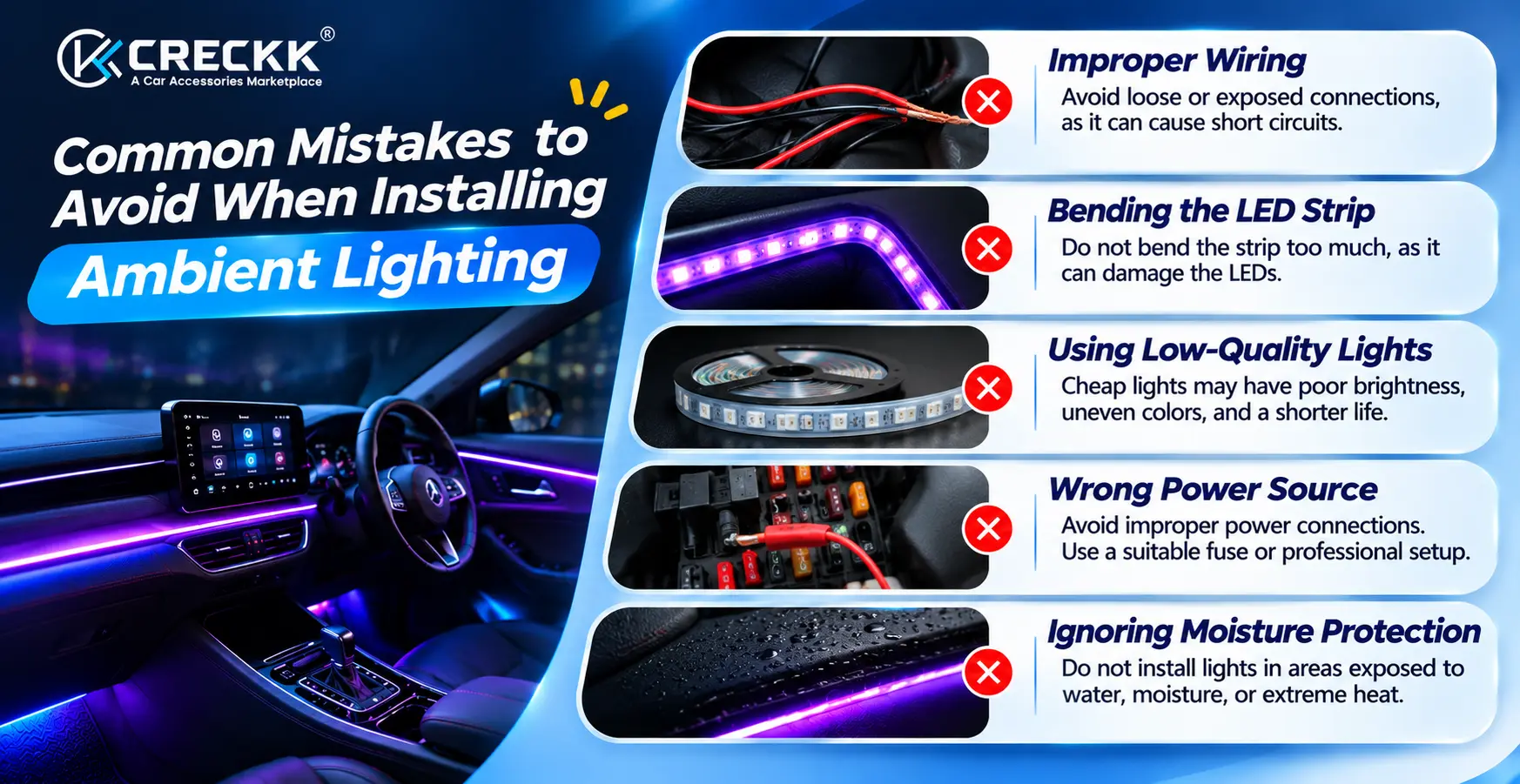
7. Common Mistakes to Avoid When Installing Ambient Lighting
Many car owners focus on the visual appearance of ambient lighting but overlook important installation details. Even a good-quality lighting kit can produce disappointing results if it is installed incorrectly.
Avoiding these common mistakes can help maintain a clean interior appearance and reduce potential electrical problems.
1. Choosing Lights Only for Their Colours
Attractive colours do not necessarily indicate good product quality. Check brightness control, build quality, electrical requirements and compatibility before purchasing.
2. Installing Too Many LED Strips
Adding lighting to every available interior surface can make the cabin look cluttered. A balanced setup across selected areas generally creates a cleaner appearance.
3. Ignoring Wire Management
Visible wires hanging around the dashboard or footwell can spoil the overall finish. Wires should be routed securely without interfering with pedals, seat movement or other vehicle components.
4. Selecting Excessively Bright Lights
Very bright lighting can create reflections and distract the driver, particularly during night-time driving. Choose adjustable lighting and use a low brightness setting.
5. Using Low-Quality Adhesives
Poor-quality adhesive may lose its grip because of heat and dust. This can cause LED strips to become loose or fall from dashboard and door surfaces.
6. Ignoring Electrical Compatibility
Connecting an incompatible lighting system to the vehicle's electrical supply can cause avoidable problems. Always check the product specifications before installation.
7. Overlooking Airbag Locations
Installing lighting accessories near airbag deployment zones can interfere with essential safety equipment. Always identify restricted areas before modifying the interior.
Creckk Tip: Before finalising your lighting setup, test the complete system in daylight and at night. Check for unwanted reflections, loose strips and distracting brightness before using the vehicle regularly.
A simple and properly positioned lighting setup can often look more premium than an overly complicated installation.
8. How to Choose the Right Ambient Lighting for Your Car
Selecting the right Car Interior Ambient Lights depends on your vehicle, interior colour, personal preferences and intended use. Instead of purchasing the most advanced lighting kit available, focus on finding a system that complements your car.
Here are some practical considerations to help you make the right decision.
1. Consider Your Vehicle Type
Different vehicle categories have different interior layouts. A hatchback may require a simple dashboard and footwell setup, while a larger SUV may have additional door panels and centre console sections that can accommodate more lighting zones.
2. Match Lighting with Interior Design
Choose colours that complement the dashboard, seats and door trims. For example, subtle white or blue lighting may suit a minimalist interior, while RGB systems provide more customisation.
3. Decide the Number of Lighting Zones
You do not necessarily need to illuminate every interior section. Start with the dashboard, door panels or footwells and consider additional zones only if they improve the overall appearance.
4. Prioritise Adjustable Brightness
A system with brightness adjustment gives you greater control over cabin illumination. This is particularly useful when switching between daytime and night-time driving.
5. Check Product Specifications
Before purchasing, review voltage requirements, dimensions, control options, installation instructions and included accessories. These details help you understand whether the product is suitable for your vehicle.
6. Purchase from Reliable Platforms
When exploring Creckk Car Accessories, compare available products and their specifications to identify suitable options for your requirements. A reliable shopping experience should provide clear product information and transparent purchase details.
7. Focus on Quality Rather Than Quantity
A well-positioned lighting system with consistent illumination can improve the cabin's appearance without requiring excessive accessories.
Creckk Fact: Factory-fitted ambient lighting and aftermarket ambient lighting are not necessarily identical. Factory systems are designed around the vehicle's interior, while aftermarket products require careful selection and installation.
For car owners looking to upgrade their interiors, Creckk Online Car Accessories can be a useful starting point for exploring different car interior modification options.
Frequently Asked Questions (FAQs)
1. Is ambient lighting good for cars?
Yes, ambient lighting can improve the visual appearance of a car's interior and create a more personalised cabin environment. However, the lighting should be installed correctly and kept at a comfortable brightness level.
2. Can I install ambient lighting in any car?
Many aftermarket ambient lighting kits are designed for universal compatibility, but not every product fits every vehicle. Check the dimensions, electrical requirements and installation method before purchasing.
3. Does ambient lighting drain the car battery?
Ambient lighting consumes electrical power. Its effect on the battery depends on power consumption, operating duration and the connection method. Avoid leaving aftermarket lighting switched on when the engine is off unless the system is specifically designed for that use.
4. Which colour is best for car ambient lighting?
There is no universally best colour. White, blue and other subtle shades can create a clean appearance, while RGB lighting offers greater customisation. The ideal choice depends on your interior design and personal preference.
5. Is professional installation necessary for car ambient lighting?
Professional installation is not always necessary for basic plug-in kits. However, advanced systems involving dashboard panels, fibre optics or vehicle wiring should preferably be installed by an experienced technician.
6. Does ambient lighting affect car warranty?
It depends on the vehicle manufacturer's warranty conditions and the nature of the modification. Incorrect wiring or damage caused during installation may affect warranty coverage for related components. Check with your authorised service centre before installation.
7. How do I maintain car ambient lighting?
Regularly inspect LED strips, wiring, connectors and controllers. Keep the surrounding interior clean, avoid harsh chemicals and address loose connections or uneven illumination promptly.
Conclusion
Installing Car Ambient Lighting is a simple way to personalise your vehicle and give its interior a more modern appearance. From LED strips and RGB systems to fibre optic lighting, there are several options available for different vehicle types and preferences.
However, choosing the right lighting system requires attention to product quality, electrical compatibility, installation methods, brightness and long-term durability. A poorly installed system can create unnecessary electrical issues or distract the driver, while a properly selected setup can complement the vehicle's original interior design.
Before purchasing Car Interior Lighting Accessories, compare product specifications, installation requirements and warranty conditions. Avoid excessive lighting, maintain proper wire management and consider professional assistance for complex installations.
If you are planning to upgrade your vehicle, explore Creckk Car Accessories for different interior modification possibilities and accessories that can improve your overall car ownership experience.
The best ambient lighting upgrade is not about adding more lights; it is about creating a balanced, comfortable and well-designed car interior.