






























Introduction
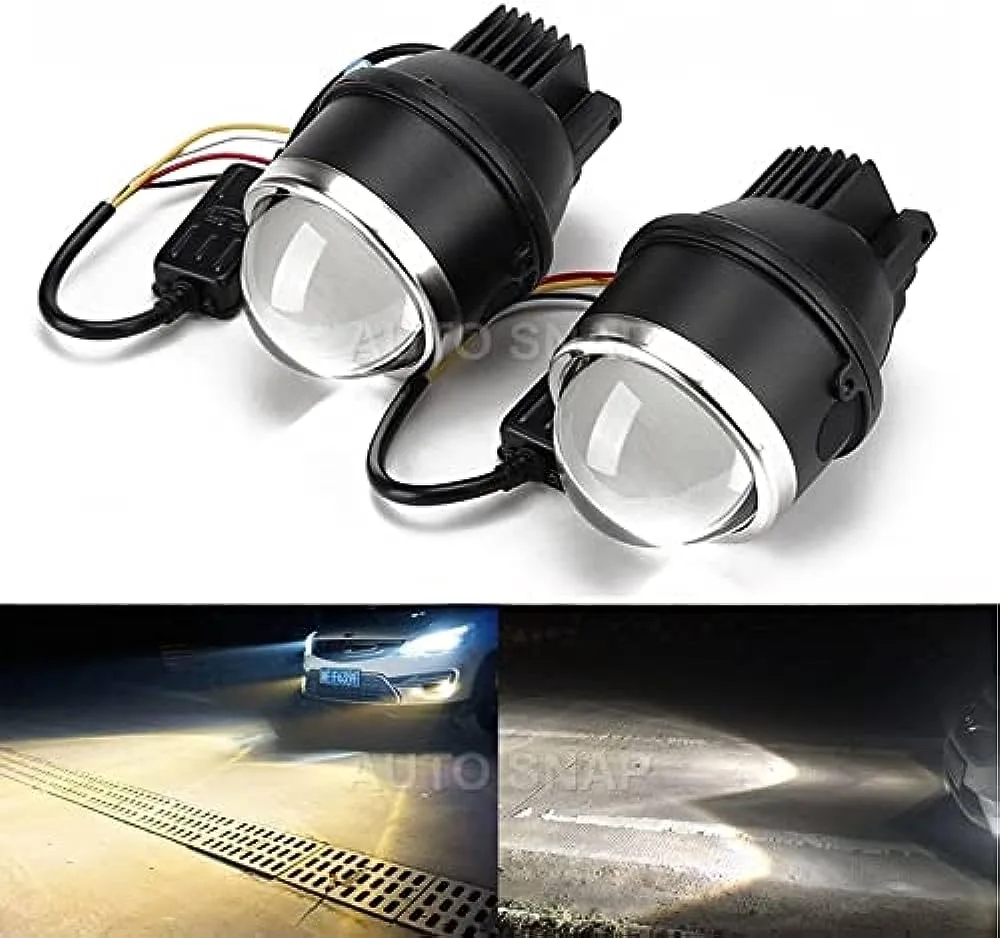
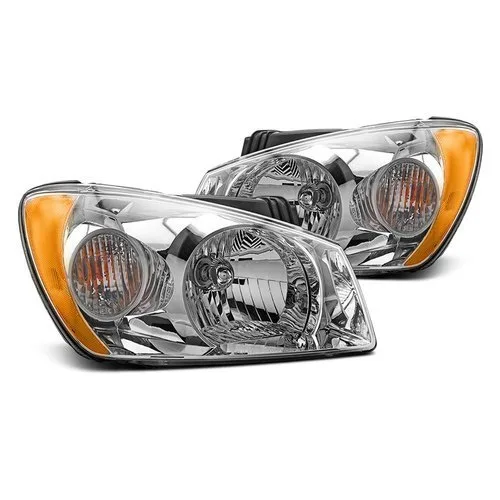
Good headlights are essential for safe driving, especially at night, on highways and during rainy or foggy conditions. If your car still uses traditional halogen bulbs, you may have noticed that their yellowish light sometimes feels insufficient on poorly lit roads.
This is why many car owners consider upgrading to LED headlight bulbs. They offer instant illumination, lower power consumption and a modern white-light appearance.
However, choosing the right LED bulb isn't just about brightness. You also need to check bulb compatibility, beam pattern, colour temperature, cooling and Canbus support.
In this guide, we'll explain everything you need to know before choosing LED headlight bulbs for your car.
Halogen vs LED Headlights: What's the Difference?
Halogen and LED headlights work differently and offer different lighting experiences.
| Feature | Halogen | LED |
|---|---|---|
| Light colour | Warm yellow | White or warm white |
| Brightness | Generally lower | Can be higher |
| Power consumption | Higher | Lower |
| Lifespan | Shorter | Generally longer |
| Start-up | Takes a moment | Instant illumination |
| Heat management | Hot bulb glass | Fan or heat sink at the base |
LED headlights are a popular upgrade because they combine instant brightness with lower power consumption. However, their actual road performance depends on bulb design and headlamp compatibility.
1. Find the Correct LED Bulb Type for Your Car
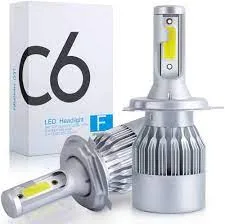
Before purchasing an LED headlight, identify the bulb type supported by your vehicle. Common options include H4, H7, H11, 9005 and 9006.
| Bulb Type | Typical Application |
|---|---|
| H4 | High and low beam in one bulb |
| H7 | Single-beam applications |
| H11 | Low beam or fog lamp |
| 9005 (HB3) | Usually high beam |
| 9006 (HB4) | Usually low beam or fog lamp |
You can find your car's bulb type in the owner's manual or by checking the code printed on your existing bulb.
You can also use the Creckk app's car fitment feature to check compatible accessories for your vehicle.
2. Understand Lumens: Is Brighter Always Better?
Lumens measure the total amount of light produced by a bulb. Many LED products advertise extremely high lumen figures, but a bigger number doesn't automatically mean better visibility.
What matters most is the beam pattern.
A well-designed LED bulb positions its chips similarly to the original halogen filament. This helps the headlamp reflector or projector focus light correctly onto the road.
A poorly designed bulb may scatter light in different directions, creating glare for oncoming drivers.
Creckk tip: Compare beam pattern, cooling performance and build quality instead of choosing an LED bulb based only on its advertised lumens.
3. Choose the Right Colour Temperature
Colour temperature affects how your headlights look and perform in different weather conditions.
| Colour Temperature | Appearance | Suitable Conditions |
|---|---|---|
| 4300K | Warm white | Fog, rain and dusty roads |
| 6000K | Pure white | Clear-night city and highway driving |
| 8000K+ | Bluish white | Generally not recommended |
For everyday driving, 6000K is a popular all-round choice. If you frequently drive in fog or heavy rain, 4300K warm white may be worth considering because it can reduce reflected glare.
Avoid choosing extremely blue headlights just for appearance, as they may offer less useful visibility.
4. Check Canbus Compatibility
Modern vehicles may use an electronic monitoring system called Canbus to detect problems with vehicle lighting.
Since LED bulbs consume less power than traditional halogen bulbs, some cars may interpret the lower power draw as a failed bulb.
This can result in:
- Bulb failure warnings on the dashboard.
- Flickering headlights.
- LED bulbs that fail to switch on correctly.
Canbus-compatible LED bulbs include circuitry designed to prevent these issues. For example, Drive Max Pro LED bulbs with Intelligent Canbus support are designed for compatible vehicles.
Before purchasing, check whether your car requires Canbus support.
5. Check Cooling and Build Quality
LED bulbs generate heat around their base. Proper cooling is important for maintaining performance and lifespan.
- Cooling fan: Helps remove heat effectively but includes a moving component.
- Passive heat sink: Uses a metal structure to dissipate heat without a fan.
- Braided cooling strap: Provides flexible heat dissipation where space allows.
Look for a sturdy aluminium body, suitable sealing and enough space behind the headlamp for the cooling system.
Water-resistance ratings such as IP65 or IP68 can also be useful indicators when comparing products.
6. Reflector vs Projector Headlights
Your car's headlamp design plays an important role in LED performance.
| Feature | Reflector Headlamp | Projector Headlamp |
|---|---|---|
| Working principle | Uses a reflective bowl | Uses a lens to focus light |
| Compatibility | Needs accurate bulb positioning | Often provides a defined cut-off |
| Glare risk | Higher with poorly designed bulbs | Generally lower with suitable bulbs |
Reflector headlights require particular attention to LED chip positioning. A poorly designed bulb can scatter light and disturb other drivers.
Always select a compatible bulb and get the beam properly adjusted after installation.
7. LED vs Halogen vs HID: Which Is Better?
| Feature | Halogen | HID (Xenon) | LED |
|---|---|---|---|
| Brightness | Low | High | High |
| Start-up | Instant | Takes a few seconds | Instant |
| Lifespan | Shorter | Longer | Generally longest |
| Power consumption | Higher | Medium | Lower |
| Installation | Simple replacement | Requires ballast | Depends on vehicle compatibility |
For many car owners, LED is a practical upgrade because of its instant illumination and lower power consumption. The correct choice still depends on your vehicle's original lighting system.
8. Common LED Headlight Upgrade Mistakes
Avoid these mistakes when upgrading your car's headlights:
- Choosing a bulb only because it advertises high lumens.
- Installing the LED bulb in the wrong orientation.
- Ignoring Canbus compatibility when your car requires it.
- Blocking the cooling fan or heat sink with the dust cover.
- Skipping headlight beam alignment.
- Choosing extremely blue bulbs for appearance instead of useful visibility.
Correct installation and adjustment are just as important as selecting a good-quality bulb.
Are LED Headlights Legal in India?
Vehicle headlamps in India must comply with applicable Central Motor Vehicles Rules. Lights that dazzle other road users can create safety and regulatory issues.
Before upgrading, remember to:
- Choose a suitable bulb that produces a properly focused beam.
- Avoid excessively blue or high-colour-temperature lighting.
- Get the headlight beam adjusted after installation.
- Switch to low beam when approaching oncoming traffic.
Check compatibility and applicable regulations before making changes to your vehicle's lighting system.
How to Install LED Headlight Bulbs
The basic installation process generally involves these steps:
- Switch off the vehicle and allow the existing bulbs to cool.
- Open the bonnet and remove the headlamp dust cover.
- Unclip and remove the existing halogen bulb.
- Insert the LED bulb in the correct orientation.
- Install the cooling fan or heat sink and refit the dust cover securely.
- Test the low beam, high beam and dashboard warnings.
- Get the beam alignment checked.
If you're not confident about installation, choose professional assistance. Incorrect fitting can affect visibility and create glare for other drivers.
Frequently Asked Questions
1. Which LED headlight is best for my car?
Choose an LED bulb that matches your car's bulb type, provides a focused beam and has suitable cooling. Check Canbus compatibility if required.
2. Will LED headlights drain my car battery?
LED bulbs generally consume less power than halogen bulbs, making them a lower-power lighting option.
3. Do LED bulbs work in reflector headlights?
Yes, provided the LED chips are positioned correctly to replicate the original halogen filament. Poorly designed bulbs may scatter light.
4. Why are my LED headlights flickering?
One possible reason is that the vehicle's Canbus system is detecting the lower power consumption. A compatible bulb or decoder may resolve the issue.
5. What colour LED headlight is best for fog?
Warm white around 4300K is a suitable option to consider for fog, rain and dusty conditions.
Upgrade Your Car Headlights with Creckk
Choosing the right LED headlight bulb can improve your nighttime driving experience, but compatibility, beam pattern and installation matter just as much as brightness.
With Creckk, explore Drive Max Pro LED headlight options, including H4, H7 and 9005 variants. Use the car fitment feature to check compatibility with your vehicle and book convenient doorstep installation in supported locations, including Ahmedabad, Gandhinagar, Surat and Vadodara.