





























































































































































































































































































Introduction
Winter in India does not look the same everywhere. In Delhi and Punjab, it means thick morning fog on the highway. In Himachal and Kashmir, it can mean frost on the glass and a car that will not warm up. In Pune, Ahmedabad or Bengaluru, it is mostly cold mornings, damp windscreens and a steering wheel that feels like ice. The common thread is that your car quietly gets harder to see out of, harder to keep comfortable and a little less predictable.
Most owners only react once something goes wrong: the wipers smear across a fogged windscreen, a tyre looks soft on a cold morning, or the seat is so cold that nobody wants to start the drive. A winter car care kit is simply a small set of inexpensive items that stops those small problems from becoming safety issues.
In this guide from Creckk, we look at four winter car essentials: an anti-fog cloth, wiper care, a tyre pressure gauge and a seat heater cushion. For each, you will find how it works, how to use it properly, what its limits are and what to check before you buy.
We do not quote prices here because they change quickly, so compare current listings before you decide. Let us start with why winter is hard on cars in the first place.
Why Winter Is Hard on Your Car
Fog, Cold Seats and Low Tyre Pressure: The Common Winter Problems
The cold creates three problems you can feel and one that you cannot. First, moisture in the cabin air condenses on cold glass, which is why your windscreen fogs from the inside within minutes of getting in. Your own breath, a wet umbrella or damp floor mats all add to it. Second, outside fog and dew leave a film on the glass that wipers struggle with, especially if the blades are old.
Third, upholstery and the steering wheel take a long time to warm up, and cold hands and a stiff body are not great for concentration on a highway. The problem you cannot see is tyre pressure. Air contracts as it cools, so the pressure in your tyres is usually lower on a cold morning than it was during a warm afternoon, even if nothing has leaked.
None of these problems is dramatic on its own. Together, they reduce visibility, comfort and grip at exactly the time of year when early-morning driving, fog on highways and shorter daylight make good visibility more important. That is why the four items in this kit target visibility, tyre condition and comfort, in that order of priority.
What a Basic Winter Kit Includes and What It Costs
A practical kit does not need to be big. The four items in this guide cover most of what Indian drivers actually struggle with: an anti-fog cloth for the glass, wiper care supplies for clear sweeps, a tyre pressure gauge so you can check pressures yourself, and a seat heater cushion for comfort on cold mornings.
We are deliberately not quoting a total cost, because prices vary by brand, quality and where you buy. A better approach is to set a budget per item and choose by features. For the cloth, look at size and whether it is washable. For the gauge, look at accuracy claims and ease of reading. For the cushion, look at safety features such as auto shut-off and cable quality.
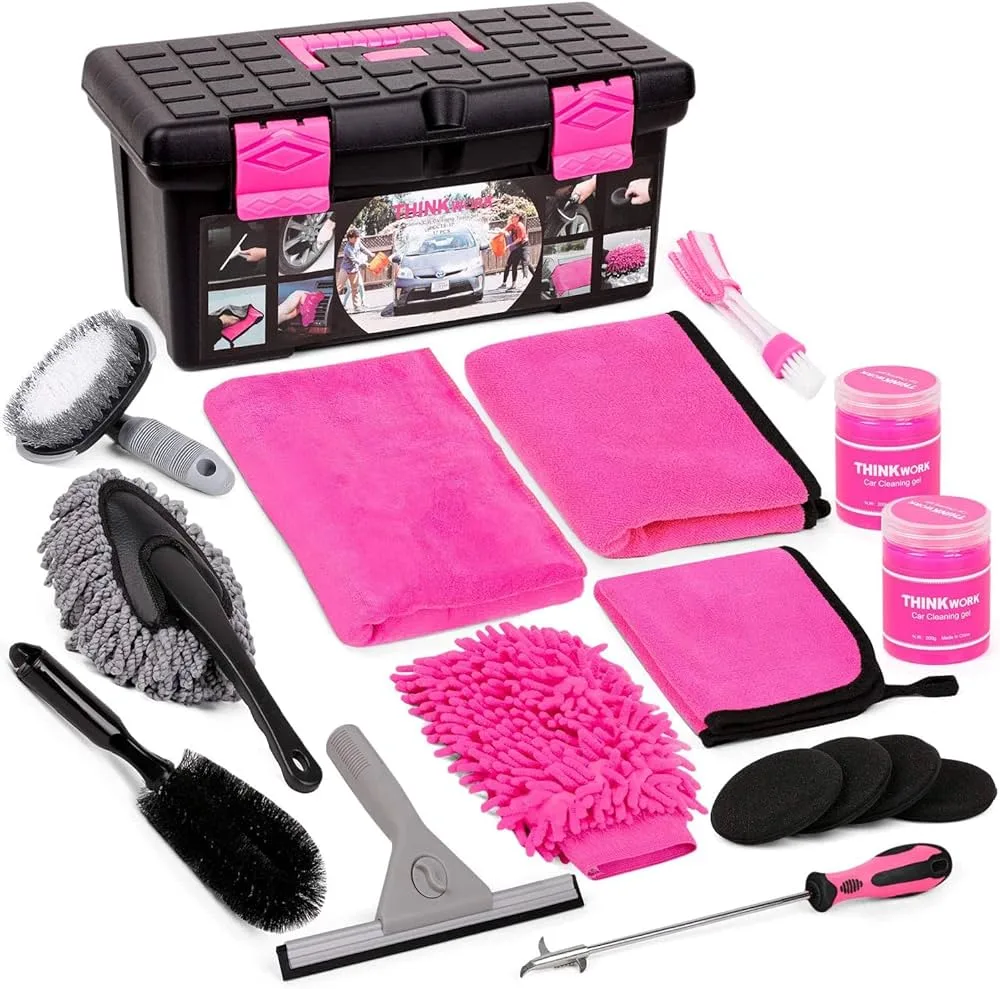
You may already own some of this. A microfibre cloth, a soft brush and a basic gauge can come from your existing car cleaning supplies. If you want to buy everything together, our rule at Creckk is to spend the most on the two items that affect safety (the gauge and the wiper care items) and to treat the seat cushion as a comfort upgrade you add last.
1. Anti-Fog Cloth: Clear Your Windshield Fast
How an Anti-Fog Cloth Works
An anti-fog cloth is usually a microfibre cloth that carries a treatment designed to change how moisture behaves on glass. Normal fog forms as thousands of tiny droplets, which scatter light and blur your view. An anti-fog treatment encourages the moisture to spread into a thin, even film instead, which is much easier to see through. Different products use different treatments, so the exact method and how long it lasts depend on the brand.
It helps to know what the cloth is not. It is not a replacement for your car's demister or air conditioning, which remove moisture from the air in the cabin. Think of the cloth as a quick fix for the inside of the glass and as backup when the demister is slow.
Before you buy, check what the pack actually says about where it can be used. Some cloths are meant for windscreens and mirrors, others for helmet visors or spectacles. Also check whether the treatment is reusable or one-time, and whether the cloth can be washed. If a pack makes dramatic promises about how many weeks the effect lasts, treat them with caution and test it yourself on a cold morning before relying on it.
How to Use It Correctly
The most common mistake is using the cloth on a dirty windscreen. Oil, dust and smoke film on the inside of the glass, which is especially common if anyone smokes in the car, stops any anti-fog treatment from working well. Clean the inside first with a proper glass cleaner and a separate dry microfibre cloth, then let it dry fully.
Next, follow the instructions on your product. In general, you wipe the inner surface of the glass in light overlapping strokes and then buff gently so no streaks remain in your line of sight. Streaks are more than an annoyance: at night, streaky glass scatters oncoming headlights and makes glare worse.
If the glass is already fogged, start your car's demister or AC with the airflow directed at the windscreen and use fresh-air mode instead of recirculation. Recirculation traps humid air inside the cabin, which keeps the fog coming back. Use the cloth to speed things up, not to replace this step.
Creckk Tip: Keep one cloth in the glove box for the windscreen only. Using the same cloth on the dashboard spreads dust and oil onto the glass.
Honest Flaws and Limitations
An anti-fog cloth is helpful, but it has limits and you should know them before you buy. First, the effect fades. Every product wears off with use and cleaning, so you will need to reapply, and the interval depends on the product and on how humid your car gets. We would not promise a specific duration.
Second, it only treats the surface it touches. If the cause of the fogging is a wet carpet, a leaking door seal or a blocked AC drain, the cloth is only hiding a bigger problem. If your windscreen fogs badly even on dry days, it is worth having the cabin air filter and the AC condenser checked.
Third, quality varies widely. Cheap cloths can leave lint or streaks, and some leave a faint haze that is annoying against headlights at night. Finally, a cloth cannot clear fog on the outside of the glass. For that you need wipers in good condition and washer fluid that works.
2. Wiper Care: See Clearly on Foggy Mornings
Signs Your Wipers Need Replacing
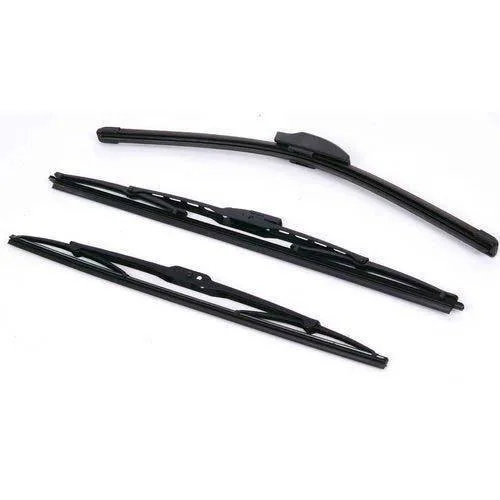
Wiper blades are rubber, and rubber ages with sun, heat, dust and time, even if you rarely use them. By winter they may already be harder and less flexible than they were when new. The easiest way to check is to run them on a damp windscreen and watch what happens.
Common warning signs include:
- Streaks that stay after each sweep.
- Patches of water the blade skips.
- A juddering or chattering sound.
- Squeaking during operation.
- A blade that visibly lifts off the glass at the ends.
- Cracked, chipped, split or flattened rubber.
Do not wait for heavy rain or thick fog to find out. A blade that is acceptable on a light drizzle can fail badly in fog, because the film on the glass is thin and persistent and needs a clean edge to clear it.
If you are unsure, replace both front blades together so they wear evenly, and check whether your car also has a rear wiper. Match the blade size to your car model as listed in your owner's manual or on the existing blade, since wrong lengths will not sweep properly.
How to Clean and Protect Wiper Blades
Sometimes the blades are not worn out, only dirty. Dust, oil and a thin film of road grime can make good blades smear. To clean them, wipe the rubber edge with a soft cloth dampened with a little glass cleaner or mild soapy water until the cloth comes away clean. Clean the windscreen itself at the same time, since dirty glass will dirty a clean blade quickly.
A few habits extend blade life. Avoid running the wipers on a completely dry windscreen, because the friction wears the edge and can scratch the glass if there is grit on it. Use the washer fluid first. If you park outside, lift the blades off the glass on very cold nights in colder regions so they do not stick to the windscreen, and never pull a stuck blade by force.
If frost is on the glass, which is more of a concern in hill areas and the north, clear it with a proper scraper or by running the demister first, not by switching on the wipers. Frozen blades can tear.
Creckk Tip: Make a habit of wiping the blades every time you wash the car. It takes ten seconds and often makes a smeary blade usable again.
Washer Fluid vs Plain Water in Winter
Many drivers top up the washer reservoir with plain tap water. It works for a while, but it is a weaker choice for winter. Water does not cut through the oily film that builds up on the glass from traffic, fog and dust, so smears are more likely. Tap water can also leave mineral deposits in the nozzles over time, which can clog them.
A proper automotive washer fluid is made to help clean the glass and, depending on the product, may also resist freezing. The freezing point and the dilution ratio vary by brand, so follow the instructions on the bottle and do not guess. This matters mainly if you drive in areas where temperatures fall low enough for liquid in the reservoir to freeze, such as parts of Himachal, Uttarakhand, Kashmir and Ladakh.
Never pour anything into the reservoir that is not meant for washer systems, such as household detergents in strong concentrations, because some can damage rubber parts or paint. Also check that your washer nozzles spray onto the glass where you expect. A misaligned or blocked nozzle can be cleared gently with a thin pin and re-aimed.
3. Tyre Pressure Gauge: Why Cold Weather Matters
How Temperature Changes Tyre Pressure
Tyres hold air, and air changes pressure with temperature. When the temperature falls, the air inside the tyre contracts and the pressure shown on a gauge goes down. When it rises, the pressure goes up. This is basic physics, not a defect. It is also why a tyre that read correctly in a warm afternoon can read low the next cold morning without any leak.
Driving also heats the tyres, which raises the reading. That is why the standard advice is to check pressure when the tyres are cold, meaning the car has been parked for a few hours or has been driven only a short distance. If you check after a long drive, the reading will be higher than the true cold figure and you may end up under-inflating the tyre.
Under-inflated tyres wear unevenly, can reduce fuel efficiency and may affect handling and braking, especially on wet or foggy roads. Over-inflation has its own problems, including reduced grip and a harsher ride. Cold weather mainly pushes you towards the first problem, so winter is a good time to start checking more often, for example every couple of weeks and before any long trip.
Digital vs Analog Gauges
Both types can do the job, so the better choice depends on how you will use it.
| Gauge Type | Advantages | Limitations |
|---|---|---|
| Digital Gauge | Easy-to-read screen, often supports multiple units and may include a torch. | Needs a battery and cheaper models can drift out of accuracy. |
| Analog Gauge | Does not need a battery and can be durable. | Dial or pencil readings can be harder to read precisely, especially in low light. |
When buying, look for a gauge that reads in the same unit as your car's recommended pressure, a valve connector that fits securely without hissing, and a clear display. Since gauges vary in accuracy, a useful habit is to compare yours against a reliable one at a good petrol station or tyre shop once, so you know whether it reads a little high or low.
Creckk Tip: Keep the gauge in the glove box instead of the boot. A tool you can reach in ten seconds is the one you will actually use.
Recommended Pressure: Check Your Car's Door Sticker
Never use a number you saw online or heard from a friend. The correct pressure for your car depends on the model, tyre size and sometimes the load, and the manufacturer publishes it. Look for the sticker on the driver's door frame, or in the fuel filler flap on some cars, and in the owner's manual. It often lists different values for front and rear tyres and for normal and fully loaded use.
The pressure printed on the tyre sidewall is the maximum the tyre can handle, not the pressure you should run. Treat it as a limit, not a target.
If your car has a tyre pressure monitoring system (TPMS), a warning light is helpful but should not replace manual checks. The warning typically appears only after pressure has dropped significantly, and a gauge lets you spot a slow decline early. Do not forget the spare tyre, since it is the one that is most often neglected until the day you need it. If you find a tyre that keeps losing pressure, have it checked for a puncture or a faulty valve instead of simply topping it up.
4. Seat Heater Cushion: Comfort for Cold Mornings
How It Works and What Power Source It Uses
A seat heater cushion is a pad with heating elements built into it. You place it on the seat, plug it in, and it warms up over a few minutes. Most car versions plug into the 12V accessory socket, often called the cigarette-lighter socket. Some use a USB connection or a built-in rechargeable battery, but these tend to heat less effectively because they have less power available, so check the product description.
The heat control varies. Basic cushions may have a simple on and off or two settings. Better ones may offer multiple levels and a timer. What matters for most buyers is a rated power (wattage), the length and quality of the cable, and whether the cushion has temperature regulation. We will not quote warm-up times or temperatures, because they vary by product and you should only trust what the manufacturer clearly states.
Think about practical fit as well. The cushion needs to sit firmly on the seat without sliding, so look for straps or a non-slip backing. If you drive a car with a built-in seat heater already, you do not need this at all.
Safety Tips: Auto Shut-Off, 12V Socket and Battery Use
Because a heating pad generates heat against your body, safety deserves more attention here than with any other item in this kit. Look for a product that clearly lists overheat protection or auto shut-off, a properly rated plug and fuse, and a thick, well-insulated cable. Avoid unbranded cushions with no stated specifications.
Check that your car's accessory socket can handle the cushion's power draw. The socket is usually protected by a fuse of a certain rating, which is listed in your owner's manual. A cushion that draws more than the circuit is designed for can blow the fuse or overheat the socket. If a plug feels hot, stop using it.
Plug it in only when the engine is running. A heating pad is a relatively heavy load and can drain a car battery quickly if used with the engine off. Do not leave it switched on in an unattended car, do not fold or crush the heating pad while it is hot, and unplug it when you leave. People with reduced skin sensitivity should be extra careful and may wish to ask a doctor first.
Who Should Buy It and Who Should Skip It
The cushion makes the most sense if you start your car in cold conditions, for example early-morning commutes in north India, trips to hill stations, or long drives where you sit for hours. It can also help drivers with a stiff back in cold weather, although it is a comfort accessory and not a medical treatment.
It is a lower priority if you live in a region where winter is mild and lasts only a few weeks. In that case, a warm jacket and a few minutes of patience might serve you just as well, and the money may be better spent on the gauge or wiper care.
Skip it if your car already has heated seats, if your accessory socket is unreliable, or if you cannot find a model with clear safety information. Also think about comfort in the other direction: a cushion can feel bulky, and some fabrics trap heat in a way that becomes uncomfortable once the cabin warms up.
Creckk Tip: Set the cushion to a low setting once you feel warm. Constantly running it on high increases wear on the cable and the heating elements.
Is the Full Winter Car Care Kit Worth It?
Cost Breakdown: What to Compare
Instead of quoting prices that will change, here is how to compare the four items so that you spend where it counts.
| Item | What It Solves | How Often You Use It | What to Check Before Buying |
|---|---|---|---|
| Anti-fog cloth | Fogged inside glass | Every cold, humid morning | Washable, no lint, clear usage instructions |
| Wiper care | Smears, poor sweep and dirty glass | Weekly cleaning, blades as needed | Correct blade size, quality rubber and proper washer fluid |
| Tyre pressure gauge | Low pressure in cold weather | Every couple of weeks and before trips | Right units, clear display and secure valve fit |
| Seat heater cushion | Cold seat and uncomfortable drives | Daily in cold regions | Overheat protection, 12V fit, cable quality and power rating |
A useful way to think about value is cost per use. A gauge that you use every few weeks for years is excellent value. A seat cushion that you use for a few weeks in a mild winter is less so. Priority order for most Indian drivers: gauge, wiper care, anti-fog cloth, then the cushion.
Budget, Value and Premium Kit Options
You can build this kit at three levels without relying on any specific brand.
Budget Kit
A basic analog or entry-level digital gauge, a microfibre cloth used with your usual glass cleaner, a bottle of washer fluid and a soft cloth for cleaning blades. This covers visibility and tyre checks, and it is where most people should start.
Value Kit
Add a quality digital gauge with a backlight, a dedicated anti-fog cloth and a good set of replacement wiper blades sized for your car. This is the sweet spot for daily commuters.
Premium Kit
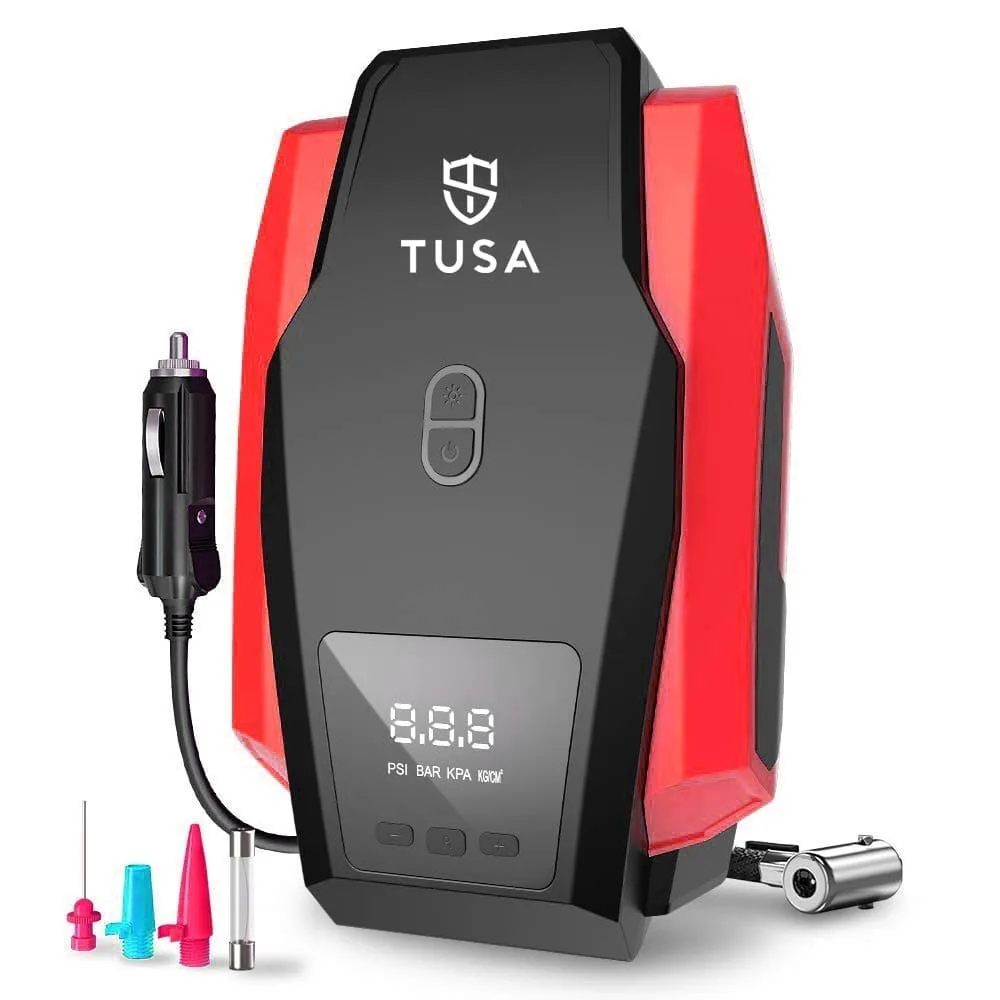
Everything above plus a seat heater cushion with a clearly rated power, overheat protection and a thick cable, and possibly a portable tyre inflator if you often drive long distances.
In all cases, our advice at Creckk is to buy from sellers who give clear specifications and a return policy, and to be careful with listings that make exaggerated claims. If the product page does not say what a heating cushion's wattage is, that is information in itself.
Quick Winter Driving Checklist
Print this, save it on your phone or keep it in the glove box. Tick each item before the cold season starts and before any long trip.
- Windscreen cleaned inside and out; anti-fog cloth in the glove box.
- Wiper blades tested on a damp windscreen; replaced if they streak or judder.
- Washer reservoir filled with proper washer fluid.
- All four tyres and the spare checked when cold, using the pressure on the door sticker.
- Headlights, fog lamps and tail lamps working and clean.
- Demister and AC tested to make sure they clear the windscreen.
- Battery condition checked, since cold weather is harder on weak batteries.
- Seat cushion, if used, checked for cable damage and a secure plug.
- Soft cloth, small torch and a basic first-aid kit in the car.
On foggy highways, lower your speed, increase the gap to the vehicle ahead, use dipped headlights or fog lamps and avoid high beam, which reflects off the fog and reduces visibility. If conditions are very bad, it is better to pull off safely and wait than to push on.
Frequently Asked Questions
1. How do I remove fog from my car windscreen quickly?
Switch on the demister or AC with the air directed at the windscreen, set the fan to fresh air instead of recirculation, and lower the cabin temperature slightly if the glass is cold. An anti-fog cloth helps once the glass is clean. For fog on the outside, use the wipers and washer fluid.
2. Does cold weather really affect tyre pressure?
Yes. Air contracts as it cools, so readings are usually lower on cold mornings. Check pressure when the tyres are cold and compare it with the figure in your owner's manual or on the door sticker.
3. Are heated seat cushions safe to use in a car?
They can be, if you buy a product with clear safety features such as overheat protection, use it with the engine running, make sure your socket can handle its power draw and never leave it on in an unattended car. Stop using it if the cable or plug feels hot.
4. Can a seat heater cushion drain my car battery?
It can if you run it with the engine off, because it draws a fair amount of power. Use it while the engine is running and avoid long periods of use with the engine off.
5. When should I replace my wiper blades?
Replace them when they streak, skip, judder, squeak or when the rubber is cracked or damaged. Do not wait for the rainy or foggy day to find out. Always use the correct size for your car.
6. Can I use plain water in the washer reservoir in winter?
You can, but it cleans less effectively, can leave deposits in nozzles and offers no protection in freezing conditions. A proper washer fluid used as directed is the better choice, especially in colder regions.
7. Do I need all four items in this winter car care kit?
Not necessarily. A tyre pressure gauge and good wiper care are useful for almost everyone. The anti-fog cloth is helpful in humid or foggy areas, and the seat cushion is mainly for colder regions.
Our Verdict
Buy the tyre pressure gauge and wiper care items first, because they directly support safe driving. Add the anti-fog cloth if you regularly drive in foggy or humid conditions. Consider the seat heater cushion only if you face genuinely cold mornings and can find a model with clear safety information. Skip any product that makes big claims without specifications.
Conclusion
A winter car care kit is not about spending a lot. It is about making a few smart, low-cost choices so that your car stays visible, stable and comfortable when conditions get tougher. The anti-fog cloth helps you see, wiper care helps the windscreen stay clear, the tyre pressure gauge keeps you informed about the one part of the car that touches the road, and the seat heater cushion makes cold mornings easier.
Whatever you choose, the principle is the same: check what you have, buy for your own region and driving habits, read the specifications carefully and test each item before you need it. These winter car essentials work best when they become habits, such as a quick pressure check every couple of weeks and a wipe-down of the blades during every wash.
Browse our winter car accessories at Creckk when you are ready, and keep an eye on our blog for more practical car care tips for winter, including guides to dashcams and car air purifiers.