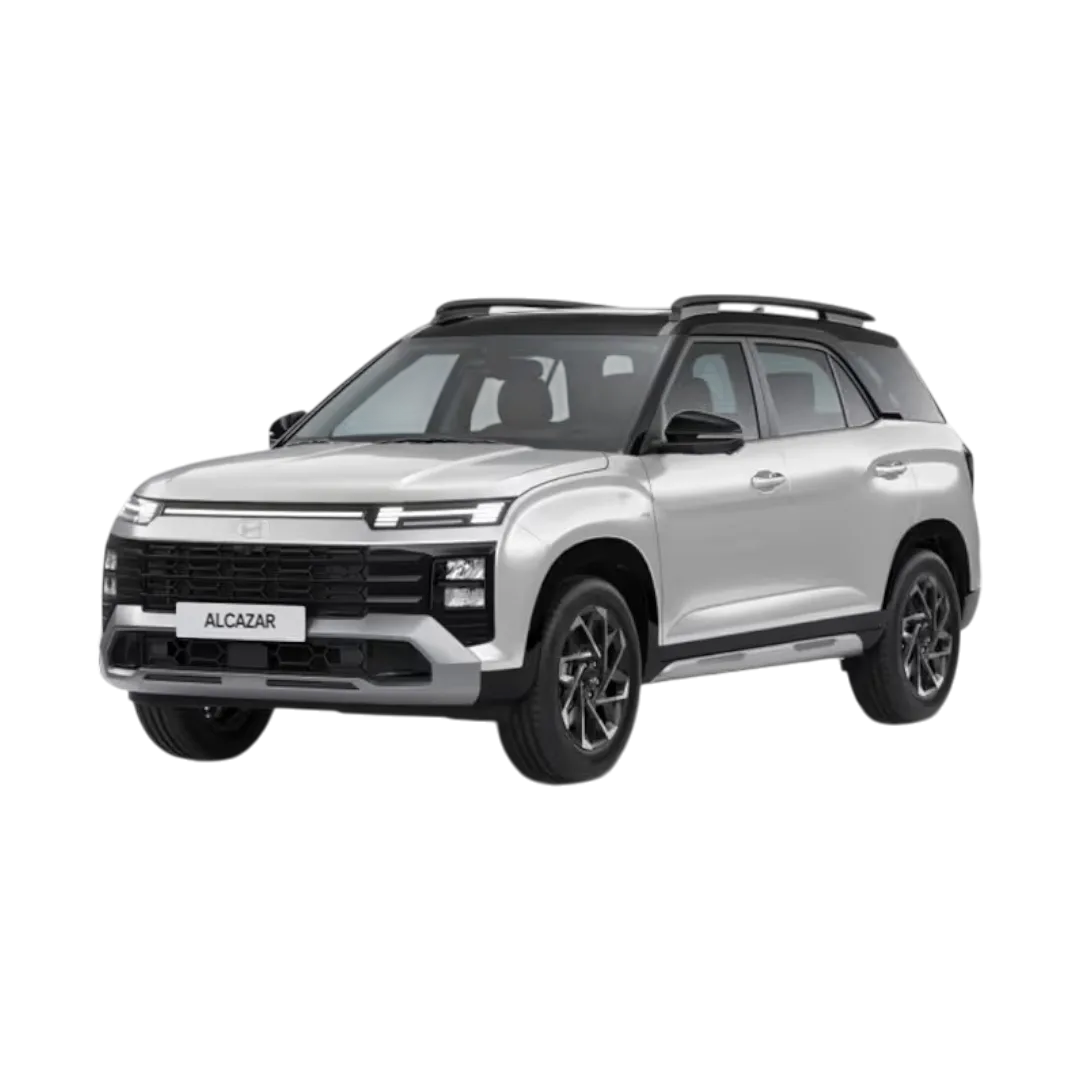
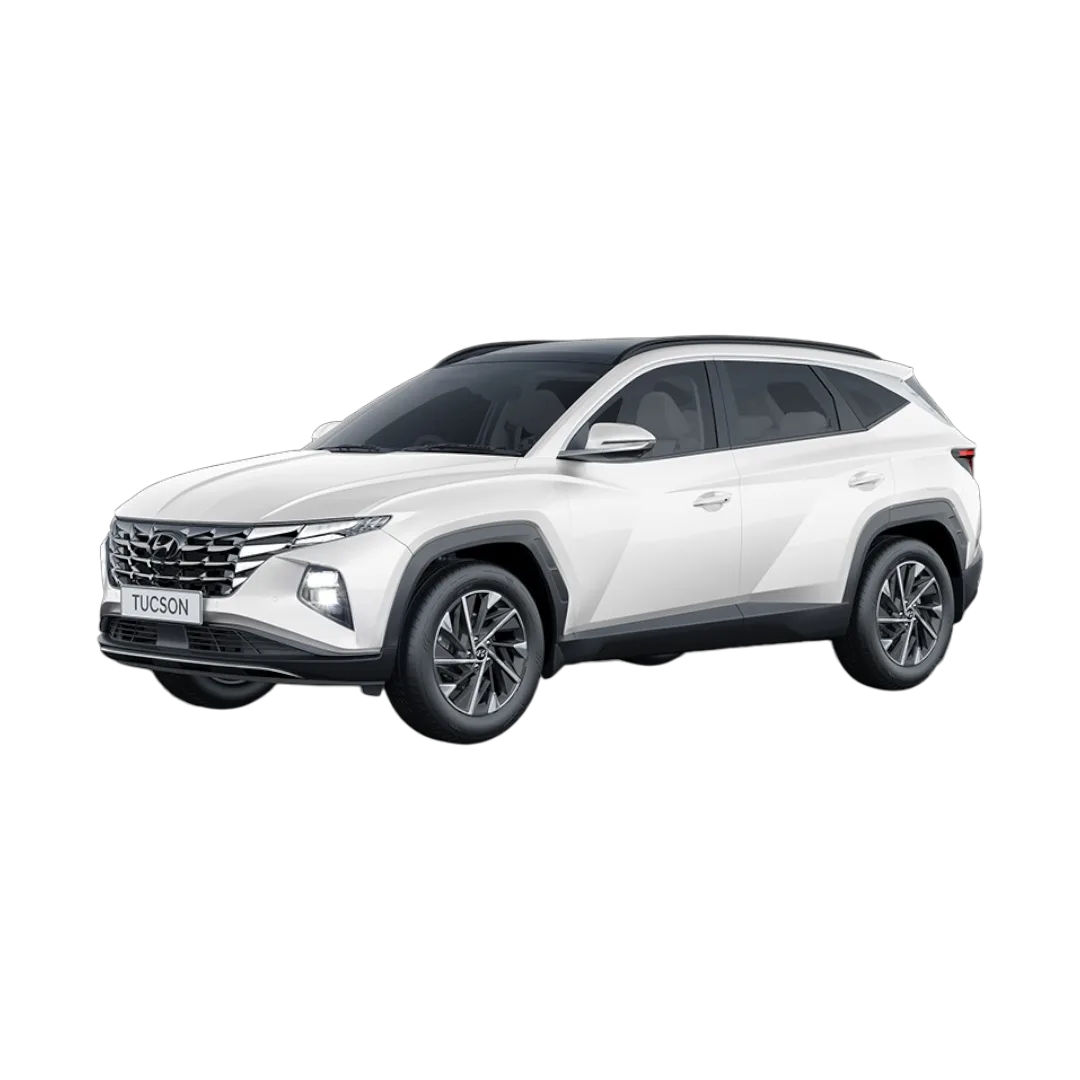
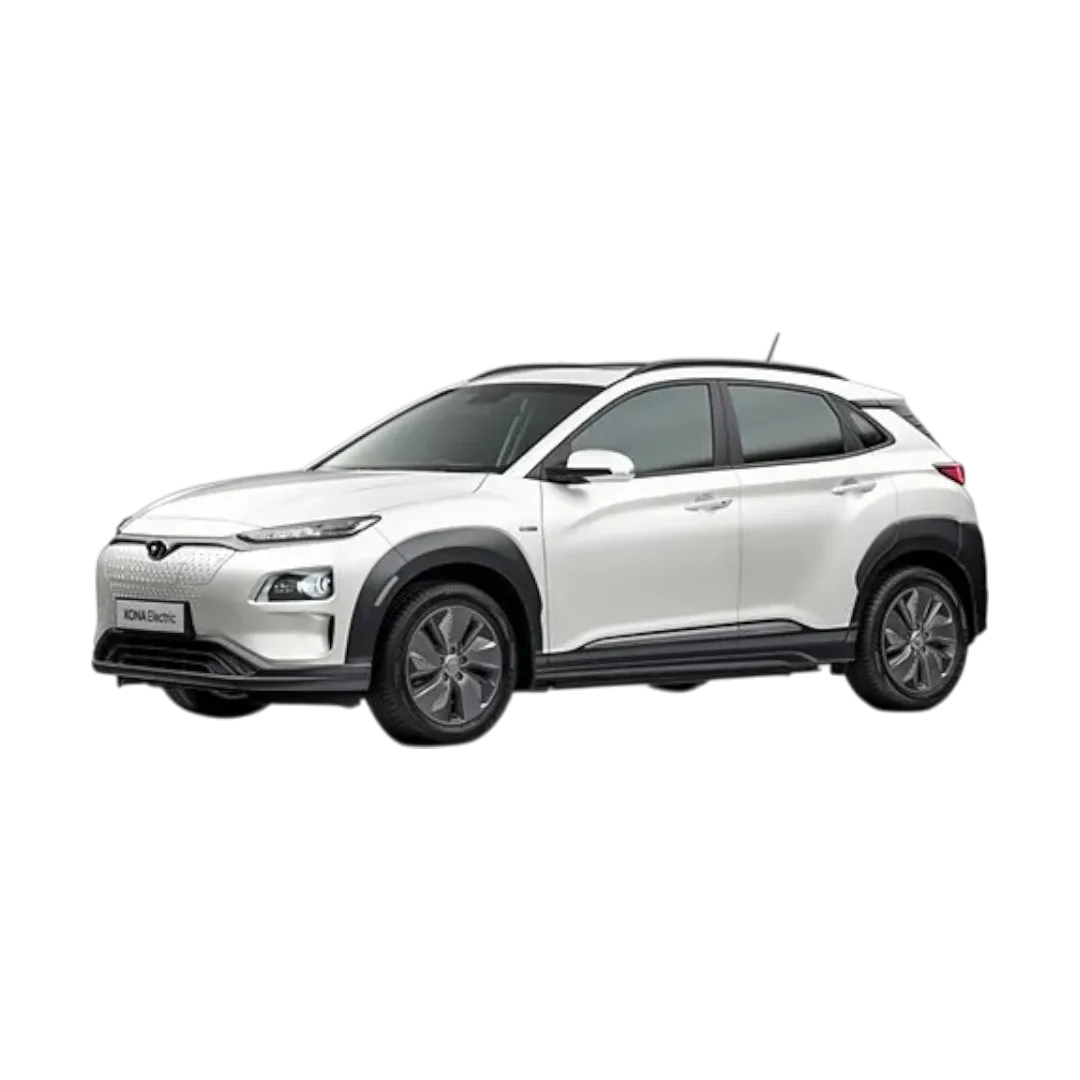
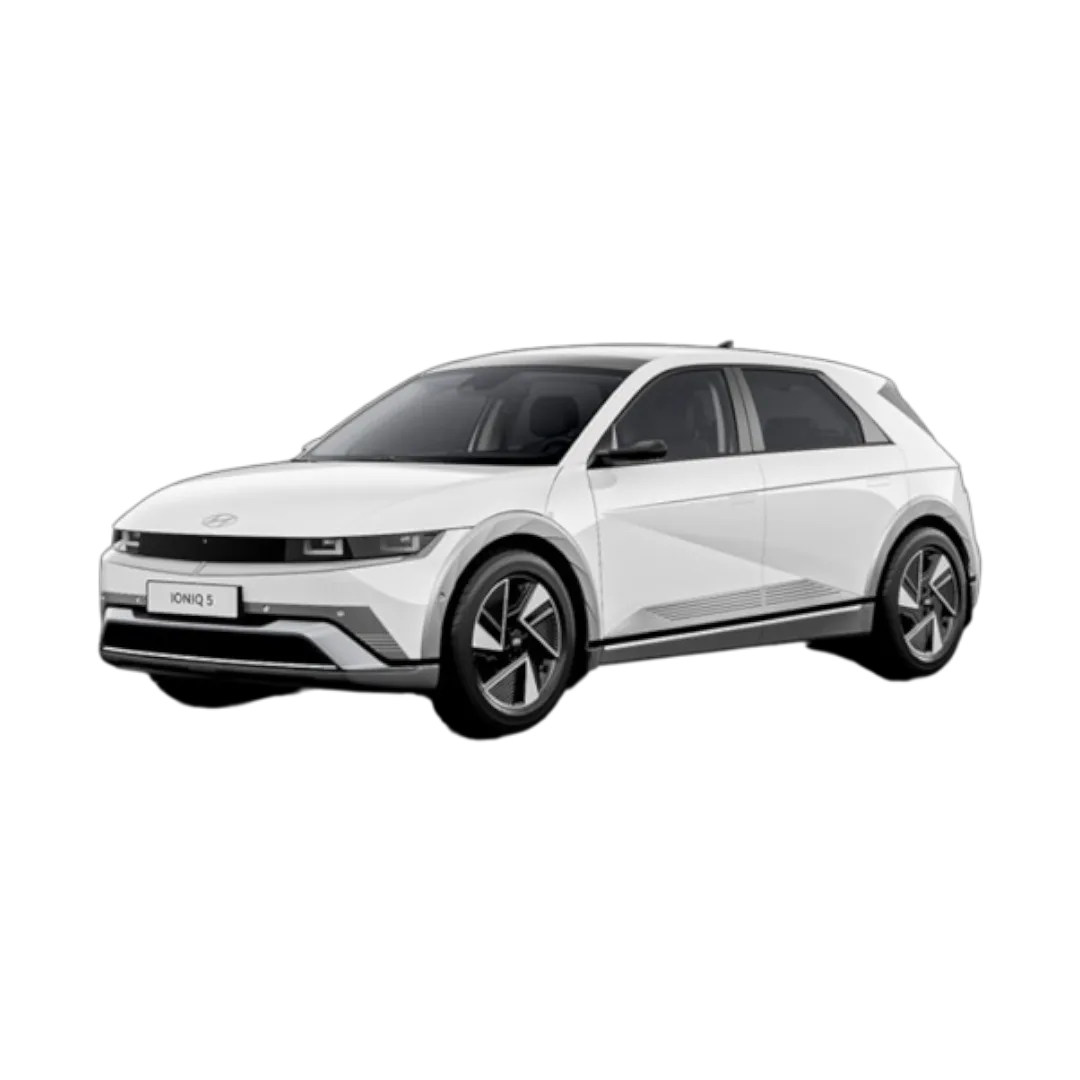
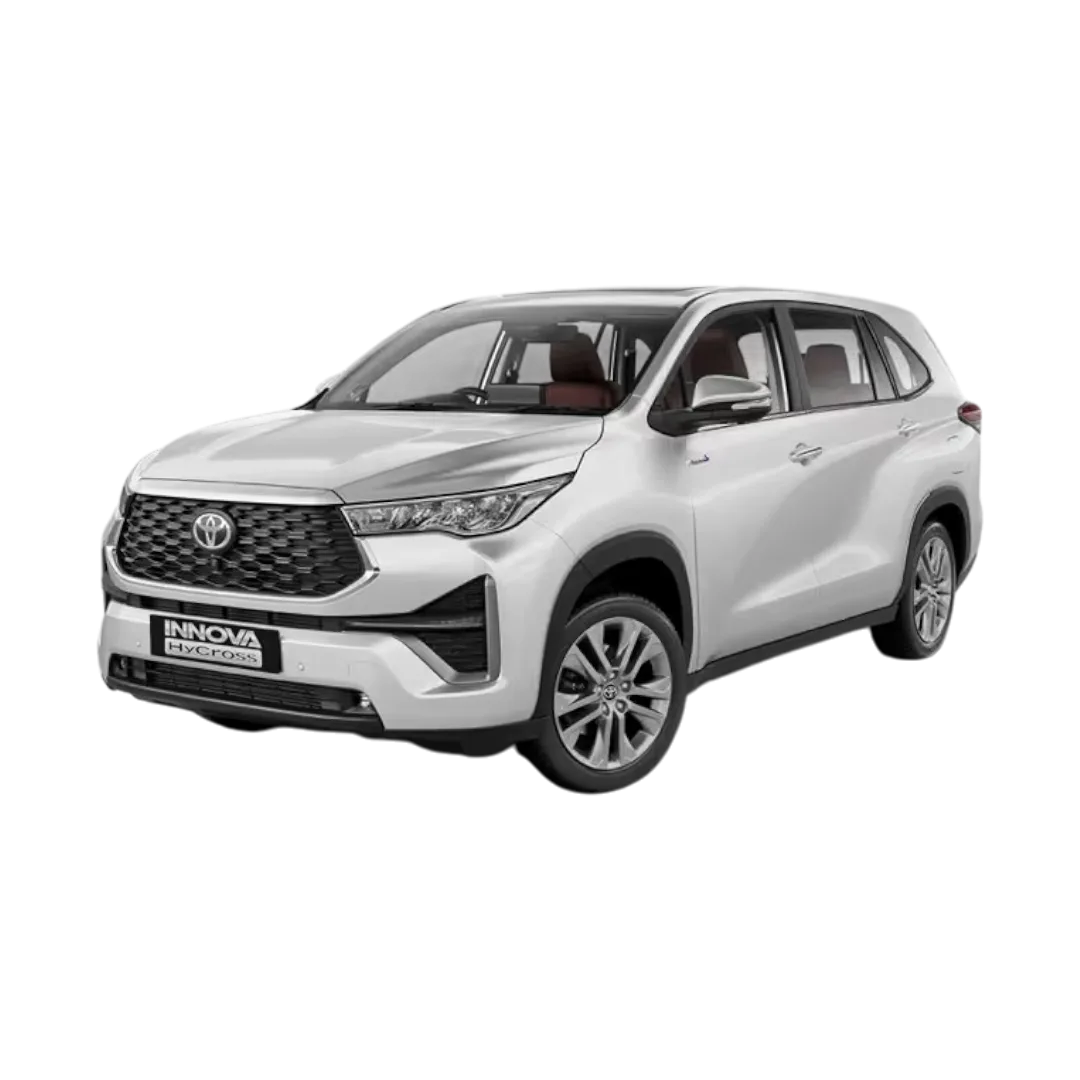
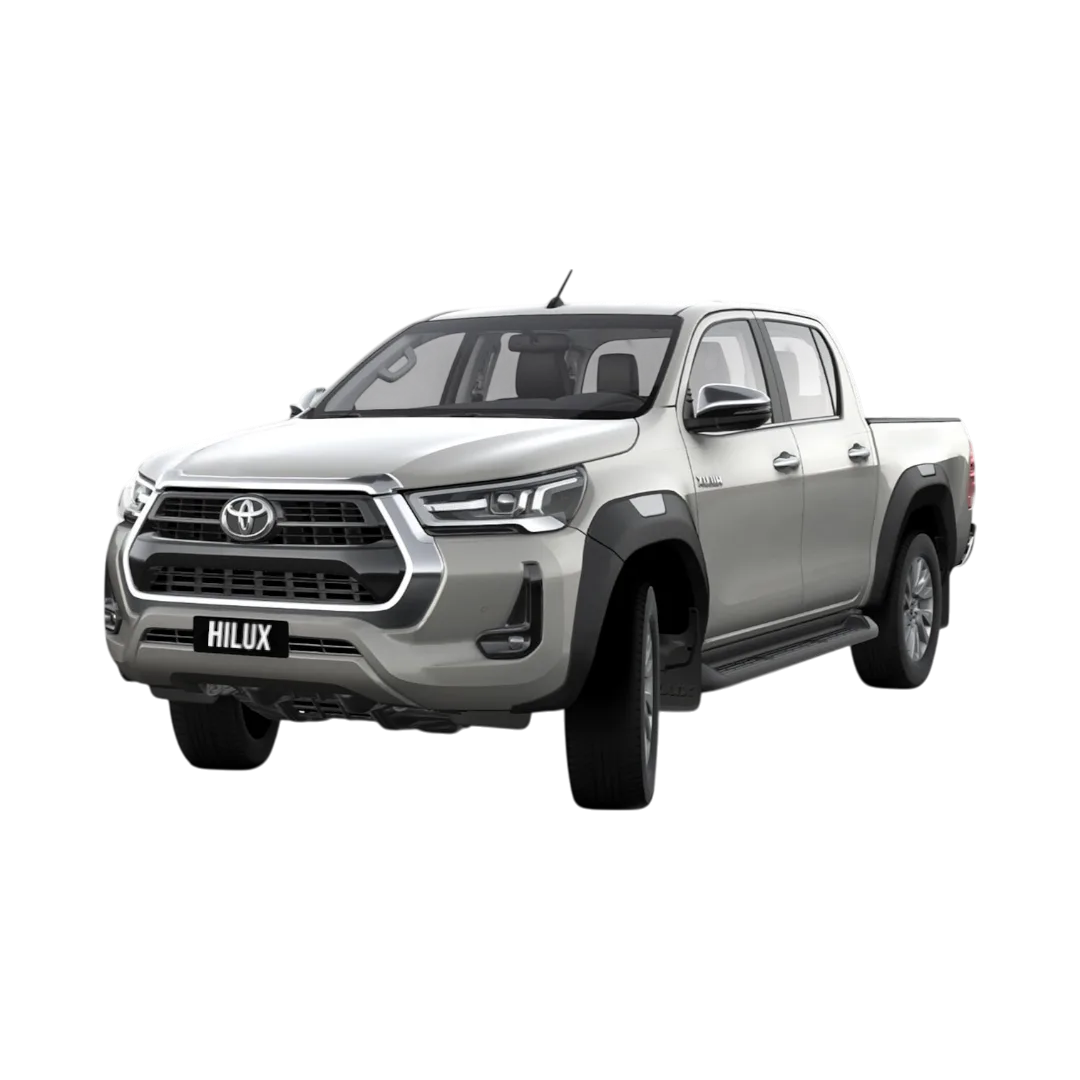
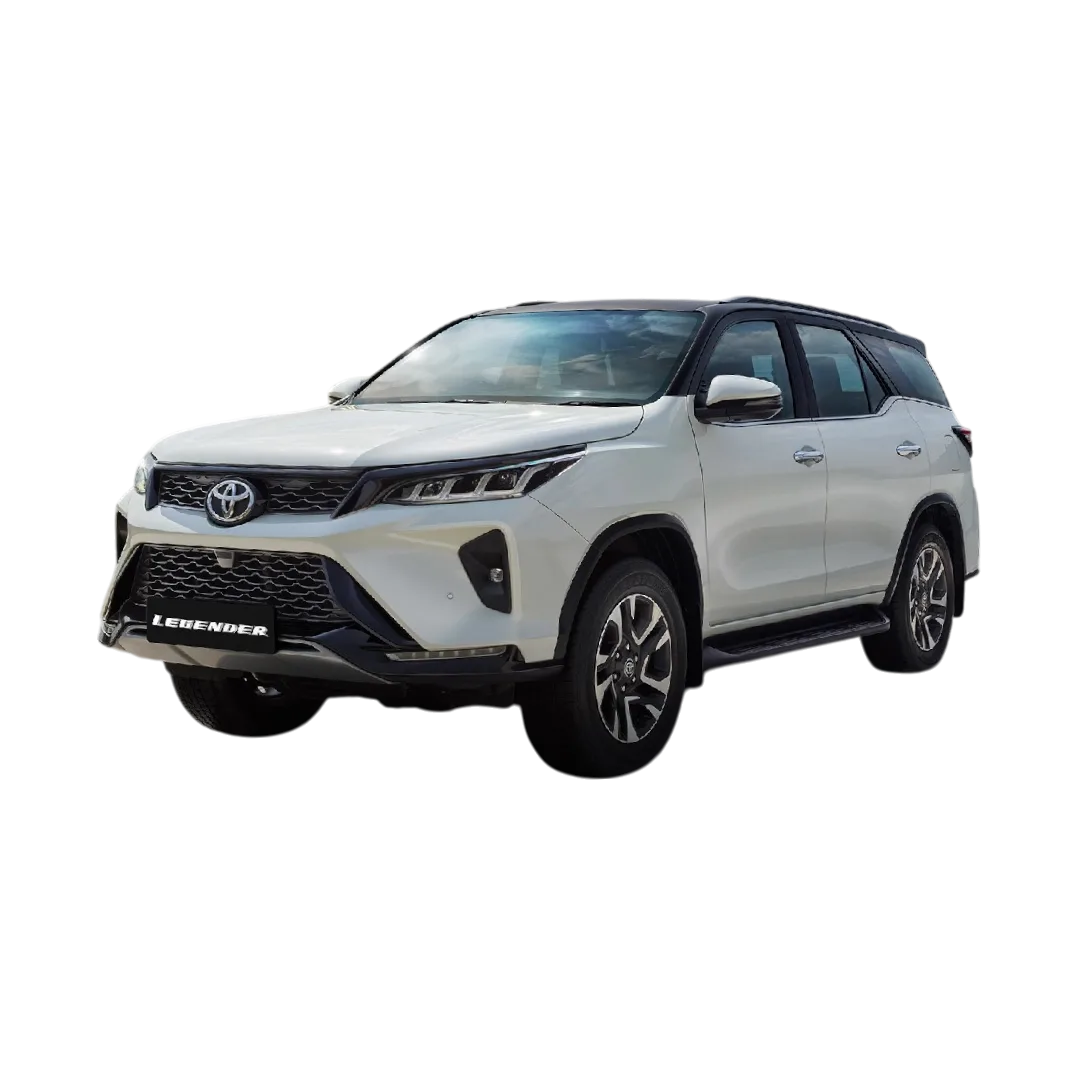
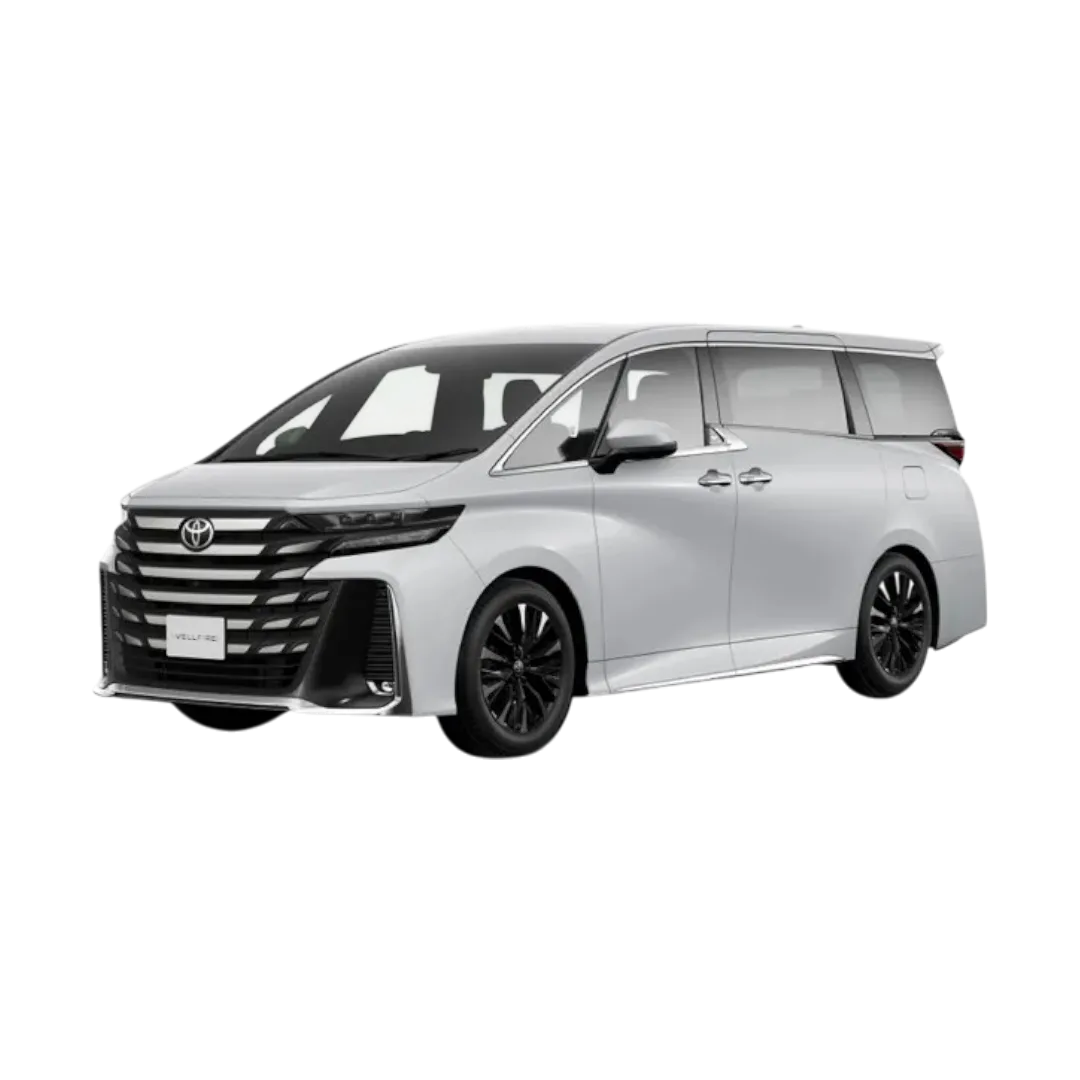
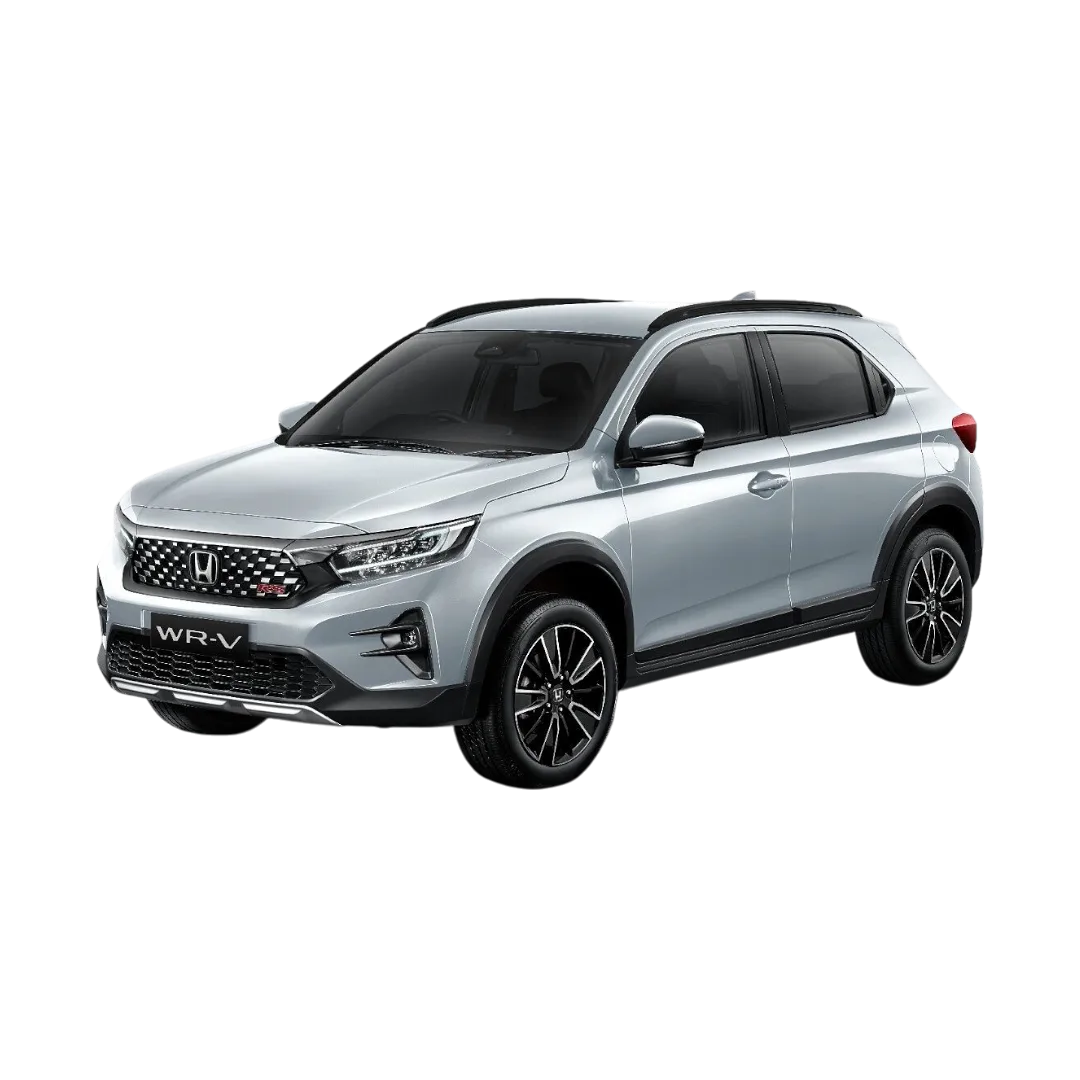
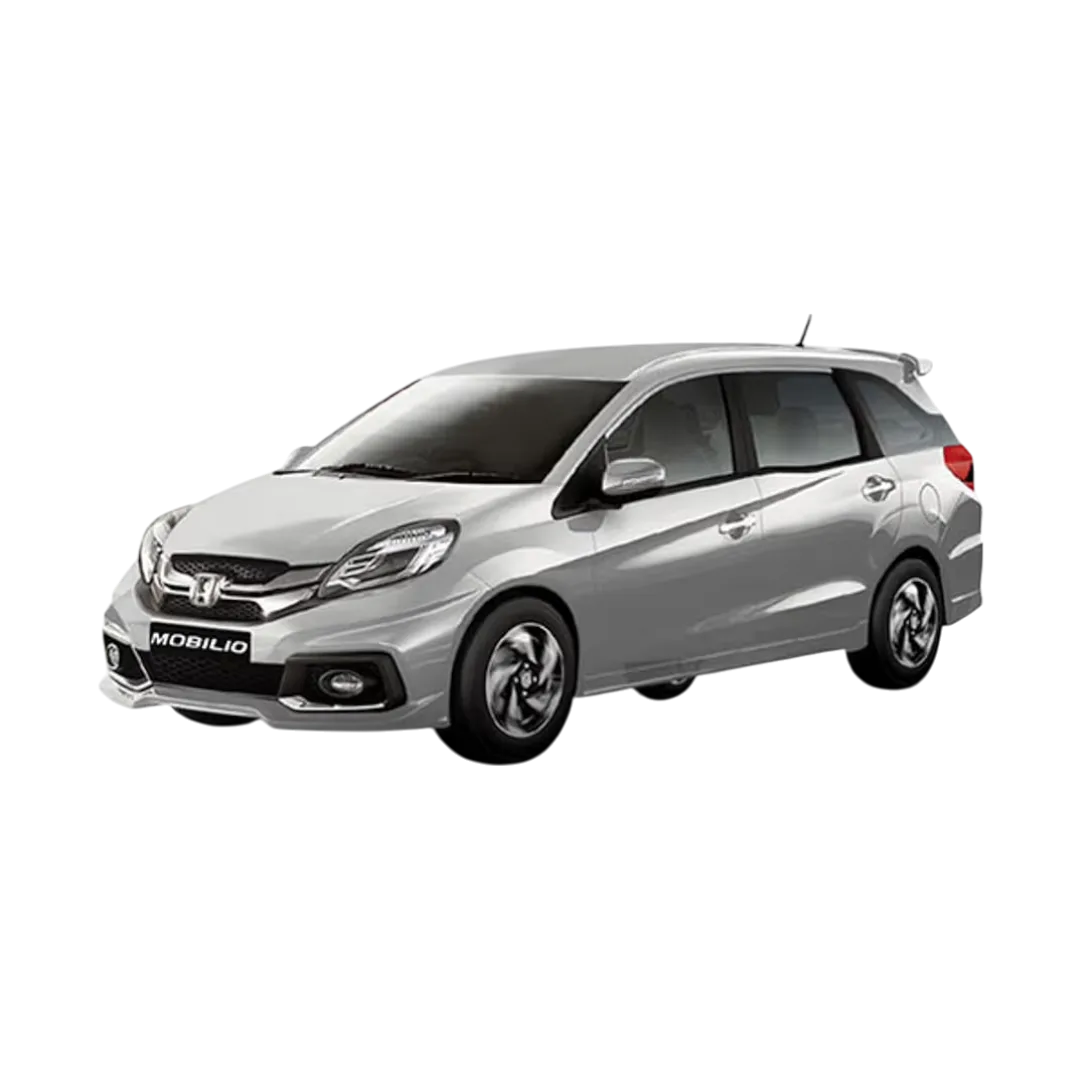
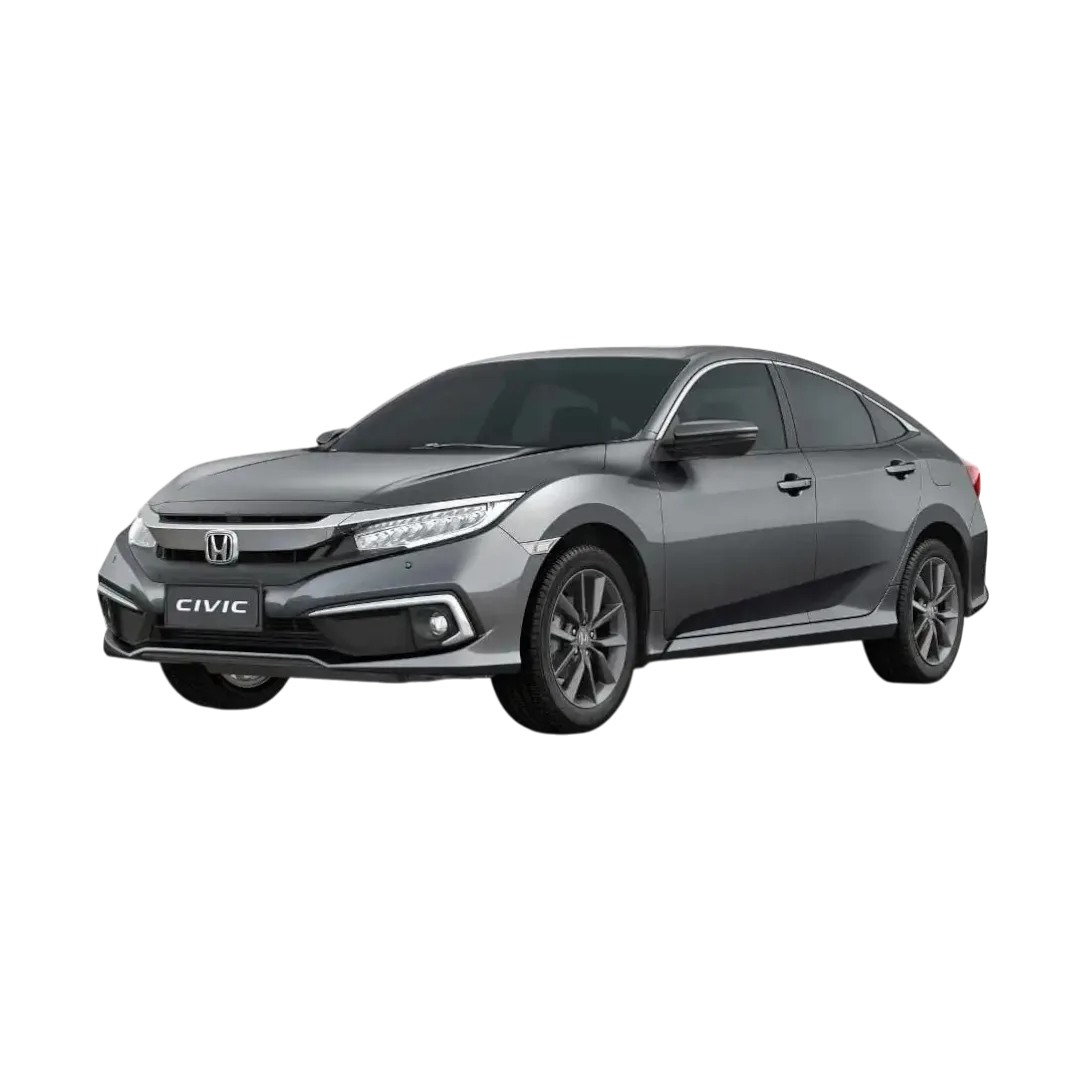
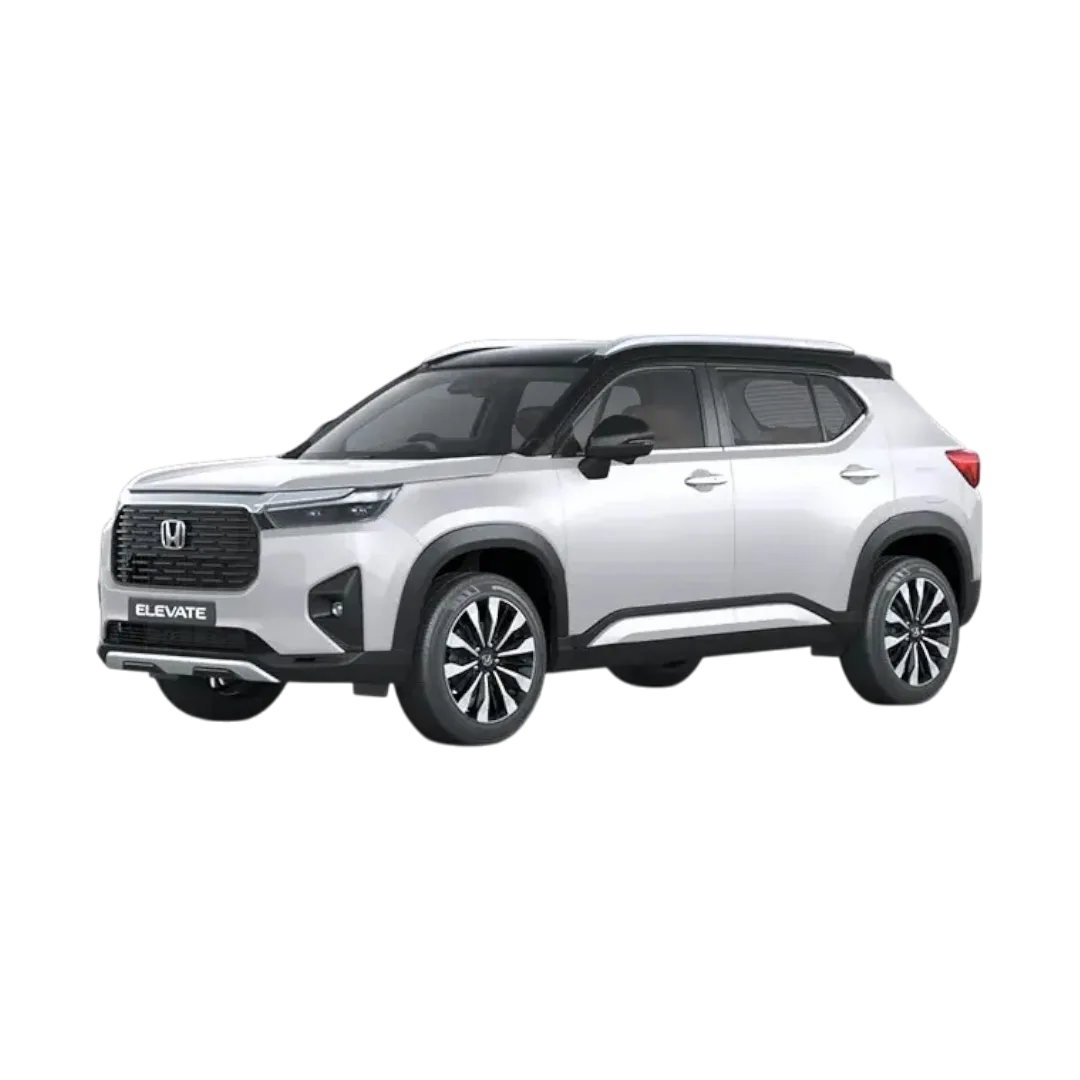
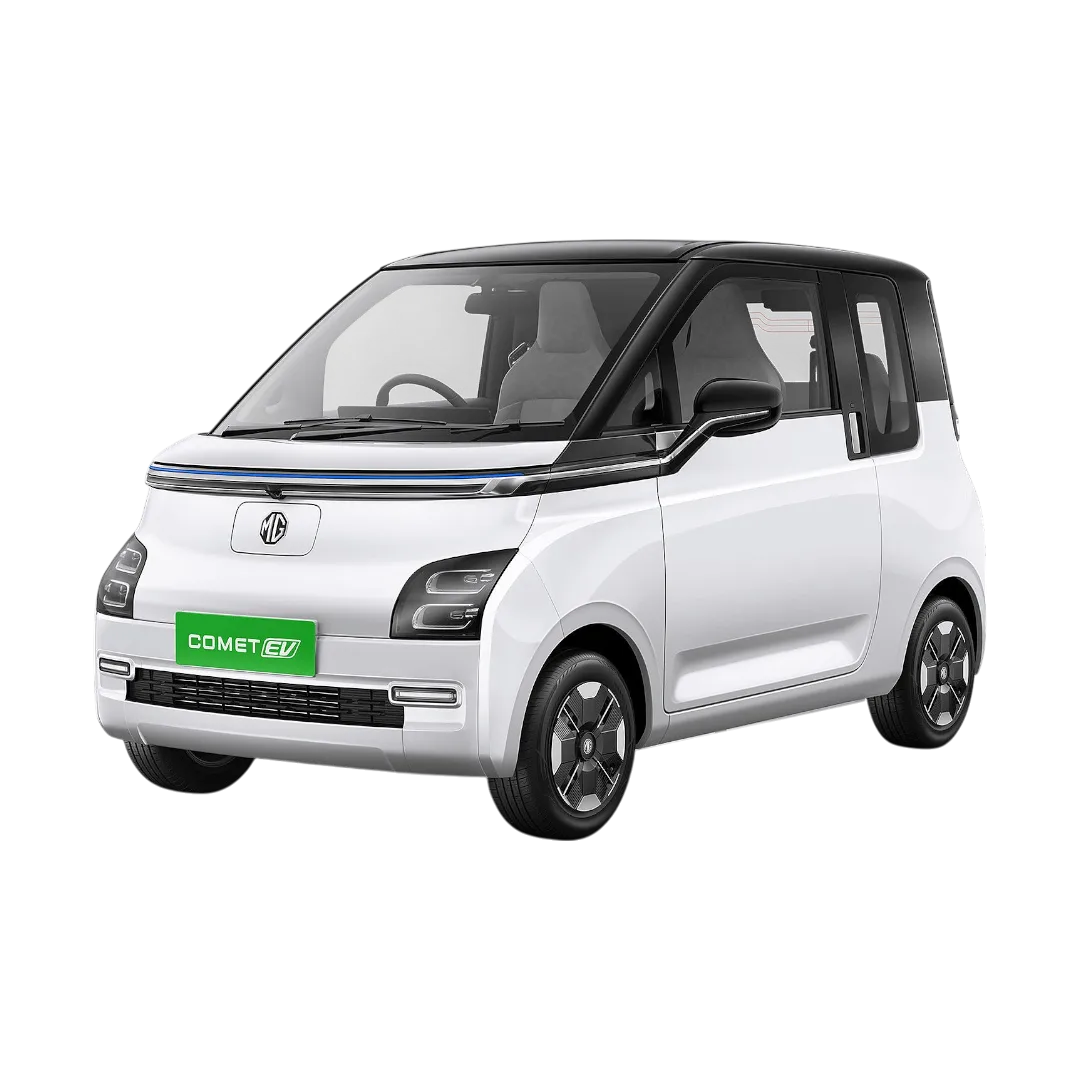
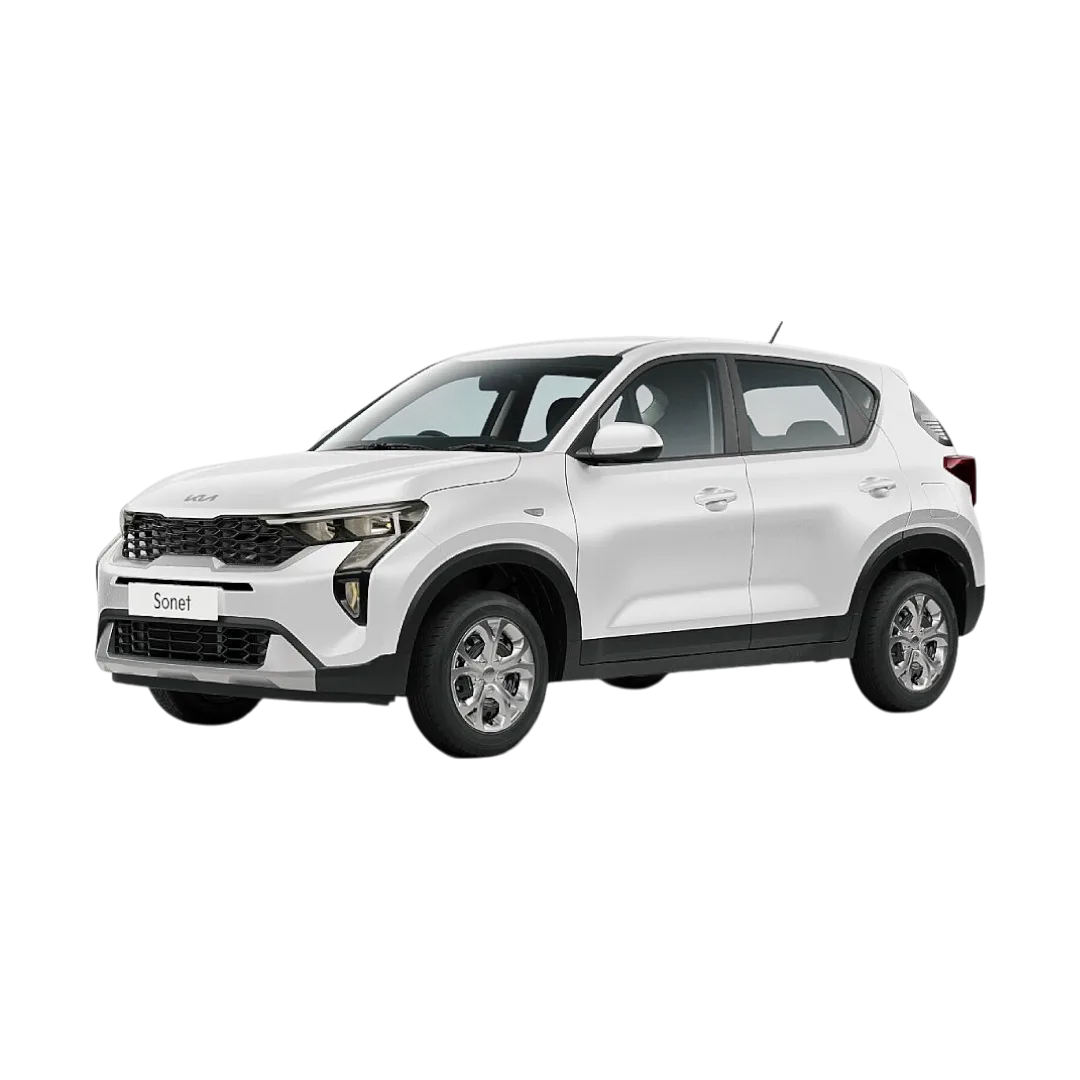
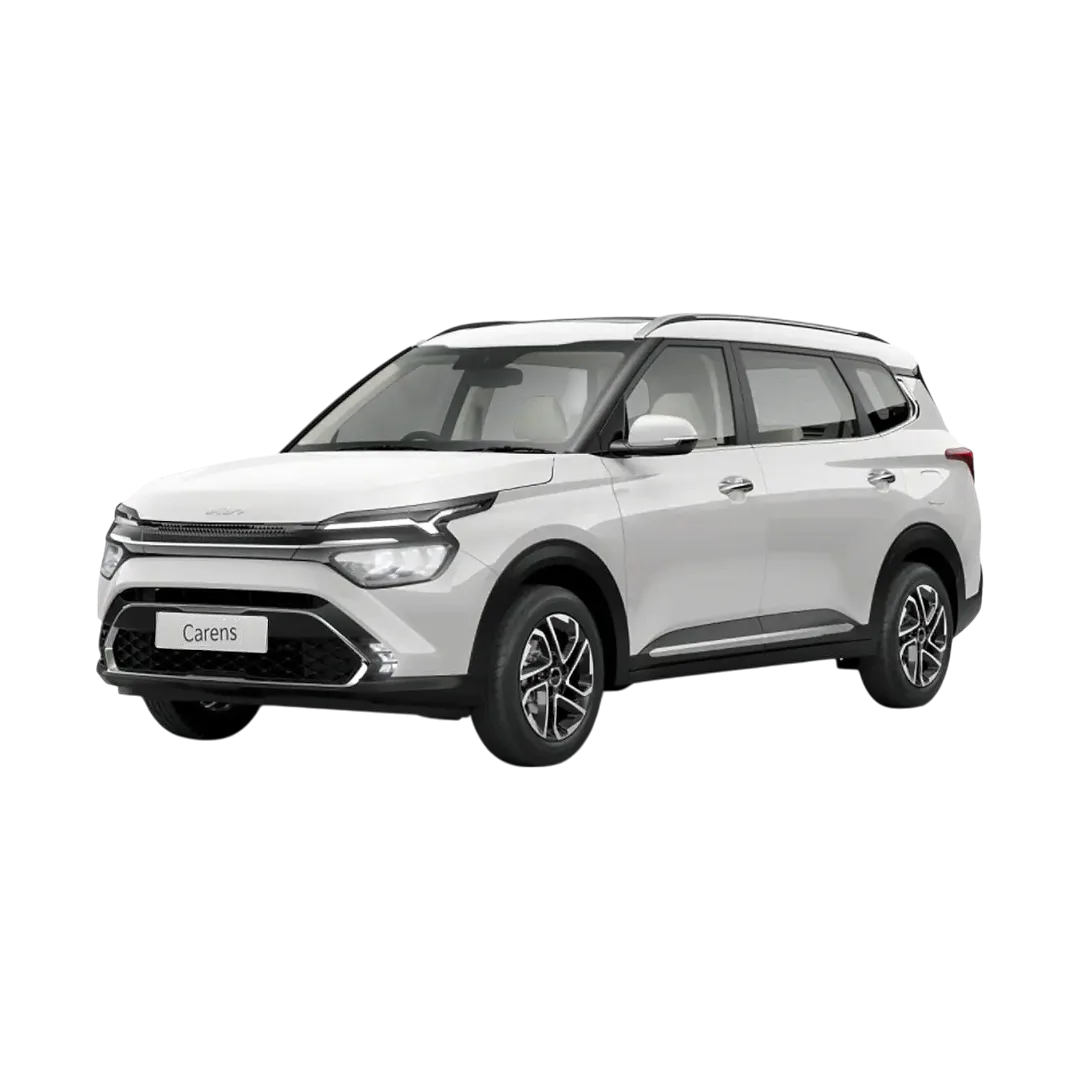
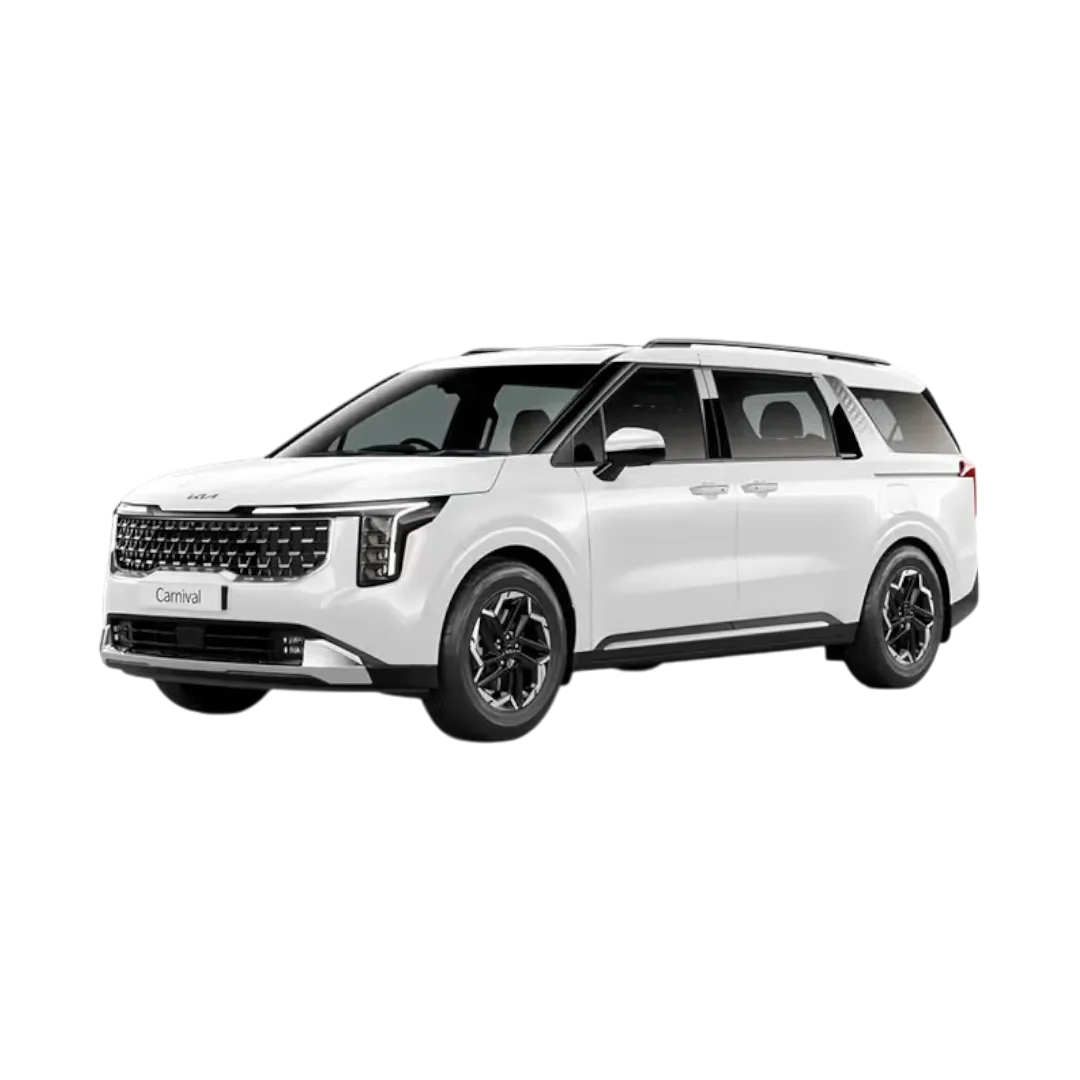
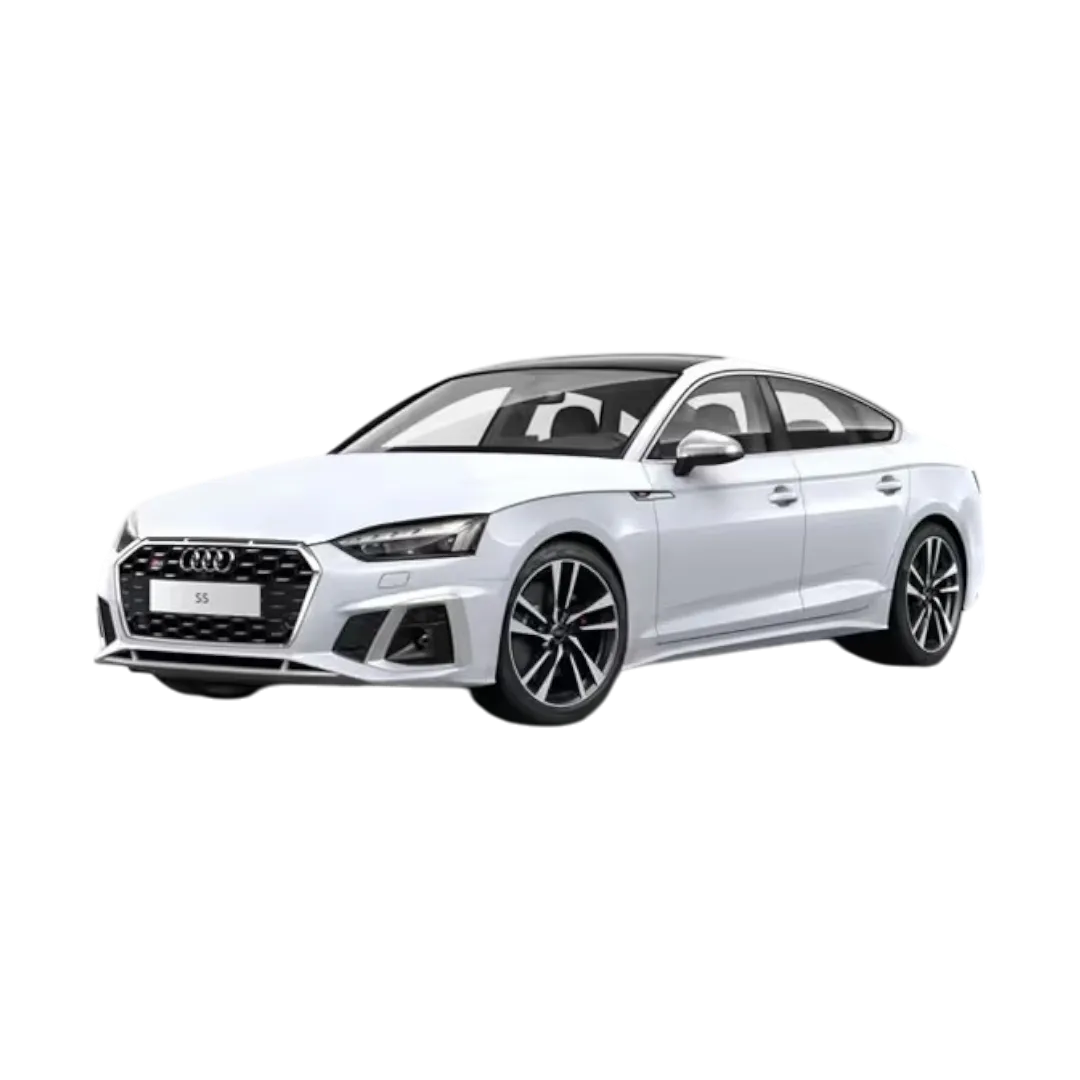
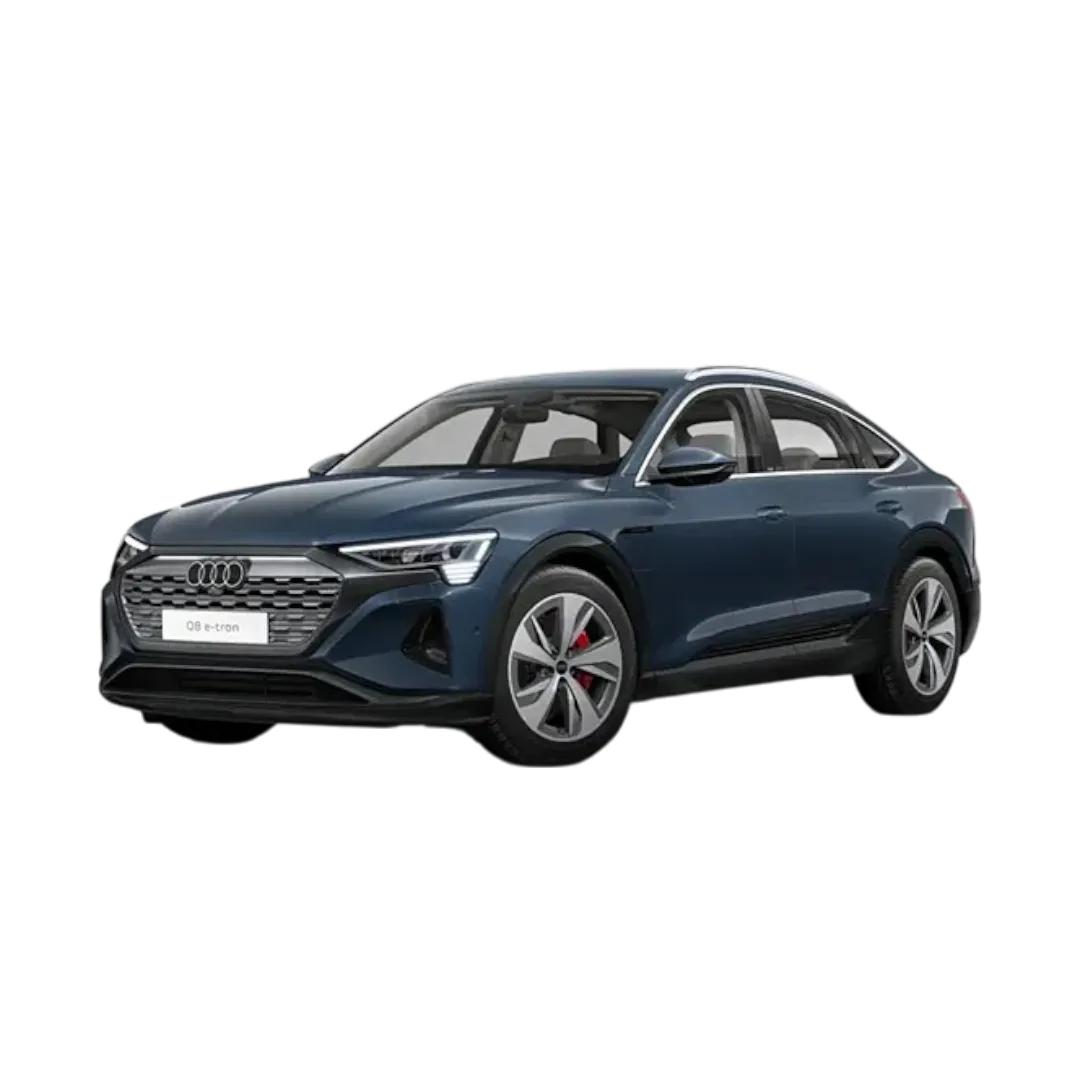
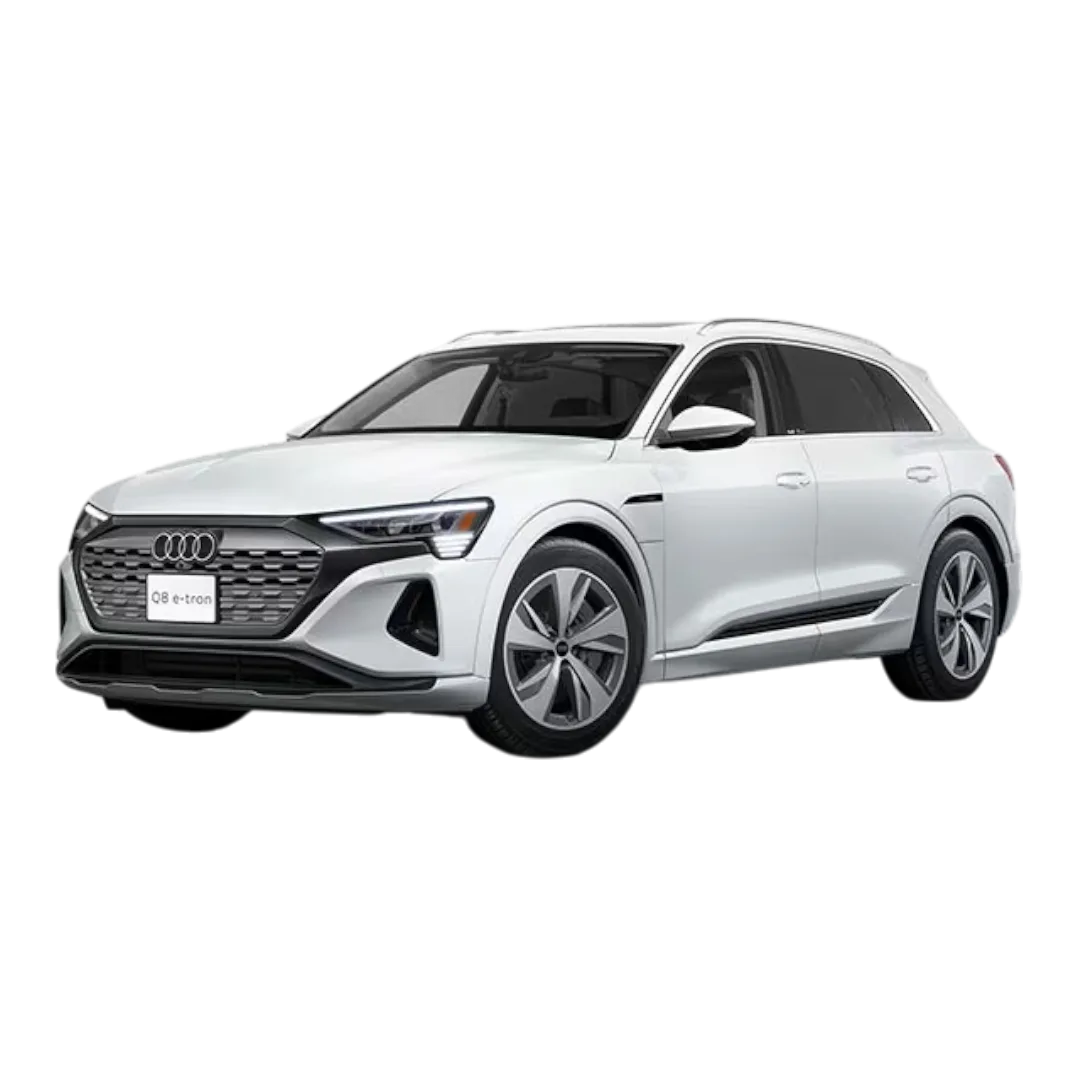
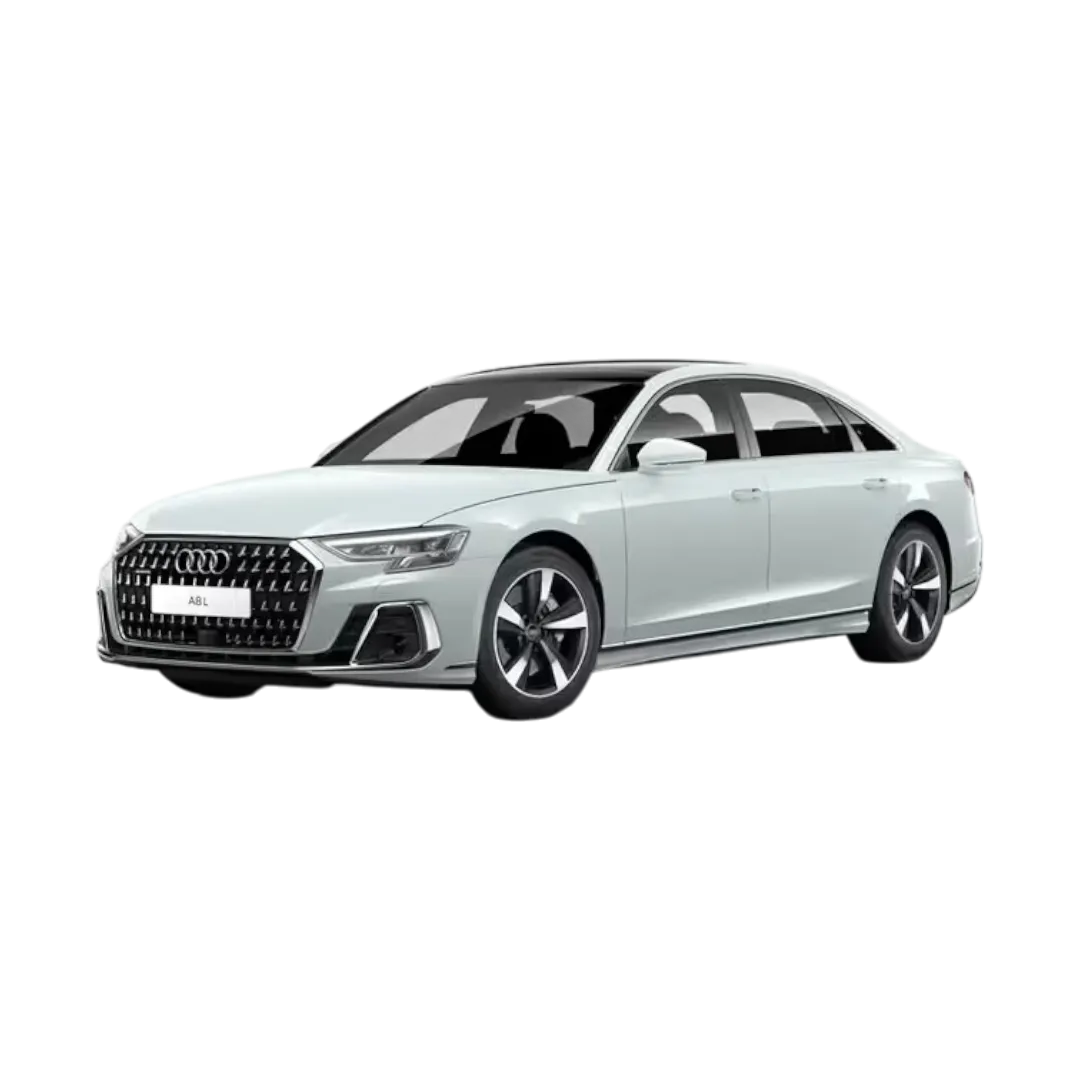
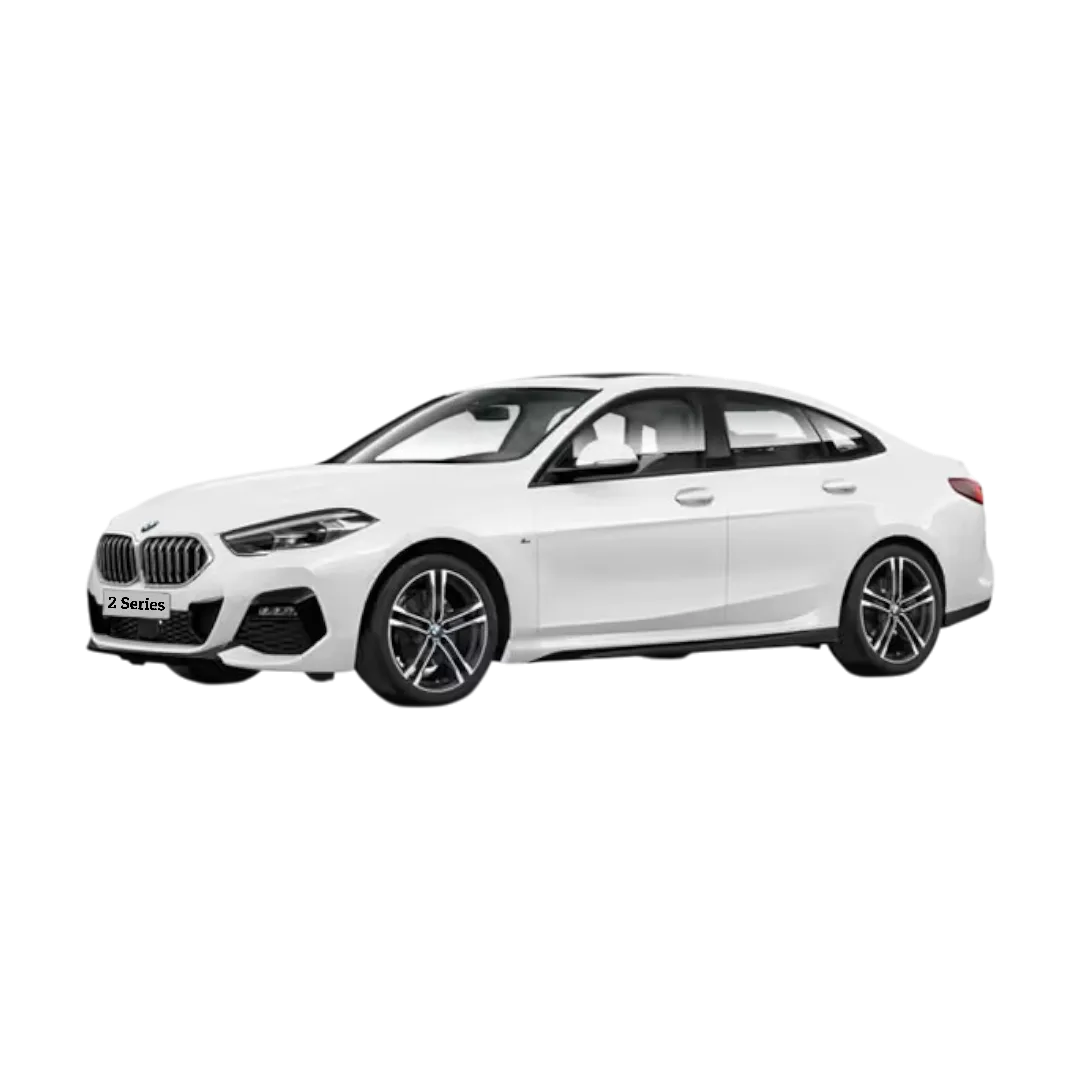
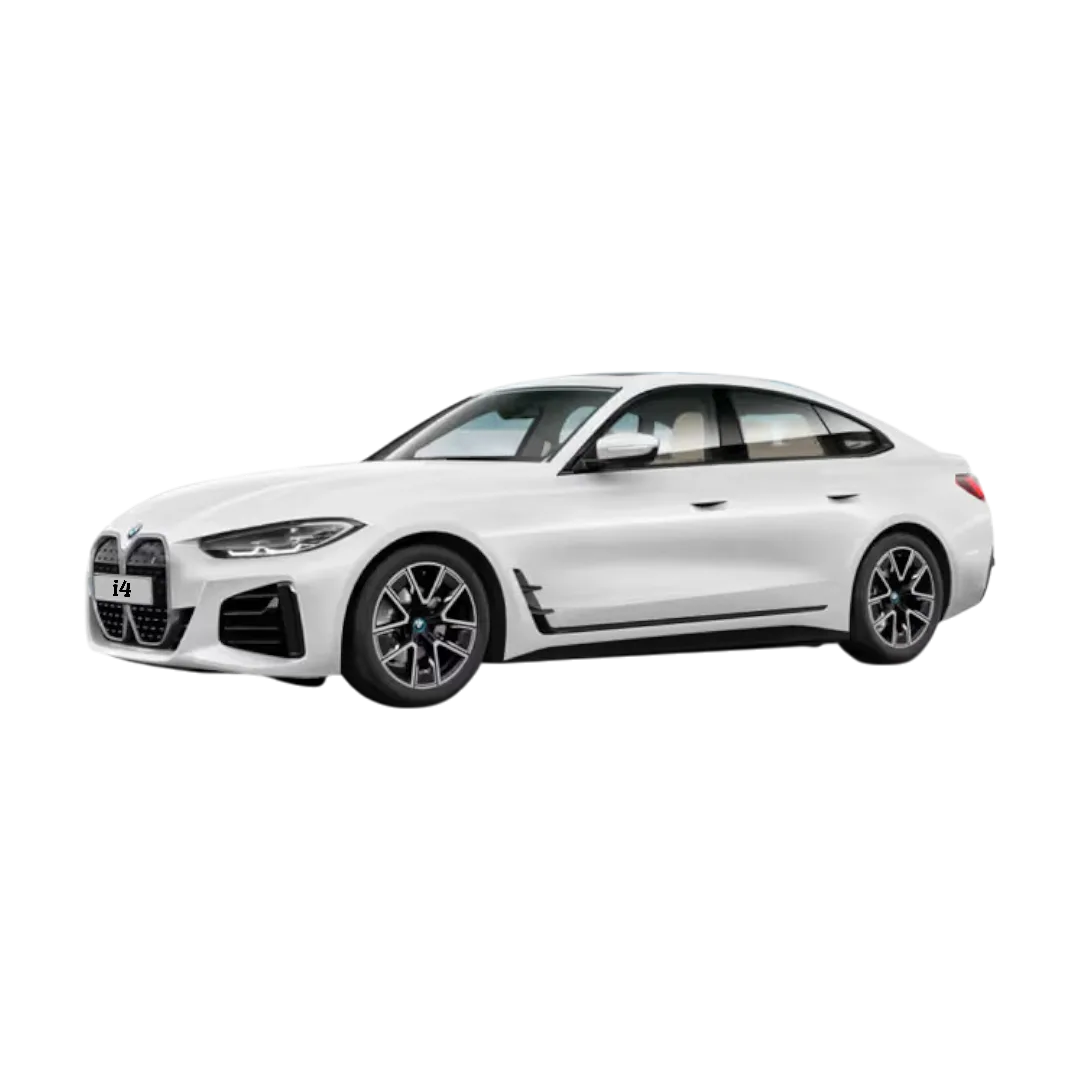
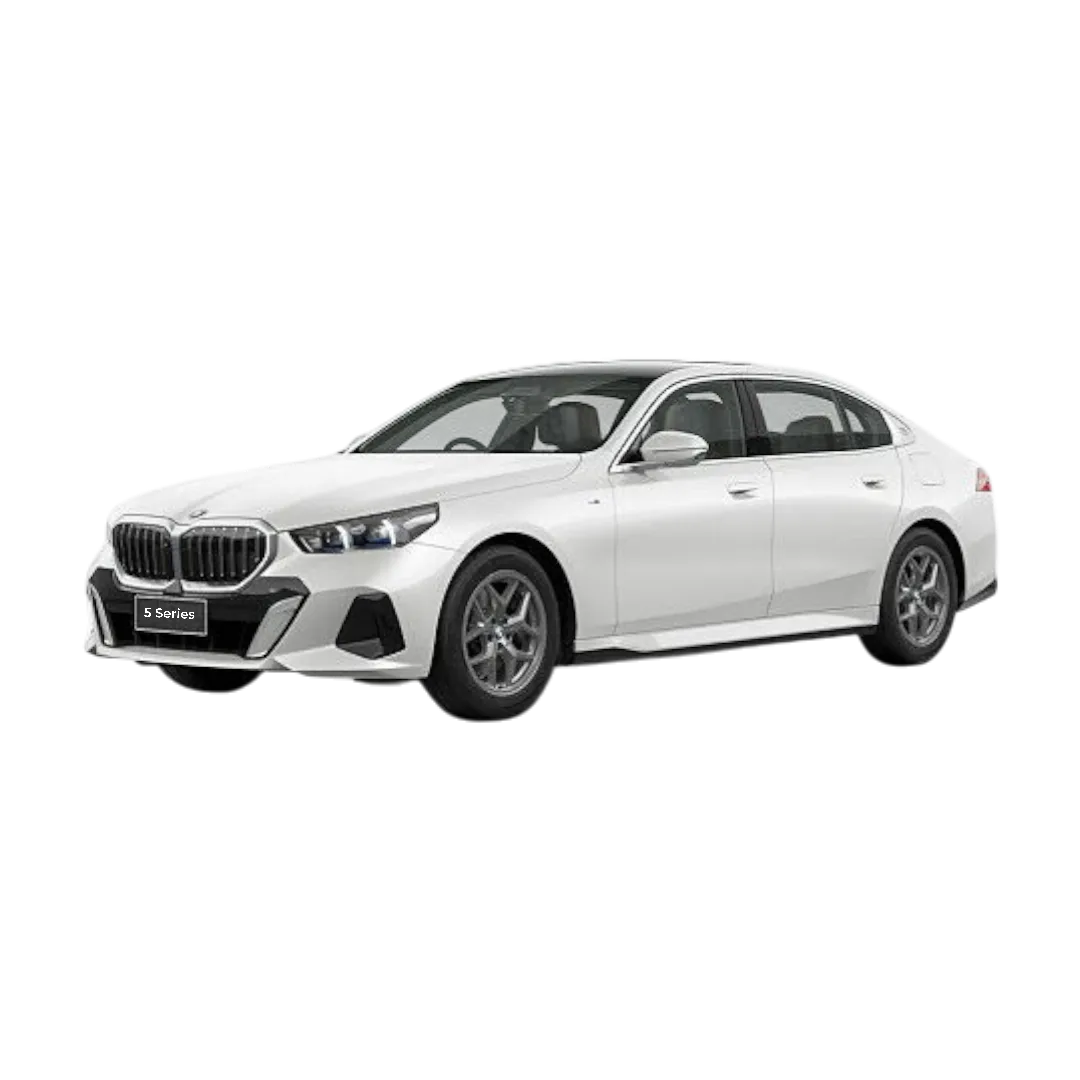
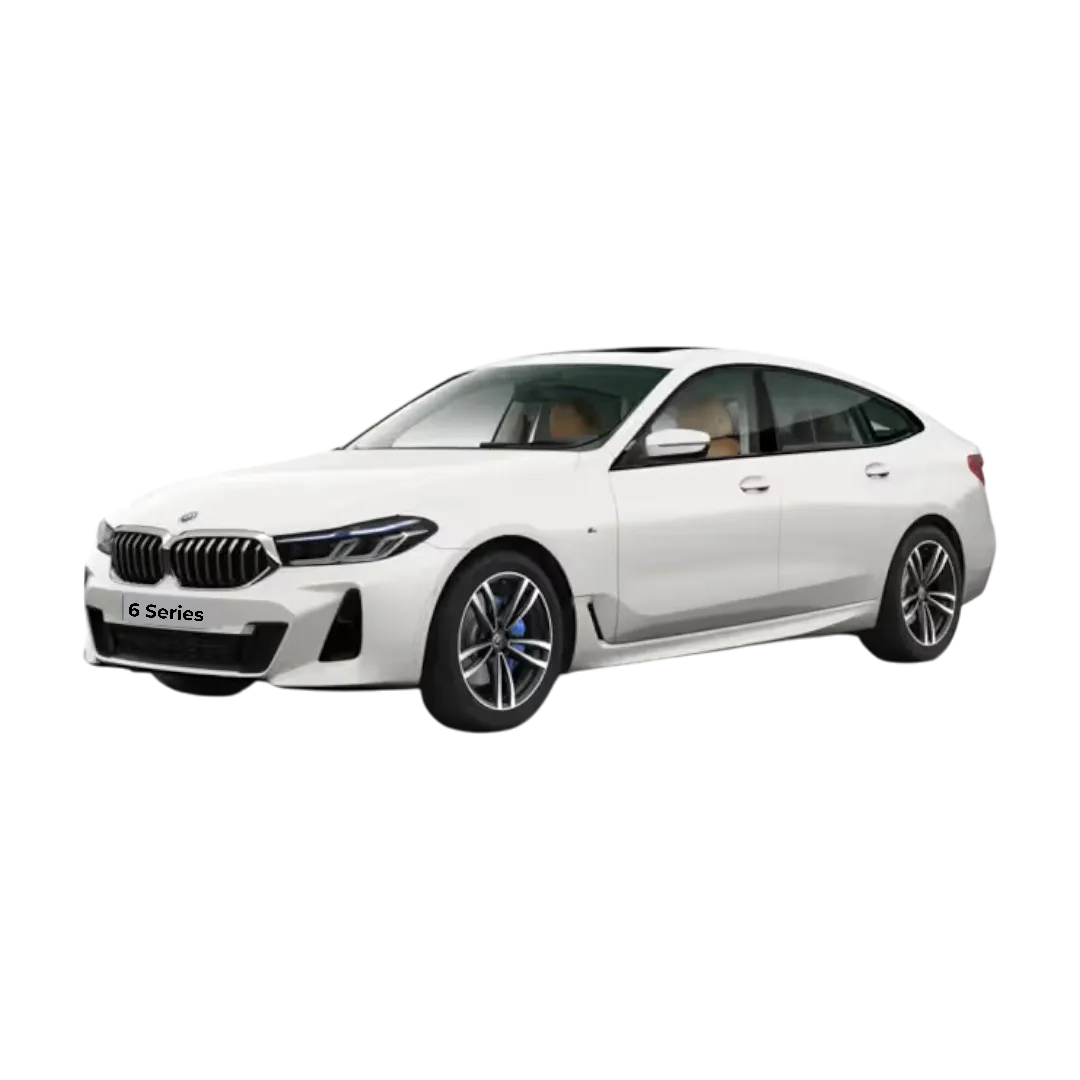
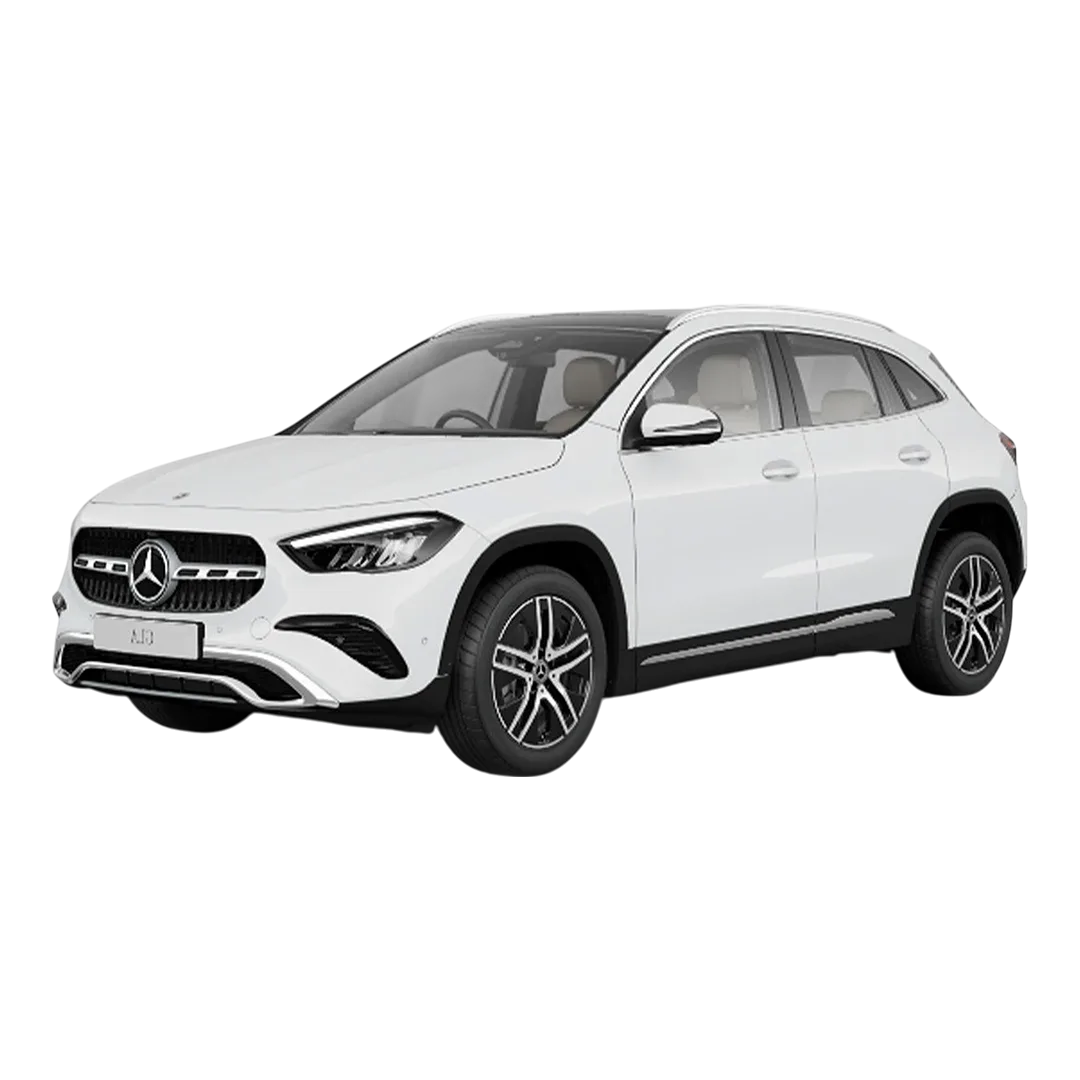
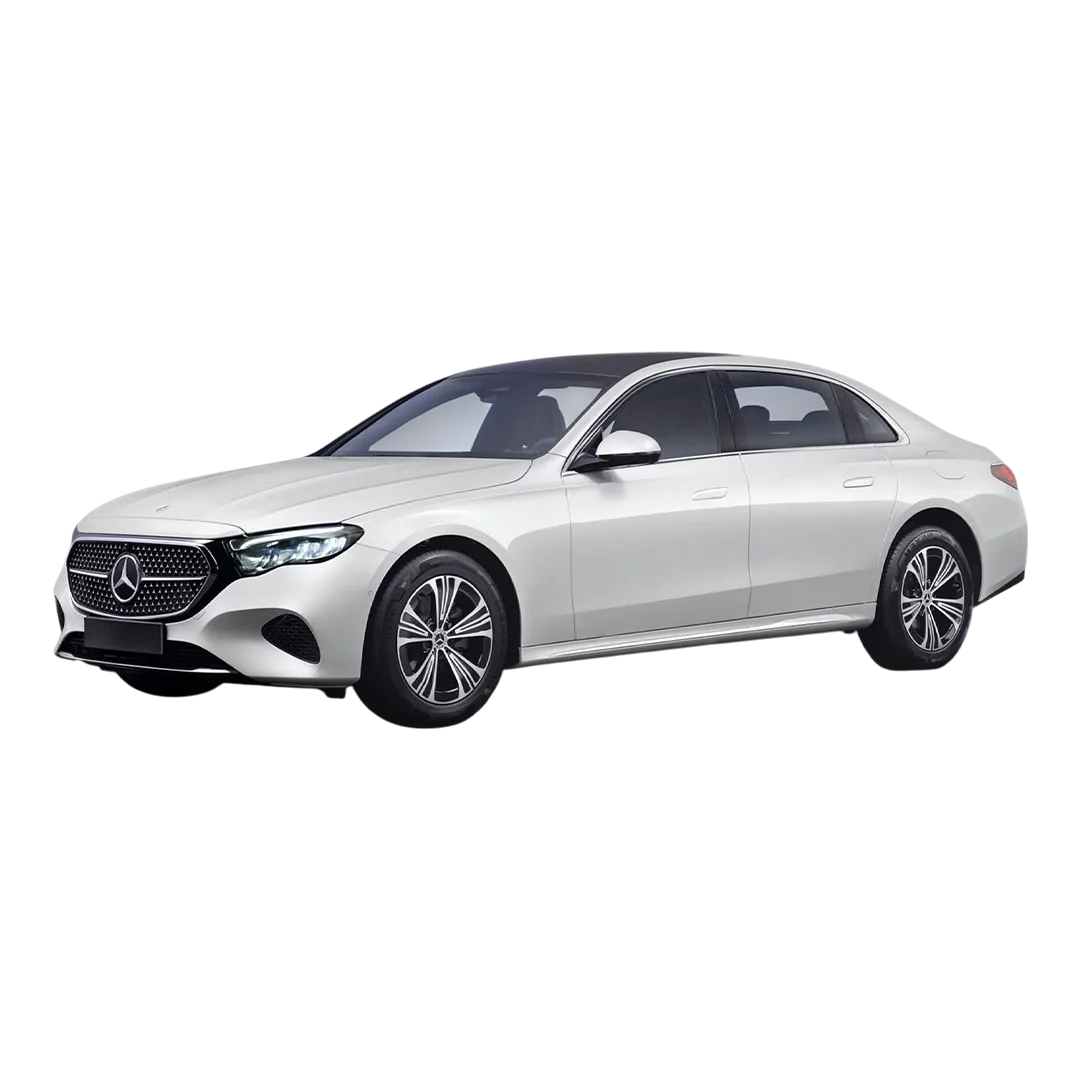
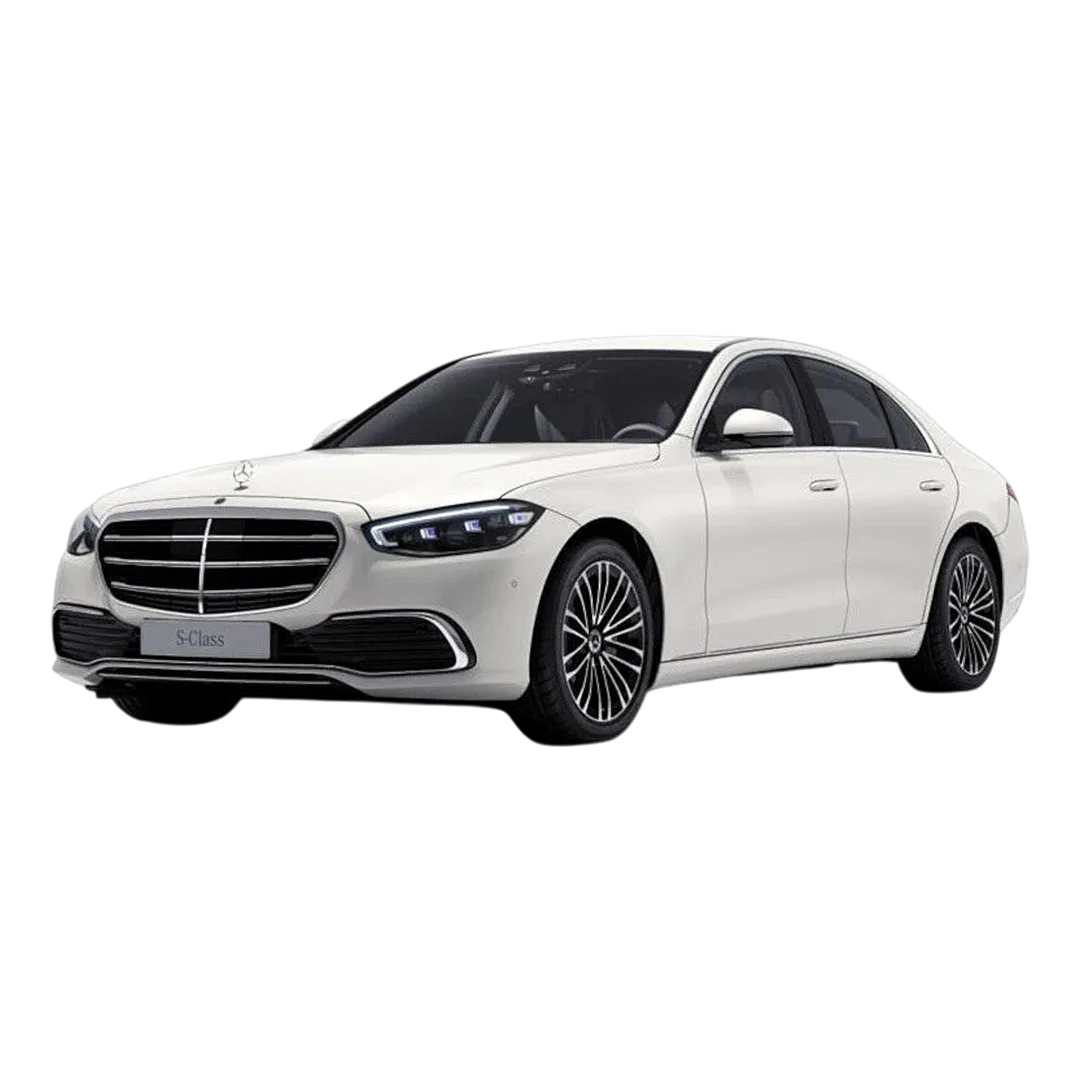
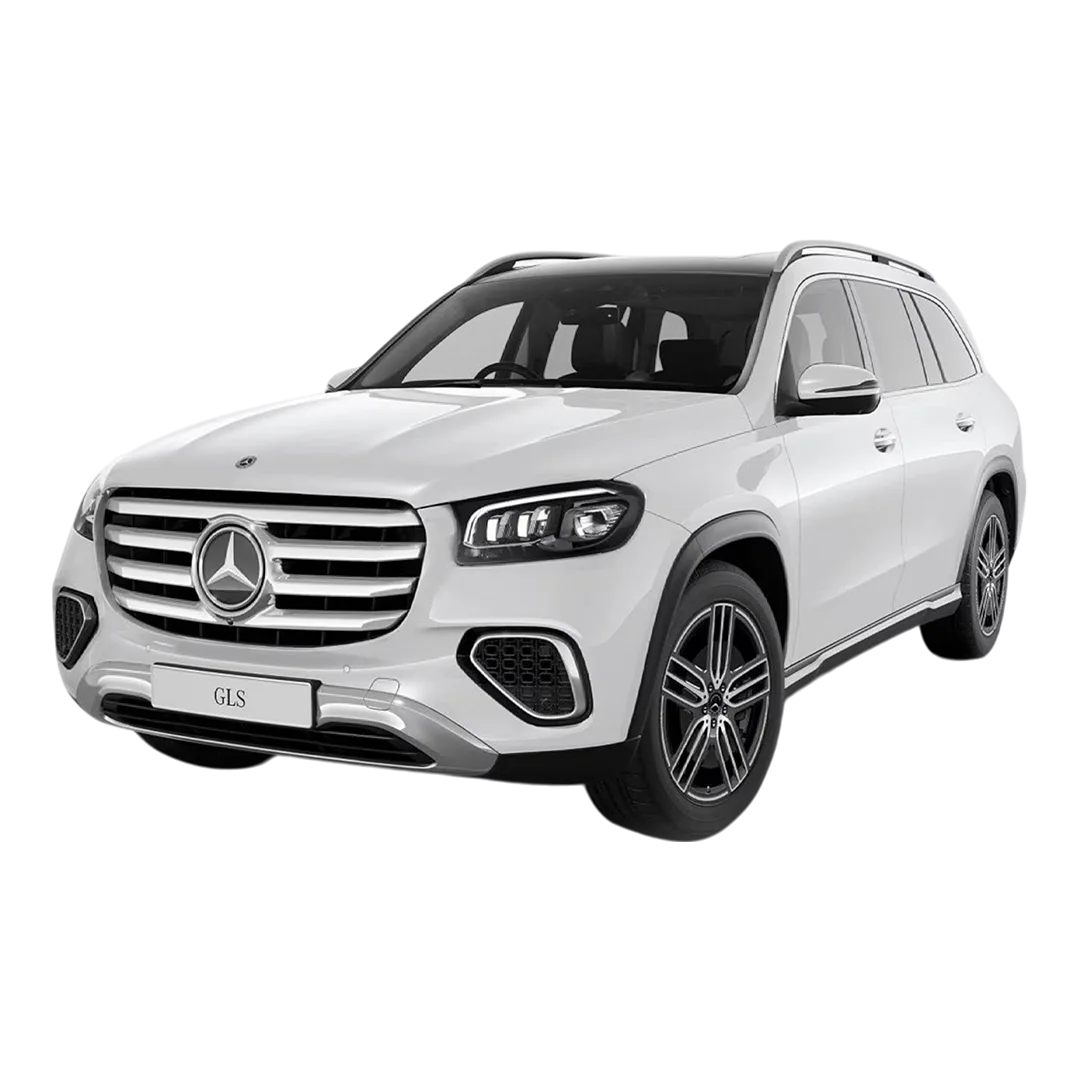
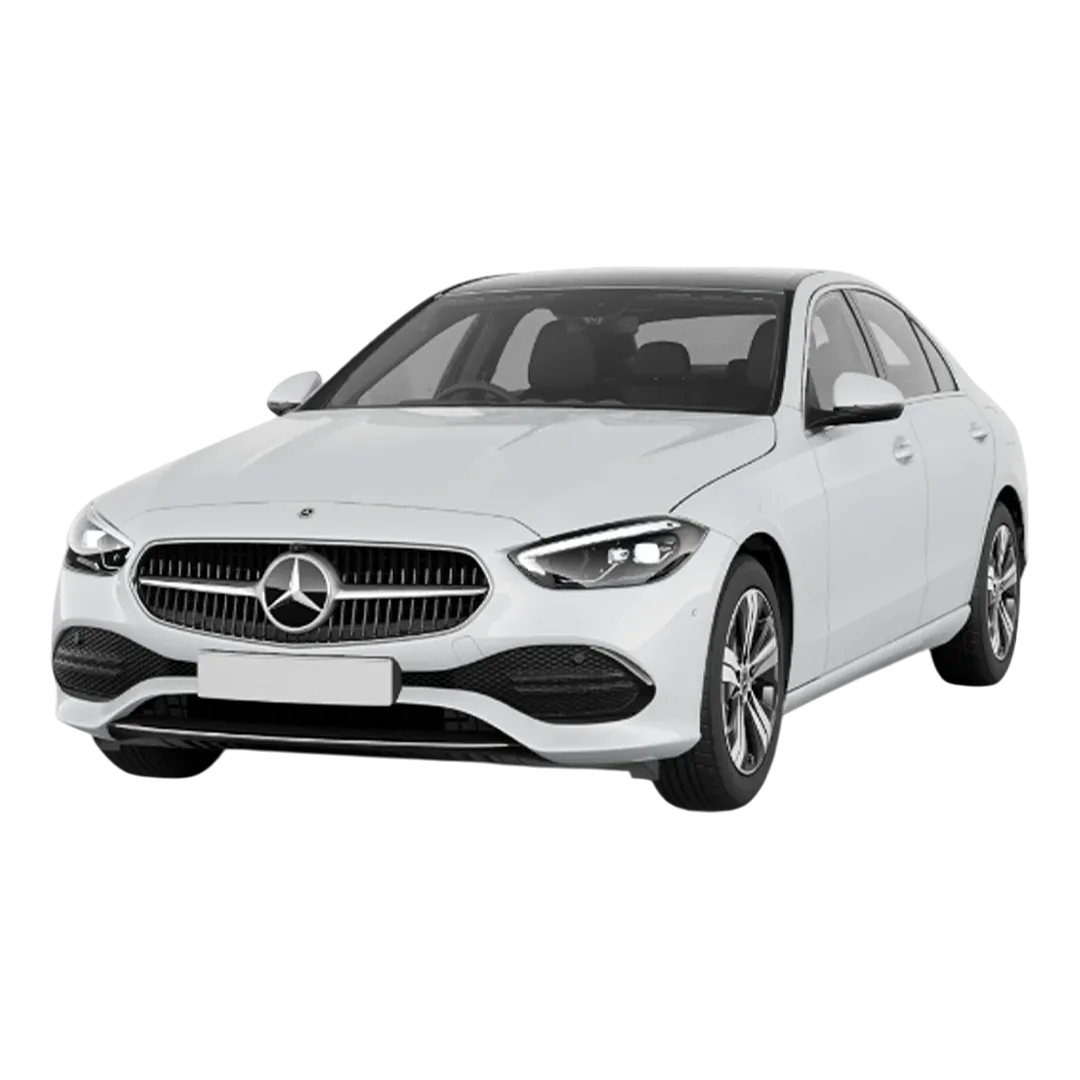
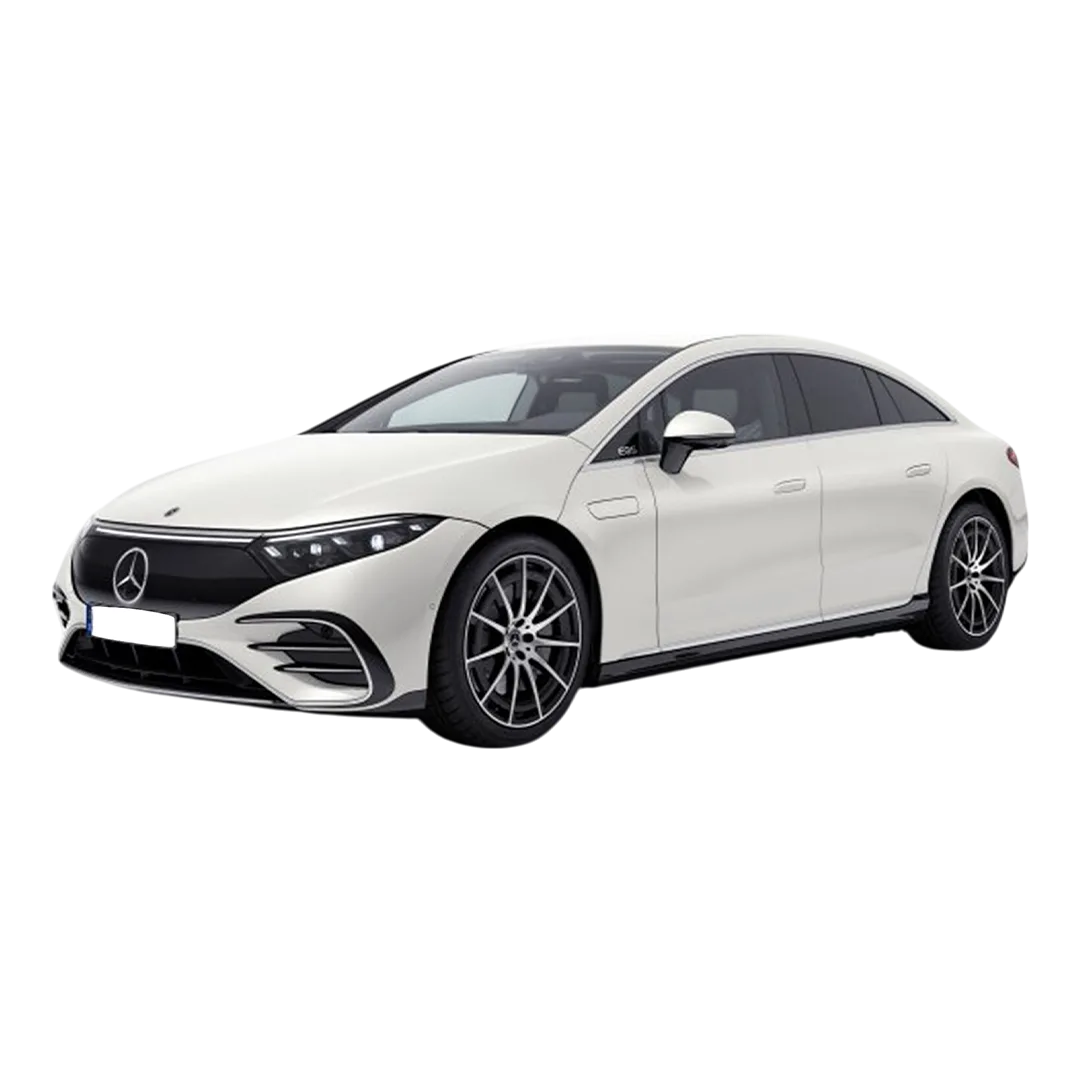
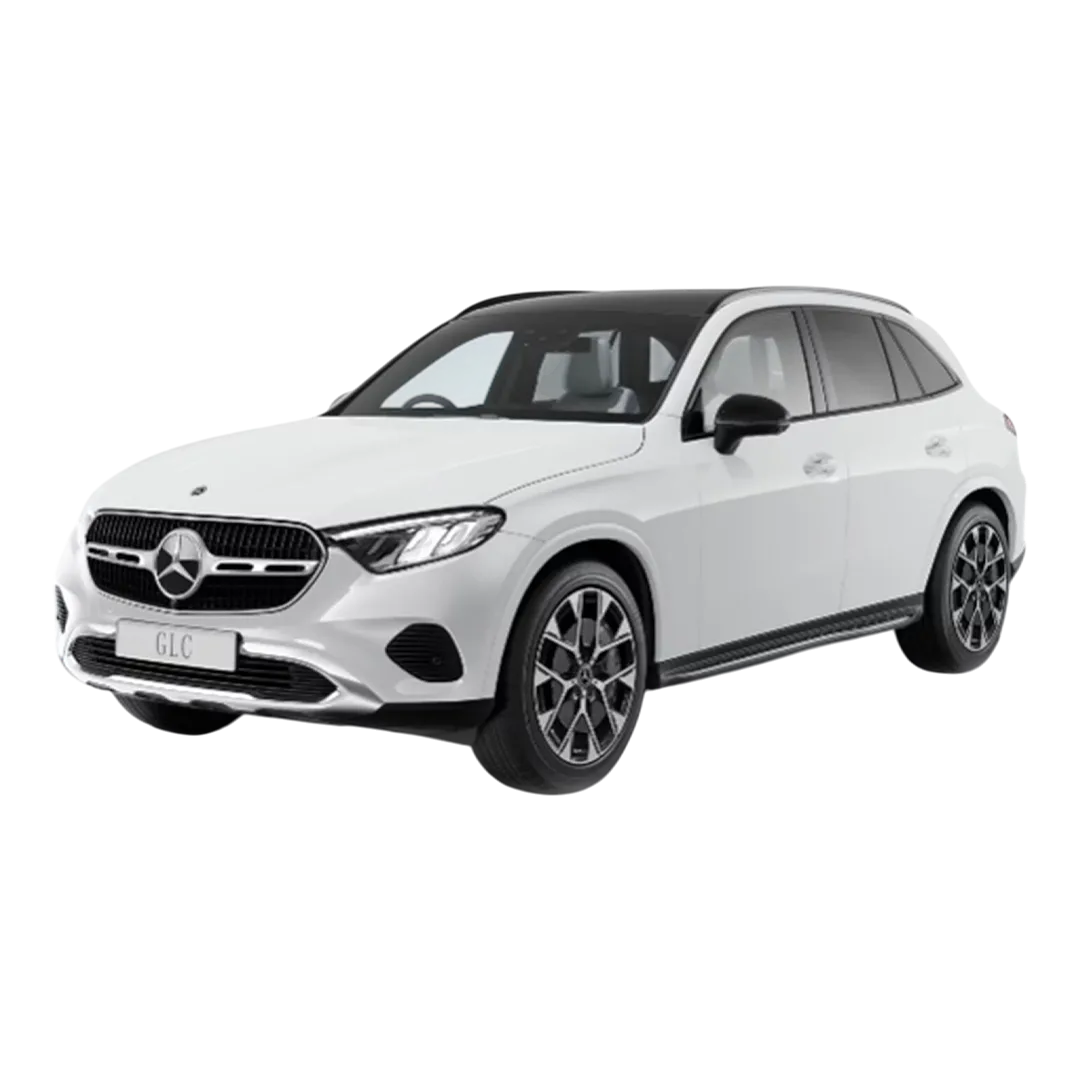
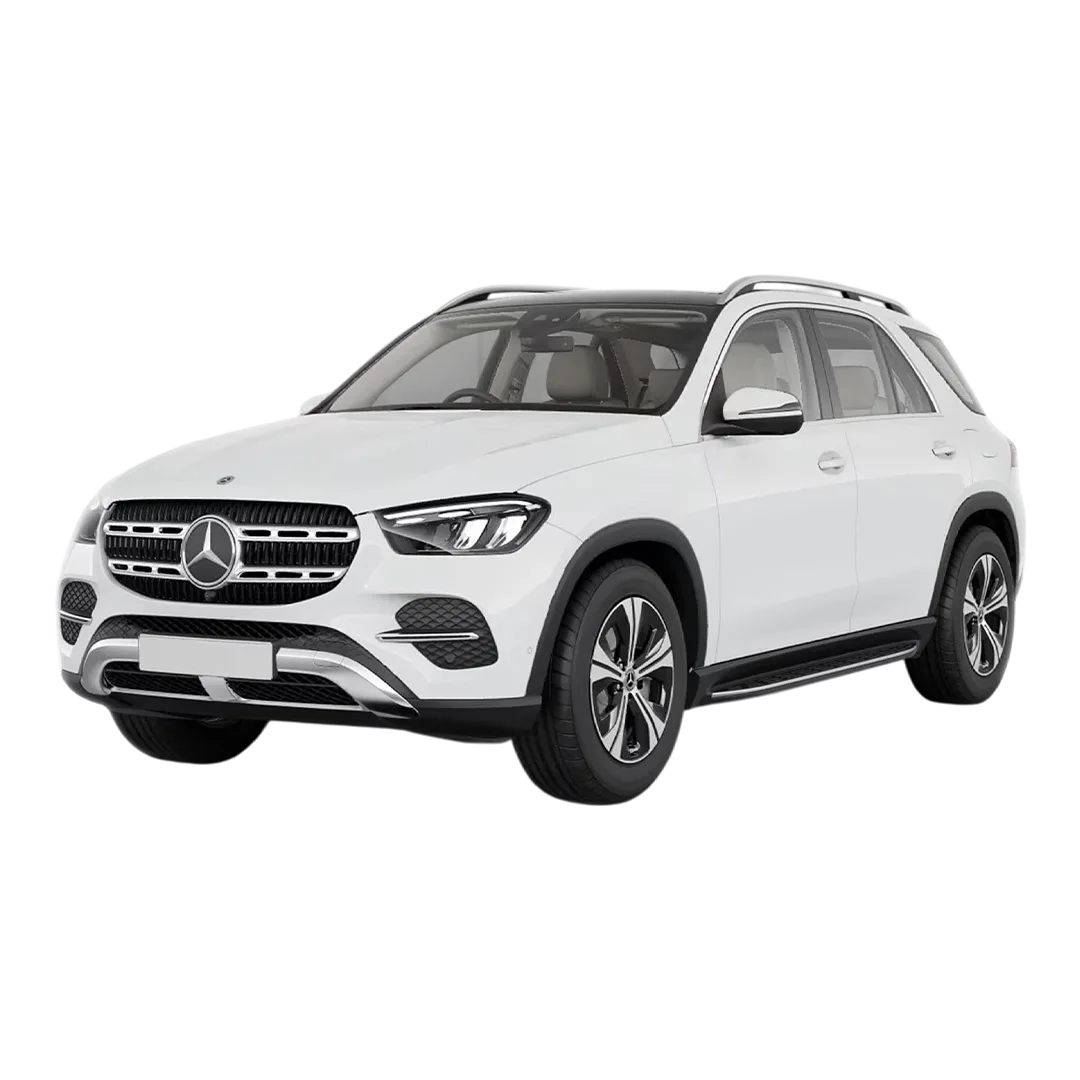
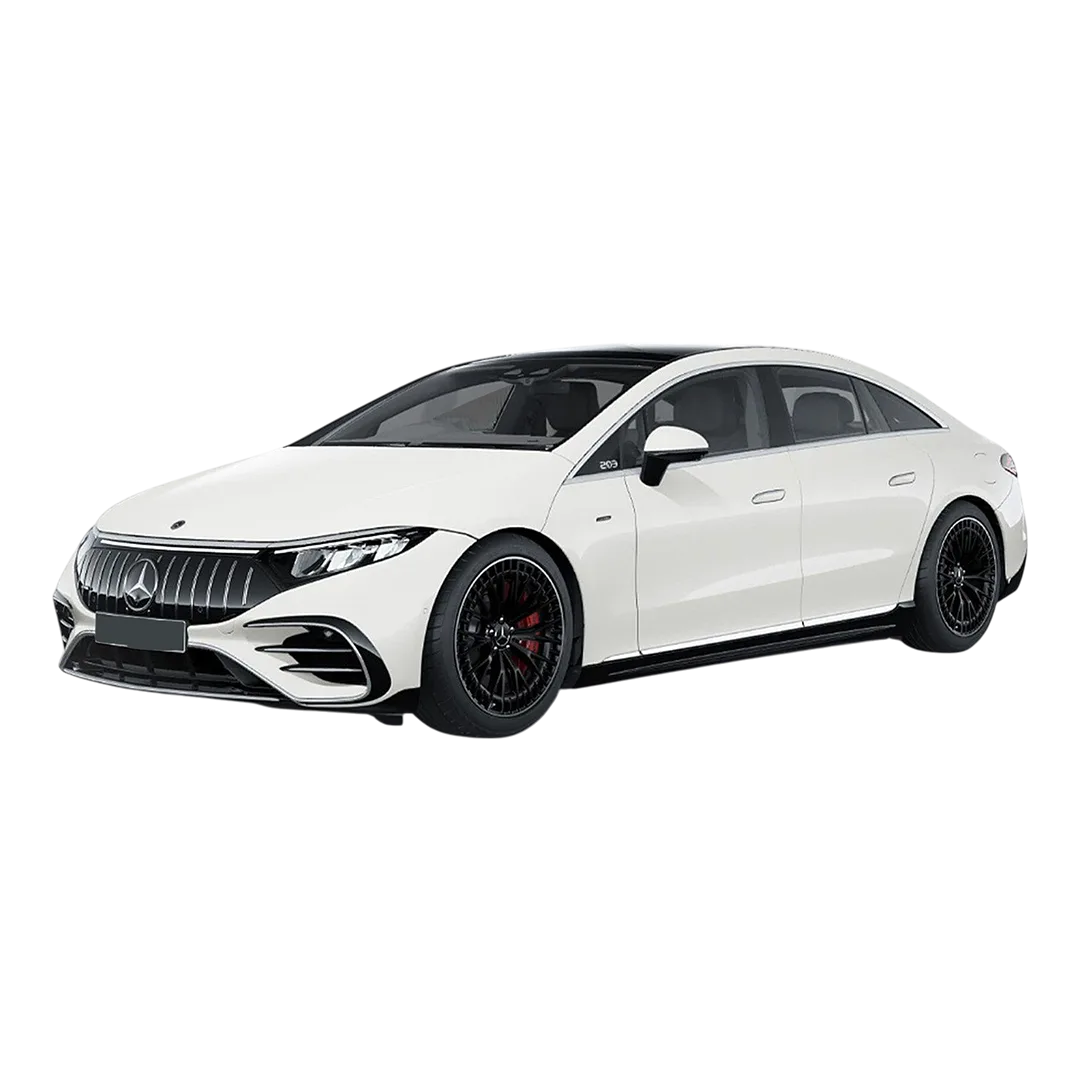
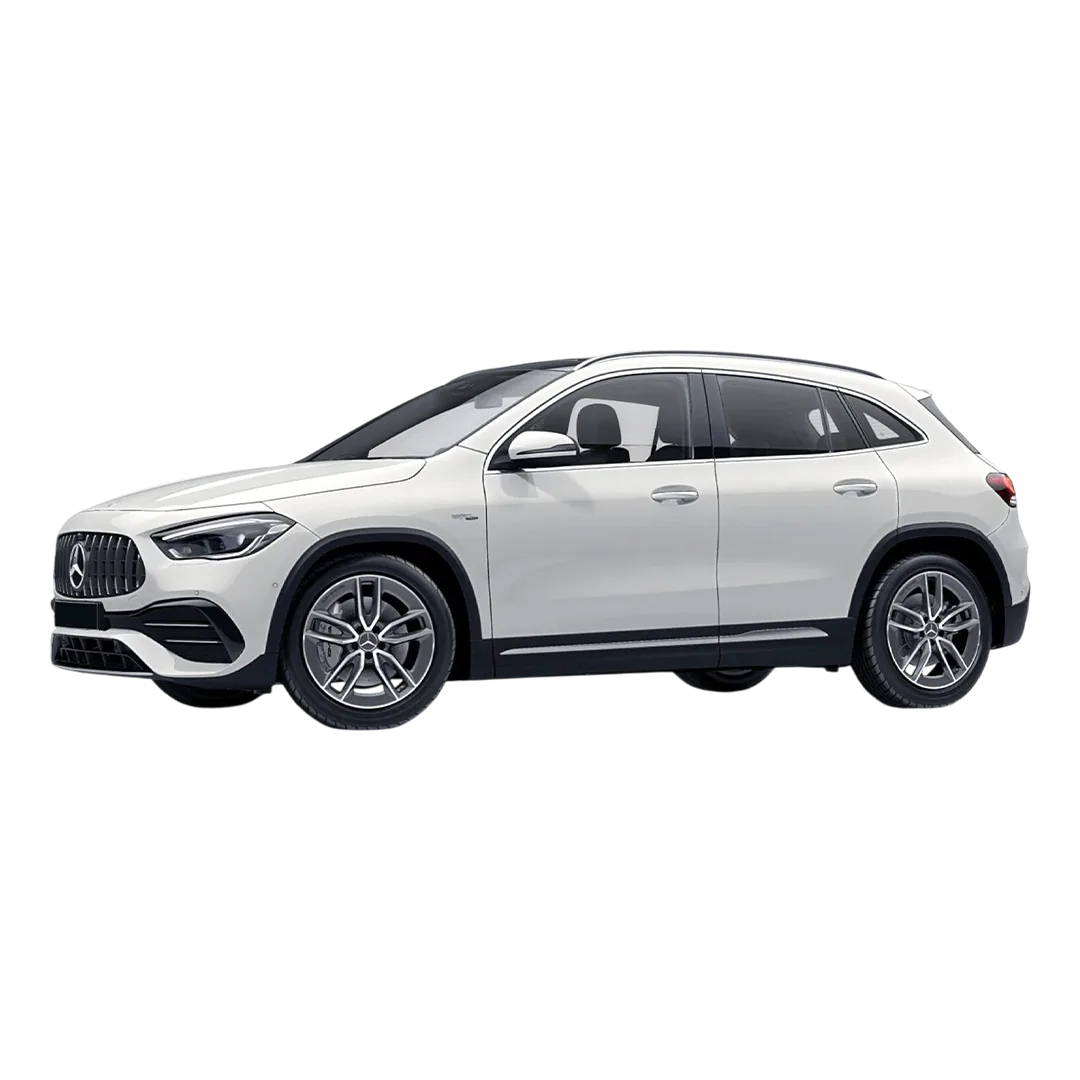
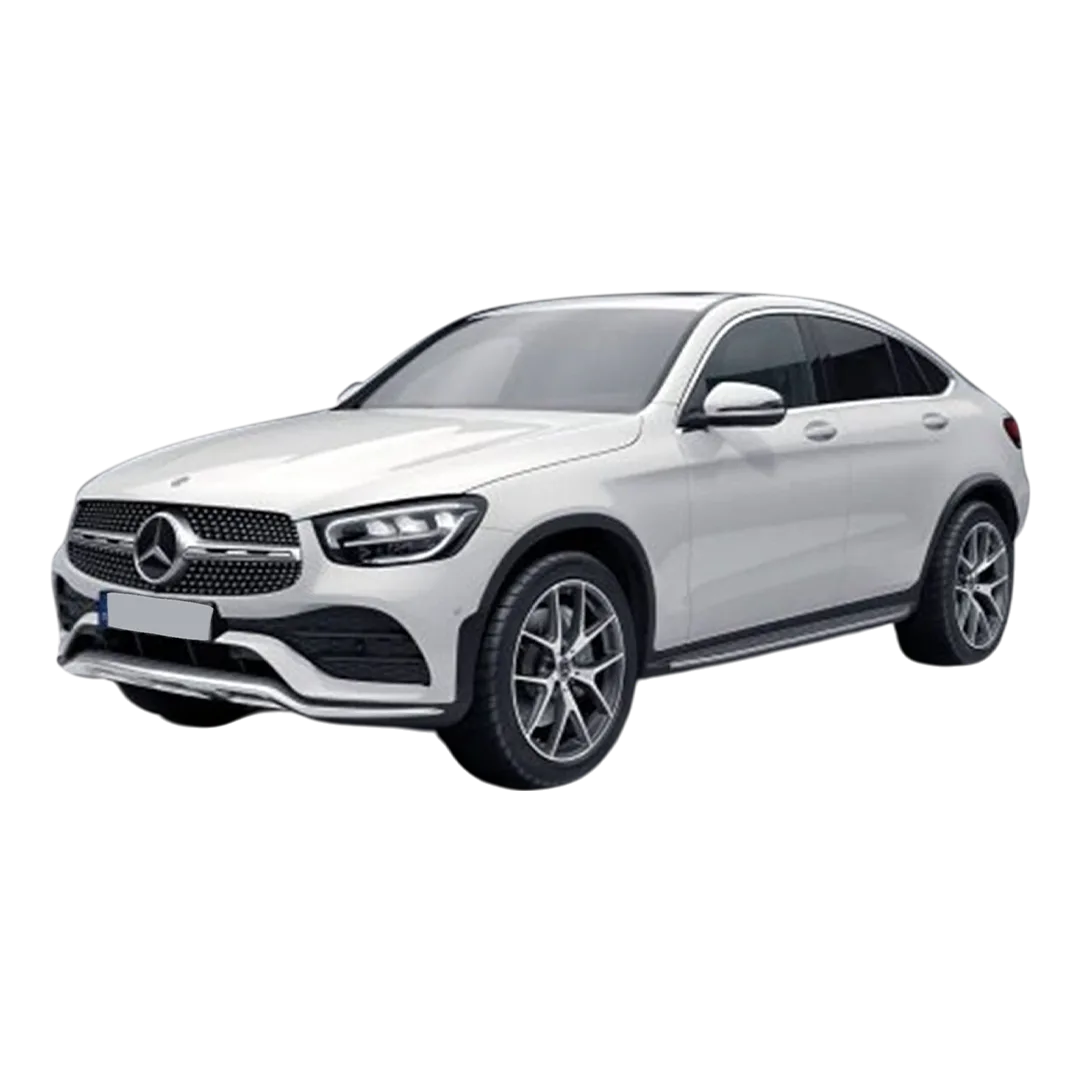
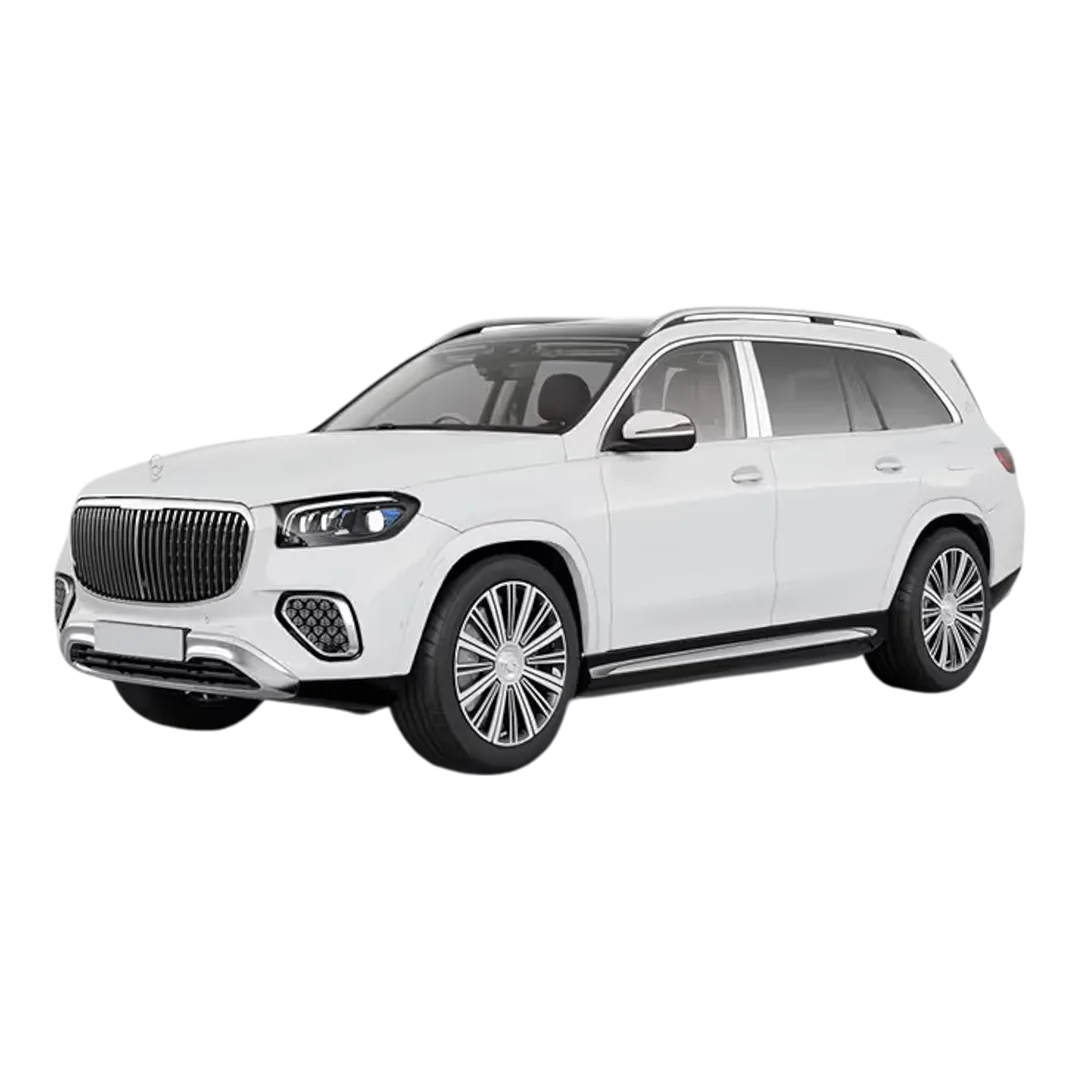
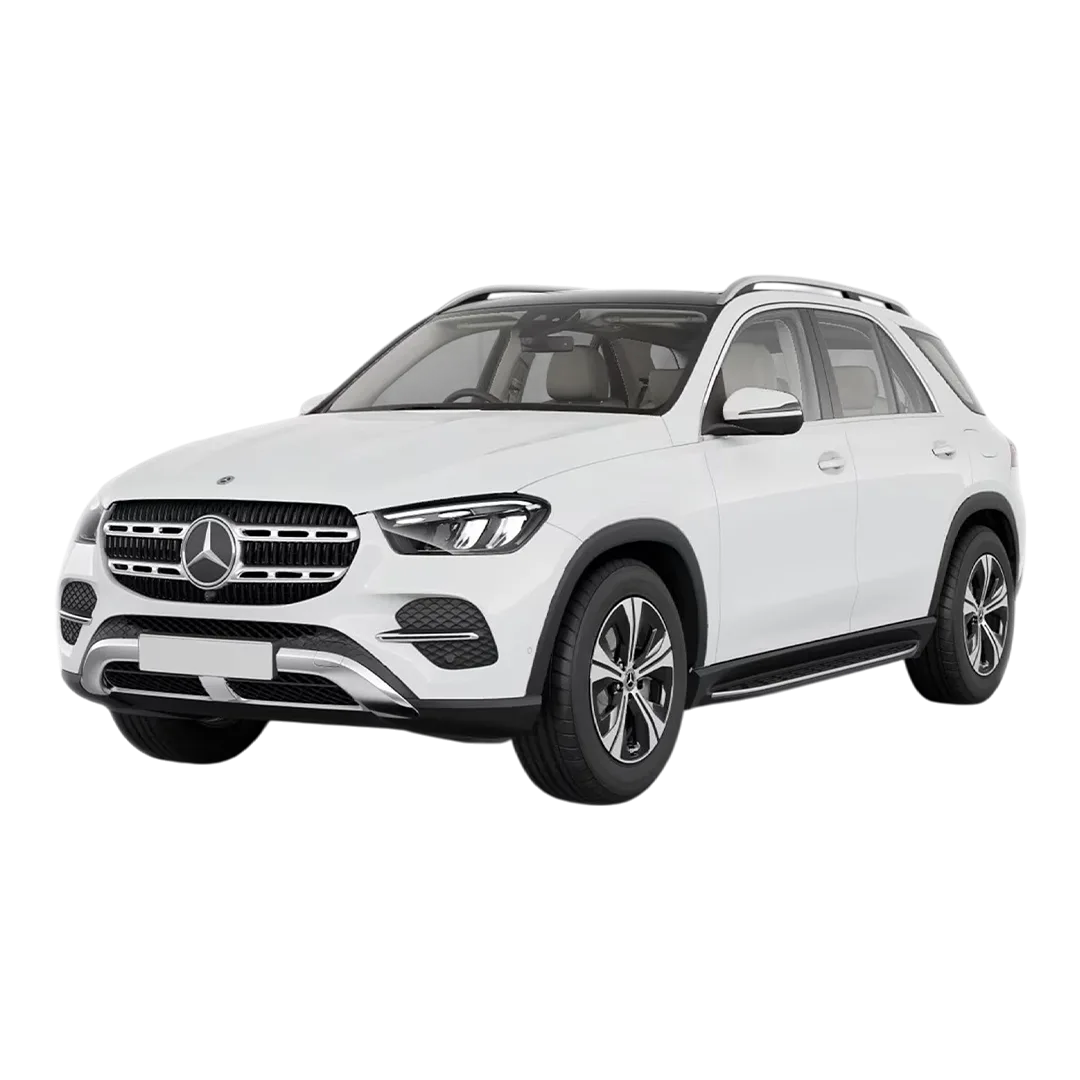
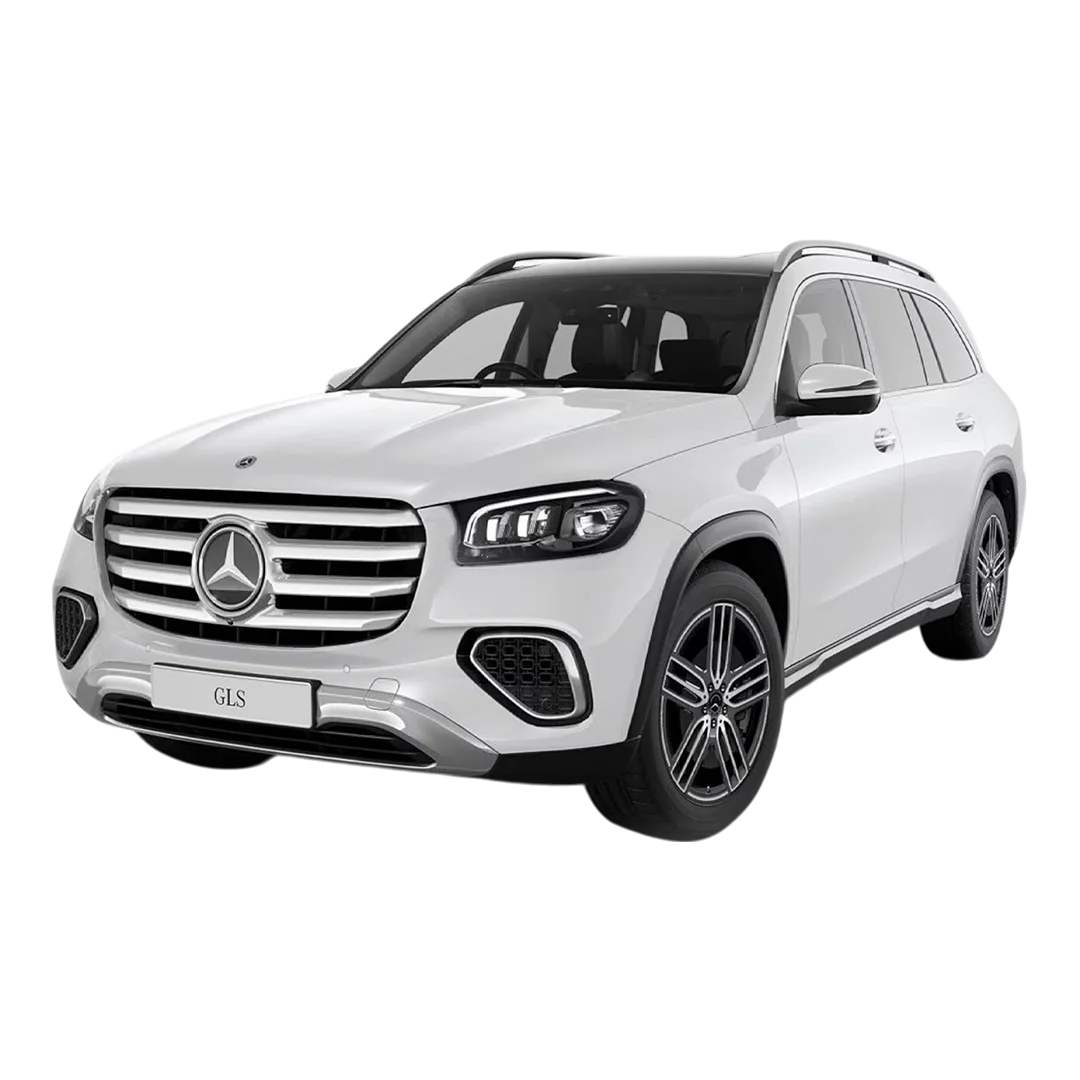
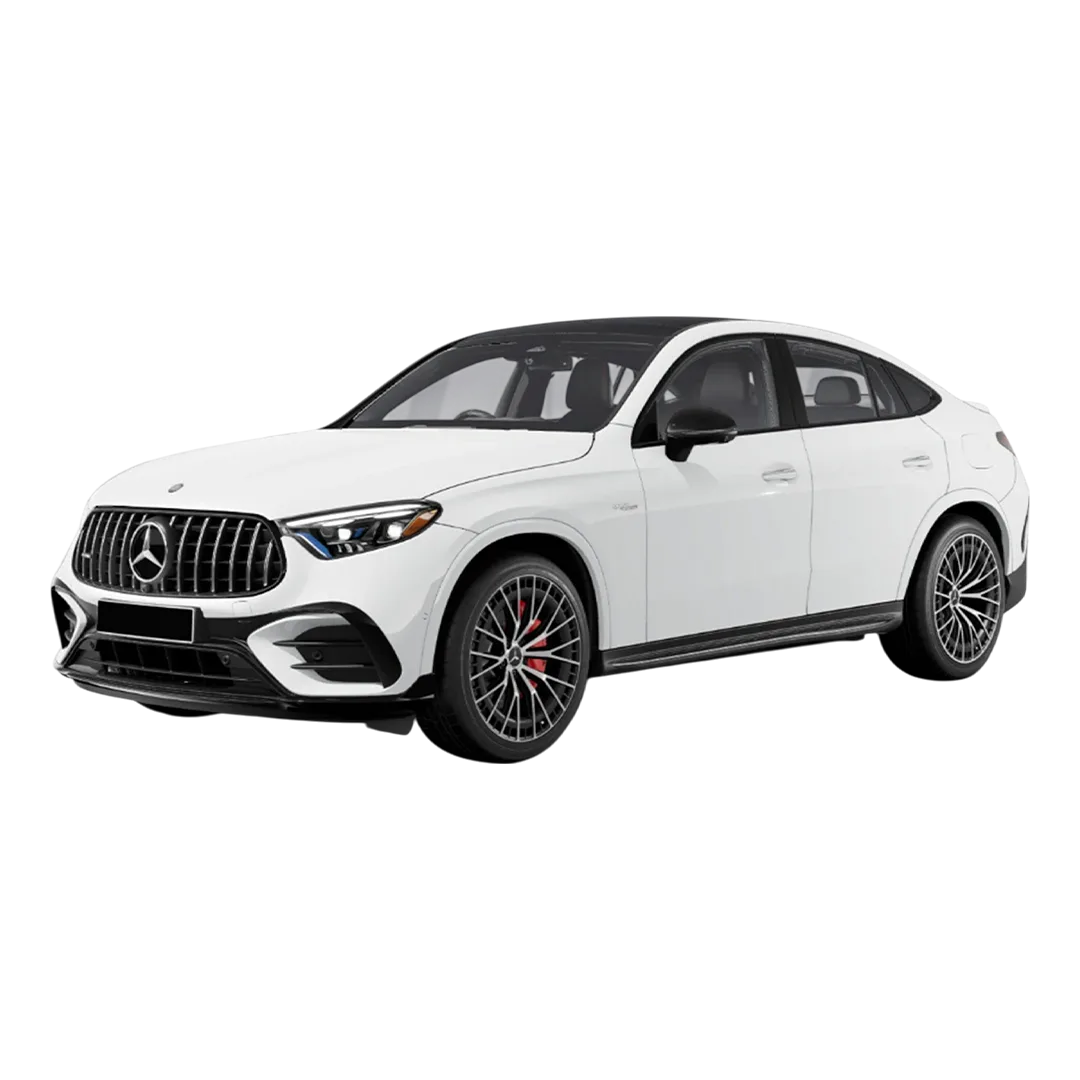
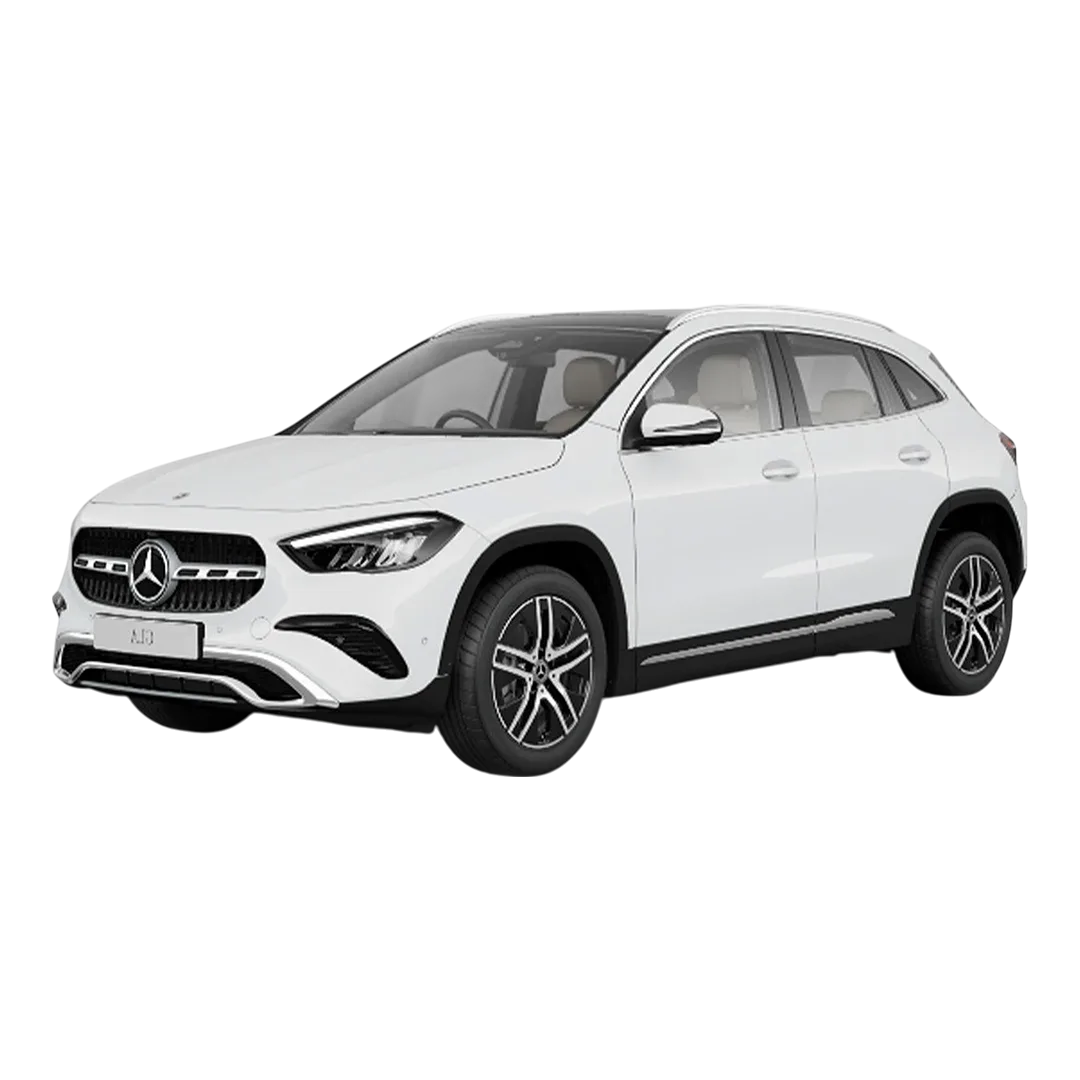
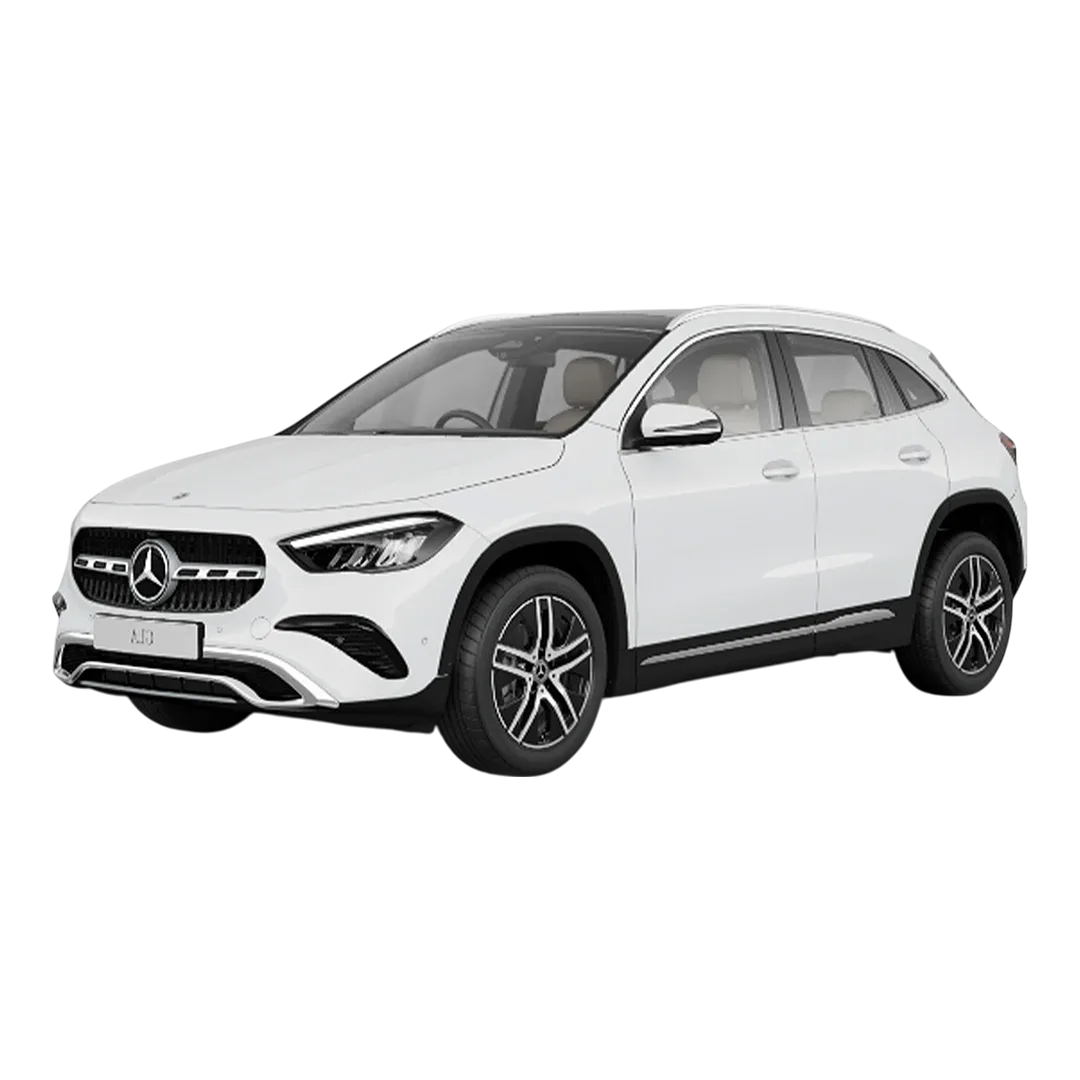
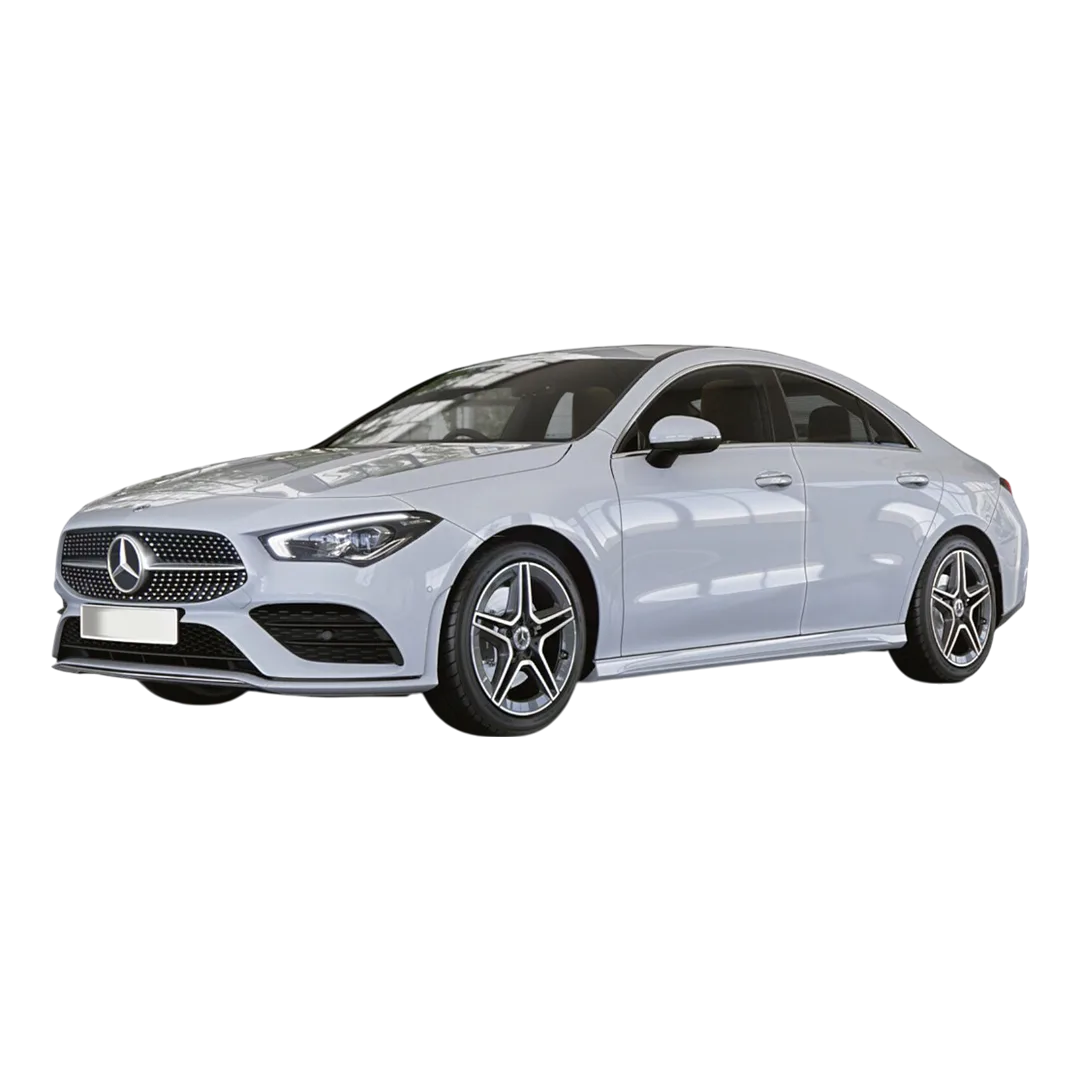
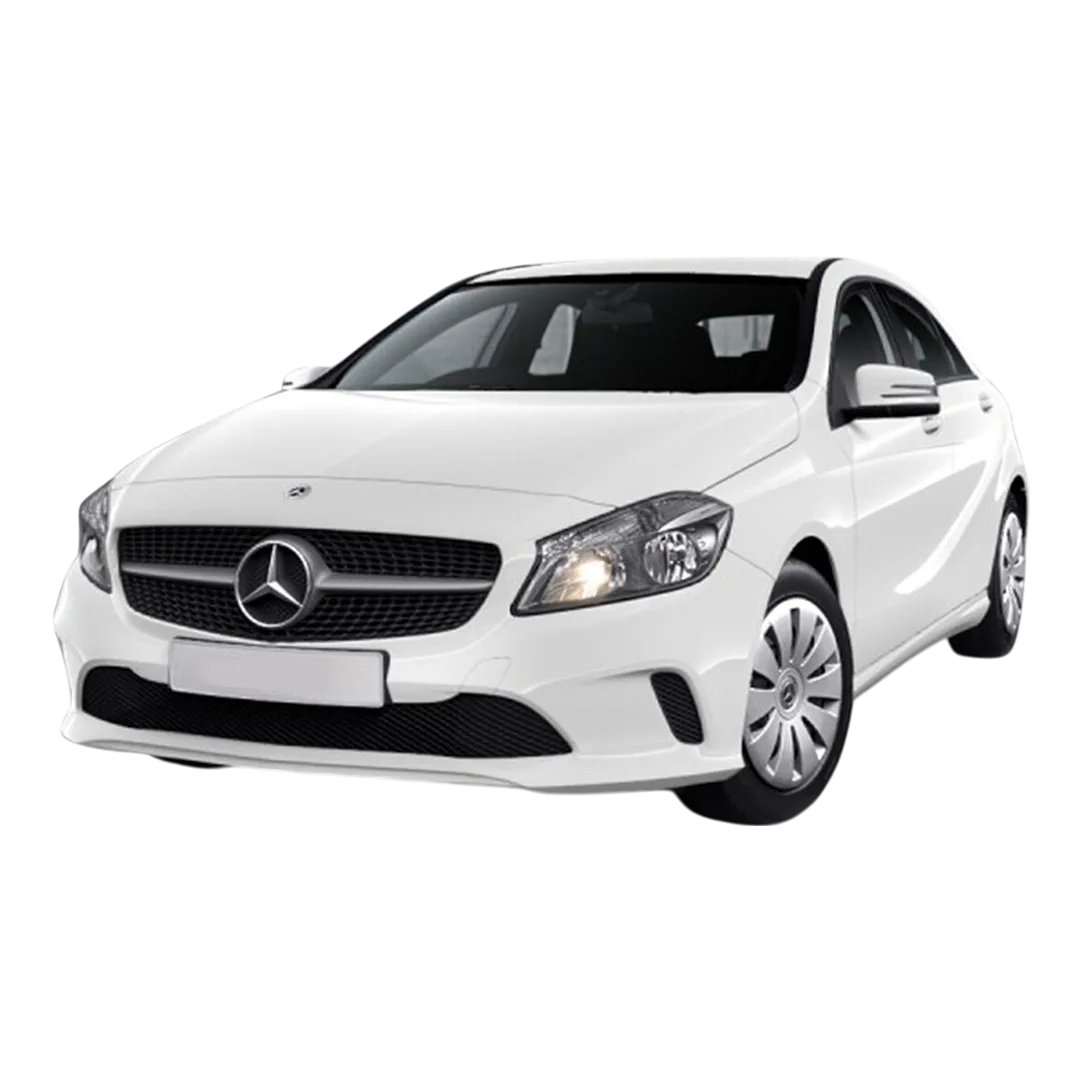
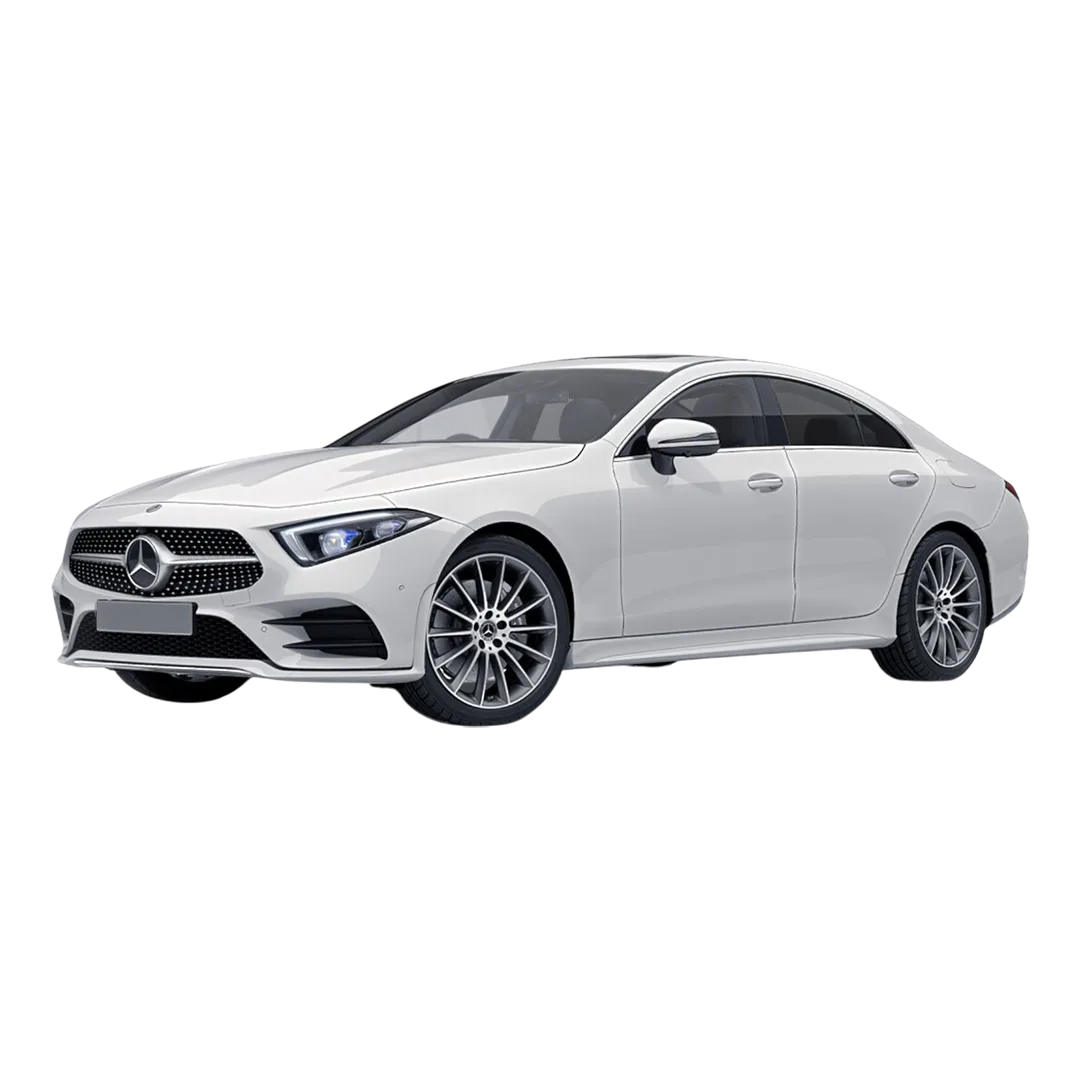
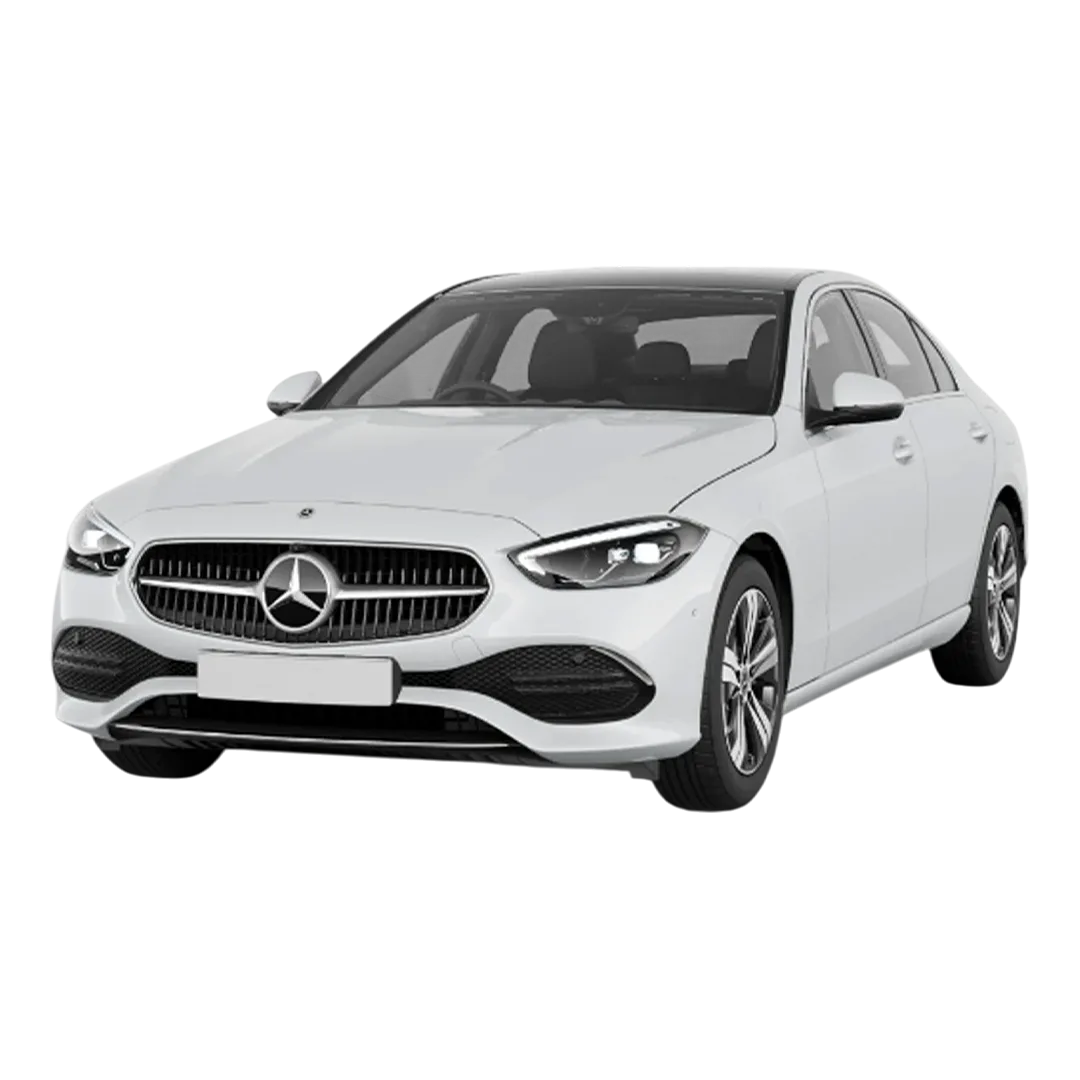
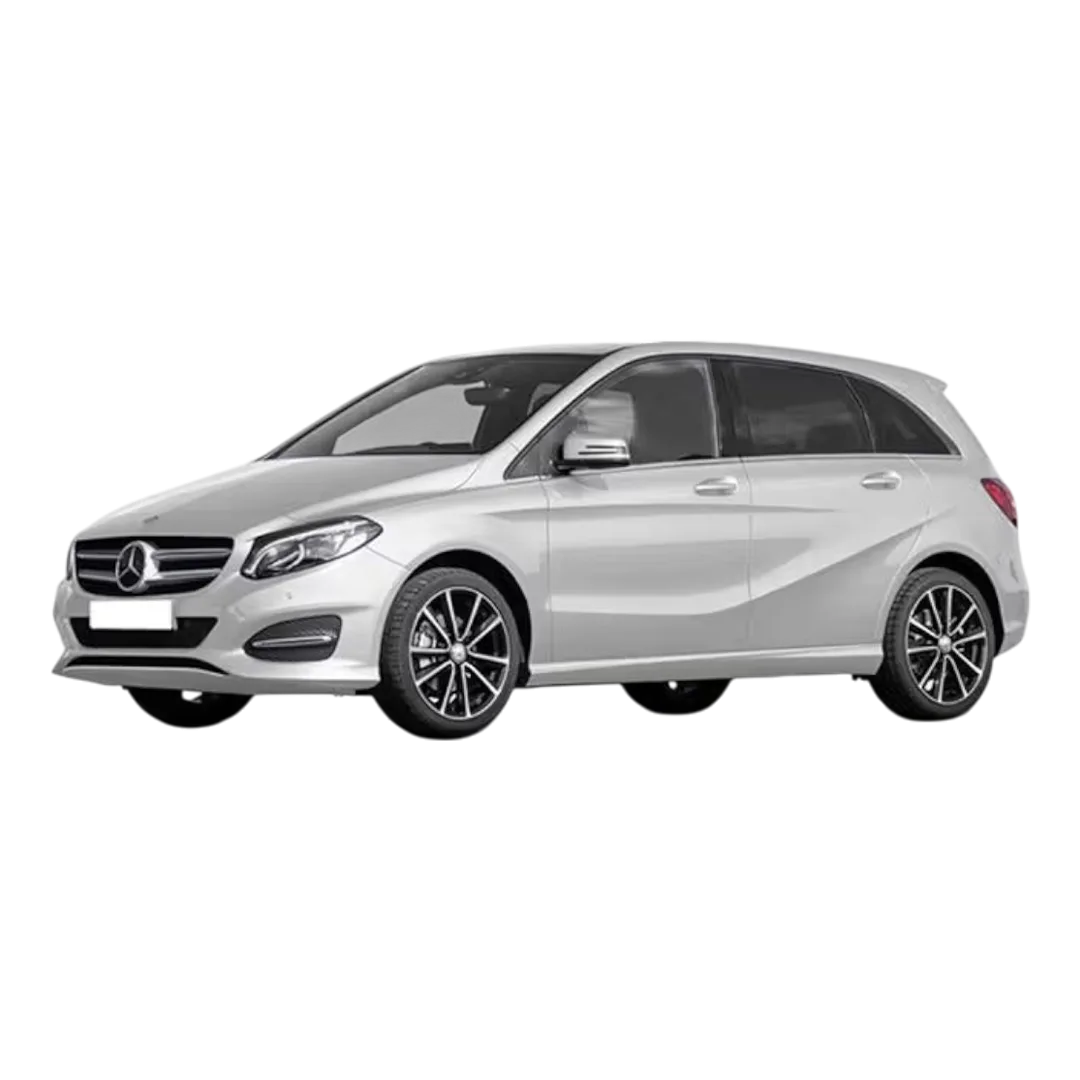
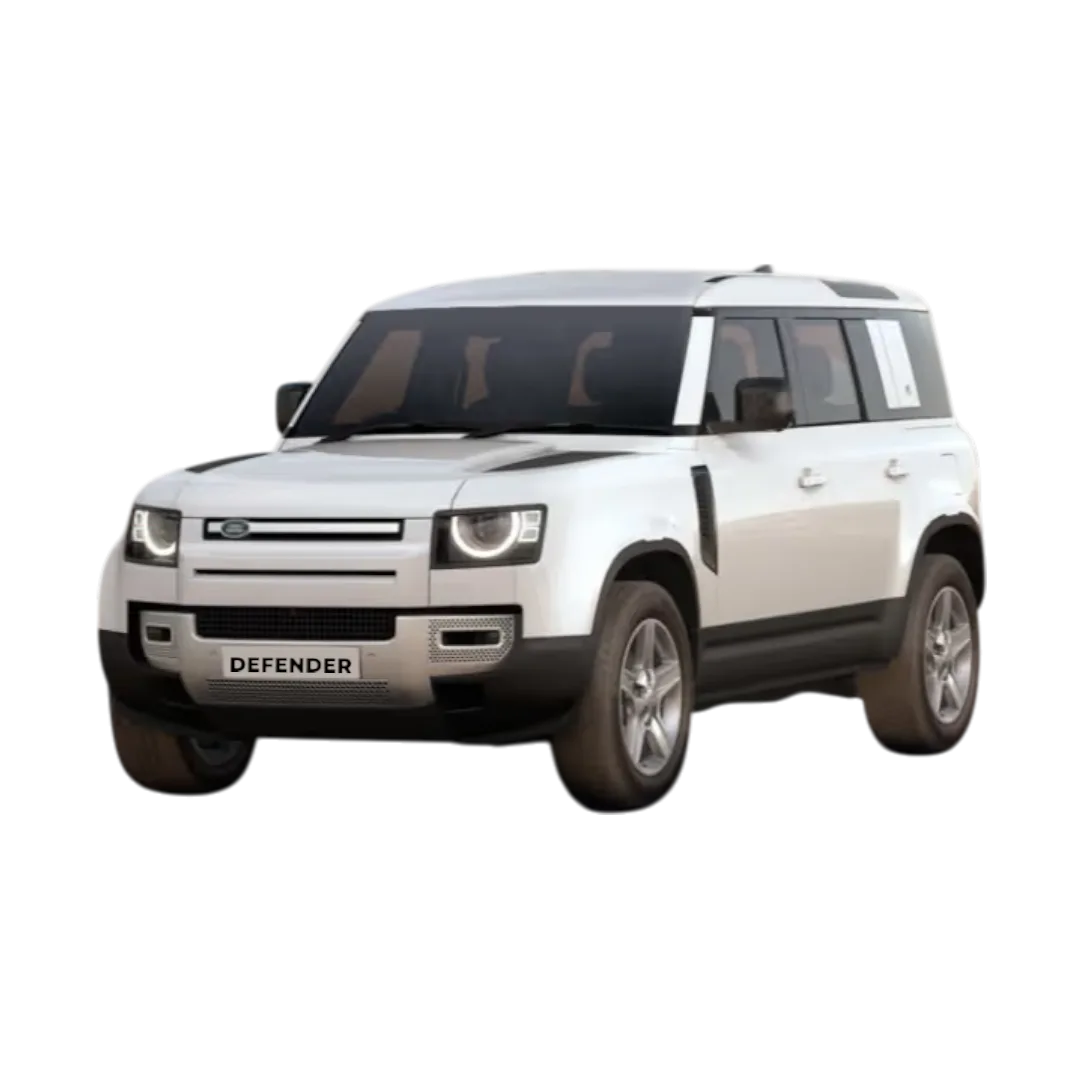
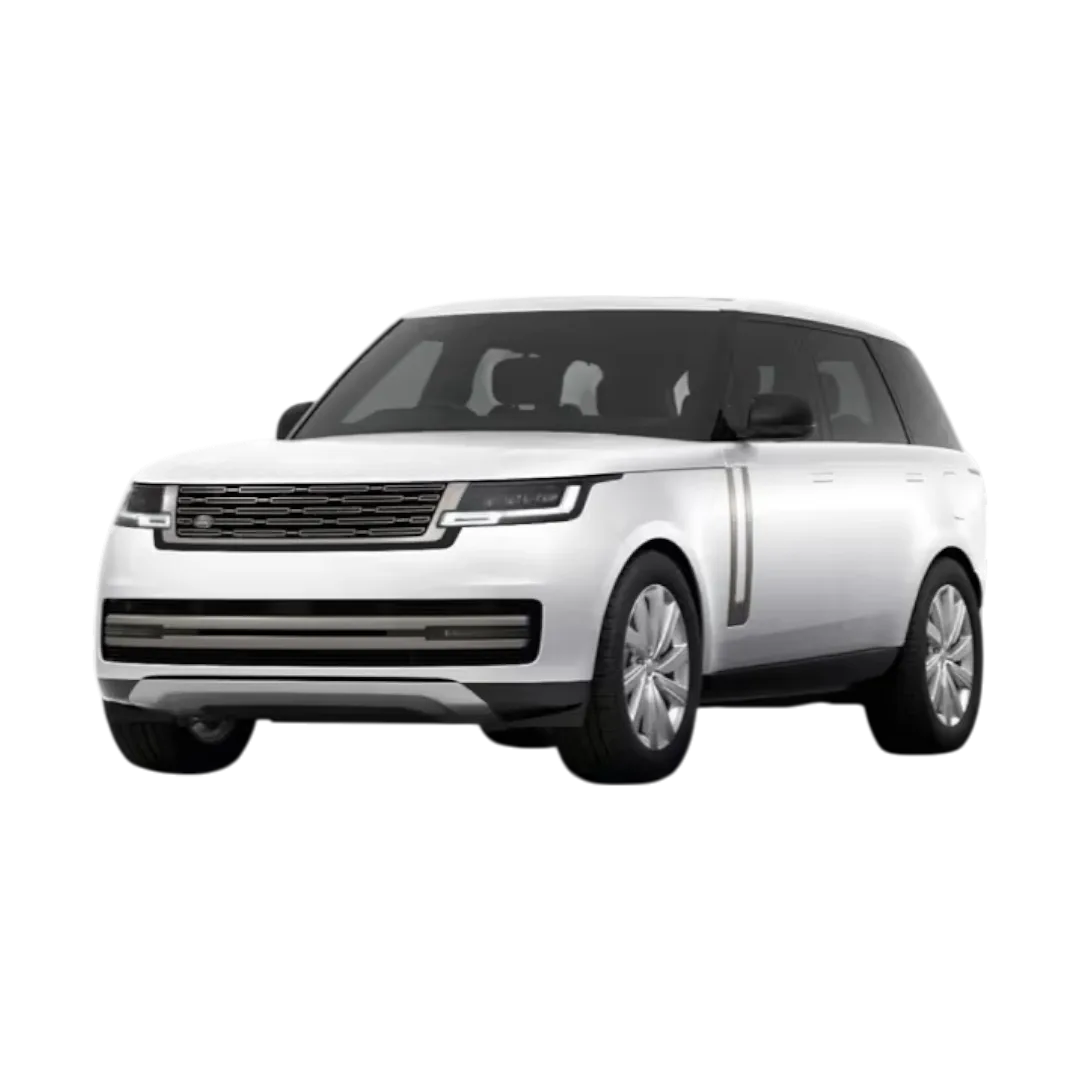
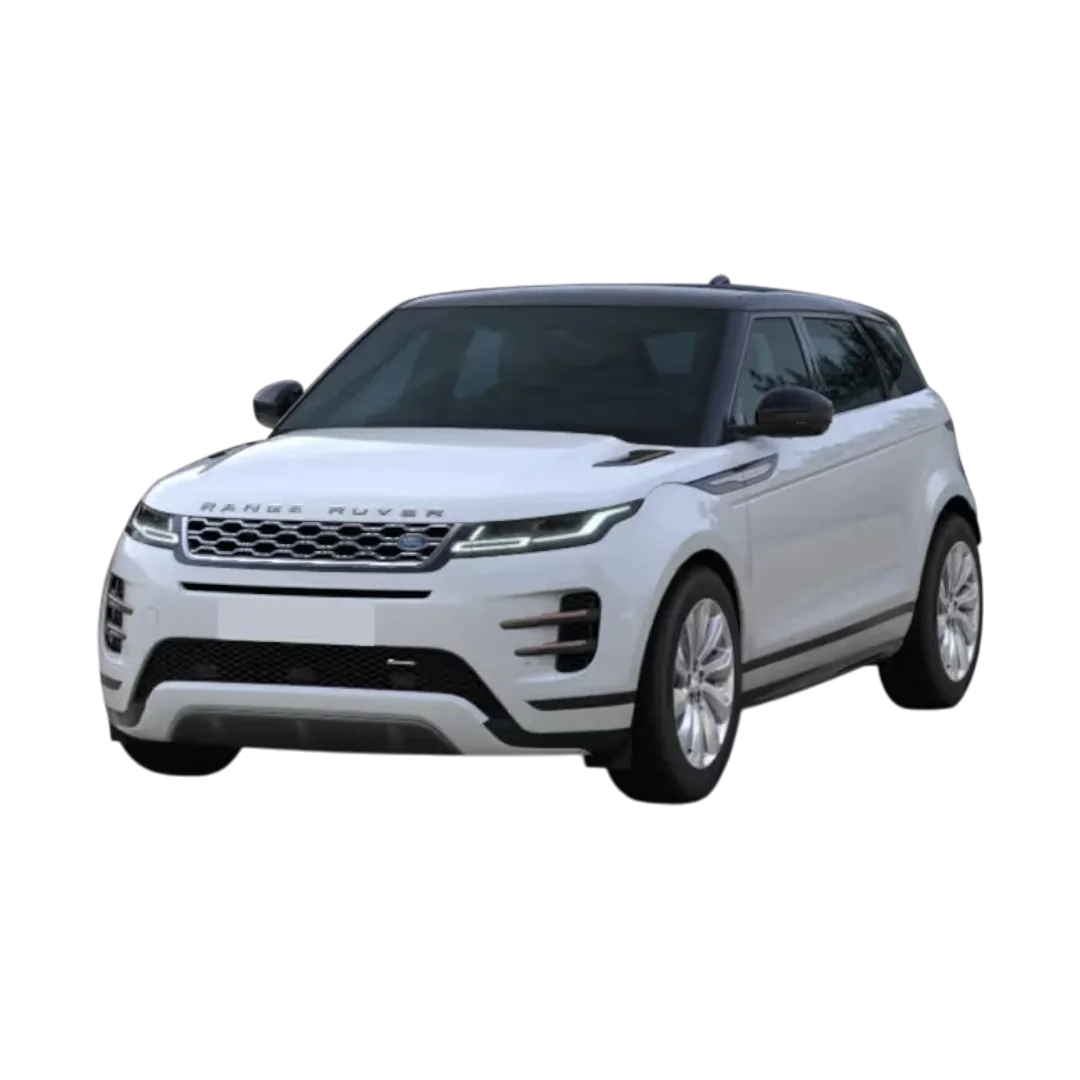
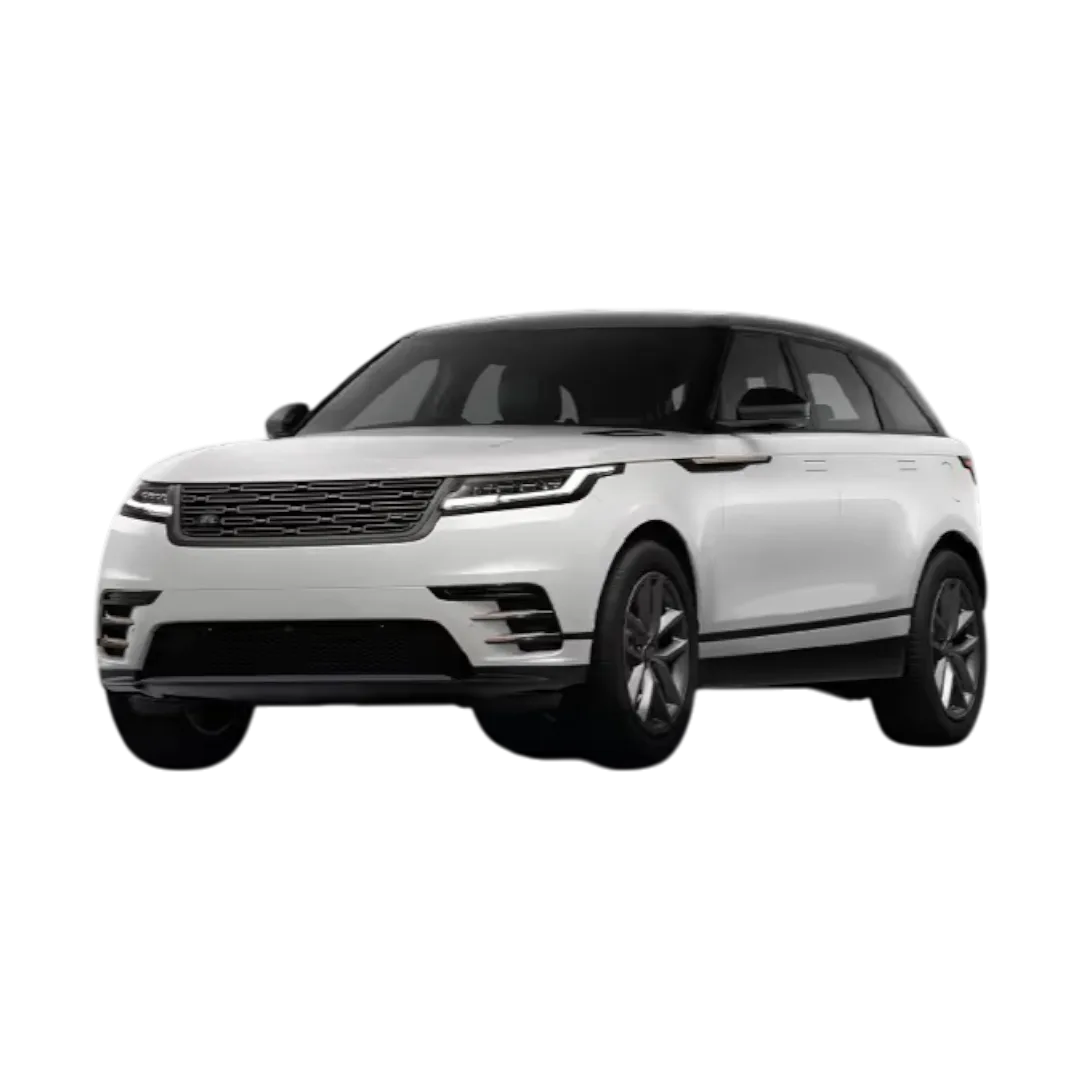
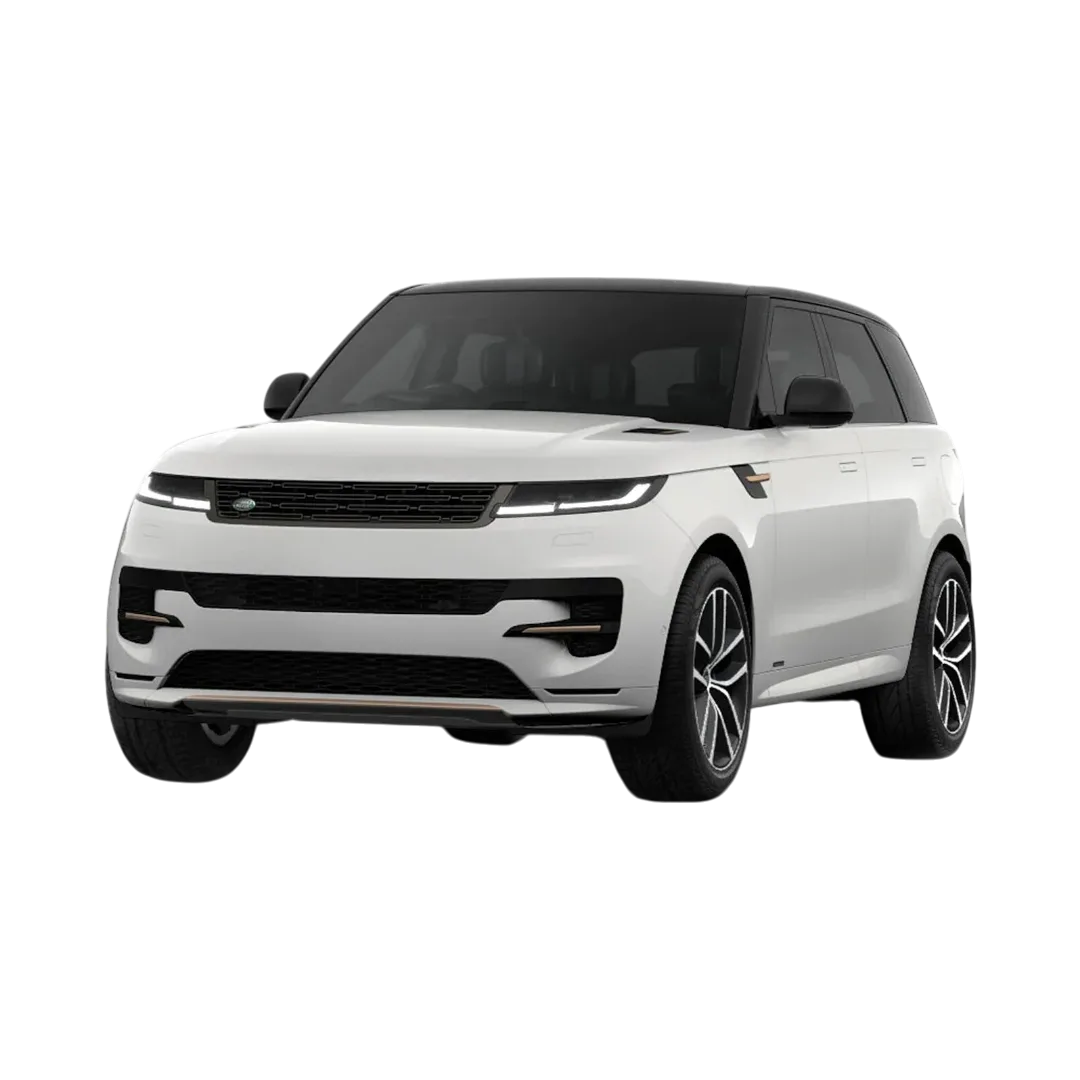
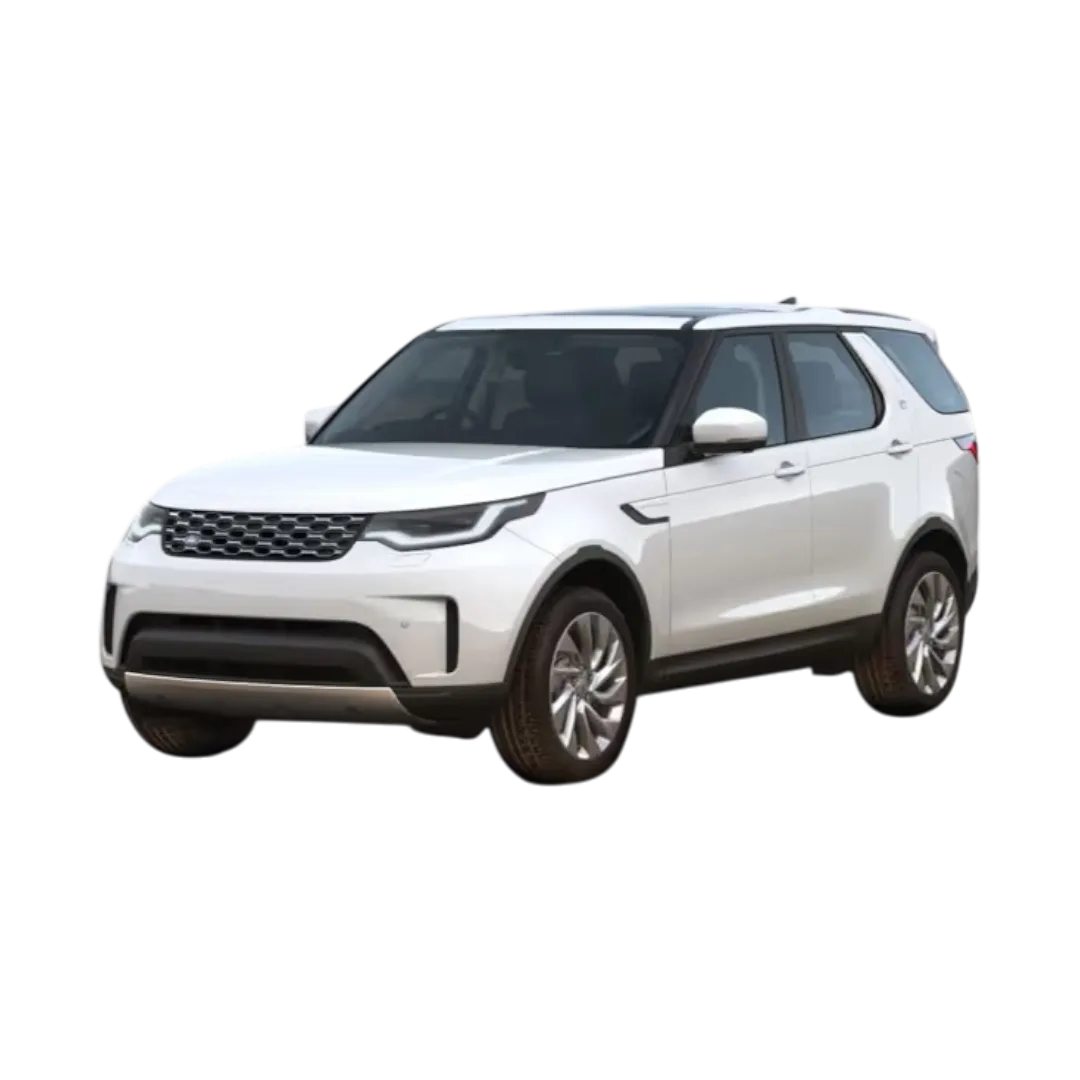
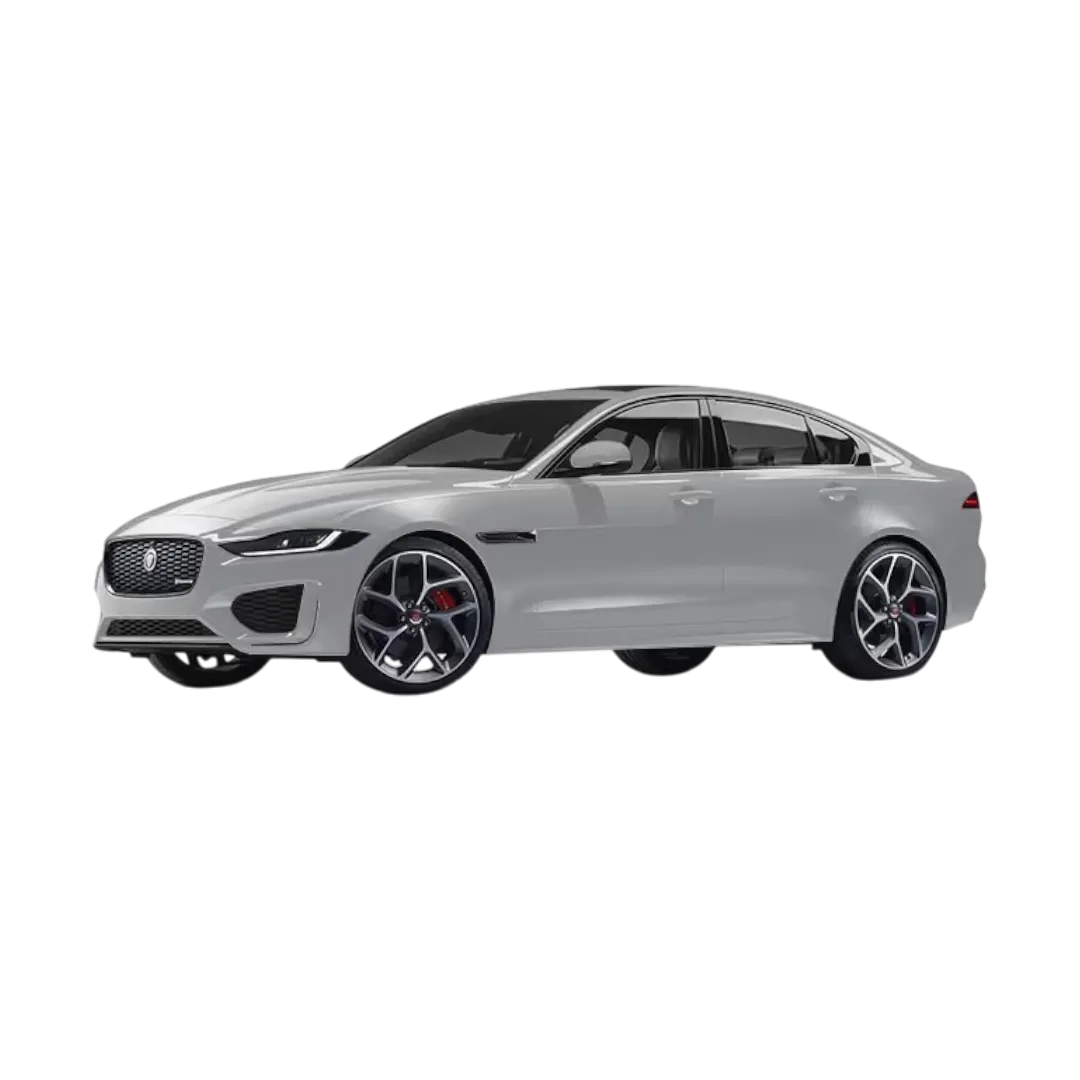
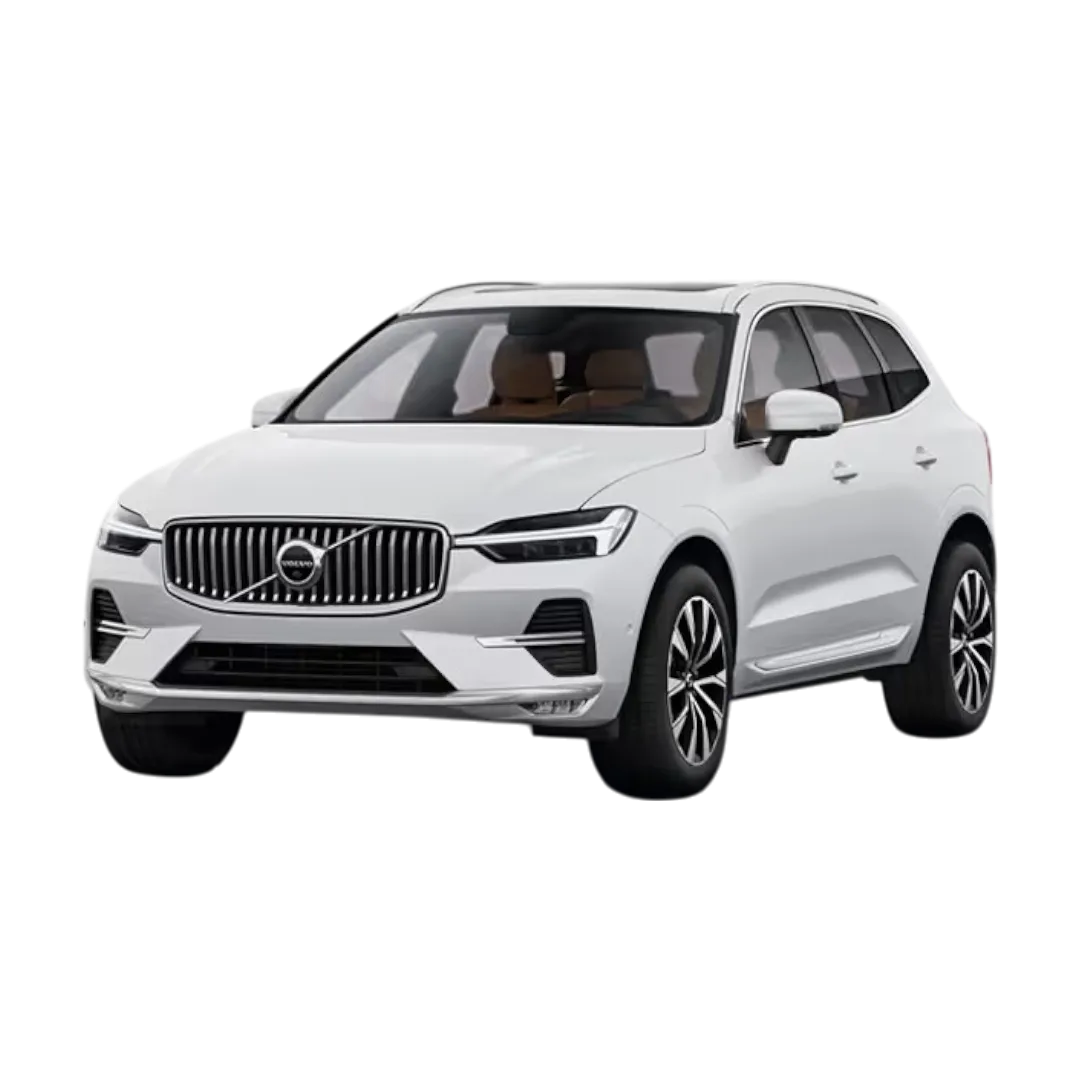
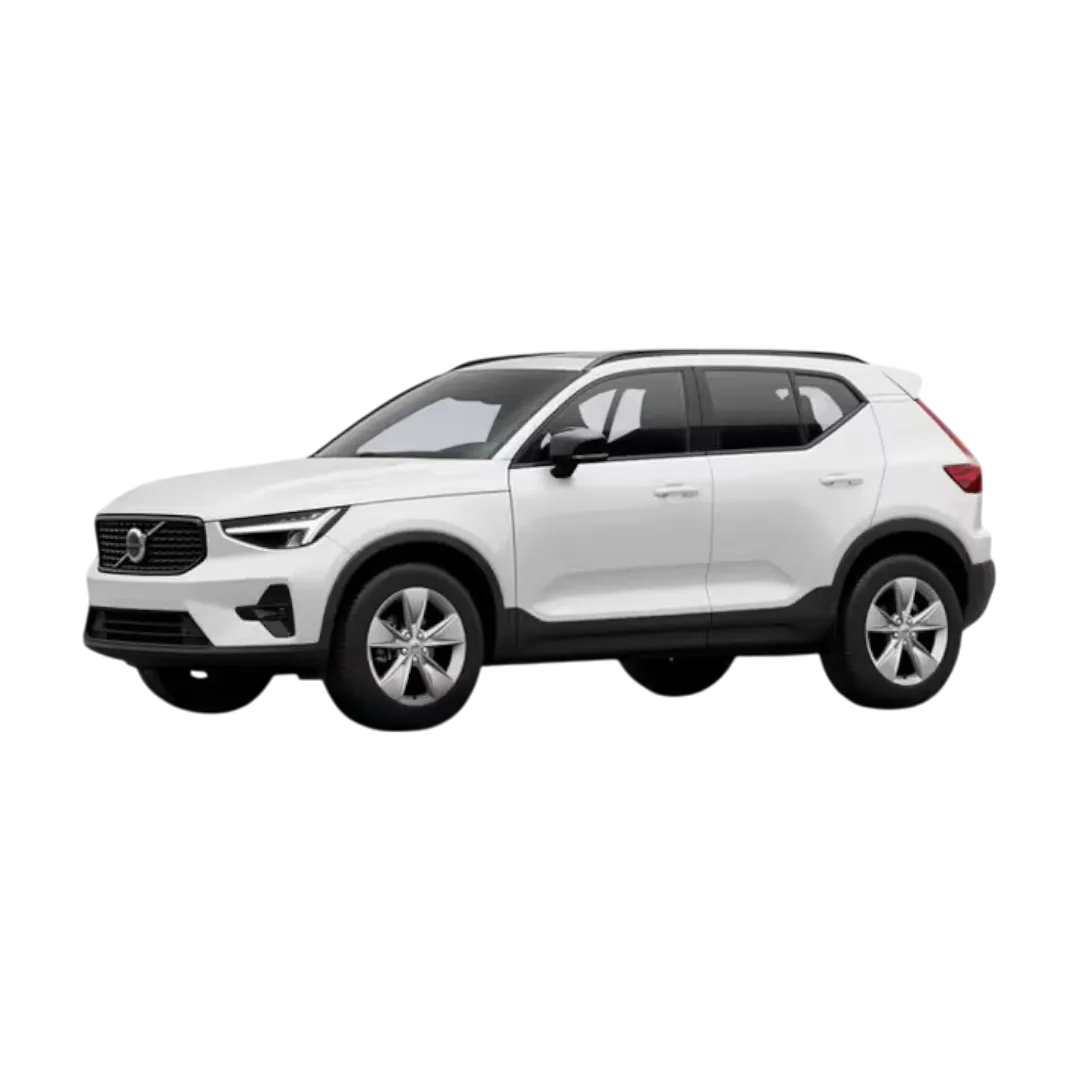
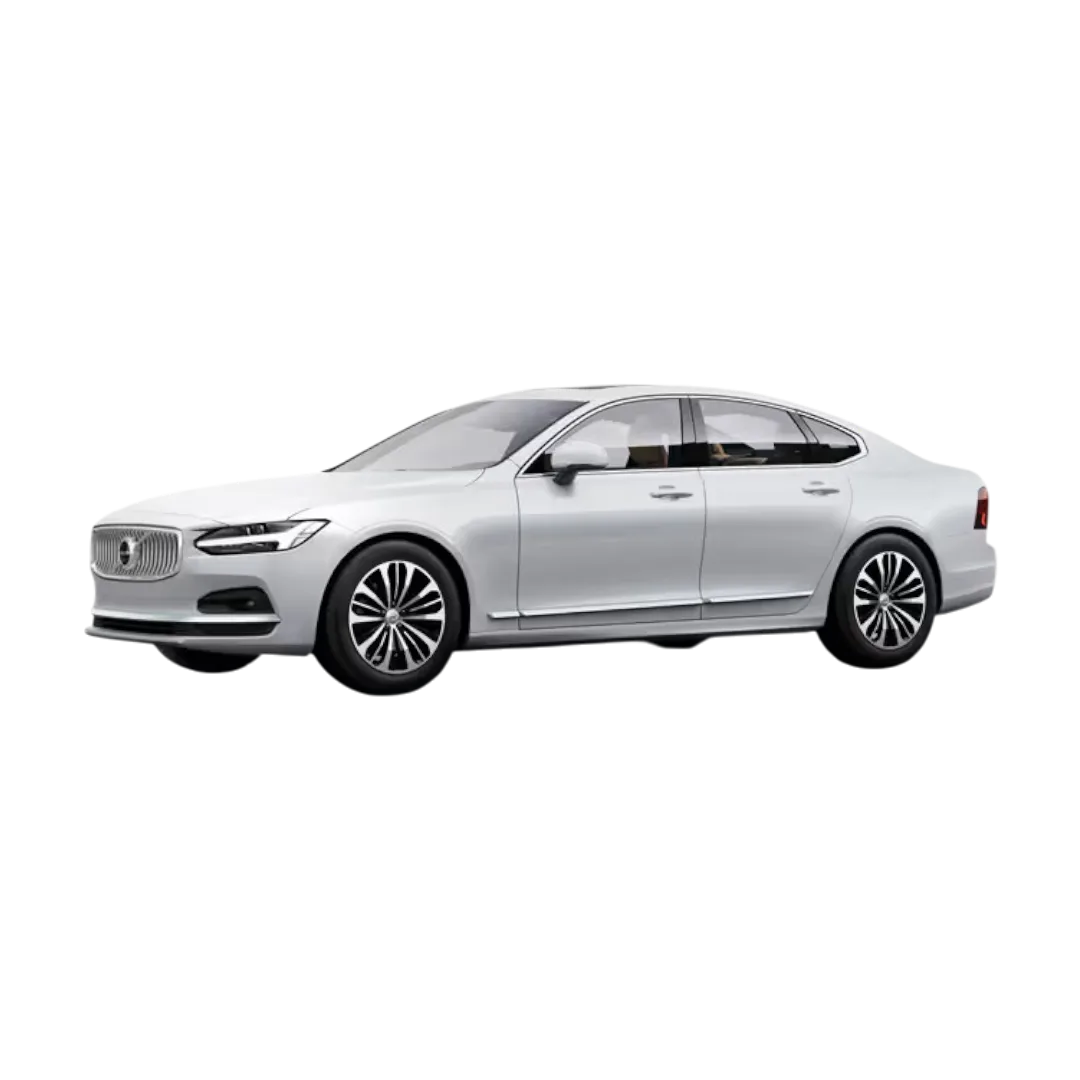
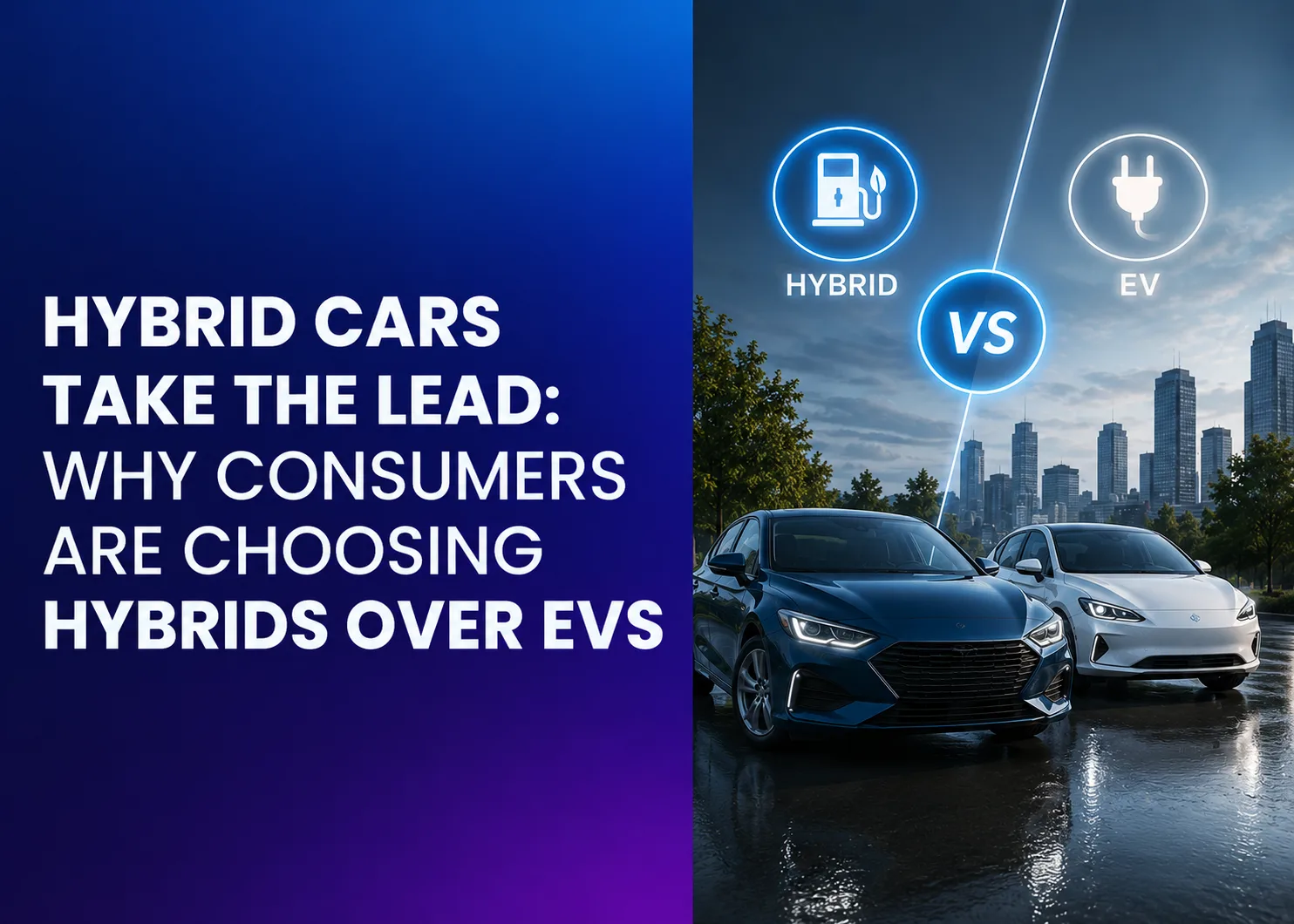
The Indian automobile market is changing quickly, and buyers today have more choices than ever when it comes to powertrains. While electric vehicles are gaining attention, Hybrid Cars are quietly becoming a practical choice for consumers who want better fuel efficiency without completely moving away from petrol. This is particularly relevant in Hybrid Cars India, where charging infrastructure and driving patterns can vary significantly from one city to another.
A hybrid combines a petrol engine with an electric motor, allowing the vehicle to deliver improved efficiency while retaining the convenience of conventional refuelling. For buyers comparing Hybrid vs EV, this combination can offer an attractive middle ground. It is especially useful for people who frequently travel between cities or drive long distances where charging availability may be limited.
The growing interest in Best hybrid cars in India 2026 also reflects a wider shift in consumer priorities. Buyers are increasingly considering running costs, convenience, driving range and ownership practicality rather than focusing only on the latest technology.
For consumers asking why choose hybrid cars over electric cars, the answer often comes down to flexibility. As Creckk continues to follow India's changing automotive landscape, hybrids stand out as an important option for buyers evaluating hybrid cars vs electric cars in India.
1. Why Hybrid Cars Are Becoming More Popular in India
Better Fuel Efficiency Without Depending Entirely on Charging
One of the biggest reasons Hybrid Cars are attracting attention in India is their ability to improve fuel efficiency without requiring drivers to depend completely on charging infrastructure. A hybrid uses an electric motor alongside a petrol engine, allowing the vehicle to use energy more efficiently, particularly during low-speed driving and stop-and-go traffic.
For many consumers researching Hybrid Cars India, this offers a practical balance. They can benefit from electric assistance during everyday driving while still having the petrol engine available when required. This can be especially useful in busy cities, where frequent braking and acceleration can otherwise increase fuel consumption.
Another advantage is convenience. Unlike a fully electric vehicle, a hybrid does not necessarily require the owner to plan every journey around charging points. Refuelling remains similar to what petrol-car owners are already familiar with.
For buyers comparing Hybrid vs EV, this flexibility can be an important consideration. The Best hybrid cars in India 2026 are likely to appeal to customers who want improved efficiency but are not yet comfortable making a complete transition to an EV.
Creckk can also help consumers explore related car accessories and ownership solutions while they evaluate whether a hybrid suits their daily driving needs.
Key Benefits
- Better fuel efficiency than many conventional petrol cars
- No complete dependence on public charging
- Petrol engine provides additional driving flexibility
- Useful for city traffic and longer journeys
- Familiar refuelling experience
Petrol Engines Provide Flexibility for Long-Distance Travel
Long-distance travel remains an important consideration for Indian car buyers. Whether it is a weekend road trip, an intercity commute or frequent highway travel, drivers often want a vehicle that can cover significant distances without requiring extensive planning. This is where hybrid technology can offer a practical advantage.
Unlike a fully electric vehicle, a hybrid retains a petrol engine that can take over when the battery's available energy is insufficient. This means drivers can continue their journey by simply refuelling at a petrol station rather than searching for a compatible charging point.
For people researching why choose hybrid cars over electric cars, this flexibility can be particularly attractive. A hybrid can provide electric assistance for efficiency while maintaining the long-distance convenience associated with petrol vehicles.
This does not mean EVs are unsuitable for highway travel. Electric cars are becoming increasingly capable, and charging infrastructure continues to expand. However, charging availability can still vary depending on the route and location.
In the Hybrid vs EV discussion, driving habits therefore matter. Someone who regularly travels through areas with limited charging facilities may find a hybrid easier to live with.
Creckk encourages buyers to consider their actual driving patterns before choosing between hybrid cars vs electric cars in India, rather than making a decision based solely on technology trends.
Growing Consumer Interest in Lower Running Costs
Fuel expenses are an important part of vehicle ownership in India, and rising awareness about running costs is encouraging buyers to look beyond the initial purchase price. This is another reason Hybrid Cars are gaining attention.
Hybrid vehicles can reduce fuel consumption by combining an internal-combustion engine with electric assistance. Depending on the model, driving conditions and usage, this can help owners spend less on petrol over time compared with a similar conventional vehicle.
However, buyers should look beyond mileage figures when evaluating Hybrid Cars India. The actual ownership cost can include insurance, maintenance, tyres, servicing, financing and other expenses. A higher purchase price may also influence how quickly fuel savings translate into overall financial benefits.
For consumers comparing Hybrid vs EV, running costs should therefore be assessed over several years rather than judged only by monthly fuel expenses. EVs can have advantages in energy and maintenance costs, while hybrids provide the convenience of conventional refuelling.
People researching the Best hybrid cars in India 2026 should compare real-world efficiency, warranty coverage, battery technology and after-sales support before making a purchase.
Creckk can also be useful for exploring accessories that improve everyday vehicle convenience, helping hybrid owners make their driving experience more practical.
Suitable for Both City Driving and Highway Journeys
Indian driving conditions can change dramatically within a single journey. A driver may spend the morning navigating congested city roads and later take a highway for several hundred kilometres. This combination makes versatility an important factor when choosing a car.
Hybrid technology is designed to work across different driving situations. Electric assistance can be particularly useful during low-speed city driving, while the petrol engine provides additional support during highway travel and longer journeys.
This versatility makes Hybrid Cars interesting for consumers who do not want a vehicle designed primarily around one type of usage. Someone comparing hybrid cars vs electric cars in India may find that a hybrid offers a familiar ownership experience while still introducing some benefits of electrification.
For city users, regenerative braking and electric assistance can help improve efficiency. For highway users, the petrol engine reduces concerns about finding a charging station along the route.
Of course, individual results vary by model and driving style. Not every hybrid will deliver the same efficiency or performance.
As Creckk follows developments across India's automobile sector, one trend is becoming increasingly clear: buyers are placing greater importance on practical ownership. The Best hybrid cars in India 2026 will likely be those that balance efficiency, comfort, technology and everyday usability.
Strong Option for Buyers Not Ready to Switch Fully to EVs
The shift towards electric mobility is gaining momentum, but not every car buyer is ready to make a complete transition. Concerns about charging access, purchase prices, long-distance travel and unfamiliar ownership experiences can influence the decision.
This is where hybrid technology can act as a middle ground. It introduces electric assistance without removing the petrol engine that many Indian drivers are already comfortable using.
For consumers asking why choose hybrid cars over electric cars, the answer may simply be convenience. A hybrid allows drivers to experience some benefits of electrification while retaining the ability to refuel at conventional petrol stations.
This makes Hybrid Cars India an interesting segment for first-time electrification buyers. Instead of making an immediate switch to a fully electric vehicle, consumers can choose a powertrain that combines two technologies.
However, hybrids are not automatically the right choice for everyone. Buyers with reliable home charging, predictable daily routes and strong access to public chargers may find an EV more suitable.
The decision ultimately depends on driving habits, budget and infrastructure. Creckk recommends looking at these factors before deciding between Hybrid vs EV, especially when comparing the Best hybrid cars in India 2026 with newer electric alternatives.
Quick Takeaway
Choose a hybrid if you want:
- Better fuel efficiency
- Petrol refuelling convenience
- Electric assistance
- Greater long-distance flexibility
- A gradual move towards electrification
Choose an EV if you have:
- Reliable charging access
- Mostly predictable daily routes
- Strong preference for zero tailpipe emissions
- Convenient home or workplace charging
2. Charging Infrastructure Challenges Are Shaping Consumer Choices
Limited Availability of Public EV Charging Stations in Some Areas
Public EV charging infrastructure has improved considerably, but coverage is not yet uniform across India. Major cities and popular highways may offer multiple charging options, while smaller towns or less-travelled routes can have fewer facilities.
For an EV owner, this means checking charger availability can sometimes become part of trip planning. In comparison, Hybrid Cars can use their petrol engines when charging facilities are unavailable.
This difference is important for buyers researching Hybrid vs EV. A hybrid may offer greater flexibility for people who regularly travel through areas where charging options are limited.
However, infrastructure is developing rapidly, and the situation is changing as more charging stations are installed. Buyers should therefore check the charging network around their regular routes instead of relying only on general assumptions.
Creckk recommends considering actual travel patterns, especially when comparing hybrid cars vs electric cars in India.
Longer Journeys Can Require Careful Charging Planning
For EV owners, a long-distance trip can require more preparation than a conventional petrol car. Drivers may need to identify charging stations along the route, estimate battery usage and allow time for charging.
This does not necessarily make EVs impractical. Modern electric cars offer increasingly useful driving ranges, and highway charging networks are expanding. However, charging availability can still influence the experience, particularly on unfamiliar routes.
This is one reason some consumers consider why choose hybrid cars over electric cars when purchasing a vehicle for mixed city and highway use. A hybrid can provide electric assistance during suitable driving conditions while allowing the petrol engine to handle longer journeys.
For buyers considering the Best hybrid cars in India 2026, understanding their own travel requirements is more useful than simply comparing claimed mileage or range figures.
Creckk suggests evaluating your usual commute, weekend travel and intercity routes before making a powertrain decision.
Charging Time Is Still a Consideration for Many Buyers
Refuelling a petrol car generally takes only a few minutes, while charging an EV can take considerably longer depending on the vehicle, charger and battery condition. Fast chargers can reduce waiting times, but charging still requires more planning than a conventional fuel stop.
This difference can influence the Hybrid vs EV decision. Hybrid owners can rely on petrol refuelling when needed, while also benefiting from electric assistance during driving.
For someone with a fixed daily commute and home charging, the difference may not be a major concern. However, drivers who frequently travel long distances or have unpredictable schedules may place greater value on quick refuelling.
When comparing Hybrid Cars India options, consumers should also understand that different hybrid systems work differently. Some hybrids cannot be externally charged, while plug-in hybrids can be connected to a charger.
Creckk encourages car buyers to understand the specific technology used by a vehicle rather than treating every hybrid as identical.
Apartment Residents May Face Difficulties Installing Home Chargers
Home charging is one of the biggest conveniences of owning an EV, but not every Indian household has easy access to a dedicated parking space or electrical connection.
Apartment residents may need approval from housing societies, access to suitable parking infrastructure and electrical arrangements before installing a home charger. These challenges can make EV ownership less straightforward for some buyers.
In contrast, many Hybrid Cars do not require external charging. Their batteries are replenished through the vehicle's hybrid system, including regenerative braking and engine-generated energy, depending on the technology used.
This can make hybrids attractive to buyers who live in apartments or parking environments where installing a charger is difficult.
For people comparing hybrid cars vs electric cars in India, charging access should therefore be treated as a practical ownership factor rather than just a technical specification.
Creckk also encourages car buyers to think about accessories, parking arrangements and everyday convenience before selecting their next vehicle.
Hybrids Eliminate the Need to Rely on Charging Infrastructure
One of the strongest practical advantages of many Hybrid Cars is that drivers do not need to depend on public charging stations for regular operation. The petrol engine provides an additional source of energy, allowing the vehicle to continue running even when external charging is unavailable.
This can be particularly useful for people who frequently travel between cities, visit rural areas or simply do not have convenient access to a charger.
However, this does not mean hybrids are always better than EVs. Electric vehicles can be highly convenient for owners with reliable home or workplace charging. The right choice depends on individual circumstances.
For buyers exploring why choose hybrid cars over electric cars, charging independence can be one of the most compelling reasons.
As India's EV ecosystem continues to develop, the balance may change over time. Until then, Hybrid Cars India remain an appealing option for consumers who want improved efficiency without making charging infrastructure a central part of their daily routine.
Creckk's growing automotive ecosystem can help consumers discover relevant car accessories and ownership solutions while they navigate this changing market.
Hybrid vs EV: Charging Convenience at a Glance
| Factor |
Hybrid Cars |
Electric Cars |
| Public charging dependence |
Low for most hybrids |
Higher |
| Refuelling time |
Generally quick |
Usually longer |
| Home charger requirement |
Usually not required |
Often beneficial |
| Long-distance flexibility |
High |
Depends on charging network |
| City driving efficiency |
Strong |
Strong |
| Charging planning |
Minimal |
Can be important |
Note: Actual performance, charging time and efficiency vary by vehicle and hybrid or EV technology.
3. Hybrid vs EV: Which One Makes More Sense for Everyday Driving?
Choosing between Hybrid Cars and electric vehicles is not simply a question of which technology is newer. For Indian buyers, everyday convenience, driving distance, fuel or electricity costs, charging access and long-term ownership all matter. The Hybrid vs EV decision should therefore be based on how the vehicle will actually be used.
Compare Fuel Efficiency and Running Costs
Running cost is one of the first factors buyers consider when comparing Hybrid Cars India with EVs. Hybrid vehicles can deliver better fuel efficiency than conventional petrol cars because the electric motor assists the engine and energy can be recovered during braking.
EVs, meanwhile, generally have lower energy costs per kilometre when charged at favourable electricity rates. They also have fewer conventional engine components that require servicing.
However, the overall ownership equation depends on the vehicle's purchase price, usage pattern, electricity or petrol costs, insurance and maintenance requirements.
Someone driving extensively in city traffic may benefit significantly from an efficient hybrid or EV, while a low-mileage owner may take longer to recover a higher purchase price.
When researching the Best hybrid cars in India 2026, consumers should compare real-world efficiency rather than relying only on advertised figures.
Creckk recommends looking at estimated annual running costs alongside the purchase price to understand which option makes more financial sense.
Consider Charging Convenience and Refuelling Time
Convenience can make a major difference in everyday ownership. Petrol-powered Hybrid Cars can generally be refuelled at existing fuel stations, making spontaneous long-distance travel relatively straightforward.
An EV, on the other hand, needs access to electricity. Home charging can be extremely convenient because owners can charge overnight, but people without dedicated parking or charging access may need to depend more heavily on public chargers.
Charging times also vary according to the vehicle and charger. Fast charging can reduce waiting, but it still requires more time than a typical petrol refuelling stop.
This is an important factor when considering why choose hybrid cars over electric cars. For consumers who value quick refuelling and frequent highway travel, a hybrid may provide greater convenience.
For buyers with reliable home charging and predictable daily driving, an EV may be equally convenient or even more convenient.
Creckk suggests evaluating where and how you normally park your car before making the Hybrid vs EV decision.
Evaluate City Usage Versus Highway Travel
Driving conditions have a major influence on the suitability of different powertrains. In congested urban environments, hybrids can benefit from electric assistance and regenerative braking, potentially reducing fuel consumption during frequent stops and starts.
EVs are also well suited to city driving because their electric motors provide instant torque and do not produce tailpipe emissions during operation.
Highway driving creates a slightly different comparison. A hybrid's petrol engine can provide additional flexibility on long routes, while an EV owner needs to consider battery range and charging availability.
This doesn't mean EVs cannot handle highway journeys. Modern EVs are increasingly capable, and India's charging infrastructure is expanding. The question is whether the available infrastructure matches the owner's regular routes.
For consumers comparing hybrid cars vs electric cars in India, a simple rule is useful:
look at your most common journeys, not your occasional journeys alone.
Creckk recommends mapping your daily commute and frequent highway routes before deciding which technology fits your lifestyle.
Compare Purchase Prices and Long-Term Ownership Costs
The initial purchase price can significantly influence the decision between Hybrid Cars and EVs. Depending on the model and technology, hybrids may carry a premium over comparable petrol vehicles, while EV prices can also vary considerably across segments.
Looking only at the showroom price, however, does not tell the complete story.
A buyer should consider fuel or electricity expenses, maintenance, insurance, battery warranty, resale expectations and the expected ownership period. Someone planning to keep the vehicle for several years may benefit more from lower running costs than someone who changes cars frequently.
Government policies, taxation and incentives can also influence the final cost of an EV or hybrid, and these can change over time. Buyers should verify the current benefits applicable to their location before purchasing.
When evaluating the Best hybrid cars in India 2026, Creckk recommends creating a simple five-year ownership estimate instead of focusing solely on the ex-showroom price.
Look at Maintenance, Practicality and Driving Range
Maintenance is another important part of the Hybrid vs EV comparison. Hybrid vehicles combine an electric system with a petrol engine, meaning they still have many components associated with conventional cars.
EVs have fewer moving drivetrain components, although they still require attention to tyres, brakes, suspension, cooling systems and other vehicle components.
Battery warranty is also worth checking for both technologies. Buyers should understand the manufacturer's warranty terms, coverage period and conditions before making a purchase.
Practicality matters too. Consider boot space, passenger comfort, charging arrangements, service availability and the vehicle's expected driving range.
For someone who wants a car that can easily switch between city commutes and long highway journeys, a hybrid may provide an attractive balance. For someone with dependable home charging and mostly urban travel, an EV could make more sense.
Ultimately, hybrid cars vs electric cars in India is not a competition with one universal winner. The better choice depends on the owner's circumstances.
Creckk encourages buyers to compare vehicles based on actual ownership needs rather than simply following market trends.
Hybrid vs EV: Everyday Driving Comparison
| Factor |
Hybrid Cars |
Electric Cars |
| City efficiency |
High |
Very high |
| Highway flexibility |
High |
Depends on charging access |
| Refuelling/charging |
Quick refuelling |
Requires charging time |
| Home charger |
Usually unnecessary |
Highly useful |
| Tailpipe emissions |
Present |
Zero tailpipe emissions |
| Engine maintenance |
Required |
Generally lower drivetrain maintenance |
| Long-distance planning |
Usually simpler |
Charging may require planning |
| Driving experience |
Petrol + electric assistance |
Fully electric |
4. The Future of Hybrid Cars in India’s Changing Auto Market
Automakers Are Expanding Their Hybrid Vehicle Offerings
More automobile manufacturers are exploring hybrid technology as consumers look for better fuel efficiency without completely moving away from petrol. This expanding choice is giving buyers more options across different vehicle segments.
The growing availability of Hybrid Cars also means consumers can compare different combinations of efficiency, performance, features and pricing instead of being limited to a small selection of models.
For buyers researching the Best hybrid cars in India 2026, manufacturer support and after-sales service should be considered alongside mileage and features. Hybrid technology is relatively complex because it combines an internal-combustion engine, electric motor and battery system.
A can therefore make a meaningful difference to long-term ownership.
Creckk's automotive platform can complement this changing market by helping vehicle owners discover useful accessories and products for their cars.
As manufacturers continue introducing electrified models, hybrids could remain an important choice for buyers who want improved efficiency while retaining familiar petrol-car convenience.
Hybrids Can Act as a Transition Between Petrol Cars and EVs
The move from traditional petrol vehicles to fully electric cars can feel significant for many consumers. Drivers may have questions about charging, range, battery life and long-distance travel. Hybrid technology provides an alternative path by combining an electric motor with a conventional engine.
This makes Hybrid vs EV more than a simple comparison between two technologies. For some buyers, a hybrid can serve as an intermediate step toward electrification.
Drivers can experience features such as regenerative braking and electric assistance while continuing to use petrol when necessary. This can make the transition feel less disruptive.
However, hybrids should not automatically be considered a temporary technology. Depending on infrastructure development, fuel prices, regulations and consumer preferences, they could remain relevant for years.
For consumers asking why choose hybrid cars over electric cars, the answer may be the balance between efficiency and flexibility.
Creckk believes that understanding individual driving requirements is more important than choosing a vehicle simply because it represents the latest automotive trend.
Rising Fuel-Efficiency Awareness May Support Hybrid Demand
Fuel efficiency has always been an important consideration for Indian car buyers, but increasing awareness of ownership costs could make it even more influential.
A vehicle that consumes less fuel can potentially reduce the owner's running expenses over thousands of kilometres. Hybrid systems are designed to improve efficiency by combining engine power with electric assistance and recovering energy during braking.
This makes Hybrid Cars India an interesting option for consumers who want to reduce petrol consumption without depending entirely on charging infrastructure.
However, buyers should avoid judging a vehicle solely by its claimed mileage. Actual efficiency can vary based on traffic, road conditions, driving style, passenger load, air-conditioning use and maintenance.
The Best hybrid cars in India 2026 should therefore be evaluated using a broader ownership perspective that includes purchase cost, efficiency, warranty and servicing.
Creckk recommends that buyers calculate their expected annual kilometres and compare estimated fuel expenses before choosing a hybrid.
Improvements in Battery and Hybrid Technology Could Make Them More Attractive
Hybrid technology is continuing to develop. Improvements in battery systems, electric motors, energy management and regenerative braking could potentially make future hybrids more efficient and refined.
Manufacturers are also working to integrate electric assistance more effectively with petrol engines. As technology improves, hybrid vehicles could offer smoother performance and better energy utilisation.
These developments could influence the future relationship between Hybrid Cars and EVs. Battery technology is also improving in electric vehicles, so both categories are likely to evolve rather than remain fixed.
For consumers comparing hybrid cars vs electric cars in India, this means today's differences may not remain exactly the same over the next several years.
Technology is only one part of the equation, though. Price, reliability, service infrastructure and consumer confidence will also influence adoption.
Creckk will continue to be relevant to this evolving automotive ecosystem by helping consumers discover products and accessories that support their everyday vehicle needs.
Consumer Preferences Will Depend on EV Infrastructure Growth and Vehicle Pricing
The future of Hybrid Cars India will depend heavily on how quickly EV infrastructure develops and how vehicle prices evolve.
If public charging becomes widely available, home charging becomes easier and EV prices become more competitive, more consumers may find electric vehicles attractive. On the other hand, buyers may continue choosing hybrids if they value long-distance flexibility and petrol refuelling convenience.
Government policies and regulations can also influence the market. Changes in taxation, incentives, emissions standards and fuel prices may affect the relative attractiveness of different powertrains.
This makes the future difficult to predict with certainty. Rather than one technology completely replacing another immediately, India could see several powertrains serving different consumer needs.
For buyers considering the Best hybrid cars in India 2026, the most sensible approach is to focus on their own driving habits, budget and infrastructure access.
Creckk encourages consumers to stay informed and compare real-world ownership factors before making a purchase.
The Future: Hybrid vs EV in India
| Factor |
Hybrid Cars |
EVs |
| Dependence on charging |
Low for most hybrids |
Higher |
| Petrol requirement |
Yes |
No |
| Electric driving capability |
Limited/varies by system |
Full-time |
| Long-distance convenience |
Generally high |
Depends on charging network |
| Fuel efficiency |
Better than many petrol cars |
Very high energy efficiency |
| Infrastructure requirement |
Existing fuel network |
Charging network |
| Future potential |
Strong transition/alternative option |
Strong long-term electrification potential |
Creckk's view is simple: the best car is not necessarily the one with the newest technology—it is the one that fits your everyday driving needs, budget and lifestyle.
Conclusion: Are Hybrid Cars the Right Choice for Indian Buyers?
The growing interest in Hybrid Cars shows that Indian consumers are looking for more practical ways to improve fuel efficiency without completely changing how they use their vehicles. Hybrids combine a petrol engine with electric assistance, giving drivers a balance between efficiency, convenience and long-distance flexibility.
The Hybrid vs EV decision ultimately depends on individual requirements. EVs can be an excellent choice for buyers with convenient home or workplace charging and predictable daily travel. Hybrids, on the other hand, can be particularly attractive to consumers who regularly travel long distances, live in areas with limited charging infrastructure or simply want a gradual move towards electrification.
Buyers searching for the Best hybrid cars in India 2026 should compare more than just mileage. Purchase price, warranty, service support, battery technology, driving conditions and expected ownership costs should all be considered.
When comparing Hybrid Cars India with electric vehicles, there is no universal winner. The right option depends on where you drive, how far you travel and what kind of ownership experience you expect.
For consumers wondering why choose hybrid cars over electric cars, flexibility remains one of the strongest arguments. As the Indian automotive market continues to evolve, Creckk will continue helping car owners discover useful accessories and solutions for their changing driving needs.
Frequently Asked Questions About Hybrid Cars
1. Are hybrid cars better than electric cars?
Neither technology is automatically better for every driver. Hybrid cars vs electric cars in India should be compared based on charging availability, driving distance, purchase price, running costs and individual usage patterns.
2. Why are hybrid cars becoming popular in India?
Hybrid Cars are gaining attention because they can offer improved fuel efficiency while retaining petrol refuelling convenience. This makes them appealing to buyers who are interested in electrification but are not ready to move completely to an EV.
3. Are hybrid cars suitable for long-distance travel?
Yes. Many hybrids can be convenient for long-distance travel because they retain a petrol engine. Drivers can refuel at conventional fuel stations instead of depending entirely on public charging infrastructure.
4. Do hybrid cars need to be charged?
Most conventional hybrids do not require external charging. Their batteries can be replenished through systems such as regenerative braking and engine-generated energy. Plug-in hybrids are different and can be externally charged.
5. Are hybrid cars expensive to maintain?
Maintenance costs vary by model. A hybrid still has a petrol engine and related components, while also using electric components and a battery. Buyers should check the manufacturer's maintenance schedule, warranty and service costs before purchasing.
6. What are the best hybrid cars in India in 2026?
The best option depends on your budget, preferred body style, driving requirements and ownership priorities. Instead of selecting a model only because it has a high mileage figure, compare overall features, safety, reliability, warranty and running costs.
7. Is a hybrid better than a petrol car?
A hybrid can provide better fuel efficiency than a comparable conventional petrol vehicle, particularly in certain city-driving conditions. However, the higher purchase price should be considered when calculating long-term savings.
8. Should I buy a hybrid or EV in India?
Consider your access to charging, daily driving distance, highway usage, budget and preferred ownership experience. If charging access is limited, a hybrid may provide greater flexibility. If reliable charging is available, an EV may be worth considering.
Hybrid Cars vs EVs: Final Comparison
| Consideration |
Hybrid Cars |
Electric Vehicles |
| Fuel/energy source |
Petrol + electric assistance |
Electricity |
| External charging |
Usually not required |
Required |
| Petrol refuelling |
Yes |
No |
| City driving |
Highly suitable |
Highly suitable |
| Long-distance flexibility |
Generally high |
Depends on charging network |
| Tailpipe emissions |
Yes |
Zero tailpipe emissions |
| Charging infrastructure dependence |
Low |
High |
| Ideal for |
Mixed city and highway usage |
Predictable routes with charging access |
Make Your Car Ownership Smarter With Creckk