Your cart is empty
Start Shopping Exterior
›
Exterior
›
 Bumper Diffuser/Guard
 Body Covers
 Window Garnishing
 Door Guards
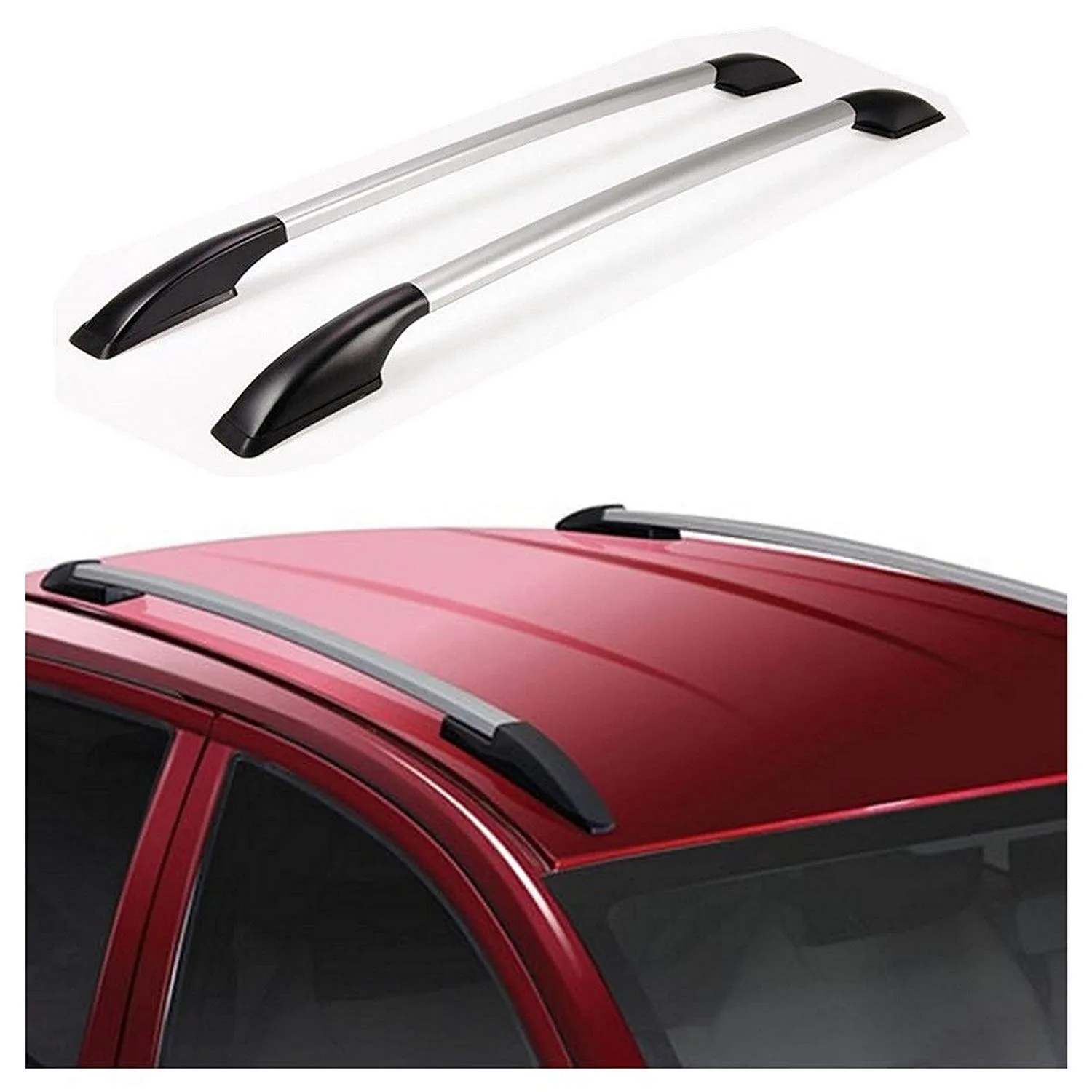 Roof Rails
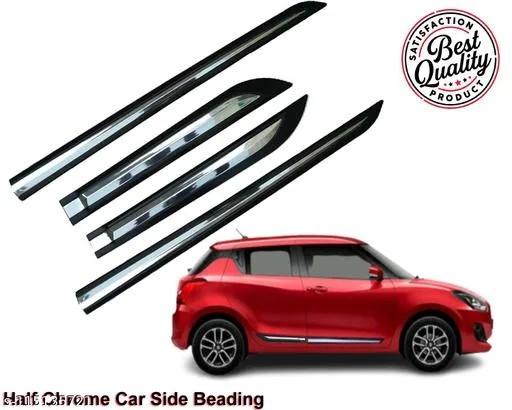 Side Beading
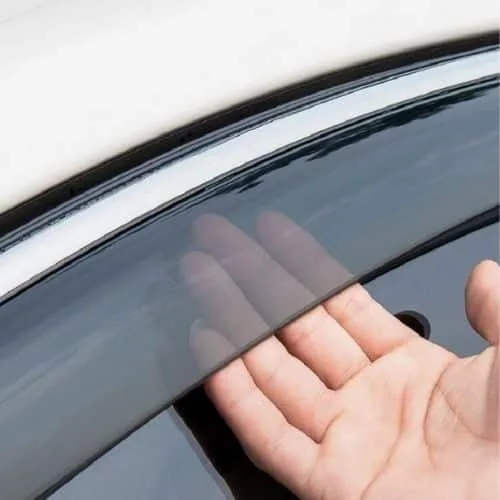 Door Visor
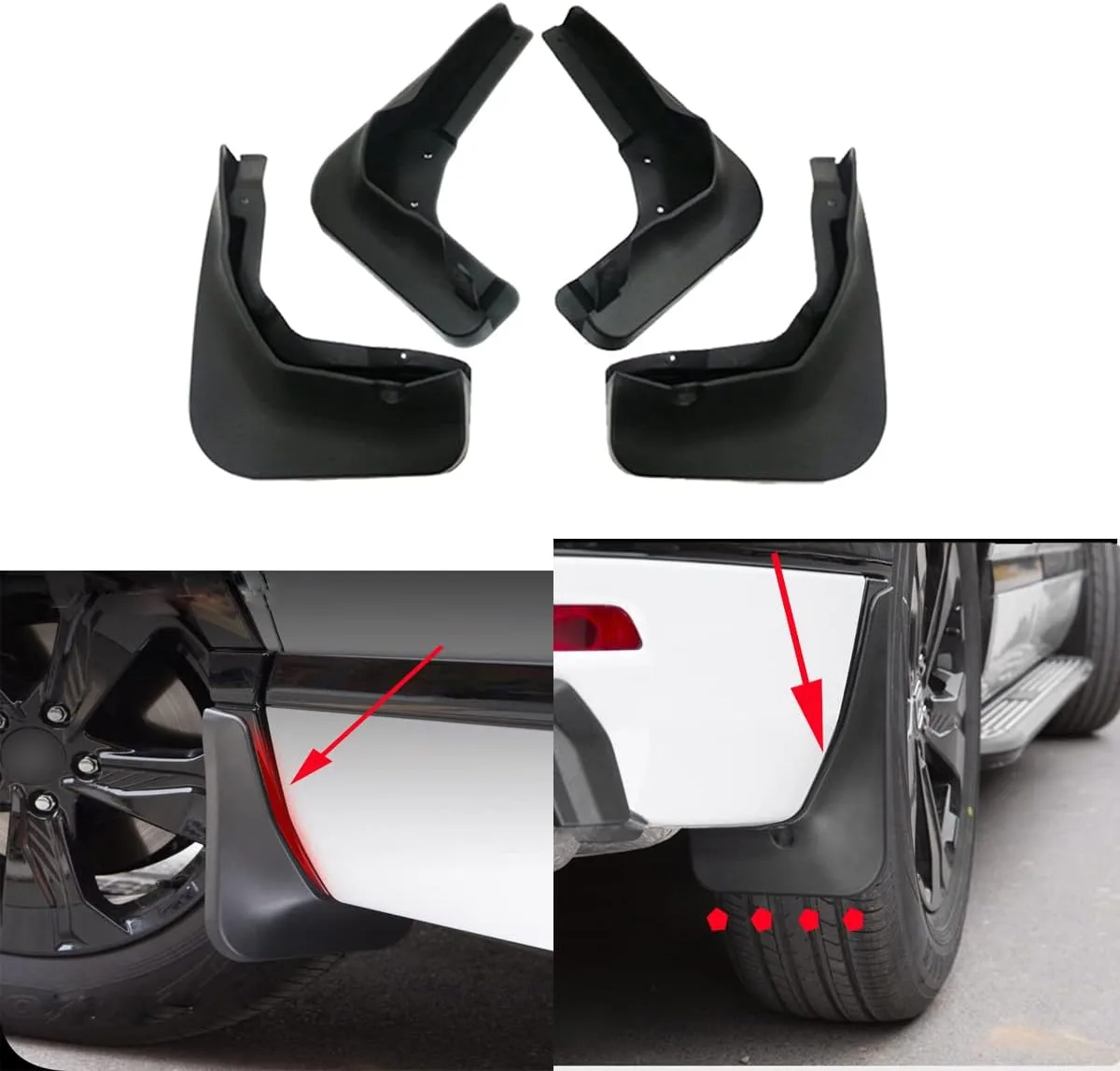 Mud Flap
 Wheel Cover
 Foot Rest
 Interior
›
Interior
›
 Door Scuff Sill Plates
 Window Sunshades & Film
 Armrest
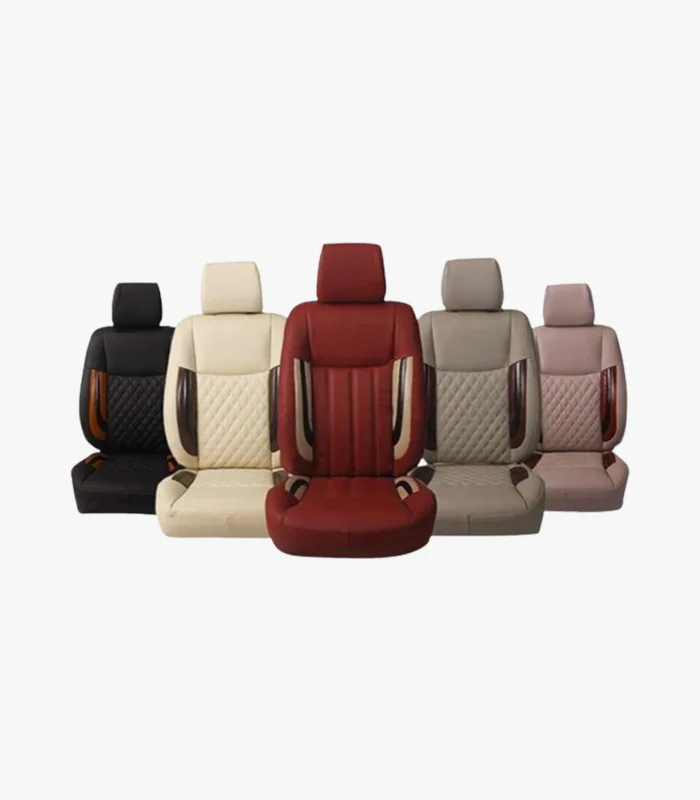 Seat Covers
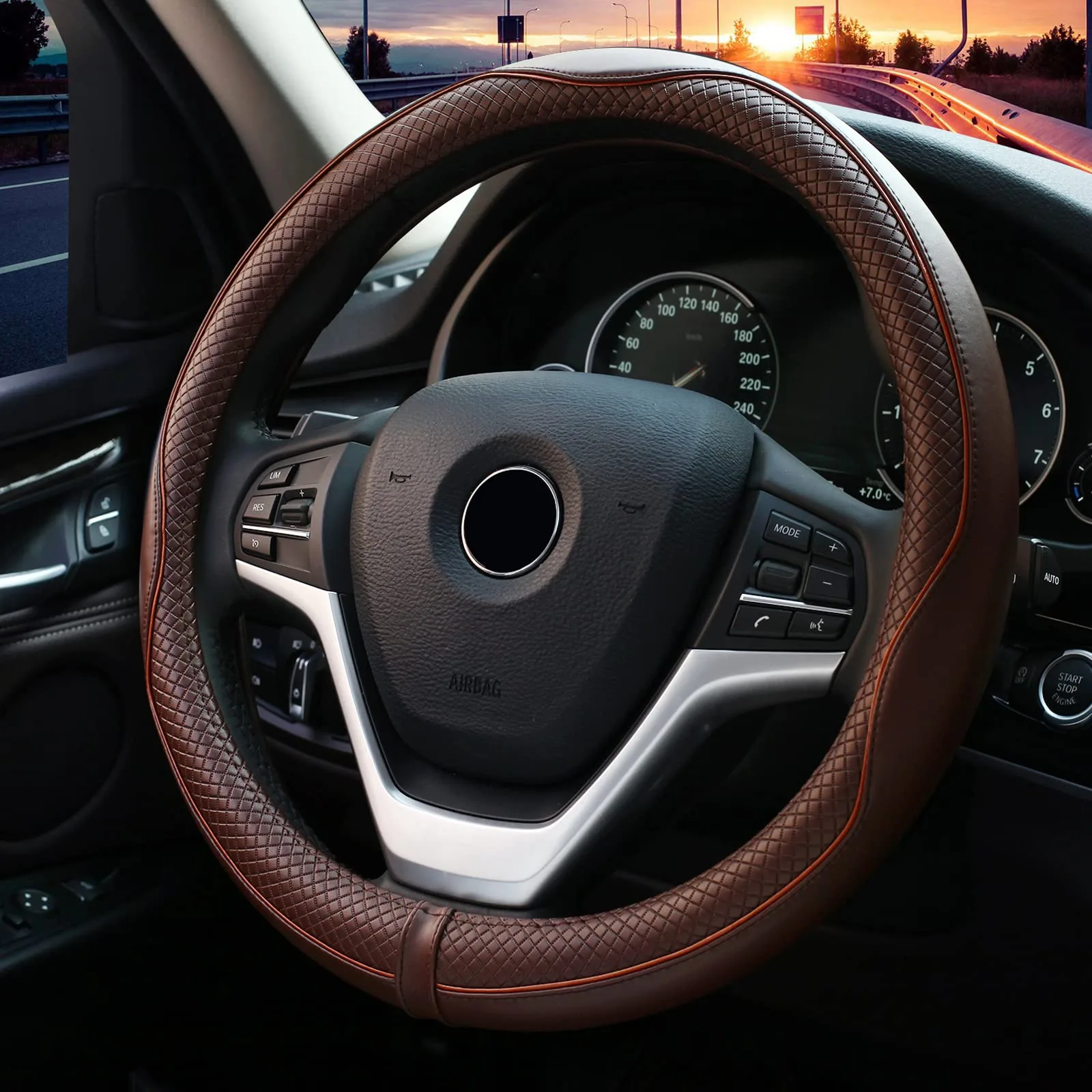 Steering Cover
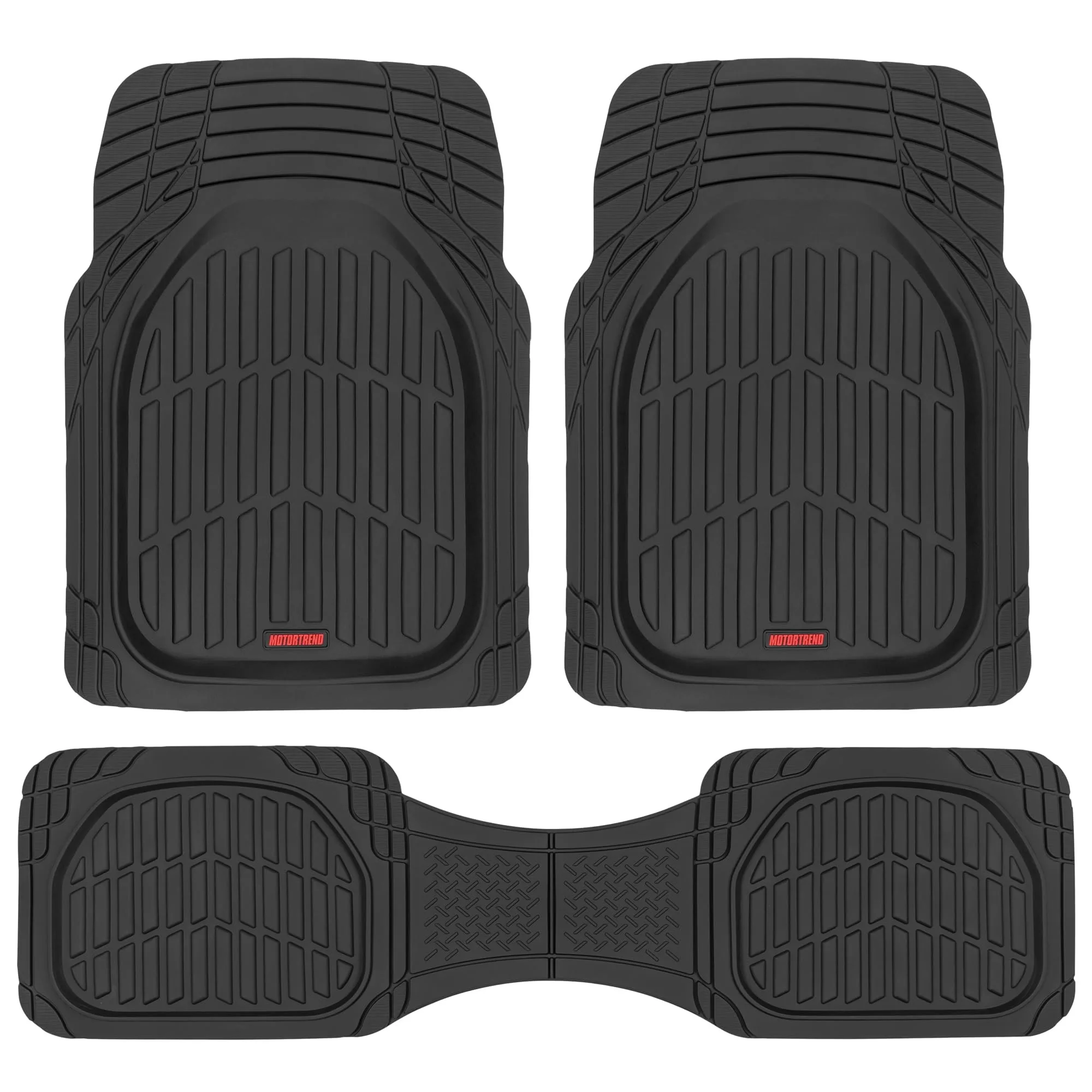 Floor Mats
 Dashboard Showpiece
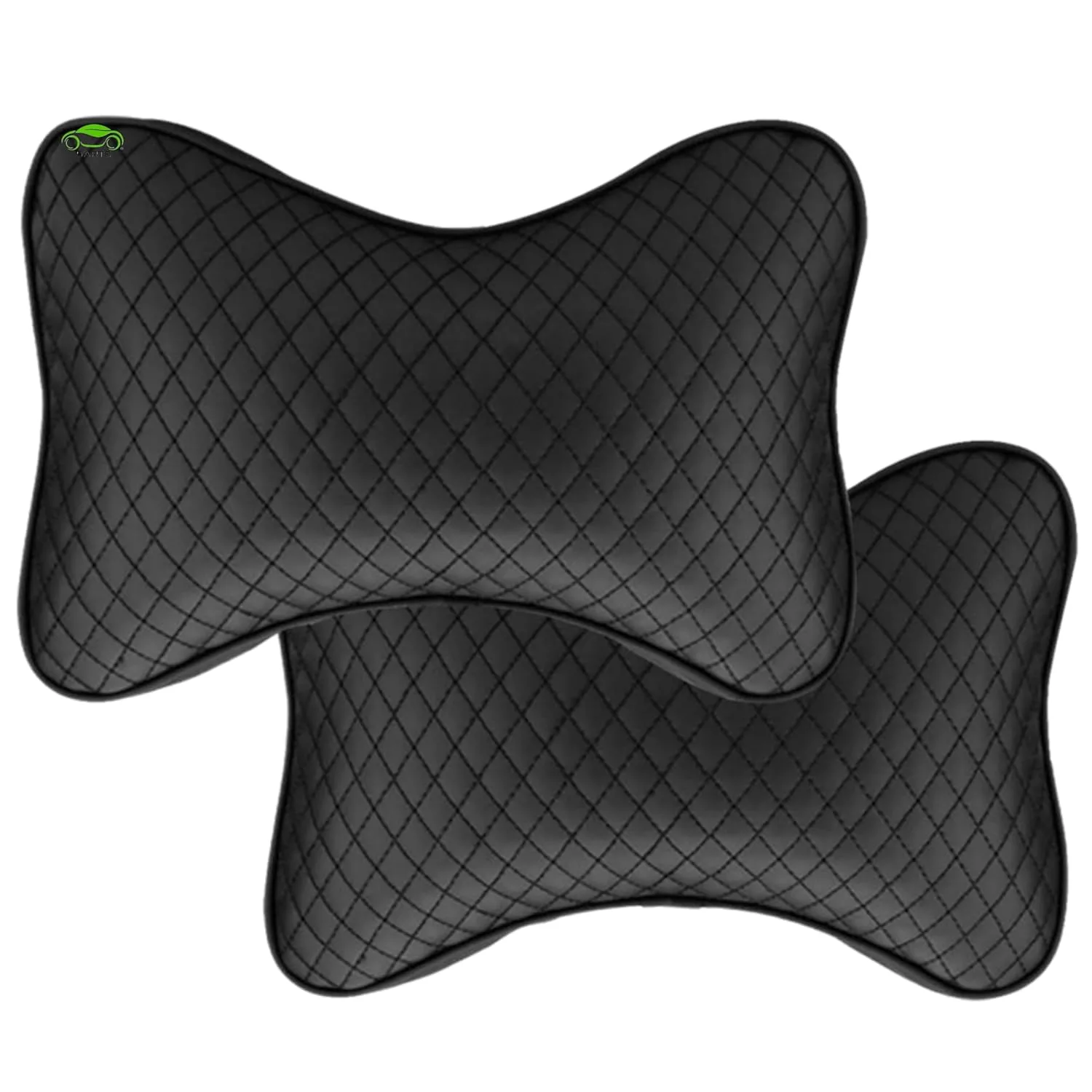 Seat & Neck Cushion
 Lighting
›
Lighting
›
 Utility
›
Utility
›
 All Chrome Items
 Mobile Holder
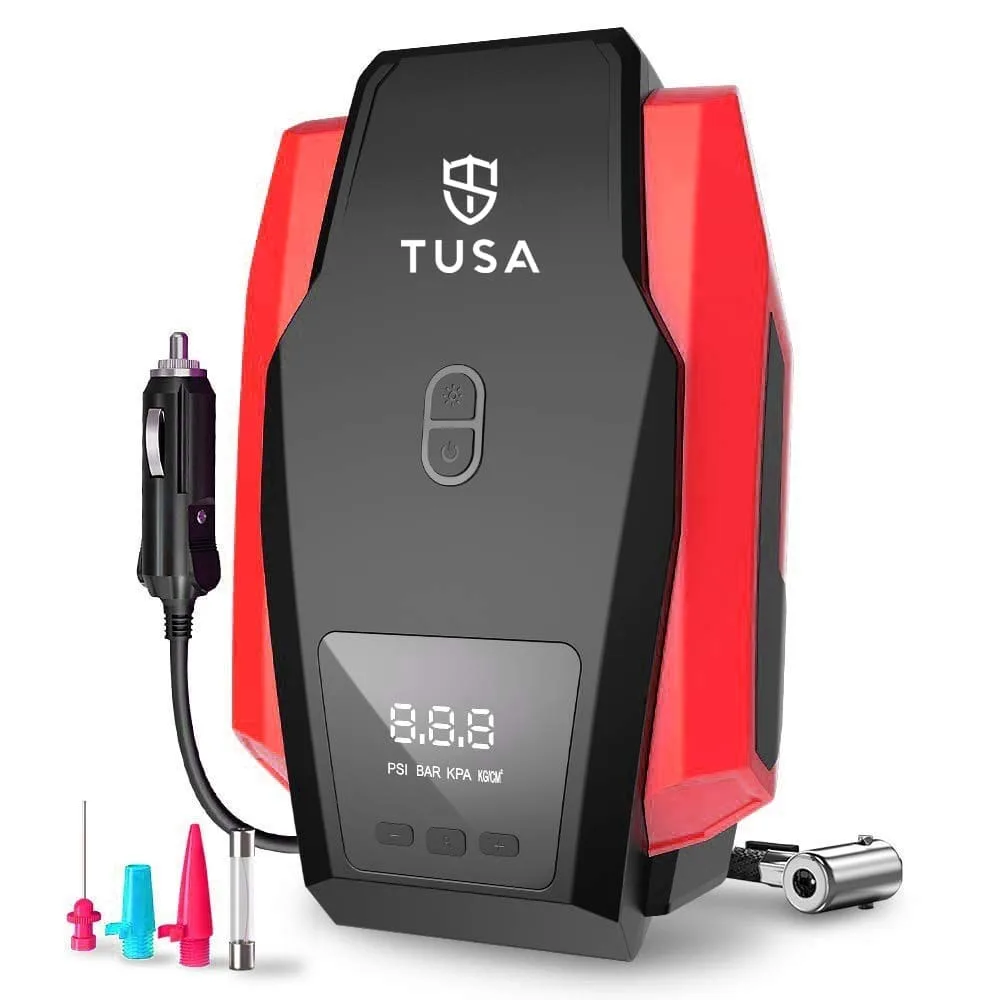 Tyre Inflators
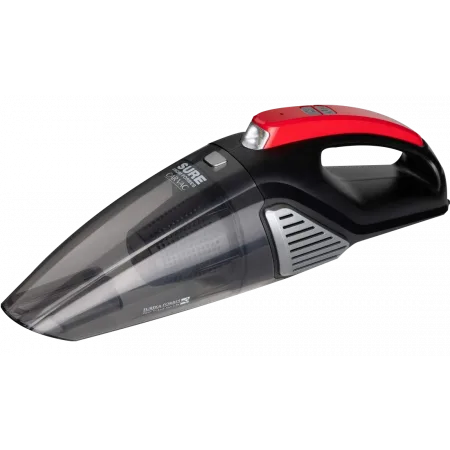 Vacuum Cleaner
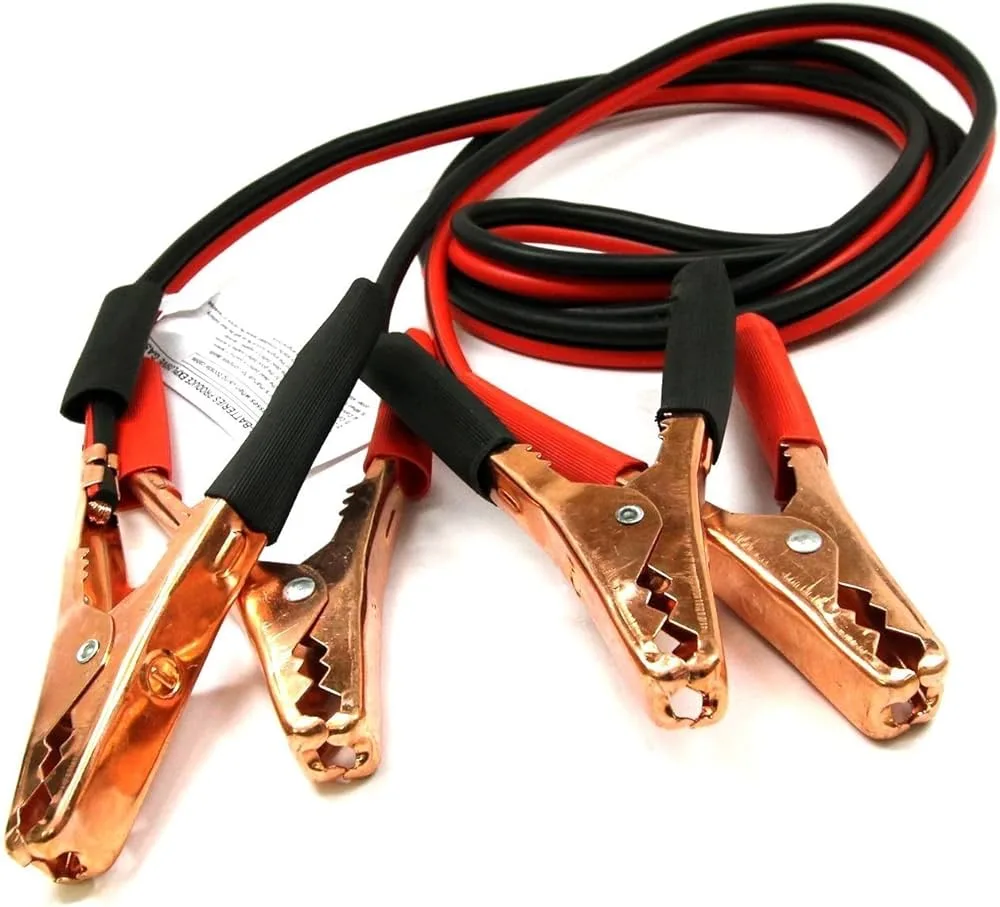 Jumper Cable
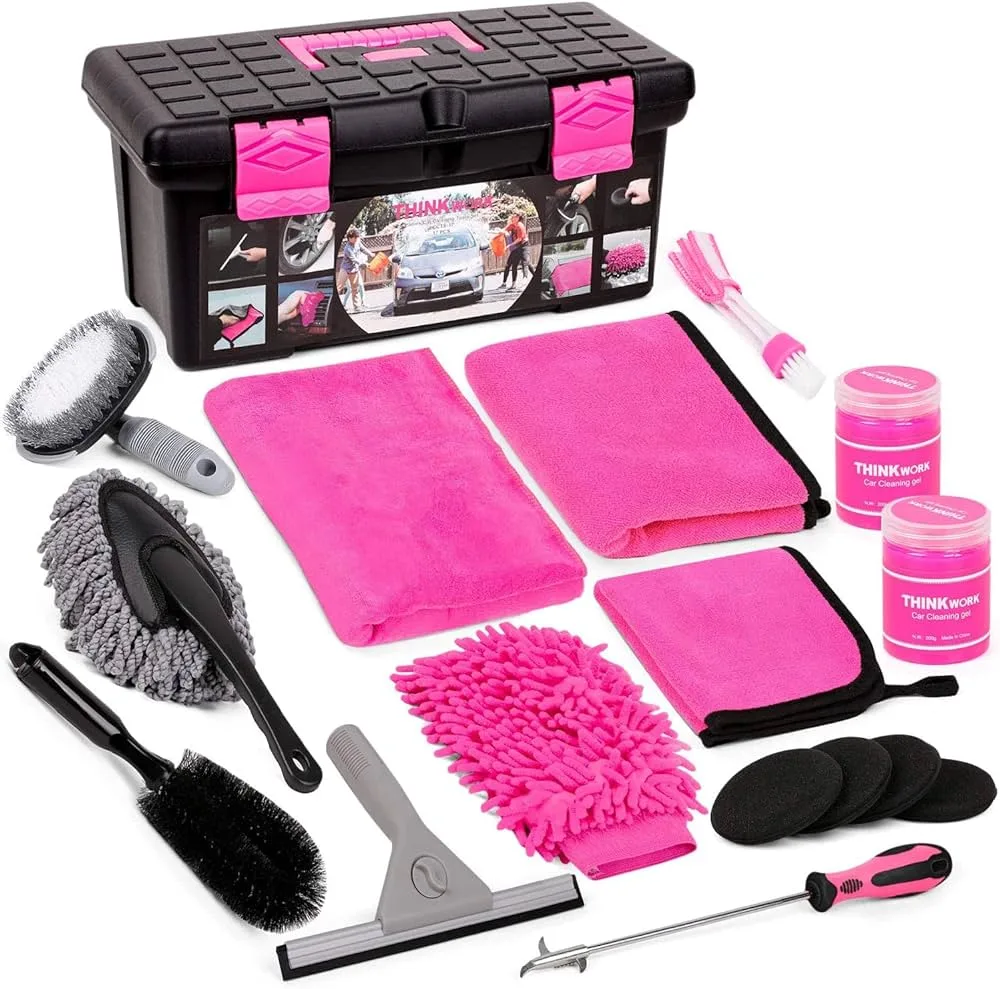 Cleaning Kit
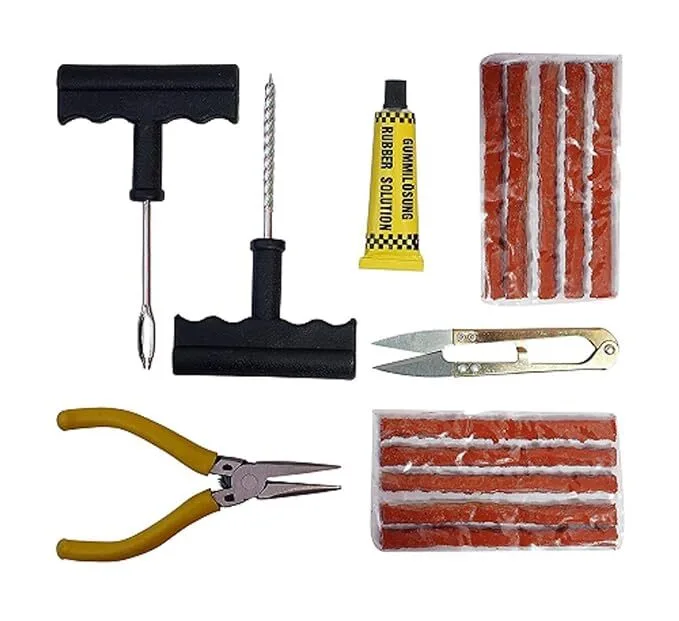 Tyre Puncture Kit
 Tyre Valve Cap
 Car Fan
 Parcel Tray
 Electronic
›
Electronic
›
 Parts
›
Parts
›
 Fog Lights
 Headlights
 Tail Lights
 Steering Wheel Controls
 Sensor
 Horns
Horns
 Wiper Blade
 Front Grille
 Side Mirror
 Battery
 Car Care
›
Car Care
›
 Air Freshener & Perfume
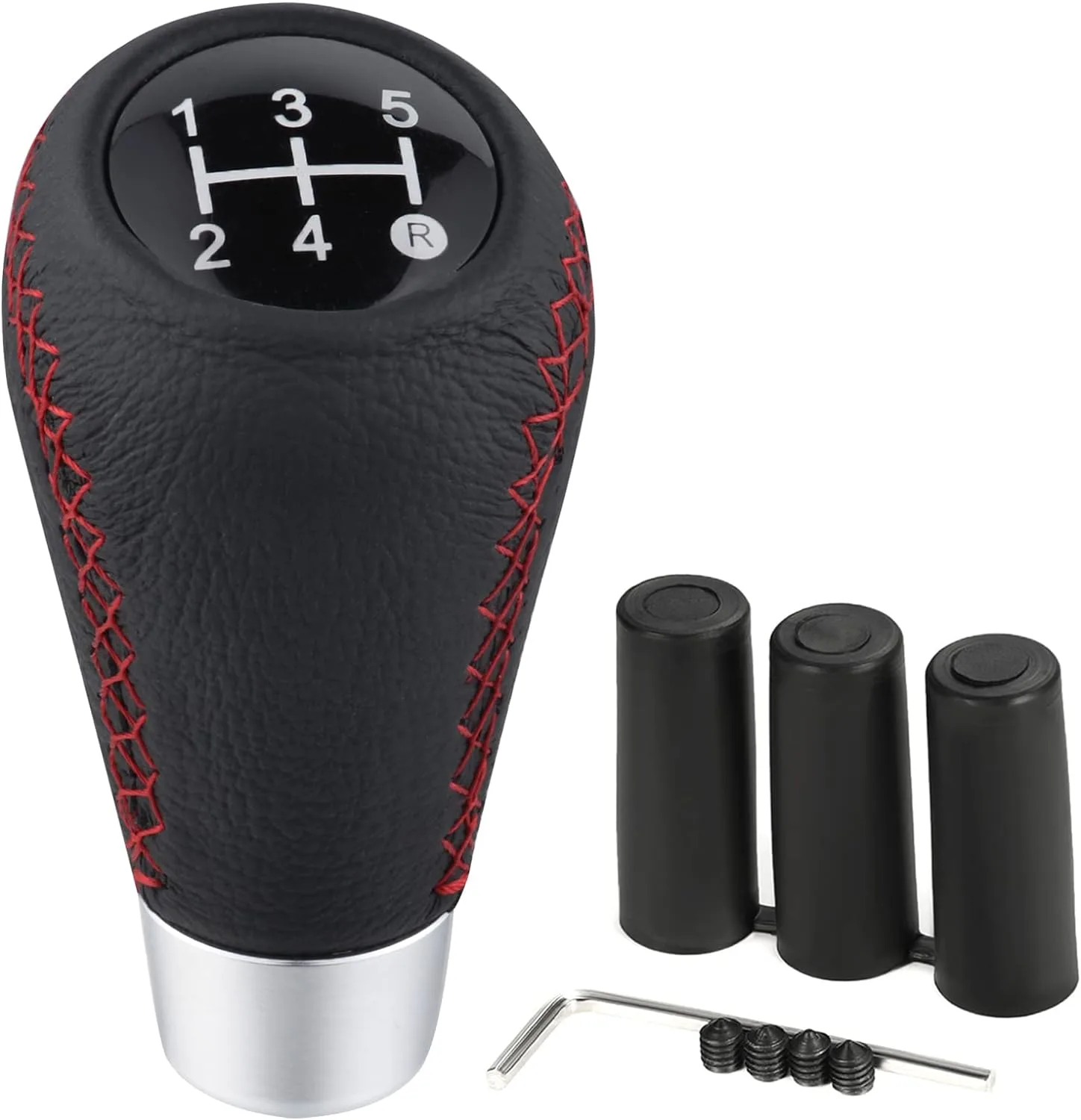 Gear knob
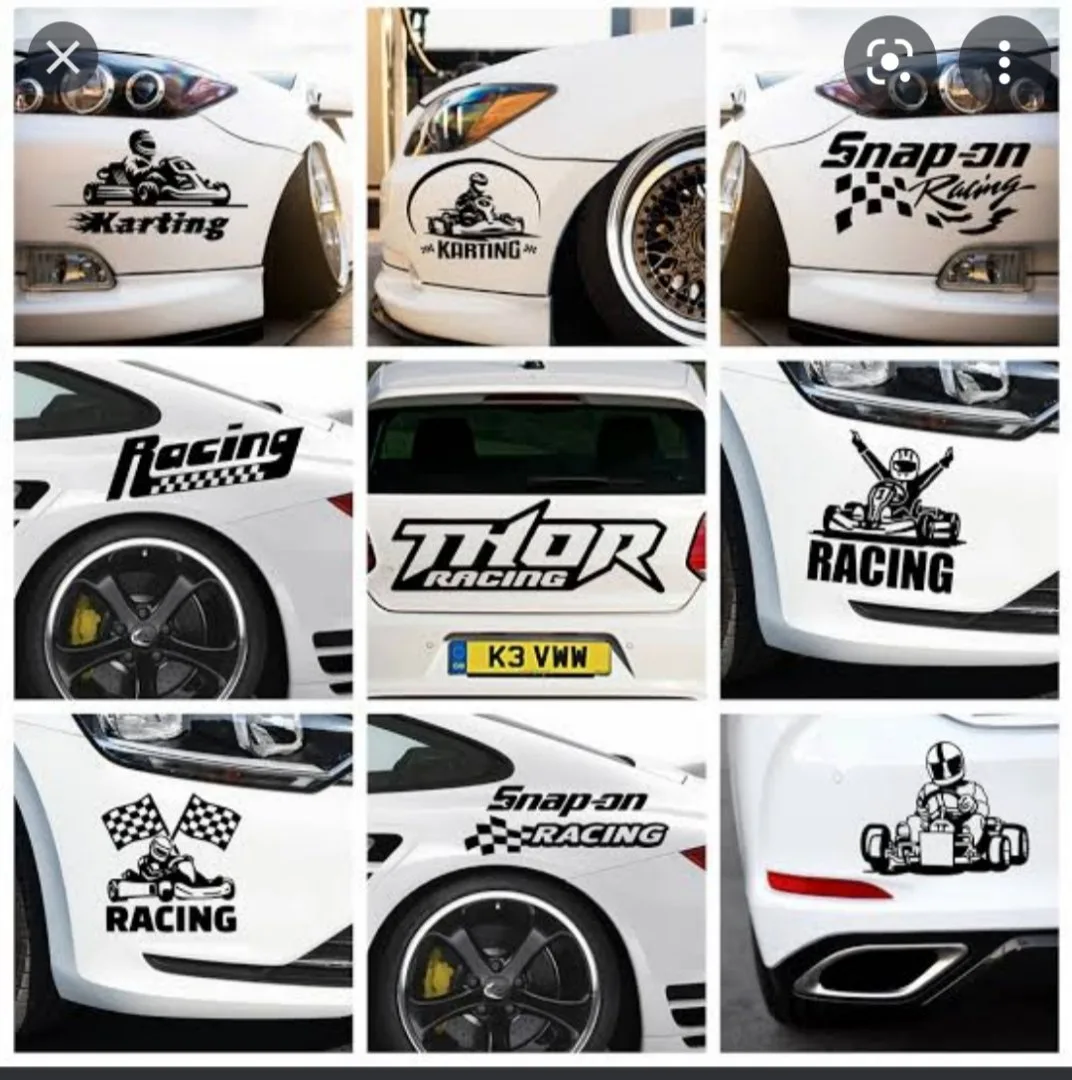 Stickers & Decals
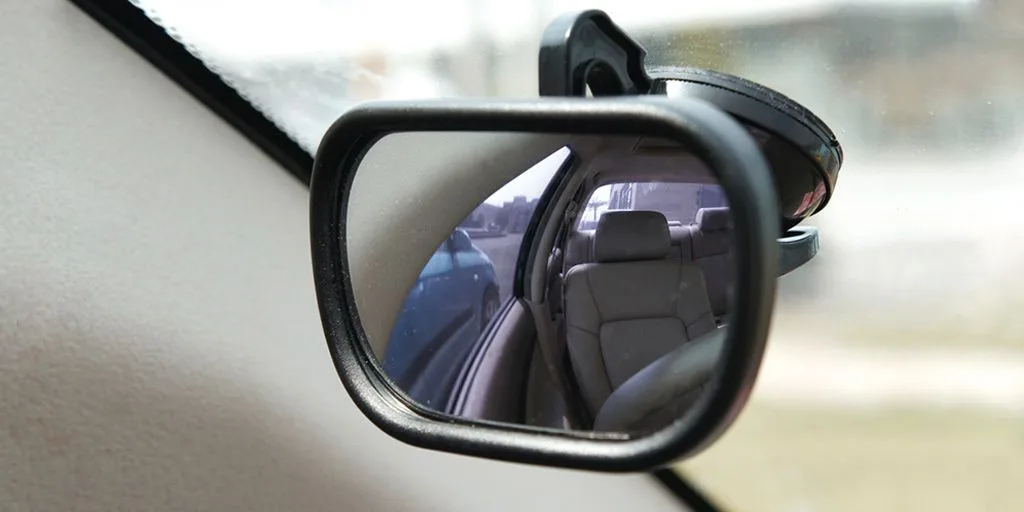 Blind Spot Mirror
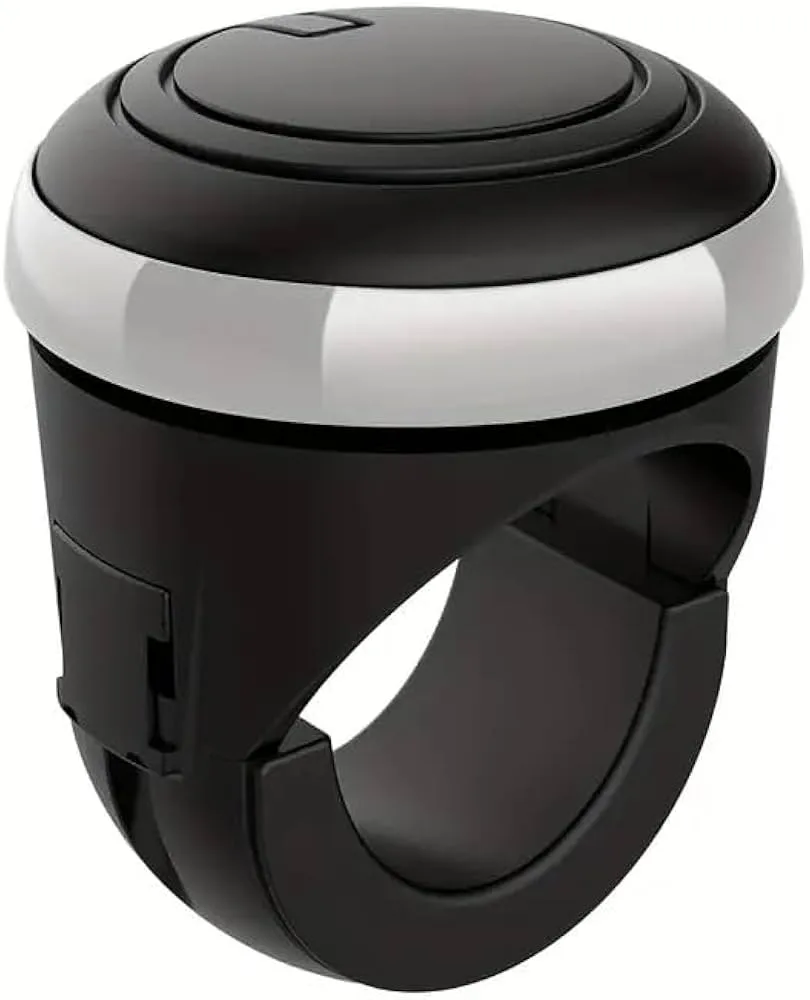 Steering Knob
 Key Covers
 Polish & Scratch Remover
 Seat Utility Holder
 Cup Holder
 Dustbin
 Paper Napkin
 Shop By Car
›
Shop By Car
›
 Tata
›
Tata
›
 Maruti Suzuki
›
Maruti Suzuki
›
 Hyundai
›
Hyundai
›
 Toyota
›
Toyota
›
 Mahindra
›
Mahindra
›
 Honda
›
Honda
›
 Ford
›
Ford
›
 Nissan
›
Nissan
›
 Renault
›
Renault
›
 Skoda
›
Skoda
›
 Volkswagen
›
Volkswagen
›
 Morris Garages - MG
›
Morris Garages - MG
›
 KIA
›
KIA
›
 Jeep
›
Jeep
›
 Citroen
›
Citroen
›
 Datsun
›
Datsun
›
 Chevrolet
›
Chevrolet
›
 Isuzu
›
Isuzu
›
 Mitsubishi
›
Mitsubishi
›
 AUDI
›
AUDI
›
 BMW
›
BMW
›
 Mercedes
›
Mercedes
›
 Land Rover
›
Land Rover
›
 Jaguar
›
Jaguar
›
 Volvo
›
Volvo
›
 FIAT
›
FIAT
›
 Mini Cooper
›
Mini Cooper
›
 Porsche
›
Porsche
›
 Lexus
›
Citron
›
Fors
›
Morris Garages
›
MG
›
Lexus
›
Citron
›
Fors
›
Morris Garages
›
MG
›
 Nexon
Nexon
 Harrier
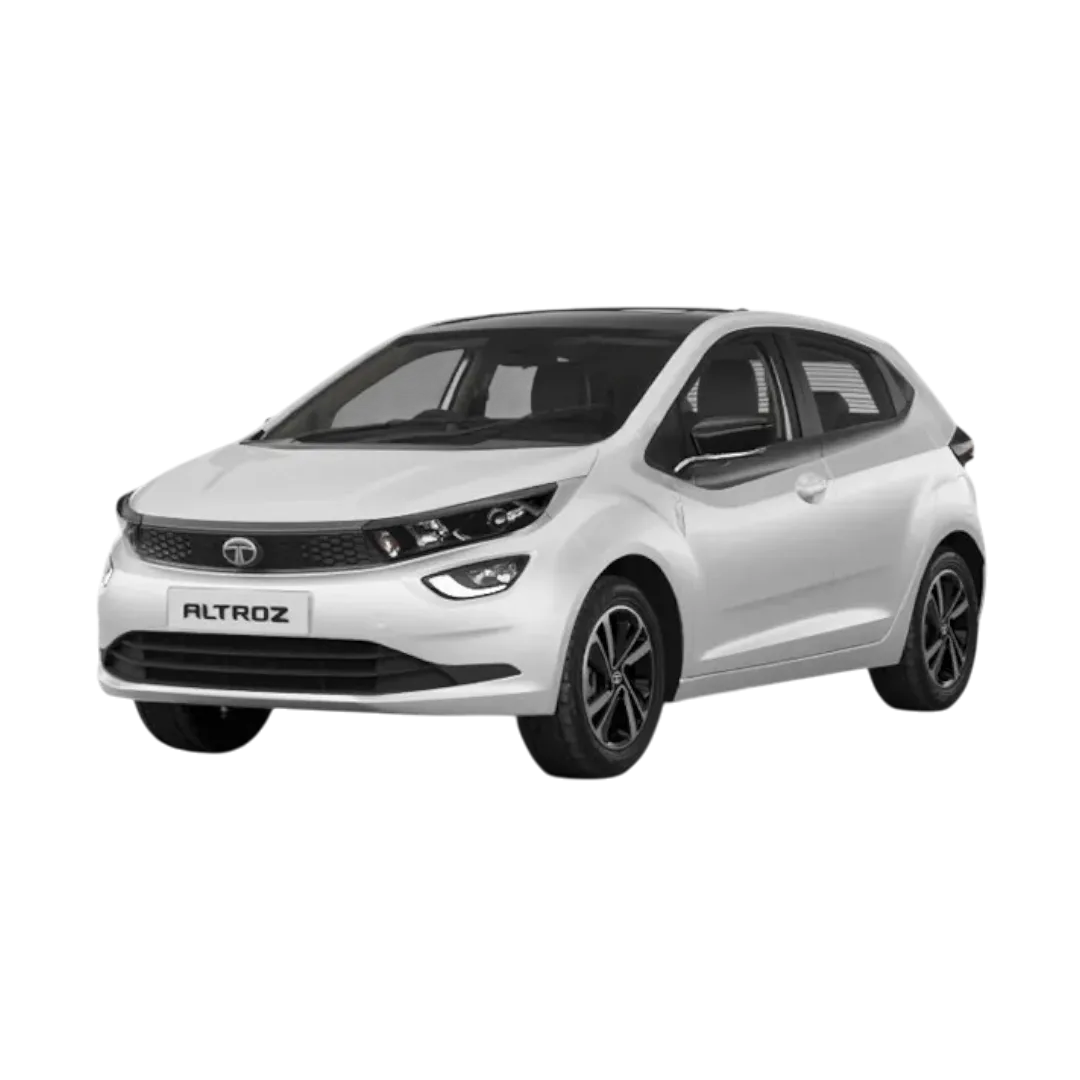 Altroz
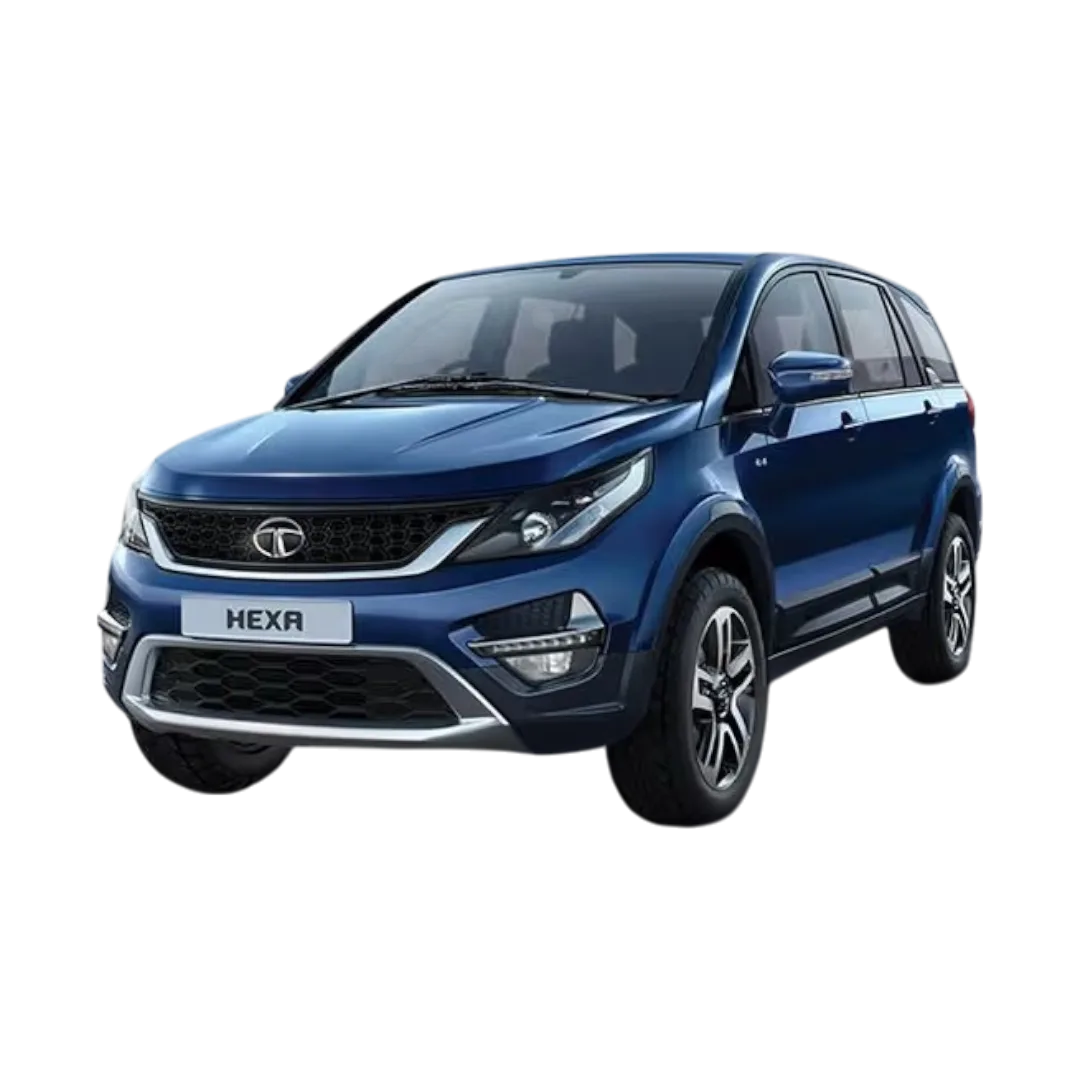 Hexa
Hexa
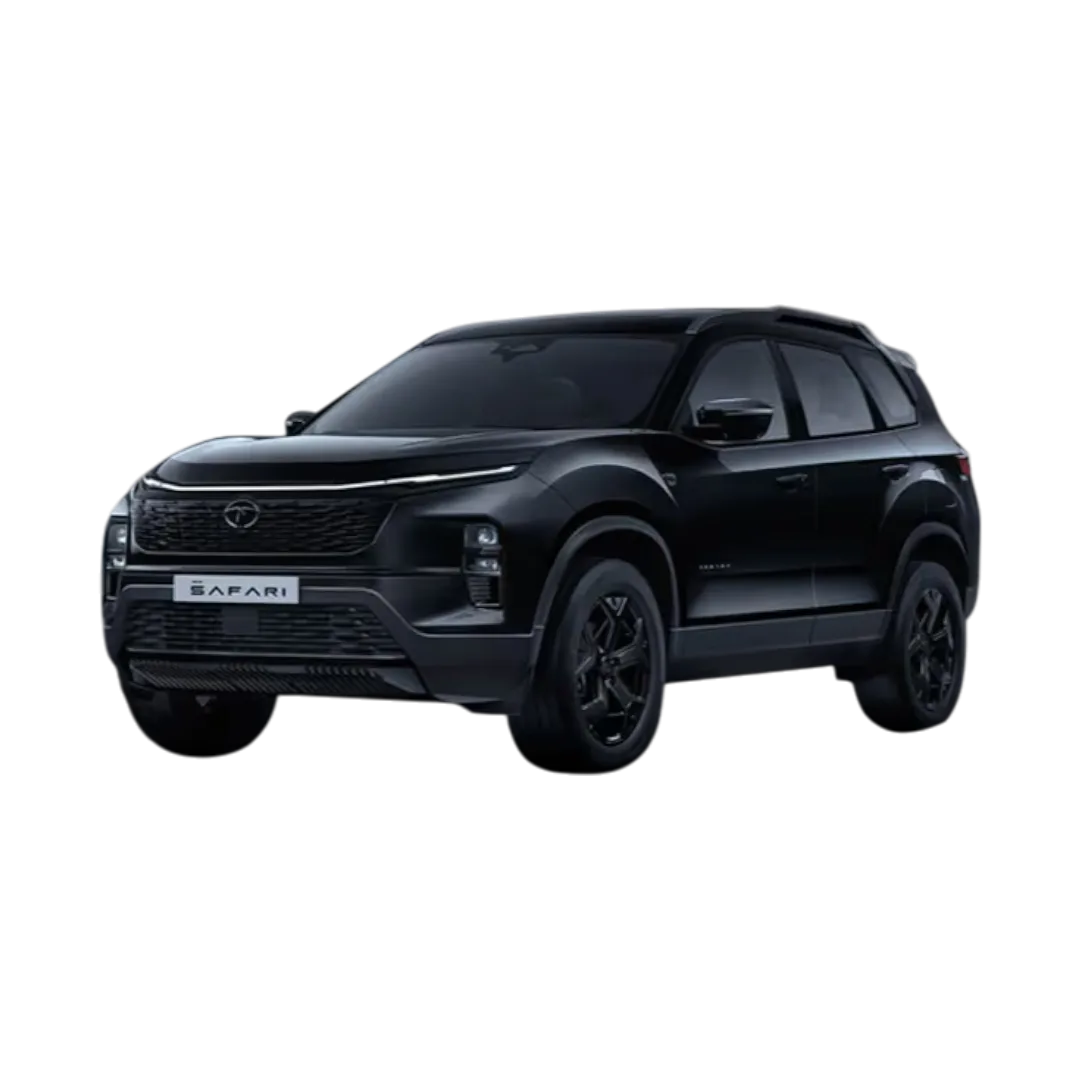 Safari
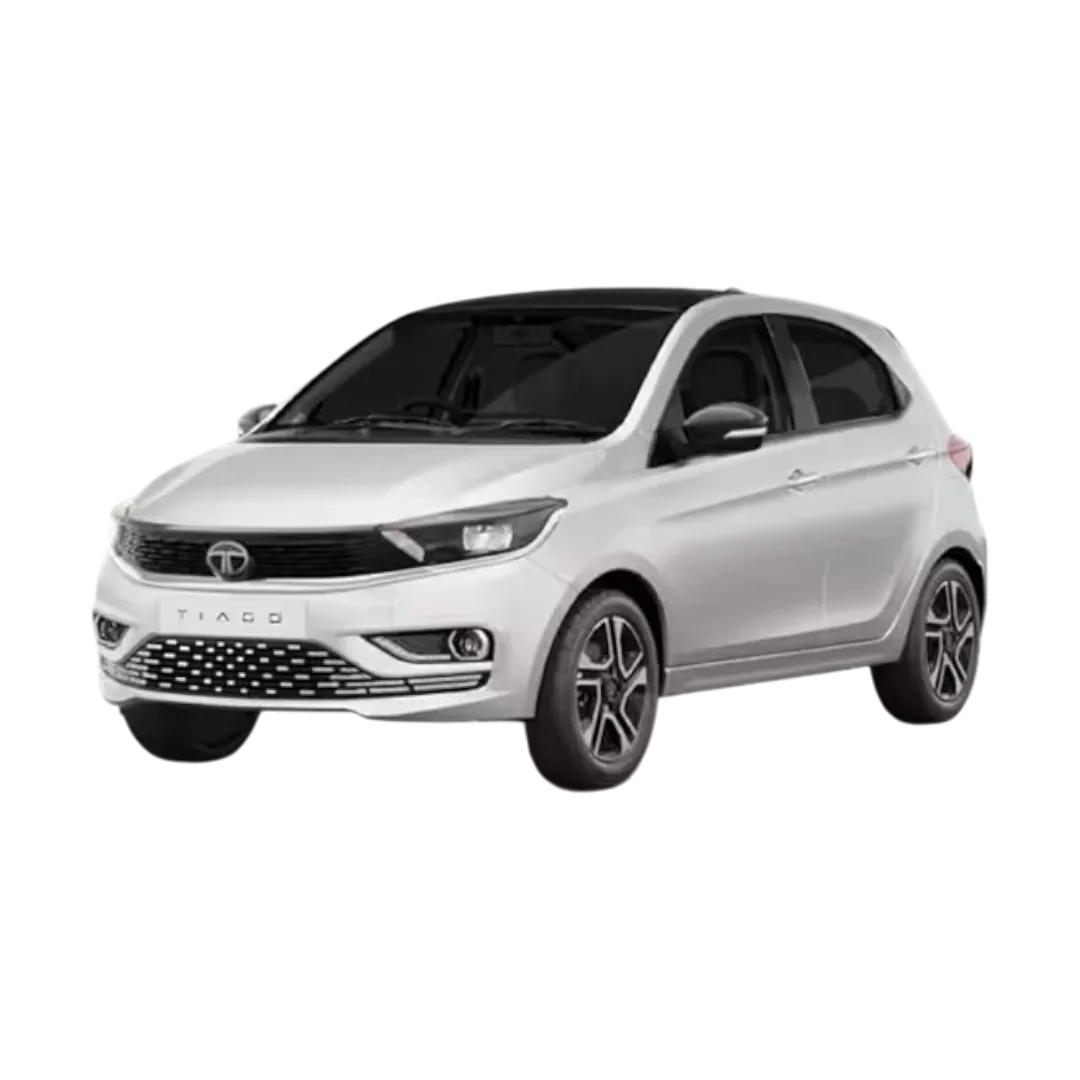 Tiago
Tiago
 Punch
Punch
 Tigor
Tigor
 Sumo
Sumo
 Winger
 Bolt
Bolt
 Vista
Vista
 Manza
Manza
 Indica
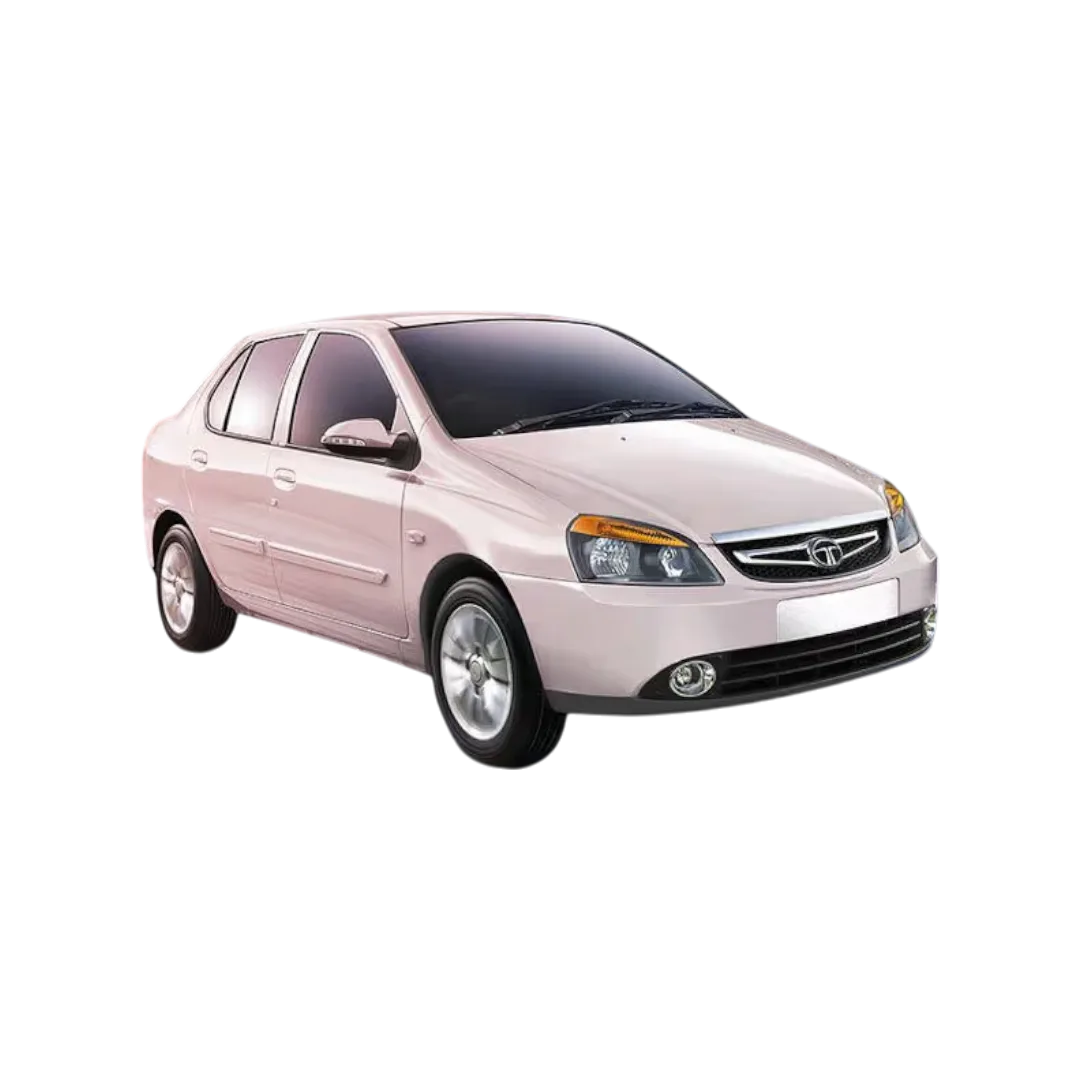 Indigo
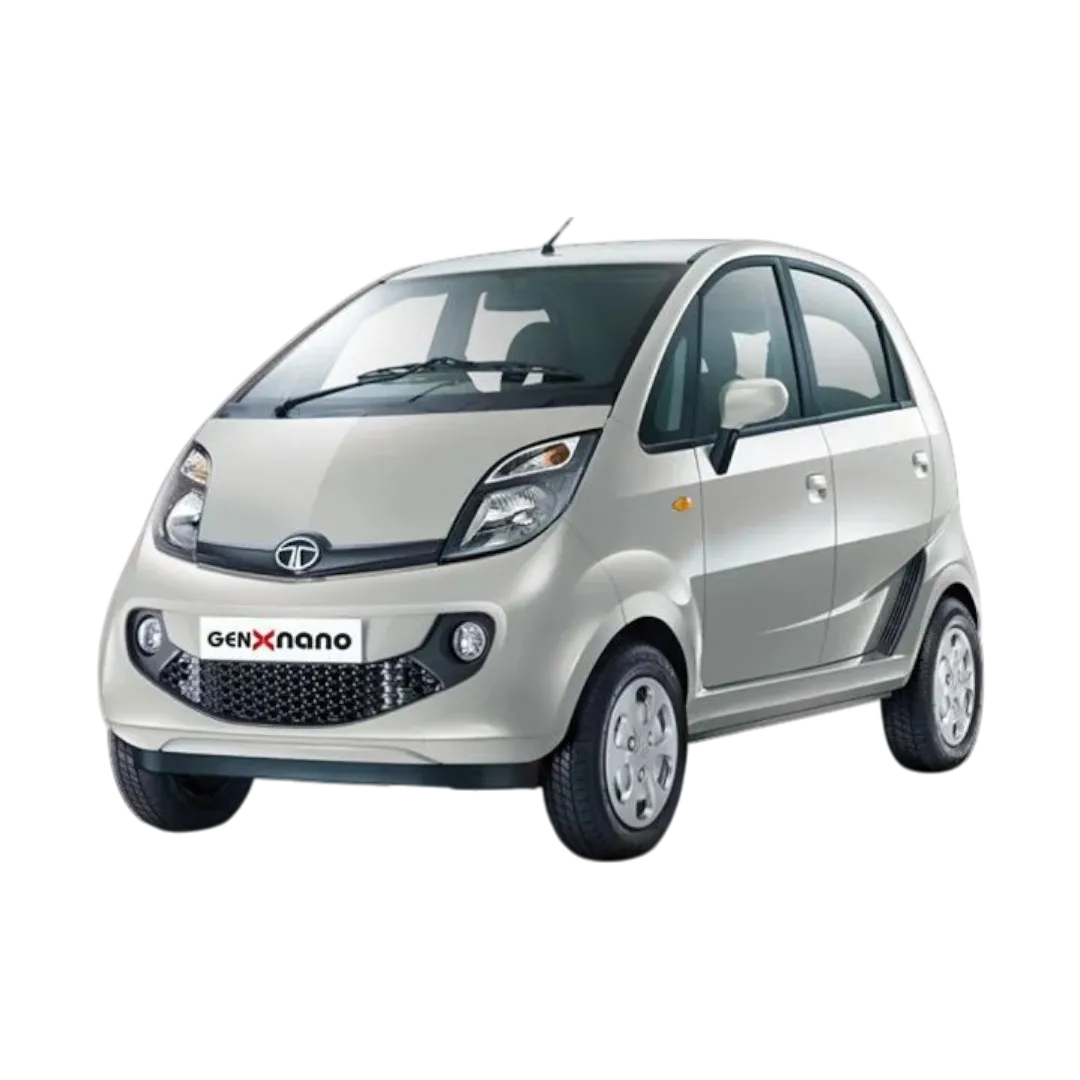 Nano
Nano
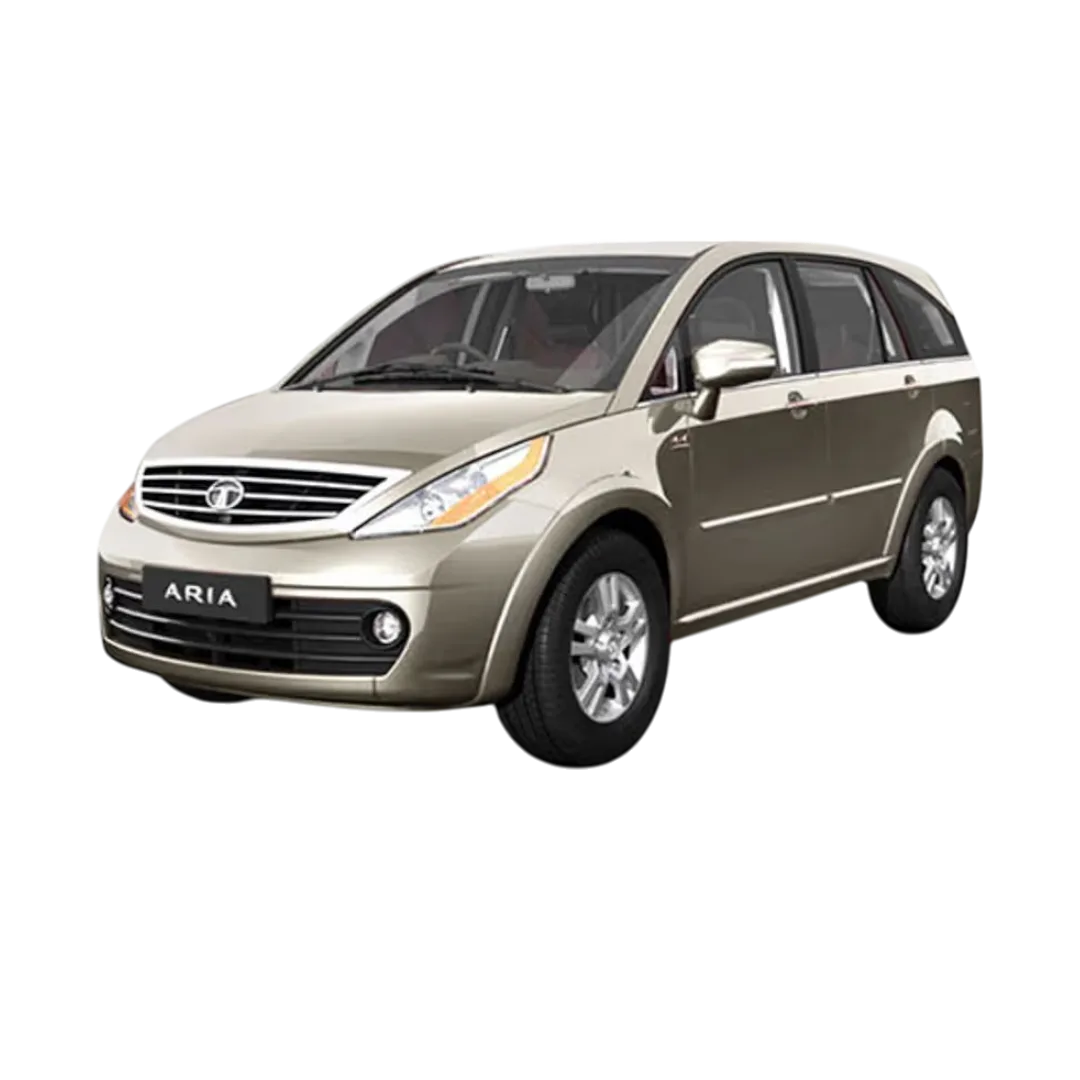 Aria
Aria
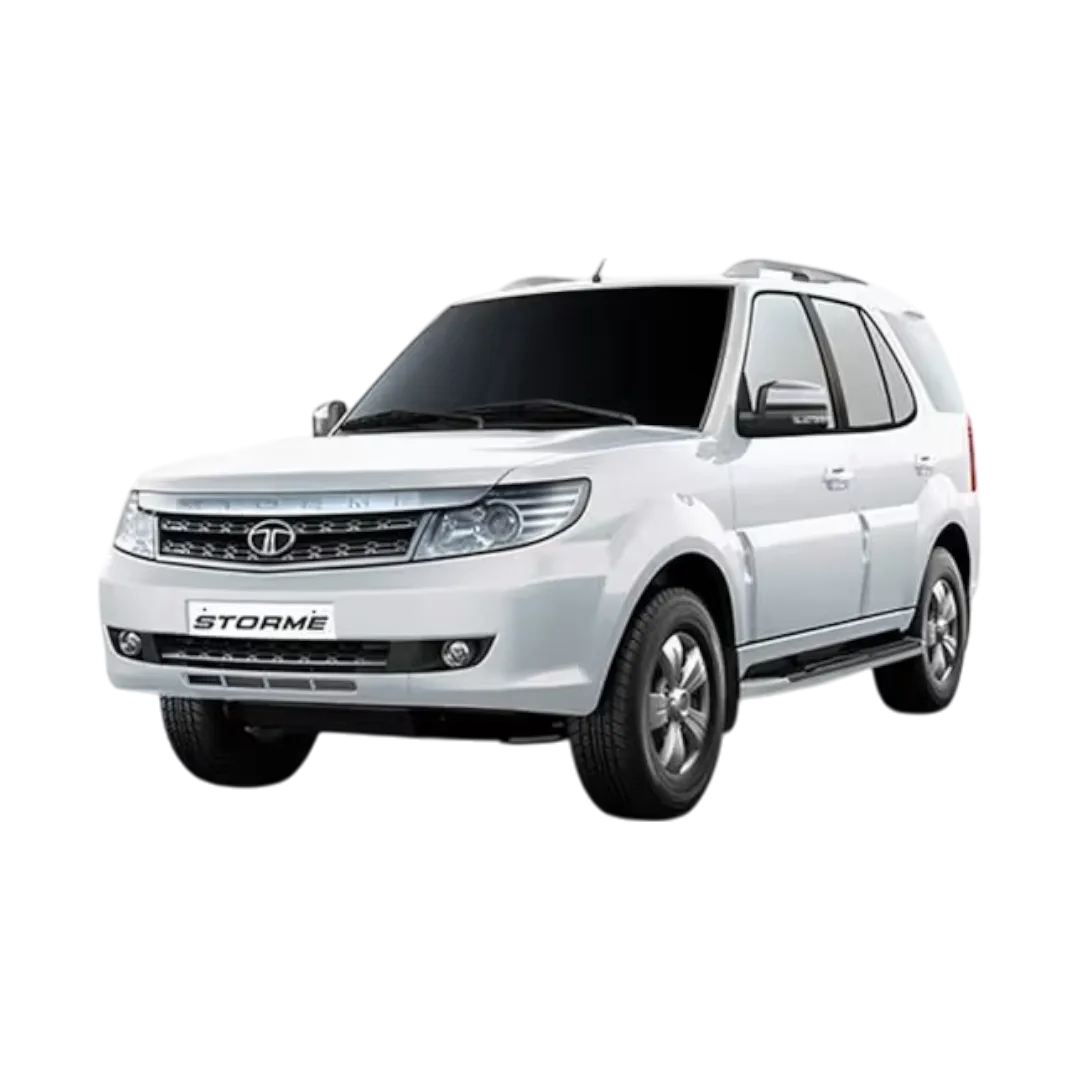 Safari Storme
 Zest
Zest
 NEXON EV Max
 NEXON EV Prime
 Tiago NRG
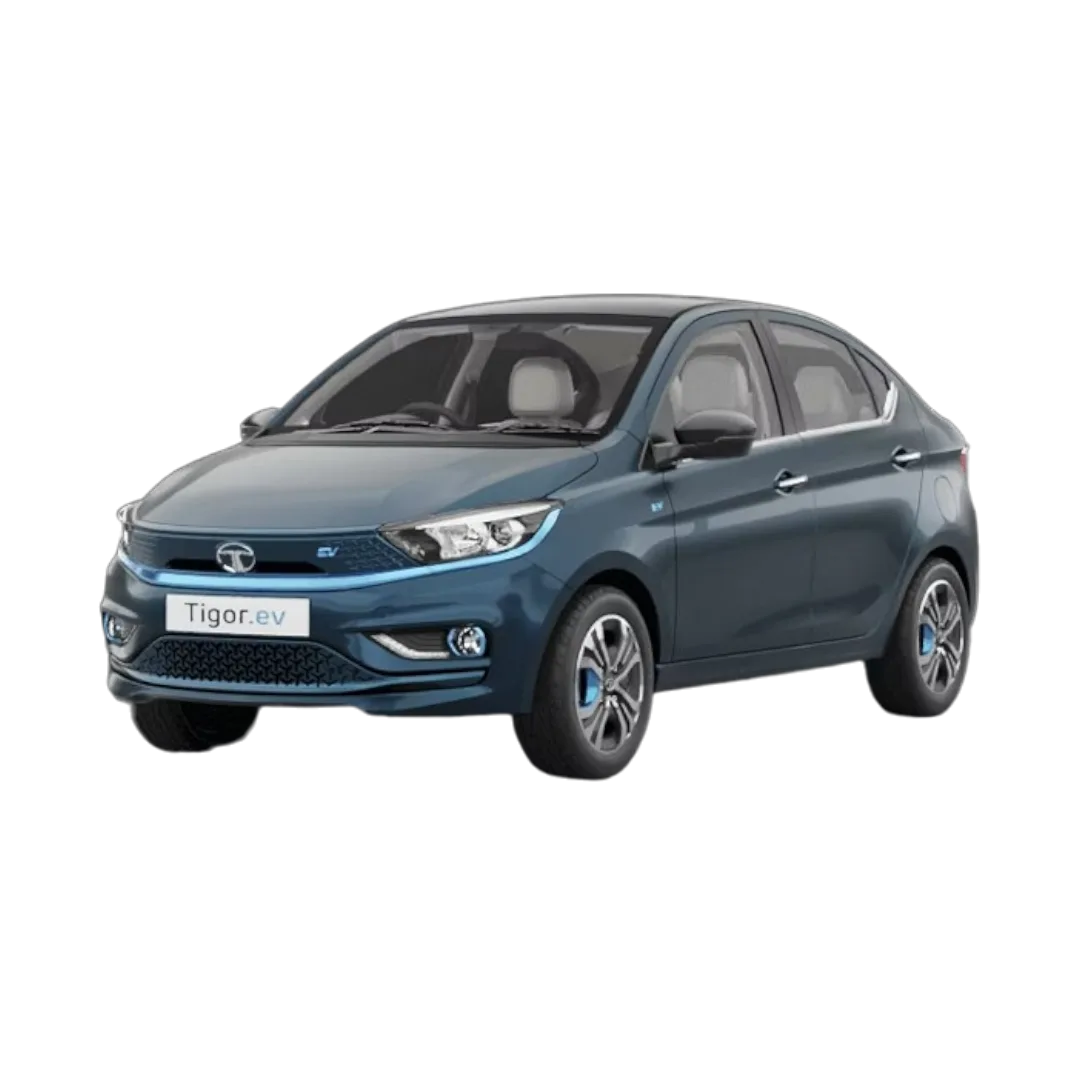 Tigor EV
INDICA VISTA
Curvv
Sierra
Magic
Tigor EV
INDICA VISTA
Curvv
Sierra
Magic
 Ciaz
Ciaz
 S-Presso
 Eeco/Versa
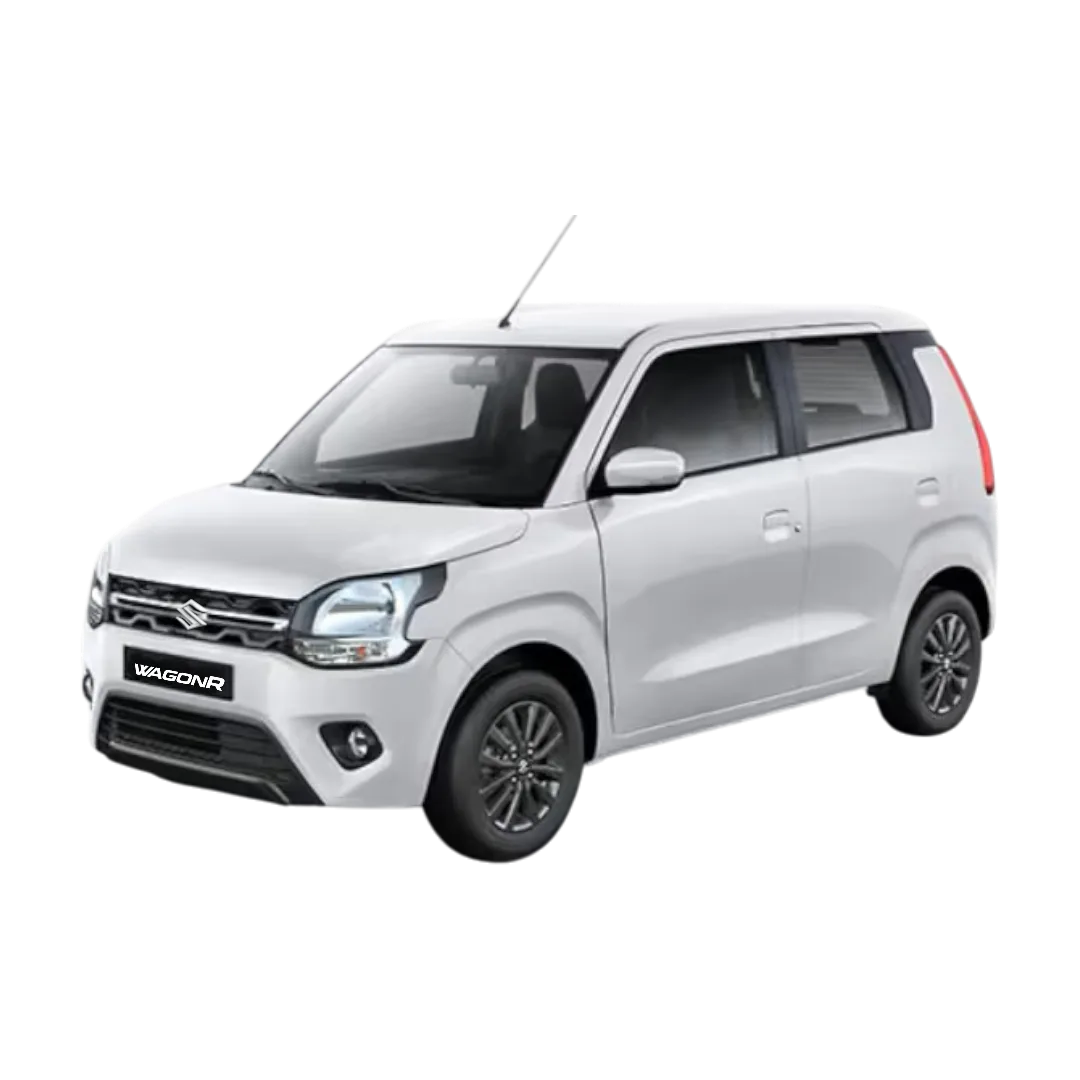 WagonR
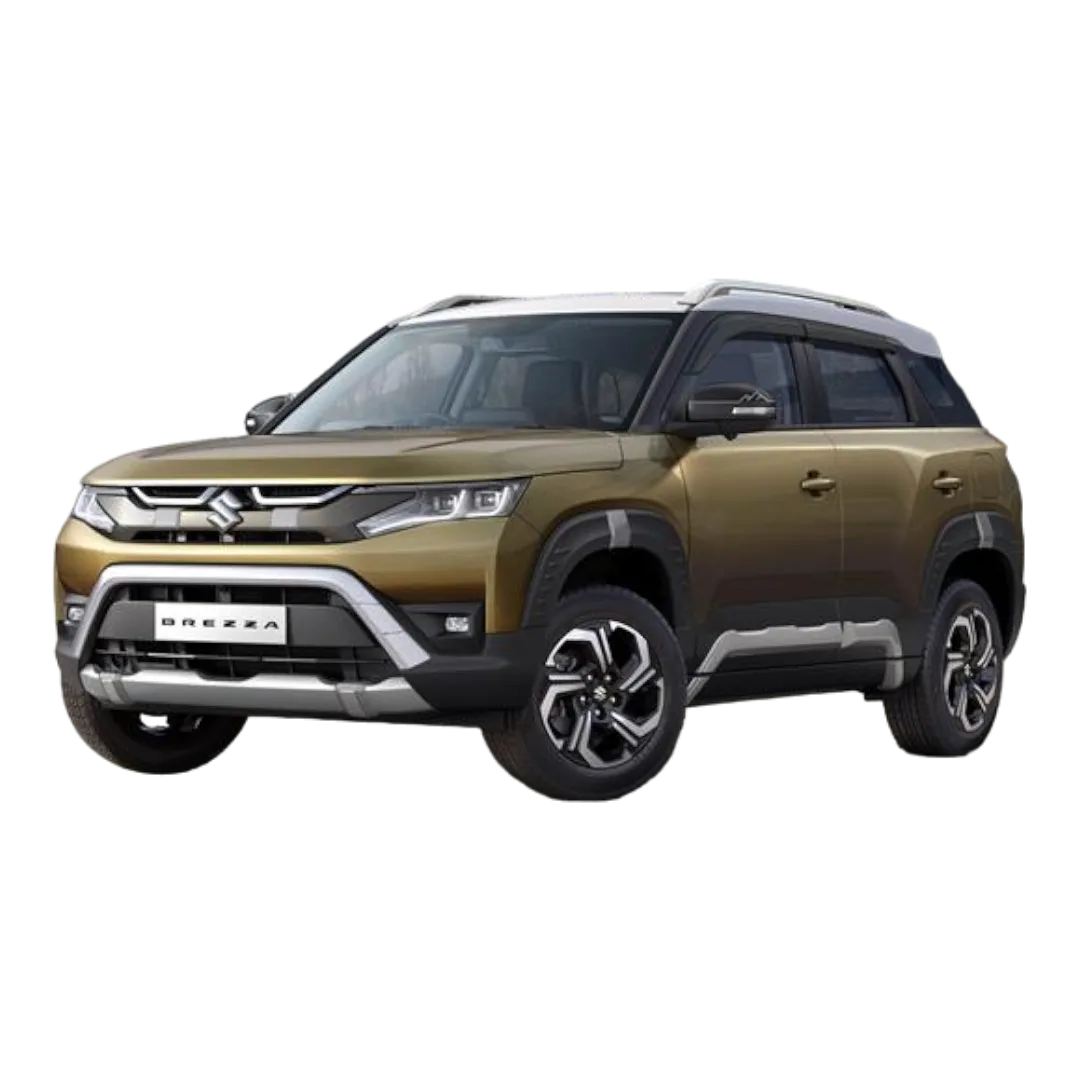 Brezza
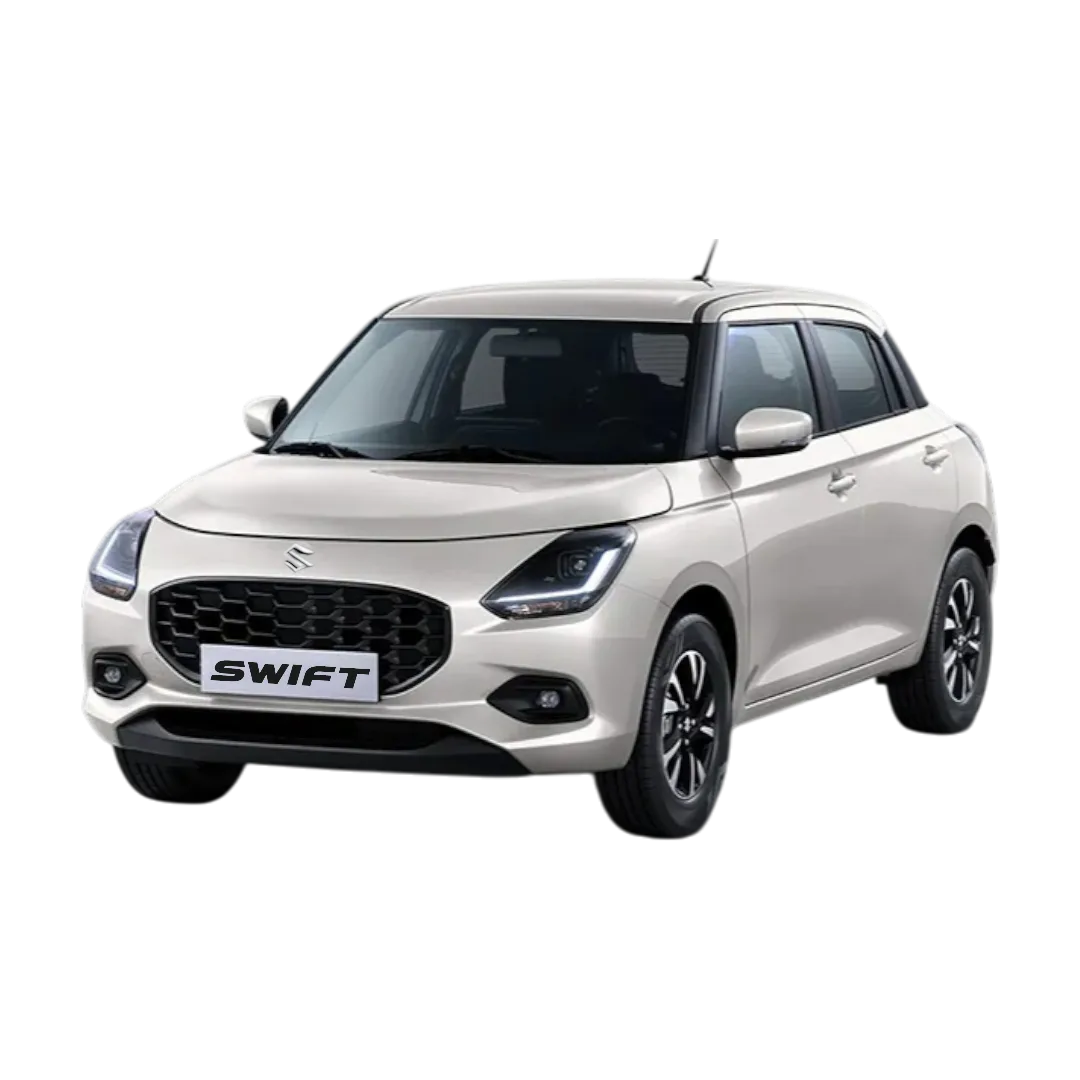 Swift
Swift
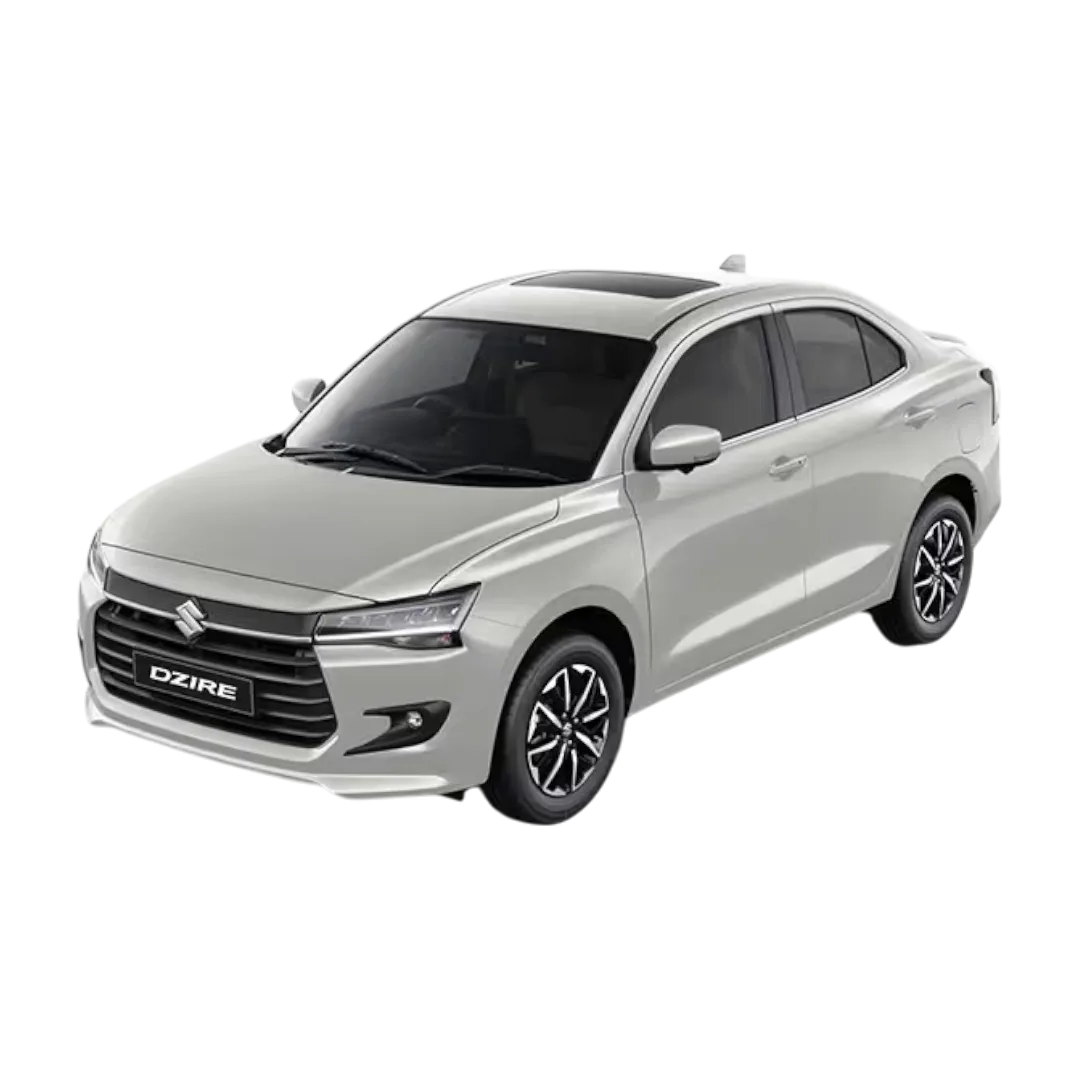 Dzire
Dzire
 Baleno
 Ertiga
 Grand Vitara
 S-Cross
 Jimny
Jimny
 Celerio
 Ignis
Ignis
 Alto 800
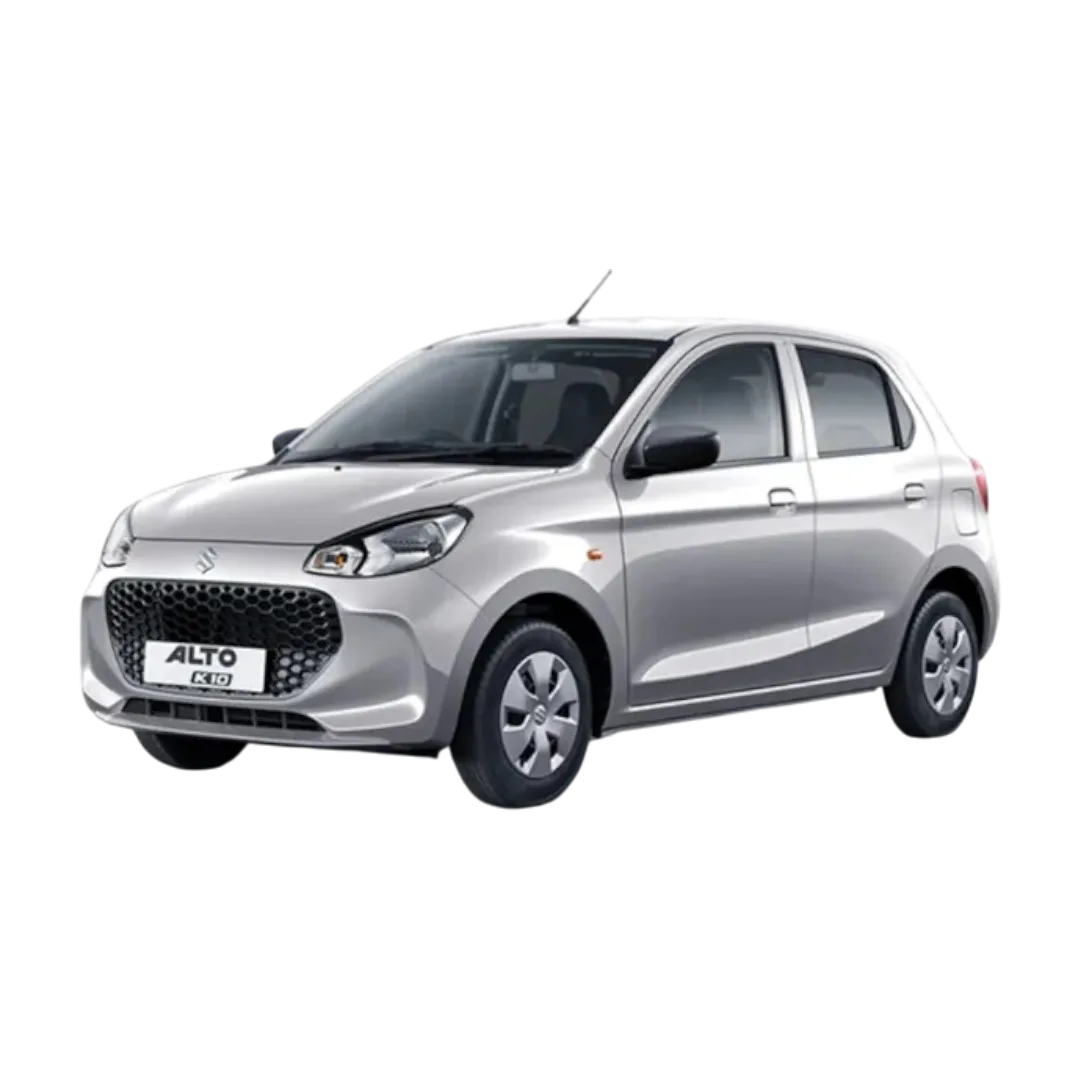 Alto K10
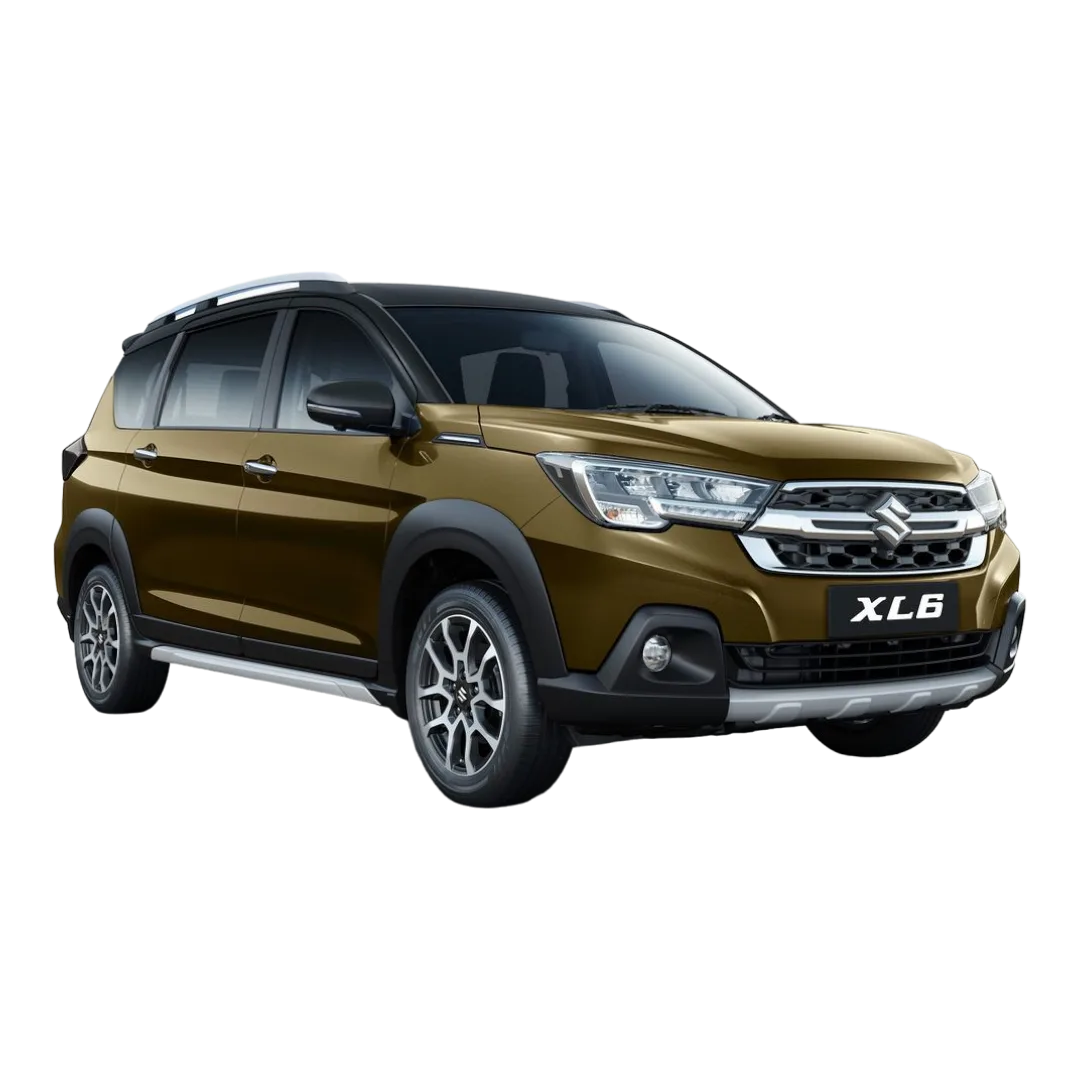 XL6
XL6
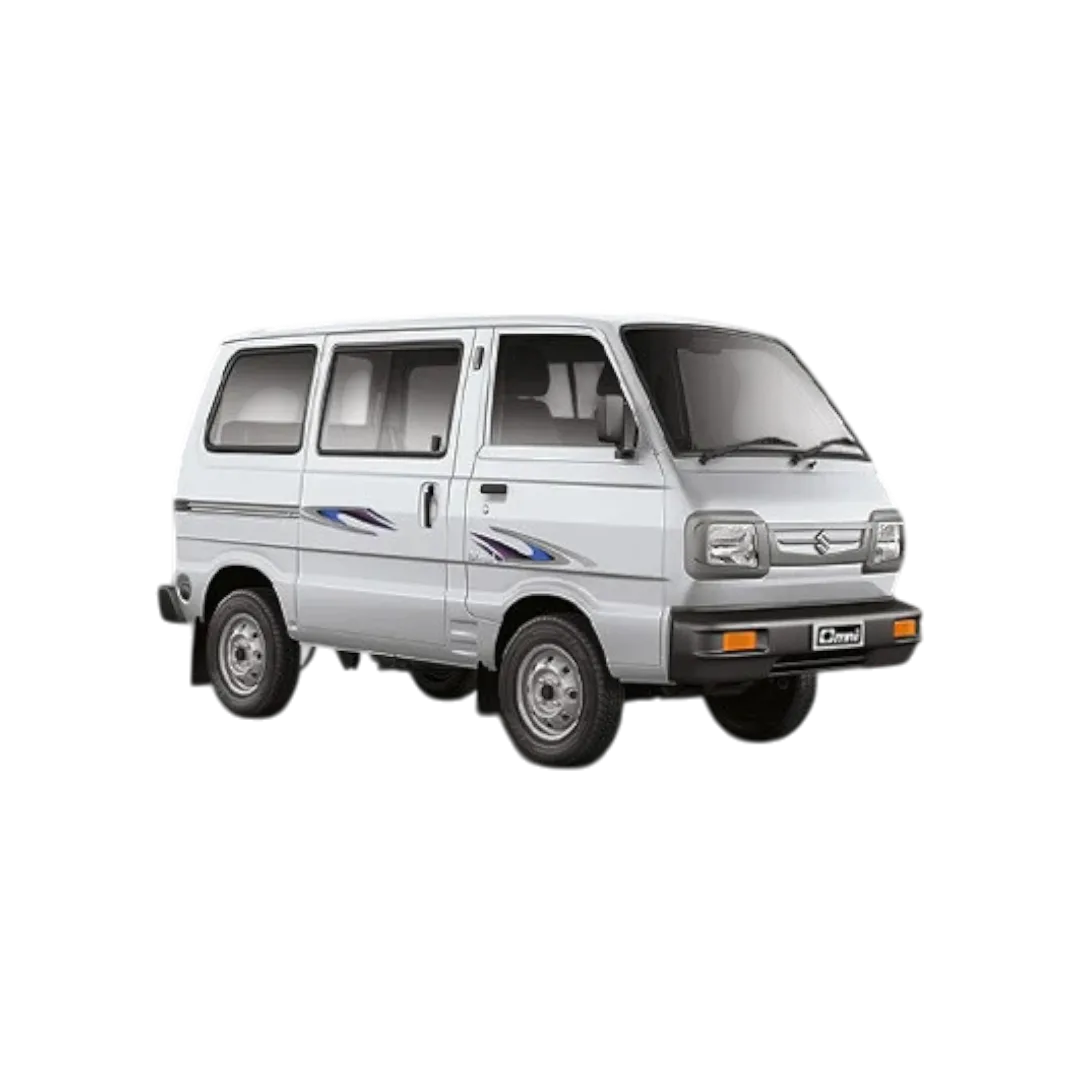 Omni
Omni
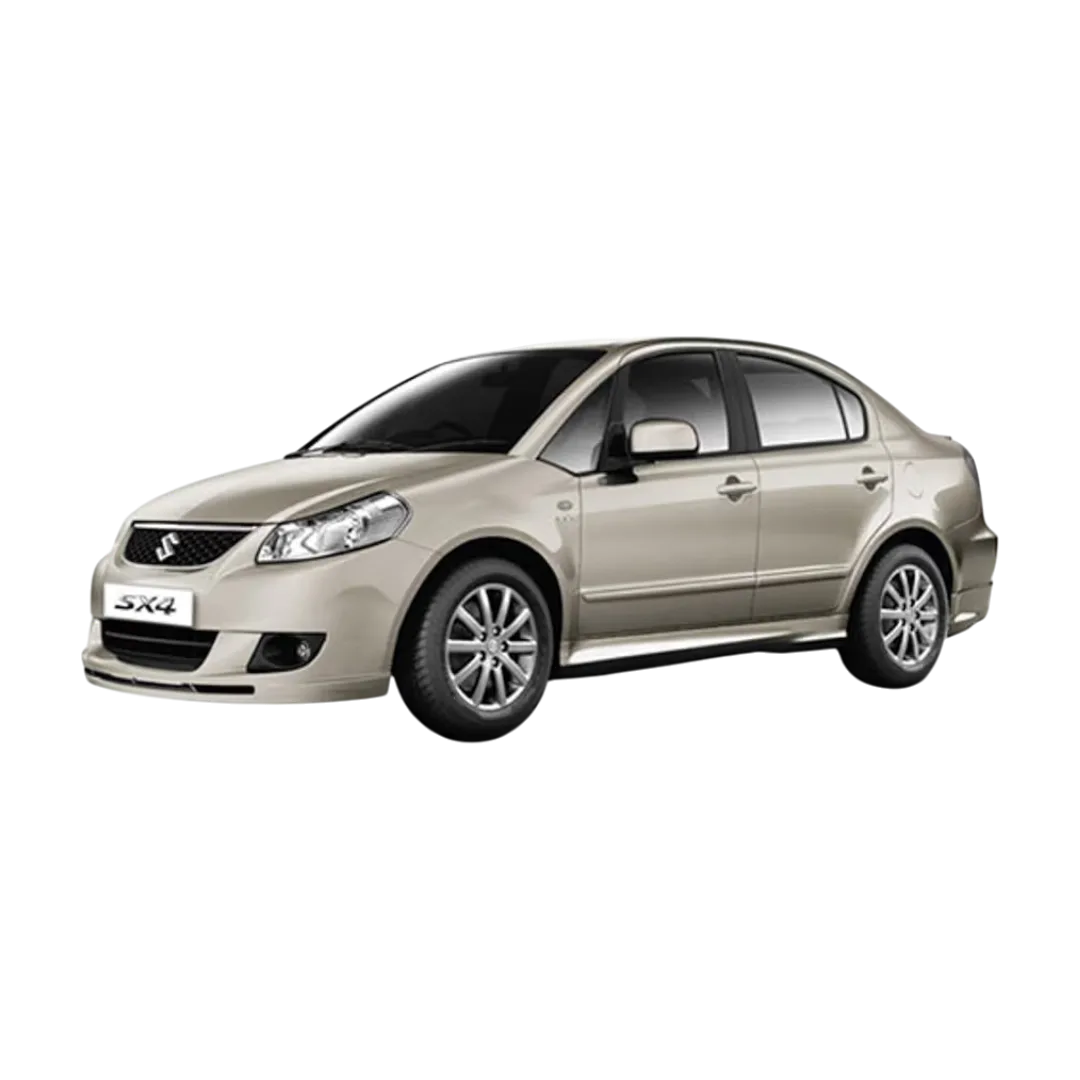 SX4
SX4
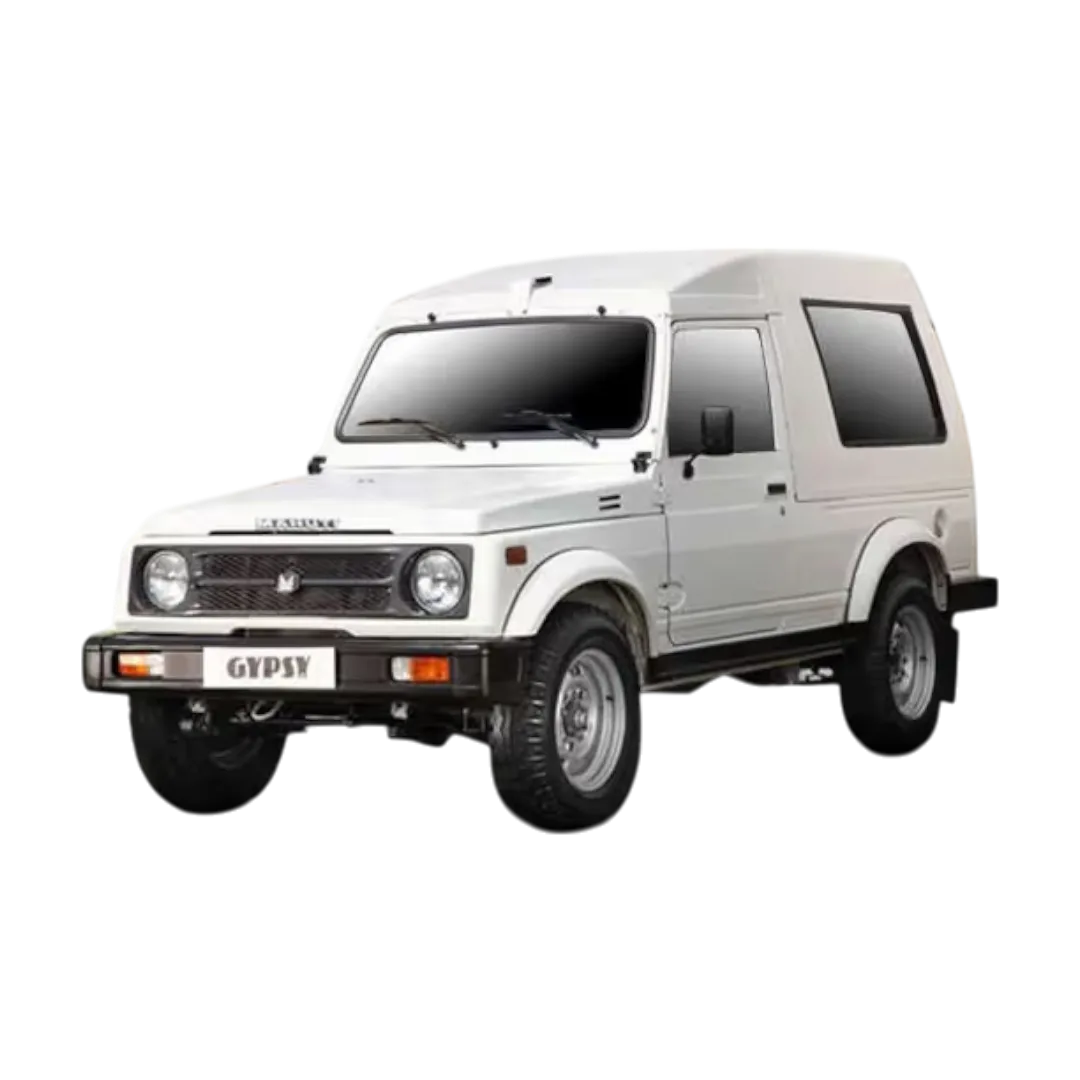 Gypsy
Gypsy
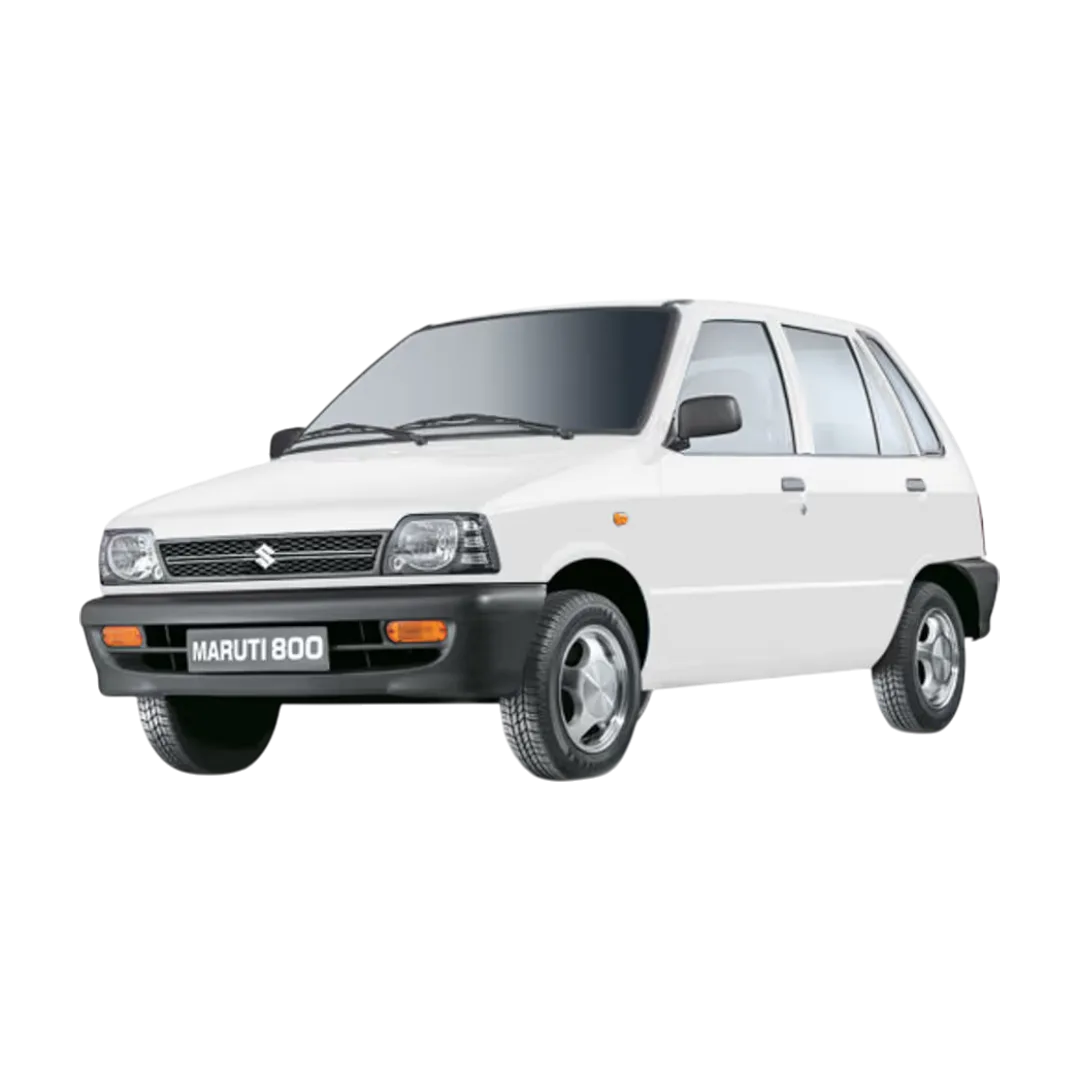 Maruti 800
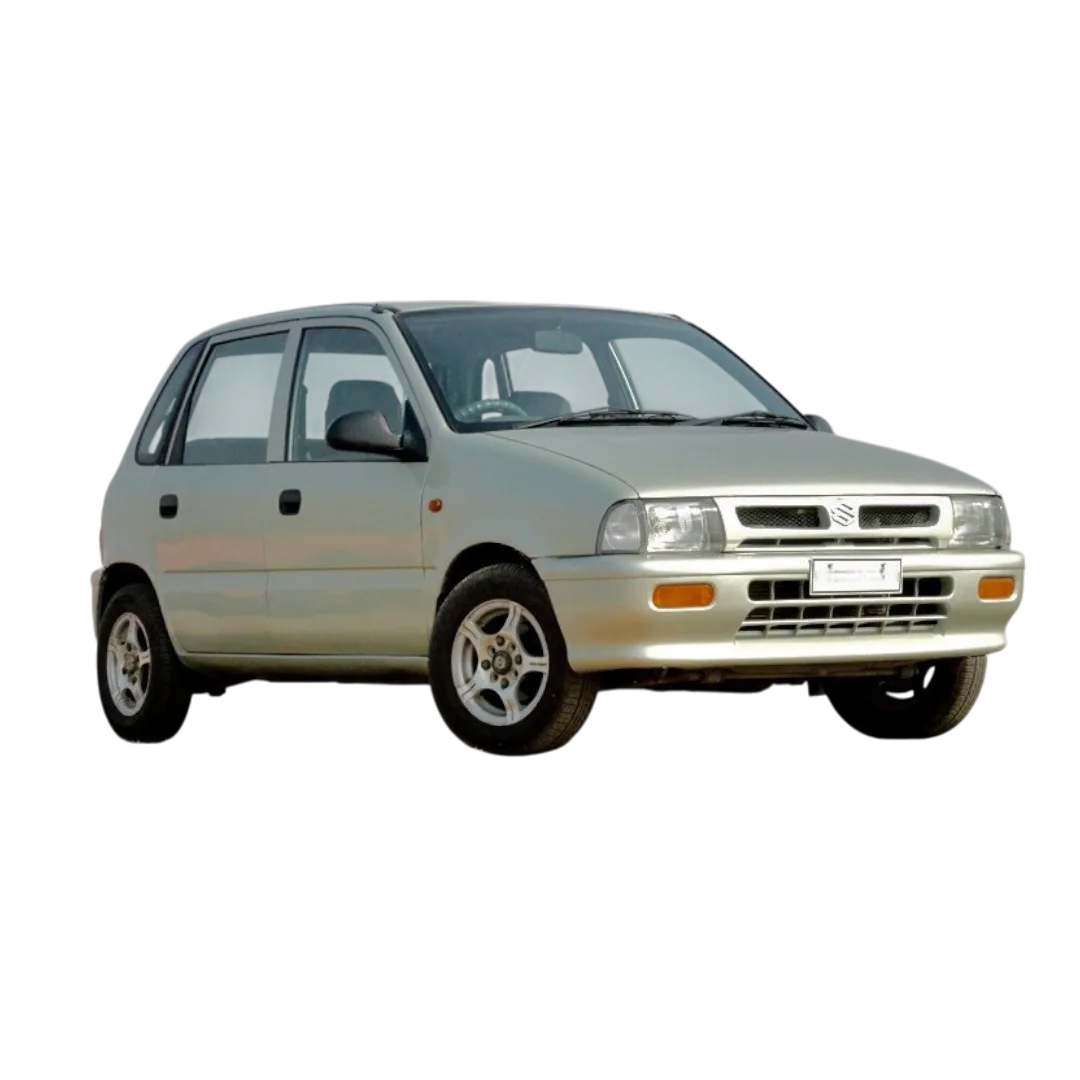 Zen
Zen
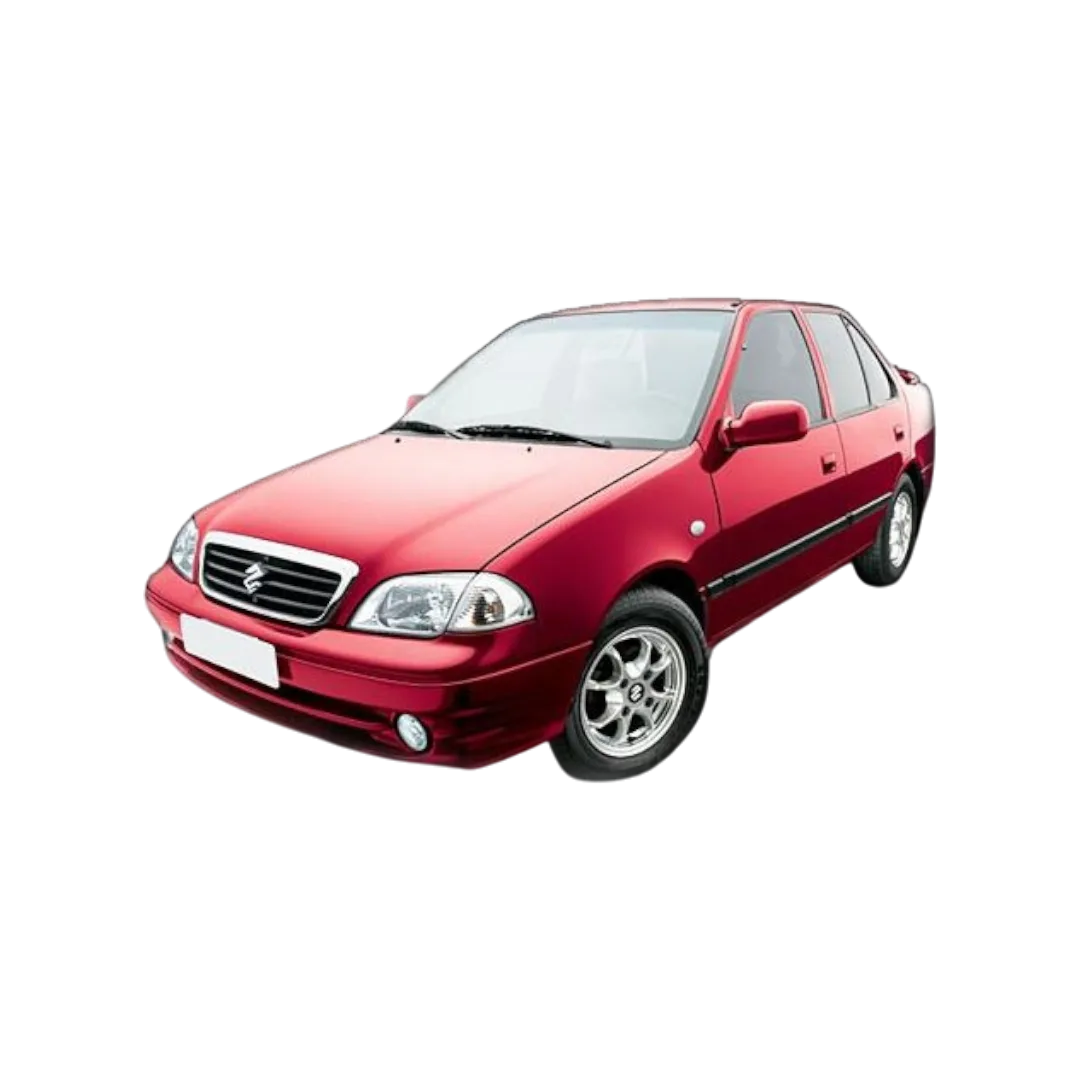 Esteem
 Zen Estilo
 Ritz
Ritz
 Fronx
Fronx
 A-Star
 Alto
Alto
 Invicto
Victoris
Wagon R
Invicto
Victoris
Wagon R
 i20
i20
 Aura
Aura
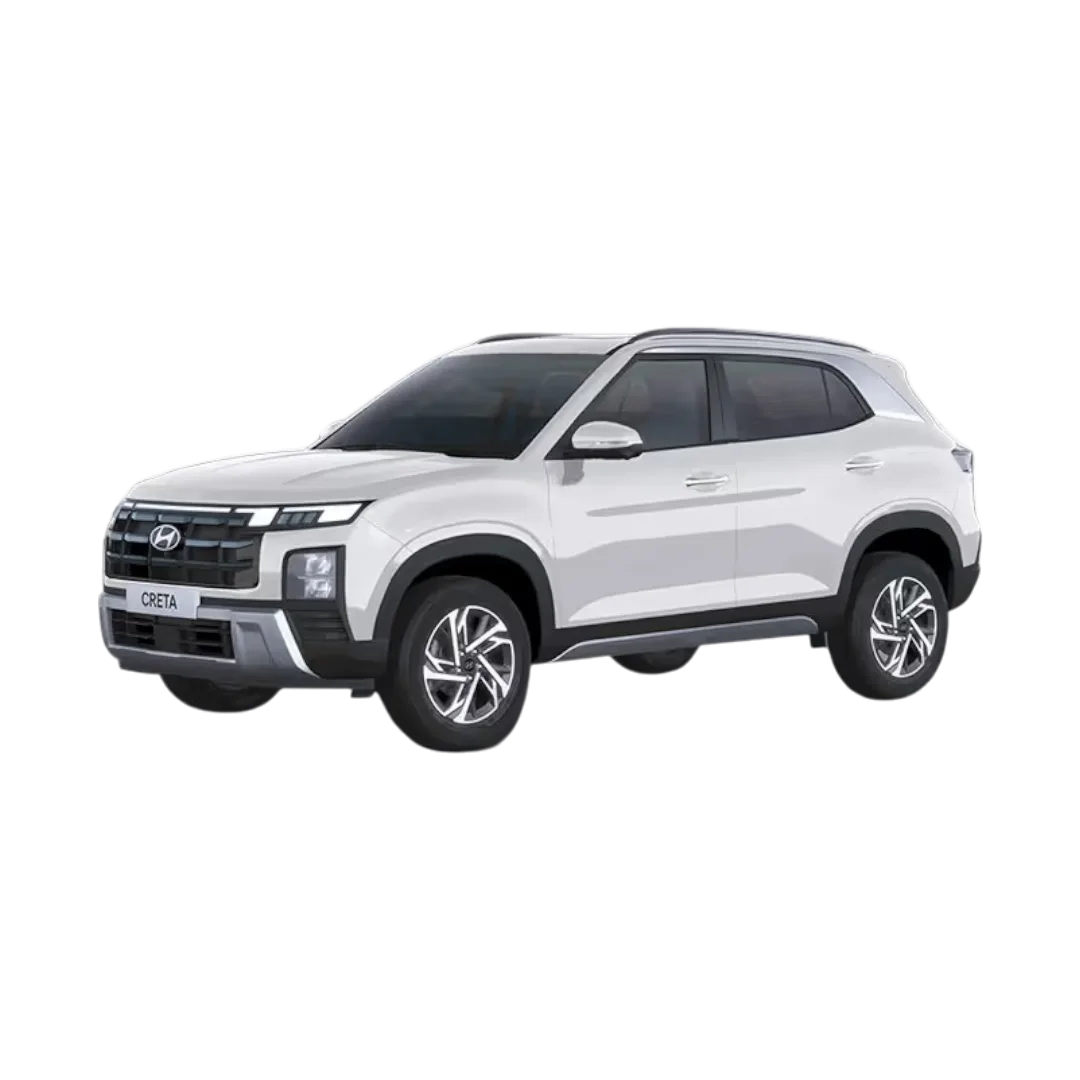 Creta
Creta
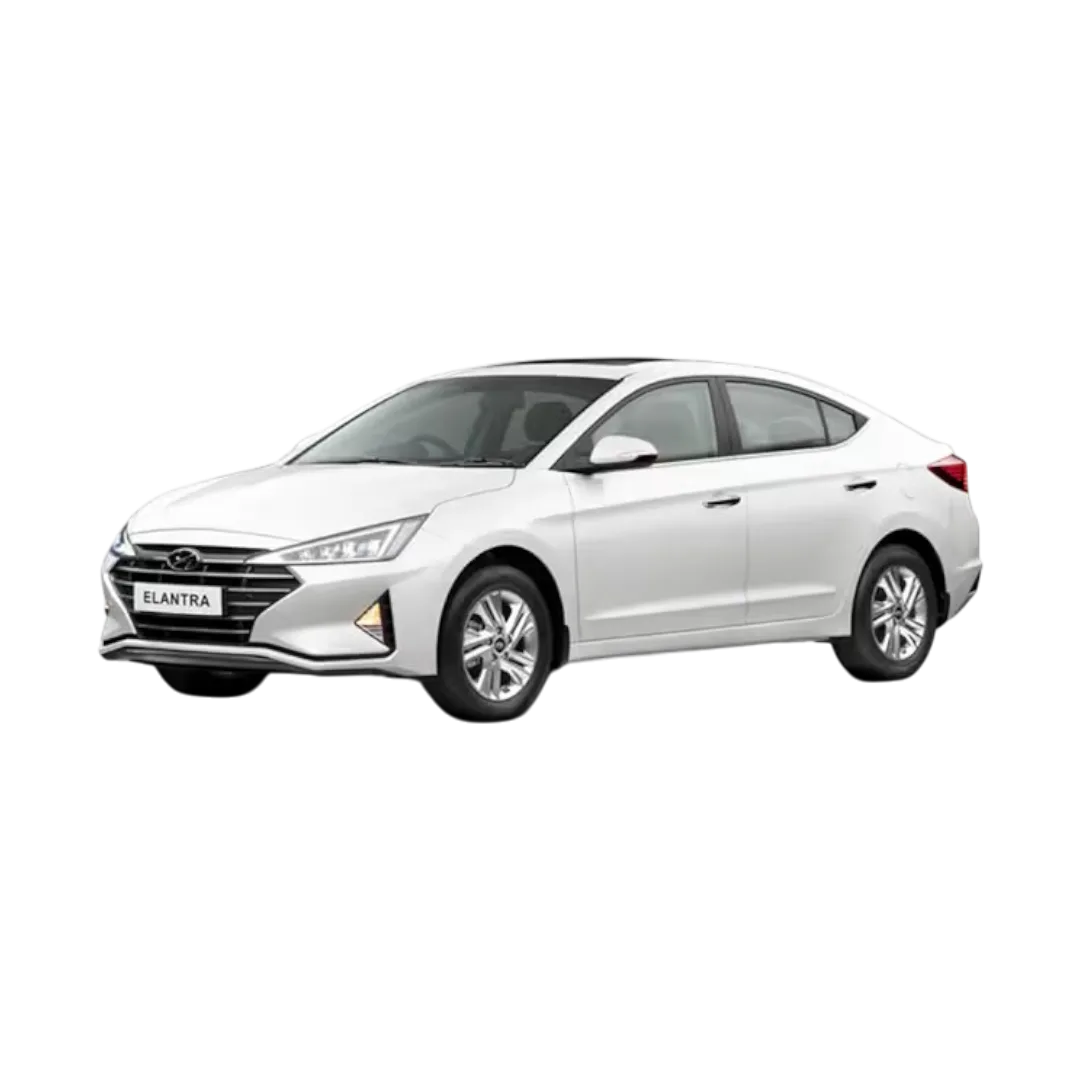 Elantra
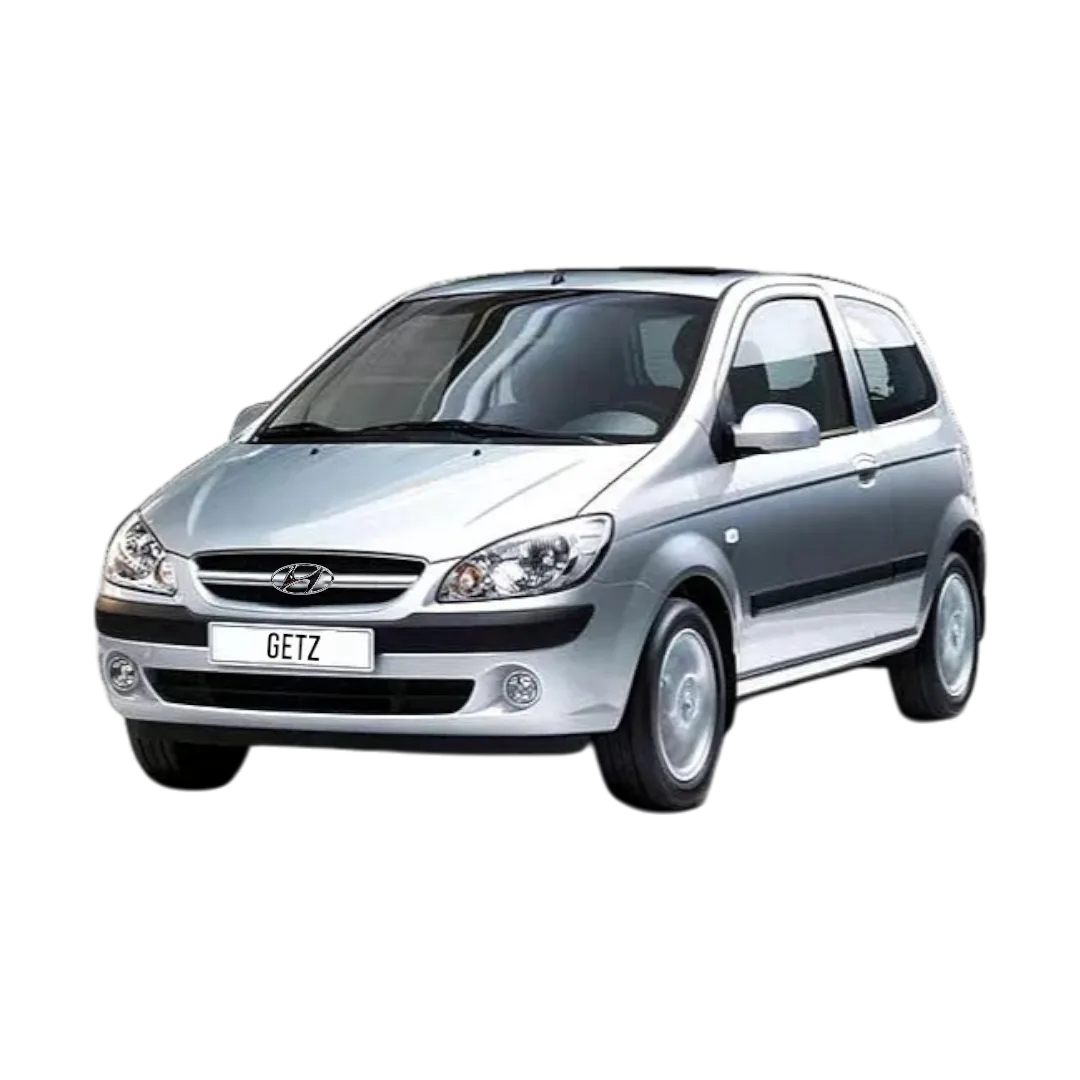 Getz
Getz
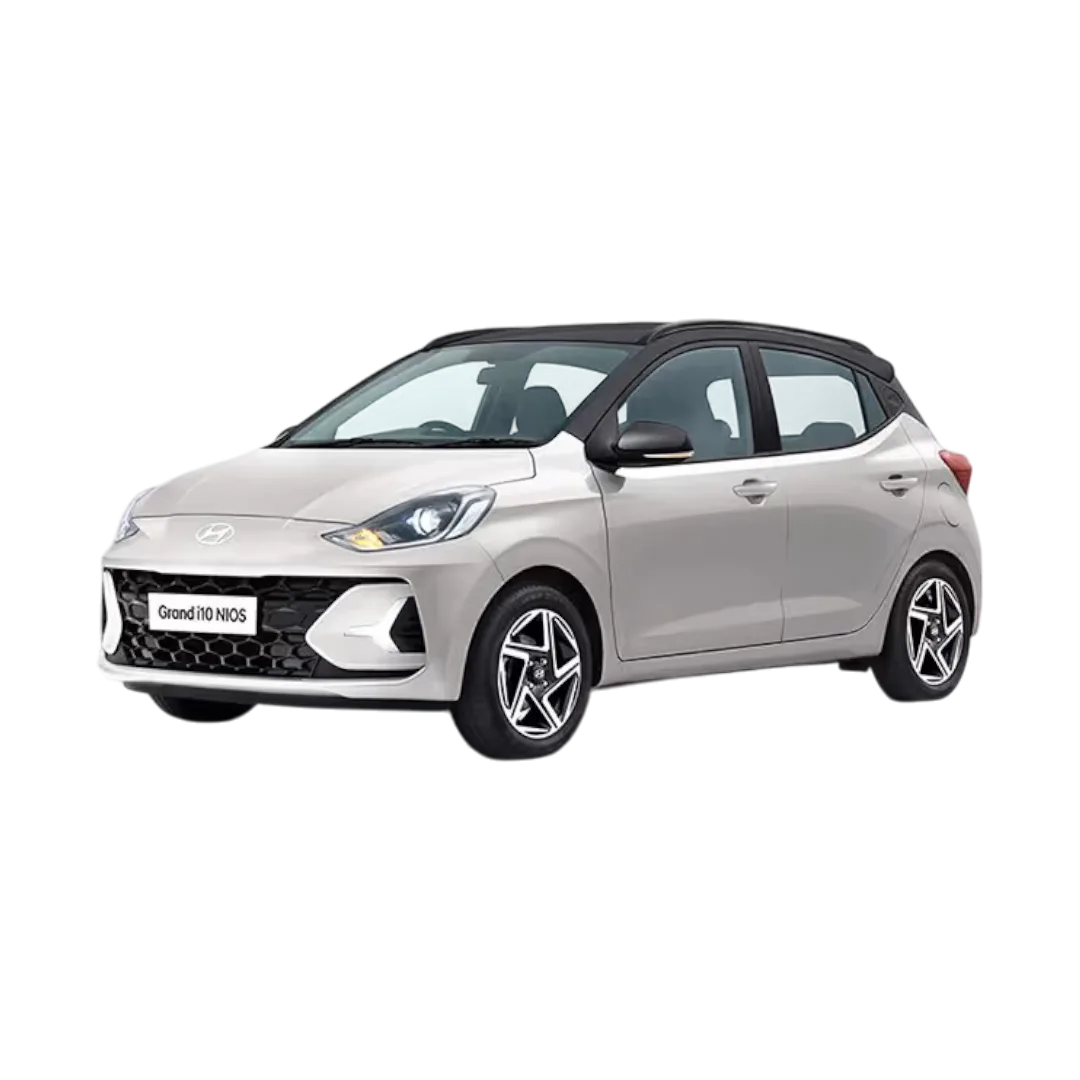 Grand i10 Nios
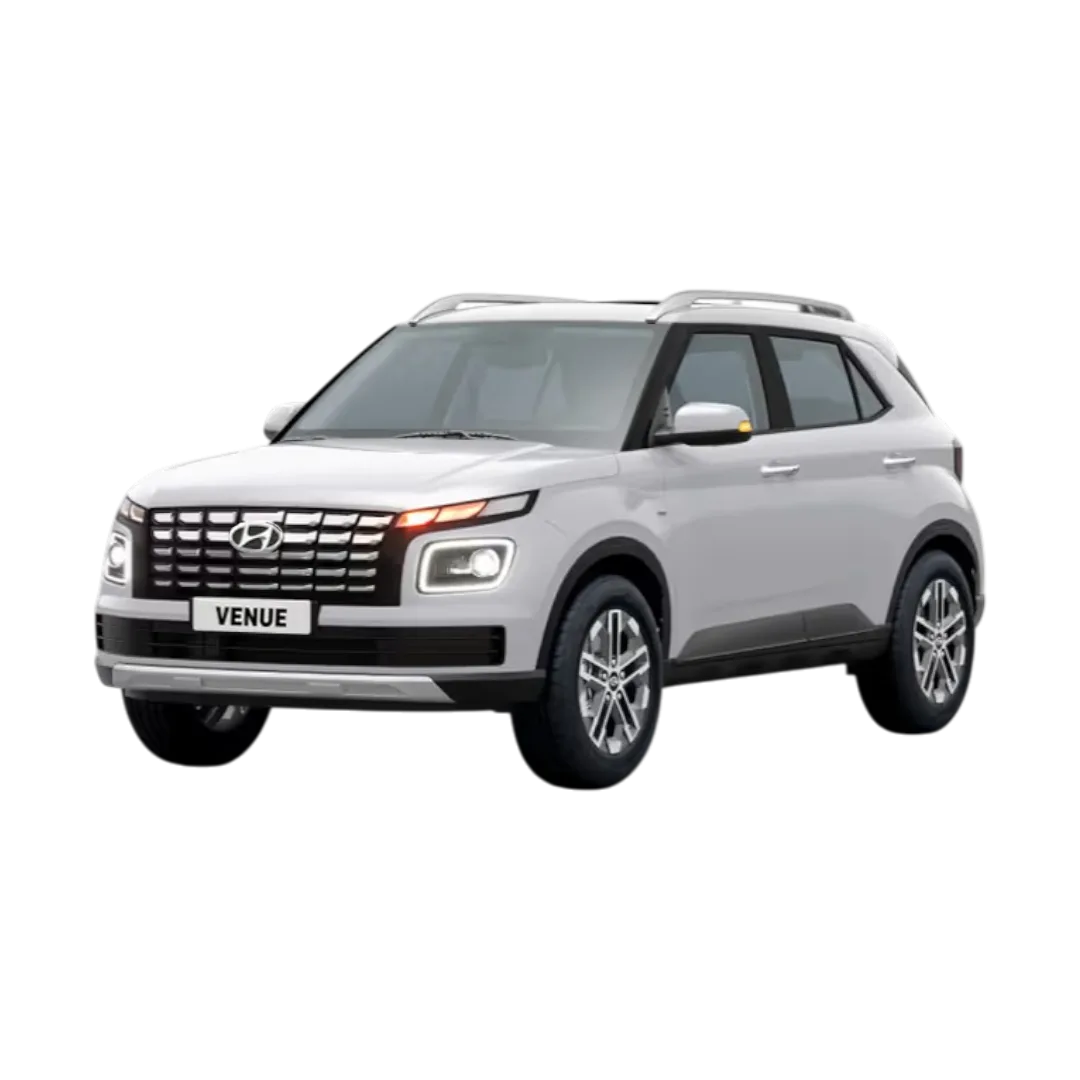 Venue
Venue
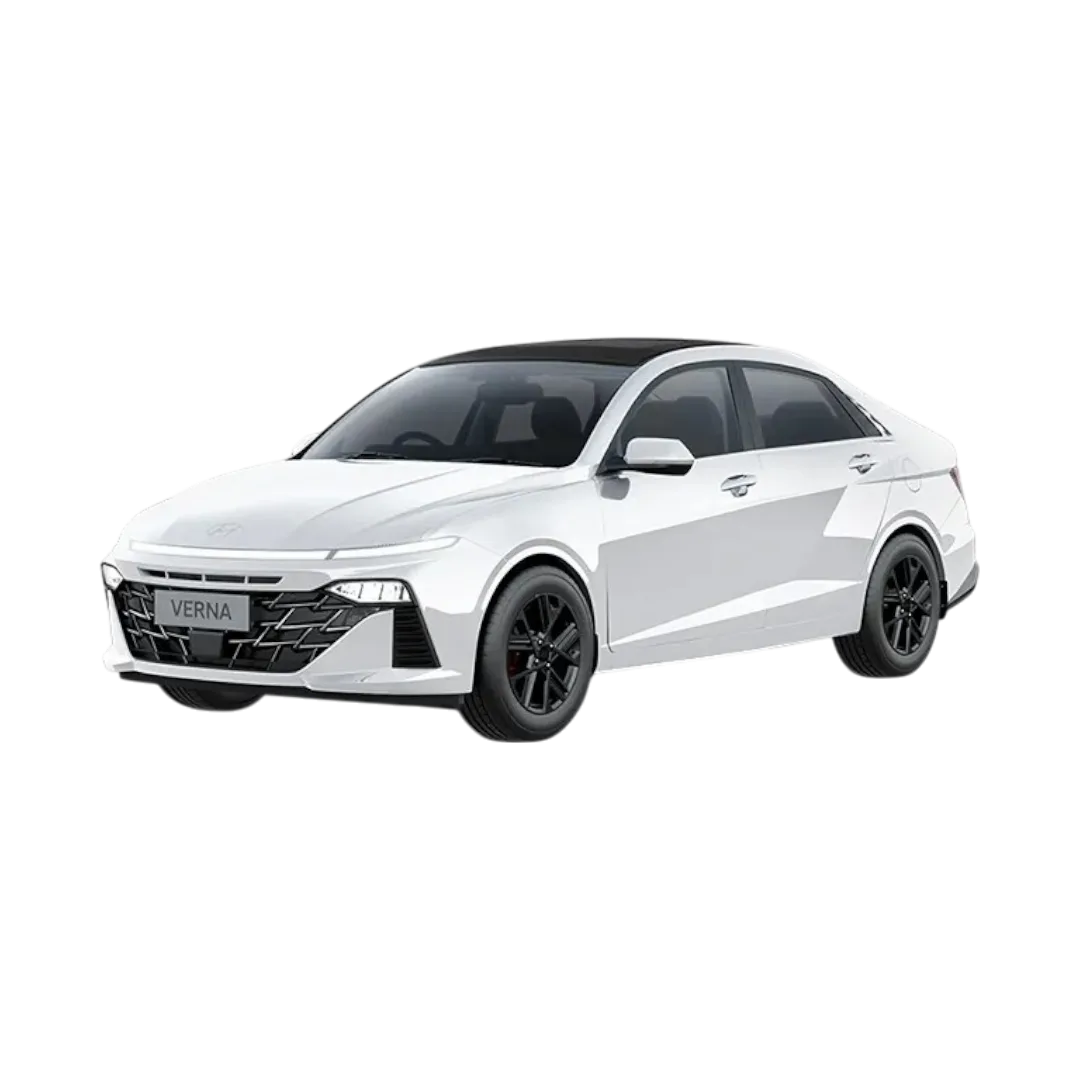 Verna
Verna
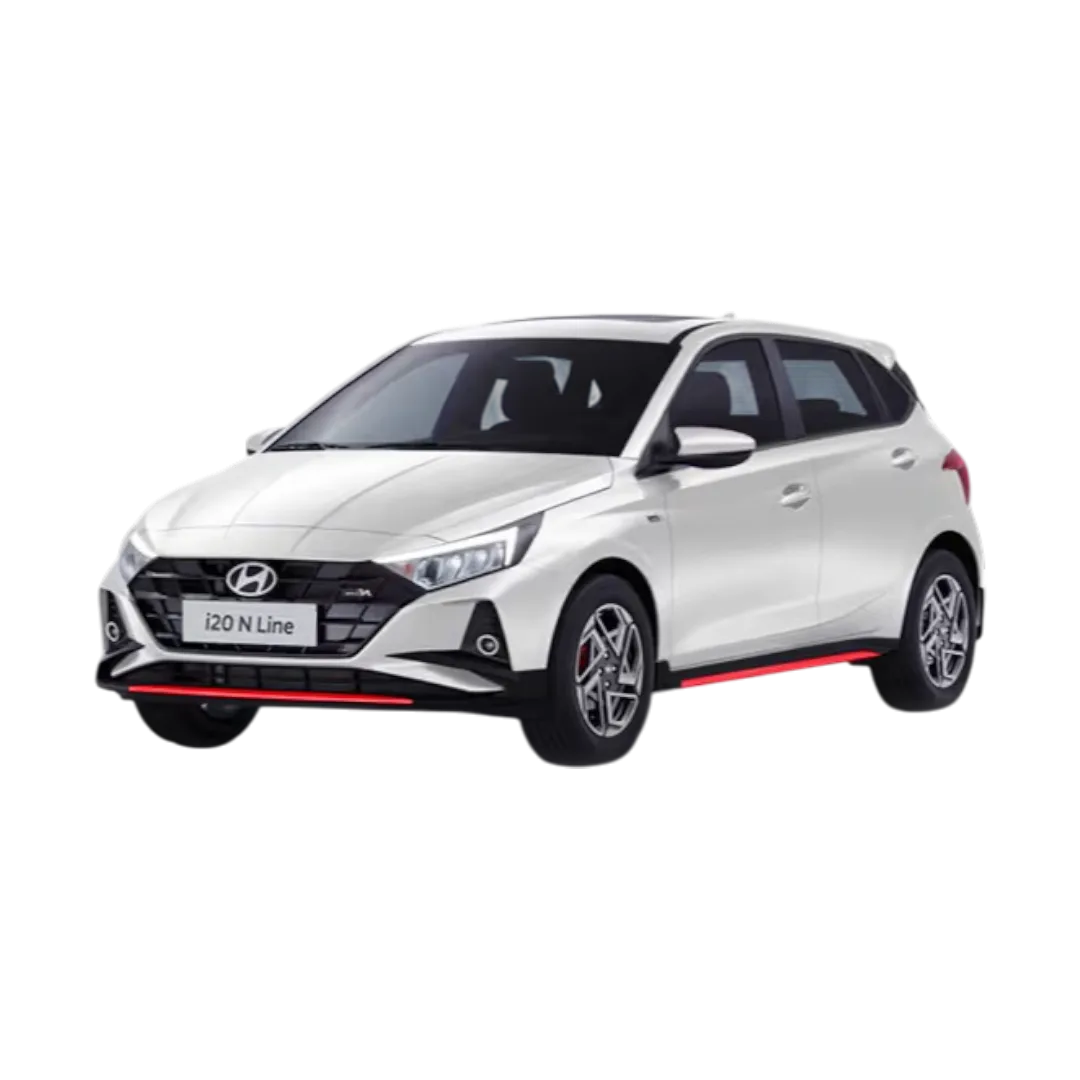 i20 N Line
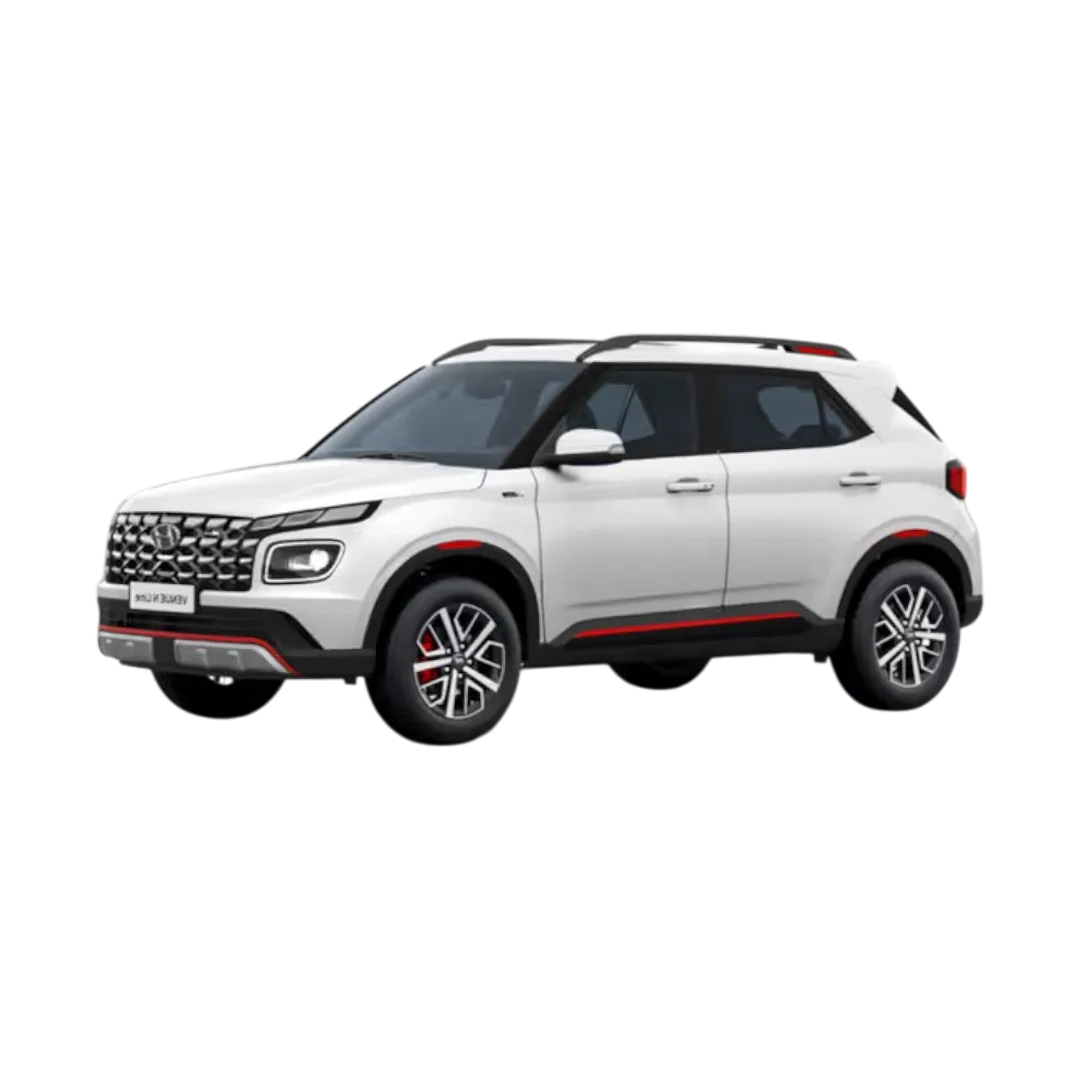 Venue N Line
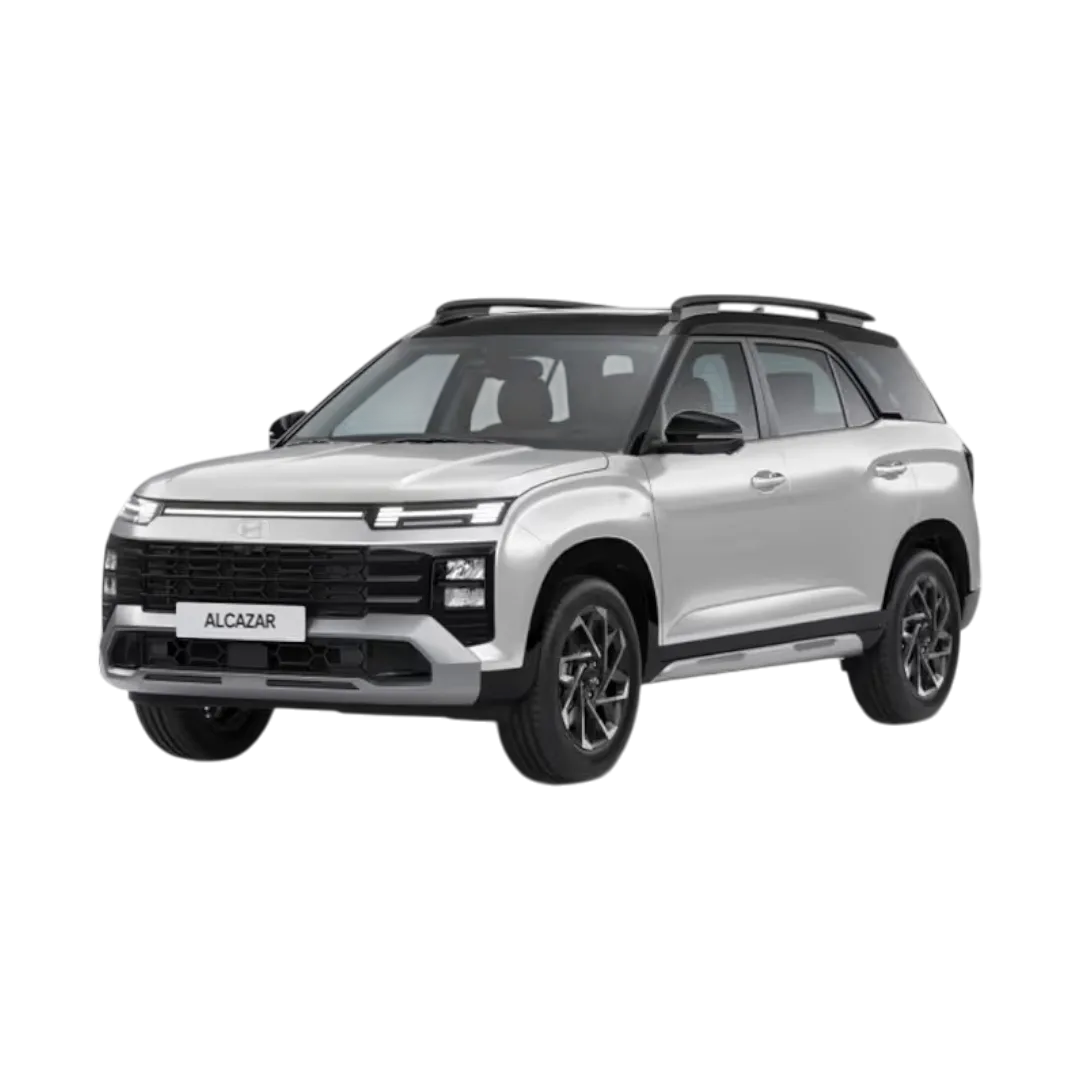 Alcazar
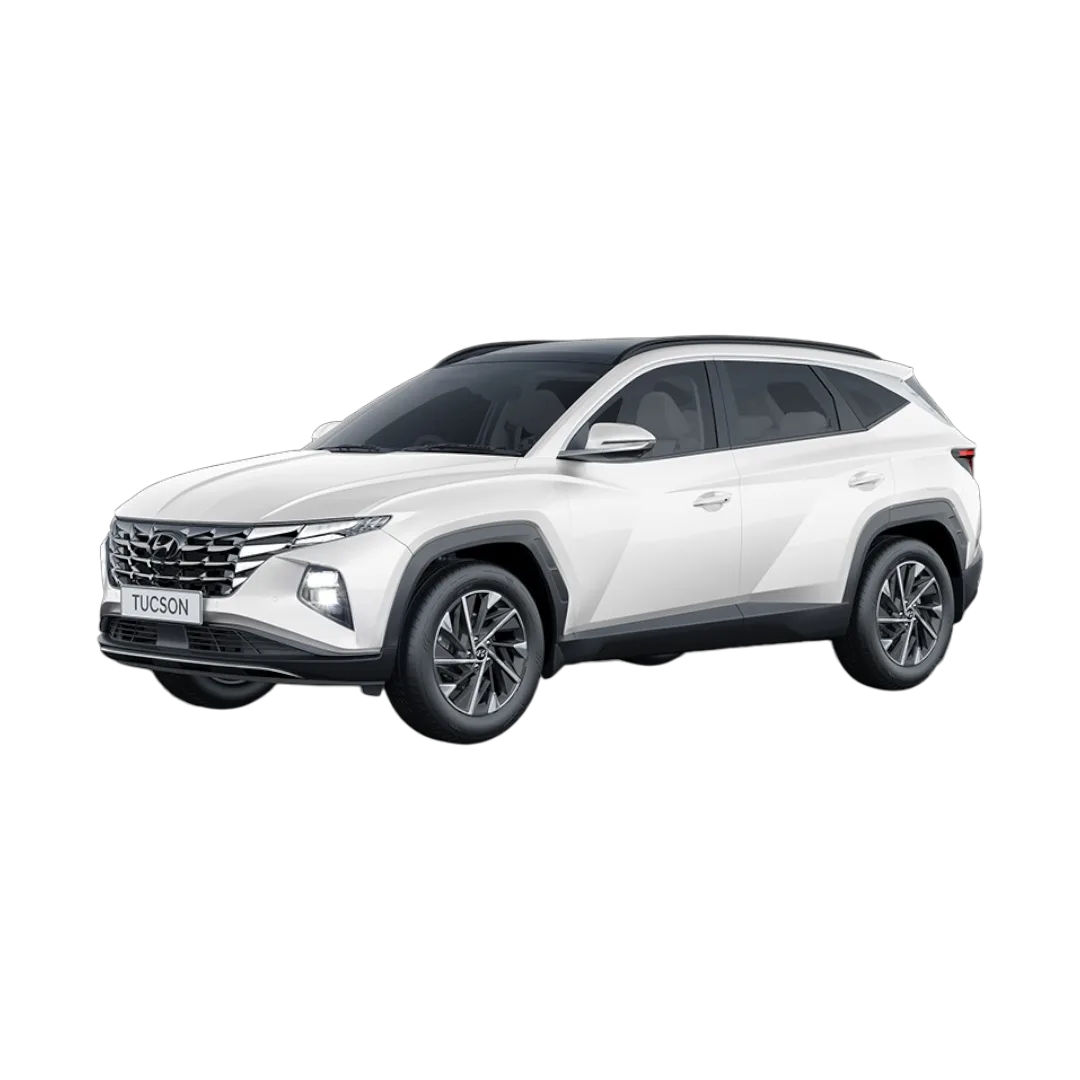 Tucson
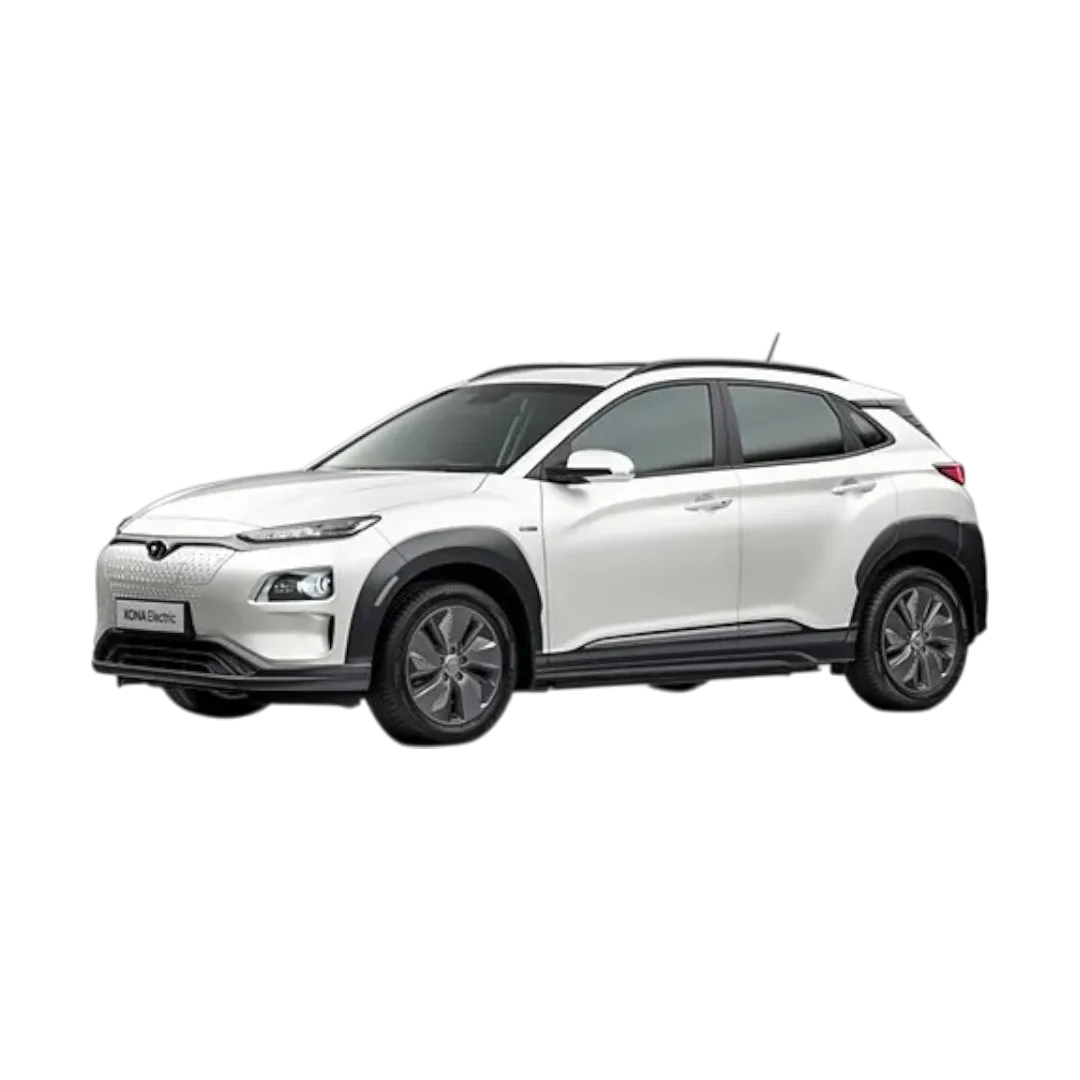 Kona
Kona
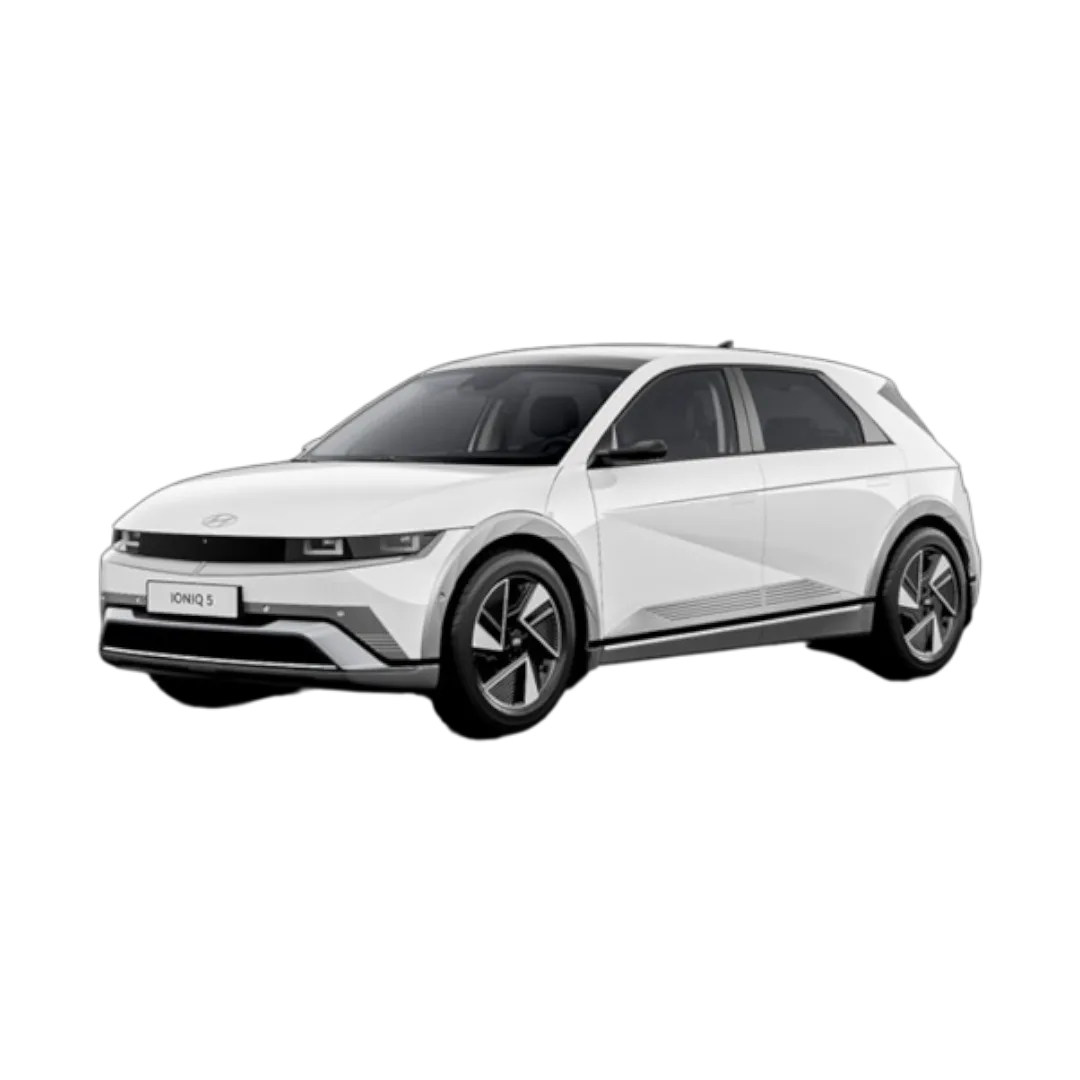 iONIQ 5
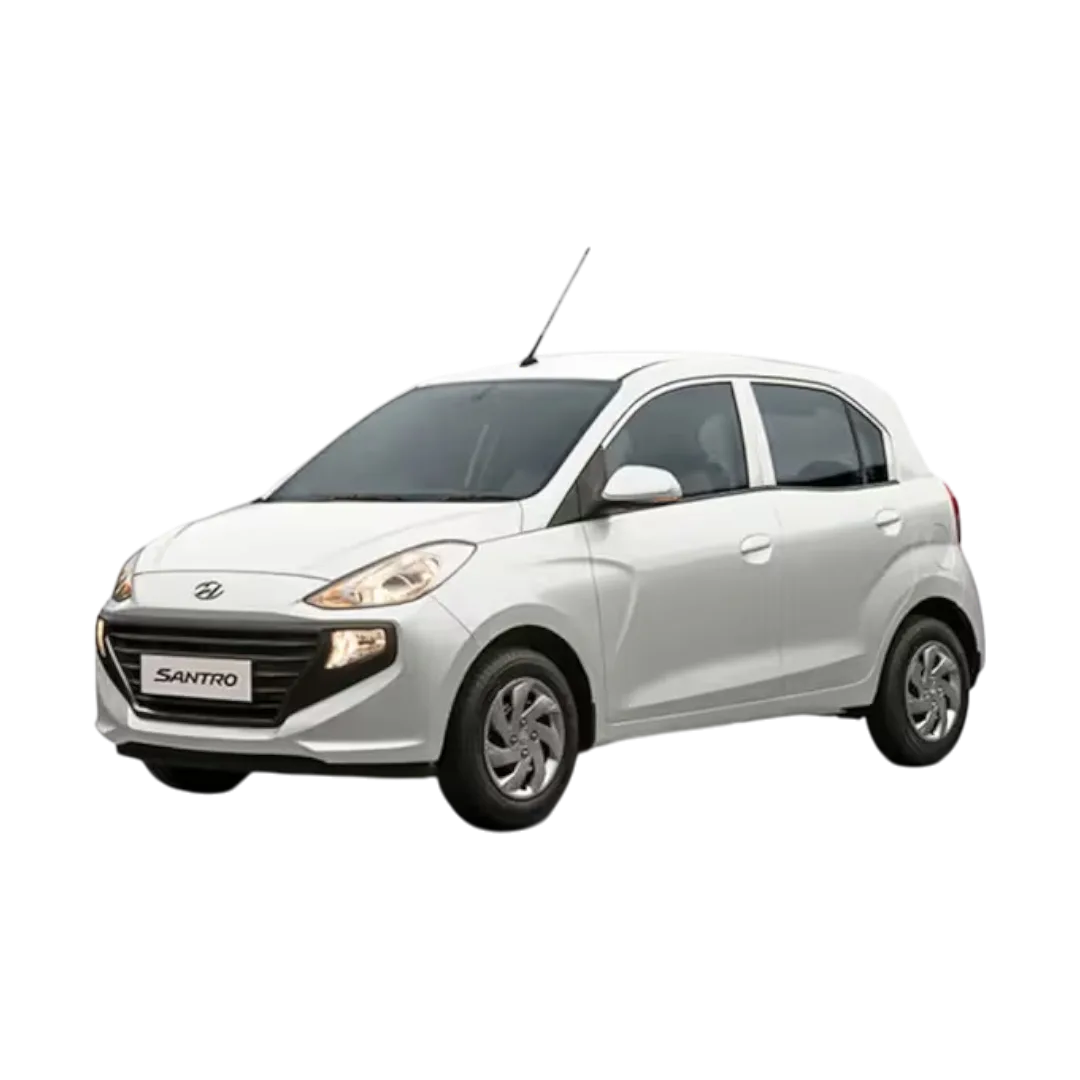 Santro
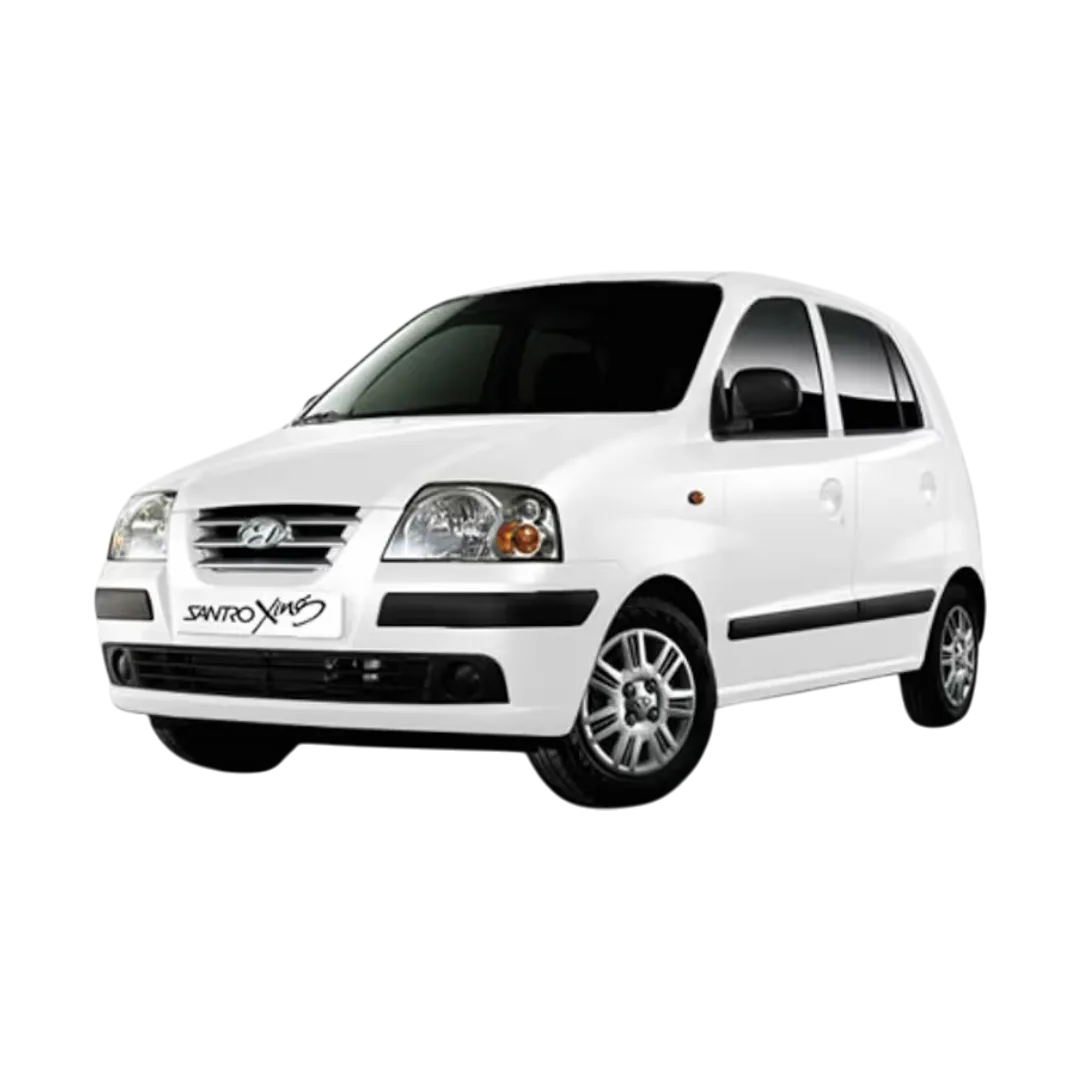 Santro Xing
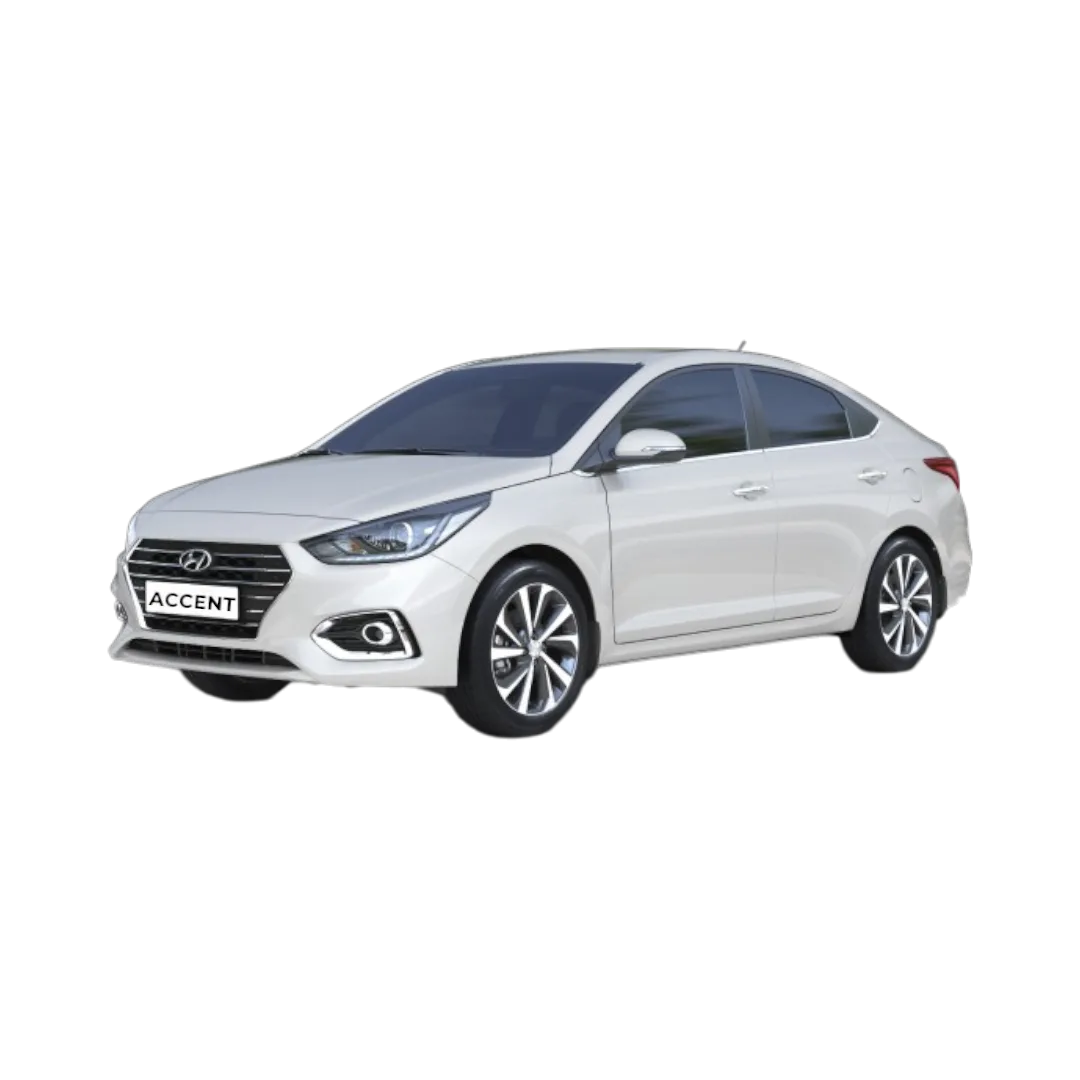 Accent
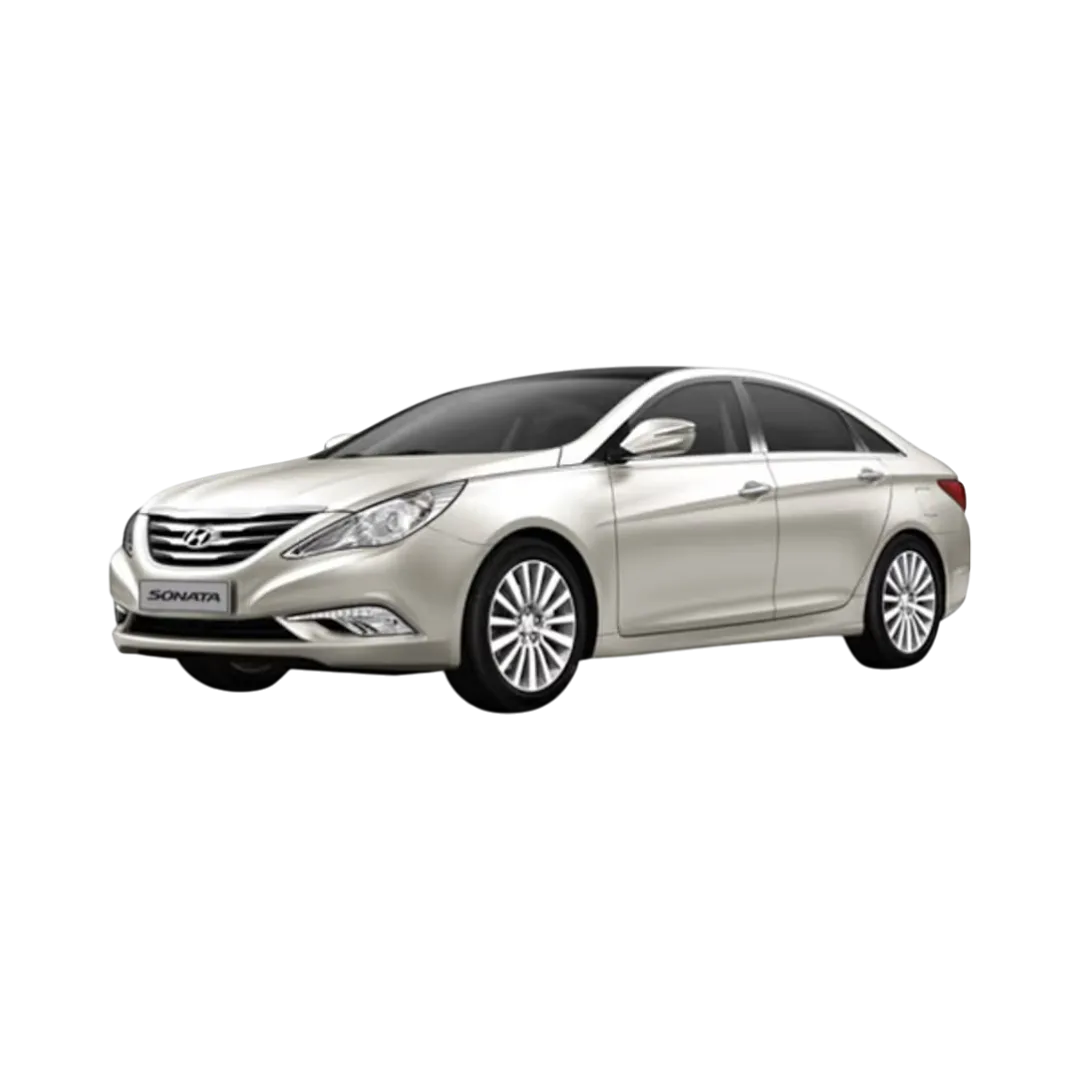 Sonata
 Eon
Eon
 i10
i10
 Grand i10
 Xcent
Xcent
 Elite i20
 Verna Fluidic
 Santafe
 Exter
Sonata Fluidic
i20 Active
Exter
Sonata Fluidic
i20 Active
 Yaris
Yaris
 Urban Cruiser
 Camry
Camry
 Corolla
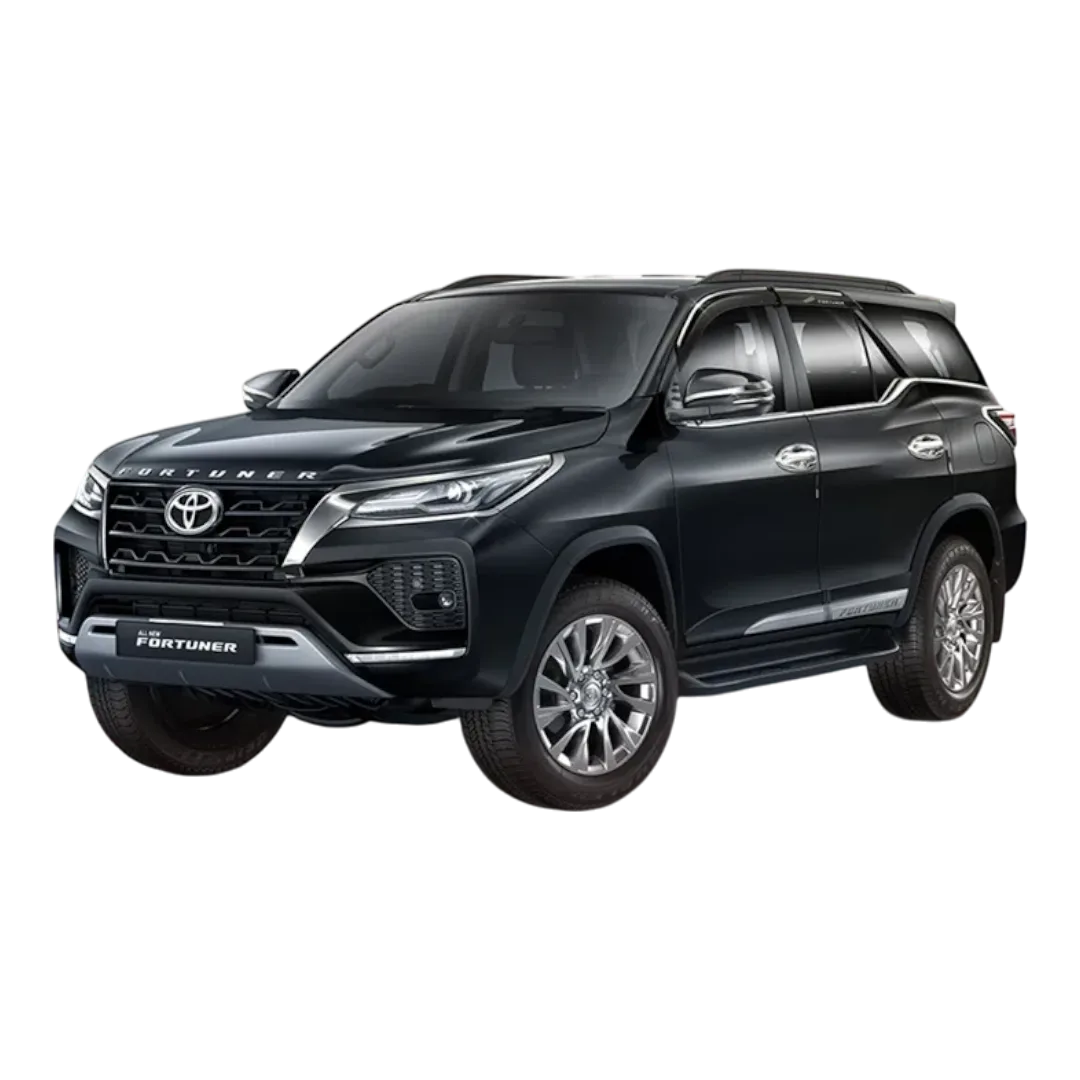 Fortuner
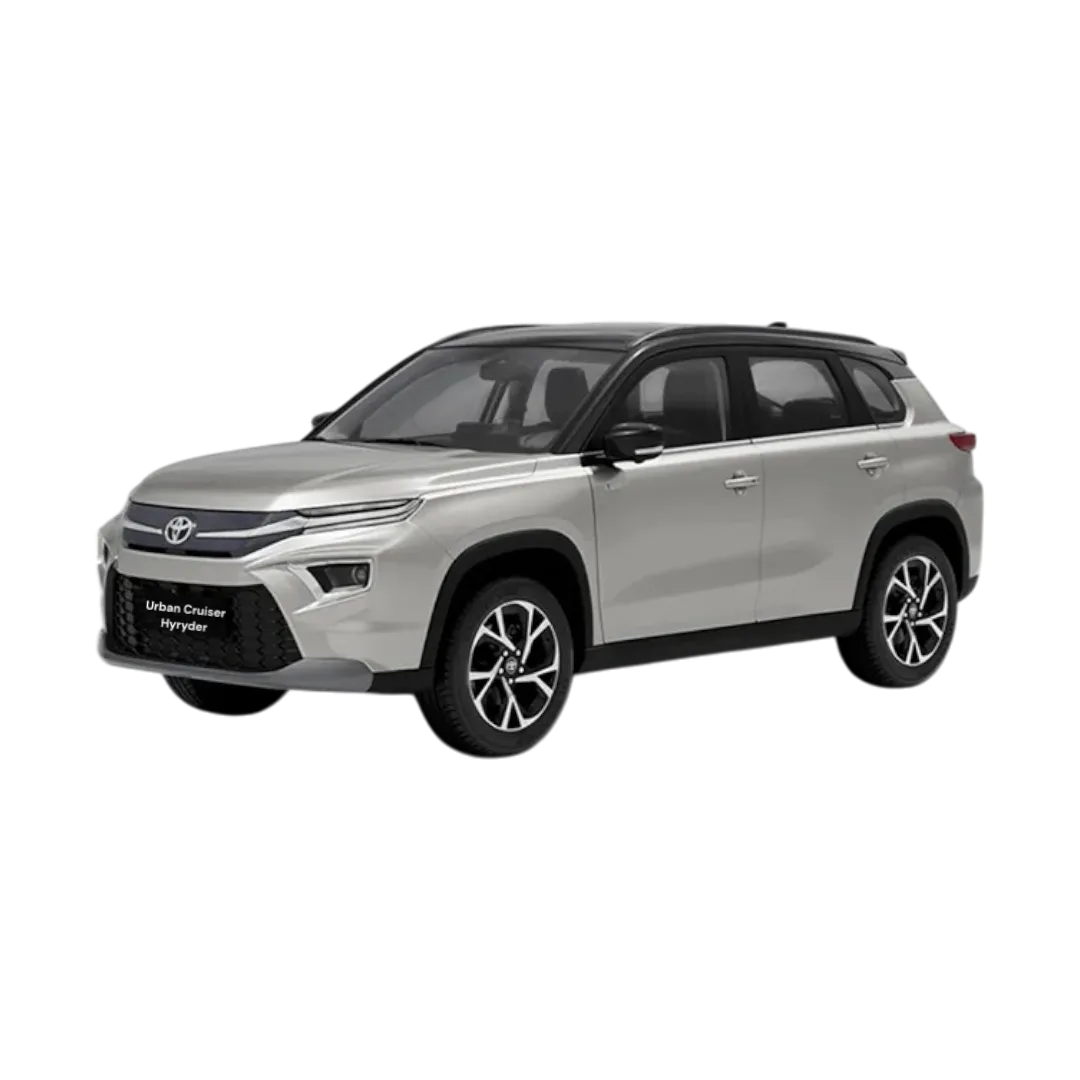 Urban Cruiser Hyryder
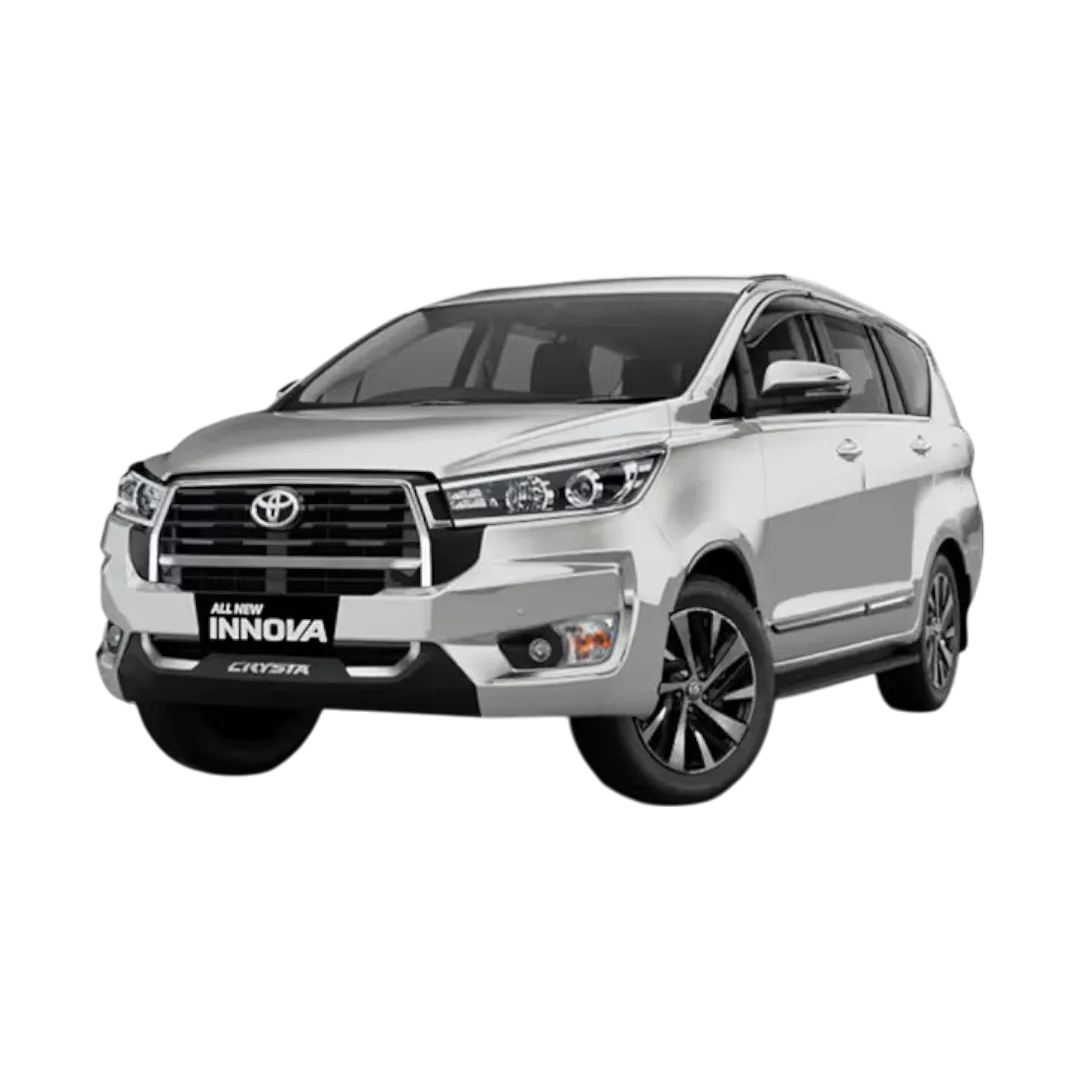 Innova Crysta
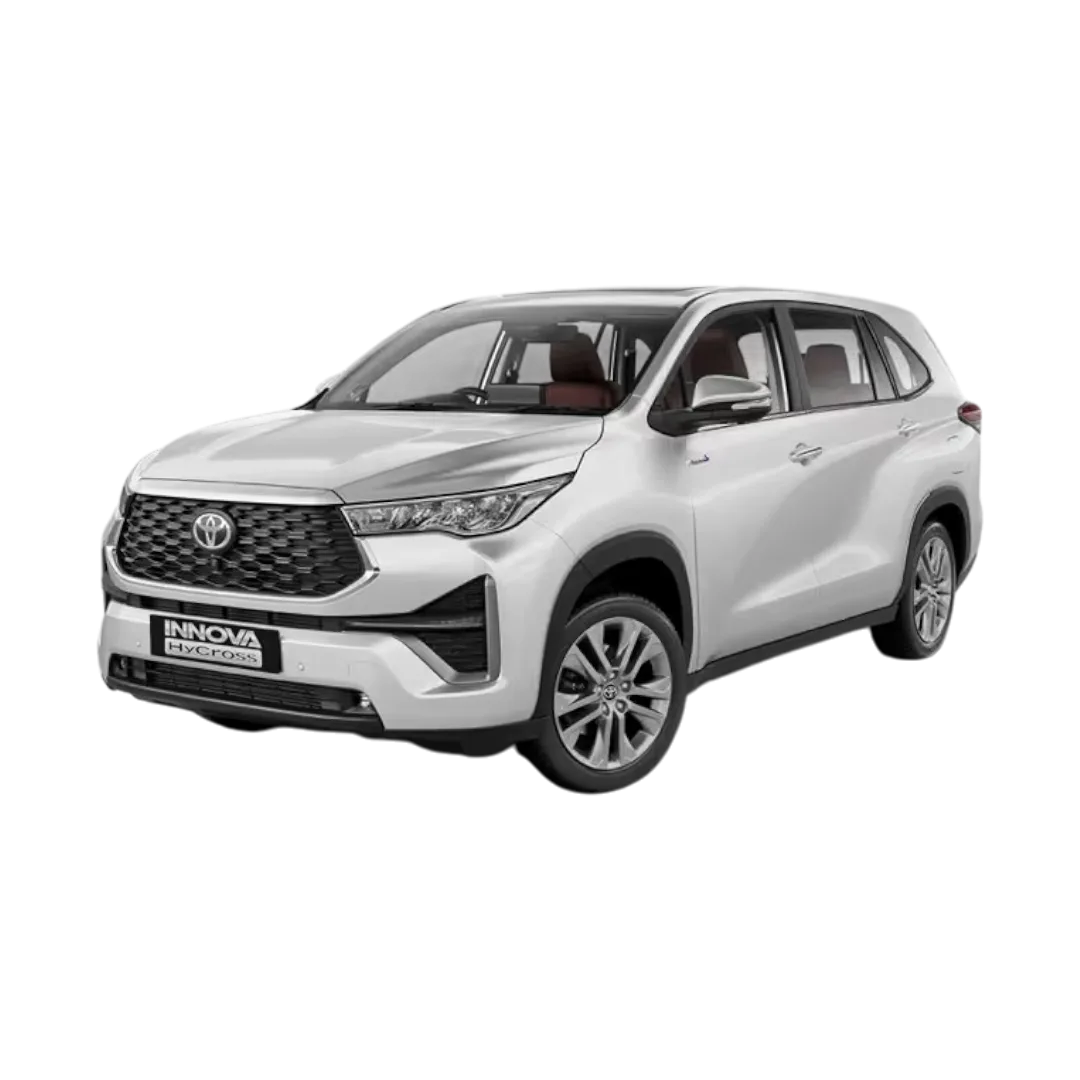 Innova Hycross
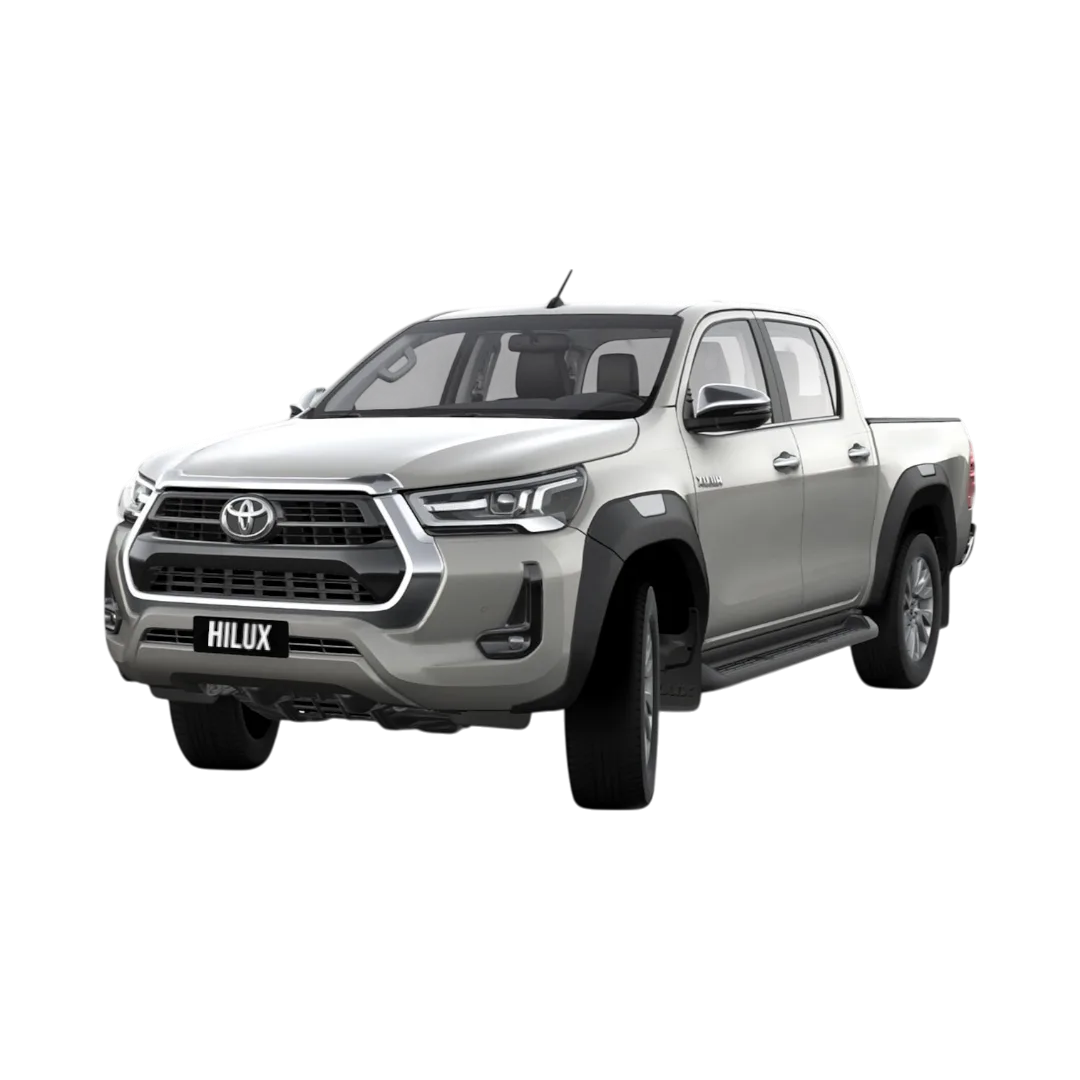 Hilux
Hilux
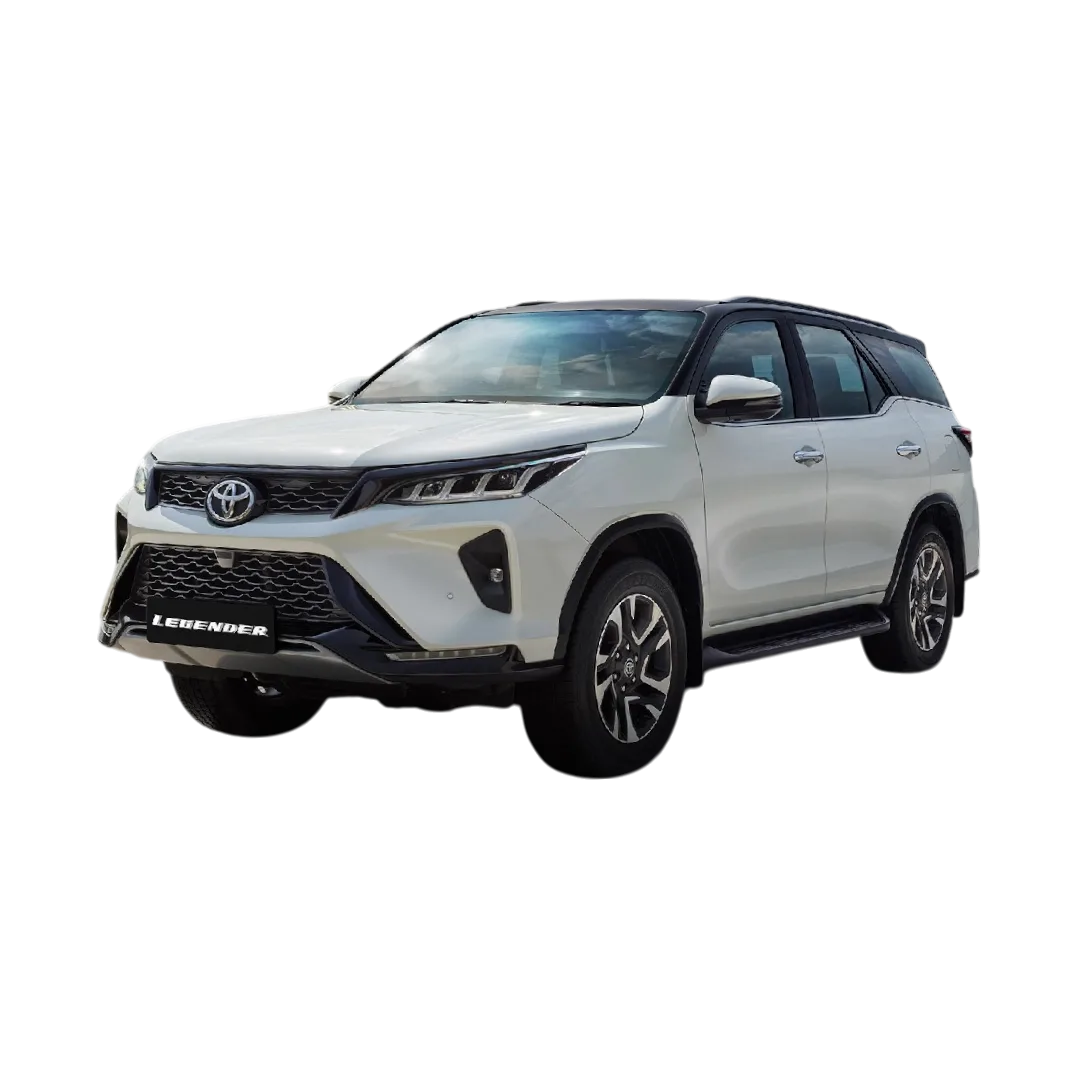 Fortuner Legender
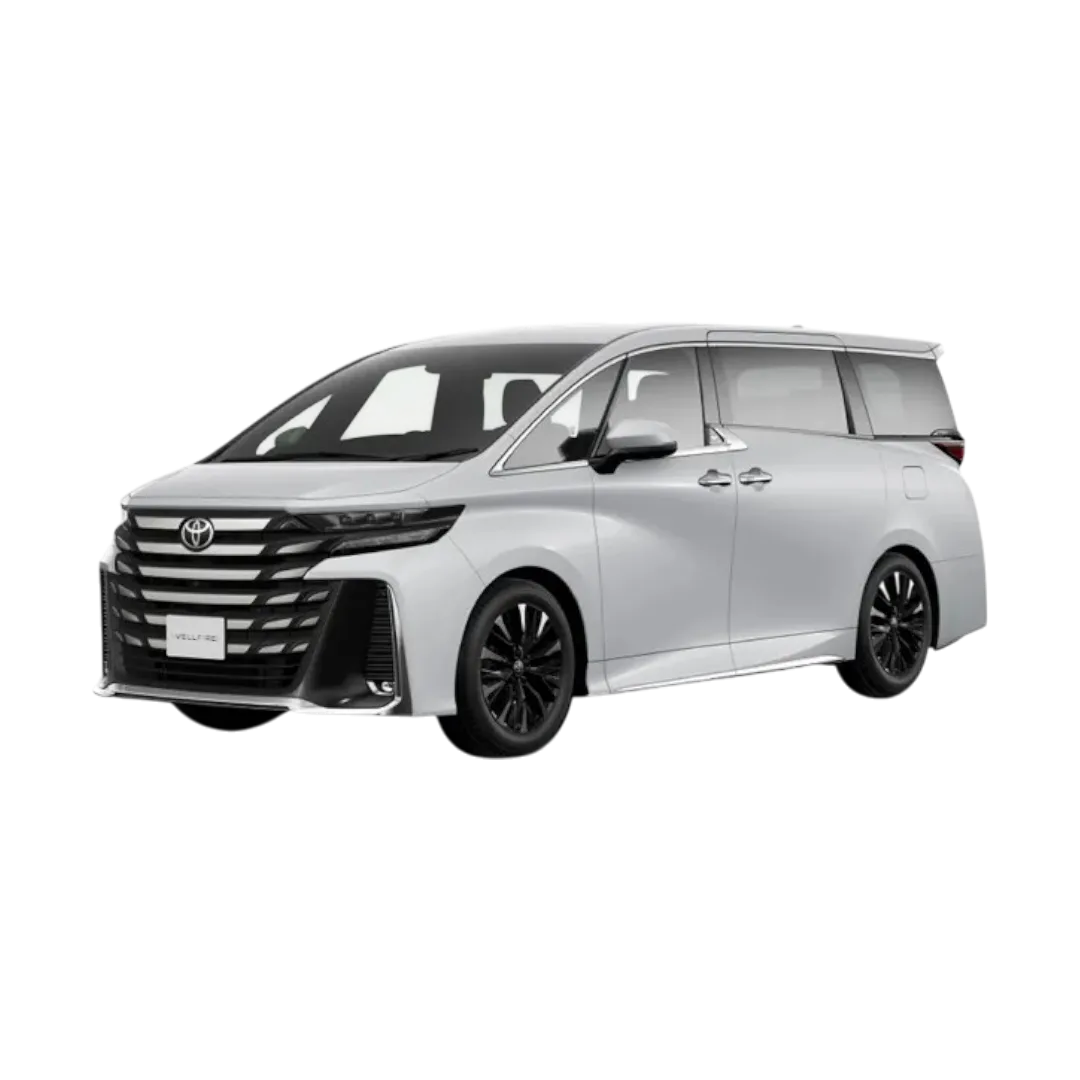 Vellfire
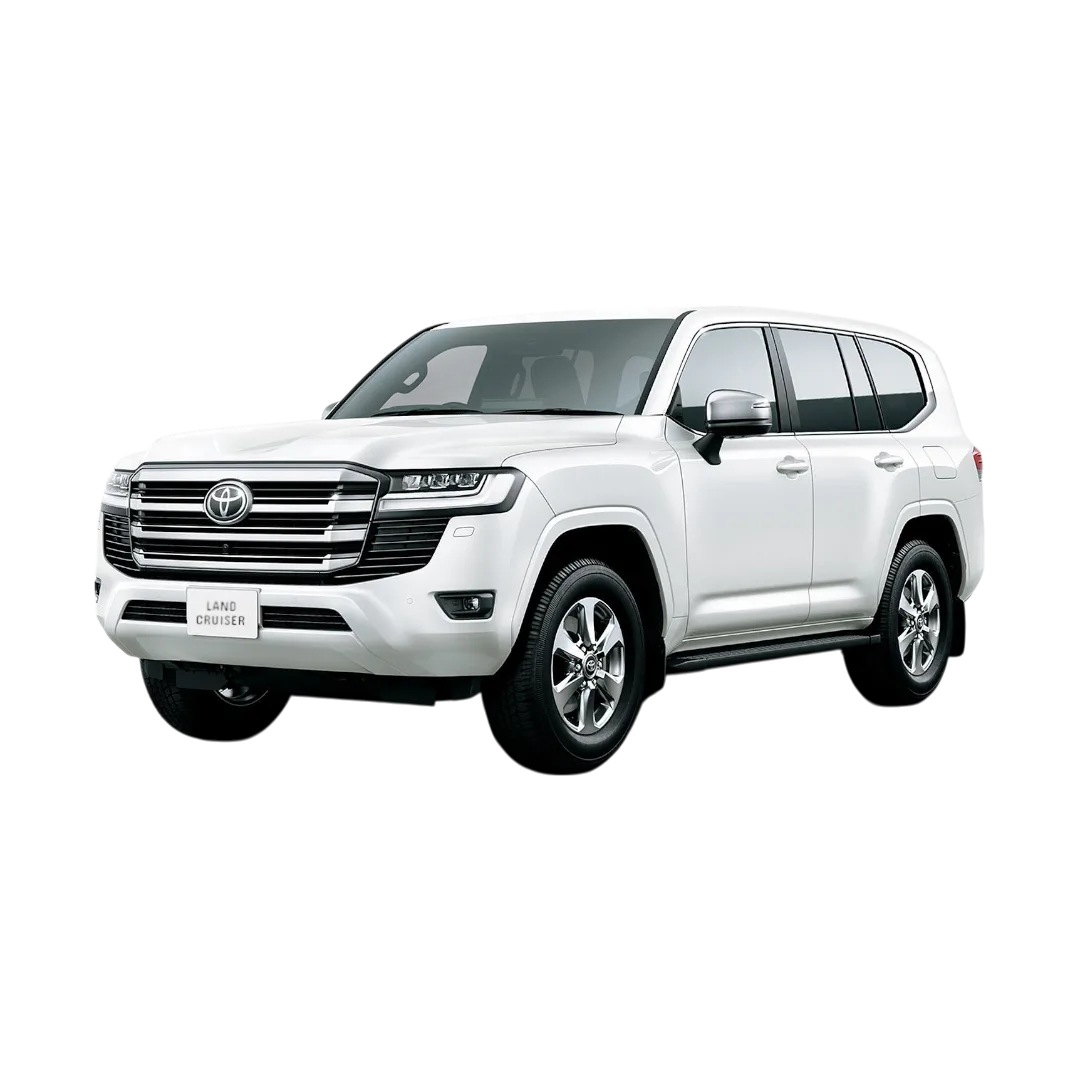 Land Cruiser
 Glanza
 Etios
Etios
 Etios cross
 Etios Liva
 Qualis
 Innova
 Rumion
Taisor
Corolla Altis
Hyryder
Rumion
Taisor
Corolla Altis
Hyryder
 Bolero
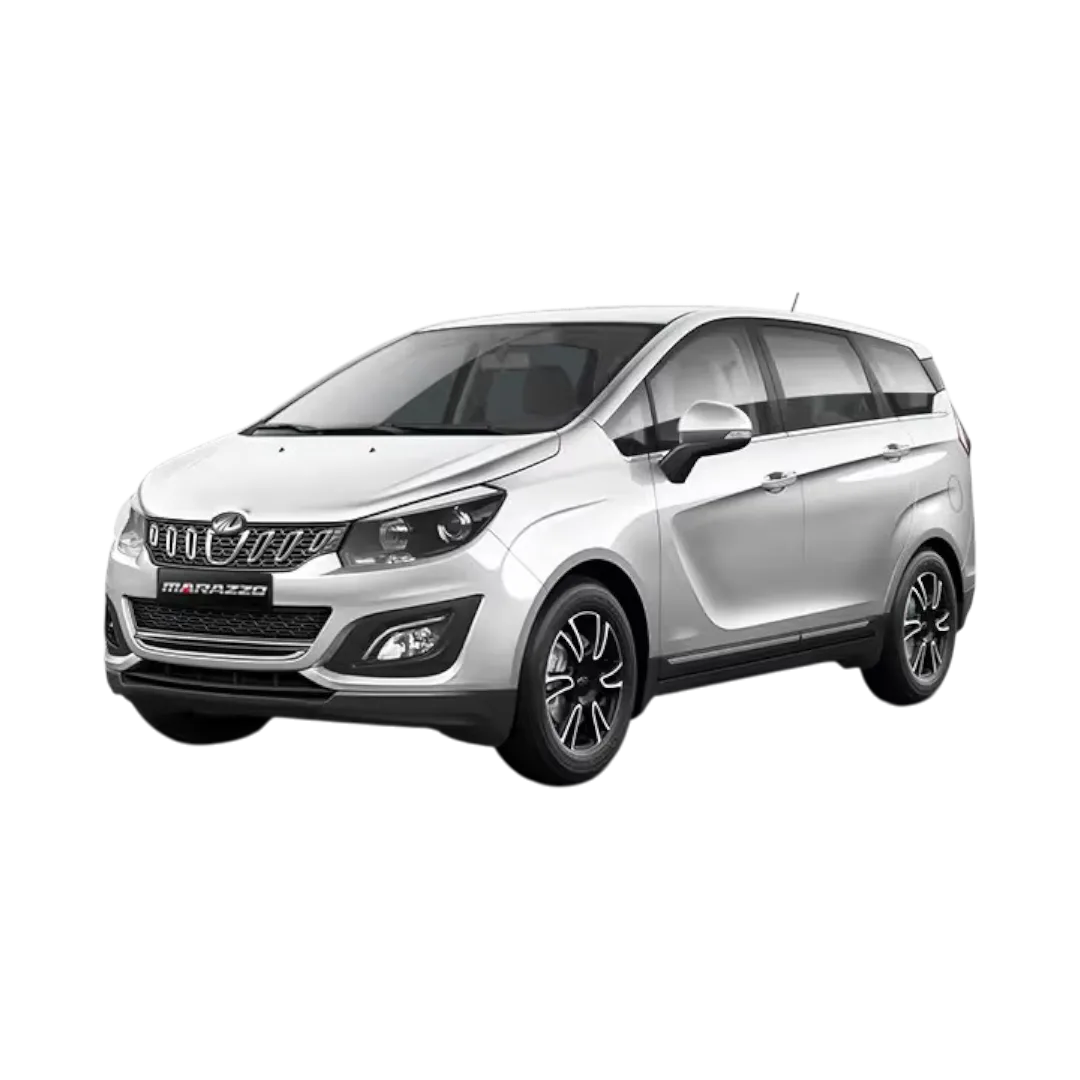 Marazzo
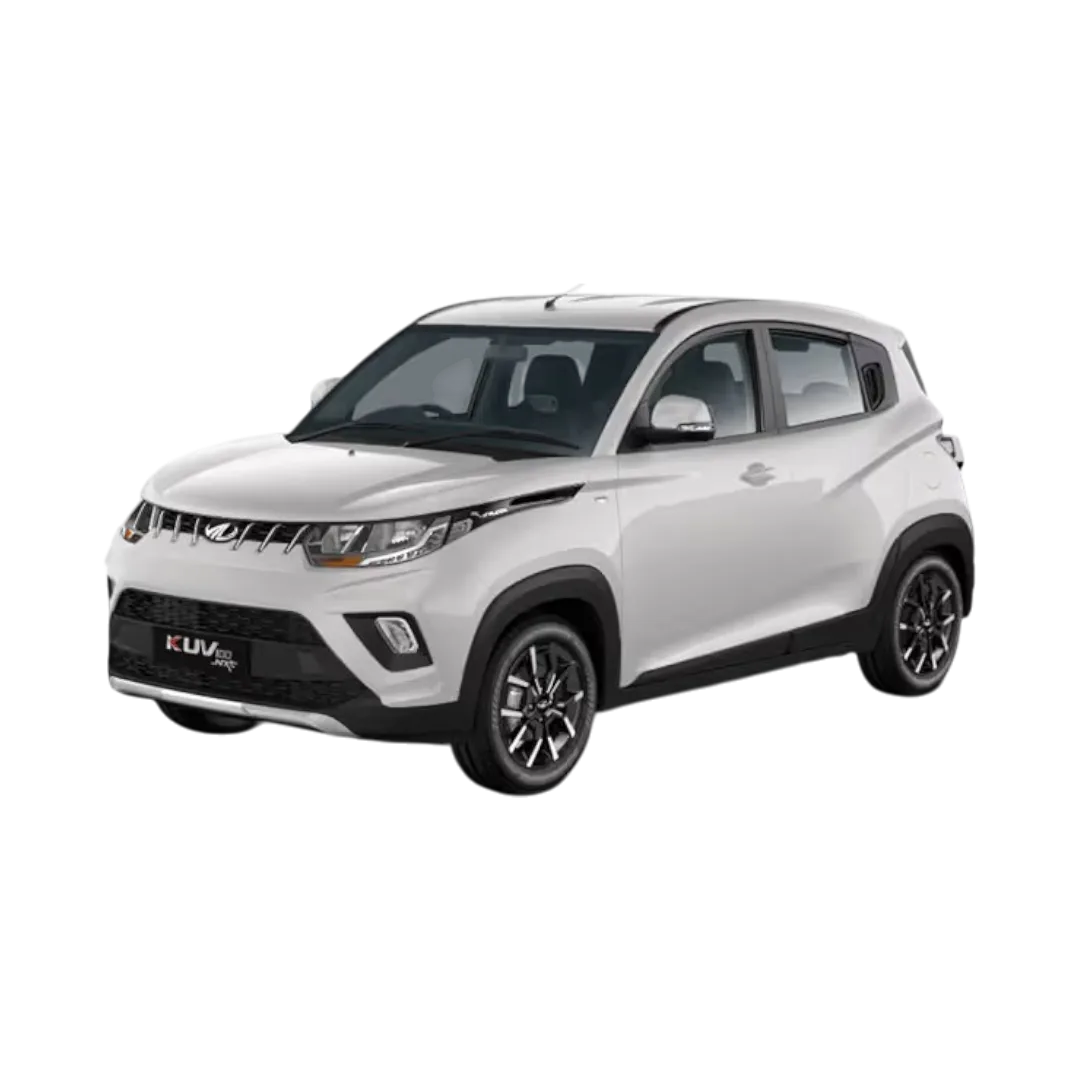 KUV100 NXT
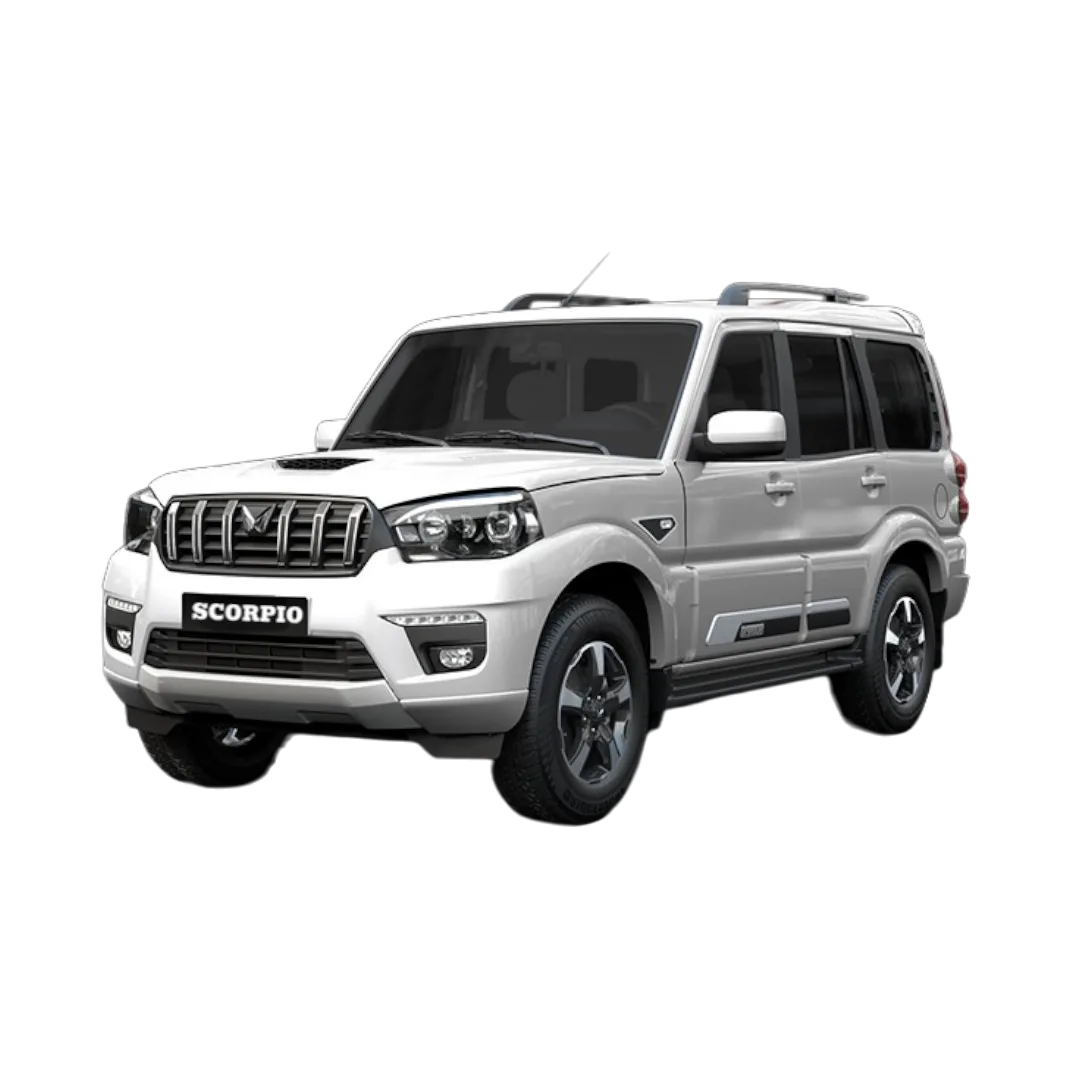 Scorpio
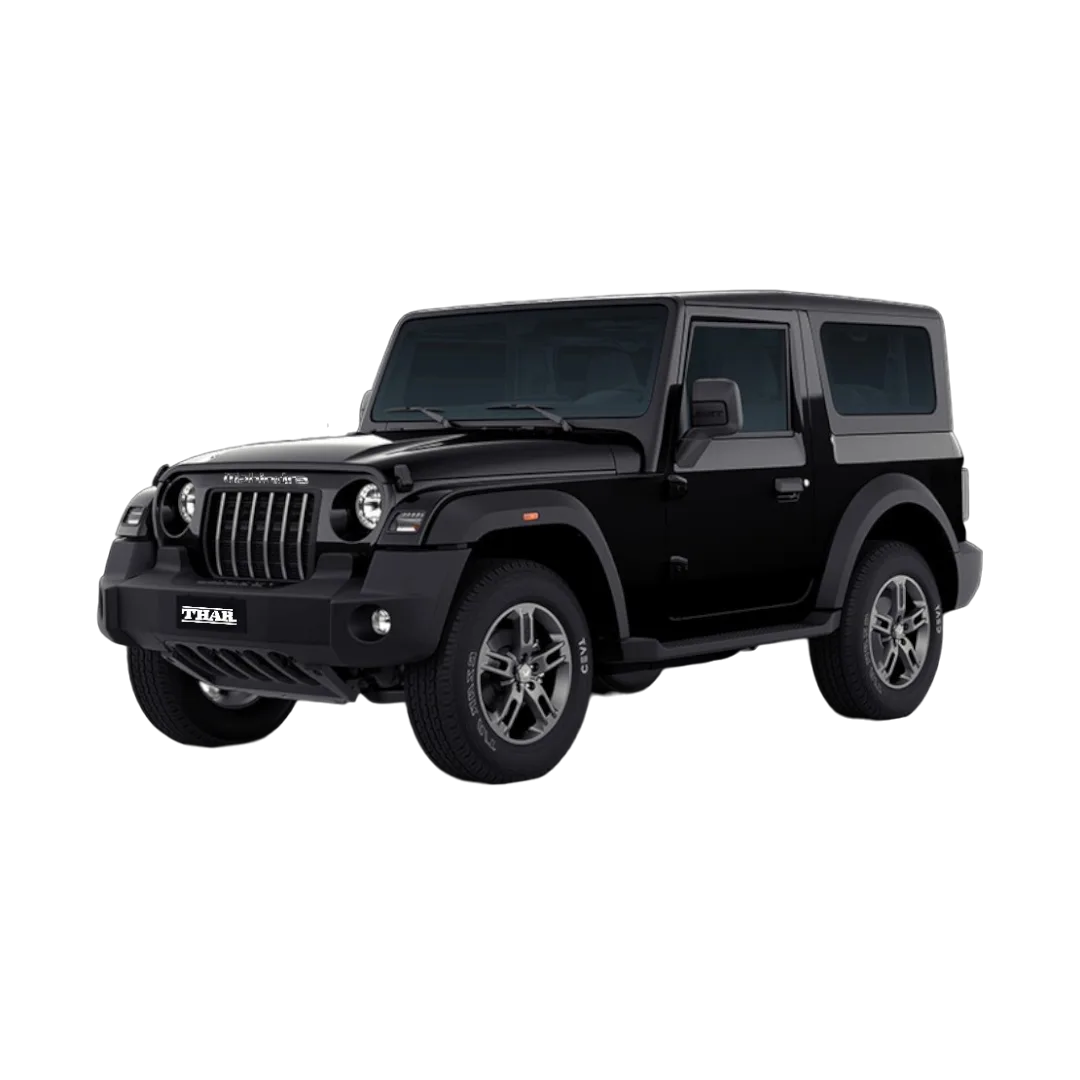 Thar
Thar
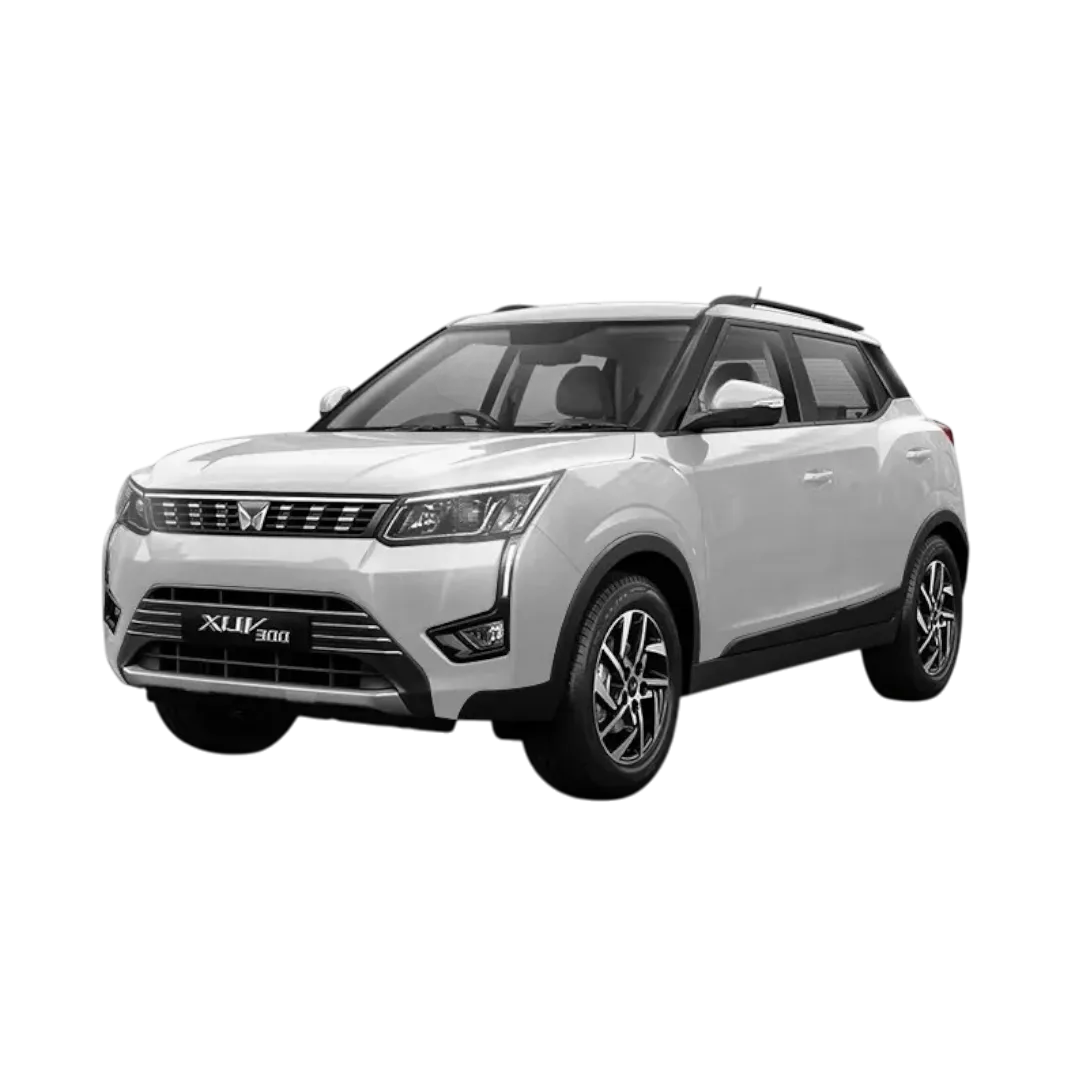 XUV 300
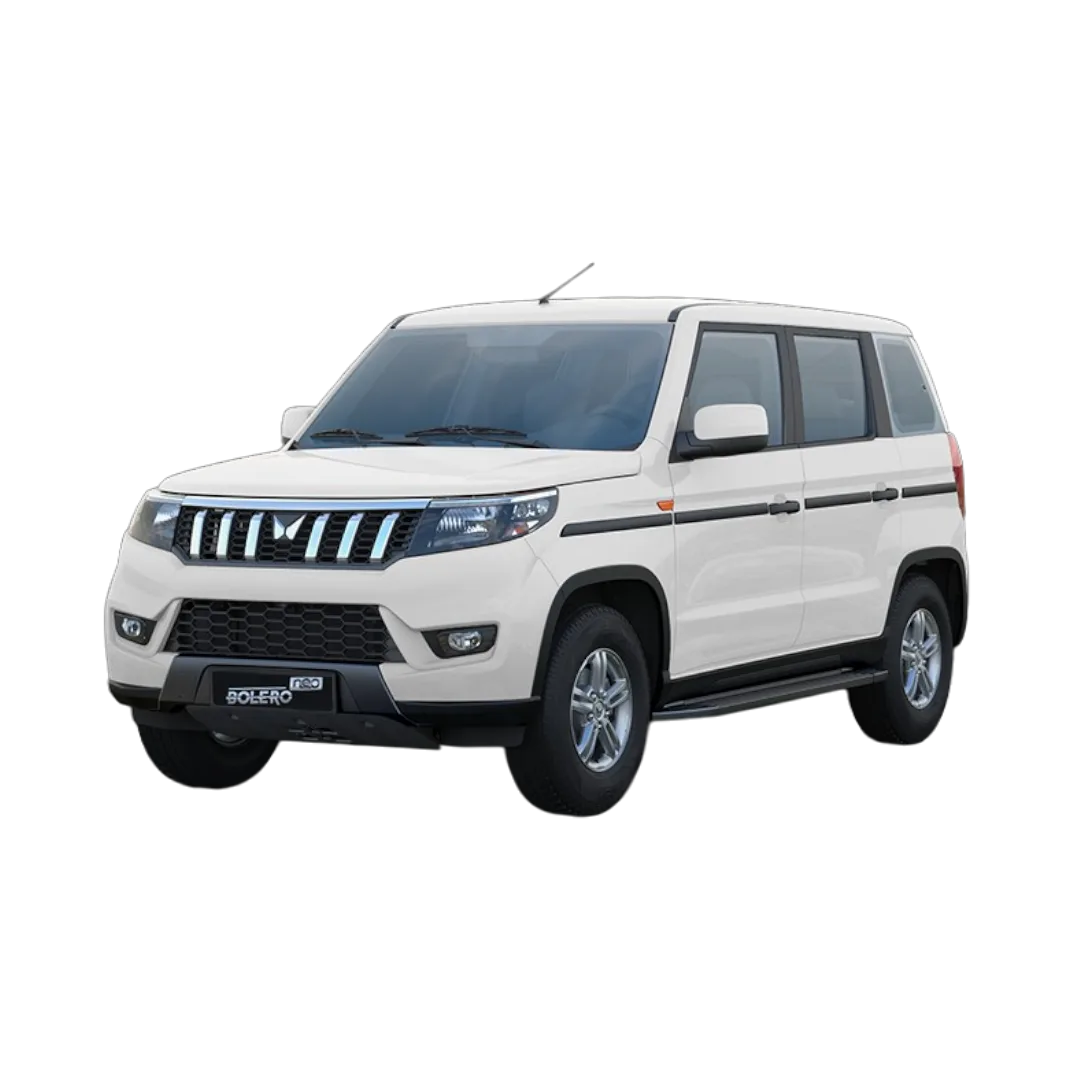 Bolero Neo
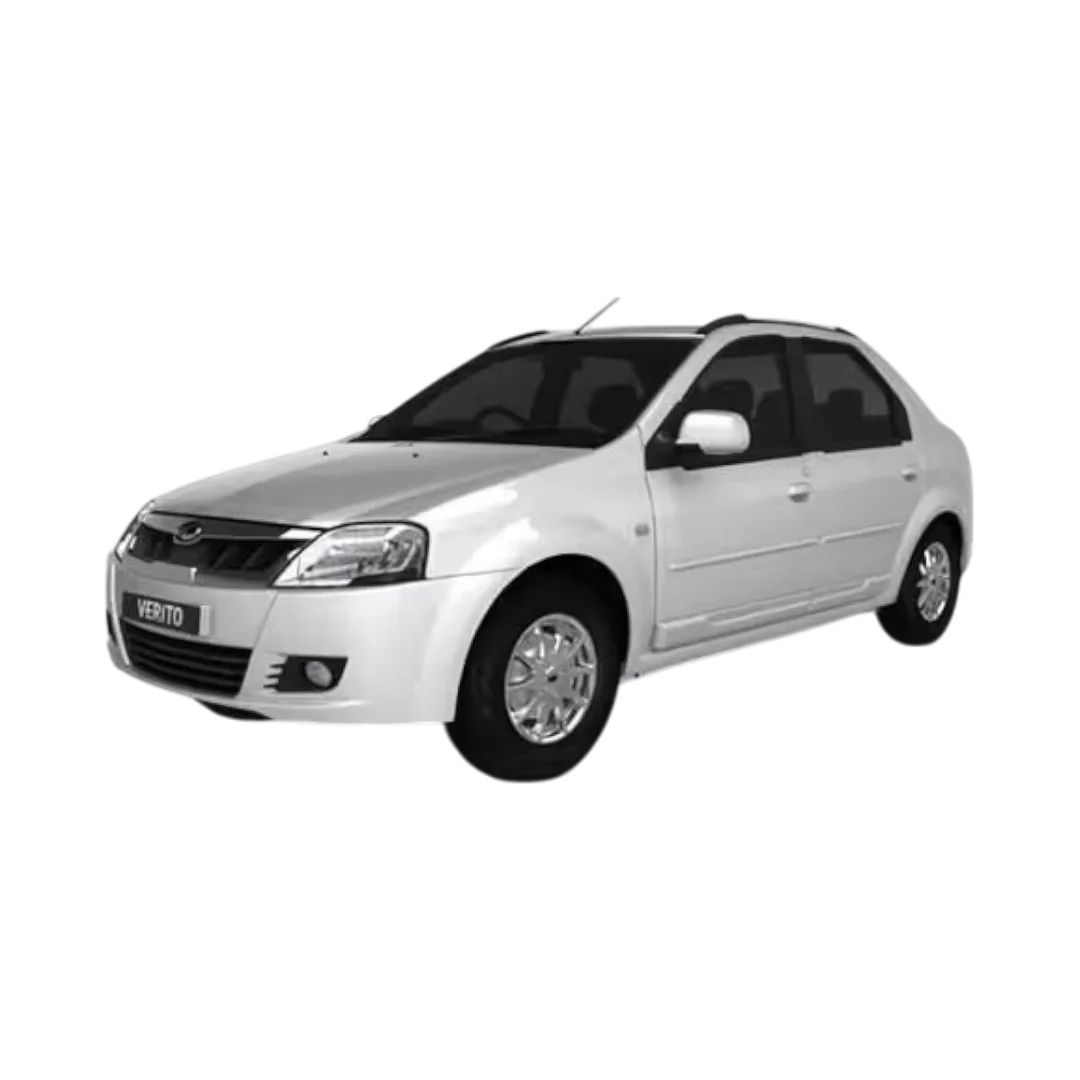 Verito
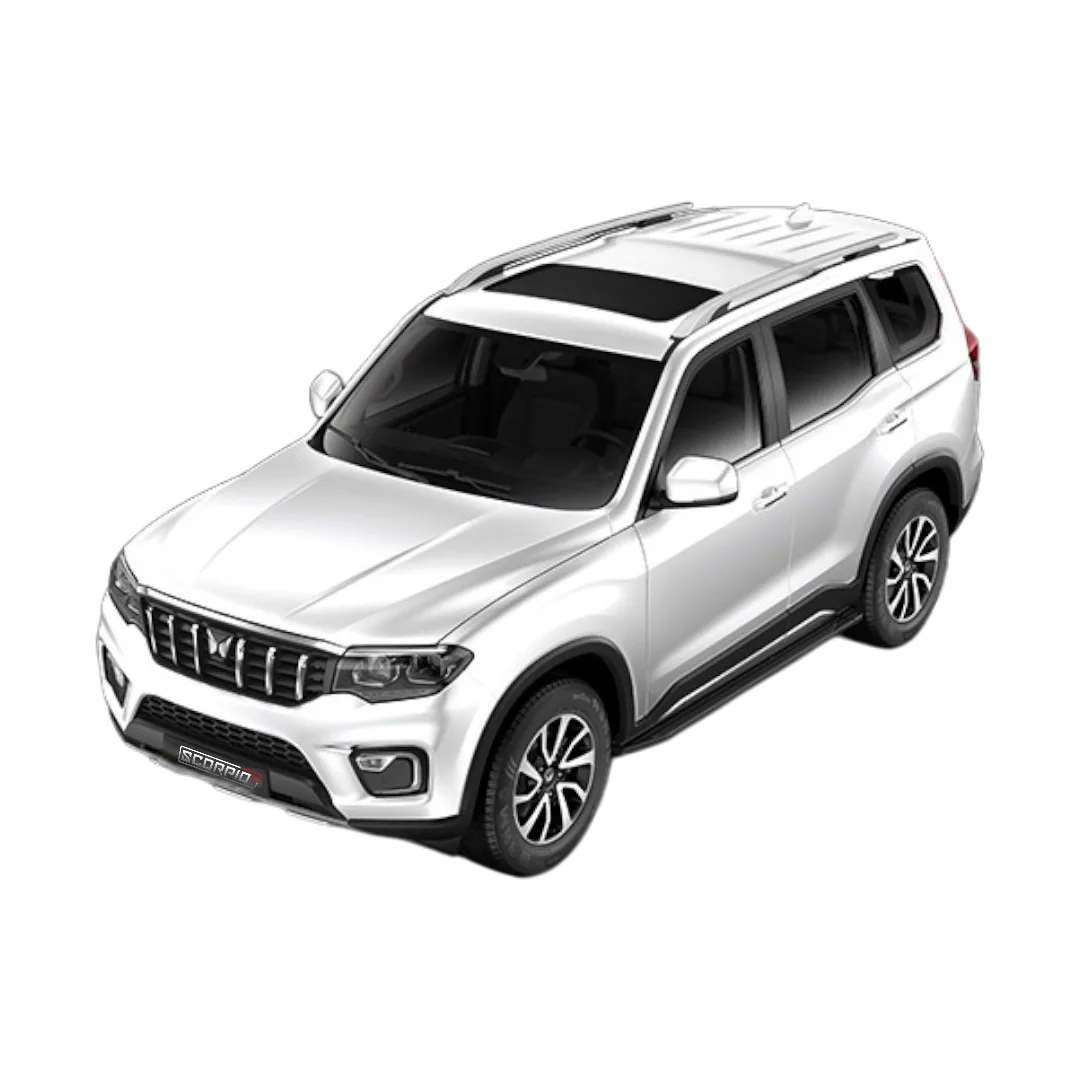 Scorpio-N
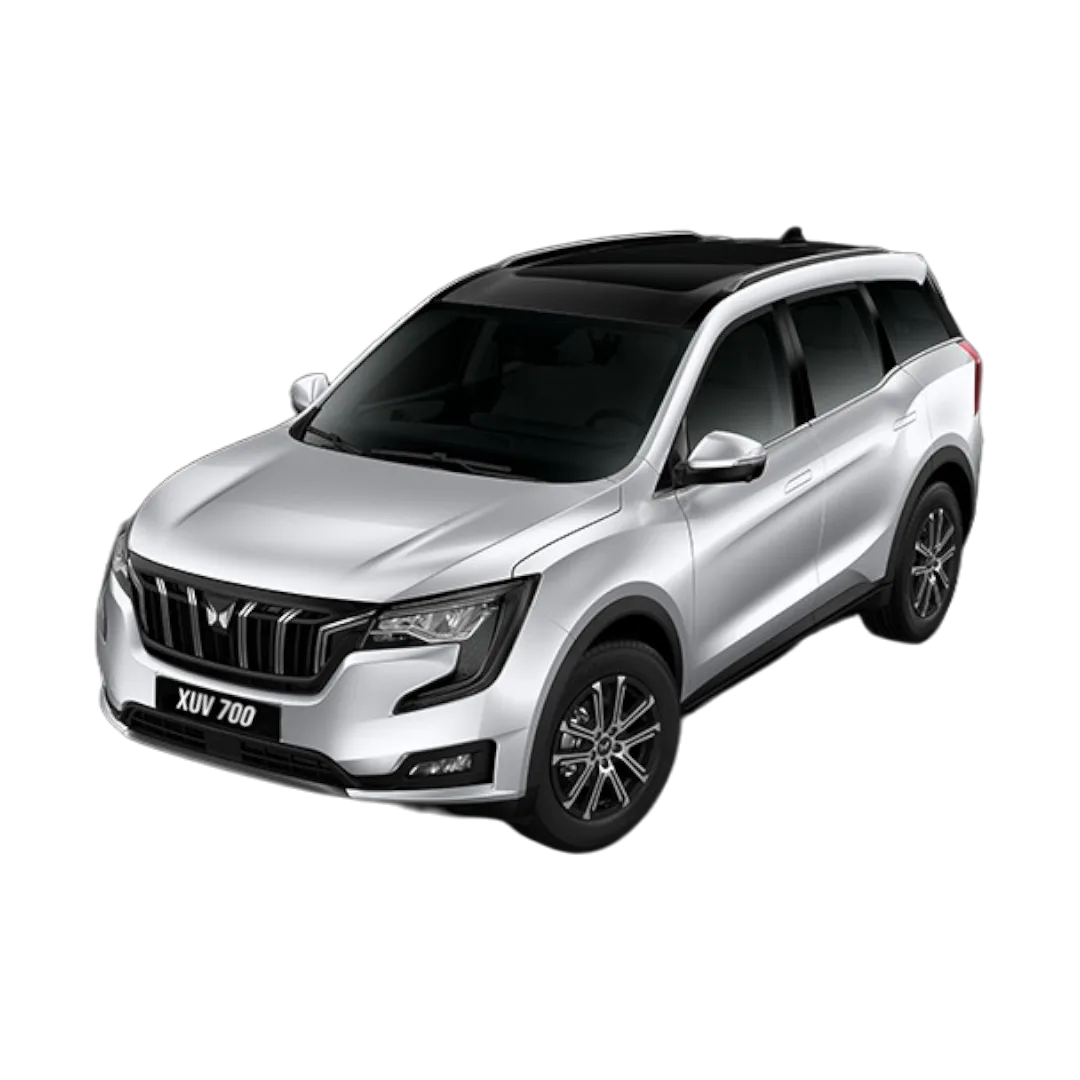 XUV 700
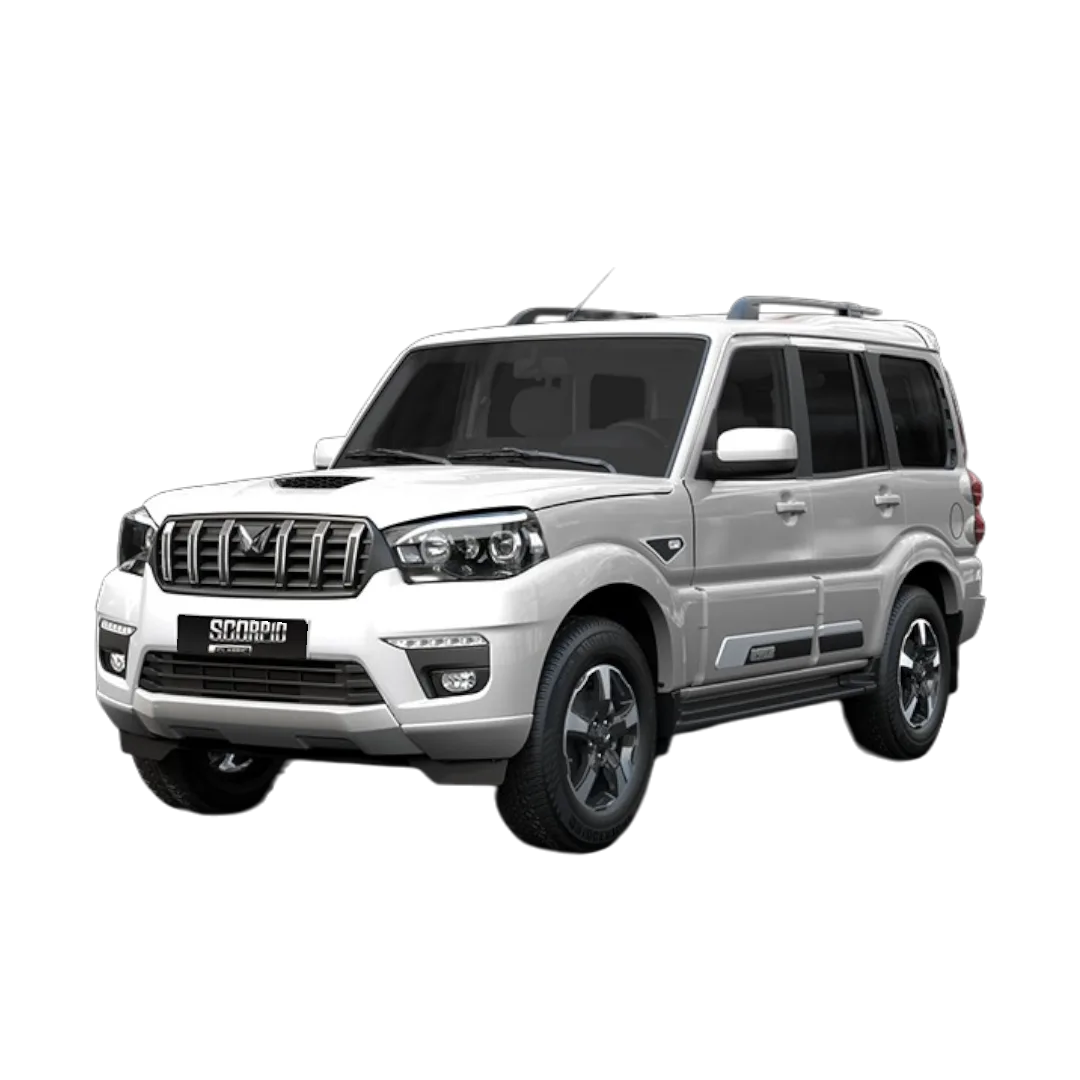 Scorpio Classic
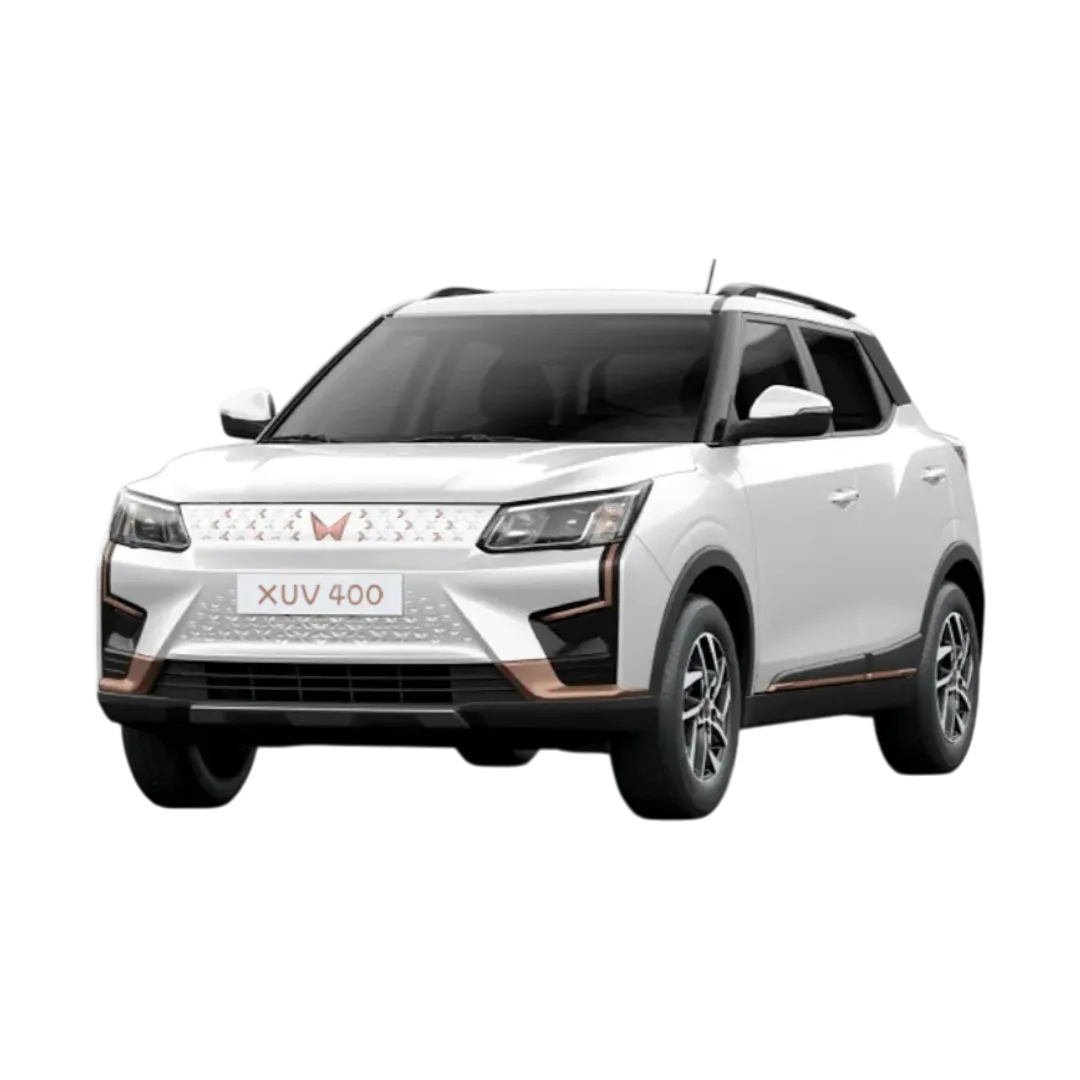 XUV400
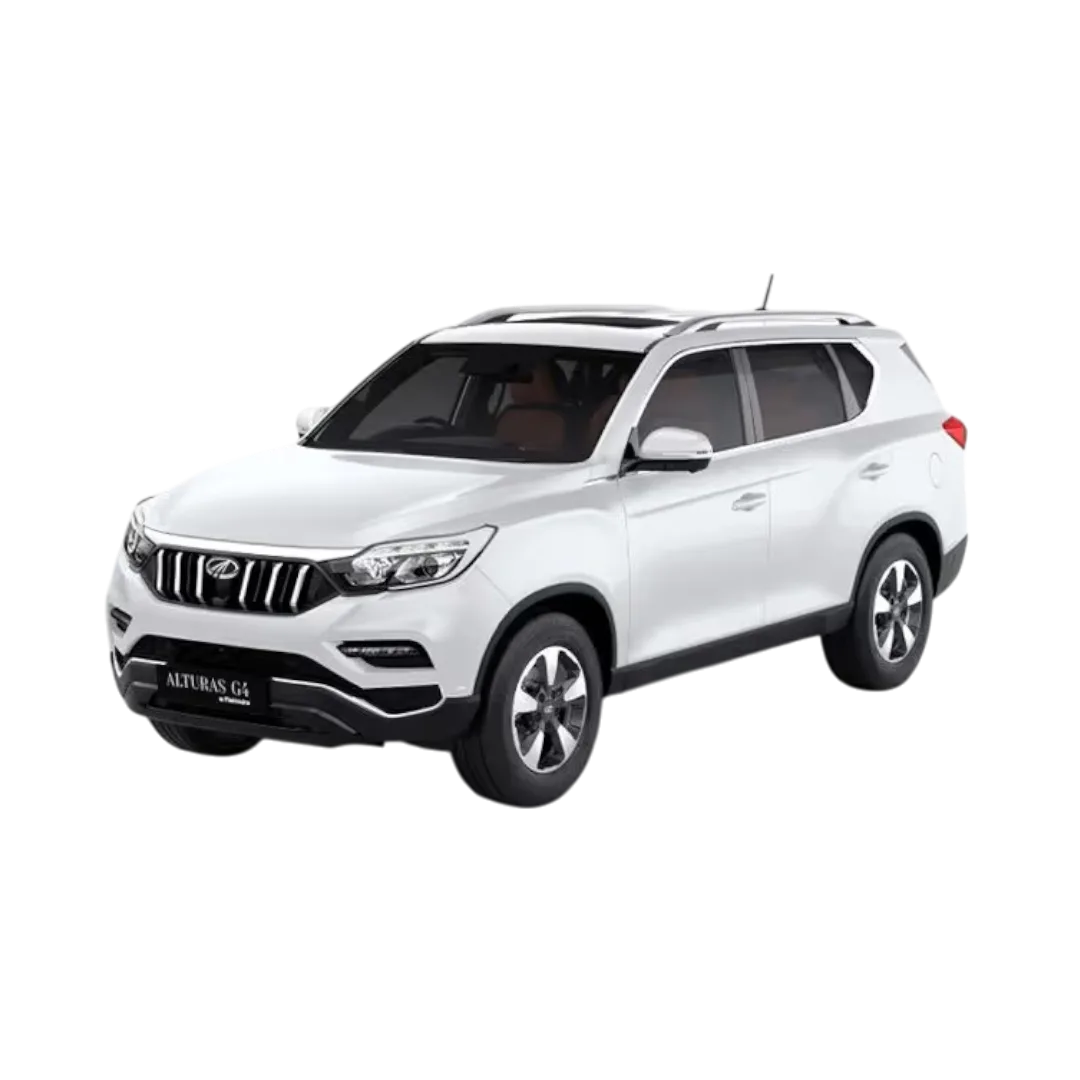 Alturas
 Xylo
Xylo
 Quanto
 Logan
Logan
 XUV 500
 TUV 300
 XUV 3XO
 KUV 100
NuvoSport
XEV 9e
BE 6
Thar Roxx
E-Verito
XUV 7XO
TUV 100
BE6
Bolero Camper
Verito Vibe
XUV 400
KUV 100
NuvoSport
XEV 9e
BE 6
Thar Roxx
E-Verito
XUV 7XO
TUV 100
BE6
Bolero Camper
Verito Vibe
XUV 400
 Audi Q5
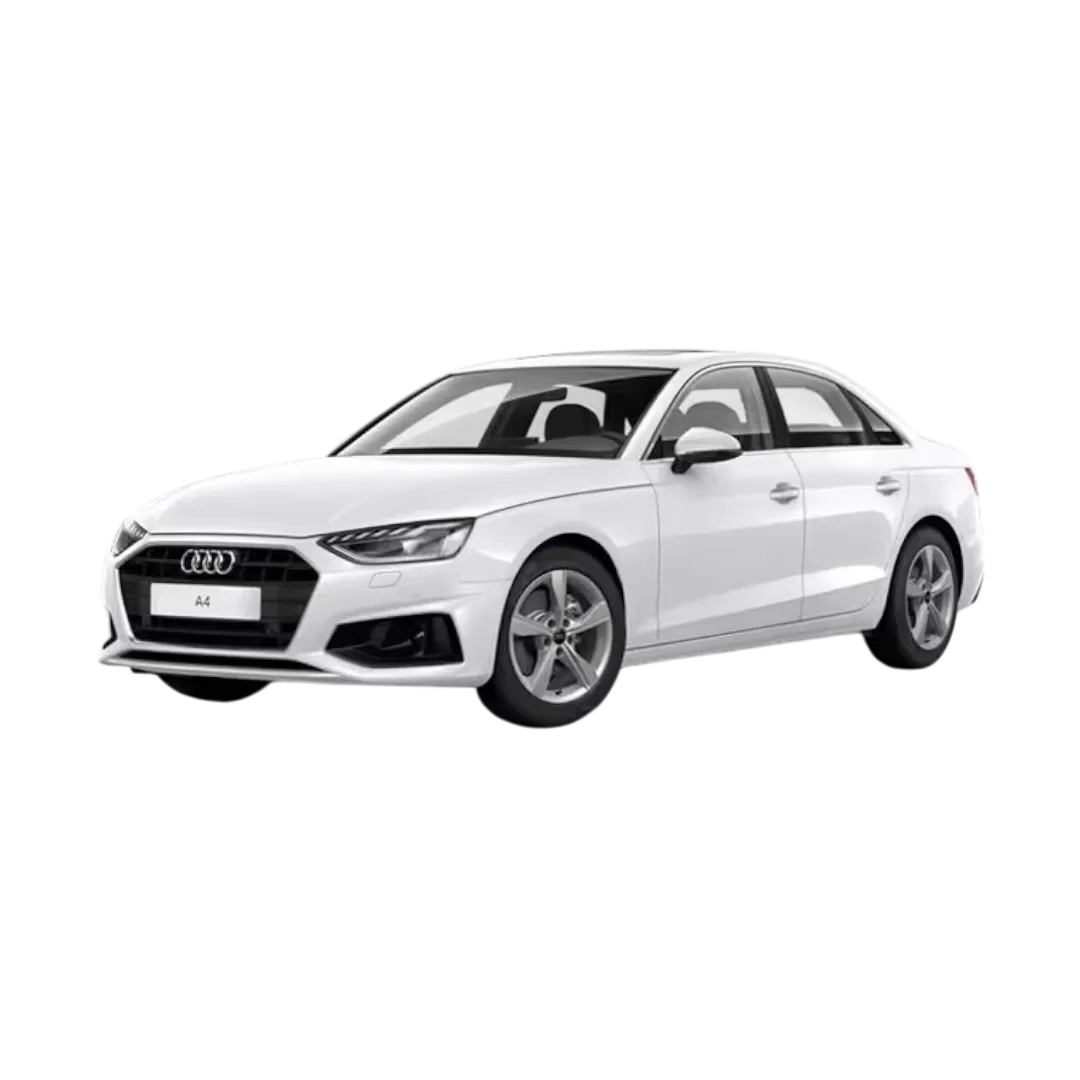 Audi A4
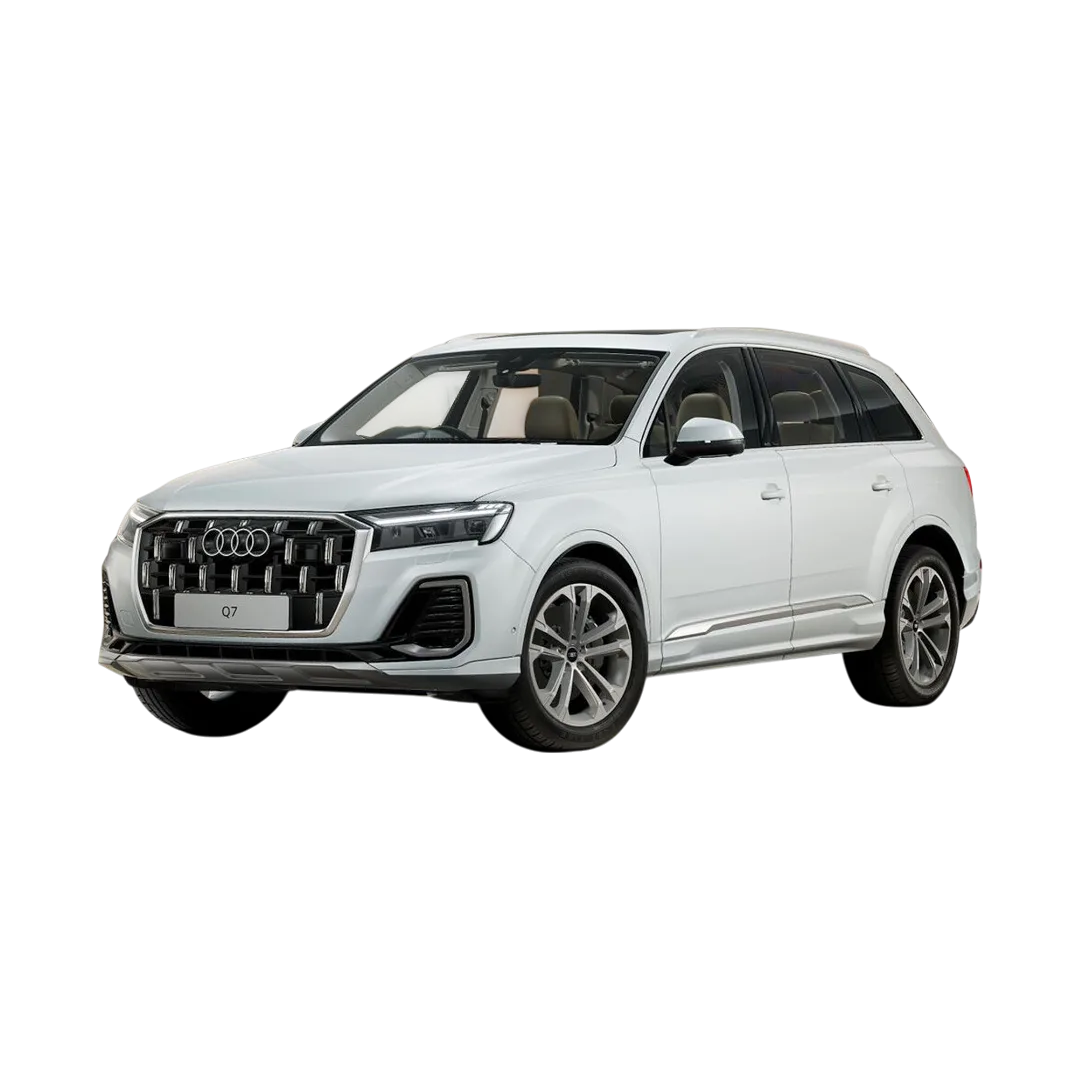 Audi Q7
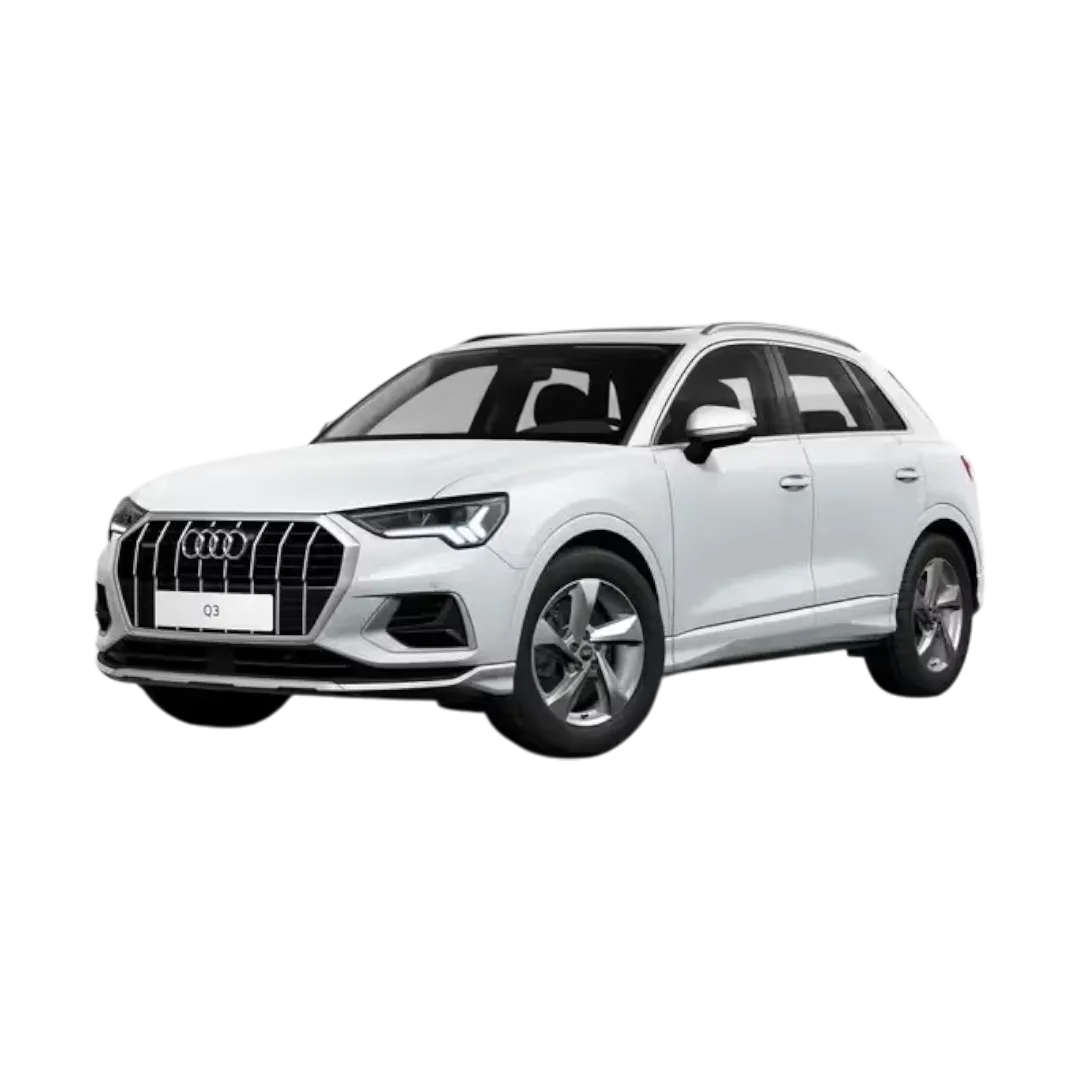 Audi Q3
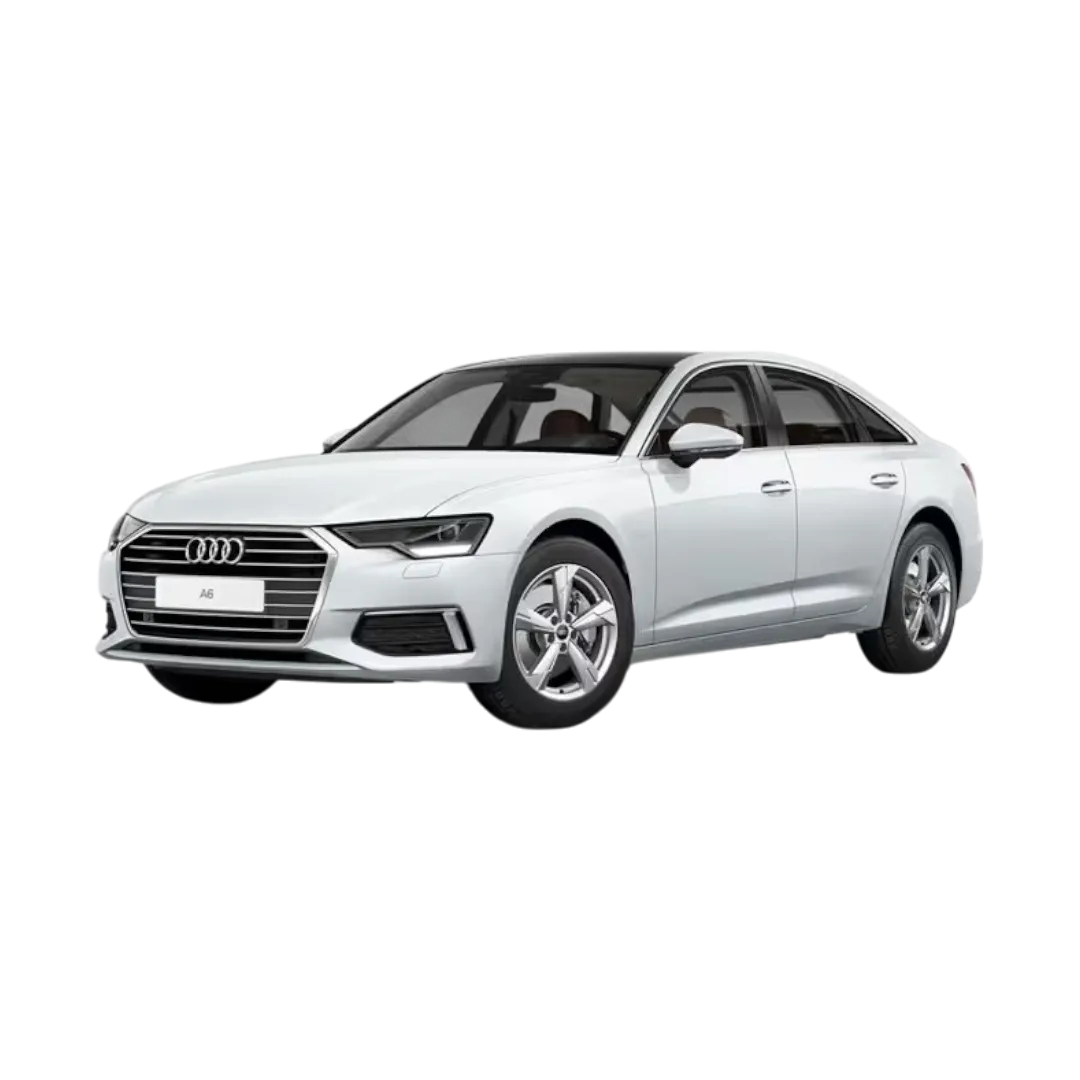 Audi A6
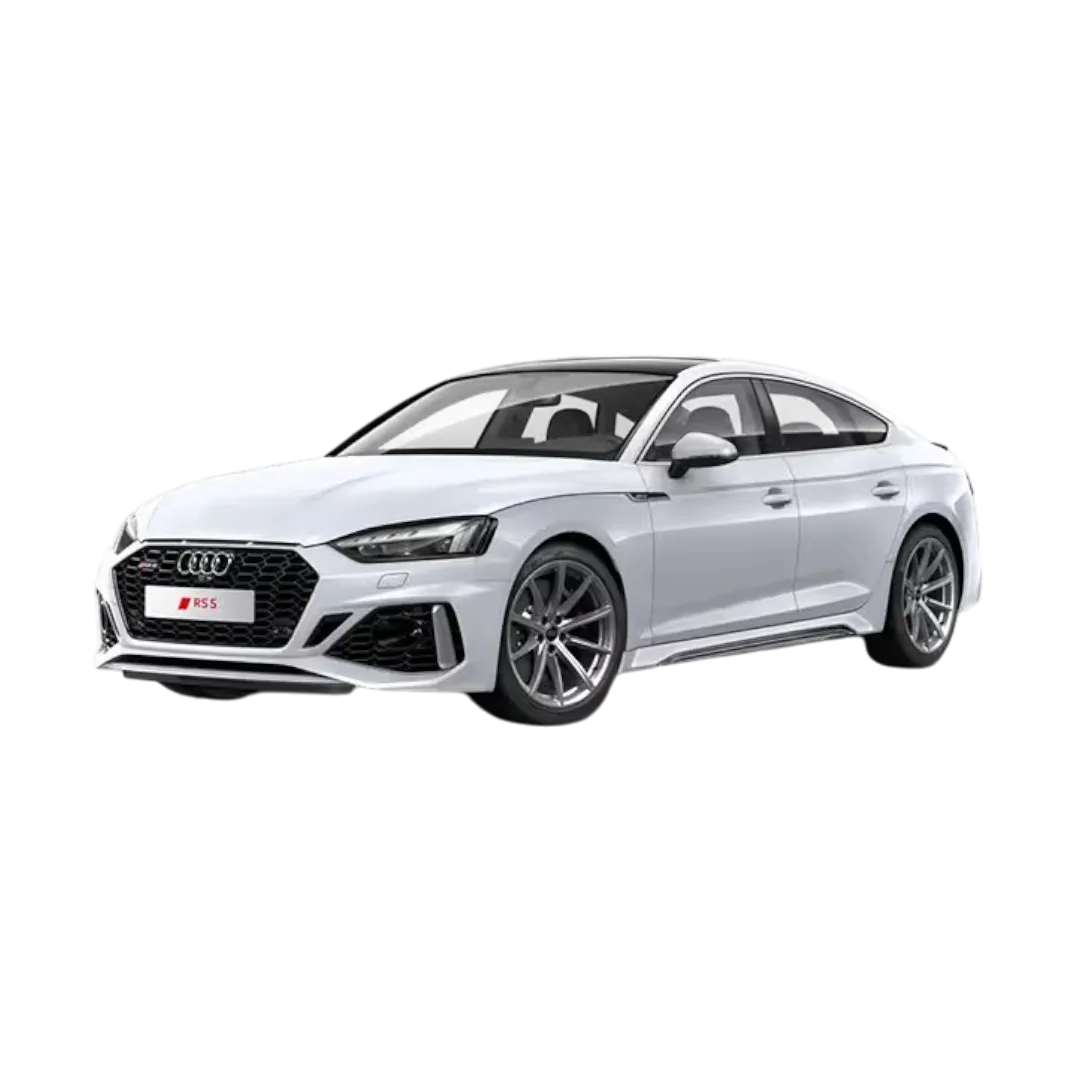 Audi RS5
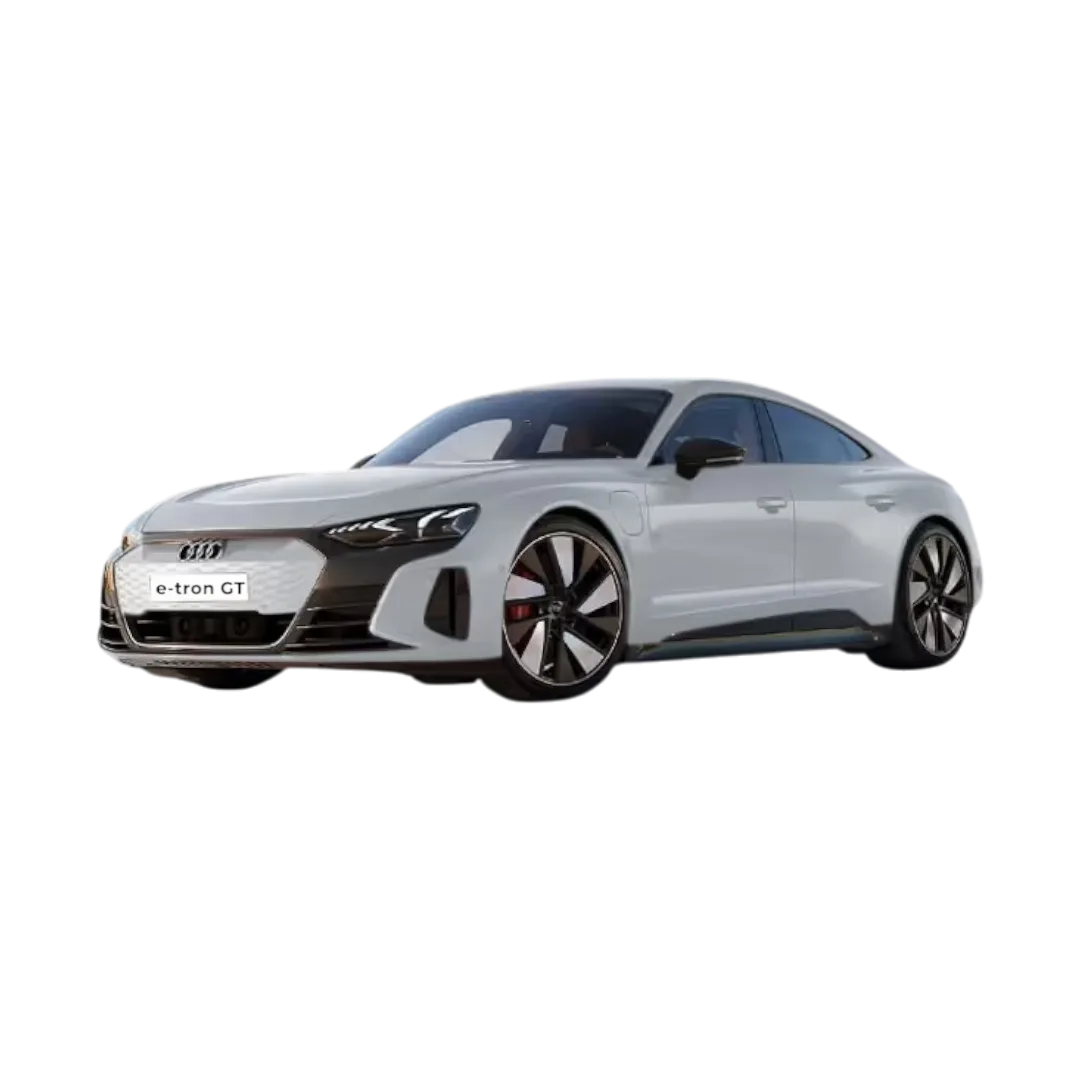 E-Tron GT
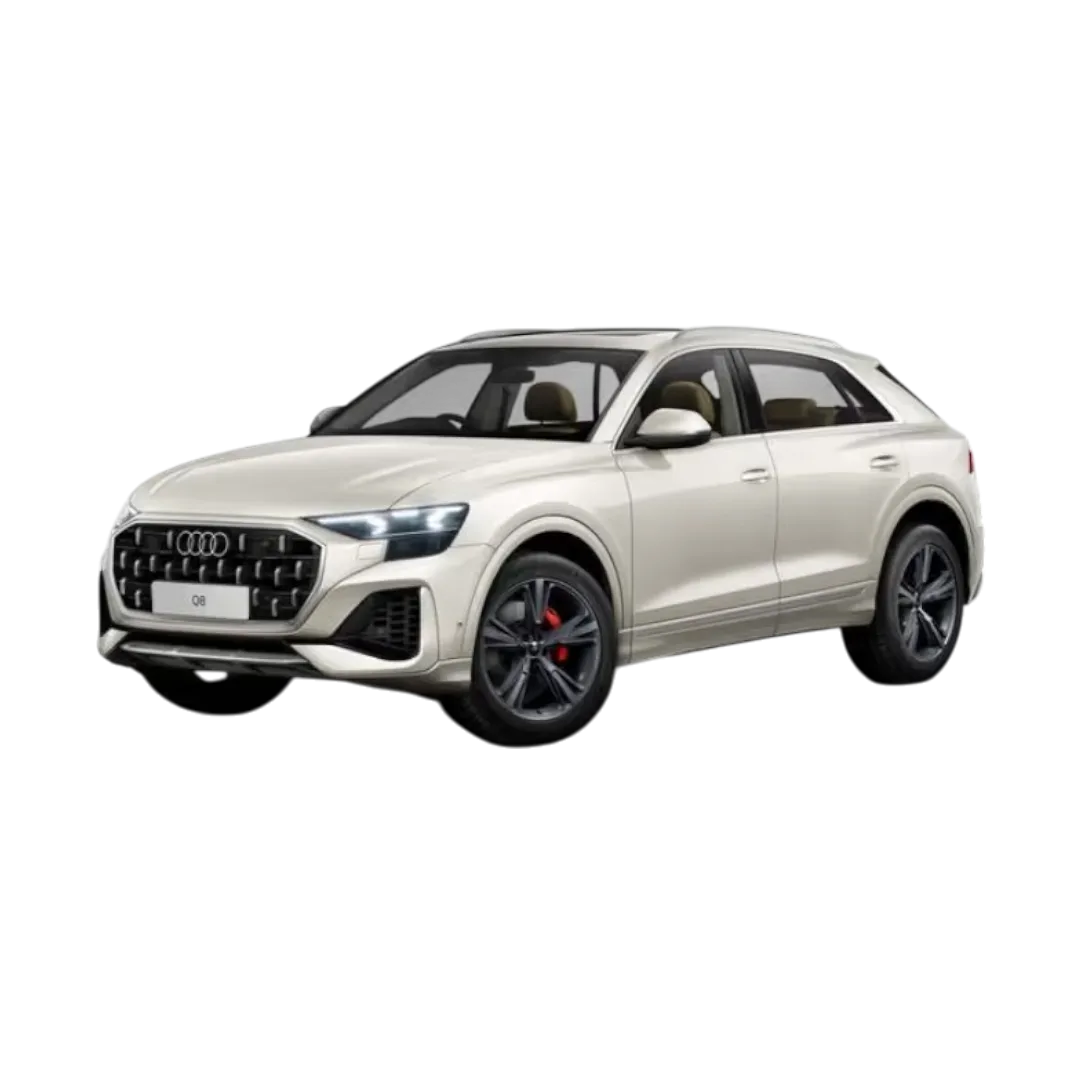 Audi Q8
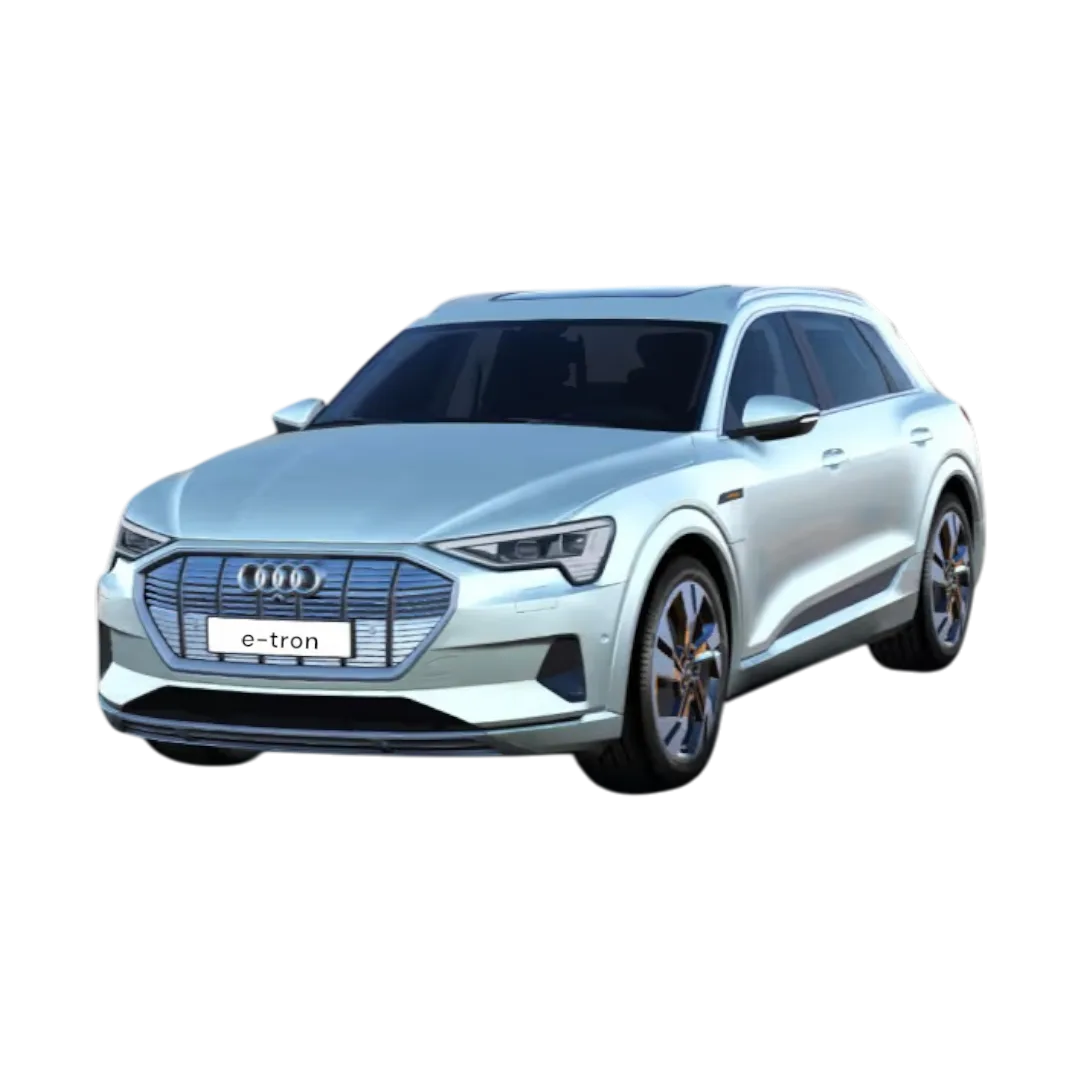 E-Tron
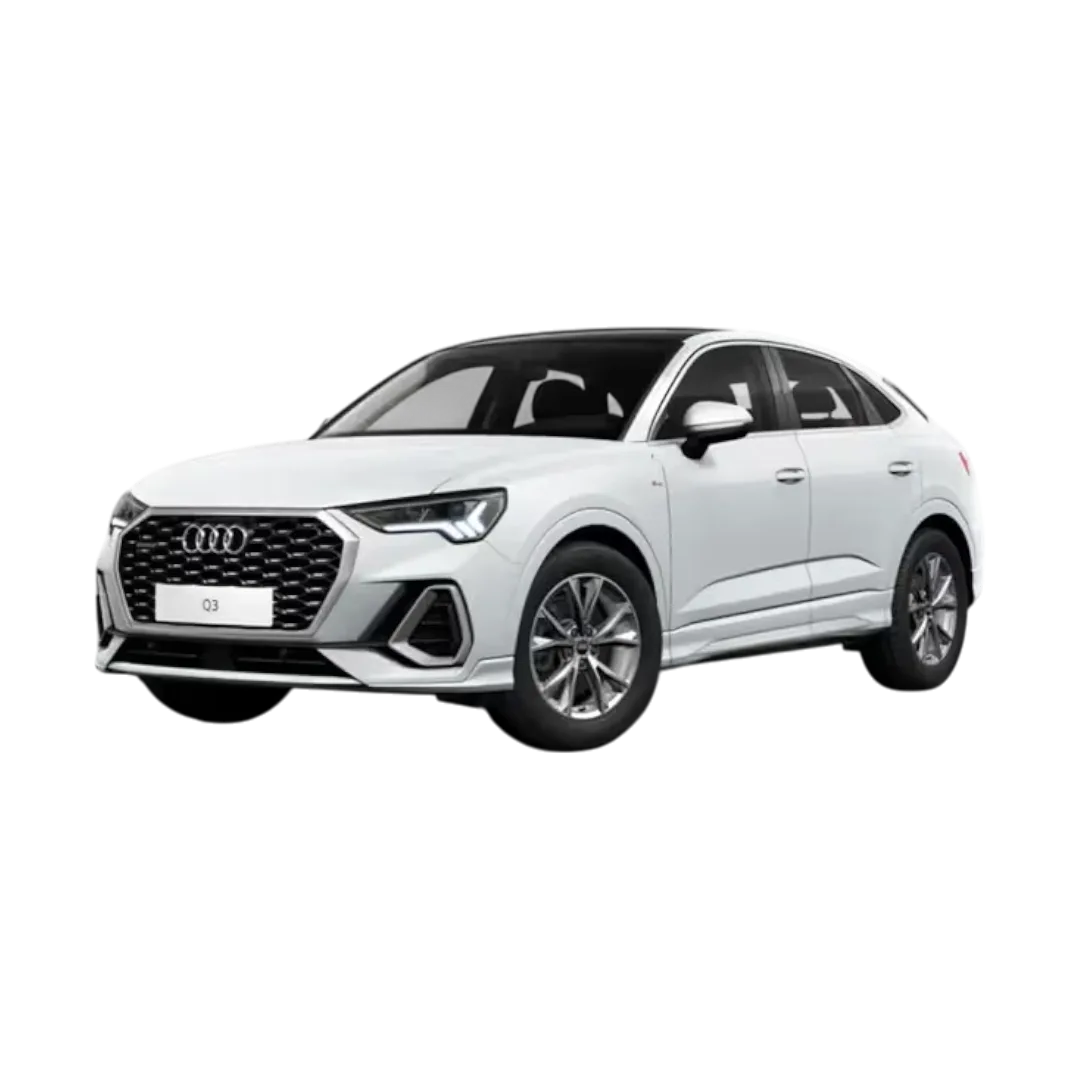 Q3 Sportback
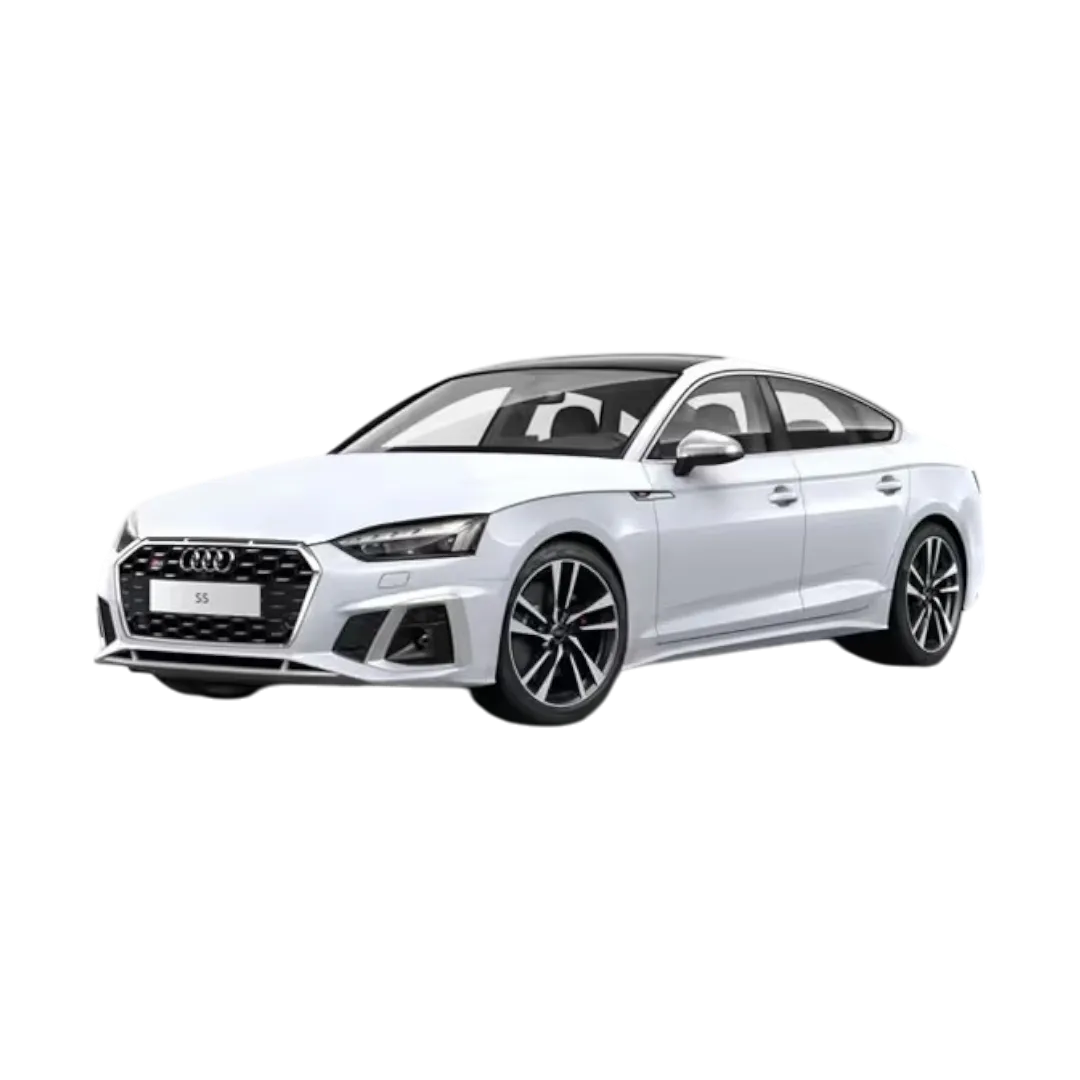 Audi S5 Sportback
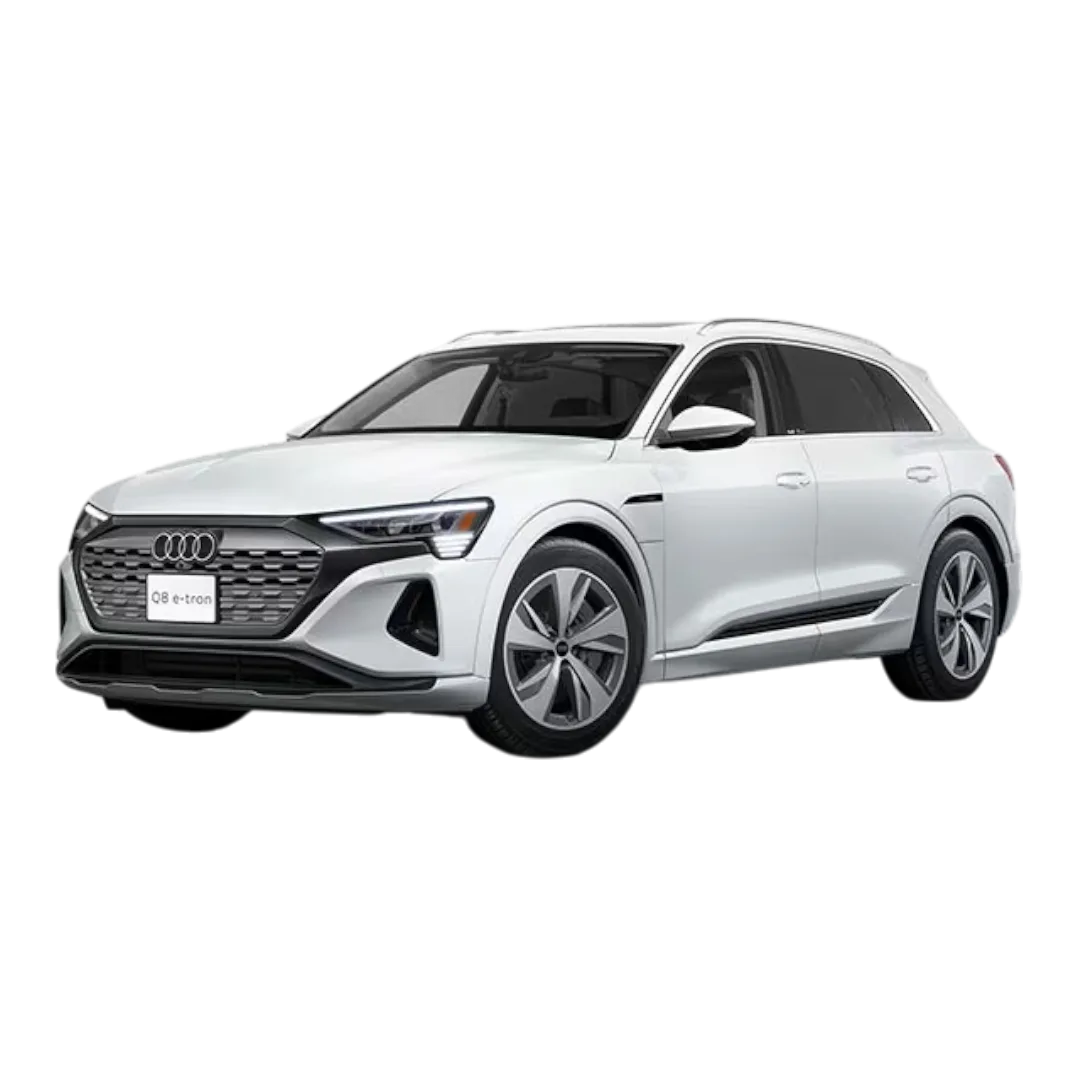
 Q8 E-Tron
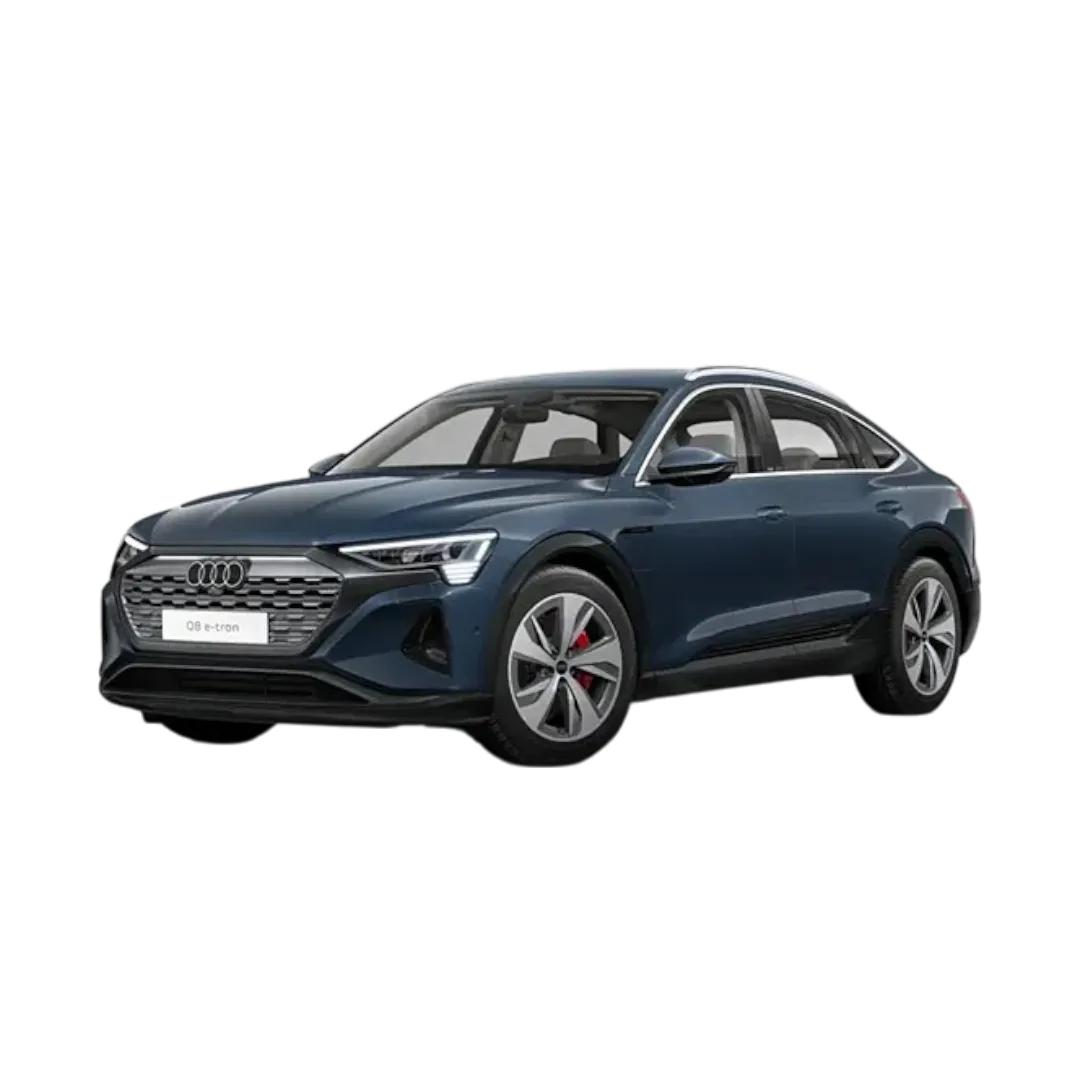
 Q8 E-Tron Sportback
 Audi A8L
 Audi RS Q8
 Audi A3
 BMW X7
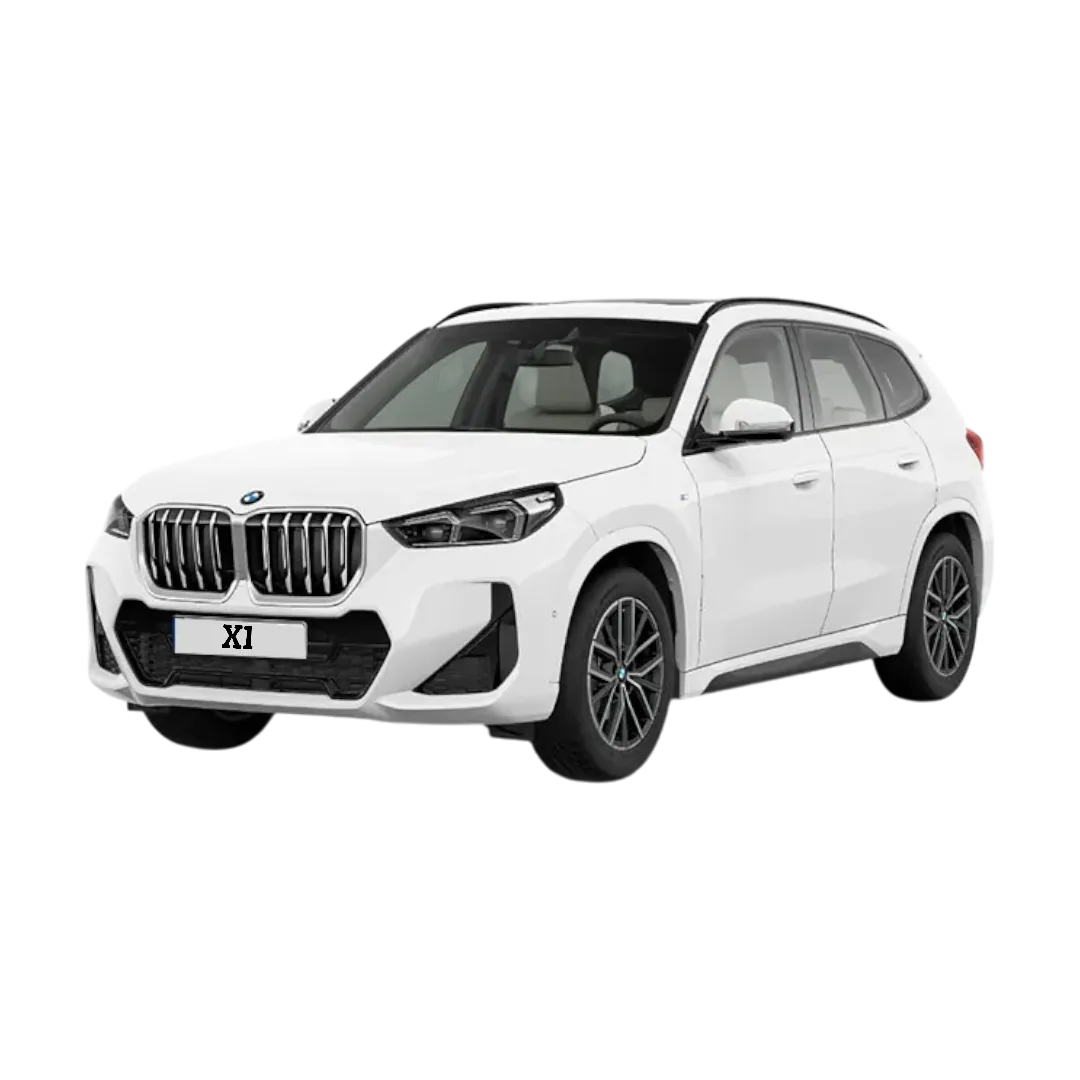 BMW X1
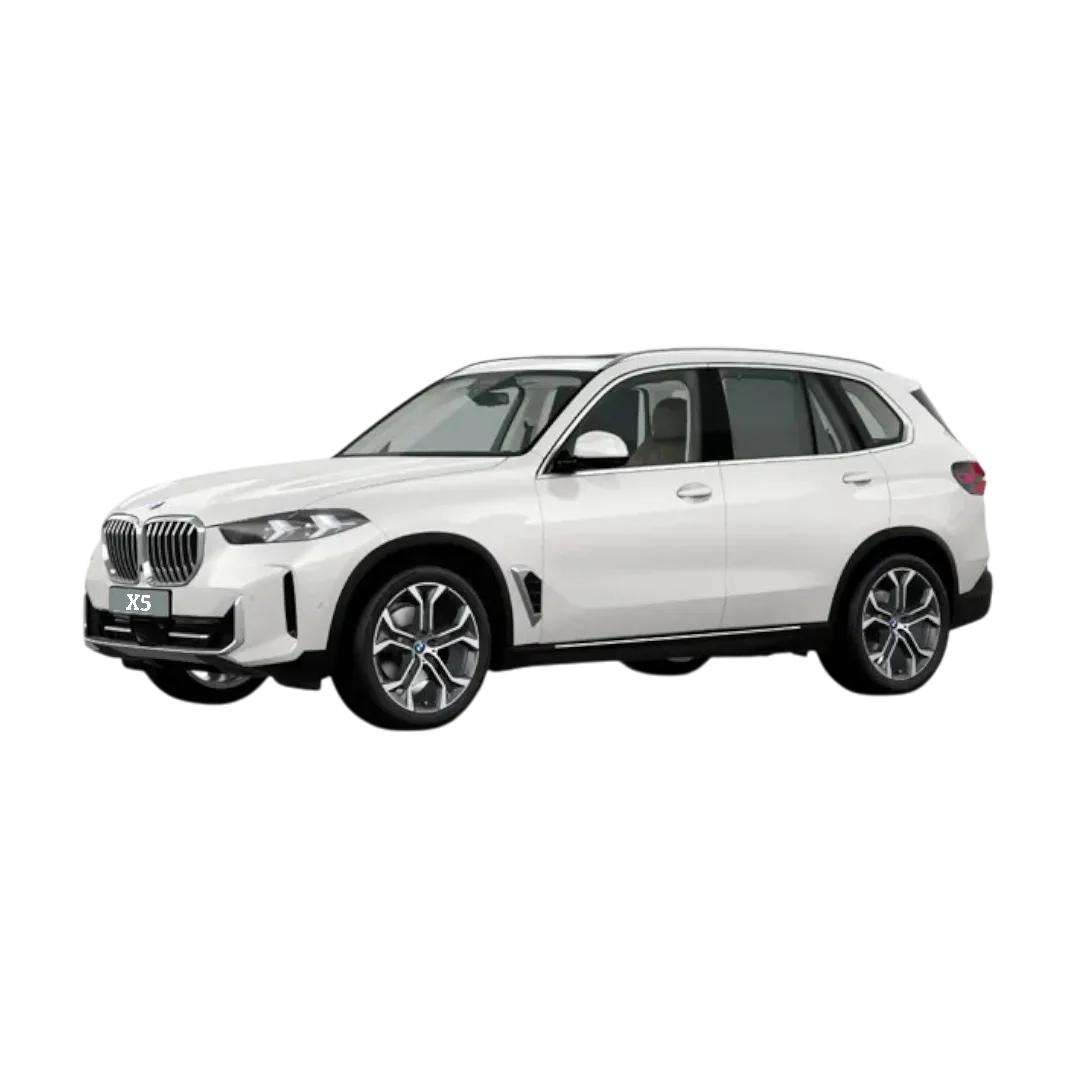 BMW X5
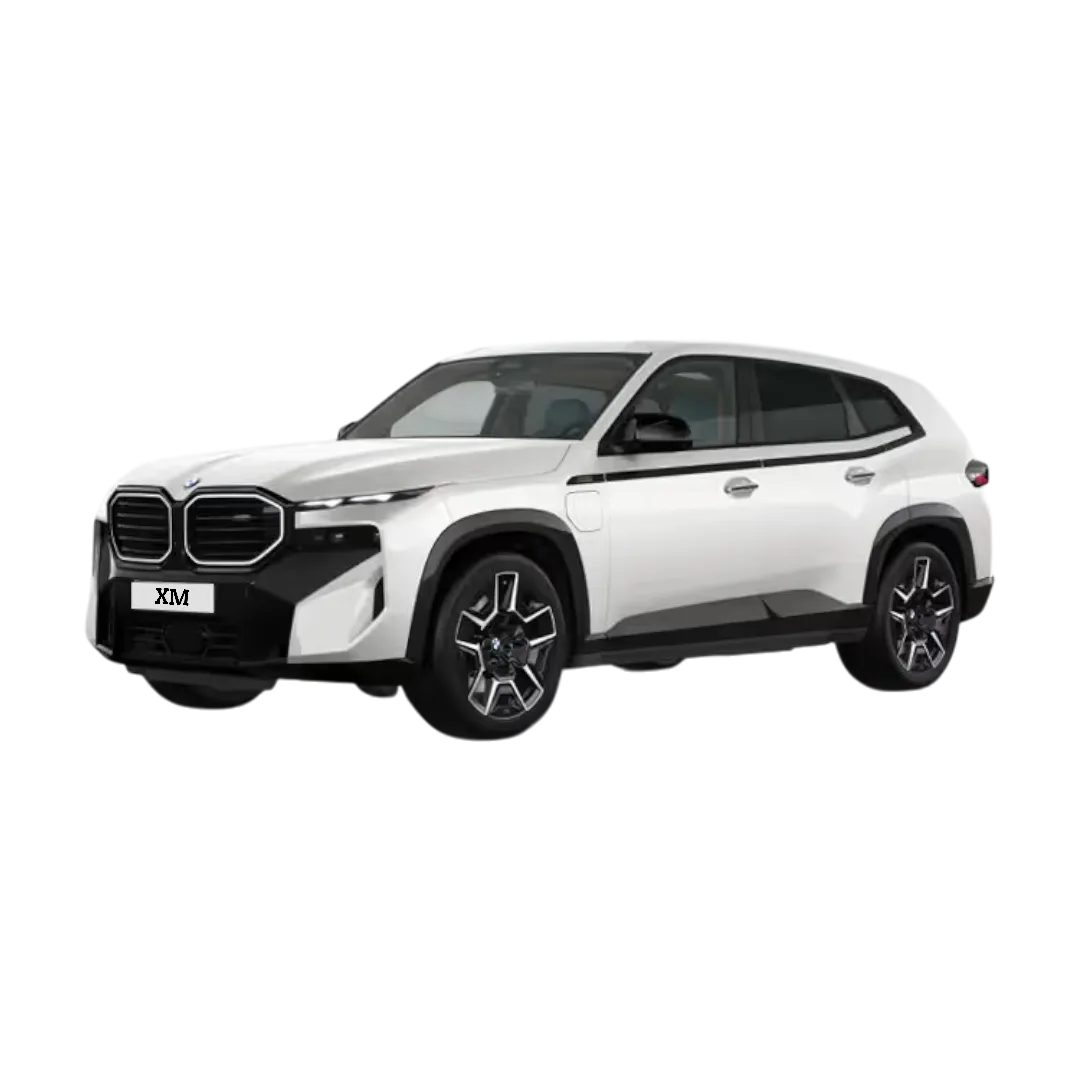 BMW XM
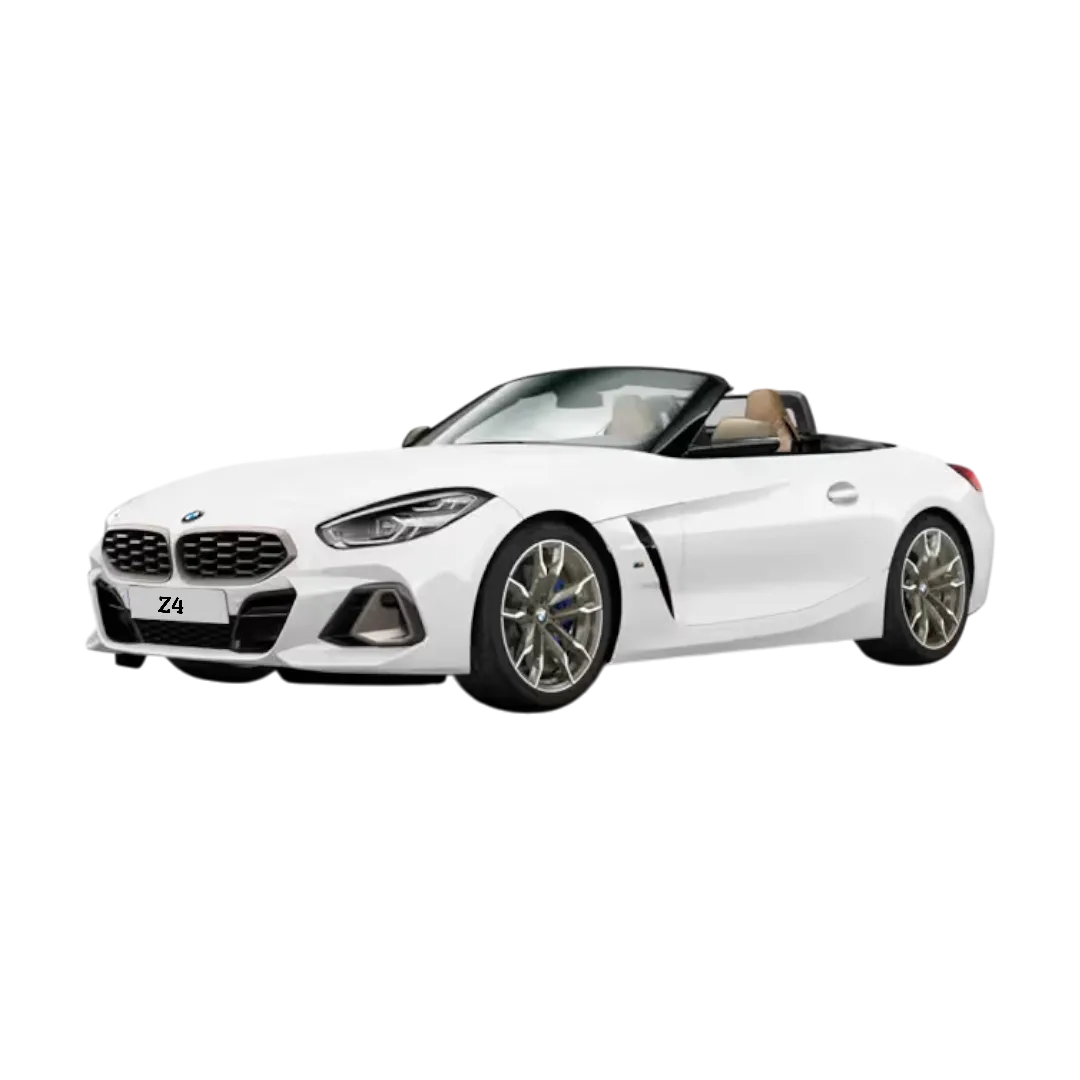 BMW Z4
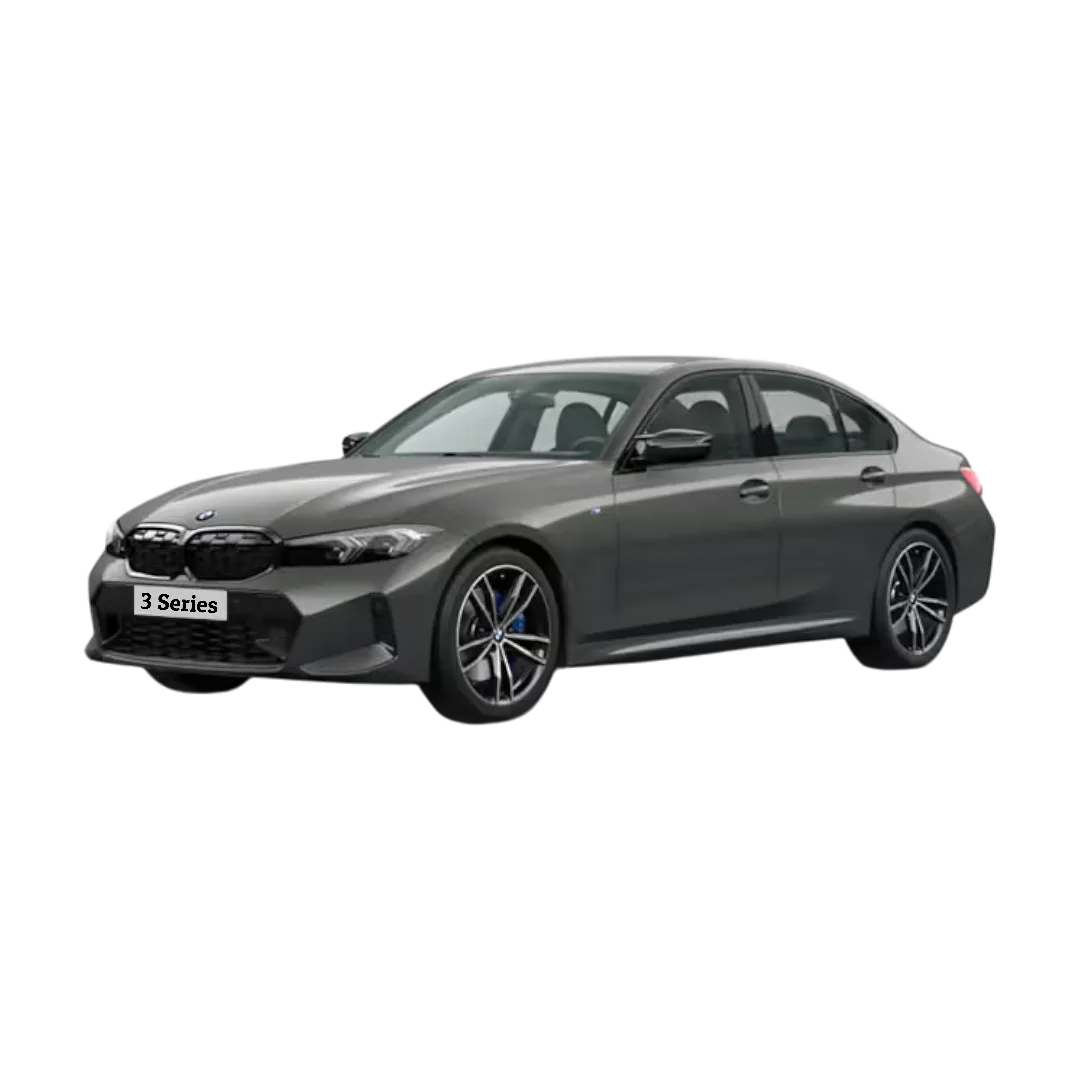 3 Series
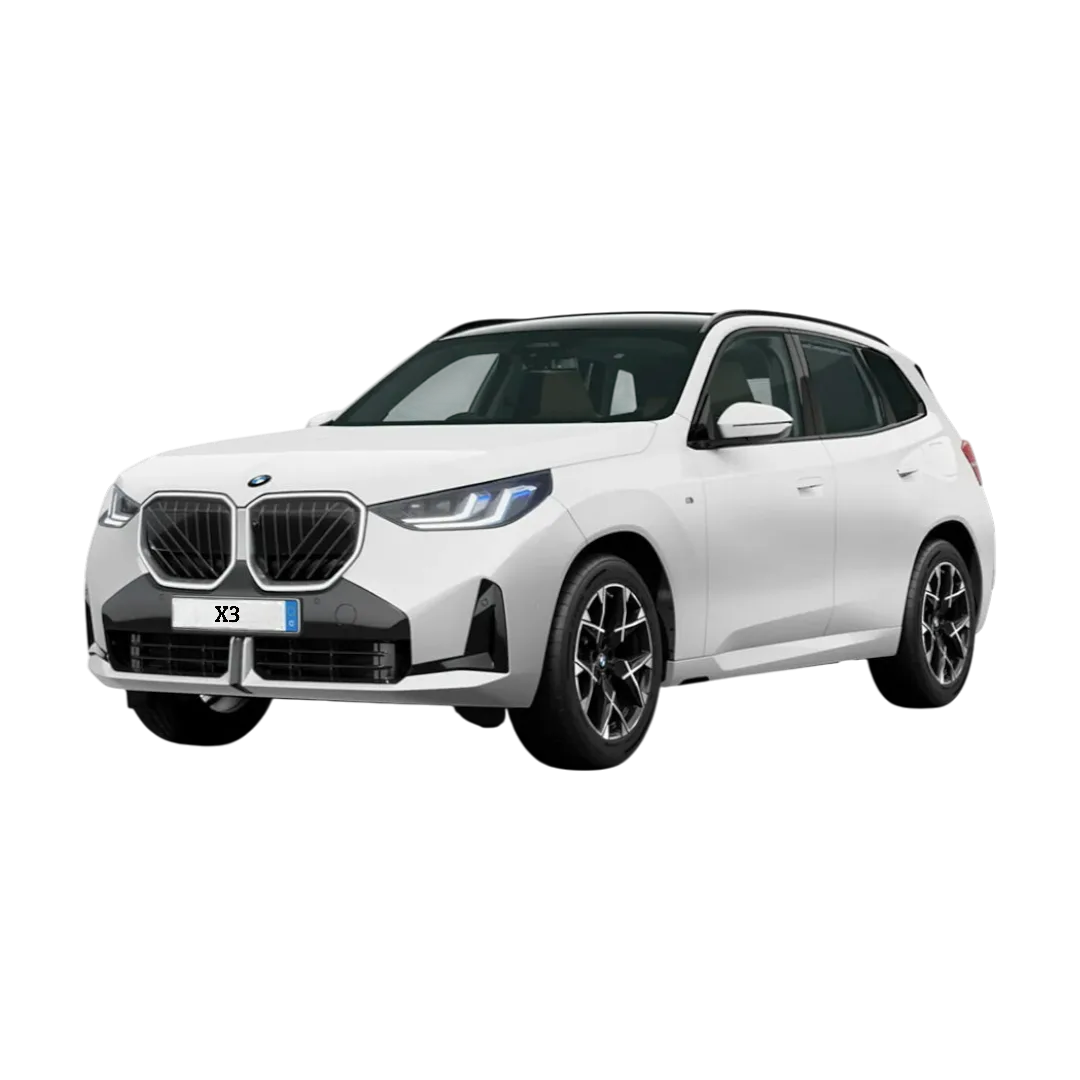 BMW X3
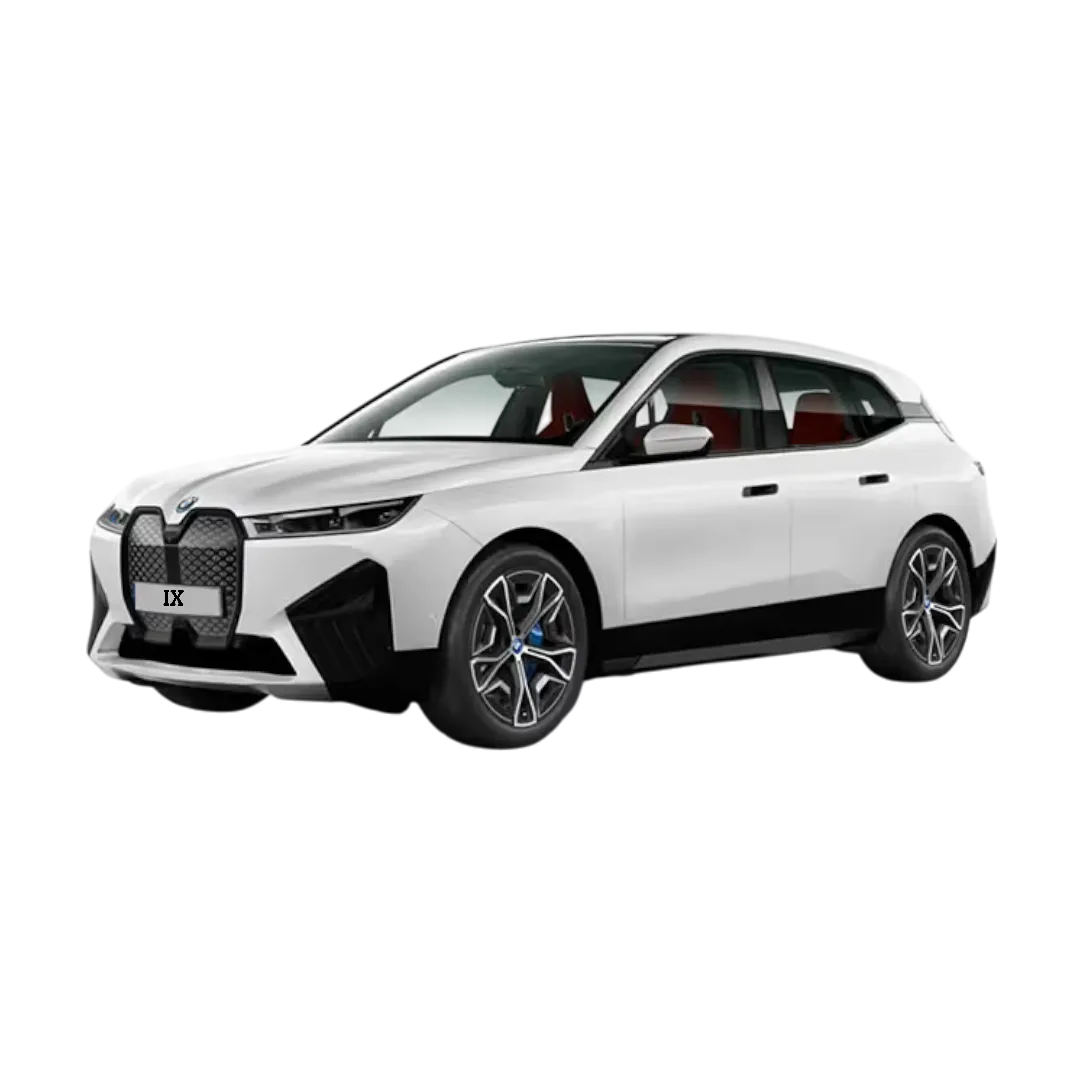 BMW iX
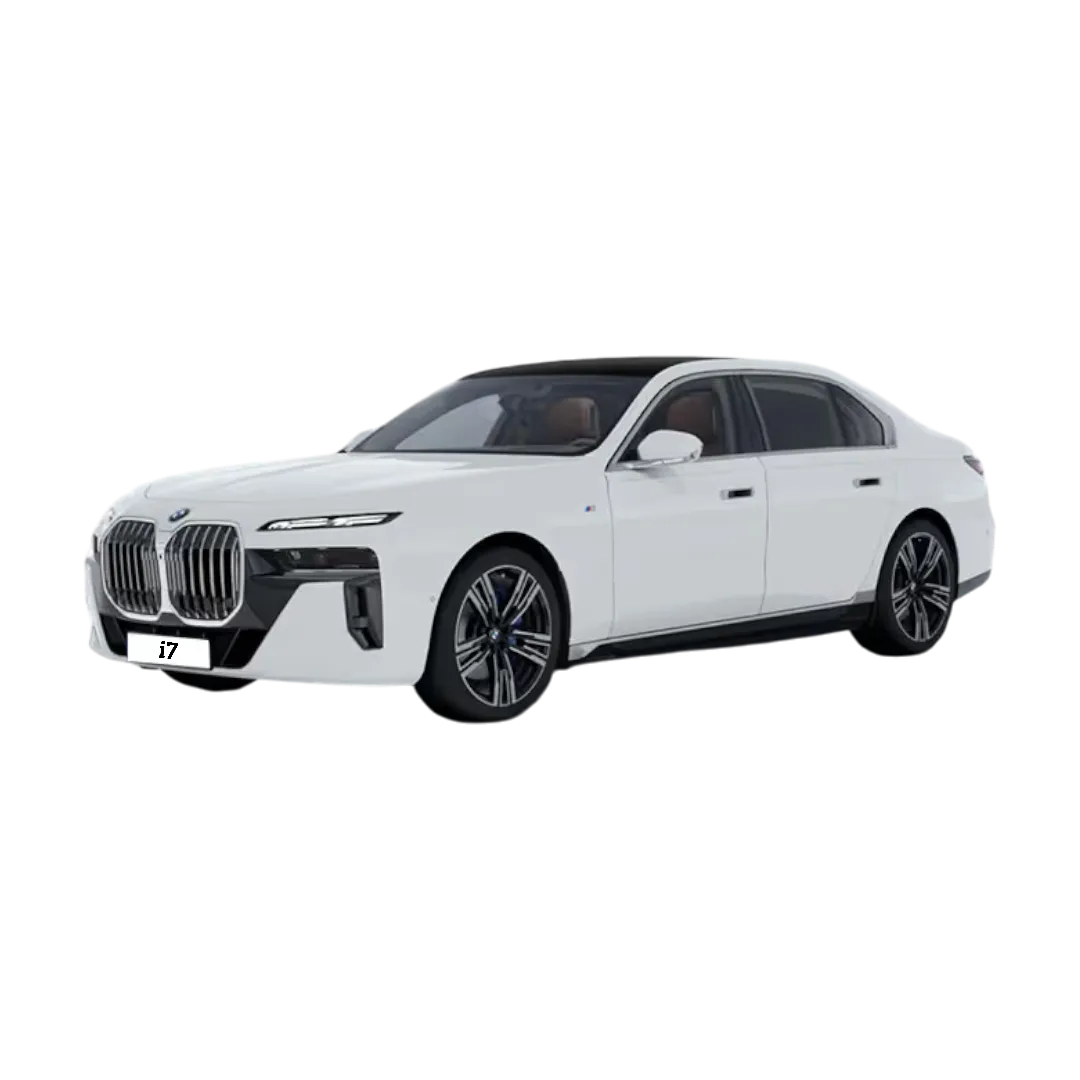 BMW i7
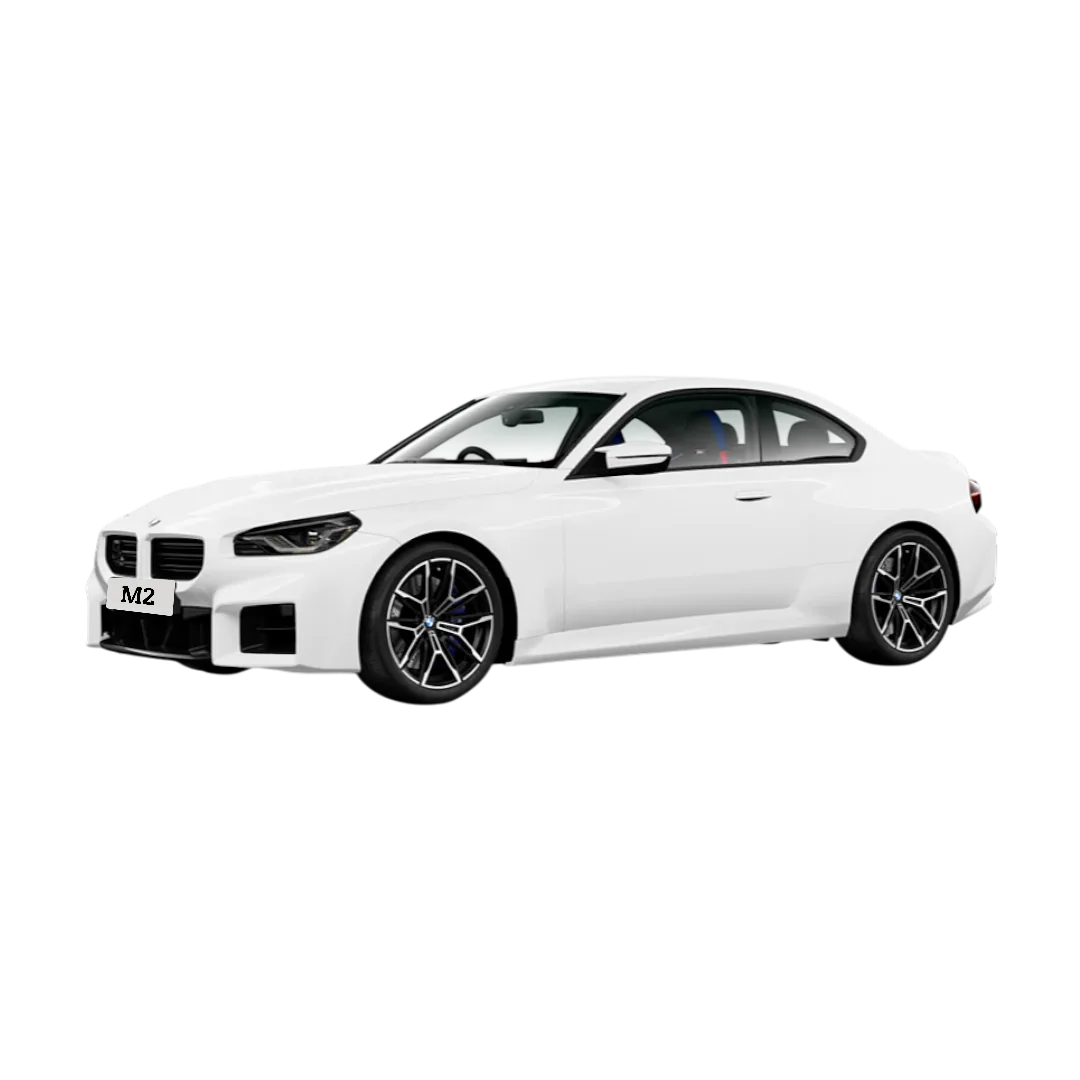 BMW M2
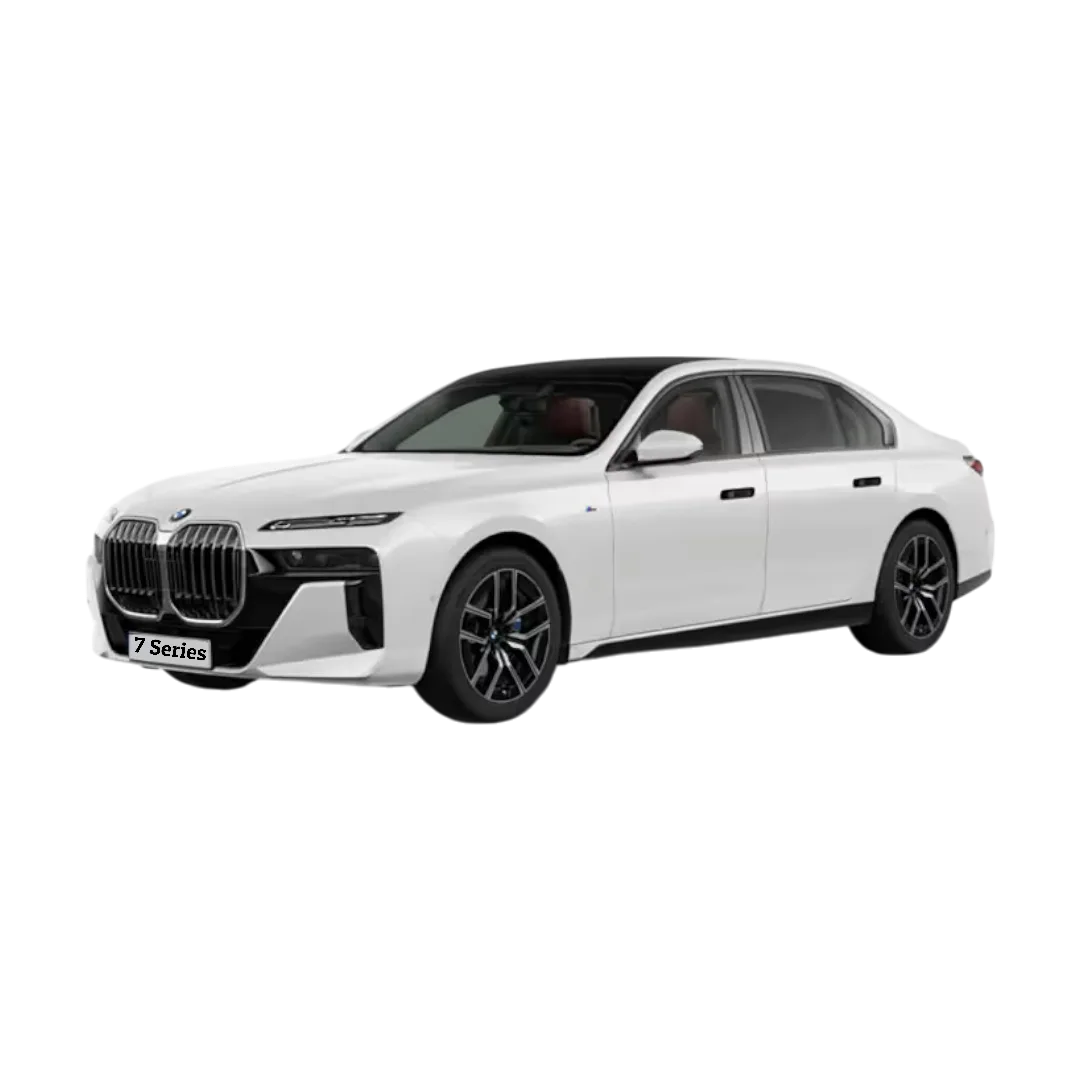 7 Series
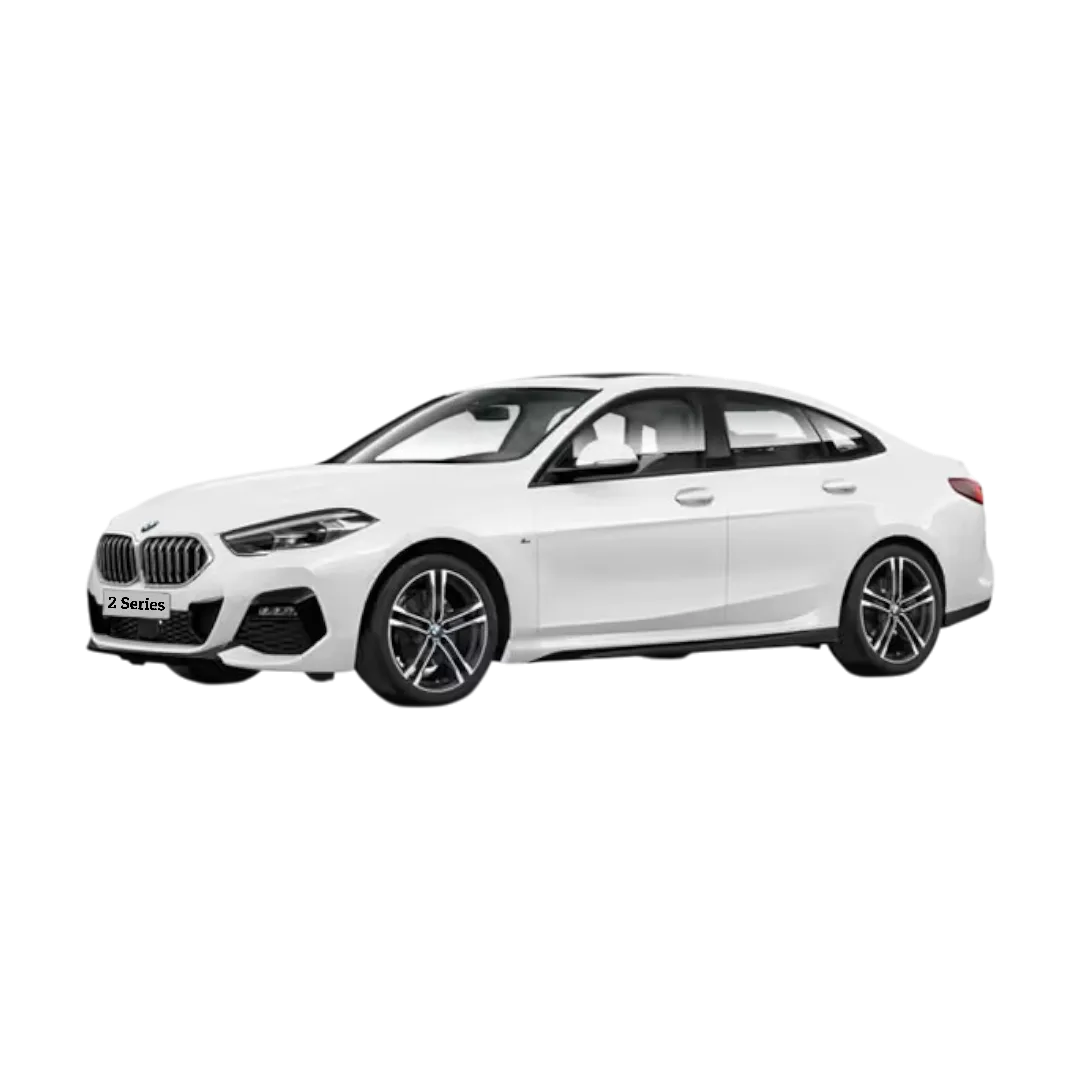 2 Series
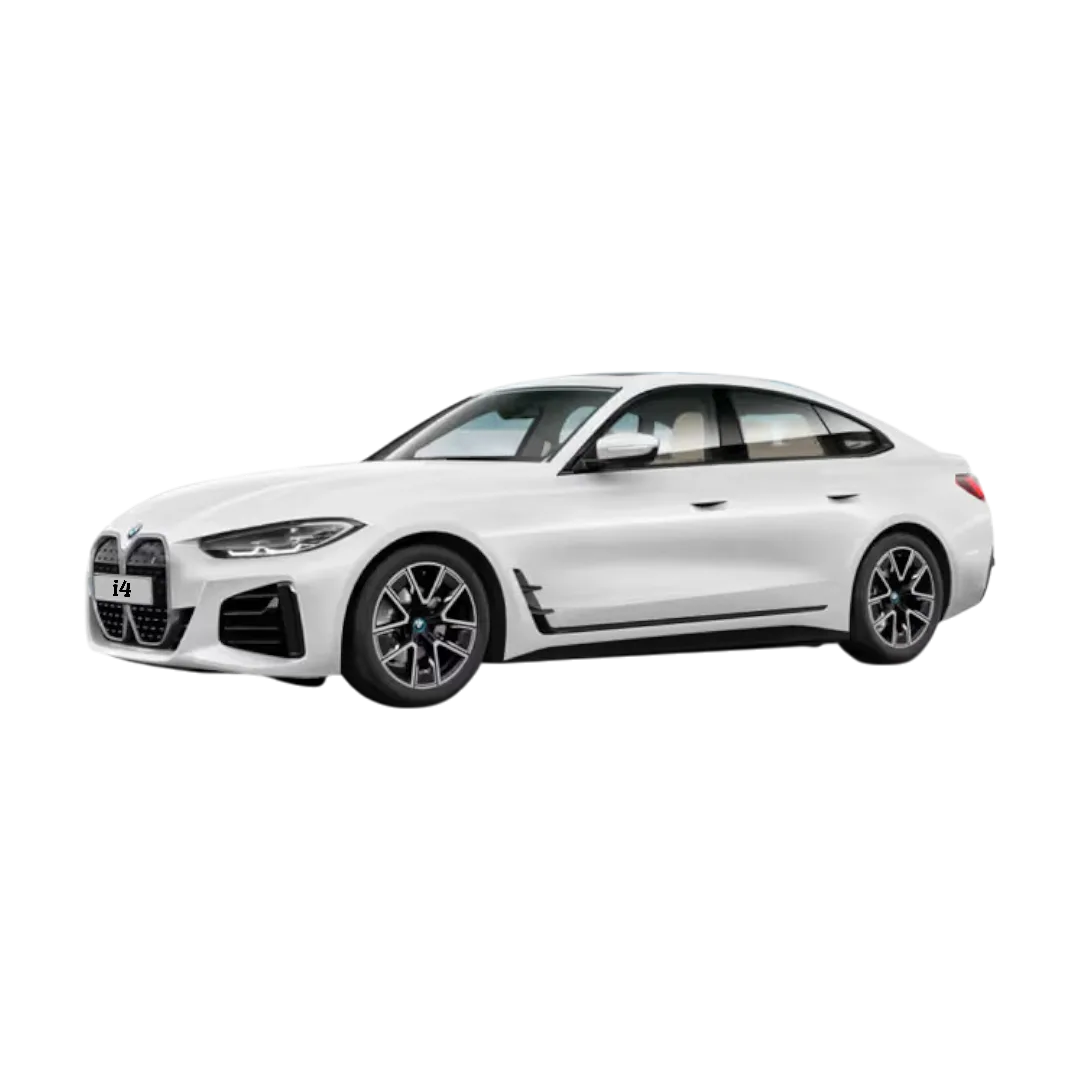 BMW i4
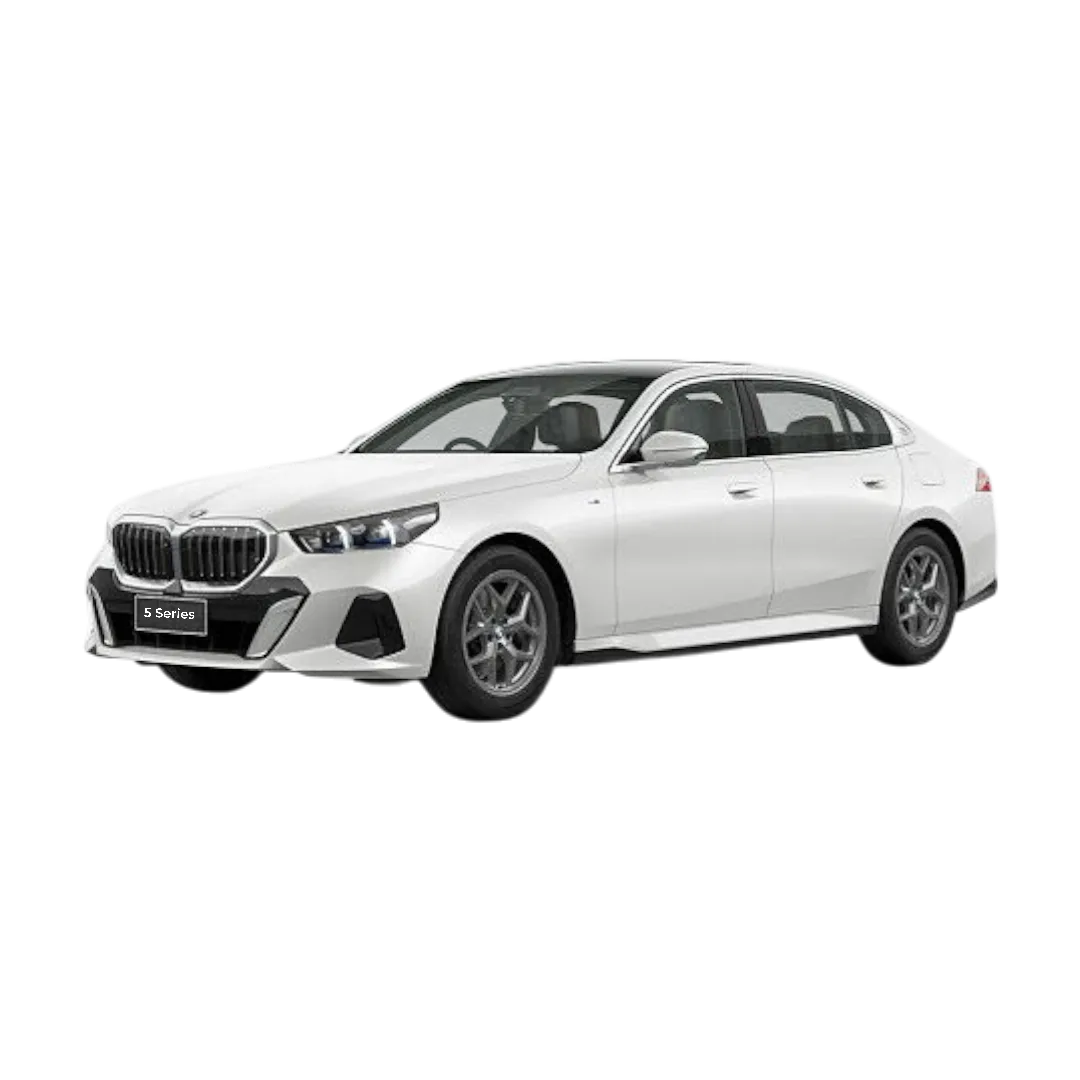 5 Series
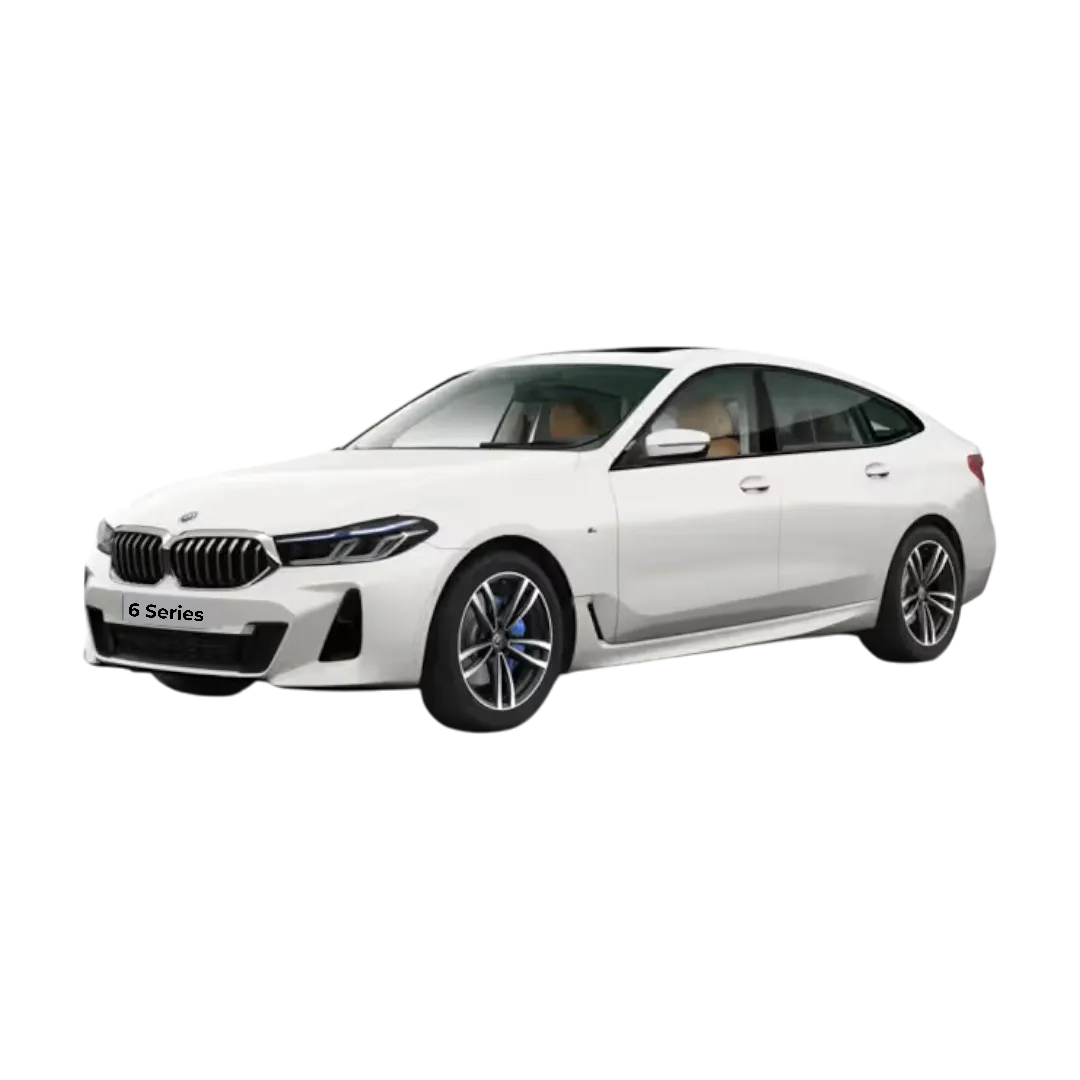 6 Series
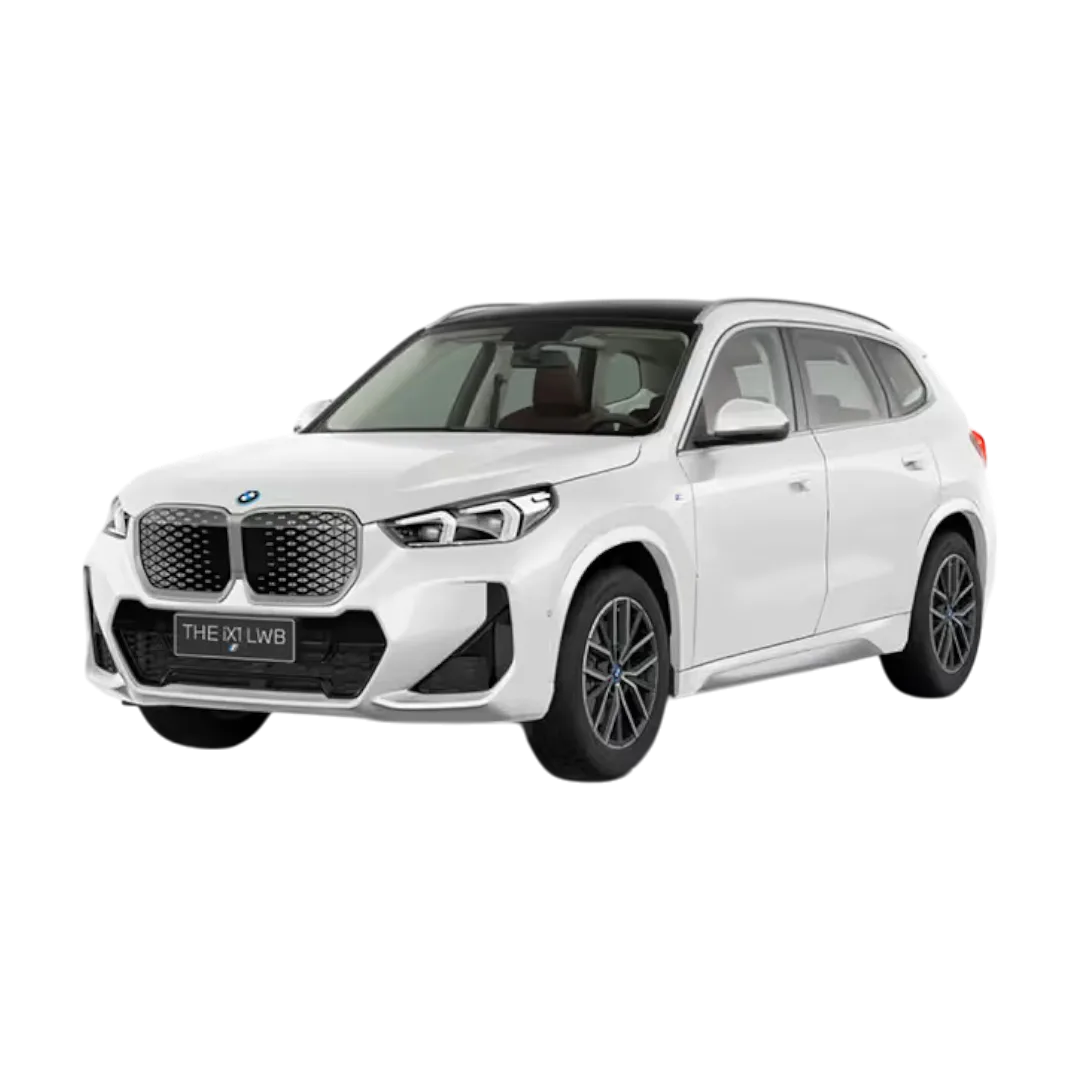 BMW ix1
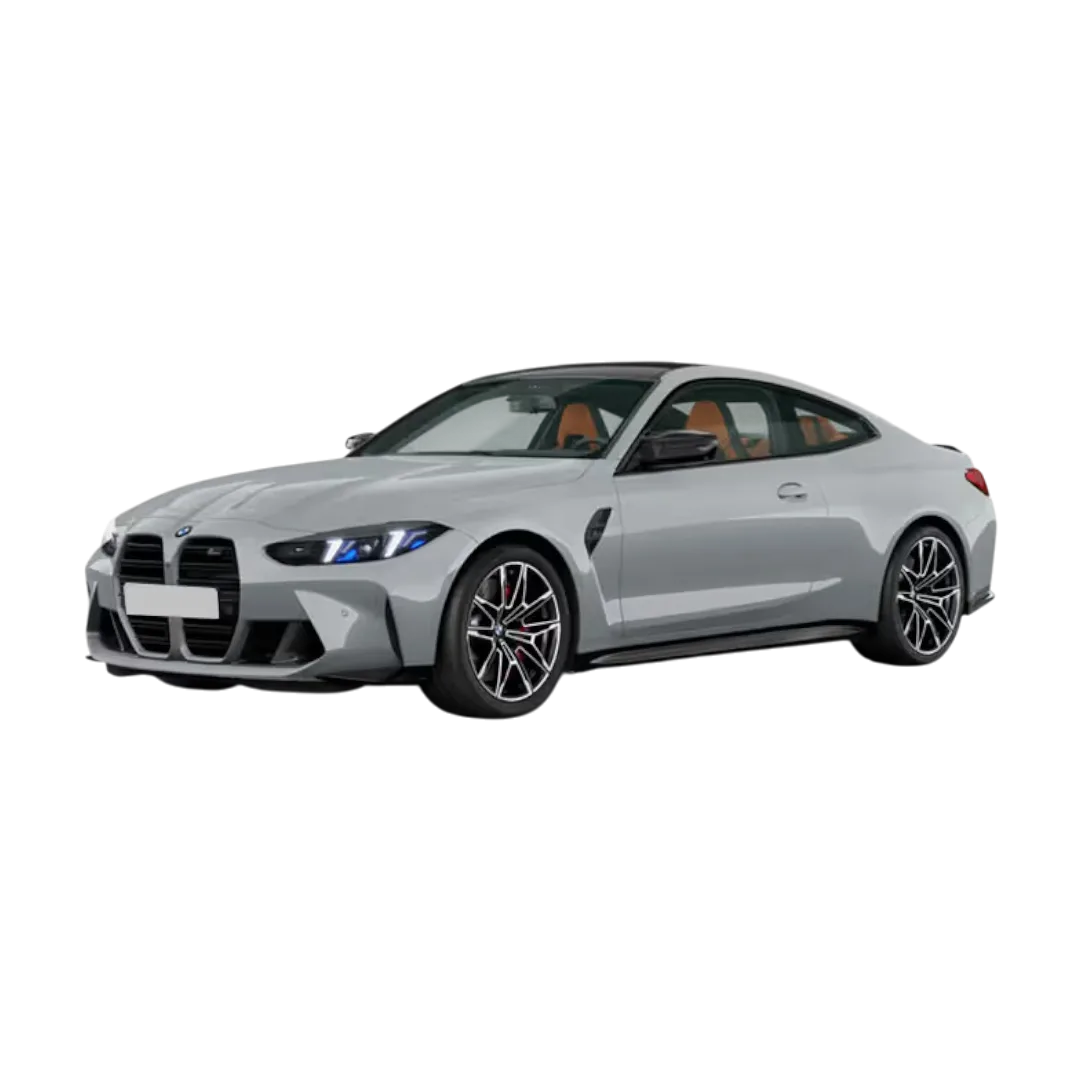 M4 Competition
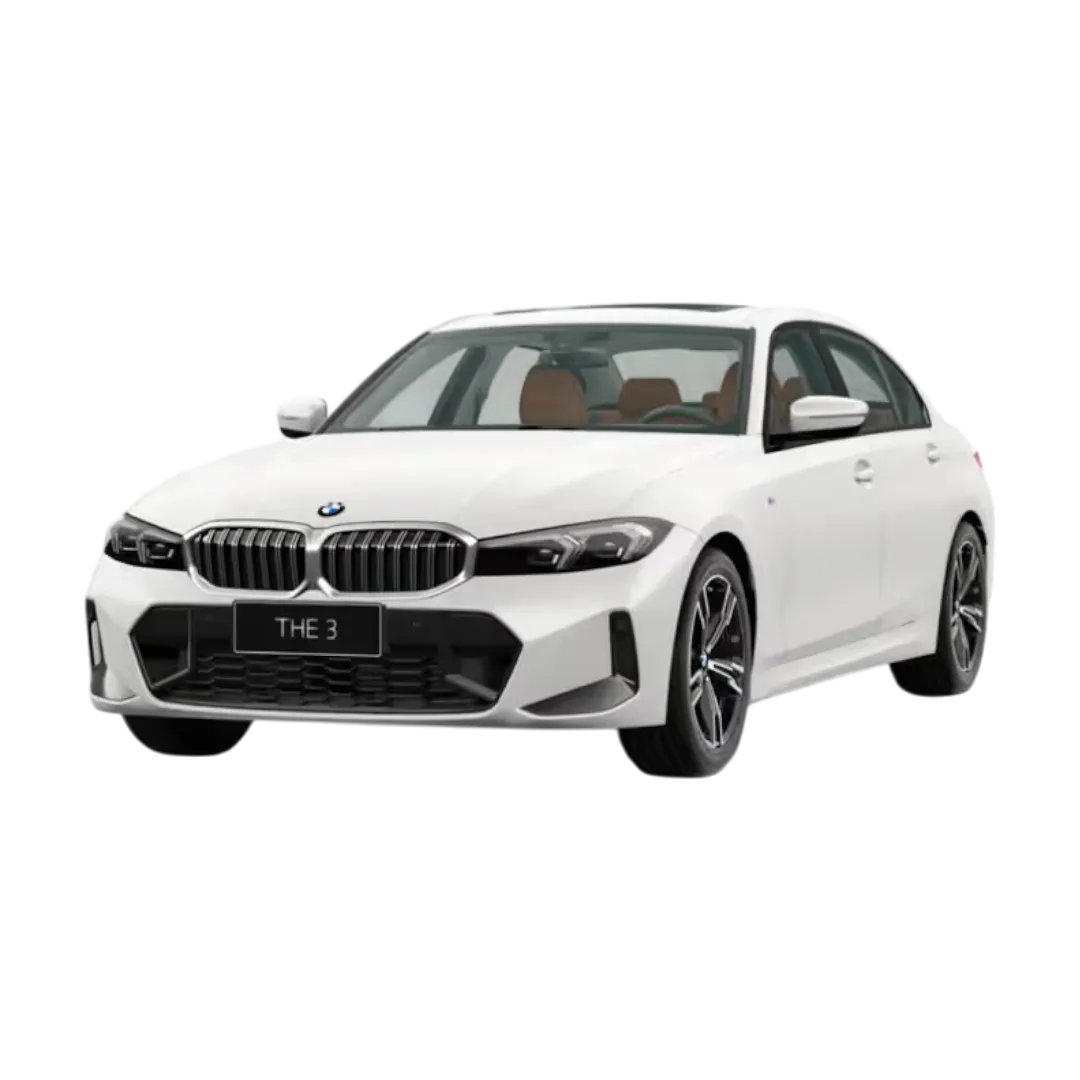 3 Series Gran Limousine
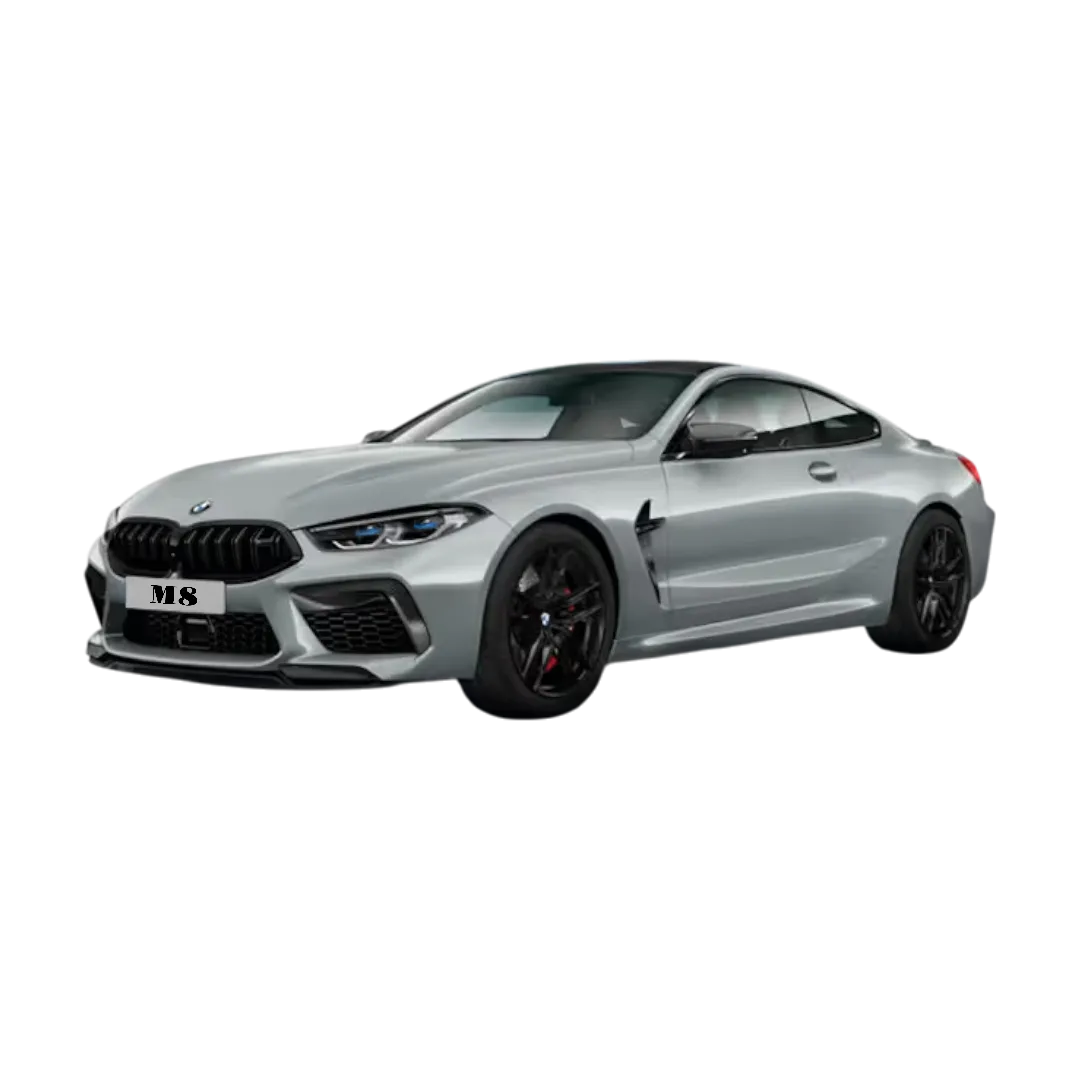 M8 Coupe
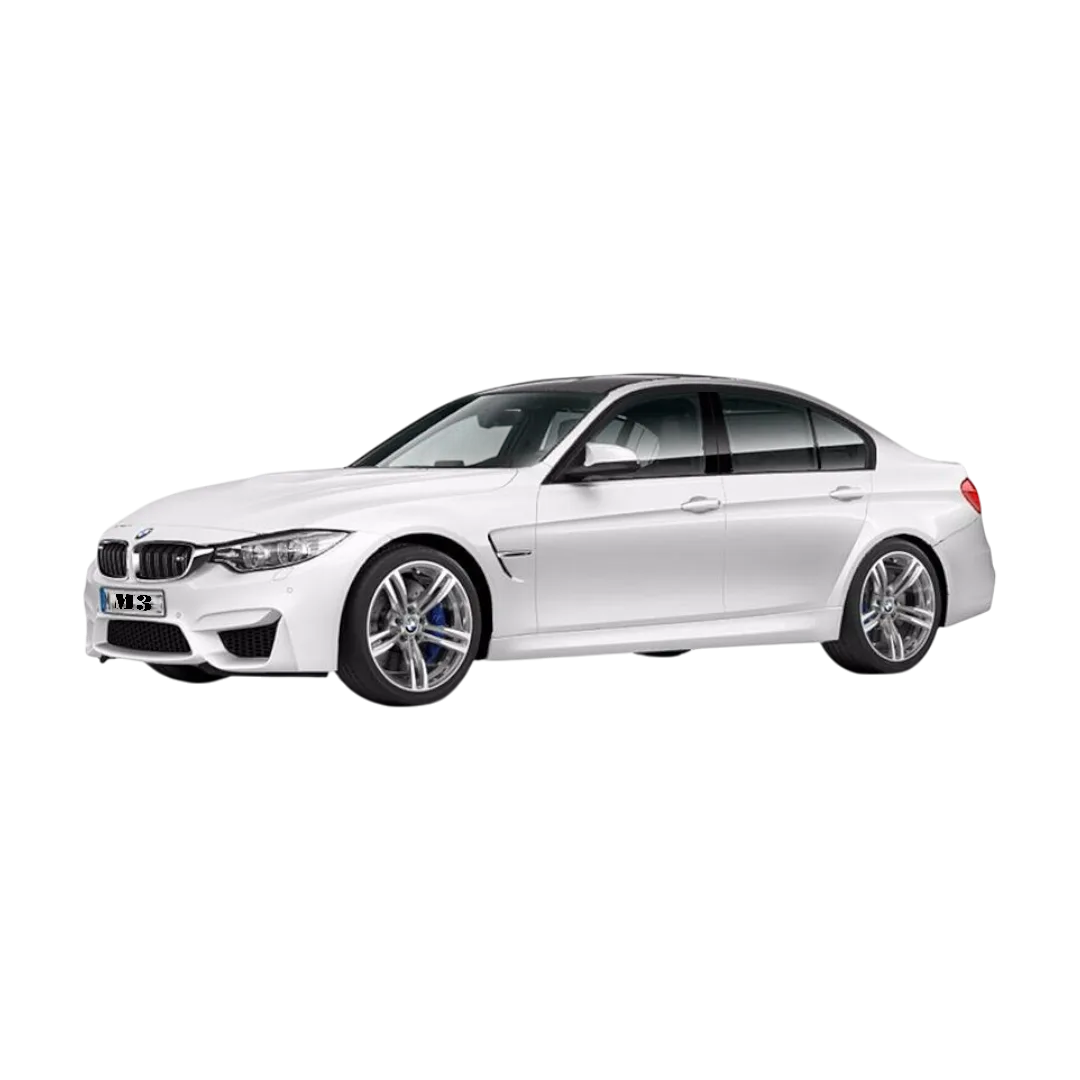 BMW M3
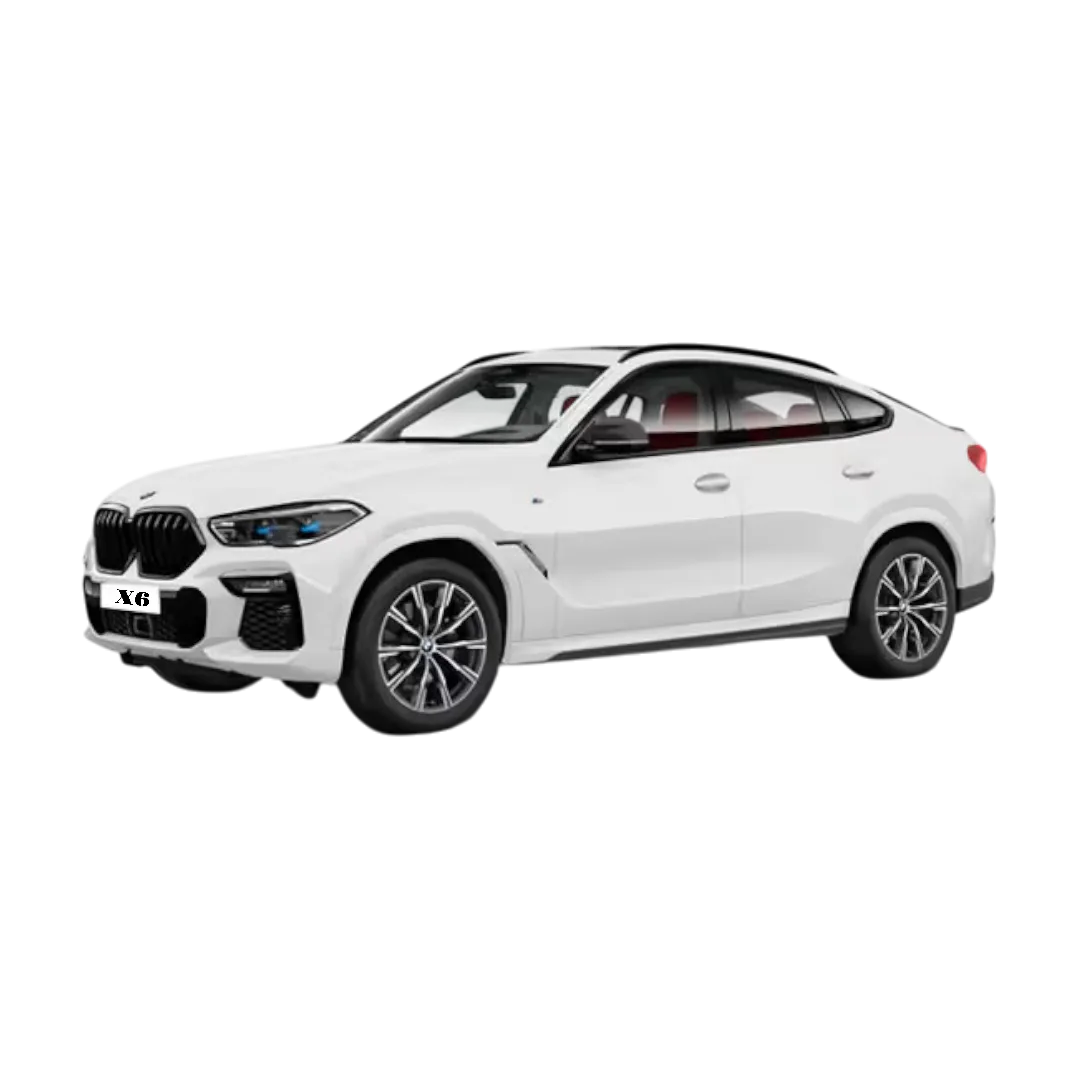 BMW X6
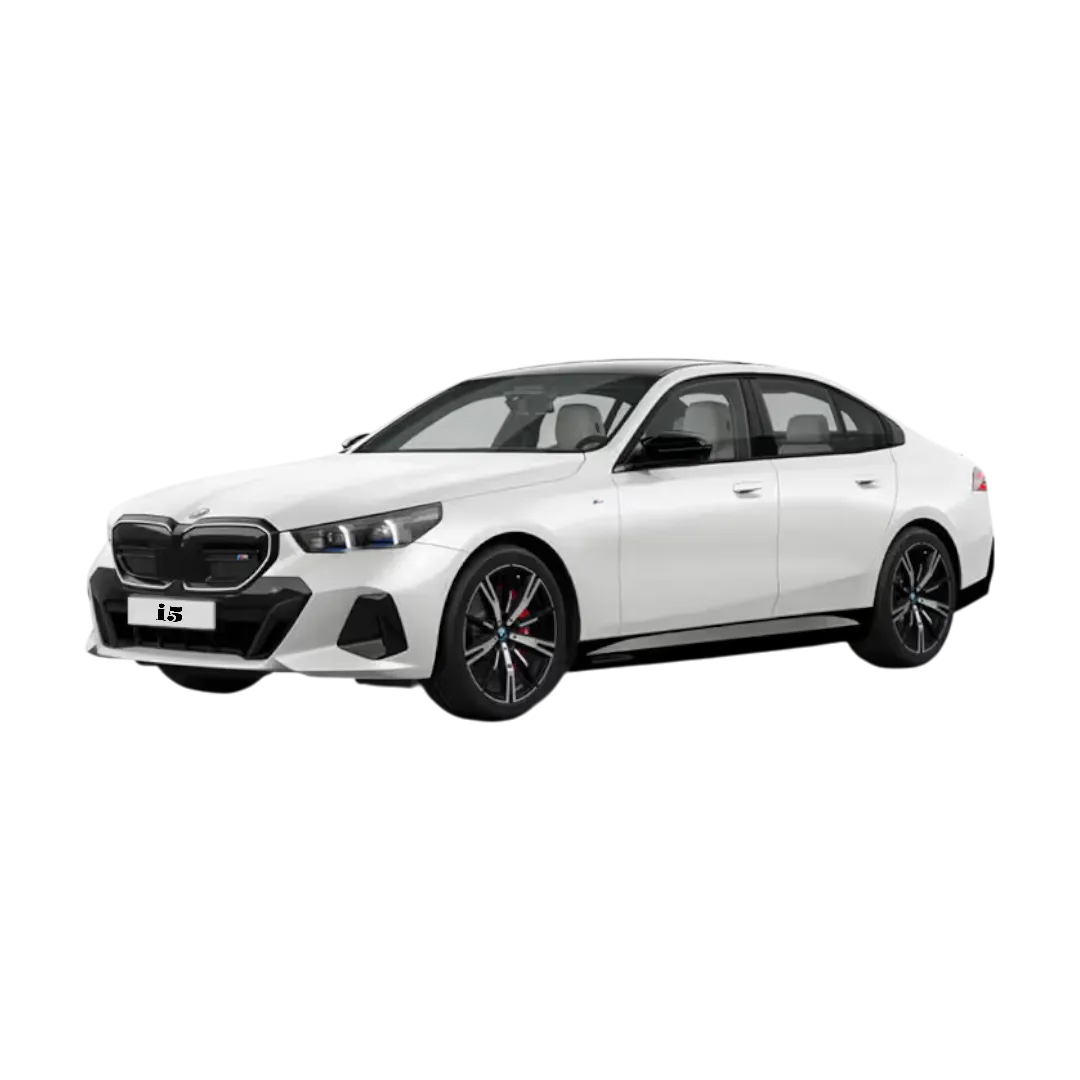 BMW i5
 BMW X4
 Mercedes Benz GLA
 Mercedes E-Class
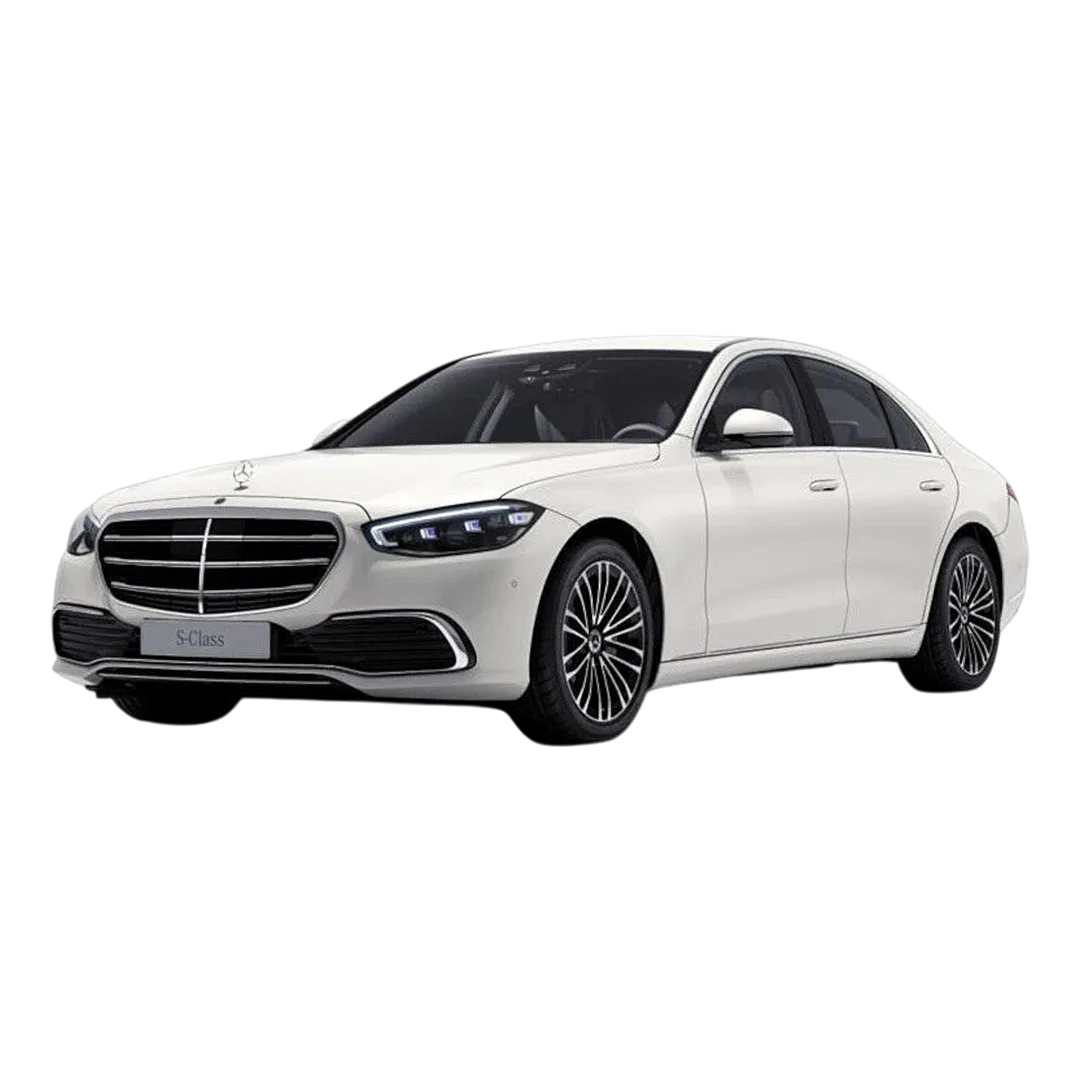 Mercedes S-Class
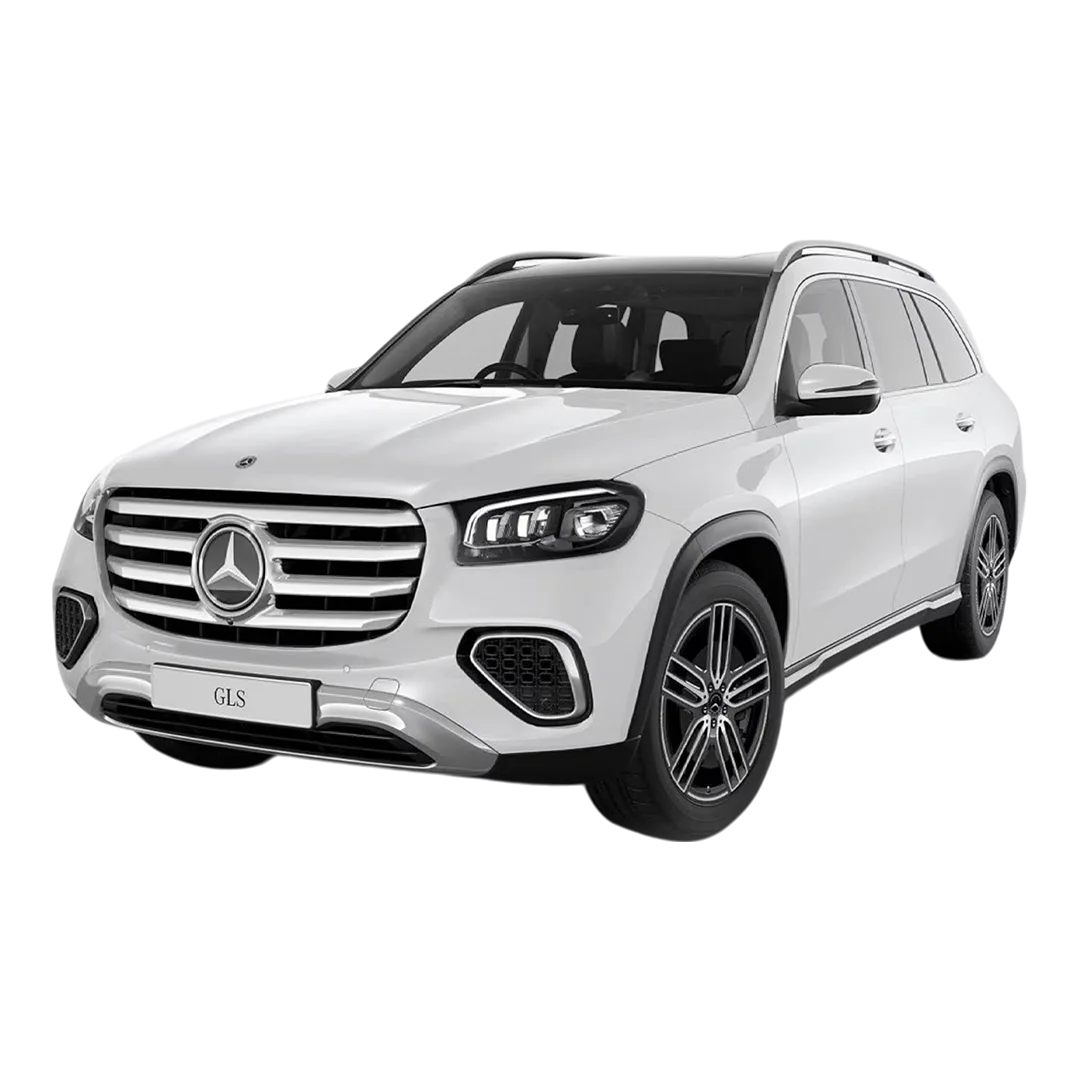 Mercedes Benz GLS
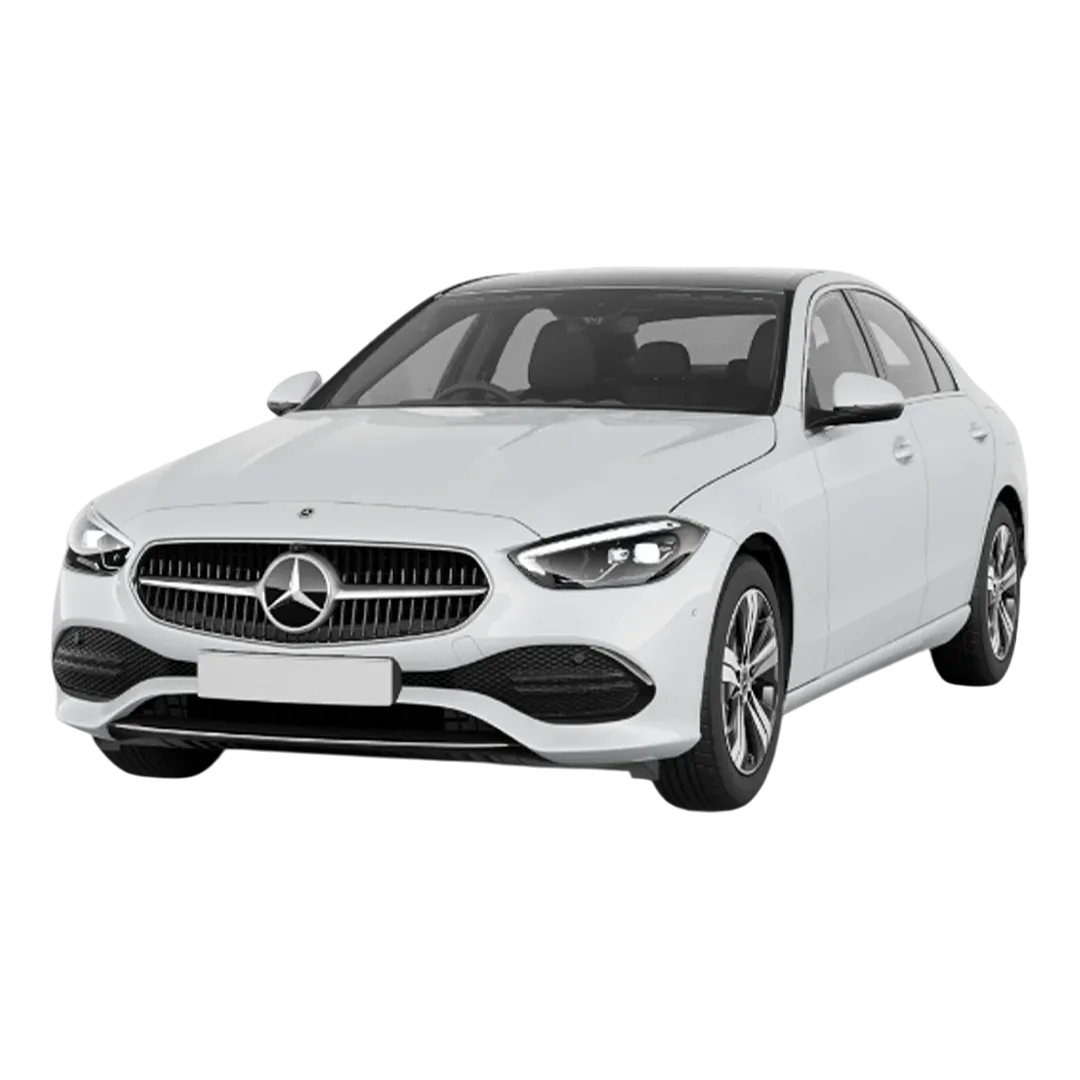 Mercedes Benz C-Class
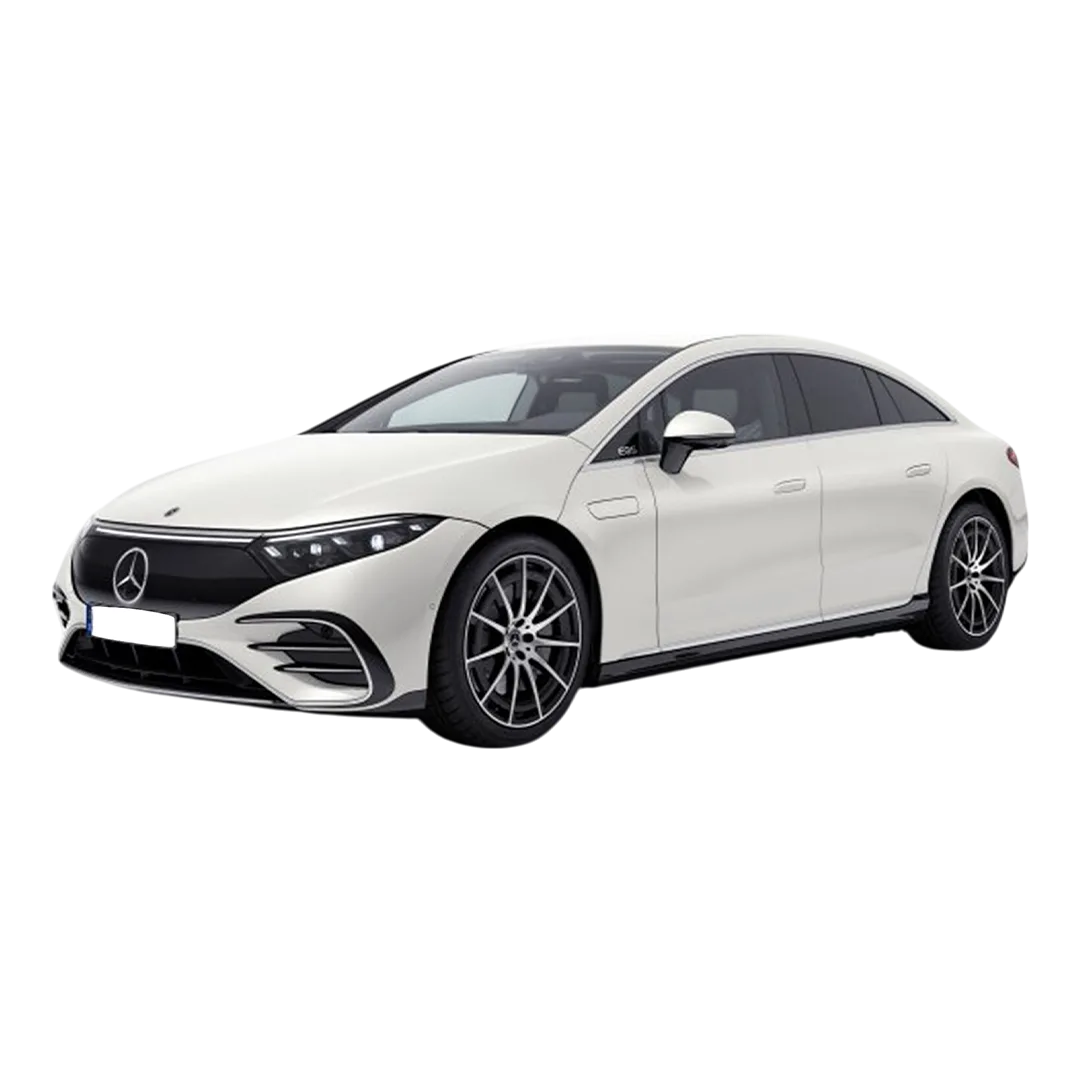 Mercedes Benz EQS
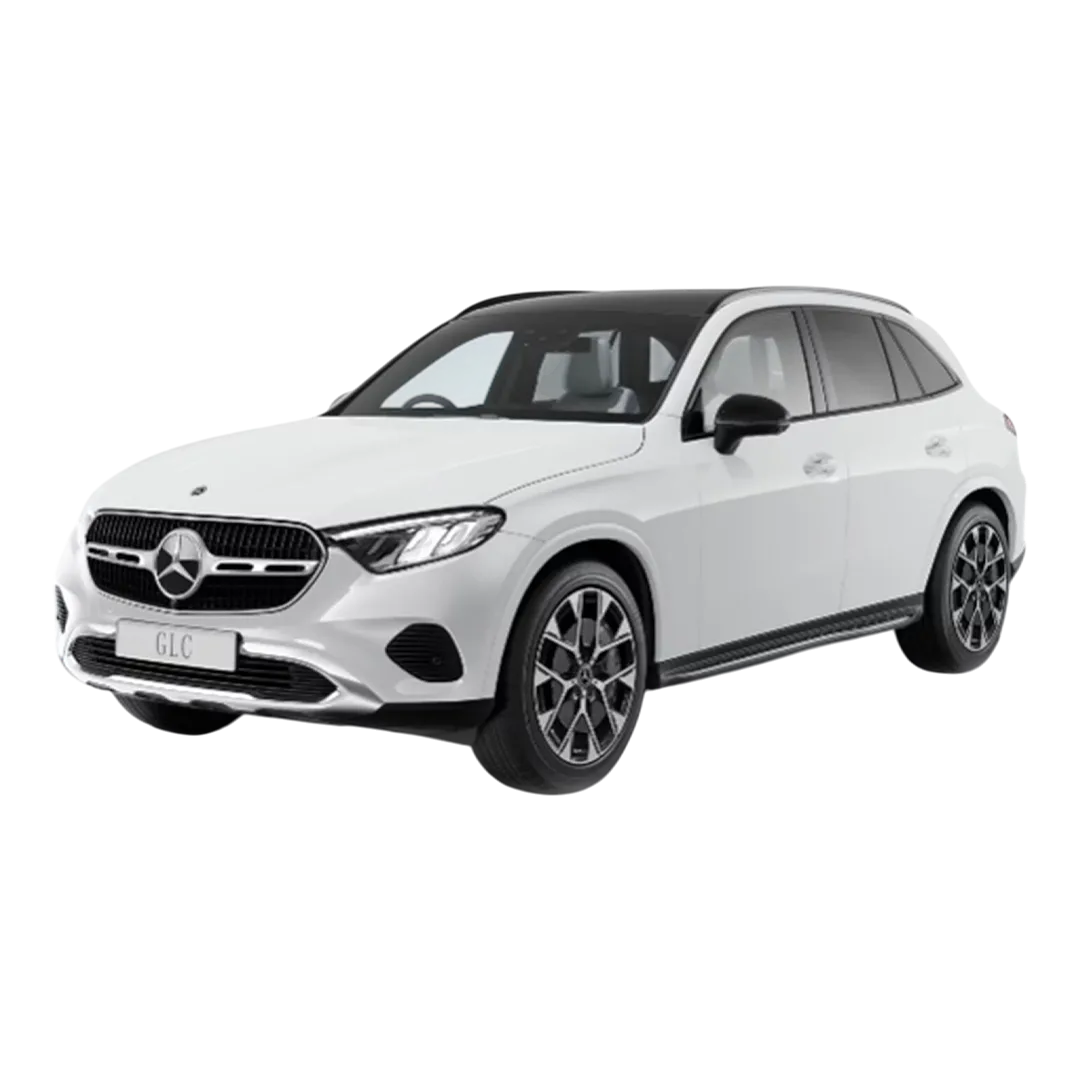 Mercedes Benz GLC
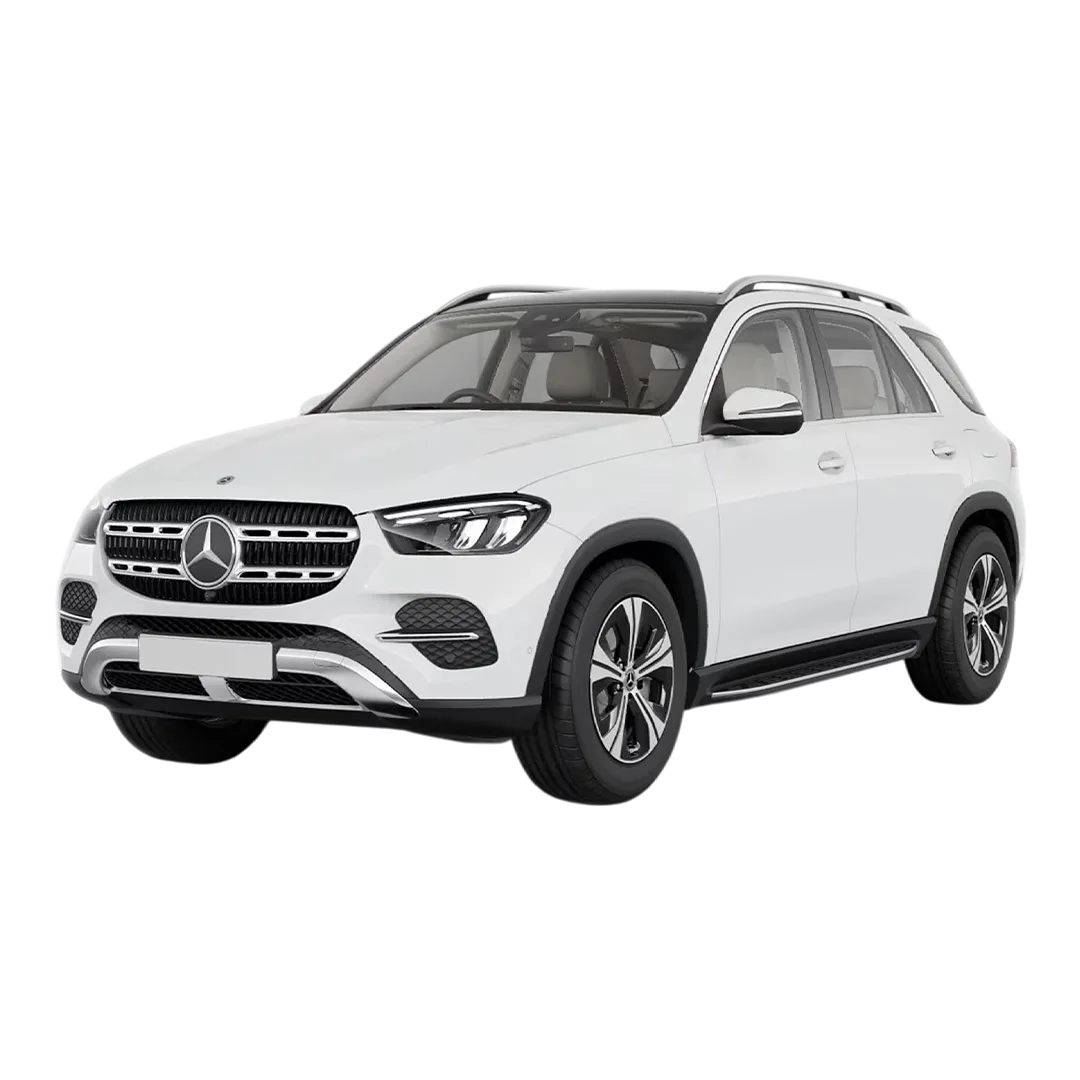 Mercedes Benz GLE
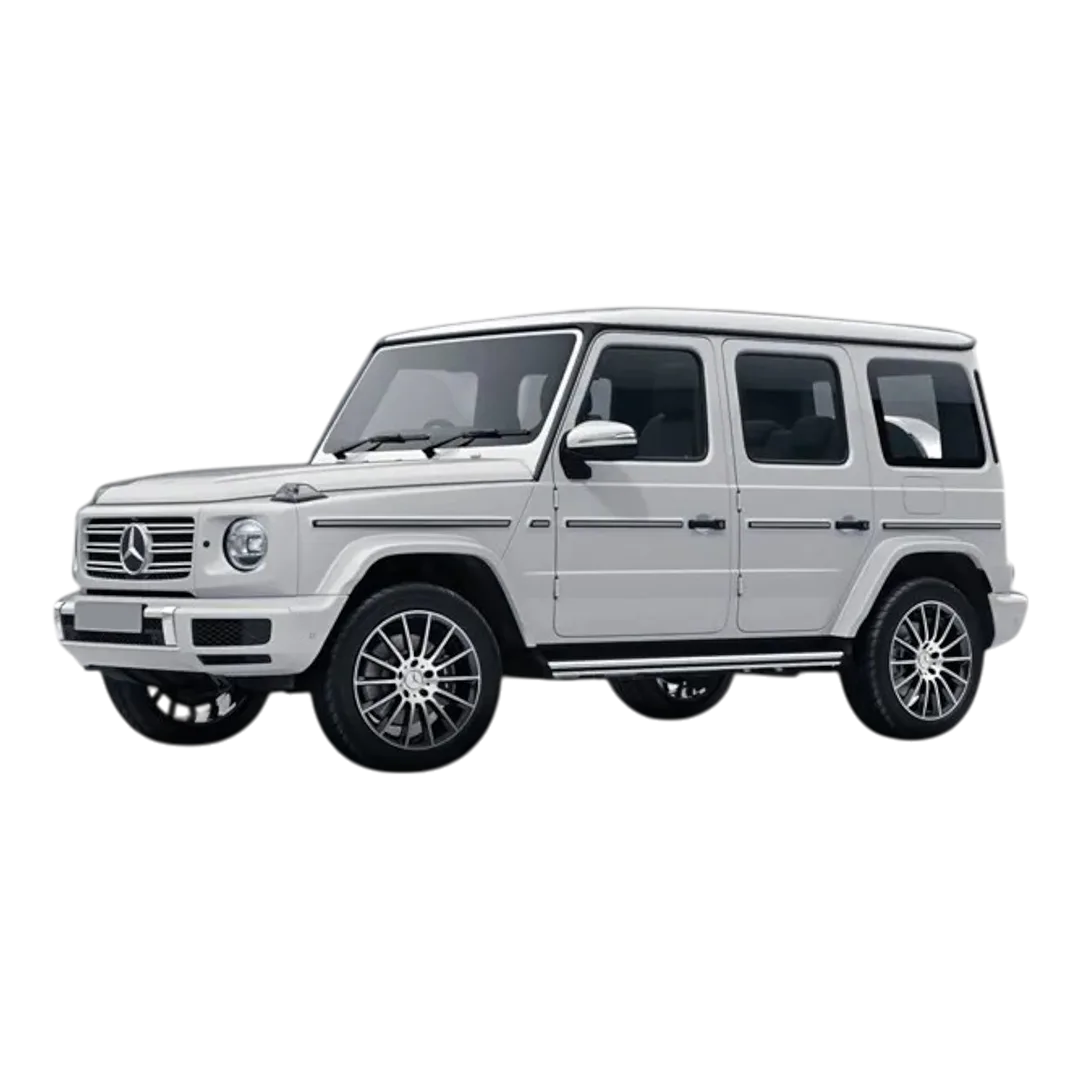 Mercedes Benz G-Class
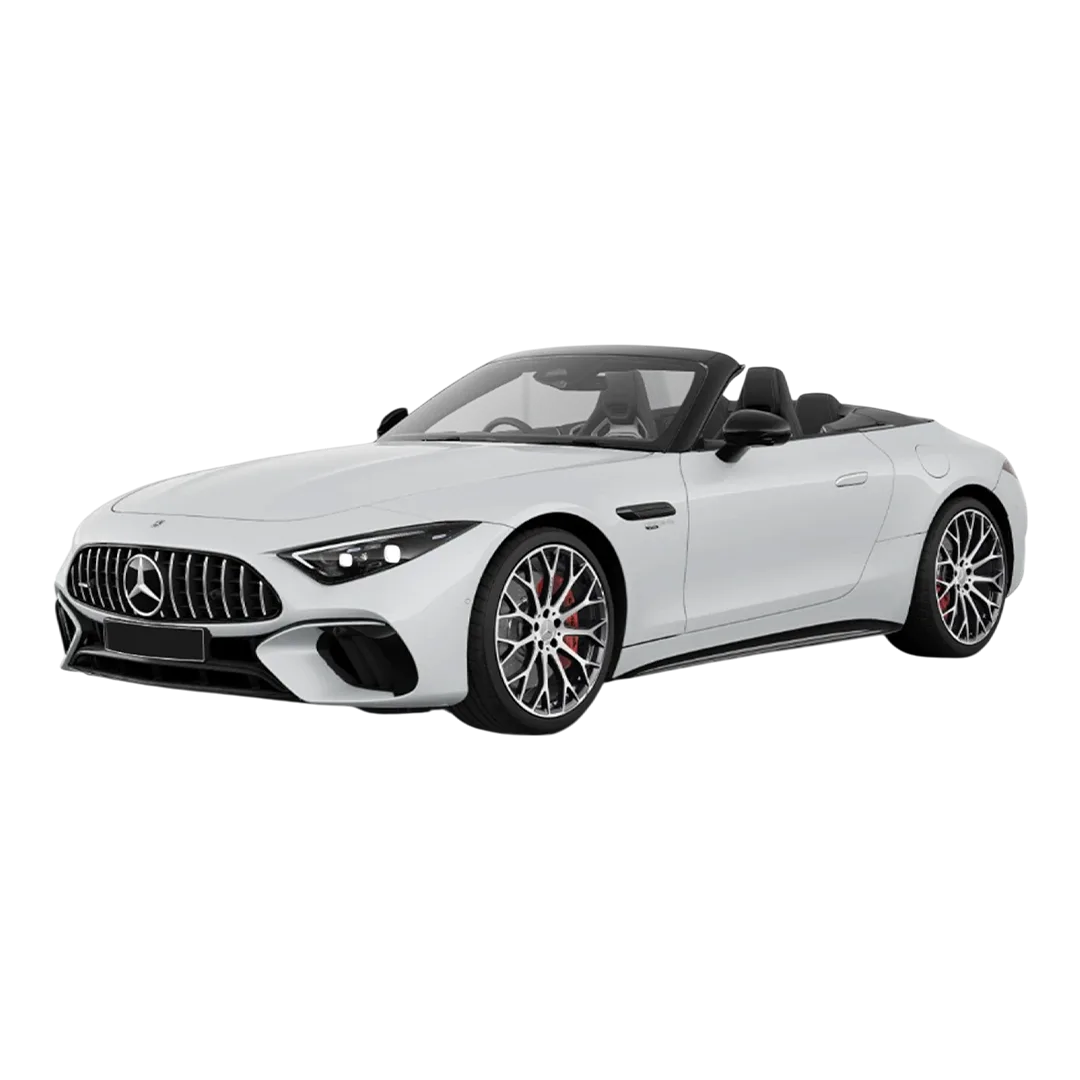 Mercedes Benz AMG SL
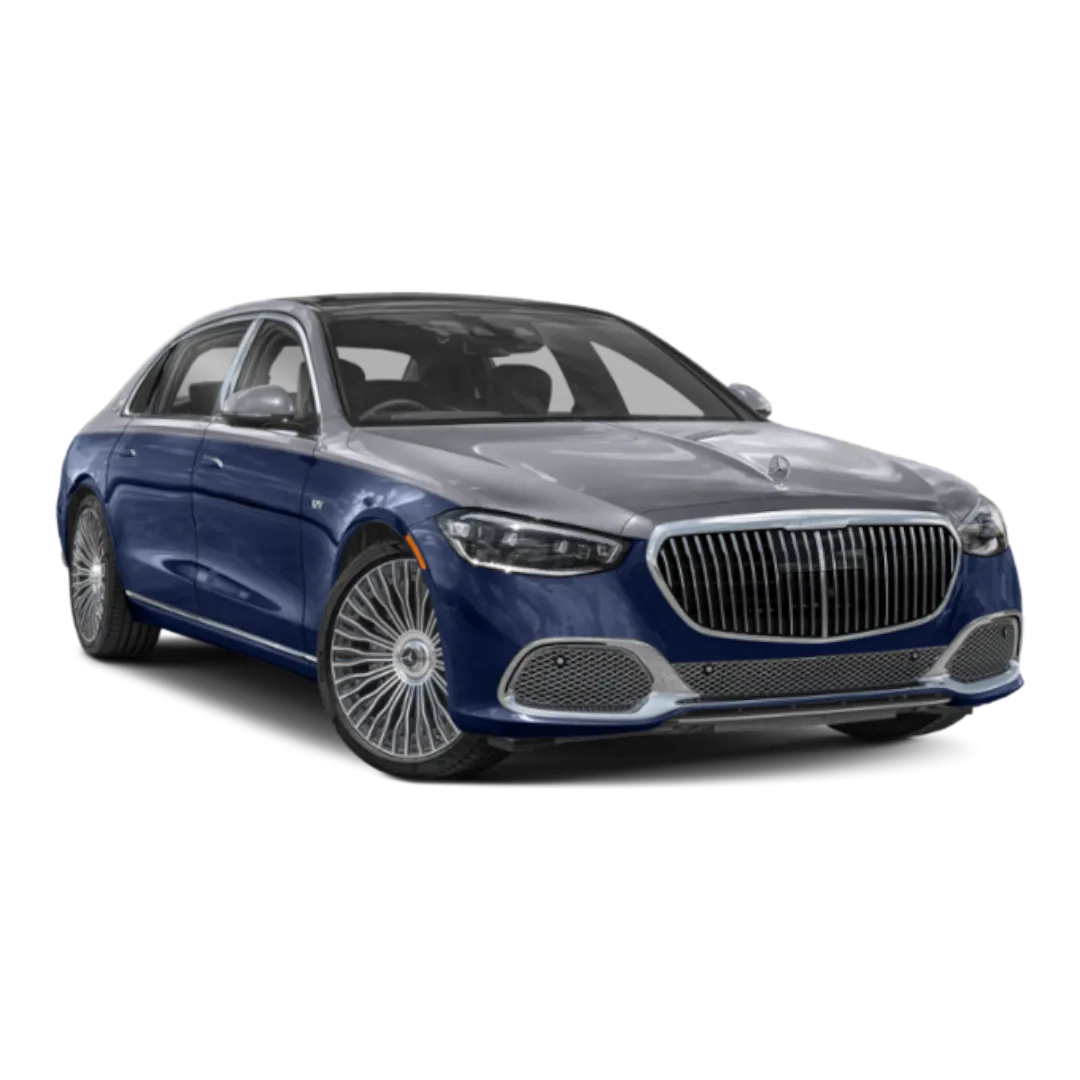 Mercedes Benz MAYBACH S- Class
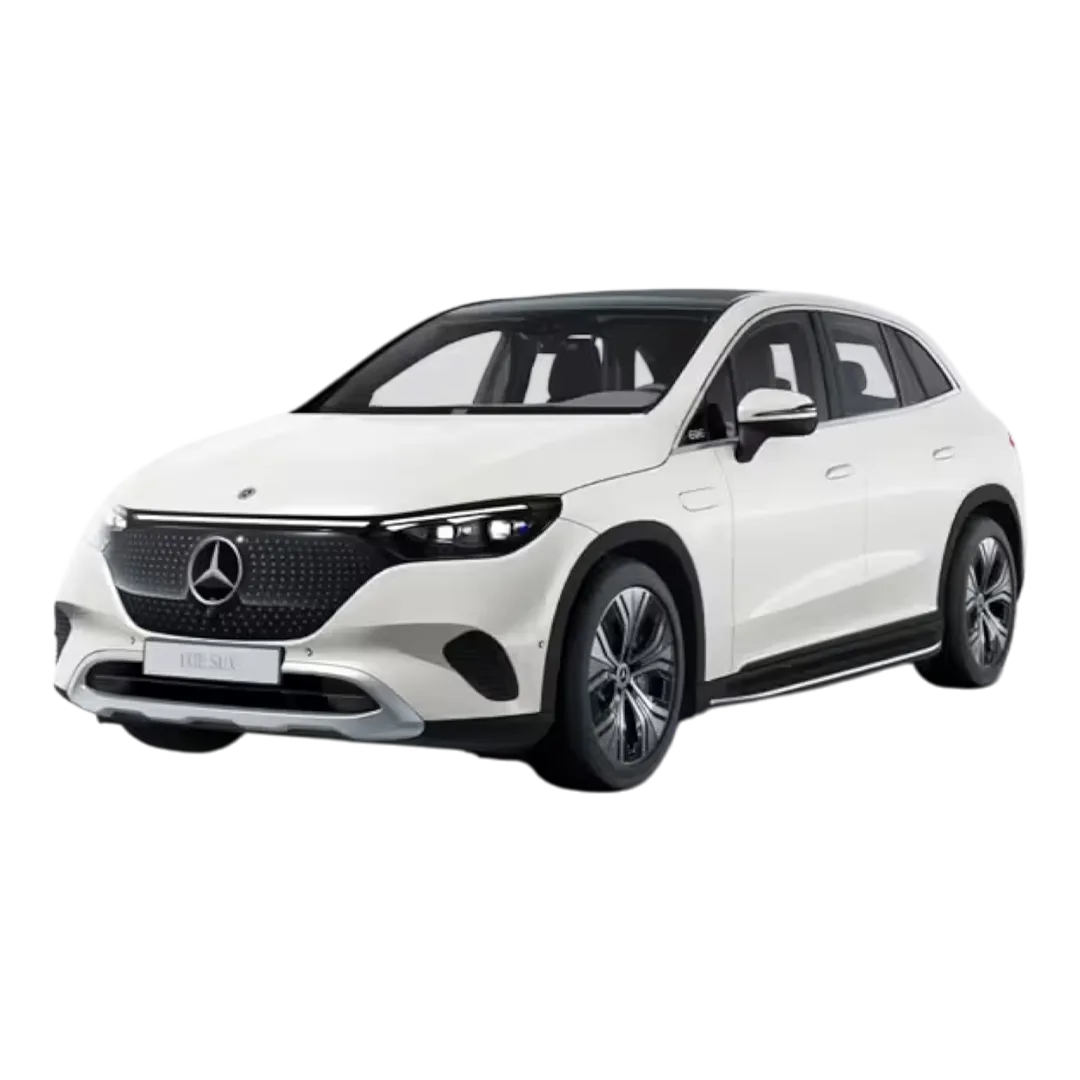 Mercedes Benz EQE-SUV
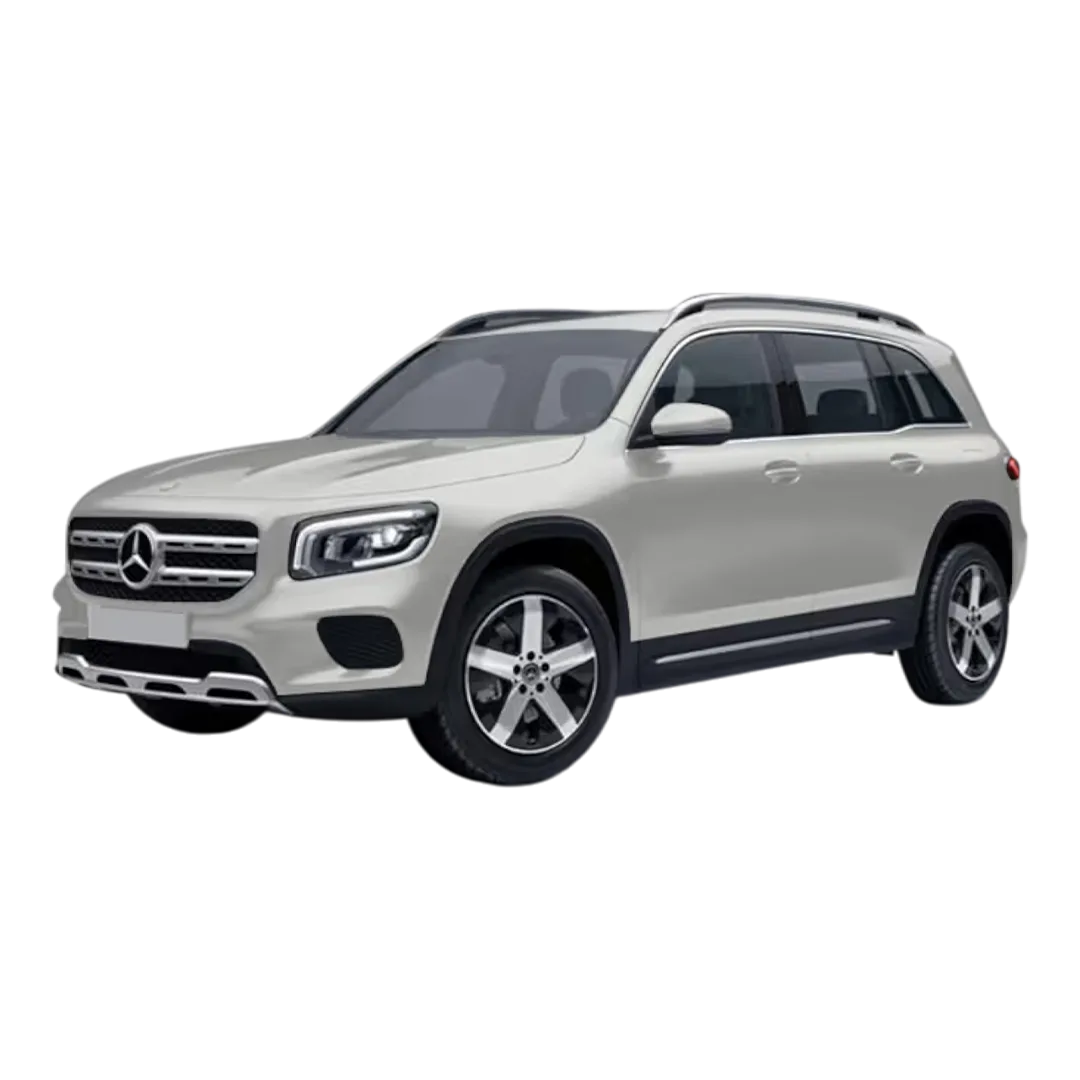 Mercedes Benz GLB
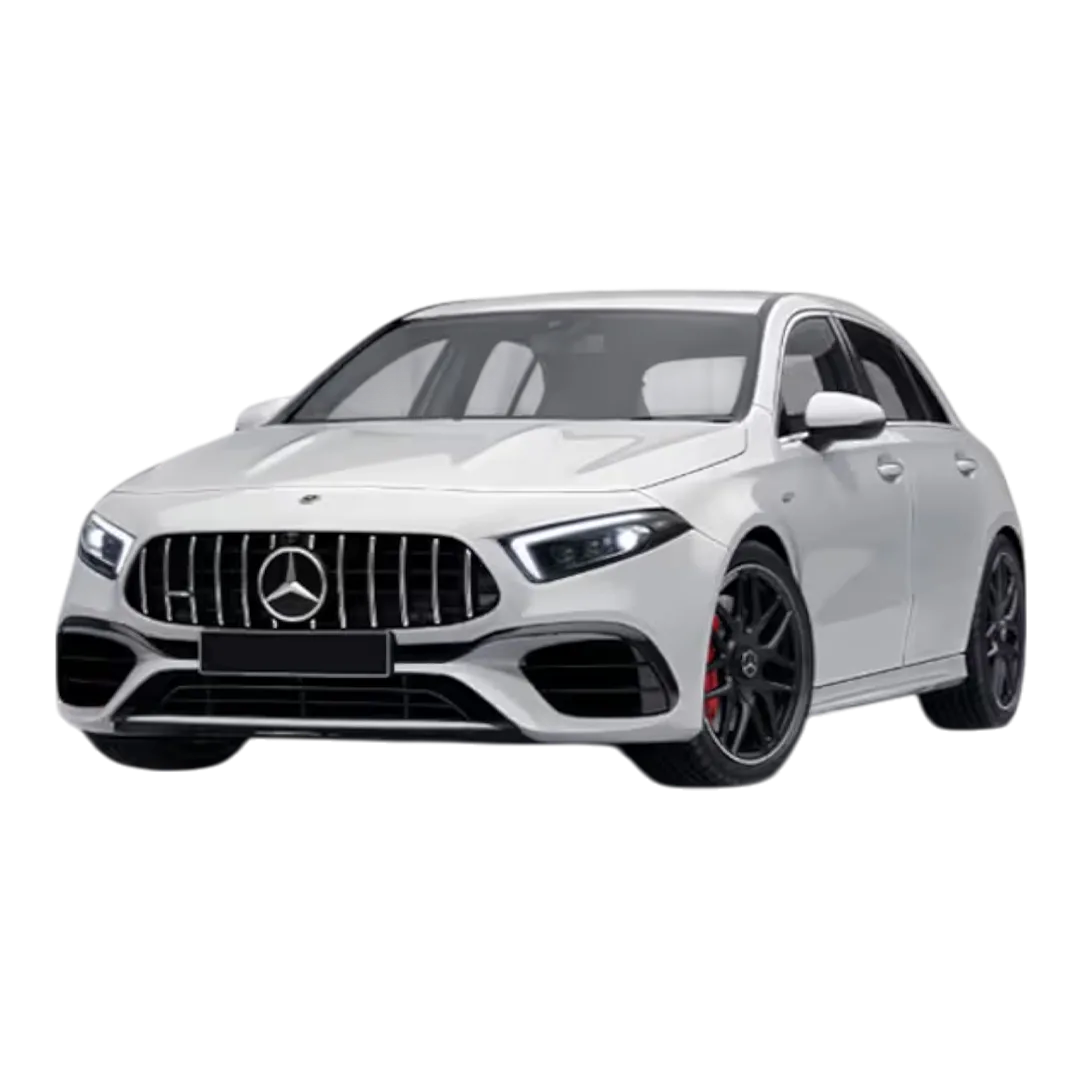 Mercedes Benz AMG A 45 S
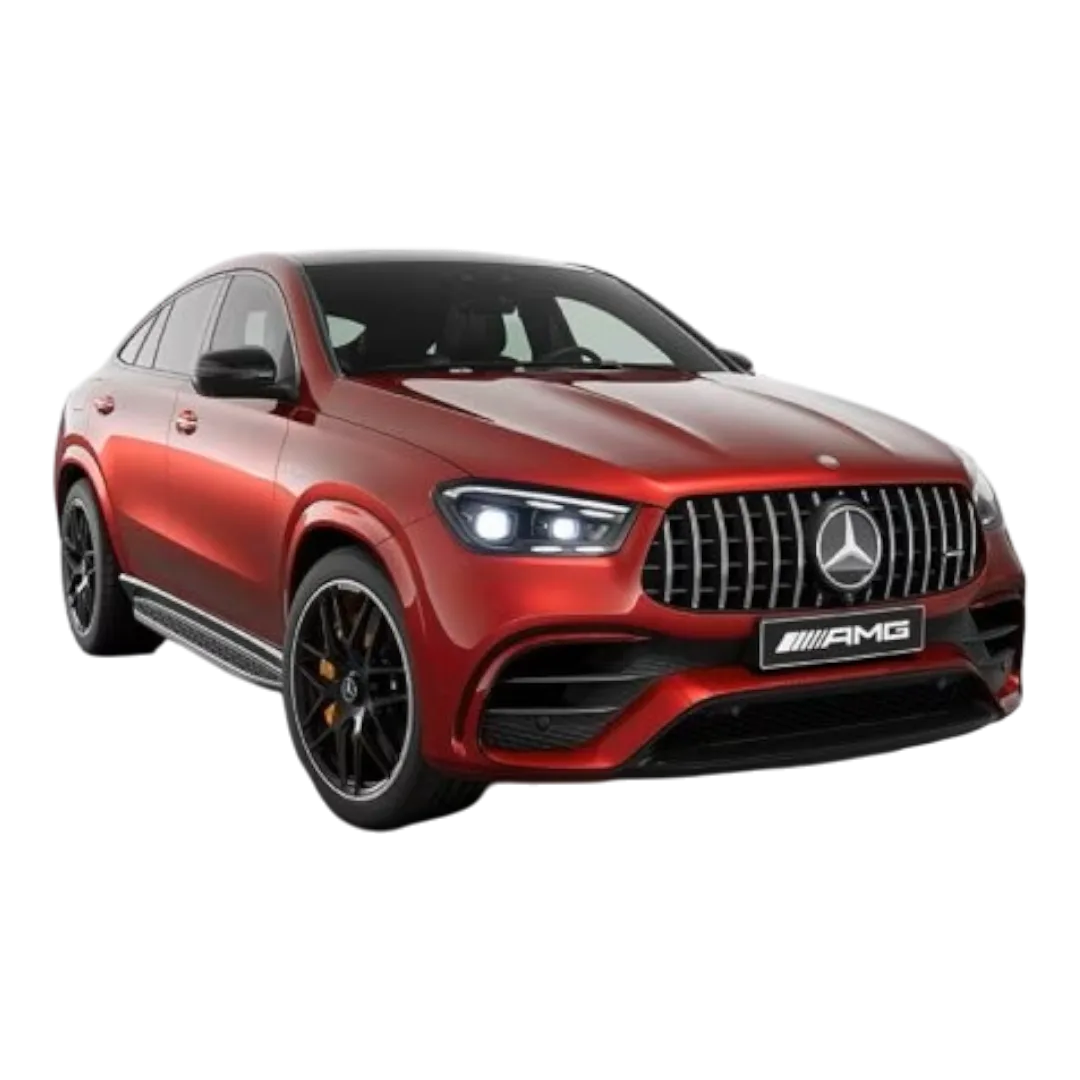 Mercedes Benz AMG GLE S3
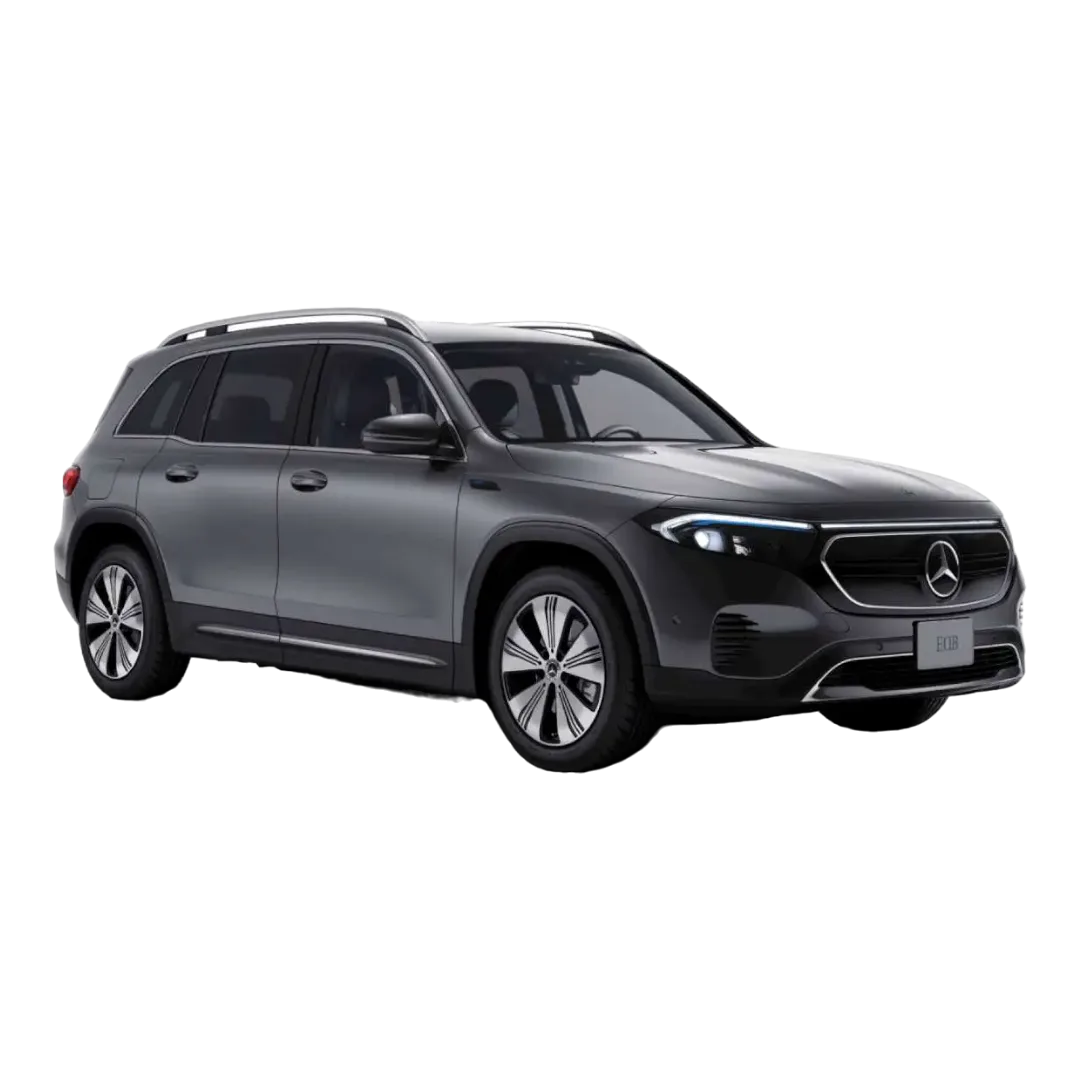 Mercedes Benz EQB
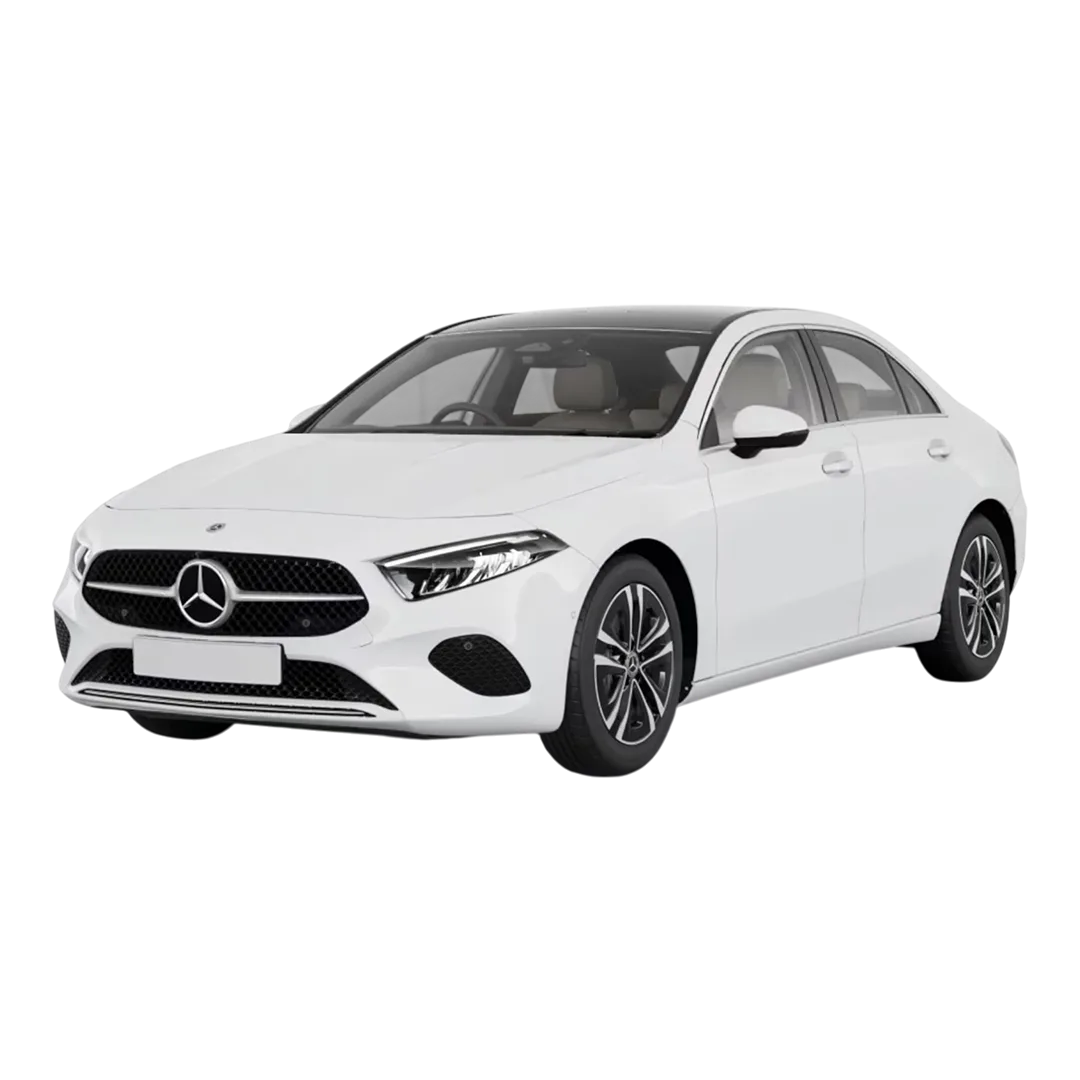 Mercedes Benz A Class limousine
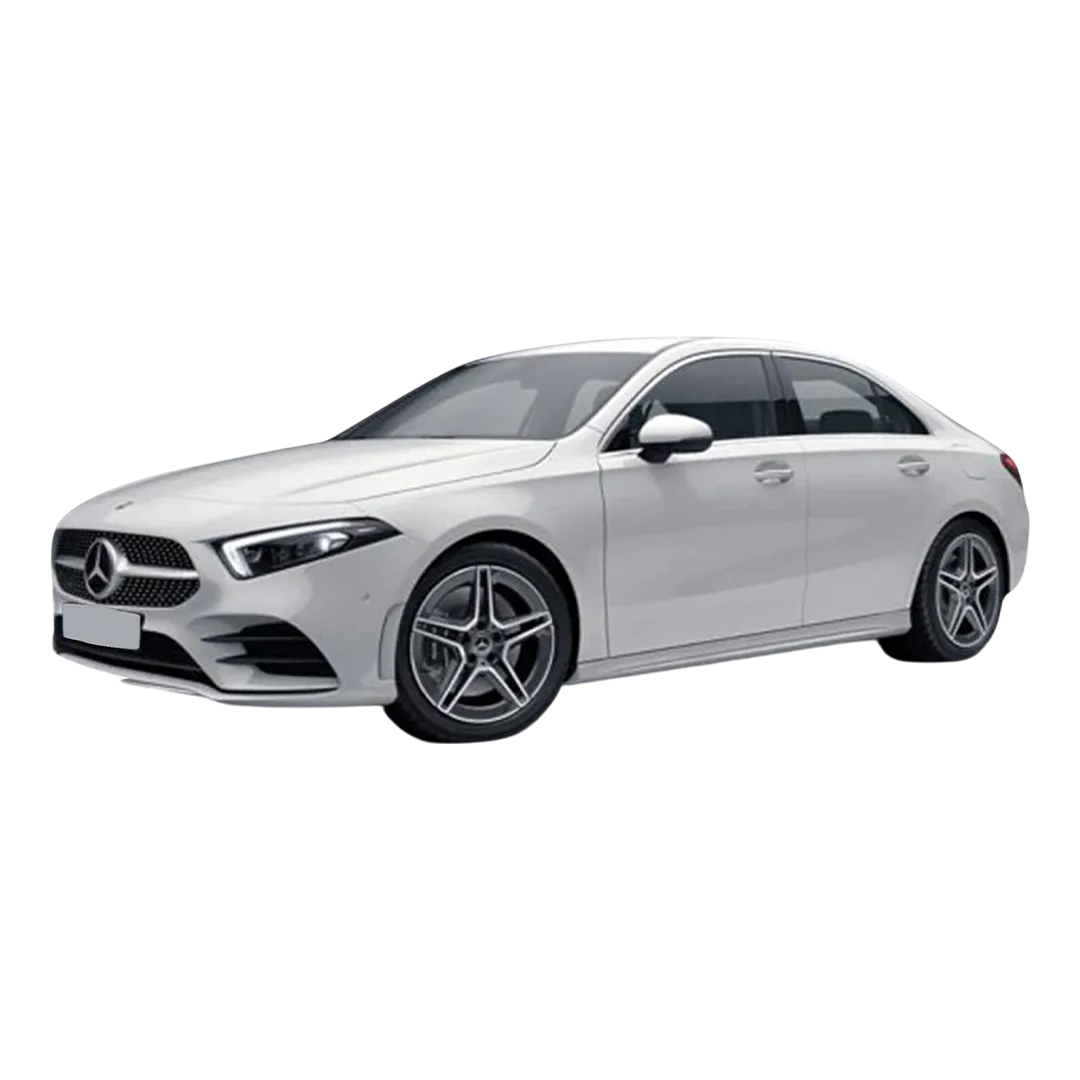 Mercedes Benz AMG A 35
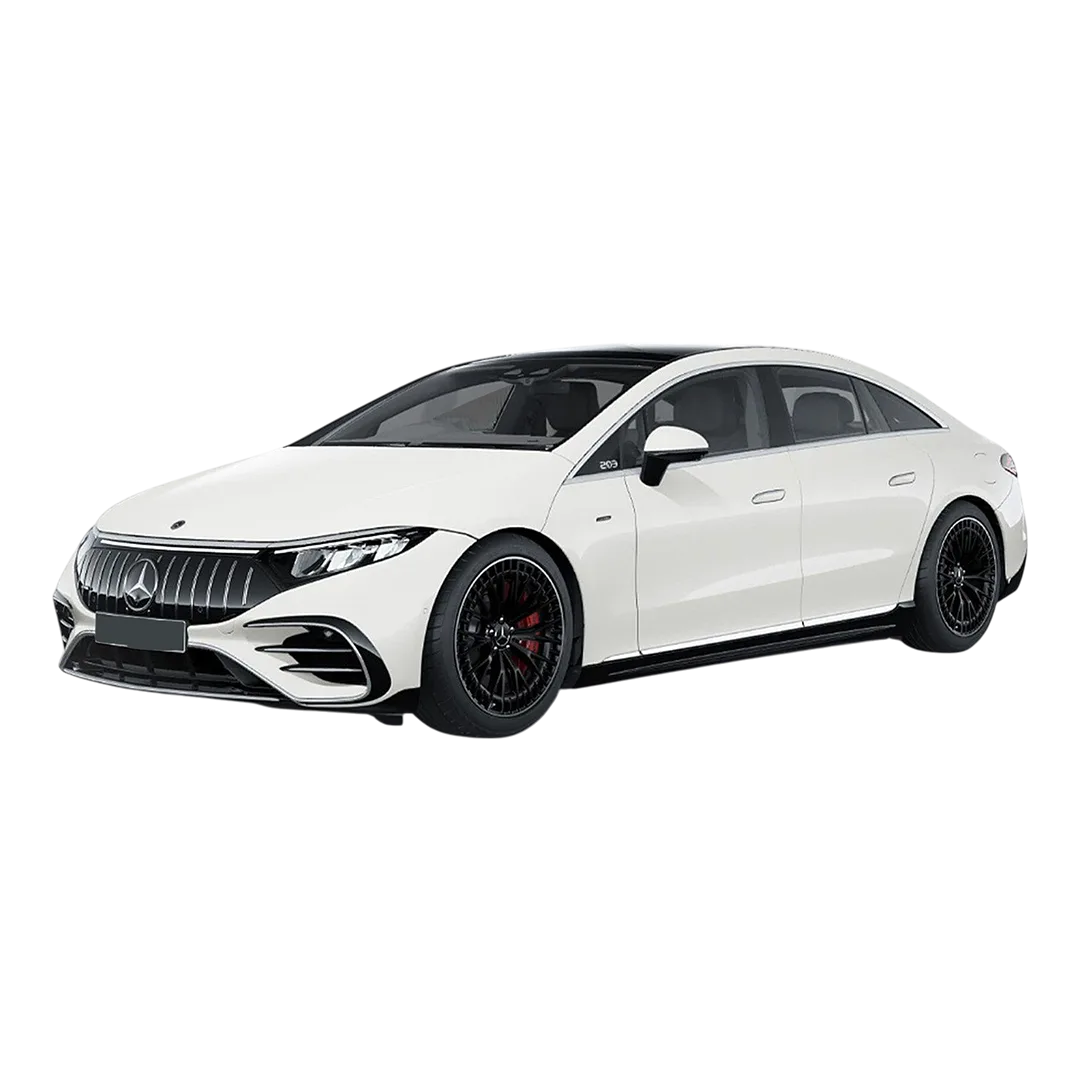 Mercedes-Benz AMG EQS
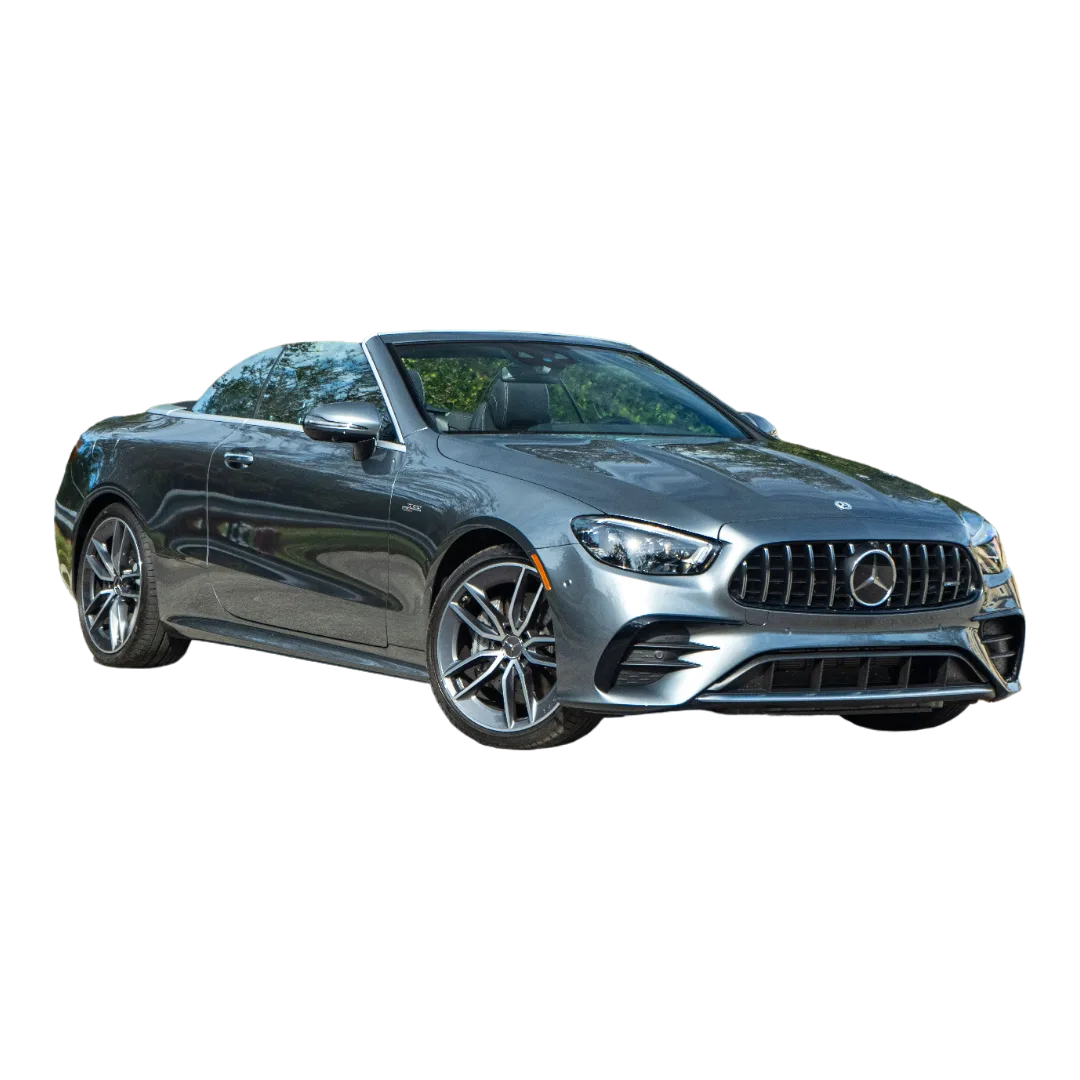 Mercedes-Benz AMG E 53 Cabriolet
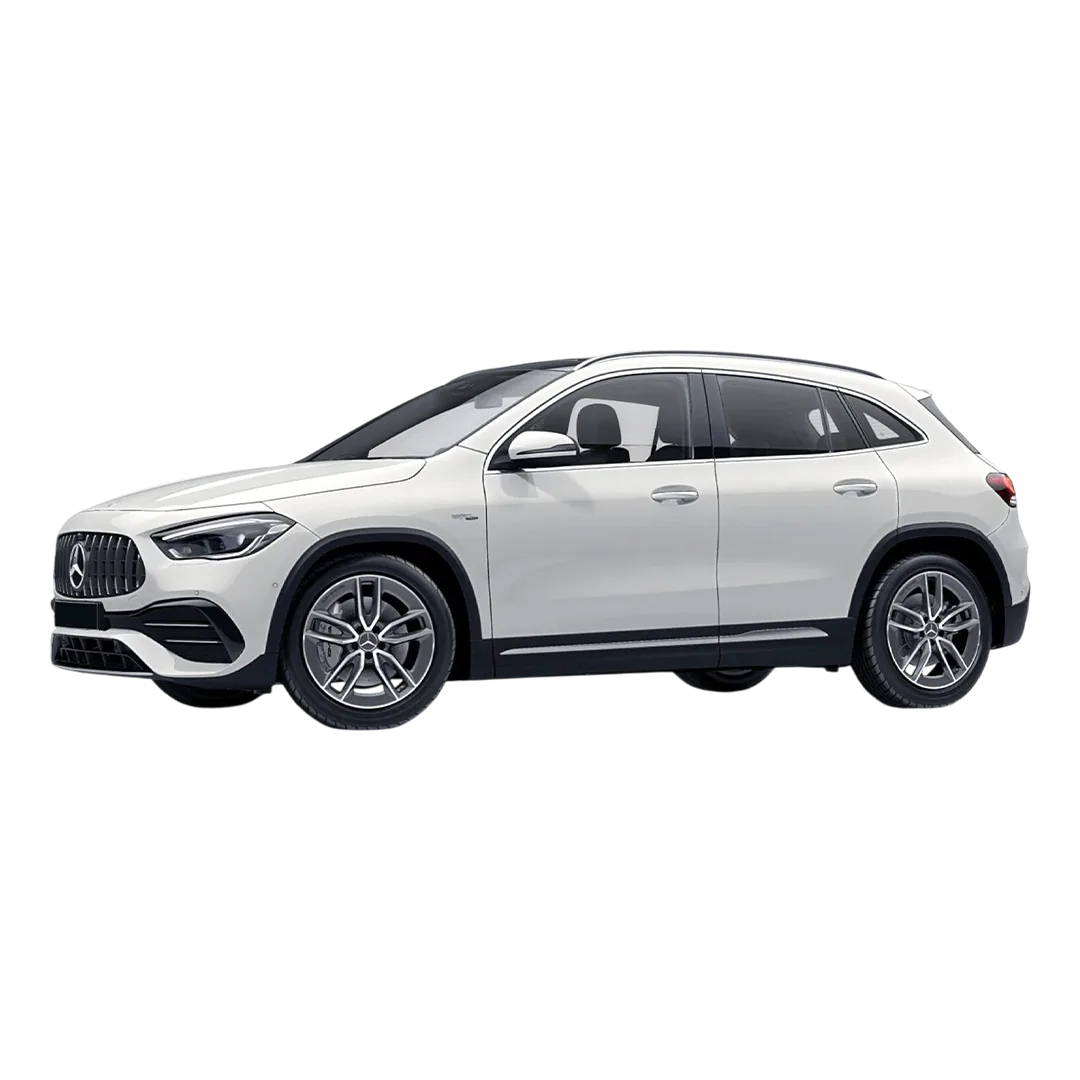 Mercedes-Benz AMG GLA 35
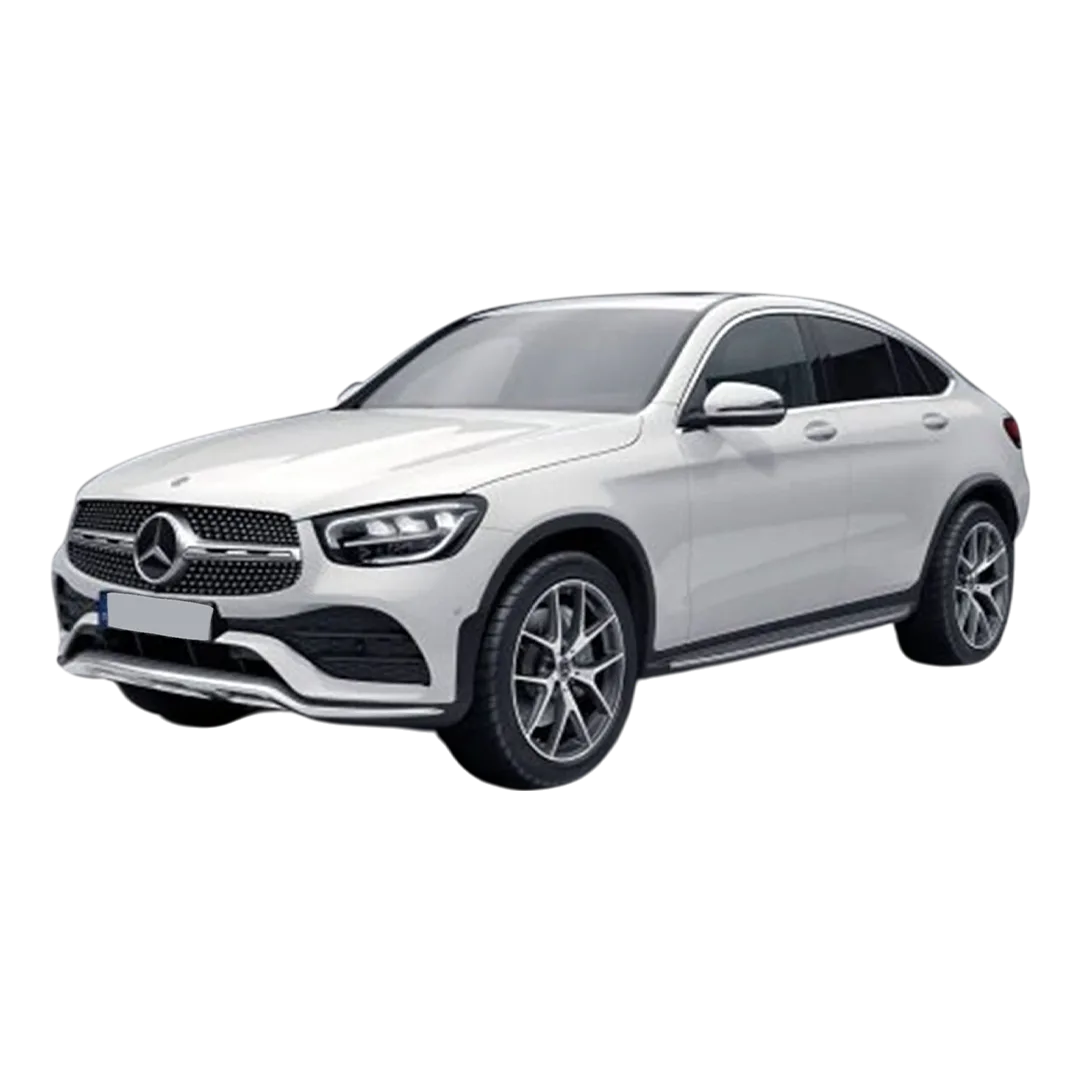 Mercedes-Benz GLC Coupe 2023
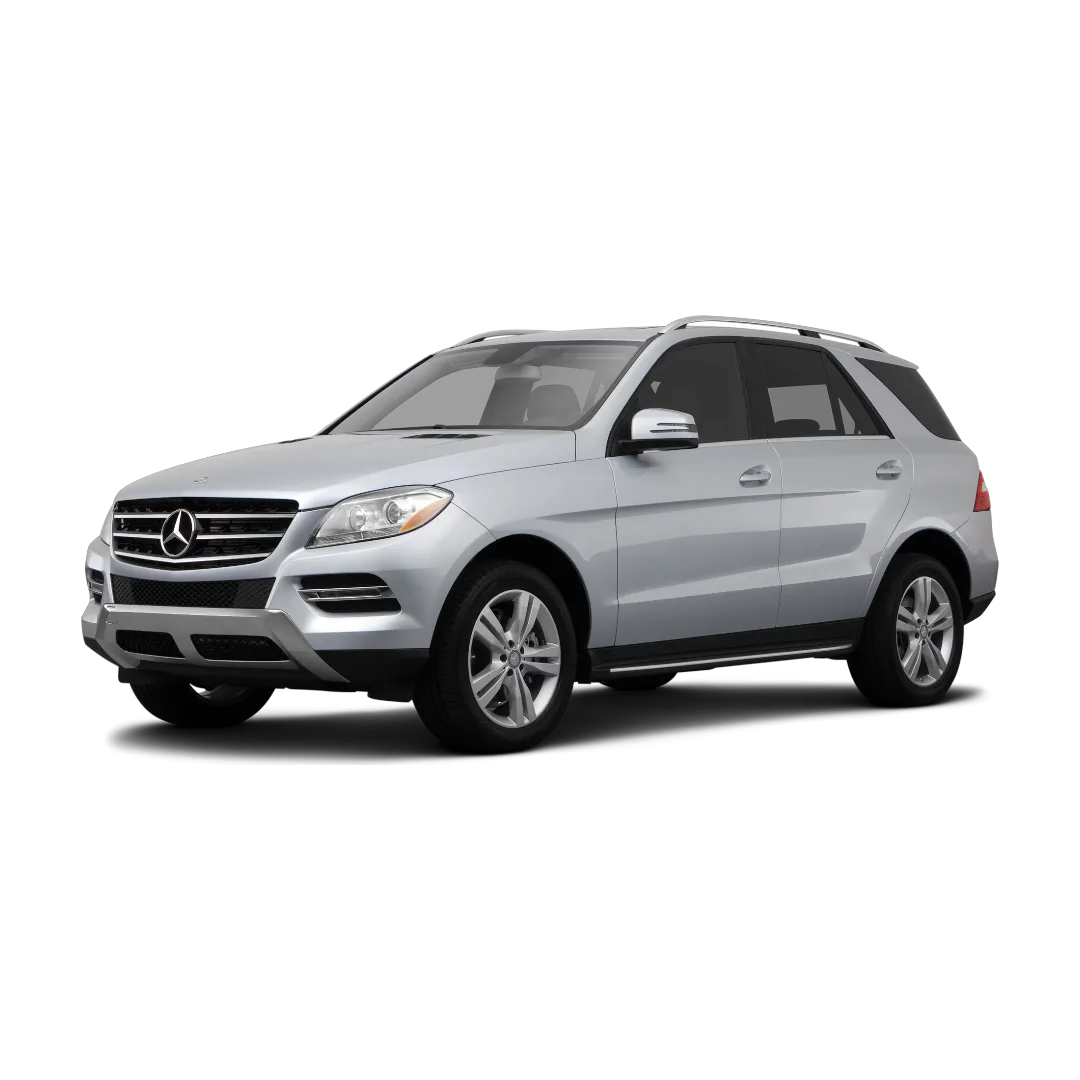 Mercedes M-Class
R-Class
Mercedes M-Class
R-Class
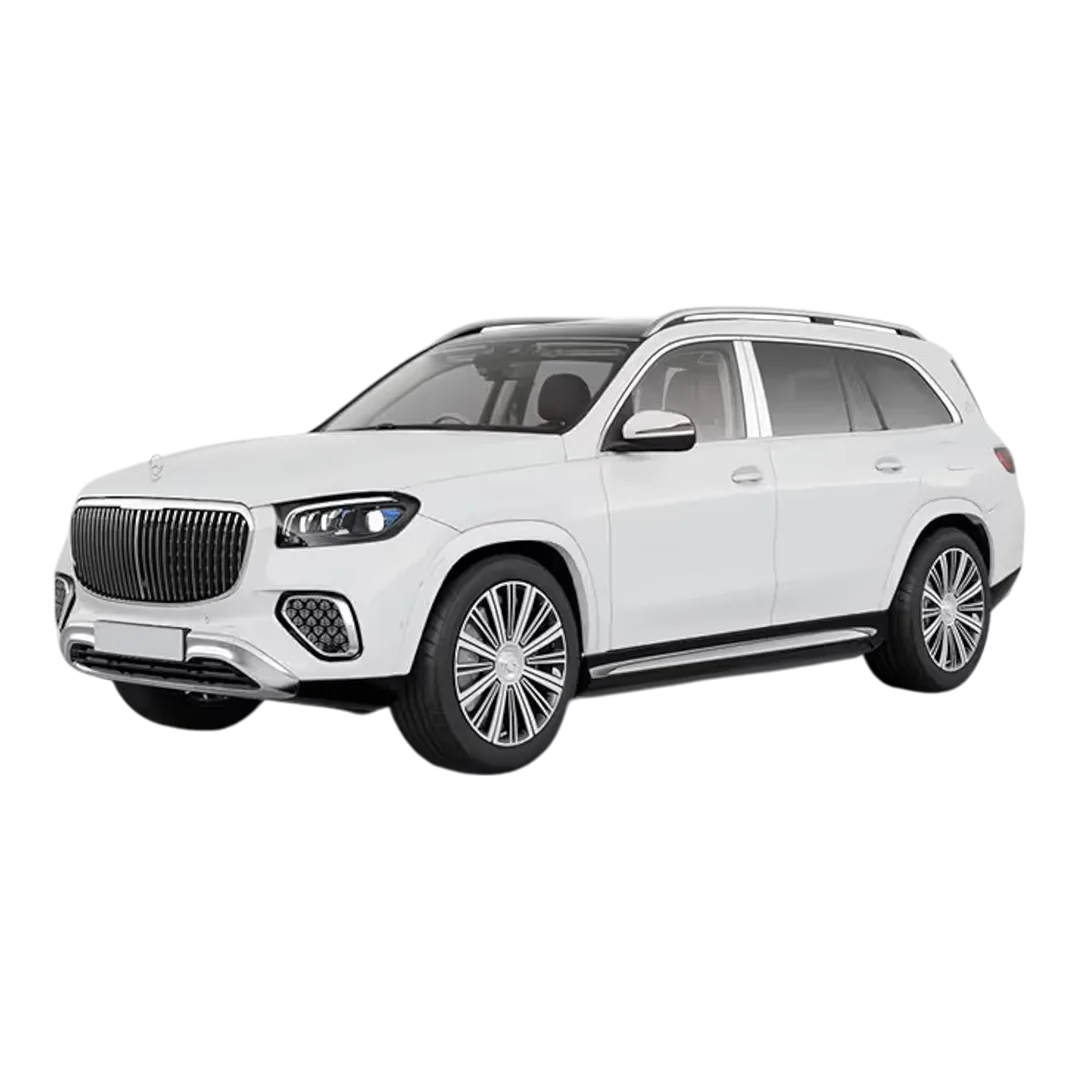 GLS 600
GLS 400
GLS 350
GLE 300
GLS 600
GLS 400
GLS 350
GLE 300
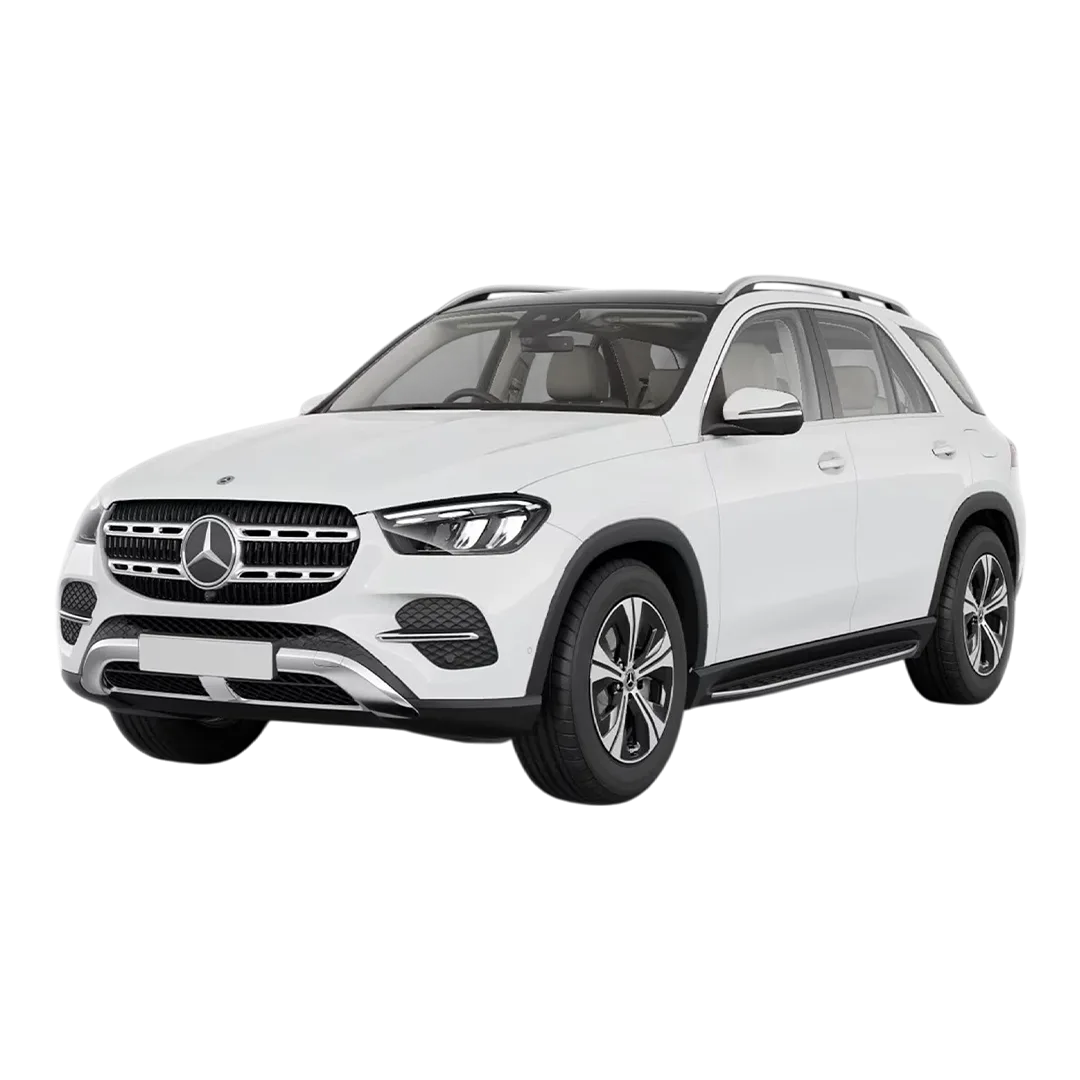 GLE 400
GLE 250D
GLE 400
GLE 250D
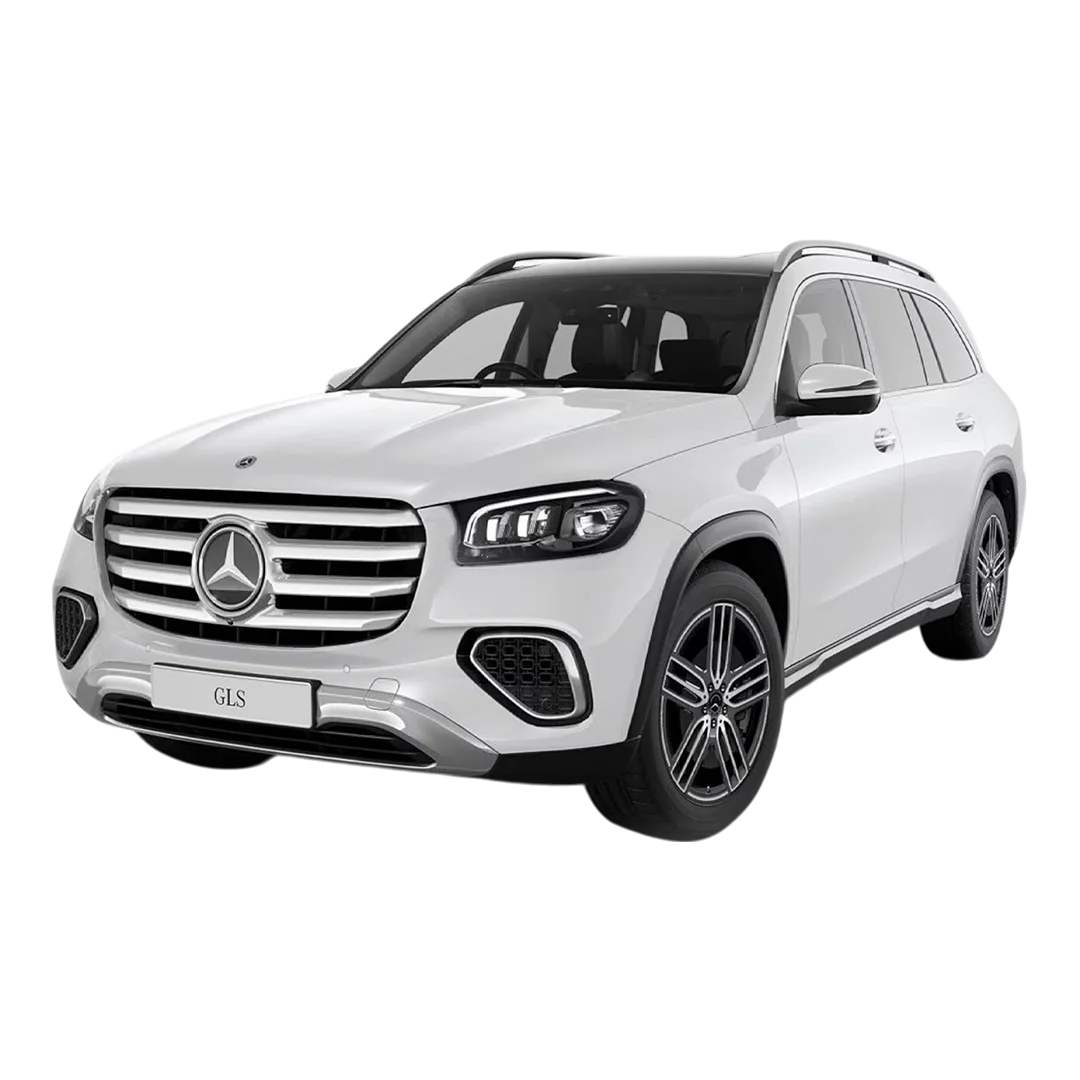 GLC 220D
GLC 300
GLC 220D
GLC 300
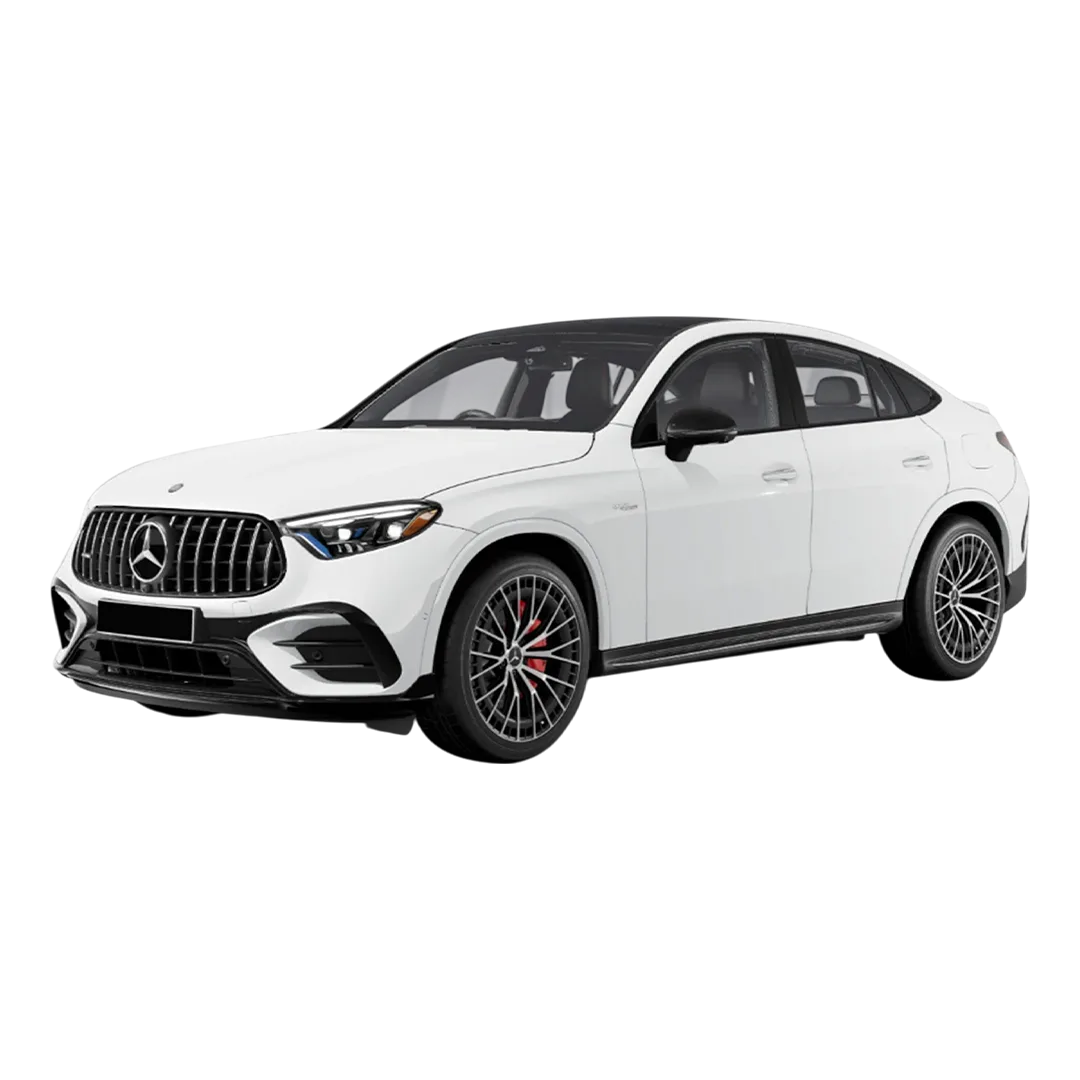 GLC 43 Coupe
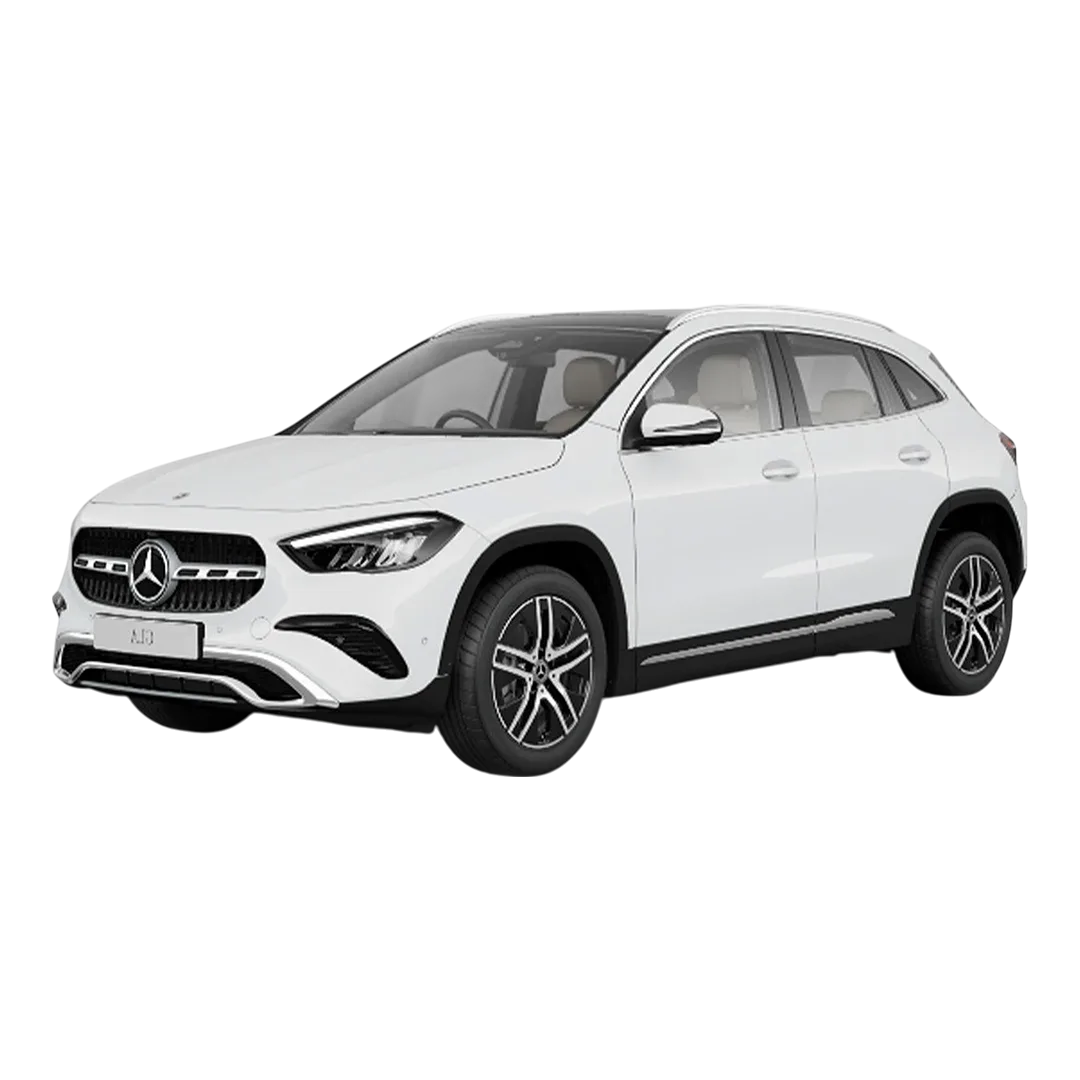 GLA 220d
 GLA-Class 200D
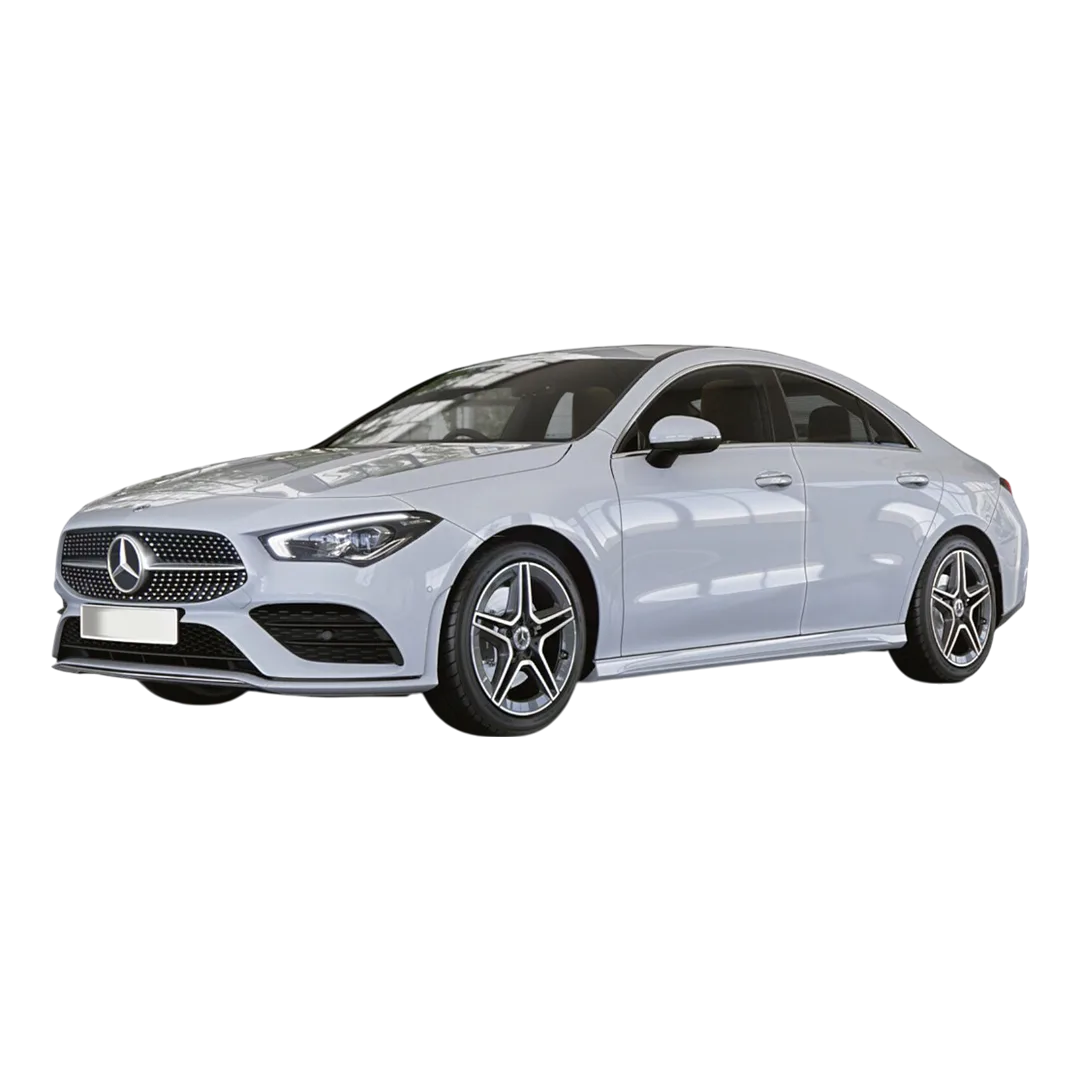 CLA 200
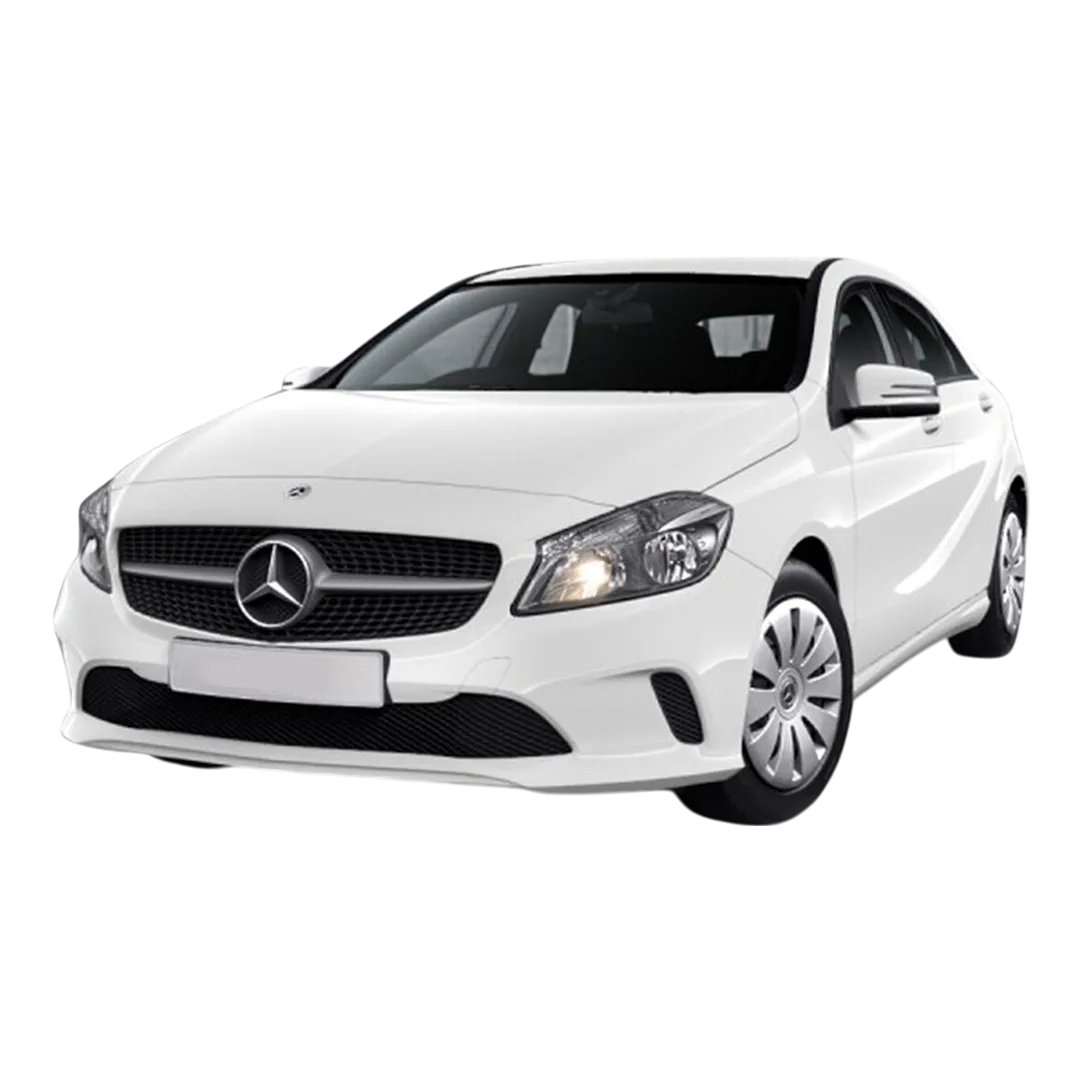 Benz A-Class A 180
M-Class ML 250
M-Class ML 350
Benz A-Class A 180
M-Class ML 250
M-Class ML 350
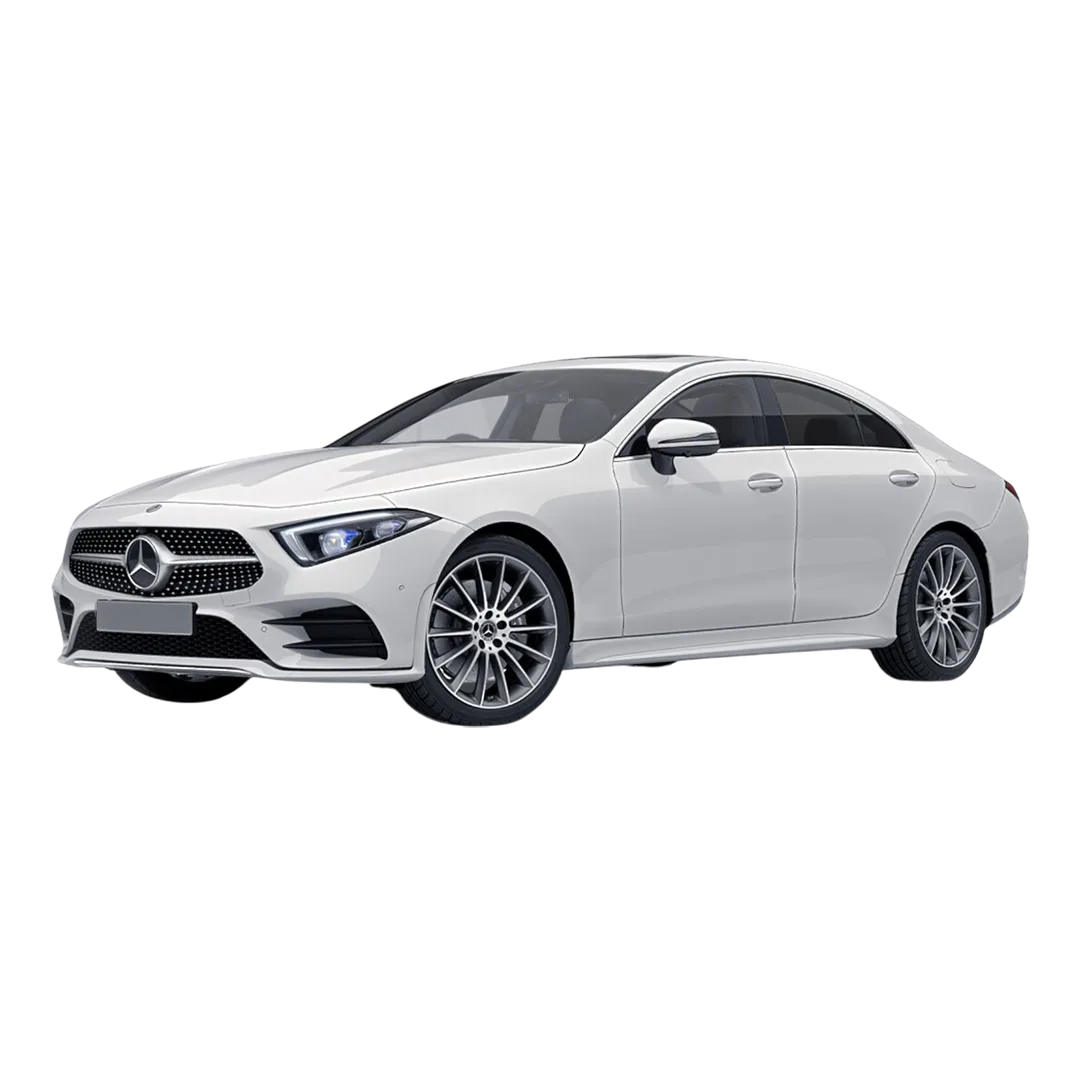 Benz CLS 300
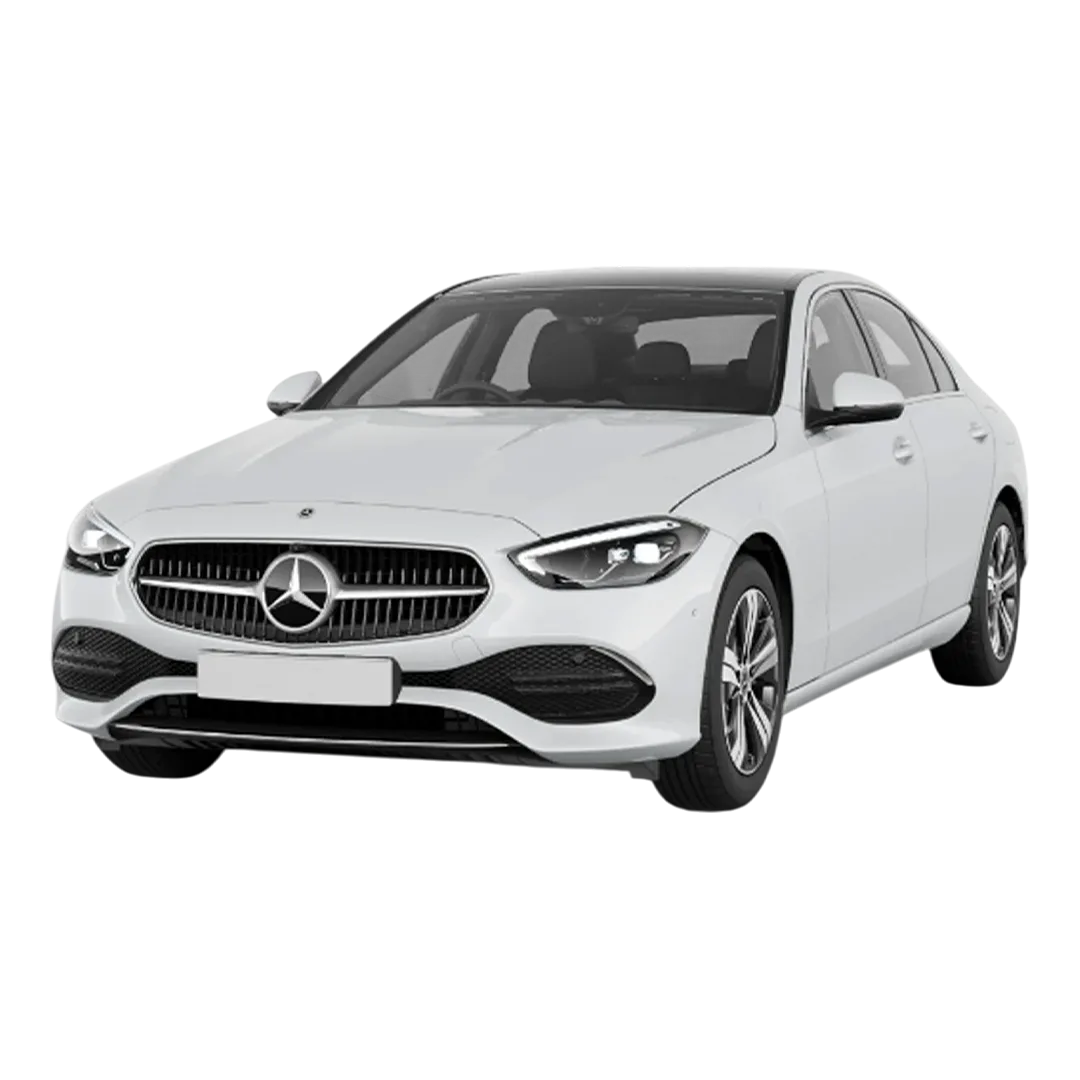 C-Class C250
C-Class C220
C-Class C200
C-Class C250
C-Class C220
C-Class C200
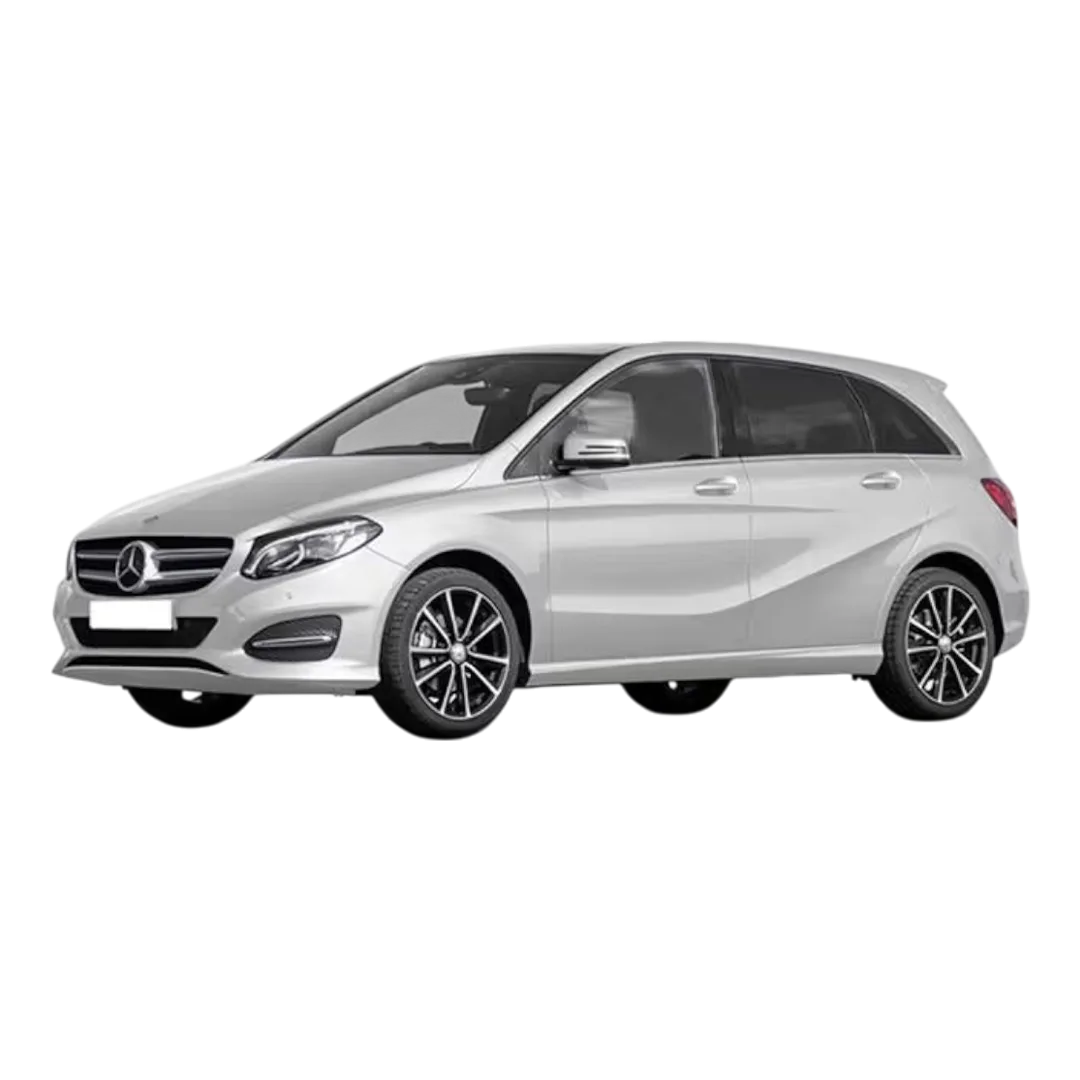 Benz B - Class
Benz A - 200
Benz B - Class
Benz A - 200

Electric vehicles are slowly becoming part of everyday life in India. But honestly, many potential buyers still pause at one basic question. Where should an EV actually be charged most of the time?
Some people believe public fast chargers are the easiest option. Others strongly recommend charging at home. The truth sits somewhere in between. When you start looking closely at EV charging stations and home setups, the differences become clearer.
This guide collects practical information about EV charging stations, home charging systems, and how each option affects cost, battery health, and convenience for everyday driving.
Home charging is currently the most common charging method for EV owners. Most electric cars in India support AC charging using a dedicated wall charger installed at home parking spaces or garages.
Typically, an AC home charger provides around 7 kW power output. Because of this, charging takes longer compared to public DC chargers. A full charge may take several hours, often overnight.
Still, overnight charging is surprisingly convenient. The vehicle remains parked while the battery slowly fills up. By morning, the car is ready for the day.
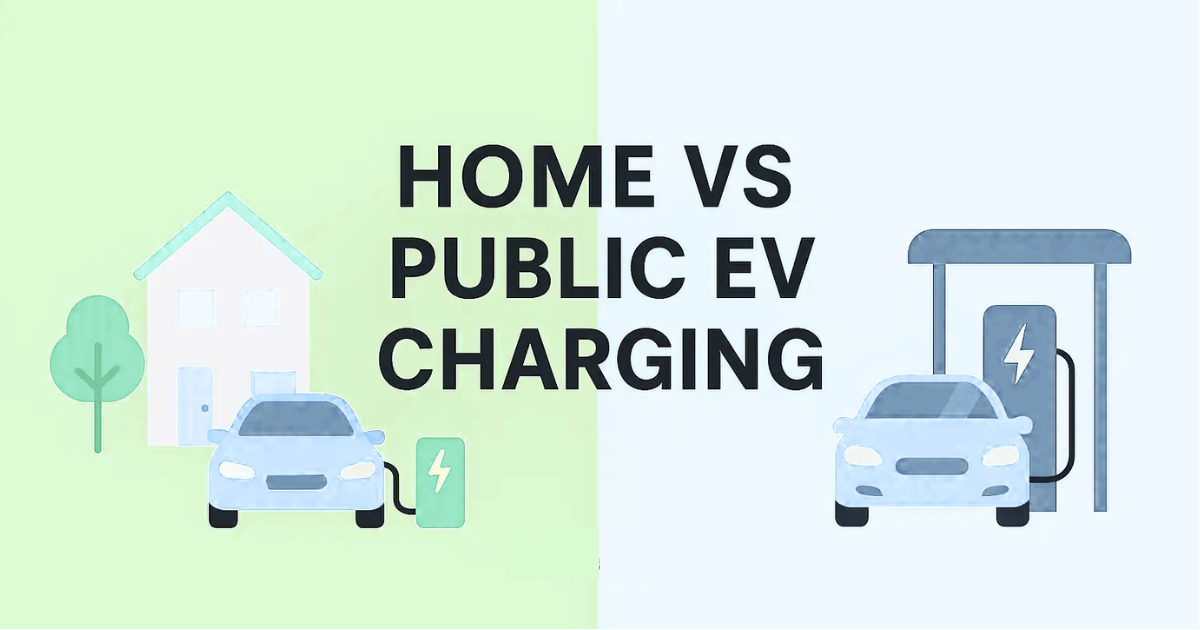
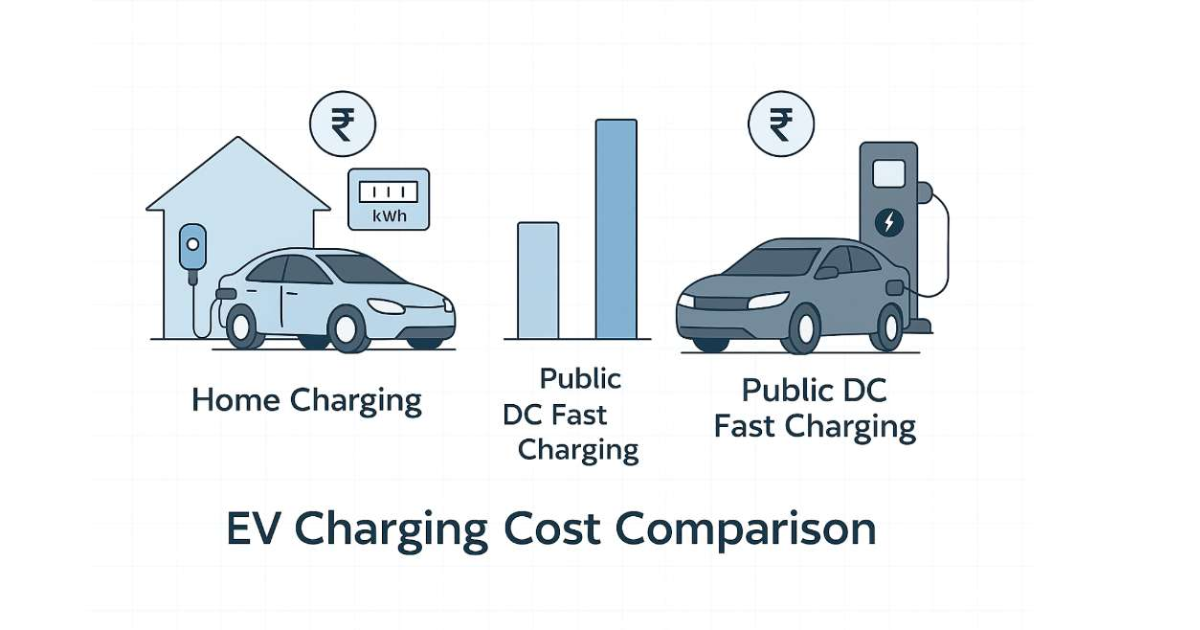
Cost is another reason why many drivers prefer home charging. Residential electricity tariffs are cheaper than commercial charging rates. A complete charge often costs somewhere between ₹180 and ₹500 depending on battery size and local electricity prices.
From a battery health perspective, slower AC charging is also considered safer. It generates less heat and allows the battery management system to control charging more efficiently.
However, installing a home charging setup does require an initial investment. Dedicated chargers, wiring, and electrical upgrades may add upfront installation costs.
Public EV charging stations are expanding rapidly across cities, highways, shopping malls, and office complexes. These stations mostly provide DC fast charging.
The biggest advantage here is speed. DC fast chargers can bring a battery from low charge to about 80 percent in 30 to 60 minutes depending on the vehicle.
This makes public charging extremely useful during long trips when drivers cannot wait several hours for a full charge. However, fast charging comes with a few tradeoffs.
Commercial charging rates are higher than residential electricity prices. Users may also pay service or network fees. Because of this, charging through EV charging stations can cost significantly more per session.
There are also practical concerns. Availability of charging slots, waiting time, and uneven charging network coverage can sometimes affect the experience. Frequent DC fast charging can also place more stress on the battery due to higher voltage and heat generation.
| Feature | Home Charging | Public Charging (DC Fast) |
|---|---|---|
| Speed | Slow, several hours | Fast, about 30 to 60 minutes |
| Cost | Low ₹ | High ₹₹₹ |
| Battery Life | Excellent, gentle charging | Moderate, higher battery stress |
| Convenience | High, overnight charging | Lower, possible waiting time |
Battery health is a key factor when choosing a charging method.
Home charging uses slower AC power delivery. This controlled charging process produces less heat and helps maintain battery stability over time.
Public EV charging stations rely on DC fast charging. While extremely useful for quick top ups, repeated high power charging can gradually increase battery degradation.
That does not mean DC charging is harmful. It simply works best when used occasionally rather than as a daily habit.
When drivers evaluate EV charging stations and home charging options together, the most practical strategy becomes clear.
Home charging works best for daily commuting. It is cheaper, convenient, and better for battery longevity.
Public fast chargers are extremely valuable during long distance travel or emergencies when quick charging is necessary.
Most experienced EV owners eventually adopt a hybrid approach. They rely on home charging for routine use and keep public EV charging stations as a backup option.
If you are planning to buy an electric vehicle, the safest approach is simple. Use home charging for regular driving. It keeps running costs low and protects battery health. Use EV charging stations mainly during road trips or when home charging is unavailable. As India continues expanding charging infrastructure, the balance between home charging and public fast charging will become even more practical for everyday drivers.
Yes. Home charging uses residential electricity rates, which are lower than commercial charging tariffs. A full charge typically costs ₹180 to ₹500 depending on battery capacity.
Home AC charging usually takes several hours. With a 7 kW charger, many EVs can reach full charge overnight.
Most DC fast EV charging stations can charge an electric vehicle to about 80 percent in 30 to 60 minutes.
Frequent DC fast charging can increase heat and battery stress over time. Occasional use is safe, but daily reliance may slightly reduce long term battery health.
Yes. Many drivers prefer home charging for everyday use while keeping public EV charging stations for long distance trips and emergencies.
The installation cost varies depending on electrical setup and charger type. Although there is an upfront cost, many EV owners recover it through lower charging expenses over time.