
























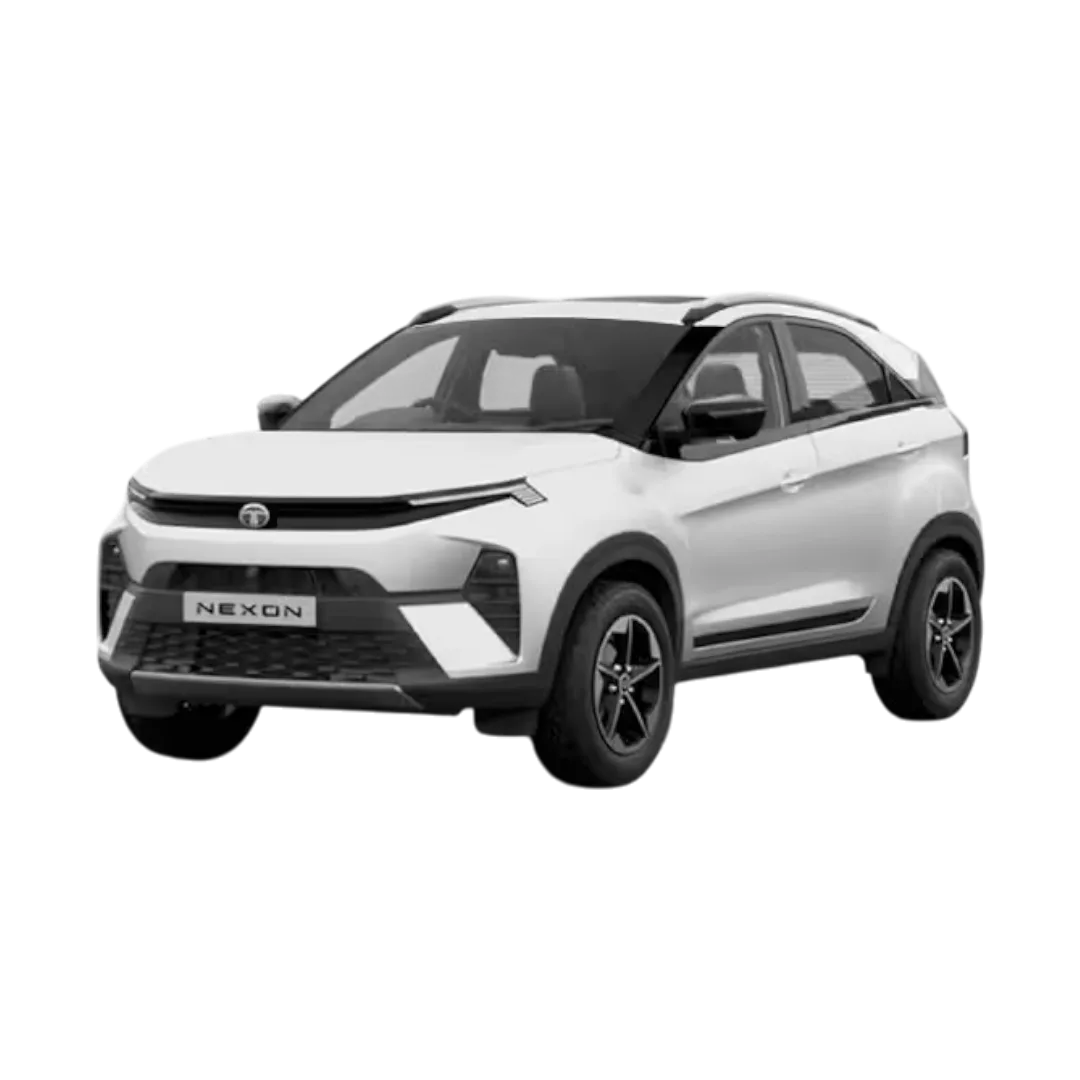
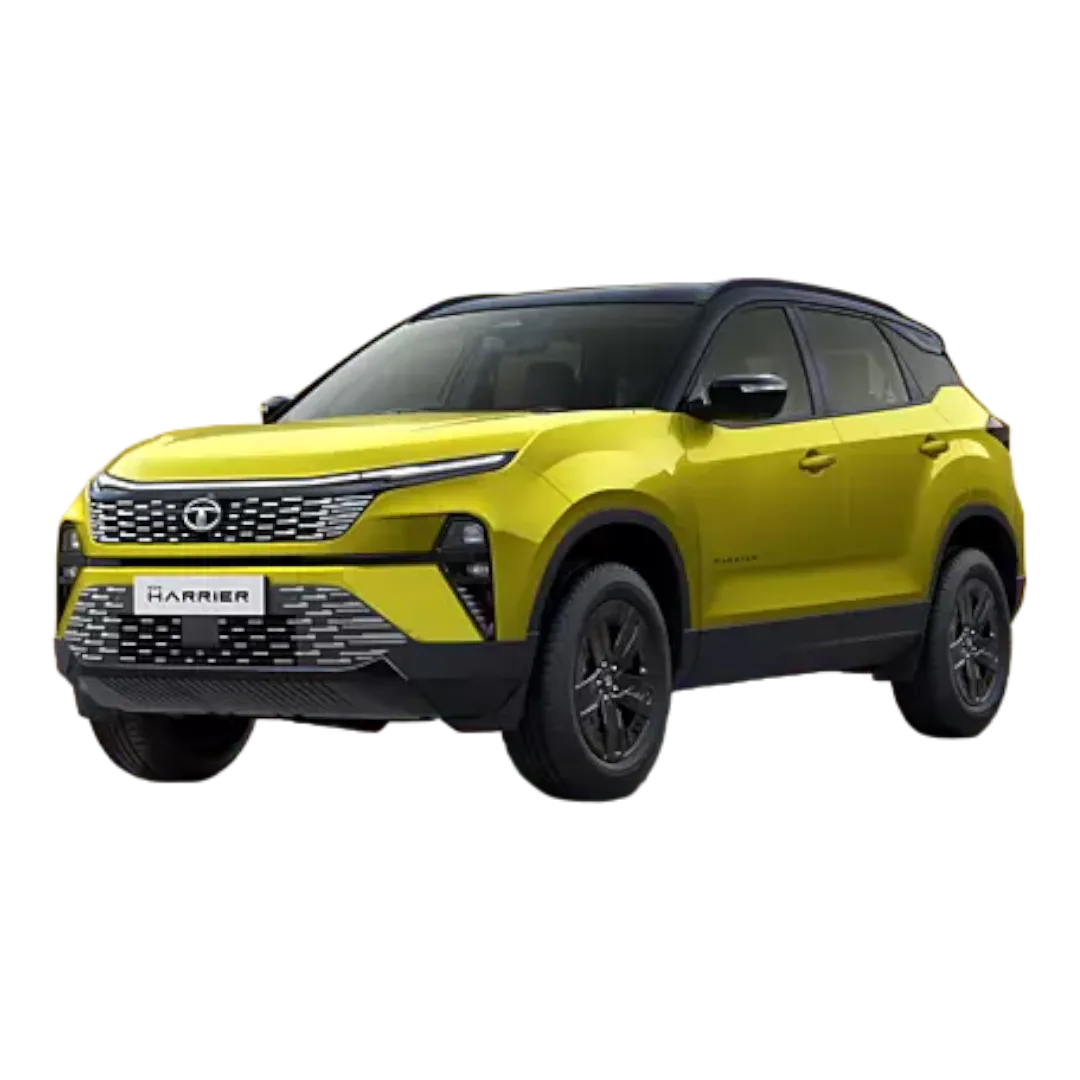
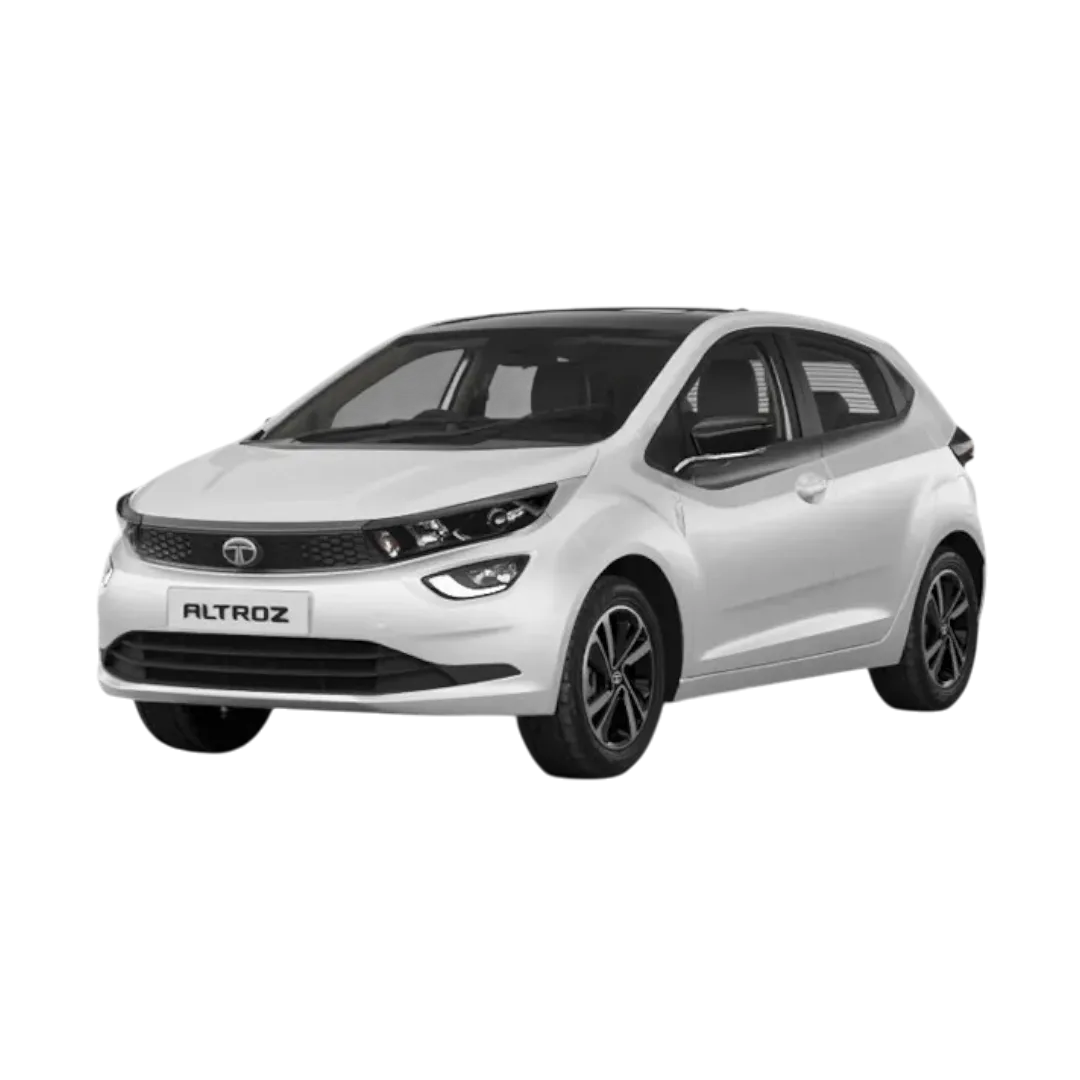
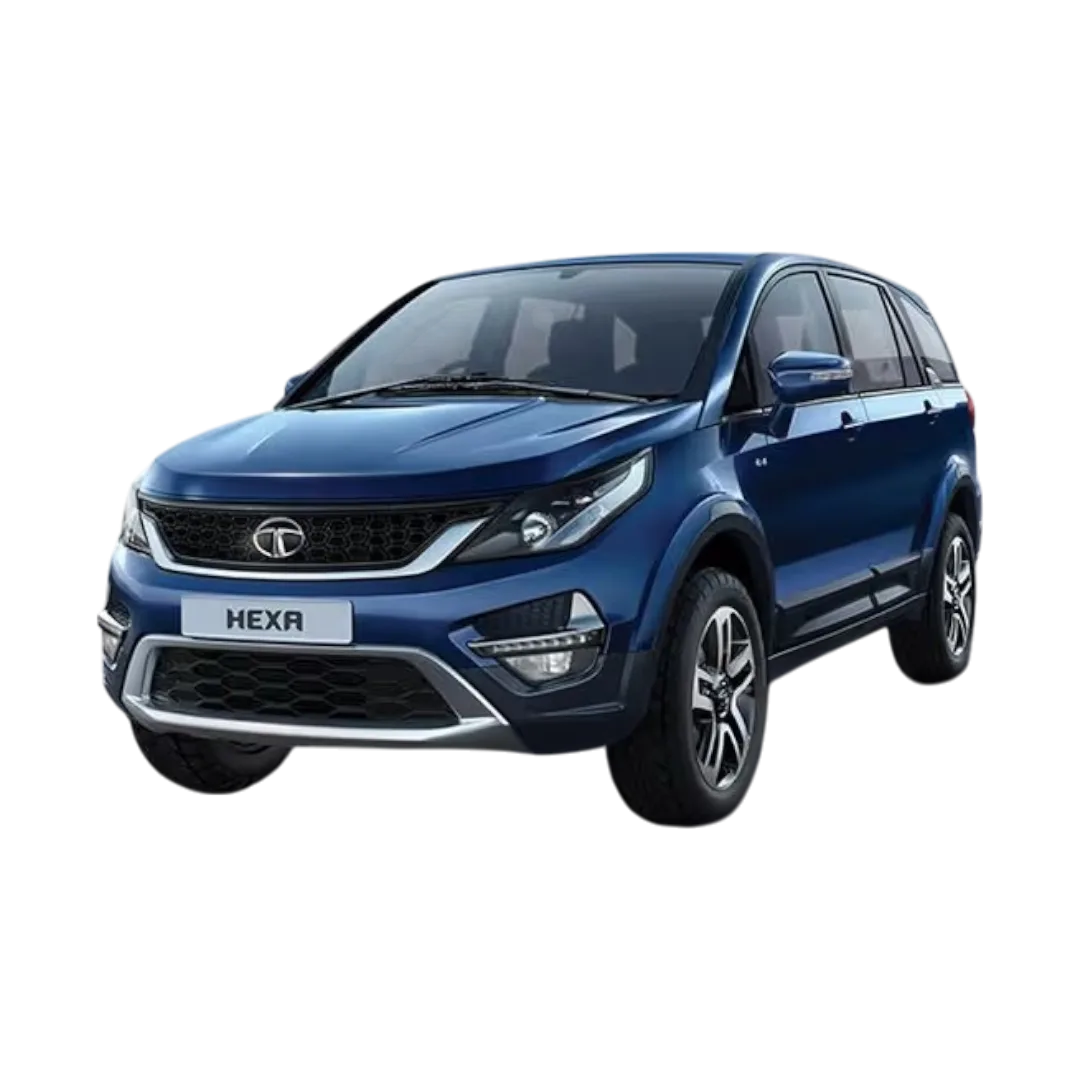
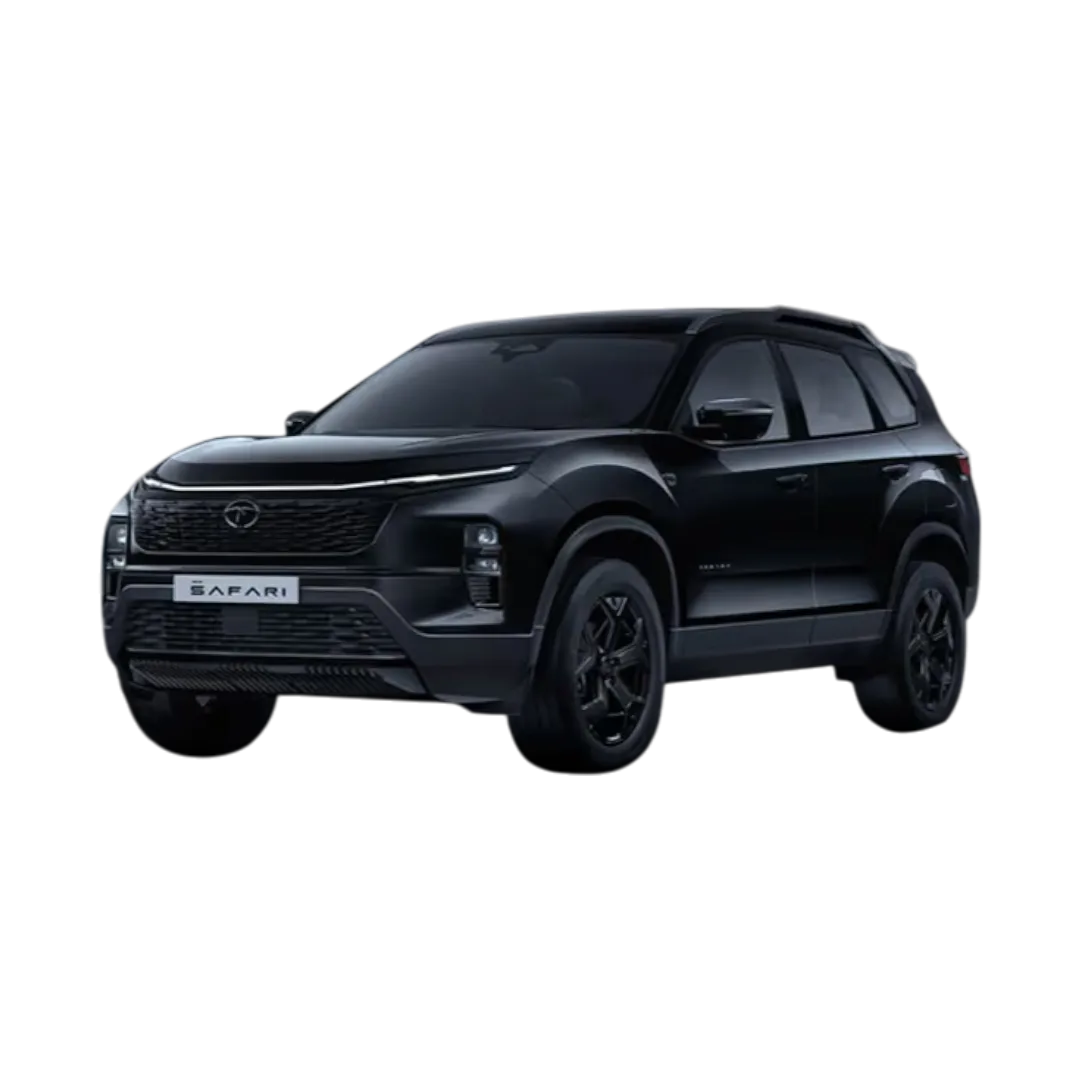
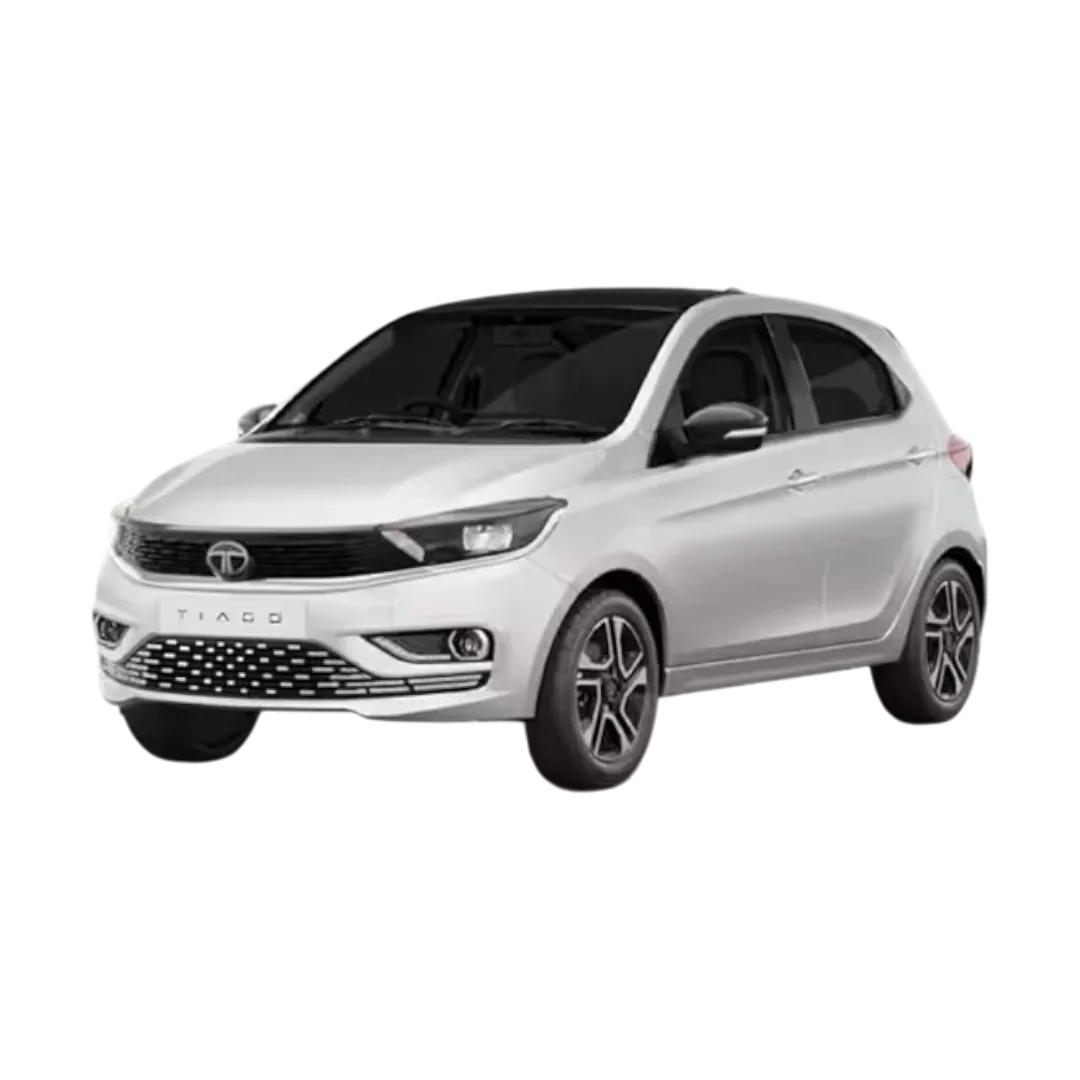
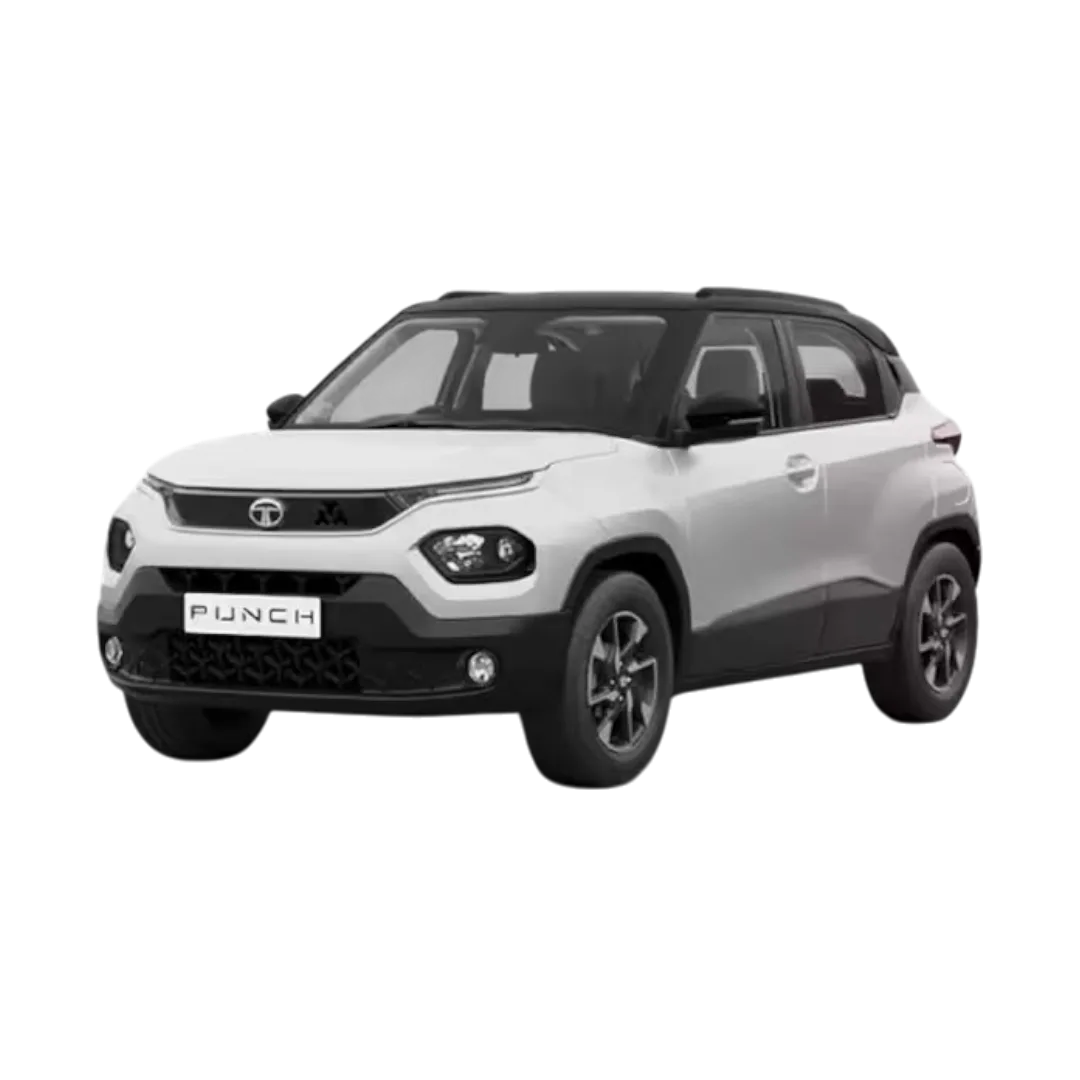
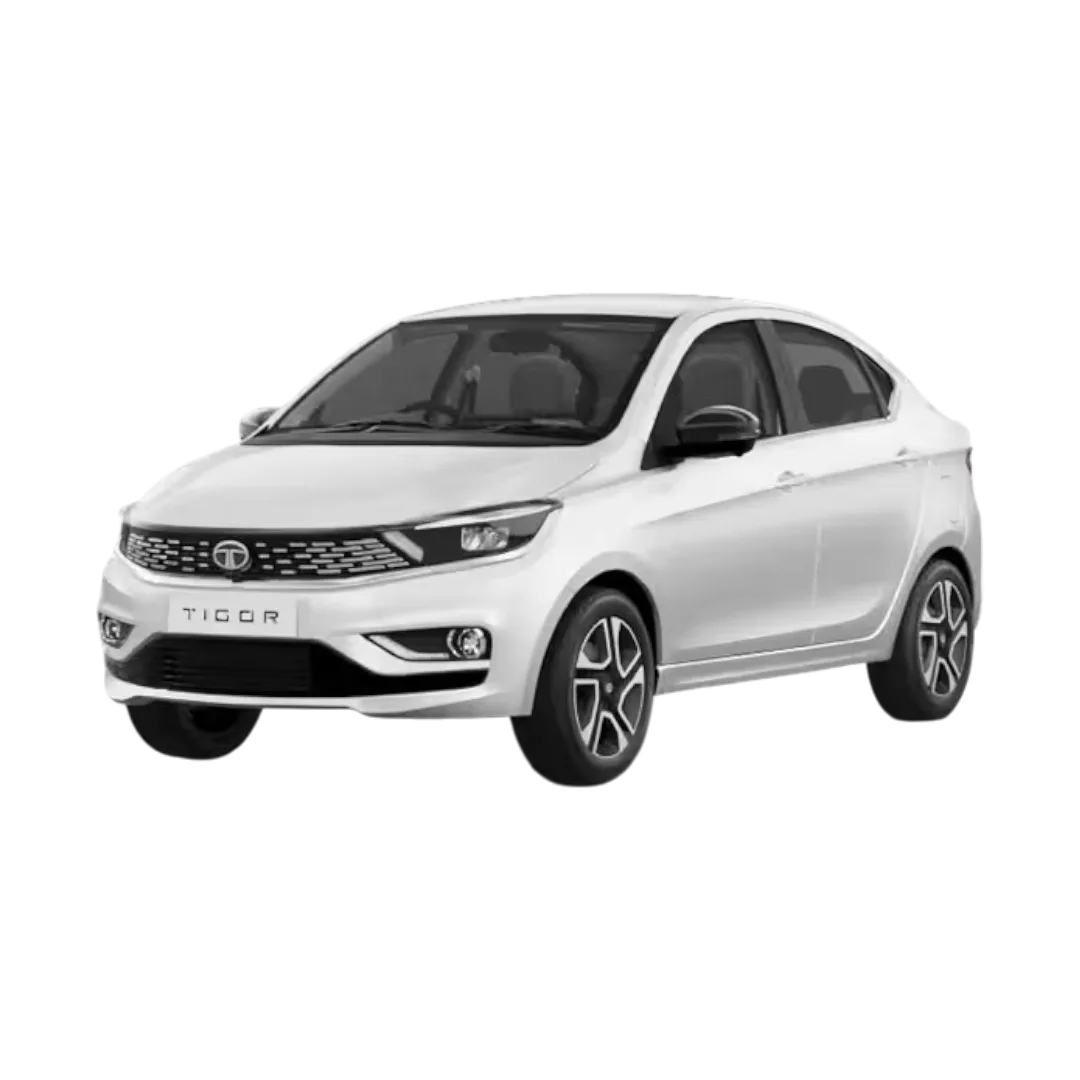
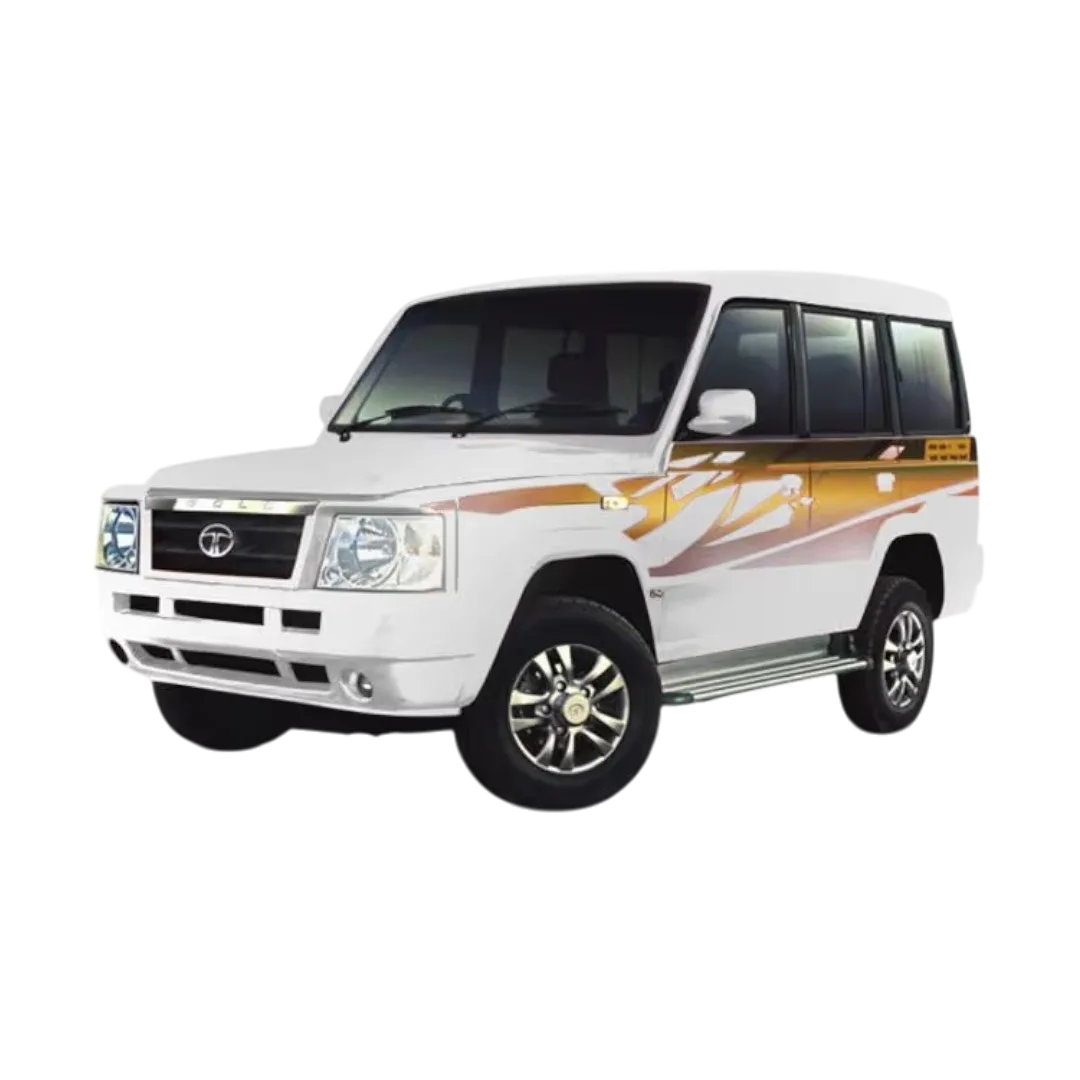
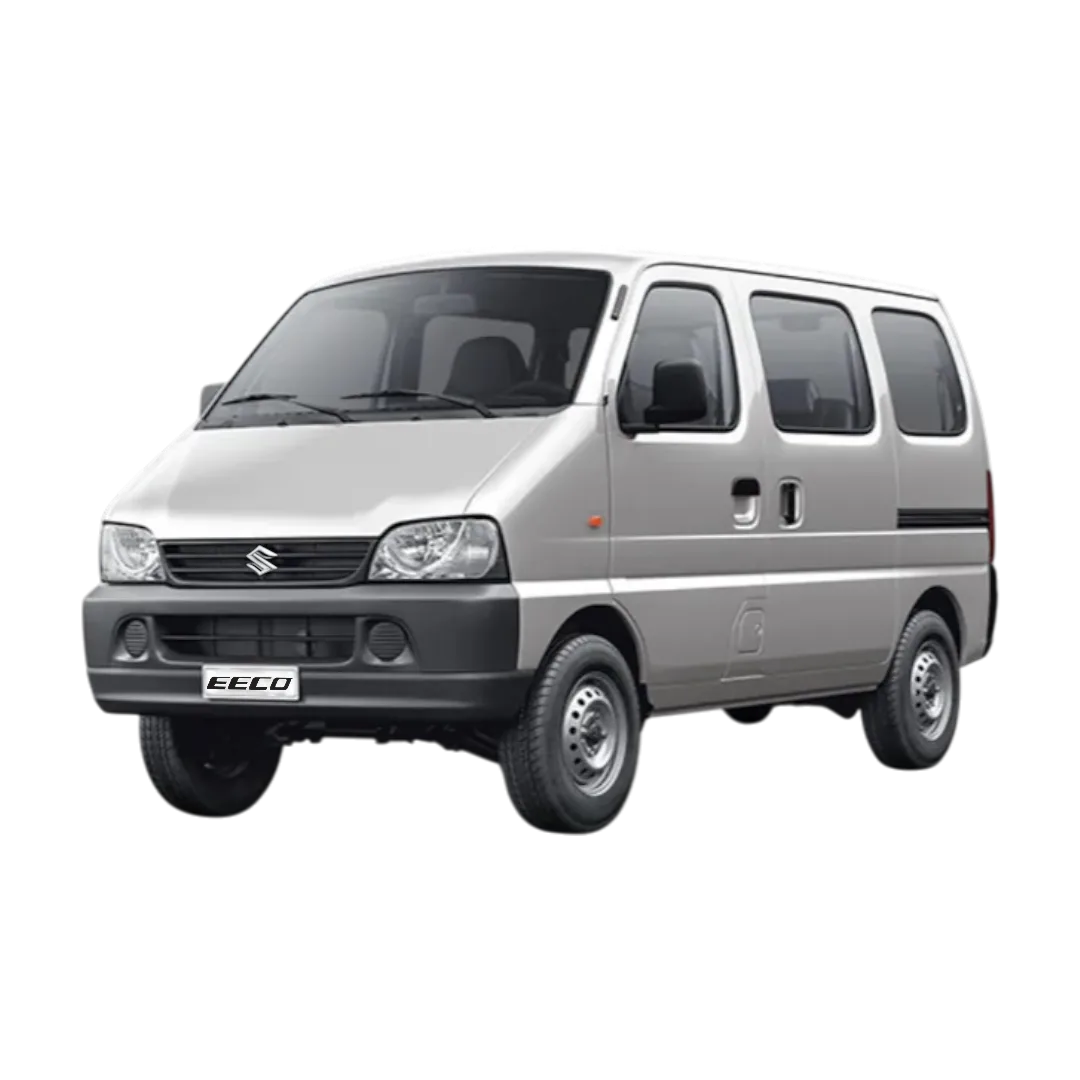
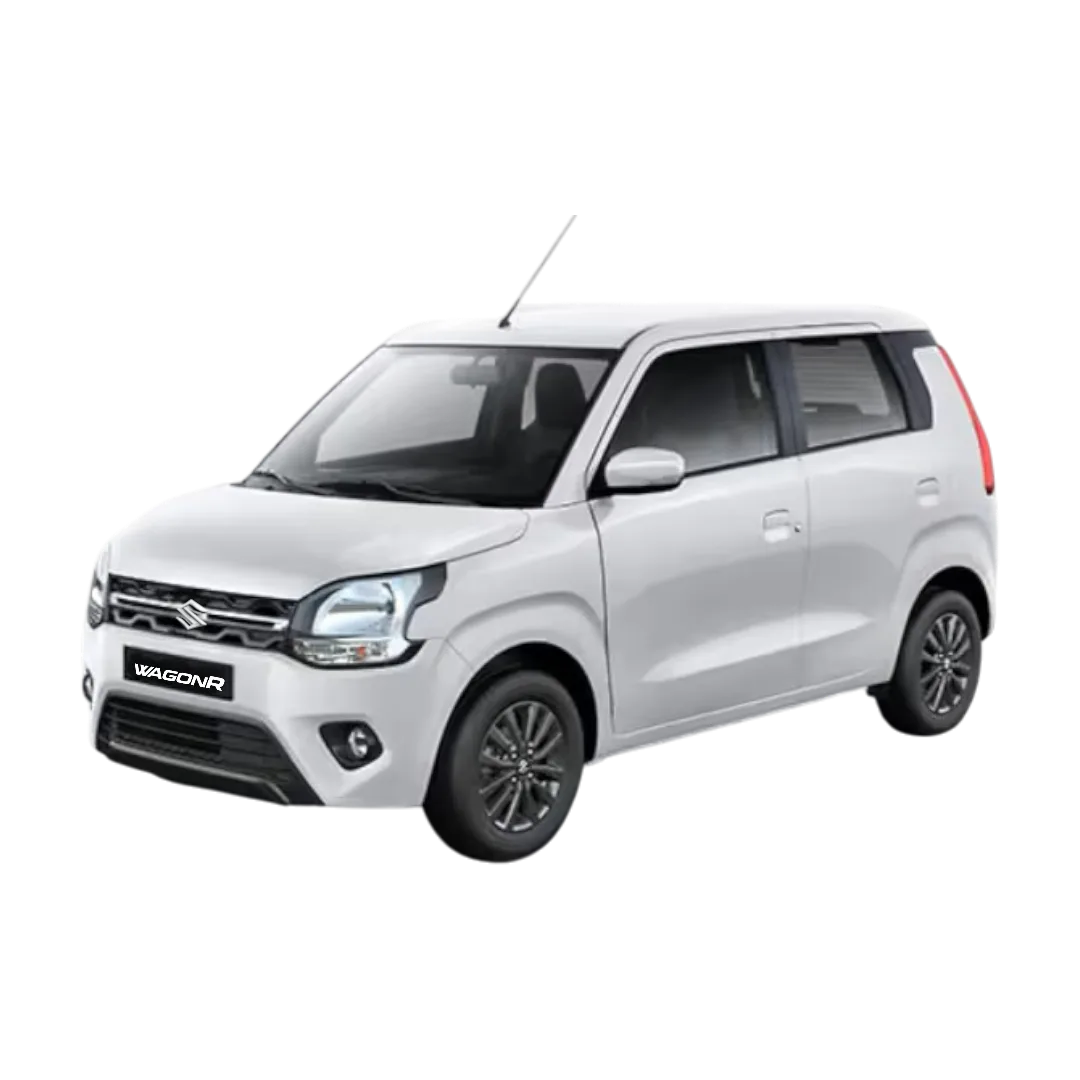
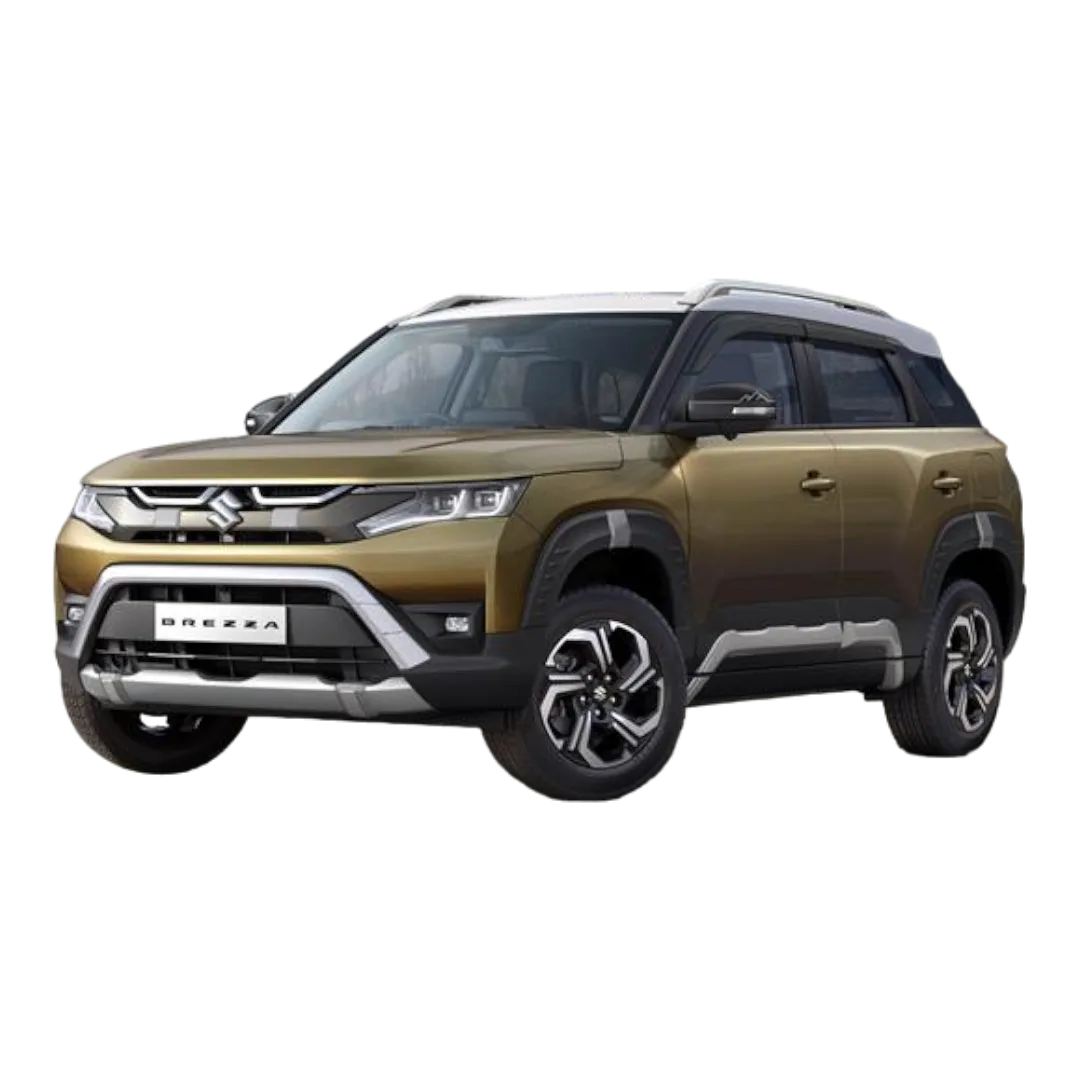
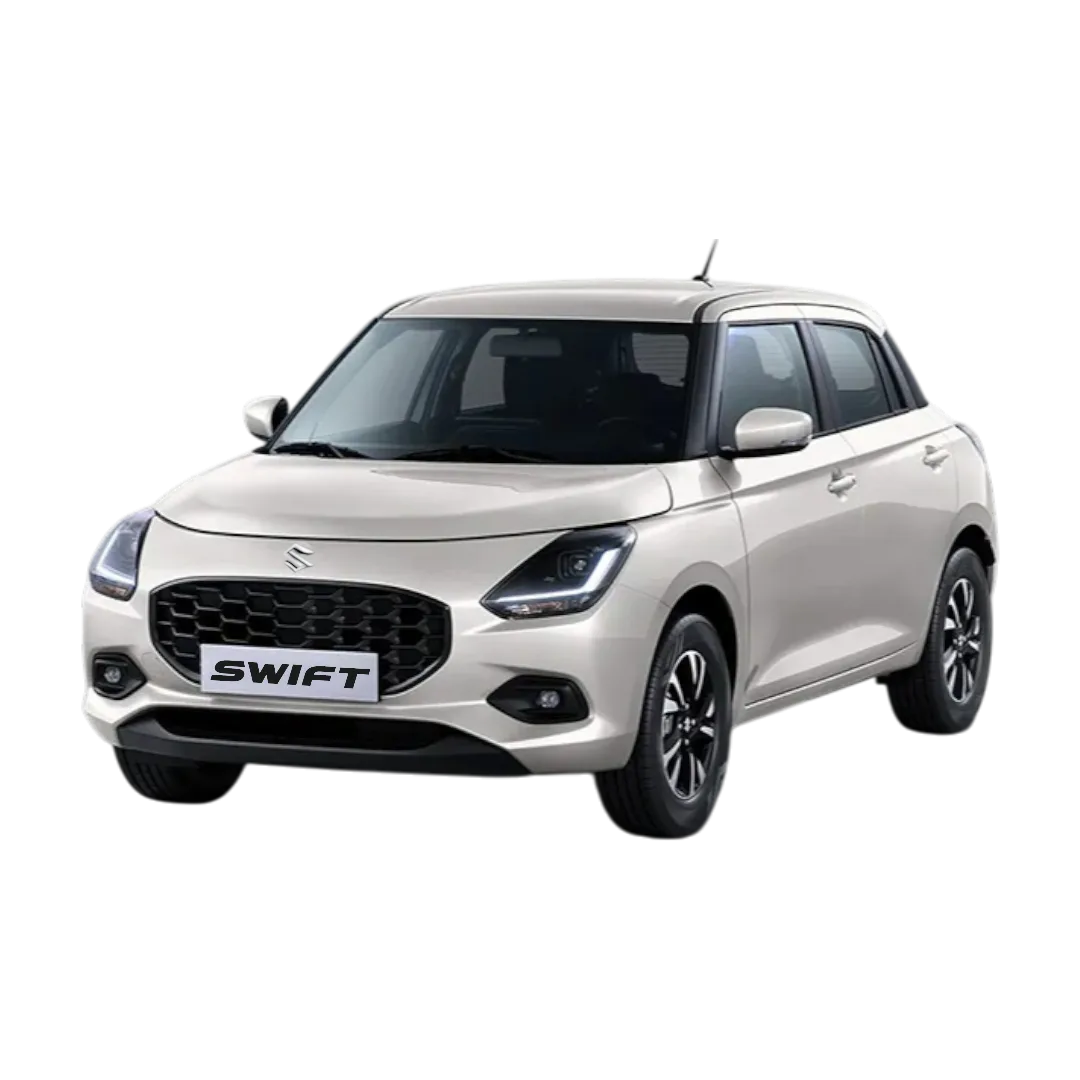
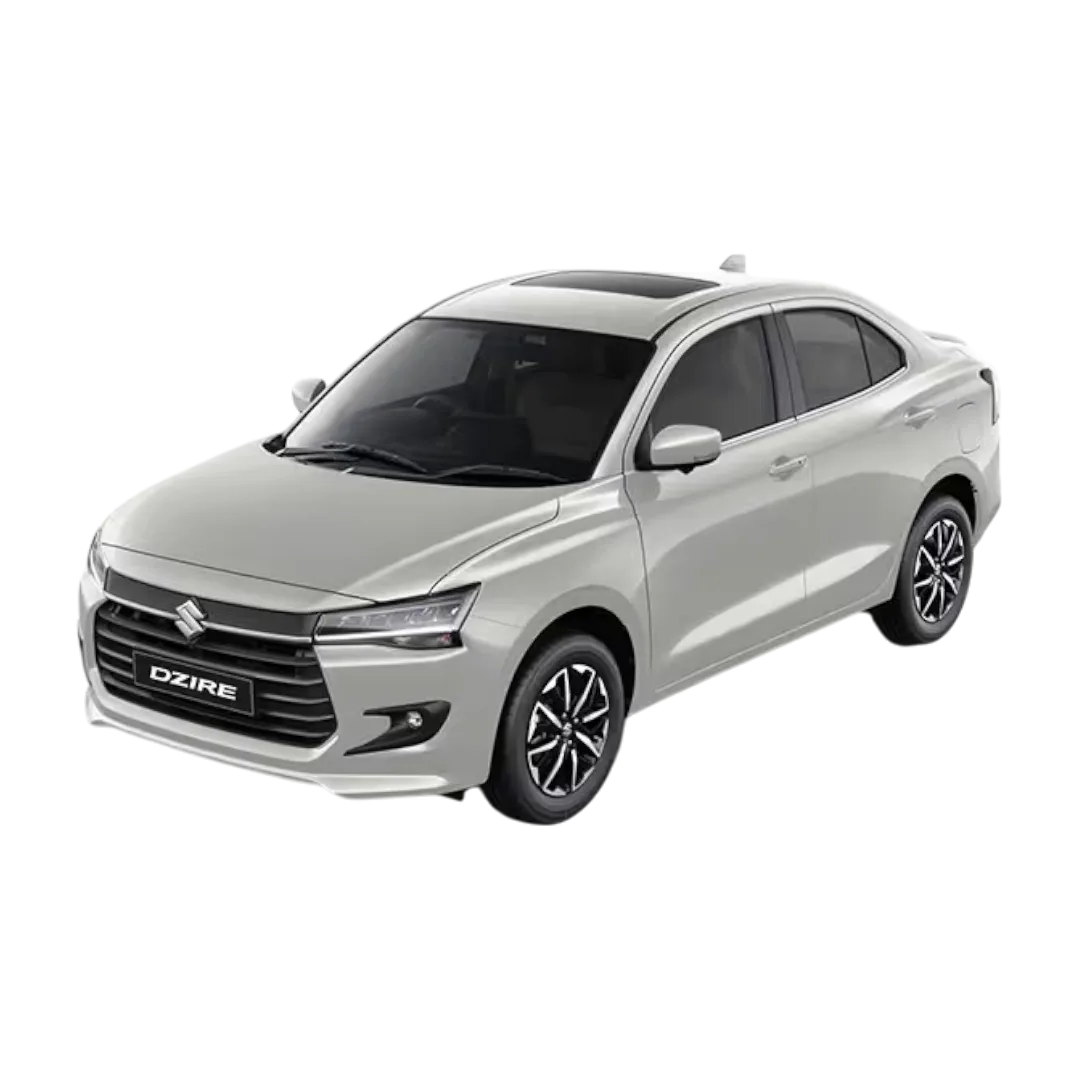
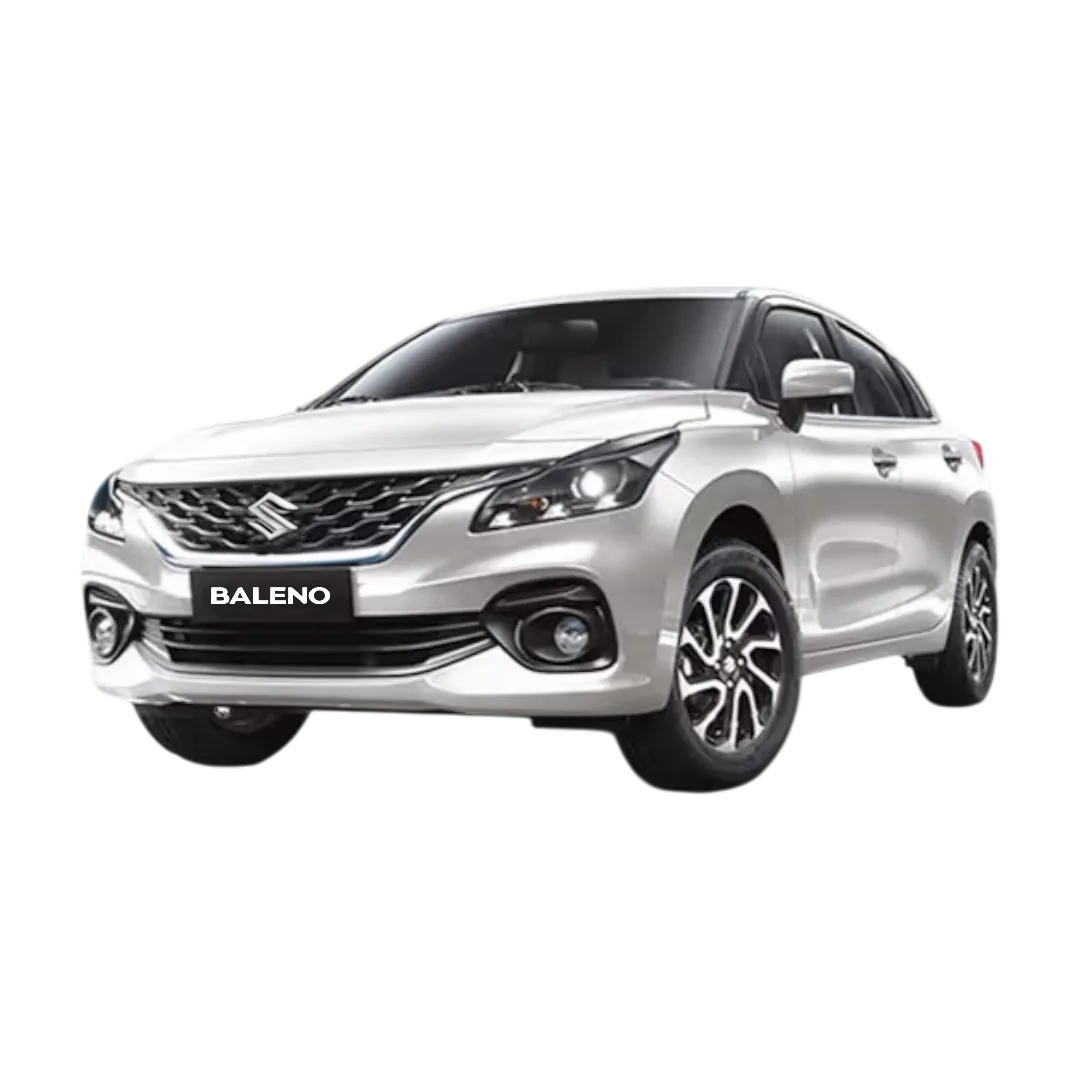
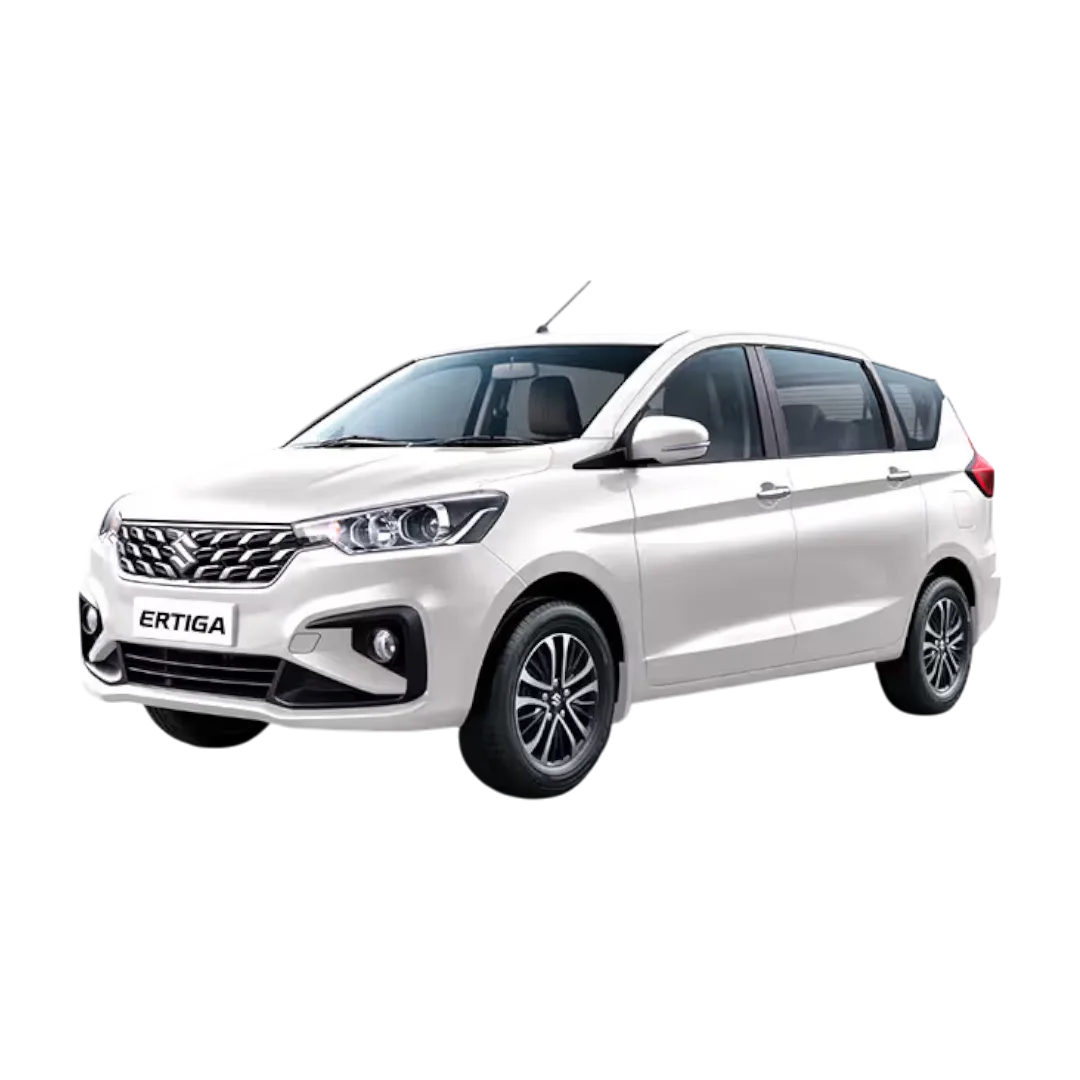
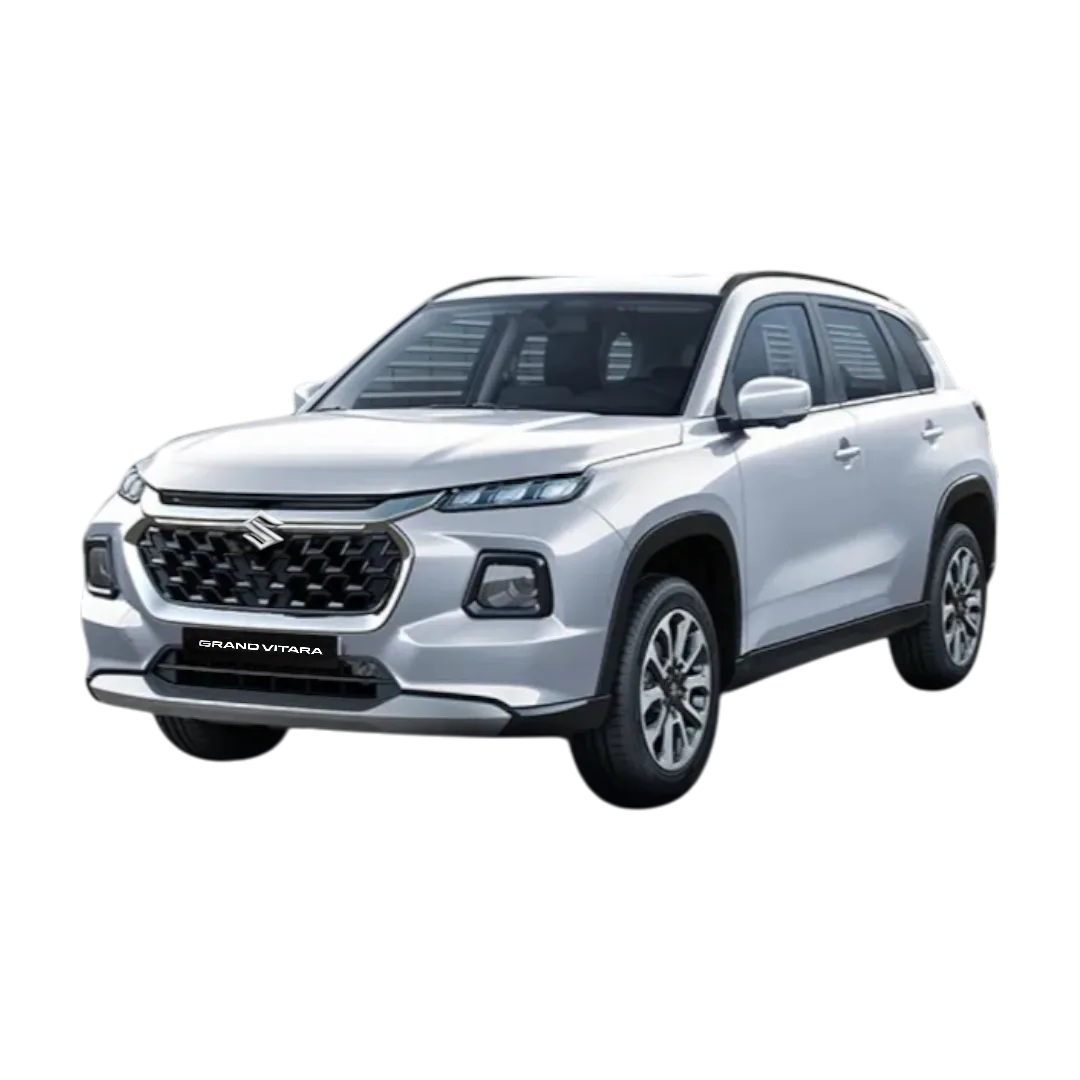
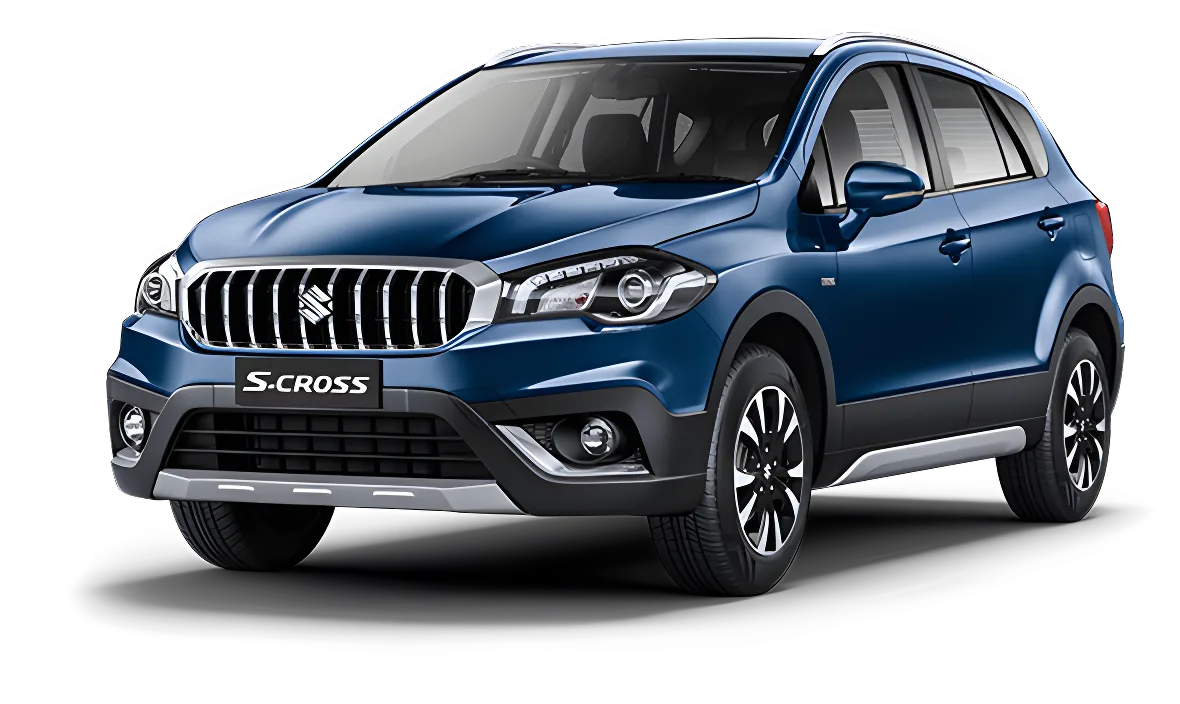

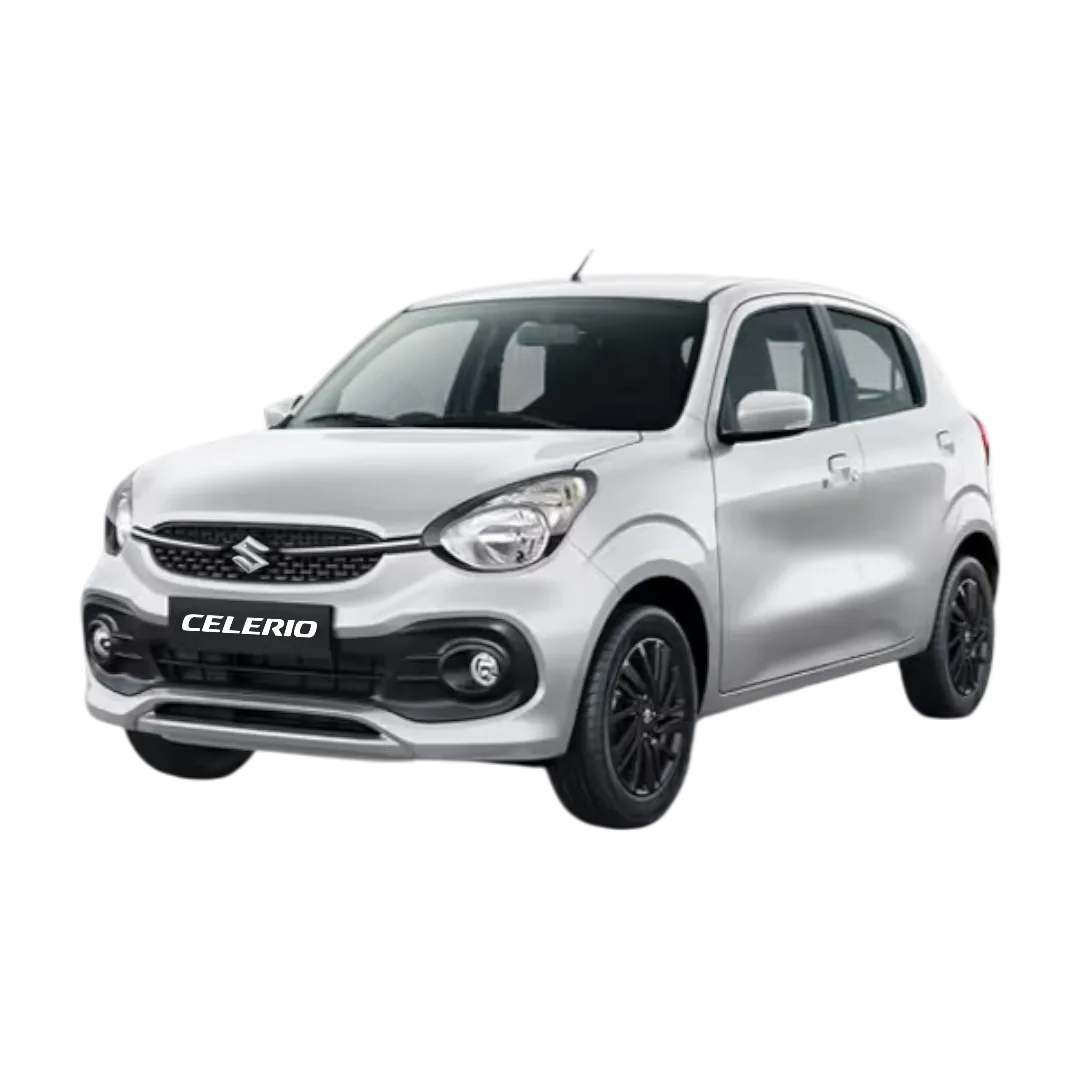
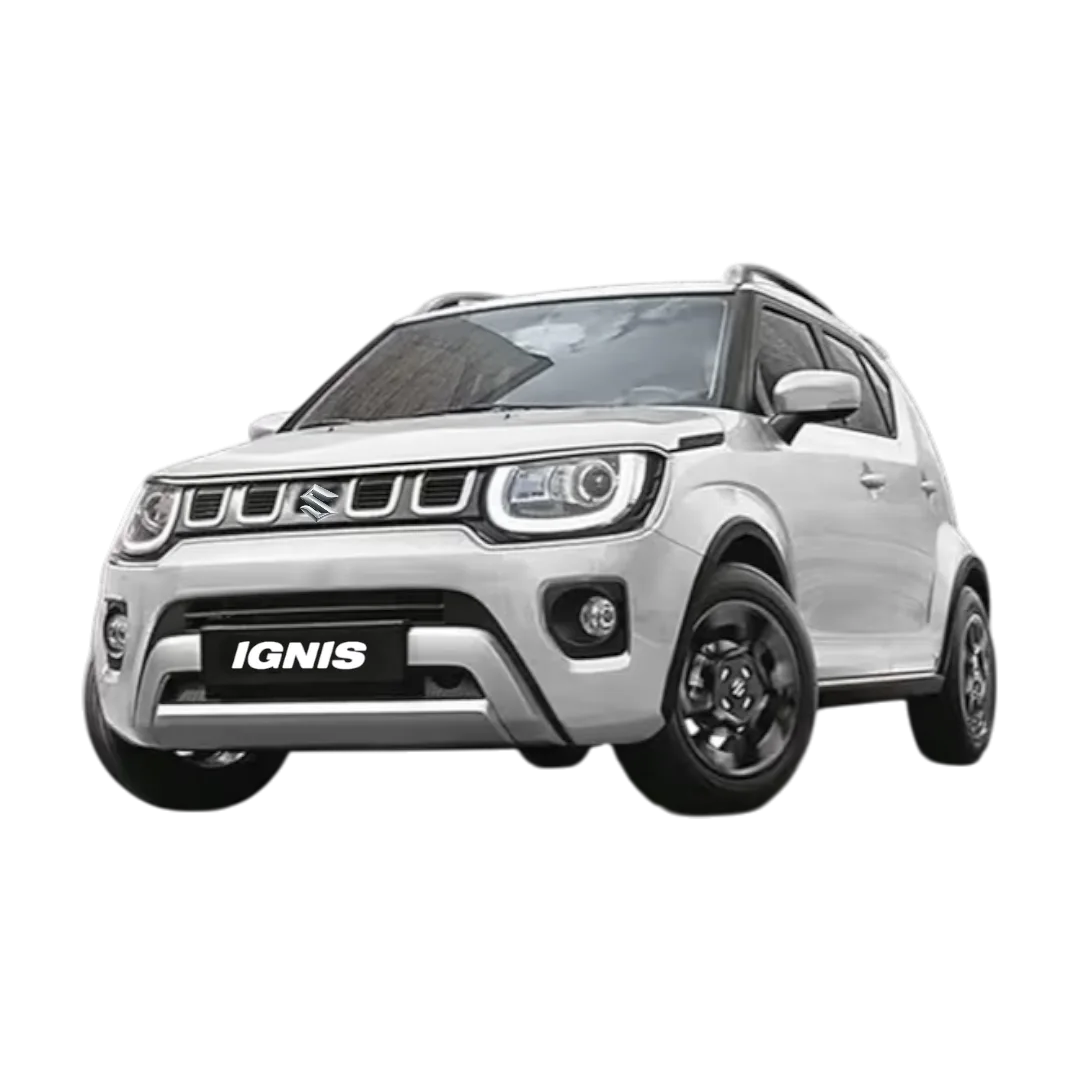
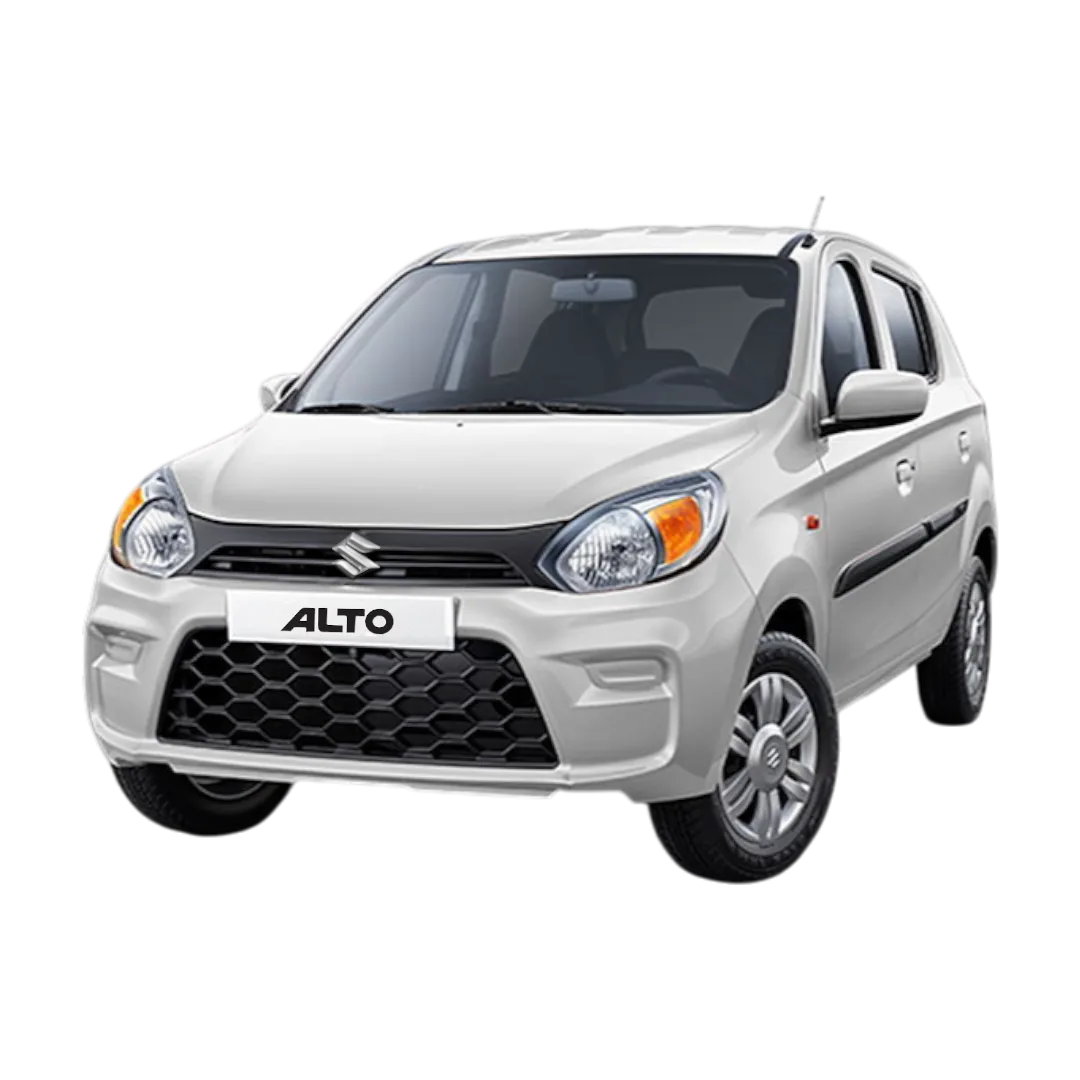
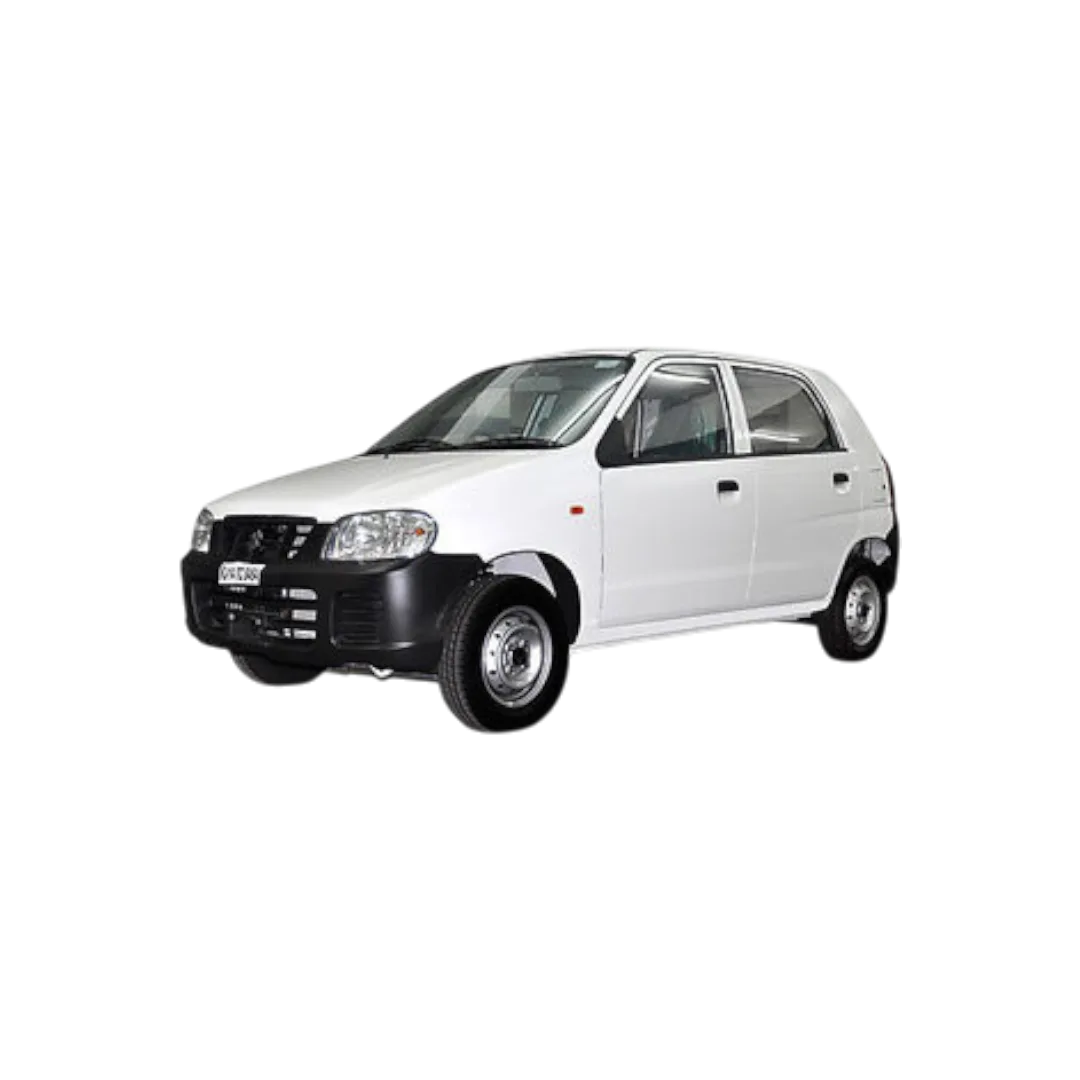
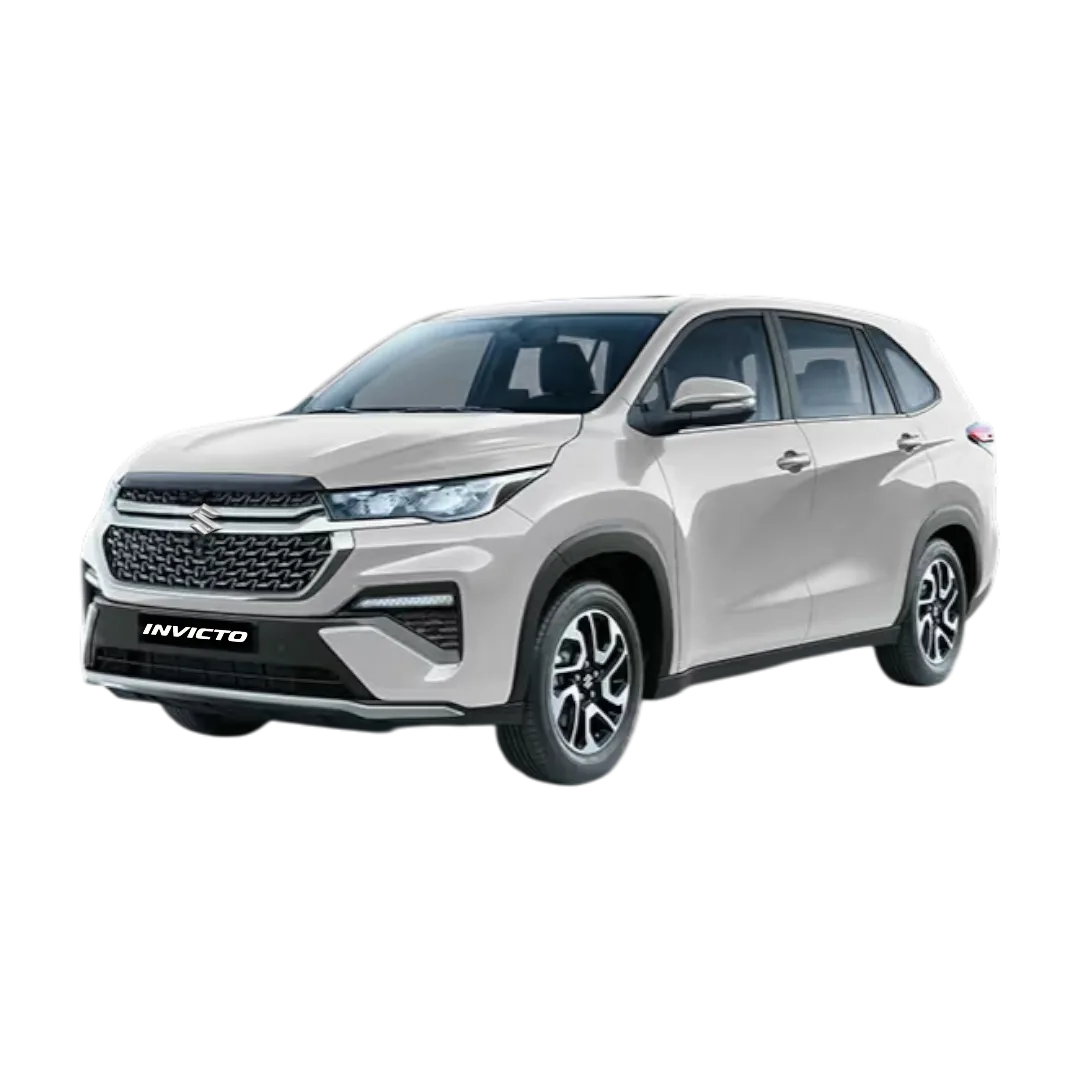
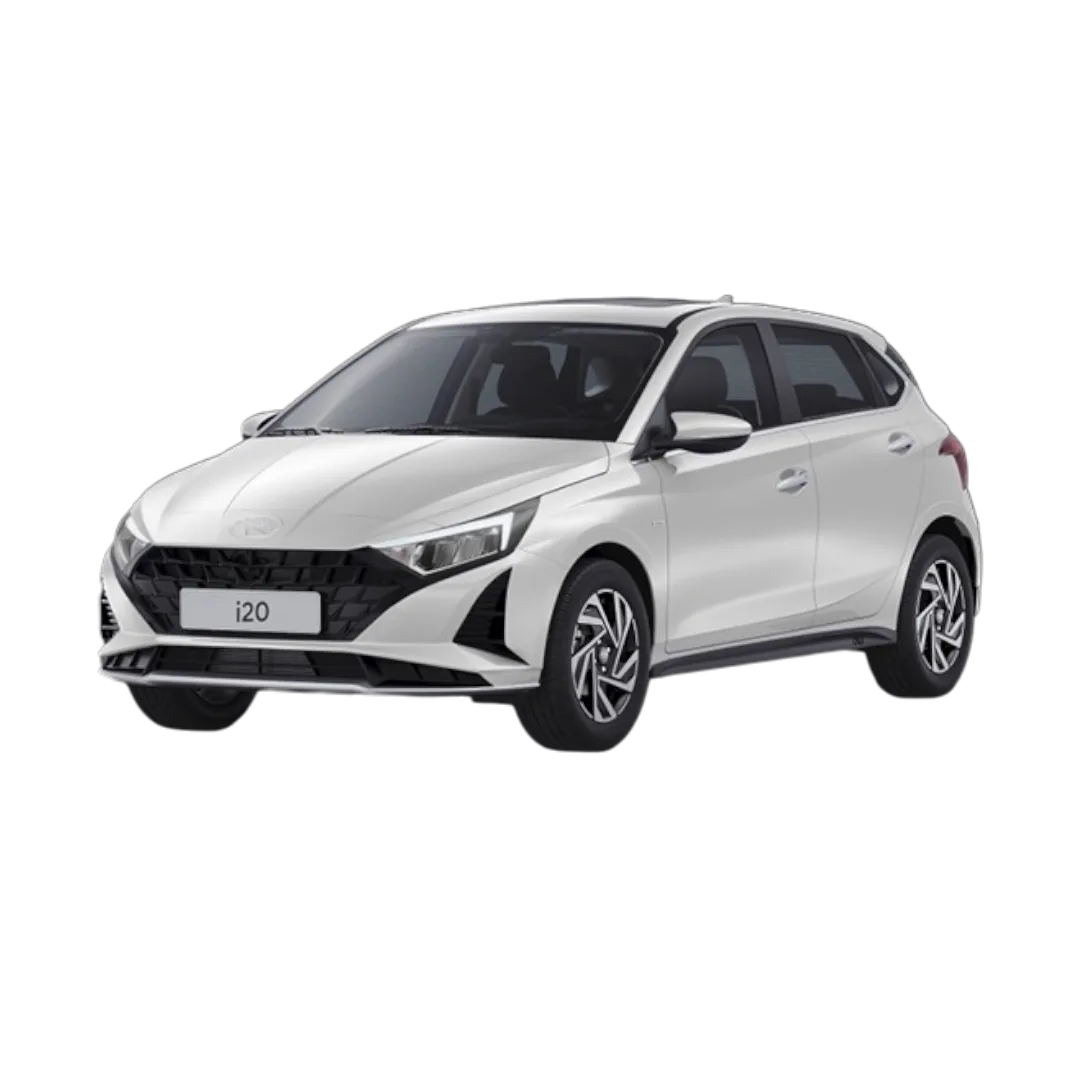
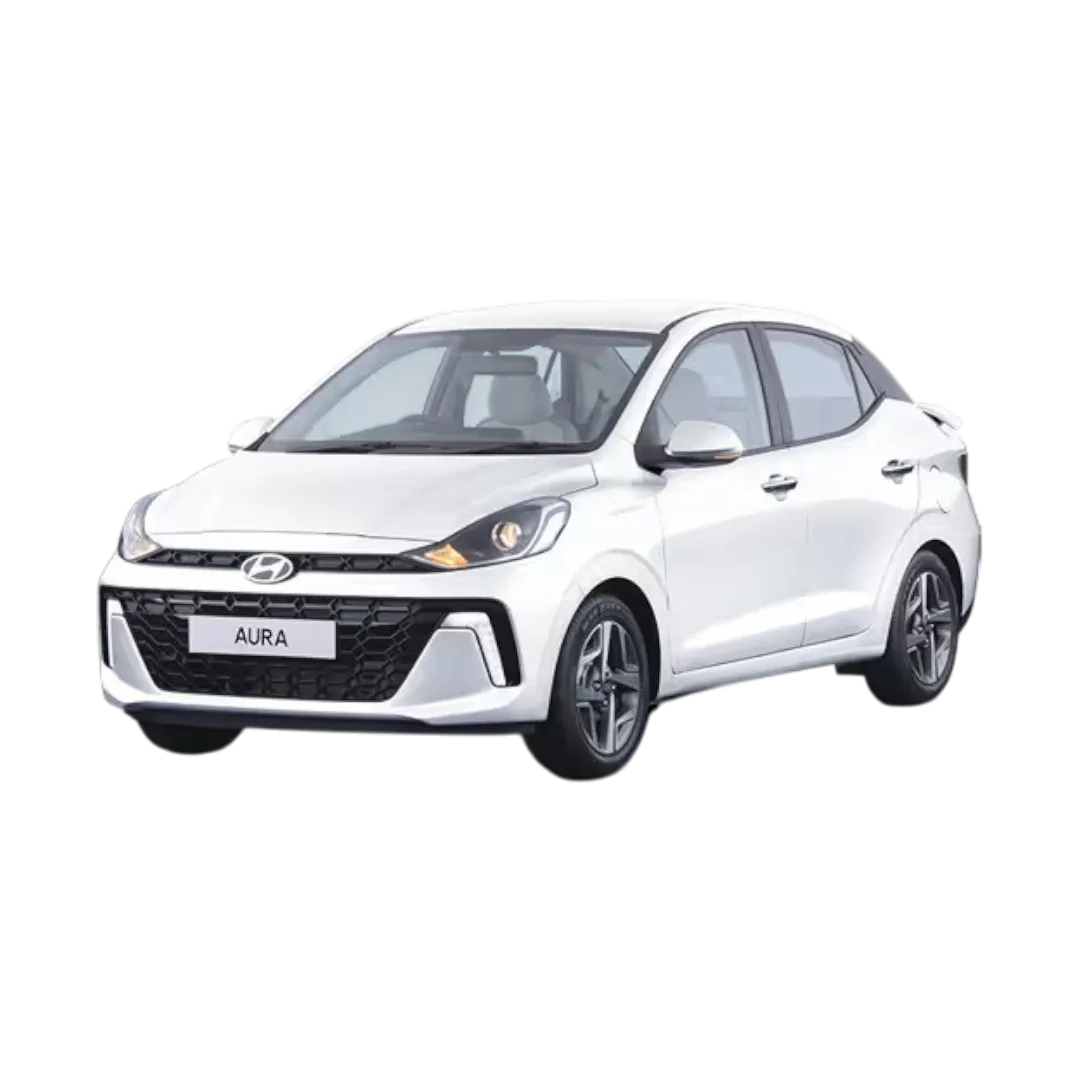
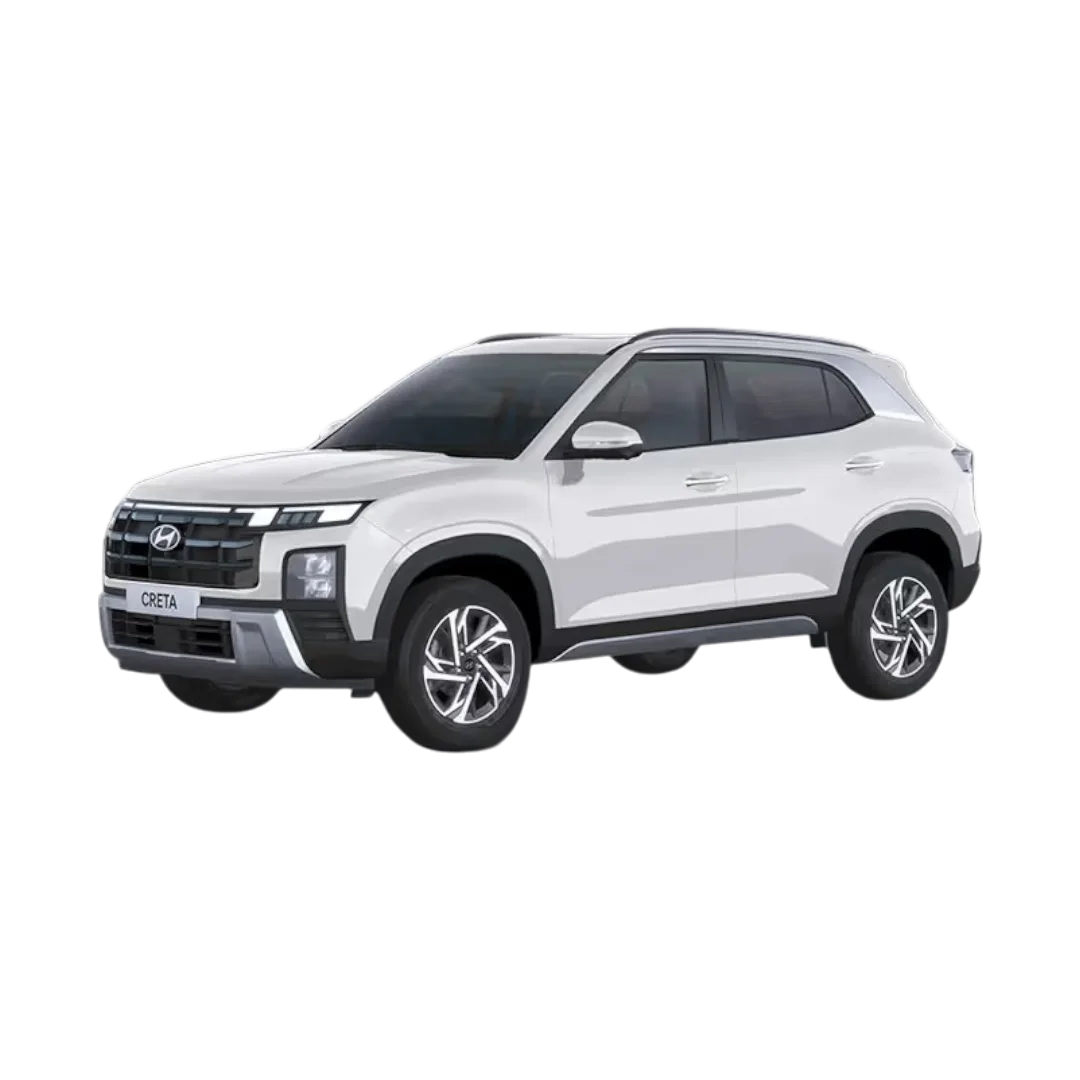
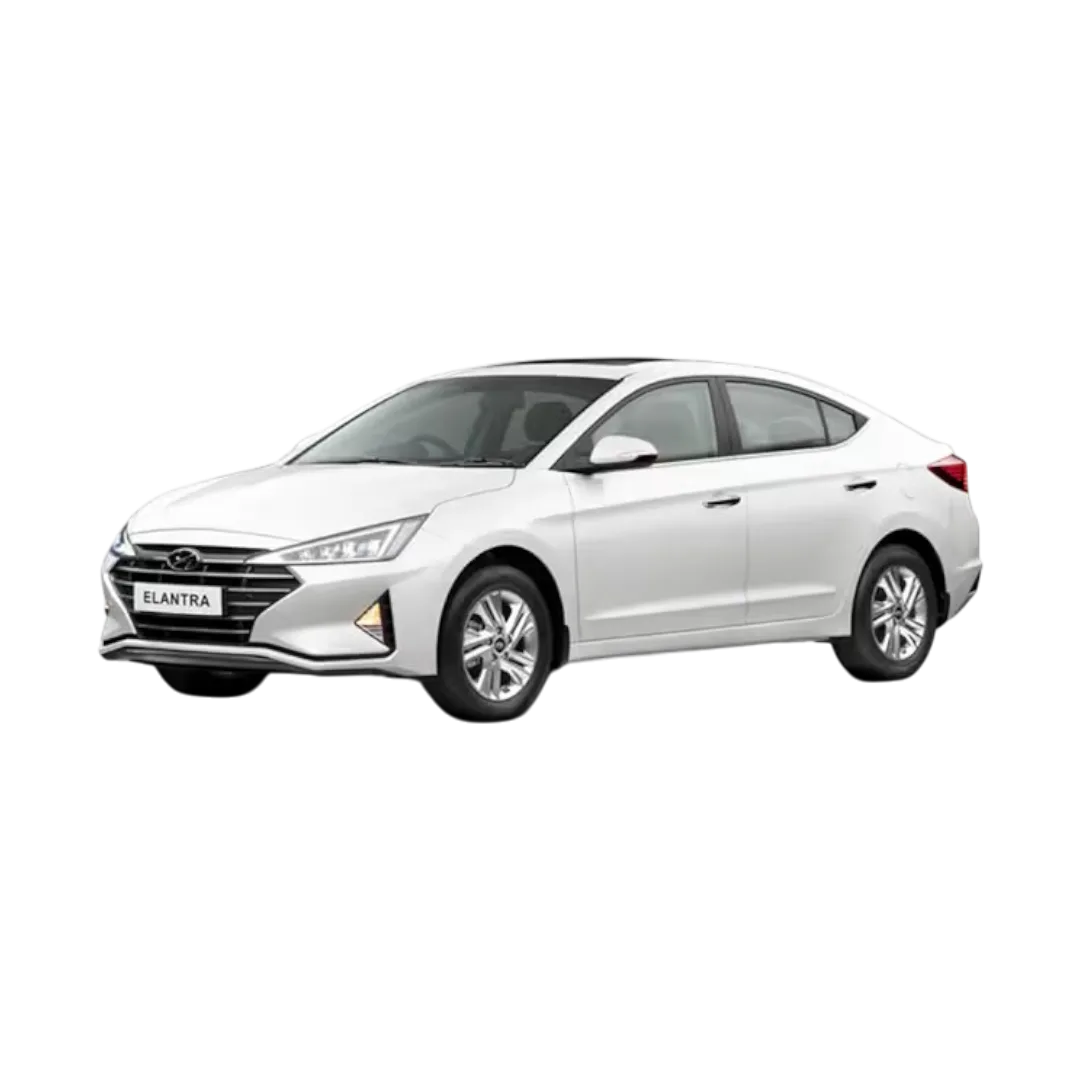
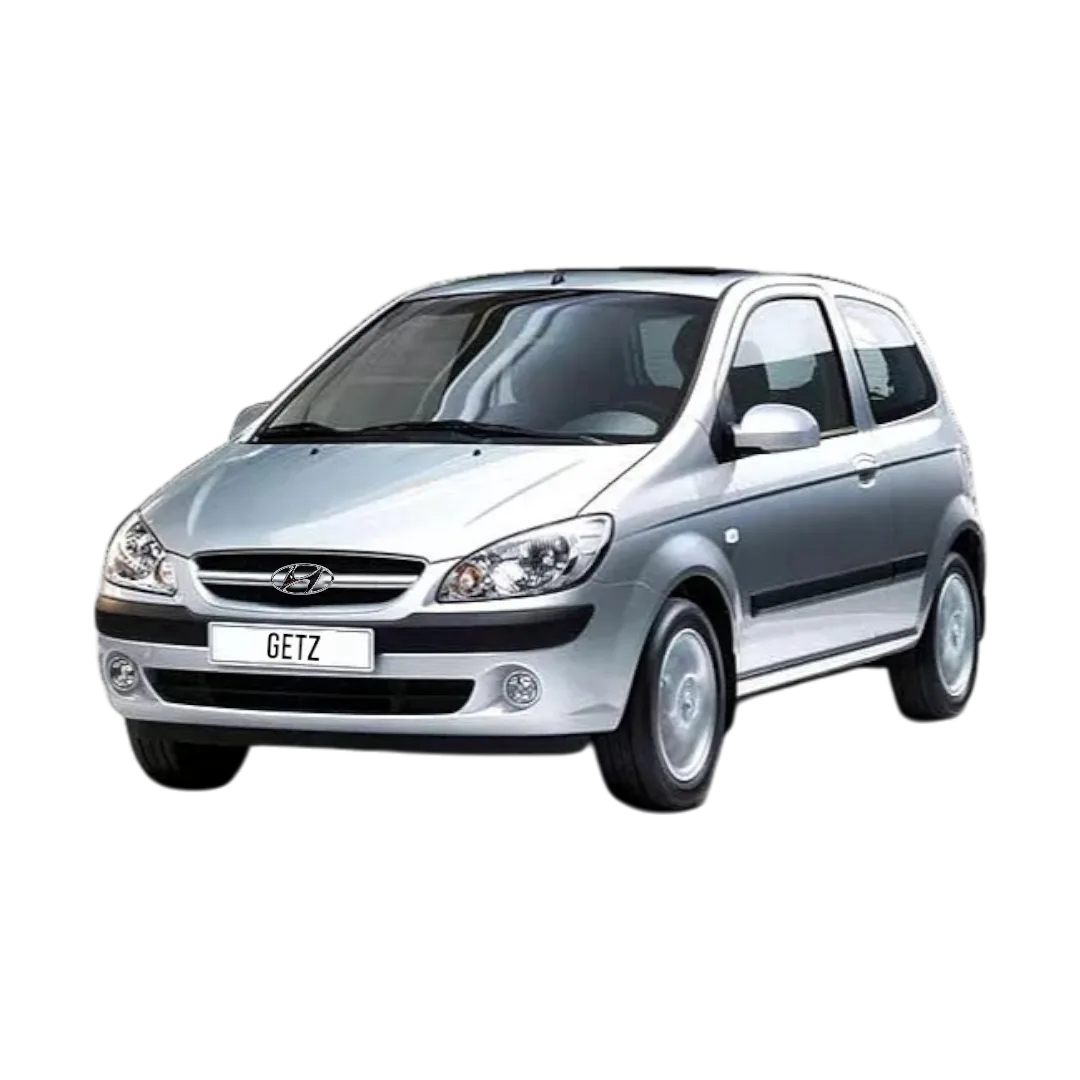
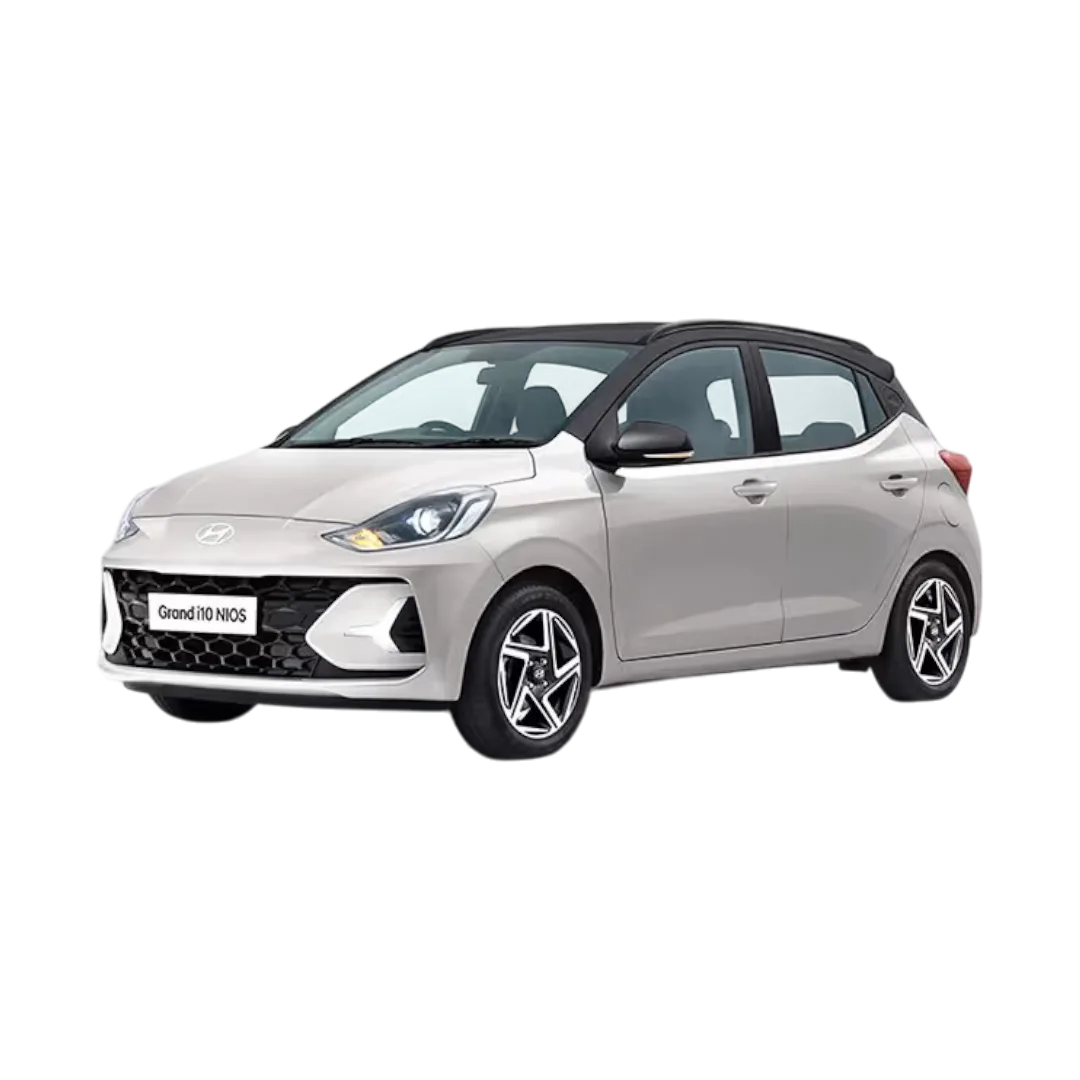
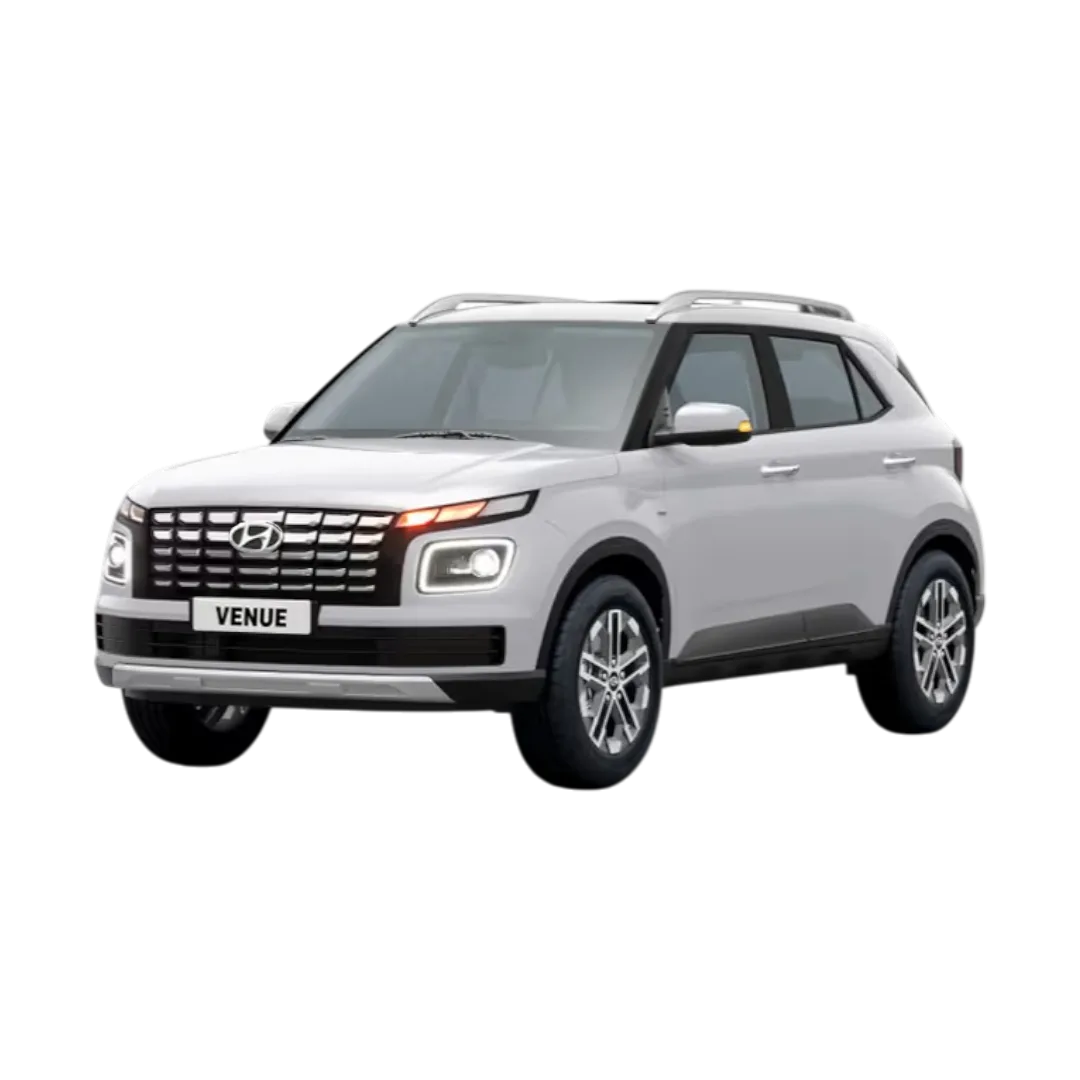
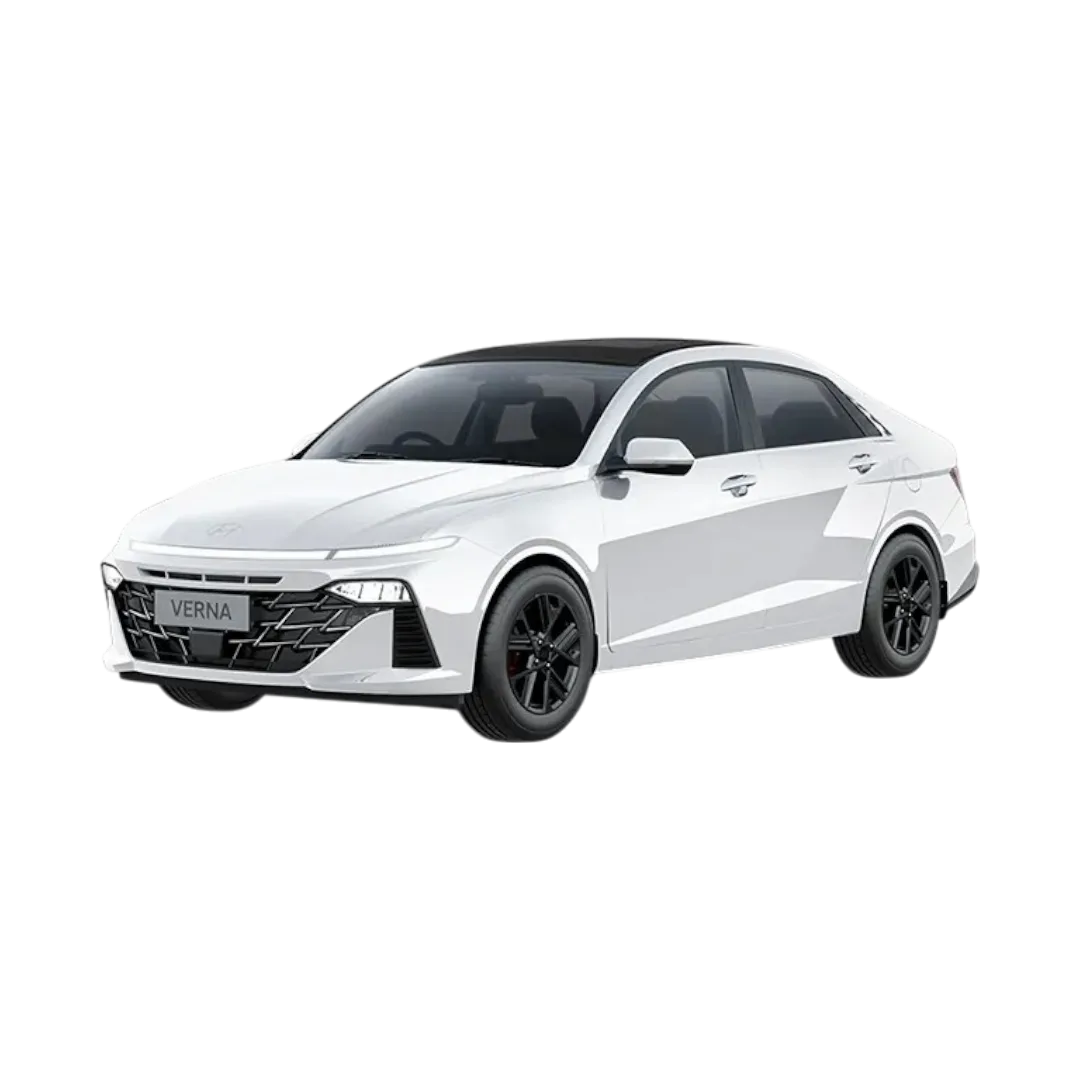
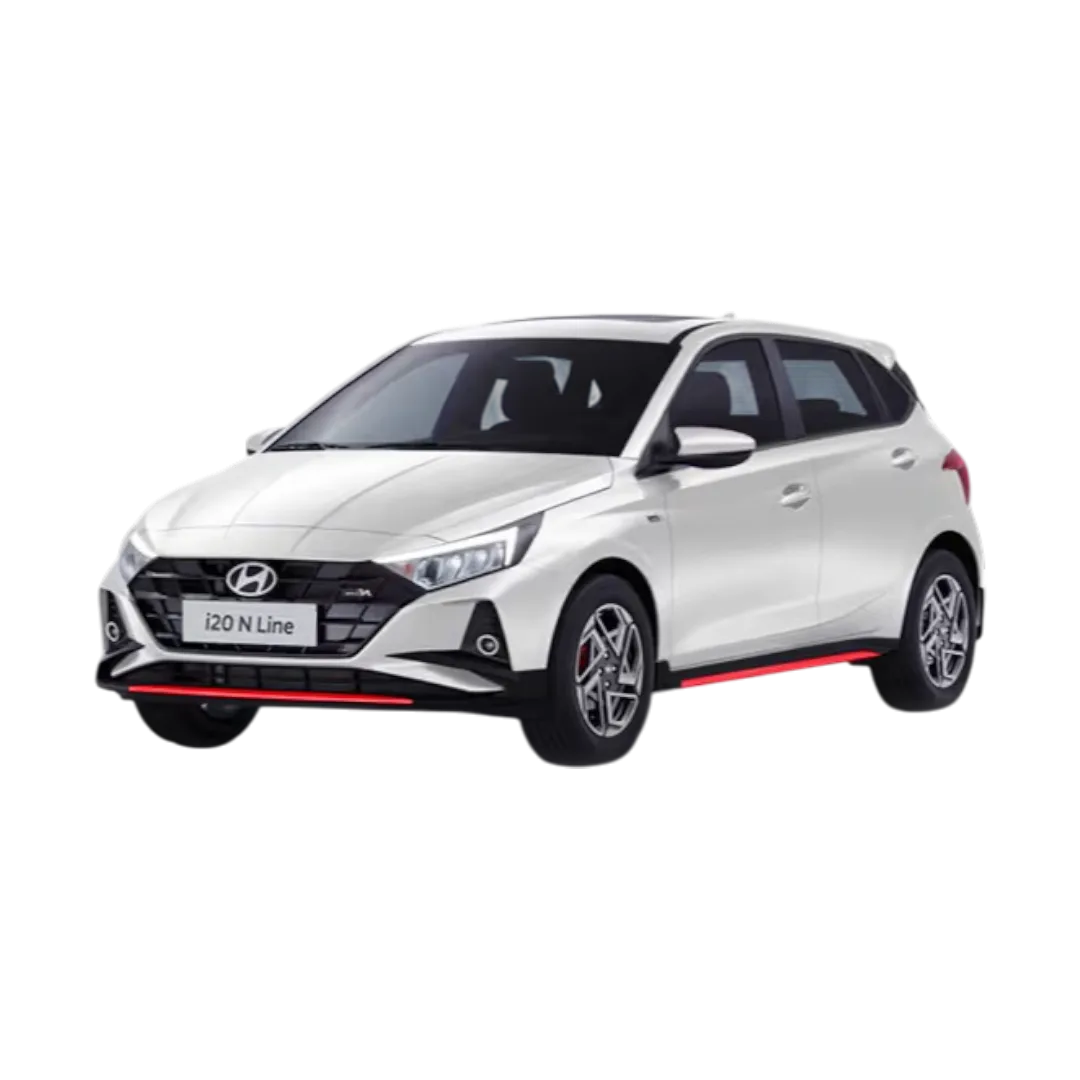
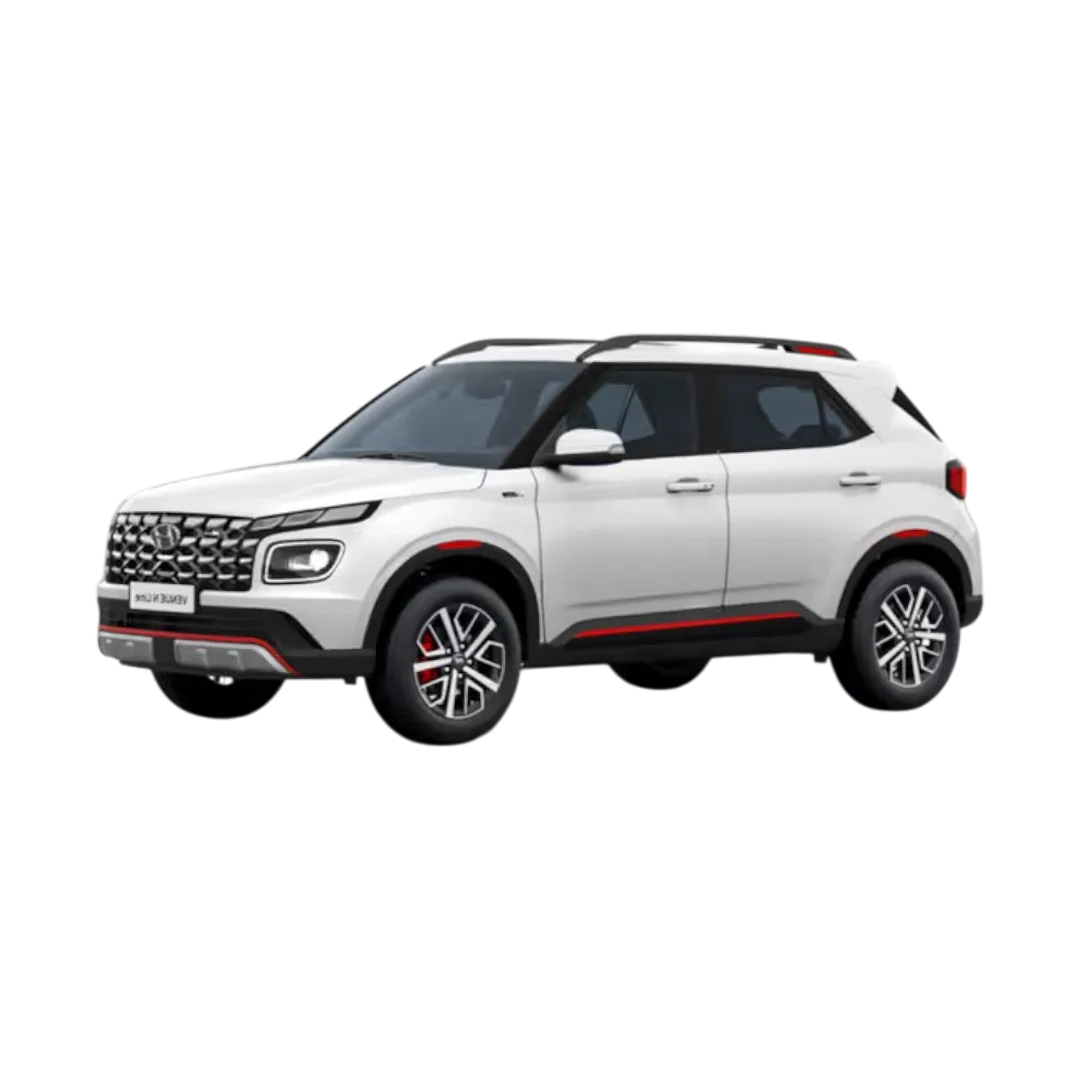
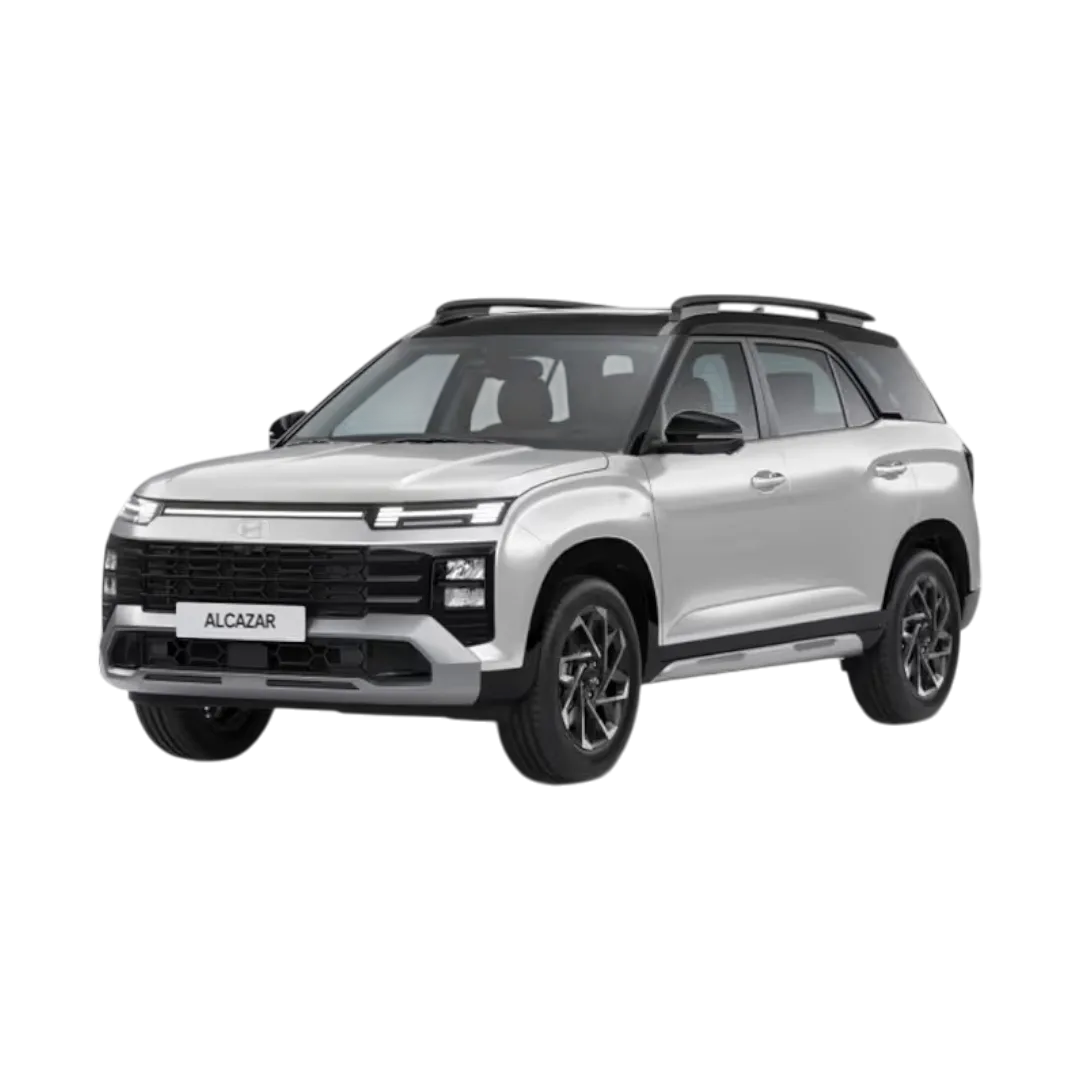
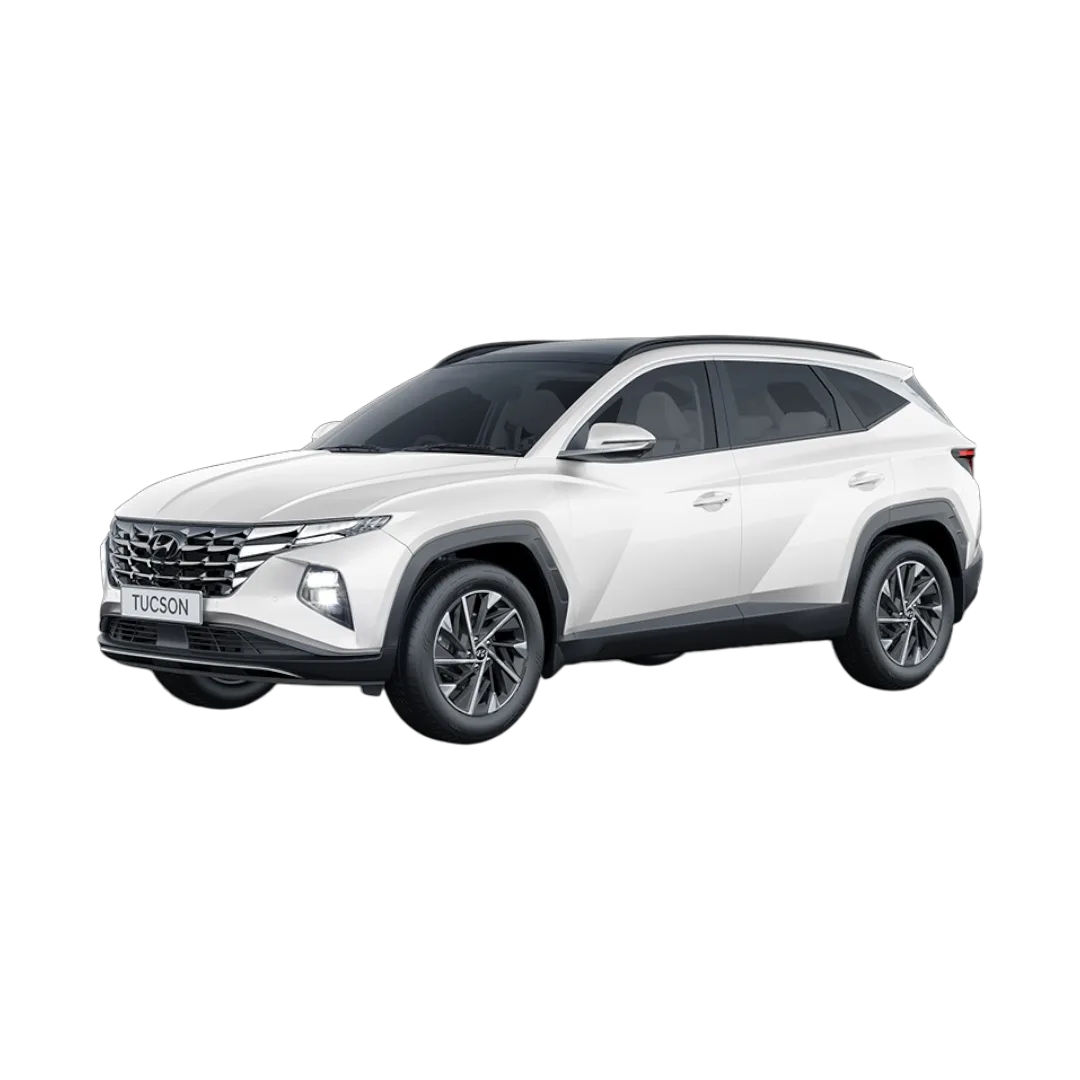
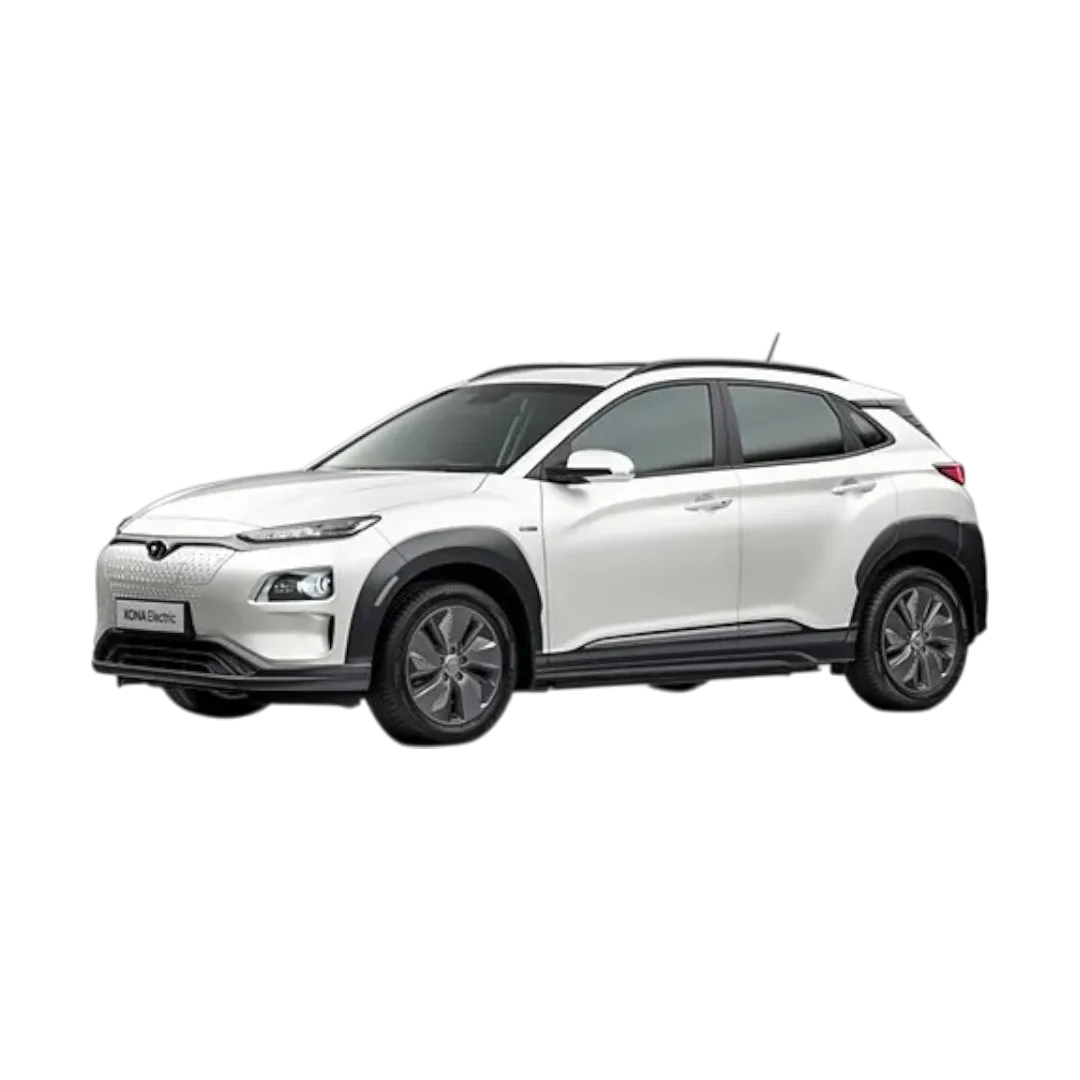
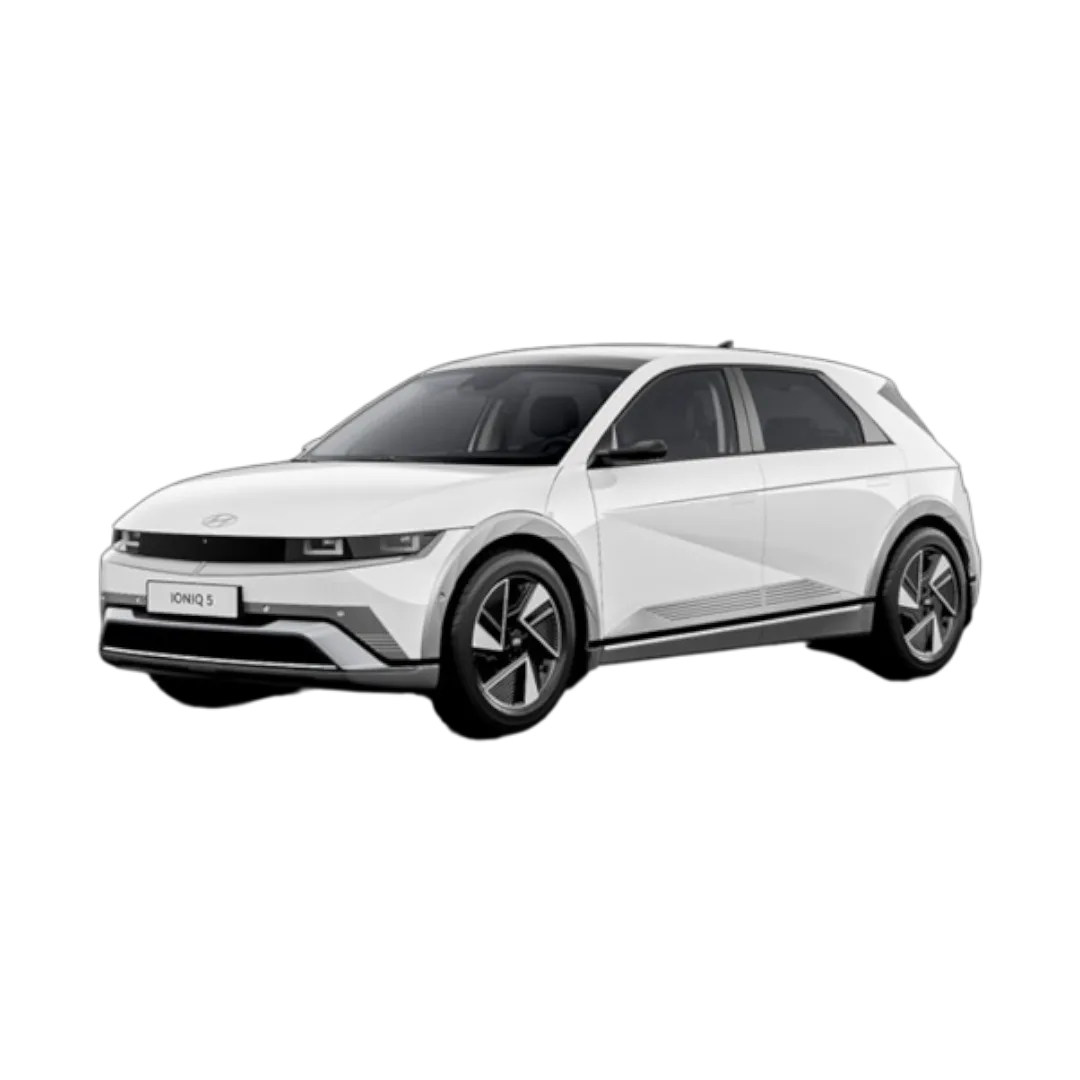
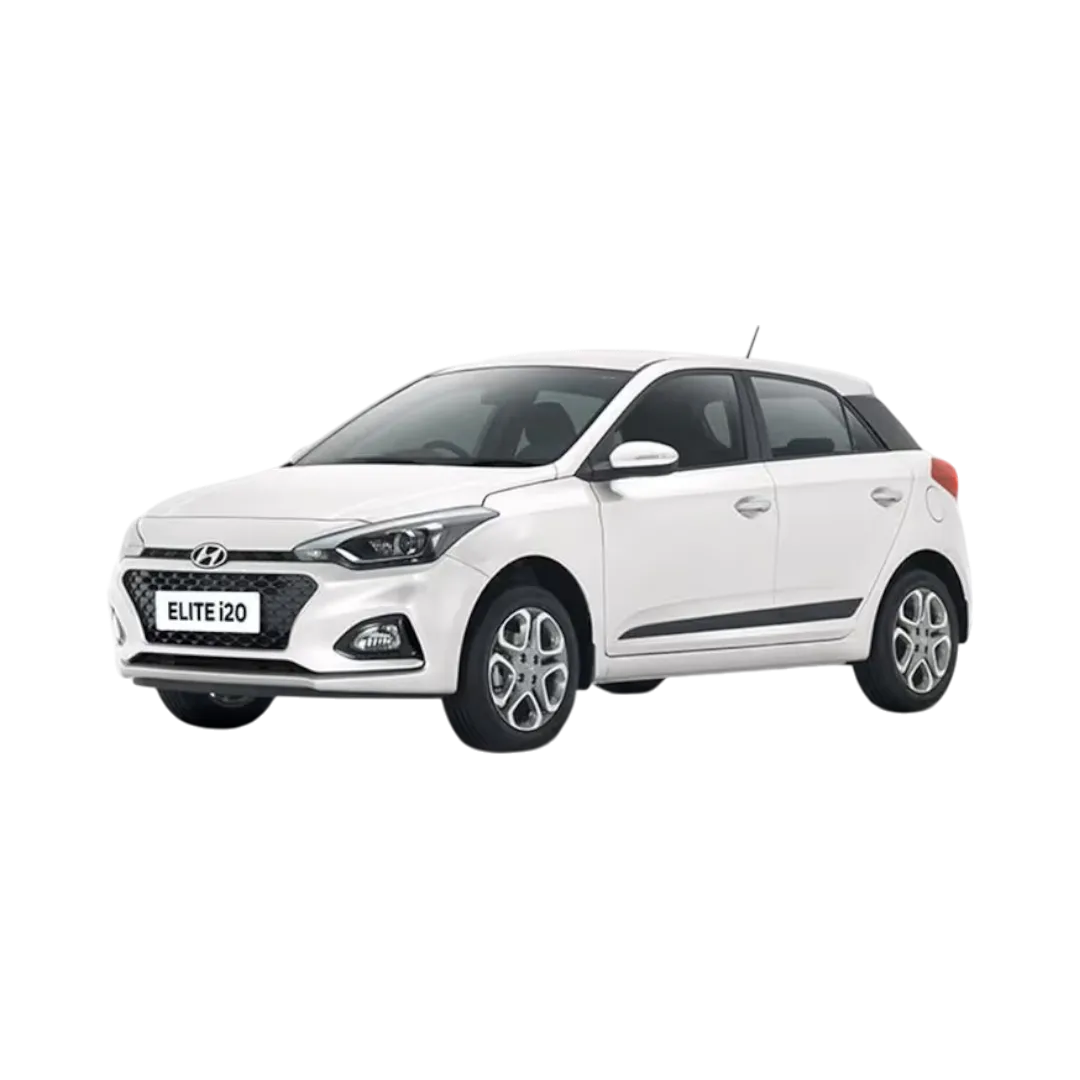
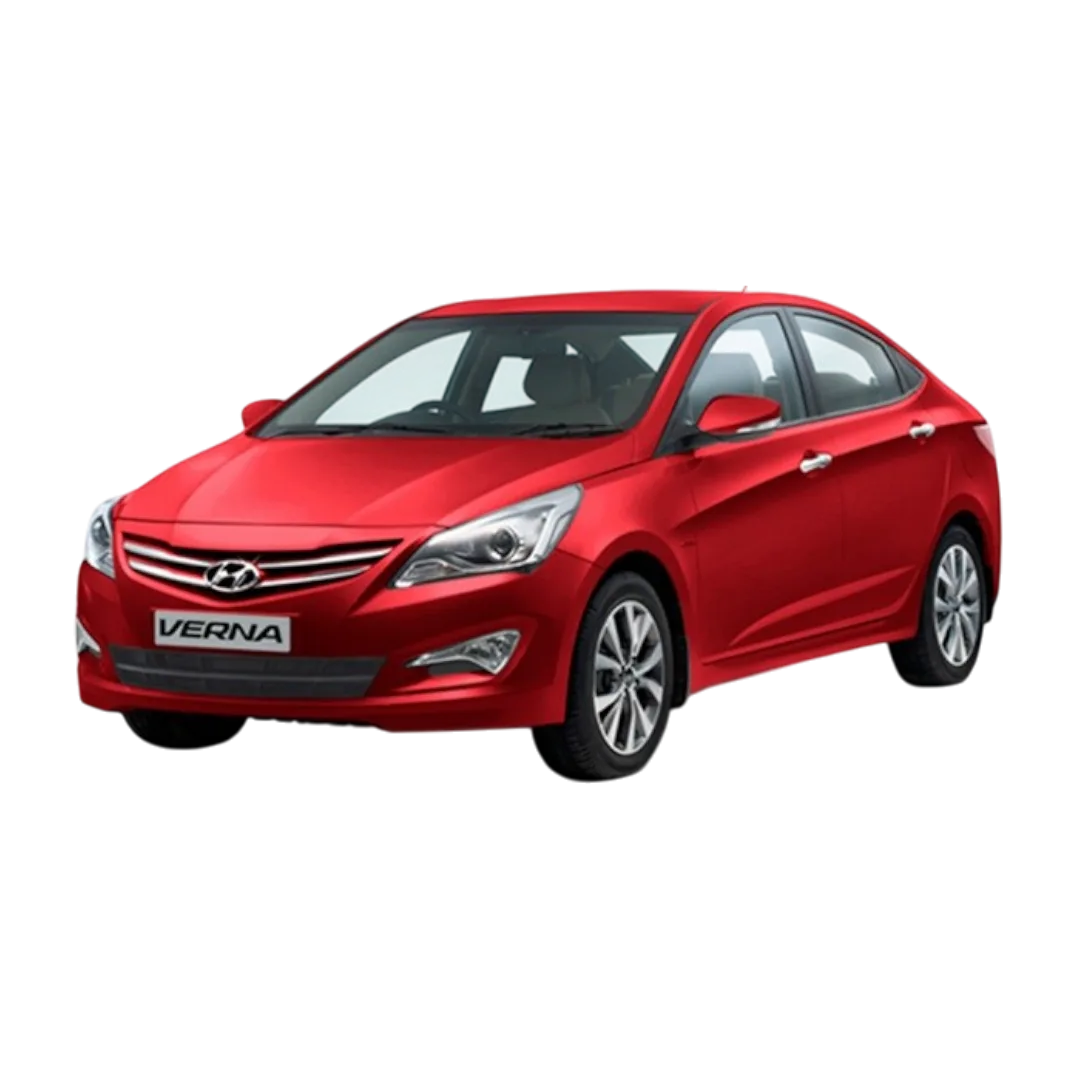
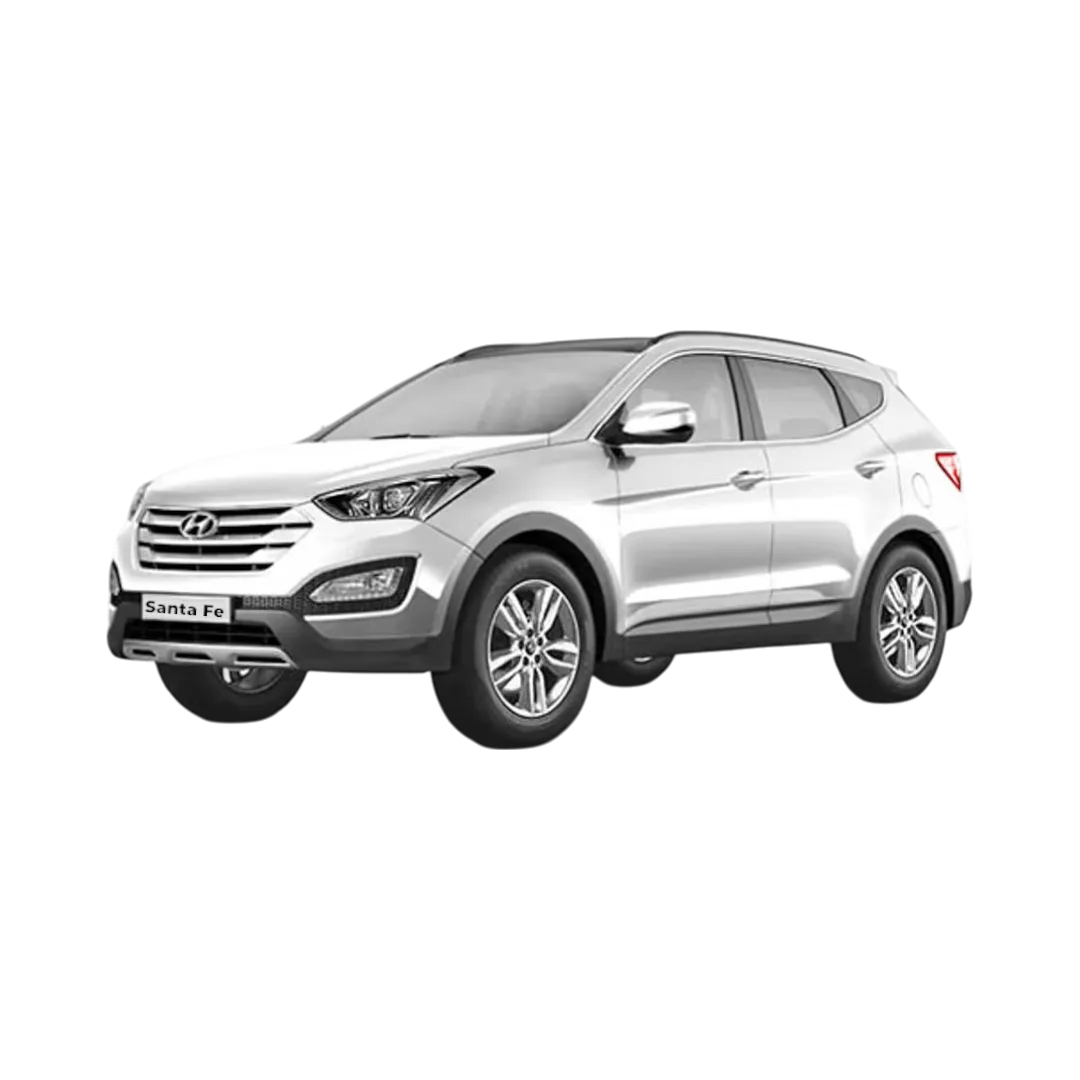
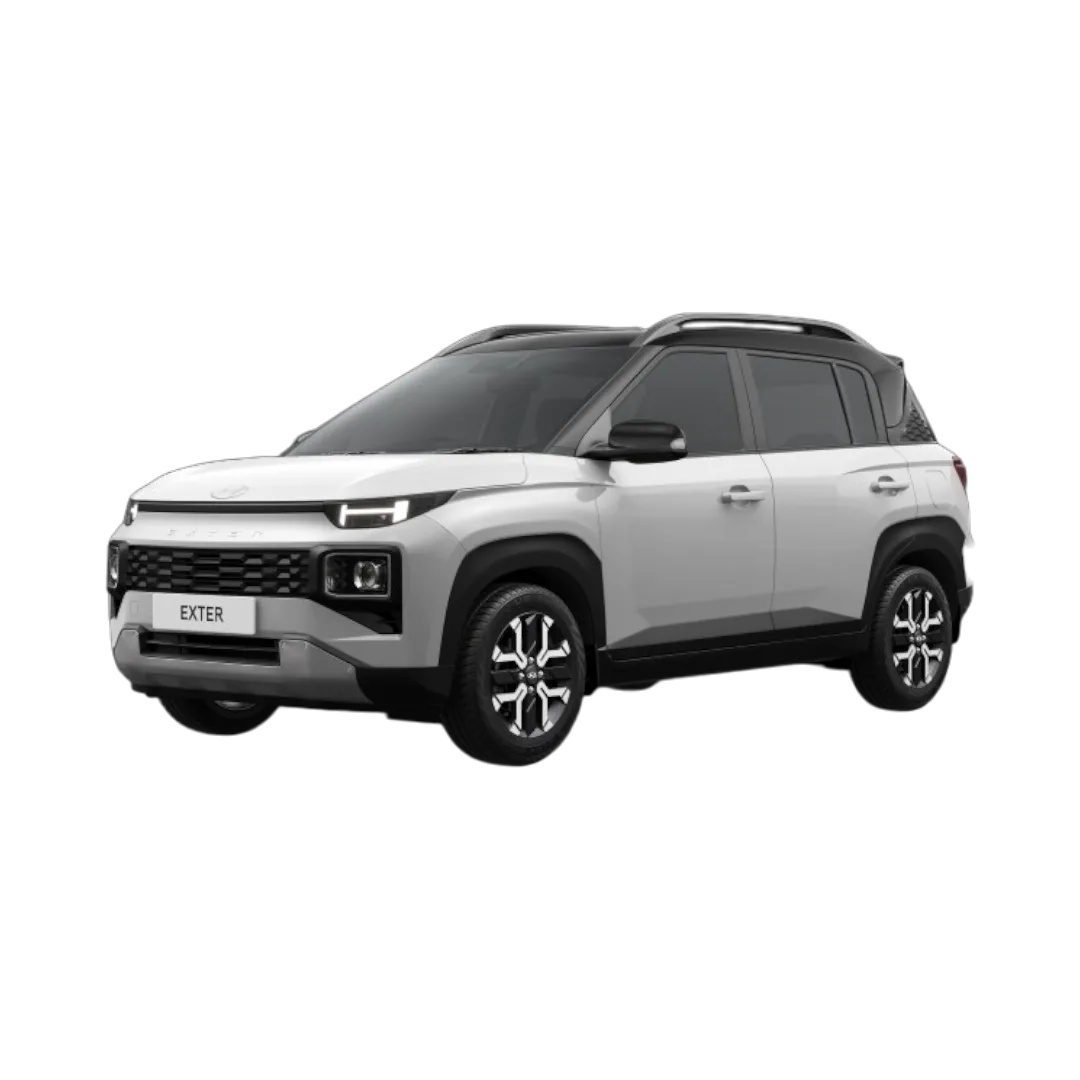
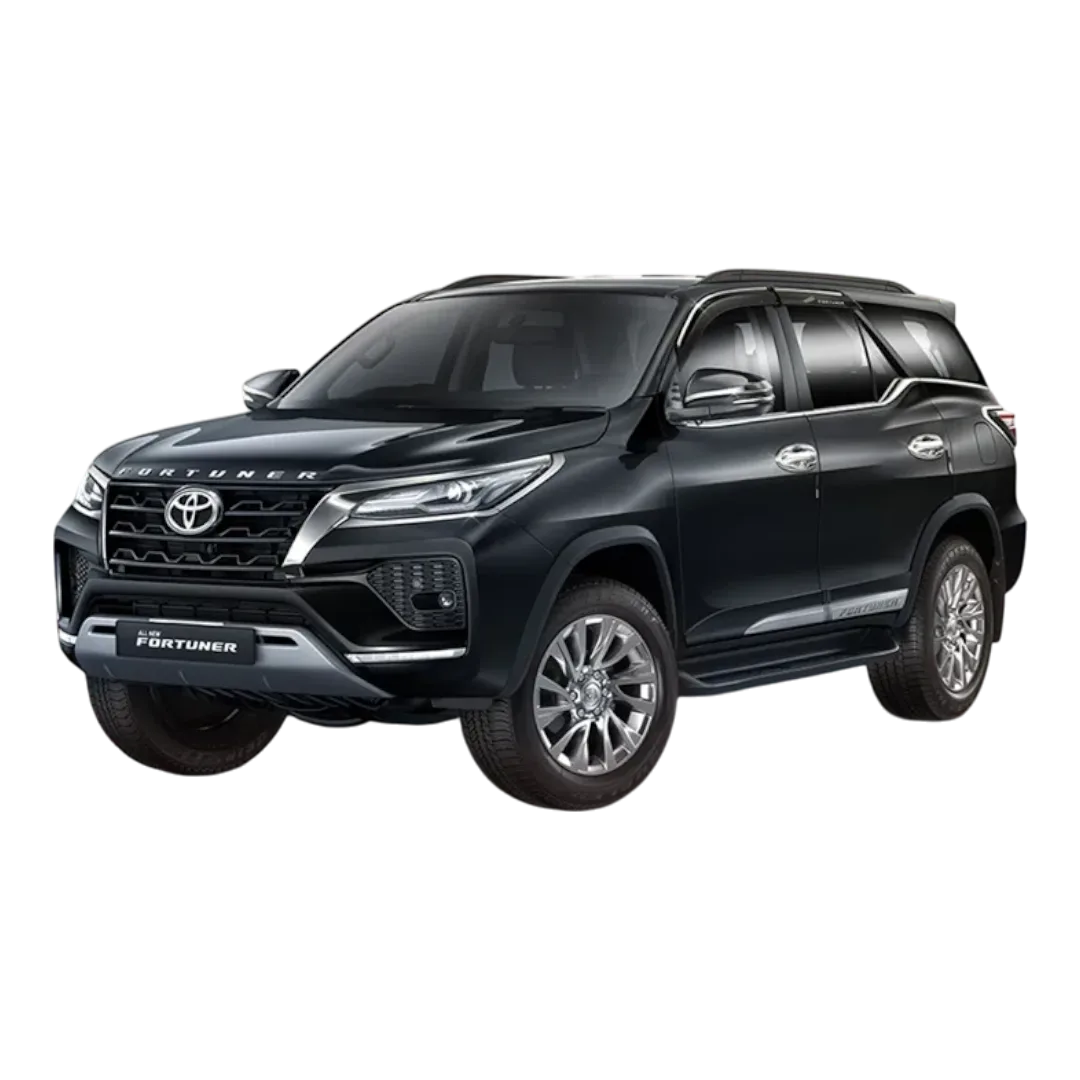
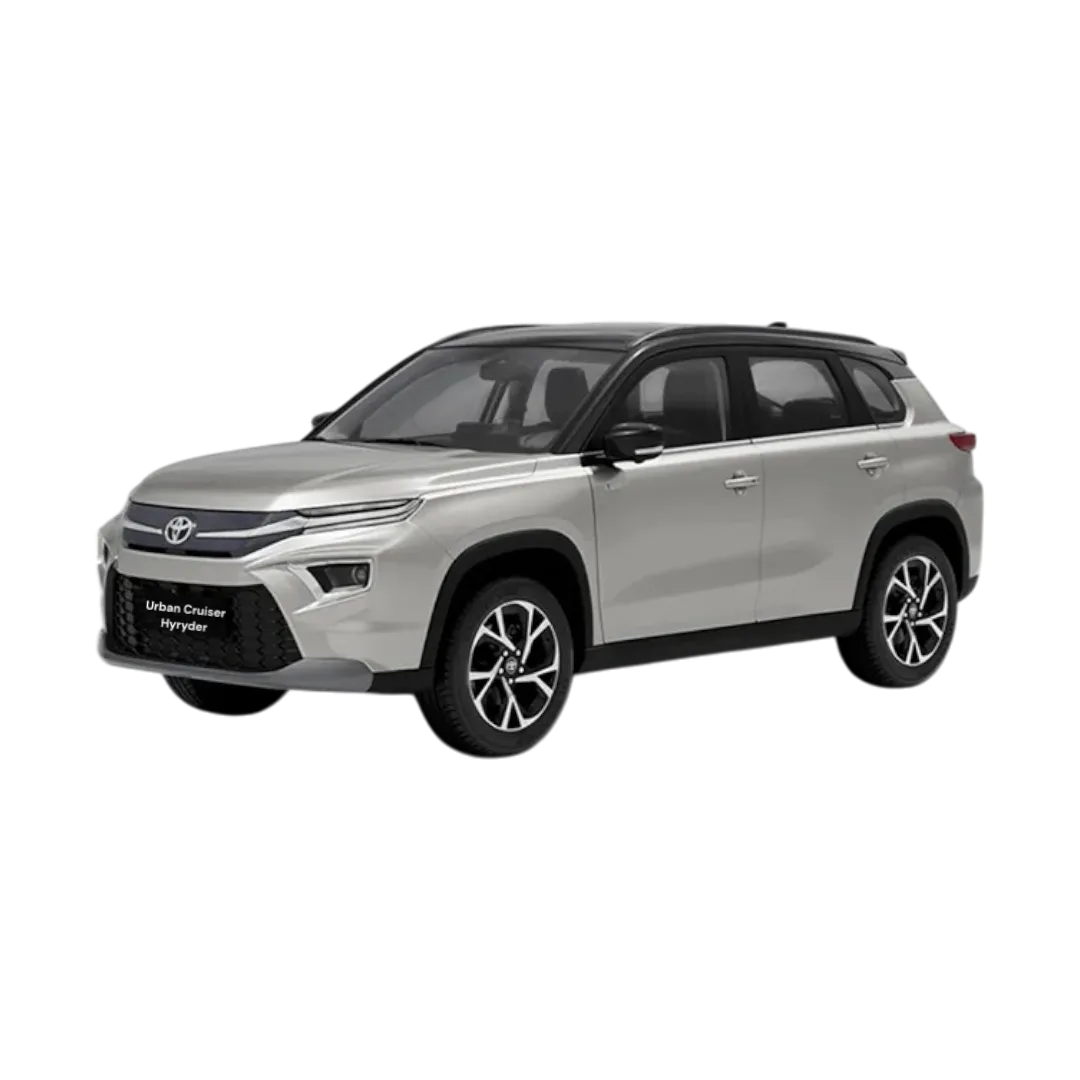
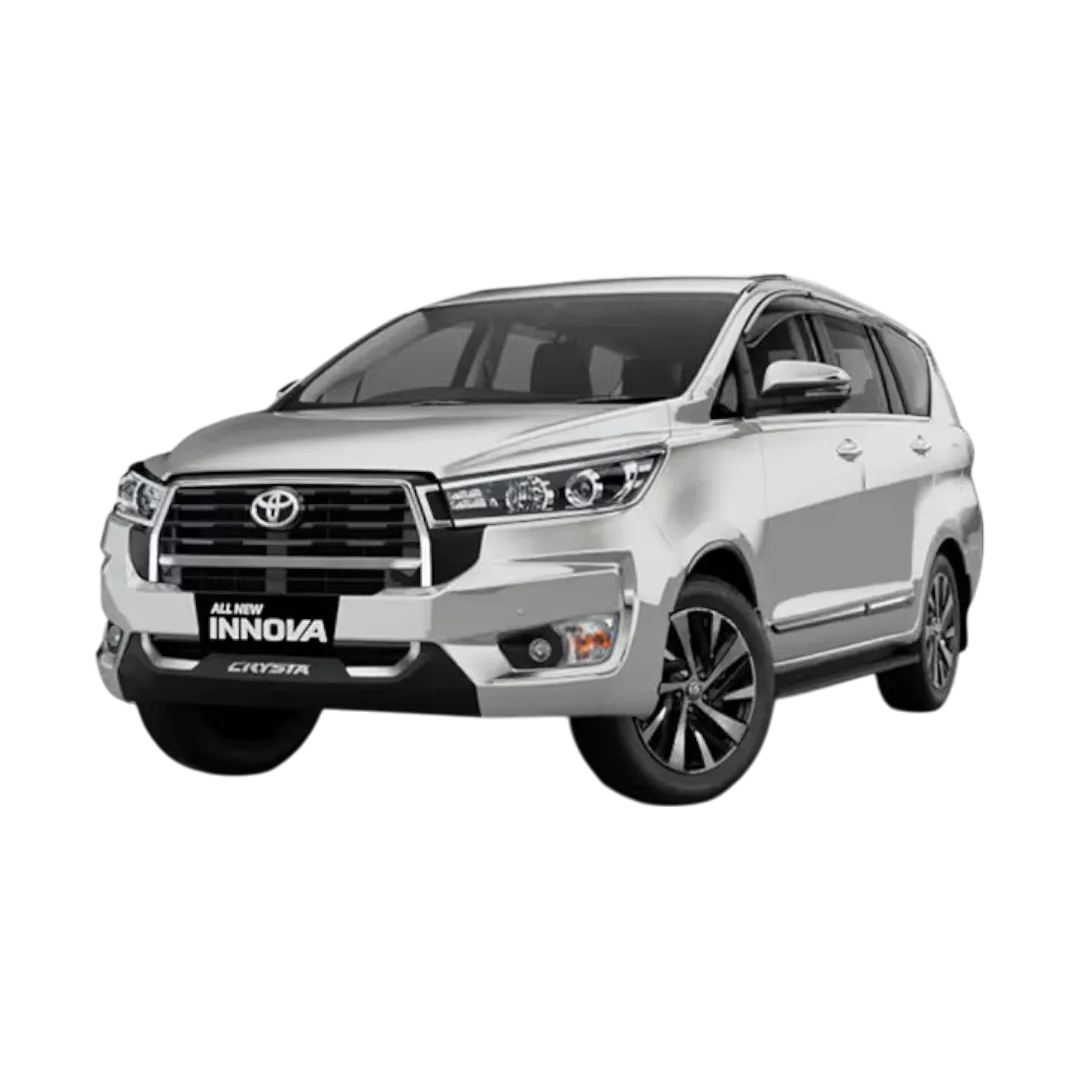
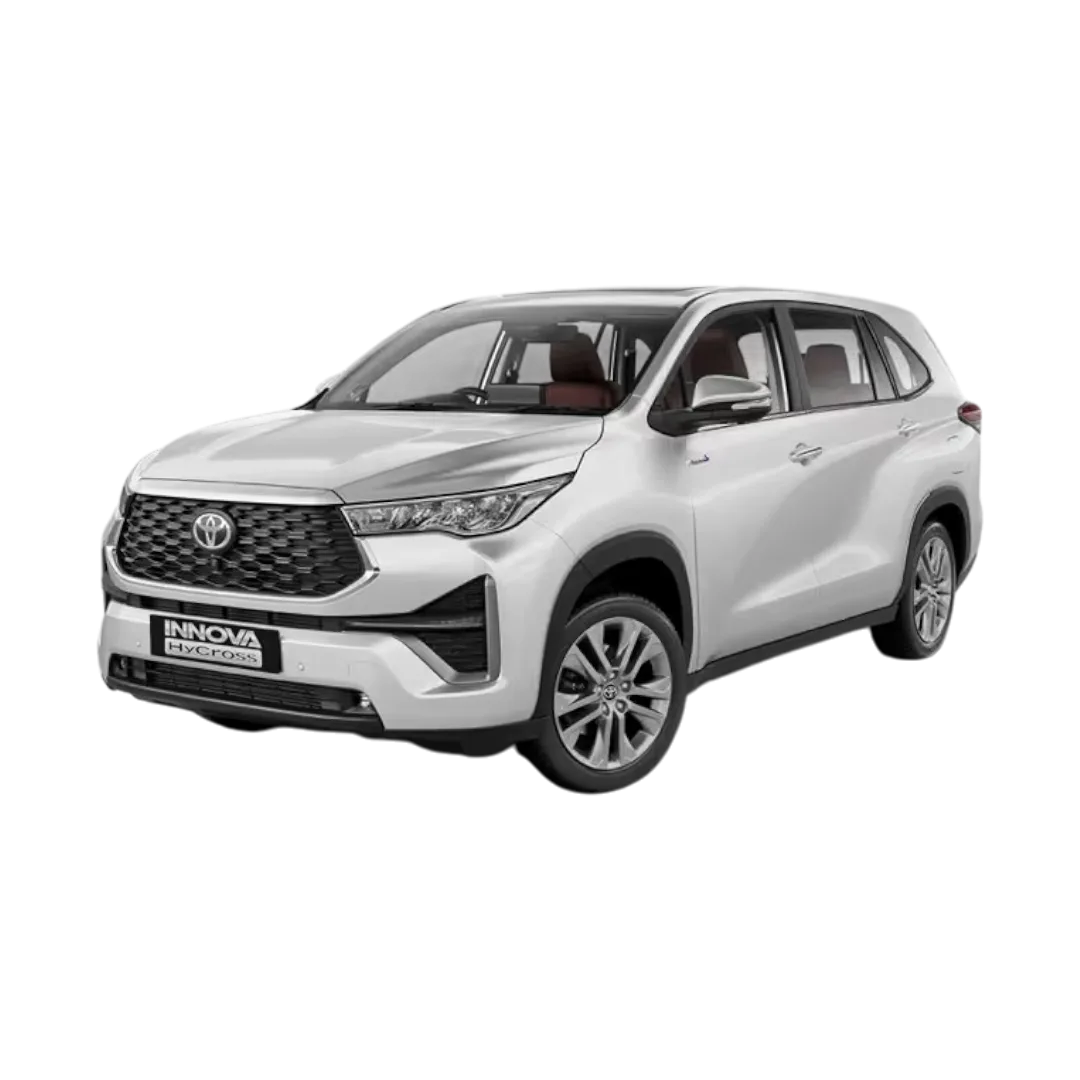
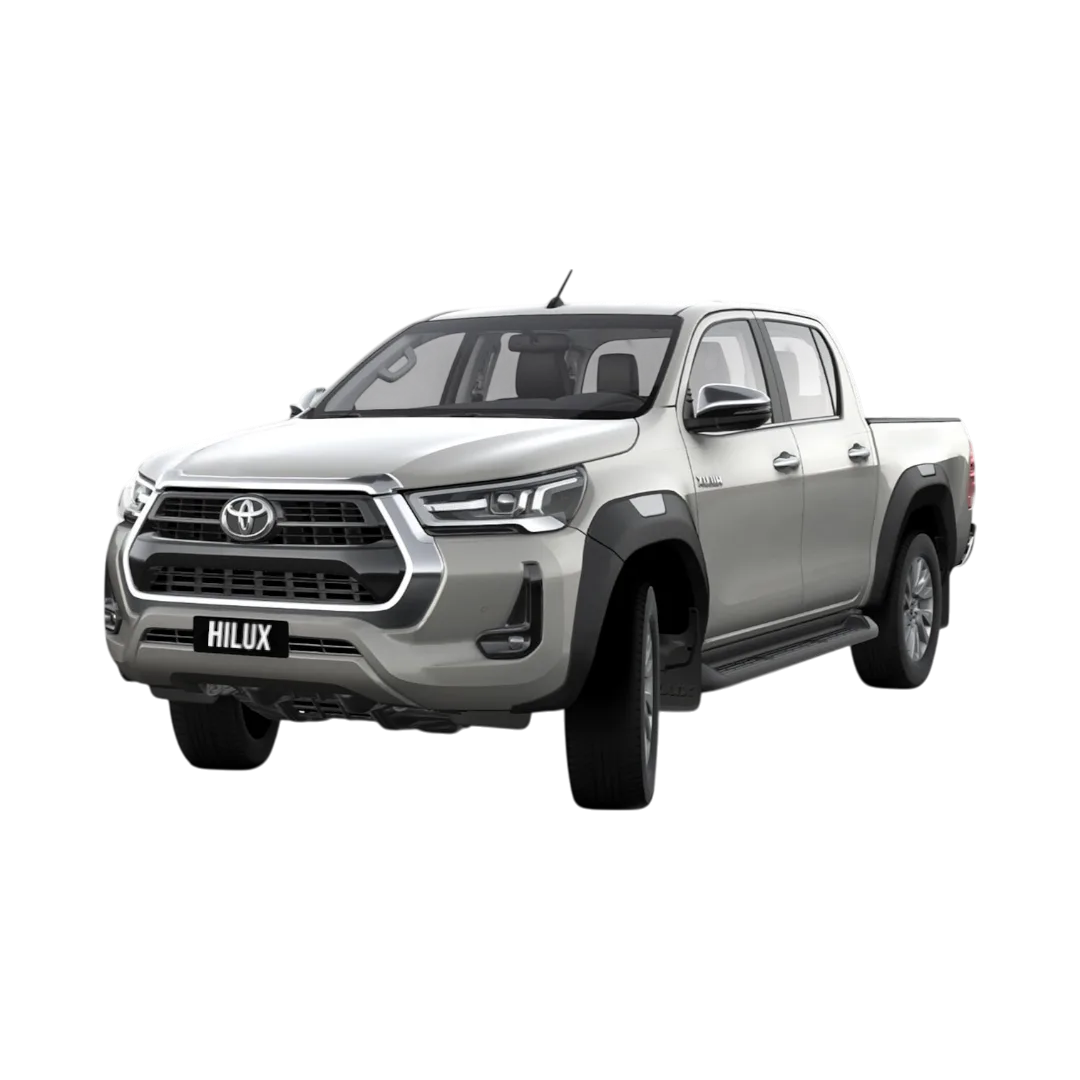
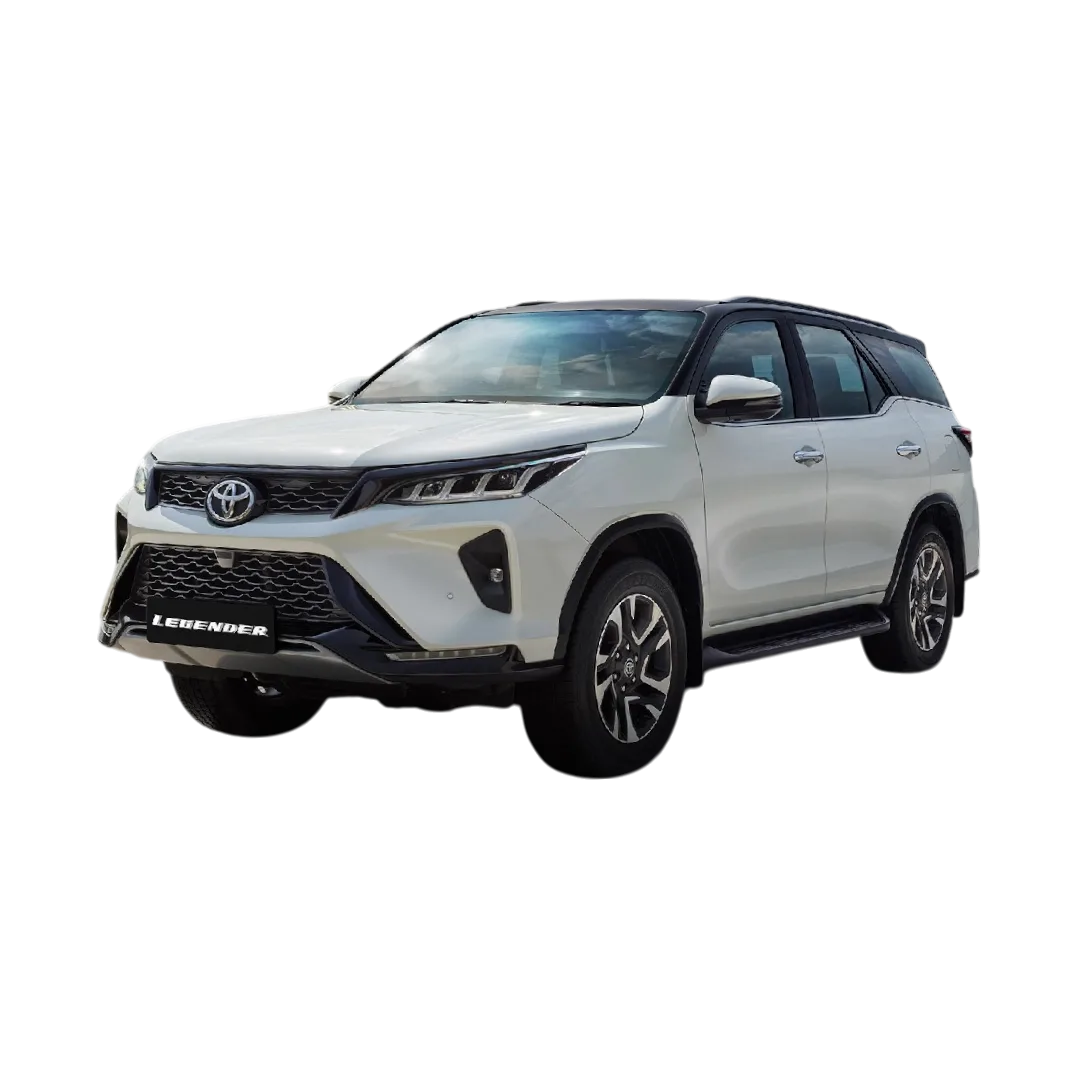
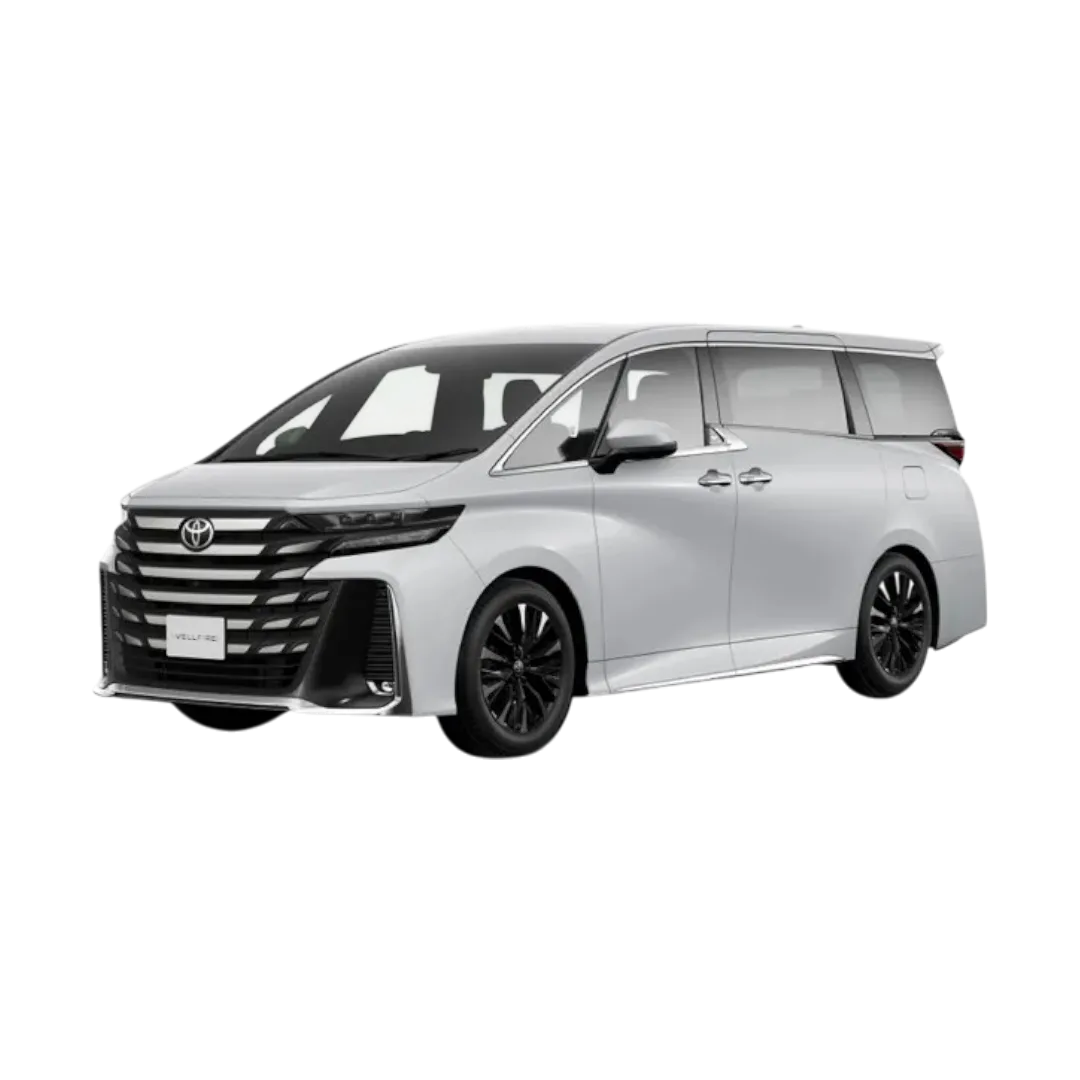
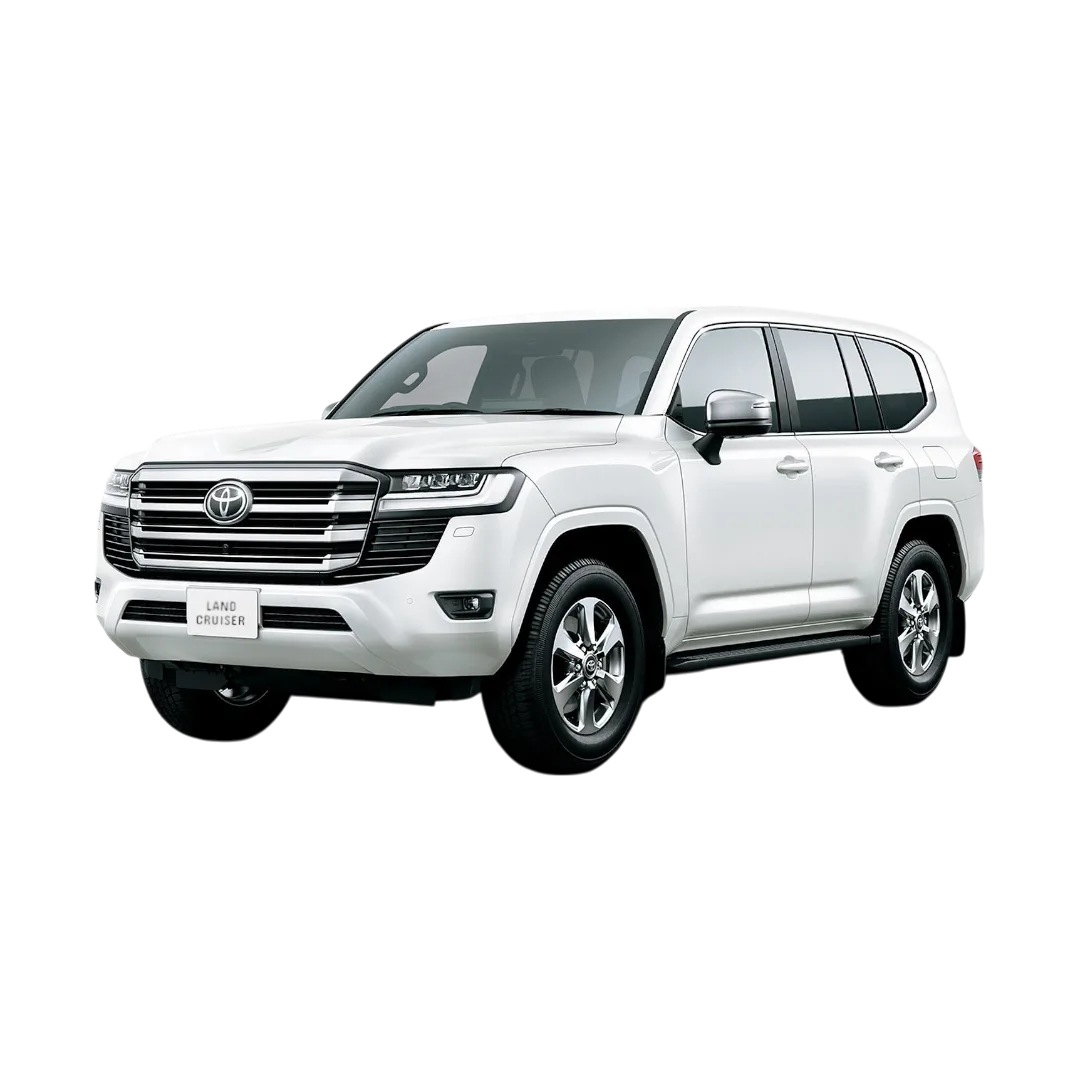
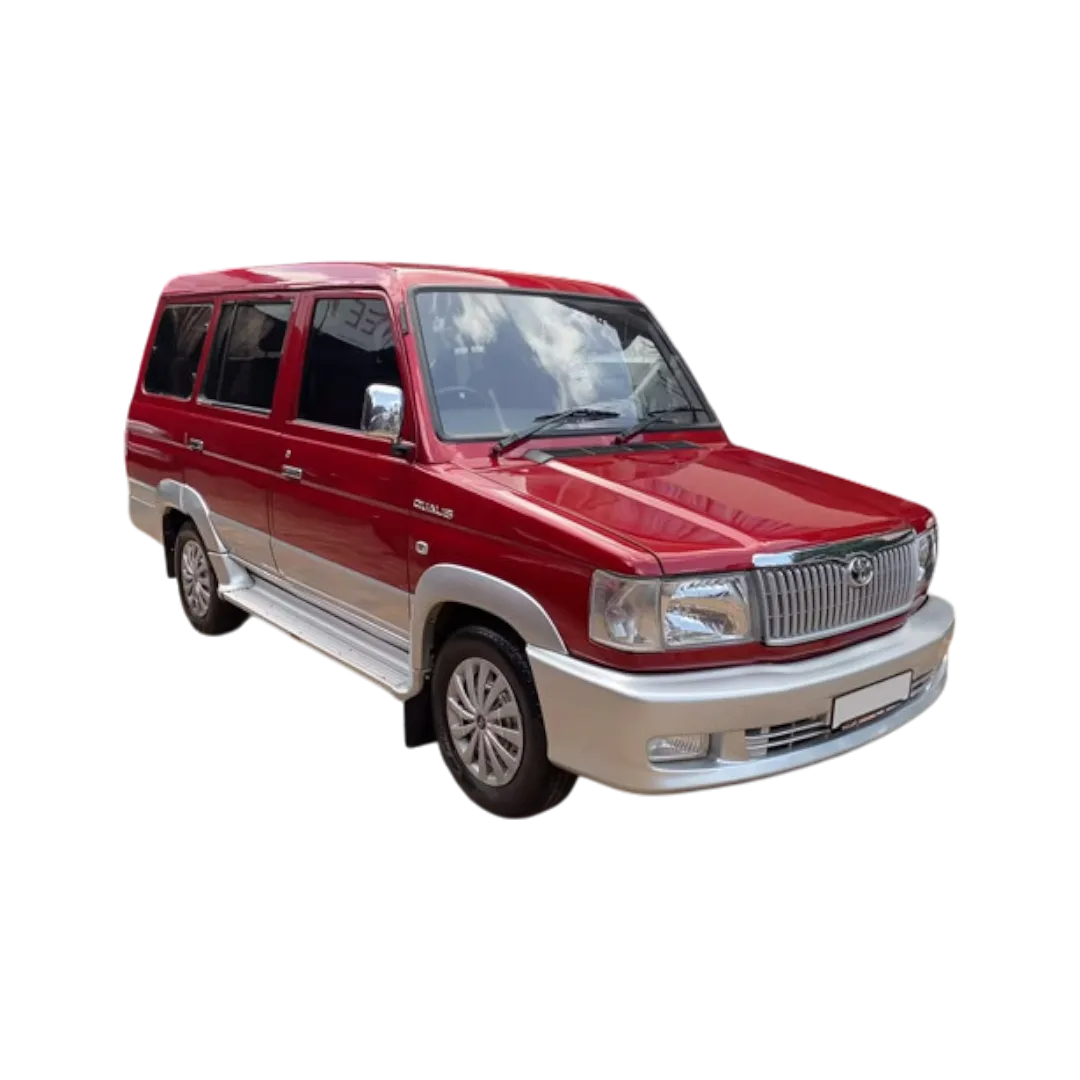
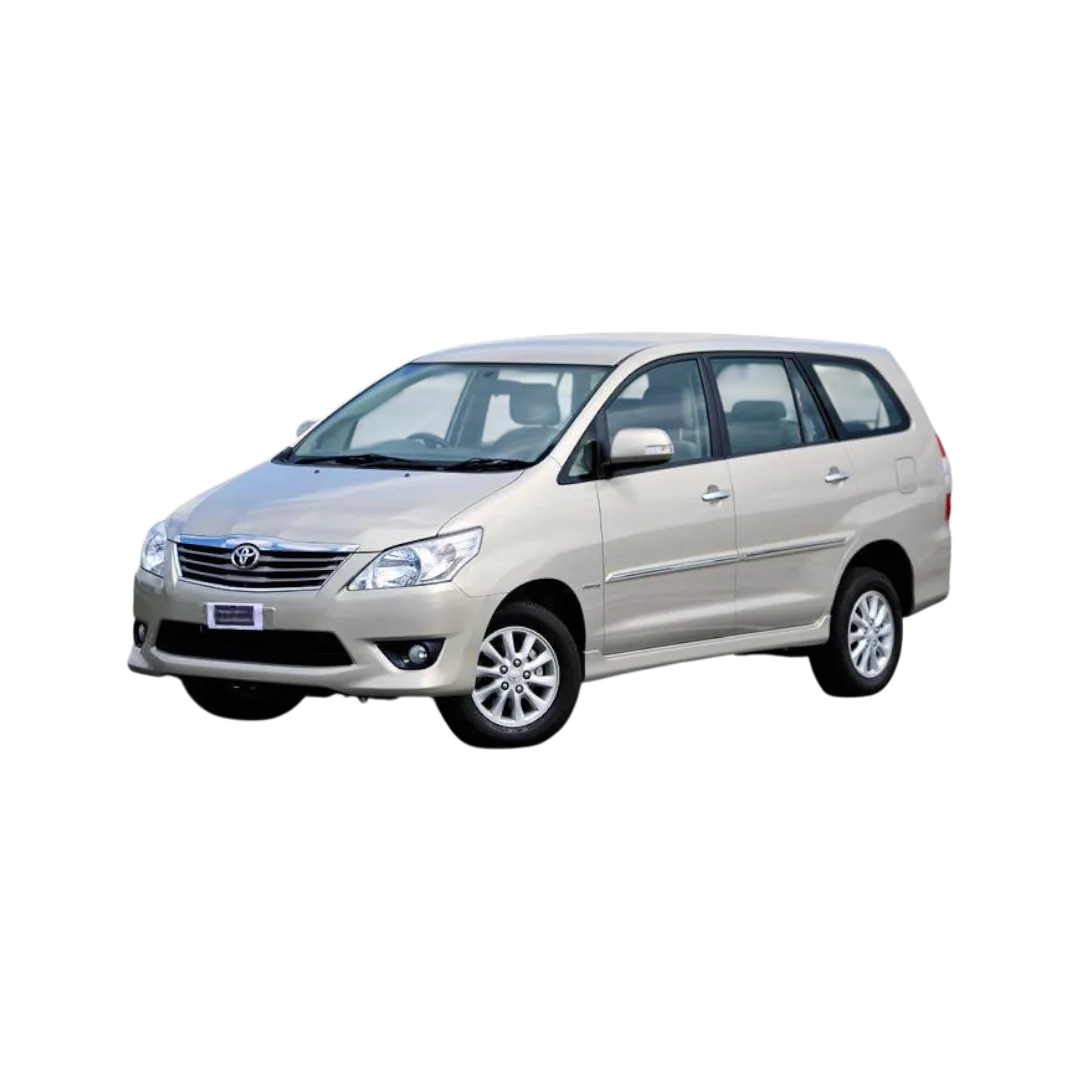
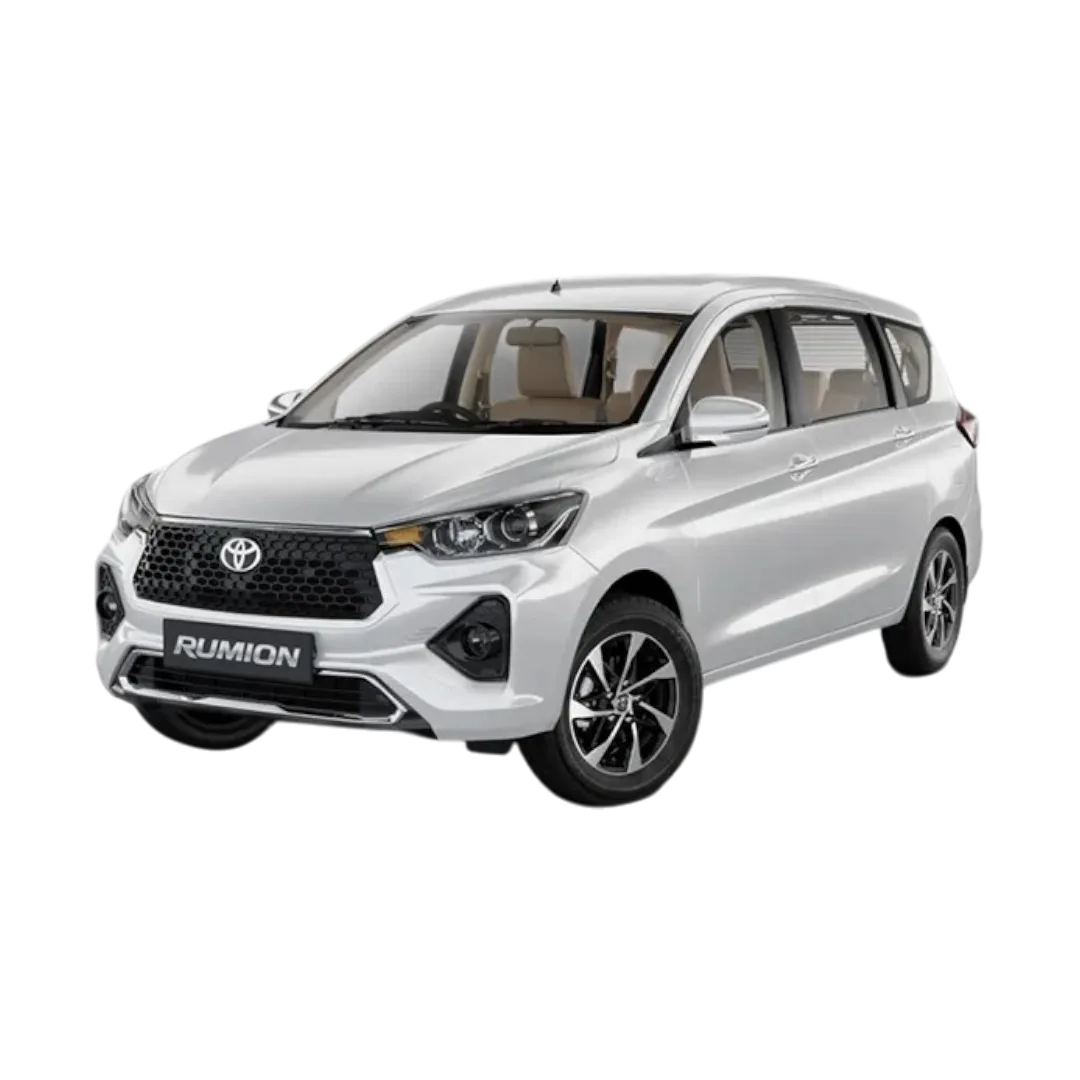
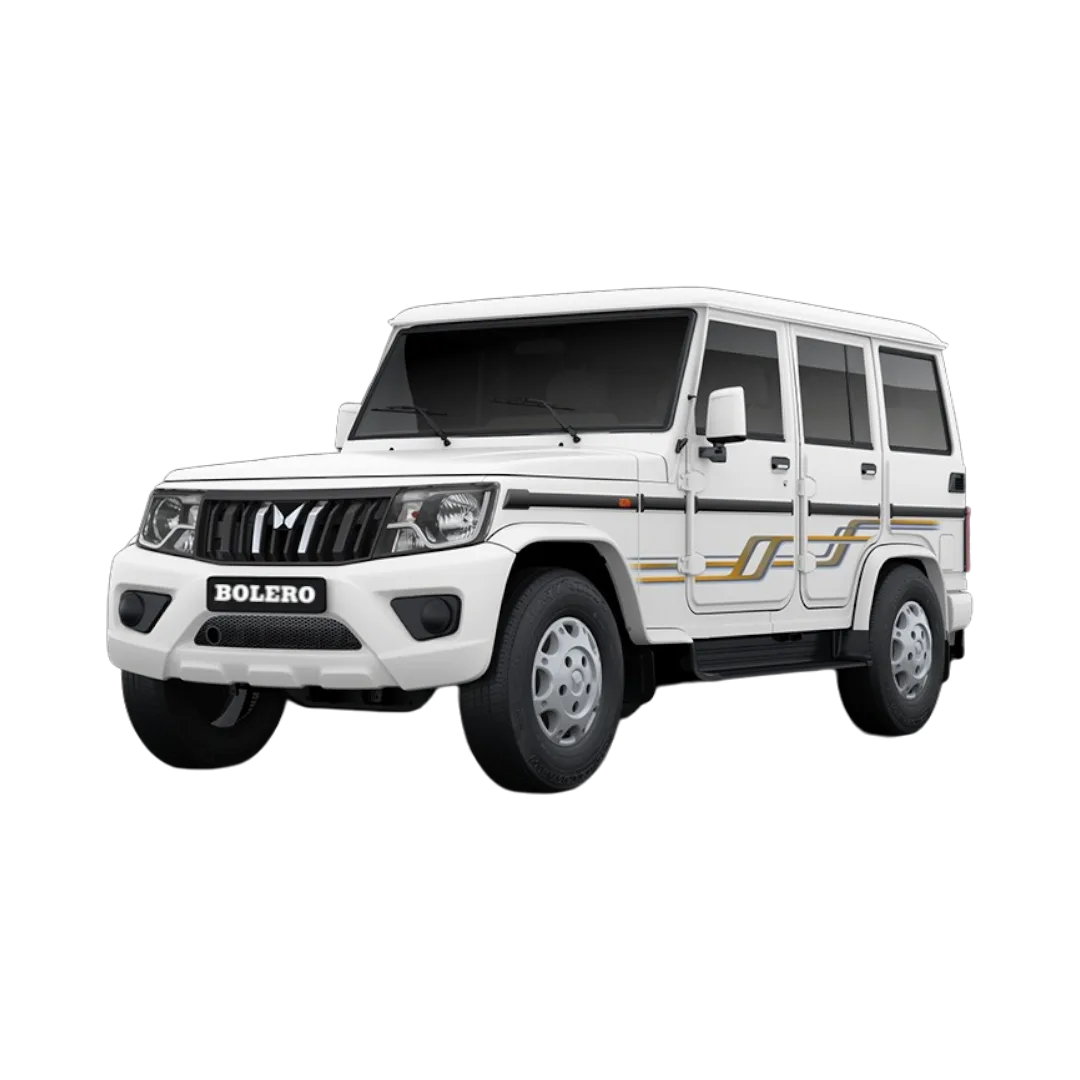
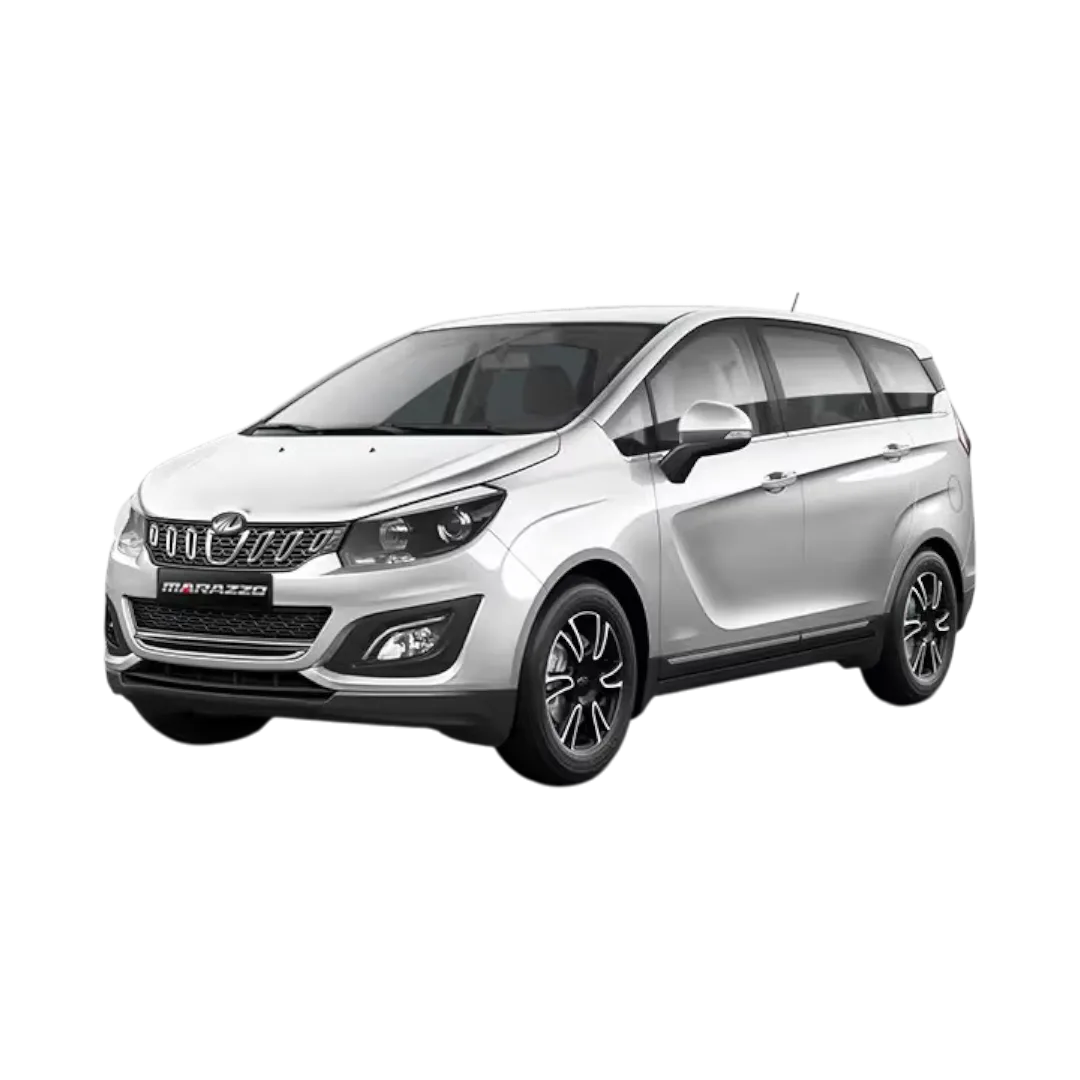
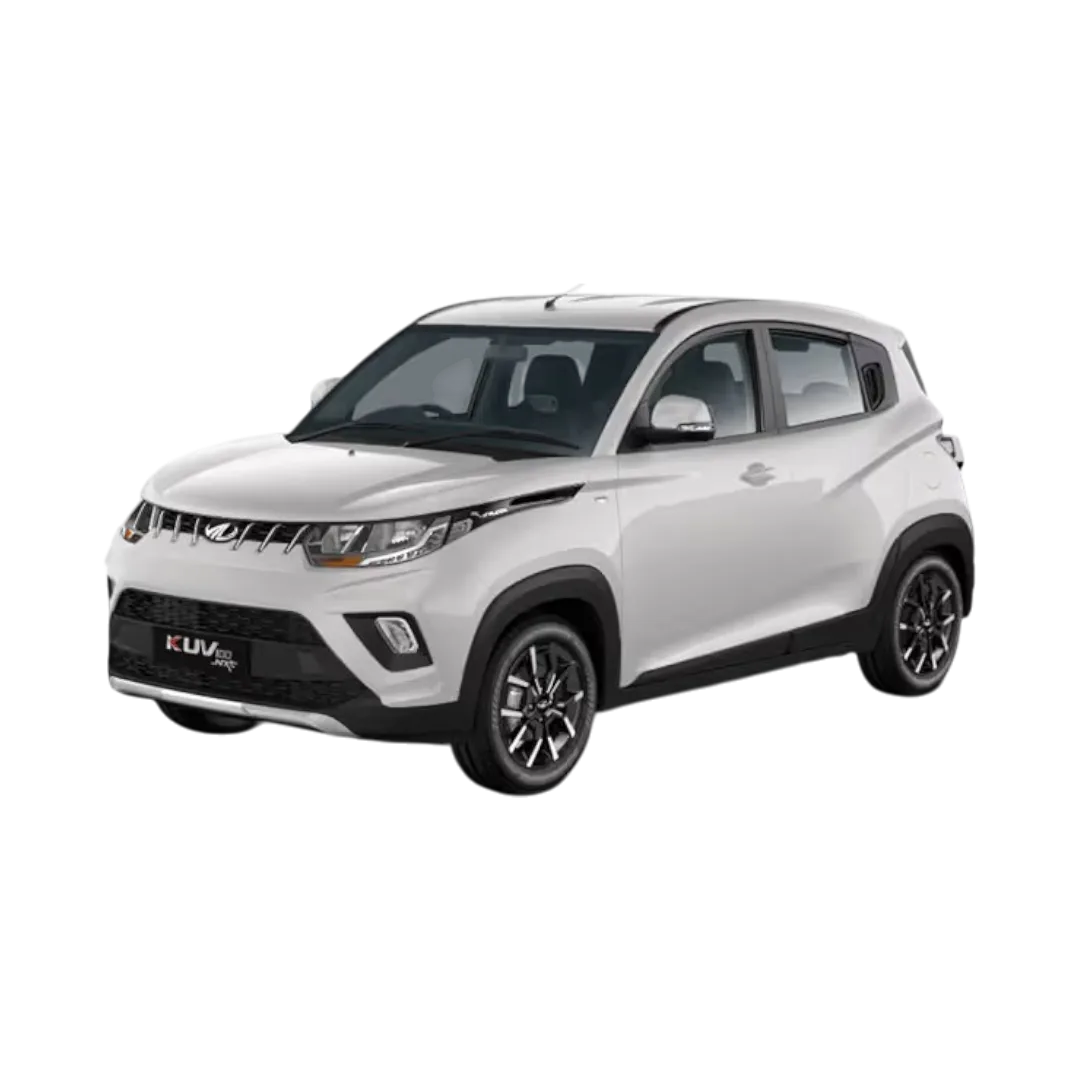
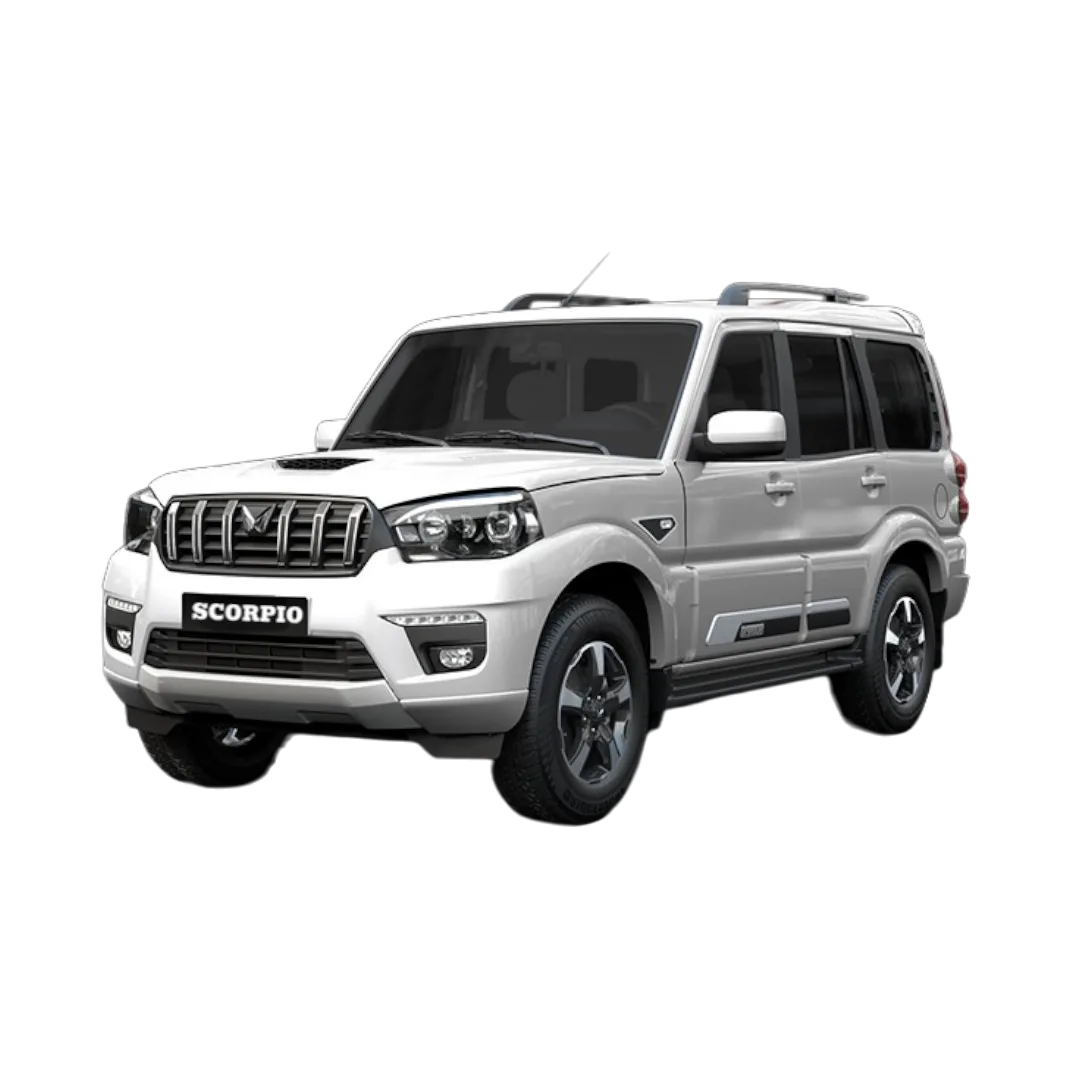
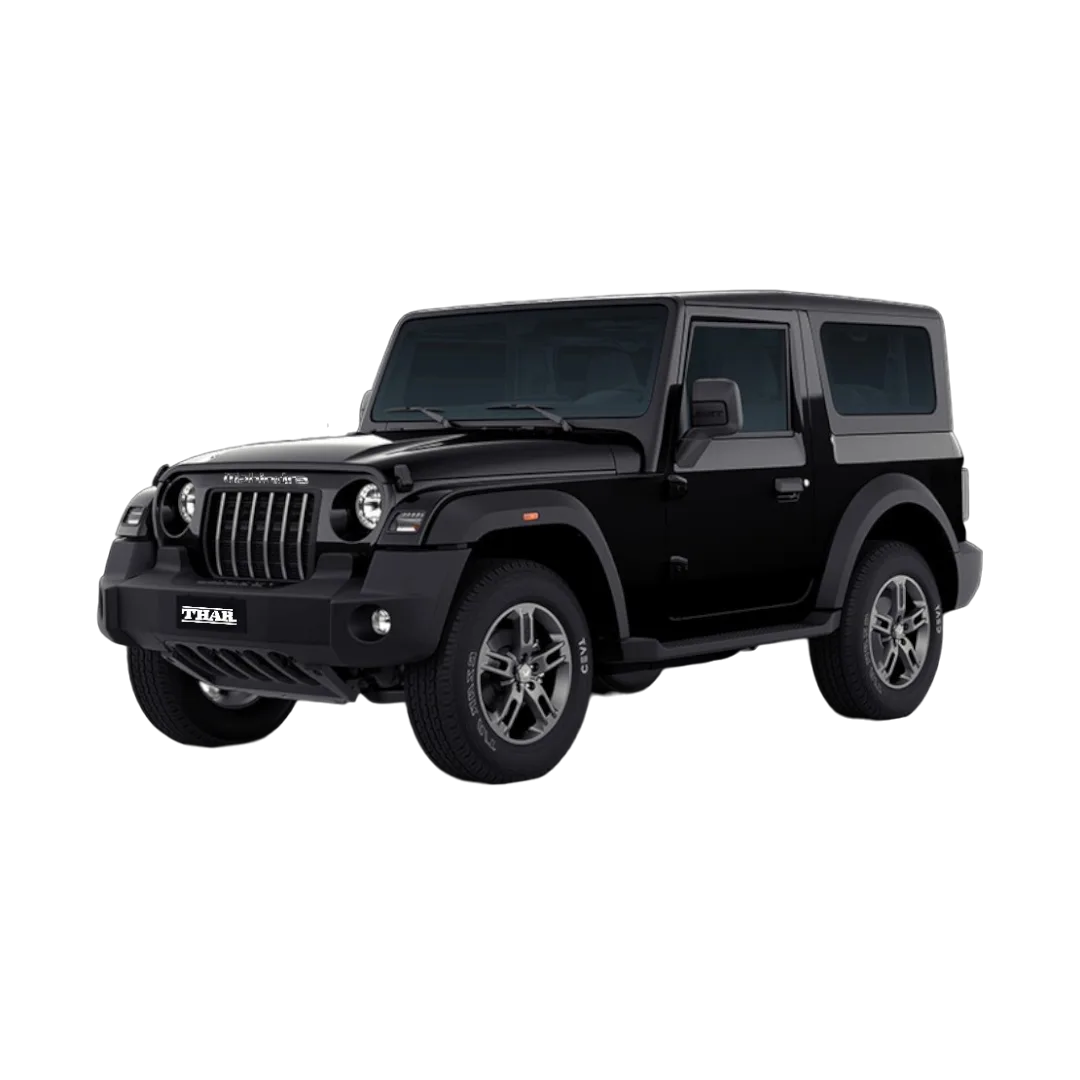
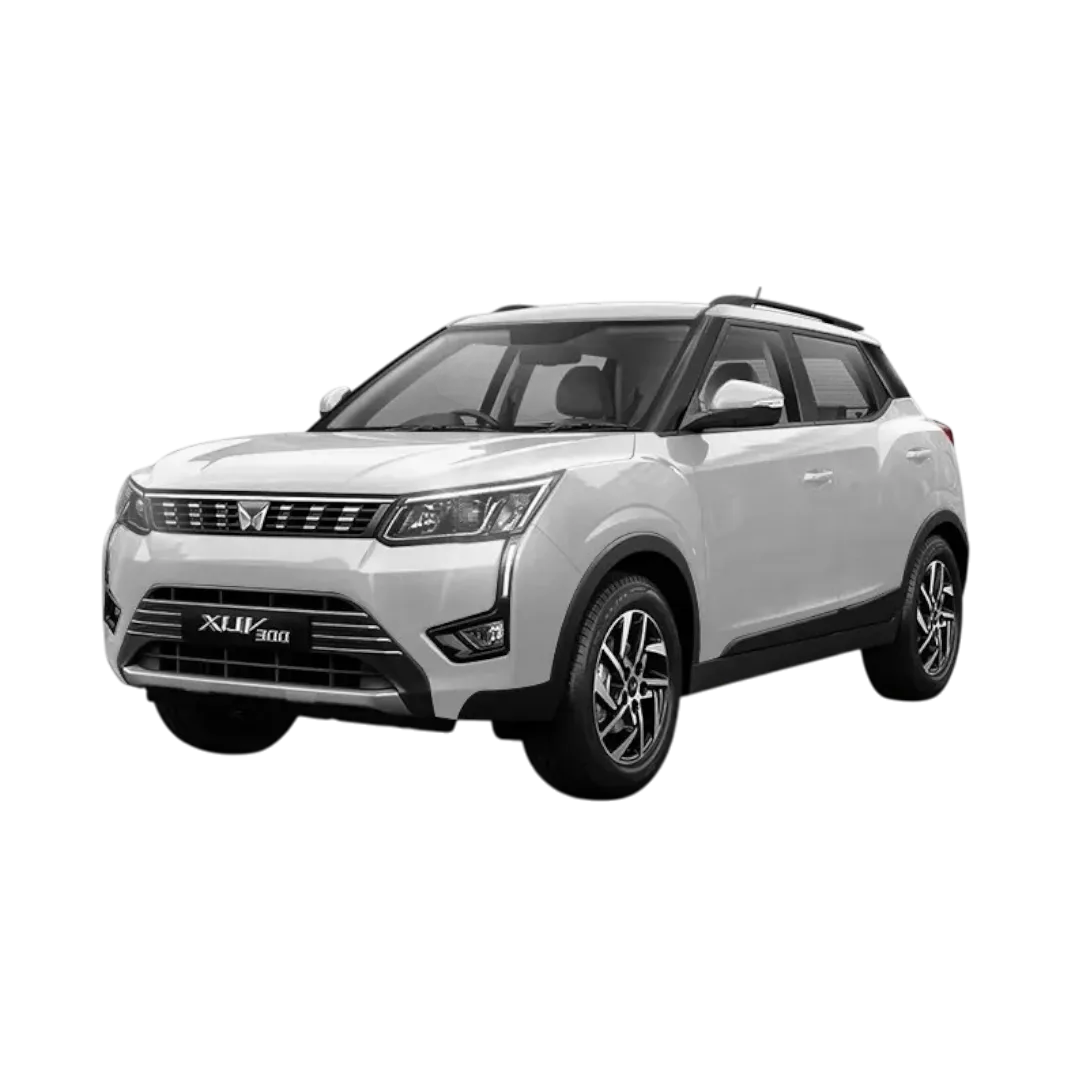
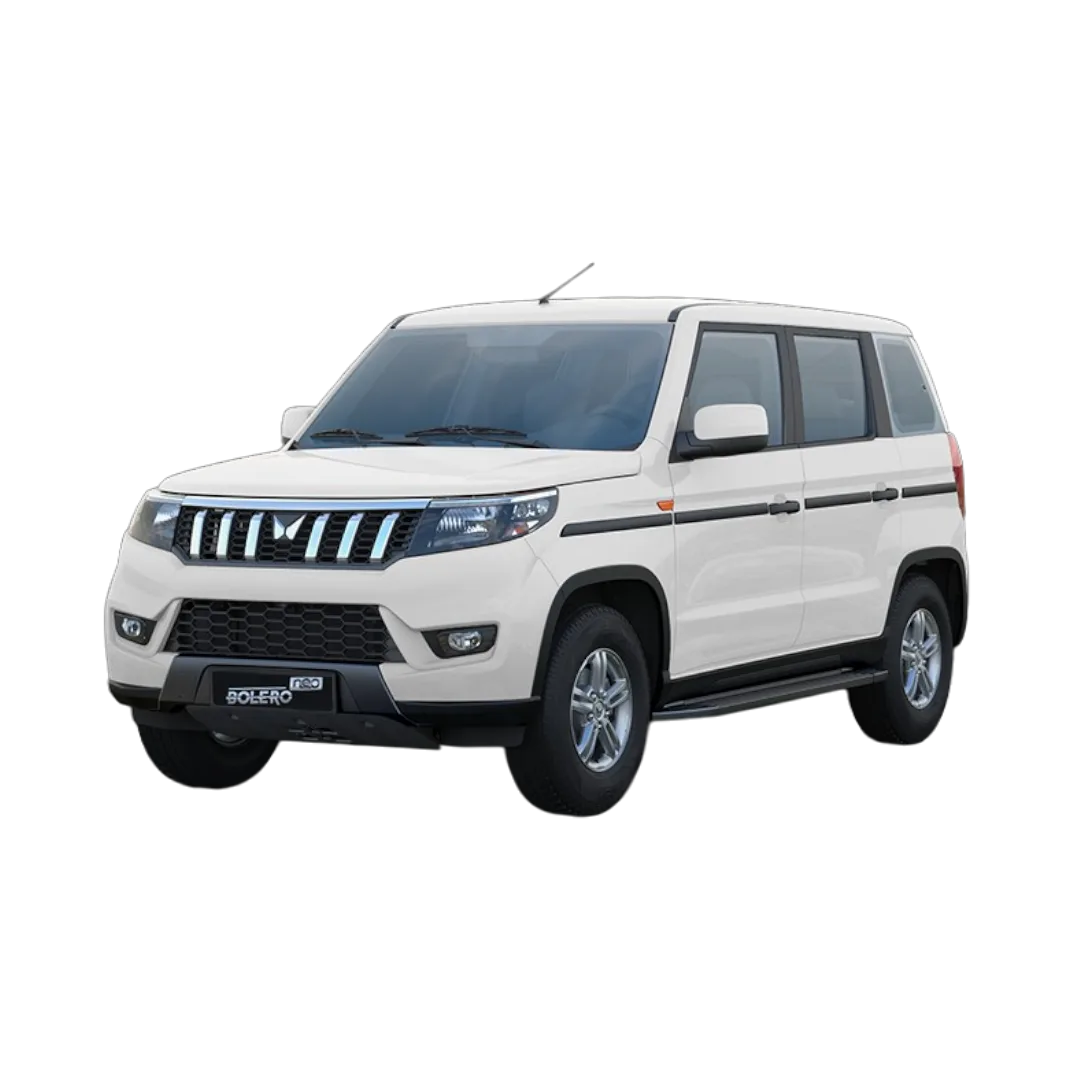
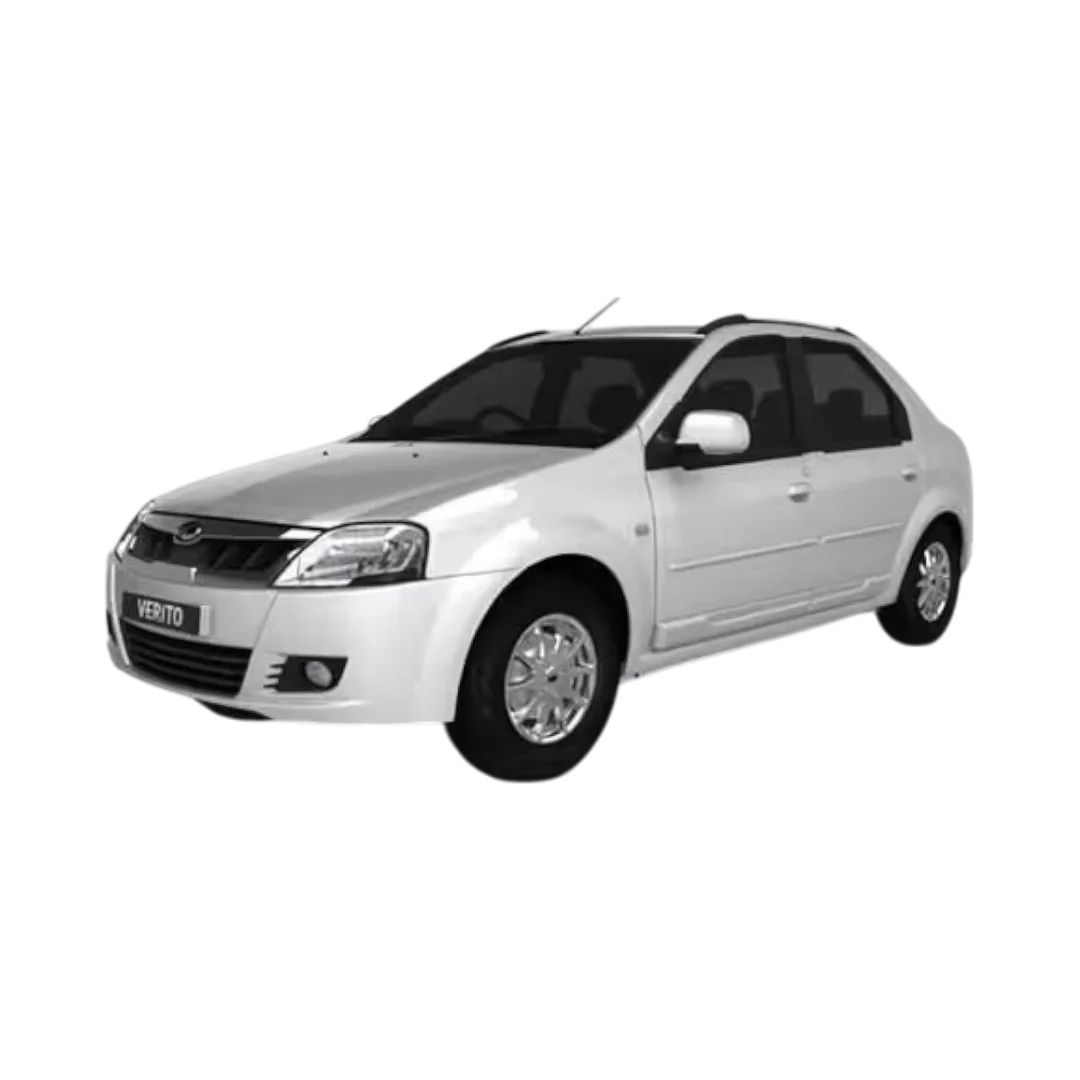
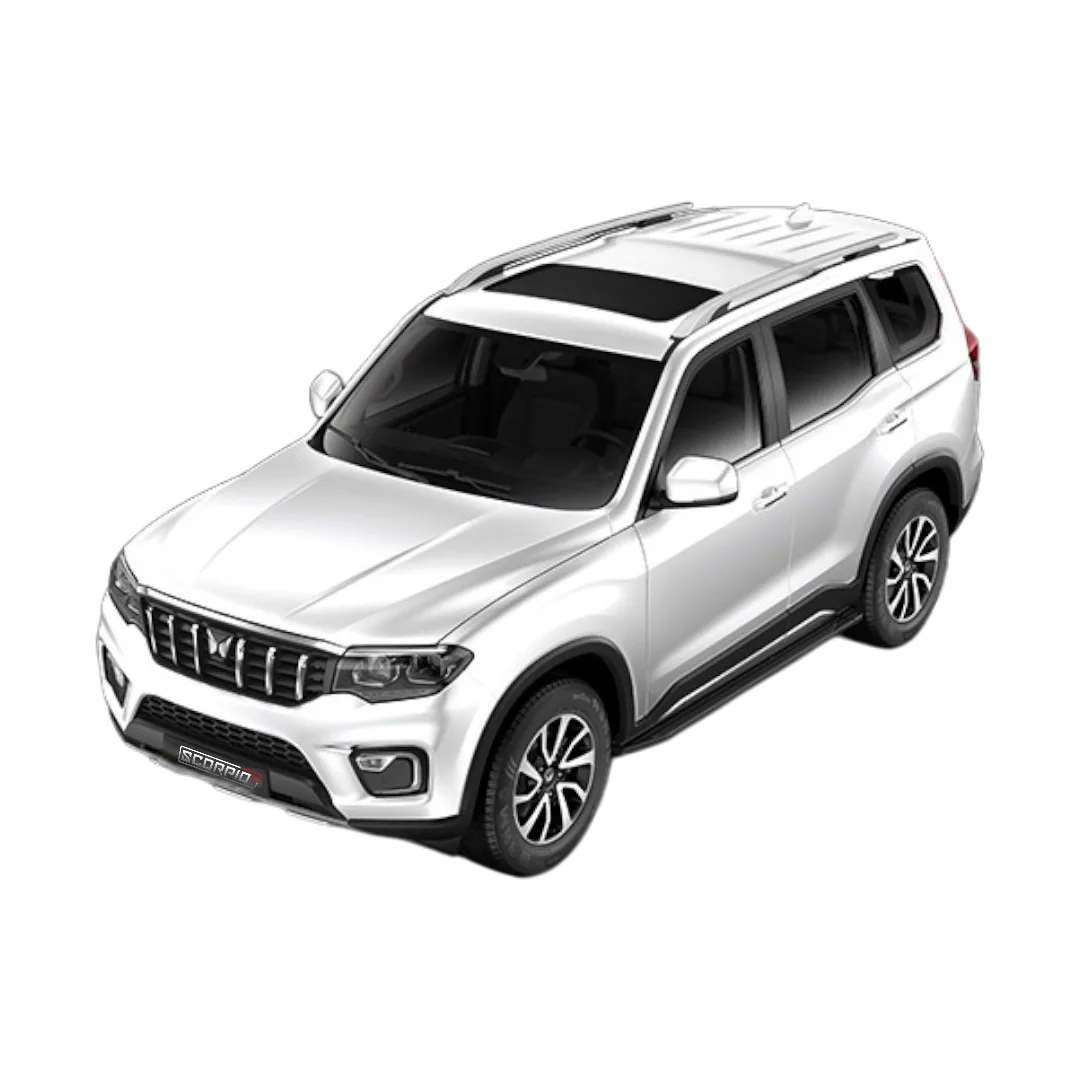
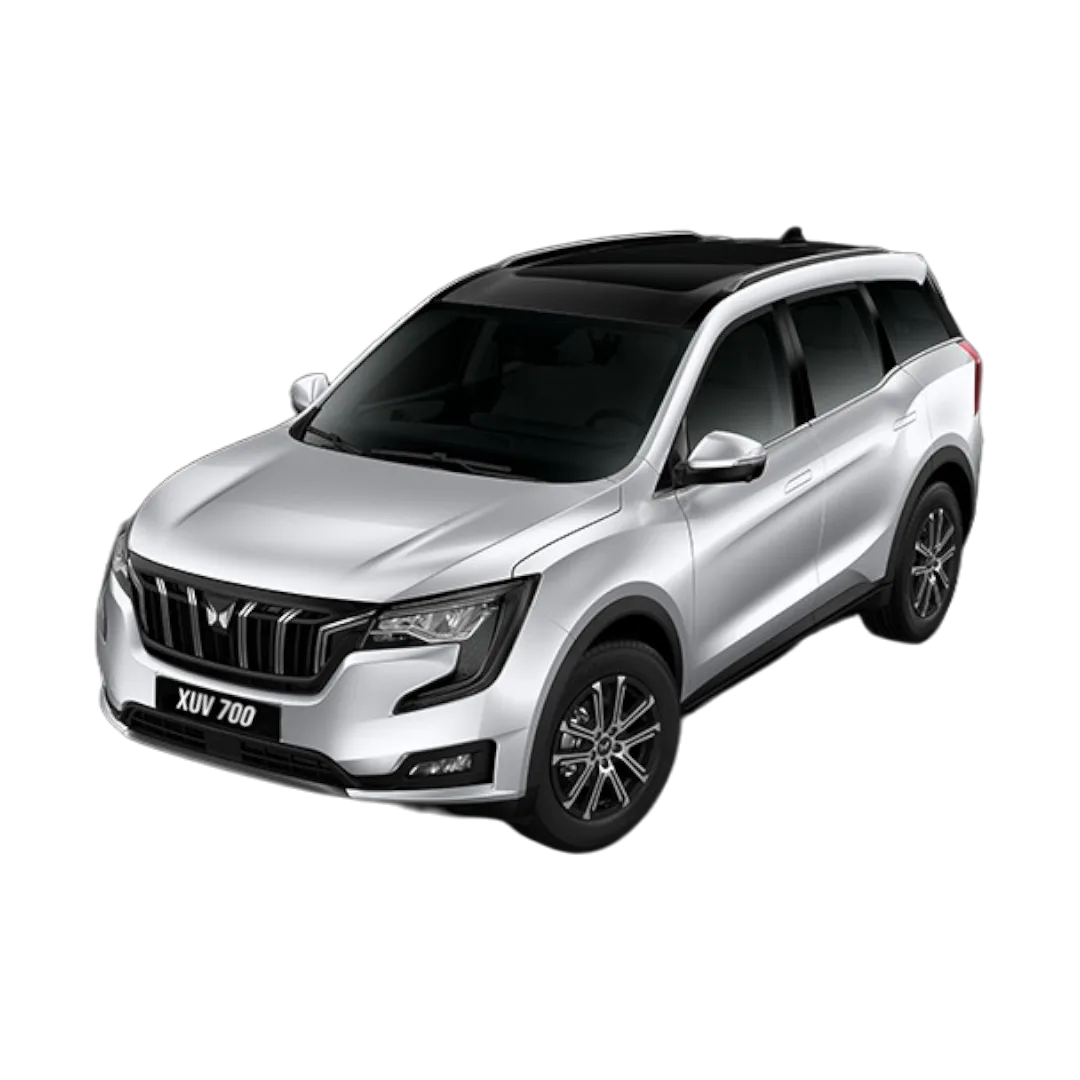
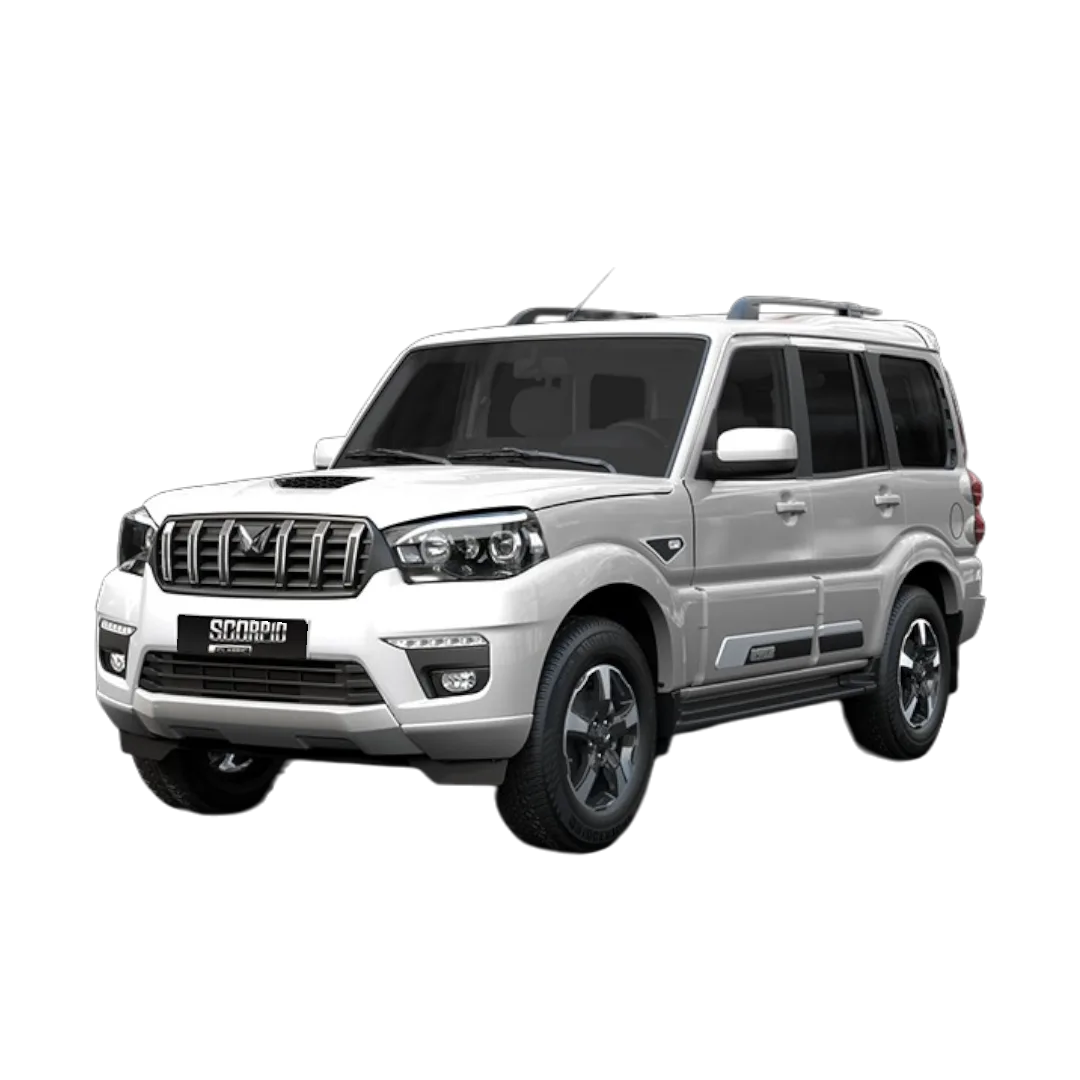
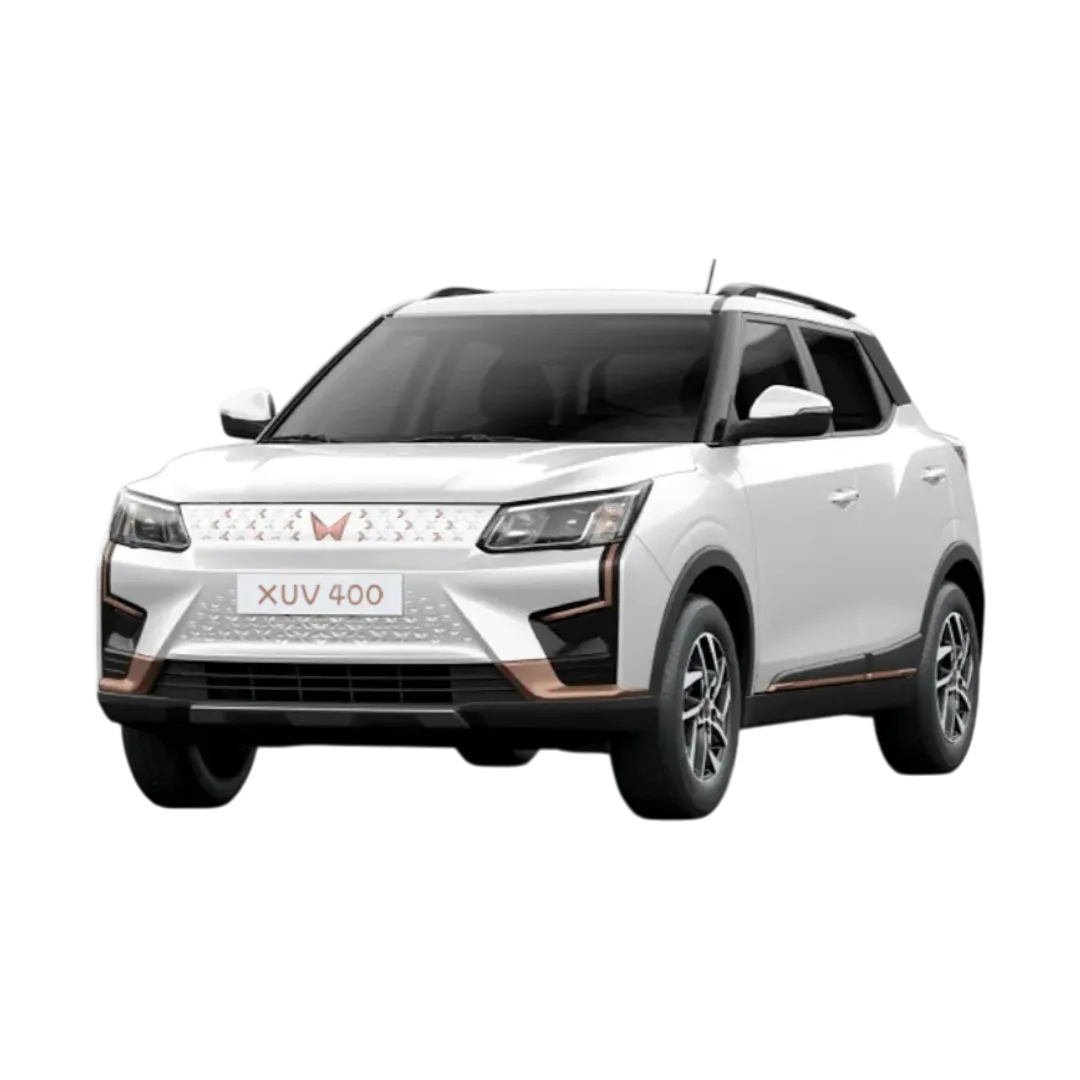
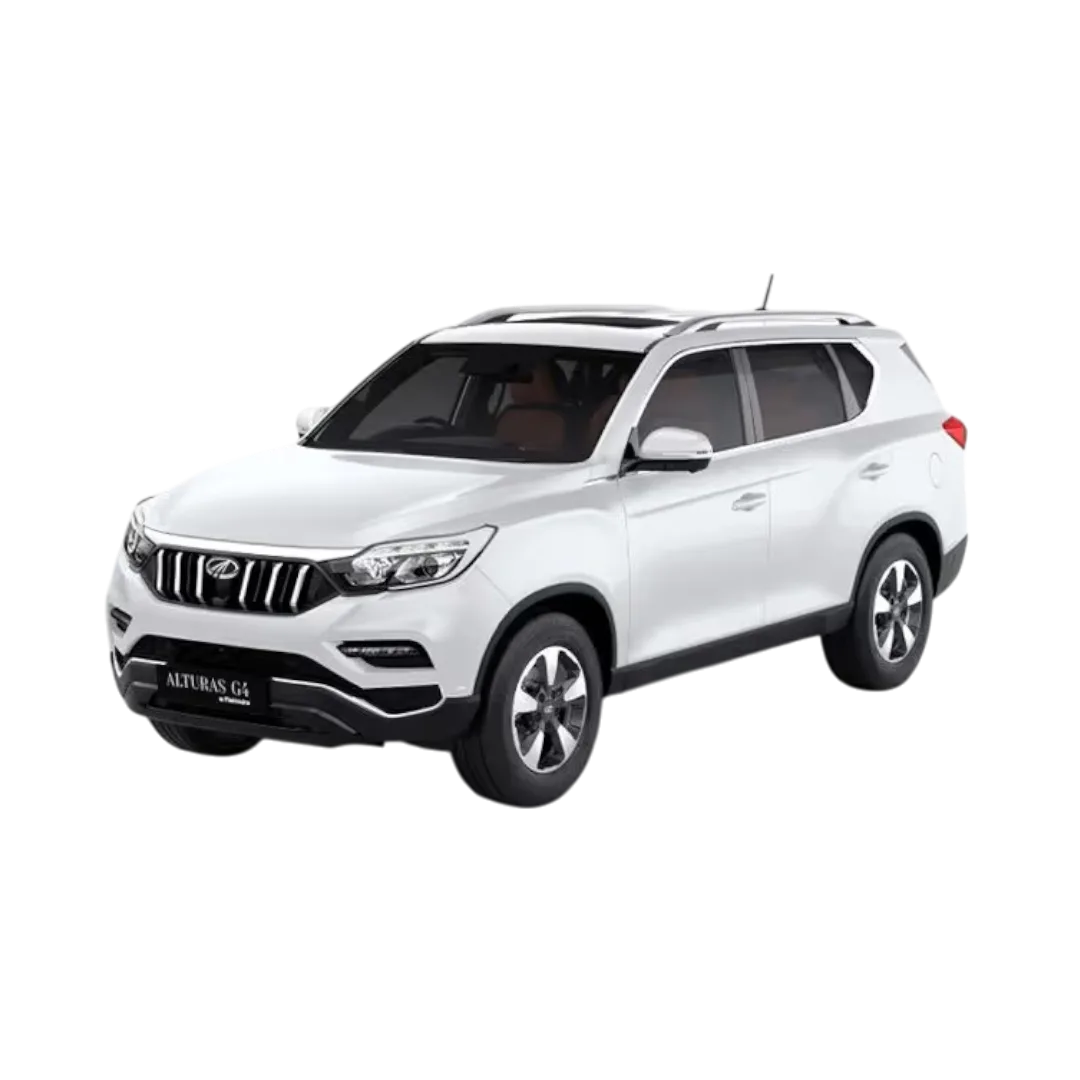
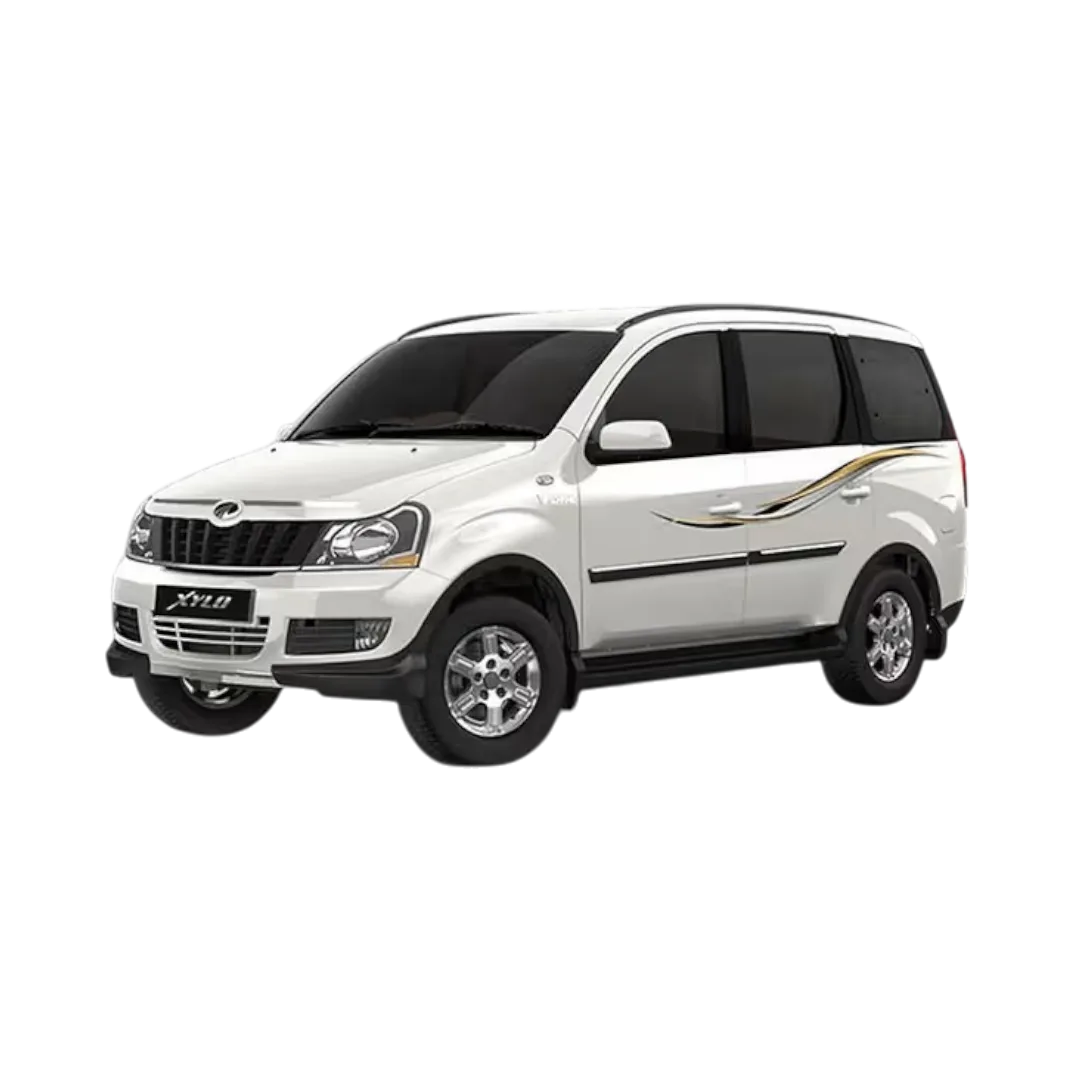
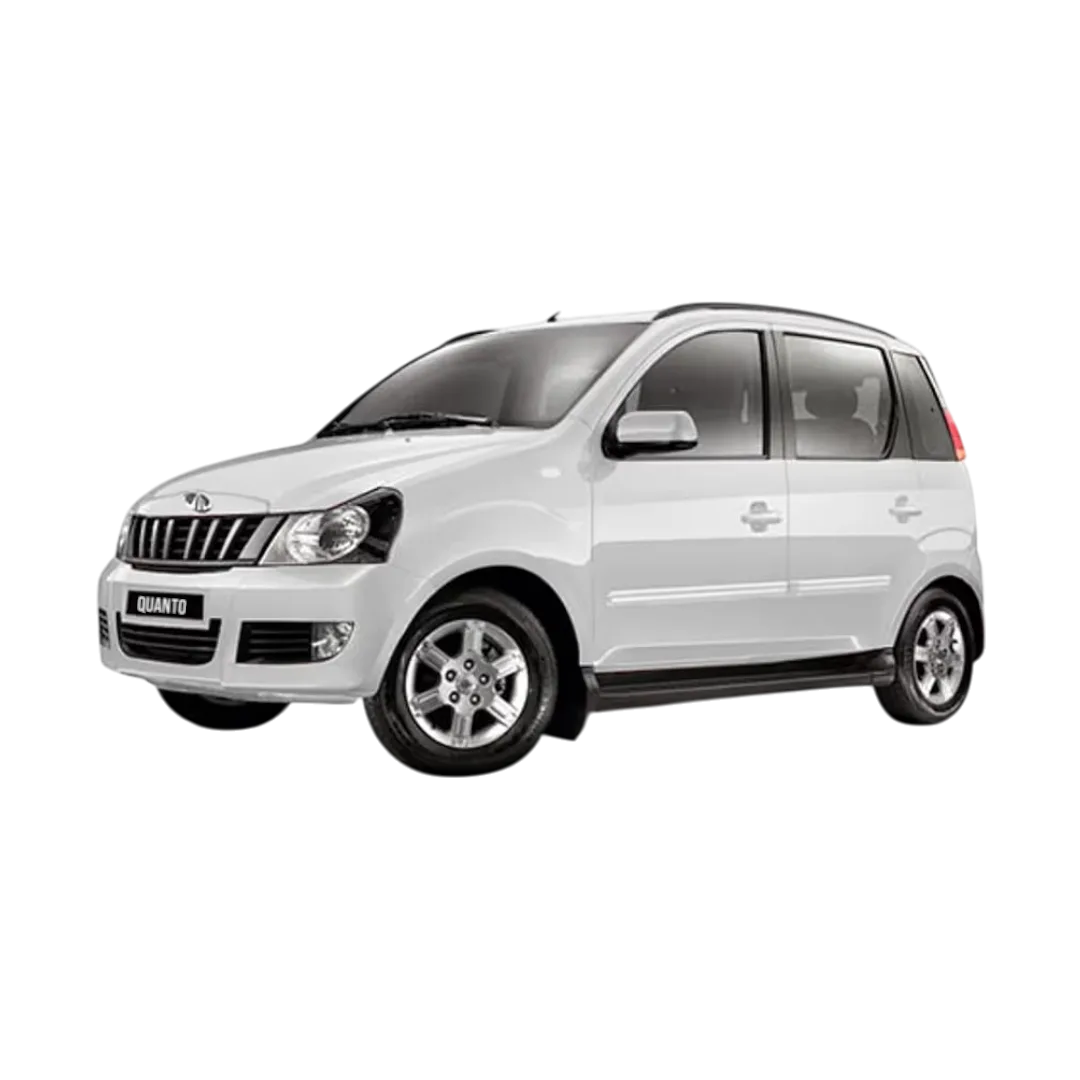
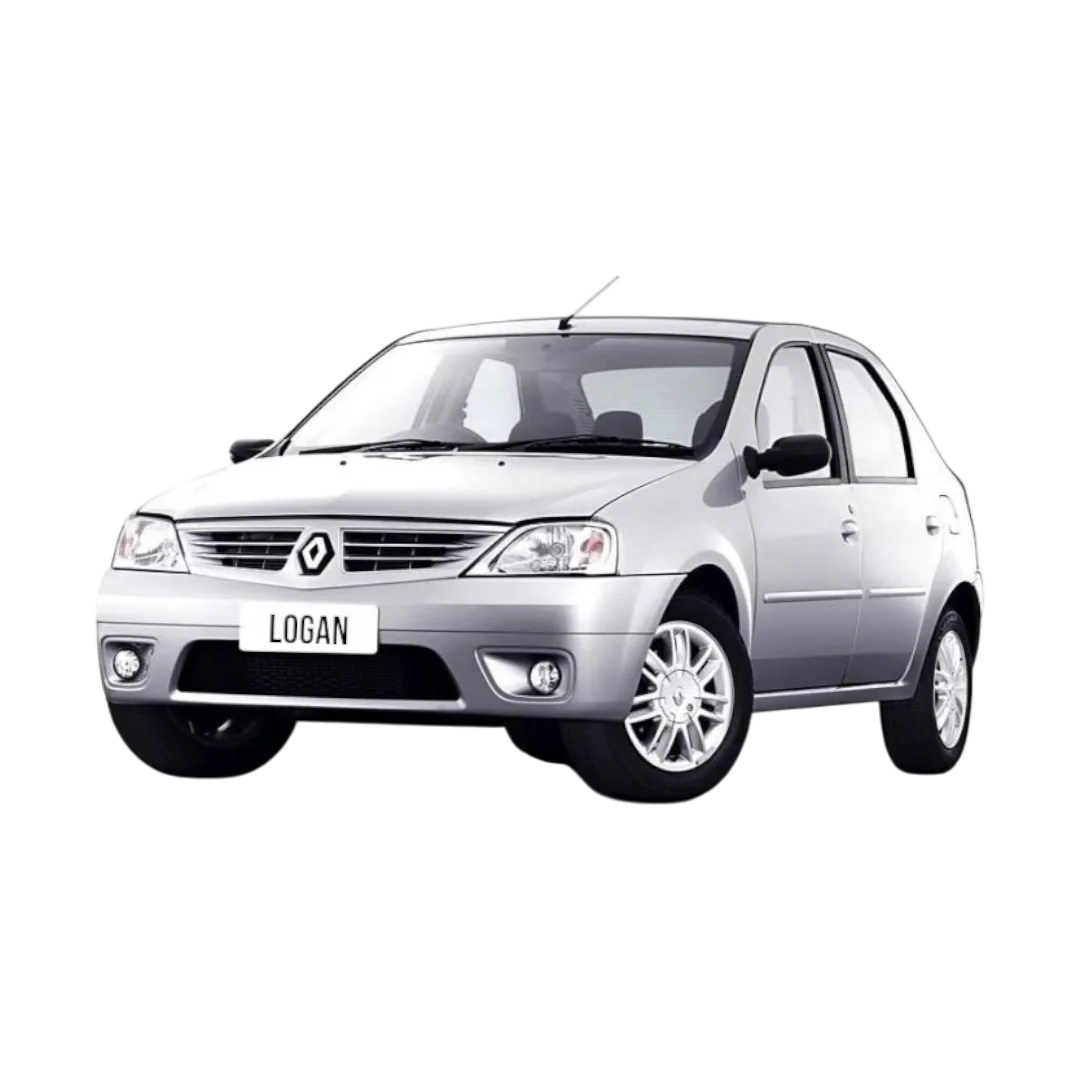
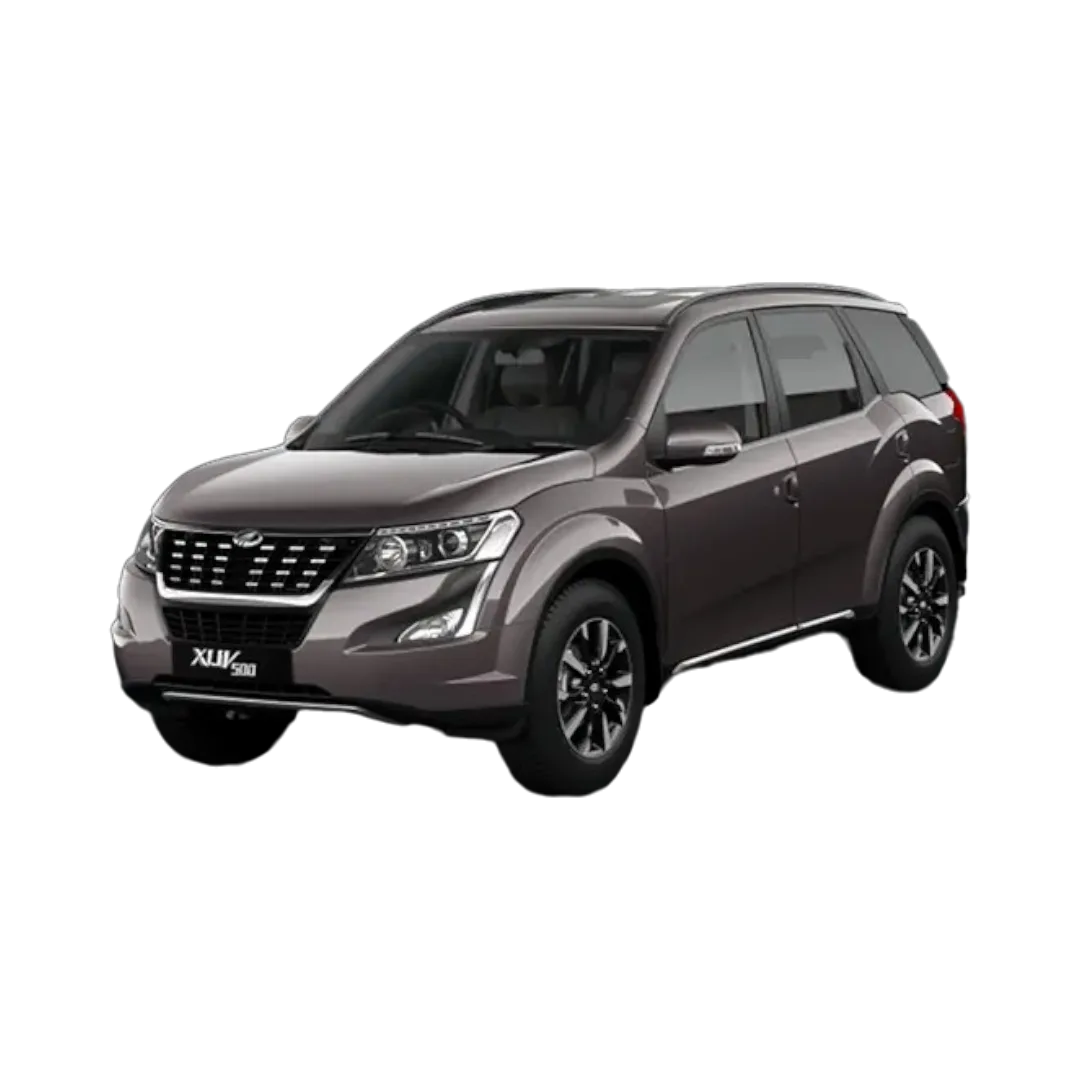
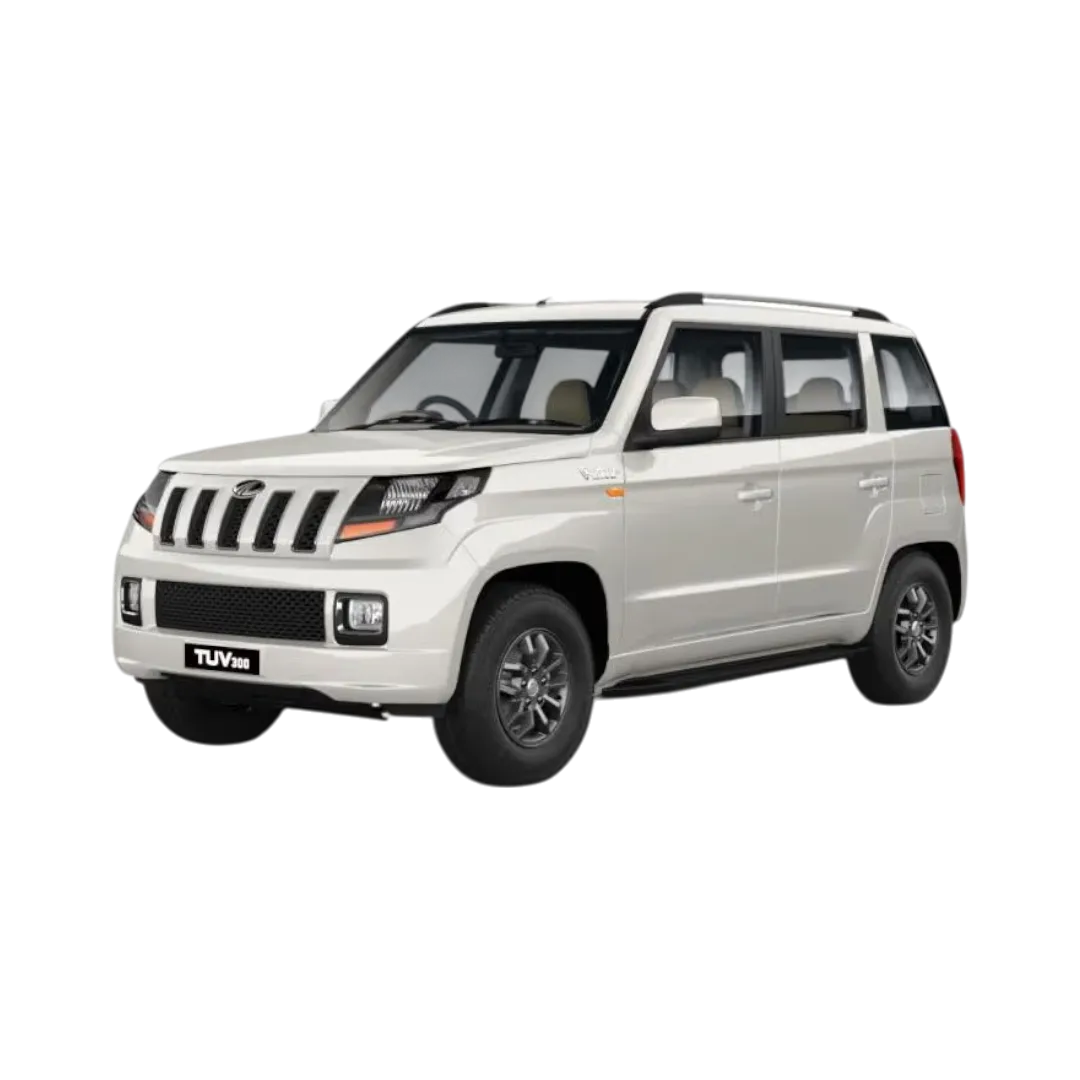
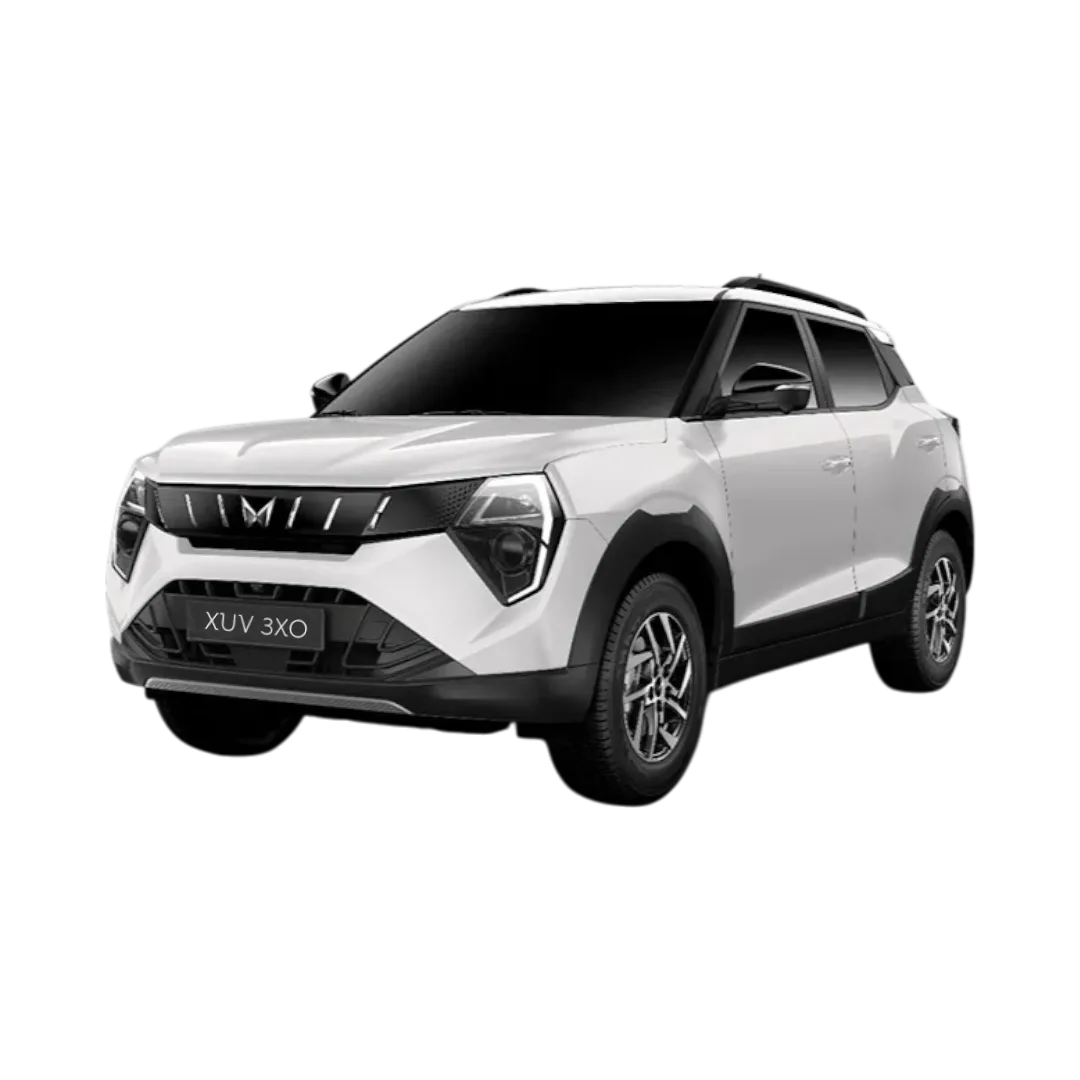
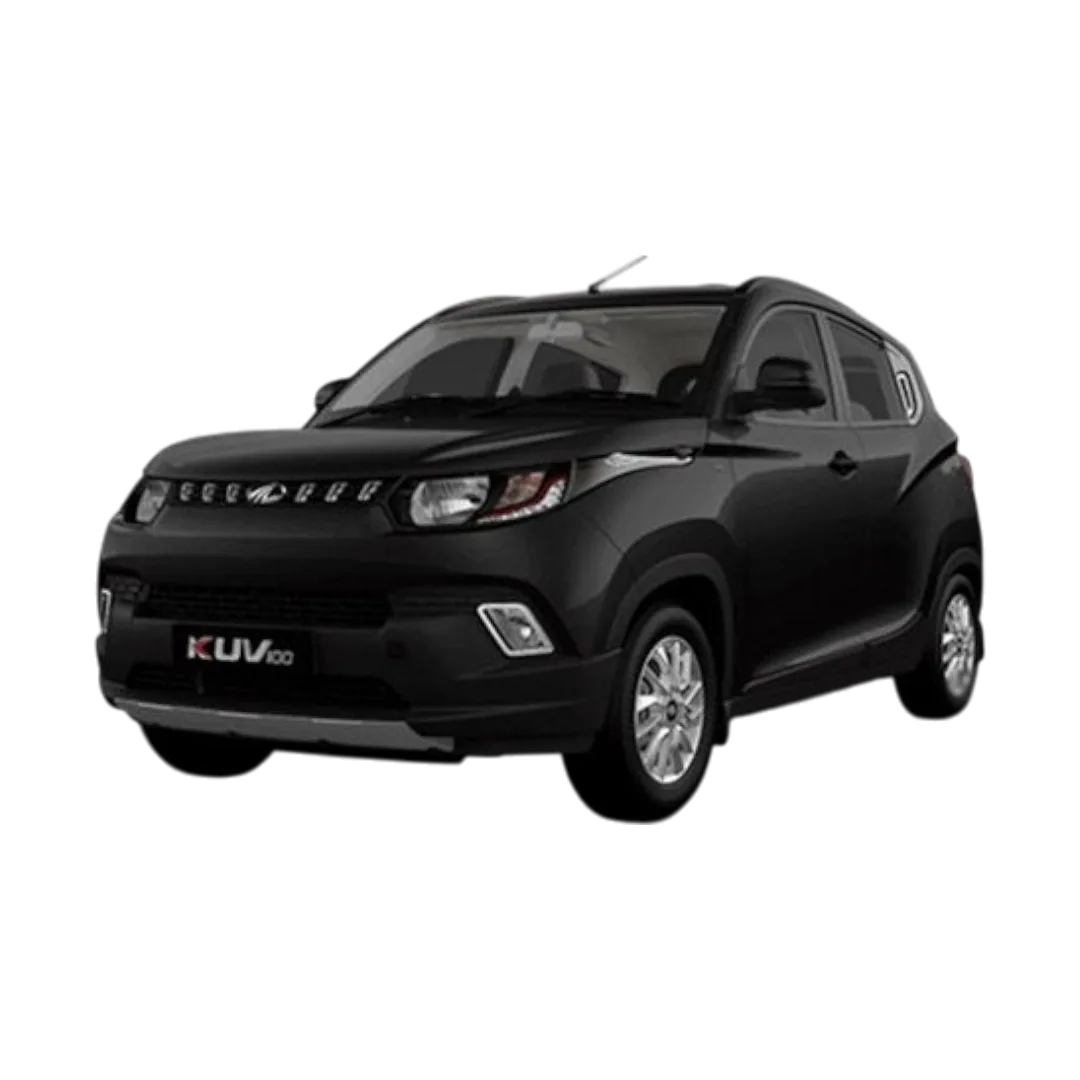
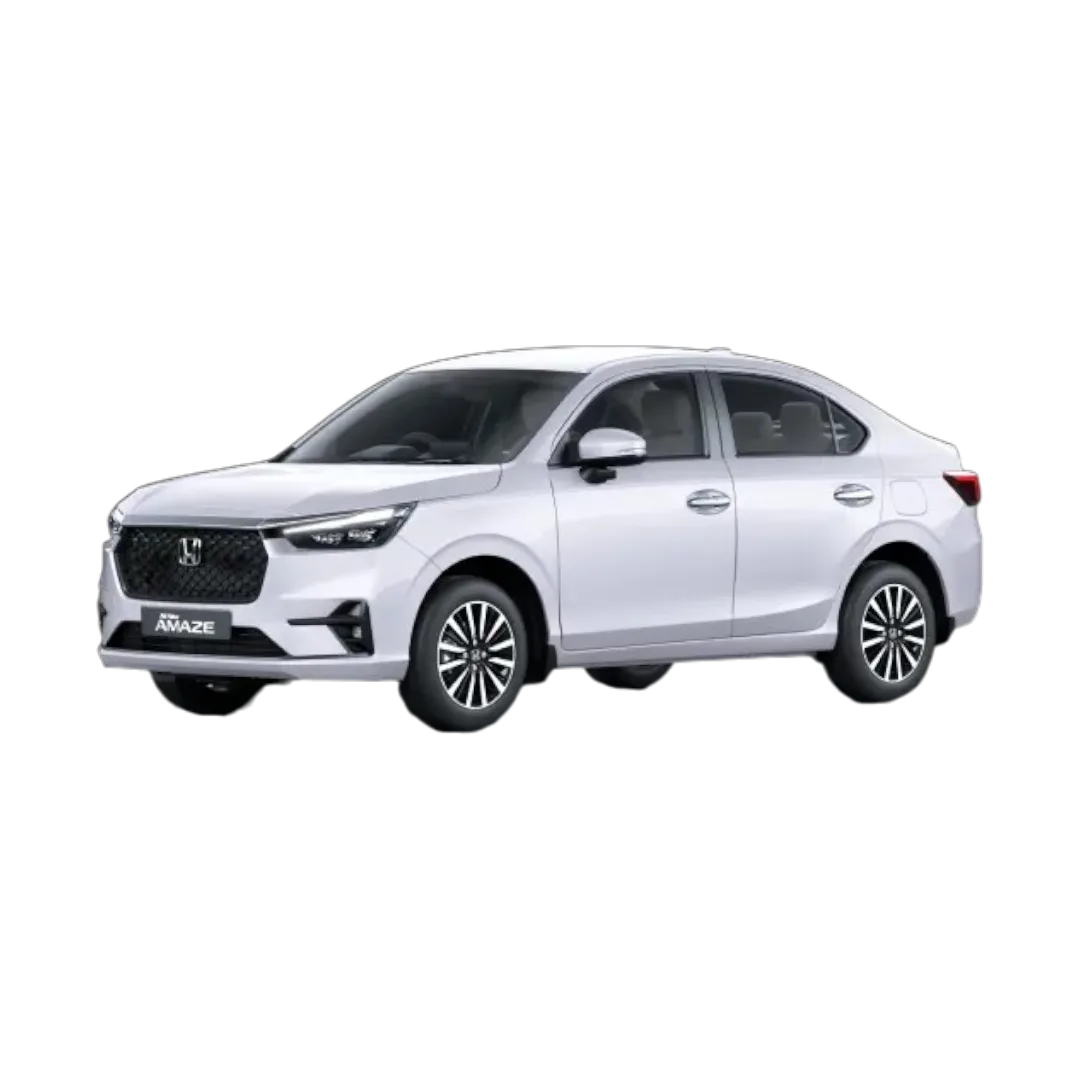
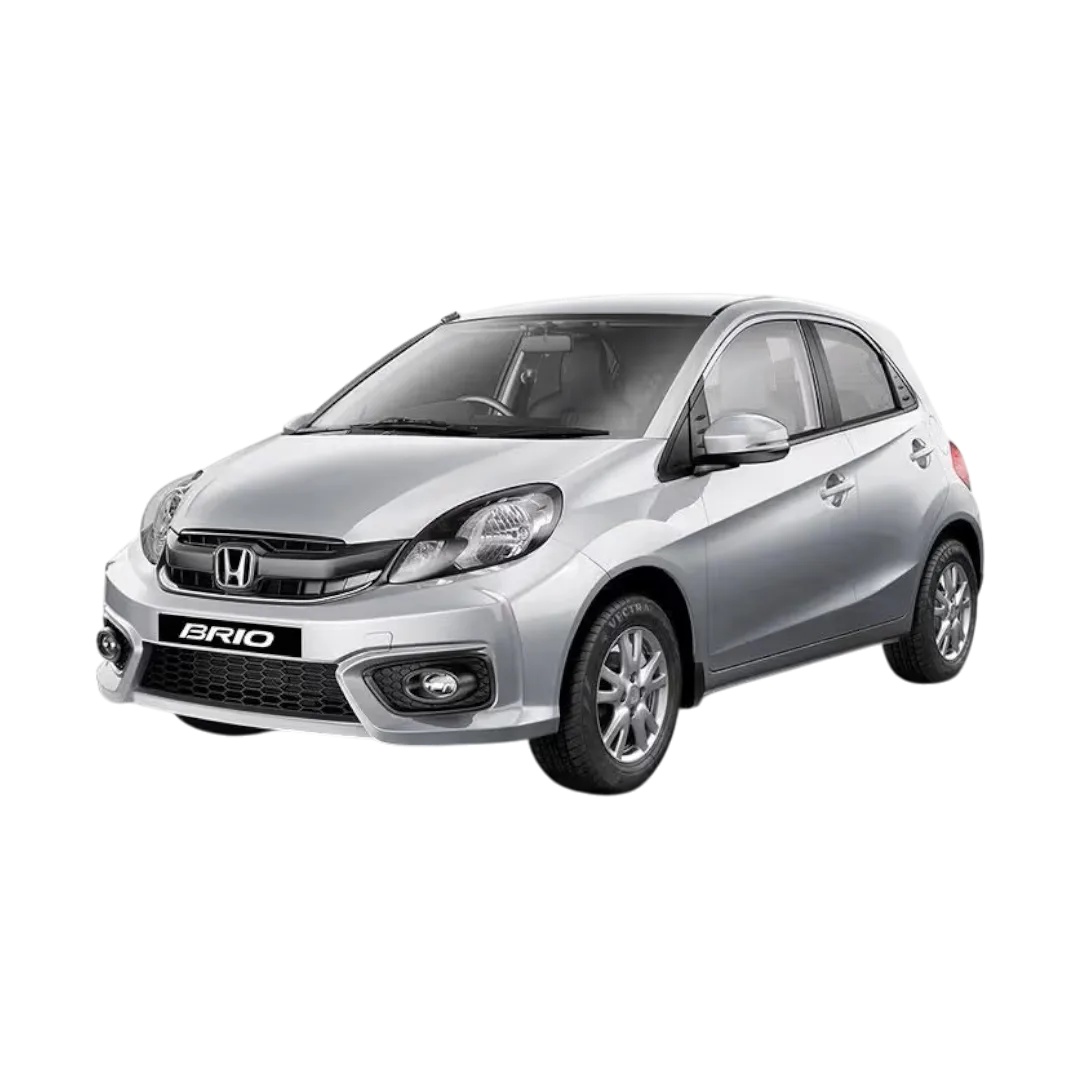
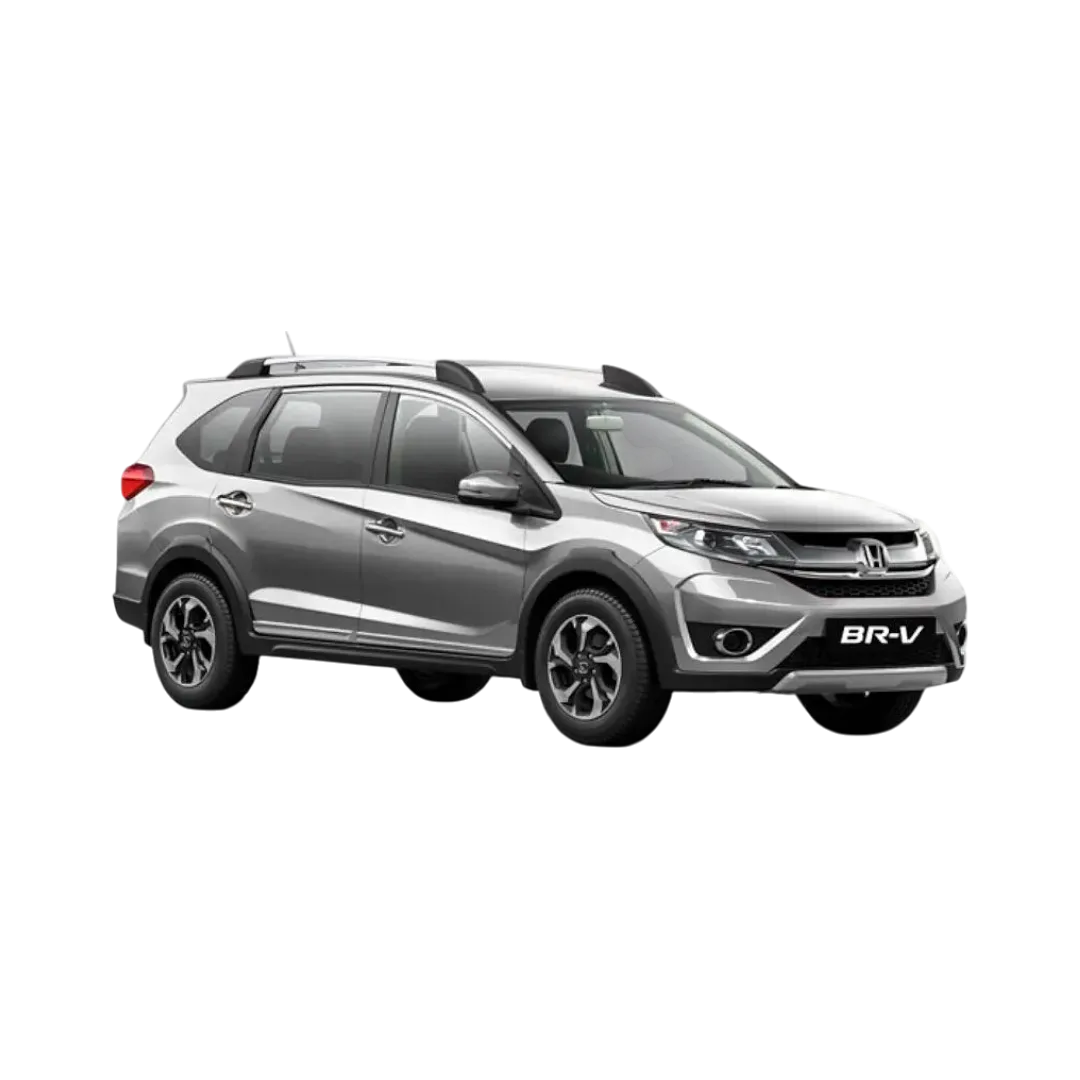
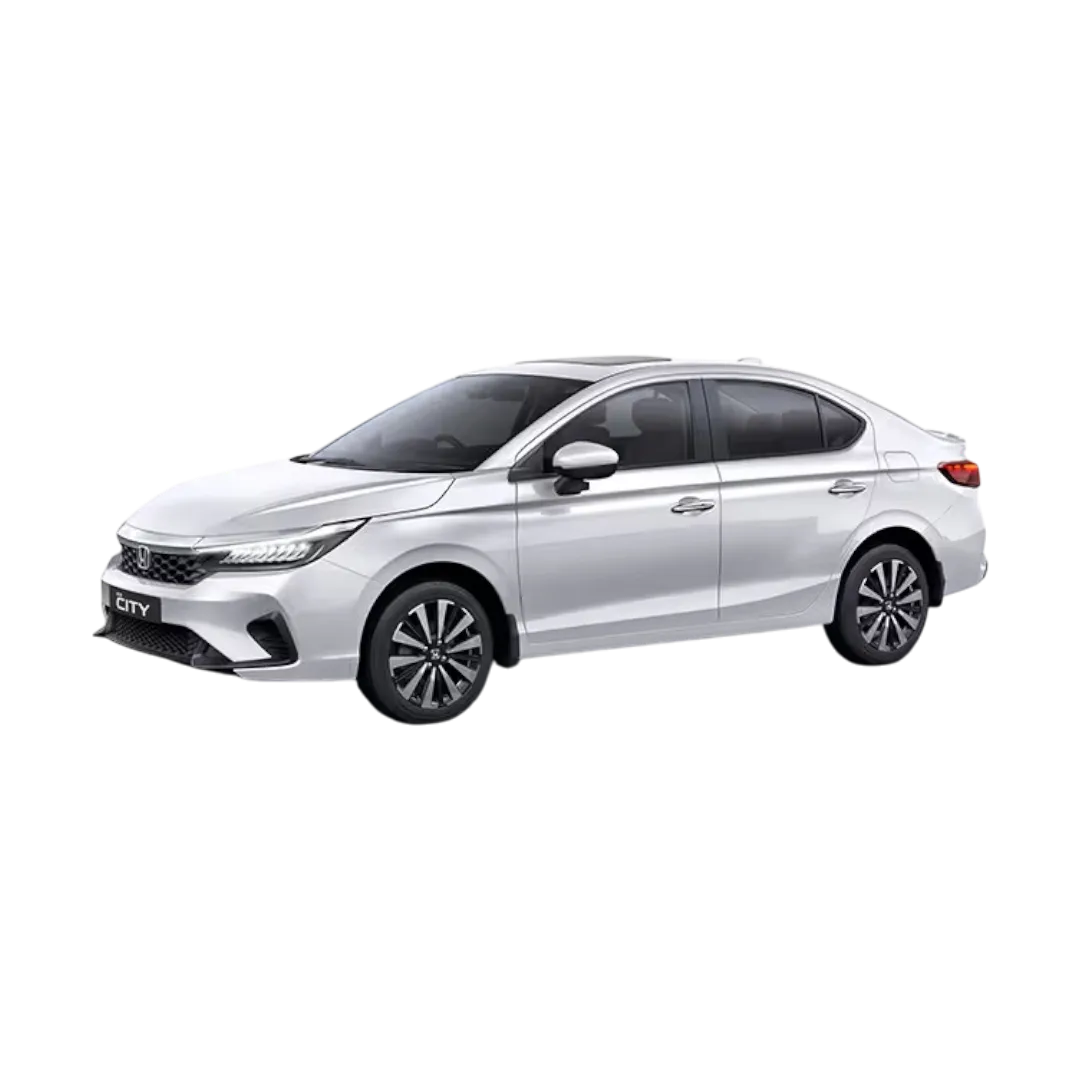
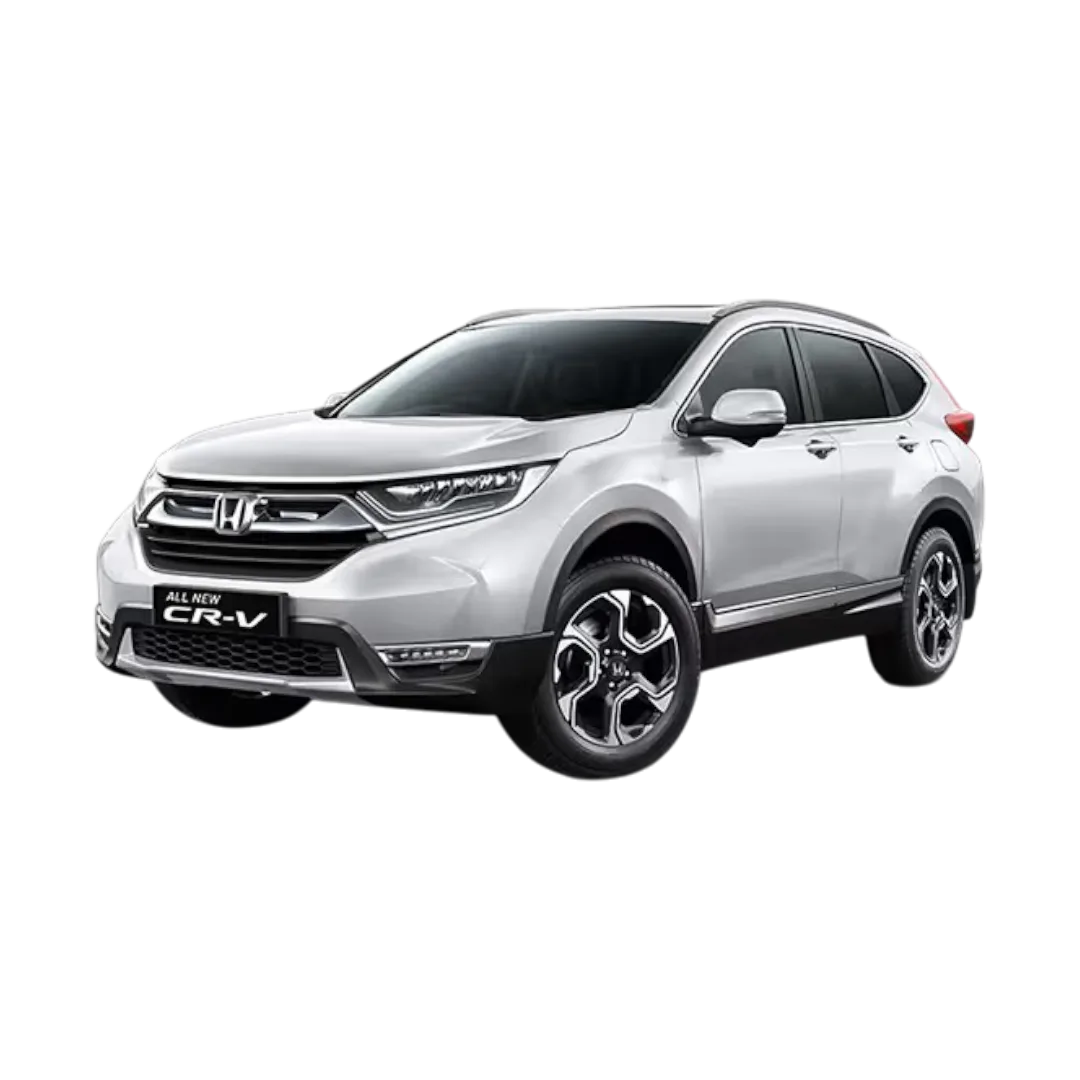
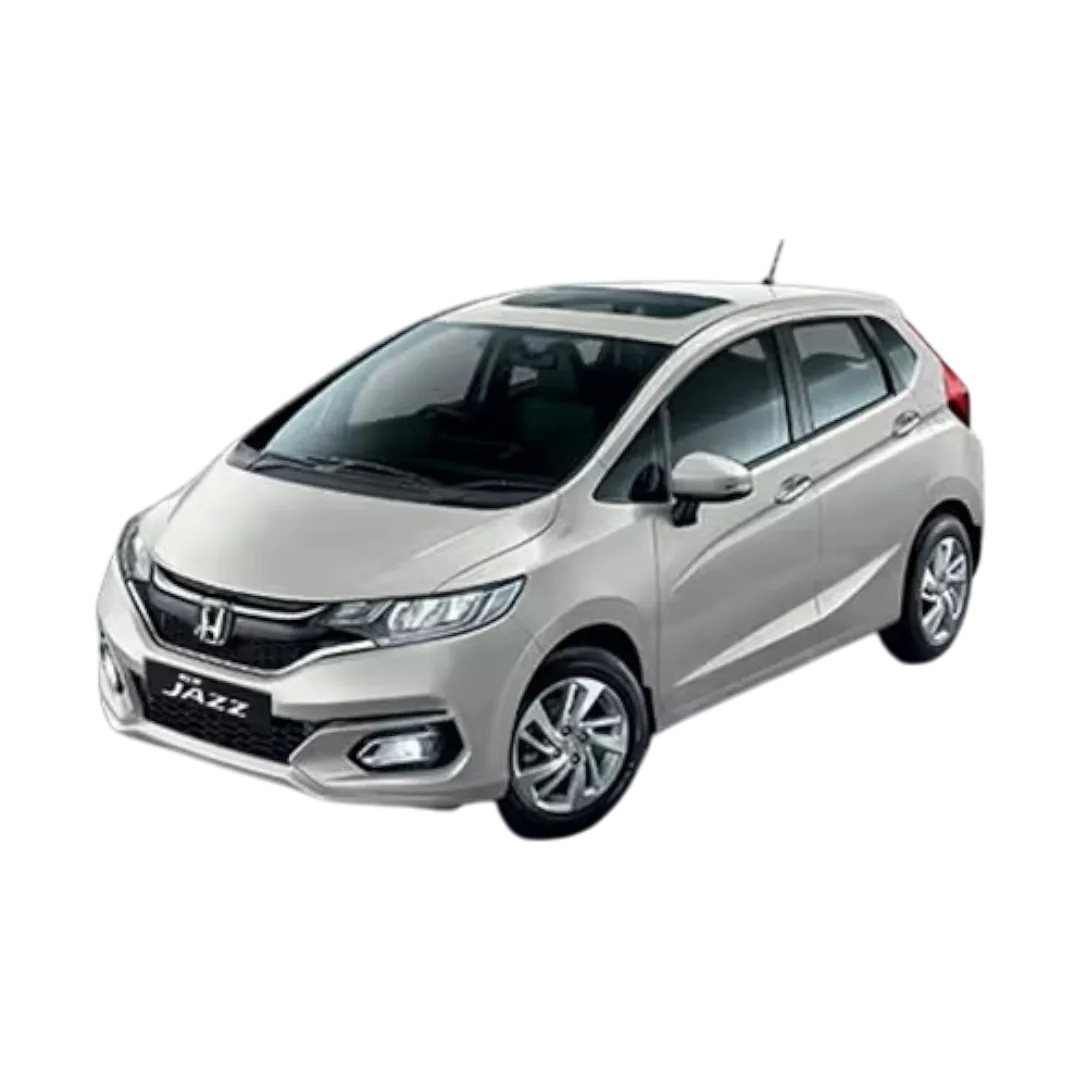
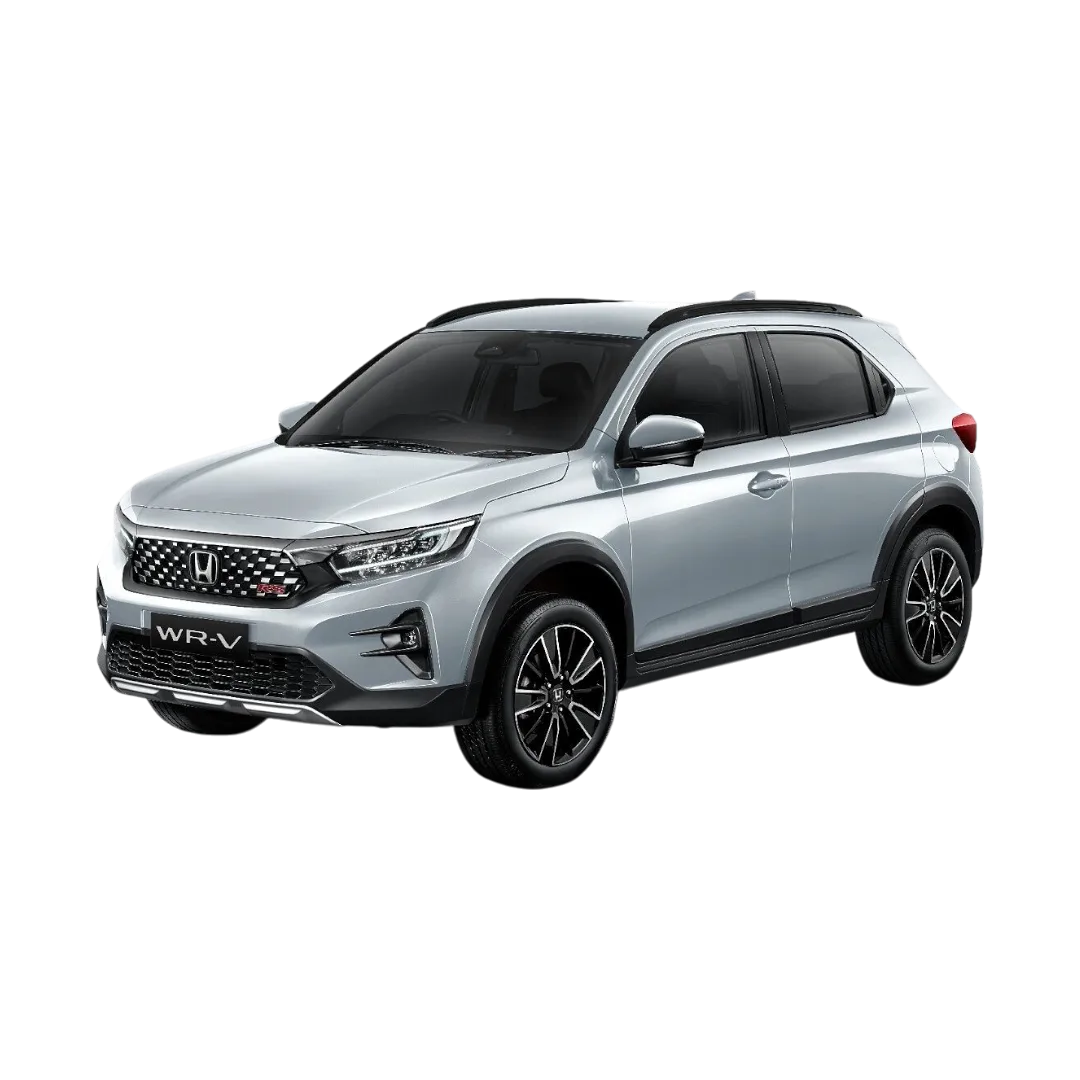
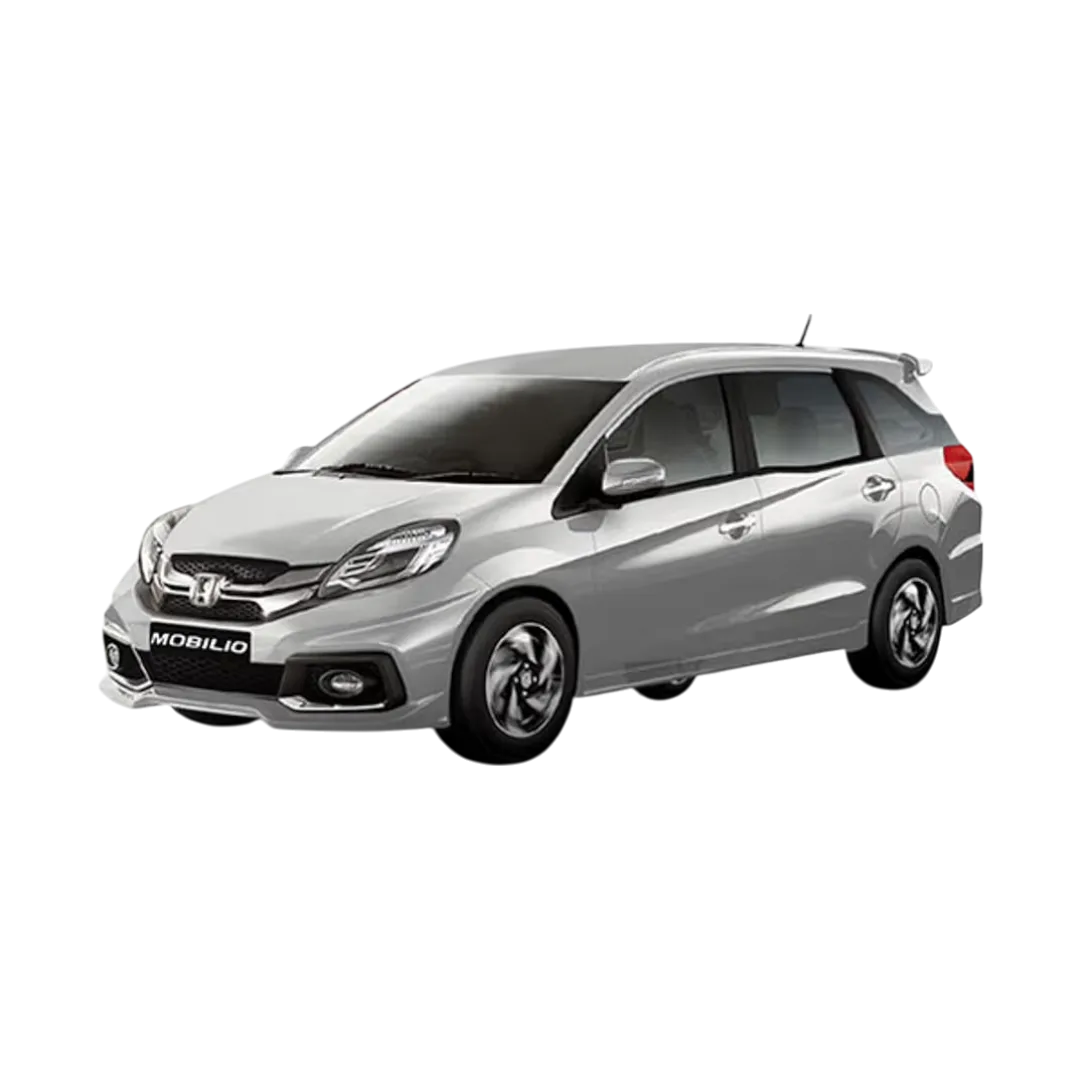
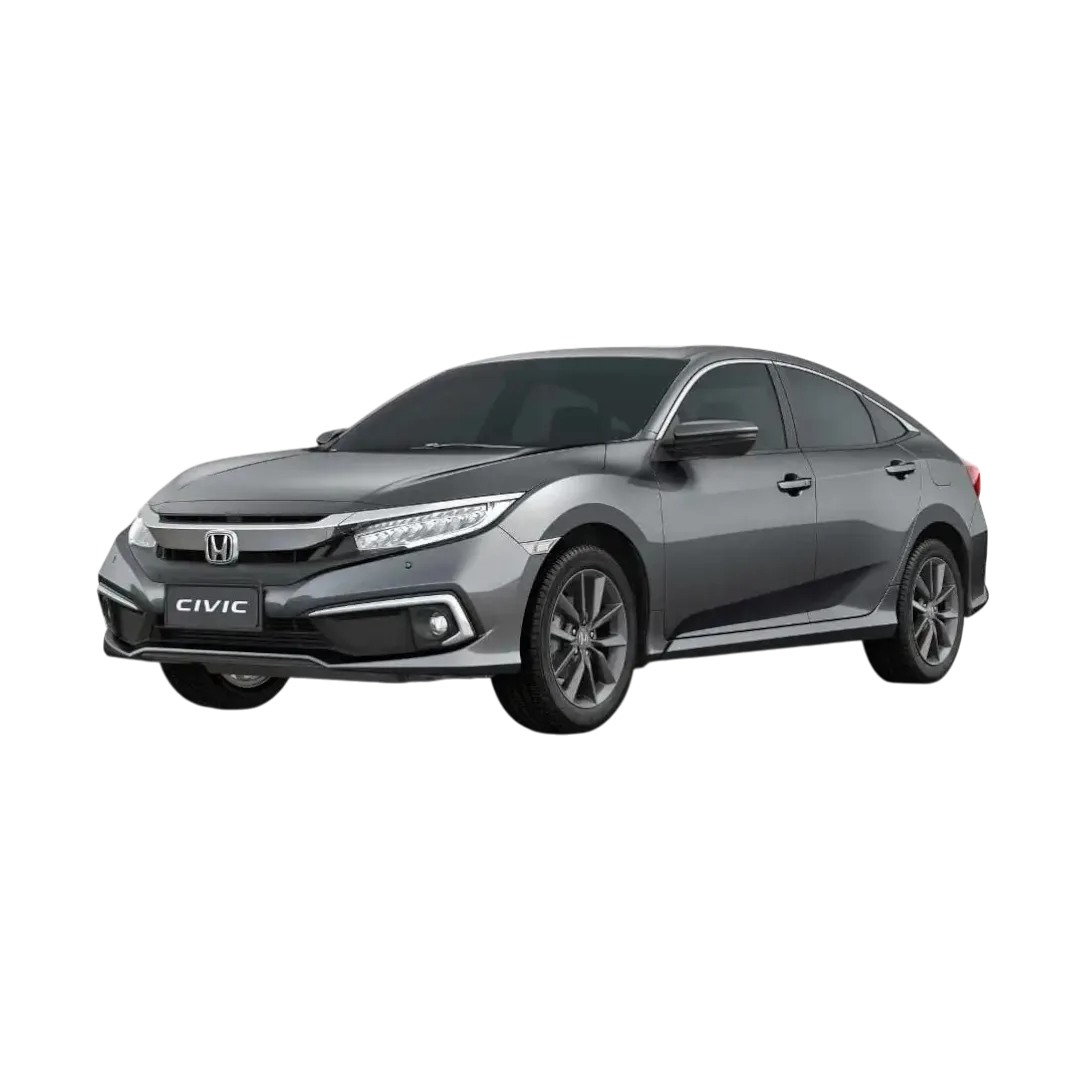
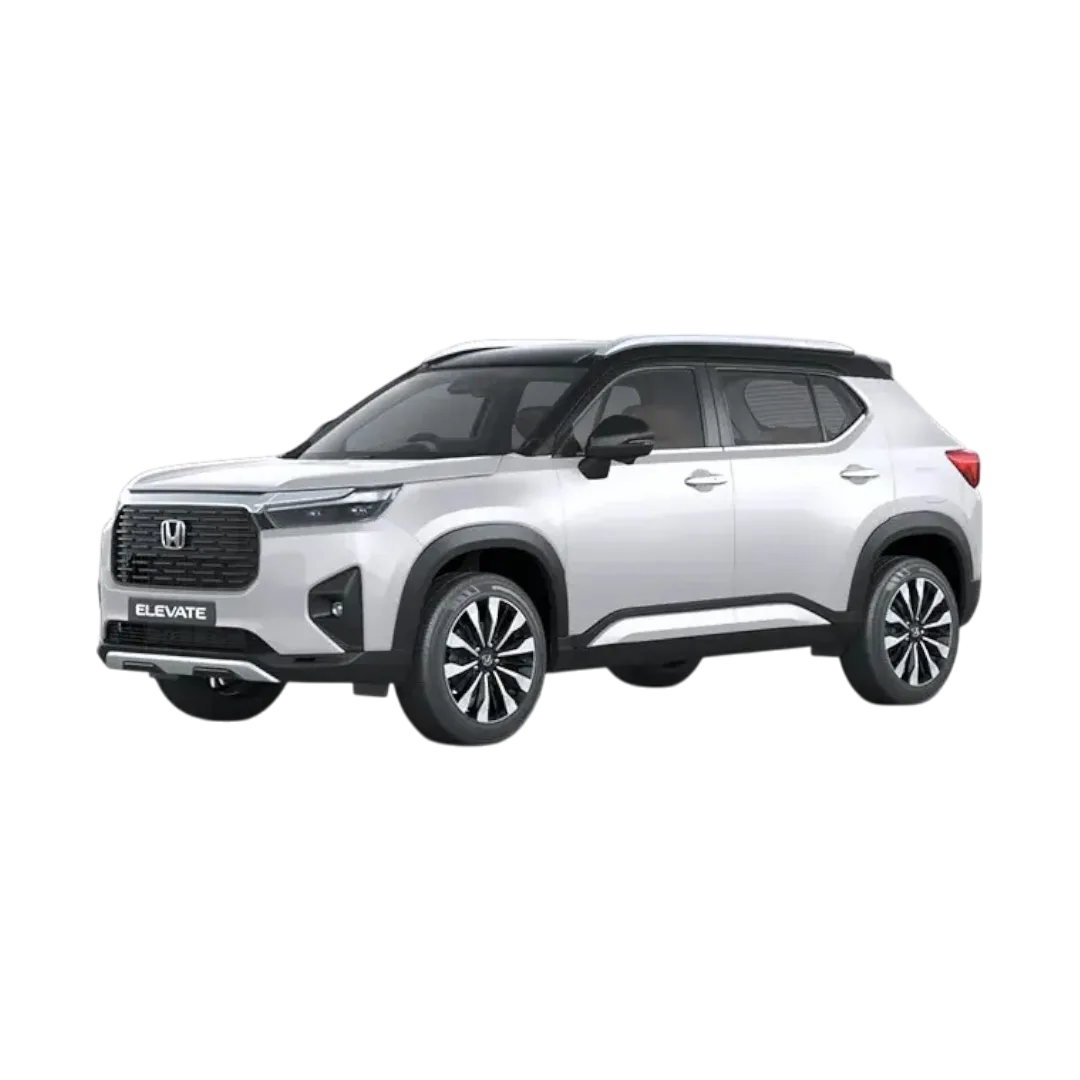
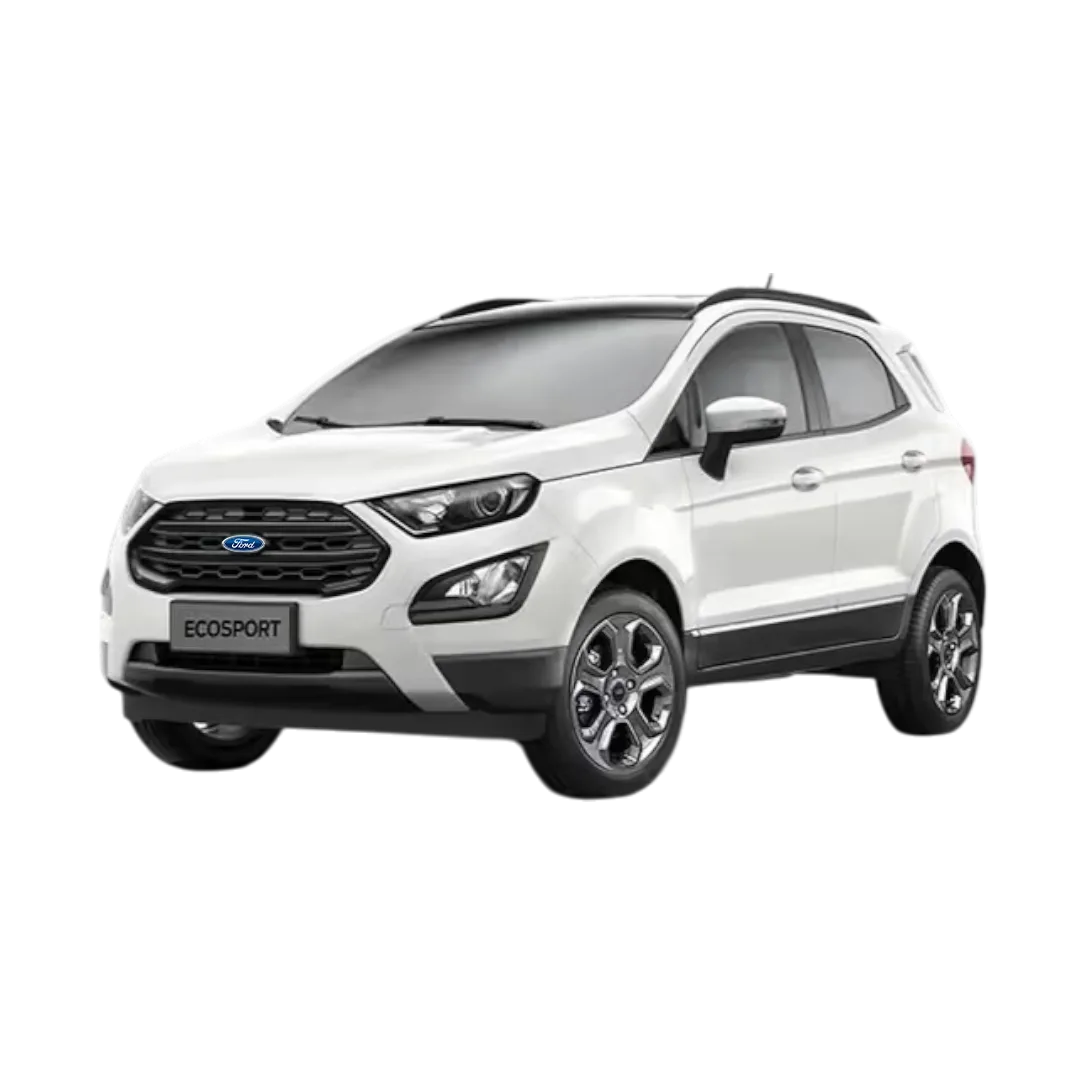
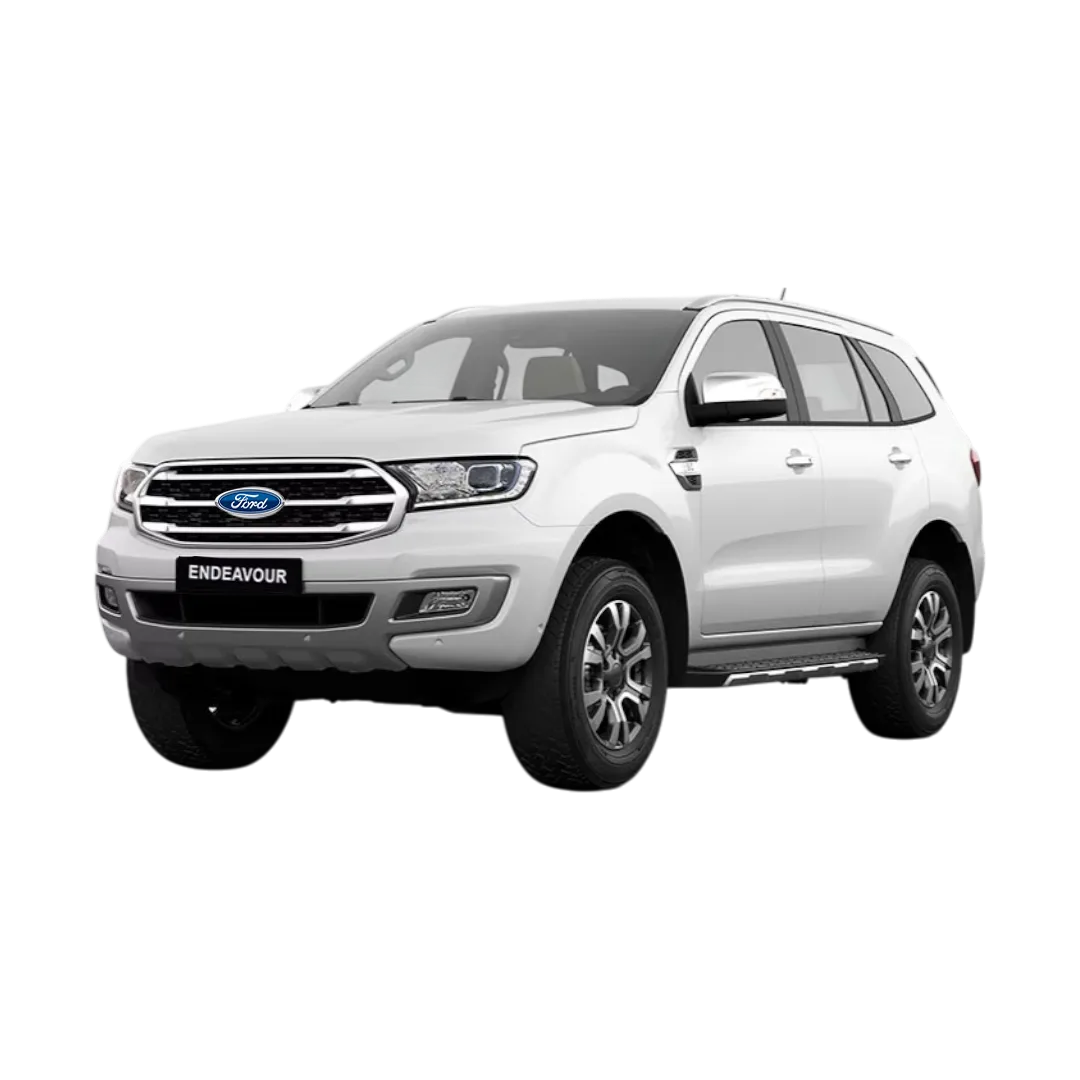
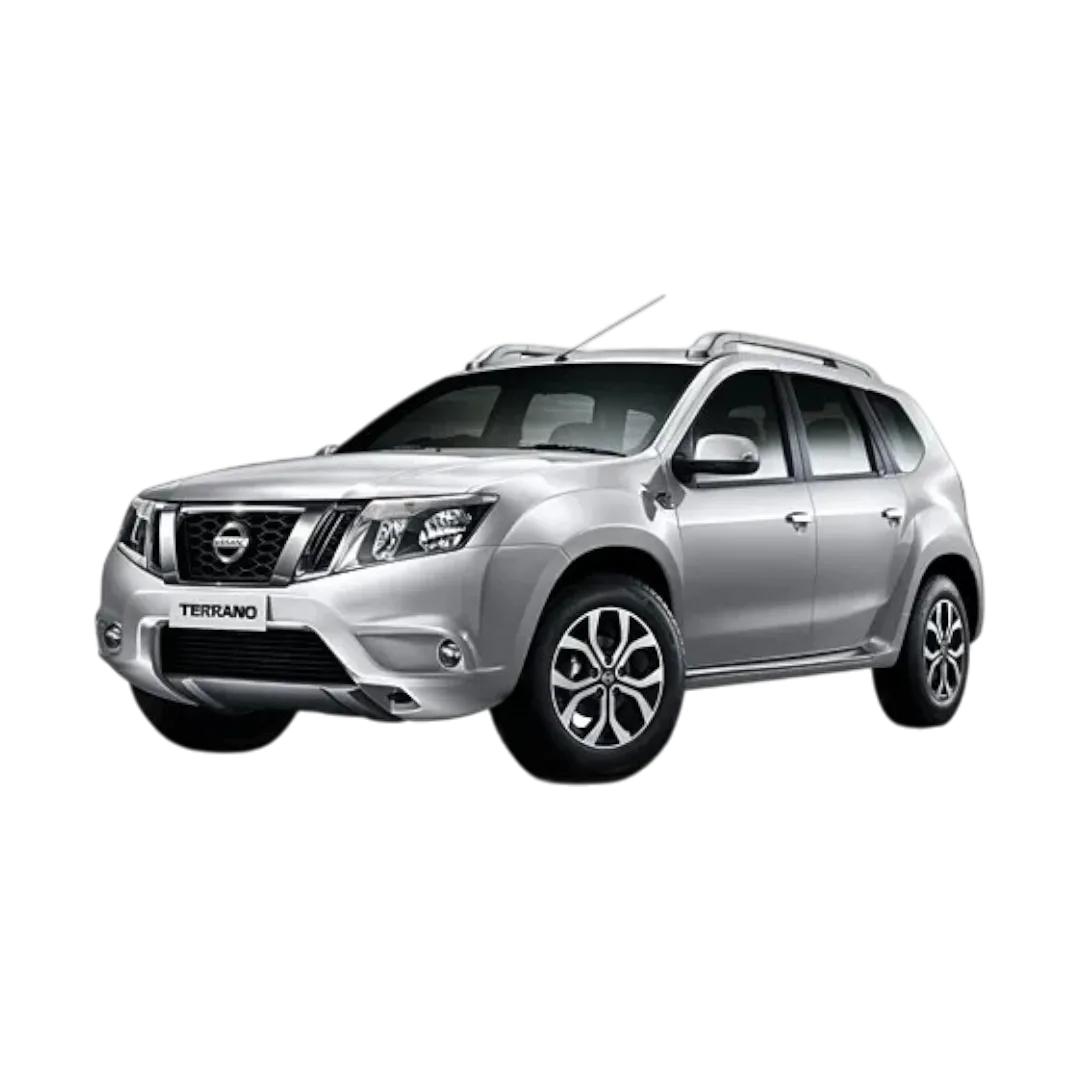
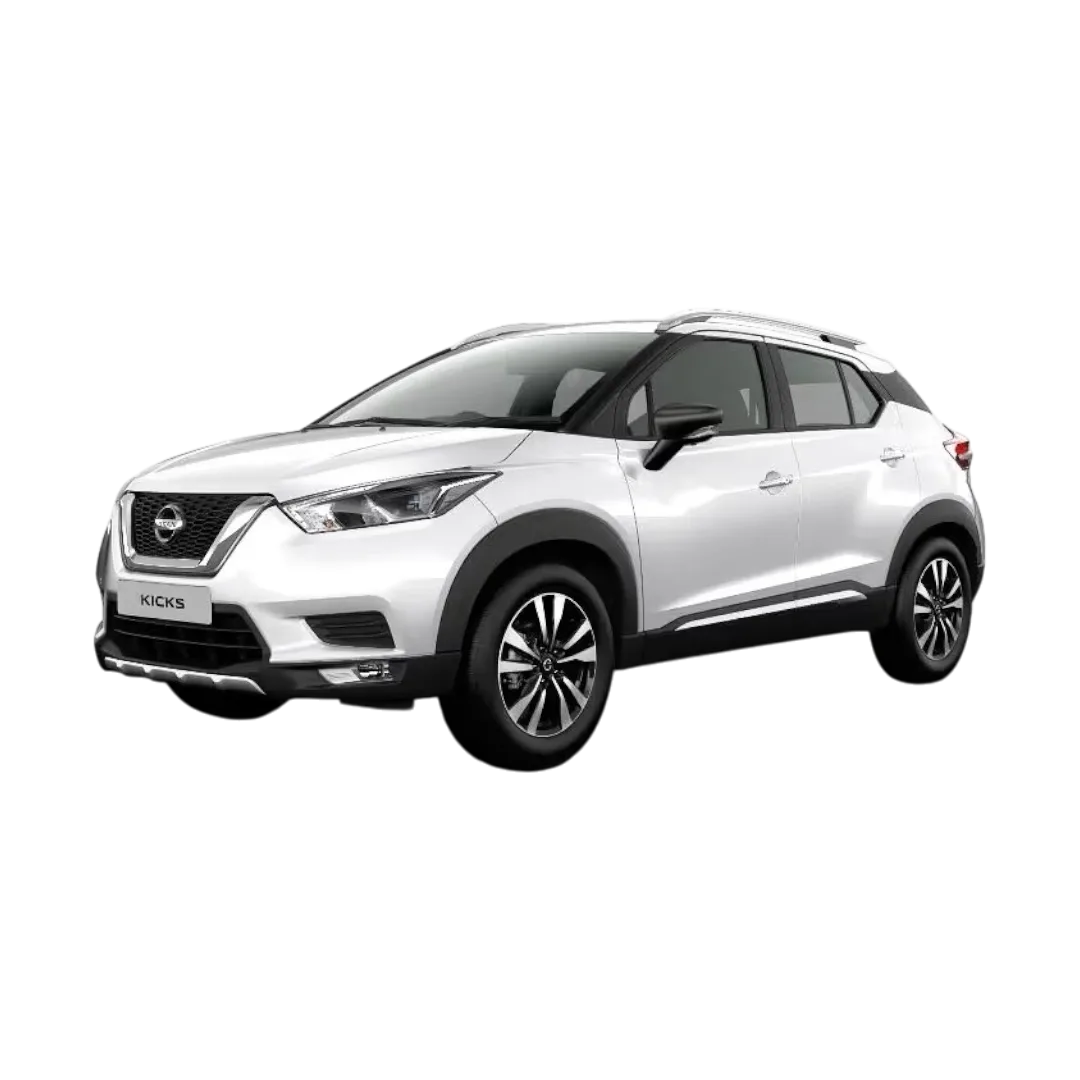
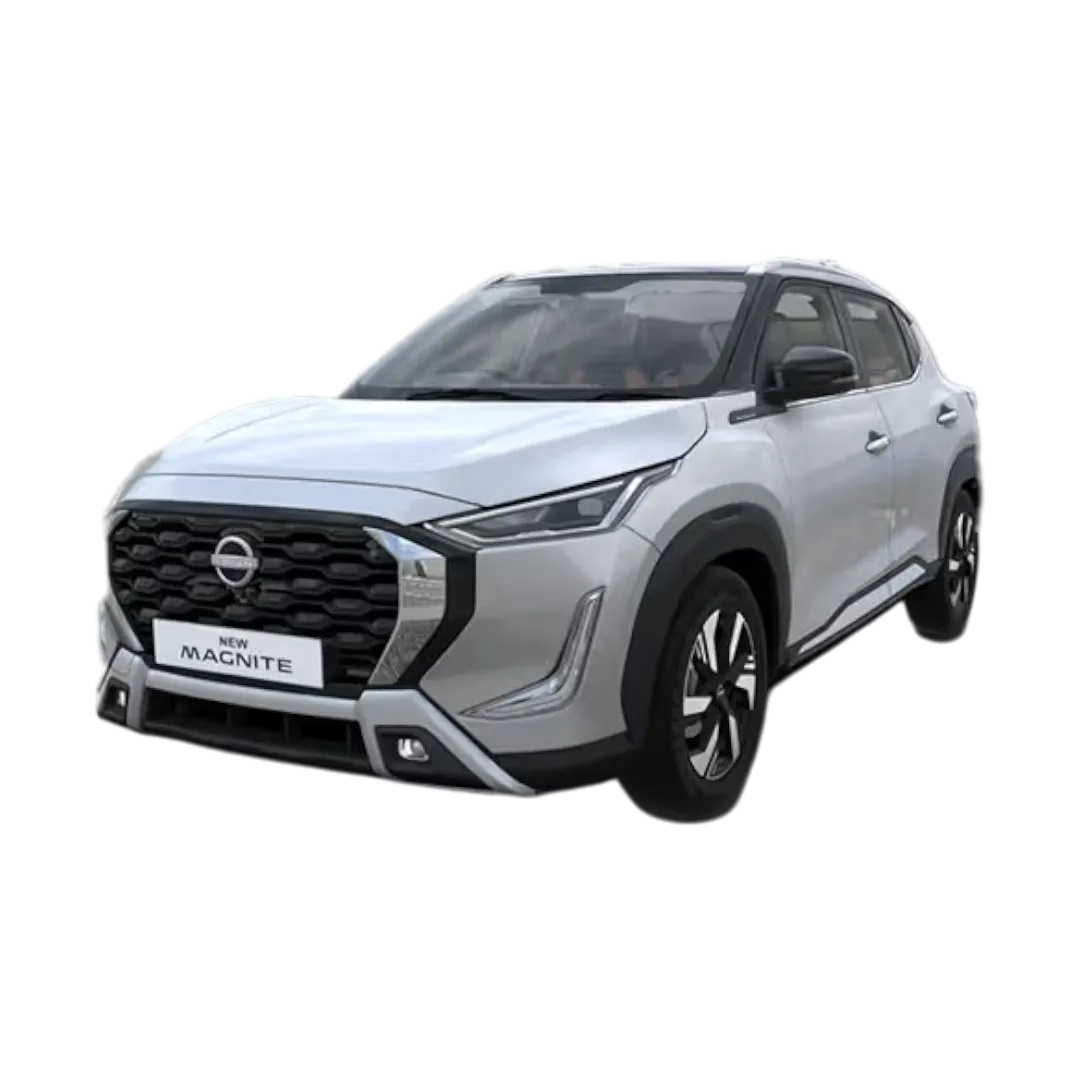
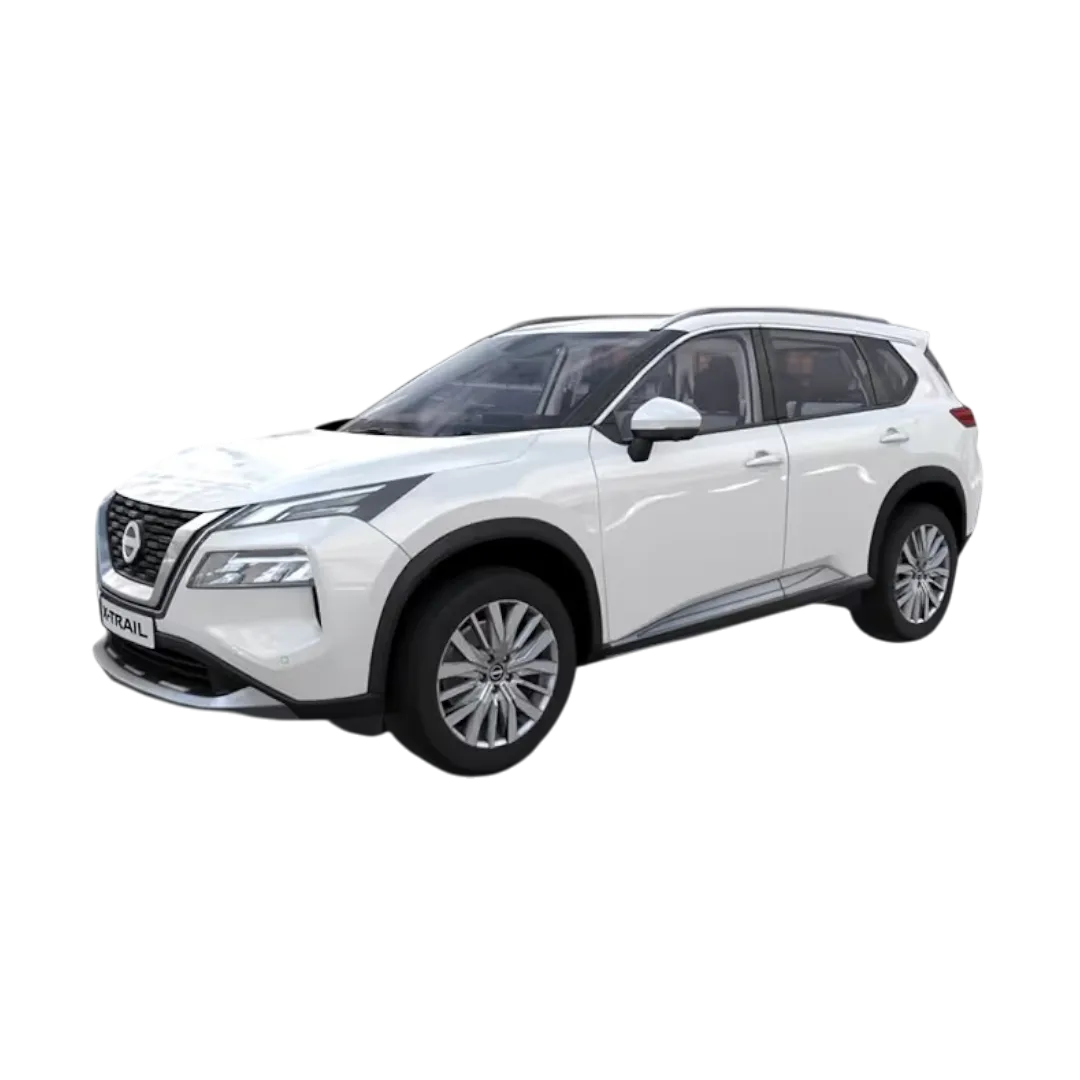
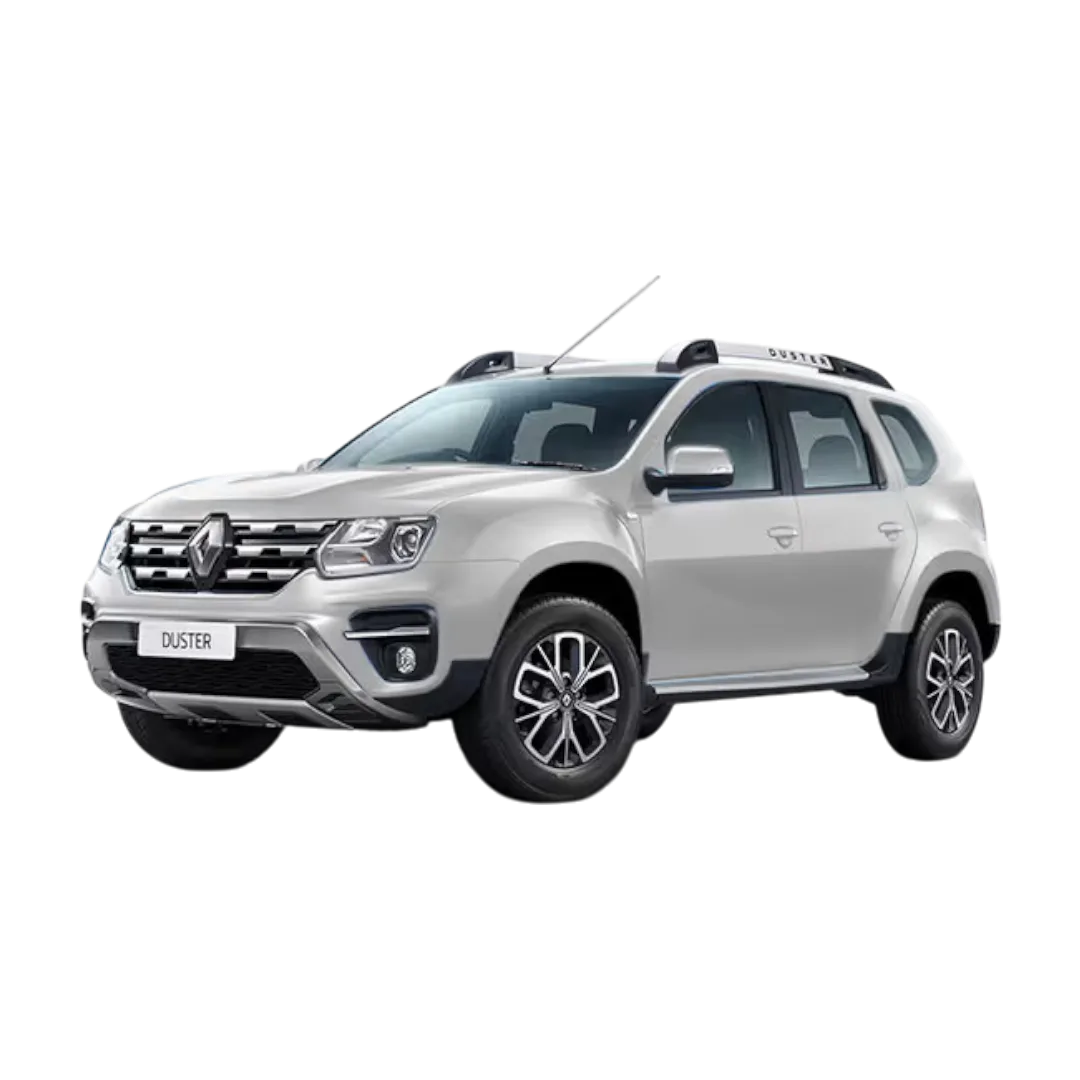
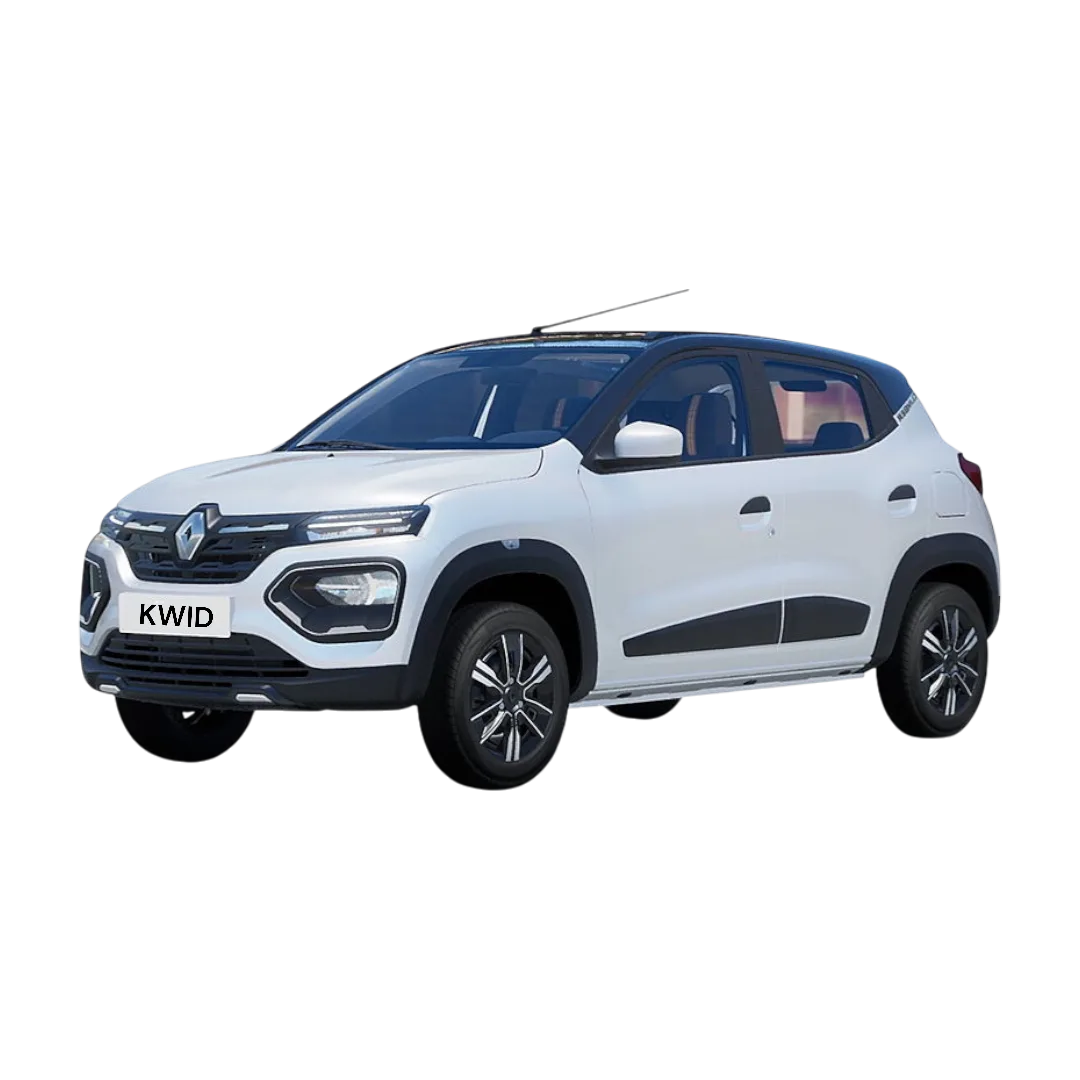
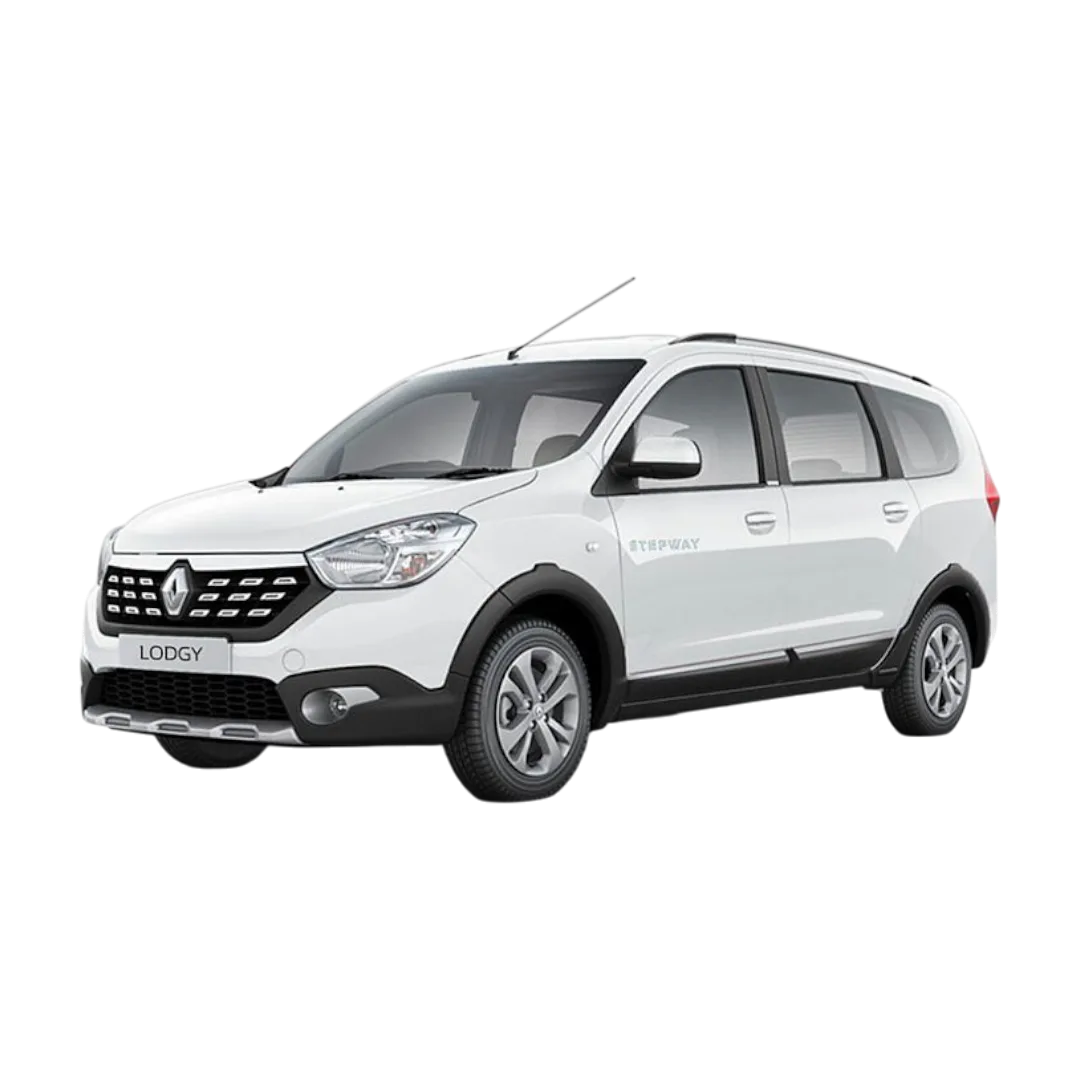
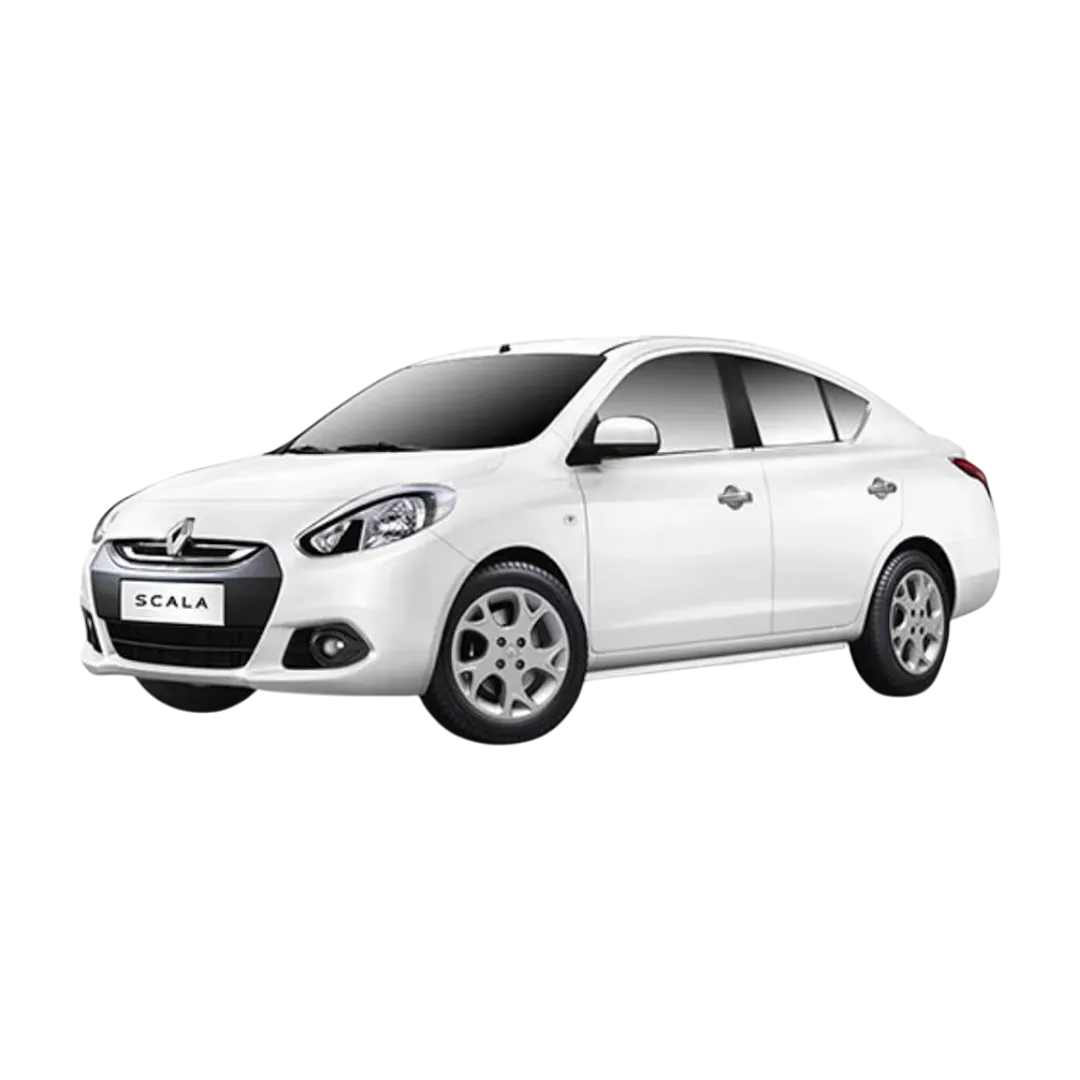
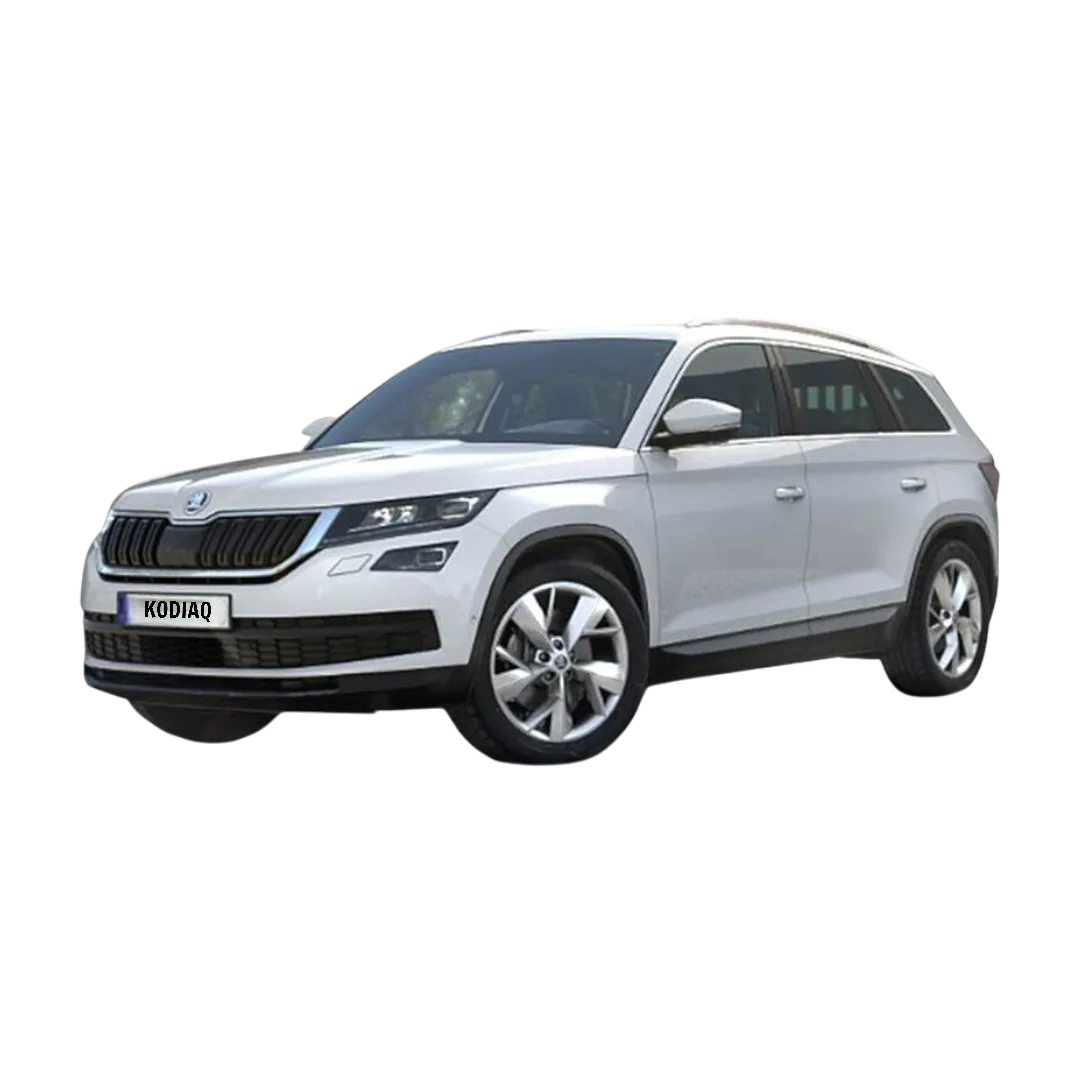
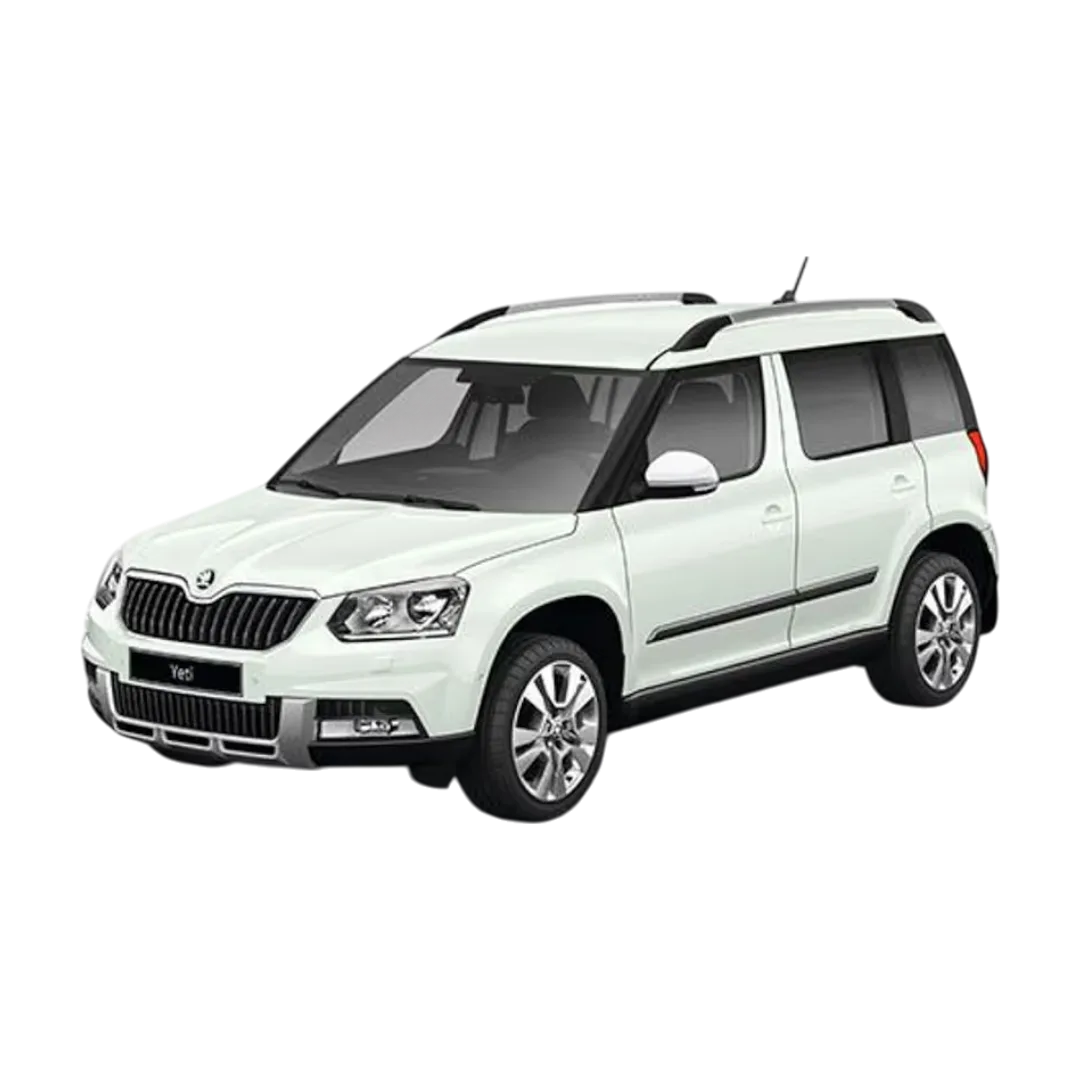
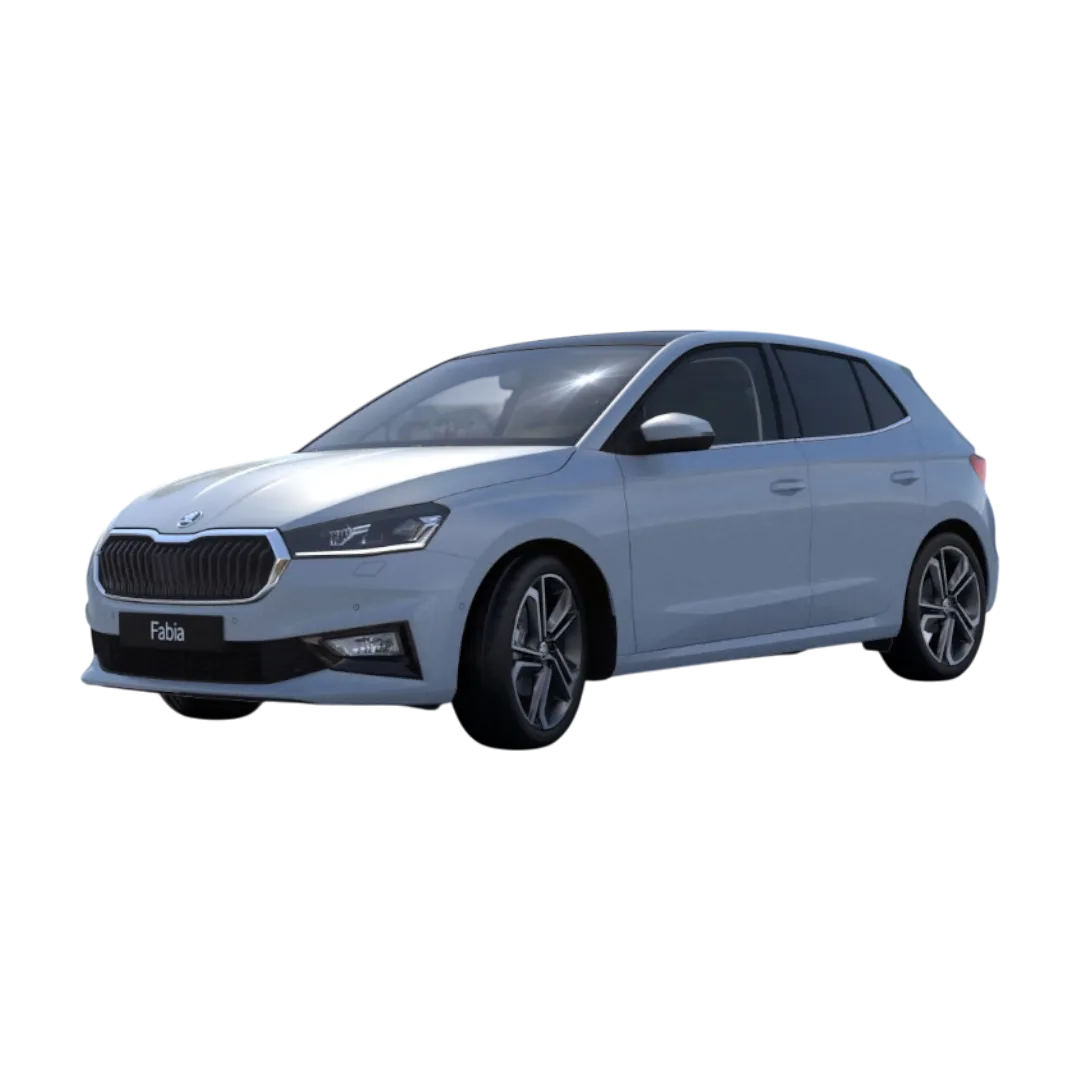
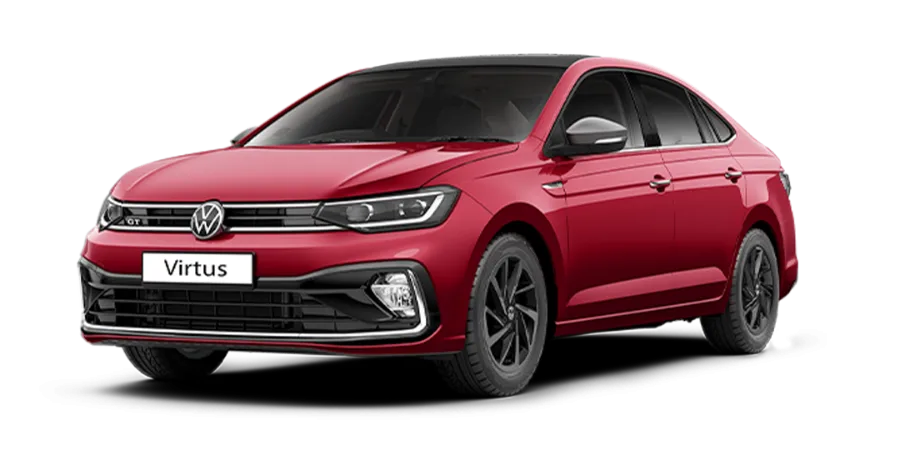
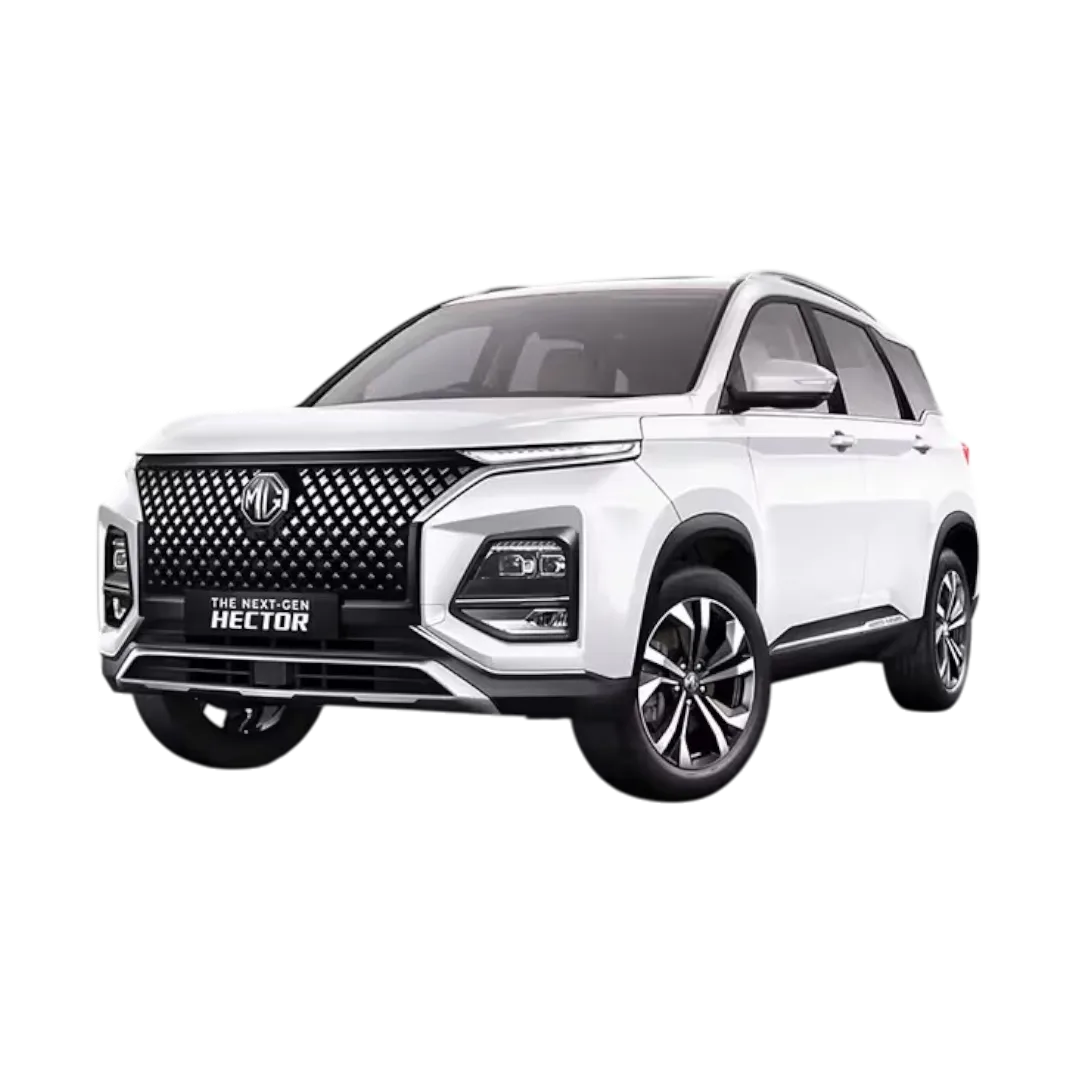
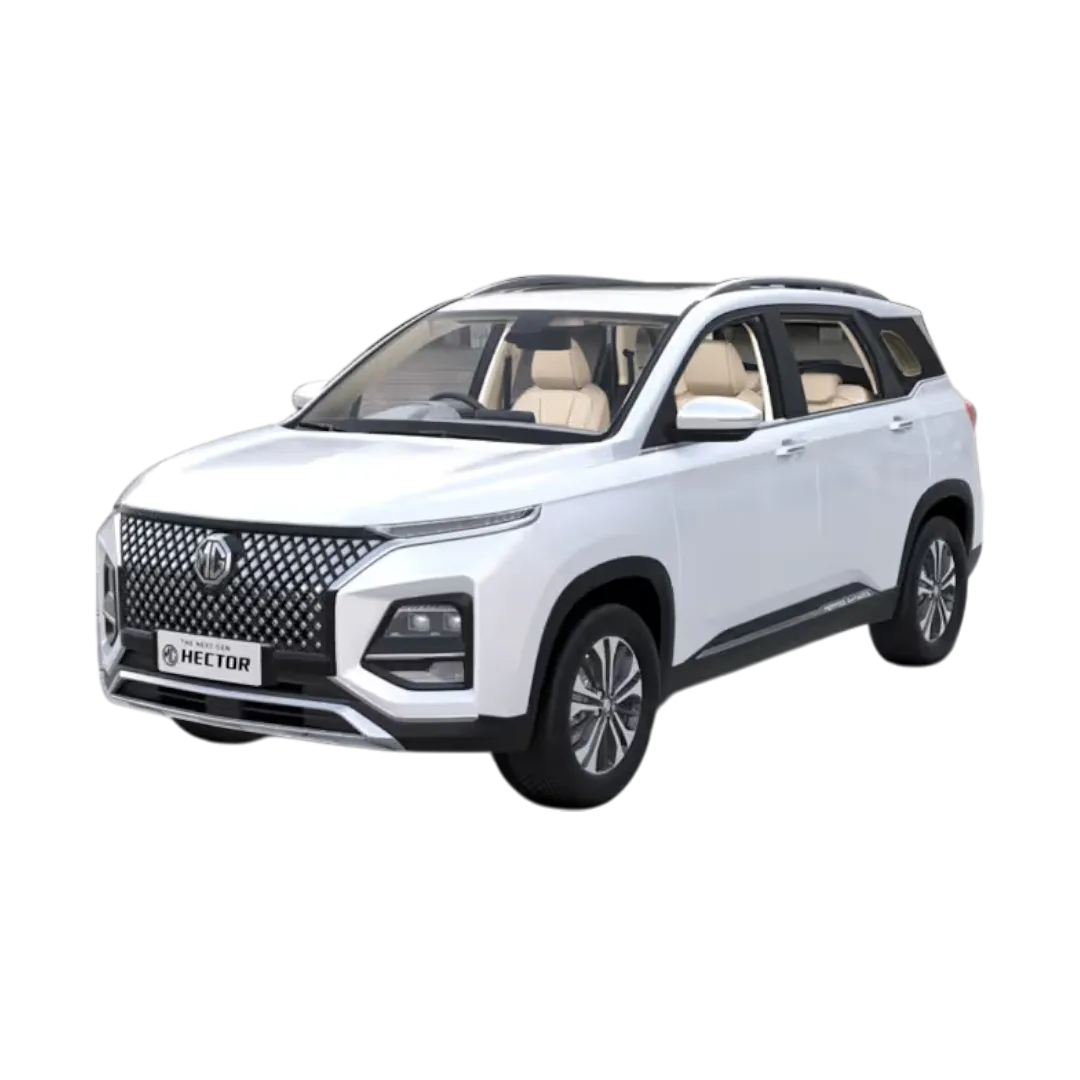
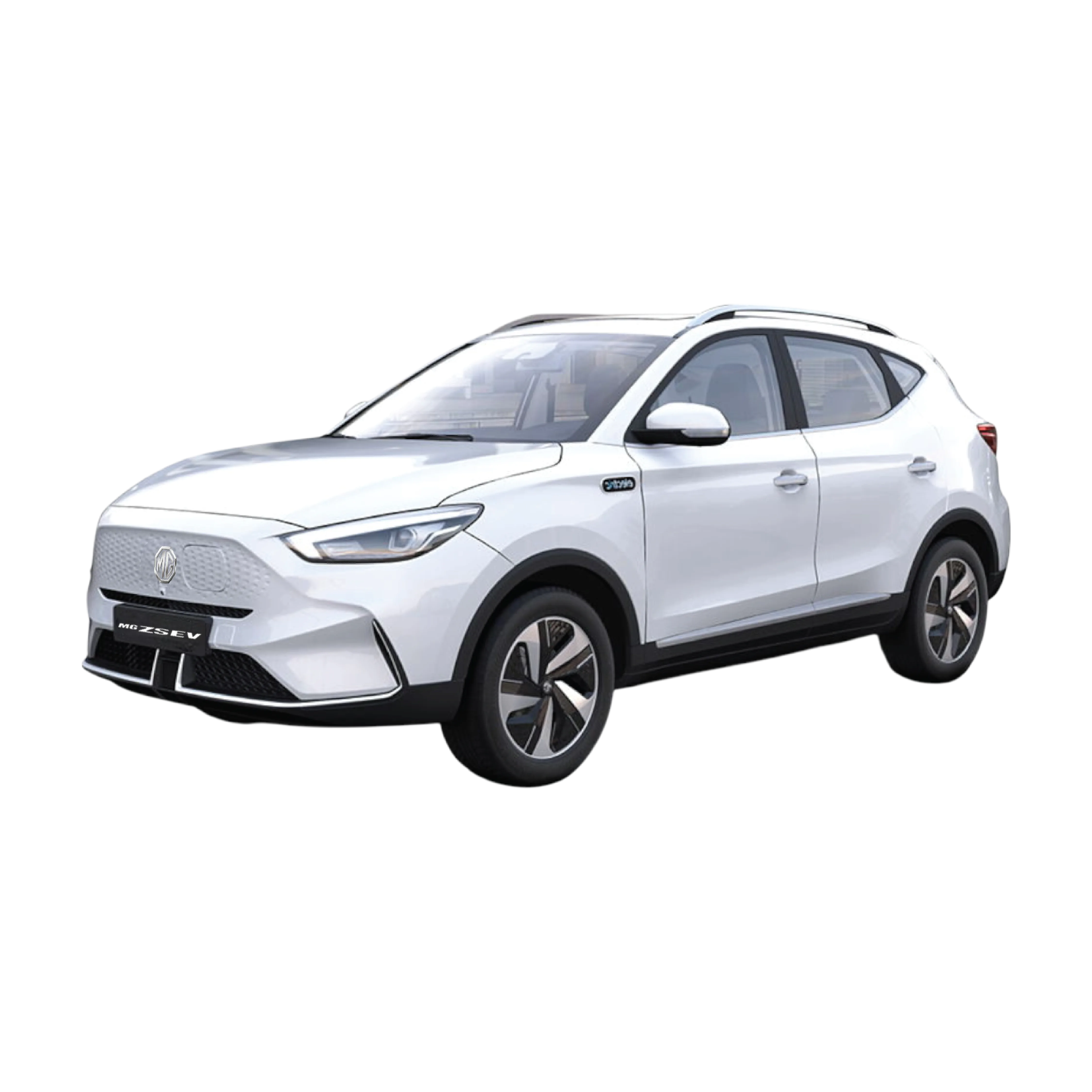
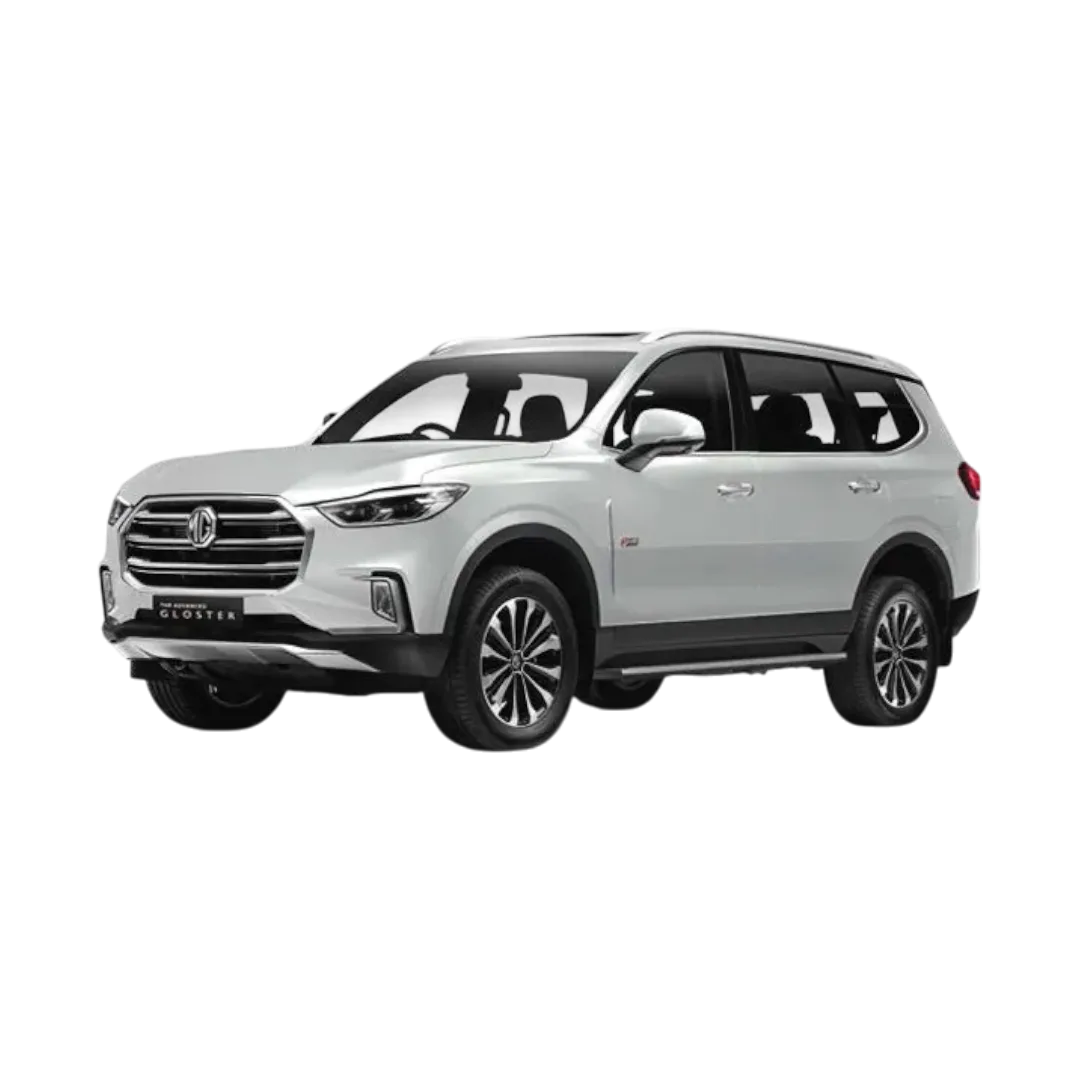
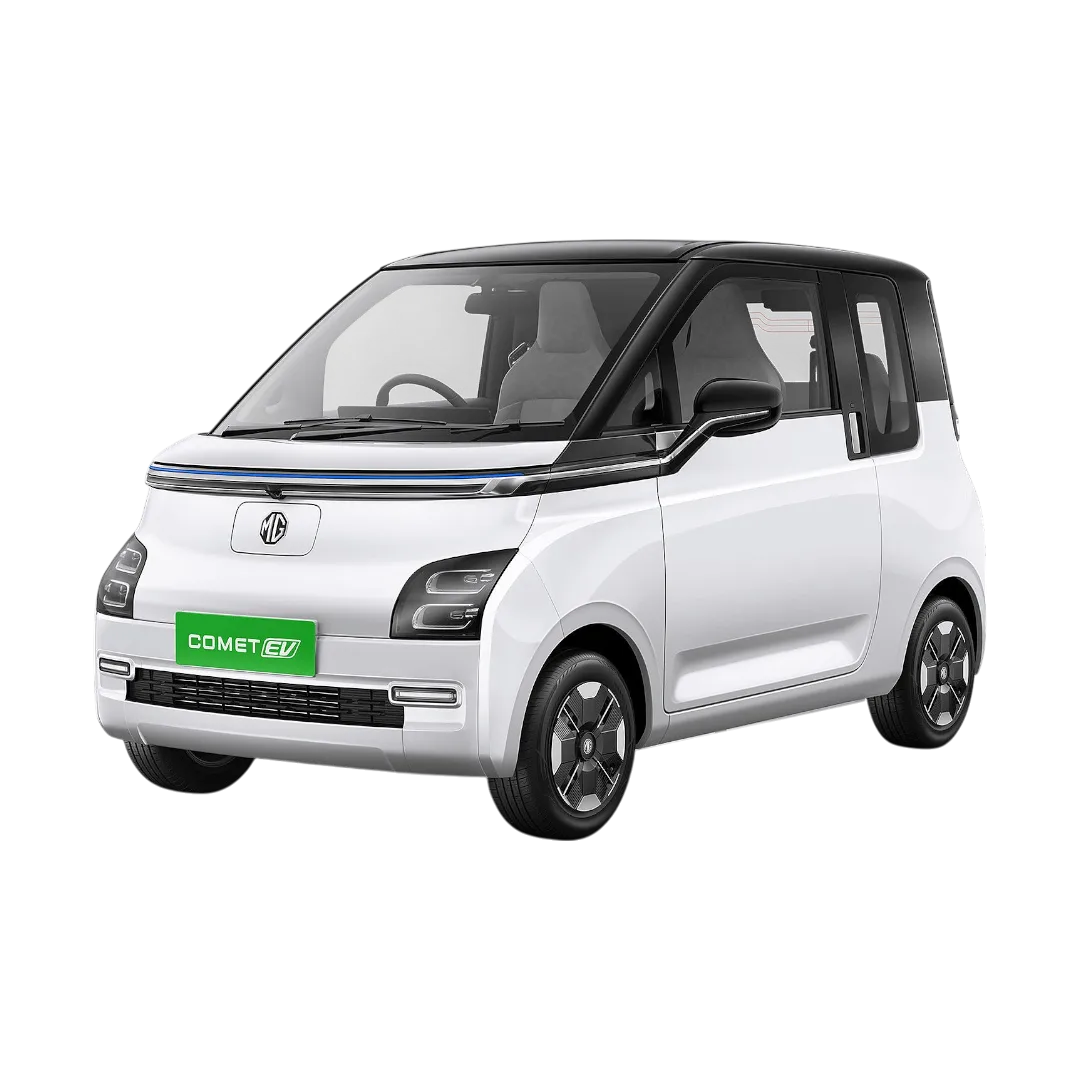
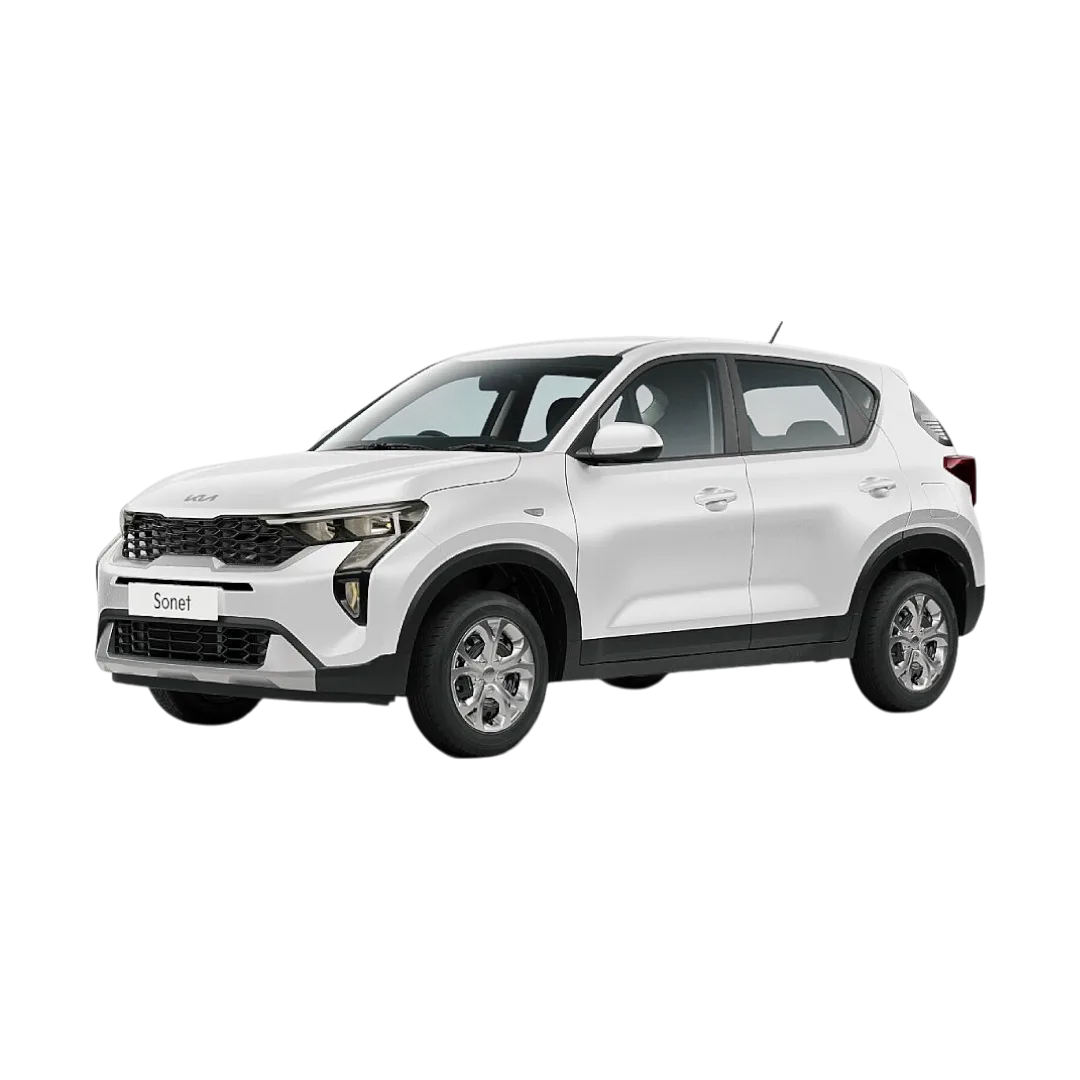
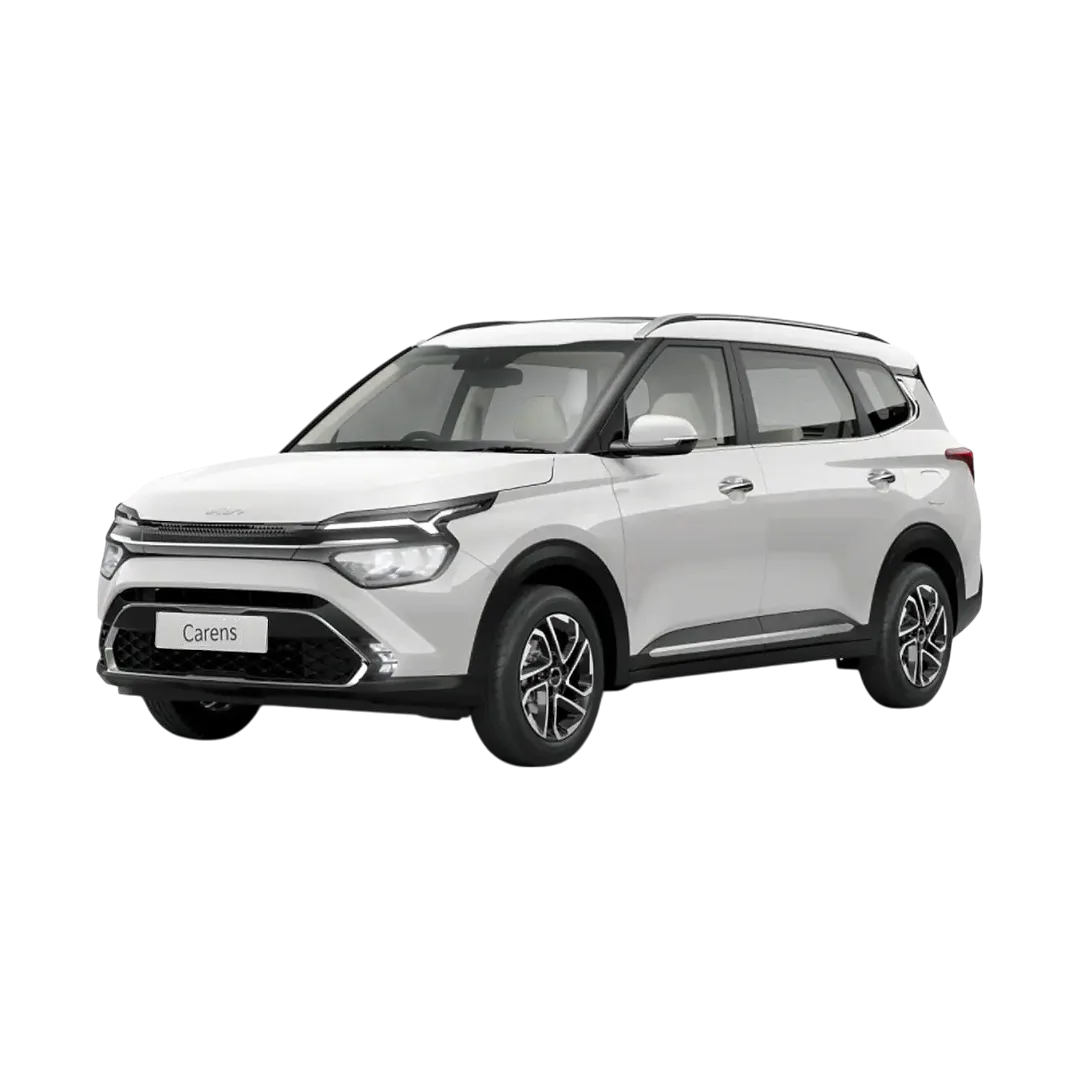
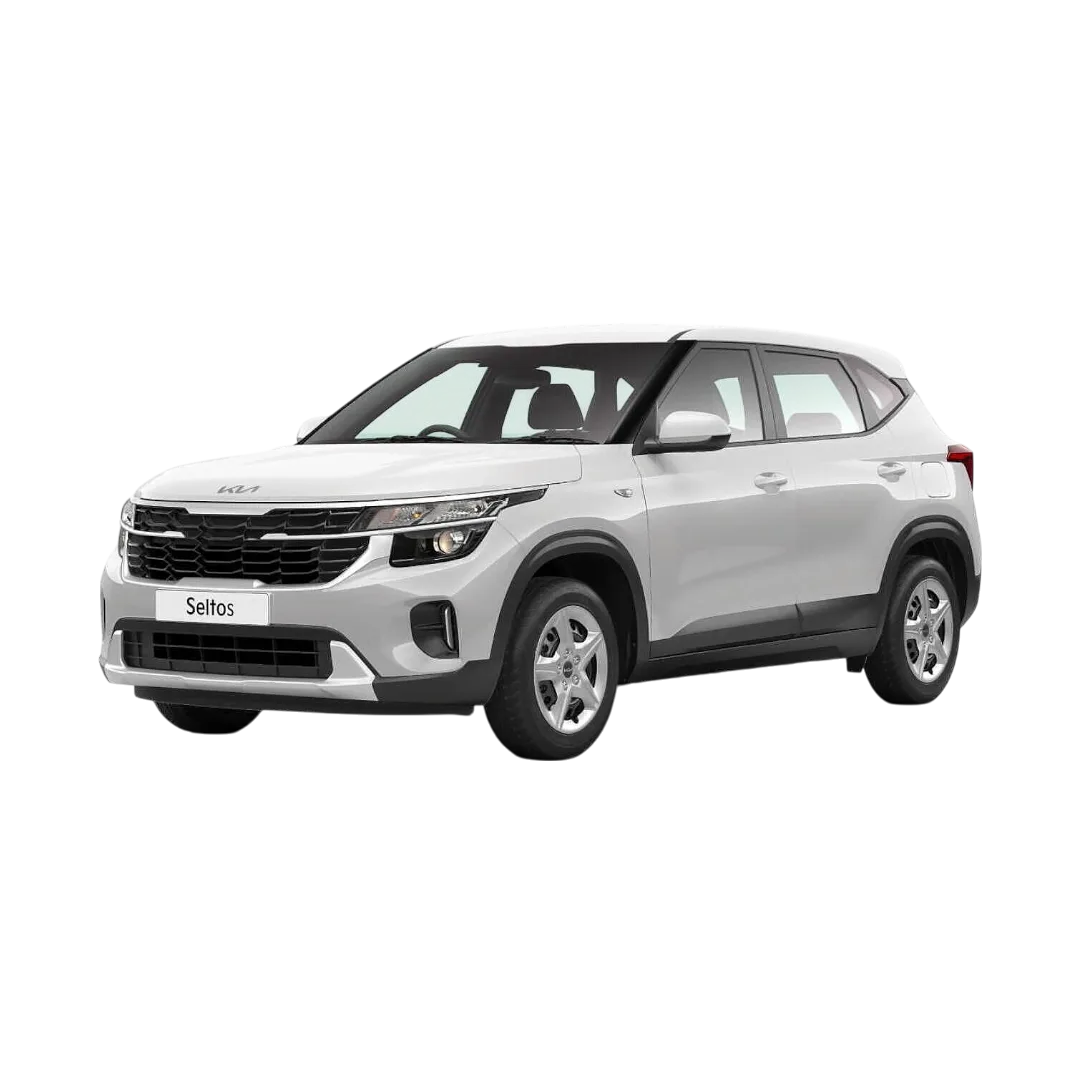
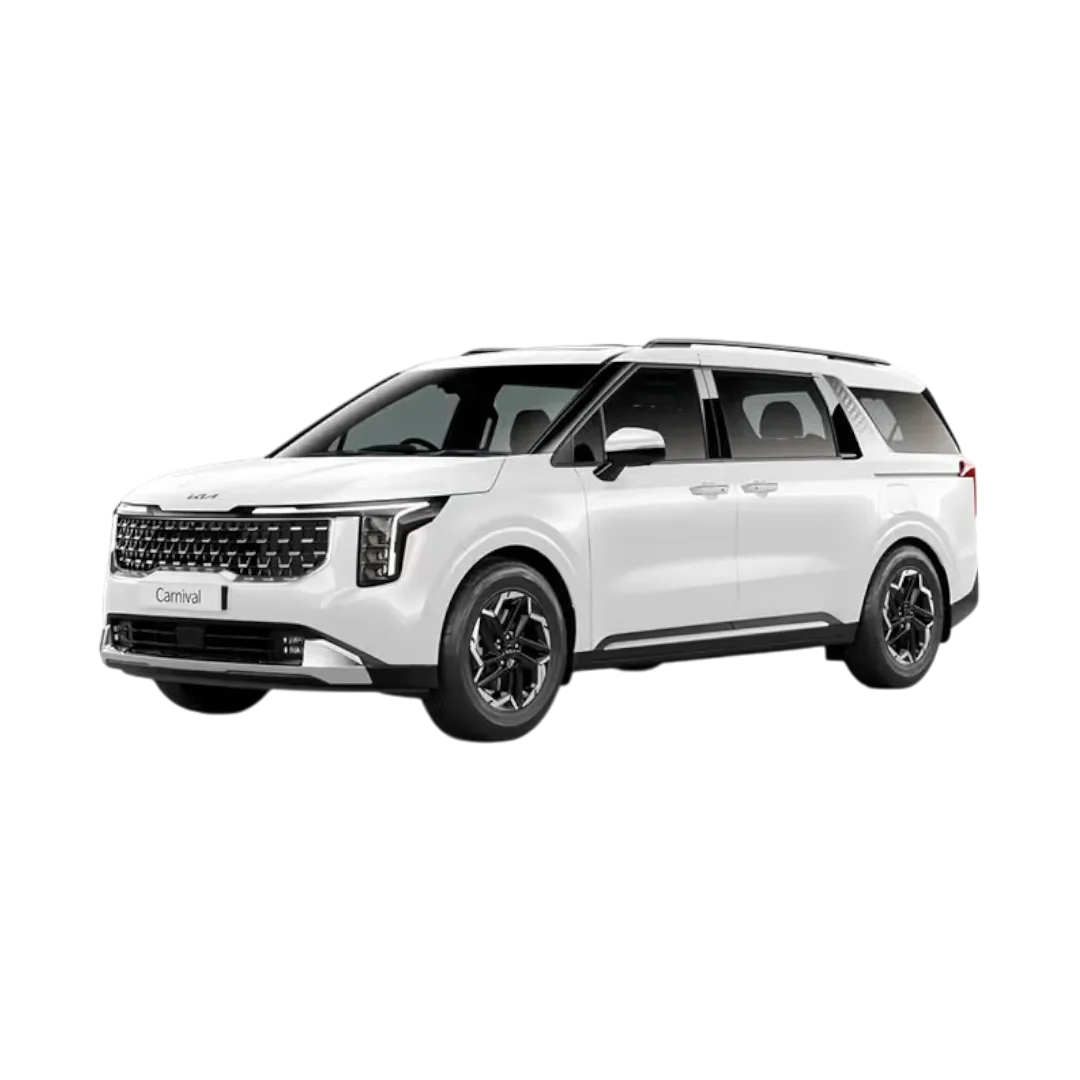
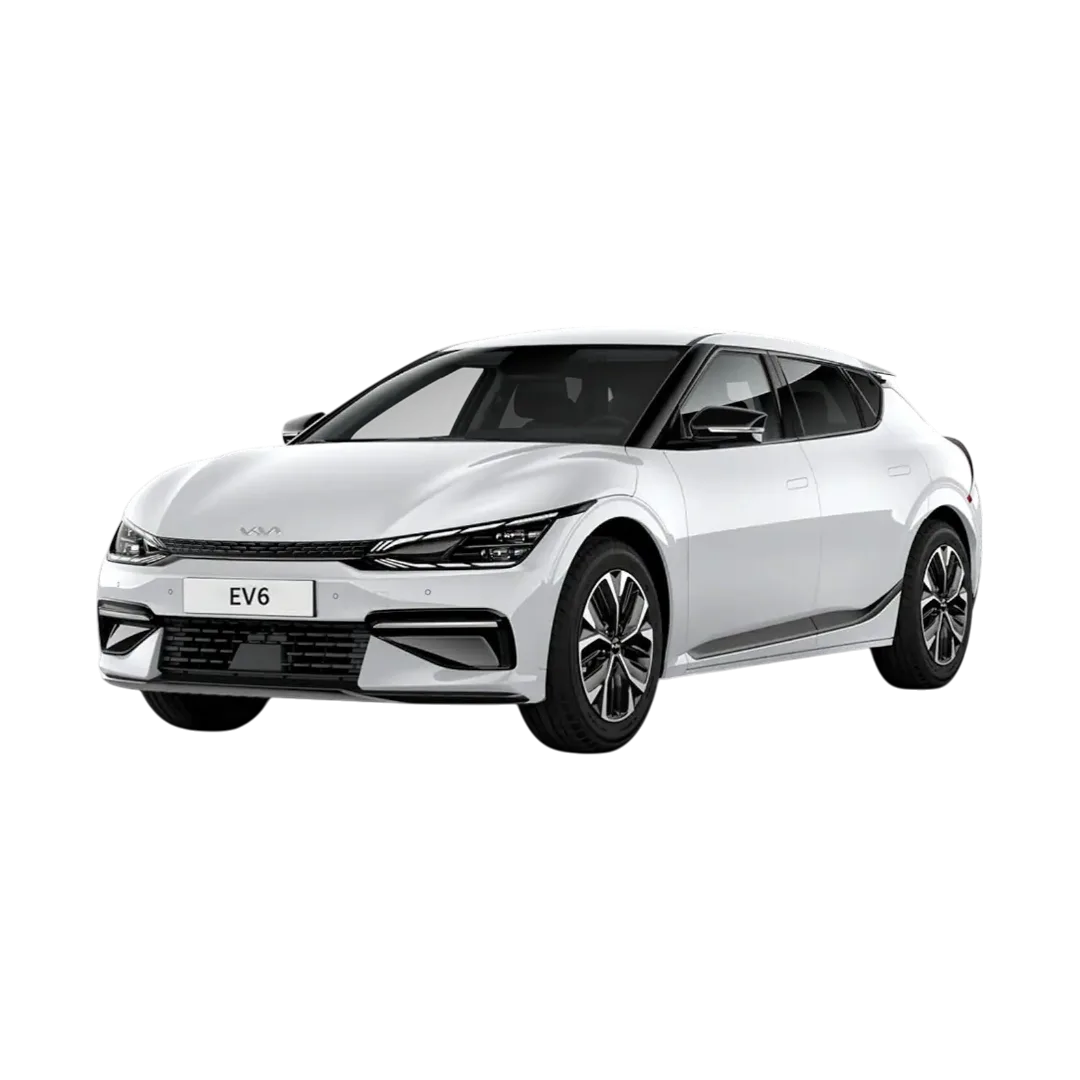
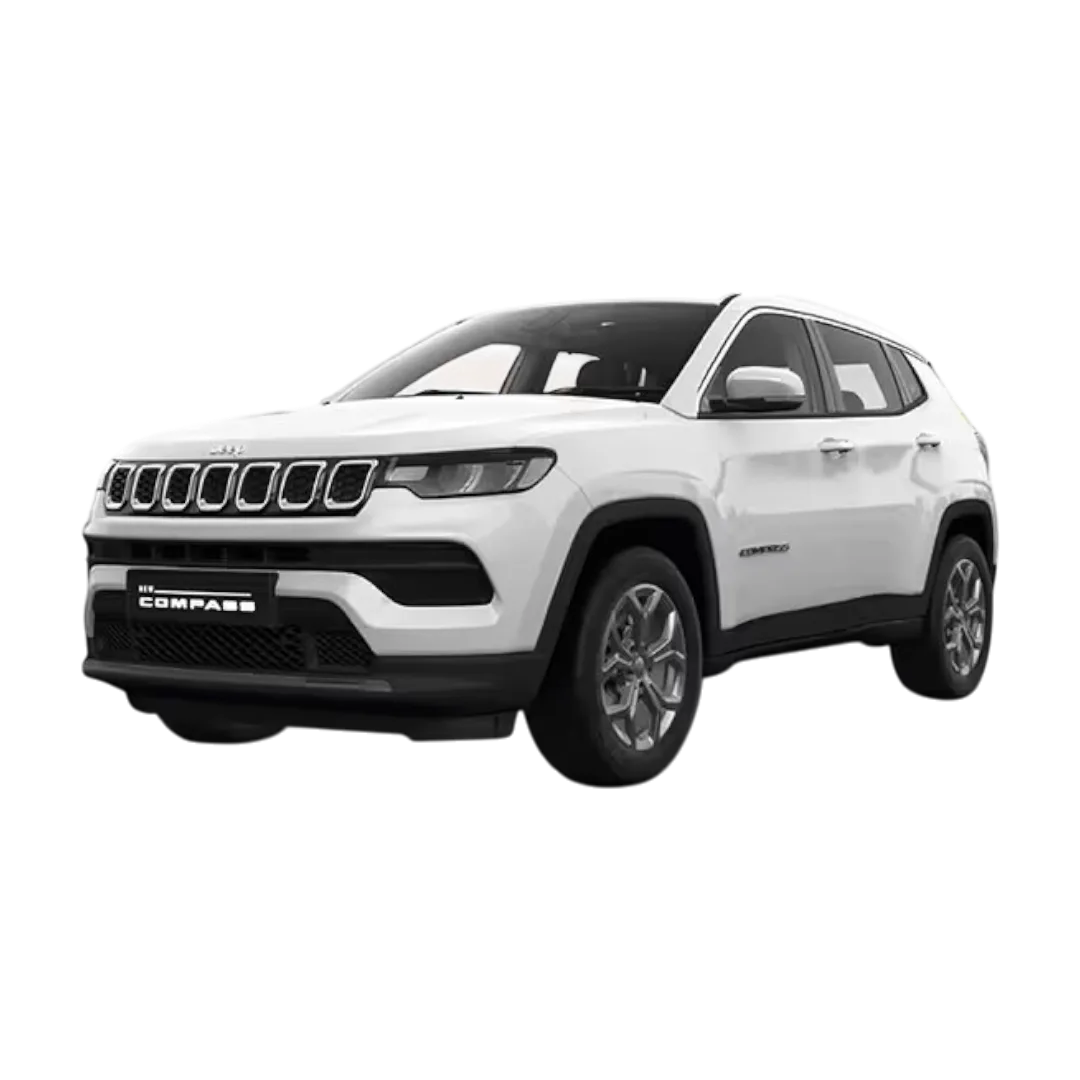
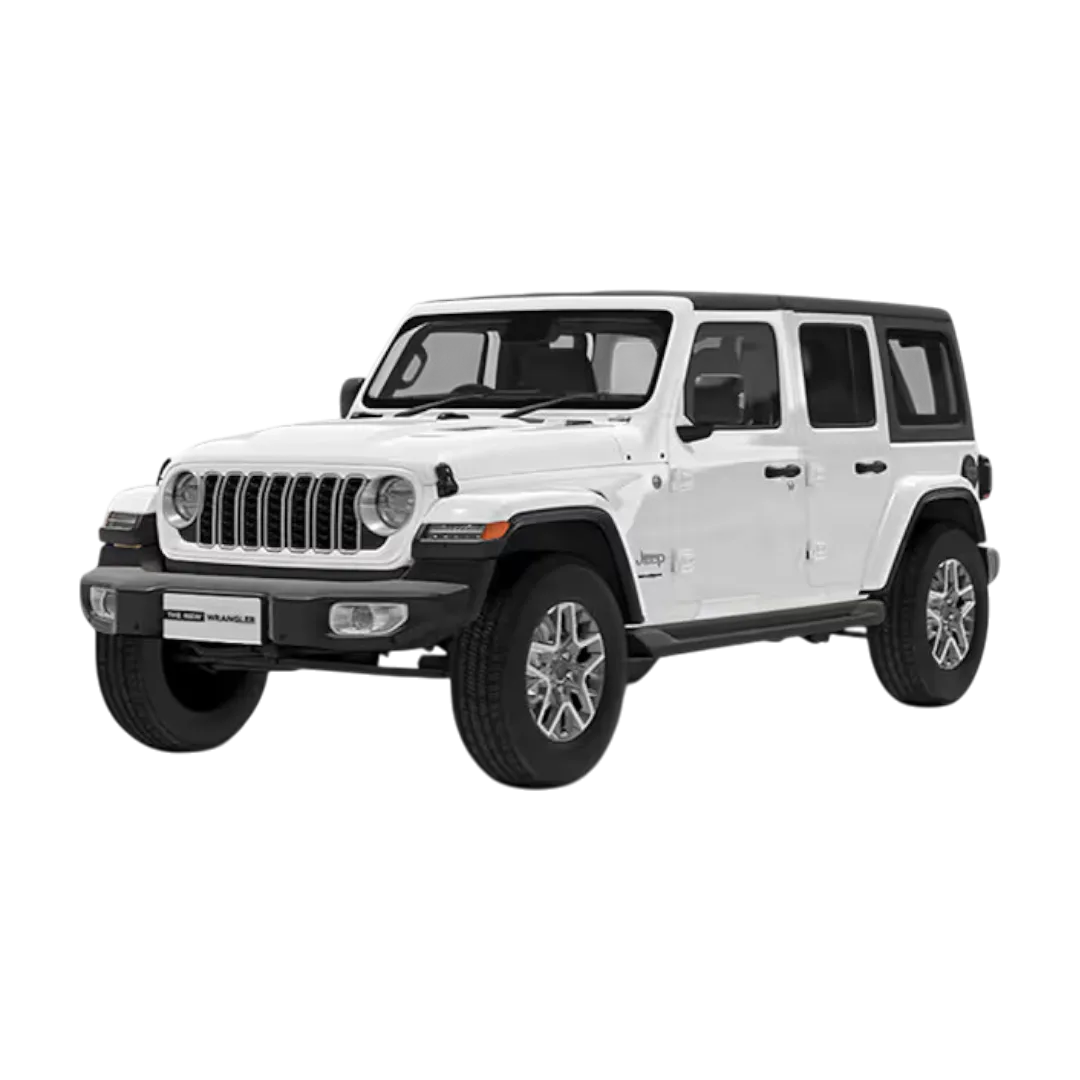
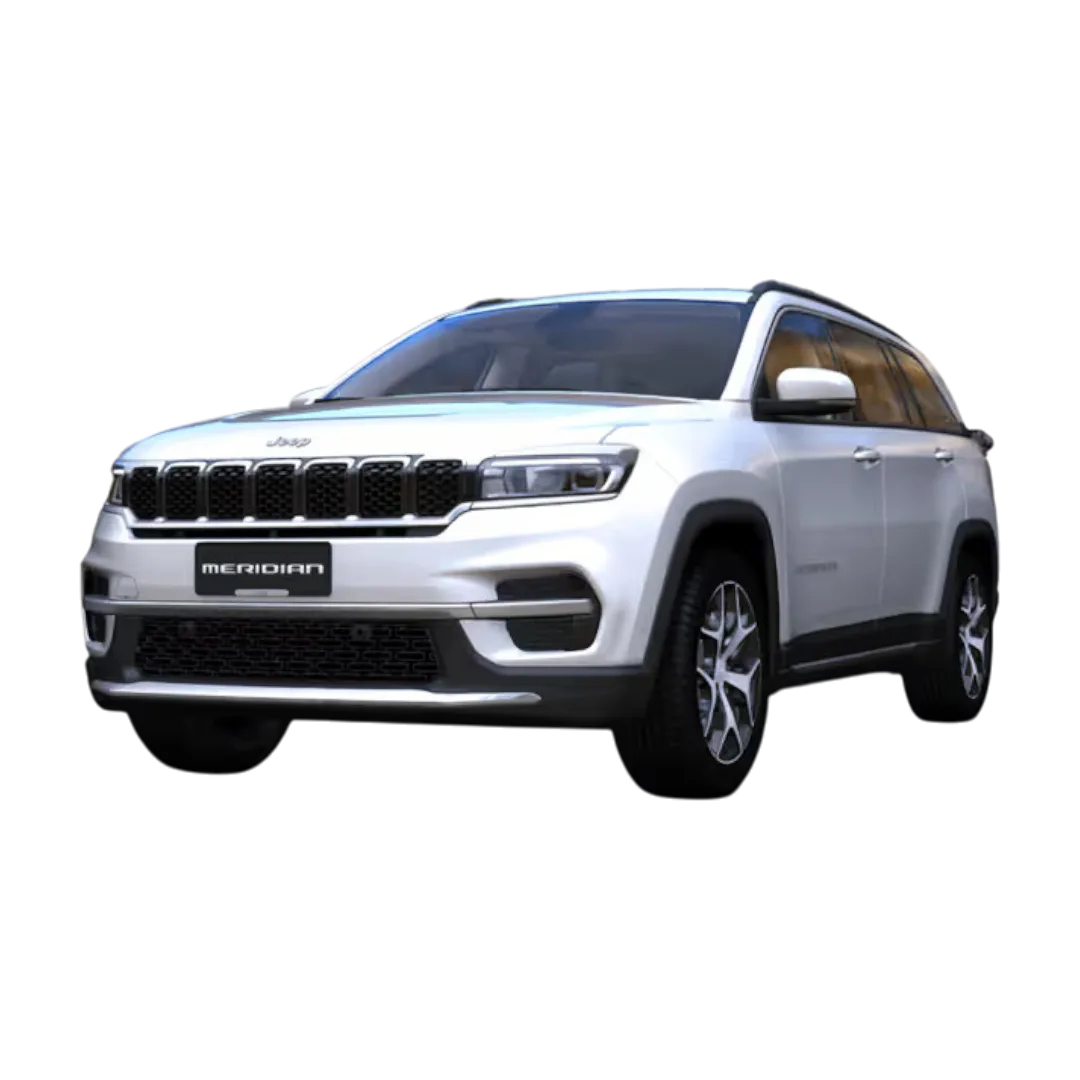
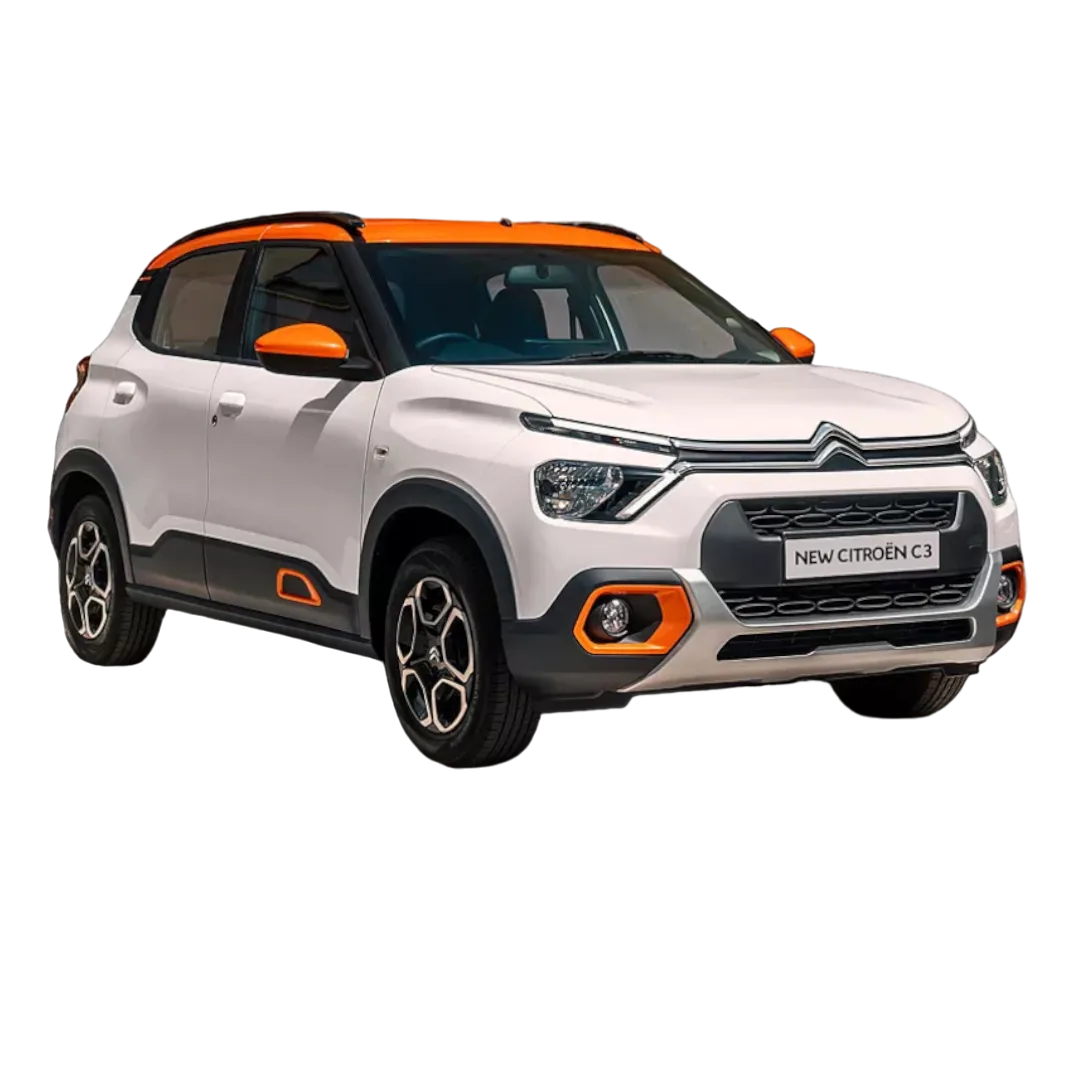
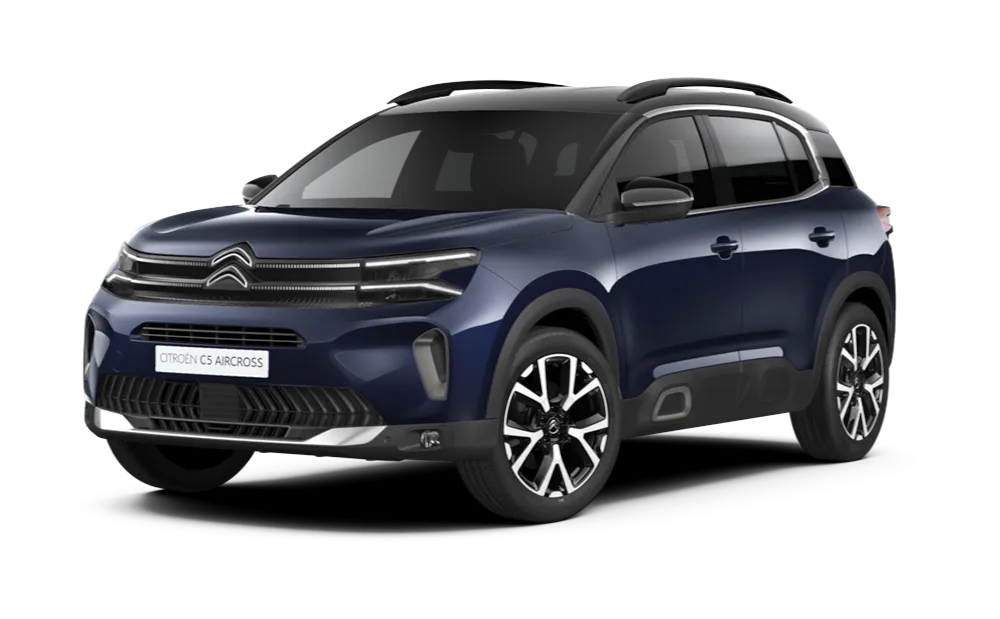
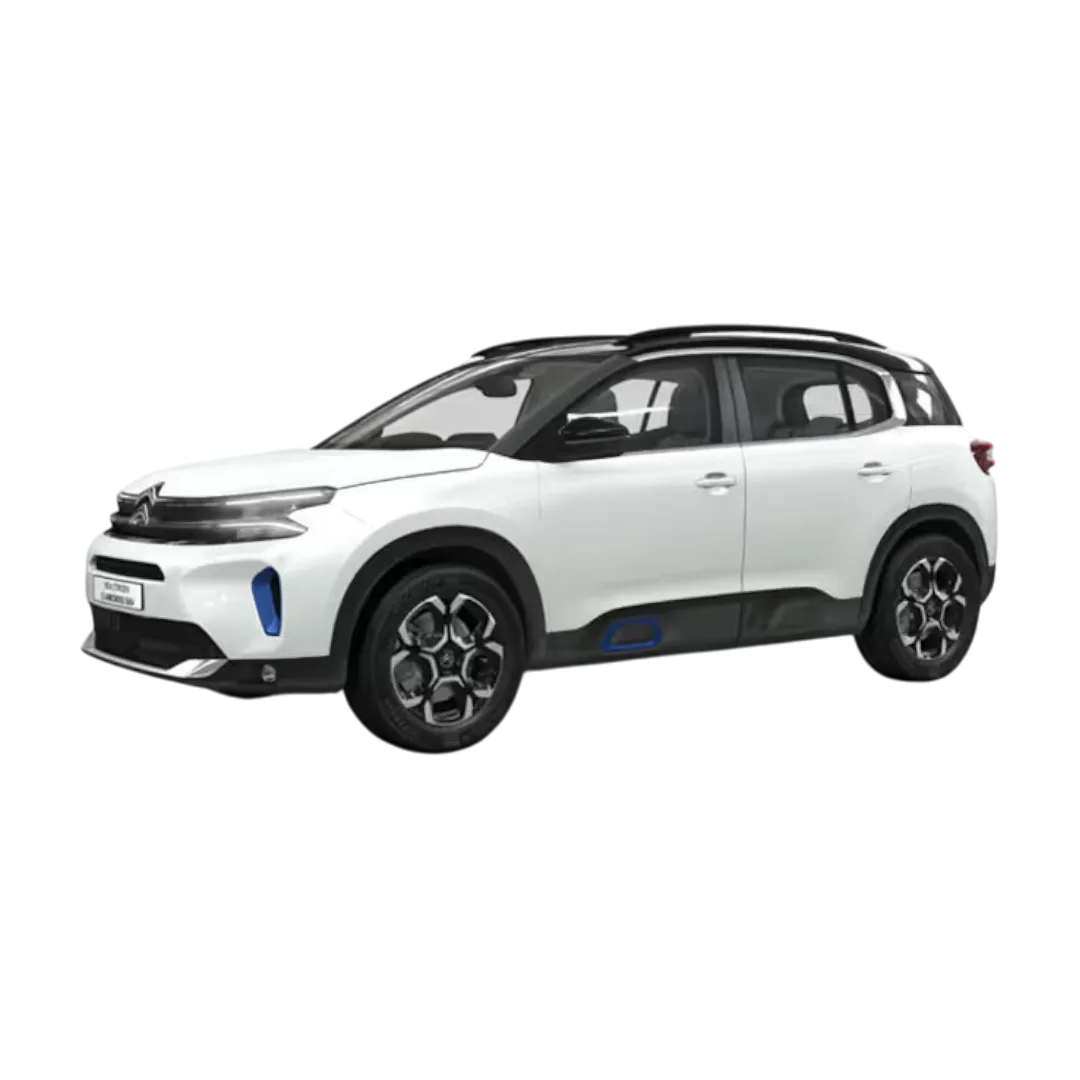
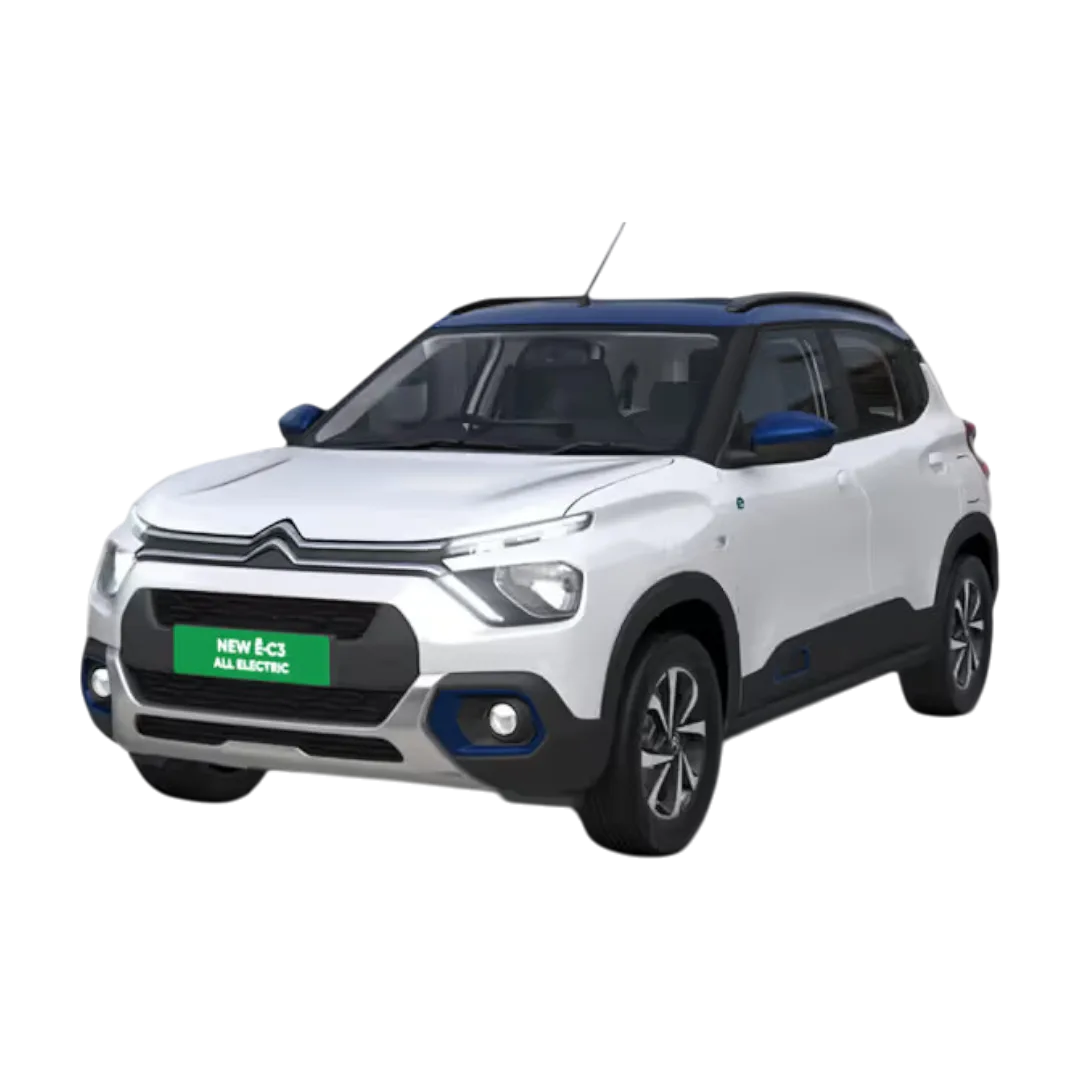
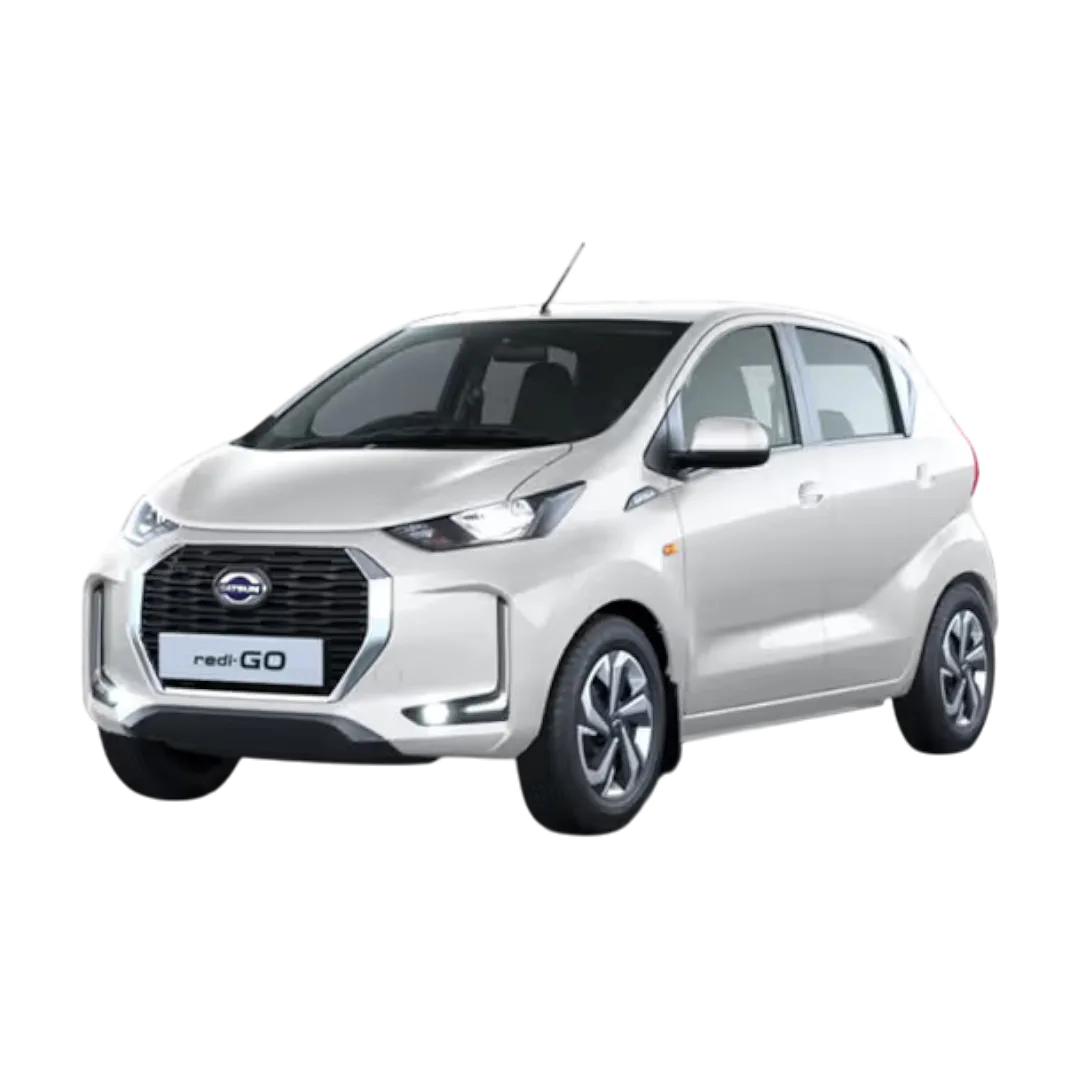
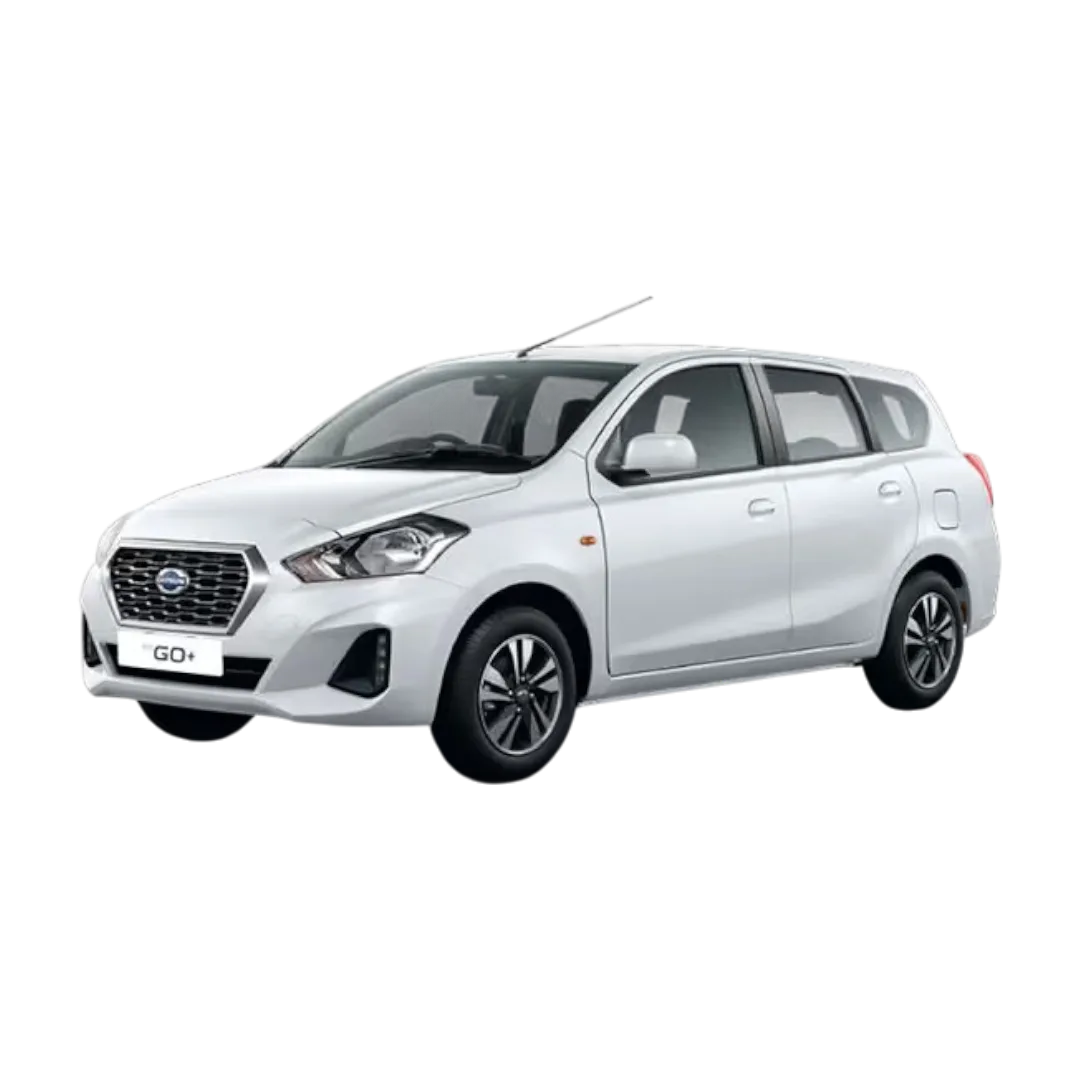
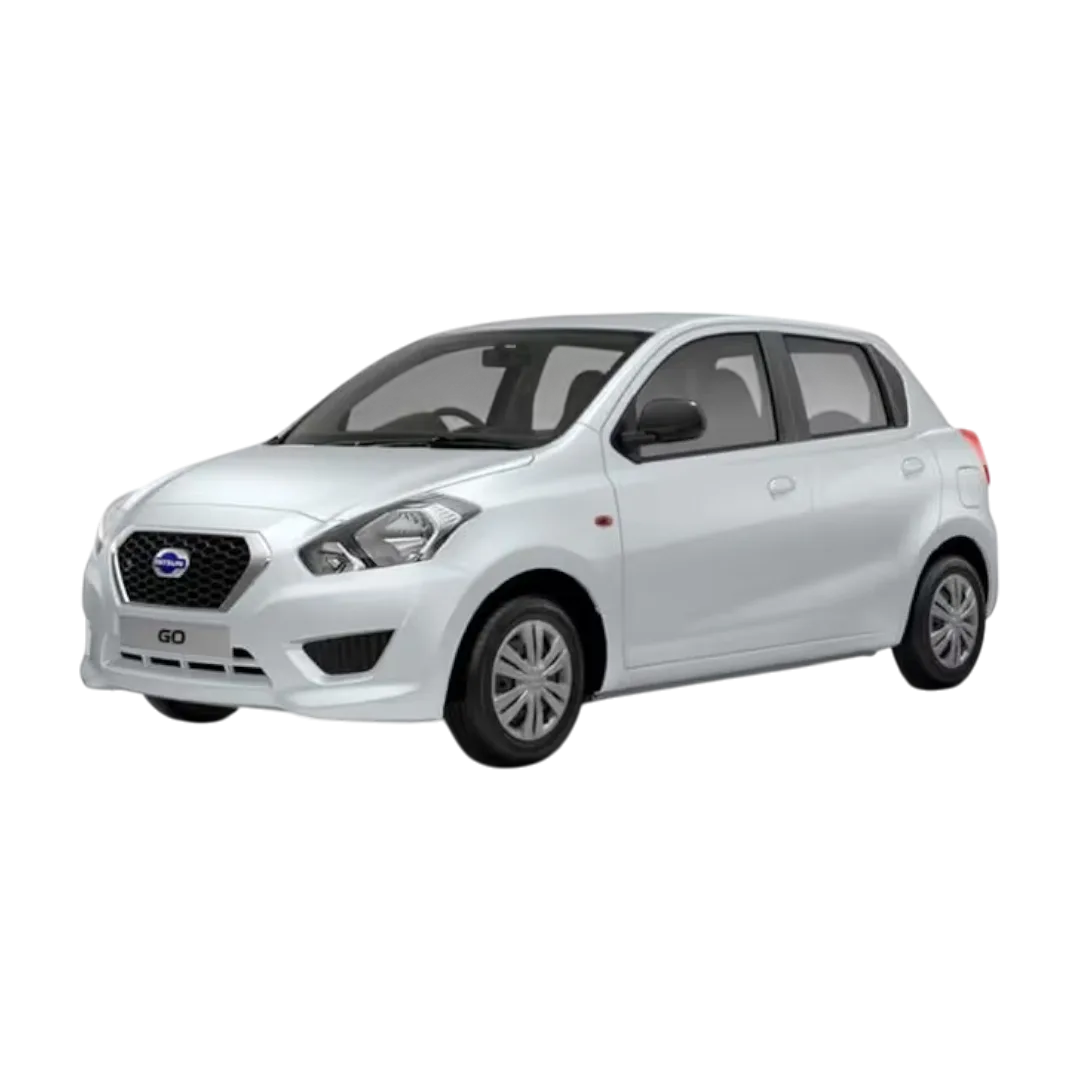
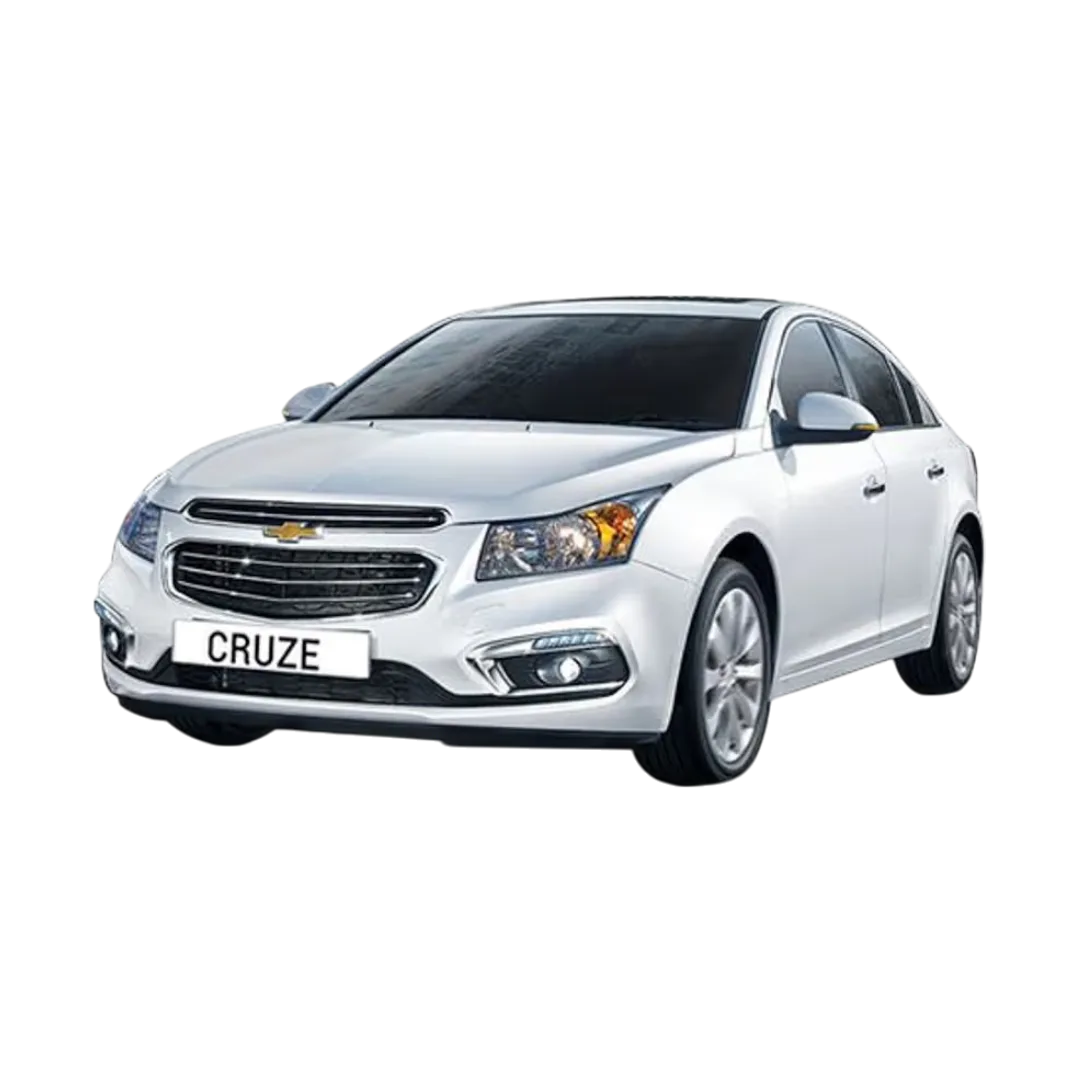
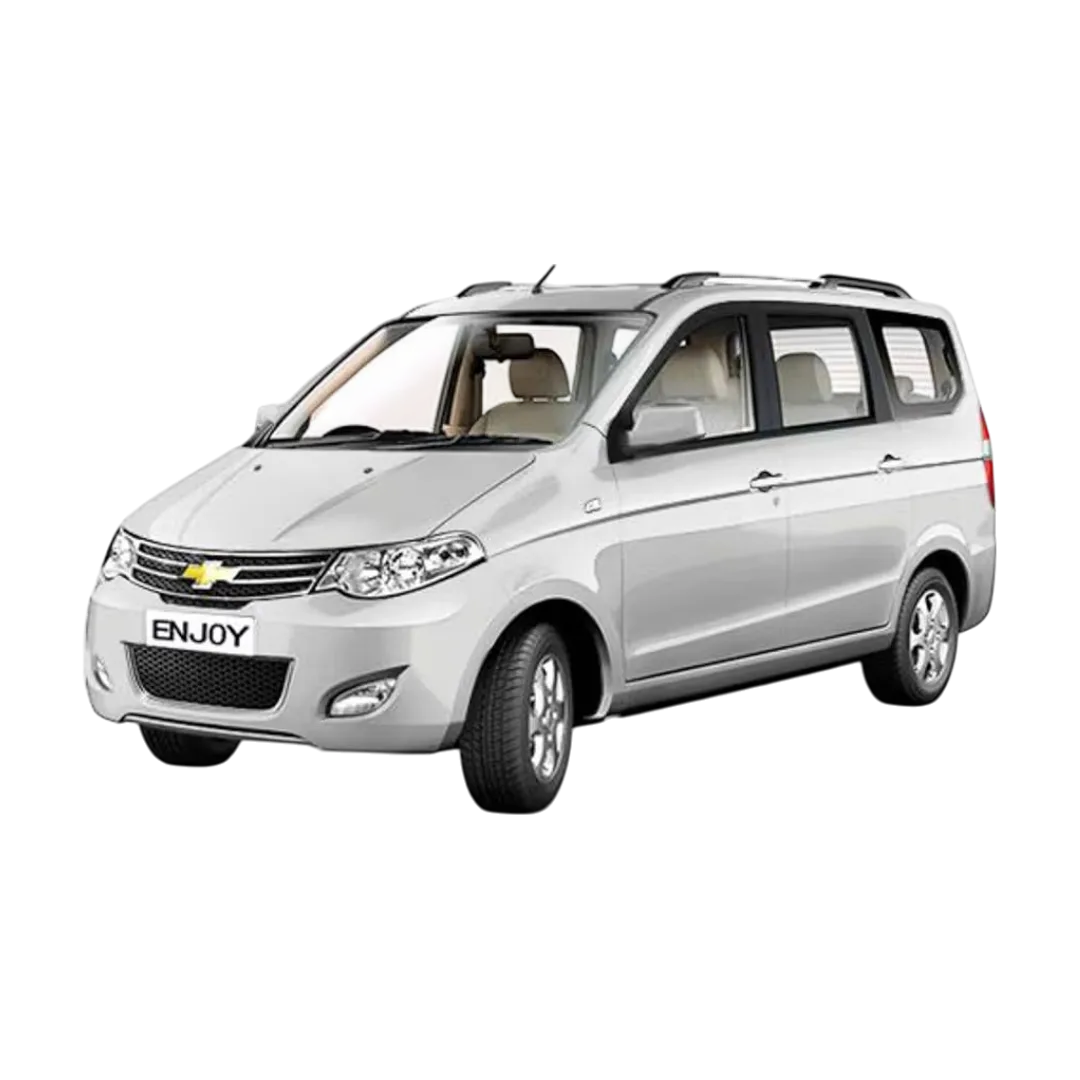
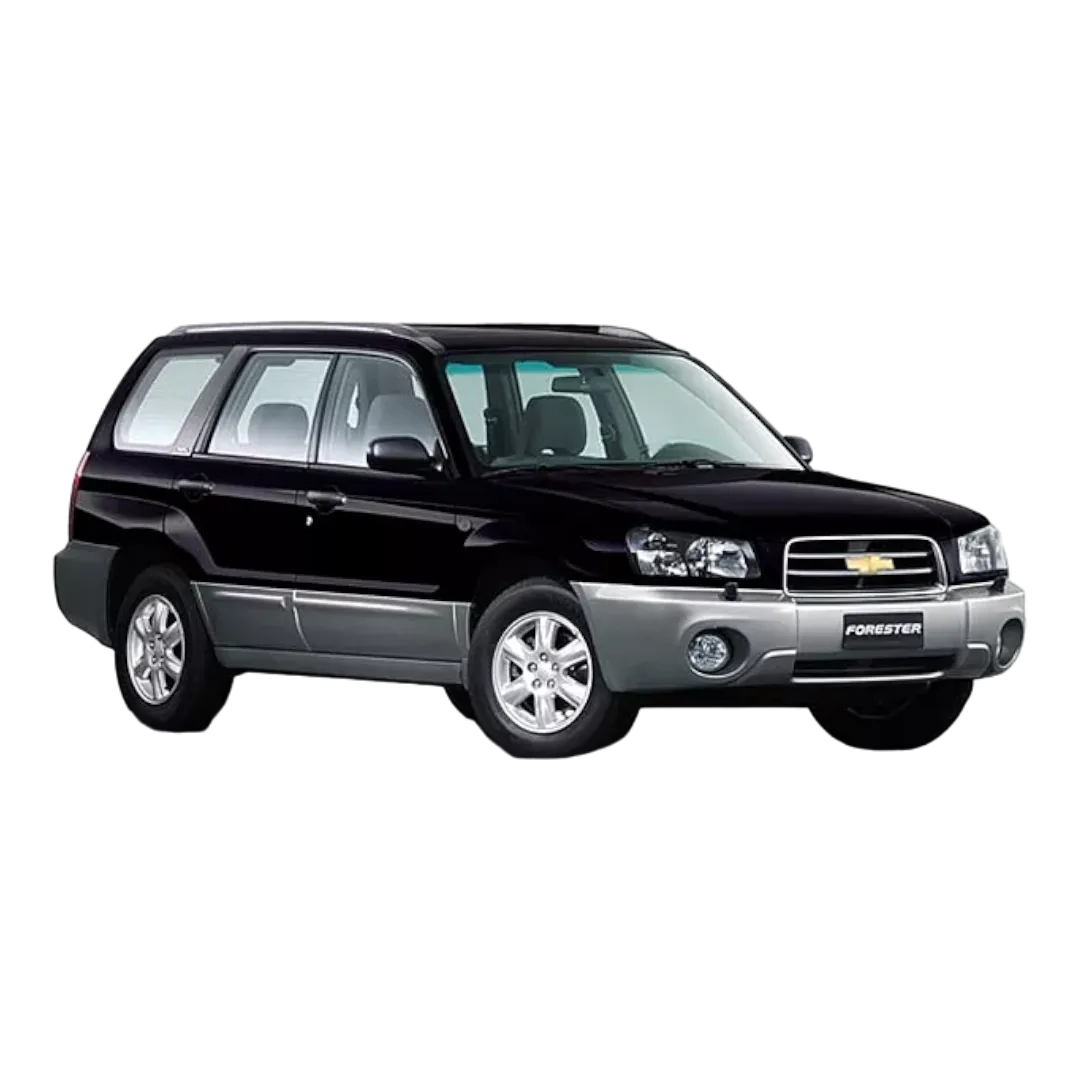
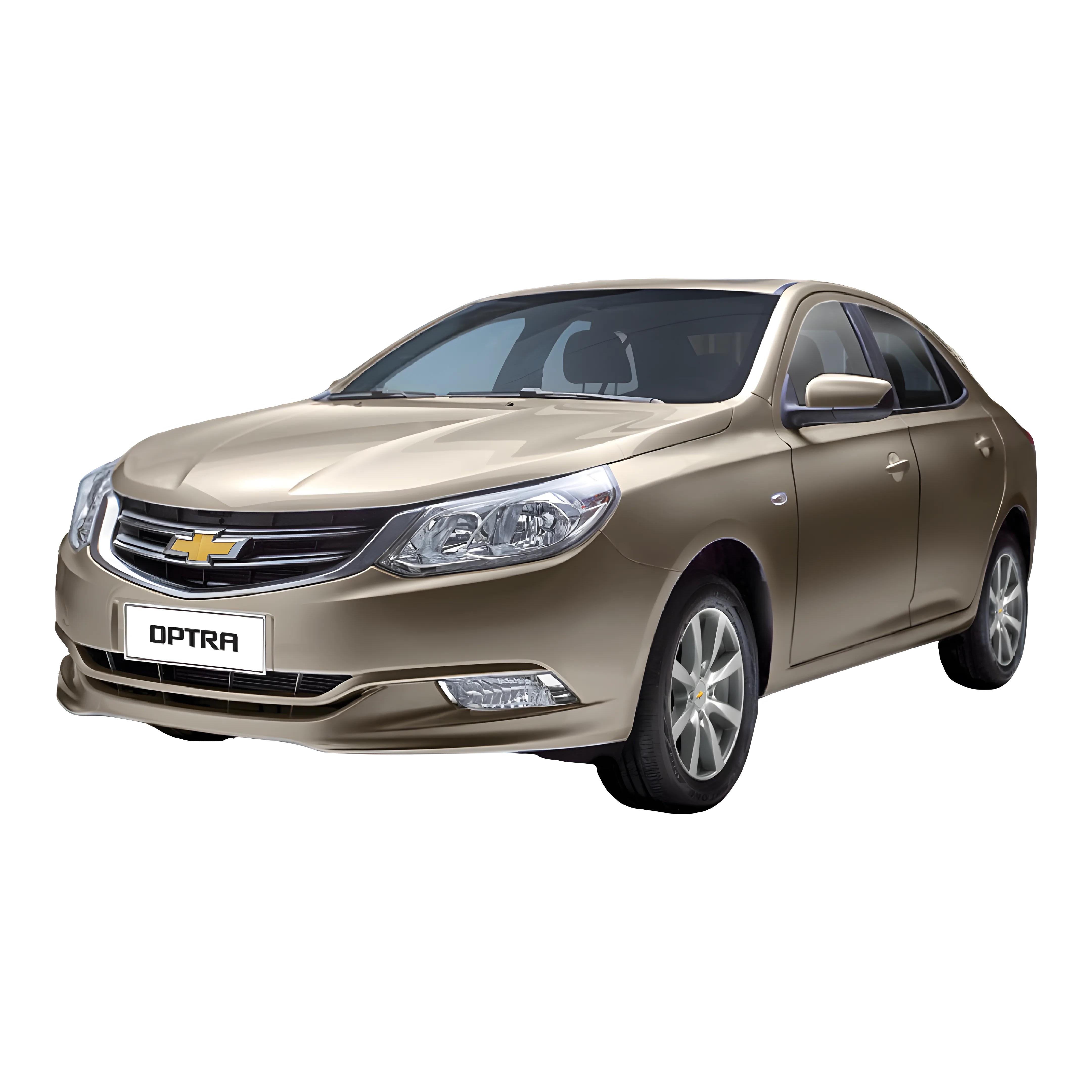
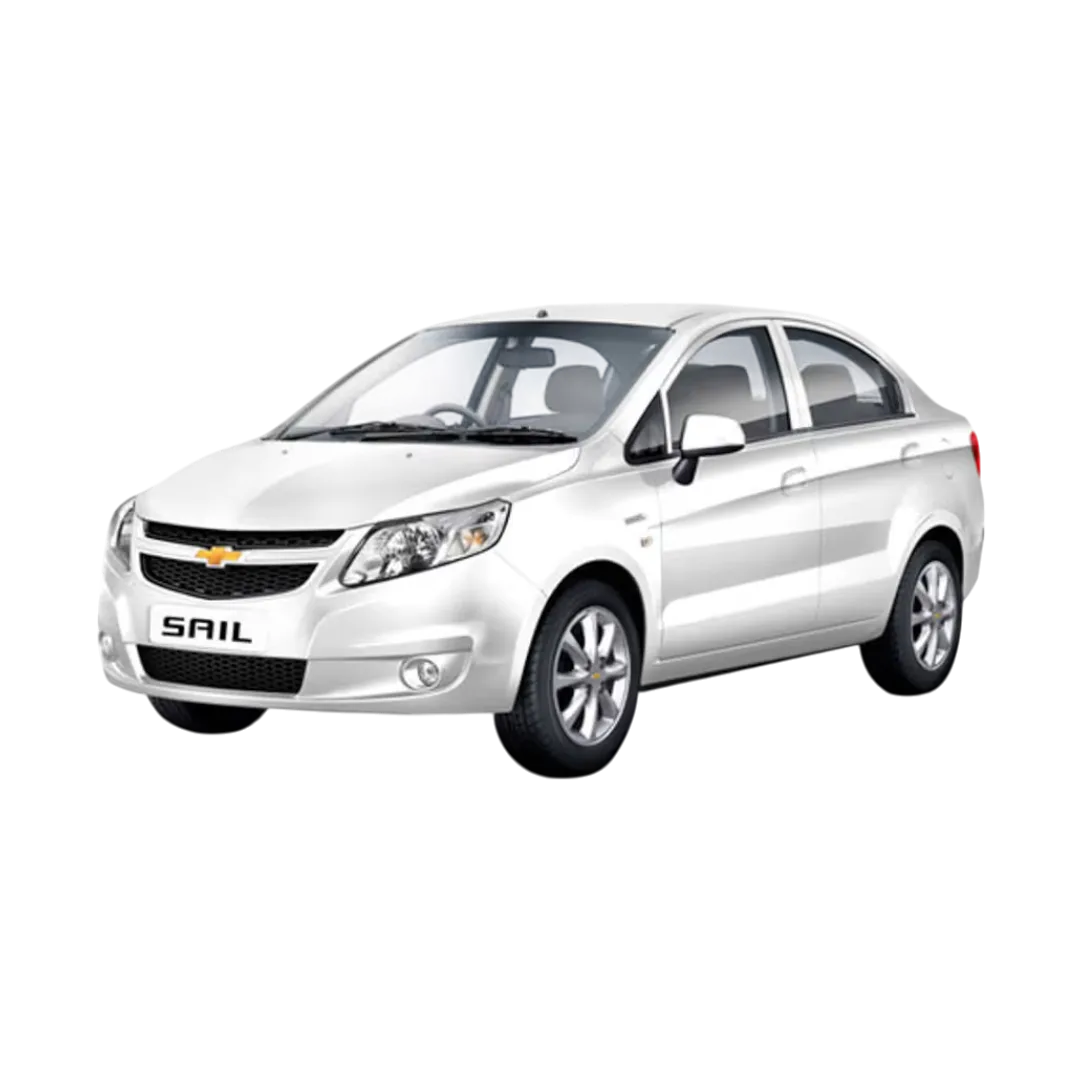
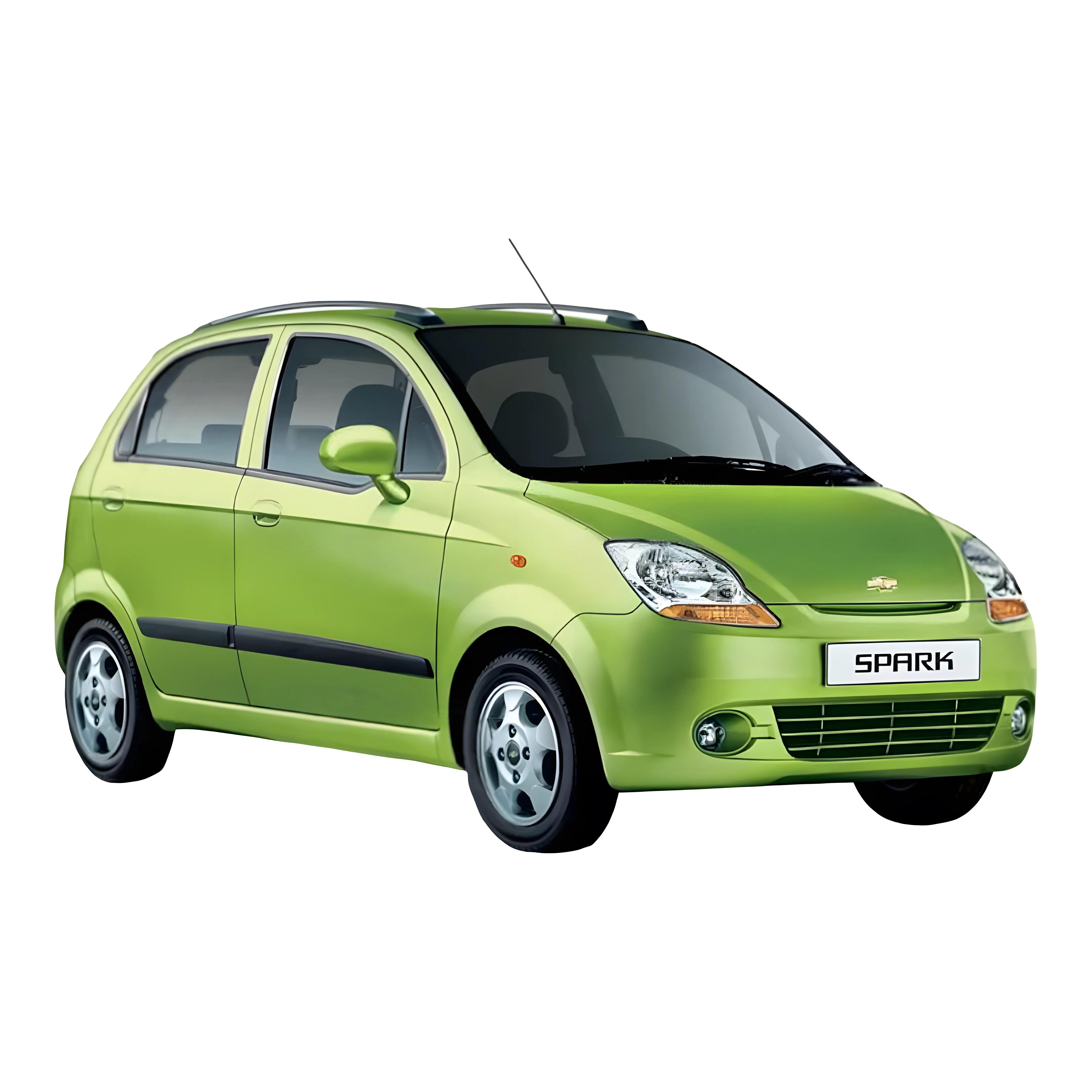
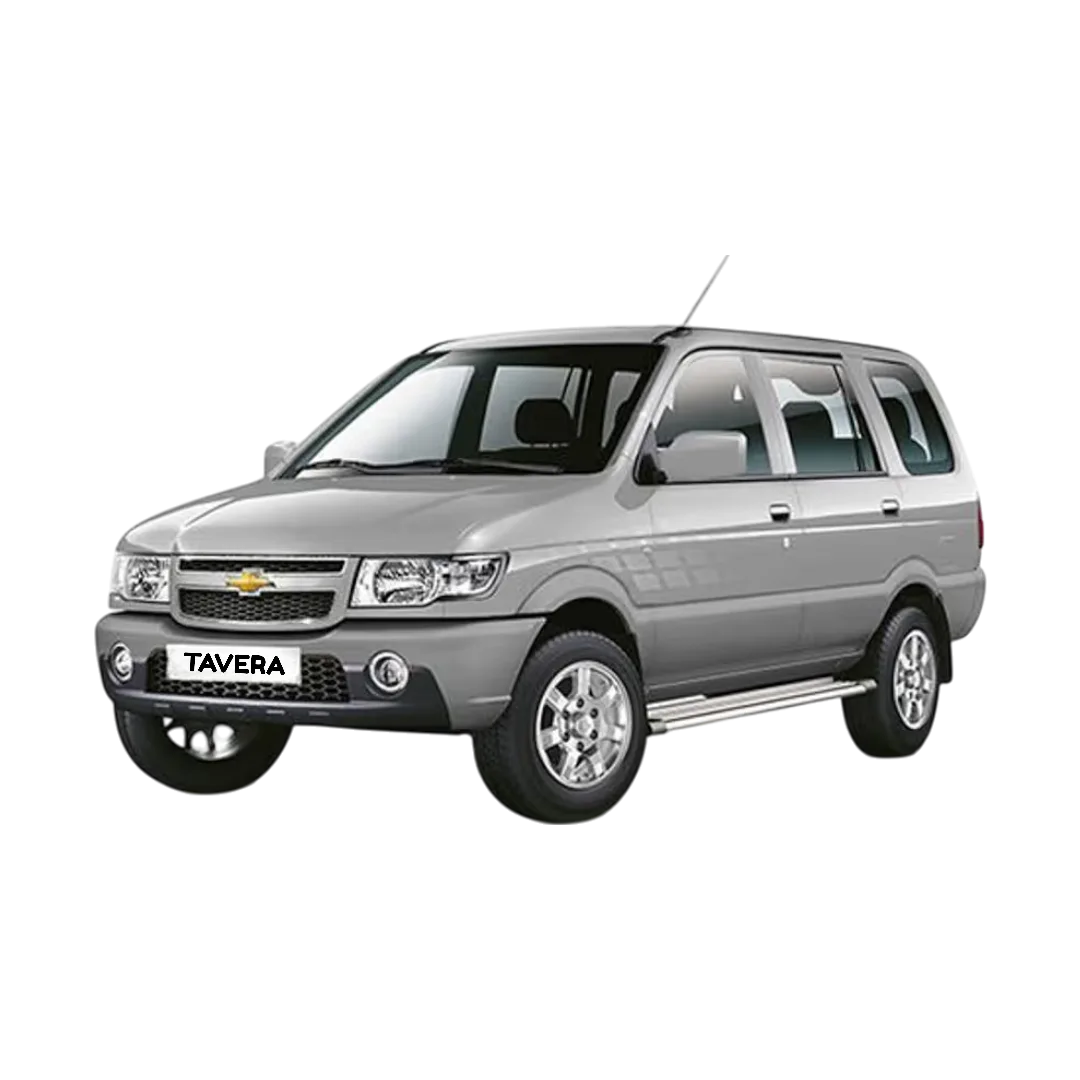
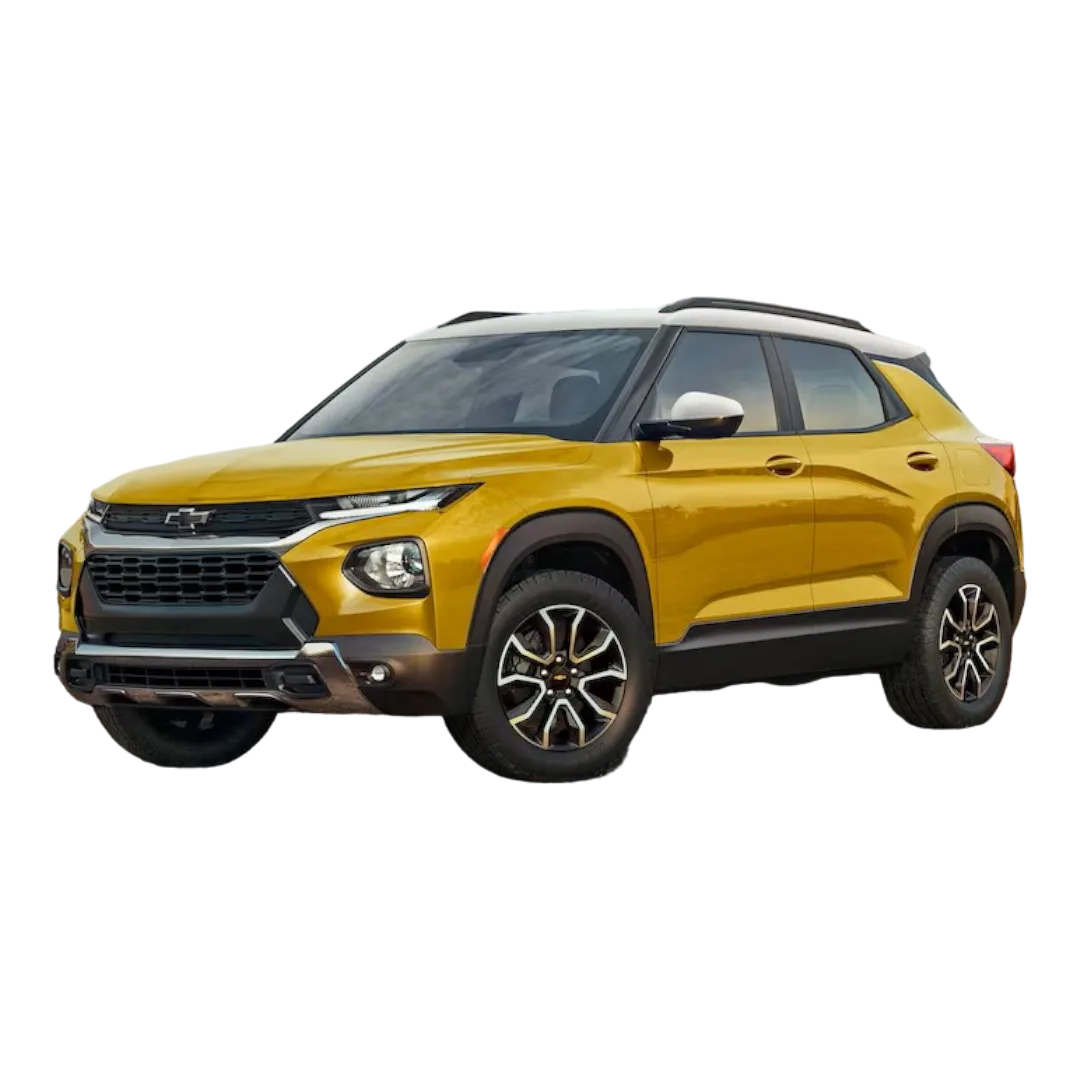
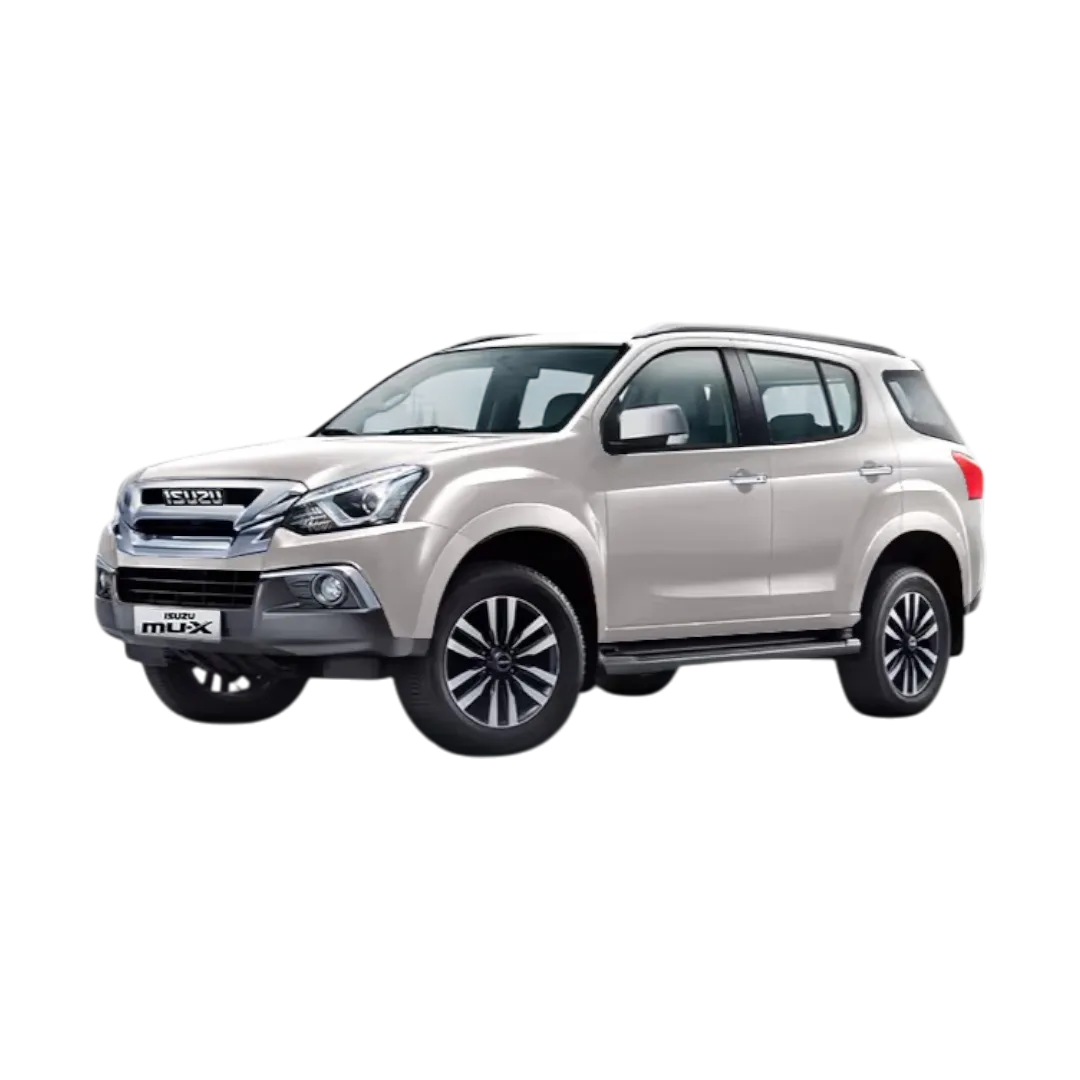
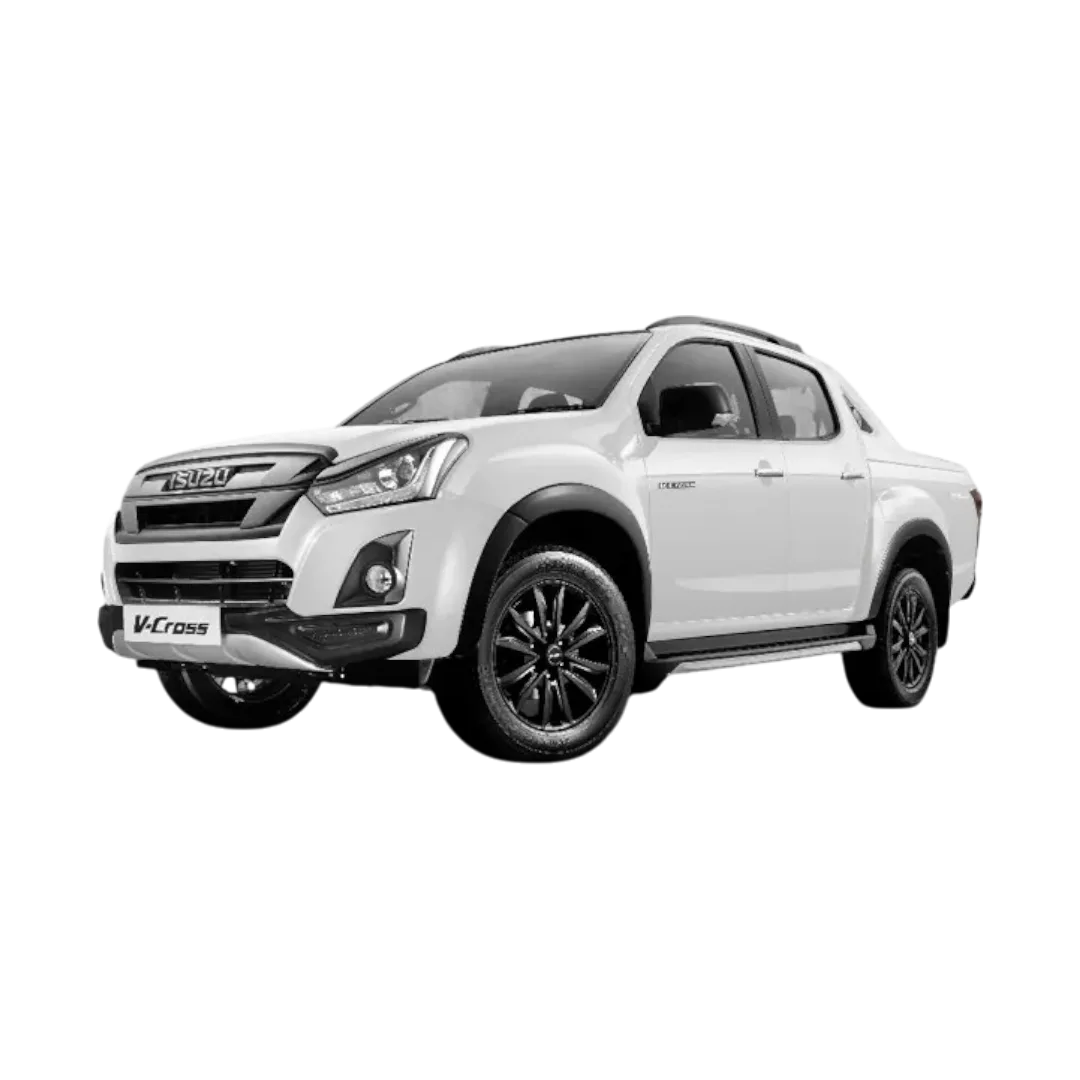
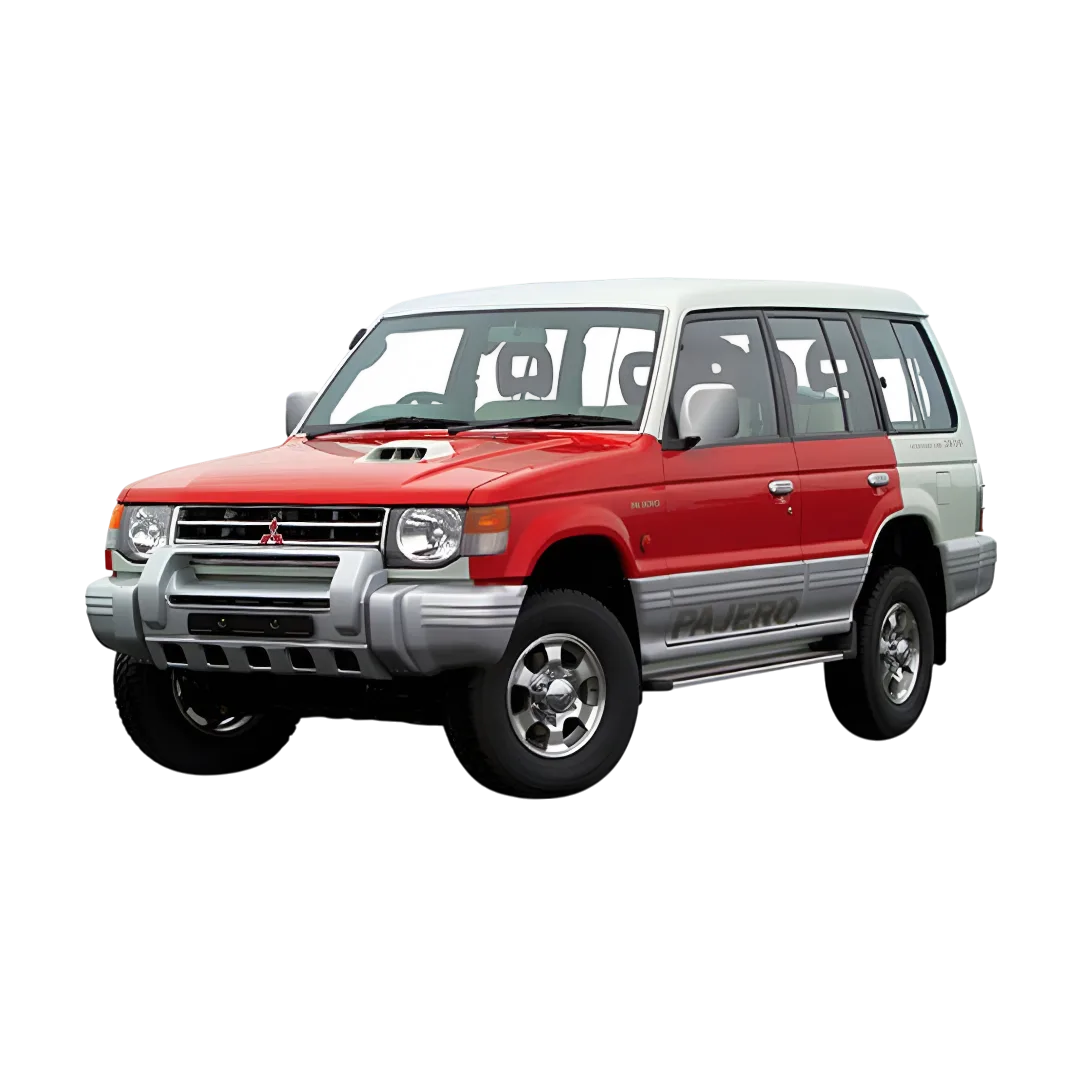
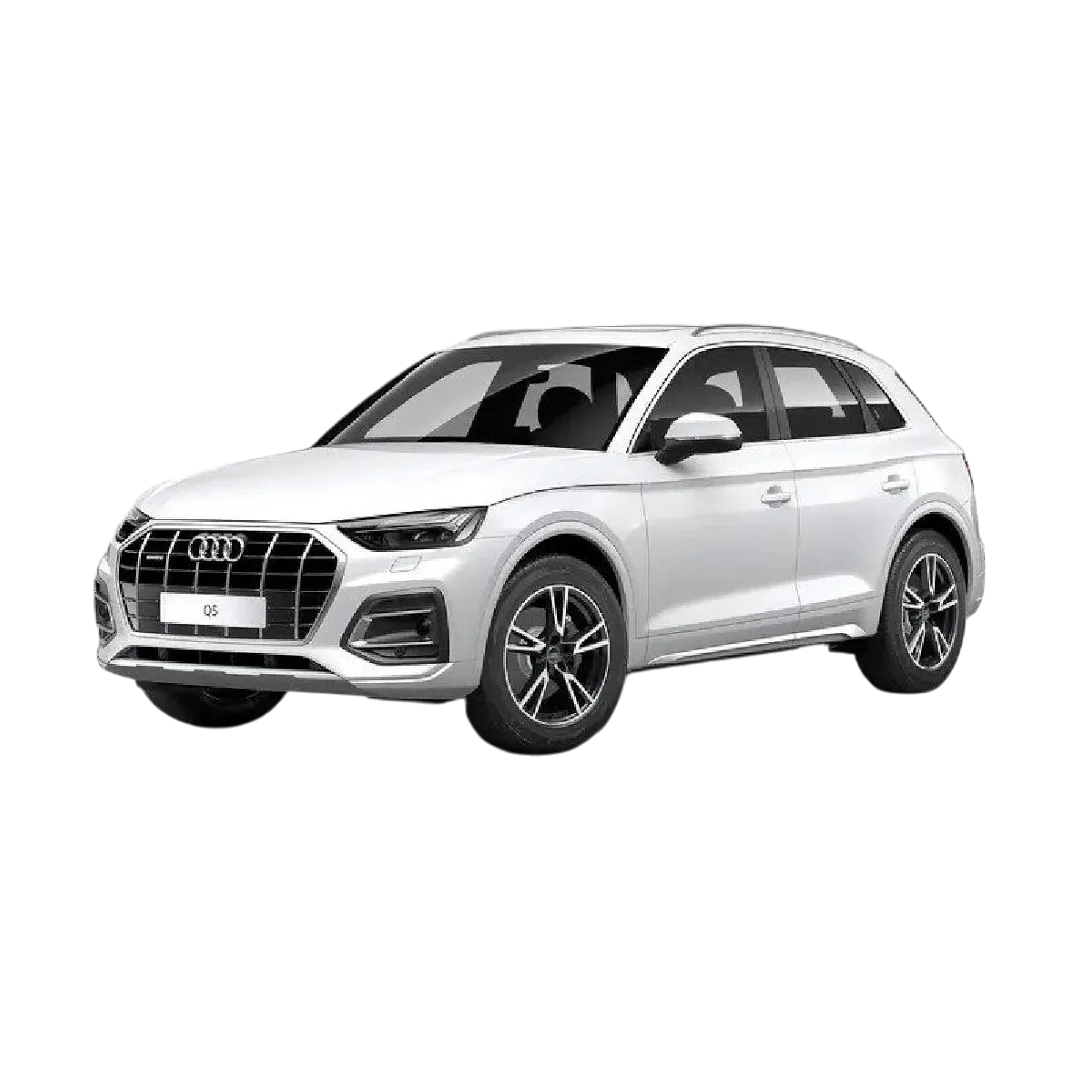
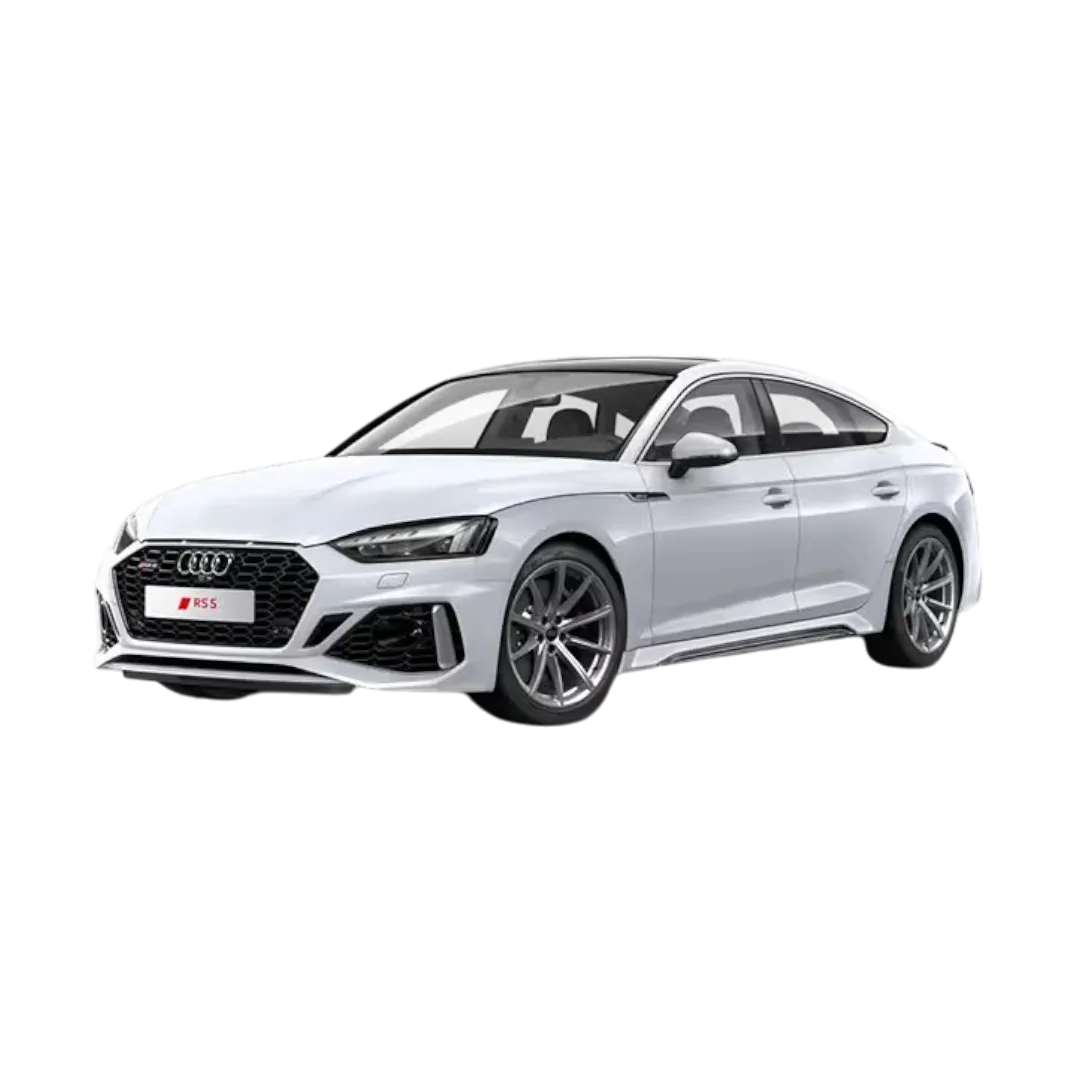
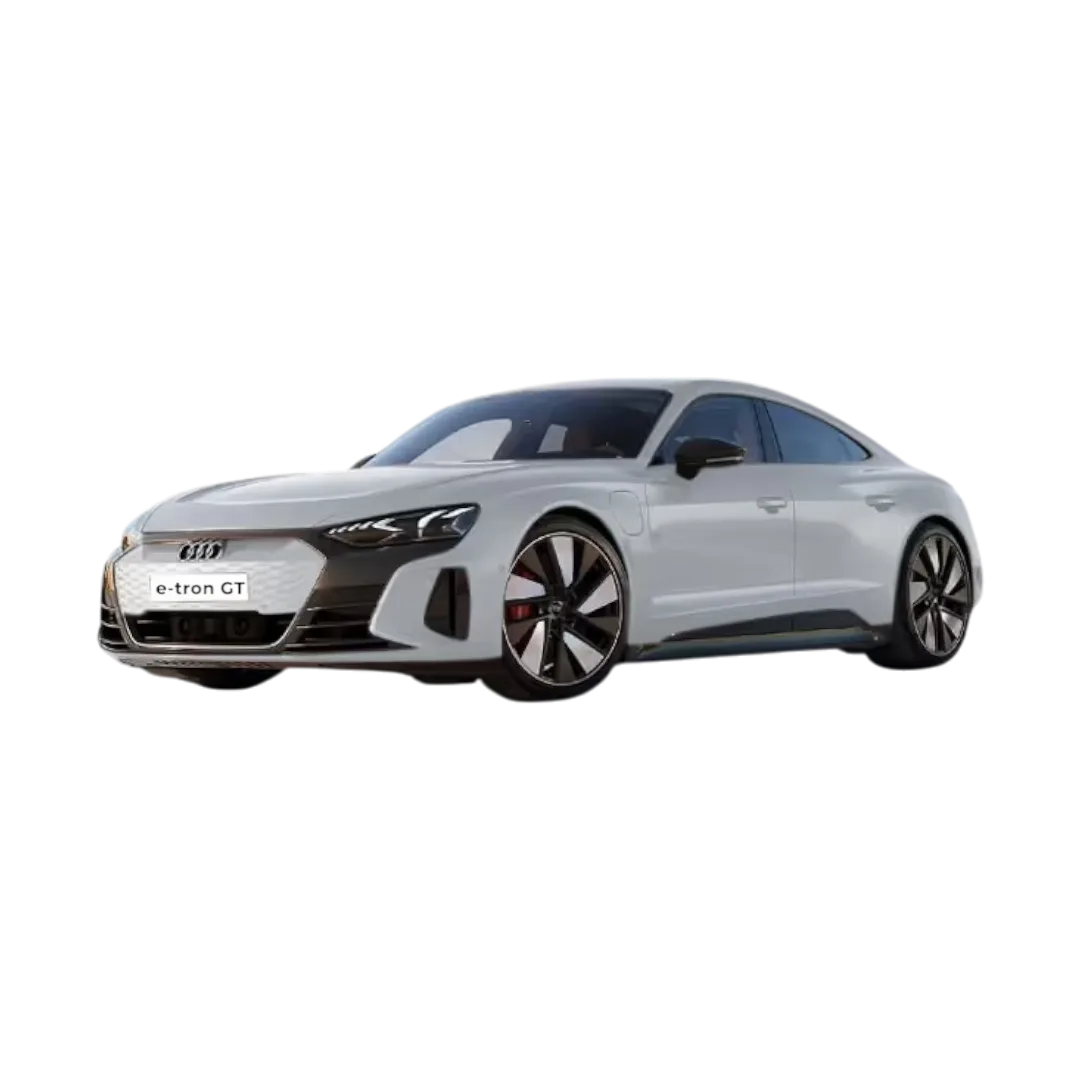
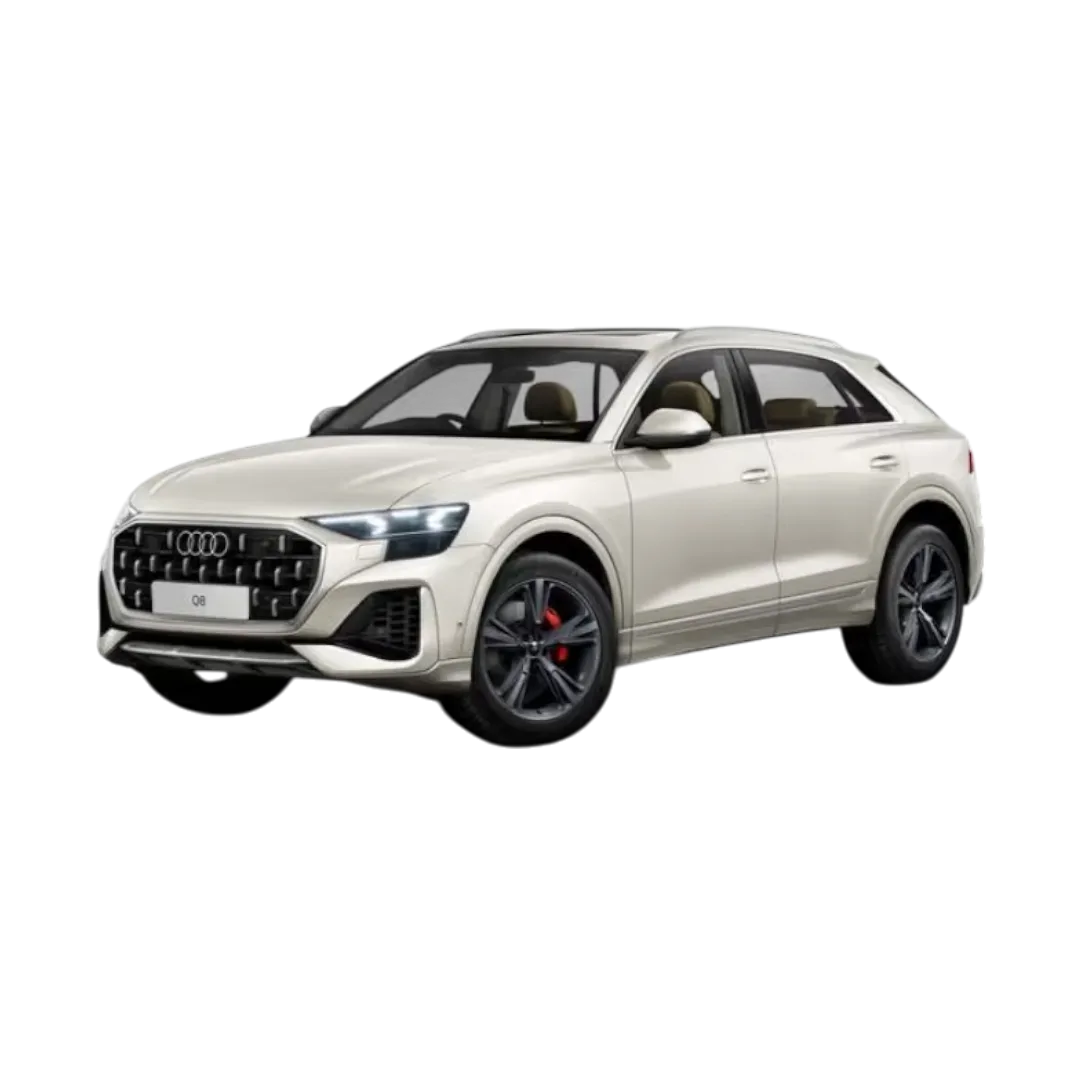
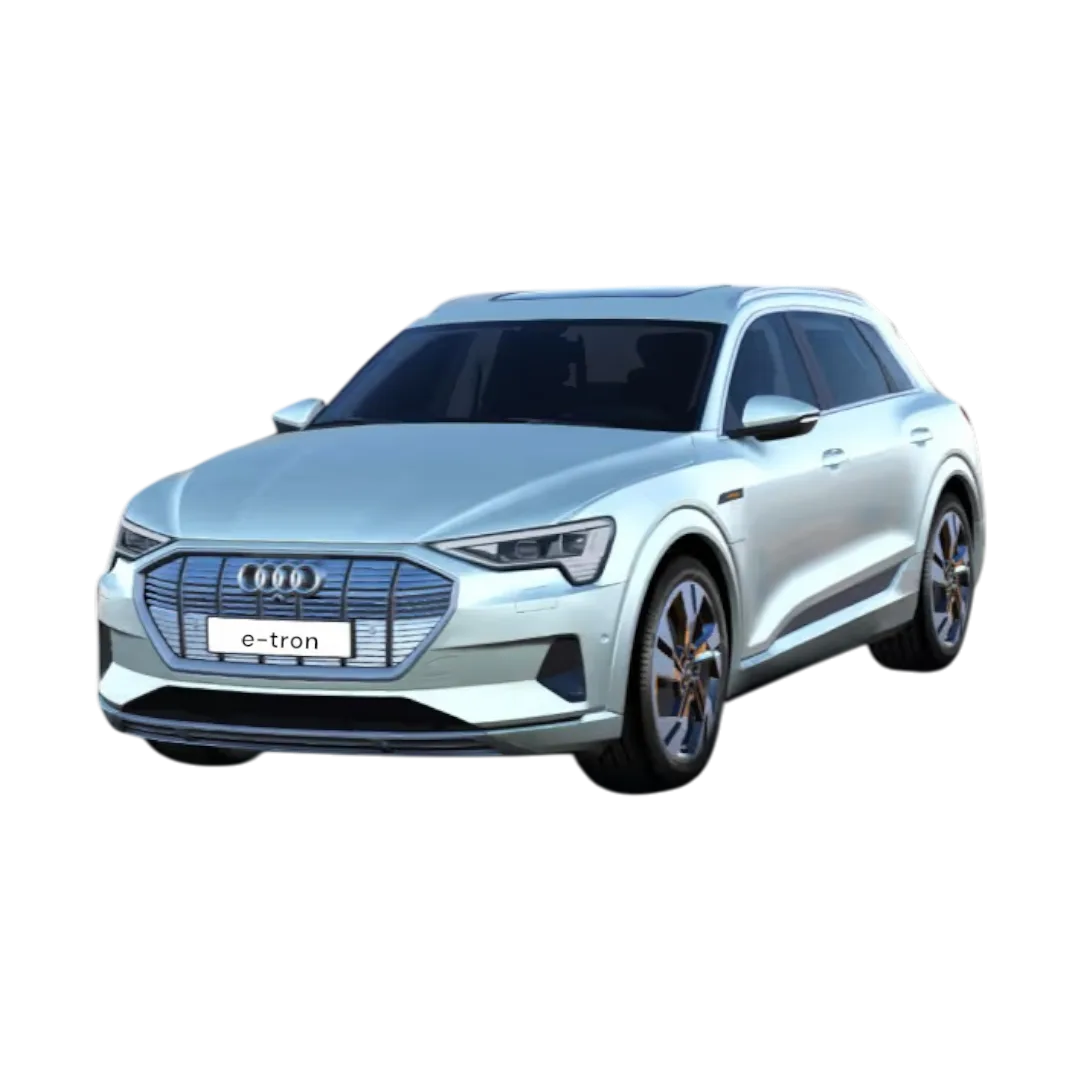
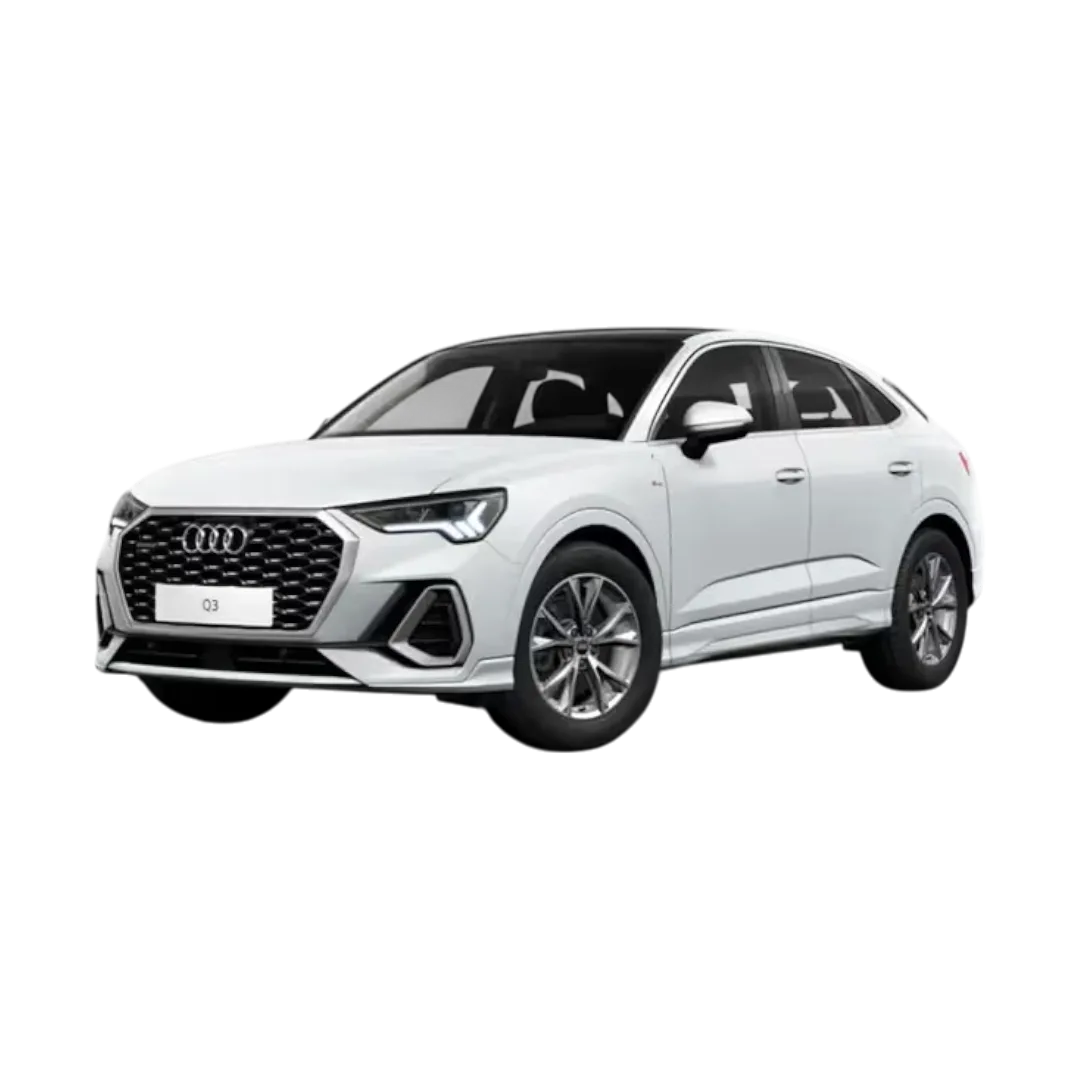
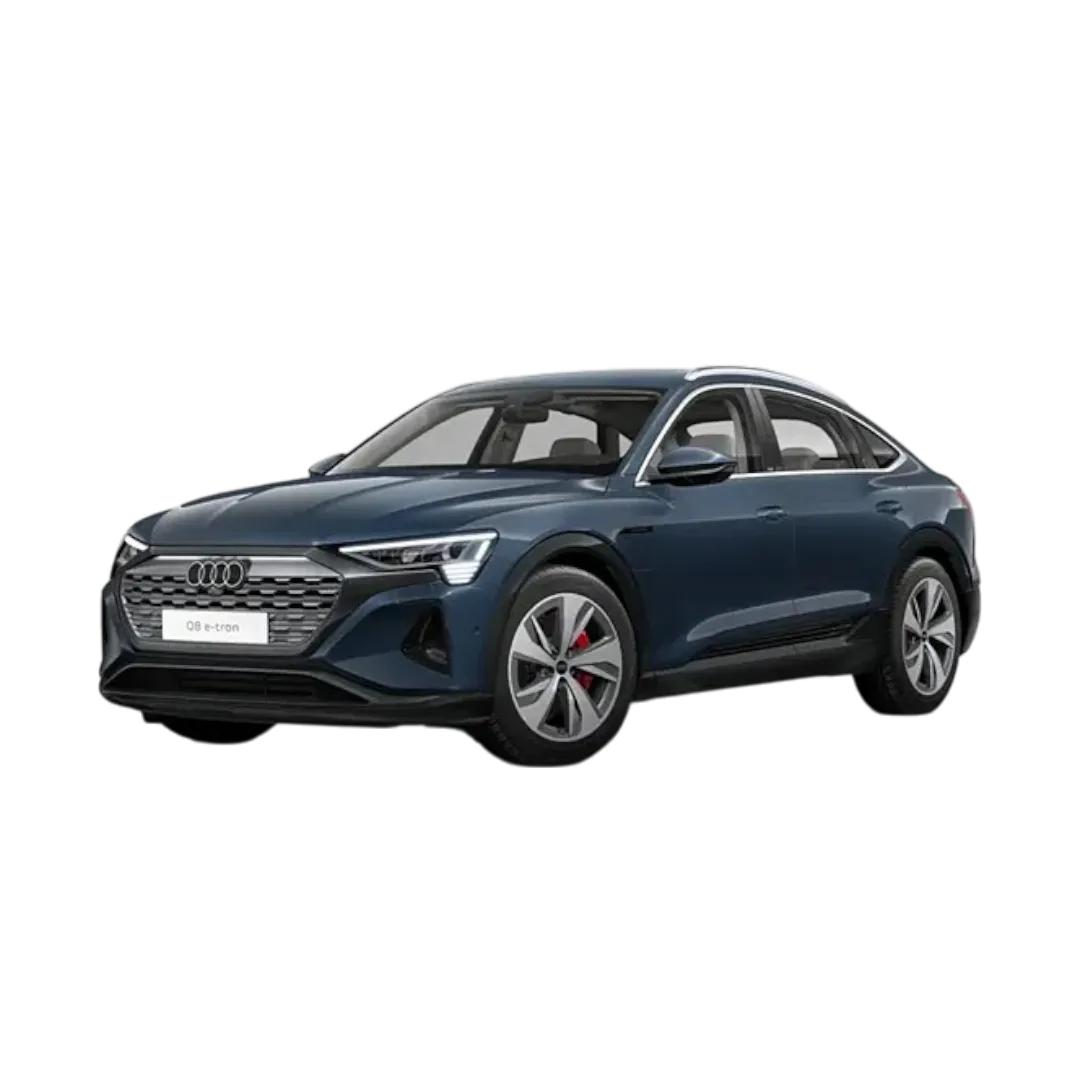
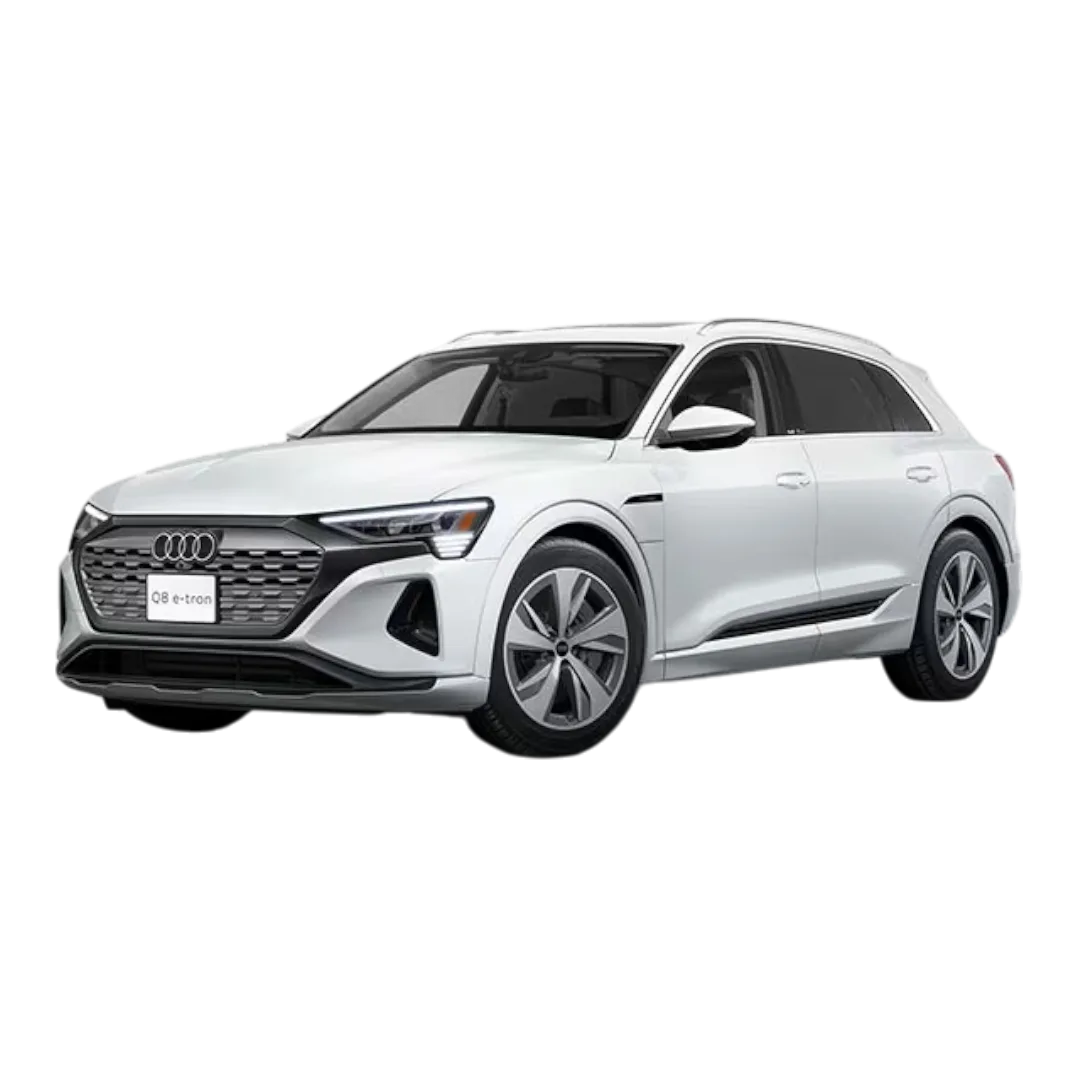
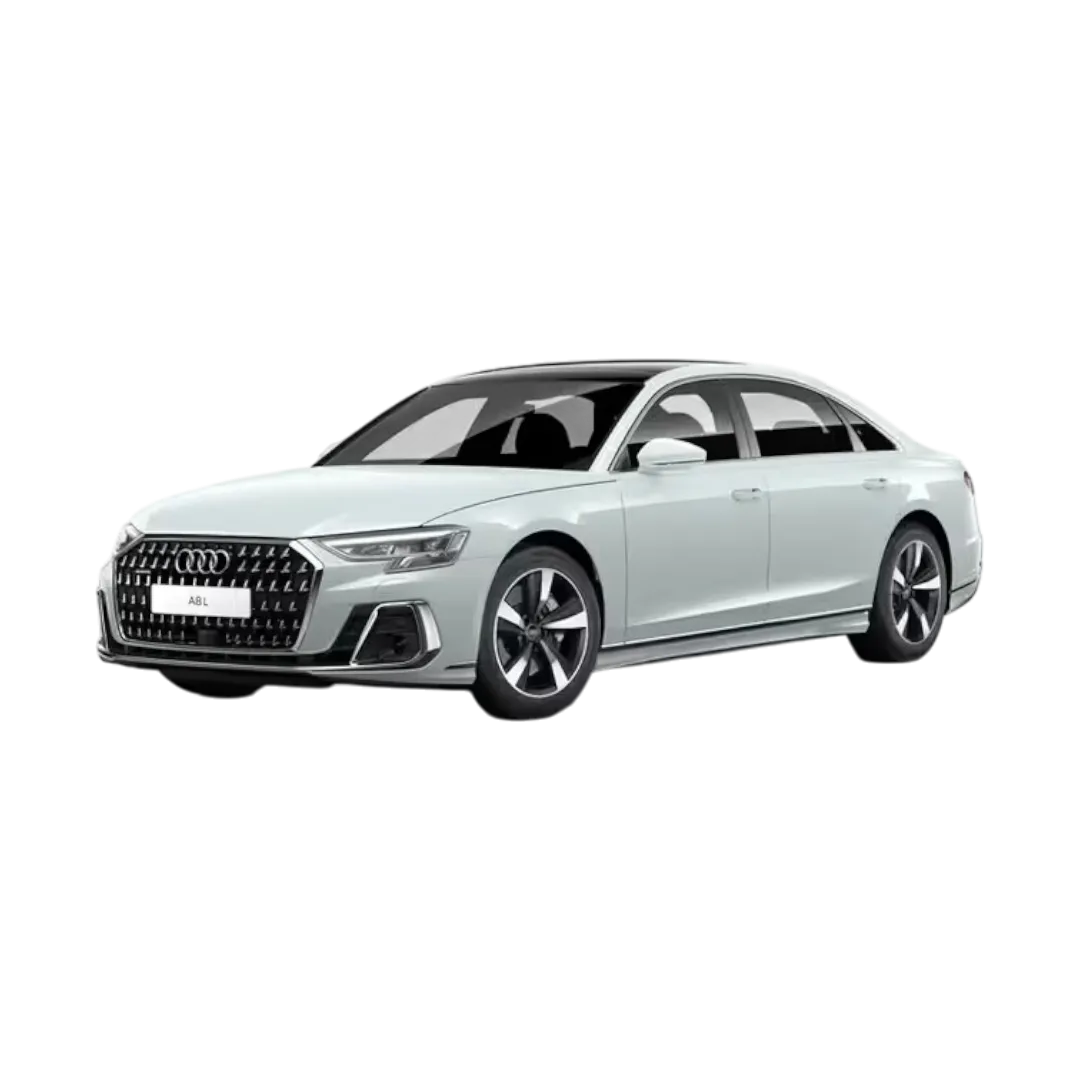
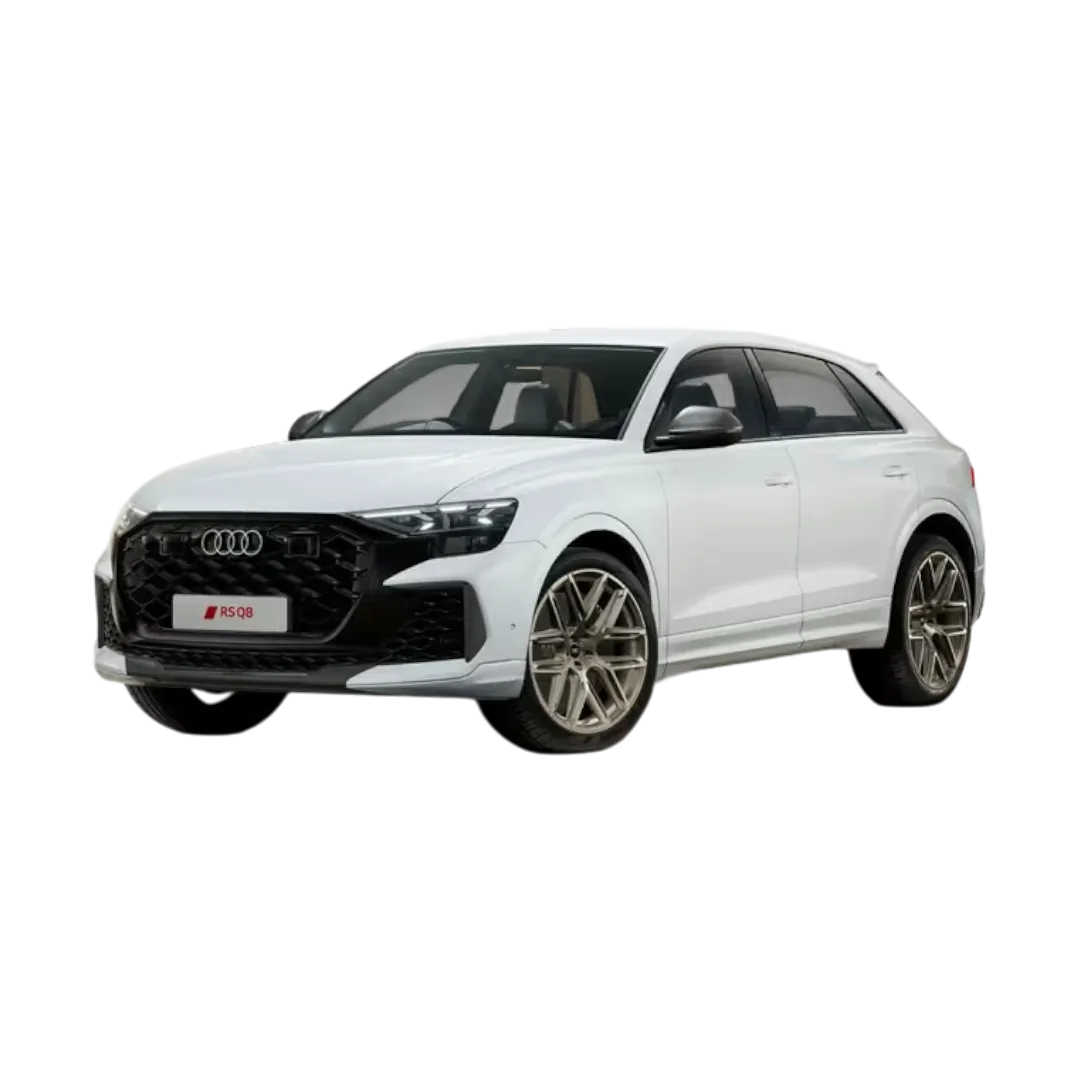
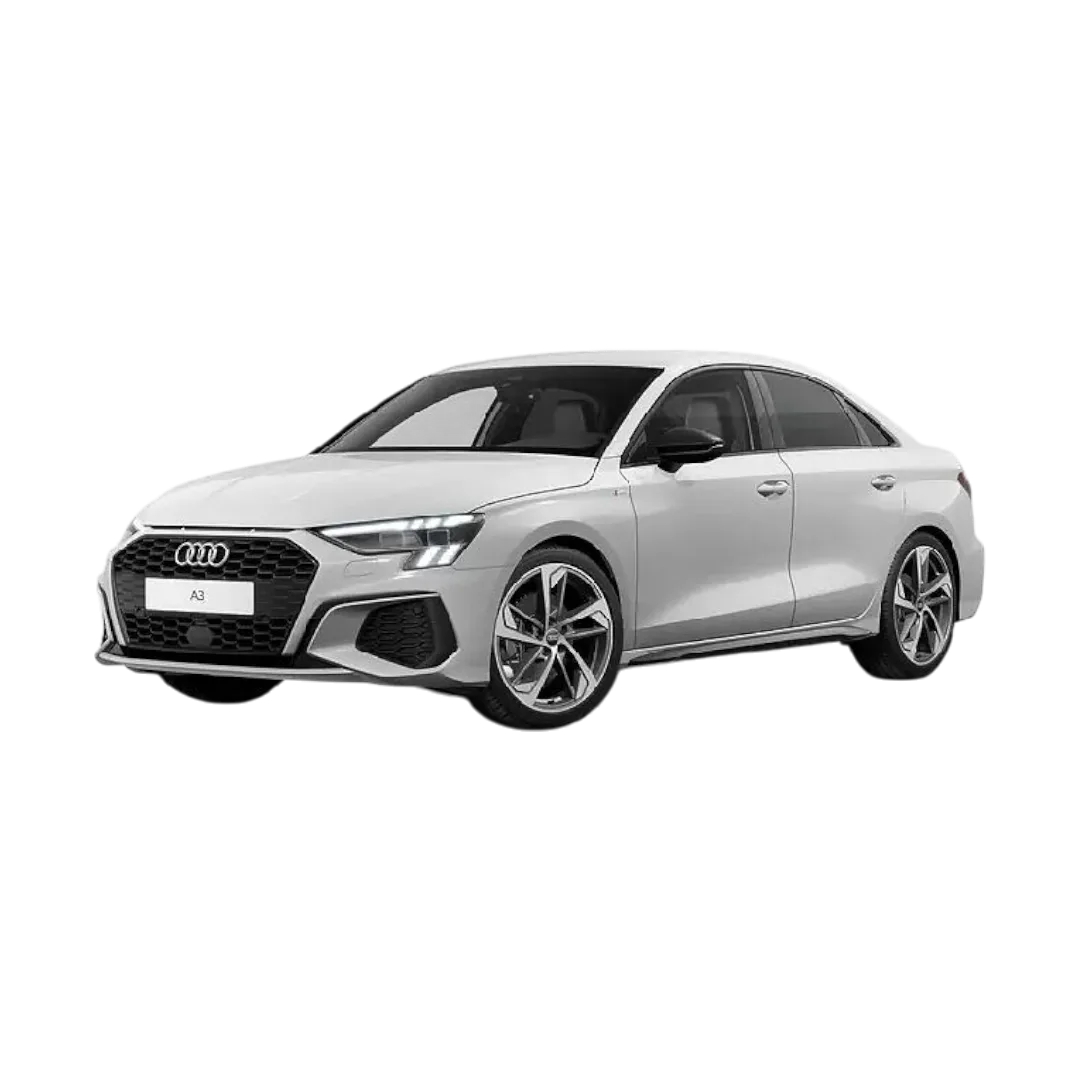
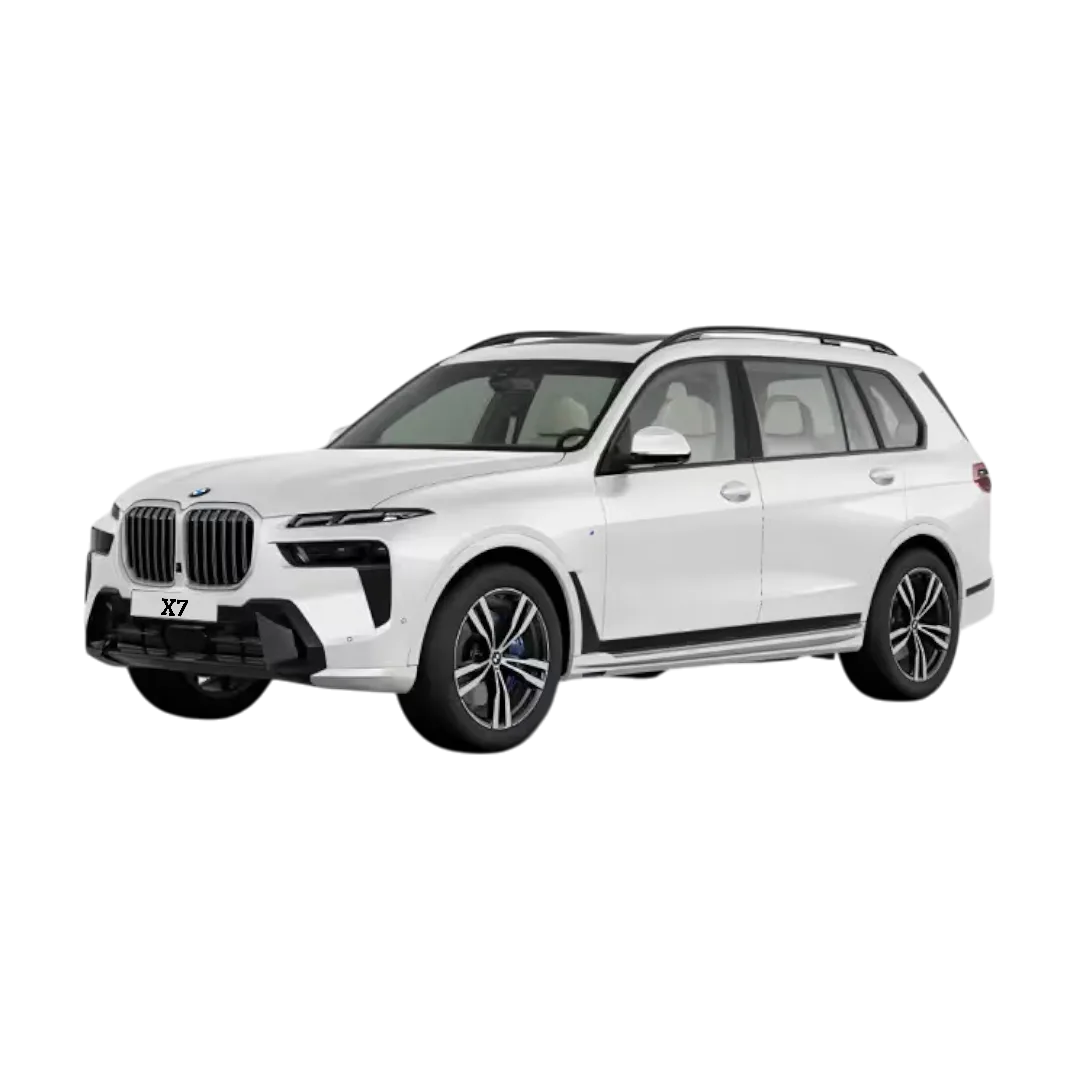

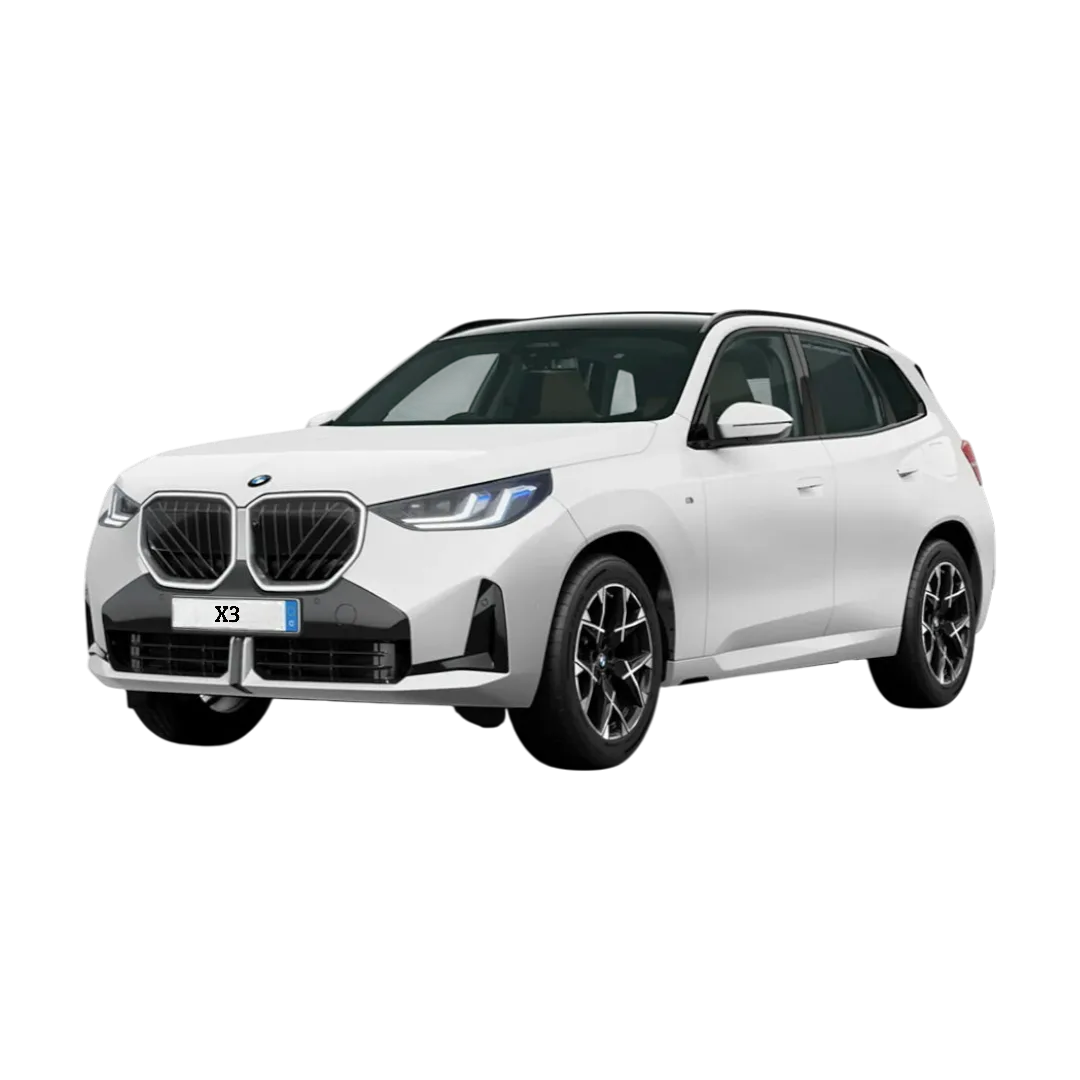
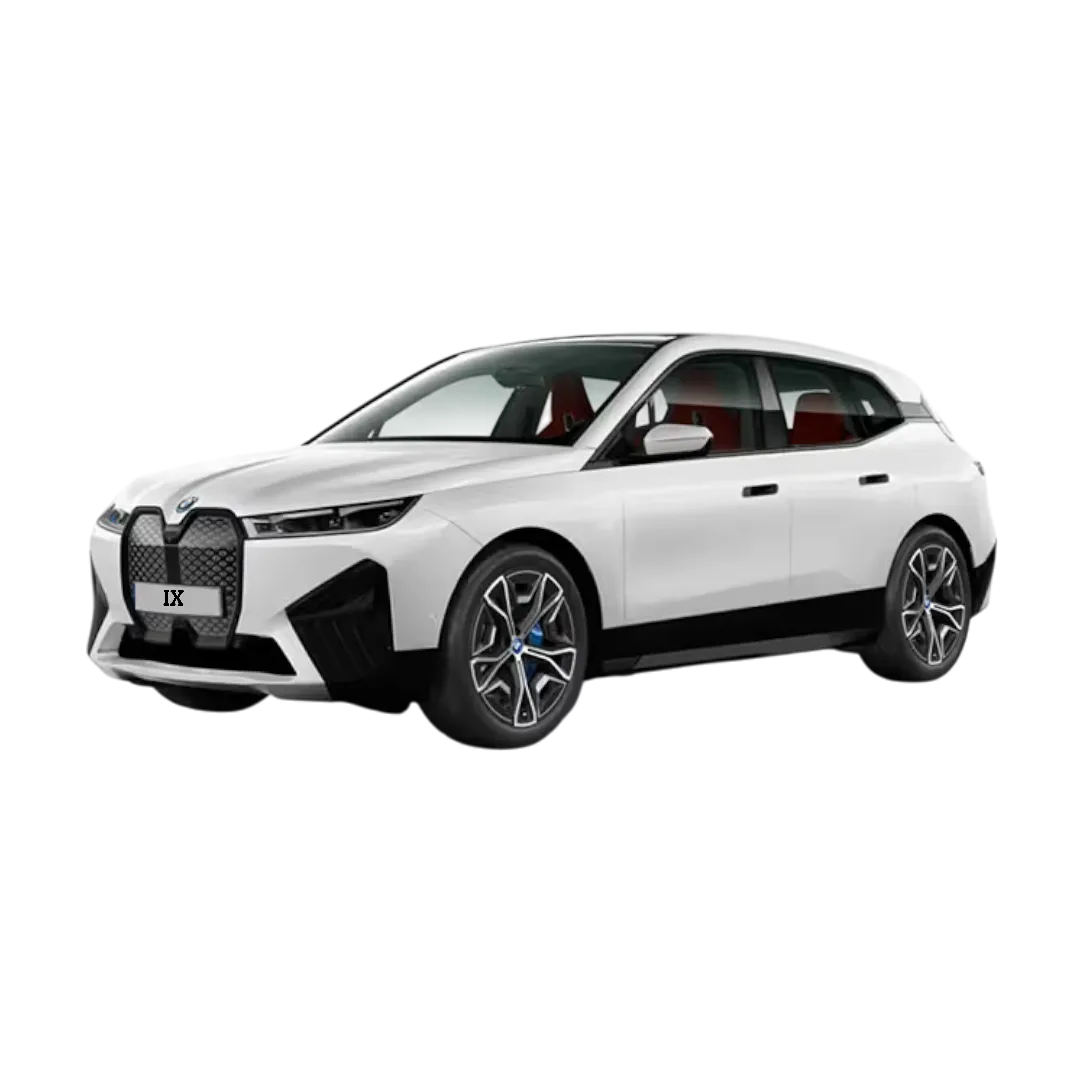
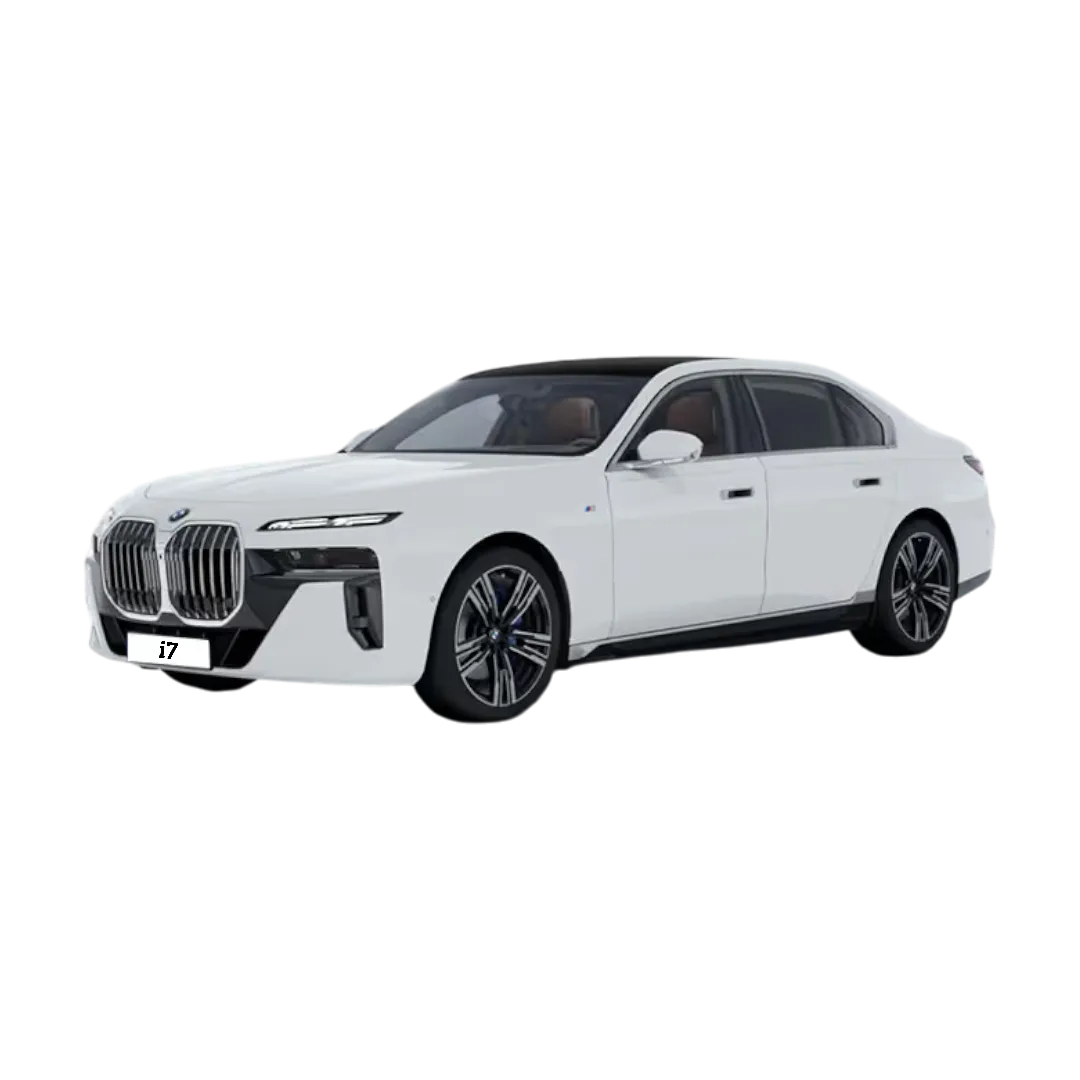
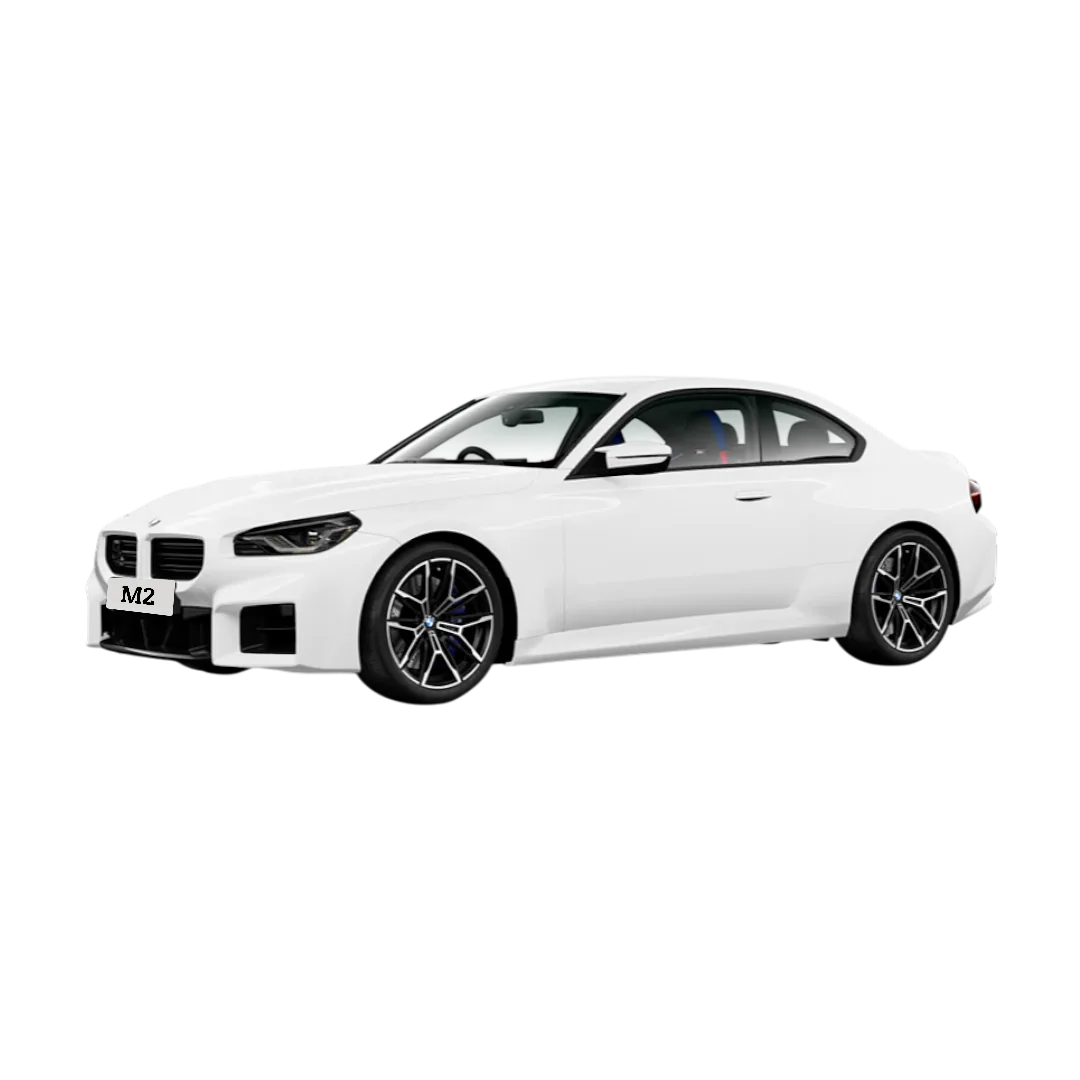
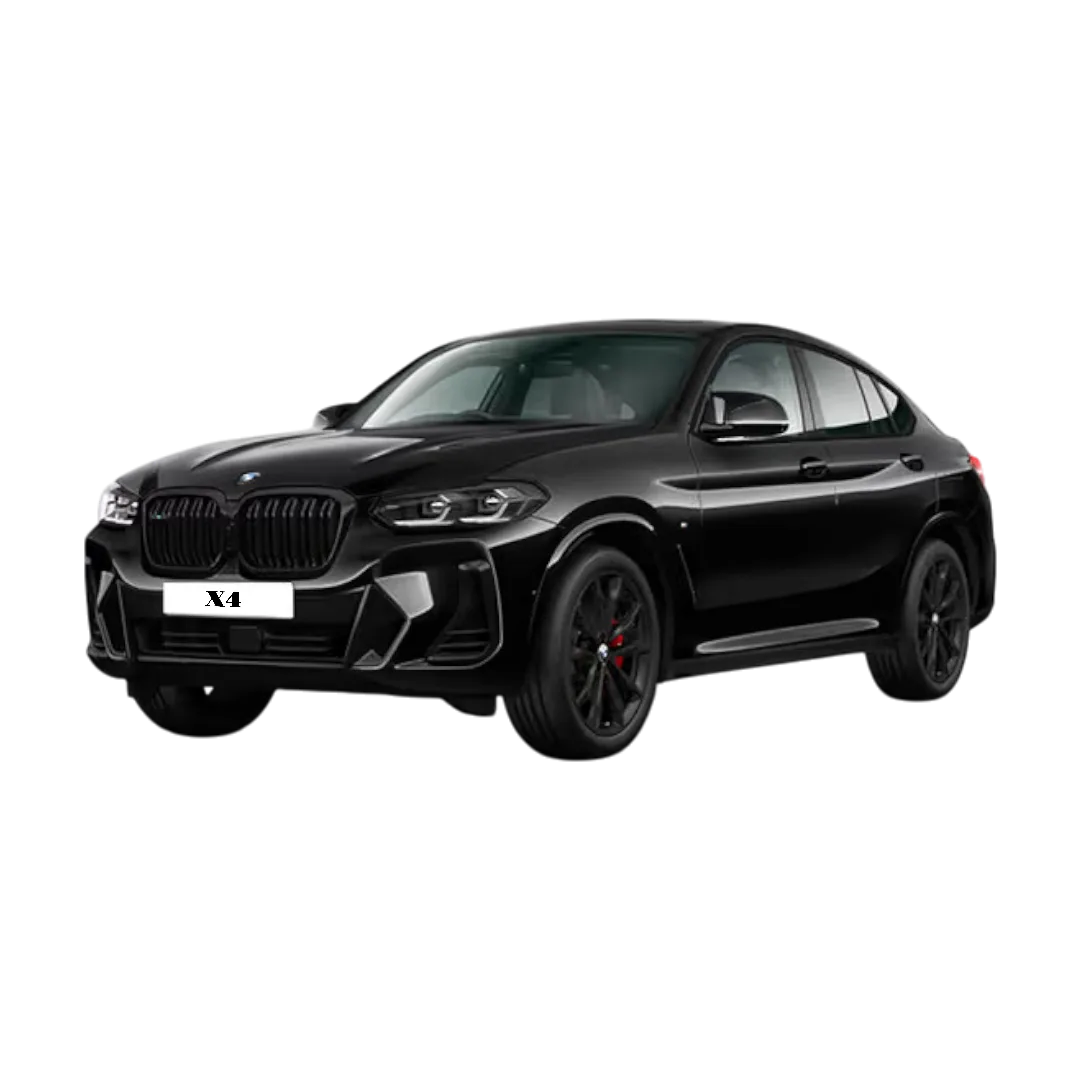
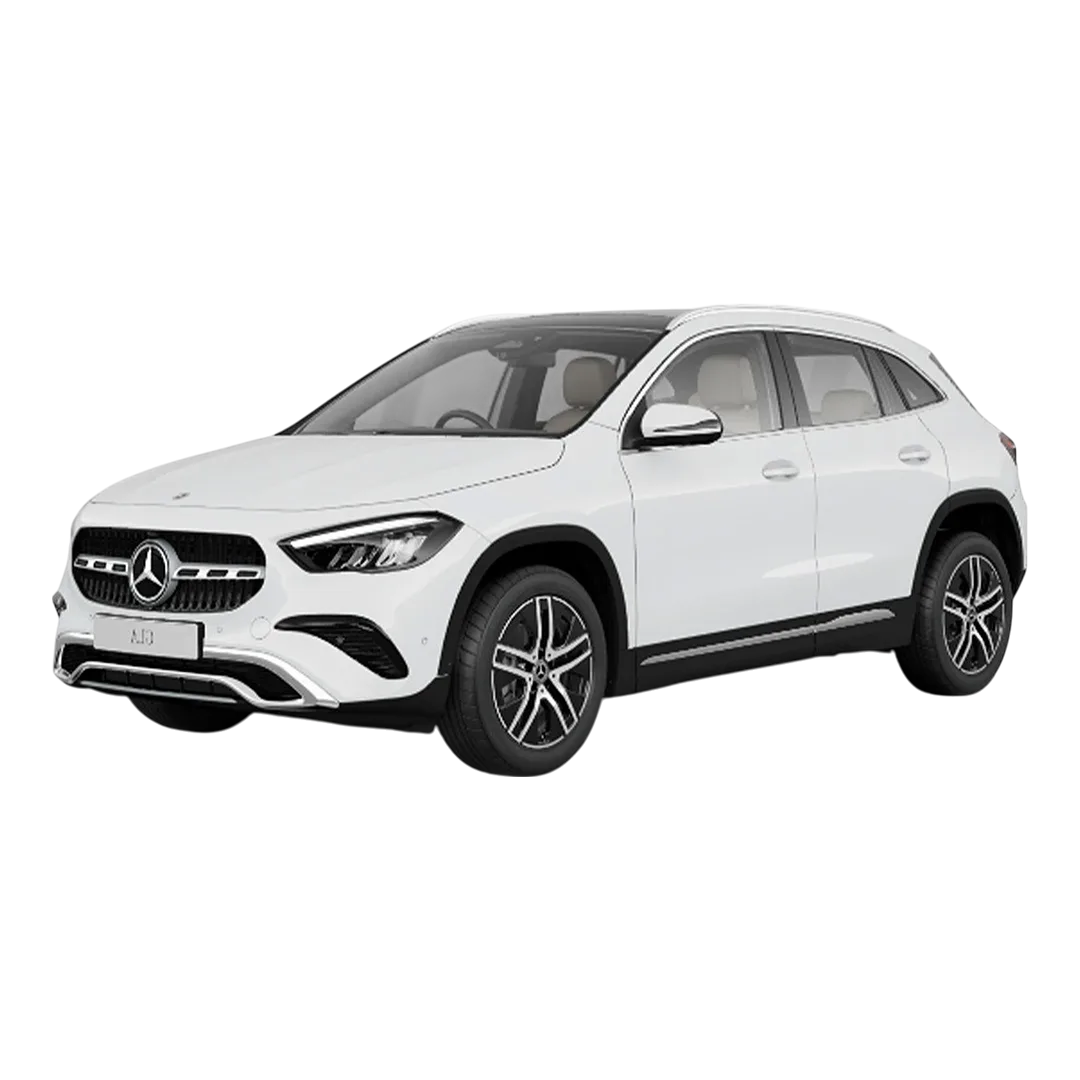
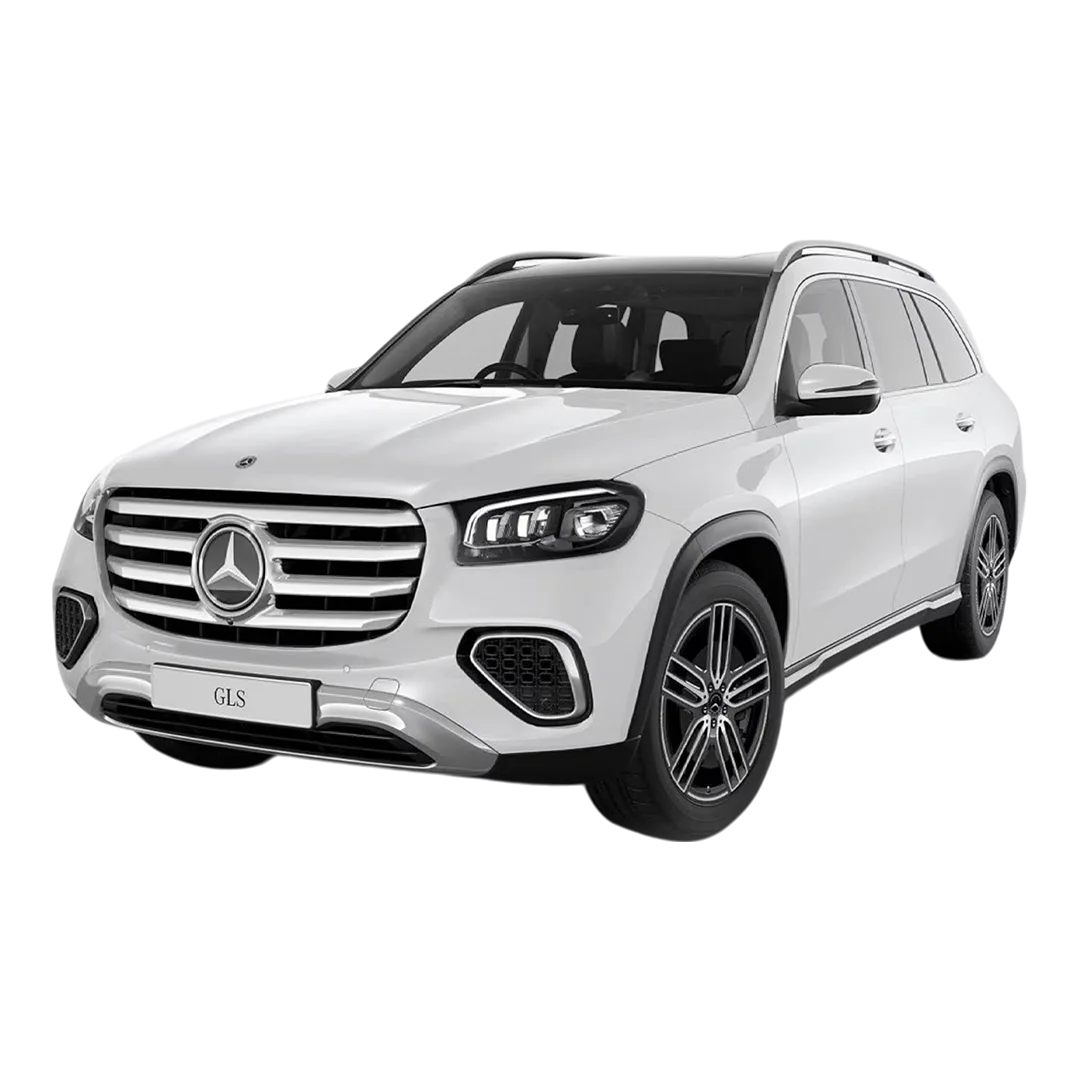
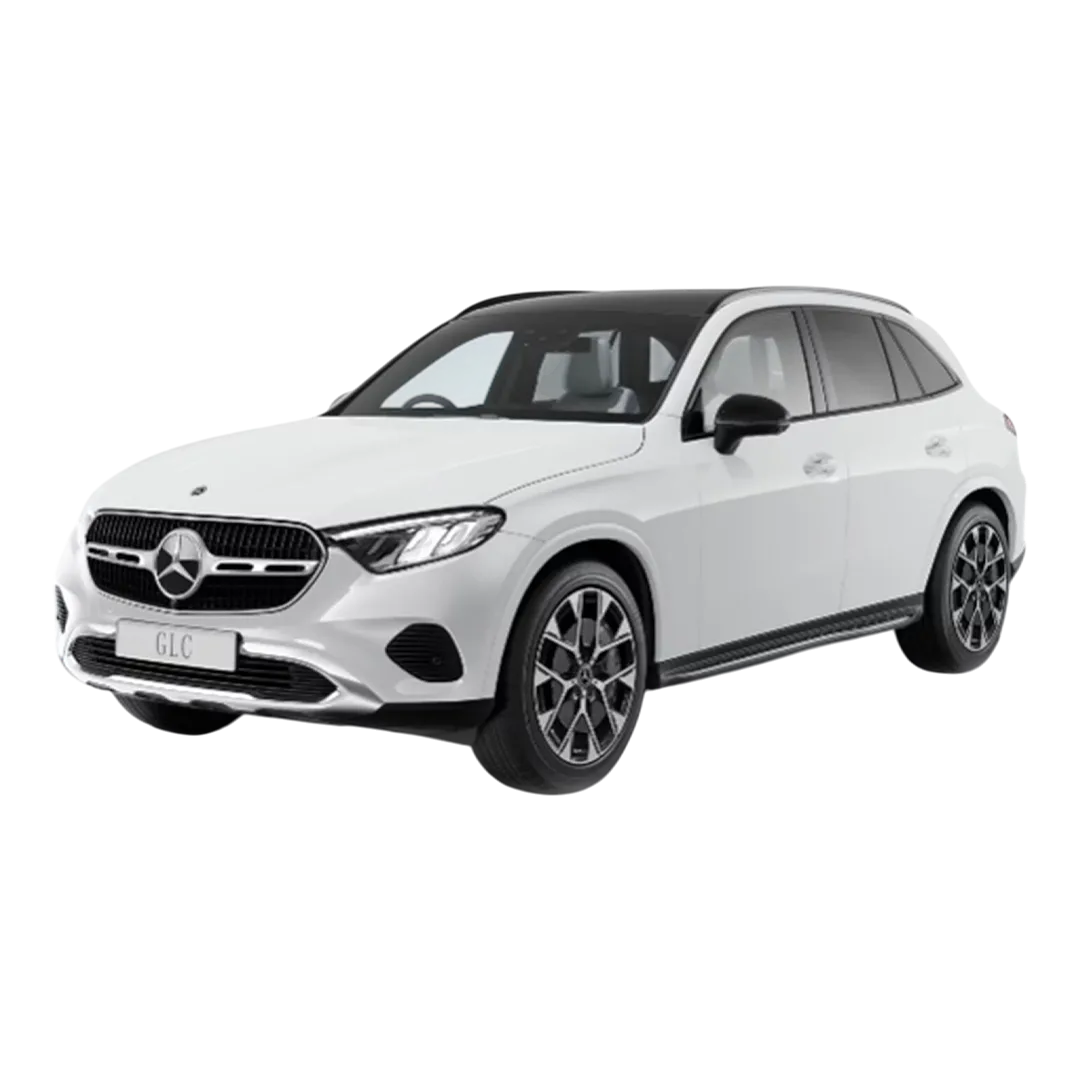
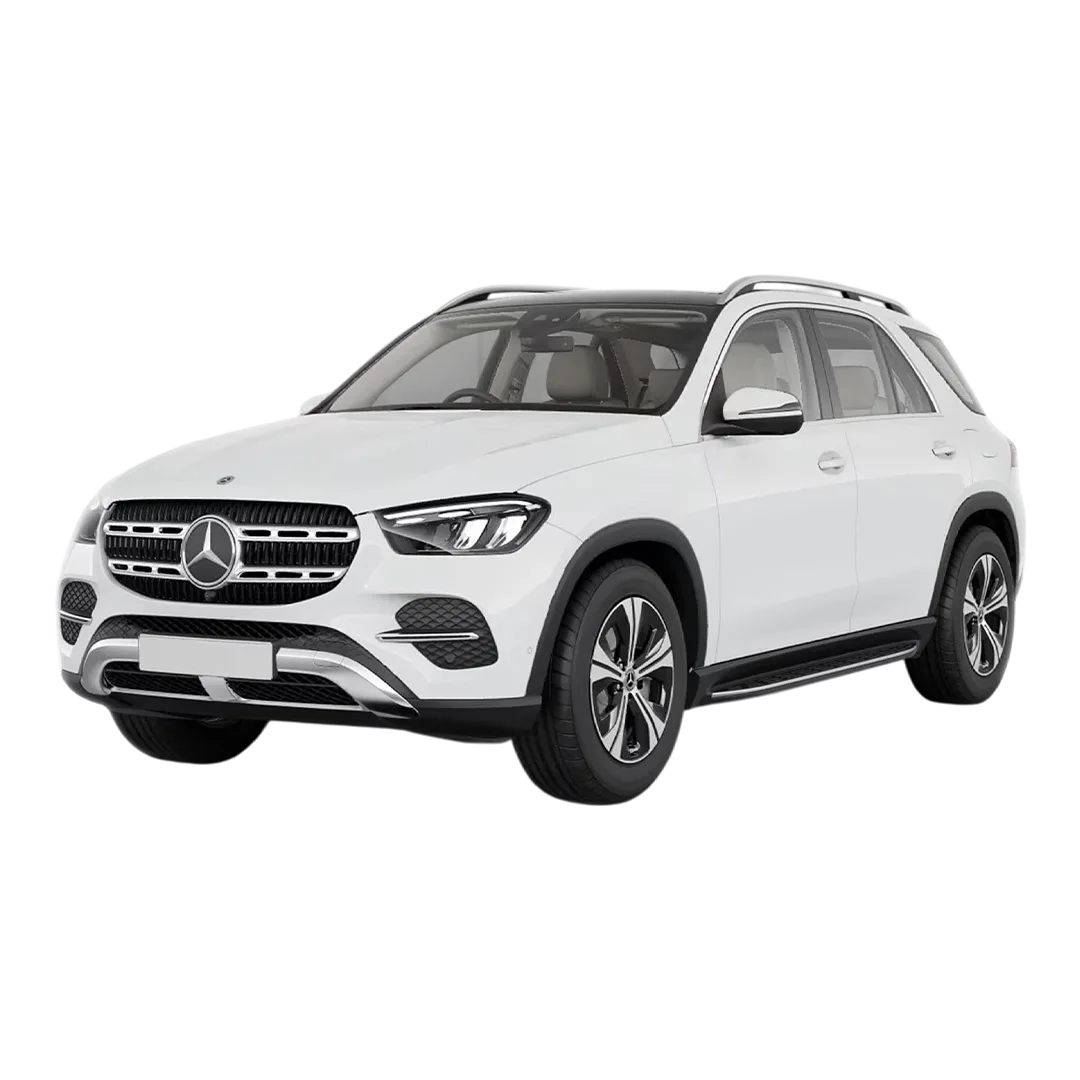
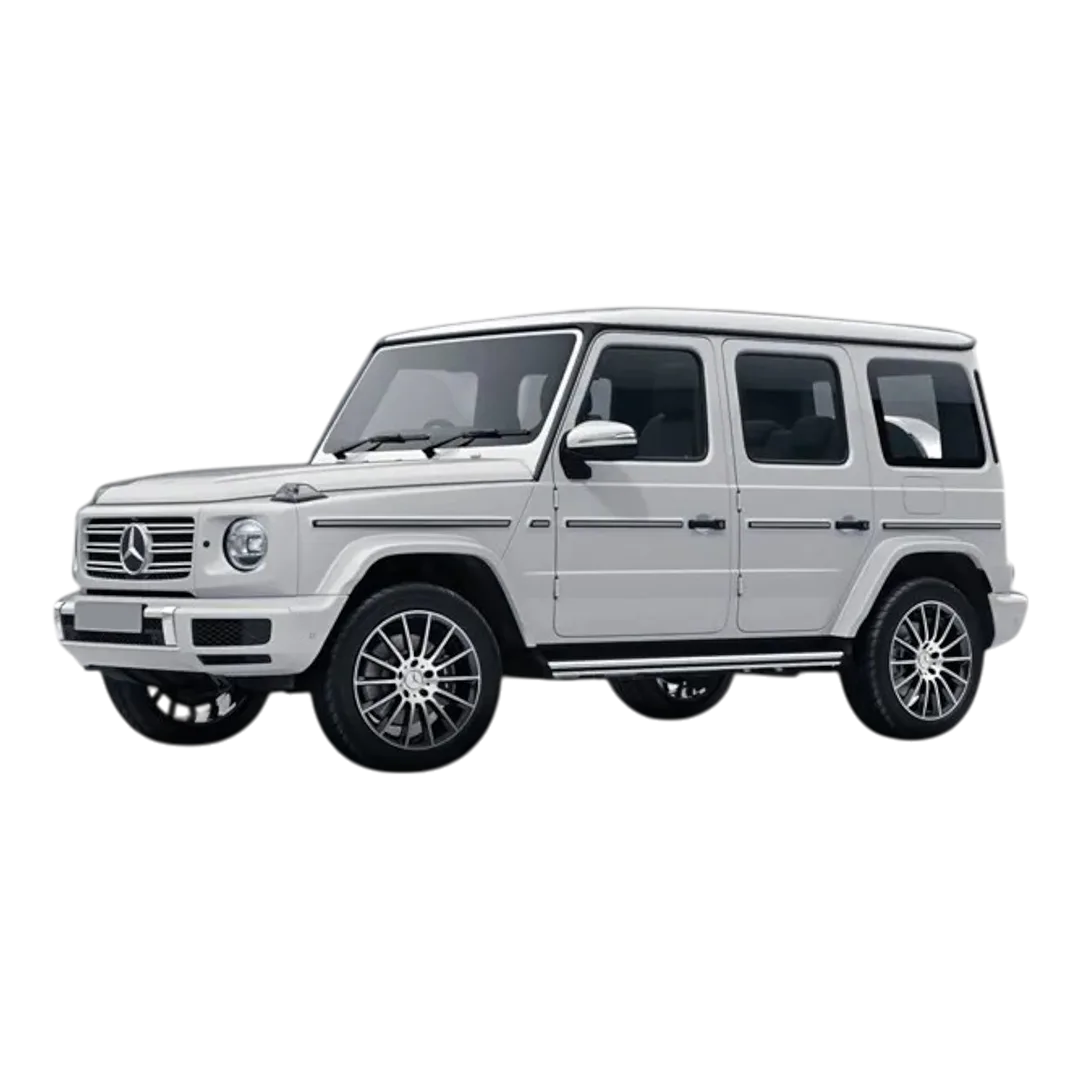
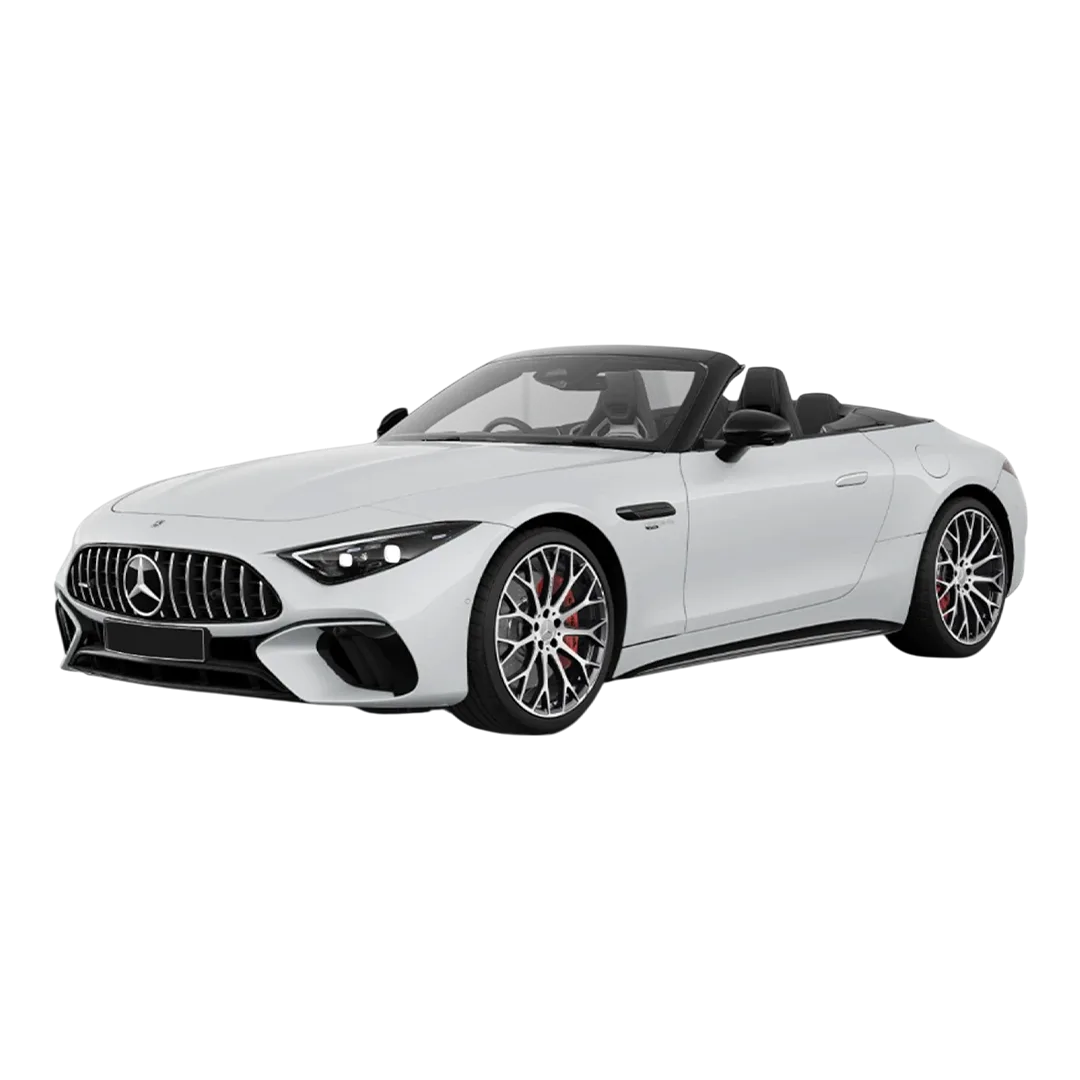
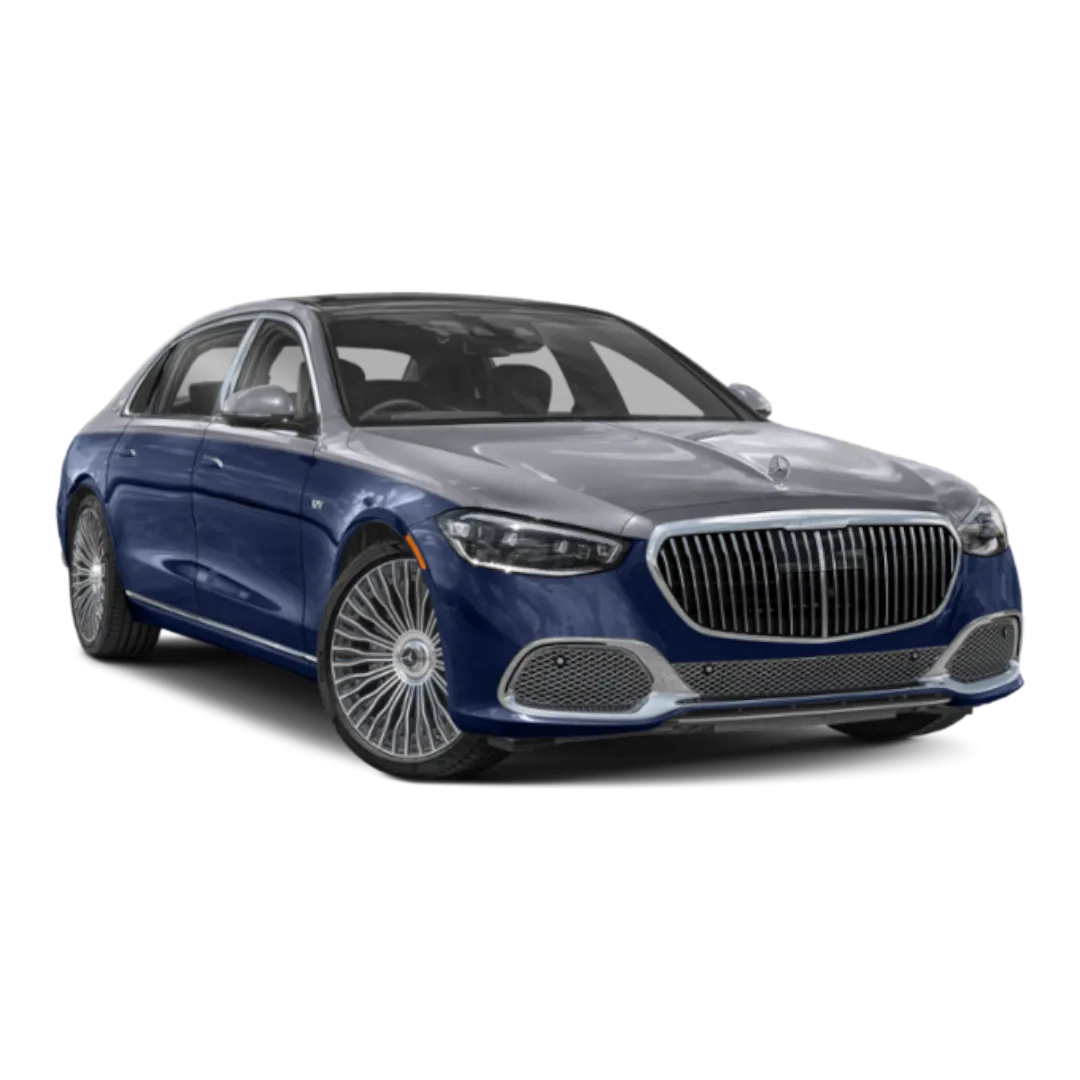
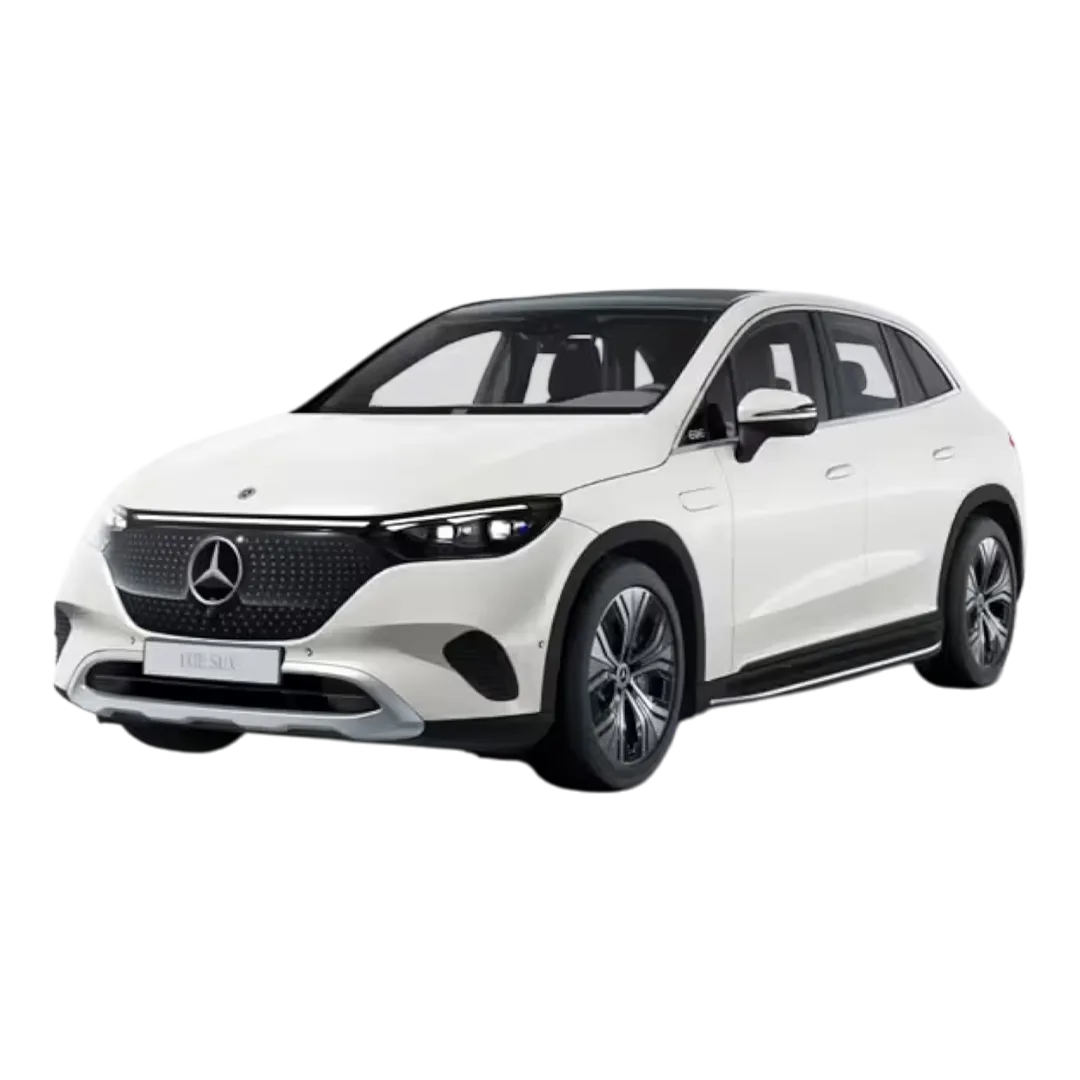
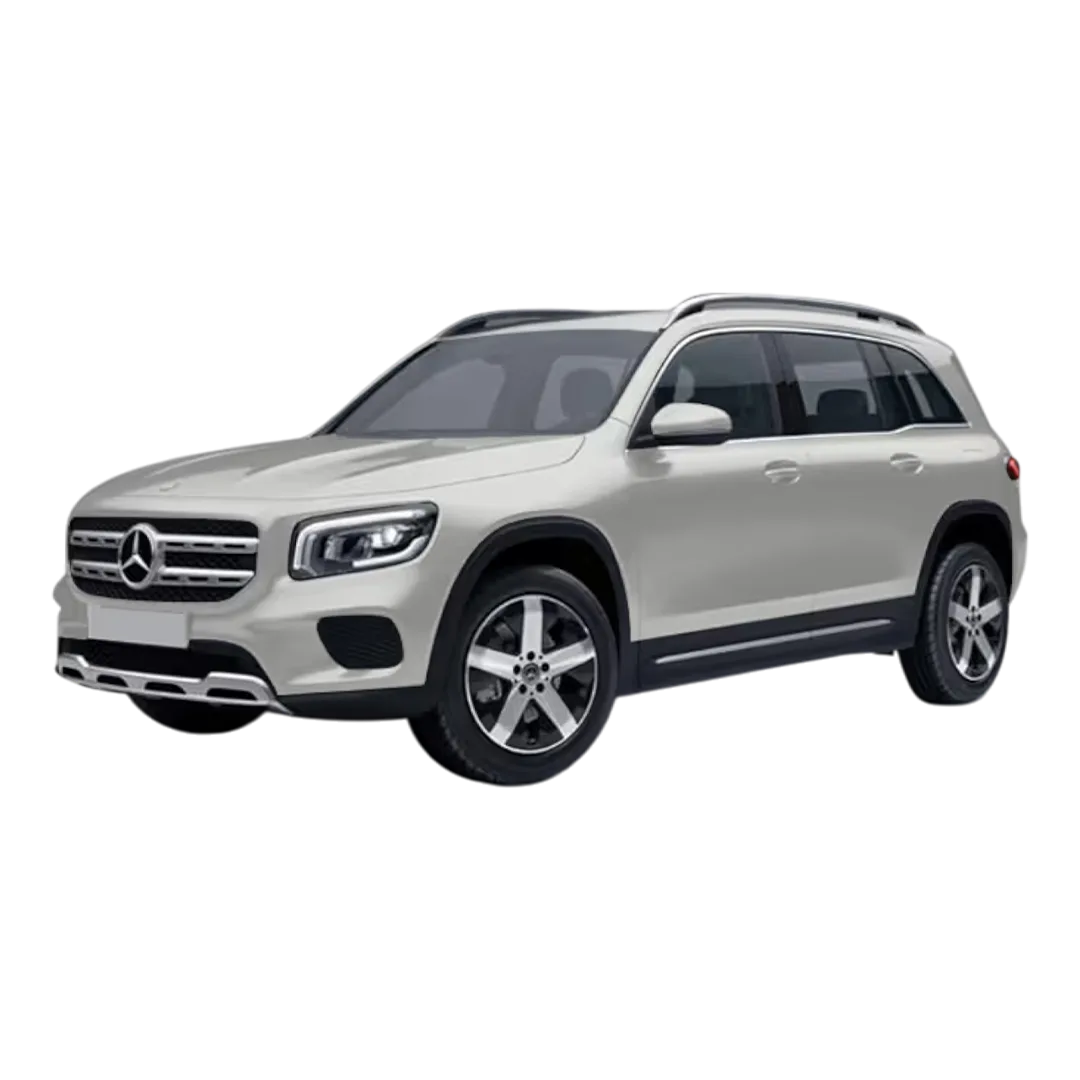
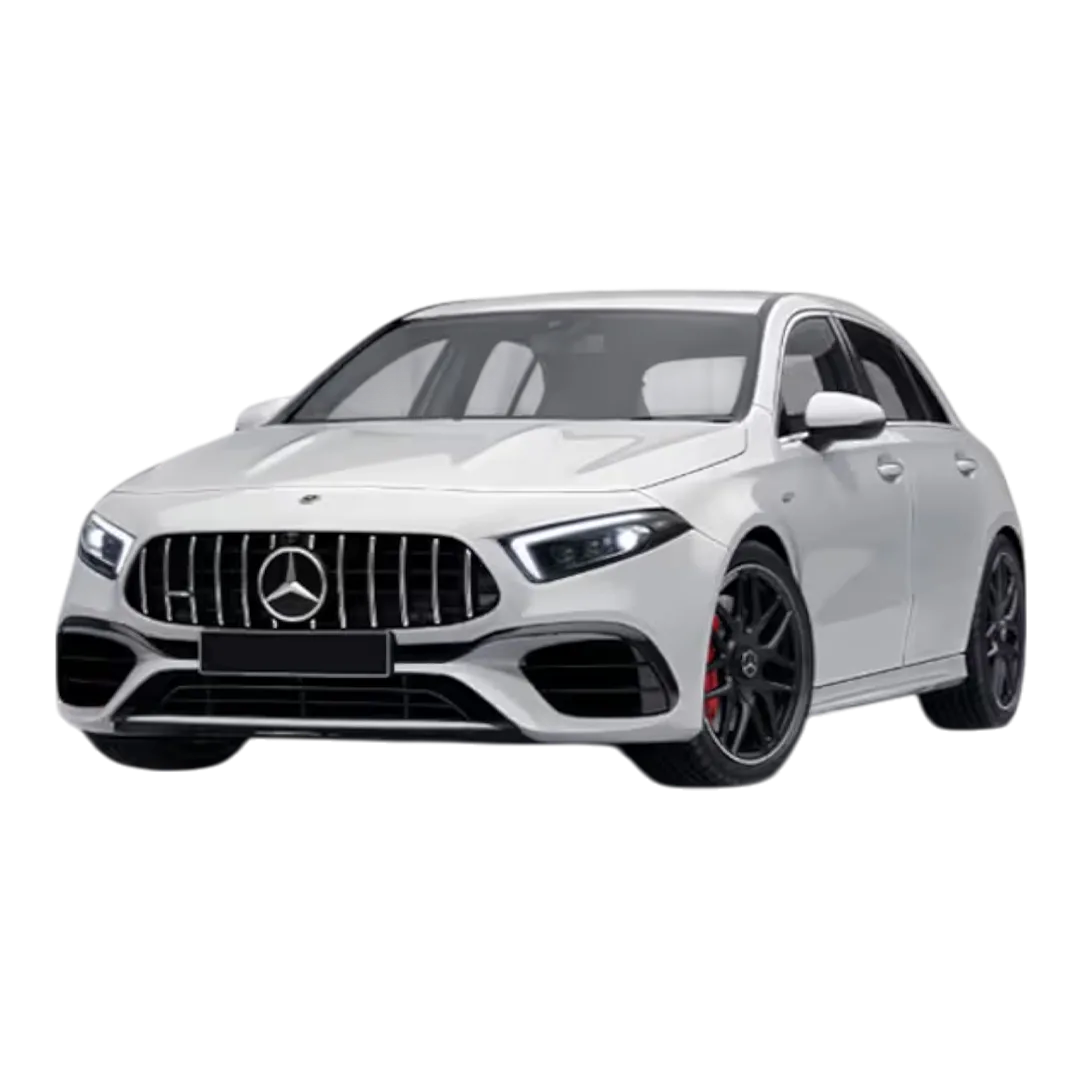
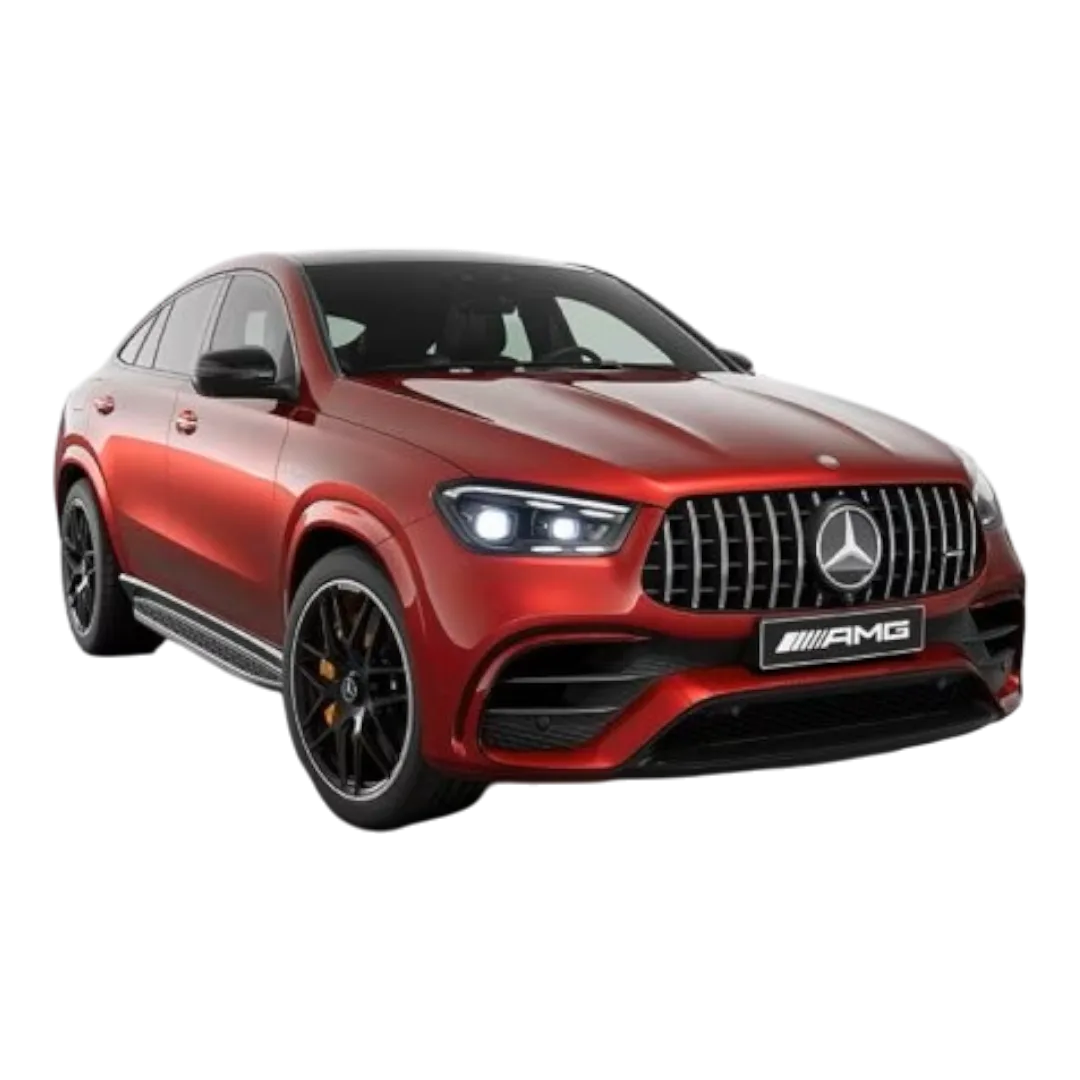
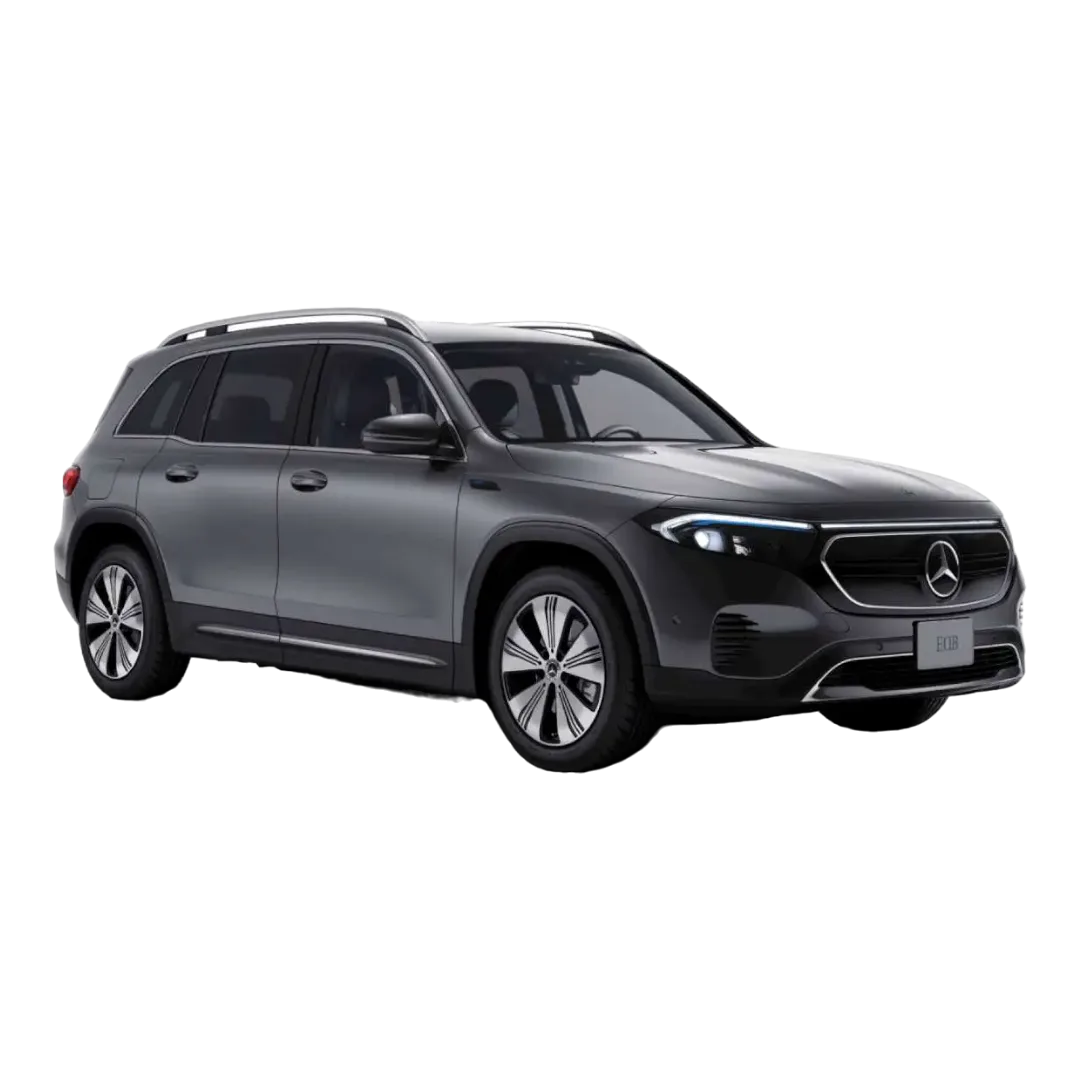

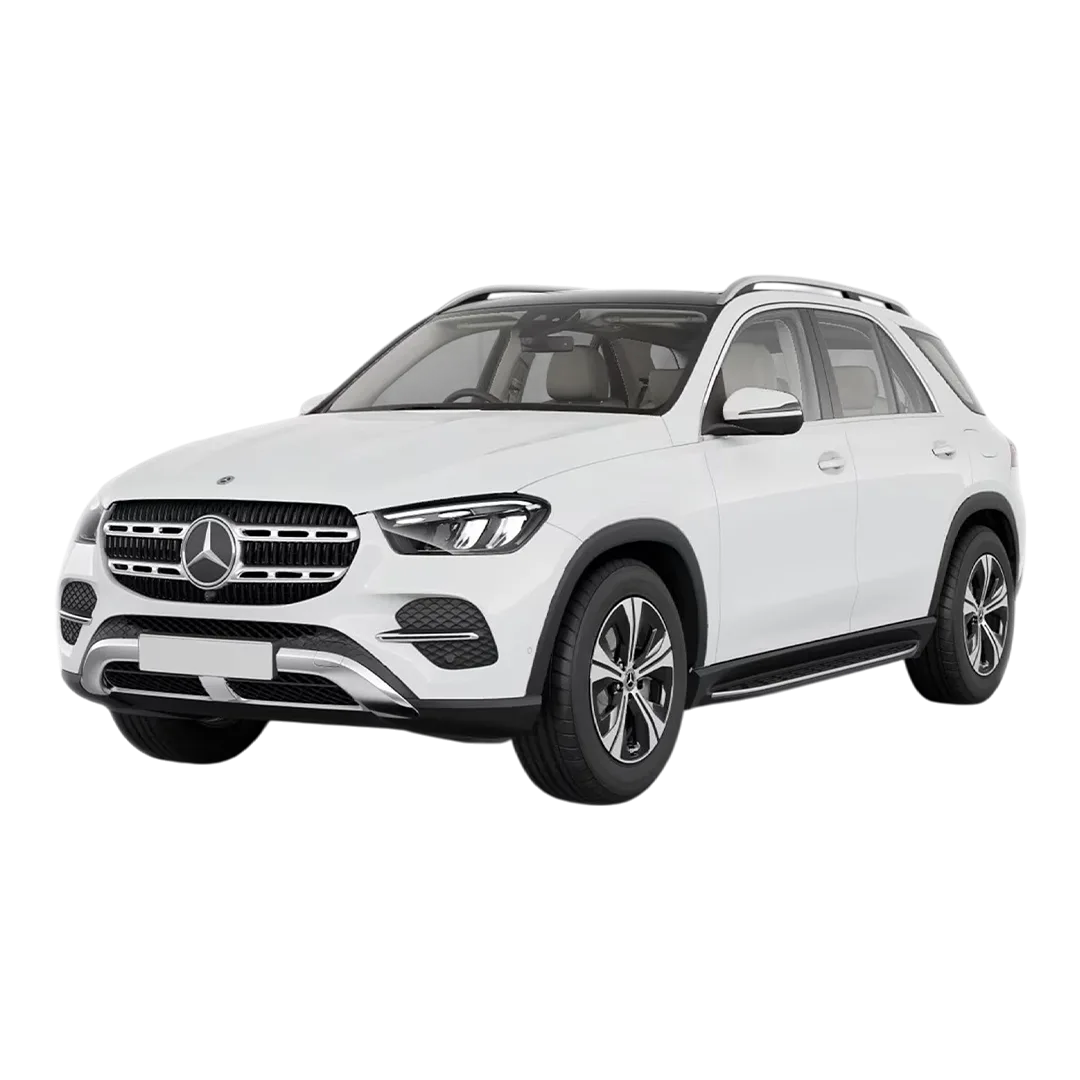
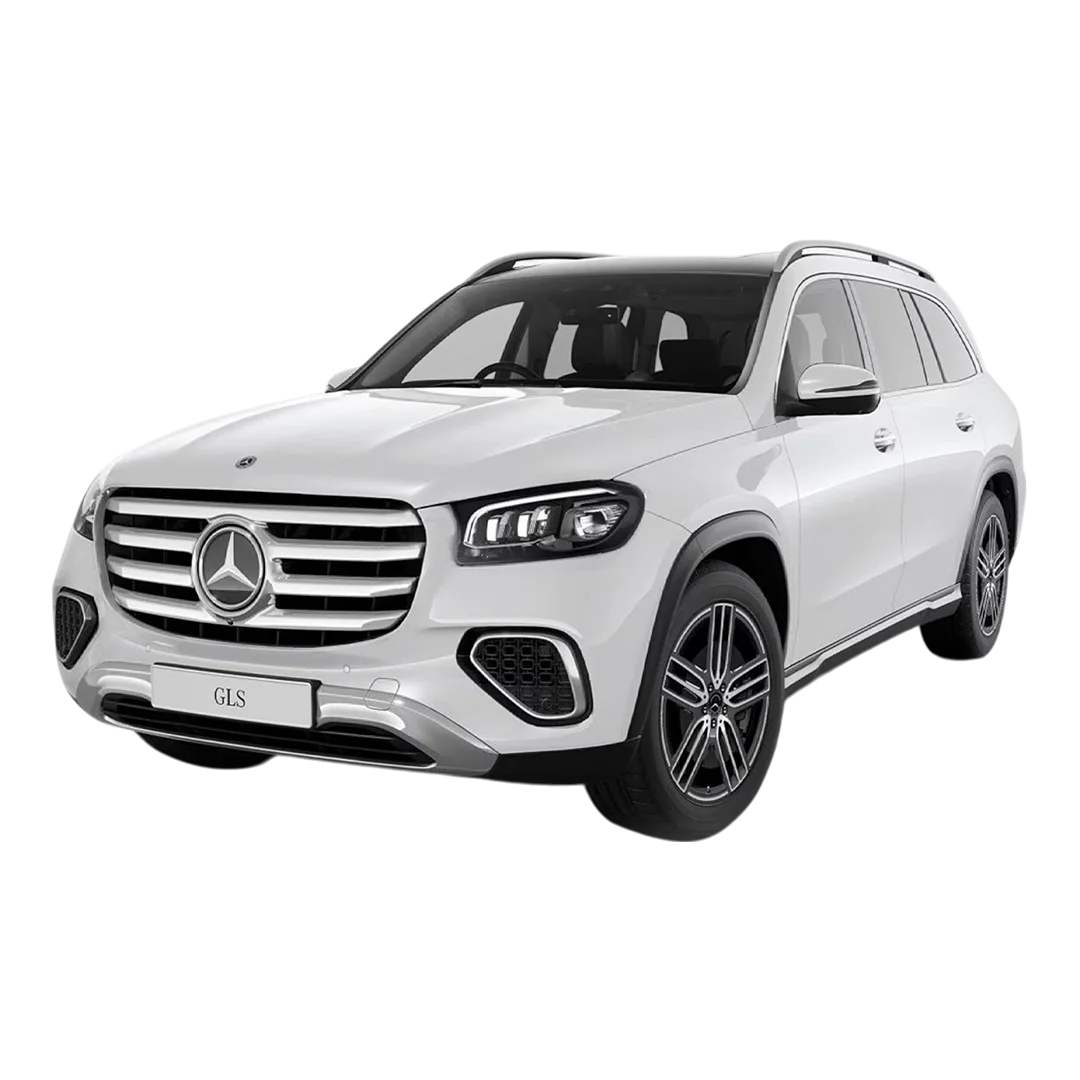
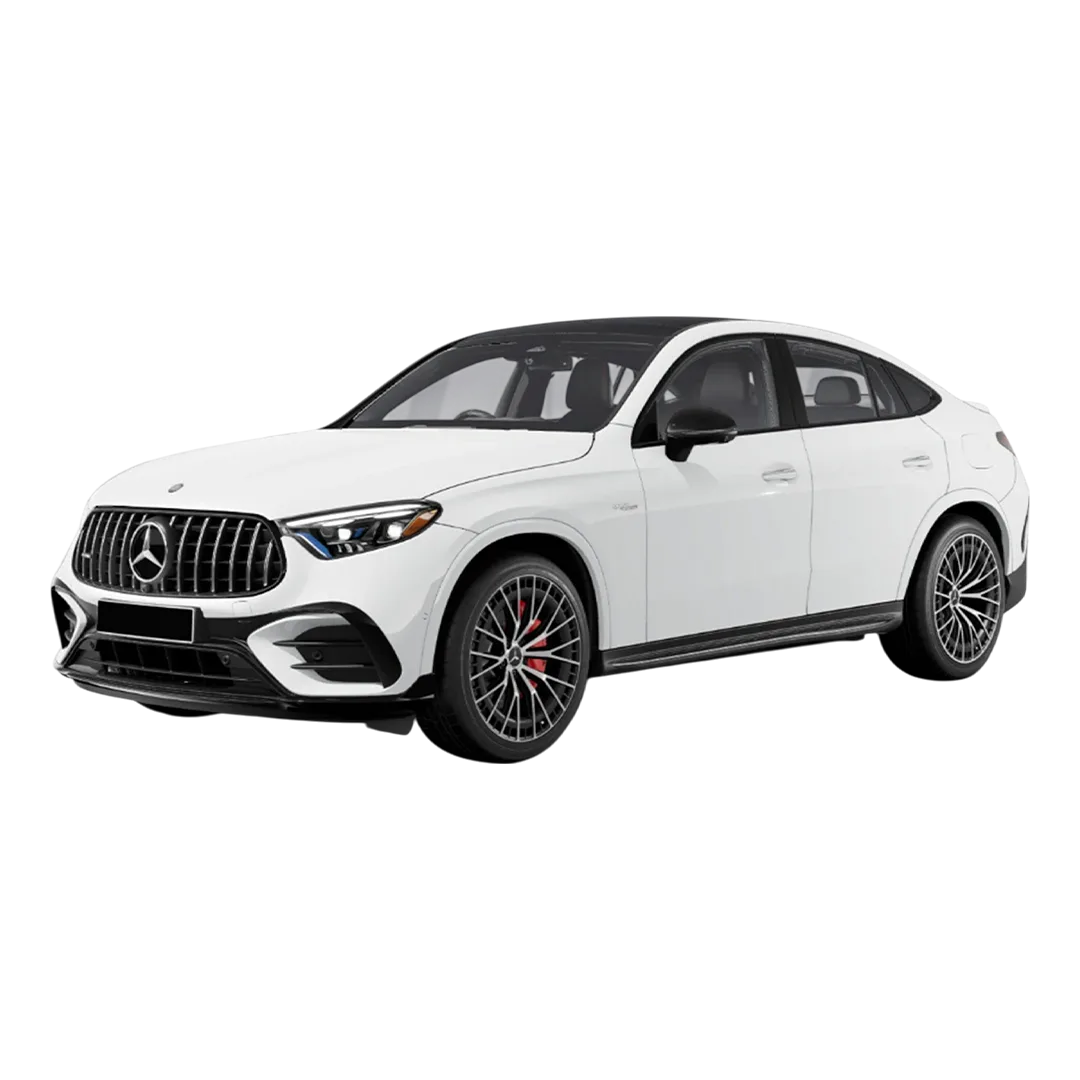
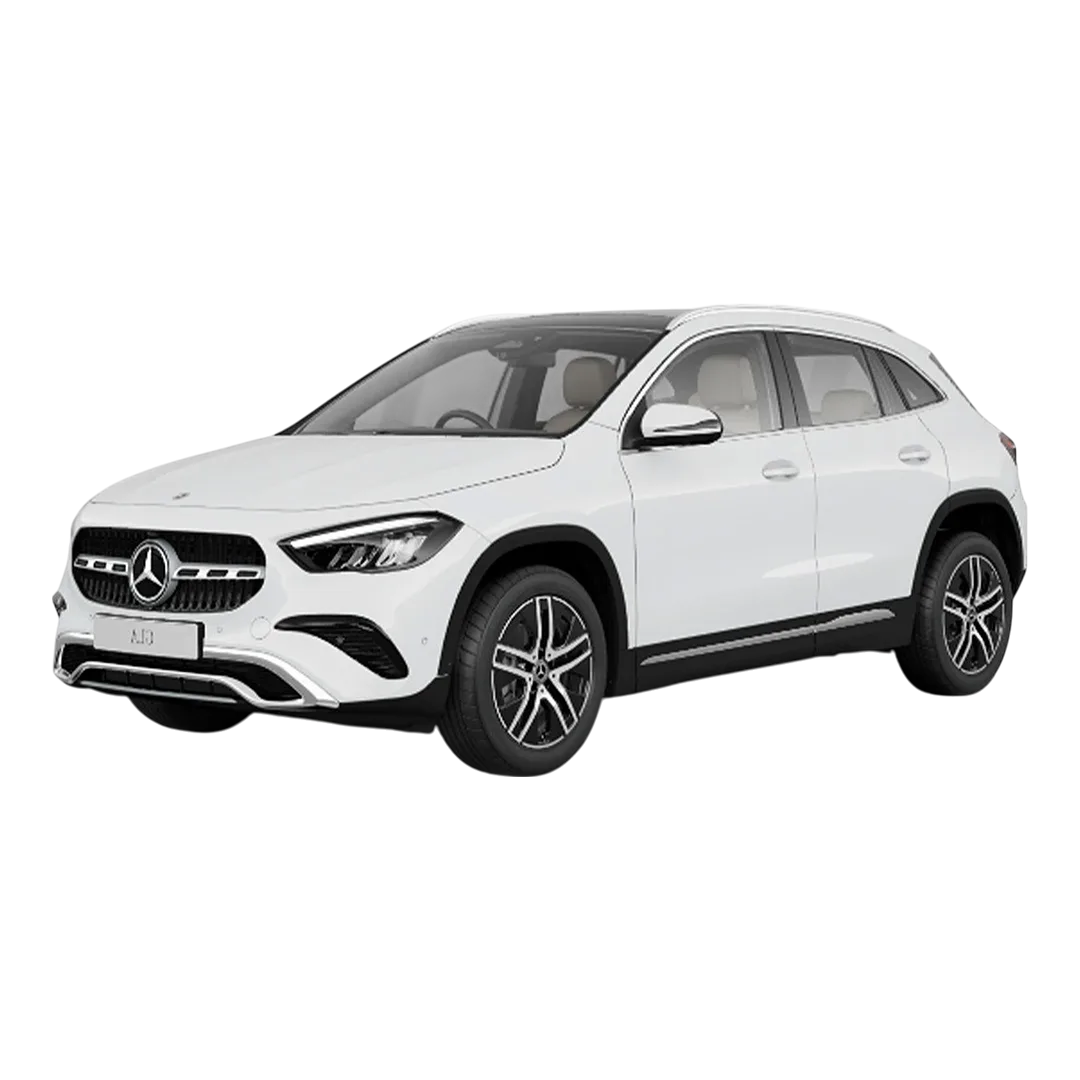
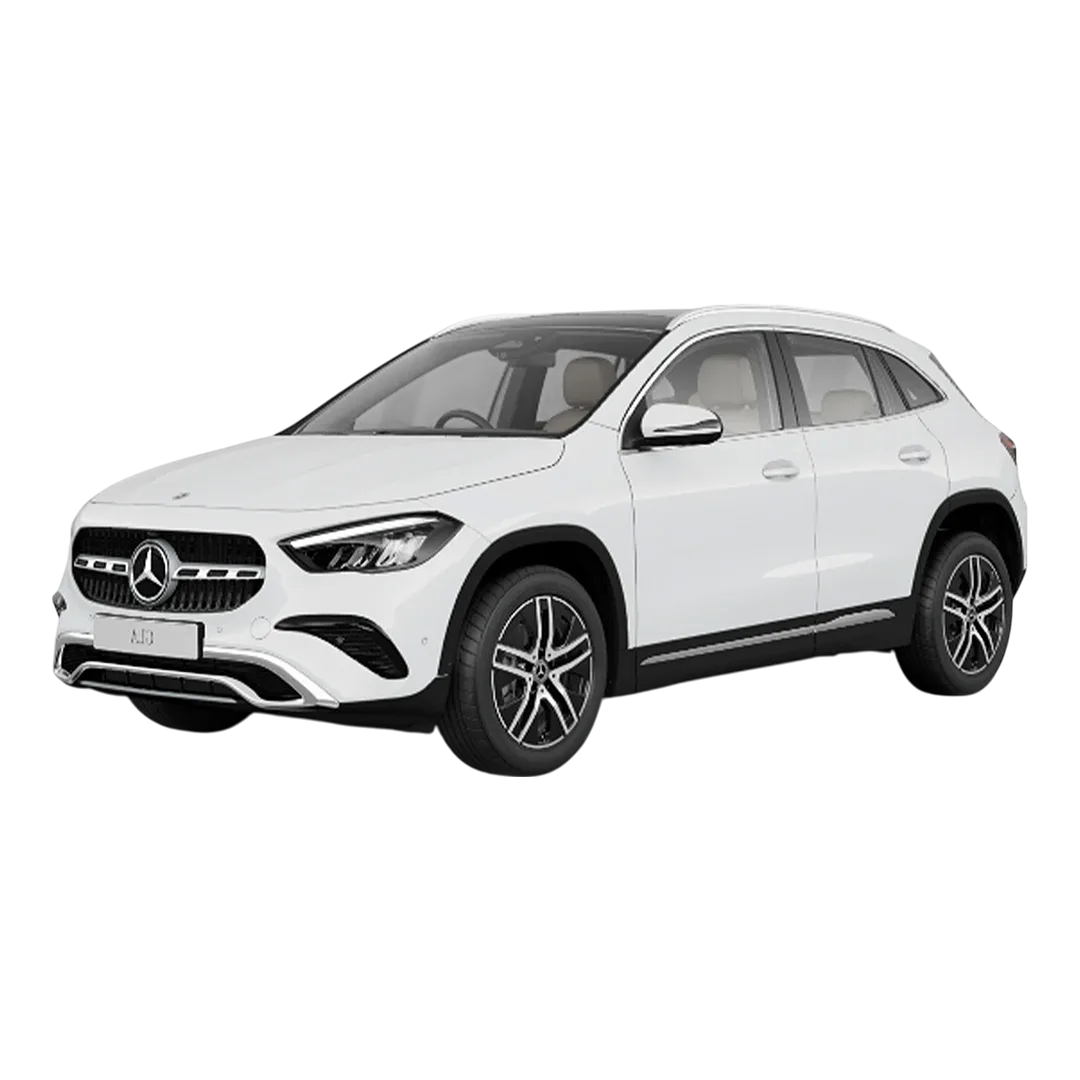
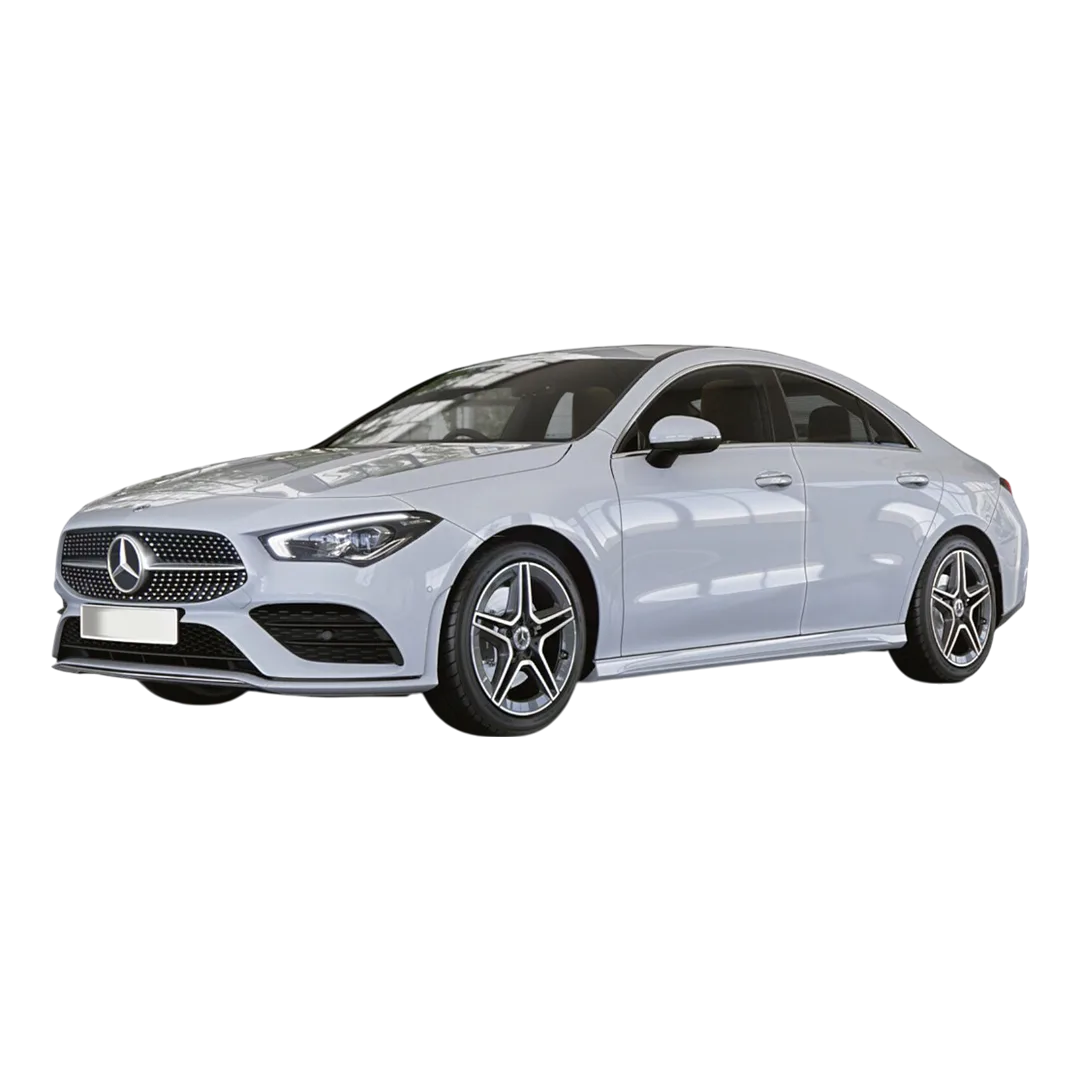
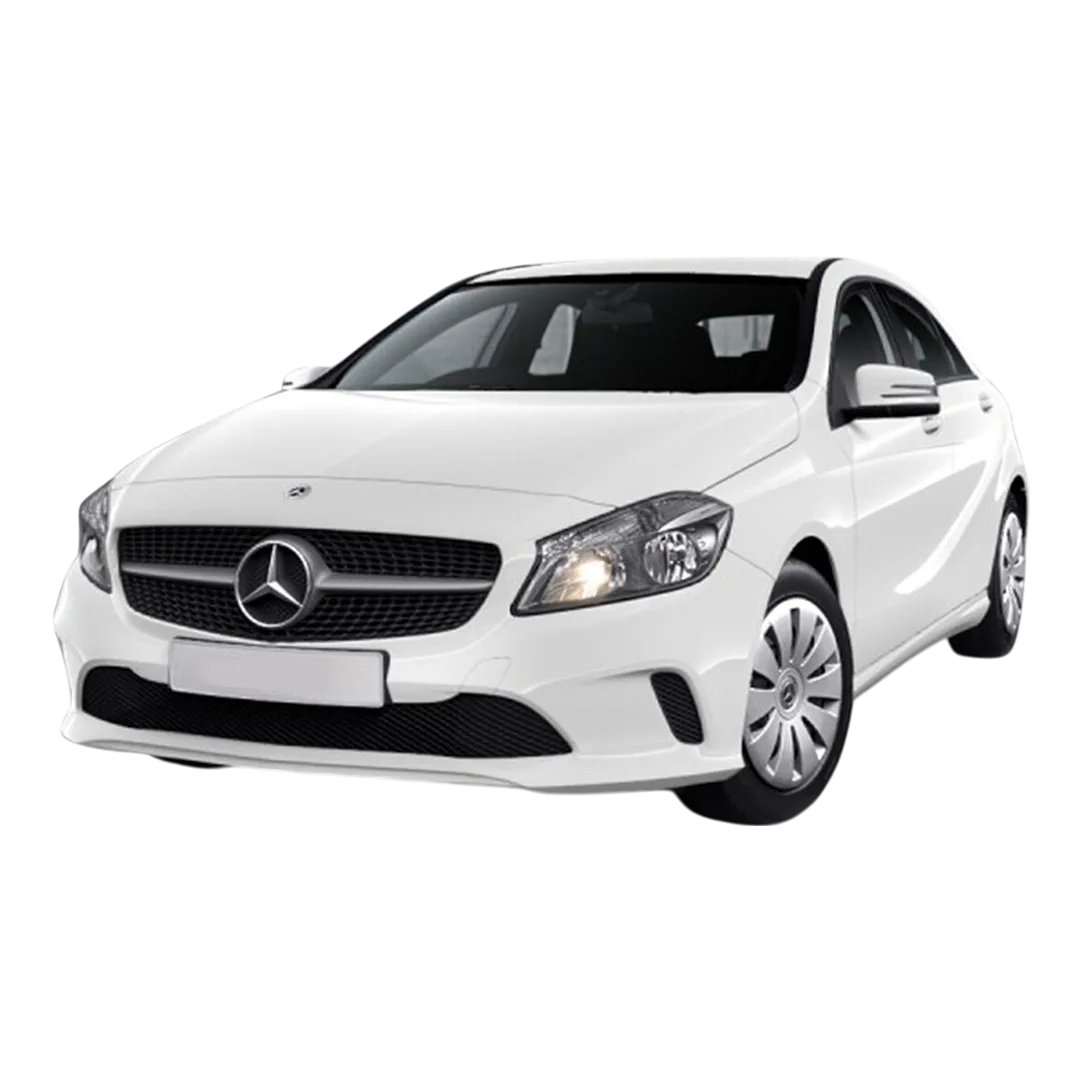
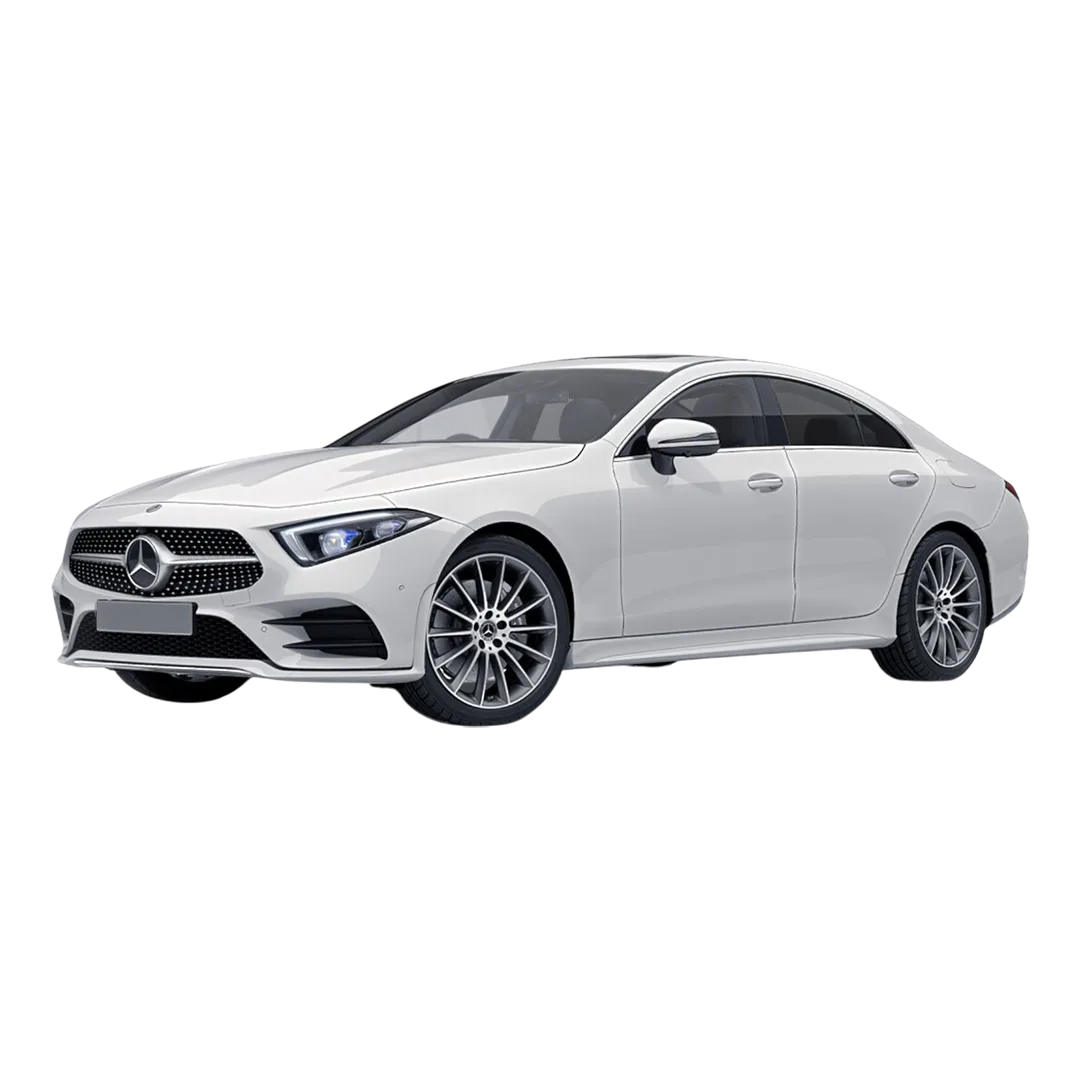
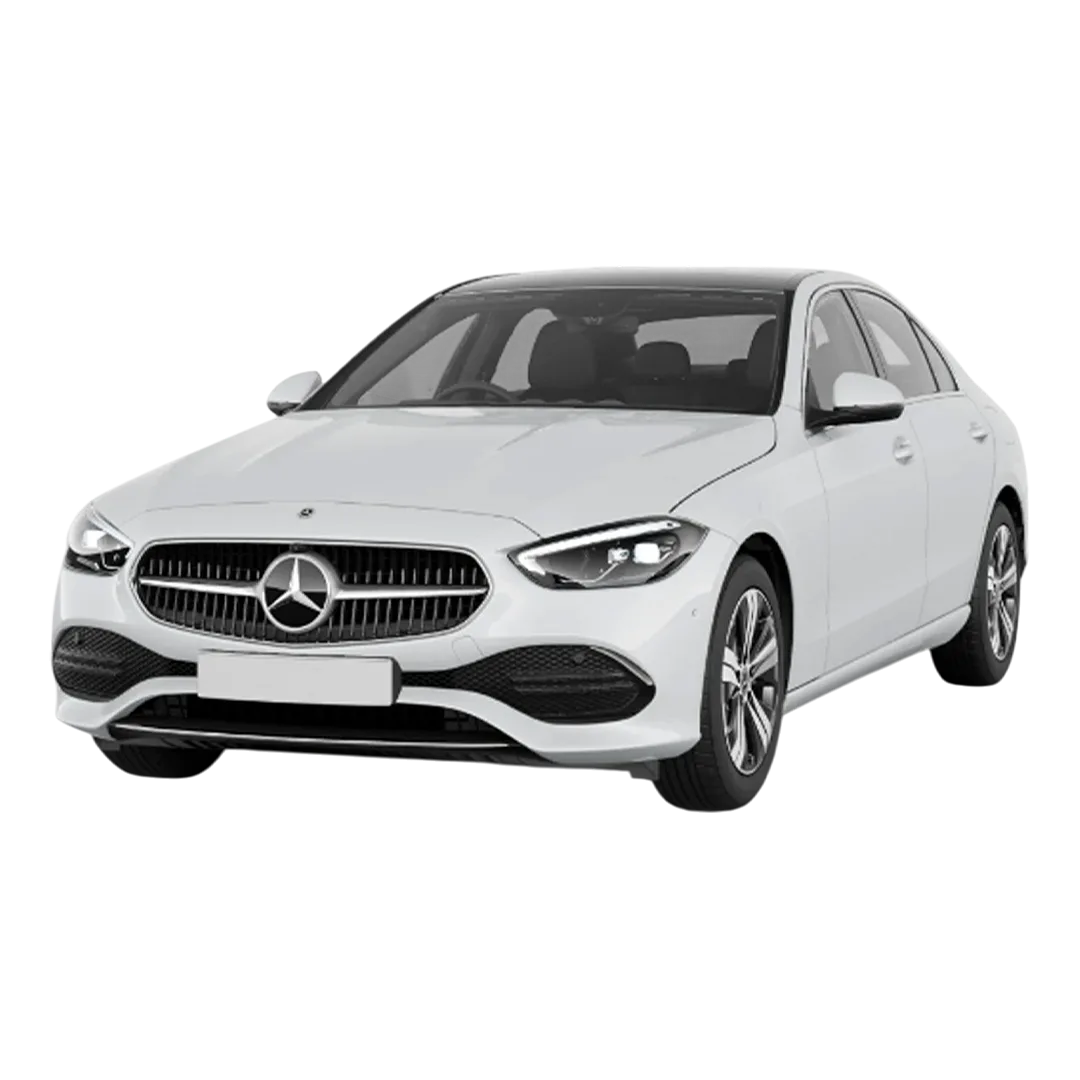
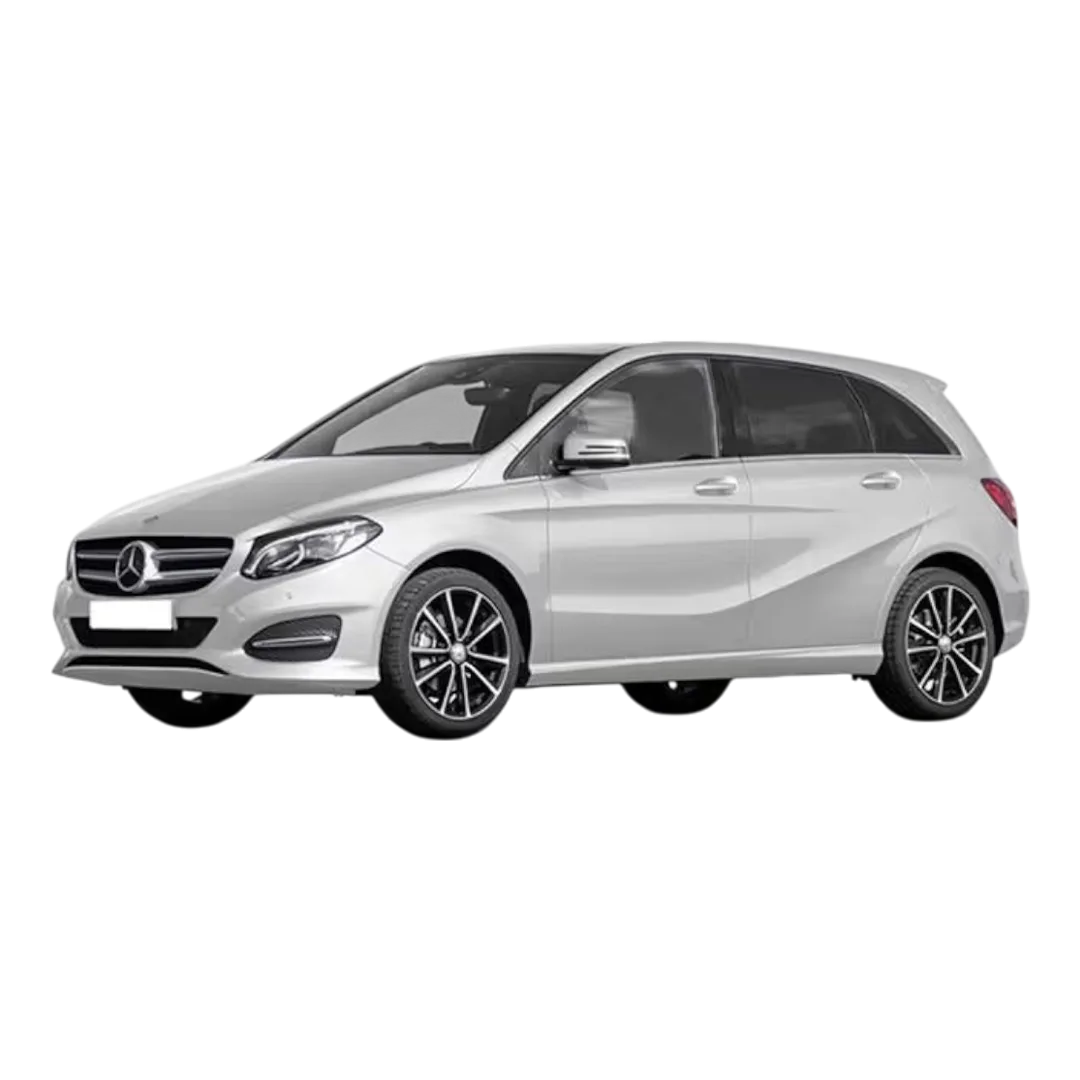
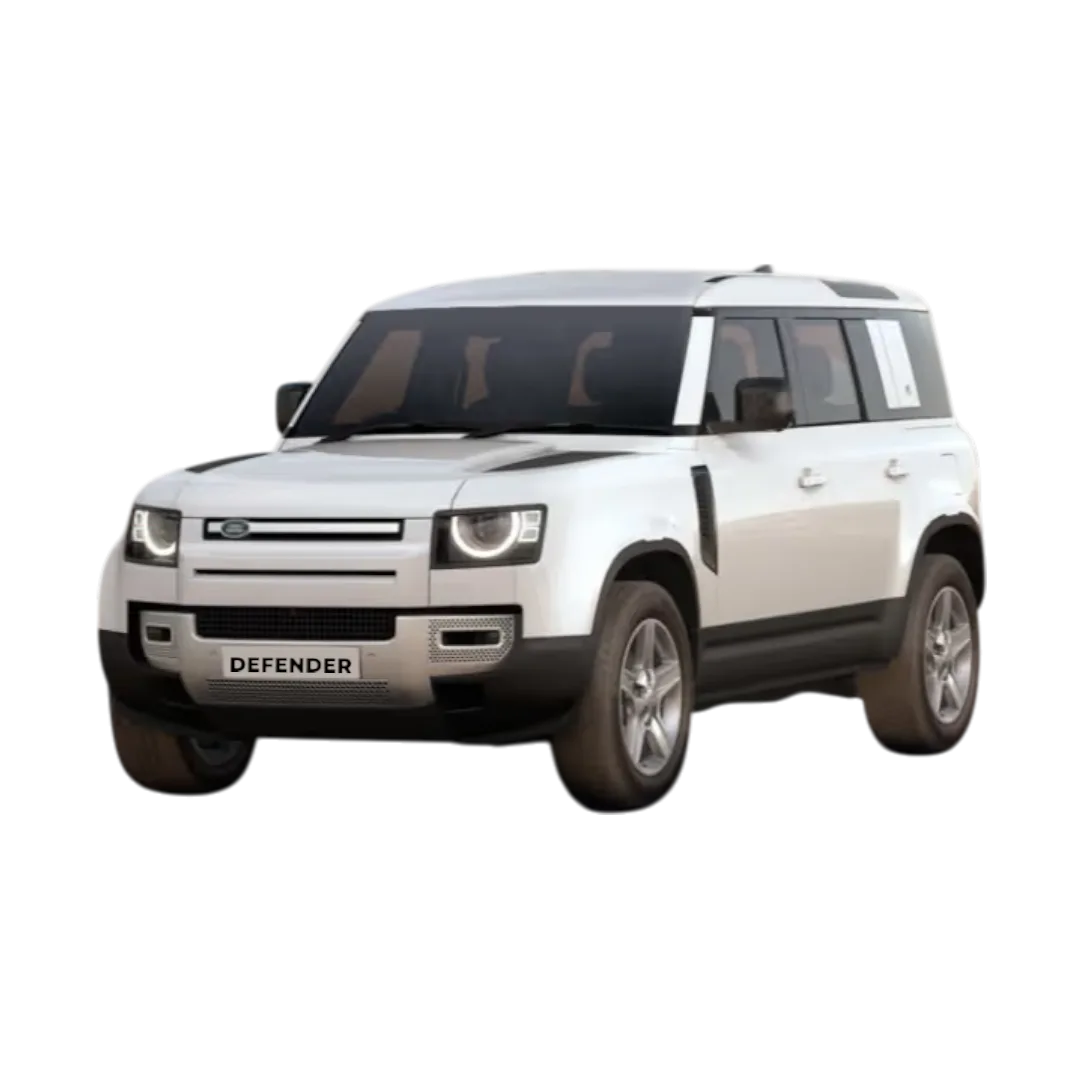
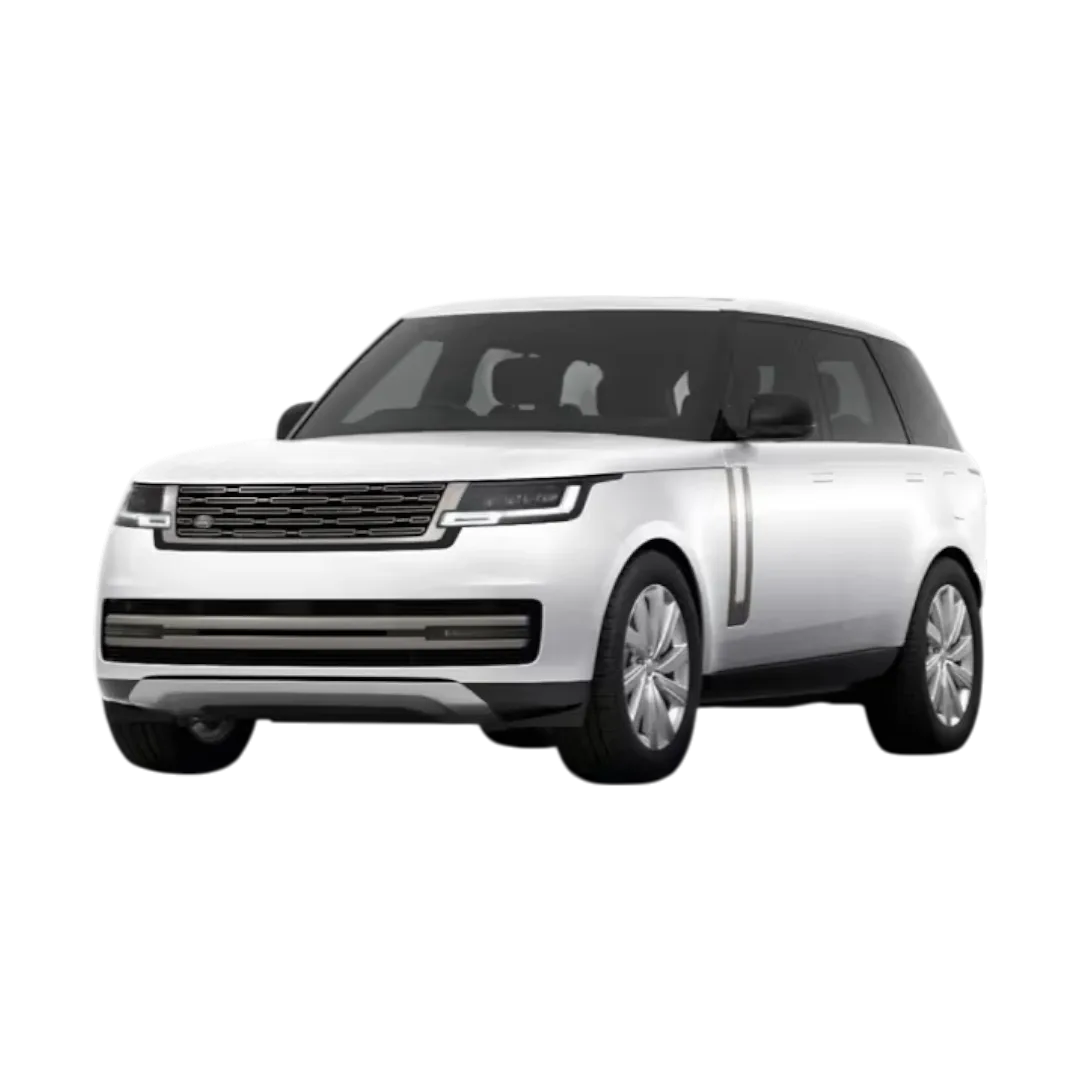
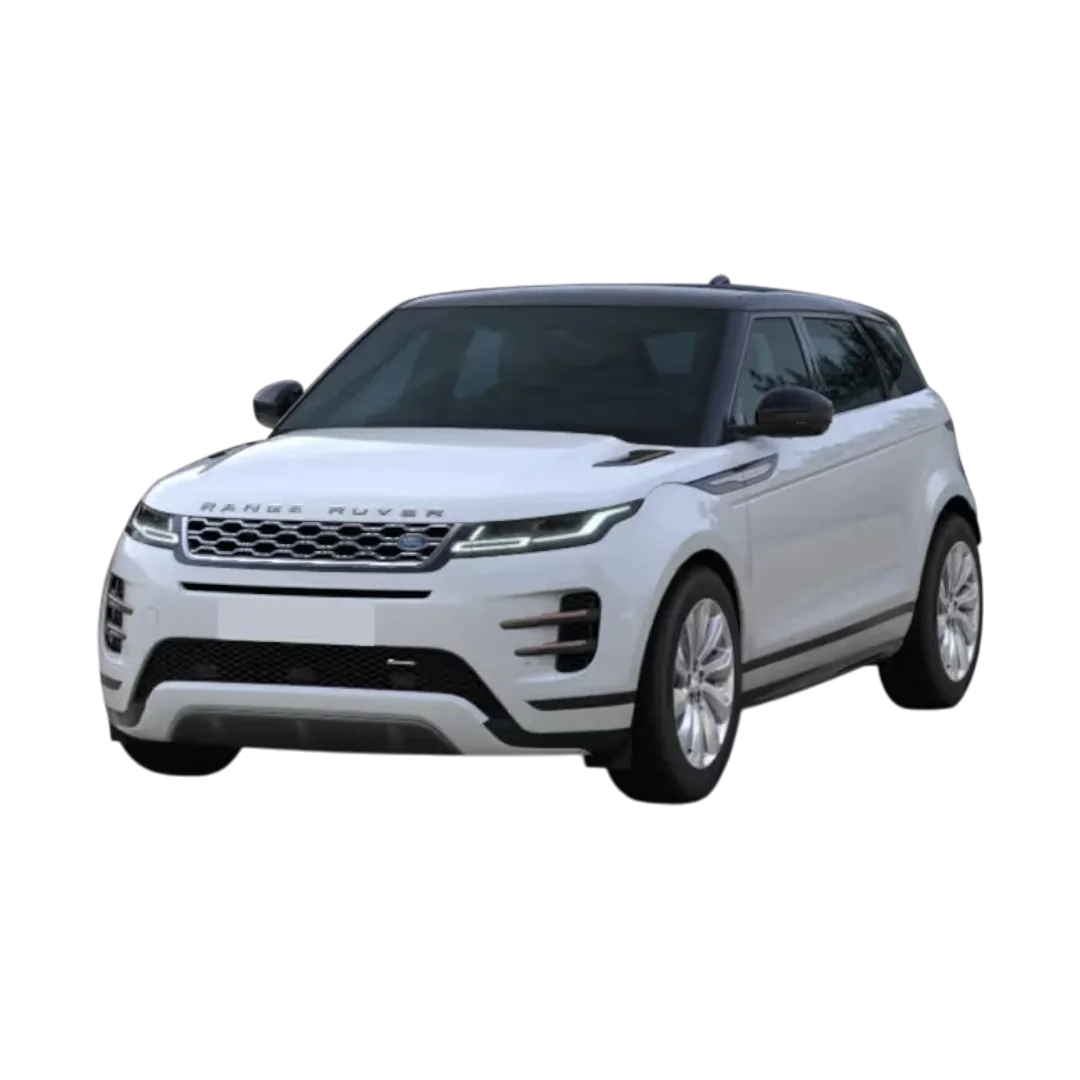
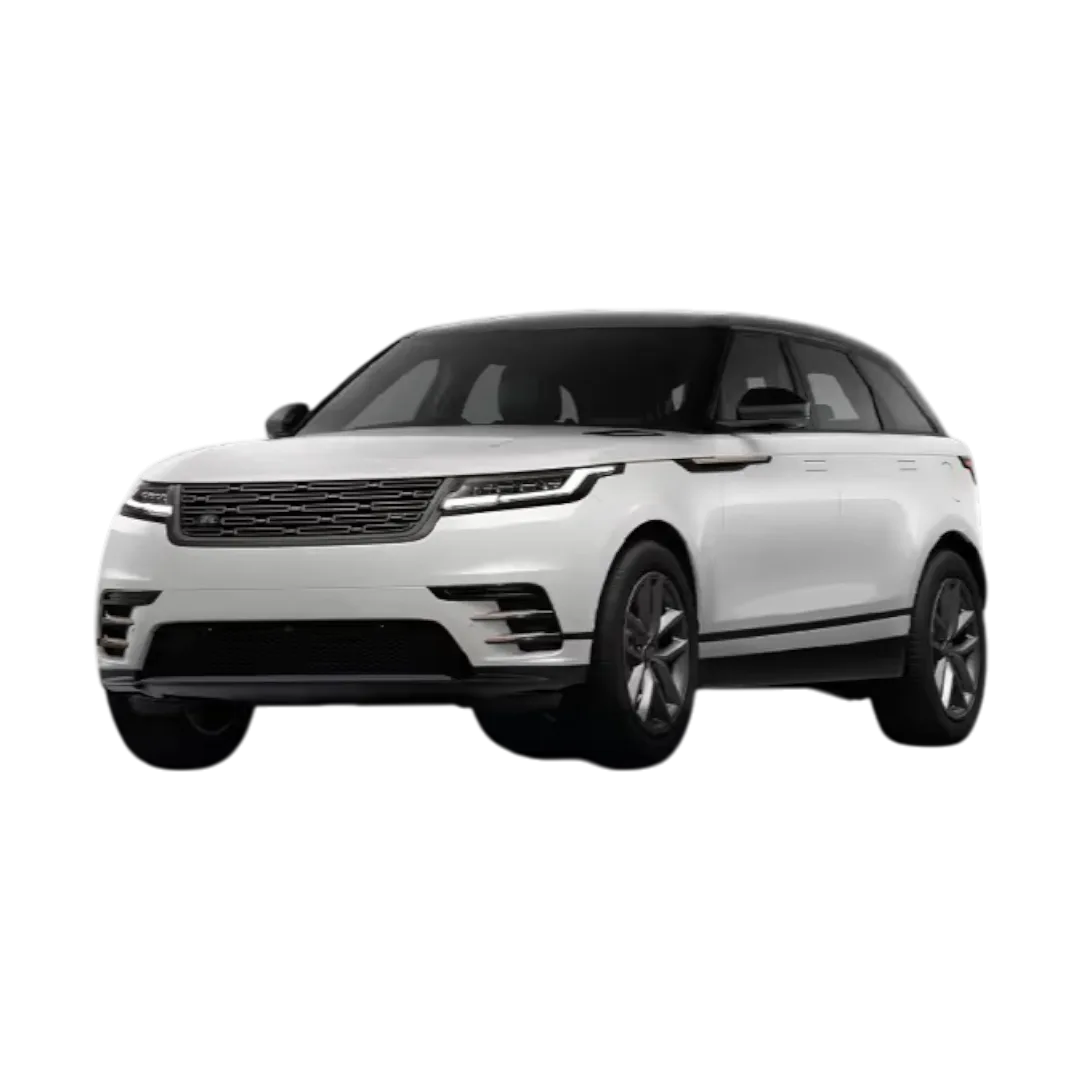
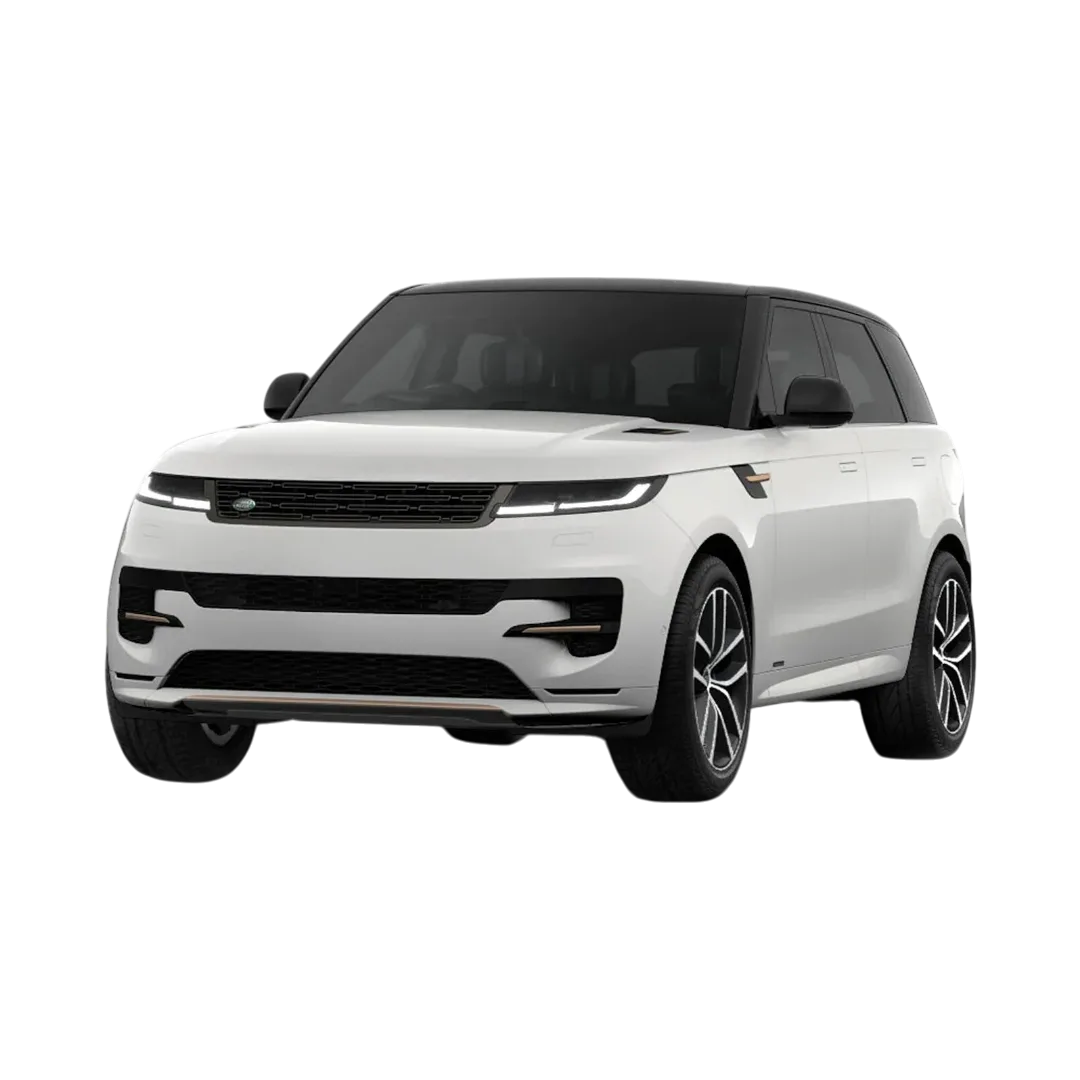
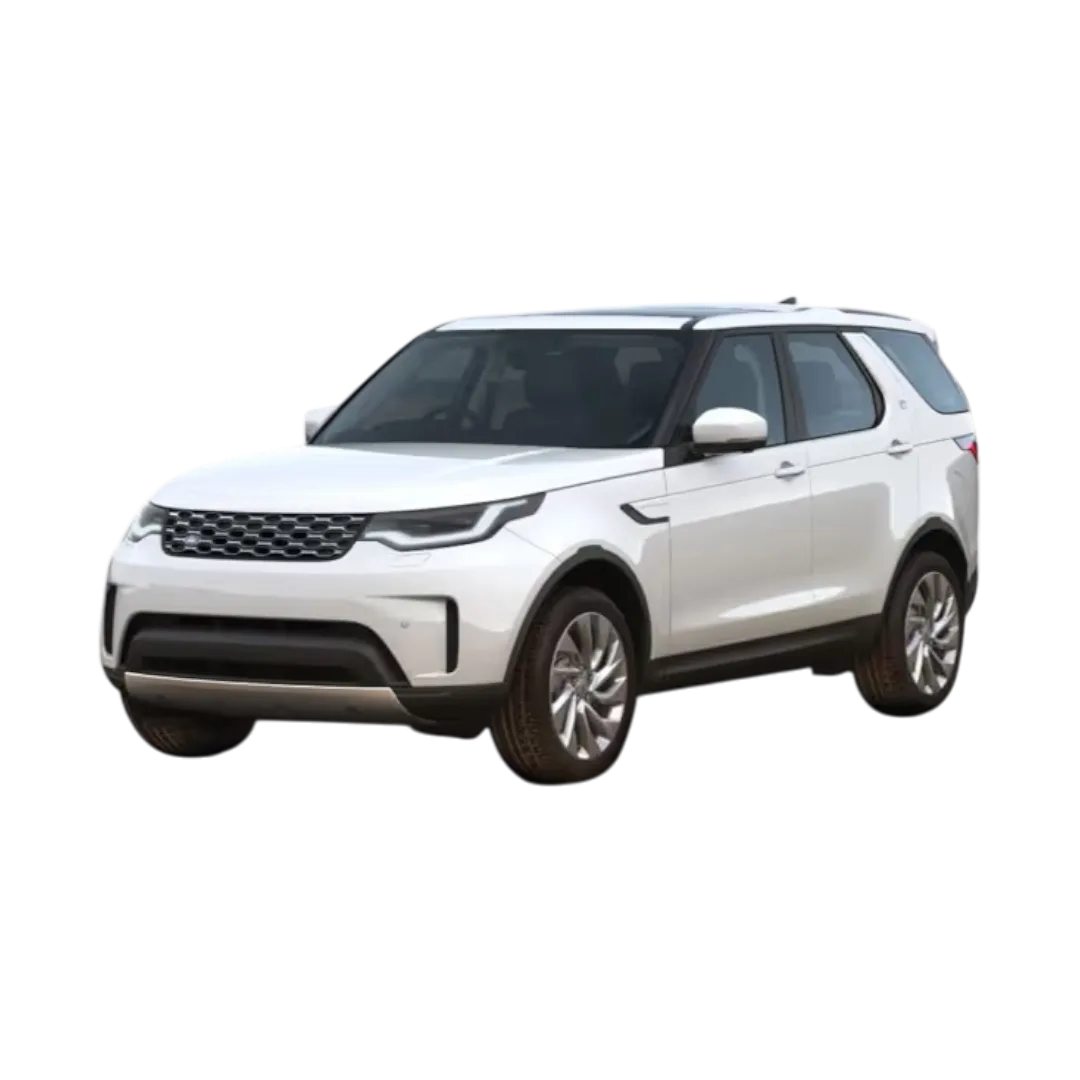
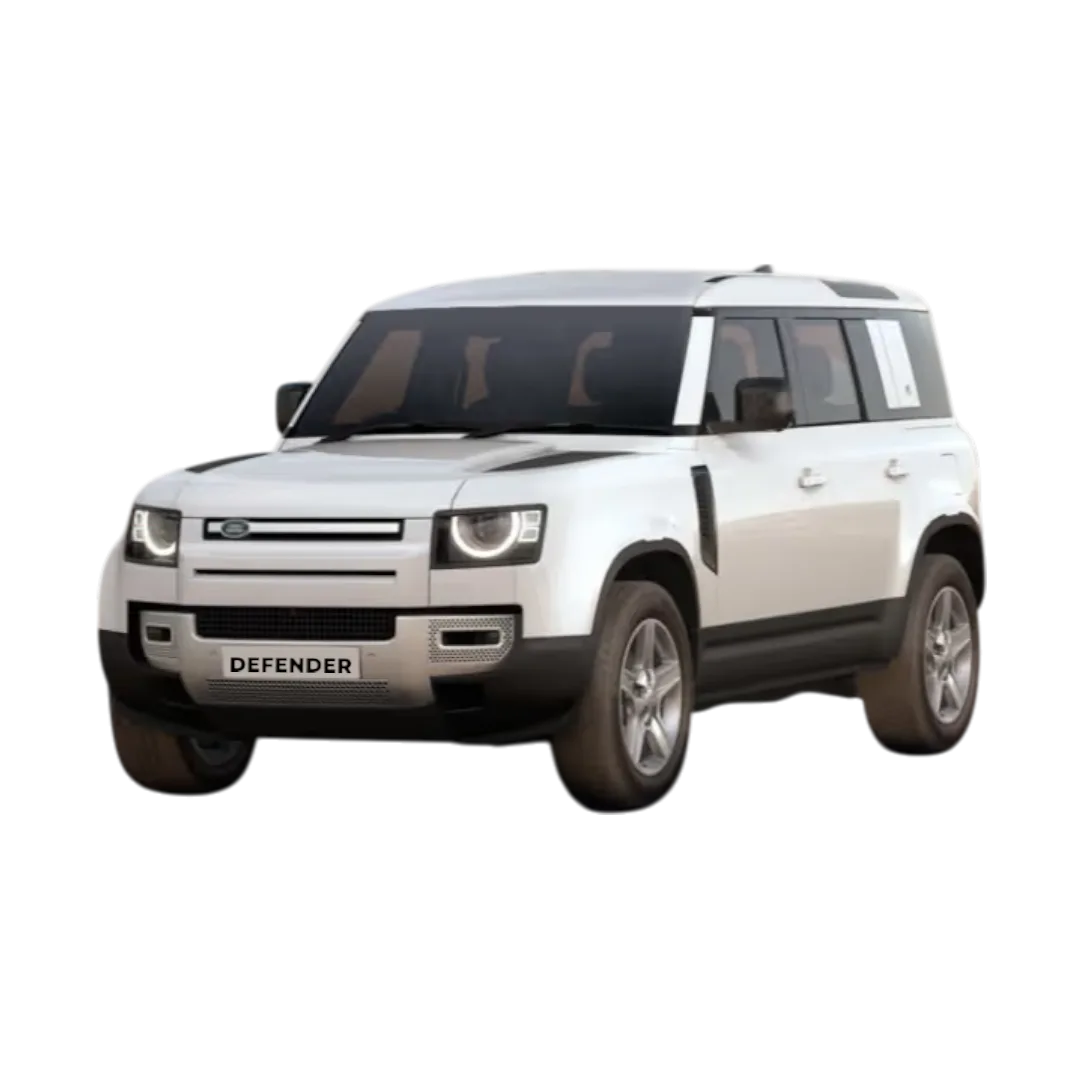
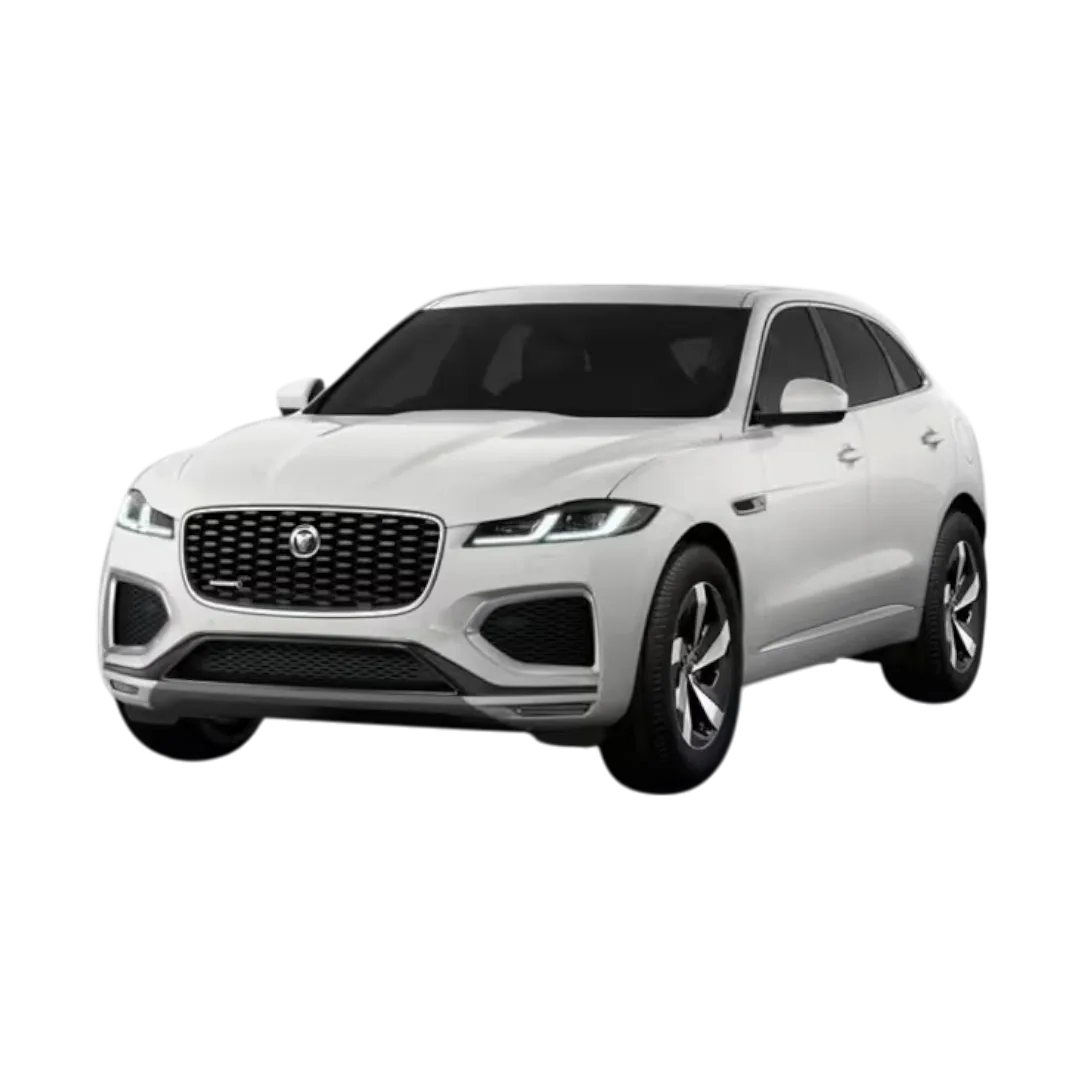
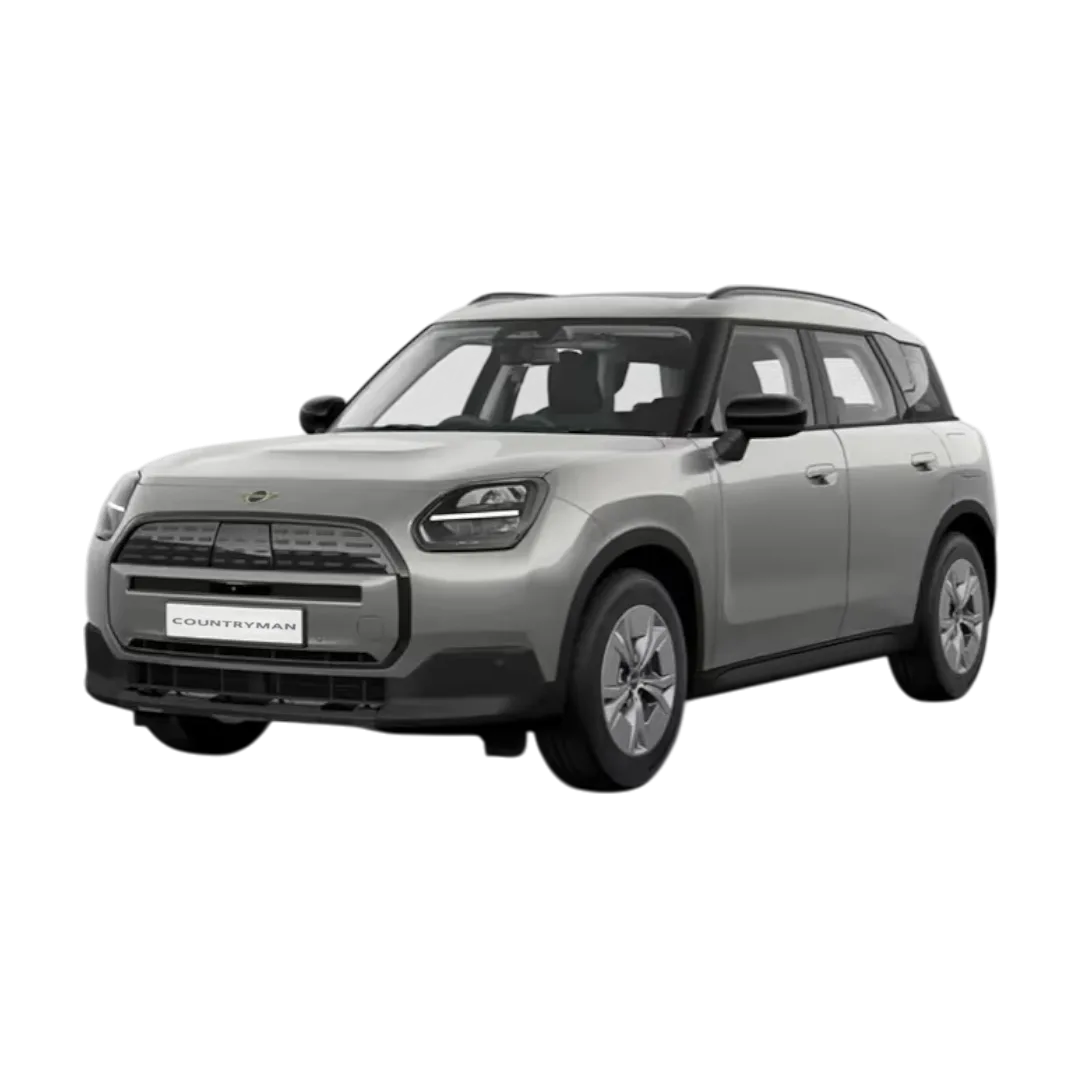
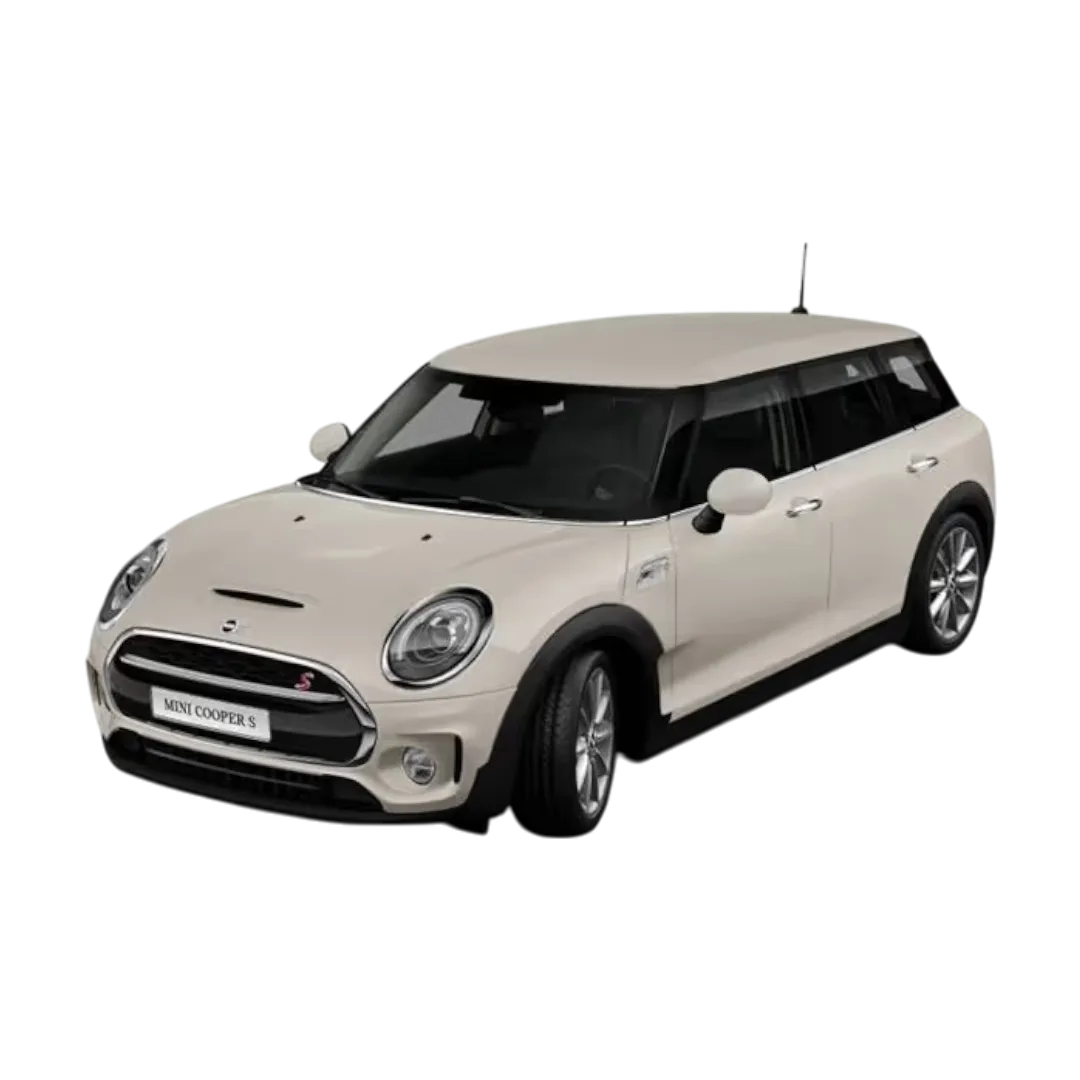
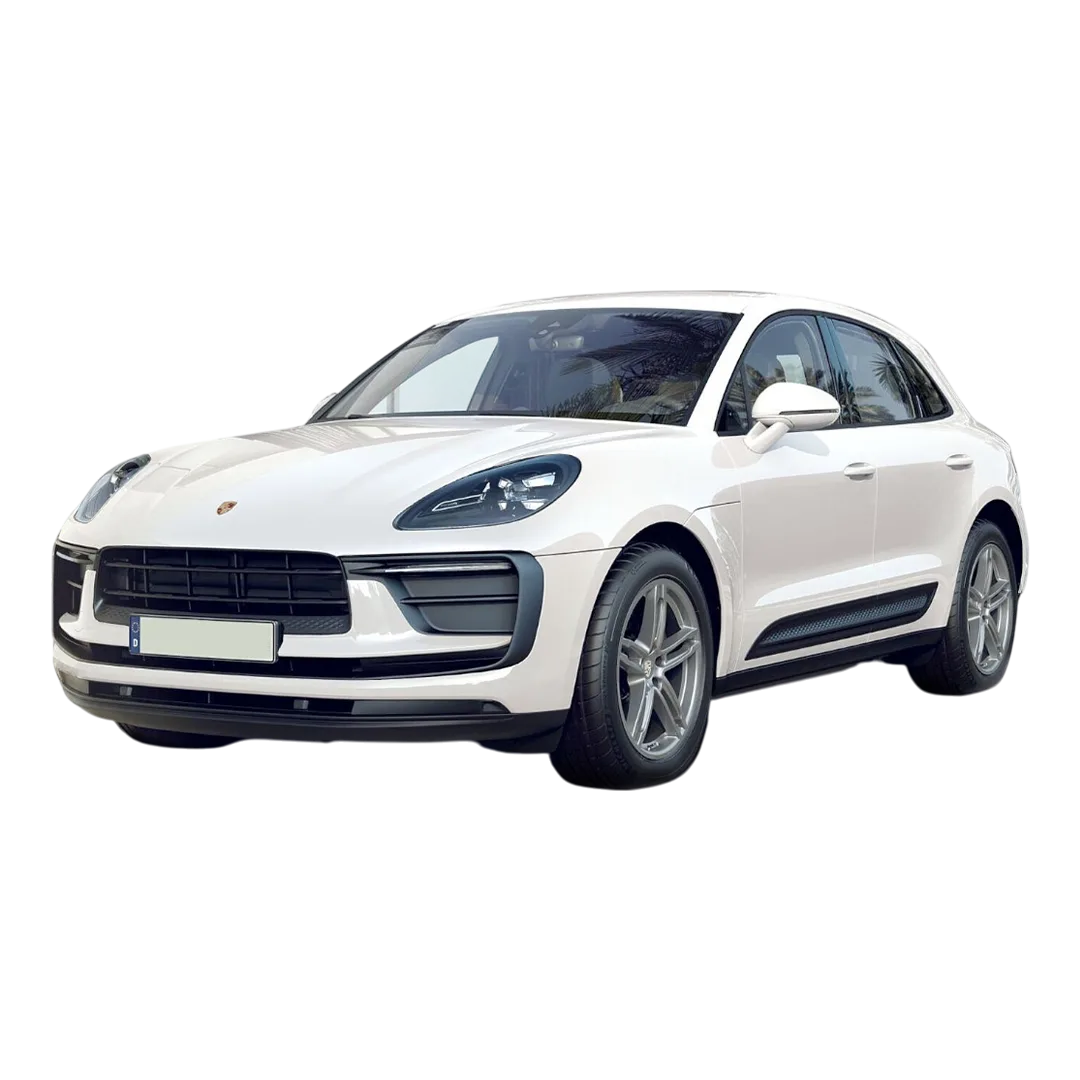
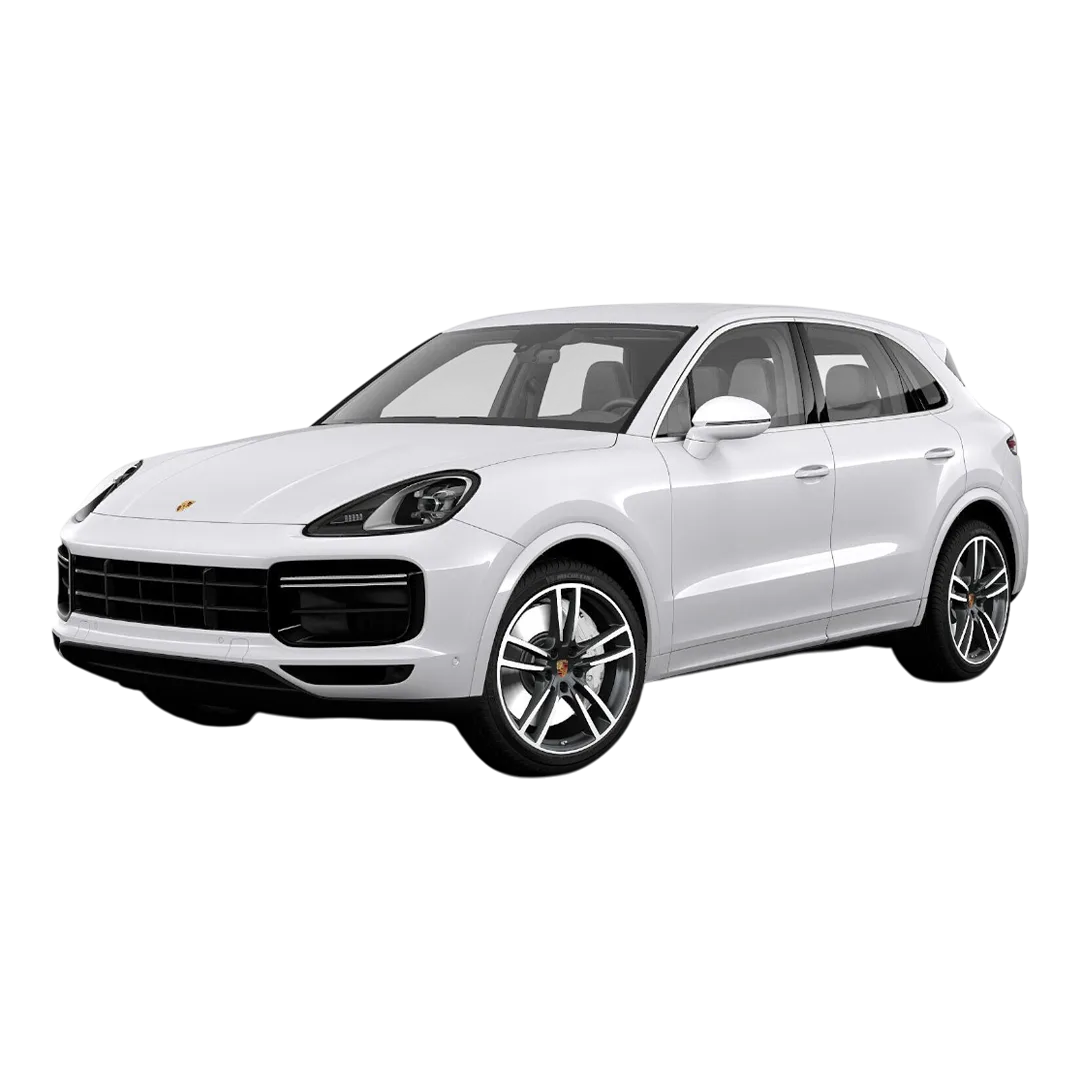
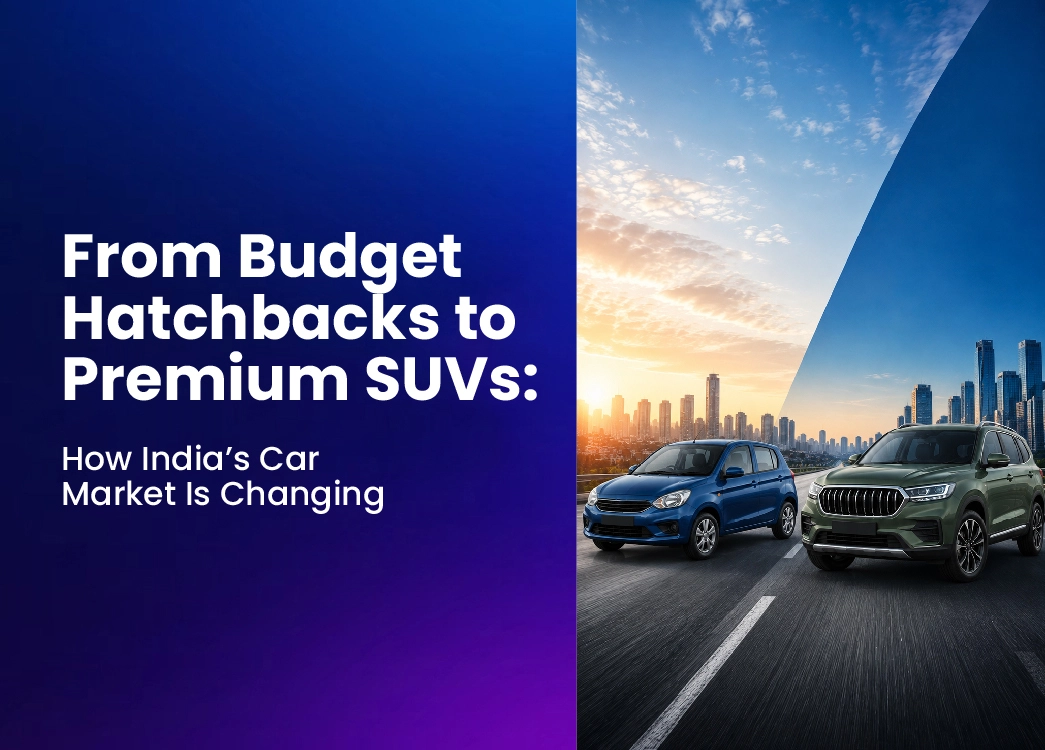
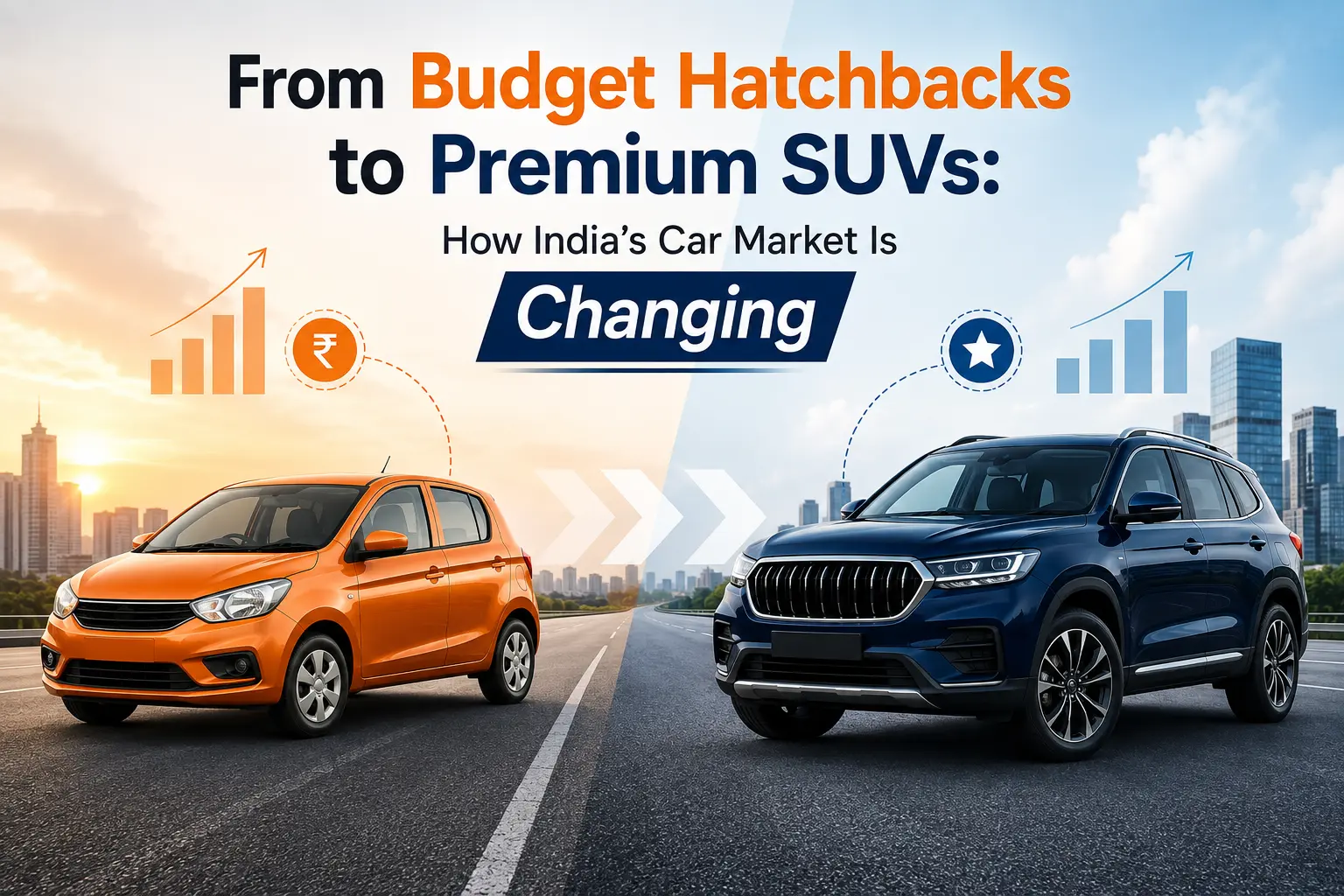
Changing lifestyles, increasing disposable incomes, growing awareness of vehicle safety and the availability of technology-packed cars are influencing purchasing decisions. One of the biggest beneficiaries of this shift has been the SUV segment. From compact urban models to premium family vehicles, SUV cars in India 2026 are becoming increasingly attractive to buyers who want more space, comfort, features and road presence.
This raises an important question: why Indians prefer SUVs when hatchbacks are still practical and economical? The answer goes beyond design. Modern buyers increasingly want their vehicle to reflect their lifestyle while delivering comfort, safety and versatility.
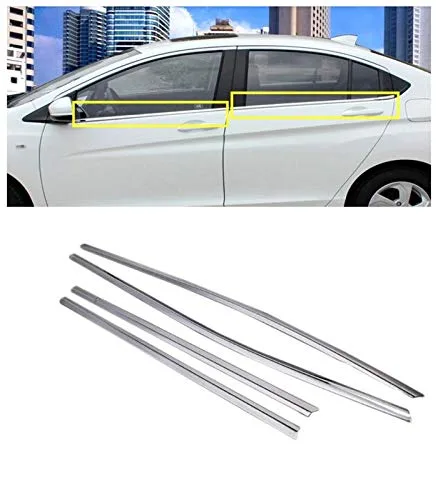
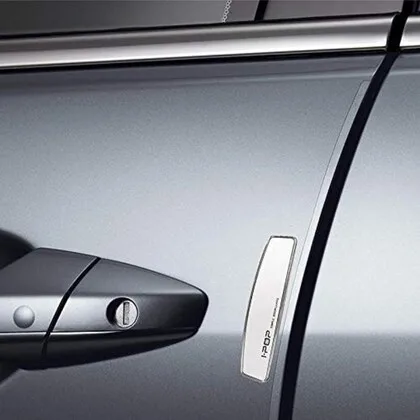
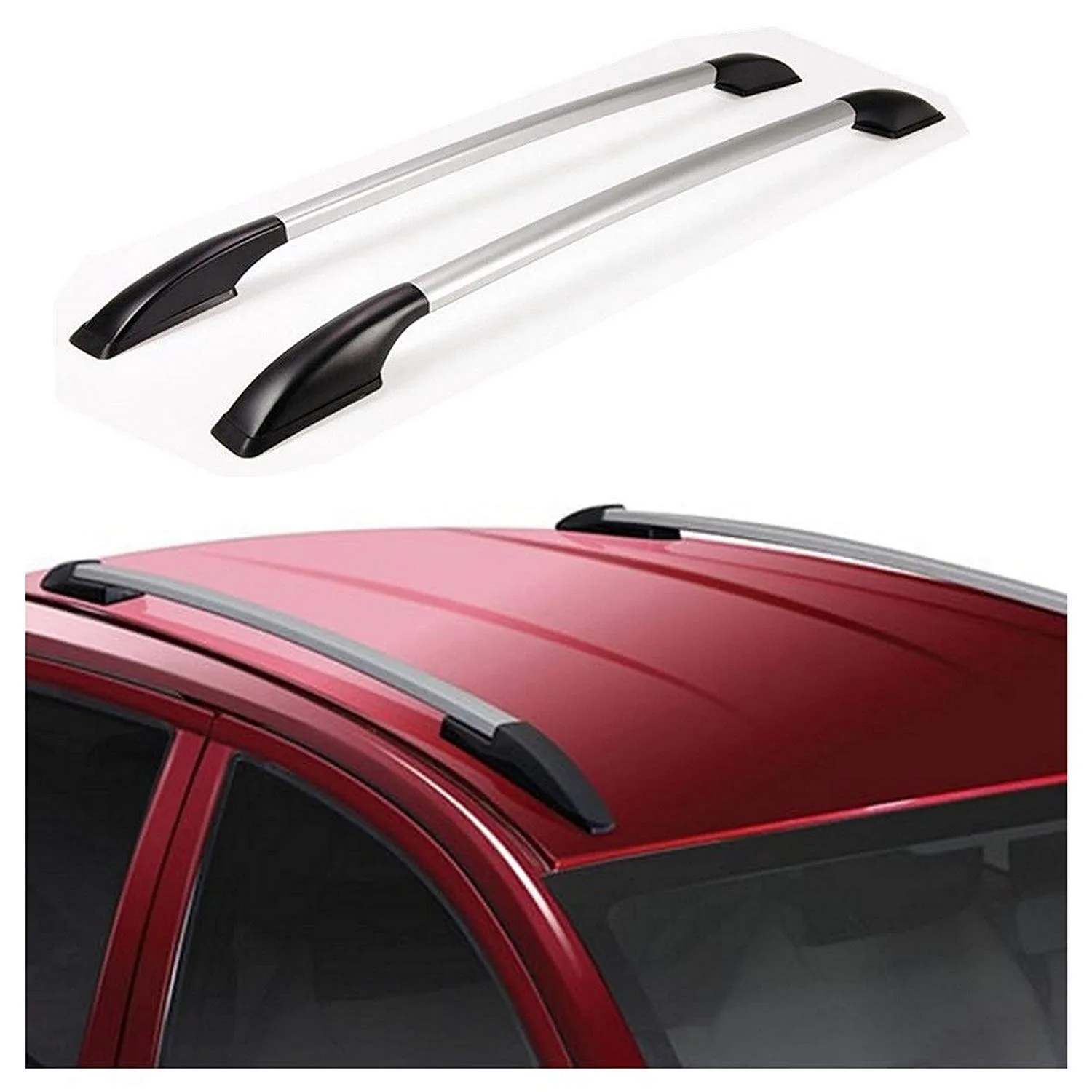
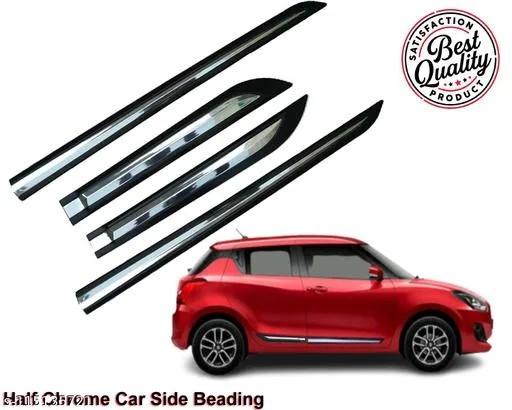
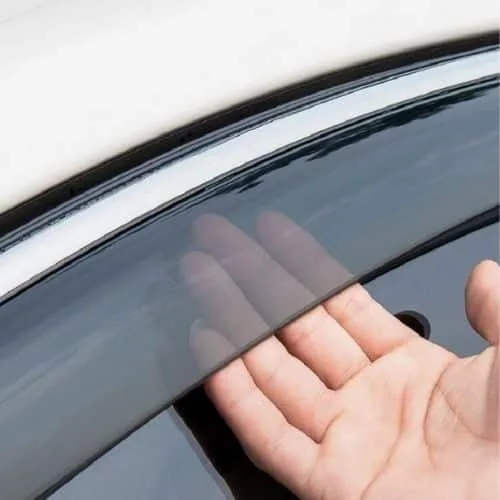
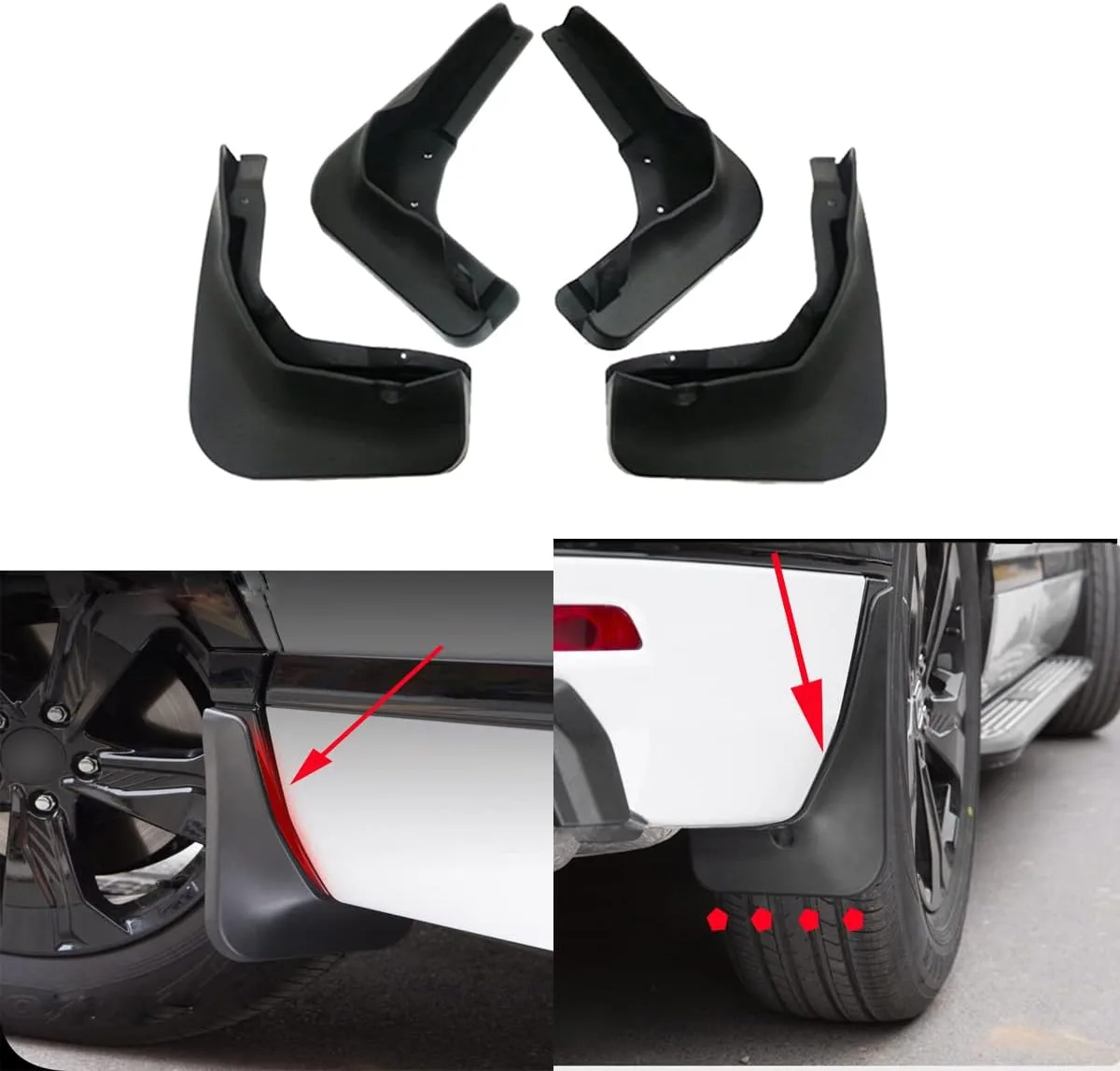
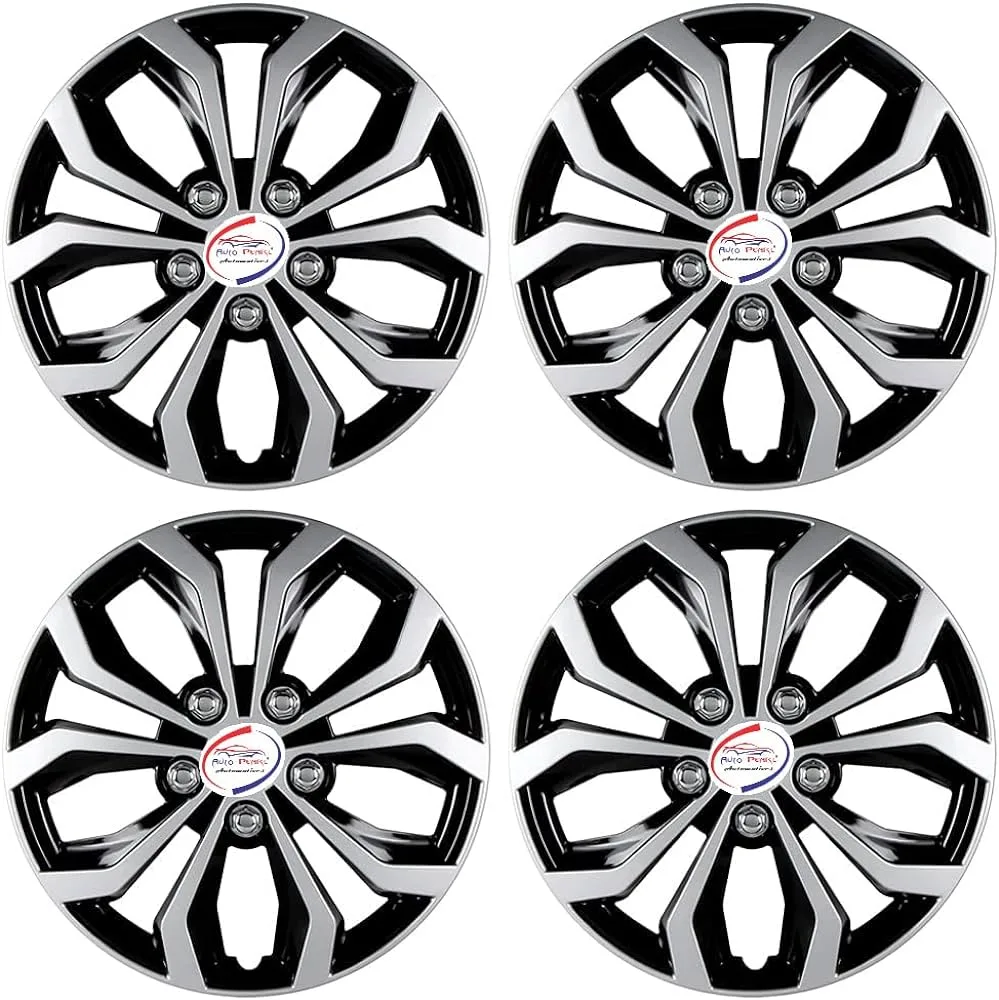
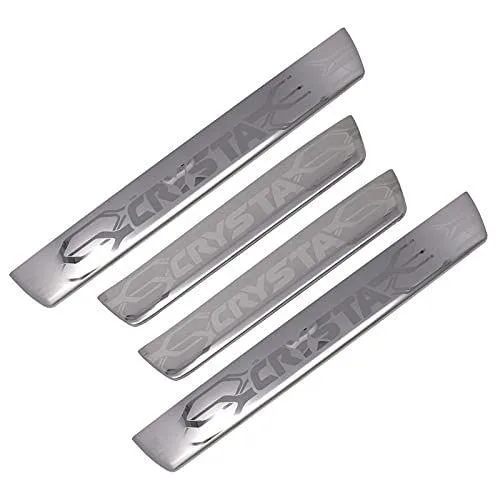
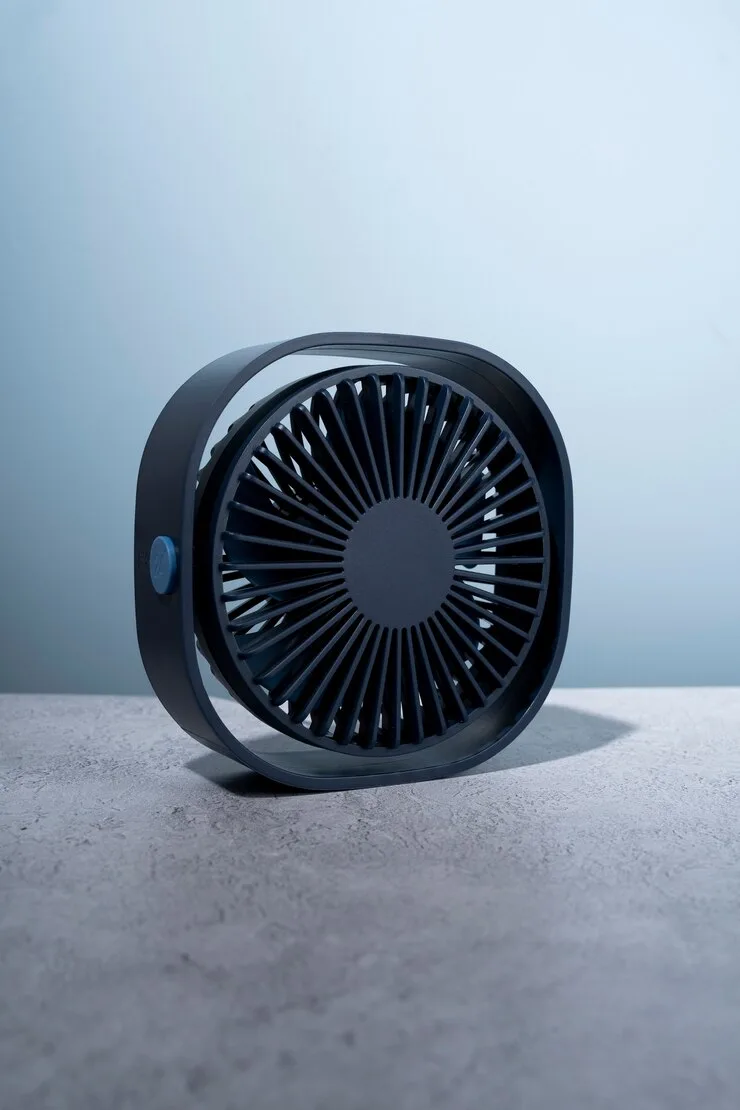
At the same time, car ownership itself is becoming more personalised. From infotainment upgrades and ambient lighting to seat covers, organisers, cleaning products and other car accessories, owners are finding new ways to make their vehicles more comfortable and functional. Platforms like Creckk are contributing to this changing ownership experience by making automotive accessories easier to discover.
The shift from hatchbacks to SUVs isn't necessarily the end of small cars. Instead, it represents a broader movement towards premiumisation, personalisation and smarter car ownership in India.
1. Why Indian Consumers Are Moving Away From Entry-Level Hatchbacks
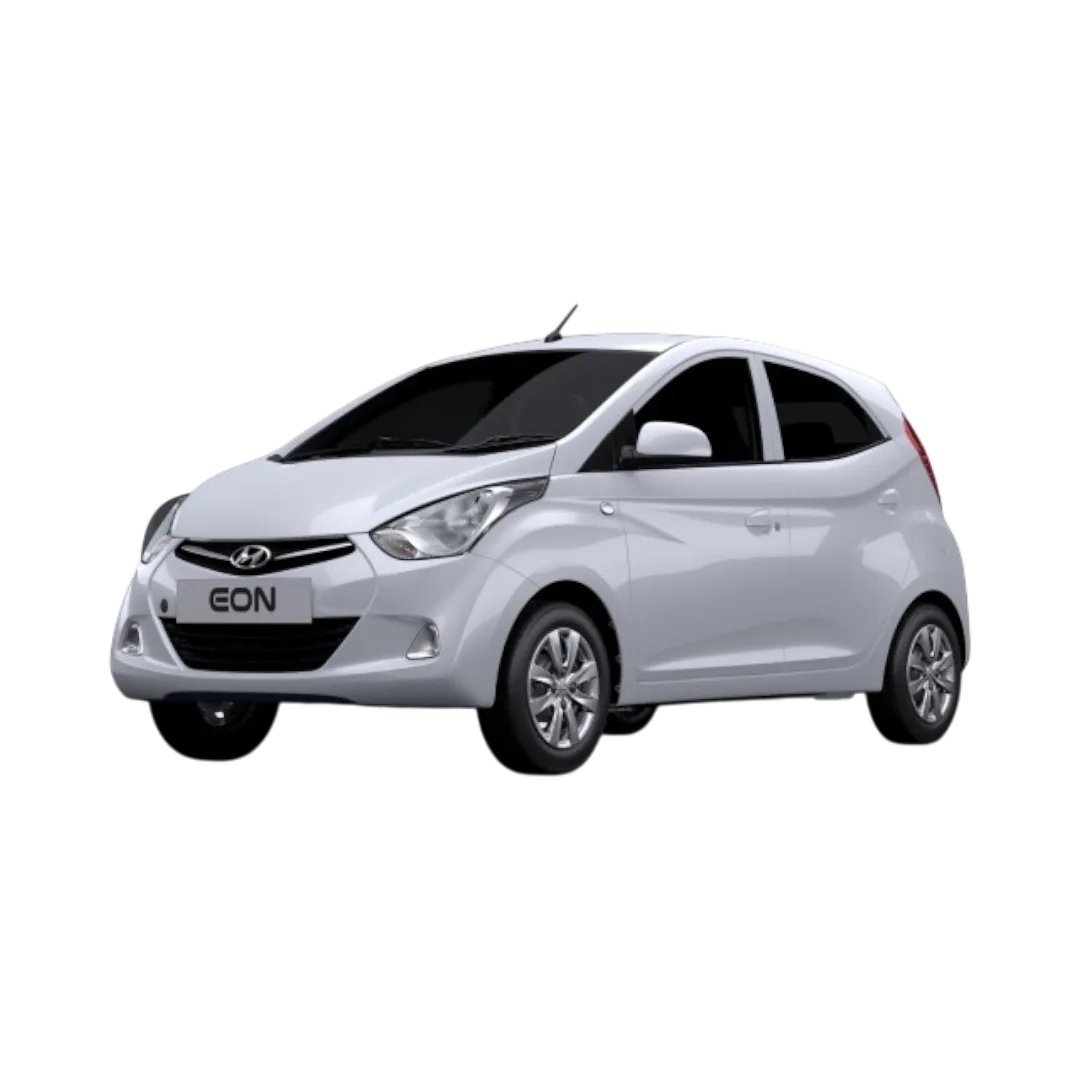
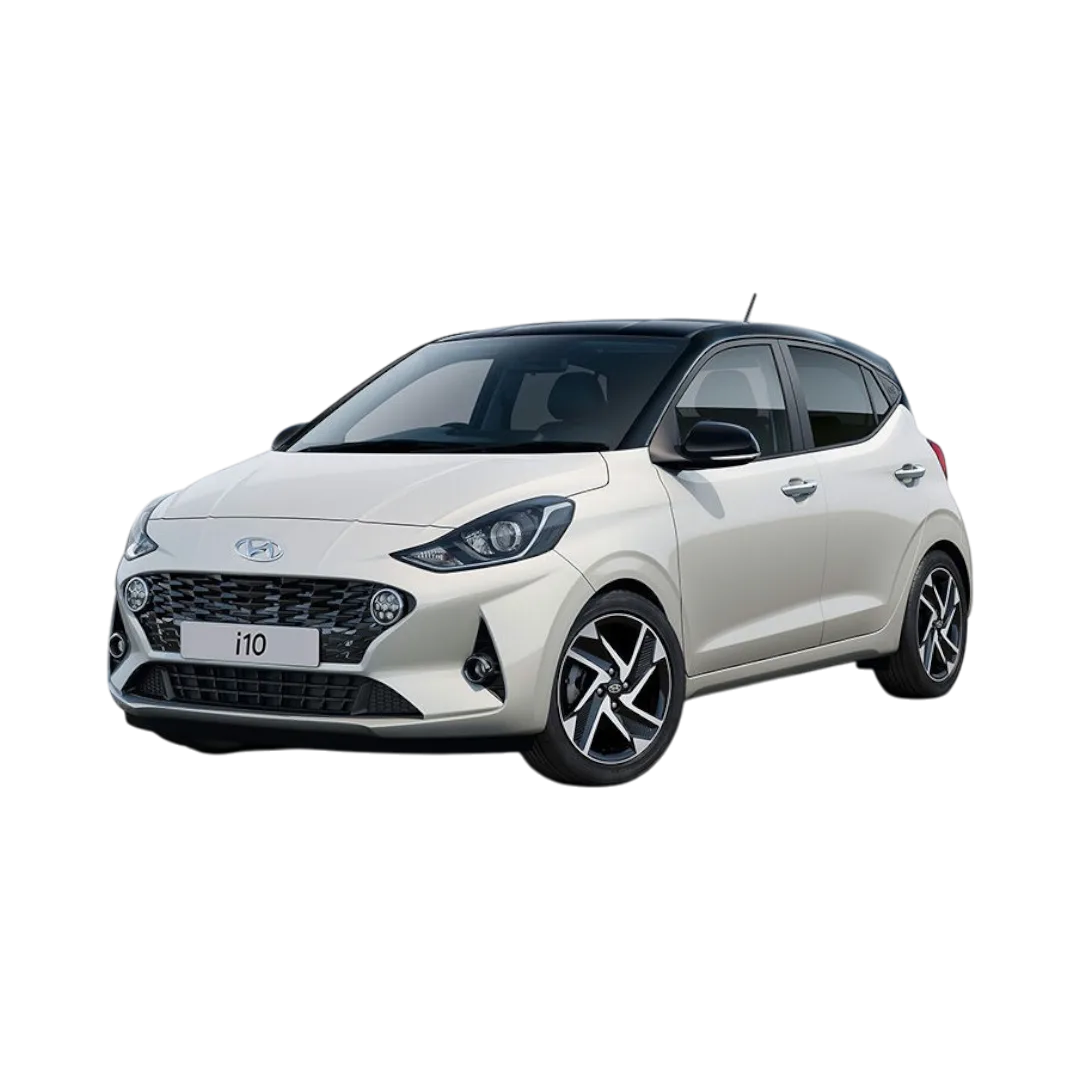
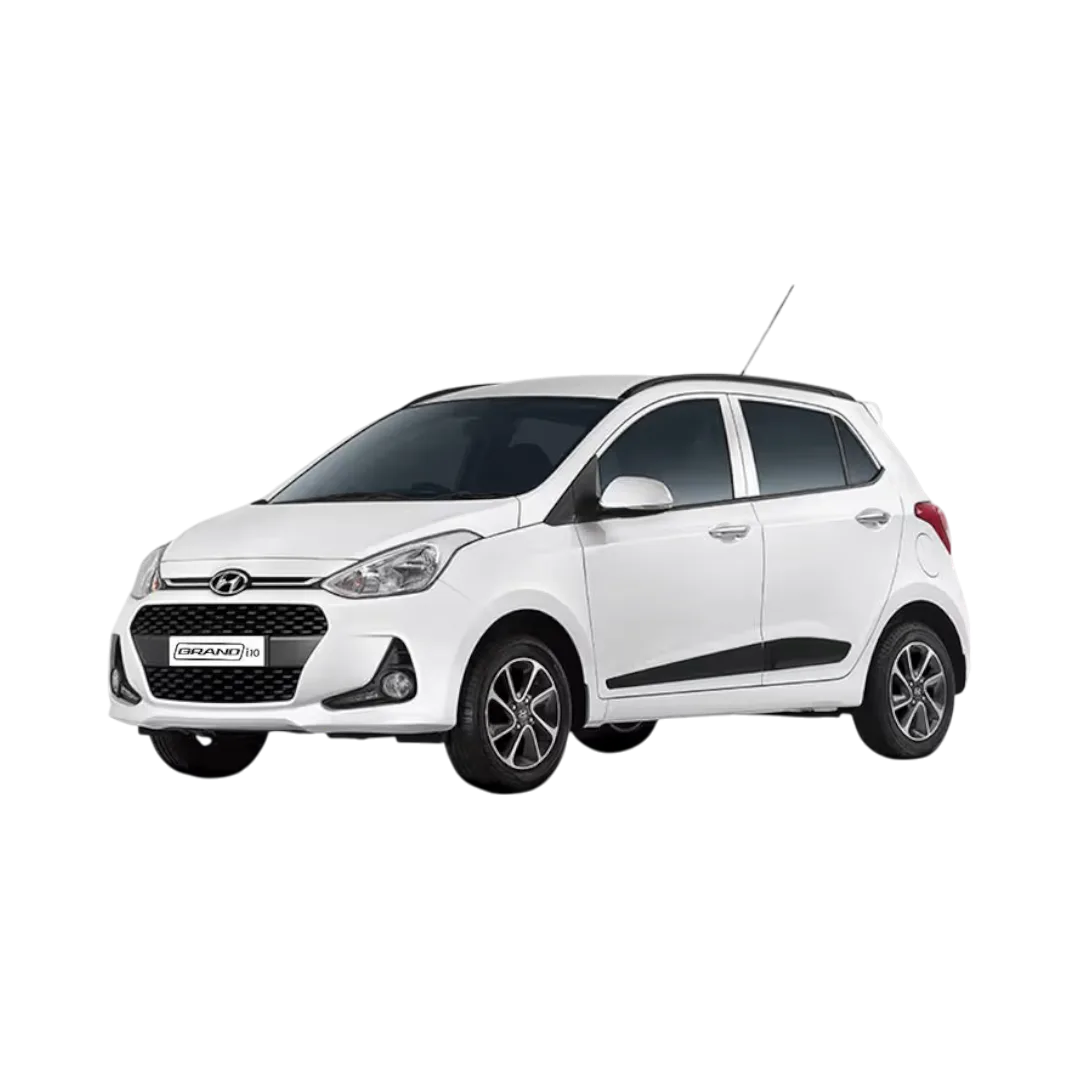
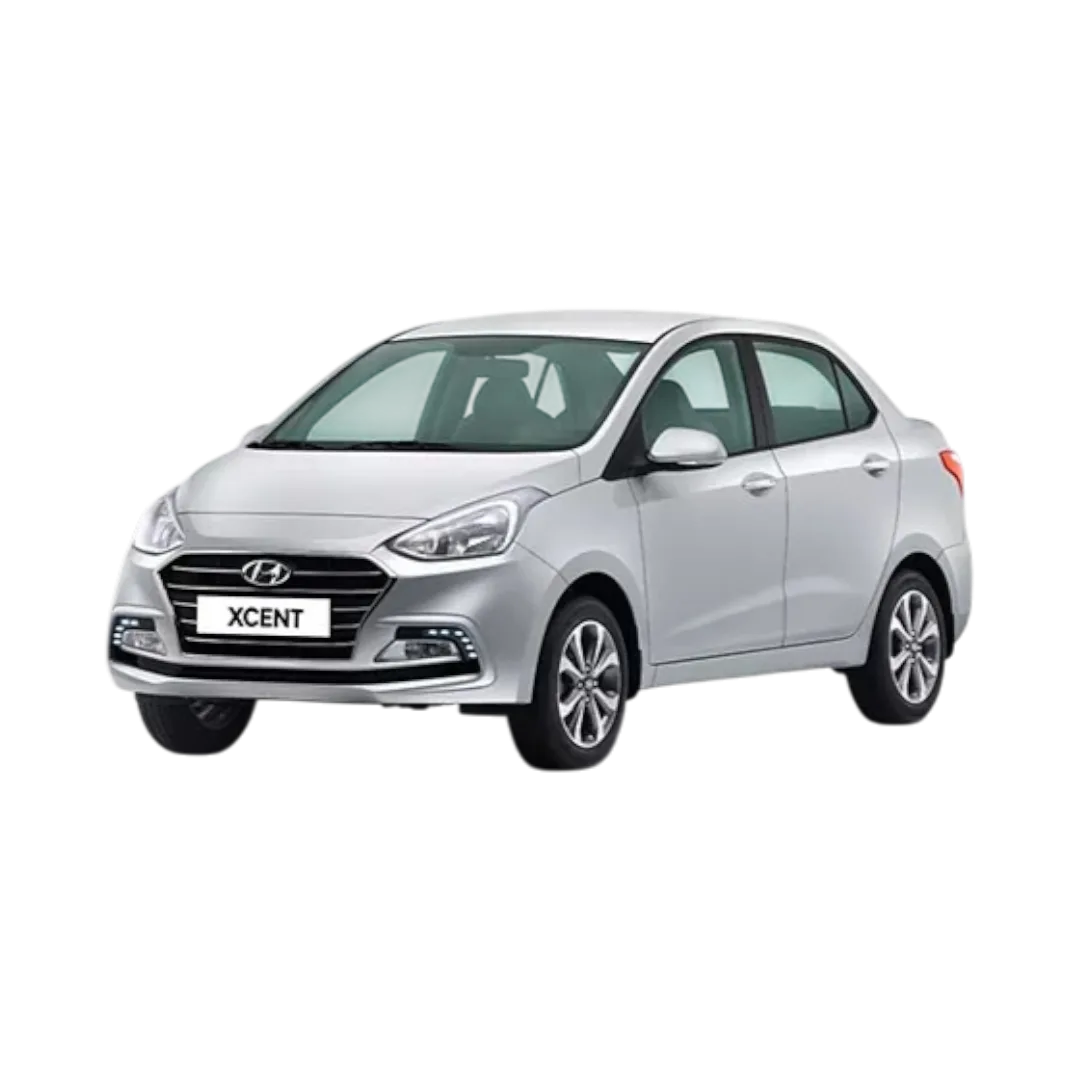
For decades, hatchback cars in India represented practicality. They were compact enough for crowded streets, economical enough for everyday commuting and generally accessible to first-time buyers. For students, young professionals and small families, a hatchback could provide everything needed from a personal vehicle.
However, the Indian consumer has changed.
Today, buying a car is increasingly connected to lifestyle, comfort and personal preferences. Consumers are more willing to spend extra when they believe they are getting meaningful improvements in safety, space, technology and overall experience.
This is one of the major reasons why hatchbacks are losing popularity in India, particularly in higher urban income groups. A buyer who previously considered an entry-level hatchback may now stretch their budget for a compact SUV that offers a higher seating position, larger cabin, more substantial road presence and additional features.
Changing lifestyles are influencing car choices
Indian families are travelling more frequently for weekend trips and holidays. A car is no longer used only for commuting between home and work. It may be used for school runs, shopping, intercity travel, family vacations and long highway journeys.
This has increased demand for vehicles that can perform multiple roles.
The SUV vs hatchback which is better debate therefore depends on how the vehicle will be used. A hatchback can be an excellent option for someone who spends most of their time navigating narrow urban roads. An SUV may make more sense for someone who frequently travels with family and wants additional space and versatility.
Buyers also expect more technology
Modern customers are increasingly interested in features such as large infotainment screens, smartphone connectivity, connected-car technology, premium audio systems, automatic climate control, digital displays and advanced safety features.
The perception of value has therefore changed. Buyers aren't simply asking, "How much does this car cost?" They are asking, "What am I getting for my money?"
Safety is another major consideration. Consumers are paying greater attention to airbags, electronic safety systems, vehicle construction and crash-test ratings before making a purchase.
This explains why Indian car buyers prefer SUVs in increasing numbers. However, this doesn't mean hatchbacks have become irrelevant. Affordable hatchbacks still serve buyers who prioritise efficiency, easy parking, lower acquisition costs and urban practicality.
Personalisation is becoming part of ownership
There is another interesting development: consumers are increasingly personalising their cars after purchase.
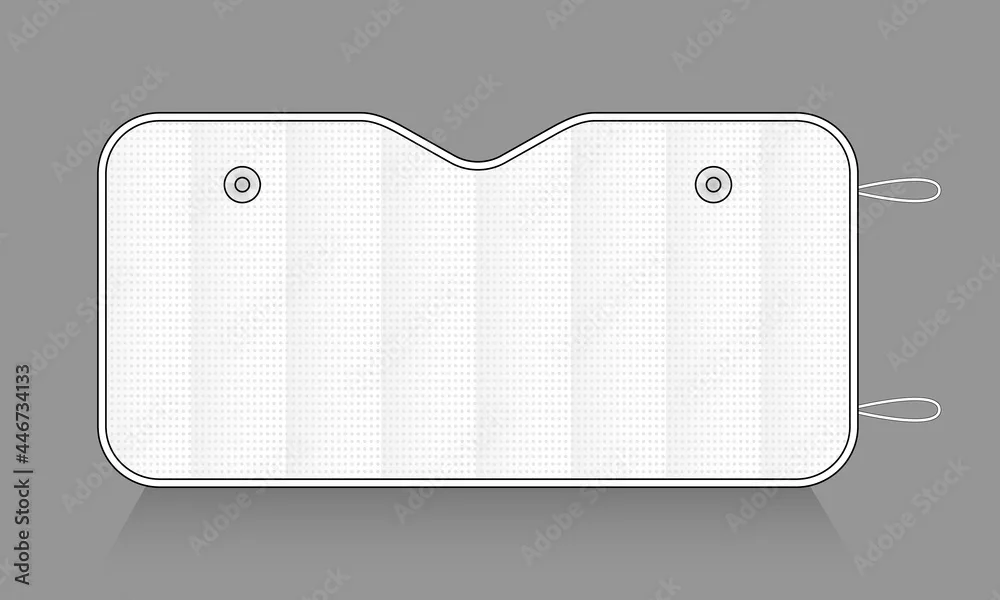
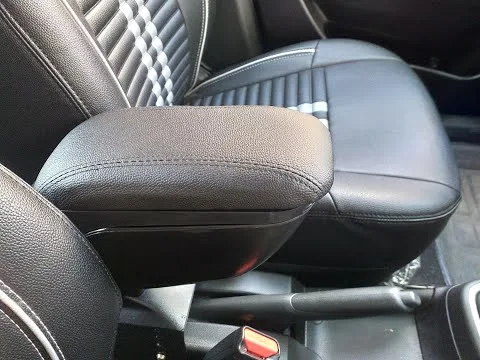
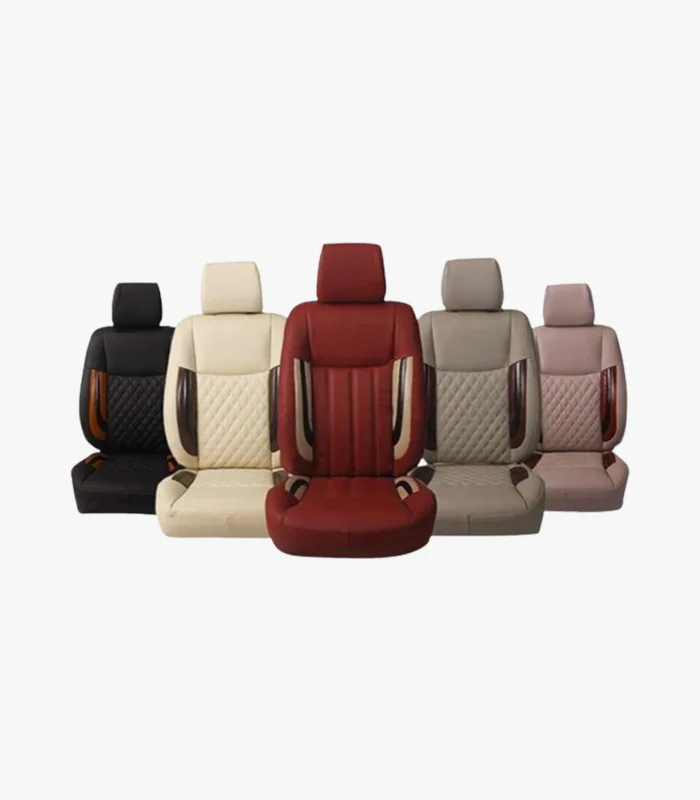
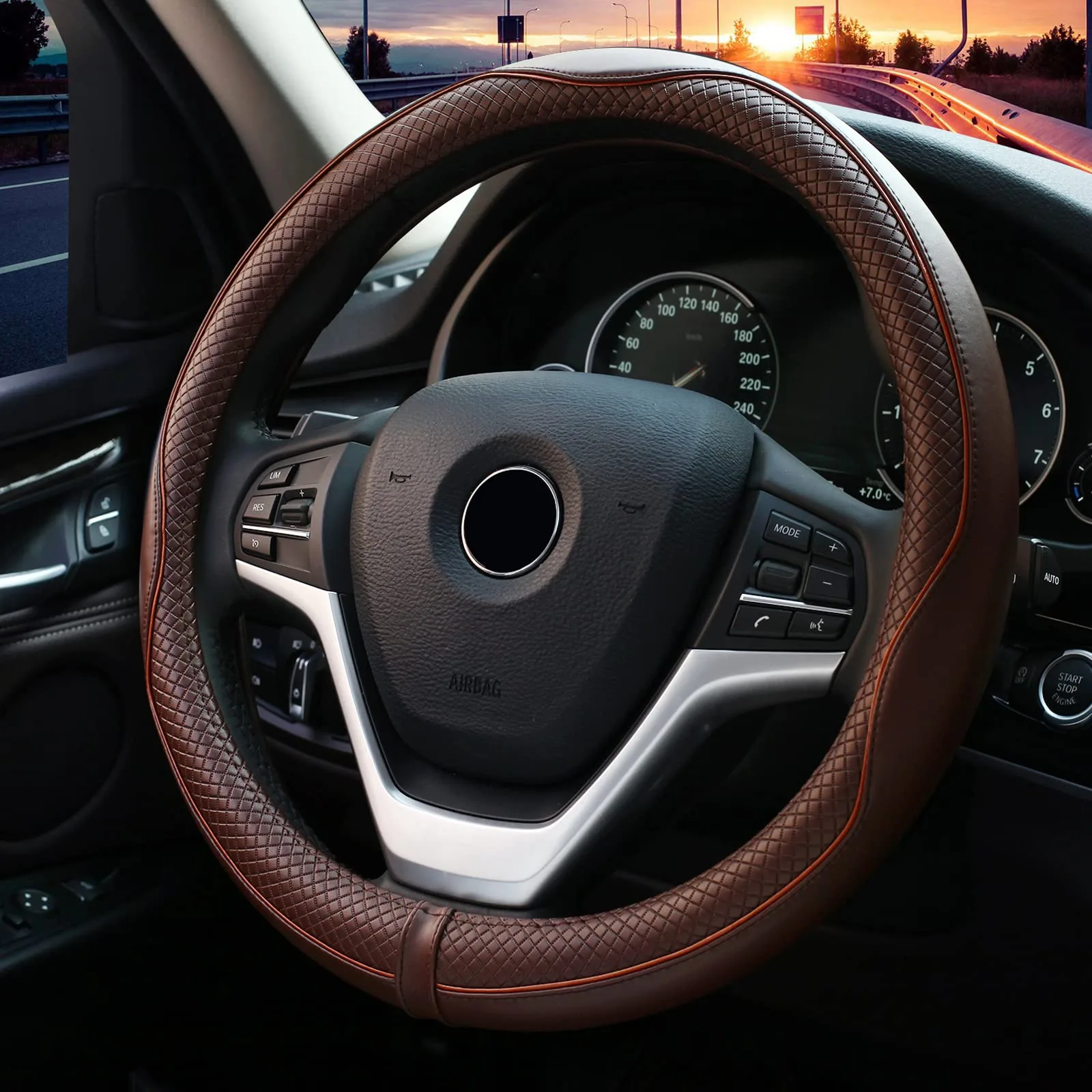
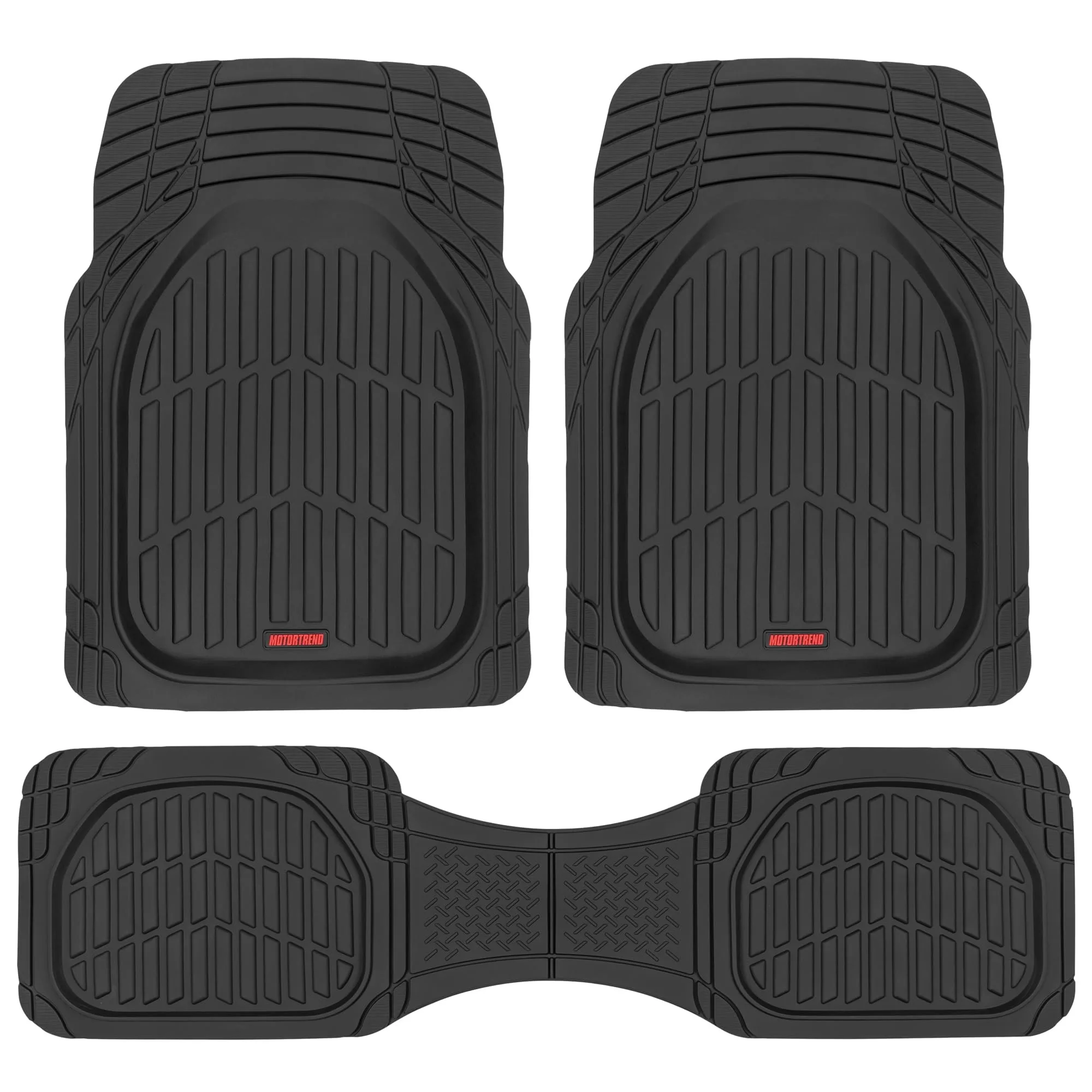
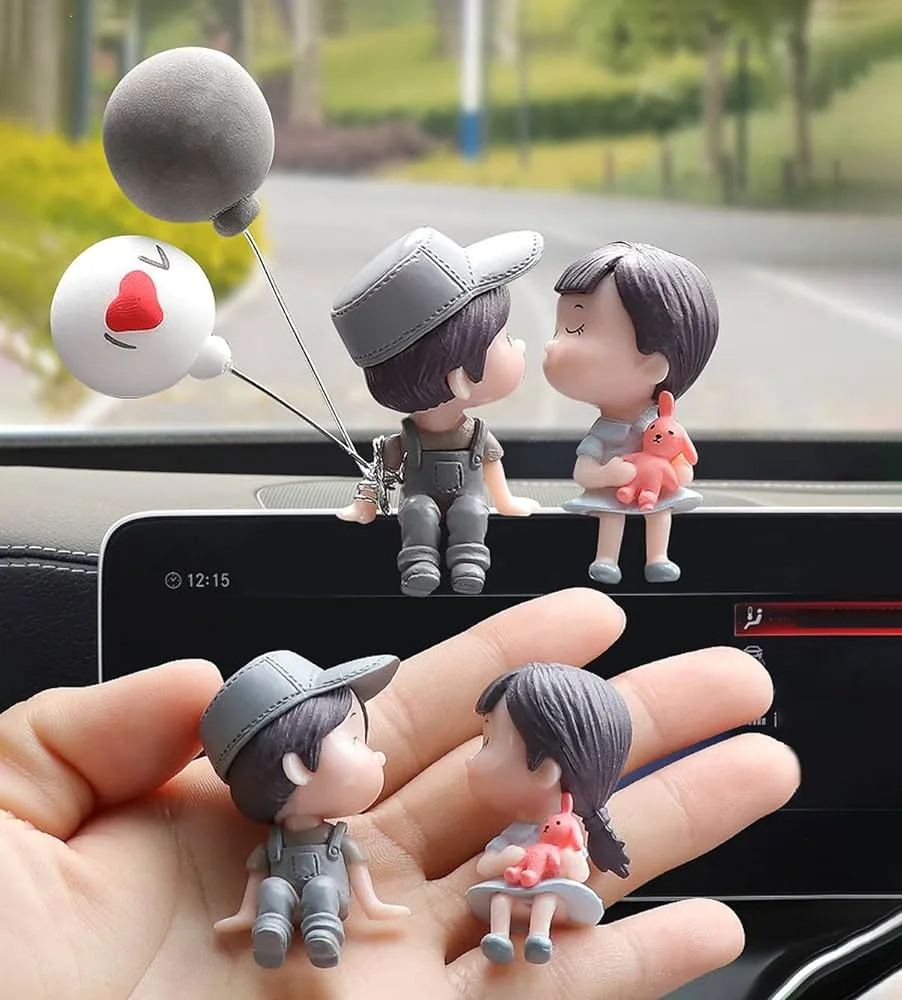
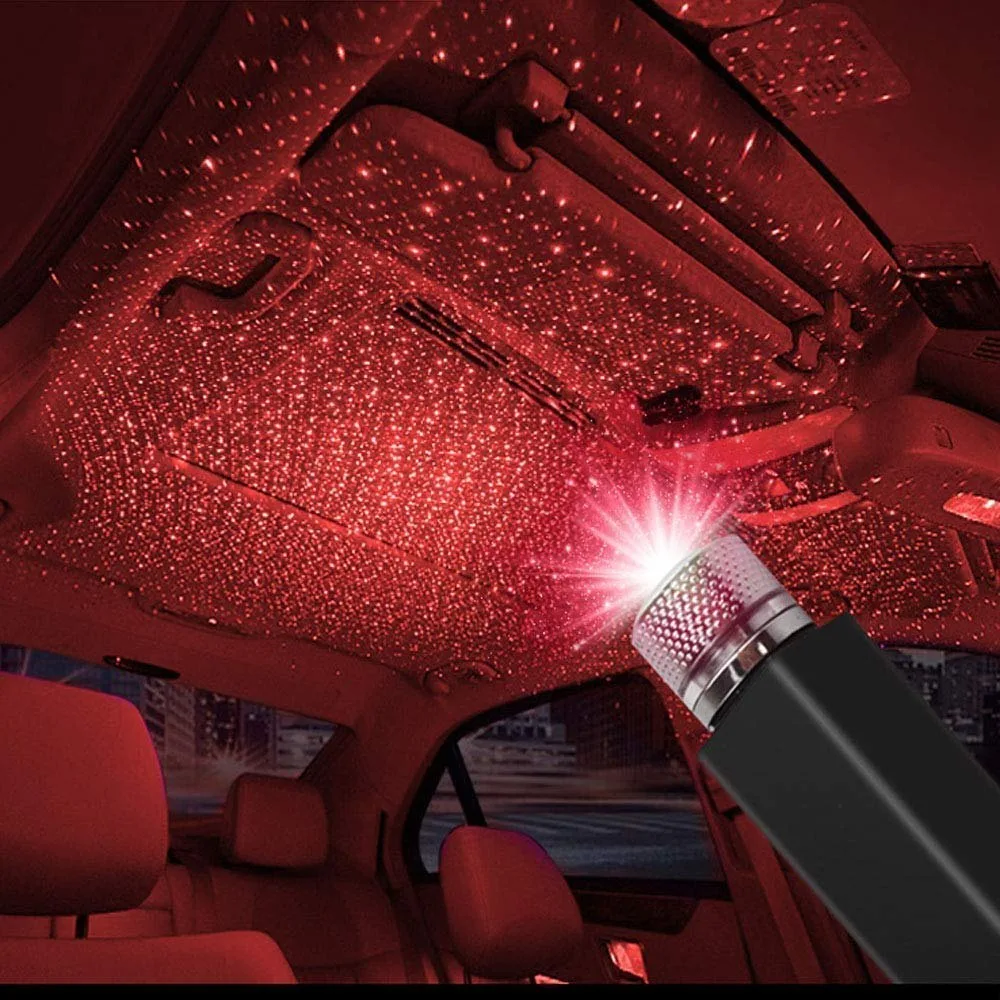
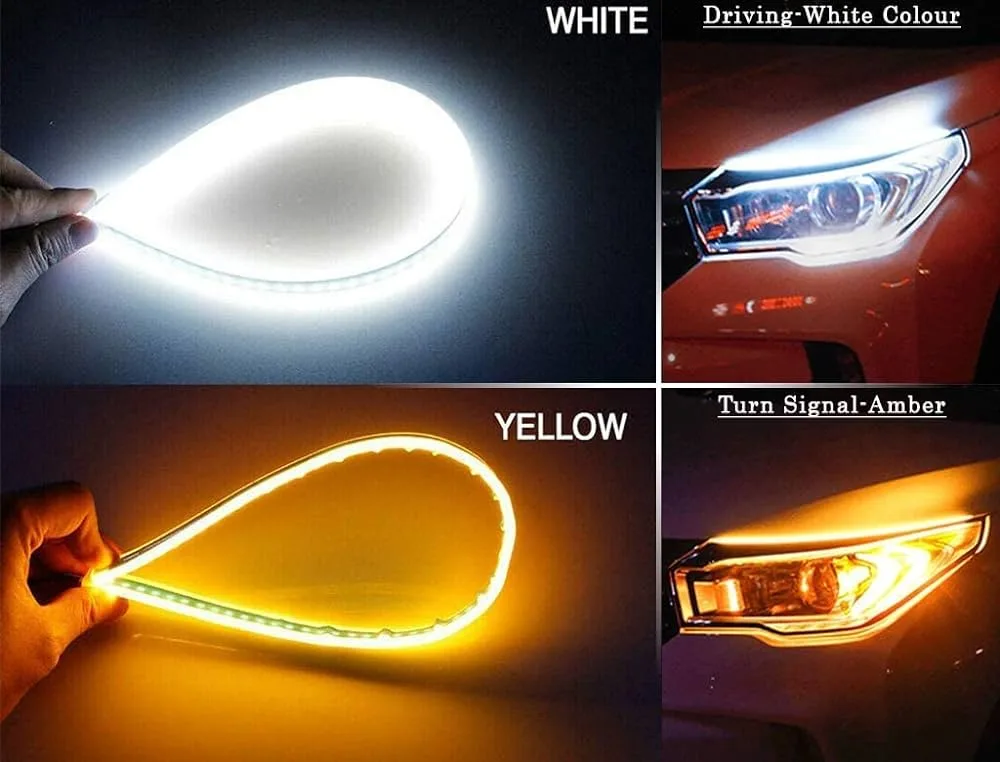
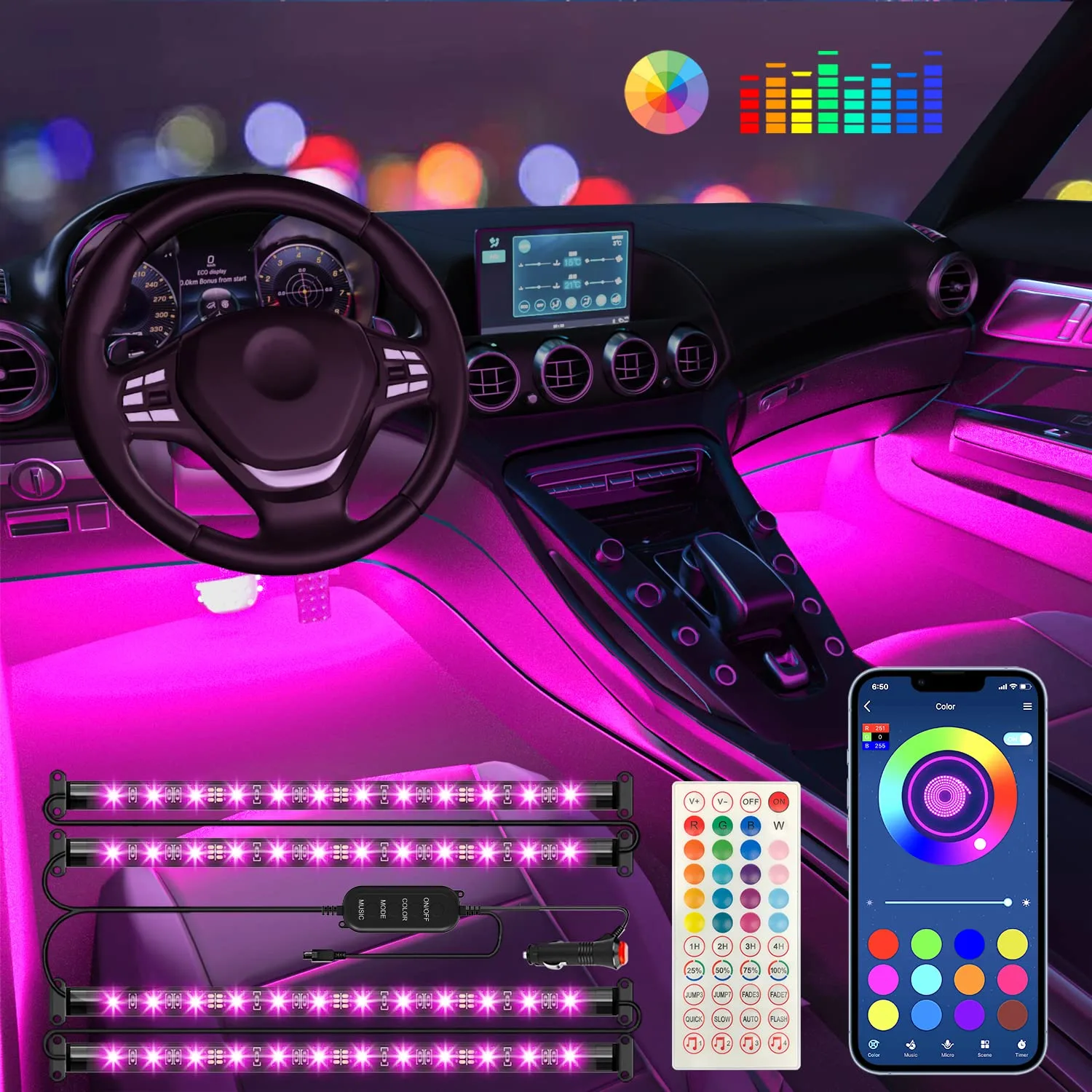
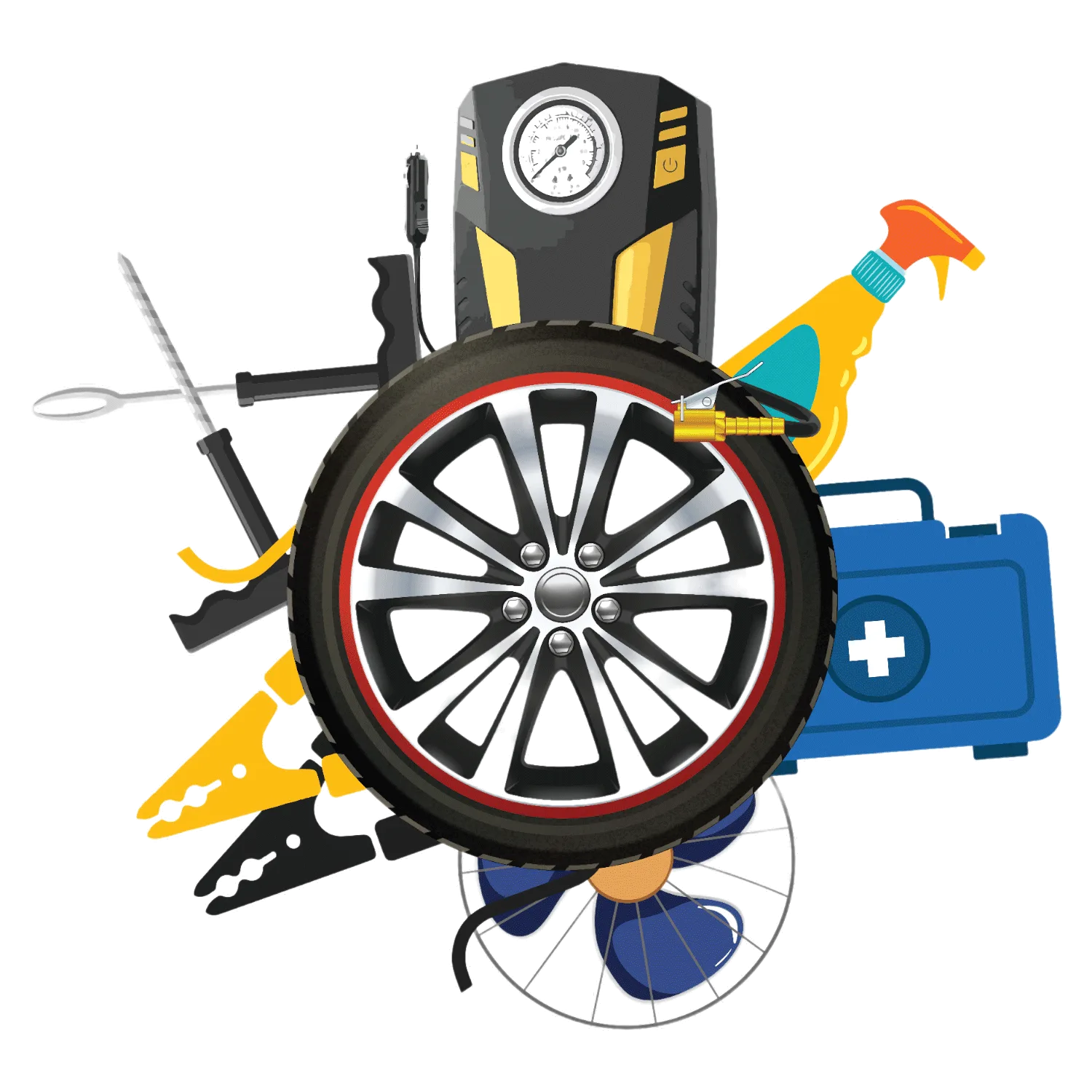
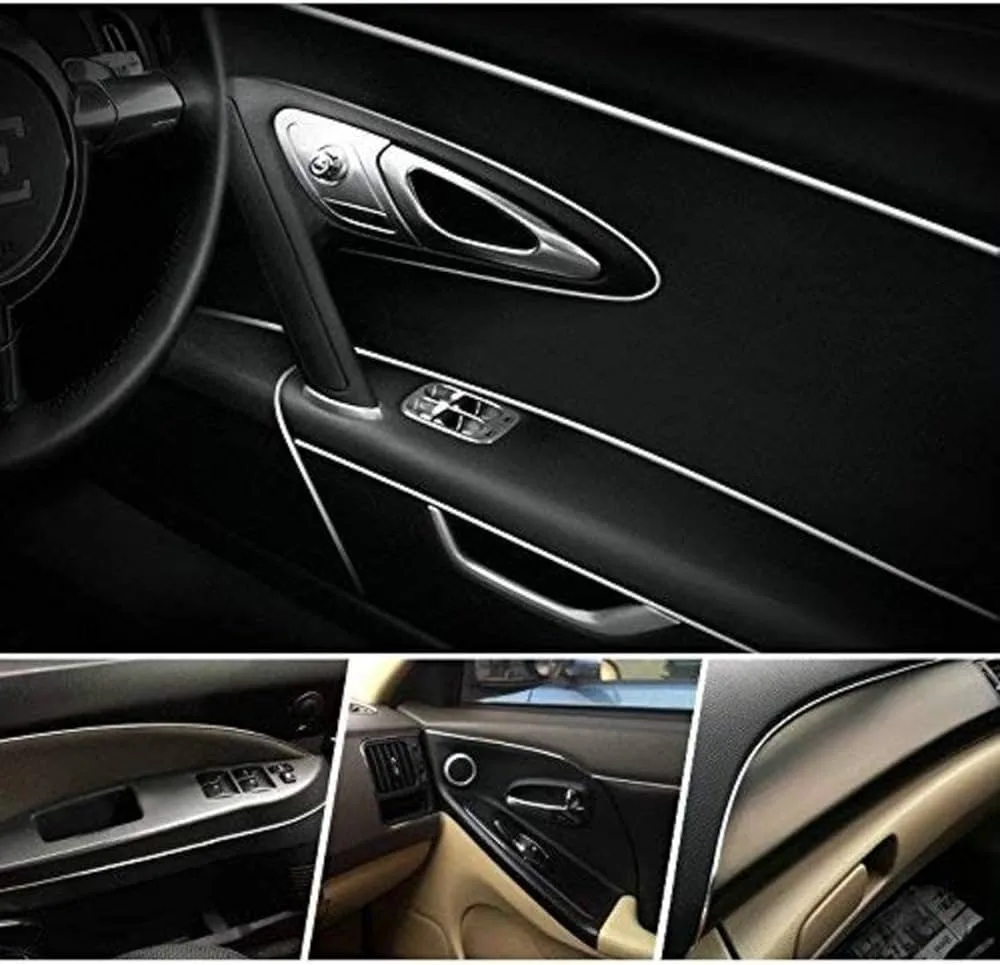
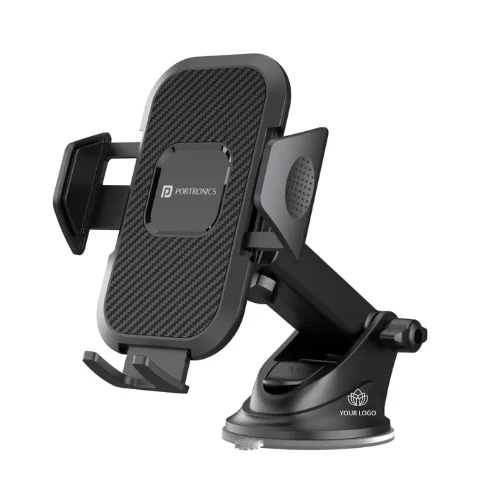
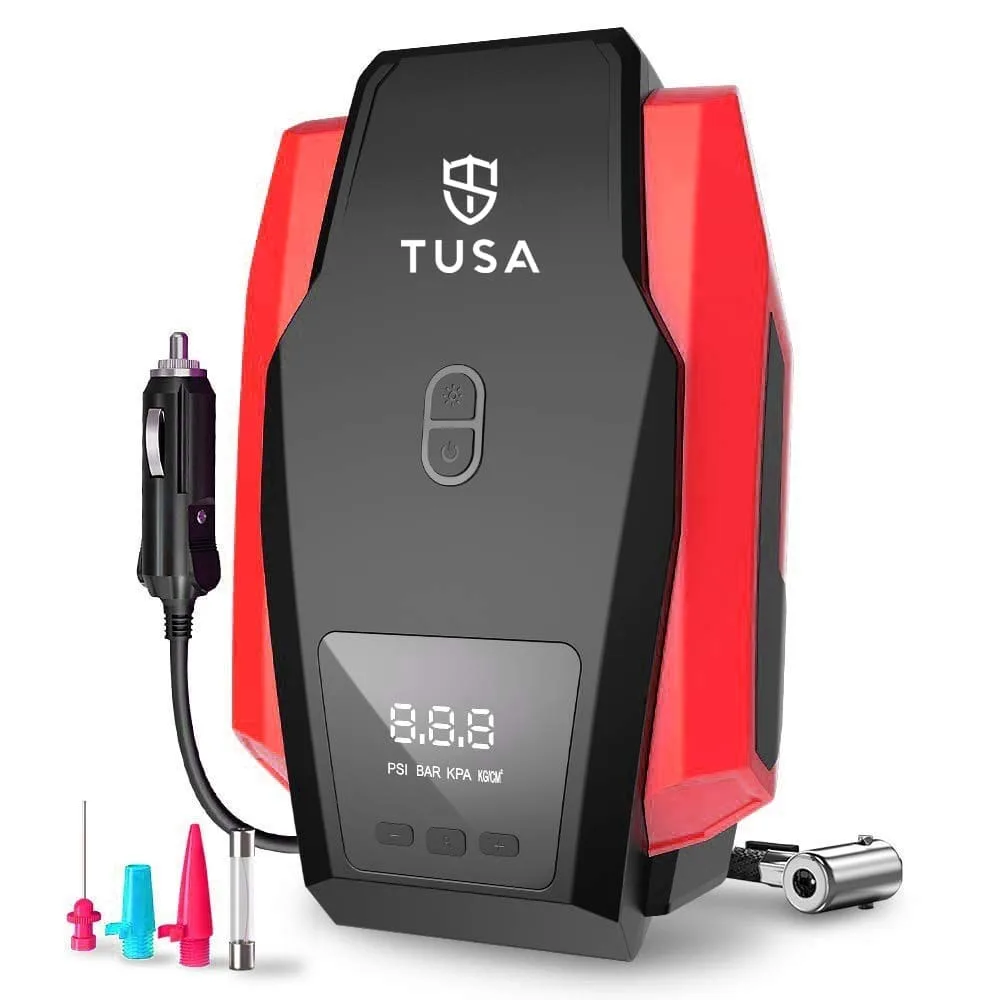
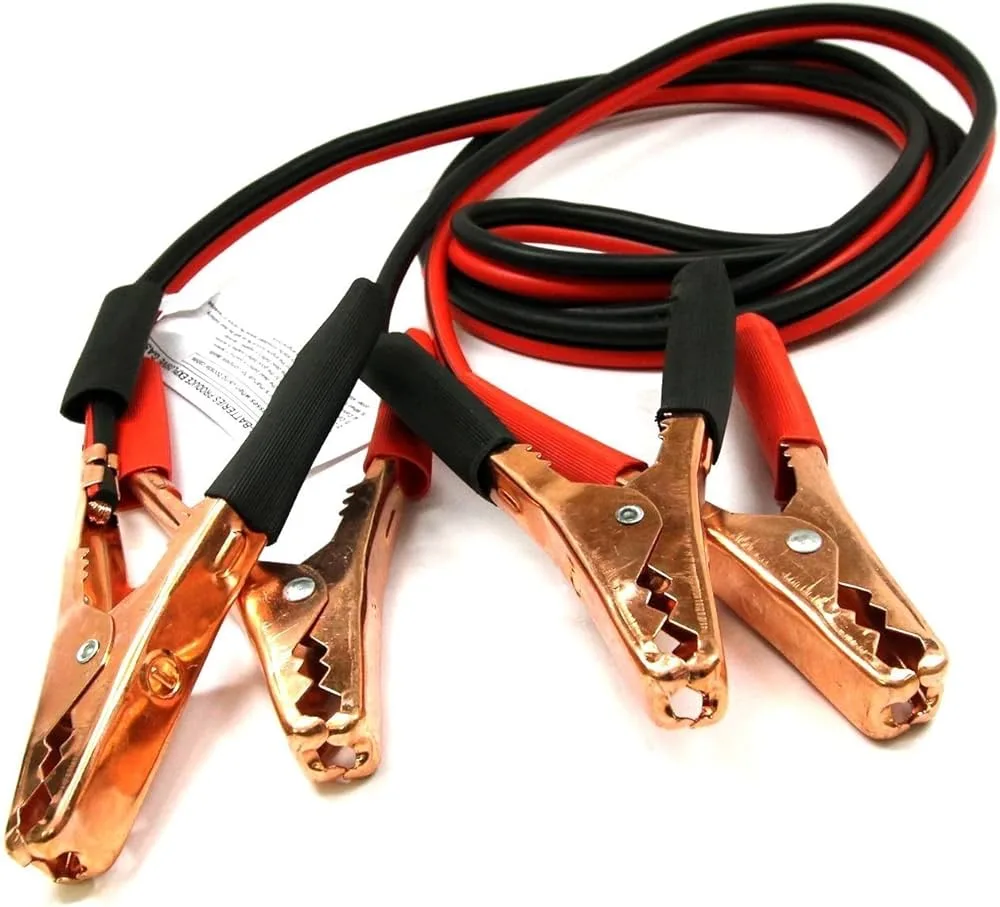
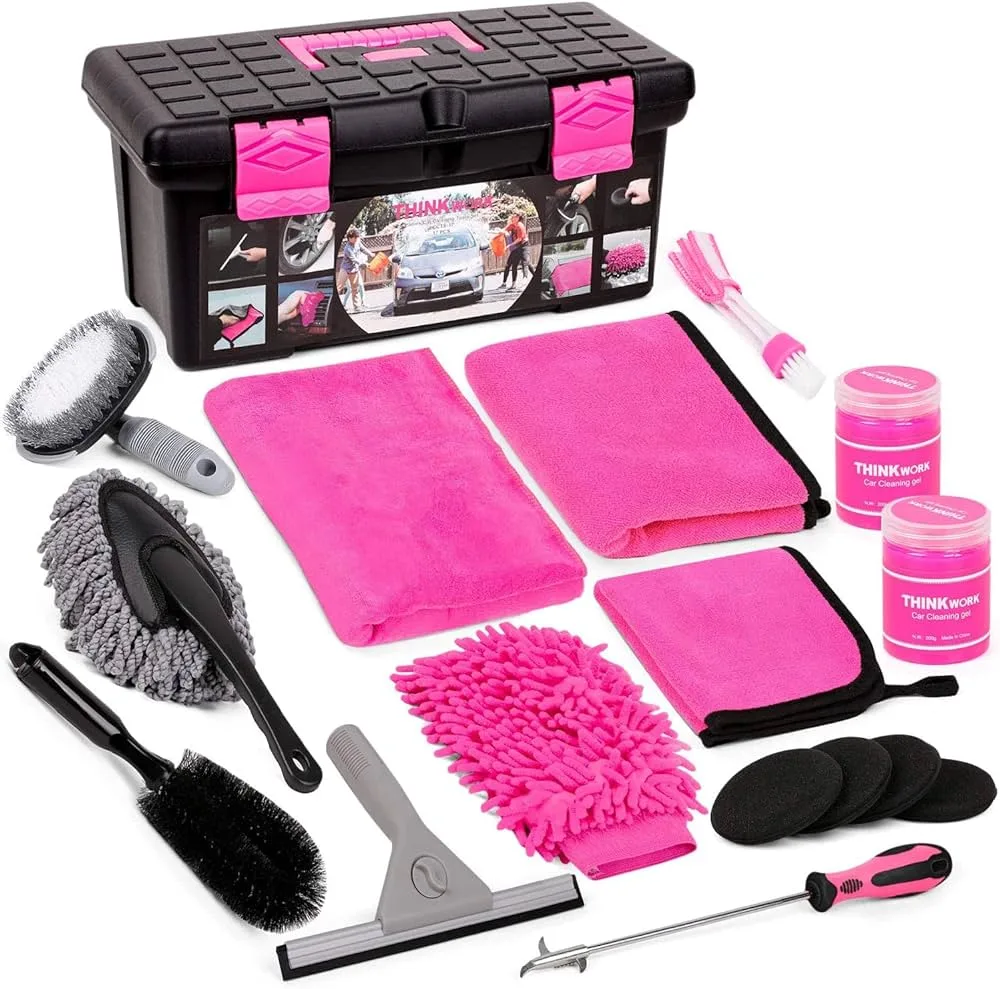
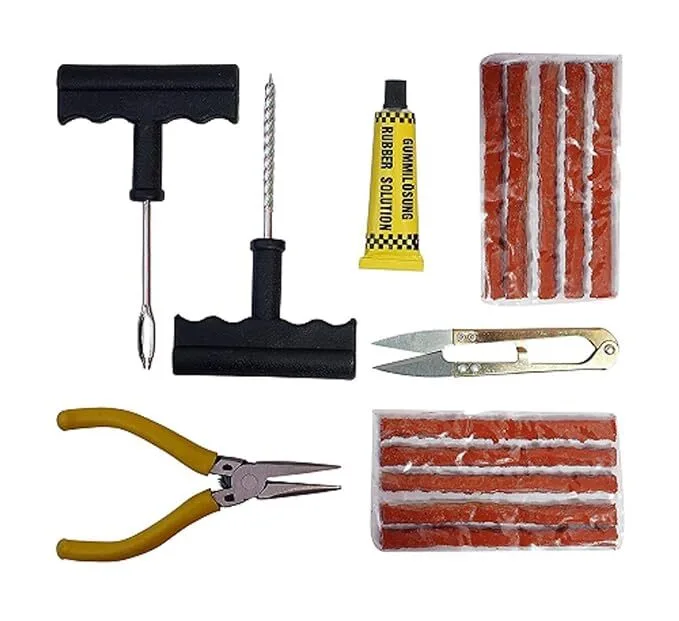
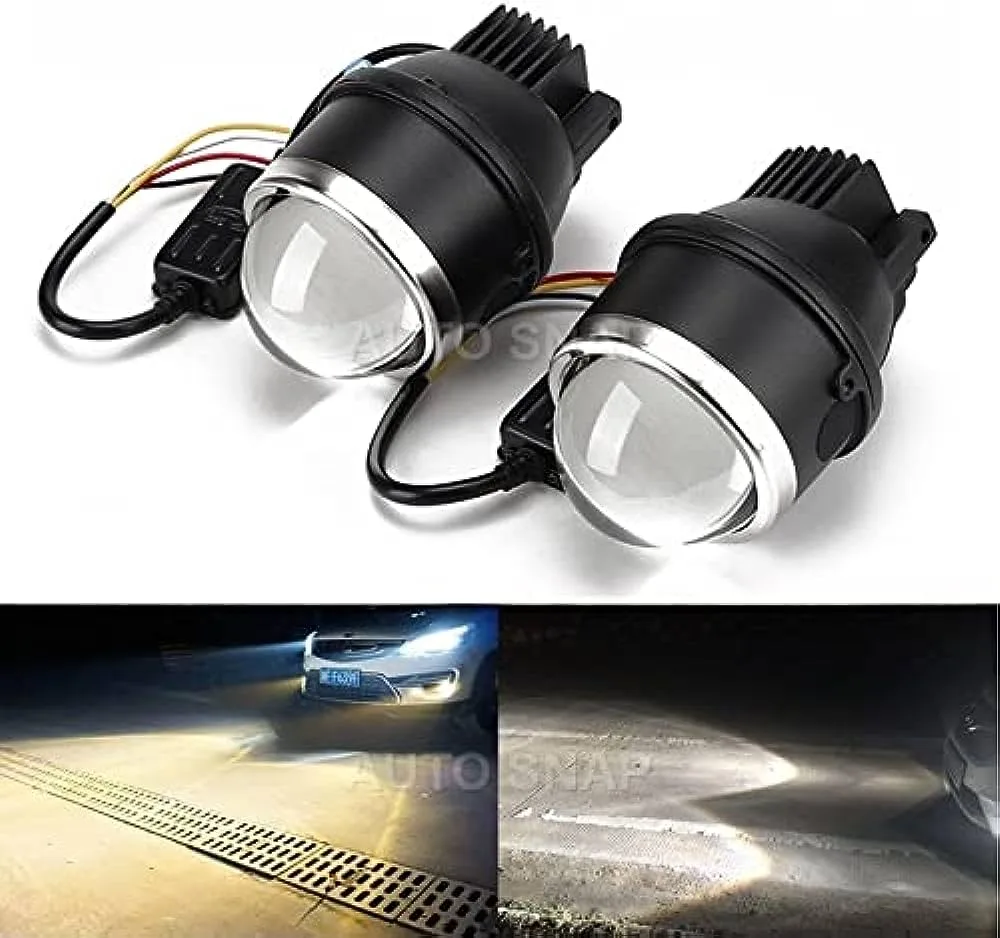
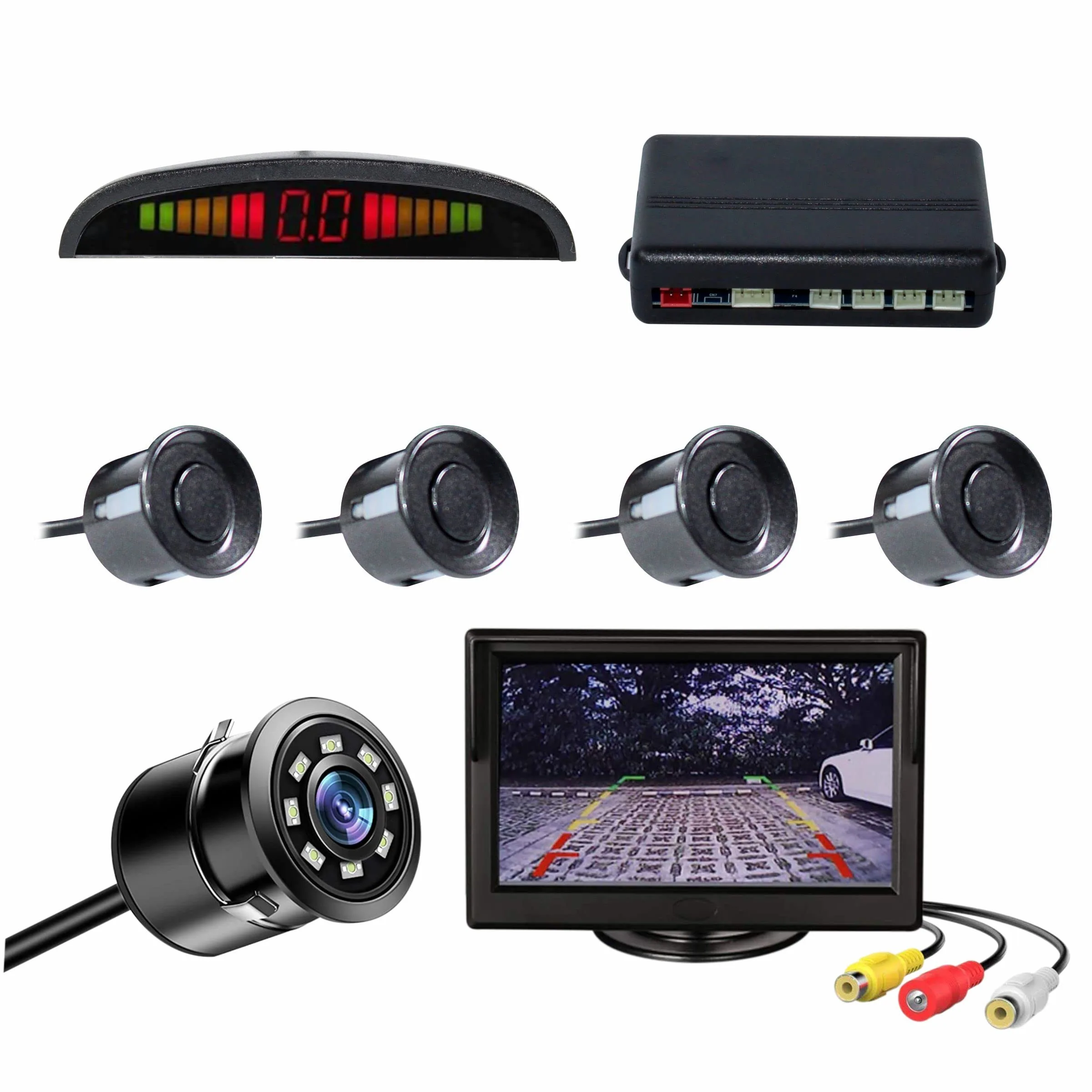
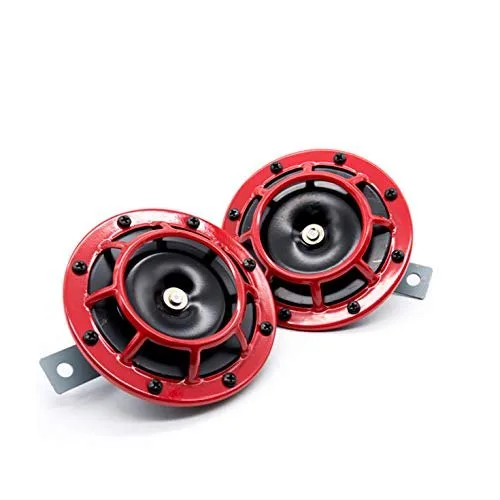
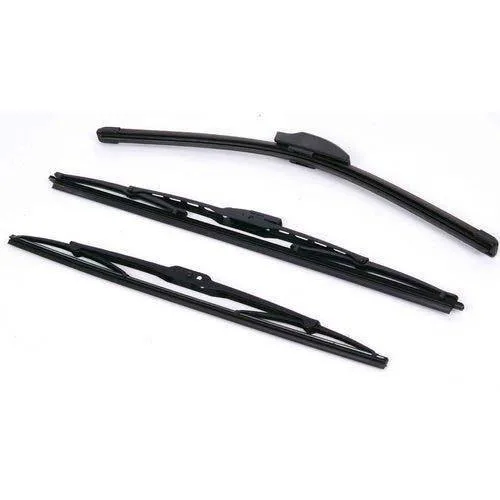
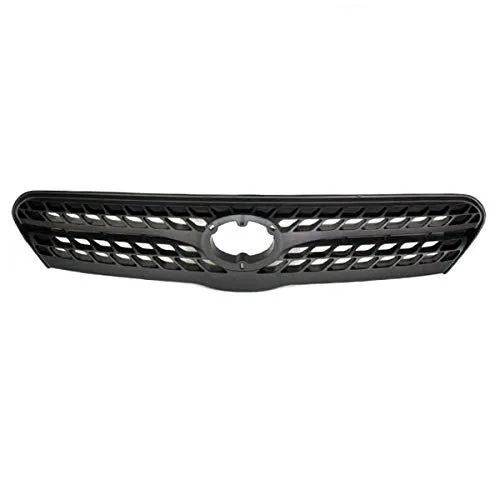
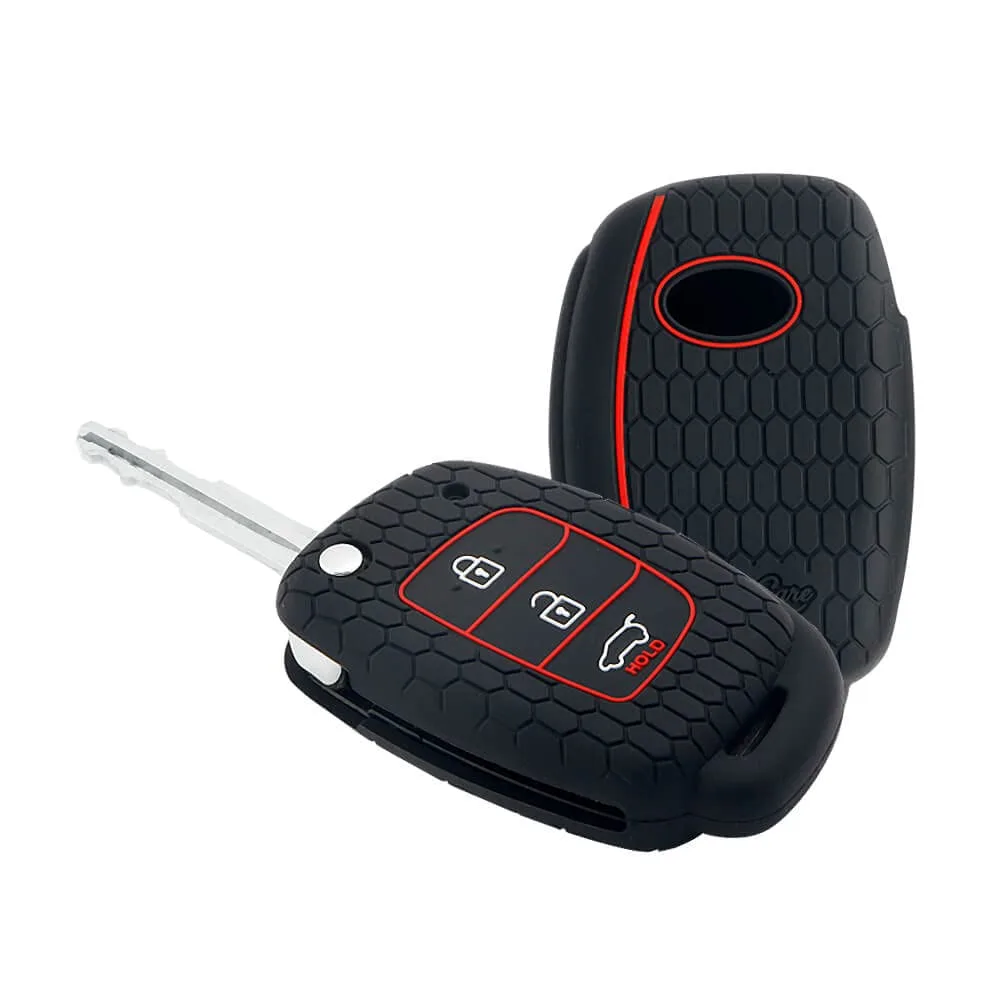
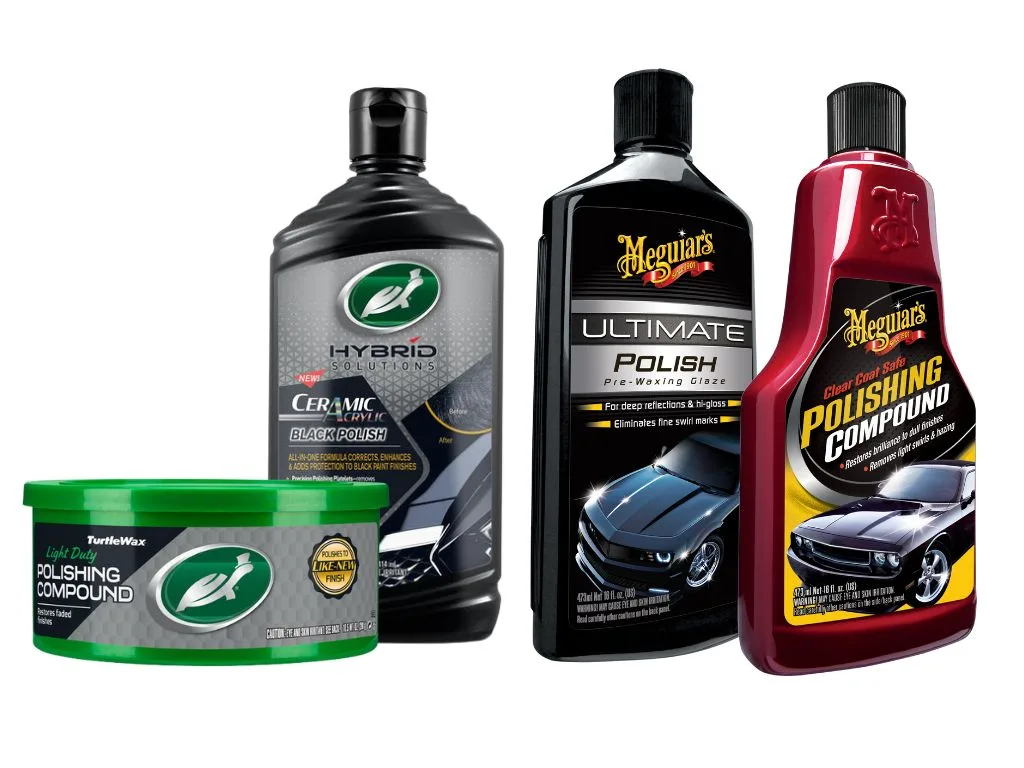
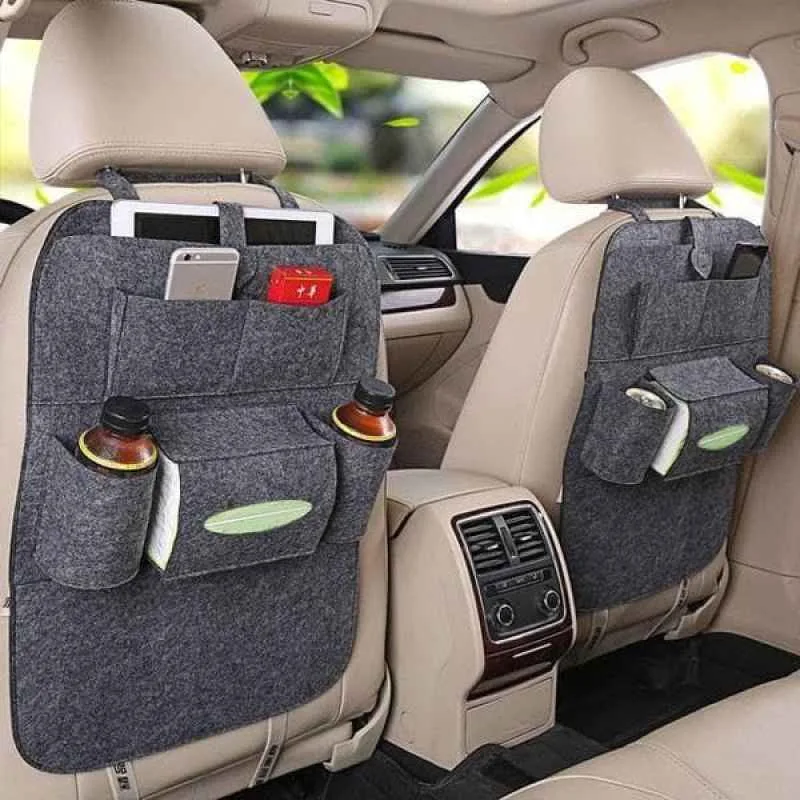
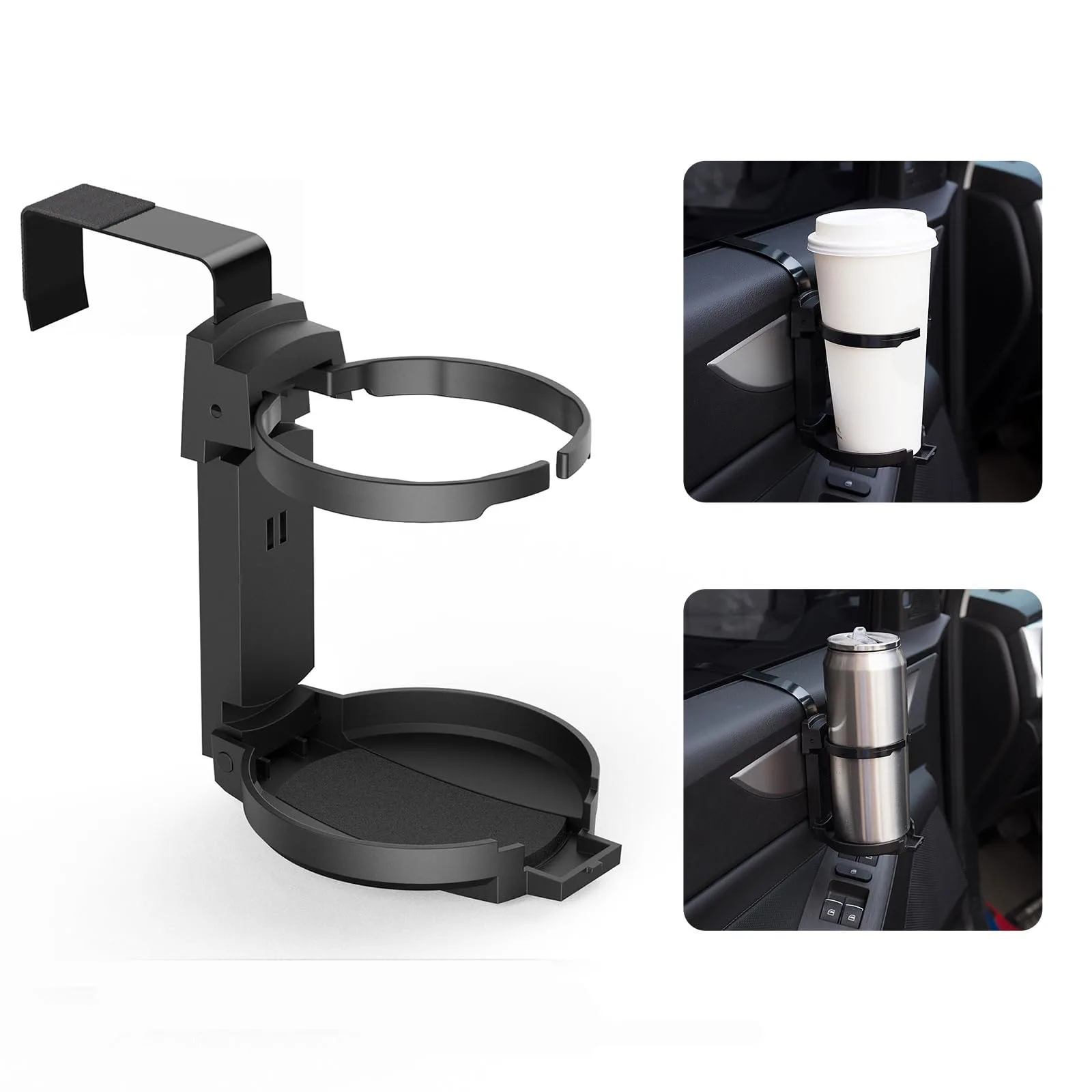
A basic vehicle can be upgraded with useful car accessories such as seat covers, floor mats, phone holders, organisers, ambient lighting, sunshades, cleaning products and other convenience-focused products.
For brands such as Creckk, this represents a growing opportunity. As consumers become more particular about their vehicles, accessories are moving from being optional add-ons to an important part of the overall ownership experience.
2. How Safety Regulations and Premium Features Are Reshaping Car Prices
The Indian automobile industry is becoming more sophisticated, and vehicle safety is an important part of that transformation. Consumers today are far more aware of safety equipment than previous generations. Features that were once associated mainly with expensive cars are increasingly expected across mainstream segments.
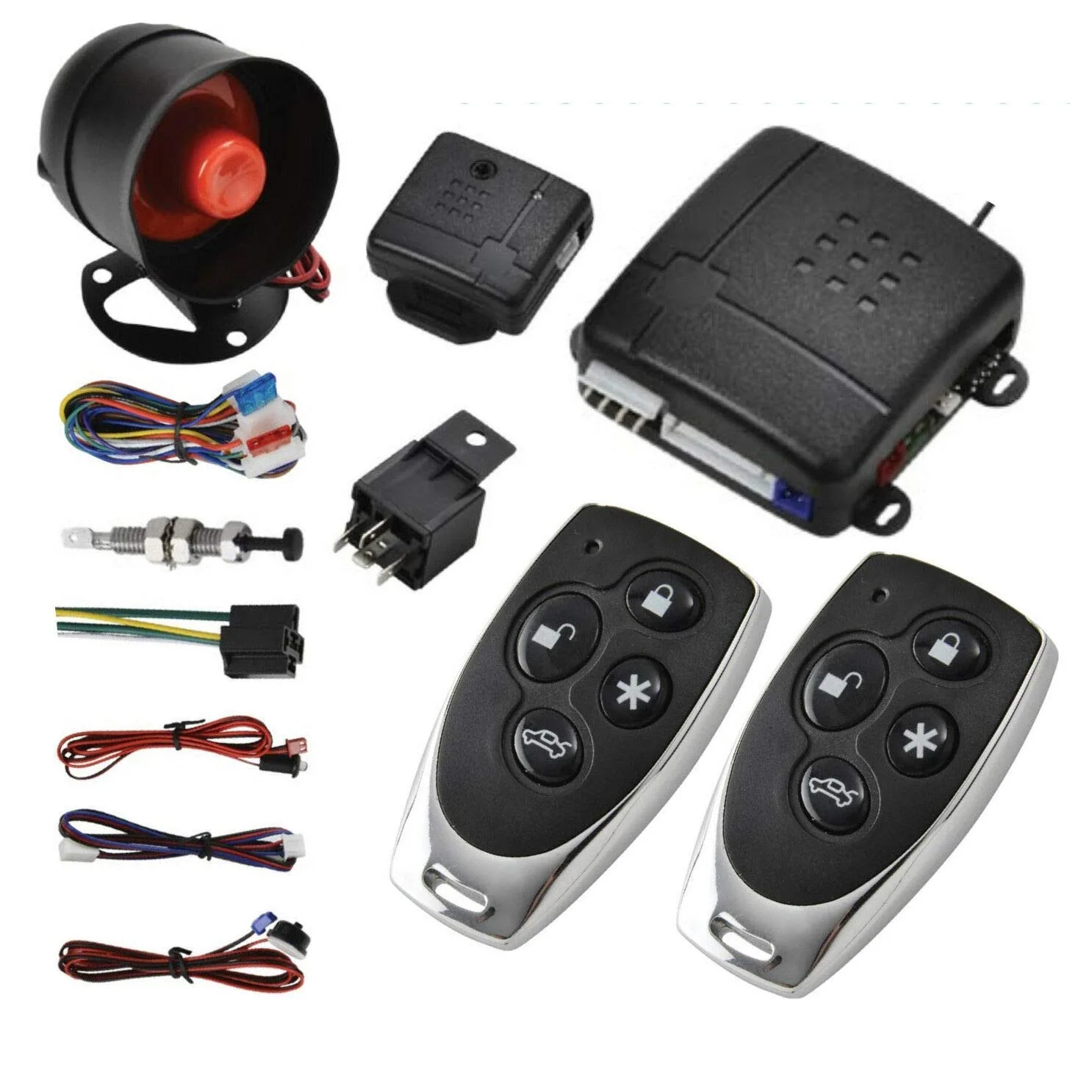
Multiple airbags, electronic safety systems, seat-belt reminders, stronger vehicle structures, parking assistance and other safety technologies have become important considerations during the buying process.
This evolution has affected the economics of entry-level vehicles as well. Adding technology, safety equipment and improved vehicle structures can increase production complexity and costs. Consequently, the traditional idea of a "cheap car" is changing.
From basic transportation to better-equipped vehicles
Indian customers are increasingly willing to pay for features that improve everyday convenience. Large touchscreen displays, digital instrument clusters, connected-car functions, wireless smartphone connectivity, automatic climate control, premium interiors and advanced driver-assistance features can influence purchasing decisions.
This is particularly visible when comparing SUV cars in India with older generations of entry-level vehicles.
A modern compact SUV may offer features that were previously associated with much larger or more expensive vehicles. This has helped SUVs establish themselves as aspirational yet increasingly accessible products.
Safety is becoming part of perceived value
Consumers are also becoming more educated before purchasing a vehicle. Online reviews, comparison websites, crash-test information, ownership experiences and automotive content have made it easier for buyers to research cars before visiting a showroom.
Instead of judging a vehicle purely by appearance or price, buyers increasingly compare:
- Safety equipment
- Engine and transmission options
- Fuel efficiency
- Interior quality
- Infotainment
- Warranty
- Maintenance costs
- Resale value
- Comfort
- Technology
- Practicality
This broader evaluation is helping drive the premiumisation of the Indian automobile market.
Accessories are following the premiumisation trend
The premiumisation trend doesn't stop at the showroom.
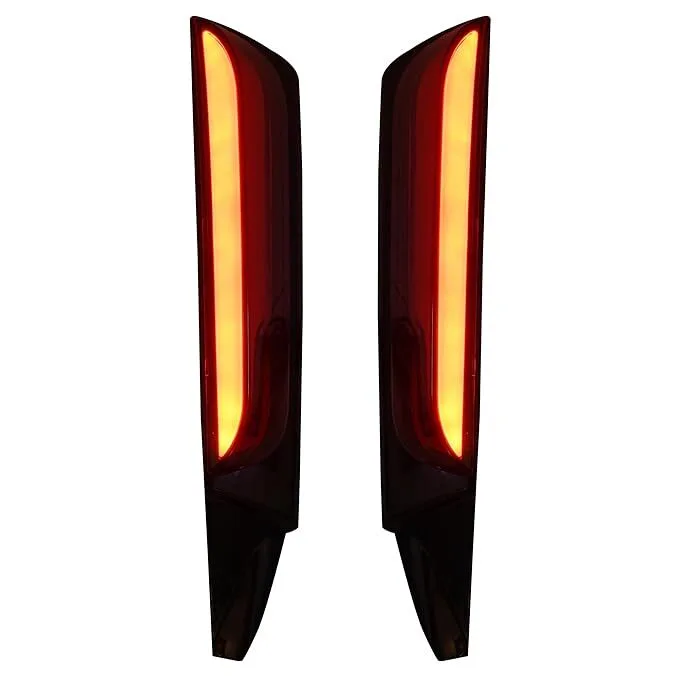
Once consumers purchase a vehicle, many want to further improve the experience with car accessories. A buyer may add premium seat covers, protective mats, organisers, charging accessories, ambient lighting, car cleaning products or other comfort-focused upgrades.
This creates an ecosystem in which the vehicle purchase is only the beginning.
Platforms such as Creckk can support this changing behaviour by giving car owners access to accessories that can improve comfort, convenience, protection and personalisation.
Ultimately, today's customer is not simply purchasing a machine. They are investing in a complete mobility experience.
3. Why SUVs Have Become the New Choice for Indian Car Buyers
Walk through an Indian city today and one trend becomes immediately visible: SUVs are everywhere.
From compact SUVs navigating busy urban roads to larger models carrying families on highways, SUVs have become a major part of India's passenger-vehicle landscape. The growth of SUV cars in India has changed the way consumers think about their next vehicle.
But why are Indians buying more SUVs?
There isn't just one answer.
Space without becoming excessively large
One of the biggest attractions of compact SUVs is their balance between size and practicality. They can provide a relatively spacious cabin while remaining manageable in city traffic.
For families, this can be particularly useful. More cabin room can make everyday journeys more comfortable, while a practical boot provides additional flexibility for luggage and shopping.
Higher seating position
The elevated seating position is another factor behind why SUVs are becoming popular in India.
Many drivers appreciate having a higher view of surrounding traffic. It can also contribute to the perception of greater confidence while driving, particularly on busy roads and during highway travel.
Road presence matters
Indian car buying isn't purely rational.
Design plays an important role.
SUVs often have a more muscular appearance, higher stance and stronger road presence than conventional hatchbacks. For some consumers, the visual appeal itself is an important part of the purchase decision.
A car has become an expression of lifestyle, and SUVs often communicate a sense of modernity, practicality and aspiration.
Better features at different price points
The SUV market in India has expanded significantly because manufacturers now offer SUVs across multiple price categories.
Buyers can choose from compact models designed primarily for city use, mid-size SUVs aimed at families and larger premium vehicles.
This variety has made the SUV category accessible to a much broader audience.
The SUV vs hatchback decision
Does that mean SUVs are always better?
Not necessarily.
A hatchback may still be the better choice for someone who drives primarily in congested areas, wants easy parking and prioritises fuel efficiency. Meanwhile, an SUV may be more appropriate for someone who needs greater space, travels frequently and values a commanding driving position.
The answer to SUV vs hatchback which is better depends on individual circumstances.
The role of car accessories in SUV ownership
SUV owners are also increasingly interested in personalisation. Because these vehicles are often used for family travel and longer journeys, practical car accessories can make a meaningful difference.
Seat covers can improve interior protection and appearance. Organisers can help manage everyday items. Floor mats can protect the cabin from dirt and spills. Phone holders and charging accessories can improve convenience, while ambient lighting can give the interior a more personalised appearance.
Through platforms such as Creckk, owners can explore accessories according to their car model and individual requirements.
This shows how the SUV trend is not only changing which vehicles Indians buy, but also how they experience and personalise those vehicles after purchase.
4. The Future of India’s Car Market: Premiumisation Beyond SUVs
The rise of SUVs may be one of the biggest stories in India's automobile market, but it is unlikely to be the final chapter.
The next transformation could be driven by a combination of electric vehicles, connected technology, advanced safety systems, artificial intelligence, personalisation and smarter automotive accessories.
Connected cars could become the new normal
Indian consumers are increasingly comfortable with connected technology in their everyday lives. Smartphones, smartwatches, voice assistants and connected home devices have changed expectations.
The same trend is entering automobiles.
Drivers increasingly expect smartphone connectivity, navigation, digital displays, remote vehicle functions, connected services and seamless access to information.
As connected-car technology becomes more widespread, the distinction between a vehicle and a digital device may become increasingly blurred.
Electric vehicles will reshape consumer expectations
Electric vehicles are another major force influencing India's automotive future.
As charging infrastructure expands and EV technology develops, consumers may increasingly evaluate vehicles based on range, charging time, battery warranty, running costs and software capabilities rather than traditional engine specifications alone.
This could create new opportunities for both manufacturers and automotive accessory companies.
Safety technology will continue evolving
The future vehicle is also likely to be safer and more technologically advanced.
Advanced driver-assistance systems, improved sensors, better cameras and intelligent safety systems could become increasingly important as technology becomes more accessible.
Consumers may eventually expect safety technology in the same way they currently expect infotainment and air-conditioning.
What happens to hatchbacks?
The future of hatchbacks in India is more nuanced than simply saying they are disappearing.
Hatchbacks still offer important advantages: compact dimensions, easy manoeuvrability, efficiency and accessibility. They can remain highly relevant in dense urban environments and among price-conscious buyers.
However, manufacturers may need to make hatchbacks more attractive through improved safety, better technology, stylish designs and stronger value propositions.
The next step: personalised car ownership
One of the most interesting trends could be the rise of personalised ownership.
Consumers may increasingly customise their vehicles based on their lifestyle rather than accepting a standard factory configuration.
This is where car accessories can become especially important.
From premium seat covers and floor protection to organisers, infotainment accessories, ambient lighting, charging solutions and comfort products, accessories can help transform a standard vehicle into something that feels more personal.
Creckk can become part of this ecosystem by helping car owners discover accessories suited to their specific vehicle and lifestyle.
The future of India's car market, therefore, isn't simply about SUV sales in India. It is about creating vehicles and ownership experiences that are safer, smarter, more connected and more personalised.
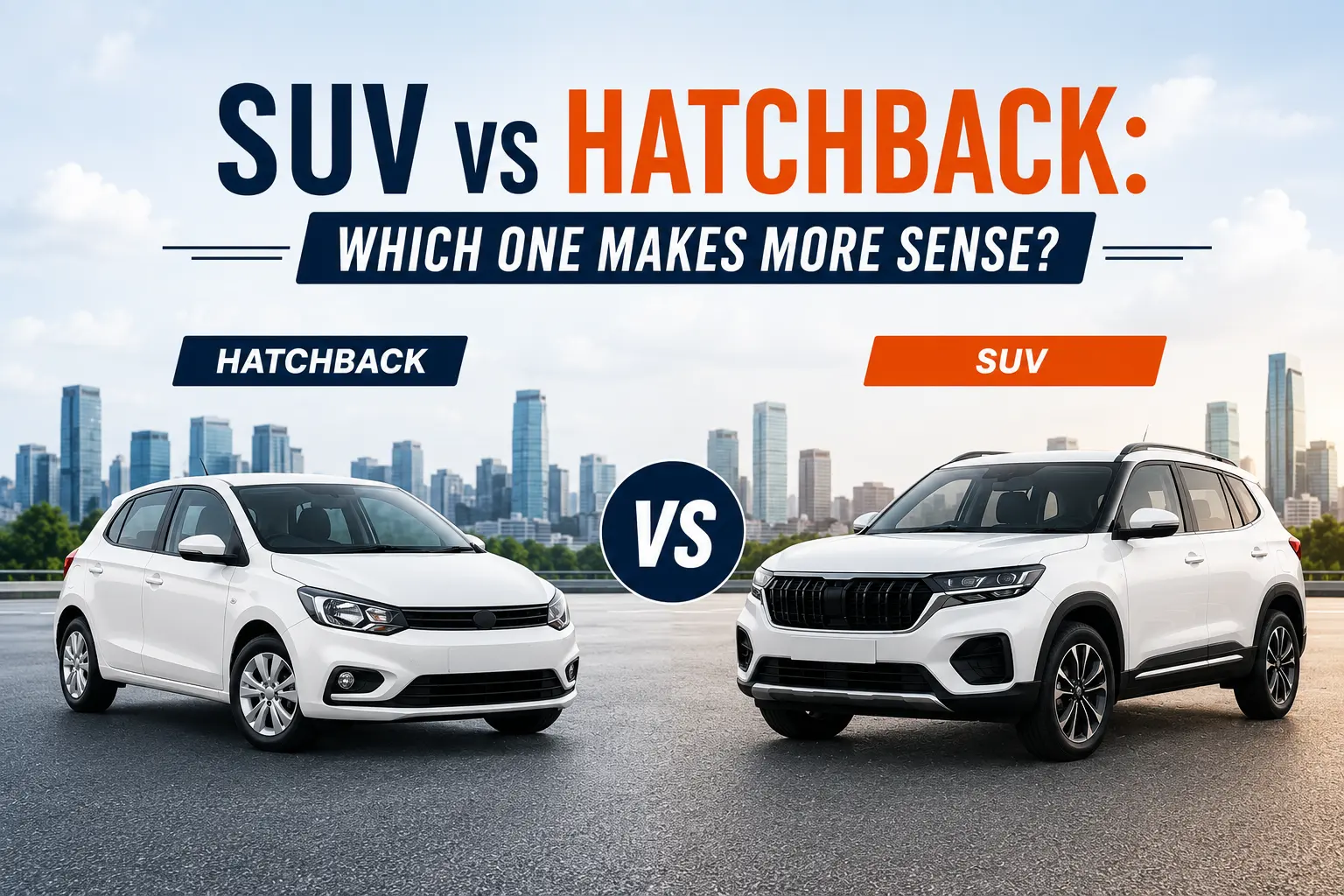
SUV vs Hatchback: Which One Makes More Sense?
The SUV vs hatchback debate is likely to continue as long as both body styles remain important in India. Rather than asking which one is universally better, buyers should consider their budget, lifestyle and driving requirements.
| Factor | Hatchback | SUV |
|---|---|---|
| City driving | Excellent for congested roads | Compact SUVs are increasingly city-friendly |
| Parking | Easier in tight spaces | Requires more space depending on size |
| Cabin space | Usually compact | Generally more spacious |
| Driving position | Lower seating position | Higher seating position |
| Road presence | Compact and understated | Stronger and more commanding |
| Fuel efficiency | Often better | Depends on model and powertrain |
| Family use | Suitable for small families | Often more suitable for larger families |
| Boot practicality | Generally adequate | Usually offers greater flexibility |
| Price | More affordable options available | Wide range from affordable to premium |
| Features | Increasingly well-equipped | Often feature-rich |
| Long-distance travel | Suitable depending on model | Often preferred for added space and comfort |
| Personalisation | Wide range of accessories | Extensive accessory possibilities |
| Best for | Urban commuters and budget-conscious buyers | Families, travellers and lifestyle-focused buyers |
So, SUV vs Hatchback Which Is Better?
There is no universal winner.
If your priority is affordability, compact dimensions, fuel efficiency and easy city driving, a hatchback may be the better choice.
If you prioritise space, comfort, road presence, higher seating and versatility, an SUV may be more suitable.
The best approach is to consider your actual usage rather than simply following market trends.
And whichever body style you choose, the ownership experience can be improved with the right car accessories. A practical accessory doesn't have to be expensive; the right product can make everyday driving more comfortable, organised and convenient.
Why Car Accessories Are Becoming an Important Part of Modern Car Ownership
The modern car-buying journey doesn't necessarily end when the vehicle leaves the dealership.
Increasingly, owners want to make their cars more comfortable, protected and personalised. This has helped create a growing market for car accessories.
For example, a family that frequently travels may prioritise seat protection, floor mats and organisers. Someone who spends long hours commuting may prefer comfort-focused accessories. Younger car owners may be more interested in ambient lighting, technology accessories and interior styling products.
Some popular accessory categories include:
- Premium seat covers
- Car floor mats
- Car organisers
- Phone holders
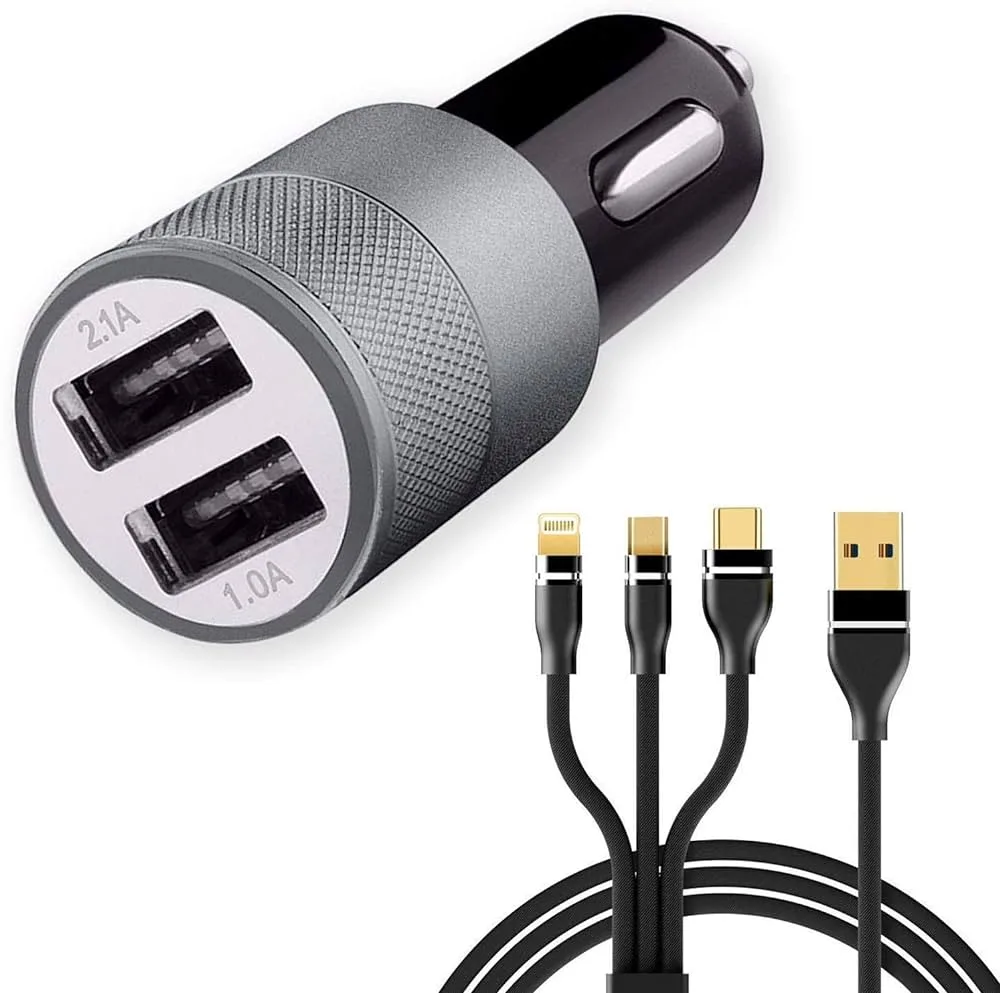
- Charging accessories
- Ambient lighting
- Car cleaning products
- Sunshades
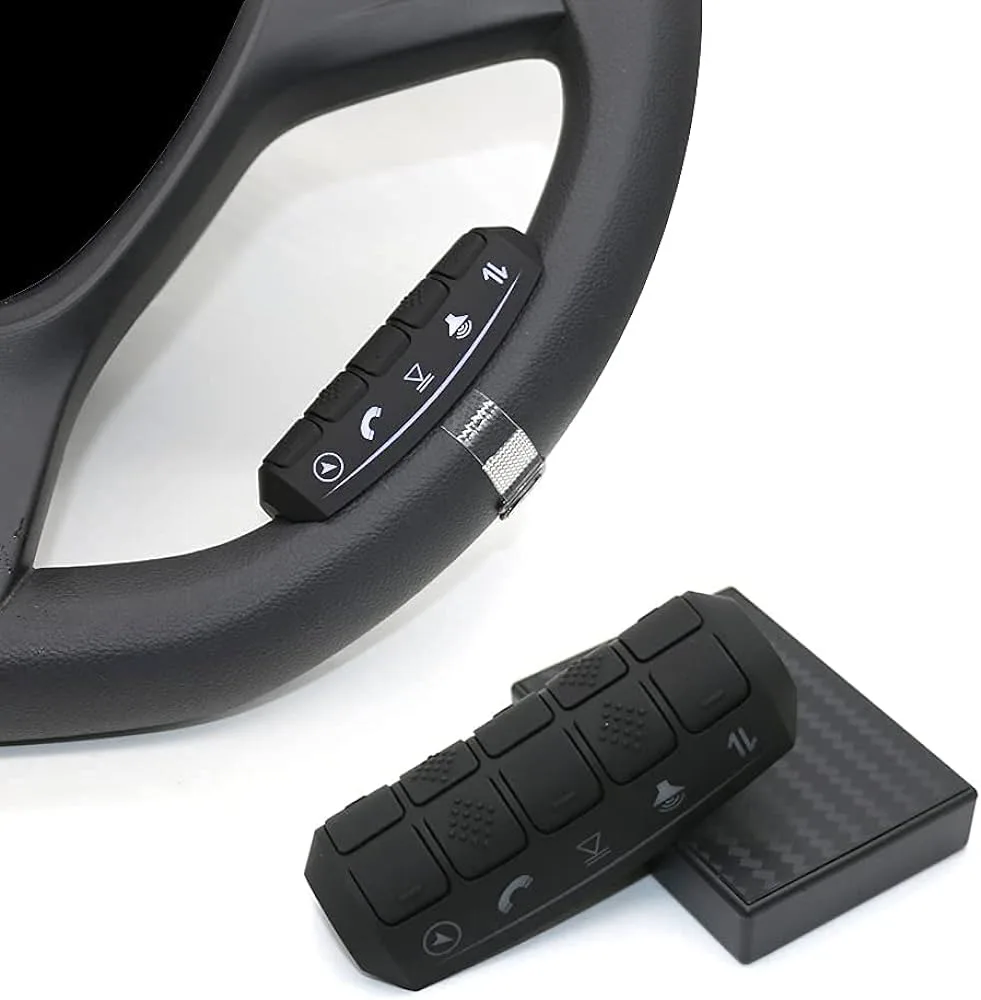
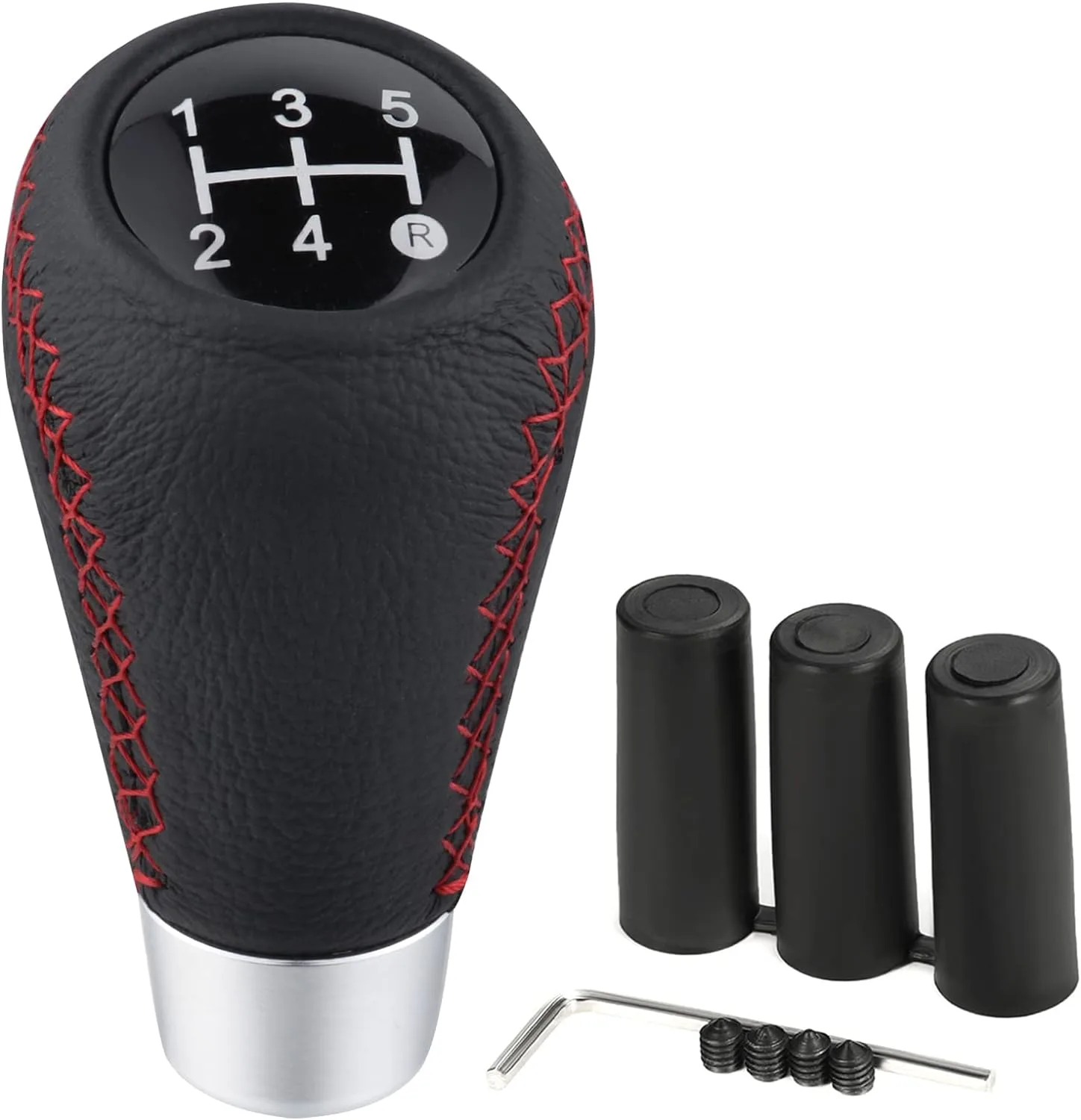
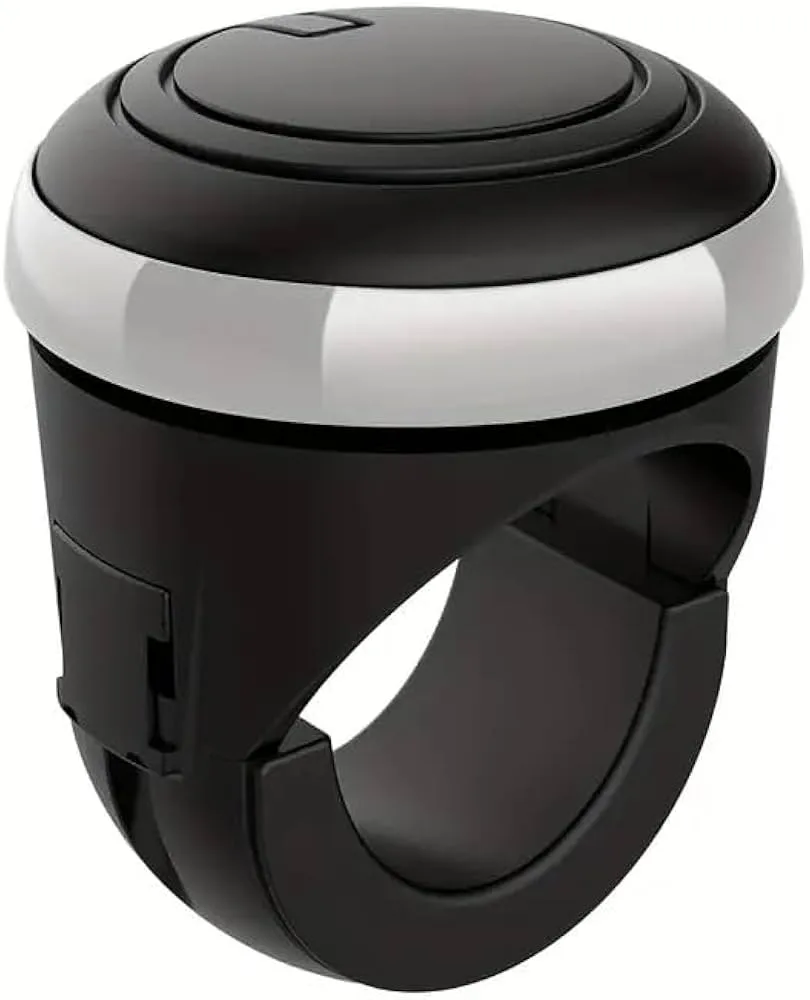
- Steering accessories
- Interior protection products
- Exterior protection accessories
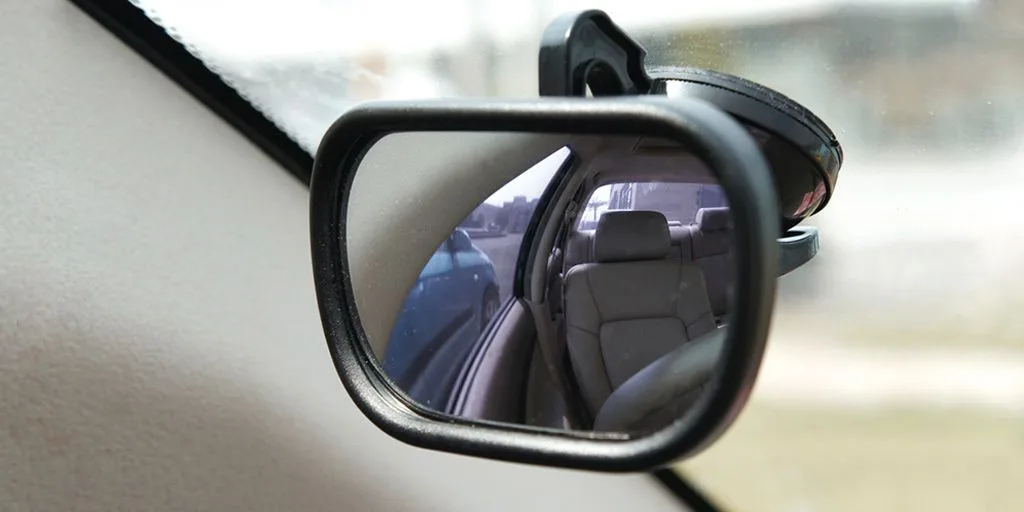
- Convenience and technology accessories
The important point is that accessories should solve a genuine need rather than simply add unnecessary clutter.
This is where Creckk can add value by helping customers discover products based on their vehicle, requirements and lifestyle.
As cars become more advanced, personalisation is likely to become an increasingly important part of automotive ownership.
Frequently Asked Questions
1. Why are Indians buying more SUVs?
Indians are buying more SUVs because buyers increasingly want a combination of space, comfort, safety, technology, versatility and road presence. The availability of compact SUVs has also made the category accessible to a wider range of consumers.
2. Why are hatchbacks losing popularity in India?
The popularity of hatchbacks has been affected by changing lifestyles, rising incomes, demand for premium features, greater safety awareness and the growing availability of compact SUVs. However, hatchbacks remain relevant for buyers who prioritise affordability and urban efficiency.
3. Why do Indian car buyers prefer SUVs?
Many Indian buyers prefer SUVs because of their higher seating position, spacious interiors, modern designs, road presence and versatility. For families, the additional cabin and luggage space can also be valuable.
4. What are the best SUV cars in India?
The best SUV cars in India depend on a buyer's budget, usage, preferred fuel type, safety requirements, features and size preferences. Instead of choosing purely based on popularity, buyers should compare specifications, ownership costs and real-world requirements.
5. What is the future of hatchbacks in India?
The future of hatchbacks in India is likely to remain relevant, particularly for urban buyers looking for compact dimensions, efficiency and affordable ownership. However, hatchbacks may need to become increasingly feature-rich and safety-focused to compete with compact SUVs.
6. SUV vs hatchback which is better?
Neither is universally better. A hatchback can be ideal for urban commuters who value efficiency and easy manoeuvrability, while an SUV can be better suited to families and buyers who prioritise space, comfort and versatility.
7. Why are SUVs becoming popular in India?
The popularity of SUVs is being driven by changing lifestyles, improved features, compact SUV availability, higher consumer expectations, greater safety awareness and the desire for vehicles that can handle both urban commuting and longer journeys.
8. What is driving SUV sales in India?
Several factors are contributing to SUV sales in India, including new product launches, compact SUV availability, attractive designs, feature-rich interiors, improved safety equipment and changing consumer preferences.
9. Is the SUV market in India going to keep growing?
The SUV market in India is likely to remain an important part of the passenger-vehicle industry. However, its future growth will depend on pricing, fuel choices, consumer demand, economic conditions, new product launches and competition from other vehicle segments.
10. Are car accessories worth buying?
Useful car accessories can be worthwhile when they solve a genuine problem or improve comfort, protection or convenience. Buyers should focus on quality, compatibility with their vehicle and actual usefulness rather than purchasing accessories simply because they are popular.
11. Where can I find car accessories for my vehicle?
Car owners can explore different categories of vehicle-specific and universal accessories through Creckk, helping them find products suited to their car and individual requirements.
12. Will accessories become more important as cars become premium?
Very likely. As vehicles become more advanced and consumers become more interested in personalisation, accessories can play a greater role in tailoring the ownership experience around individual needs, comfort and lifestyle.
Final Takeaway
India's automobile market is no longer simply a story about hatchback vs SUV. It is a story about how Indian consumers are changing.
Buyers want more safety, more technology, more comfort, more space and increasingly, more personalisation. SUVs have benefited significantly from this shift, but hatchbacks still have an important role to play.
The next generation of Indian car ownership will likely combine premium vehicles, connected technology, electric mobility, advanced safety and personalised car accessories.
Whether someone chooses a practical hatchback, a compact SUV or a premium electric vehicle, the expectation is becoming clear: the car should fit the owner's lifestyle, not the other way around.
And as that mindset grows, companies like Creckk can become an important part of the journey by helping car owners find the right accessories to make every drive more comfortable, functional and personal.