Your cart is empty
Start Shopping Exterior
›
Exterior
›
 Bumper Diffuser/Guard
 Body Covers
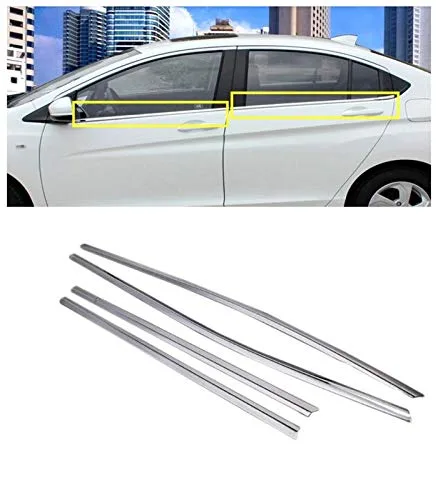 Window Garnishing
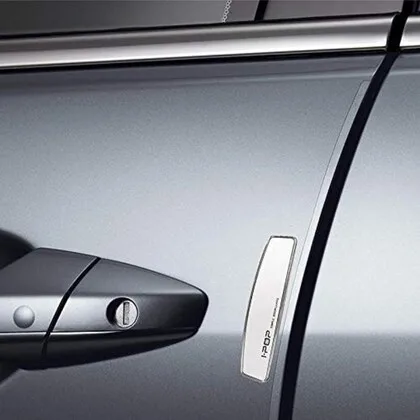 Door Guards
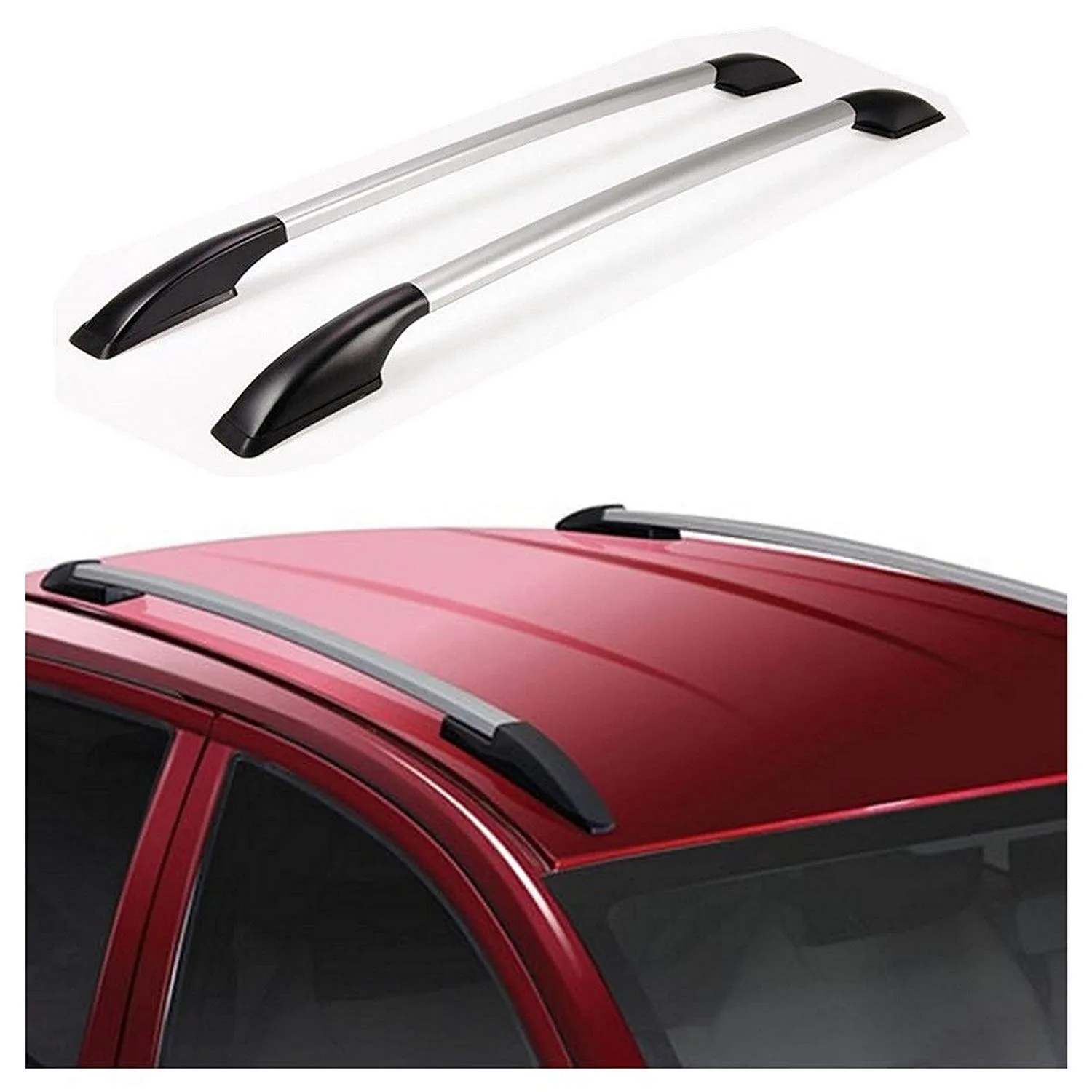 Roof Rails
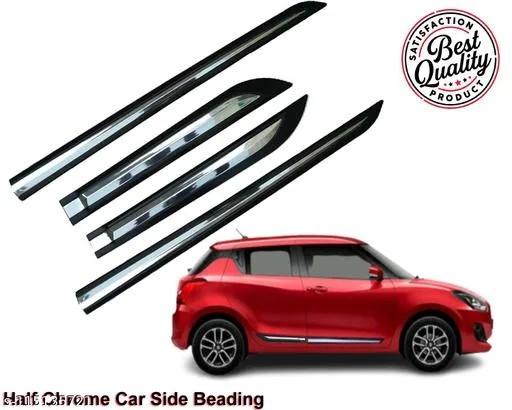 Side Beading
 Door Visor
 Mud Flap
 Wheel Cover
 Foot Rest
 Interior
›
Interior
›
 Door Scuff Sill Plates
 Window Sunshades & Film
 Armrest
 Seat Covers
 Steering Cover
 Floor Mats
 Dashboard Showpiece
 Seat & Neck Cushion
 Lighting
›
Lighting
›
 Utility
›
Utility
›
 All Chrome Items
 Mobile Holder
 Tyre Inflators
 Vacuum Cleaner
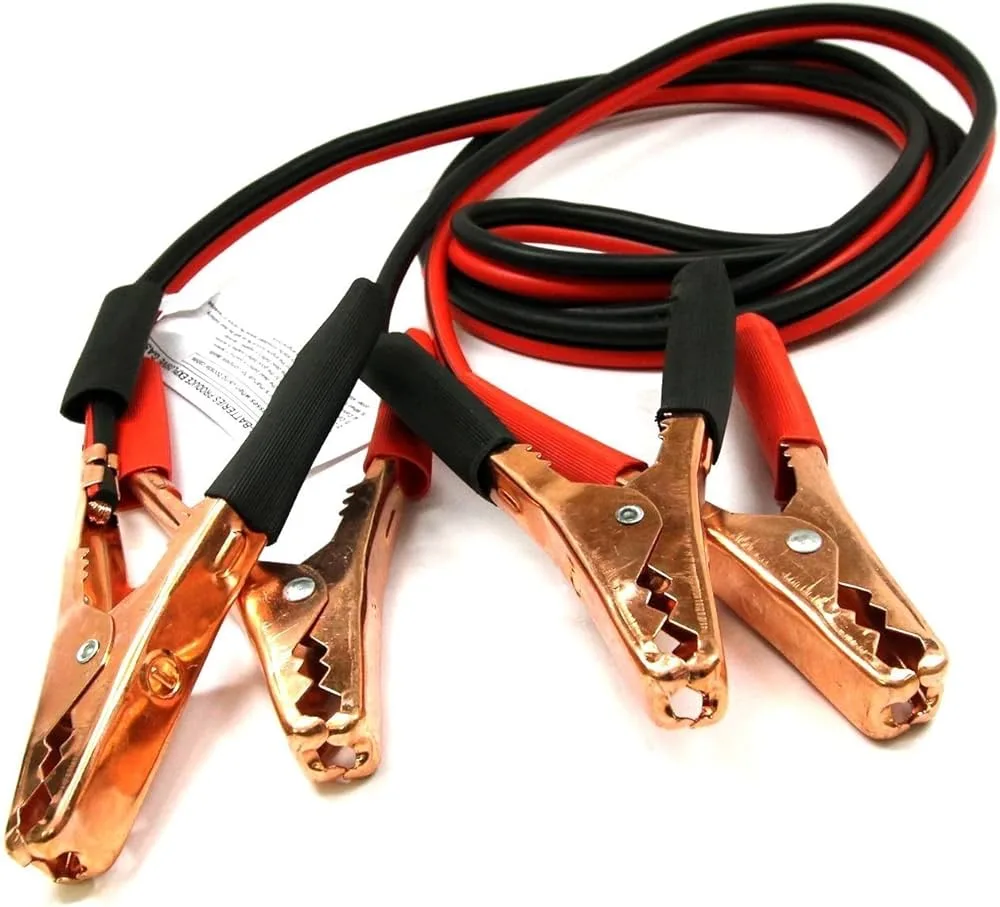 Jumper Cable
 Cleaning Kit
 Tyre Puncture Kit
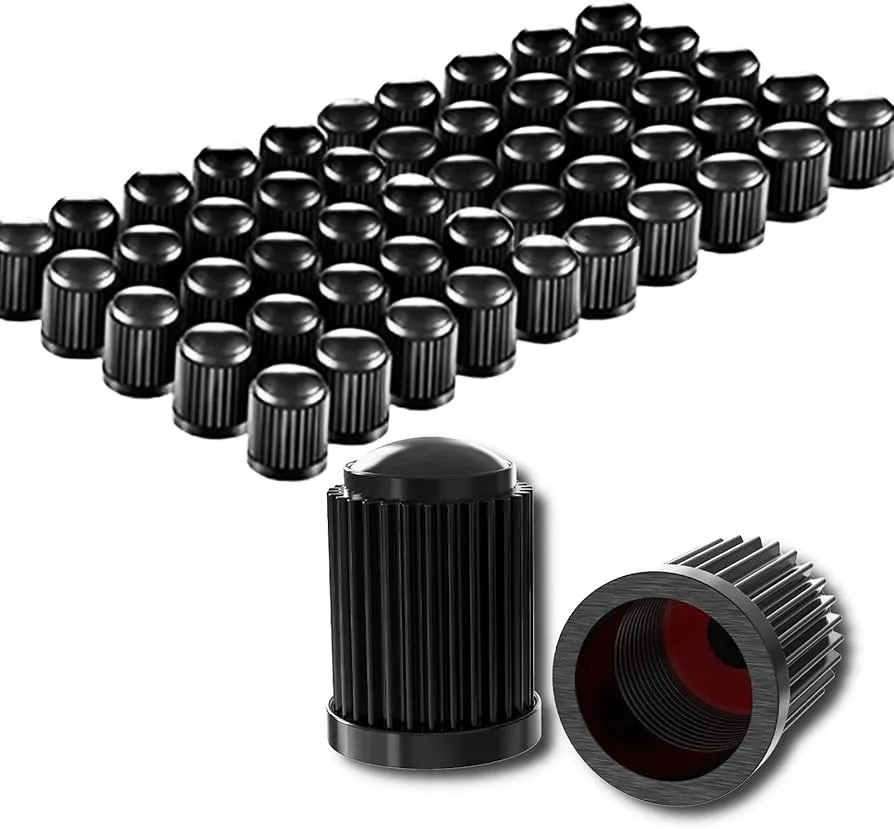 Tyre Valve Cap
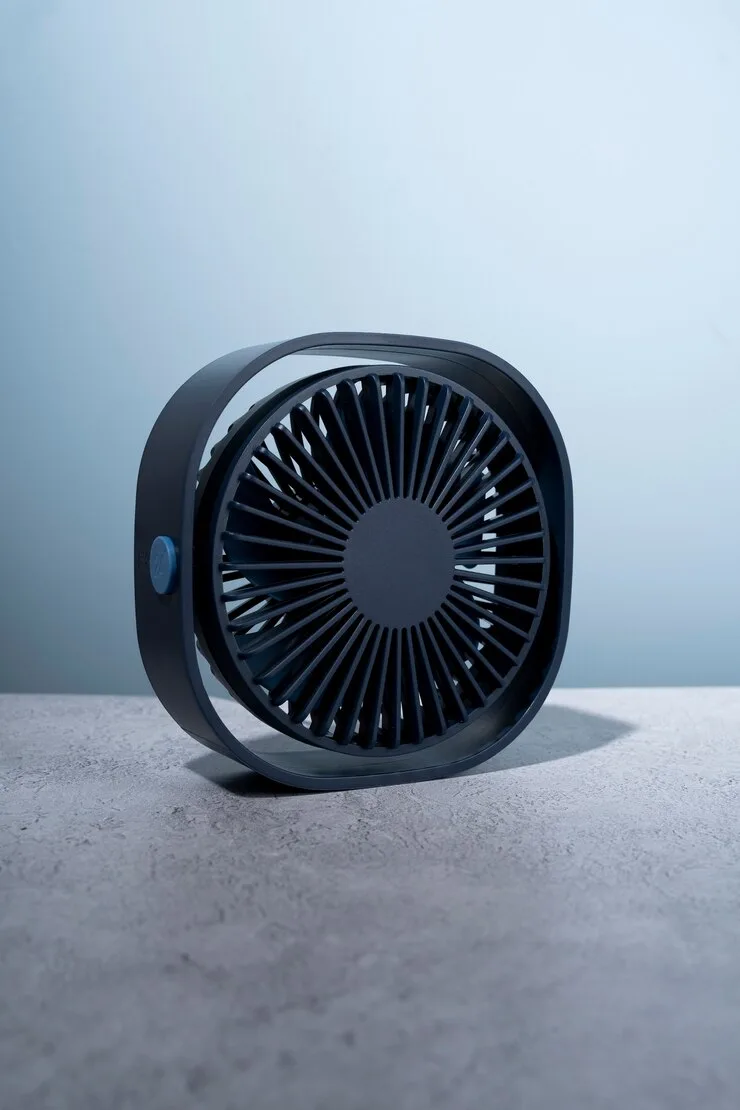 Car Fan
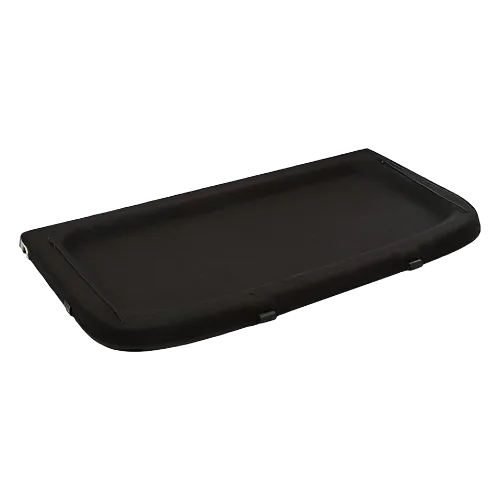 Parcel Tray
 Electronic
›
Electronic
›
 Parts
›
Parts
›
 Fog Lights
 Headlights
 Tail Lights
 Steering Wheel Controls
 Sensor
 Horns
Horns
 Wiper Blade
 Front Grille
 Side Mirror
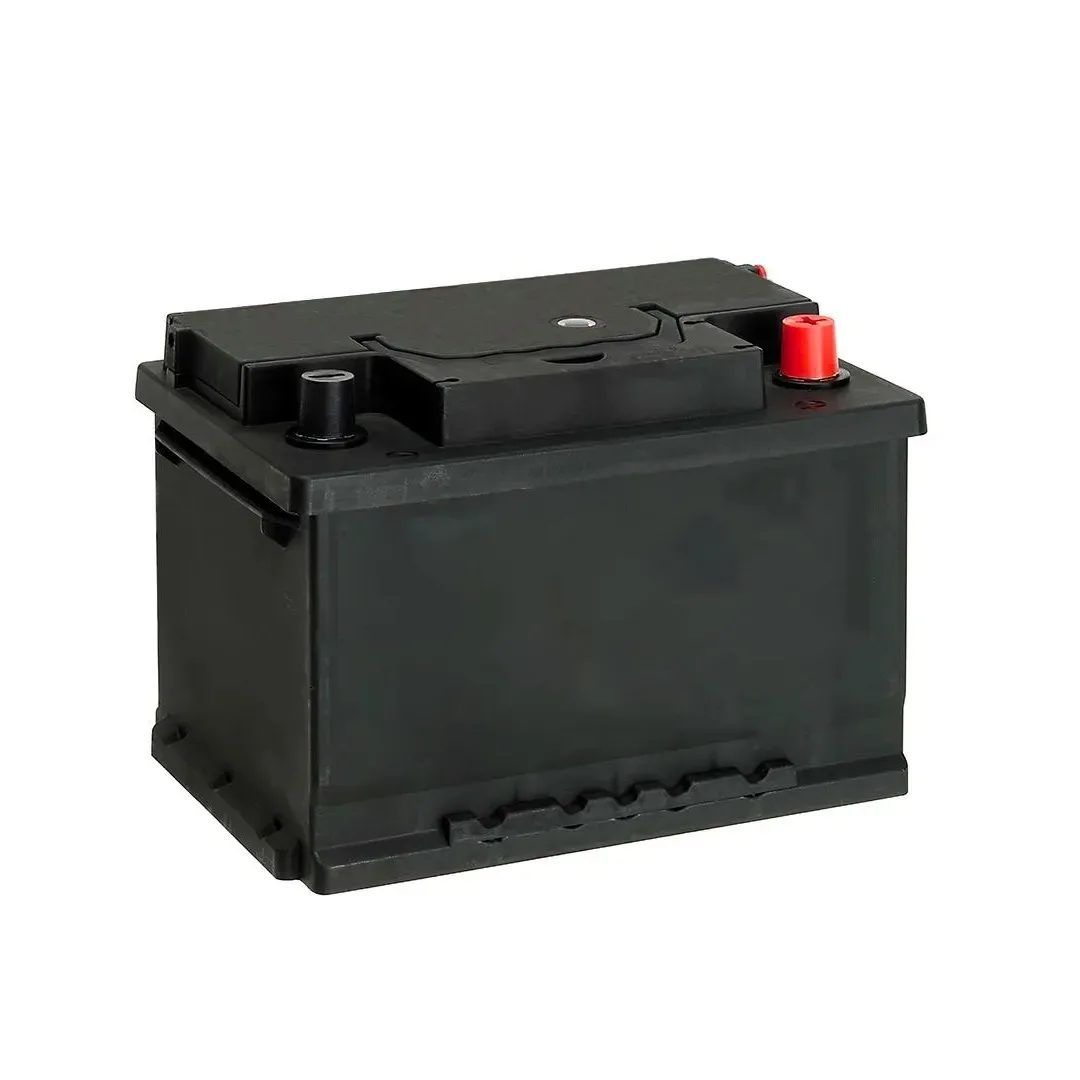 Battery
 Car Care
›
Car Care
›
 Air Freshener & Perfume
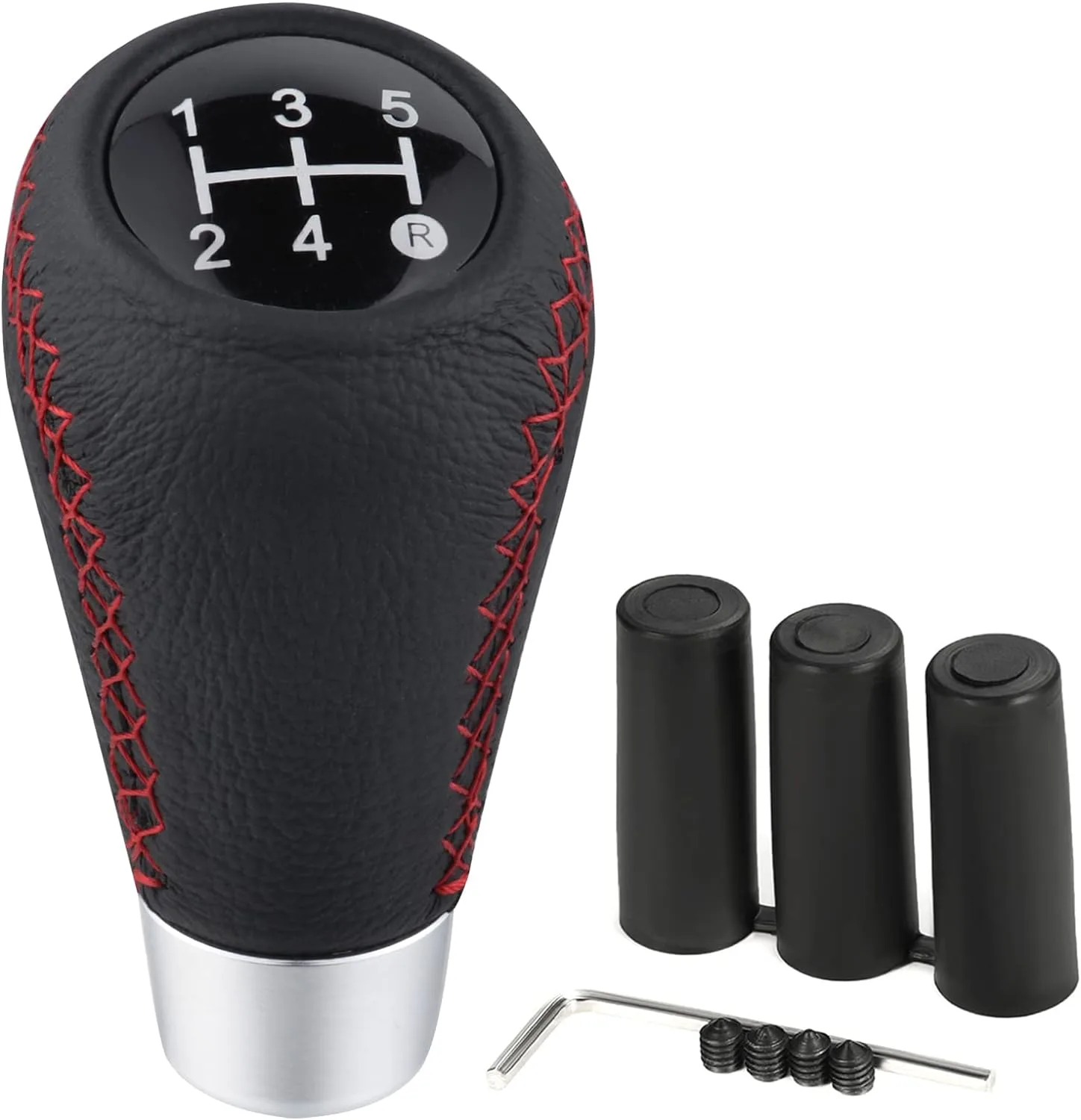 Gear knob
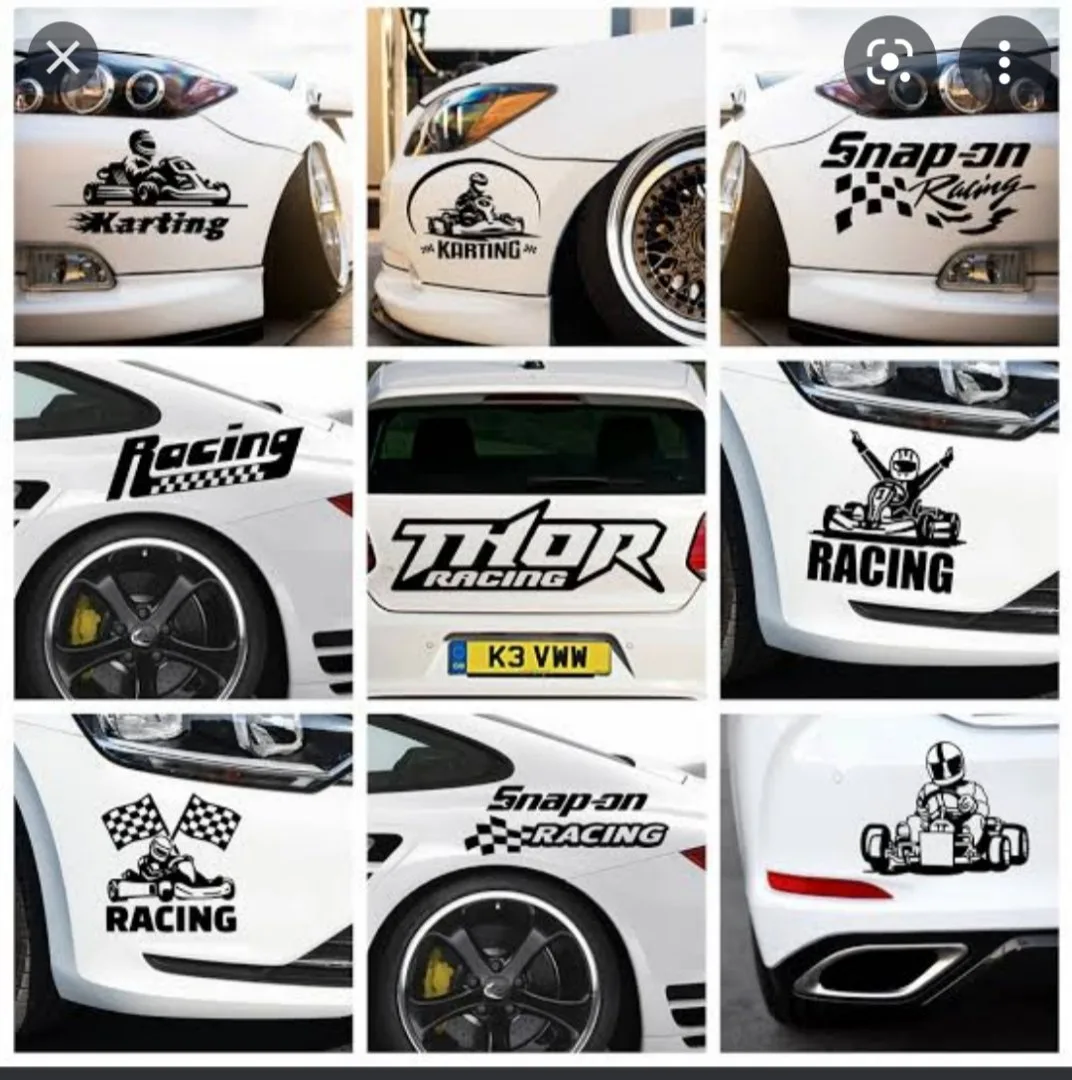 Stickers & Decals
 Blind Spot Mirror
 Steering Knob
 Key Covers
 Polish & Scratch Remover
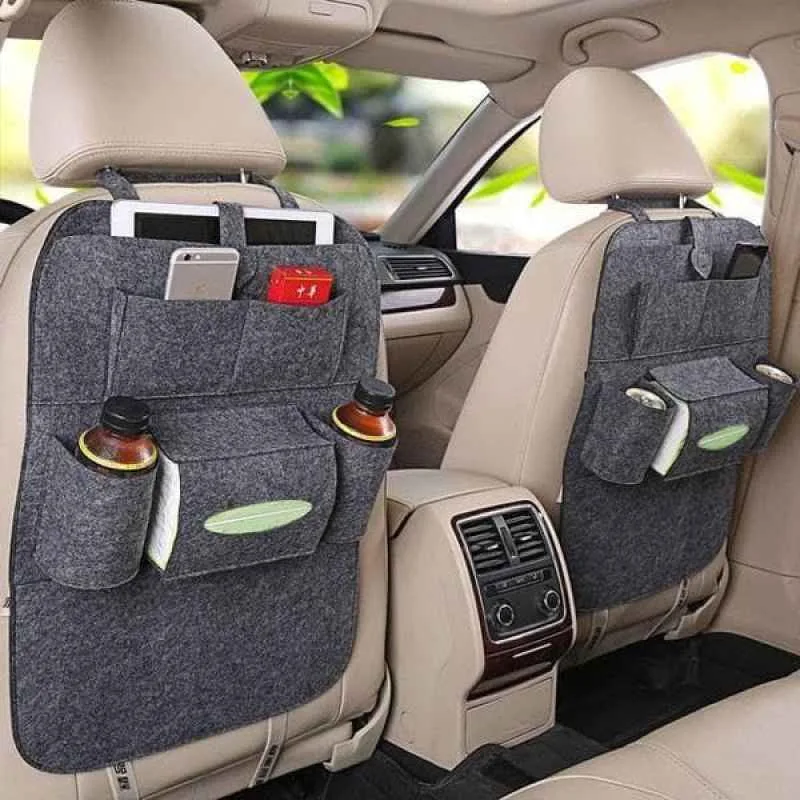 Seat Utility Holder
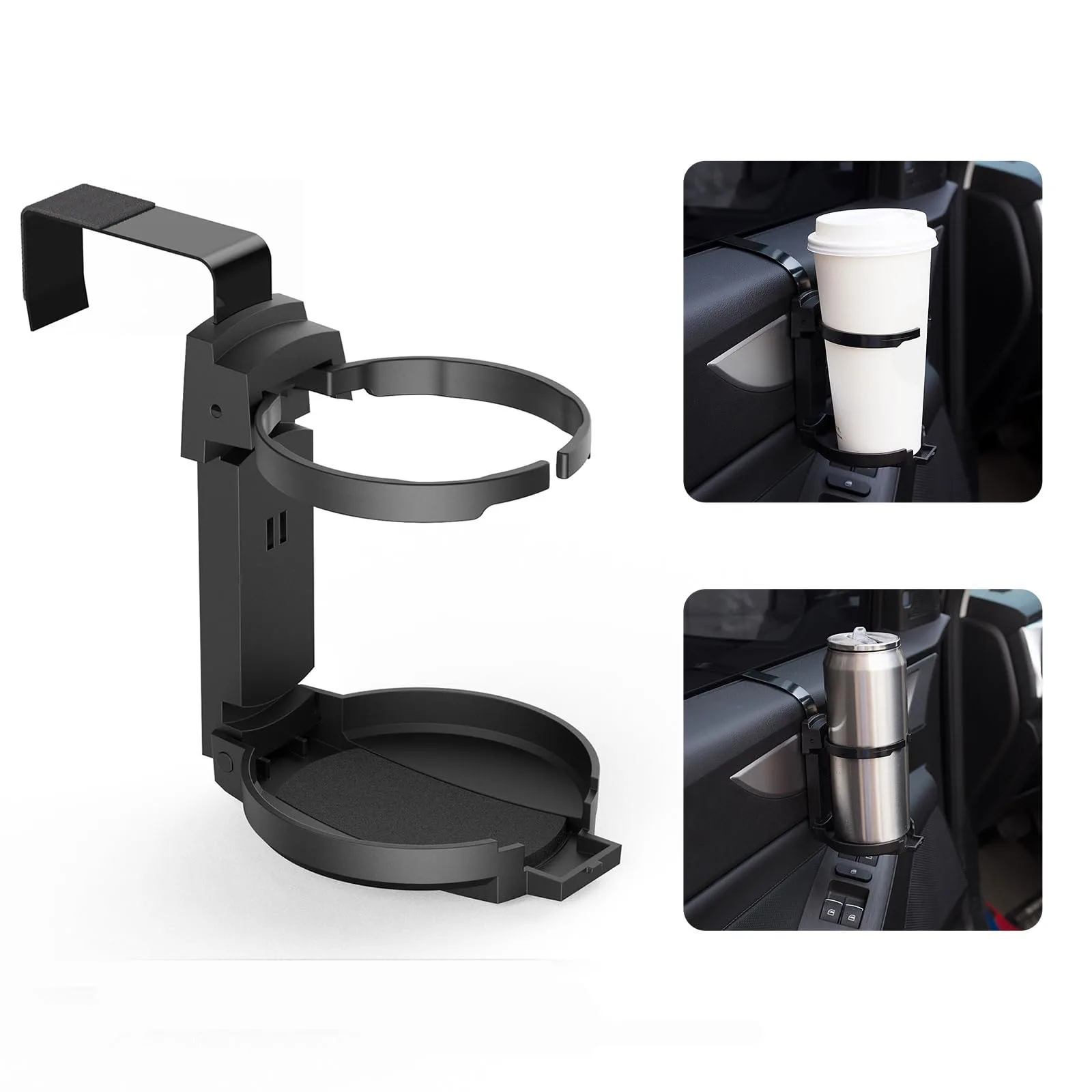 Cup Holder
 Dustbin
 Paper Napkin
 Shop By Car
›
Shop By Car
›
 Tata
›
Tata
›
 Maruti Suzuki
›
Maruti Suzuki
›
 Hyundai
›
Hyundai
›
 Toyota
›
Toyota
›
 Mahindra
›
Mahindra
›
 Honda
›
Honda
›
 Ford
›
Ford
›
 Nissan
›
Nissan
›
 Renault
›
Renault
›
 Skoda
›
Skoda
›
 Volkswagen
›
Volkswagen
›
 Morris Garages - MG
›
Morris Garages - MG
›
 KIA
›
KIA
›
 Jeep
›
Jeep
›
 Citroen
›
Citroen
›
 Datsun
›
Datsun
›
 Chevrolet
›
Chevrolet
›
 Isuzu
›
Isuzu
›
 Mitsubishi
›
Mitsubishi
›
 AUDI
›
AUDI
›
 BMW
›
BMW
›
 Mercedes
›
Mercedes
›
 Land Rover
›
Land Rover
›
 Jaguar
›
Jaguar
›
 Volvo
›
Volvo
›
 FIAT
›
FIAT
›
 Mini Cooper
›
Mini Cooper
›
 Porsche
›
Porsche
›
 Lexus
›
Citron
›
Fors
›
Morris Garages
›
MG
›
Lexus
›
Citron
›
Fors
›
Morris Garages
›
MG
›
 Nexon
Nexon
 Harrier
 Altroz
 Hexa
Hexa
 Safari
 Tiago
Tiago
 Punch
Punch
 Tigor
Tigor
 Sumo
Sumo
 Winger
 Bolt
Bolt
 Vista
Vista
 Manza
Manza
 Indica
 Indigo
 Nano
Nano
 Aria
Aria
 Safari Storme
 Zest
Zest
 NEXON EV Max
 NEXON EV Prime
 Tiago NRG
 Tigor EV
INDICA VISTA
Curvv
Sierra
Magic
Tigor EV
INDICA VISTA
Curvv
Sierra
Magic
 Ciaz
Ciaz
 S-Presso
 Eeco/Versa
 WagonR
 Brezza
 Swift
Swift
 Dzire
Dzire
 Baleno
 Ertiga
 Grand Vitara
 S-Cross
 Jimny
Jimny
 Celerio
 Ignis
Ignis
 Alto 800
 Alto K10
 XL6
XL6
 Omni
Omni
 SX4
SX4
 Gypsy
Gypsy
 Maruti 800
 Zen
Zen
 Esteem
 Zen Estilo
 Ritz
Ritz
 Fronx
Fronx
 A-Star
 Alto
Alto
 Invicto
Victoris
Wagon R
Invicto
Victoris
Wagon R
 i20
i20
 Aura
Aura
 Creta
Creta
 Elantra
 Getz
Getz
 Grand i10 Nios
 Venue
Venue
 Verna
Verna
 i20 N Line
 Venue N Line
 Alcazar
 Tucson
 Kona
Kona
 iONIQ 5
 Santro
 Santro Xing
 Accent
 Sonata
 Eon
Eon
 i10
i10
 Grand i10
 Xcent
Xcent
 Elite i20
 Verna Fluidic
 Santafe
 Exter
Sonata Fluidic
i20 Active
Exter
Sonata Fluidic
i20 Active
 Yaris
Yaris
 Urban Cruiser
 Camry
Camry
 Corolla
 Fortuner
 Urban Cruiser Hyryder
 Innova Crysta
 Innova Hycross
 Hilux
Hilux
 Fortuner Legender
 Vellfire
 Land Cruiser
 Glanza
 Etios
Etios
 Etios cross
 Etios Liva
 Qualis
 Innova
 Rumion
Taisor
Corolla Altis
Hyryder
Rumion
Taisor
Corolla Altis
Hyryder
 Bolero
 Marazzo
 KUV100 NXT
 Scorpio
 Thar
Thar
 XUV 300
 Bolero Neo
 Verito
 Scorpio-N
 XUV 700
 Scorpio Classic
 XUV400
 Alturas
 Xylo
Xylo
 Quanto
 Logan
Logan
 XUV 500
 TUV 300
 XUV 3XO
 KUV 100
NuvoSport
XEV 9e
BE 6
Thar Roxx
E-Verito
XUV 7XO
TUV 100
BE6
Bolero Camper
Verito Vibe
XUV 400
KUV 100
NuvoSport
XEV 9e
BE 6
Thar Roxx
E-Verito
XUV 7XO
TUV 100
BE6
Bolero Camper
Verito Vibe
XUV 400
 Audi Q5
 Audi A4
 Audi Q7
 Audi Q3
 Audi A6
 Audi RS5
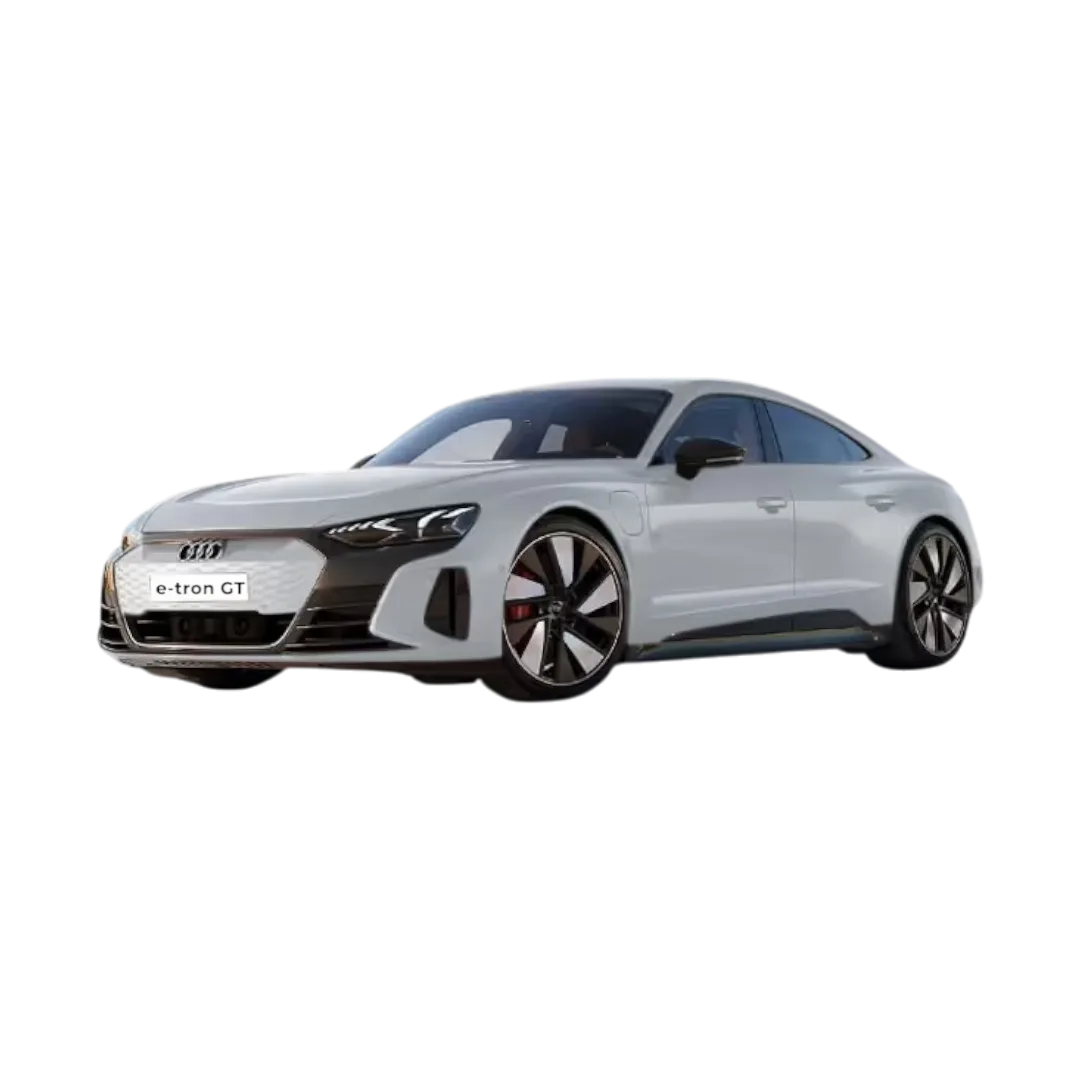 E-Tron GT
 Audi Q8
 E-Tron
 Q3 Sportback
 Audi S5 Sportback
 Q8 E-Tron
 Q8 E-Tron Sportback
 Audi A8L
 Audi RS Q8
 Audi A3
 BMW X7
 BMW X1
 BMW X5
 BMW XM
 BMW Z4
 3 Series
 BMW X3
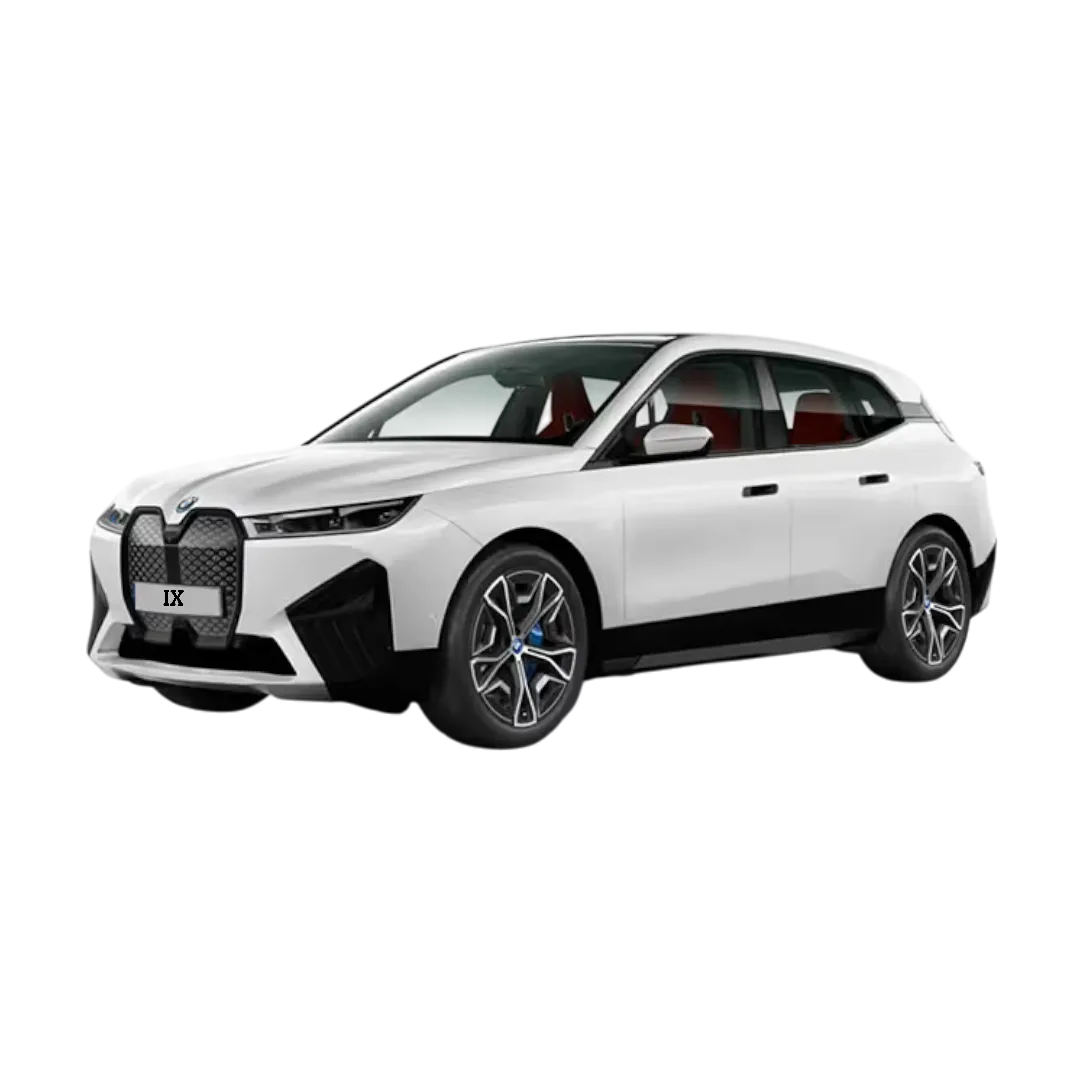 BMW iX
 BMW i7
 BMW M2
 7 Series
 2 Series
 BMW i4
 5 Series
 6 Series
 BMW ix1
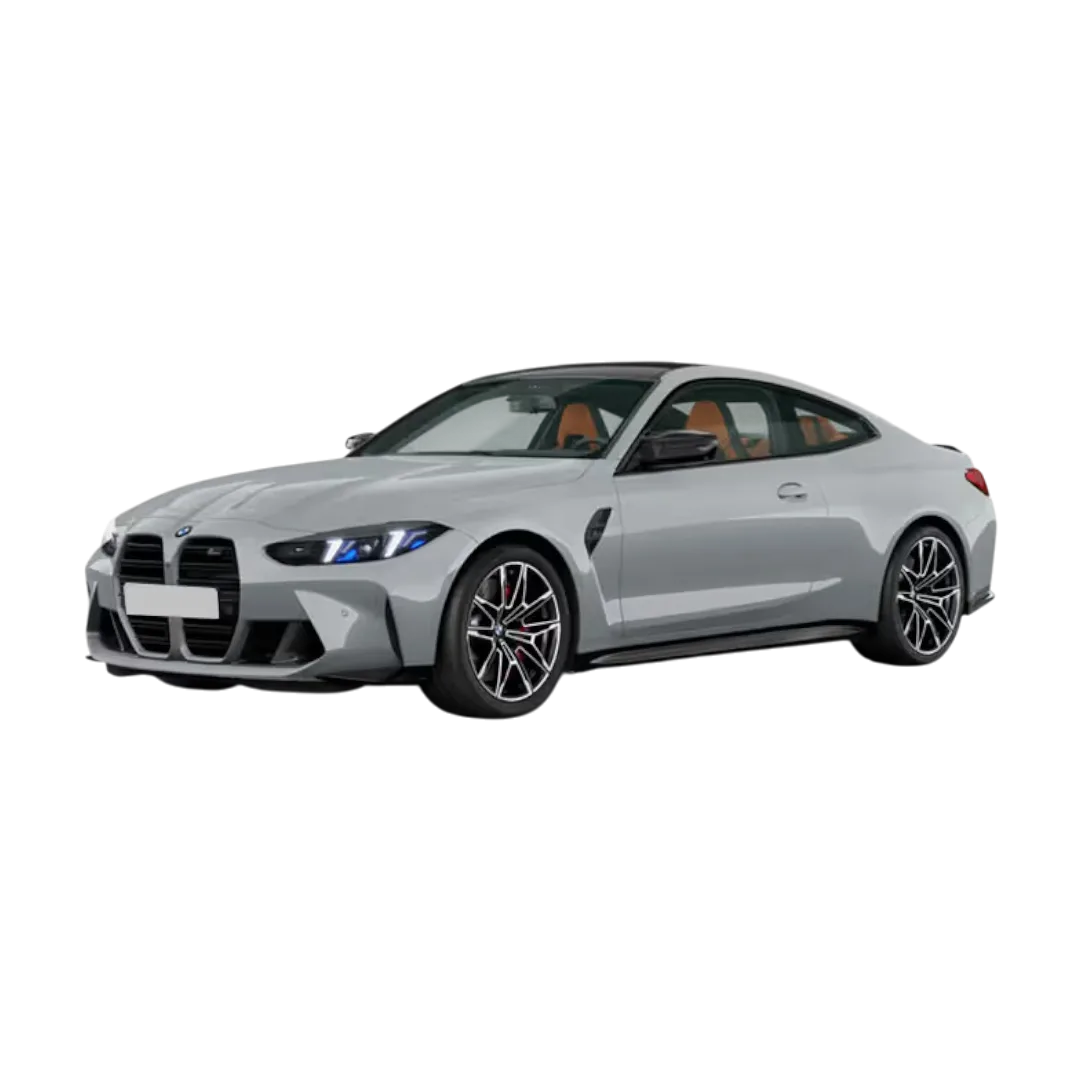 M4 Competition
 3 Series Gran Limousine
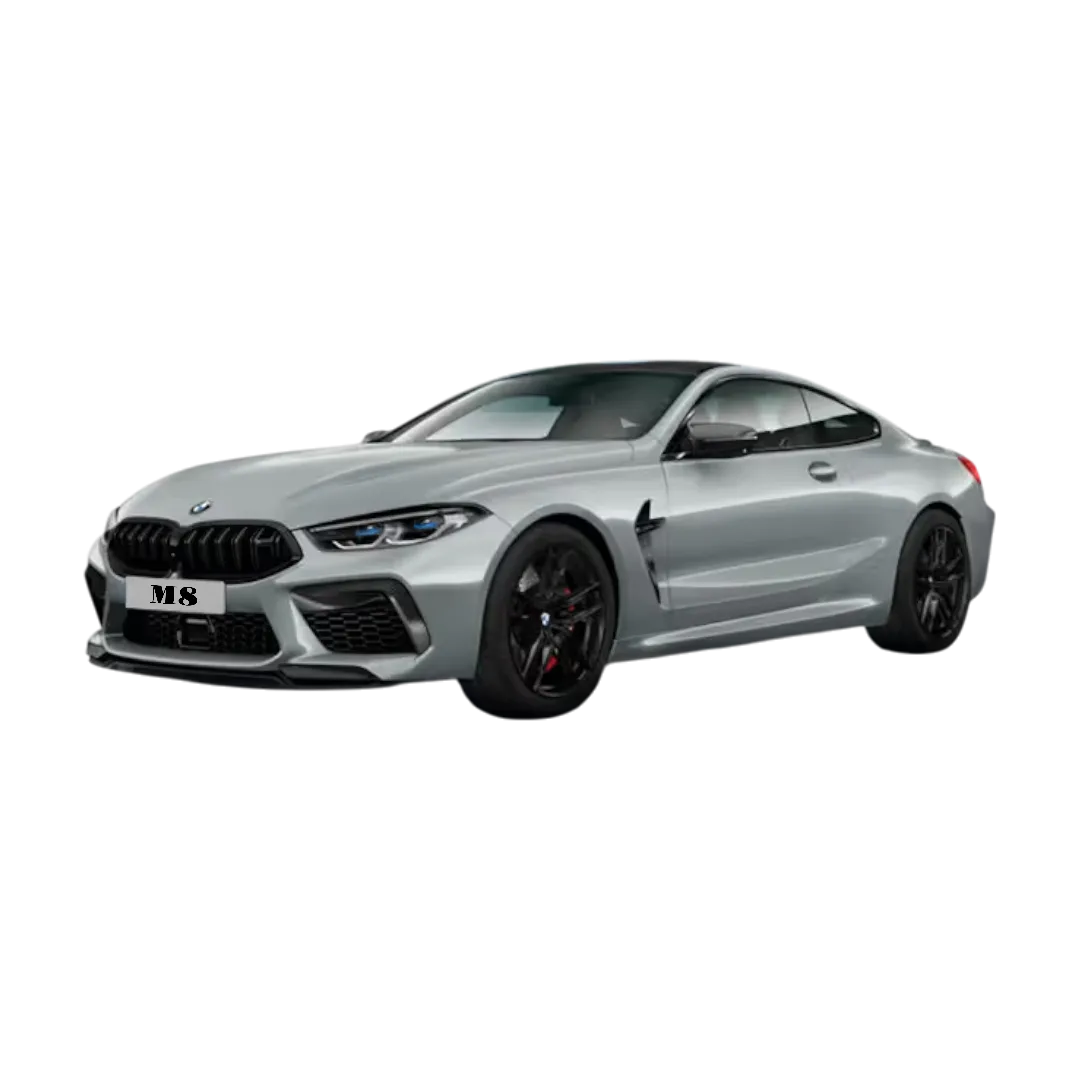 M8 Coupe
 BMW M3
 BMW X6
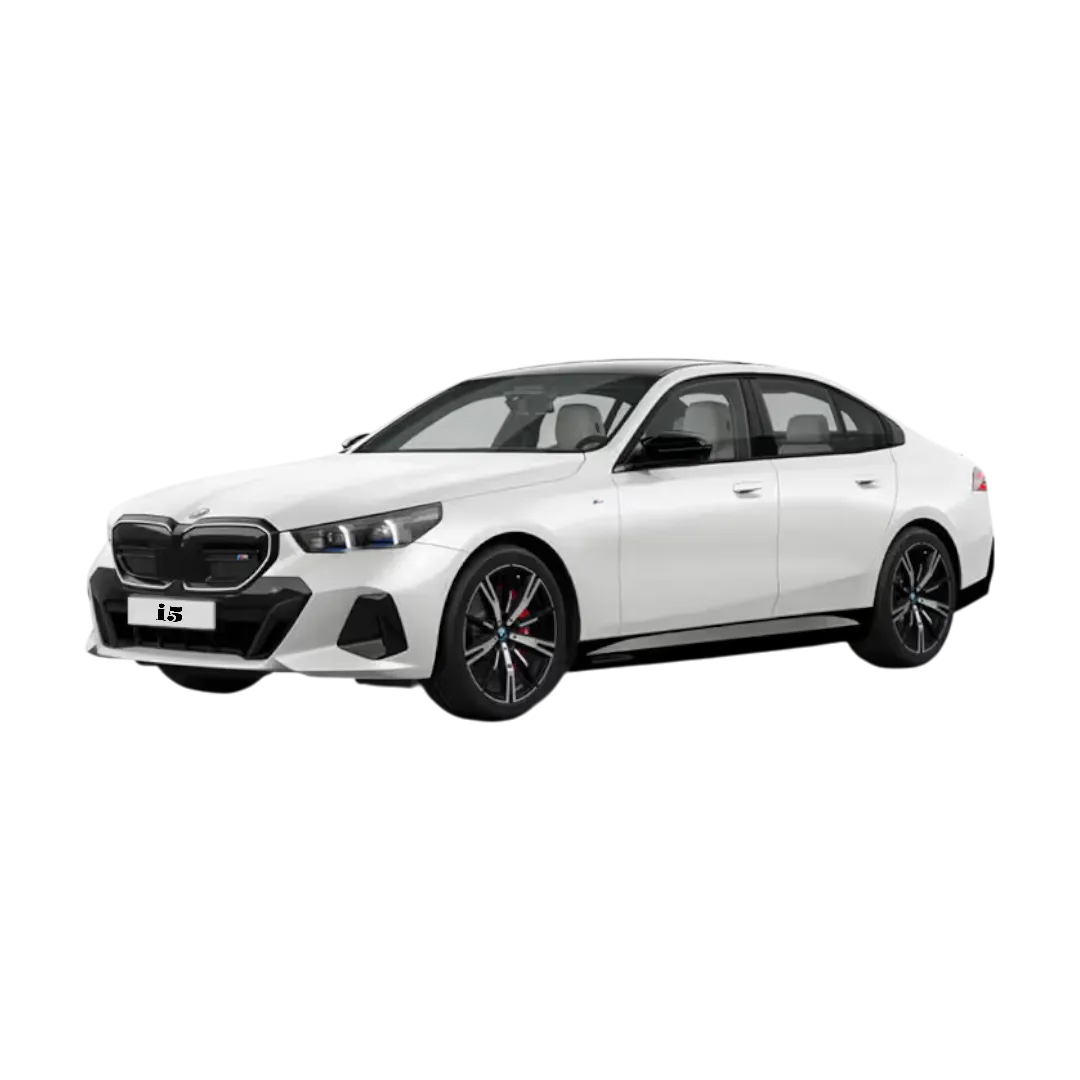 BMW i5
 BMW X4
 Mercedes Benz GLA
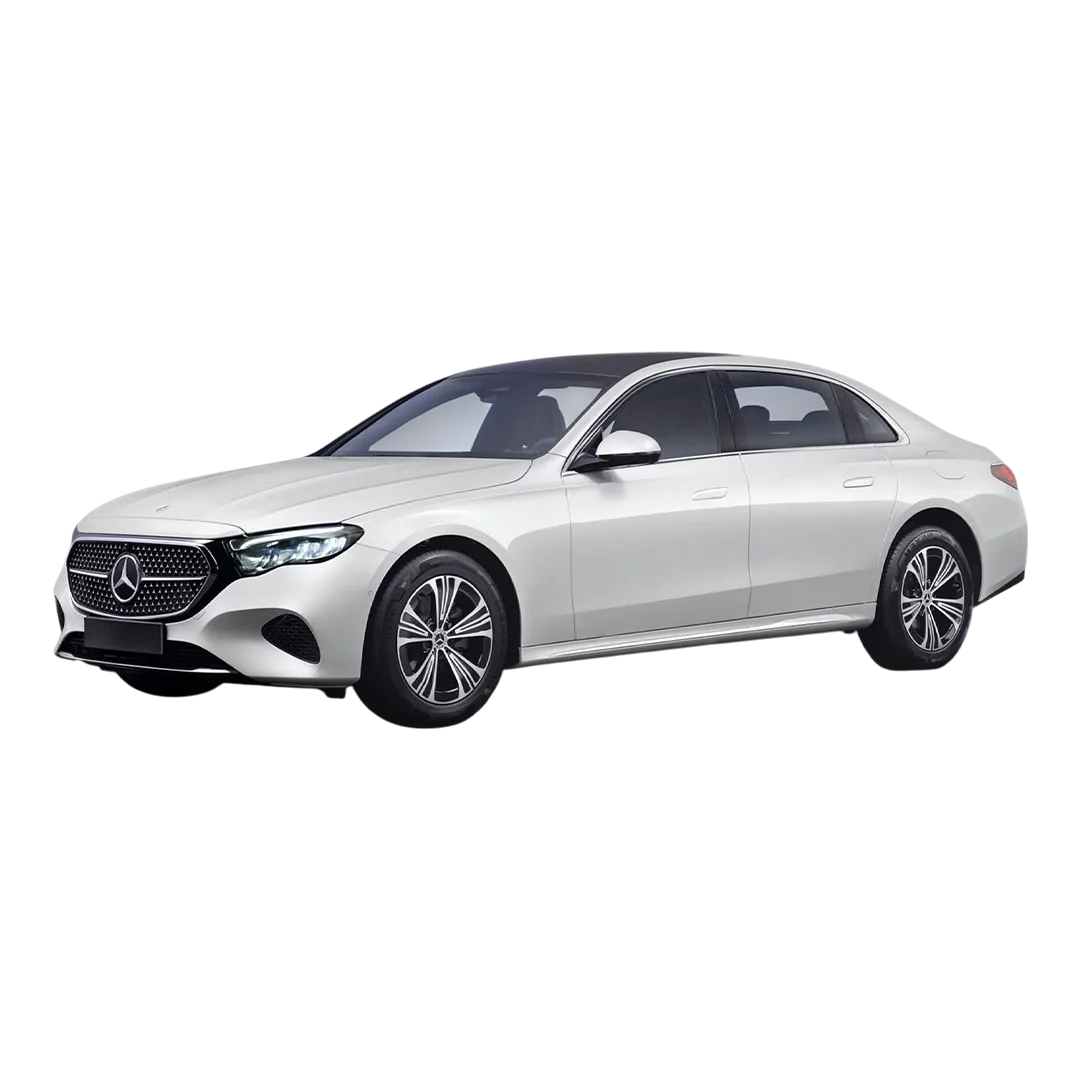 Mercedes E-Class
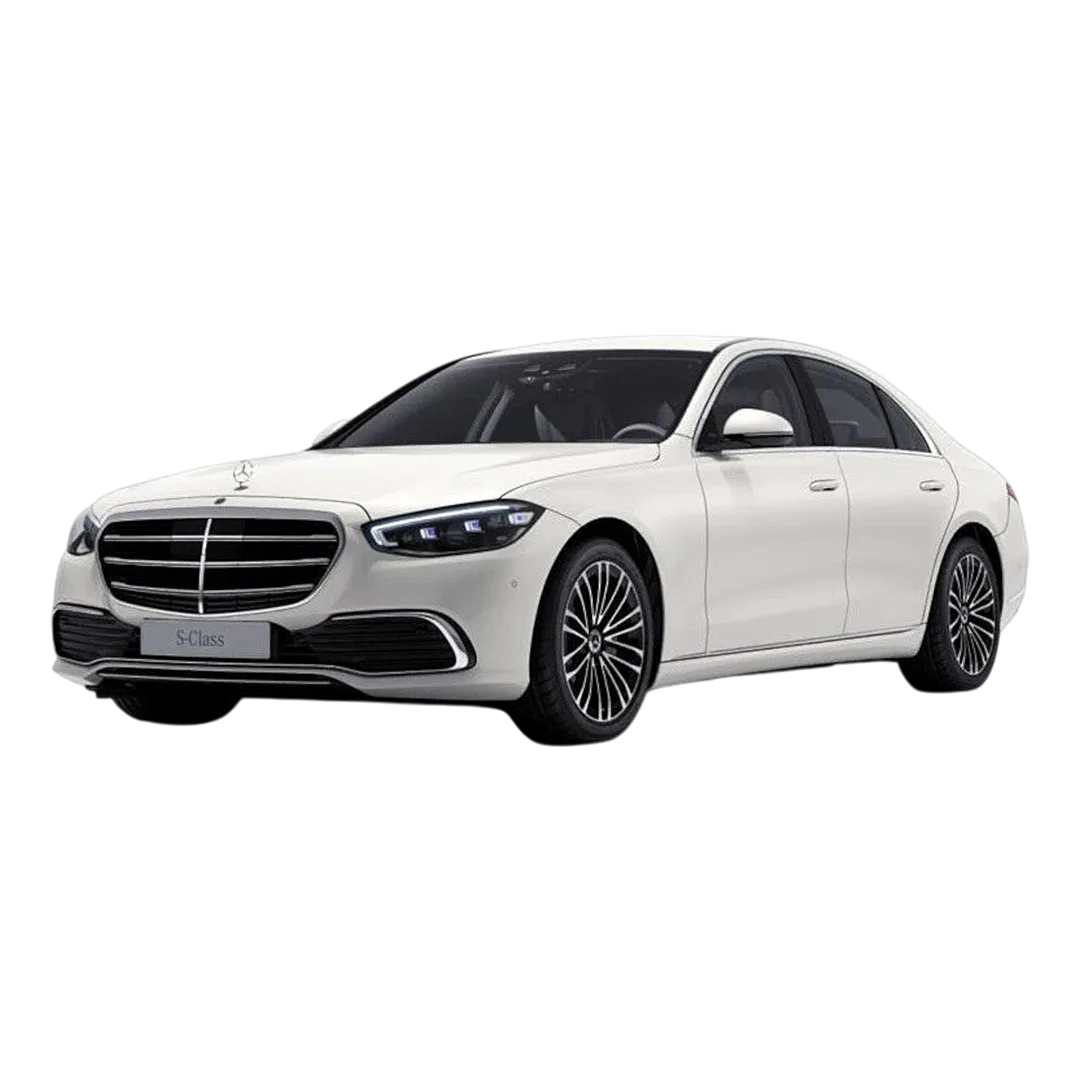 Mercedes S-Class
 Mercedes Benz GLS
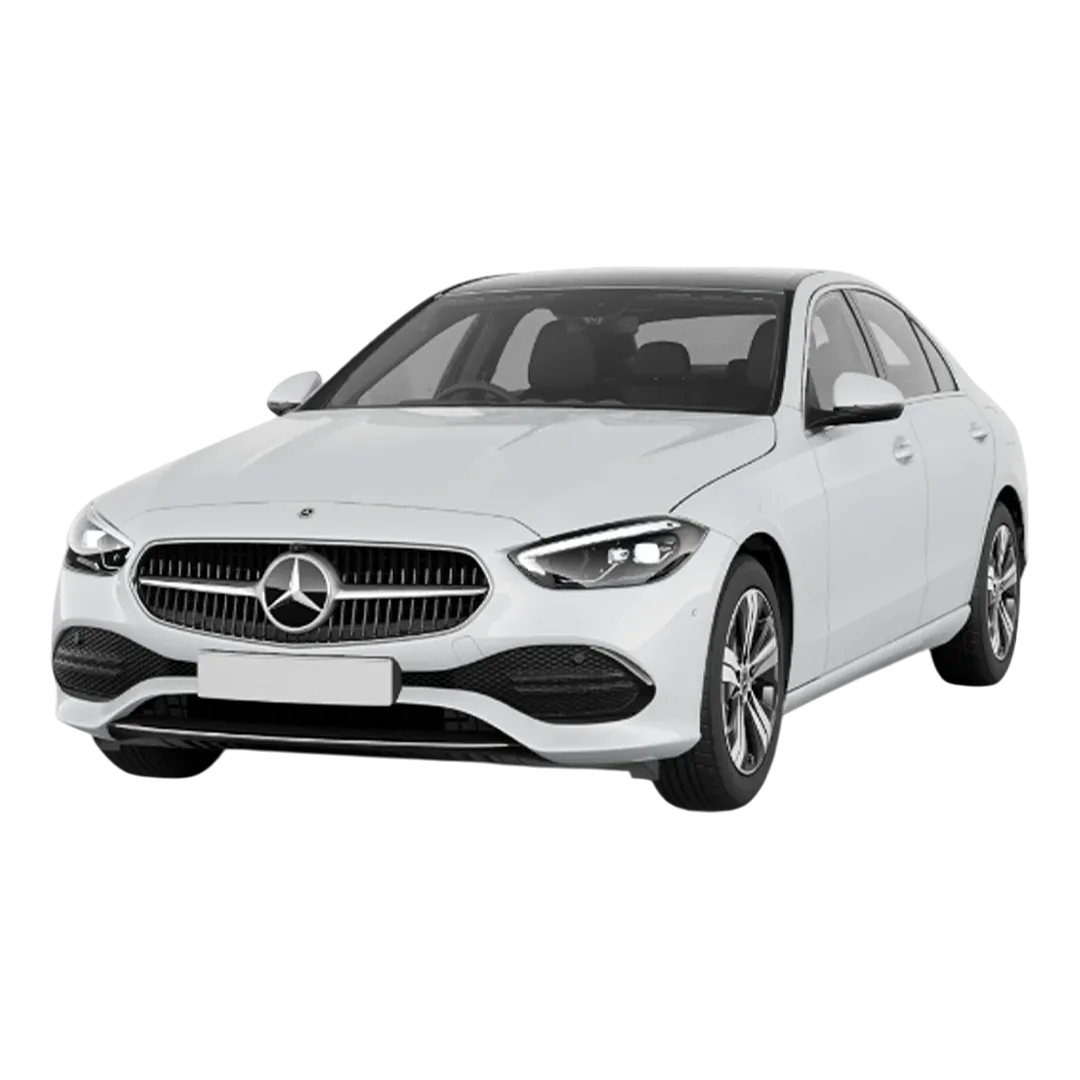 Mercedes Benz C-Class
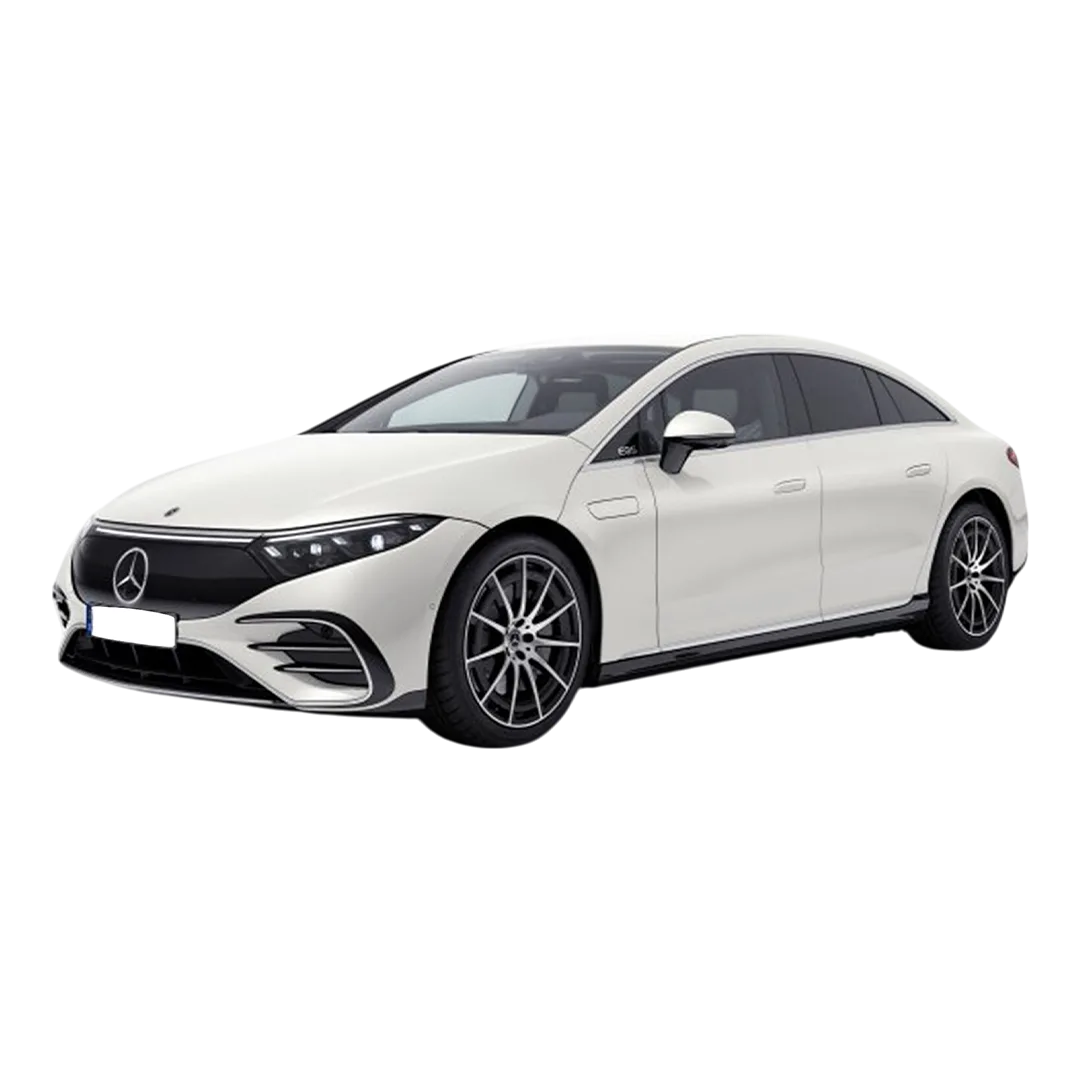 Mercedes Benz EQS
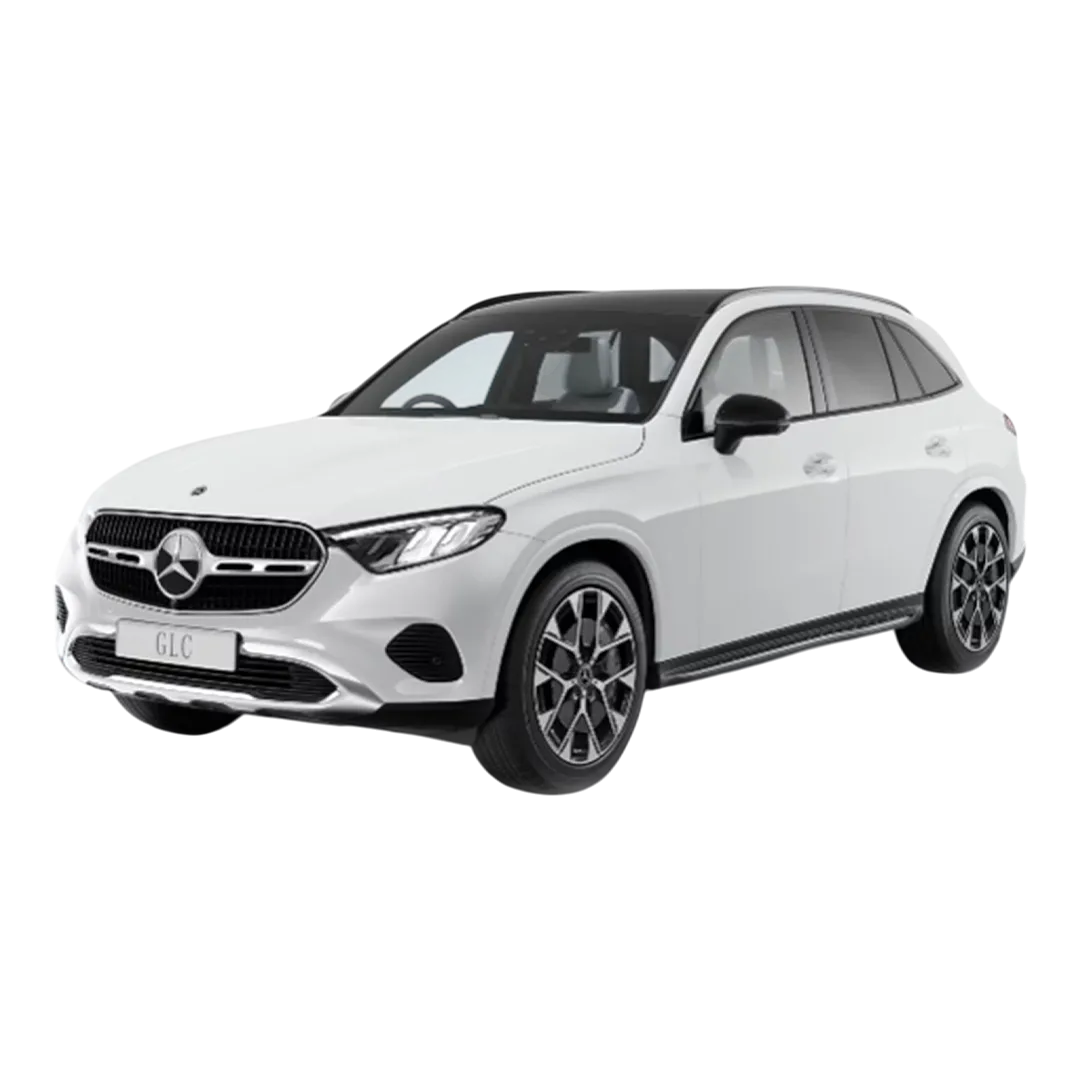 Mercedes Benz GLC
 Mercedes Benz GLE
 Mercedes Benz G-Class
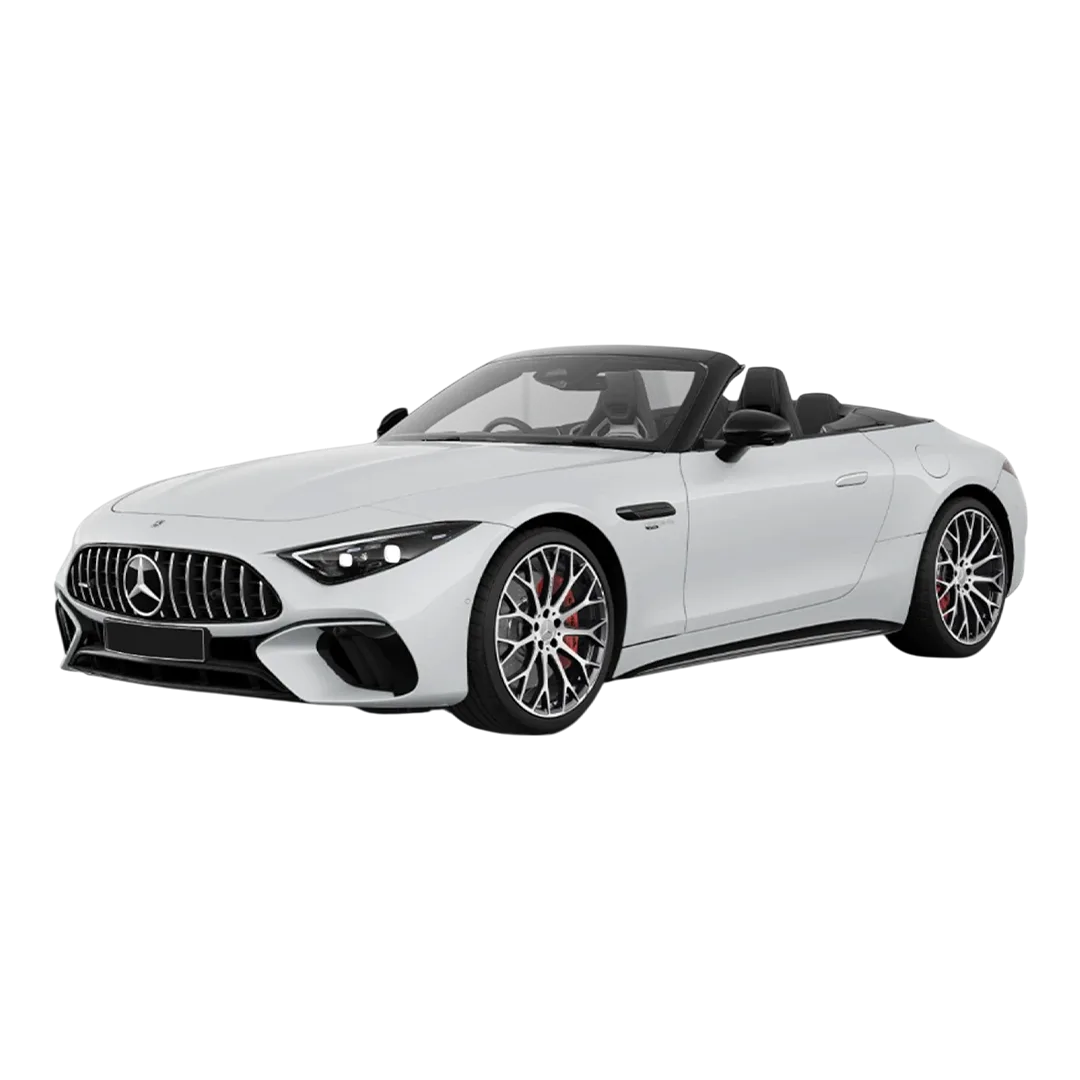 Mercedes Benz AMG SL
 Mercedes Benz MAYBACH S- Class
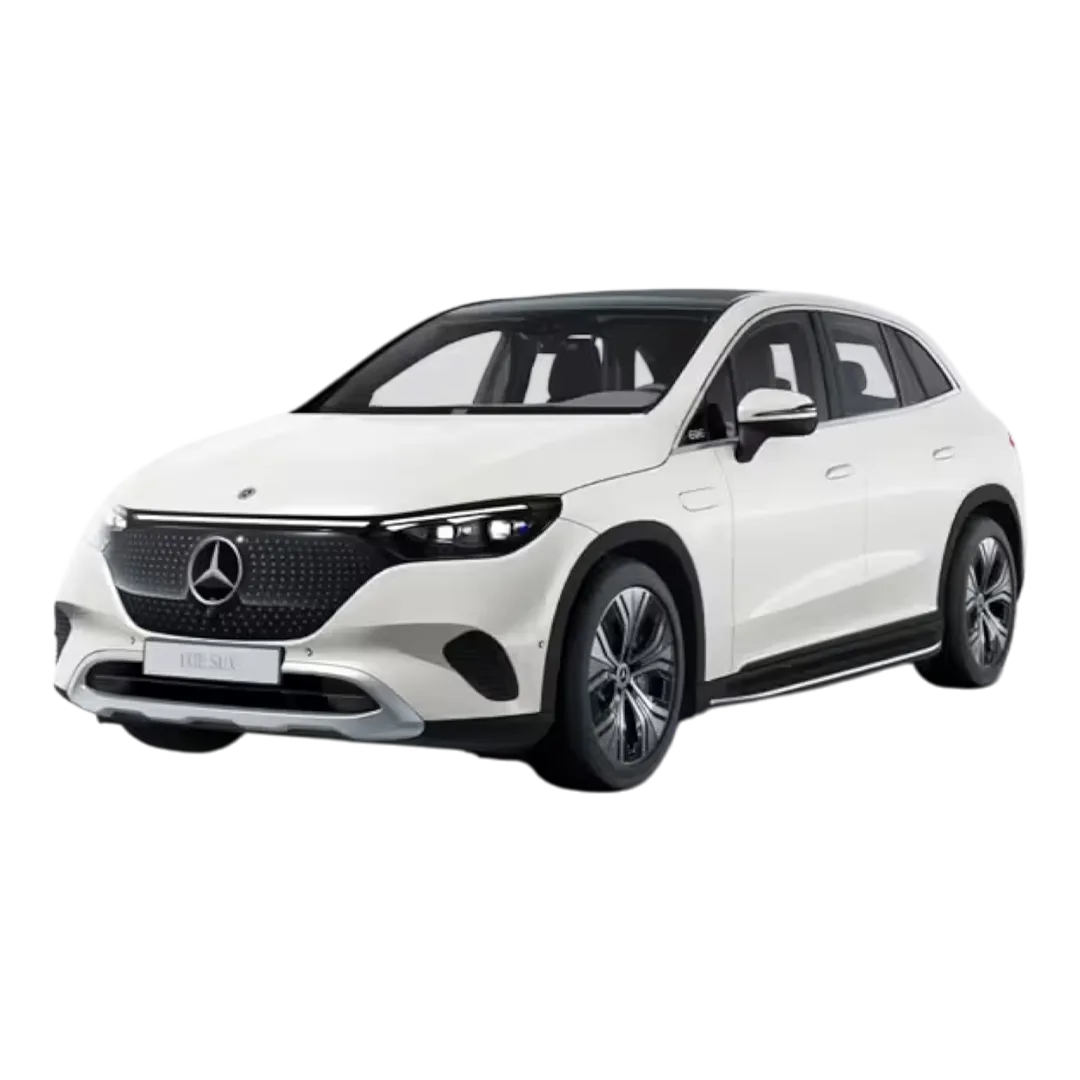 Mercedes Benz EQE-SUV
 Mercedes Benz GLB
 Mercedes Benz AMG A 45 S
 Mercedes Benz AMG GLE S3
 Mercedes Benz EQB
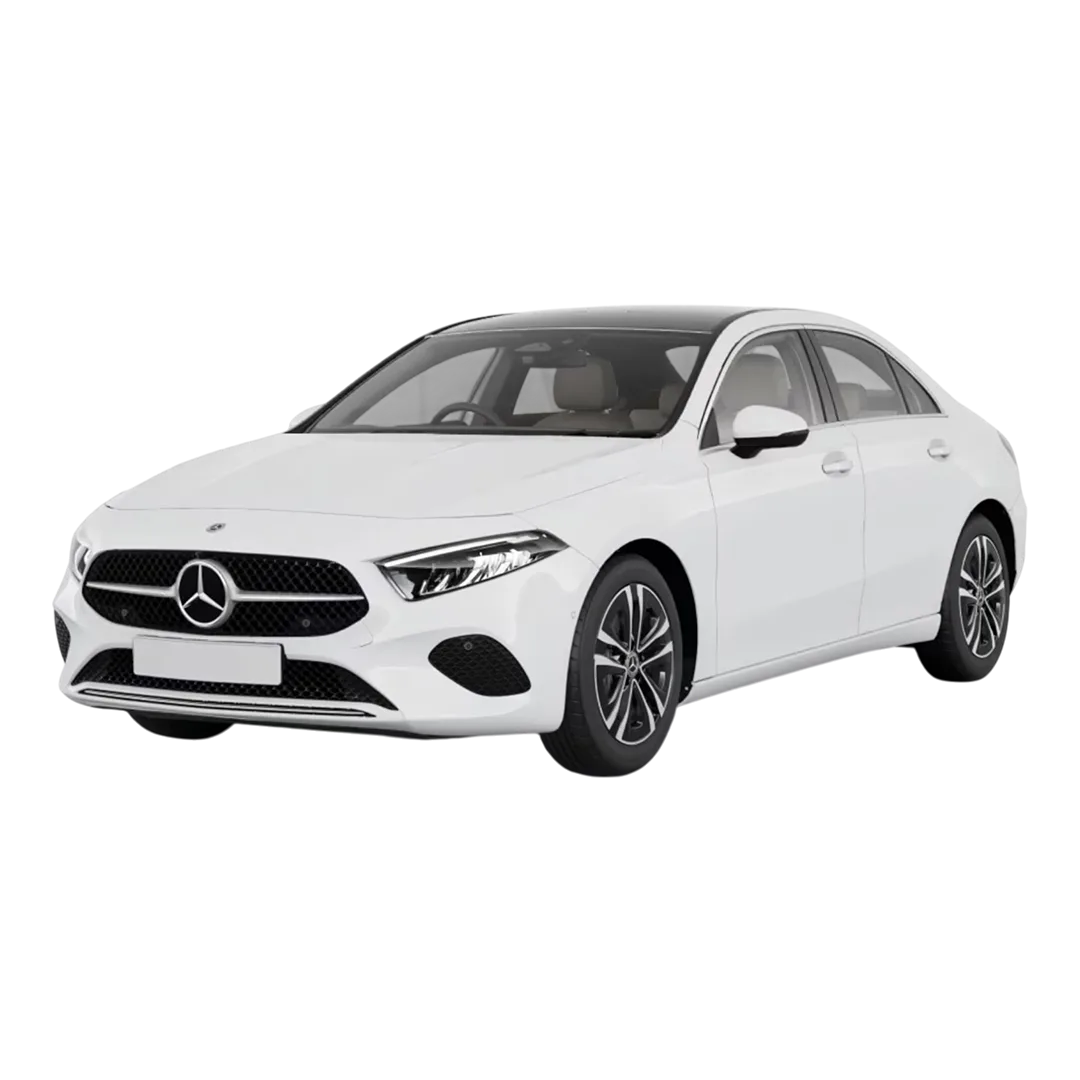 Mercedes Benz A Class limousine
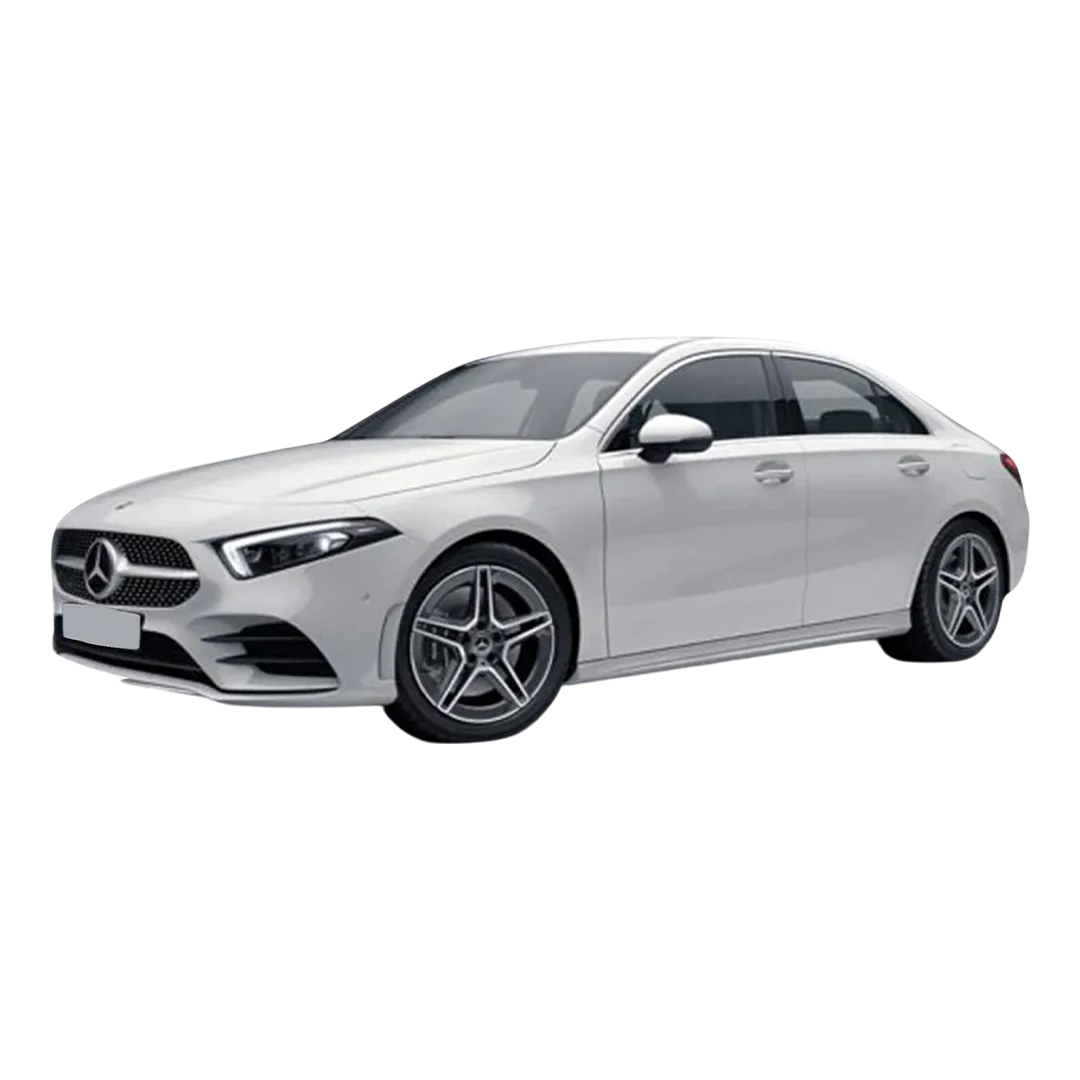 Mercedes Benz AMG A 35
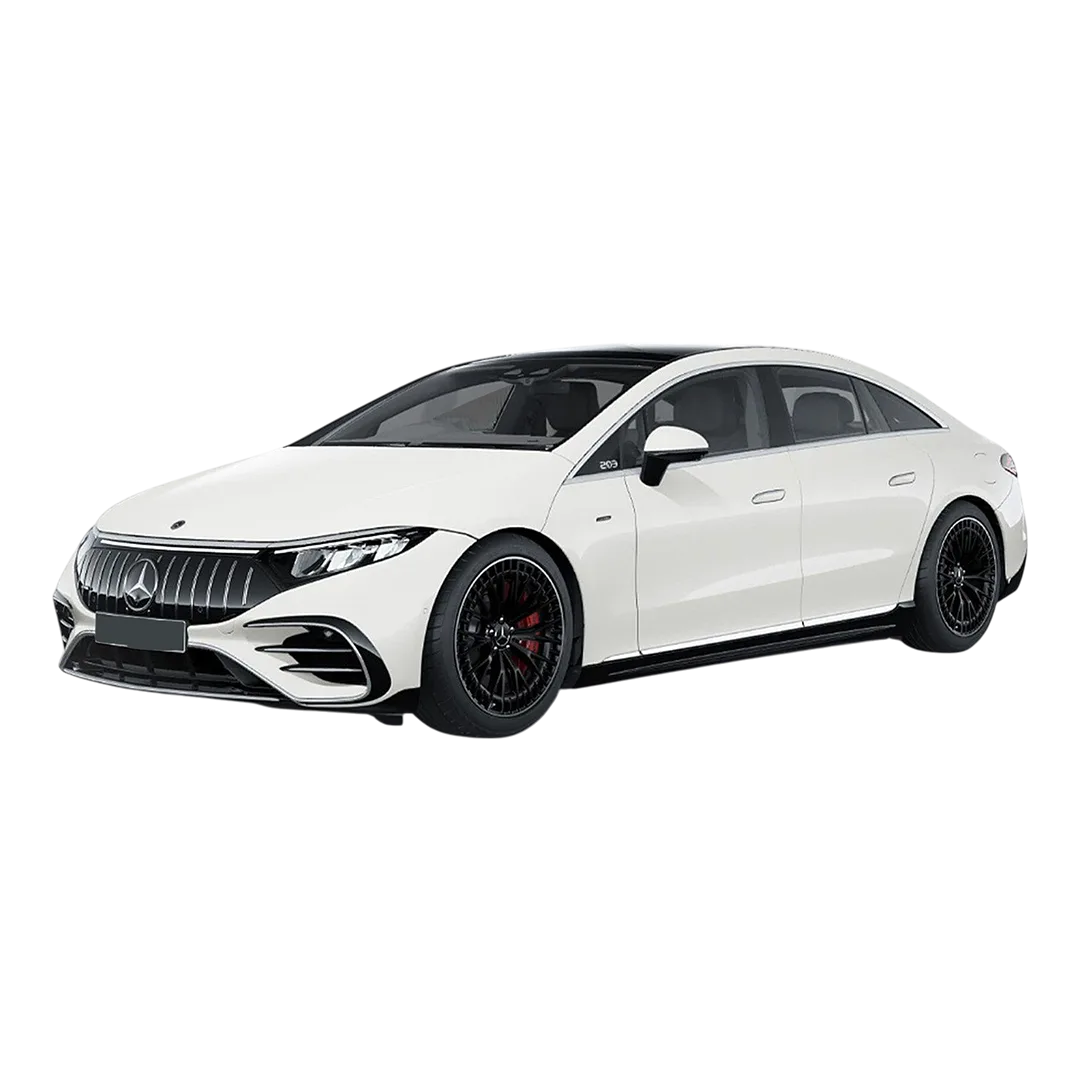 Mercedes-Benz AMG EQS
 Mercedes-Benz AMG E 53 Cabriolet
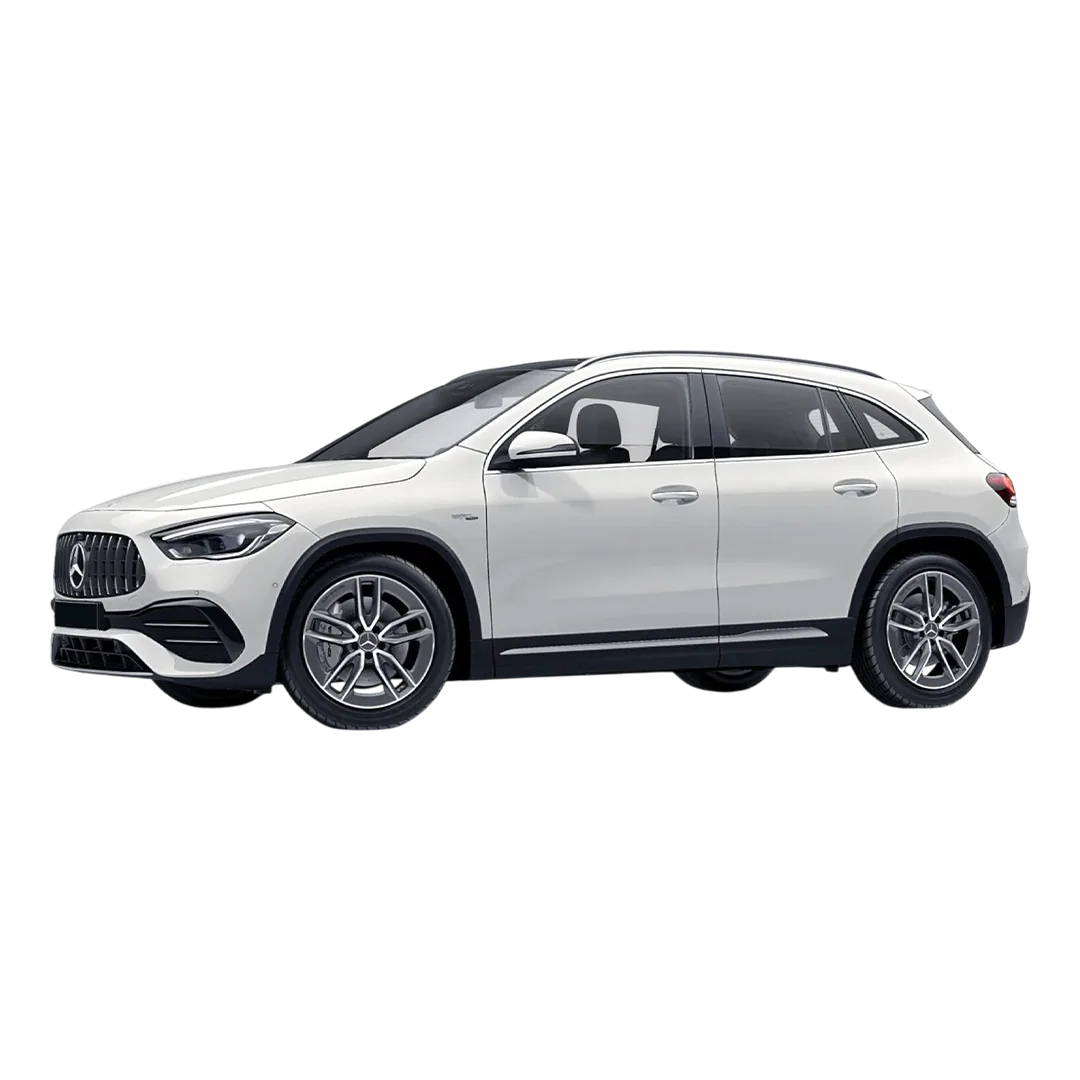 Mercedes-Benz AMG GLA 35
 Mercedes-Benz GLC Coupe 2023
 Mercedes M-Class
R-Class
Mercedes M-Class
R-Class
 GLS 600
GLS 400
GLS 350
GLE 300
GLS 600
GLS 400
GLS 350
GLE 300
 GLE 400
GLE 250D
GLE 400
GLE 250D
 GLC 220D
GLC 300
GLC 220D
GLC 300
 GLC 43 Coupe
 GLA 220d
 GLA-Class 200D
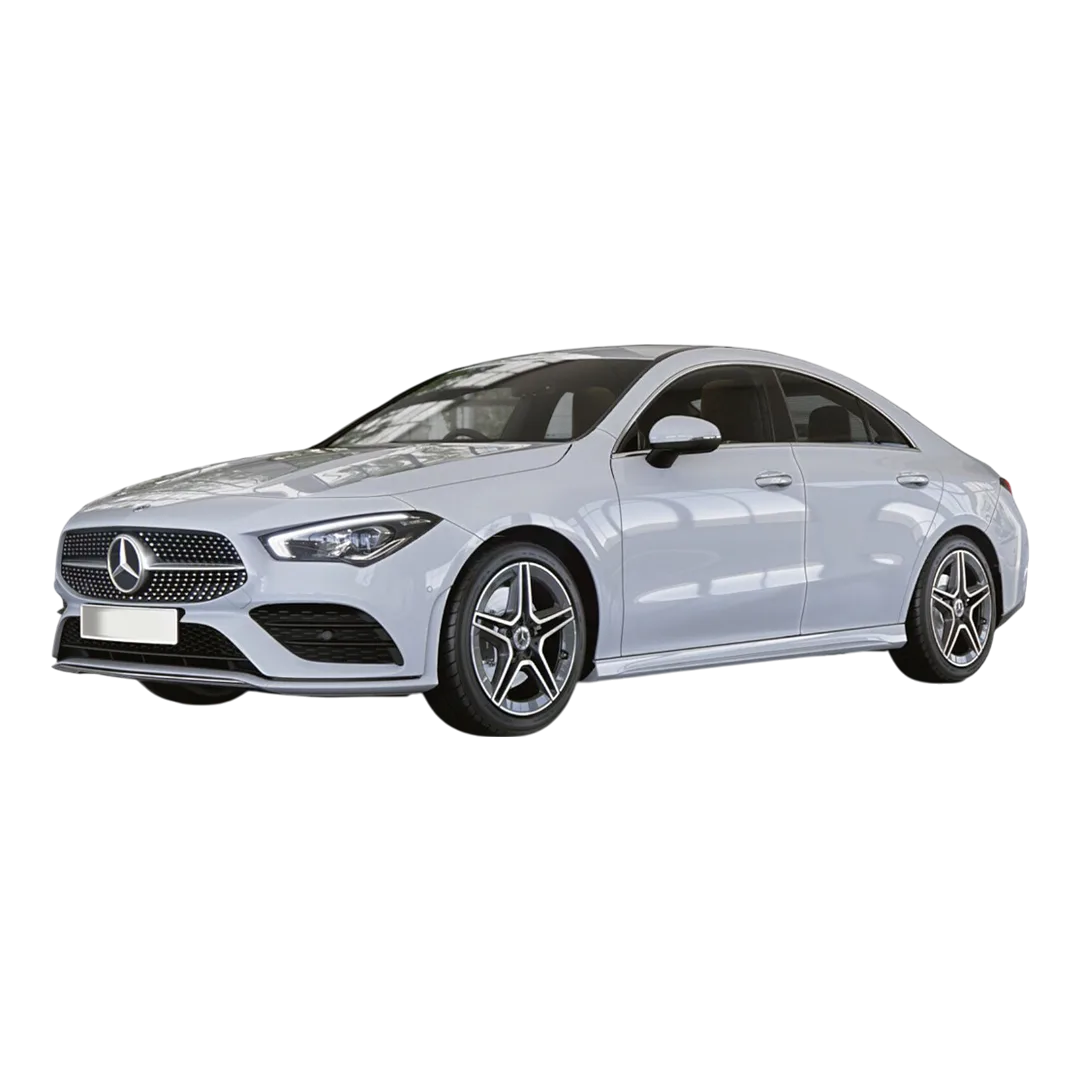 CLA 200
 Benz A-Class A 180
M-Class ML 250
M-Class ML 350
Benz A-Class A 180
M-Class ML 250
M-Class ML 350
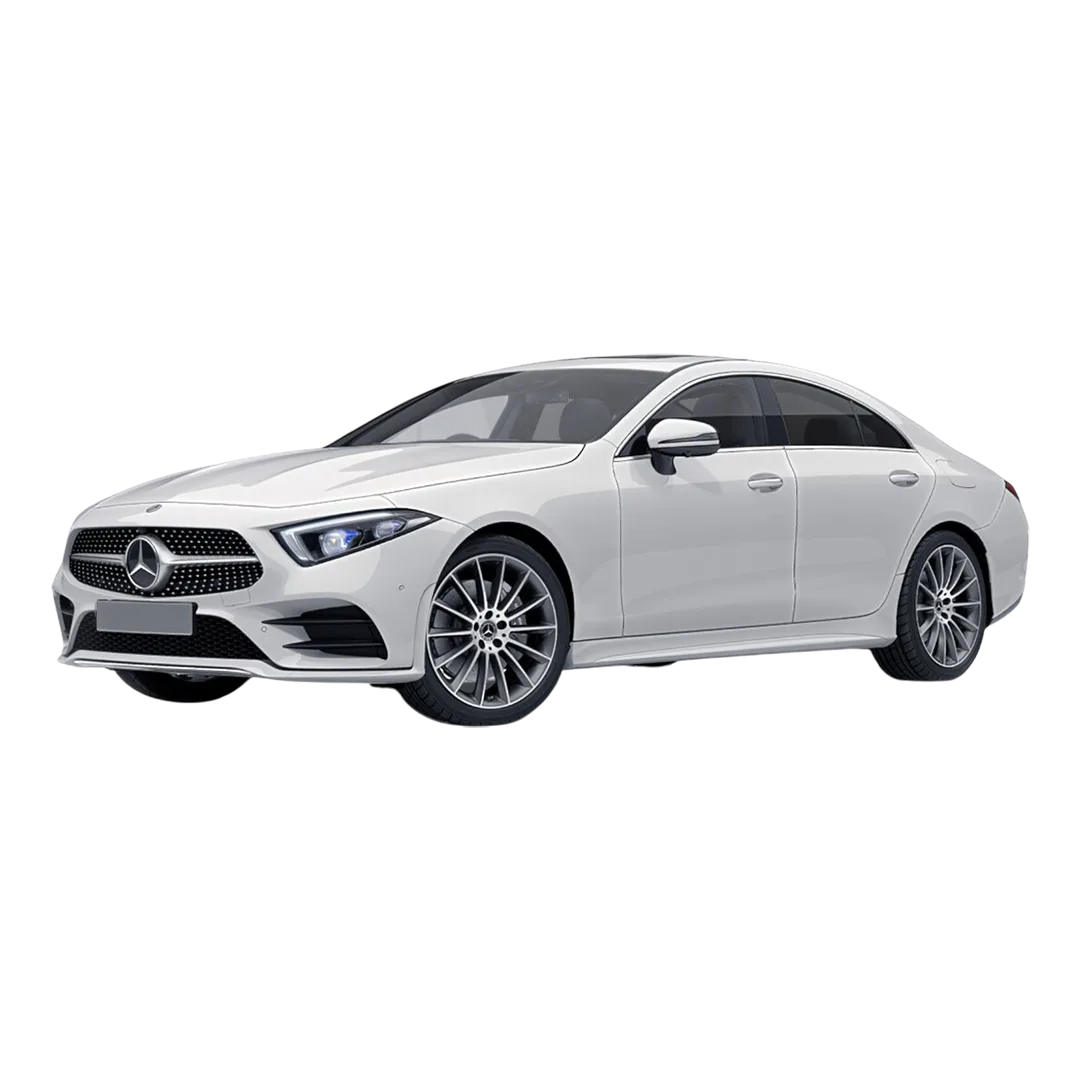 Benz CLS 300
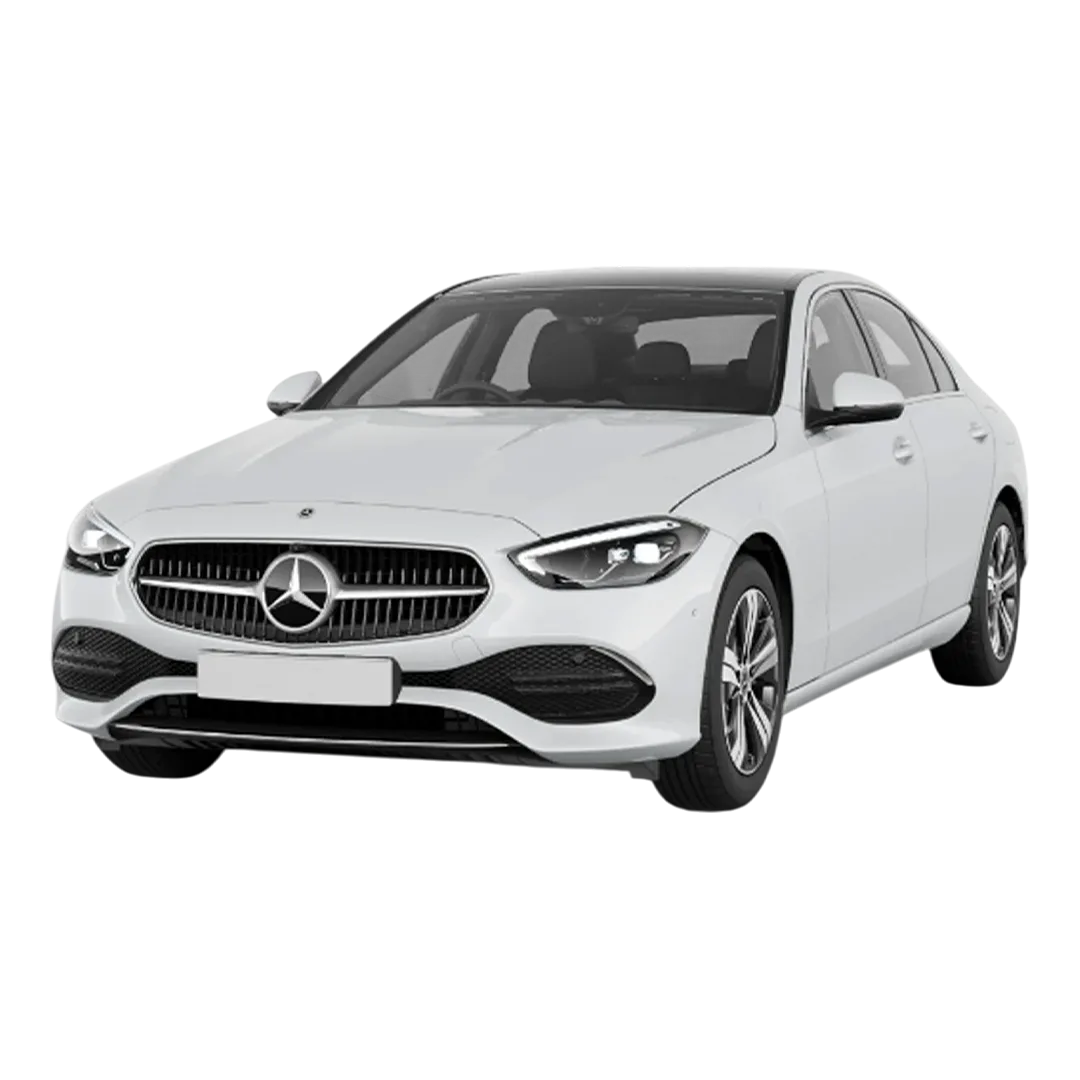 C-Class C250
C-Class C220
C-Class C200
C-Class C250
C-Class C220
C-Class C200
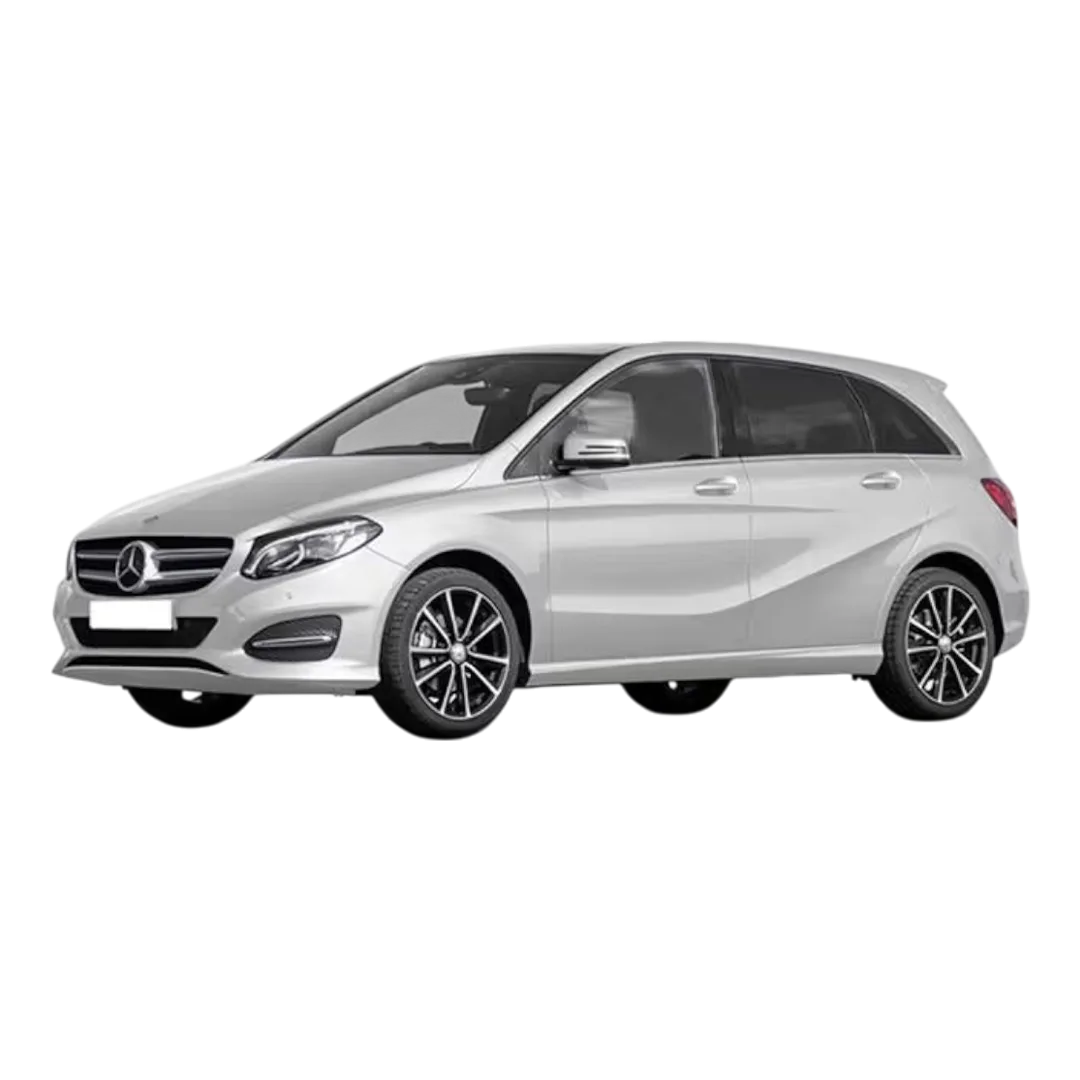 Benz B - Class
Benz A - 200
Benz B - Class
Benz A - 200
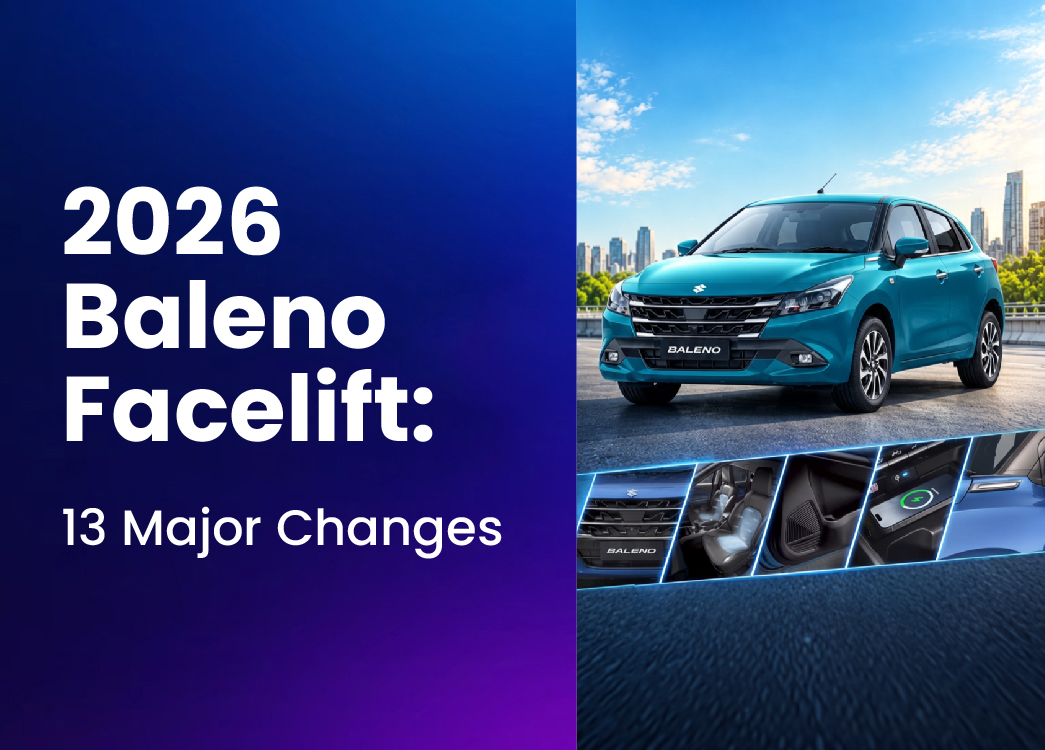
The Maruti Suzuki Baleno has received a major mid cycle update for 2026. While it still looks recognisably like the Baleno we already know, Maruti Suzuki has added several meaningful changes to the exterior, cabin, safety package and powertrain.
The new Baleno facelift starts at ₹6.10 lakh ex showroom and is available in five trims: Sigma, Delta, Zeta, Alpha and the new Alpha (O).
The biggest talking points include Level 2 ADAS, ventilated front seats, wireless phone charging with cooling, TPMS and a new 1.2 litre three cylinder Z12E petrol engine. For car buyers researching the new Baleno, Creckk breaks down the 13 changes that actually matter and explains what each update means in everyday driving.
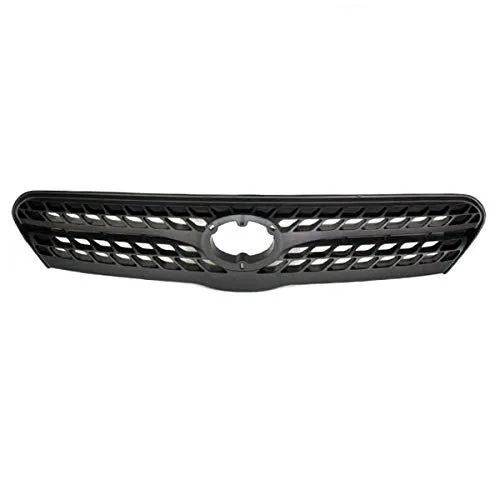
The front end gets one of the most noticeable changes on the 2026 Baleno facelift. The grille is now larger and has a more prominent trapezoidal design with three horizontal chrome elements.
The Suzuki badge has also been repositioned above the grille. More importantly, the centre of the grille houses the radar hardware required for the new Level 2 ADAS system. This means the redesigned grille is not just a styling exercise. It also plays a functional role in supporting the new safety technology.
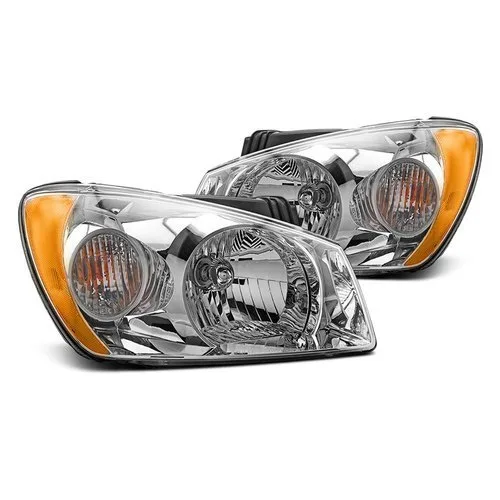
The rest of the front retains the familiar Baleno identity, including the existing headlamp design. So, while the facelift looks fresh, Maruti has avoided completely changing the car's character. For existing Baleno owners, the grille is likely to be one of the easiest ways to distinguish the 2026 model from the outgoing version.
The redesigned grille is accompanied by a new front bumper. Maruti Suzuki has reshaped the bumper to work with the larger grille and the updated front end. The result is a slightly sharper appearance while keeping the overall proportions of the Baleno familiar.
The bumper also accommodates the revised fog lamp treatment, making the entire front section look more cohesive. Interestingly, the facelift is not a complete exterior redesign. The headlights, tail lamps, alloy wheels and rear bumper largely continue from the previous model.
That makes the 2026 Baleno more of an evolution than a completely new design. For buyers who already like the outgoing Baleno's shape, this approach may actually be a positive.The changes are concentrated where they are most visible, particularly around the front, while the familiar hatchback silhouette remains intact.
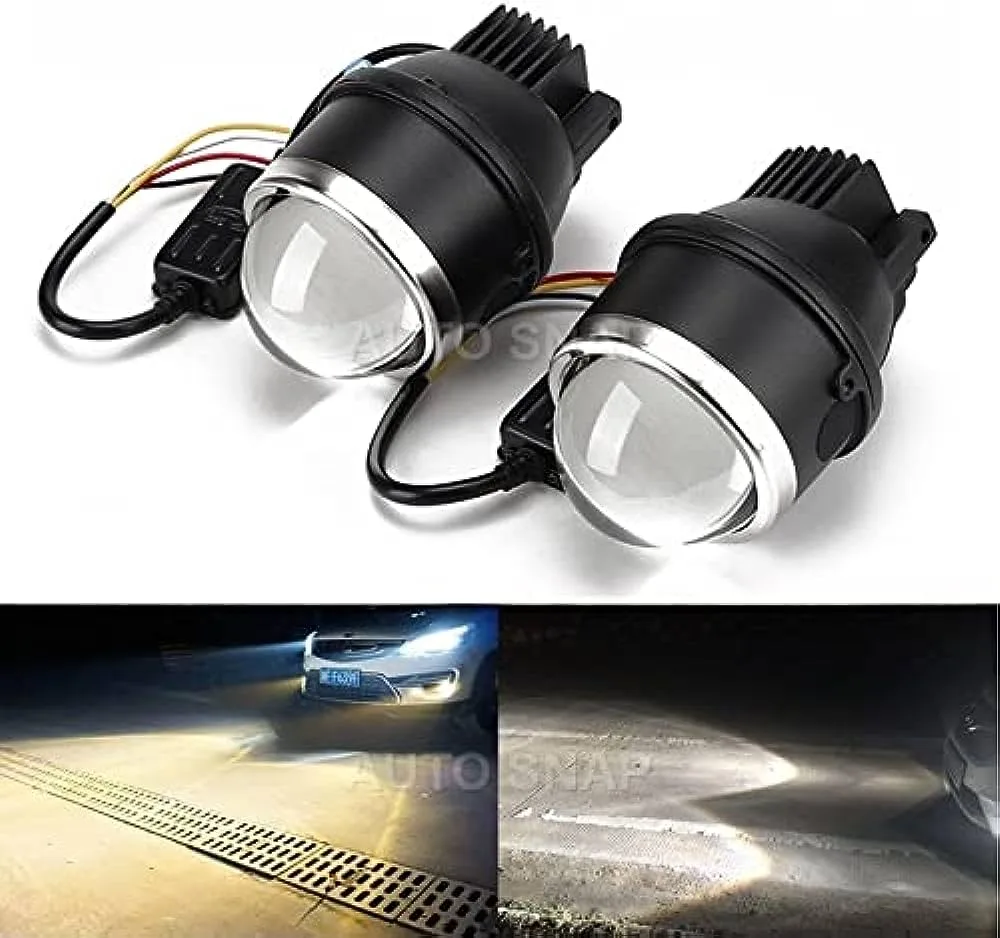
The fog lamps also receive an update as part of the redesigned front fascia. The new Baleno uses rectangular LED fog lamps, giving the lower section of the bumper a cleaner and more contemporary appearance.
It is a relatively small change compared with the new grille or ADAS technology, but these details collectively help differentiate the facelift from the previous model. The updated fog lamp design also fits better with the sharper styling of the new bumper.
For buyers comparing photographs of the old and new Baleno, this is one of the exterior details worth checking. The headlights and tail lamps remain familiar, so the grille, bumper and fog lamp treatment together create most of the visual difference at the front.
In other words, Maruti has taken a familiar design and refreshed the areas that needed the most attention instead of completely redesigning the car.
Level 2 ADAS is arguably the most significant technology upgrade on the 2026 Baleno. The system includes features such as adaptive cruise control, lane keep assist, lane departure warning, forward collision warning and advanced emergency braking. High beam assist is also part of the ADAS package.
However, this feature is not available across the entire range. Level 2 ADAS is offered on the top specification Alpha (O) variant. ADAS is designed to assist the driver rather than replace them. It can provide warnings and, where supported, intervene in certain situations to help maintain a safer driving environment.
The Baleno is currently the only car in its segment offering Level 2 ADAS, according to Autocar India's current coverage. For buyers, this is a substantial upgrade because the Baleno moves beyond basic safety equipment and adds active driver assistance technology.
The facelift also introduces new chrome detailing on the exterior. A chrome garnish has been added around the front fender area, adding another visual distinction between the new Baleno and its predecessor.
Chrome elements may sound like a small change, but they can significantly alter how a car looks when viewed from the side. Combined with the redesigned grille and bumper, the new garnish gives the Baleno a slightly more premium appearance without making the design overly complicated.
This is also part of Maruti Suzuki's approach with the facelift: rather than changing every body panel, the company has focused on selected styling elements that can give the car a fresh identity.
For buyers considering the new model, the chrome garnish is more of a design enhancement than a functional upgrade, but it contributes to the overall facelift treatment.
Another small but noticeable exterior change is the addition of a shark fin antenna.
The new antenna gives the roof a cleaner and more modern appearance compared with the conventional antenna setup on the previous model.Unlike the new grille or ADAS, this change does not fundamentally alter how the car drives. Its primary benefit is visual.
It also shows how the facelift combines major functional additions with smaller design updates. From the side profile, the Baleno remains largely similar to the outgoing car. The overall silhouette, proportions and basic body design have been retained.
That means details such as the shark fin antenna become more important when identifying the facelift from the previous version. For someone looking for a subtle visual difference rather than a complete redesign, this is one of the simpler changes to appreciate.
The cabin gets a more premium feel with new semi leatherette upholstery. The new seats use a black and blue colour combination, giving the interior a different look compared with the previous model's fabric focused setup.
The upgrade is particularly relevant for buyers who spend significant time in their cars because seat material affects both the visual feel of the cabin and the overall perception of quality.
However, the dashboard layout itself remains largely familiar. The facelift continues with the same basic layered dashboard design, analogue instrument dials and colour MID.
This is a good example of how Maruti has approached the update. Instead of replacing the entire interior, it has retained the familiar layout while adding features and upgrading selected touchpoints. For customers moving from an older Baleno, the new upholstery should make the cabin feel fresher without making it unfamiliar.
Ventilated front seats are one of the standout comfort additions to the new Baleno.The feature is particularly relevant for Indian buyers, where high temperatures can make entering a parked car uncomfortable.
The ventilation system helps circulate air through the seat surface, making the front seats more comfortable during hot weather. The feature is available on the higher specification Alpha and Alpha (O) variants.
This is also one of the features that makes the Baleno unusual within its segment. Autocar India reports that the facelift is currently the only car in its segment to offer front seat ventilation. For a premium hatchback, this is a meaningful addition rather than just a cosmetic upgrade.
It is especially useful for buyers who regularly drive in hot cities or spend long hours behind the wheel. Along with the new leatherette upholstery, ventilated seats give the cabin a more premium feel.
The new Baleno also gets a wireless phone charger with an integrated cooling function.
Wireless charging is convenient because it eliminates the need to connect a cable every time you want to charge your phone. However, wireless charging can generate heat, especially during longer charging sessions. The cooling function is designed to help manage that heat while the phone is charging.
This feature is available from the Zeta variant onwards, making it more accessible than some of the facelift's premium additions. For everyday users, it is the kind of feature that may seem minor on paper but becomes useful once it becomes part of your regular driving routine.
With smartphones increasingly being used for navigation, music and calls, having a dedicated wireless charging area can also help keep the centre console more organised. It is a practical technology upgrade that fits naturally into modern car usage.
The 2026 Baleno introduces a Tyre Pressure Monitoring System, or TPMS.
The system monitors tyre pressure and can alert the driver when the pressure requires attention. Correct tyre pressure is important for several reasons. It can affect handling, braking, tyre wear and fuel efficiency.
The new TPMS is available from the Delta variant onwards, while the base Sigma misses out on the feature. For everyday drivers, this is one of the more useful additions because tyre pressure can gradually change without being immediately noticeable.
Instead of depending entirely on manual checks, the driver gets an additional layer of information from the vehicle itself. Alongside six airbags, ABS with EBD and other existing safety equipment, TPMS adds another practical safety feature to the Baleno's package.
The higher variants of the Baleno facelift receive a branded Clarion sound system. The system is offered on the Alpha and Alpha (O) trims and uses four speakers along with two tweeters.
Interestingly, the previous Baleno also had a four speaker and two tweeter setup on these higher variants, but the facelift introduces the Clarion branding as part of the audio upgrade.
For buyers who spend a lot of time listening to music during their commute, the audio system can have a noticeable impact on the ownership experience. It is also an example of how the facelift focuses on everyday convenience rather than only headline features.
The new sound system sits alongside other technology features such as wireless charging, a 9 inch touchscreen and connected car functions on higher variants. So while it may not be the biggest change to the Baleno, it contributes to making the top variants feel more premium.
The 2026 Baleno facelift introduces a new Enigmatic Teal Green exterior colour.
The new shade replaces the previous Luxe Beige option and joins six other colours in the updated lineup: Nexa Blue, Splendid Silver, Grandeur Grey, Arctic White, Opulent Red and Bluish Black. Colour changes do not affect performance, but they can make a big difference when a manufacturer is refreshing an existing model.
A new colour gives the facelift a visual identity of its own and helps buyers distinguish it from the previous version. The Enigmatic Teal Green shade also gives the Baleno a more distinctive road presence compared with some of the more conventional colours in the range.
For buyers who want their new car to look noticeably different from the older model, this new colour is one of the easiest ways to achieve that without opting for aftermarket modifications.
The biggest mechanical change is under the bonnet.
Maruti Suzuki has replaced the outgoing 1.2 litre four cylinder K12N petrol engine with the 1.2 litre three cylinder Z12E naturally aspirated petrol engine. The new engine produces 83 hp and 112 Nm of torque and is available with either a 5 speed manual or 5 speed AMT gearbox.
Interestingly, peak output is slightly lower than the outgoing engine, which produced 90 hp and 113 Nm. However, Maruti says the new engine has been tuned for better low end torque delivery, while claimed fuel efficiency has improved.
The petrol manual claims 23.80 kmpl, while the AMT claims 24.77 kmpl. A factory fitted CNG option is also available, producing 70 hp and 102 Nm with a claimed efficiency of 33.61 km per kg. For buyers, the new engine is therefore less about chasing higher peak power and more about efficiency and everyday usability.
| Feature | Previous Baleno | 2026 Baleno Facelift |
|---|---|---|
| Front Grille | Previous design | New larger grille |
| Bumper | Previous design | Redesigned front bumper |
| Fog Lamps | Previous design | New rectangular LED units |
| ADAS | Not available | Level 2 ADAS on Alpha (O) |
| Seats | Fabric focused | Semi leatherette on higher trims |
| Ventilated Seats | Not available | Available on Alpha and Alpha (O) |
| Wireless Charger | Not available | Cooling enabled wireless charger |
| TPMS | Not available | Available from Delta onwards |
| Audio | Non branded setup | Clarion system on higher trims |
| Exterior Colour | Luxe Beige available | New Enigmatic Teal Green |
| Engine | 1.2L K12N four cylinder | 1.2L Z12E three cylinder |
| Petrol Power | 90 hp | 83 hp |
| Petrol Torque | 113 Nm | 112 Nm |
The new model is therefore a mix of visual updates, new convenience features, additional safety technology and a completely new petrol engine.
The answer depends on what you value in a hatchback. If your priority is a familiar premium hatchback with modern safety technology, better cabin features and improved claimed efficiency, the facelift brings some genuinely meaningful upgrades.
The addition of Level 2 ADAS, ventilated seats, TPMS and wireless charging with cooling gives the Baleno a much stronger feature list than before. The new engine is also an important change. While it produces slightly less peak power than the outgoing unit, the claimed fuel efficiency figures have improved.
For buyers comparing variants, it is important to remember that not every feature is available across the range. ADAS, ventilated seats, Clarion audio and other premium features are concentrated on higher trims.
Creckk's take: the facelift does not try to reinvent the Baleno. Instead, it adds the features that modern buyers increasingly expect while keeping the familiar hatchback formula intact.
The 2026 Maruti Suzuki Baleno facelift starts at ₹6.10 lakh ex showroom. Maruti has introduced five trims: Sigma, Delta, Zeta, Alpha and Alpha (O).
The new Baleno uses a 1.2 litre Z12E three cylinder naturally aspirated petrol engine producing 83 hp and 112 Nm. It is available with a 5 speed manual and 5 speed AMT.
Yes. The facelift gets a wireless phone charger with a cooling function. It is available from the Zeta variant onwards.
The new colour is Enigmatic Teal Green. It replaces Luxe Beige from the previous colour lineup and is offered alongside six other colours.
It is a meaningful mid cycle update rather than a complete redesign. The exterior remains familiar, but the addition of Level 2 ADAS, ventilated seats, wireless charging, TPMS and a new engine makes the 2026 model considerably more feature rich than its predecessor.
The 2026 Baleno facelift shows how a familiar hatchback can be updated without losing the qualities that made it popular in the first place. The exterior changes are relatively subtle, but the more important updates are inside the feature list and under the bonnet. Level 2 ADAS, ventilated seats, wireless charging with cooling, TPMS and the new Z12E engine give the latest Baleno a stronger technology and comfort package.
With a starting price of ₹6.10 lakh ex showroom, the new Baleno continues to target buyers looking for a practical premium hatchback while adding features that were previously uncommon in this segment.
For anyone considering a Baleno in 2026, the facelift is worth a closer look, especially if safety technology, comfort features and modern convenience are high on the priority list.