

















































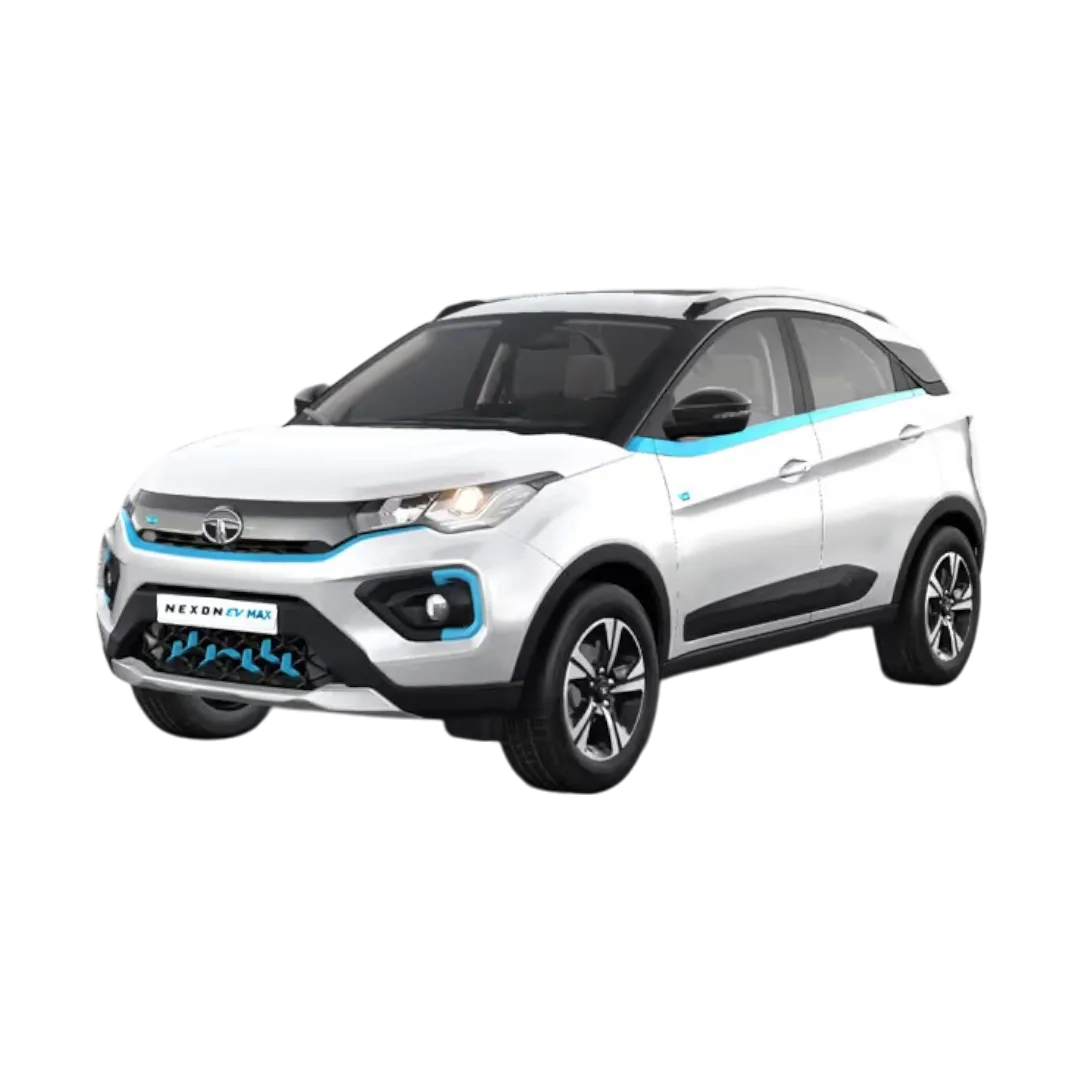
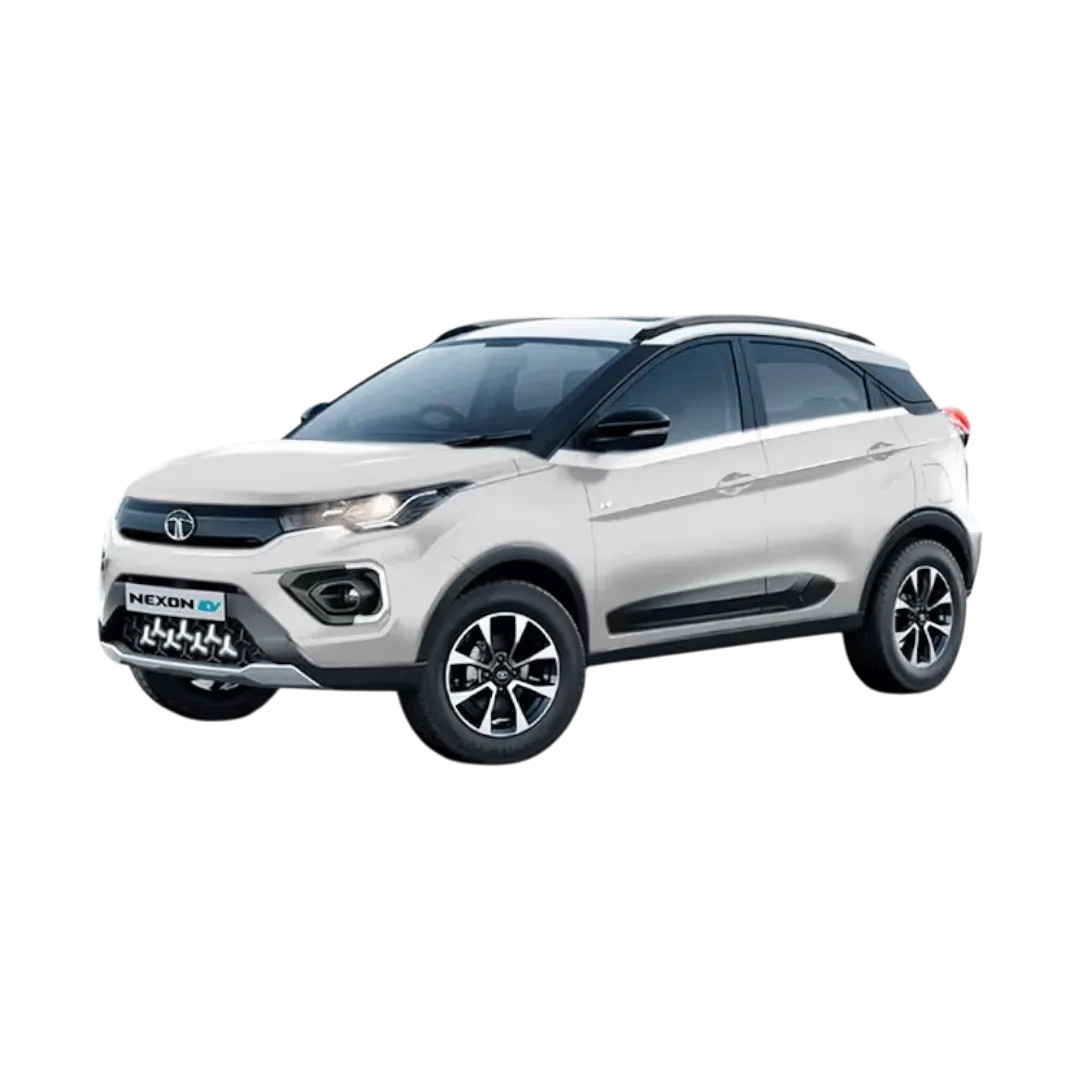
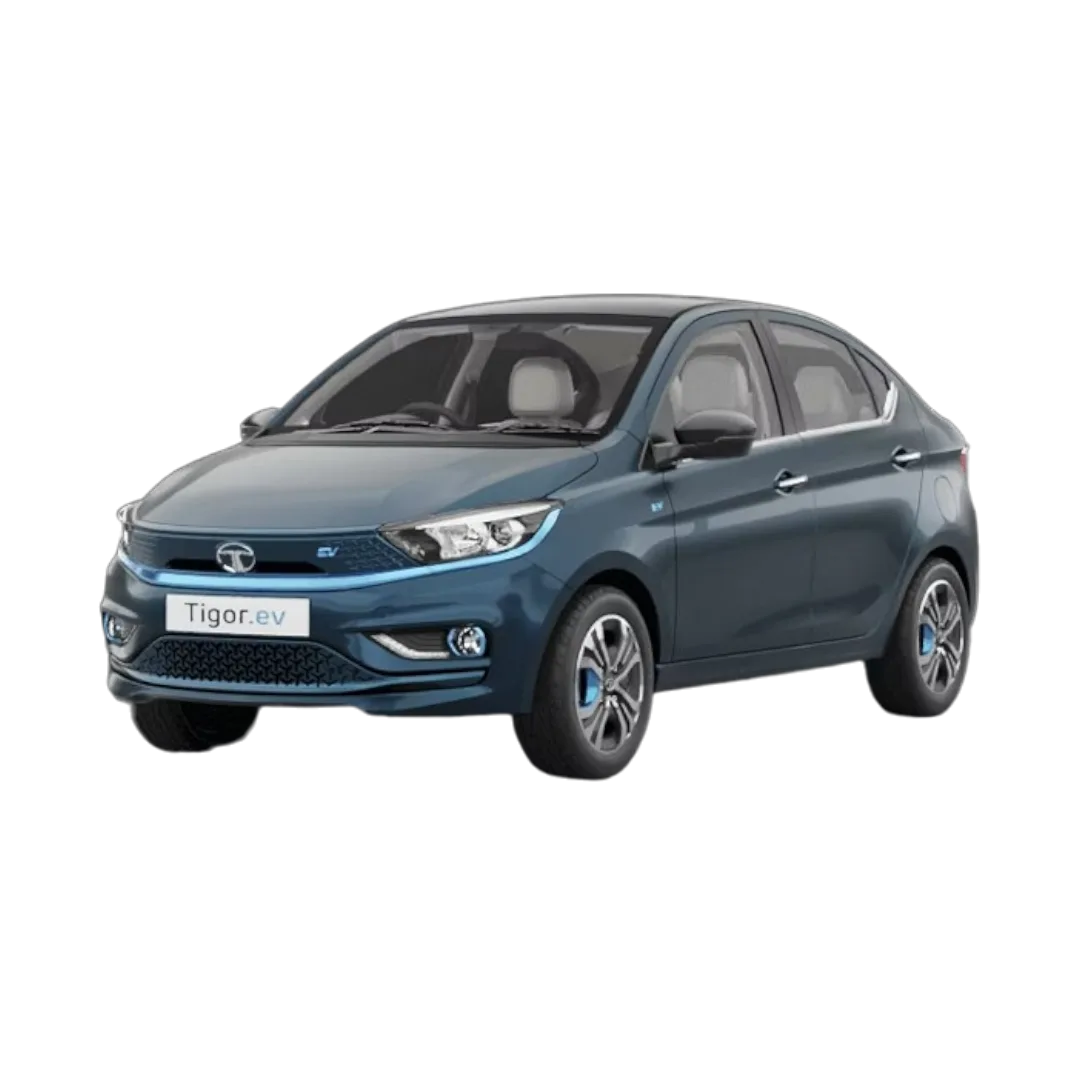


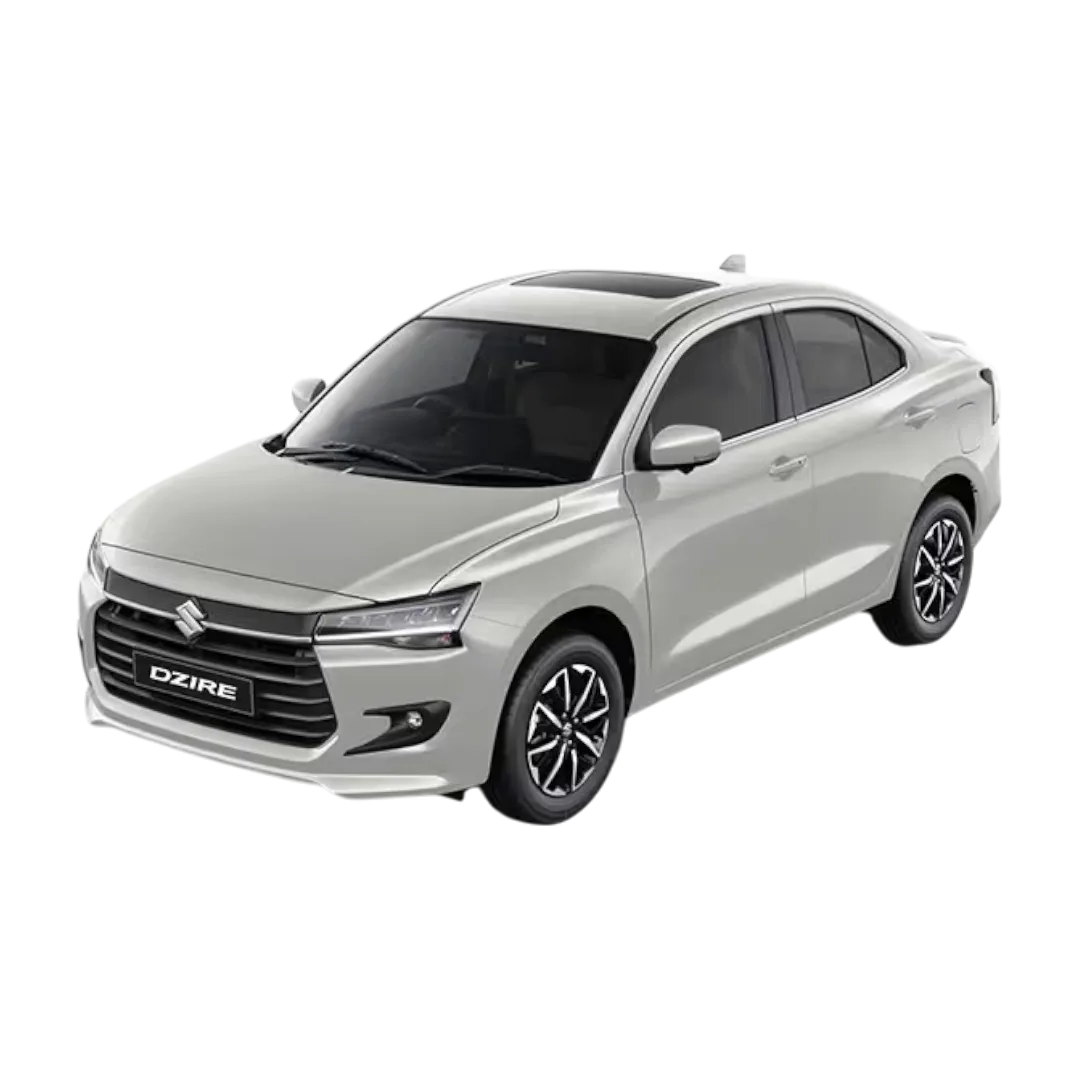


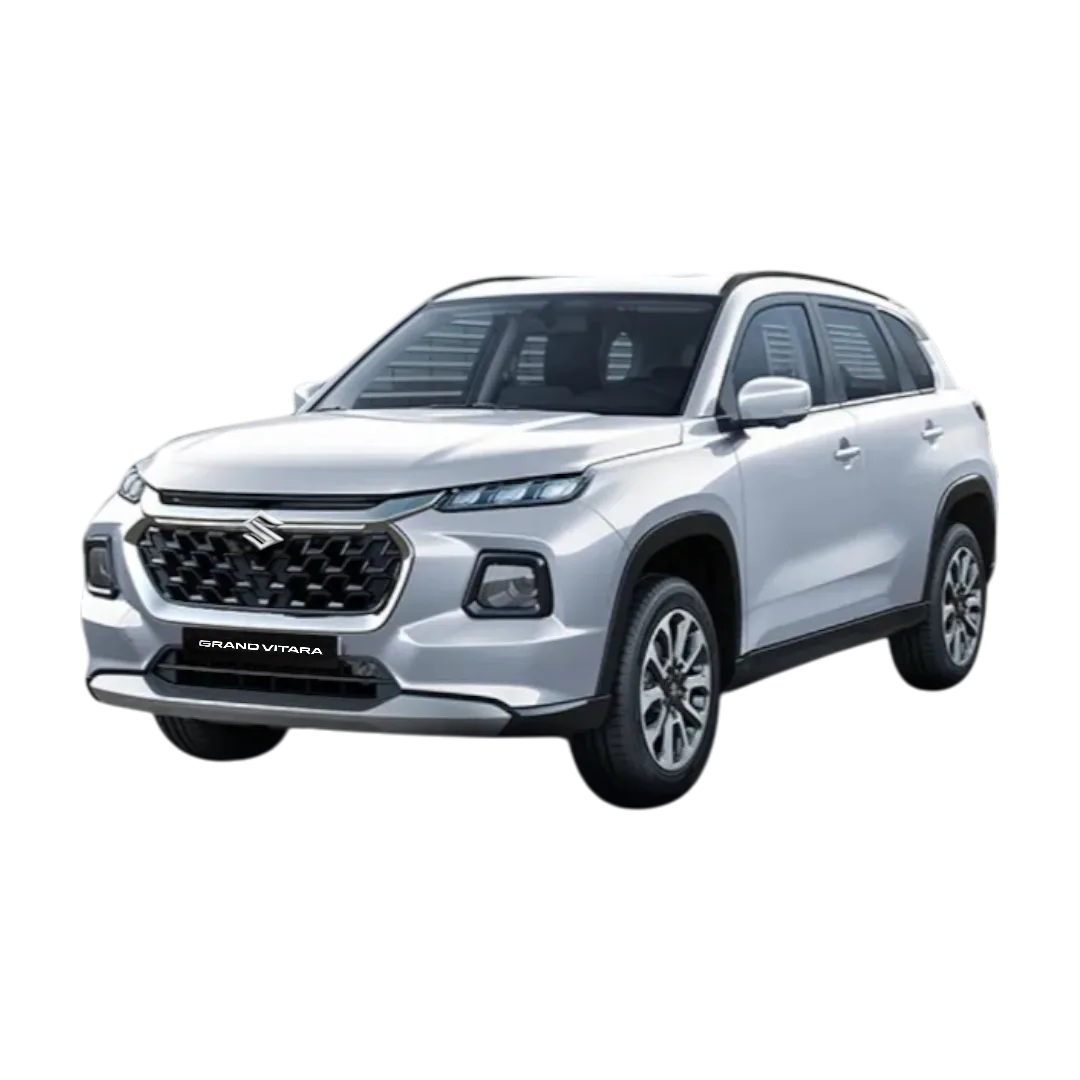
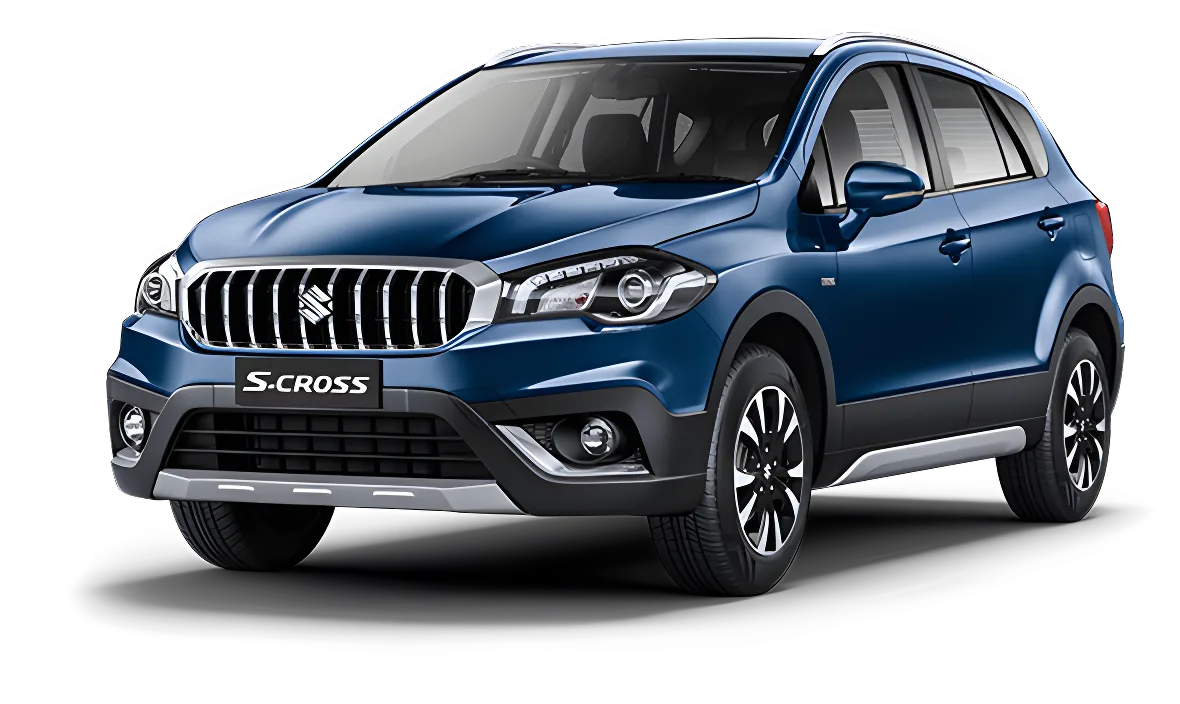

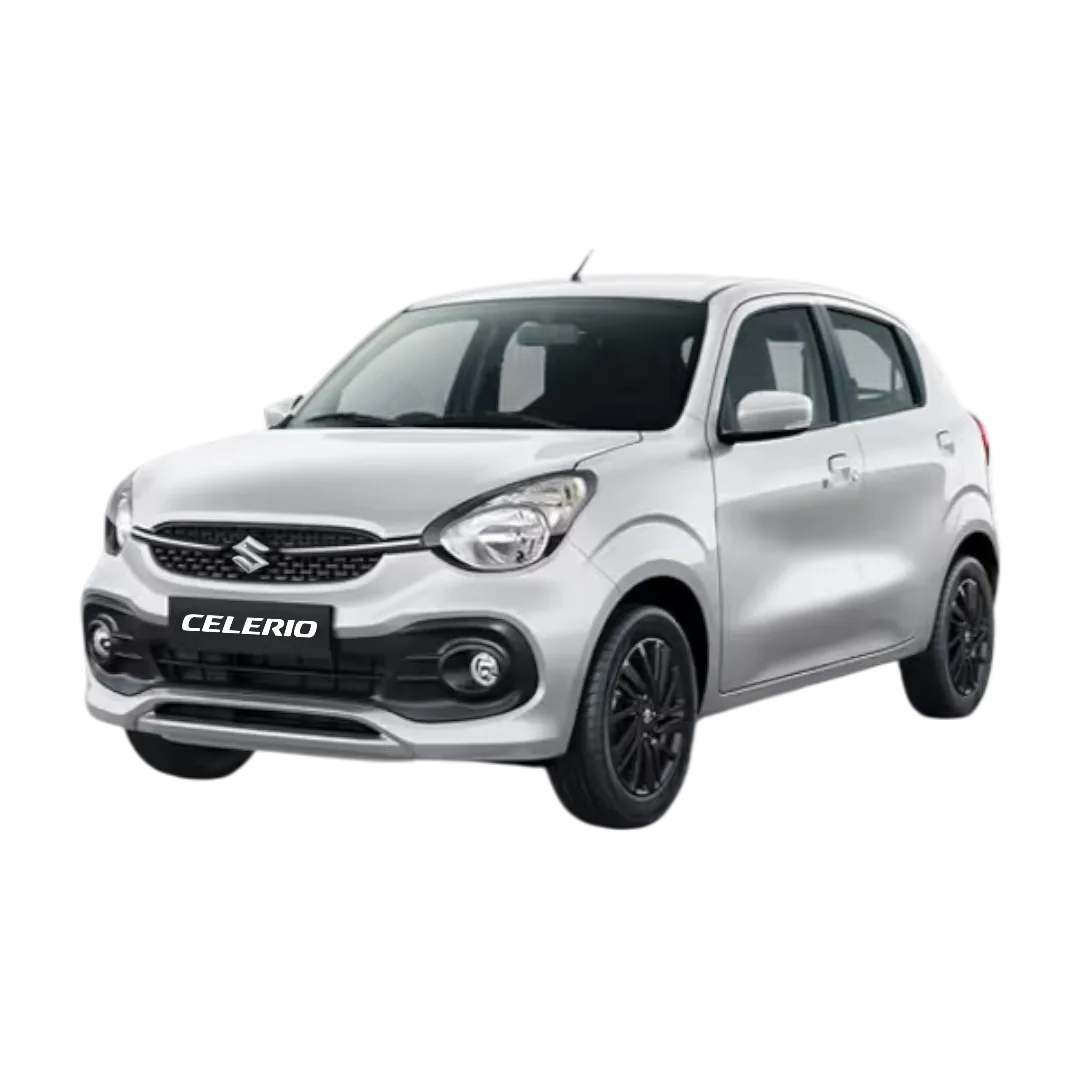





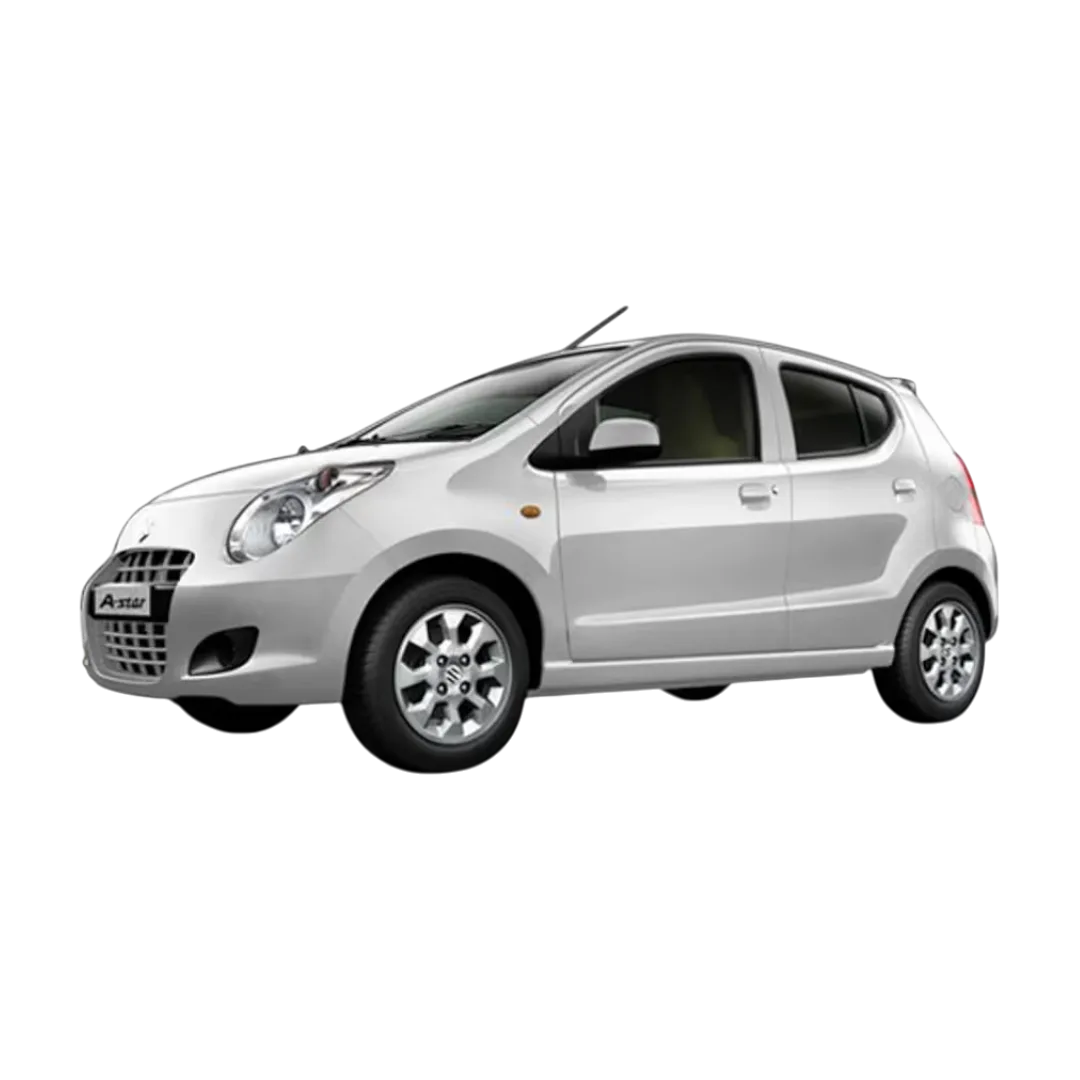

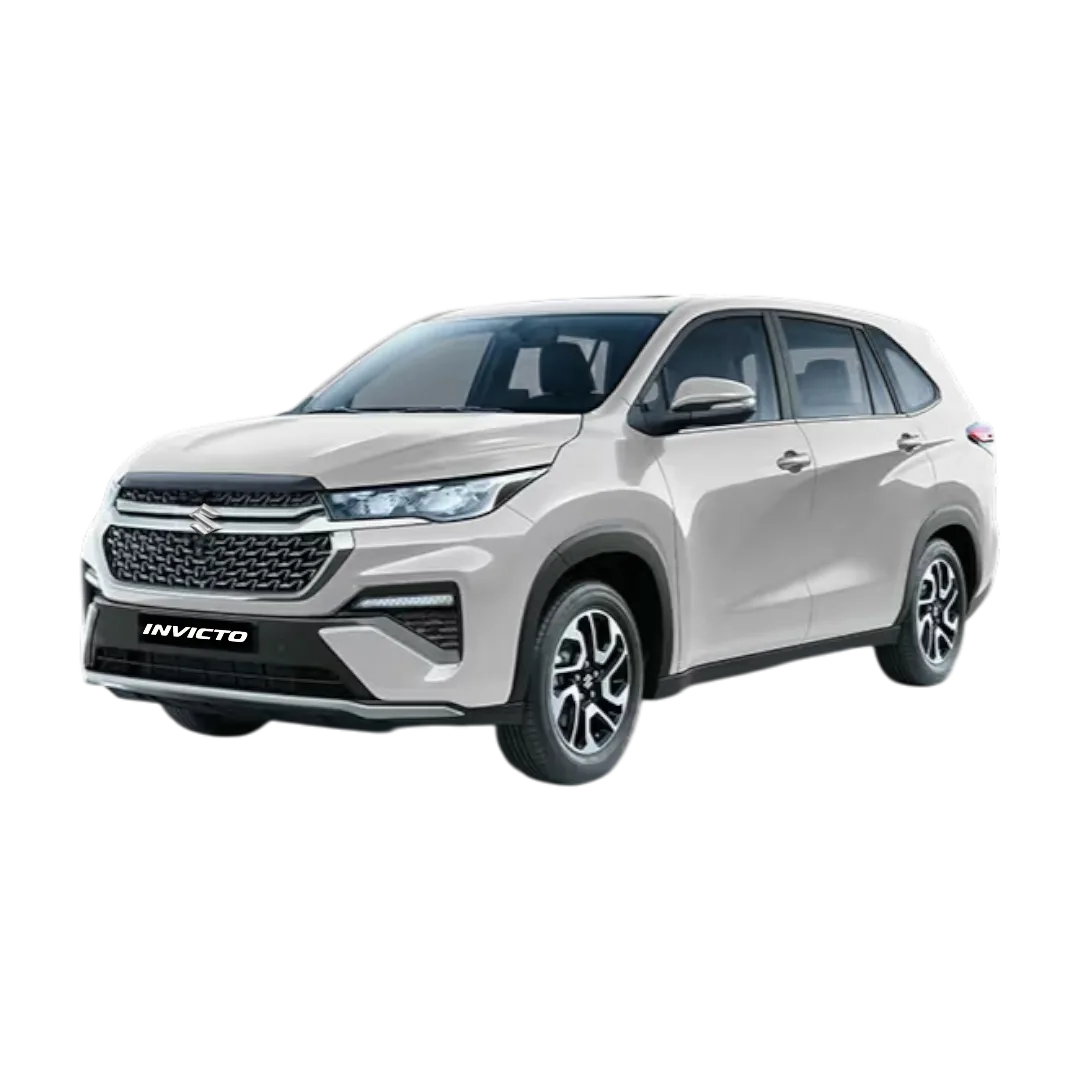
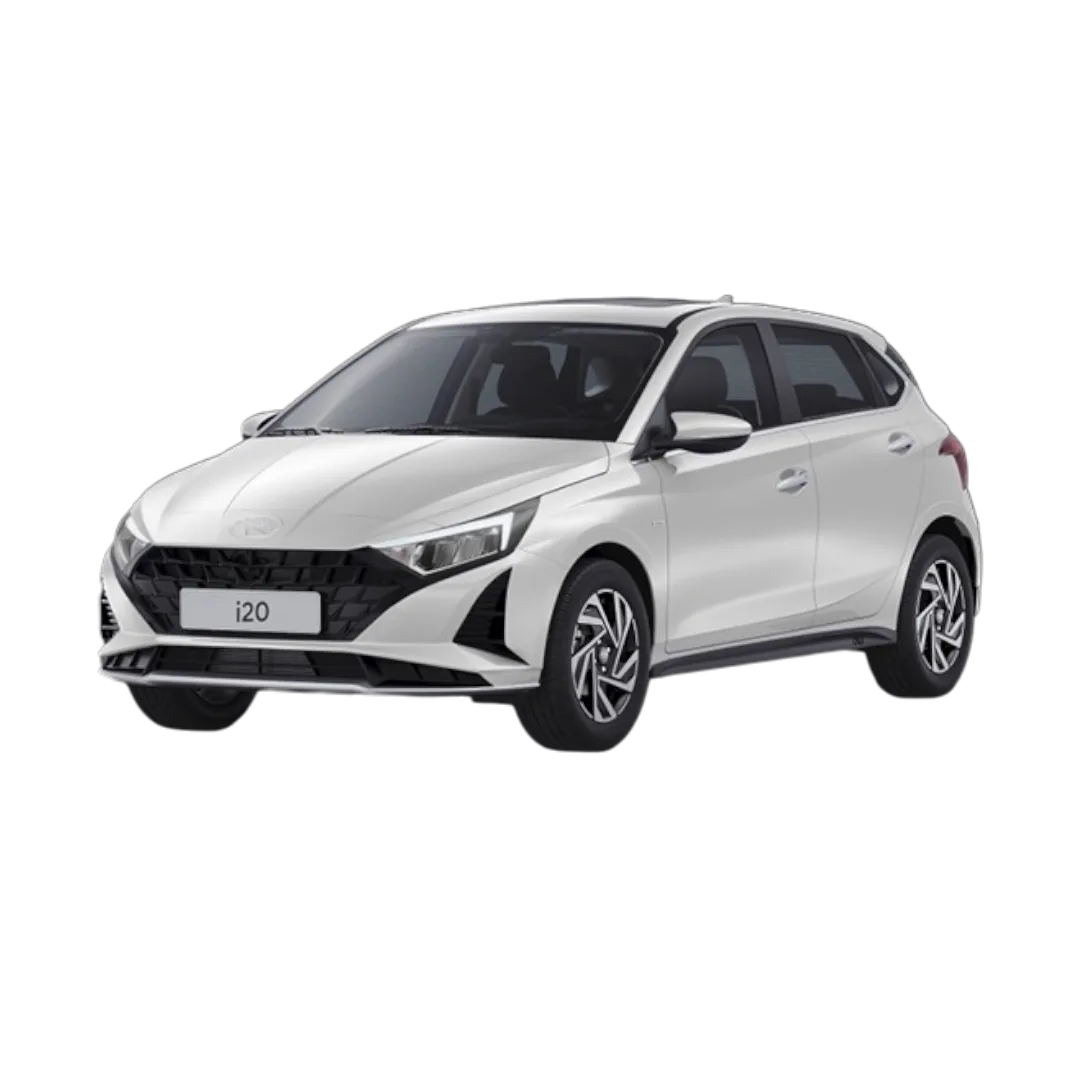


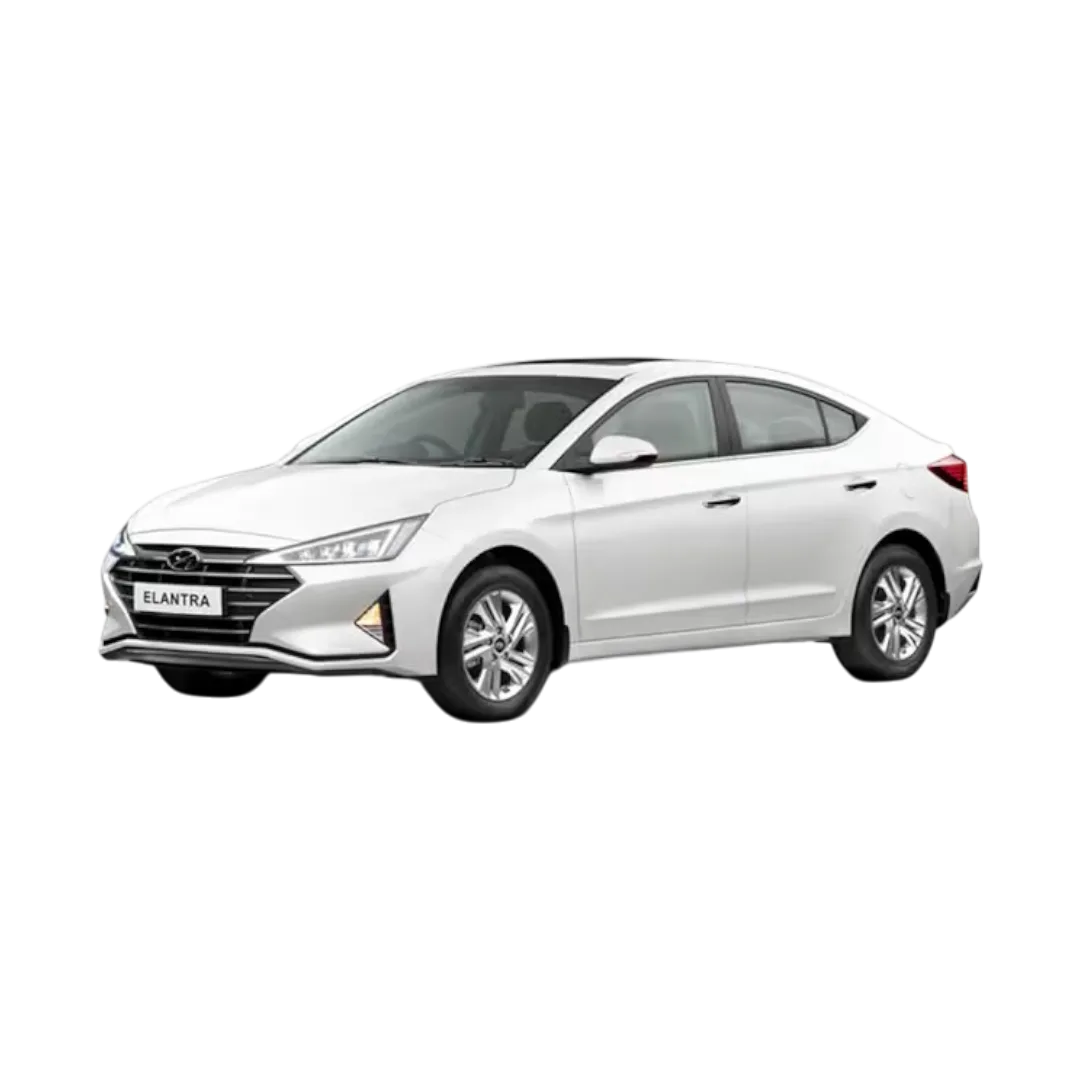




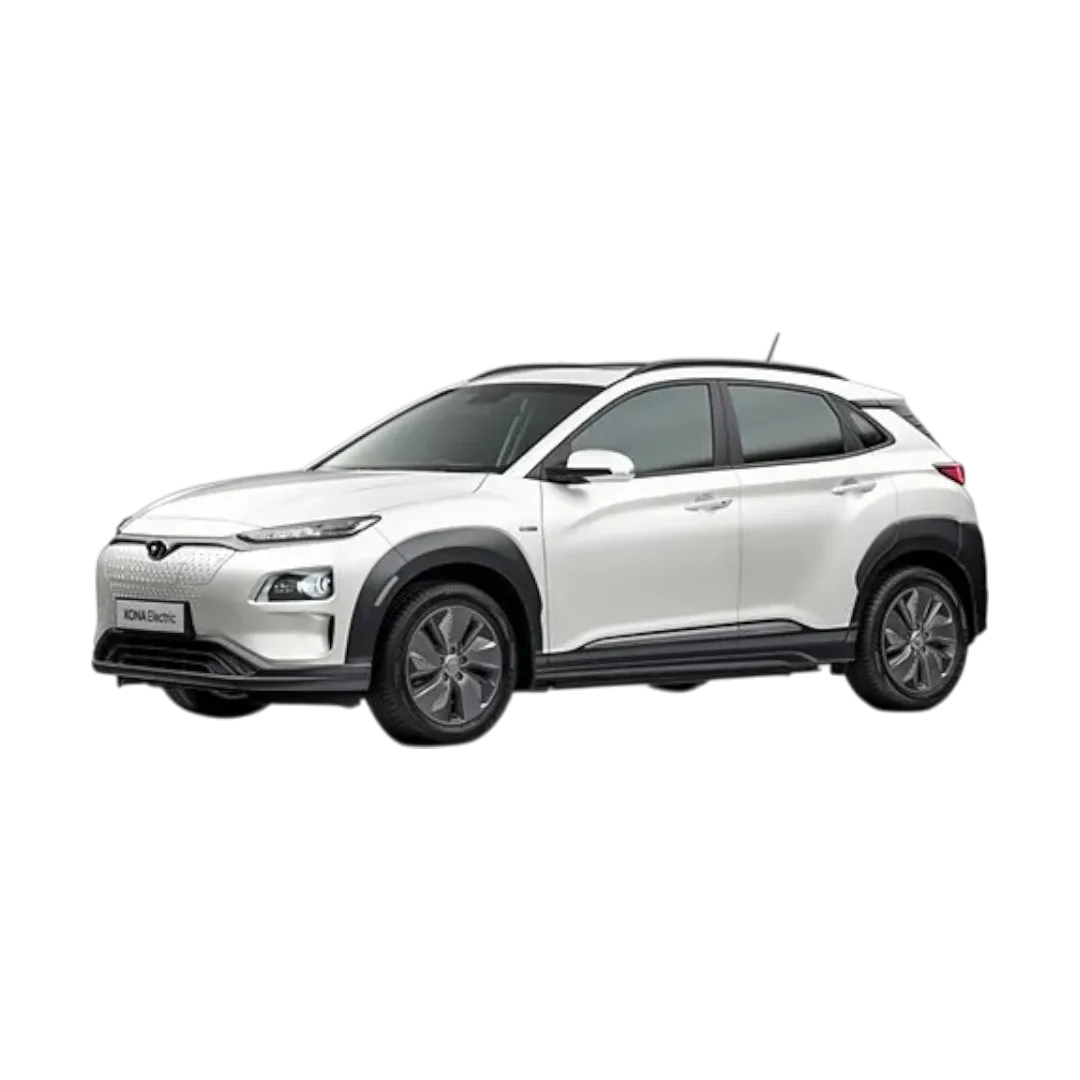
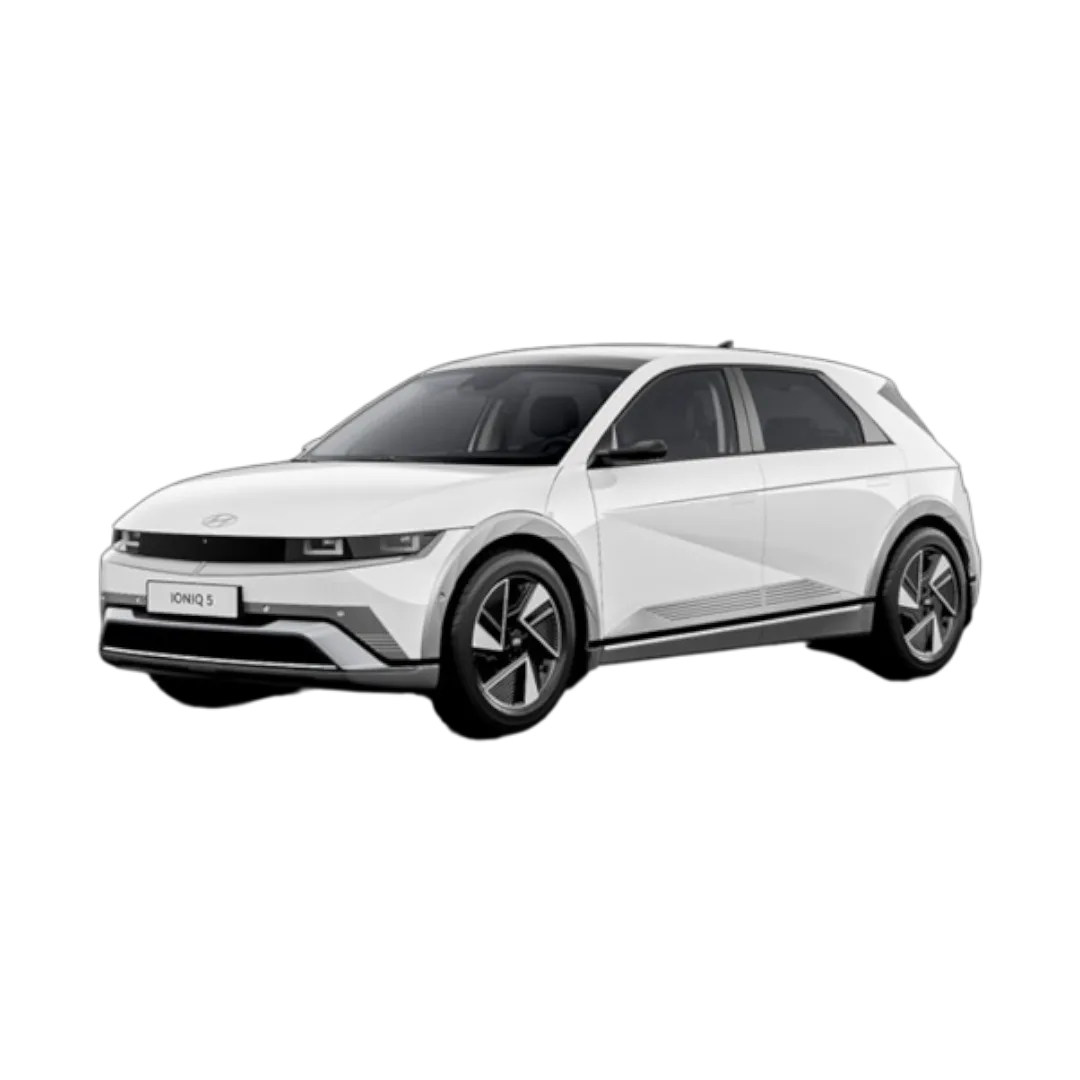
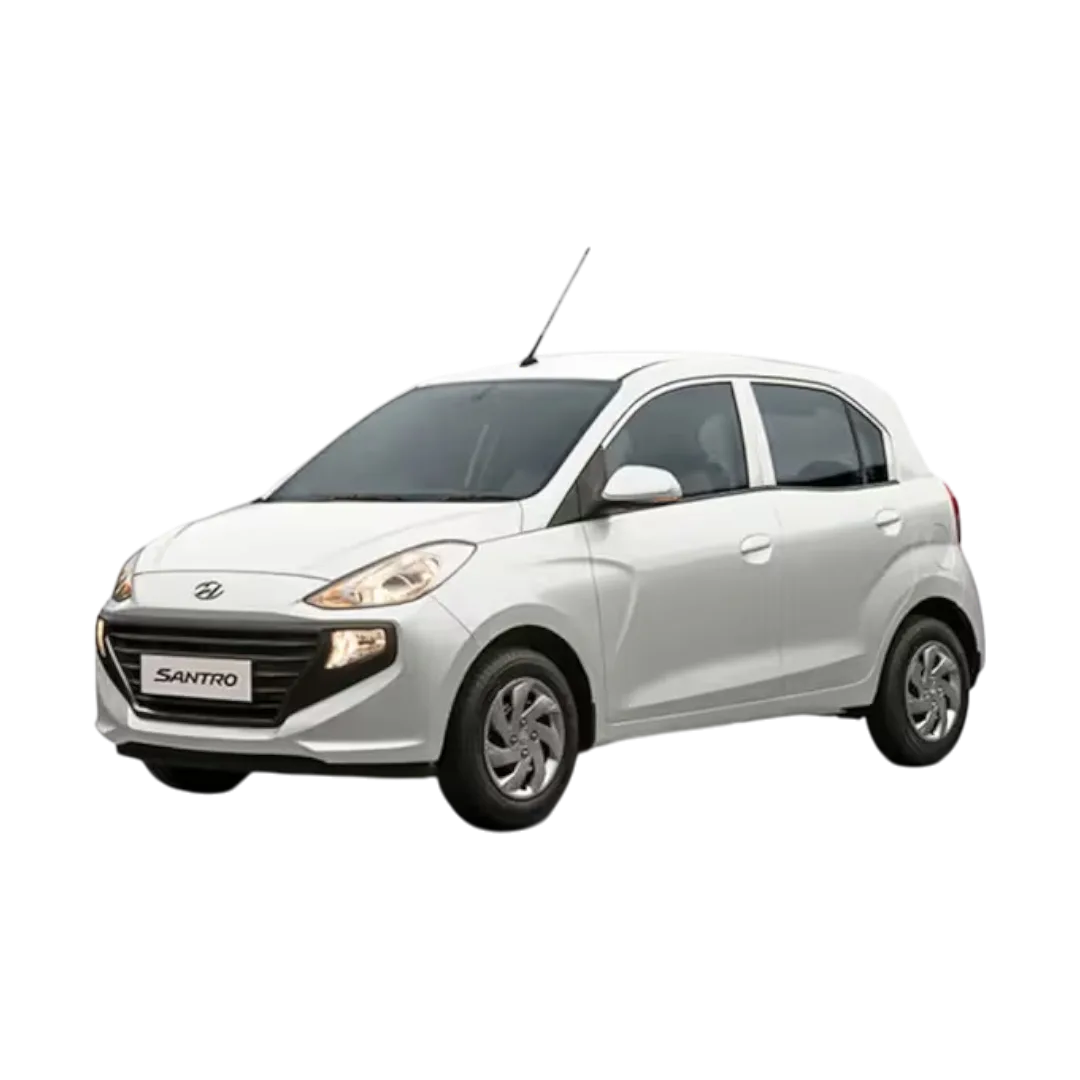

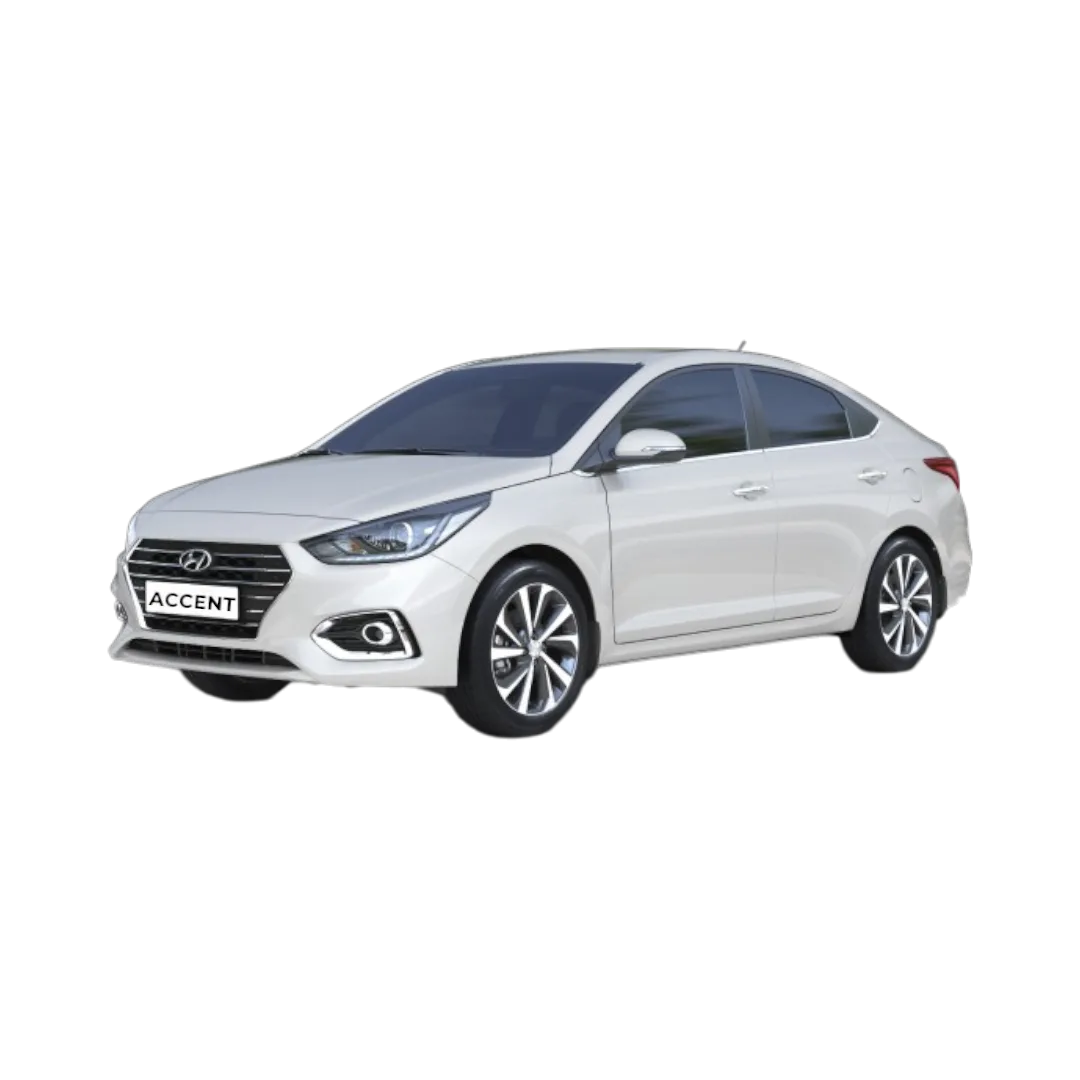



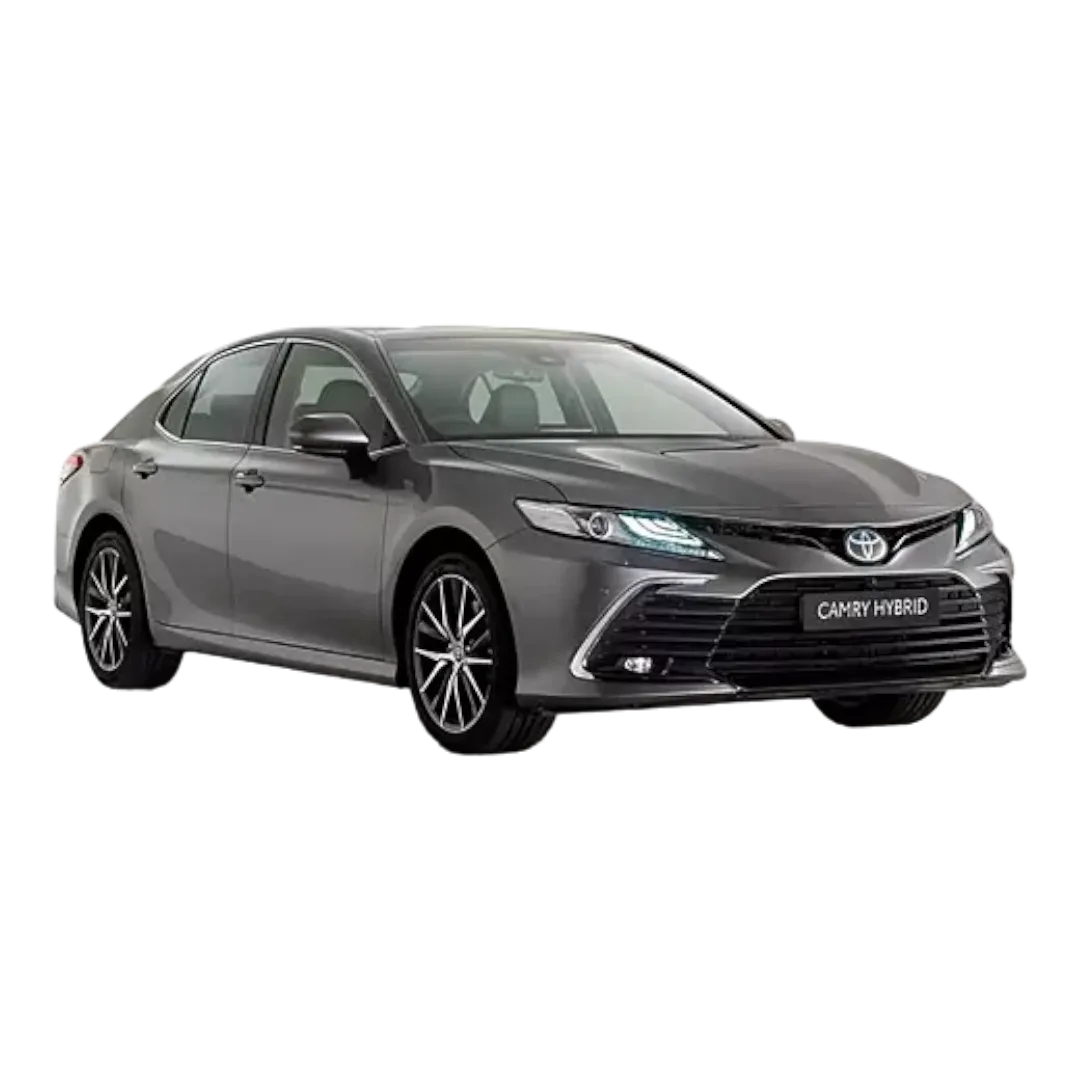
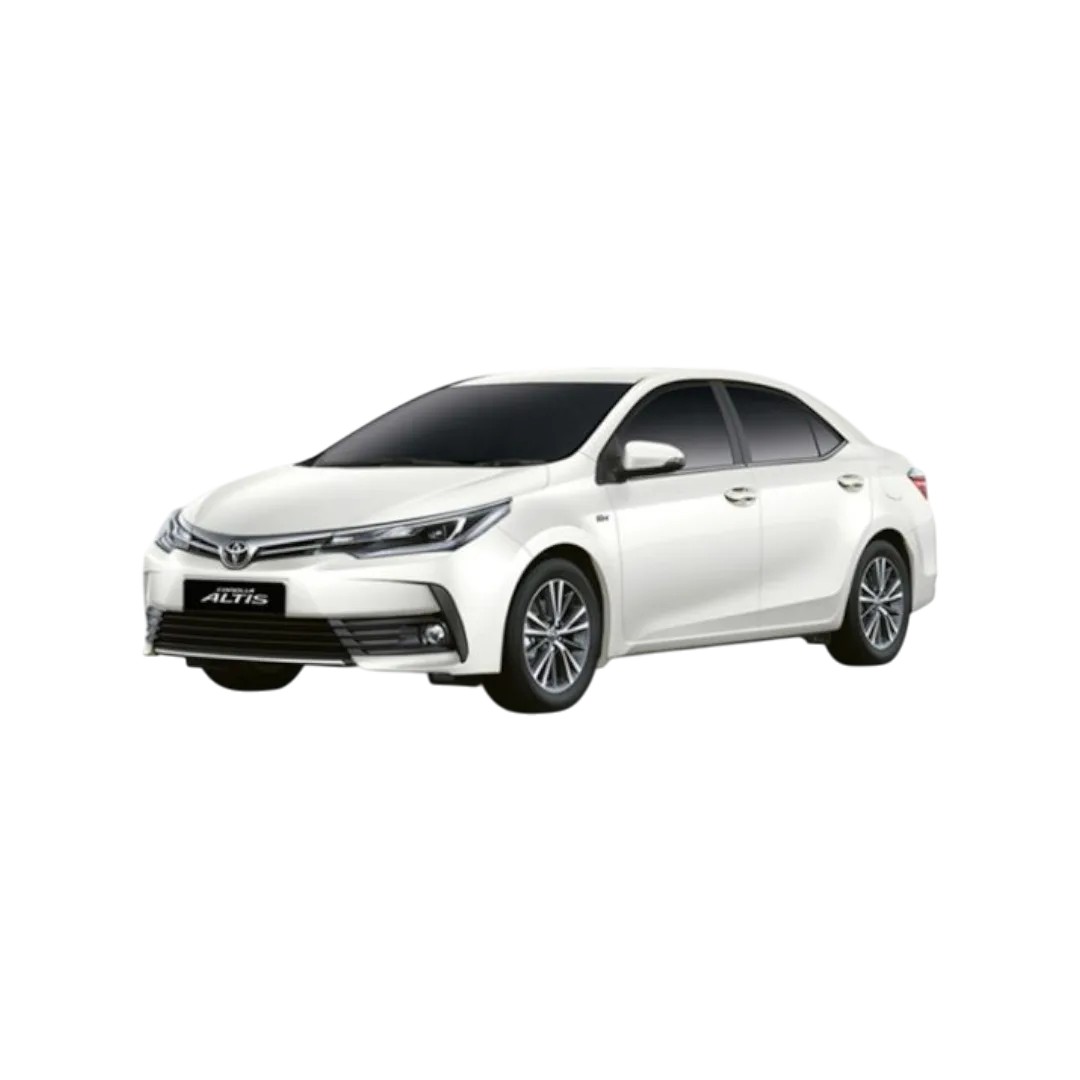

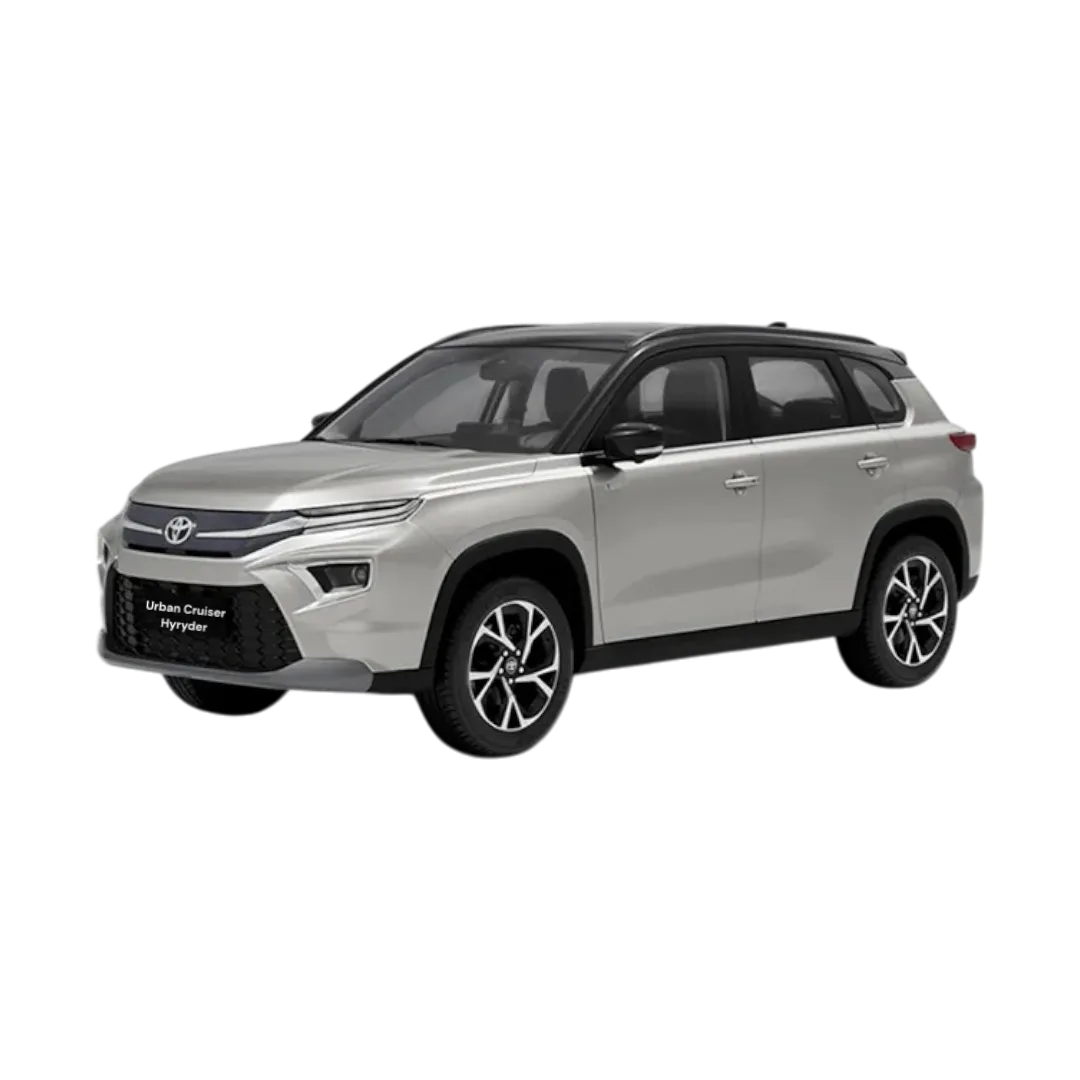



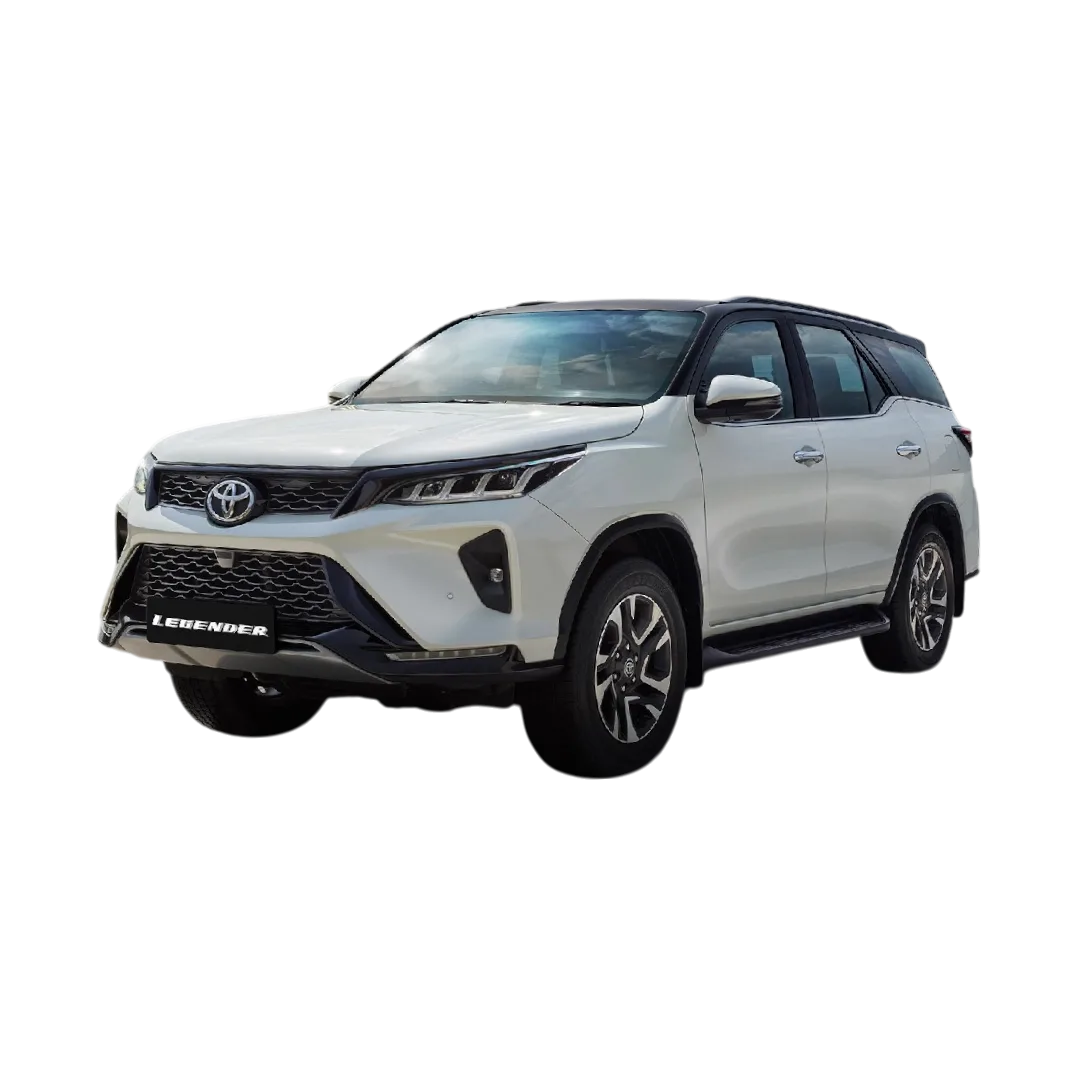
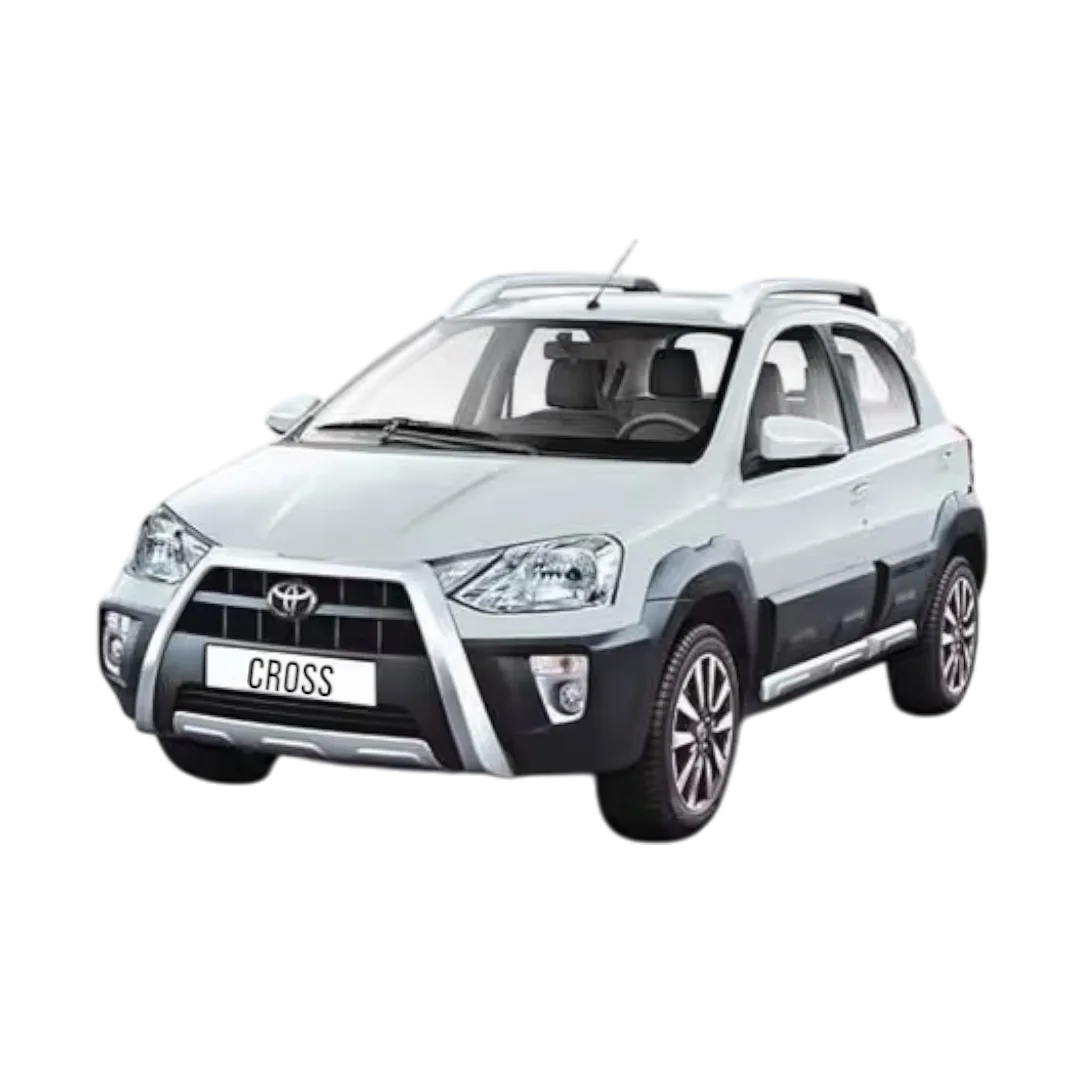
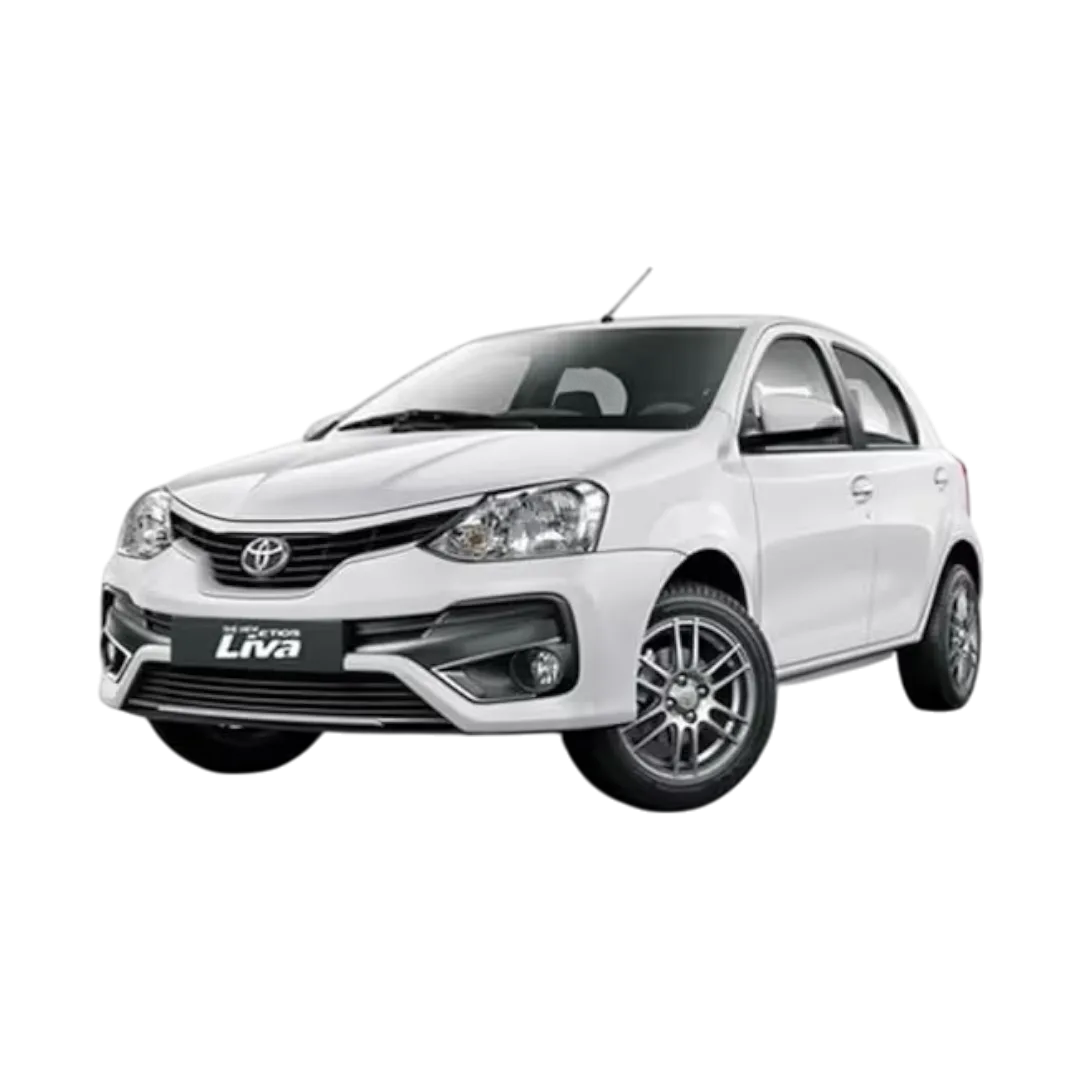




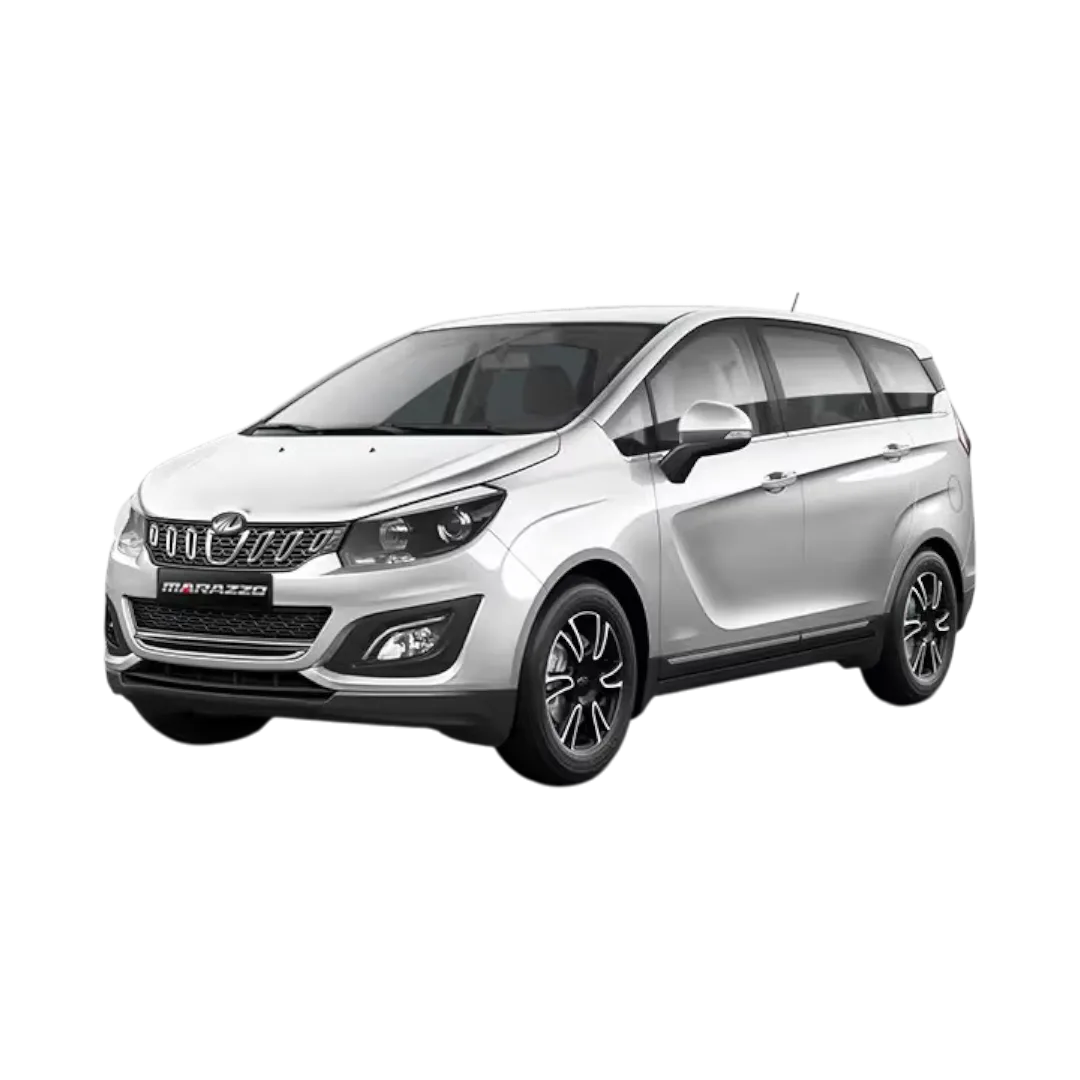
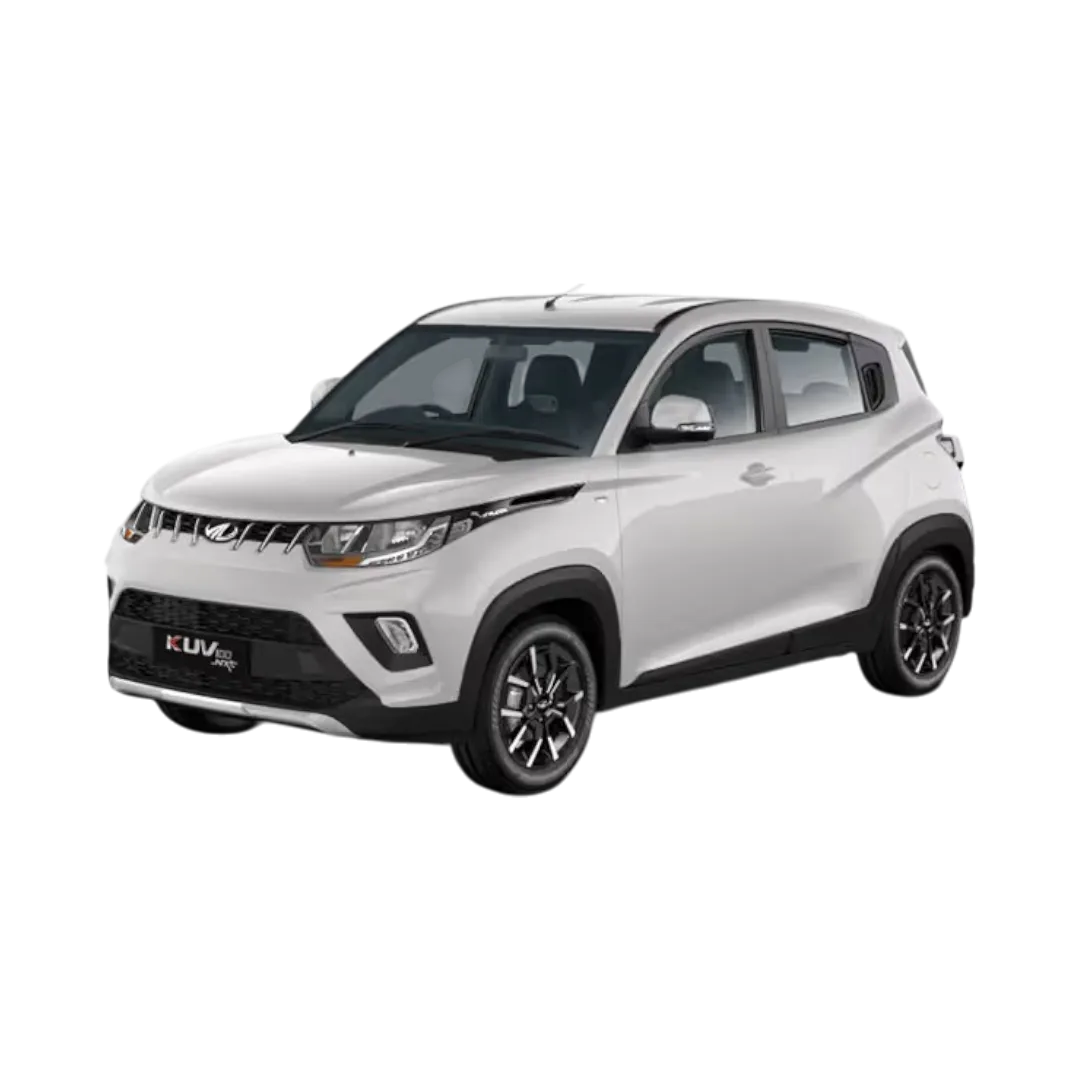









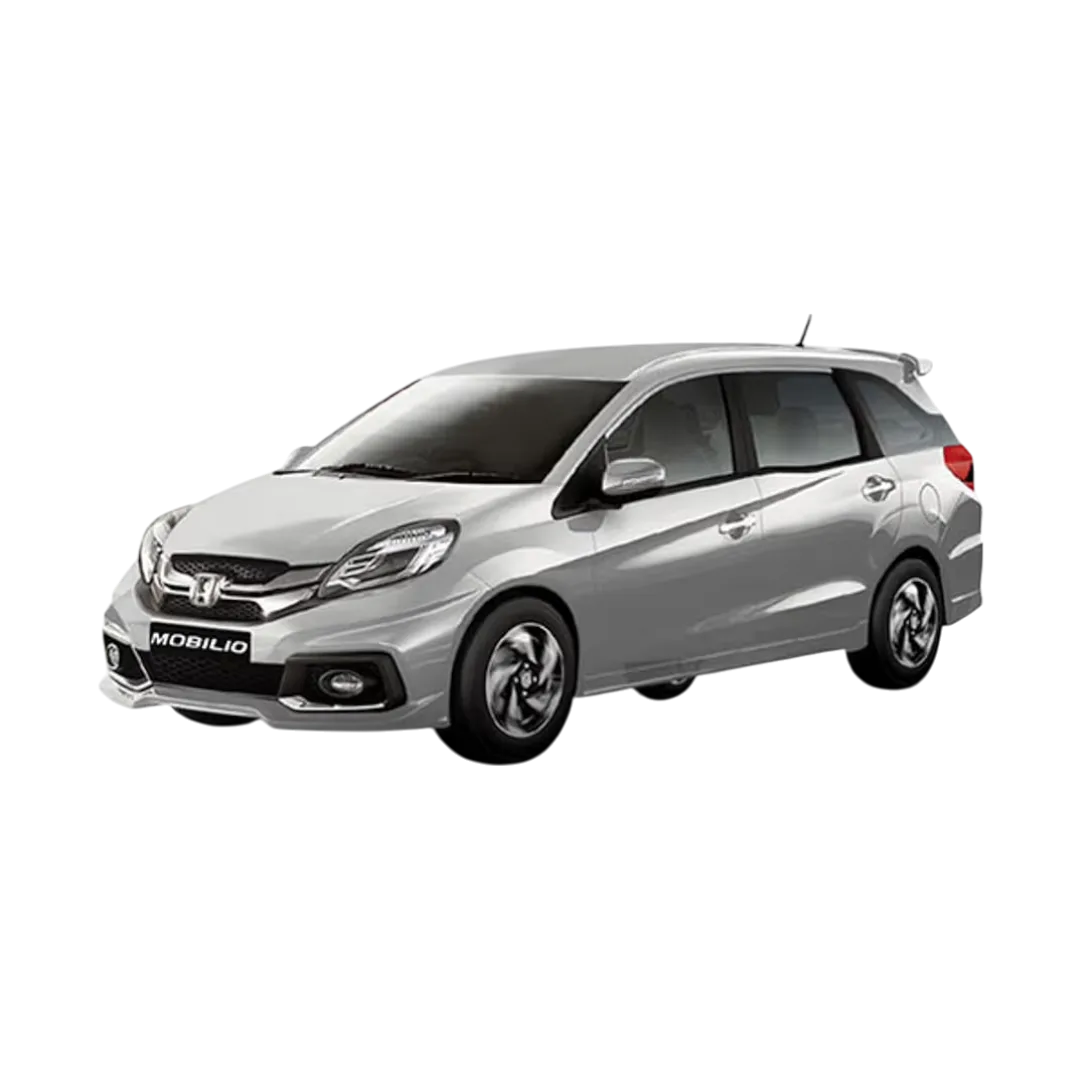
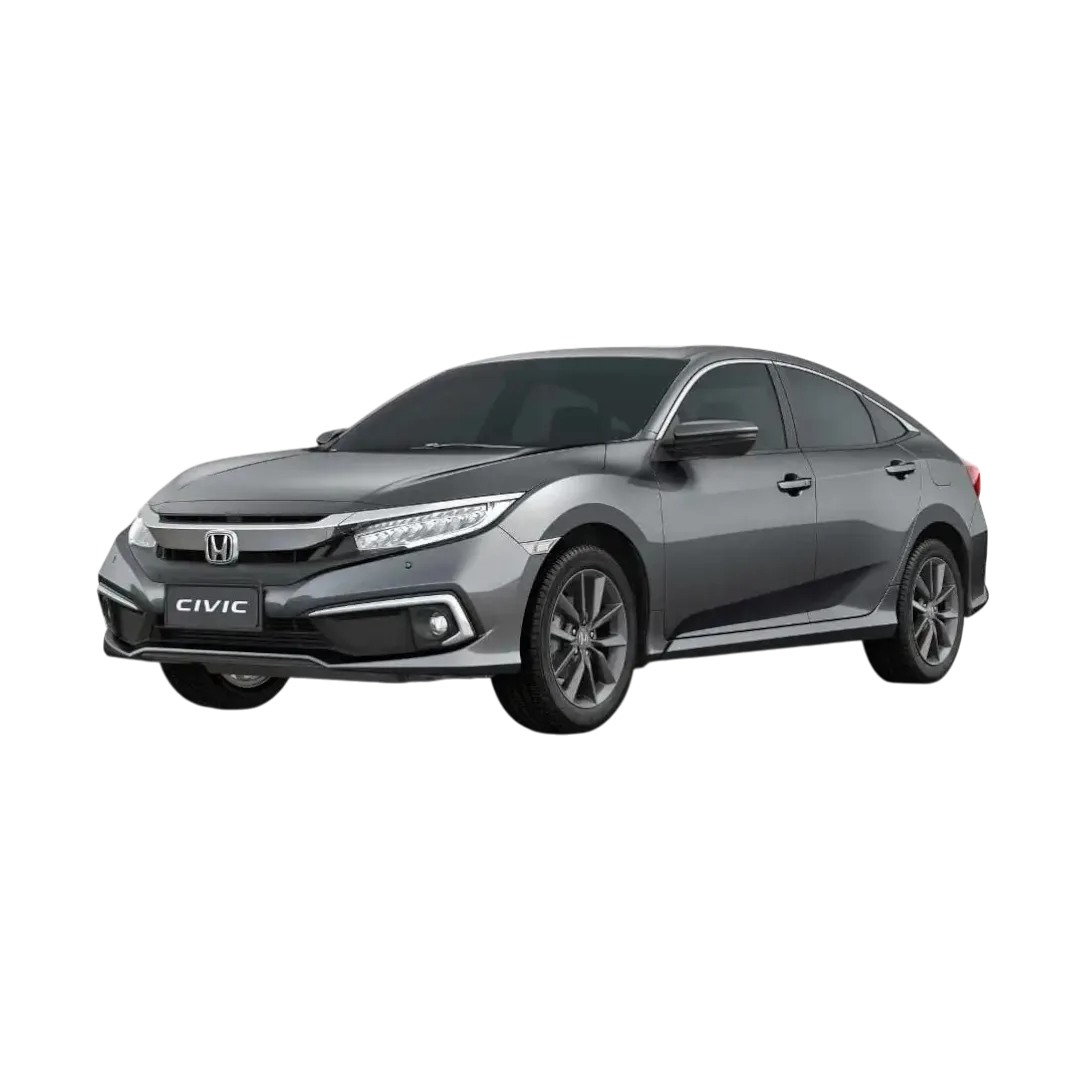
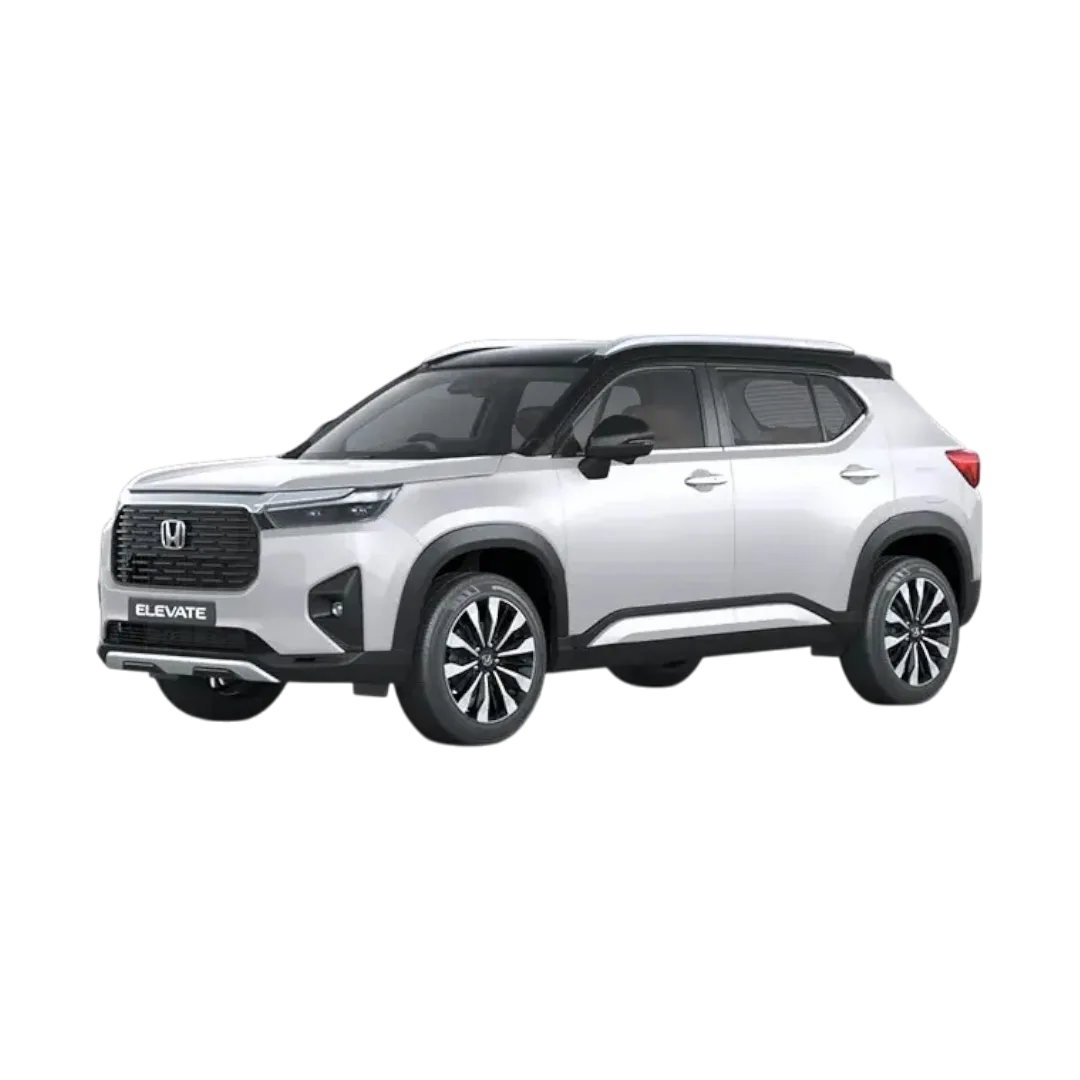






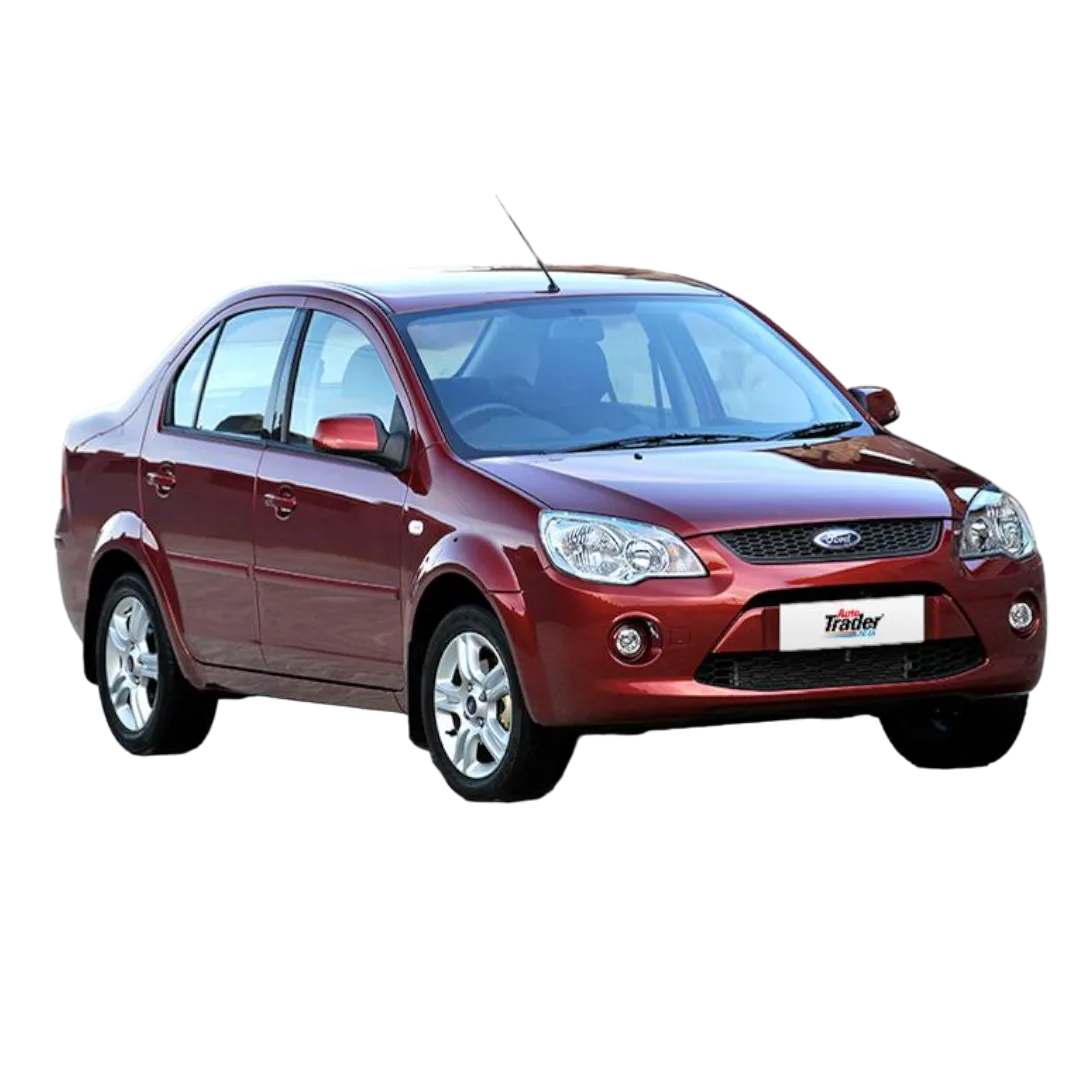








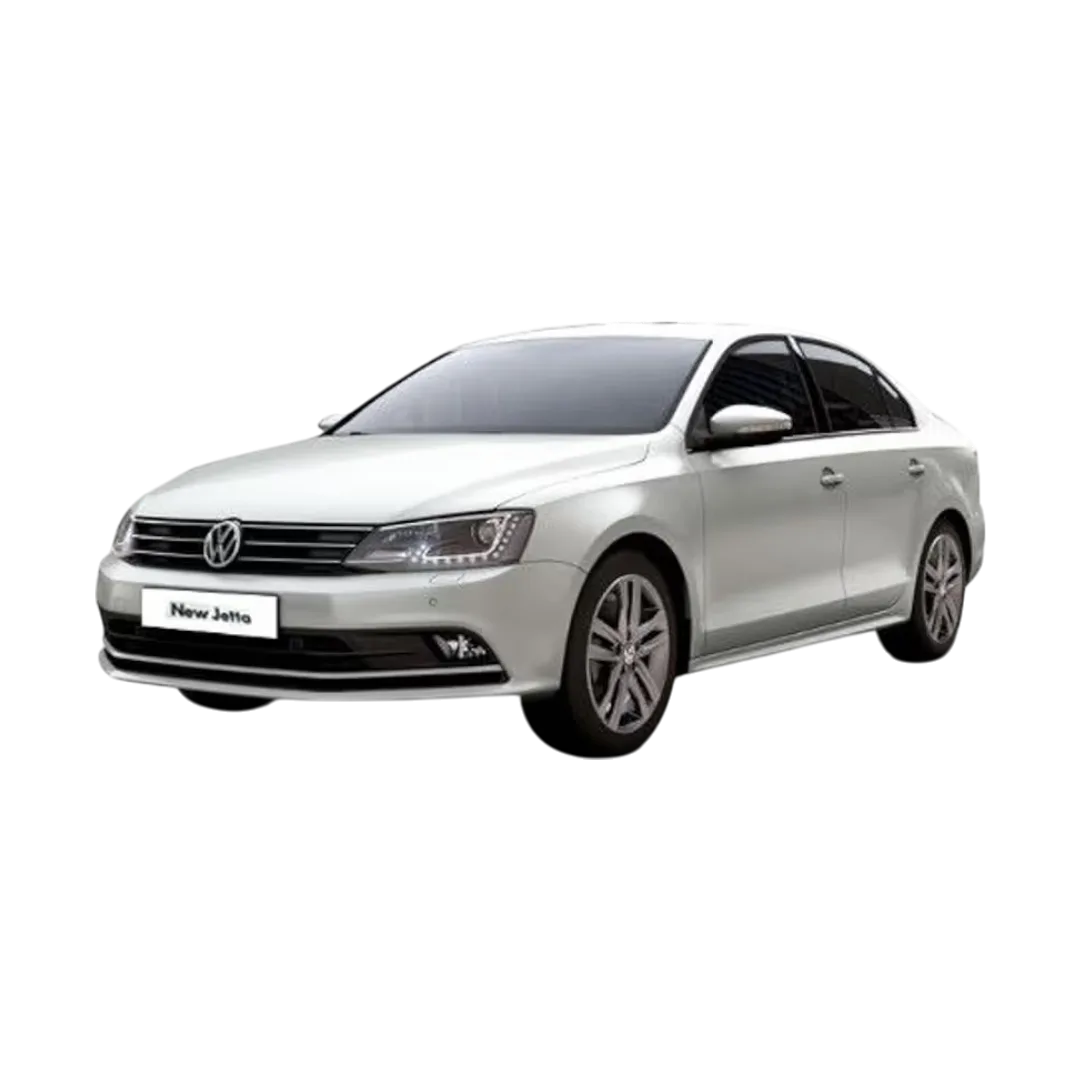

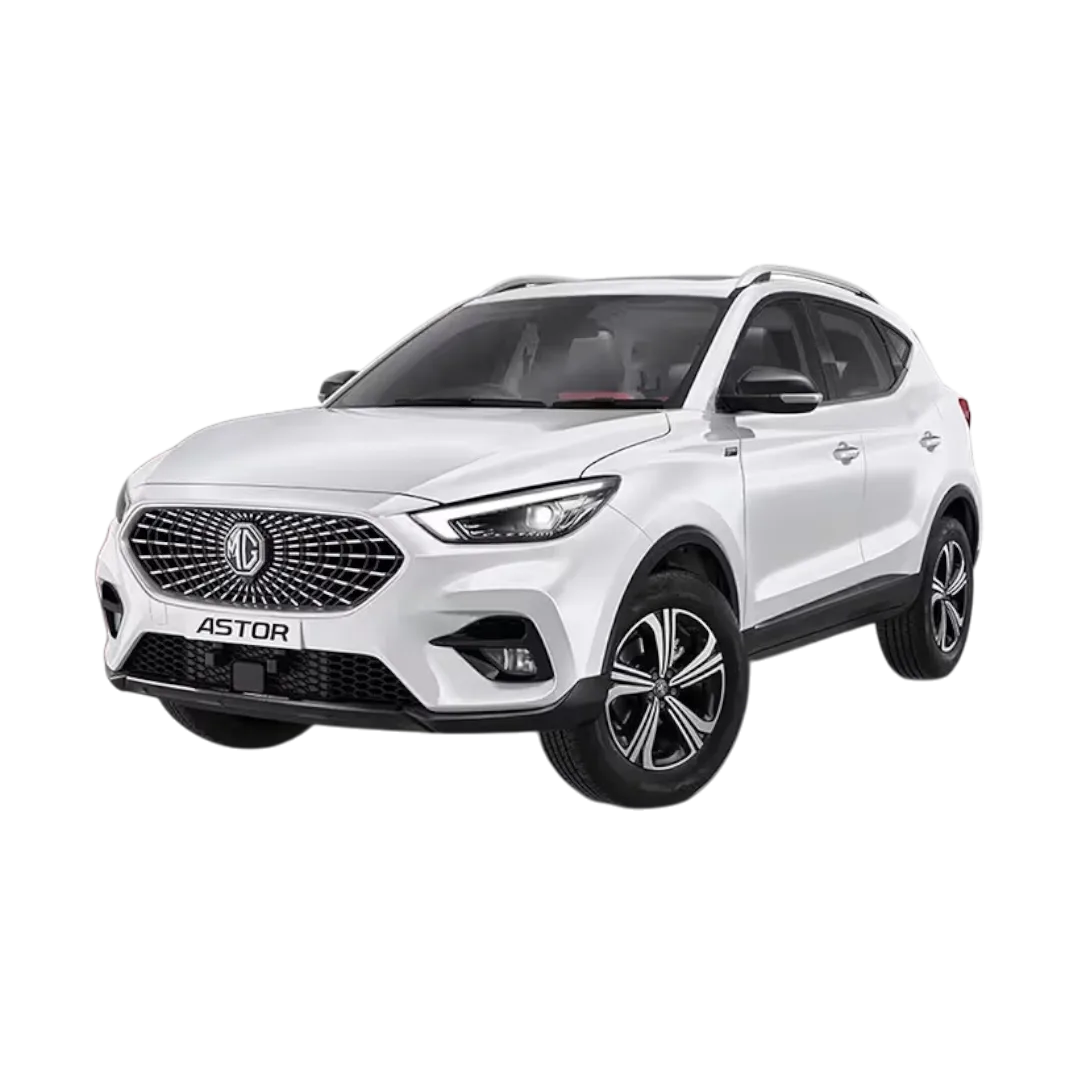
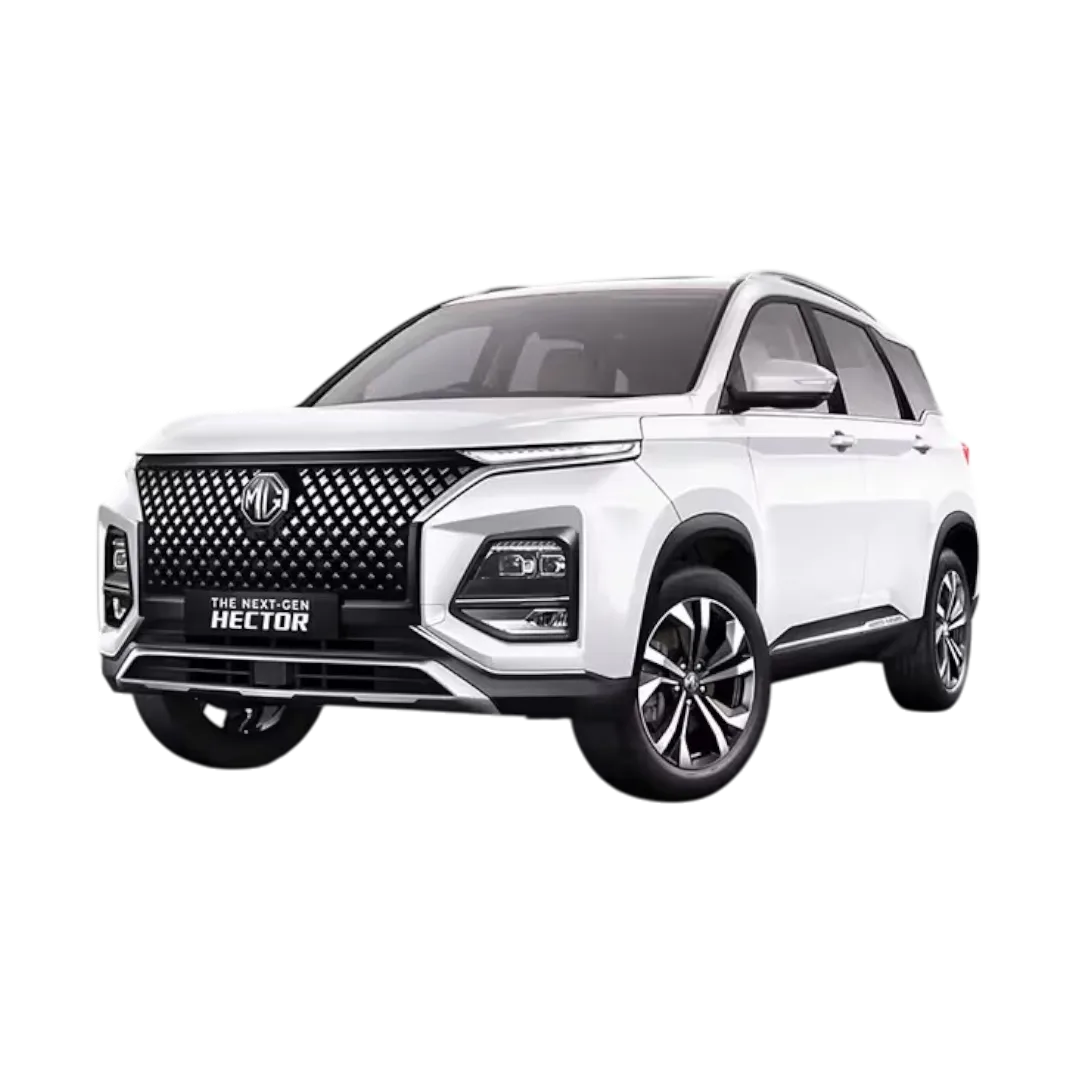

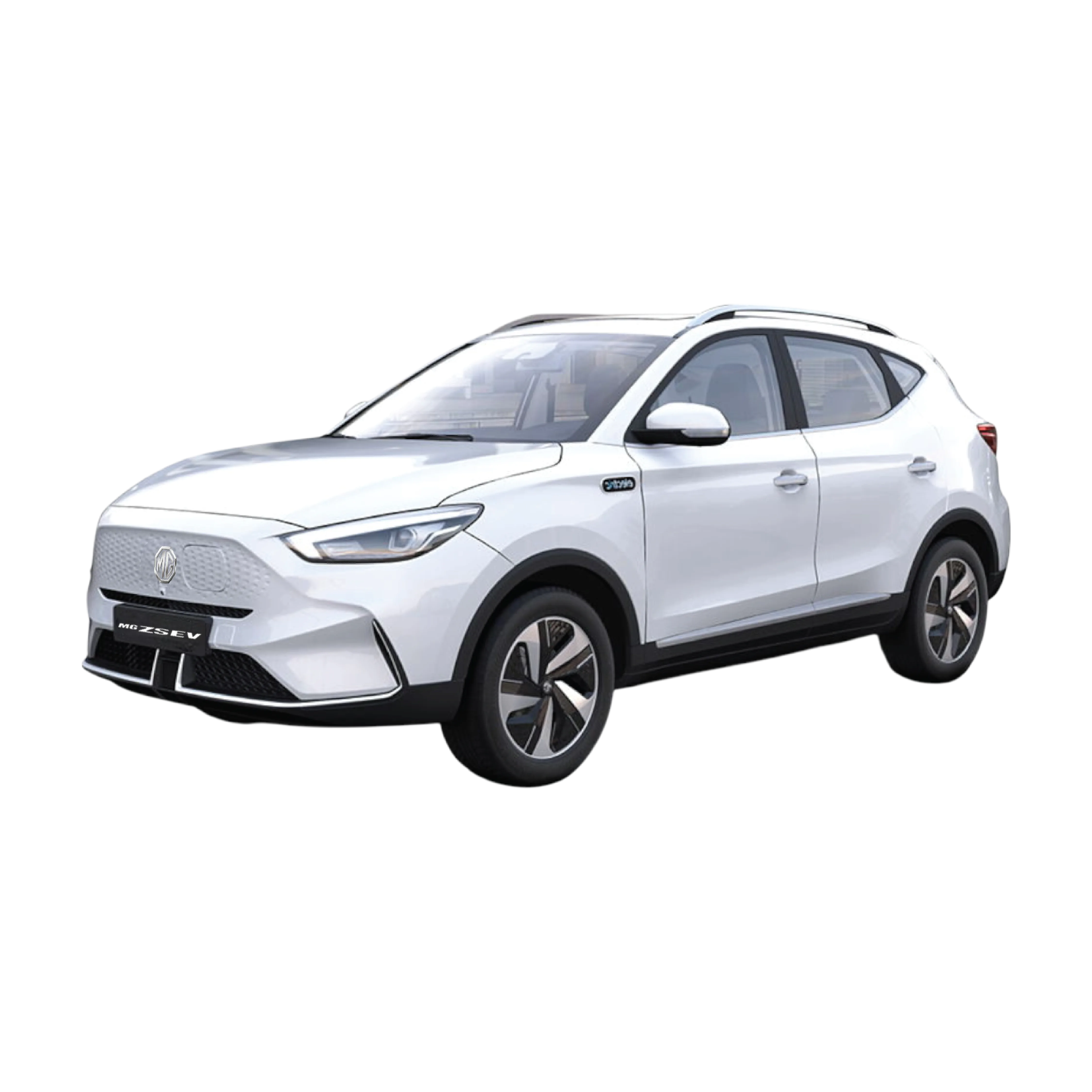

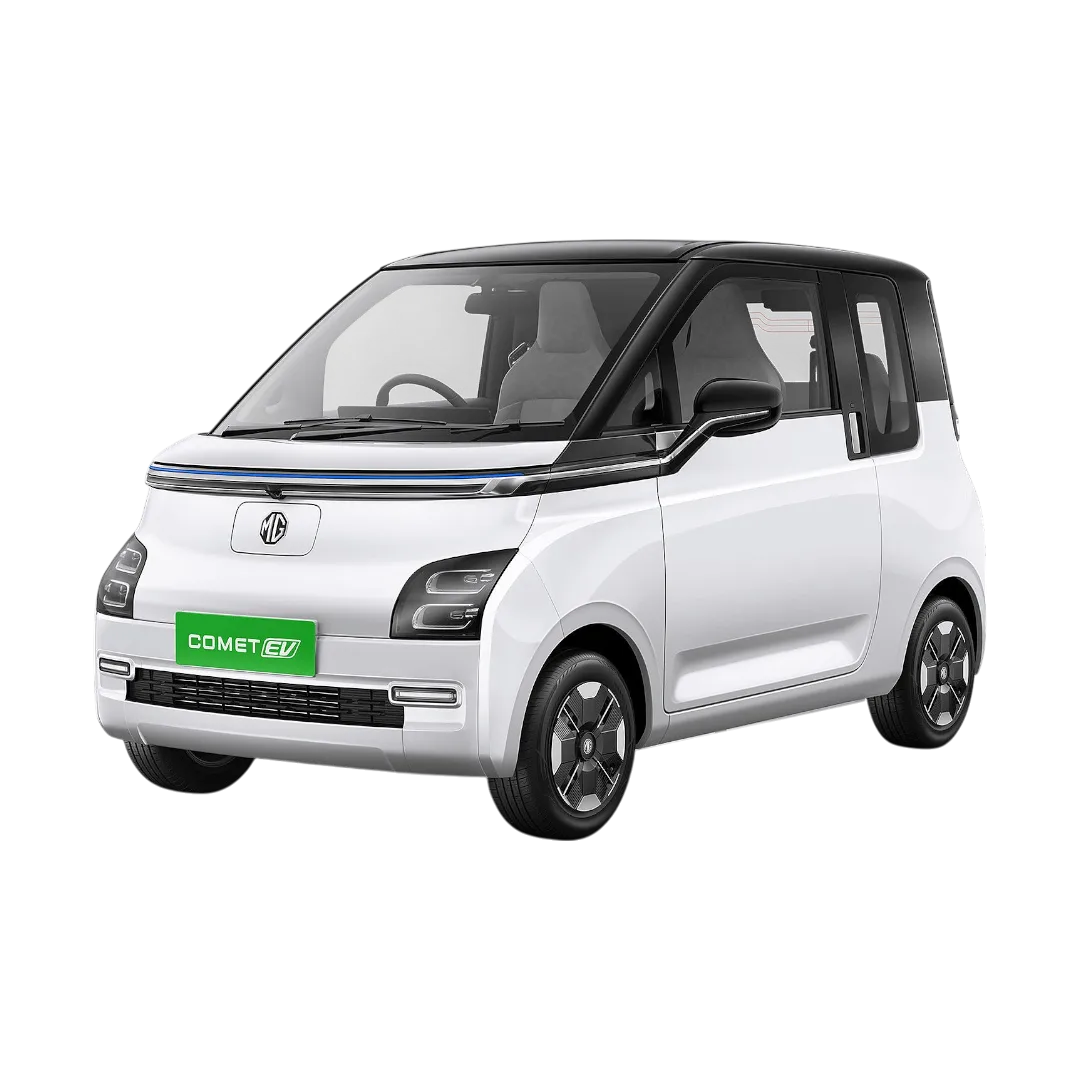



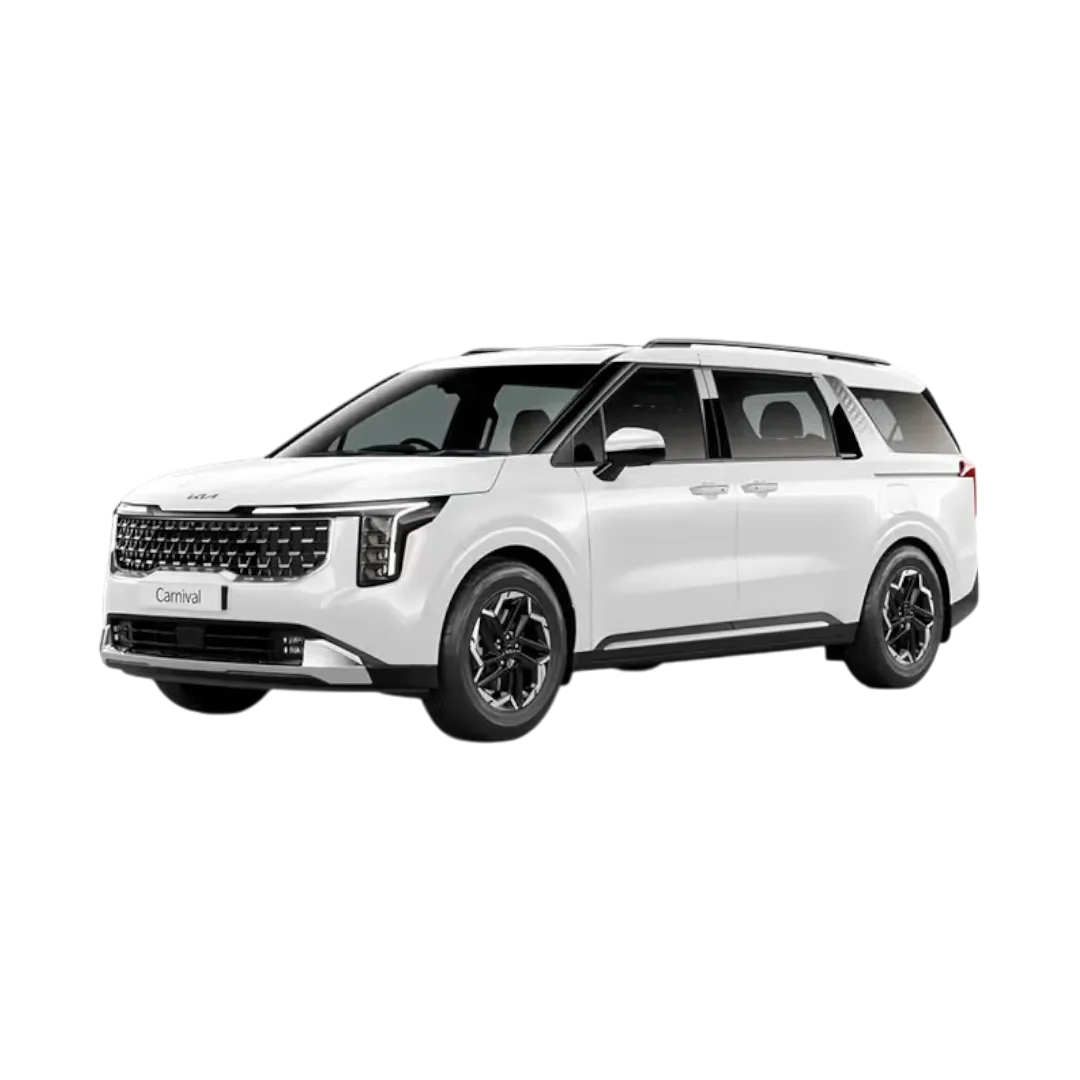
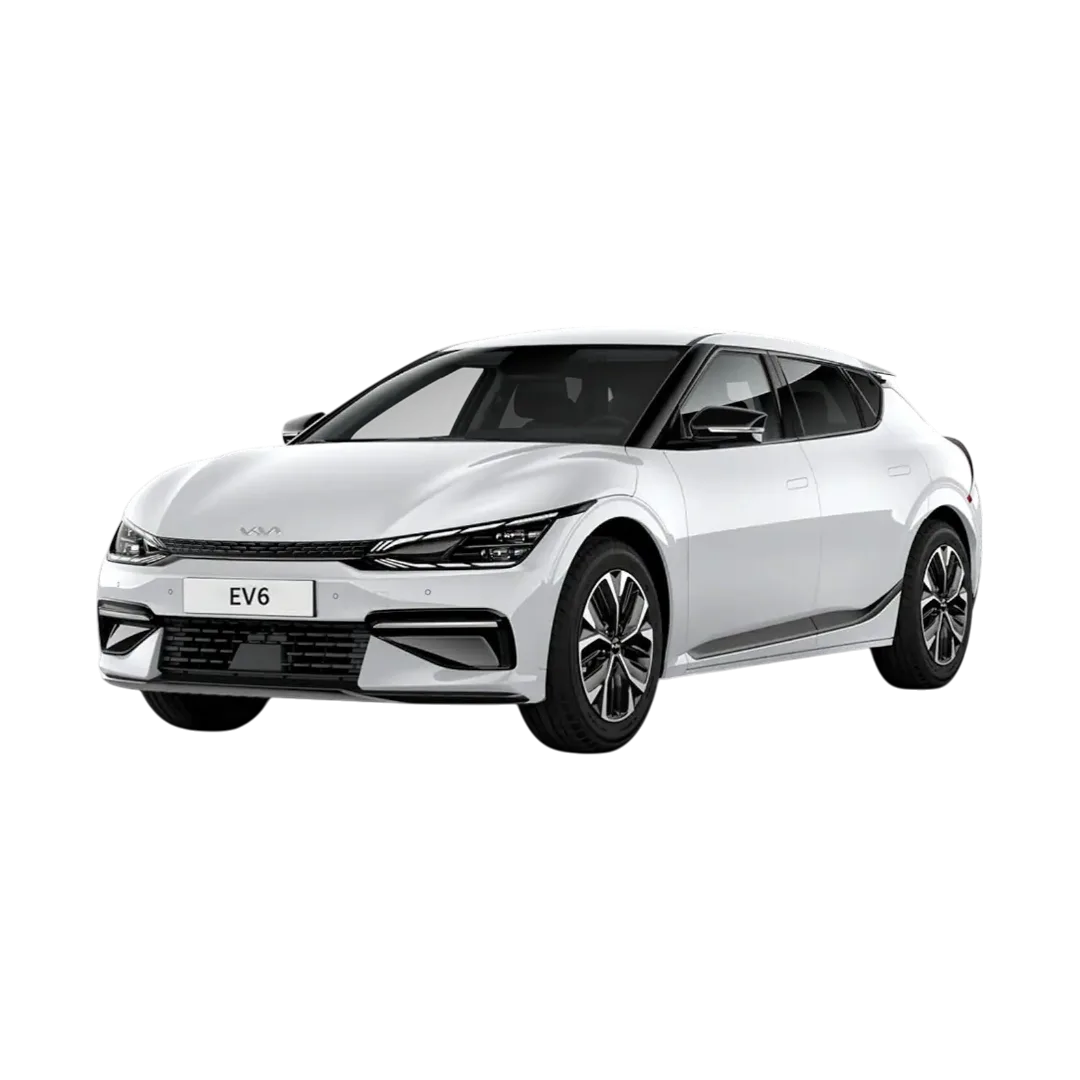
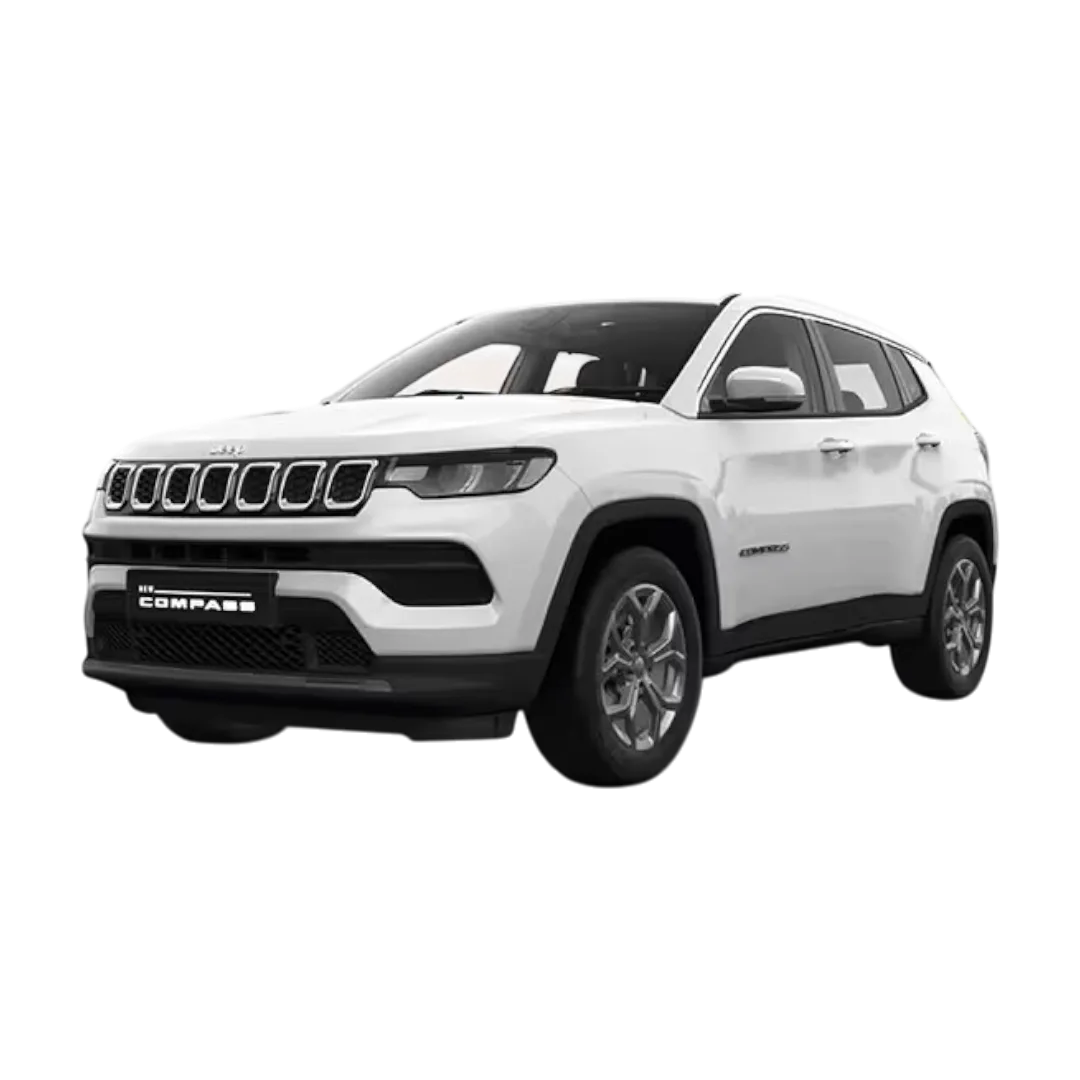


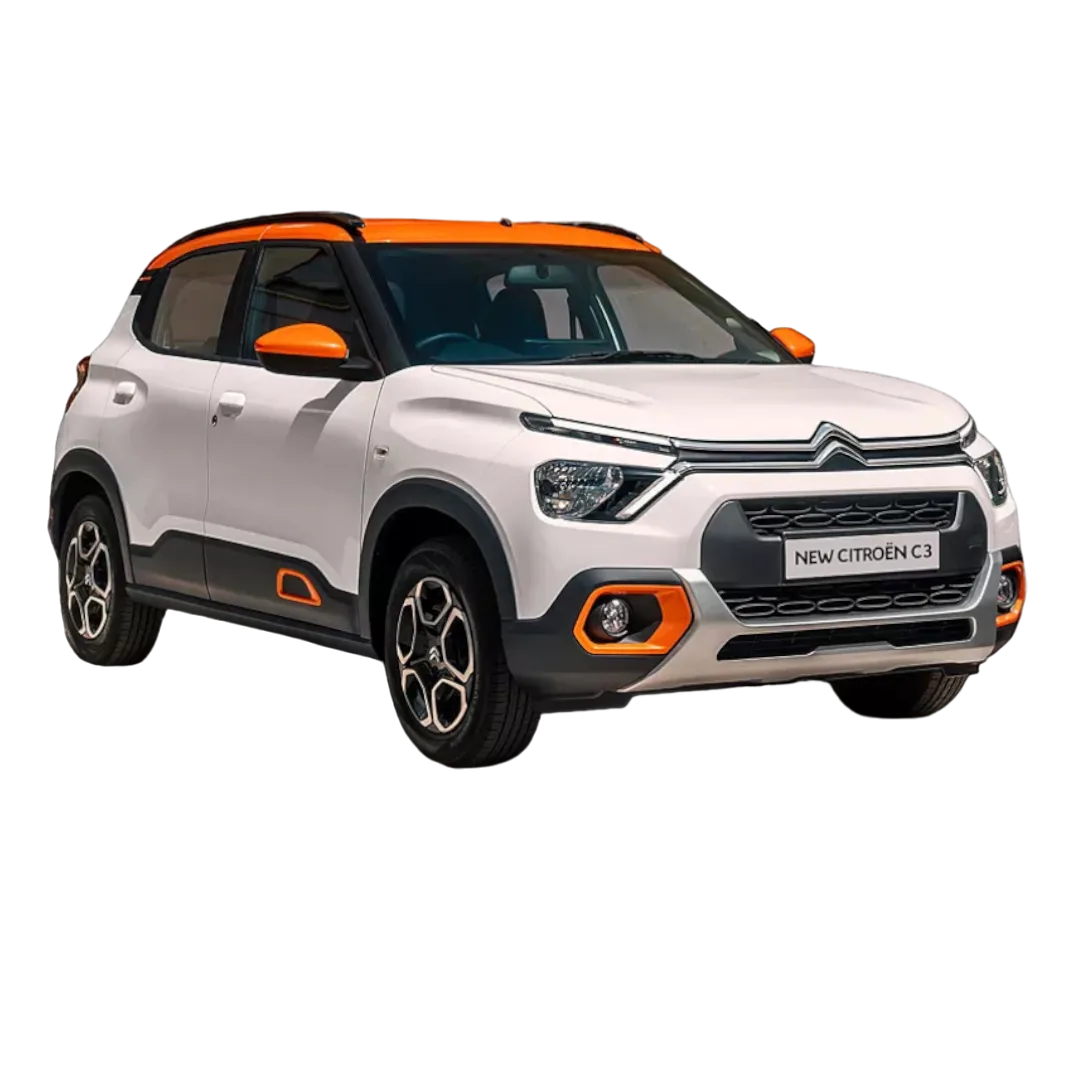
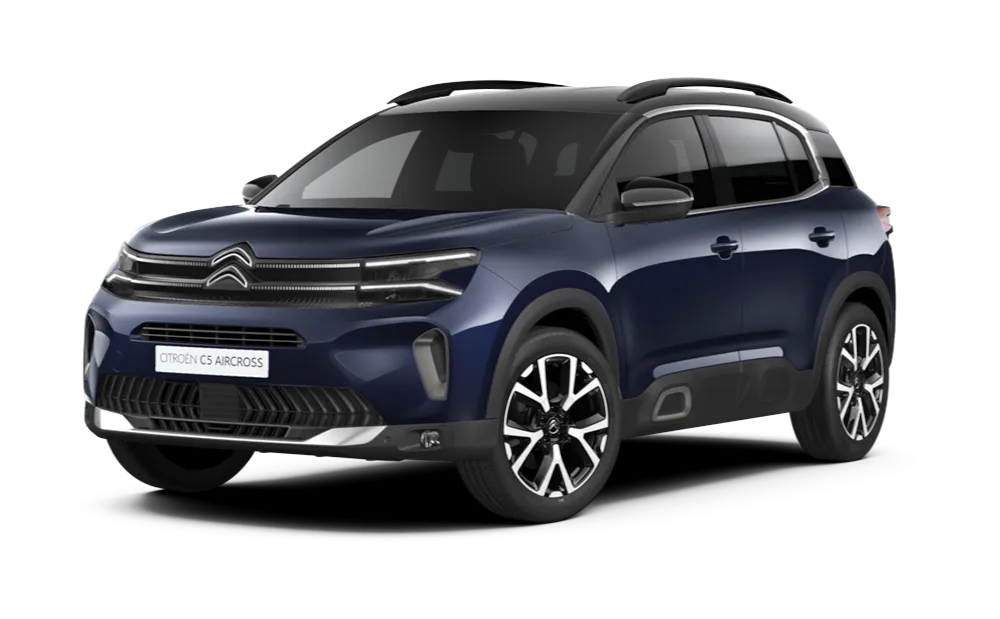
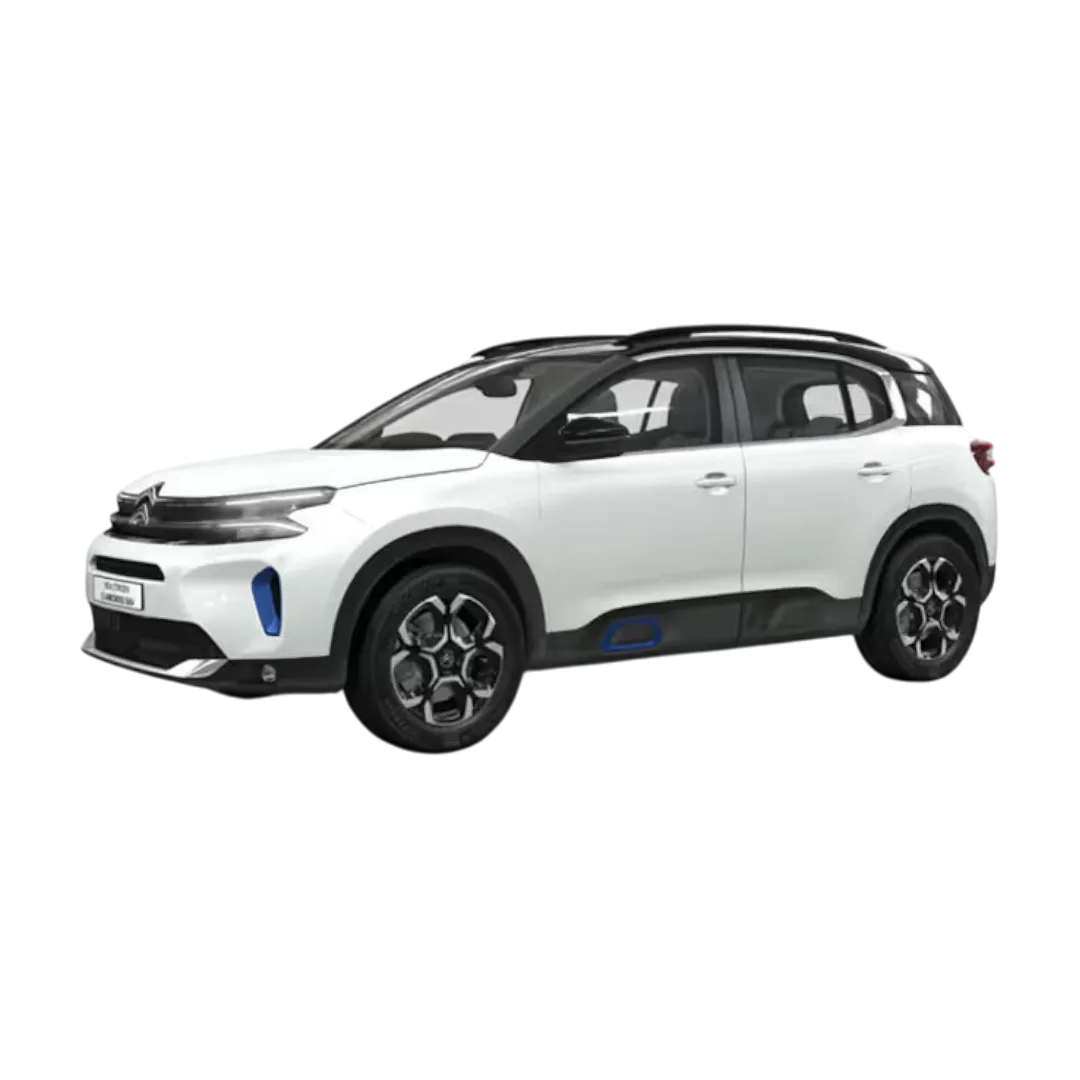
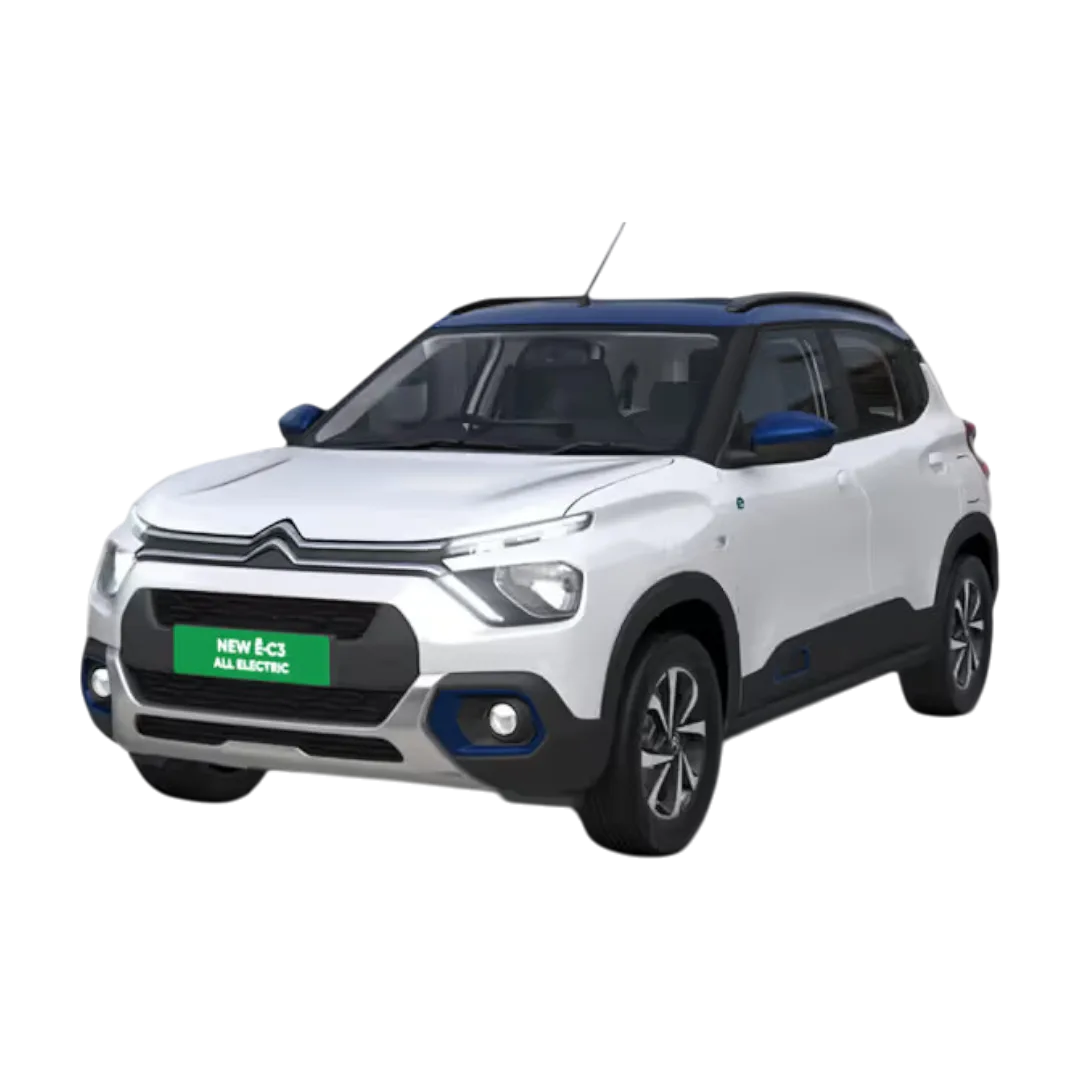


































































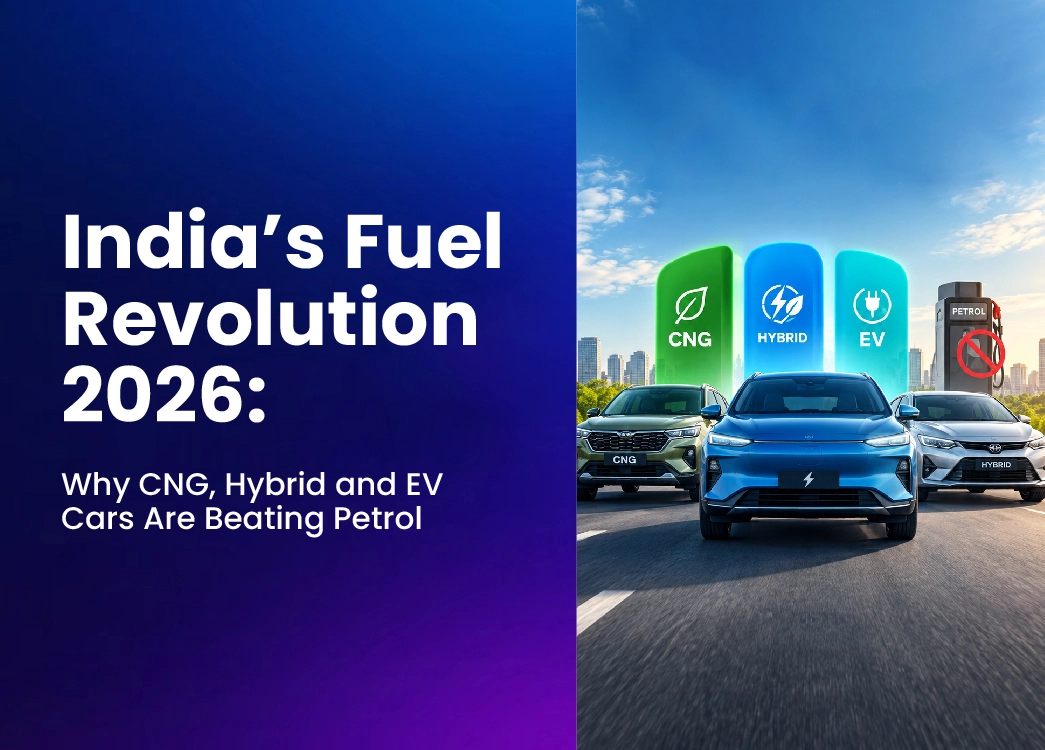
The latest August 2026 retail figures highlight just how quickly this change is happening. CNG, hybrid and electric passenger vehicles together accounted for 41.95% of retail sales, slightly ahead of petrol/ethanol vehicles at 40.85%. CNG/LPG led the alternative-fuel category at 25.28%, followed by hybrids at 9.04% and EVs at 7.63%.
“India’s fuel transition is no longer a future prediction—it is becoming visible in what consumers are buying today.”
However, this does not mean petrol is disappearing. Instead, buyers now have more choices, from CNG cars in India and hybrid cars in India to increasingly capable electric cars in India.
In this guide, we explore the fuel revolution in India 2026, the latest car fuel trends 2026, and what the rise of alternative fuels in India means for car buyers and owners.
1. Alternative Fuels Overtake Petrol: What the 2026 Numbers Reveal
The biggest story in India's passenger-vehicle market is the combined growth of CNG, hybrid and electric vehicles. In August 2026, these three powertrains together reached 41.95% of passenger-vehicle retail sales, narrowly moving ahead of petrol/ethanol at 40.85%.
Key Numbers at a Glance
- CNG/LPG: 25.28%
- Hybrid: 9.04%
- EV: 7.63%
- Petrol/Ethanol: 40.85%
- Alternative fuels combined: 41.95%
Petrol is still the largest individual fuel category, so it would be inaccurate to say that petrol cars have been replaced. The more important development is that consumers are increasingly considering multiple powertrains before purchasing a vehicle.
The reasons include running-cost considerations, wider model availability, improving EV technology and concerns surrounding the transition to E20 petrol.
Why Are Alternative Fuels Gaining Popularity?
- Rising awareness of fuel expenses
- More CNG models available
- Growing hybrid options
- Better EV range and charging infrastructure
- Increasing focus on sustainable mobility
- Greater consumer awareness of long-term ownership costs
Industry Insight: Petrol still has a huge role in India's automobile market, but its position is no longer uncontested.
Creckk Tip
Don't choose a car purely because its fuel type is trending. Compare your daily distance, fuel availability, charging access, maintenance requirements and total ownership cost before making a decision.
2. Why CNG Cars Continue to Grow in India
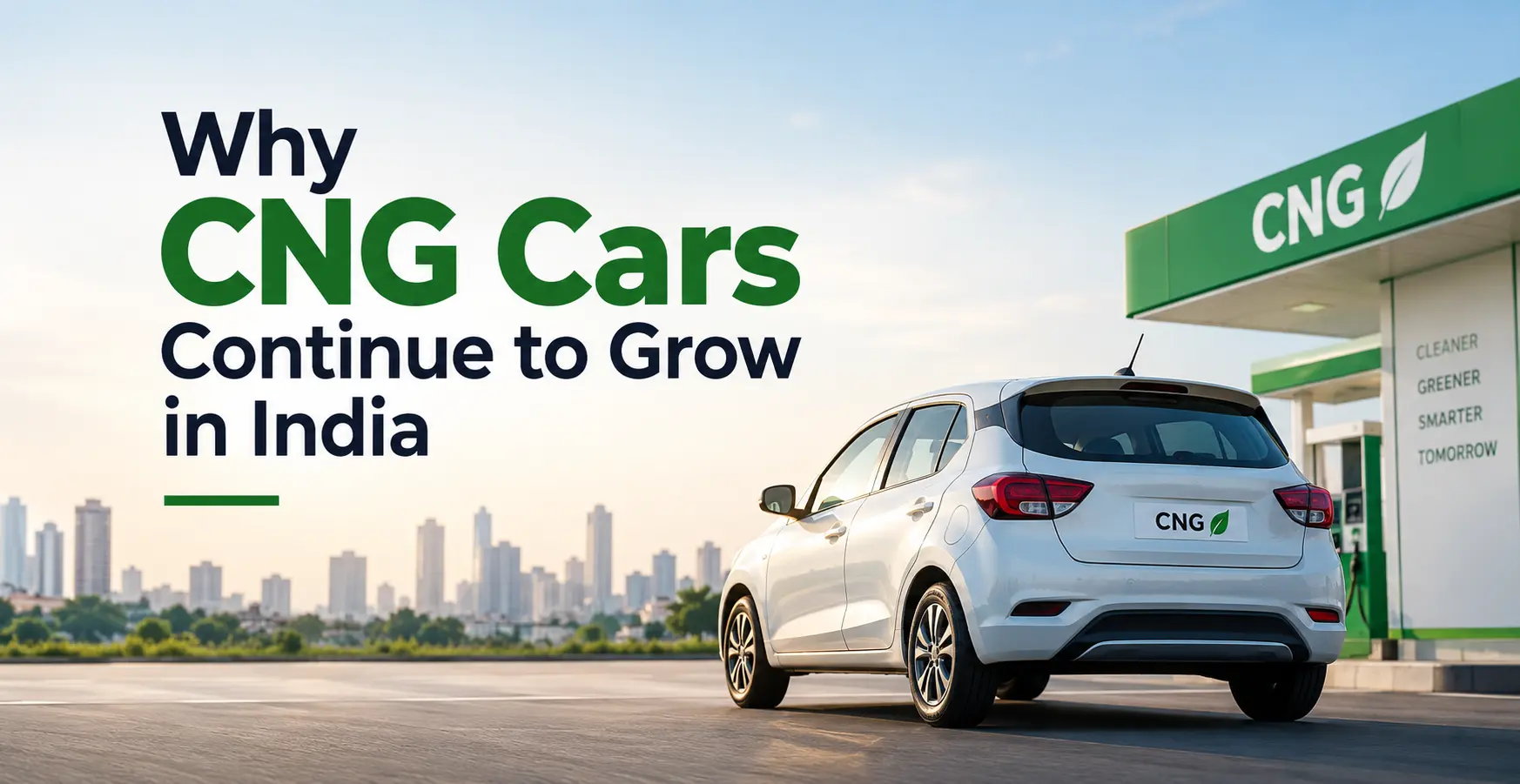
Among today's alternative fuel cars in India, CNG has established itself as one of the most practical choices for everyday drivers.
CNG/LPG accounted for 25.28% of passenger-vehicle retail sales in August 2026, making it the largest contributor to the alternative-fuel category.
One major reason is running cost. Drivers covering long distances every month are particularly conscious of fuel expenses. CNG provides an alternative to relying entirely on petrol while allowing drivers to retain a familiar refuelling experience.
Why Buyers Consider CNG
- Lower running costs can benefit high-mileage users
- Increasing availability of CNG stations
- Growing range of factory-fitted CNG vehicles
- Familiar driving experience
- Suitable for daily commuting
- Attractive for high annual mileage
The CNG vs petrol cars comparison should nevertheless involve more than fuel prices.
Buyers should consider:
- Availability of CNG stations on regular routes
- Vehicle purchase price
- Boot-space requirements
- Annual kilometres driven
- Maintenance requirements
- Expected ownership period
“The cheapest fuel option is not automatically the cheapest car to own. Your driving pattern matters.”
Creckk Tip
If you're considering a CNG vehicle, check the CNG stations near your home, workplace and regular highway routes before buying. Convenience can be just as important as fuel savings.
3. Hybrid Cars: The Middle Ground Between Petrol and EVs
Hybrid cars in India are becoming an increasingly interesting option for consumers who want improved efficiency without completely switching to an electric vehicle.
A hybrid combines an internal-combustion engine with an electric motor and battery system. Depending on the technology used, the electric motor can assist the engine or power the vehicle under certain conditions.
Hybrids accounted for 9.04% of passenger-vehicle retail sales in August 2026, up from 7.96% in August 2025.
Why Are Buyers Considering Hybrids?
- Better efficiency in suitable driving conditions
- No regular external charging requirement for conventional hybrids
- Familiar petrol refuelling
- Useful for both city and highway driving
- Electric assistance can improve efficiency
- Suitable for buyers not ready for a full EV transition
The hybrid vs petrol cars debate depends heavily on how much you drive. A higher purchase price can make more sense for someone who drives extensively, while occasional drivers may find a conventional petrol car more practical.
Creckk Tip
Calculate your expected annual fuel savings before paying extra for hybrid technology. The higher initial price should be evaluated against your expected ownership period.
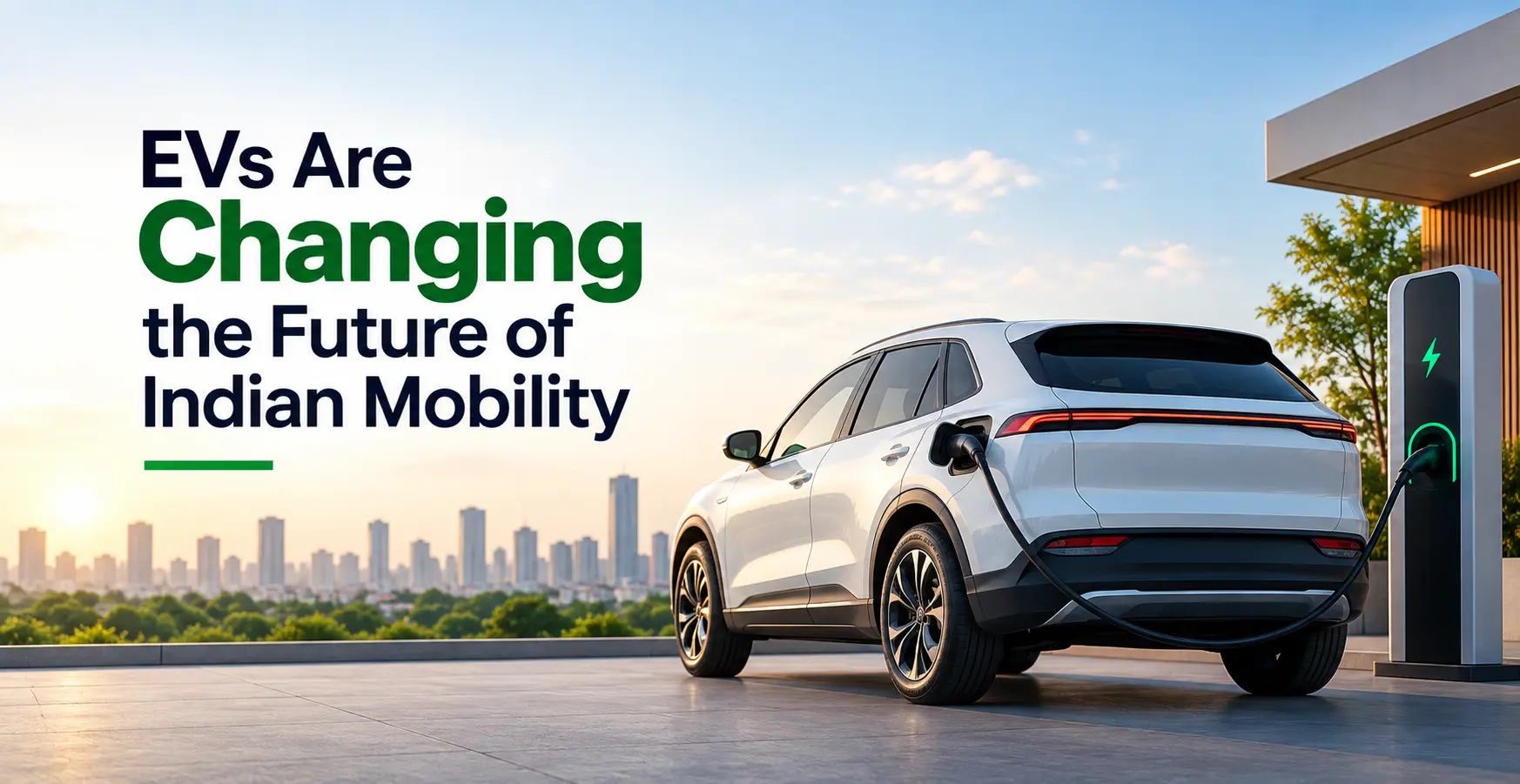
4. EVs Are Changing the Future of Indian Mobility
The growth of electric cars in India is one of the most visible changes in the country's automobile industry.
In August 2026, EVs accounted for 7.63% of passenger-vehicle retail sales, compared with 5.83% in August 2025.
The broader electric vehicle market in India is also expanding rapidly as manufacturers introduce more models, battery technology improves and charging infrastructure becomes more accessible.
What Is Driving EV Adoption?
- Growing model availability
- Improving battery technology
- Better driving range
- Expansion of charging infrastructure
- Potentially lower running costs
- Increasing consumer awareness
However, the EV vs petrol cars comparison is not simply about fuel savings.
Before Buying an EV, Consider
- Do you have home charging?
- How frequently do you drive?
- Do you regularly travel long distances?
- Are fast chargers available along your routes?
- What is the manufacturer's battery warranty?
- What is the expected resale value?
“An EV works best when its charging routine fits naturally into your lifestyle.”
Creckk Tip
If you're buying an EV, consider accessories that make charging and daily driving more organised, but never allow an accessory to block ventilation, airbags, controls or charging equipment.
5. Ethanol, CBG and Hydrogen: What Comes Next?
India's fuel transition is much broader than CNG, hybrids and EVs.
Ethanol
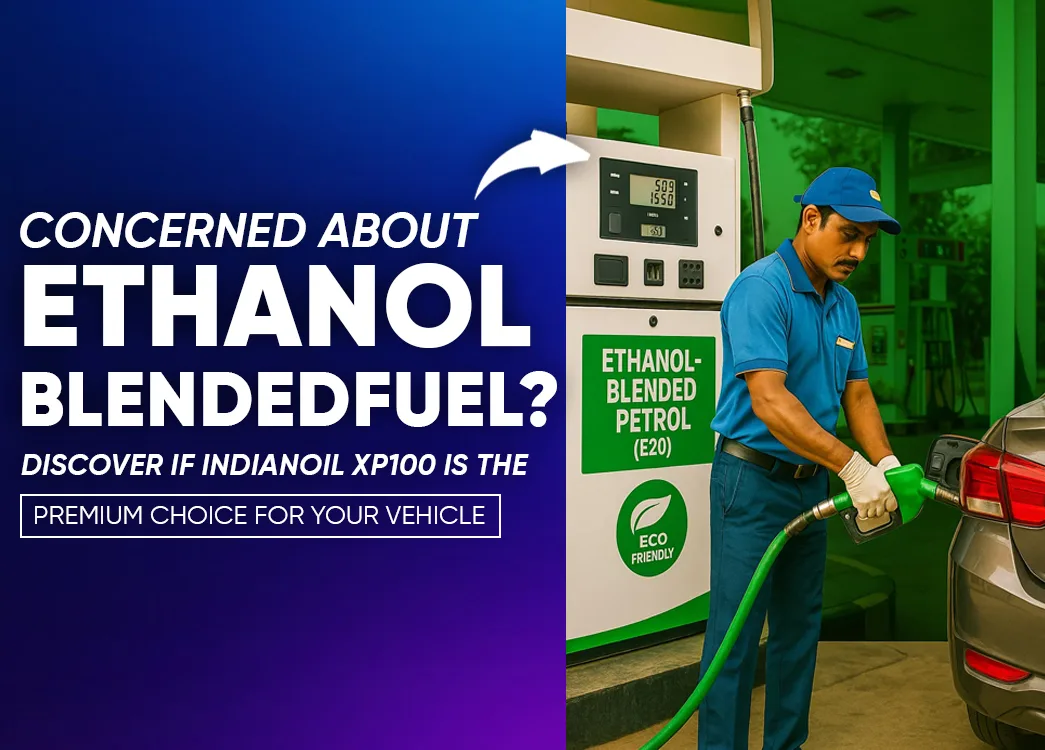
Ethanol blending is already part of India's fuel strategy. The country has moved toward E20 petrol, which contains up to 20% ethanol. The government says ethanol blending reached around 20% during 2025-26.
CBG
Compressed Biogas (CBG) can be produced from organic waste, agricultural residue and other biomass. It offers the potential to connect India's transportation requirements with waste management and renewable-energy production.
Hydrogen
Green hydrogen is another long-term possibility, particularly for heavy transport and industrial applications. Passenger cars powered by hydrogen are still far from becoming mainstream compared with EVs and CNG.
India's Emerging Fuel Mix
| Fuel | Potential Role |
|---|---|
| Petrol | Conventional passenger mobility |
| CNG | Affordable daily transportation |
| Hybrid | Efficient transition technology |
| EV | Zero-tailpipe-emission mobility |
| Ethanol | Reduce fossil-fuel dependence |
| CBG | Renewable gas from waste |
| Hydrogen | Heavy transport and industry |
Fact: India's future mobility system is likely to use multiple energy technologies rather than one universal fuel.
Creckk Tip
For car buyers, don't focus only on the fuel label. Look at the complete ownership ecosystem—fuel or charging availability, service network, accessories, maintenance and resale prospects.
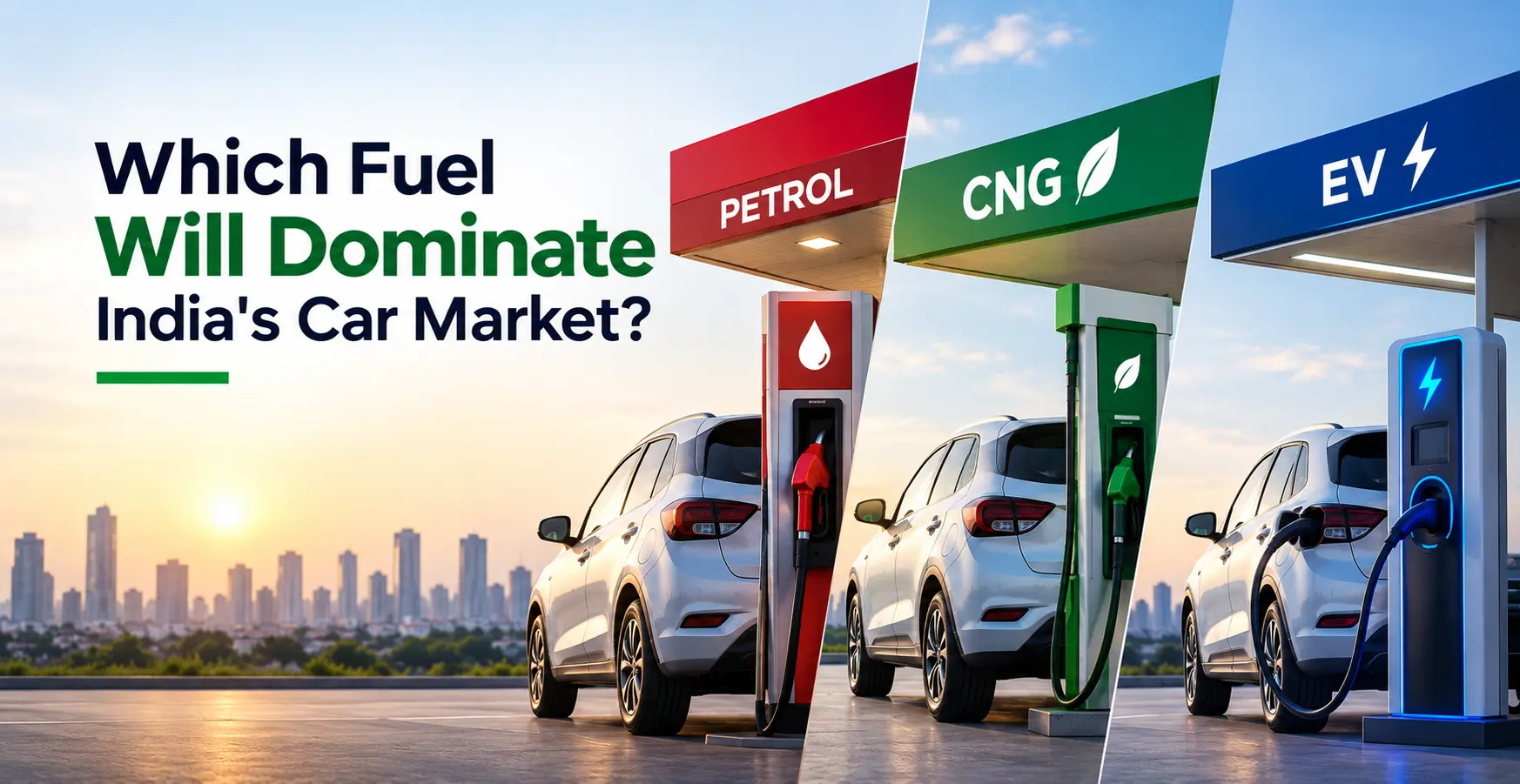
6. Which Fuel Will Dominate India's Car Market?
There is no simple winner. The best choice depends on how, where and how much you drive.
| Factor | Petrol | CNG | Hybrid | EV |
|---|---|---|---|---|
| Running Cost | Moderate/High | Generally lower | Generally lower | Generally low |
| Refuelling | Very convenient | Good where available | Convenient | Charging required |
| Long Trips | Excellent | Good with route planning | Excellent | Improving |
| Home Charging | Not required | Not required | Usually not required | Highly useful |
| Tailpipe Emissions | Yes | Yes, generally lower | Yes, generally lower | Zero at tailpipe |
| Best For | Flexible usage | High-mileage users | Mixed driving | Regular charging access |
What Should Buyers Compare?
- Purchase price
- Fuel/electricity cost
- Annual kilometres
- Maintenance
- Charging/refuelling infrastructure
- Resale expectations
- Driving environment
- Ownership duration
Creckk View: The future may not belong to one fuel. It may belong to the right fuel for the right driver.
7. What This Fuel Revolution Means for Indian Car Owners
The fuel revolution in India 2026 is not only changing what people buy; it is also changing how they think about everyday car ownership.
An EV owner may need to organise charging equipment and plan longer journeys around charging stations. A CNG owner may pay closer attention to luggage space. Hybrid owners may focus on efficient driving habits, while petrol owners continue to prioritise convenience and widespread refuelling.
This creates opportunities for the wider car accessories market.
Useful Accessories for Modern Car Owners
- Car phone holders
- Cable organisers
- Car storage organisers
- Seat organisers
- Cleaning accessories
- Sunshades
- Charging accessories
- Floor protection
- Car interior accessories
At Creckk, the growing diversity of vehicles means accessories can be selected around the specific car and the owner's everyday requirements.
Creckk Tip
Choose accessories according to your vehicle and usage—not simply because they are trending. Check compatibility, installation quality and whether the product affects visibility, airbags, controls or driving safety.
“The future car owner won't just ask, ‘Which car should I buy?’ They will also ask, ‘Which powertrain fits my lifestyle?’”
Quick Comparison: India's Fuel Revolution 2026
| Powertrain | Biggest Advantage | Main Challenge | Suitable For |
|---|---|---|---|
| Petrol | Easy refuelling | Fuel expense | Occasional & varied driving |
| CNG | Running-cost advantage | Station availability | Daily/high-mileage driving |
| Hybrid | Efficiency + flexibility | Higher upfront cost | City + highway users |
| EV | Low running cost potential | Charging infrastructure | Urban users with charging access |
| CBG | Renewable fuel potential | Developing infrastructure | Future commercial mobility |
| Hydrogen | Long-term heavy-transport potential | Early-stage ecosystem | Heavy transport/industry |
Frequently Asked Questions
1. Are alternative fuels beating petrol in India?
Yes, collectively. In August 2026, CNG, hybrid and EV passenger vehicles accounted for 41.95% of retail sales compared with 40.85% for petrol/ethanol.
2. Which alternative fuel is currently the most popular?
CNG/LPG had the largest share among the major alternative powertrains, at 25.28% of passenger-vehicle retail sales in August 2026.
3. Should I buy a CNG, hybrid or EV?
There is no universal answer. Your annual mileage, driving pattern, charging/refuelling access and budget should determine the choice.
4. Are EVs replacing petrol cars?
EVs are growing, but they are only one part of India's broader transition. CNG and hybrids currently have significant roles alongside EVs.
5. What is the future of fuel in India?
India is likely to have a diversified fuel ecosystem involving CNG, EVs, hybrids, ethanol, CBG and potentially hydrogen, alongside conventional fuels.
6. Can Creckk help with accessories for alternative-fuel cars?
Yes. Creckk can be positioned as a marketplace for finding suitable car accessories and car interior accessories based on the vehicle owner's requirements.
Final Thoughts
India's fuel revolution in India 2026 is no longer just a discussion about future technology. The latest retail data shows that CNG, hybrids and EVs have collectively crossed a significant milestone, taking a larger share of passenger-vehicle sales than petrol/ethanol in August 2026.
But the transition is unlikely to be about one fuel completely replacing another. CNG can serve high-mileage commuters, hybrids can bridge conventional and electric mobility, while EVs offer a different ownership model for consumers with suitable charging access.
For Indian car buyers, the smartest approach is to compare cost, convenience, infrastructure, driving habits and long-term ownership needs before choosing a powertrain.
And as the vehicles change, the demand for practical car accessories and car interior accessories will evolve with them—creating new opportunities for platforms such as Creckk to serve India's changing car-owning audience.