Your cart is empty
Start Shopping Exterior
›
 Bumper Diffuser/Guard
 Body Covers
 Window Garnishing
 Door Guards
 Roof Rails
 Side Beading
 Door Visor
 Mud Flap
 Wheel Cover
 Foot Rest
 Interior
›
 Door Scuff Sill Plates
 Window Sunshades & Film
 Armrest
 Seat Covers
 Steering Cover
 Floor Mats
 Dashboard Showpiece
 Seat & Neck Cushion
 Lighting
›
 Utility
›
 All Chrome Items
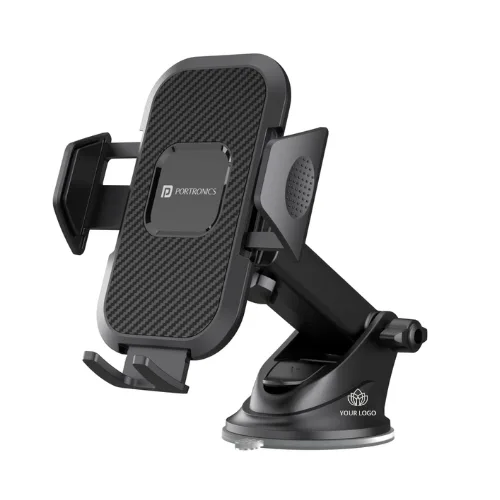 Mobile Holder
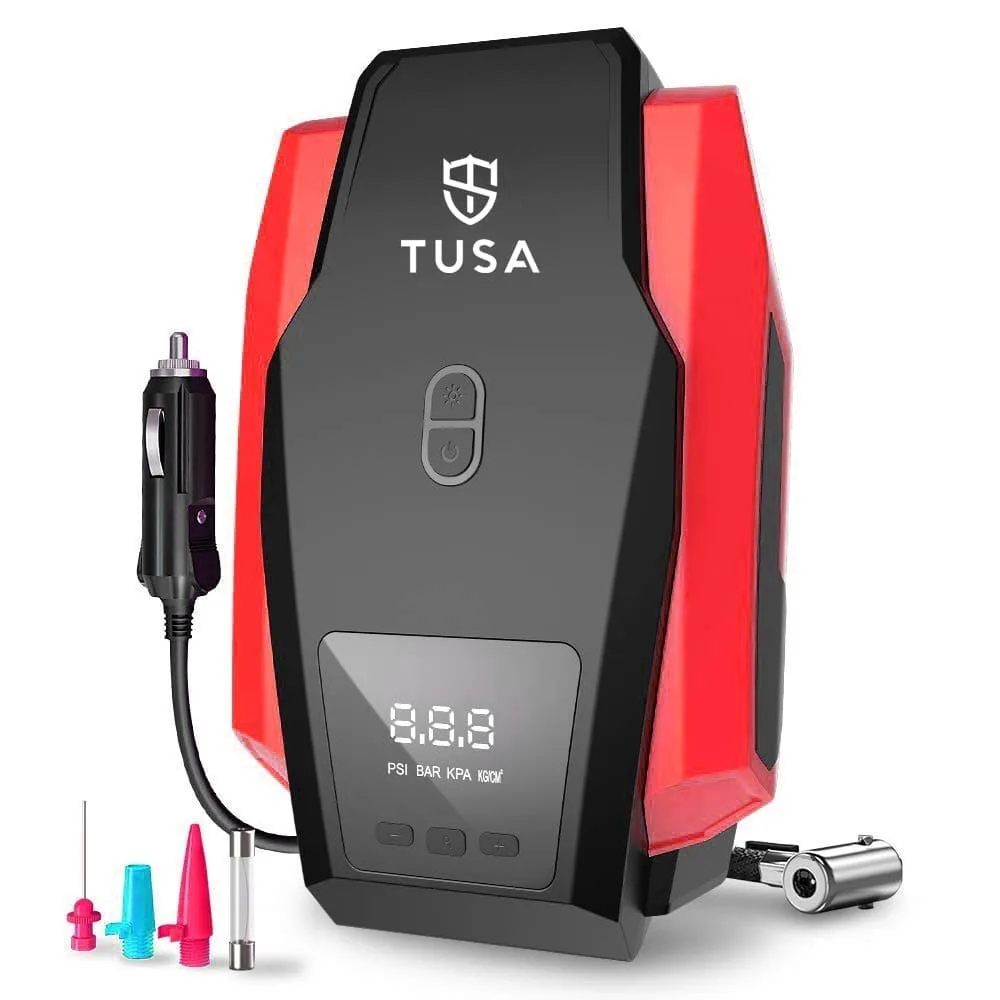 Tyre Inflators
 Vacuum Cleaner
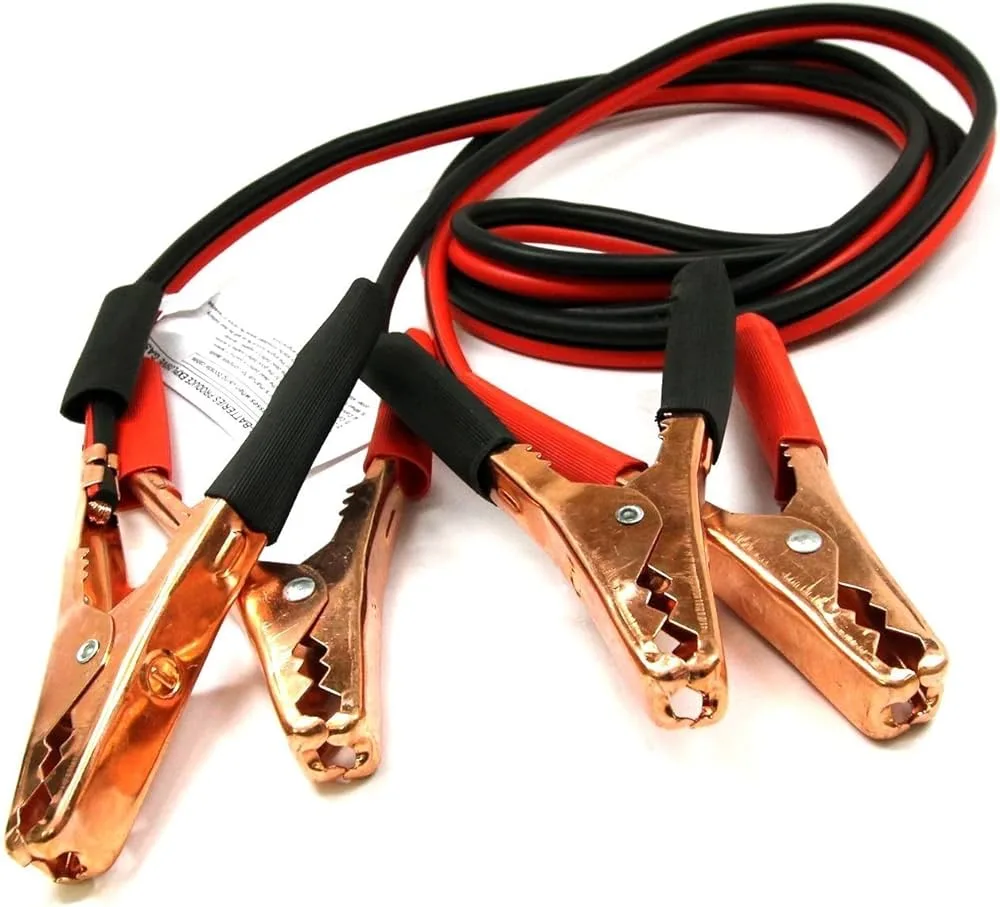 Jumper Cable
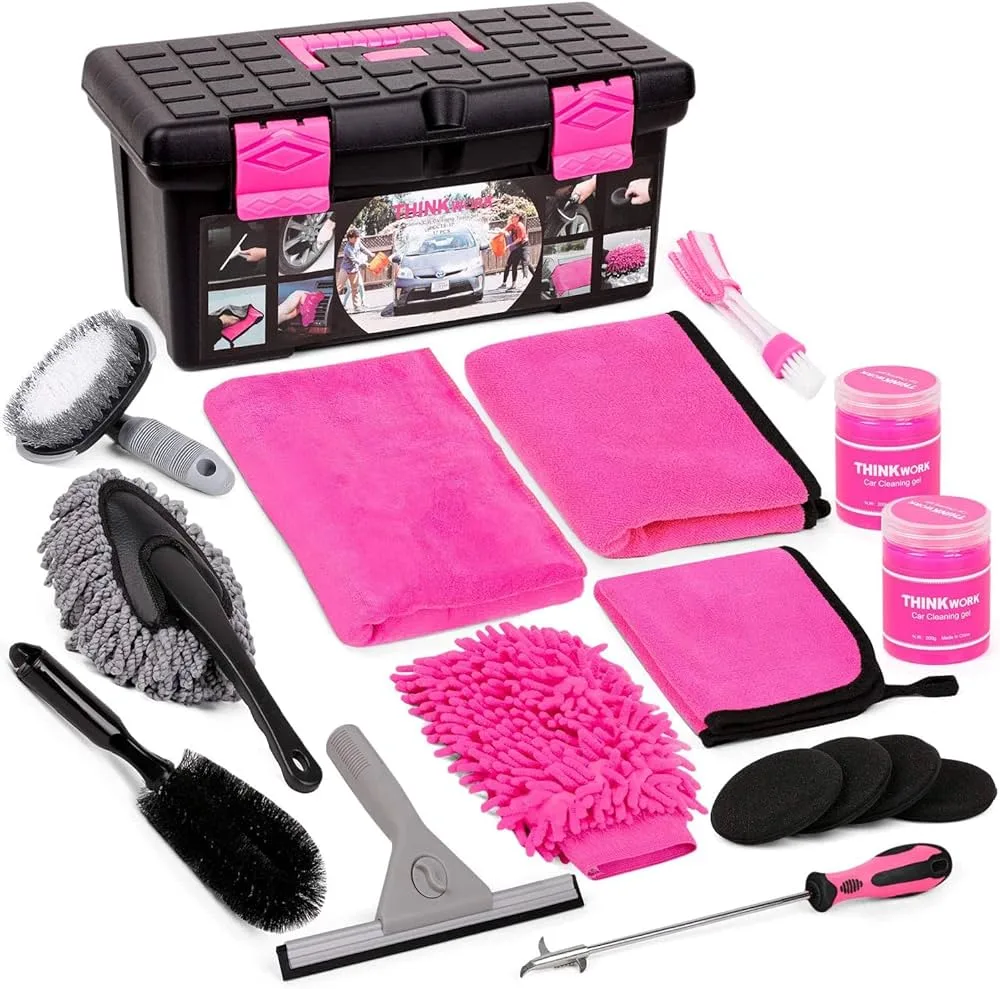 Cleaning Kit
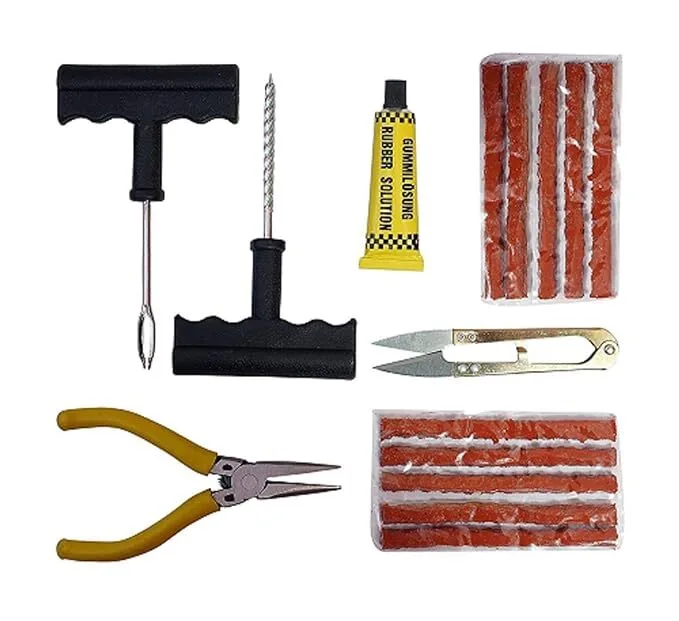 Tyre Puncture Kit
 Tyre Valve Cap
 Car Fan
 Parcel Tray
 Electronic
›
 Parts
›
 Fog Lights
 Headlights
 Tail Lights
 Steering Wheel Controls
 Sensor
 Horns
 Wiper Blade
 Front Grille
 Side Mirror
 Battery
 Car Care
›
 Air Freshener & Perfume
 Gear knob
 Stickers & Decals
 Blind Spot Mirror
 Steering Knob
 Key Covers
 Polish & Scratch Remover
 Seat Utility Holder
 Cup Holder
 Dustbin
 Paper Napkin
 Shop By Car
›
 Tata
›
 Maruti Suzuki
›
 Hyundai
›
 Toyota
›
 Mahindra
›
 Honda
›
 Ford
›
 Nissan
›
 Renault
›
 Skoda
›
 Volkswagen
›
 Morris Garages - MG
›
 KIA
›
 Jeep
›
 Citroen
›
 Datsun
›
 Chevrolet
›
 Isuzu
›
 Mitsubishi
›
 AUDI
›
 BMW
›
 Mercedes
›
 Land Rover
›
 Jaguar
›
 Volvo
›
 FIAT
›
 Mini Cooper
›
 Porsche
›
 Lexus
›
Citron
›
Fors
›
Morris Garages
›
MG
›
 Nexon
 Harrier
 Altroz
 Hexa
 Safari
 Tiago
 Punch
 Tigor
 Sumo
 Winger
 Bolt
 Vista
 Manza
 Indica
 Indigo
 Nano
 Aria
 Safari Storme
 Zest
 NEXON EV Max
 NEXON EV Prime
 Tiago NRG
 Tigor EV
INDICA VISTA
Curvv
Sierra
Magic
 Ciaz
 S-Presso
 Eeco/Versa
 WagonR
 Brezza
 Swift
 Dzire
 Baleno
 Ertiga
 Grand Vitara
 S-Cross
 Jimny
 Celerio
 Ignis
 Alto 800
 Alto K10
 XL6
 Omni
 SX4
 Gypsy
 Maruti 800
 Zen
 Esteem
 Zen Estilo
 Ritz
 Fronx
 A-Star
 Alto
 Invicto
Victoris
Wagon R
 i20
 Aura
 Creta
 Elantra
 Getz
 Grand i10 Nios
 Venue
 Verna
 i20 N Line
 Venue N Line
 Alcazar
 Tucson
 Kona
 iONIQ 5
 Santro
 Santro Xing
 Accent
 Sonata
 Eon
 i10
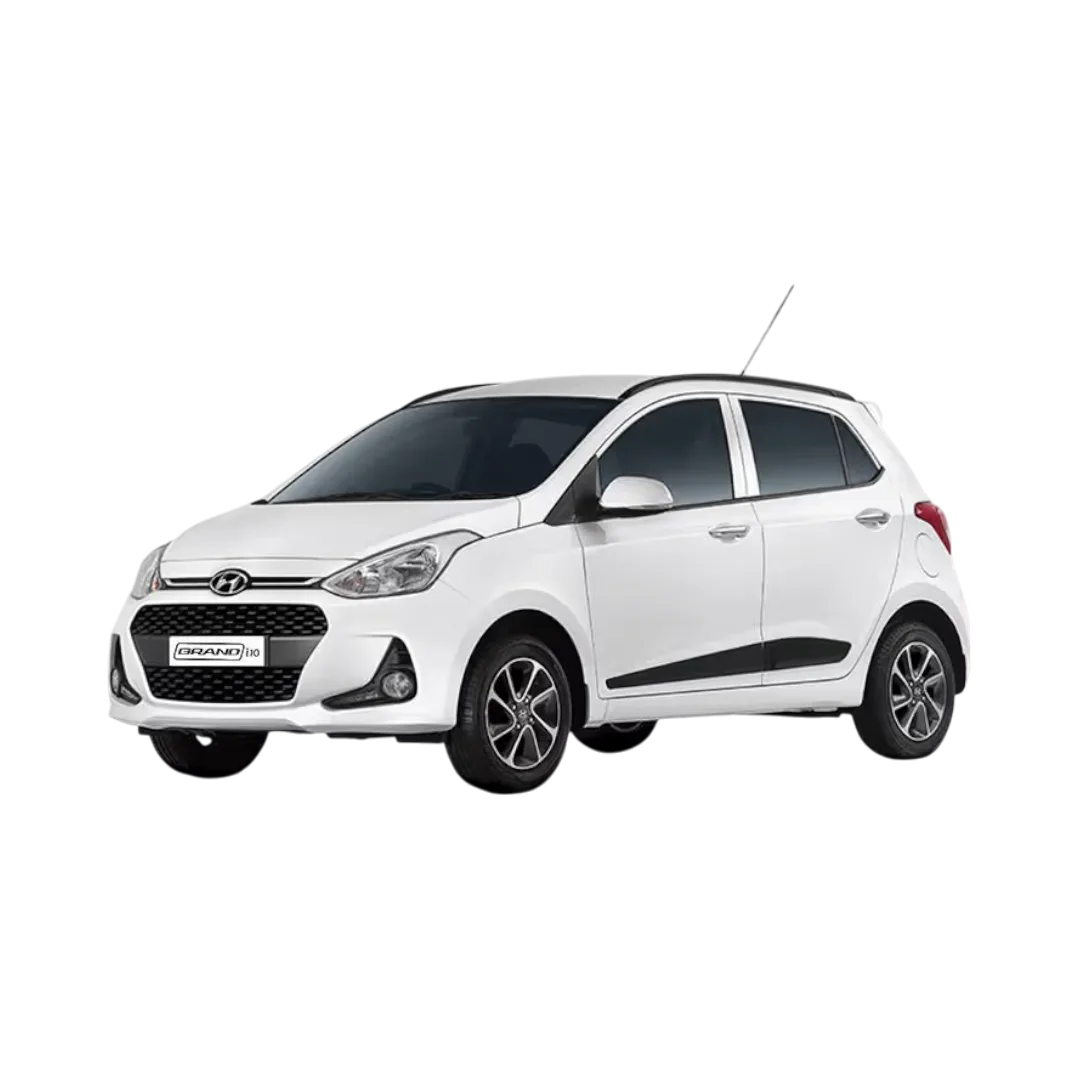 Grand i10
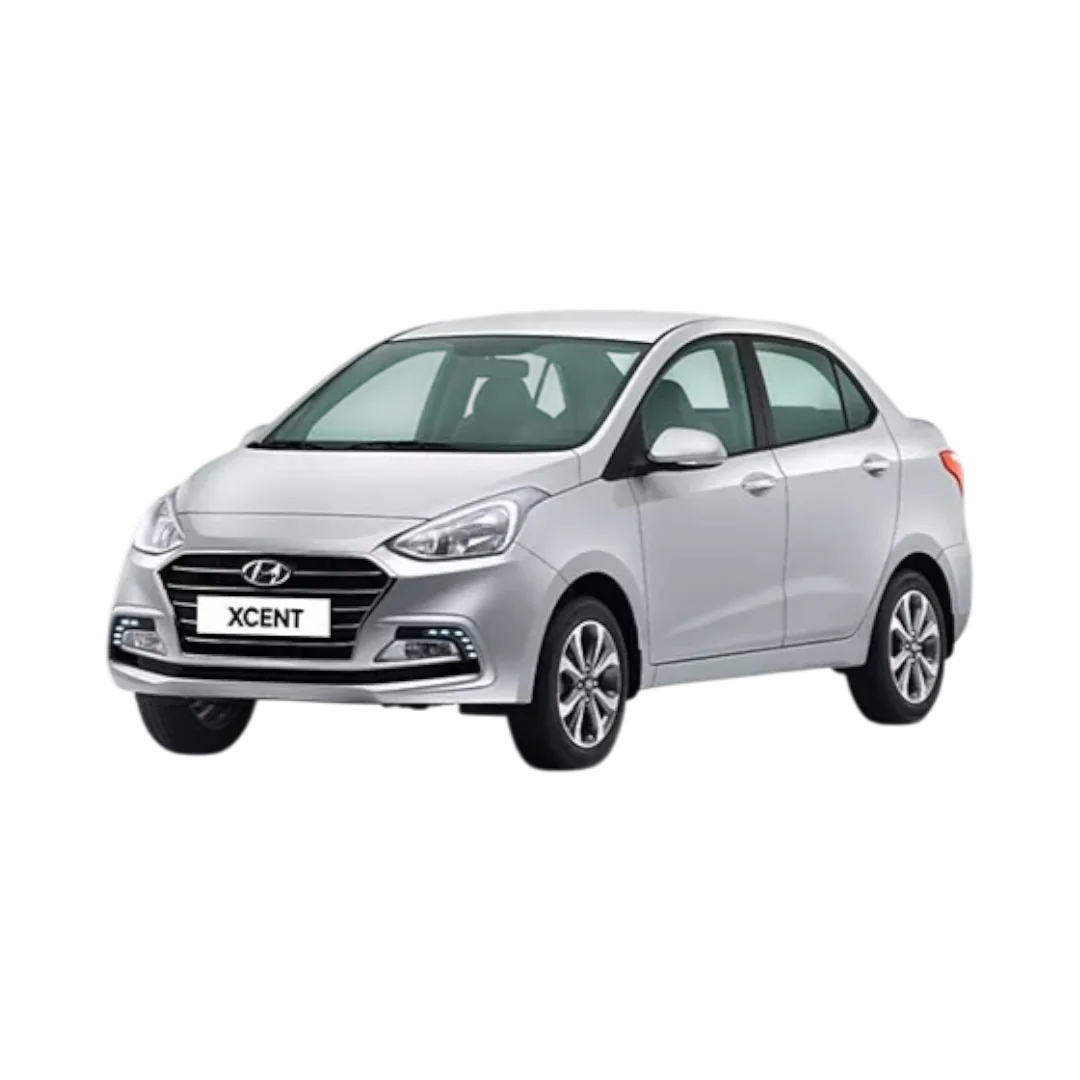 Xcent
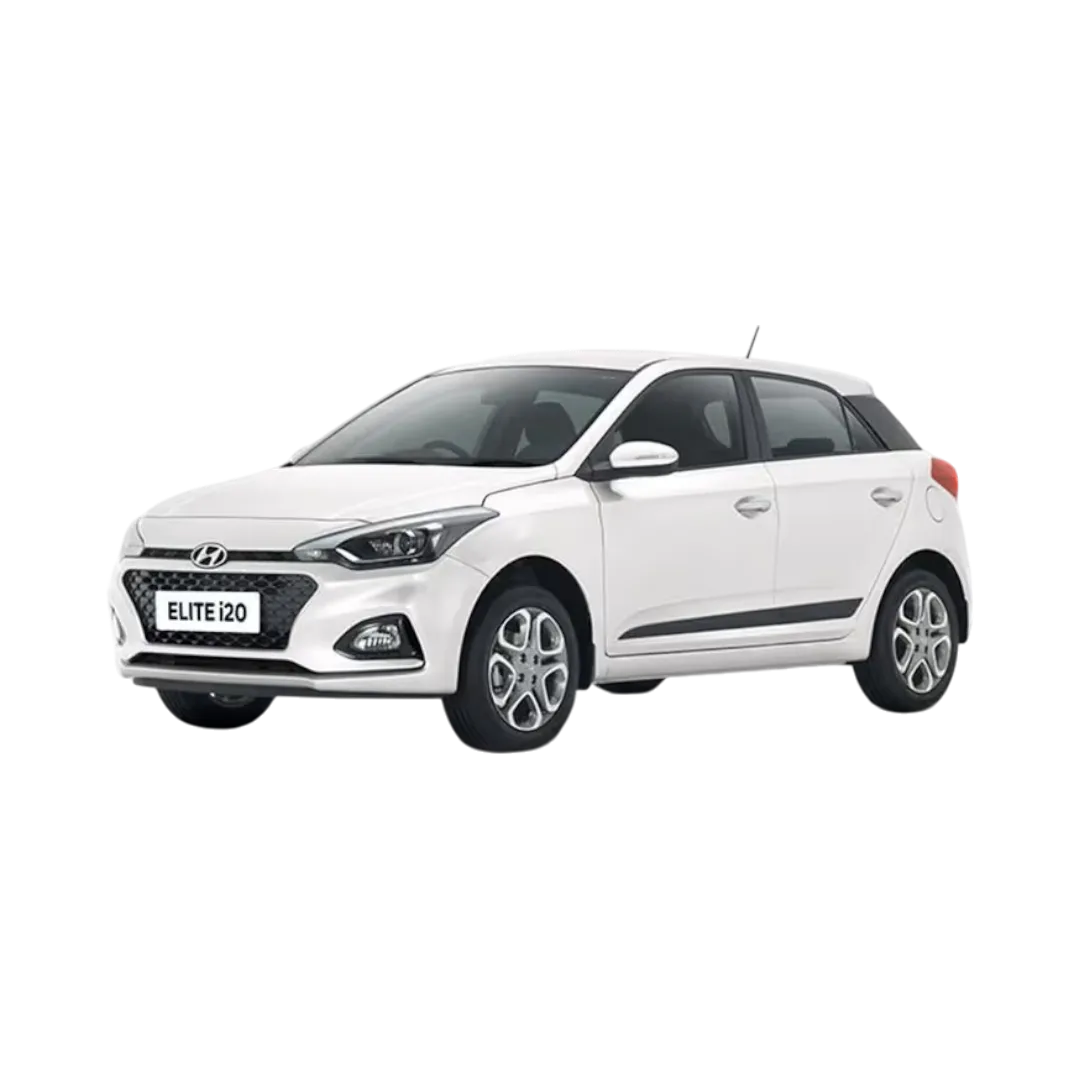 Elite i20
 Verna Fluidic
 Santafe
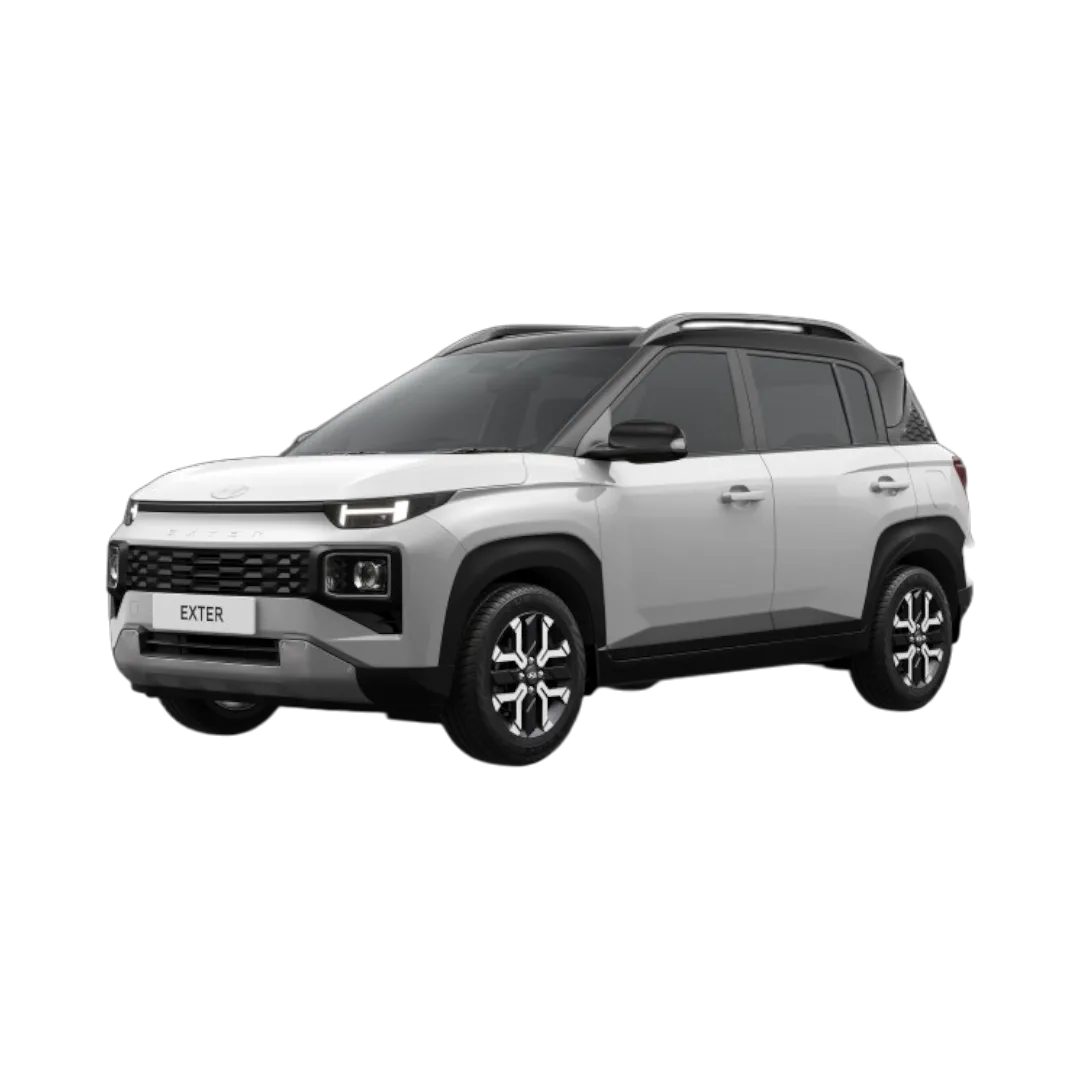 Exter
Sonata Fluidic
i20 Active
 Yaris
 Urban Cruiser
 Camry
 Corolla
 Fortuner
 Urban Cruiser Hyryder
 Innova Crysta
 Innova Hycross
 Hilux
 Fortuner Legender
 Vellfire
 Land Cruiser
 Glanza
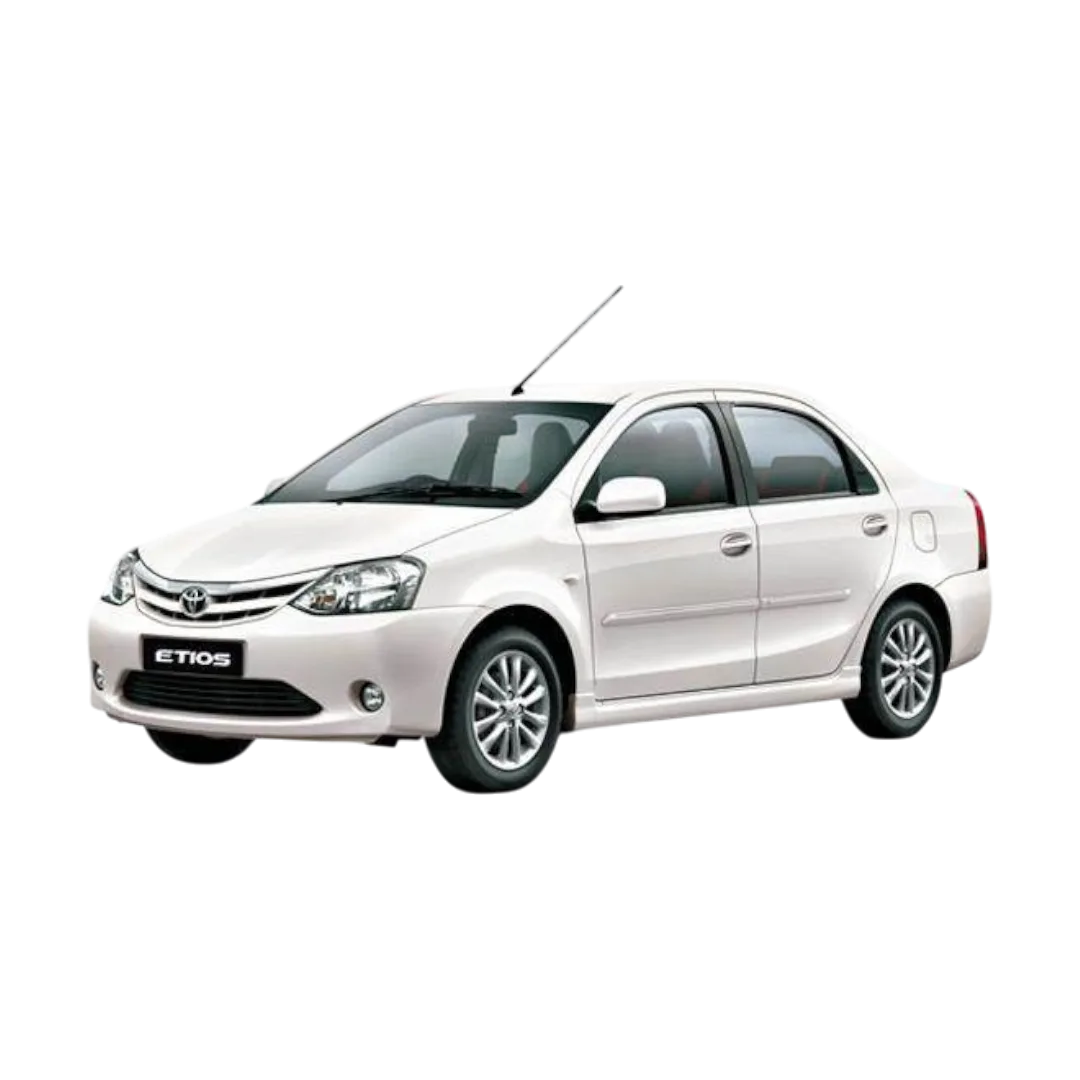 Etios
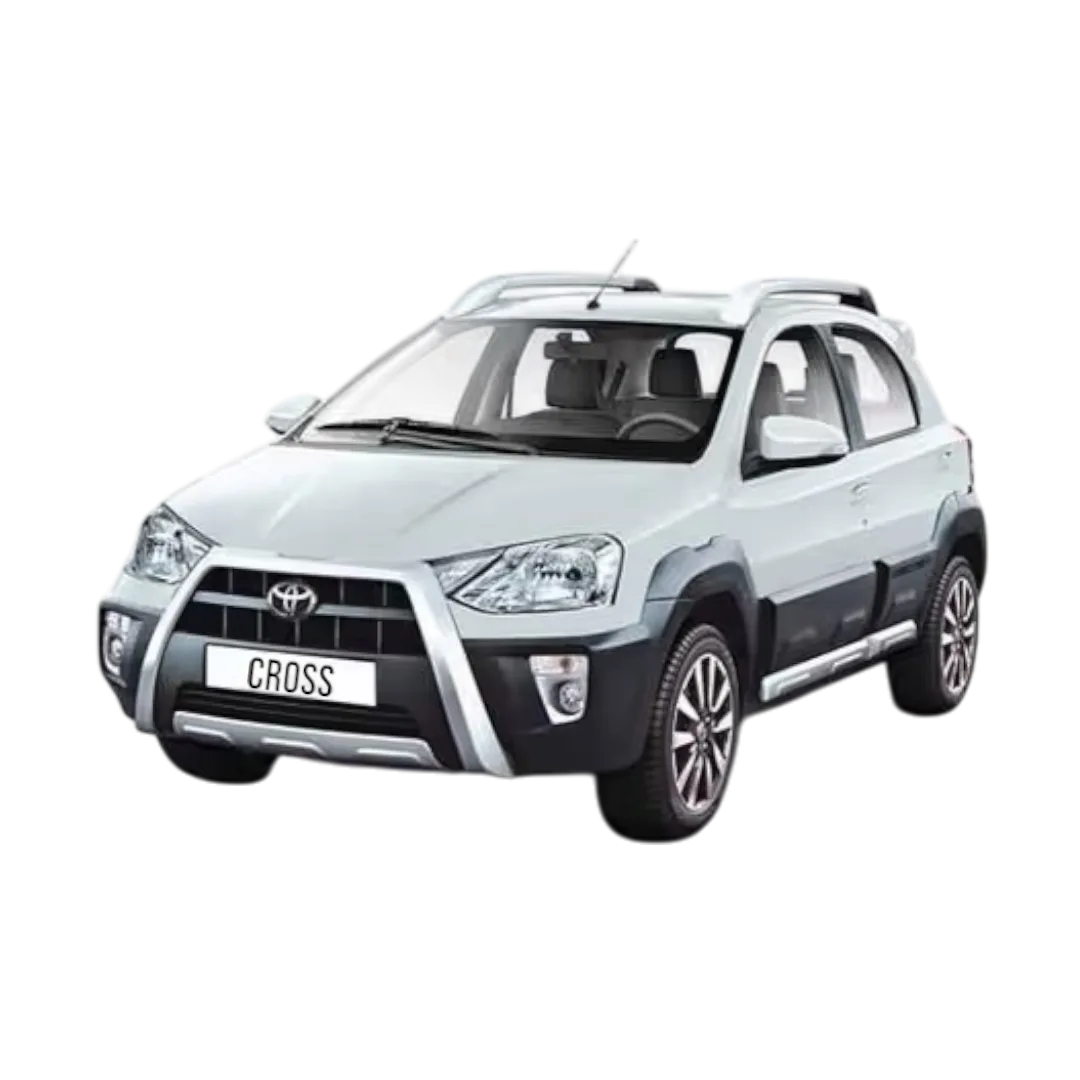 Etios cross
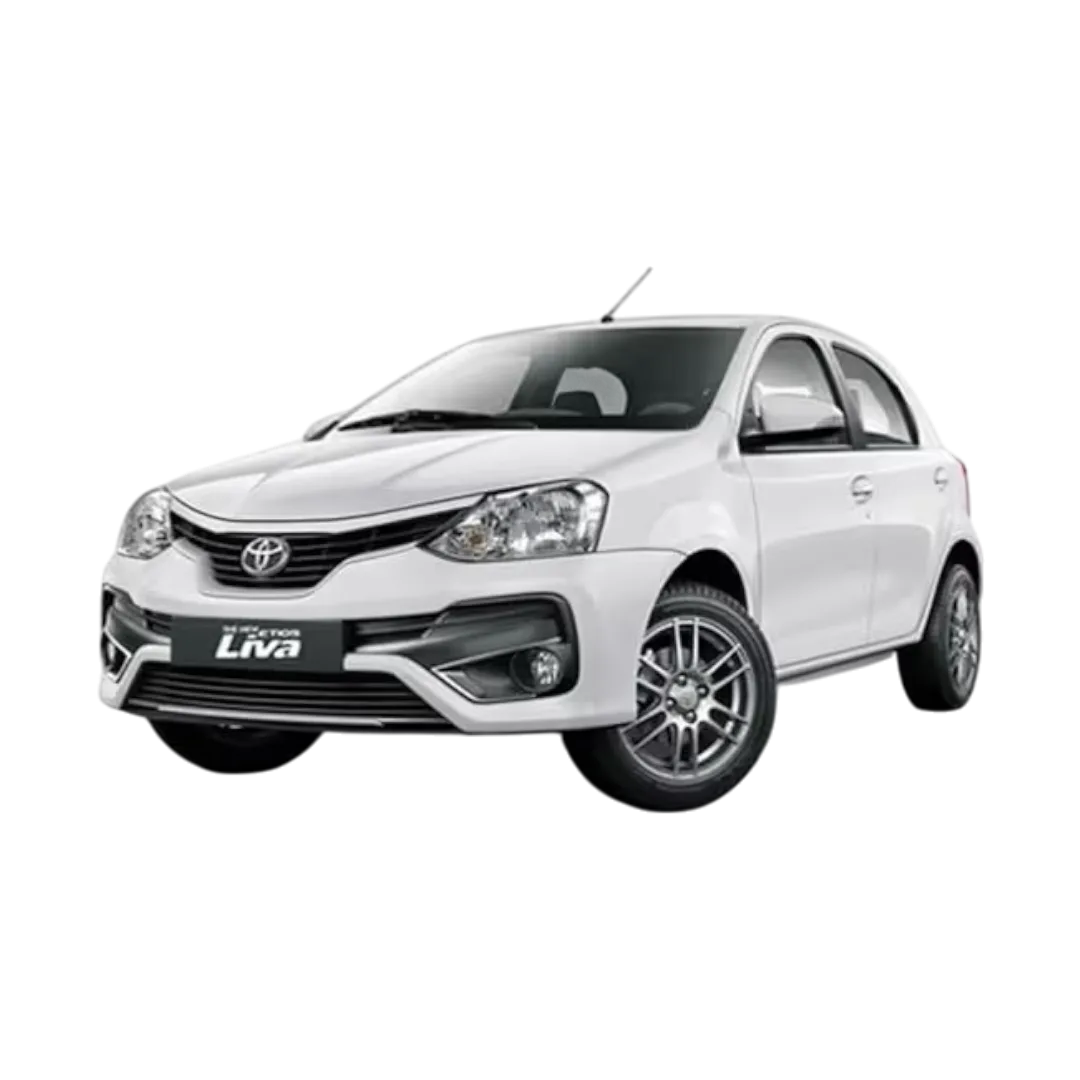 Etios Liva
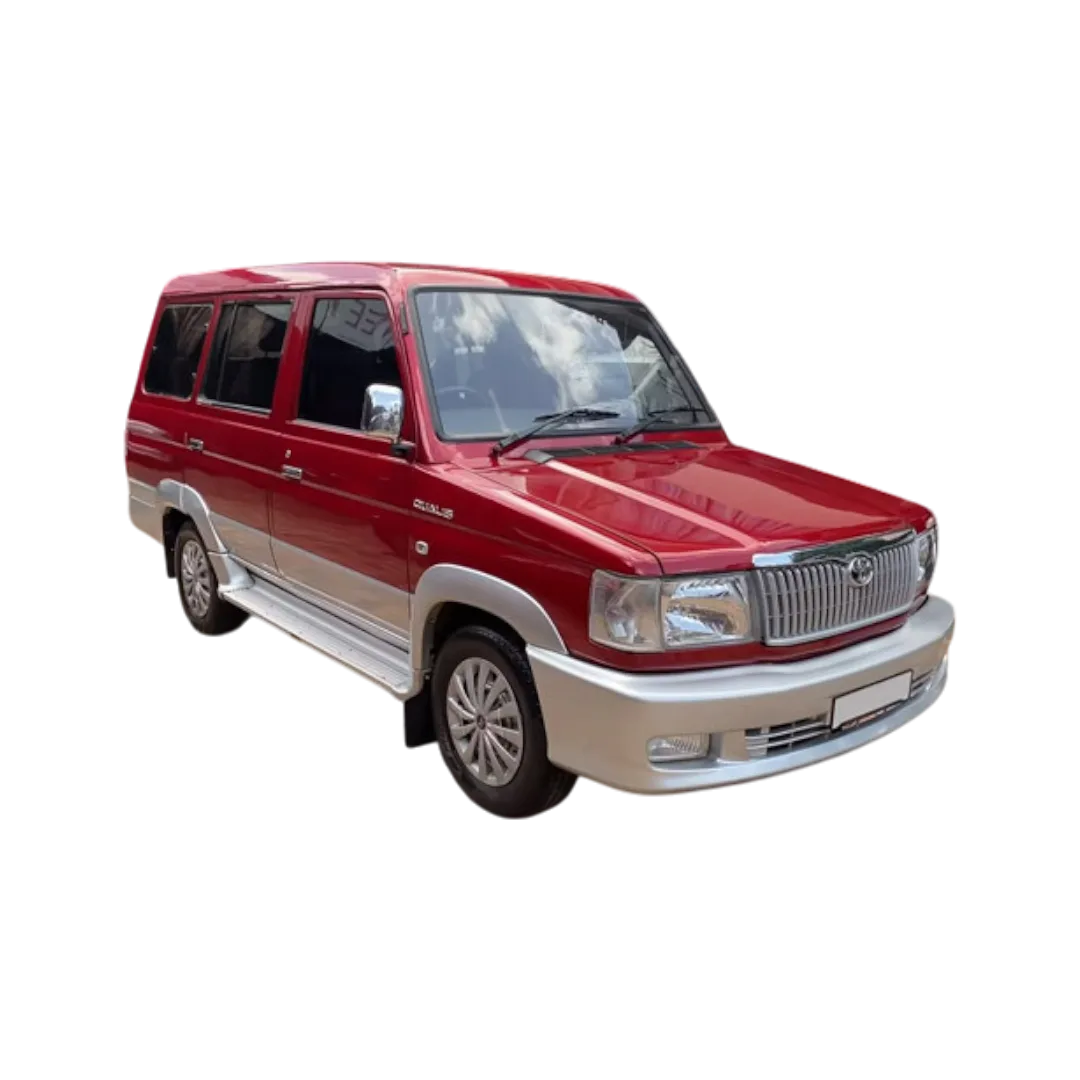 Qualis
 Innova
 Rumion
Taisor
Corolla Altis
Hyryder
 Bolero
 Marazzo
 KUV100 NXT
 Scorpio
 Thar
 XUV 300
 Bolero Neo
 Verito
 Scorpio-N
 XUV 700
 Scorpio Classic
 XUV400
 Alturas
 Xylo
 Quanto
 Logan
 XUV 500
 TUV 300
 XUV 3XO
 KUV 100
NuvoSport
XEV 9e
BE 6
Thar Roxx
E-Verito
XUV 7XO
TUV 100
BE6
Bolero Camper
Verito Vibe
XUV 400
 Audi Q5
 Audi A4
 Audi Q7
 Audi Q3
 Audi A6
 Audi RS5
 E-Tron GT
 Audi Q8
 E-Tron
 Q3 Sportback
 Audi S5 Sportback
 Q8 E-Tron
 Q8 E-Tron Sportback
 Audi A8L
 Audi RS Q8
 Audi A3
 BMW X7
 BMW X1
 BMW X5
 BMW XM
 BMW Z4
 3 Series
 BMW X3
 BMW iX
 BMW i7
 BMW M2
 7 Series
 2 Series
 BMW i4
 5 Series
 6 Series
 BMW ix1
 M4 Competition
 3 Series Gran Limousine
 M8 Coupe
 BMW M3
 BMW X6
 BMW i5
 BMW X4
 Mercedes Benz GLA
 Mercedes E-Class
 Mercedes S-Class
 Mercedes Benz GLS
 Mercedes Benz C-Class
 Mercedes Benz EQS
 Mercedes Benz GLC
 Mercedes Benz GLE
 Mercedes Benz G-Class
 Mercedes Benz AMG SL
 Mercedes Benz MAYBACH S- Class
 Mercedes Benz EQE-SUV
 Mercedes Benz GLB
 Mercedes Benz AMG A 45 S
 Mercedes Benz AMG GLE S3
 Mercedes Benz EQB
 Mercedes Benz A Class limousine
 Mercedes Benz AMG A 35
 Mercedes-Benz AMG EQS
 Mercedes-Benz AMG E 53 Cabriolet
 Mercedes-Benz AMG GLA 35
 Mercedes-Benz GLC Coupe 2023
 Mercedes M-Class
R-Class
 GLS 600
GLS 400
GLS 350
GLE 300
 GLE 400
GLE 250D
 GLC 220D
GLC 300
 GLC 43 Coupe
 GLA 220d
 GLA-Class 200D
 CLA 200
 Benz A-Class A 180
M-Class ML 250
M-Class ML 350
 Benz CLS 300
 C-Class C250
C-Class C220
C-Class C200
 Benz B - Class
Benz A - 200
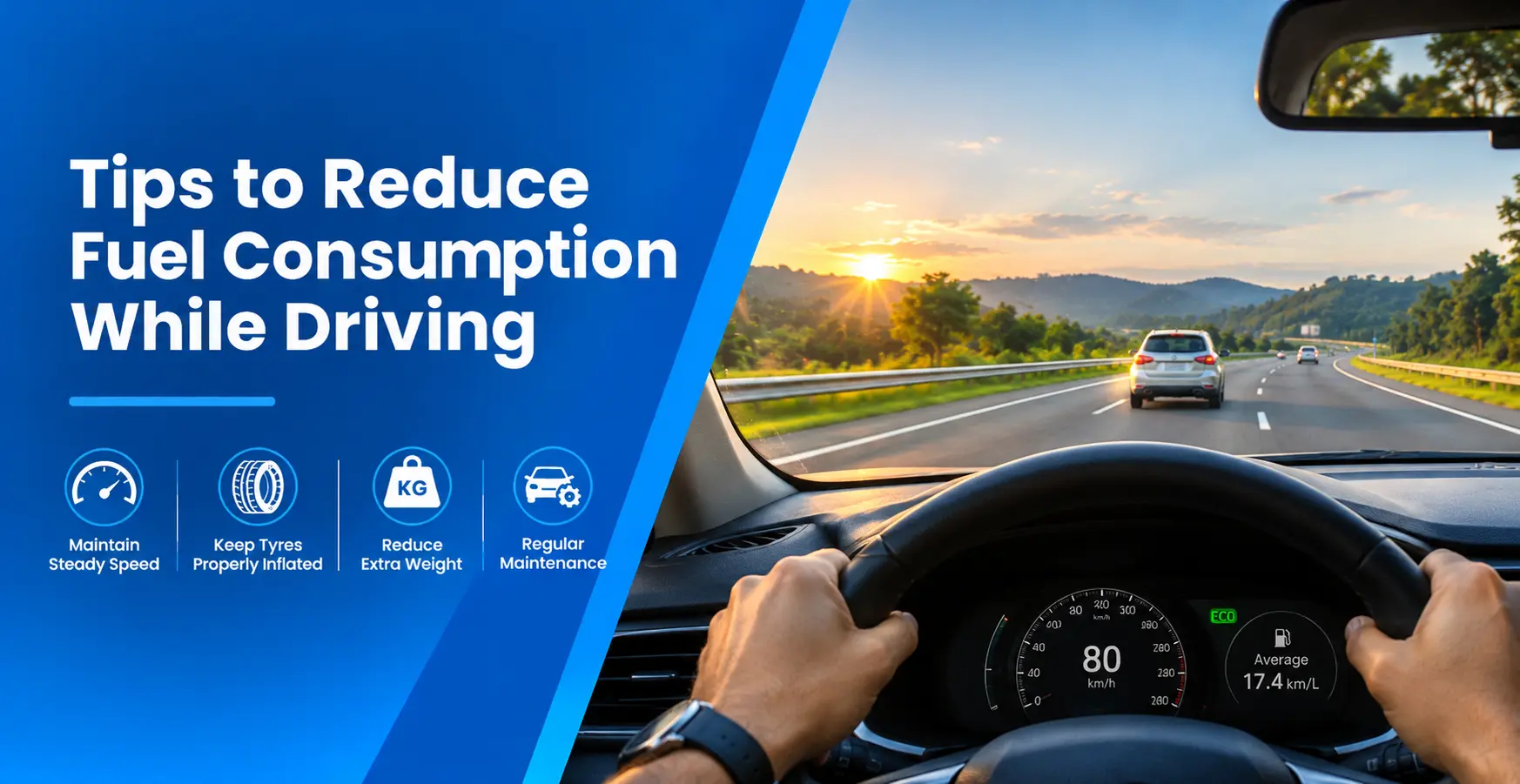
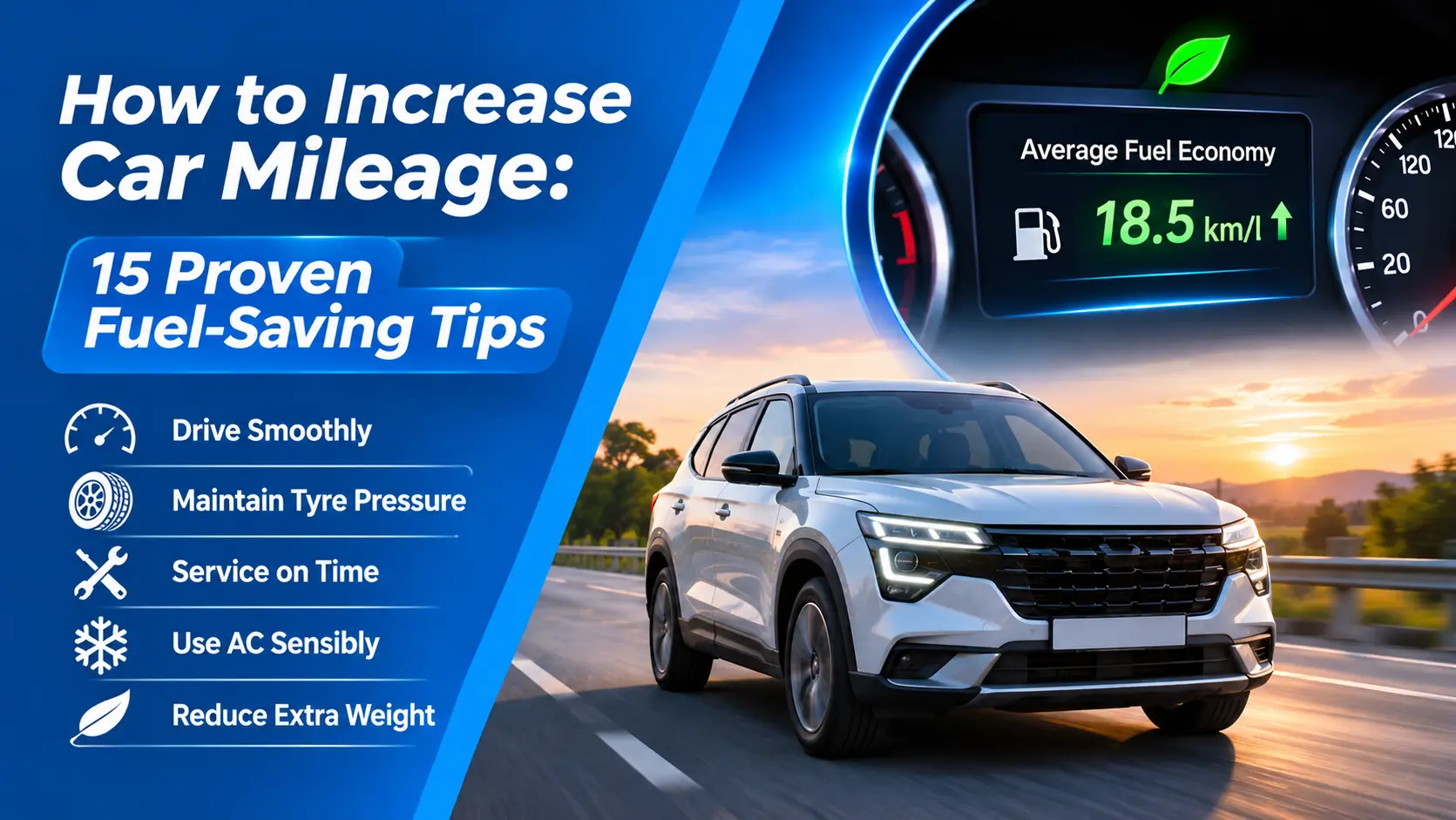
Fuel expenses are a regular part of owning and maintaining a car in India. Whether you drive daily through busy city roads, travel on highways or use your vehicle for occasional long-distance journeys, the amount of fuel your car consumes can significantly affect your monthly budget. However, improving fuel efficiency does not always require expensive modifications or investing in a new vehicle. Small changes in driving habits, regular maintenance and better vehicle management can help reduce unnecessary fuel consumption.
Understanding how to improve car mileage starts with knowing what affects your vehicle's fuel efficiency. Frequent acceleration, sudden braking, incorrect tyre pressure, excessive vehicle weight and unnecessary engine idling are some common factors that can increase fuel consumption. These issues can become particularly noticeable in Indian driving conditions, where traffic congestion, frequent stops and changing road conditions are common.
Along with better driving habits, choosing useful car maintenance accessories and car care products can help you manage your vehicle more effectively. Items such as tyre inflators, tyre pressure gauges, cleaning accessories and car organisers can support routine vehicle care and convenience.
Following the right fuel-efficient driving techniques can help you get better mileage from your car while reducing running costs over time. In this guide, we will explore practical tips to reduce fuel consumption, improve petrol mileage and make everyday driving more economical.
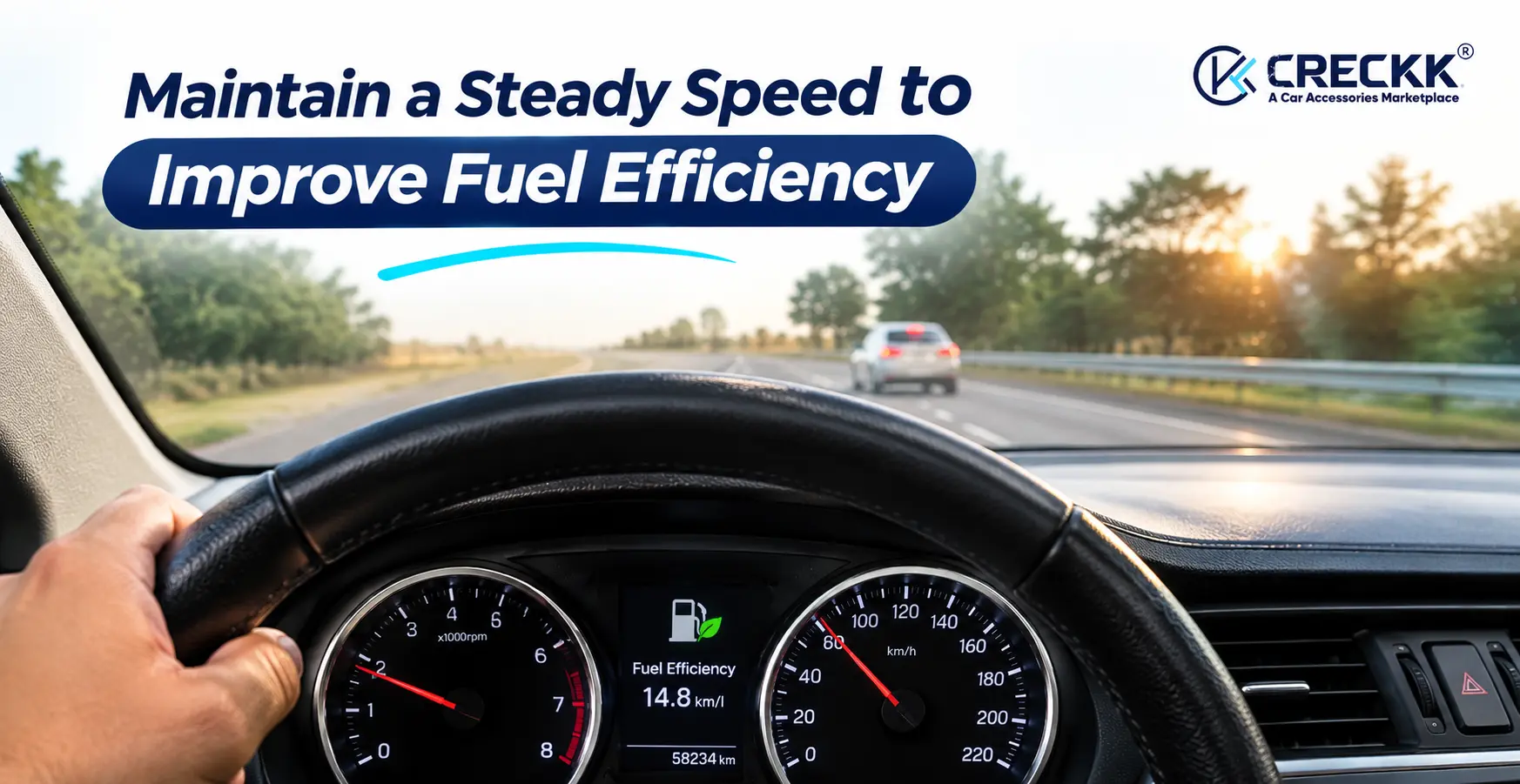
Maintaining a consistent speed is one of the simplest ways to improve fuel efficiency while driving. When a vehicle frequently changes speed, the engine has to adjust its power output repeatedly, which can increase fuel consumption. Smooth and steady driving helps the engine operate more efficiently, particularly during longer highway journeys.
For Indian drivers, maintaining a reasonable speed can be challenging because of traffic congestion, speed breakers, road construction and changing traffic conditions. However, whenever road conditions allow, try to avoid unnecessary acceleration and maintain a consistent speed within the legal speed limit.
The best speed for better car mileage depends on several factors, including the vehicle's engine, transmission, road conditions and load. There is no single ideal speed for every car. Instead of following a fixed speed recommendation, refer to your owner's manual and pay attention to the vehicle's fuel efficiency indicators if available.
Cruise control can also help maintain consistent highway speeds in suitable driving conditions. However, it should not be used in heavy traffic, on slippery roads or on roads with frequent curves.
Aggressive driving is one of the common causes of high fuel consumption in cars. Rapid acceleration requires the engine to produce more power in a short period, while frequent hard braking wastes the energy used to bring the vehicle up to speed. Repeating this process throughout a journey can negatively affect overall mileage.
Developing smoother driving habits is an effective way to reduce petrol consumption. Instead of pressing the accelerator suddenly, increase speed gradually. Similarly, maintain a safe following distance so you have enough time to respond to changing traffic conditions without unnecessary braking.
These driving habits are particularly useful in Indian cities such as Ahmedabad, Bengaluru, Mumbai and Delhi, where traffic signals, crowded intersections and stop-and-go traffic are common.
For manual transmission vehicles, select the appropriate gear according to road speed and engine load. Avoid unnecessarily high engine revolutions, but do not drive in a gear that causes the engine to struggle. Automatic transmission drivers should also use smooth accelerator inputs instead of repeatedly pressing and releasing the pedal.
| Driving Habit | Possible Effect on Fuel Efficiency |
|---|---|
| Sudden acceleration | Increases engine demand |
| Frequent hard braking | Wastes vehicle momentum |
| Smooth acceleration | Helps reduce unnecessary fuel use |
| Maintaining a safe distance | Reduces repeated braking |
| Appropriate gear selection | Helps the engine operate efficiently |
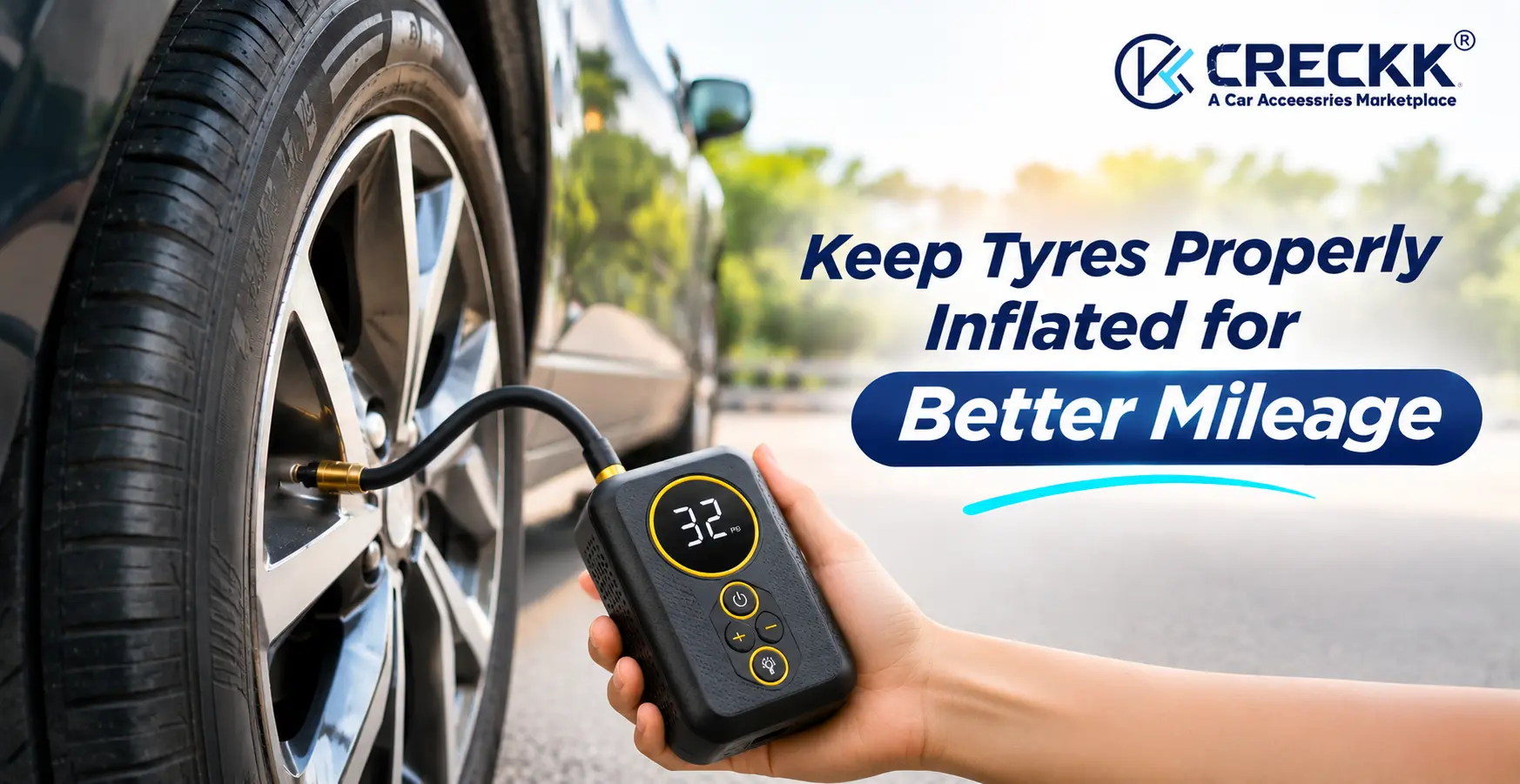
Tyre pressure plays an important role in vehicle performance, road safety and fuel efficiency. When tyres are underinflated, they create greater rolling resistance against the road. This means the engine needs to work harder to keep the vehicle moving, potentially increasing fuel consumption.
Understanding how tyre pressure affects fuel efficiency is an important part of car maintenance. Many drivers regularly check engine oil and fuel levels but overlook tyre pressure. Over time, incorrect inflation can also contribute to uneven tyre wear, reduced handling performance and additional maintenance expenses.
Always check your tyre pressure according to the manufacturer's recommended specifications. You can generally find the recommended pressure on a sticker inside the driver's door area, in the owner's manual or near the fuel-filler area, depending on the vehicle.
A portable tyre inflator for cars and digital tyre pressure gauge can make regular tyre inspections more convenient. These car maintenance accessories allow drivers to check tyre pressure when needed, particularly before long-distance journeys. However, always use the manufacturer's recommended pressure rather than inflating tyres beyond the specified level.
It is also important to check tyre pressure when the tyres are cold, preferably before starting a journey. Avoid overinflation, as it can negatively affect grip, comfort and tyre wear. Do not forget to check the spare tyre as well.
Leaving your car engine running while the vehicle is stationary consumes fuel without helping you cover any distance. This is known as idling, and it can contribute to unnecessary fuel consumption, particularly during long waiting periods.
In Indian cities, drivers often leave their engines running at traffic signals, outside shops, while waiting for passengers or during extended parking stops. Although a short wait may not seem significant, repeated unnecessary idling throughout the week can add to overall fuel expenses.
One of the practical ways to save petrol while driving is to switch off the engine when you expect to remain stationary for an extended period and it is safe to do so. However, avoid repeatedly switching the engine off and on during very short stops. Follow your vehicle manufacturer's recommendations, particularly for vehicles equipped with automatic start-stop technology.
Modern cars may have an automatic start-stop feature that temporarily switches off the engine when the vehicle stops and restarts it when driving resumes. This technology is designed to reduce fuel consumption during stationary periods.
Remember that safety should always come first. Keep the engine running whenever required for safe vehicle operation, visibility, climate control or other essential functions.
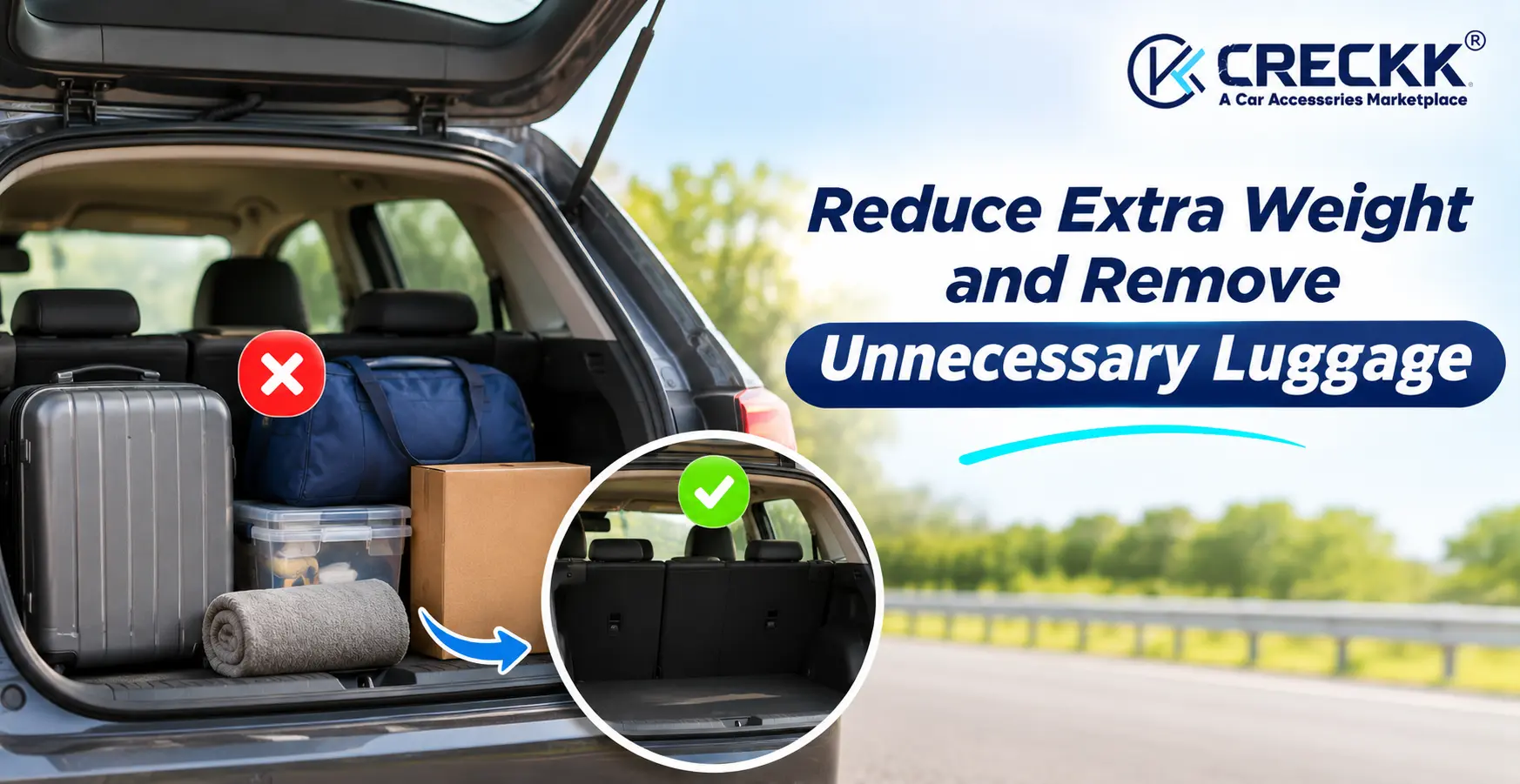
Carrying unnecessary weight can increase the amount of energy required to move your vehicle. When a car carries additional luggage, heavy equipment or unused accessories, the engine needs to work harder, particularly during acceleration and uphill driving.
Many car owners keep items such as old bags, sports equipment, unused tools and other belongings in their boot for extended periods. Individually, these items may not seem heavy, but together they can add unnecessary weight to the vehicle.
Removing items that you do not need is one of the easiest car fuel efficiency tips to follow. Before starting your journey, check the boot and passenger compartment and remove unnecessary luggage. Keep essential emergency equipment and vehicle documents, but avoid carrying unrelated items regularly.
Roof-mounted accessories can also influence fuel consumption. Roof carriers, luggage boxes and roof racks may increase aerodynamic drag, especially when driving at highway speeds. If you are not using them, consider removing them when permitted by the manufacturer's recommendations.
Car organisers and car interior accessories can help keep frequently used belongings arranged without leaving loose items scattered throughout the cabin. Choose practical accessories according to your vehicle's available space and requirements.
However, never compromise vehicle safety by removing essential equipment or exceeding the recommended passenger and luggage limits.
Apart from driving habits, regular vehicle maintenance plays an important role in maintaining fuel efficiency. Even if you follow the best fuel-saving practices, neglected maintenance can affect engine performance and increase fuel consumption.
Consider these basic maintenance practices:
Useful car care products such as microfiber cleaning cloths, car cleaning brushes, interior cleaning accessories and tyre maintenance tools can make routine vehicle care easier. When shopping for car accessories online, check product compatibility, quality and suitability for your vehicle before purchasing.
Regular maintenance is particularly important for vehicles that frequently travel through dusty roads, congested city areas and challenging weather conditions.
You can reduce fuel consumption by maintaining a steady speed, avoiding sudden acceleration, keeping tyres properly inflated, reducing unnecessary idling and removing extra luggage from your vehicle.
There is no universal ideal speed for every car. Fuel efficiency depends on the engine, transmission, road conditions and vehicle load. Follow the manufacturer's recommendations and maintain a steady speed within legal limits.
Yes. Underinflated tyres increase rolling resistance, which can make the engine work harder and potentially increase fuel consumption. Maintain the tyre pressure recommended by your vehicle manufacturer.
Switching off the engine during longer stationary periods can help reduce unnecessary fuel consumption. However, avoid frequent restarting during very short stops and follow your vehicle manufacturer's guidance.
Yes. Additional vehicle weight increases the energy required for acceleration and movement. Removing unnecessary luggage can help improve fuel efficiency.
Common causes include aggressive acceleration, frequent braking, underinflated tyres, excessive vehicle weight, prolonged idling, poor maintenance and mechanical issues.
Check tyre pressure regularly, preferably every few weeks and before long journeys. Follow your vehicle manufacturer's recommended service schedule for engine oil, filters, alignment and other maintenance requirements.
Improving fuel efficiency does not always require expensive upgrades or major changes to your vehicle. Simple habits such as maintaining a steady speed, avoiding aggressive driving, checking tyre pressure and reducing unnecessary idling can make everyday driving more economical.
For Indian car owners dealing with changing traffic conditions and rising vehicle running expenses, following these fuel-efficient driving techniques can help manage fuel consumption over time. Regular servicing and responsible vehicle maintenance are equally important for maintaining consistent performance.
Along with better driving habits, useful car accessories, tyre inflators, car cleaning accessories and practical car organisers can support everyday vehicle maintenance and convenience. Explore a range of car accessories online at Creckk and find useful vehicle essentials for your everyday driving needs.