

















































































































































































Introduction
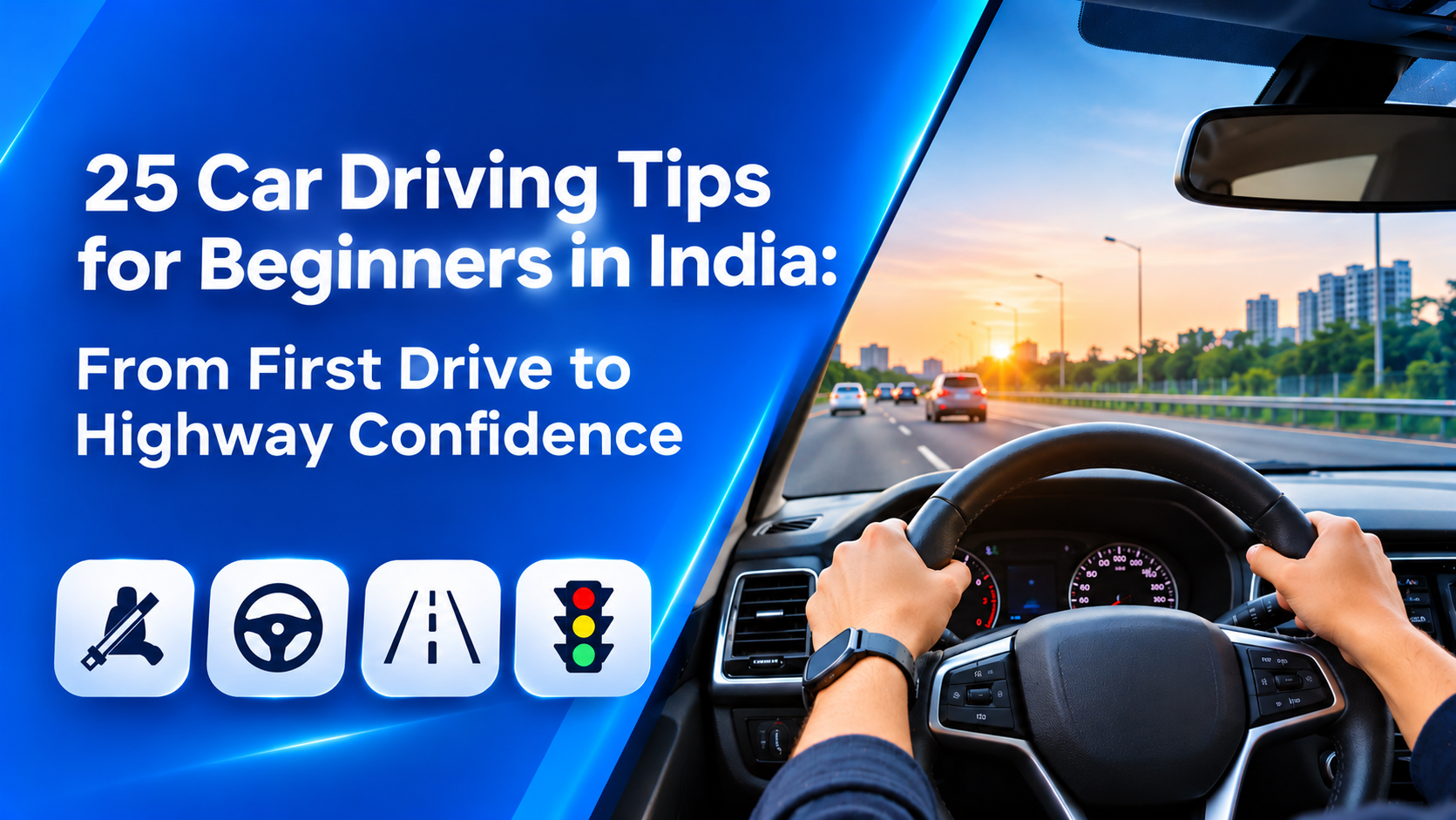
Learning to drive a car is exciting, but driving on Indian roads can feel challenging for beginners. From busy traffic and two-wheelers to sudden turns, potholes and unpredictable road conditions, new drivers need patience, practice and confidence.
The good news is that becoming a good driver doesn't happen overnight. It comes from developing safe driving habits and practising them consistently.
Here are 25 practical car driving tips for beginners in India to help you move from your first drive to confident city and highway driving.
1. Before You Start the Car
Before turning on the engine, make sure your driving position and surroundings are properly set.
1. Adjust Your Seat
Sit comfortably so you can press the clutch fully with a slight bend in your knee. Keep your back against the seat for better control.
2. Set Your Mirrors
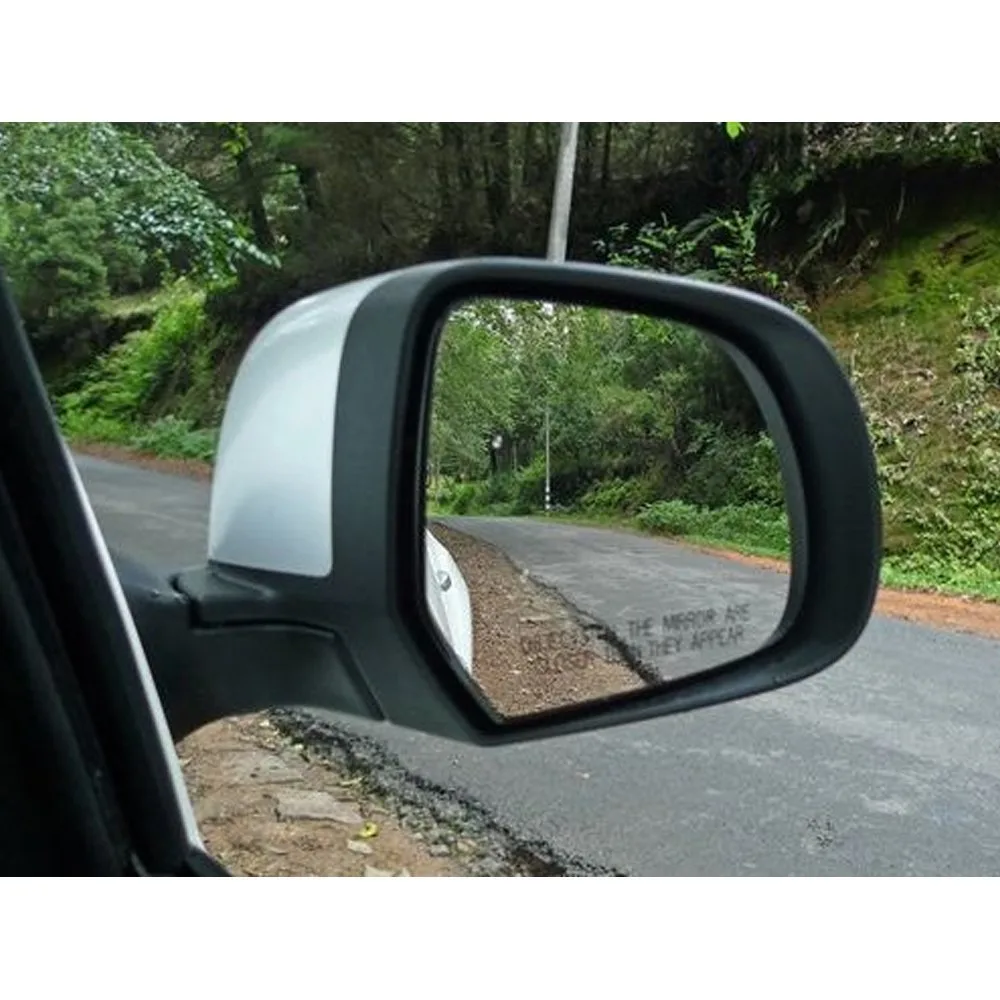
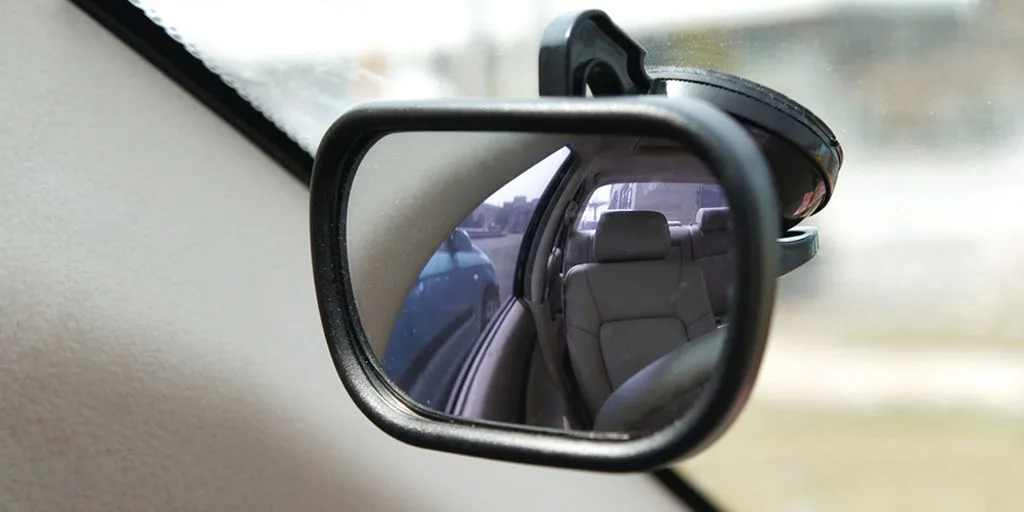
Adjust the rear-view mirror to see the rear window and side mirrors to reduce blind spots. Blind spot mirrors can provide additional coverage.
3. Hold the Steering Correctly
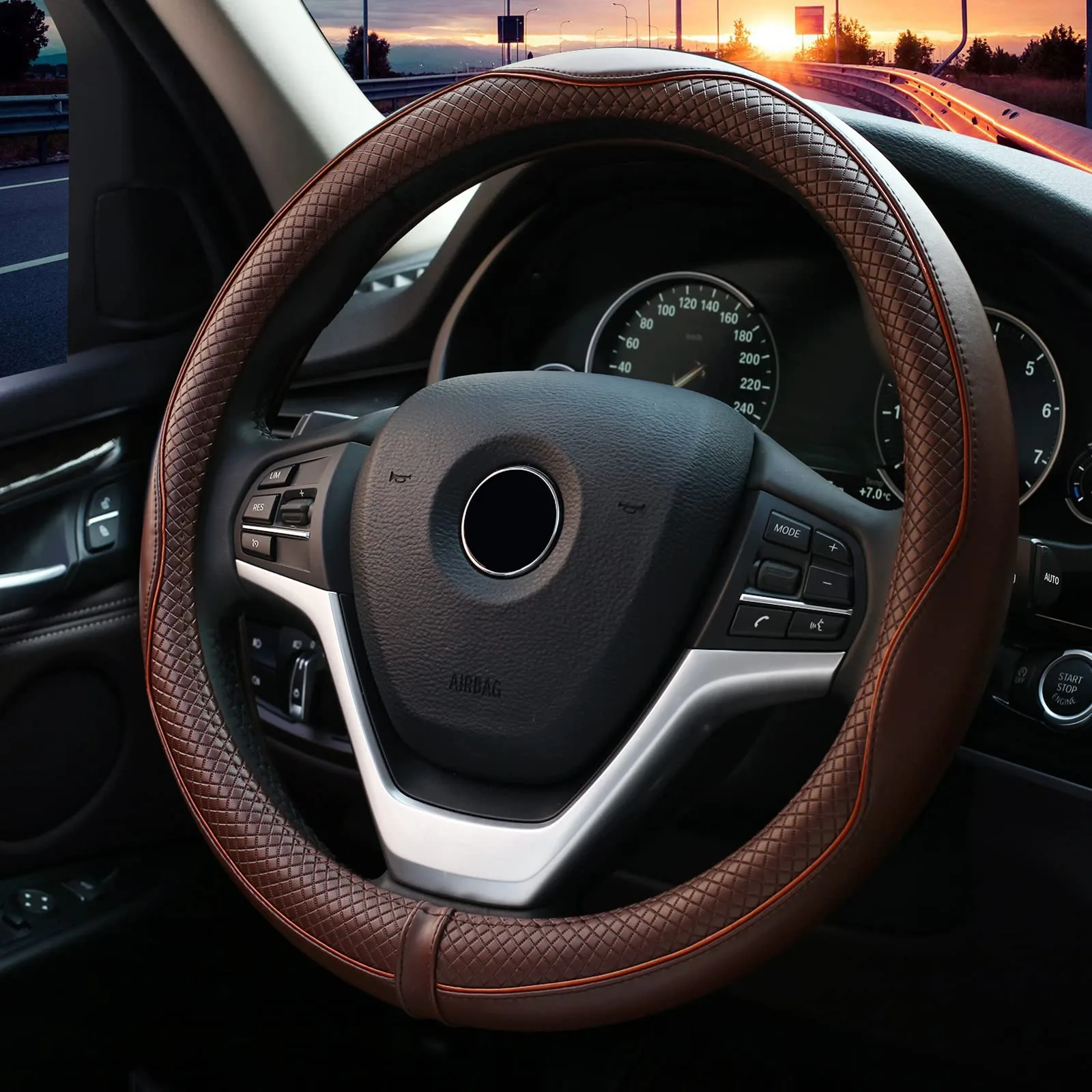
Keep your hands at the 9 and 3 o'clock positions. This gives you better control while steering.
4. Wear Your Seat Belt
Always wear your seat belt and ensure every passenger, including those in the rear seats, is properly secured.
5. Know Your Controls
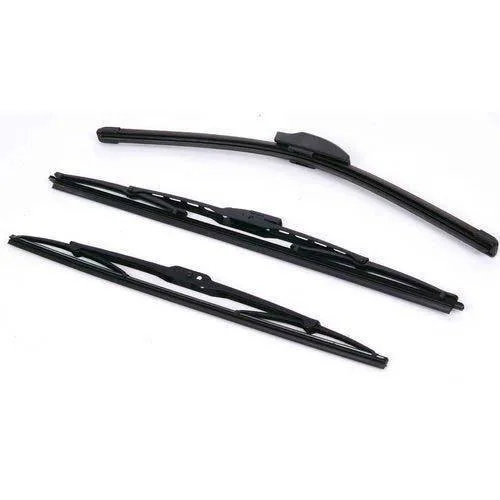
Learn the location of headlights, indicators, wipers, horn and hazard lights before driving.
2. Mastering the Driving Basics
6. Learn the Clutch Biting Point
Practise slowly releasing the clutch in first gear in an empty area until the car begins moving. This is called the biting point.
7. Start Smoothly
Release the clutch gradually to its biting point, add a little accelerator and release the clutch fully without rushing.
8. Change Gears at the Right Time
For petrol cars, around 2,000–2,500 RPM is a general guide for smooth upshifting. Adjust according to your vehicle and driving conditions.
9. Don't Ride the Clutch
Keep your left foot away from the clutch pedal when you aren't changing gears. Resting your foot on it can cause unnecessary wear.
10. Brake Early and Gently
Apply brakes progressively instead of suddenly pressing them. Smooth braking improves comfort and helps maintain control.
11. Practise Hill Starts
Use the handbrake to hold the car on a slope. Find the clutch biting point, add a little accelerator and release the handbrake as the car starts pulling forward.
3. Driving Safely in City Traffic
Indian city traffic requires constant attention because vehicles, pedestrians and two-wheelers can approach from different directions.
12. Look Far Ahead
Don't focus only on the vehicle directly in front. Look two or three vehicles ahead to anticipate braking, potholes and sudden lane changes.
13. Maintain a Safe Distance
Follow the 3-second rule. Choose a fixed point and ensure you reach it at least three seconds after the vehicle ahead passes it. Increase the gap in poor conditions.
14. Watch Out for Two-Wheelers
Motorcycles and scooters can appear on either side. Check your mirrors carefully, especially before turning.
15. Indicate Before Changing Lanes
Signal early, check your mirrors, look over your shoulder for blind spots and move only when it is safe.
16. Use the Horn Wisely
Use short horn signals when necessary to alert other road users. Avoid continuous honking.
17. Stay Calm
Don't react aggressively when someone cuts into your lane or honks. Patience and calm decisions make driving safer.
4. Parking Tips for Beginners
18. Practise Reverse Parking
Start in an empty parking area using cones or bottles as markers. Move slowly and use your side mirrors to judge distance.
19. Avoid Dry Steering
Whenever possible, turn the steering wheel while the car is moving slowly rather than keeping it completely stationary.
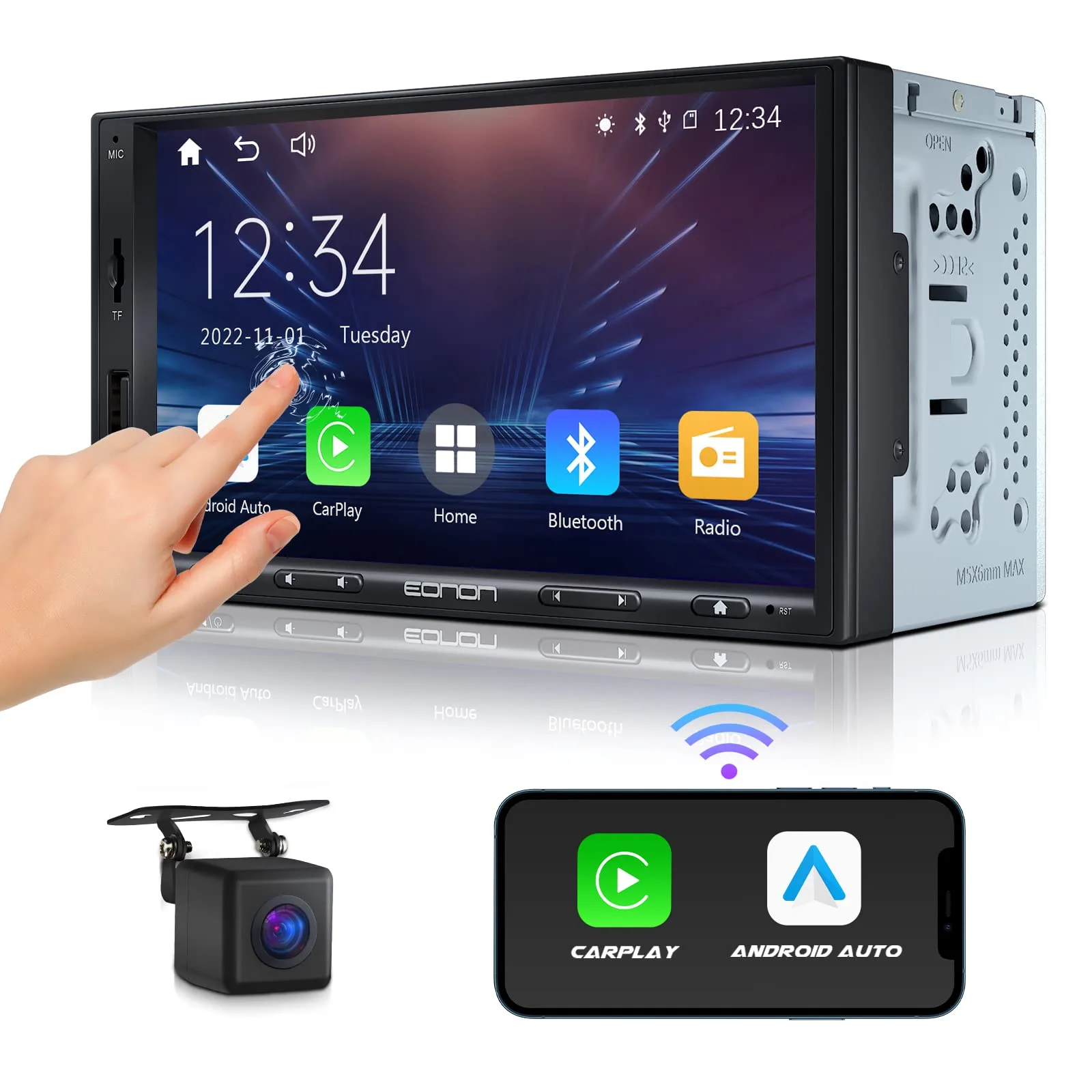
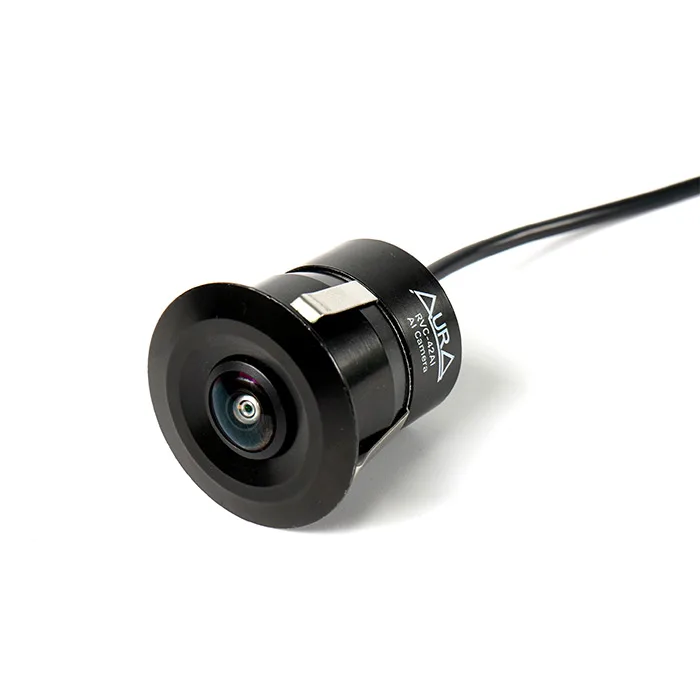
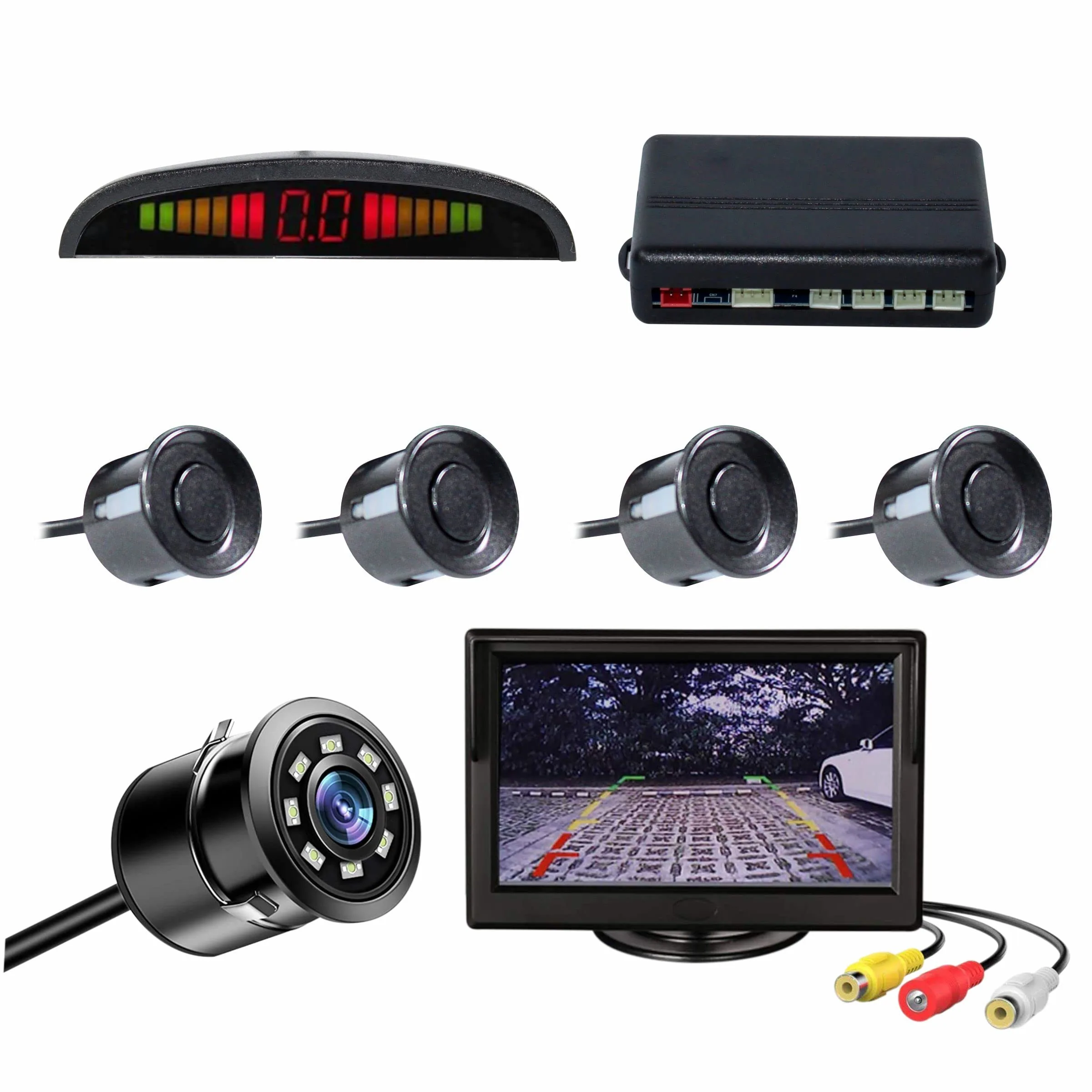
20. Use Parking Sensors and Cameras
These features help identify nearby obstacles, but always check your surroundings directly. Cameras and sensors may miss small objects or children.
5. Highway Driving Tips
Highway driving requires more attention because vehicles travel at higher speeds.
21. Follow Lane Discipline
Keep to the left lane unless overtaking, and overtake from the right when permitted and safe. Return to the left when possible.
22. Maintain a Bigger Gap
Keep at least a four-second following distance at higher speeds, increasing it when visibility or road conditions are poor.
23. Watch for Unexpected Hazards
Be alert for tractors, cyclists, parked vehicles, animals and wrong-way traffic, particularly at night.
24. Use Low Beam for Oncoming Traffic
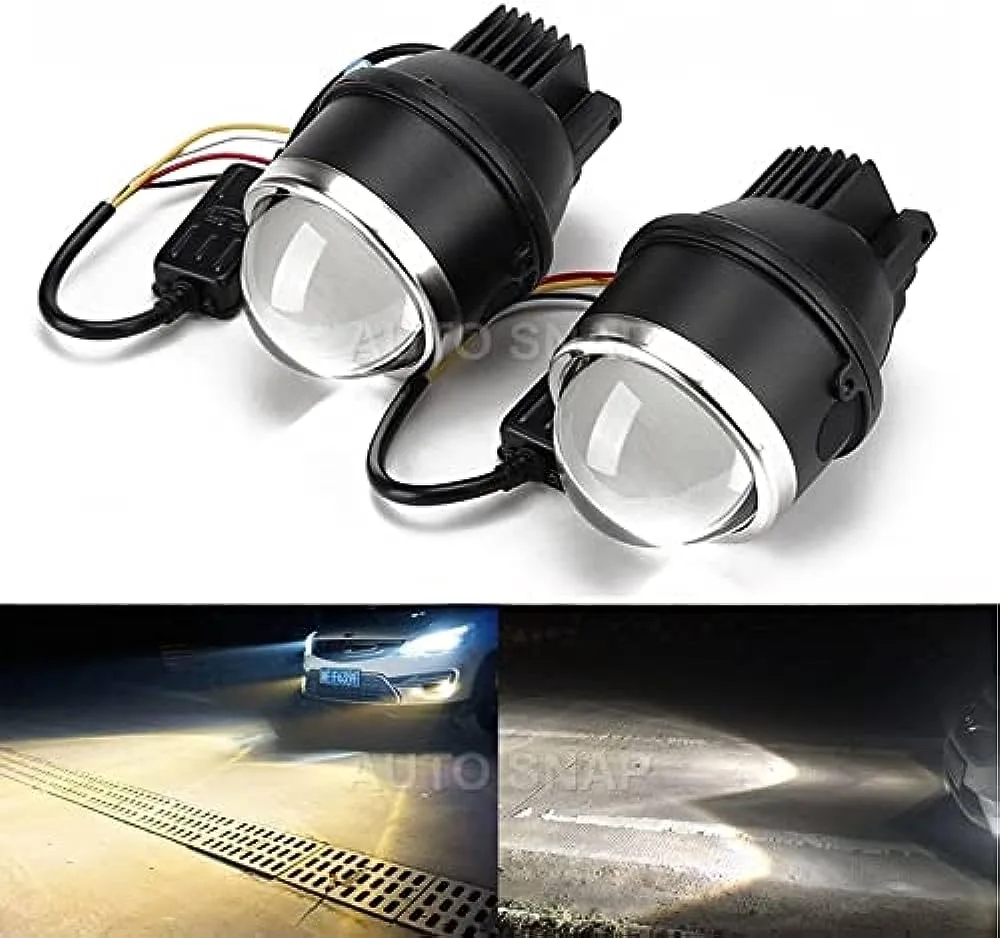
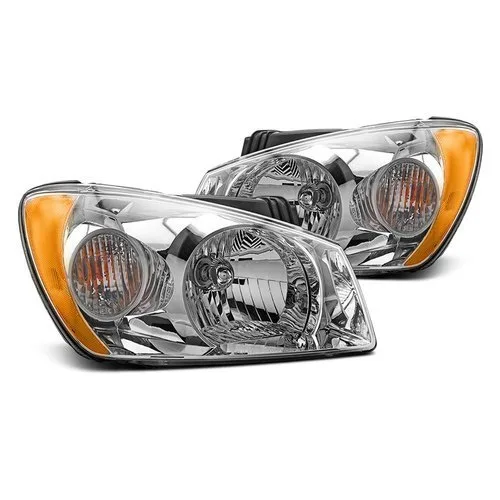
Dip your headlights when another vehicle approaches to avoid dazzling its driver.
25. Take Regular Breaks
On long journeys, stop approximately every two hours. Fatigue affects reaction time and concentration.
6. Night Driving and Monsoon Driving Tips
Driving conditions change significantly after sunset and during the rainy season.
| Night Driving | Rainy Weather Driving |
|---|---|
| Clean your windscreen inside and outside. | Switch on low-beam headlights. |
| Avoid staring at oncoming headlights. | Reduce speed and increase following distance. |
| Use high beam only when appropriate. | Avoid sudden braking and steering. |
| Watch for animals and unlit vehicles. | Never drive through deep or uncertain water. |
| Check headlight brightness and alignment. | Use AC to clear a fogged windscreen. |
Always drive according to visibility and road conditions. After crossing water, test your brakes gently when safe.
7. Understand Indian Road Signs
Knowing road signs is essential for every beginner.
| Road Sign Type | Shape | Examples |
|---|---|---|
| Mandatory / Regulatory | Mostly circular | Stop, No Entry, Speed Limit |
| Cautionary / Warning | Triangular | School Ahead, Sharp Curve |
| Informatory | Rectangular | Hospital, Fuel Station, Parking |
Also remember basic road markings: broken white lines indicate that changing lanes may be permitted when safe, while solid lines restrict crossing. Stop before zebra crossings and give way to pedestrians.
8. A 30-Day Practice Plan for New Drivers
Build your skills gradually instead of immediately entering heavy traffic.
| Week | Practice Area | Main Focus |
|---|---|---|
| Week 1 | Empty ground | Clutch, gears, starting and stopping |
| Week 2 | Quiet streets | Turning, indicators and speed control |
| Week 3 | Light city traffic | Lane discipline, signals and parking |
| Week 4 | Busier roads | Merging, overtaking and highway practice |
Practise with a calm, experienced driver beside you. Short, regular sessions of 30–45 minutes can help build confidence.
9. Useful Car Accessories for New Drivers
A few practical accessories can make driving more convenient:
- Blind Spot Mirrors: Provide additional visibility around your vehicle.
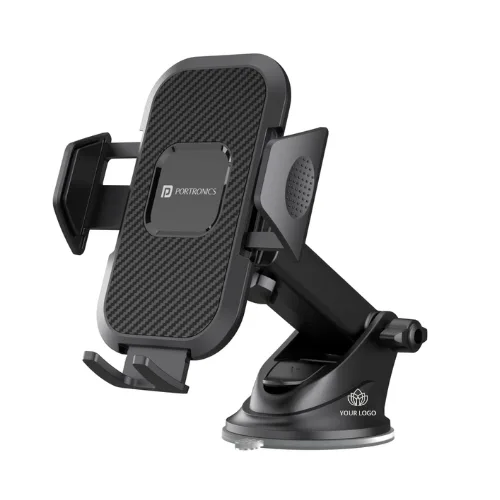
- Phone Holder: Keeps navigation visible without holding your phone.
- Car Seat Neck Cushion: Adds comfort during longer drives.
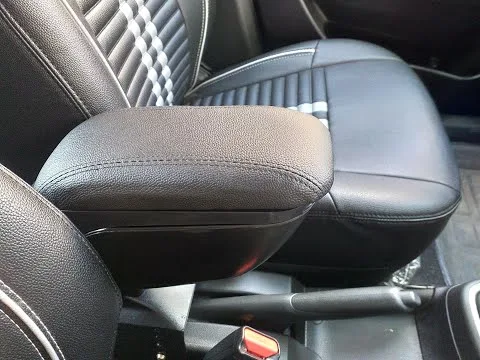
- Car Armrest: Provides additional arm support.
- Rain-Repellent Mirror Film: Helps maintain a clearer mirror view during rain.
- Learner Sign: Alerts other road users that you are still learning.
Frequently Asked Questions
1. How long does it take to learn to drive a car?
Many people learn the basics in 2–4 weeks of regular practice. Confidence in traffic usually takes longer.
2. How can I stop my car from stalling?
Release the clutch slowly until you reach the biting point, then add a little accelerator before releasing it completely.
3. What is the 3-second rule in driving?
It helps maintain a safe following distance. Reach a fixed point at least three seconds after the vehicle ahead passes it.
4. Is it easier to learn on a manual or automatic car?
Automatic cars are generally easier for beginners. Learning manual gives you experience with clutch and gear control.
5. What documents should I carry while driving in India?
Carry a valid driving licence, Registration Certificate (RC), insurance and valid PUC certificate. Accepted digital copies can be accessed through DigiLocker or mParivahan.
6. What should I do if my car stalls in traffic?
Stay calm, secure the vehicle, use hazard lights if needed, restart safely and move when traffic conditions allow.
Drive Safe, Drive Smart with Creckk
Every confident driver starts as a beginner. The key is to practise regularly, understand your vehicle and develop safe driving habits.
With Creckk, explore useful car accessories such as blind spot mirrors, armrests, neck cushions and LED headlight bulbs. Use the car fitment feature to find accessories compatible with your vehicle and enjoy doorstep installation in supported locations.