




































































Introduction
With changing fuel prices, getting better mileage from your car has become more important than ever. Whether you drive daily in city traffic or regularly travel on highways, improving fuel efficiency can help reduce your monthly expenses.
The good news is that you don't always need expensive modifications or special fuel additives to improve mileage. Small changes in driving habits, regular maintenance and proper tyre pressure can make a noticeable difference.
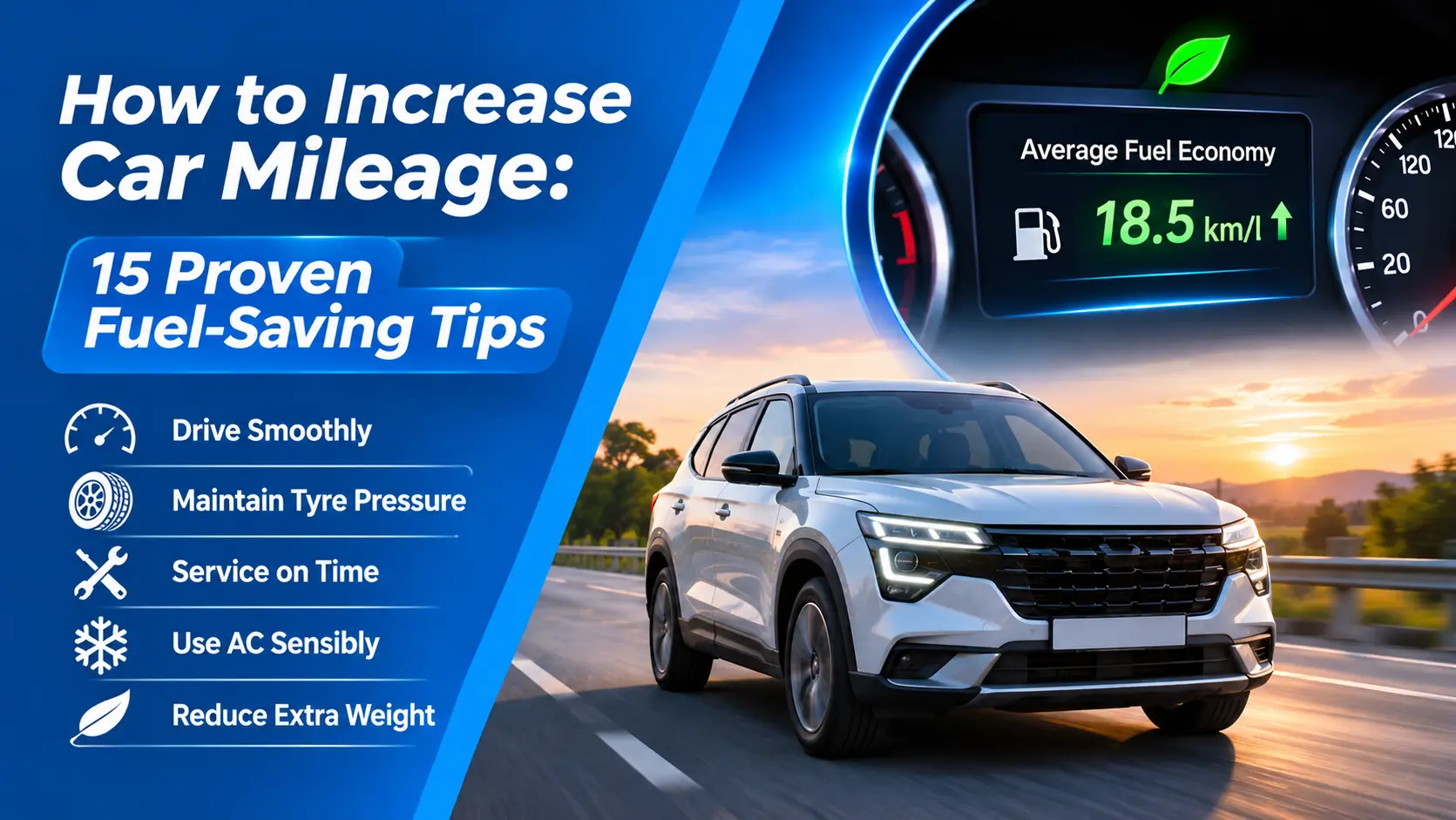
In this guide, we'll explore 15 practical ways to increase car mileage, understand common reasons behind poor fuel efficiency and share simple tips for petrol, diesel, CNG and electric vehicles.
Key Takeaways
- Smooth acceleration and braking help improve fuel efficiency.
- Correct tyre pressure reduces rolling resistance.
- Regular servicing keeps the engine running efficiently.
- Avoid unnecessary idling and extra vehicle weight.
- Use your car's AC sensibly.
- Track actual mileage instead of relying only on dashboard estimates.
1. Driving Habits That Help Increase Car Mileage
Your driving style plays a major role in determining how much fuel your car consumes.
1. Accelerate Gently
Sudden acceleration forces the engine to use more fuel. Instead of pressing the accelerator aggressively, increase speed gradually.
Imagine there's an egg under your accelerator pedal. Apply pressure smoothly without sudden movements.
2. Anticipate Traffic
Look ahead while driving and observe traffic signals, speed breakers and other vehicles.
If you see a red signal ahead, gradually release the accelerator instead of accelerating and braking suddenly. This helps avoid unnecessary fuel consumption.
3. Maintain a Steady Speed
Driving at consistently high speeds increases aerodynamic resistance and fuel consumption.
Maintain a moderate, steady speed wherever road conditions and speed limits allow. Avoid unnecessary acceleration and frequent speed changes.
4. Shift Gears at the Right Time
For manual petrol cars, approximately 2,000–2,500 RPM can be a general upshifting reference, depending on the engine.
Avoid driving in low gears at unnecessarily high RPM. However, don't shift too early if the engine starts struggling.
5. Use Cruise Control on Highways
If your car has cruise control, use it on suitable open and relatively flat highways.
It helps maintain a consistent speed and reduces unnecessary acceleration. Avoid using cruise control on slippery roads, steep terrain or heavy traffic.
6. Avoid Long Engine Idling
An idling engine consumes fuel without moving your car.
If you're waiting for an extended period outside normal traffic flow, switching off the engine can help save fuel. Use the vehicle's start-stop system if available.
7. Don't Ride the Clutch
Keeping your foot partially pressed on the clutch can cause unnecessary clutch slipping and wear.
Release the clutch fully after changing gears and avoid resting your foot on the pedal while driving.
2. Car Maintenance Tips to Improve Fuel Efficiency
A well-maintained car generally operates more efficiently and reliably.
8. Maintain Correct Tyre Pressure
Under-inflated tyres increase rolling resistance, forcing the engine to work harder.
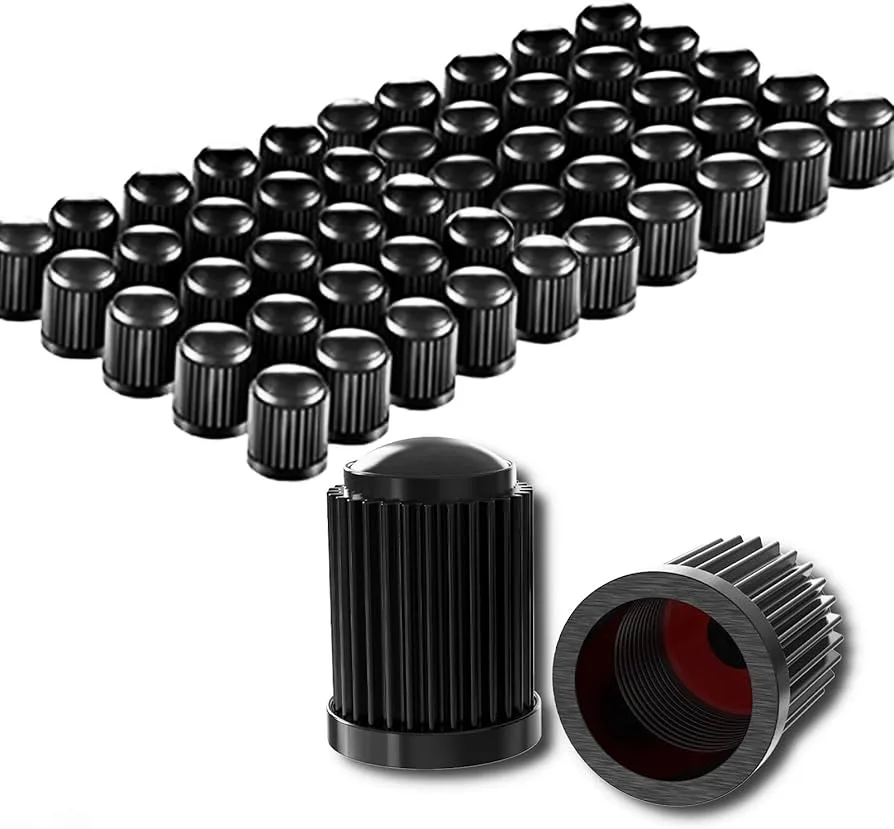
Check tyre pressure every week or two when the tyres are cold. Follow the recommended pressure mentioned on the driver's door sticker or in the owner's manual.
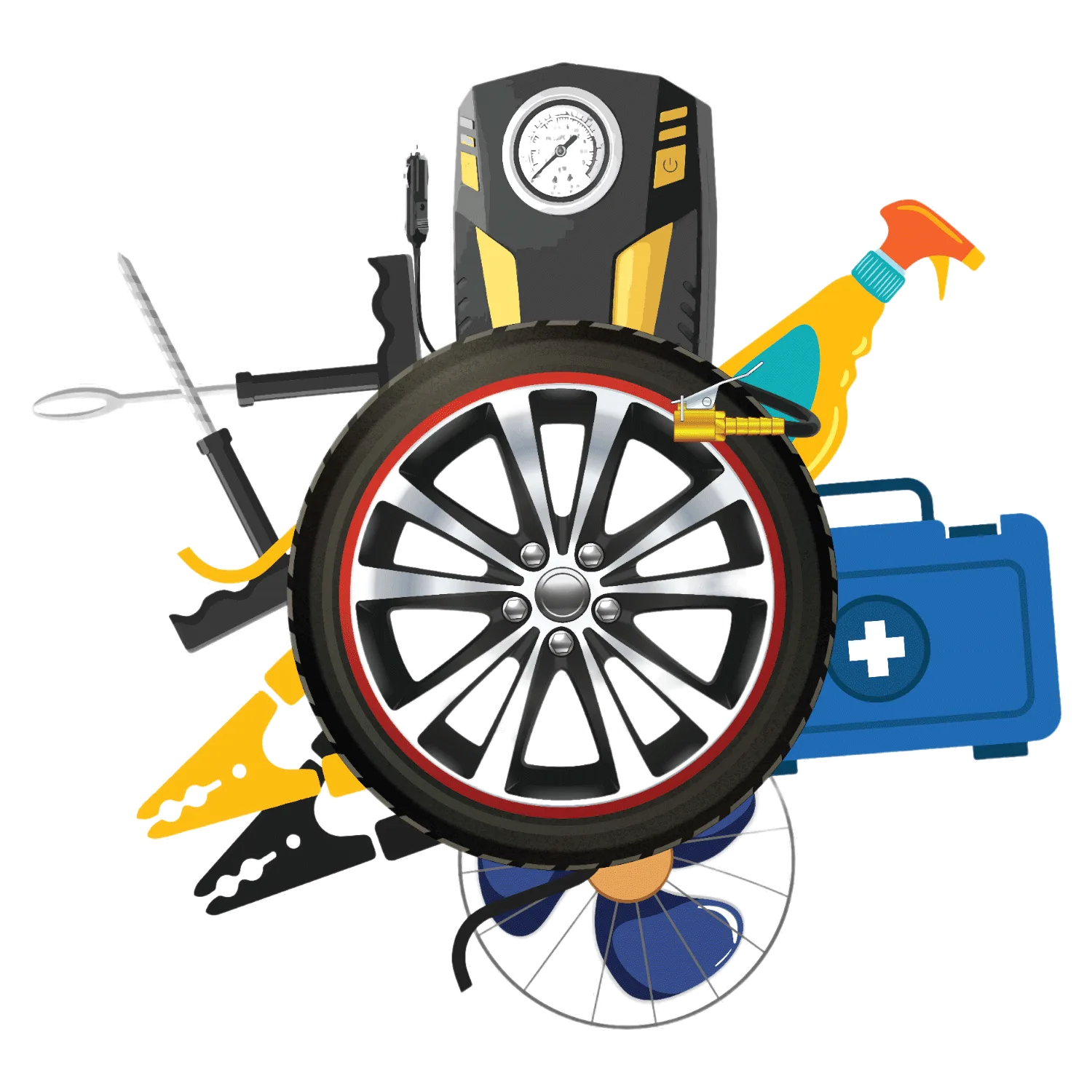
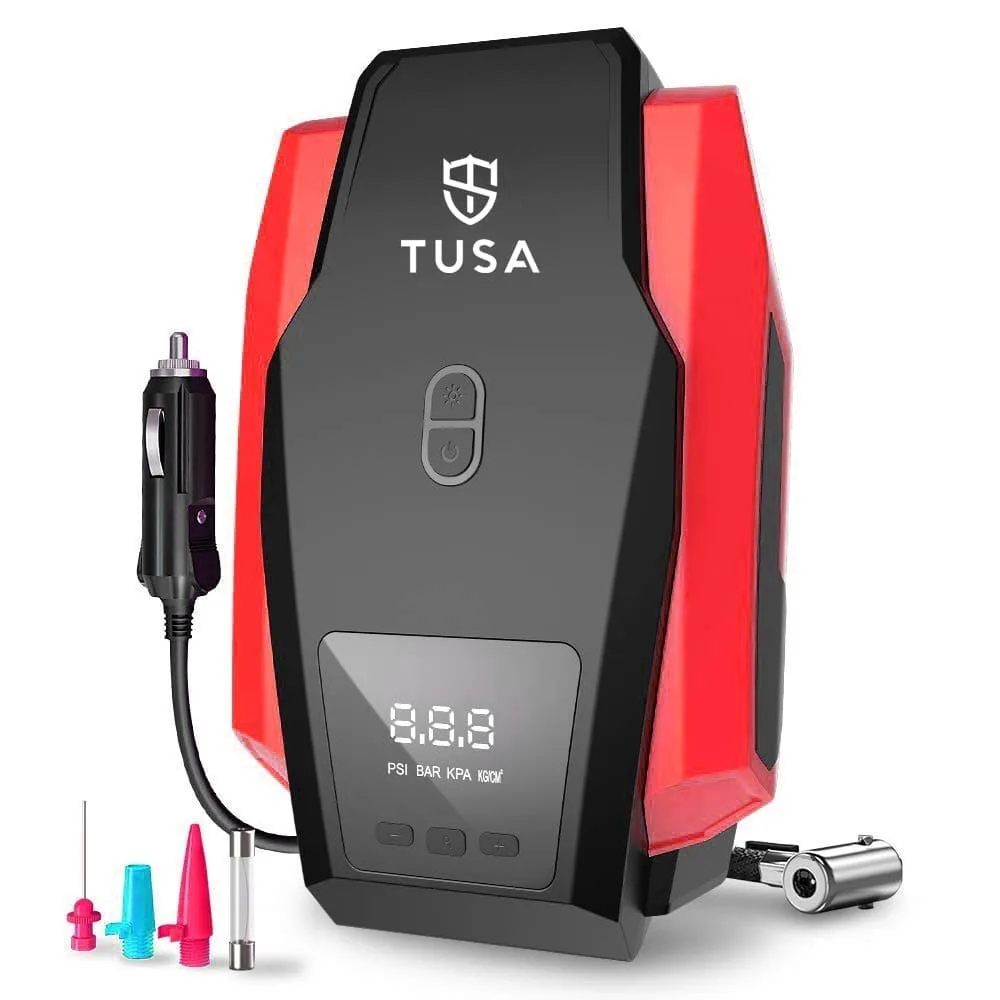
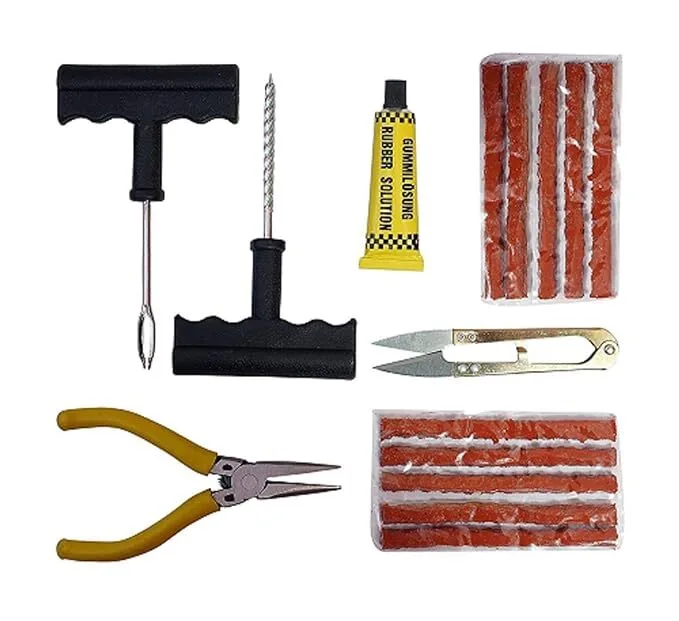
A portable tyre inflator can make regular pressure checks easier.
9. Get Wheel Alignment Checked
Incorrect wheel alignment can cause tyres to drag and wear unevenly.
If your car pulls towards one side or you notice uneven tyre wear, get the alignment inspected.
10. Service Your Car on Time
Dirty air filters, old engine oil and worn spark plugs can affect engine performance.
Follow your manufacturer's recommended service schedule and replace components when required.
11. Use the Recommended Engine Oil
Different engines require different oil grades.
Using the manufacturer-recommended engine oil helps maintain proper lubrication and engine efficiency. Avoid choosing oil based only on price or viscosity preferences.
3. Reduce Weight and Improve Aerodynamics
12. Remove Unnecessary Weight
Extra luggage makes your car heavier and increases the energy required to accelerate.
Remove unused tools, heavy bags and unnecessary items from the boot. Keep essential emergency equipment in the car.
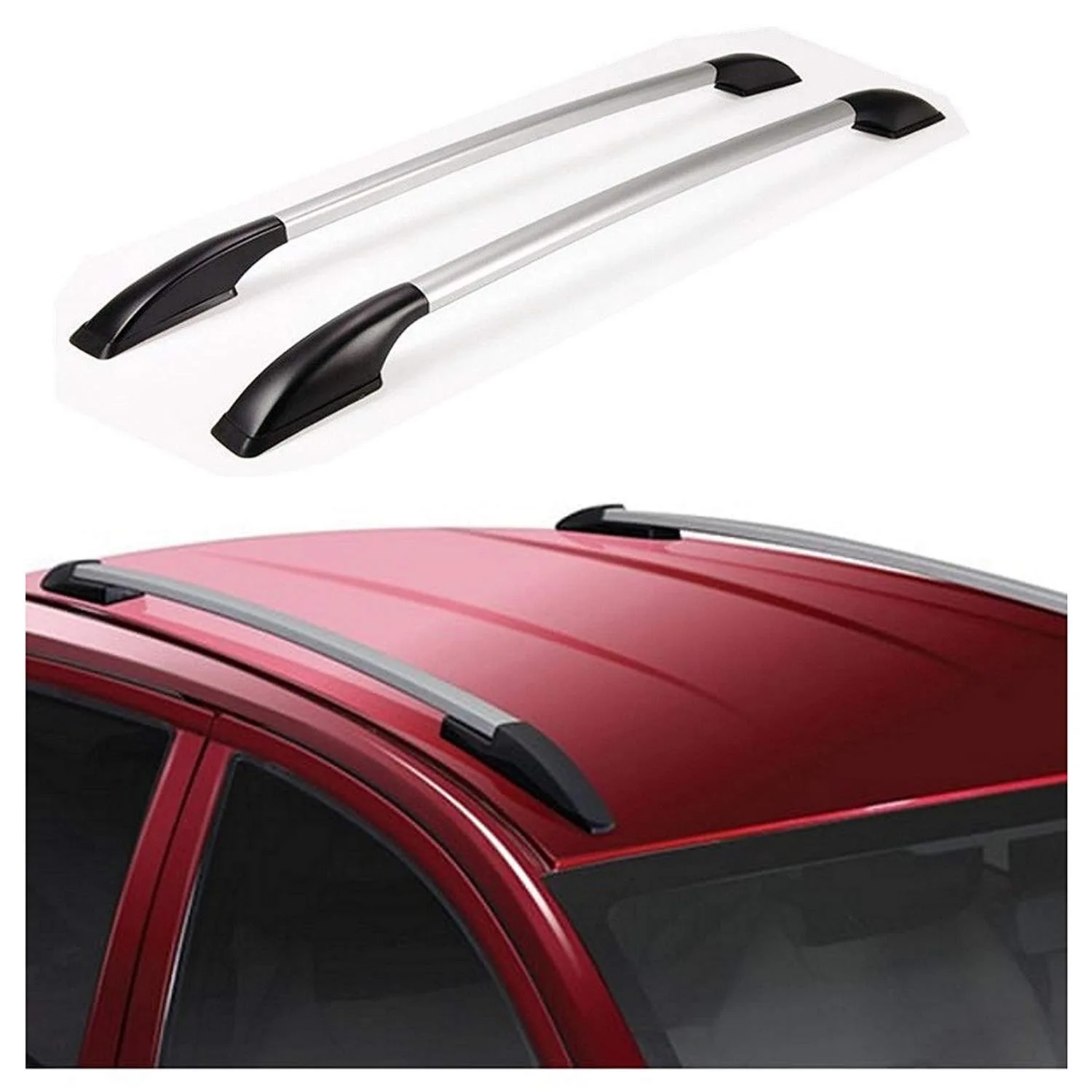
13. Remove Roof Racks When Not Required
Roof racks, roof boxes and carriers increase aerodynamic drag, particularly at highway speeds.
Remove them when you're not using them to help reduce air resistance and fuel consumption.
4. Use Your Car's AC Sensibly
14. Avoid Unnecessary AC Usage
The air conditioning system uses additional engine power in conventional petrol and diesel vehicles.
A few practical tips:
- Park in shaded areas whenever possible.
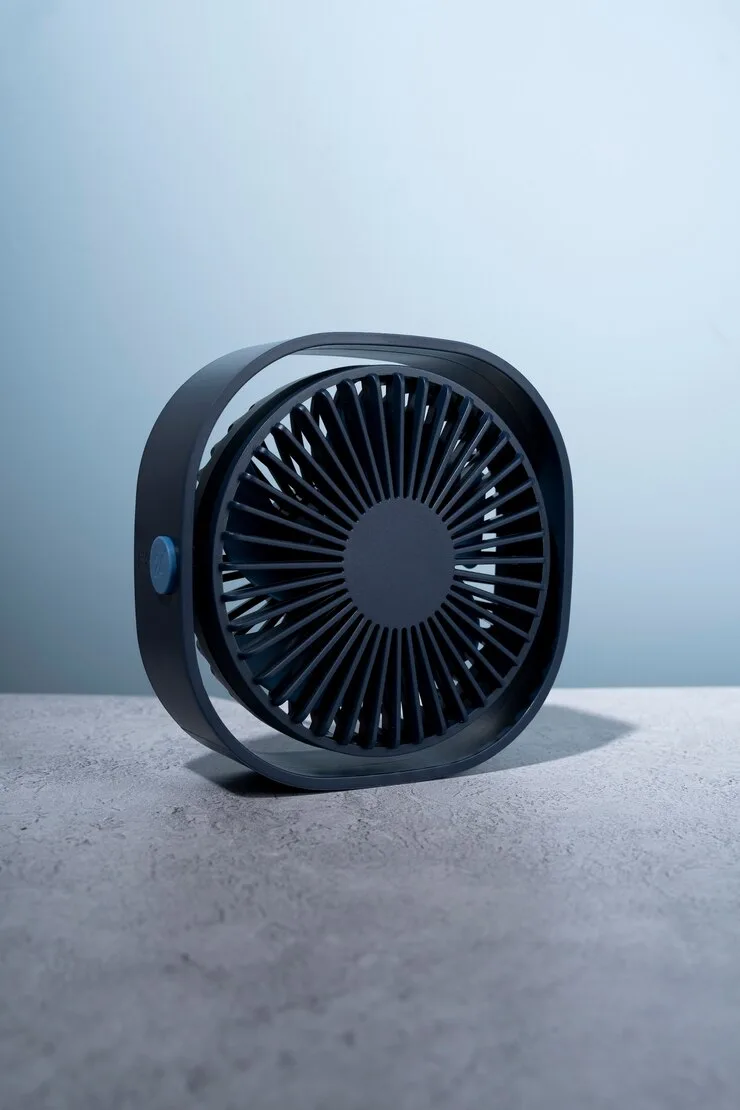
- Ventilate the cabin briefly before switching on the AC.
- Use a comfortable temperature instead of maximum cooling continuously.
- Keep windows closed at highway speeds to reduce aerodynamic drag.
At low city speeds, opening the windows may sometimes use less fuel than running the AC. At higher speeds, closed windows with AC are often more efficient.
5. Plan Your Trips Smartly
15. Combine Short Trips and Avoid Peak Traffic
Cold engines generally consume more fuel during the initial part of a journey.
Instead of making several separate short trips, combine your errands into one route wherever possible.
Planning around heavy traffic can also reduce unnecessary idling and repeated acceleration.
Why Is Your Car Giving Low Mileage?
If your car suddenly starts consuming more fuel, several factors may be responsible.
| Common Cause | Possible Solution |
|---|---|
| Low tyre pressure | Inflate tyres to recommended pressure |
| Dirty air filter | Clean or replace the filter |
| Old engine oil | Service the car on schedule |
| Worn spark plugs | Replace as per manufacturer guidance |
| Aggressive driving | Accelerate and brake smoothly |
| Excessive idling | Switch off during extended waits |
| Wheel misalignment | Get wheel alignment checked |
| Dragging brakes | Get the braking system inspected |
| Heavy luggage | Remove unnecessary weight |
| Roof carrier | Remove when not required |
If mileage drops suddenly despite normal driving, get the vehicle inspected by a qualified mechanic.
Claimed Mileage vs Real-World Mileage
Car manufacturers publish certified fuel-efficiency figures under standardised test conditions. These figures help buyers compare vehicles, but actual mileage can be different.
Real-world fuel efficiency depends on:
- Traffic and frequent stops
- Air conditioning usage
- Outside temperature
- Road conditions and elevation
- Passenger and luggage weight
- Tyre pressure and maintenance
- Individual driving habits
Use the claimed mileage as a comparison reference rather than a guarantee of everyday performance.
Mileage Tips for Automatic Cars
Automatic cars, including AMT, CVT, torque converter and DCT models, can also benefit from better driving habits.
- Accelerate gently to avoid unnecessary high RPM.
- Use Eco mode if your vehicle offers it.
- Lift off the accelerator early when approaching traffic signals.
- Avoid sudden acceleration and braking.
- Never shift into neutral while moving to save fuel. It can reduce vehicle control and offers no reliable fuel-saving benefit.
Mileage Tips for CNG and Diesel Cars
CNG Cars
- Get the CNG system serviced as recommended.
- Check filters and connections regularly.
- Watch for unusual fuel consumption or suspected leaks.
- Follow the scheduled cylinder inspection and hydro-testing requirements.
Diesel Cars
- Avoid unnecessary high-RPM driving.
- Use good-quality fuel from reliable fuel stations.
- Follow the recommended engine oil and filter replacement schedule.
- If your vehicle has a diesel particulate filter (DPF), follow the manufacturer's instructions for regeneration.
Tips to Improve Electric Car Range
Electric cars don't use petrol or diesel, but driving habits still affect their range.
- Accelerate smoothly.
- Use regenerative braking effectively.
- Maintain recommended tyre pressure.
- Avoid unnecessarily high speeds.
- Pre-condition the cabin while plugged in, if your EV supports it.
Common Mileage Myths Busted
| Myth | Reality |
|---|---|
| Coasting in neutral saves fuel | Modern fuel-injected engines use very little fuel while coasting in gear. Neutral also reduces control. |
| Premium fuel always improves mileage | It only helps when the manufacturer recommends it for your engine. |
| Warm up the engine for 10 minutes | Modern engines generally need only a short initial period. Drive gently at first. |
| Fuel additives double mileage | No additive guarantees dramatic mileage improvements. |
| Morning refuelling gives significantly more fuel | Temperature-related differences are negligible for everyday drivers. |
Try This 7-Day Mileage Improvement Challenge
Want to see whether your driving habits affect fuel efficiency? Follow this simple one-week challenge.
| Day | What to Do |
|---|---|
| Day 1 | Check tyre pressure and note your starting mileage. |
| Day 2 | Remove unnecessary luggage from the boot. |
| Day 3 | Practise smooth acceleration. |
| Day 4 | Anticipate traffic and avoid hard braking. |
| Day 5 | Avoid unnecessary engine idling. |
| Day 6 | Combine errands into one trip. |
| Day 7 | Calculate your mileage using the full-tank method. |
Compare your results with your usual driving routine.
How to Calculate Your Car's Actual Mileage
Your car's trip computer can provide an estimate, but the full-tank method helps you calculate actual fuel efficiency.
- Fill your fuel tank completely.
- Reset your trip meter.
- Drive normally until you've used a reasonable amount of fuel.
- Fill the tank completely again.
- Note the kilometres driven and litres added.
Mileage Formula:
Mileage (km/l) = Total Kilometres Driven ÷ Litres of Fuel Added
For example, if you drive 400 km and refill 32 litres:
400 ÷ 32 = 12.5 km/l
Repeat the calculation over multiple refills for a more reliable average.
Frequently Asked Questions
1. What is the best speed for good car mileage?
Most cars perform efficiently at a steady, moderate speed in the highest gear the engine can comfortably handle. Always follow speed limits and road conditions.
2. Does using AC reduce car mileage?
Yes. In conventional petrol and diesel cars, AC uses engine power. Its impact is generally more noticeable in city driving.
3. Does tyre pressure affect mileage?
Yes. Under-inflated tyres increase rolling resistance and can increase fuel consumption. Maintain the recommended pressure.
4. Why has my car's mileage suddenly dropped?
Common reasons include low tyre pressure, clogged air filters, overdue servicing, dragging brakes or changes in traffic and AC usage.
5. Why is real-world mileage lower than company-claimed mileage?
Certified figures are measured under standardised test conditions. Actual traffic, road conditions, speed, vehicle load and driving habits affect mileage.
6. Does driving with windows open save fuel?
At lower city speeds, open windows may be more efficient than using AC. At highway speeds, increased aerodynamic drag can make closed windows with AC a better option.
7. Do new cars give better mileage after the first service?
Mileage may change as the engine runs in and the vehicle is maintained. Follow the manufacturer's break-in instructions and service schedule.
Save Fuel Every Day with Creckk
Improving car mileage doesn't always require expensive upgrades. Smooth driving, correct tyre pressure, regular servicing and sensible AC usage can make a meaningful difference to everyday fuel expenses.
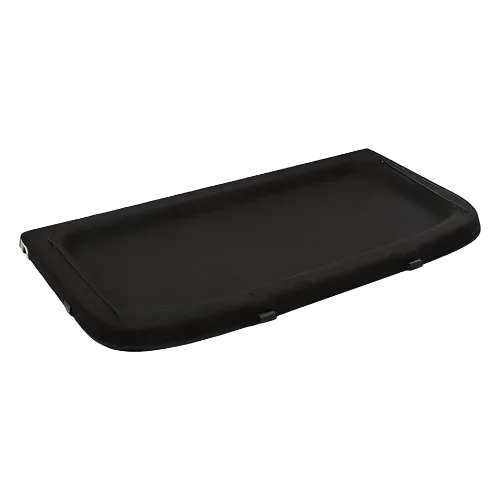
With Creckk, explore useful car accessories such as portable tyre inflators, car door visor sets and other car-care essentials that support convenient vehicle maintenance.
Use the car fitment feature to discover compatible accessories for your vehicle and enjoy doorstep installation in supported locations.