Your cart is empty
Start Shopping Exterior
›
Exterior
›
 Bumper Diffuser/Guard
 Body Covers
 Window Garnishing
 Door Guards
 Roof Rails
 Side Beading
 Door Visor
 Mud Flap
 Wheel Cover
 Foot Rest
 Interior
›
Interior
›
 Door Scuff Sill Plates
 Window Sunshades & Film
 Armrest
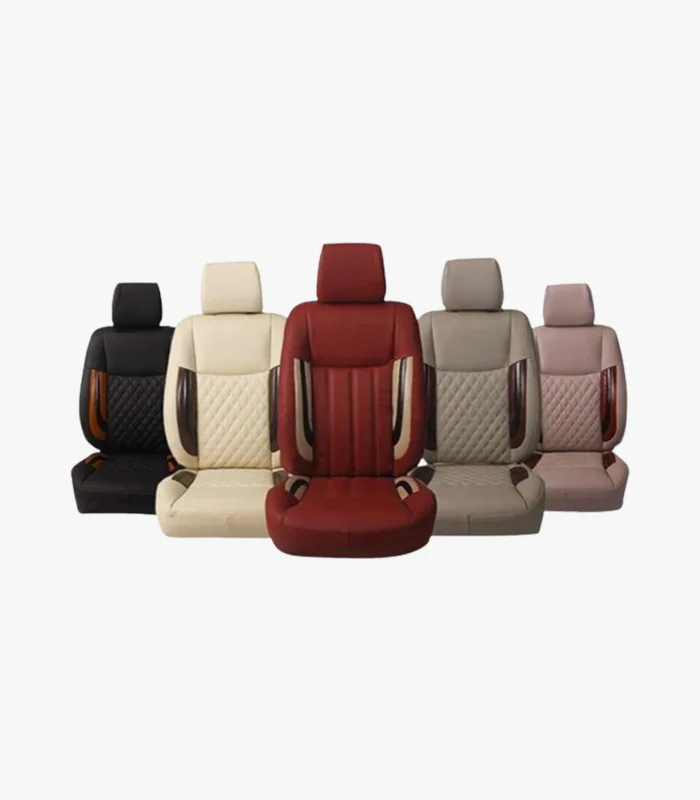 Seat Covers
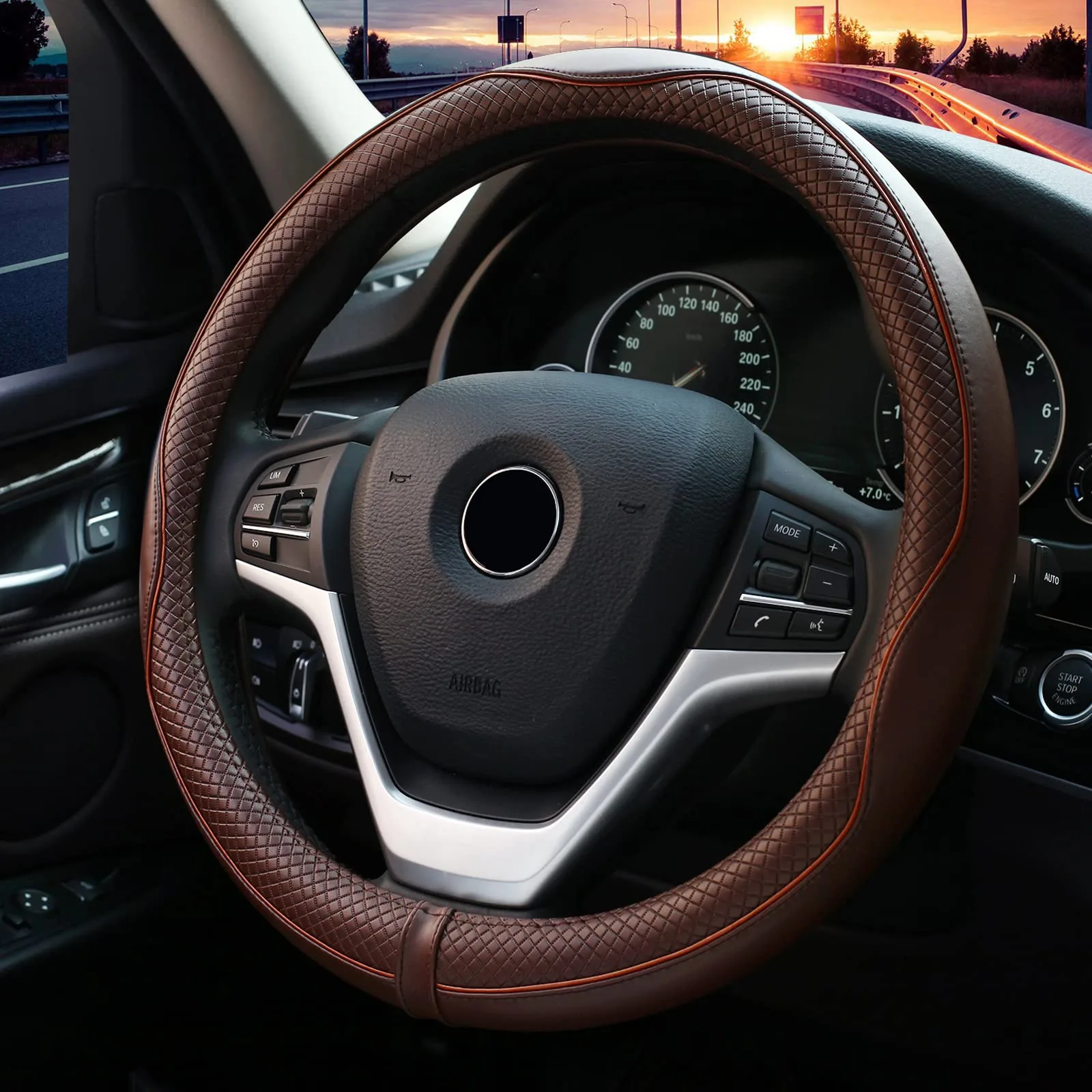 Steering Cover
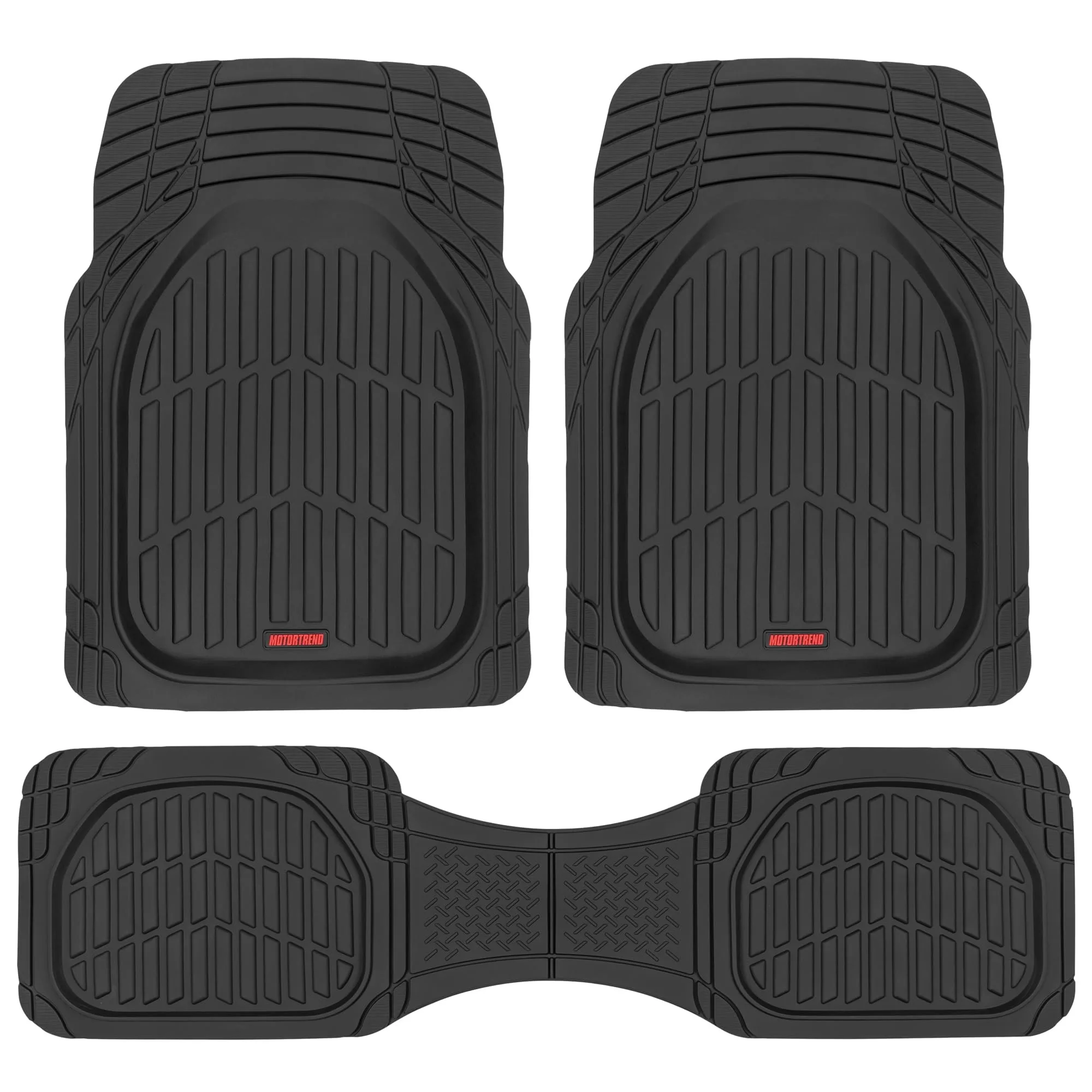 Floor Mats
 Dashboard Showpiece
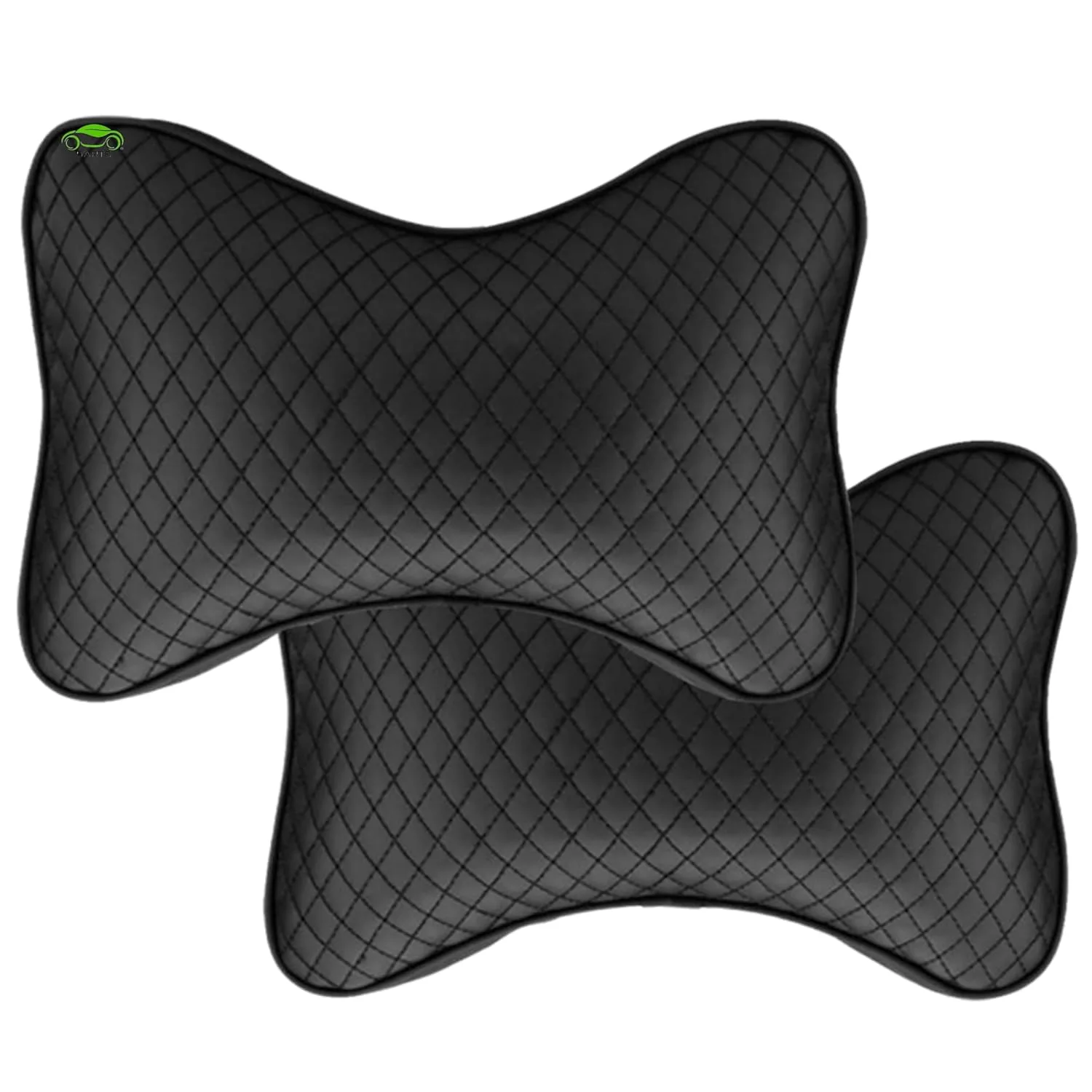 Seat & Neck Cushion
 Lighting
›
Lighting
›
 Utility
›
Utility
›
 All Chrome Items
 Mobile Holder
 Tyre Inflators
 Vacuum Cleaner
 Jumper Cable
 Cleaning Kit
 Tyre Puncture Kit
 Tyre Valve Cap
 Car Fan
 Parcel Tray
 Electronic
›
Electronic
›
 Parts
›
Parts
›
 Fog Lights
 Headlights
 Tail Lights
 Steering Wheel Controls
 Sensor
 Horns
Horns
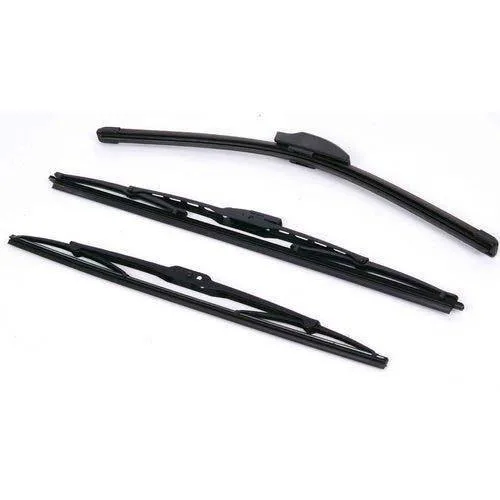 Wiper Blade
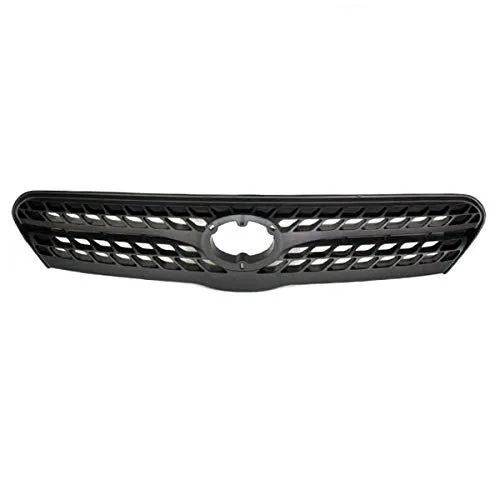 Front Grille
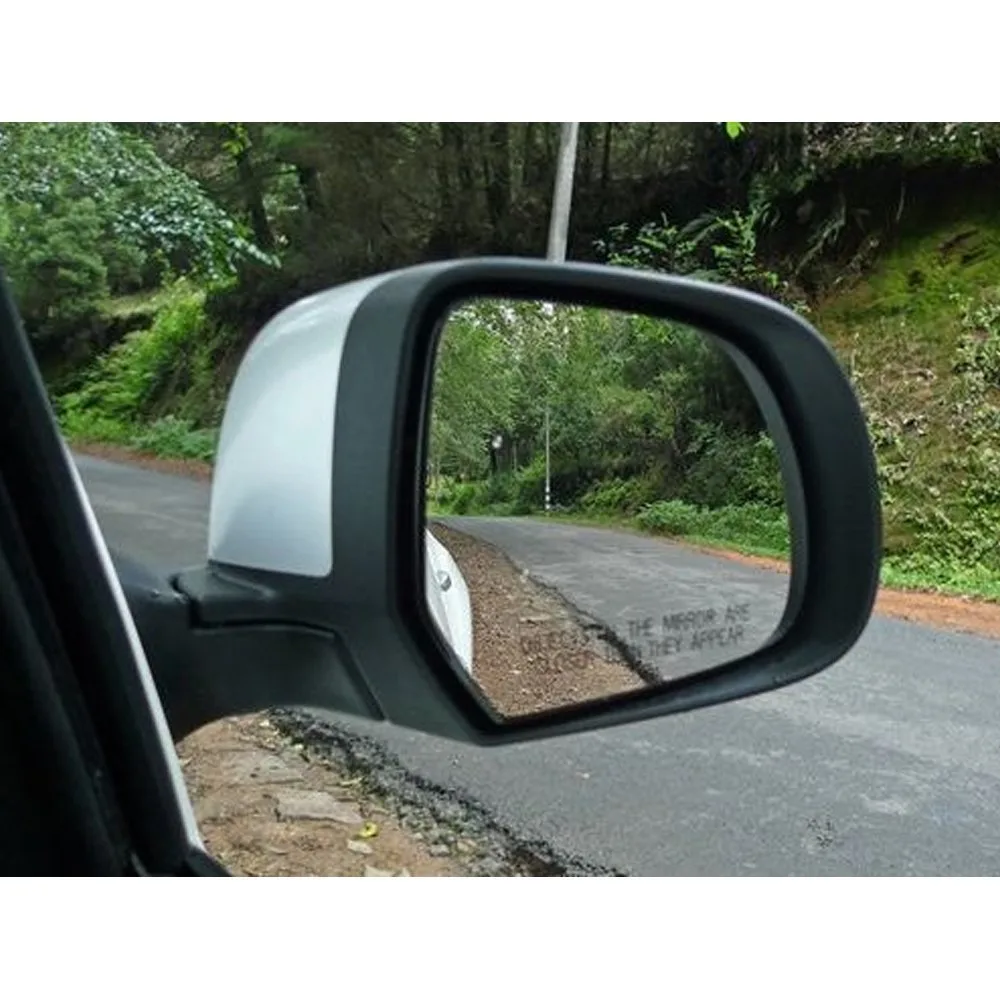 Side Mirror
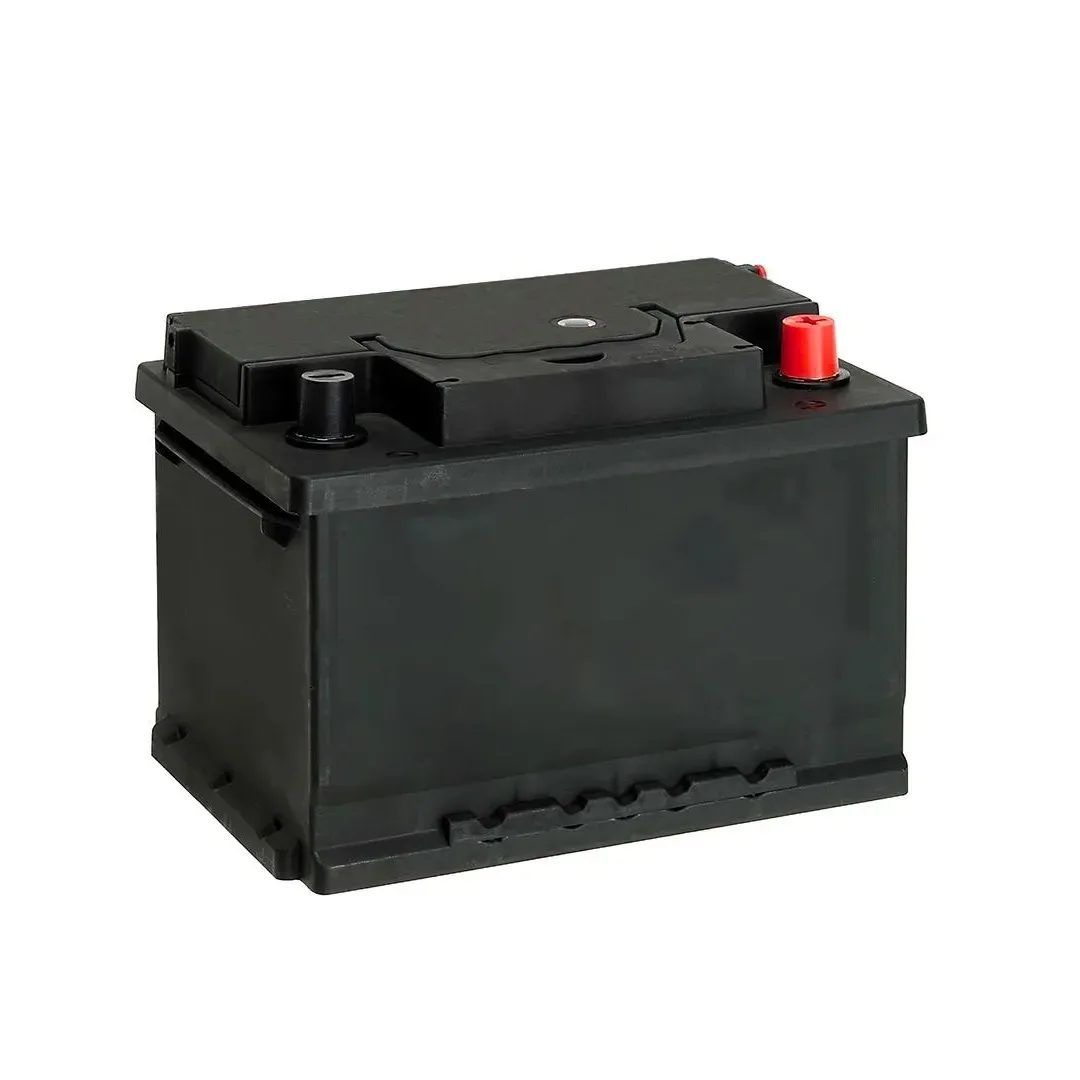 Battery
 Car Care
›
Car Care
›
 Air Freshener & Perfume
 Gear knob
 Stickers & Decals
 Blind Spot Mirror
 Steering Knob
 Key Covers
 Polish & Scratch Remover
 Seat Utility Holder
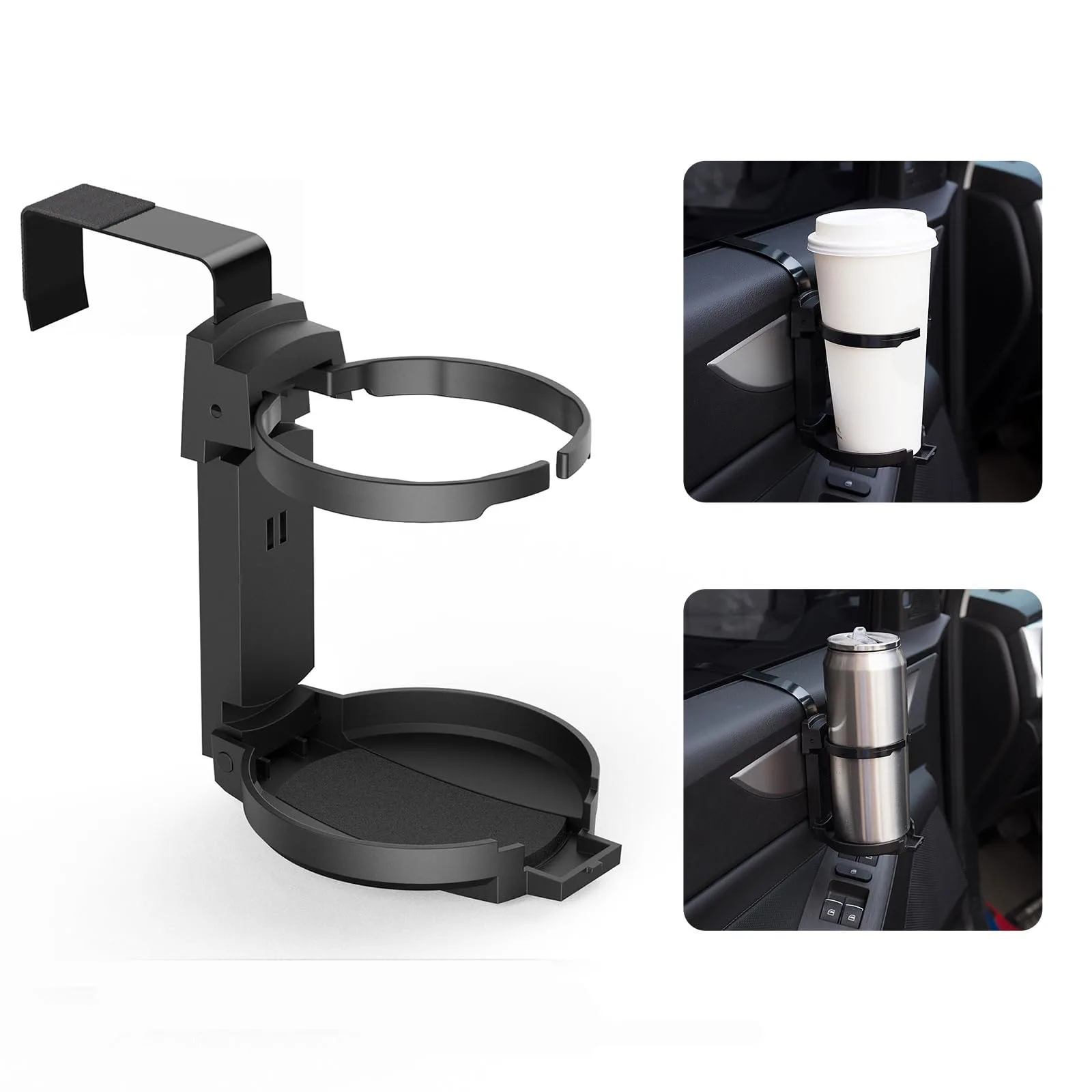 Cup Holder
 Dustbin
 Paper Napkin
 Shop By Car
›
Shop By Car
›
 Tata
›
Tata
›
 Maruti Suzuki
›
Maruti Suzuki
›
 Hyundai
›
Hyundai
›
 Toyota
›
Toyota
›
 Mahindra
›
Mahindra
›
 Honda
›
Honda
›
 Ford
›
Ford
›
 Nissan
›
Nissan
›
 Renault
›
Renault
›
 Skoda
›
Skoda
›
 Volkswagen
›
Volkswagen
›
 Morris Garages - MG
›
Morris Garages - MG
›
 KIA
›
KIA
›
 Jeep
›
Jeep
›
 Citroen
›
Citroen
›
 Datsun
›
Datsun
›
 Chevrolet
›
Chevrolet
›
 Isuzu
›
Isuzu
›
 Mitsubishi
›
Mitsubishi
›
 AUDI
›
AUDI
›
 BMW
›
BMW
›
 Mercedes
›
Mercedes
›
 Land Rover
›
Land Rover
›
 Jaguar
›
Jaguar
›
 Volvo
›
Volvo
›
 FIAT
›
FIAT
›
 Mini Cooper
›
Mini Cooper
›
 Porsche
›
Porsche
›
 Lexus
›
Citron
›
Fors
›
Morris Garages
›
MG
›
Lexus
›
Citron
›
Fors
›
Morris Garages
›
MG
›
 Nexon
Nexon
 Harrier
 Altroz
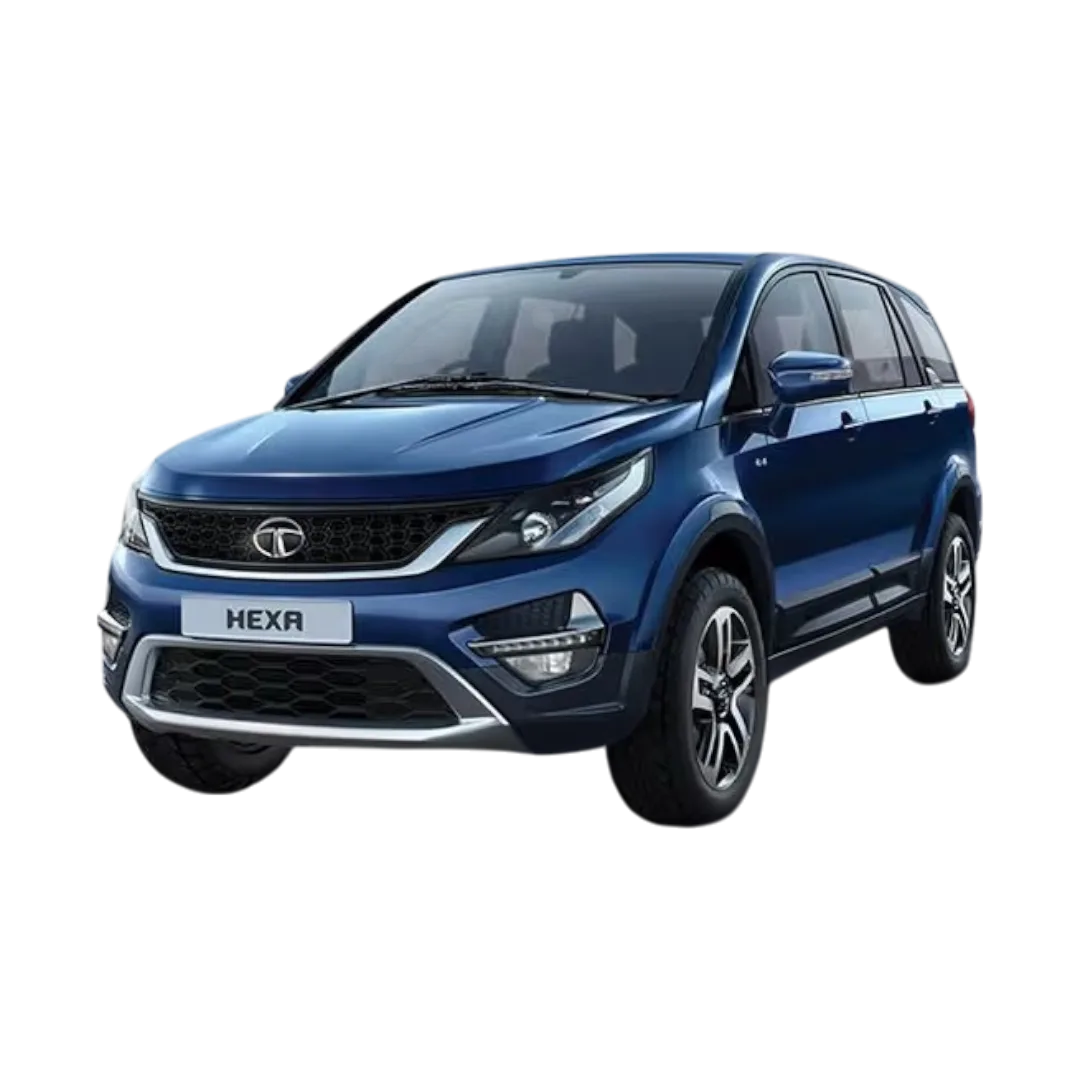 Hexa
Hexa
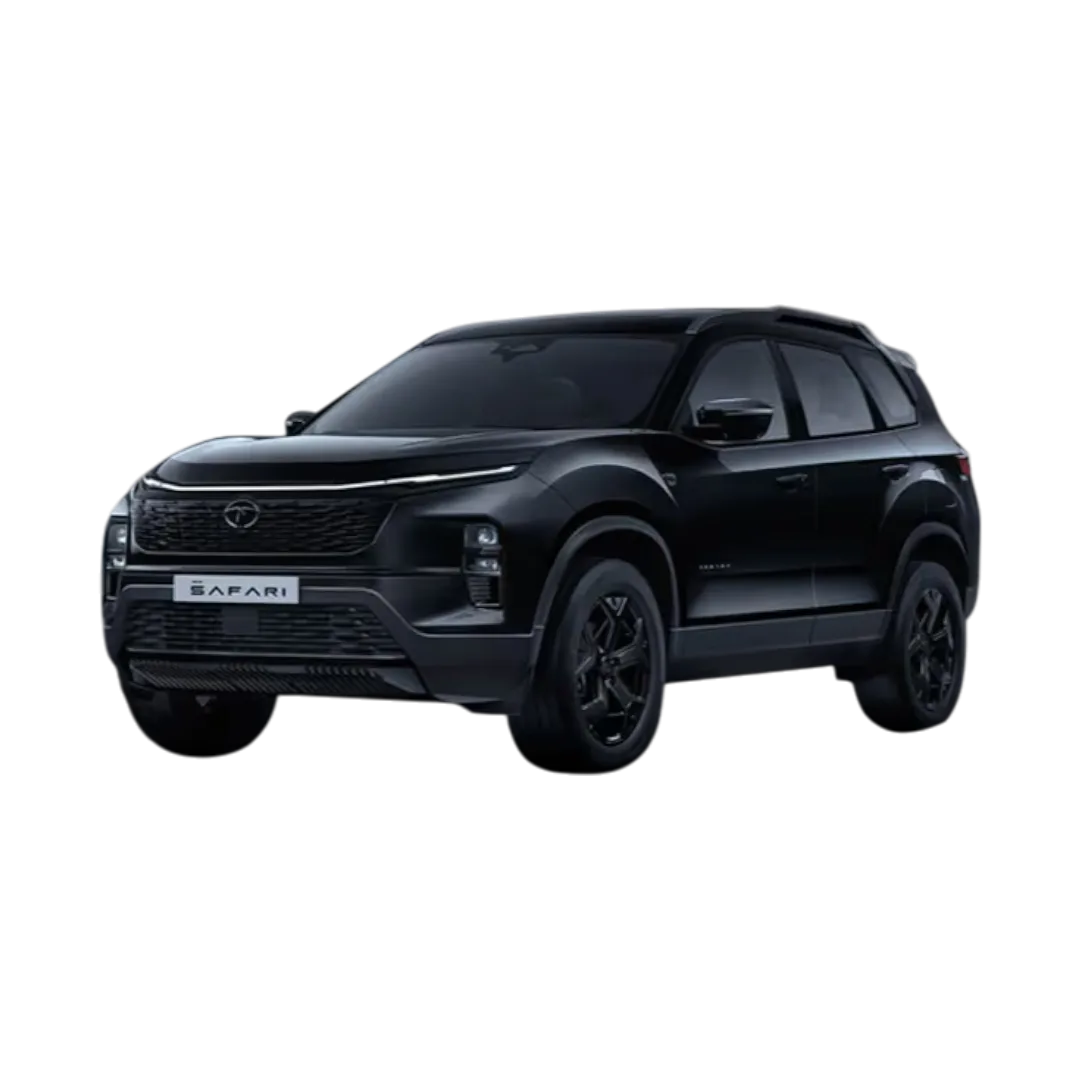 Safari
 Tiago
Tiago
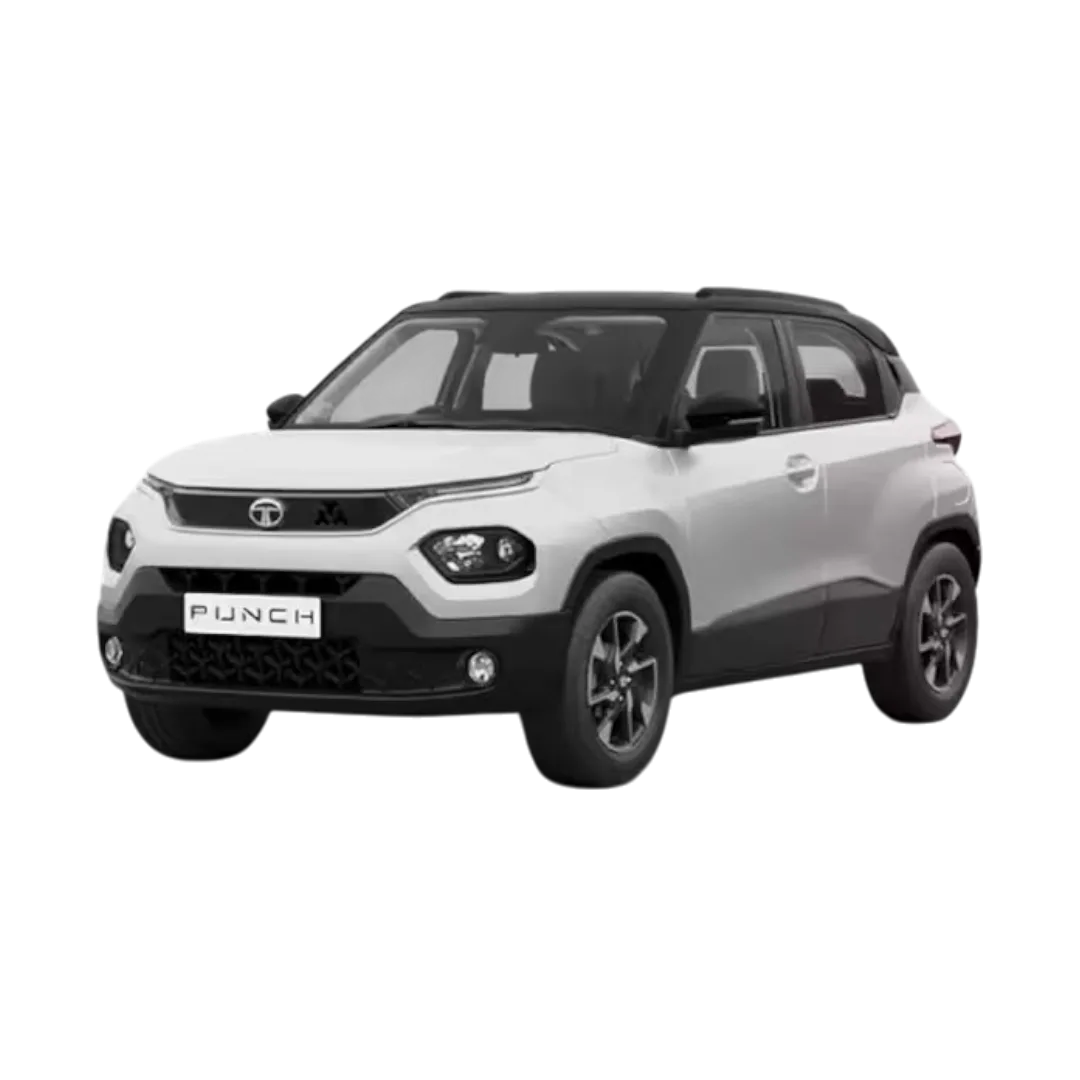 Punch
Punch
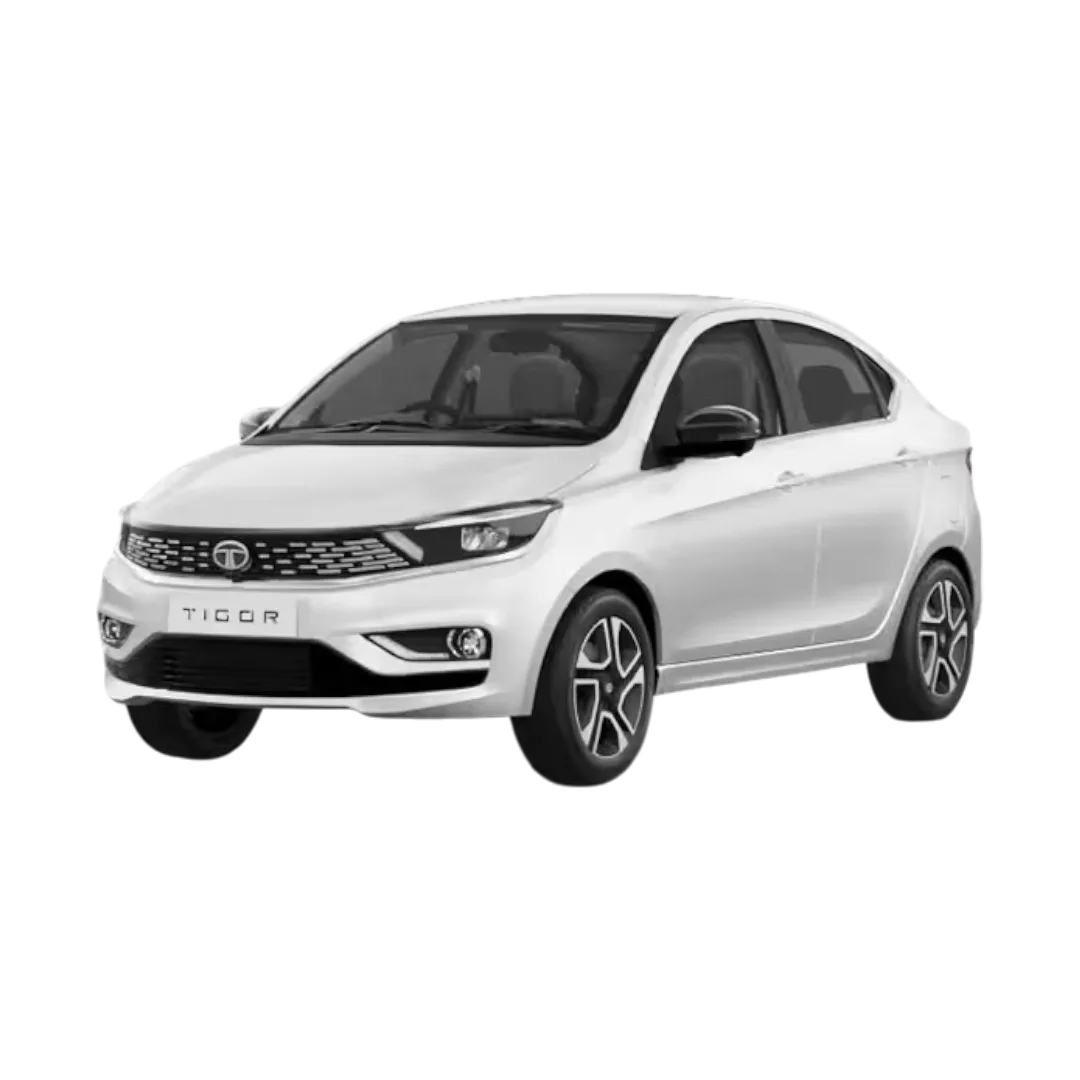 Tigor
Tigor
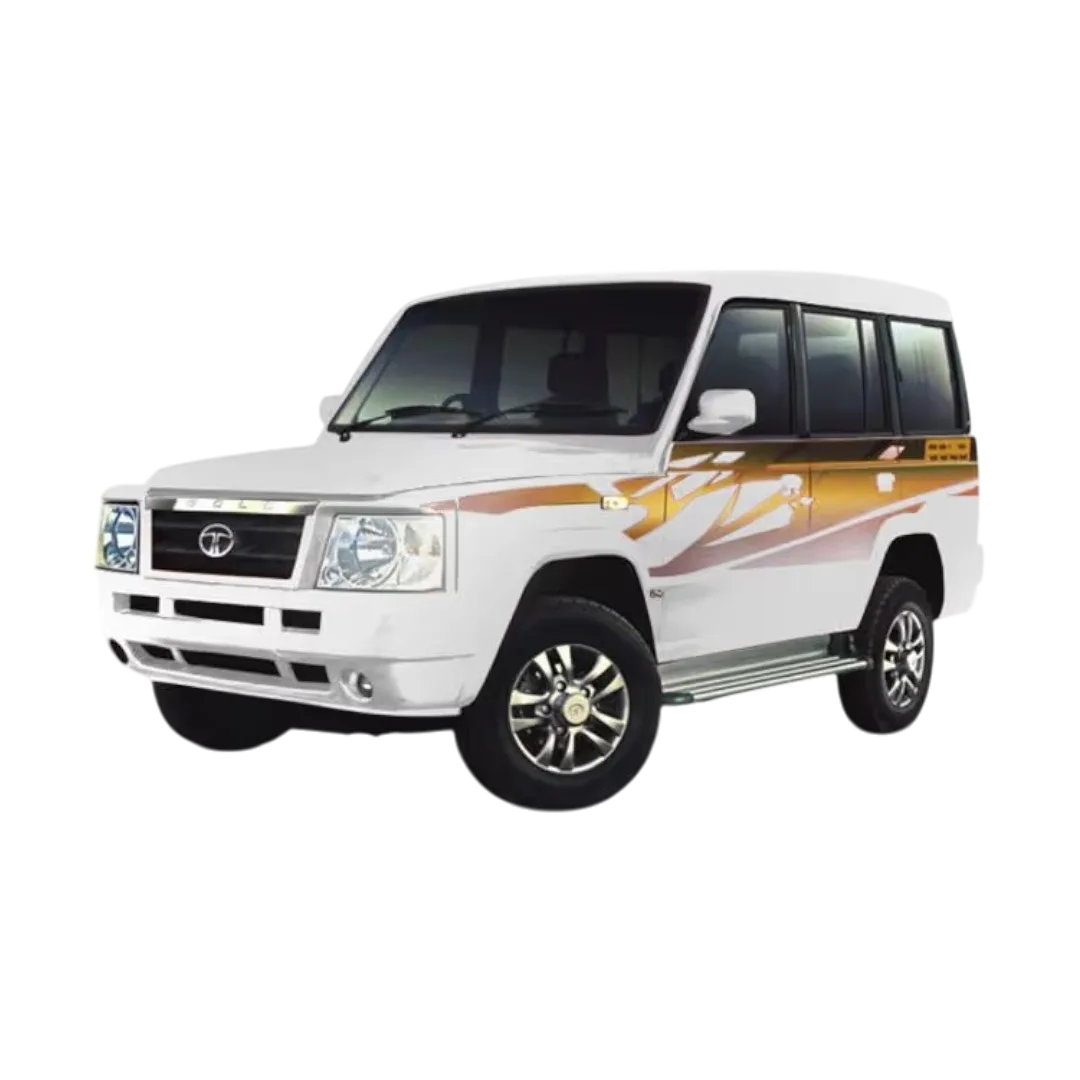 Sumo
Sumo
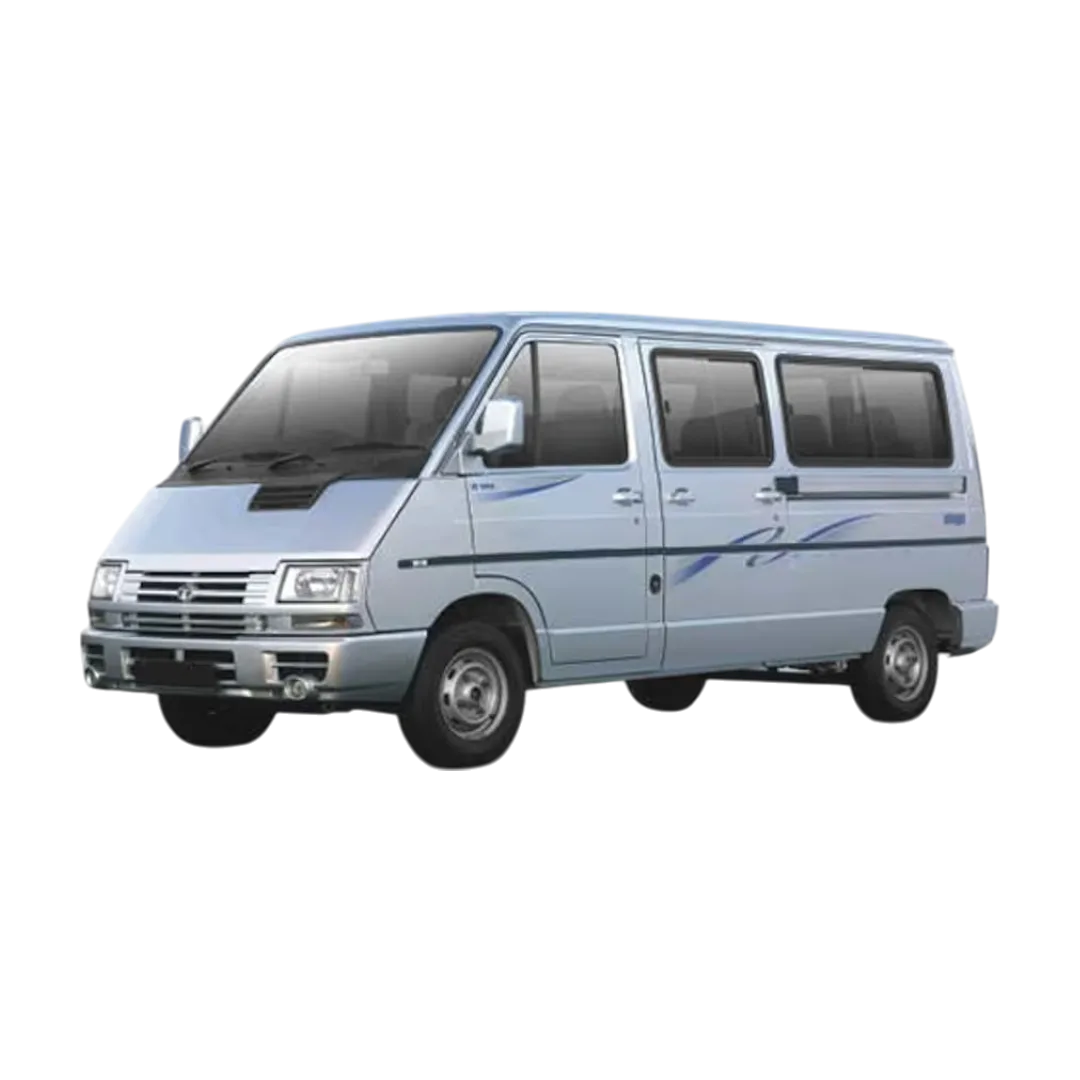 Winger
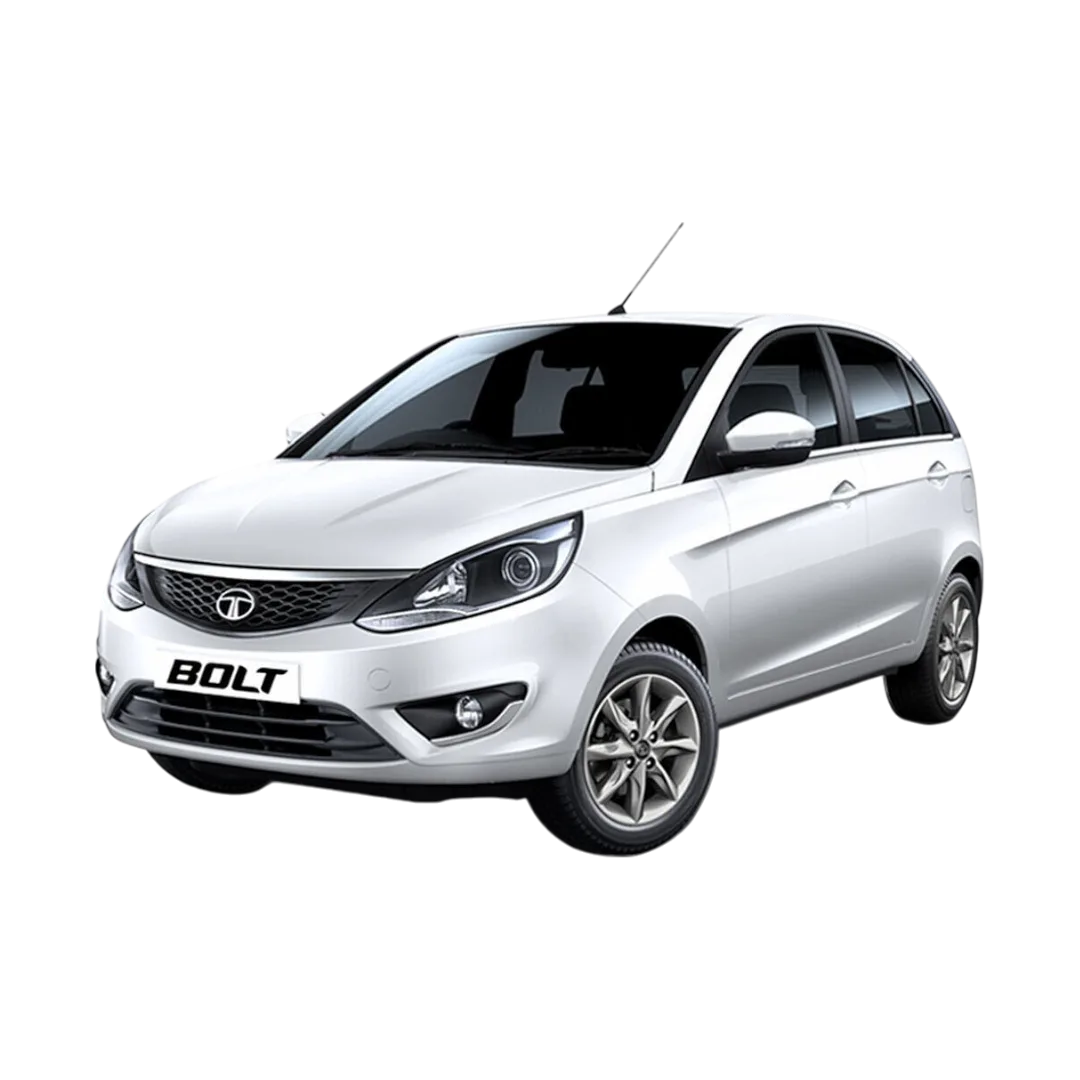 Bolt
Bolt
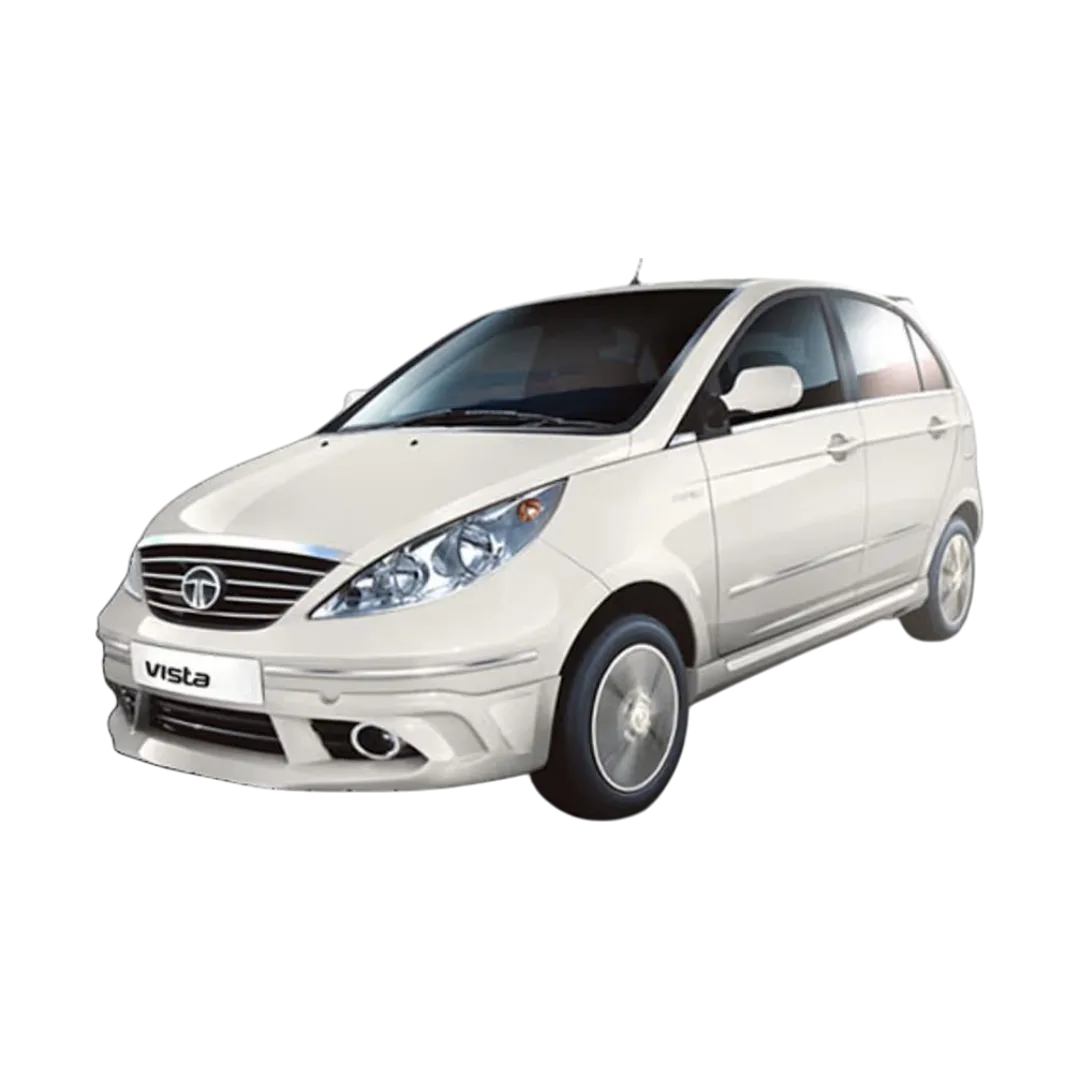 Vista
Vista
 Manza
Manza
 Indica
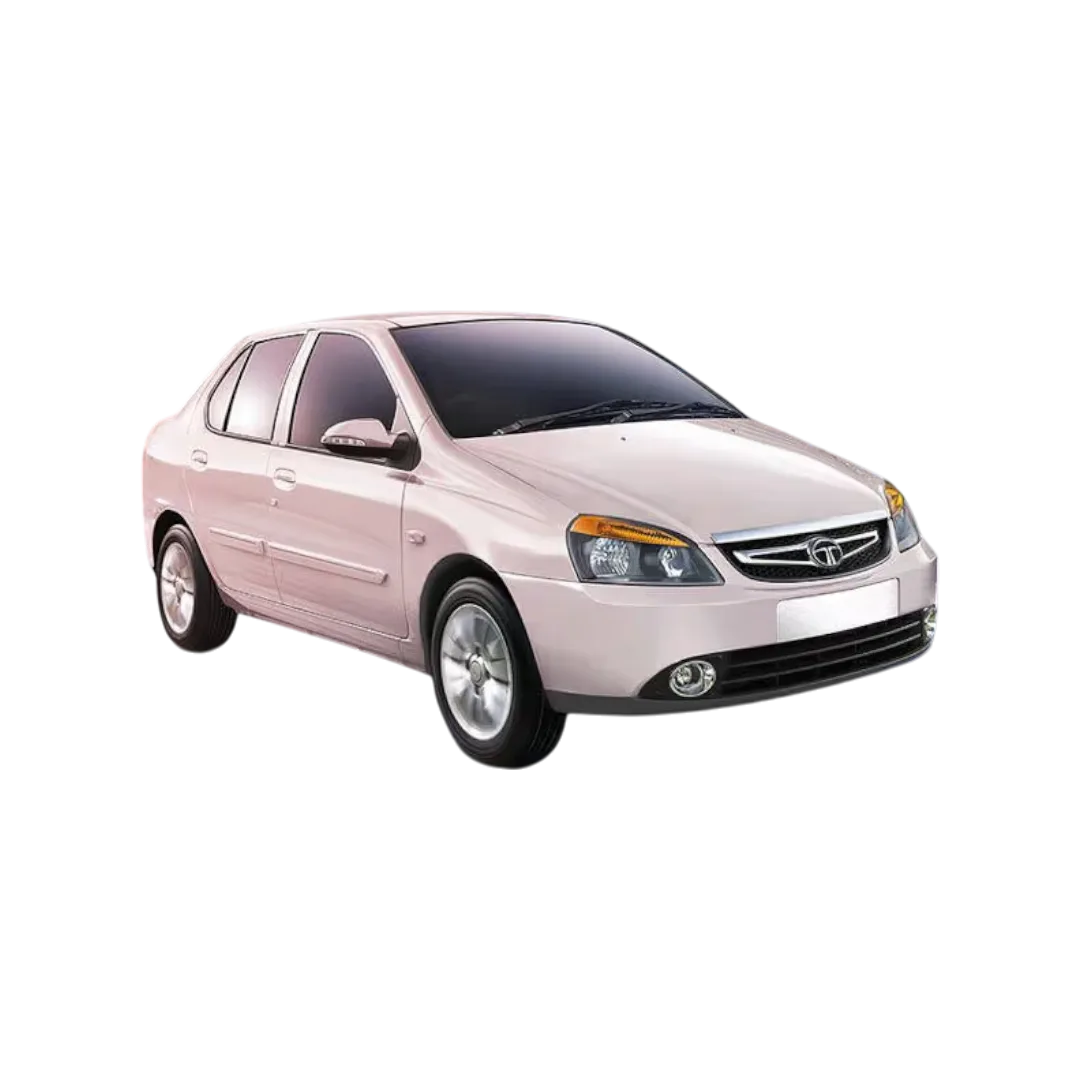 Indigo
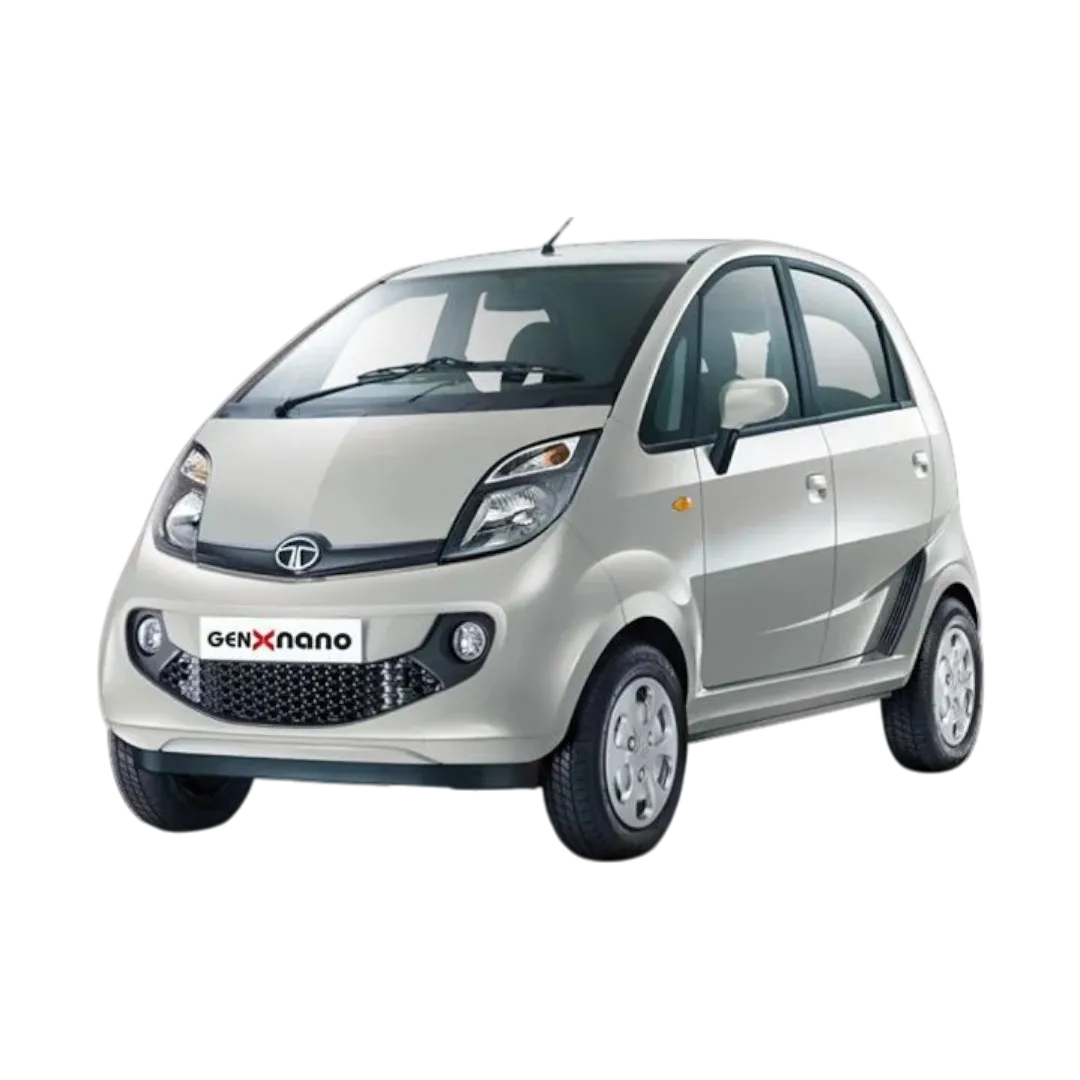 Nano
Nano
 Aria
Aria
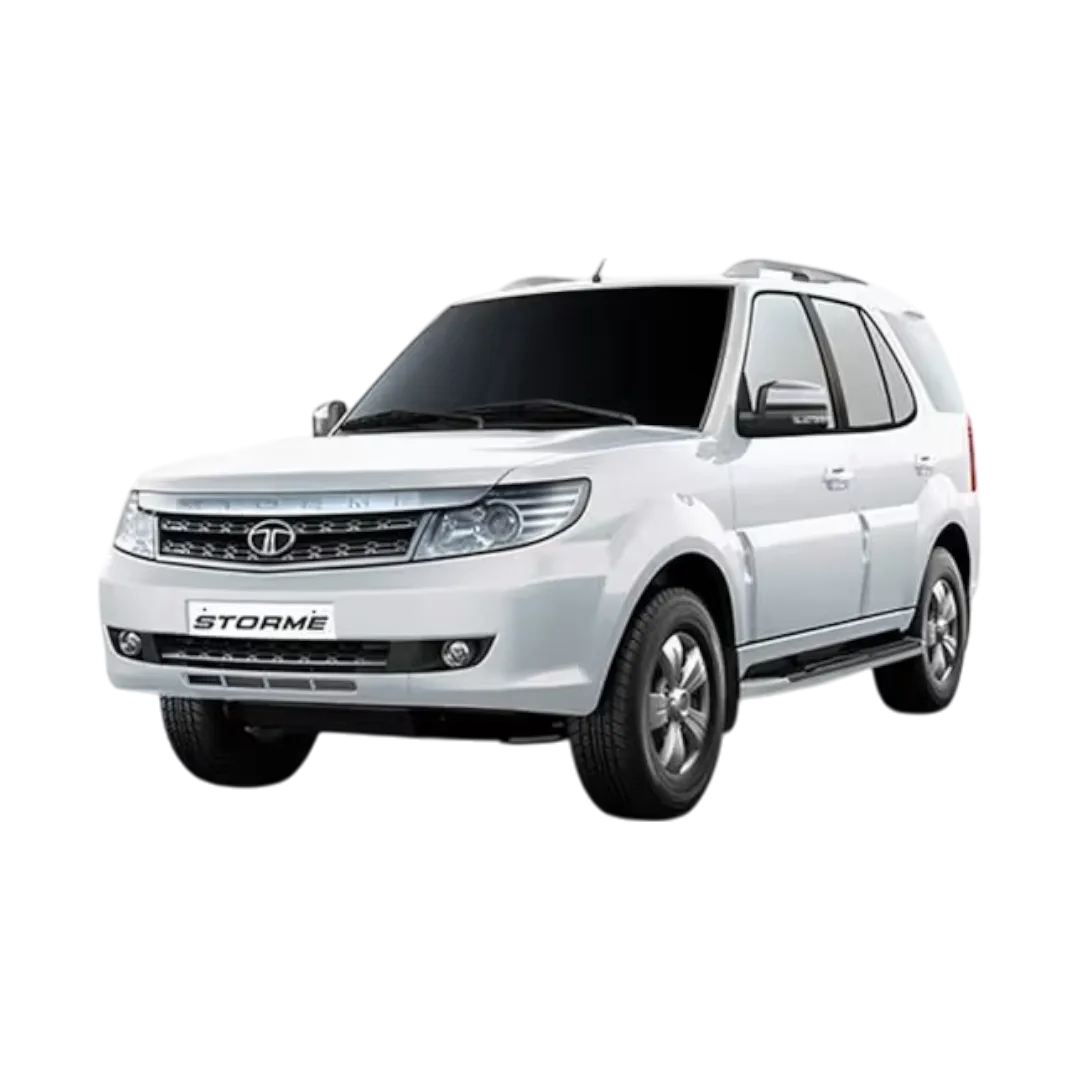 Safari Storme
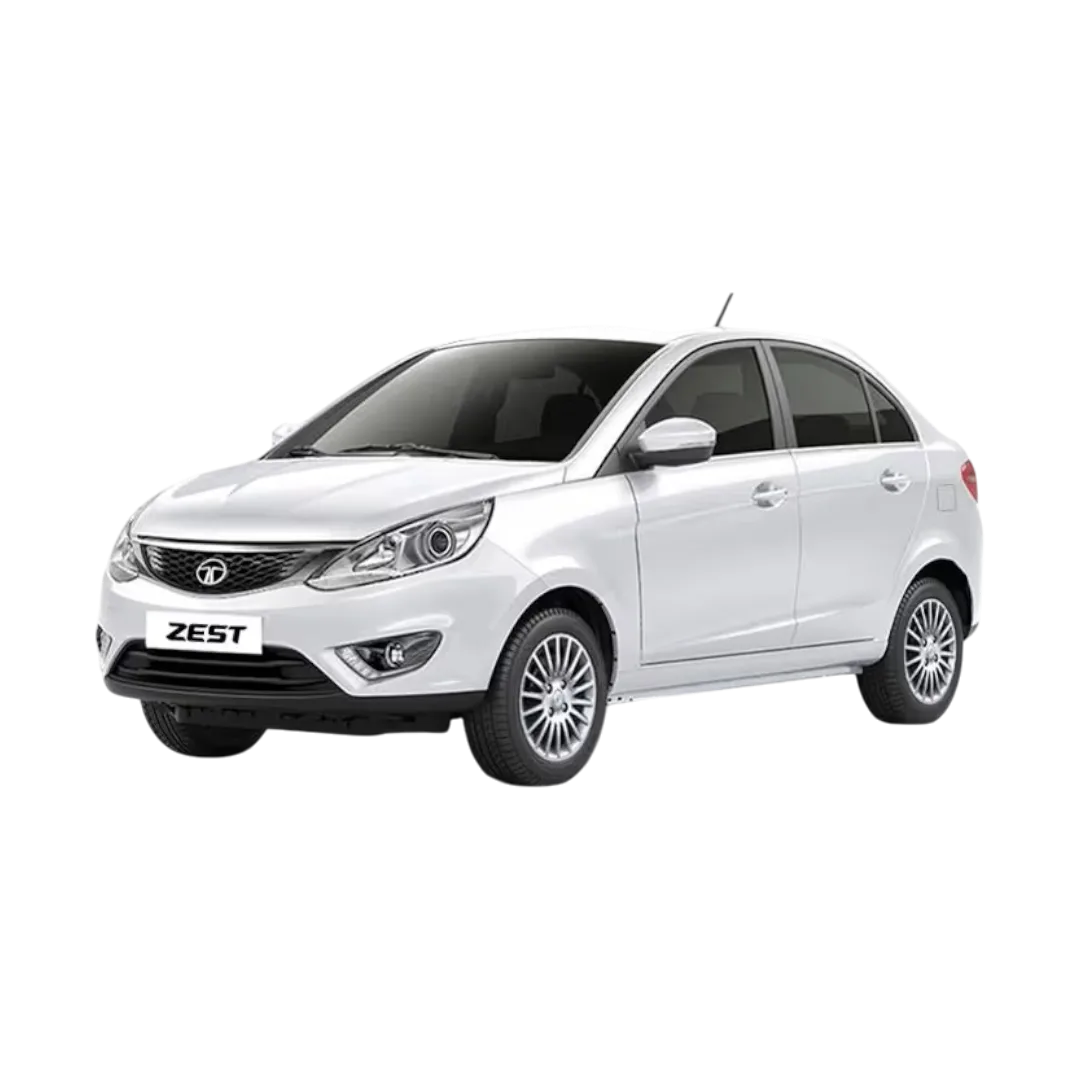 Zest
Zest
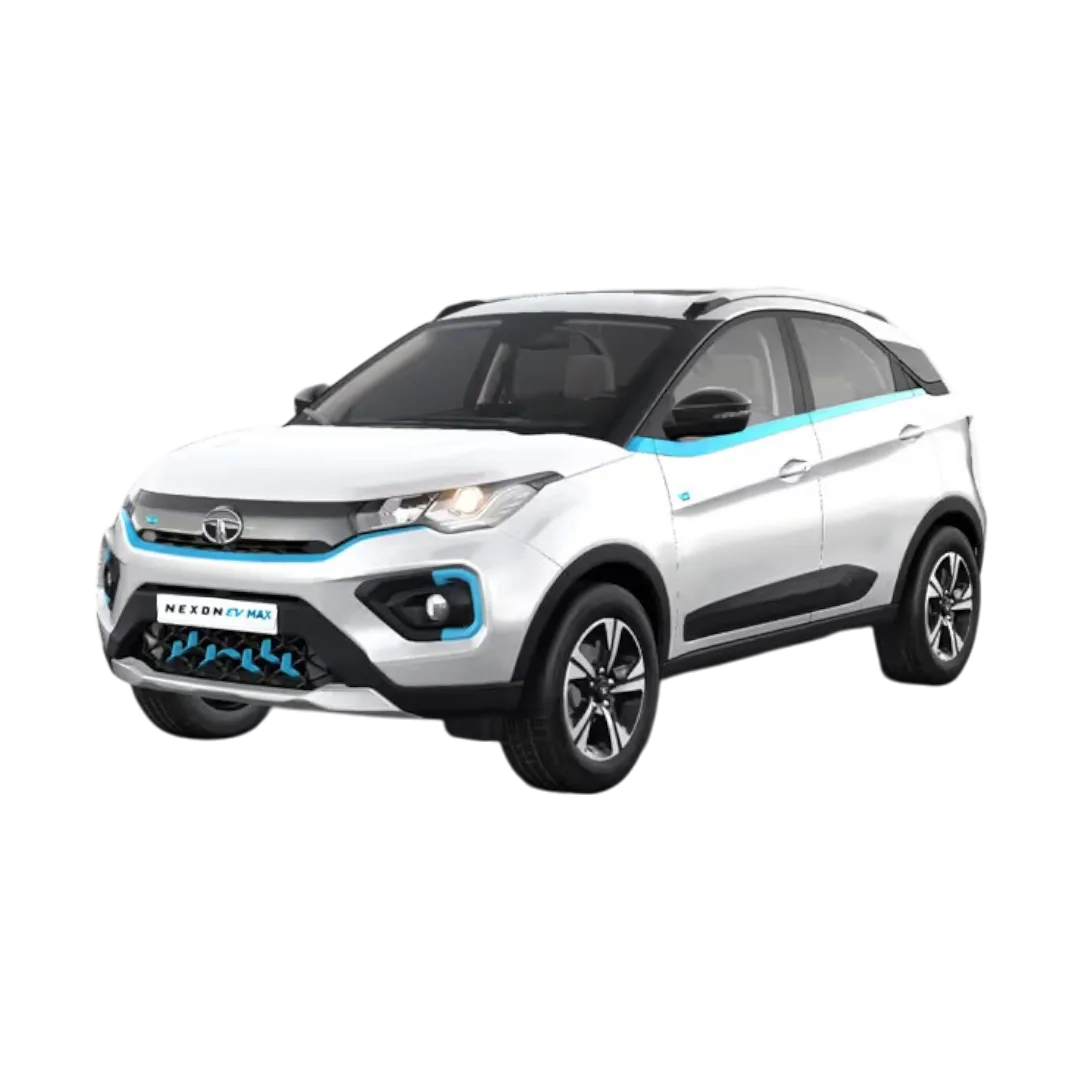 NEXON EV Max
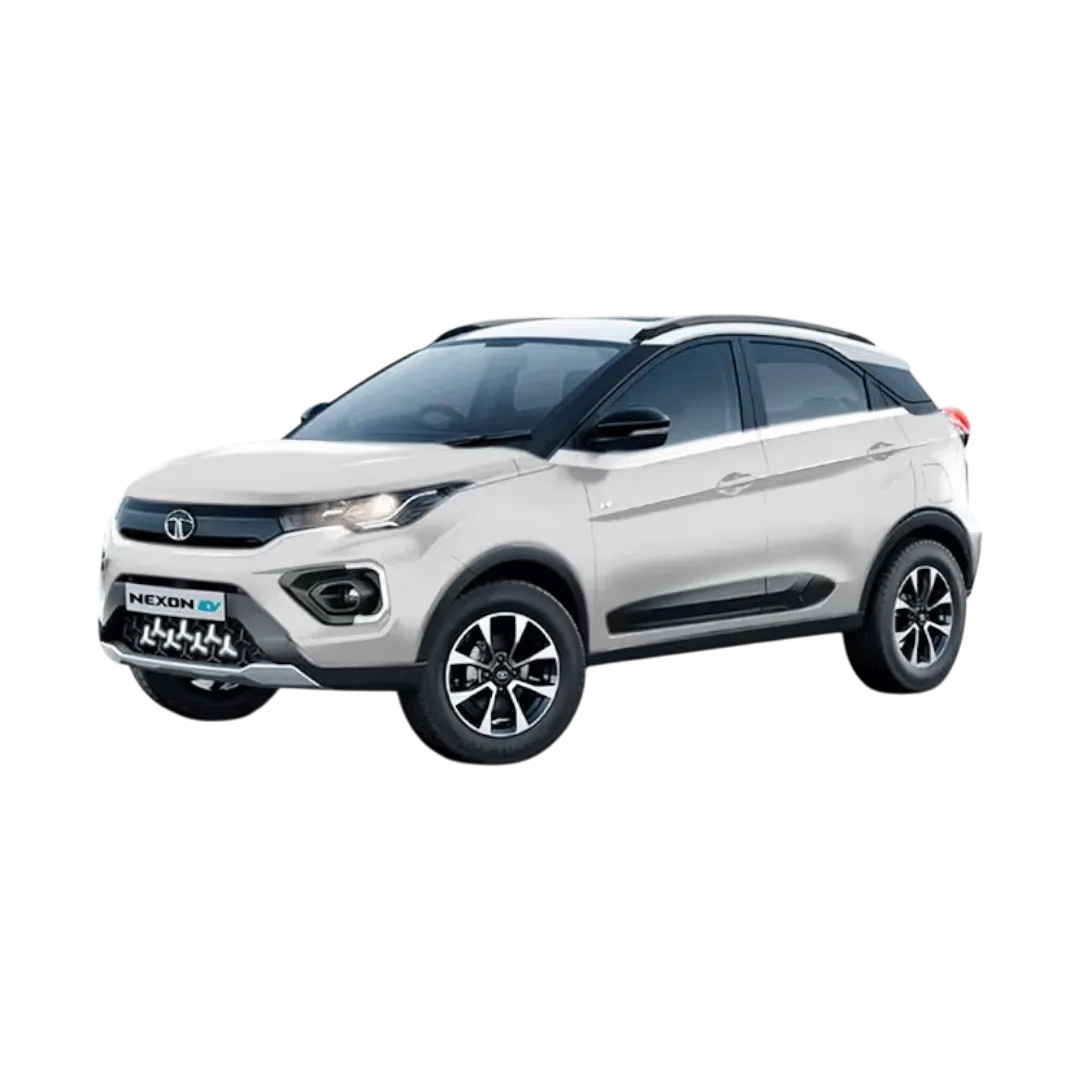 NEXON EV Prime
 Tiago NRG
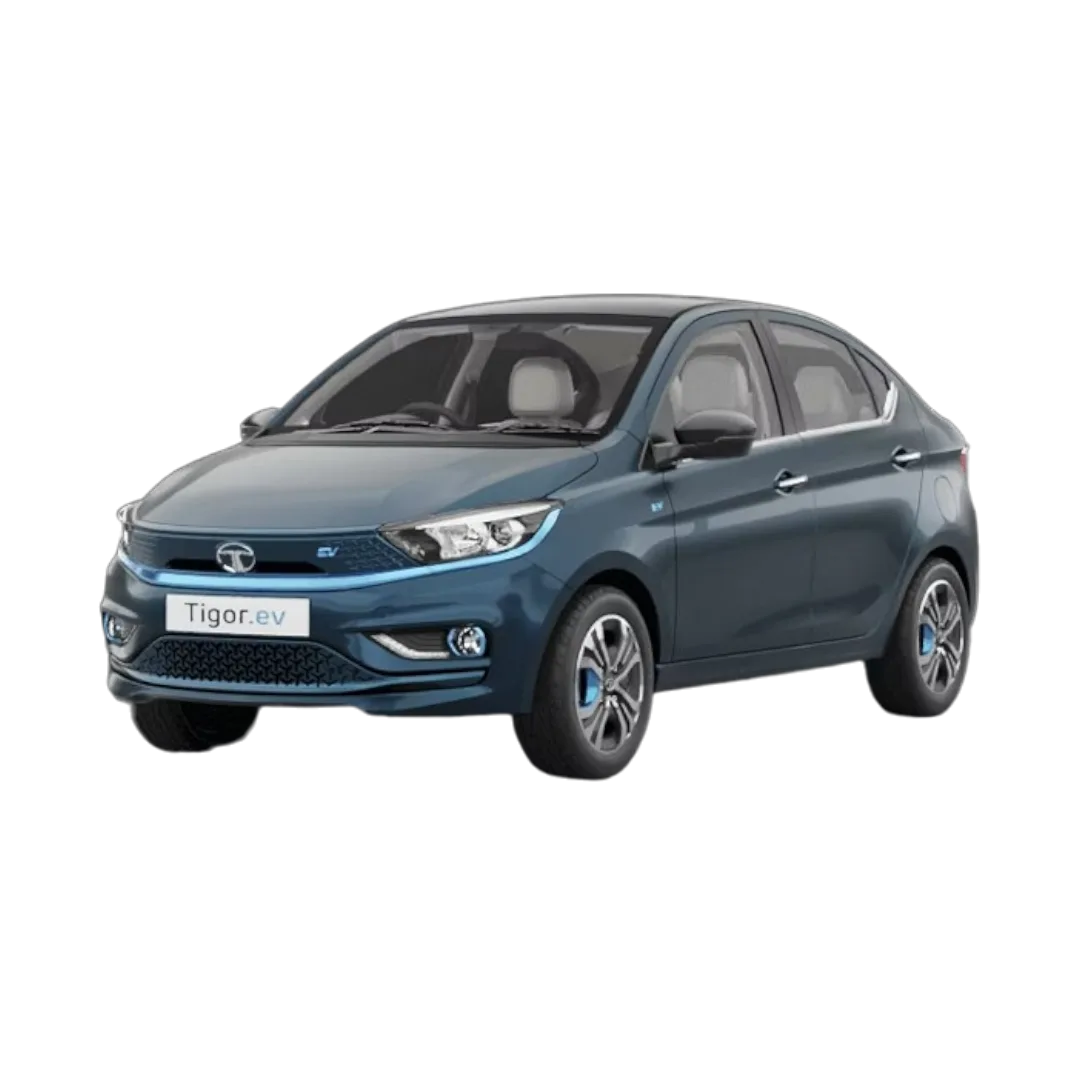 Tigor EV
INDICA VISTA
Curvv
Sierra
Magic
Tigor EV
INDICA VISTA
Curvv
Sierra
Magic
 Ciaz
Ciaz
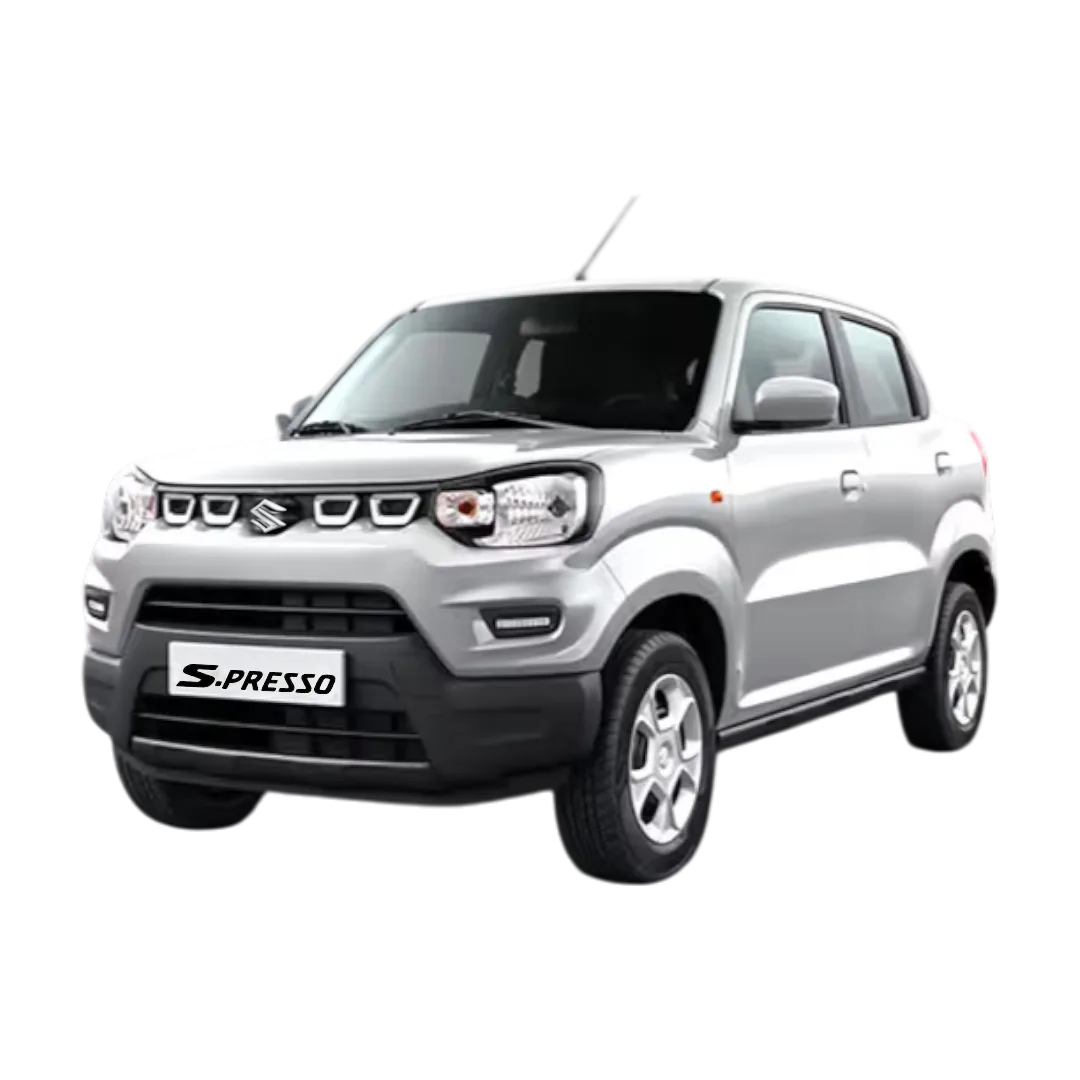 S-Presso
 Eeco/Versa
 WagonR
 Brezza
 Swift
Swift
 Dzire
Dzire
 Baleno
 Ertiga
 Grand Vitara
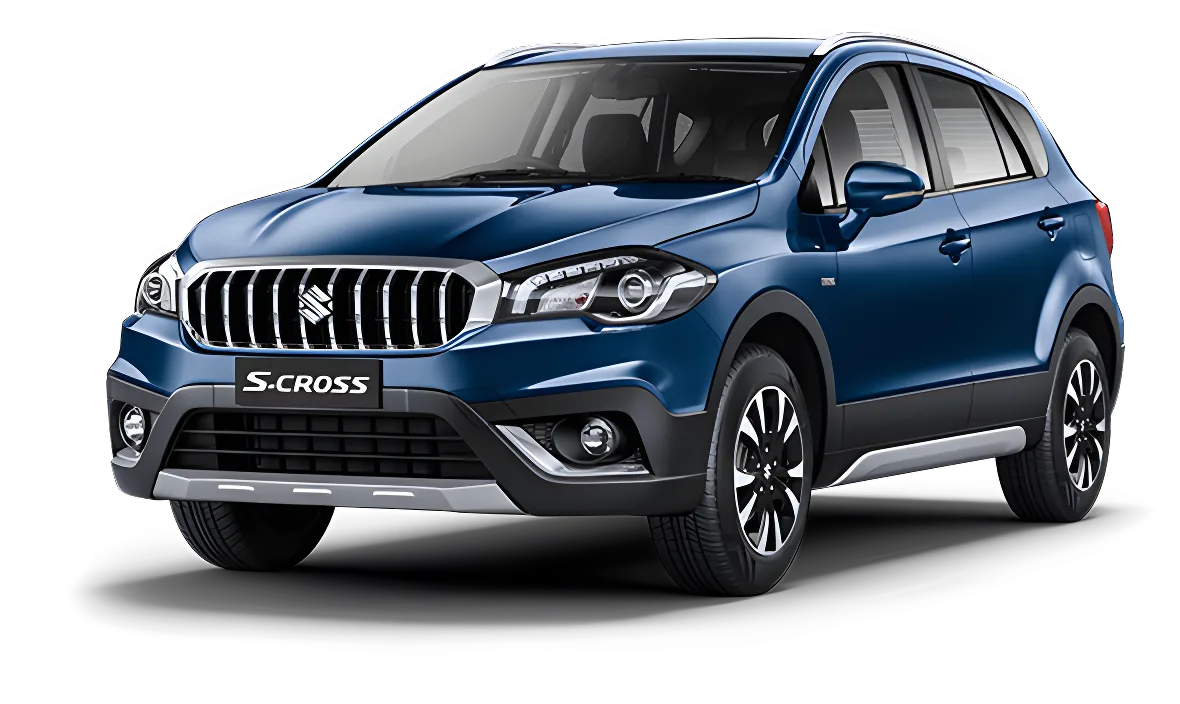 S-Cross
 Jimny
Jimny
 Celerio
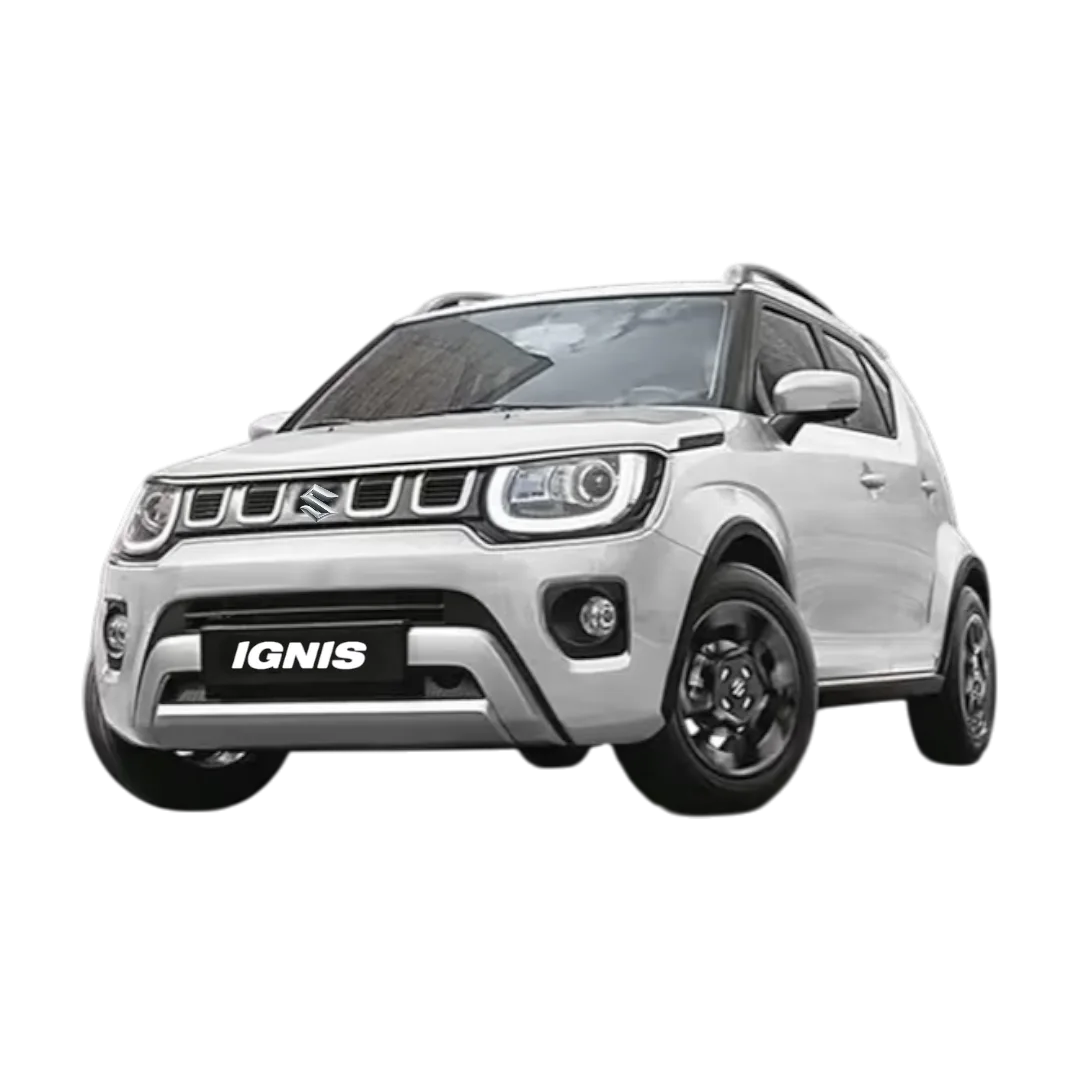 Ignis
Ignis
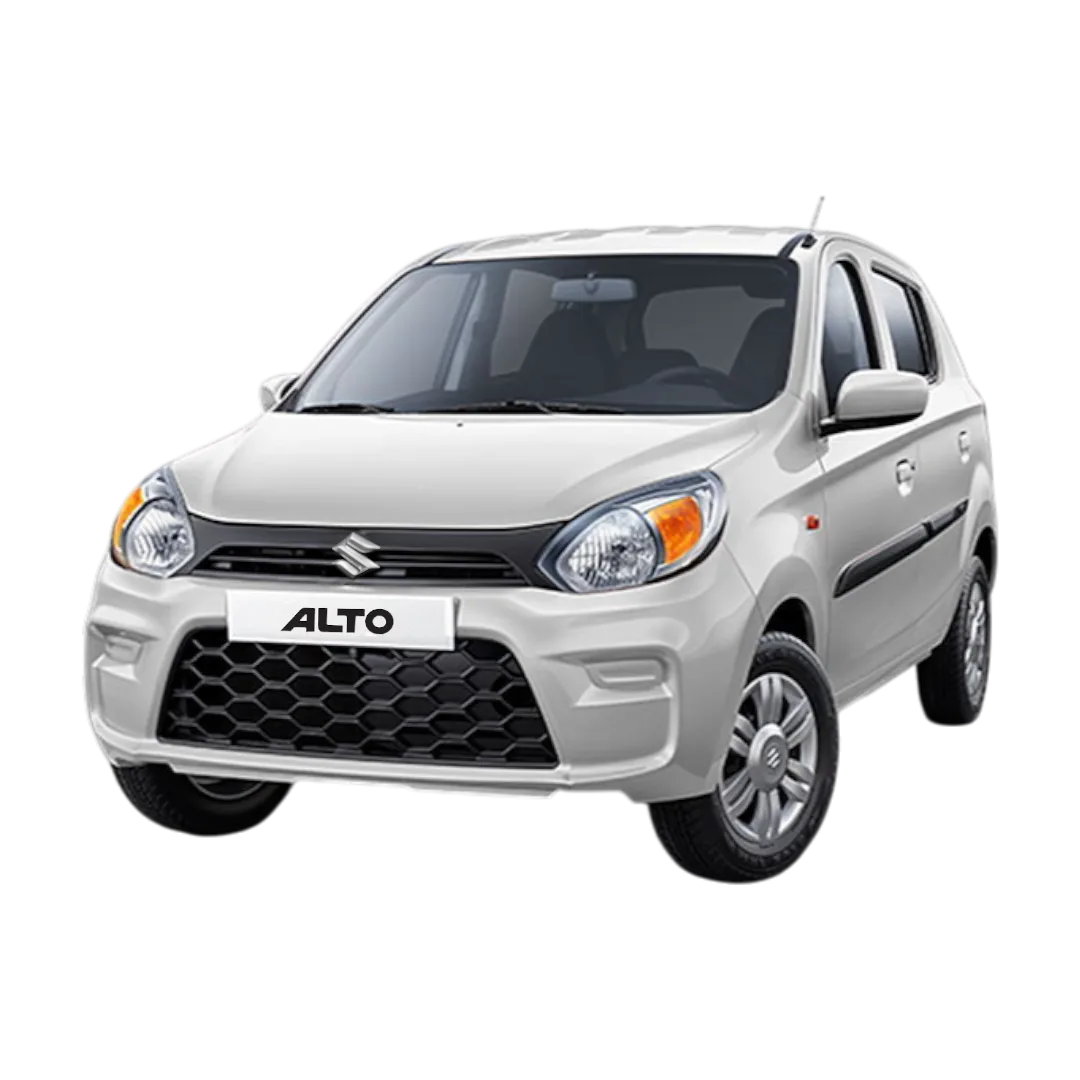 Alto 800
 Alto K10
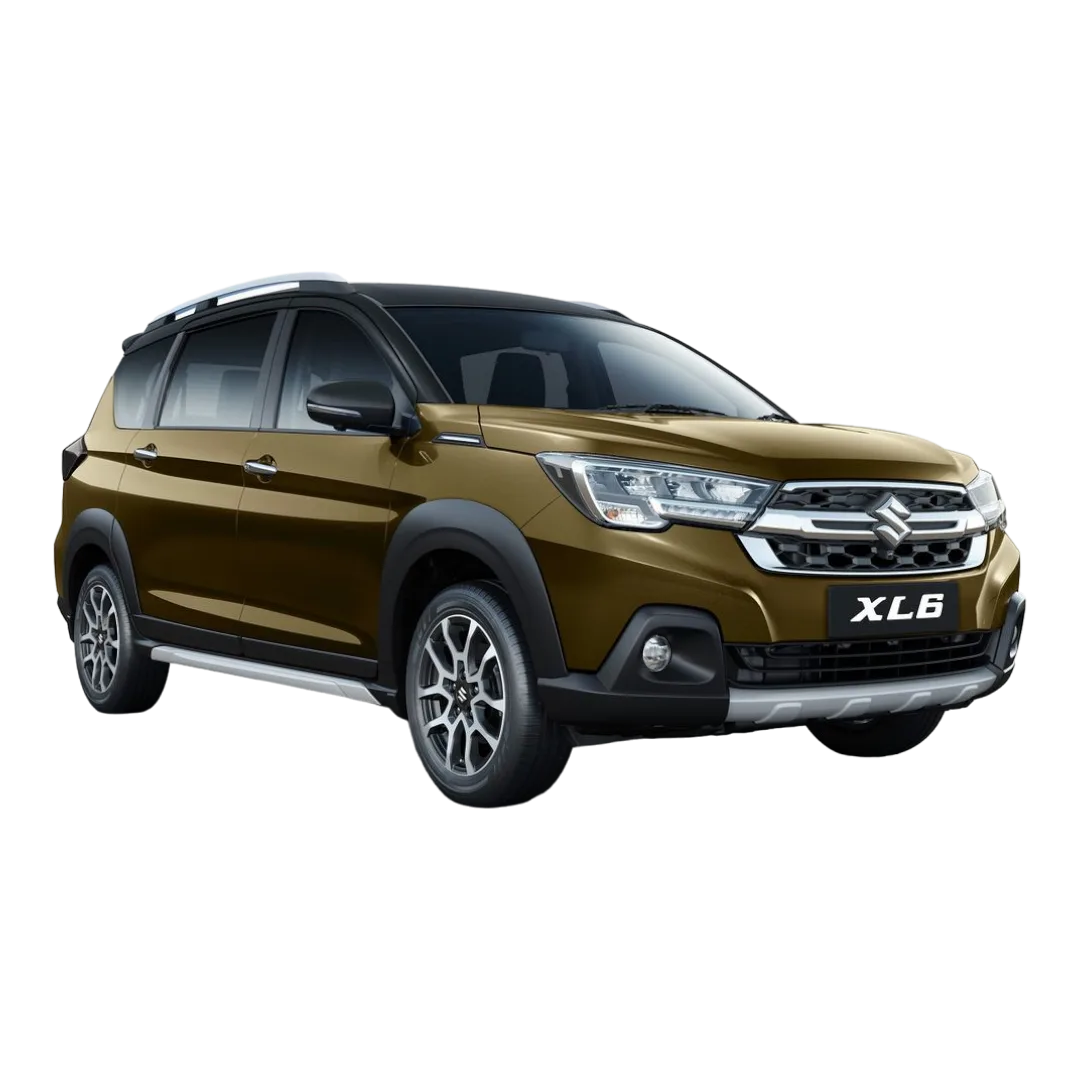 XL6
XL6
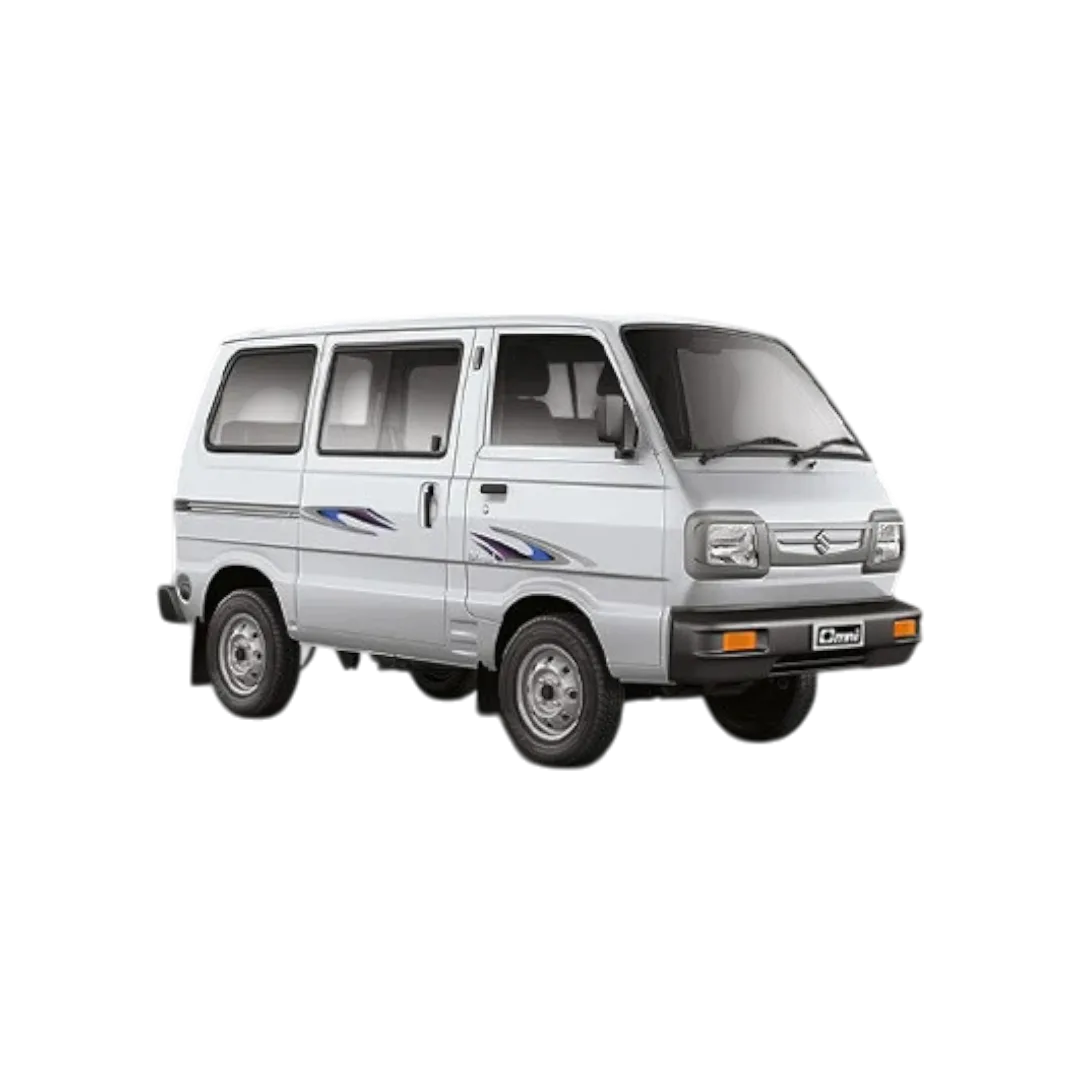 Omni
Omni
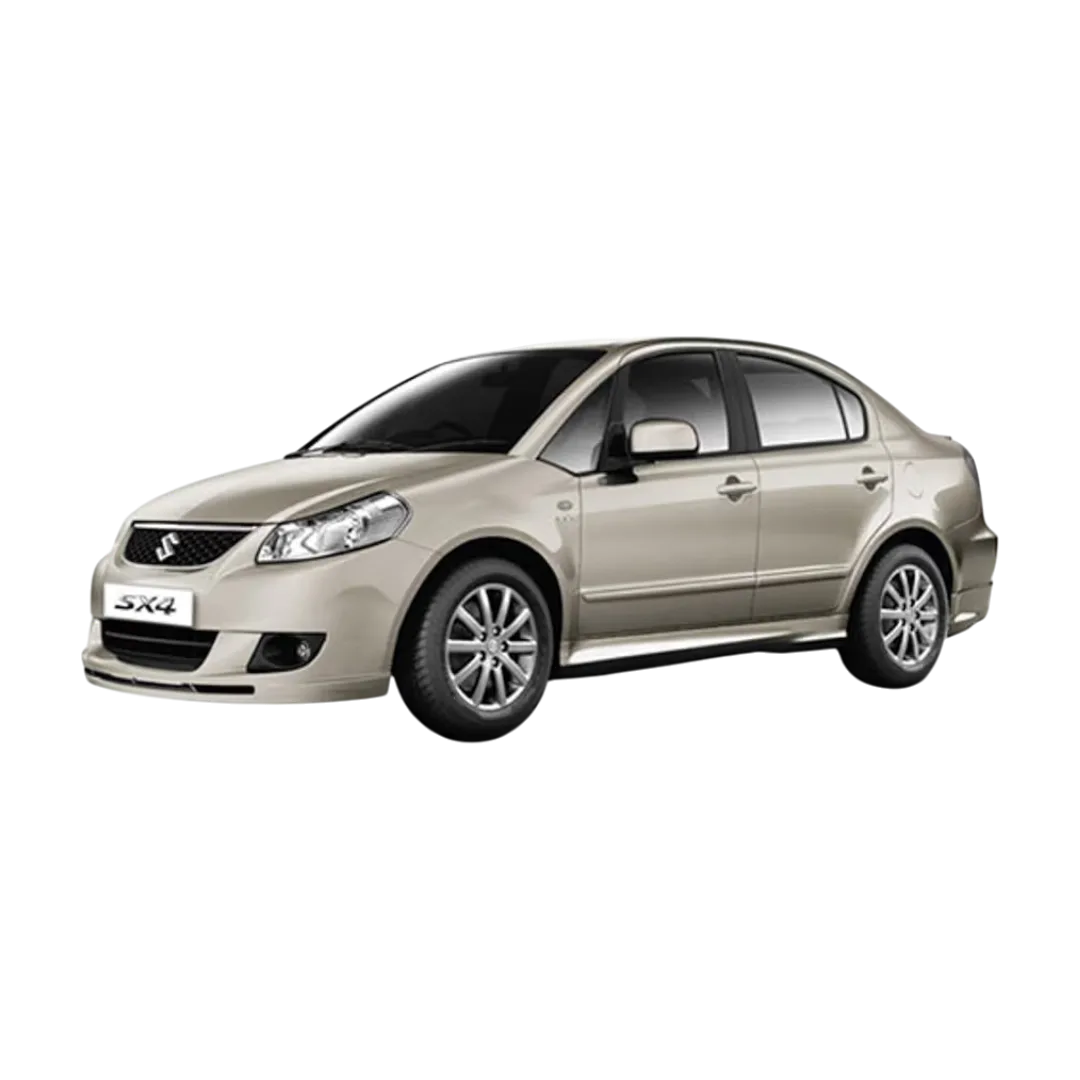 SX4
SX4
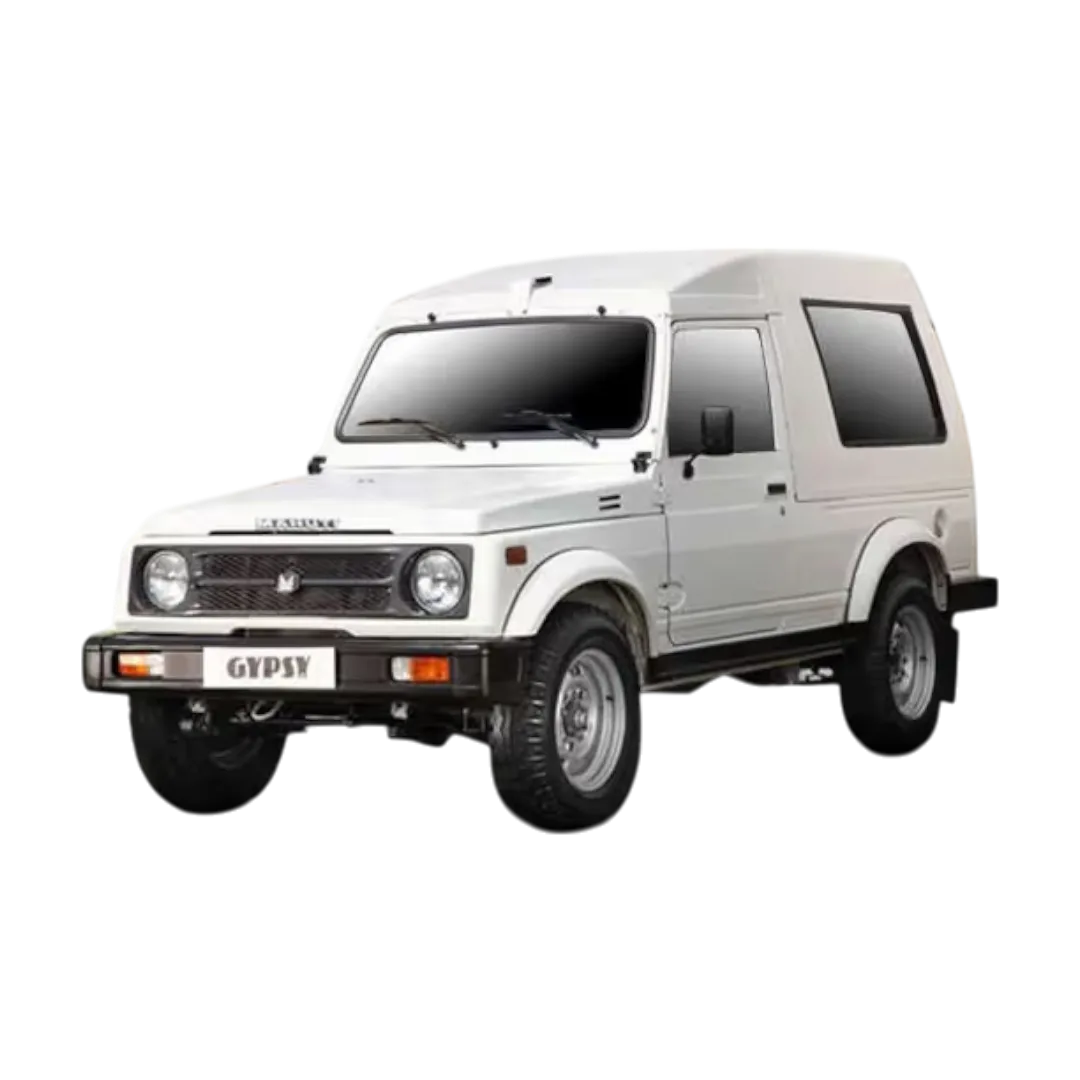 Gypsy
Gypsy
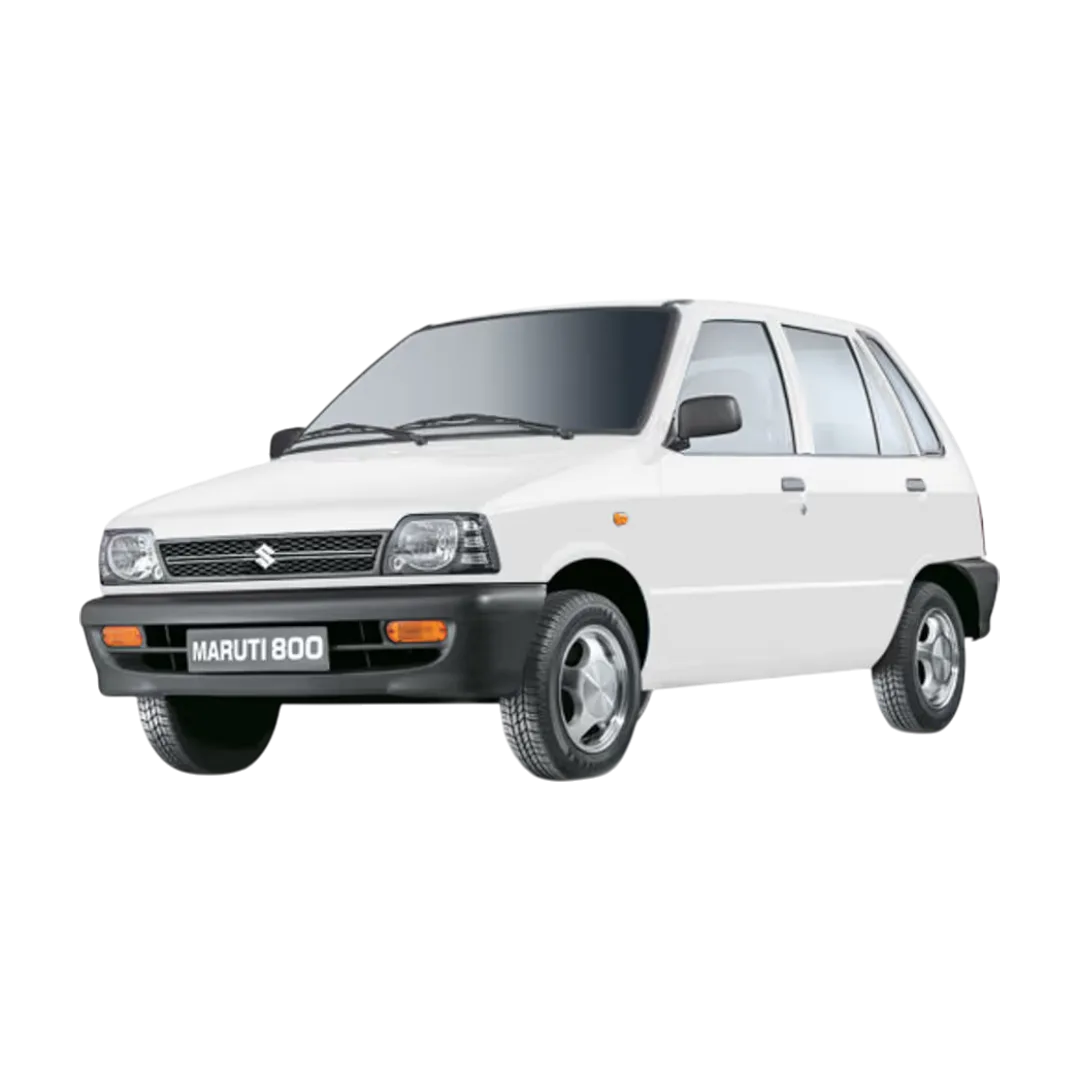 Maruti 800
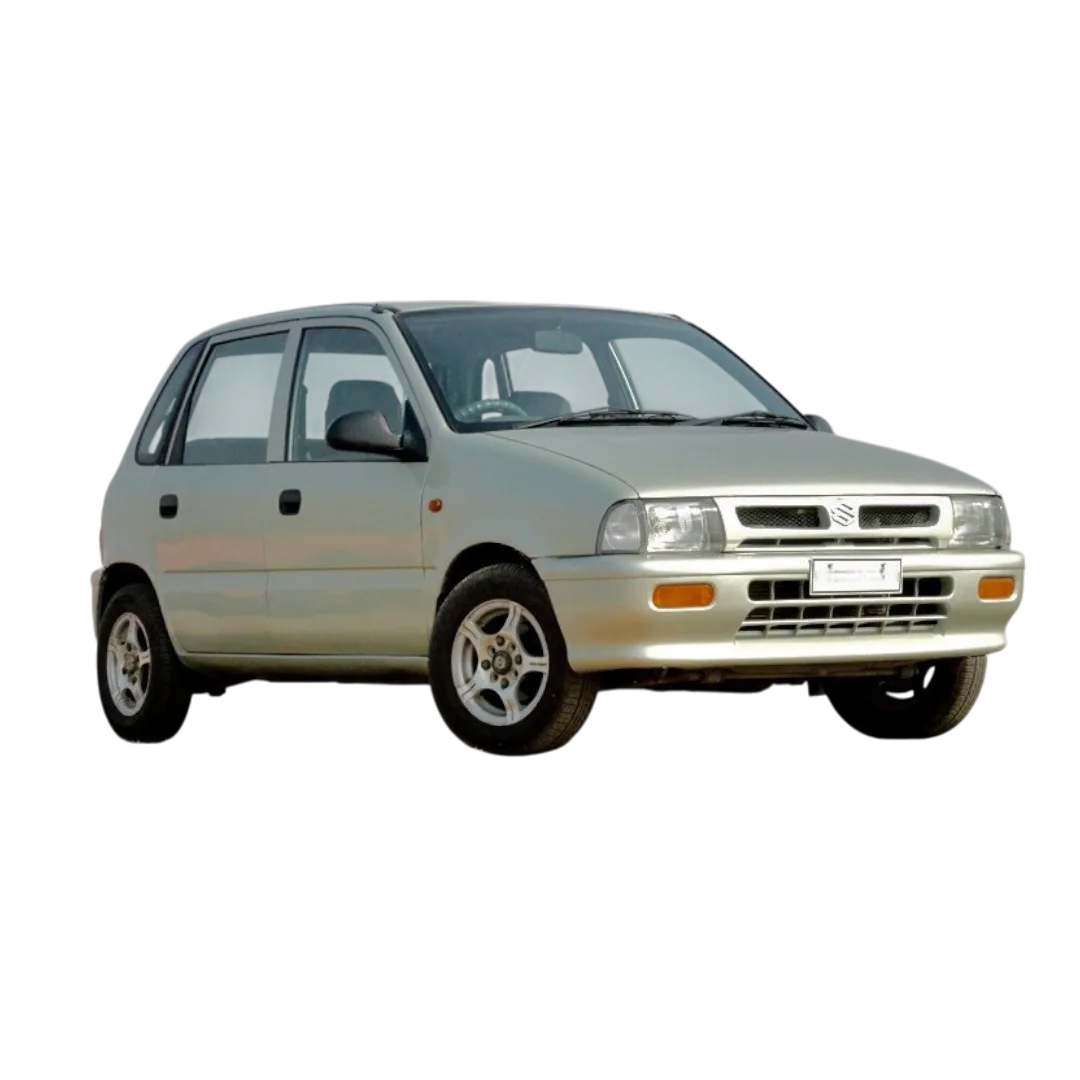 Zen
Zen
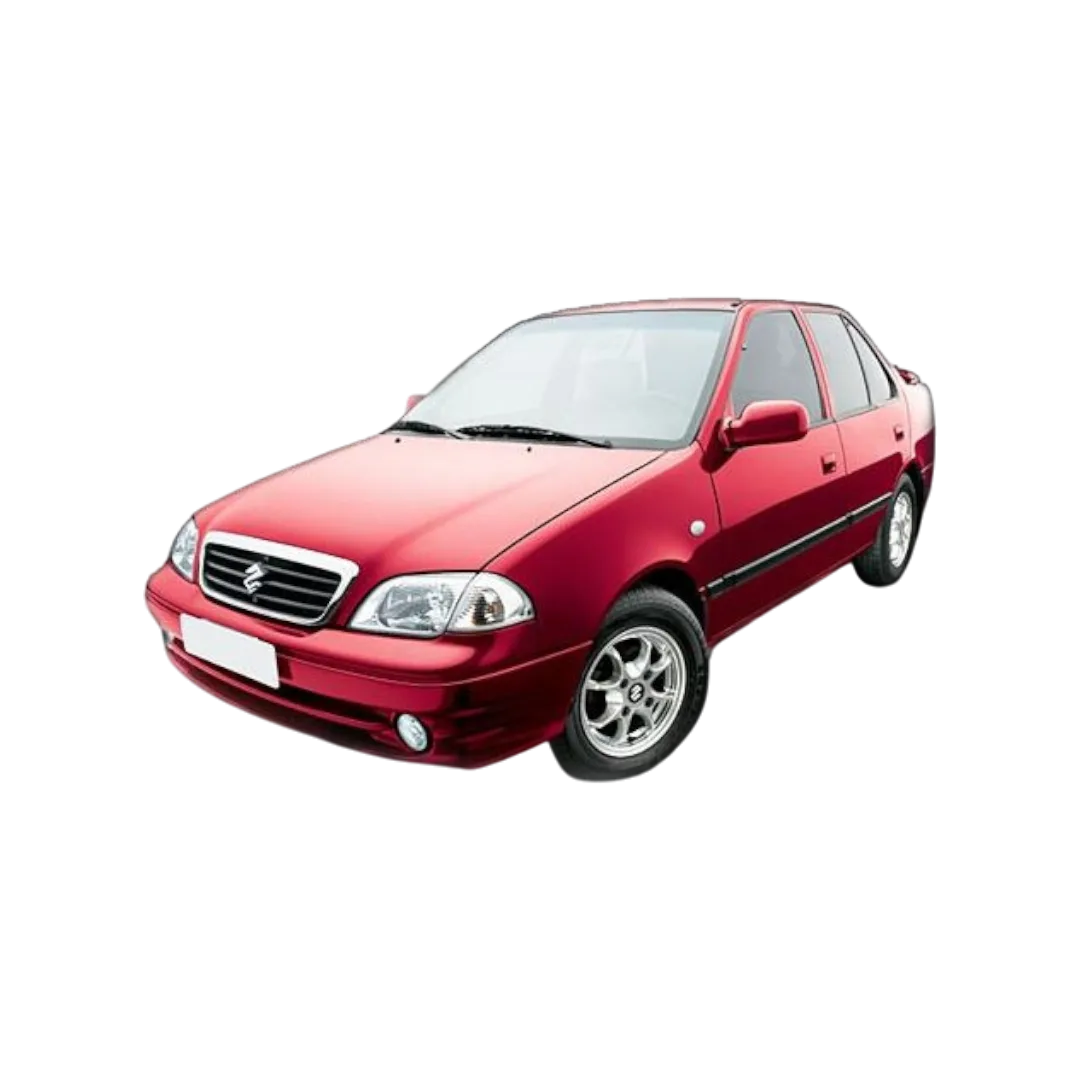 Esteem
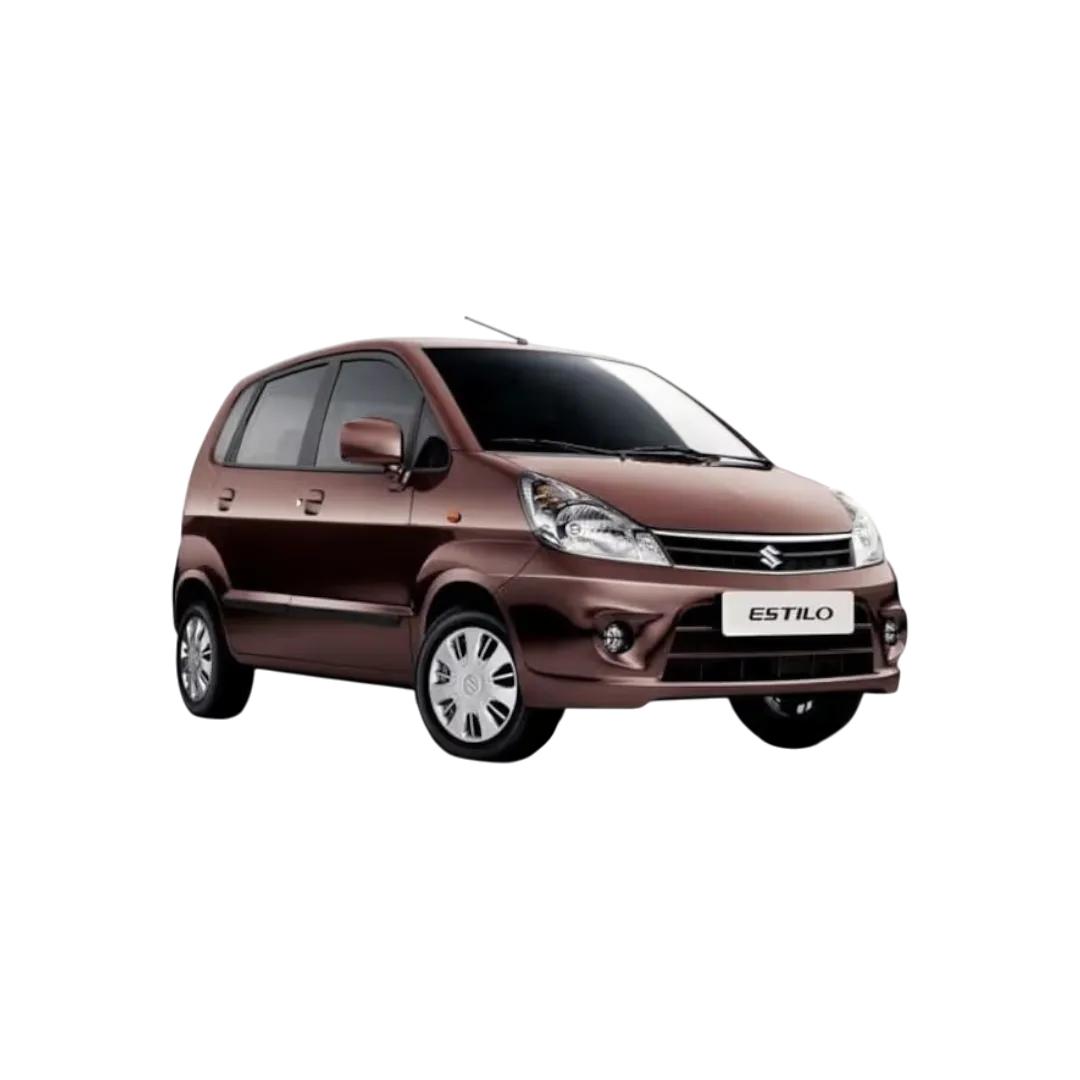 Zen Estilo
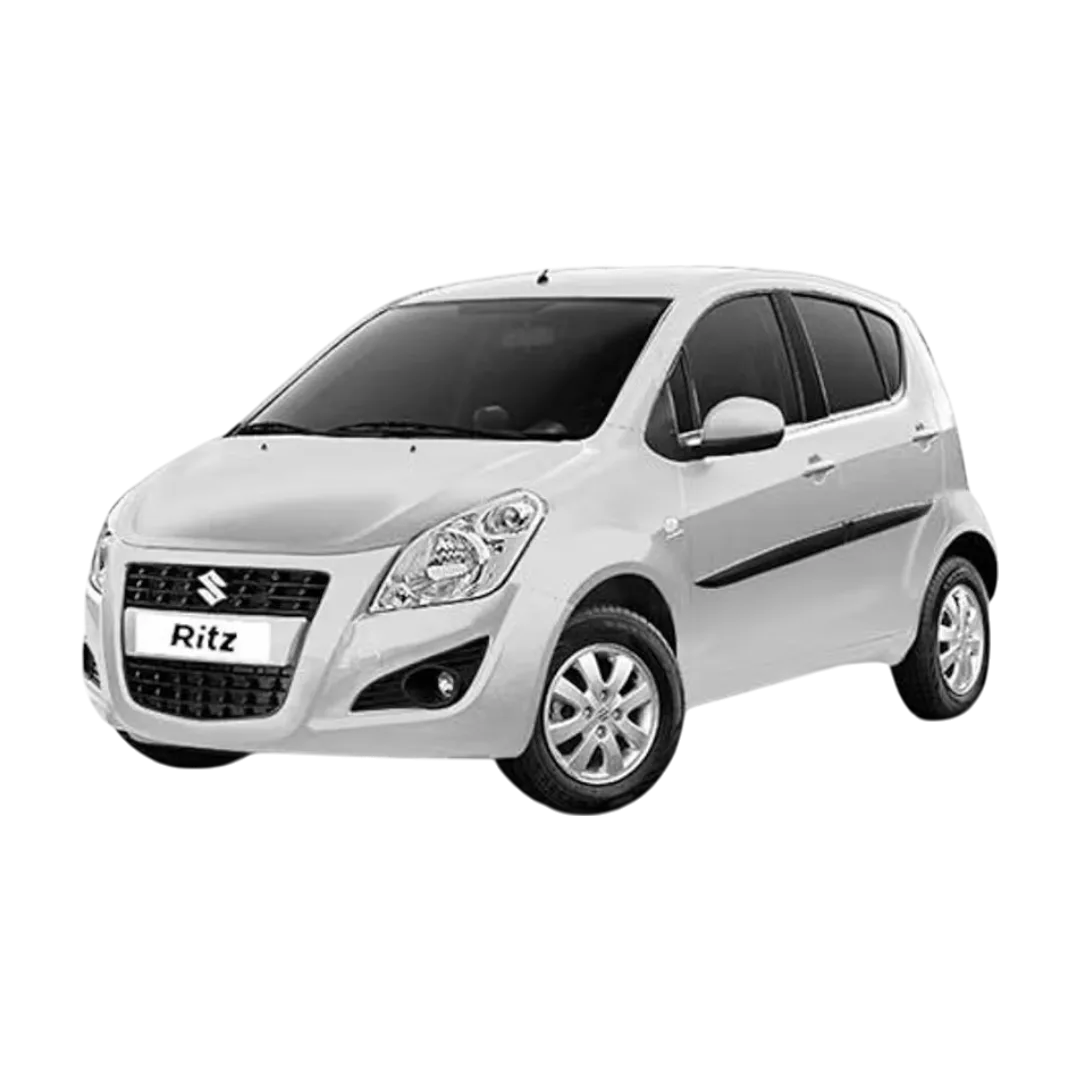 Ritz
Ritz
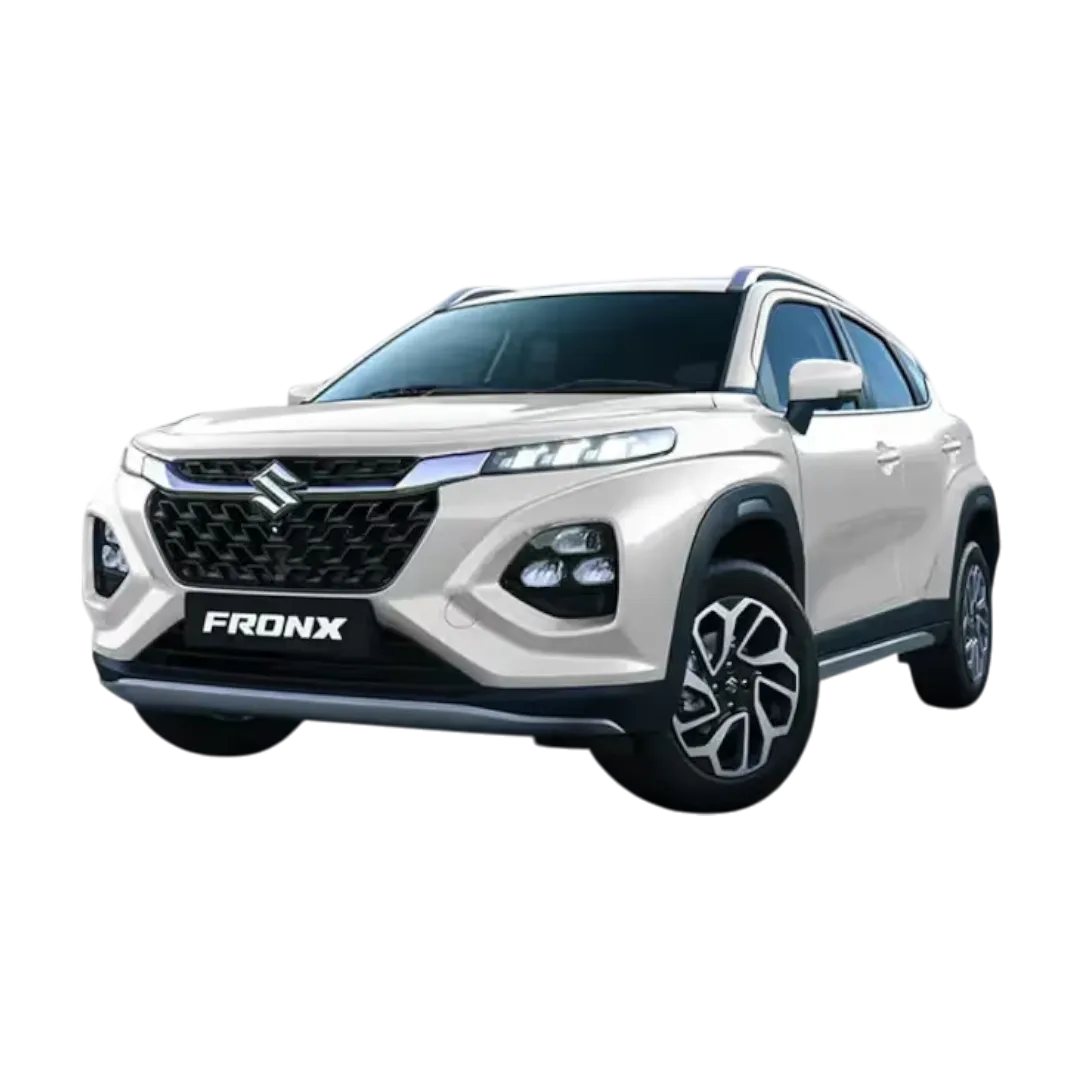 Fronx
Fronx
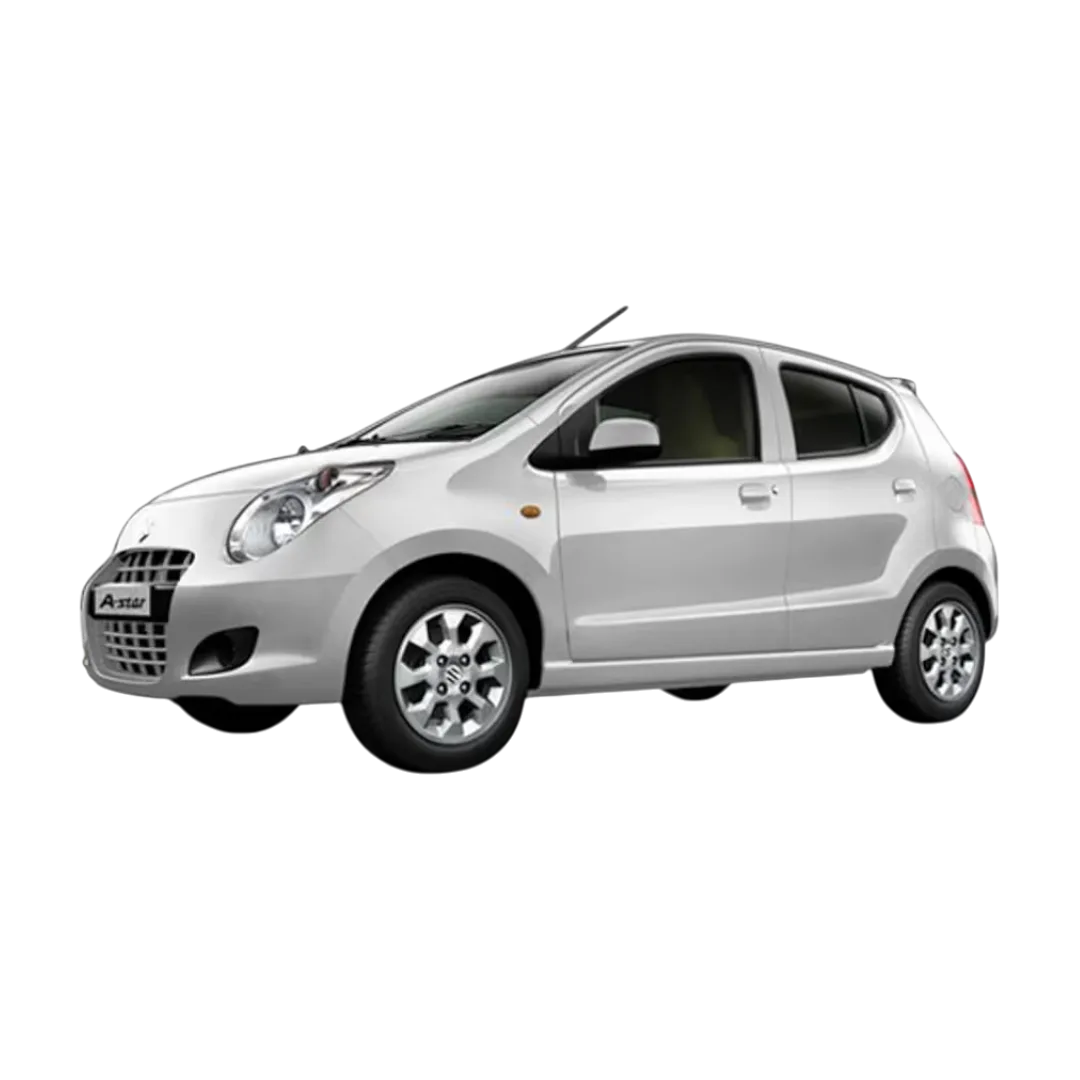 A-Star
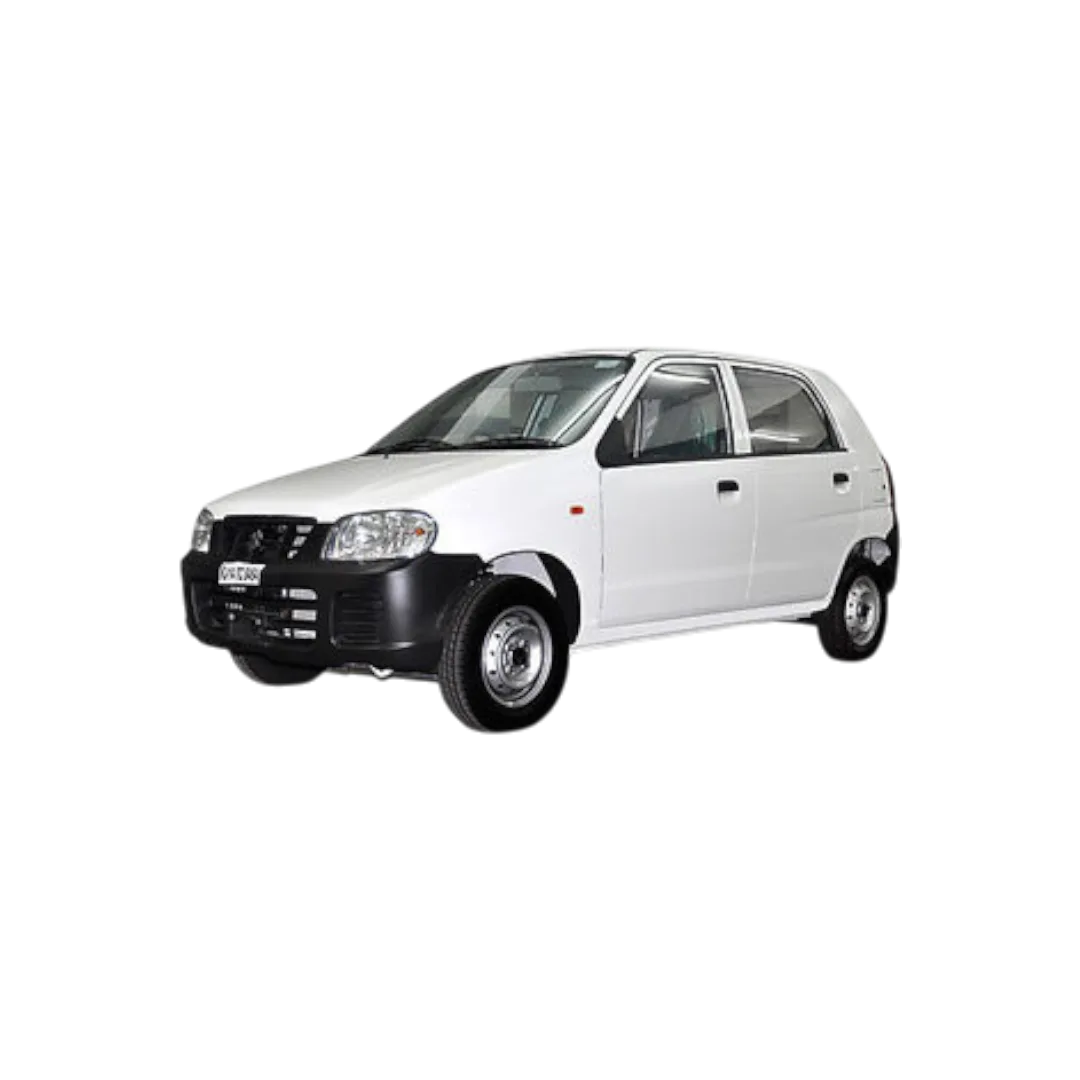 Alto
Alto
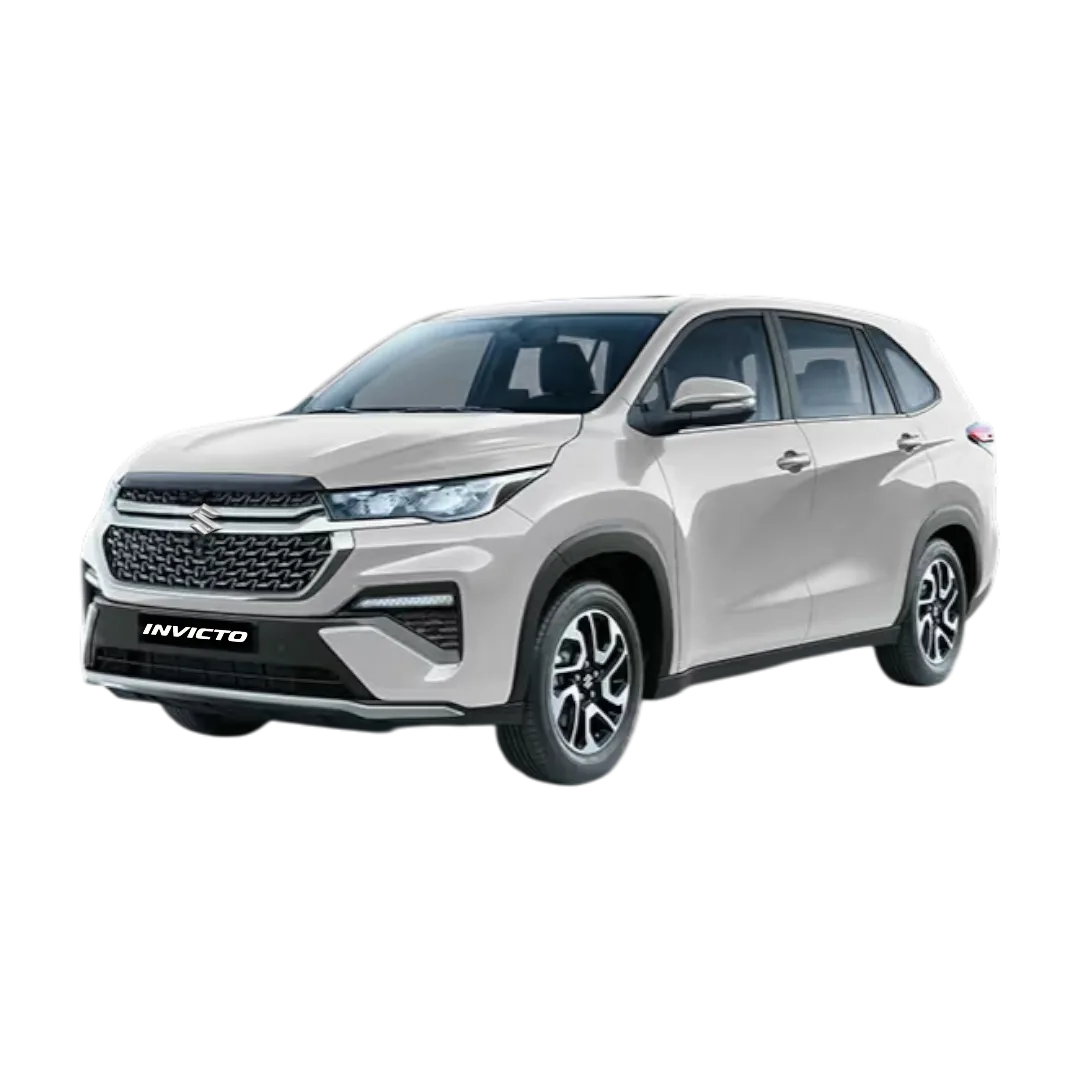 Invicto
Victoris
Wagon R
Invicto
Victoris
Wagon R
 i20
i20
 Aura
Aura
 Creta
Creta
 Elantra
 Getz
Getz
 Grand i10 Nios
 Venue
Venue
 Verna
Verna
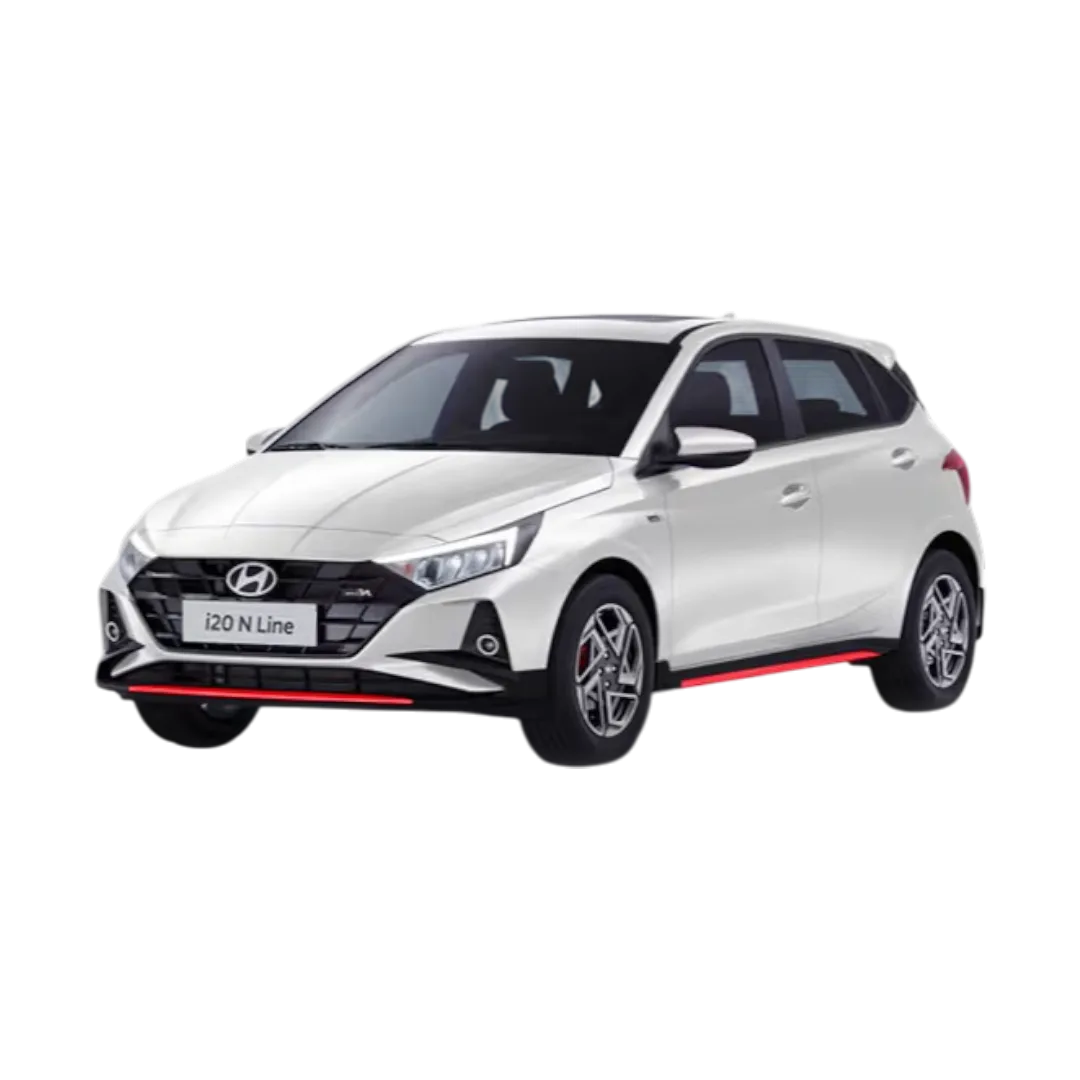 i20 N Line
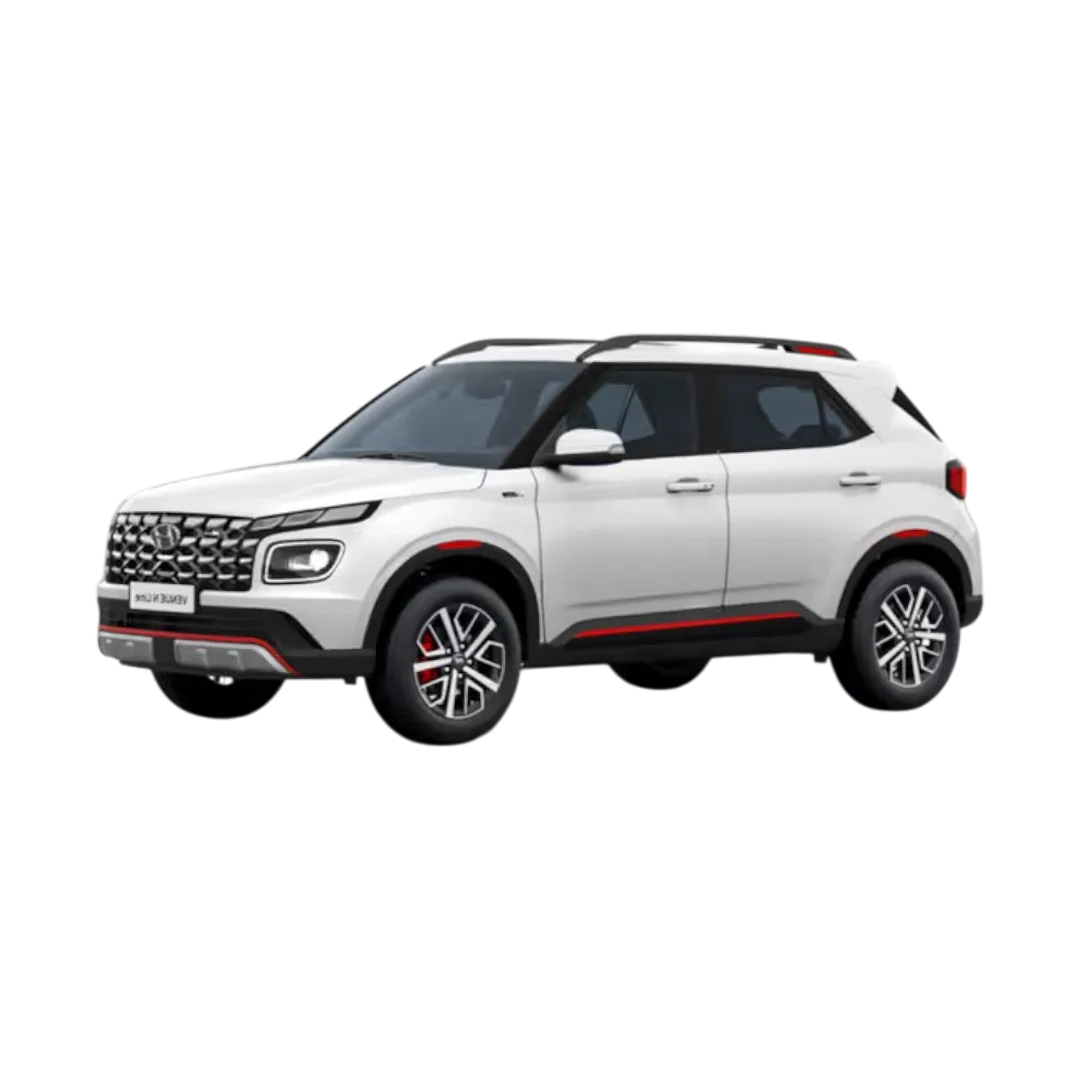 Venue N Line
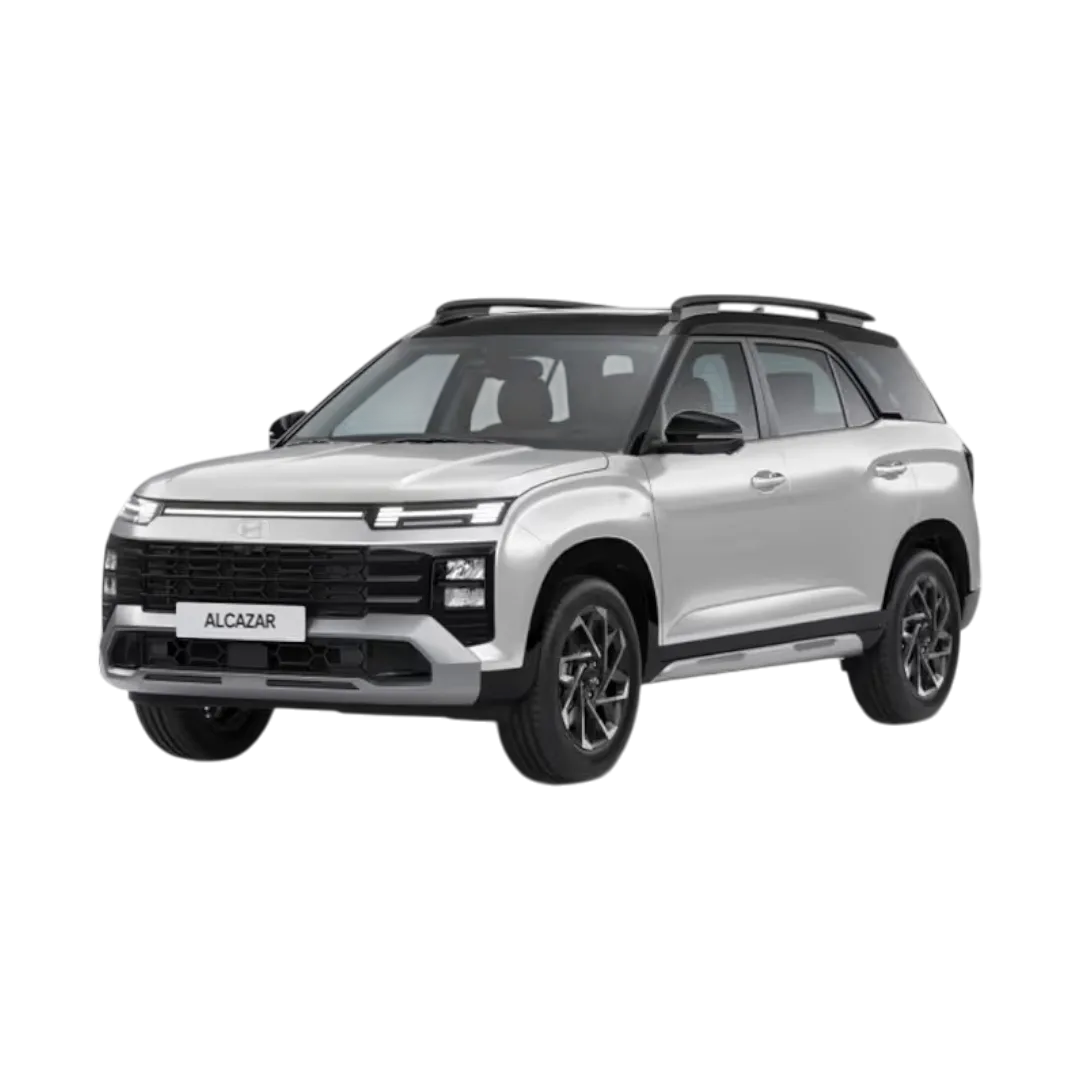 Alcazar
 Tucson
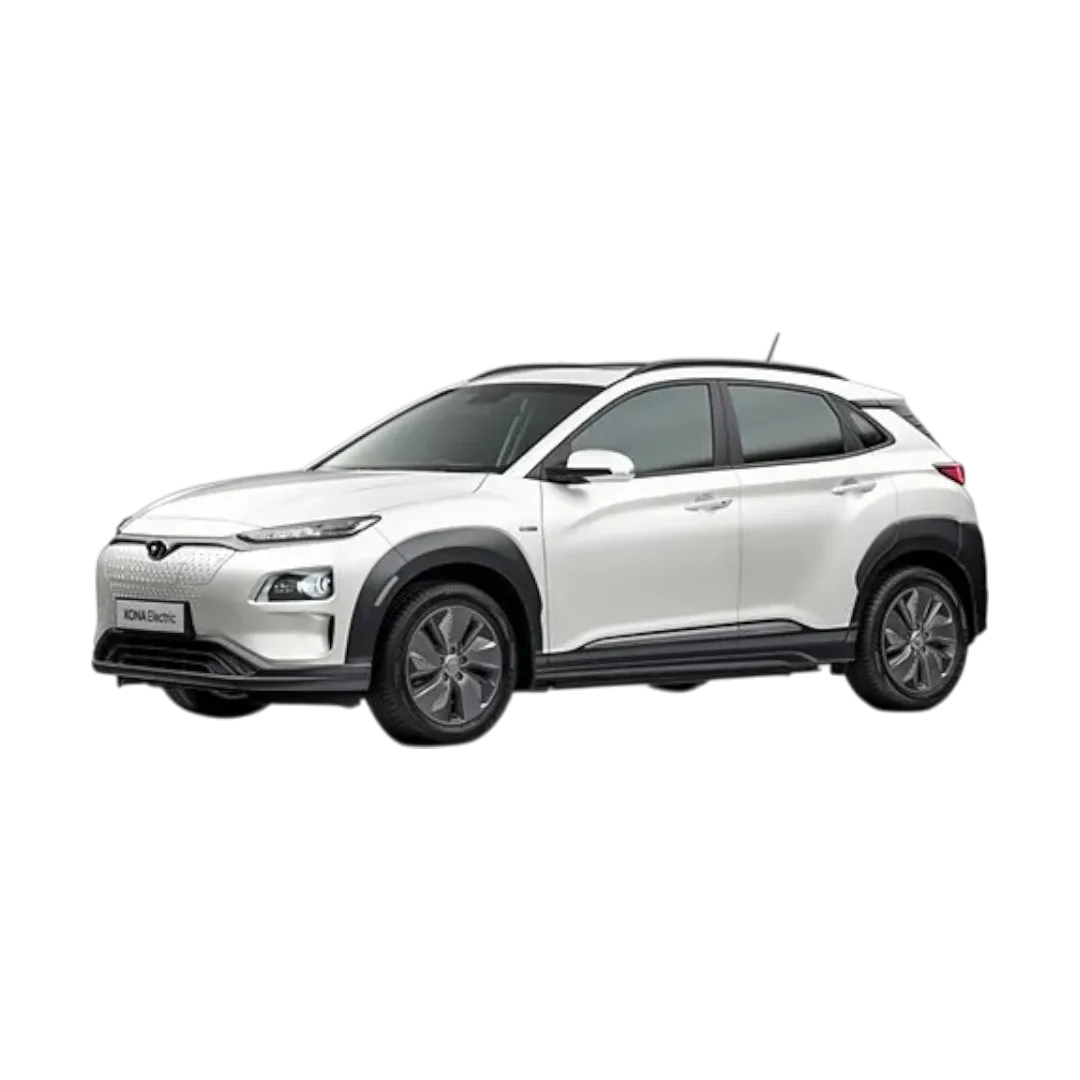 Kona
Kona
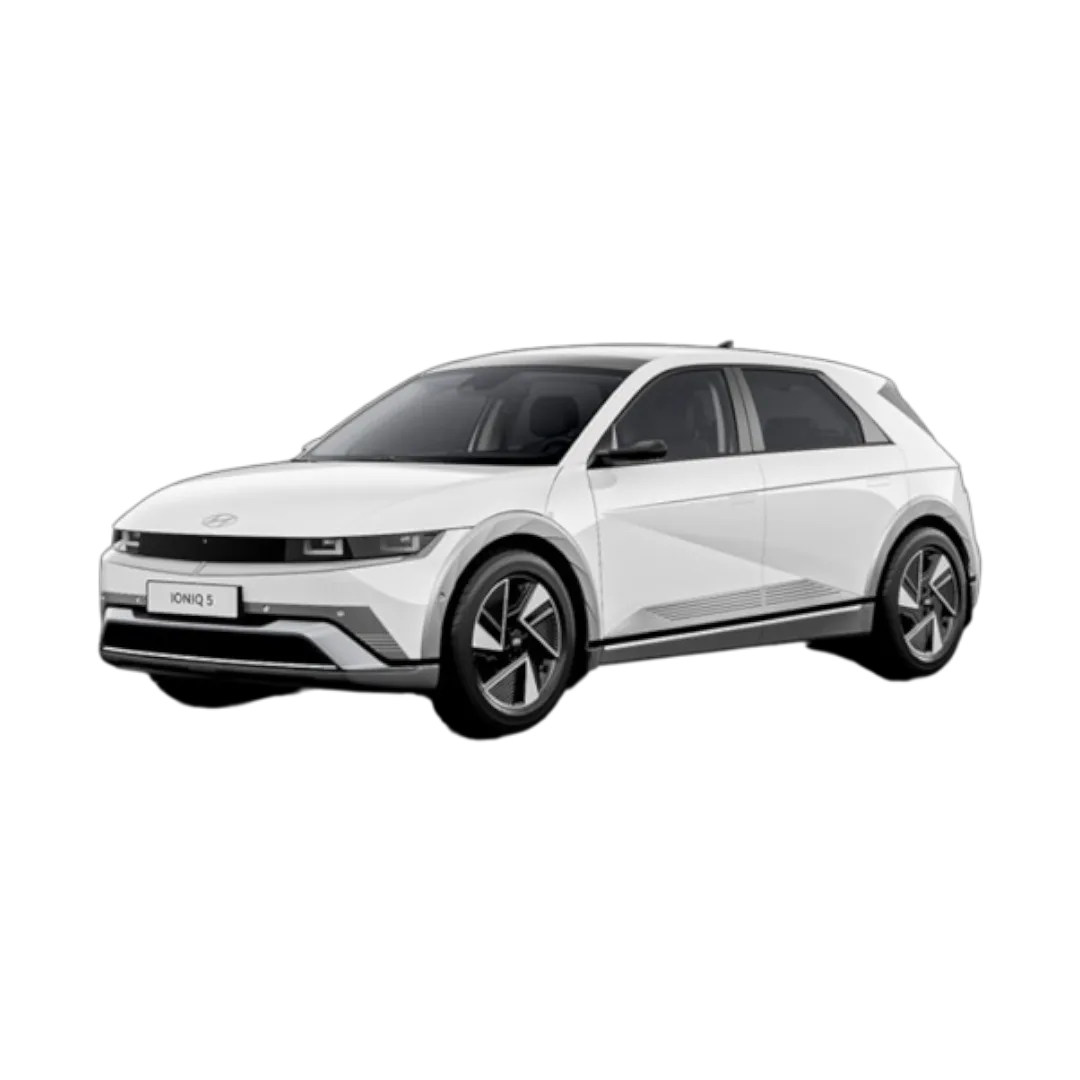 iONIQ 5
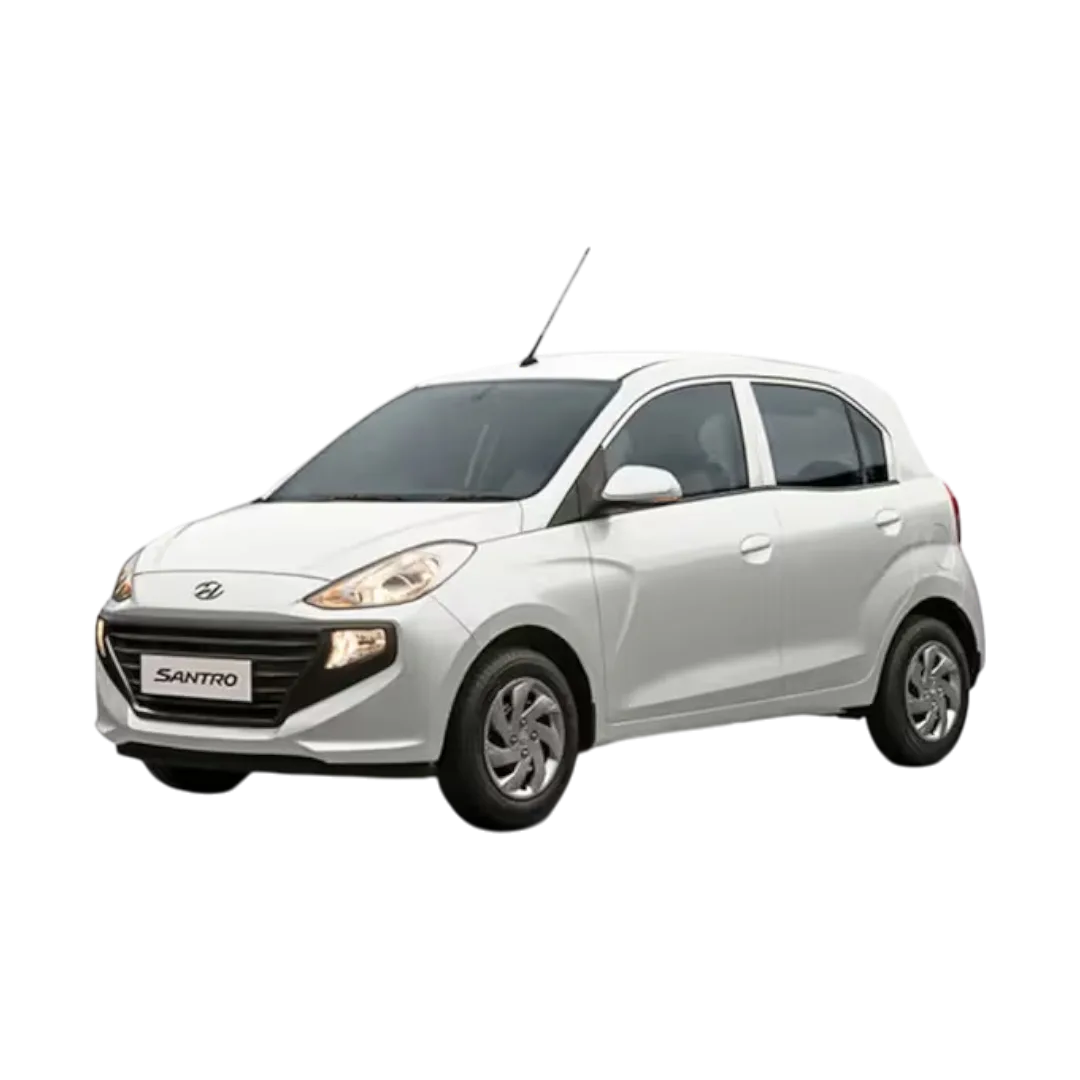 Santro
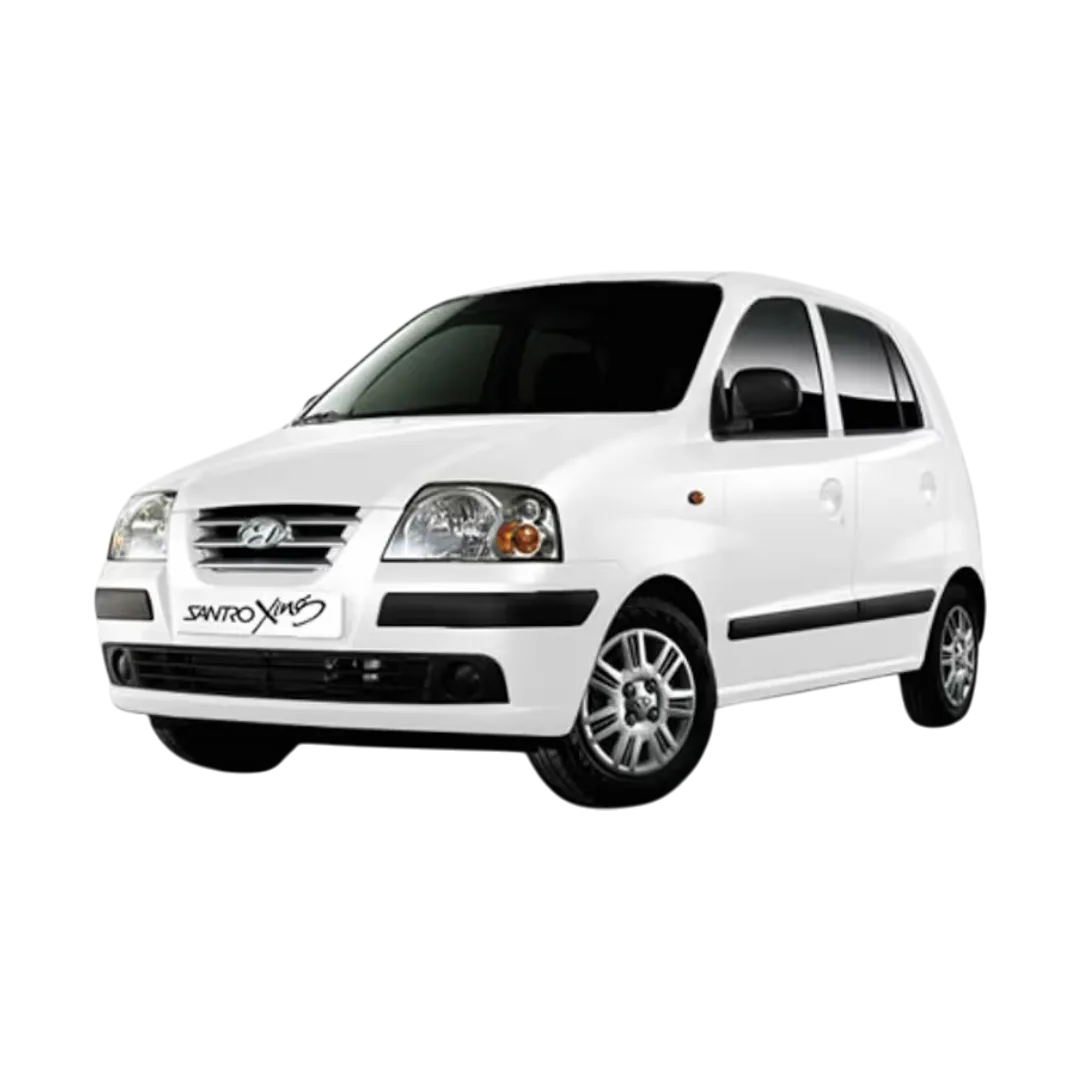 Santro Xing
 Accent
 Sonata
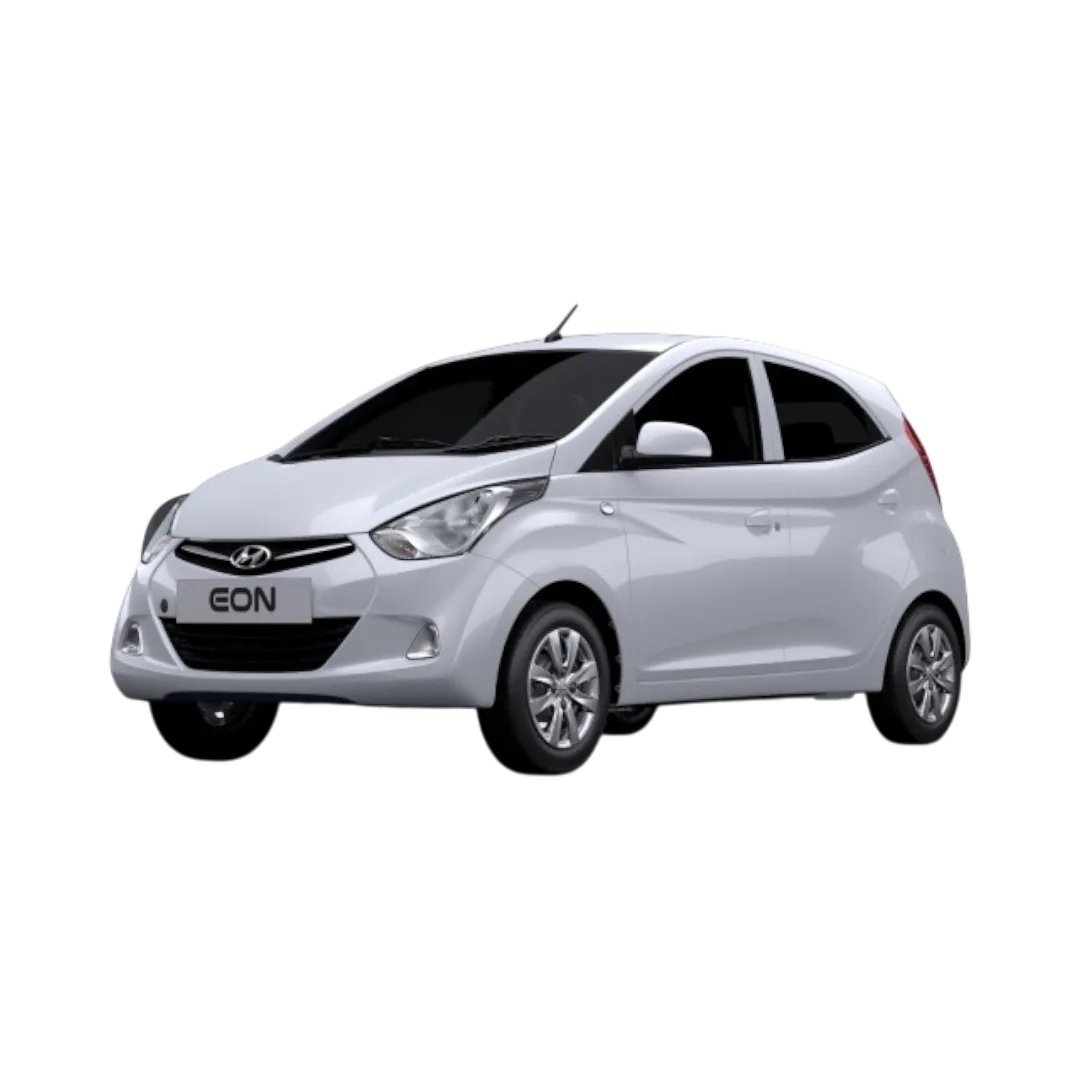 Eon
Eon
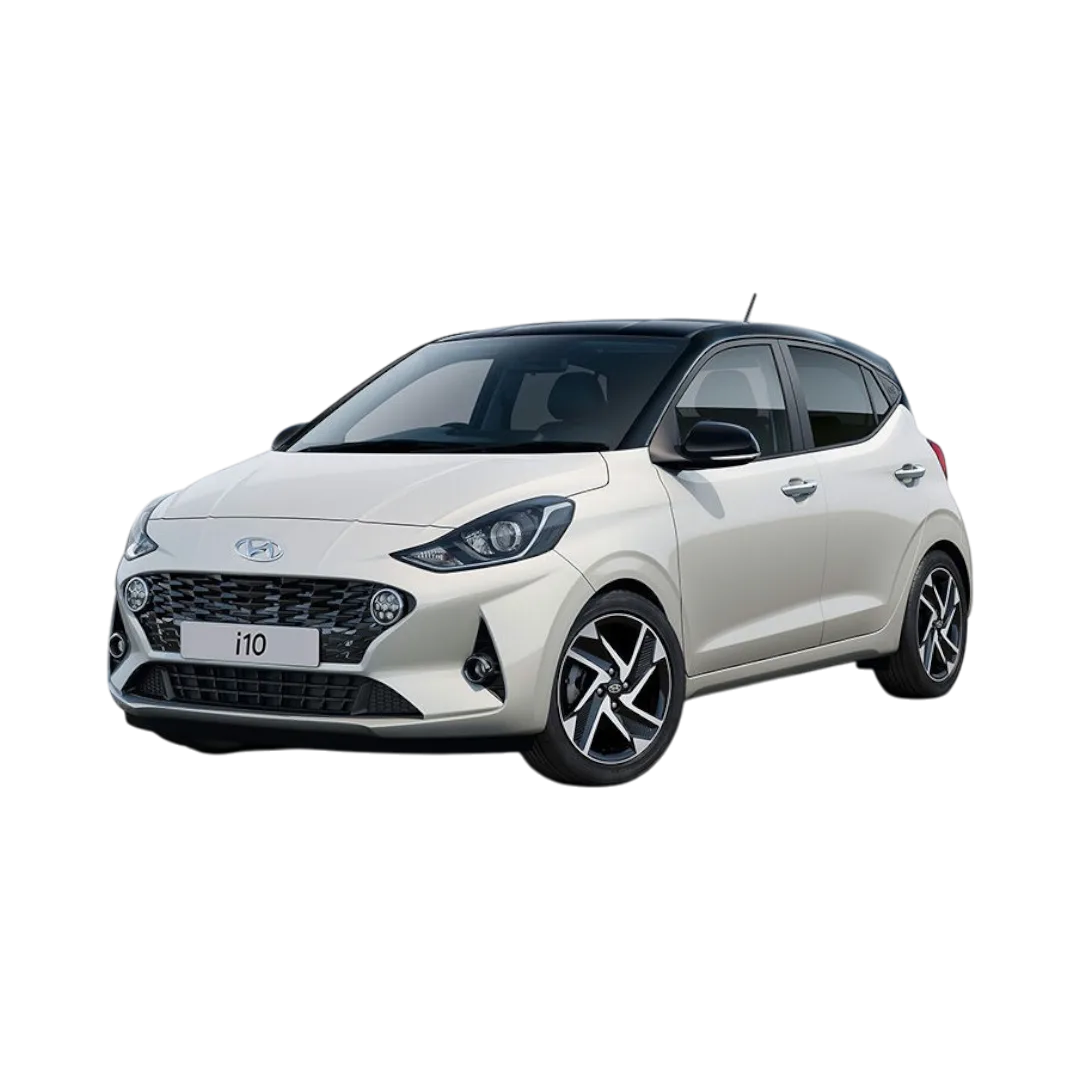 i10
i10
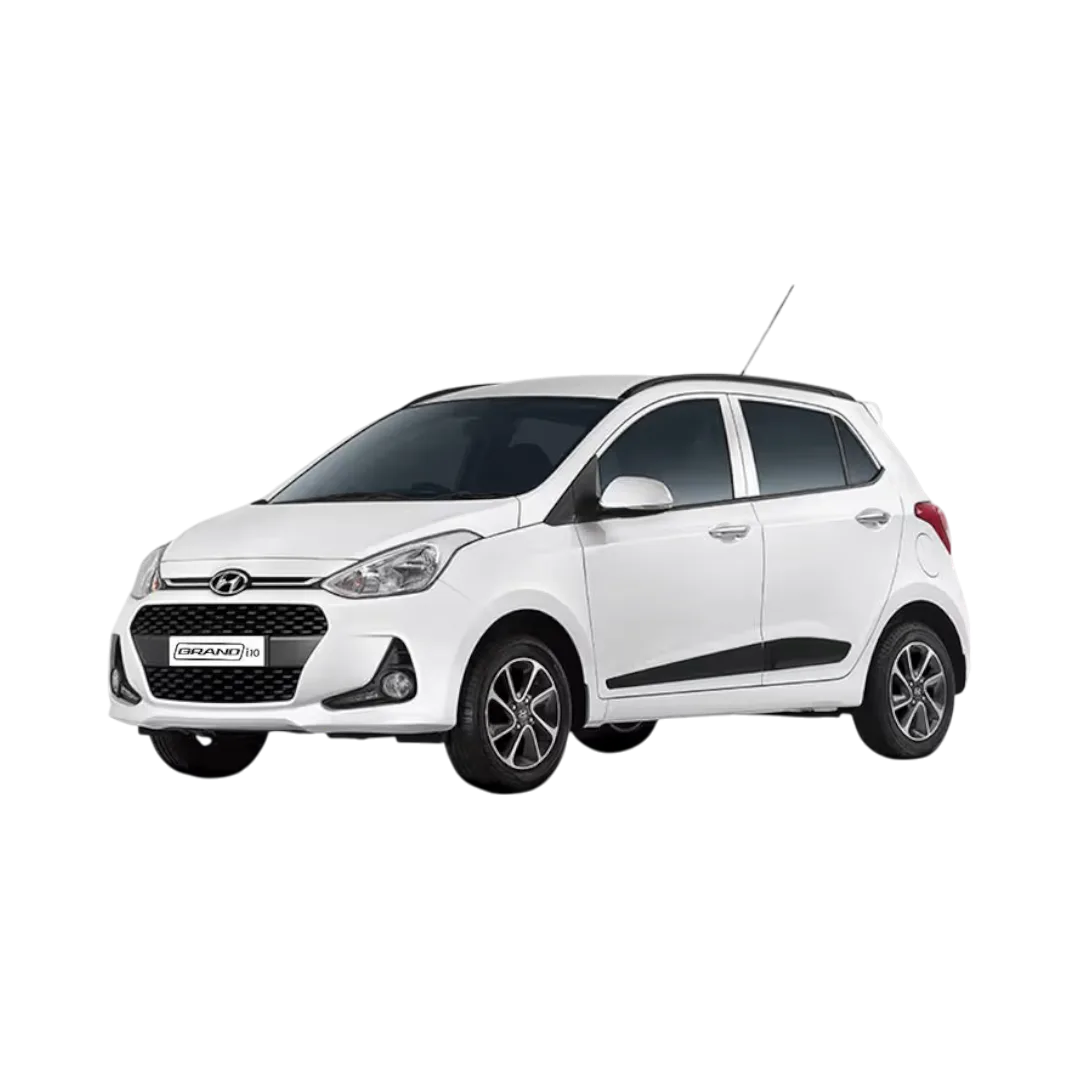 Grand i10
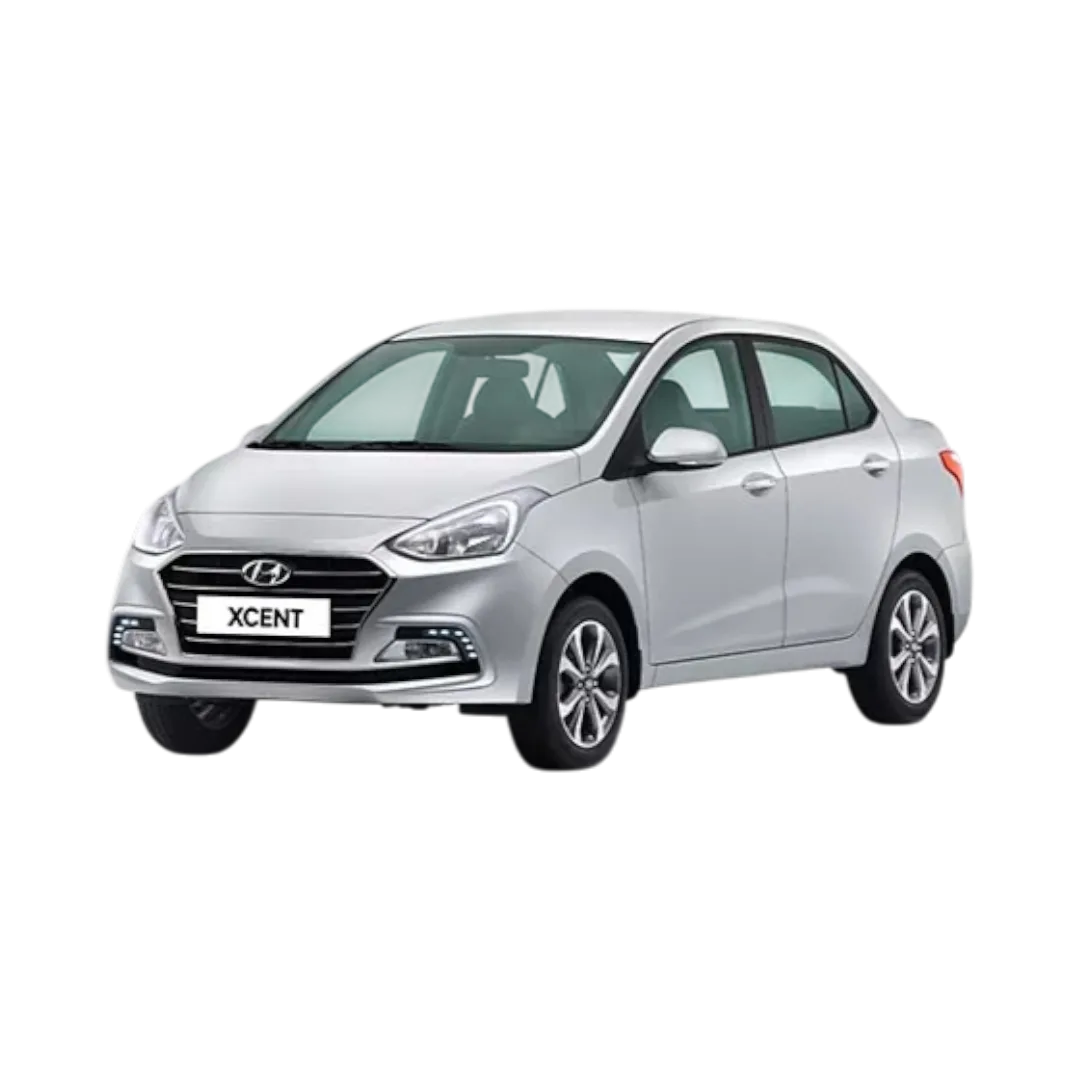 Xcent
Xcent
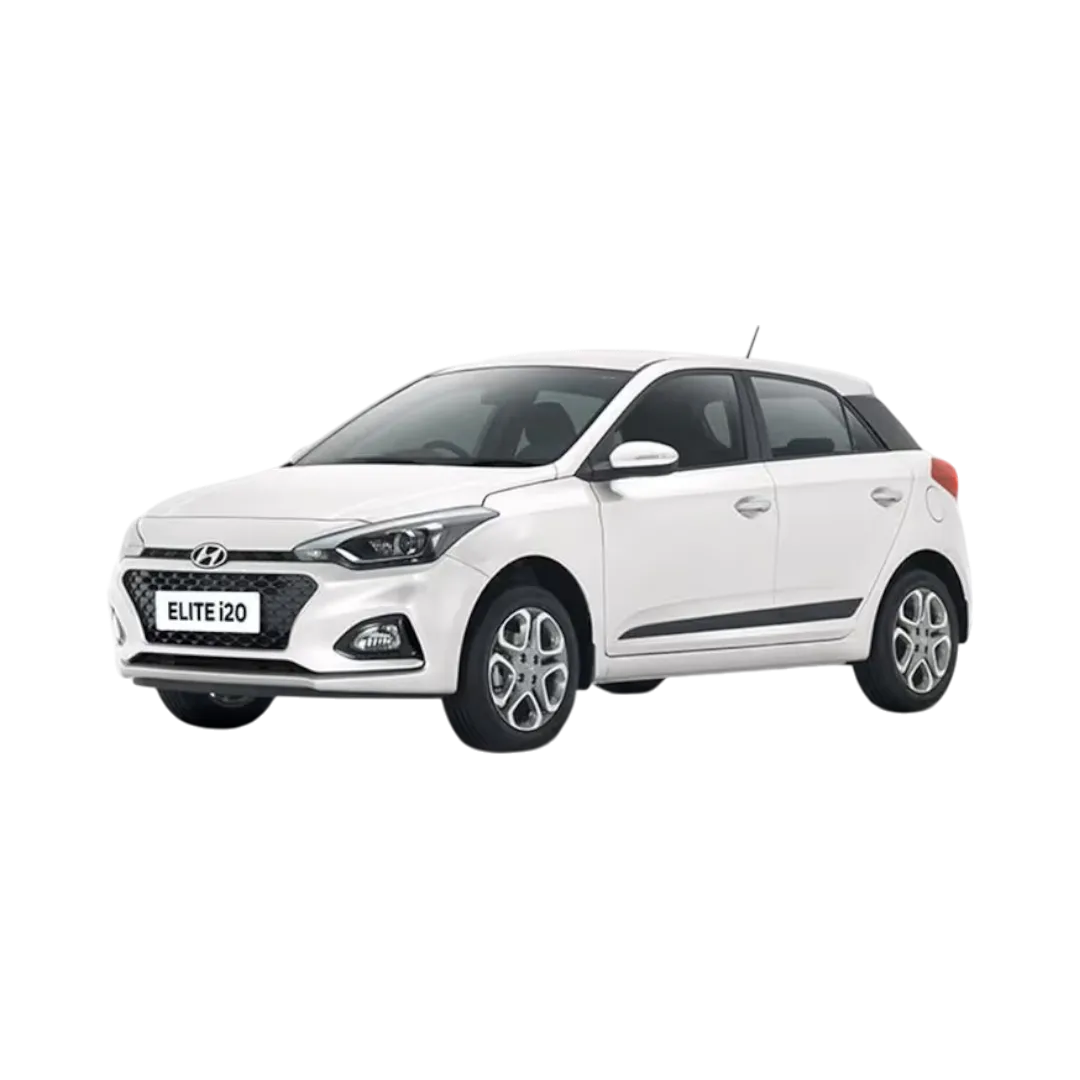 Elite i20
 Verna Fluidic
 Santafe
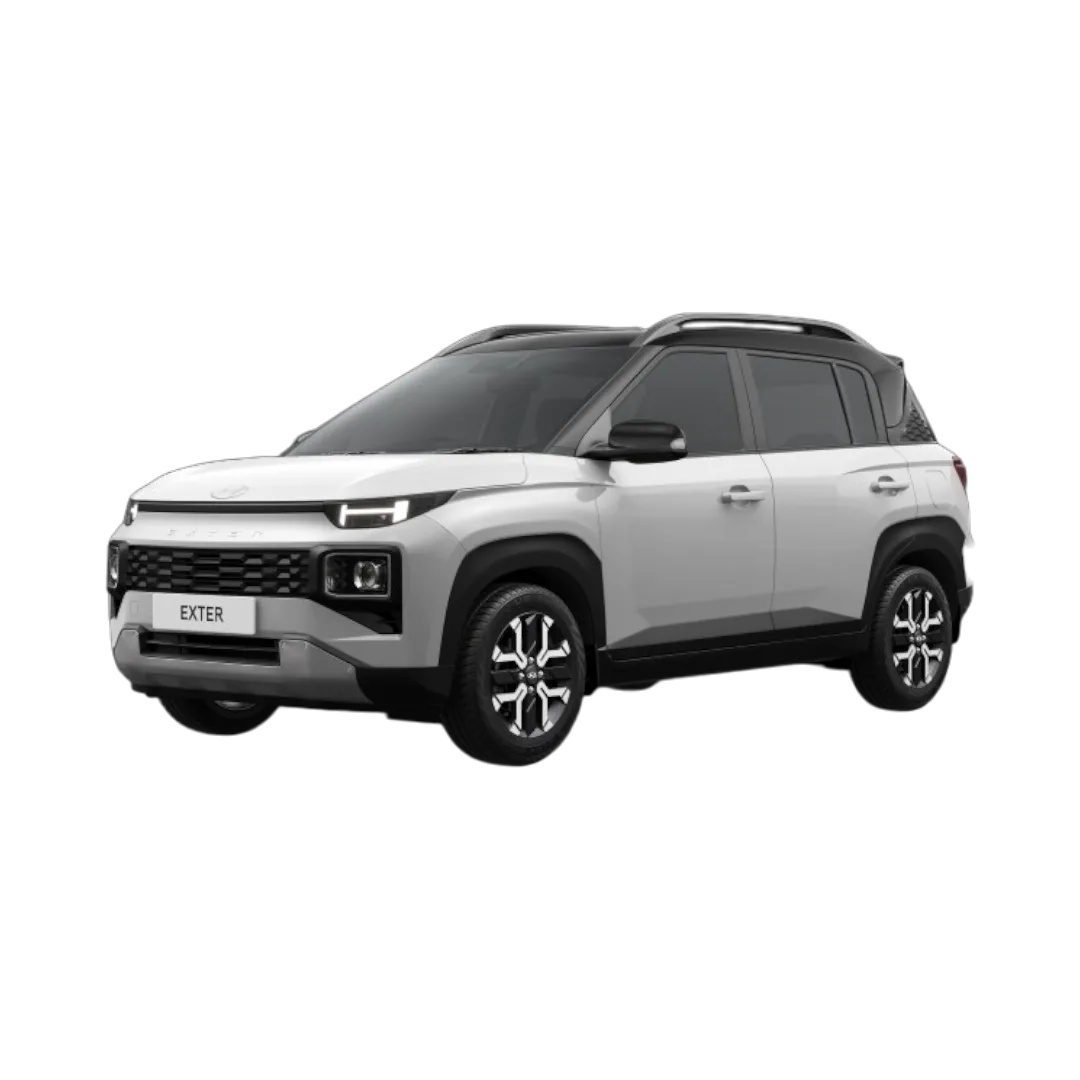 Exter
Sonata Fluidic
i20 Active
Exter
Sonata Fluidic
i20 Active
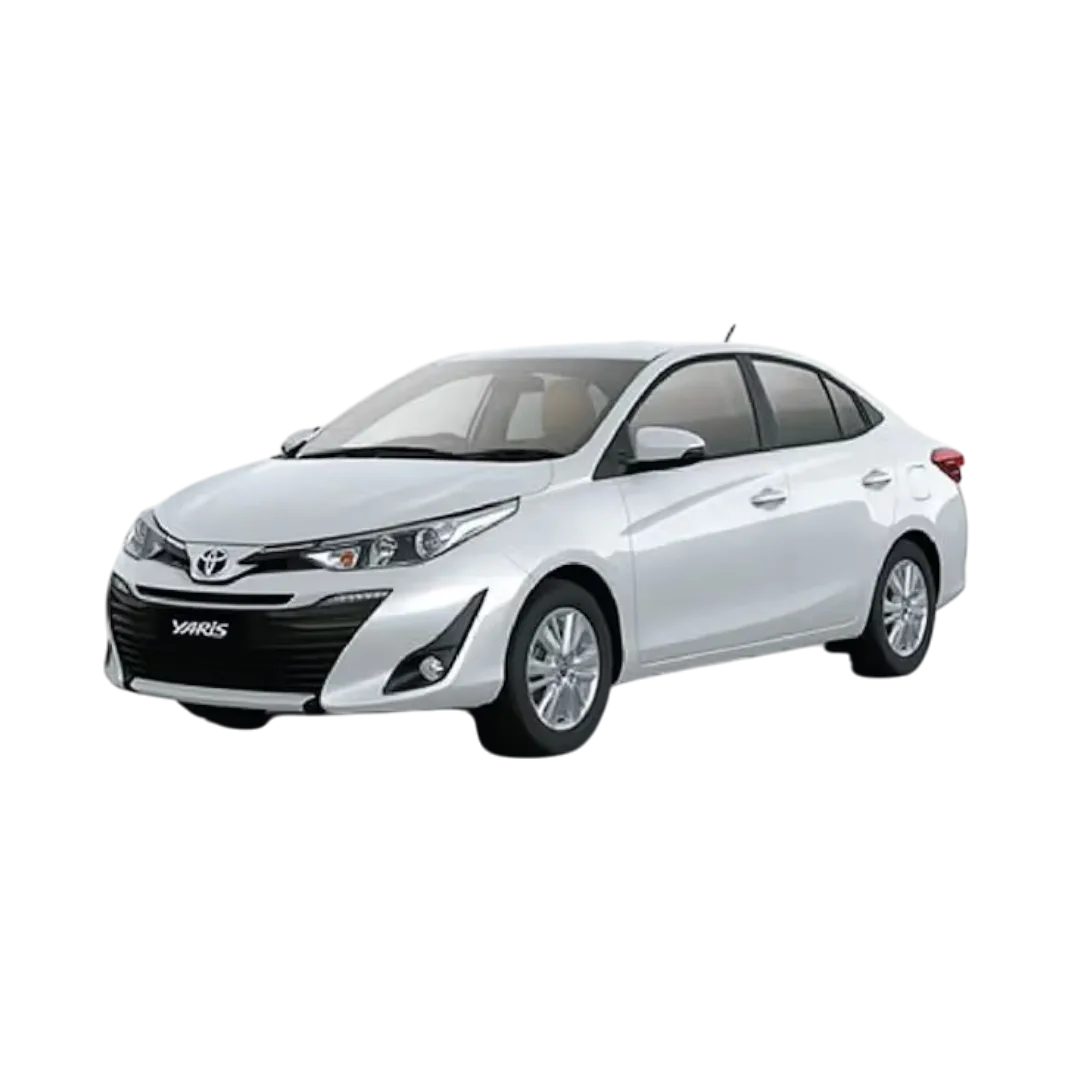 Yaris
Yaris
 Urban Cruiser
 Camry
Camry
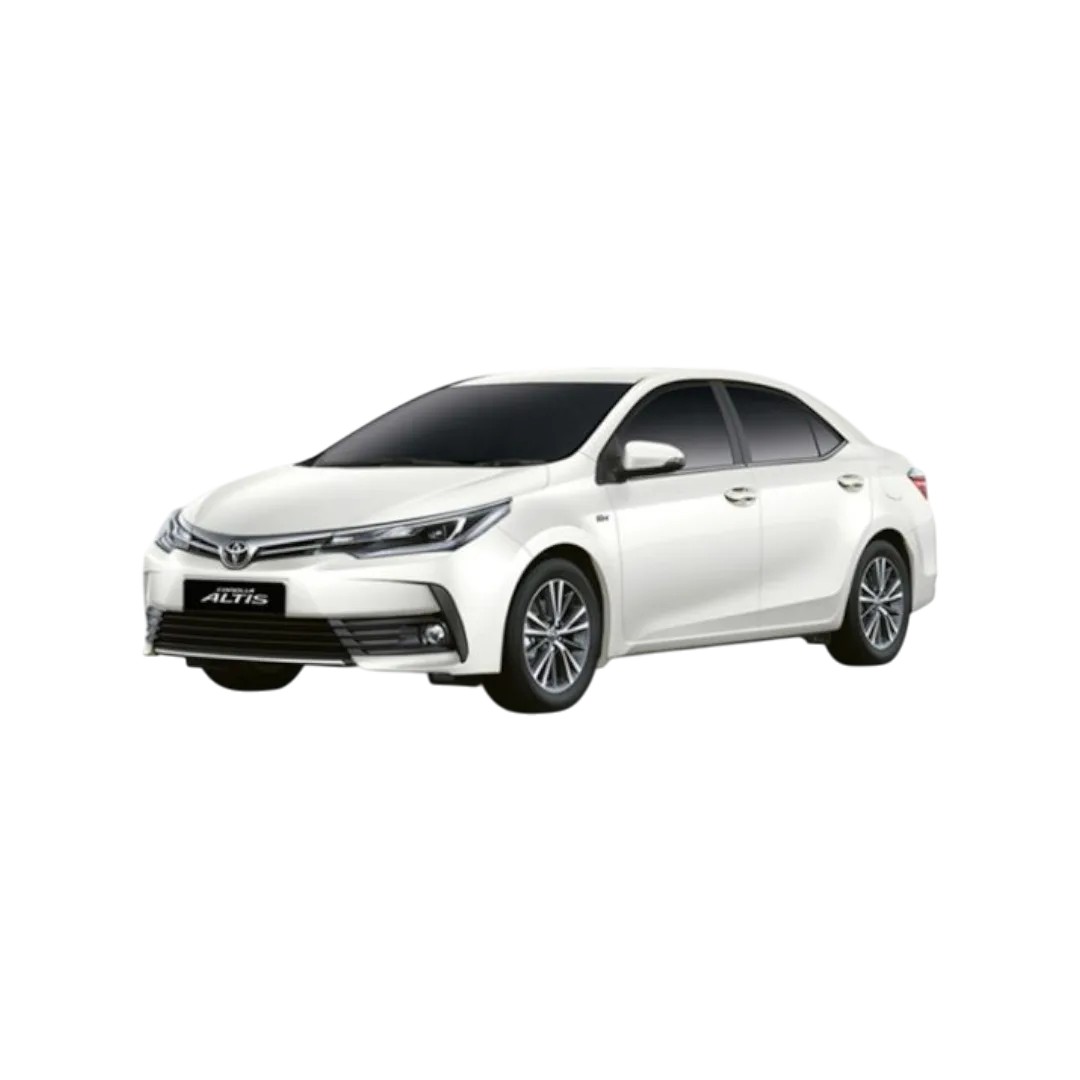 Corolla
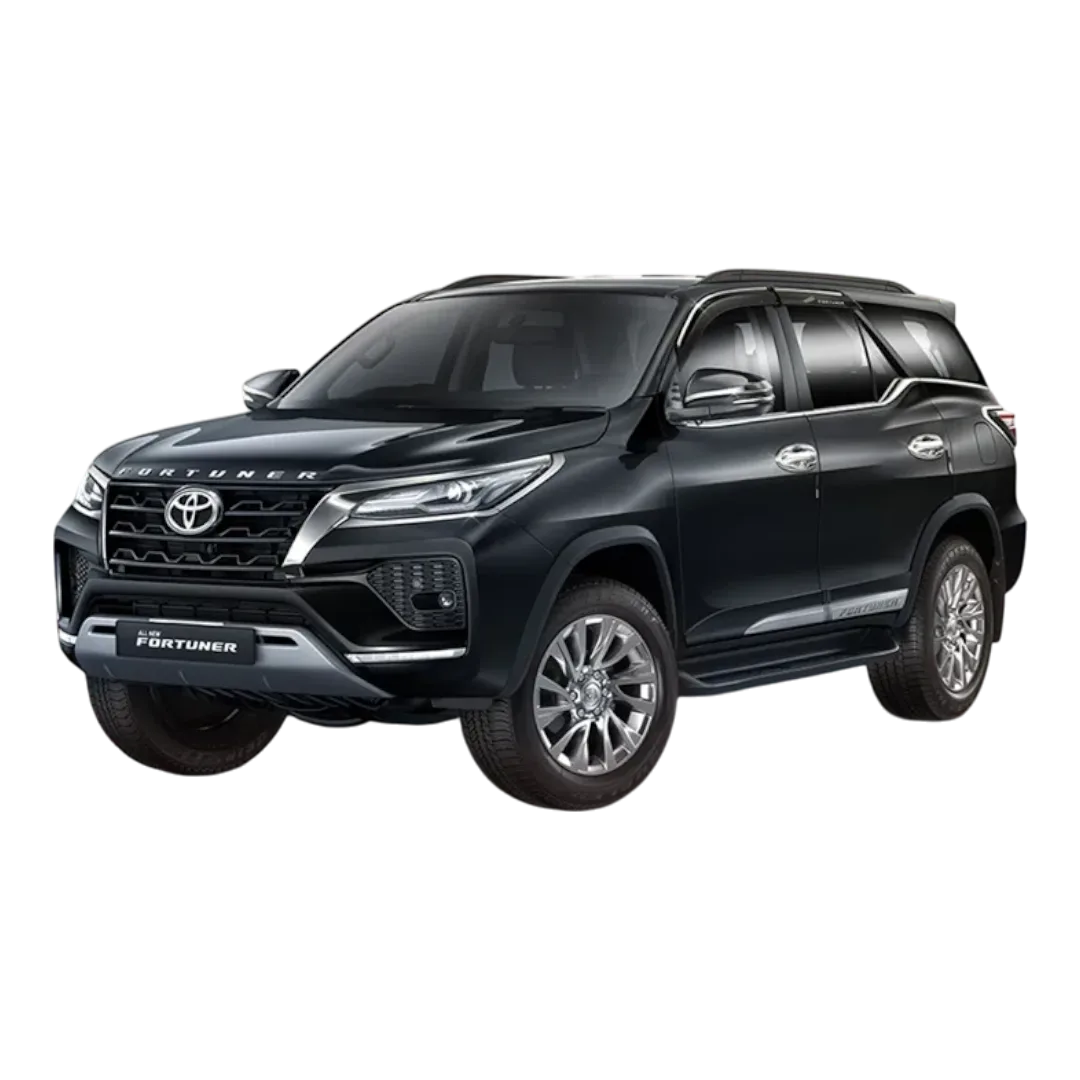 Fortuner
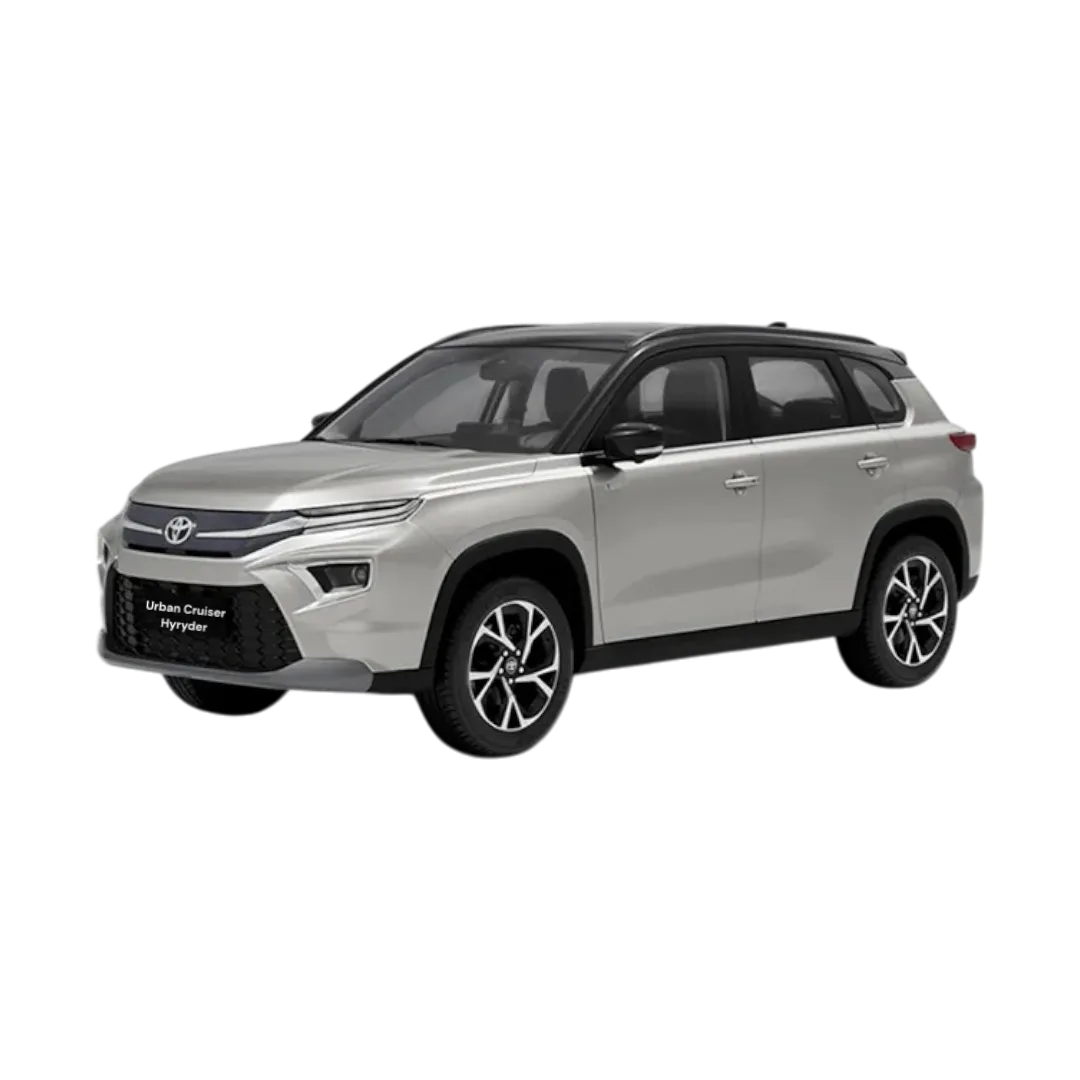 Urban Cruiser Hyryder
 Innova Crysta
 Innova Hycross
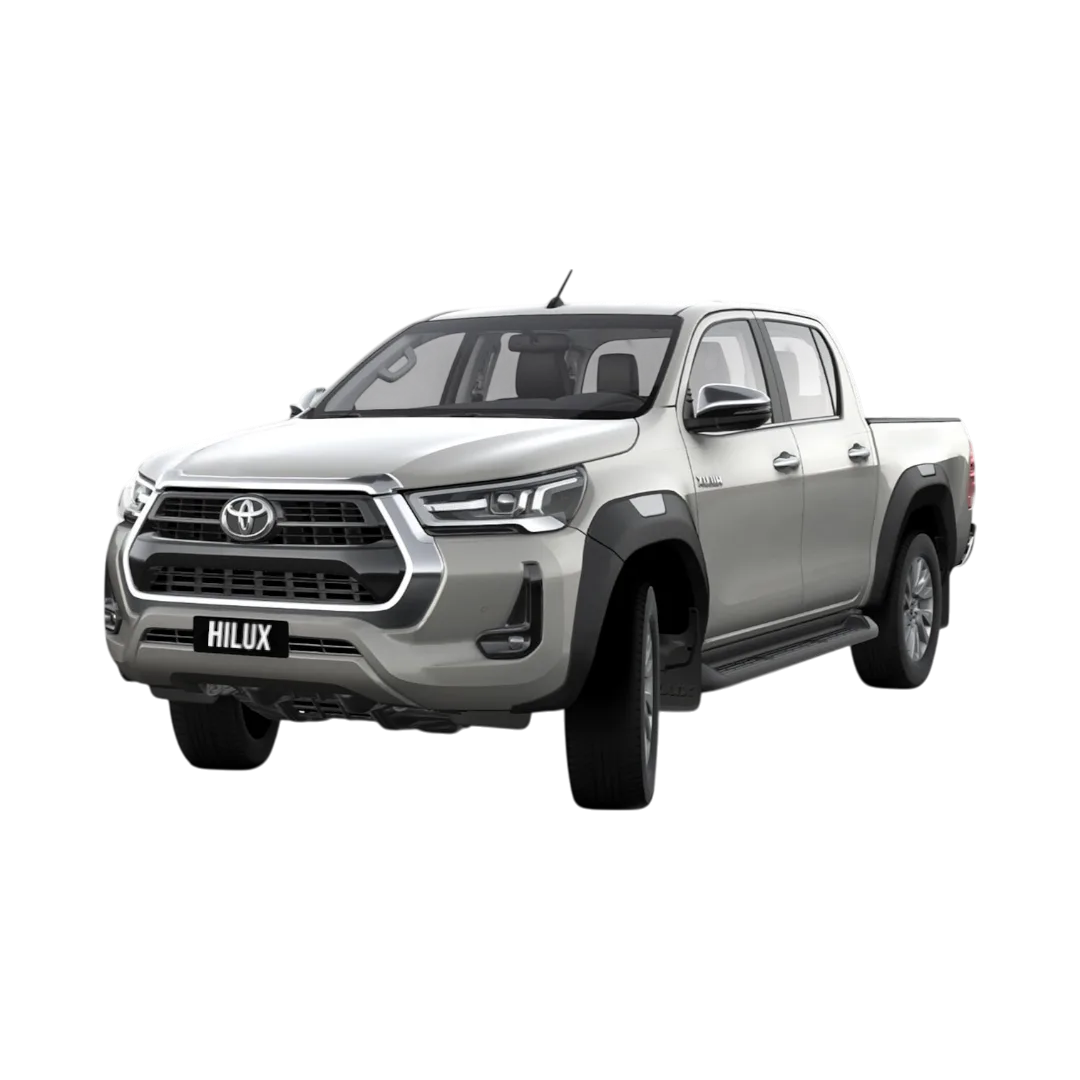 Hilux
Hilux
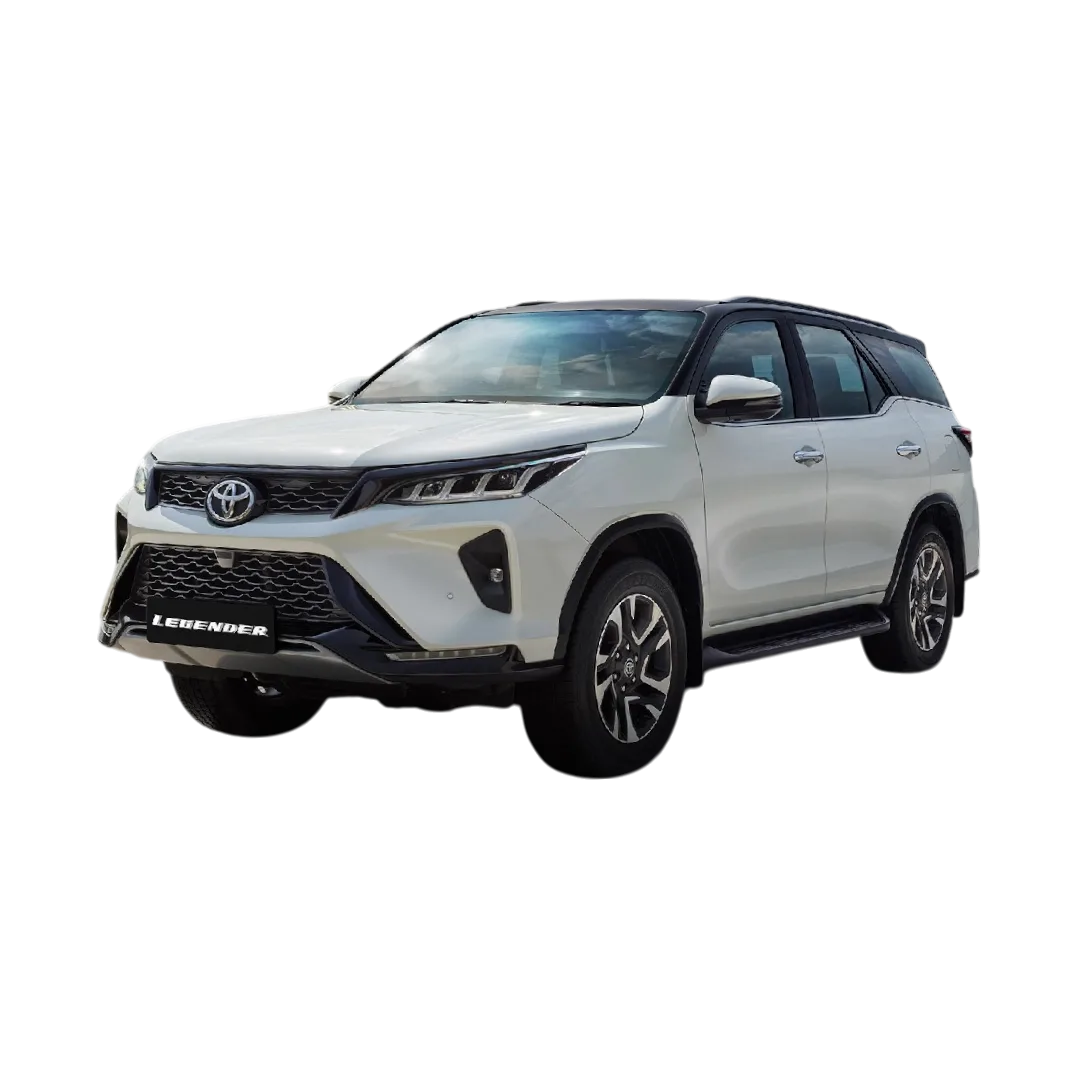 Fortuner Legender
 Vellfire
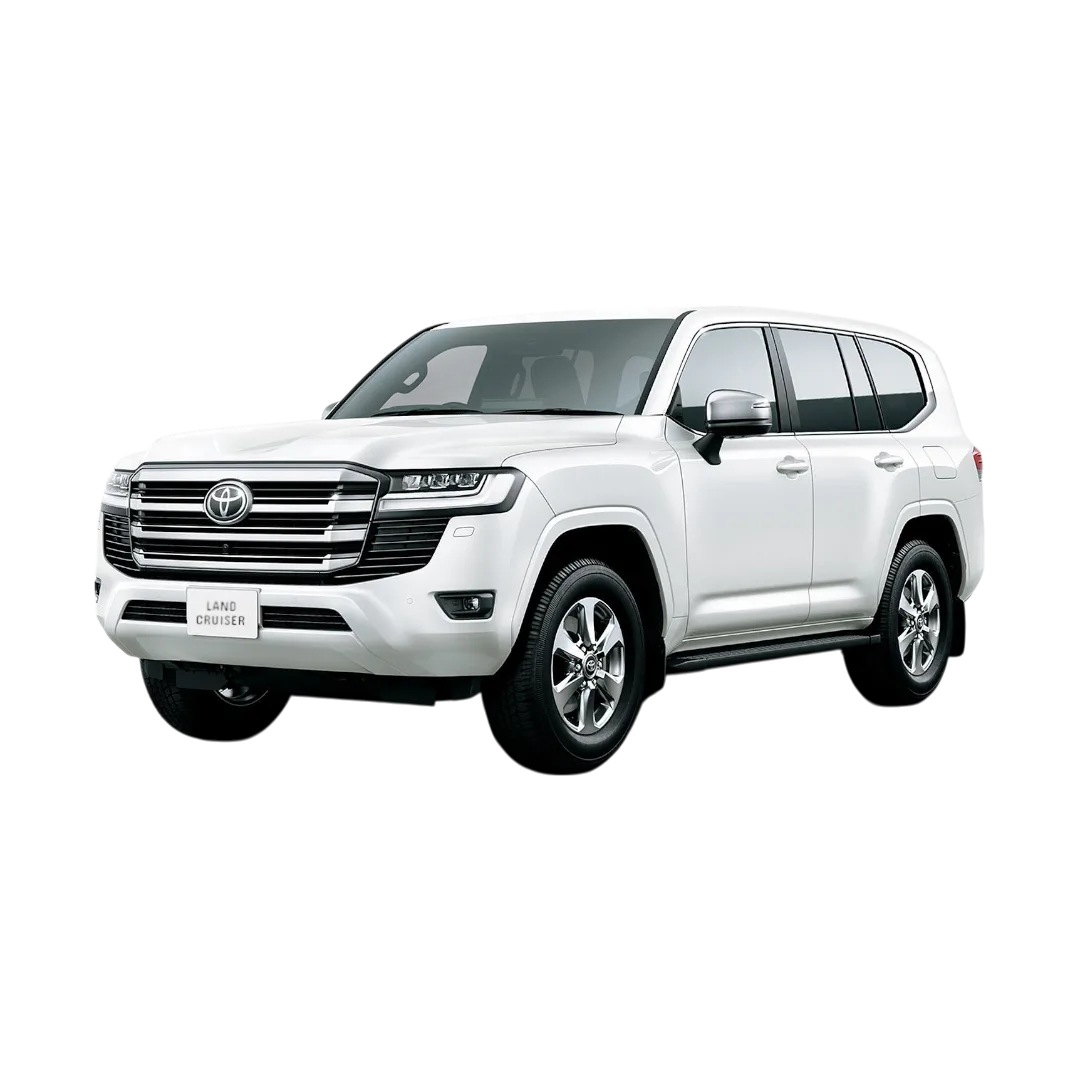 Land Cruiser
 Glanza
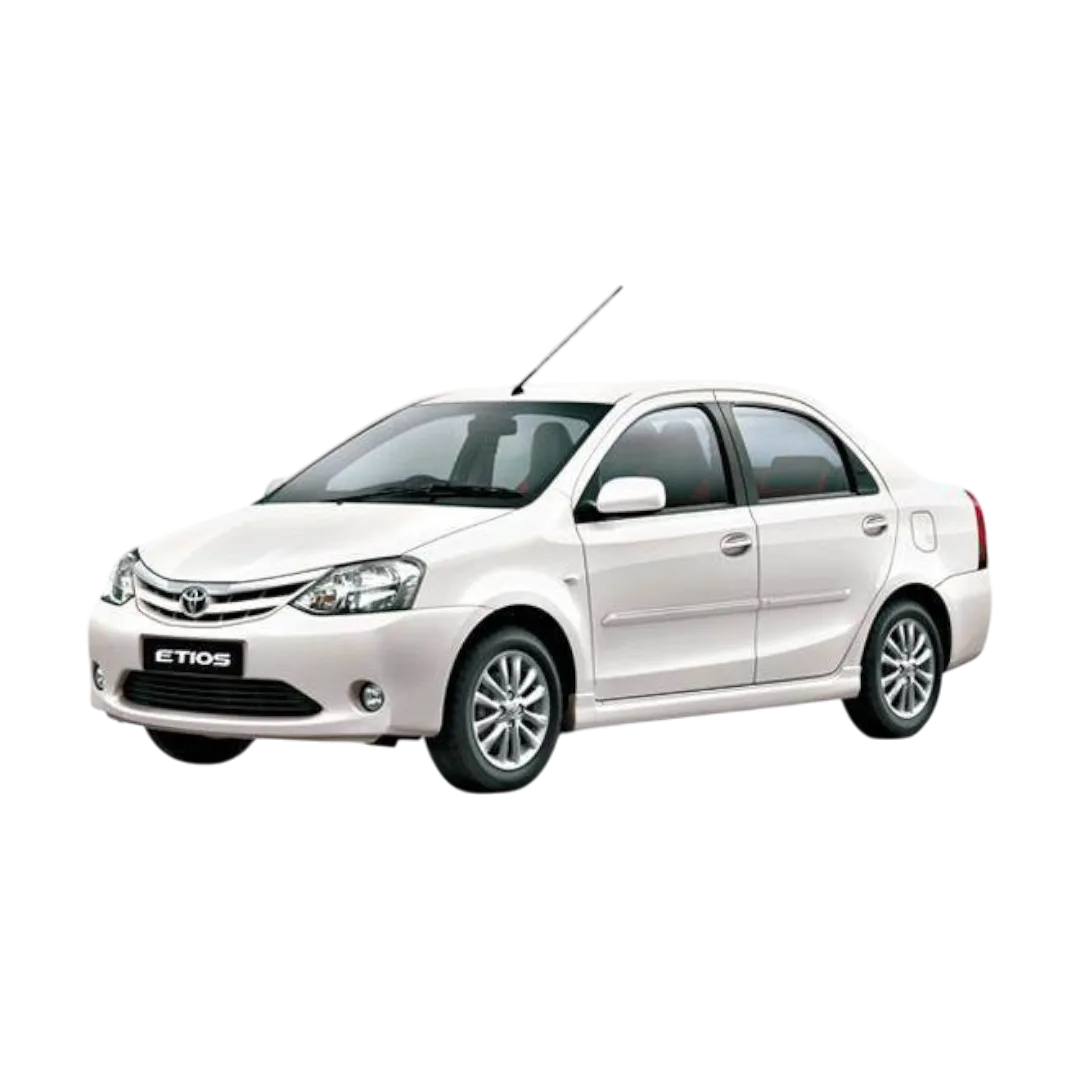 Etios
Etios
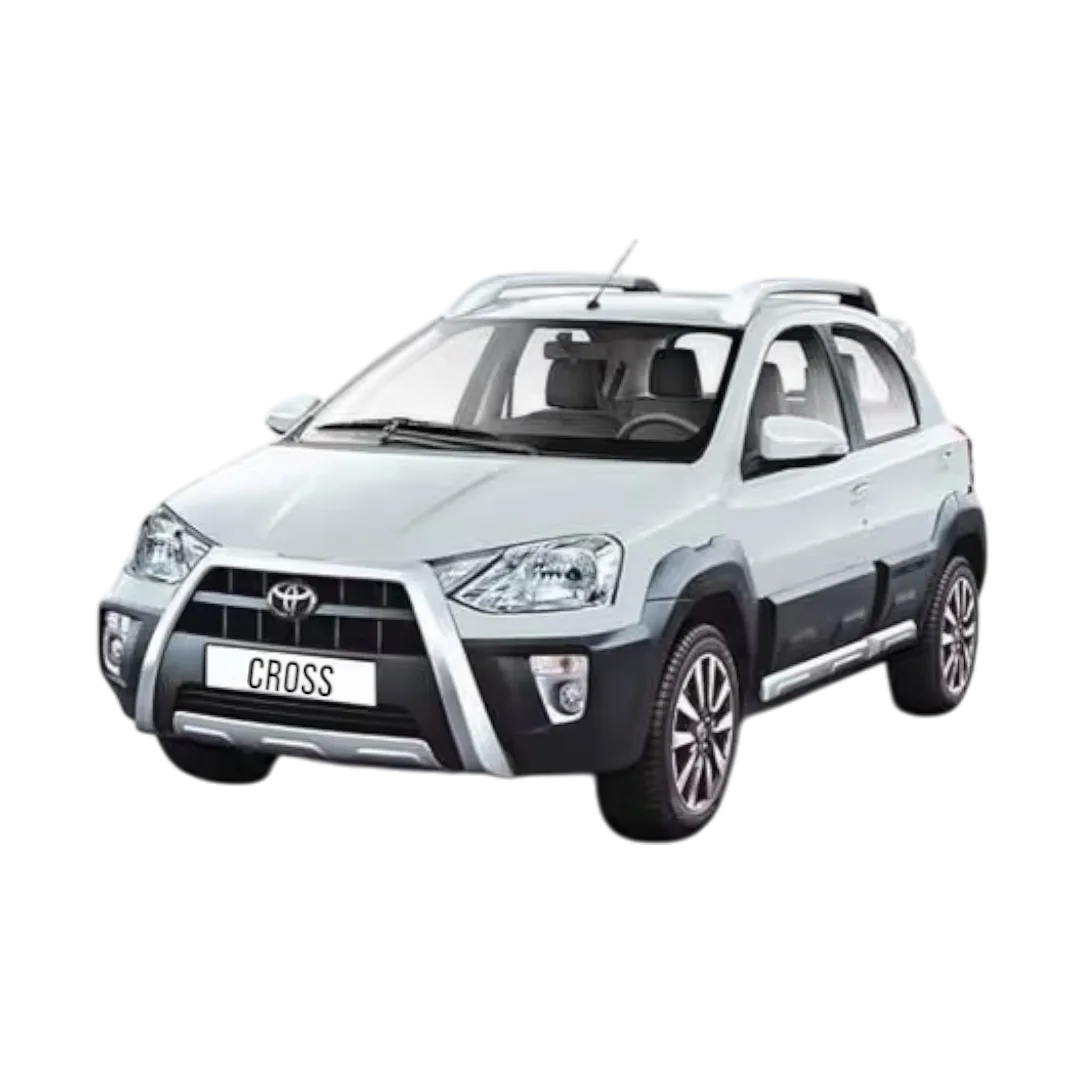 Etios cross
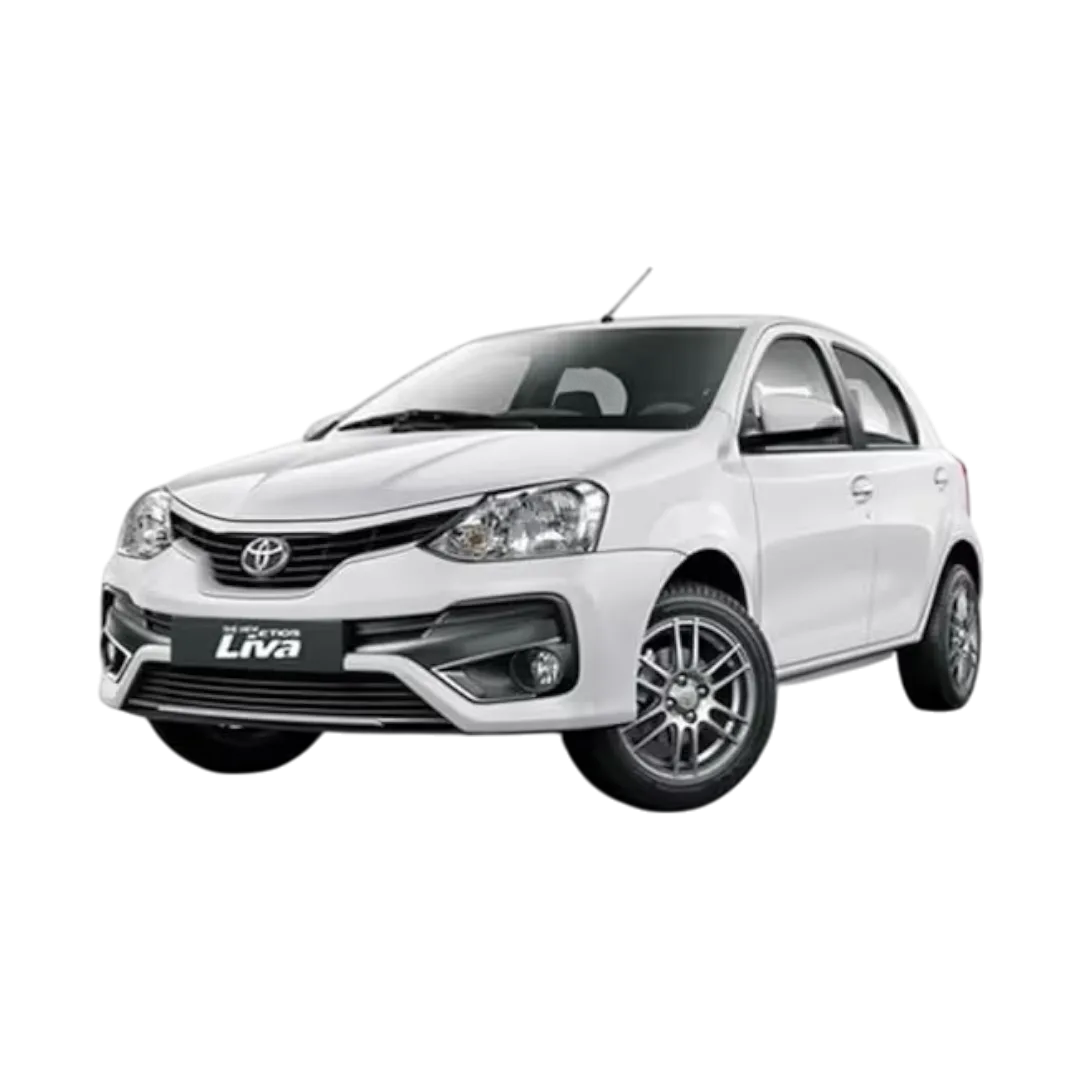 Etios Liva
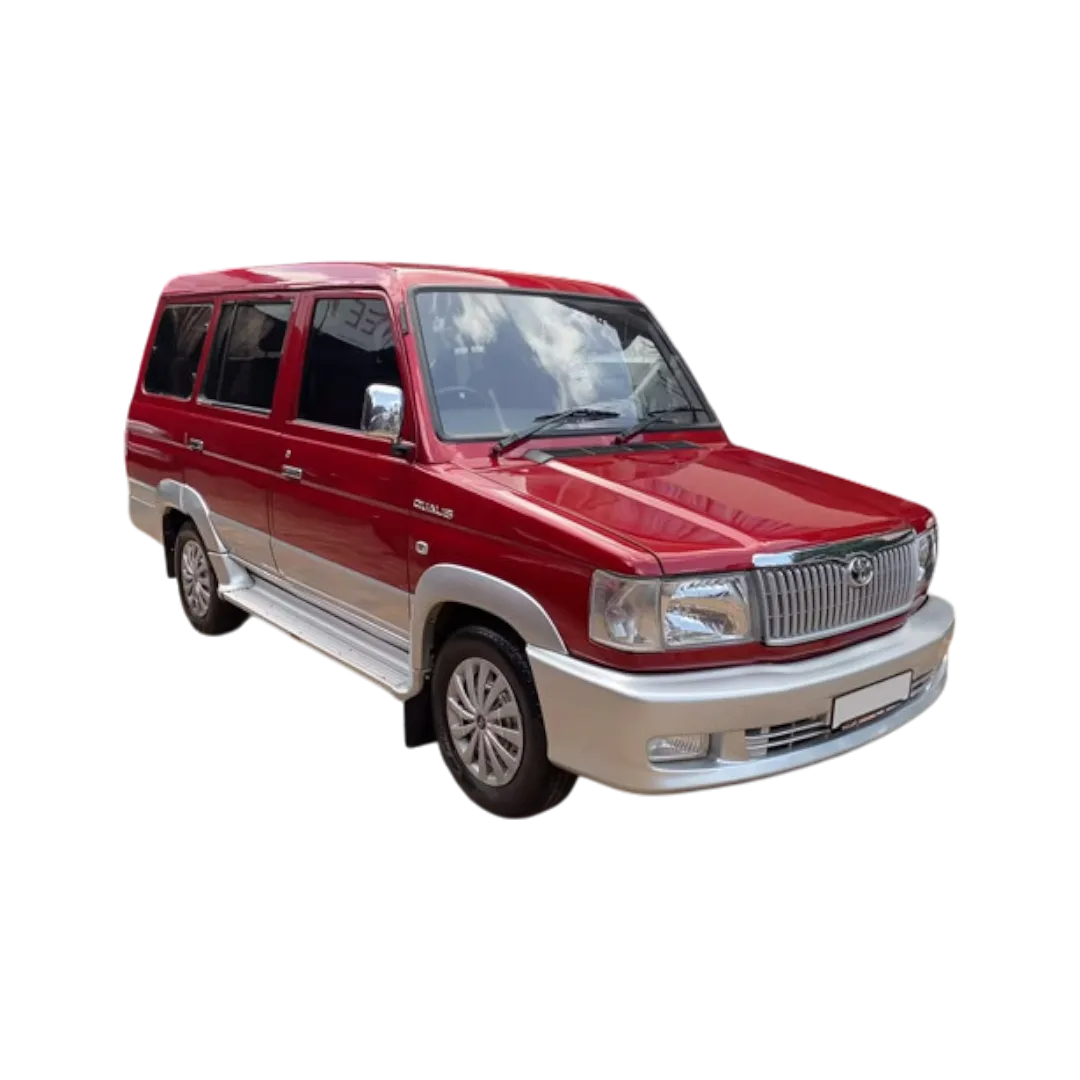 Qualis
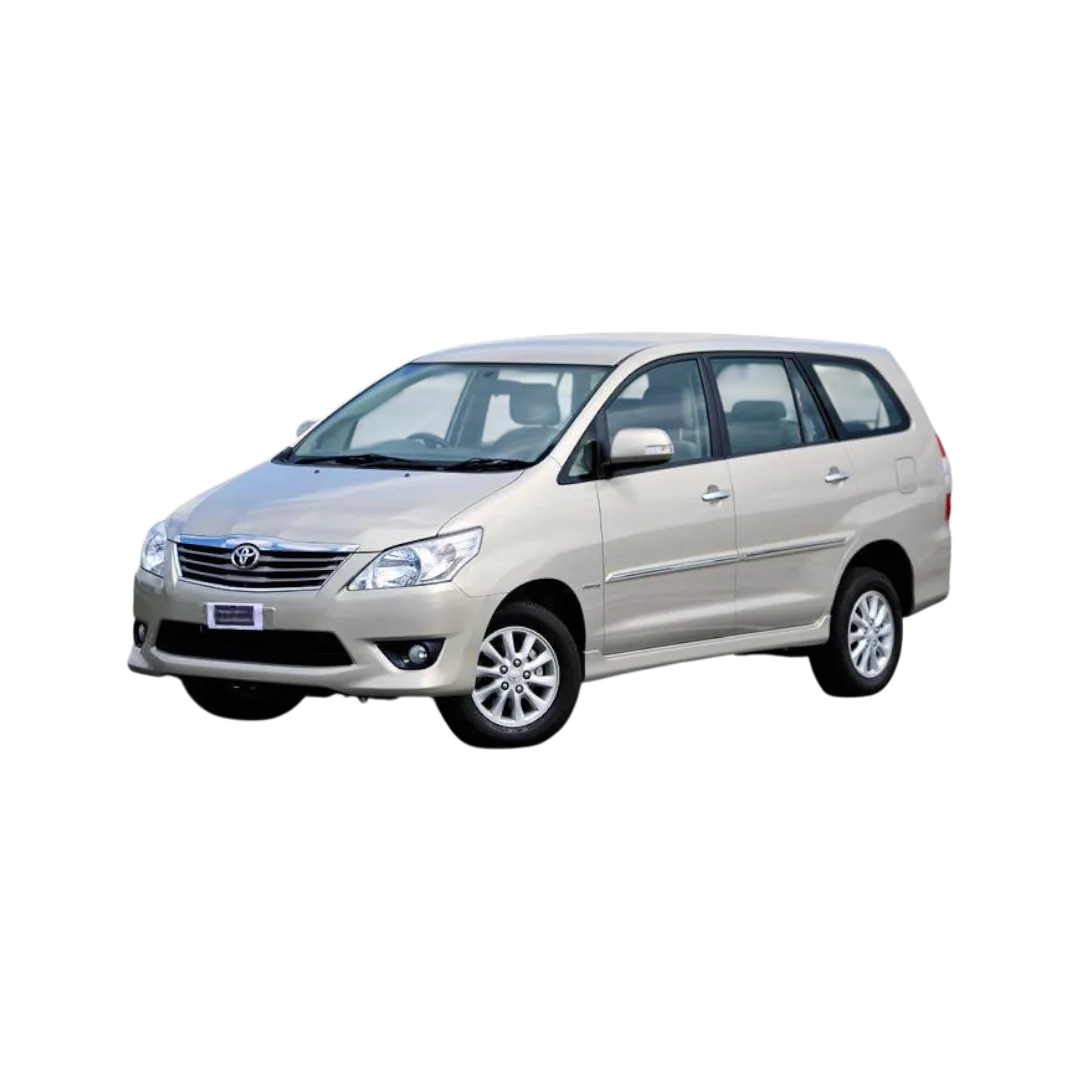 Innova
 Rumion
Taisor
Corolla Altis
Hyryder
Rumion
Taisor
Corolla Altis
Hyryder
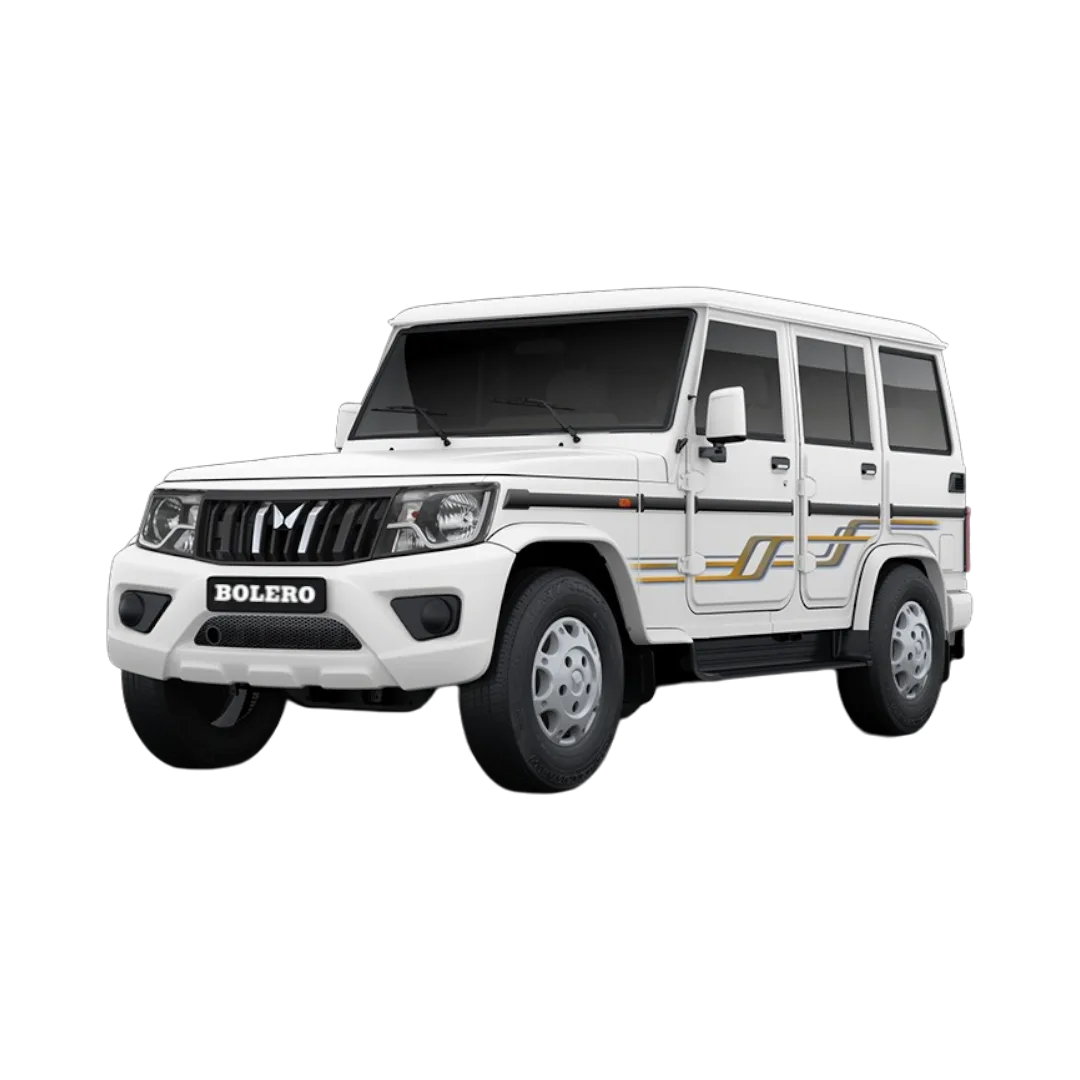 Bolero
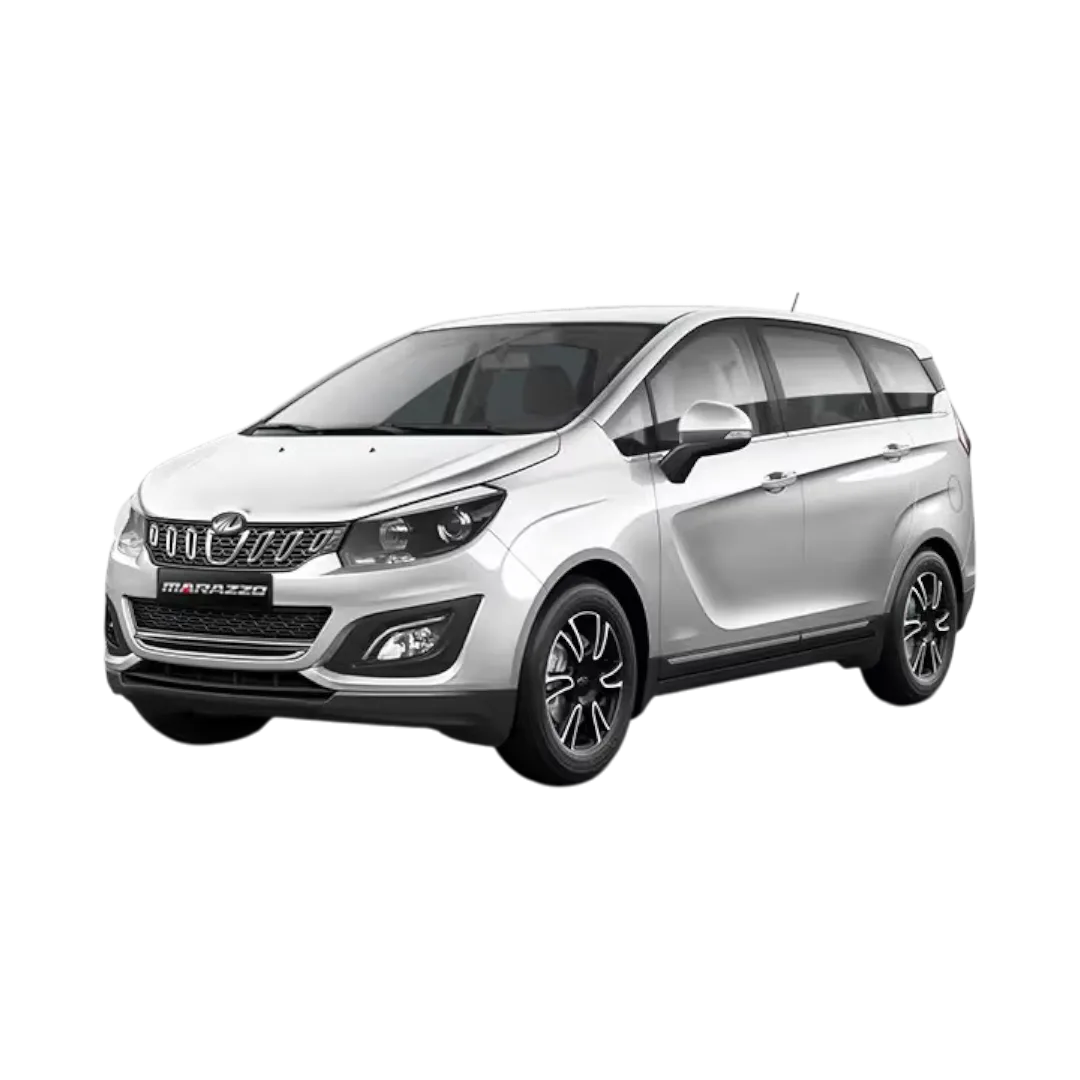 Marazzo
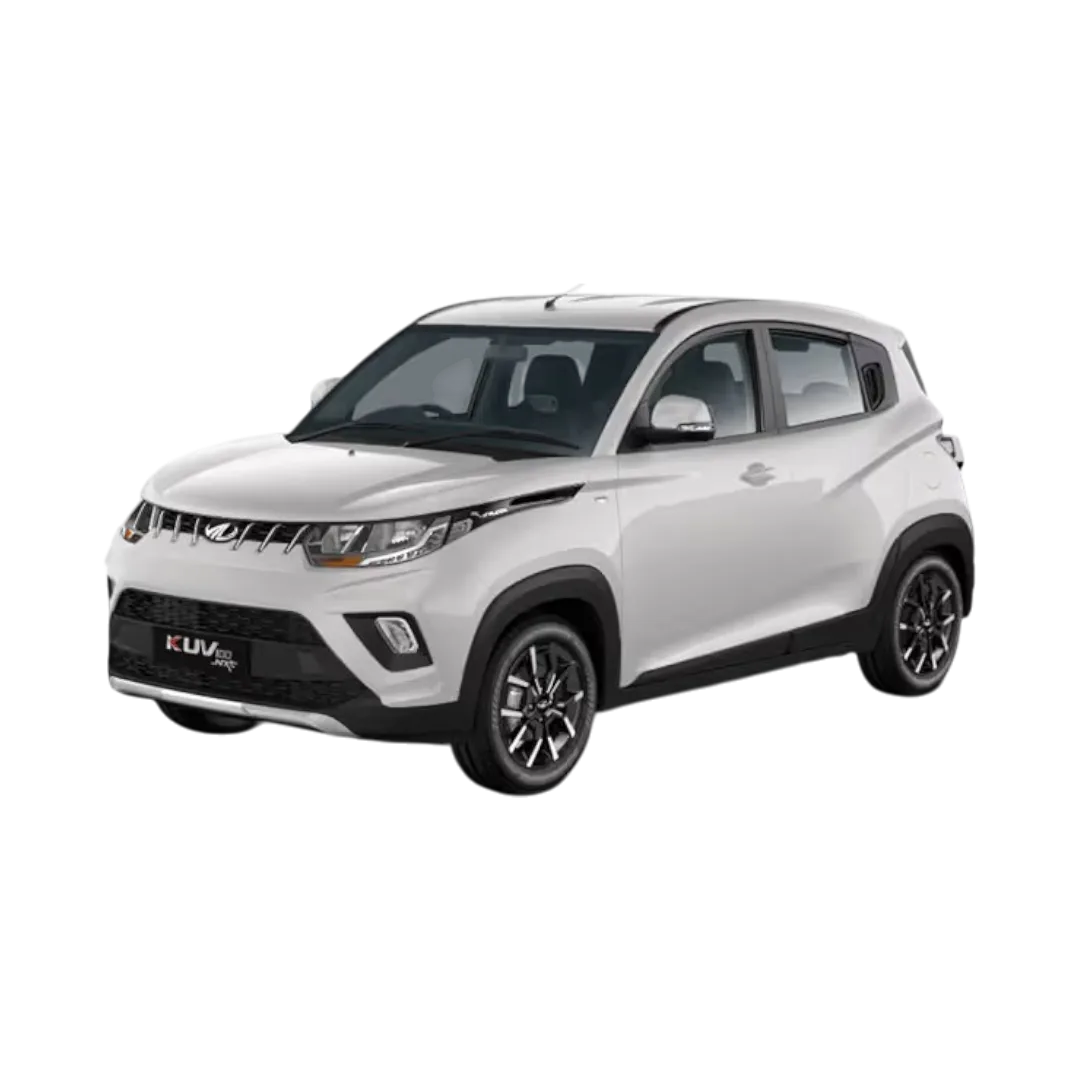 KUV100 NXT
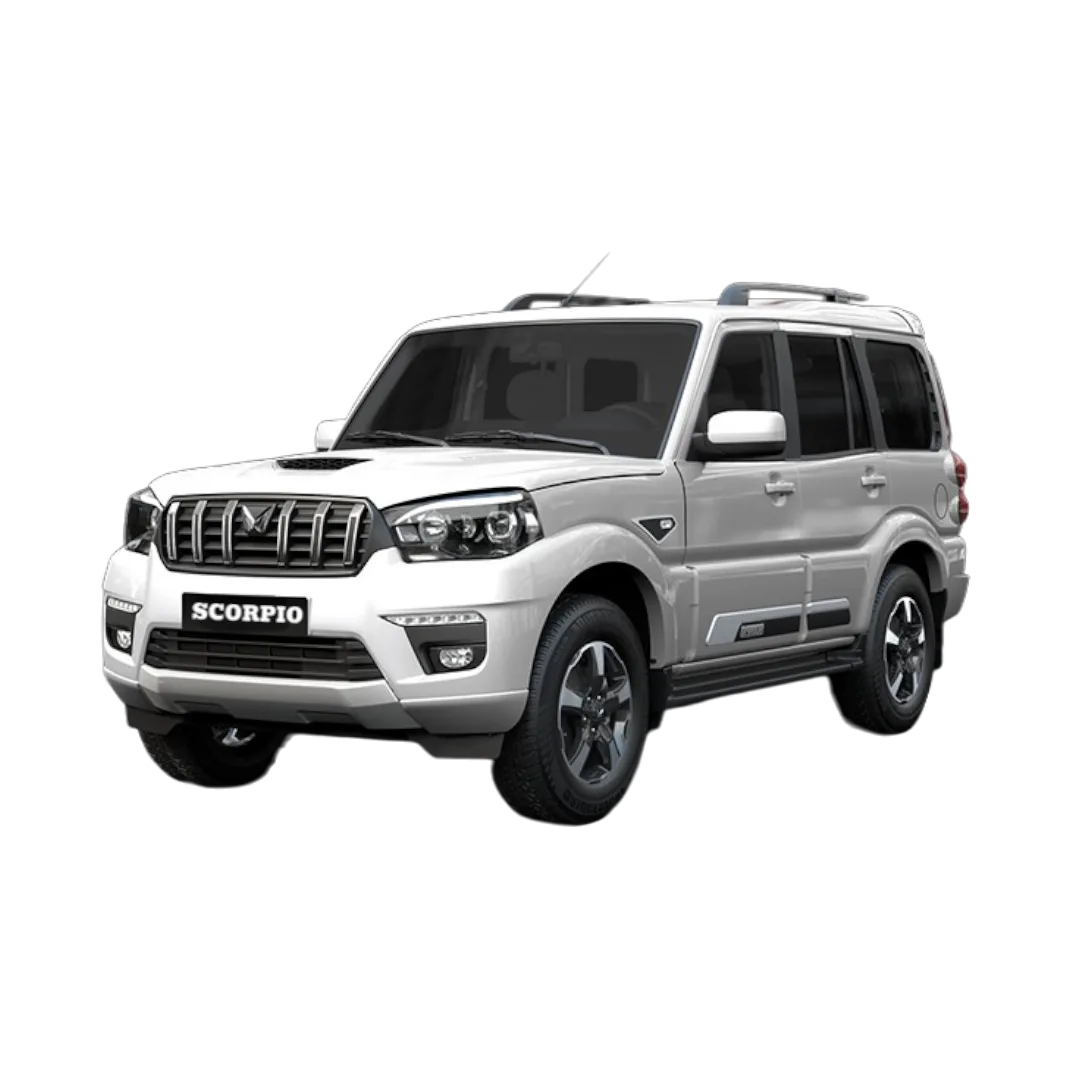 Scorpio
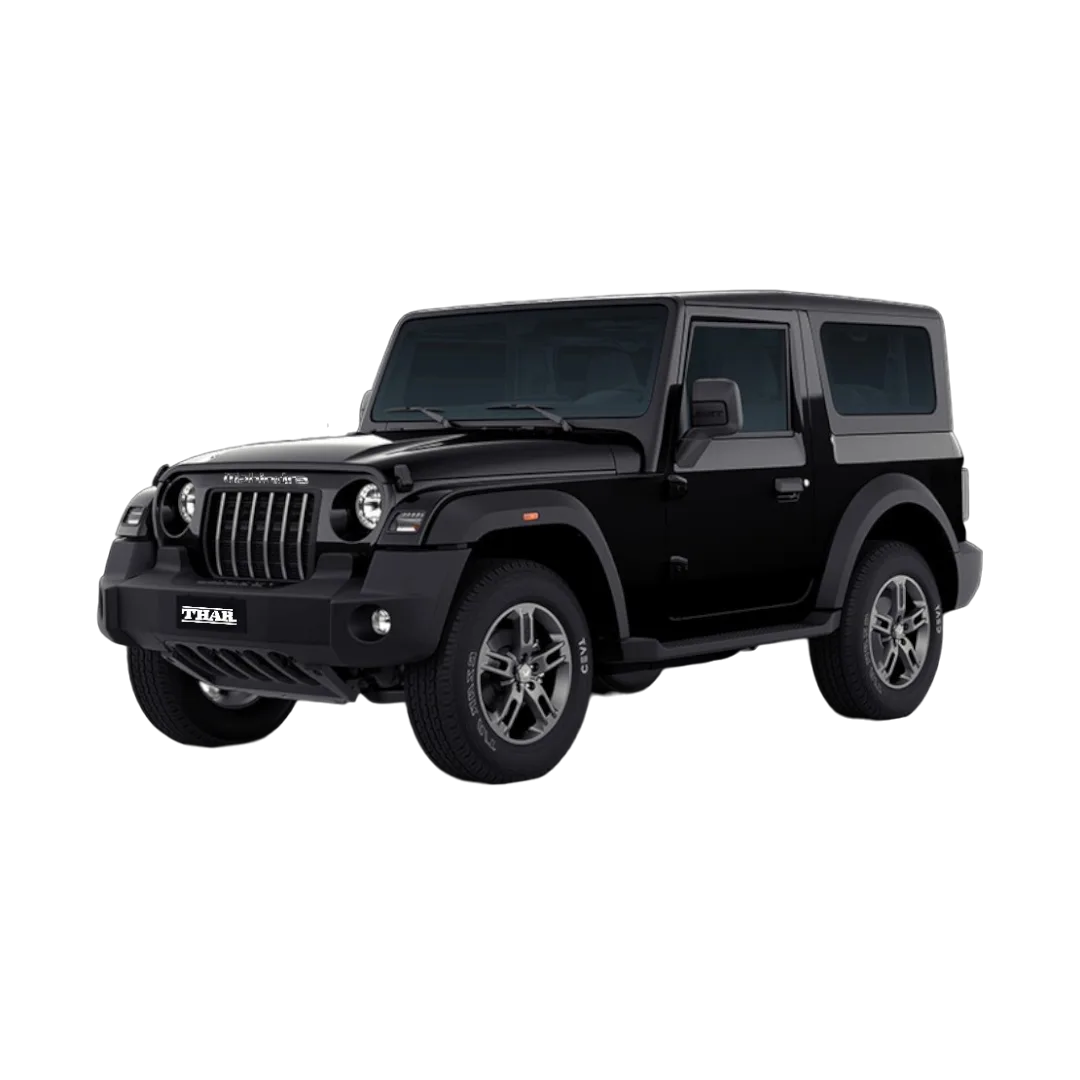 Thar
Thar
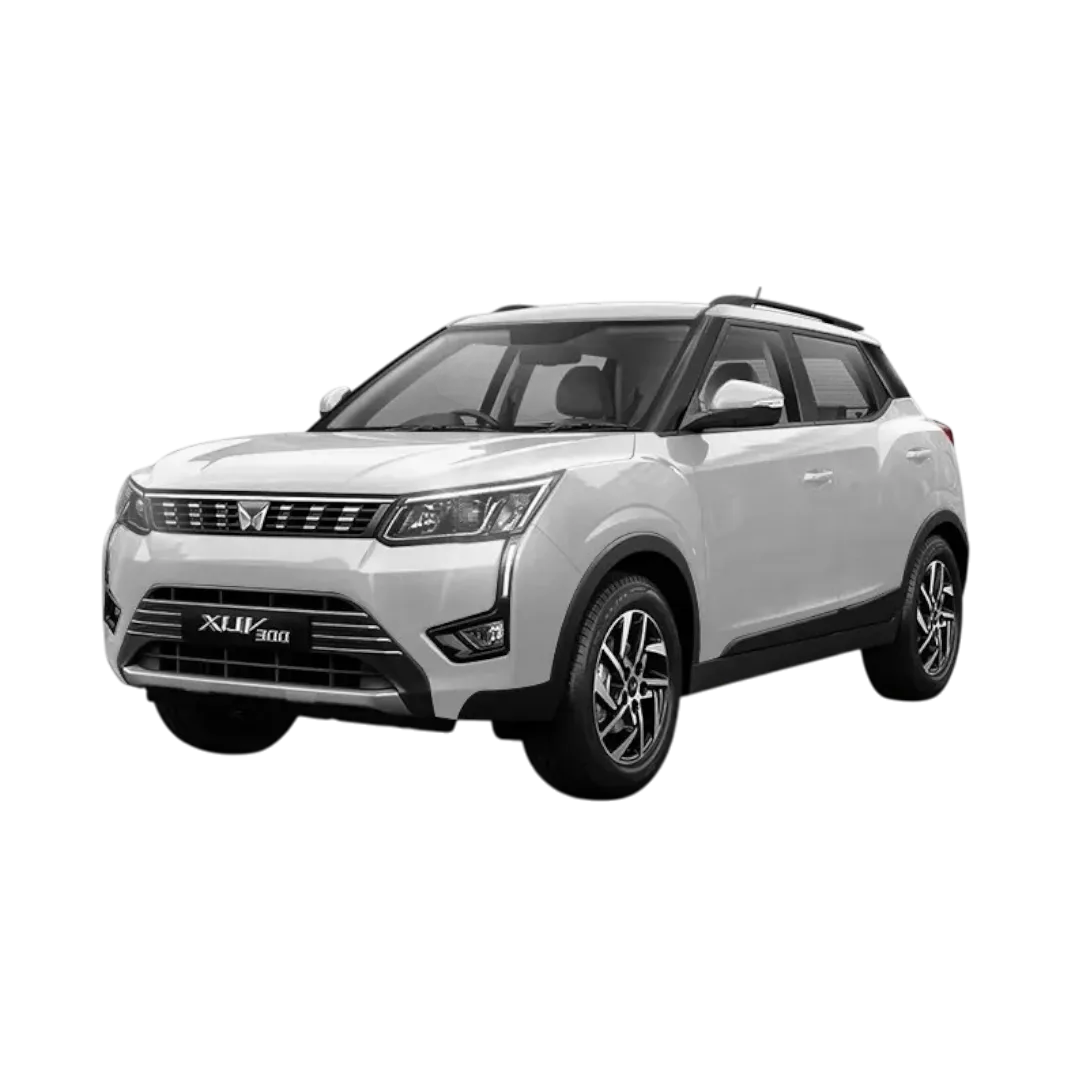 XUV 300
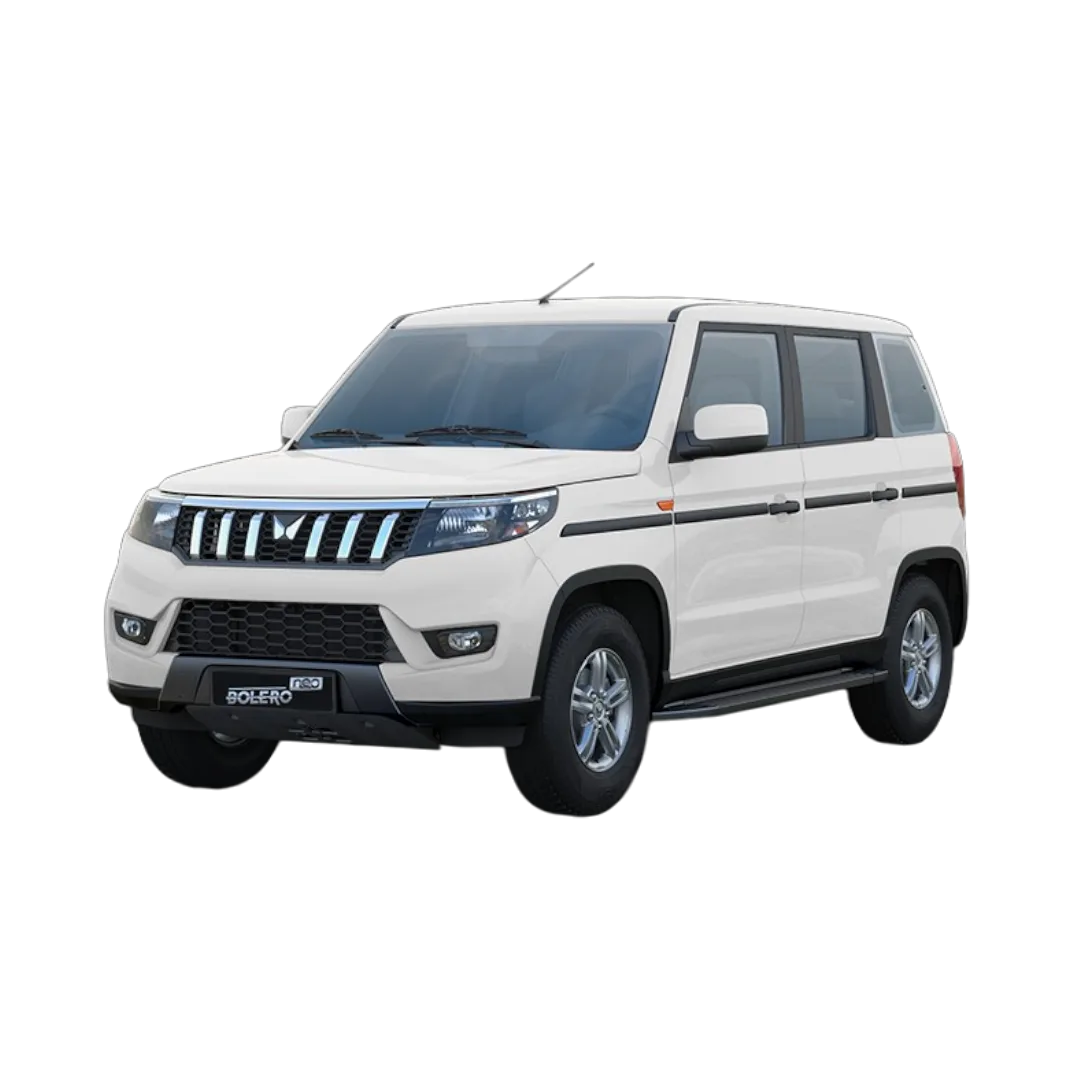 Bolero Neo
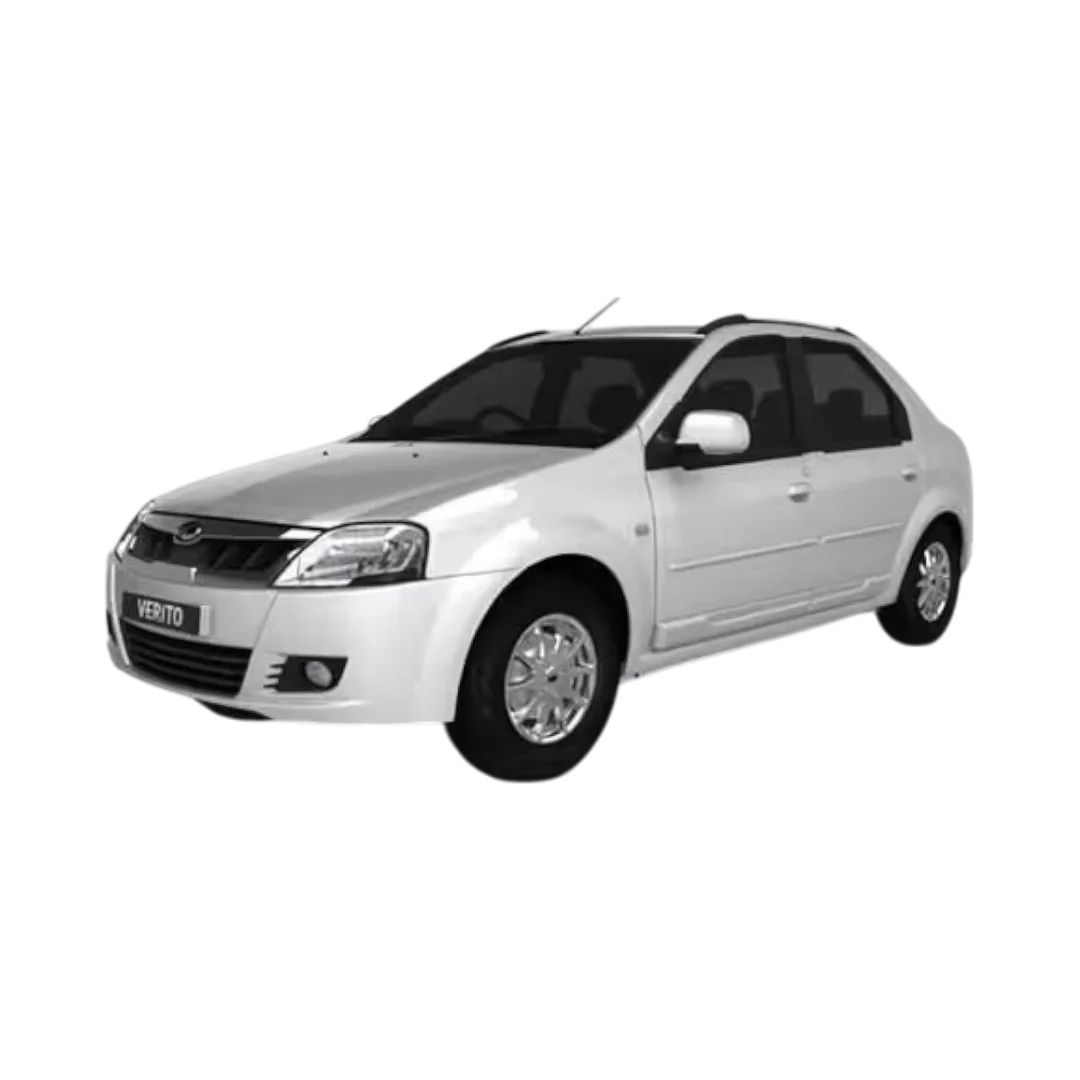 Verito
 Scorpio-N
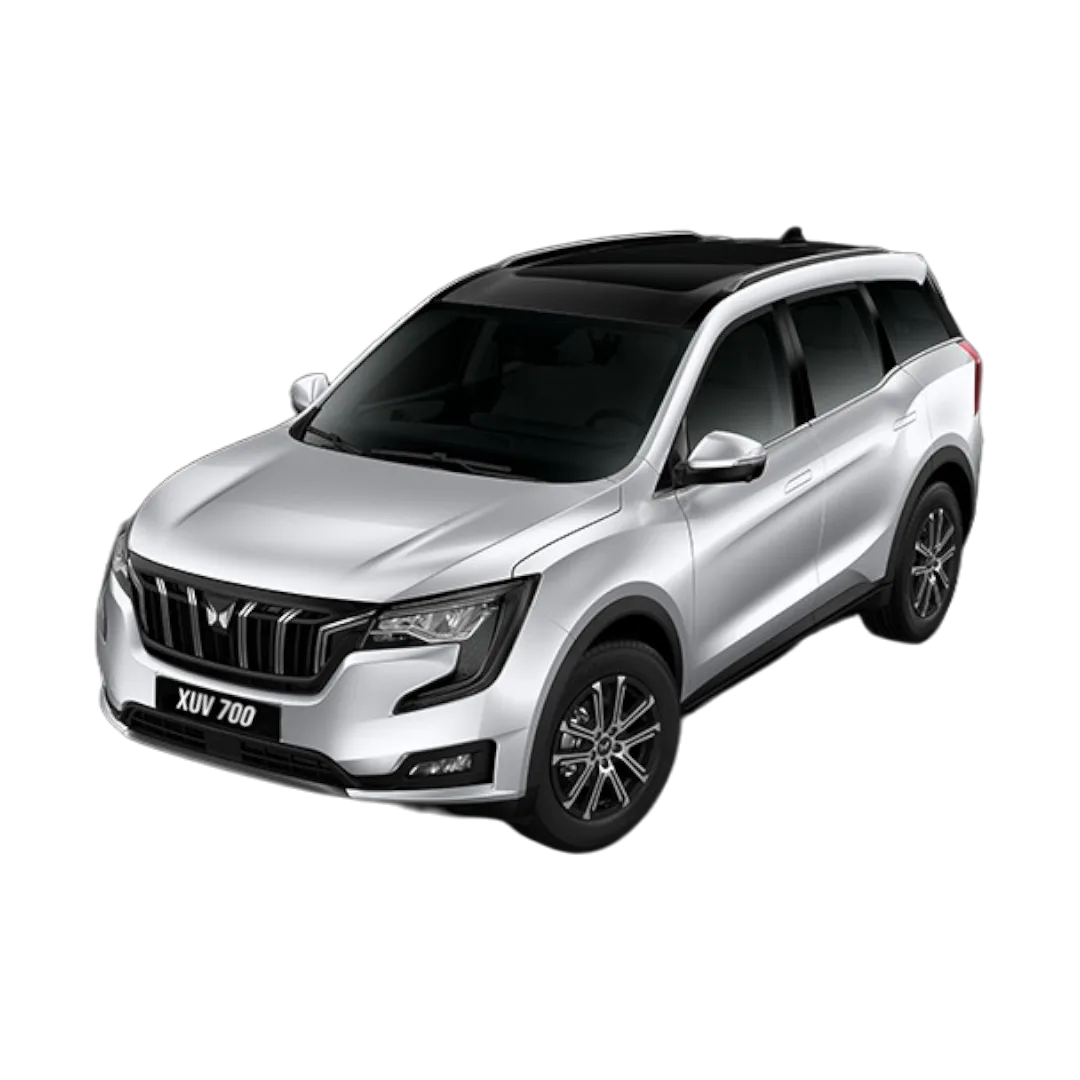 XUV 700
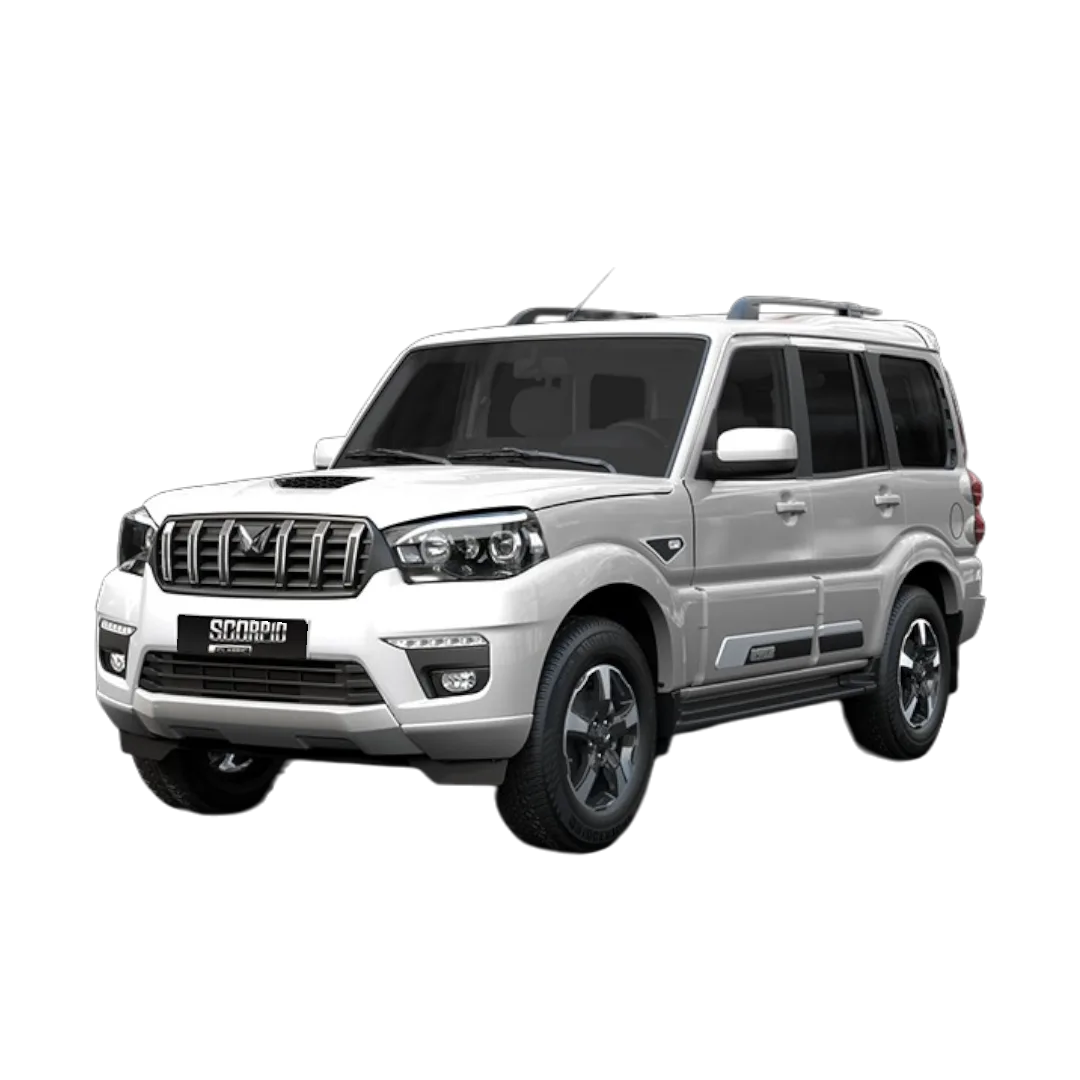 Scorpio Classic
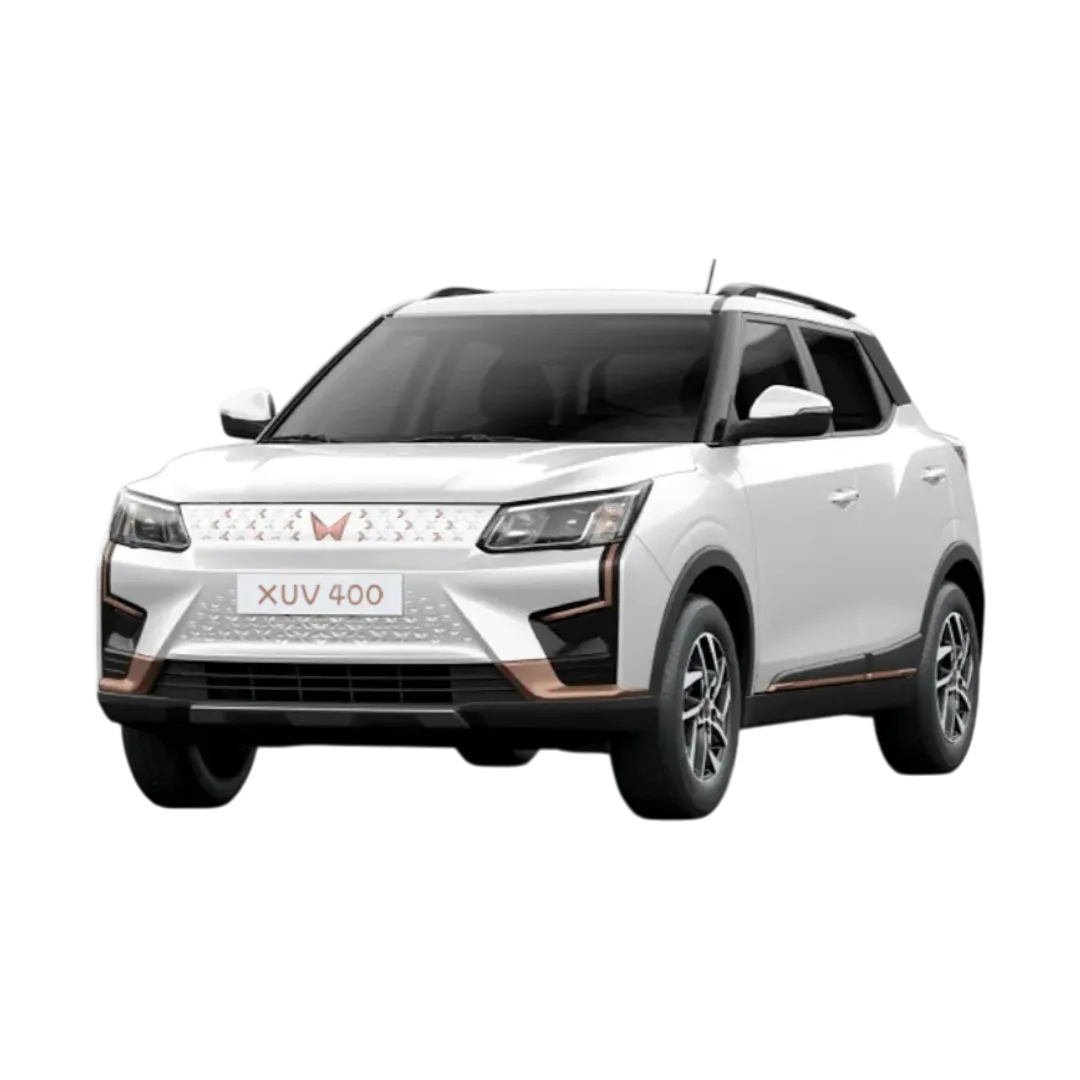 XUV400
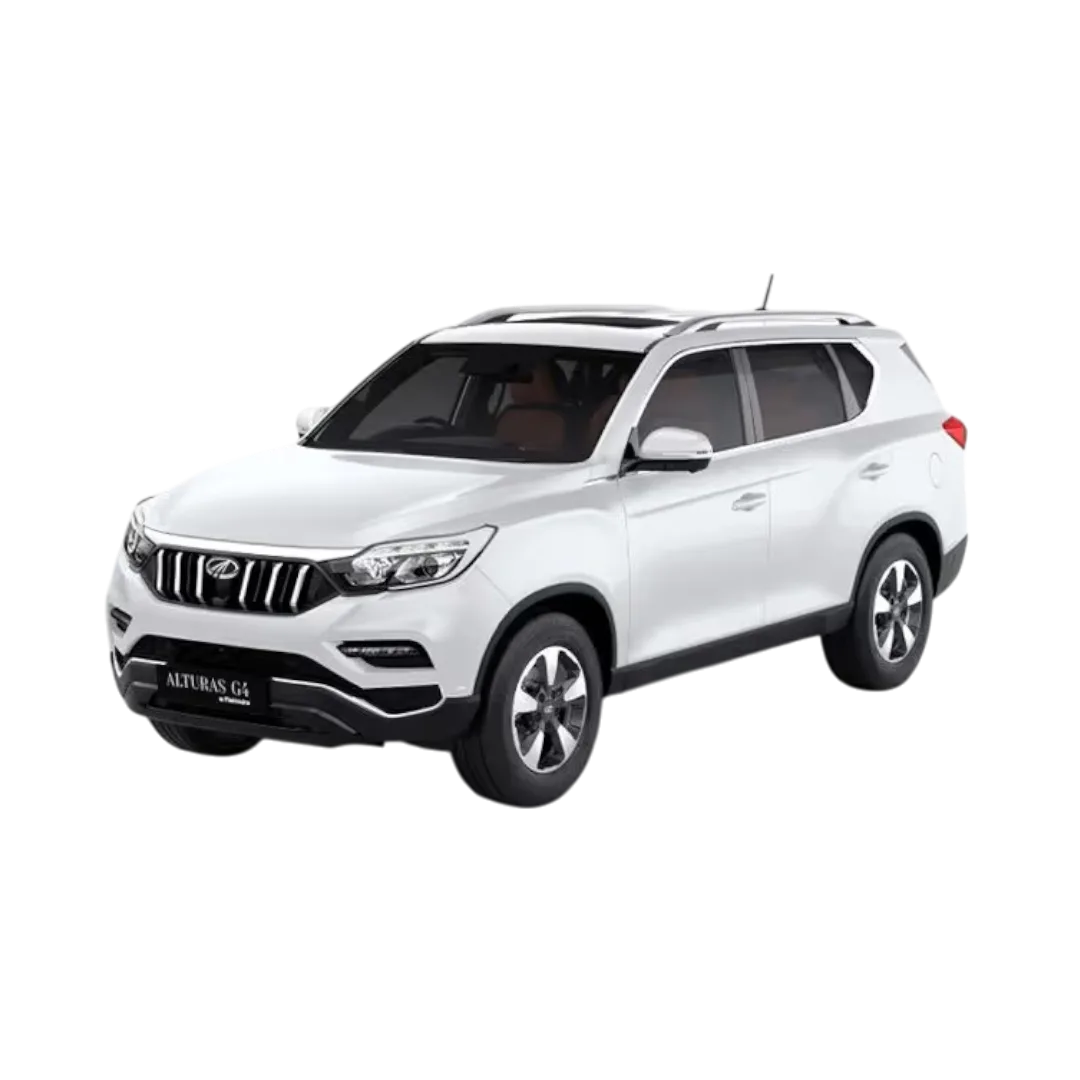 Alturas
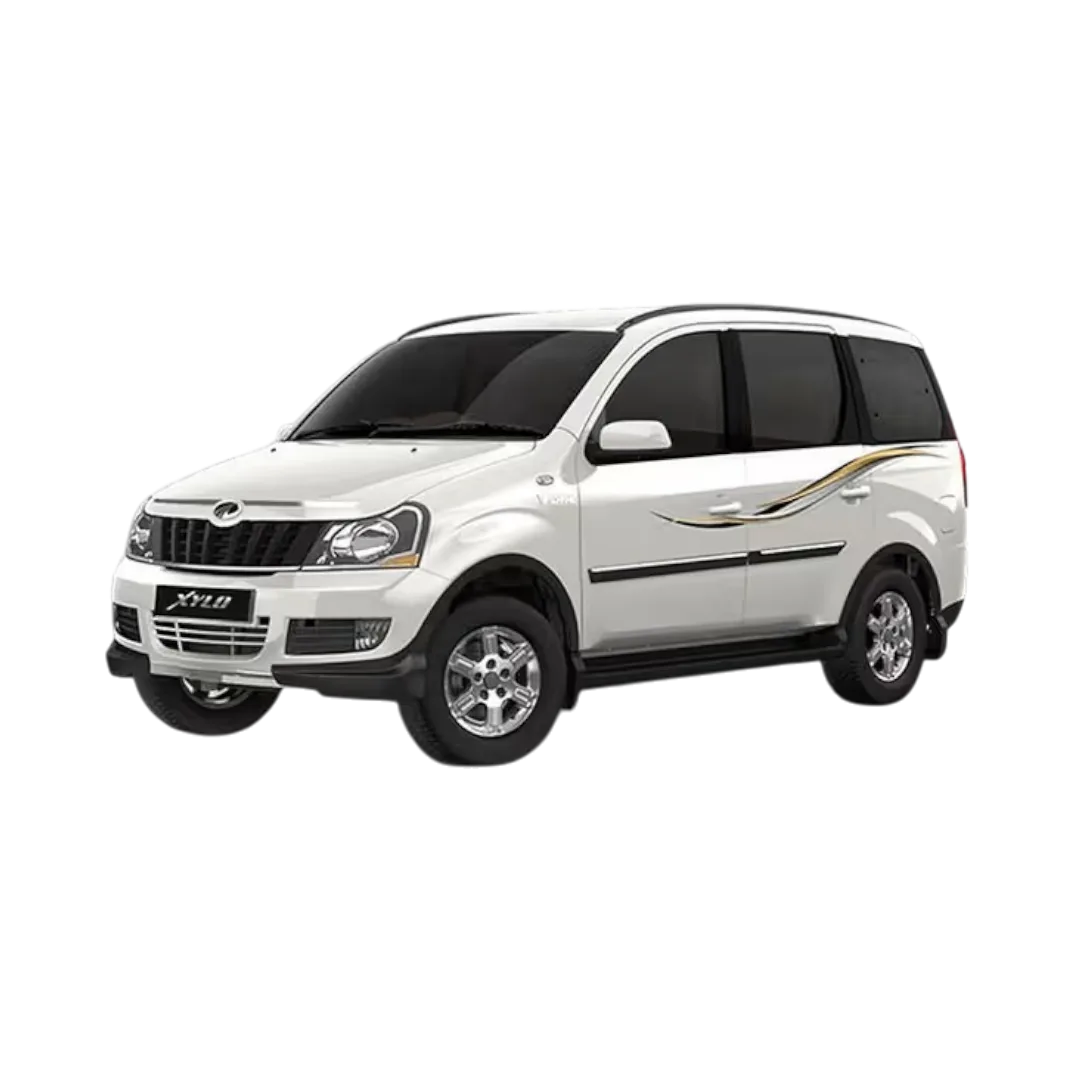 Xylo
Xylo
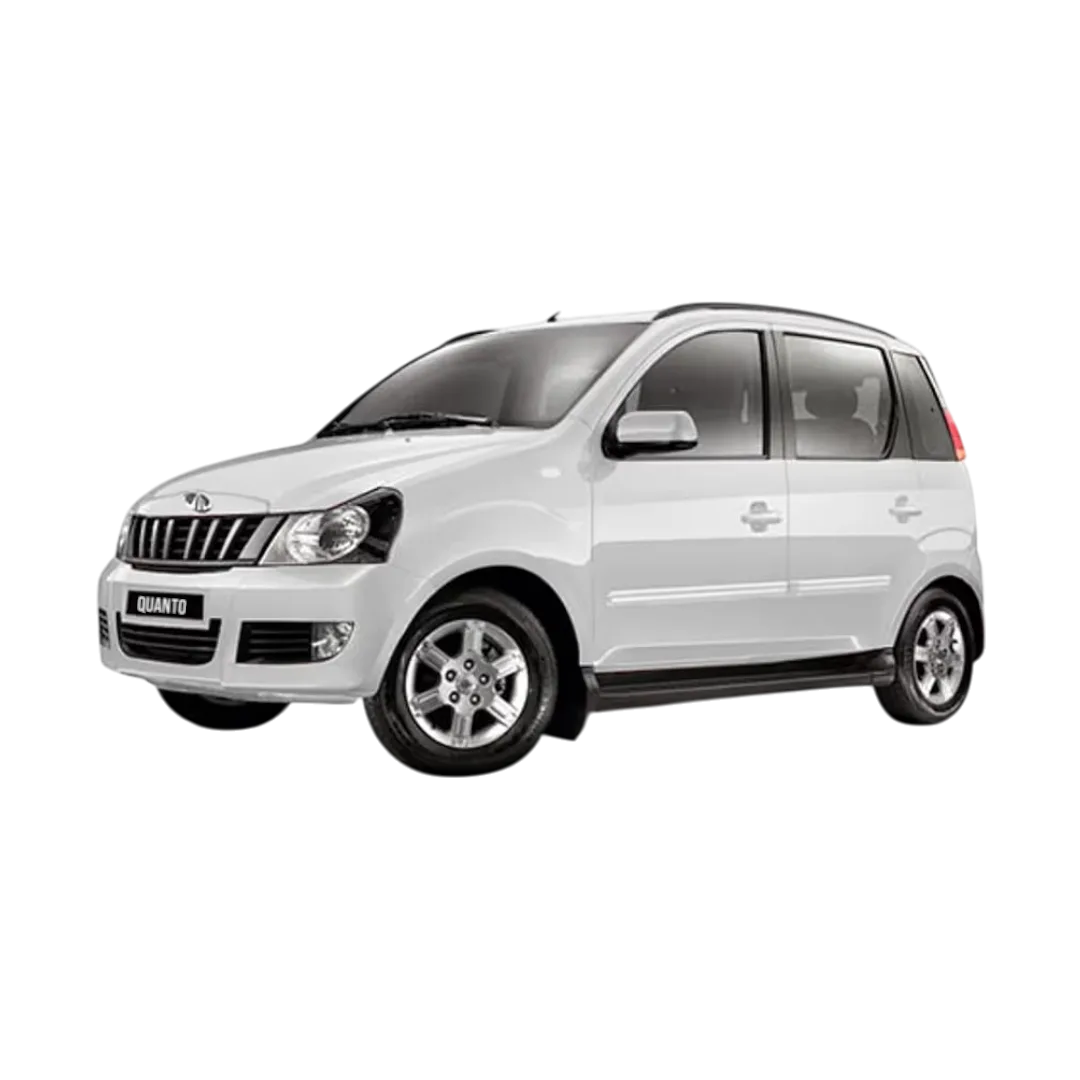 Quanto
 Logan
Logan
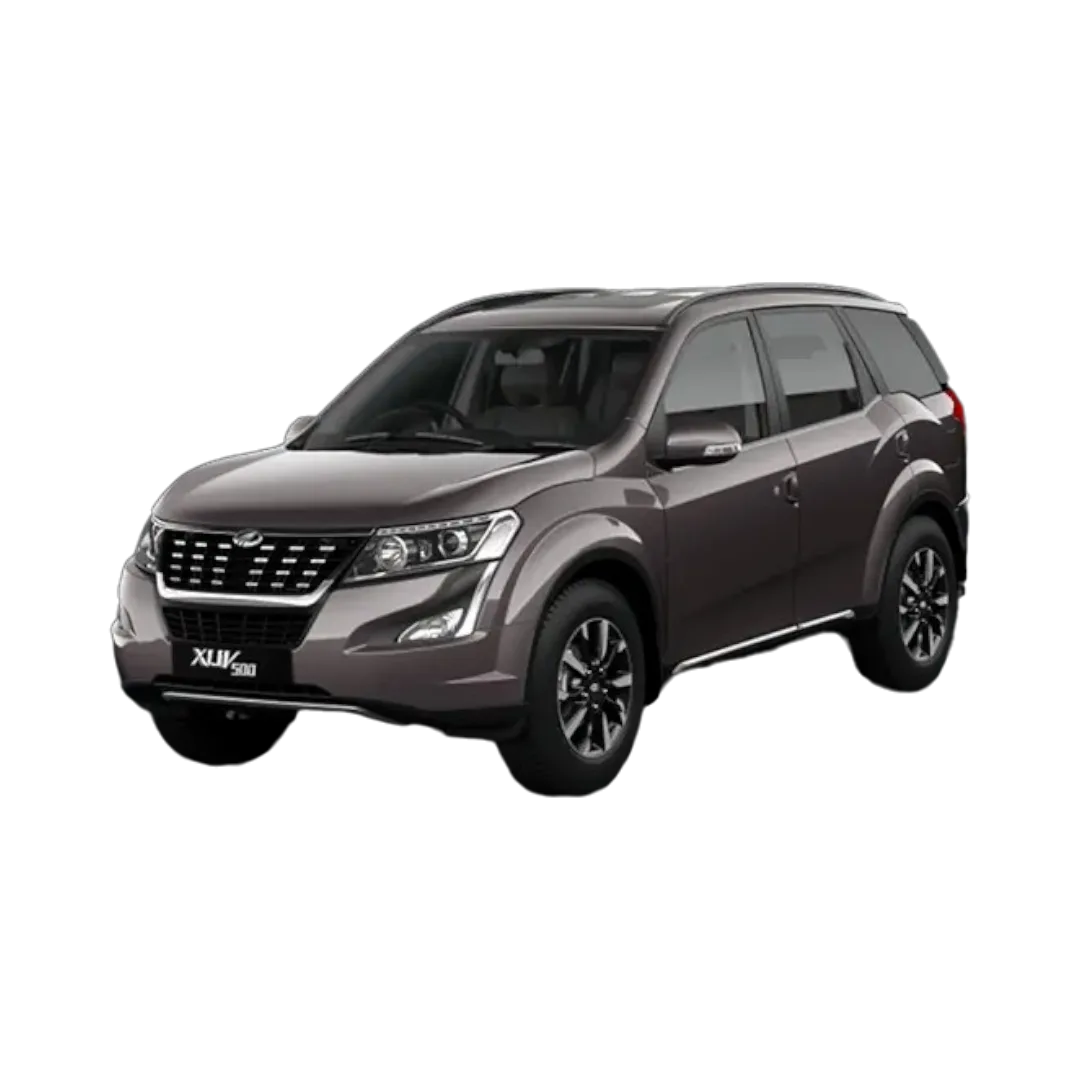 XUV 500
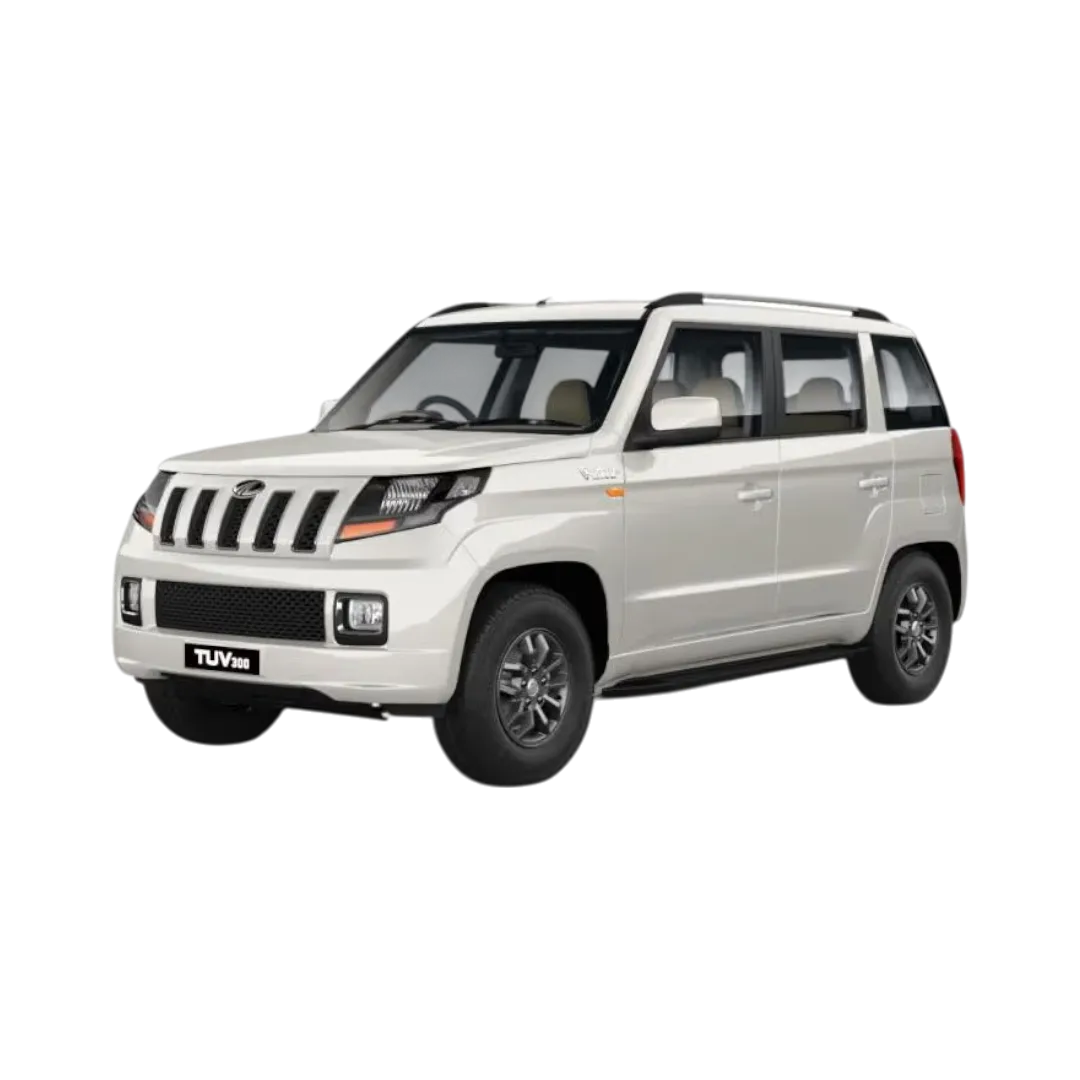 TUV 300
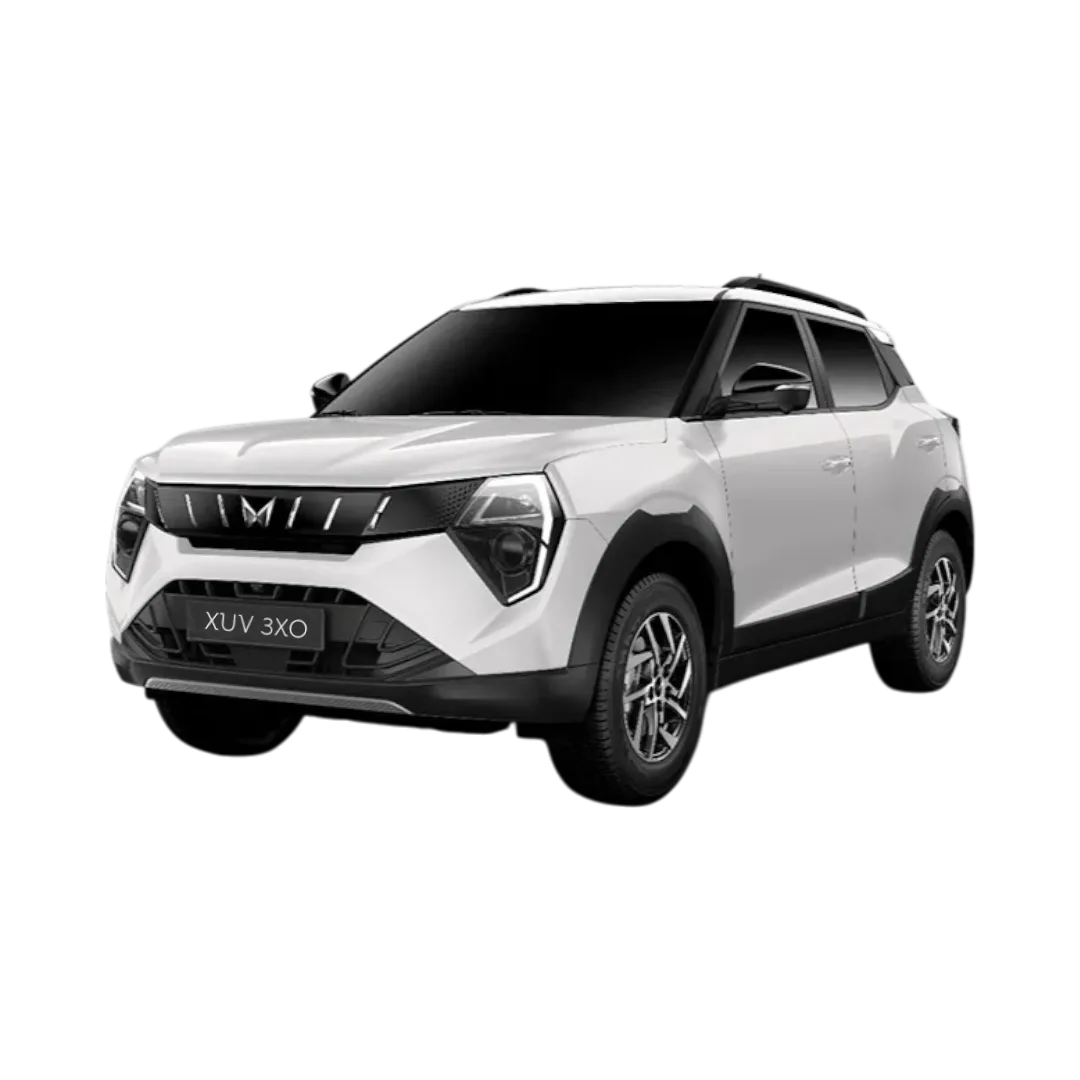 XUV 3XO
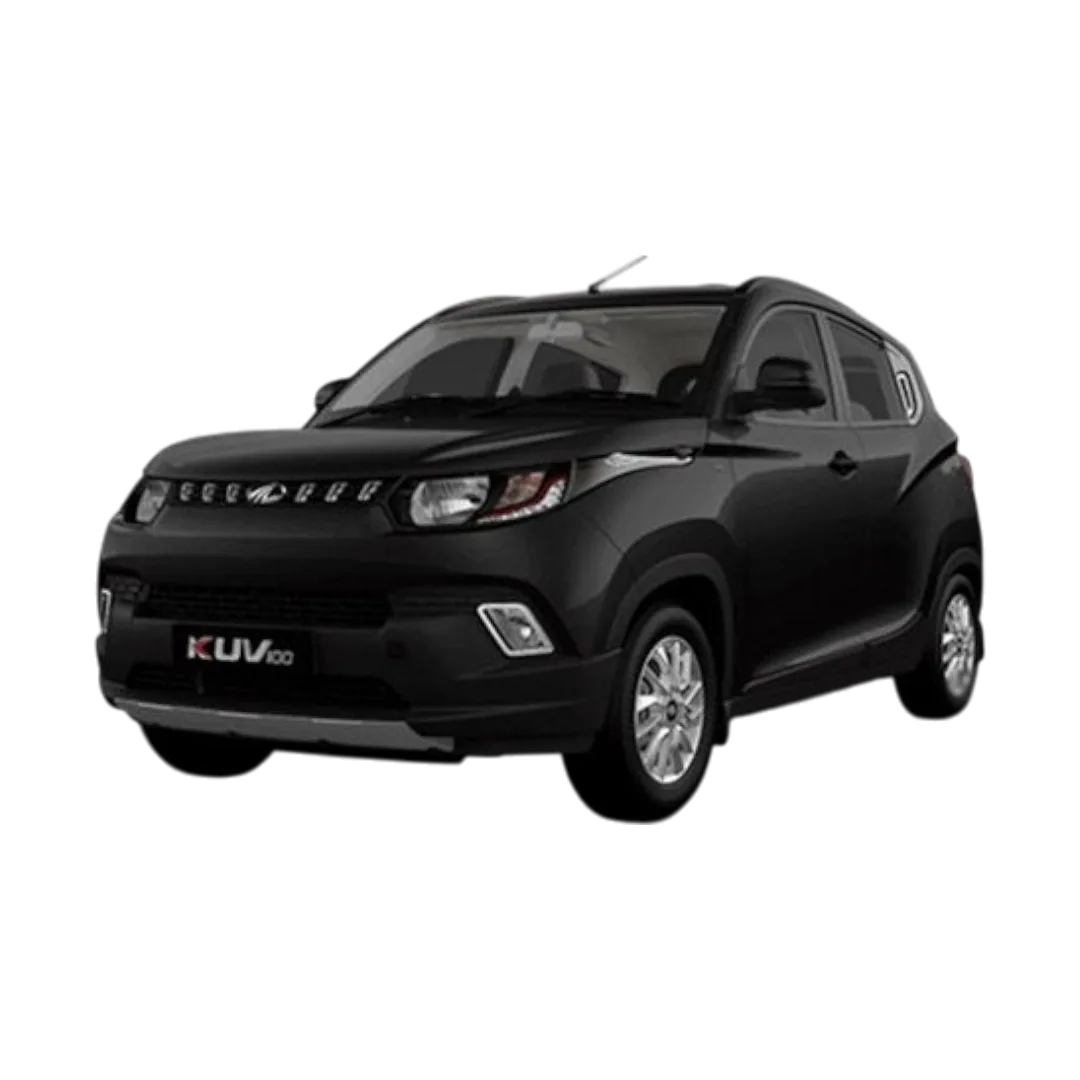 KUV 100
NuvoSport
XEV 9e
BE 6
Thar Roxx
E-Verito
XUV 7XO
TUV 100
BE6
Bolero Camper
Verito Vibe
XUV 400
KUV 100
NuvoSport
XEV 9e
BE 6
Thar Roxx
E-Verito
XUV 7XO
TUV 100
BE6
Bolero Camper
Verito Vibe
XUV 400
 Audi Q5
 Audi A4
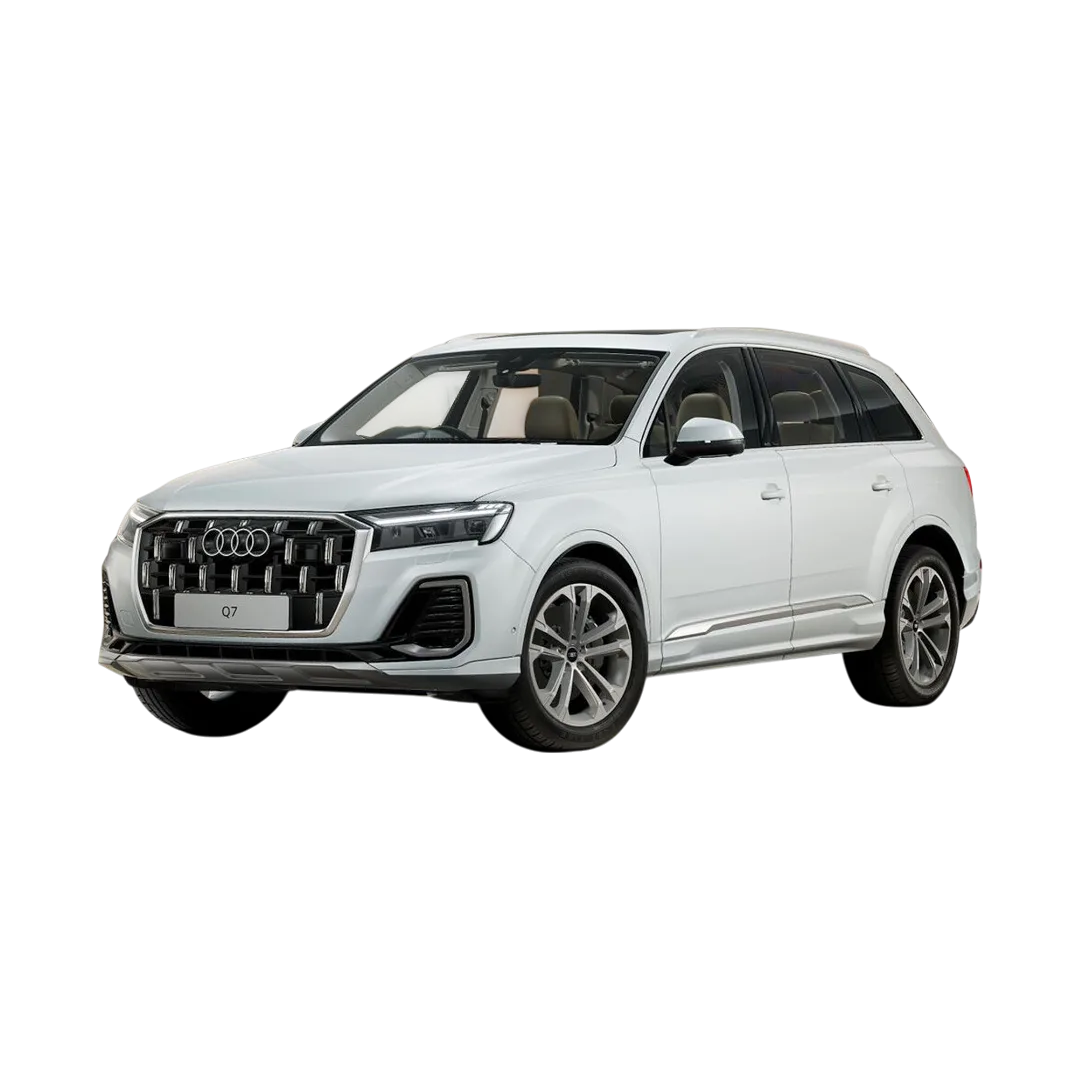 Audi Q7
 Audi Q3
 Audi A6
 Audi RS5
 E-Tron GT
 Audi Q8
 E-Tron
 Q3 Sportback
 Audi S5 Sportback
 Q8 E-Tron
 Q8 E-Tron Sportback
 Audi A8L
 Audi RS Q8
 Audi A3
 BMW X7
 BMW X1
 BMW X5
 BMW XM
 BMW Z4
 3 Series
 BMW X3
 BMW iX
 BMW i7
 BMW M2
 7 Series
 2 Series
 BMW i4
 5 Series
 6 Series
 BMW ix1
 M4 Competition
 3 Series Gran Limousine
 M8 Coupe
 BMW M3
 BMW X6
 BMW i5
 BMW X4
 Mercedes Benz GLA
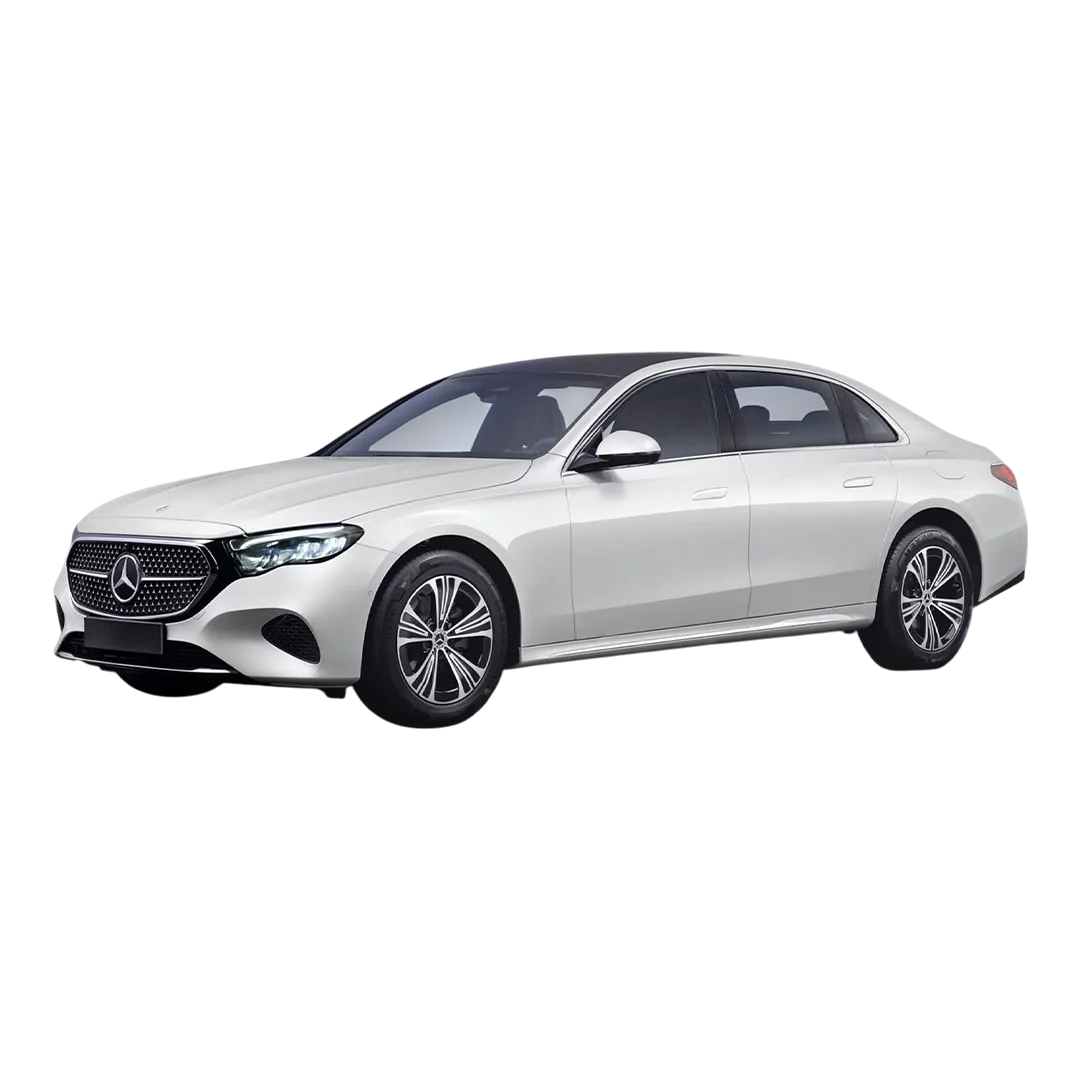 Mercedes E-Class
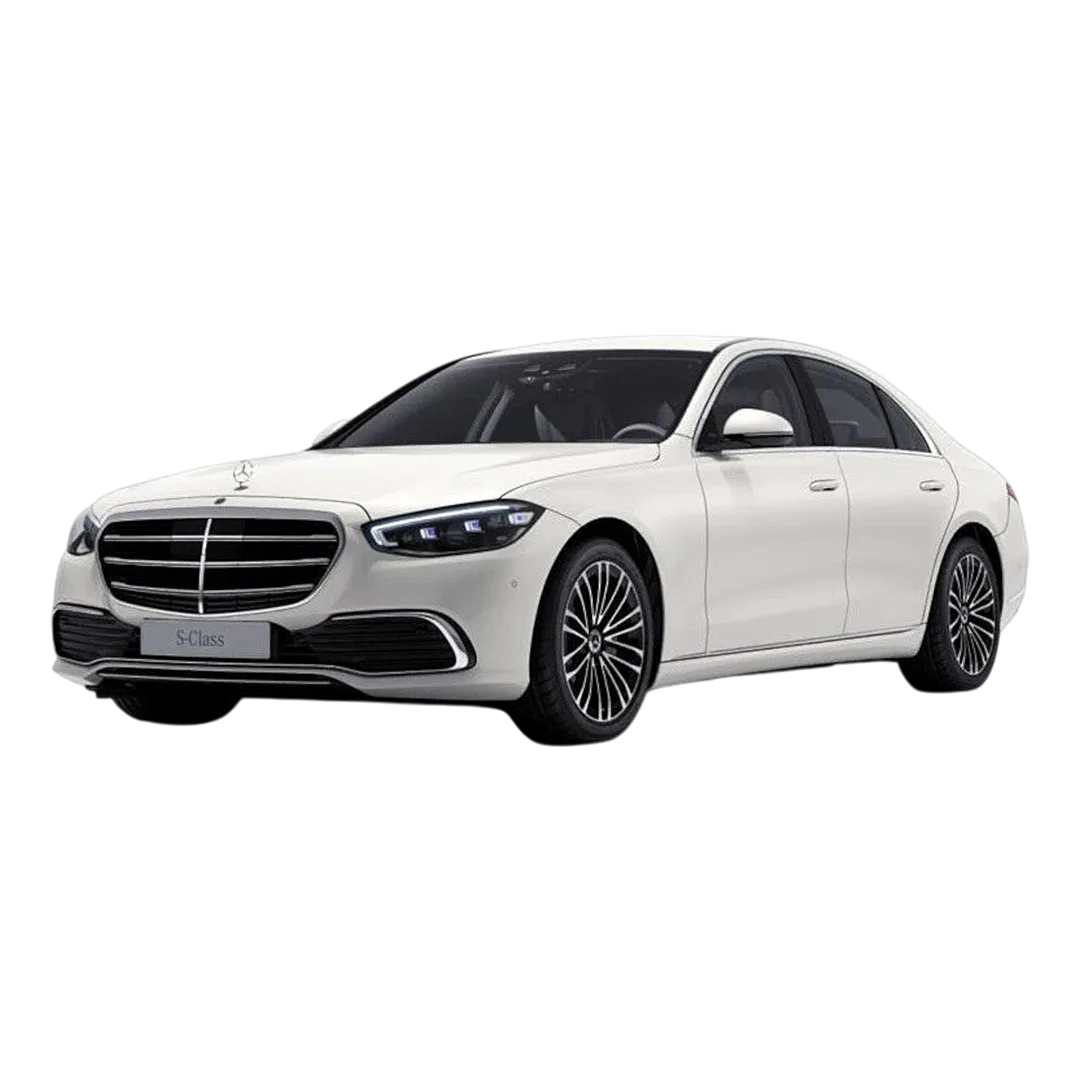 Mercedes S-Class
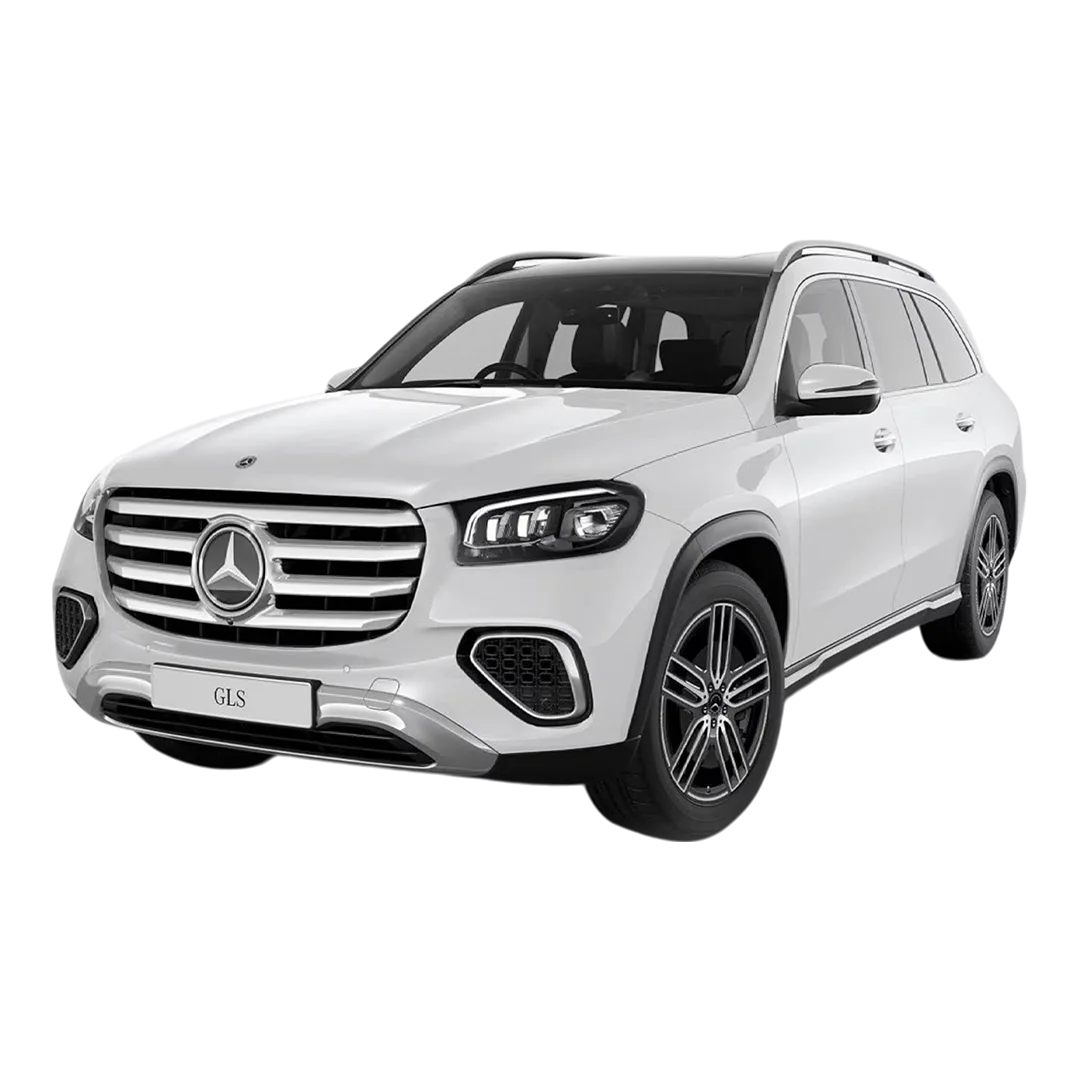 Mercedes Benz GLS
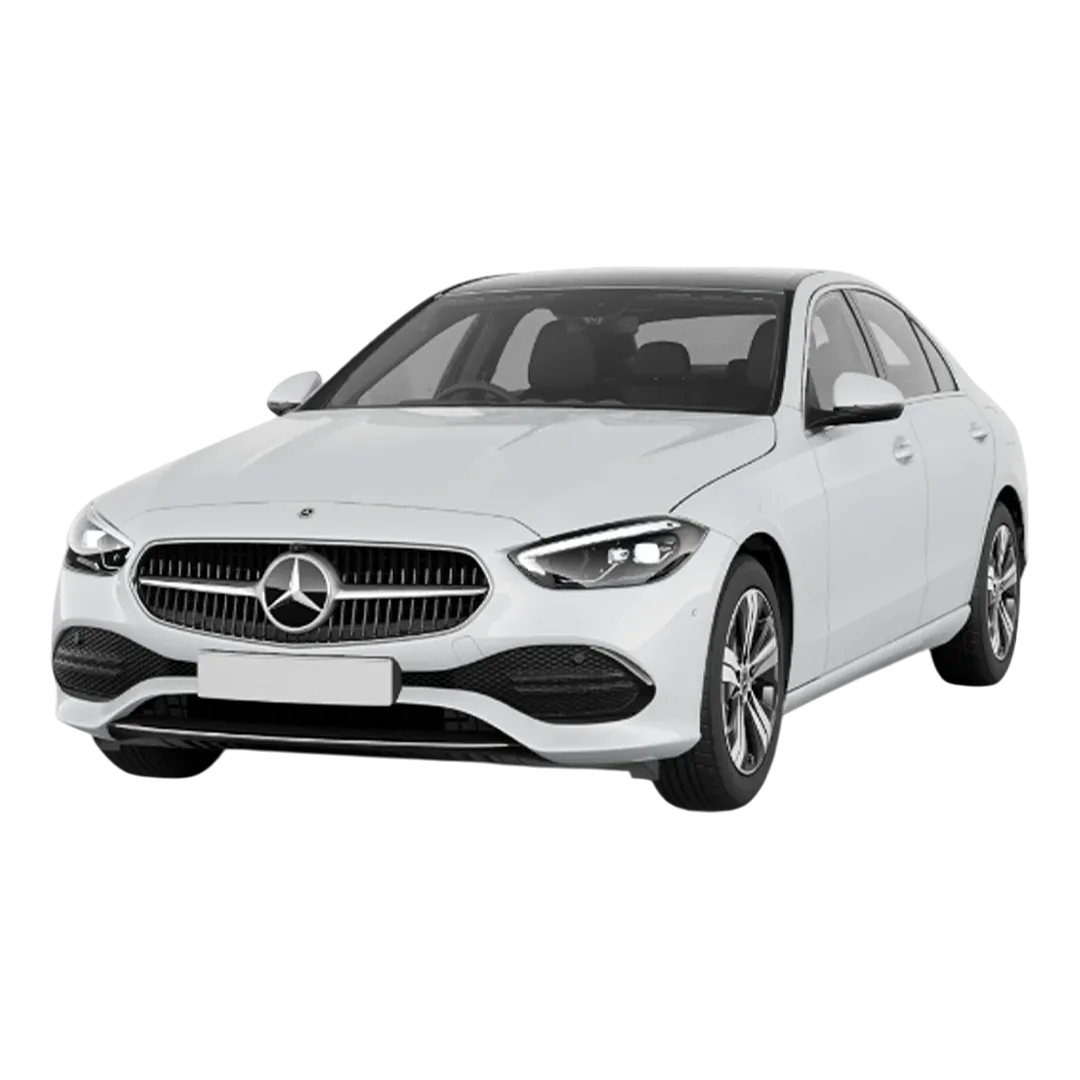 Mercedes Benz C-Class
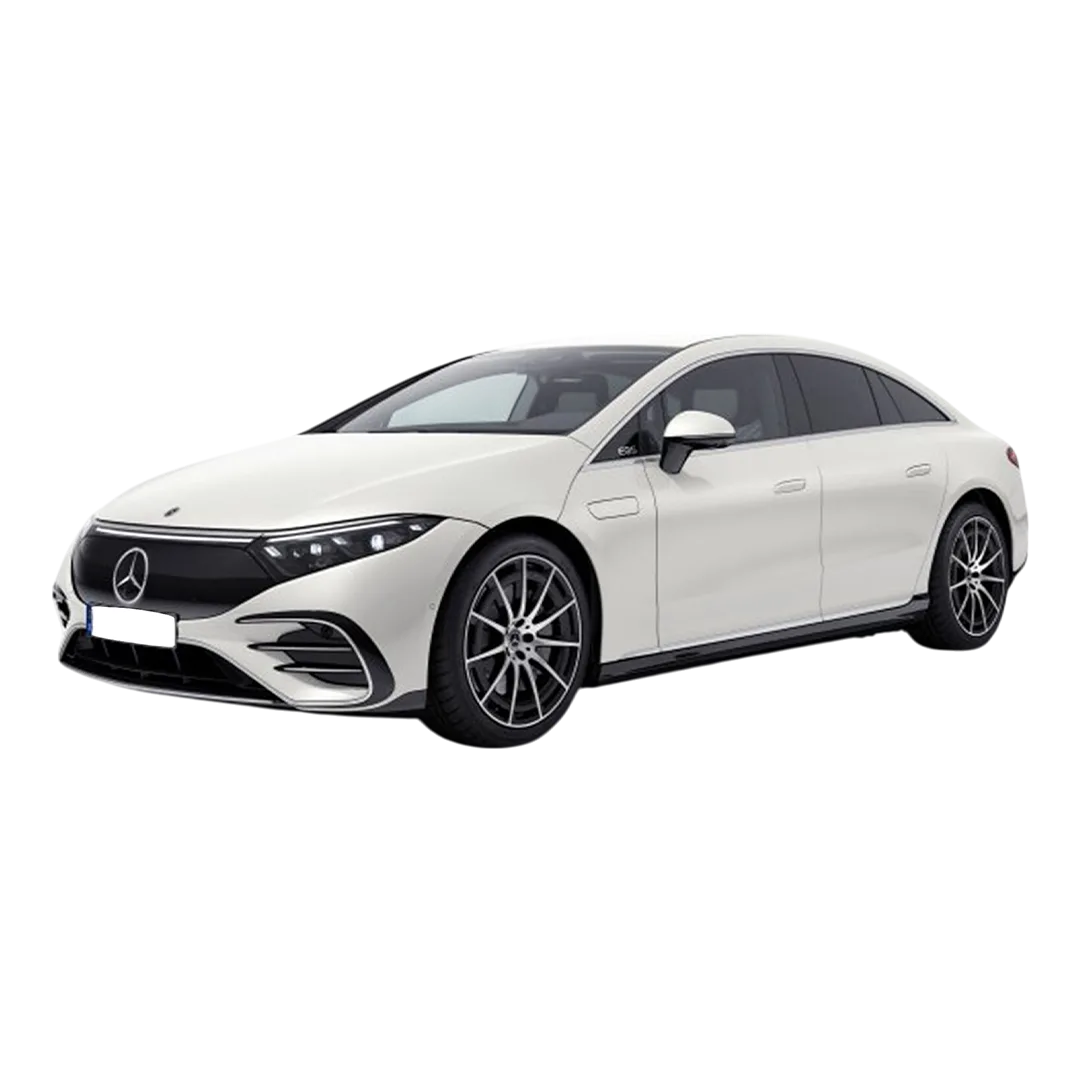 Mercedes Benz EQS
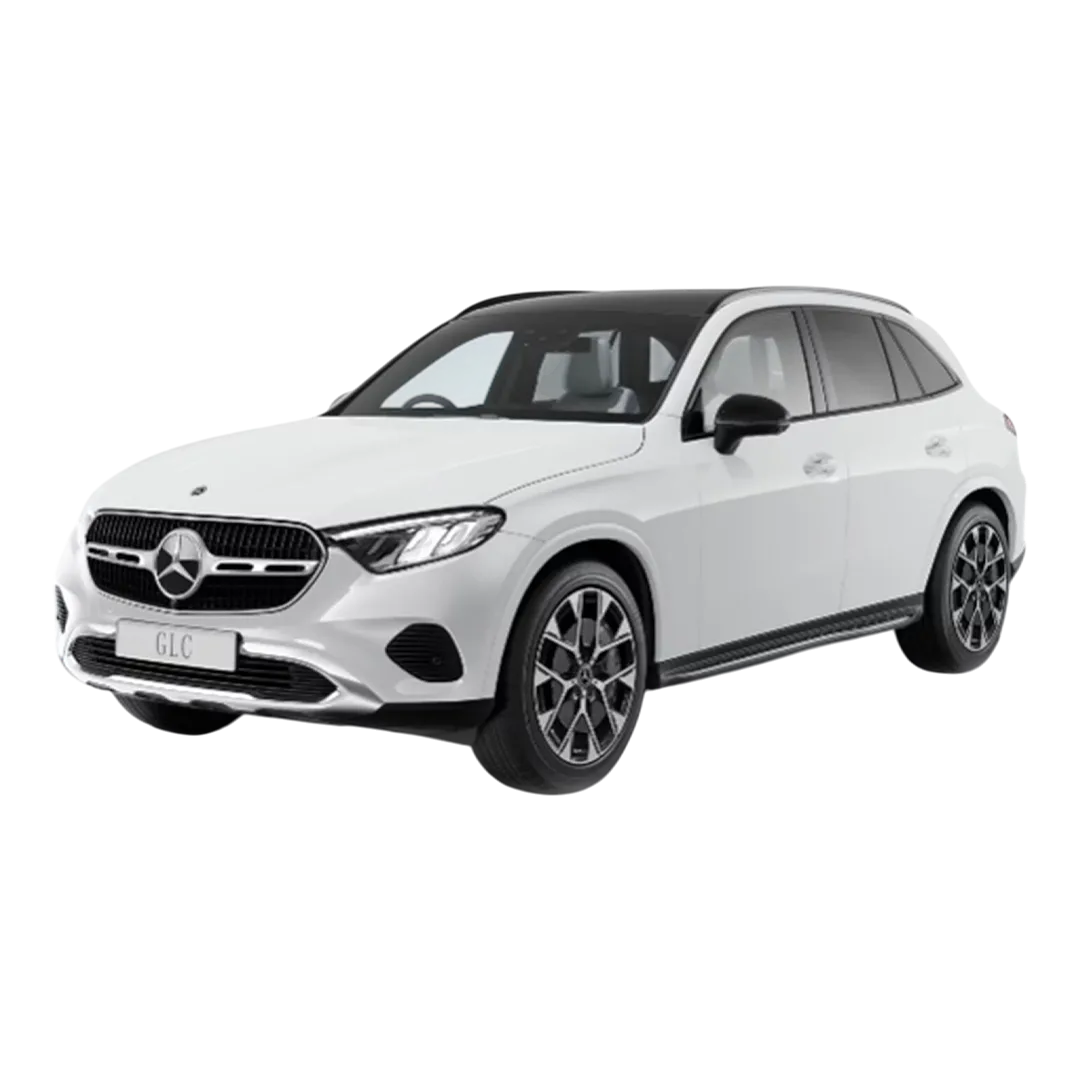 Mercedes Benz GLC
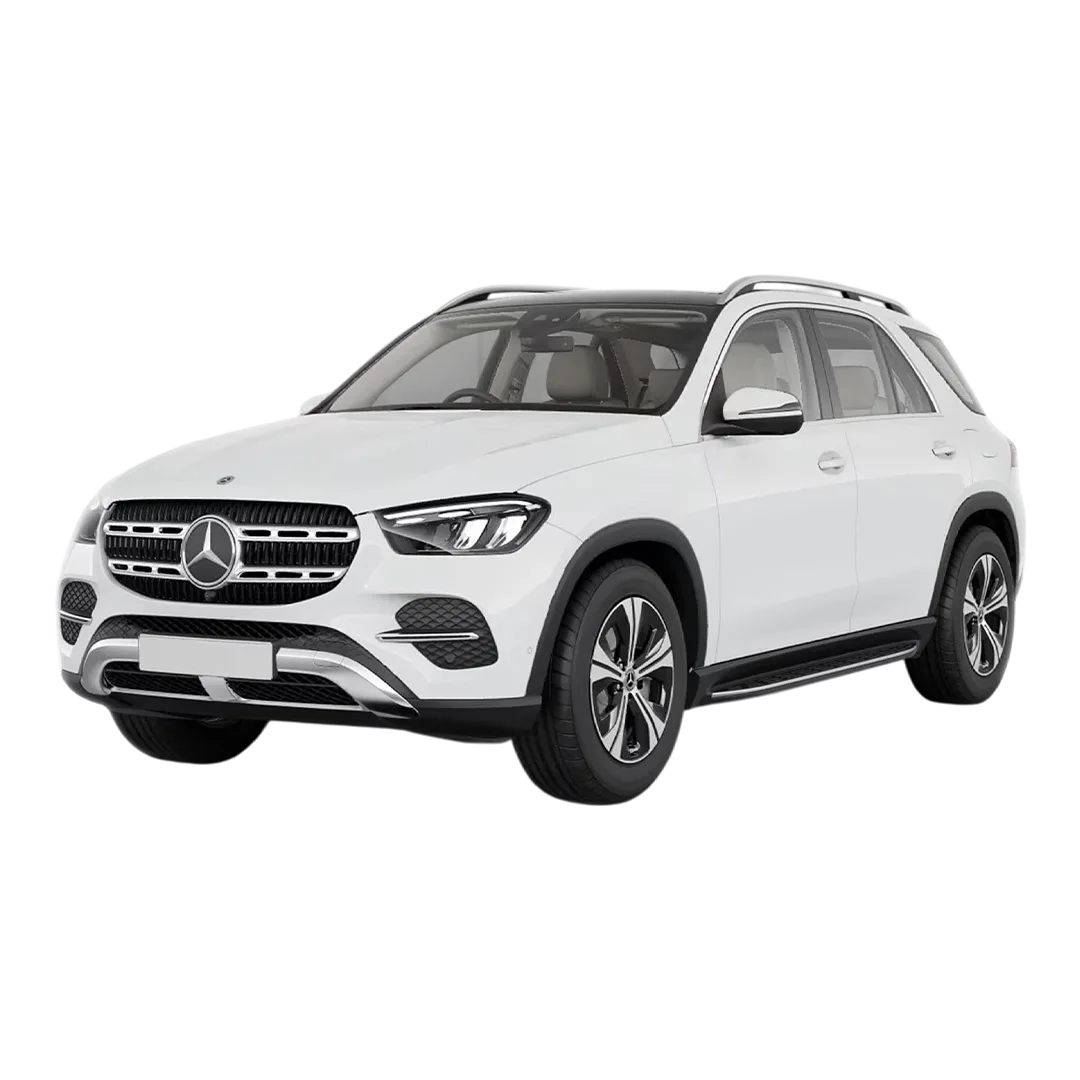 Mercedes Benz GLE
 Mercedes Benz G-Class
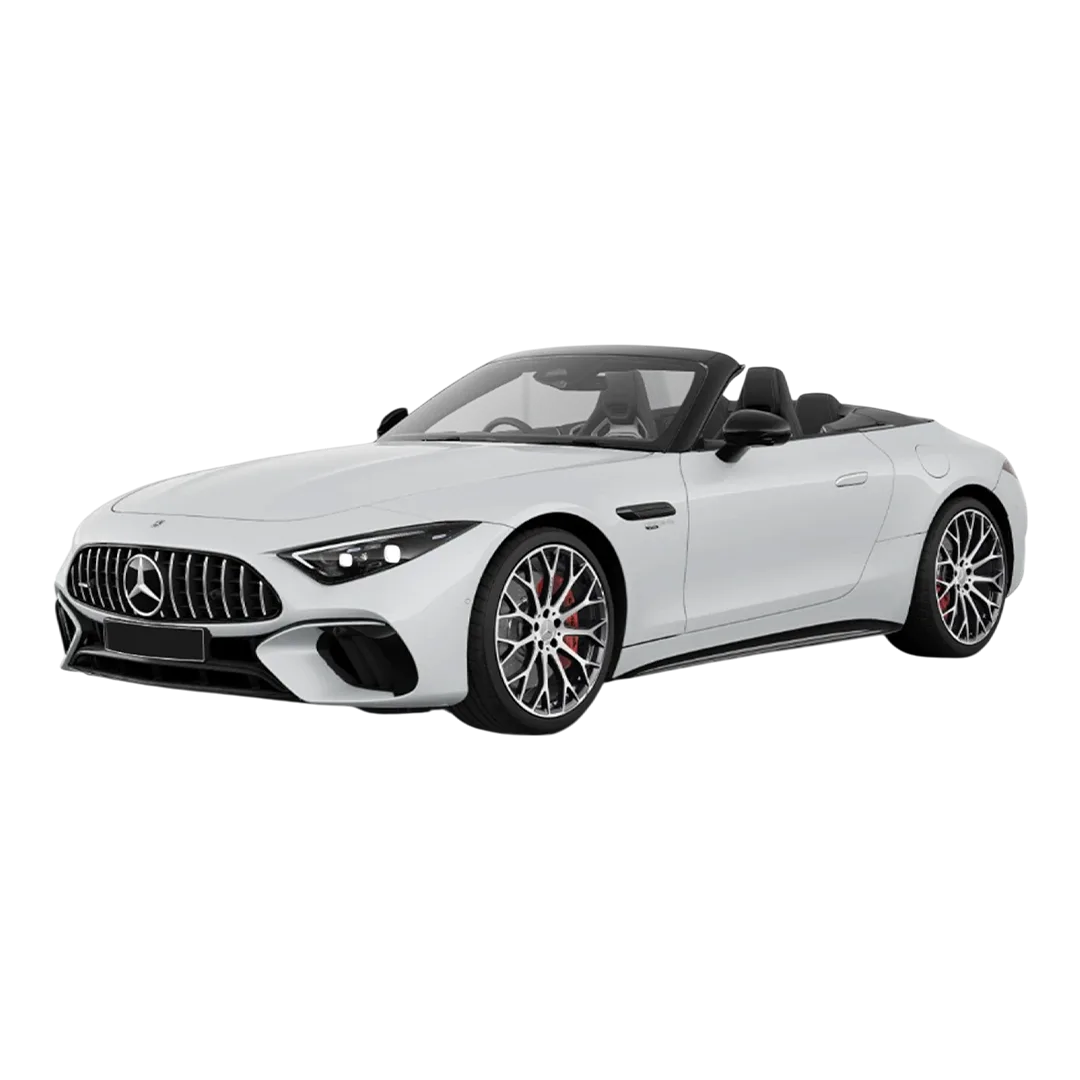 Mercedes Benz AMG SL
 Mercedes Benz MAYBACH S- Class
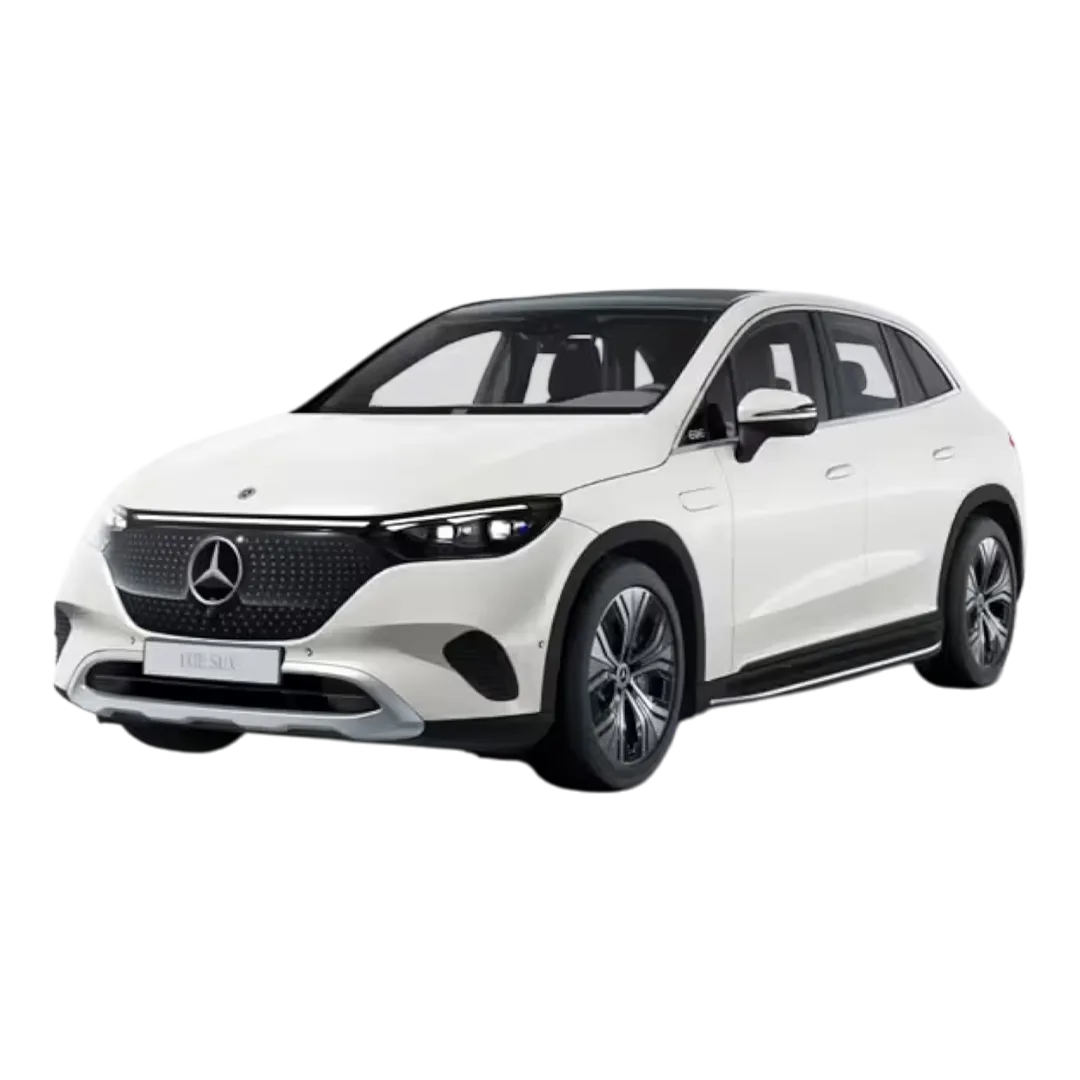 Mercedes Benz EQE-SUV
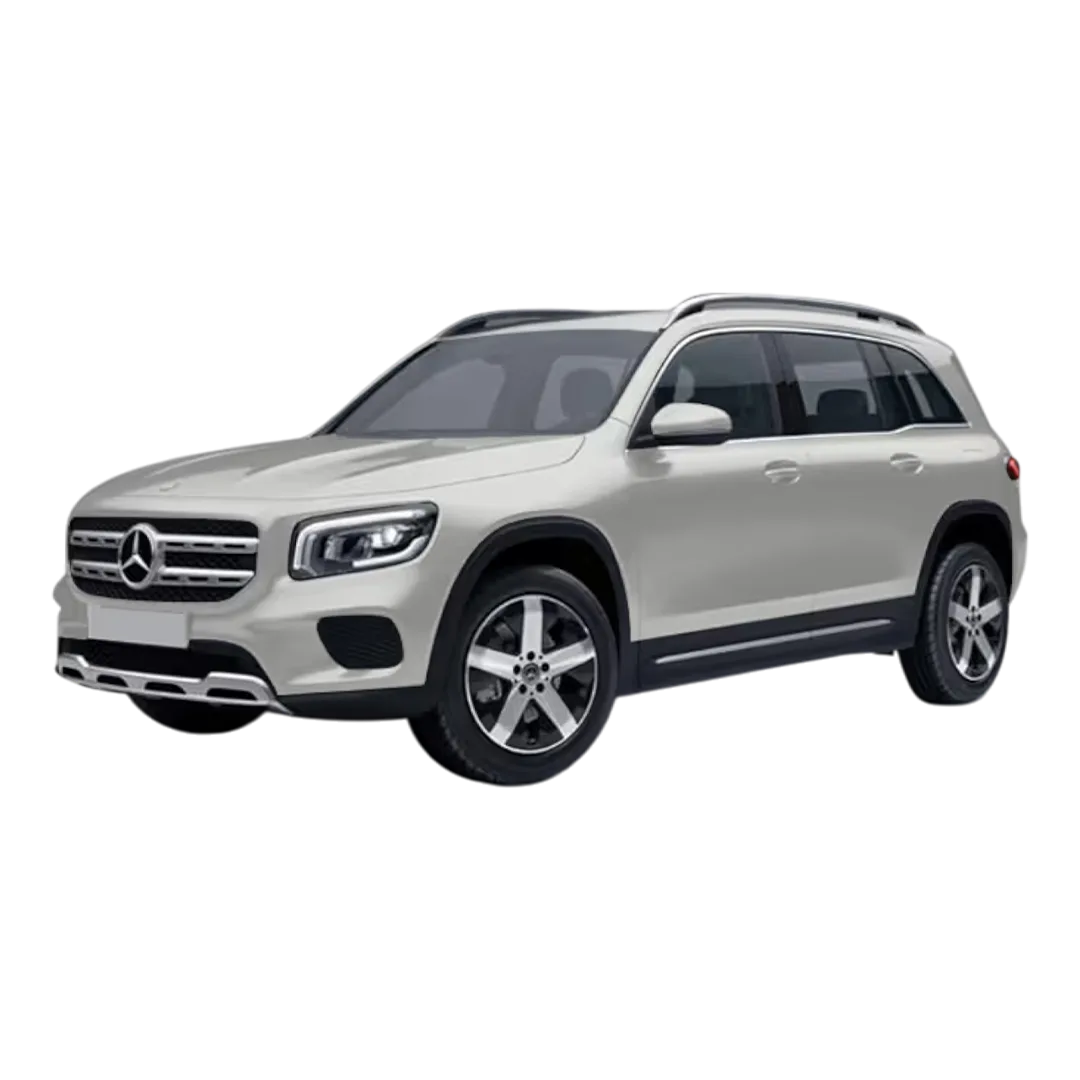 Mercedes Benz GLB
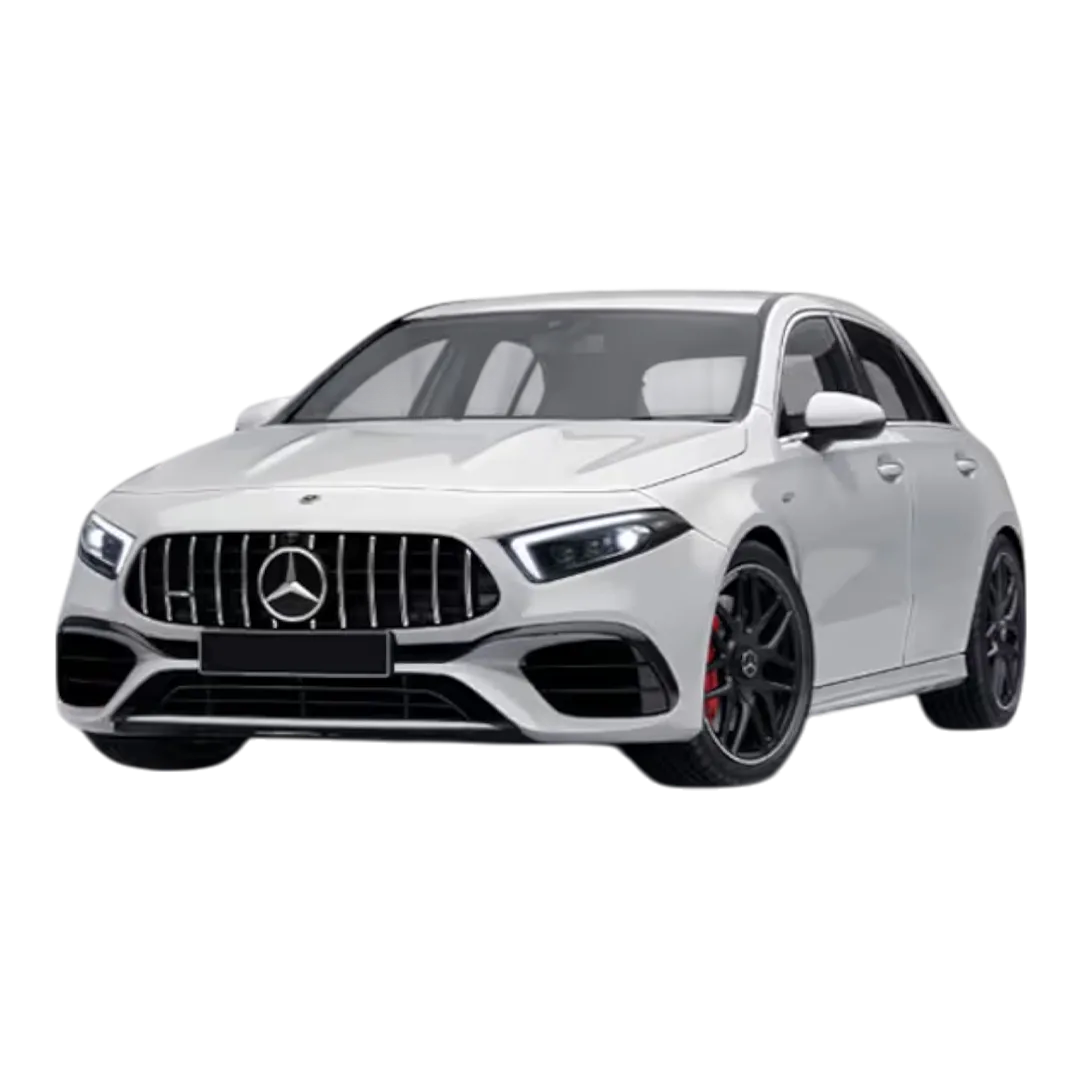 Mercedes Benz AMG A 45 S
 Mercedes Benz AMG GLE S3
 Mercedes Benz EQB
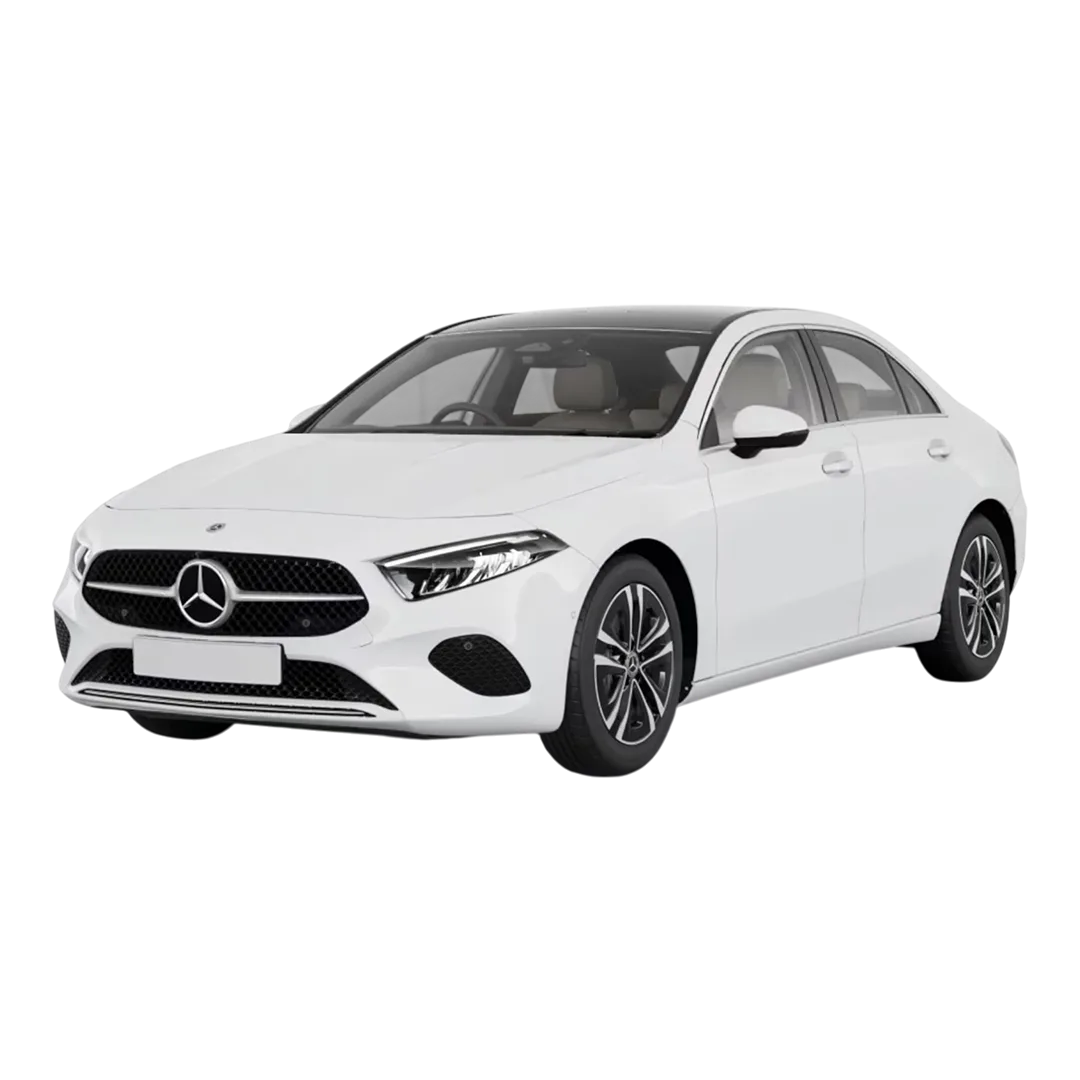 Mercedes Benz A Class limousine
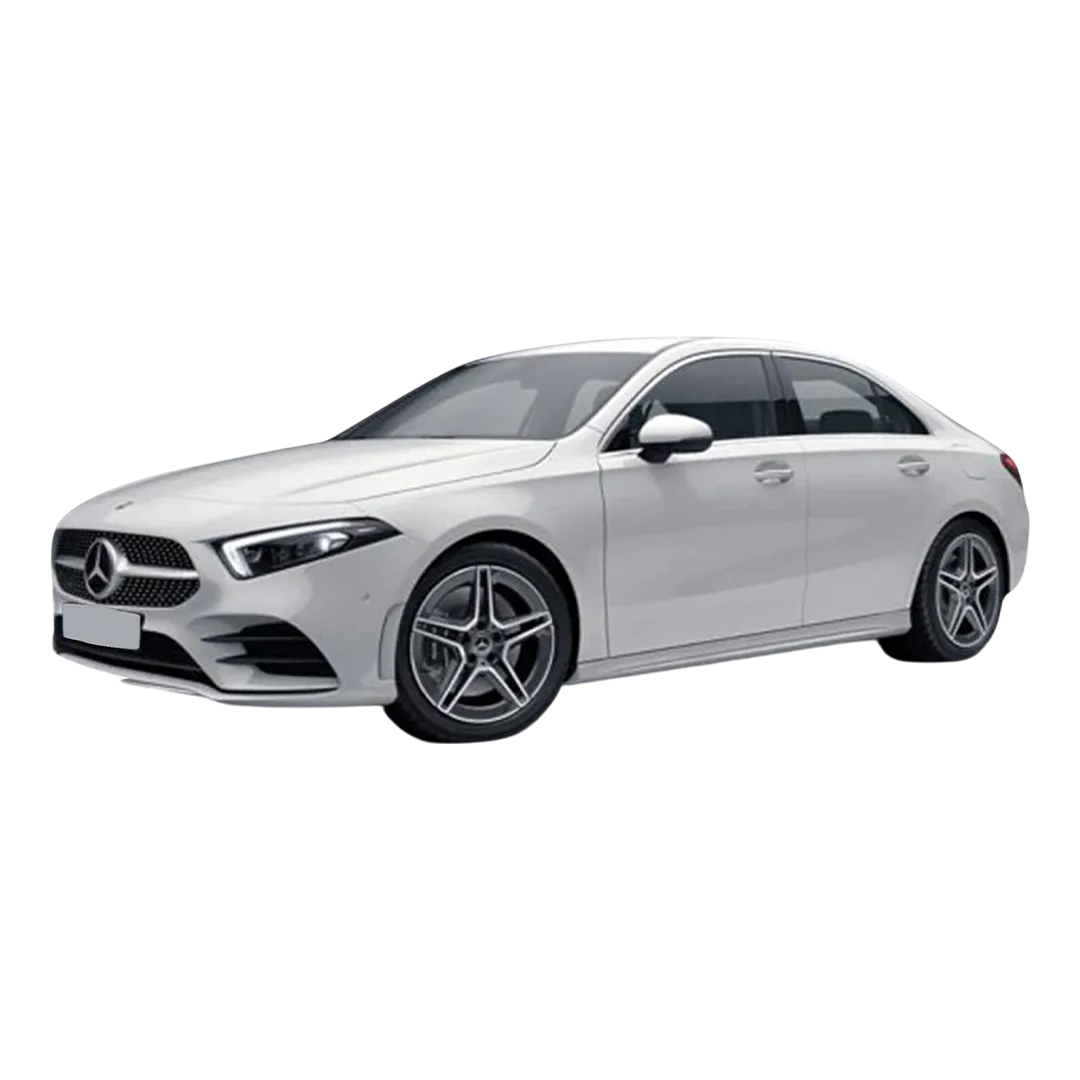 Mercedes Benz AMG A 35
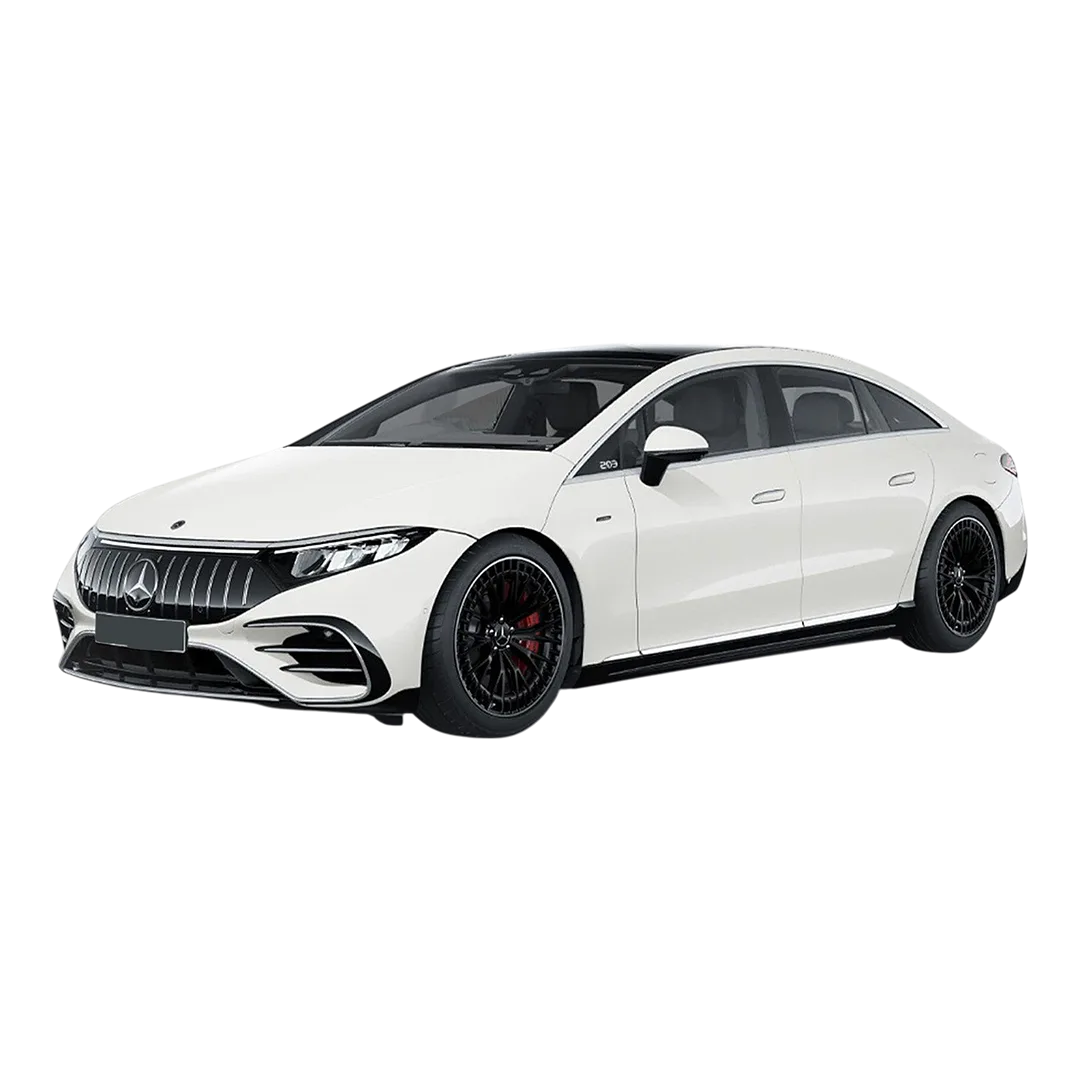 Mercedes-Benz AMG EQS
 Mercedes-Benz AMG E 53 Cabriolet
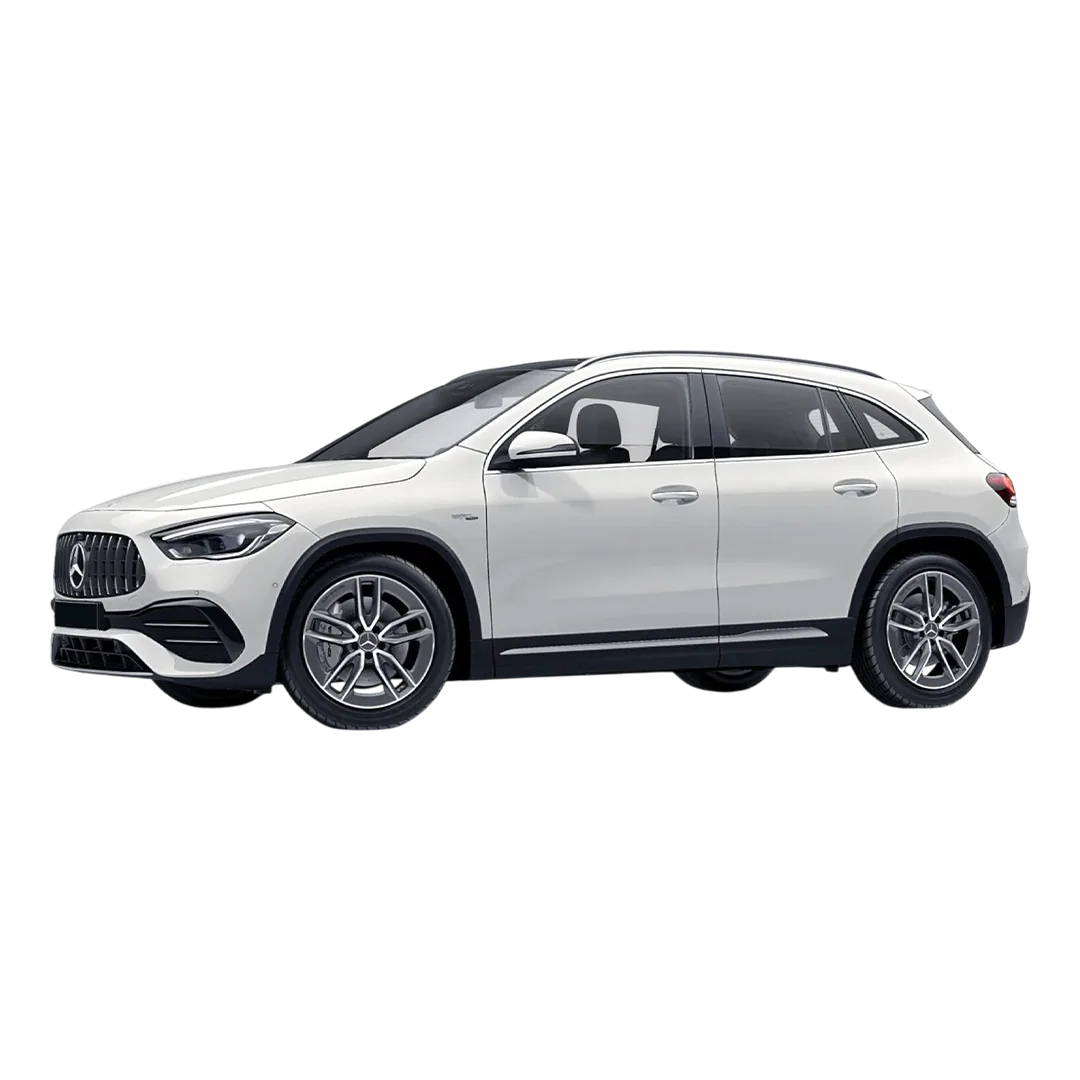 Mercedes-Benz AMG GLA 35
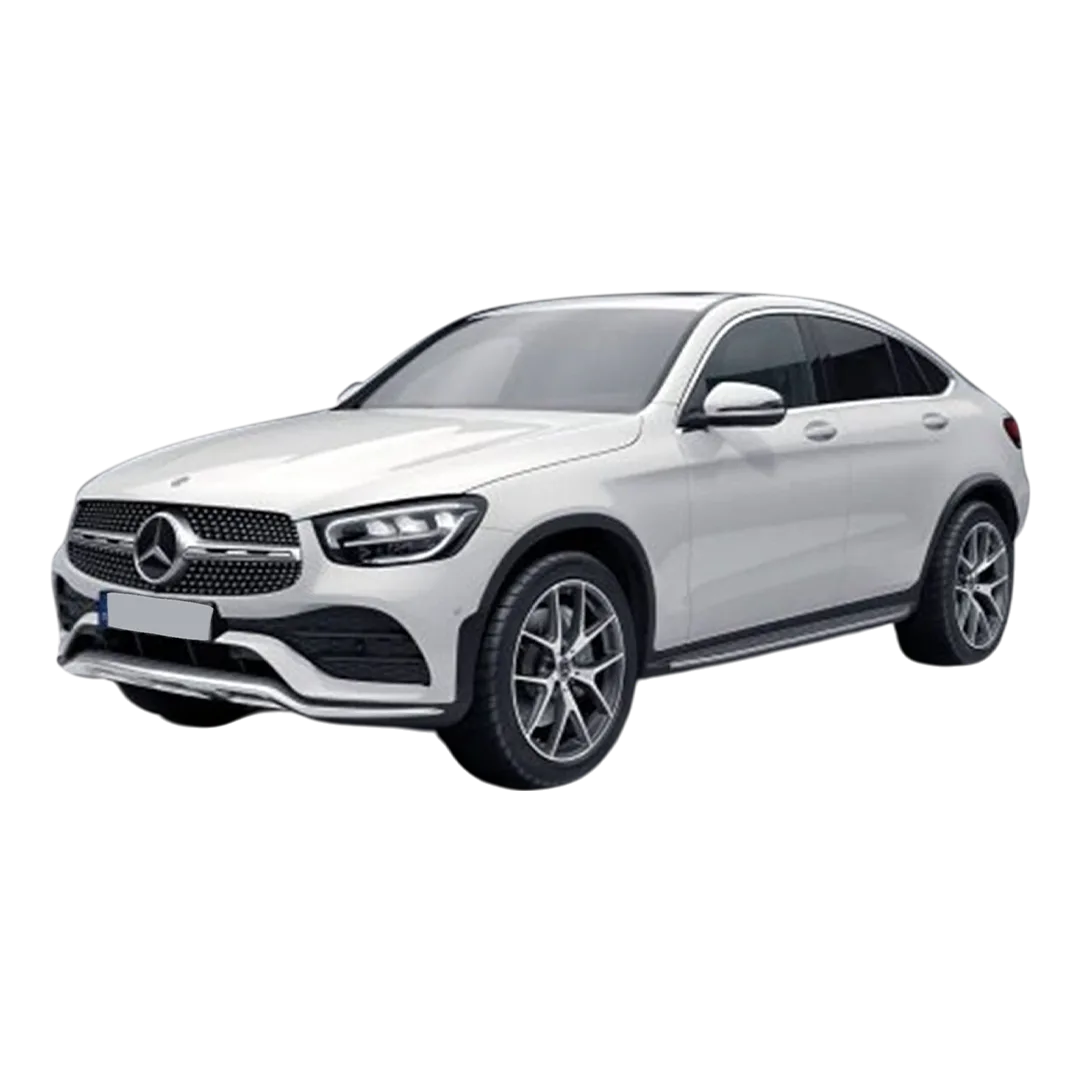 Mercedes-Benz GLC Coupe 2023
 Mercedes M-Class
R-Class
Mercedes M-Class
R-Class
 GLS 600
GLS 400
GLS 350
GLE 300
GLS 600
GLS 400
GLS 350
GLE 300
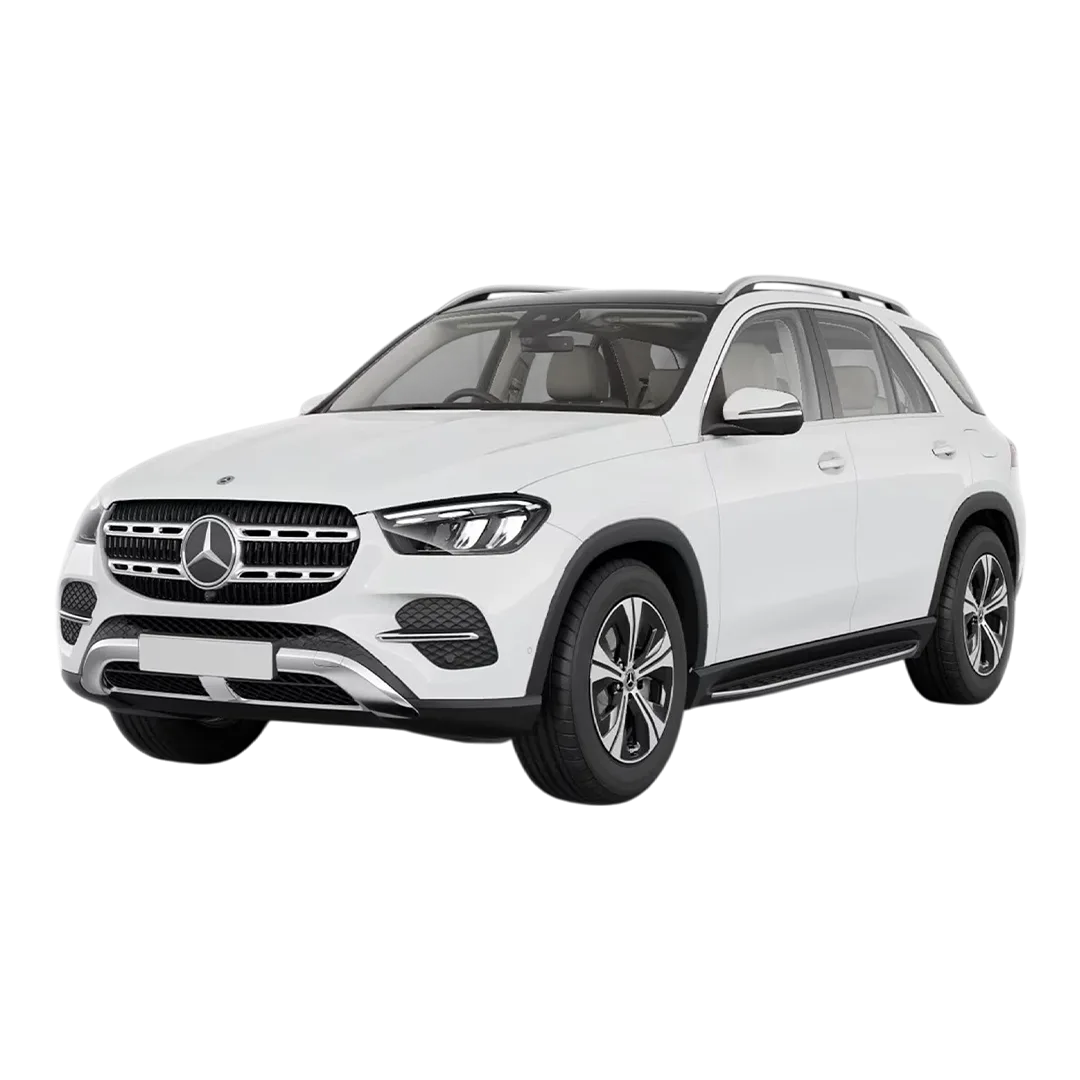 GLE 400
GLE 250D
GLE 400
GLE 250D
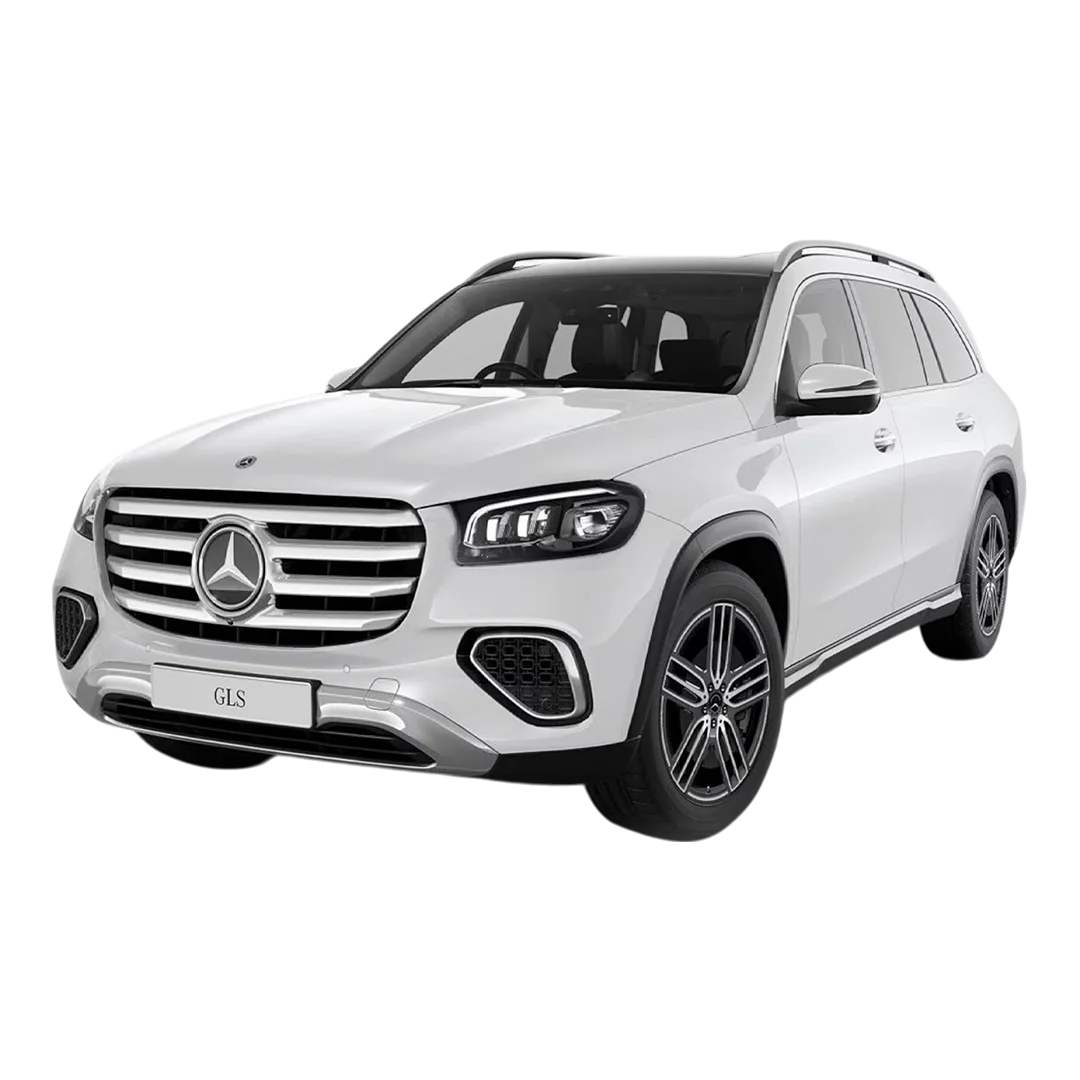 GLC 220D
GLC 300
GLC 220D
GLC 300
 GLC 43 Coupe
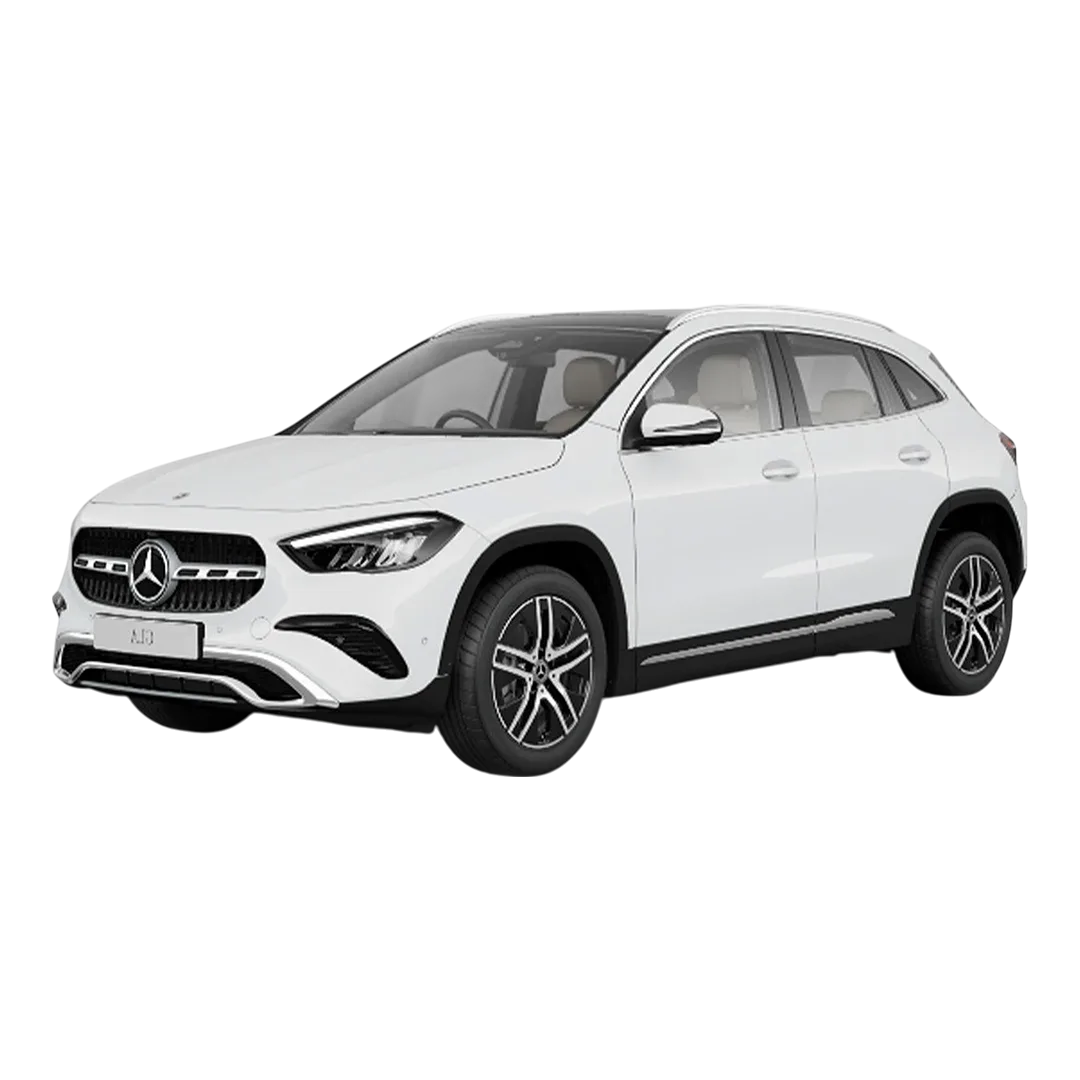 GLA 220d
 GLA-Class 200D
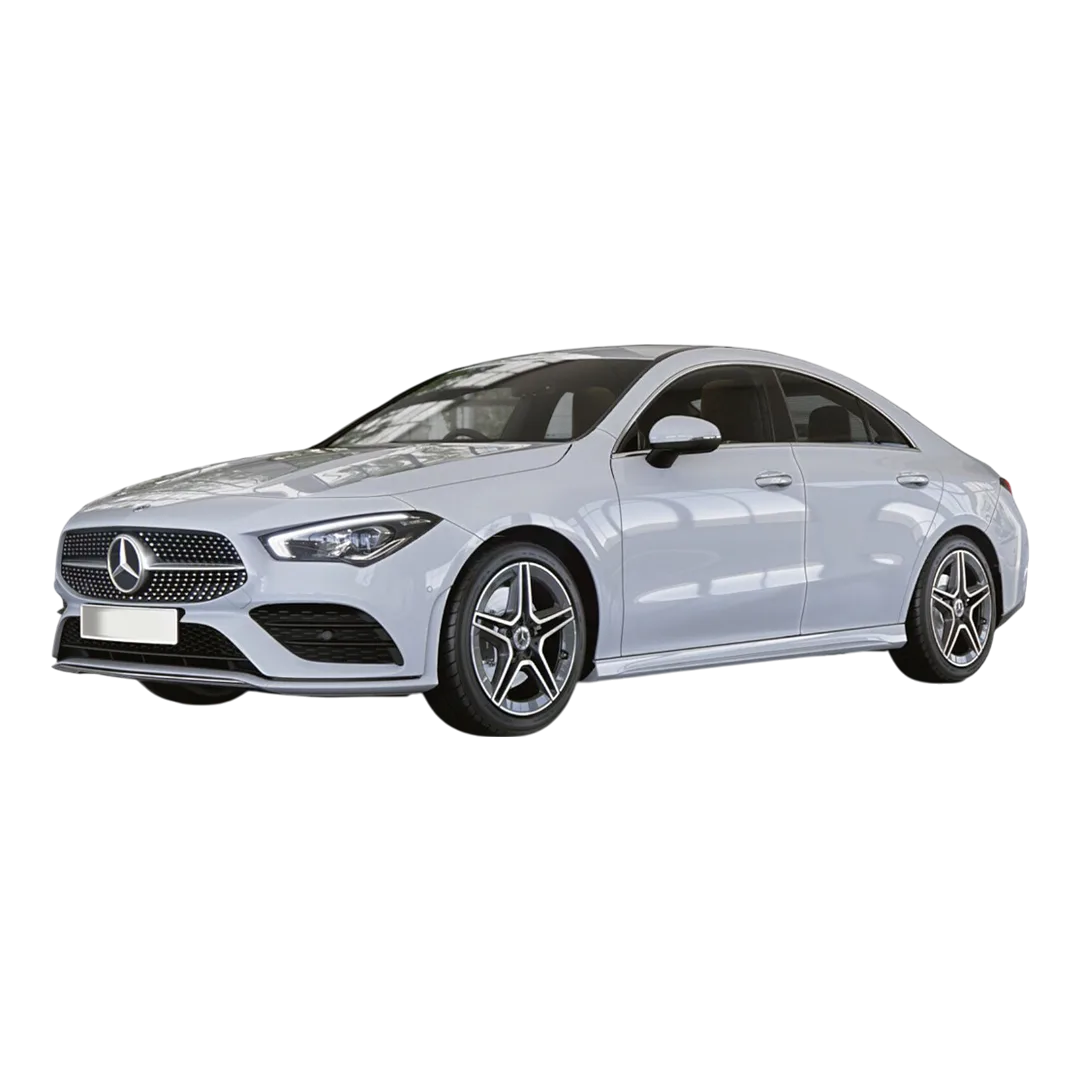 CLA 200
 Benz A-Class A 180
M-Class ML 250
M-Class ML 350
Benz A-Class A 180
M-Class ML 250
M-Class ML 350
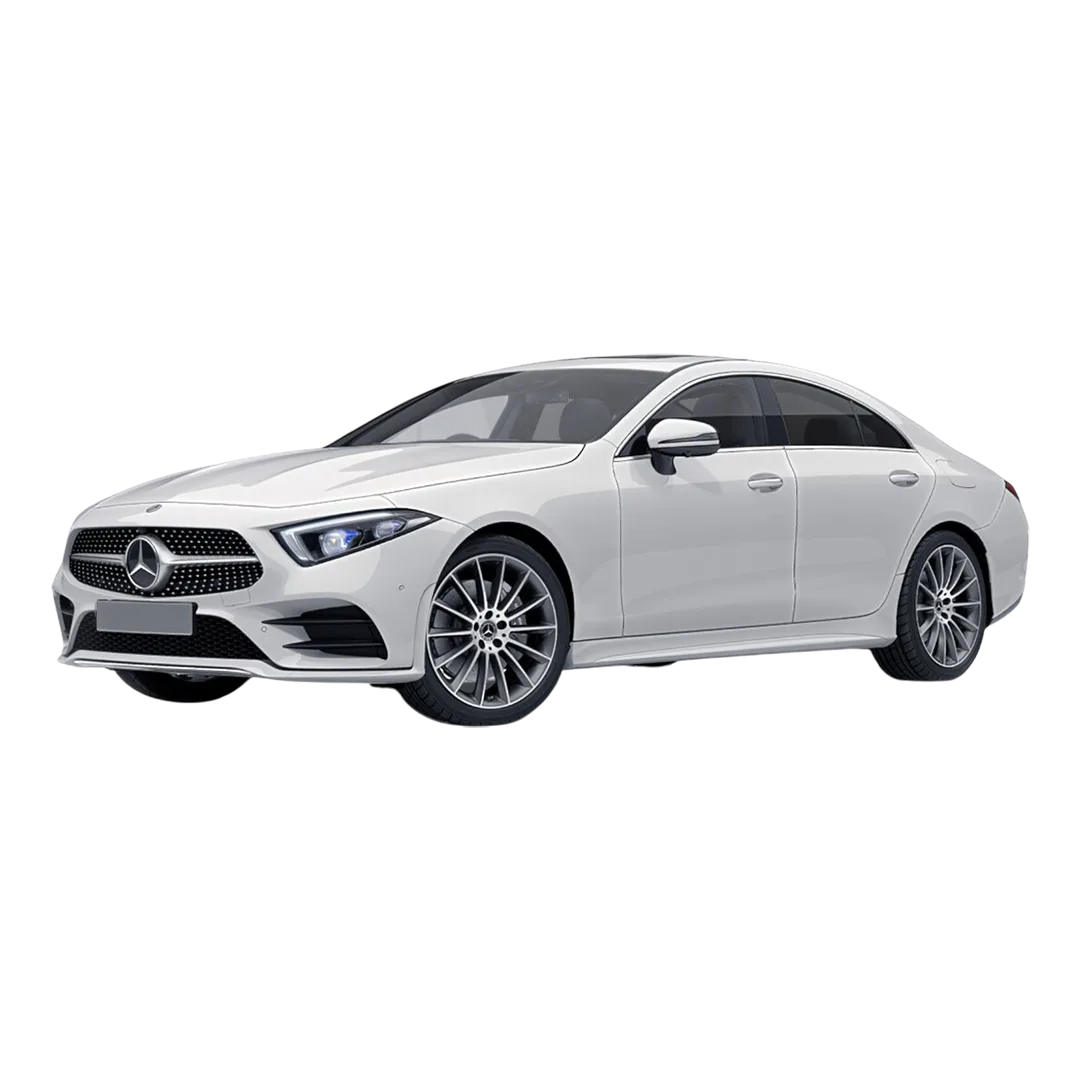 Benz CLS 300
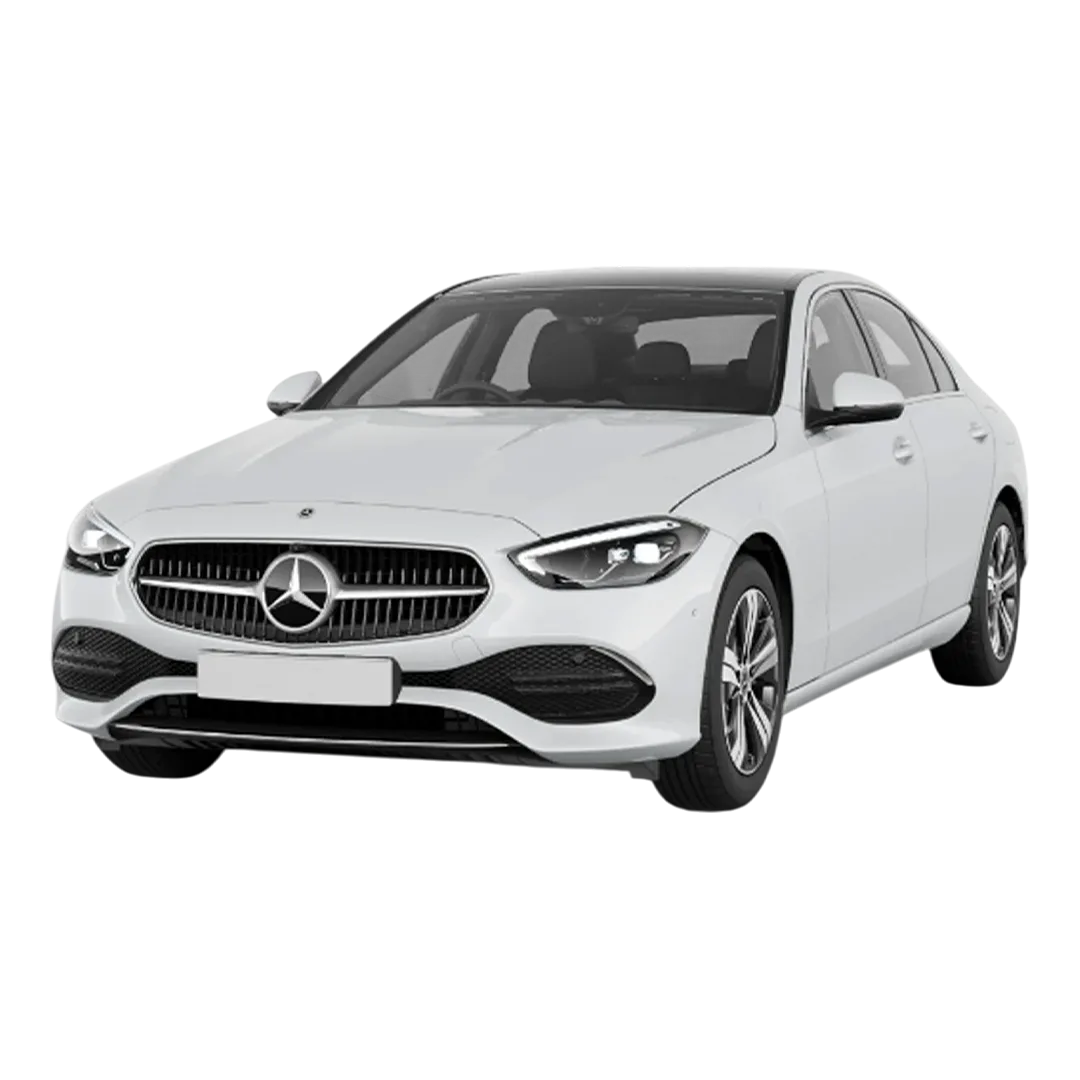 C-Class C250
C-Class C220
C-Class C200
C-Class C250
C-Class C220
C-Class C200
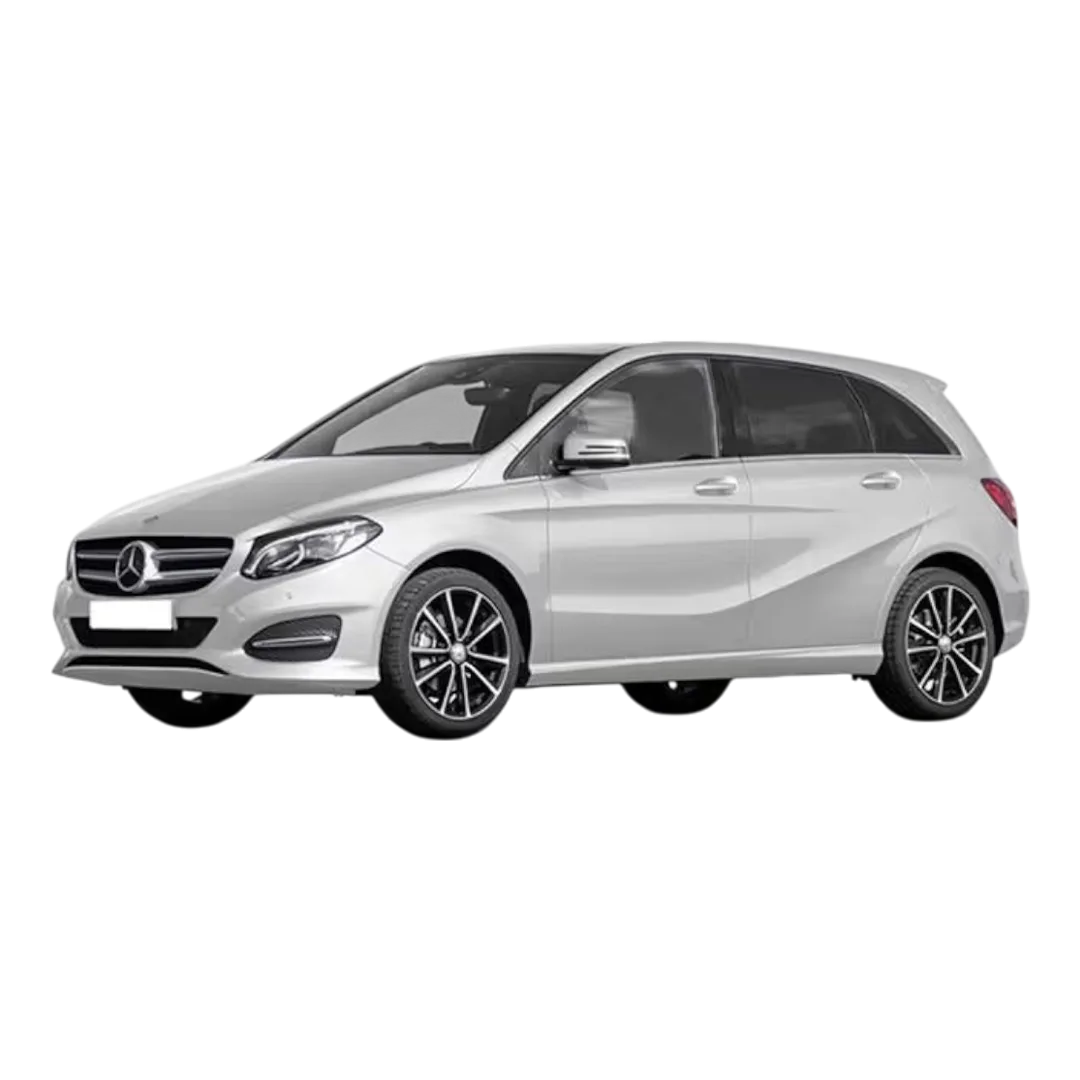 Benz B - Class
Benz A - 200
Benz B - Class
Benz A - 200

Car wiper blades are among the most overlooked yet essential safety components in any vehicle. Whether you are driving through heavy rainfall, dusty roads, morning fog, or unexpected weather conditions, properly functioning wiper blades ensure a clear view of the road ahead. Reduced visibility can significantly increase the chances of accidents, making regular inspection and replacement of wiper blades an important part of vehicle maintenance.
Modern wiper blades are engineered to provide smooth, streak-free wiping performance while adapting to various windshield shapes and driving conditions. However, many vehicle owners continue using worn-out blades long after their effectiveness has declined, leading to poor visibility, annoying squeaking noises, and uneven wiping patterns.
Understanding the different types of wiper blades, their advantages, maintenance requirements, and installation methods can help drivers make informed decisions and improve overall driving safety. Investing in high-quality wiper blades also contributes to a more comfortable and confident driving experience throughout the year.
At Creckk, we believe that every car owner deserves reliable accessories that enhance convenience and safety. This comprehensive guide explains everything you need to know about car wiper blades, including their types, benefits, maintenance tips, installation tutorial, and expert recommendations for choosing the right set for your vehicle.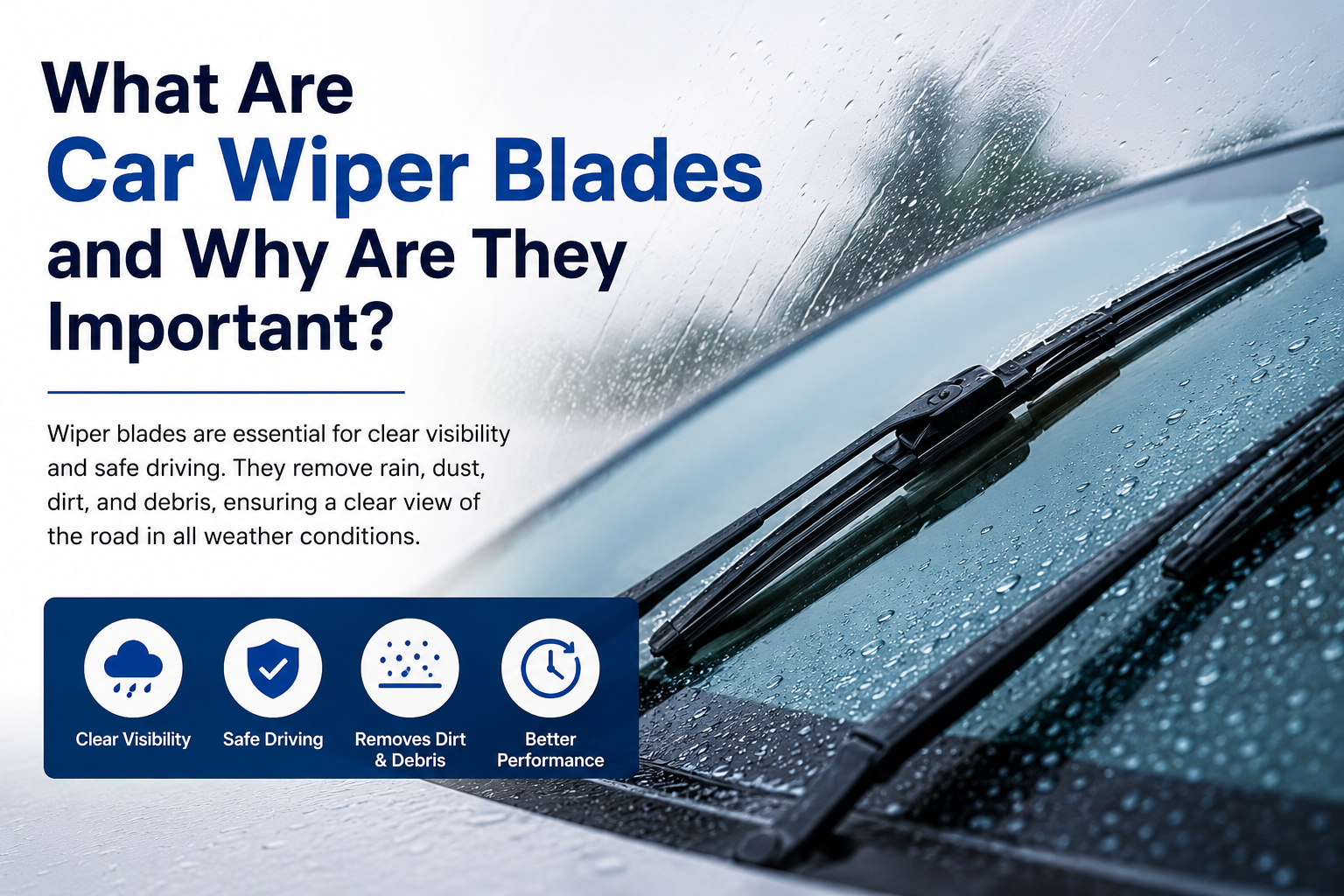
Car wiper blades are rubber-lined components attached to the windshield wiper arms. They work alongside the wiper motor system to remove rainwater, dust, mud, pollen, insects, and other debris from the windshield, ensuring uninterrupted visibility for the driver.
Clear visibility is one of the most critical factors in safe driving. During monsoon seasons, poor weather conditions can reduce visibility within seconds. Functional wiper blades help drivers maintain a clear field of vision, allowing them to react quickly to traffic conditions, road hazards, pedestrians, and obstacles.
Exposure to sunlight, dust, pollution, and changing weather conditions gradually deteriorates the rubber edge of the blade. Over time, wiper blades can become brittle, cracked, or uneven, resulting in streaks, skipped areas, or squeaking sounds during operation.
Ignoring worn-out blades can compromise driving safety and increase windshield wear. Regular inspections and timely replacements ensure optimal wiping efficiency and improved driving confidence.
| Function | Importance |
|---|---|
| Remove Rainwater | Maintains visibility during rainfall |
| Clear Dust and Dirt | Improves windshield clarity |
| Remove Insects and Debris | Enhances driving comfort |
| Support Safe Driving | Reduces accident risks |
| Improve Visibility | Helps drivers react faster |
At Creckk, drivers can explore a wide selection of premium wiper blades designed to provide long-lasting performance across various weather conditions.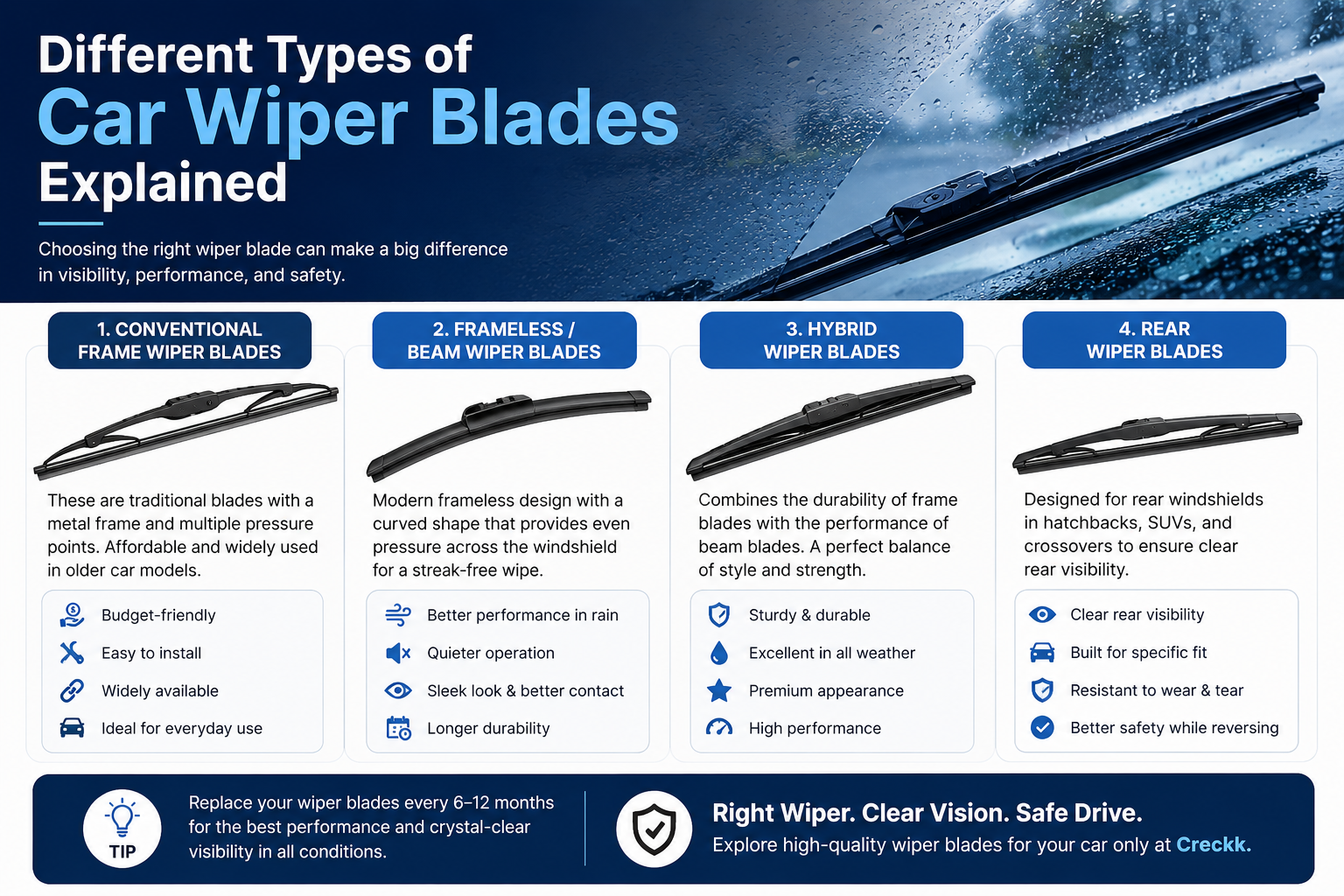
Selecting the appropriate wiper blade type can greatly influence performance, durability, and driving comfort.
Traditional frame wipers feature a metal framework with multiple pressure points that distribute force evenly across the windshield surface. These are commonly found in older vehicle models and offer an economical replacement option.
Beam wiper blades feature a sleek aerodynamic design without external metal frames. They maintain consistent pressure across the windshield and deliver superior wiping performance.
Hybrid wipers combine the design benefits of conventional and beam blades.
Rear windshield wipers are commonly used in hatchbacks, SUVs, and crossover vehicles to improve rear visibility during rainy conditions.
| Wiper Type | Durability | Performance | Best For |
|---|---|---|---|
| Conventional | Medium | Good | Budget-conscious drivers |
| Beam | High | Excellent | Monsoon regions |
| Hybrid | High | Excellent | Premium vehicles |
| Rear Wiper | Medium | Good | SUVs and Hatchbacks |
Creckk offers multiple wiper blade options compatible with a wide range of vehicle models.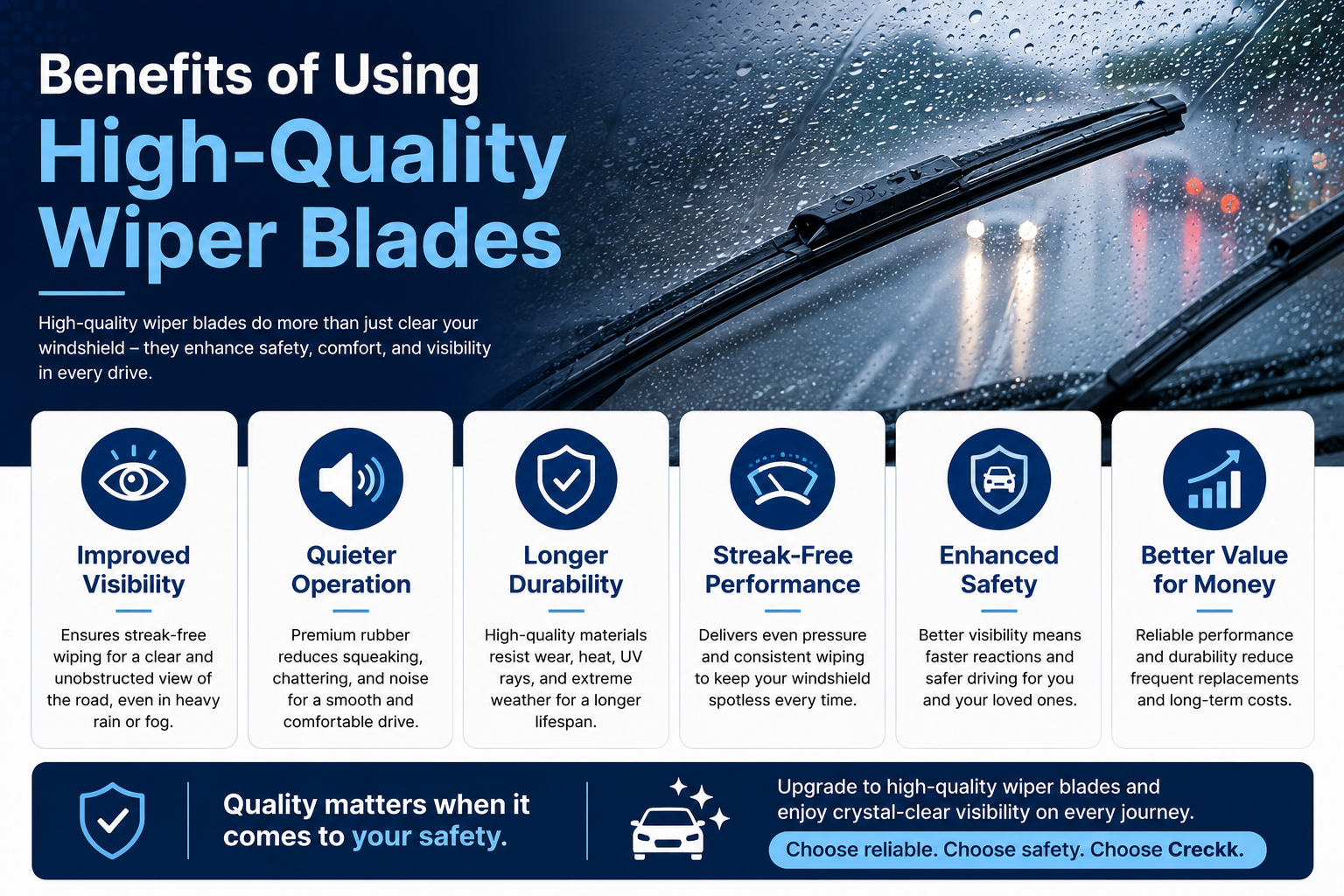
Premium-quality wiper blades provide much more than simple windshield cleaning. They contribute directly to road safety and driving convenience.
High-quality blades remove water efficiently and leave minimal streaks behind. This becomes particularly beneficial during heavy rainfall when visibility is already compromised.
Advanced rubber compounds reduce chattering, squeaking, and vibration, resulting in quieter operation.
Premium blades maintain flexibility and reduce friction, helping prevent windshield scratches.
| Benefit | Result |
|---|---|
| Better Visibility | Safer driving |
| Longer Lifespan | Reduced replacement costs |
| Quiet Operation | Improved comfort |
| Streak-Free Wiping | Clear windshield |
| Durable Materials | Reliable performance |
At Creckk, vehicle owners can find high-performance frameless and beam wiper blades designed for Indian weather conditions.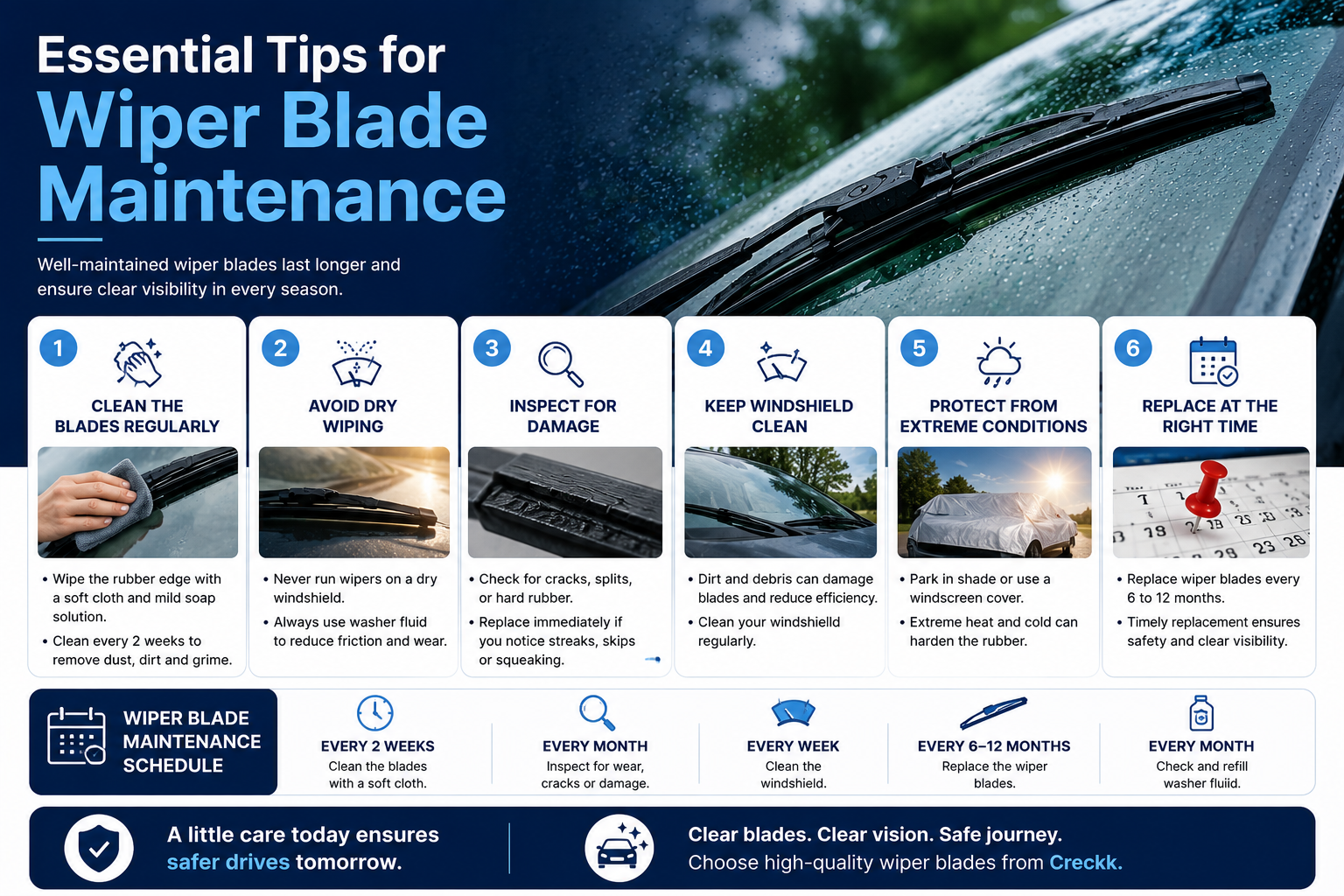
Proper maintenance can significantly extend the lifespan of your wiper blades.
Dust and contaminants accumulate on the rubber surface over time.
Use:
Soft microfiber cloth
Mild soap solution
Glass cleaner
Cleaning every two weeks helps maintain wiping performance.
Using wipers on a dry windshield causes excessive friction.
Always use:
Washer fluid
Water spray
before activating the wipers.
Debris trapped between the blade and windshield can accelerate wear.
Regular windshield cleaning reduces unnecessary strain on the blade.
Experts generally recommend replacing wiper blades every:
6 months
12 months depending on usage
| Maintenance Task | Recommended Frequency |
|---|---|
| Clean Blades | Every 2 weeks |
| Inspect Rubber | Monthly |
| Windshield Cleaning | Weekly |
| Blade Replacement | Every 6–12 months |
| Washer Fluid Check | Monthly |
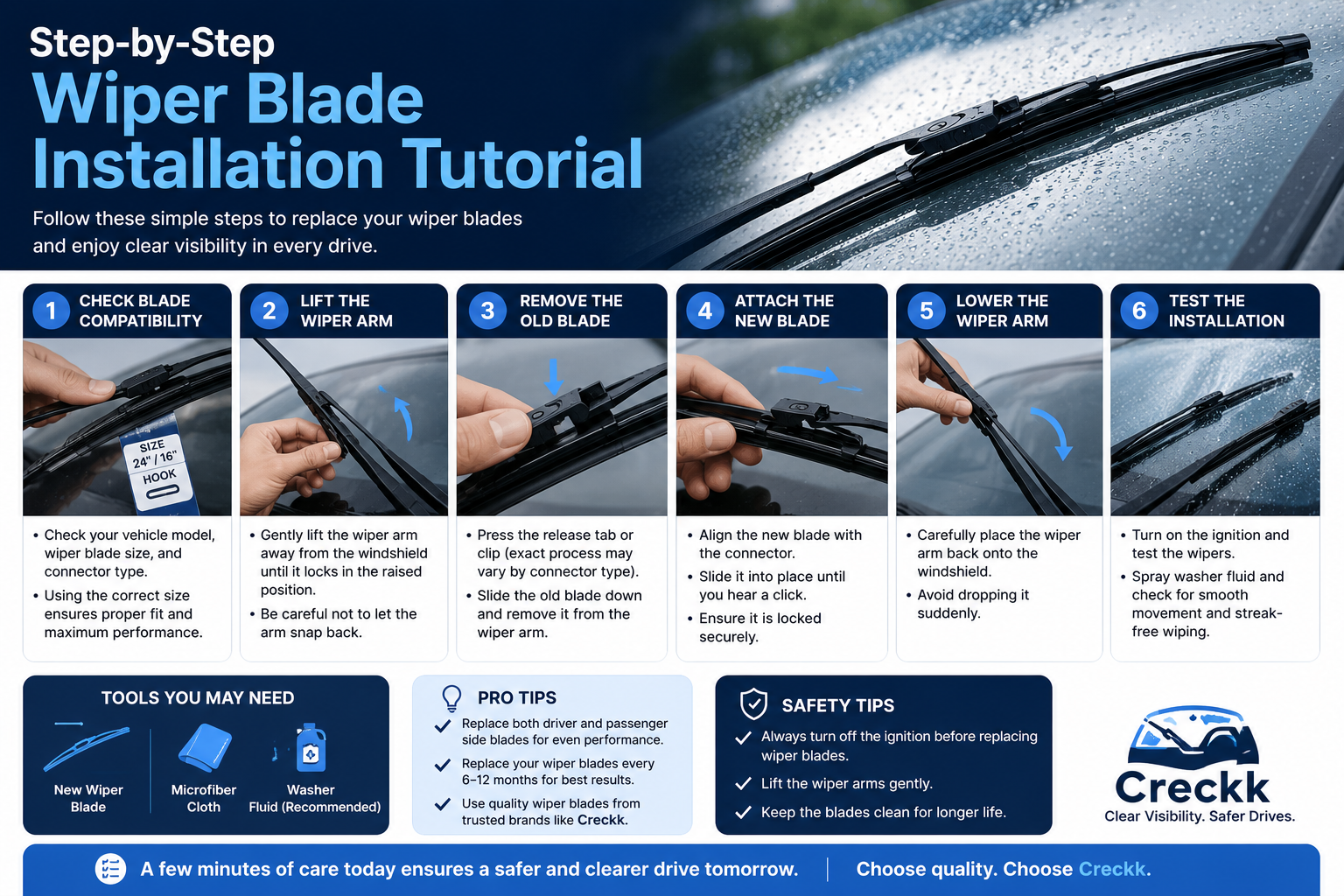
Replacing wiper blades is a simple DIY task that can be completed in just a few minutes.
Carefully raise the arm away from the windshield while ensuring it does not snap back against the glass.
Locate the release mechanism, press the locking tab, and slide the old blade downward to detach it.
Align the new blade with the connector and slide it into position until a clicking sound confirms proper installation.
Carefully return the arm to the windshield.
| Tool | Requirement |
|---|---|
| New Wiper Blade | Mandatory |
| Microfiber Cloth | Recommended |
| Washer Fluid | Recommended |
| Gloves | Optional |
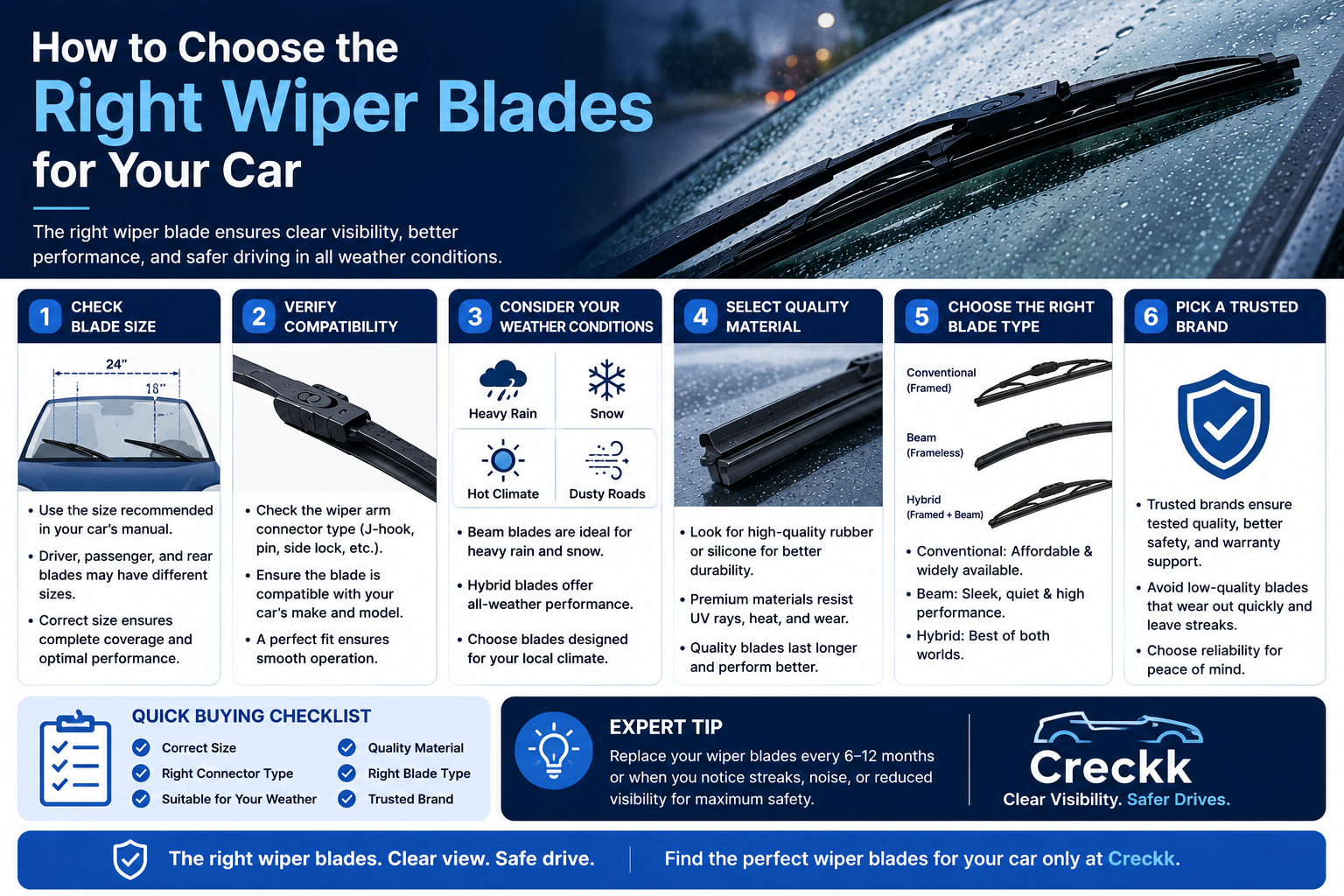
Choosing the right wiper blade is essential for achieving maximum performance.
Consider Blade Size
Every vehicle has specific blade dimensions.
Incorrect sizing can lead to:
Missed wiping areas
Windshield interference
Reduced visibility
Always consult:
Owner's manual
Vehicle compatibility guide
J Hook
Side Pin
Push Button
Bayonet
Compatibility is crucial for secure installation.
For regions experiencing frequent rainfall:
Beam blades are often the preferred choice.
For moderate conditions:
Conventional blades may be sufficient.
Premium rubber and silicone blades typically provide:
Better flexibility
Longer lifespan
Enhanced resistance to UV exposure
Selecting trusted brands ensures:
Better fitment
Warranty support
Improved durability
At Creckk, customers can browse a wide range of frameless, beam, and hybrid wiper blades tailored to various vehicle models.
| Factor | What to Look For |
|---|---|
| Size | Vehicle-specific dimensions |
| Material | Rubber or silicone |
| Design | Beam, Hybrid, Conventional |
| Weather Suitability | Monsoon-friendly blades |
| Connector Type | Compatible fitment |
| Brand Reputation | Quality assurance |
At Creckk, customers can browse a wide range of frameless, hybrid, and beam wiper blades suitable for different car models.
Wiper blades should generally be replaced every 6 to 12 months depending on weather exposure, usage frequency, and maintenance practices.
Common symptoms include streaking, squeaking noises, skipping motion, cracked rubber, and reduced wiping efficiency.
Beam wiper blades are widely preferred because they provide excellent windshield contact, superior durability, and better all-weather performance.
Yes. Most modern wiper blades are designed for easy installation and can be replaced within minutes without professional assistance.
Premium blades typically offer better resistance to heat, UV rays, and environmental wear, resulting in a longer lifespan.
Yes. Creckk provides vehicle-specific wiper blades designed for compatibility, durability, and enhanced driving safety.
Wiper blades are an essential safety component that directly influences driving visibility and confidence on the road. Understanding their types, benefits, maintenance practices, and installation process enables vehicle owners to make informed decisions.
Routine inspection, timely replacement, and selecting high-quality blades can significantly improve visibility during rain, fog, and dusty conditions. Whether you prefer conventional, hybrid, or premium beam wiper blades, investing in quality products ensures safer journeys and a more comfortable driving experience.
At Creckk, drivers can discover a range of high-performance wiper blades designed for durability, reliability, and year-round visibility, helping keep every journey safe and enjoyable.