Your cart is empty
Start Shopping Exterior
›
Exterior
›
 Bumper Diffuser/Guard
 Body Covers
 Window Garnishing
 Door Guards
 Roof Rails
 Side Beading
 Door Visor
 Mud Flap
 Wheel Cover
 Foot Rest
 Interior
›
Interior
›
 Door Scuff Sill Plates
 Window Sunshades & Film
 Armrest
 Seat Covers
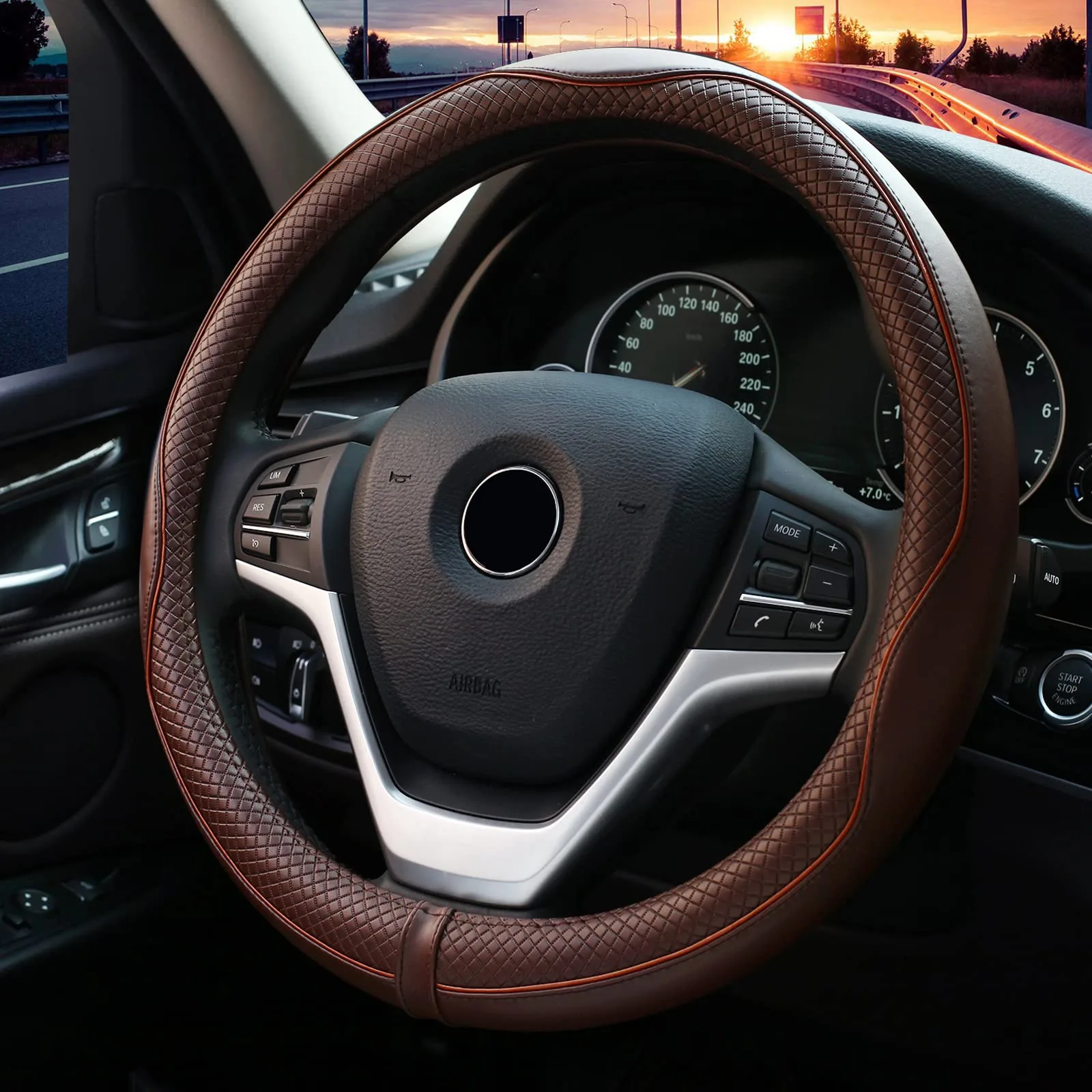 Steering Cover
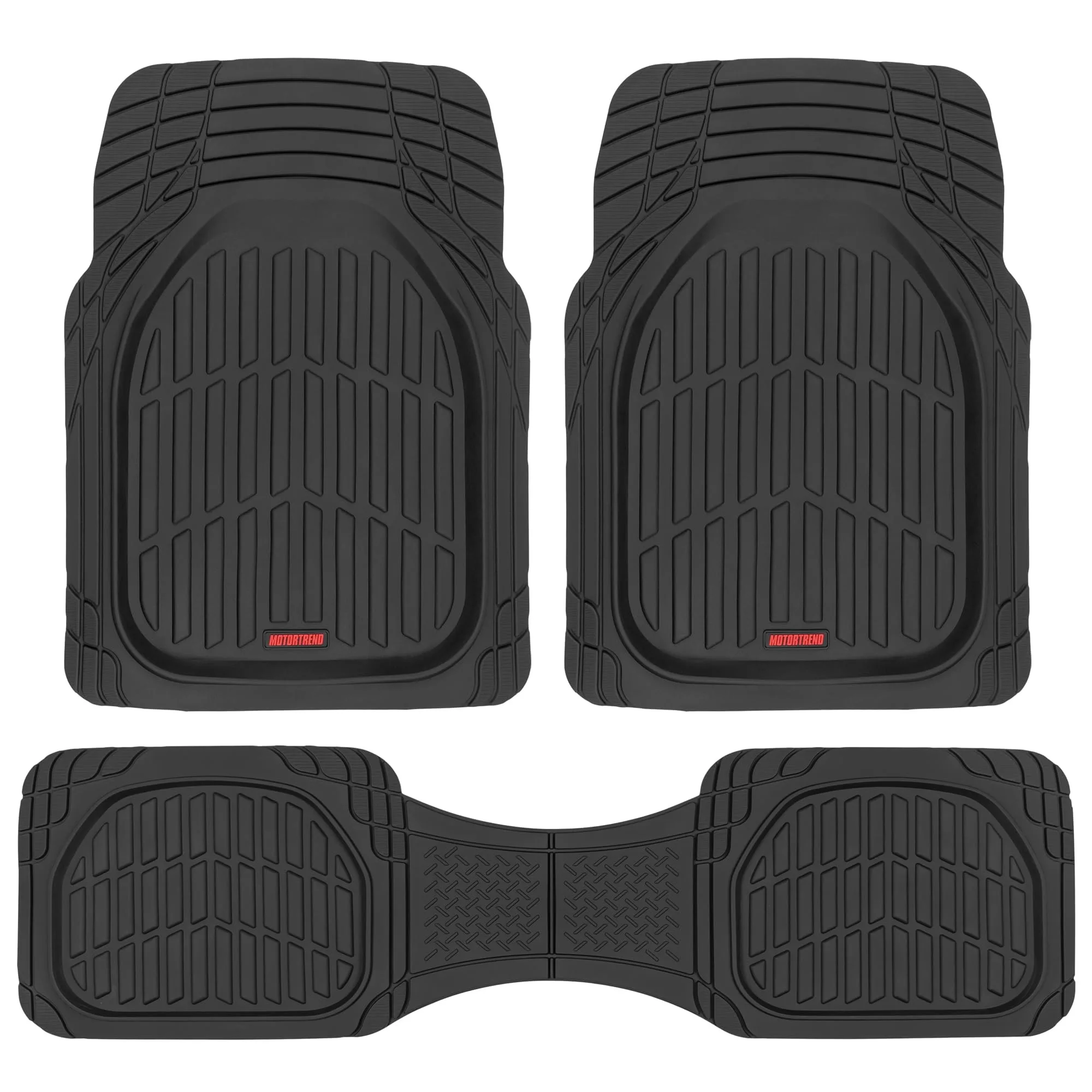 Floor Mats
 Dashboard Showpiece
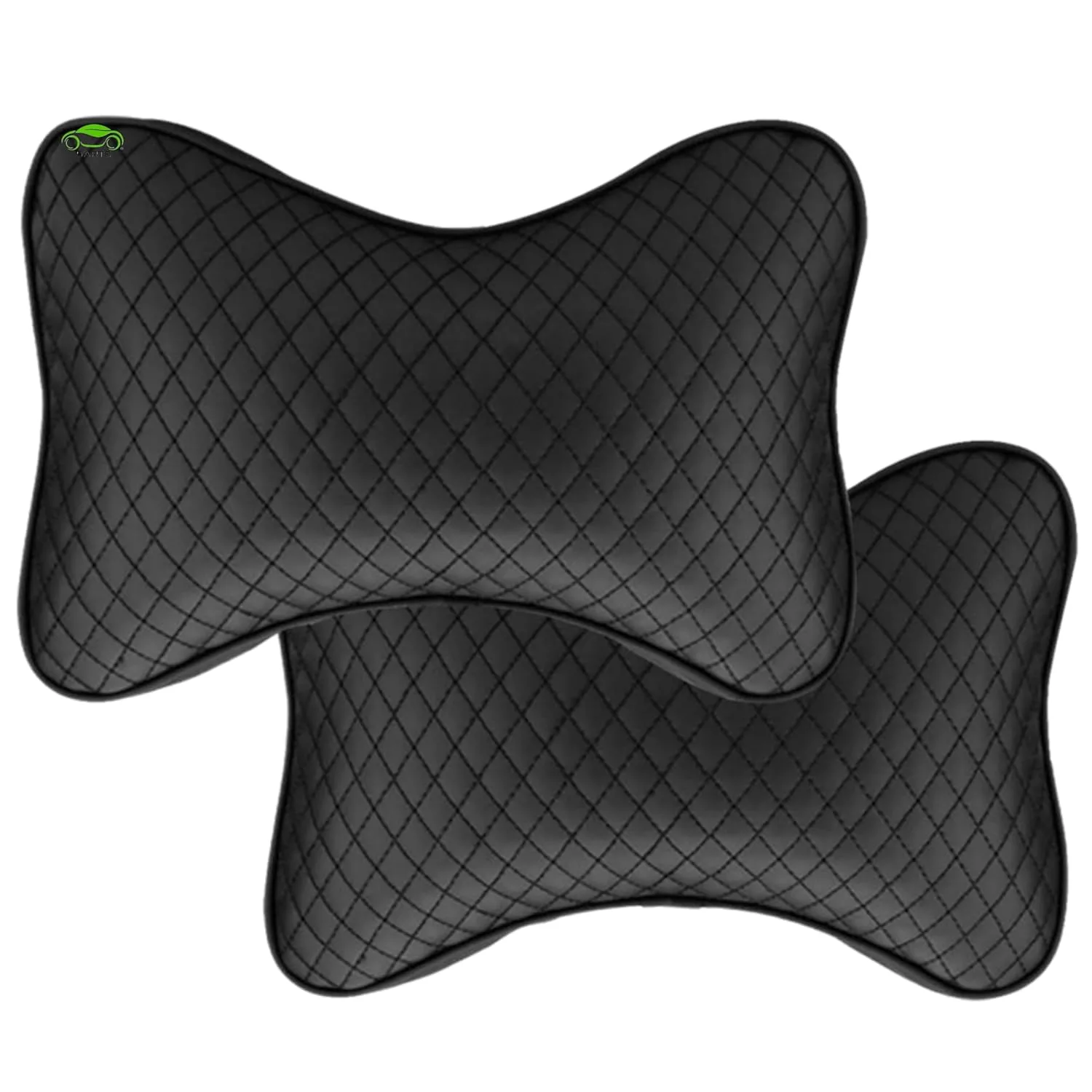 Seat & Neck Cushion
 Lighting
›
Lighting
›
 Utility
›
Utility
›
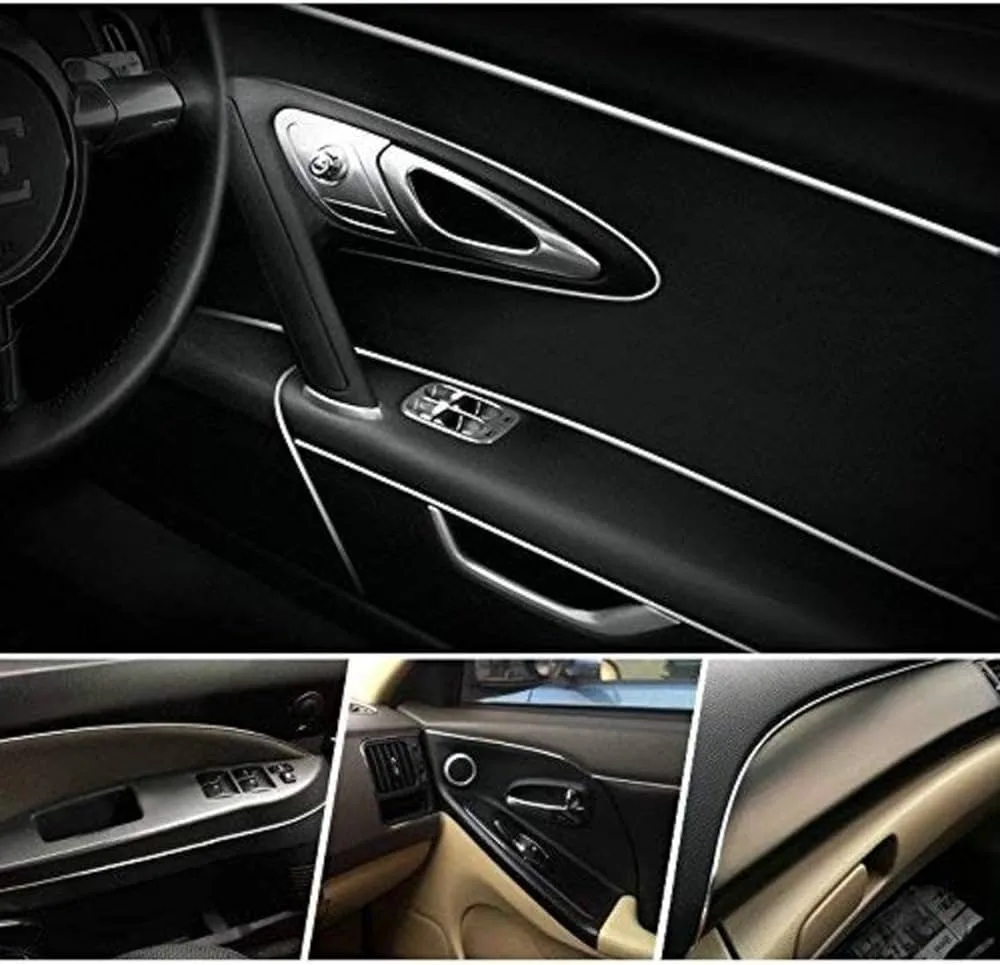 All Chrome Items
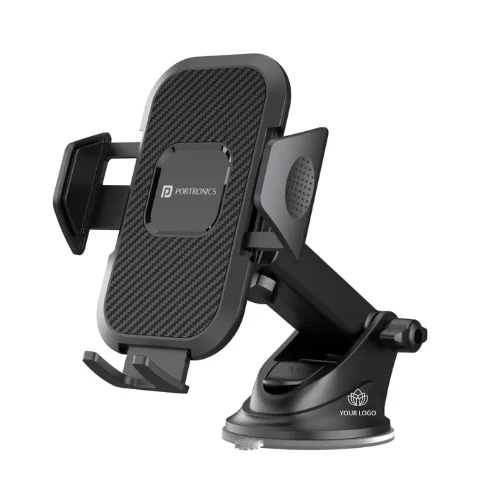 Mobile Holder
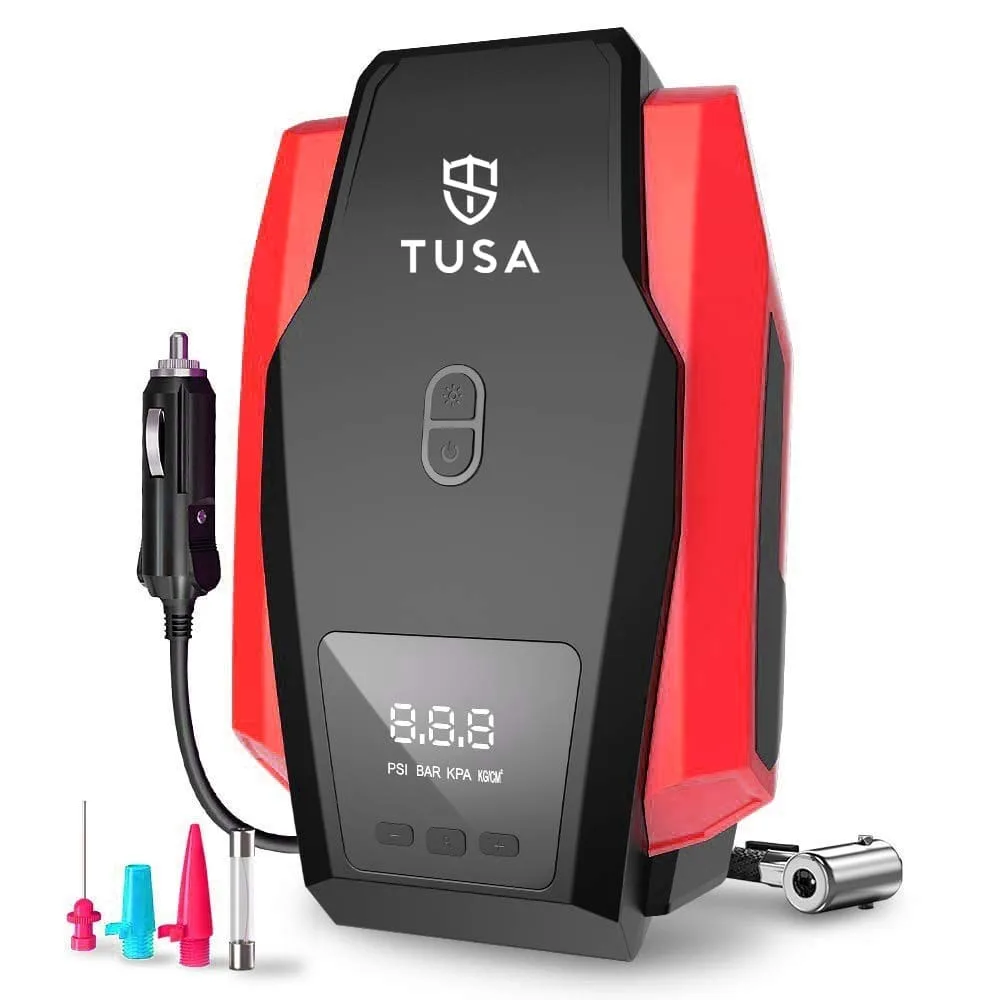 Tyre Inflators
 Vacuum Cleaner
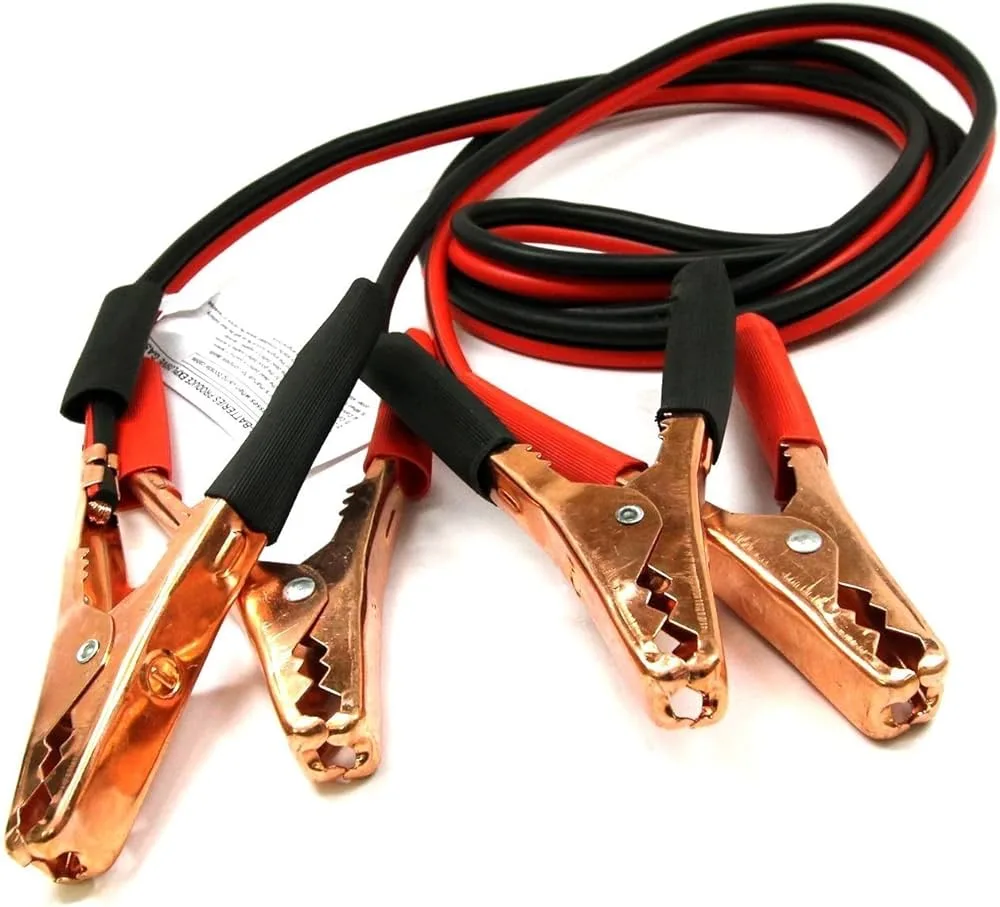 Jumper Cable
 Cleaning Kit
 Tyre Puncture Kit
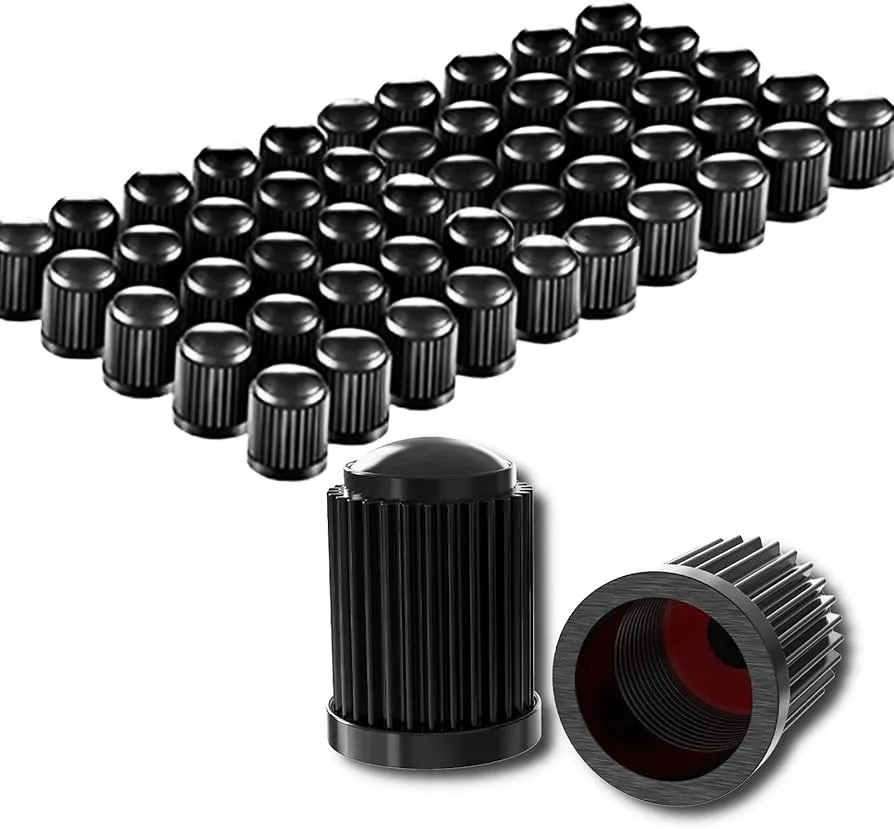 Tyre Valve Cap
 Car Fan
 Parcel Tray
 Electronic
›
Electronic
›
 Parts
›
Parts
›
 Fog Lights
 Headlights
 Tail Lights
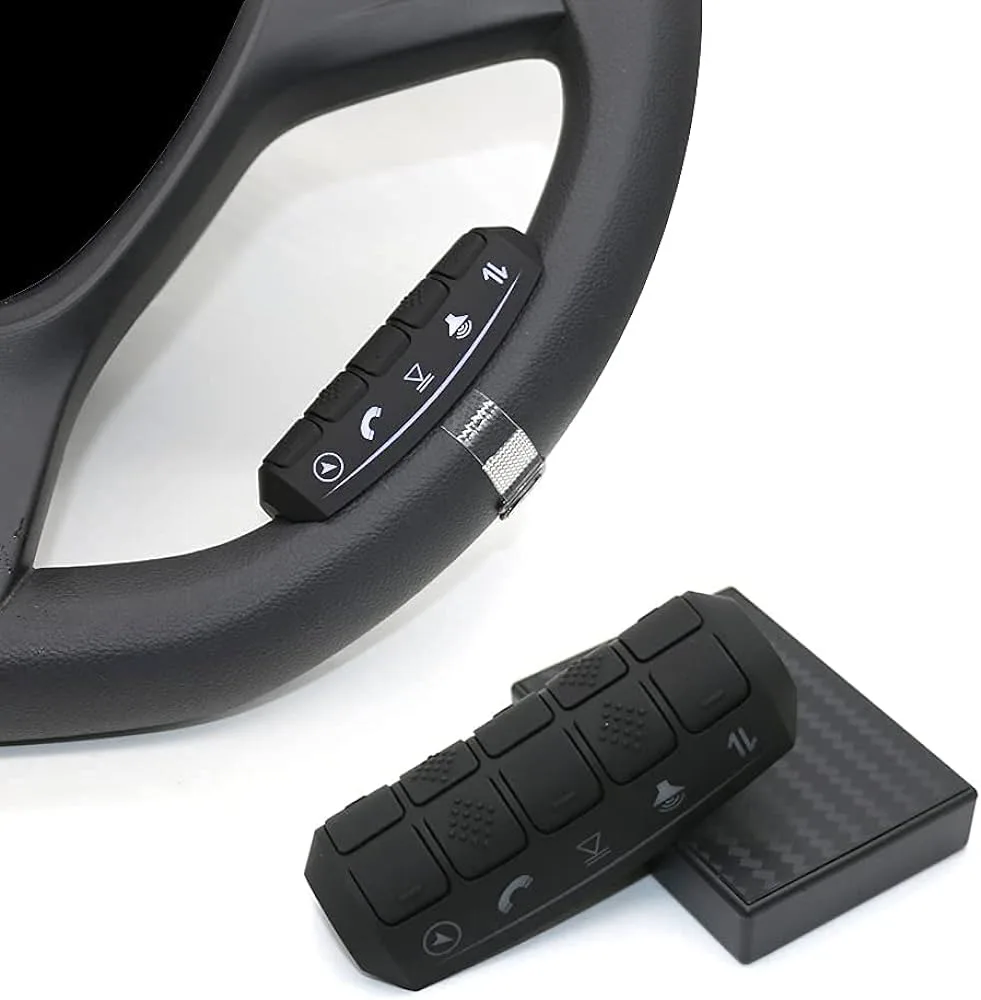 Steering Wheel Controls
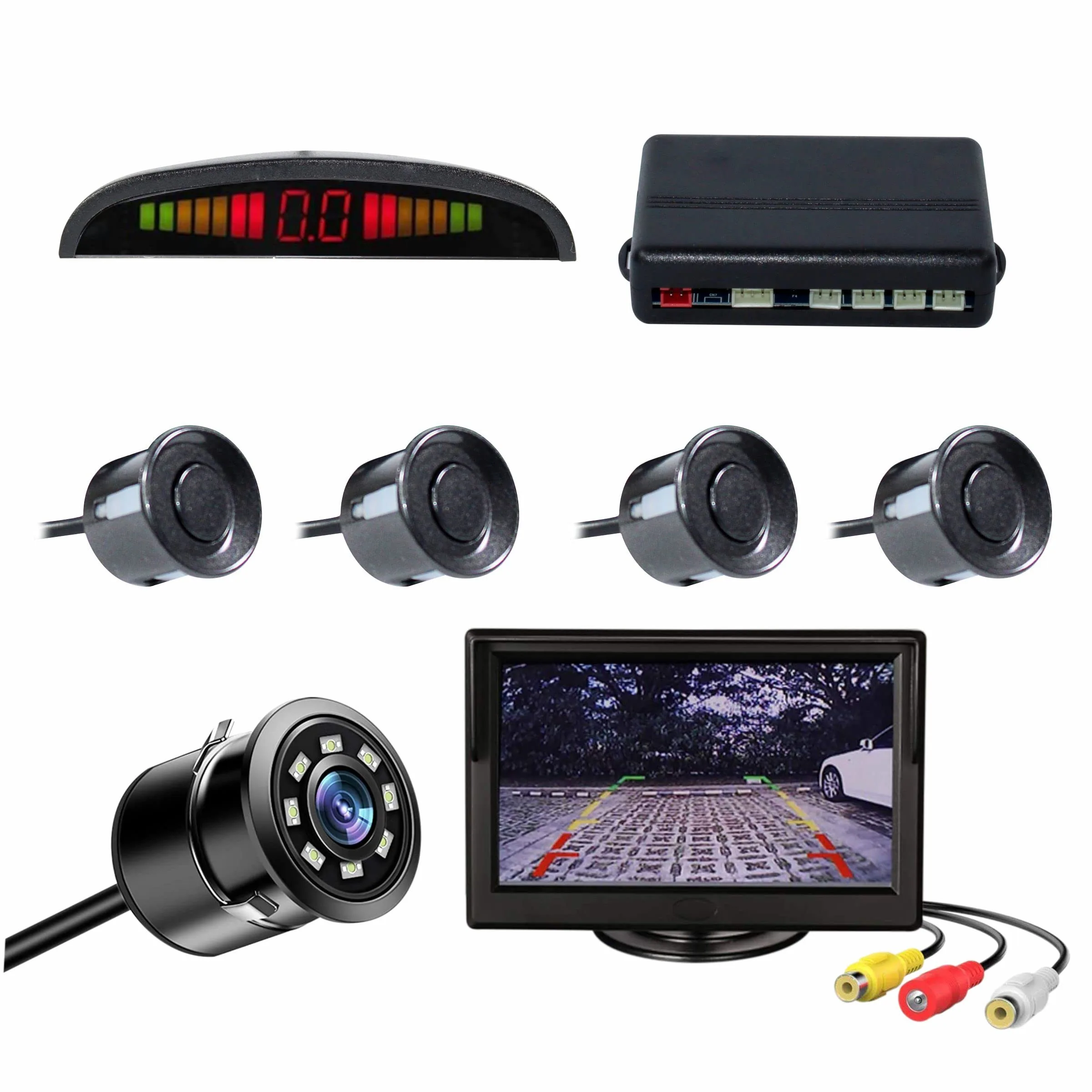 Sensor
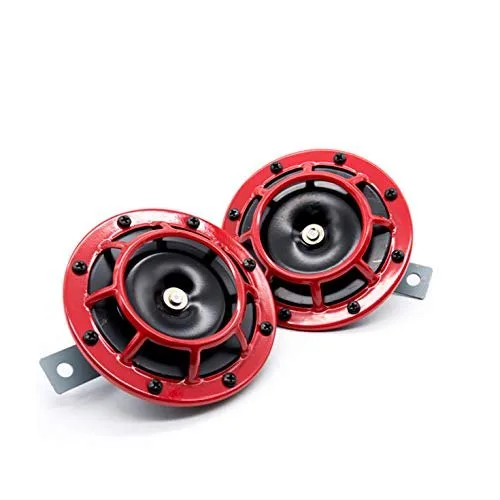 Horns
Horns
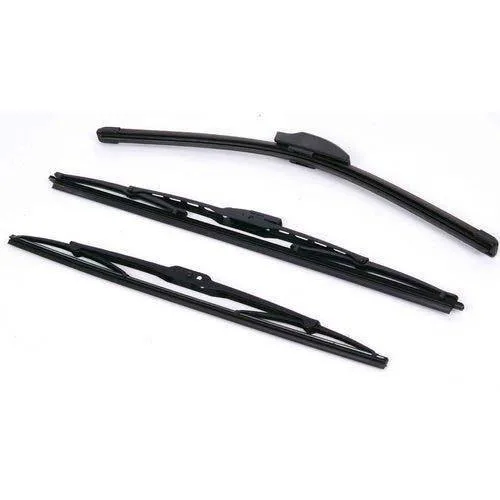 Wiper Blade
 Front Grille
 Side Mirror
 Battery
 Car Care
›
Car Care
›
 Air Freshener & Perfume
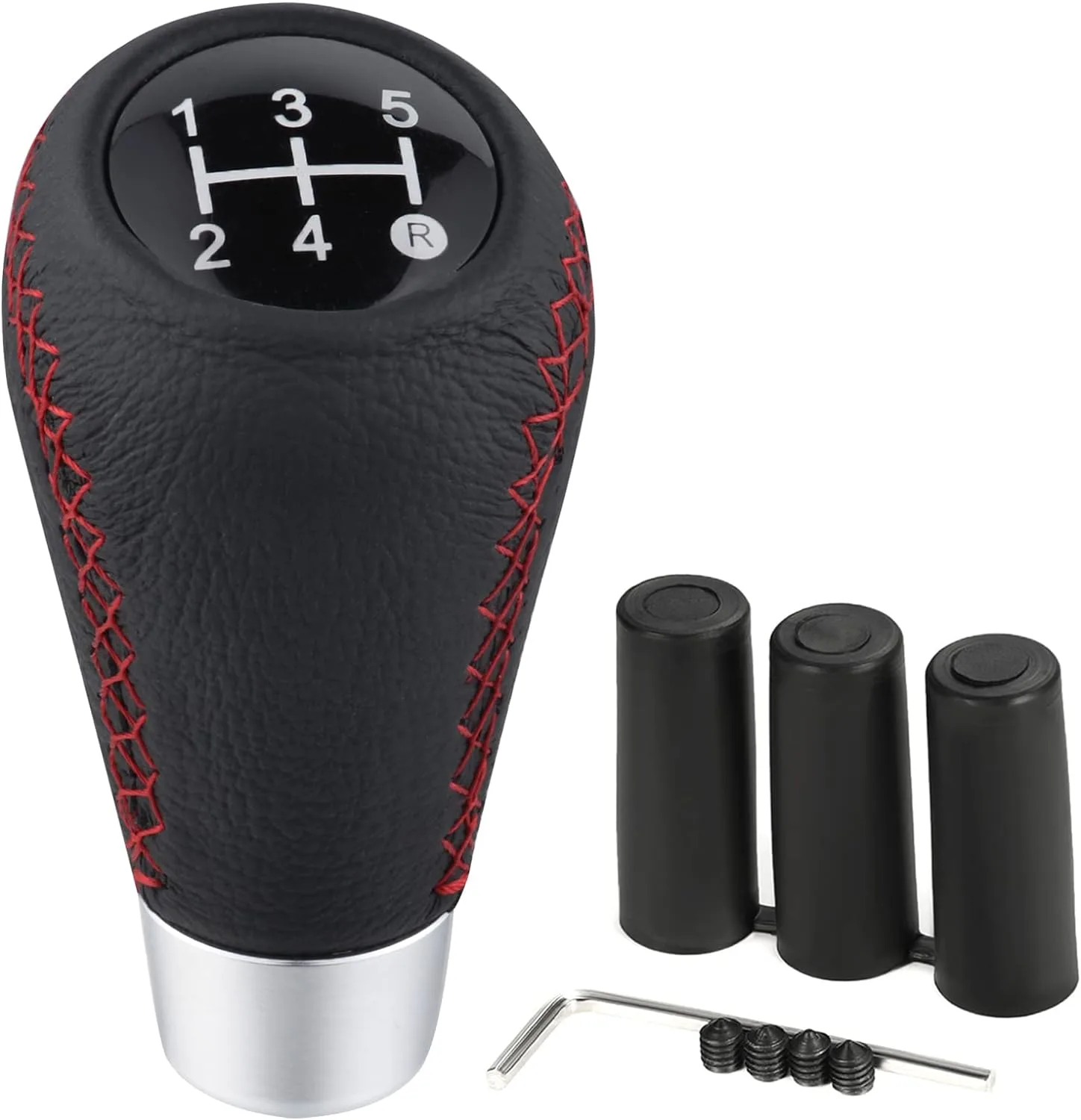 Gear knob
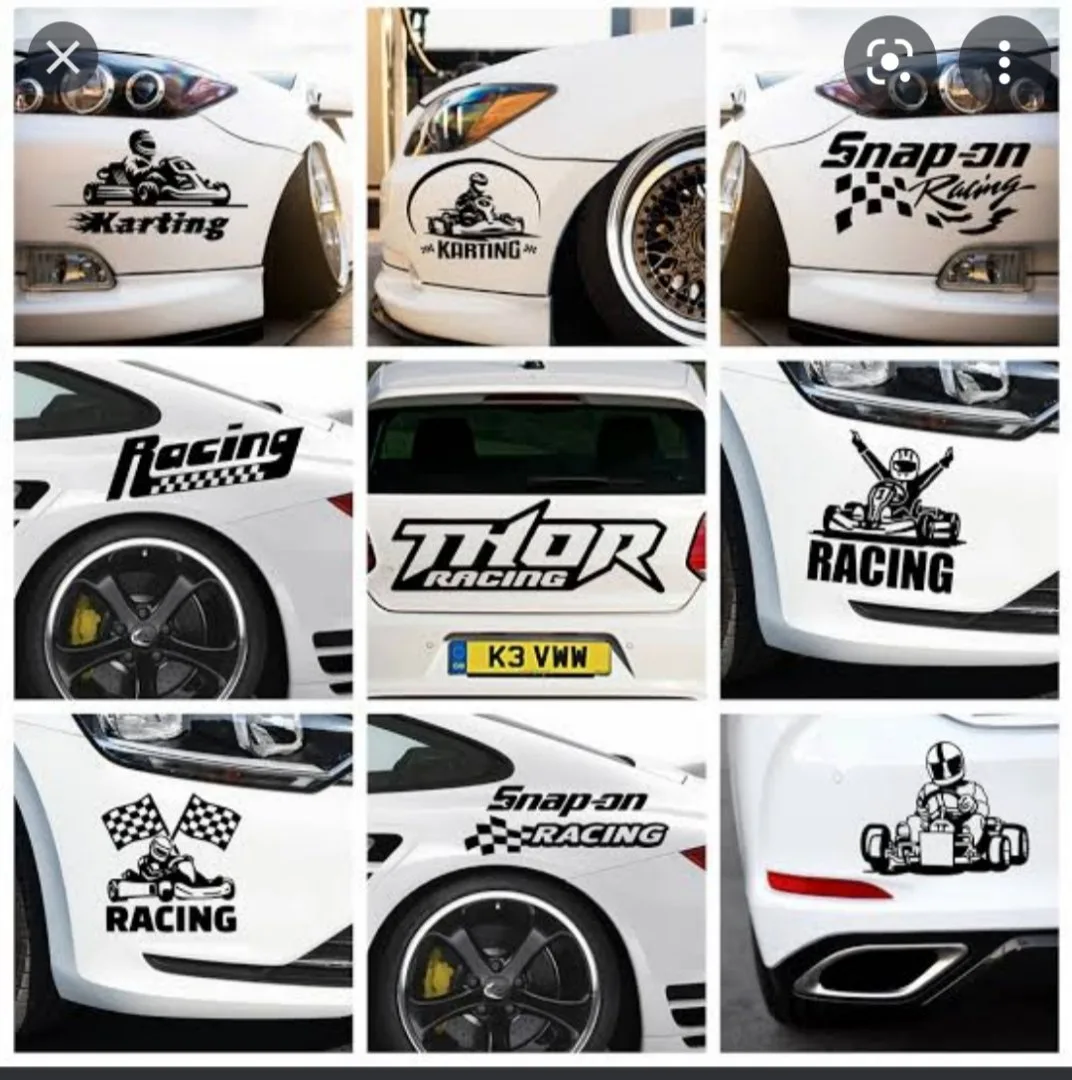 Stickers & Decals
 Blind Spot Mirror
 Steering Knob
 Key Covers
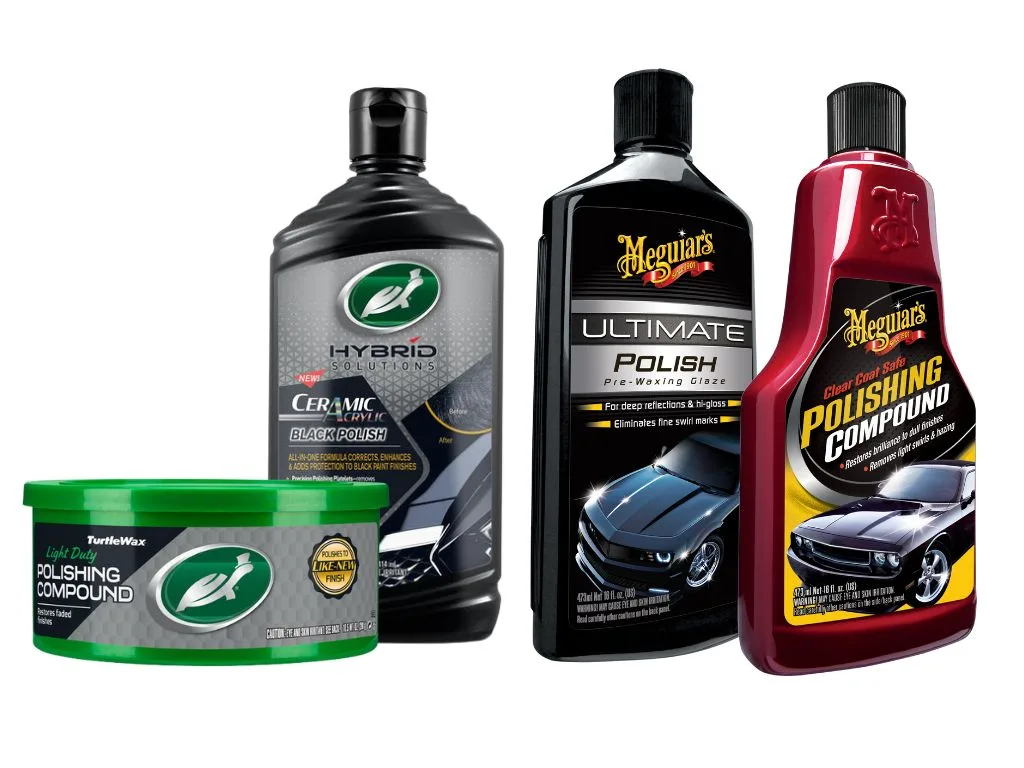 Polish & Scratch Remover
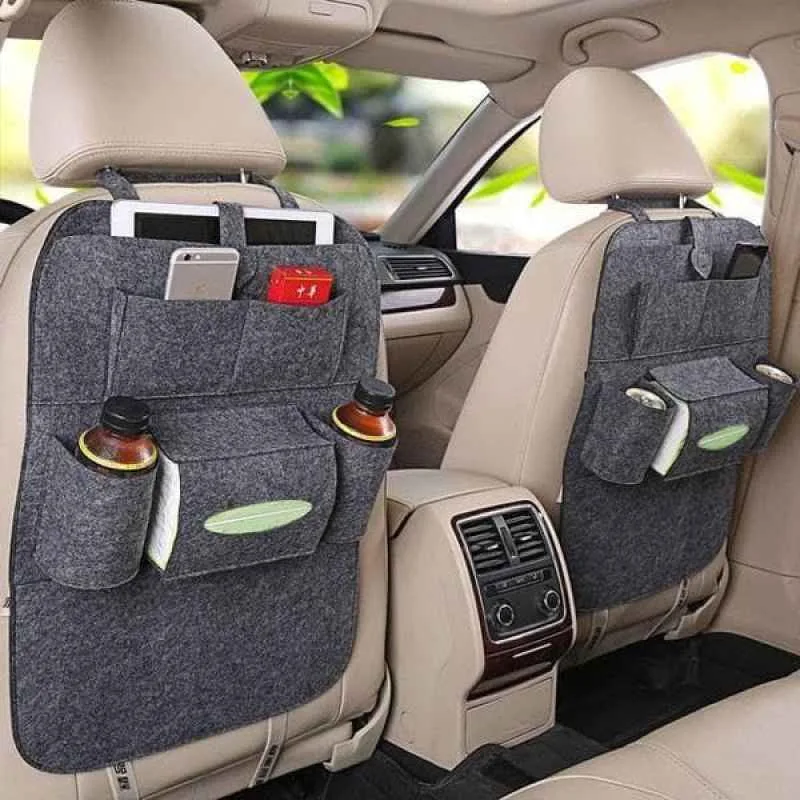 Seat Utility Holder
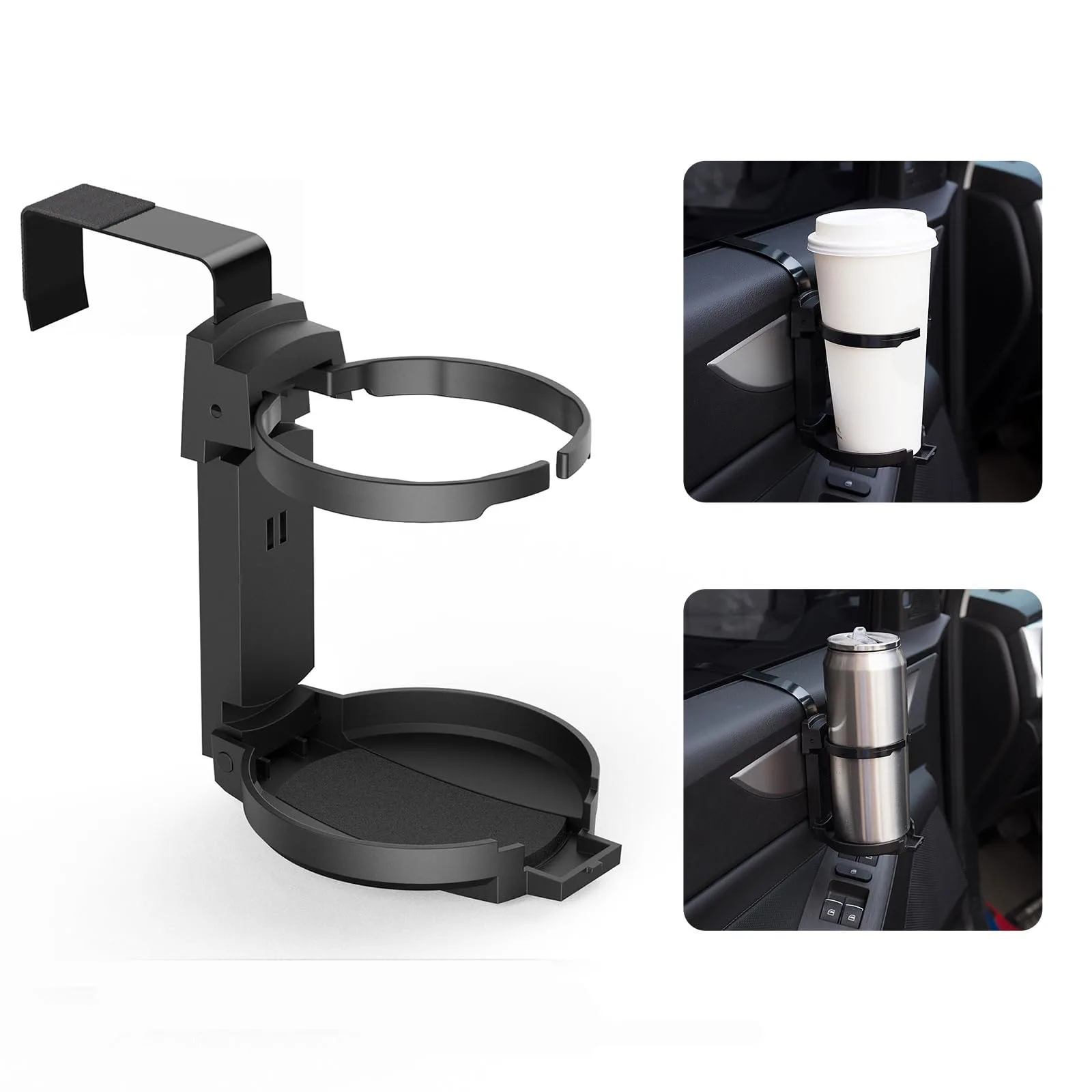 Cup Holder
 Dustbin
 Paper Napkin
 Shop By Car
›
Shop By Car
›
 Tata
›
Tata
›
 Maruti Suzuki
›
Maruti Suzuki
›
 Hyundai
›
Hyundai
›
 Toyota
›
Toyota
›
 Mahindra
›
Mahindra
›
 Honda
›
Honda
›
 Ford
›
Ford
›
 Nissan
›
Nissan
›
 Renault
›
Renault
›
 Skoda
›
Skoda
›
 Volkswagen
›
Volkswagen
›
 Morris Garages - MG
›
Morris Garages - MG
›
 KIA
›
KIA
›
 Jeep
›
Jeep
›
 Citroen
›
Citroen
›
 Datsun
›
Datsun
›
 Chevrolet
›
Chevrolet
›
 Isuzu
›
Isuzu
›
 Mitsubishi
›
Mitsubishi
›
 AUDI
›
AUDI
›
 BMW
›
BMW
›
 Mercedes
›
Mercedes
›
 Land Rover
›
Land Rover
›
 Jaguar
›
Jaguar
›
 Volvo
›
Volvo
›
 FIAT
›
FIAT
›
 Mini Cooper
›
Mini Cooper
›
 Porsche
›
Porsche
›
 Lexus
›
Citron
›
Fors
›
Morris Garages
›
MG
›
Lexus
›
Citron
›
Fors
›
Morris Garages
›
MG
›
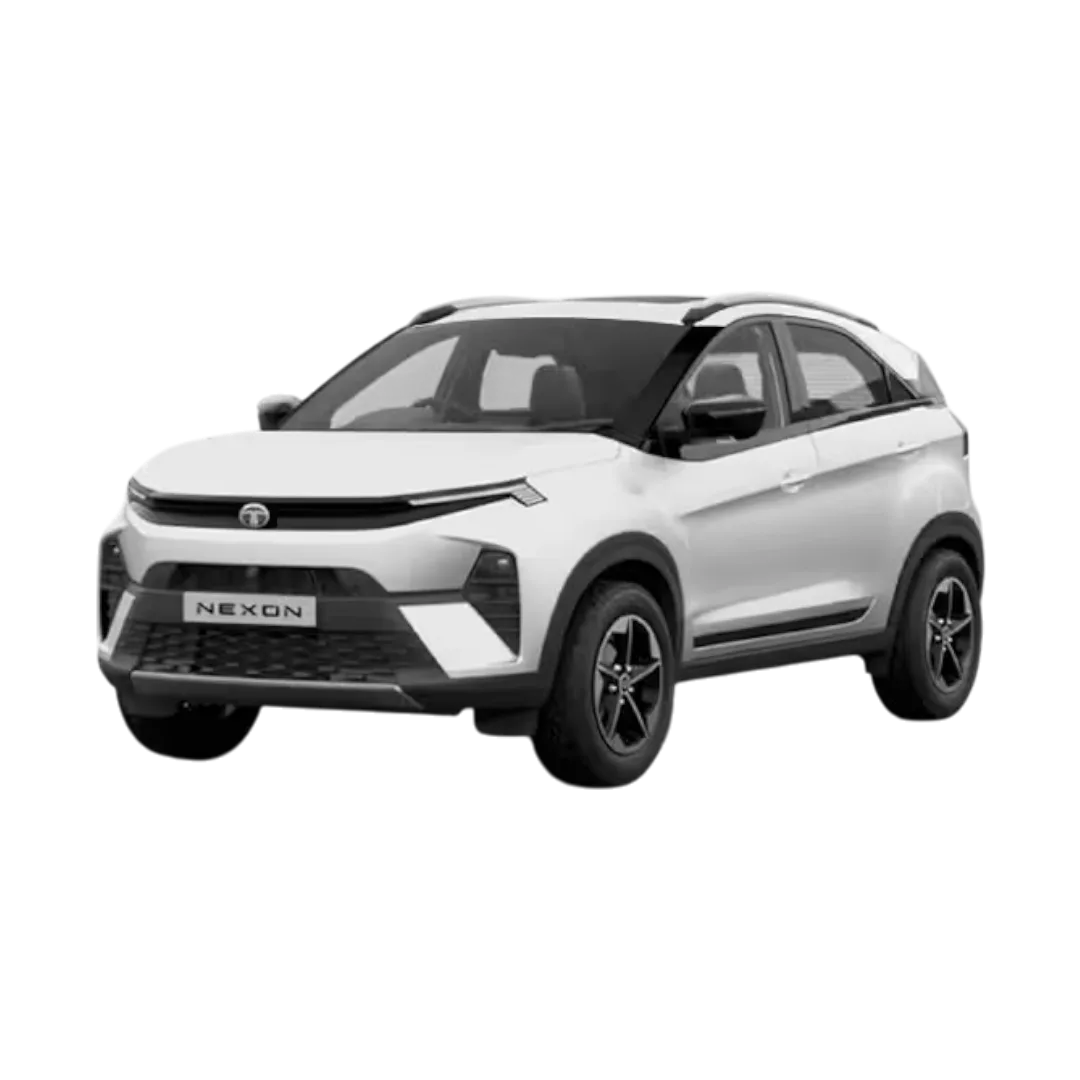 Nexon
Nexon
 Harrier
 Altroz
 Hexa
Hexa
 Safari
 Tiago
Tiago
 Punch
Punch
 Tigor
Tigor
 Sumo
Sumo
 Winger
 Bolt
Bolt
 Vista
Vista
 Manza
Manza
 Indica
 Indigo
 Nano
Nano
 Aria
Aria
 Safari Storme
 Zest
Zest
 NEXON EV Max
 NEXON EV Prime
 Tiago NRG
 Tigor EV
INDICA VISTA
Curvv
Sierra
Magic
Tigor EV
INDICA VISTA
Curvv
Sierra
Magic
 Ciaz
Ciaz
 S-Presso
 Eeco/Versa
 WagonR
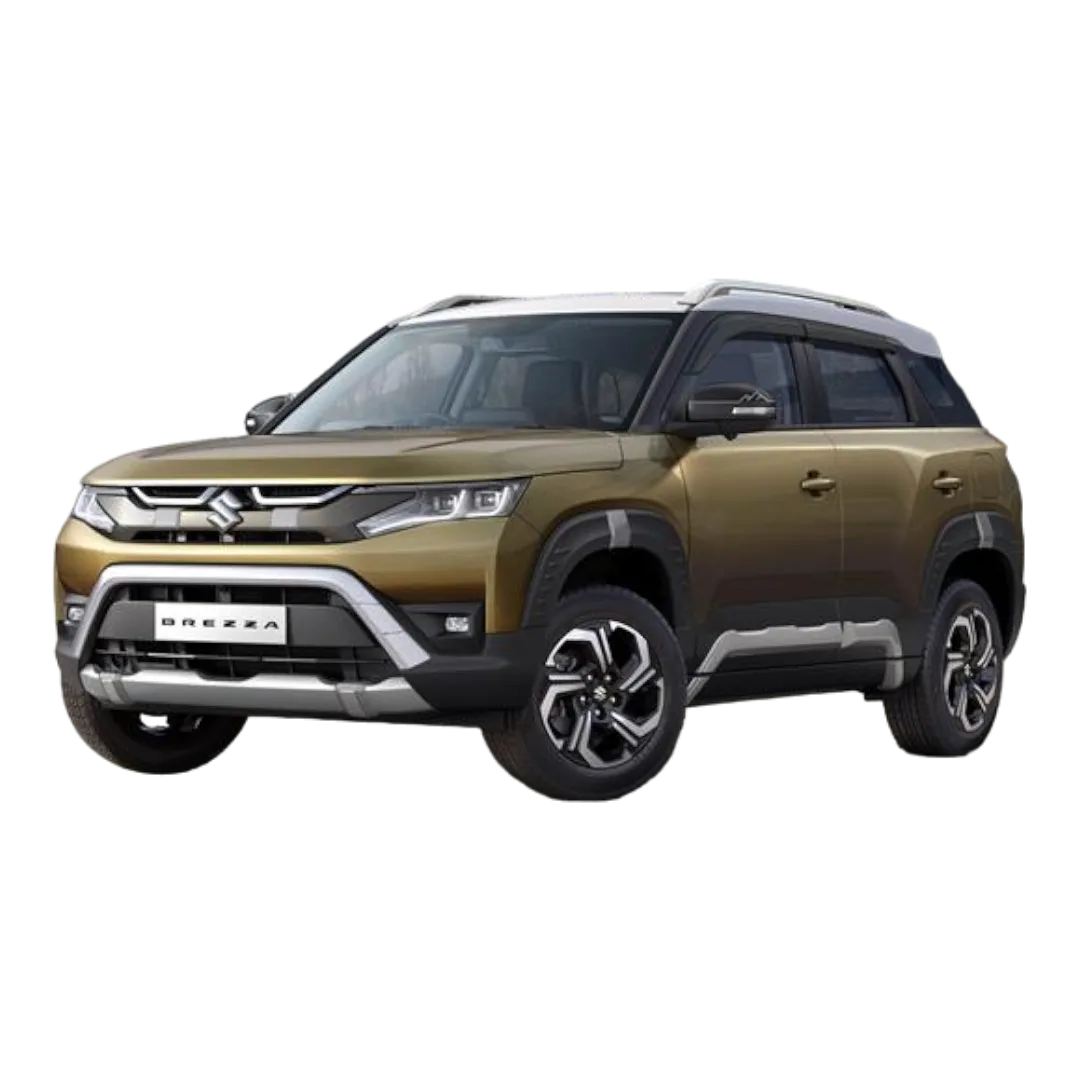 Brezza
 Swift
Swift
 Dzire
Dzire
 Baleno
 Ertiga
 Grand Vitara
 S-Cross
 Jimny
Jimny
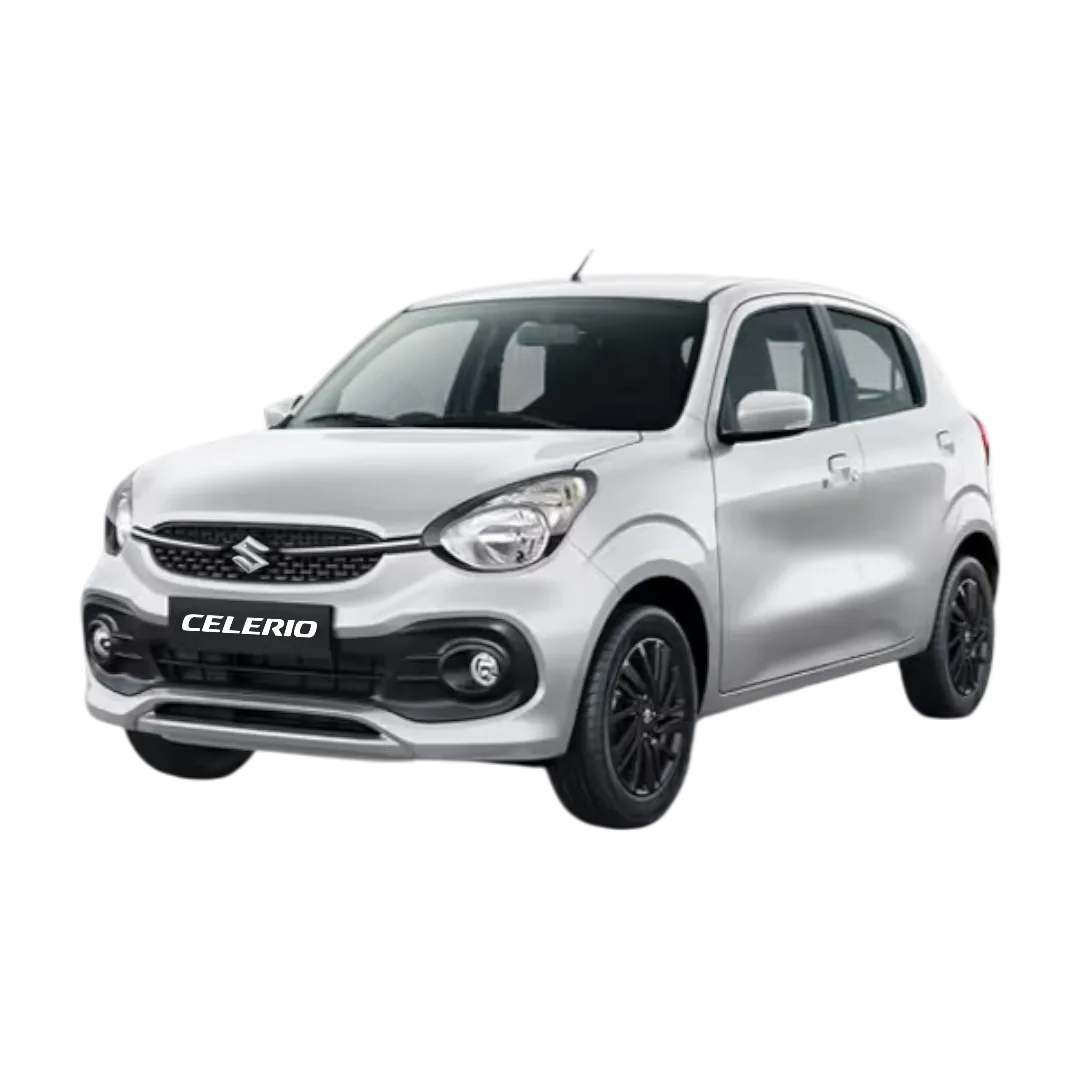 Celerio
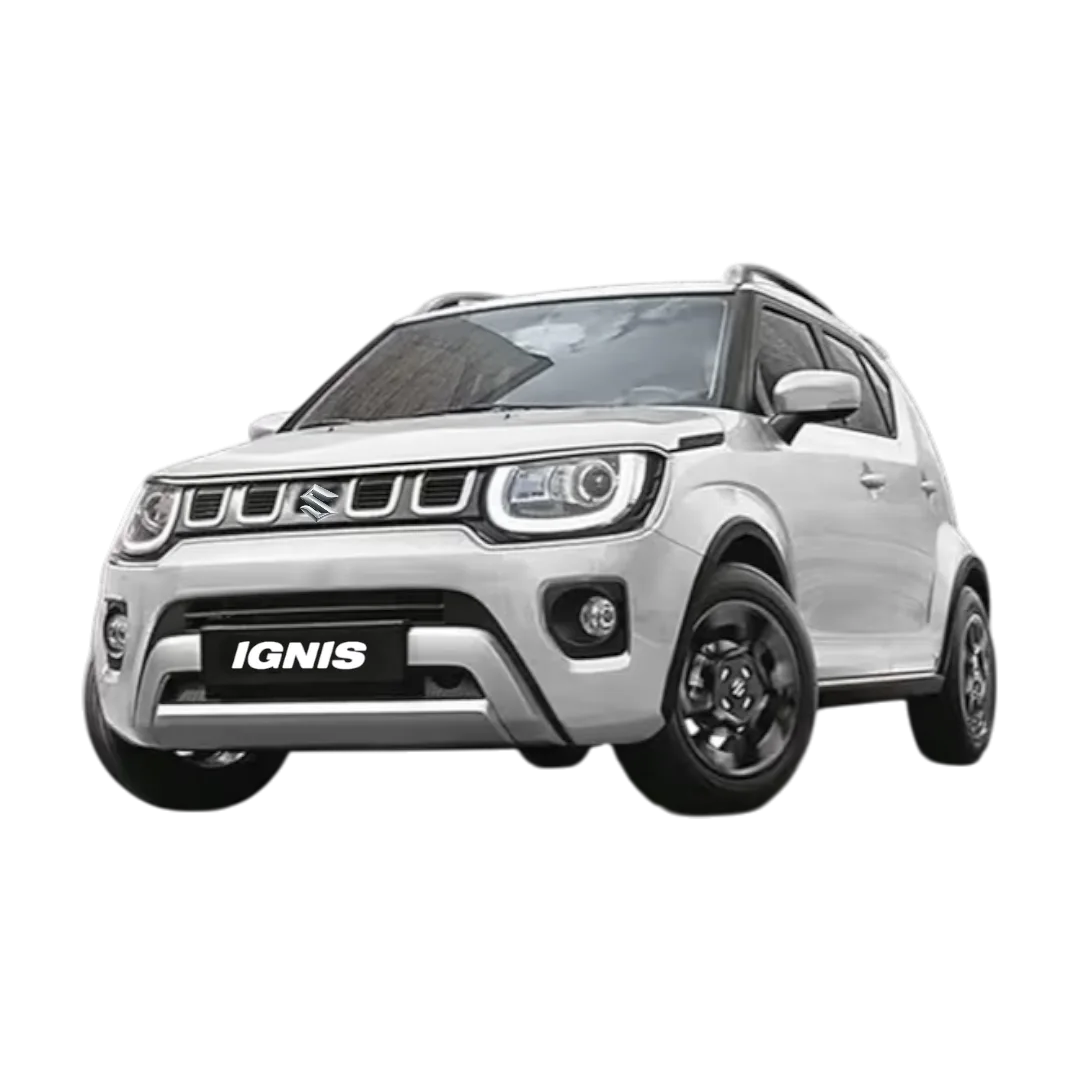 Ignis
Ignis
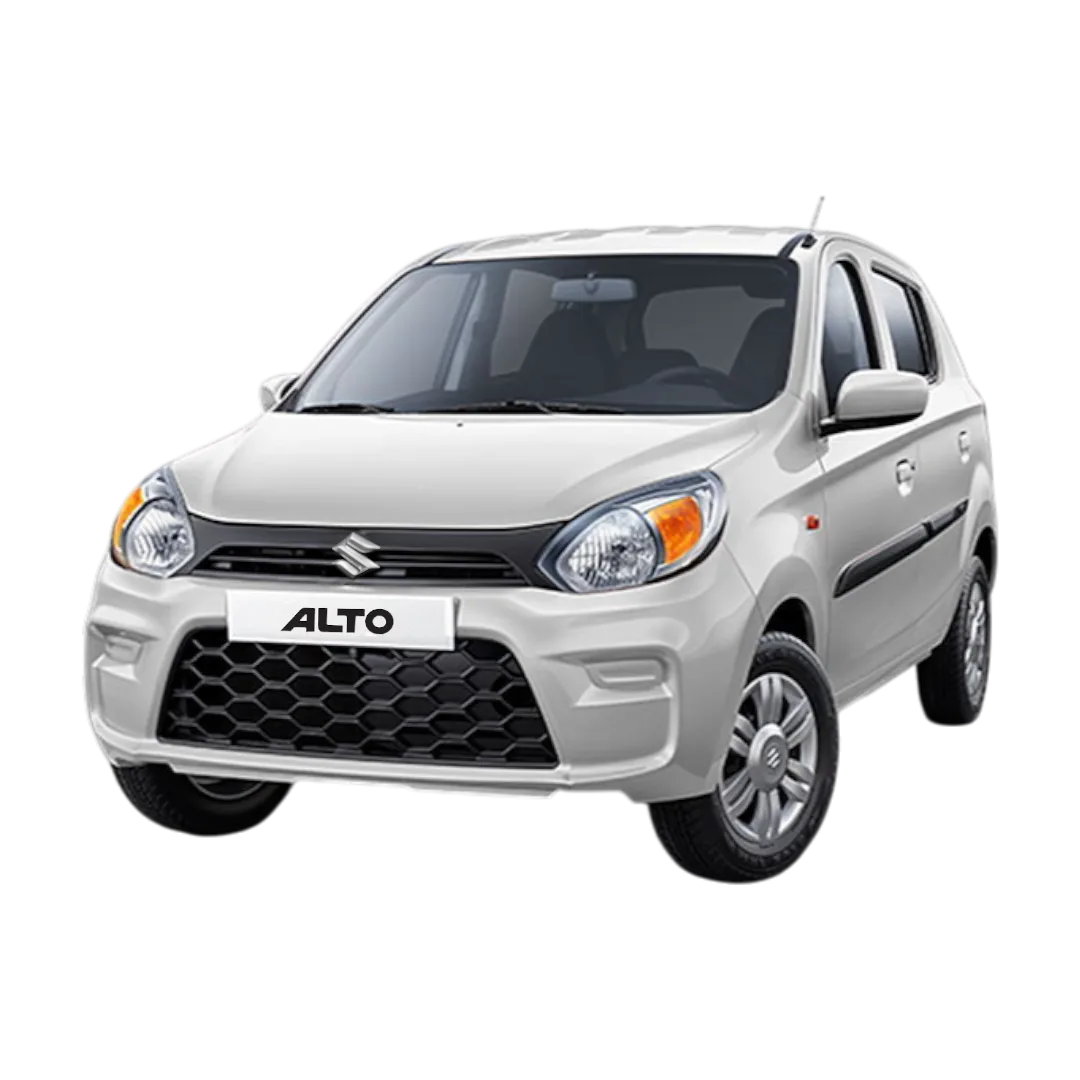 Alto 800
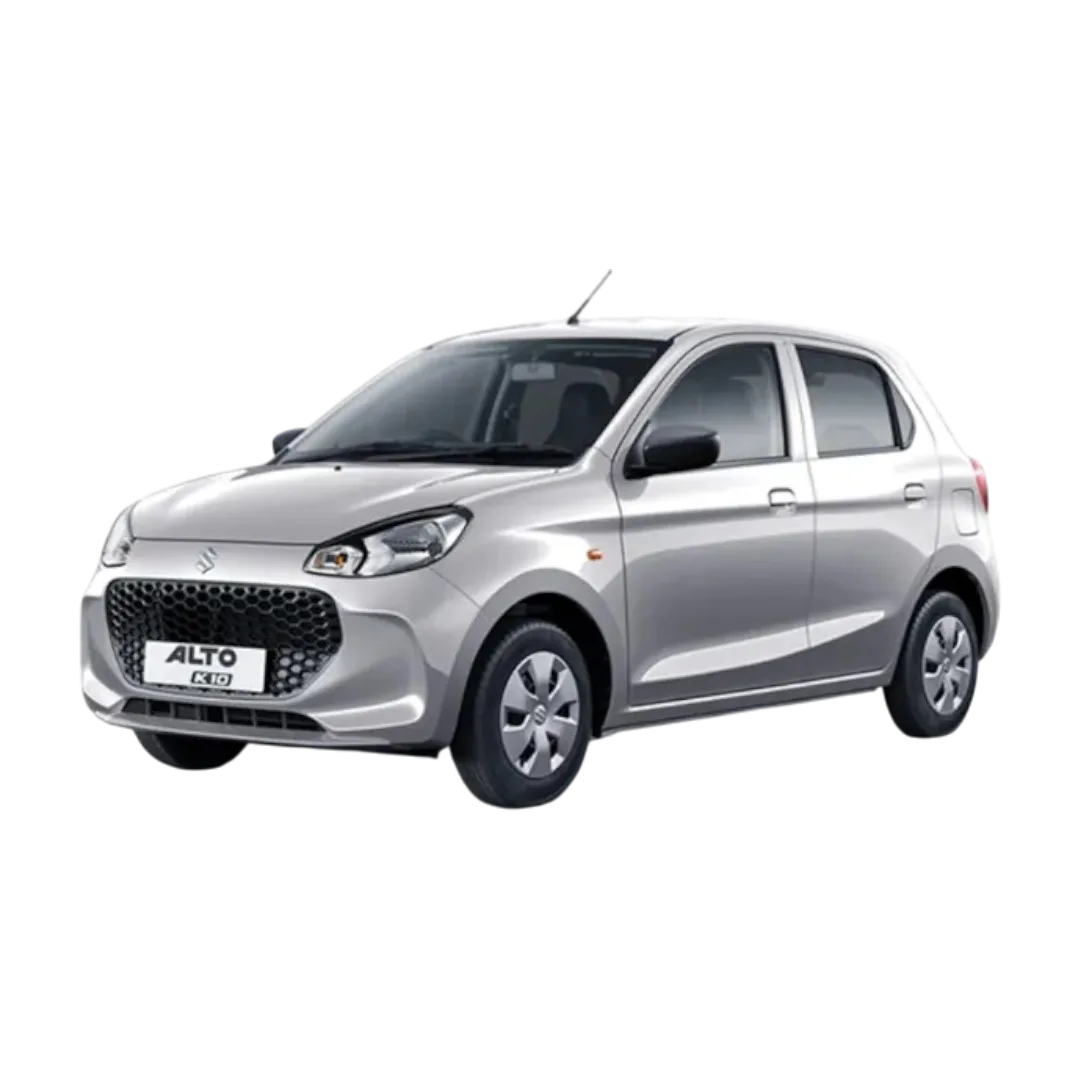 Alto K10
 XL6
XL6
 Omni
Omni
 SX4
SX4
 Gypsy
Gypsy
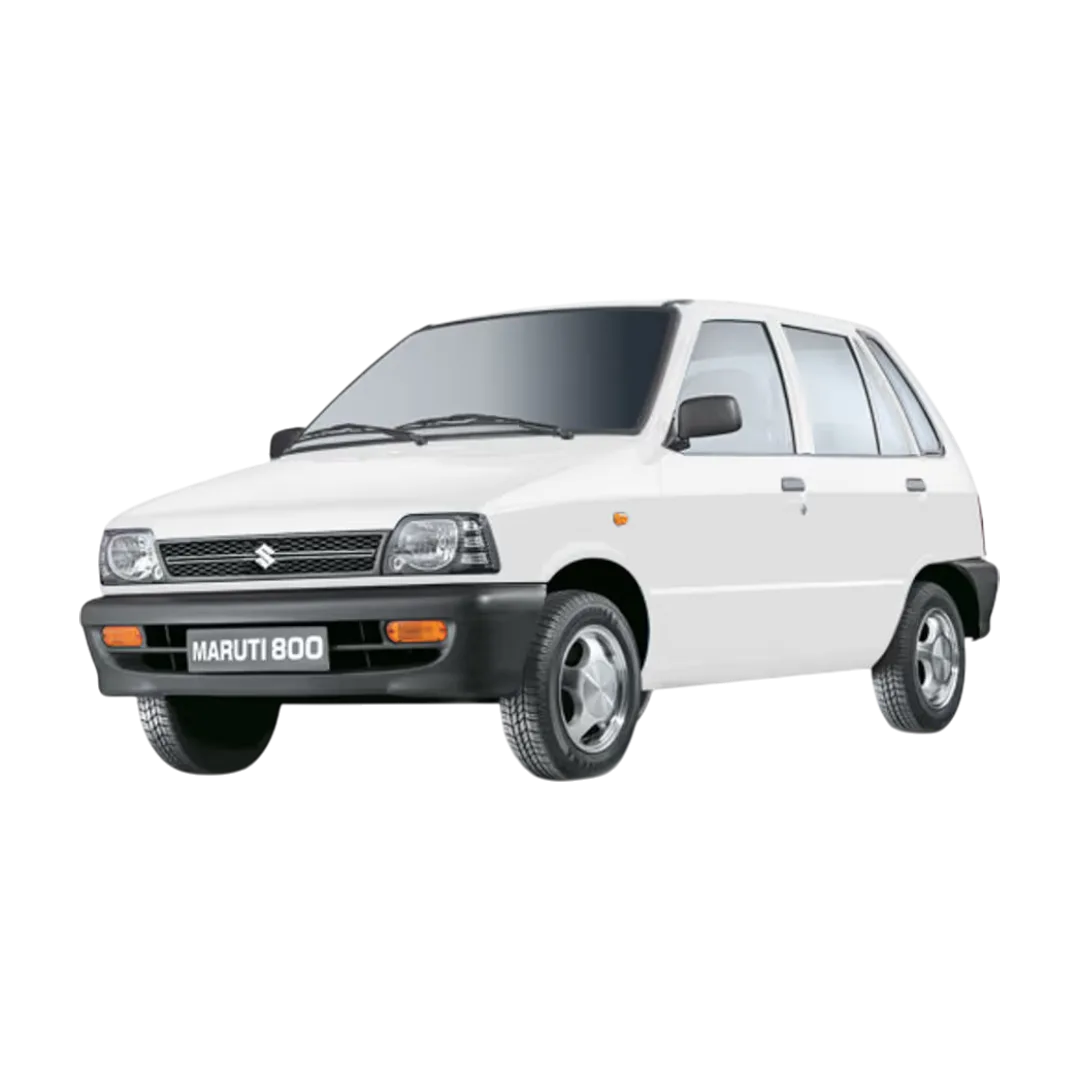 Maruti 800
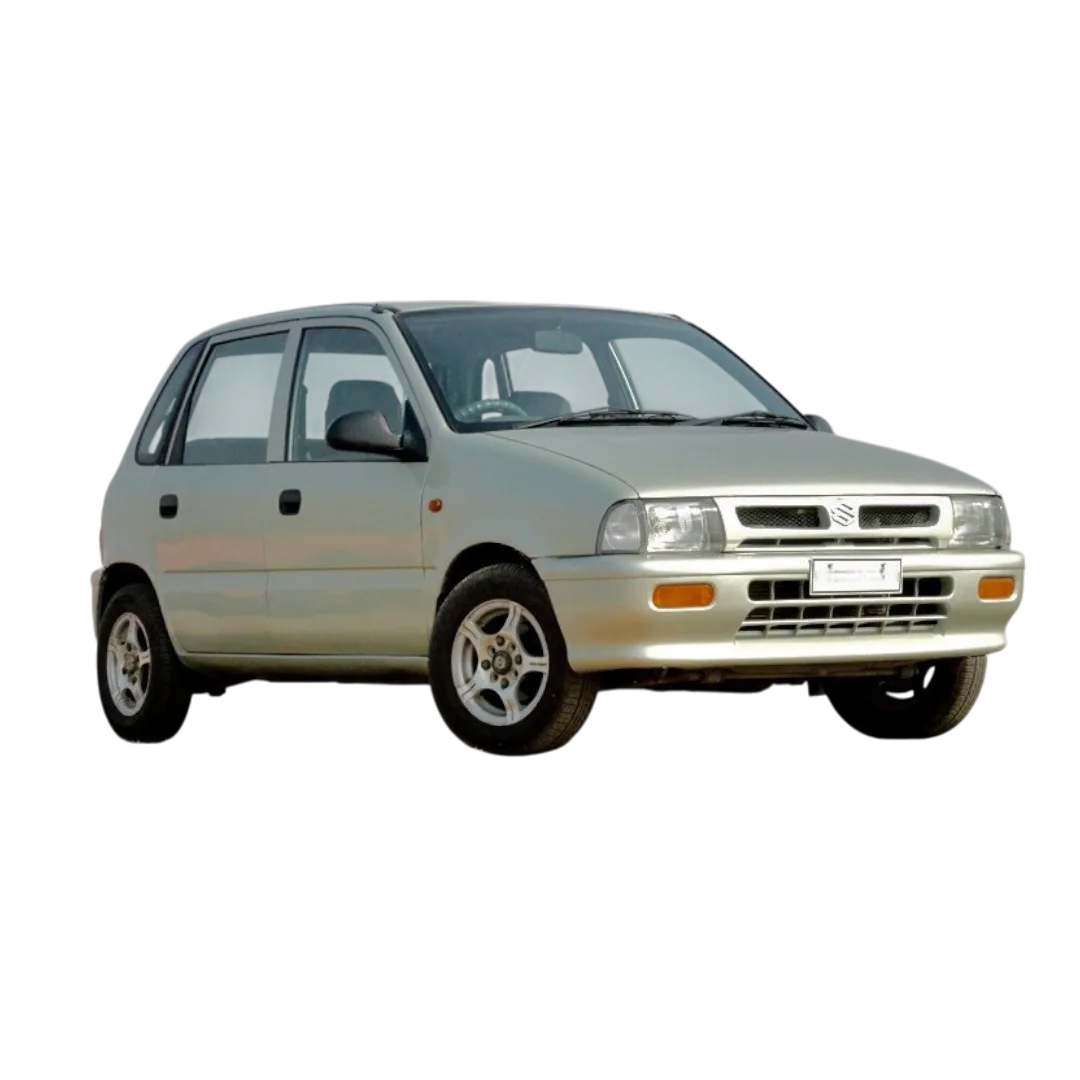 Zen
Zen
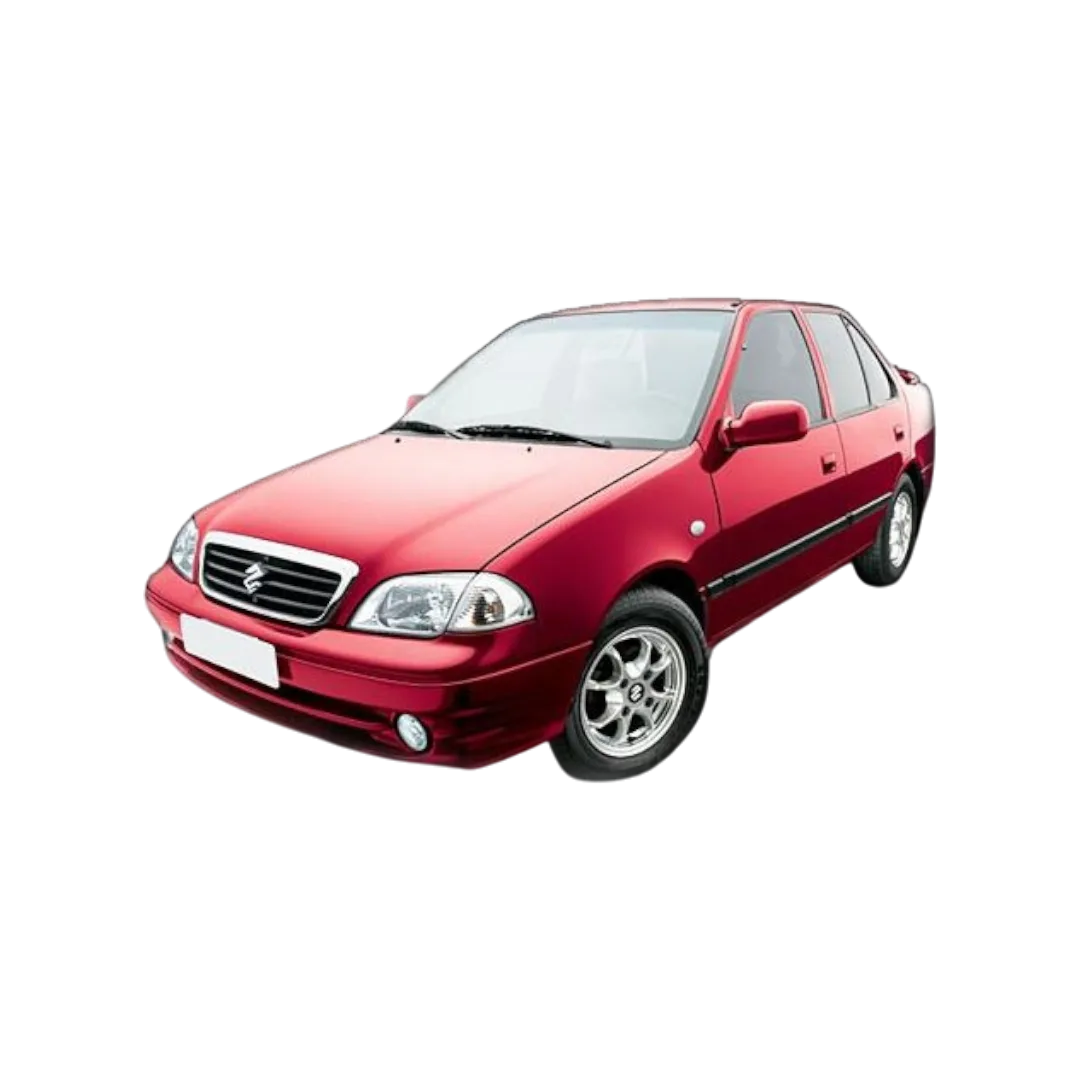 Esteem
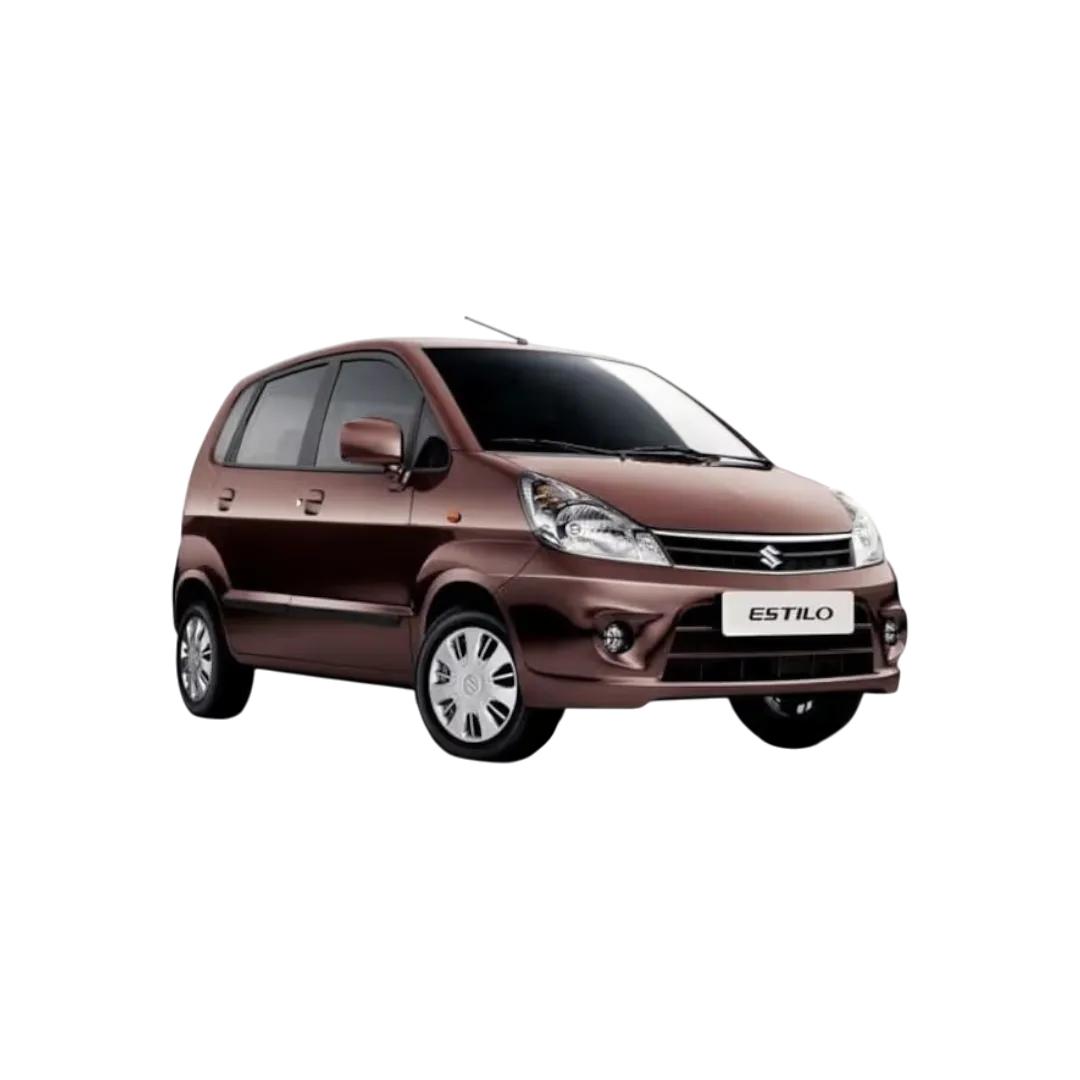 Zen Estilo
 Ritz
Ritz
 Fronx
Fronx
 A-Star
 Alto
Alto
 Invicto
Victoris
Wagon R
Invicto
Victoris
Wagon R
 i20
i20
 Aura
Aura
 Creta
Creta
 Elantra
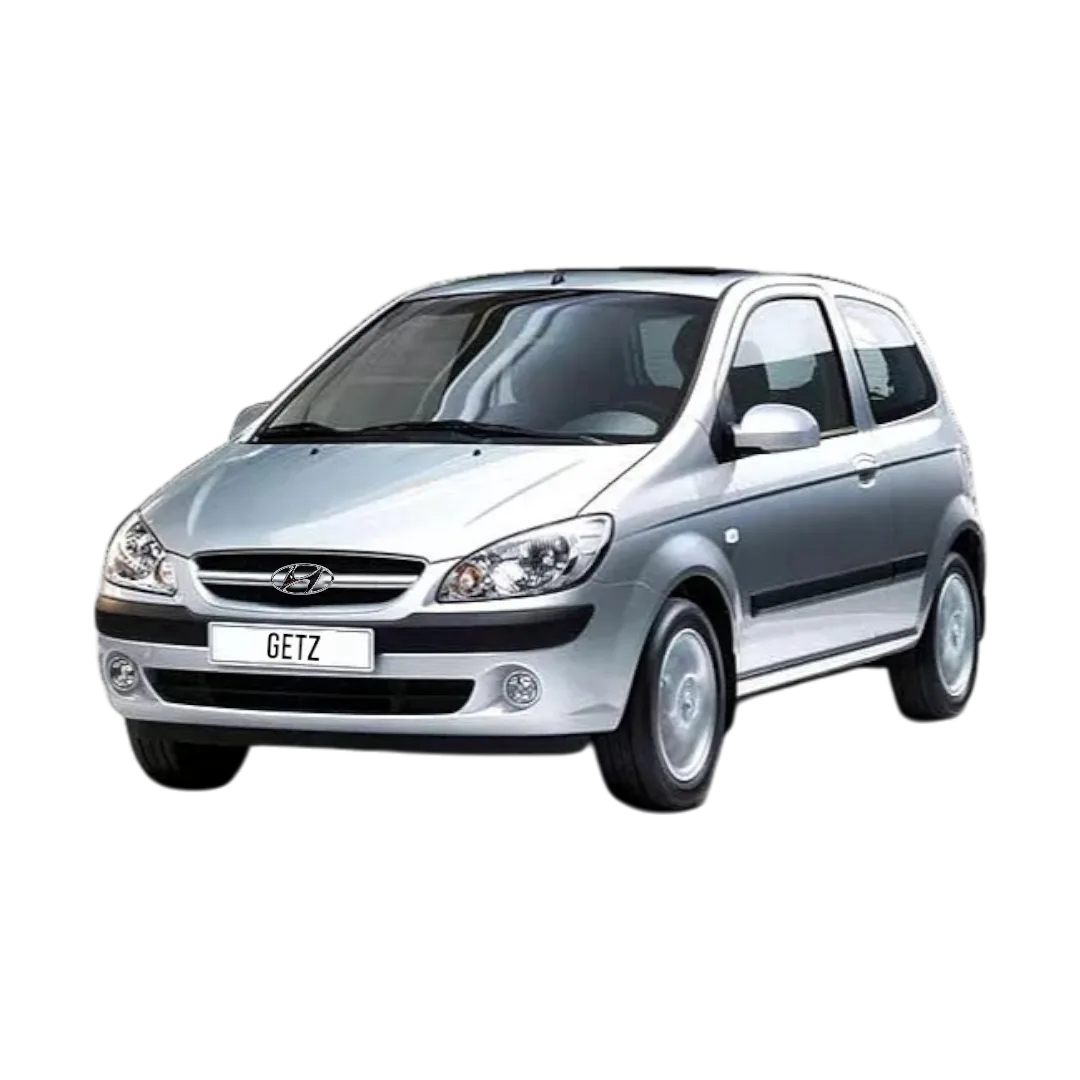 Getz
Getz
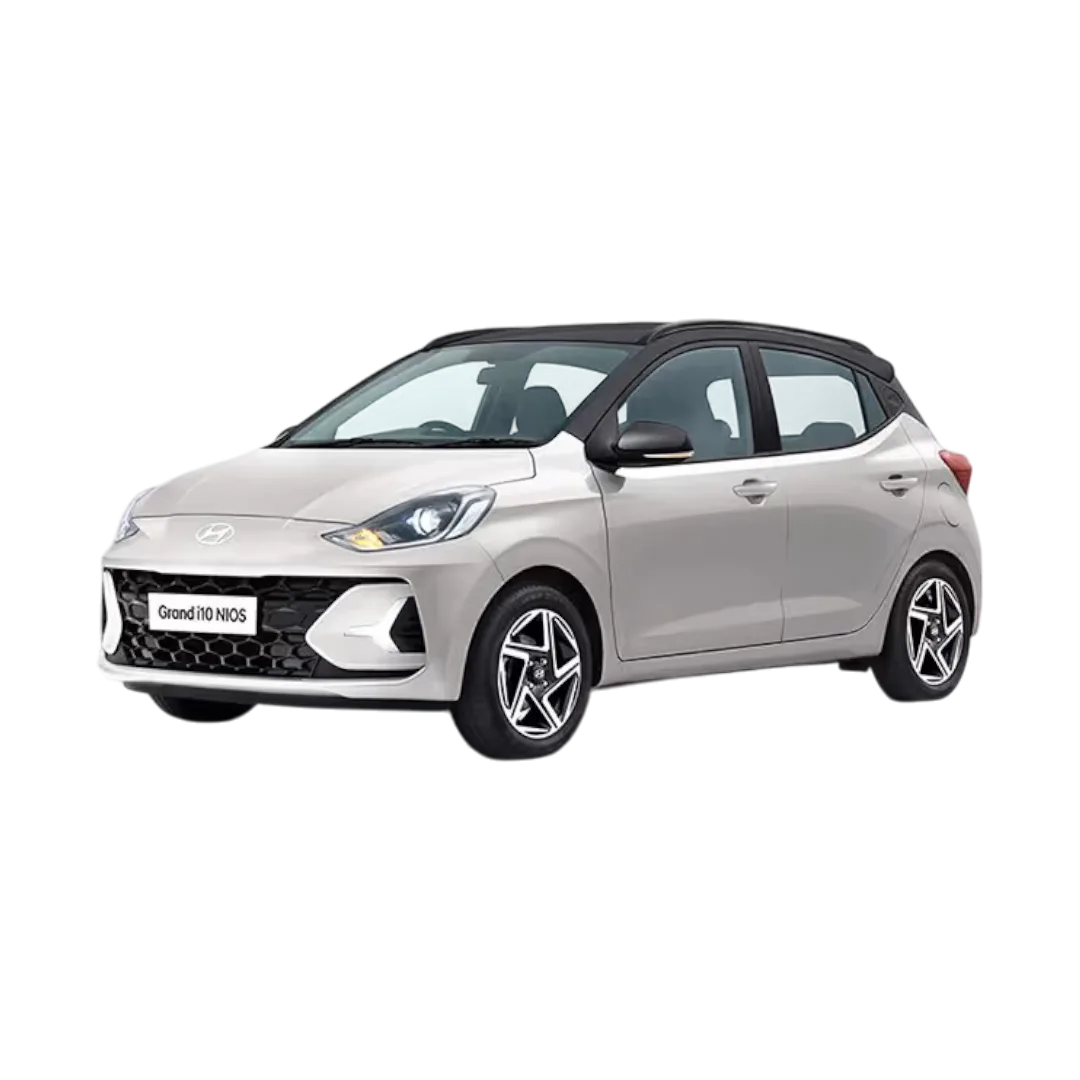 Grand i10 Nios
 Venue
Venue
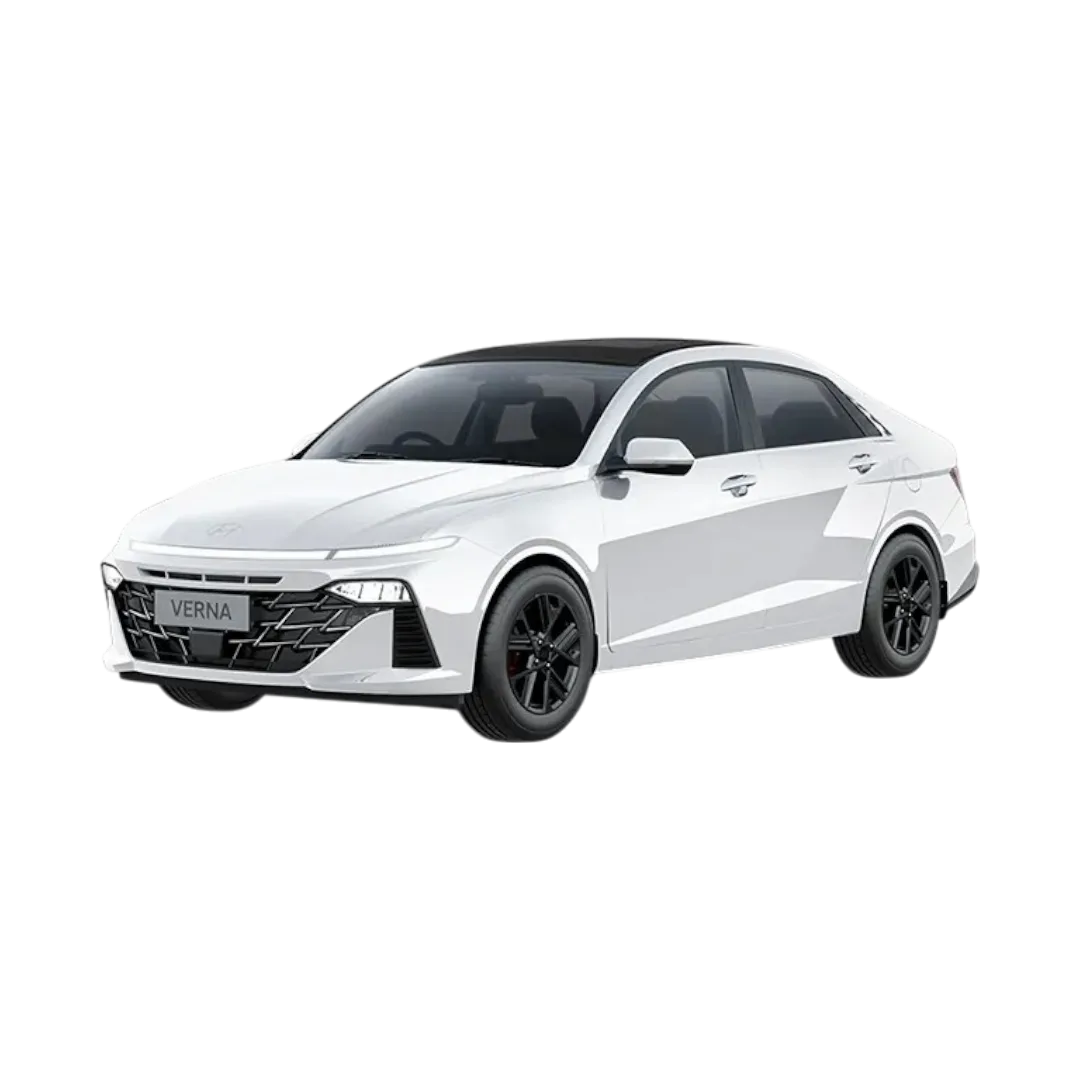 Verna
Verna
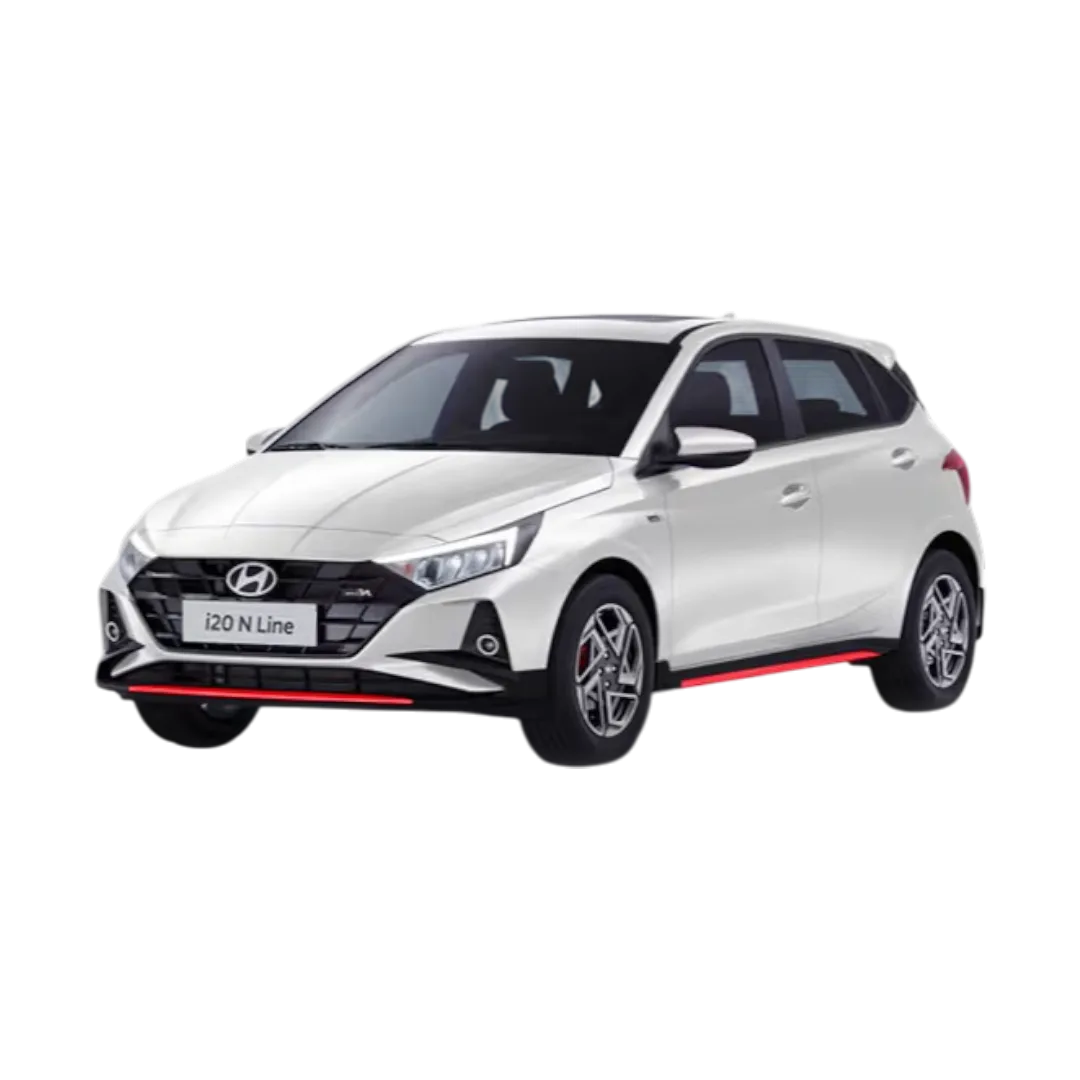 i20 N Line
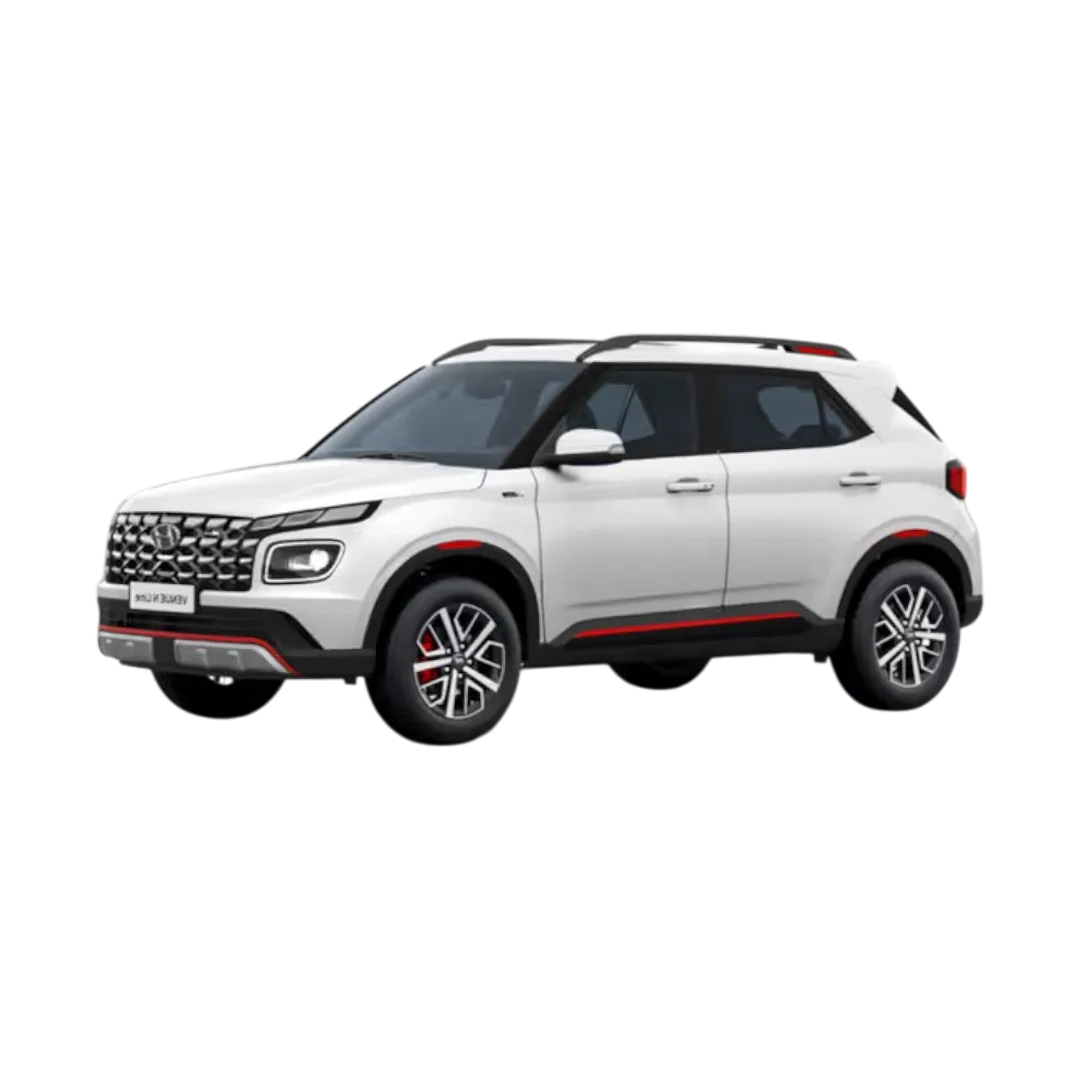 Venue N Line
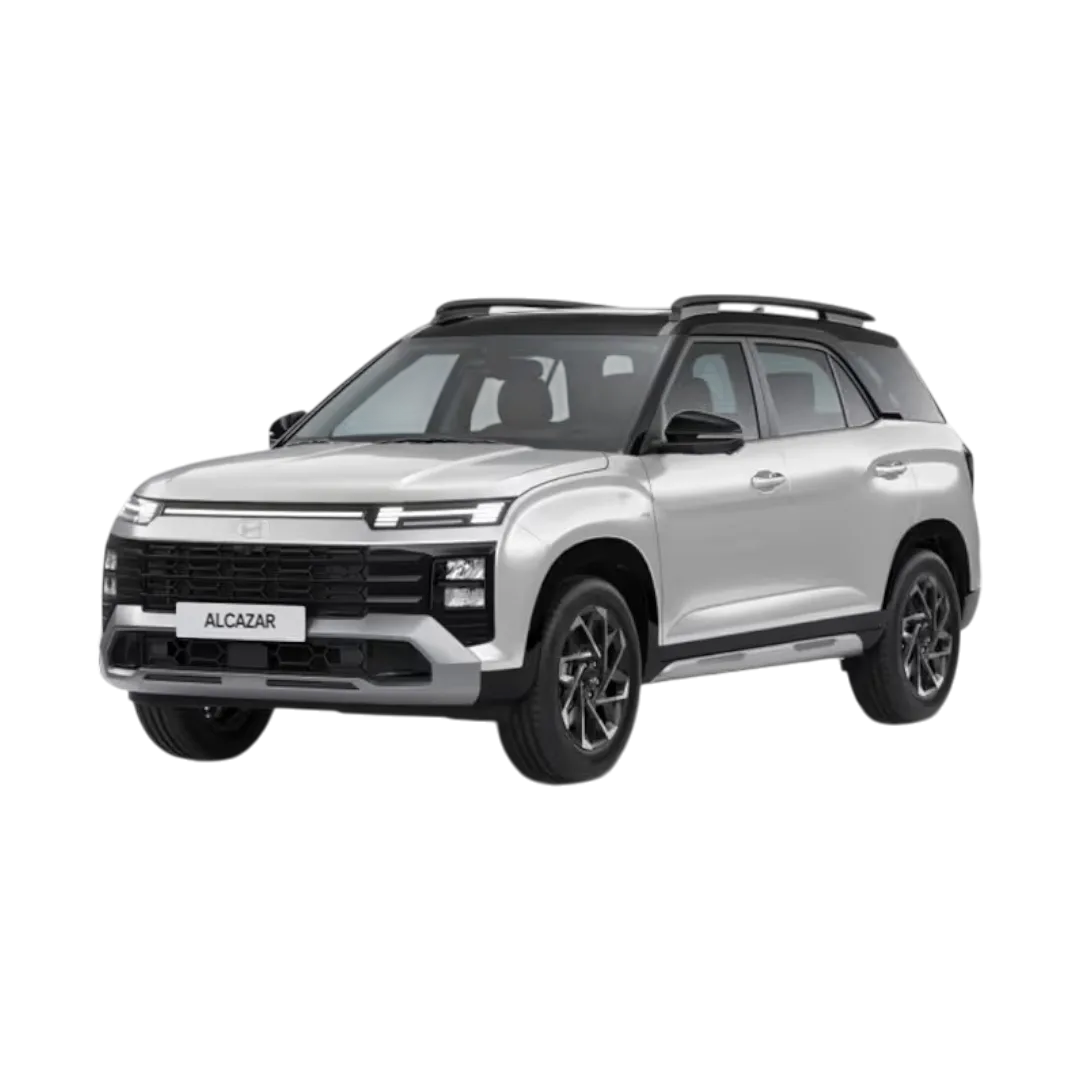 Alcazar
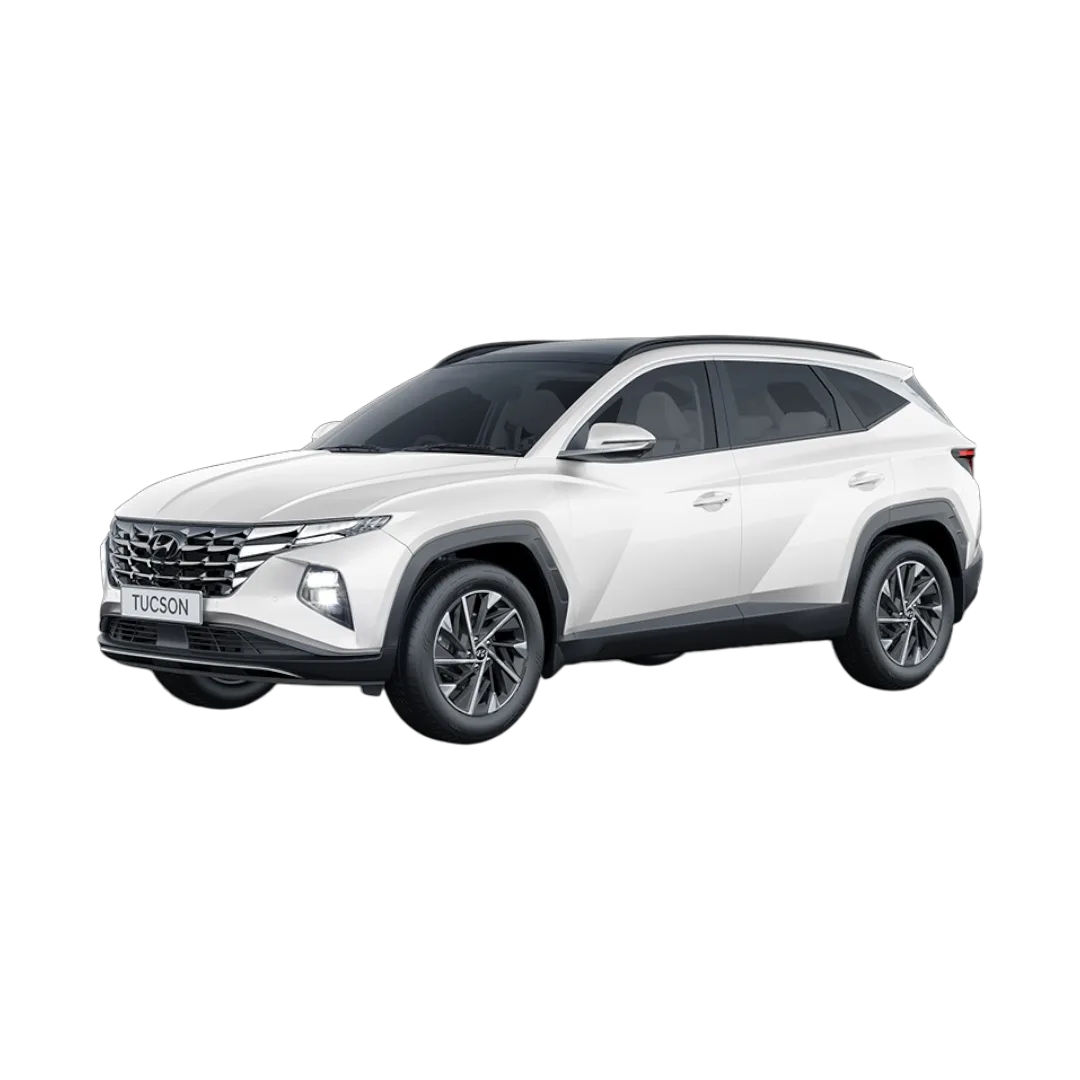 Tucson
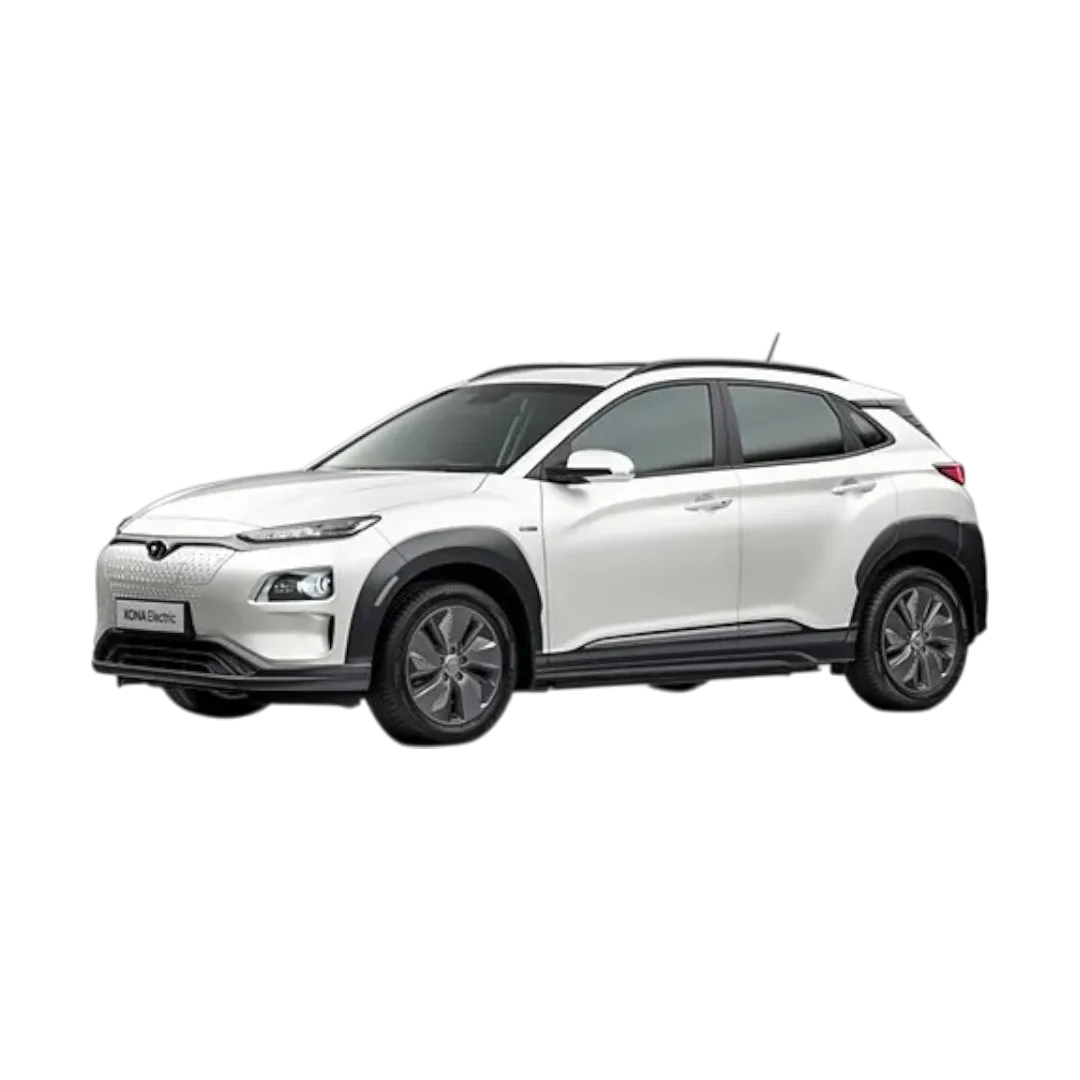 Kona
Kona
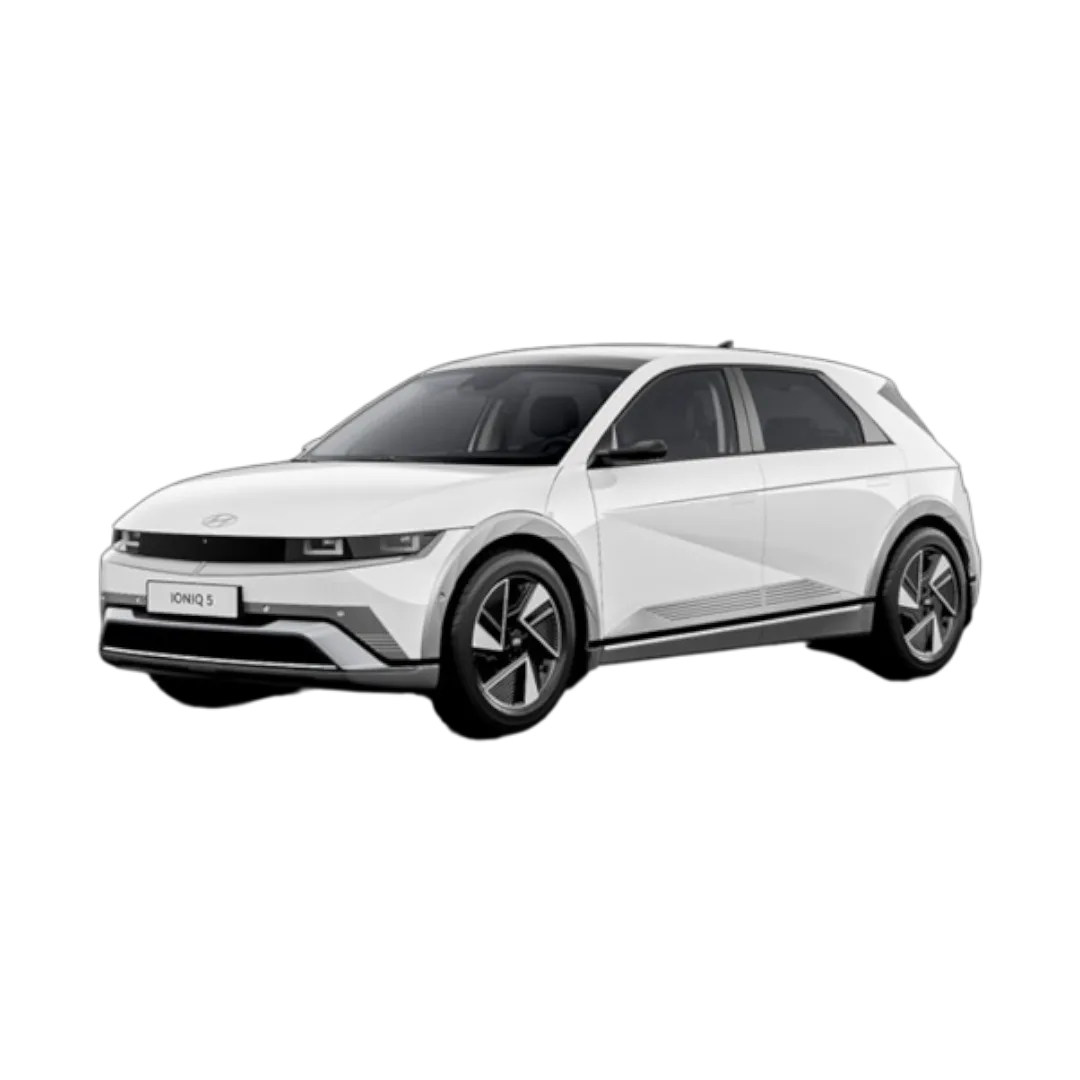 iONIQ 5
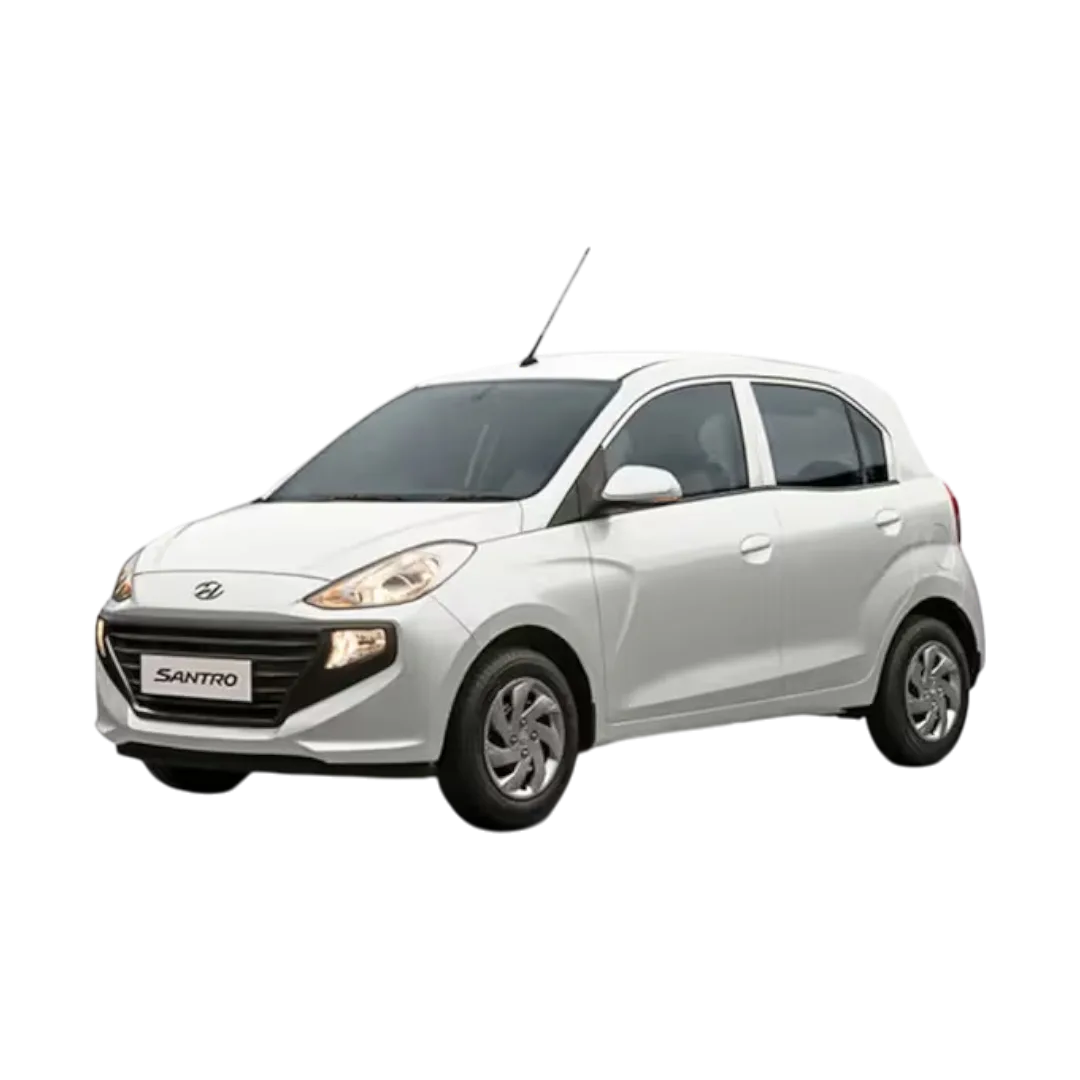 Santro
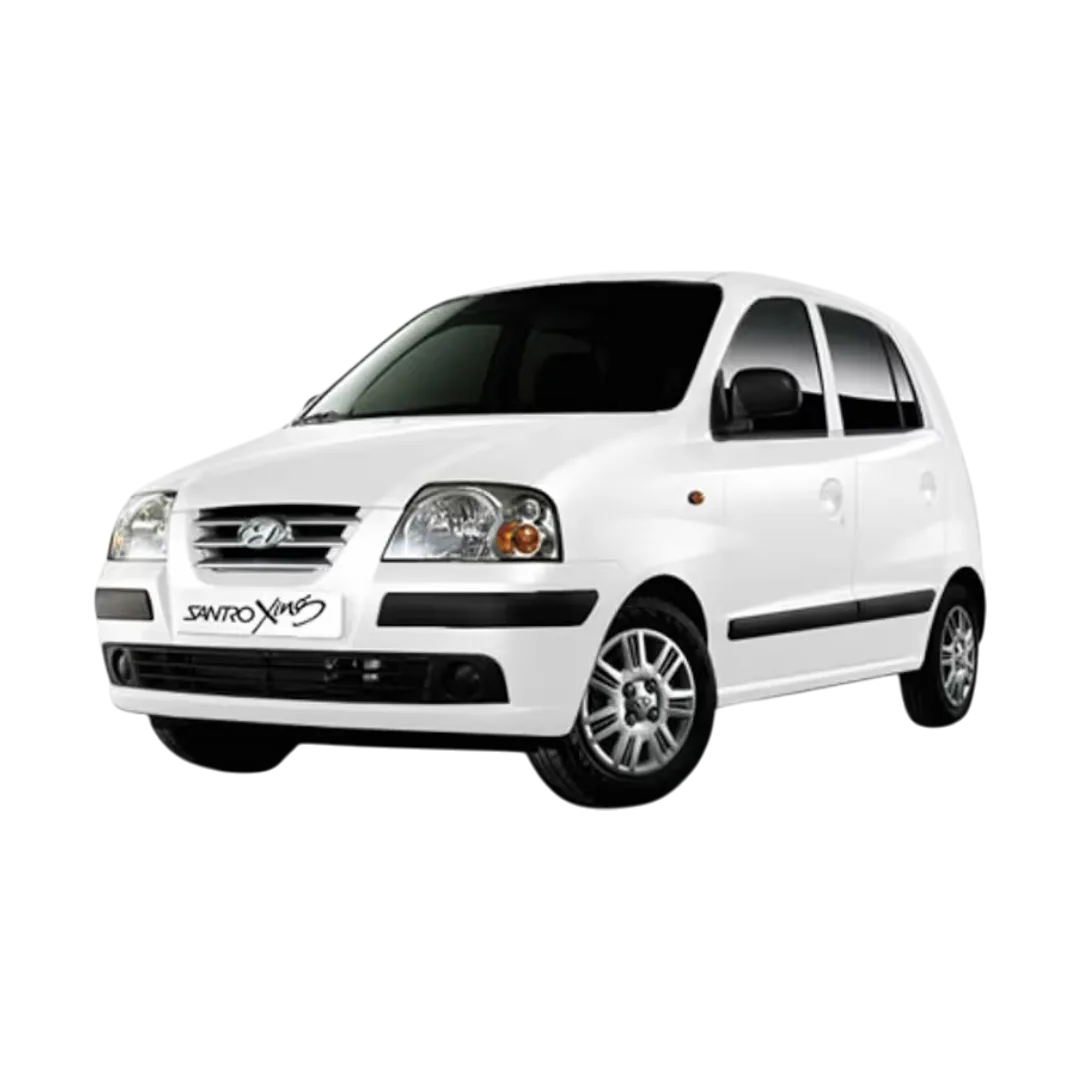 Santro Xing
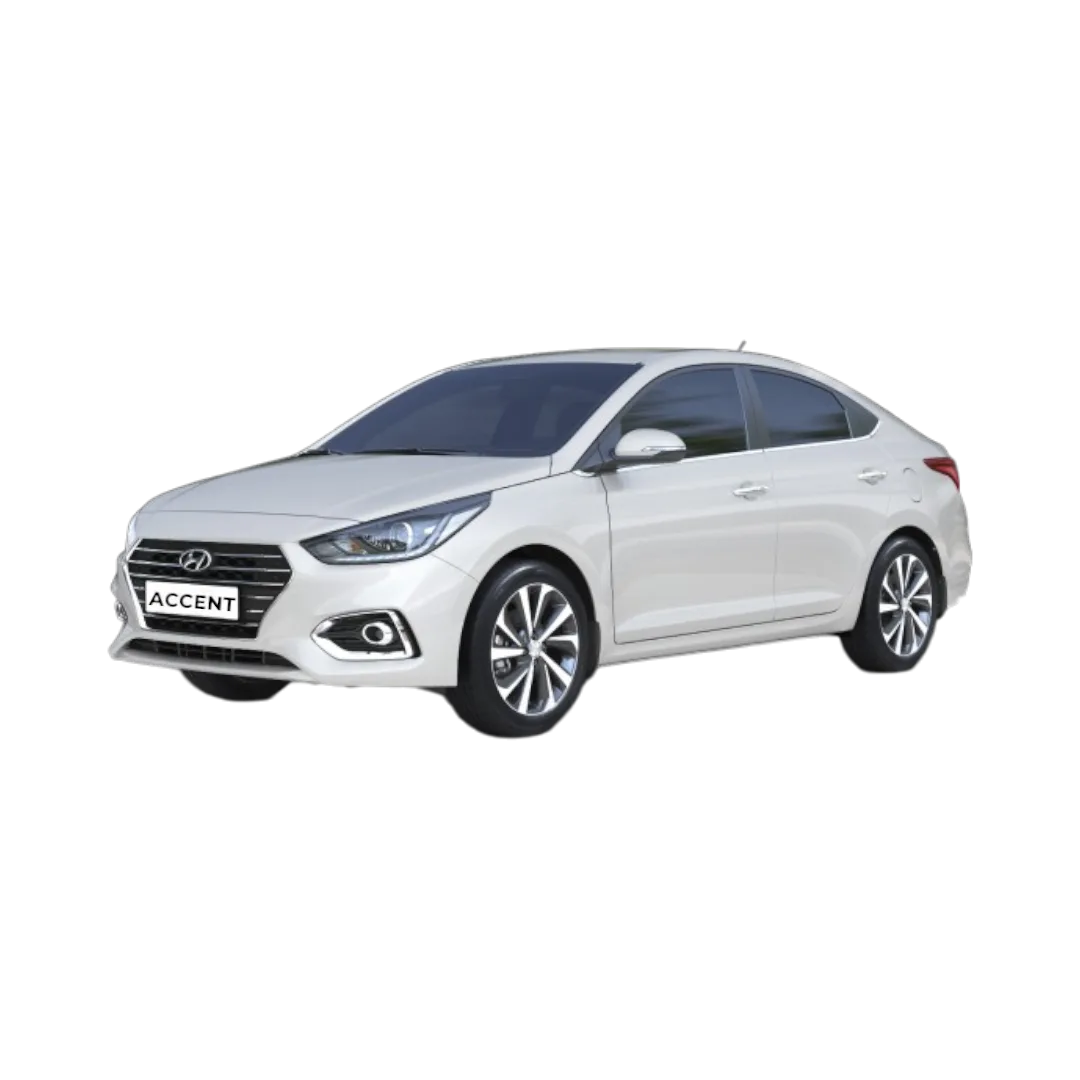 Accent
 Sonata
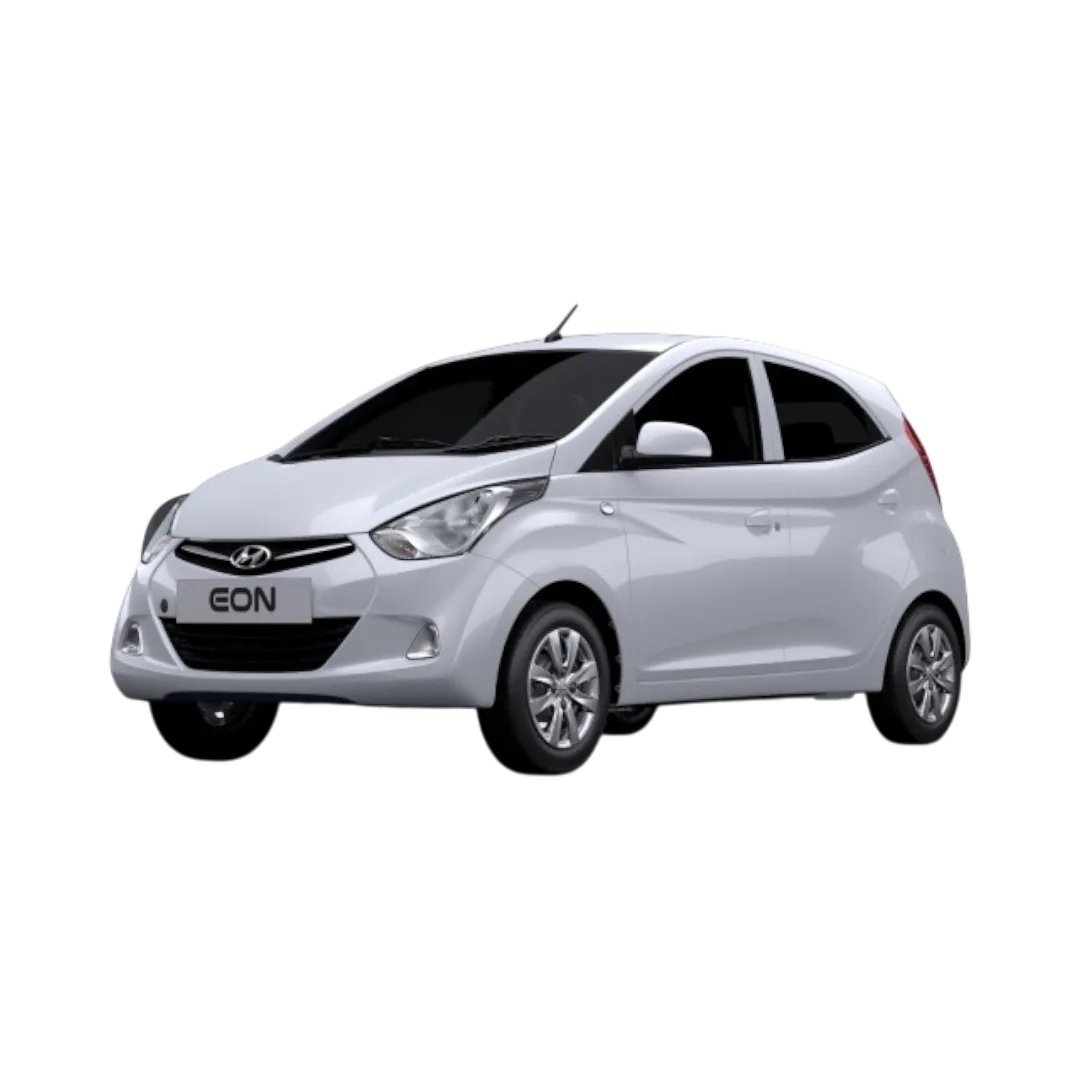 Eon
Eon
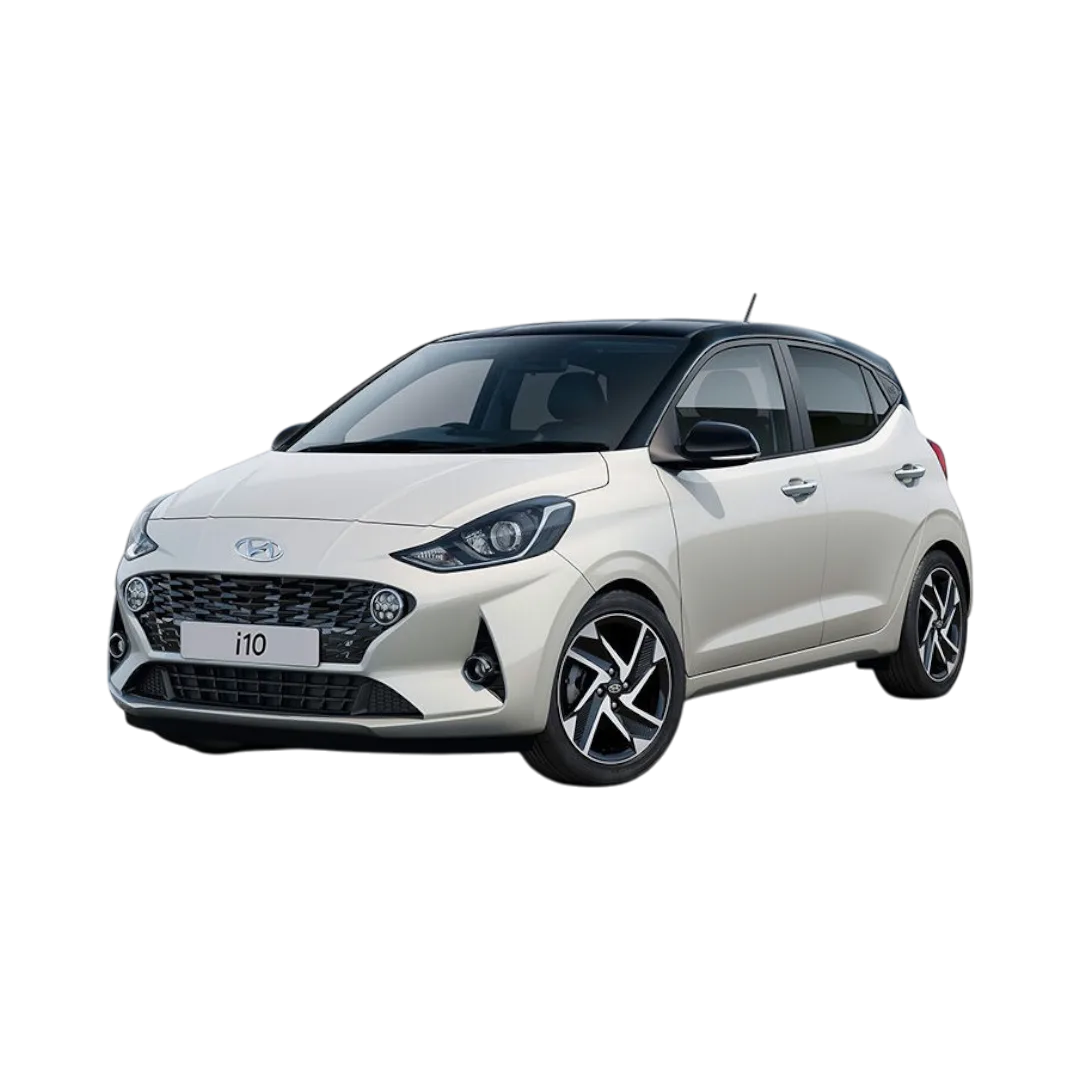 i10
i10
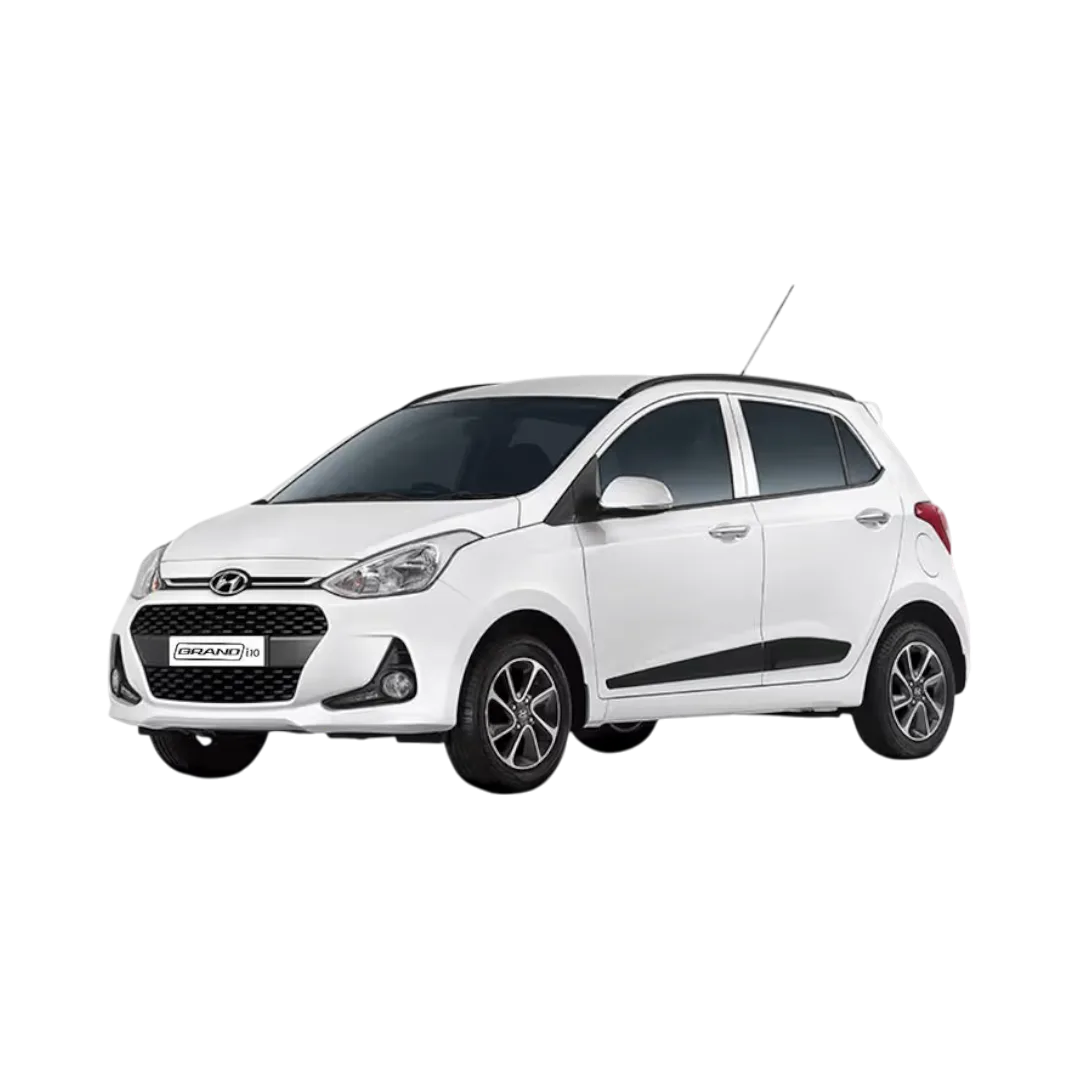 Grand i10
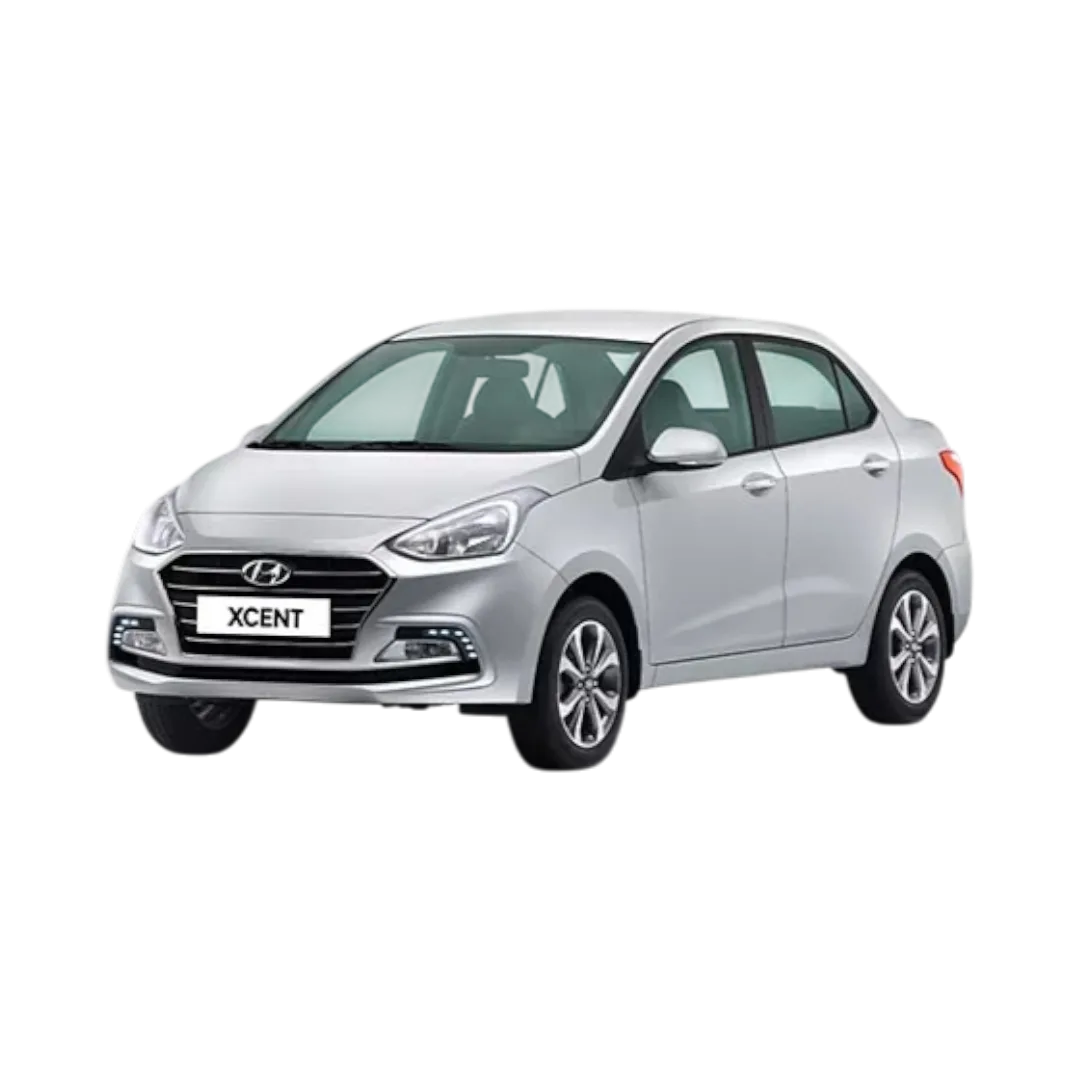 Xcent
Xcent
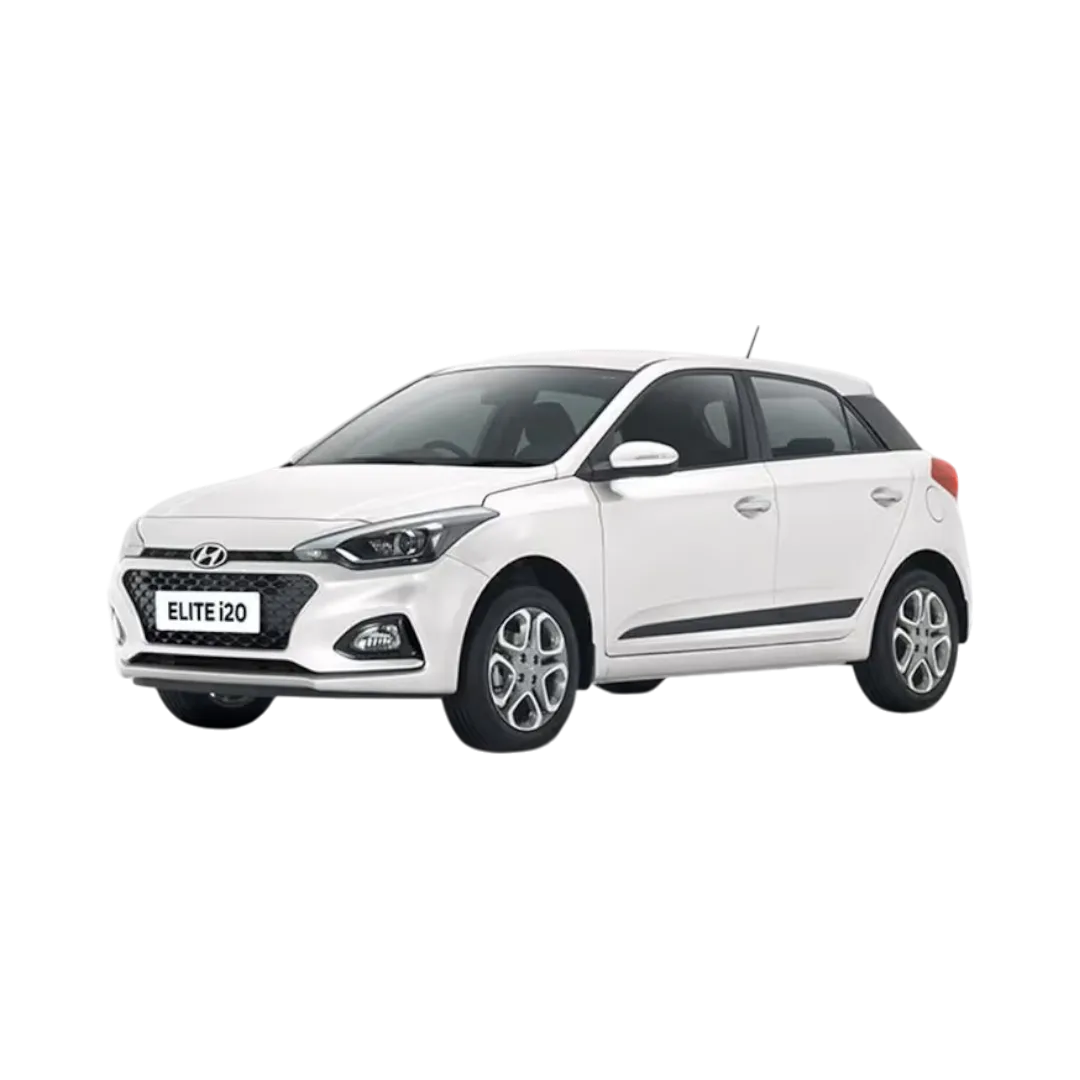 Elite i20
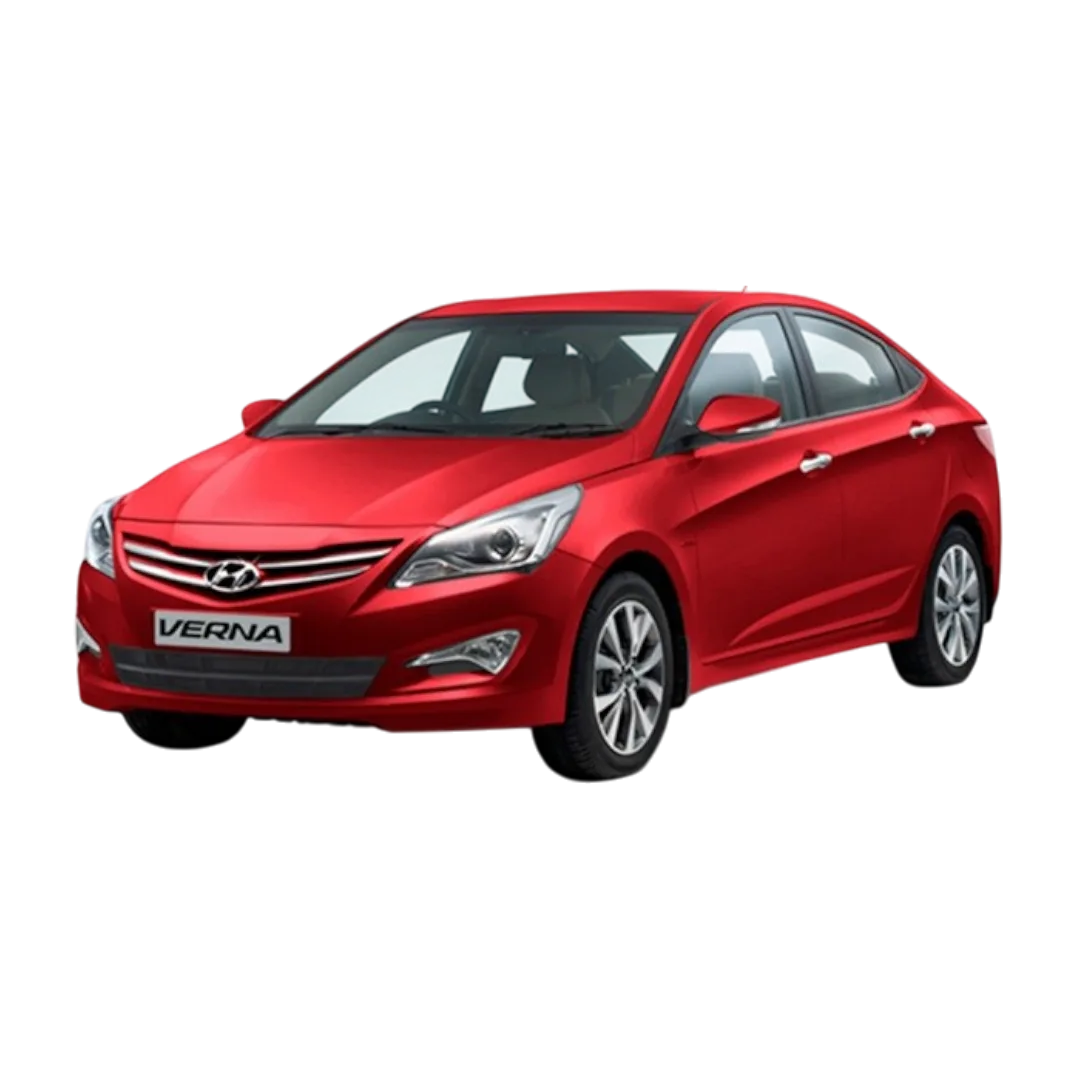 Verna Fluidic
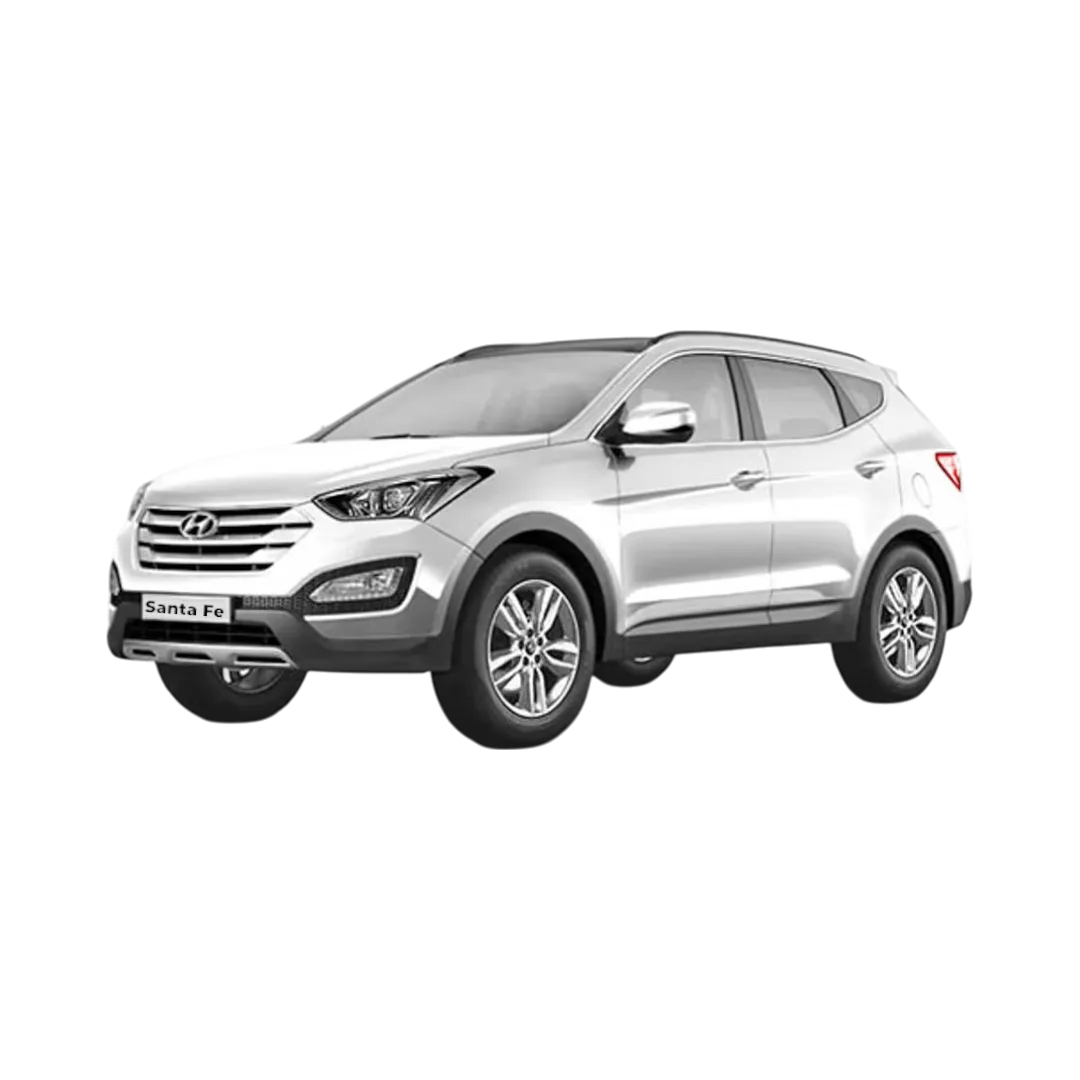 Santafe
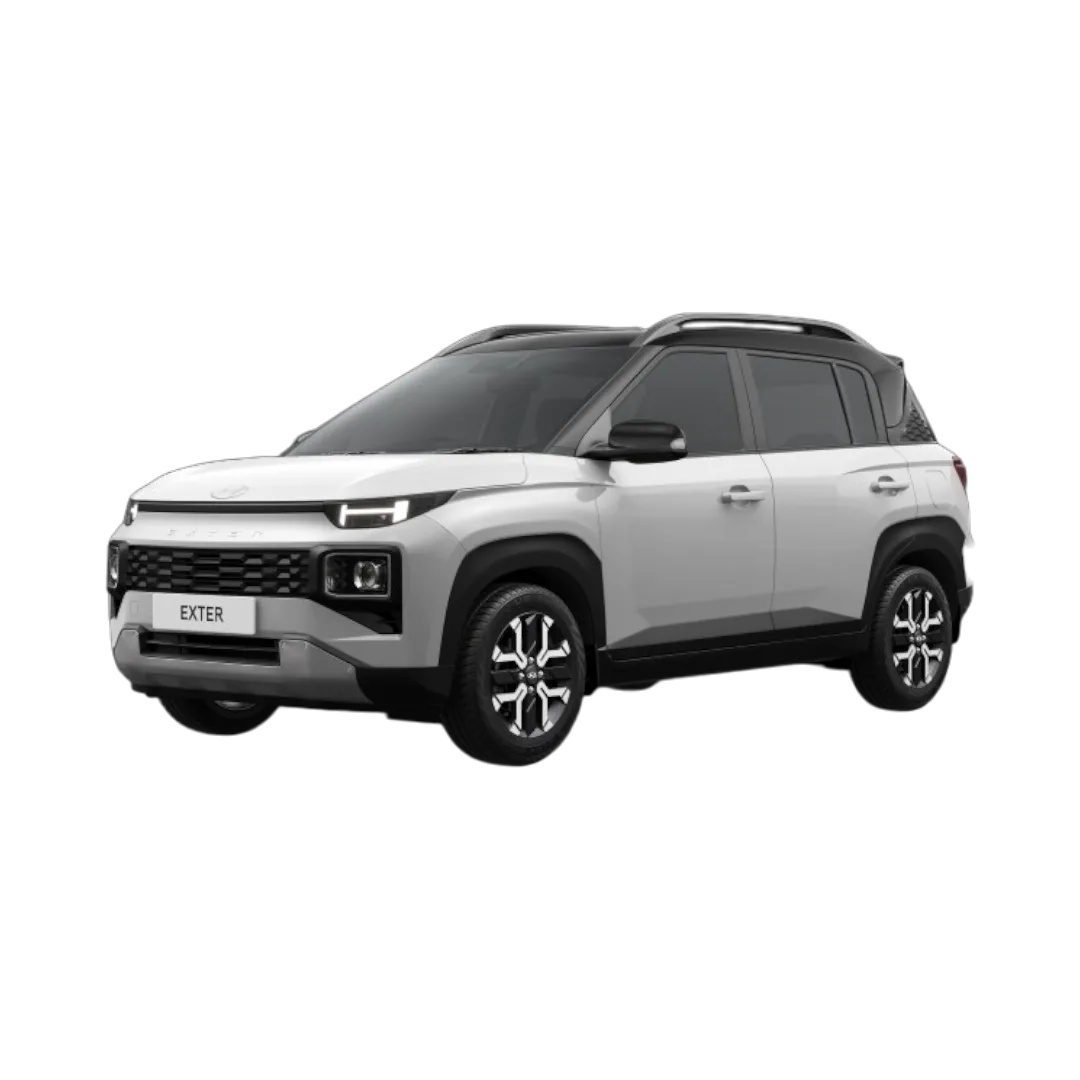 Exter
Sonata Fluidic
i20 Active
Exter
Sonata Fluidic
i20 Active
 Yaris
Yaris
 Urban Cruiser
 Camry
Camry
 Corolla
 Fortuner
 Urban Cruiser Hyryder
 Innova Crysta
 Innova Hycross
 Hilux
Hilux
 Fortuner Legender
 Vellfire
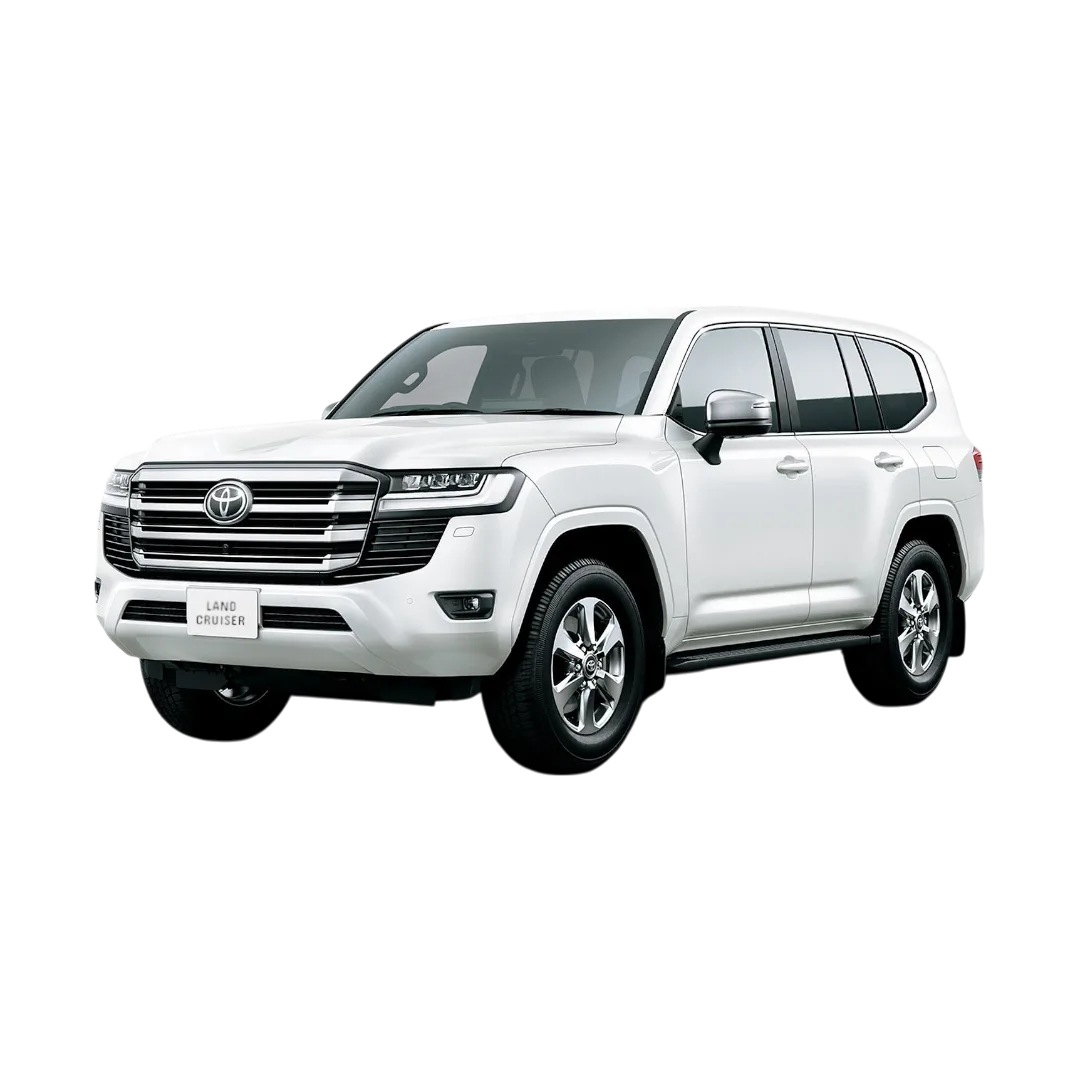 Land Cruiser
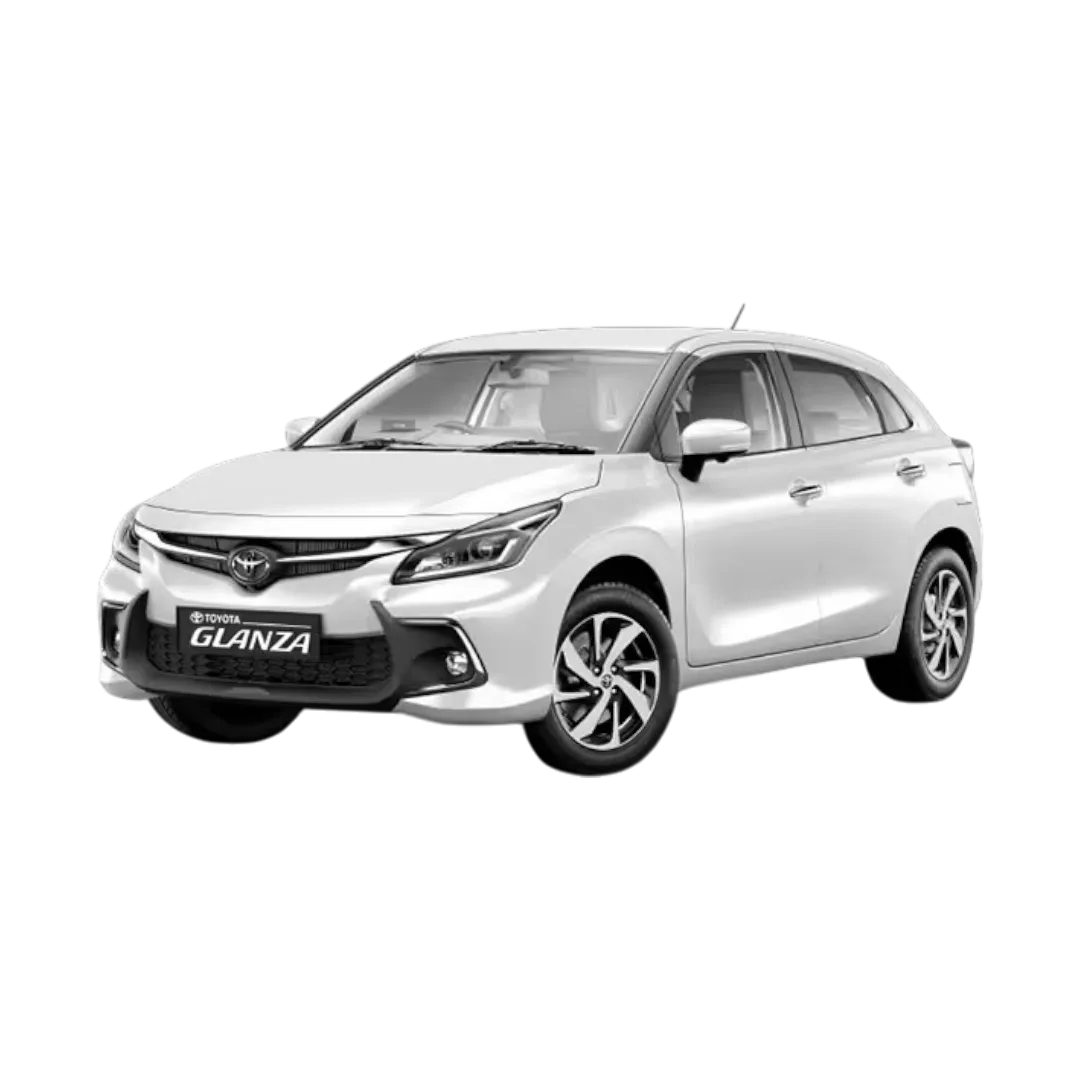 Glanza
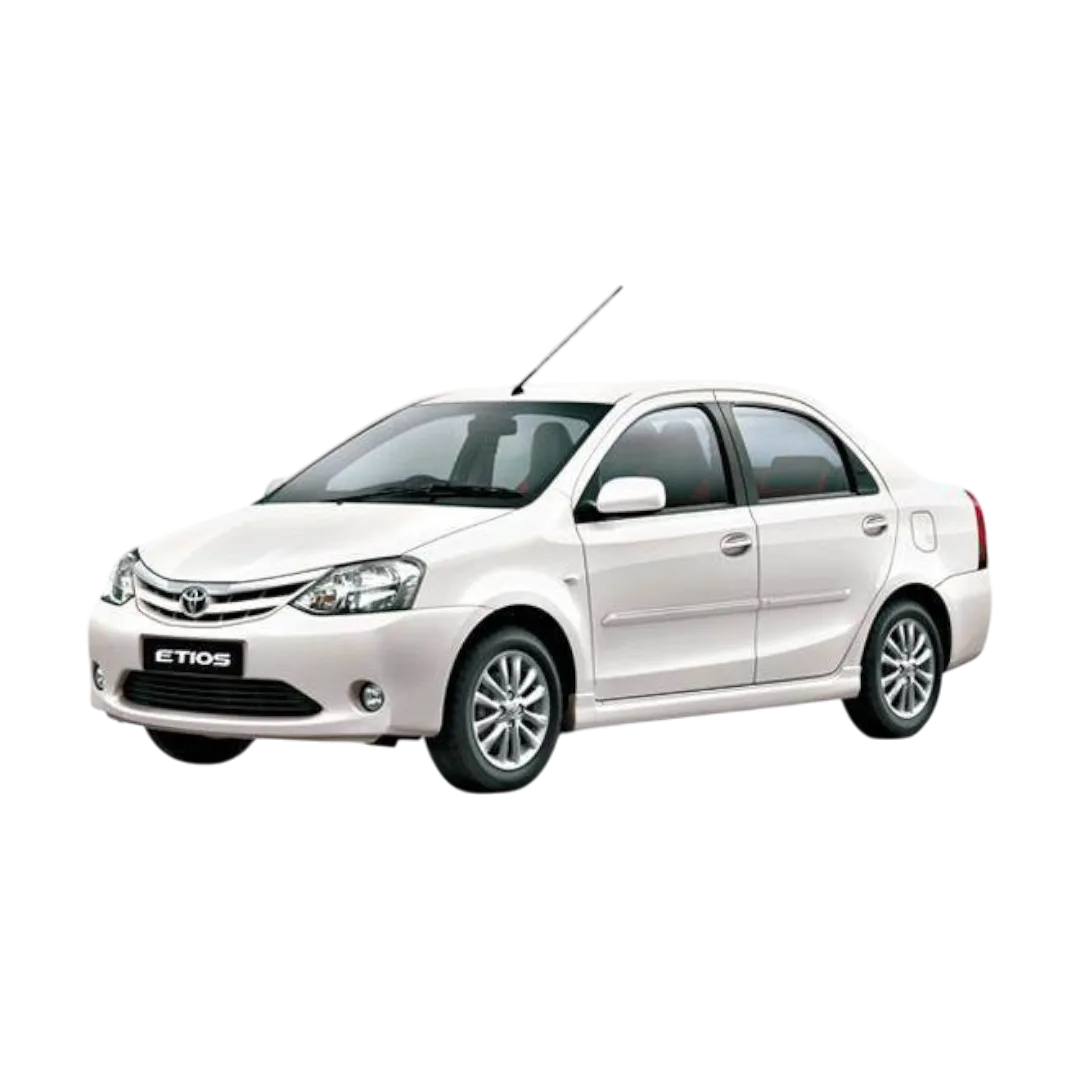 Etios
Etios
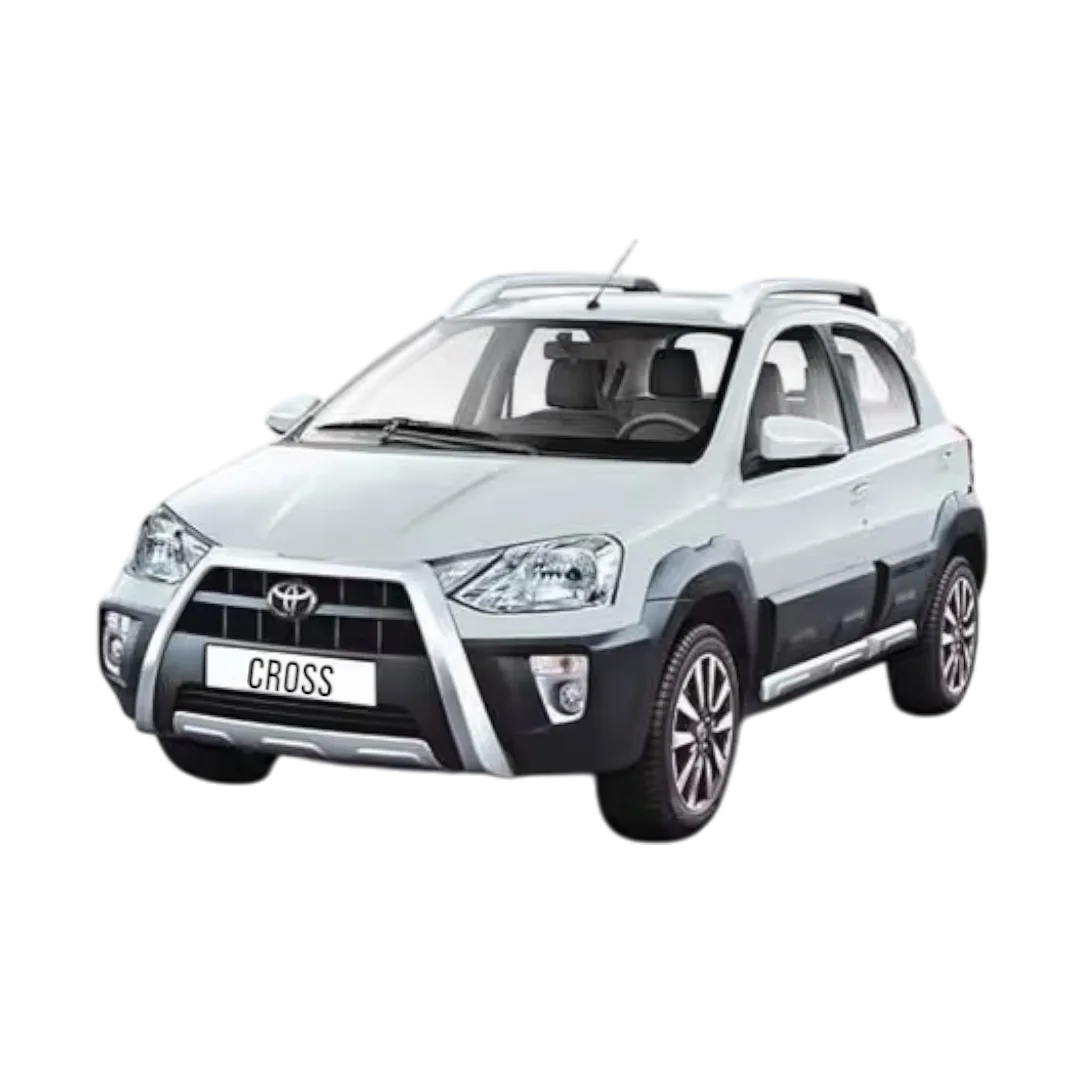 Etios cross
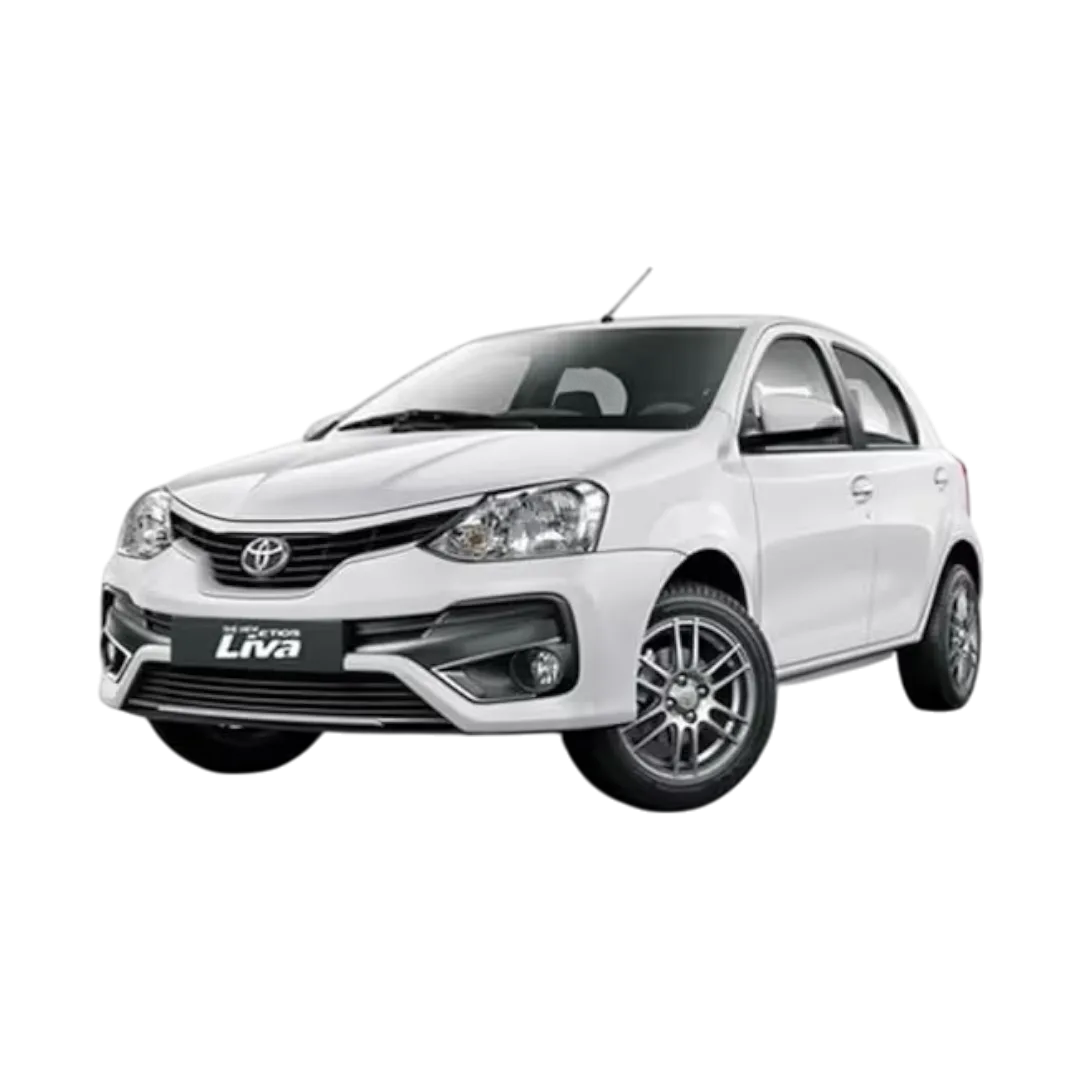 Etios Liva
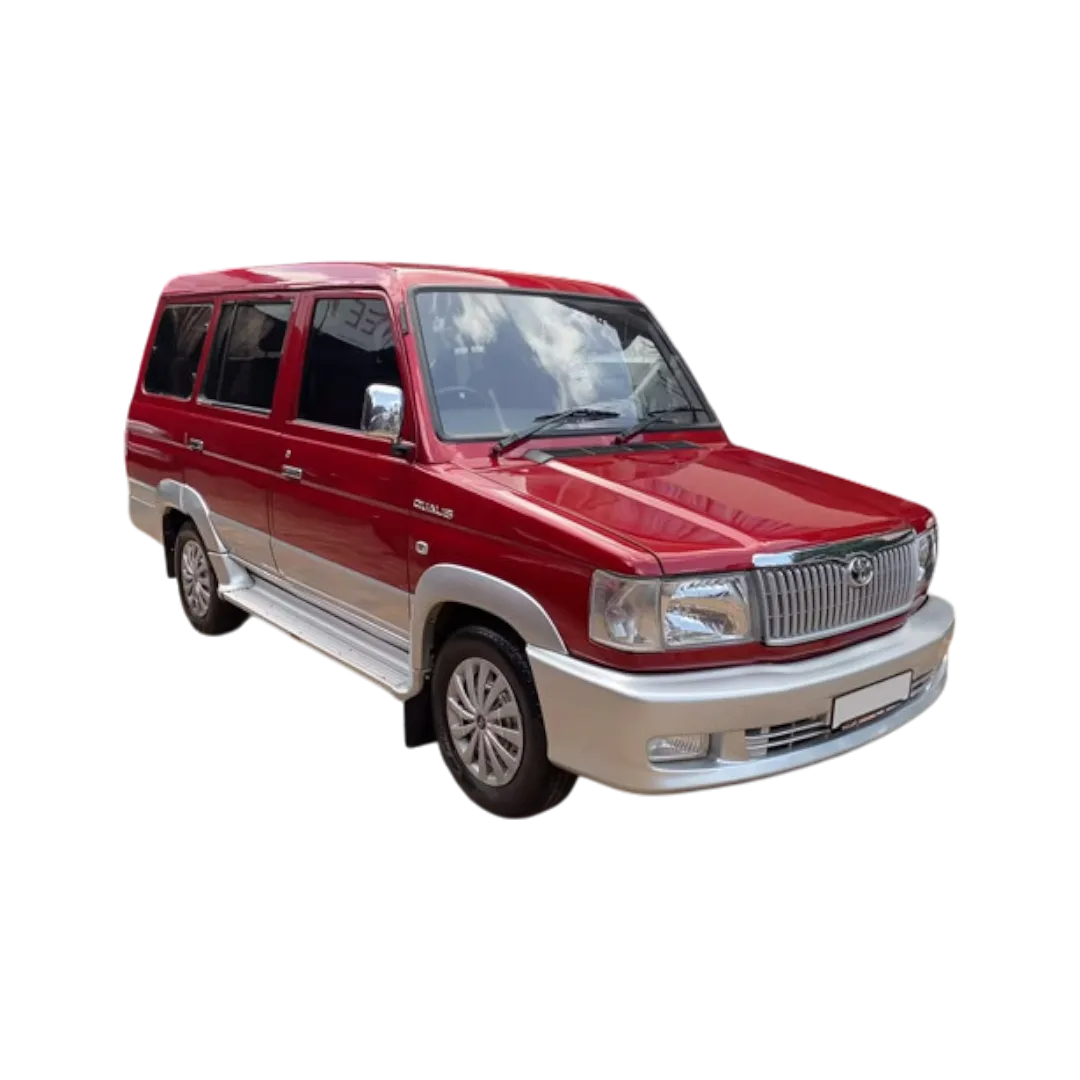 Qualis
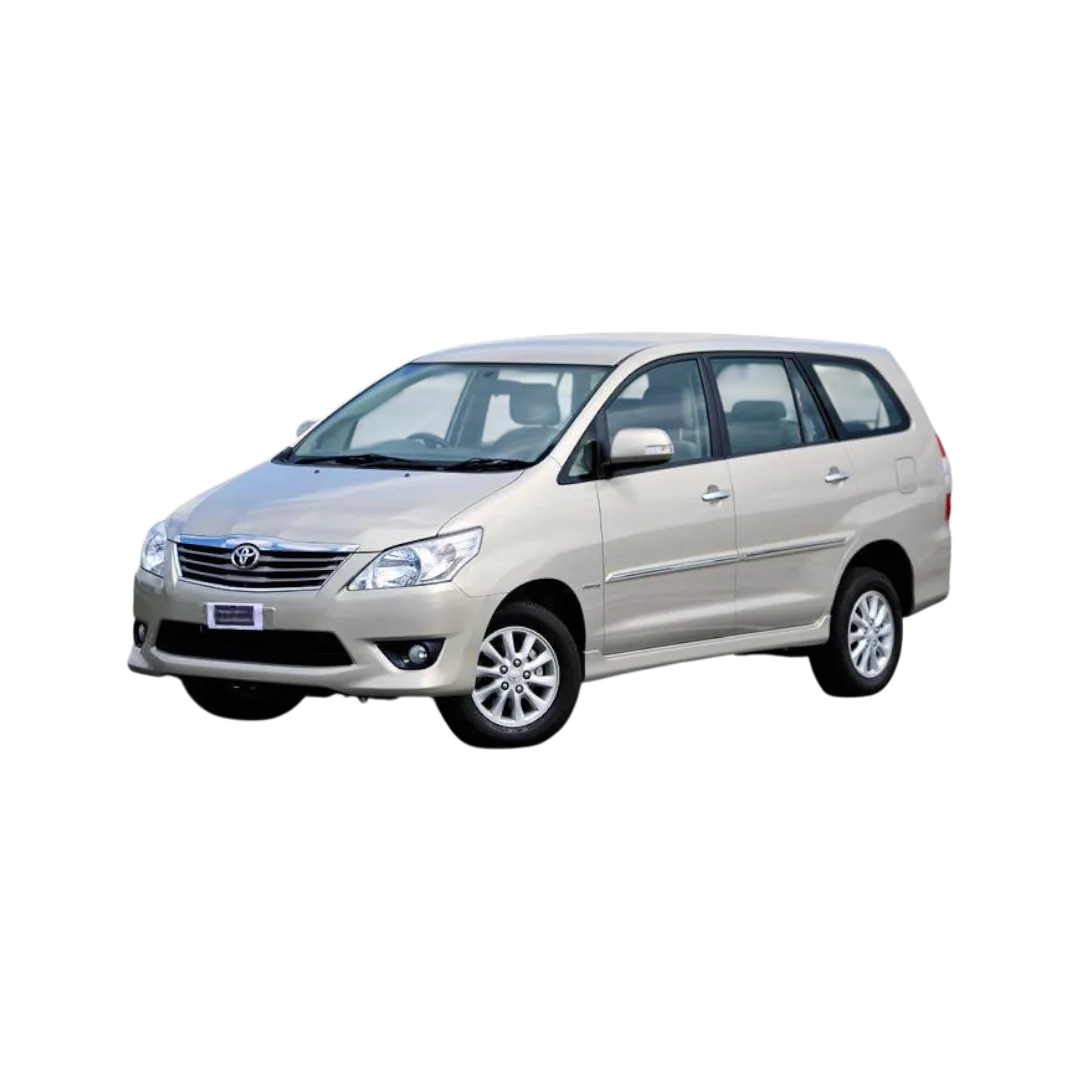 Innova
 Rumion
Taisor
Corolla Altis
Hyryder
Rumion
Taisor
Corolla Altis
Hyryder
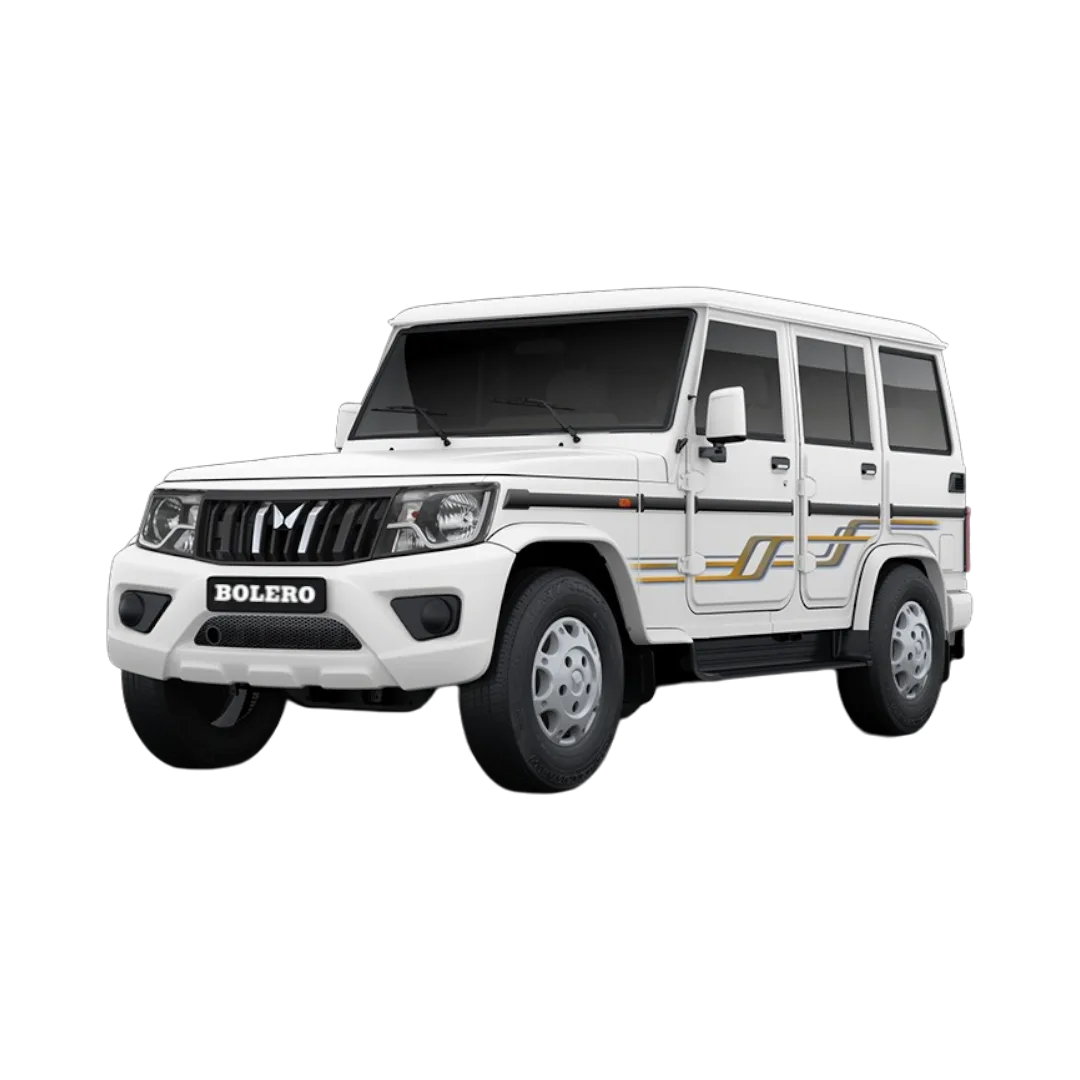 Bolero
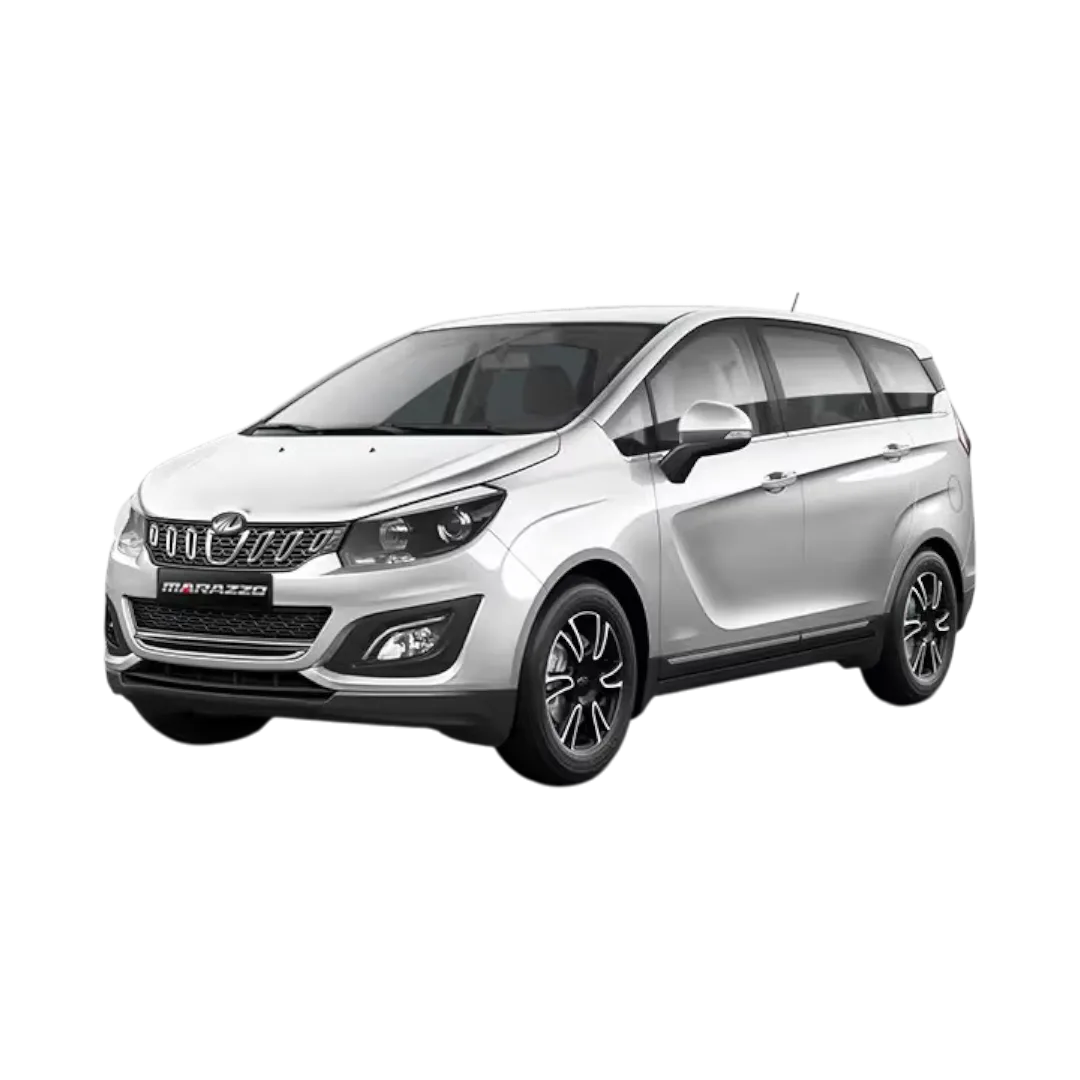 Marazzo
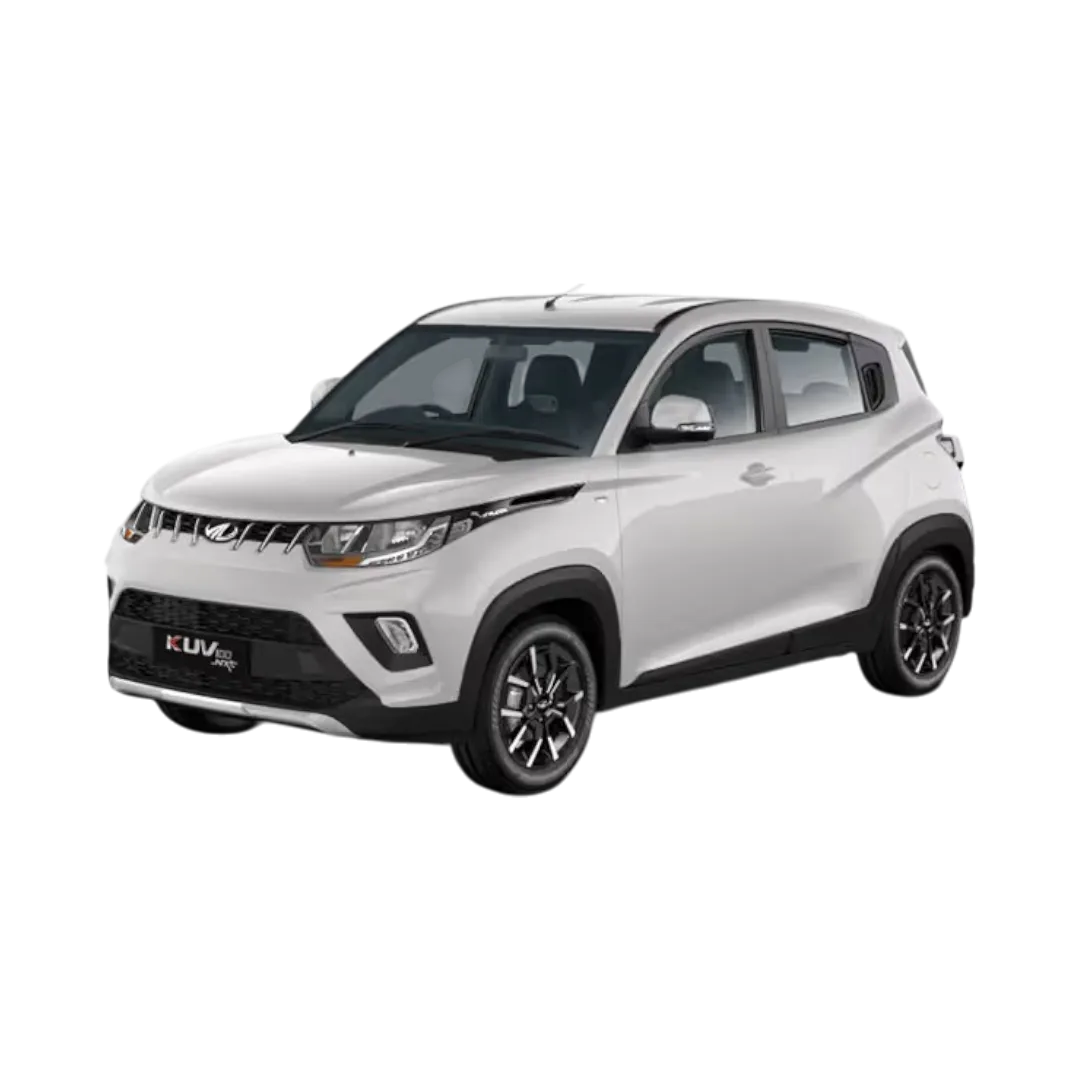 KUV100 NXT
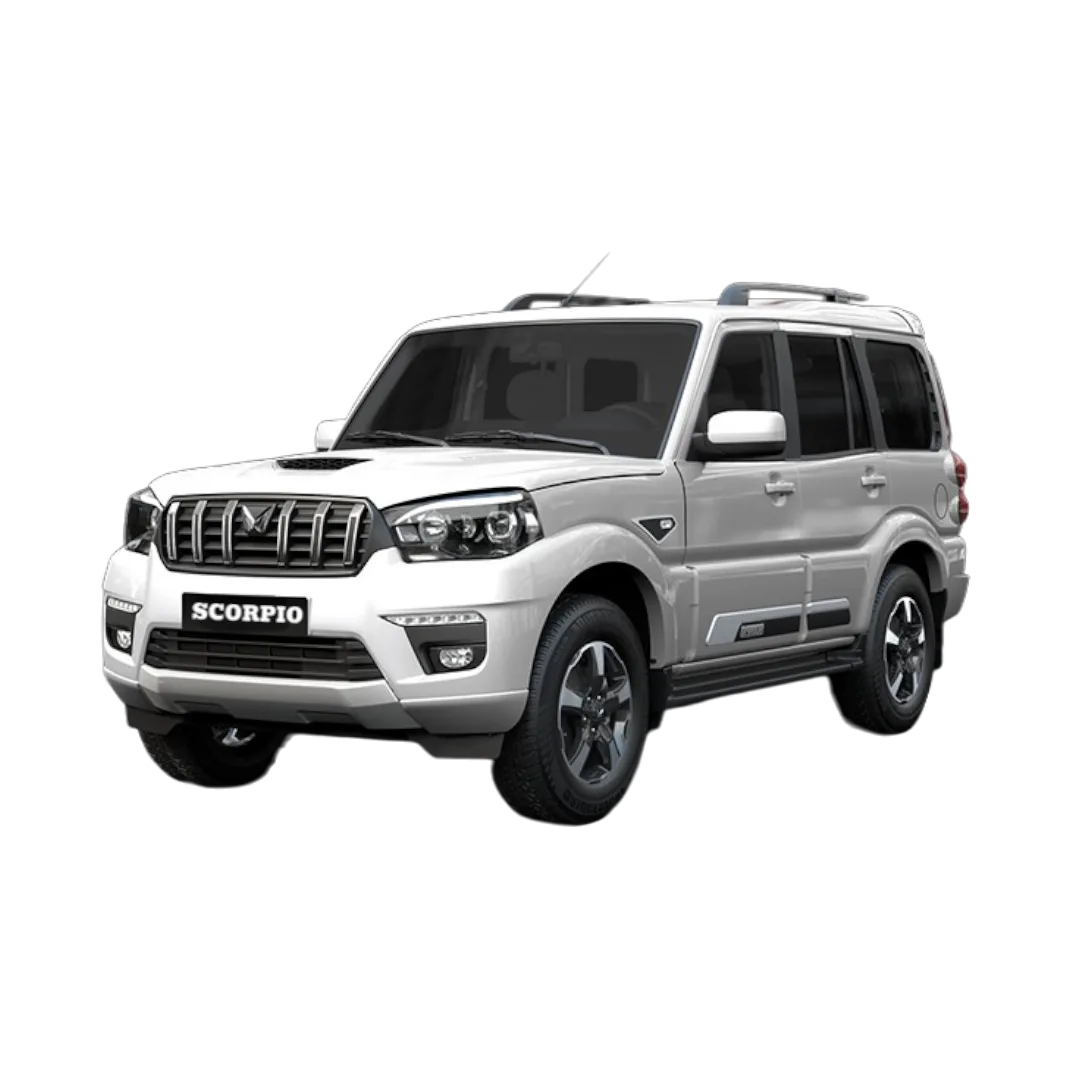 Scorpio
 Thar
Thar
 XUV 300
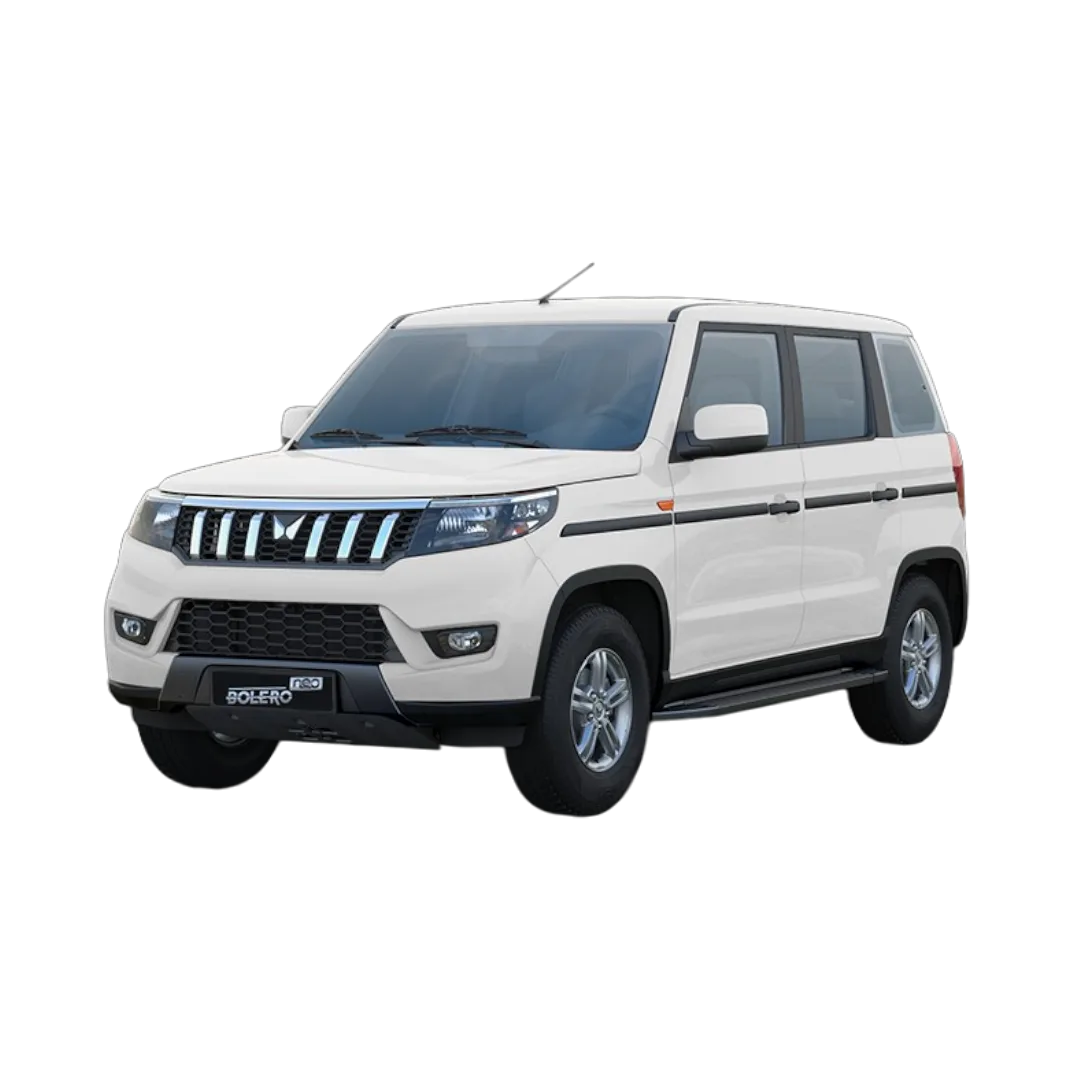 Bolero Neo
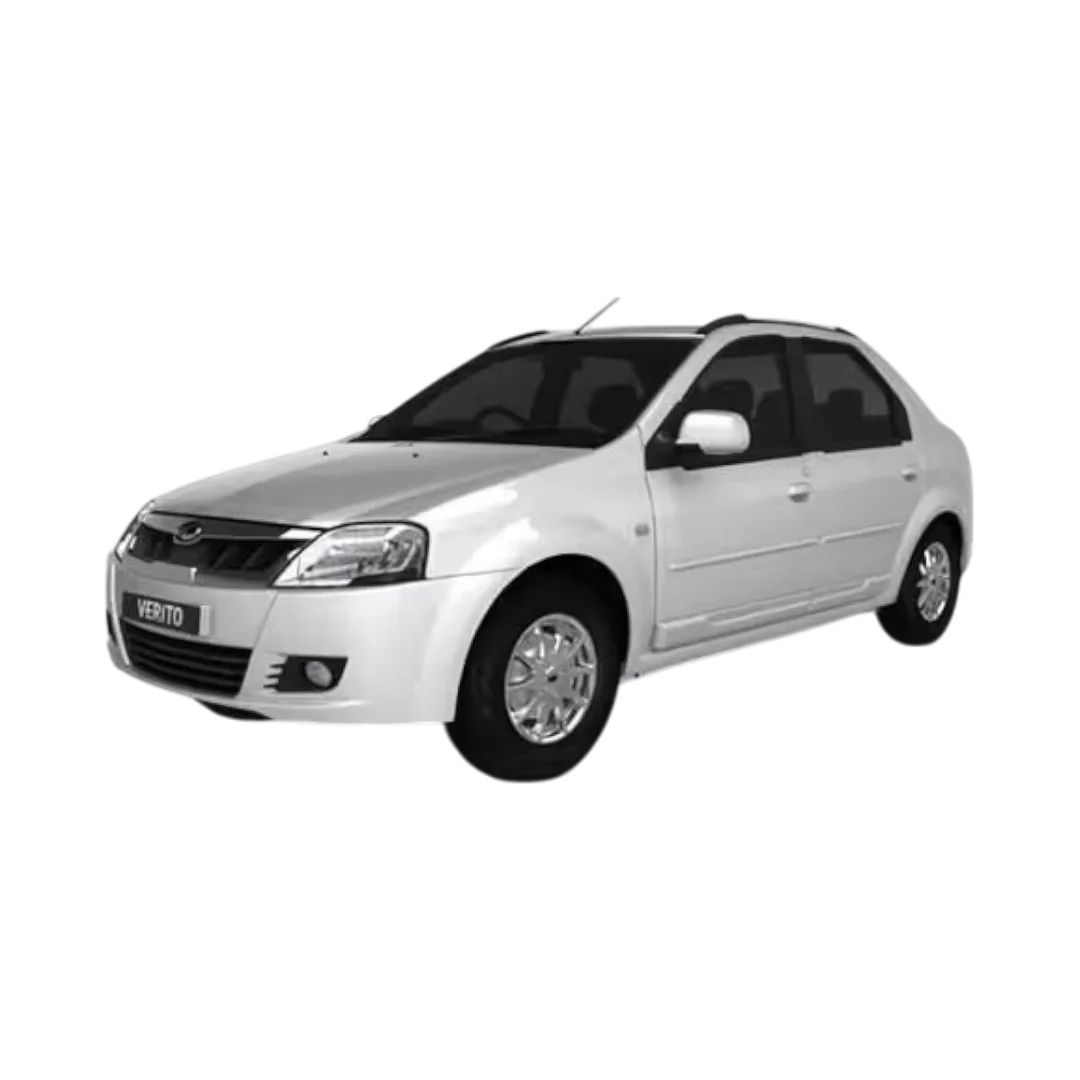 Verito
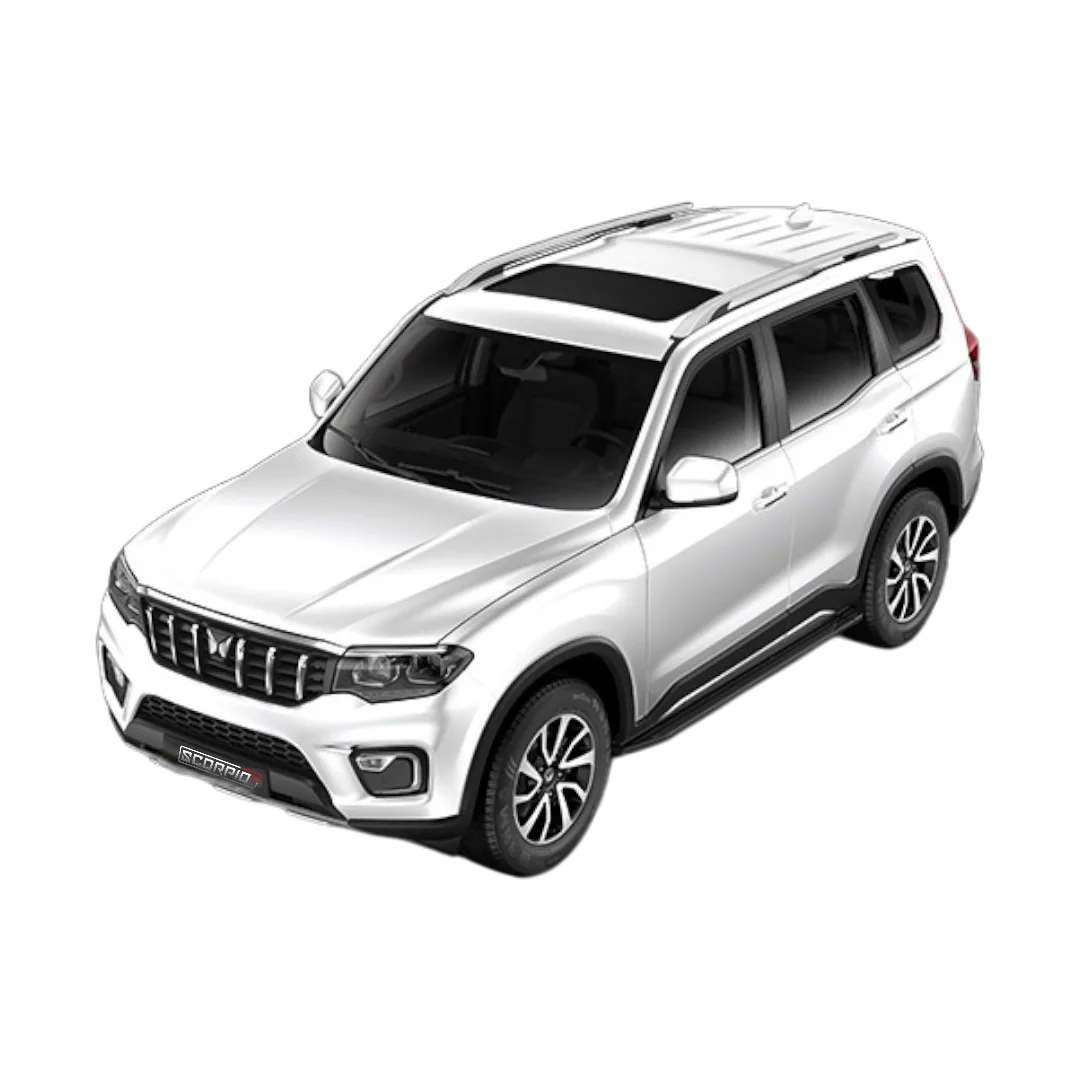 Scorpio-N
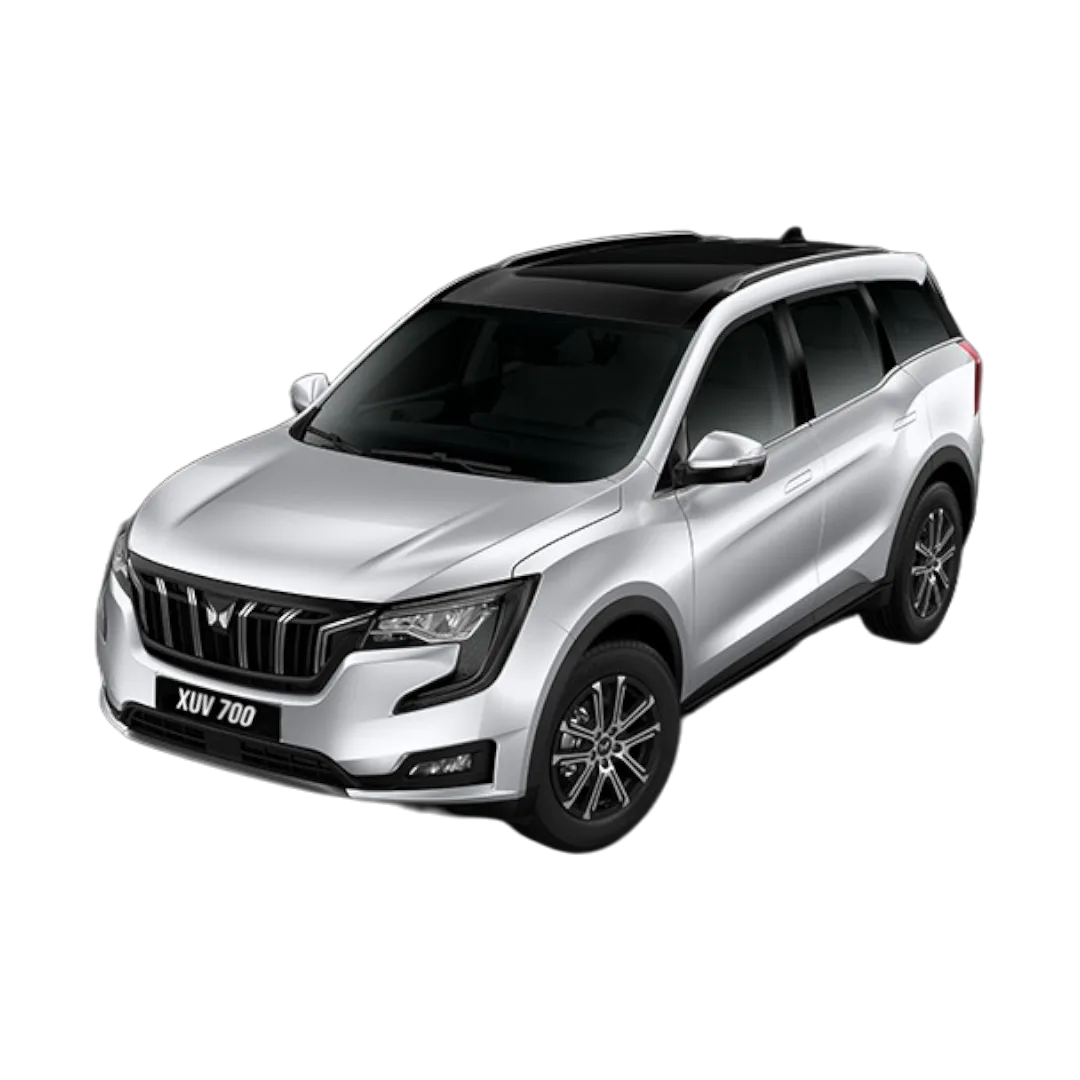 XUV 700
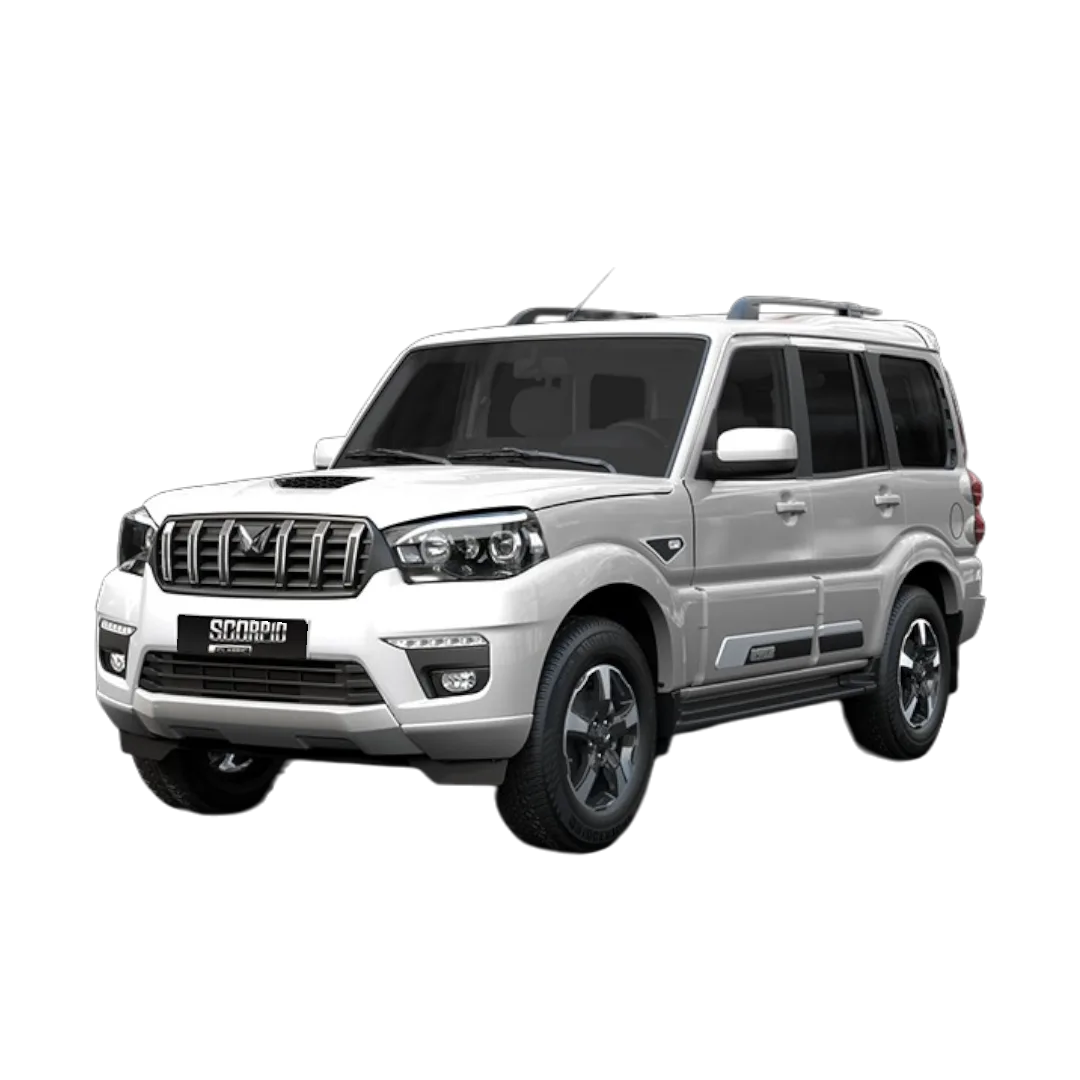 Scorpio Classic
 XUV400
 Alturas
 Xylo
Xylo
 Quanto
 Logan
Logan
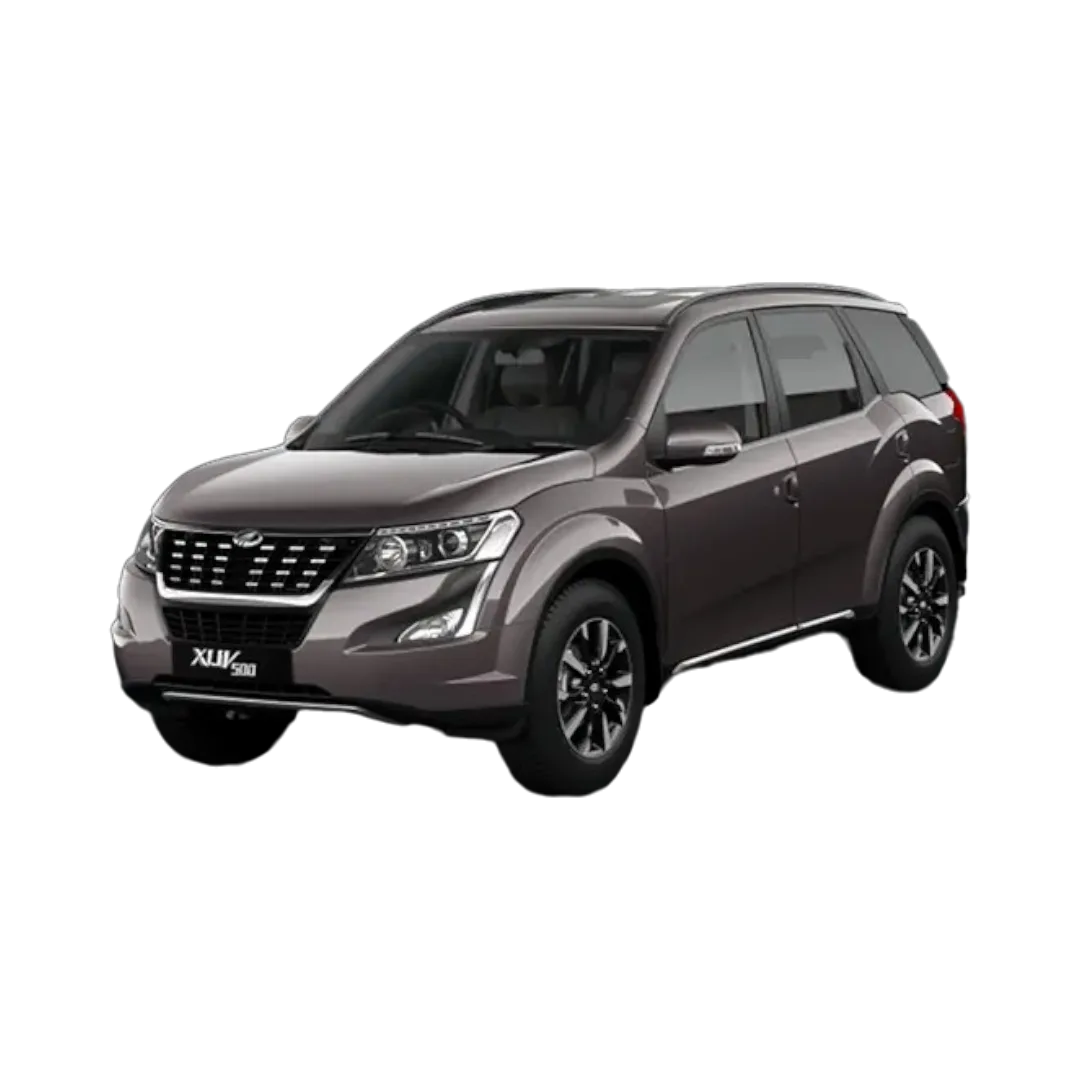 XUV 500
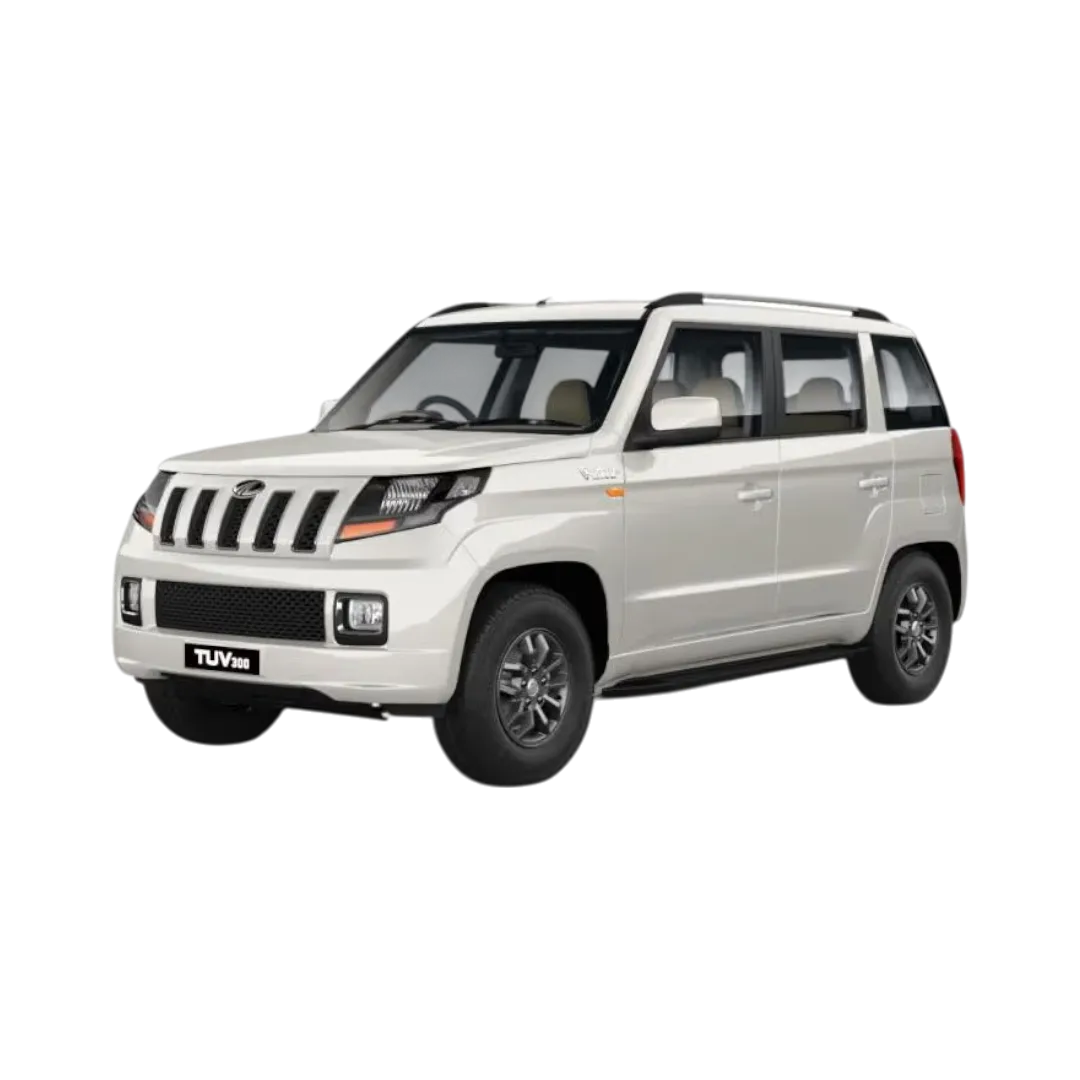 TUV 300
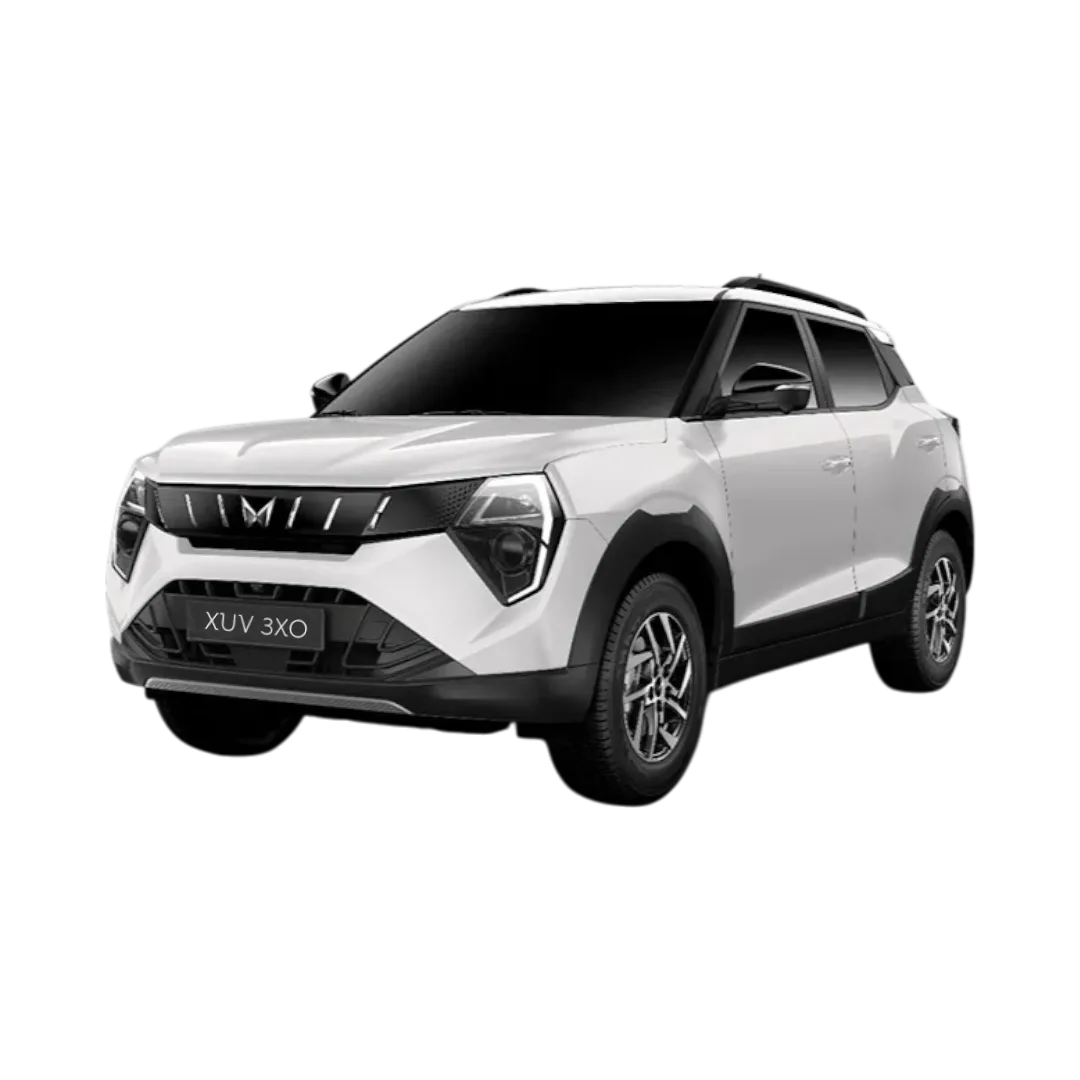 XUV 3XO
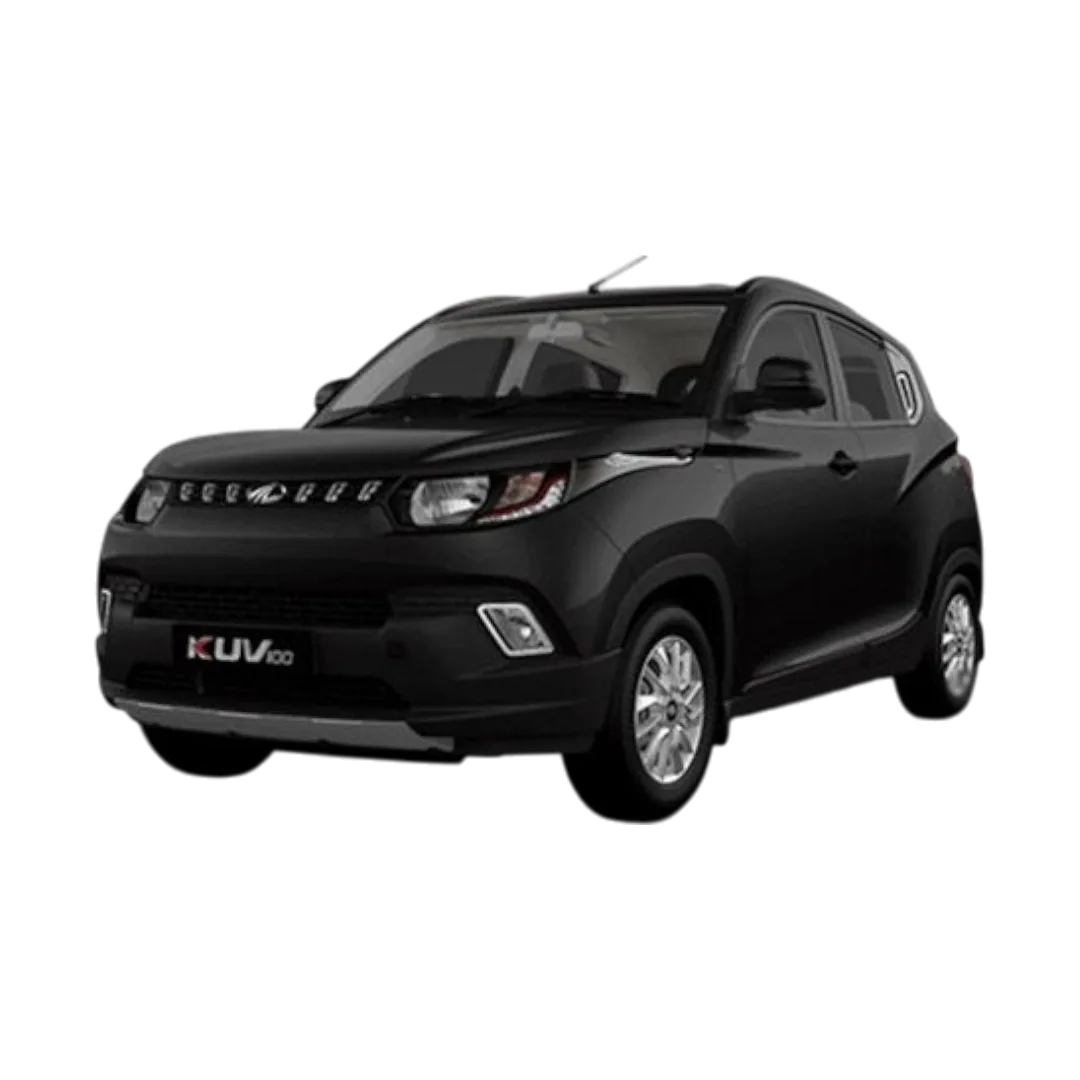 KUV 100
NuvoSport
XEV 9e
BE 6
Thar Roxx
E-Verito
XUV 7XO
TUV 100
BE6
Bolero Camper
Verito Vibe
XUV 400
KUV 100
NuvoSport
XEV 9e
BE 6
Thar Roxx
E-Verito
XUV 7XO
TUV 100
BE6
Bolero Camper
Verito Vibe
XUV 400
 Audi Q5
 Audi A4
 Audi Q7
 Audi Q3
 Audi A6
 Audi RS5
 E-Tron GT
 Audi Q8
 E-Tron
 Q3 Sportback
 Audi S5 Sportback
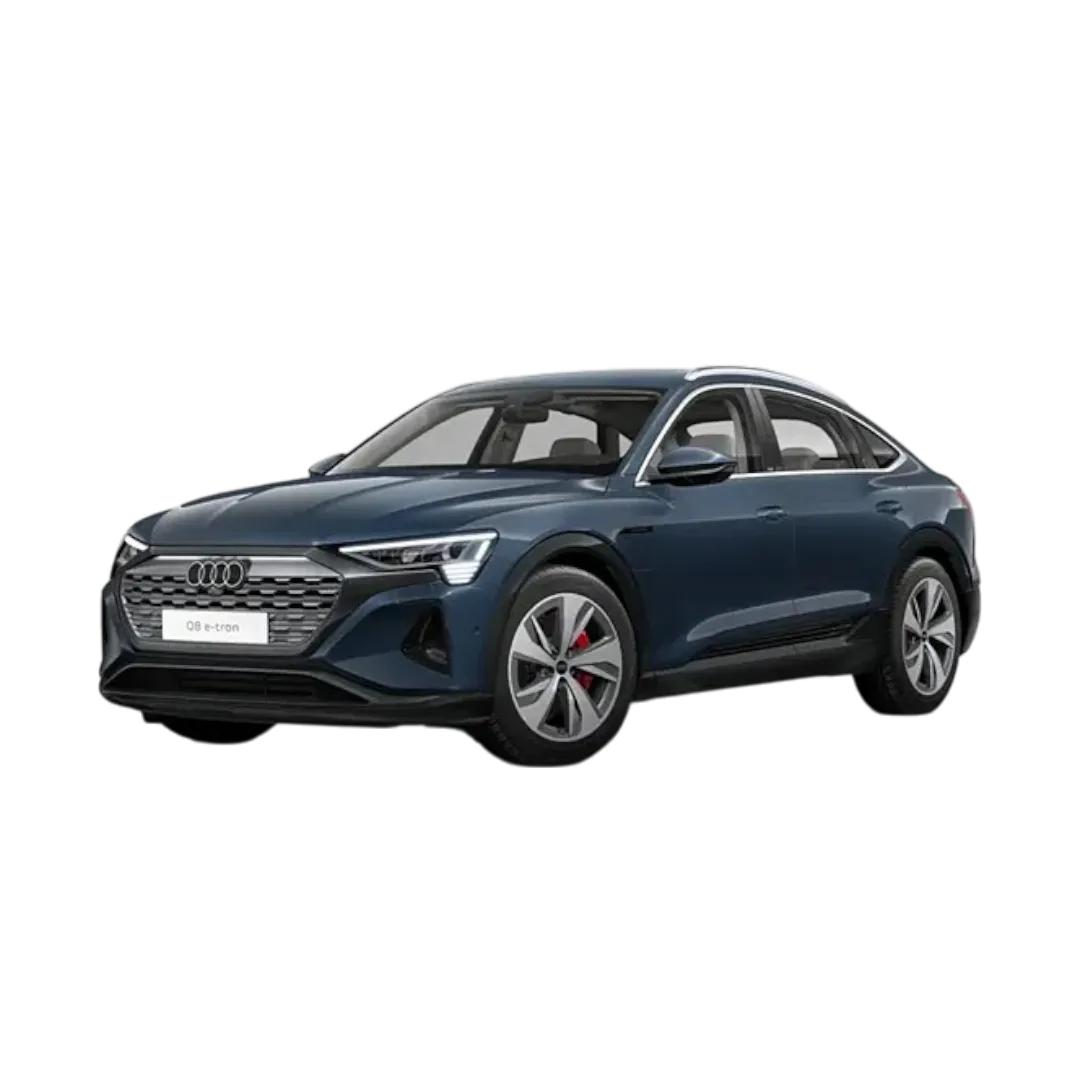 Q8 E-Tron
 Q8 E-Tron Sportback
 Audi A8L
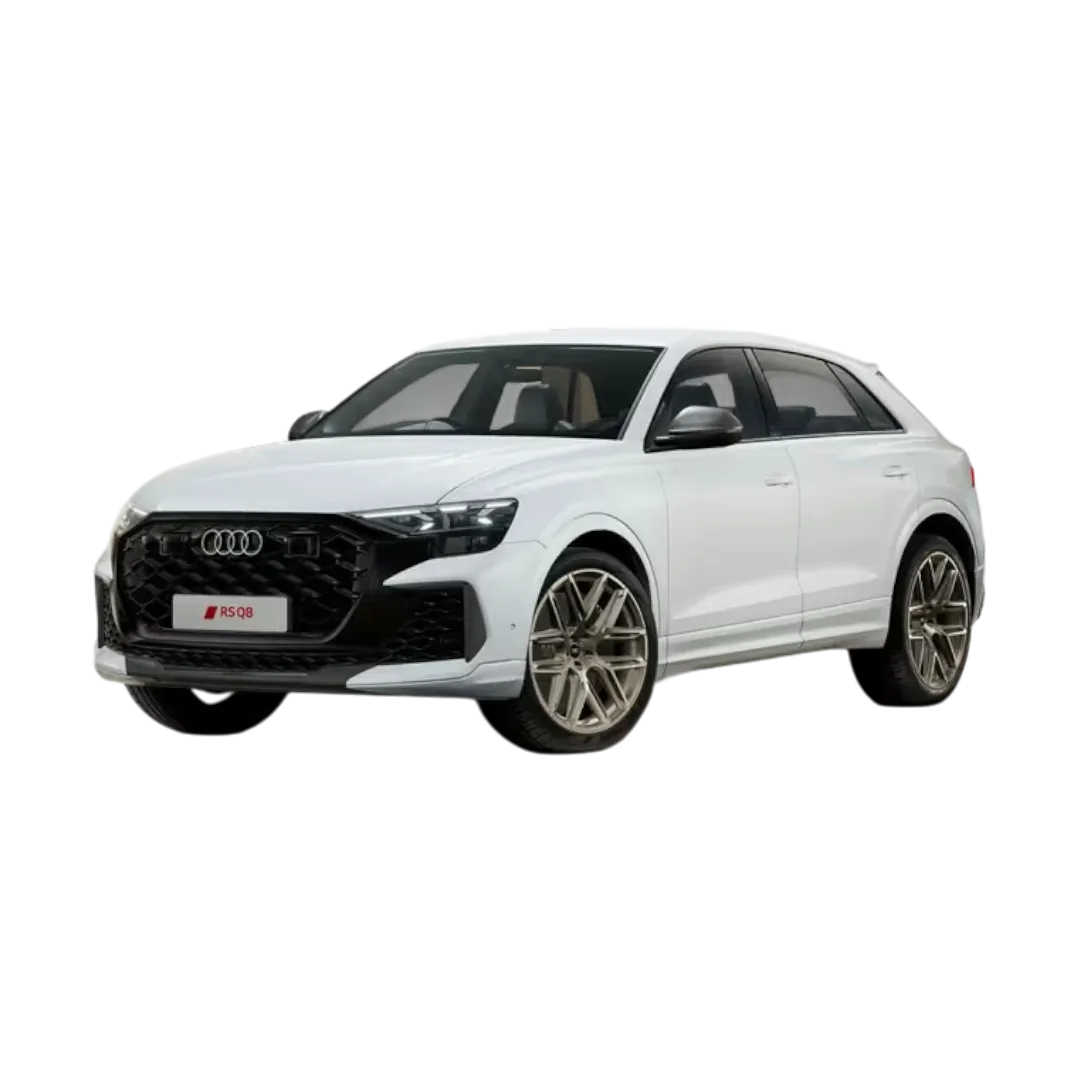 Audi RS Q8
 Audi A3
 BMW X7
 BMW X1
 BMW X5
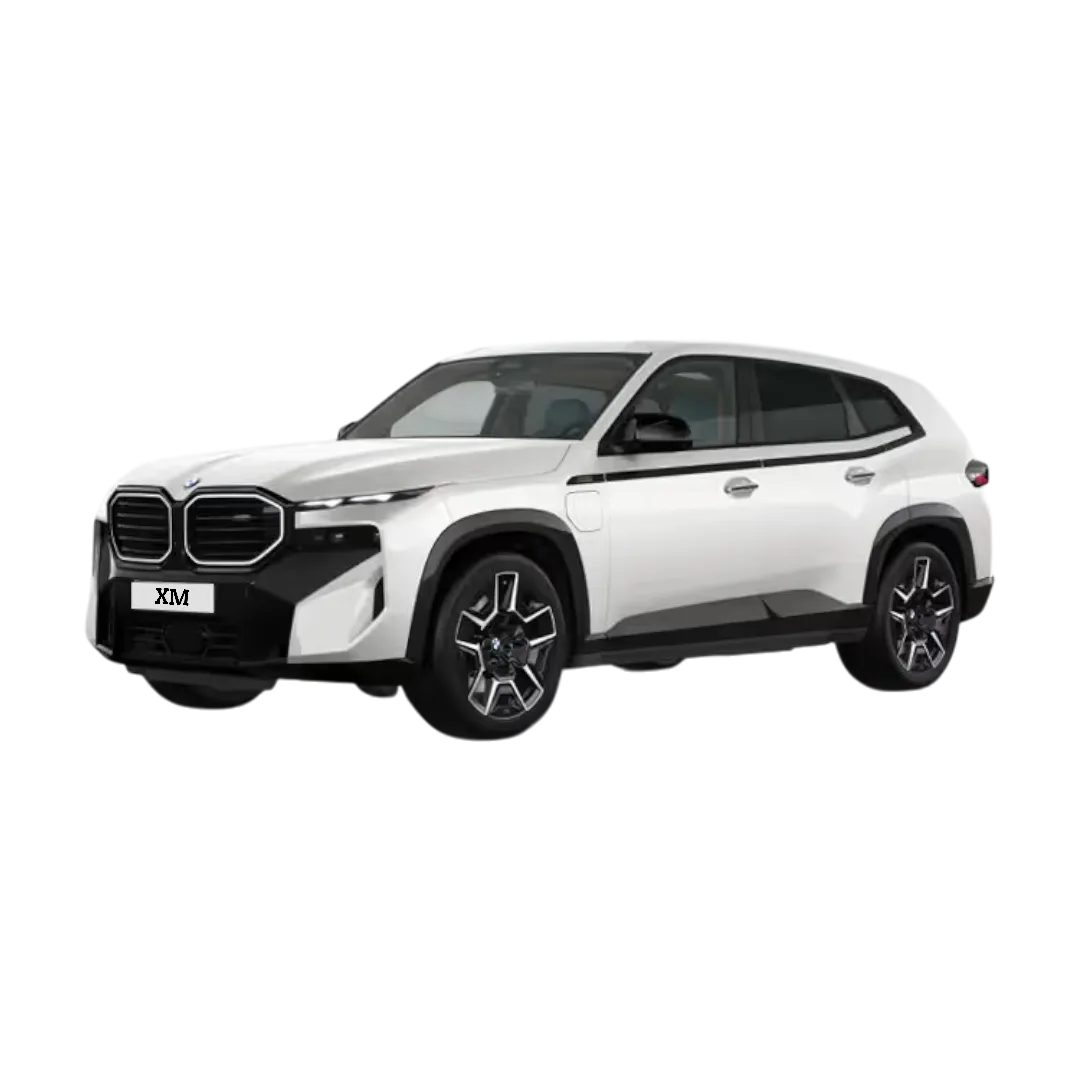 BMW XM
 BMW Z4
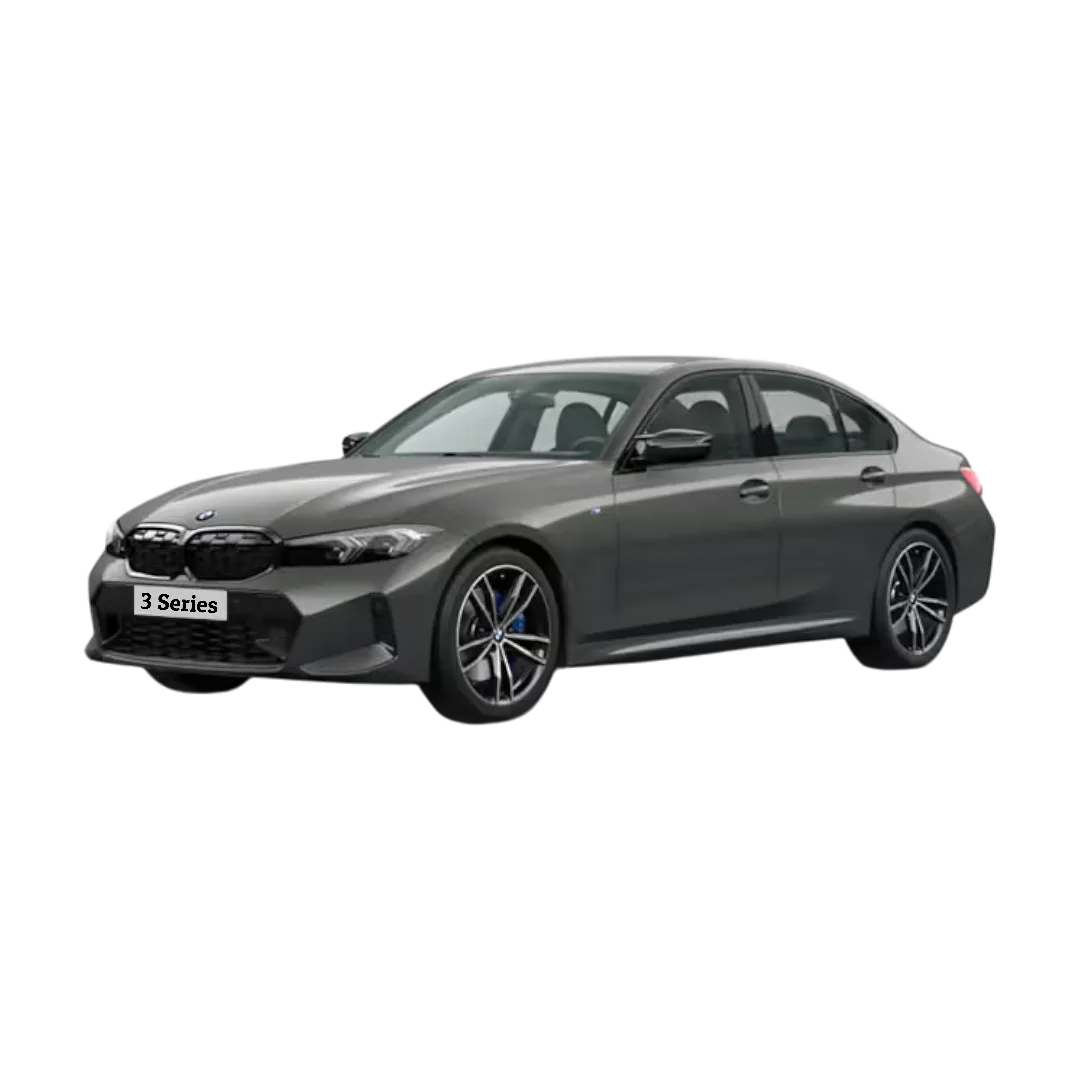 3 Series
 BMW X3
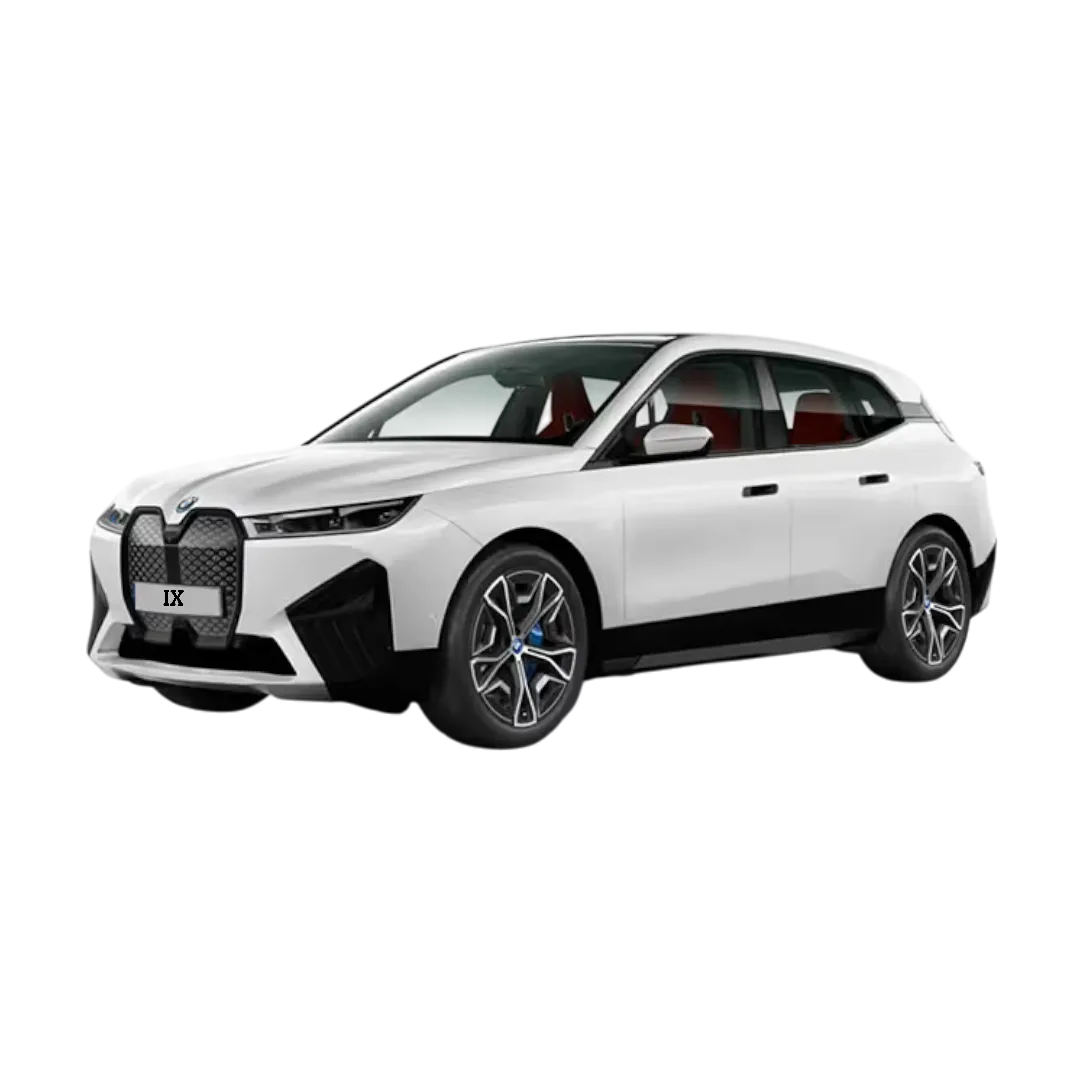 BMW iX
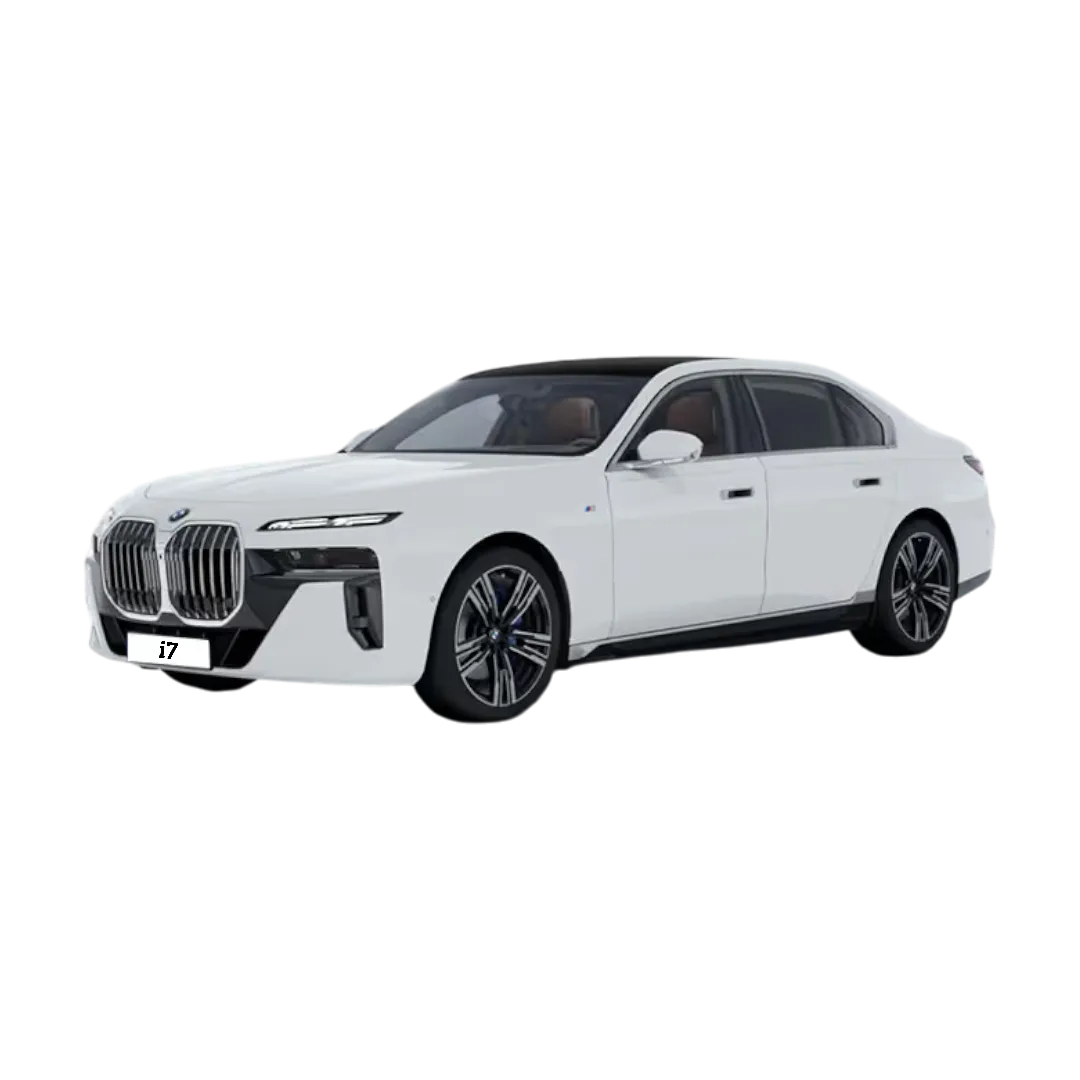 BMW i7
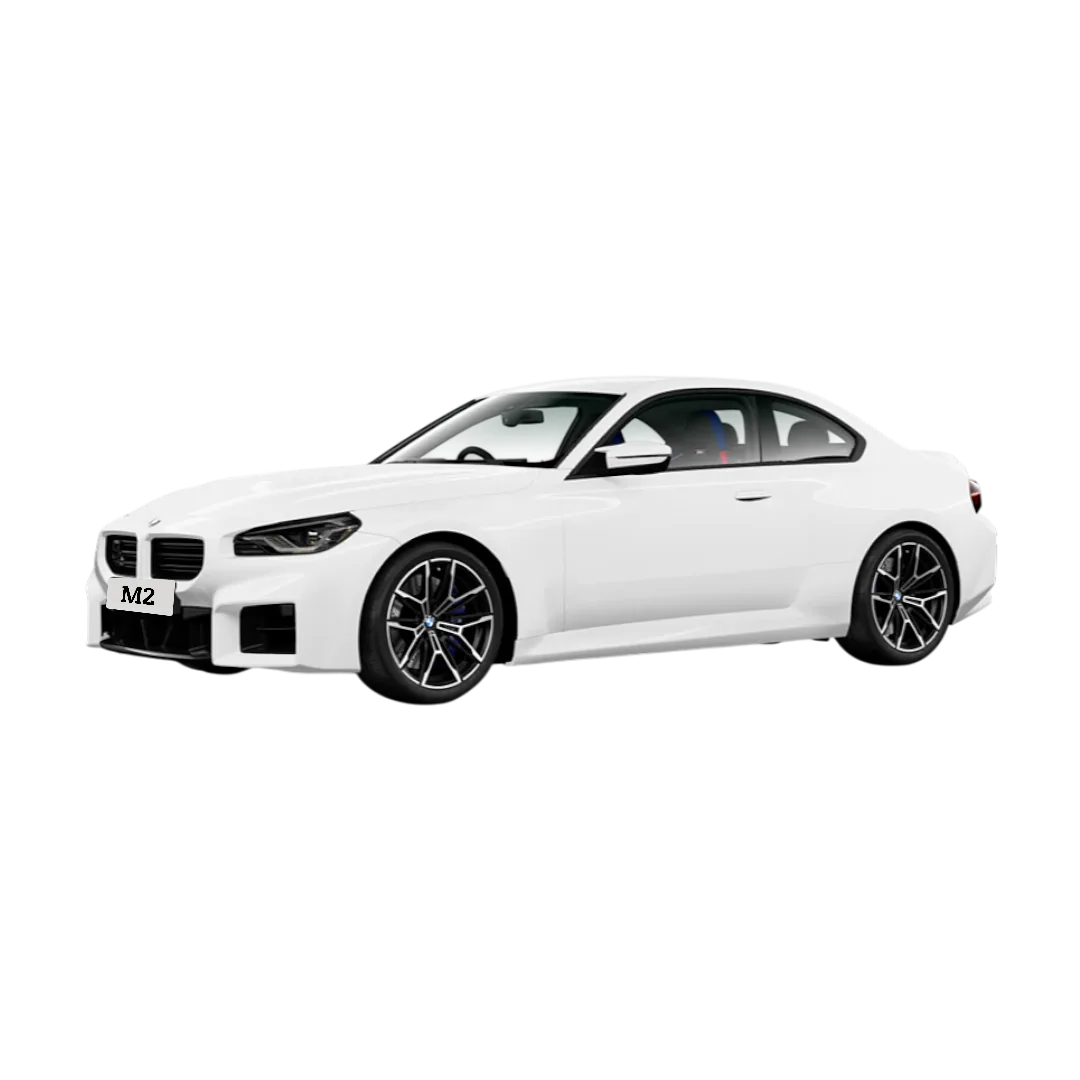 BMW M2
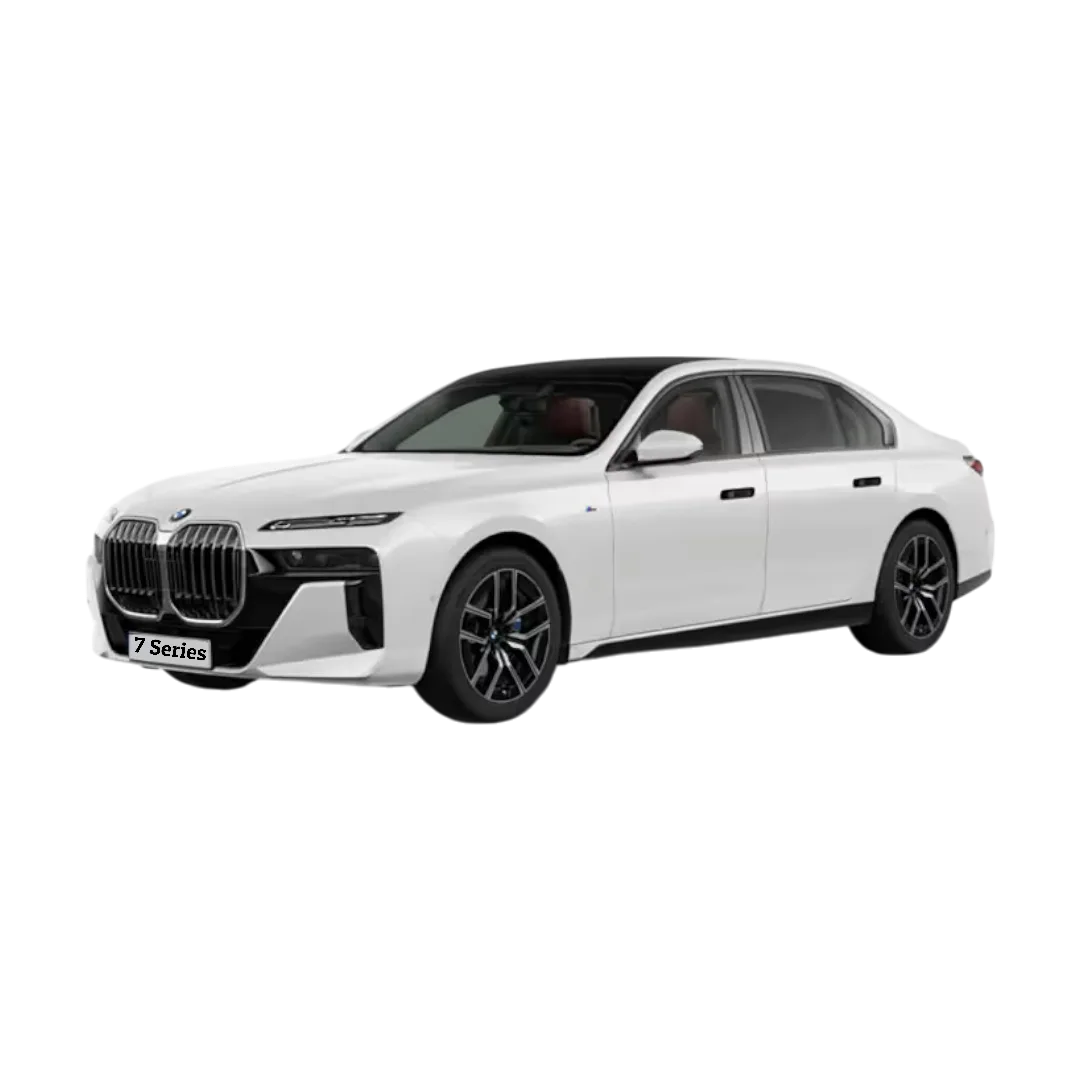 7 Series
 2 Series
 BMW i4
 5 Series
 6 Series
 BMW ix1
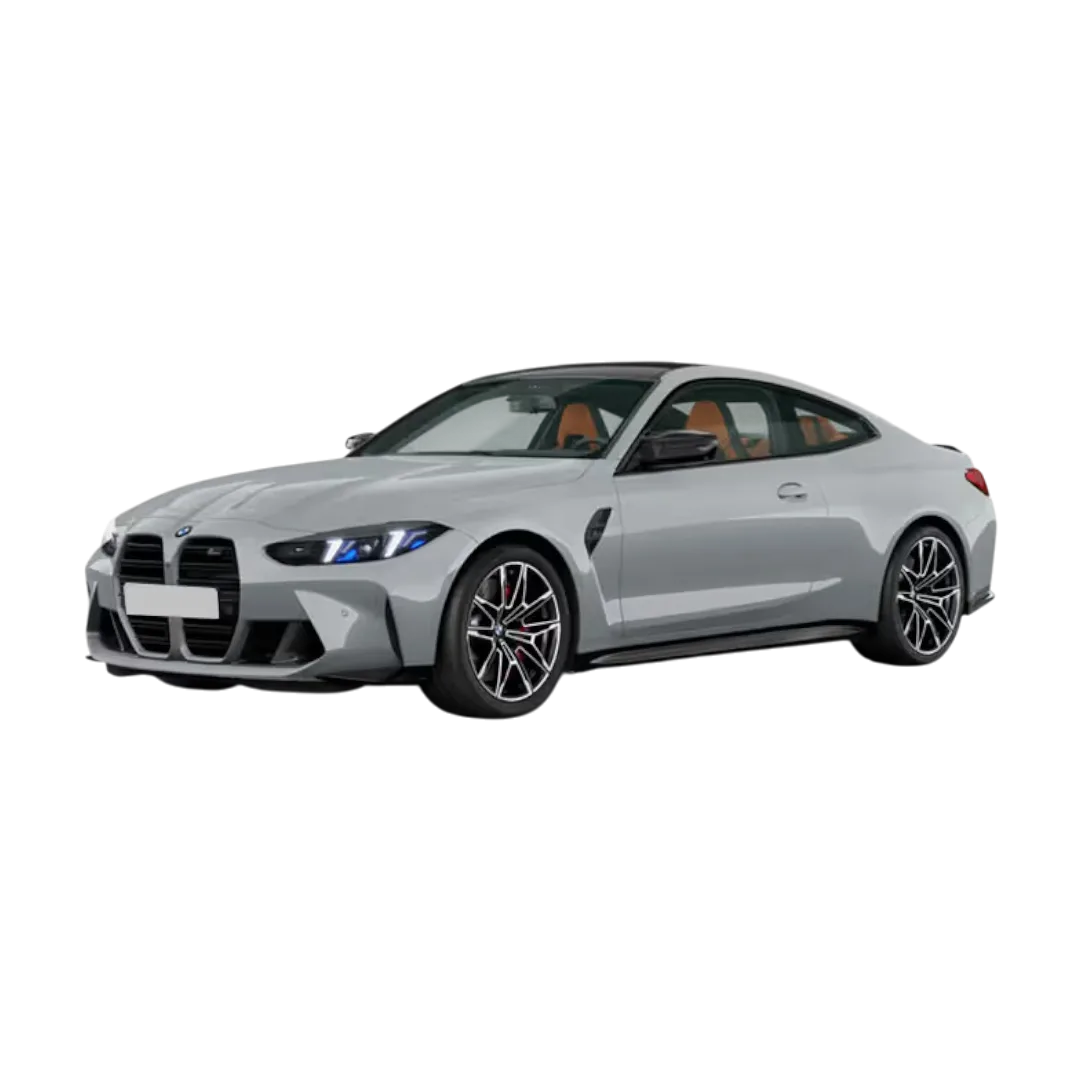 M4 Competition
 3 Series Gran Limousine
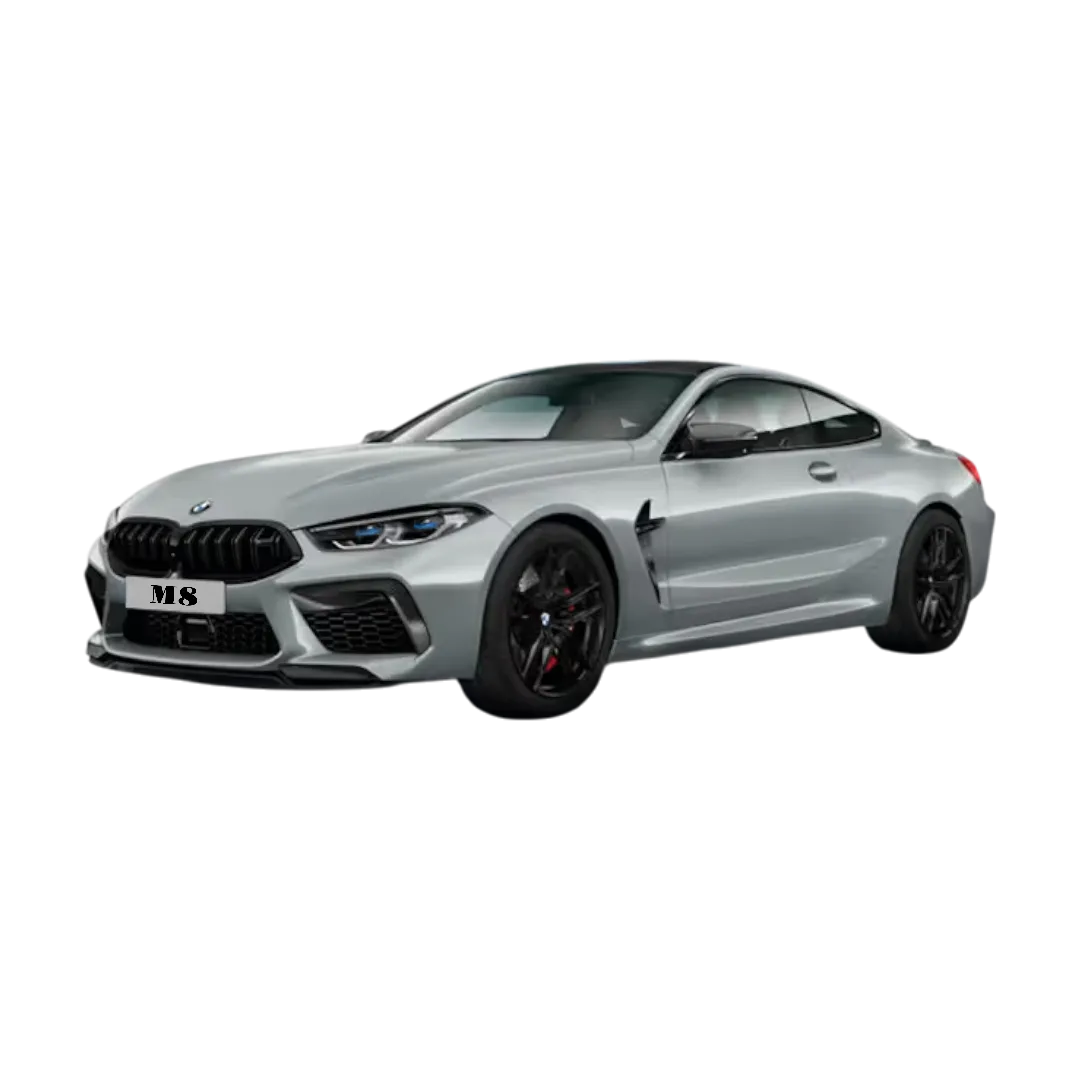 M8 Coupe
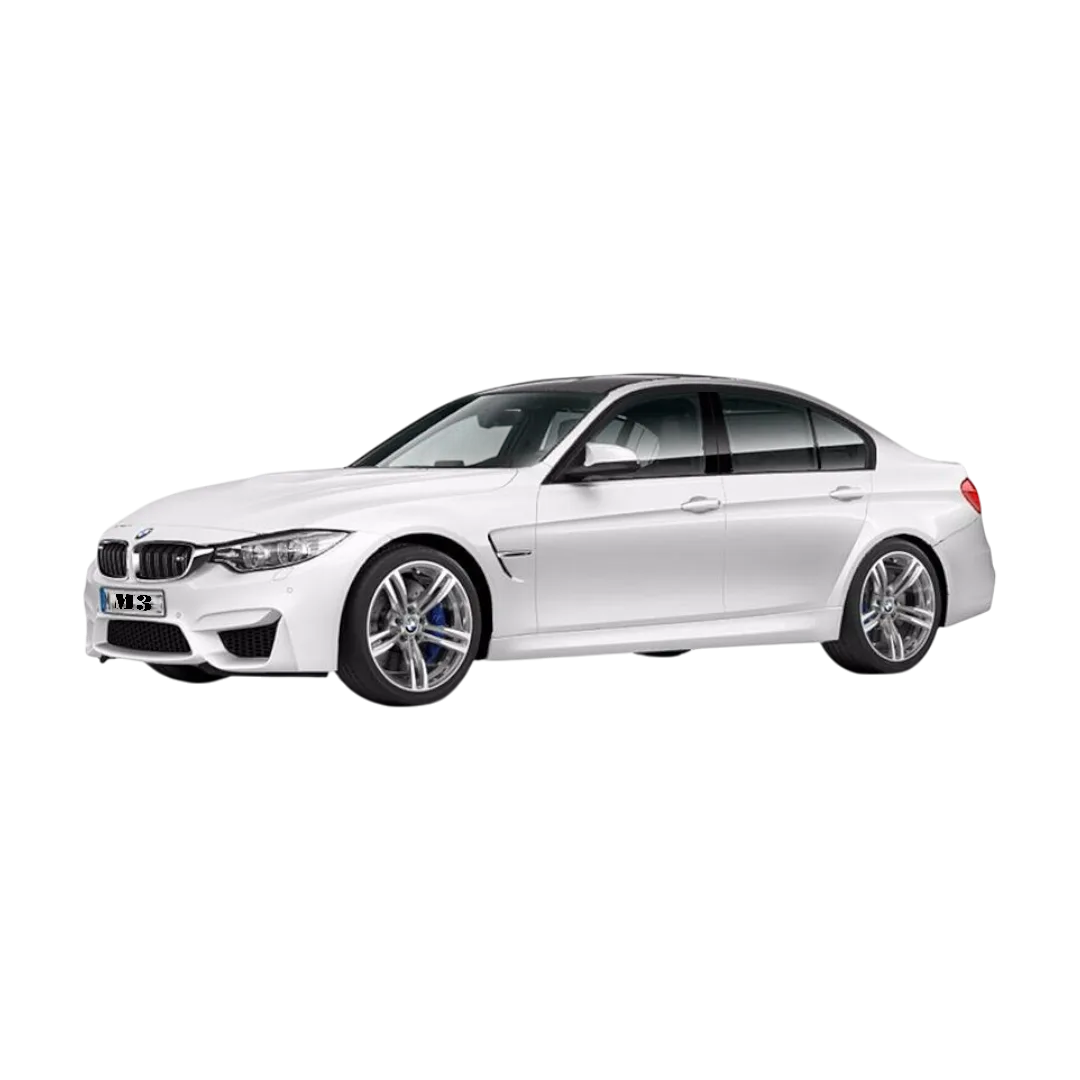 BMW M3
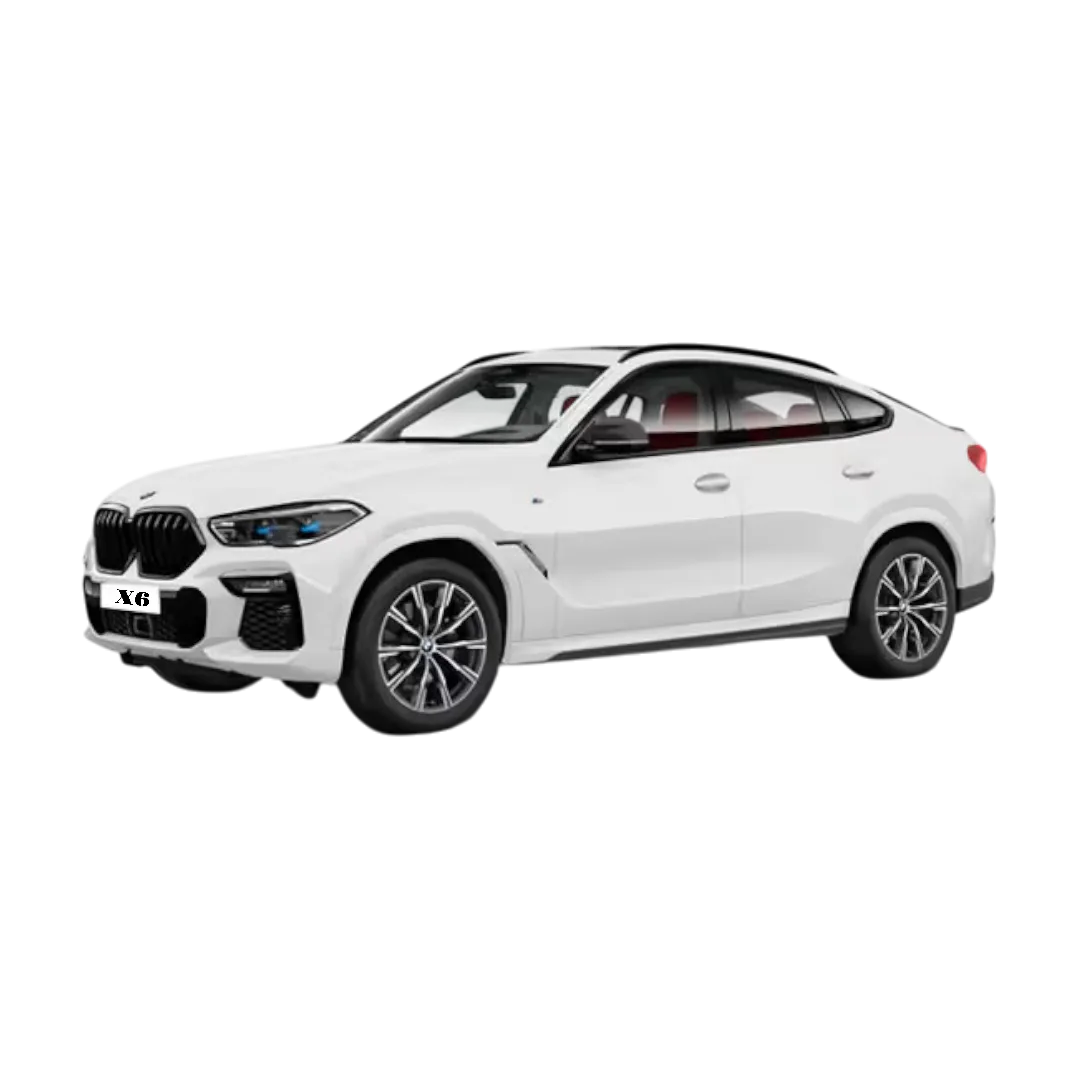 BMW X6
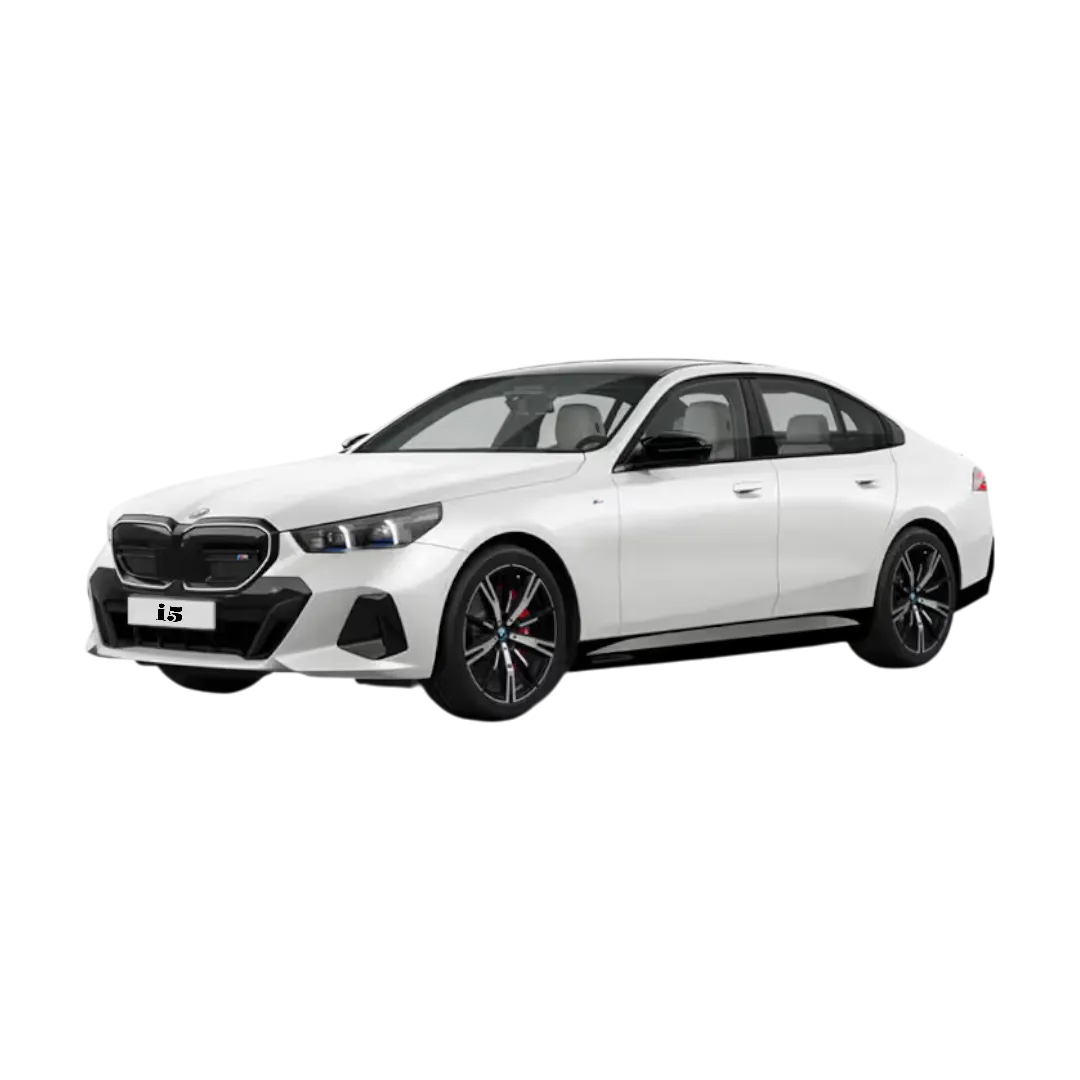 BMW i5
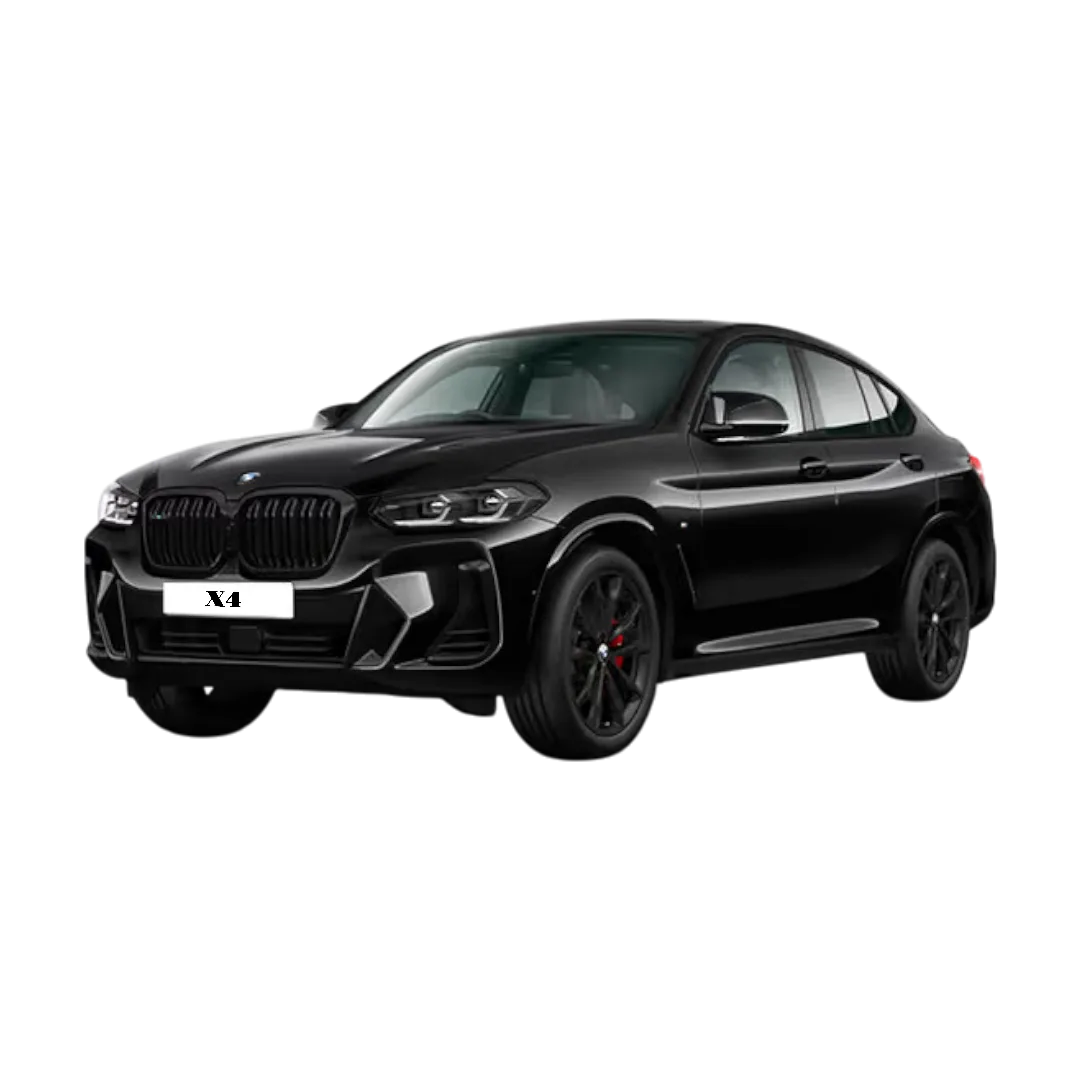 BMW X4
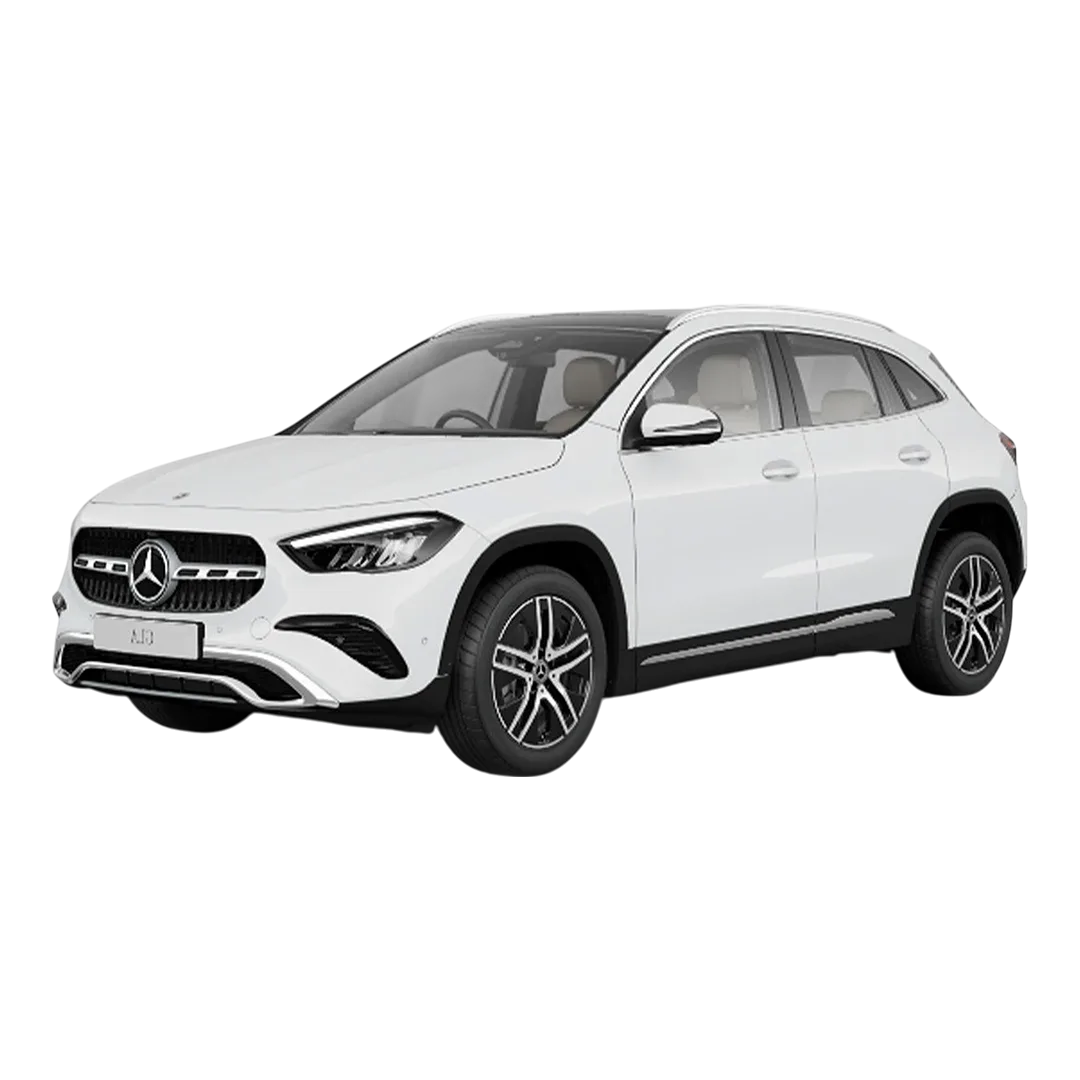 Mercedes Benz GLA
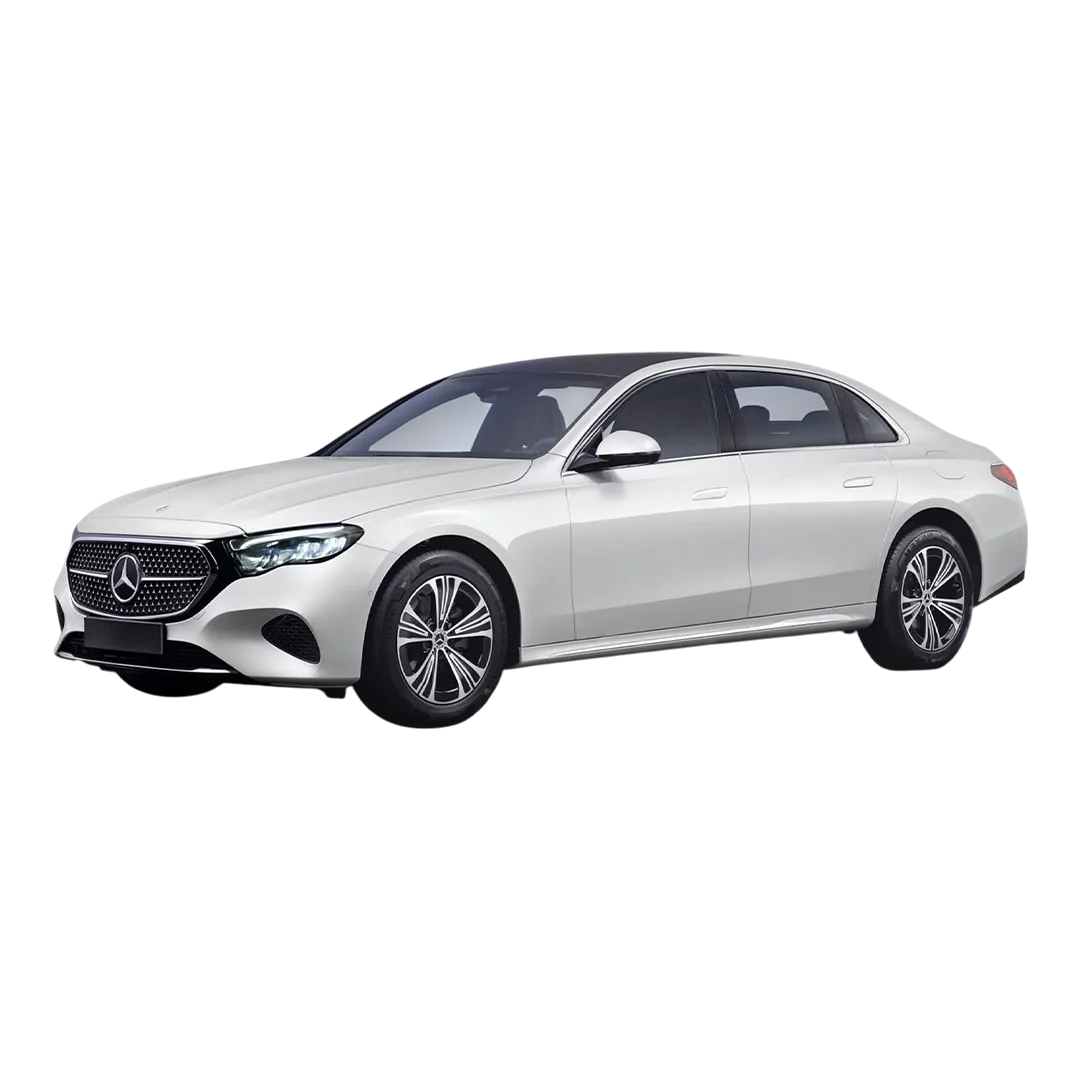 Mercedes E-Class
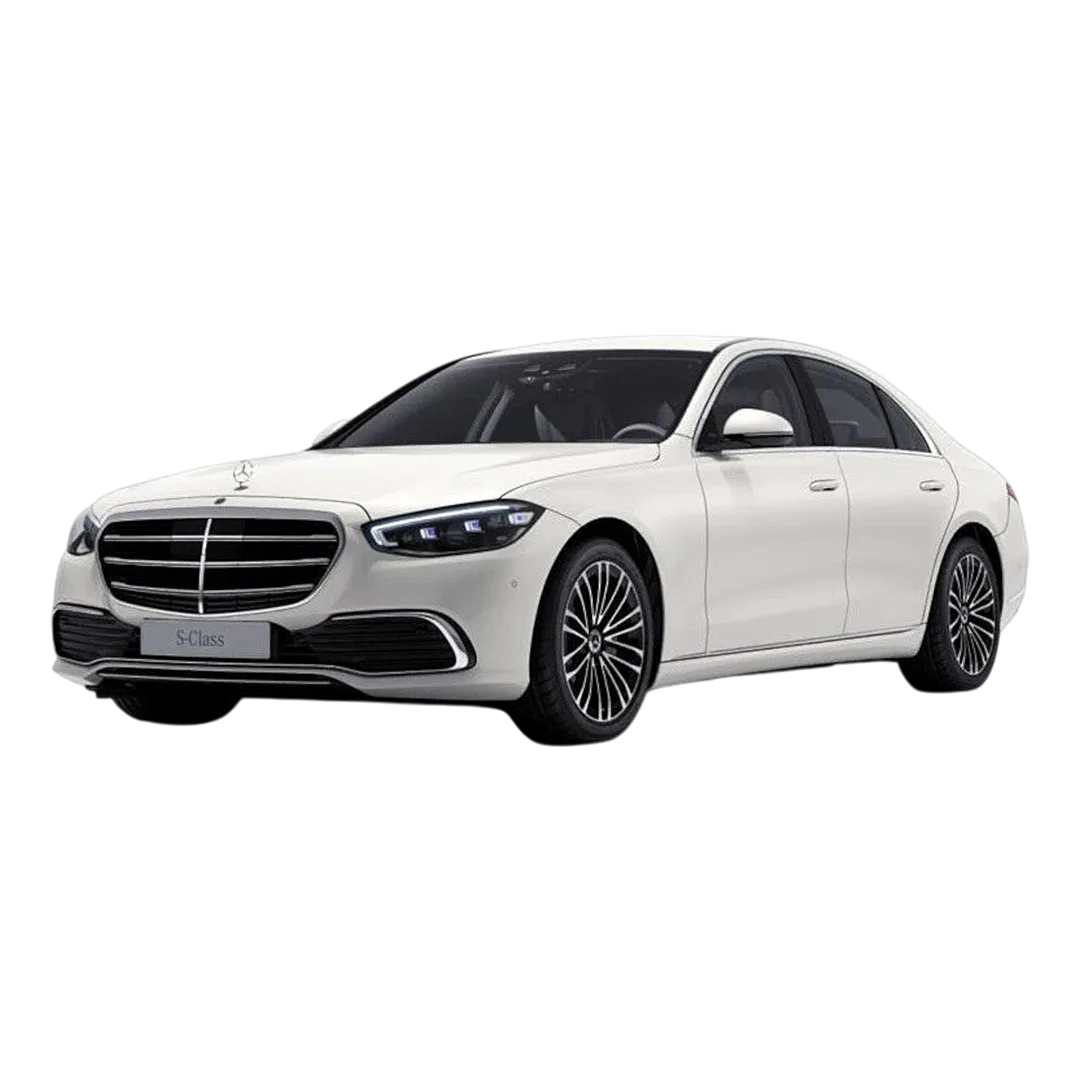 Mercedes S-Class
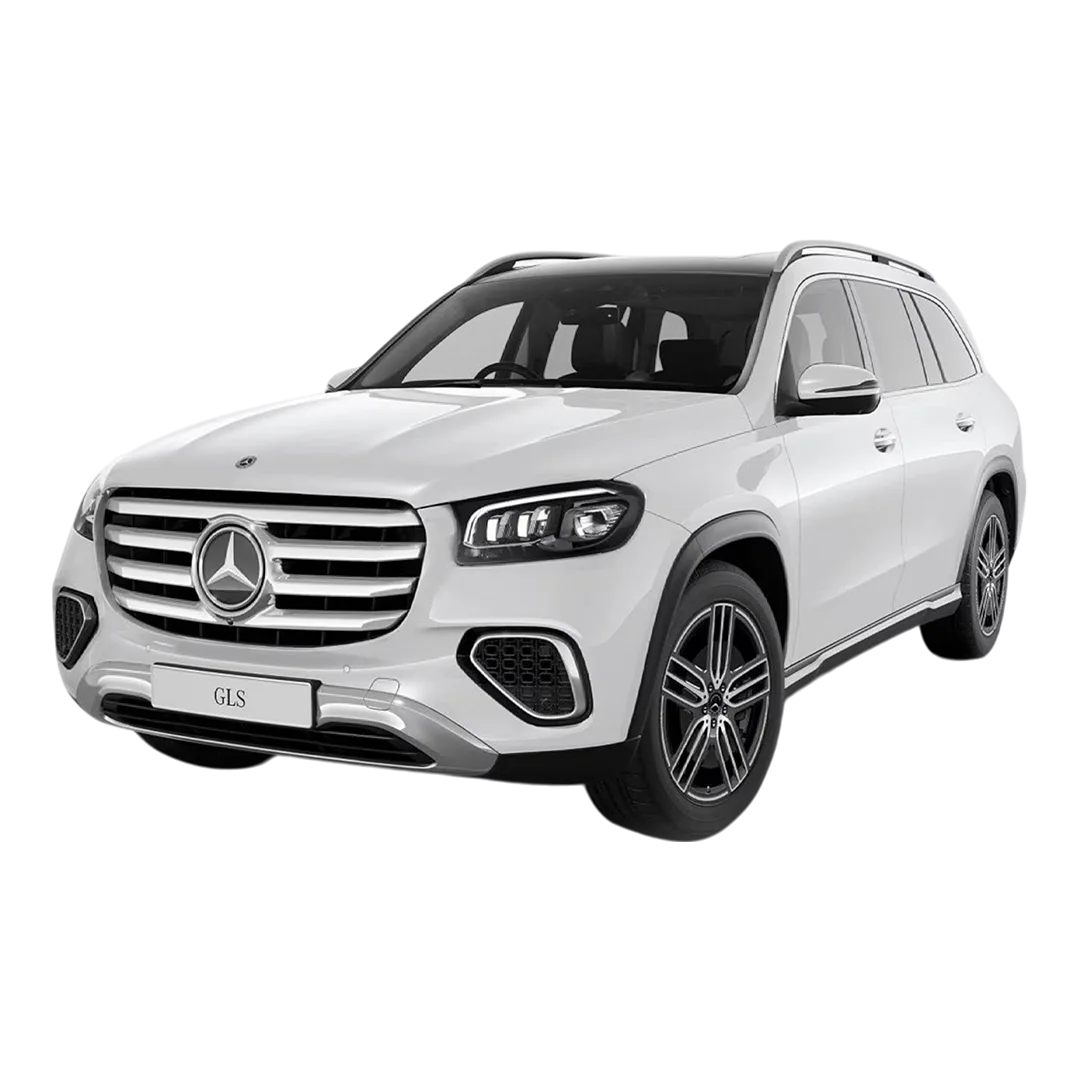 Mercedes Benz GLS
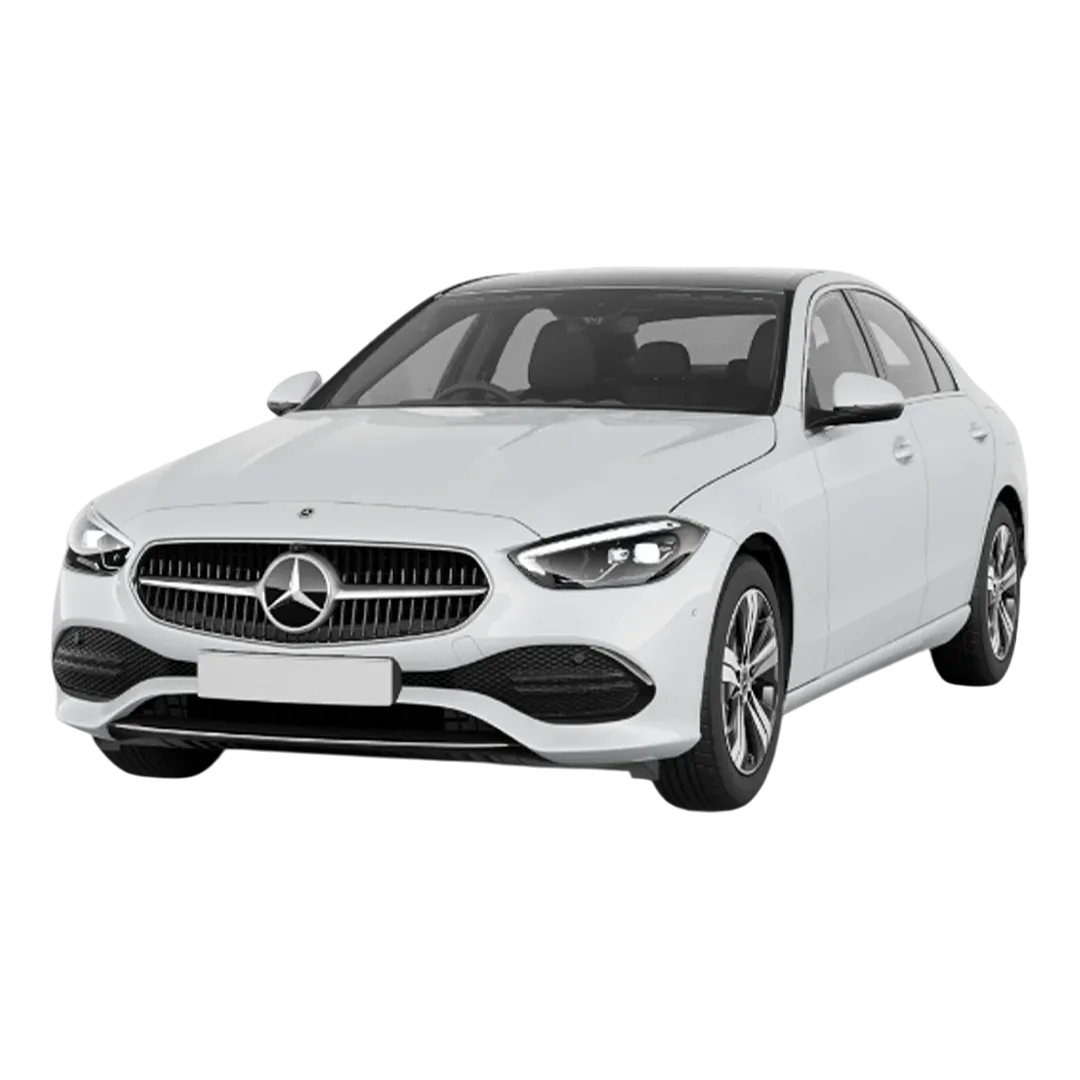 Mercedes Benz C-Class
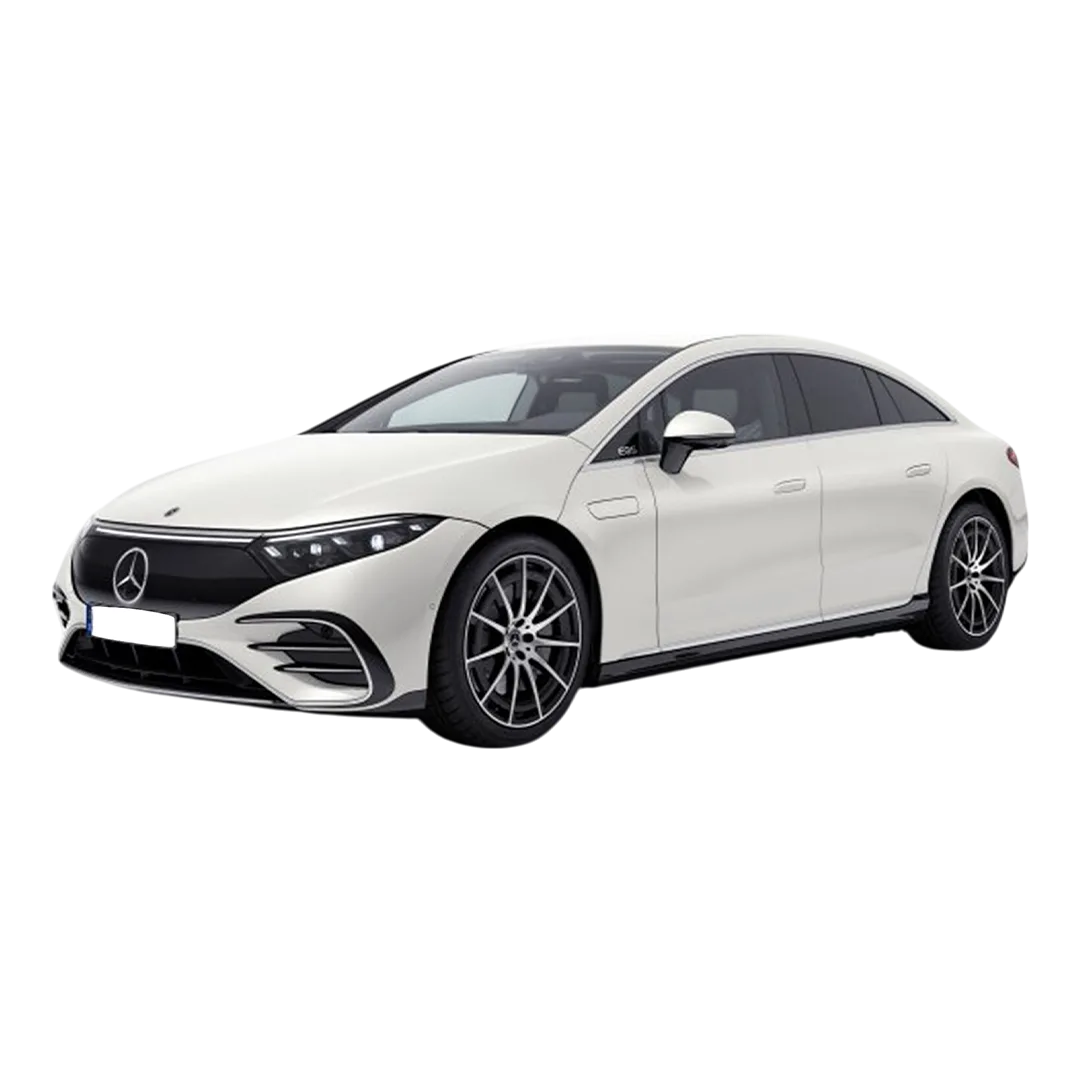 Mercedes Benz EQS
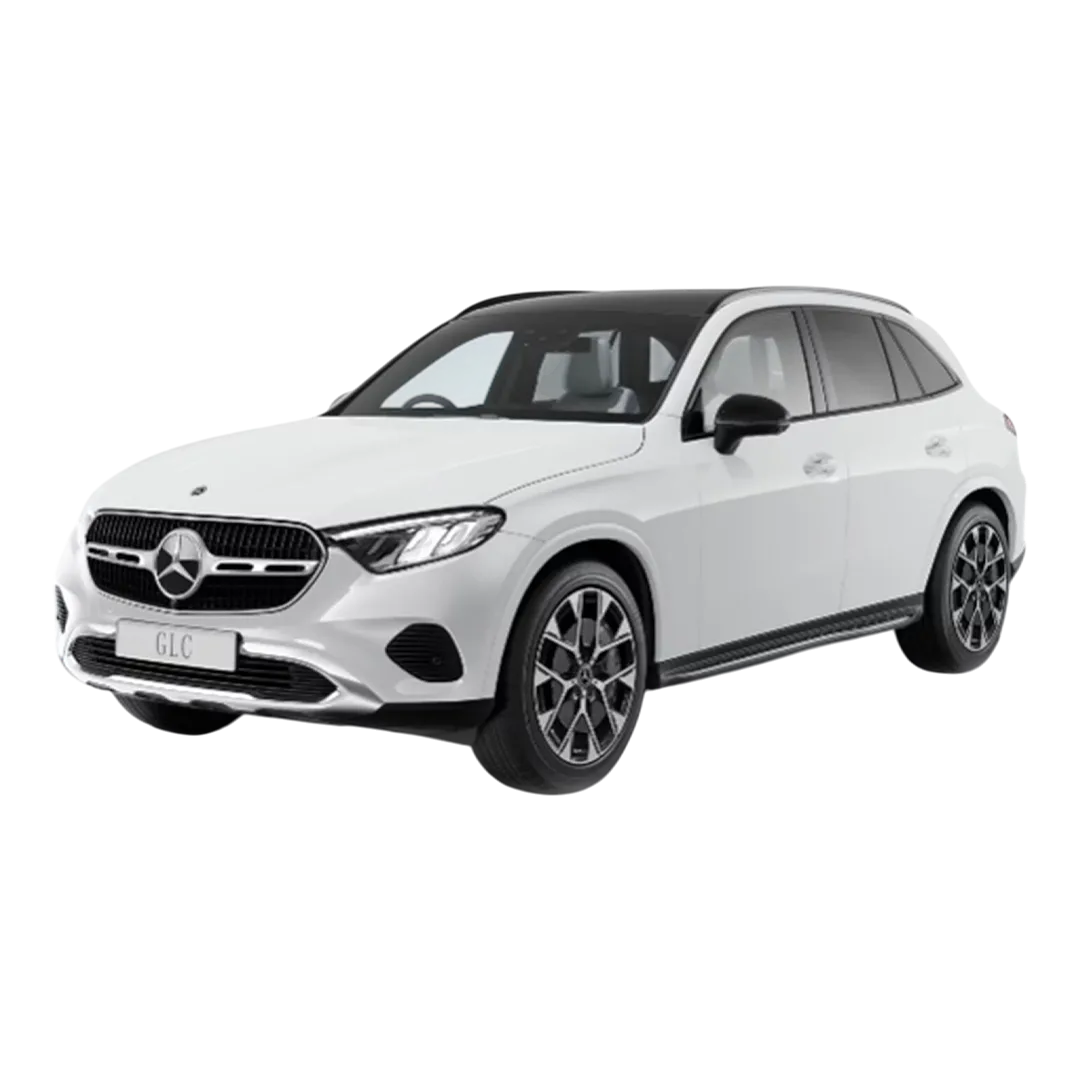 Mercedes Benz GLC
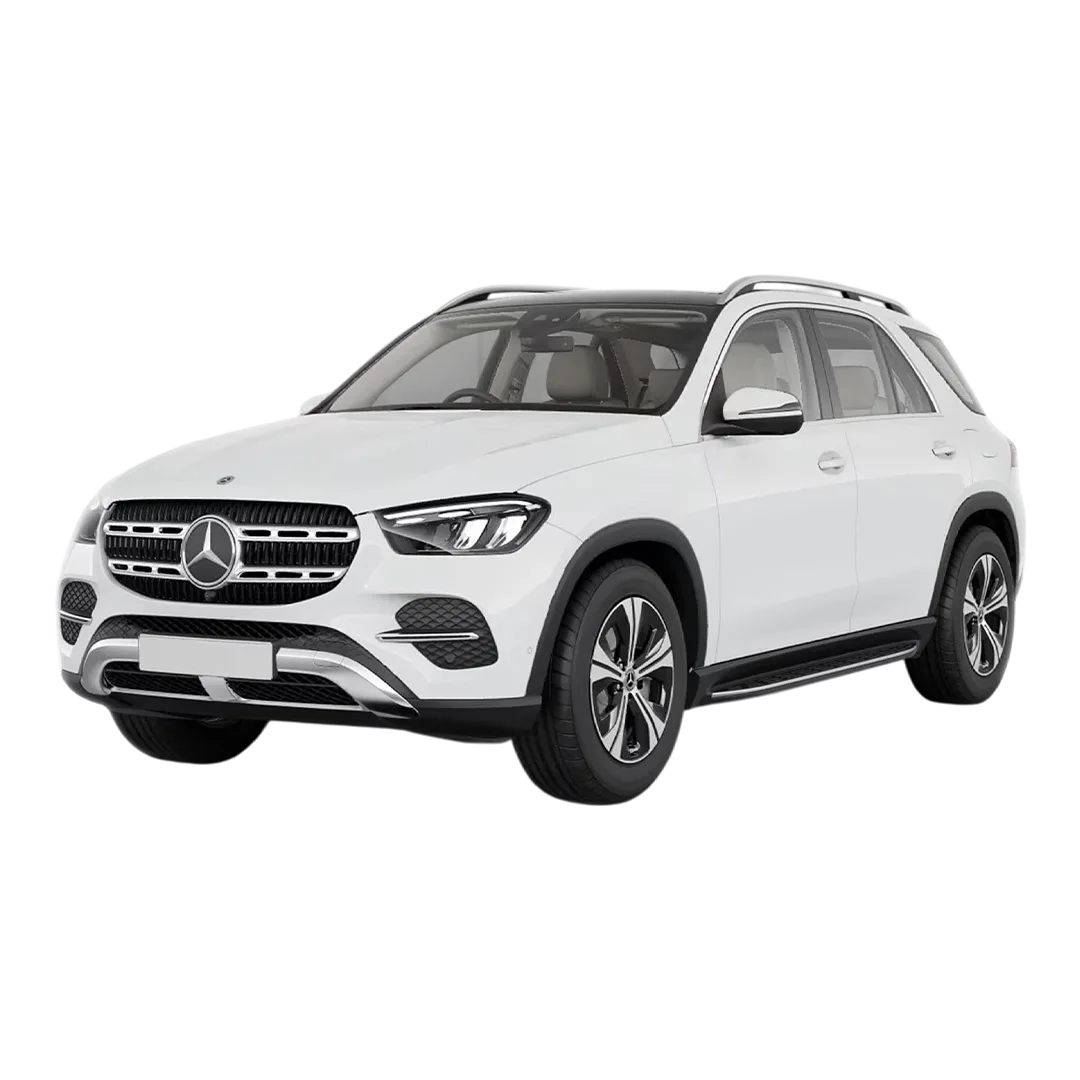 Mercedes Benz GLE
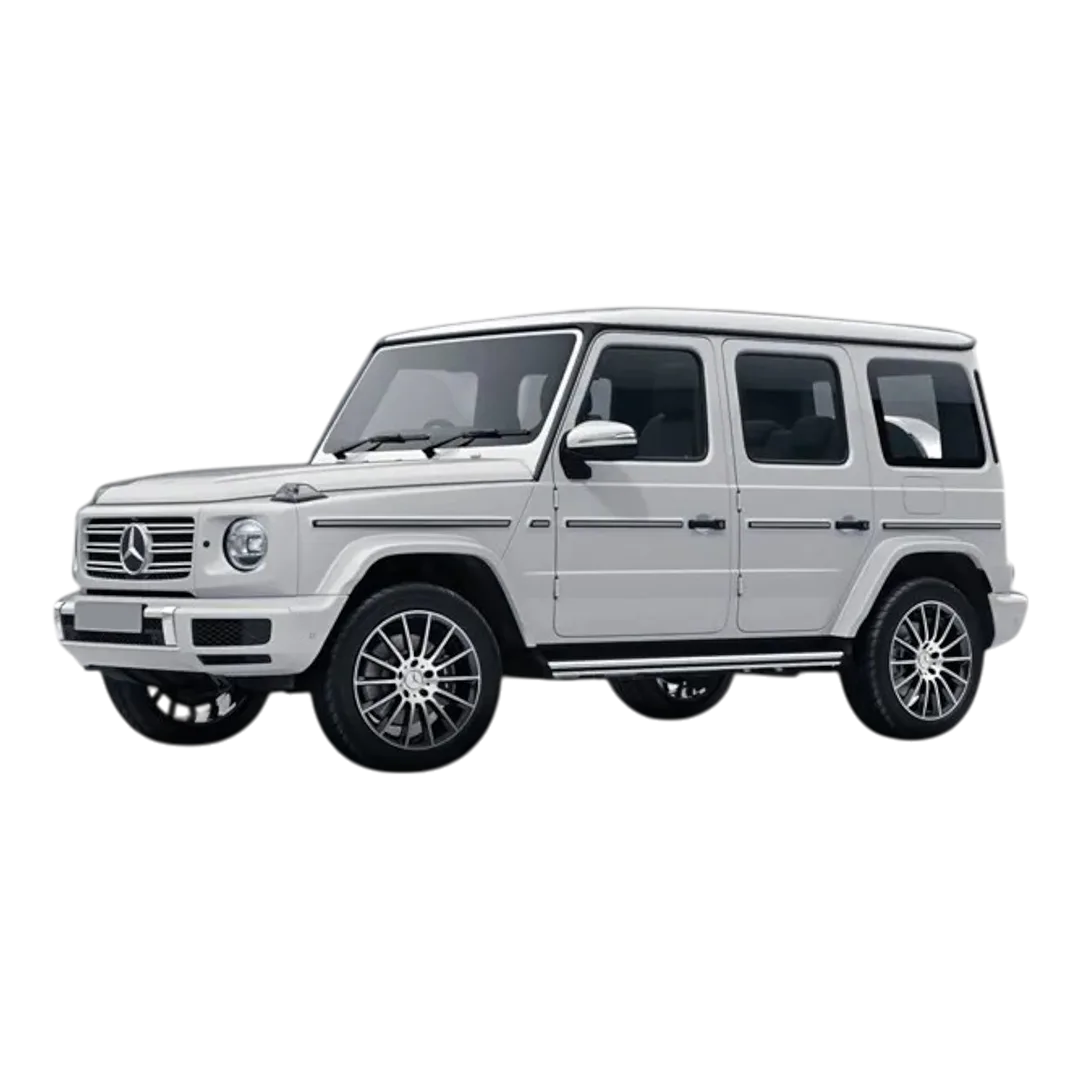 Mercedes Benz G-Class
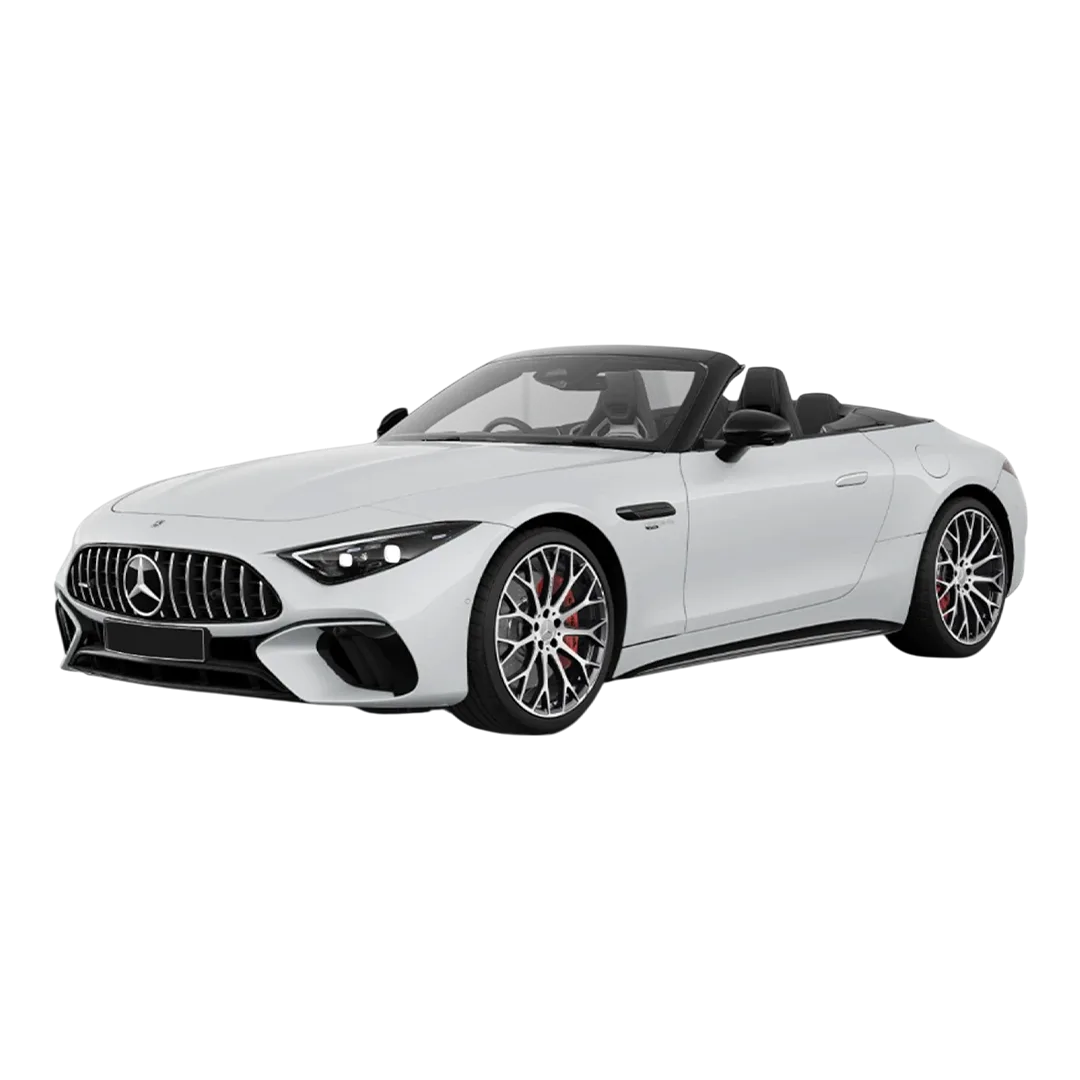 Mercedes Benz AMG SL
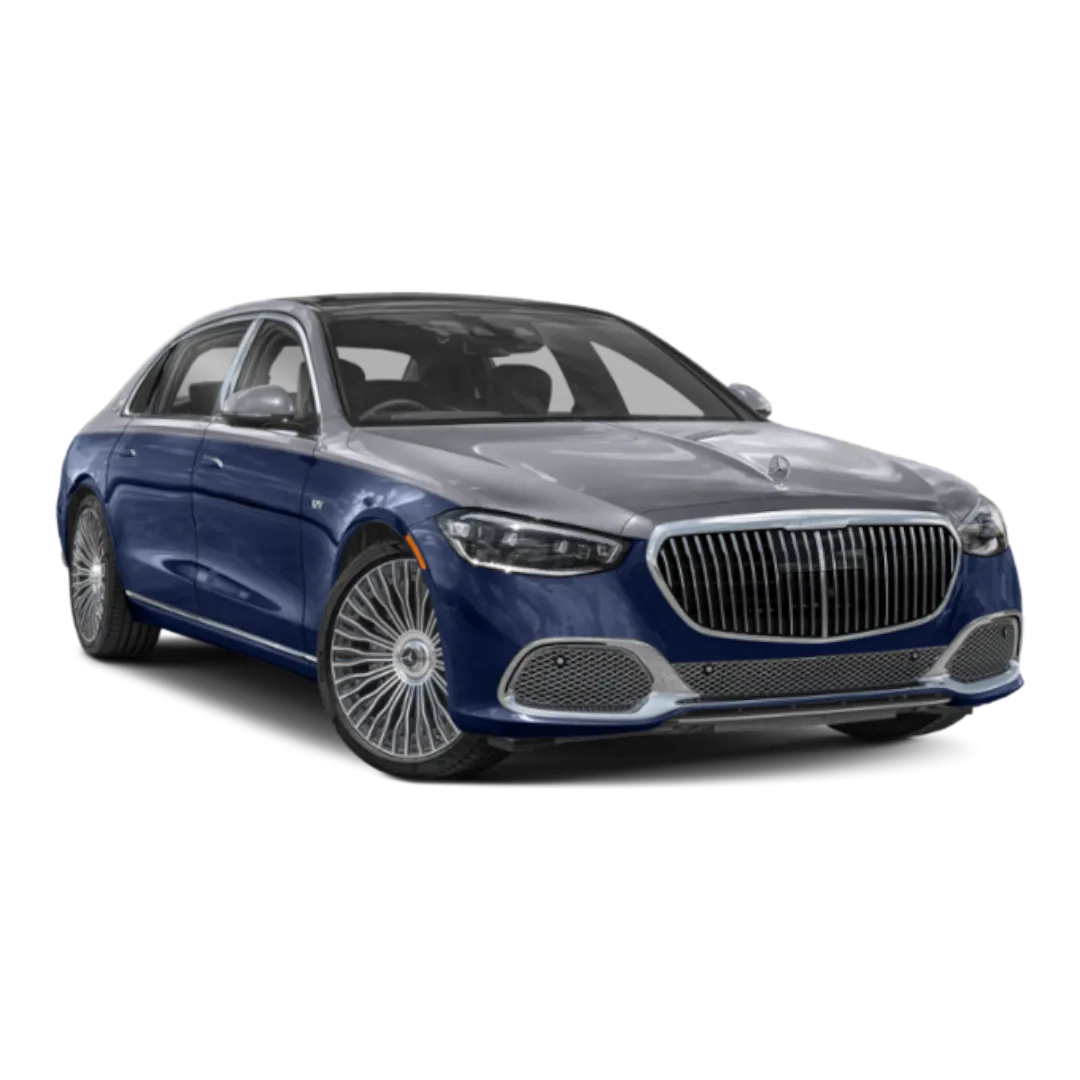 Mercedes Benz MAYBACH S- Class
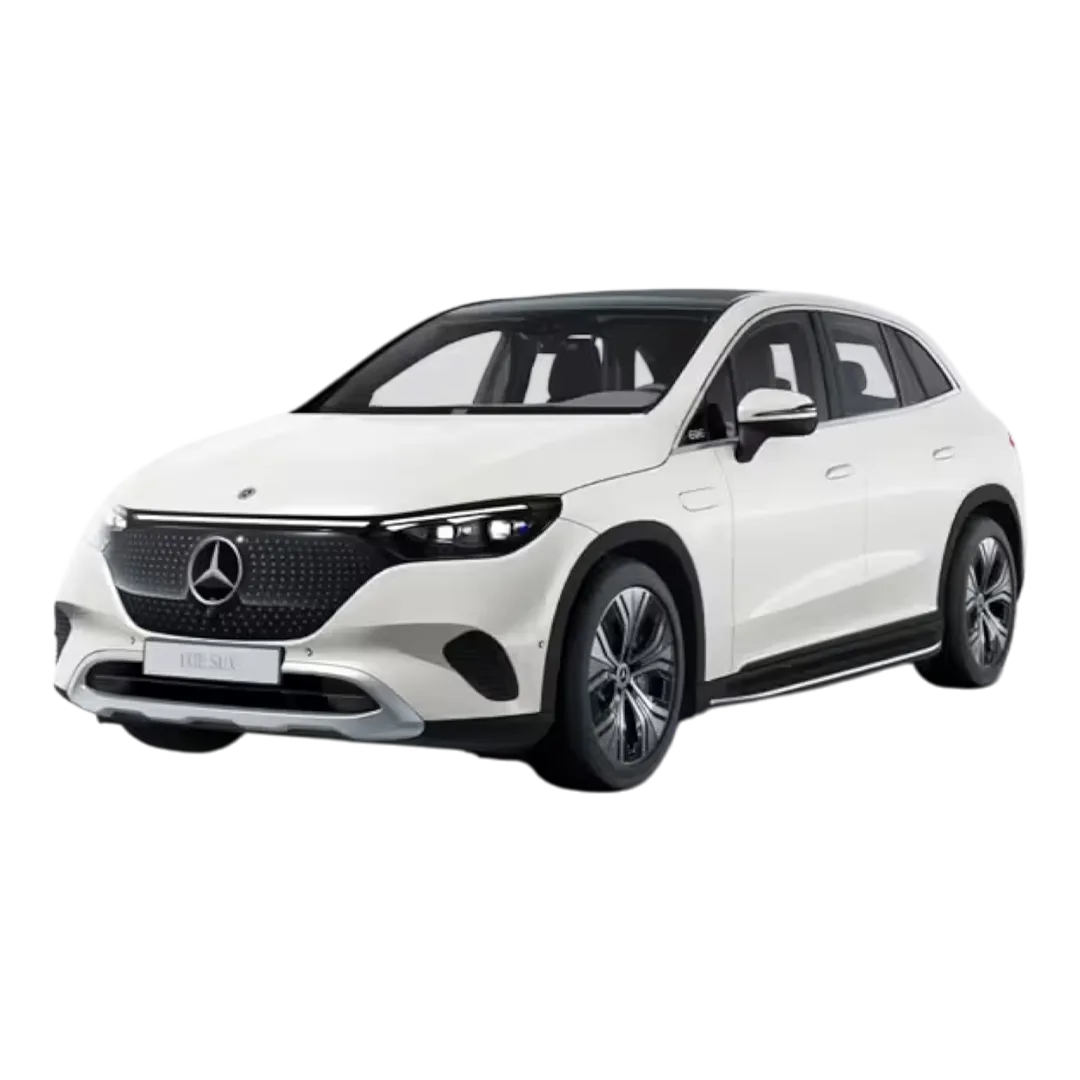 Mercedes Benz EQE-SUV
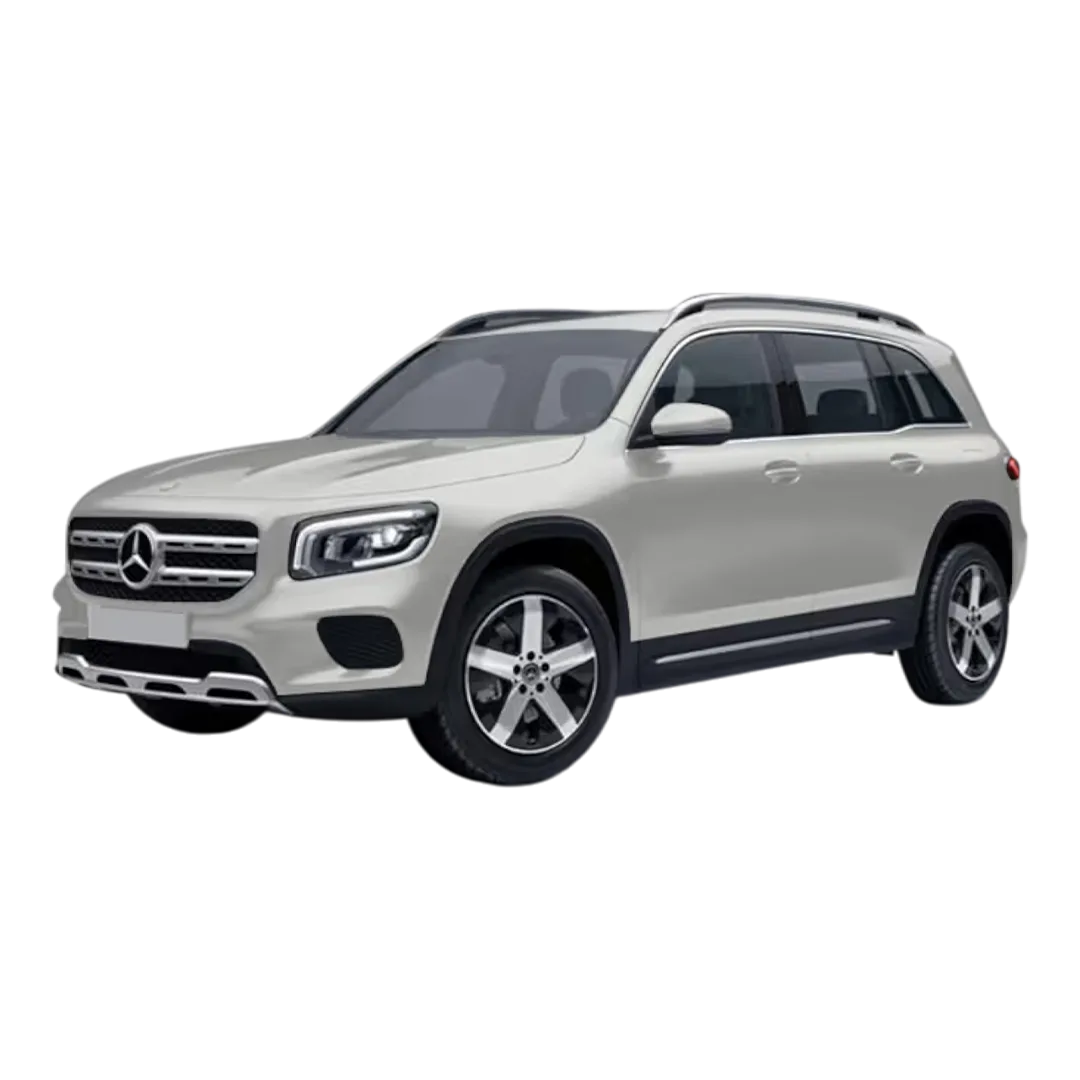 Mercedes Benz GLB
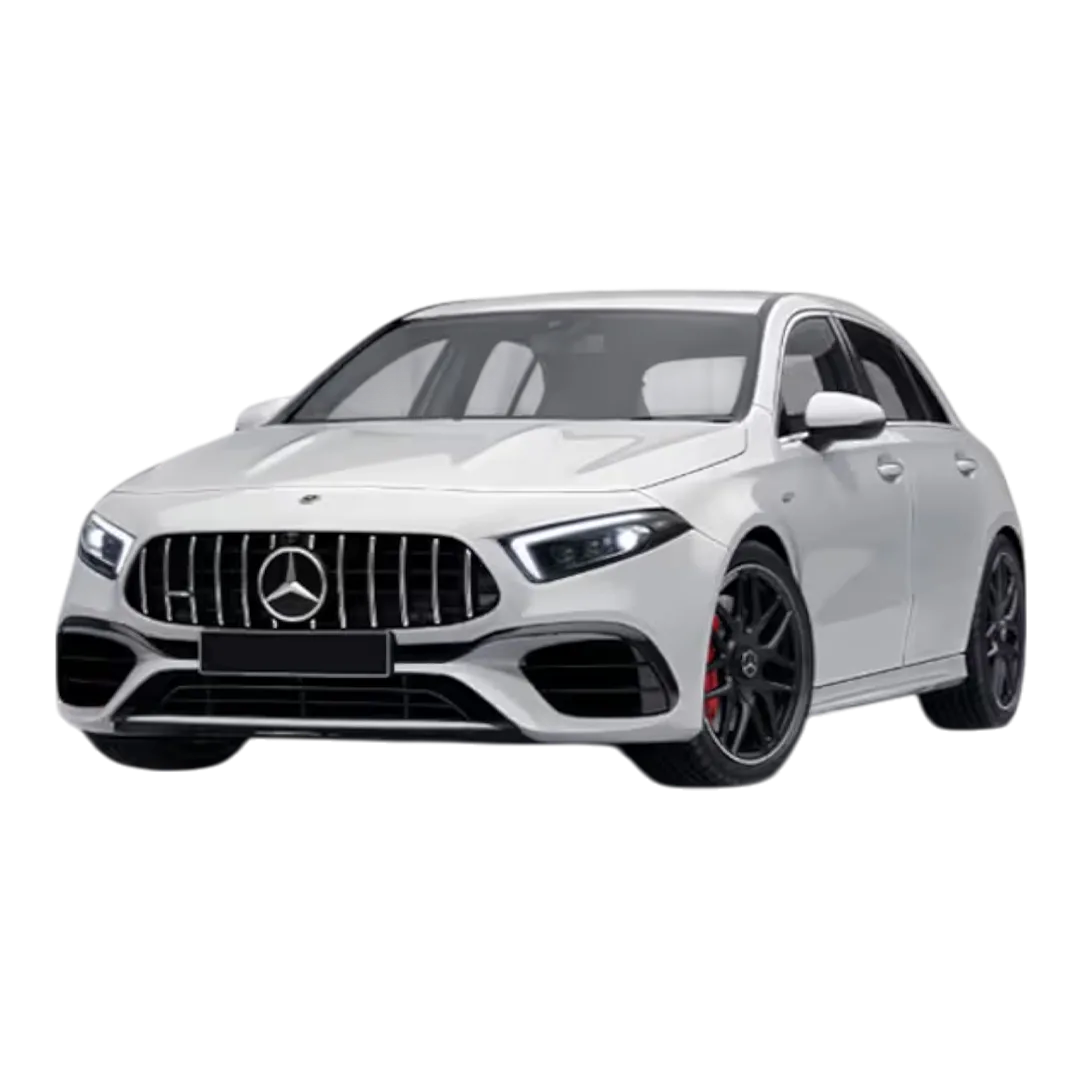 Mercedes Benz AMG A 45 S
 Mercedes Benz AMG GLE S3
 Mercedes Benz EQB
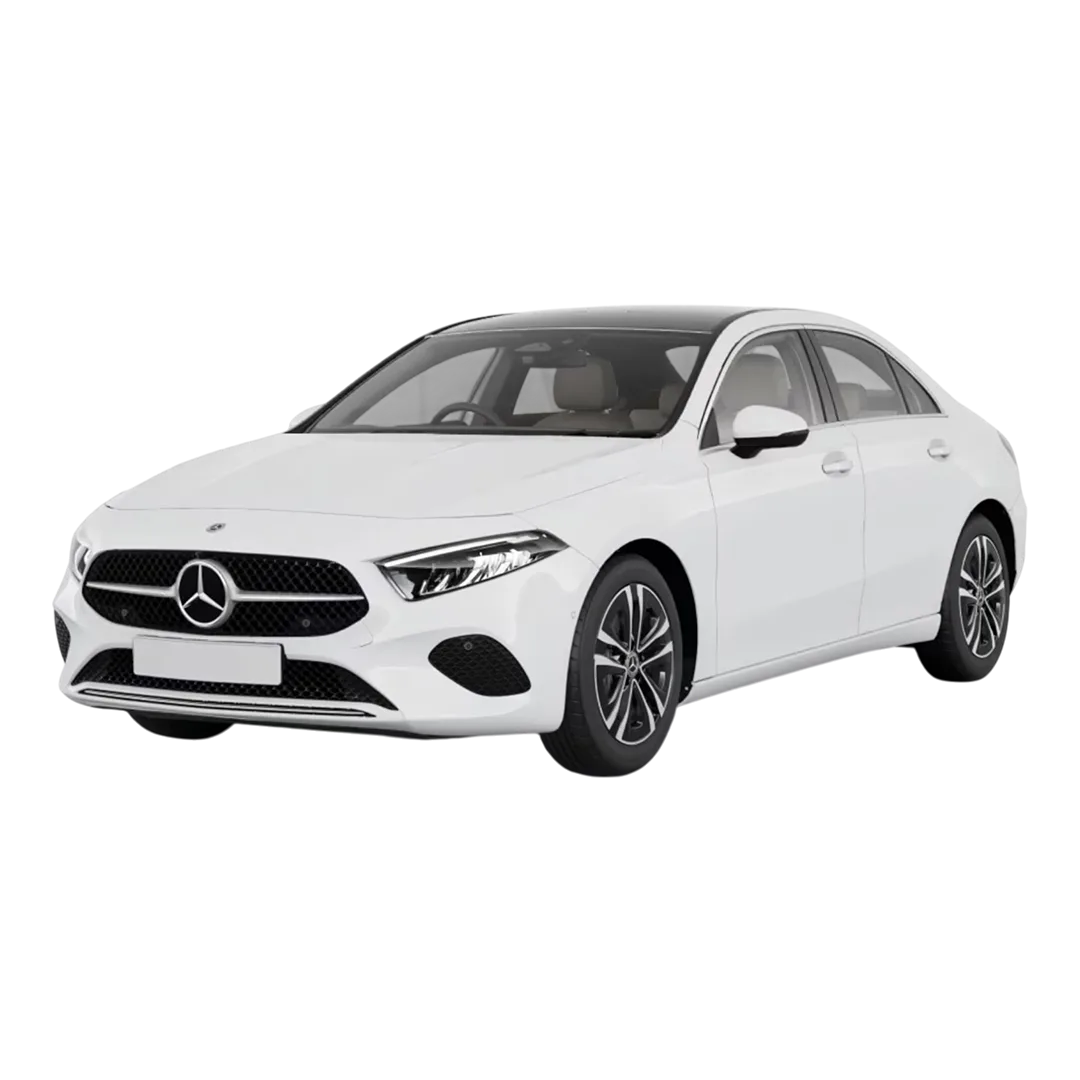 Mercedes Benz A Class limousine
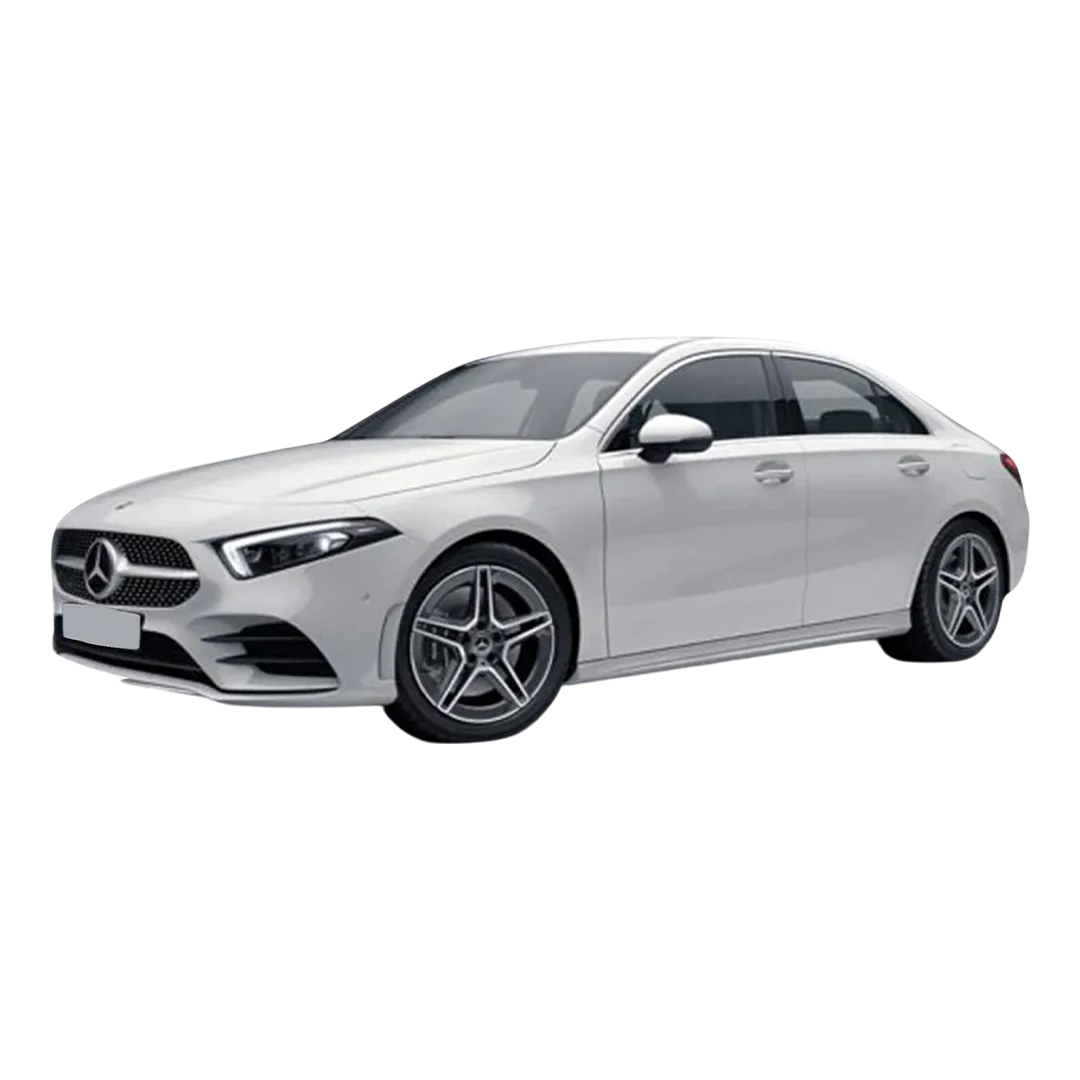 Mercedes Benz AMG A 35
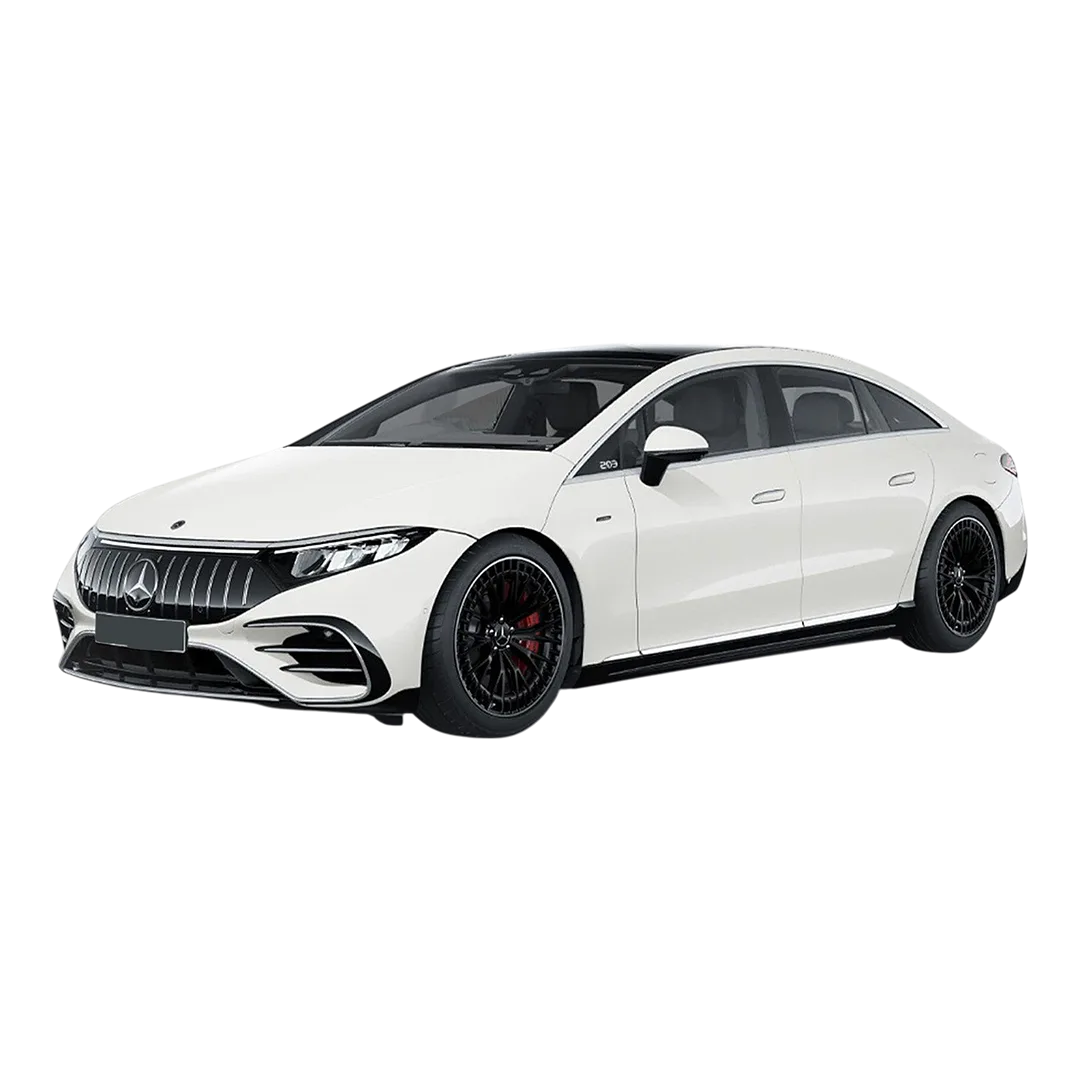 Mercedes-Benz AMG EQS
 Mercedes-Benz AMG E 53 Cabriolet
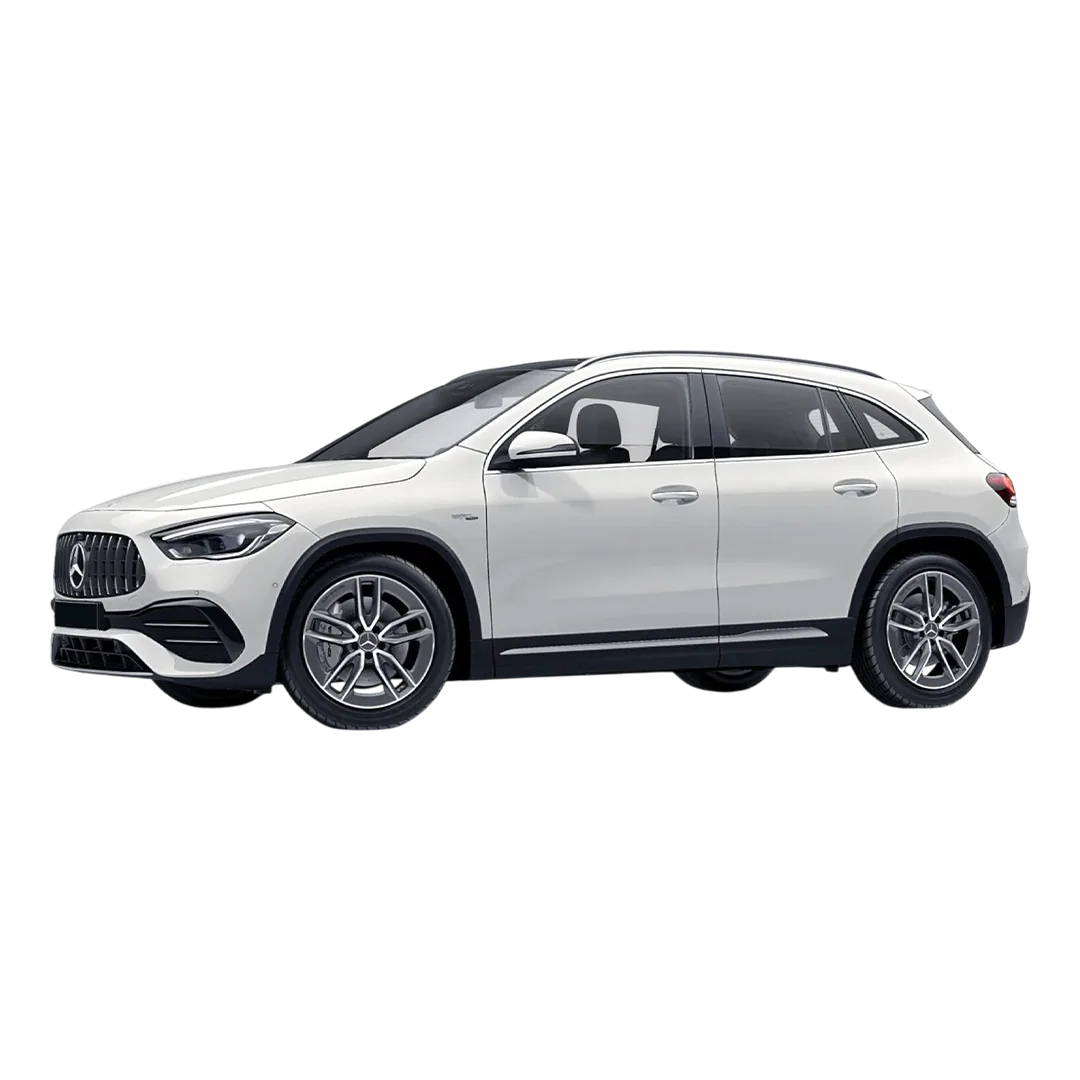 Mercedes-Benz AMG GLA 35
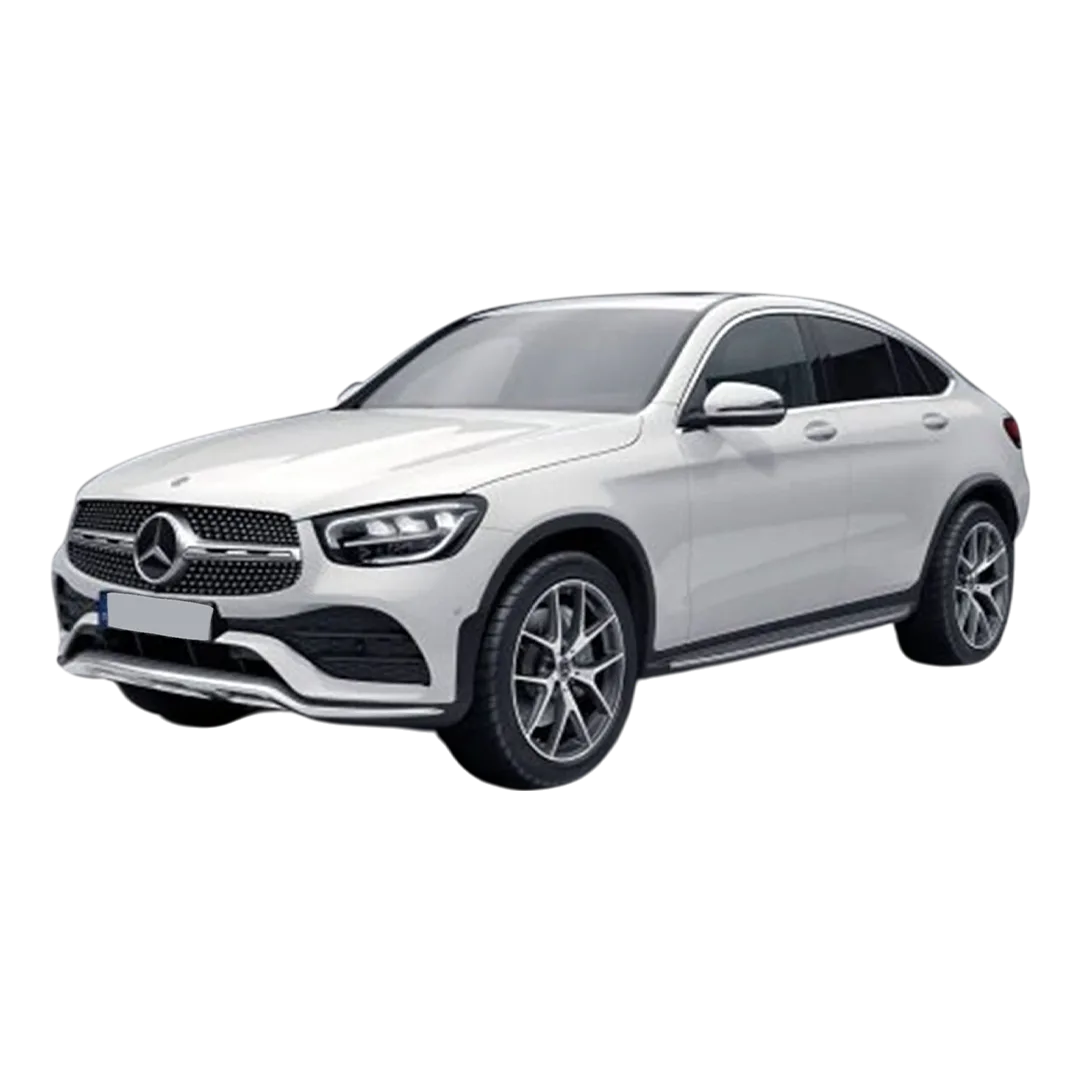 Mercedes-Benz GLC Coupe 2023
 Mercedes M-Class
R-Class
Mercedes M-Class
R-Class
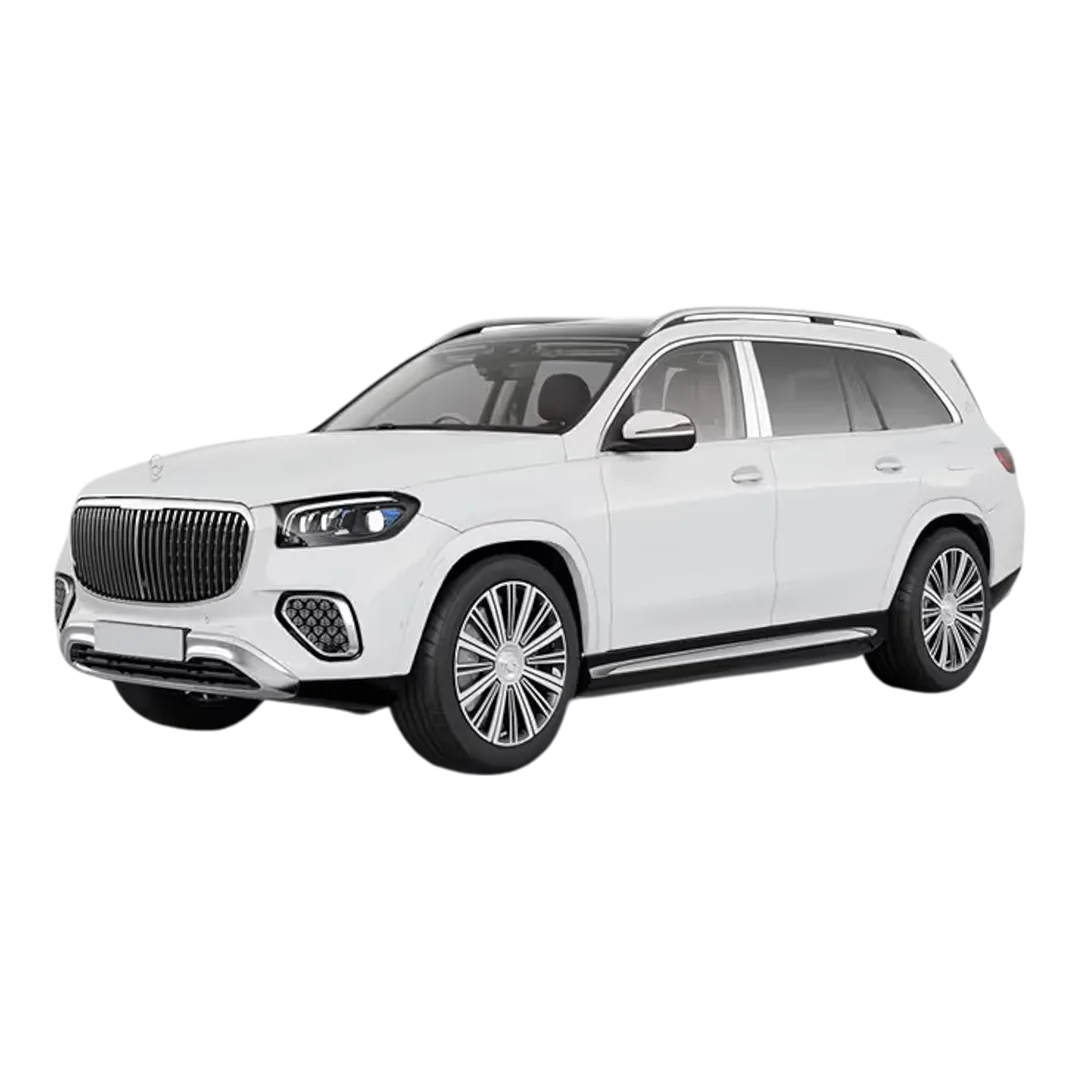 GLS 600
GLS 400
GLS 350
GLE 300
GLS 600
GLS 400
GLS 350
GLE 300
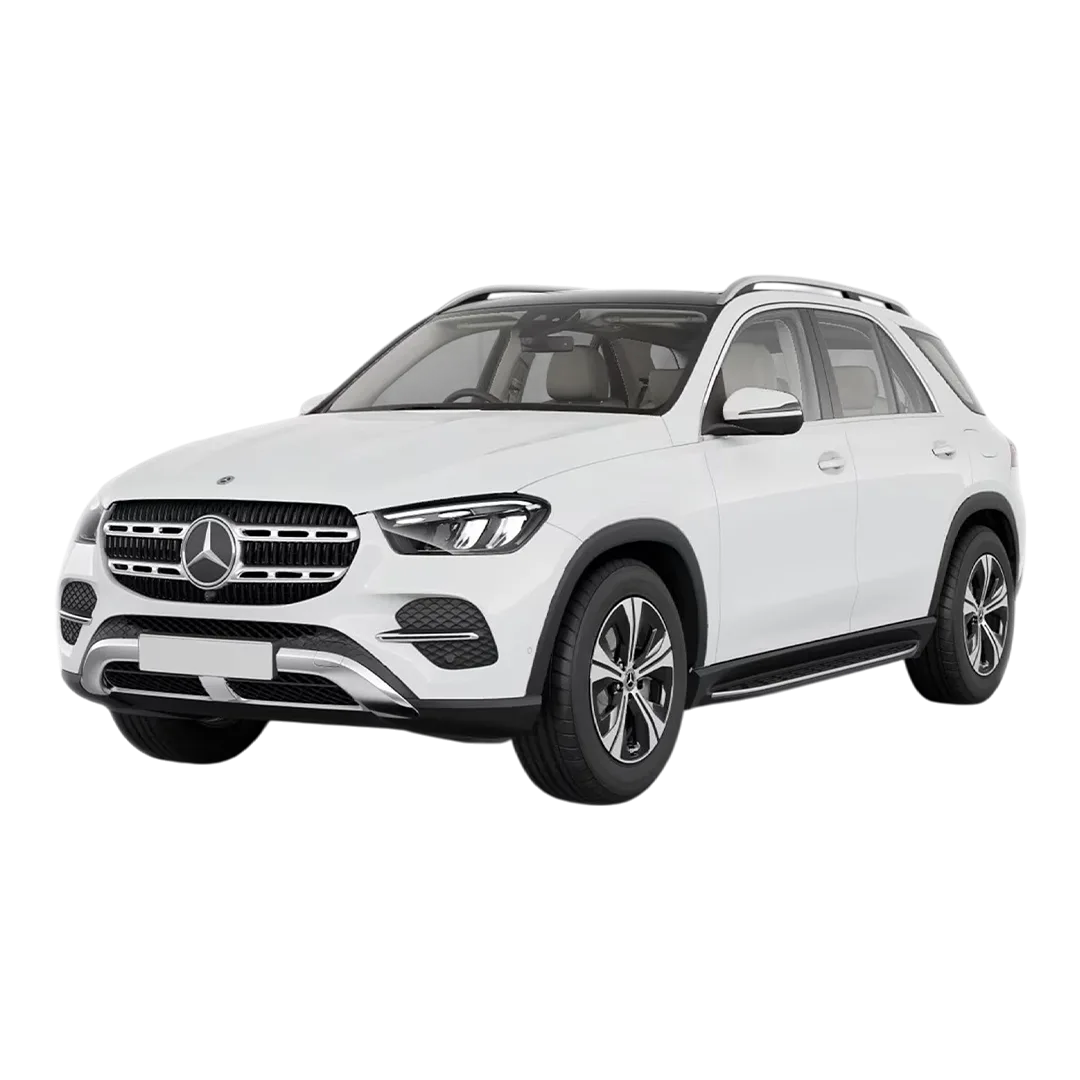 GLE 400
GLE 250D
GLE 400
GLE 250D
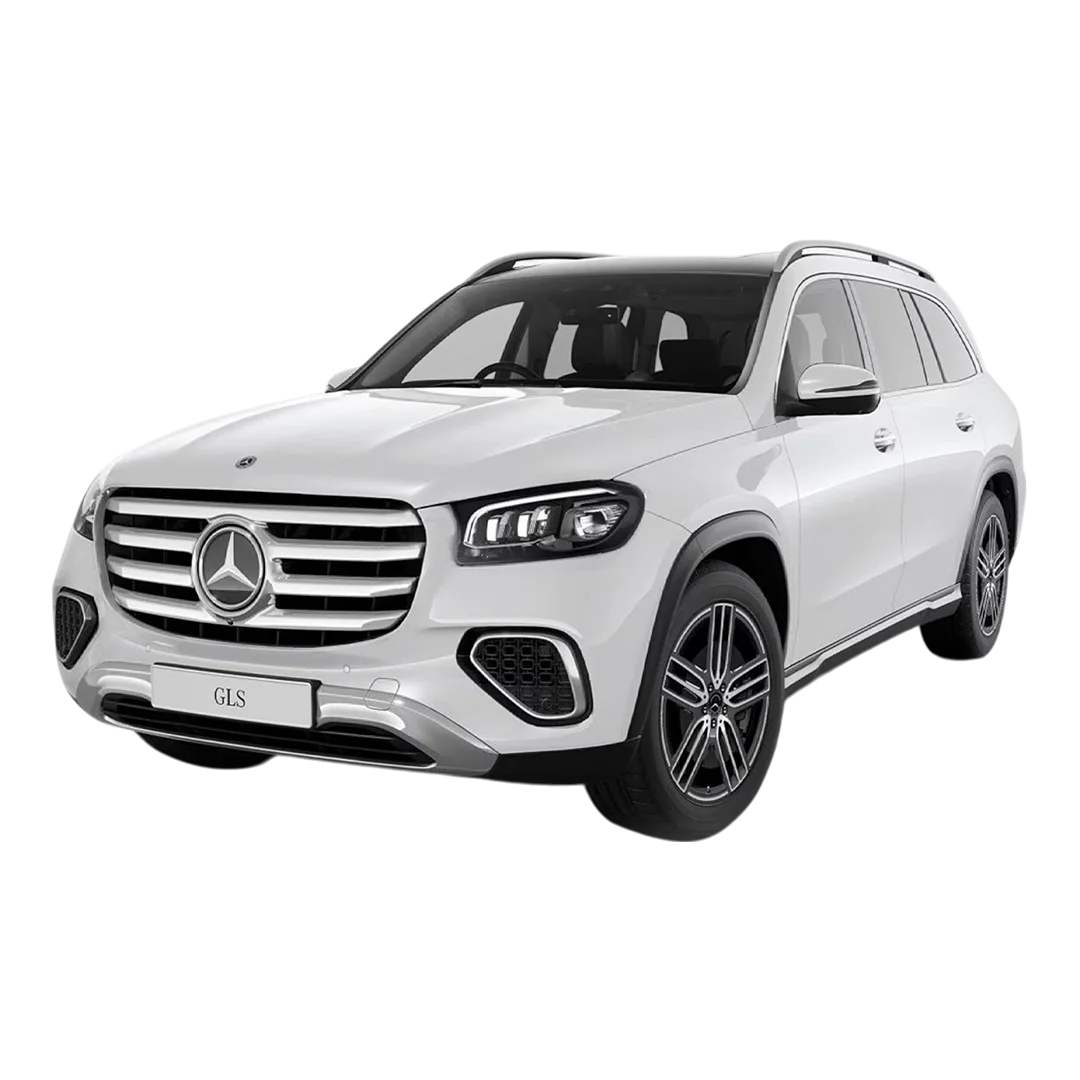 GLC 220D
GLC 300
GLC 220D
GLC 300
 GLC 43 Coupe
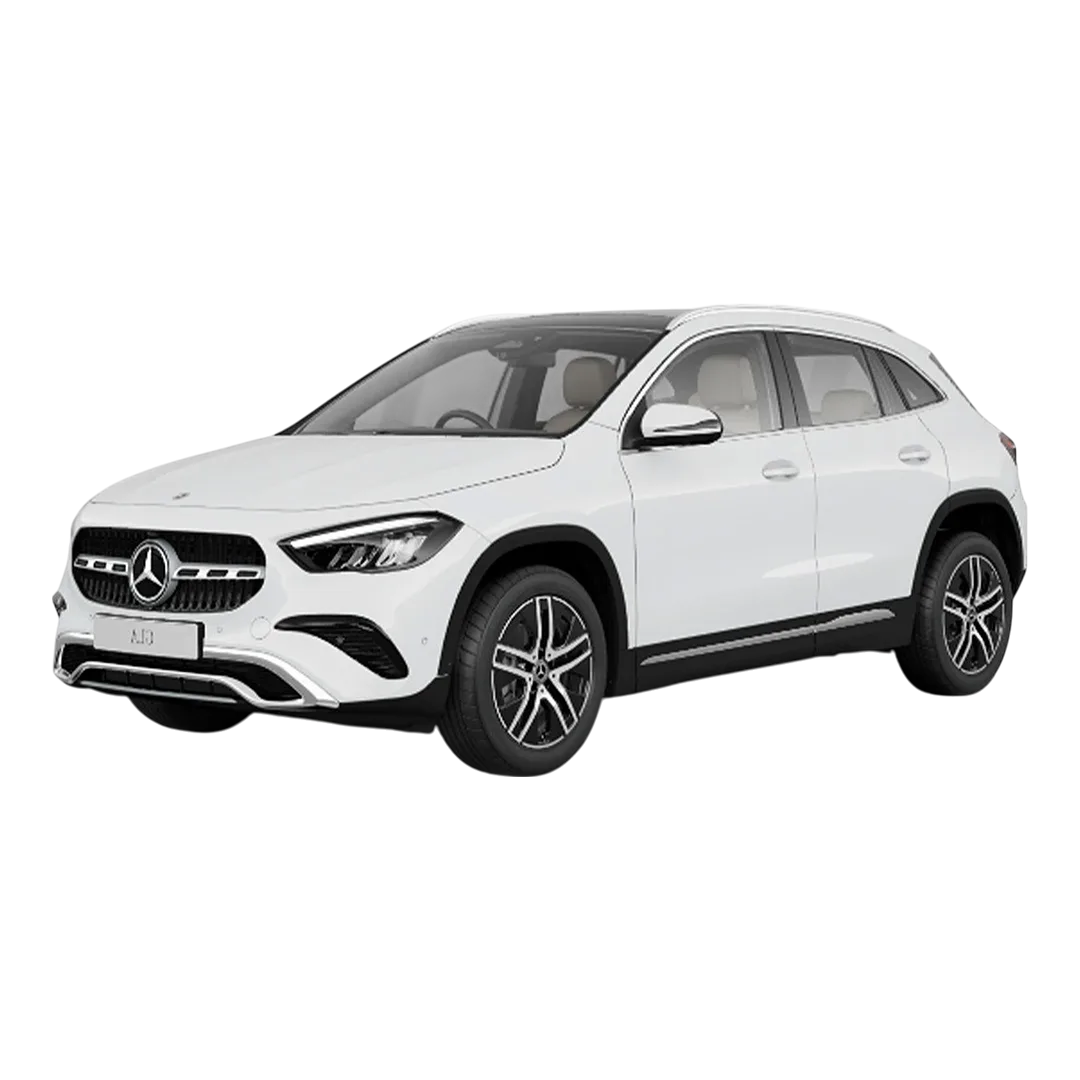 GLA 220d
 GLA-Class 200D
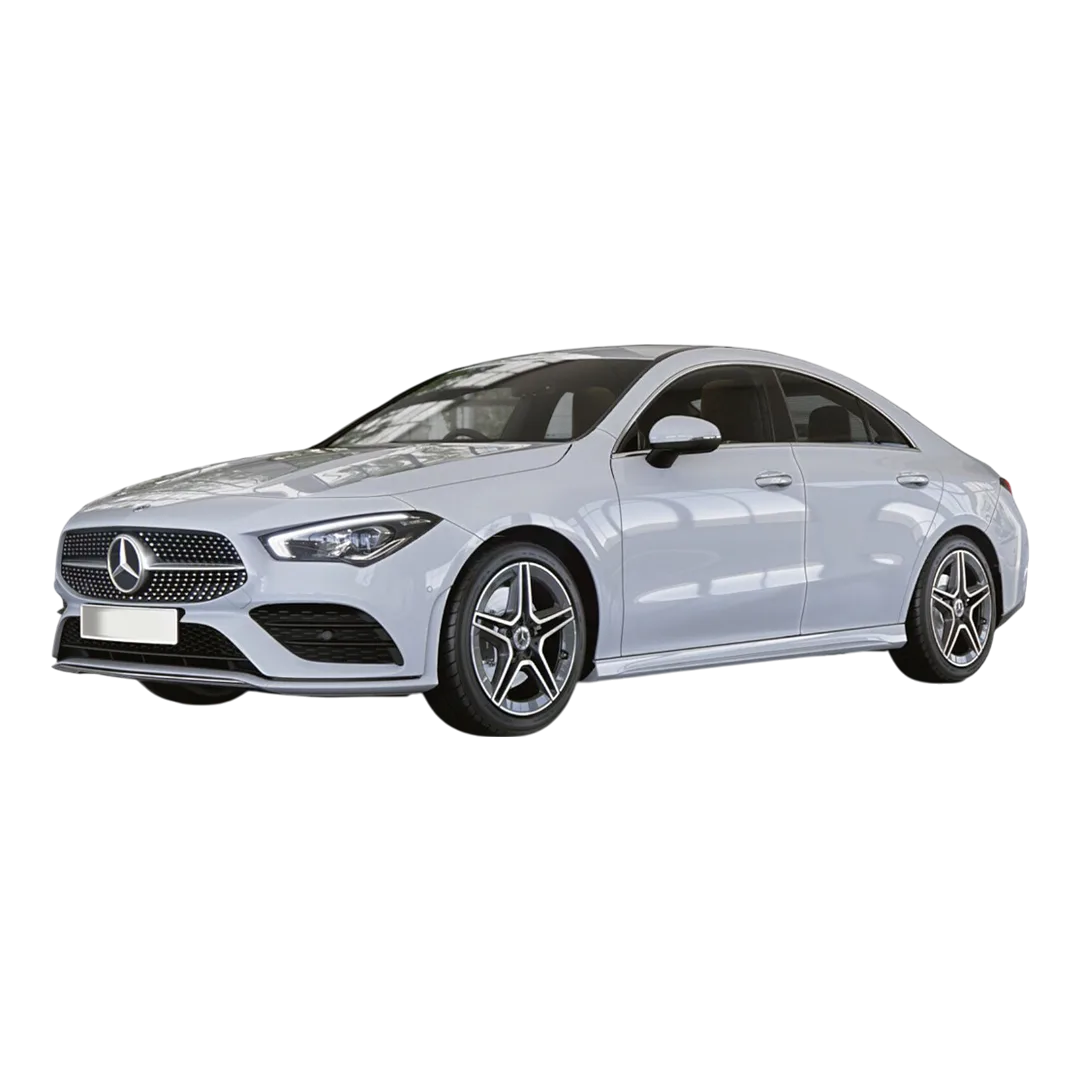 CLA 200
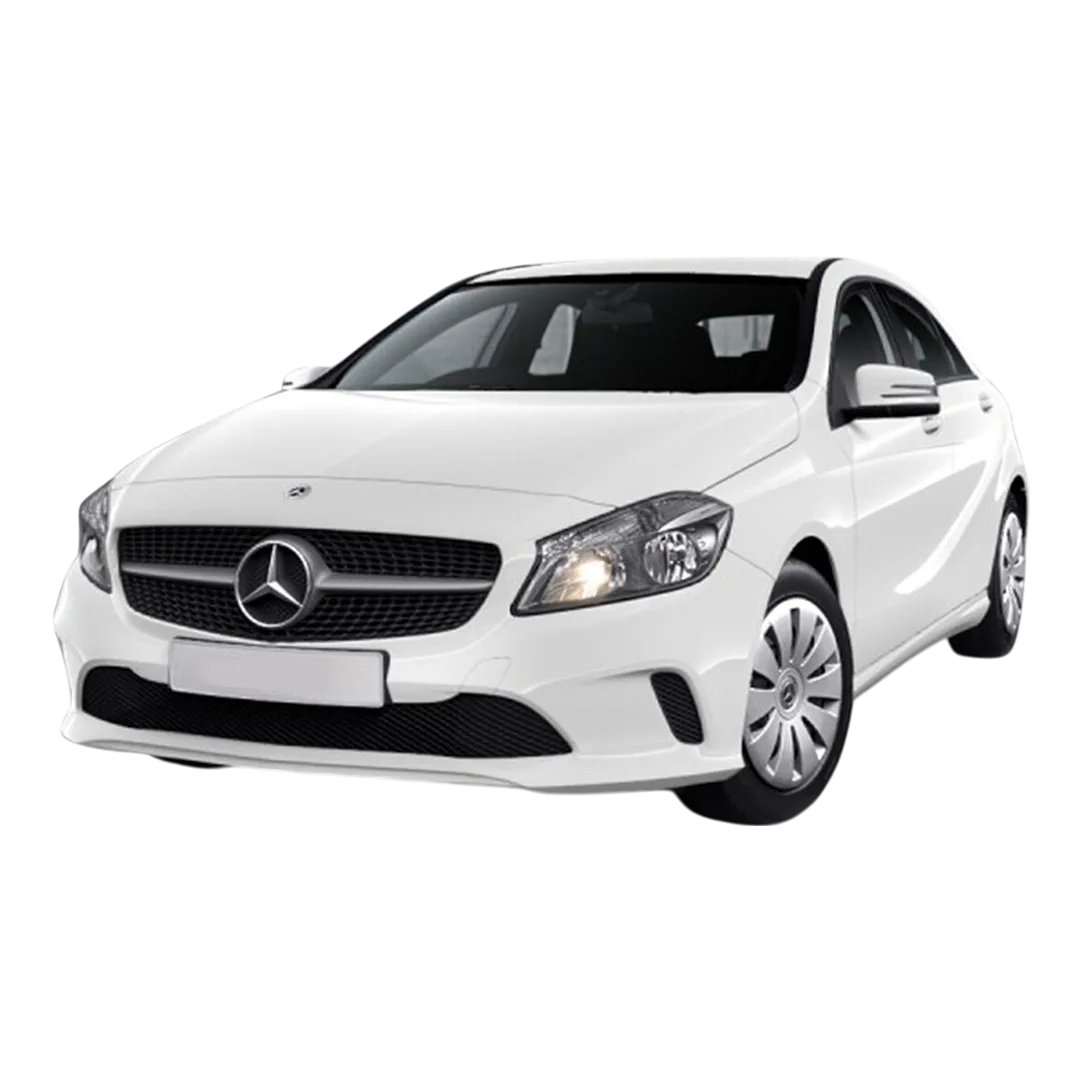 Benz A-Class A 180
M-Class ML 250
M-Class ML 350
Benz A-Class A 180
M-Class ML 250
M-Class ML 350
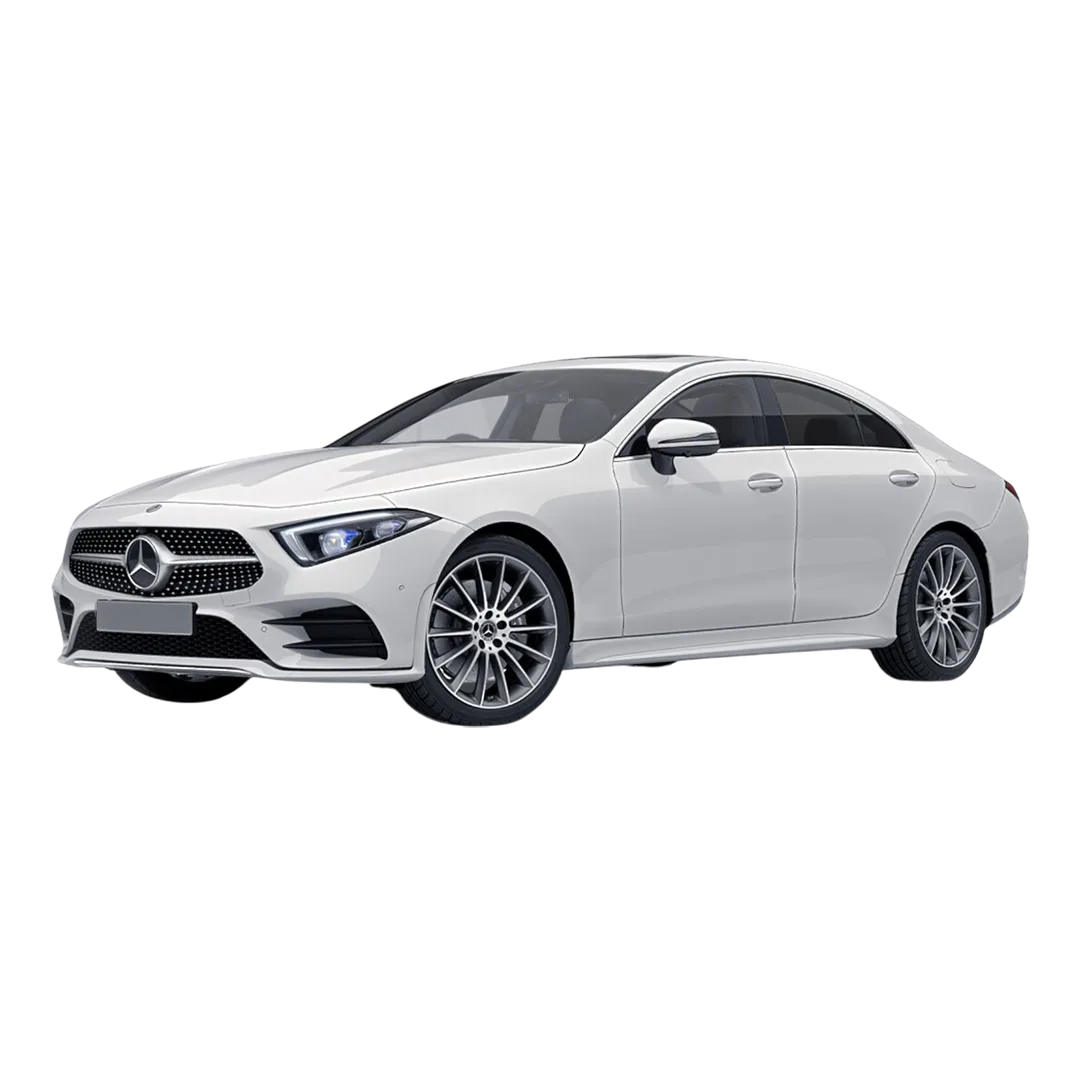 Benz CLS 300
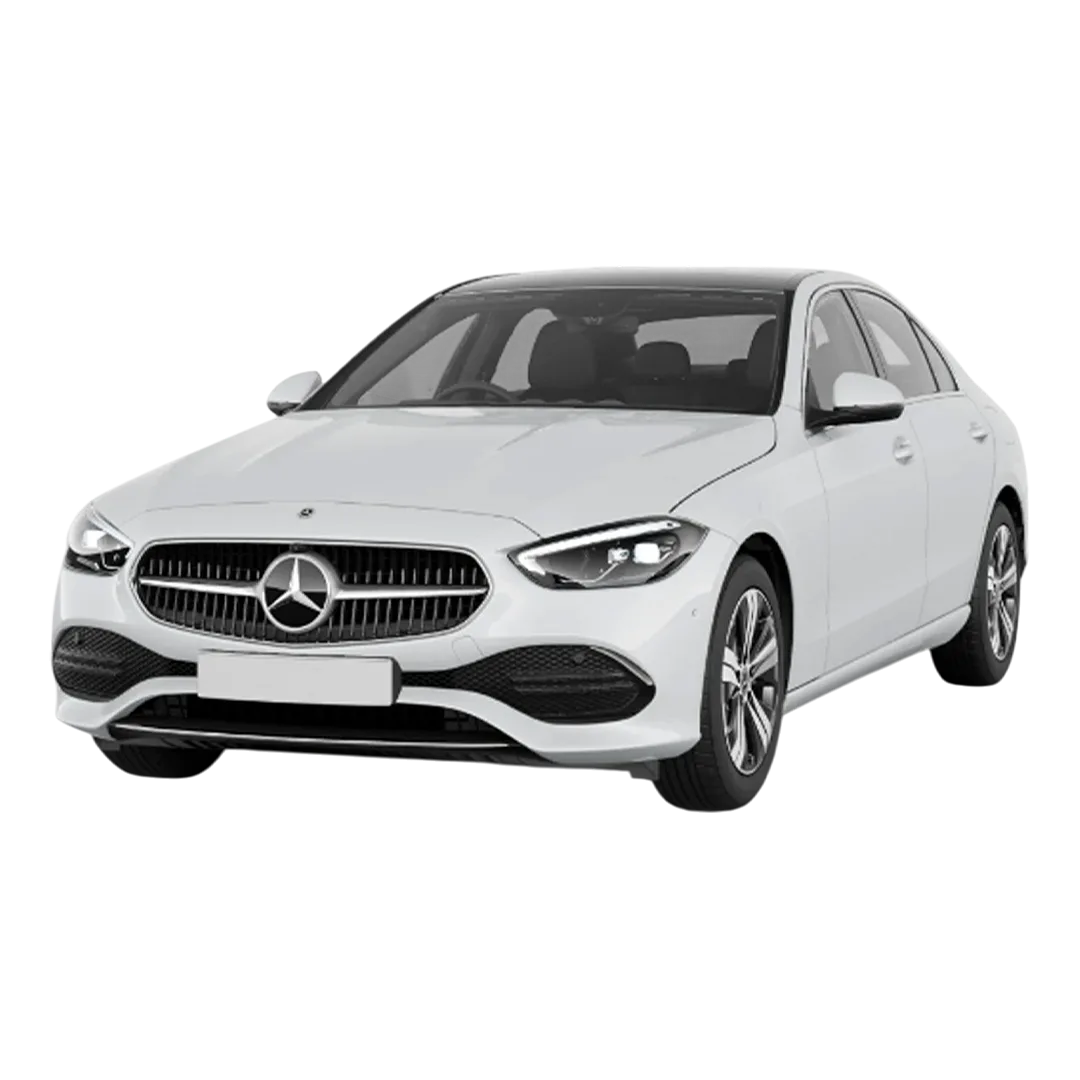 C-Class C250
C-Class C220
C-Class C200
C-Class C250
C-Class C220
C-Class C200
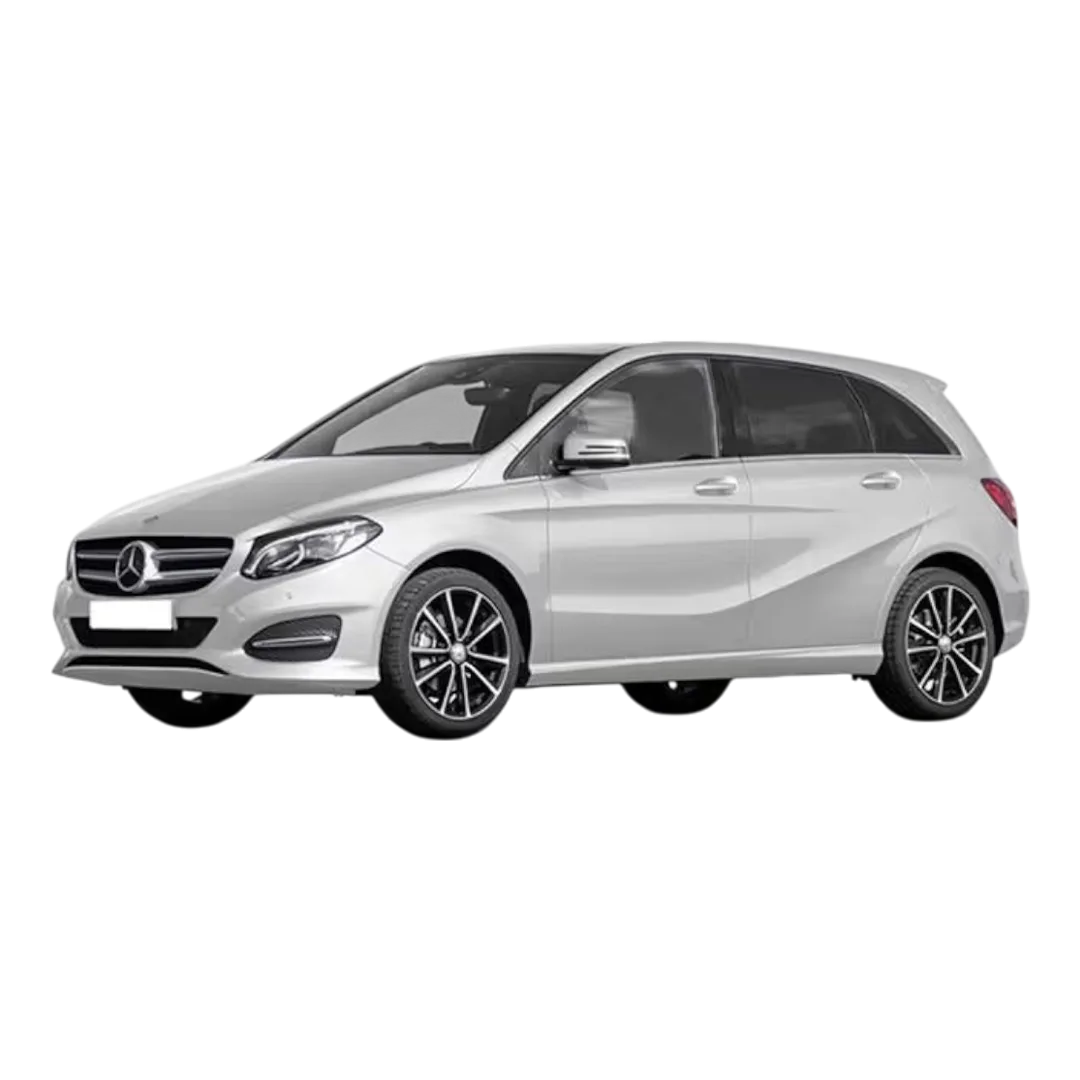 Benz B - Class
Benz A - 200
Benz B - Class
Benz A - 200

Introduction
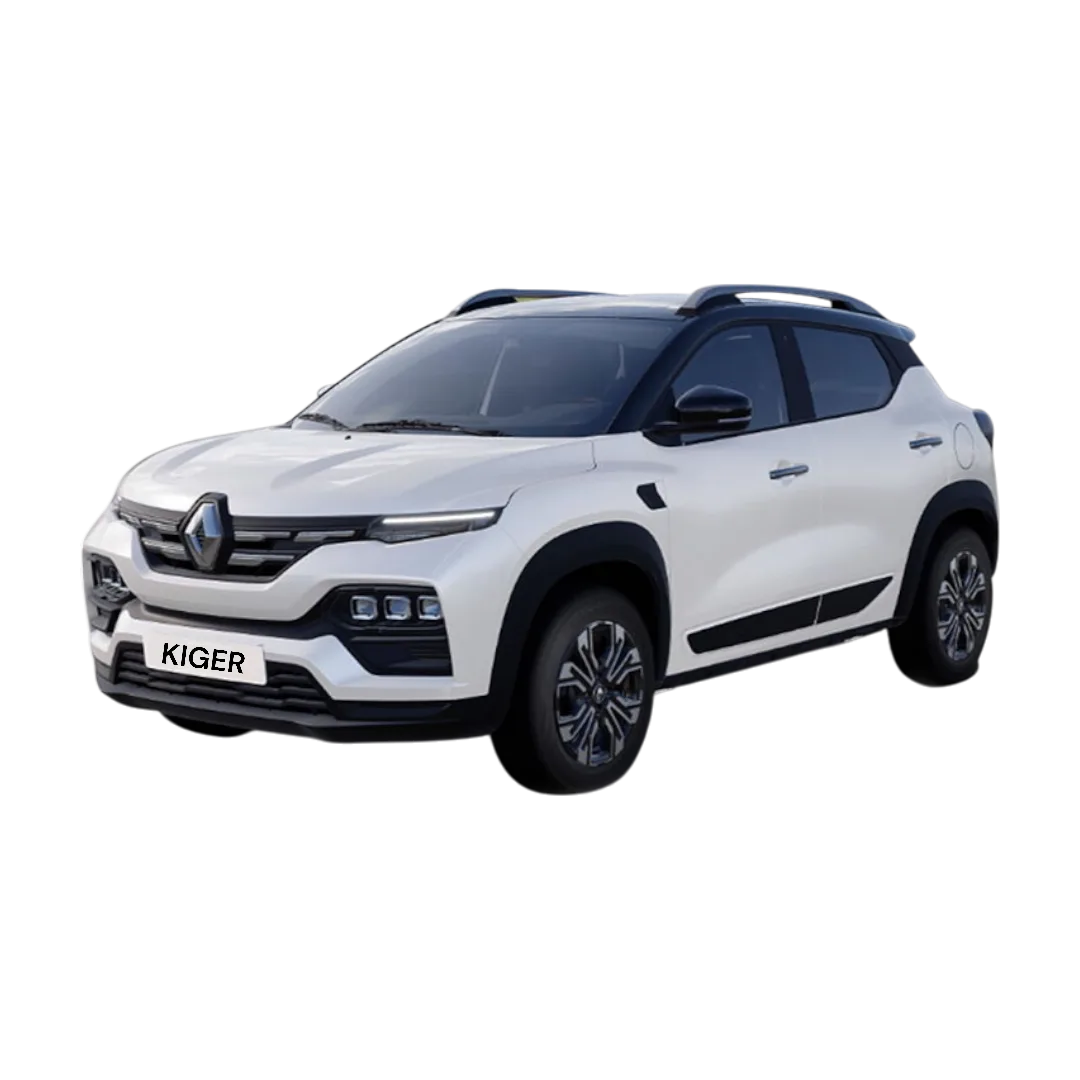
The Indian compact SUV segment continues to grow rapidly in 2026, and the Renault Kiger Turbo CVT remains one of the most value-packed options for buyers looking for stylish design, turbocharged performance, and automatic driving convenience. But one question still matters the most for everyday car owners - how much real-world mileage does the Renault Kiger Turbo CVT actually deliver?
While Renault claims impressive fuel efficiency figures on paper, real driving conditions in India are completely different. Heavy city traffic, frequent braking, inconsistent road quality, and highway cruising all impact actual mileage numbers. In this detailed mileage review by Creckk, we tested the Renault Kiger Turbo CVT in practical Indian driving conditions to understand how fuel-efficient this compact SUV truly is in daily use.
From bumper-to-bumper urban traffic to long highway stretches, this review covers city mileage, highway fuel efficiency, CVT gearbox performance, driving comfort, and factors that affect fuel economy. If you are planning to buy the Renault Kiger Turbo CVT in 2026 or comparing it with rivals like the Tata Nexon, Nissan Magnite, Hyundai Venue, or Maruti Brezza, this real-world mileage test will help you make a smarter decision.
Renault officially claims that the Kiger Turbo CVT delivers fuel efficiency figures close to 18-20 km/l under ideal testing conditions. However, real-world mileage depends heavily on driving habits, traffic conditions, road quality, air-conditioning usage, passenger load, and driving speed. In Indian conditions, especially in metro cities, the actual mileage can differ significantly from certified numbers.
During our real-world testing, the Renault Kiger Turbo CVT managed balanced mileage figures across different conditions. In dense city traffic with regular stop-and-go movement, the SUV returned around 11-13 km/l. On smoother roads with controlled throttle input, the mileage improved noticeably. Highway runs at stable speeds between 80–100 km/h delivered around 17-19 km/l, which is impressive for a turbo-petrol automatic SUV.
One important factor that helps the Kiger achieve decent fuel efficiency is its lightweight platform. Compared to some heavier rivals in the segment, the Kiger feels easier on fuel during relaxed driving. The CVT gearbox also contributes by maintaining smoother RPM levels during highway cruising.
| Driving Condition | Claimed Mileage | Real-World Mileage |
|---|---|---|
| City Traffic | 18 km/l | 11–13 km/l |
| Mixed Driving | 19 km/l | 14–16 km/l |
| Highway Driving | 20 km/l | 17–19 km/l |
City driving is where most Indian car owners spend the majority of their time, and this is also where fuel efficiency gets tested the hardest. Heavy traffic, continuous braking, slow-moving roads, speed breakers, and frequent idling directly affect mileage numbers. During our city driving test, the Renault Kiger Turbo CVT delivered practical and realistic results for urban commuters.
In Ahmedabad traffic conditions, the Kiger Turbo CVT maintained an average mileage of approximately 11-13 km/l with regular air-conditioner usage enabled. The mileage dropped slightly during peak-hour congestion, especially when the car spent long periods idling in traffic signals. However, under lighter traffic movement, the SUV comfortably crossed the 13 km/l mark.
One advantage of the CVT automatic gearbox is stress-free driving. Unlike manual transmission cars that require constant clutch operation, the CVT setup in the Kiger makes urban driving smooth and comfortable. The gearbox responds well during relaxed acceleration, helping drivers maintain better fuel economy without aggressive throttle inputs.
The compact dimensions of the Renault Kiger also make it easier to navigate through narrow city roads and parking spaces. Because of its lighter steering and elevated driving position, the SUV feels easy to manage in crowded urban environments.
The Renault Kiger Turbo CVT performs significantly better on highways compared to crowded city roads. Highway conditions allow the turbocharged petrol engine and CVT gearbox to operate more efficiently with fewer interruptions, resulting in smoother power delivery and improved fuel economy.
During our highway test drive, the Kiger delivered around 17–19 km/l when driven consistently between 80–100 km/h. The engine remained refined at cruising speeds, and the CVT gearbox maintained lower RPM levels, which helped conserve fuel during long-distance travel.
One of the strengths of the Kiger Turbo CVT is its comfortable highway driving experience. The suspension setup absorbs rough patches effectively, while the elevated seating position provides good road visibility. Even during extended drives, the cabin remains relatively comfortable for passengers.
| Driving Style | Expected Mileage |
|---|---|
| Calm Cruising | 18–19 km/l |
| Moderate Highway Driving | 16–17 km/l |
| Aggressive High-Speed Driving | 13–15 km/l |
The Renault Kiger Turbo CVT is powered by a 1.0-litre turbocharged petrol engine that delivers a good balance between everyday usability and fuel efficiency. The engine produces enough power for both city commuting and occasional highway driving, while the CVT automatic gearbox focuses on smoothness and driving comfort.
In daily usage, the engine feels refined under normal driving conditions. The turbocharger provides decent low-end response, especially during overtaking or quick acceleration. Unlike naturally aspirated engines that often feel underpowered, the turbo-petrol unit in the Kiger delivers stronger mid-range performance.
The CVT gearbox is designed mainly for comfort-oriented driving. Gear shifts feel seamless because there are no traditional gear changes like conventional automatic transmissions. This makes stop-and-go traffic situations less tiring for drivers. However, during sudden acceleration, the gearbox can show a slight rubber-band effect, which is common in most CVT-equipped vehicles.
The steering remains light at lower speeds, making parking and city driving convenient. On highways, the steering gains enough weight to provide confidence at higher speeds. The suspension setup handles potholes and rough roads reasonably well, which is important for Indian driving conditions.
Fuel efficiency in the Renault Kiger Turbo CVT depends on multiple real-world factors. While official mileage figures provide a general idea, actual results vary according to driving conditions, maintenance habits, and road environments.
One of the biggest factors affecting mileage is driving style. Aggressive acceleration, sudden braking, and maintaining high speeds increase fuel consumption significantly. Drivers who maintain smooth throttle input and controlled speeds usually achieve better mileage figures.
Traffic conditions also play a major role. Continuous stop-and-go traffic in crowded cities reduces fuel efficiency because the engine spends more time idling. In comparison, highway driving with stable speeds allows the engine to perform more efficiently.
| Factor | Impact on Mileage |
|---|---|
| Aggressive Driving | Reduces mileage significantly |
| Smooth Driving | Improves fuel efficiency |
| Heavy Traffic | Lower mileage |
| Proper Tyre Pressure | Better mileage |
| AC Usage | Slight reduction in fuel economy |
| Highway Cruising | Higher mileage |
The Renault Kiger Turbo CVT continues to be a strong option in the compact SUV segment for buyers looking for affordability, stylish design, automatic convenience, and practical fuel efficiency. In 2026, the SUV still stands out because of its value-for-money positioning and comfortable urban driving experience.
For city users, the CVT automatic gearbox offers hassle-free commuting, especially in heavy traffic conditions. The turbocharged engine provides enough performance for daily driving while maintaining reasonable fuel economy figures. Highway users will also appreciate the comfortable suspension setup and stable cruising ability.
The Kiger may not deliver segment-leading premium interiors or extremely sporty performance, but it succeeds in offering a balanced ownership experience at an attractive price point. Buyers upgrading from hatchbacks or first-time SUV owners will find the Renault Kiger easy to drive and practical for everyday usage.
If your priority is an affordable automatic compact SUV with decent mileage, stylish looks, spacious cabin, and comfortable driving dynamics, the Renault Kiger Turbo CVT deserves serious consideration in 2026.
Creckk recommends the Renault Kiger Turbo CVT for urban families, working professionals, and budget-conscious SUV buyers who want automatic convenience without compromising too much on fuel efficiency.
The Renault Kiger Turbo CVT delivers approximately 11–13 km/l in city conditions and around 17–19 km/l on highways depending on driving habits and road conditions.
Yes, the CVT automatic gearbox makes city driving smooth and convenient, especially in heavy traffic situations.
The SUV performs comfortably on highways with stable cruising ability, decent overtaking power, and respectable fuel efficiency.
The manual variant may deliver slightly higher mileage under controlled driving conditions, but the CVT offers greater comfort and convenience for daily urban commuting.
Yes, it remains a practical and value-for-money compact SUV for buyers looking for automatic convenience, stylish design, and balanced real-world mileage.