Your cart is empty
Start Shopping Exterior
›
Exterior
›
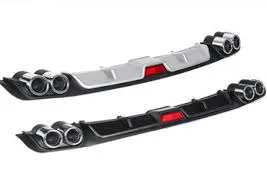 Bumper Diffuser/Guard
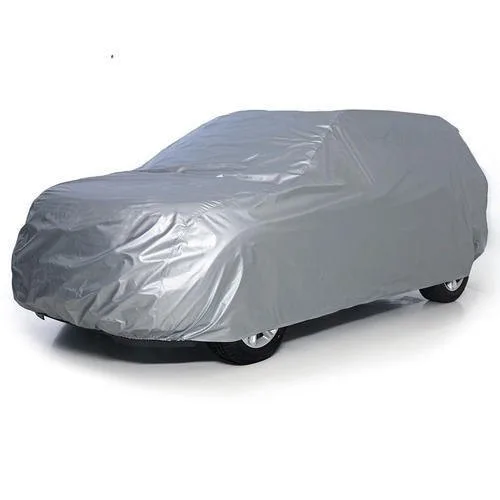 Body Covers
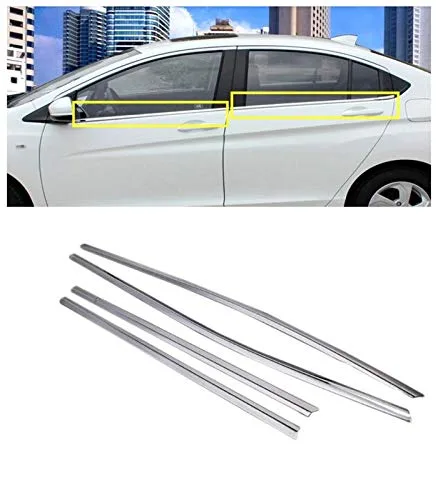 Window Garnishing
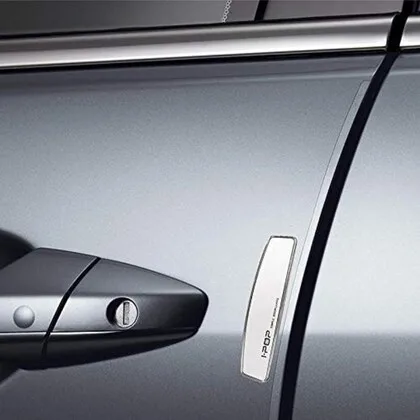 Door Guards
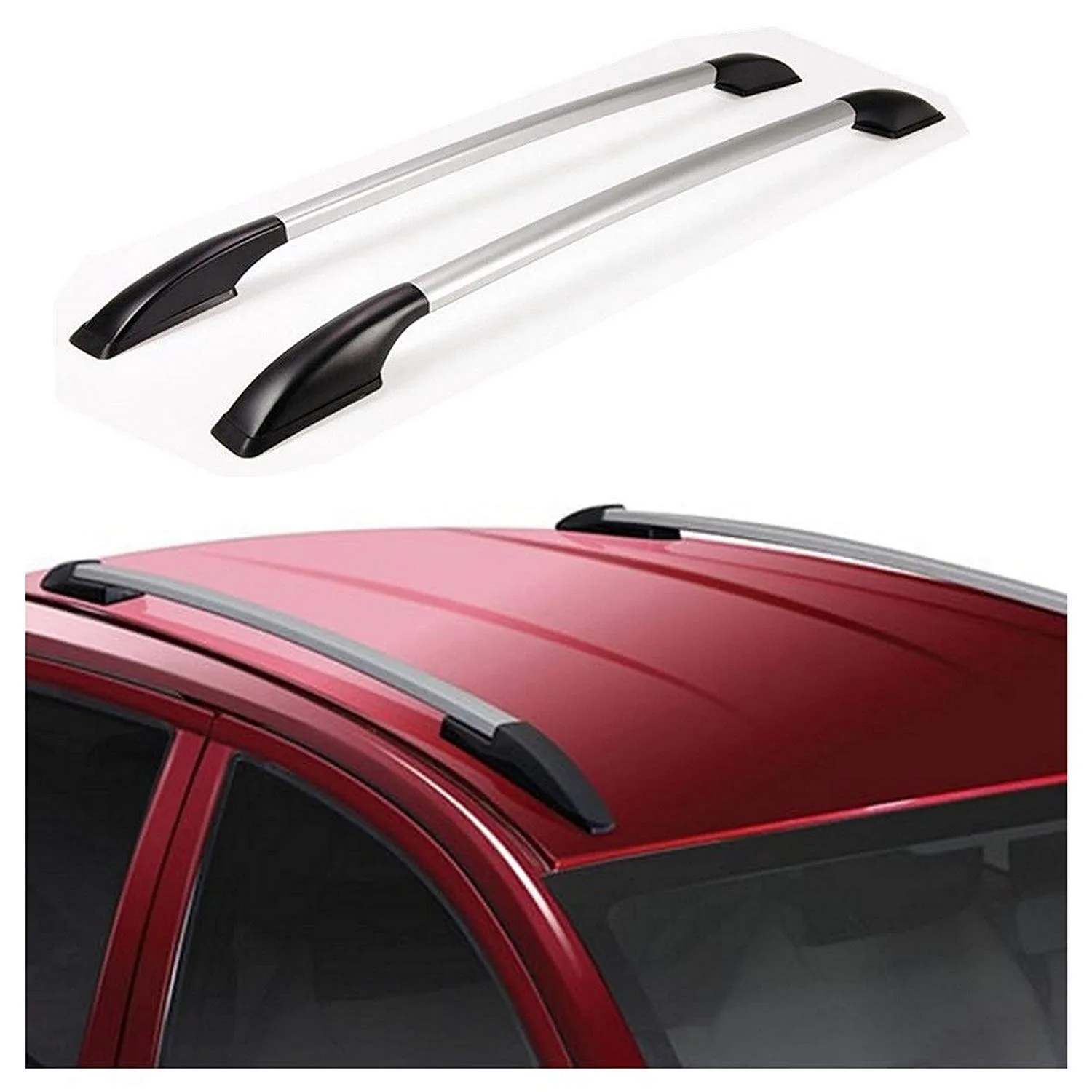 Roof Rails
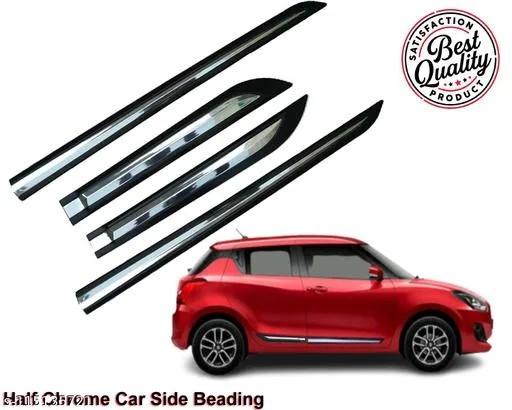 Side Beading
 Door Visor
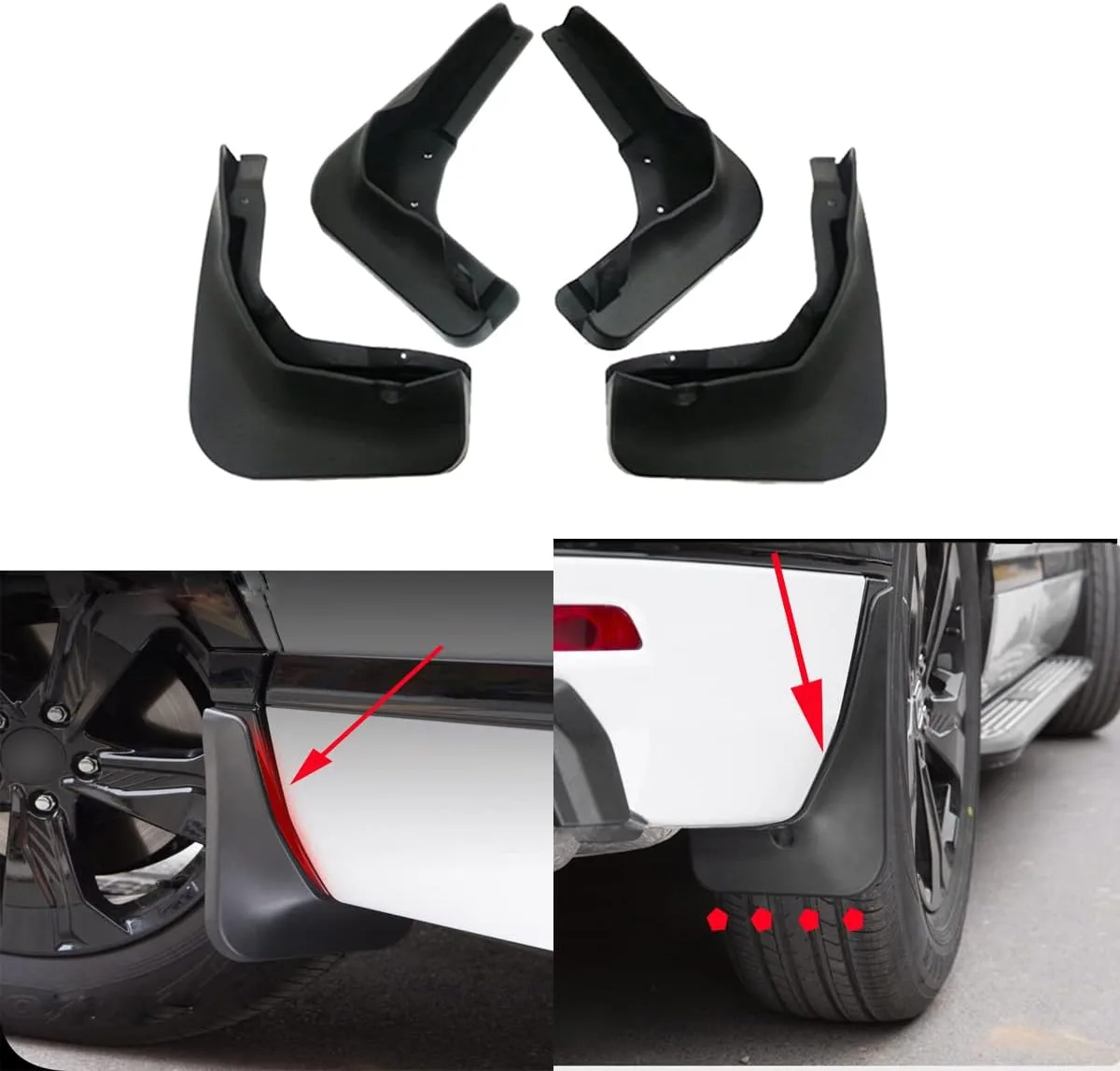 Mud Flap
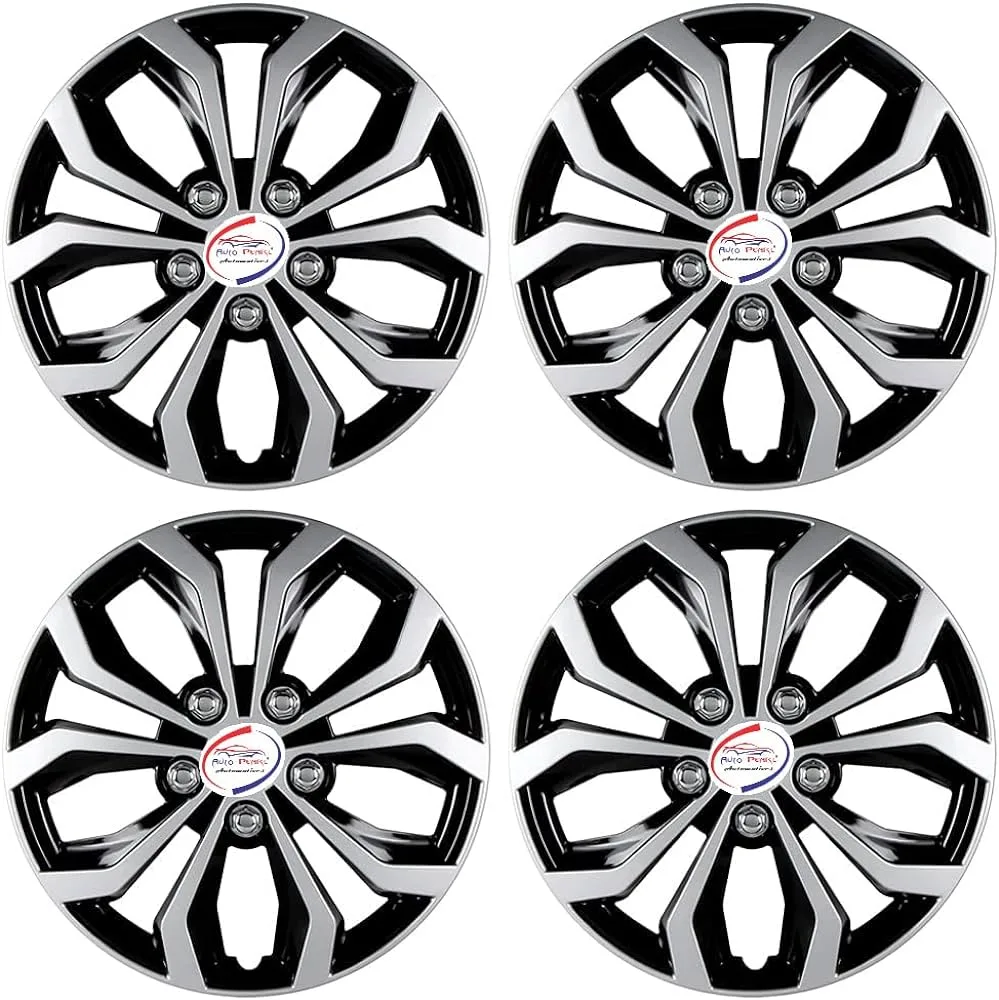 Wheel Cover
 Foot Rest
 Interior
›
Interior
›
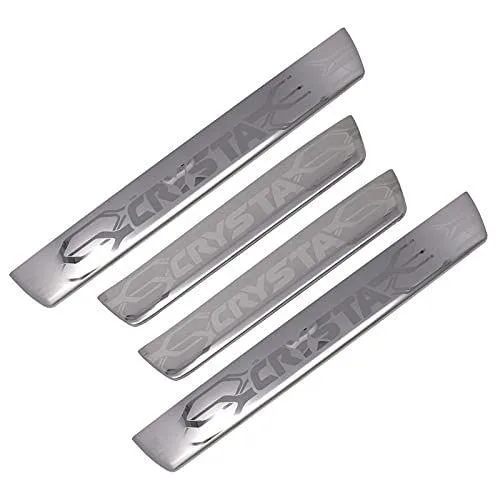 Door Scuff Sill Plates
 Window Sunshades & Film
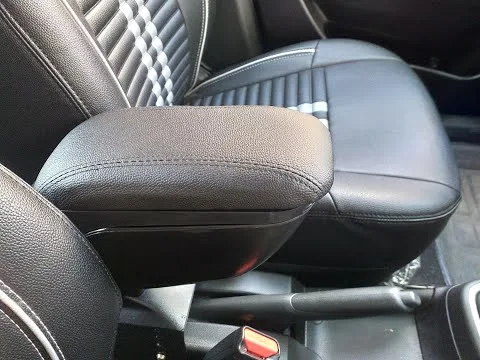 Armrest
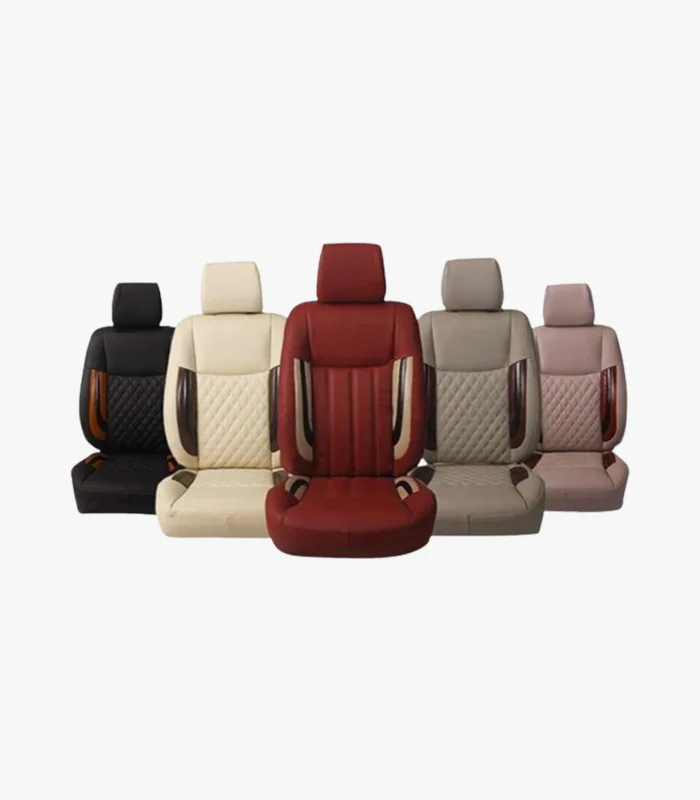 Seat Covers
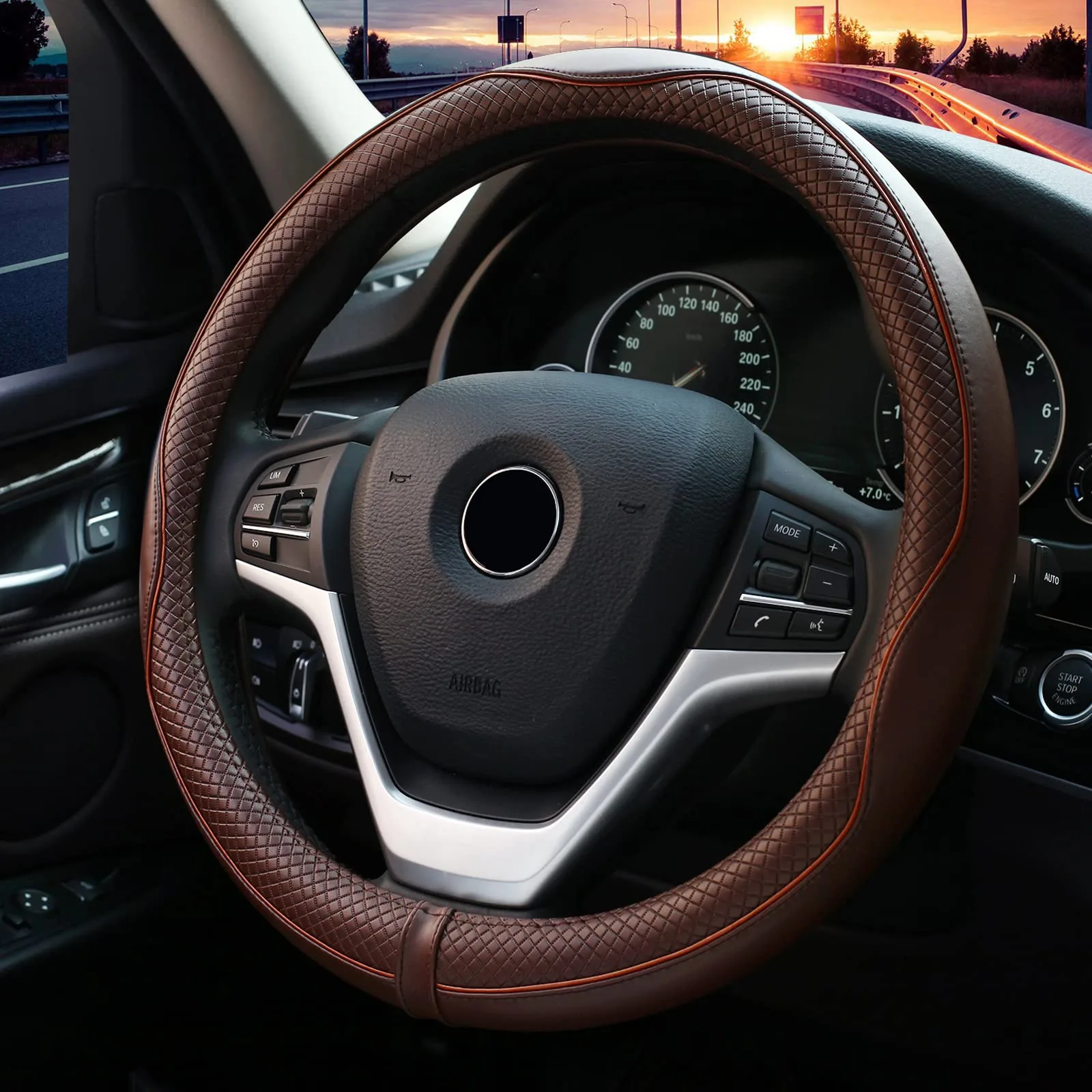 Steering Cover
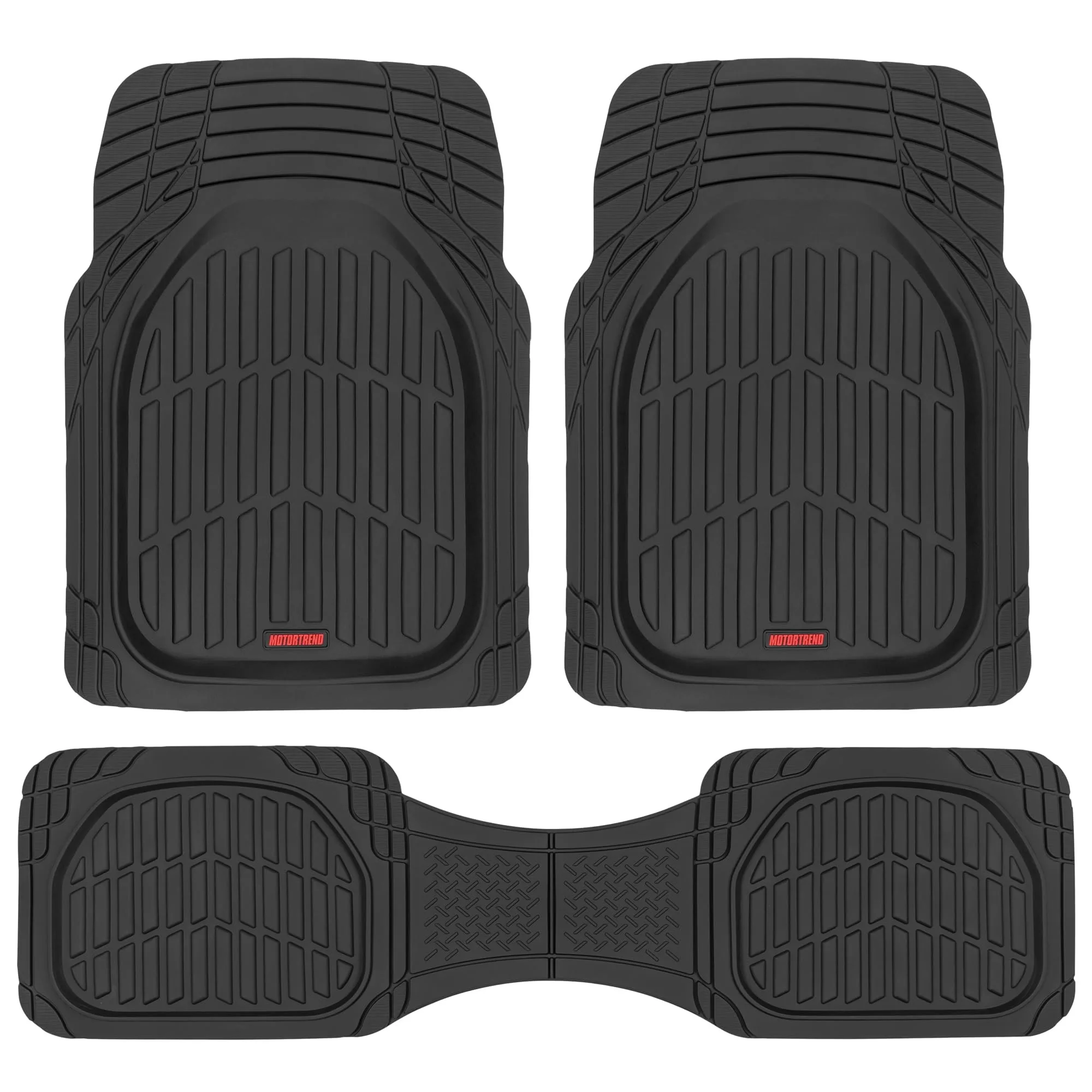 Floor Mats
 Dashboard Showpiece
 Seat & Neck Cushion
 Lighting
›
Lighting
›
 Utility
›
Utility
›
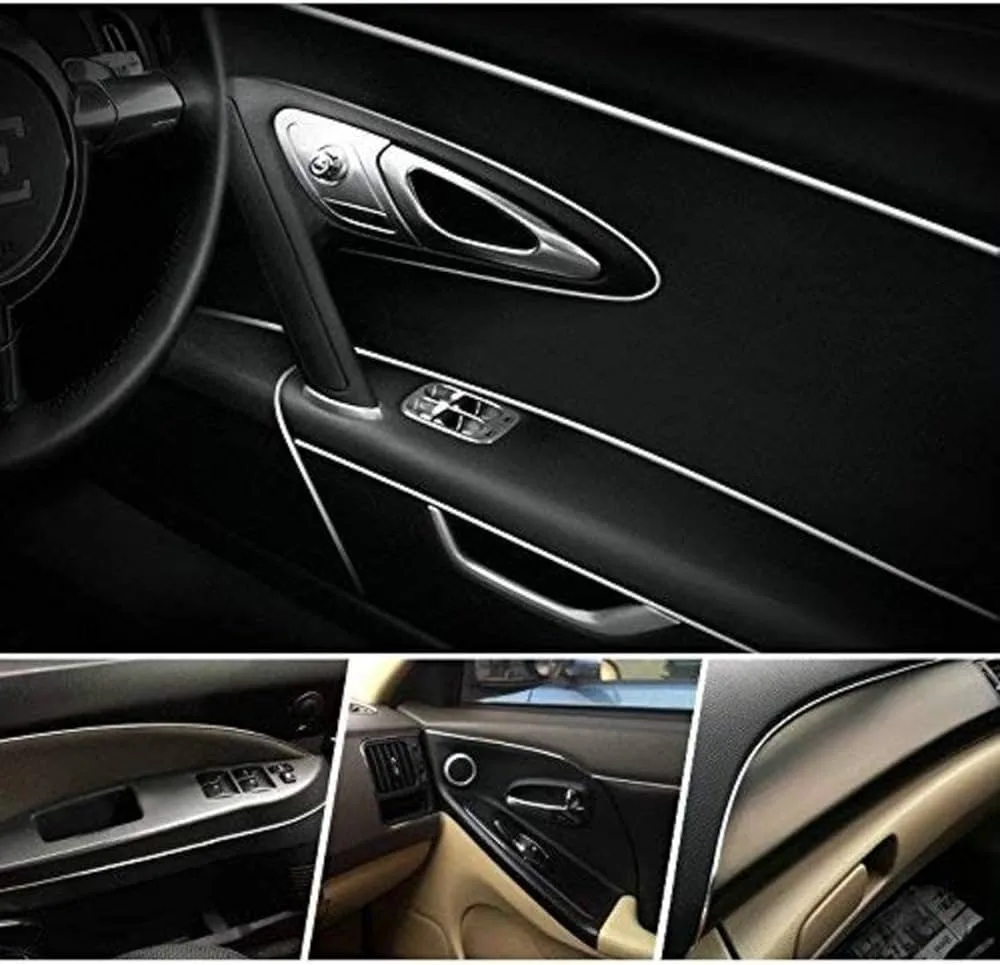 All Chrome Items
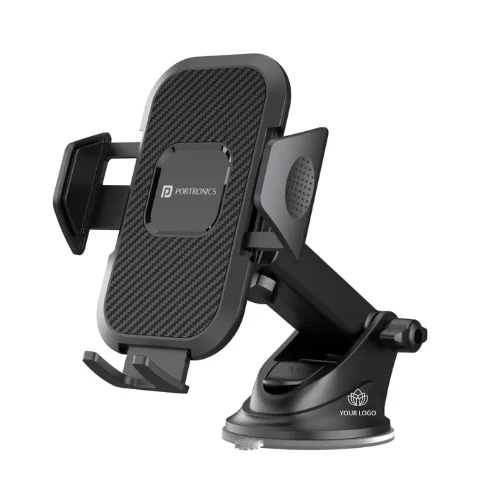 Mobile Holder
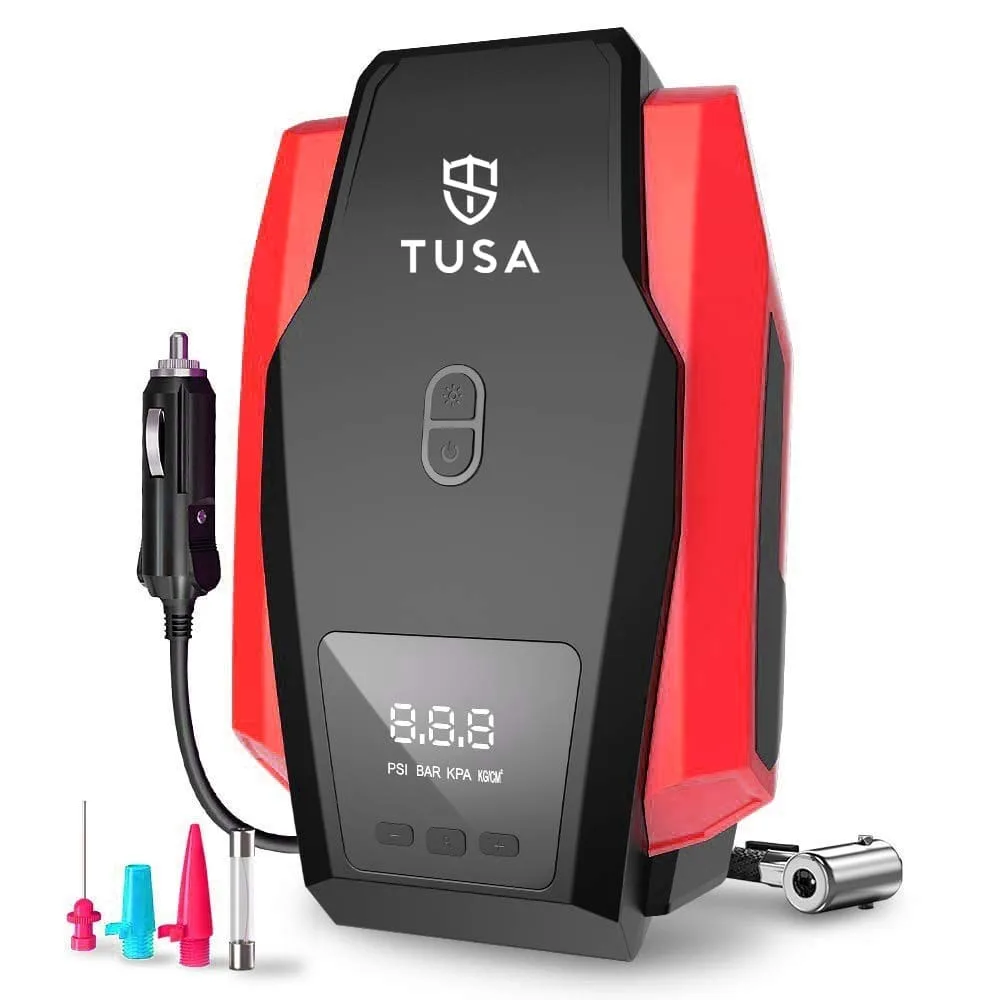 Tyre Inflators
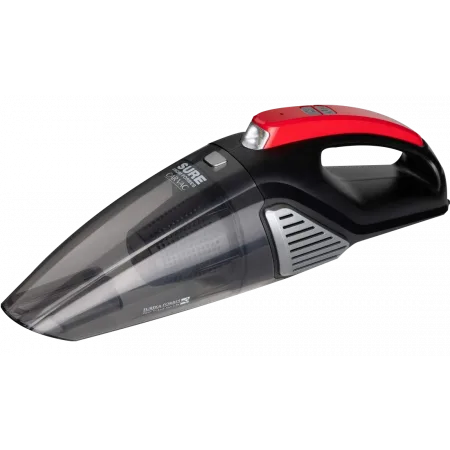 Vacuum Cleaner
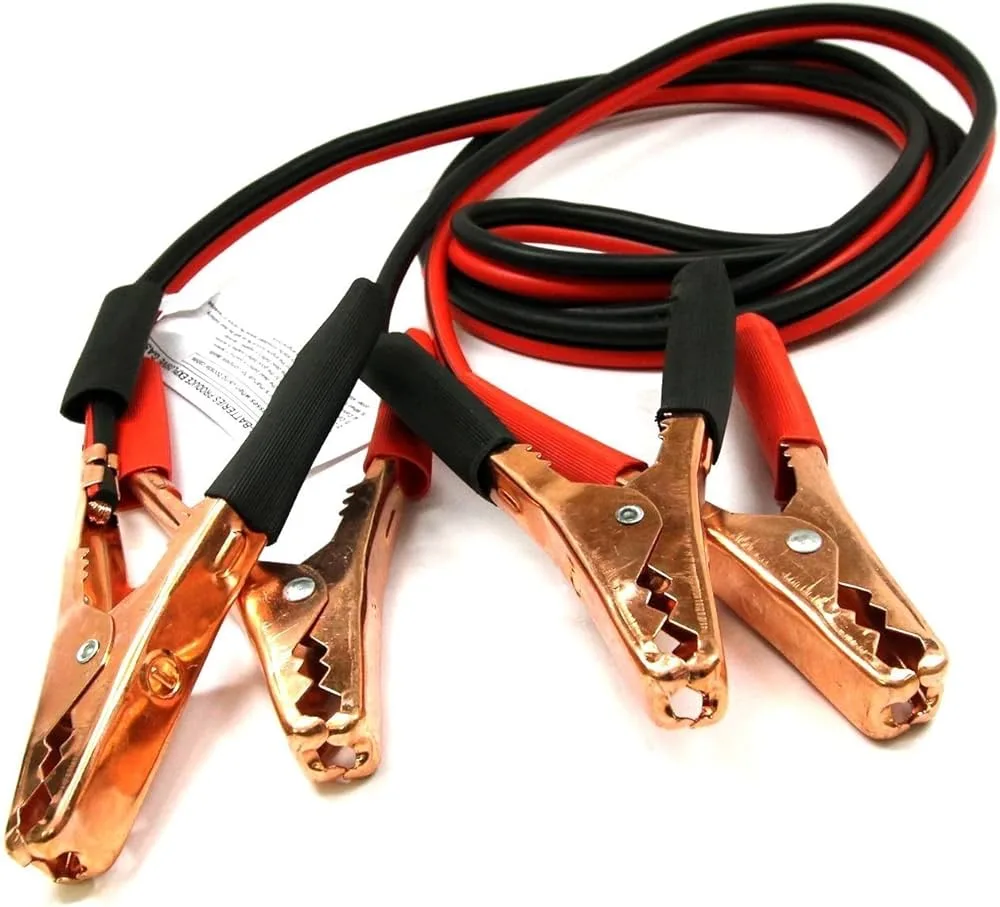 Jumper Cable
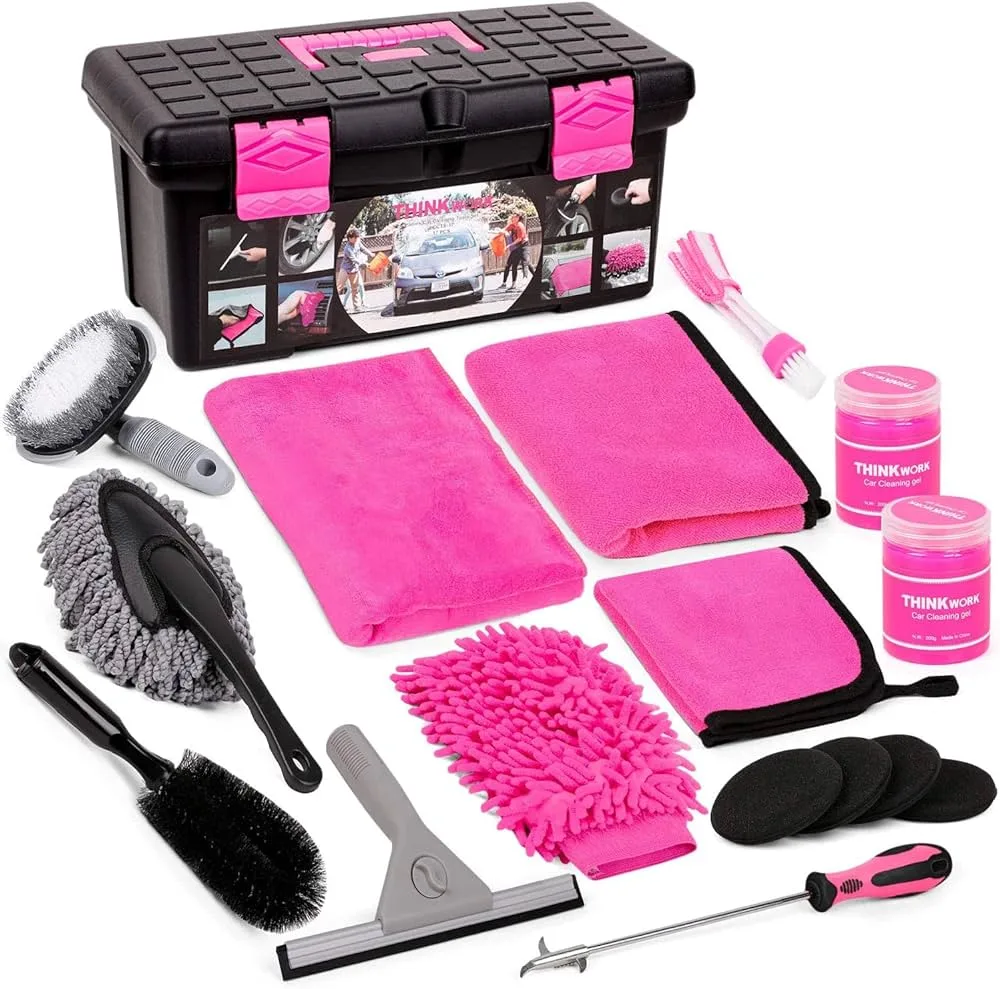 Cleaning Kit
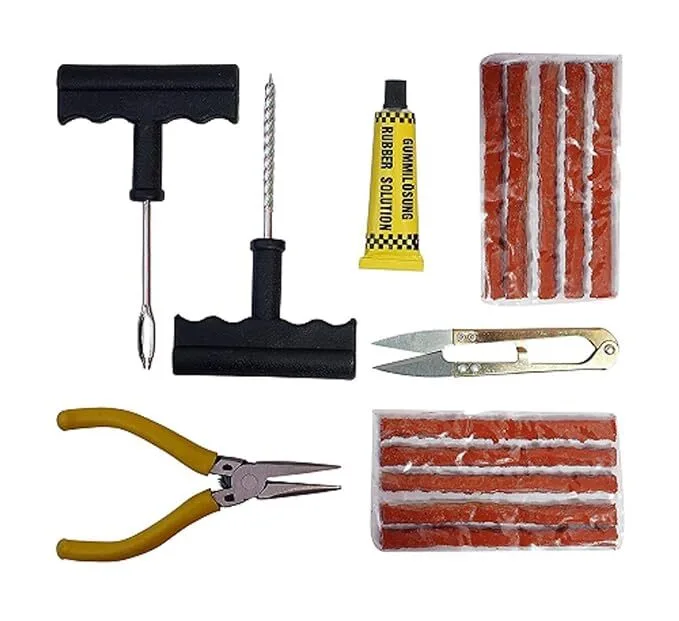 Tyre Puncture Kit
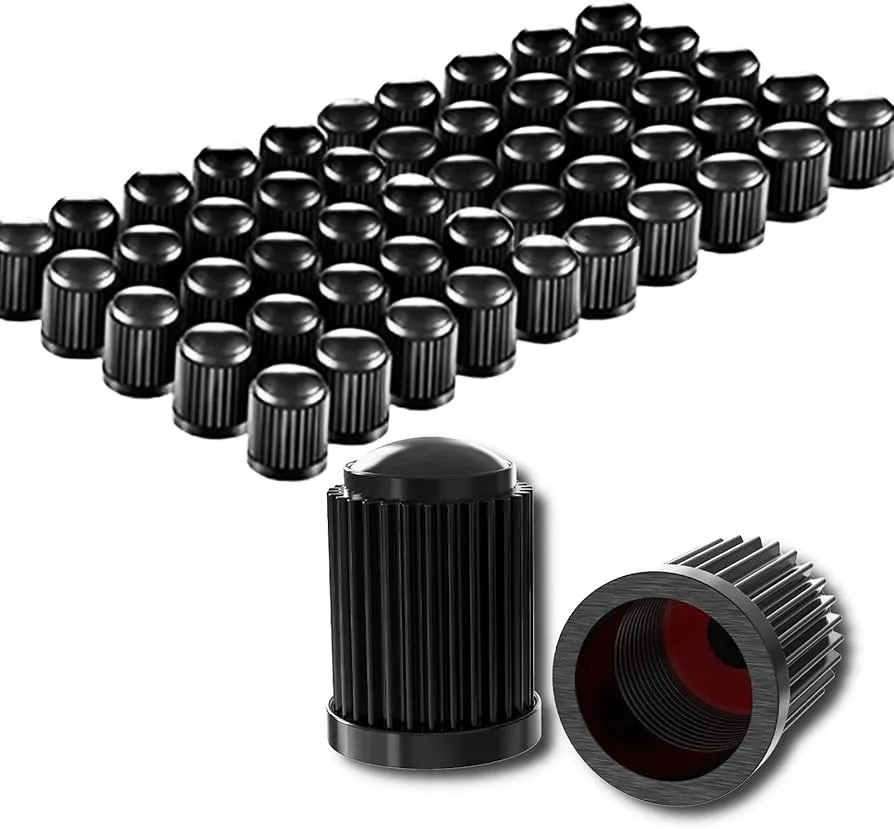 Tyre Valve Cap
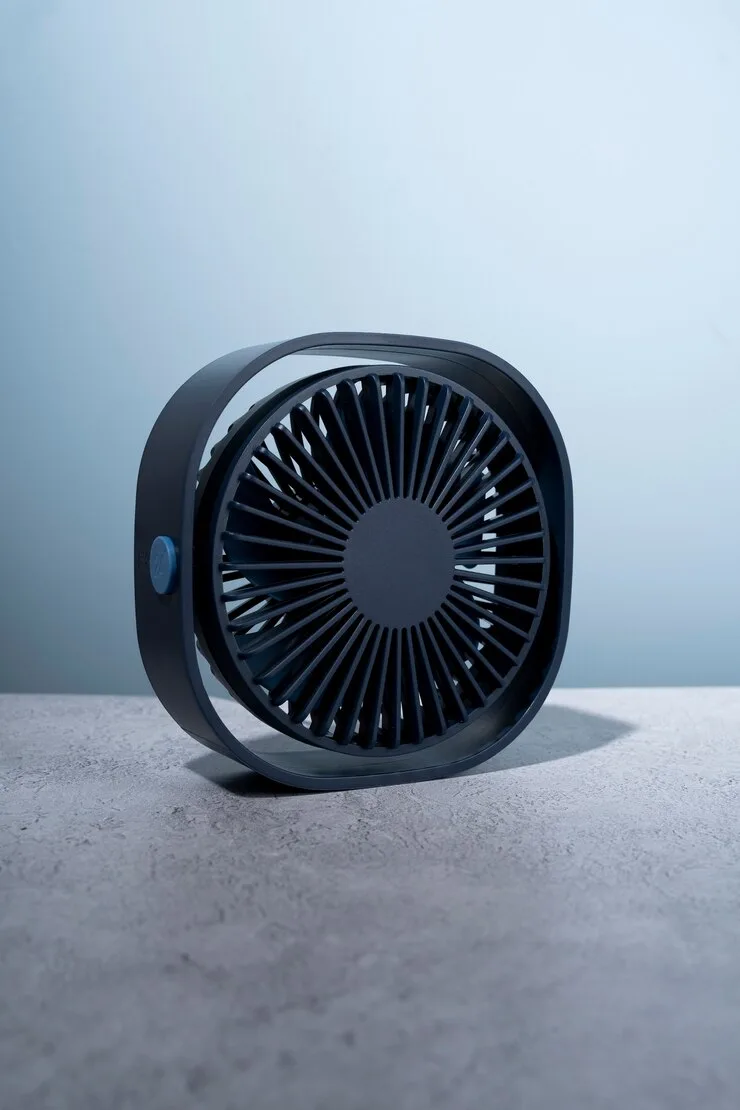 Car Fan
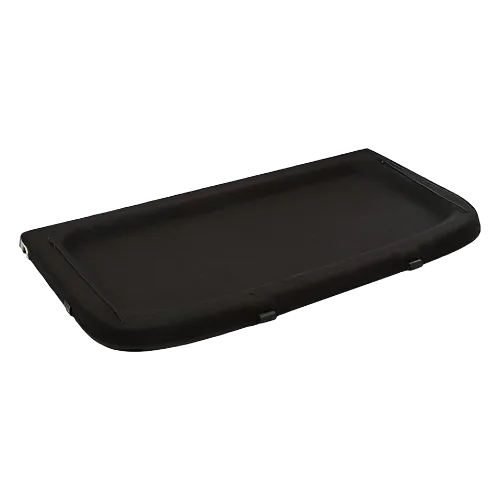 Parcel Tray
 Electronic
›
Electronic
›
 Parts
›
Parts
›
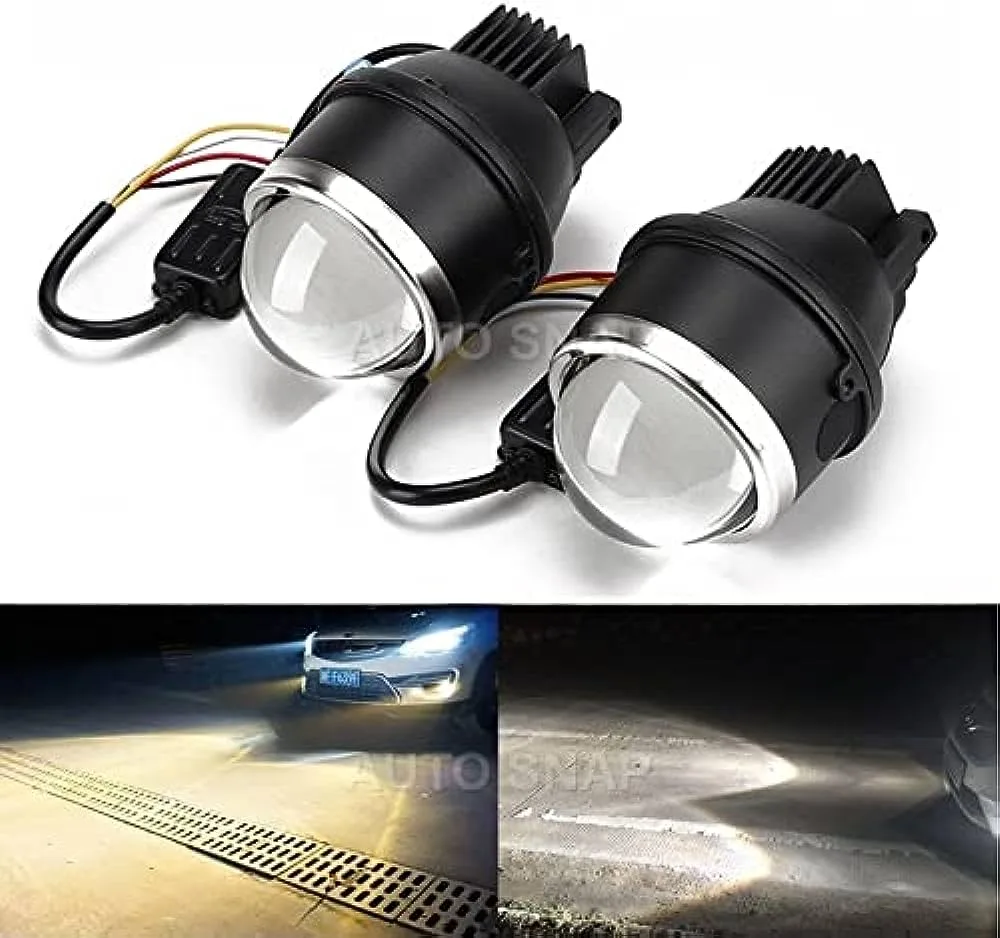 Fog Lights
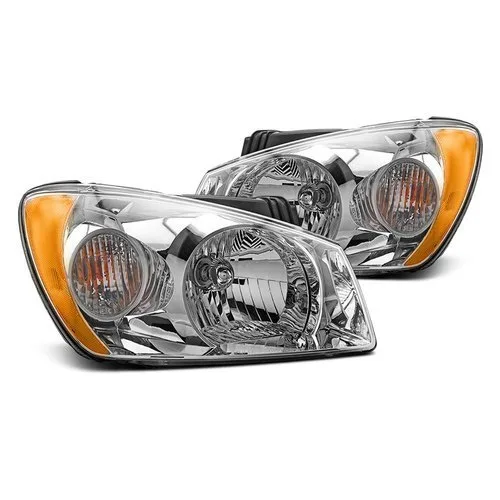 Headlights
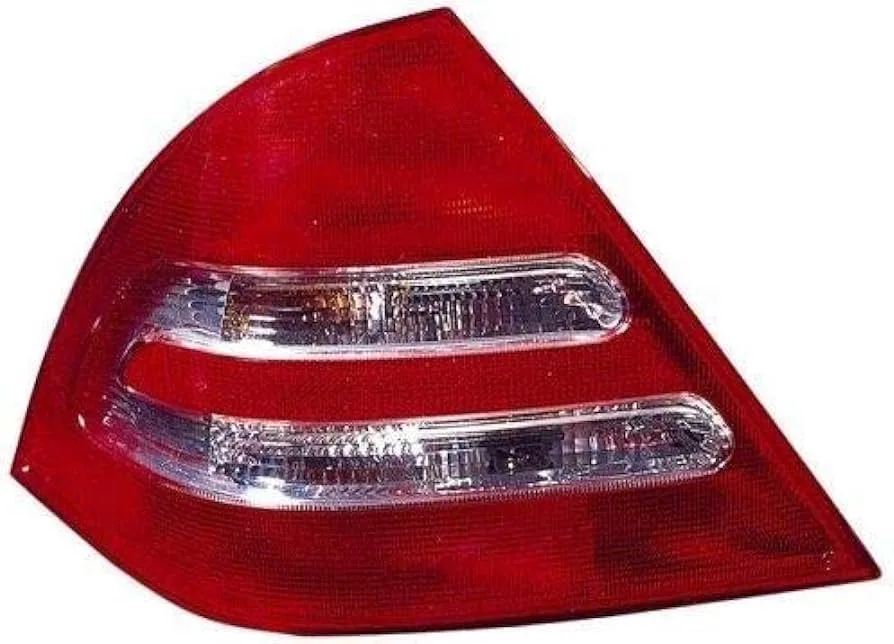 Tail Lights
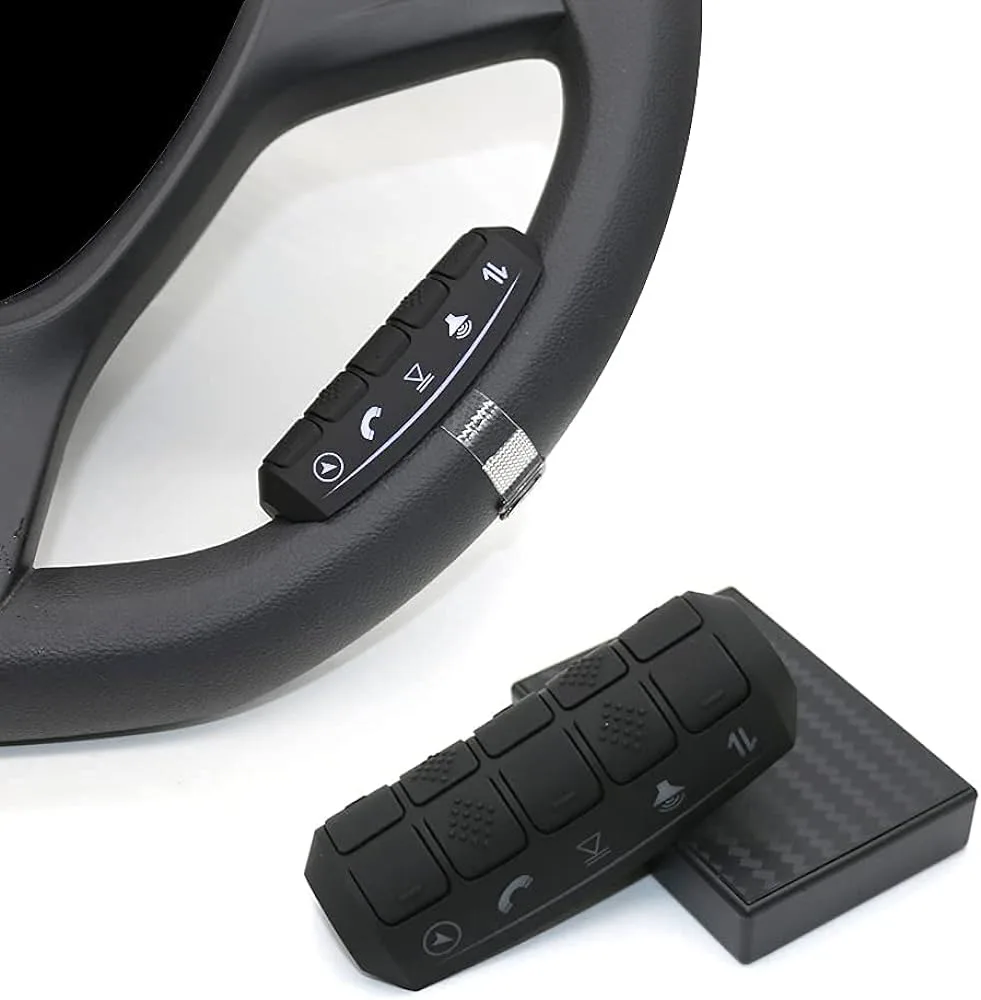 Steering Wheel Controls
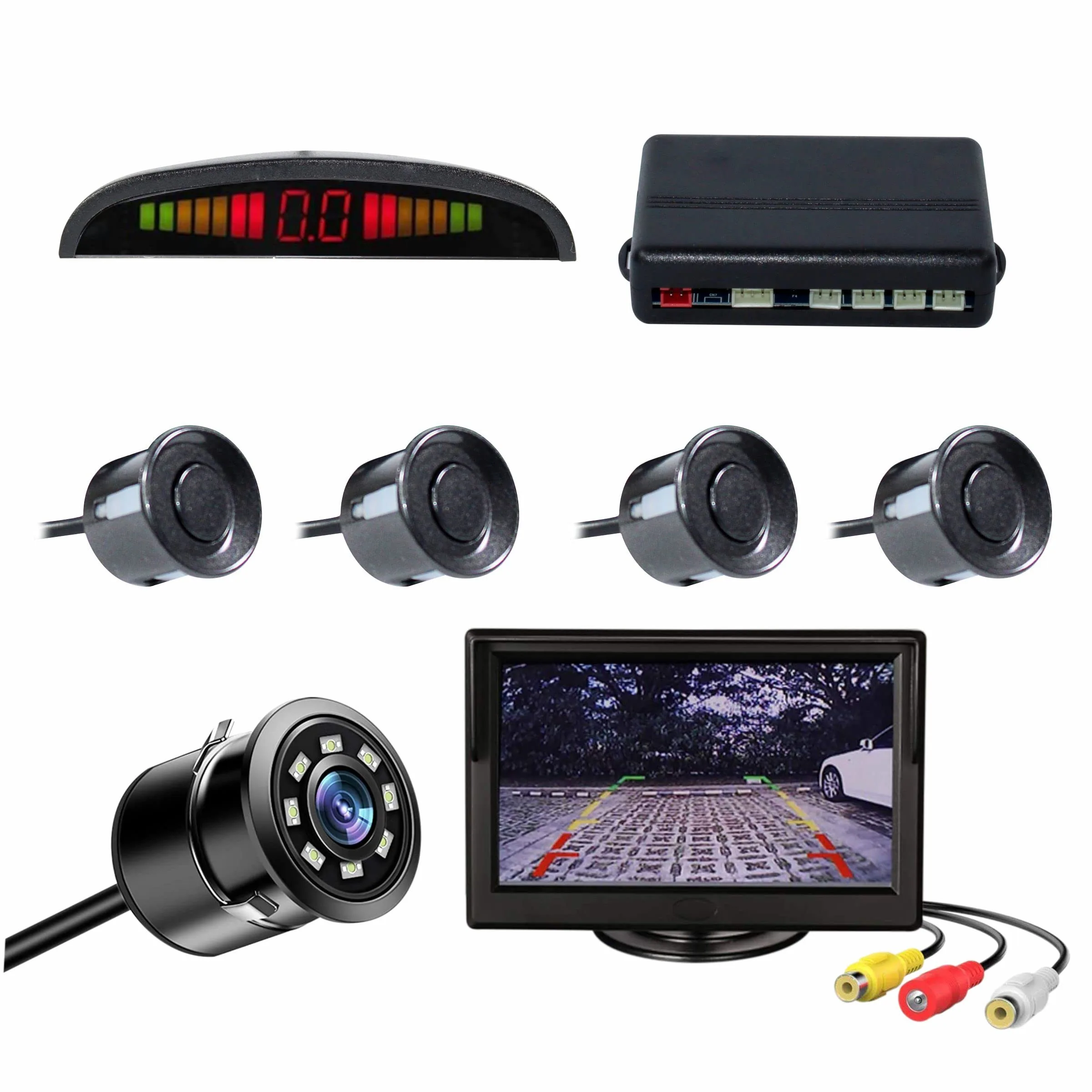 Sensor
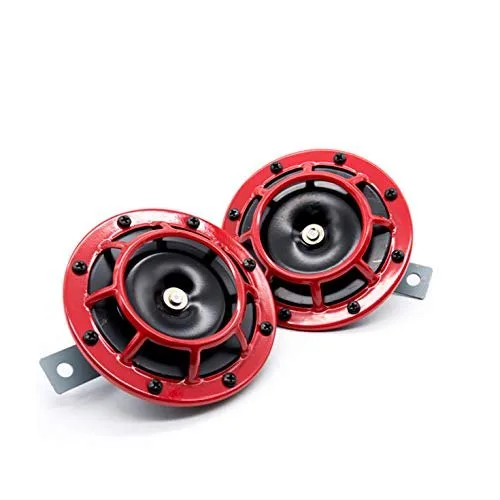 Horns
Horns
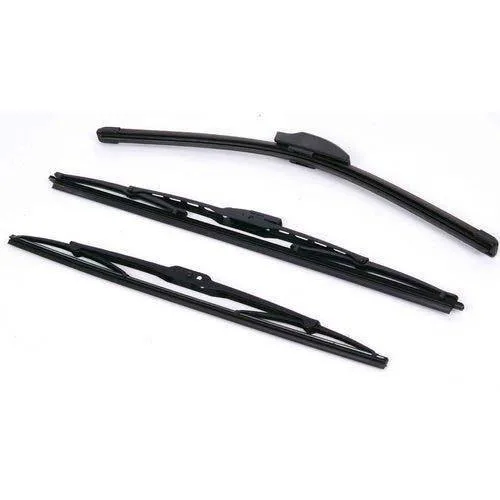 Wiper Blade
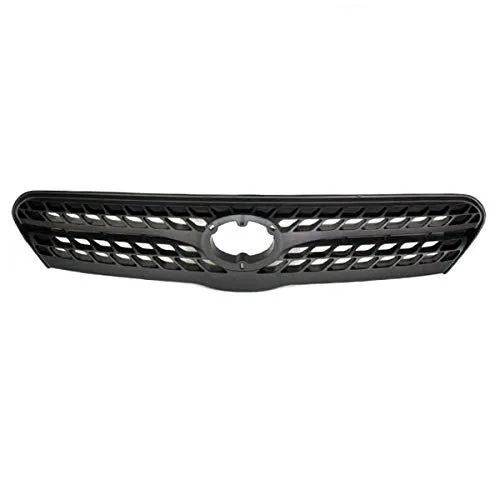 Front Grille
 Side Mirror
 Battery
 Car Care
›
Car Care
›
 Air Freshener & Perfume
 Gear knob
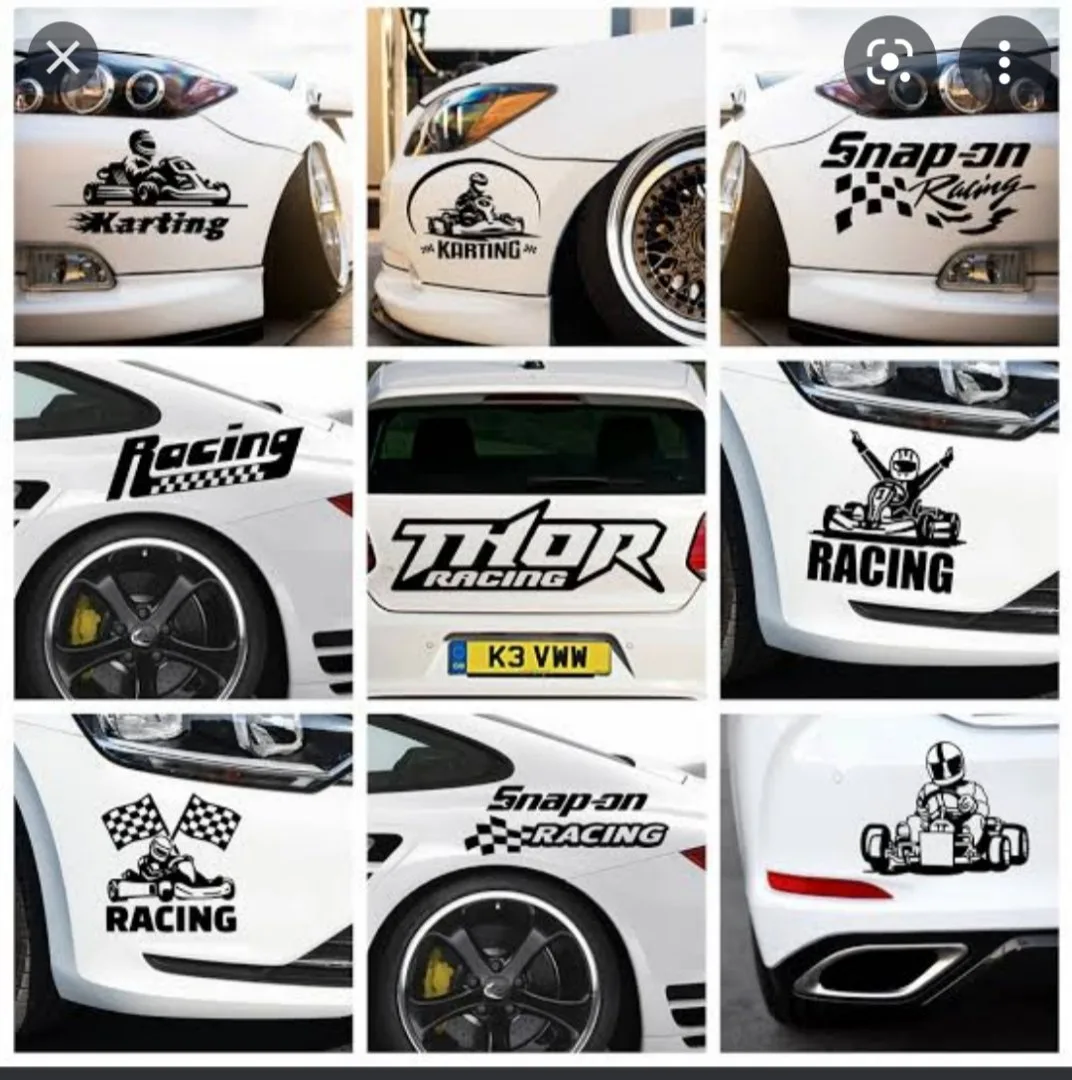 Stickers & Decals
 Blind Spot Mirror
 Steering Knob
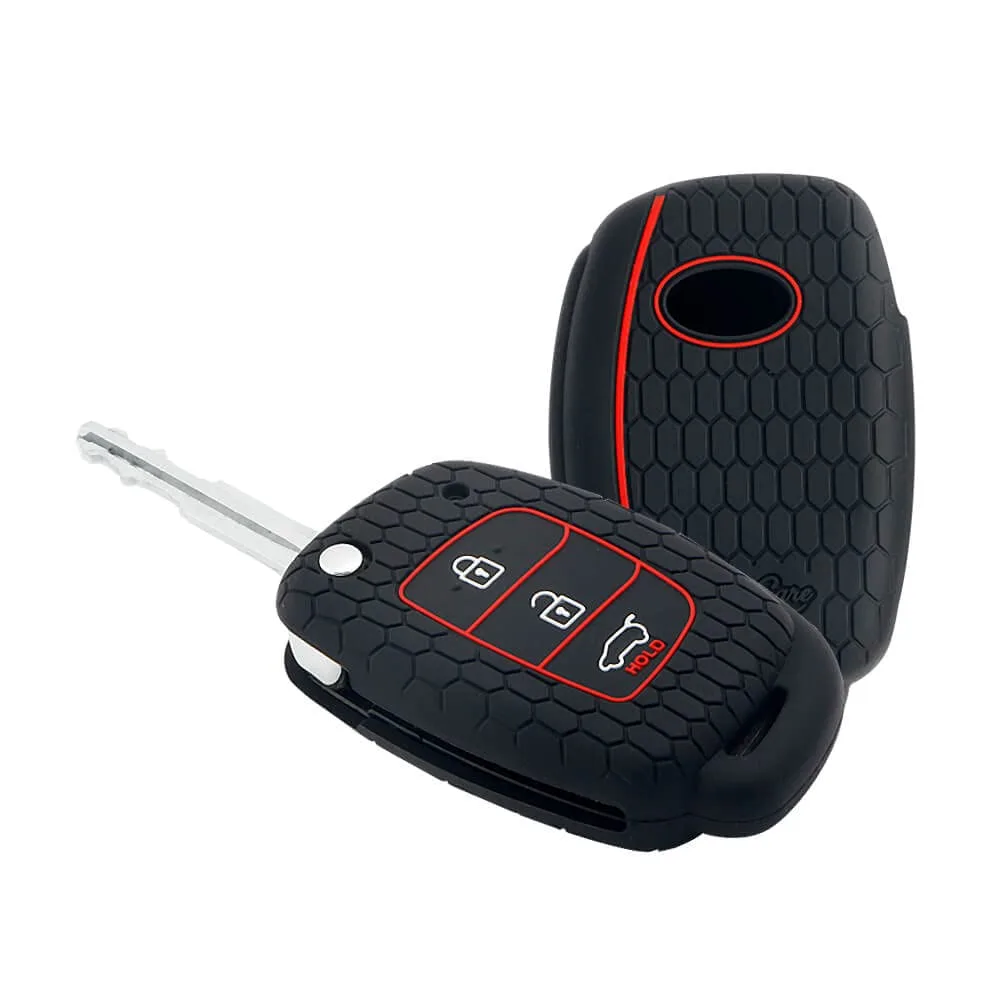 Key Covers
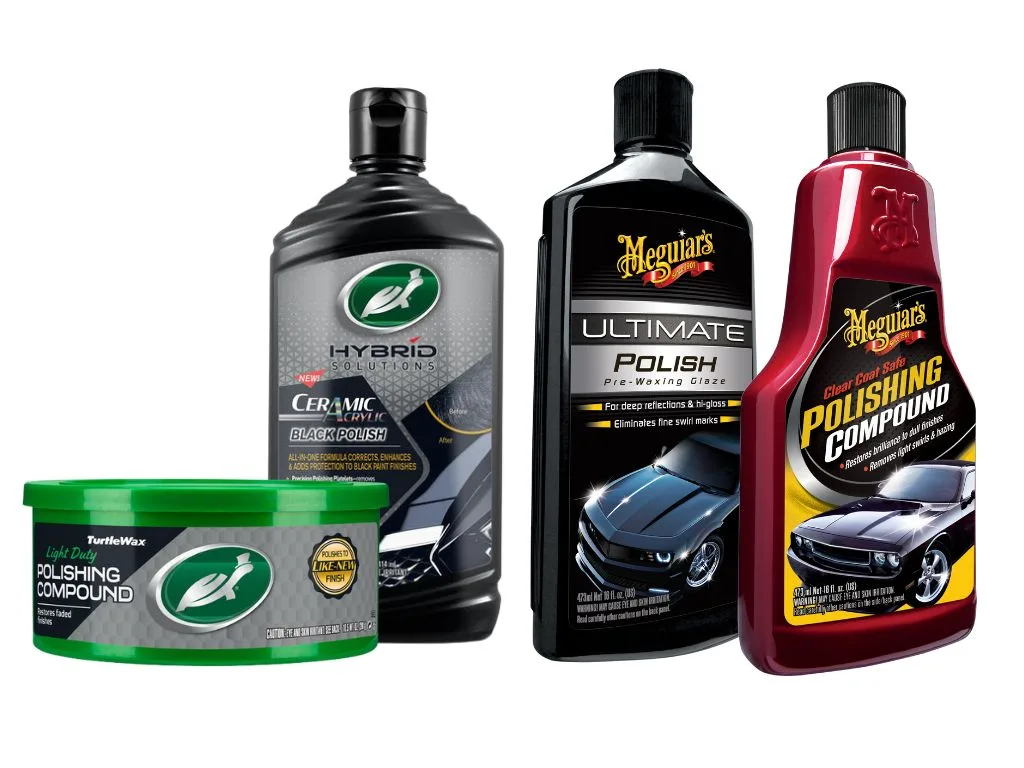 Polish & Scratch Remover
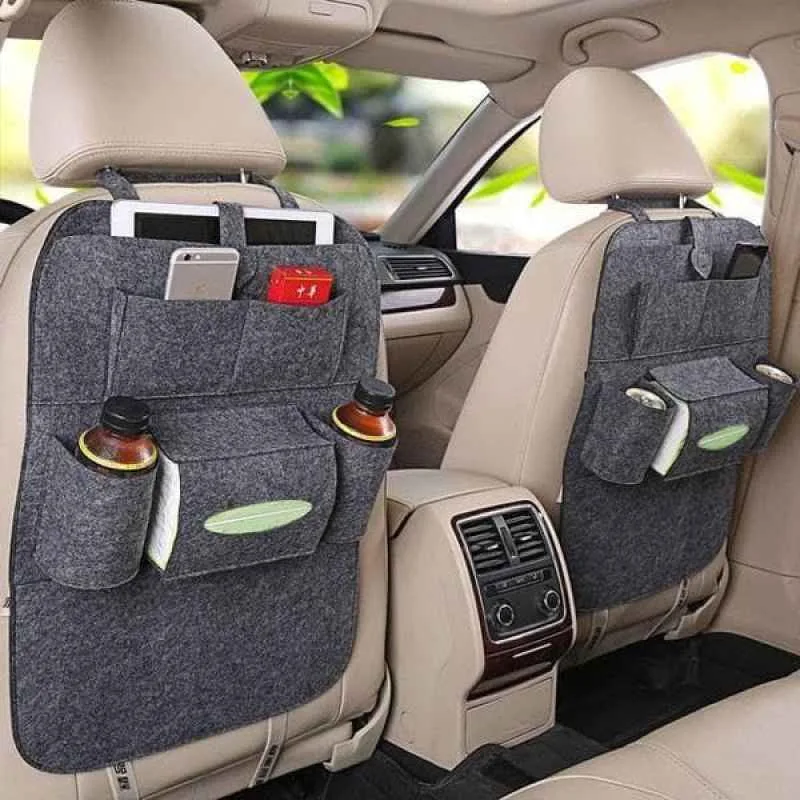 Seat Utility Holder
 Cup Holder
 Dustbin
 Paper Napkin
 Shop By Car
›
Shop By Car
›
 Tata
›
Tata
›
 Maruti Suzuki
›
Maruti Suzuki
›
 Hyundai
›
Hyundai
›
 Toyota
›
Toyota
›
 Mahindra
›
Mahindra
›
 Honda
›
Honda
›
 Ford
›
Ford
›
 Nissan
›
Nissan
›
 Renault
›
Renault
›
 Skoda
›
Skoda
›
 Volkswagen
›
Volkswagen
›
 Morris Garages - MG
›
Morris Garages - MG
›
 KIA
›
KIA
›
 Jeep
›
Jeep
›
 Citroen
›
Citroen
›
 Datsun
›
Datsun
›
 Chevrolet
›
Chevrolet
›
 Isuzu
›
Isuzu
›
 Mitsubishi
›
Mitsubishi
›
 AUDI
›
AUDI
›
 BMW
›
BMW
›
 Mercedes
›
Mercedes
›
 Land Rover
›
Land Rover
›
 Jaguar
›
Jaguar
›
 Volvo
›
Volvo
›
 FIAT
›
FIAT
›
 Mini Cooper
›
Mini Cooper
›
 Porsche
›
Porsche
›
 Lexus
›
Citron
›
Fors
›
Morris Garages
›
MG
›
Lexus
›
Citron
›
Fors
›
Morris Garages
›
MG
›
 Nexon
Nexon
 Harrier
 Altroz
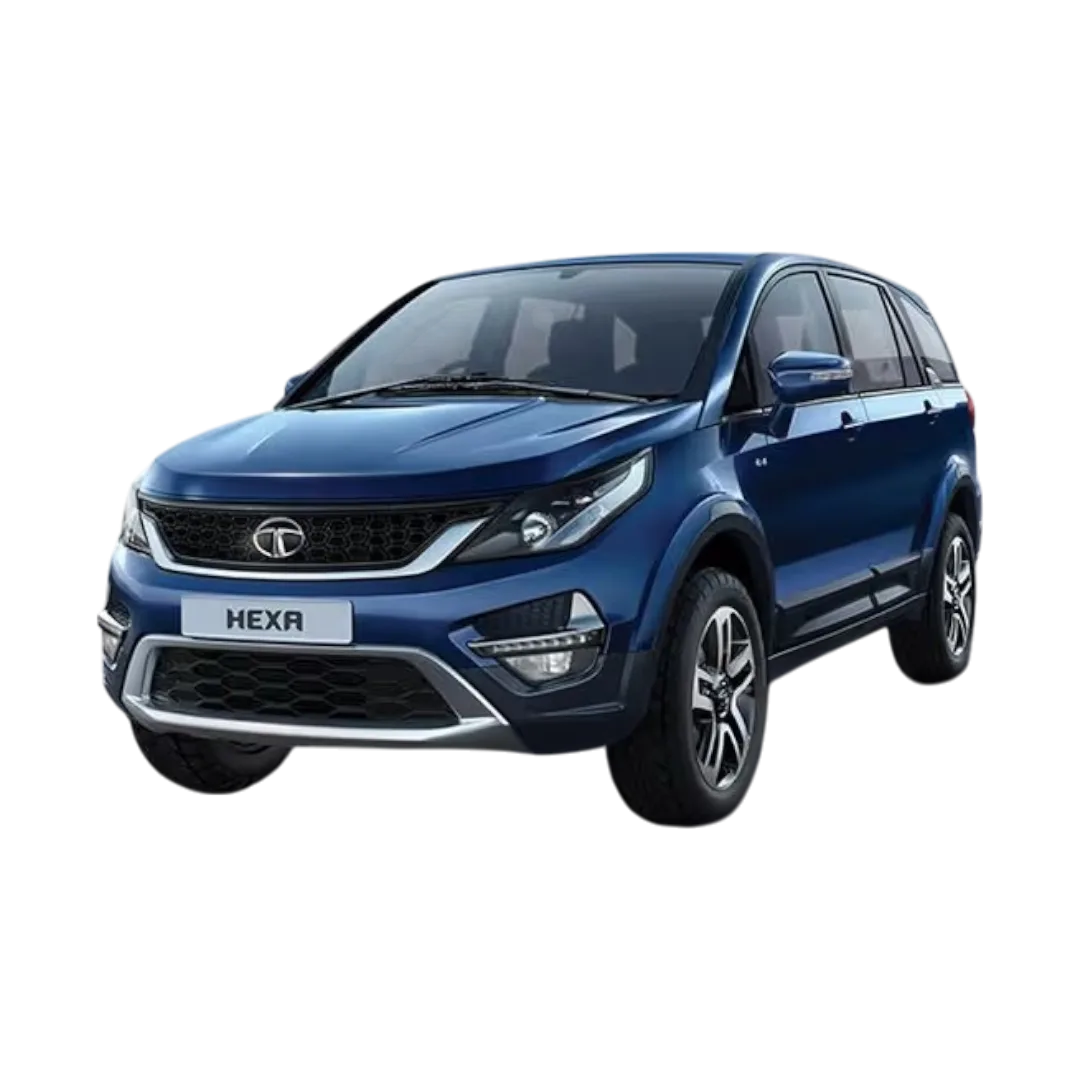 Hexa
Hexa
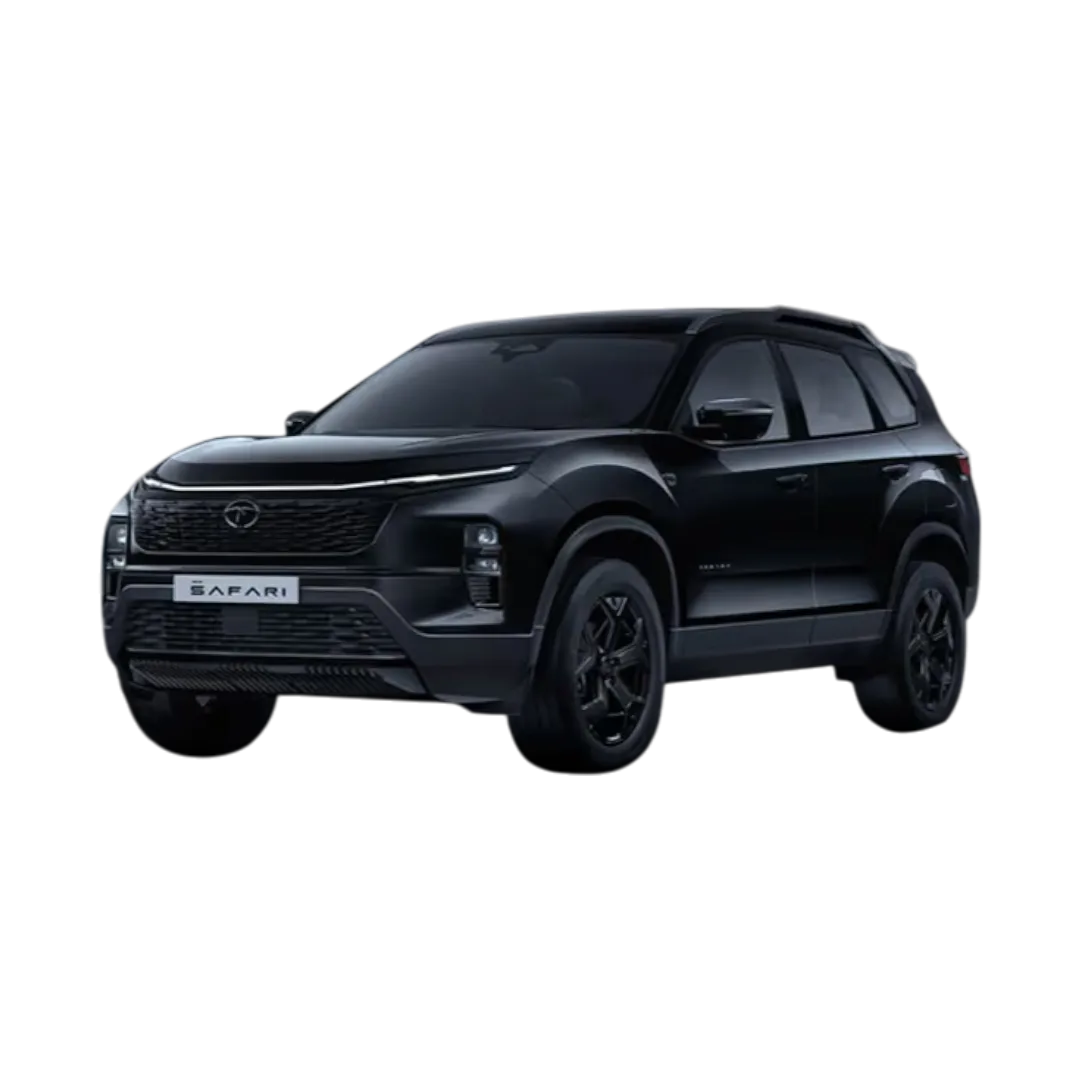 Safari
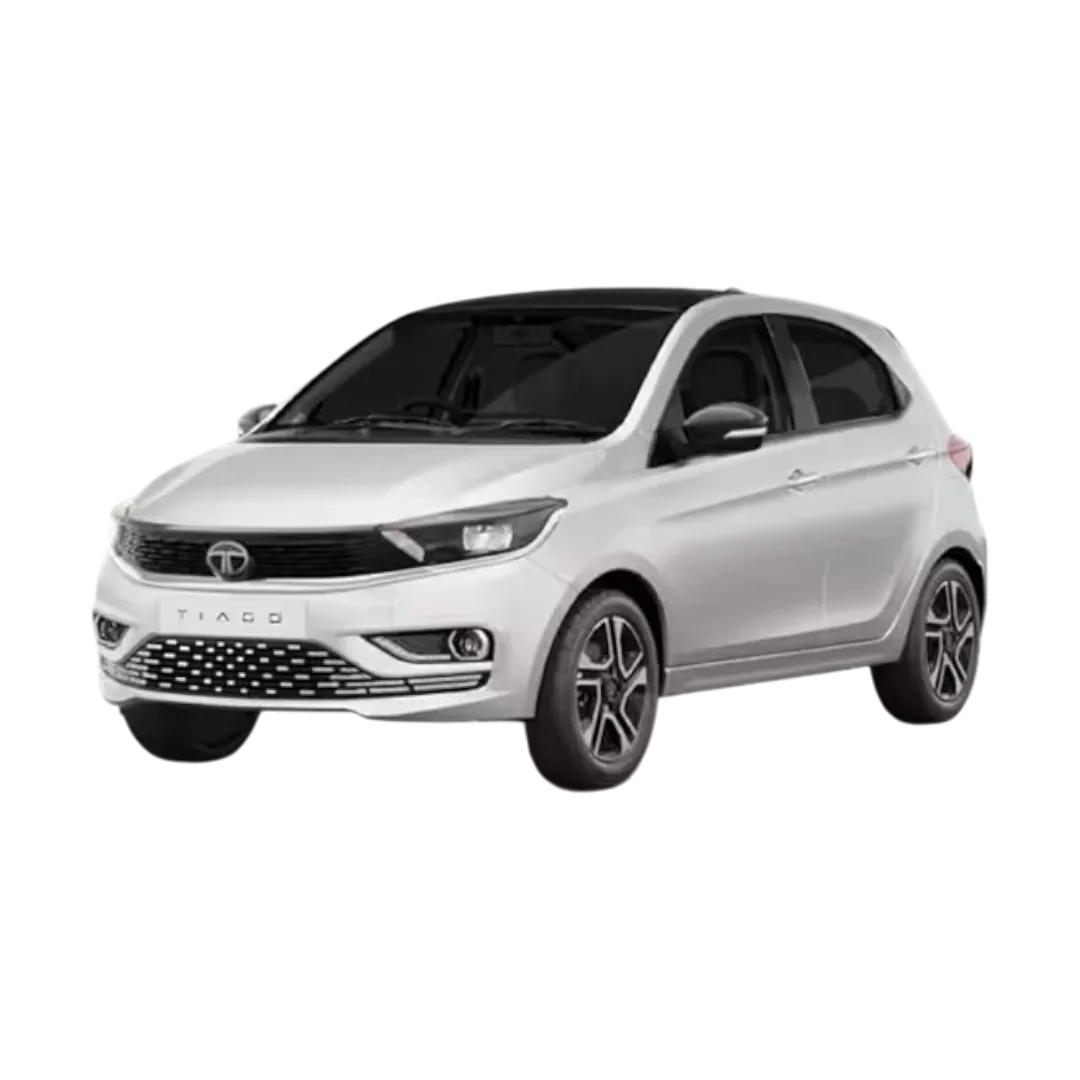 Tiago
Tiago
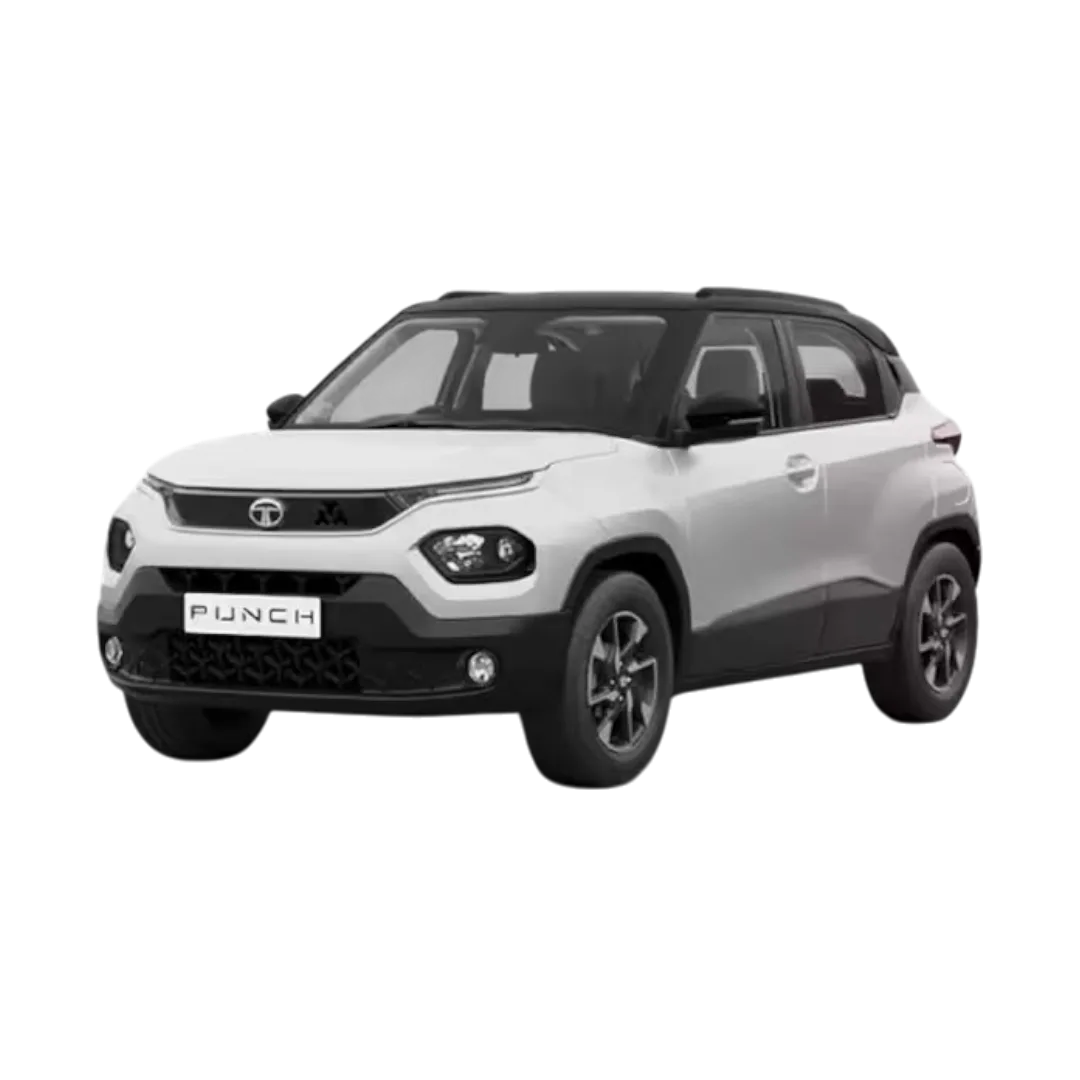 Punch
Punch
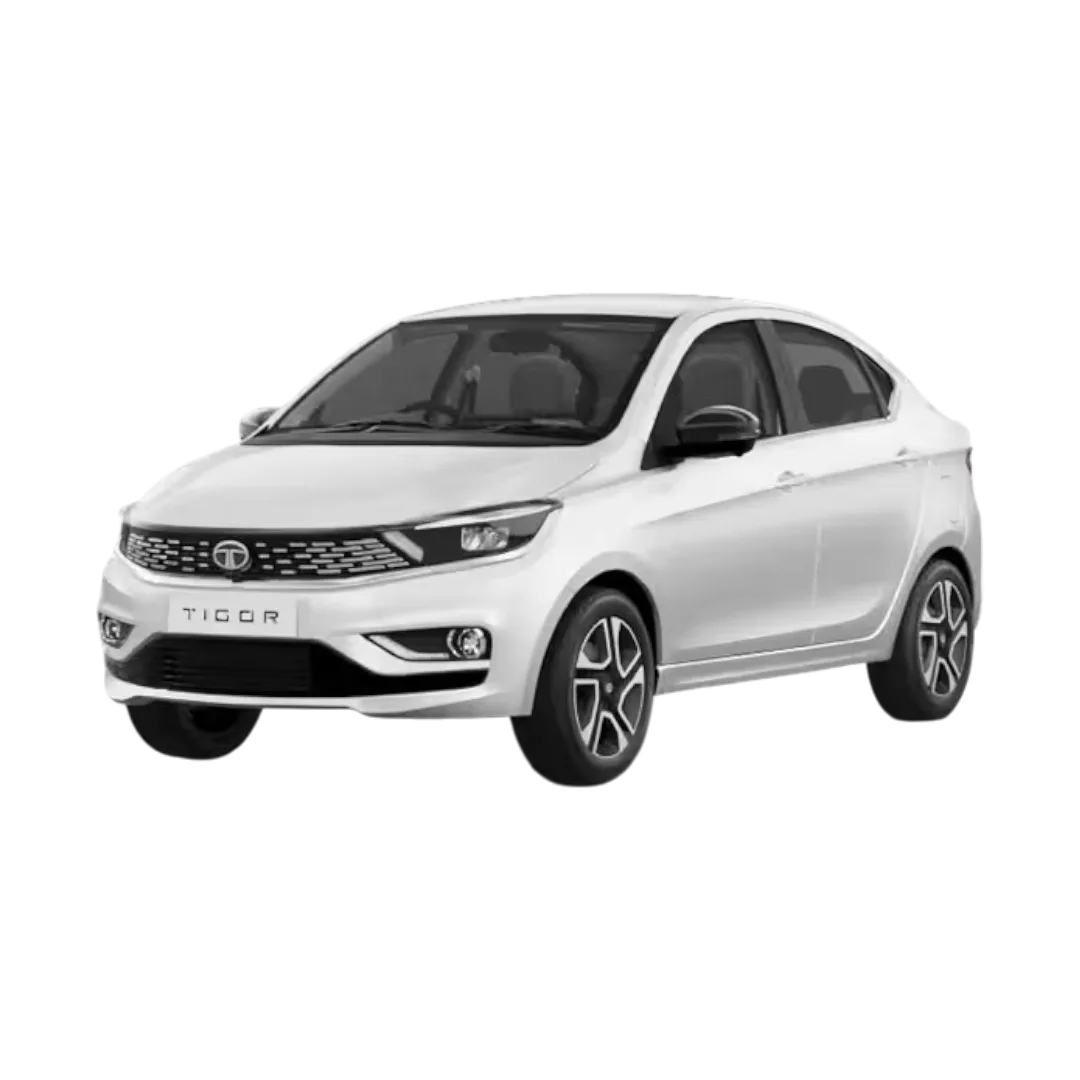 Tigor
Tigor
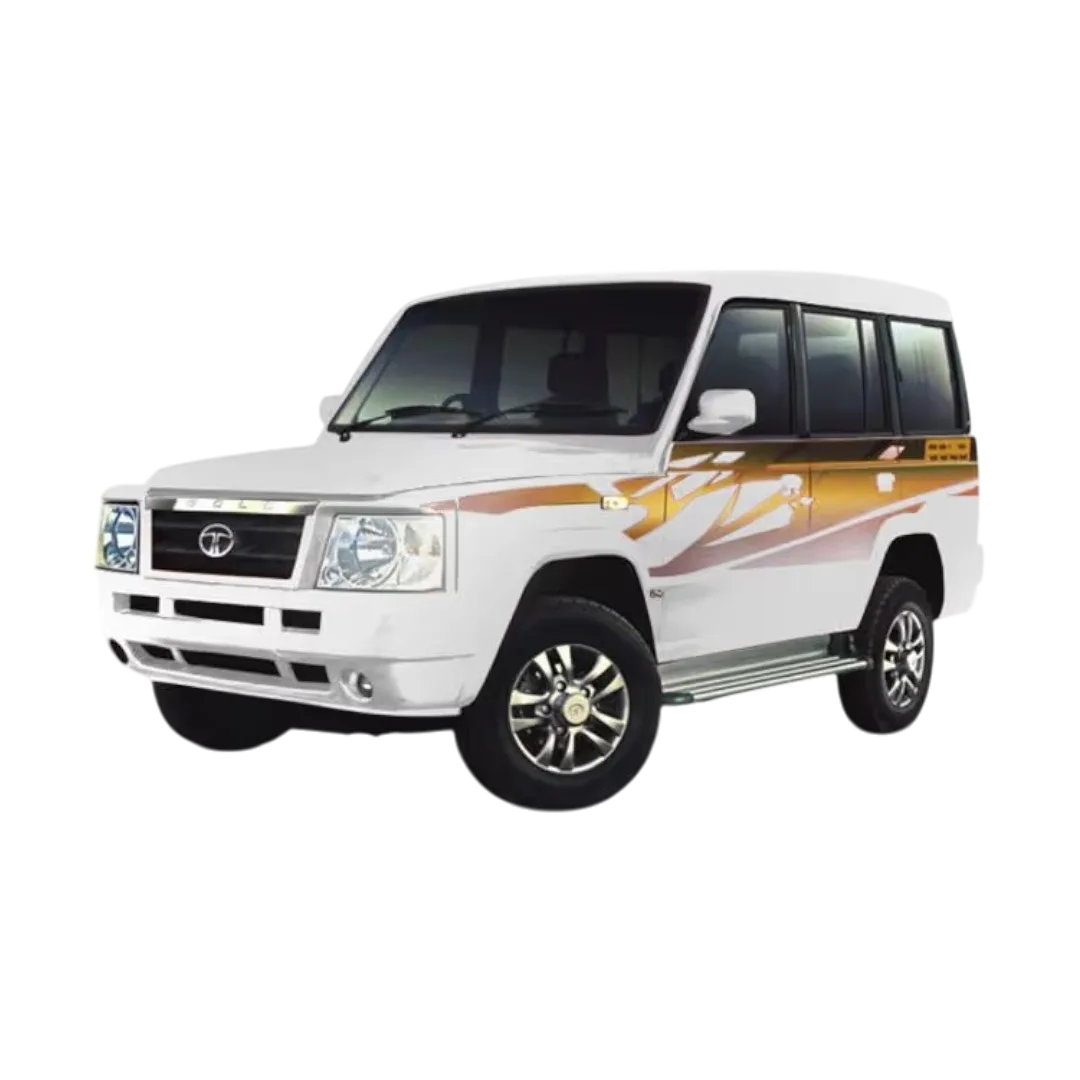 Sumo
Sumo
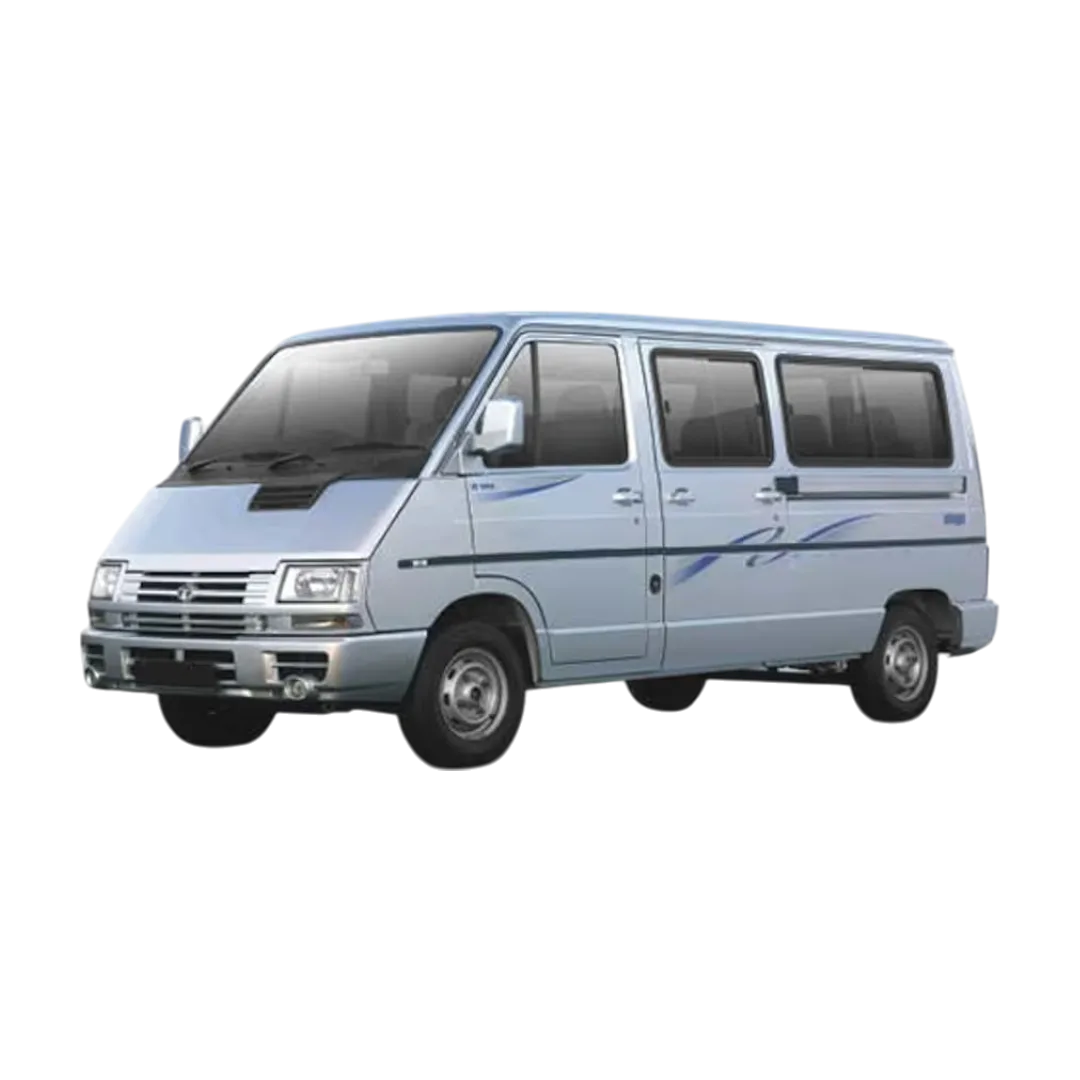 Winger
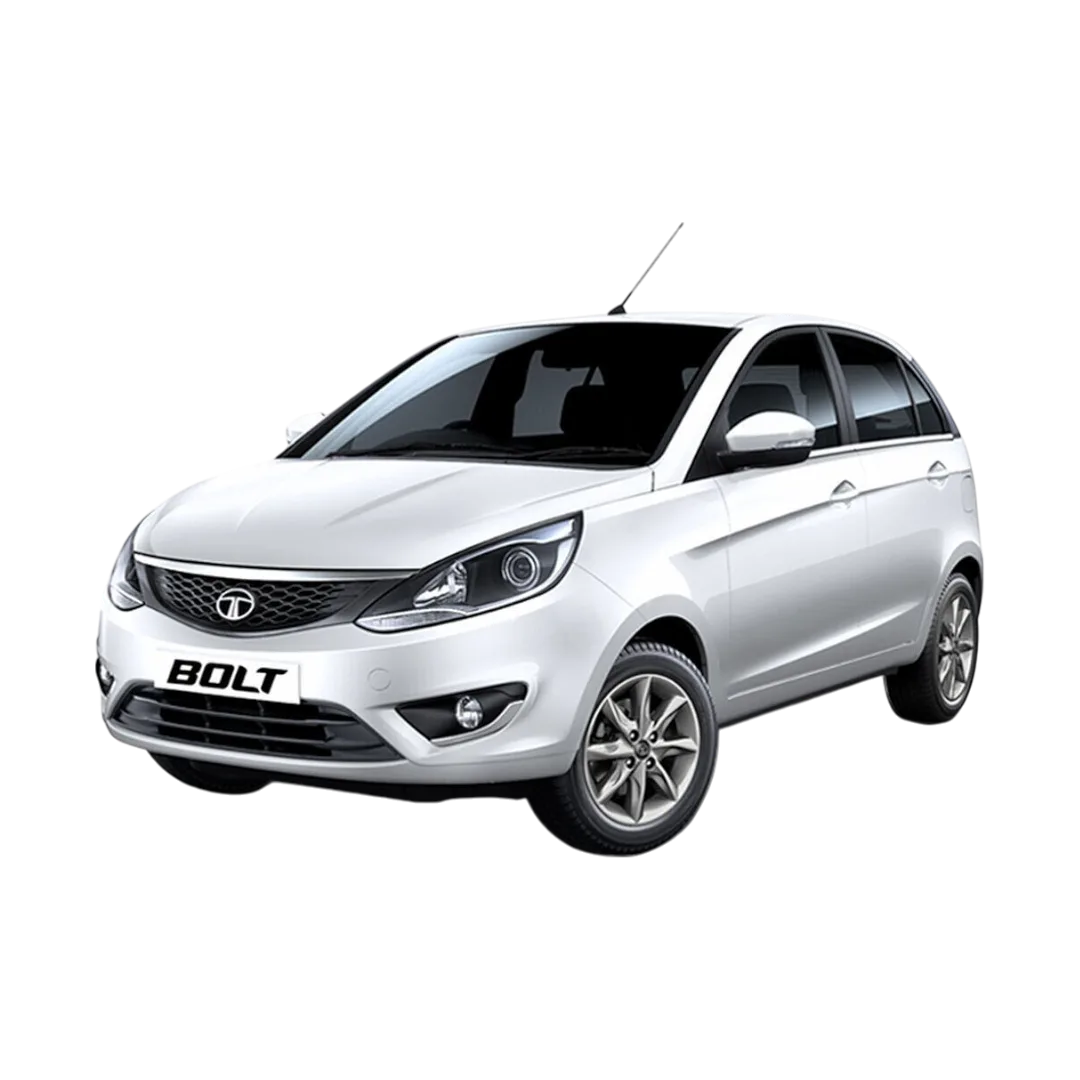 Bolt
Bolt
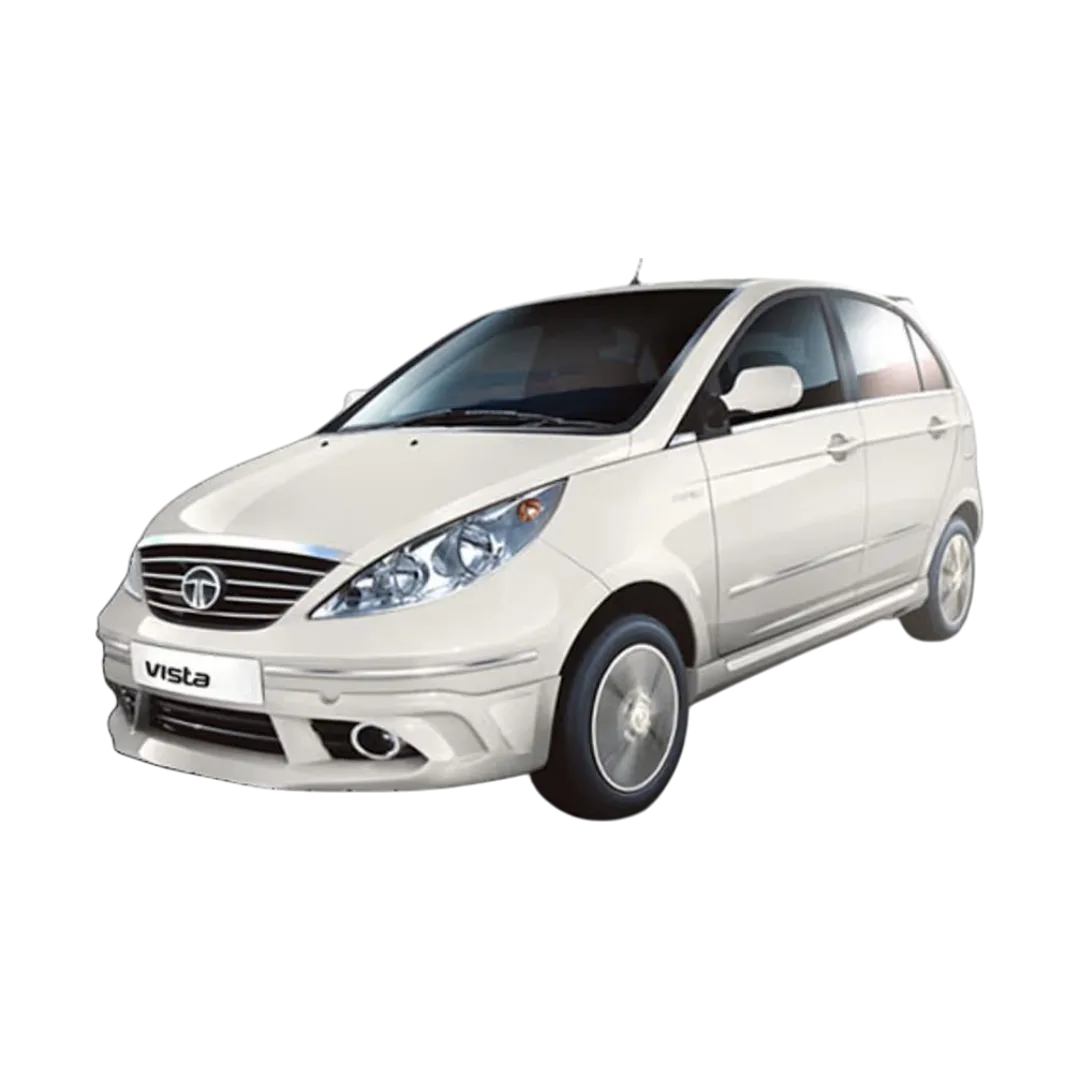 Vista
Vista
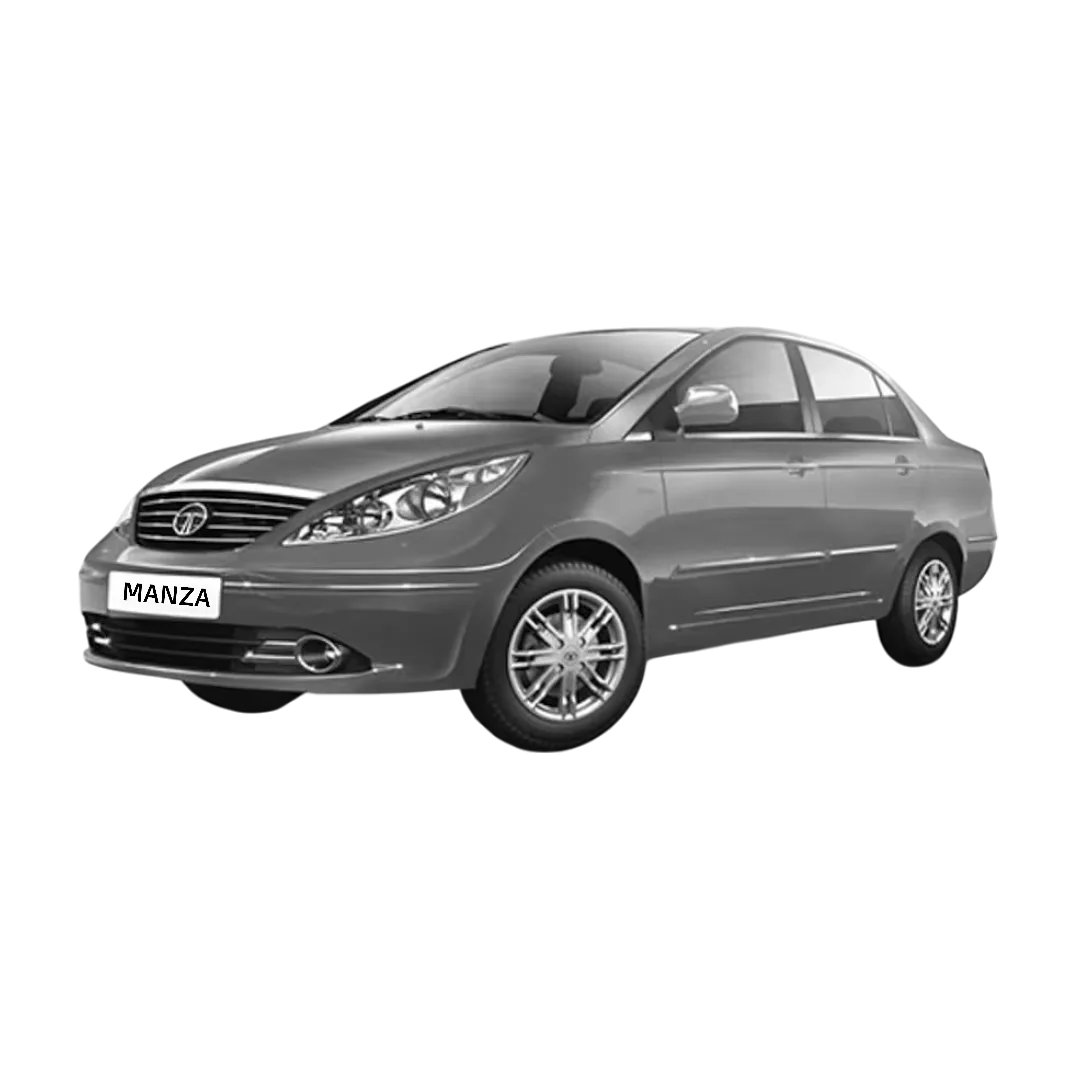 Manza
Manza
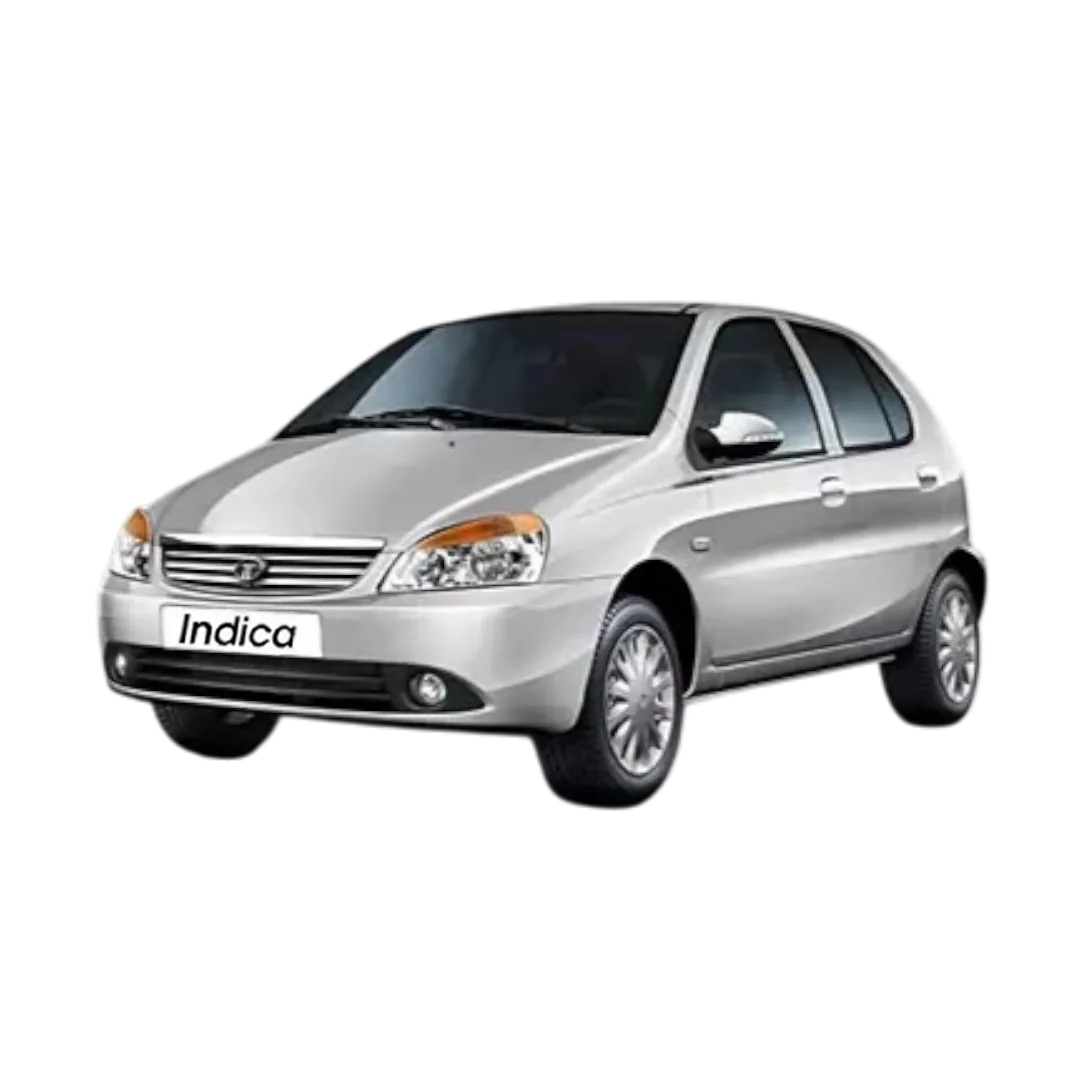 Indica
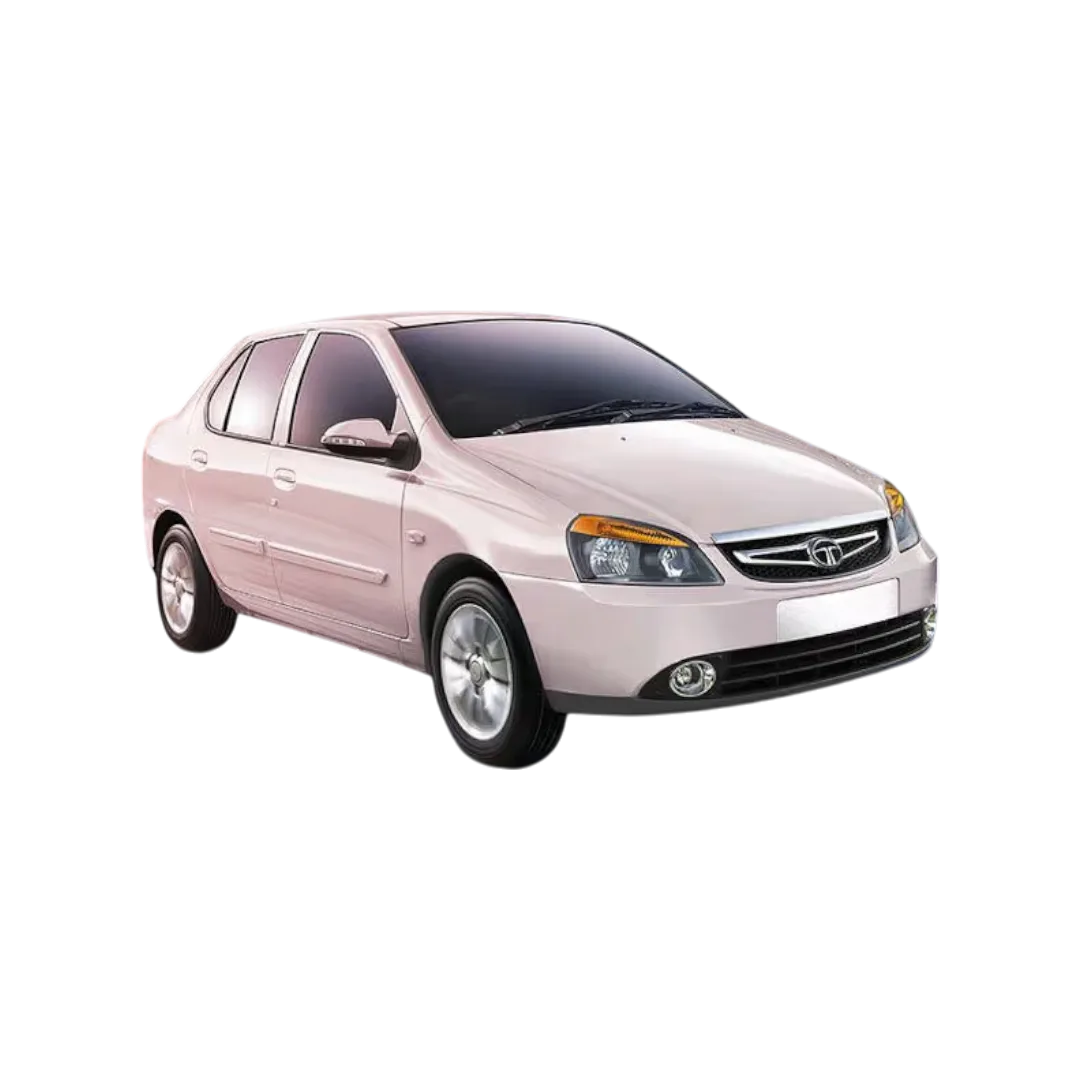 Indigo
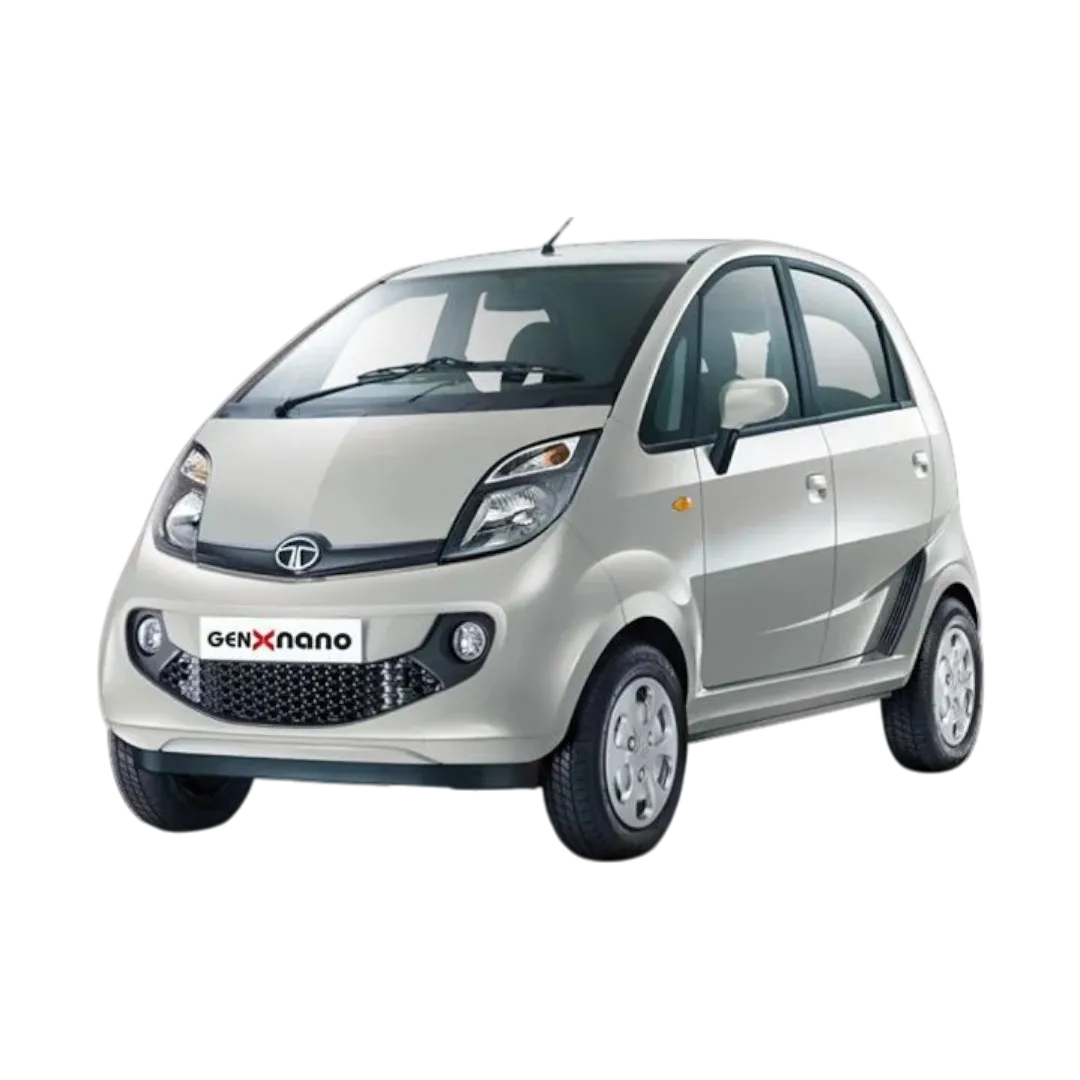 Nano
Nano
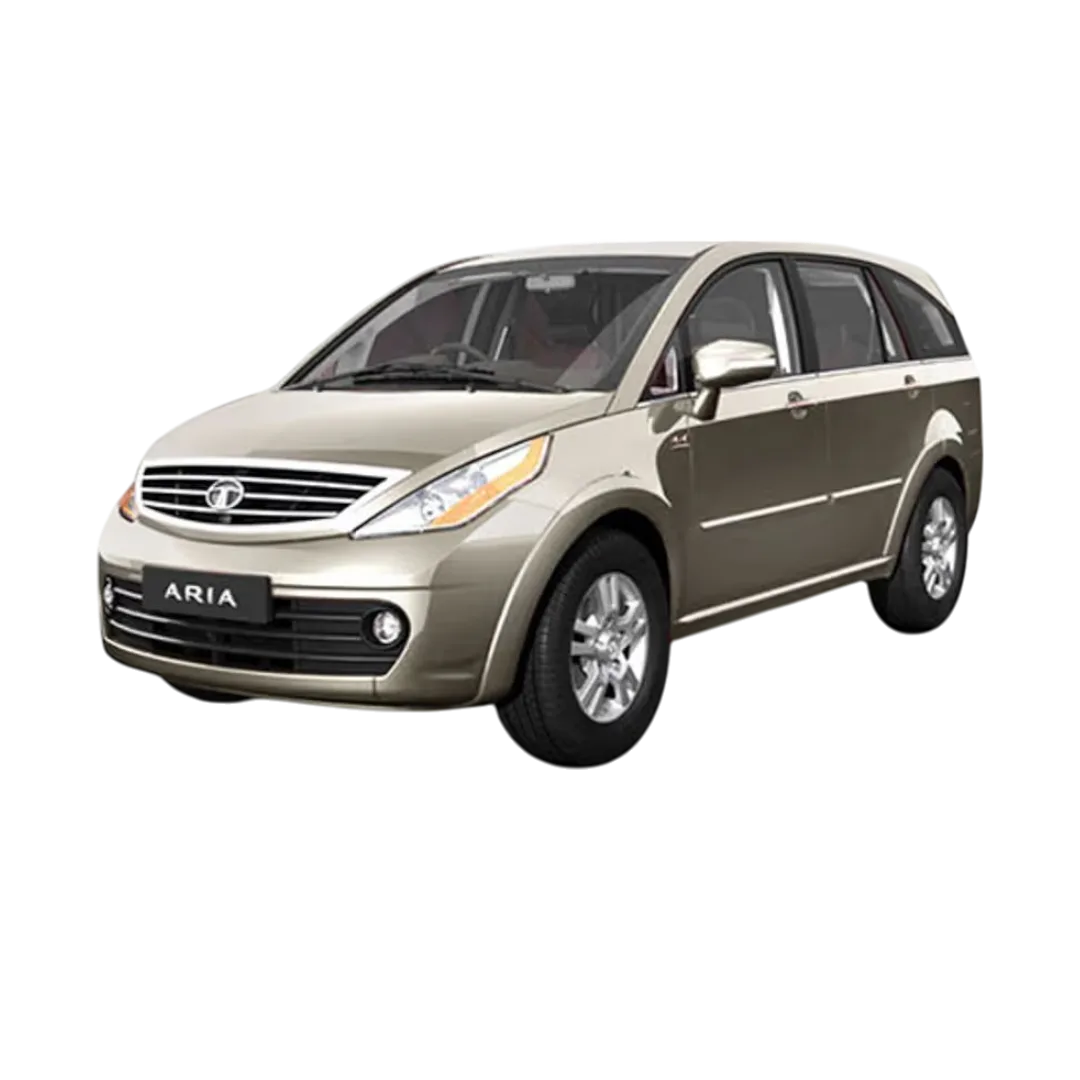 Aria
Aria
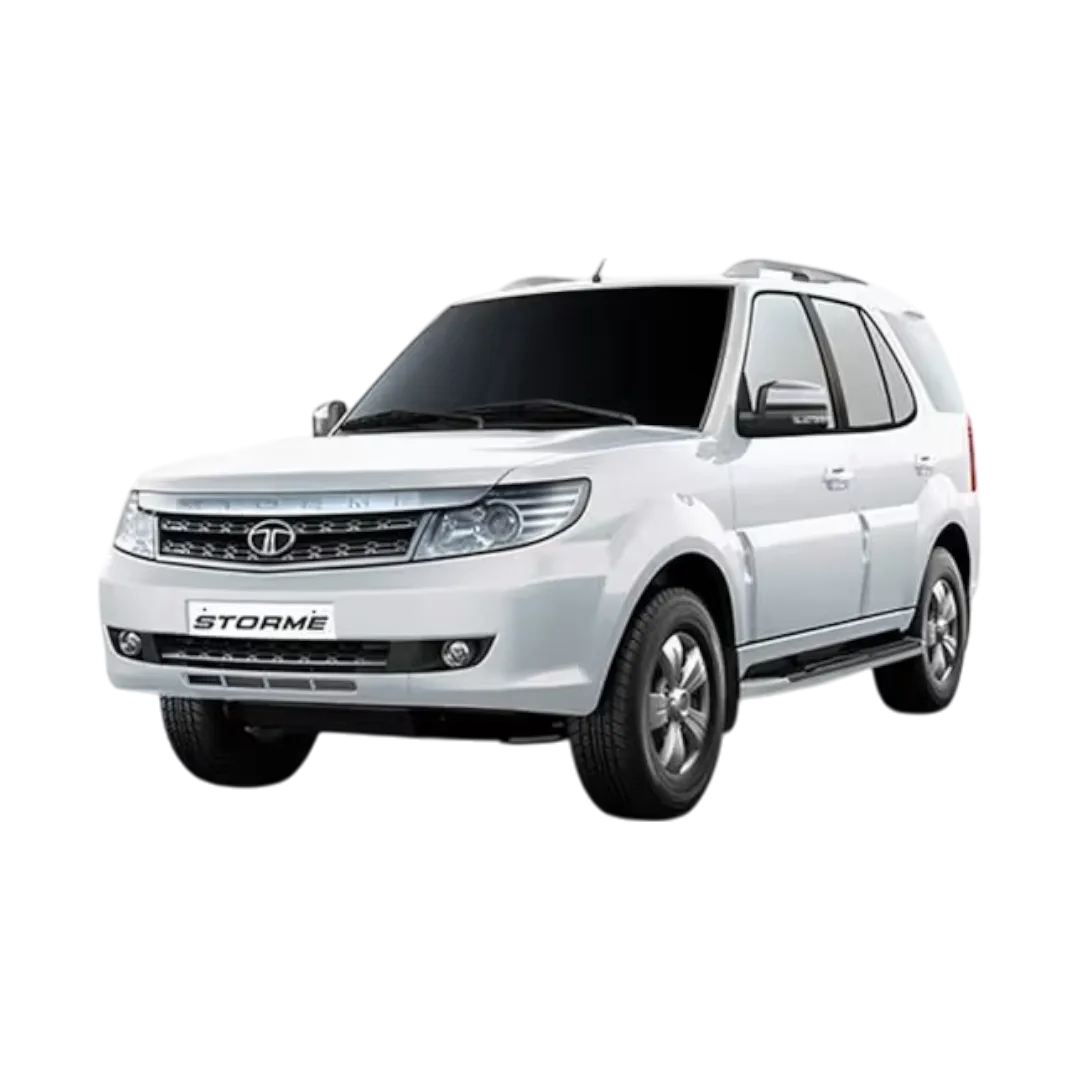 Safari Storme
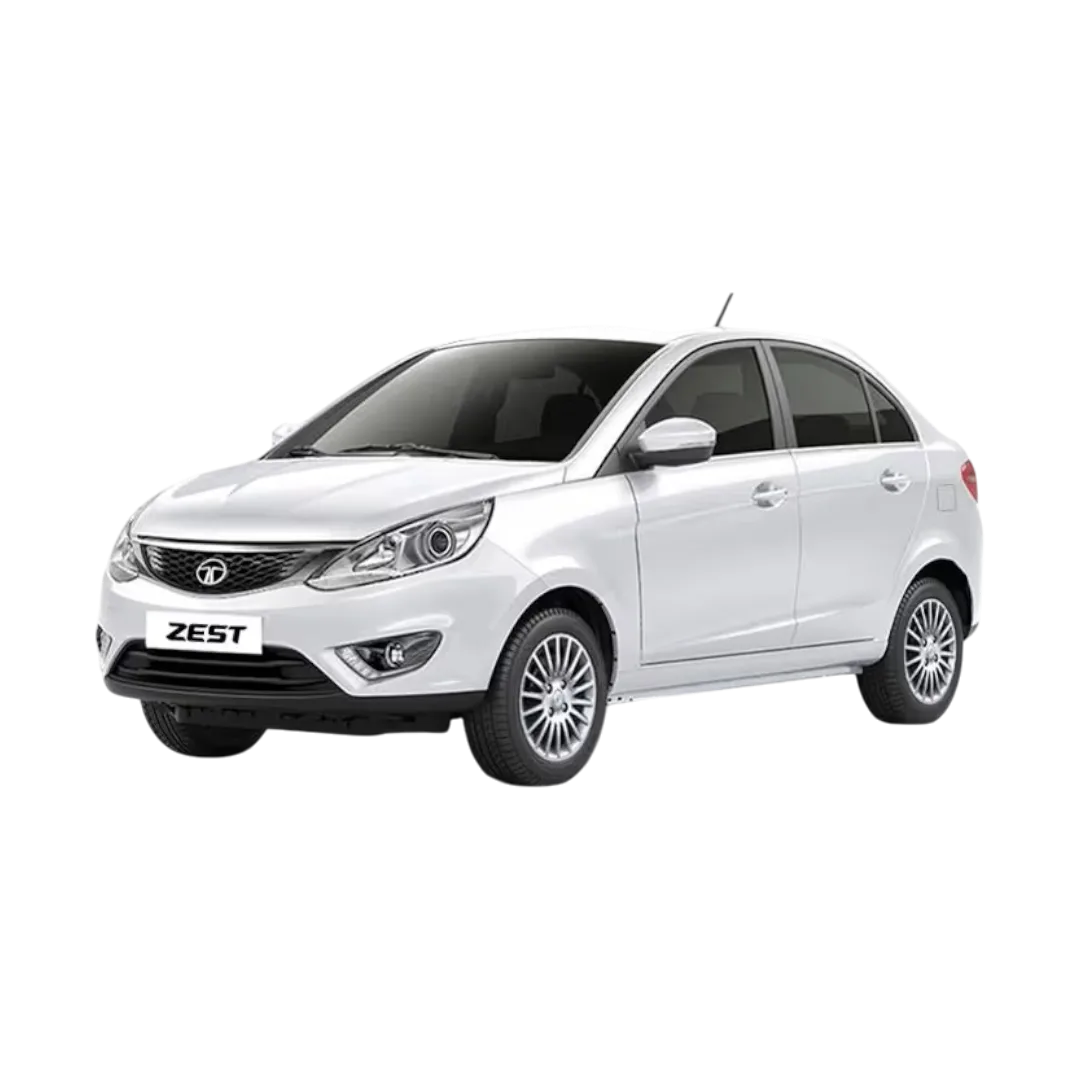 Zest
Zest
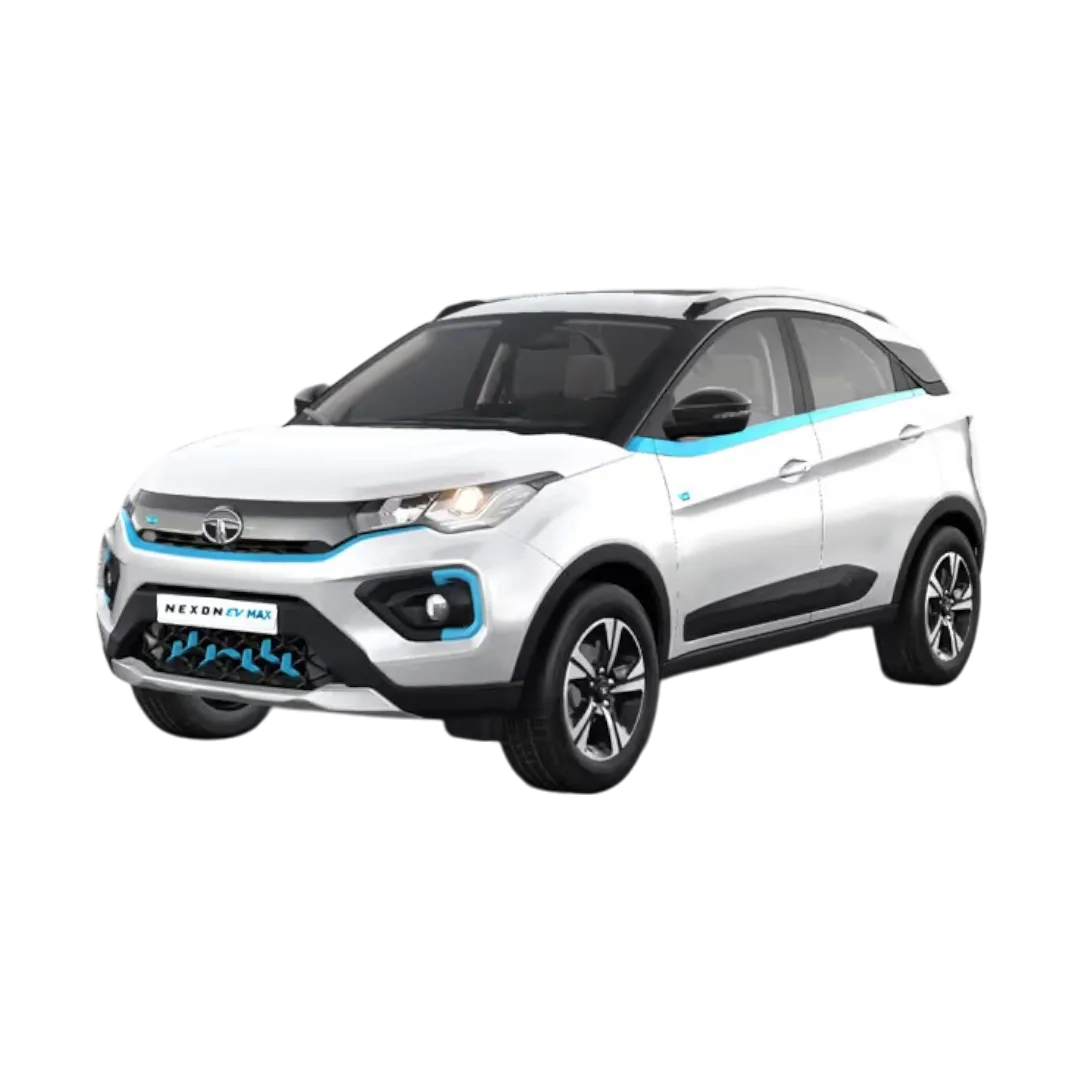 NEXON EV Max
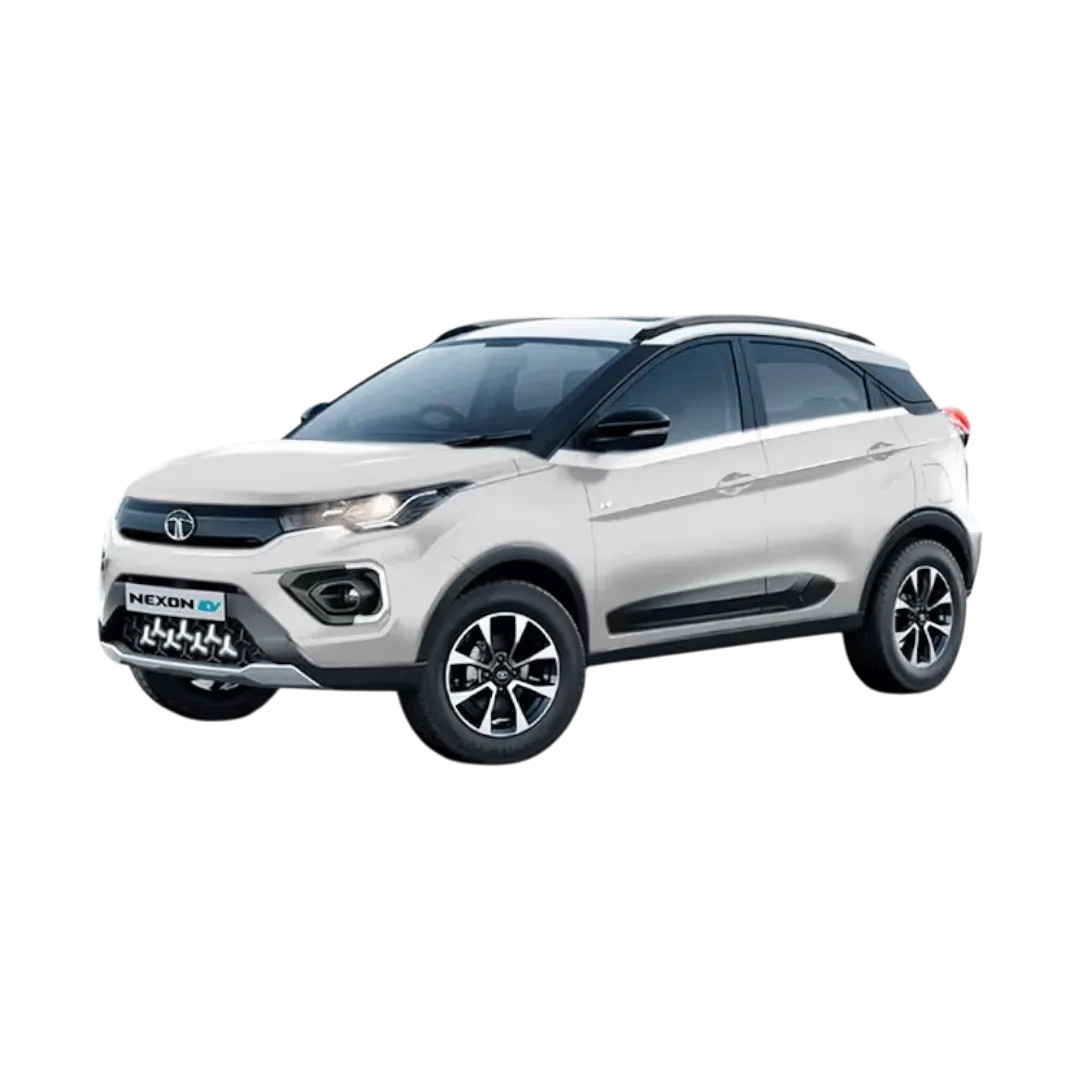 NEXON EV Prime
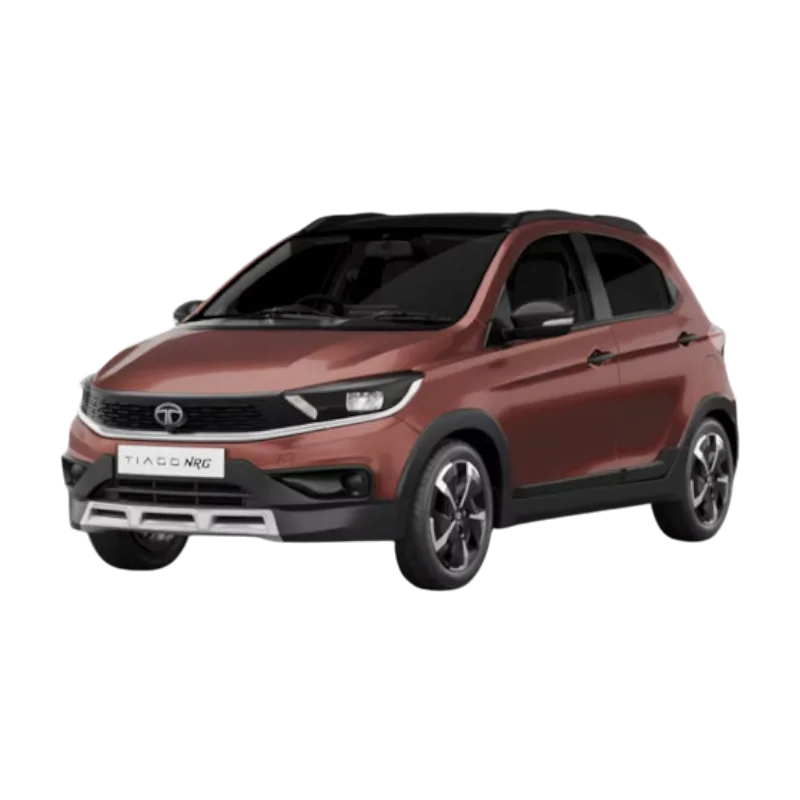 Tiago NRG
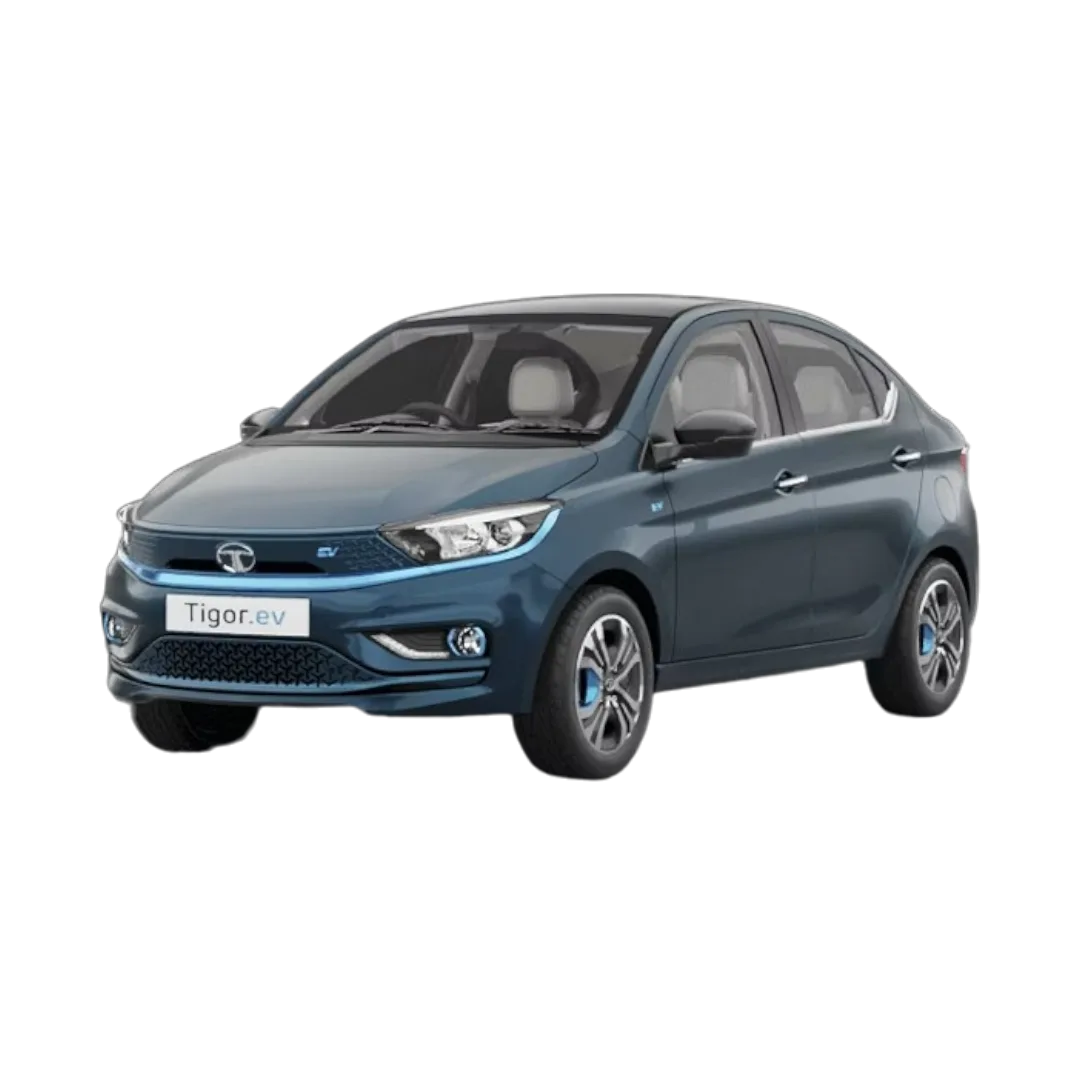 Tigor EV
INDICA VISTA
Curvv
Sierra
Magic
Tigor EV
INDICA VISTA
Curvv
Sierra
Magic
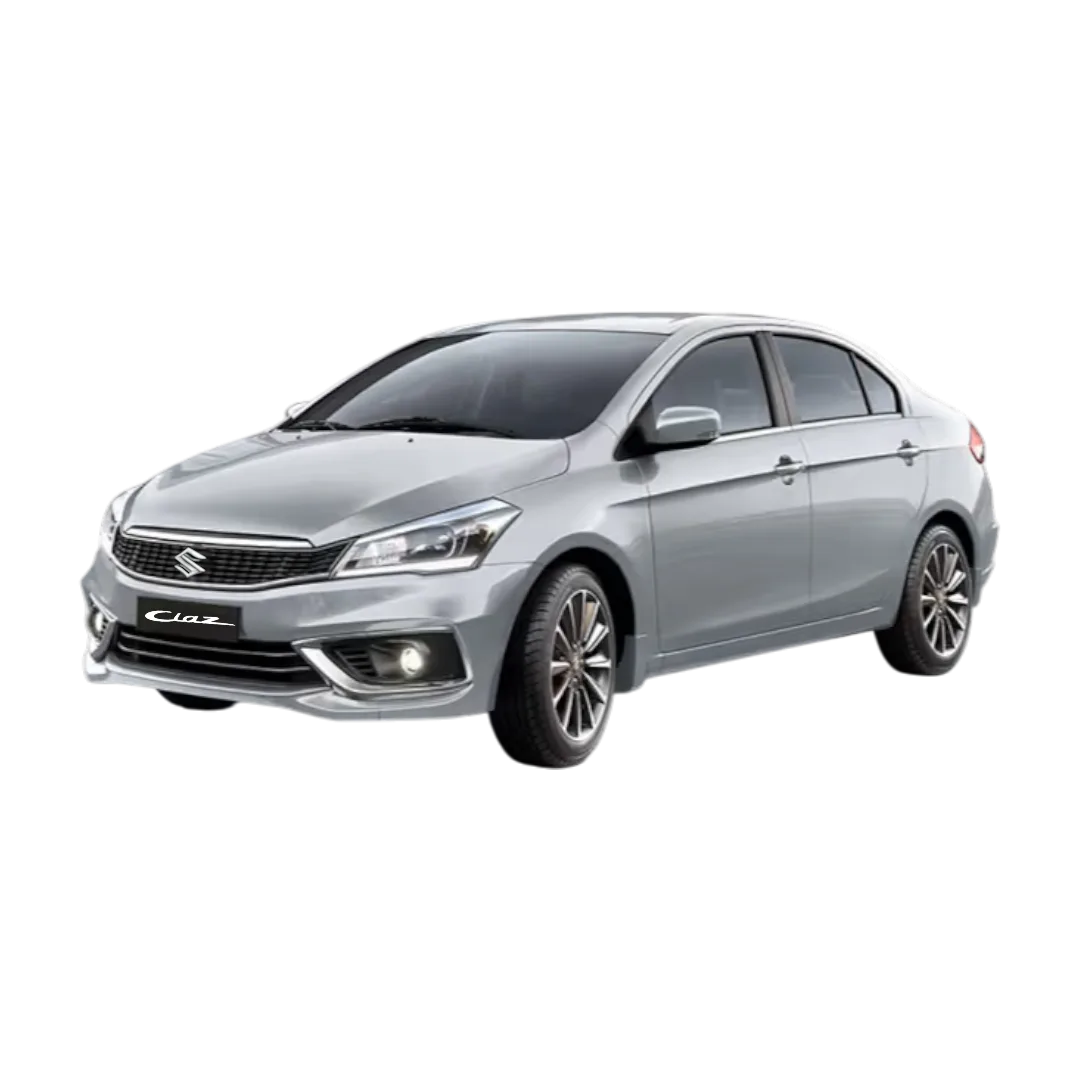 Ciaz
Ciaz
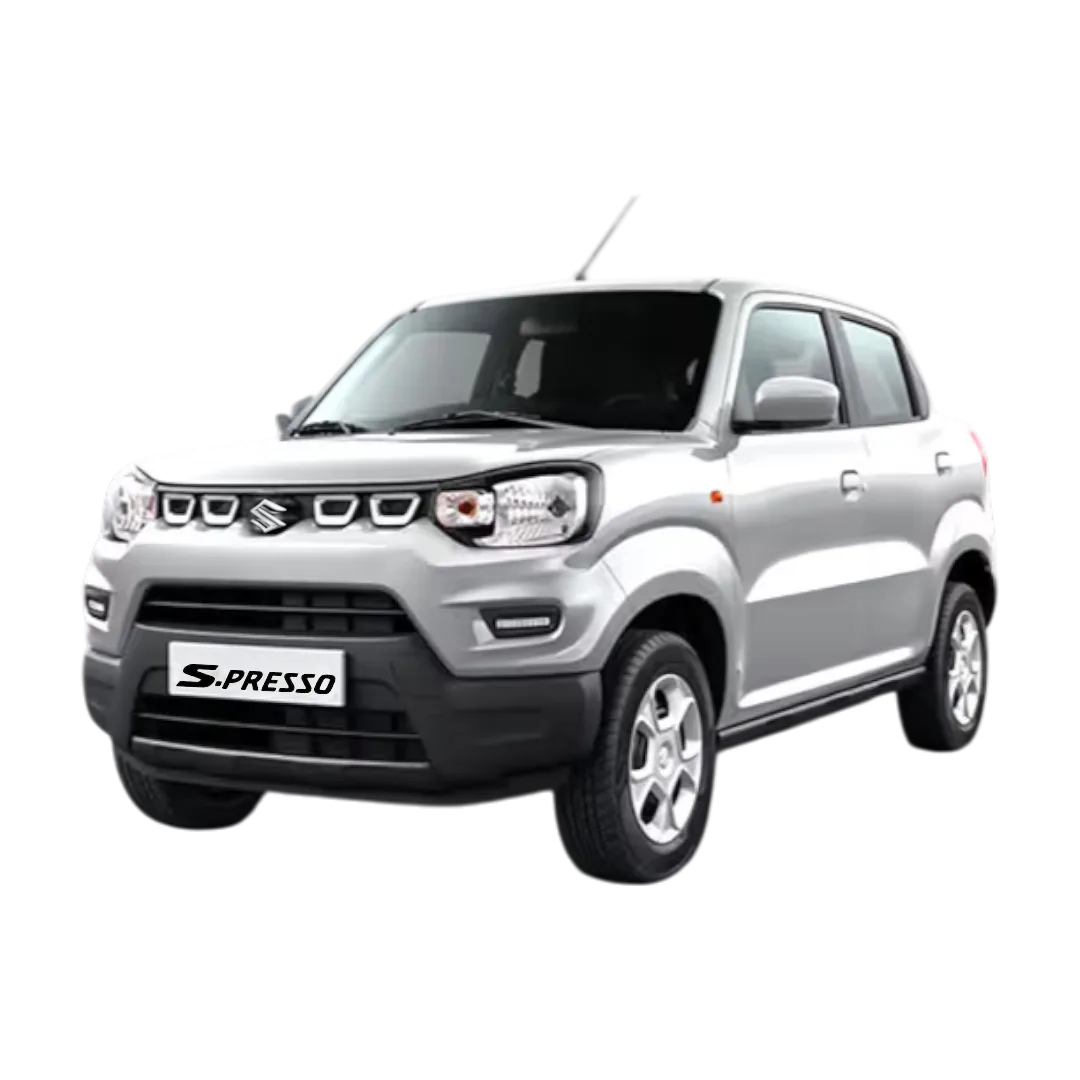 S-Presso
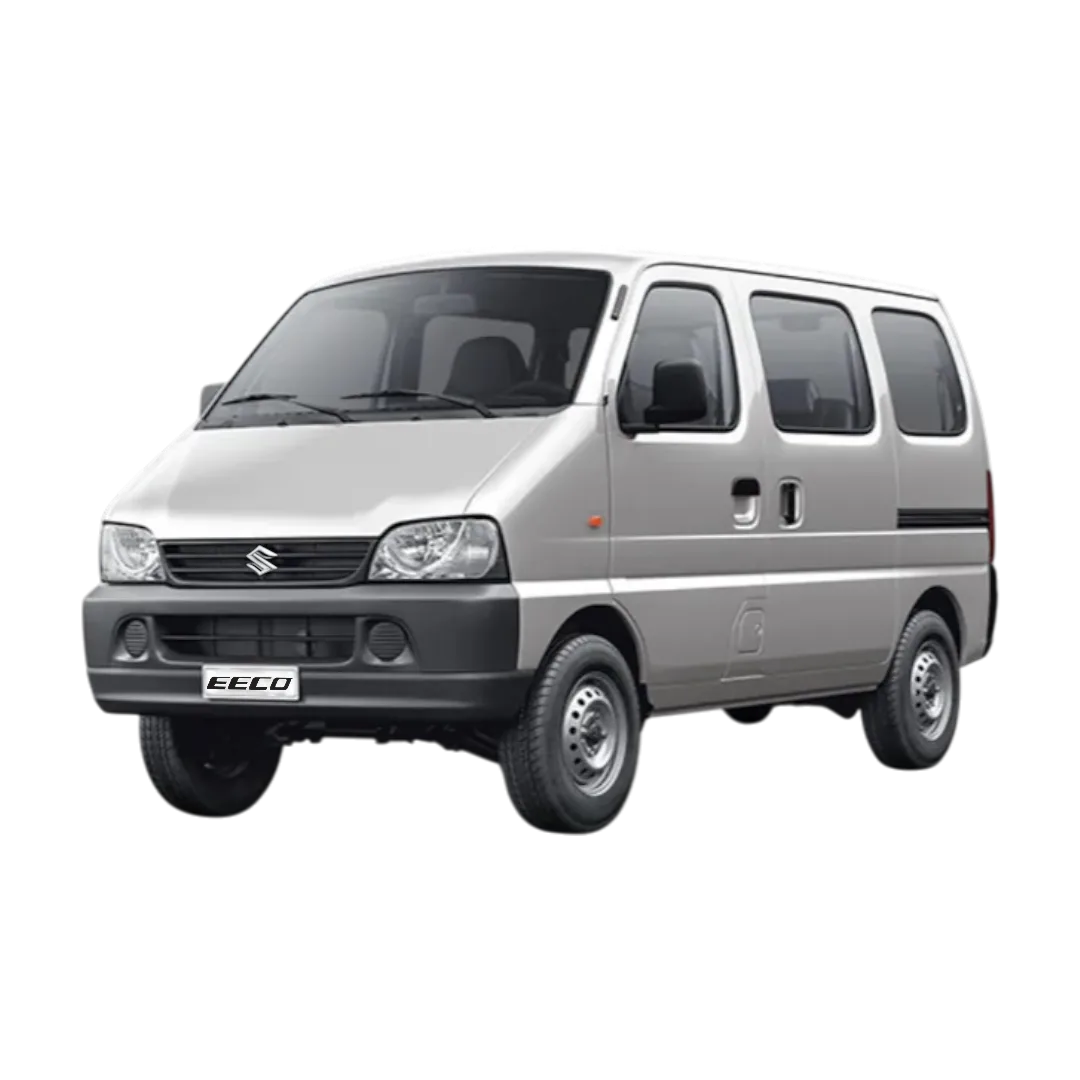 Eeco/Versa
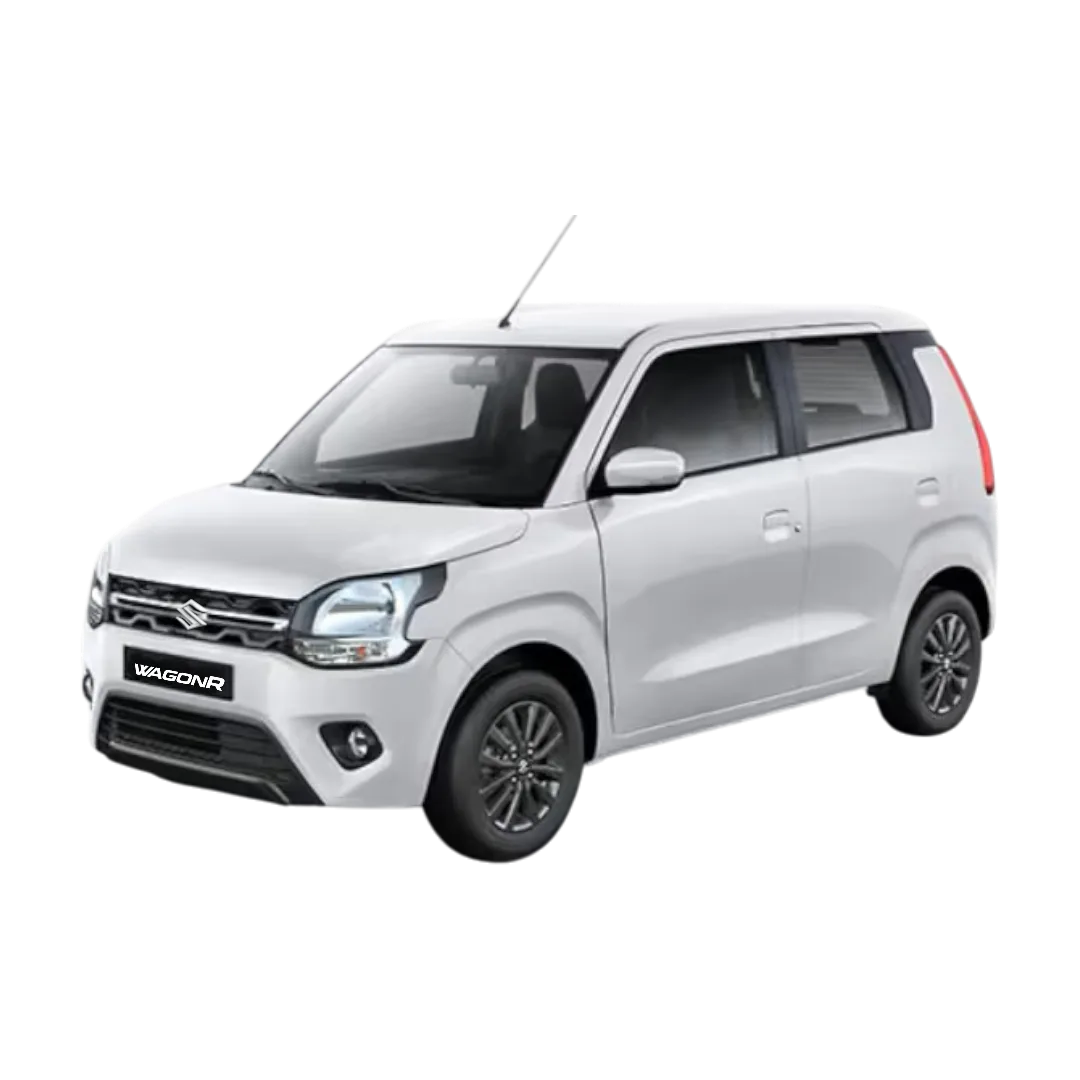 WagonR
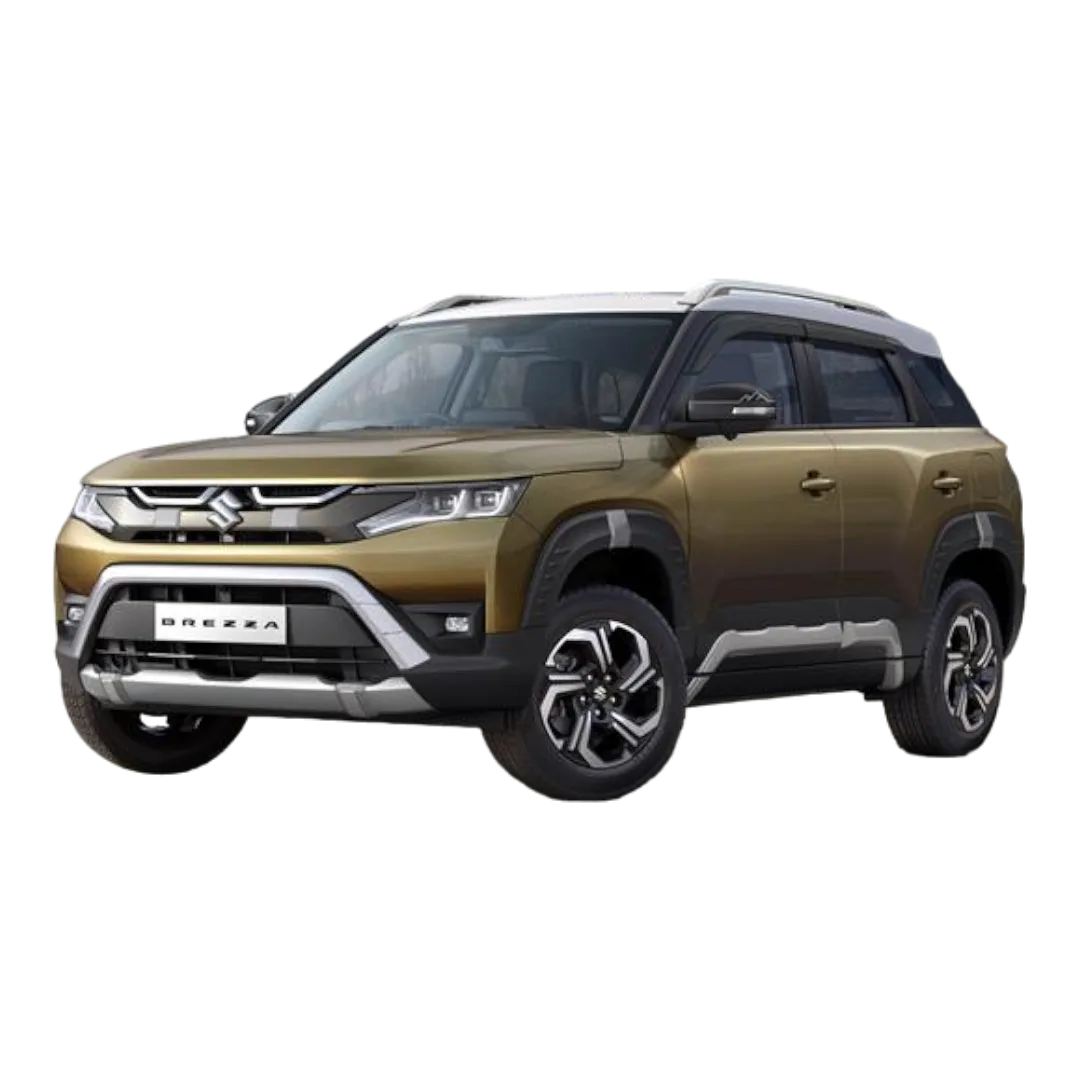 Brezza
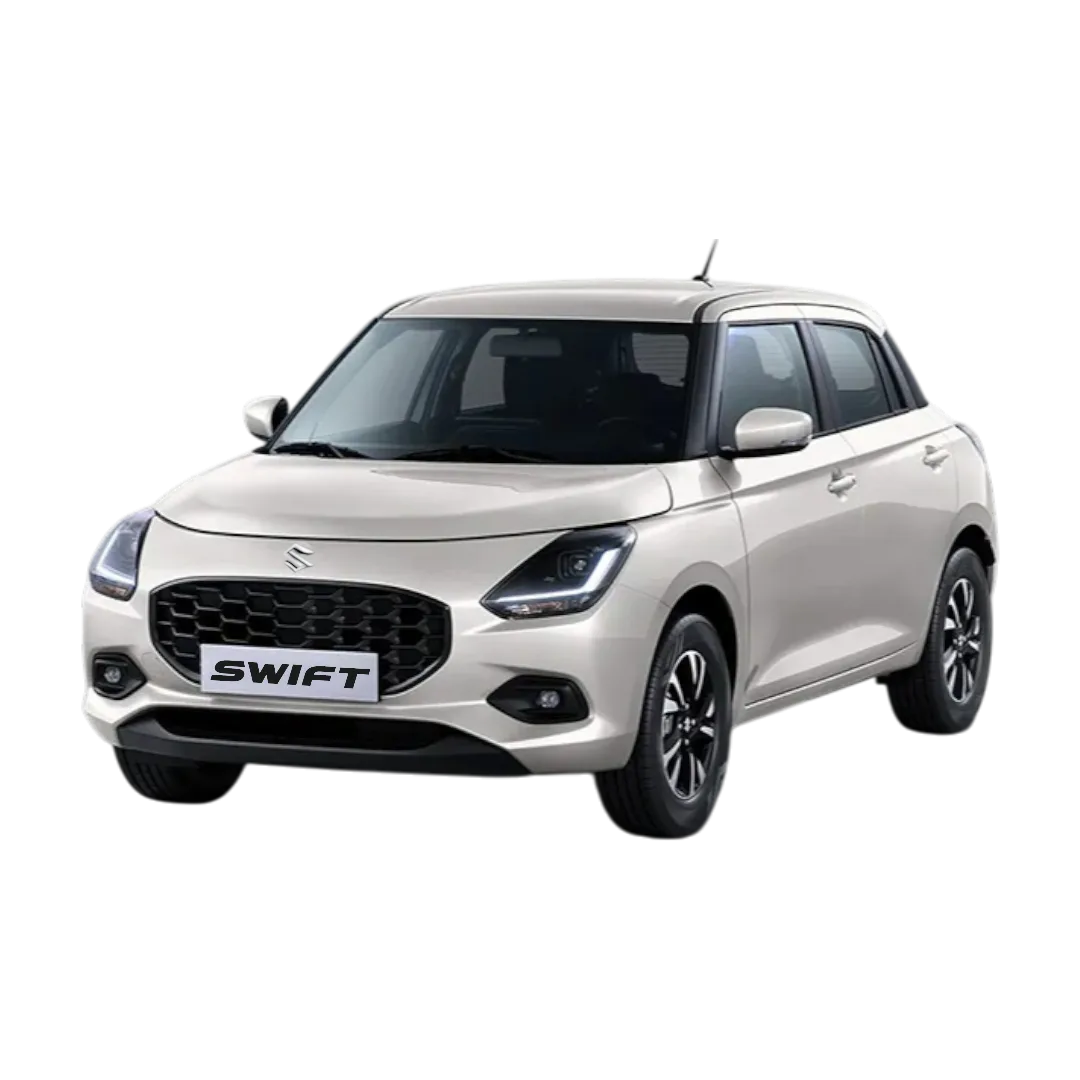 Swift
Swift
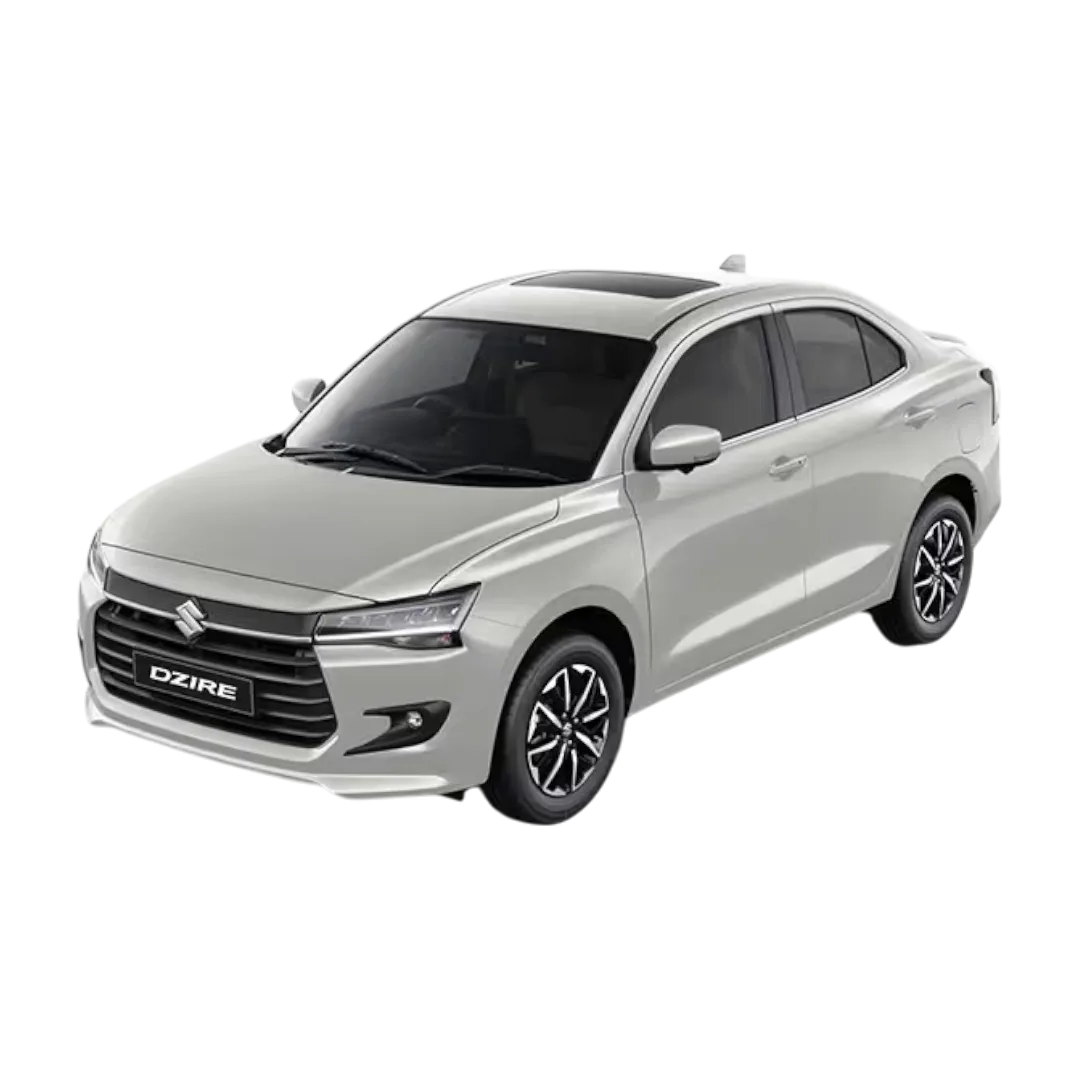 Dzire
Dzire
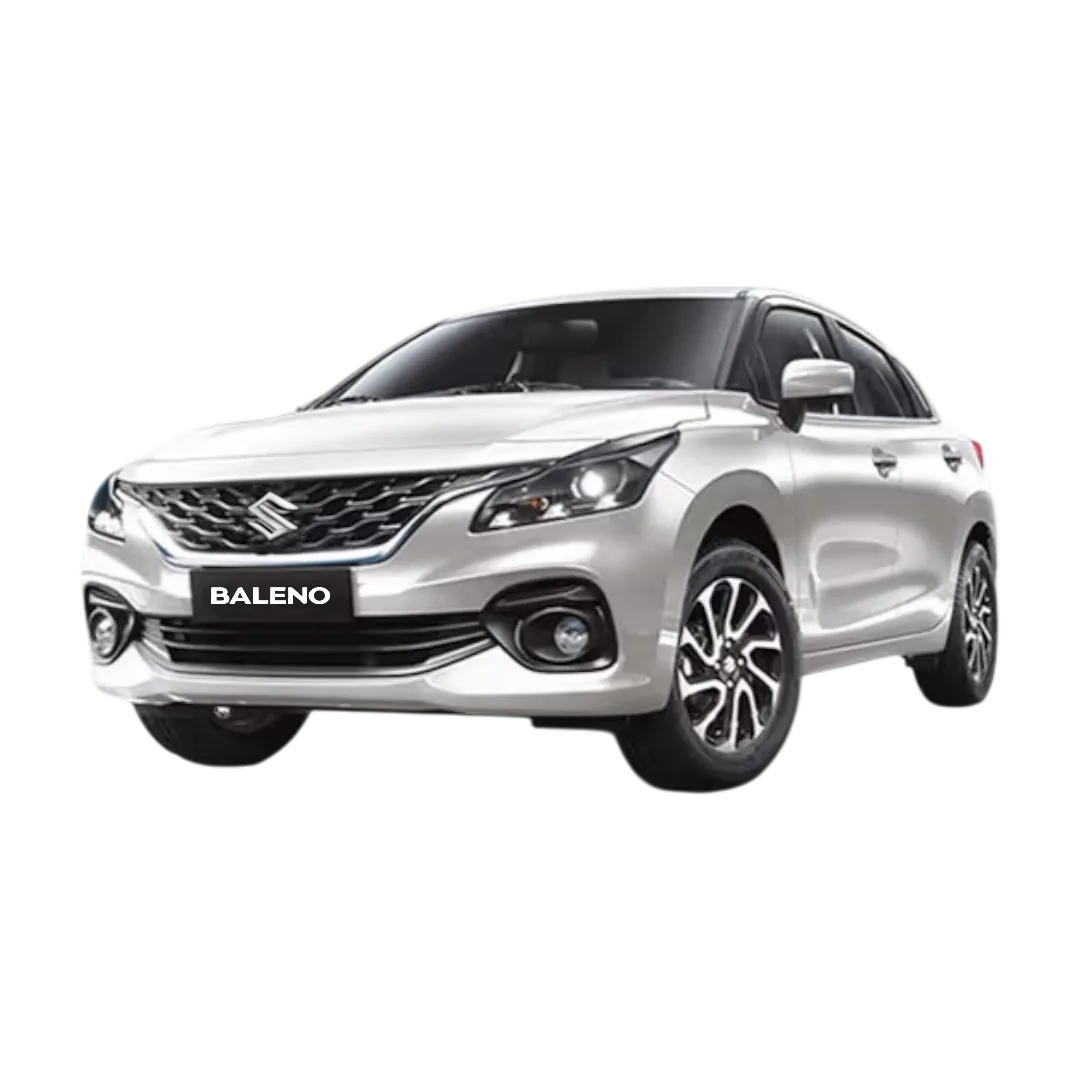 Baleno
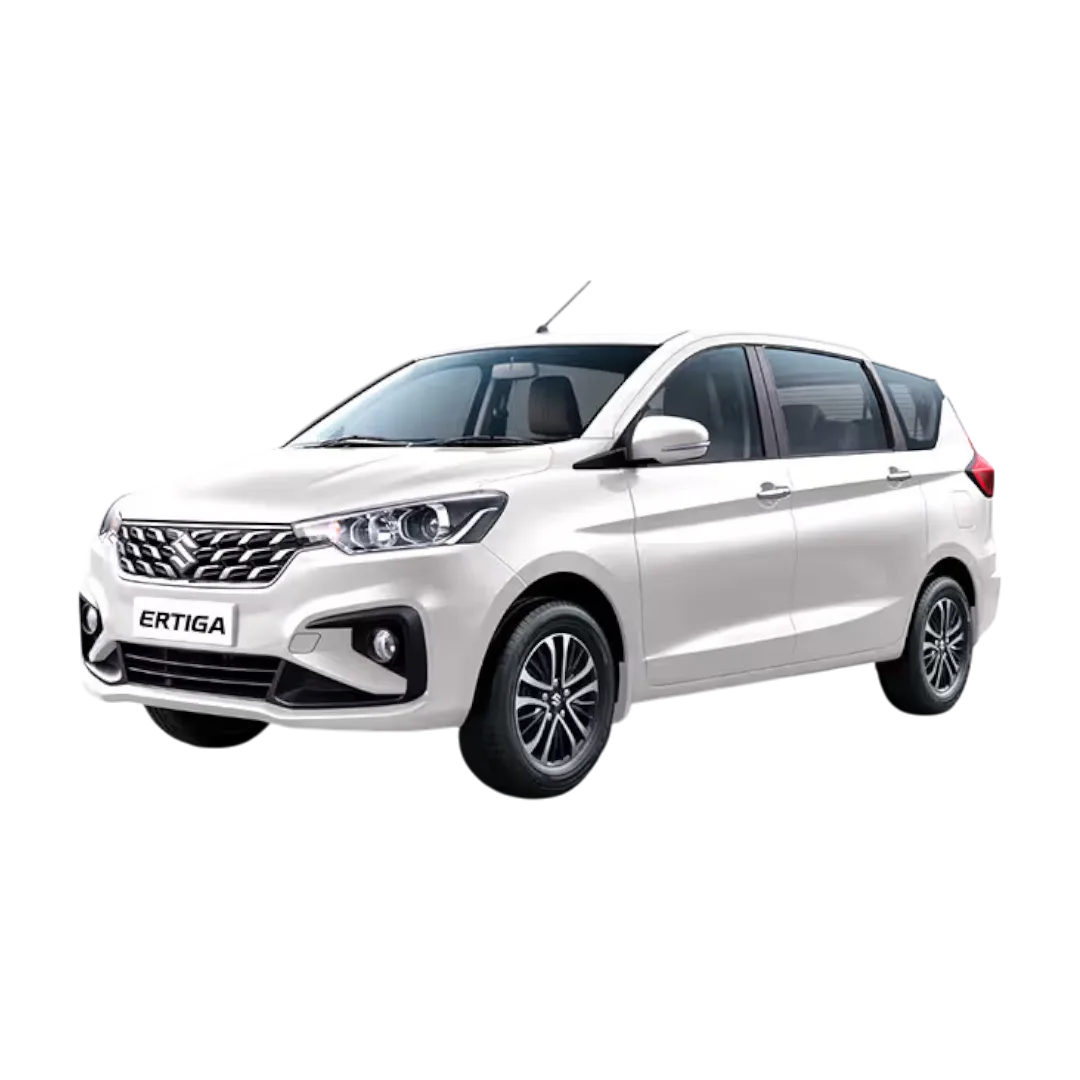 Ertiga
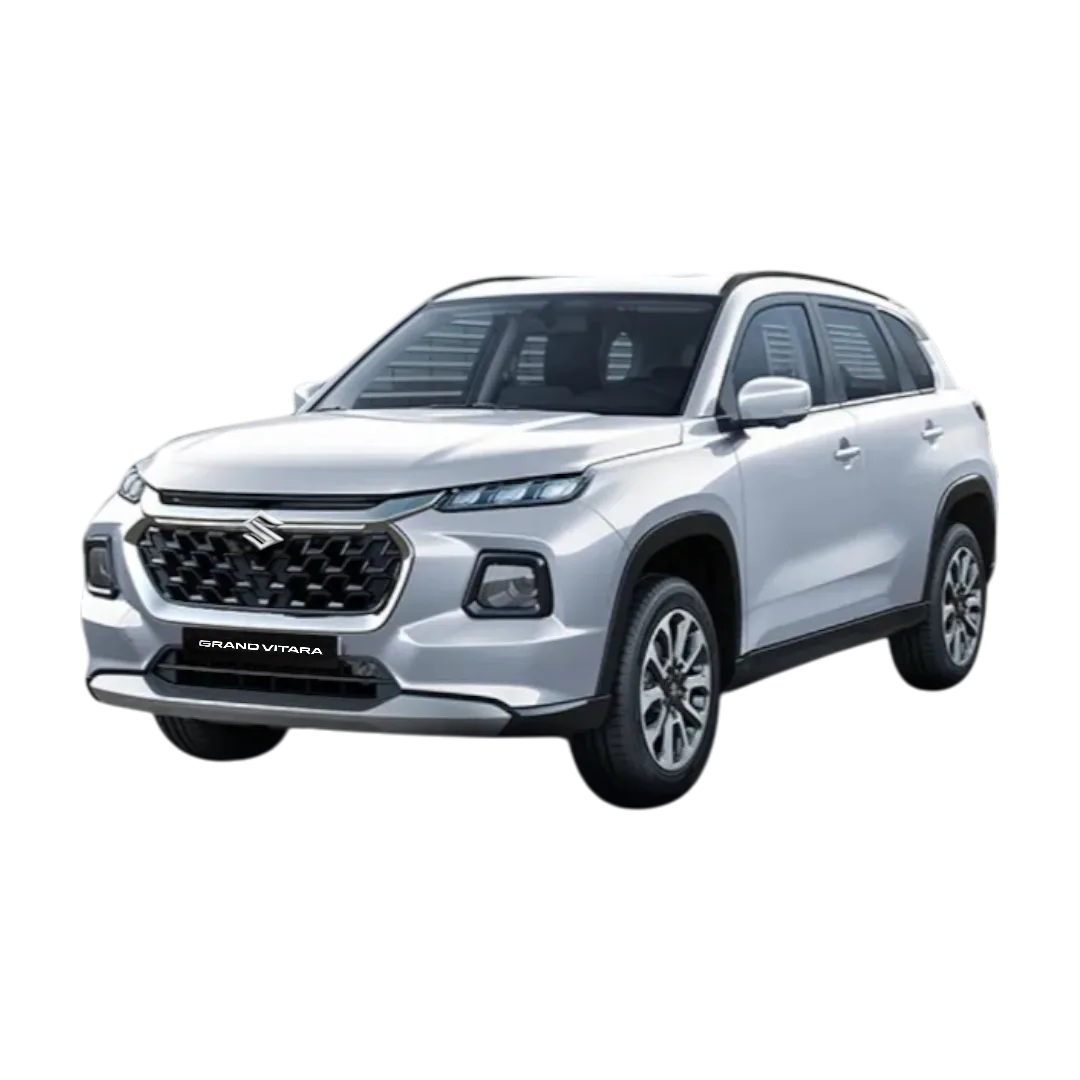 Grand Vitara
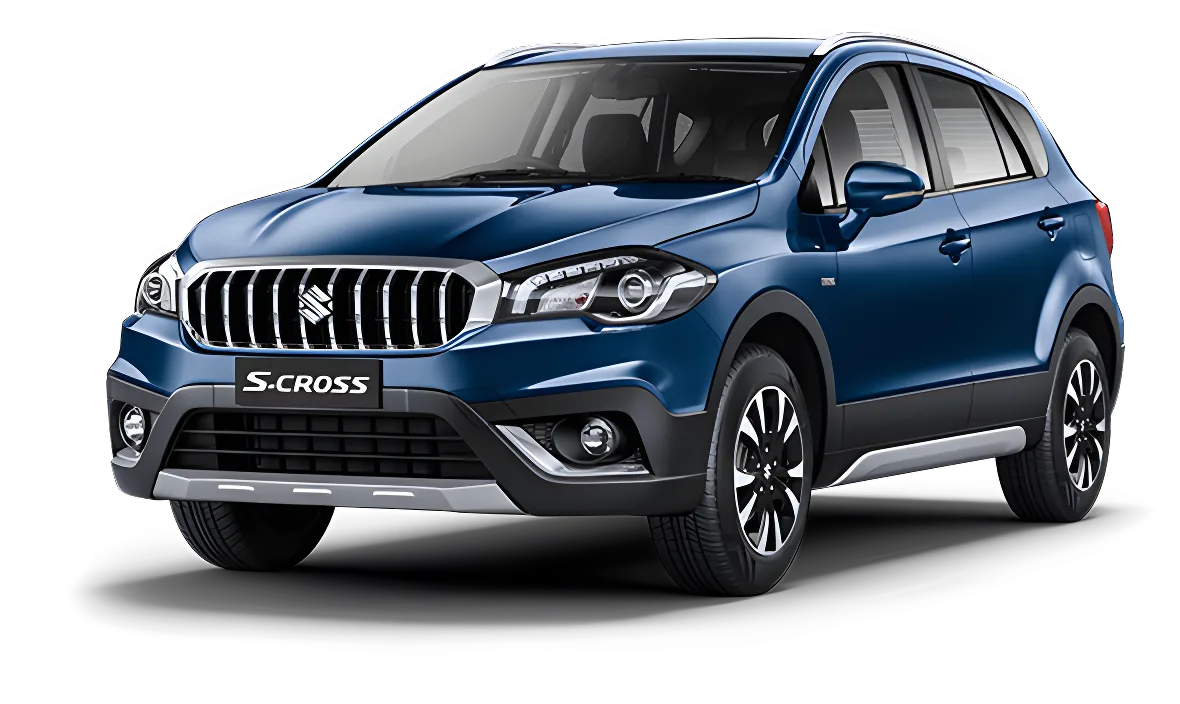 S-Cross
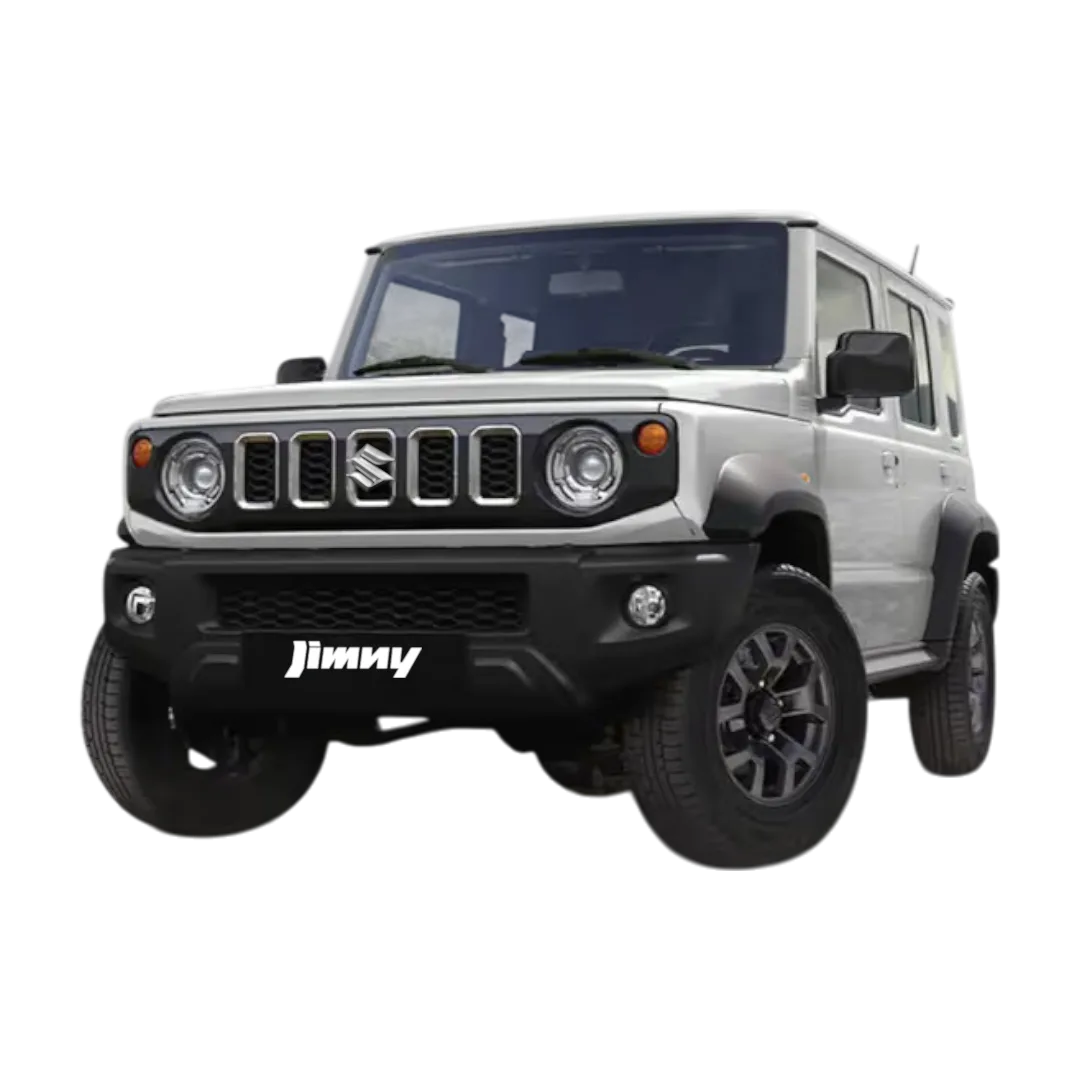 Jimny
Jimny
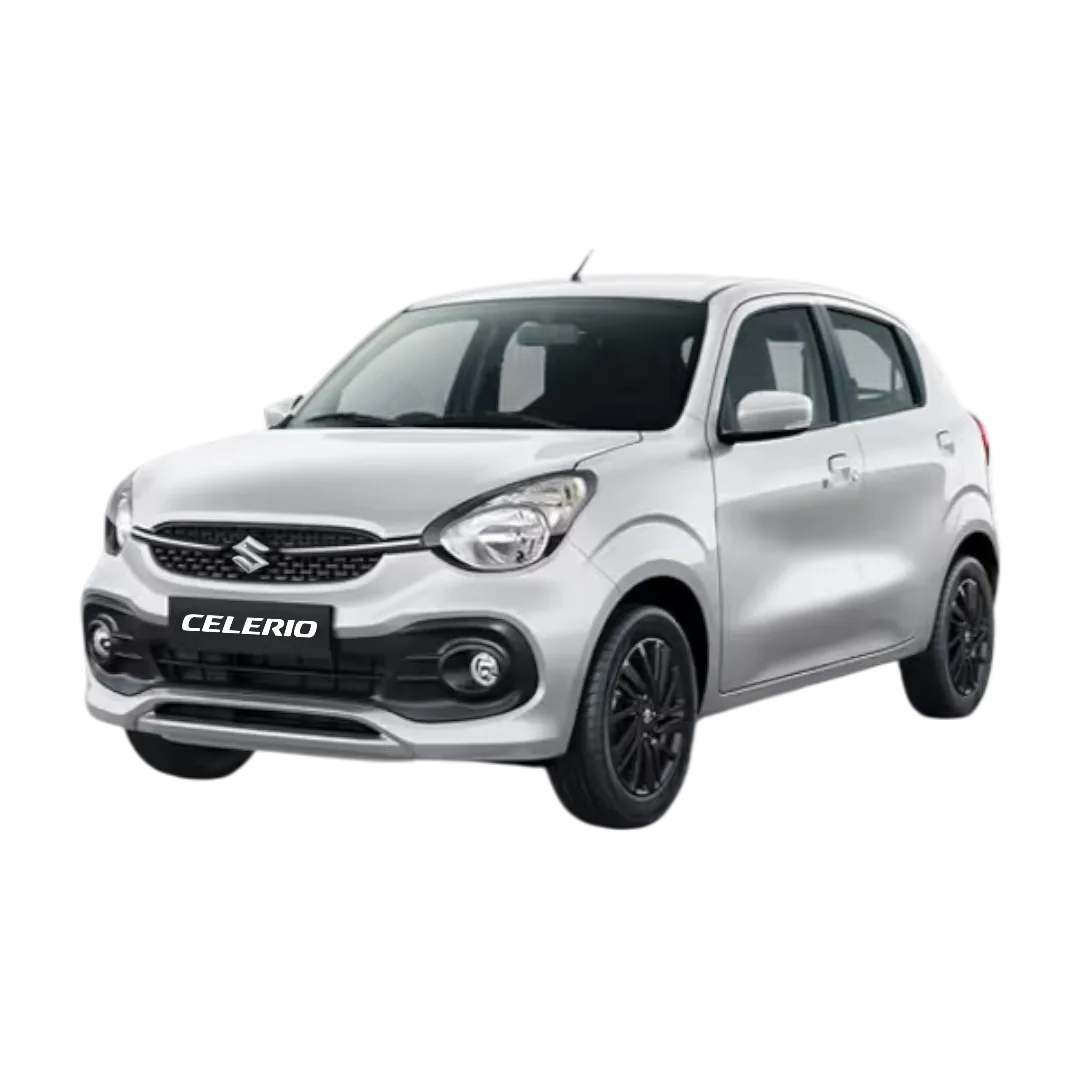 Celerio
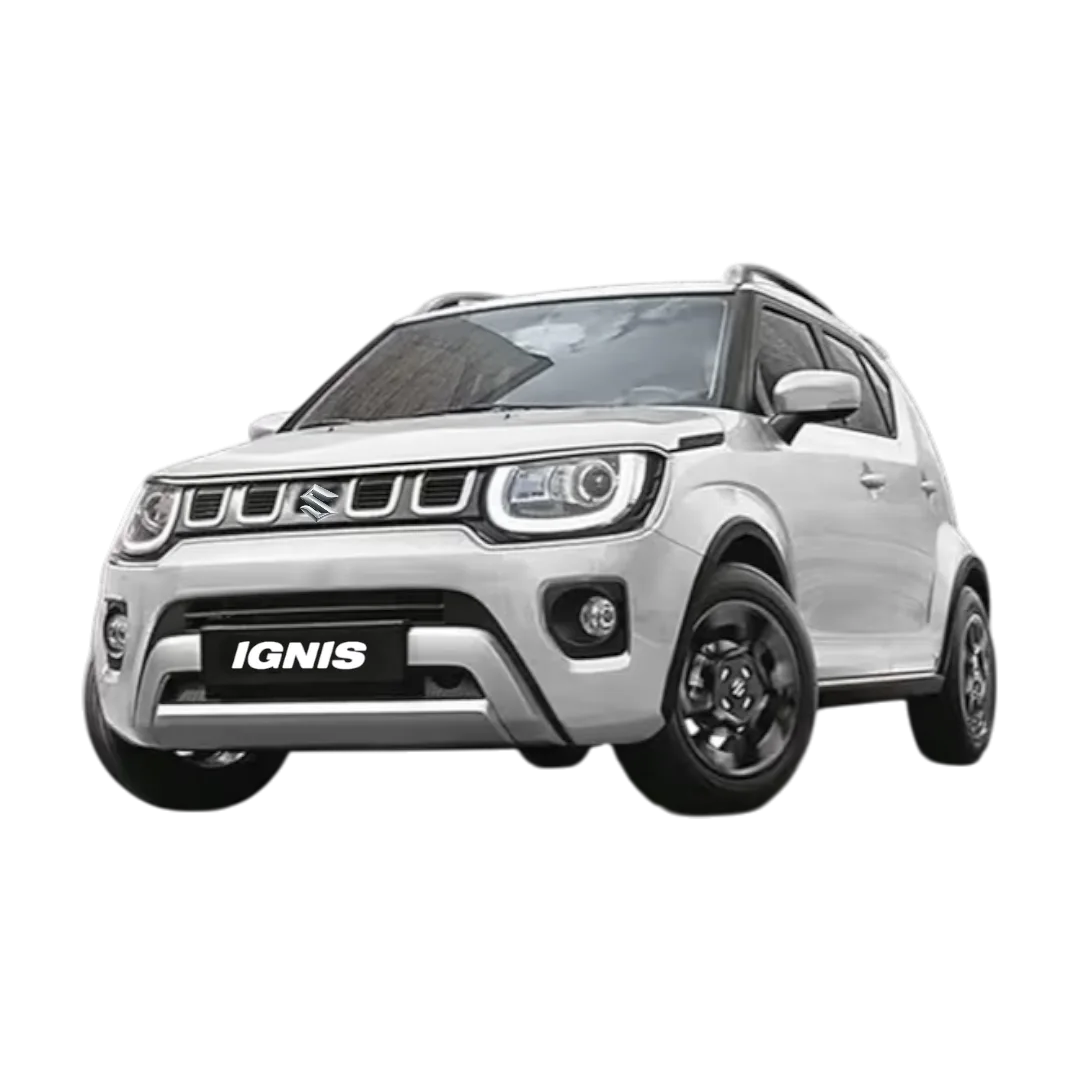 Ignis
Ignis
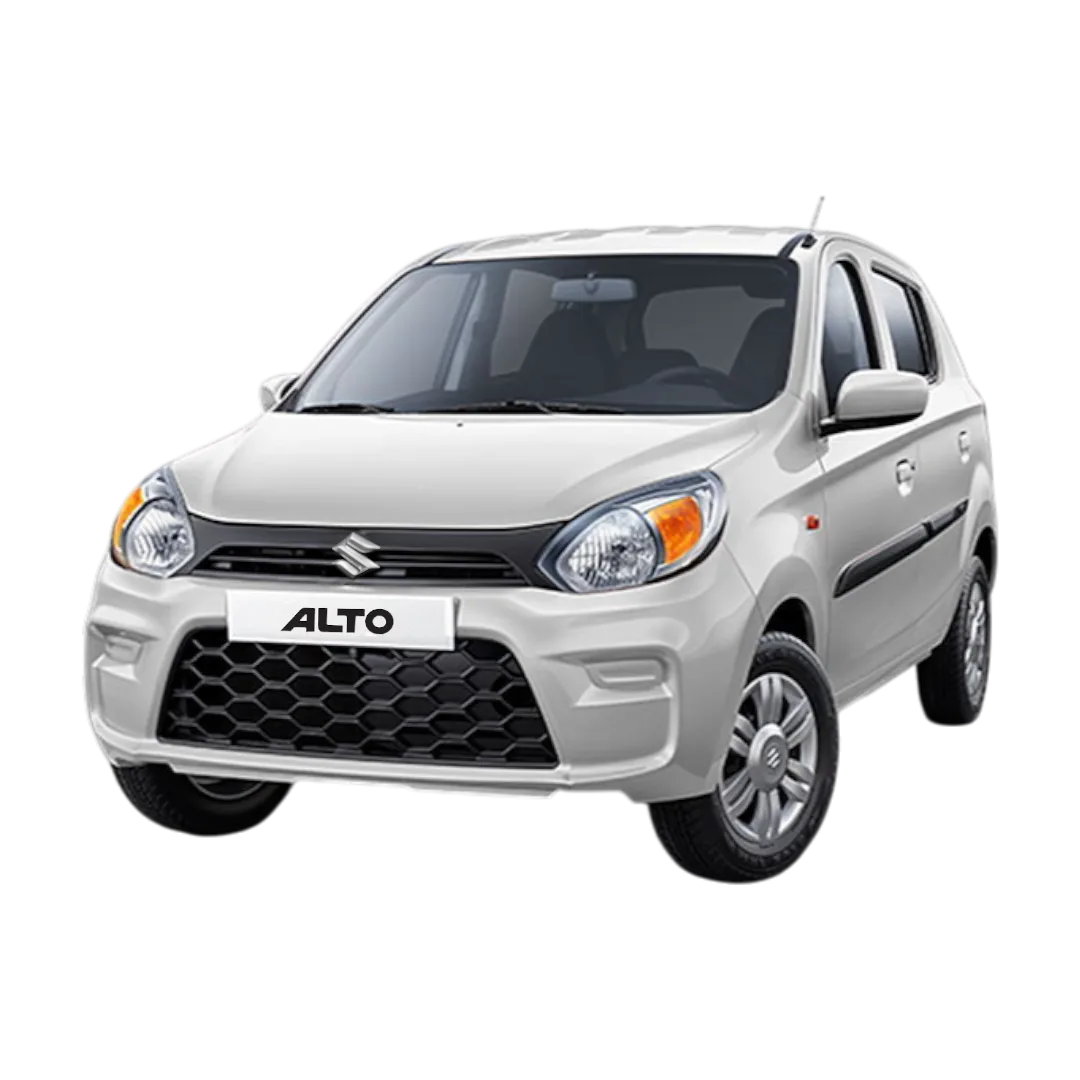 Alto 800
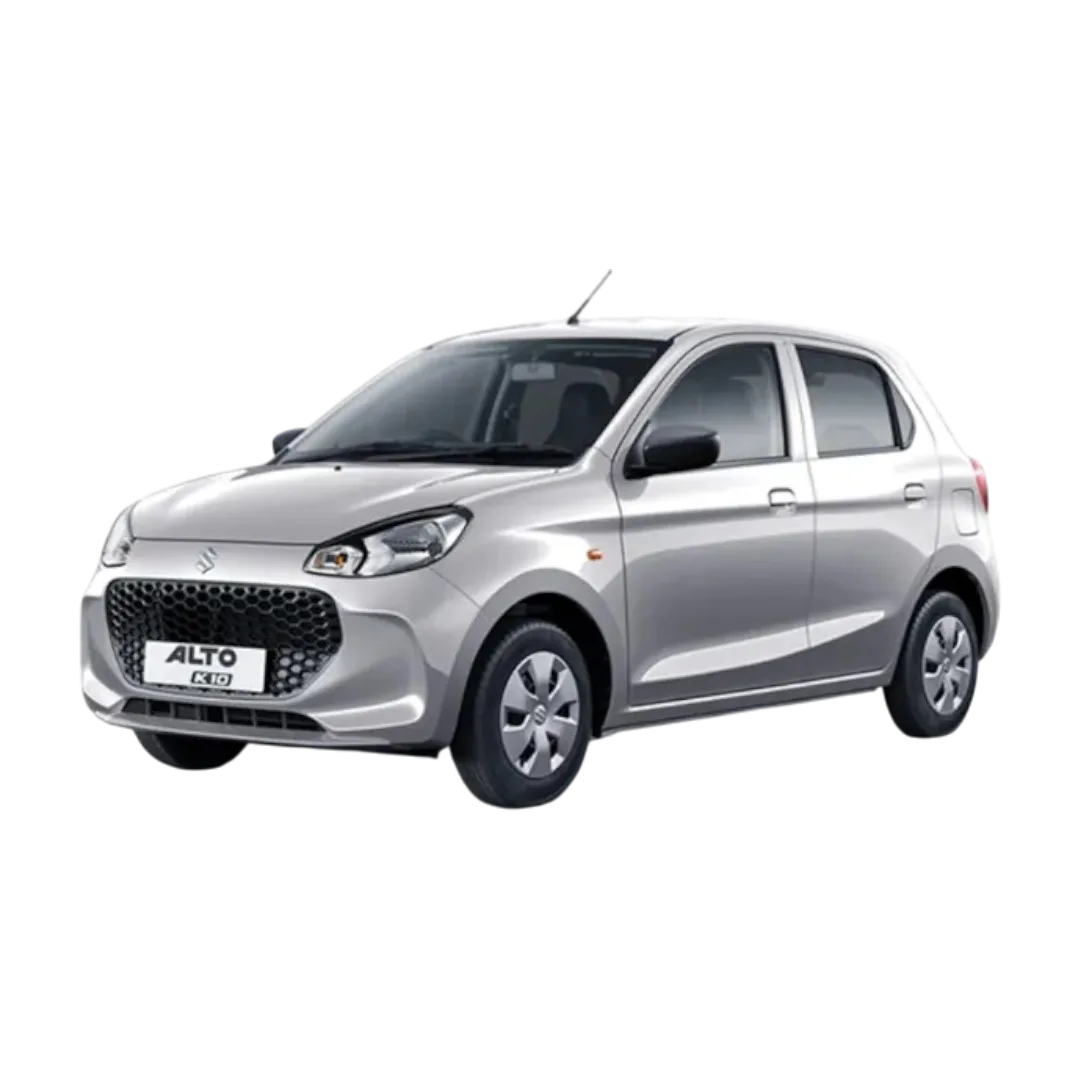 Alto K10
 XL6
XL6
 Omni
Omni
 SX4
SX4
 Gypsy
Gypsy
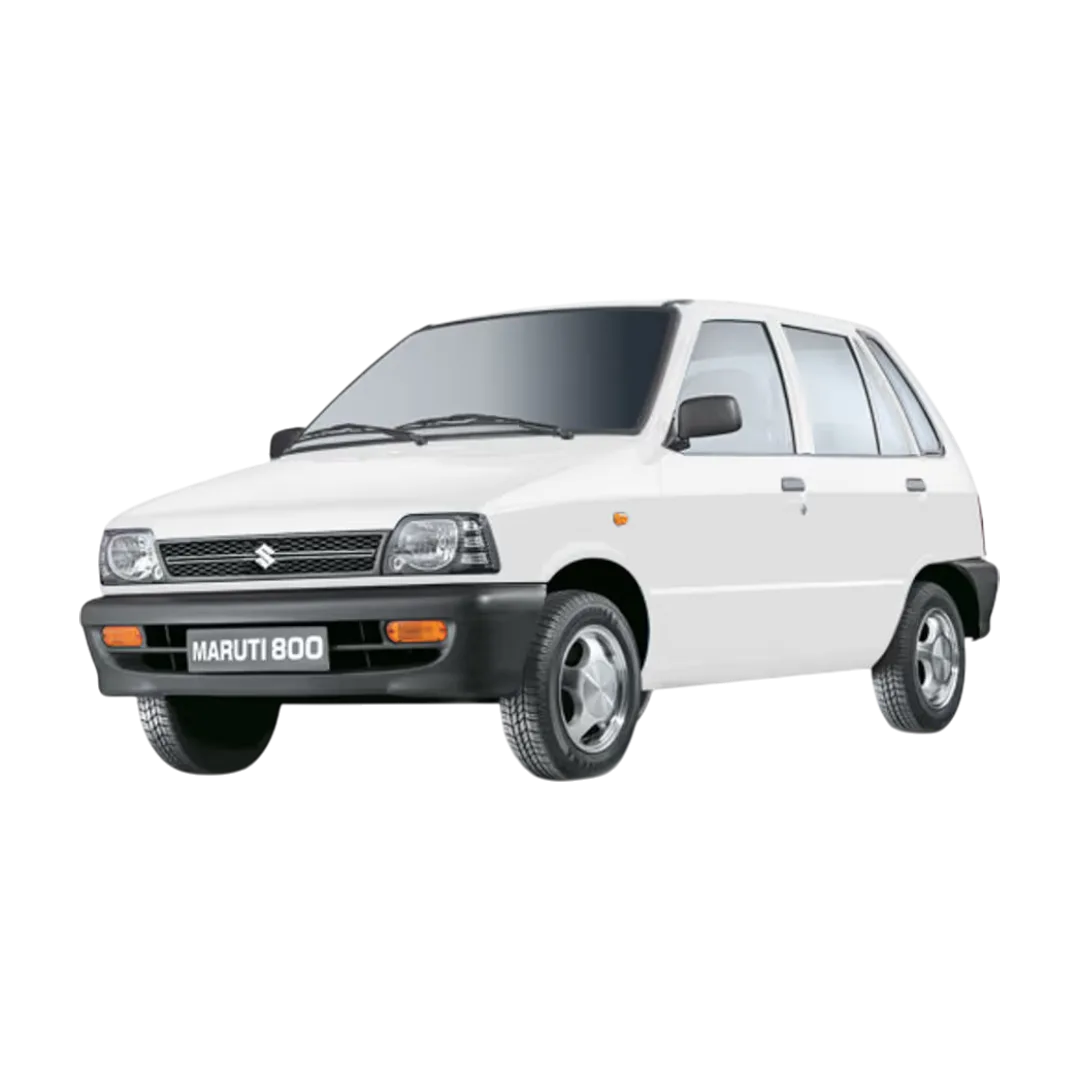 Maruti 800
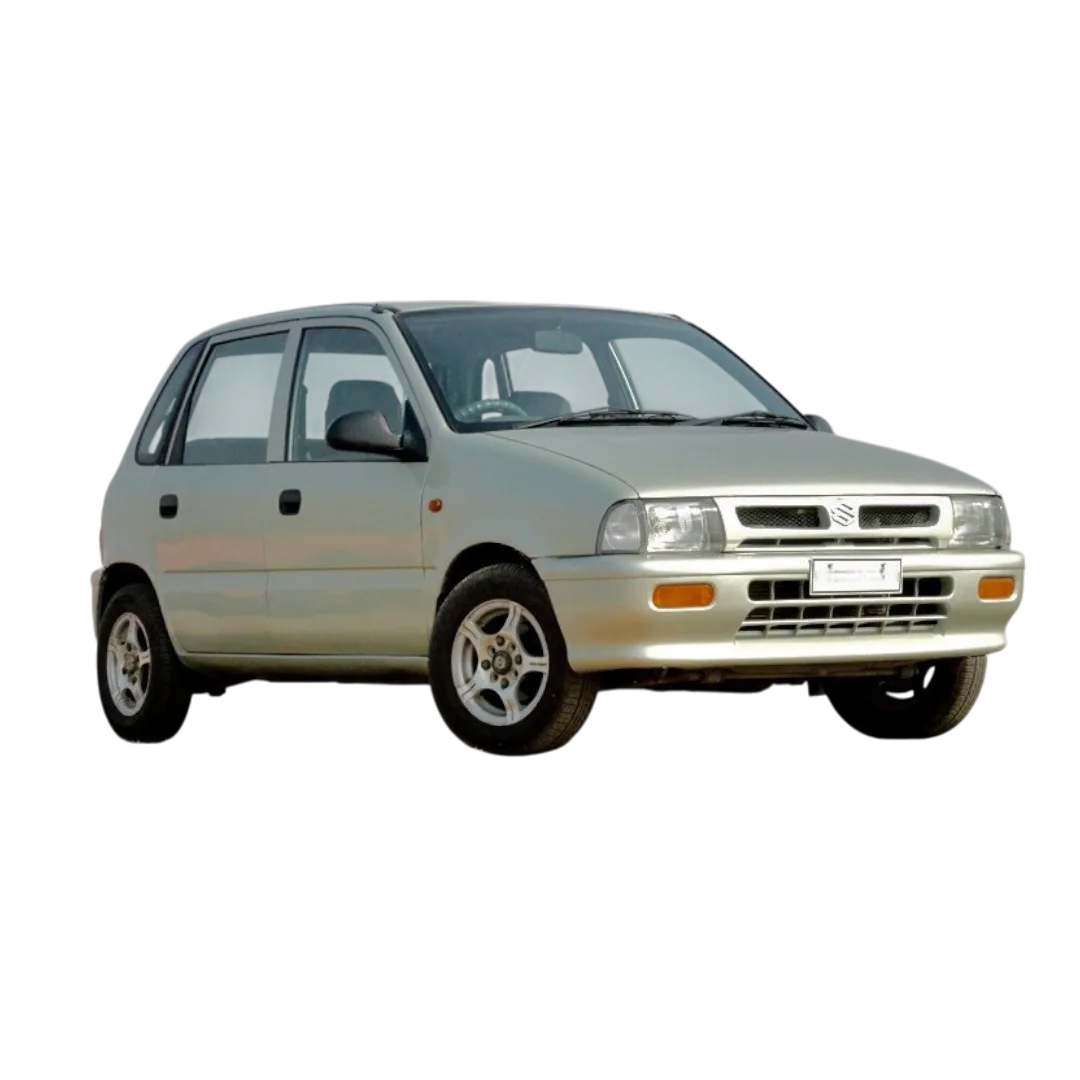 Zen
Zen
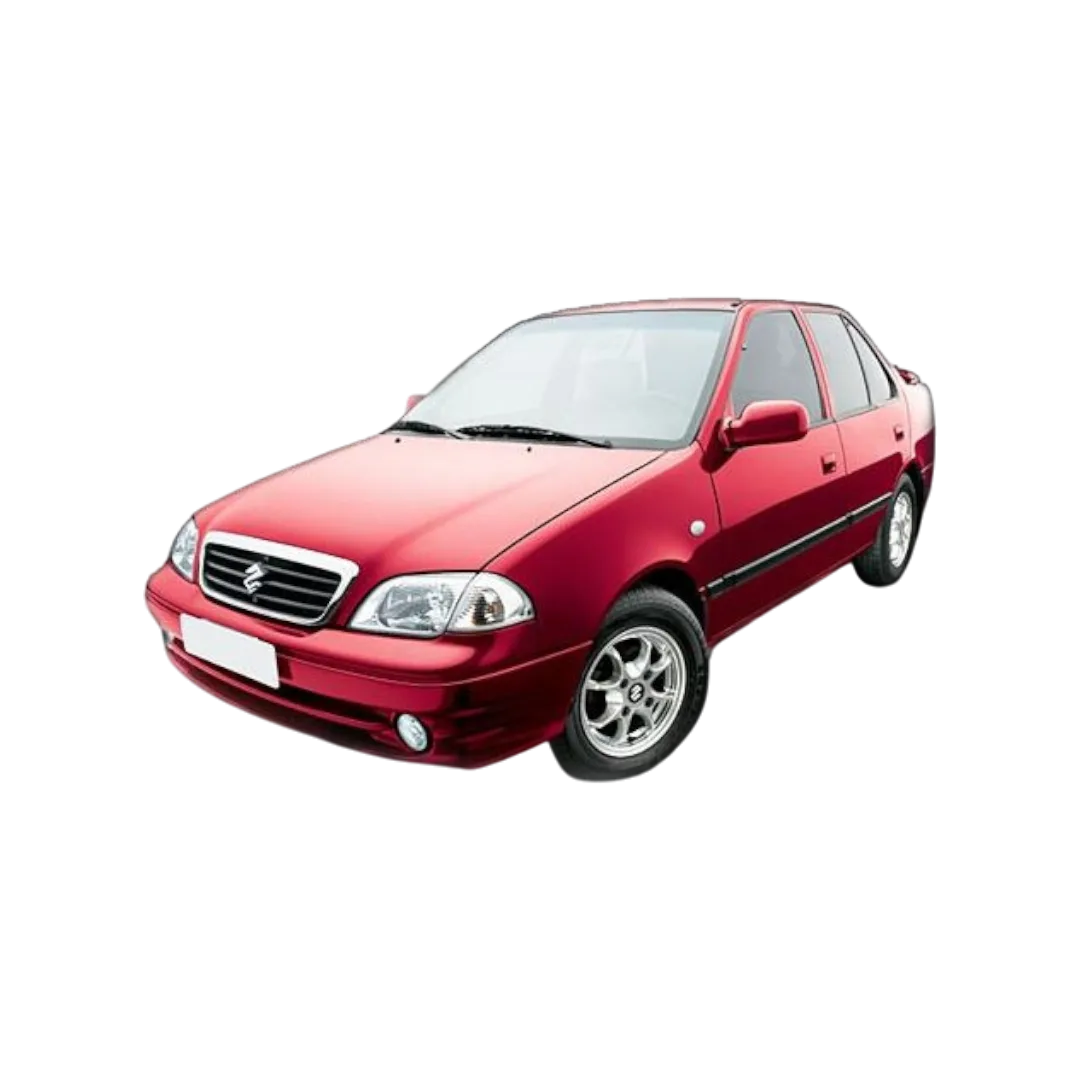 Esteem
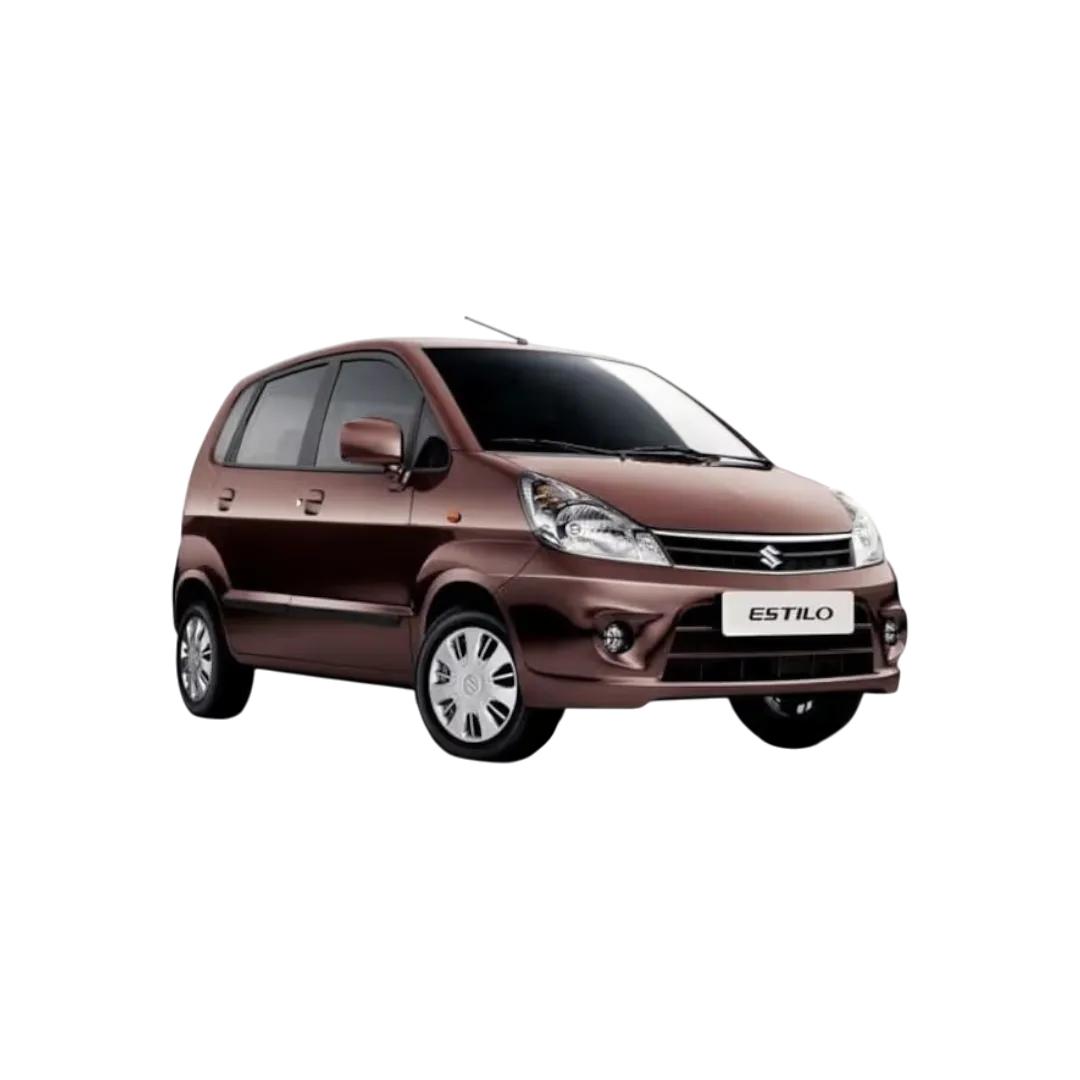 Zen Estilo
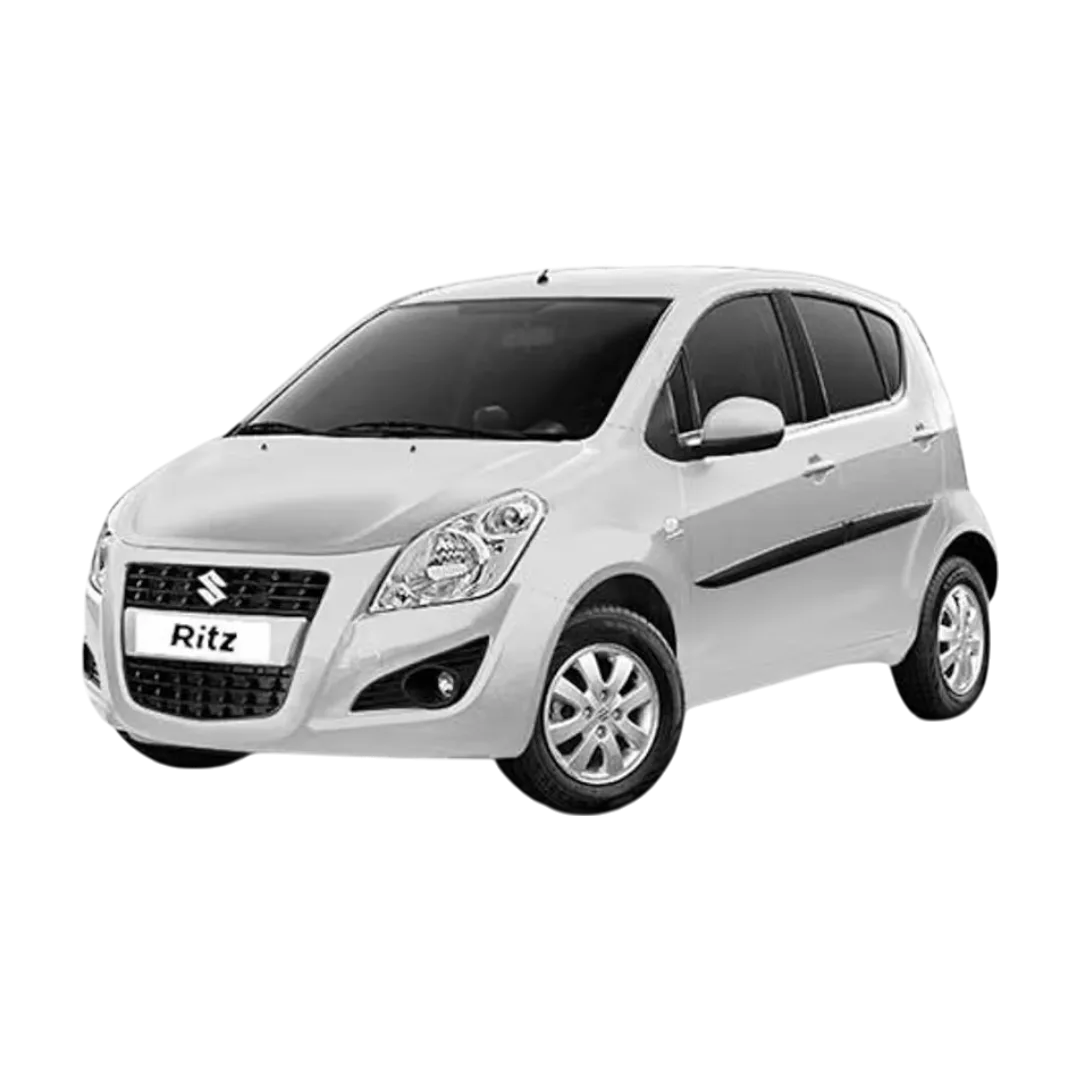 Ritz
Ritz
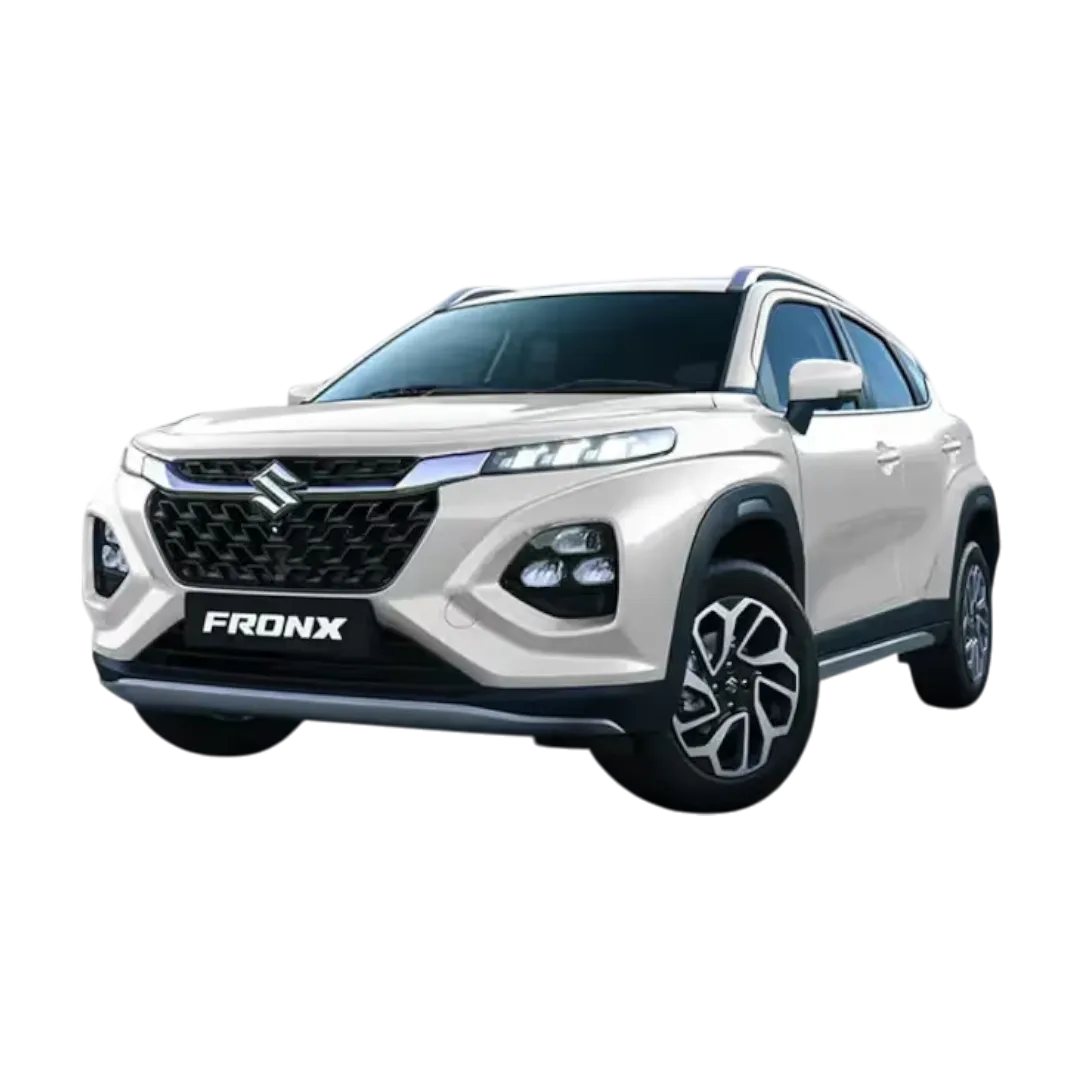 Fronx
Fronx
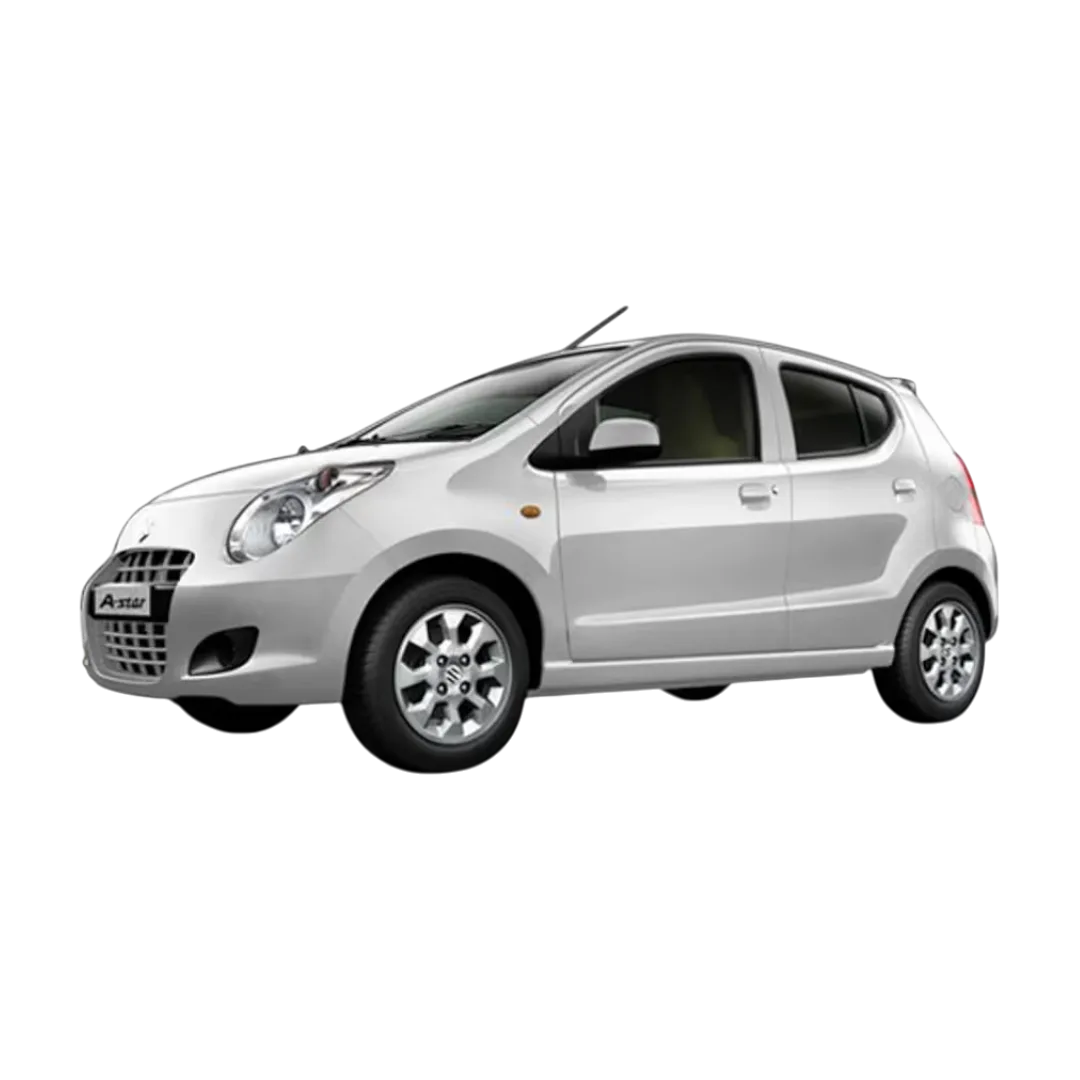 A-Star
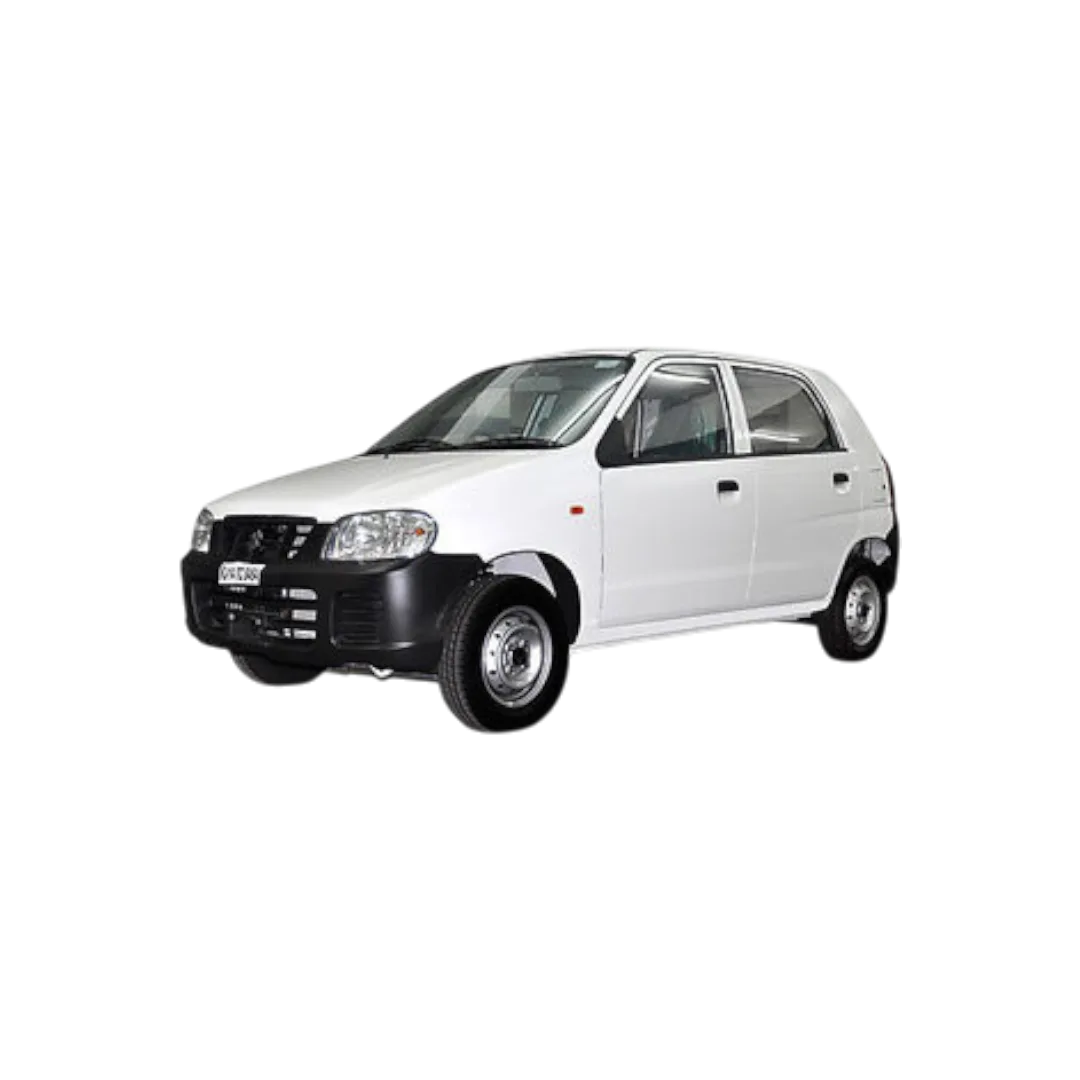 Alto
Alto
 Invicto
Victoris
Wagon R
Invicto
Victoris
Wagon R
 i20
i20
 Aura
Aura
 Creta
Creta
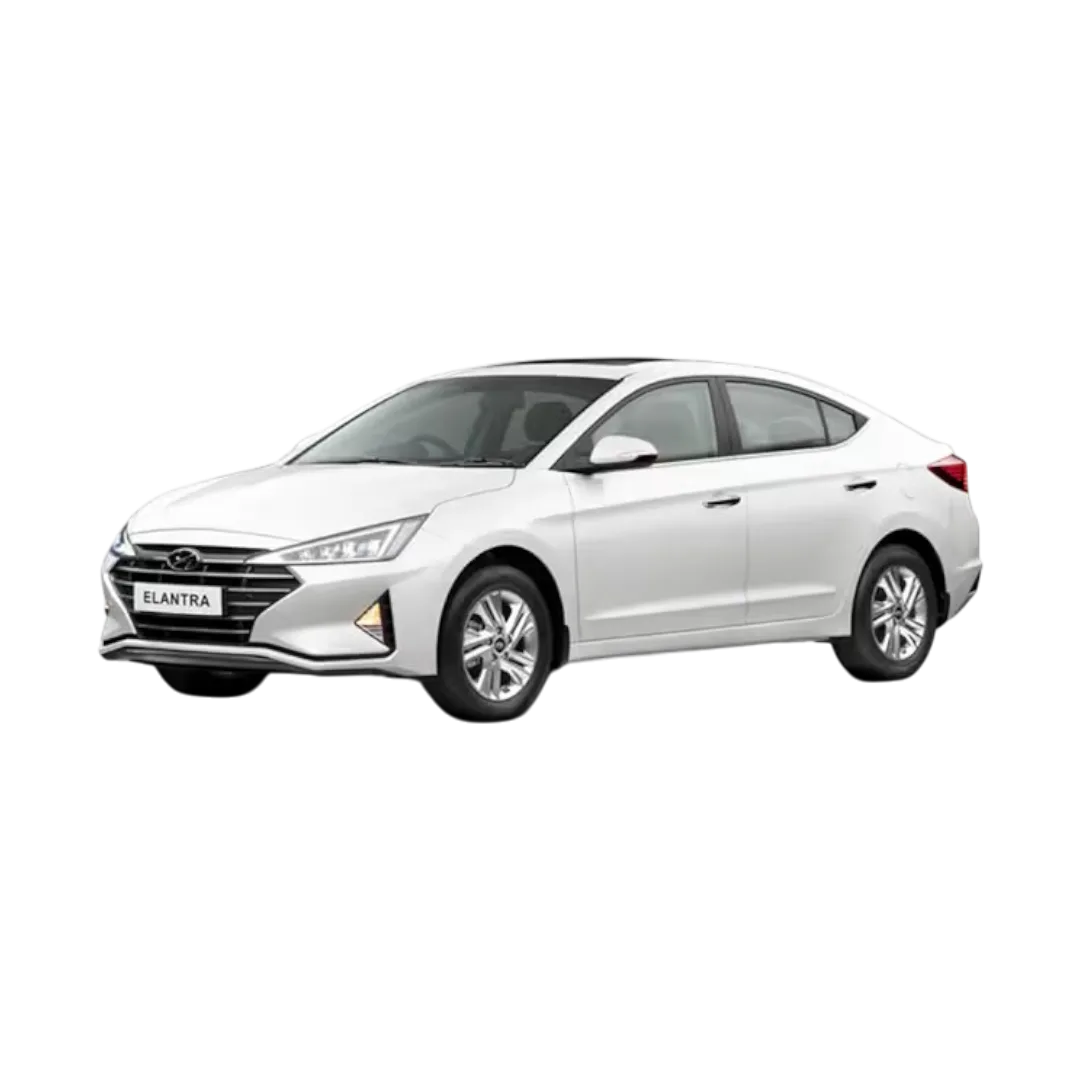 Elantra
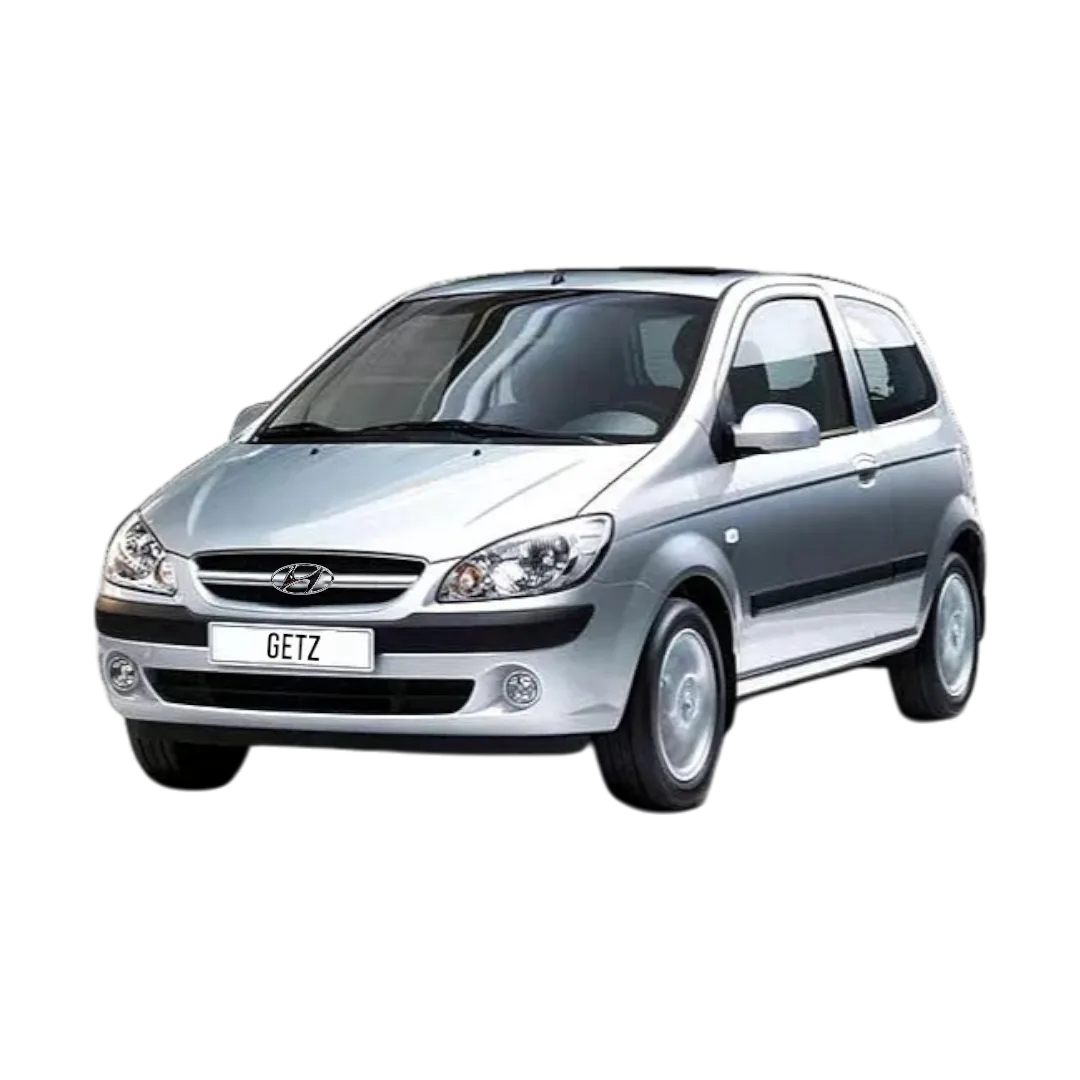 Getz
Getz
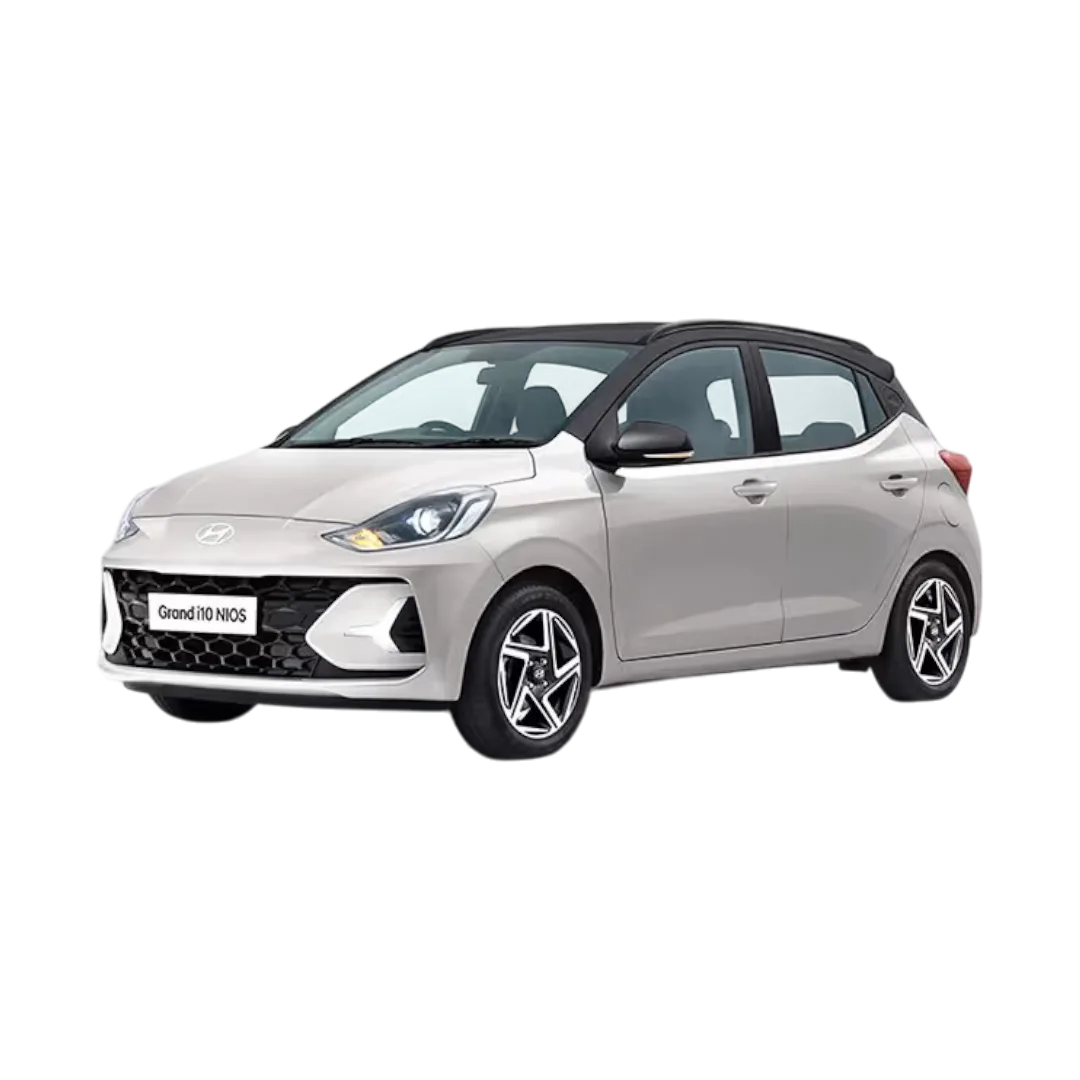 Grand i10 Nios
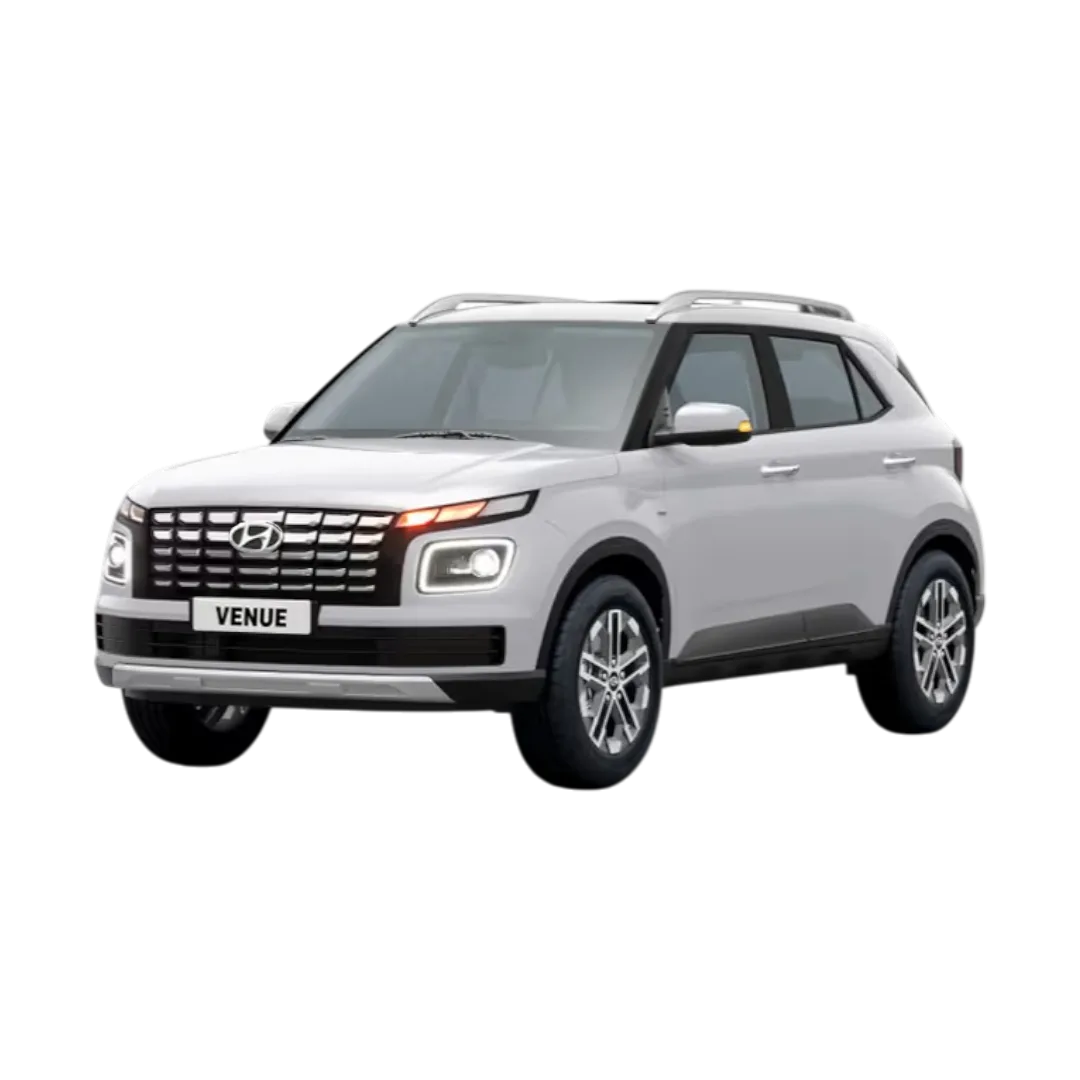 Venue
Venue
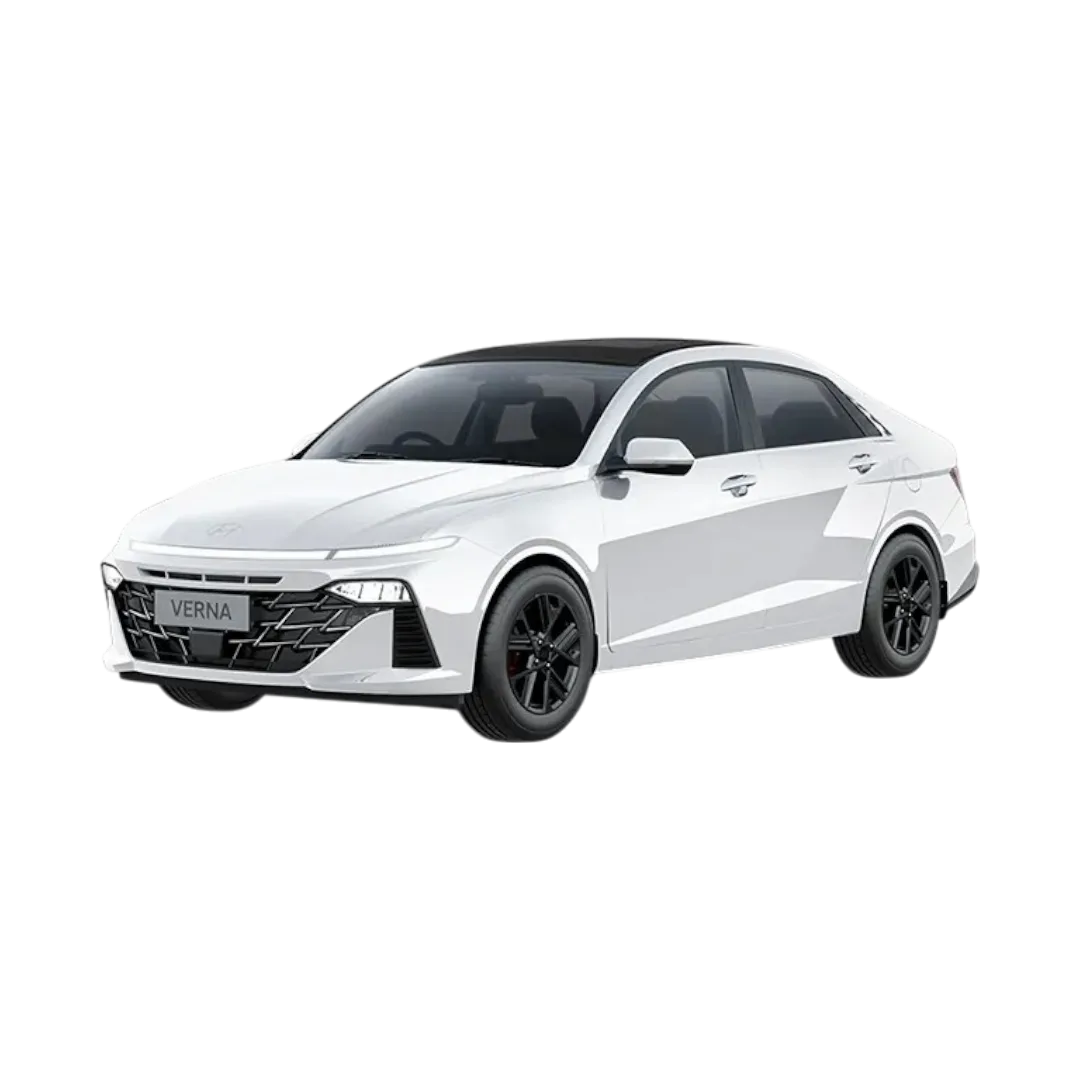 Verna
Verna
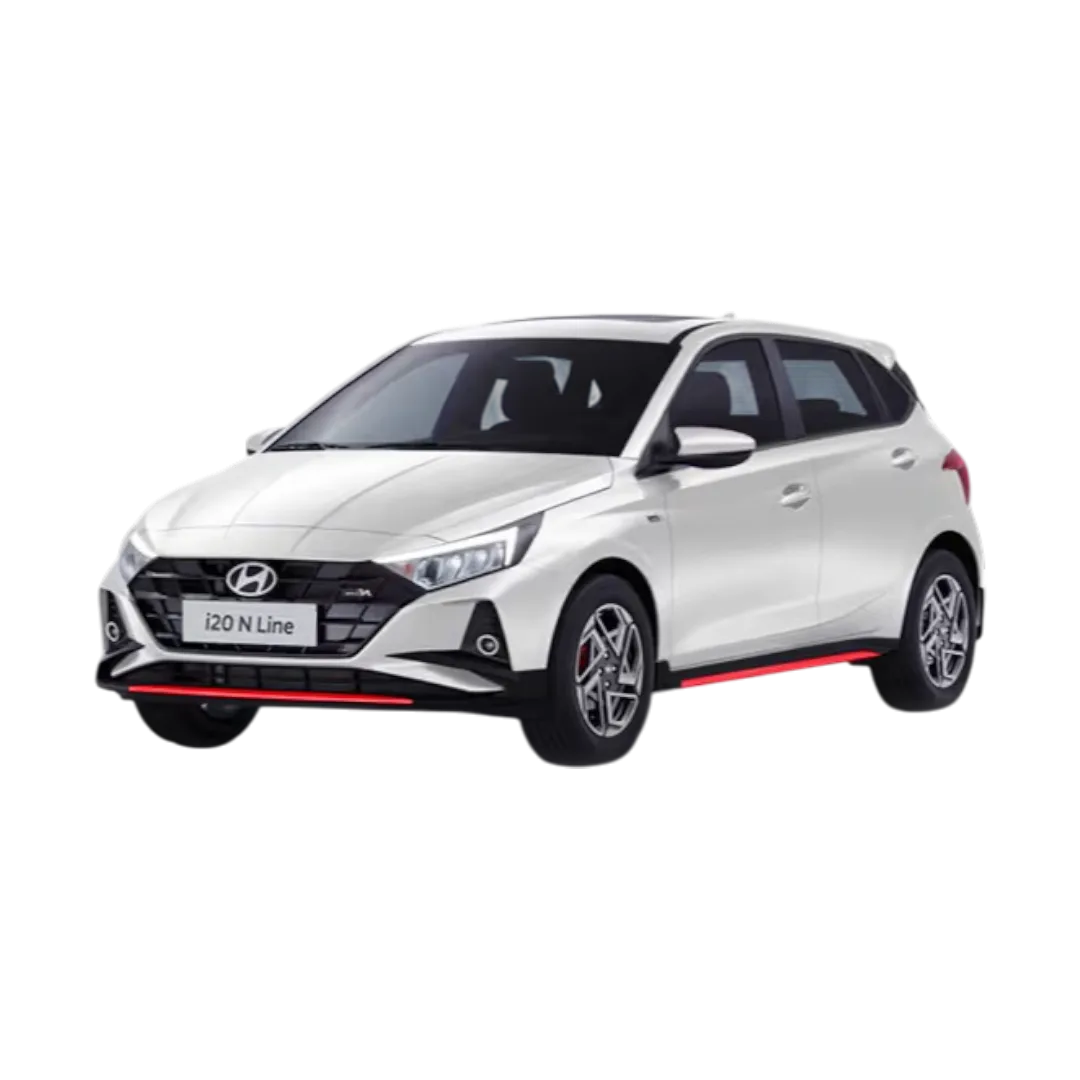 i20 N Line
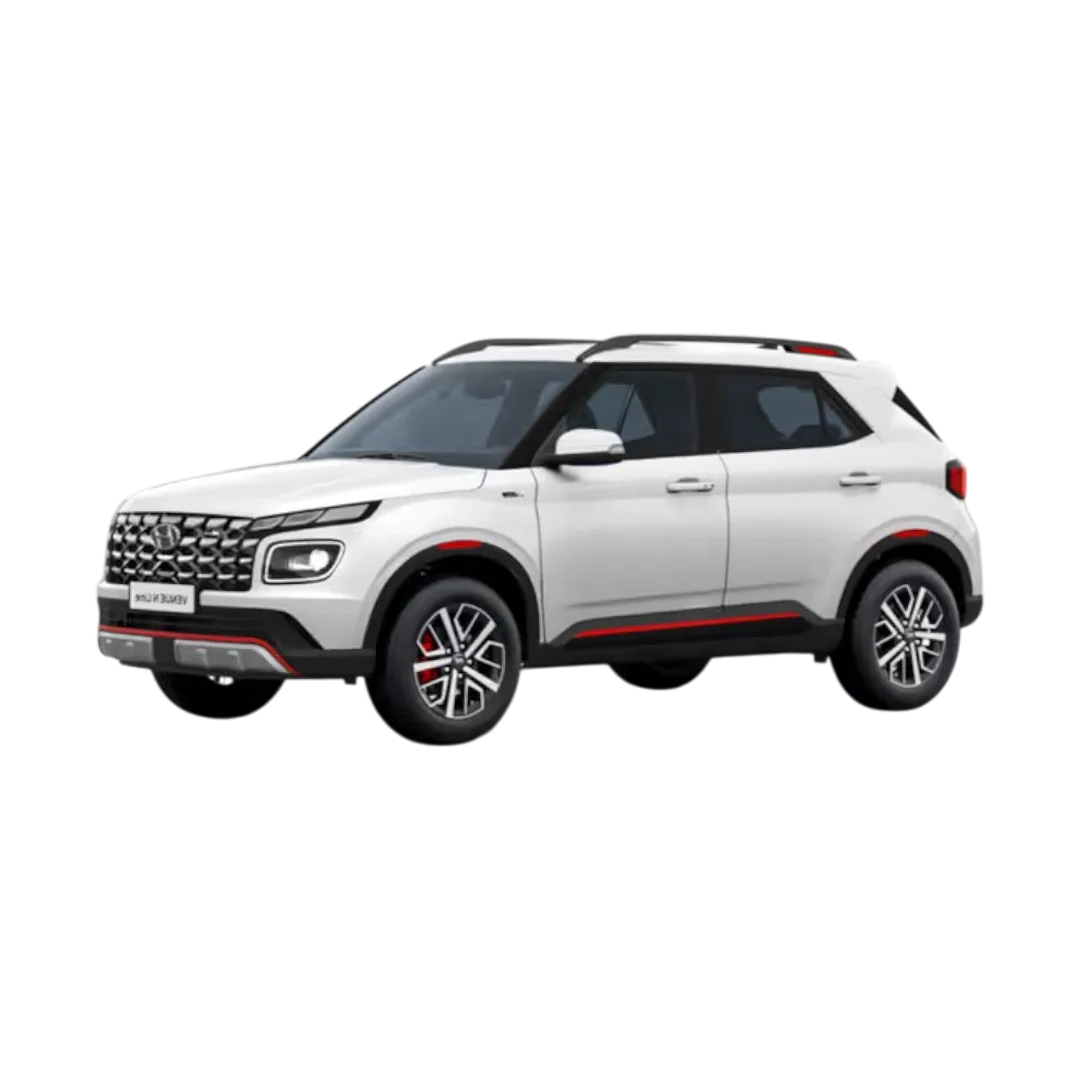 Venue N Line
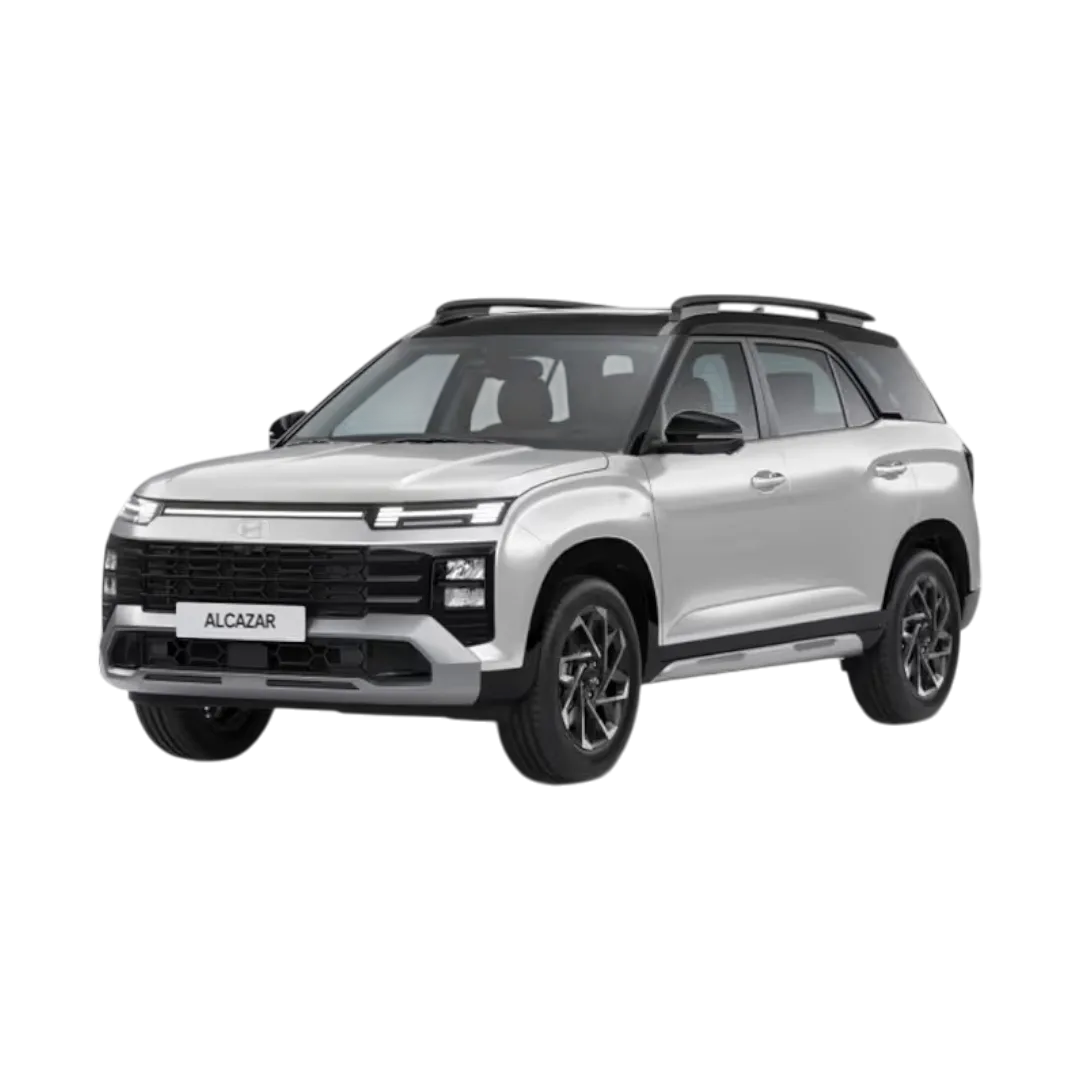 Alcazar
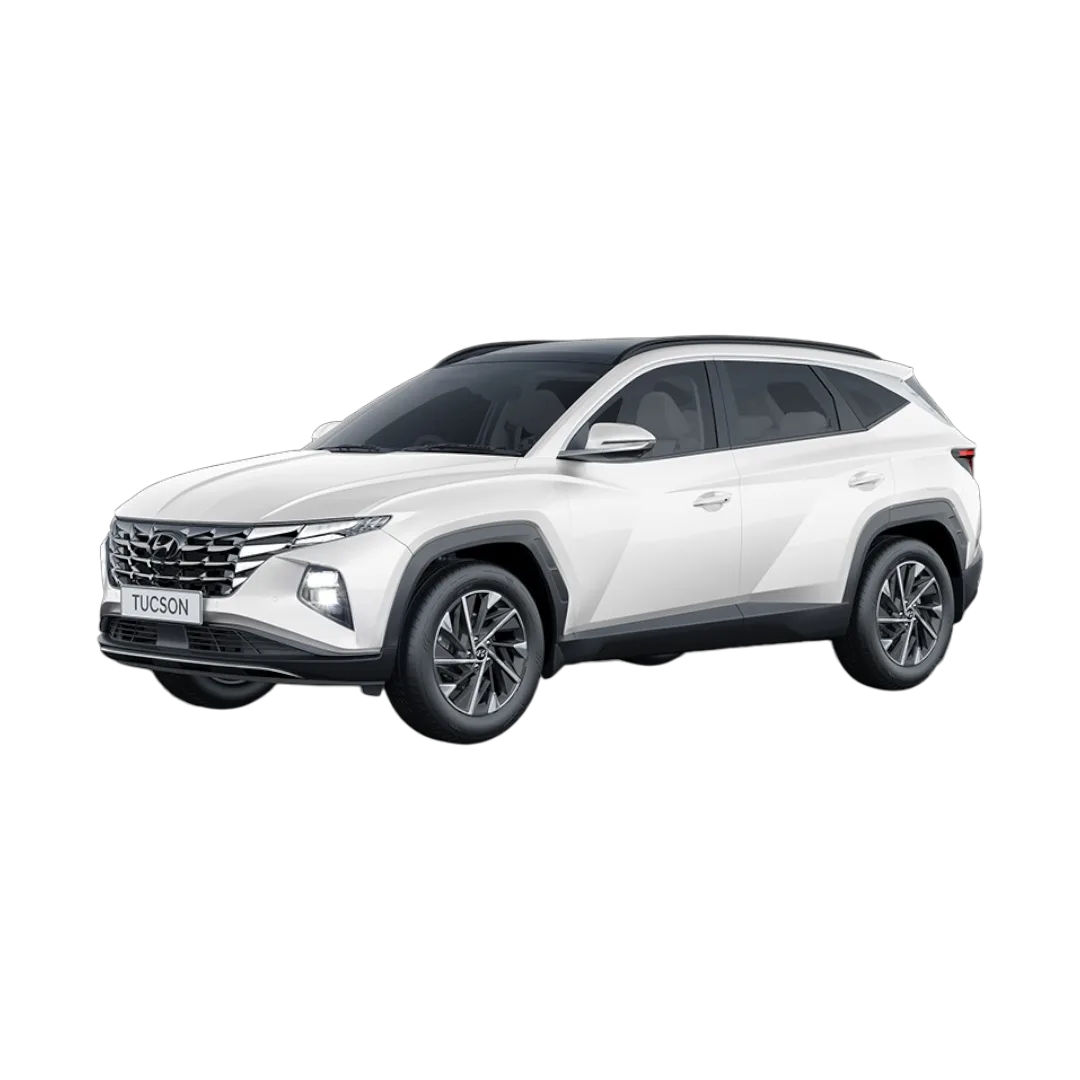 Tucson
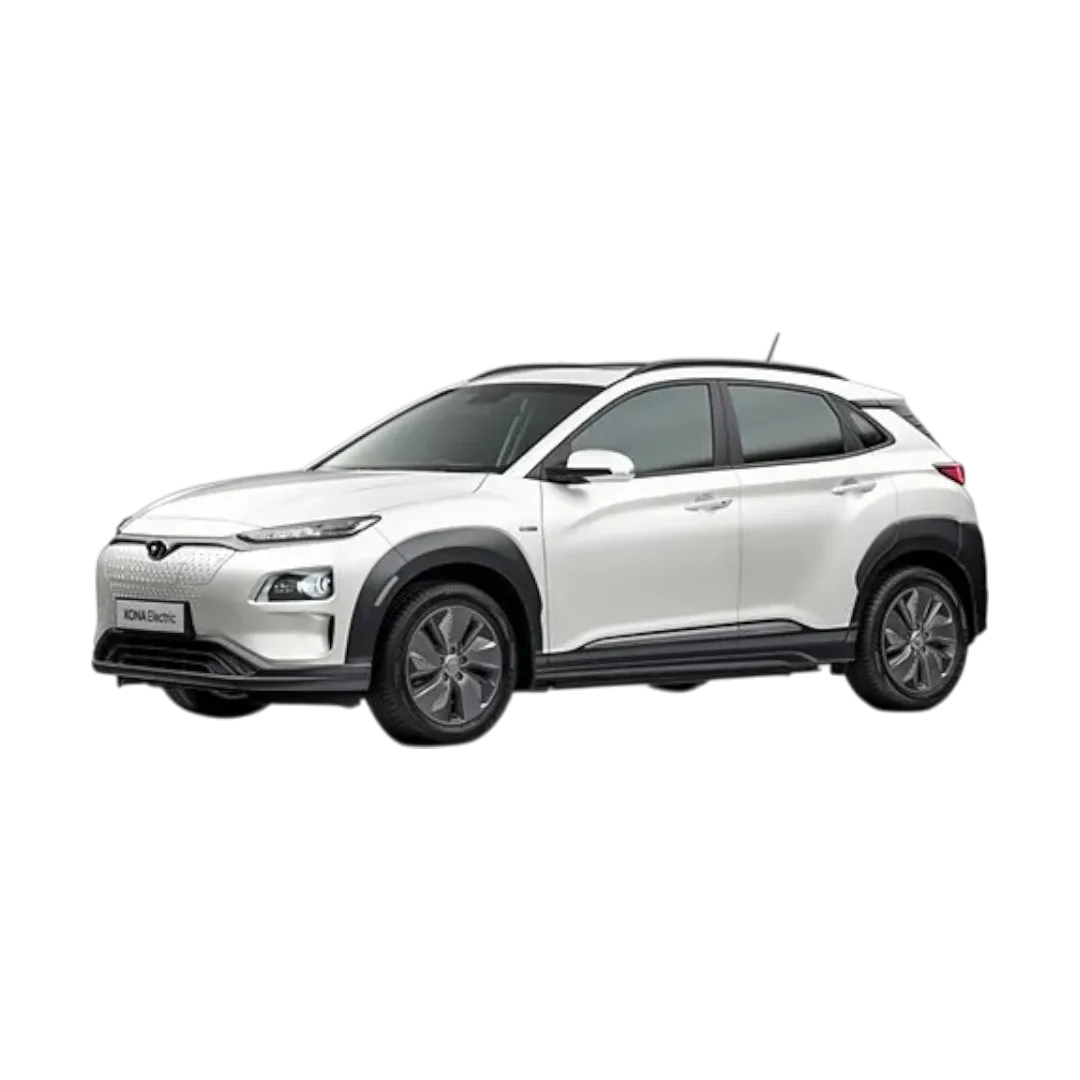 Kona
Kona
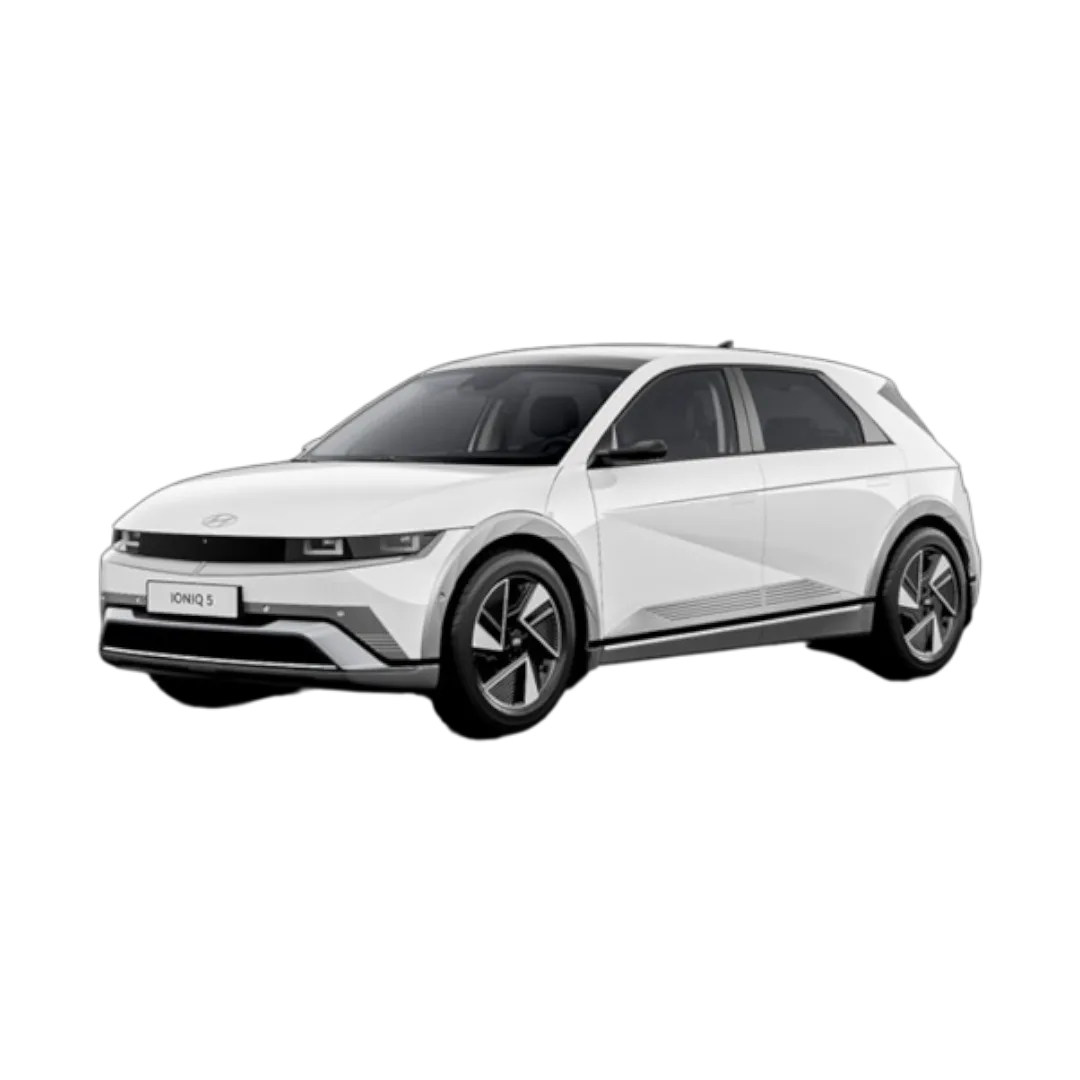 iONIQ 5
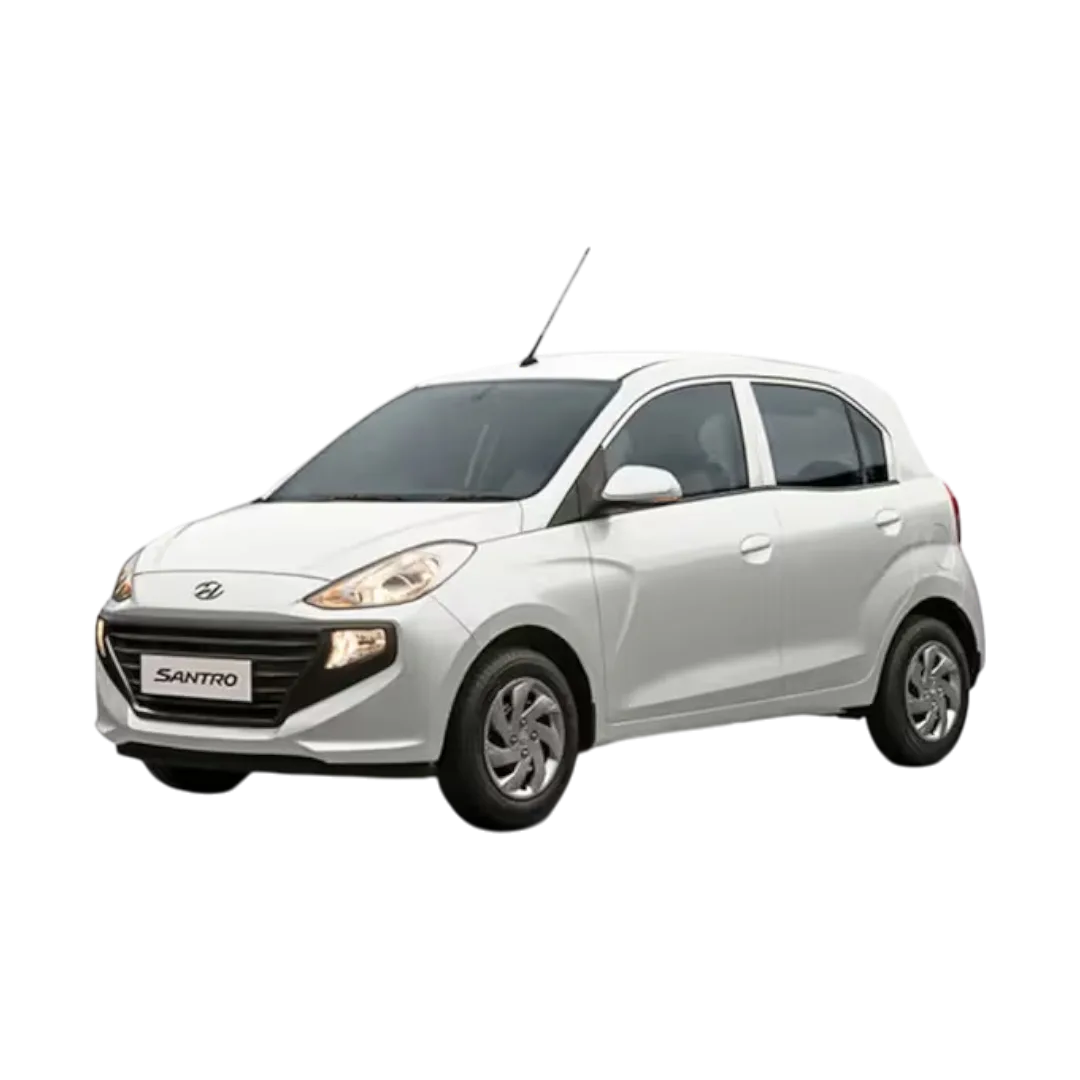 Santro
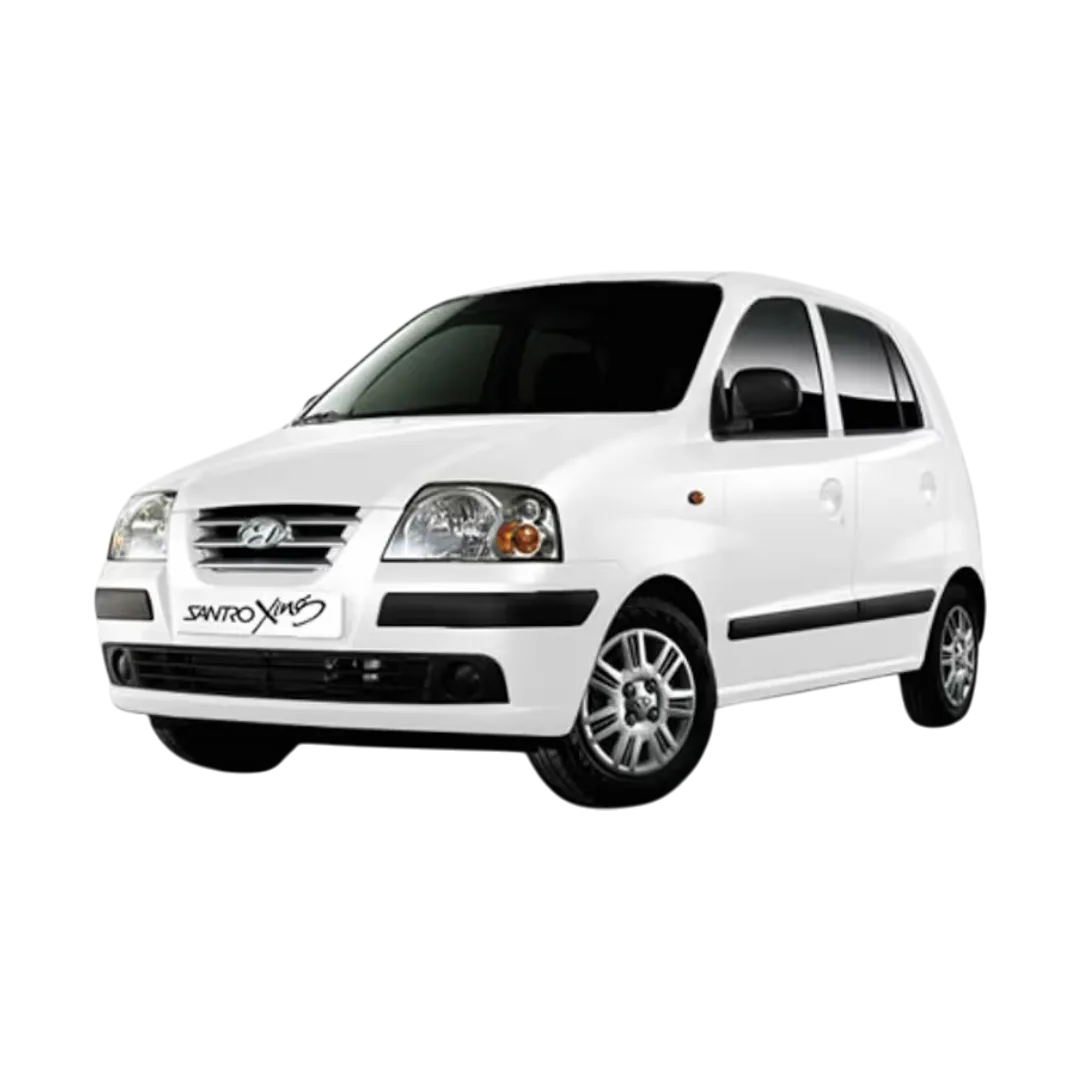 Santro Xing
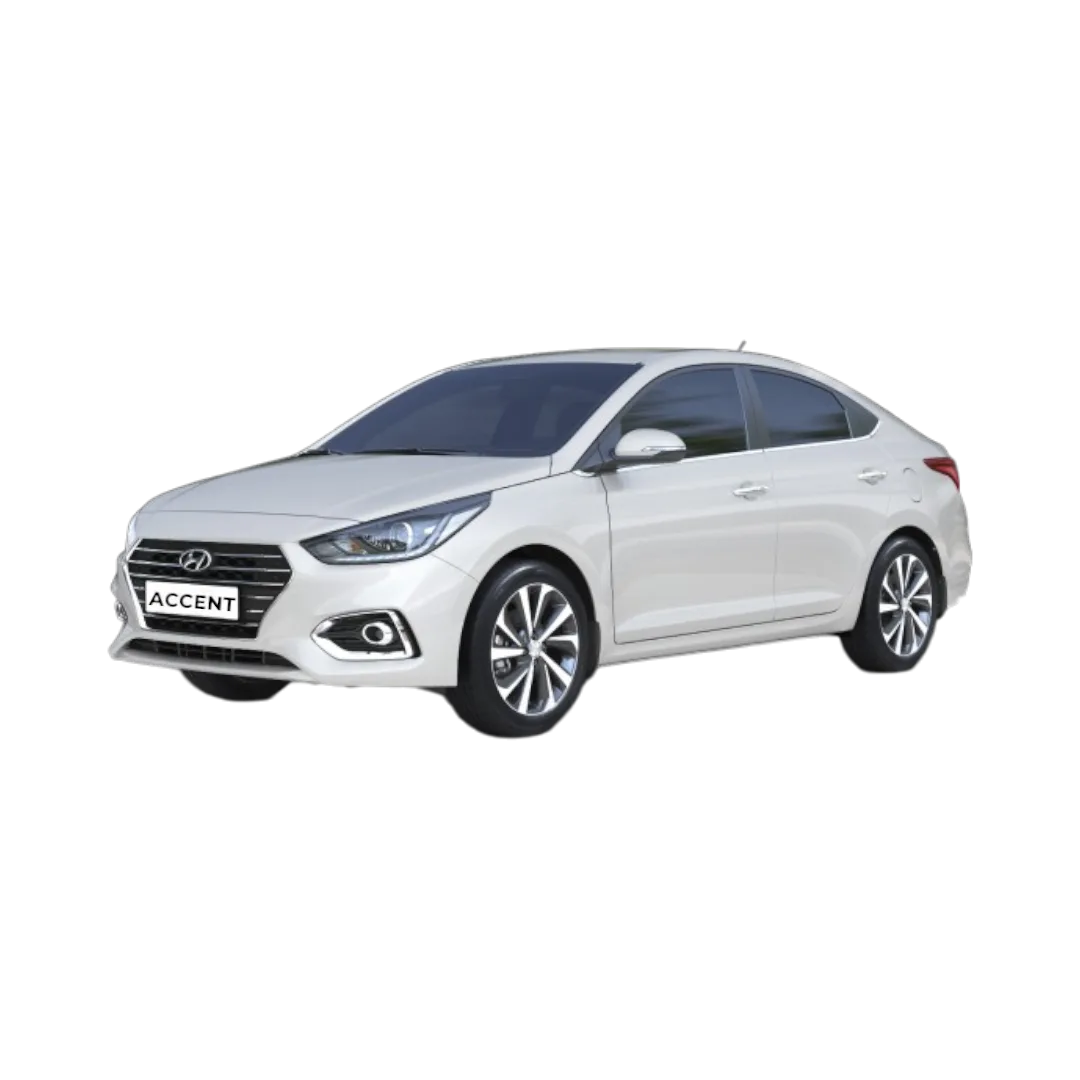 Accent
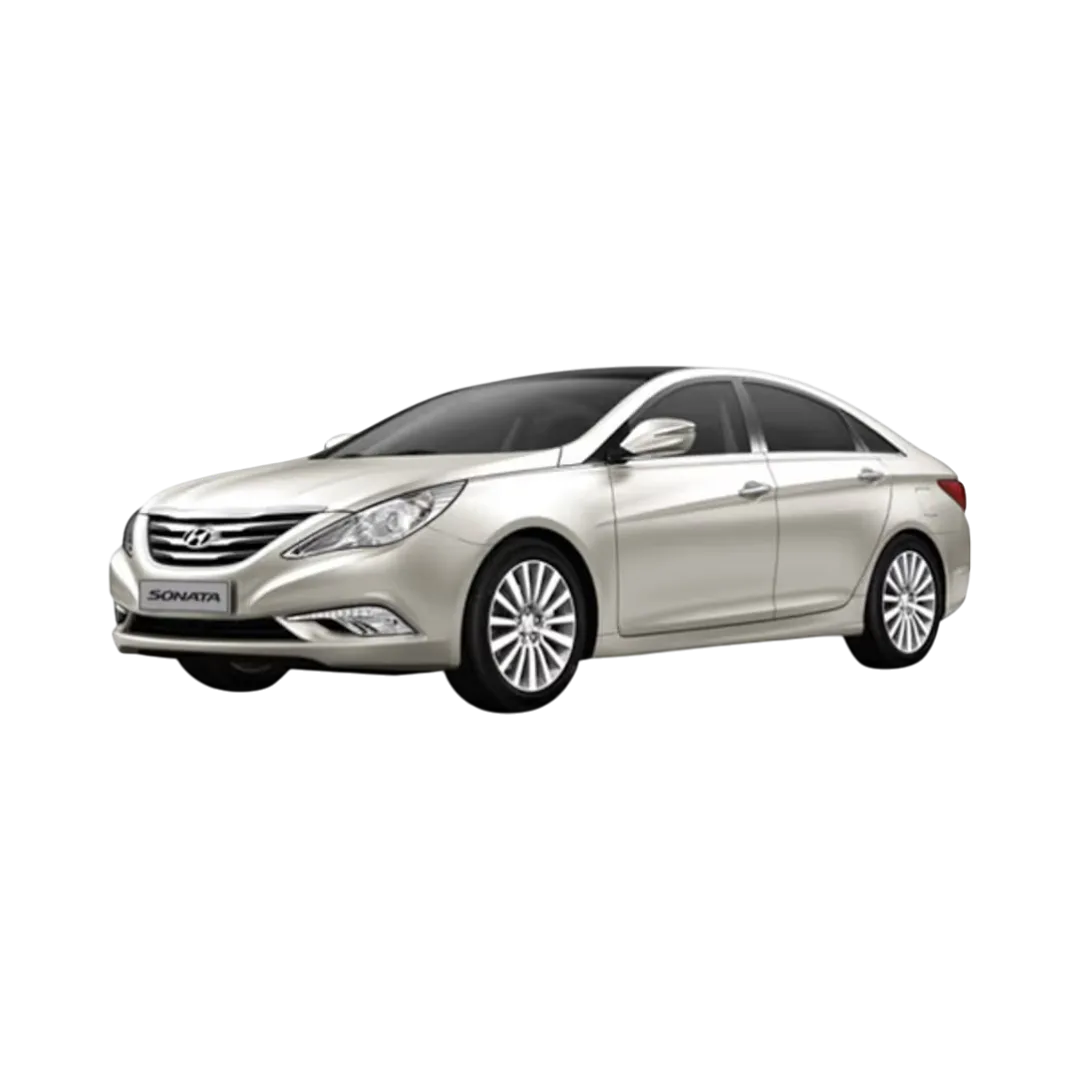 Sonata
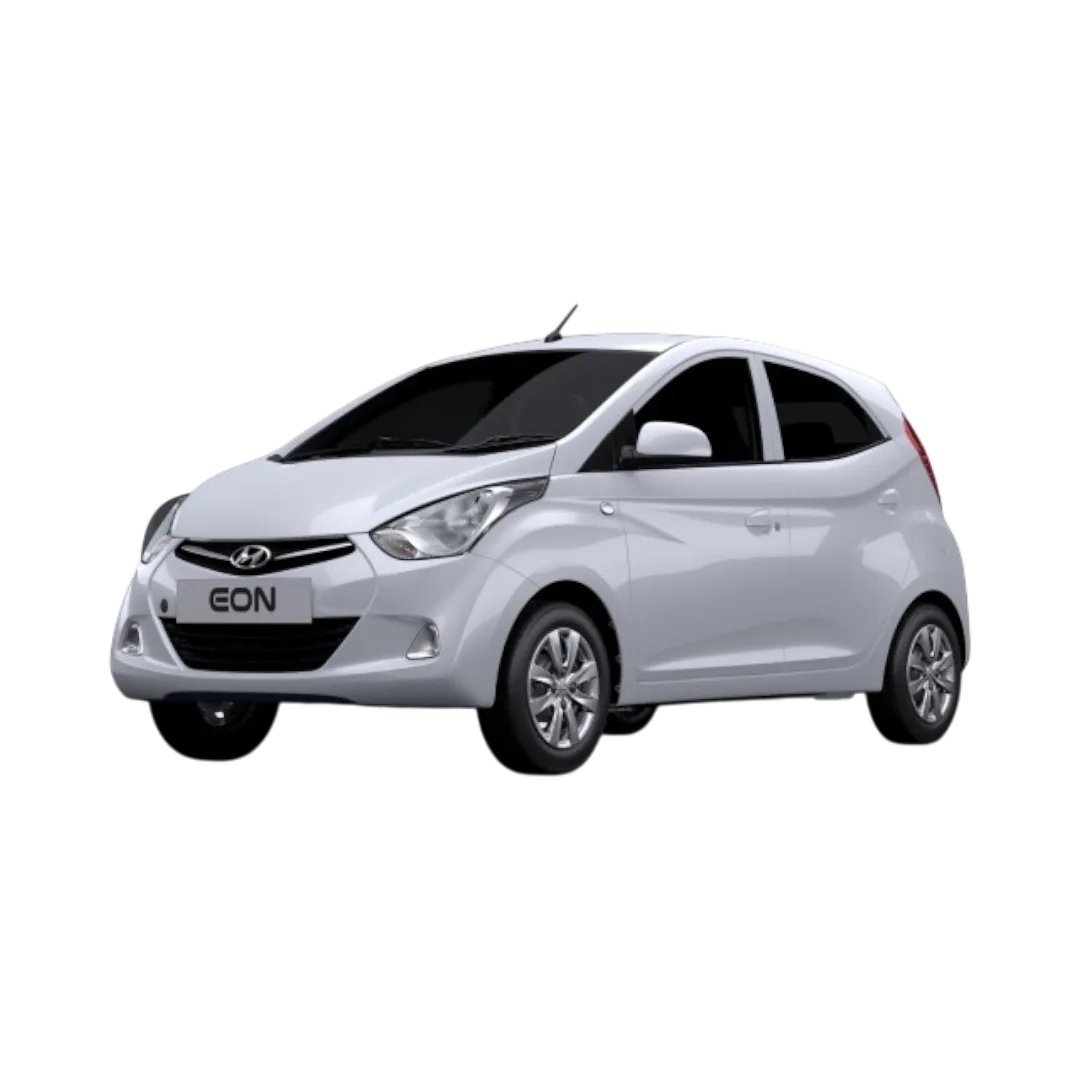 Eon
Eon
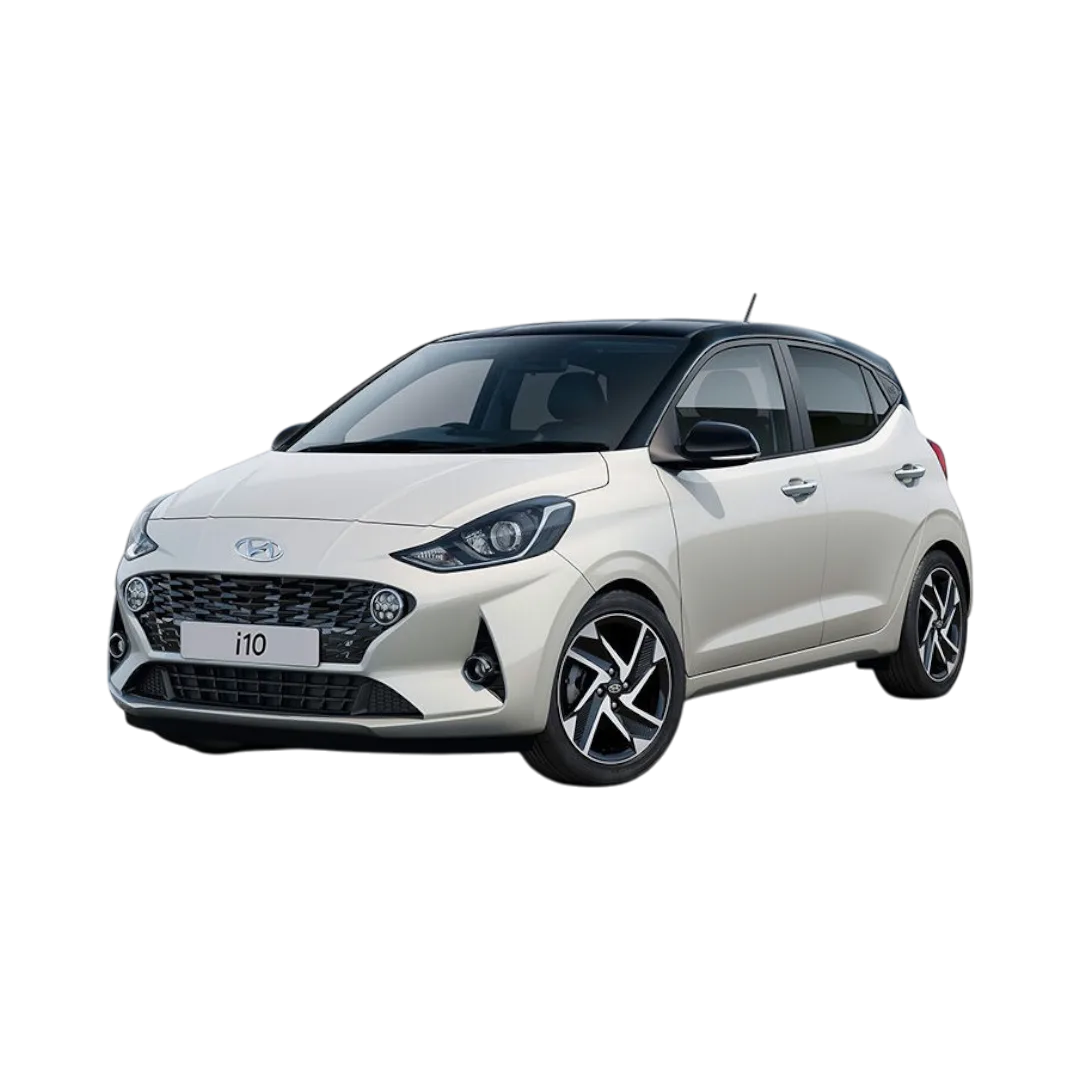 i10
i10
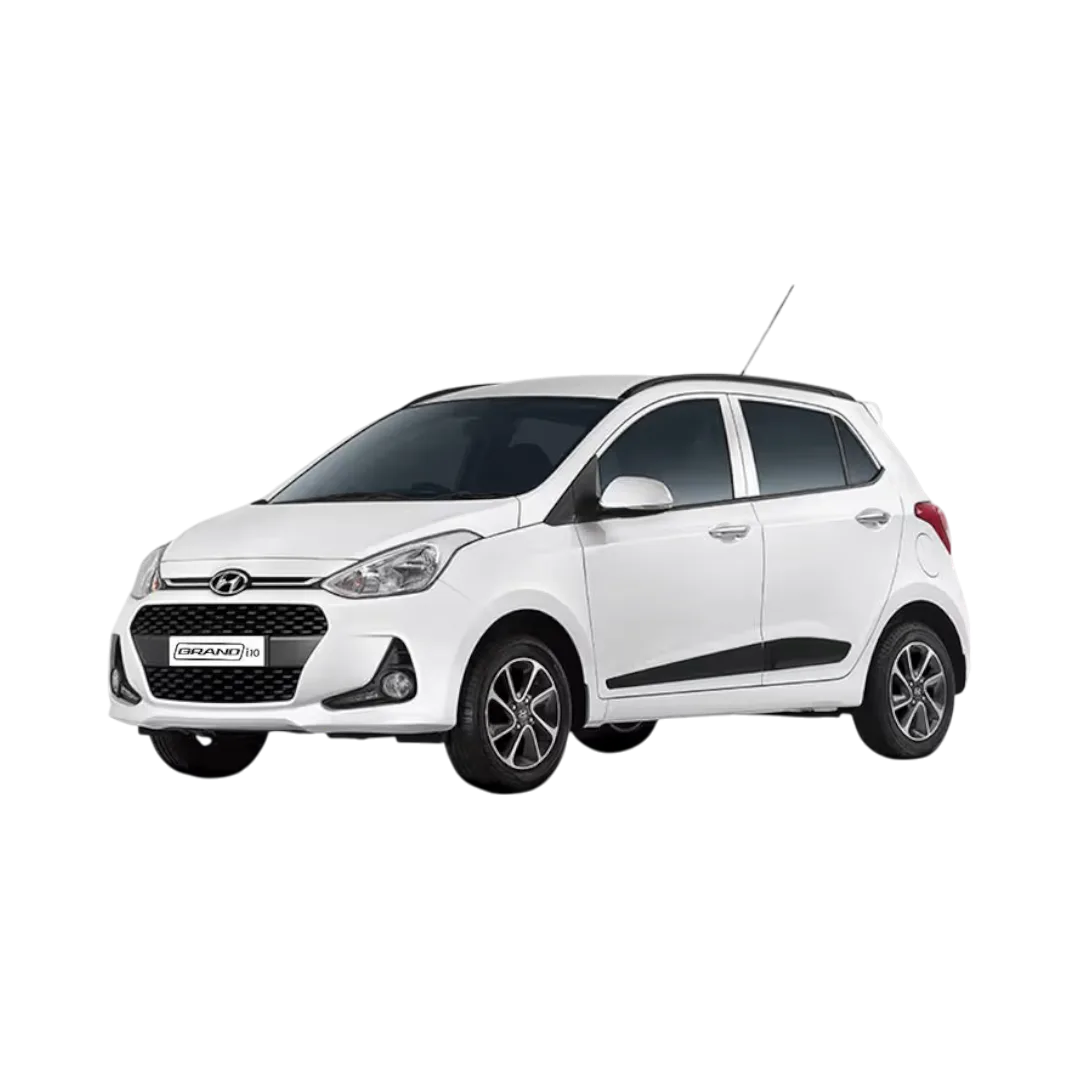 Grand i10
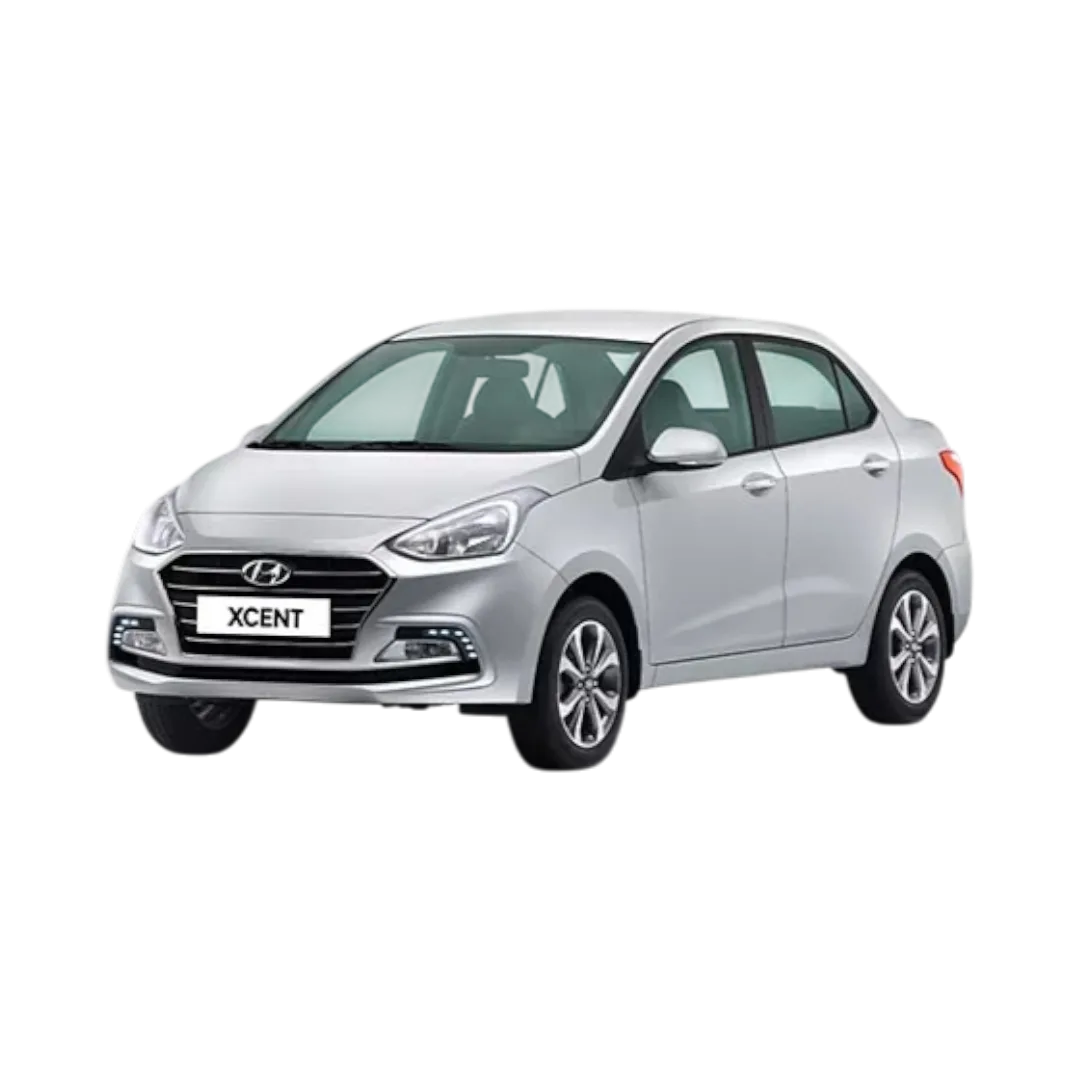 Xcent
Xcent
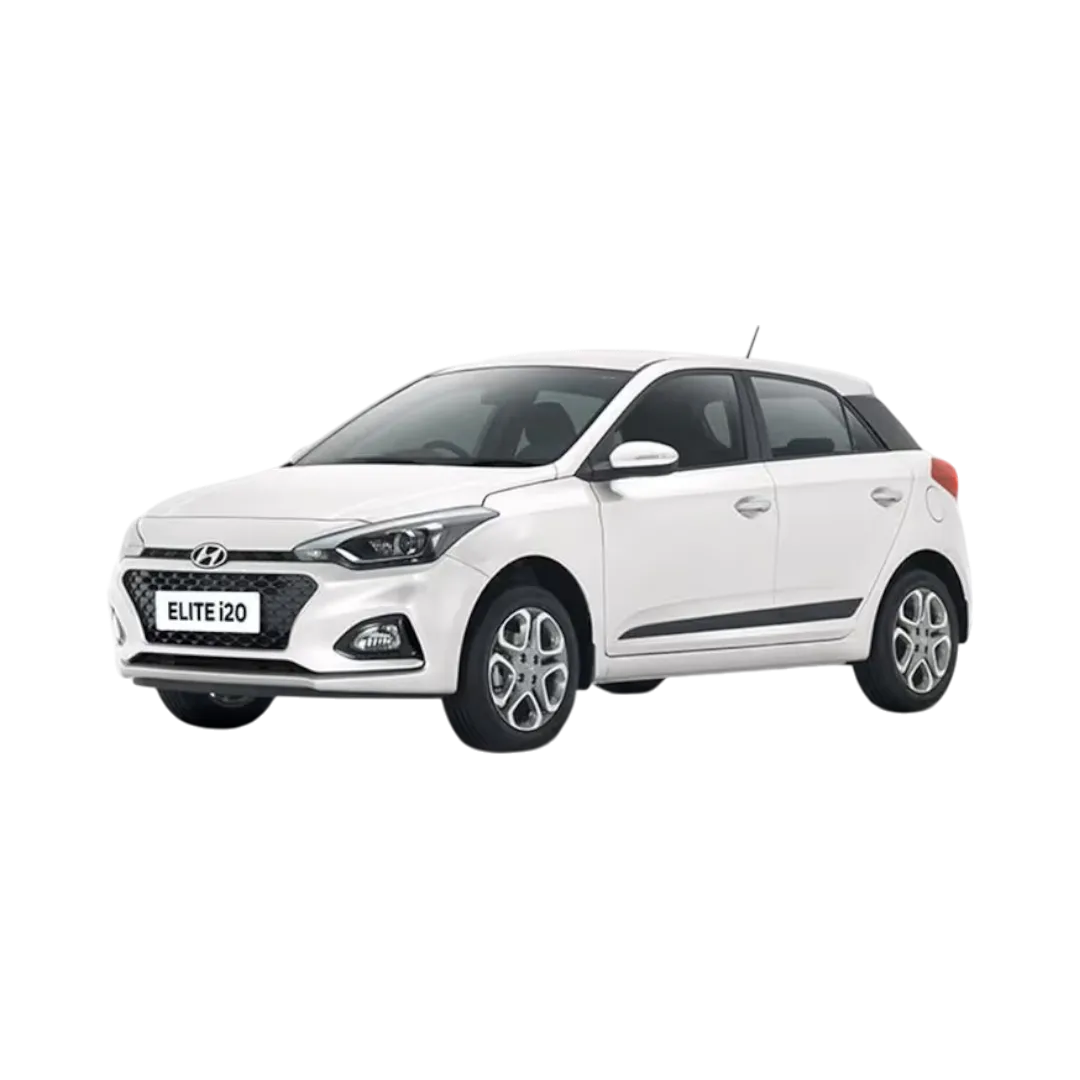 Elite i20
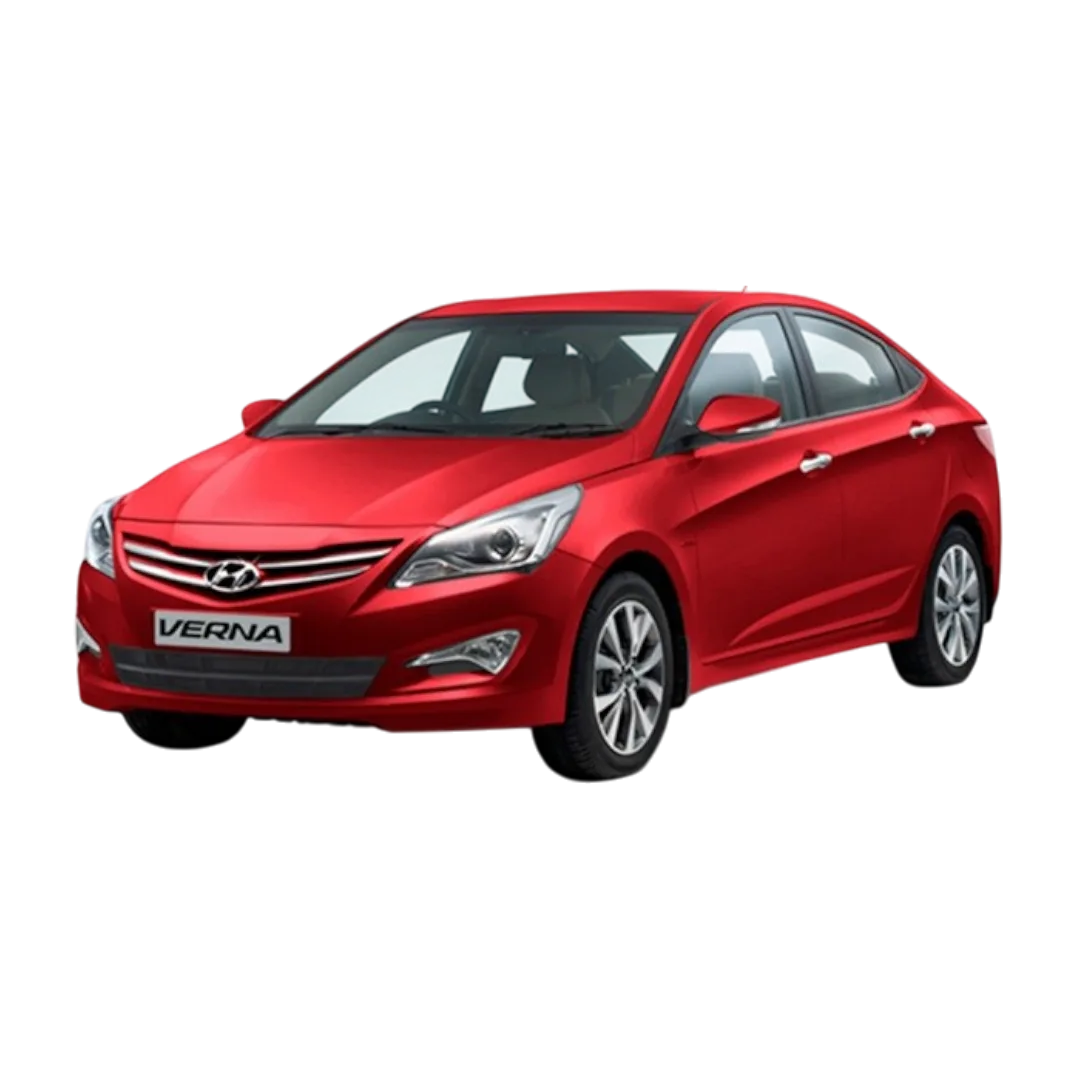 Verna Fluidic
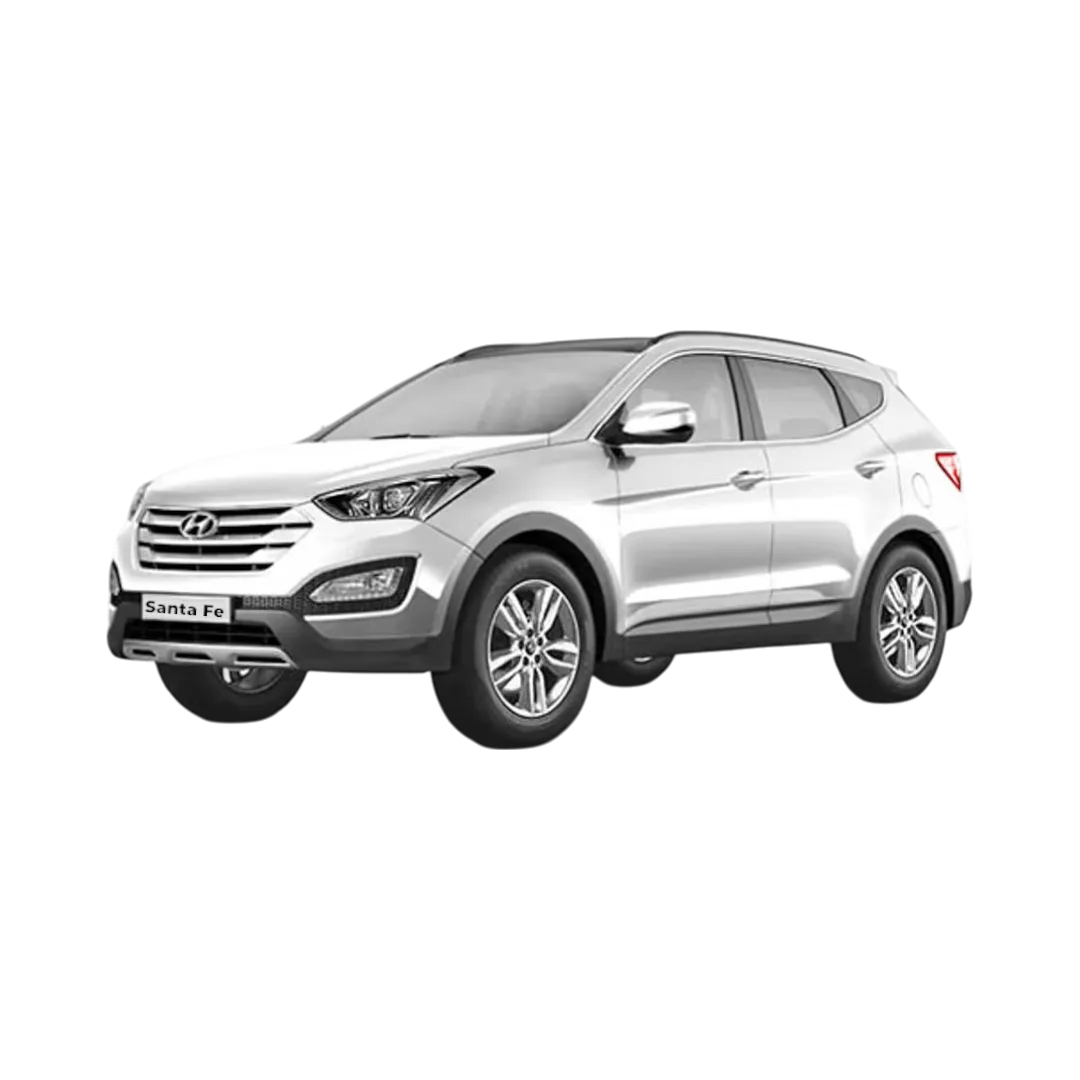 Santafe
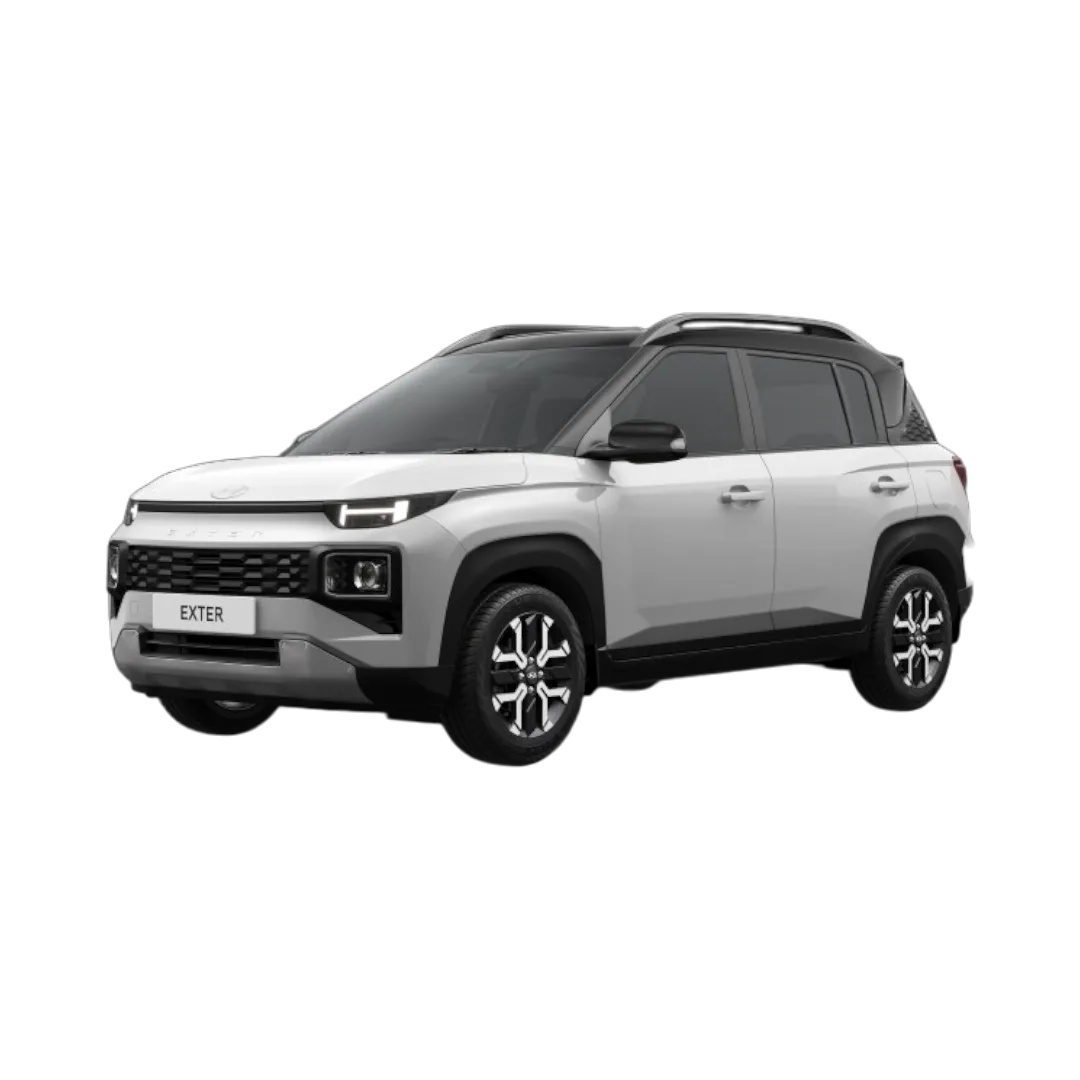 Exter
Sonata Fluidic
i20 Active
Exter
Sonata Fluidic
i20 Active
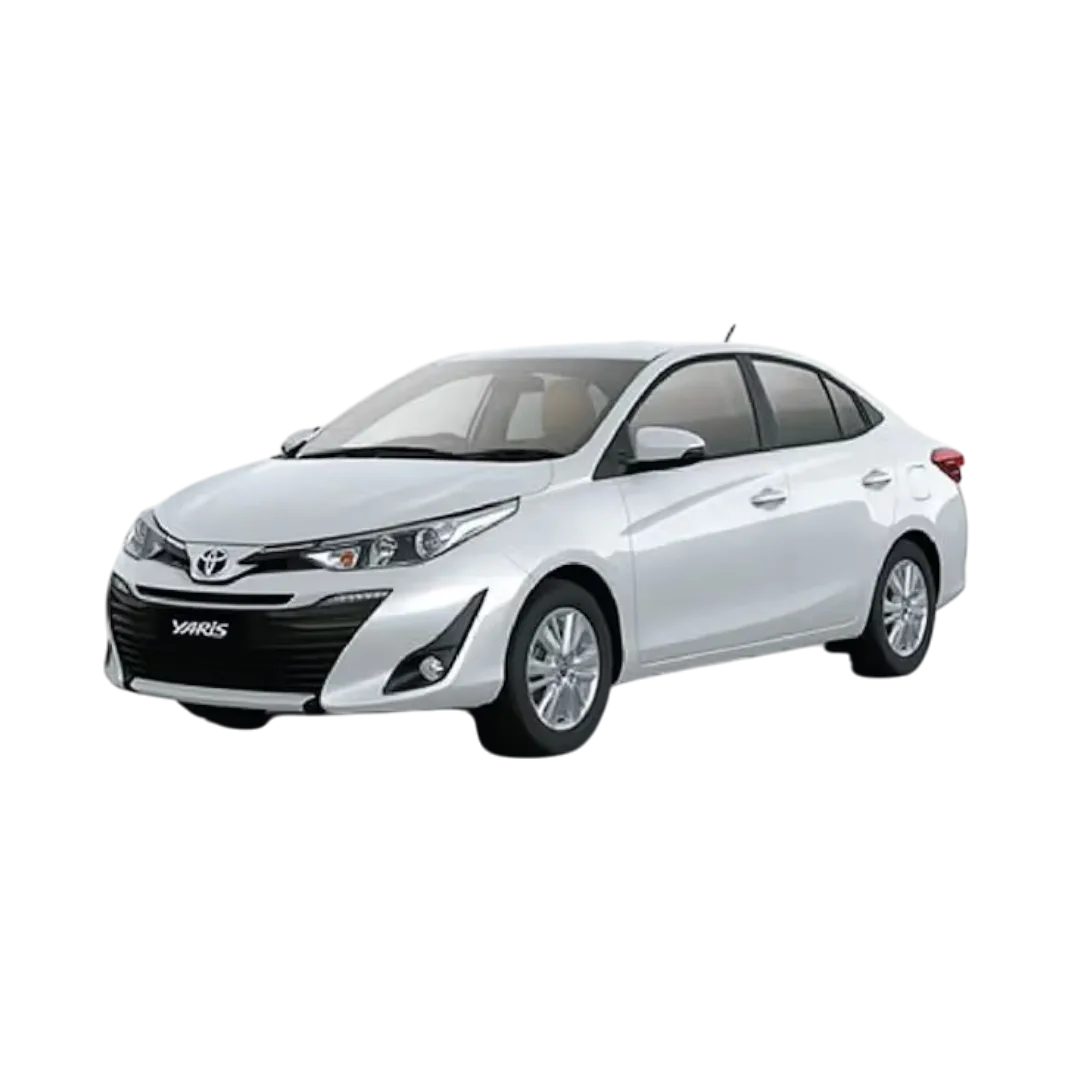 Yaris
Yaris
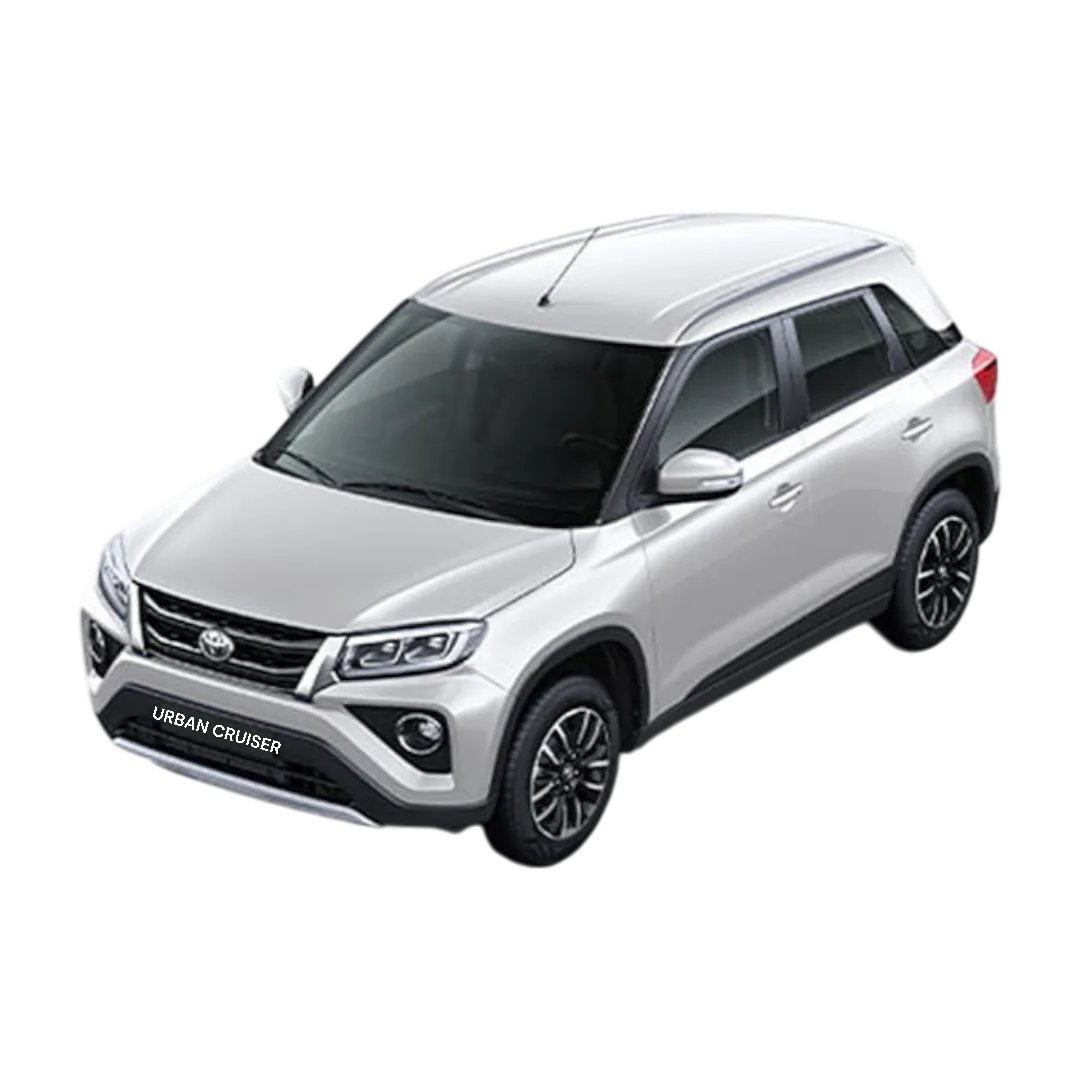 Urban Cruiser
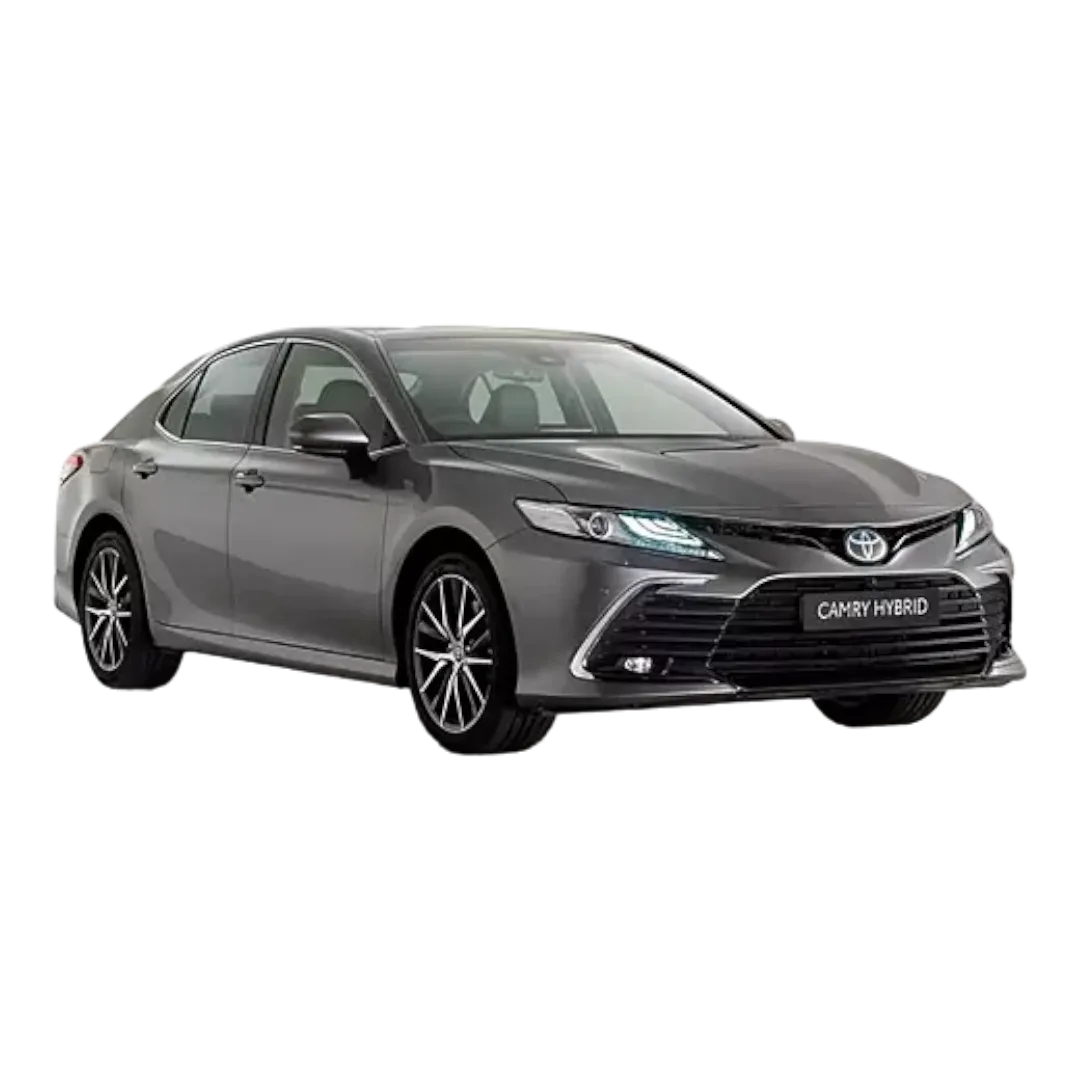 Camry
Camry
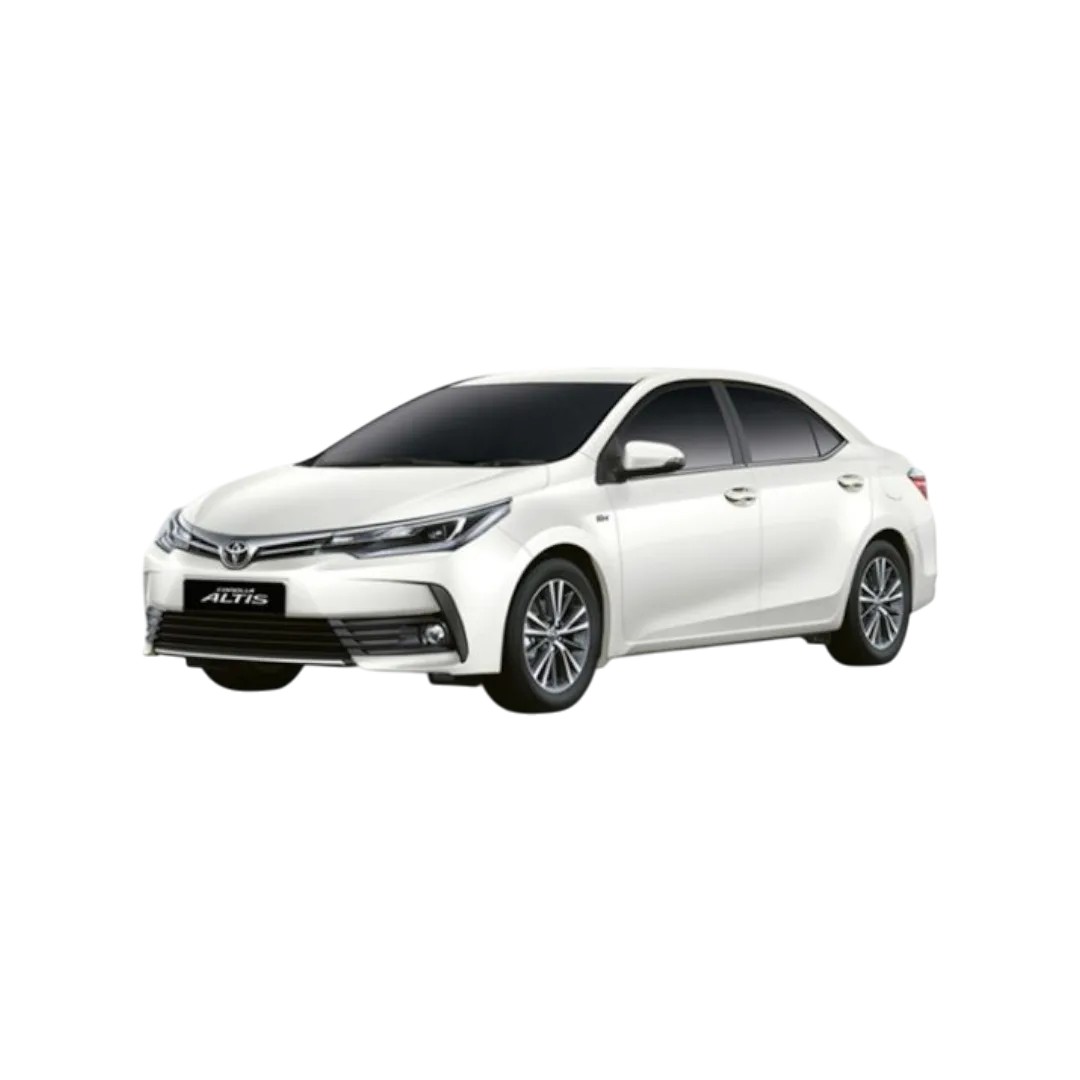 Corolla
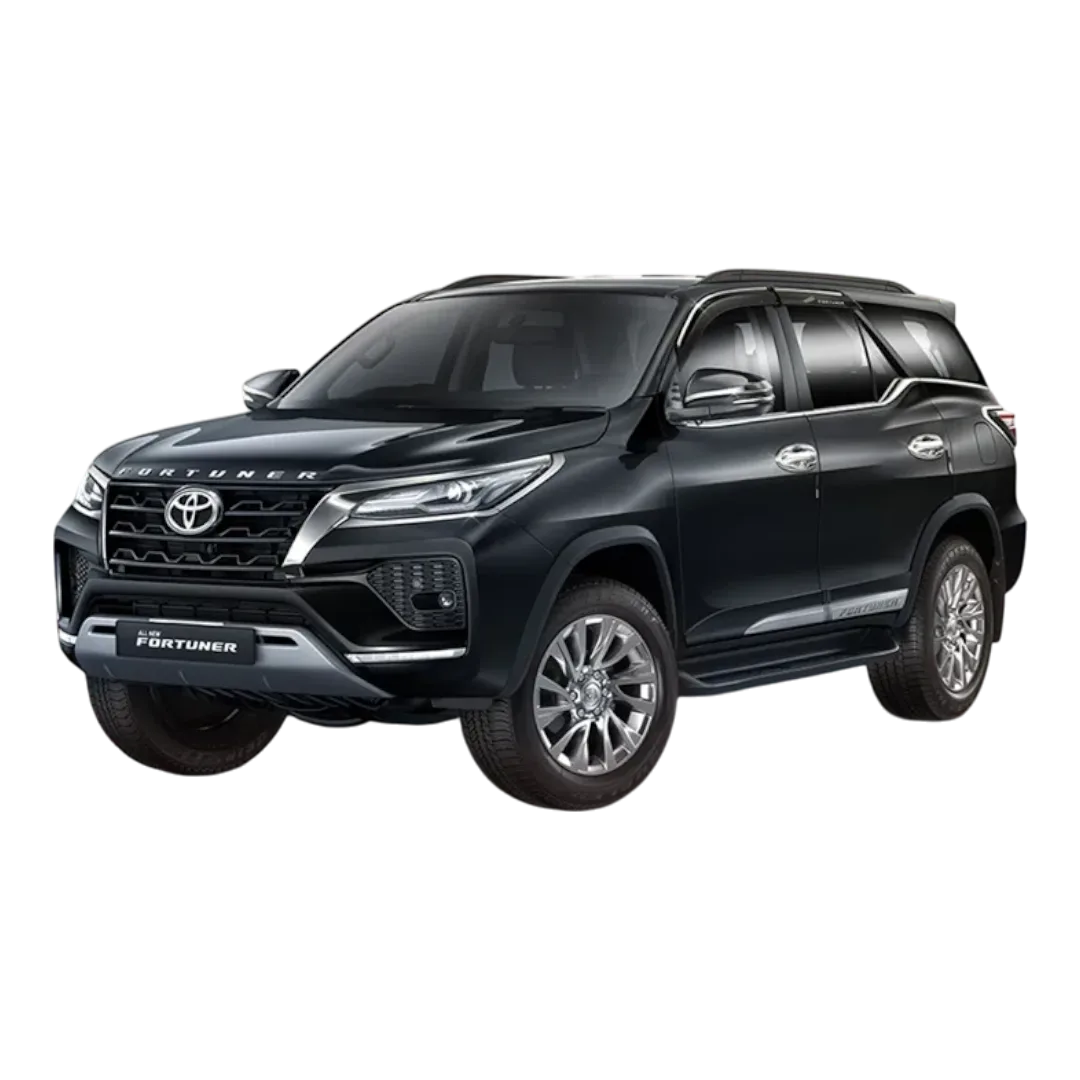 Fortuner
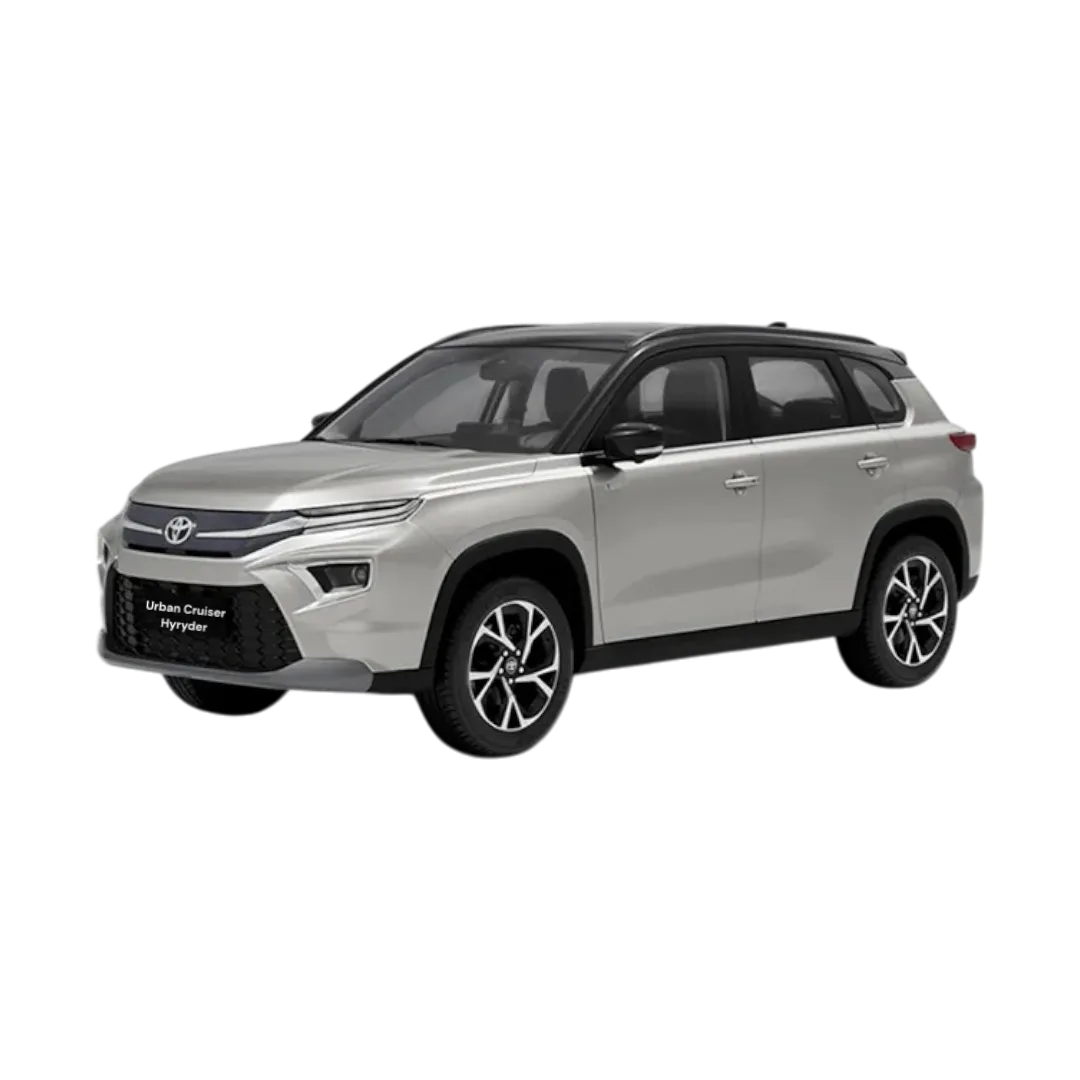 Urban Cruiser Hyryder
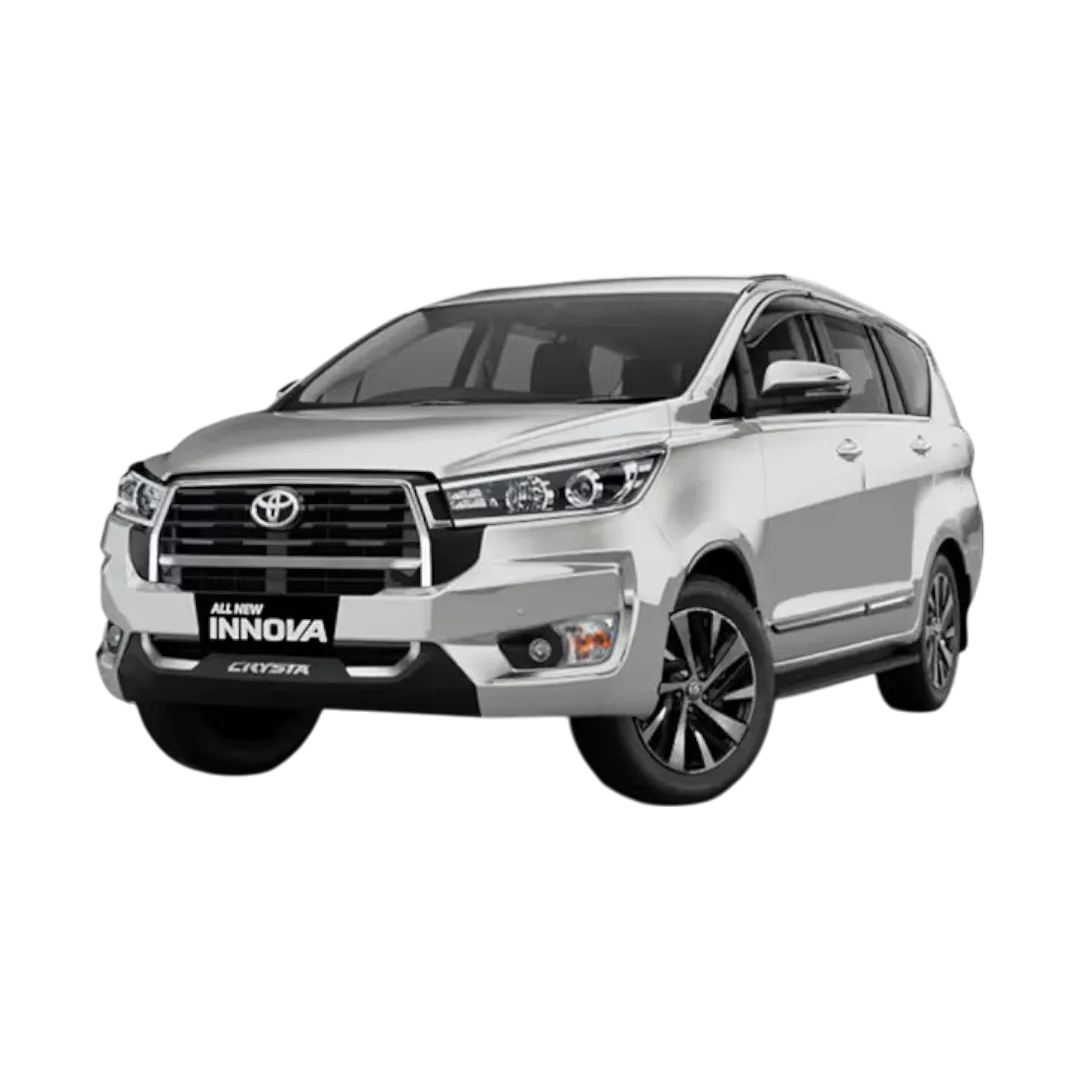 Innova Crysta
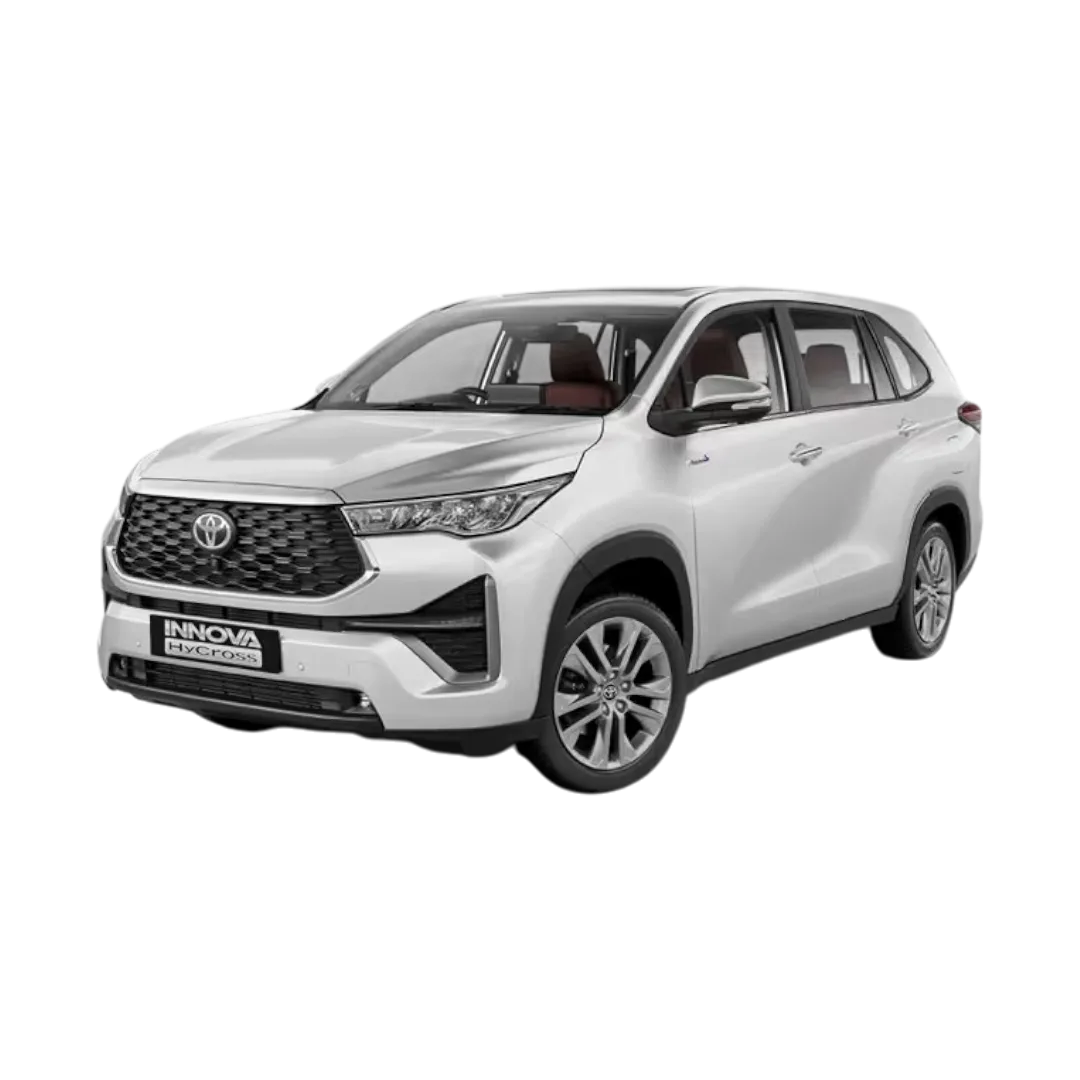 Innova Hycross
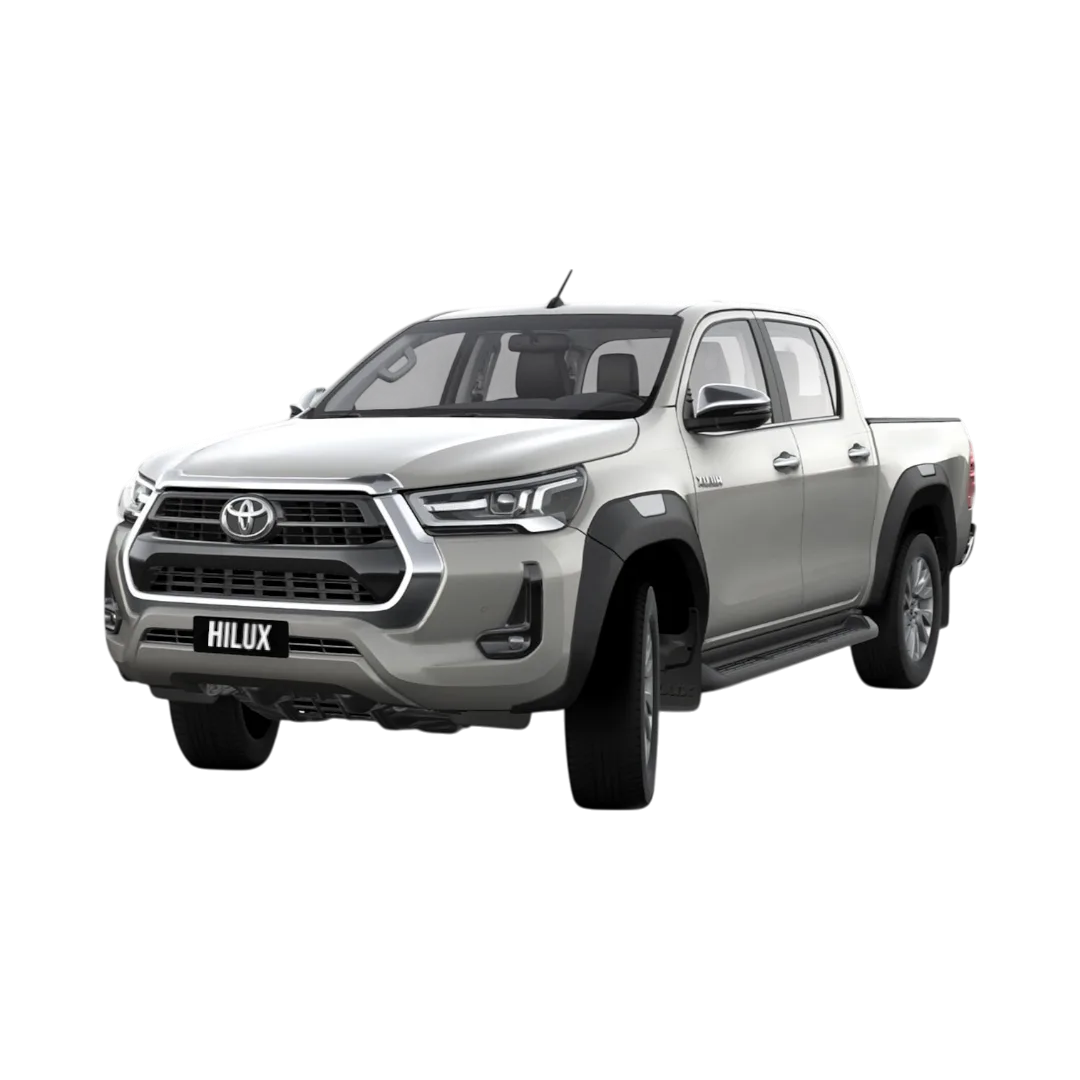 Hilux
Hilux
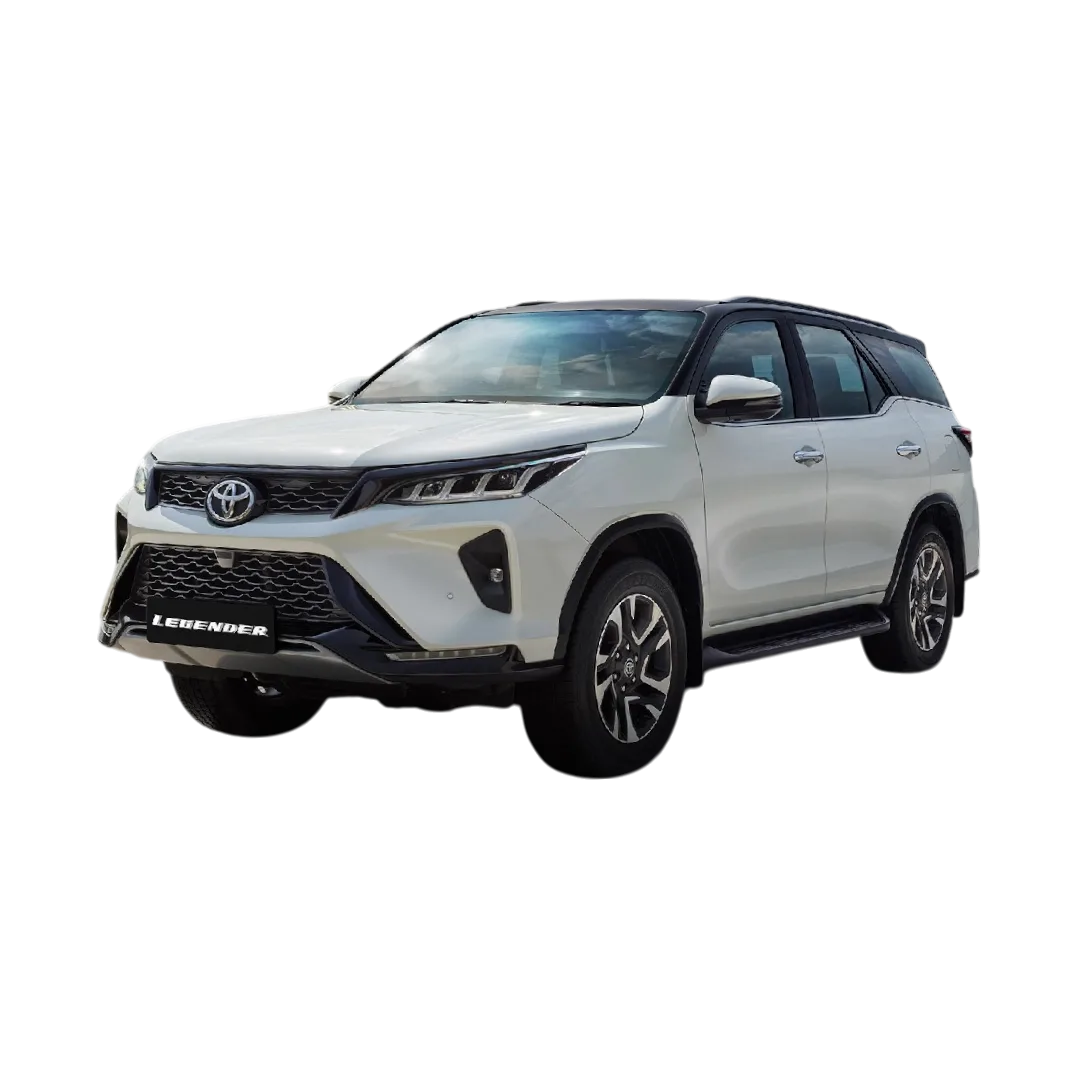 Fortuner Legender
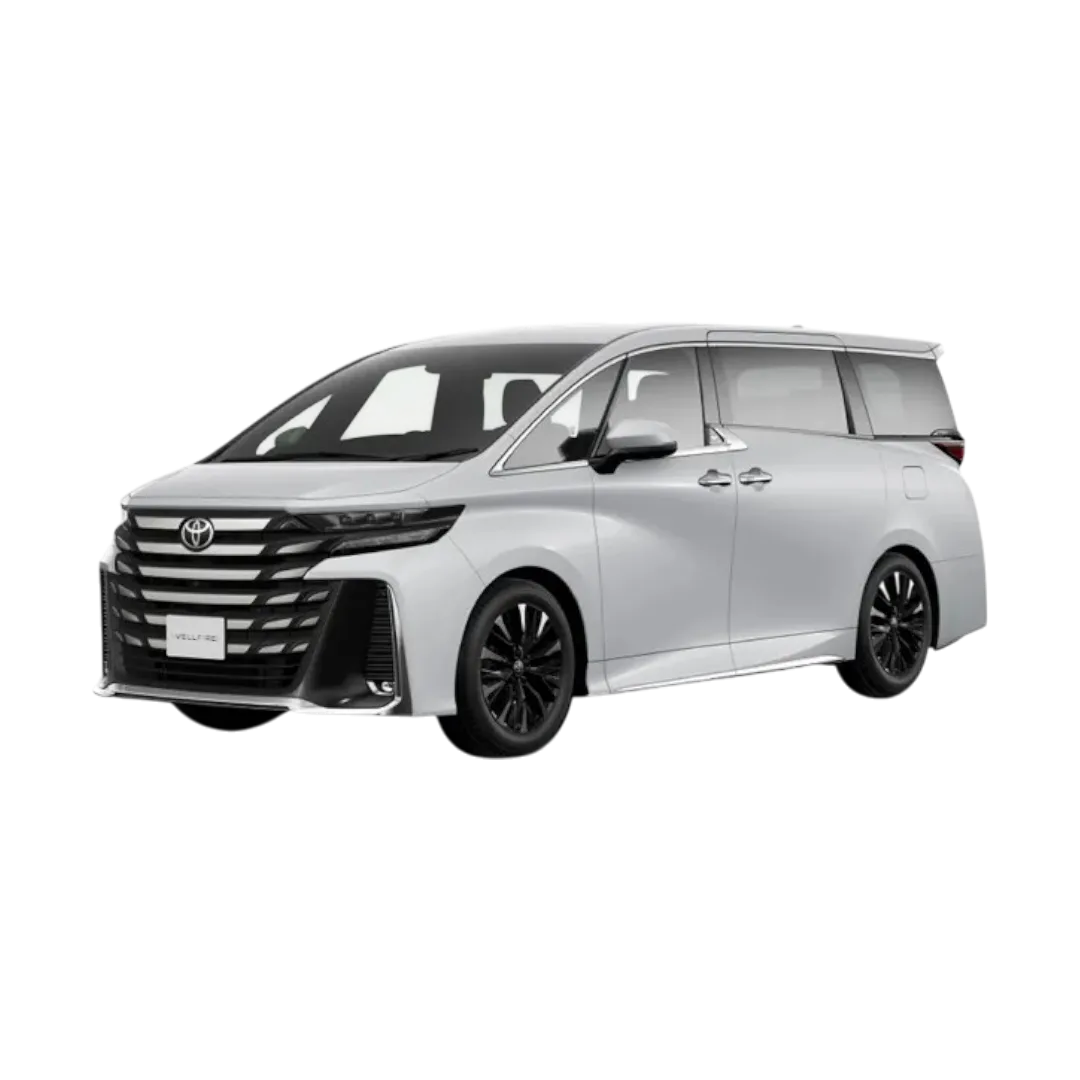 Vellfire
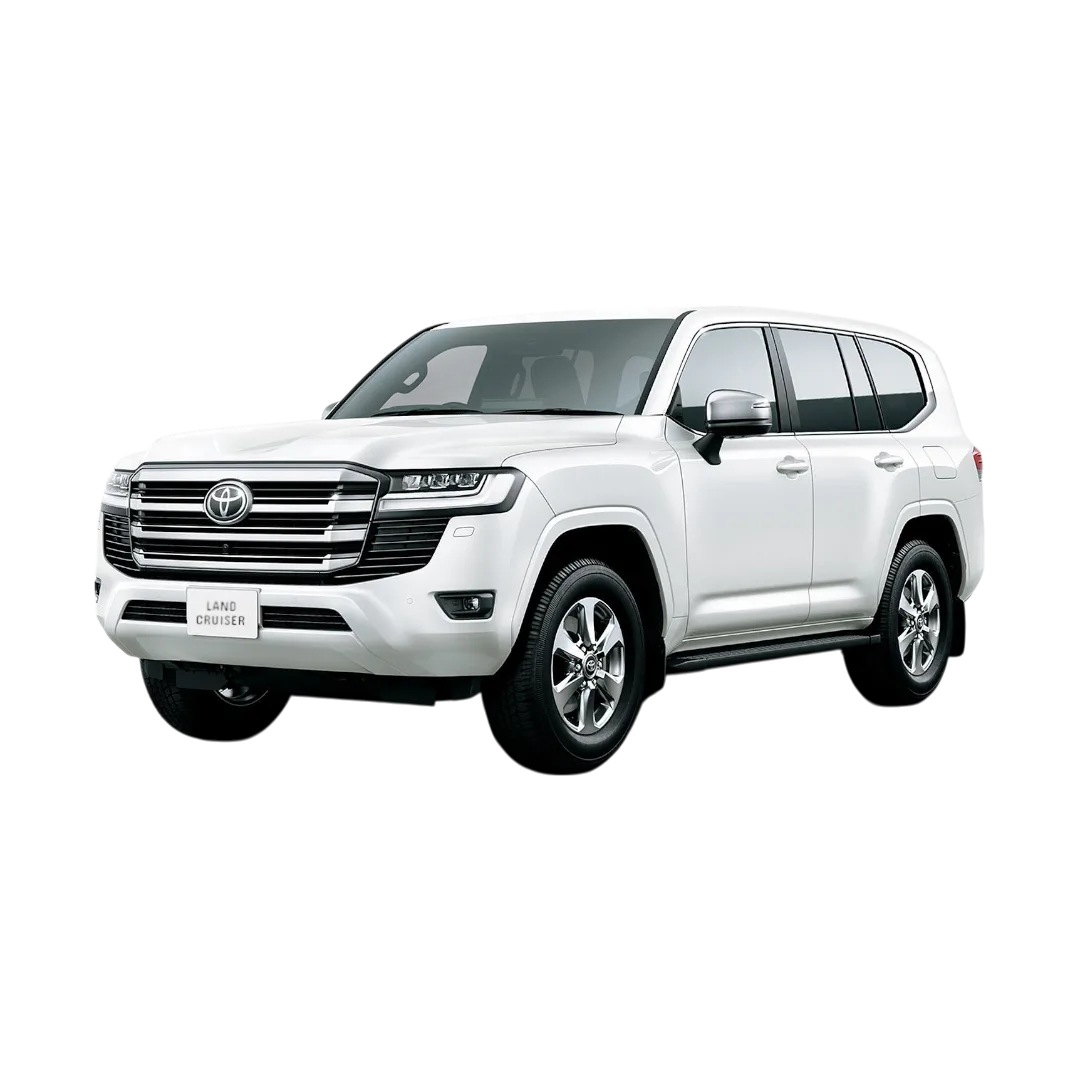 Land Cruiser
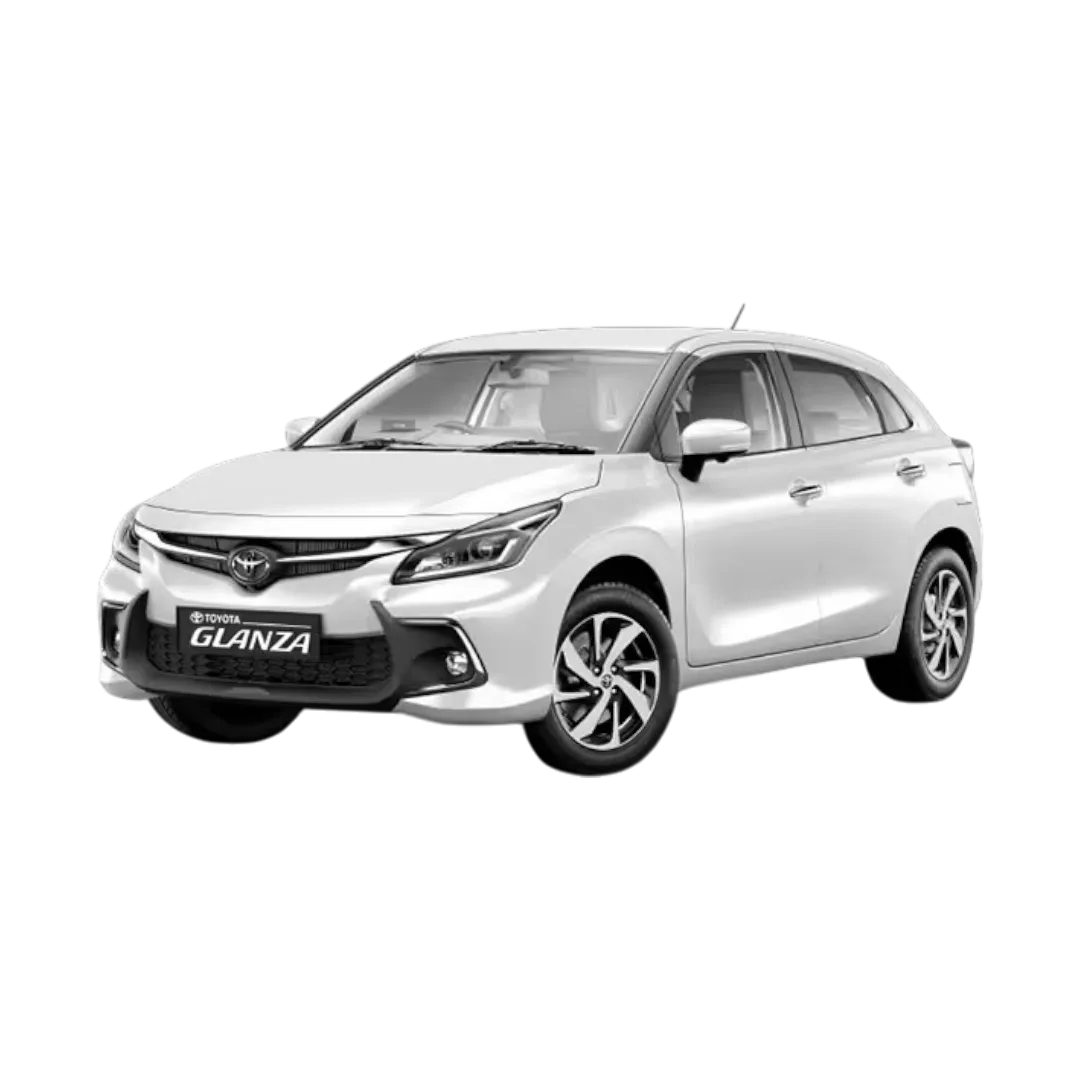 Glanza
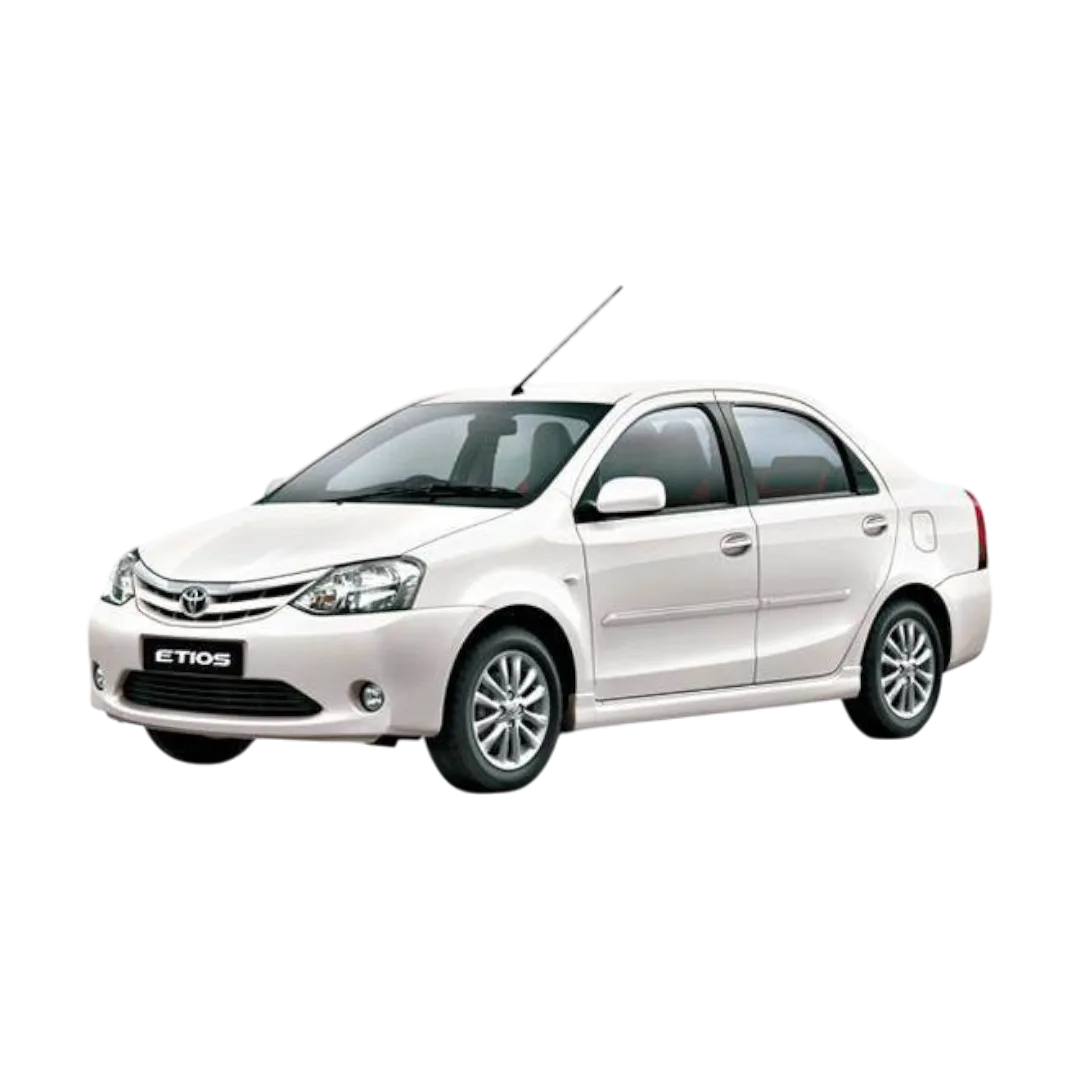 Etios
Etios
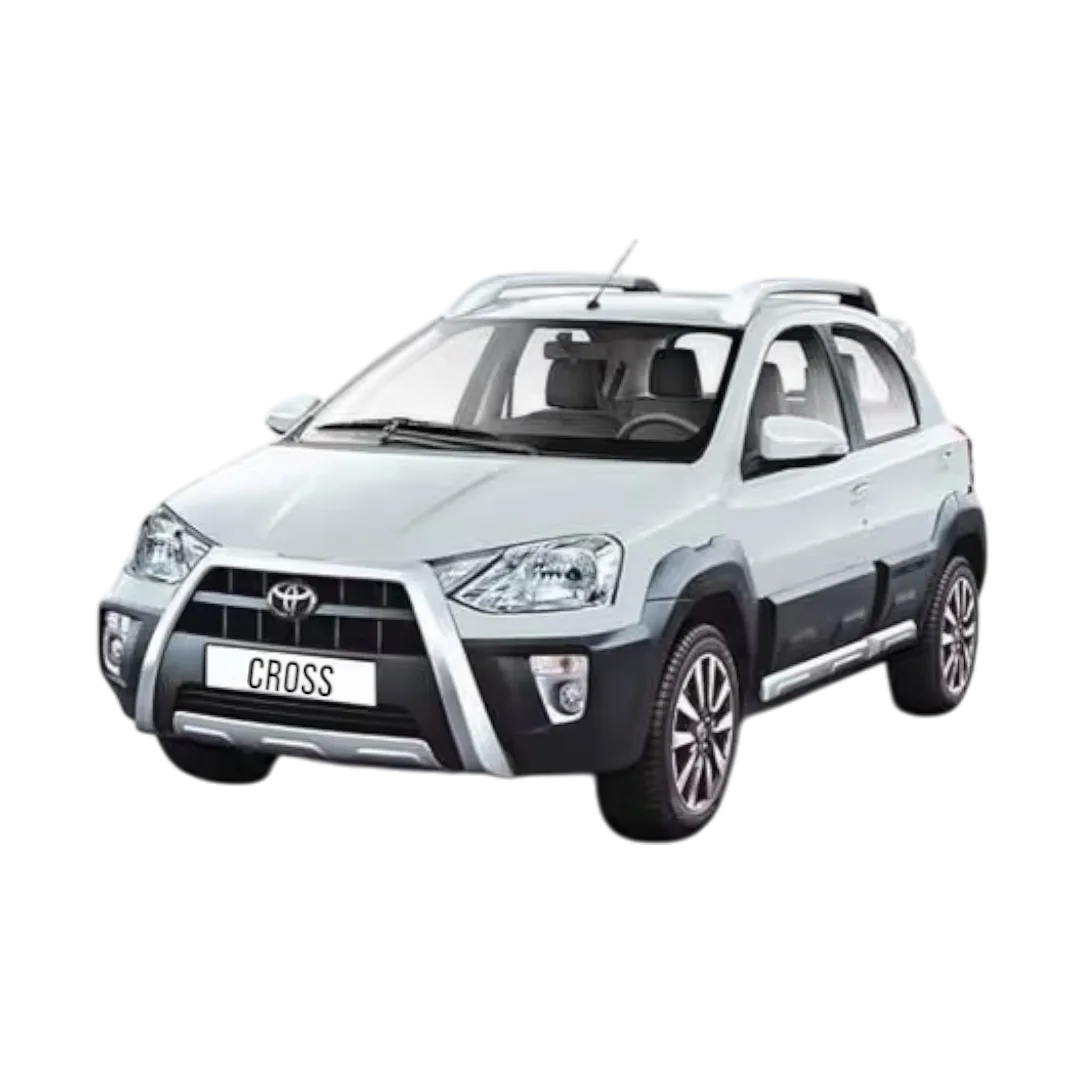 Etios cross
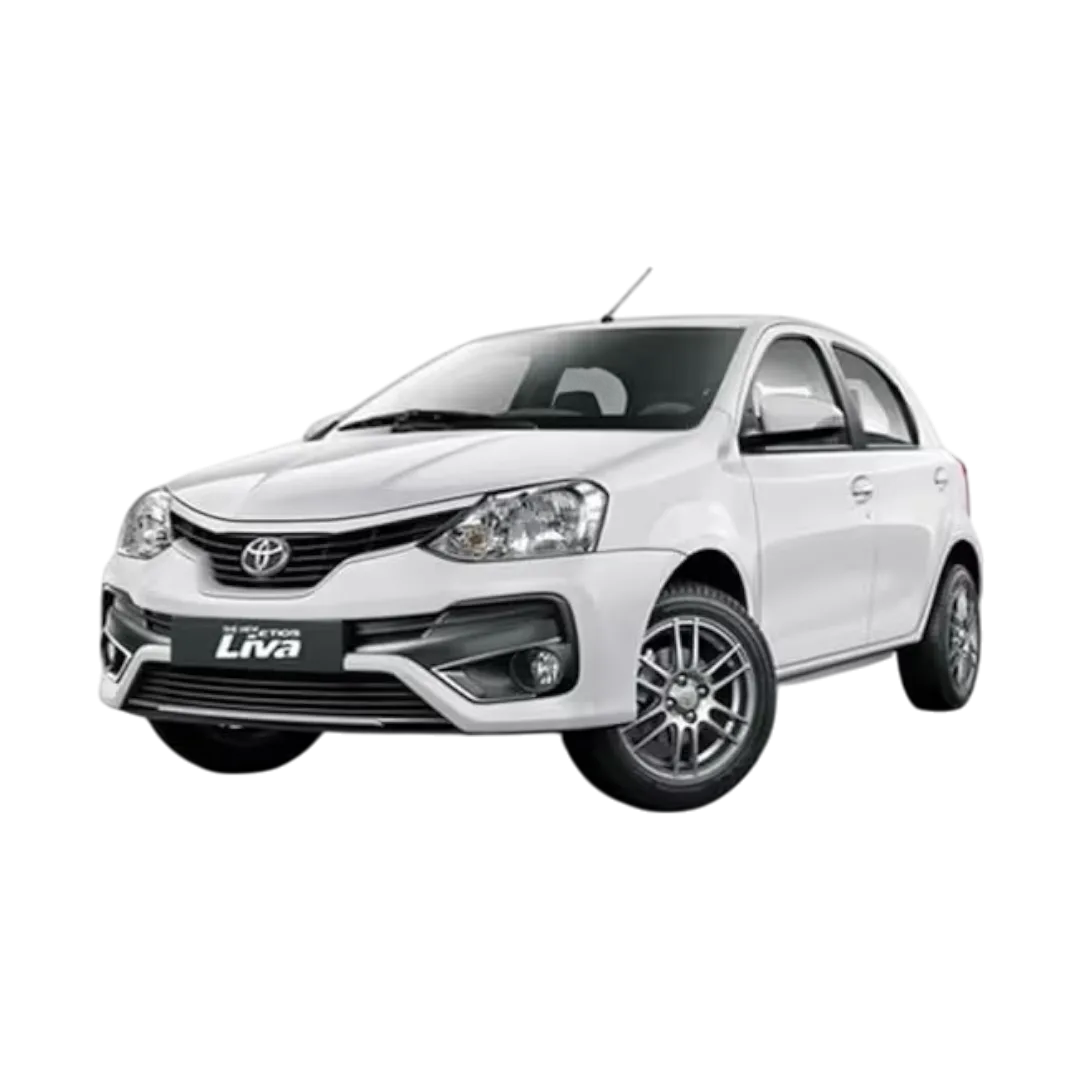 Etios Liva
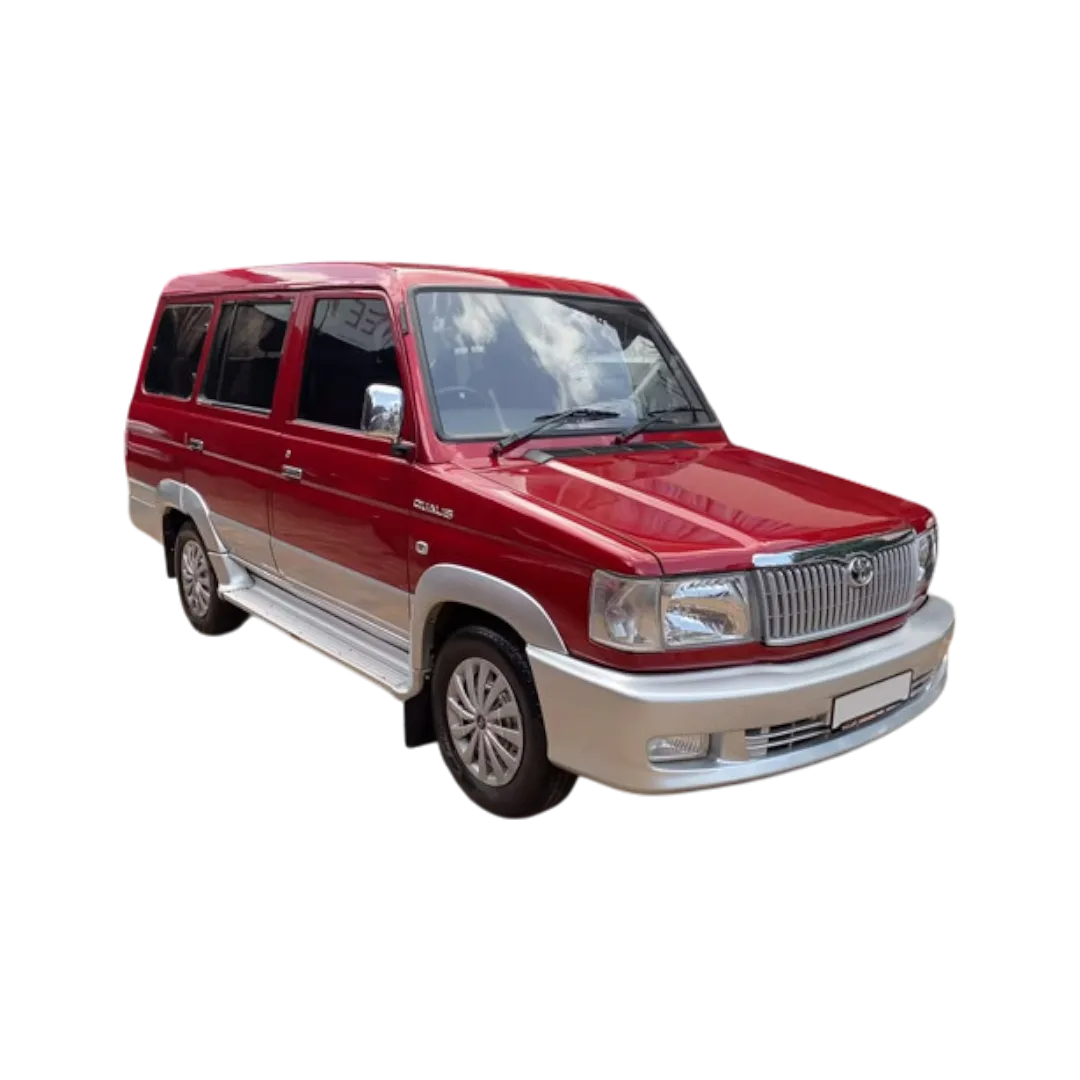 Qualis
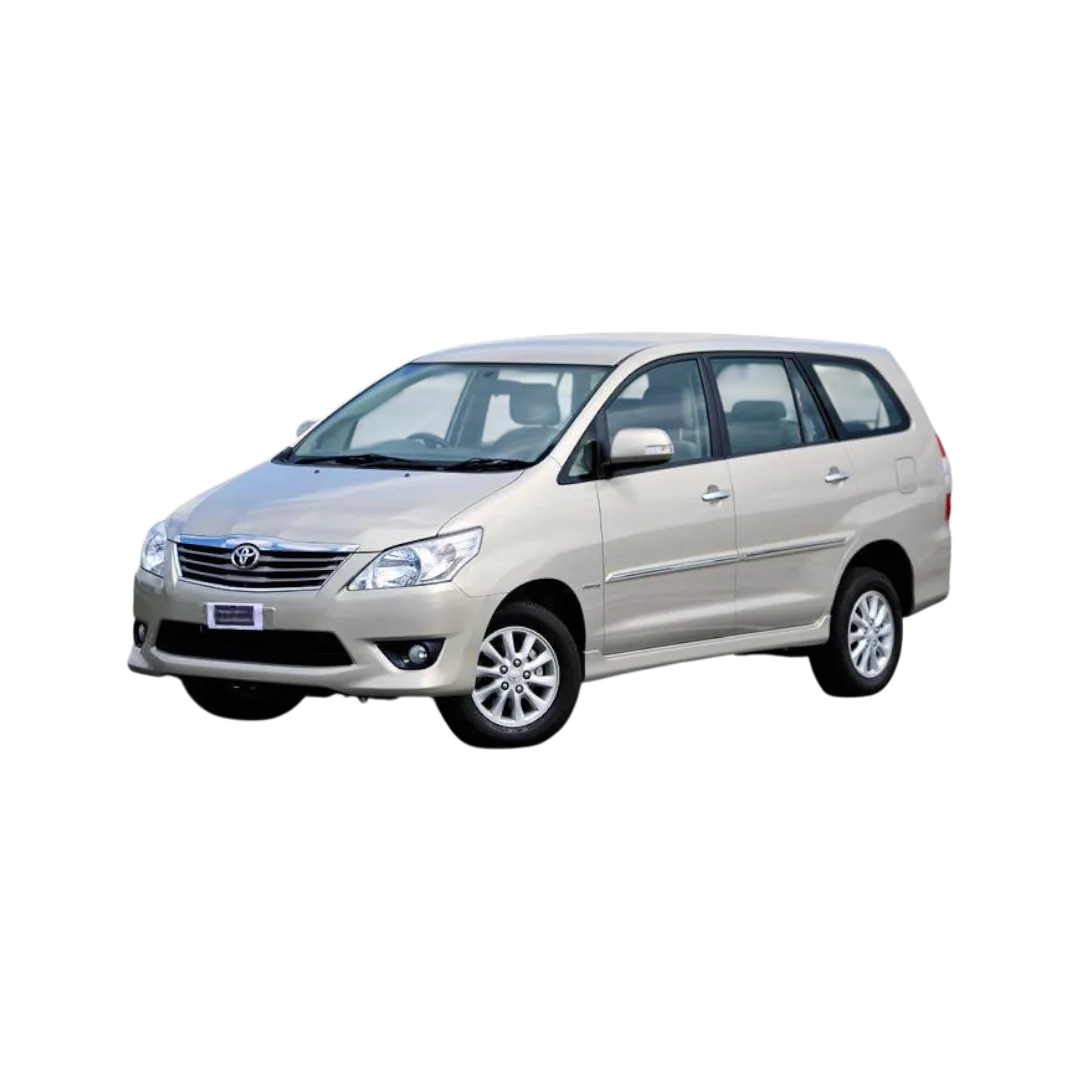 Innova
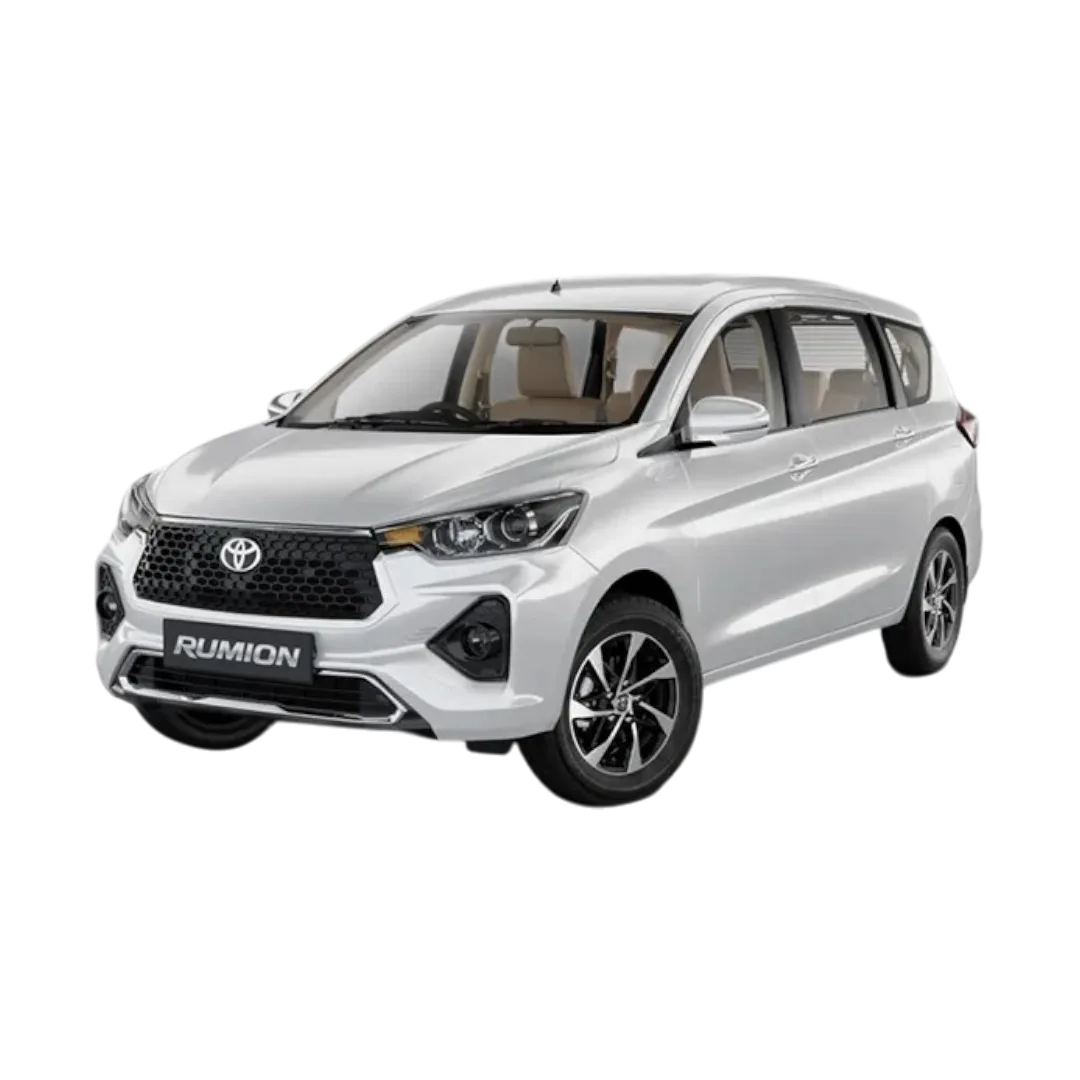 Rumion
Taisor
Corolla Altis
Hyryder
Rumion
Taisor
Corolla Altis
Hyryder
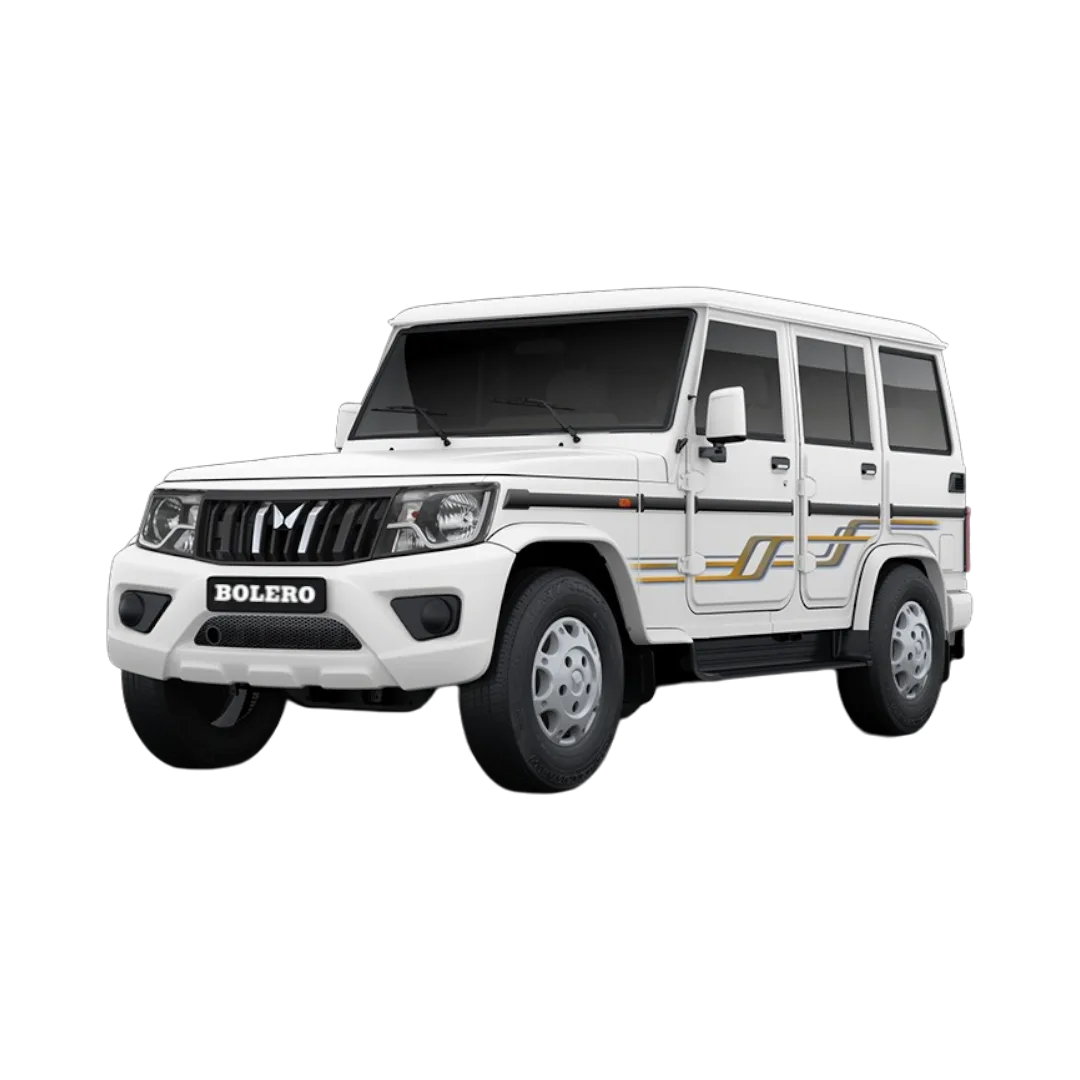 Bolero
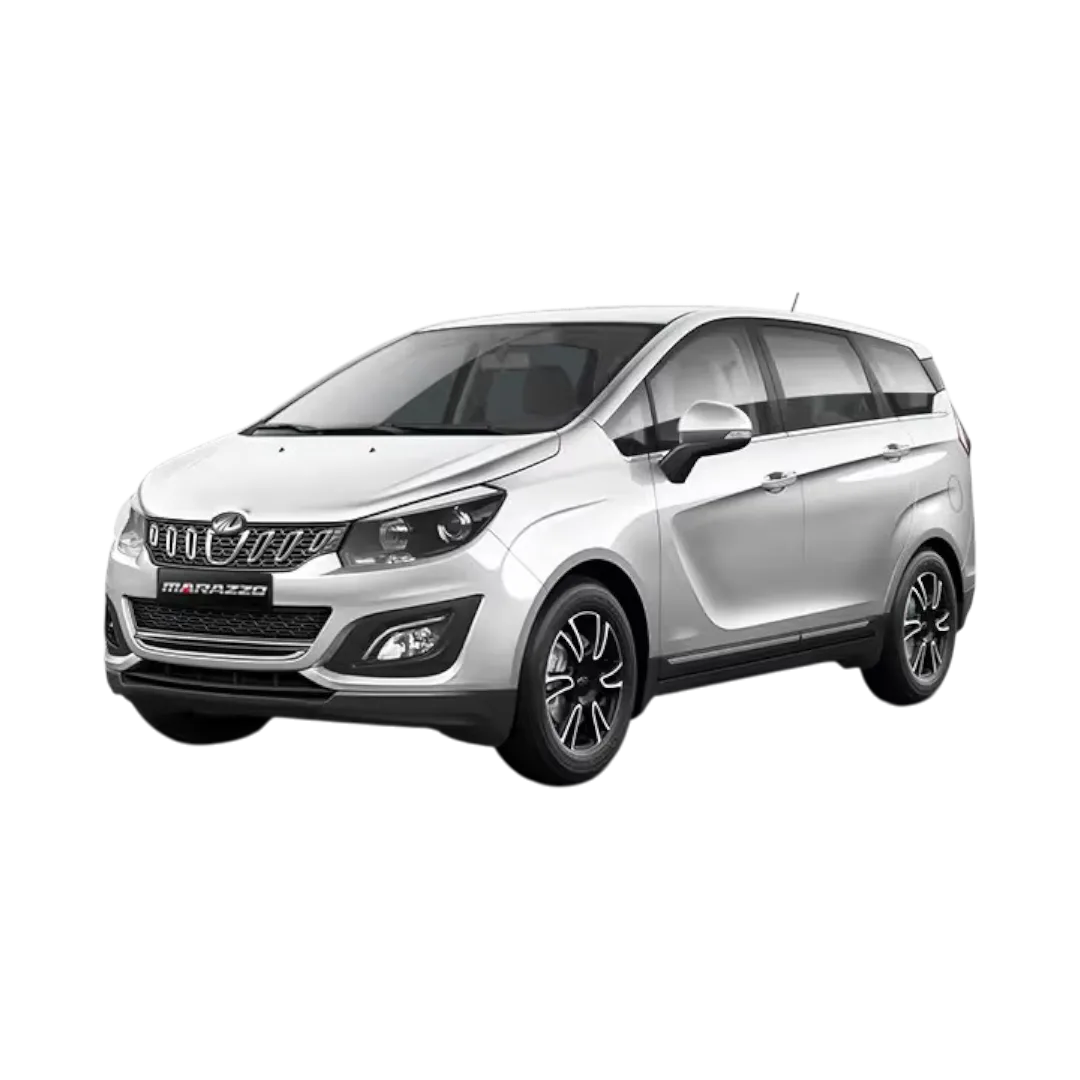 Marazzo
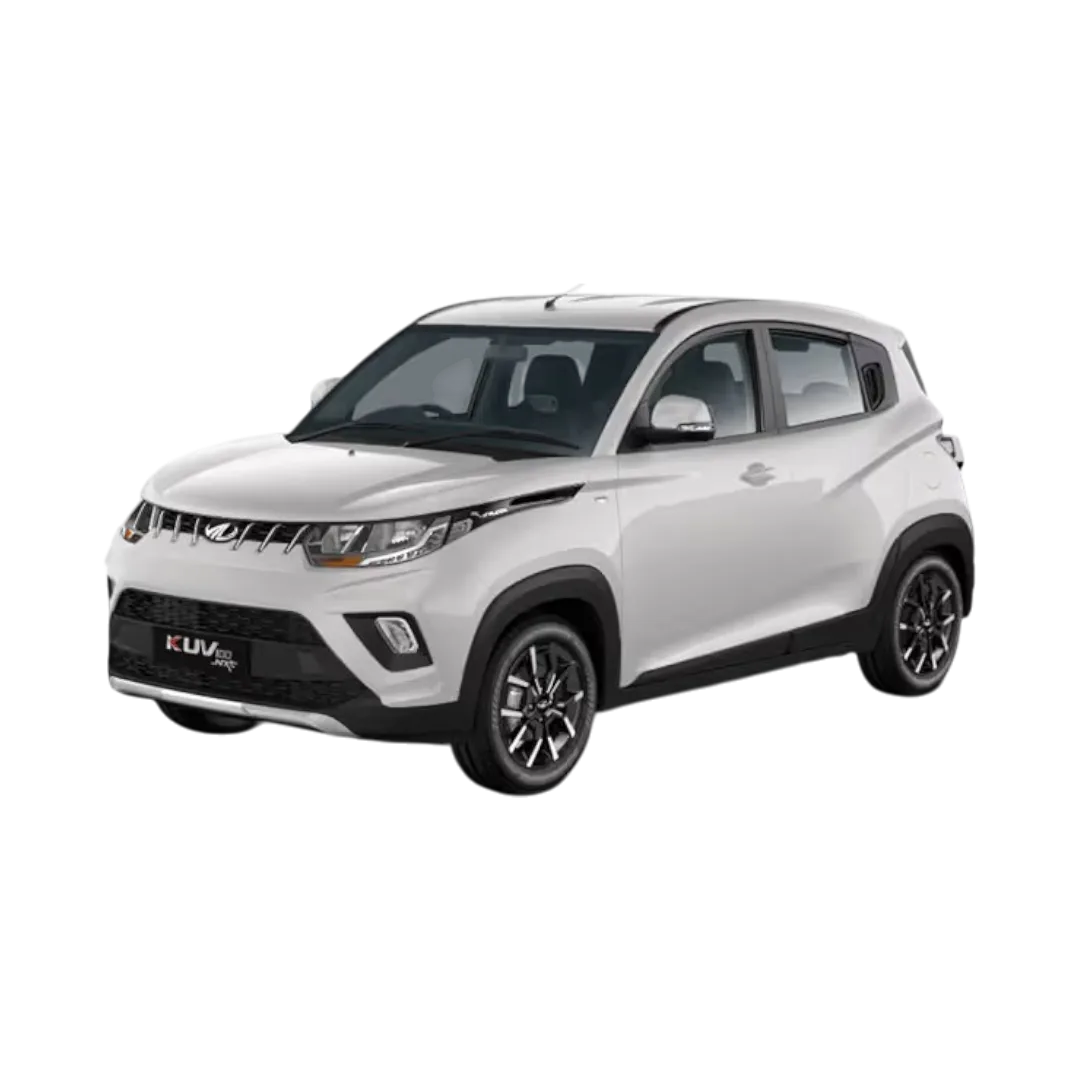 KUV100 NXT
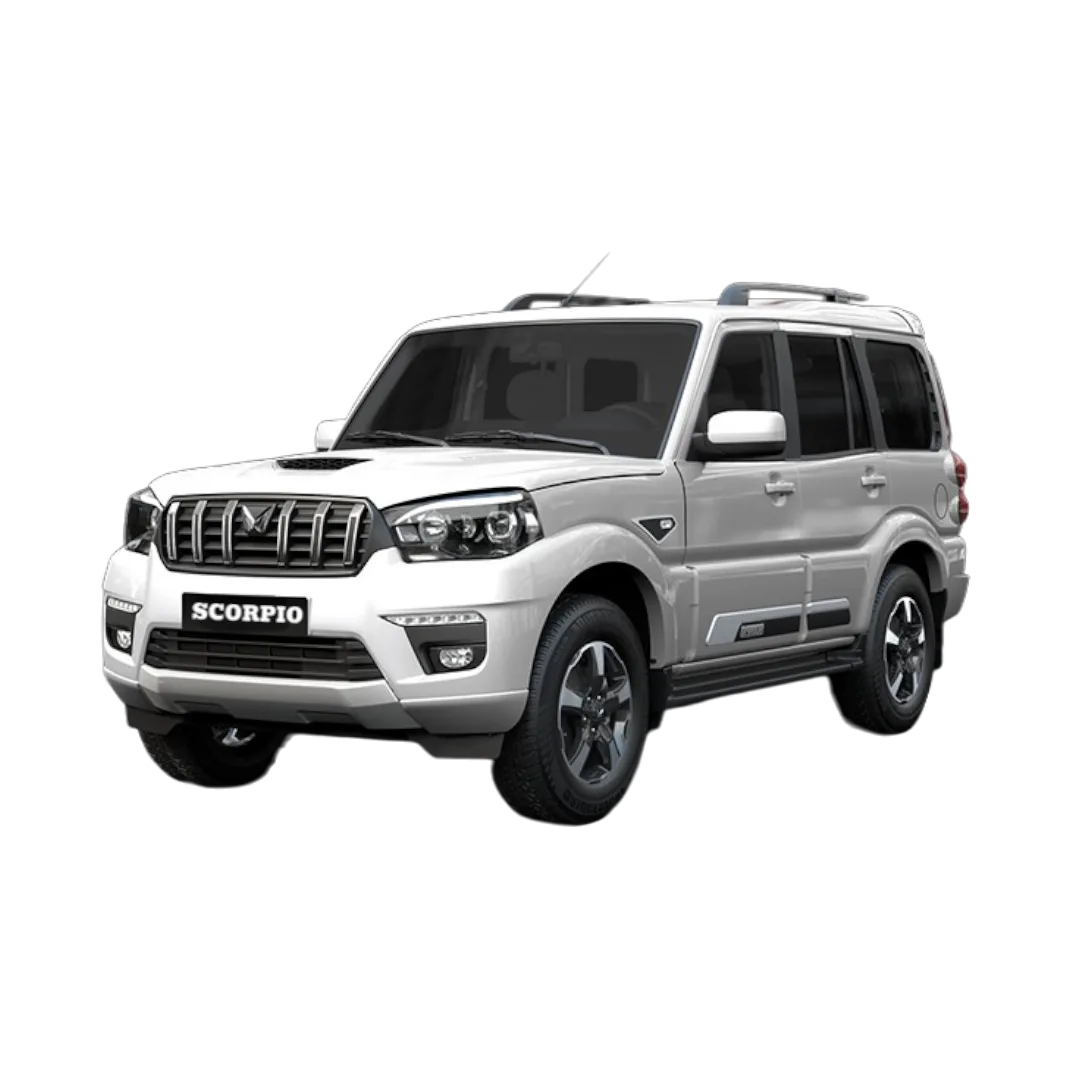 Scorpio
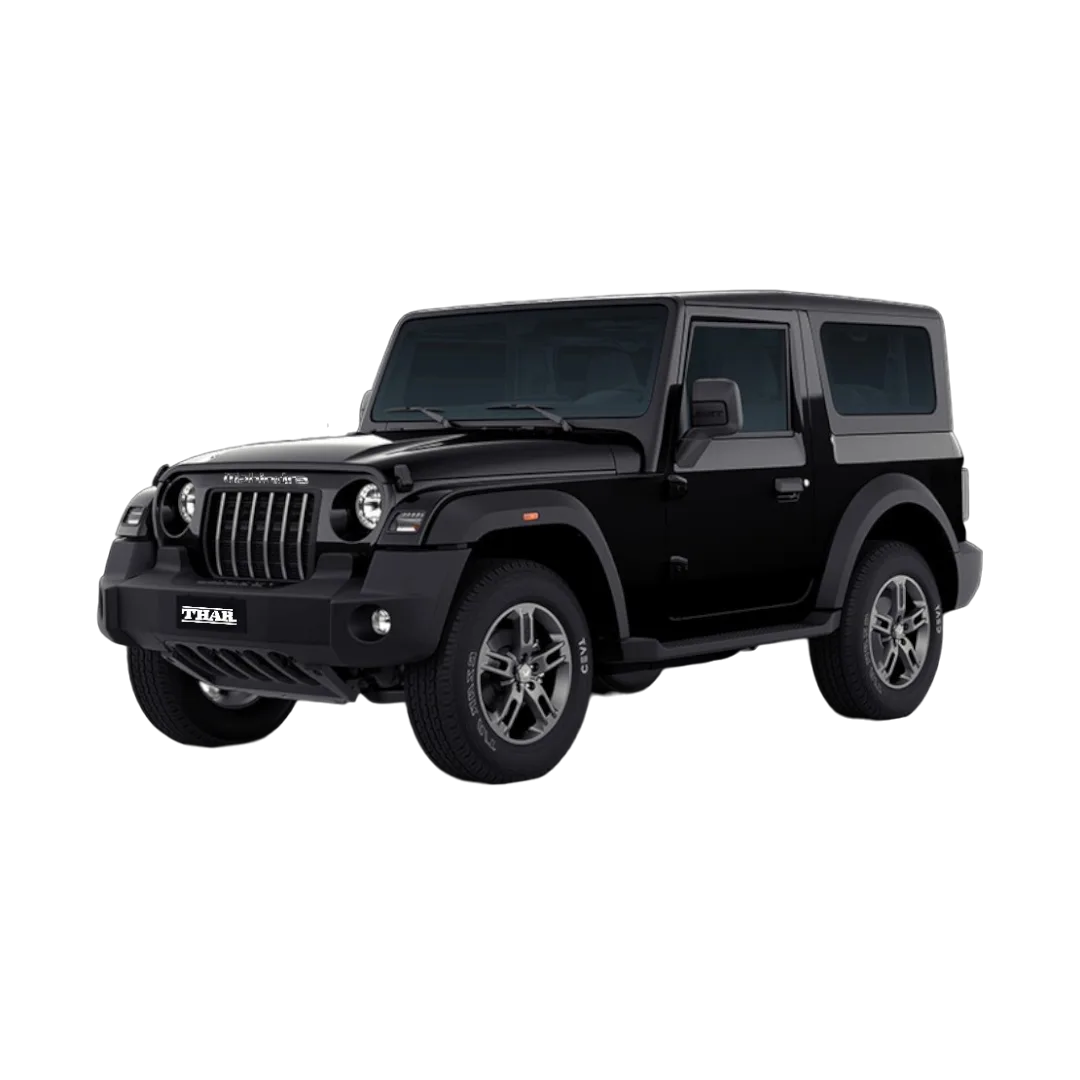 Thar
Thar
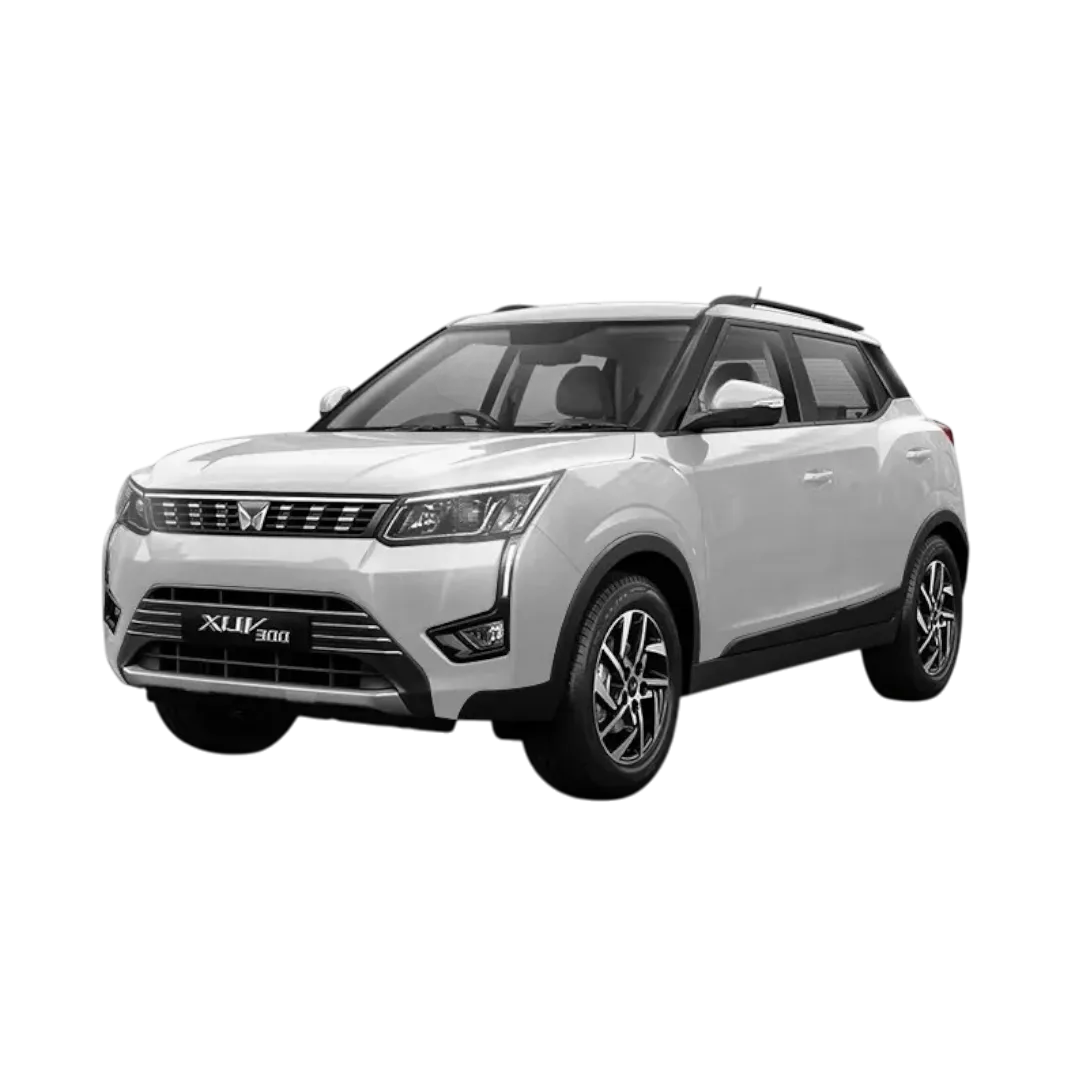 XUV 300
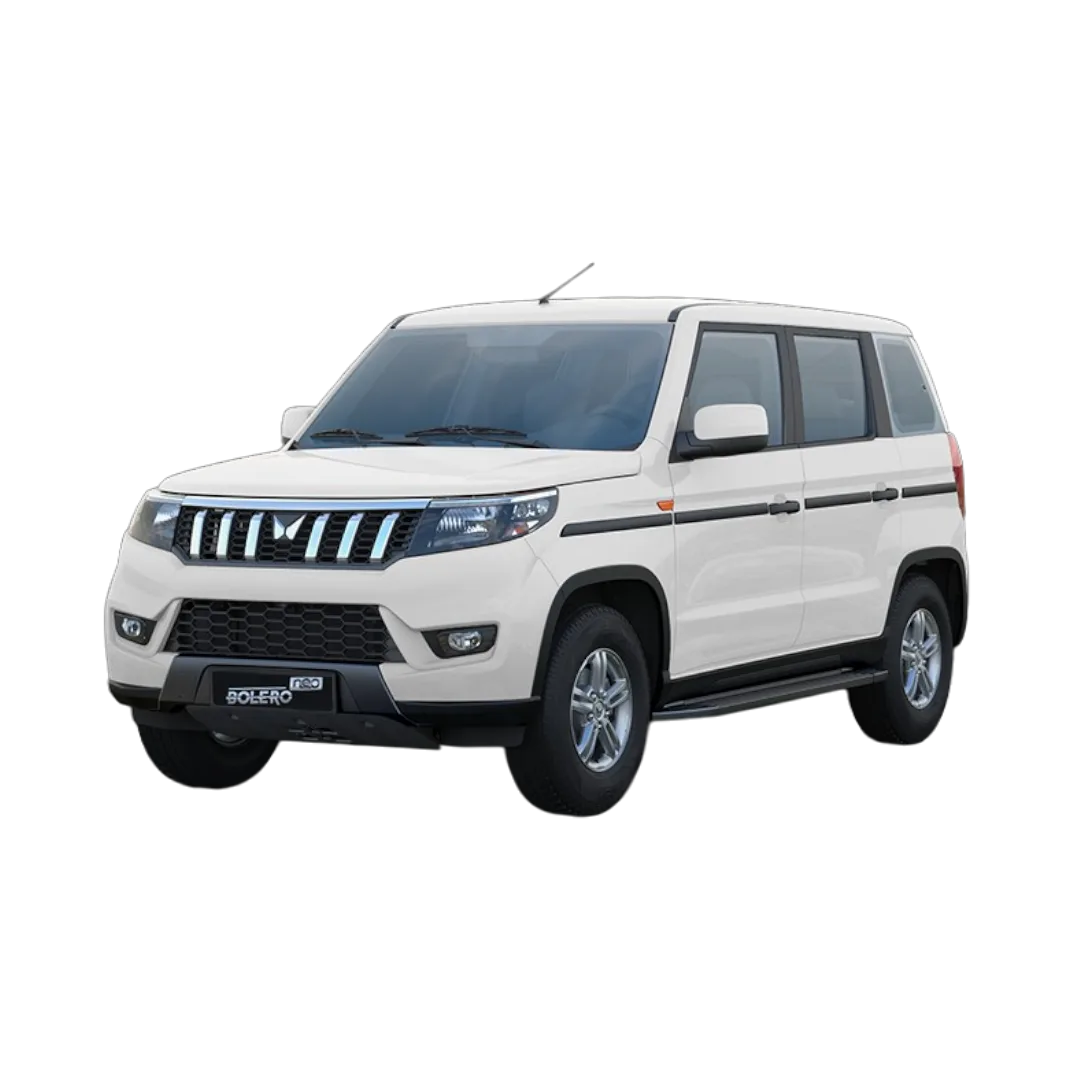 Bolero Neo
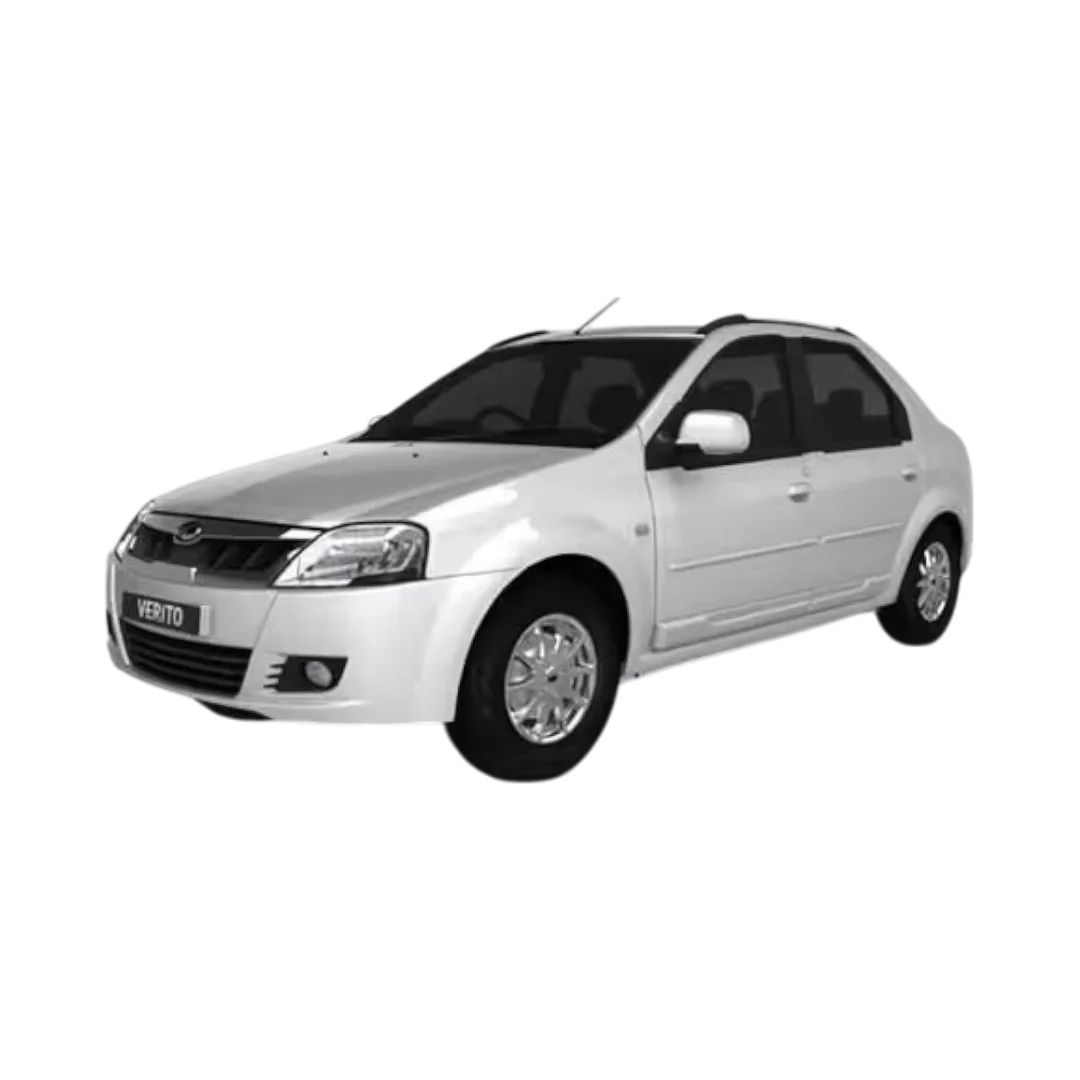 Verito
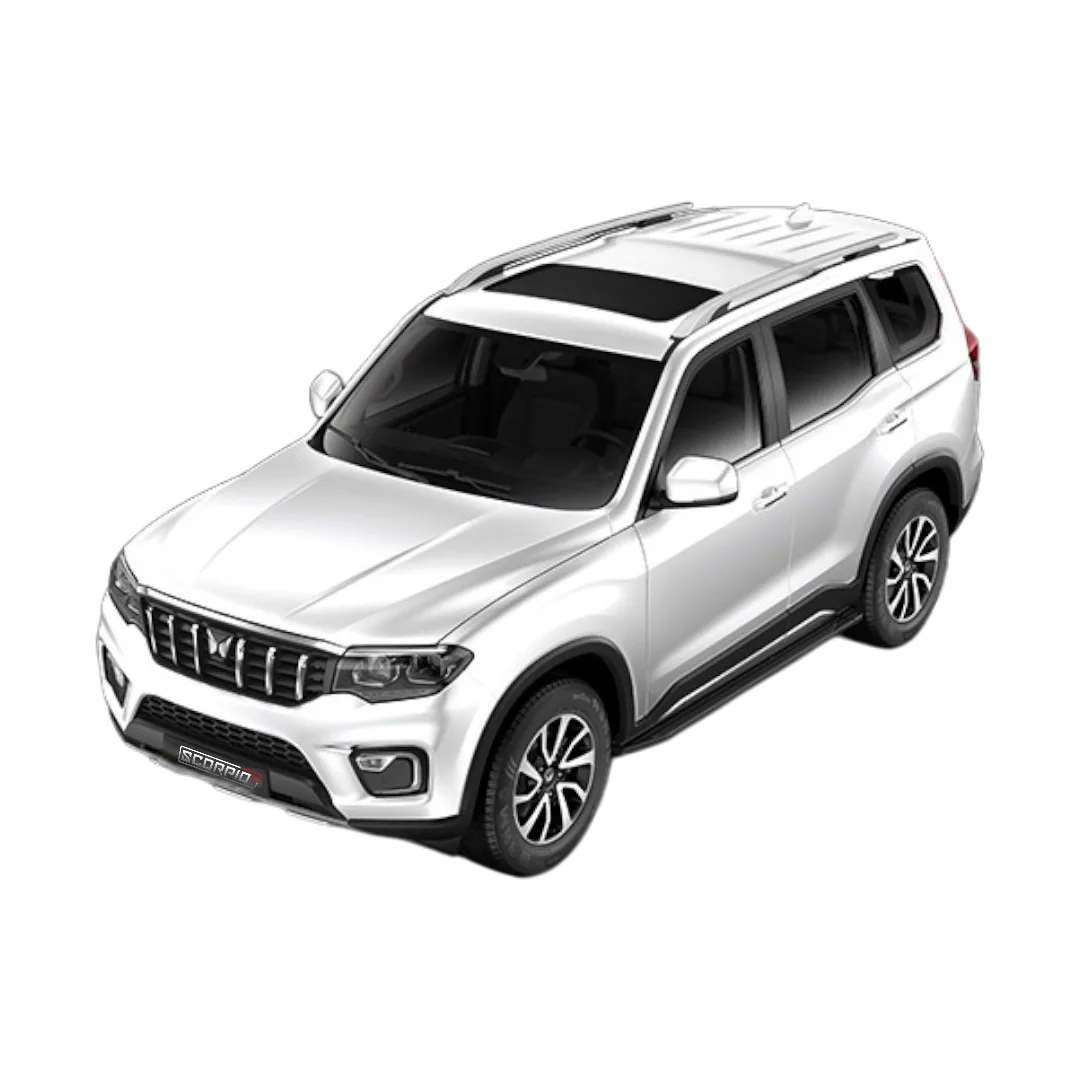 Scorpio-N
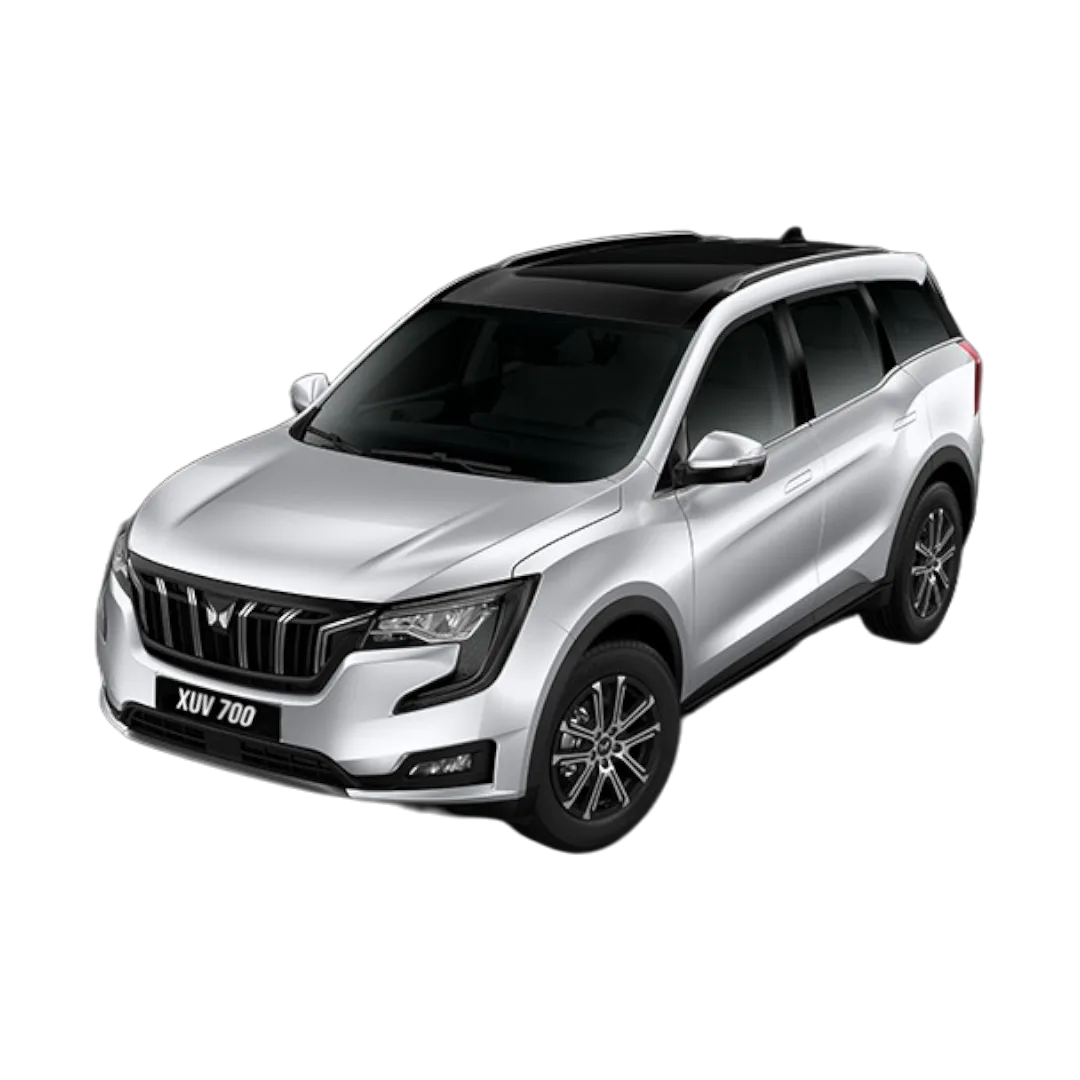 XUV 700
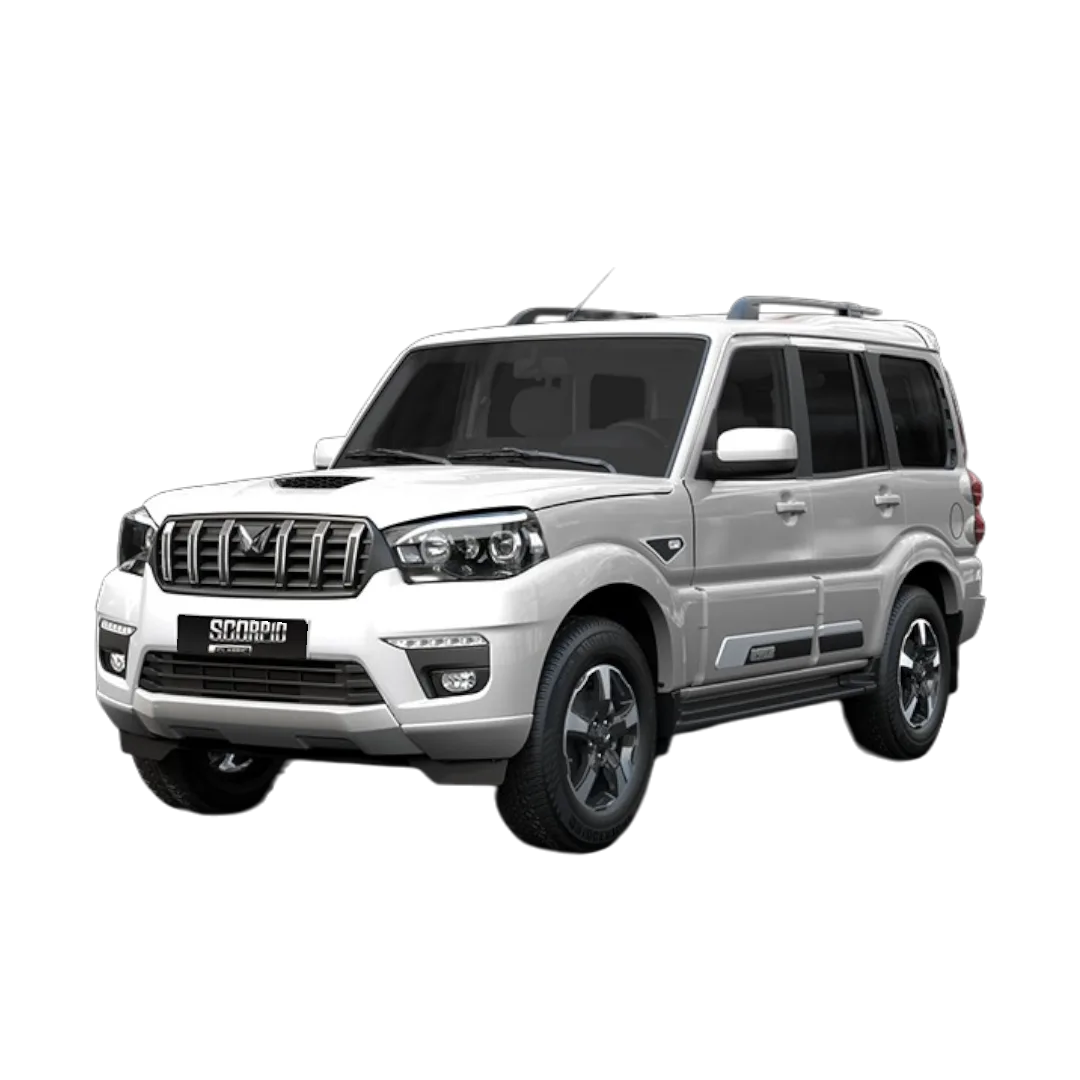 Scorpio Classic
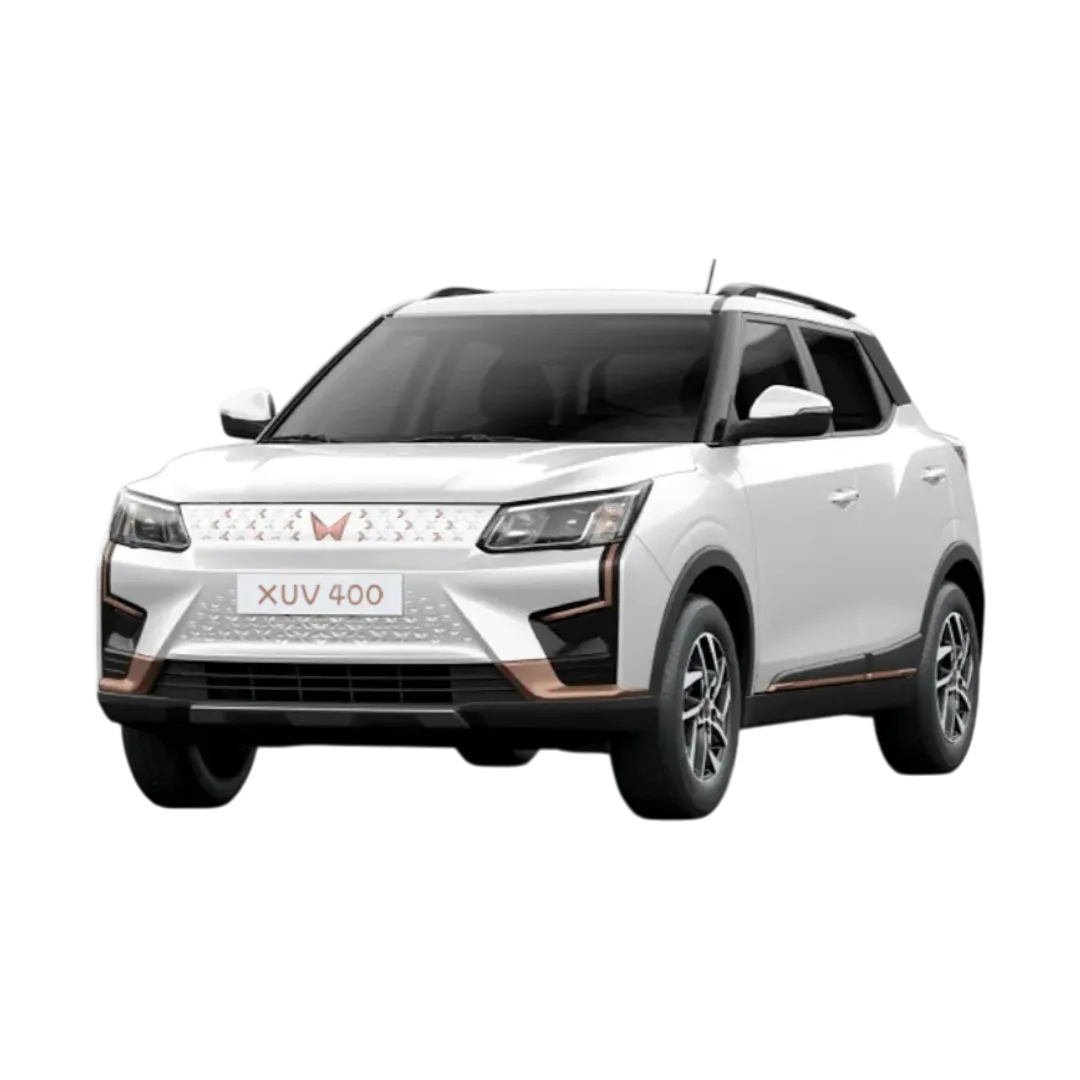 XUV400
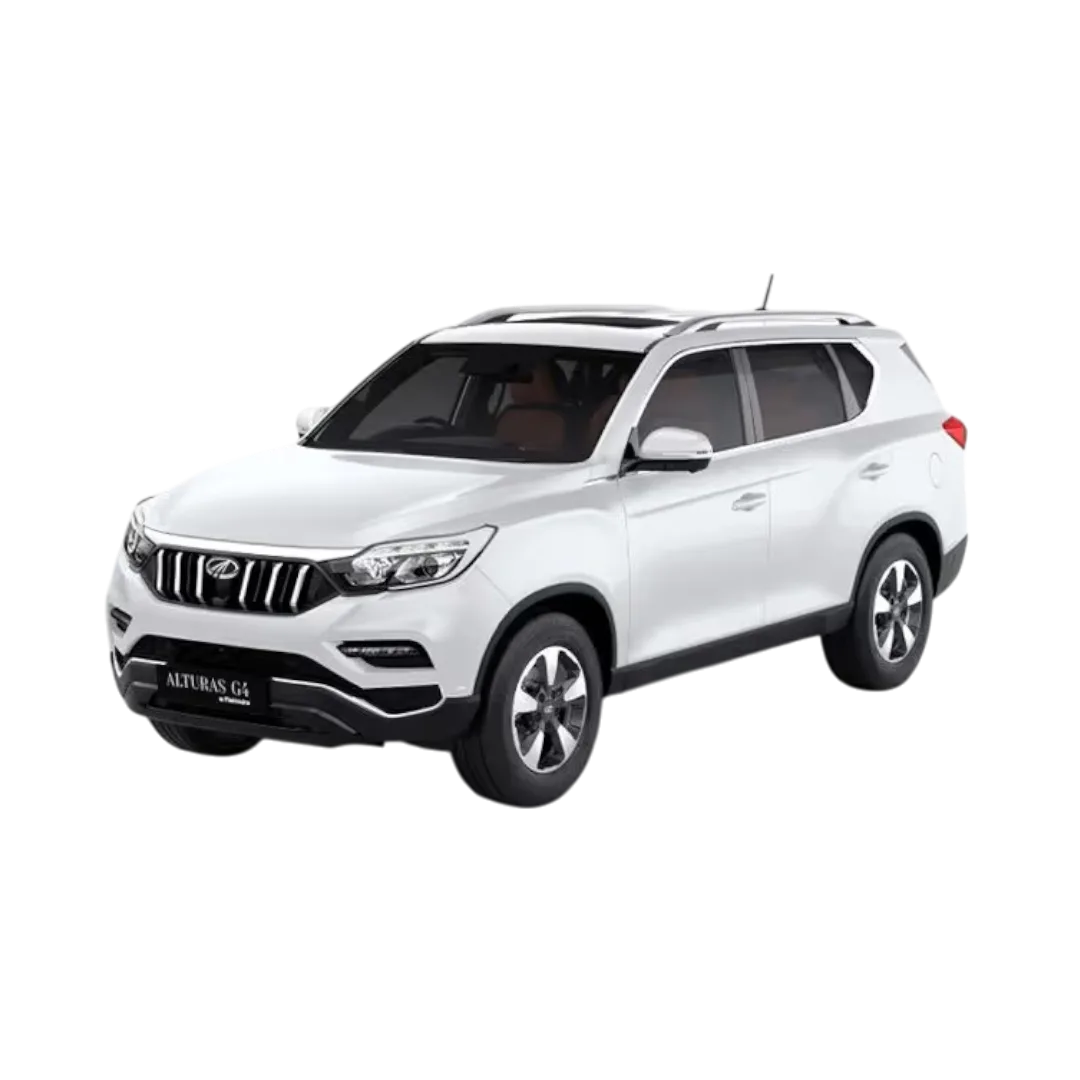 Alturas
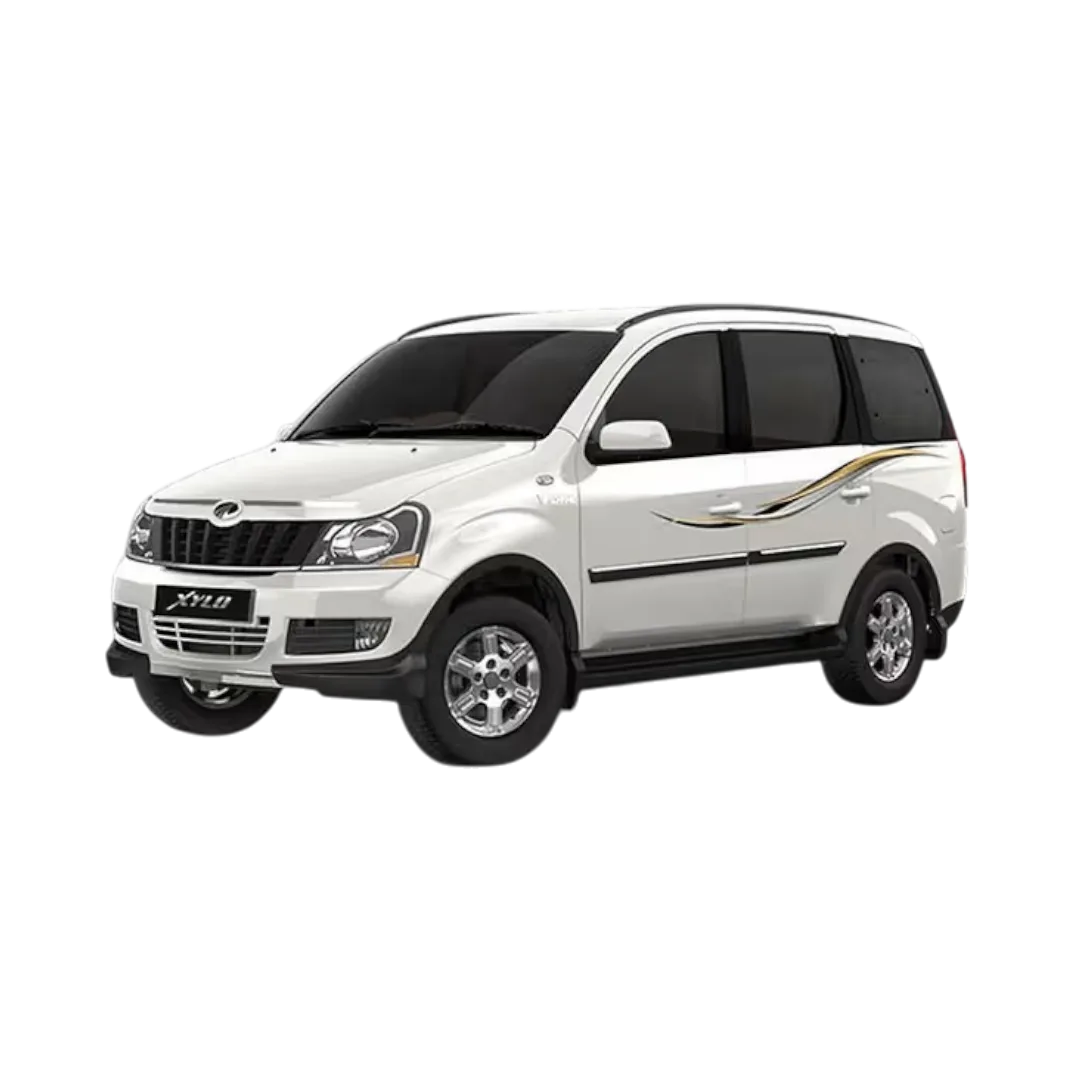 Xylo
Xylo
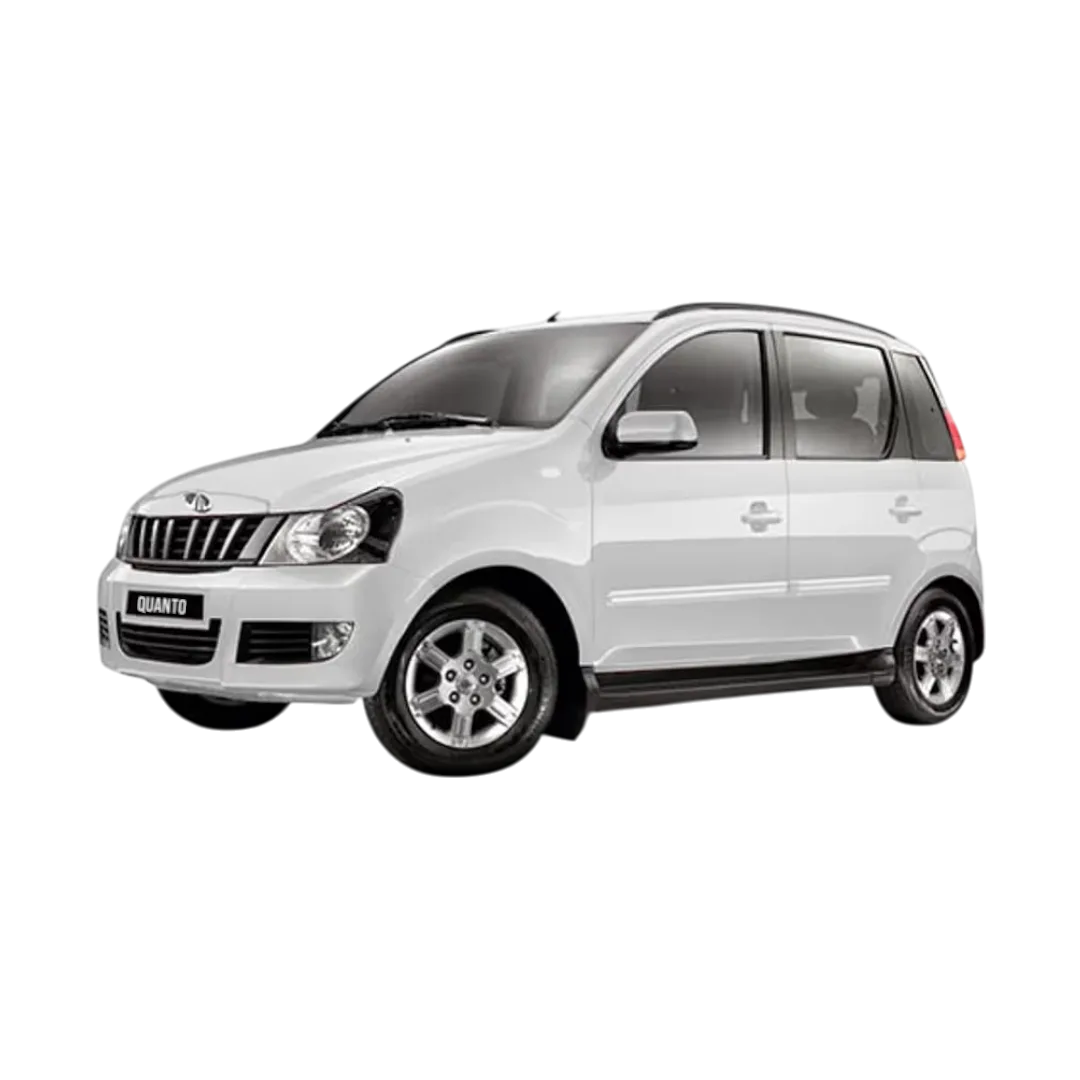 Quanto
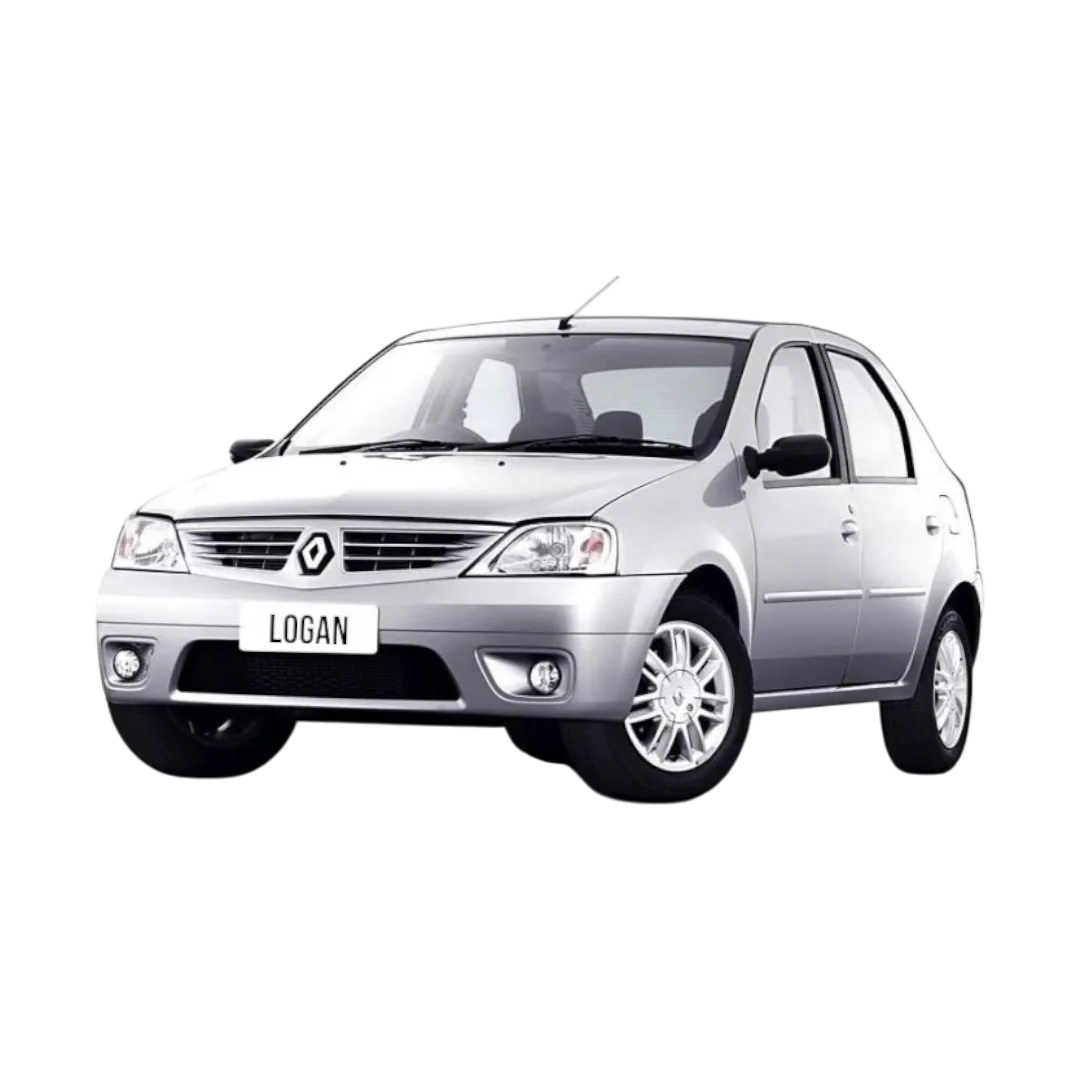 Logan
Logan
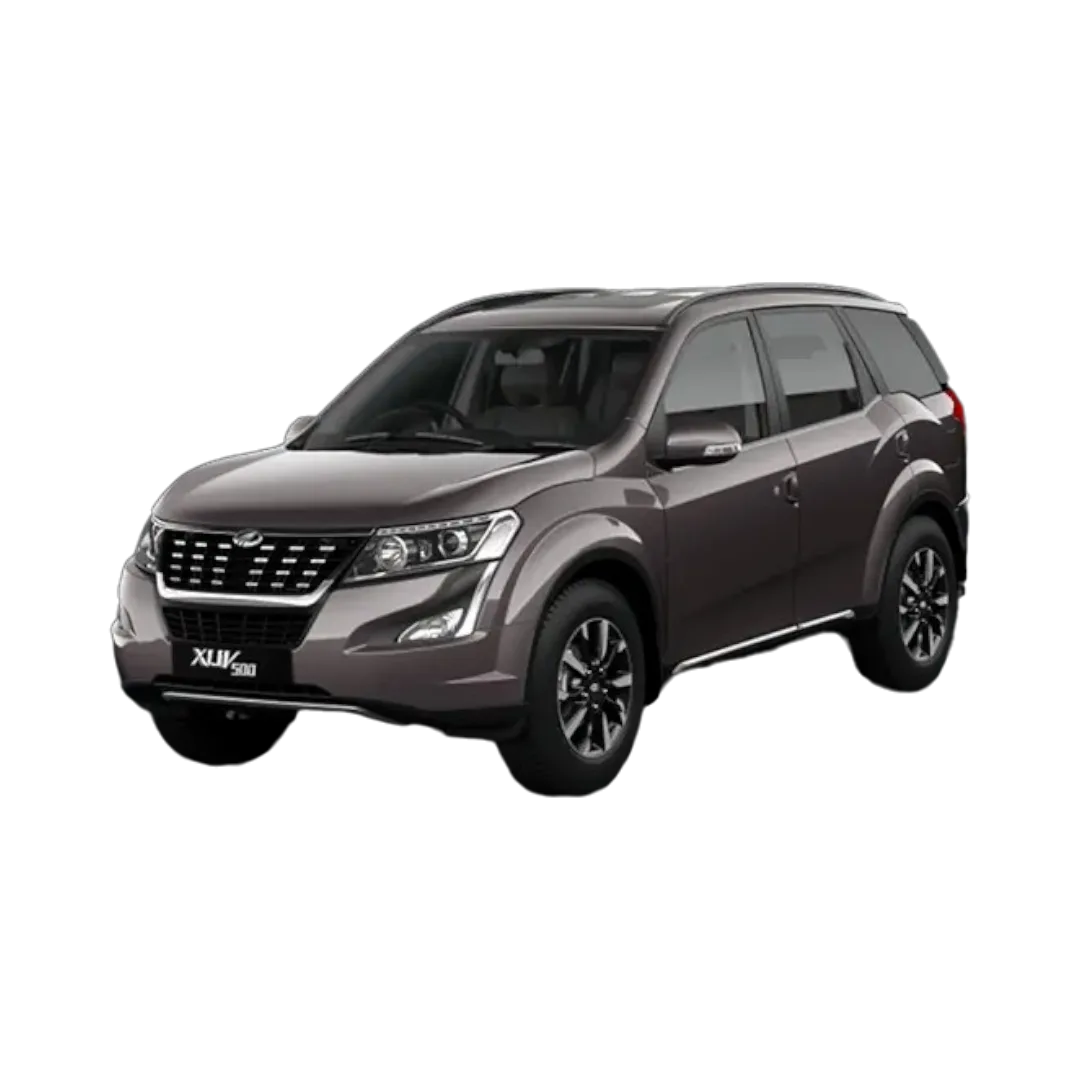 XUV 500
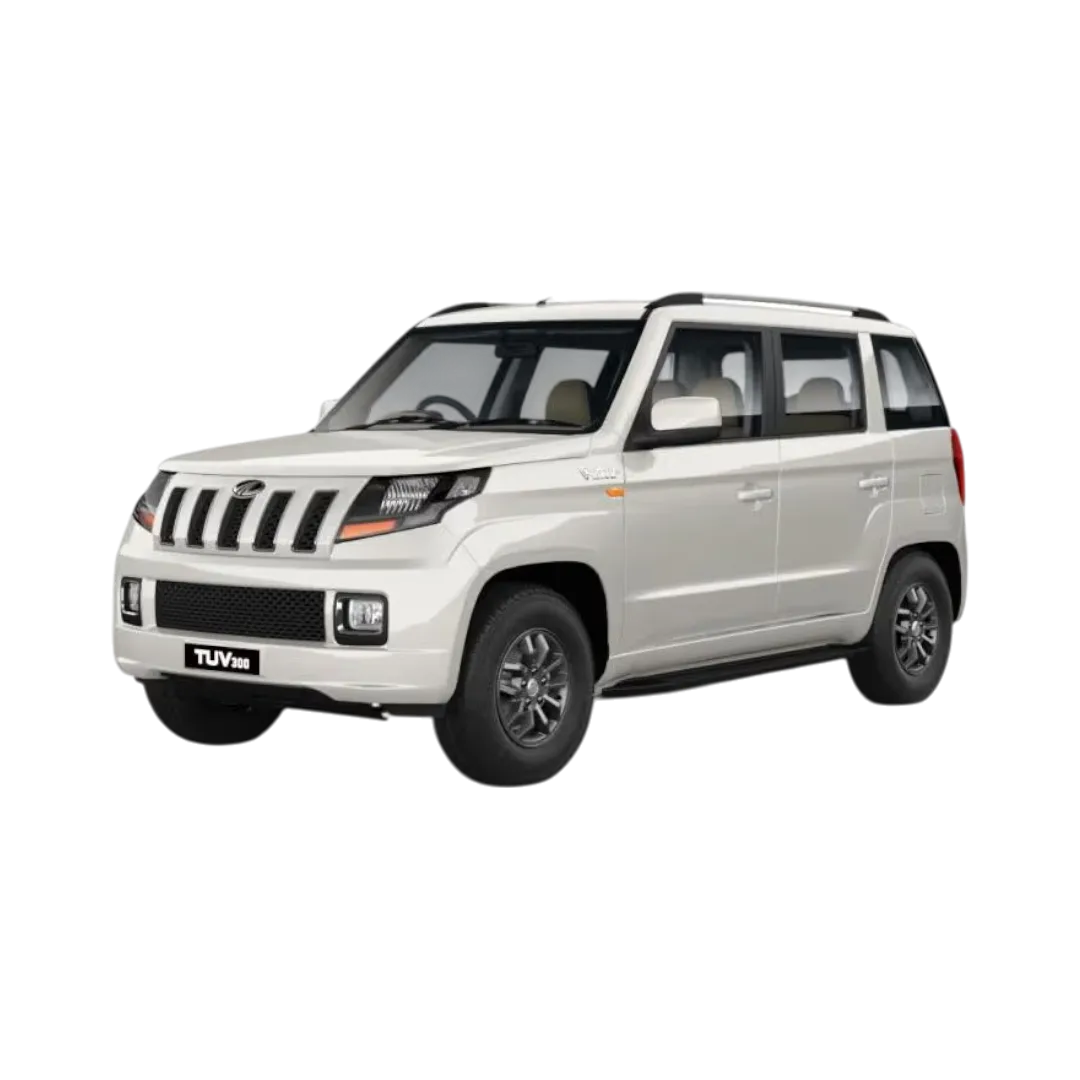 TUV 300
 XUV 3XO
 KUV 100
NuvoSport
XEV 9e
BE 6
Thar Roxx
E-Verito
XUV 7XO
TUV 100
BE6
Bolero Camper
Verito Vibe
XUV 400
KUV 100
NuvoSport
XEV 9e
BE 6
Thar Roxx
E-Verito
XUV 7XO
TUV 100
BE6
Bolero Camper
Verito Vibe
XUV 400
 Audi Q5
 Audi A4
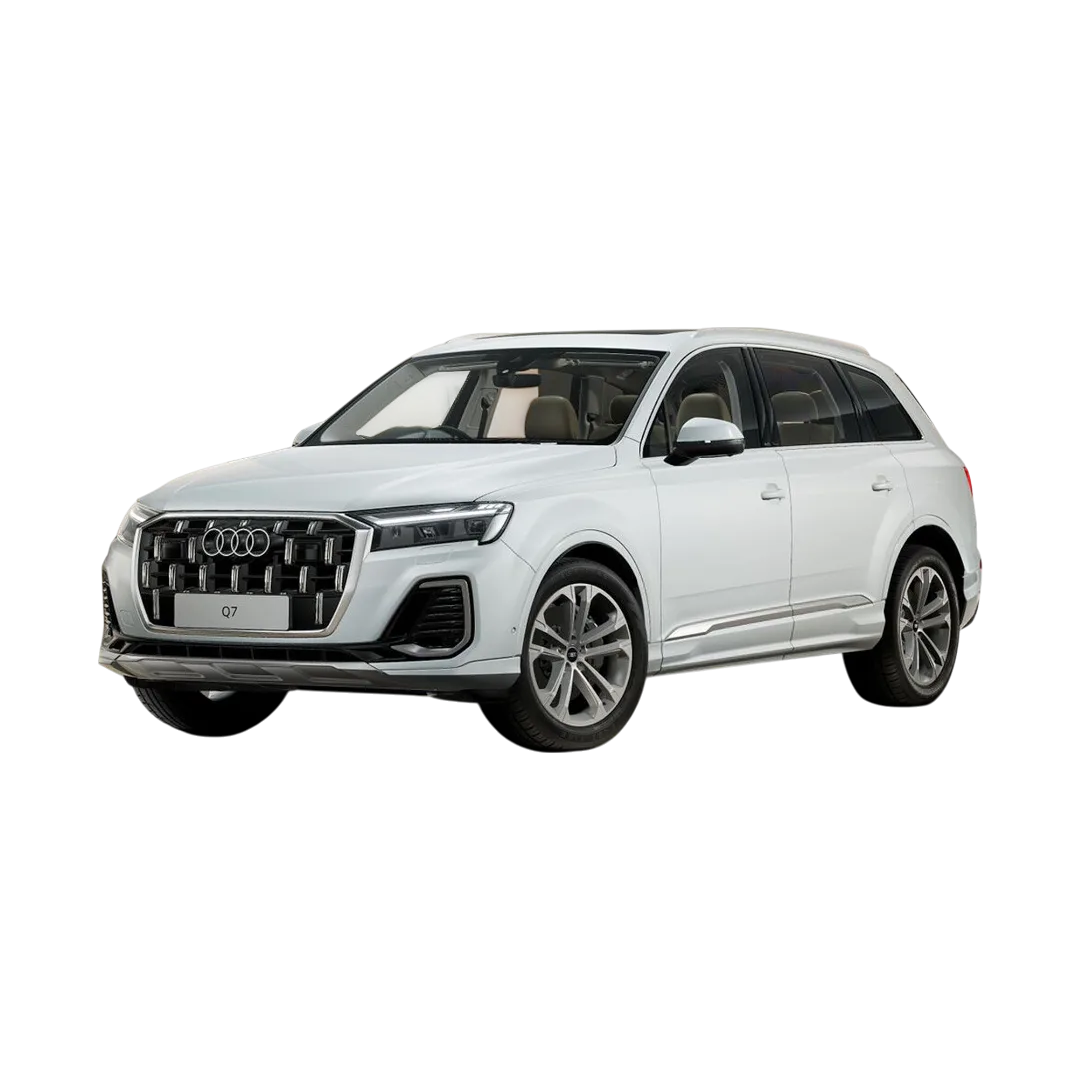 Audi Q7
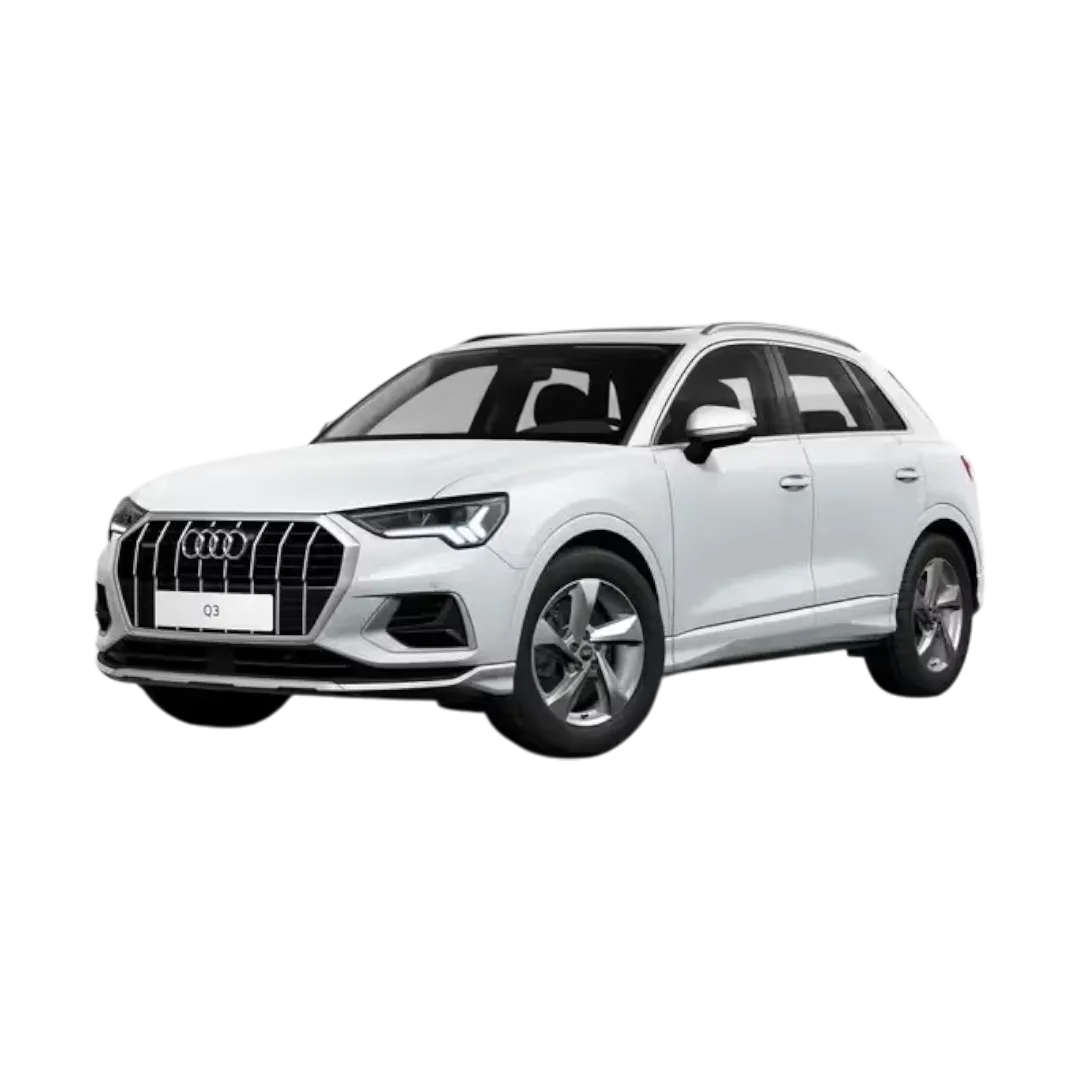 Audi Q3
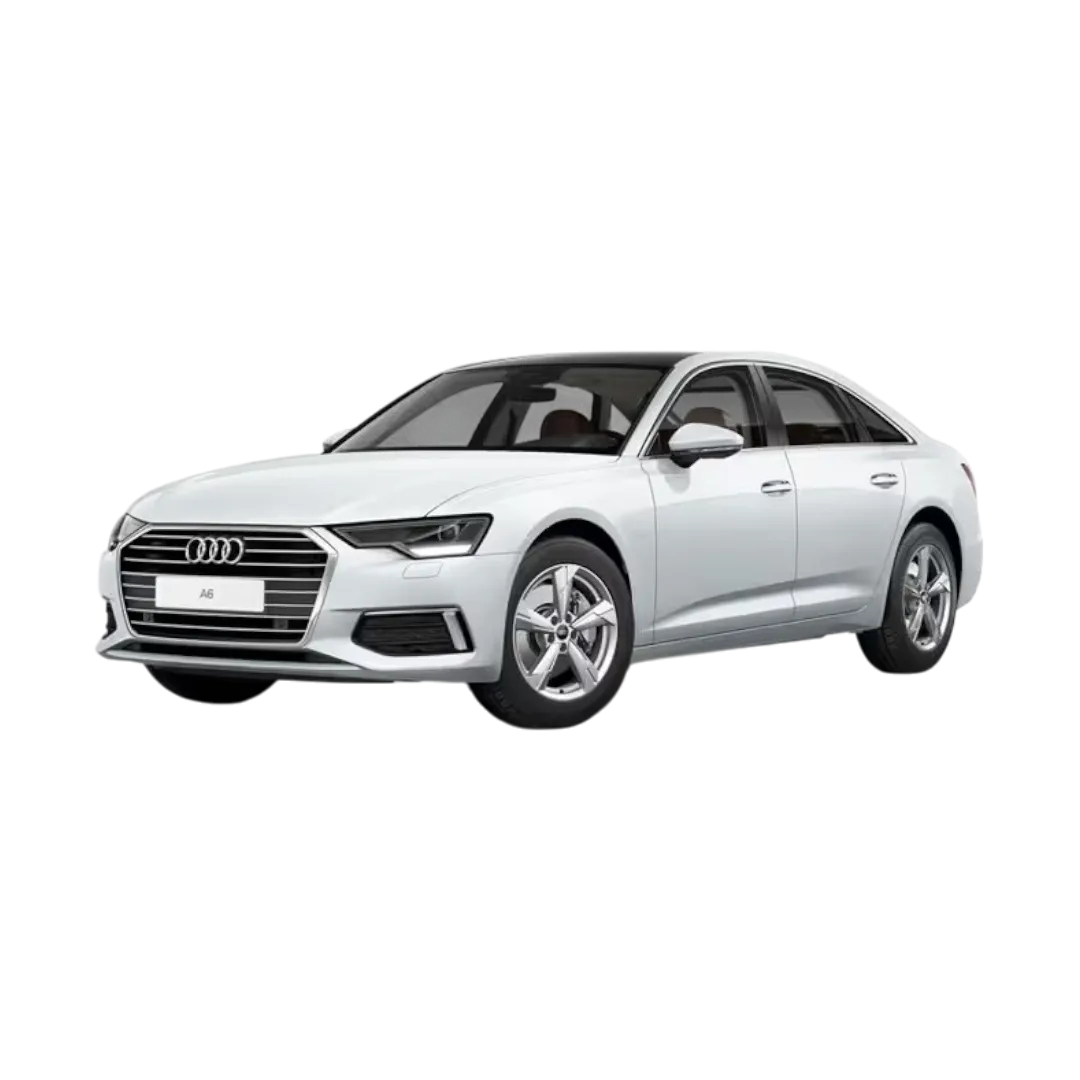 Audi A6
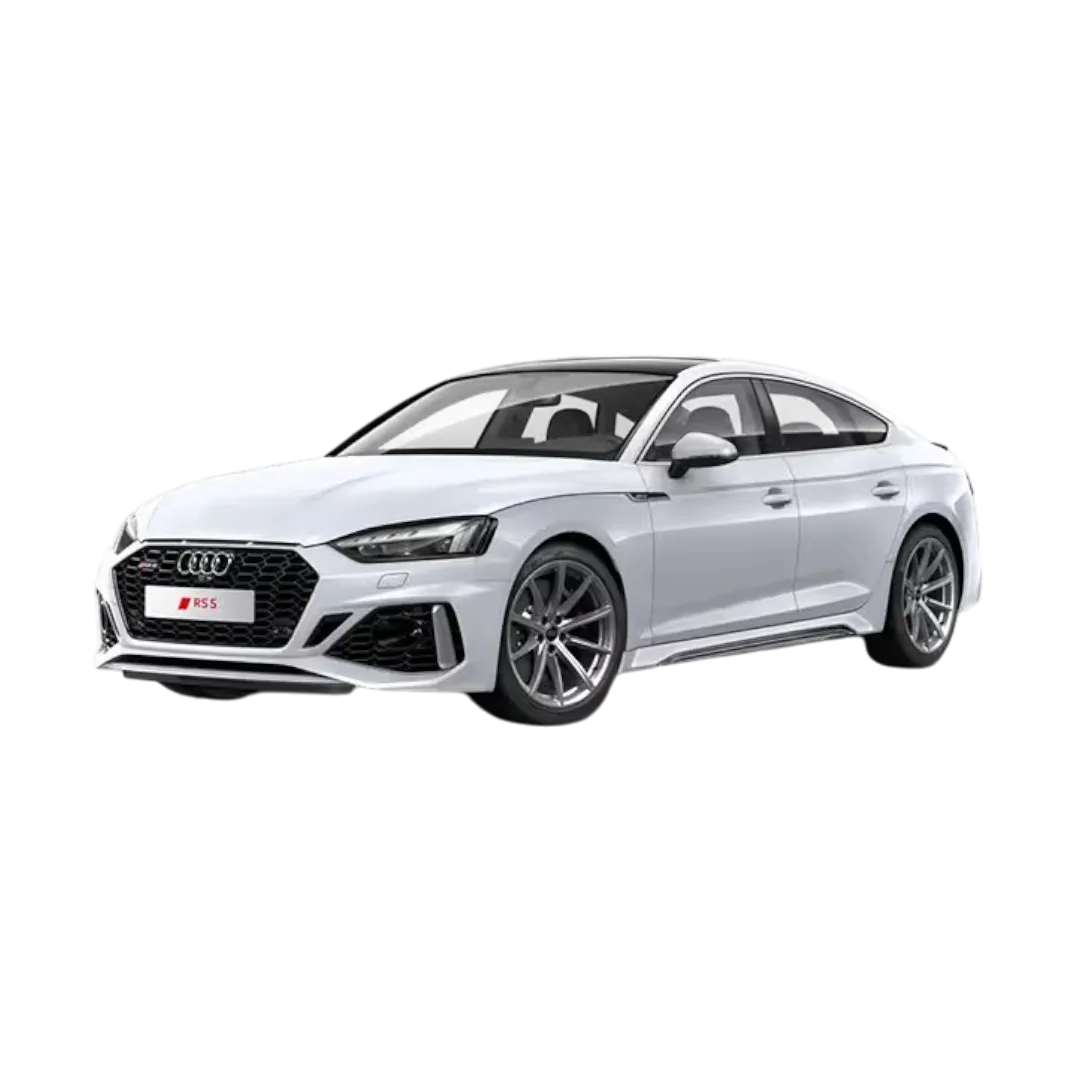 Audi RS5
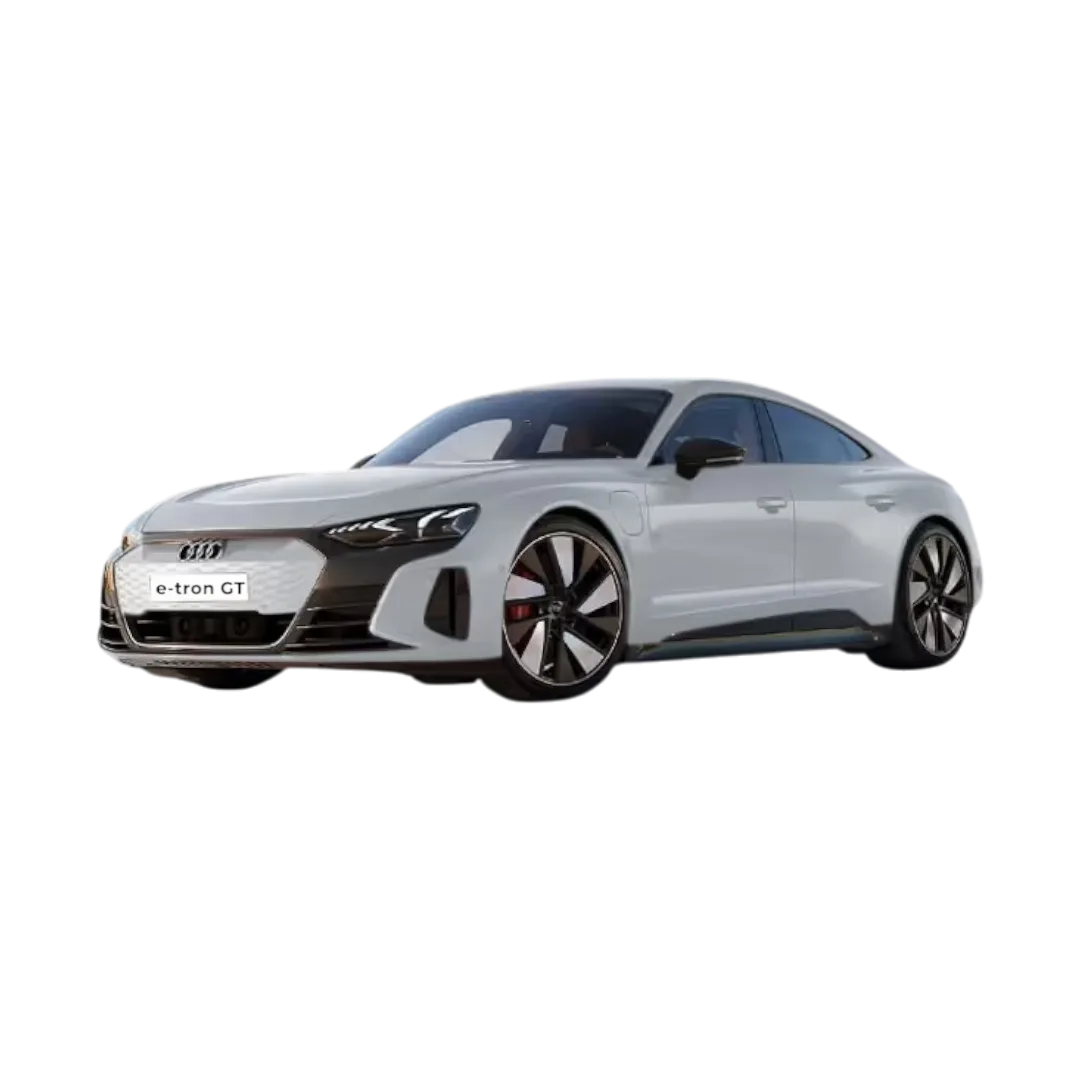 E-Tron GT
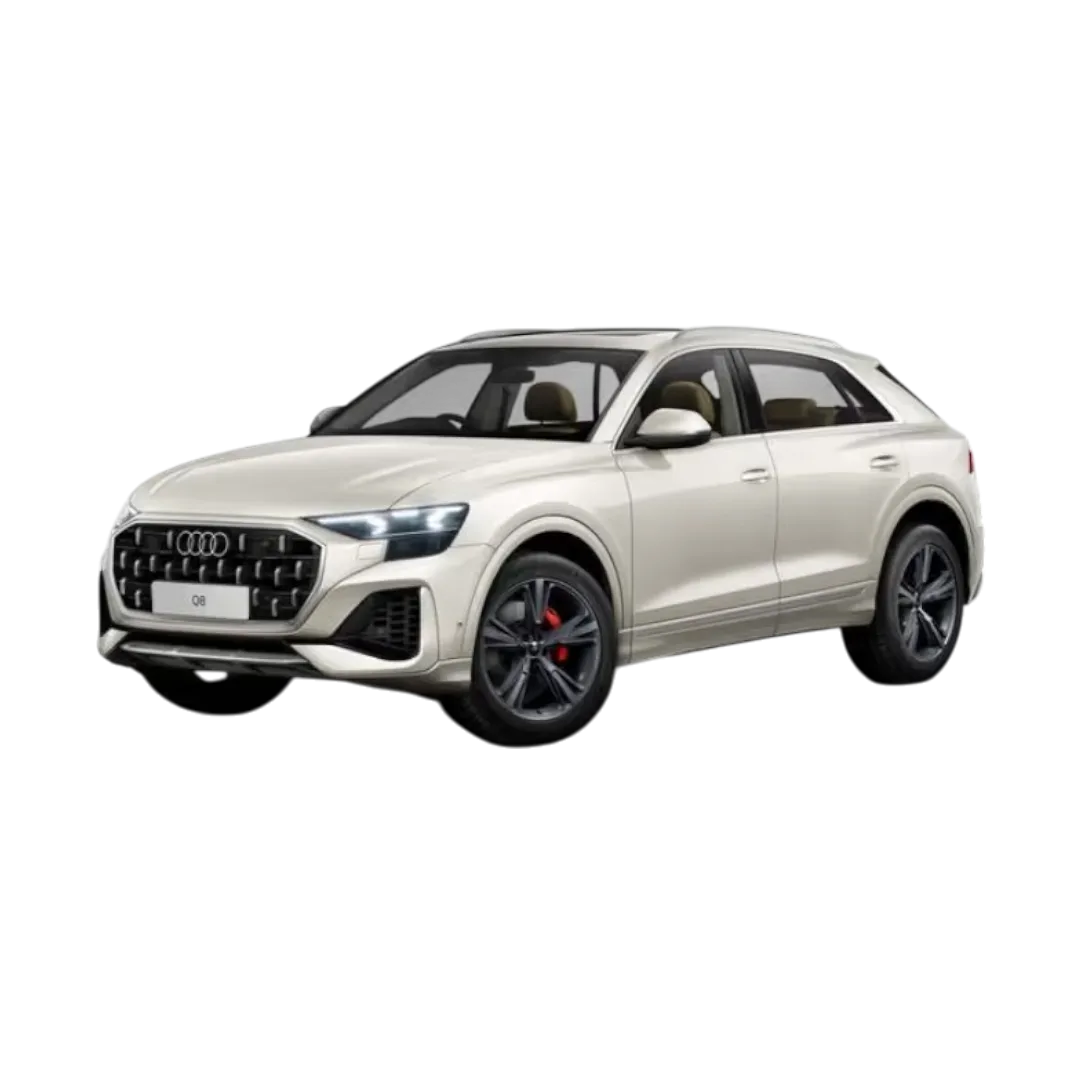 Audi Q8
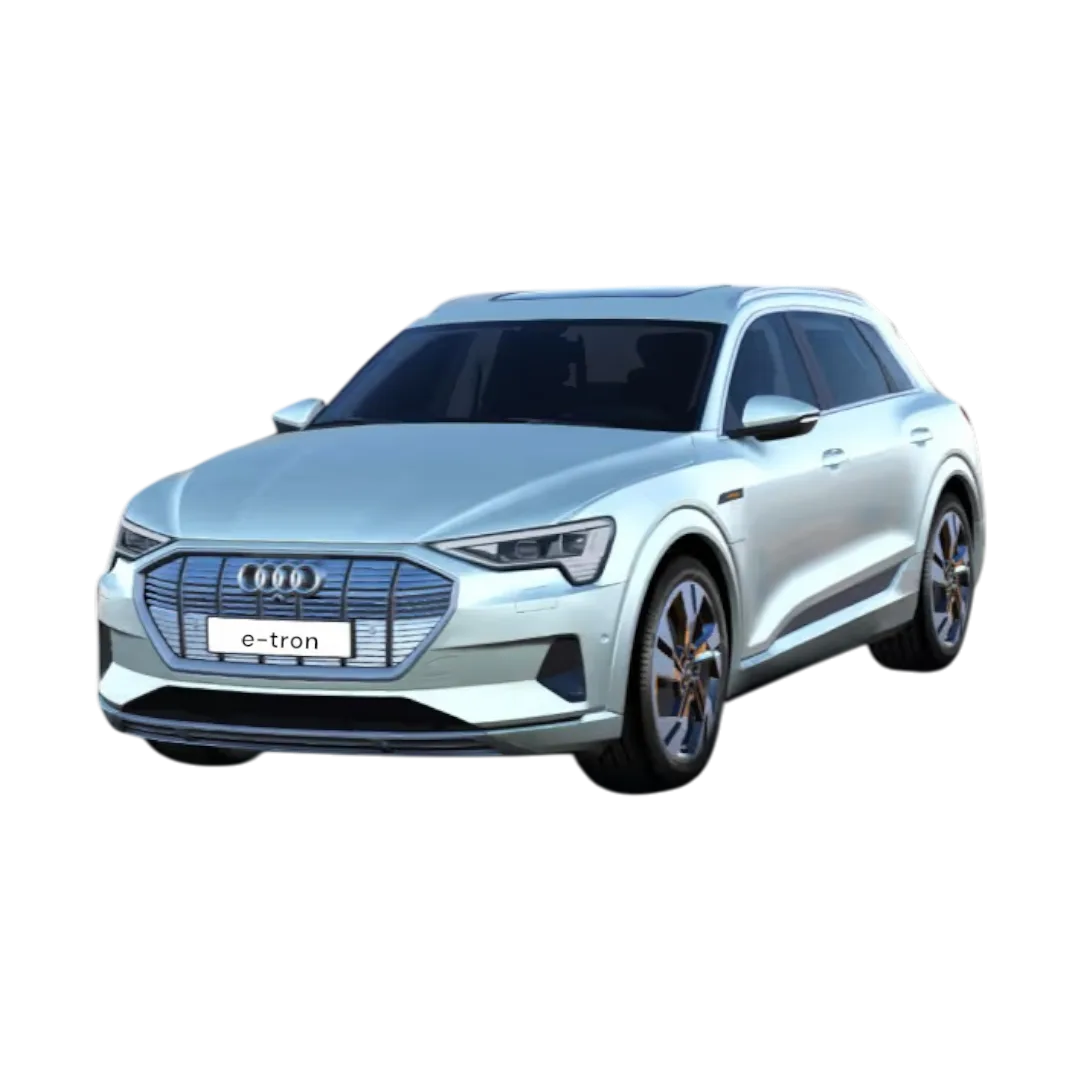 E-Tron
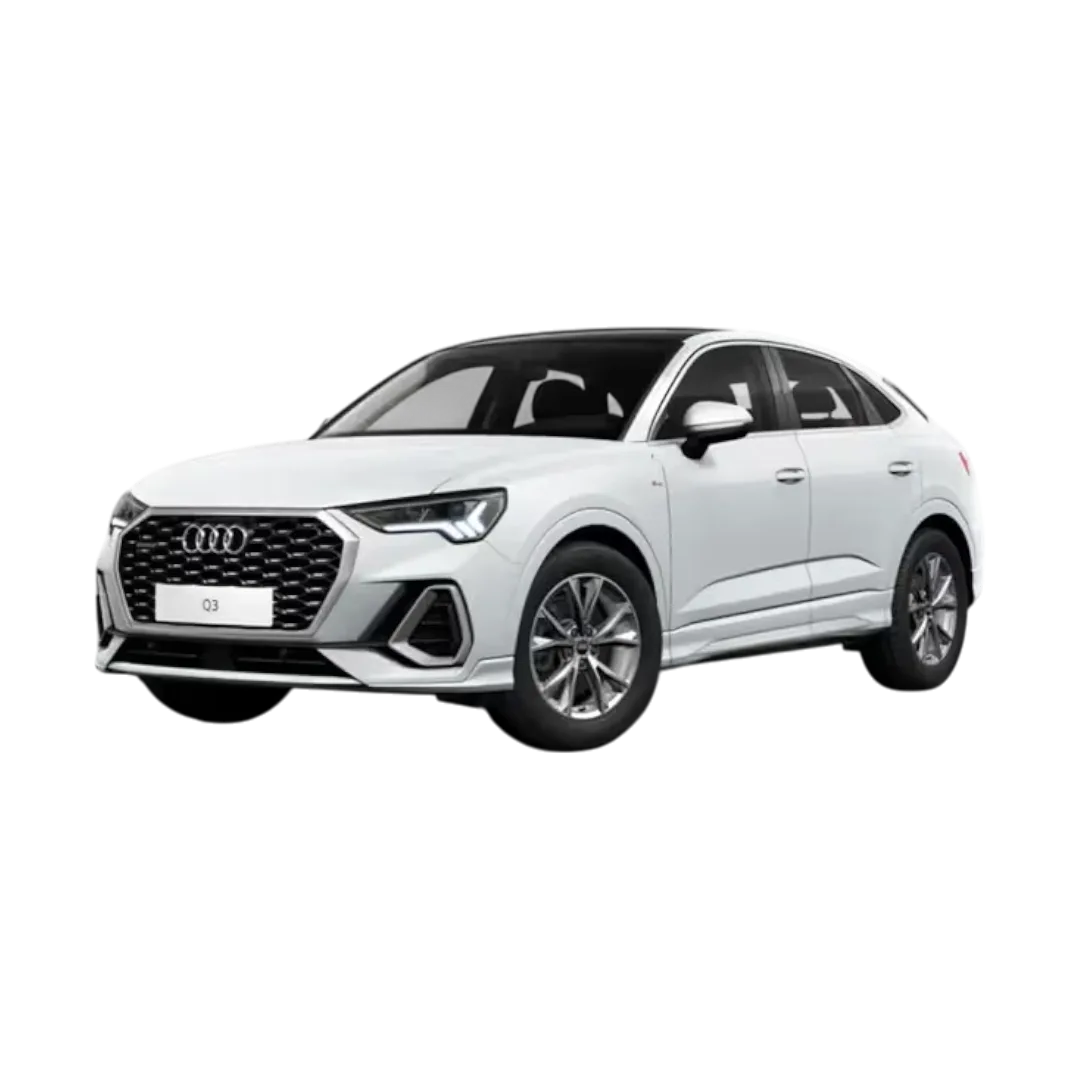 Q3 Sportback
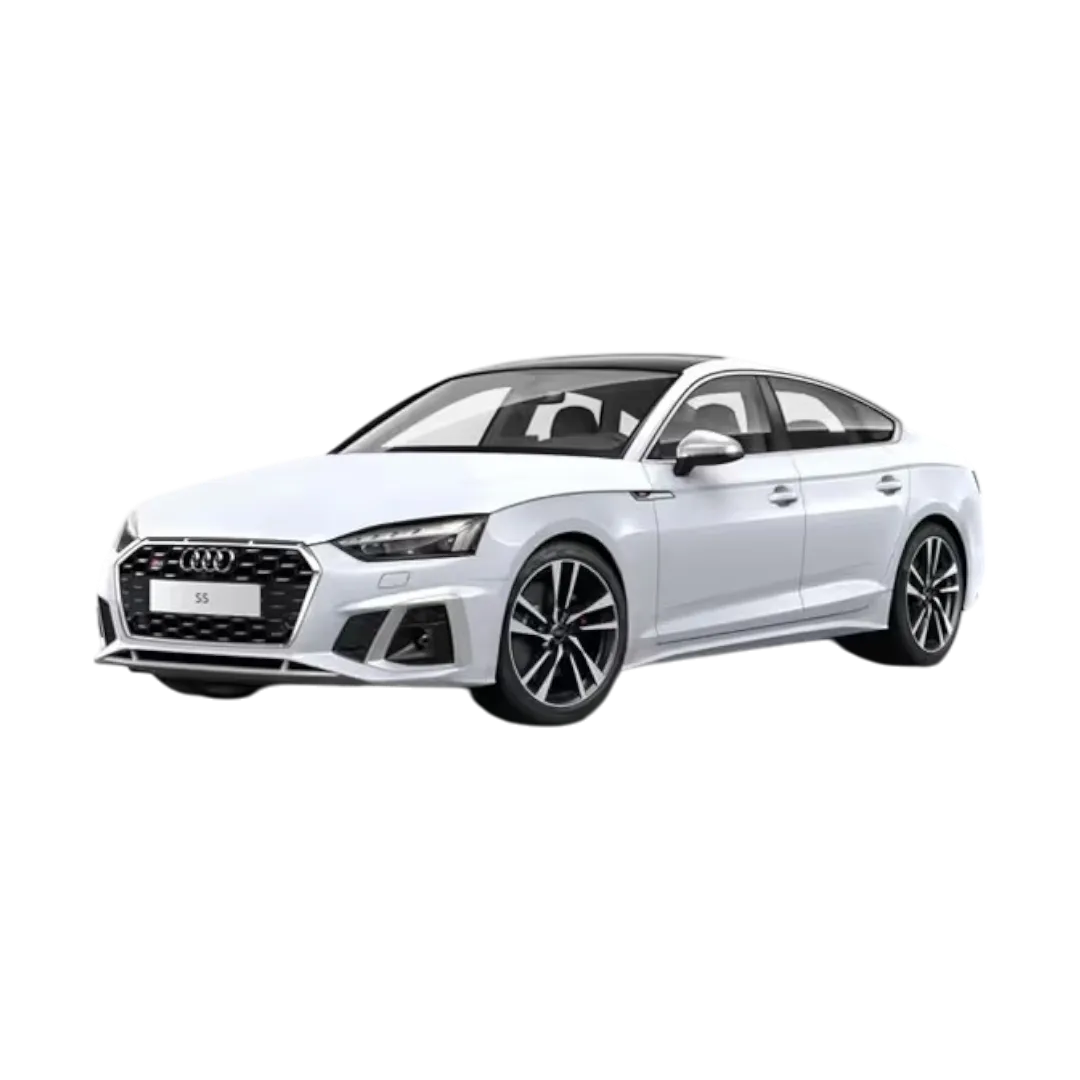 Audi S5 Sportback
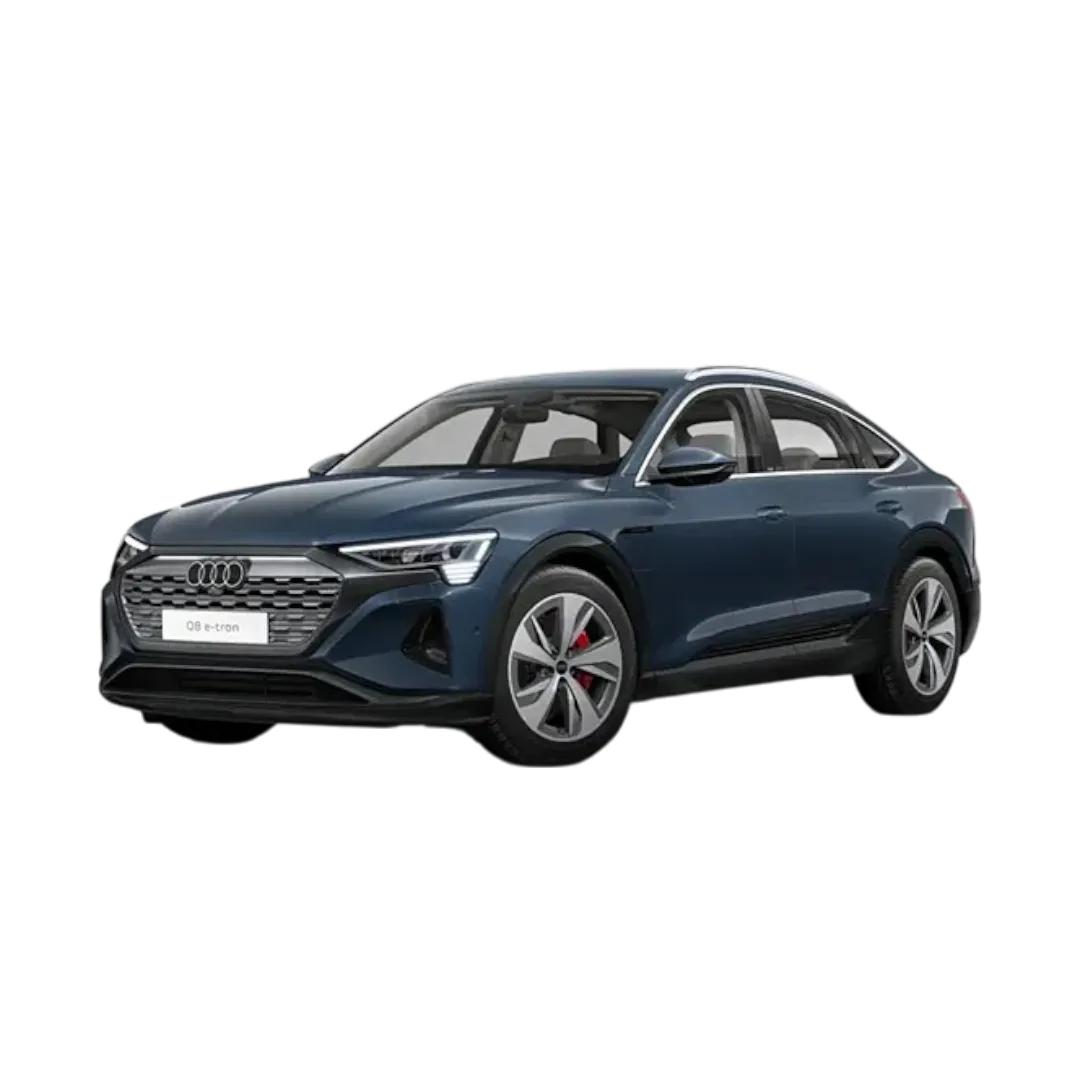 Q8 E-Tron
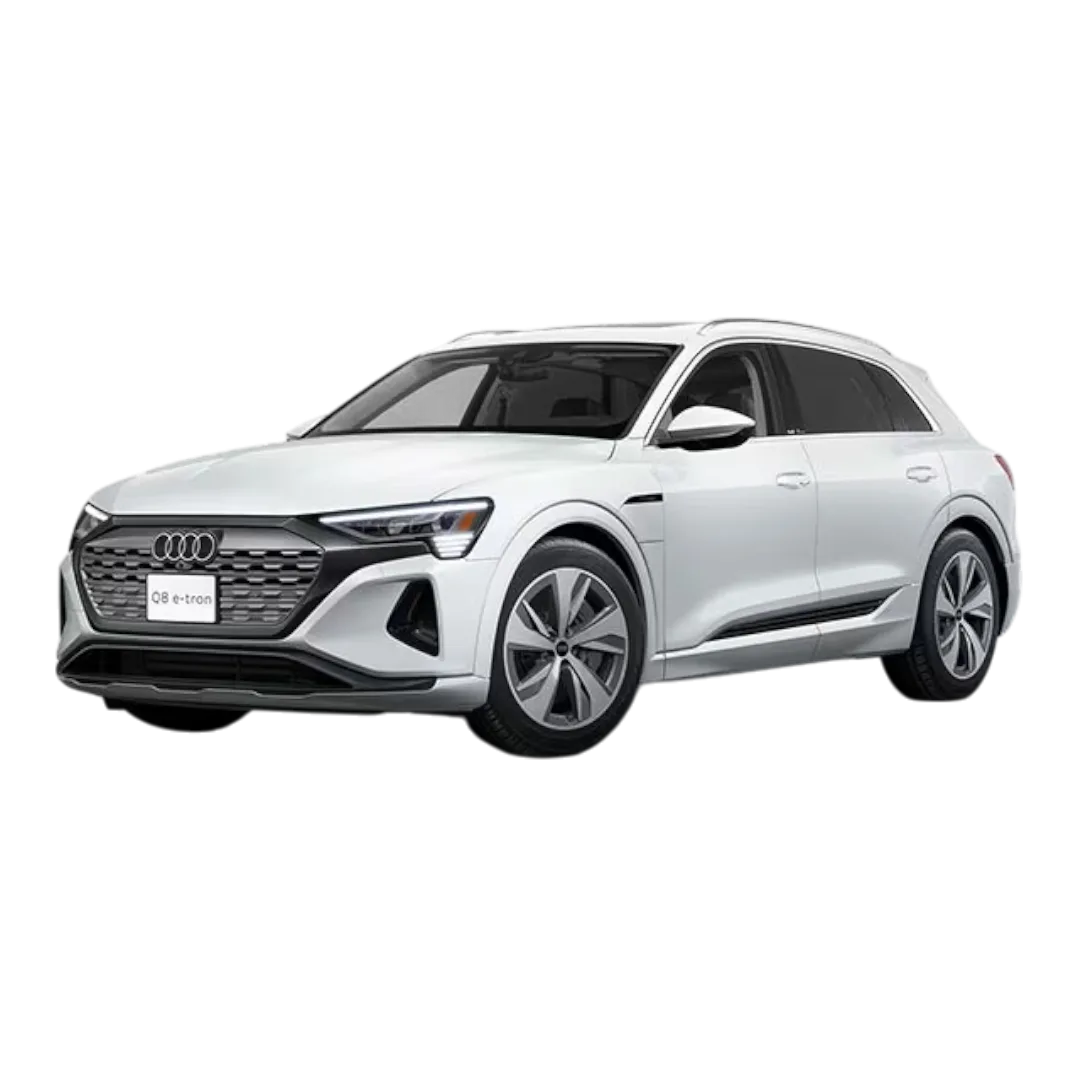 Q8 E-Tron Sportback
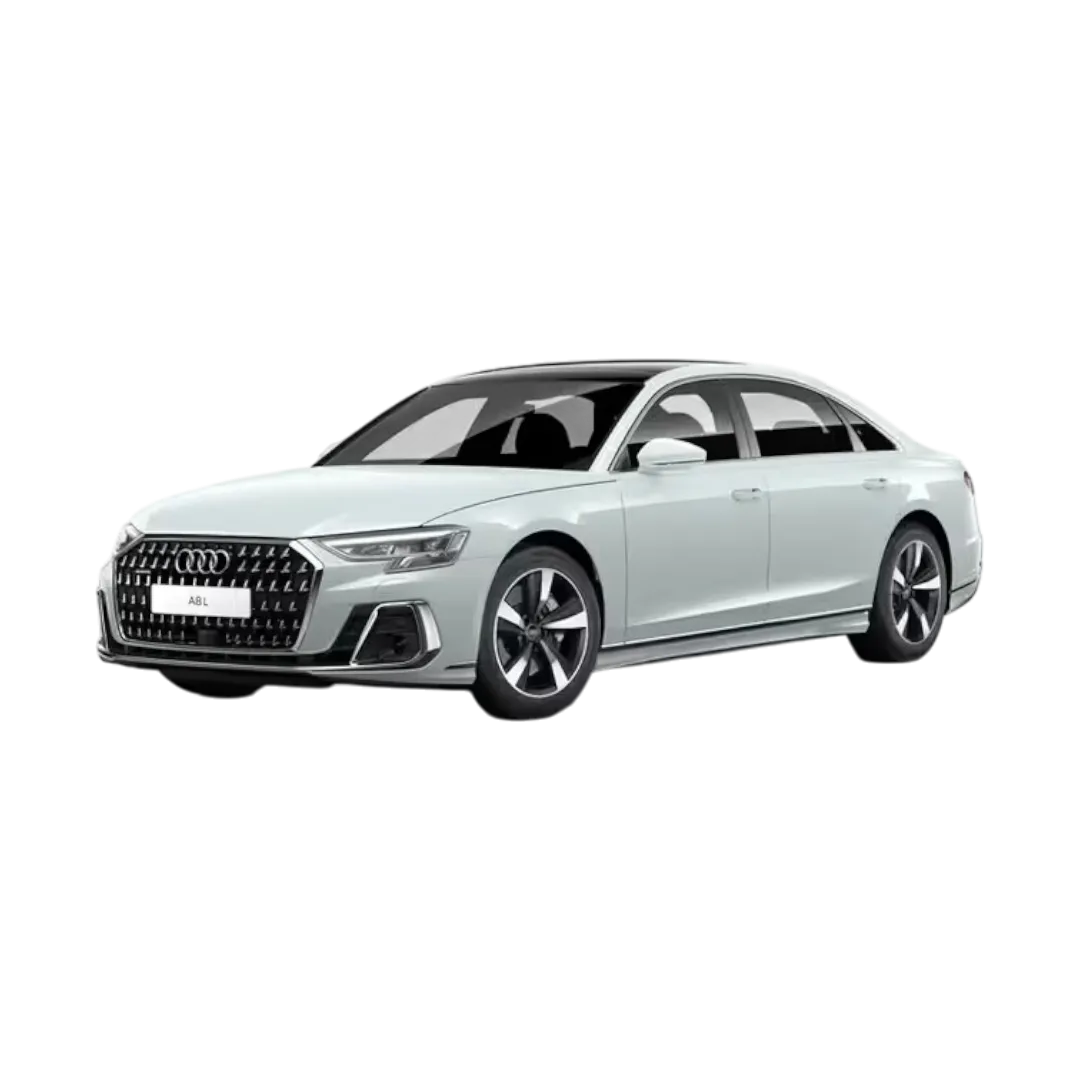 Audi A8L
 Audi RS Q8
 Audi A3
 BMW X7
 BMW X1
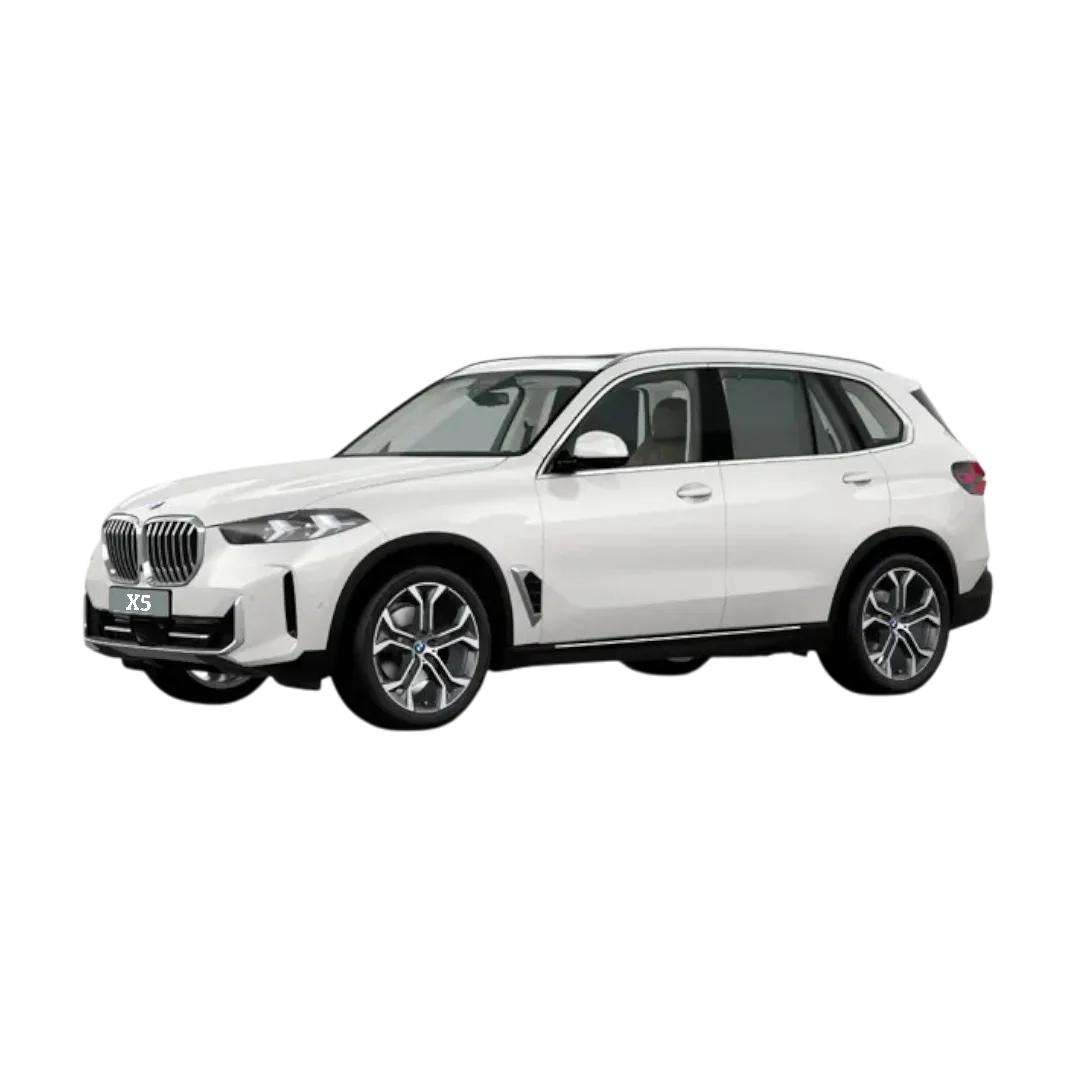 BMW X5
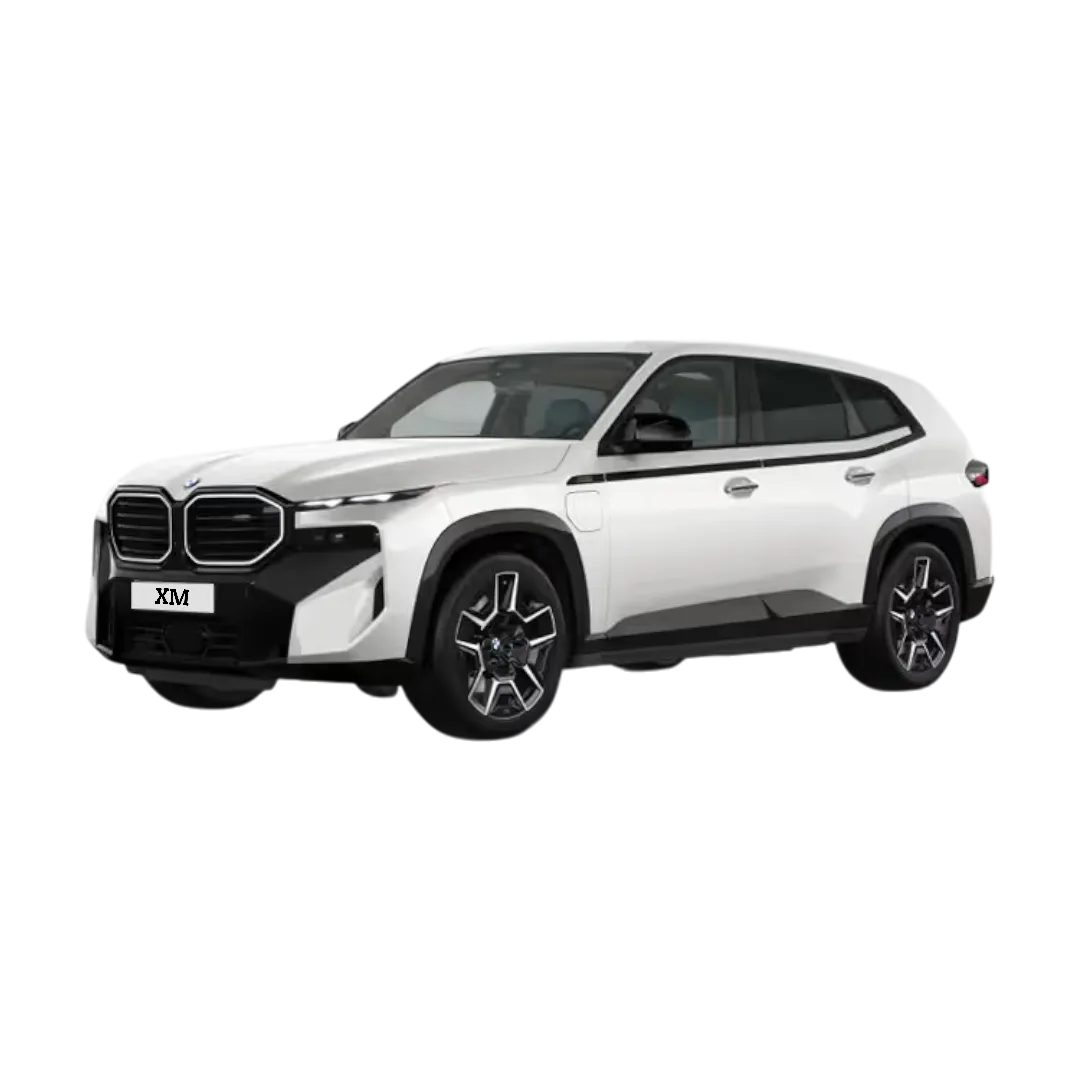 BMW XM
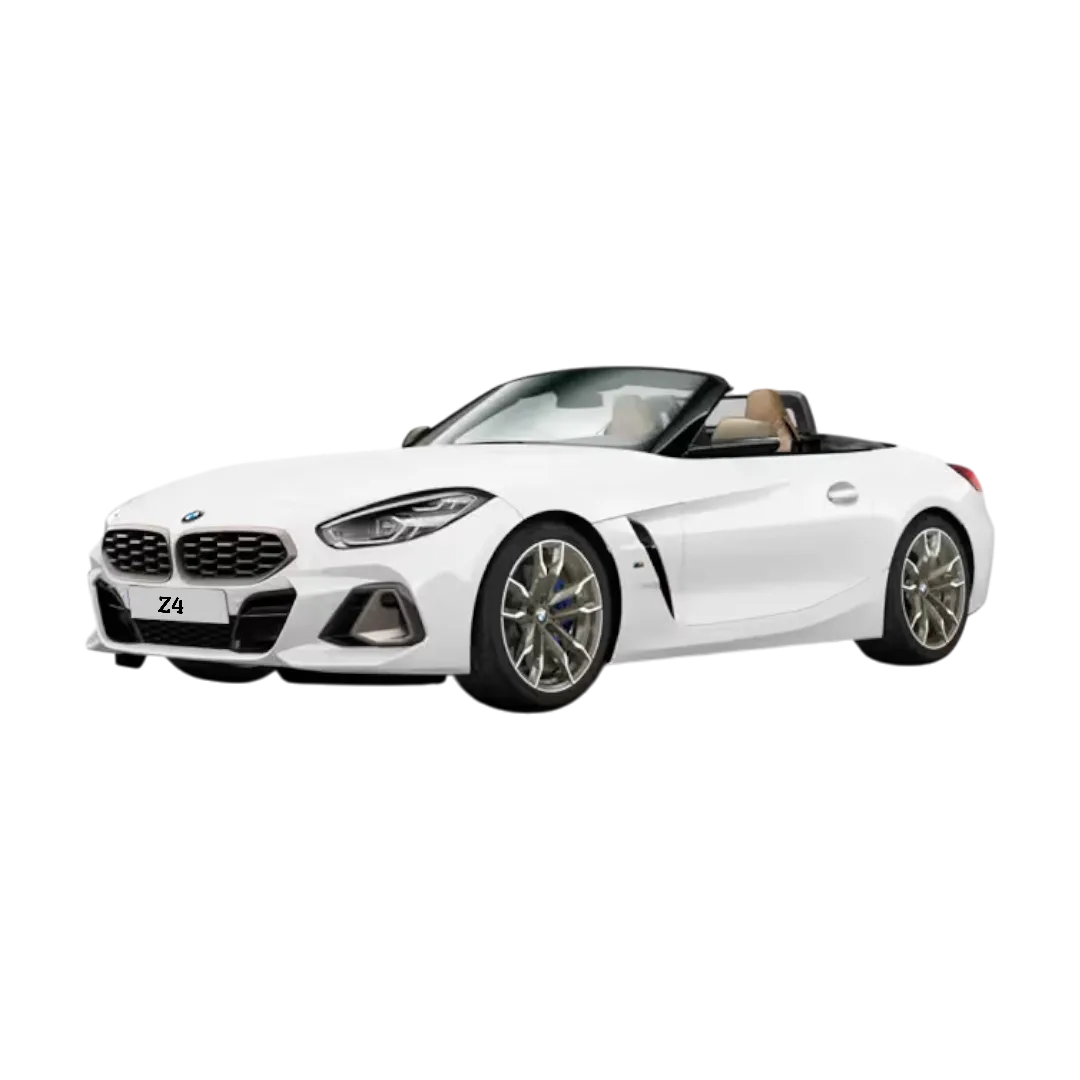 BMW Z4
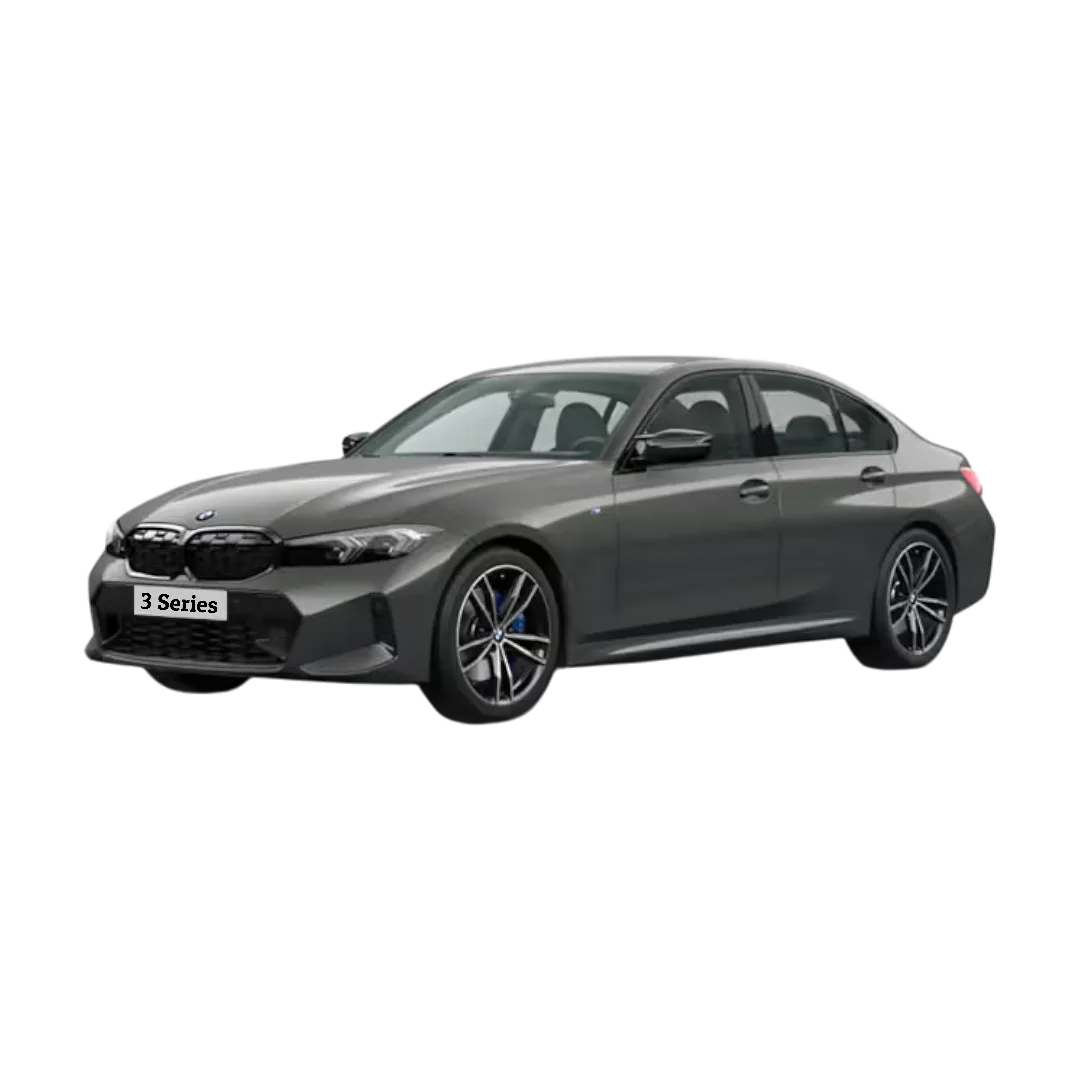 3 Series
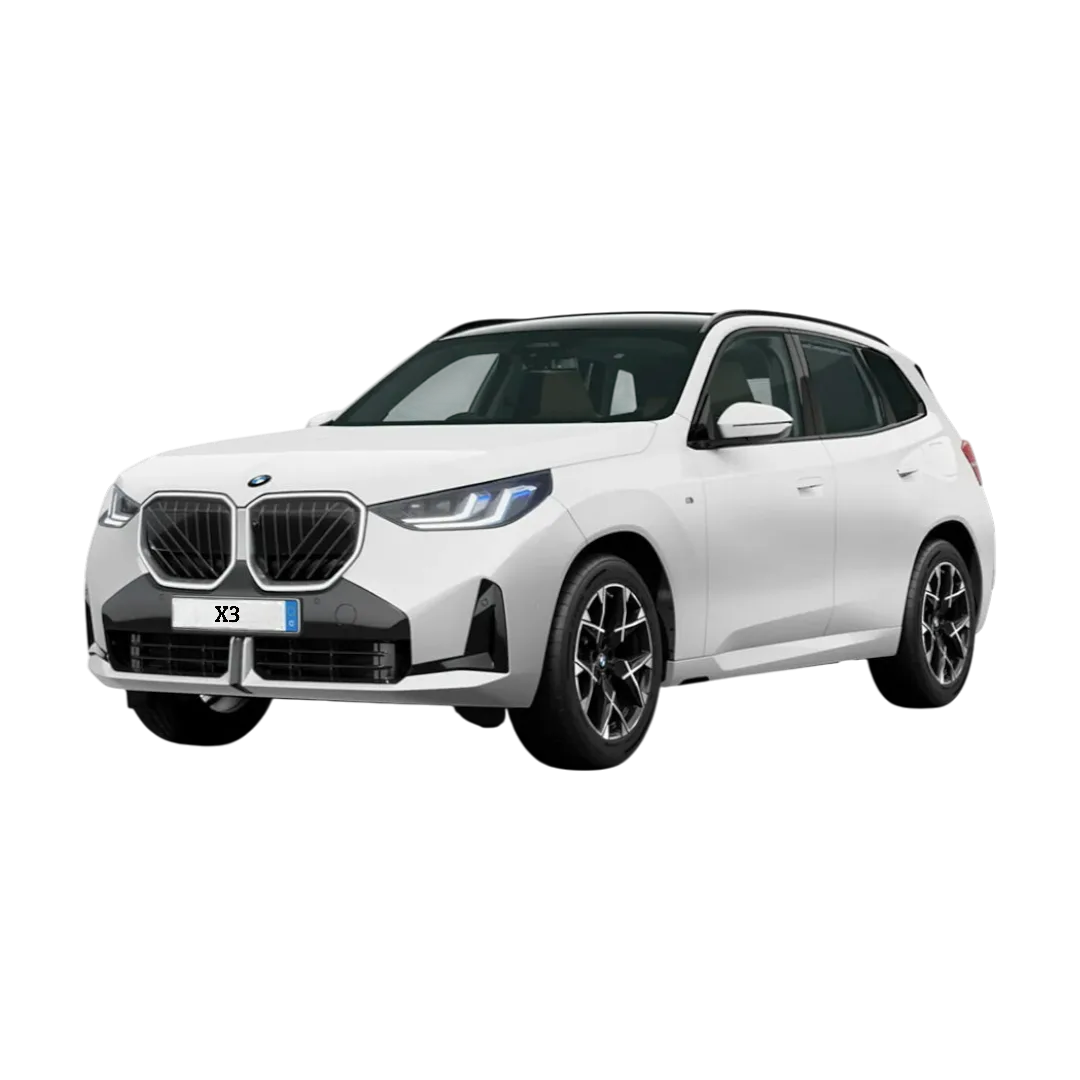 BMW X3
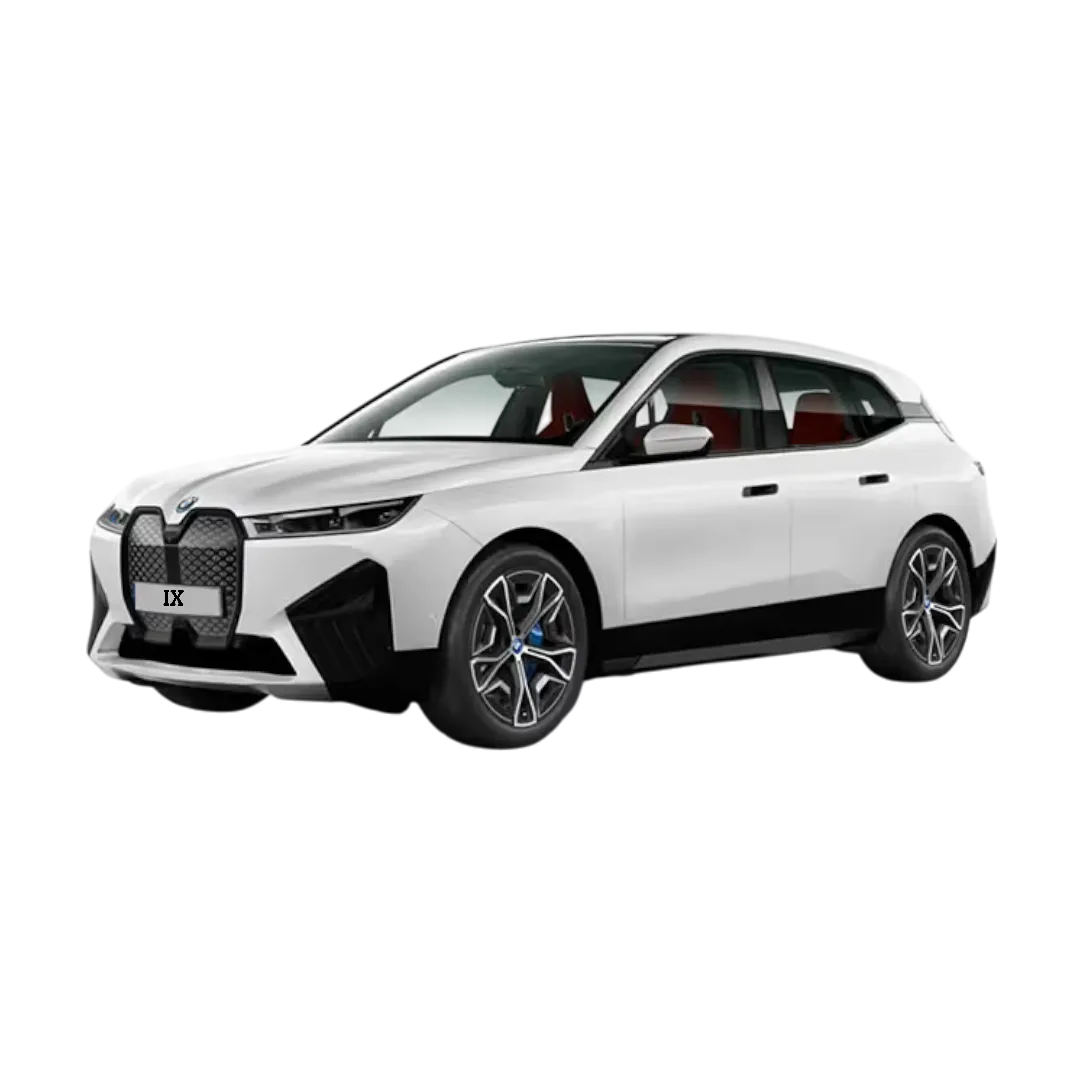 BMW iX
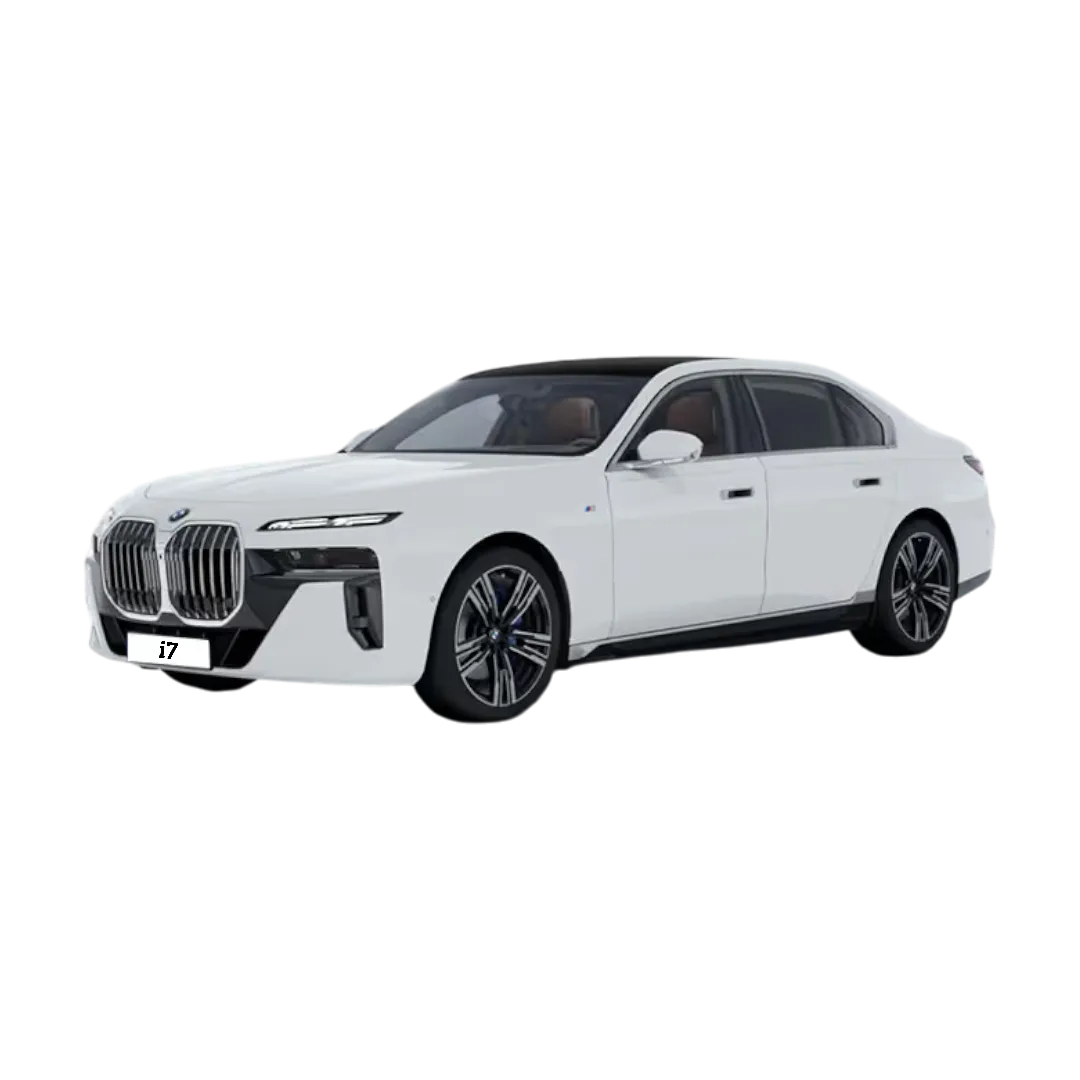 BMW i7
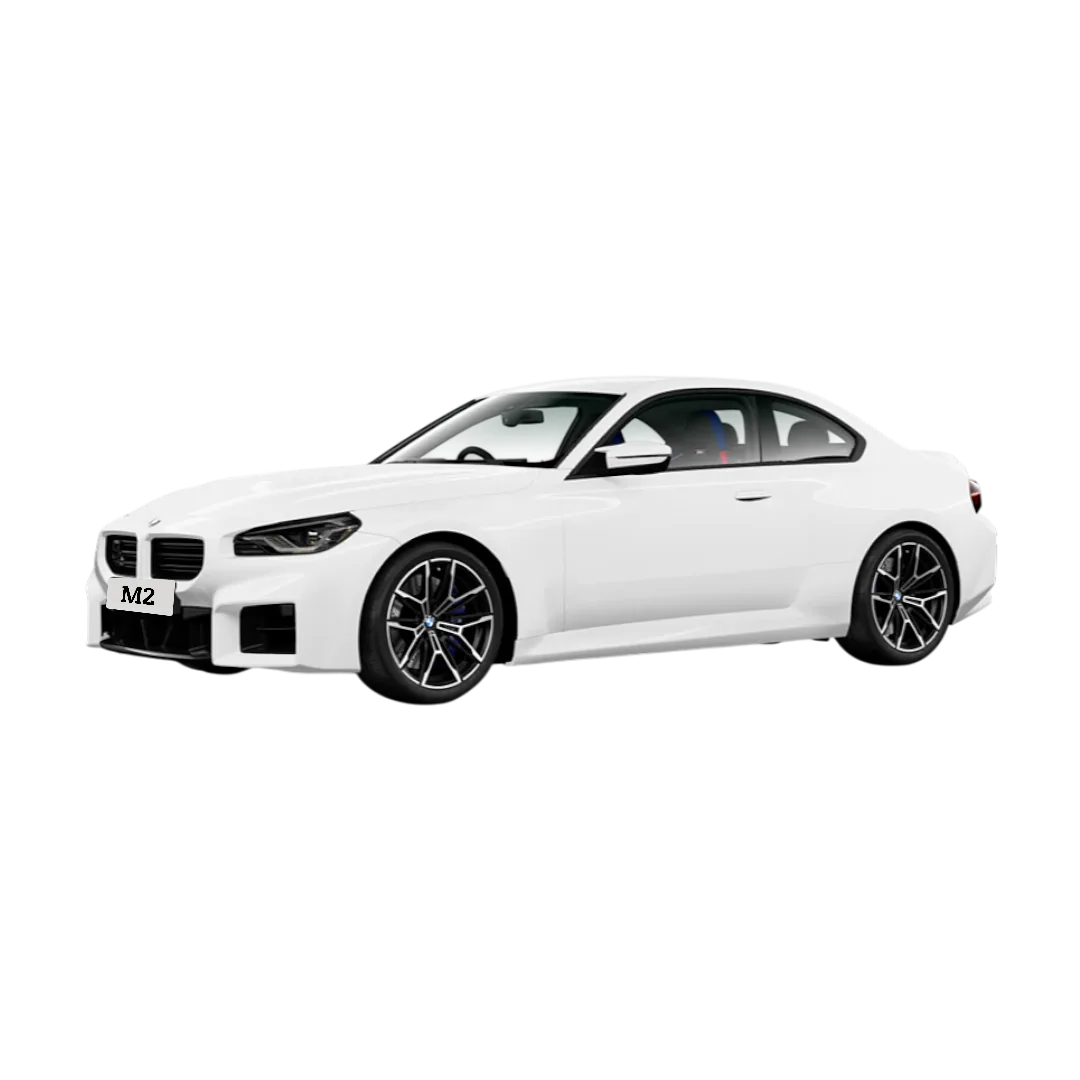 BMW M2
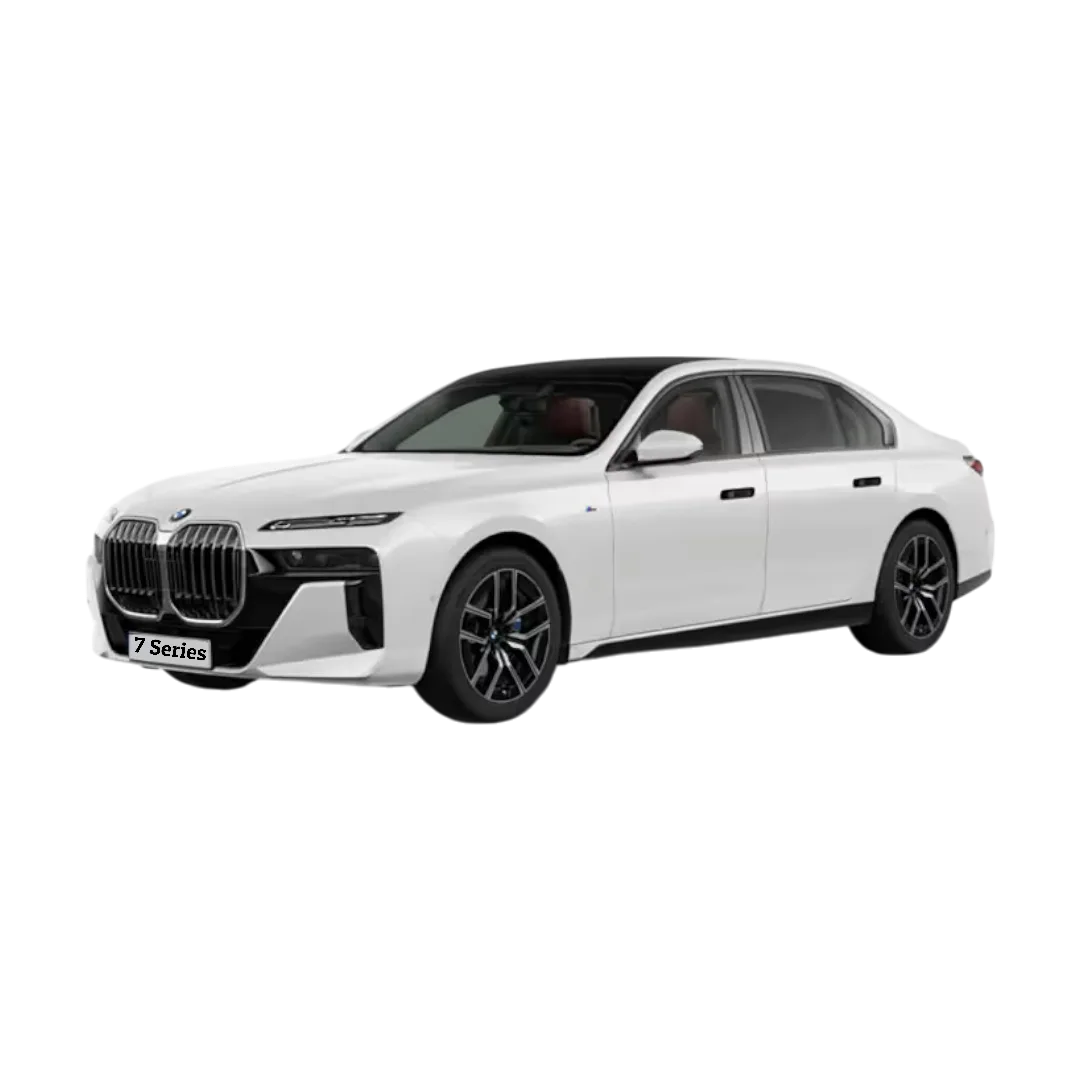 7 Series
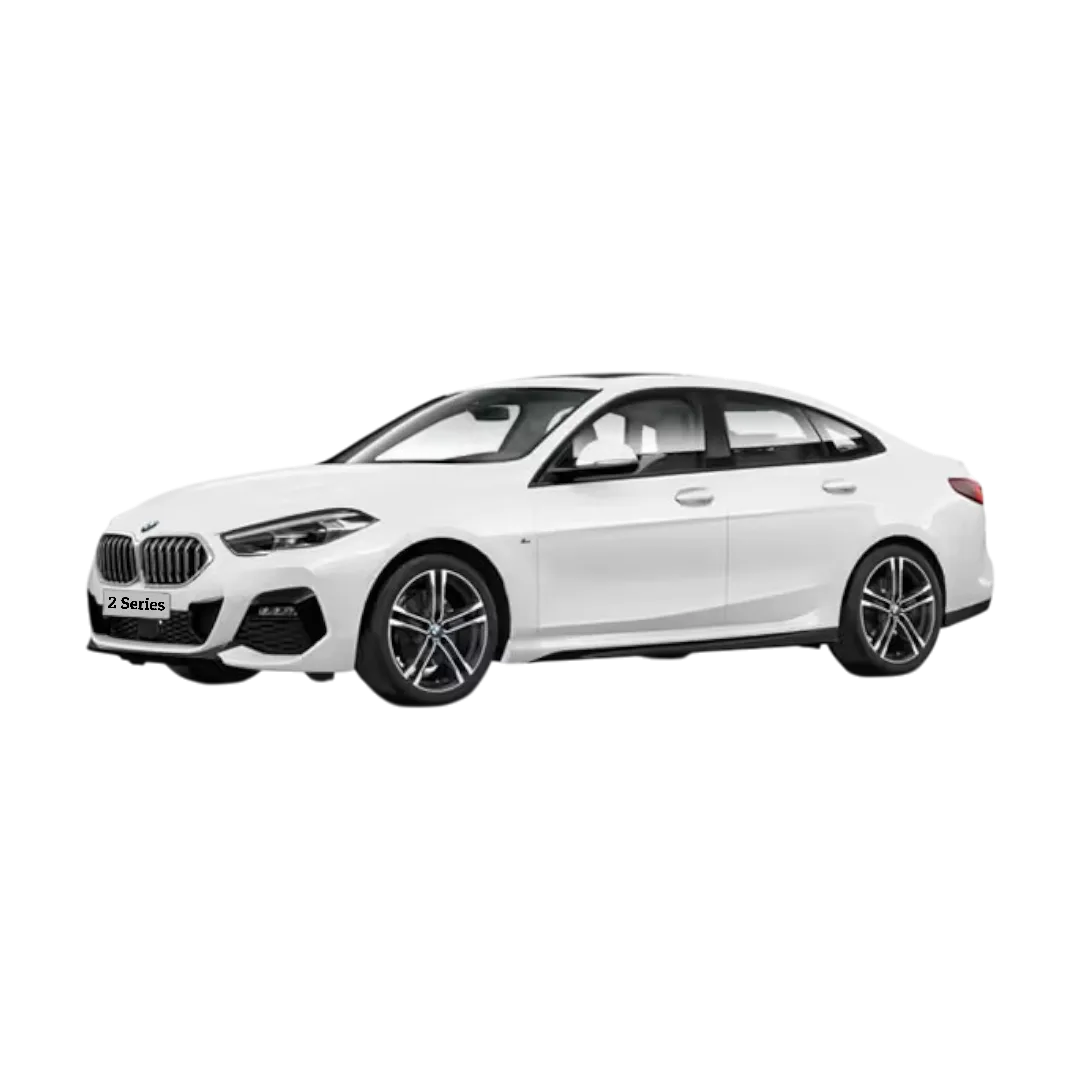 2 Series
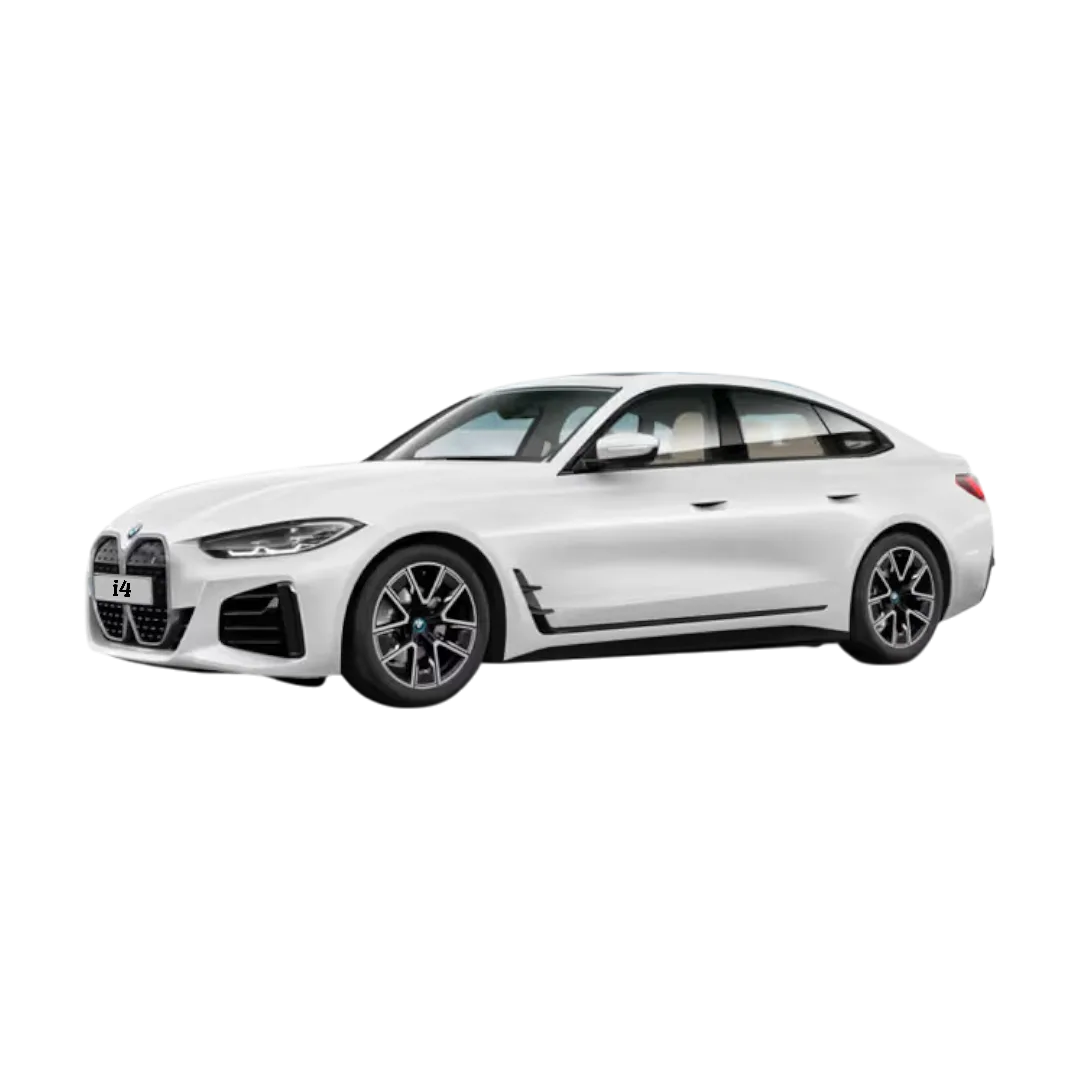 BMW i4
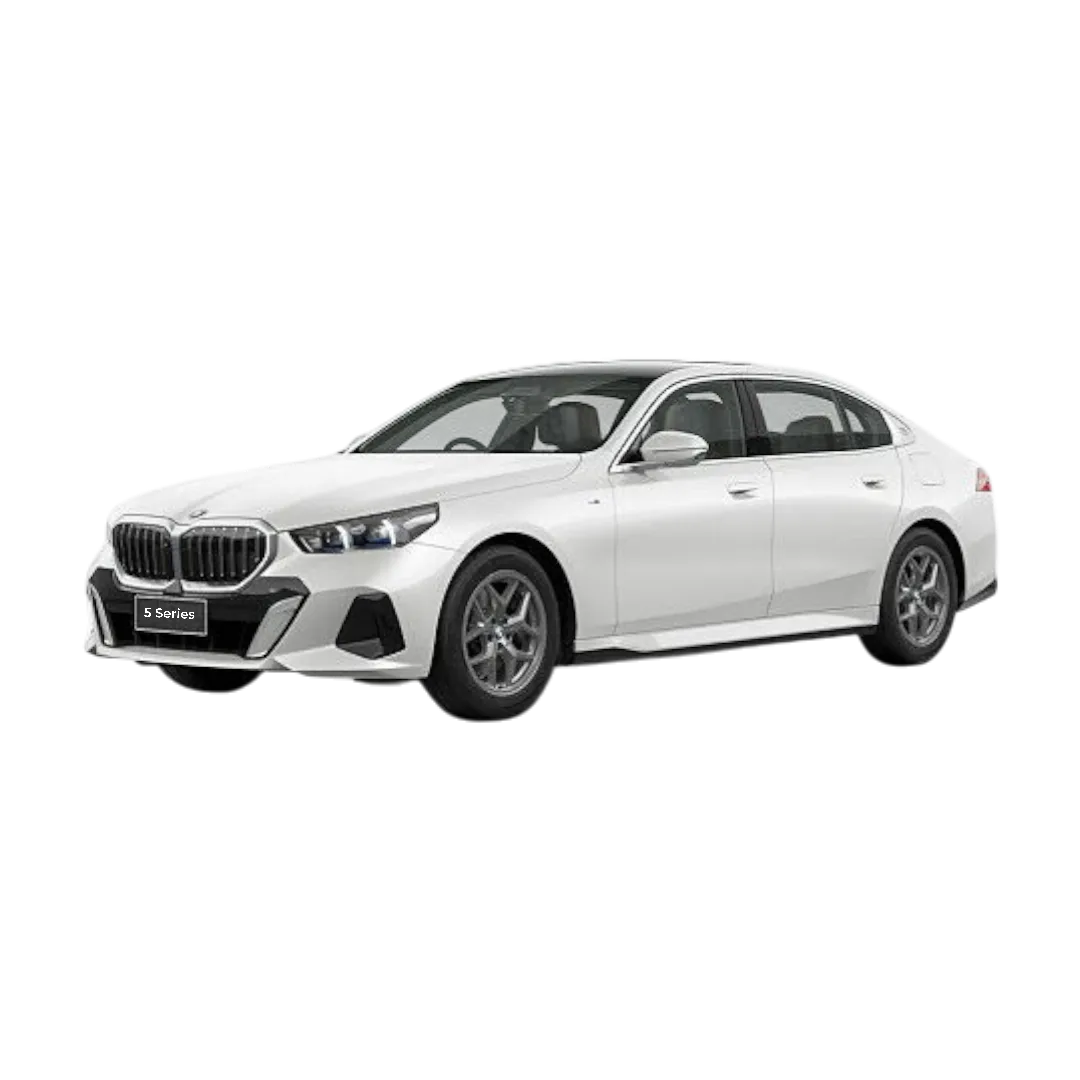 5 Series
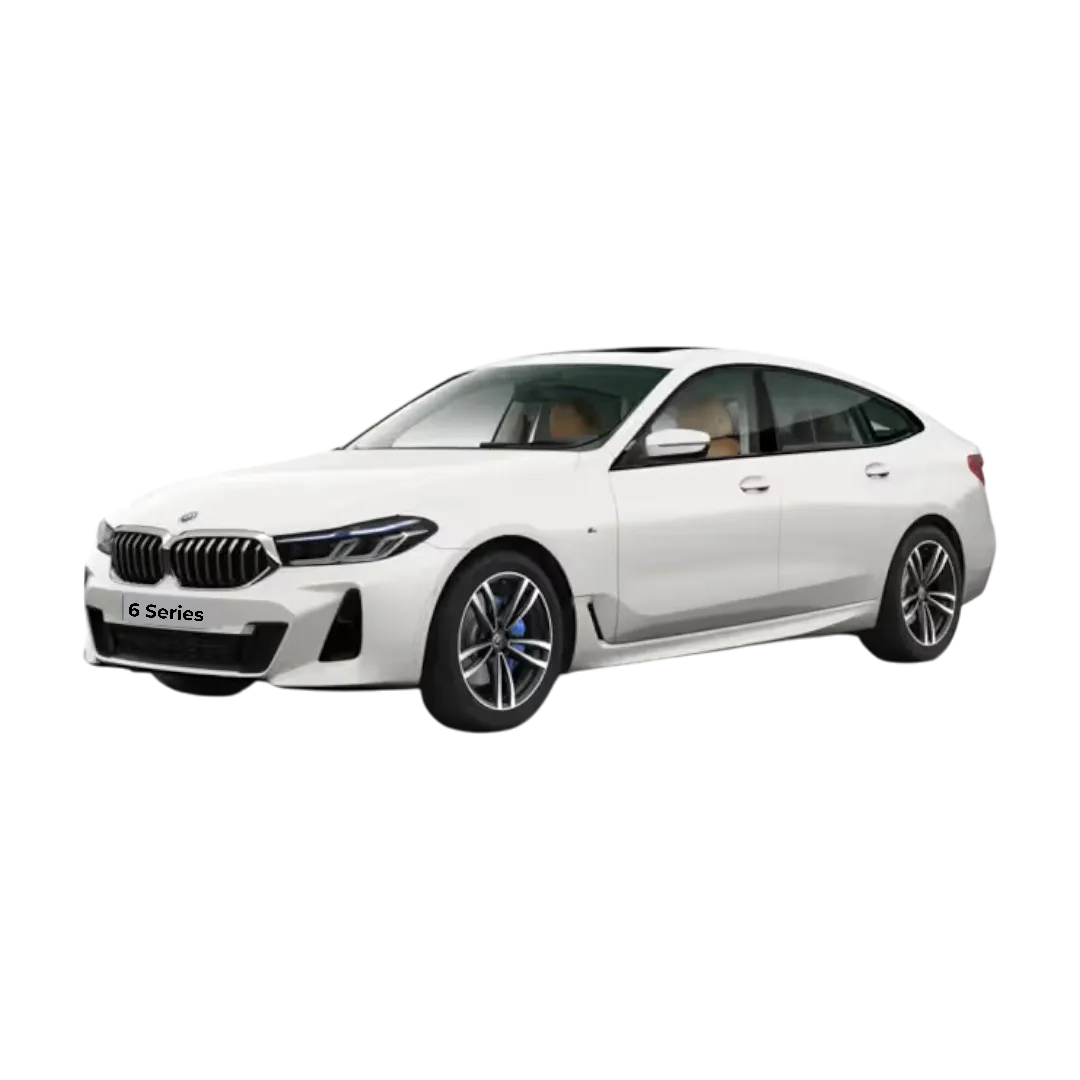 6 Series
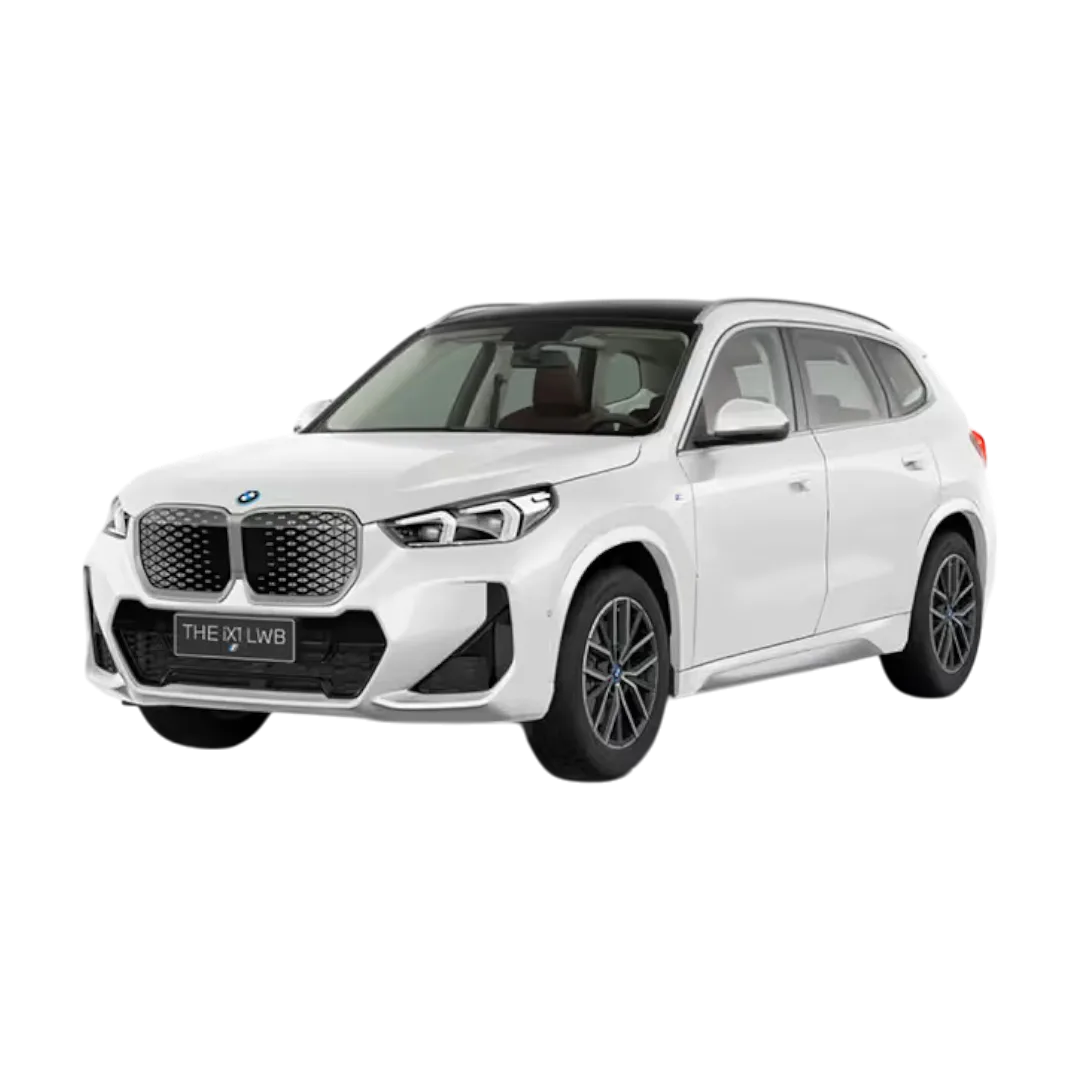 BMW ix1
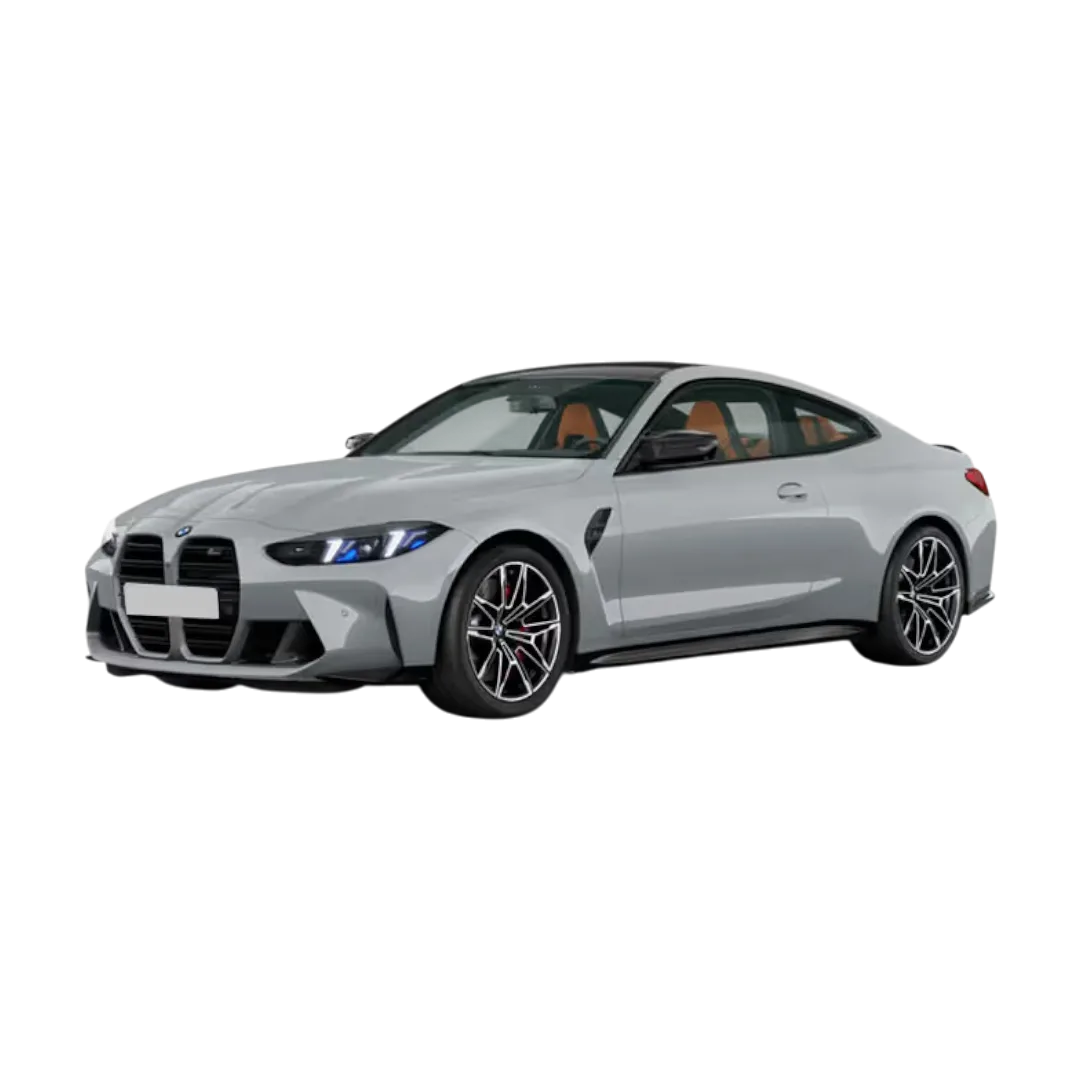 M4 Competition
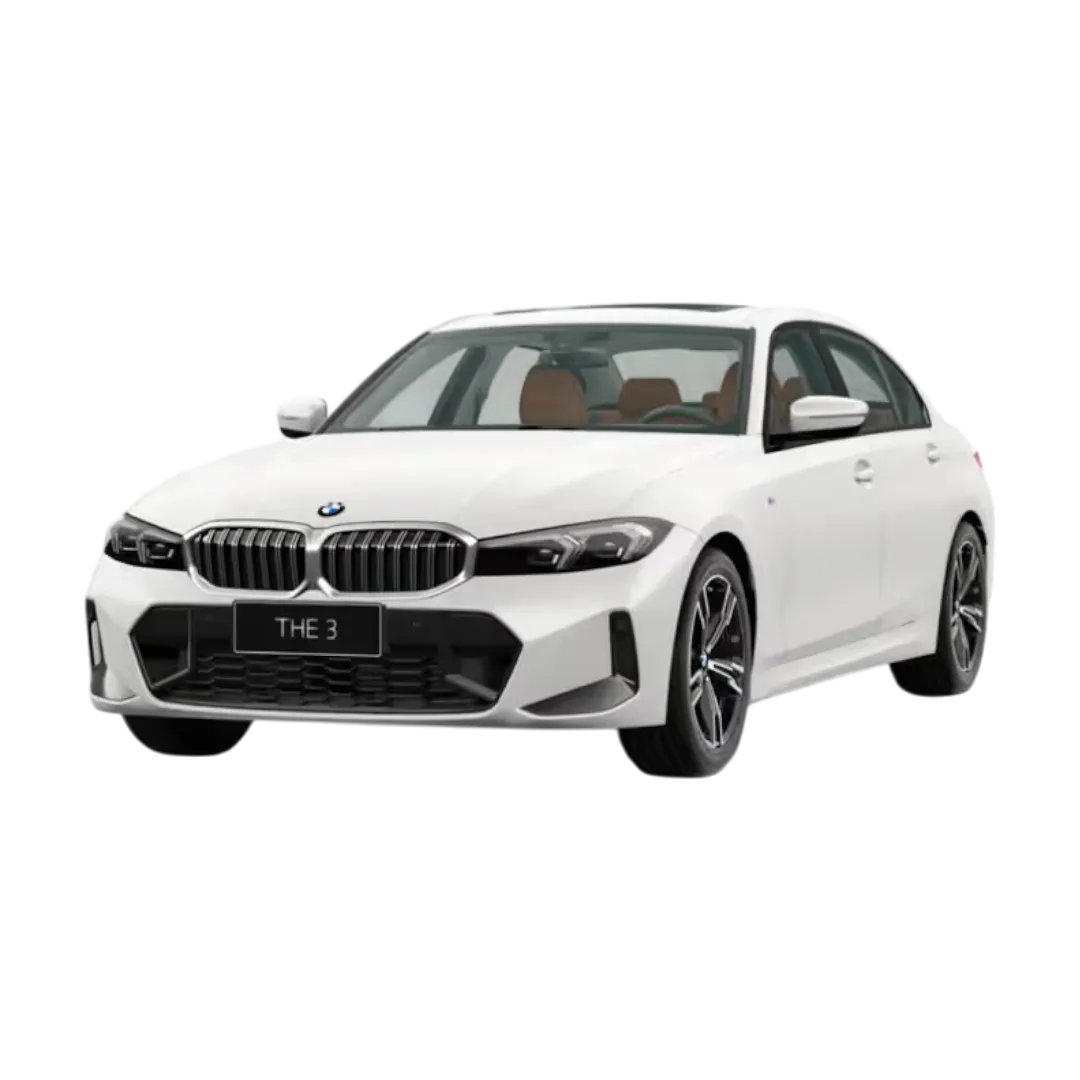 3 Series Gran Limousine
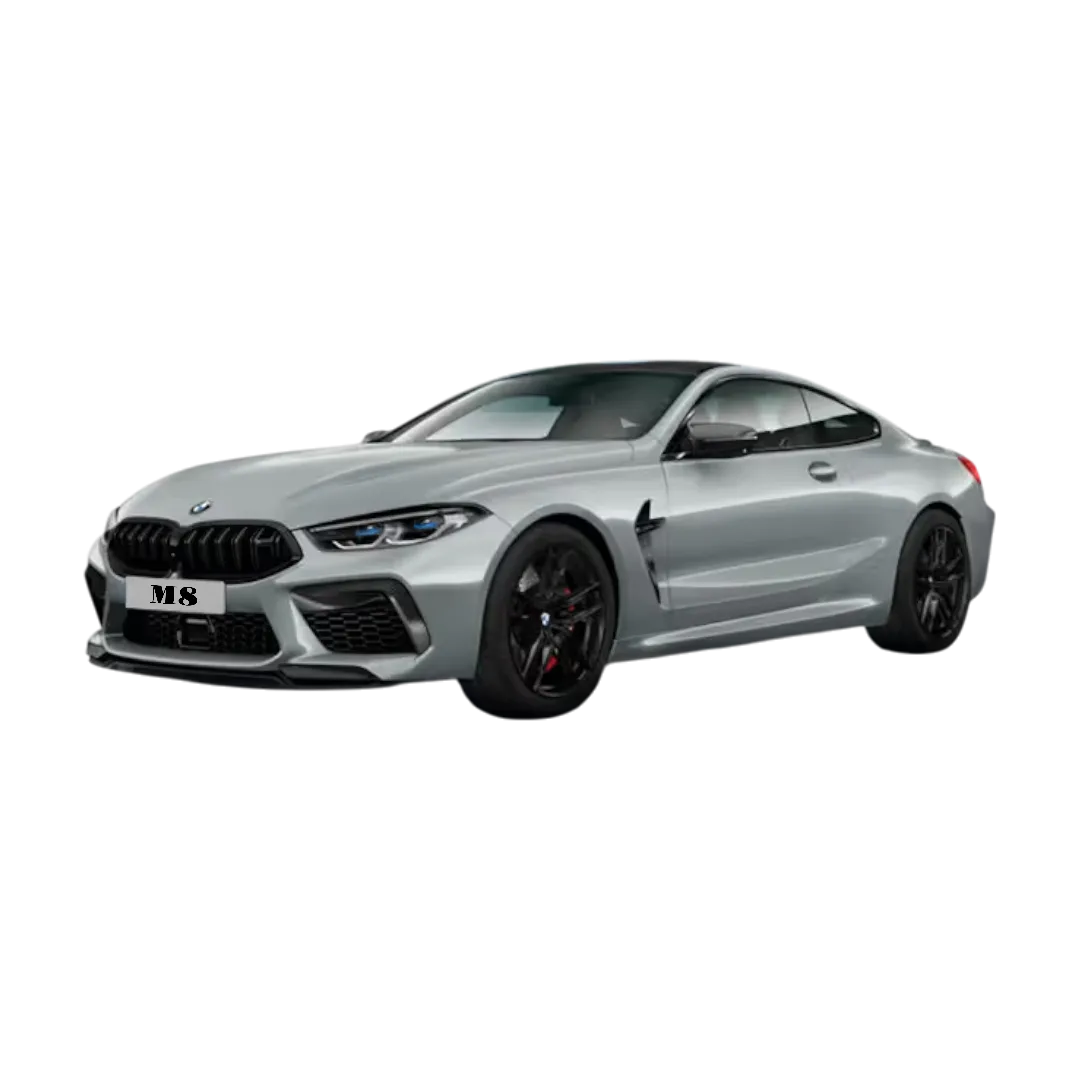 M8 Coupe
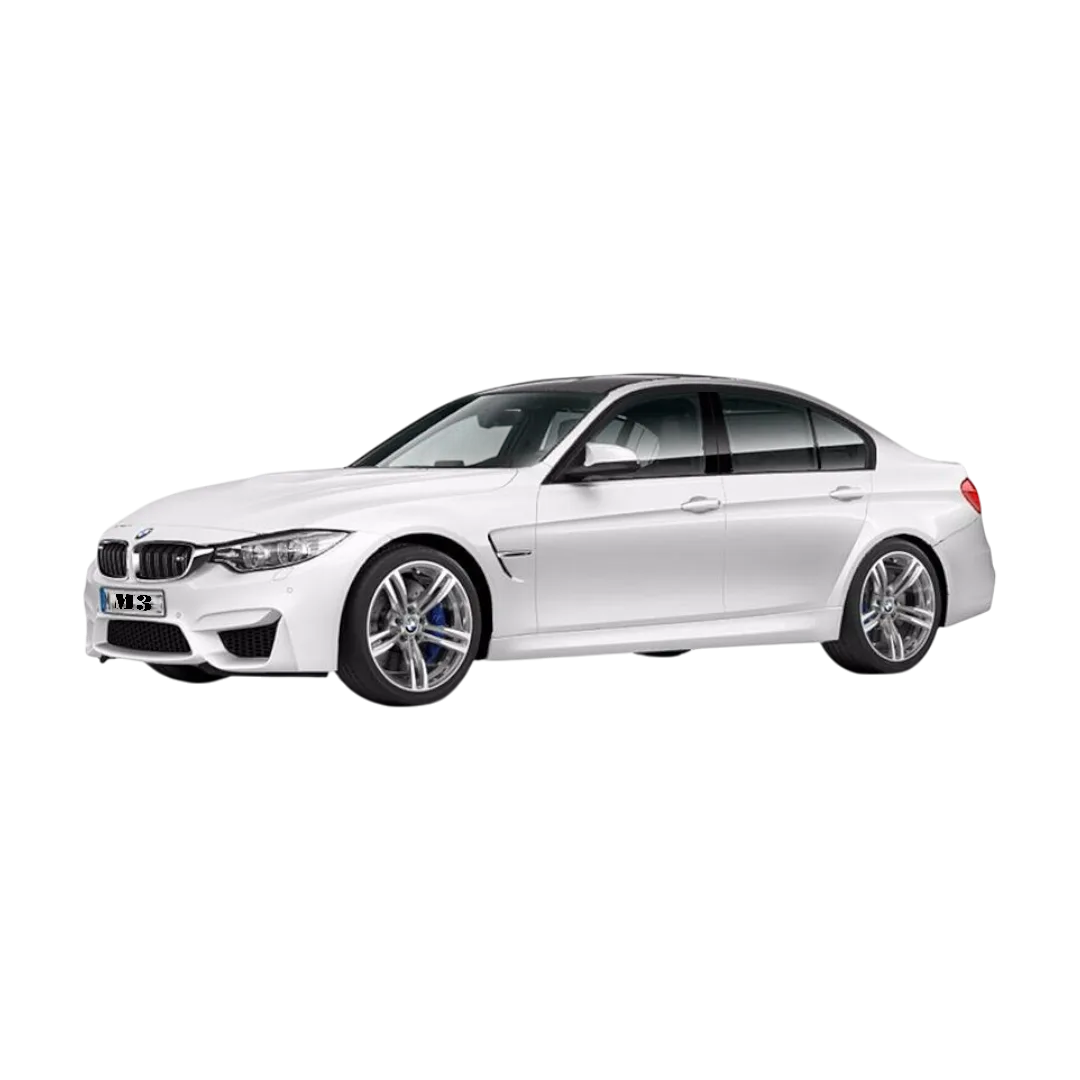 BMW M3
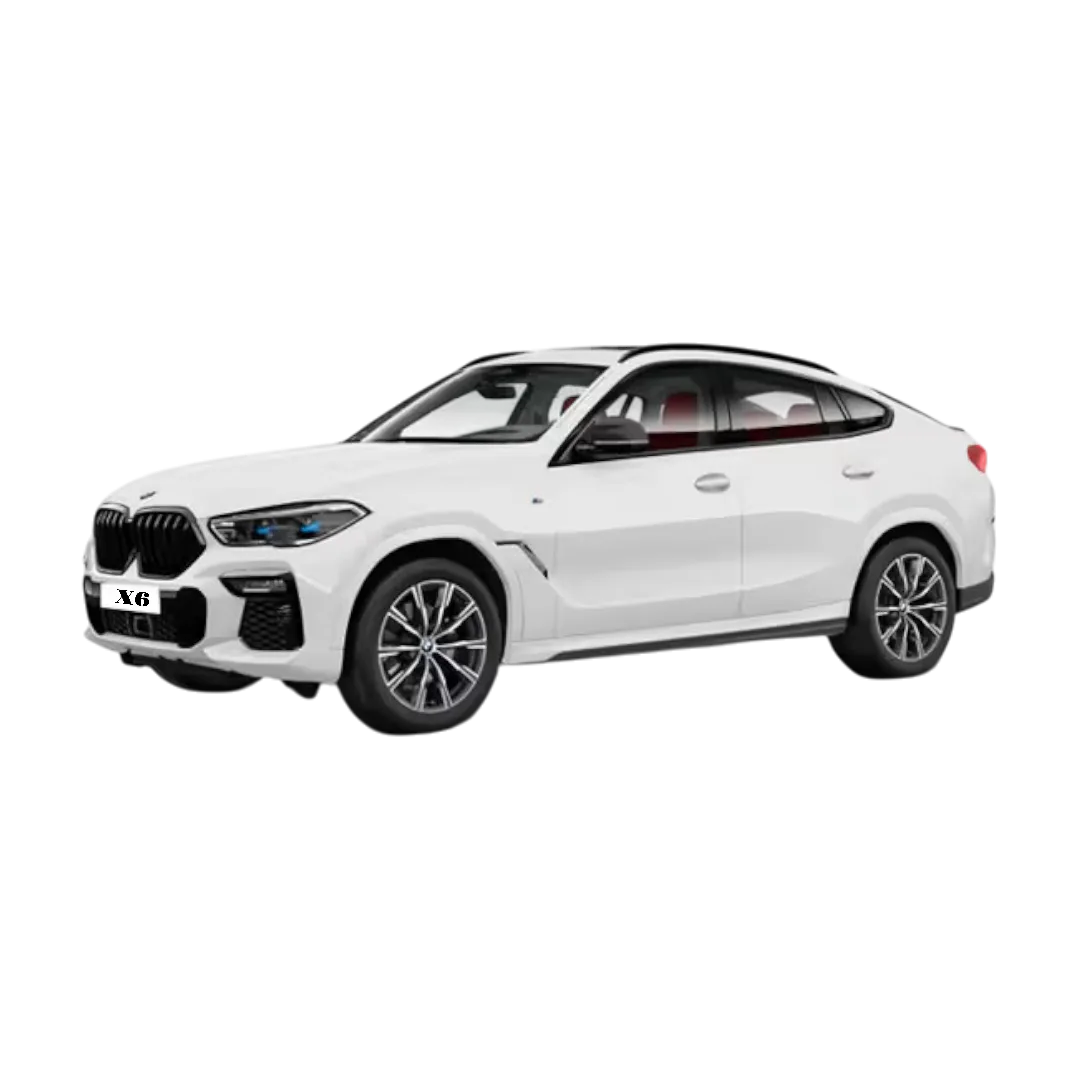 BMW X6
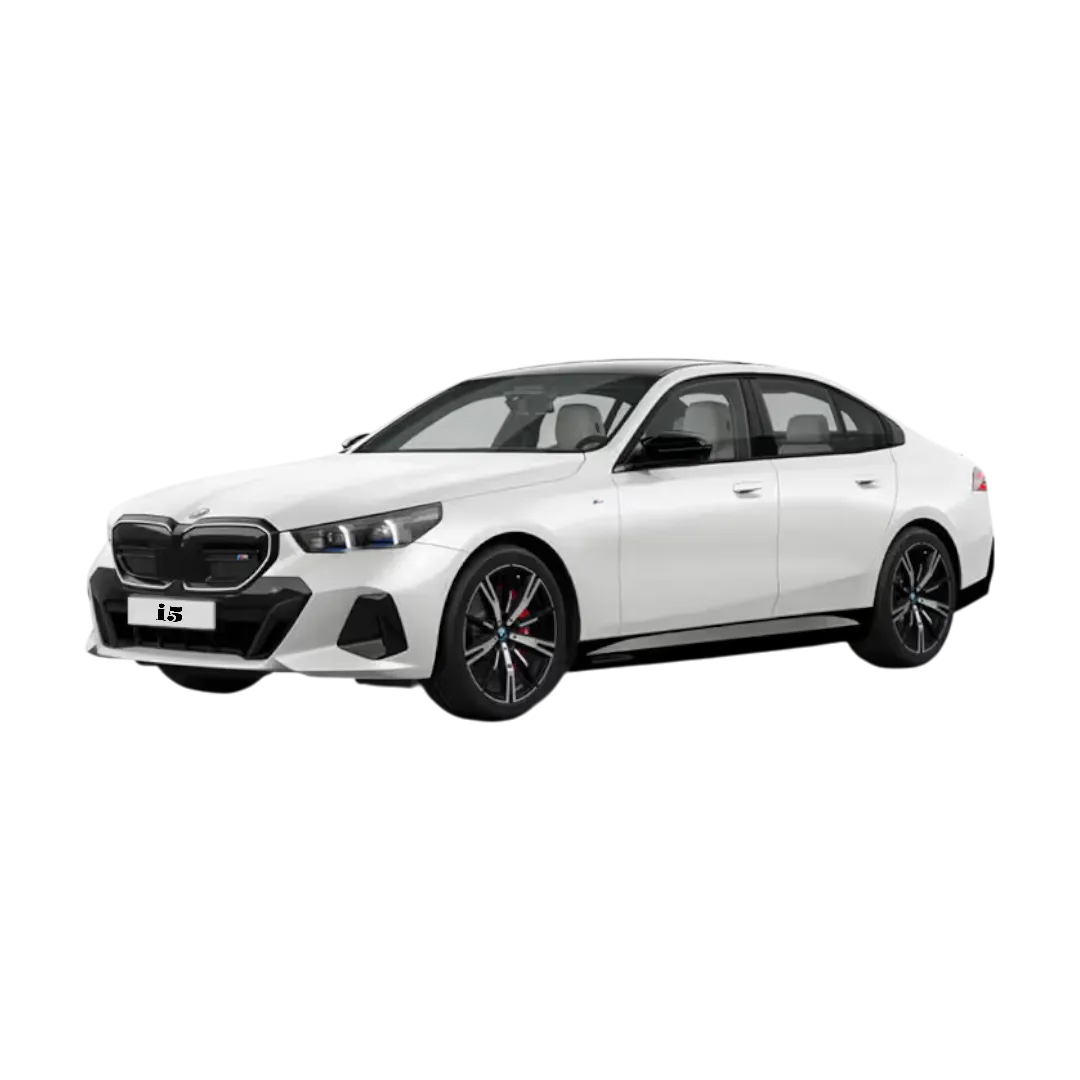 BMW i5
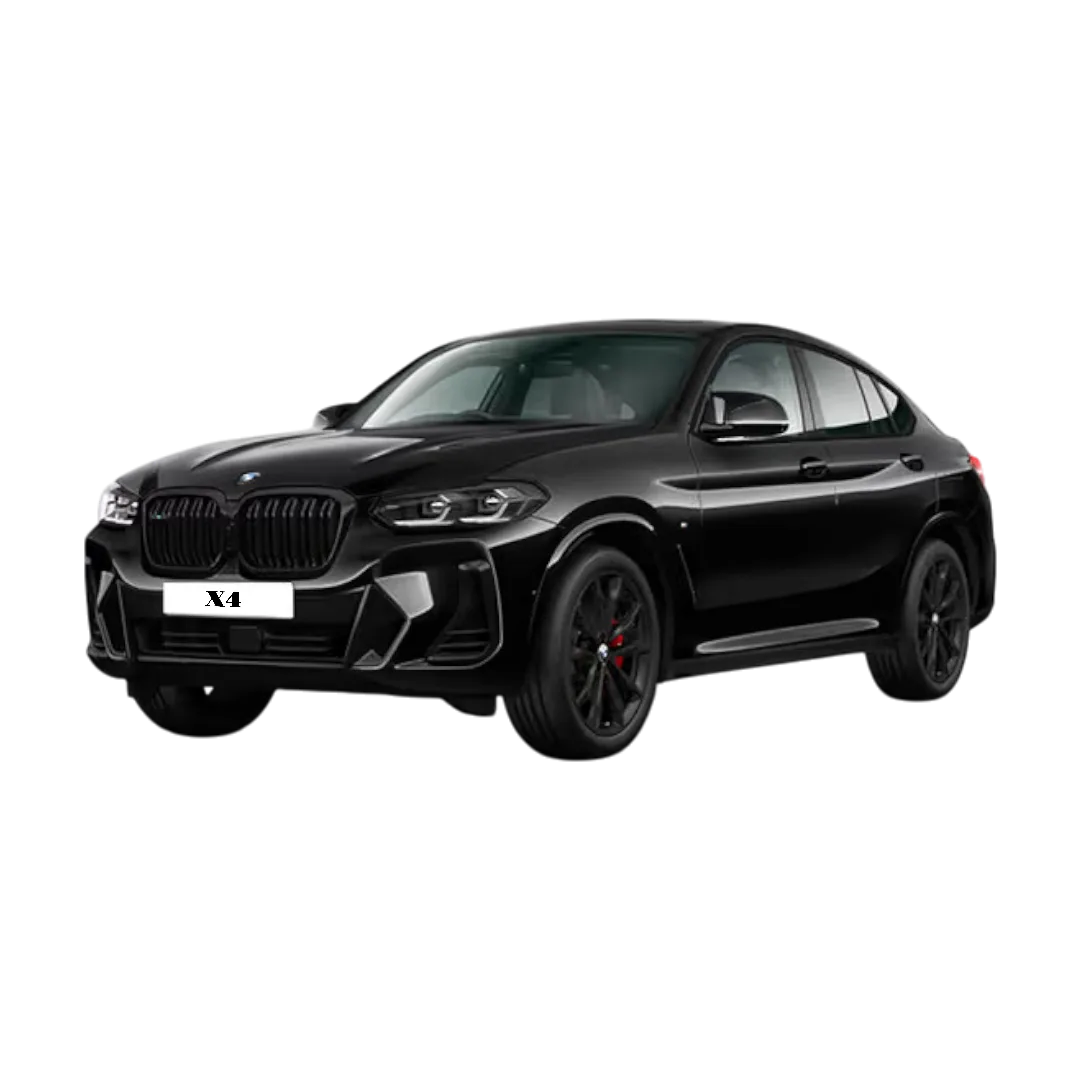 BMW X4
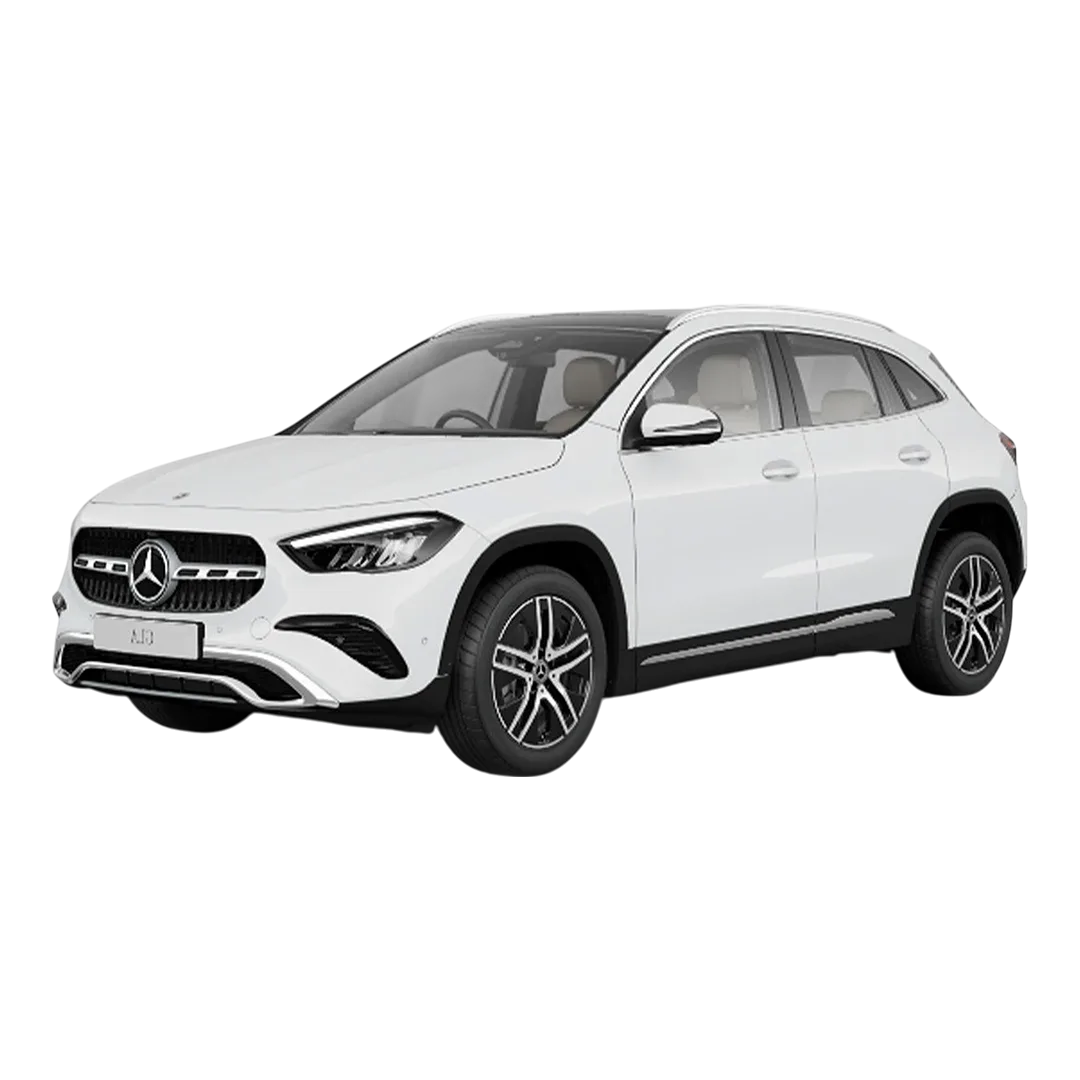 Mercedes Benz GLA
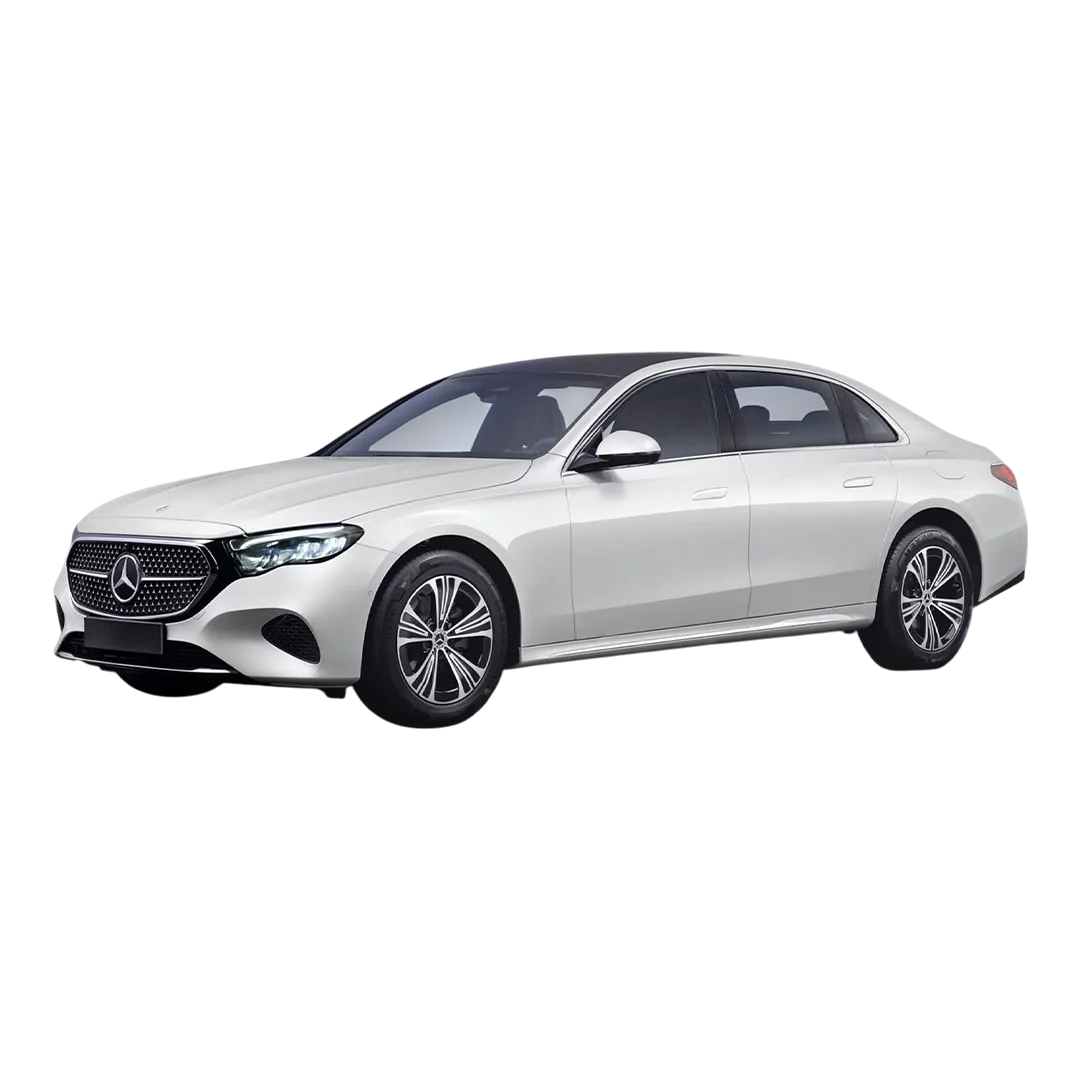 Mercedes E-Class
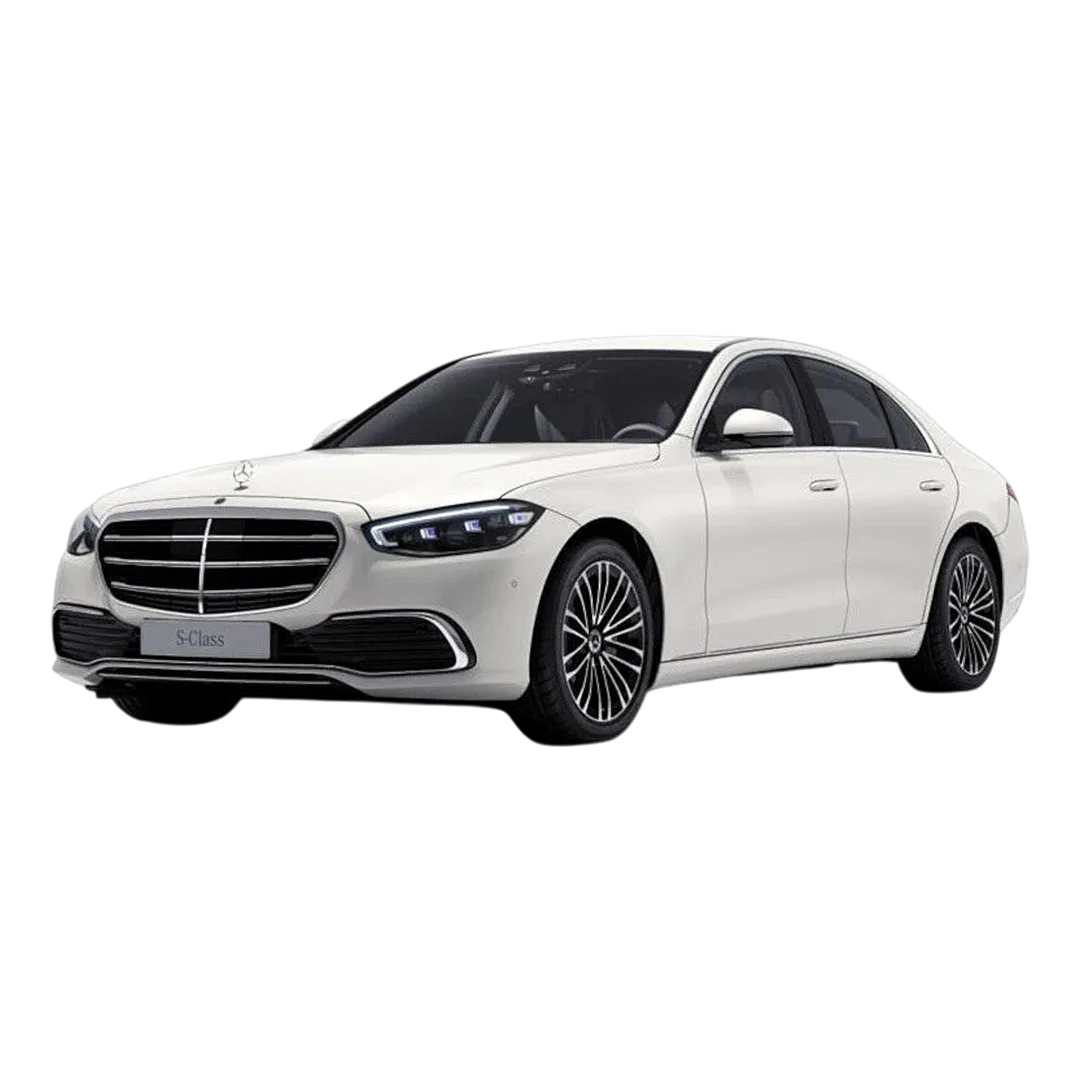 Mercedes S-Class
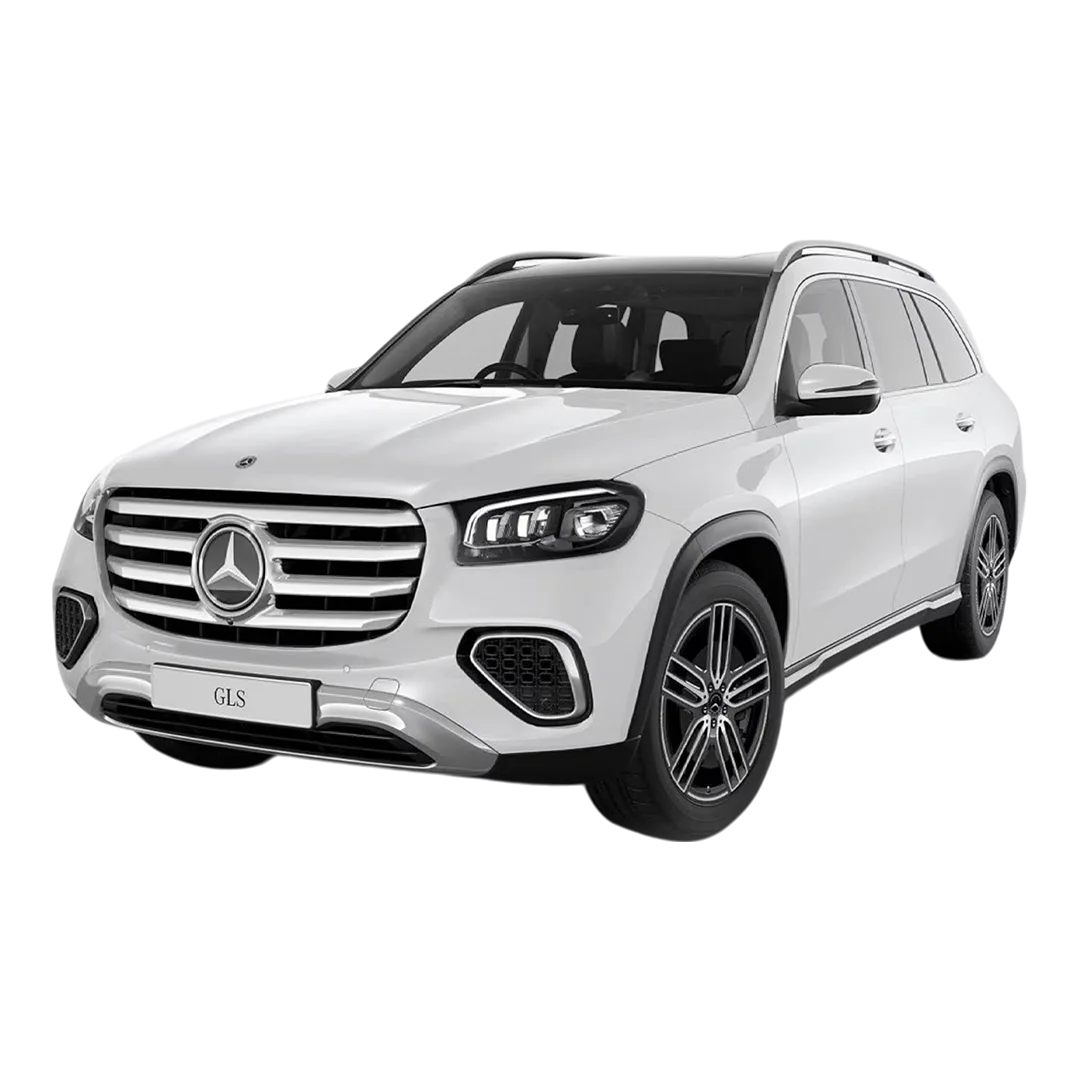 Mercedes Benz GLS
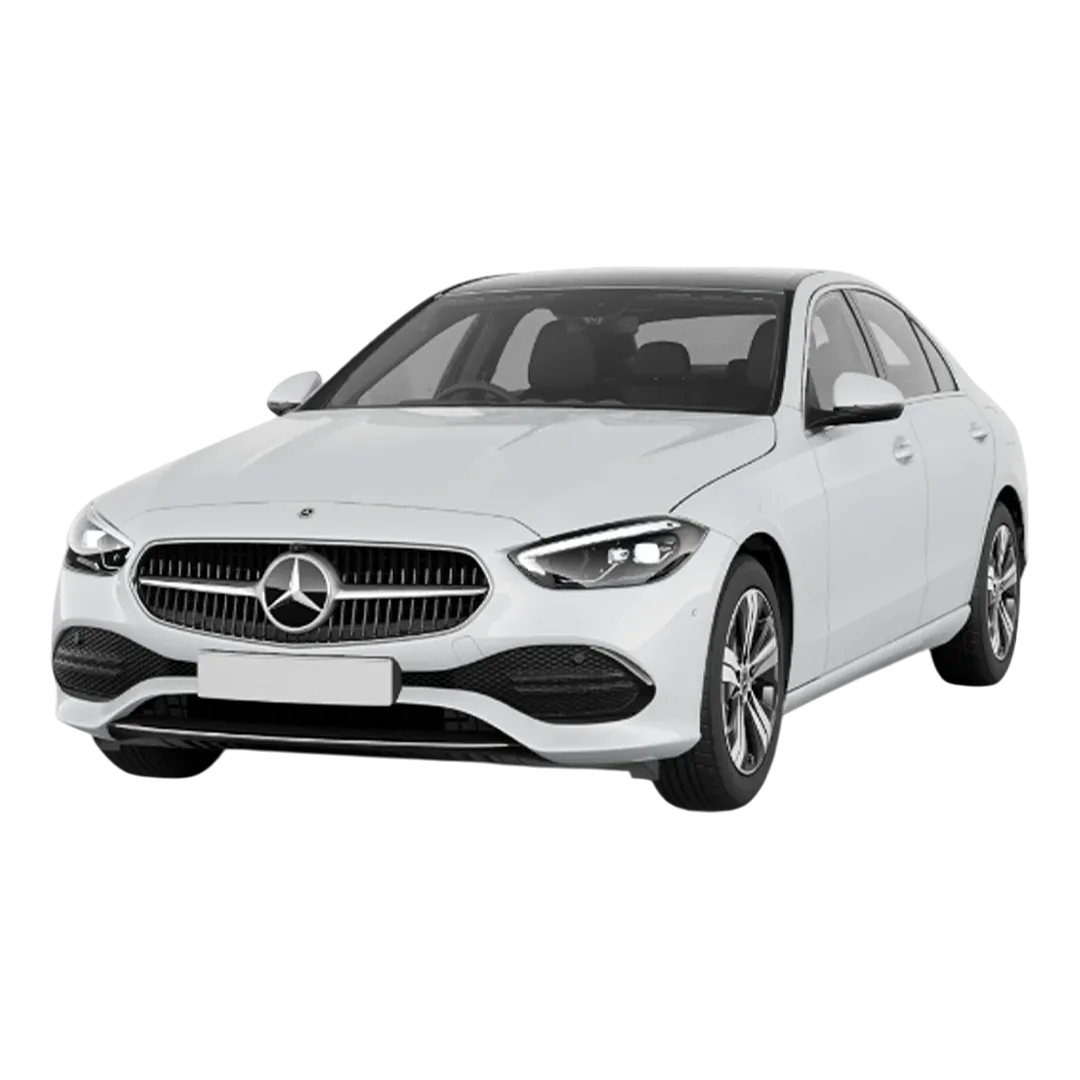 Mercedes Benz C-Class
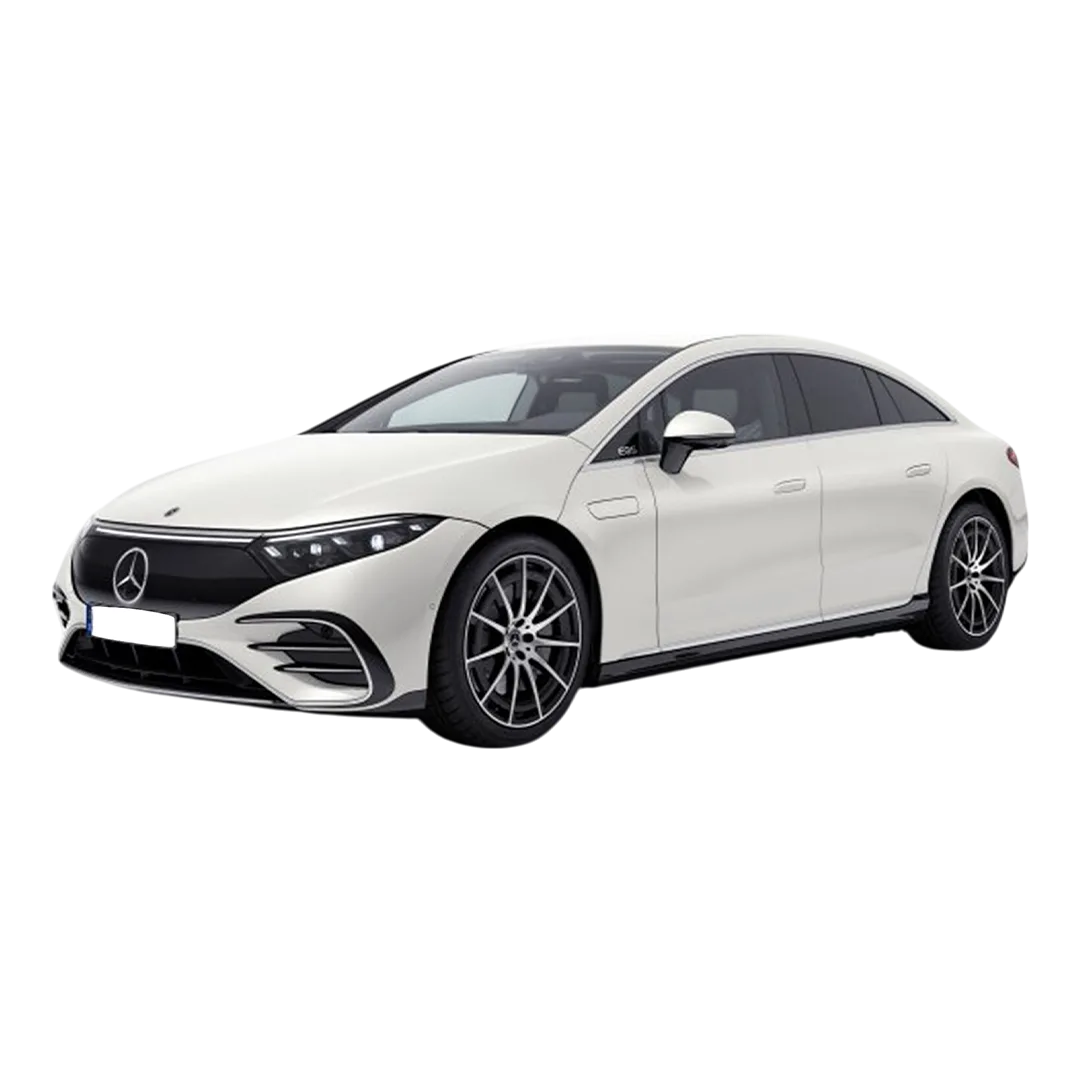 Mercedes Benz EQS
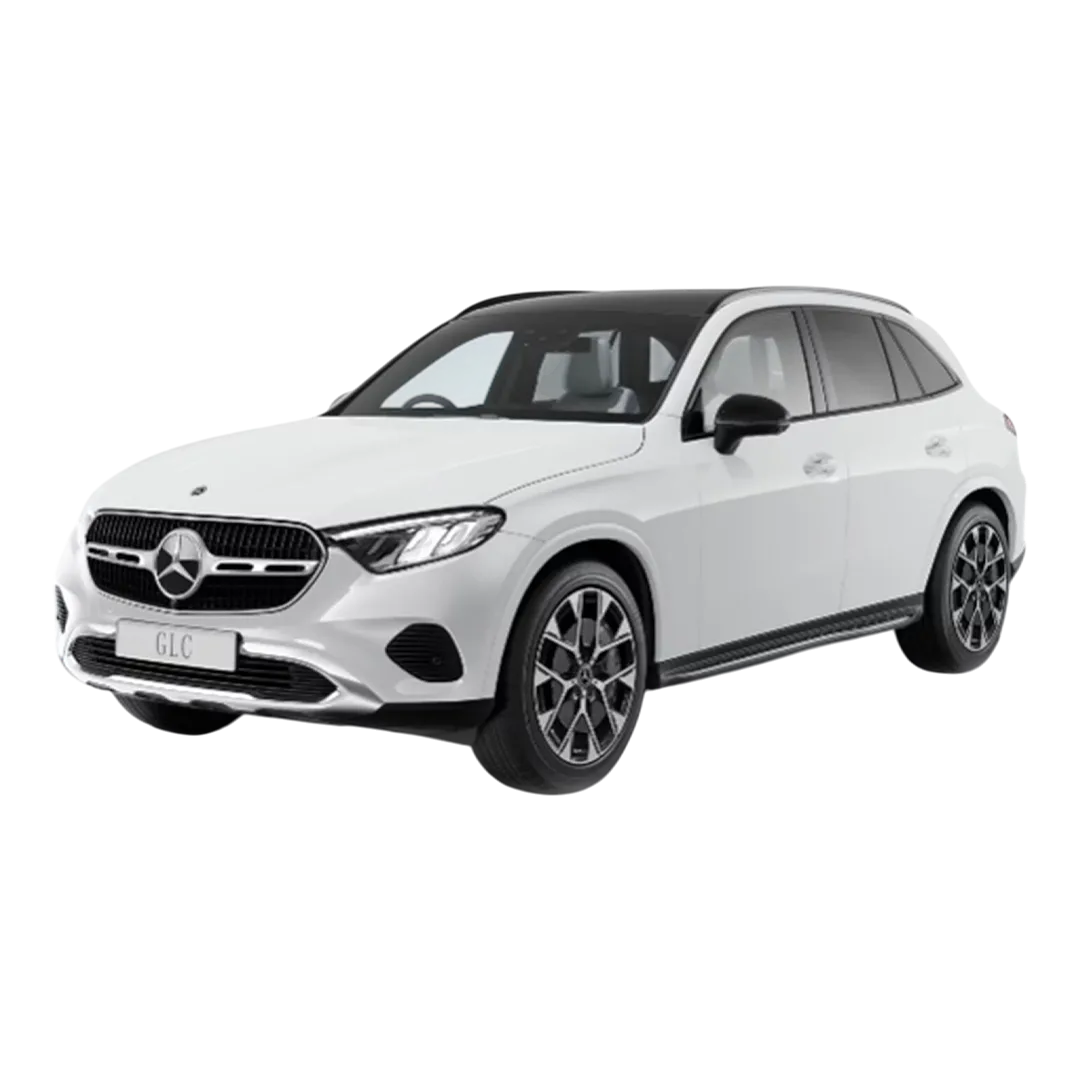 Mercedes Benz GLC
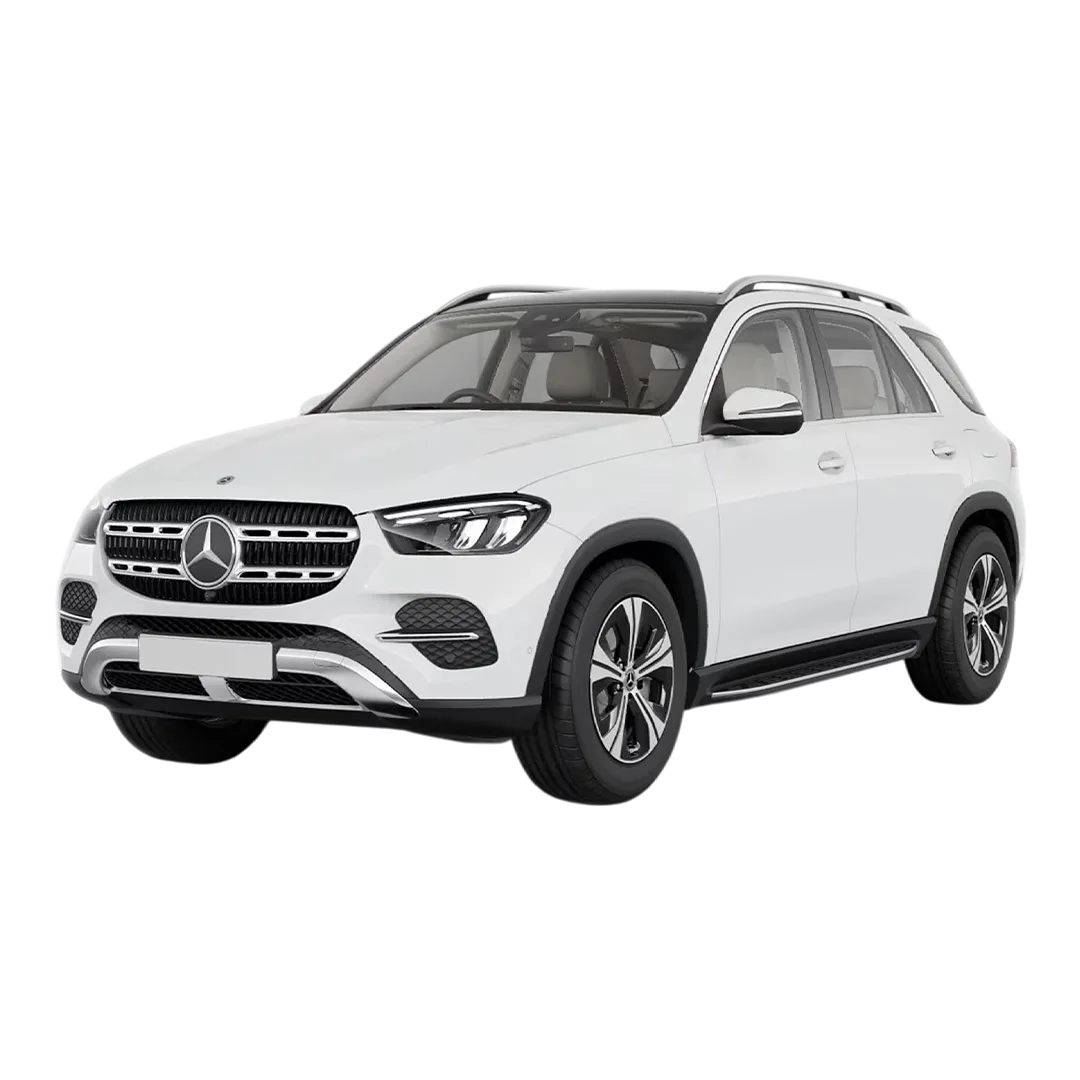 Mercedes Benz GLE
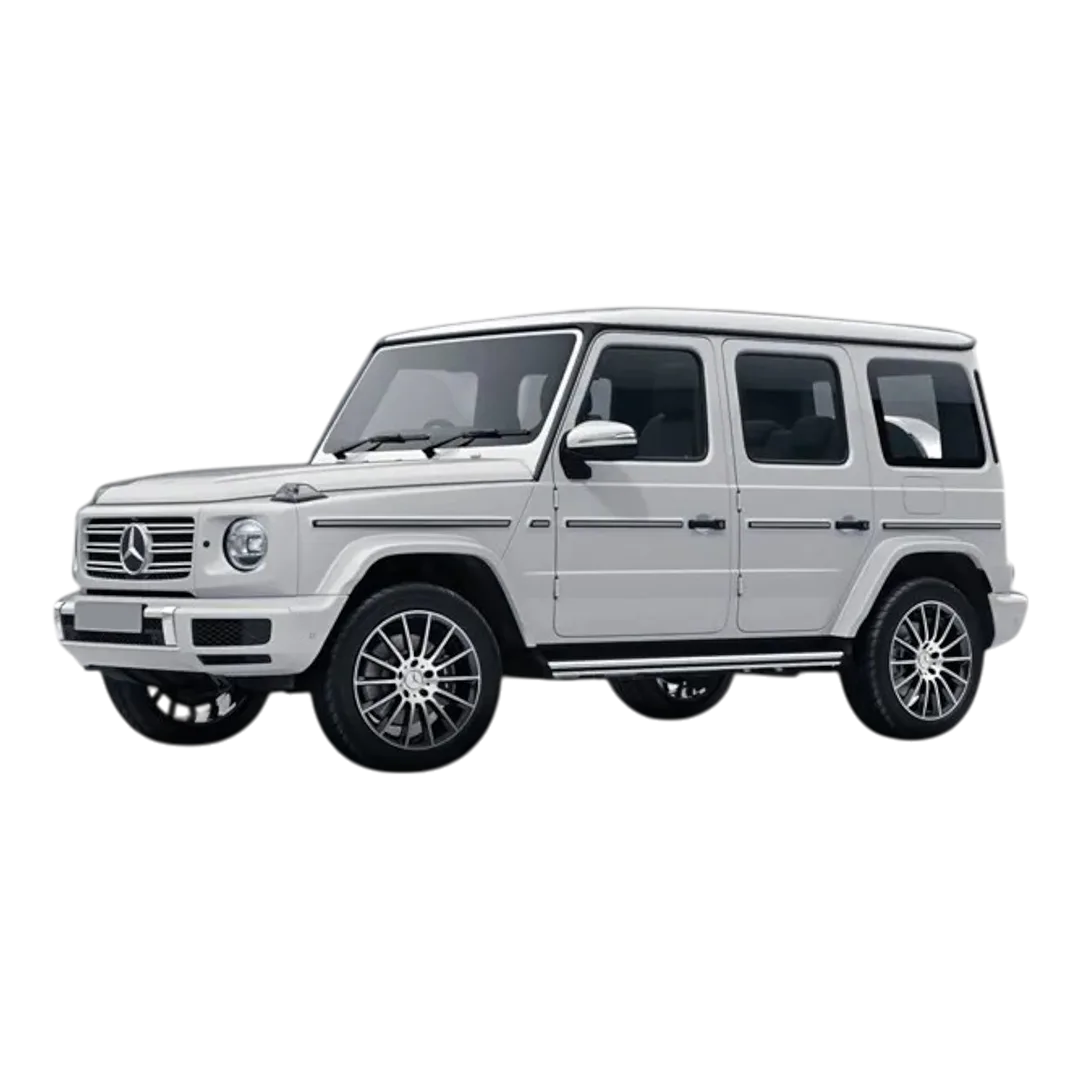 Mercedes Benz G-Class
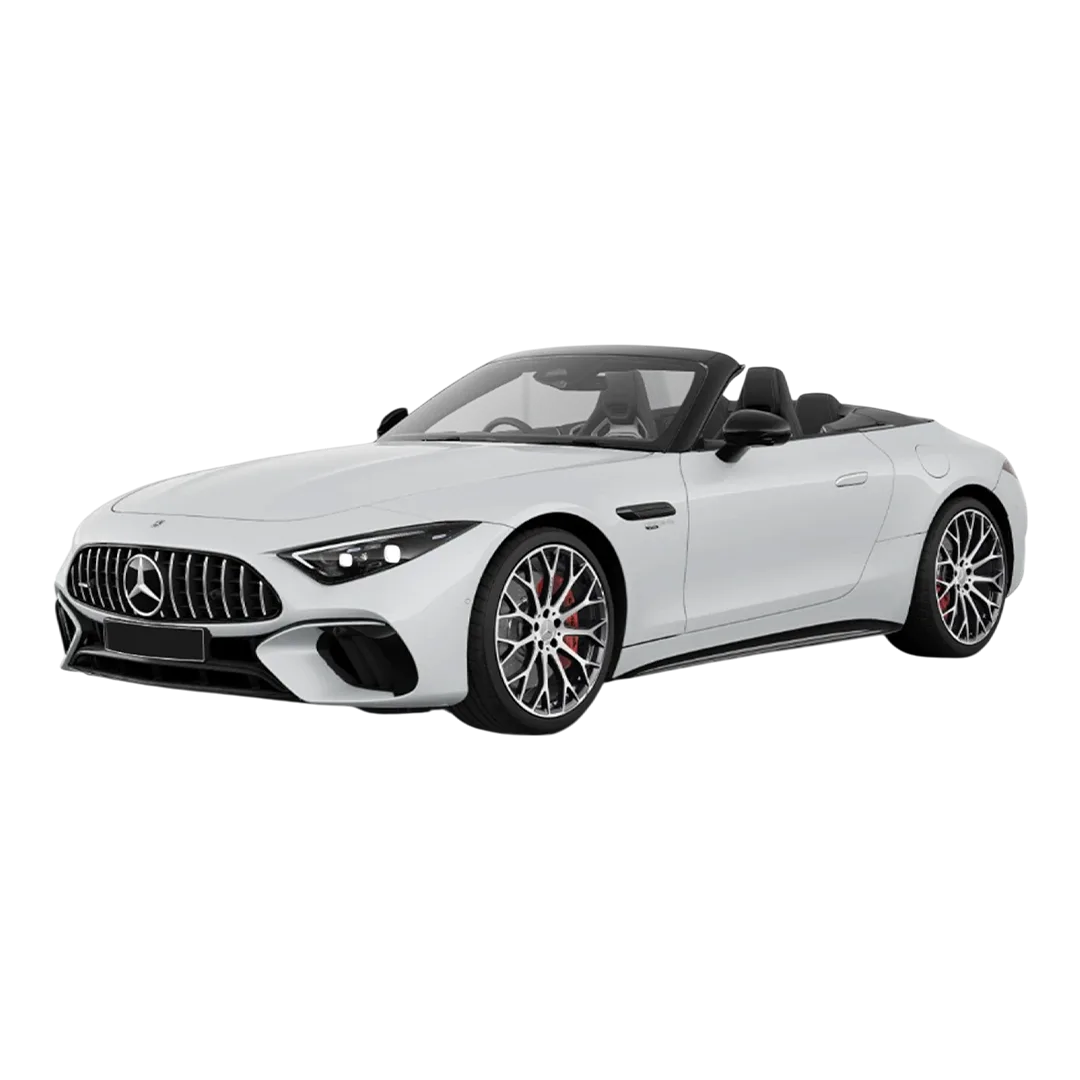 Mercedes Benz AMG SL
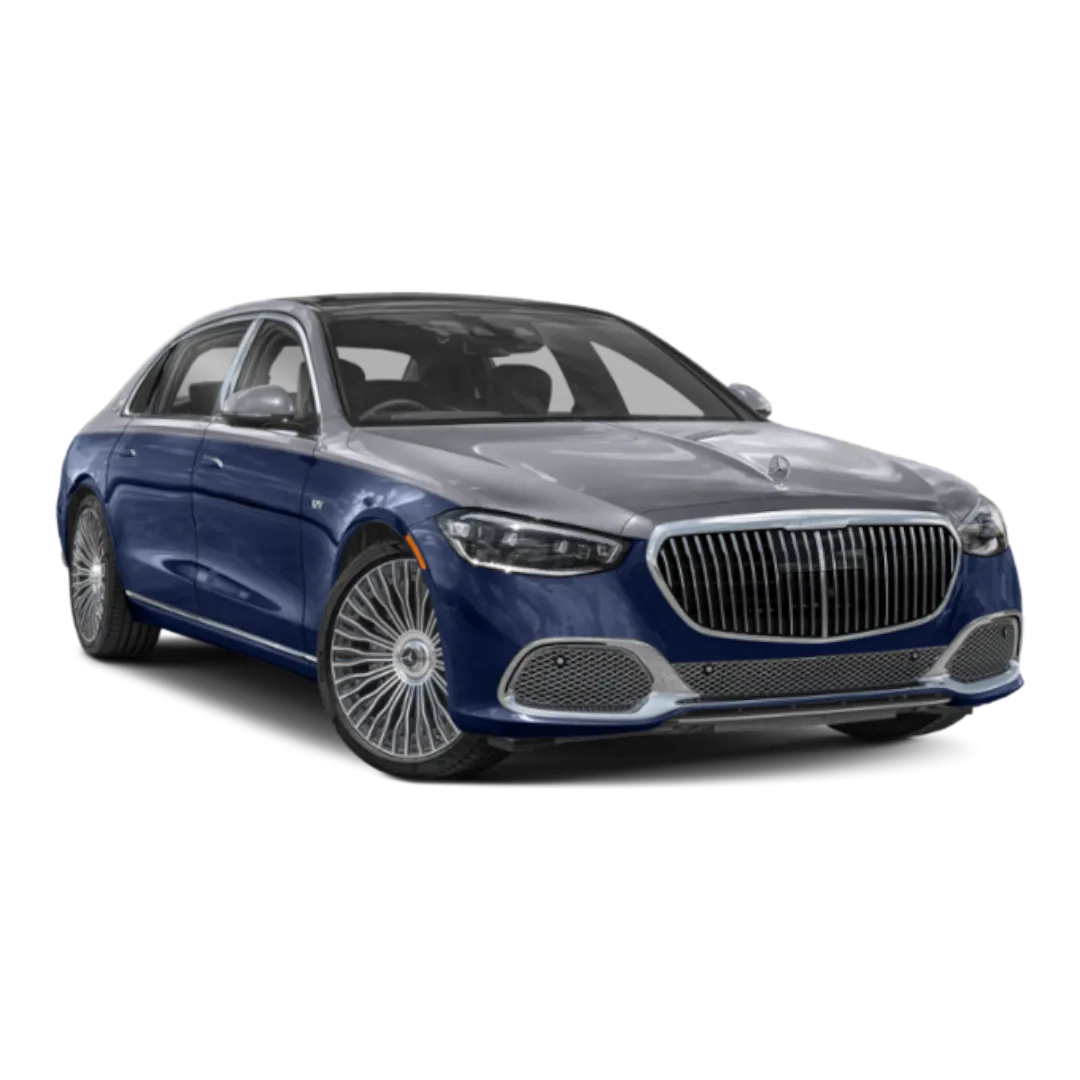 Mercedes Benz MAYBACH S- Class
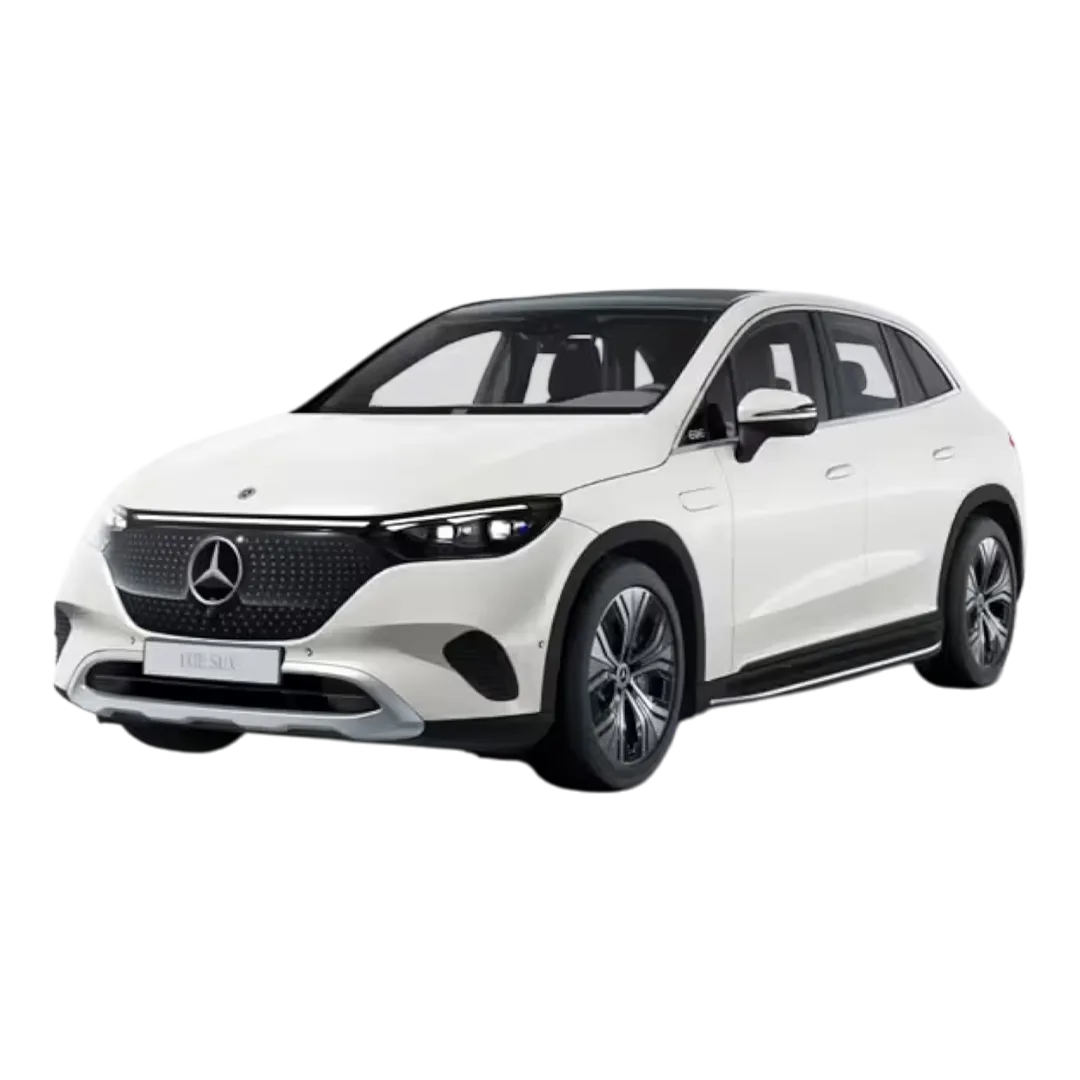 Mercedes Benz EQE-SUV
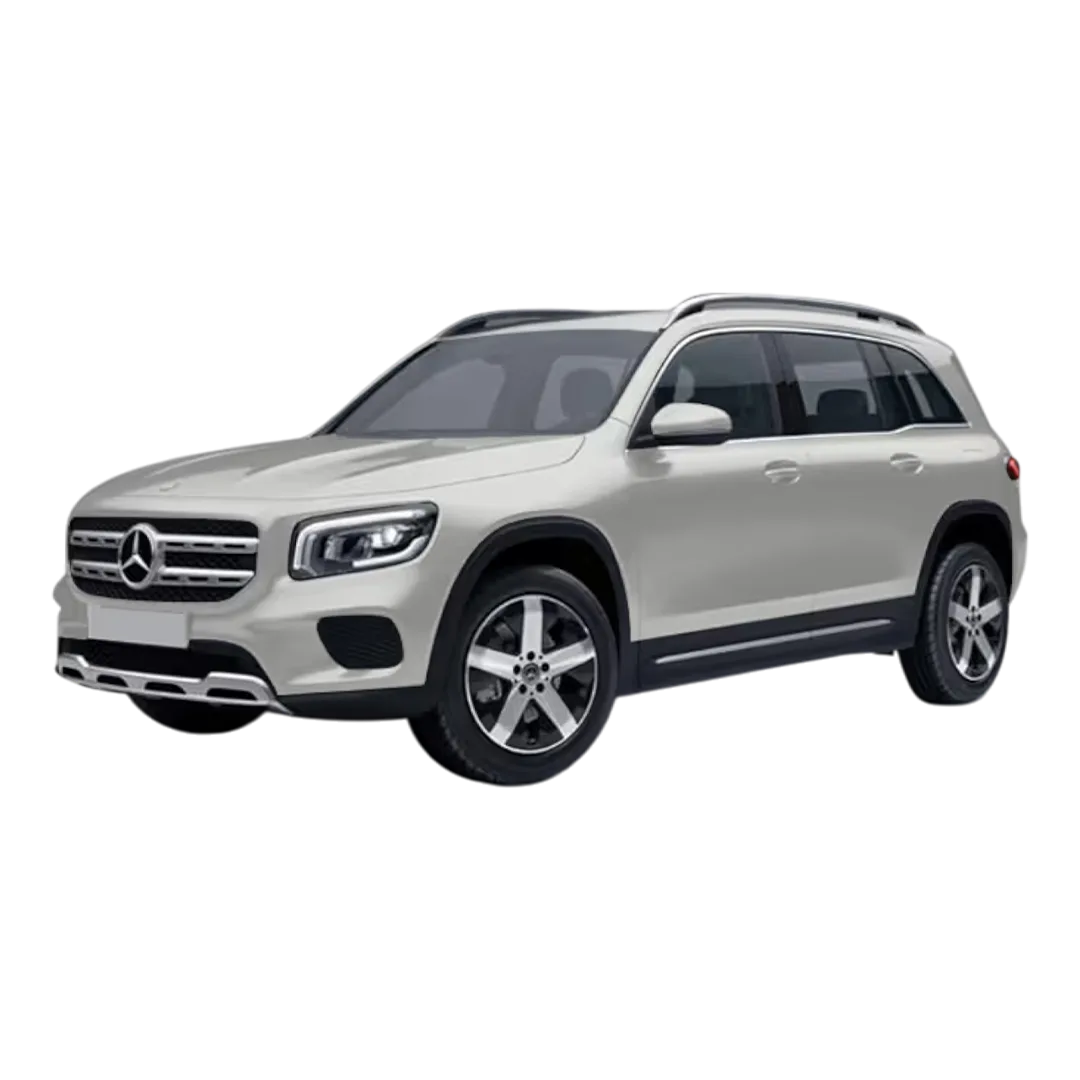 Mercedes Benz GLB
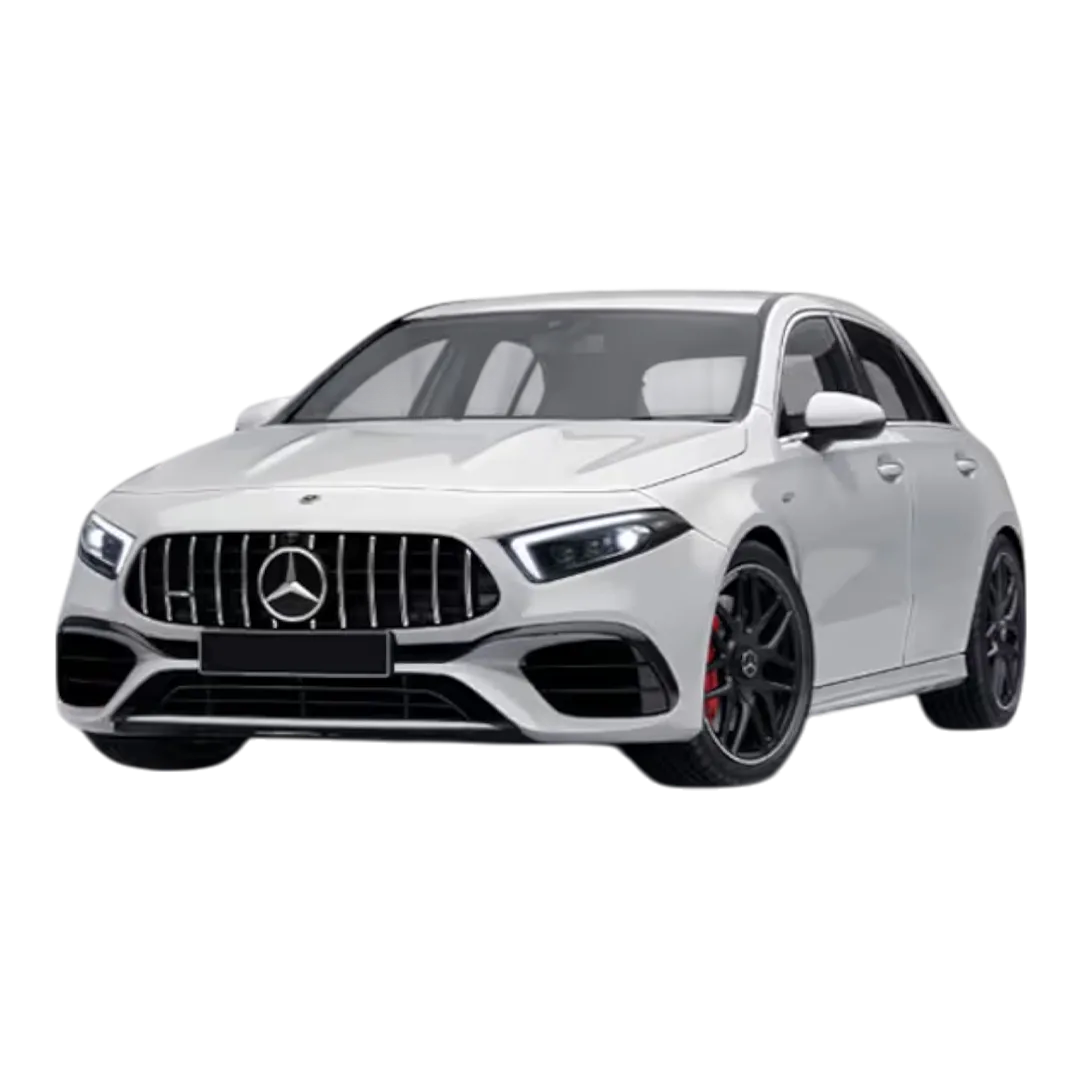 Mercedes Benz AMG A 45 S
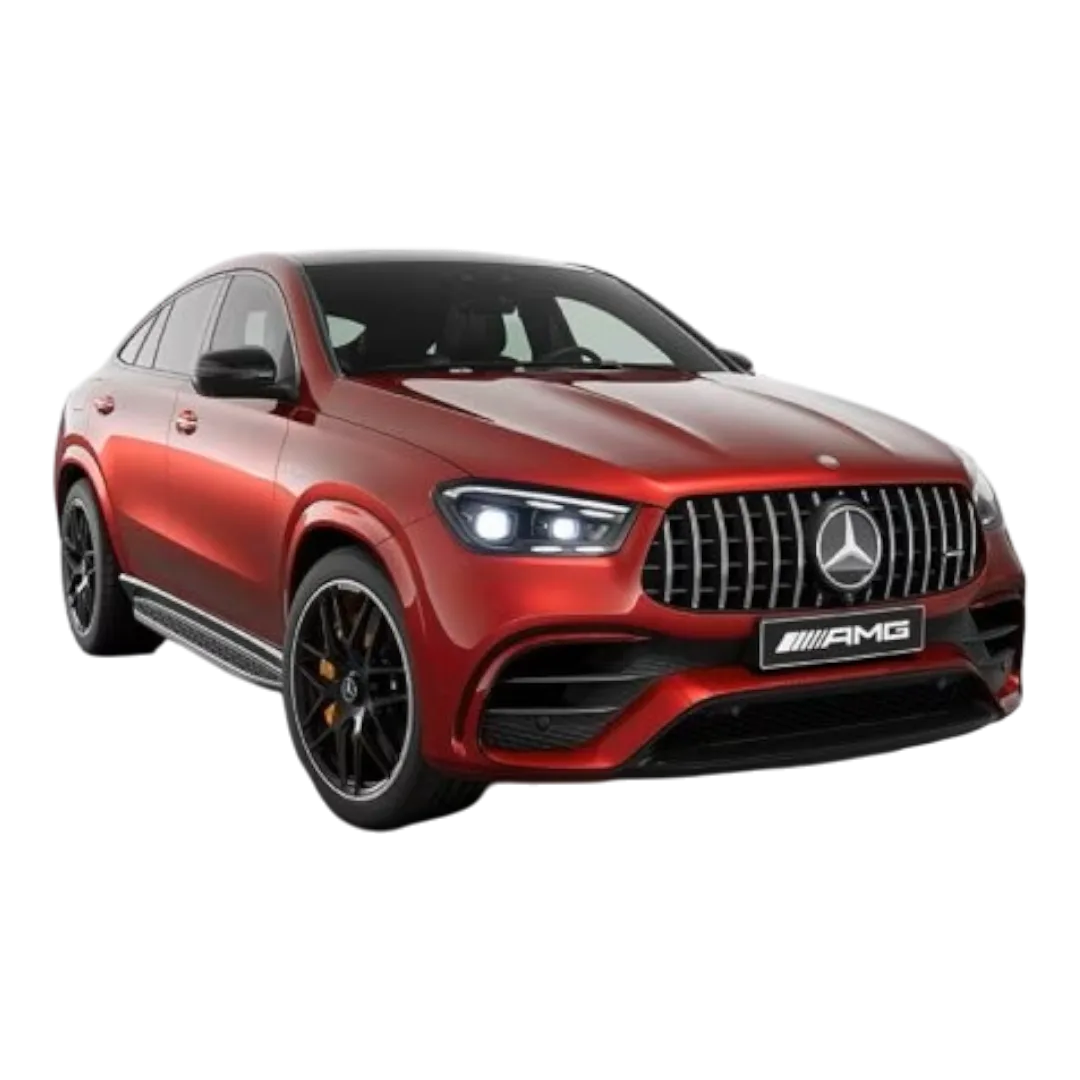 Mercedes Benz AMG GLE S3
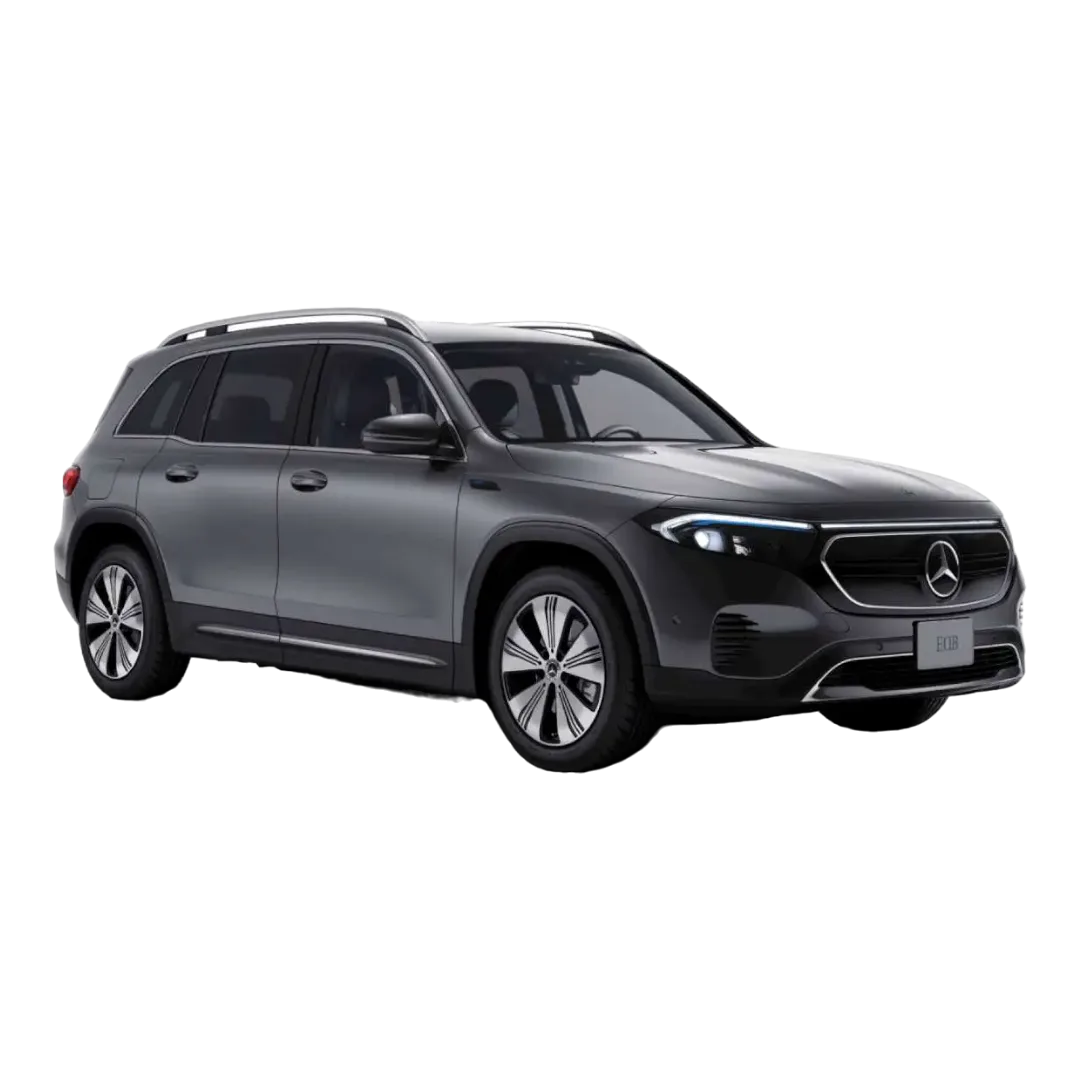 Mercedes Benz EQB
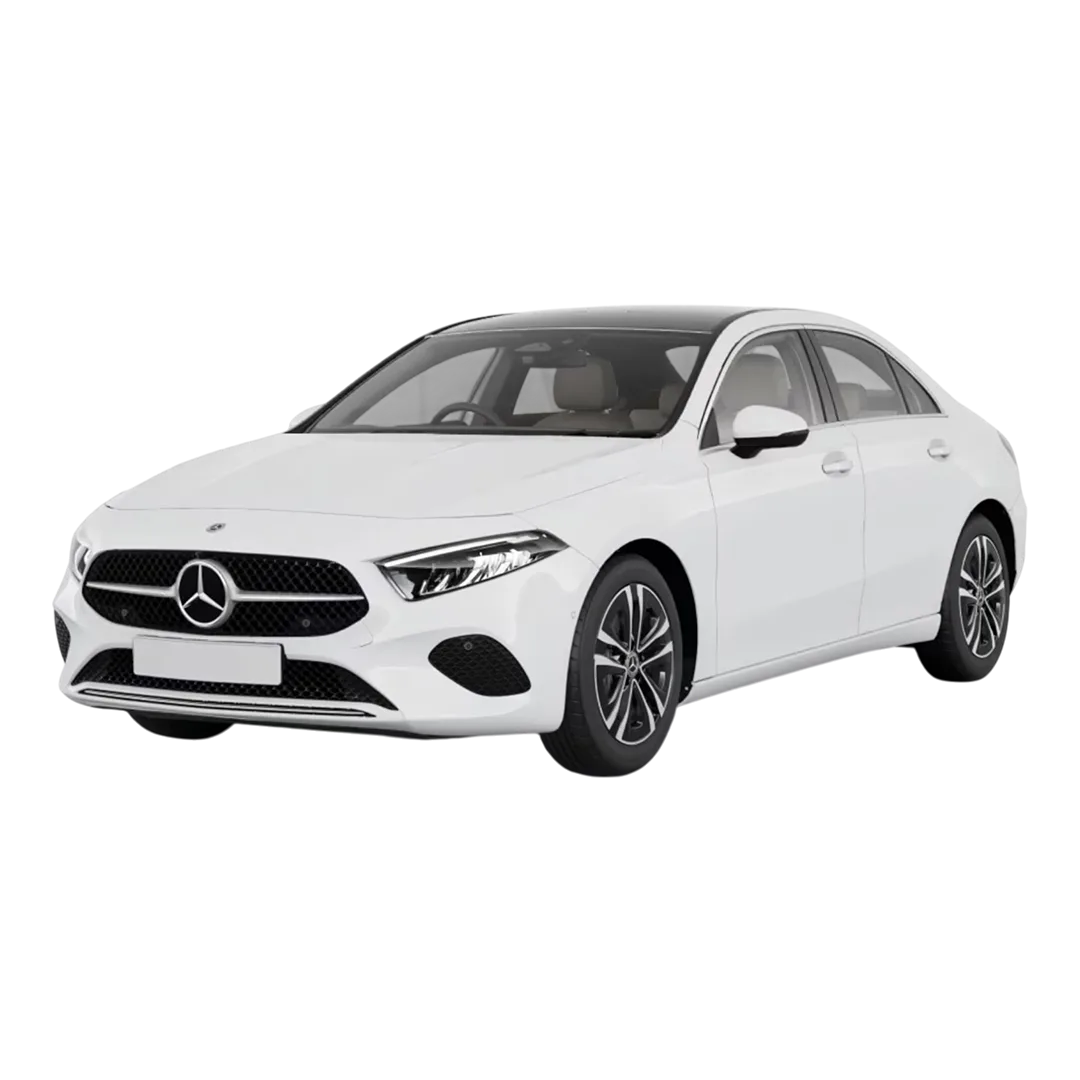 Mercedes Benz A Class limousine
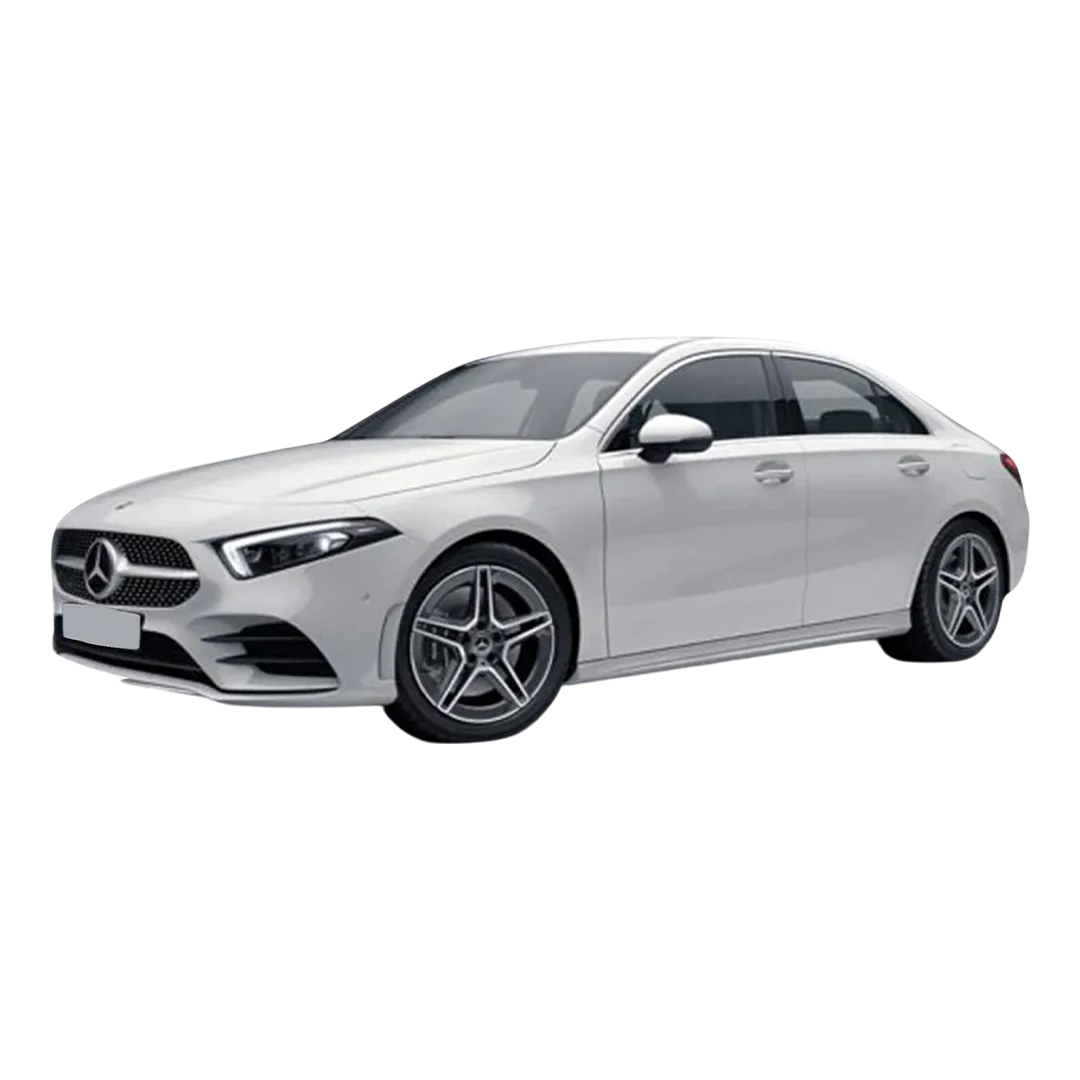 Mercedes Benz AMG A 35
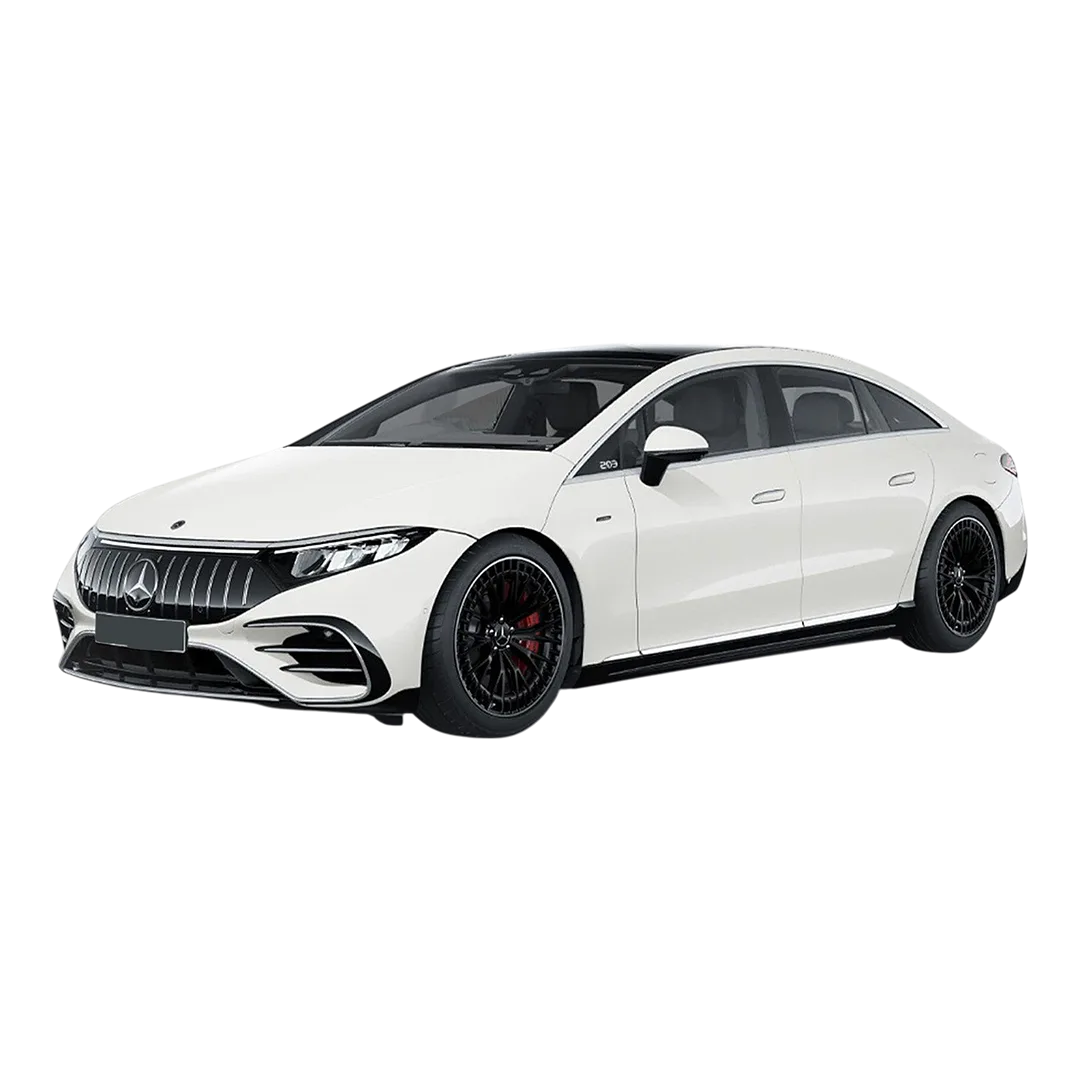 Mercedes-Benz AMG EQS
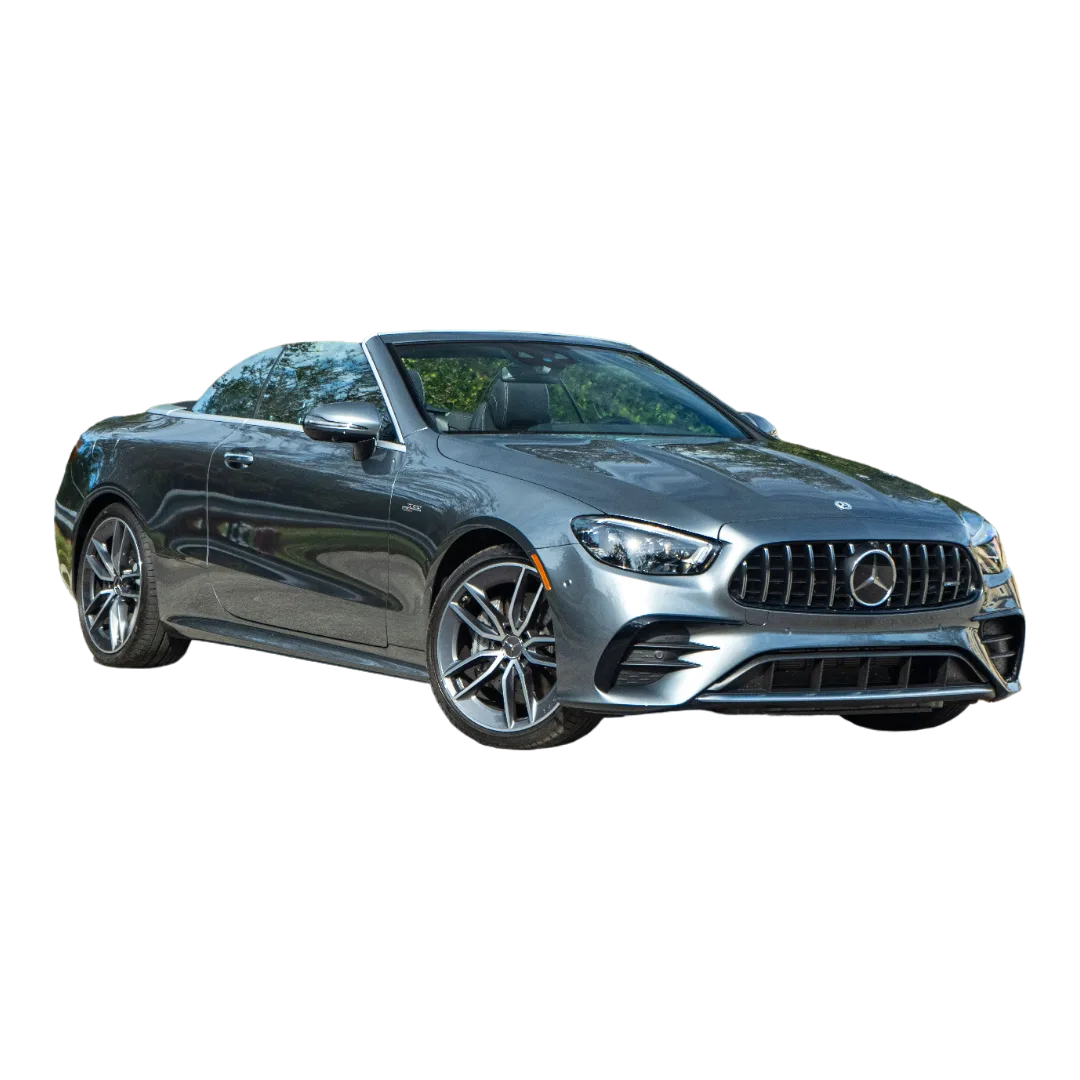 Mercedes-Benz AMG E 53 Cabriolet
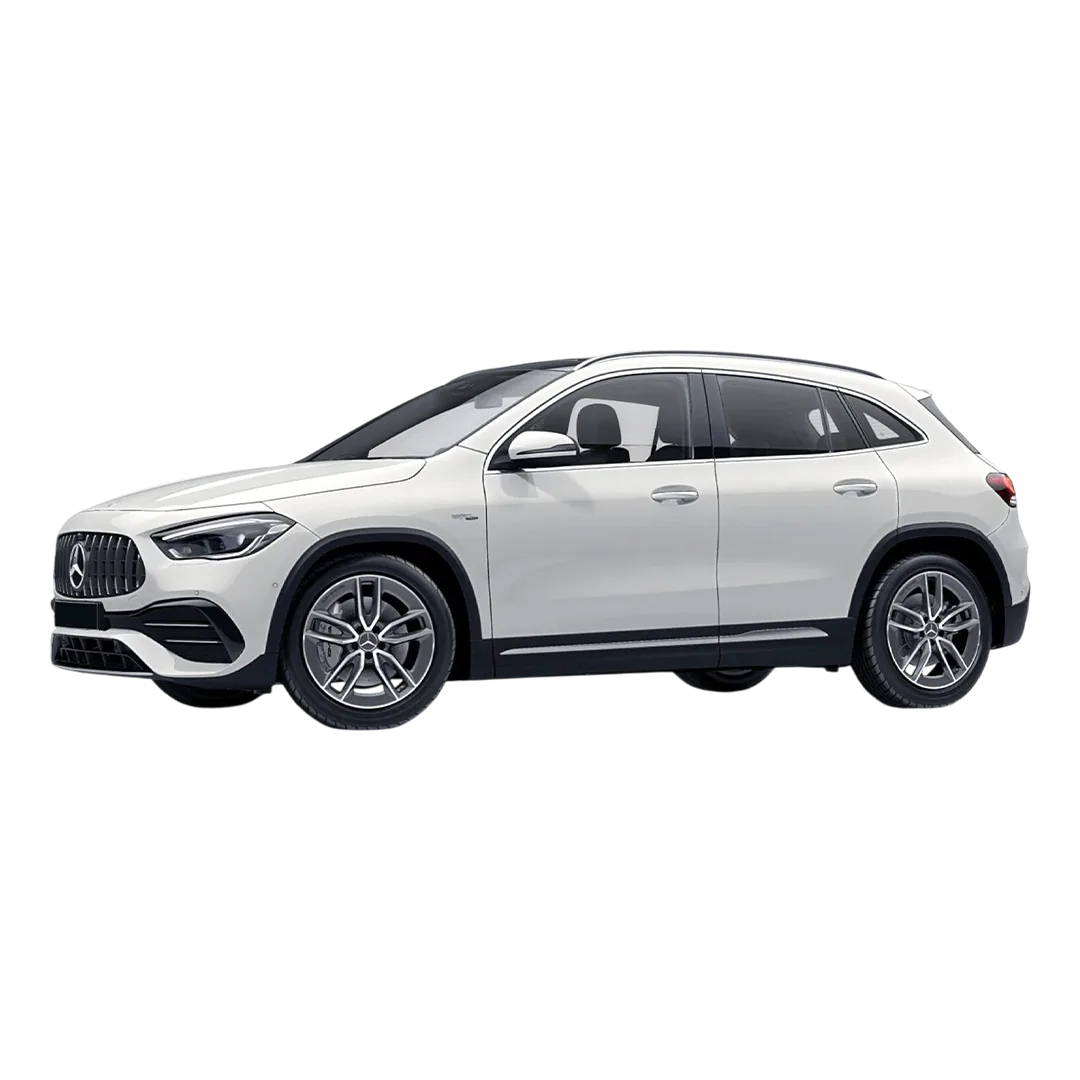 Mercedes-Benz AMG GLA 35
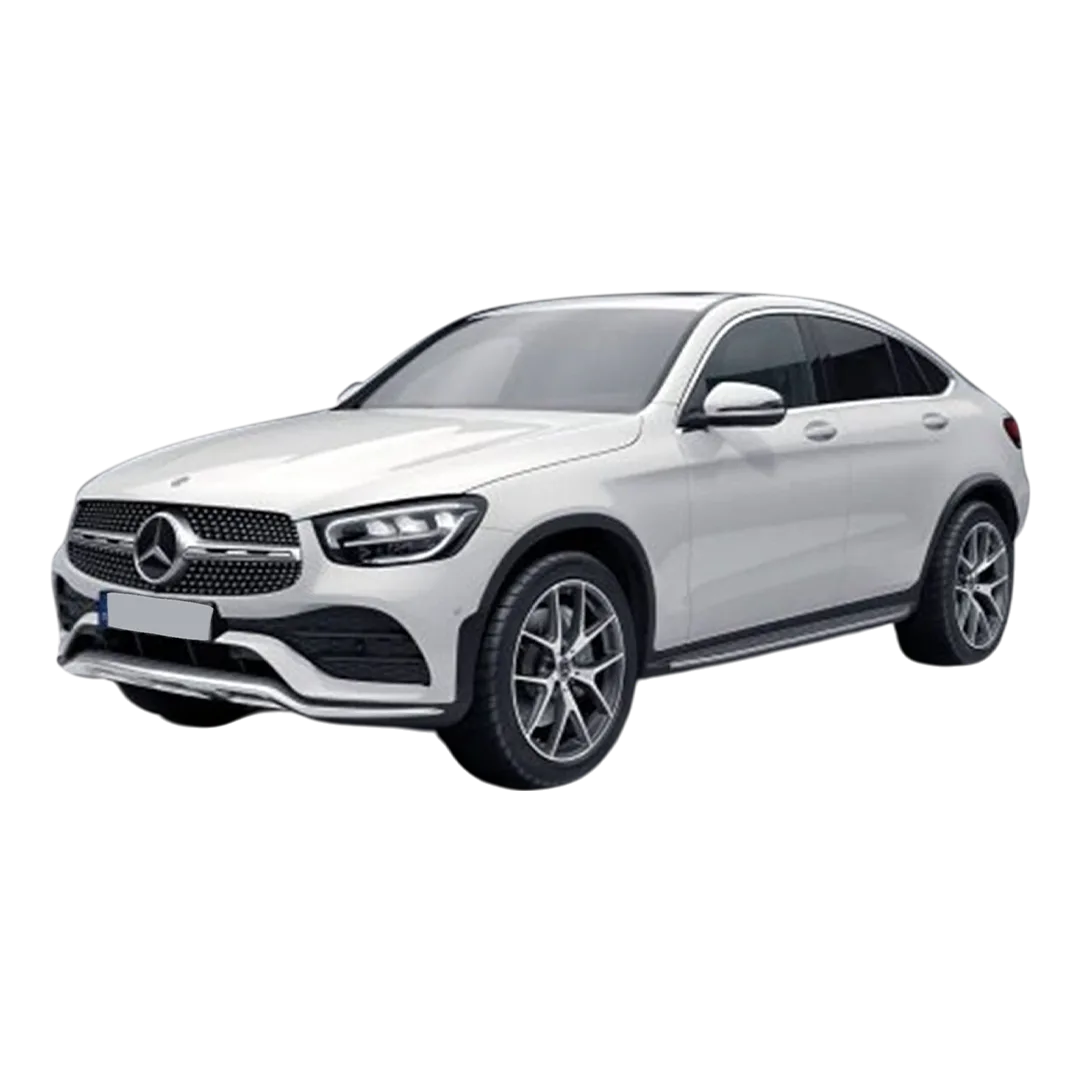 Mercedes-Benz GLC Coupe 2023
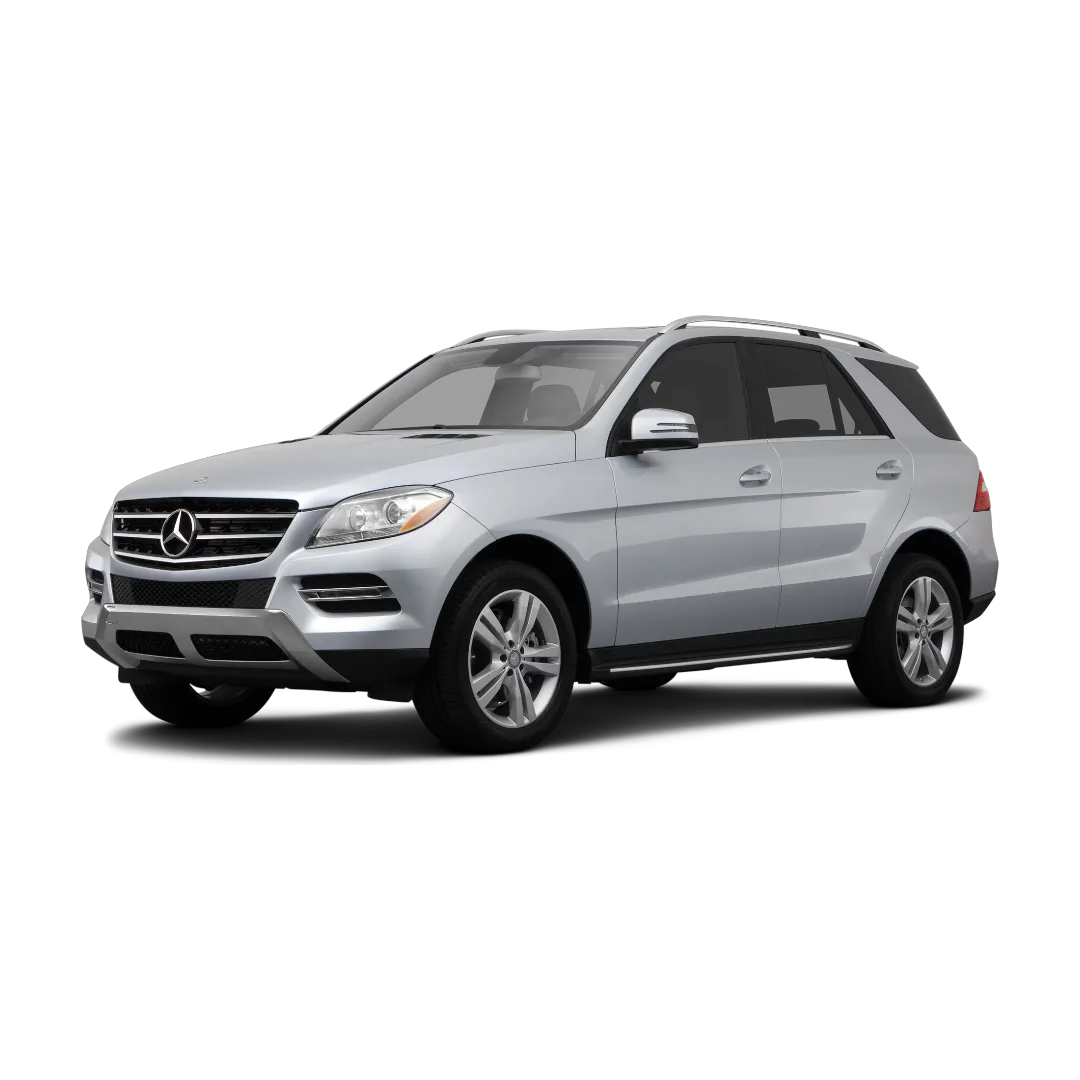 Mercedes M-Class
R-Class
Mercedes M-Class
R-Class
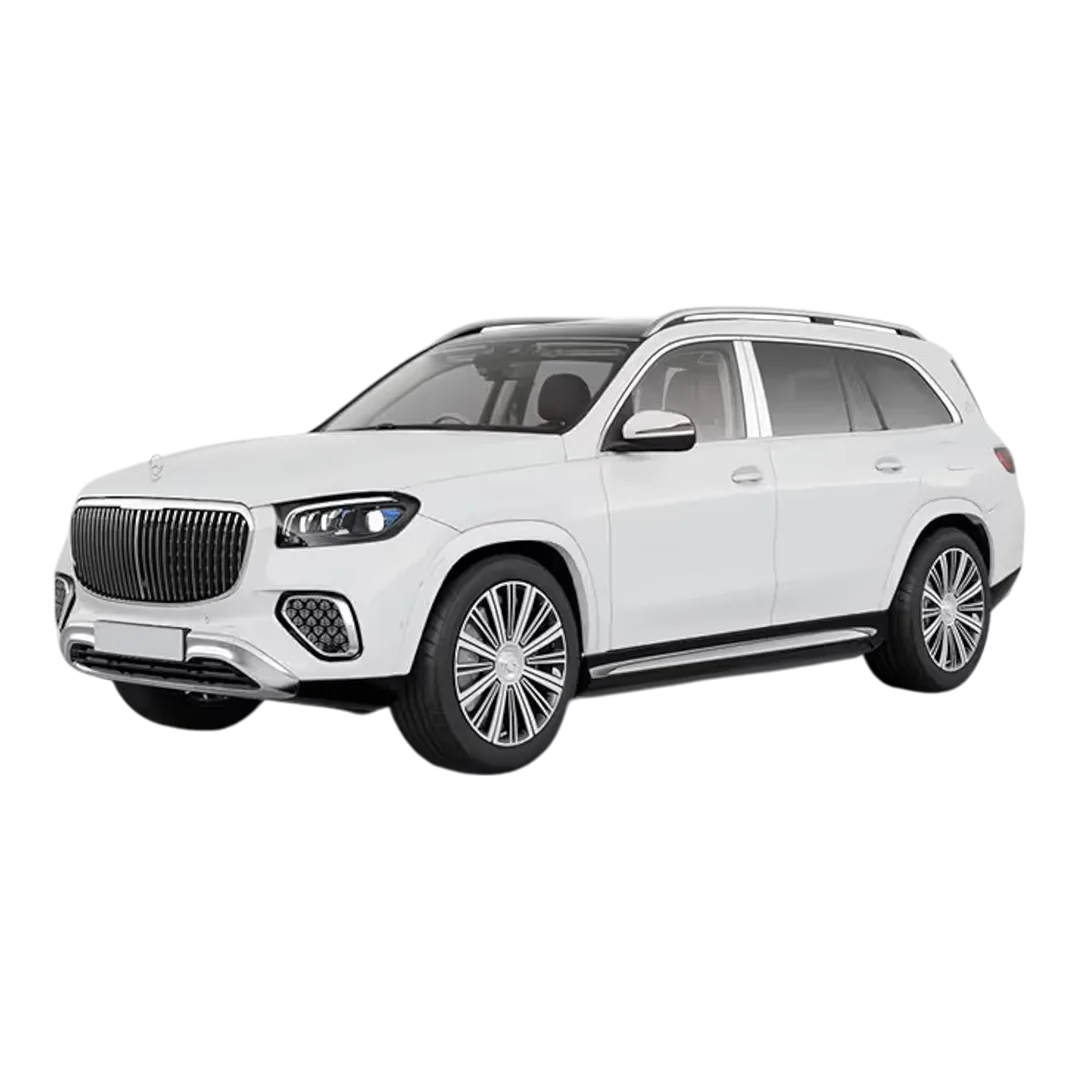 GLS 600
GLS 400
GLS 350
GLE 300
GLS 600
GLS 400
GLS 350
GLE 300
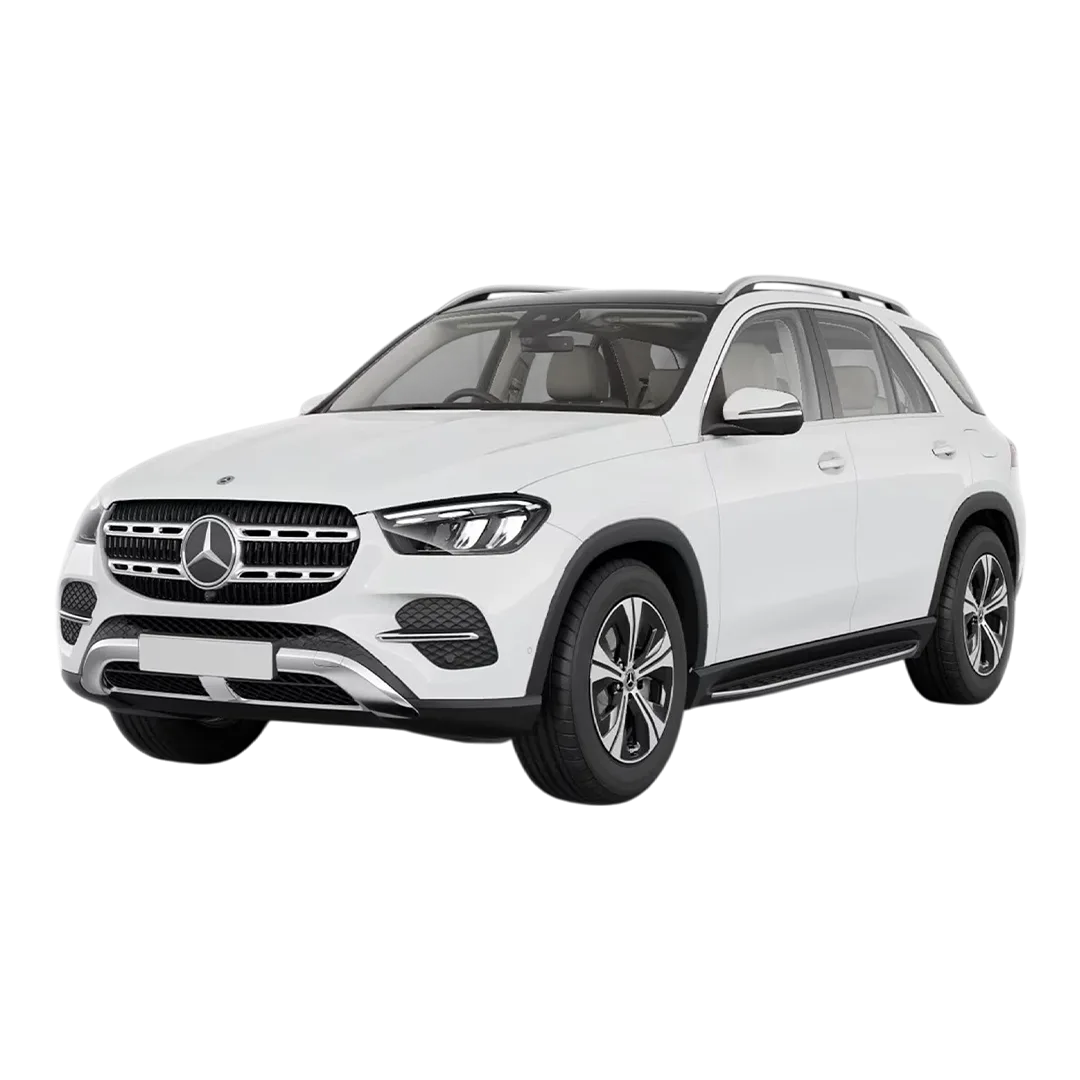 GLE 400
GLE 250D
GLE 400
GLE 250D
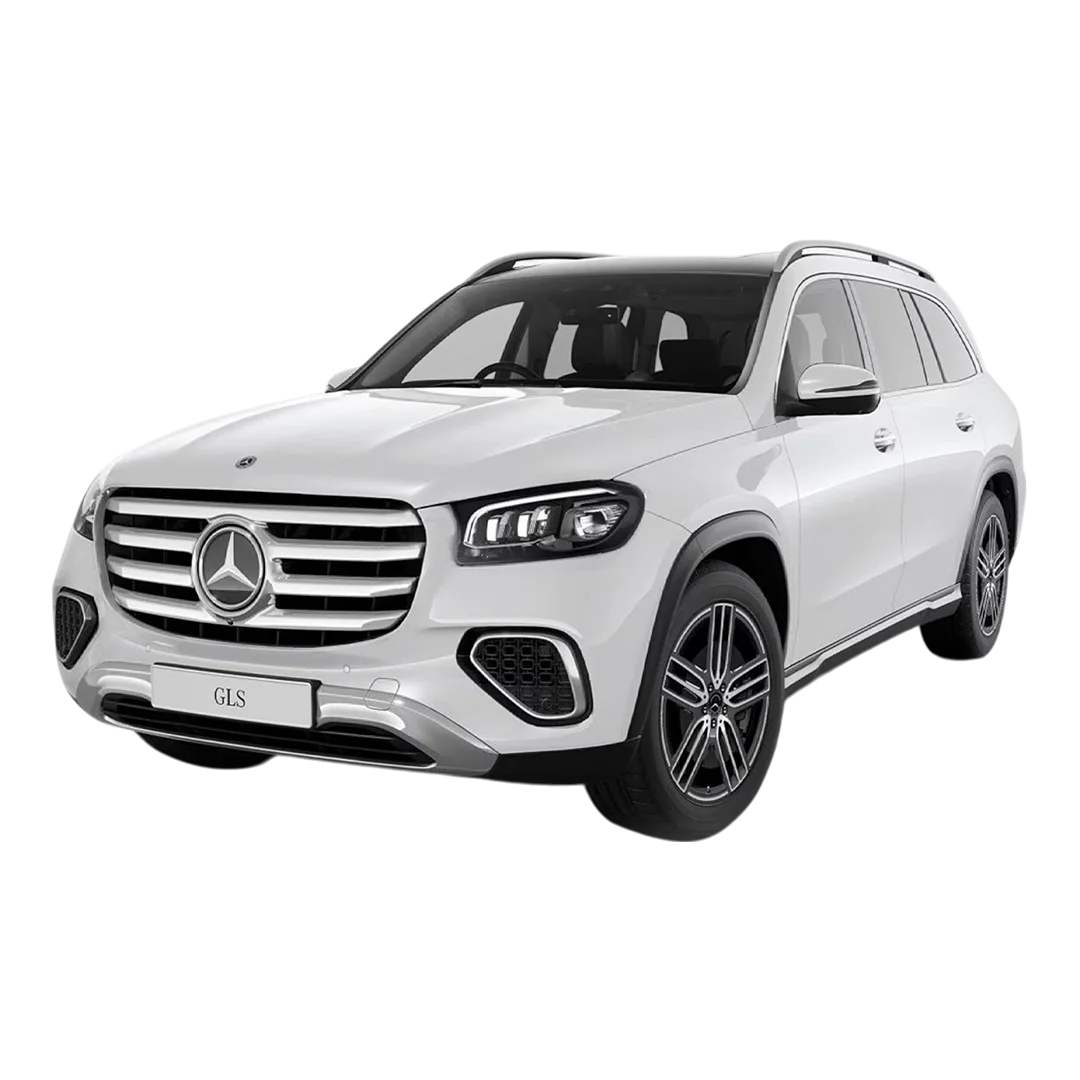 GLC 220D
GLC 300
GLC 220D
GLC 300
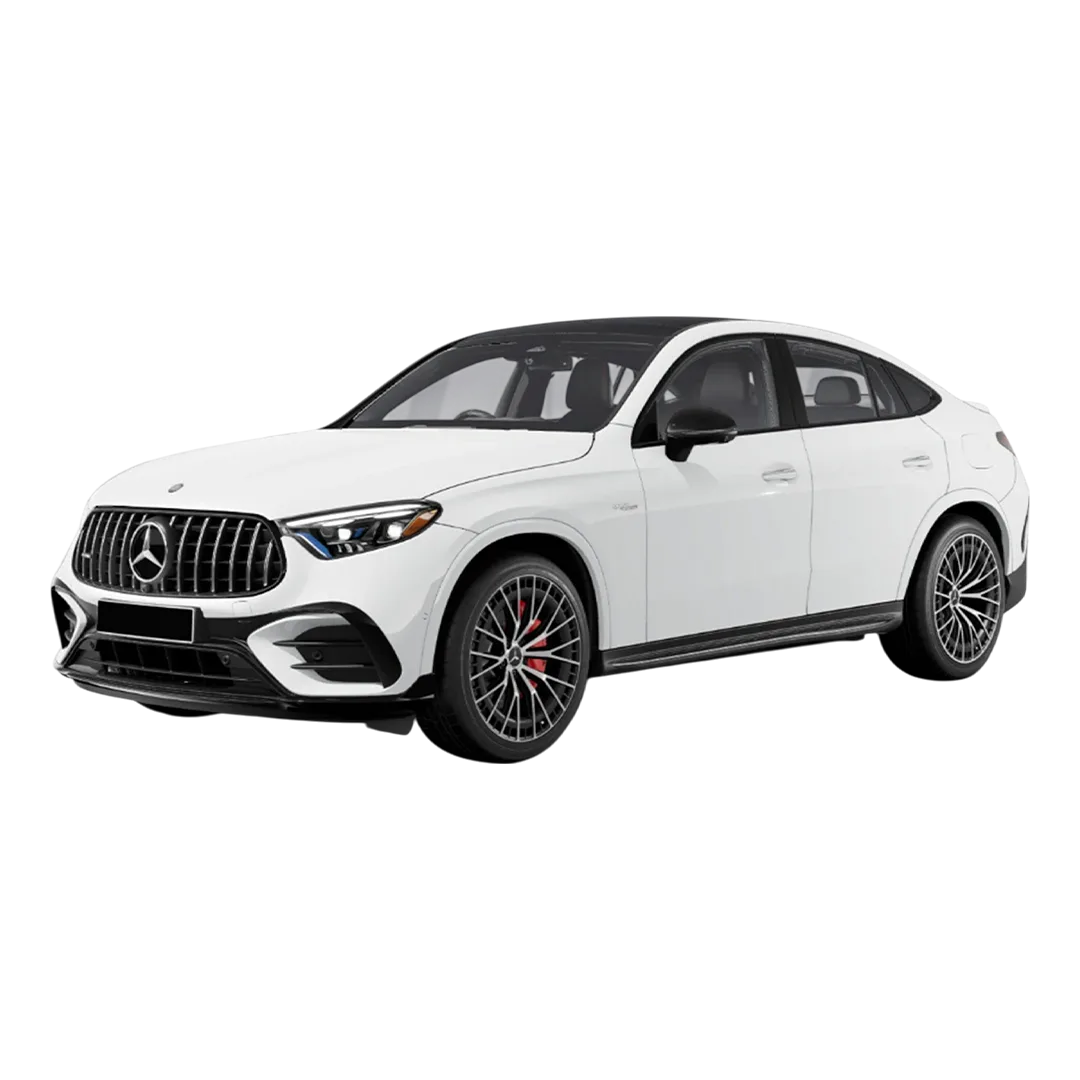 GLC 43 Coupe
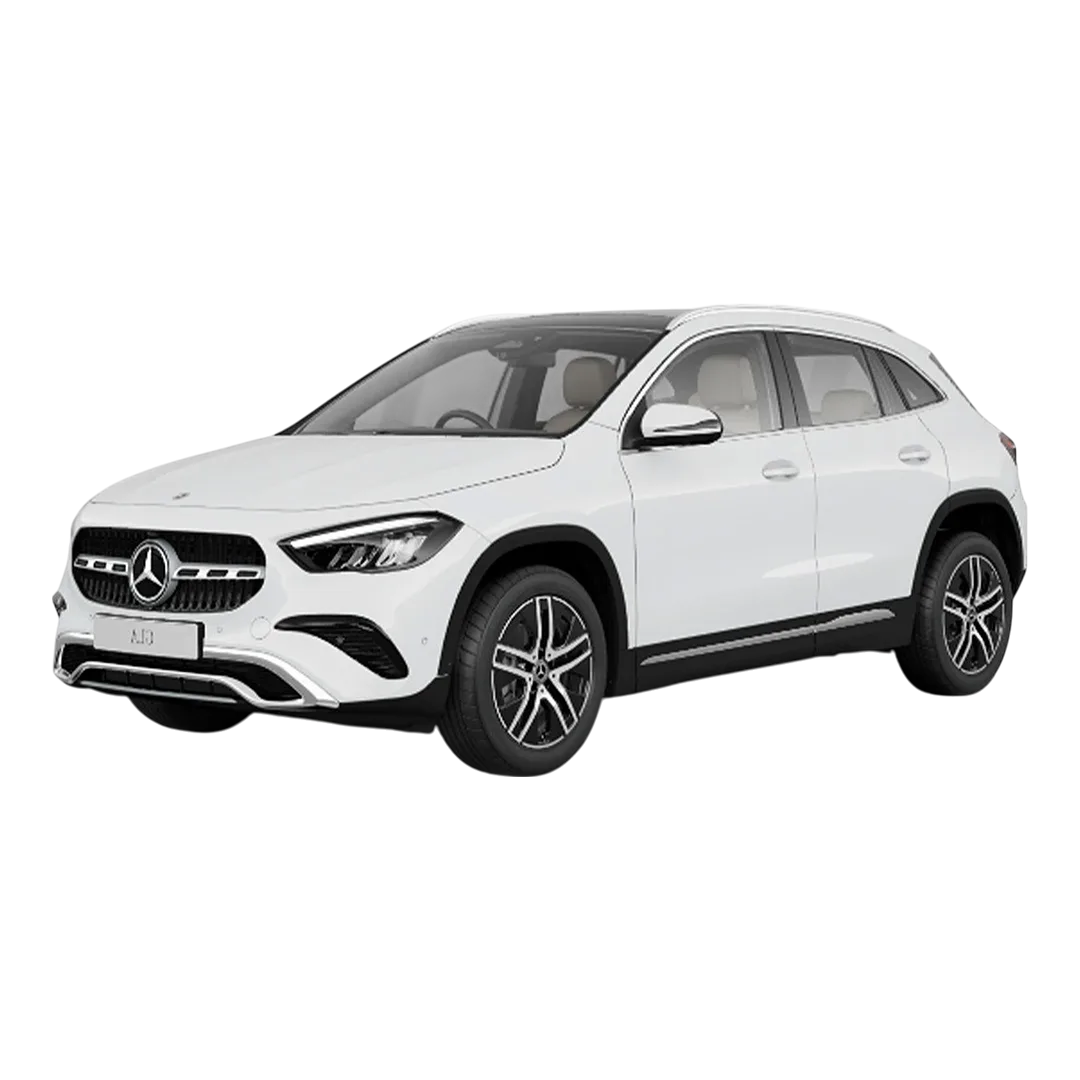 GLA 220d
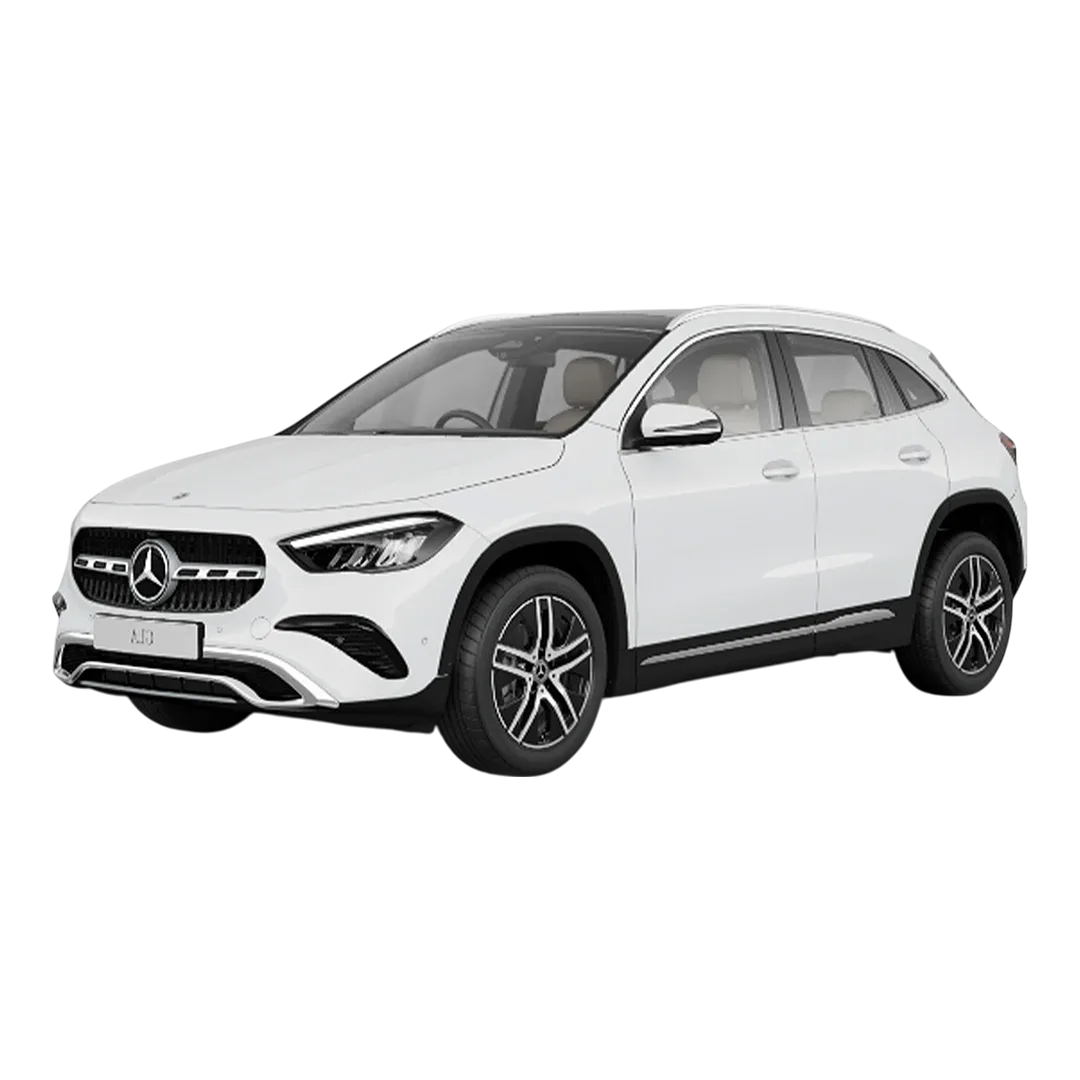 GLA-Class 200D
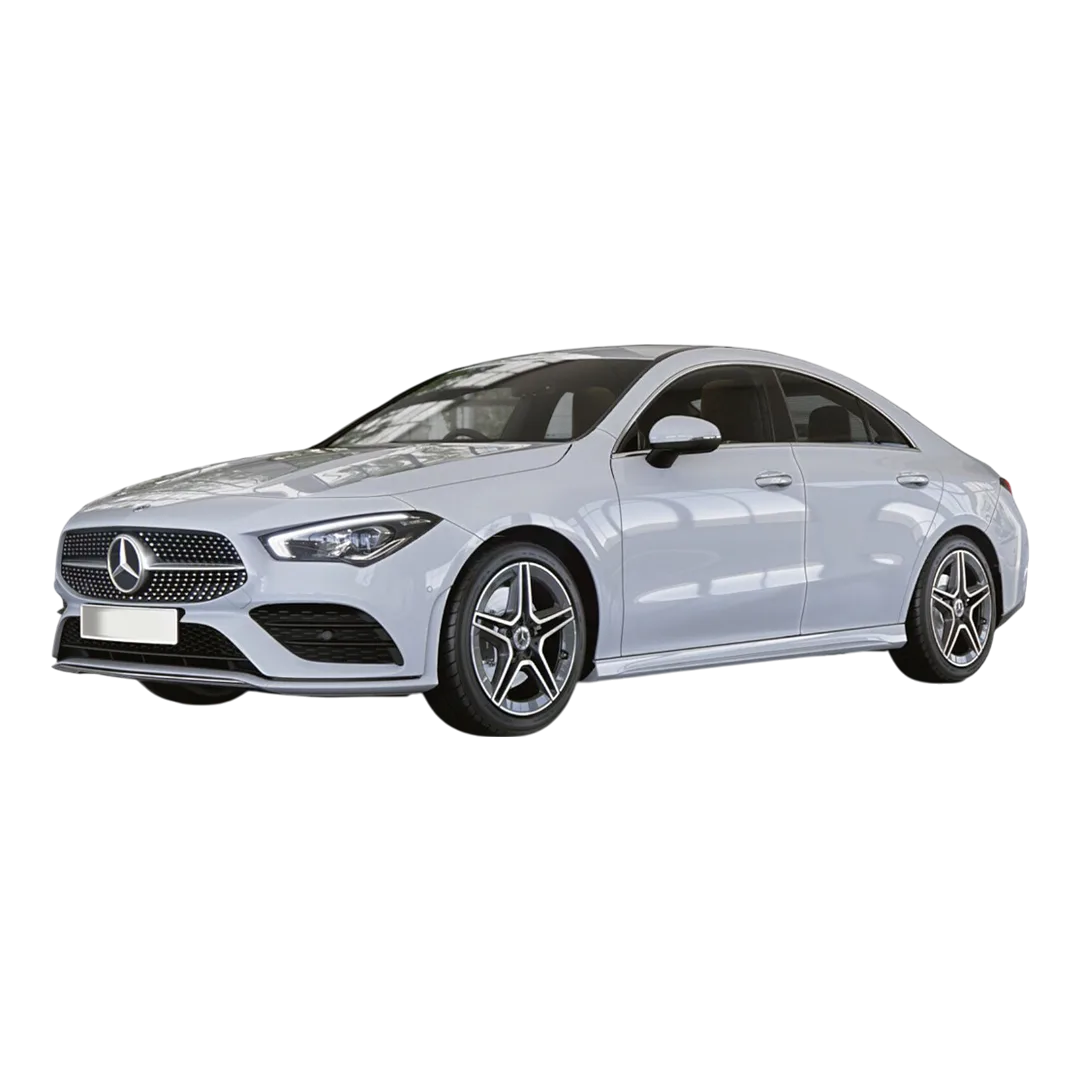 CLA 200
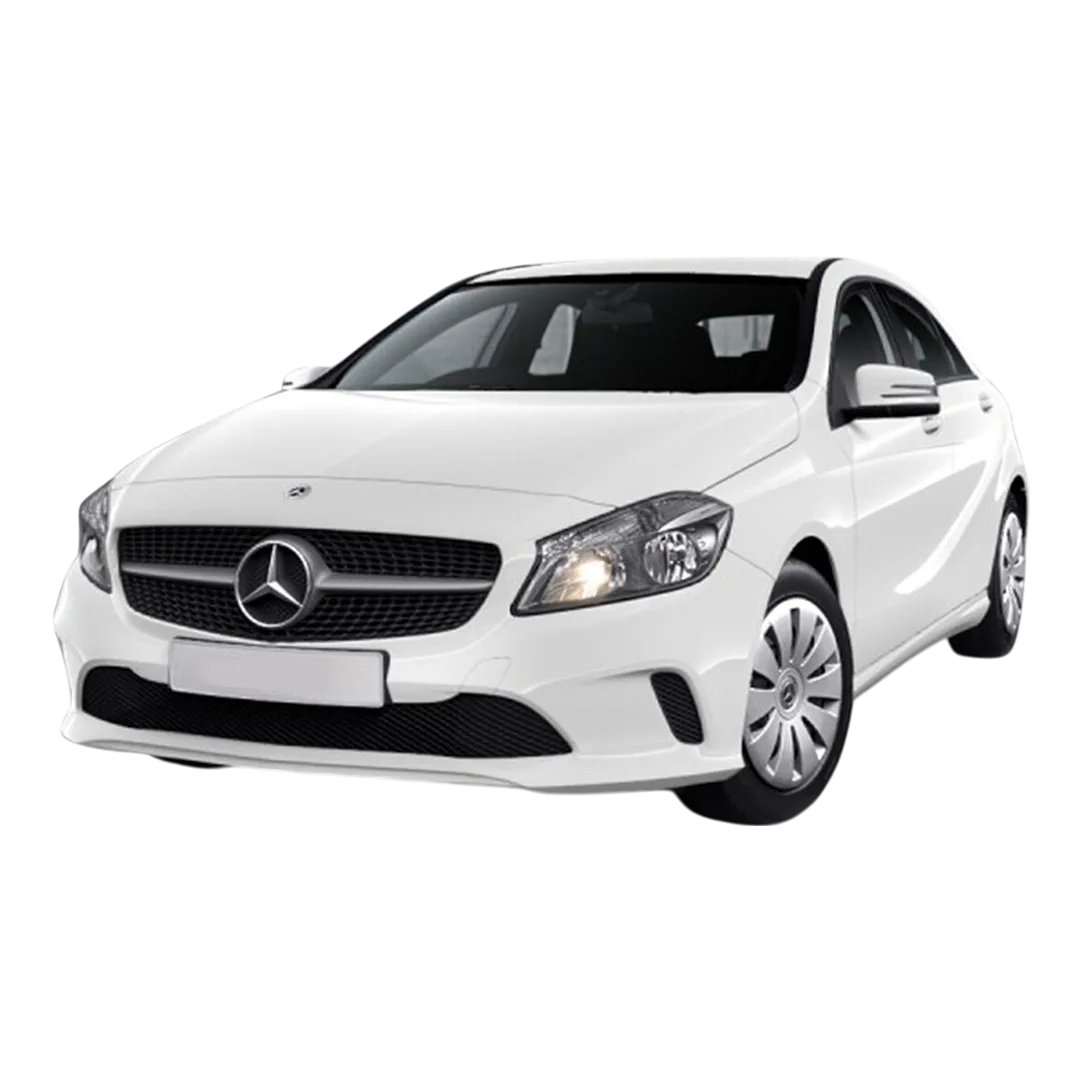 Benz A-Class A 180
M-Class ML 250
M-Class ML 350
Benz A-Class A 180
M-Class ML 250
M-Class ML 350
 Benz CLS 300
 C-Class C250
C-Class C220
C-Class C200
C-Class C250
C-Class C220
C-Class C200
 Benz B - Class
Benz A - 200
Benz B - Class
Benz A - 200

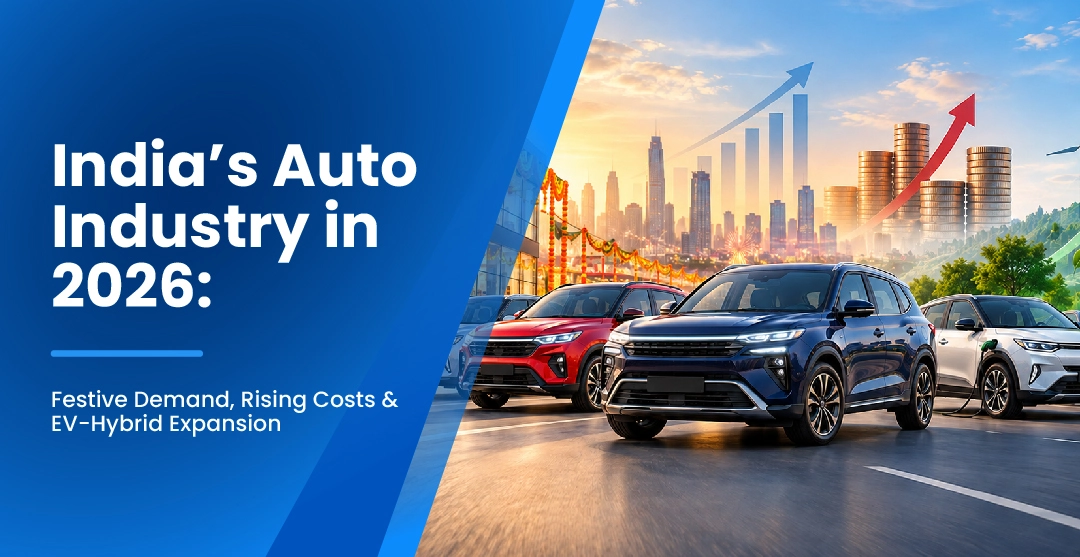
The electric vehicle market in India is evolving rapidly, and buyers are becoming more informed with every new launch. One of the latest trends clearly visible is the growing preference for higher battery capacity models, especially in the case of the Maruti e Vitara. The 61kWh variant is gaining significant traction among buyers who are prioritizing range, performance, and long-term value. This shift reflects a broader change in consumer mindset, where practicality and future readiness are becoming more important than just initial pricing.
At Creckk, we closely track automotive trends to help buyers make smarter decisions. The increasing demand for the 61kWh version of the e Vitara highlights how Indian customers are now looking beyond basic specifications. They want reliability for daily commutes as well as flexibility for longer journeys without frequent charging stops. In this blog, we break down the key reasons behind this demand shift, covering everything from real-world range to pricing strategy and buyer preferences in 2026. If you're considering an EV purchase, this guide will give you a clear perspective.
The growing popularity of the 61kWh variant comes down to one simple factor: peace of mind. Buyers today are not just purchasing a car; they are investing in convenience and long-term usability. A larger battery capacity directly translates to fewer charging interruptions, which is a major concern for first-time EV users in India.
Another key reason is the flexibility it offers. Whether it’s daily city commuting or occasional highway trips, the 61kWh variant ensures that drivers don’t have to constantly plan around charging stations. This makes it a practical option for both urban and semi-urban users. Additionally, as charging infrastructure continues to grow, having a bigger battery gives users more confidence to explore longer routes.
Consumers are also becoming more aware of battery degradation over time. A higher capacity battery tends to retain usable range better in the long run, making it a smarter investment. Overall, the 61kWh version is seen as a future-ready choice that aligns with evolving mobility needs.
Range remains one of the most critical factors influencing EV buying decisions, and the 61kWh variant delivers a clear advantage in this area. With a higher battery capacity, the vehicle can offer an extended driving range, reducing the need for frequent charging and making it suitable for longer journeys.
Performance also benefits from the larger battery pack. The power delivery tends to be smoother and more consistent, especially during highway driving or when carrying passengers and luggage. This results in a more refined and confident driving experience.
In real-world conditions, factors like traffic, driving style, and weather can impact range. However, the 61kWh variant provides a buffer that helps drivers stay stress-free even when conditions are less than ideal. This combination of range and performance makes it a well-rounded option for modern EV buyers.
The 61kWh variant is not just about battery size; it often comes paired with enhanced features that improve overall driving experience. Buyers in this segment expect more than just efficiency-they want comfort, technology, and safety.
Typically, higher variants include advanced infotainment systems, connected car technology, improved safety features, and premium interiors. These additions make the driving experience more enjoyable and align with the expectations of tech-savvy customers.
Moreover, features like regenerative braking modes, driving modes, and fast-charging compatibility further enhance usability. These elements collectively make the 61kWh variant a more complete package rather than just a battery upgrade.
While the 61kWh variant comes at a higher upfront cost, many buyers see it as better value for money in the long run. The additional range and features justify the price difference, especially for those planning to use the vehicle extensively.
Lower running costs, reduced dependency on public charging, and better resale value contribute to its overall appeal. Buyers are increasingly calculating total cost of ownership rather than just the initial price tag.
Here’s a quick comparison:
| Aspect | Standard Variant | 61kWh Variant |
|---|---|---|
| Range | Moderate | High |
| Features | Basic | Advanced |
| Long-Term Value | Average | Strong |
The 61kWh variant is best suited for buyers who want a balance between daily usability and long-distance capability. It is ideal for professionals, families, and even small business owners who rely on their vehicle regularly.
If your daily commute is long or you frequently travel between cities, this variant makes more sense. It also appeals to buyers who prefer fewer compromises and want a premium driving experience.
Additionally, early adopters of EV technology who want the latest features and better performance are naturally inclined towards the higher-capacity version.
The shift towards higher battery capacity EVs is not limited to just one model-it reflects a broader market trend. In 2026, buyers are showing a clear preference for vehicles that offer better range, improved technology, and long-term reliability.
With increasing awareness and expanding charging infrastructure, consumers are becoming more confident in choosing EVs. However, they still prioritize convenience, which is why larger battery variants are gaining popularity.
At Creckk, we expect this trend to continue as more brands introduce advanced EV options. The demand for the 61kWh variant of the e Vitara is a strong indicator of how the Indian EV market is maturing and evolving.
Yes, if you value longer range, better features, and long-term usability, it offers better overall value.
Buyers with limited daily usage and strict budgets may find the standard variant sufficient.
In most cases, yes. It improves range, consistency, and overall driving experience.