Your cart is empty
Start Shopping Exterior
›
Exterior
›
 Bumper Diffuser/Guard
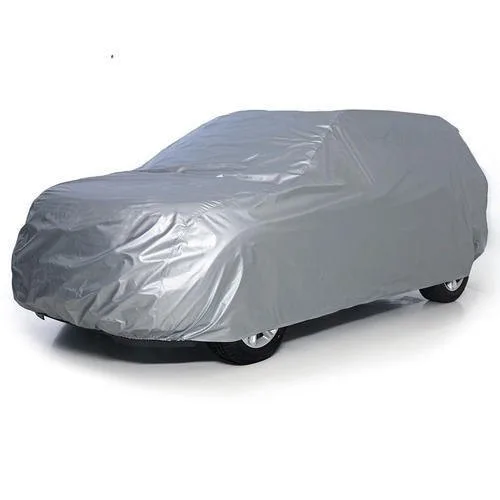 Body Covers
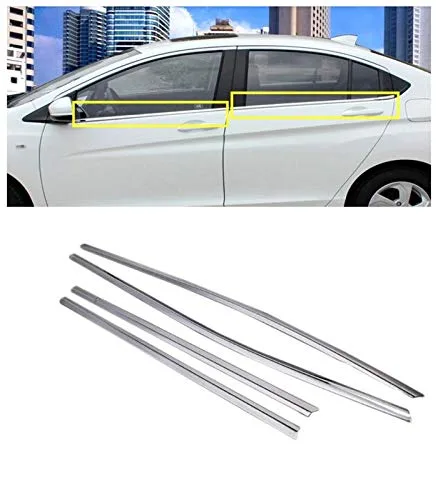 Window Garnishing
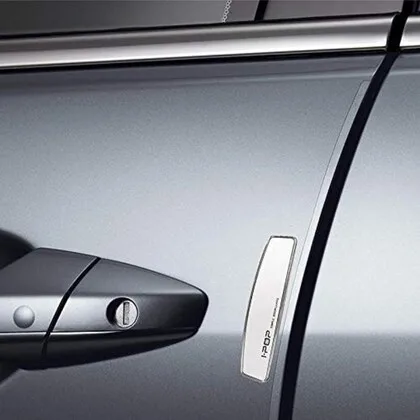 Door Guards
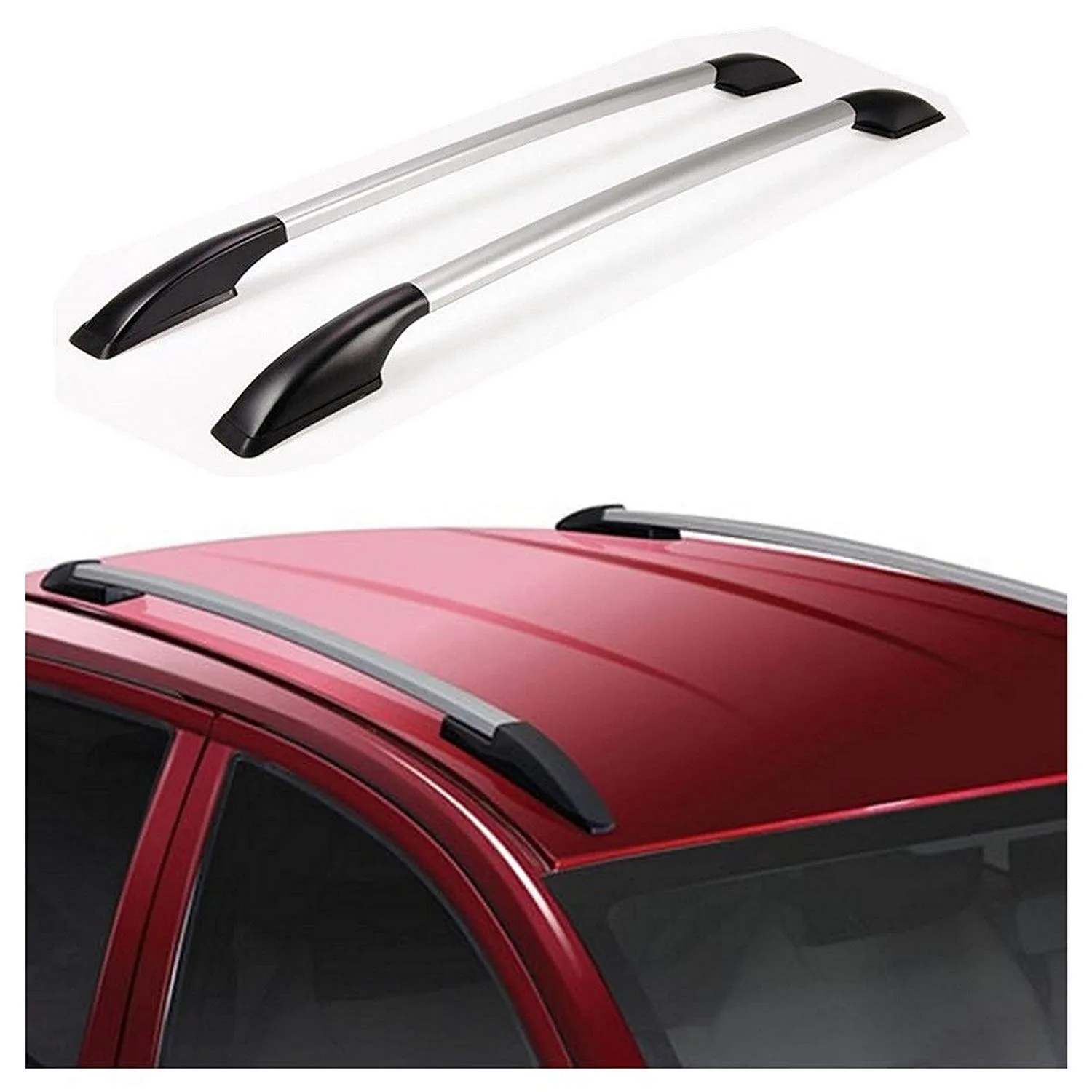 Roof Rails
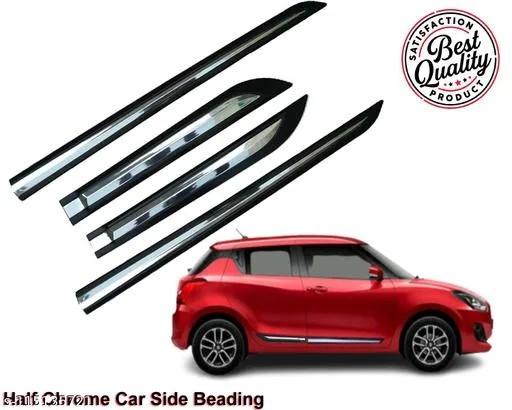 Side Beading
 Door Visor
 Mud Flap
 Wheel Cover
 Foot Rest
 Interior
›
Interior
›
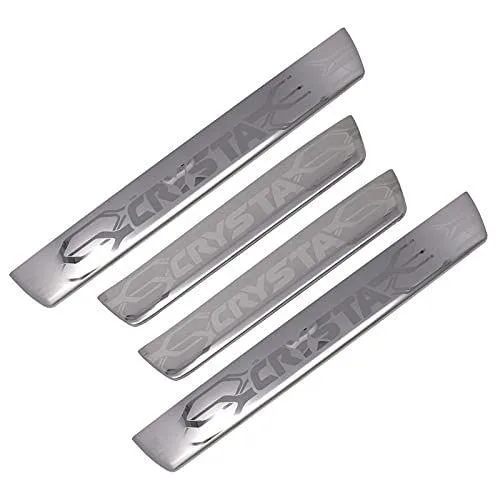 Door Scuff Sill Plates
 Window Sunshades & Film
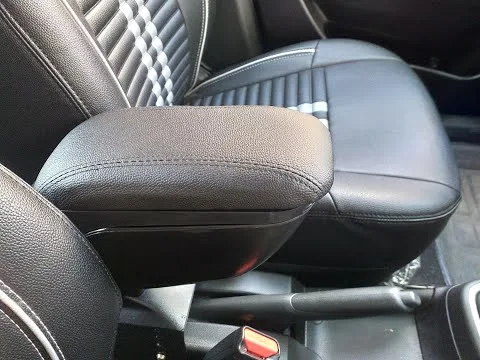 Armrest
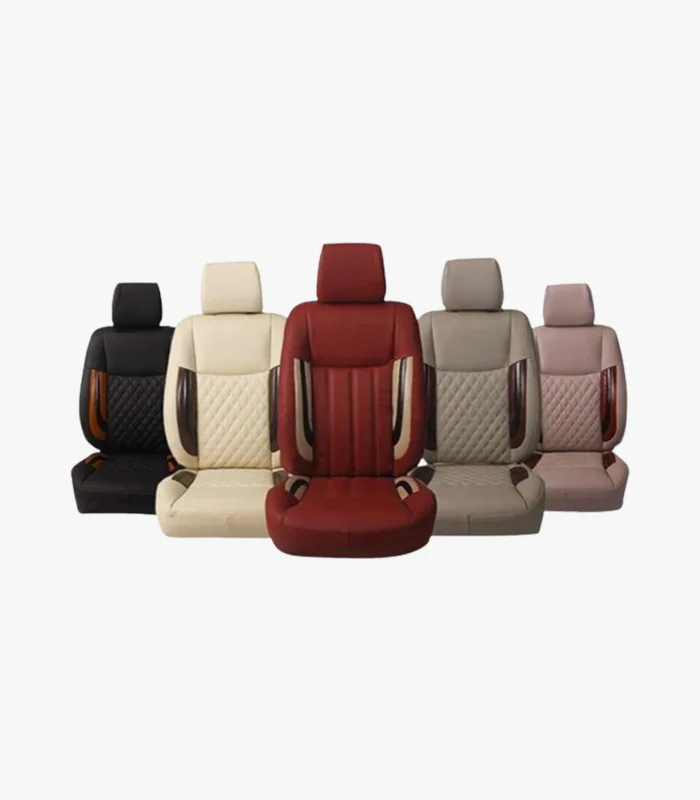 Seat Covers
 Steering Cover
 Floor Mats
 Dashboard Showpiece
 Seat & Neck Cushion
 Lighting
›
Lighting
›
 Utility
›
Utility
›
 All Chrome Items
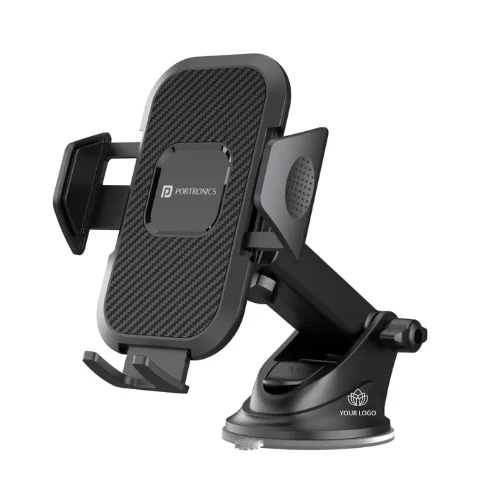 Mobile Holder
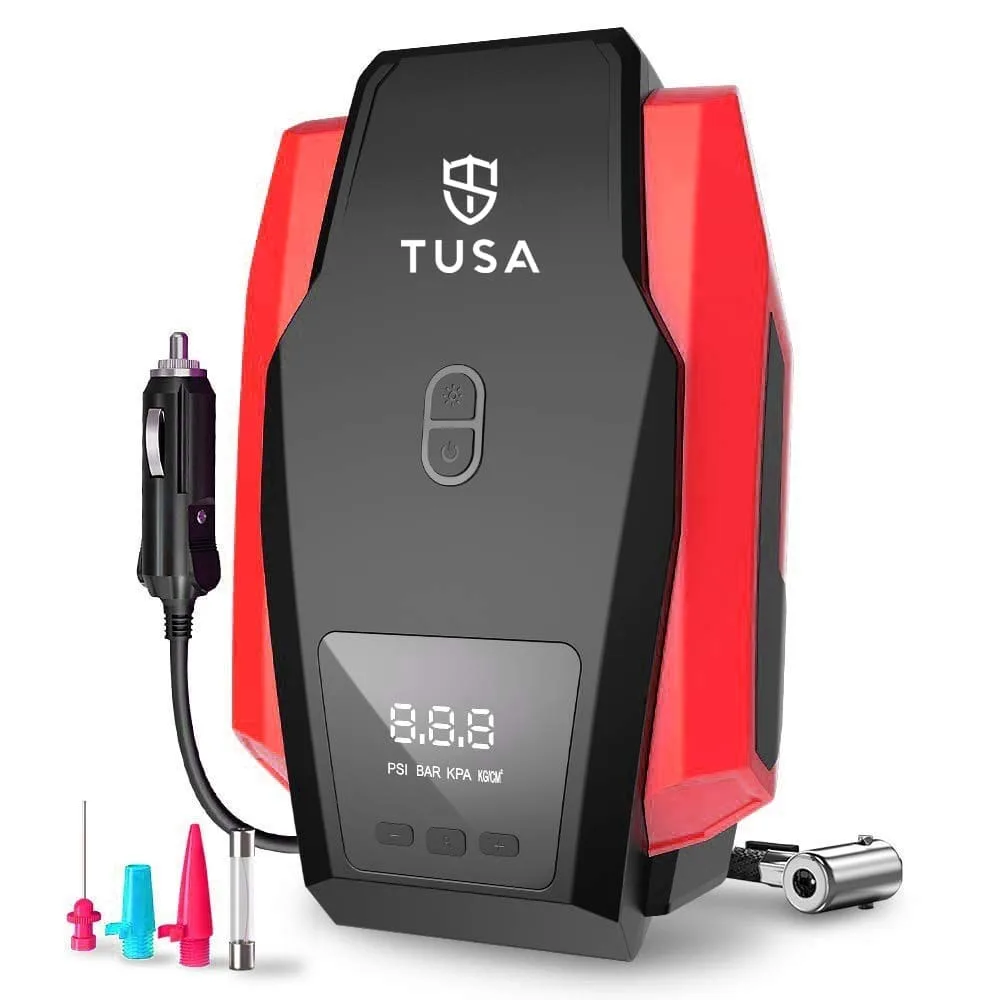 Tyre Inflators
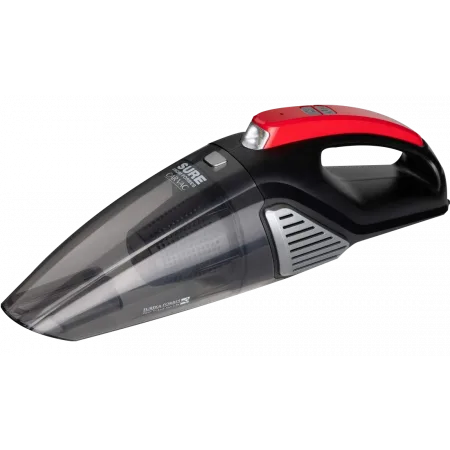 Vacuum Cleaner
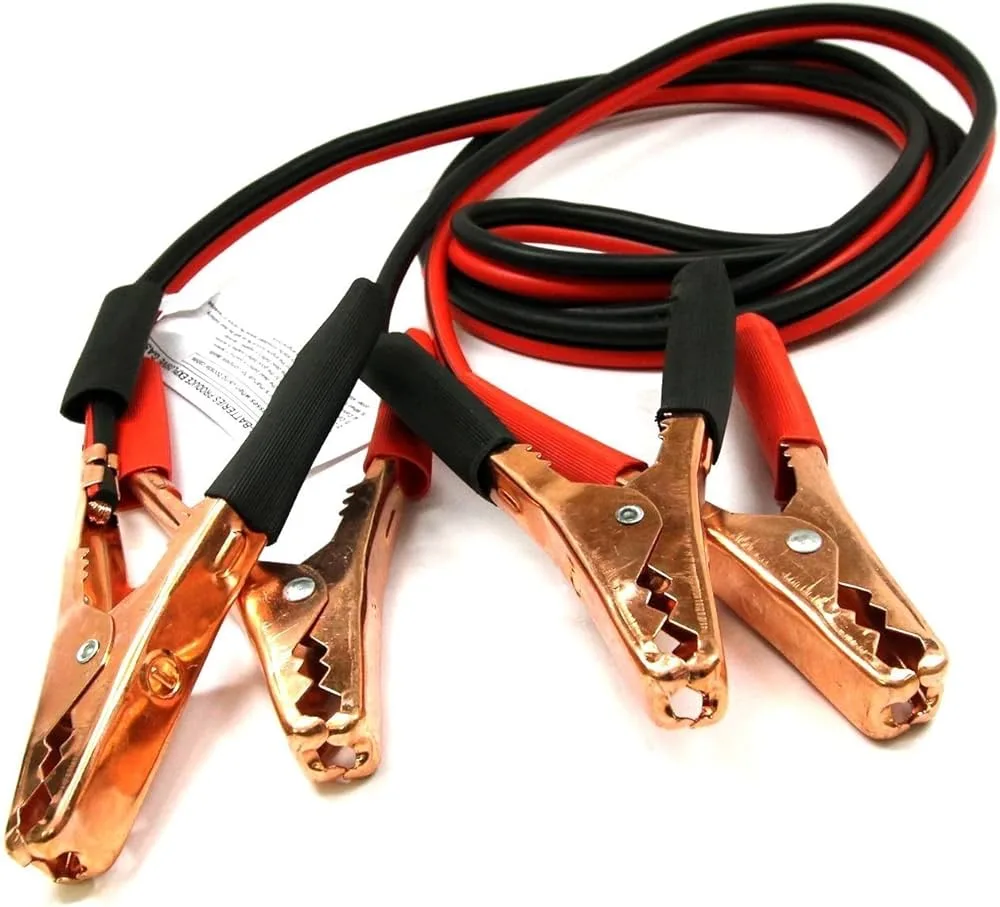 Jumper Cable
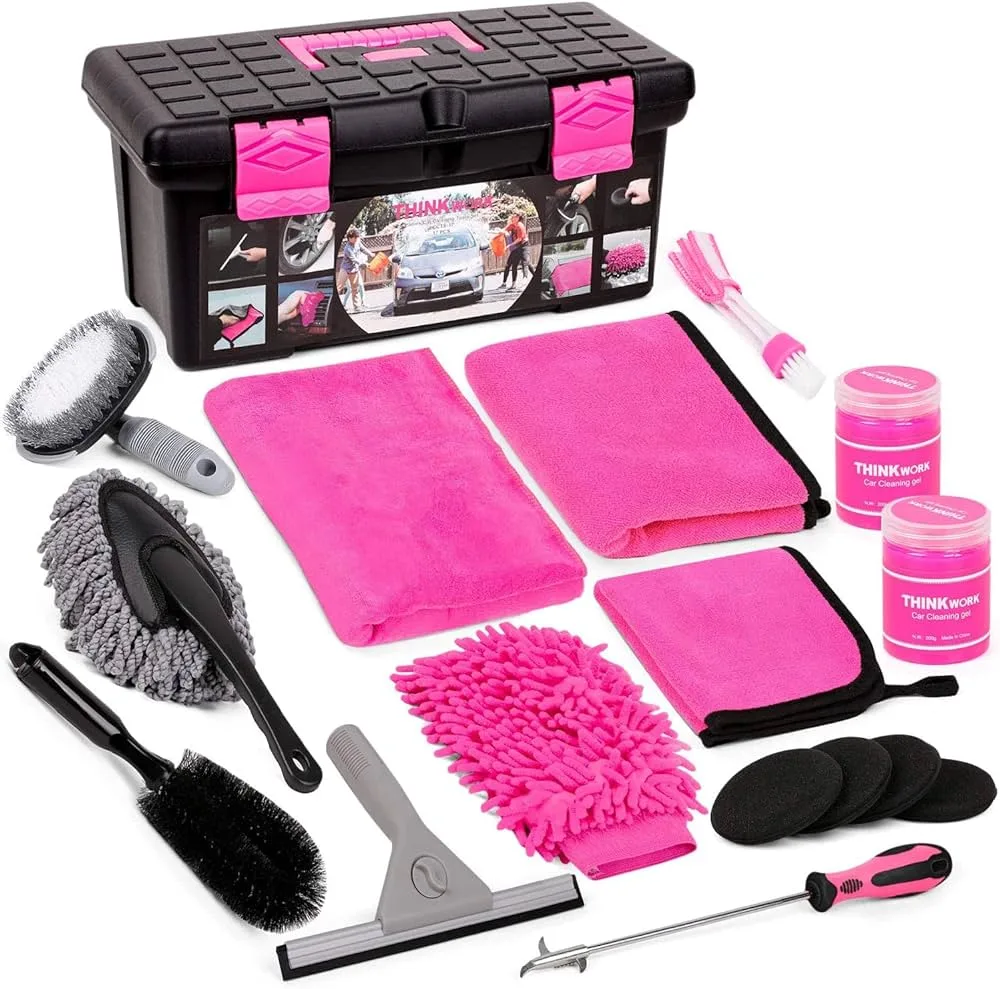 Cleaning Kit
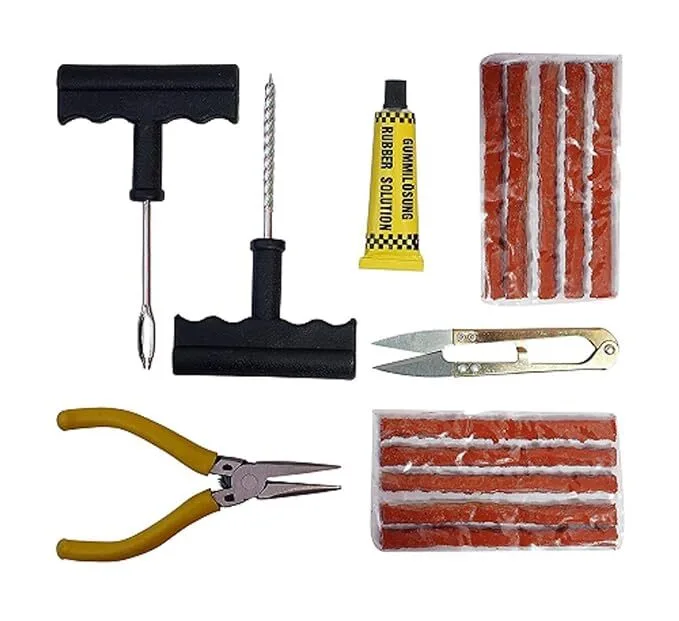 Tyre Puncture Kit
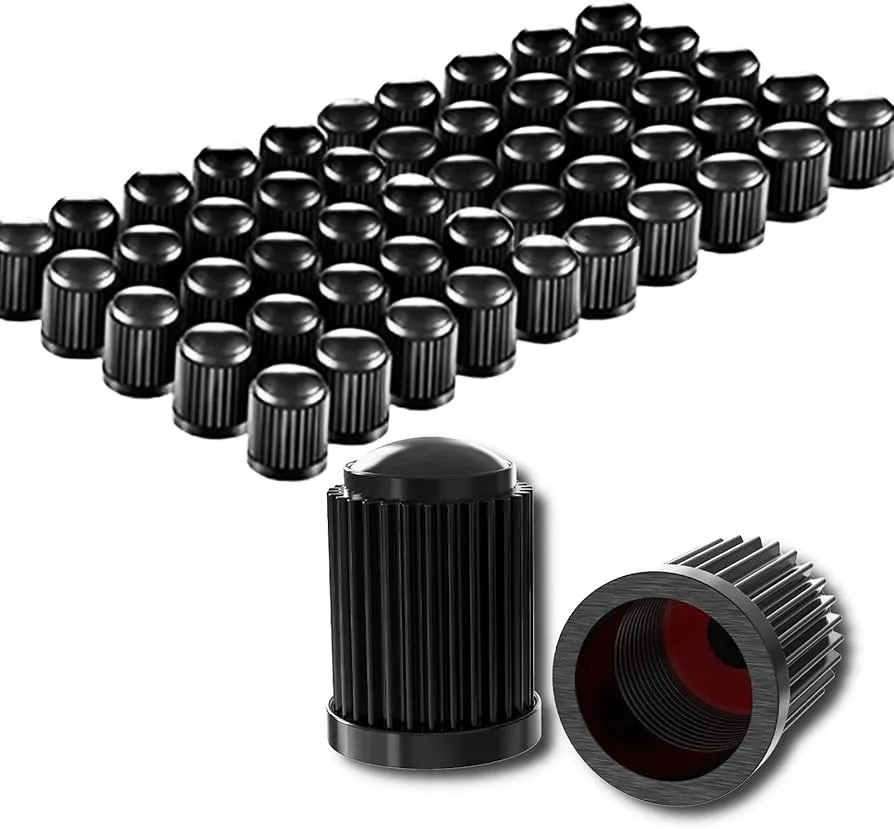 Tyre Valve Cap
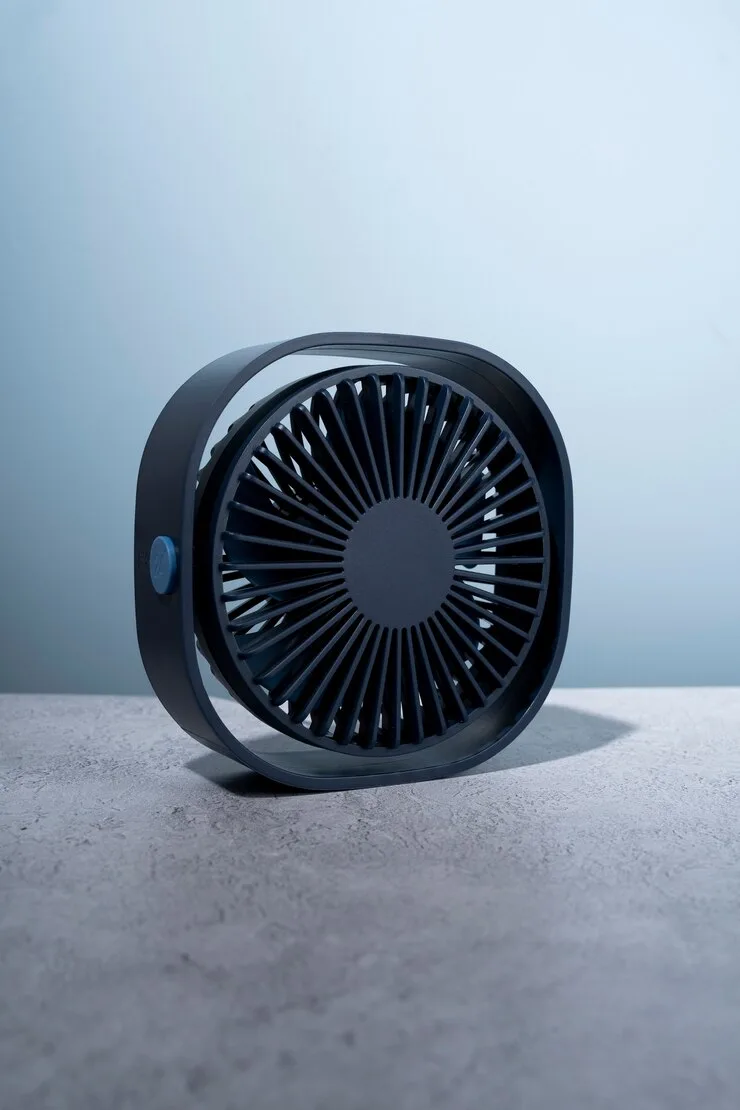 Car Fan
 Parcel Tray
 Electronic
›
Electronic
›
 Parts
›
Parts
›
 Fog Lights
 Headlights
 Tail Lights
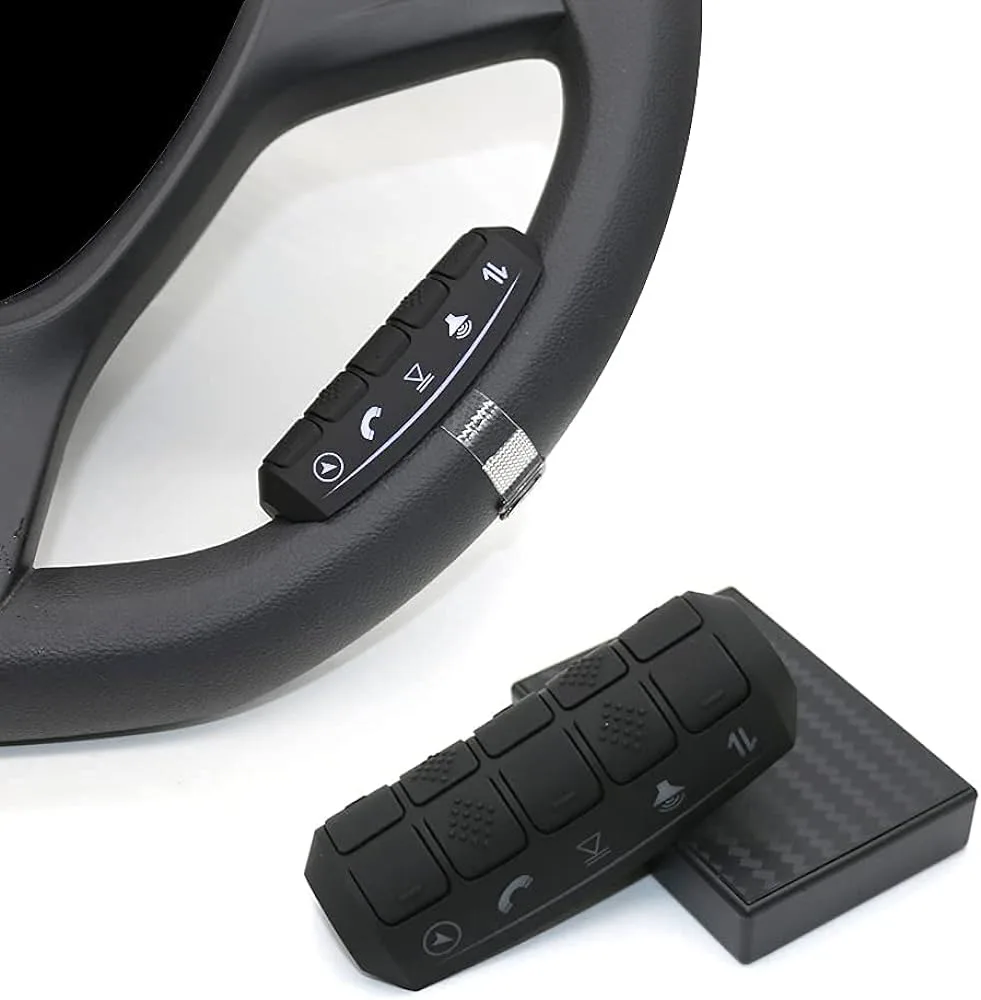 Steering Wheel Controls
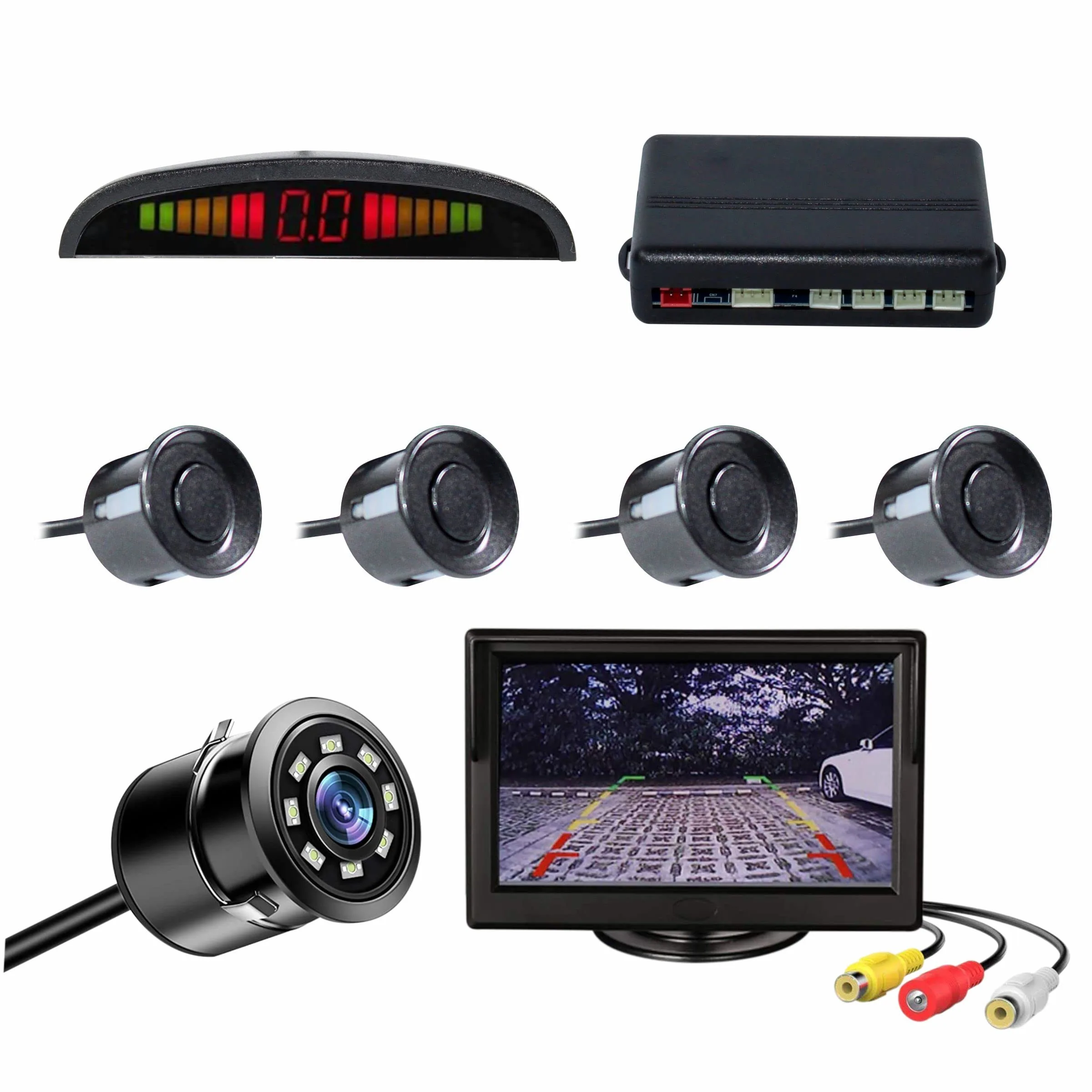 Sensor
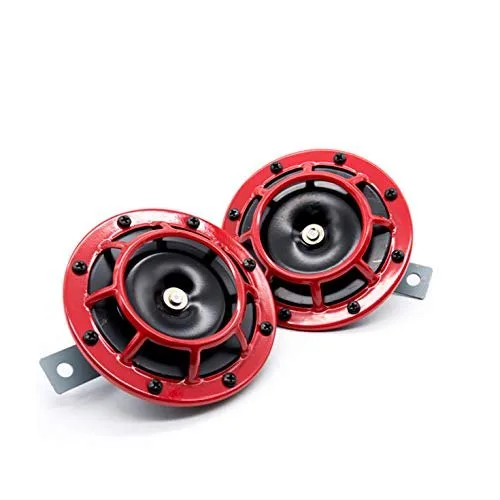 Horns
Horns
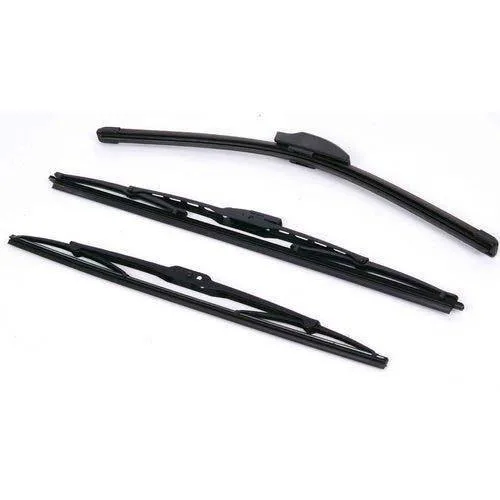 Wiper Blade
 Front Grille
 Side Mirror
 Battery
 Car Care
›
Car Care
›
 Air Freshener & Perfume
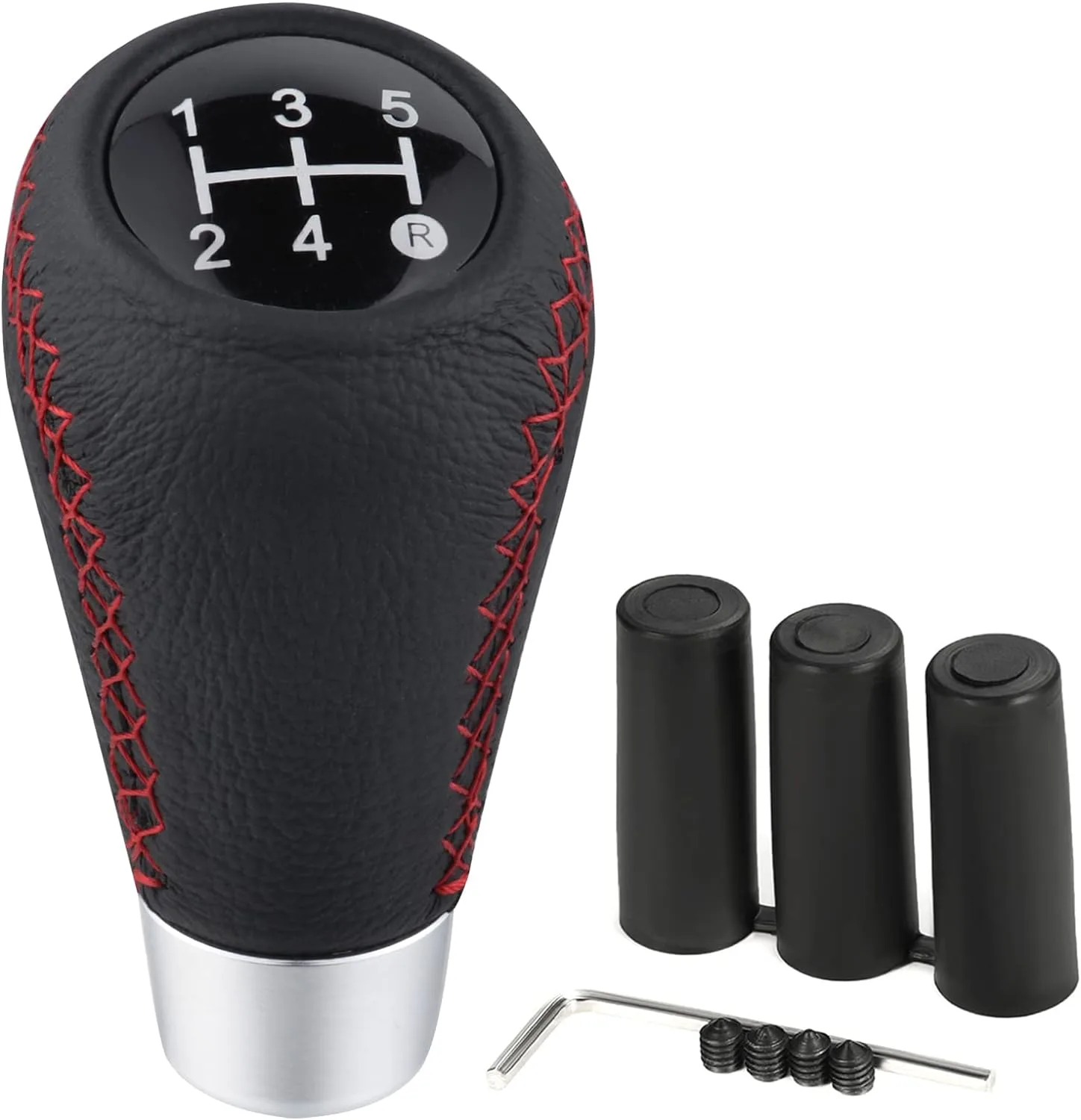 Gear knob
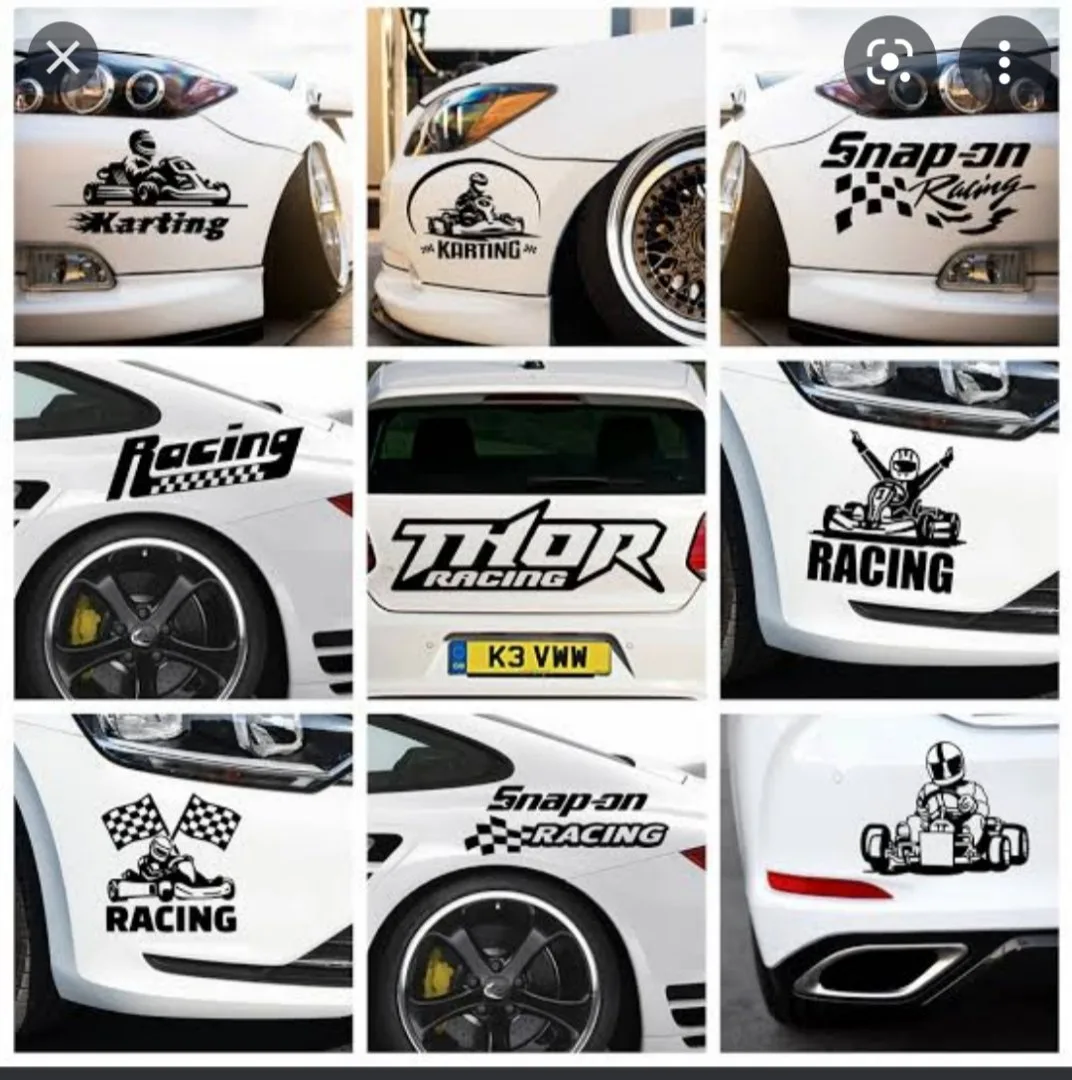 Stickers & Decals
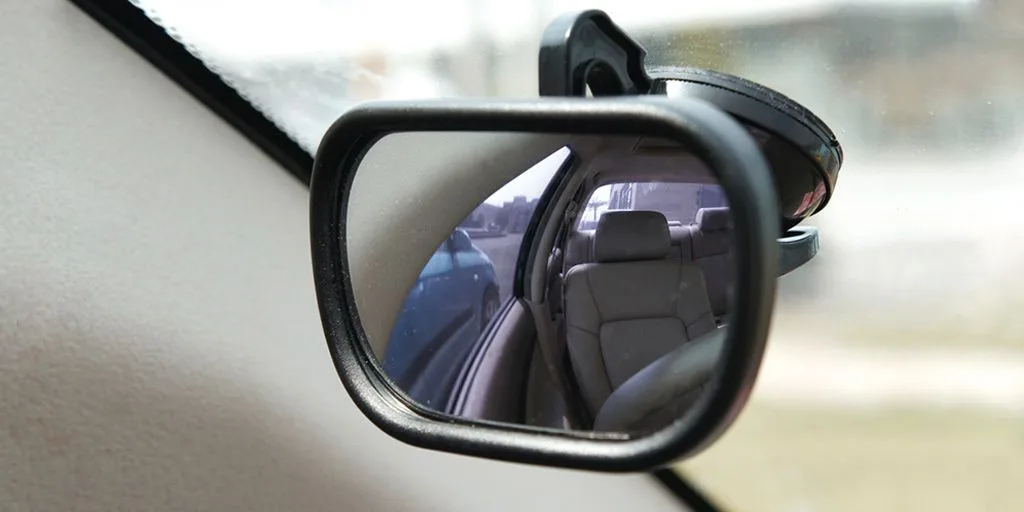 Blind Spot Mirror
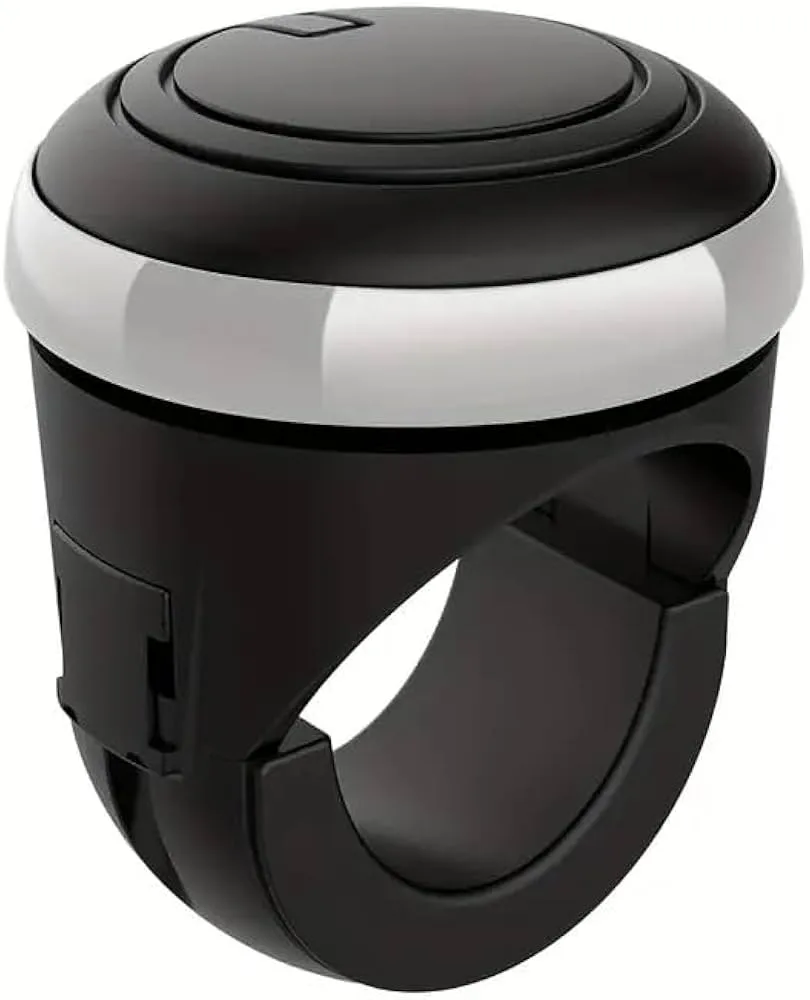 Steering Knob
 Key Covers
 Polish & Scratch Remover
 Seat Utility Holder
 Cup Holder
 Dustbin
 Paper Napkin
 Shop By Car
›
Shop By Car
›
 Tata
›
Tata
›
 Maruti Suzuki
›
Maruti Suzuki
›
 Hyundai
›
Hyundai
›
 Toyota
›
Toyota
›
 Mahindra
›
Mahindra
›
 Honda
›
Honda
›
 Ford
›
Ford
›
 Nissan
›
Nissan
›
 Renault
›
Renault
›
 Skoda
›
Skoda
›
 Volkswagen
›
Volkswagen
›
 Morris Garages - MG
›
Morris Garages - MG
›
 KIA
›
KIA
›
 Jeep
›
Jeep
›
 Citroen
›
Citroen
›
 Datsun
›
Datsun
›
 Chevrolet
›
Chevrolet
›
 Isuzu
›
Isuzu
›
 Mitsubishi
›
Mitsubishi
›
 AUDI
›
AUDI
›
 BMW
›
BMW
›
 Mercedes
›
Mercedes
›
 Land Rover
›
Land Rover
›
 Jaguar
›
Jaguar
›
 Volvo
›
Volvo
›
 FIAT
›
FIAT
›
 Mini Cooper
›
Mini Cooper
›
 Porsche
›
Porsche
›
 Lexus
›
Citron
›
Fors
›
Morris Garages
›
MG
›
Lexus
›
Citron
›
Fors
›
Morris Garages
›
MG
›
 Nexon
Nexon
 Harrier
 Altroz
 Hexa
Hexa
 Safari
 Tiago
Tiago
 Punch
Punch
 Tigor
Tigor
 Sumo
Sumo
 Winger
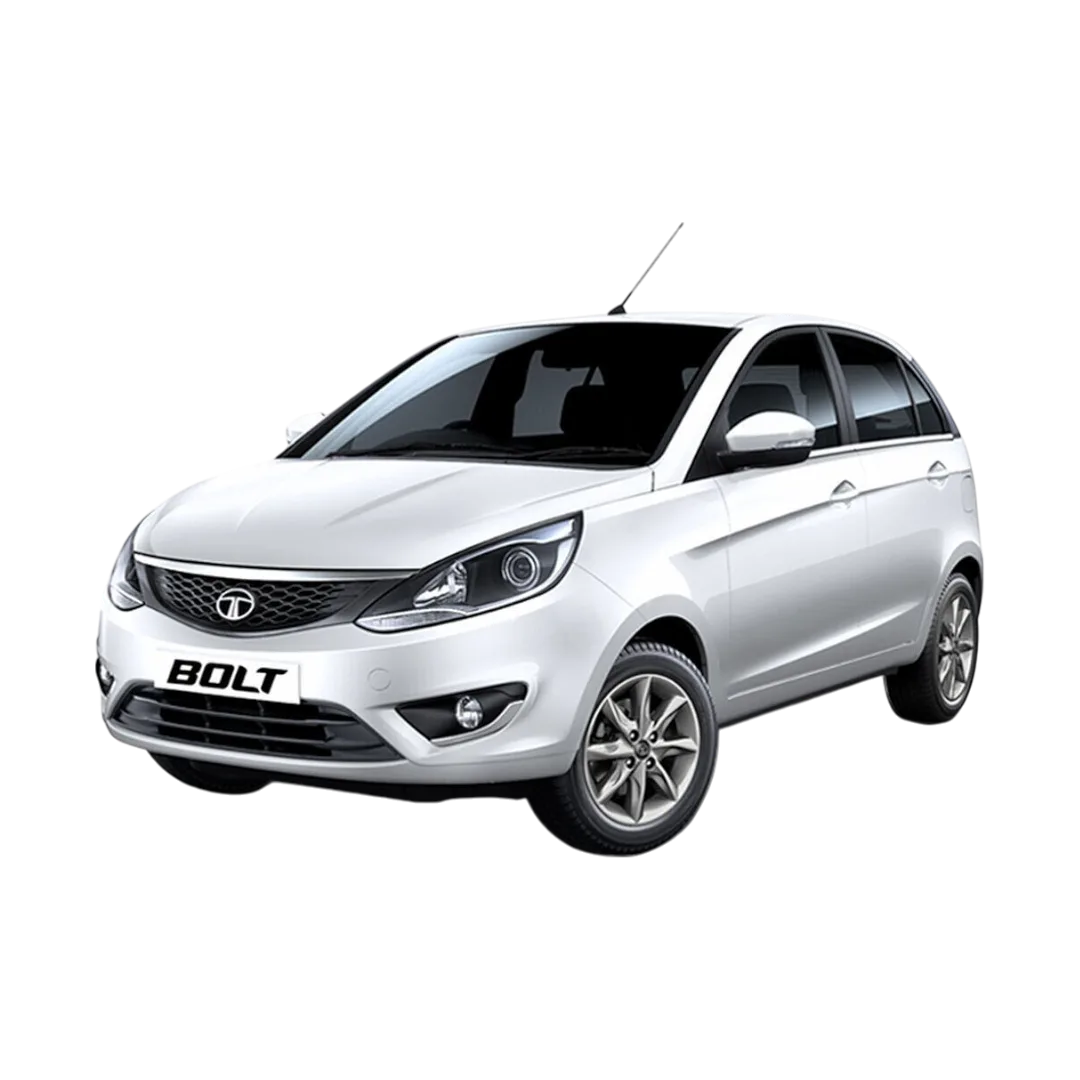 Bolt
Bolt
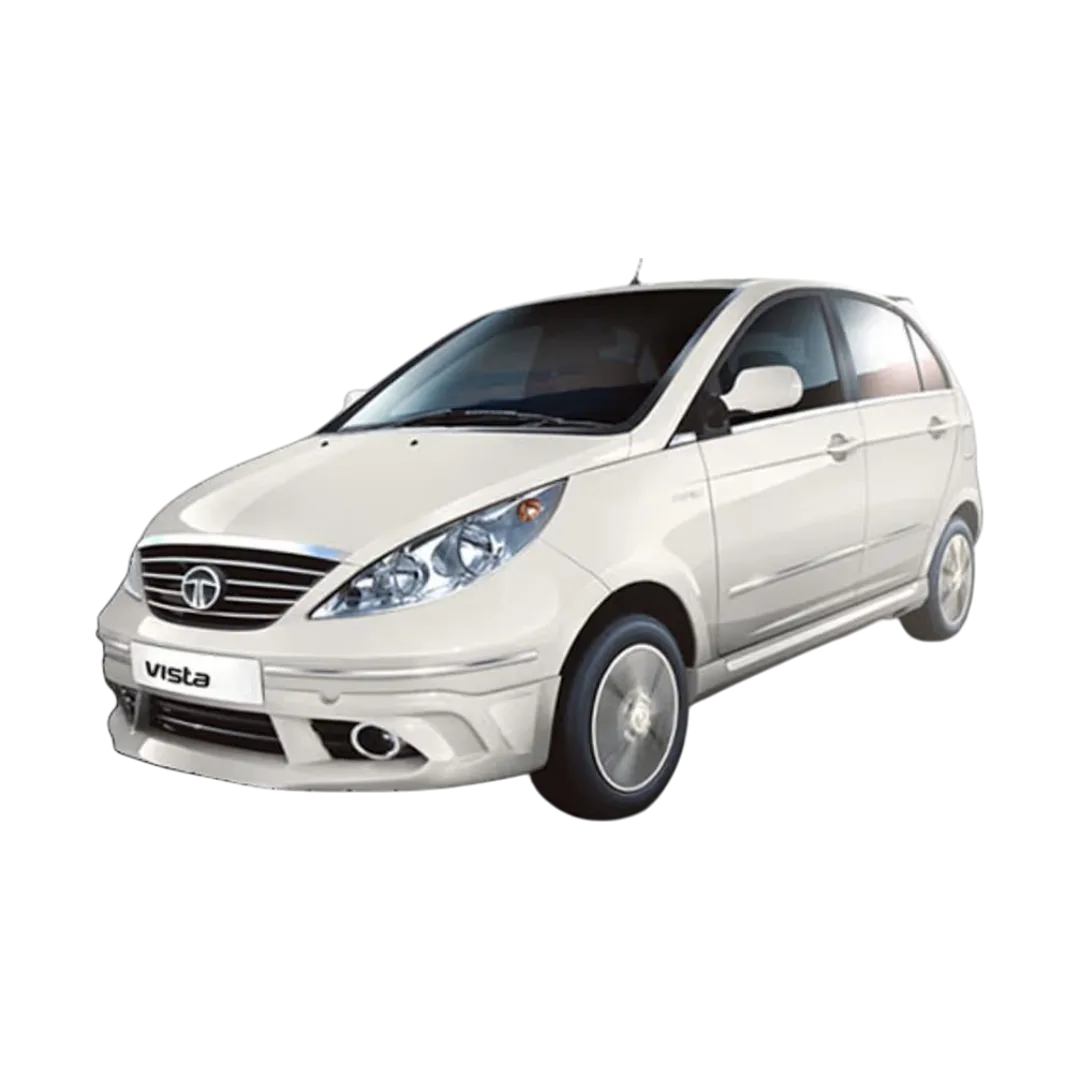 Vista
Vista
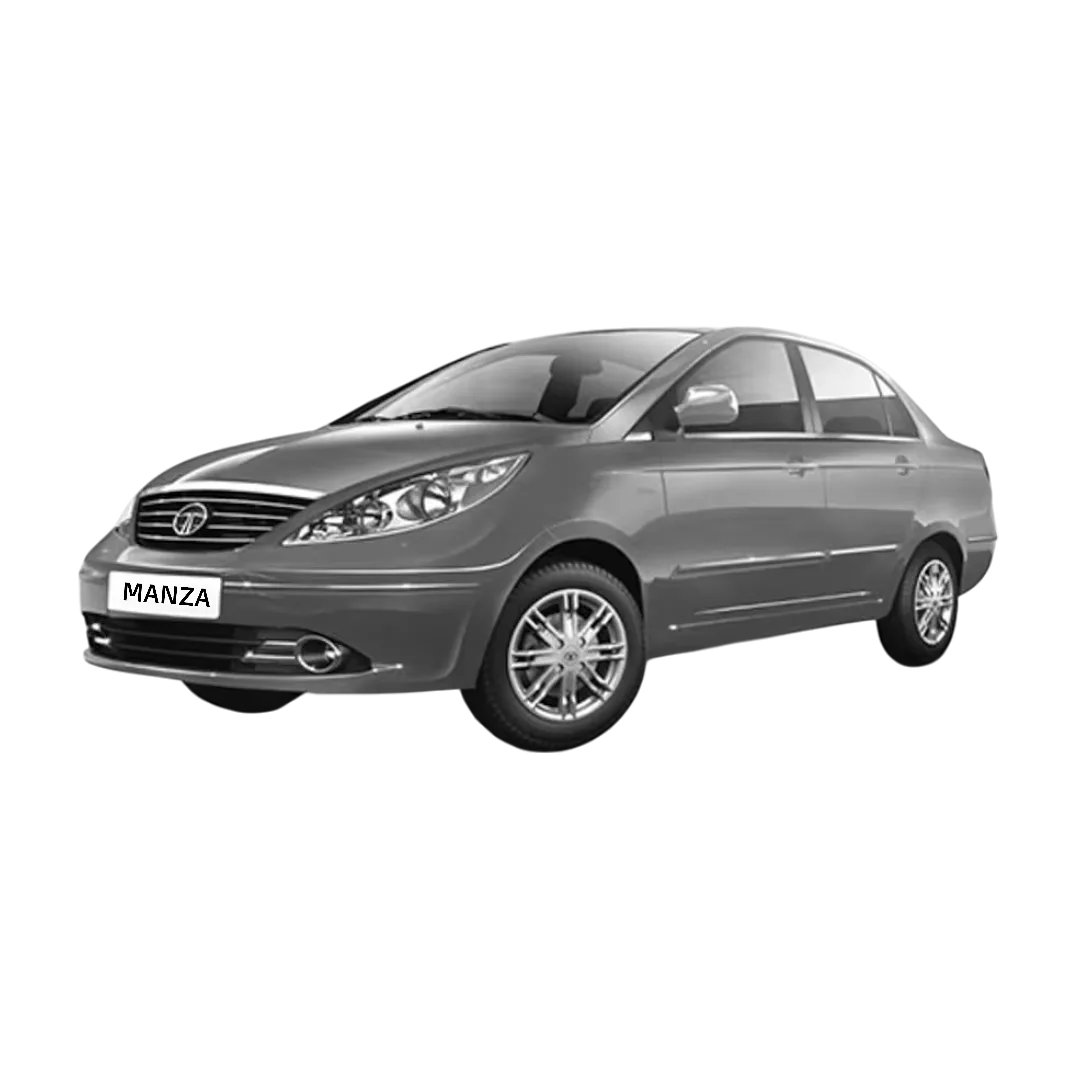 Manza
Manza
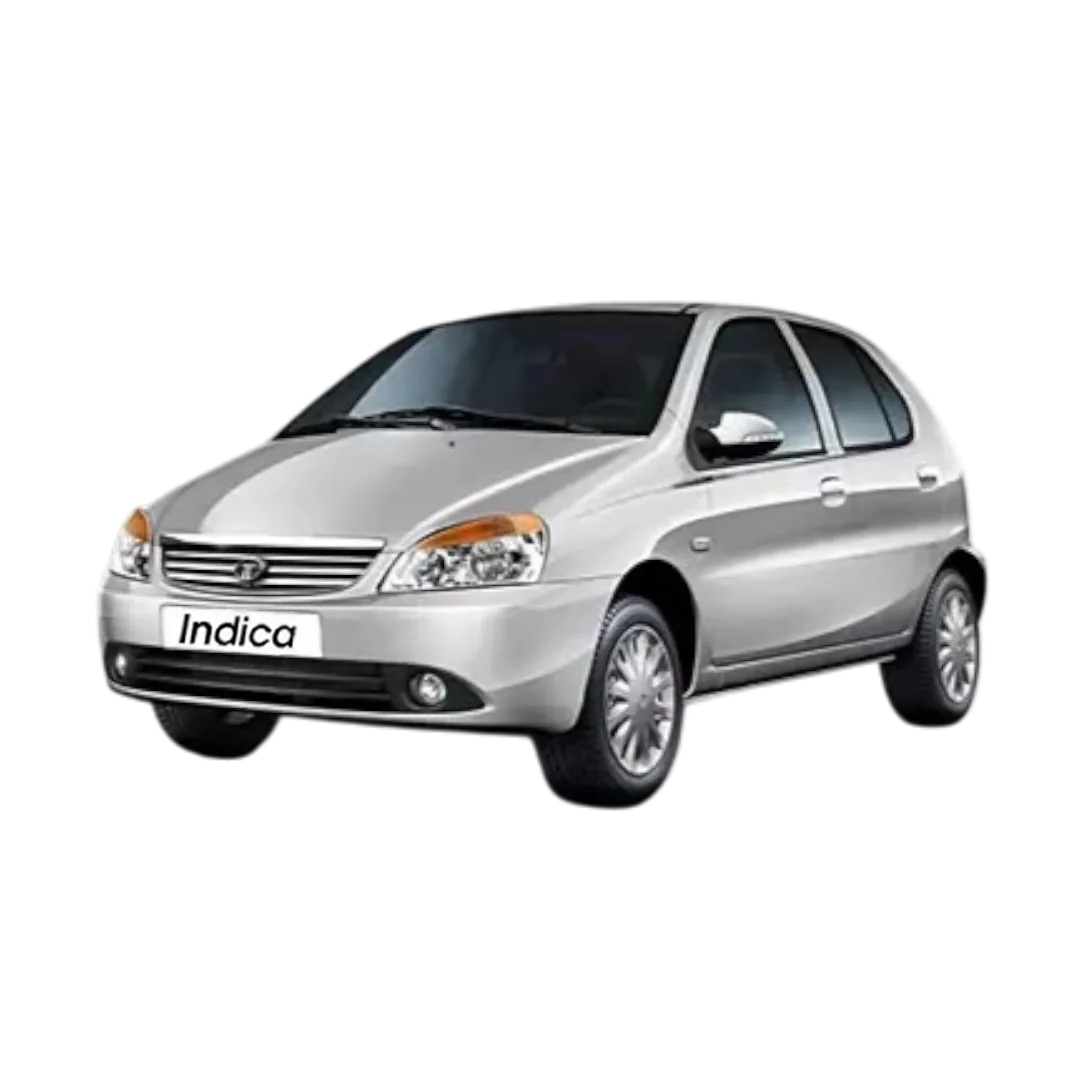 Indica
 Indigo
 Nano
Nano
 Aria
Aria
 Safari Storme
 Zest
Zest
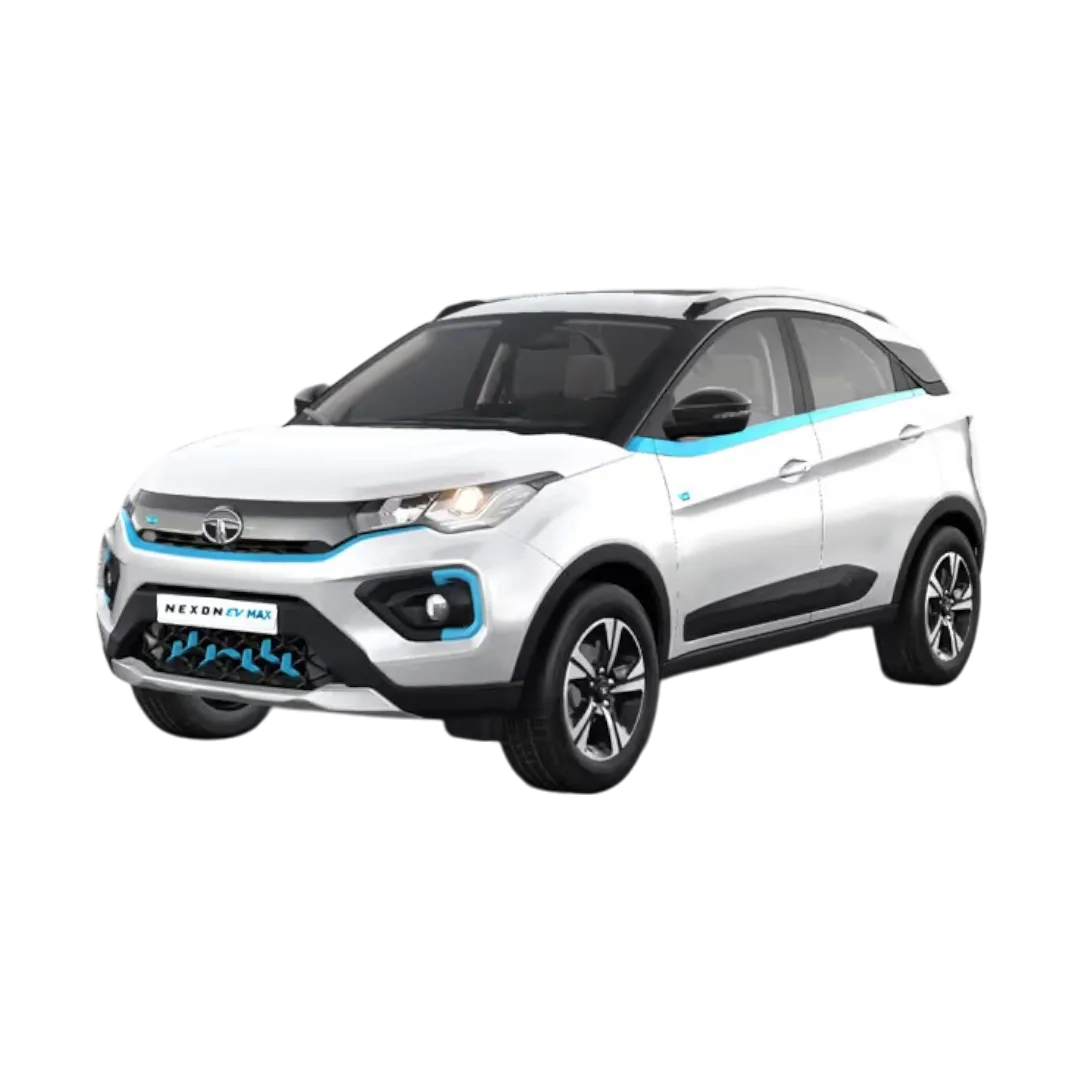 NEXON EV Max
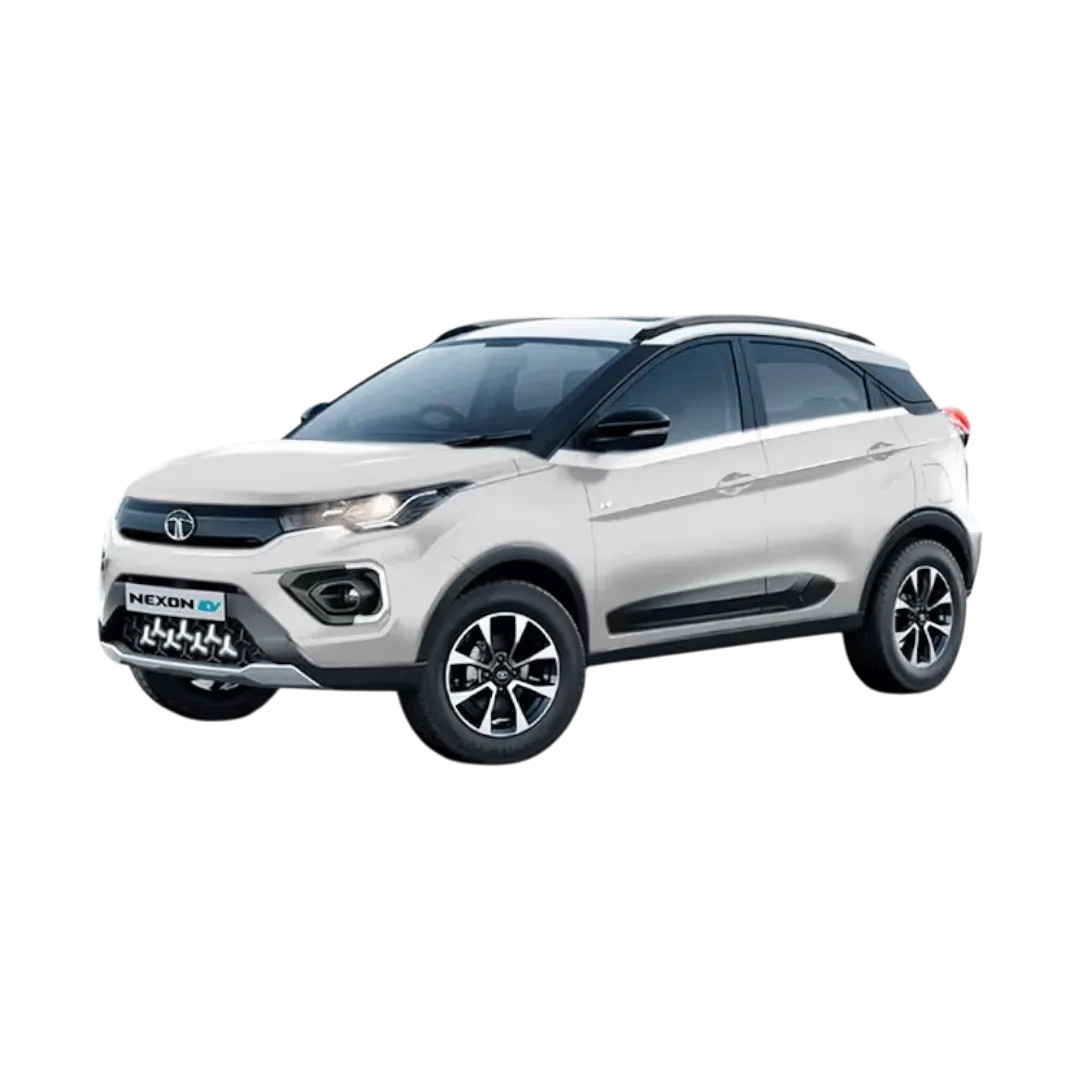 NEXON EV Prime
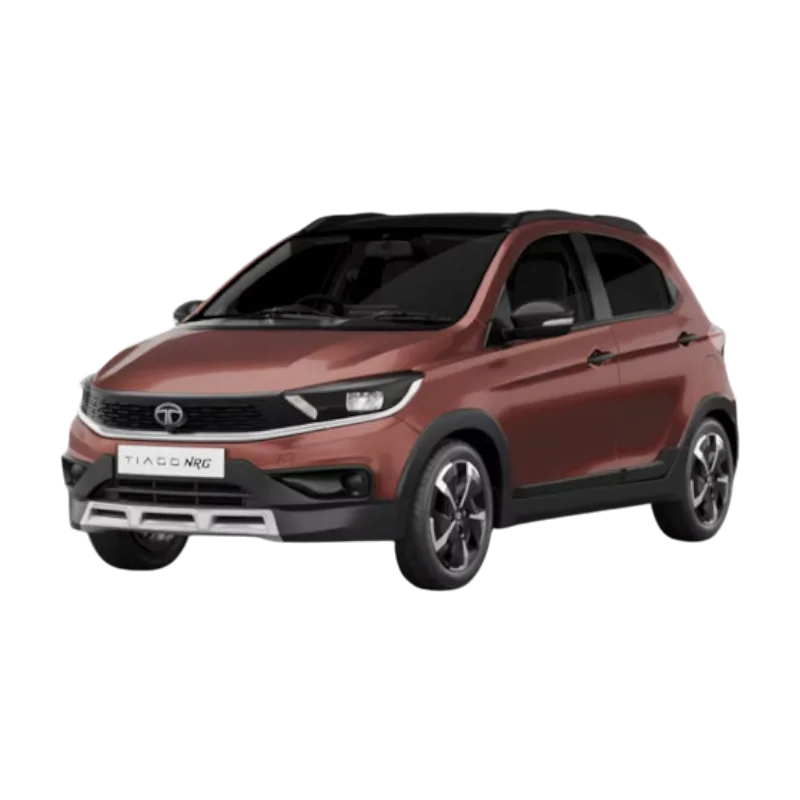 Tiago NRG
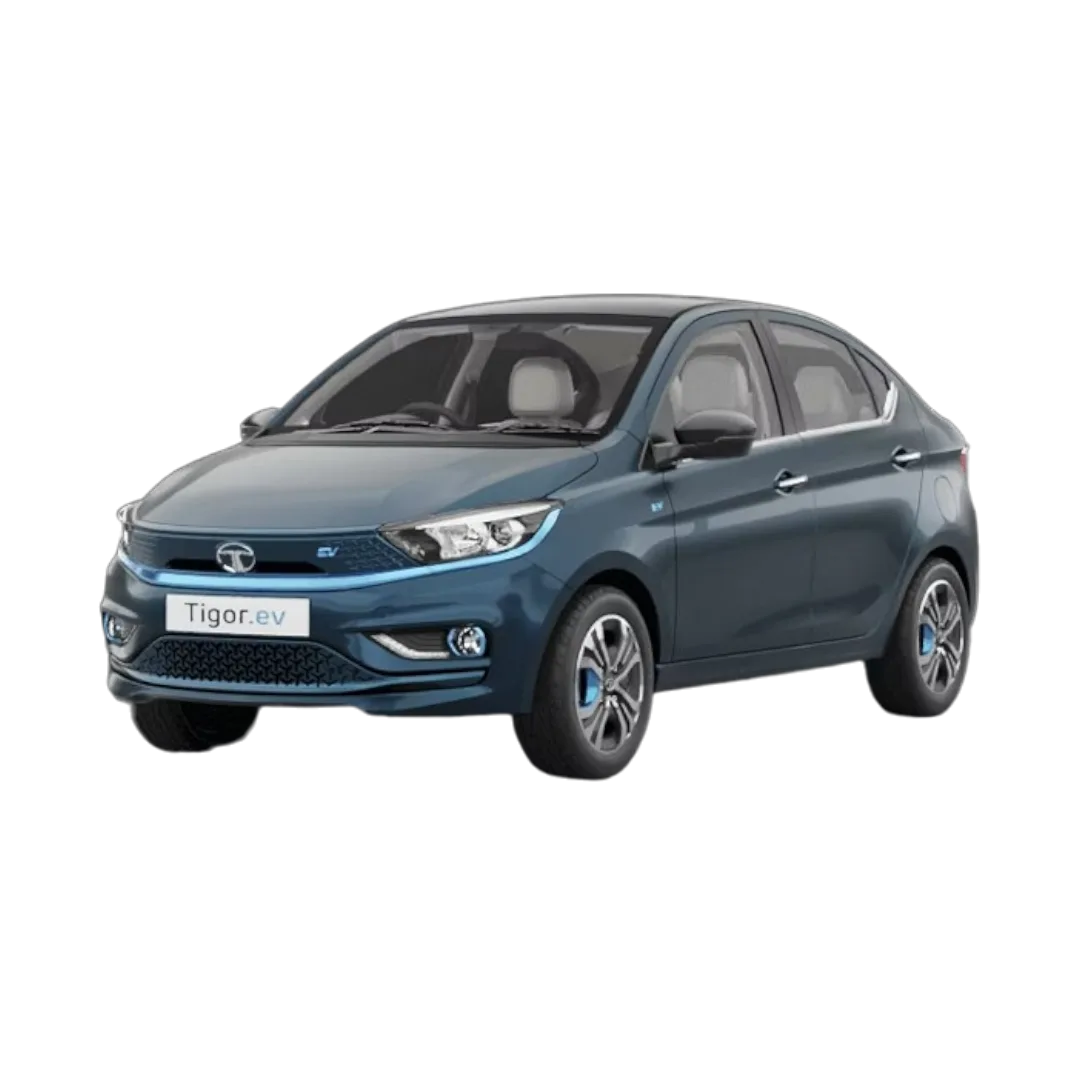 Tigor EV
INDICA VISTA
Curvv
Sierra
Magic
Tigor EV
INDICA VISTA
Curvv
Sierra
Magic
 Ciaz
Ciaz
 S-Presso
 Eeco/Versa
 WagonR
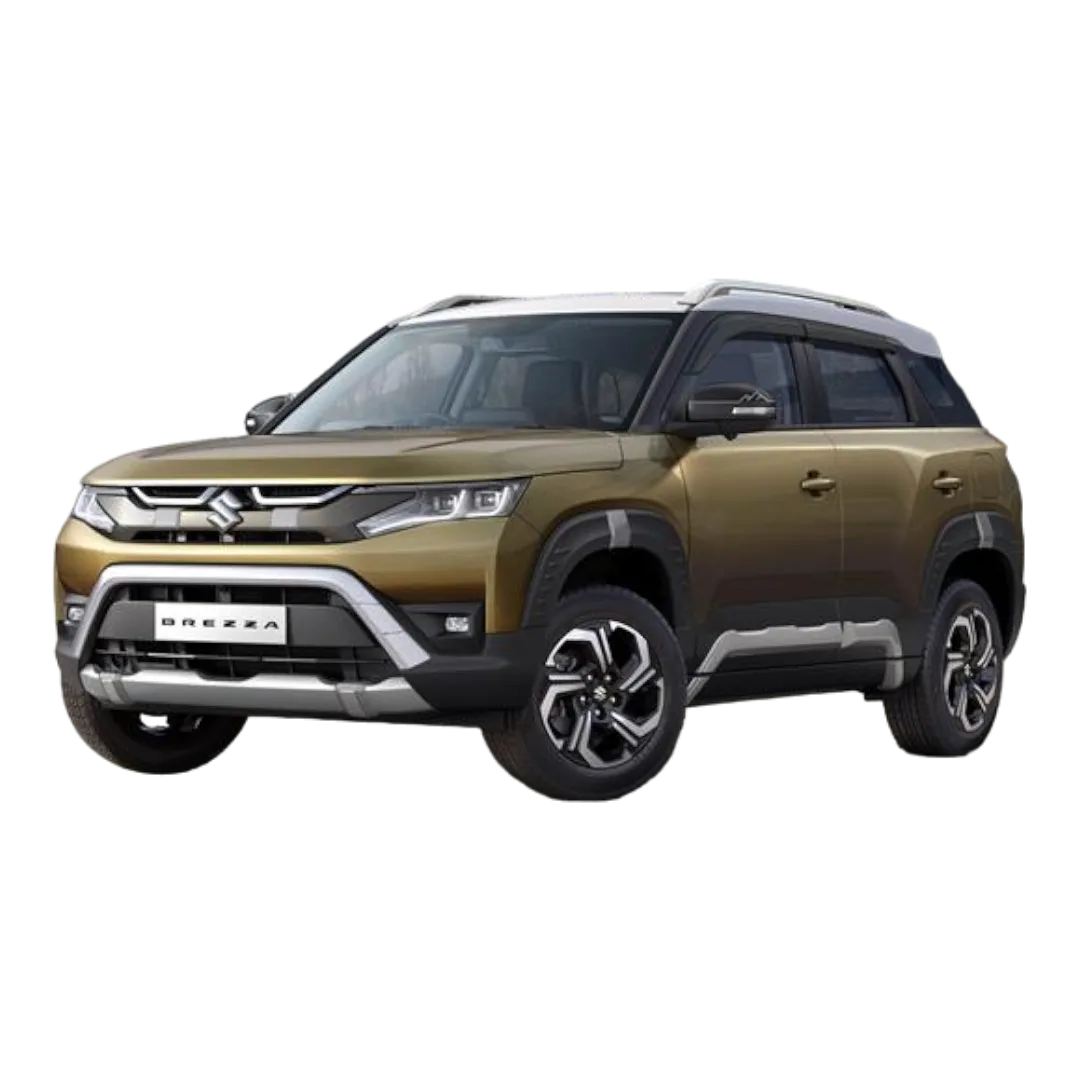 Brezza
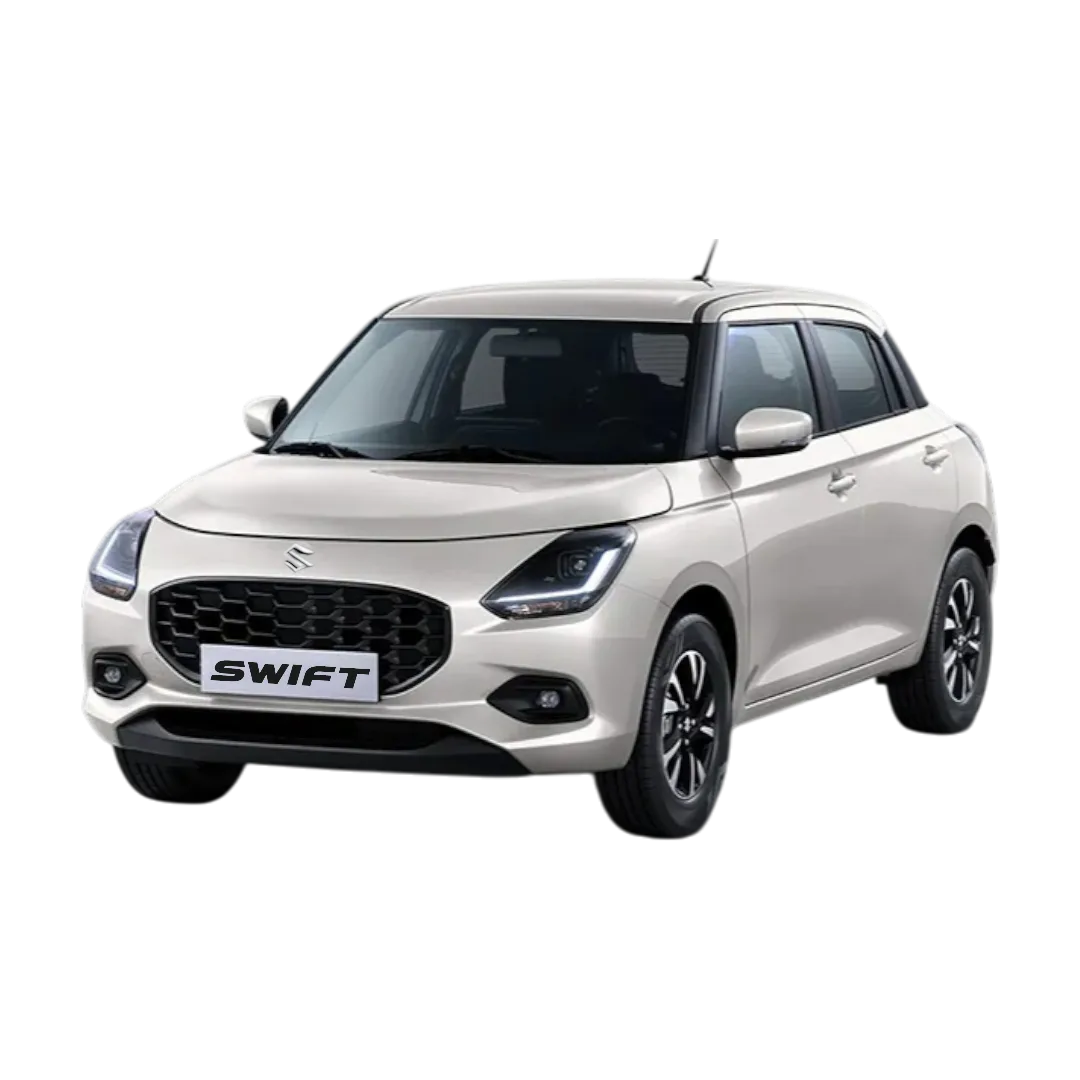 Swift
Swift
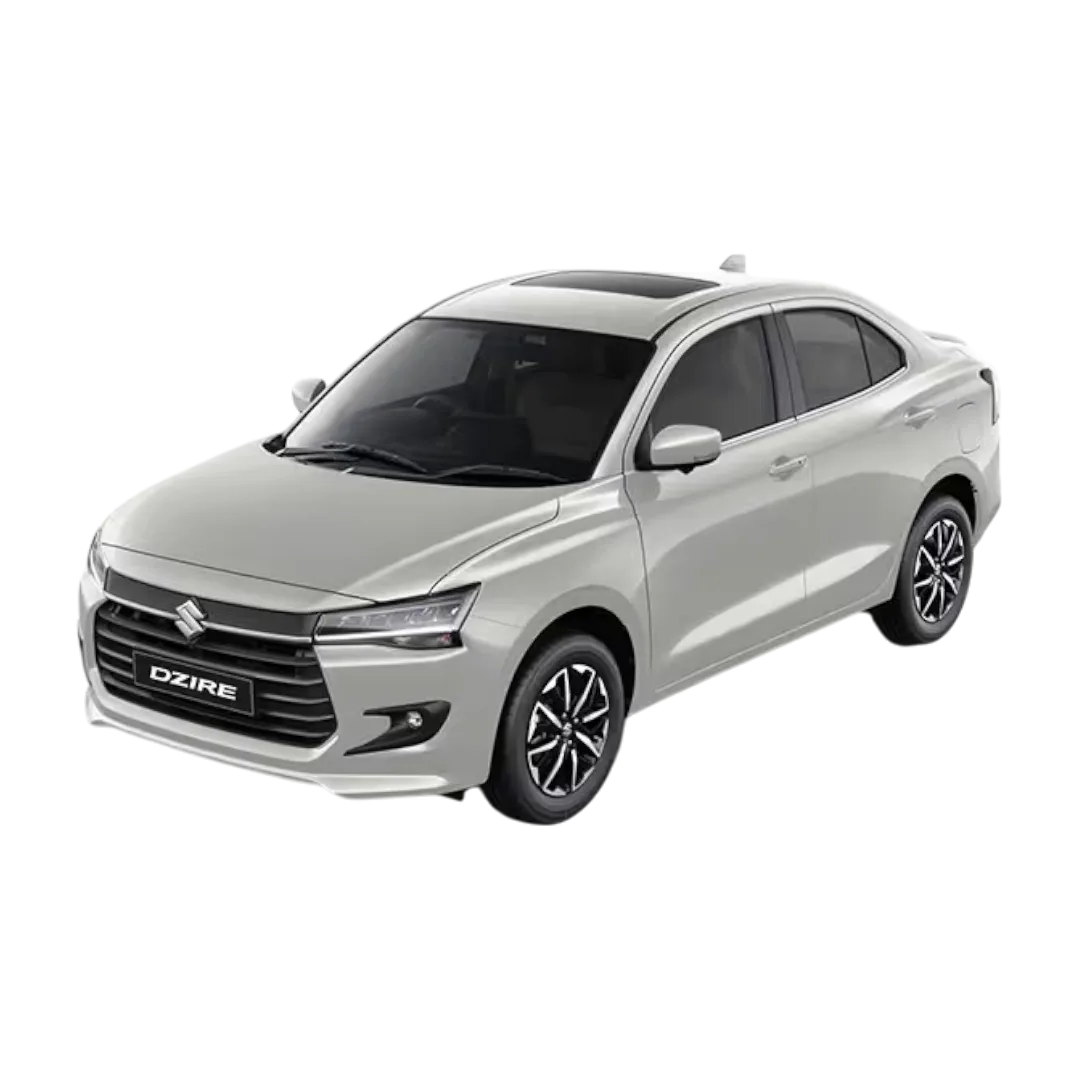 Dzire
Dzire
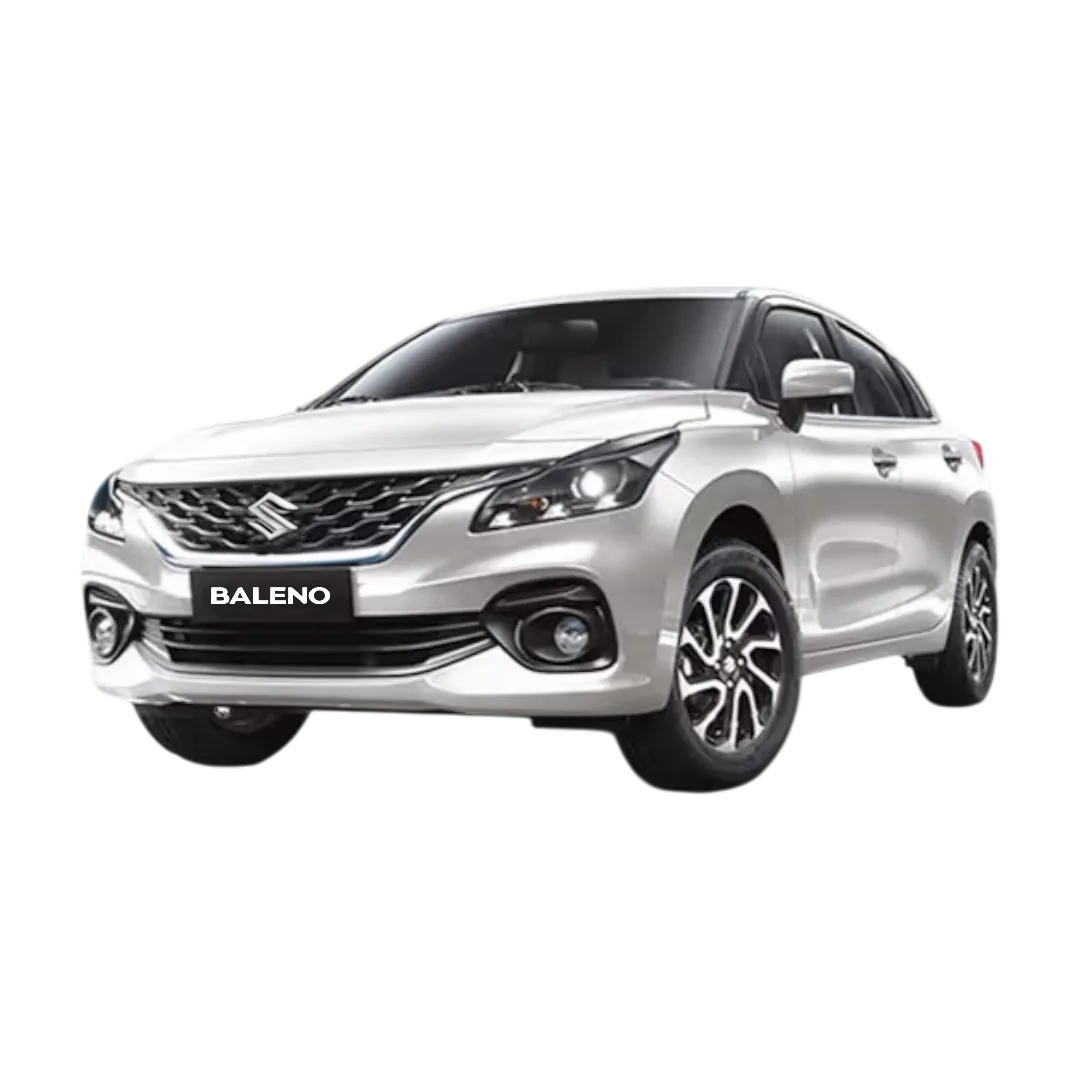 Baleno
 Ertiga
 Grand Vitara
 S-Cross
 Jimny
Jimny
 Celerio
 Ignis
Ignis
 Alto 800
 Alto K10
 XL6
XL6
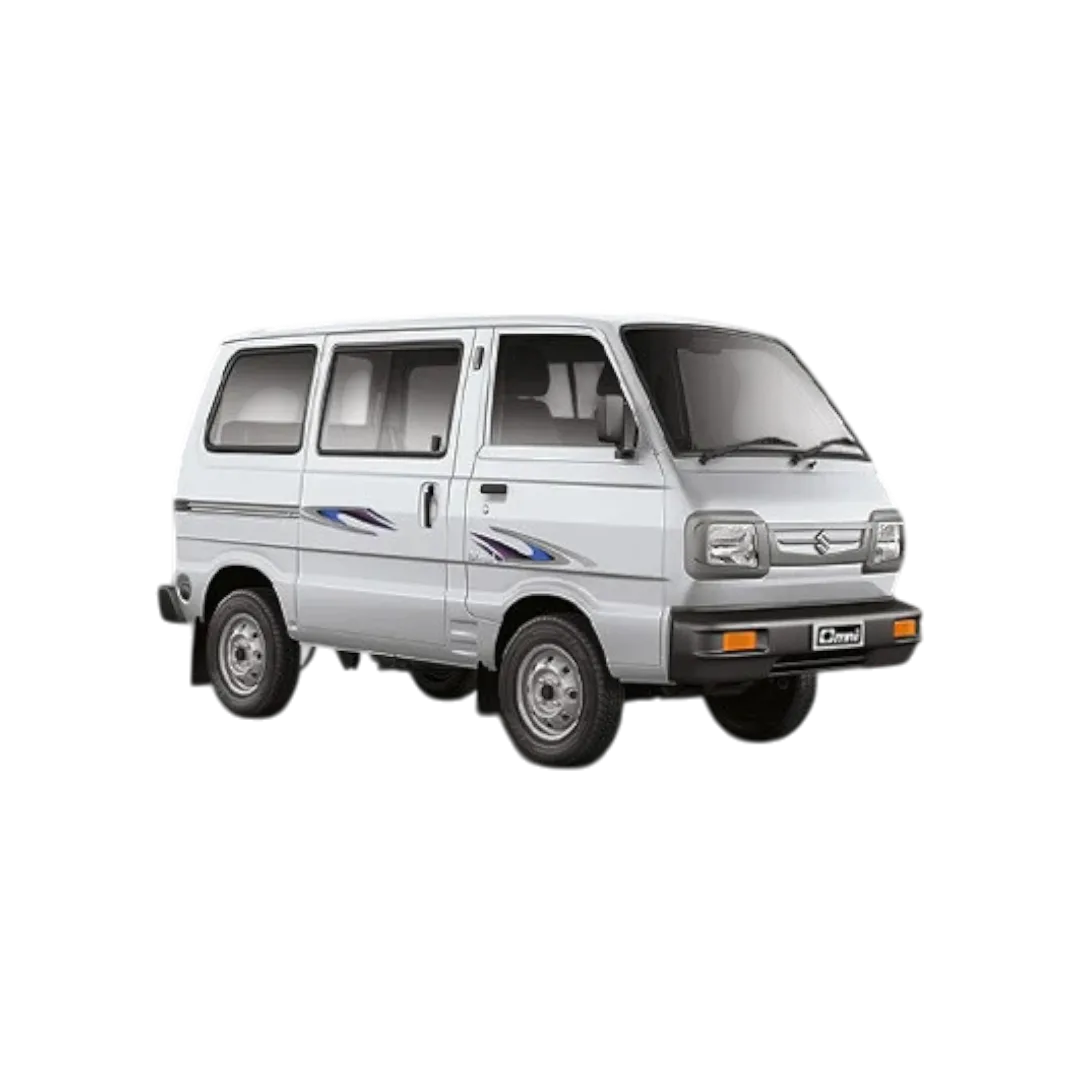 Omni
Omni
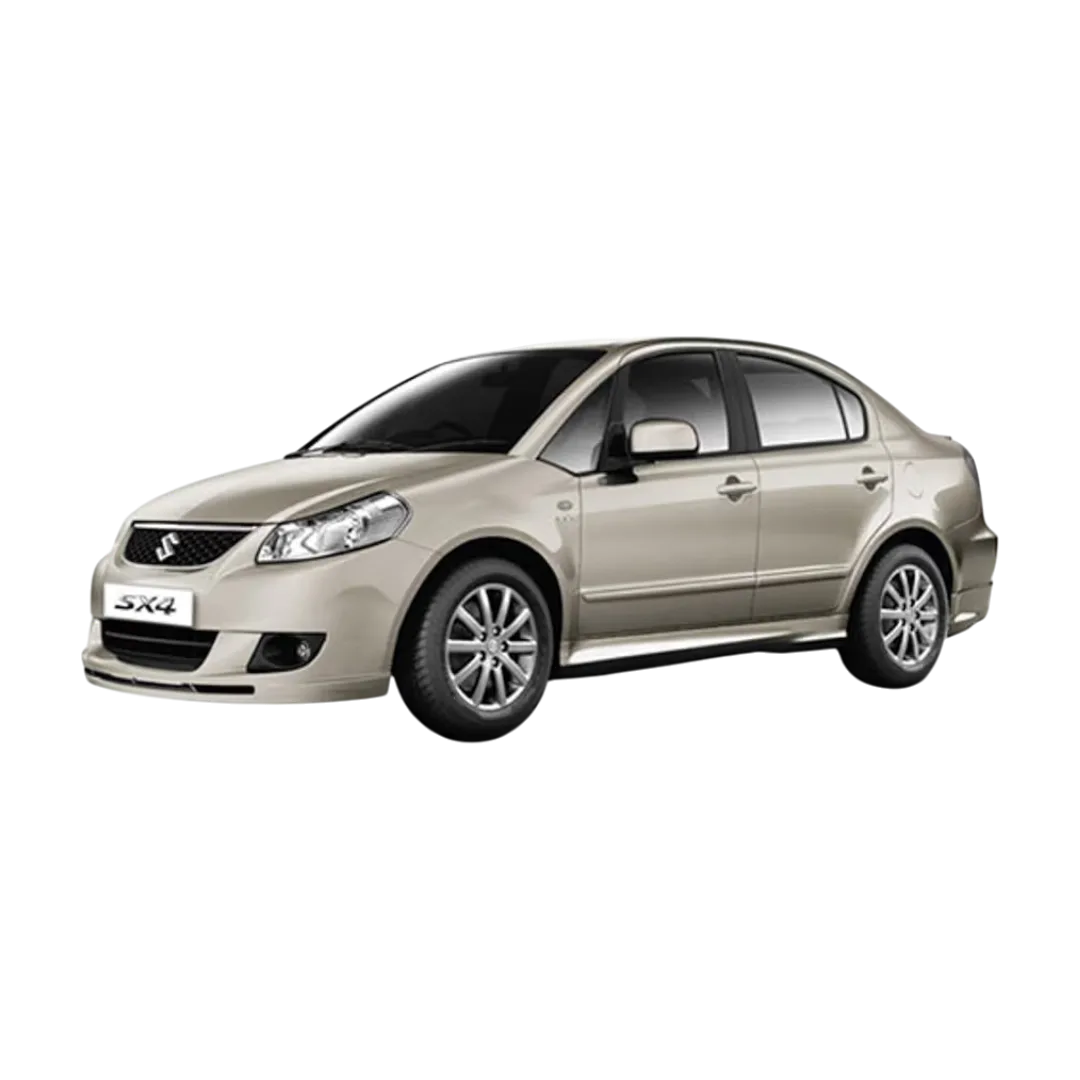 SX4
SX4
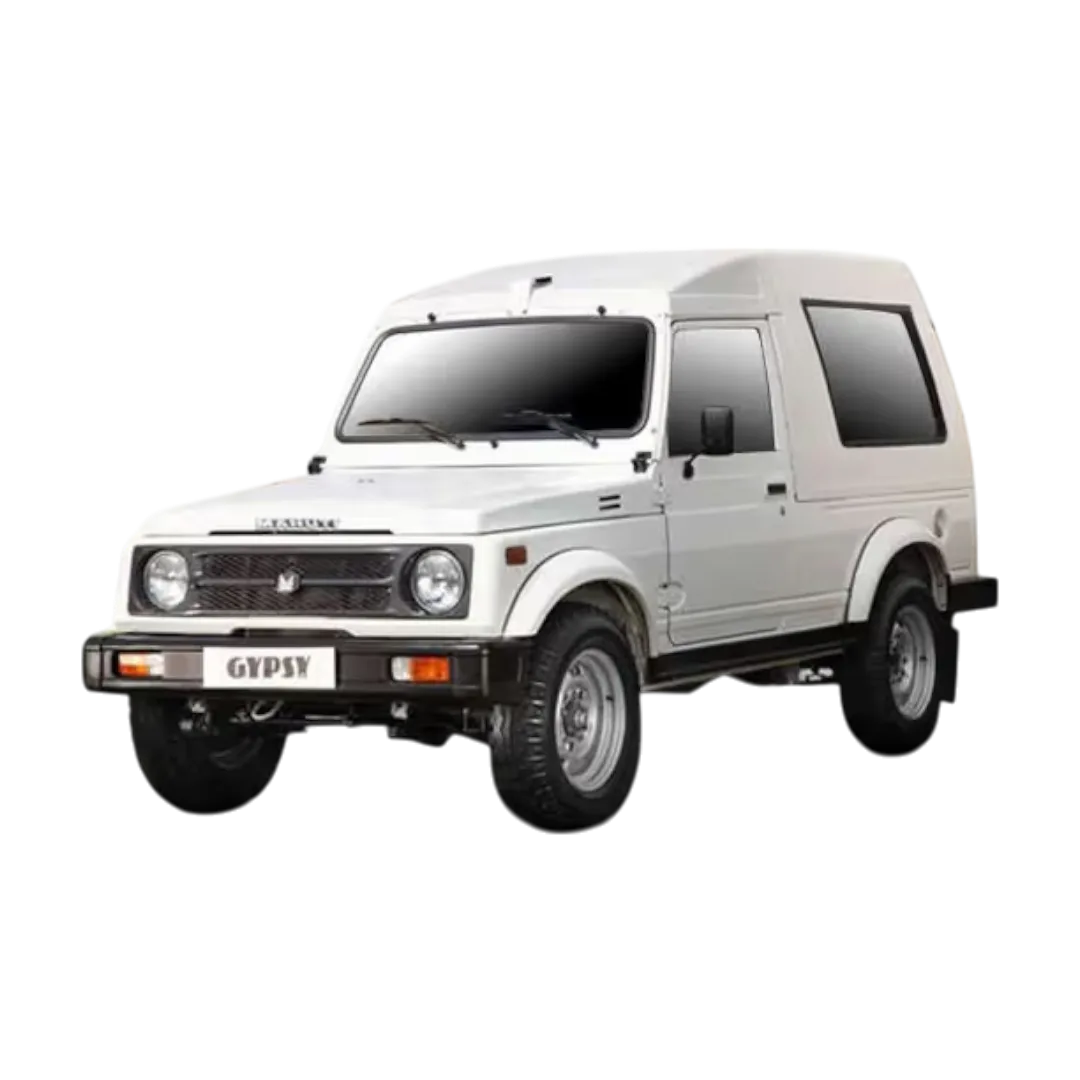 Gypsy
Gypsy
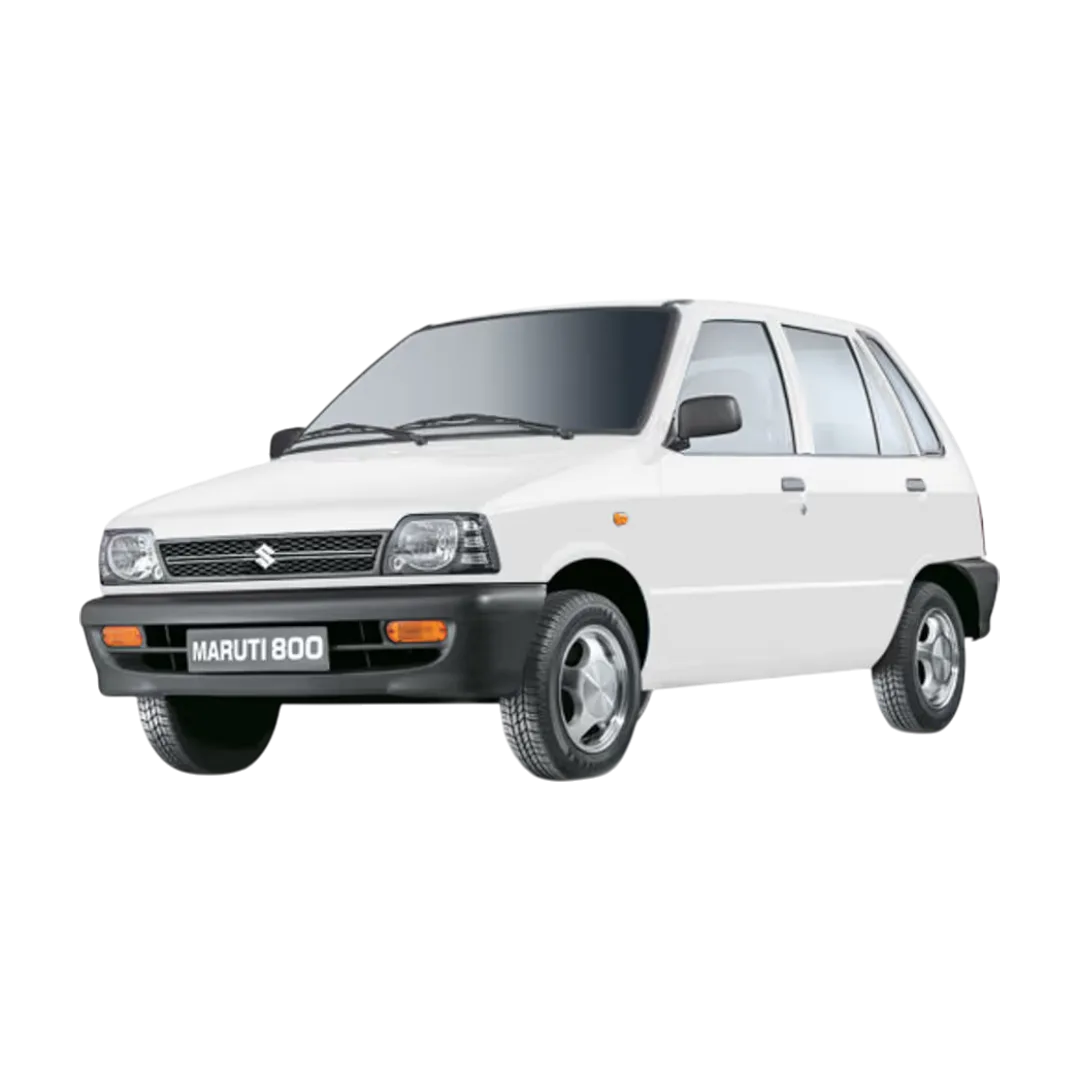 Maruti 800
 Zen
Zen
 Esteem
 Zen Estilo
 Ritz
Ritz
 Fronx
Fronx
 A-Star
 Alto
Alto
 Invicto
Victoris
Wagon R
Invicto
Victoris
Wagon R
 i20
i20
 Aura
Aura
 Creta
Creta
 Elantra
 Getz
Getz
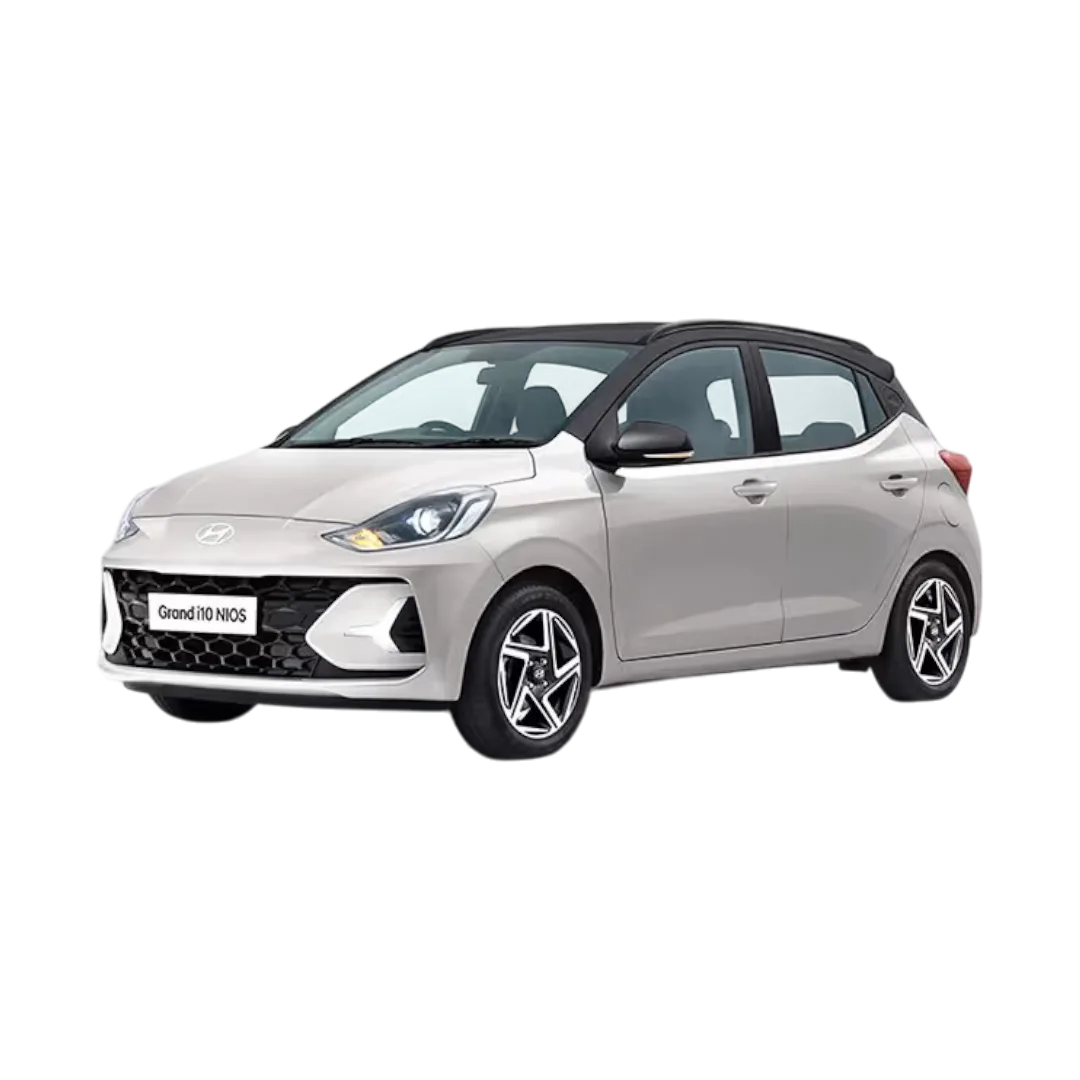 Grand i10 Nios
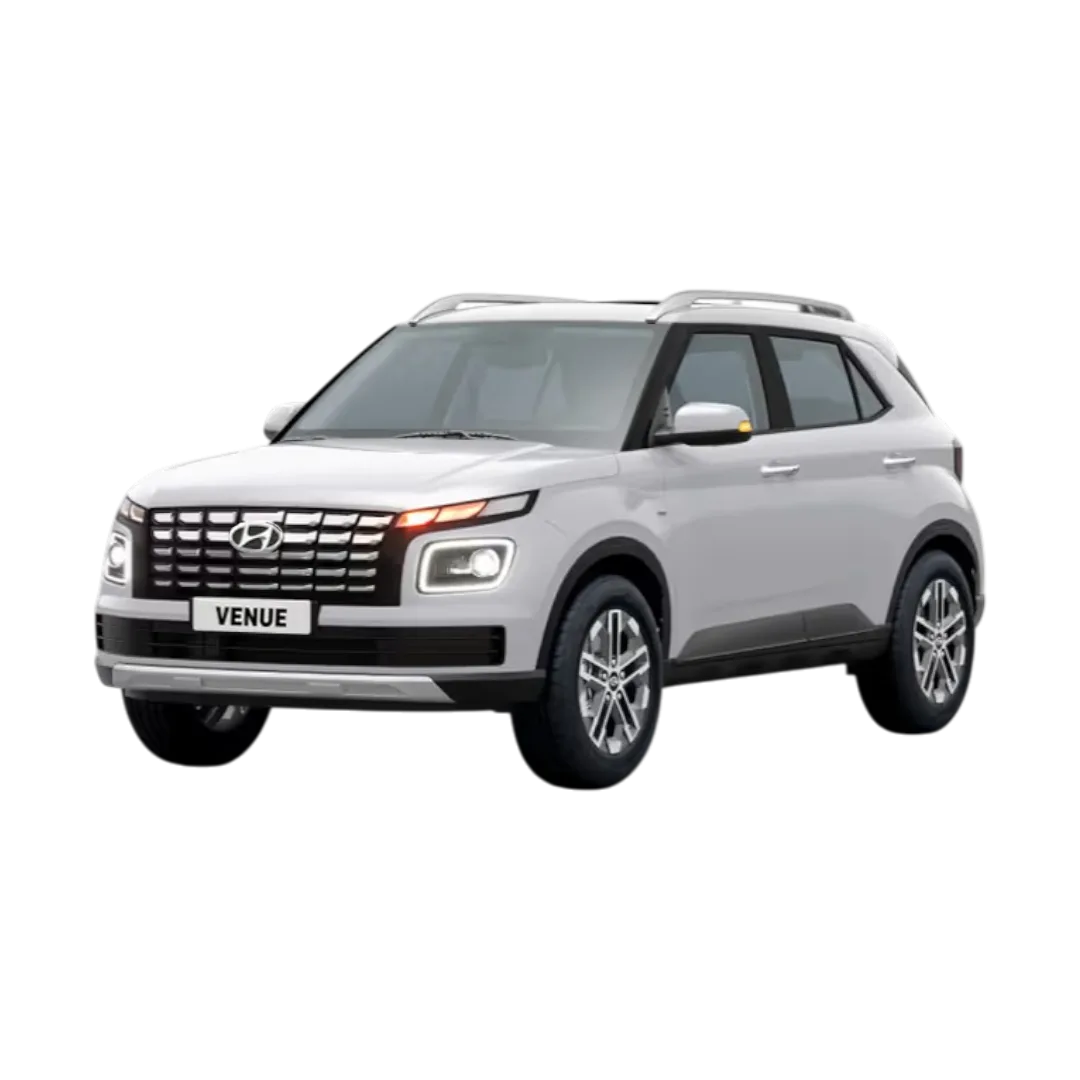 Venue
Venue
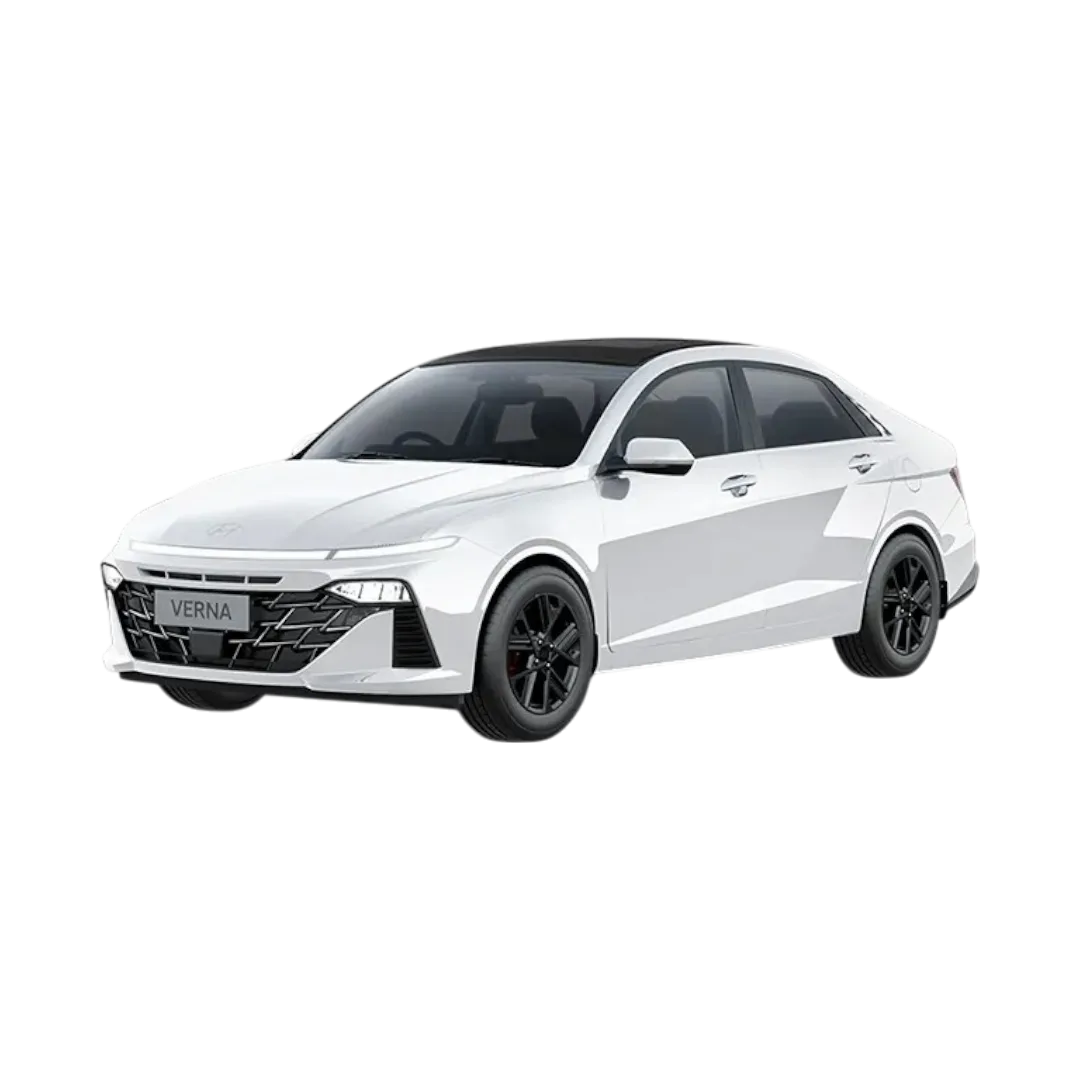 Verna
Verna
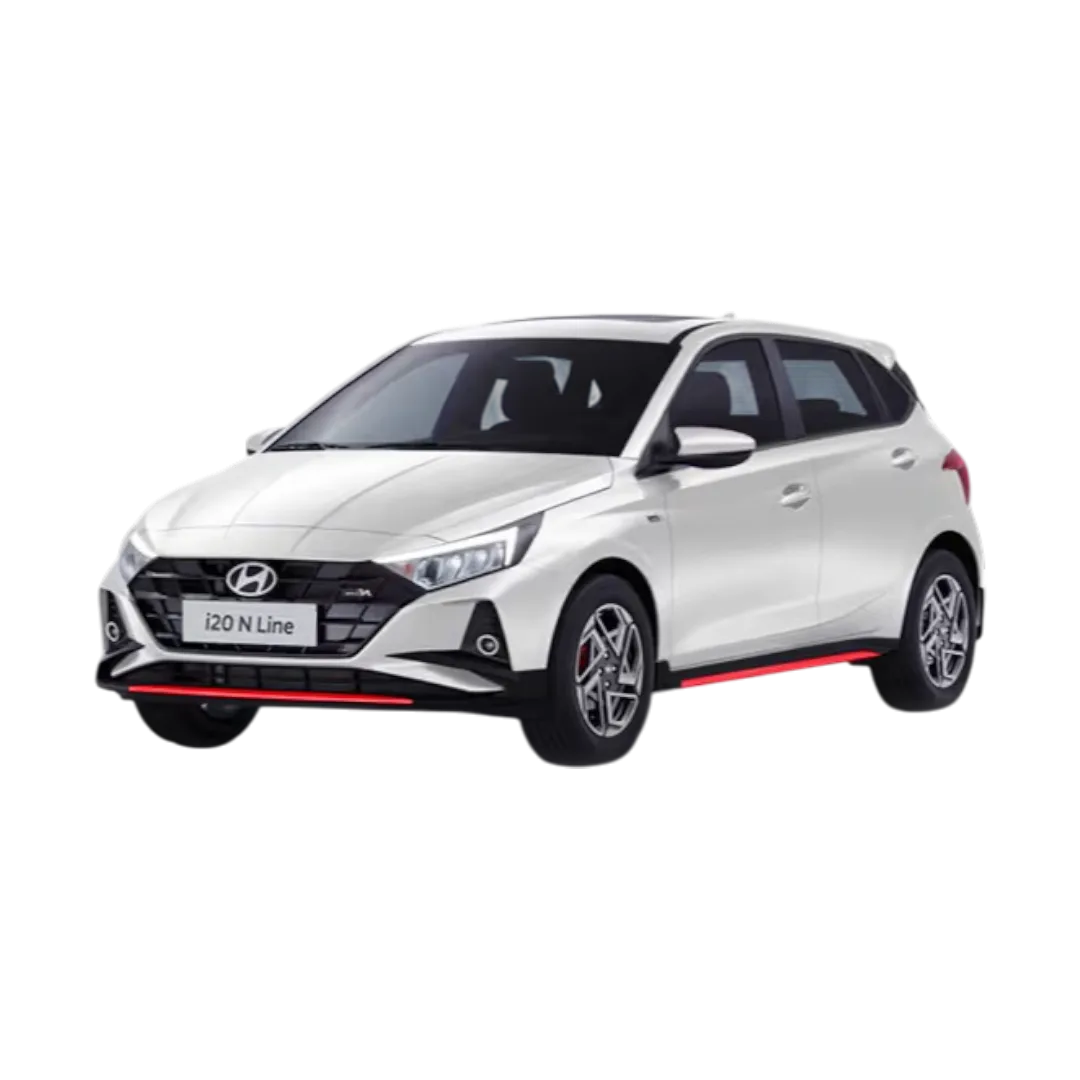 i20 N Line
 Venue N Line
 Alcazar
 Tucson
 Kona
Kona
 iONIQ 5
 Santro
 Santro Xing
 Accent
 Sonata
 Eon
Eon
 i10
i10
 Grand i10
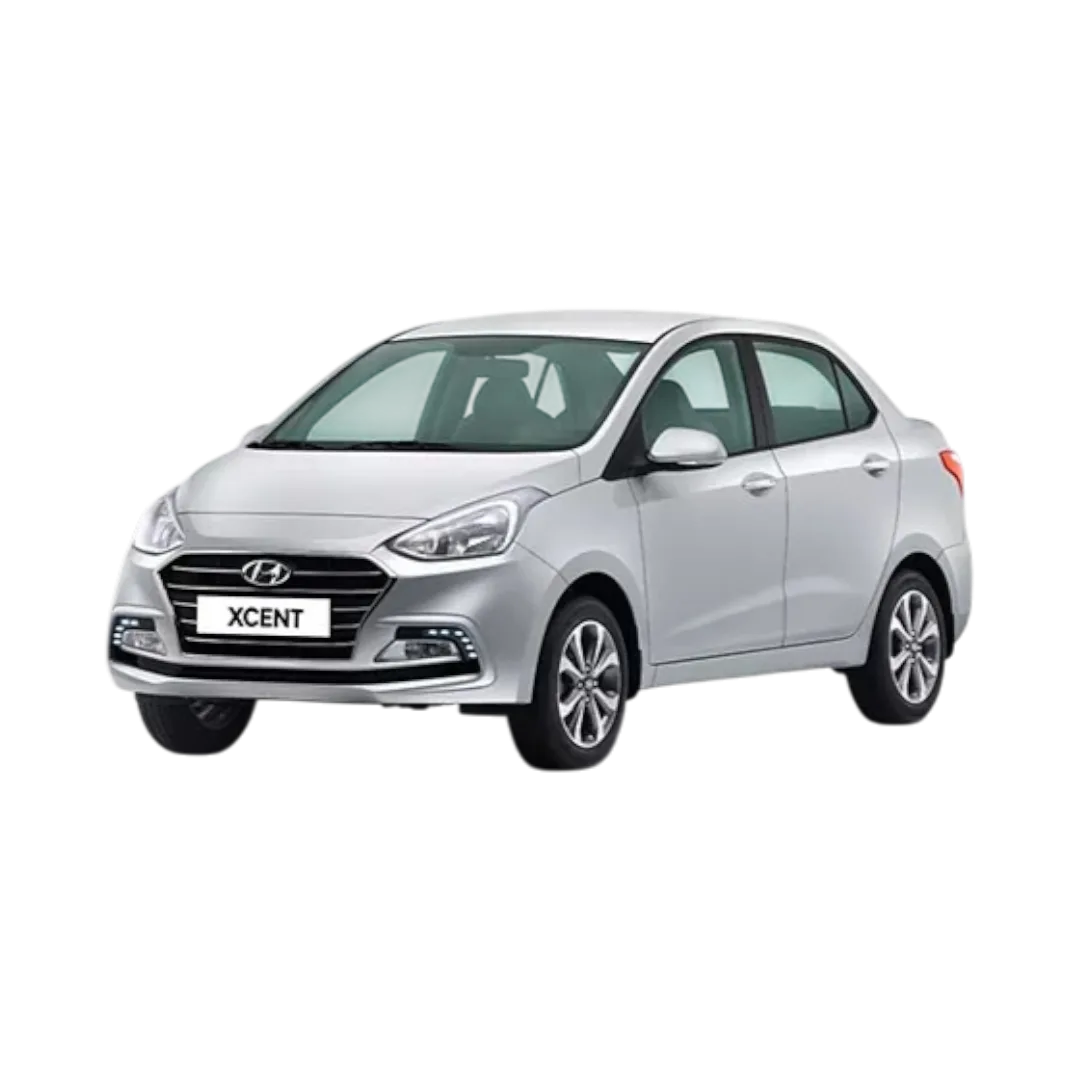 Xcent
Xcent
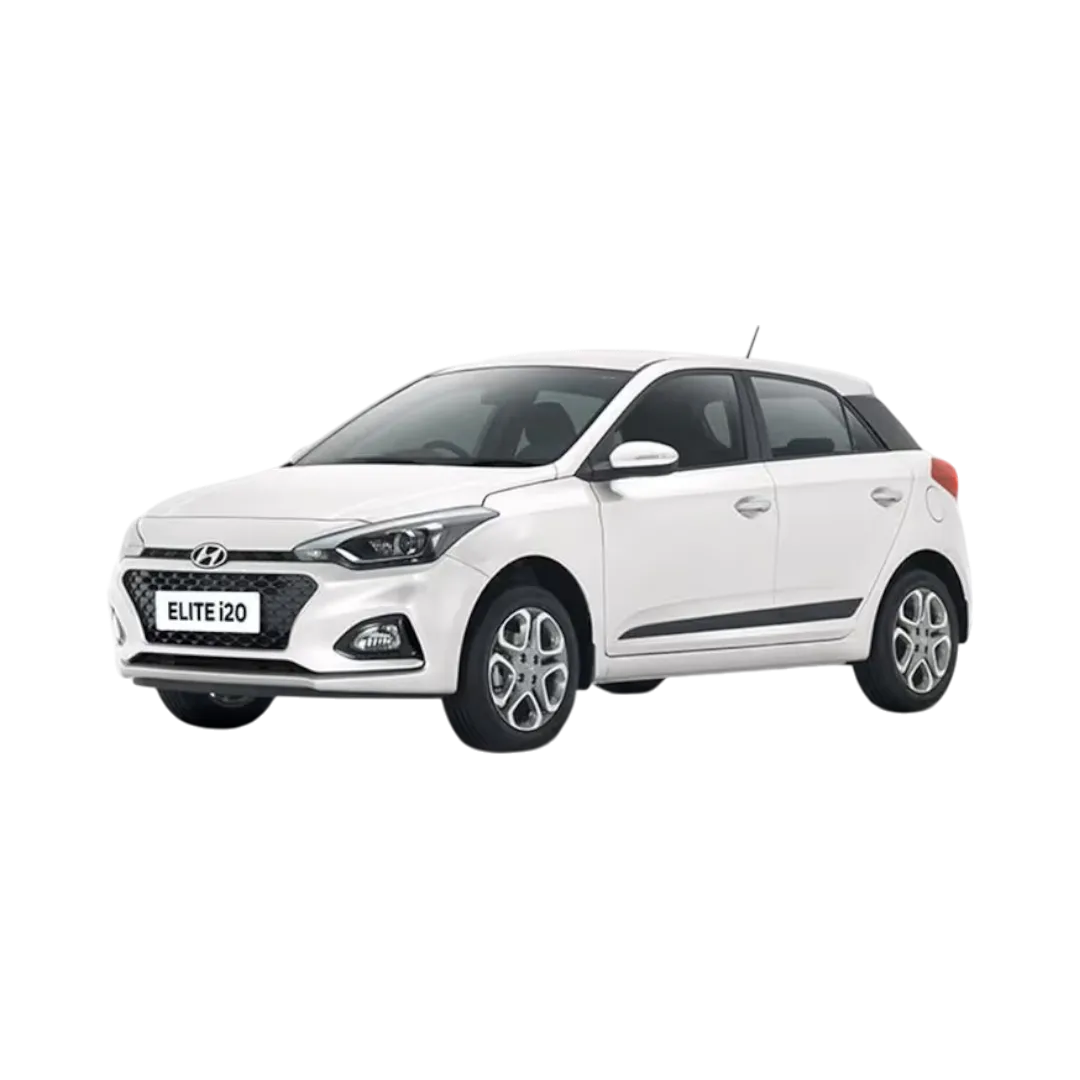 Elite i20
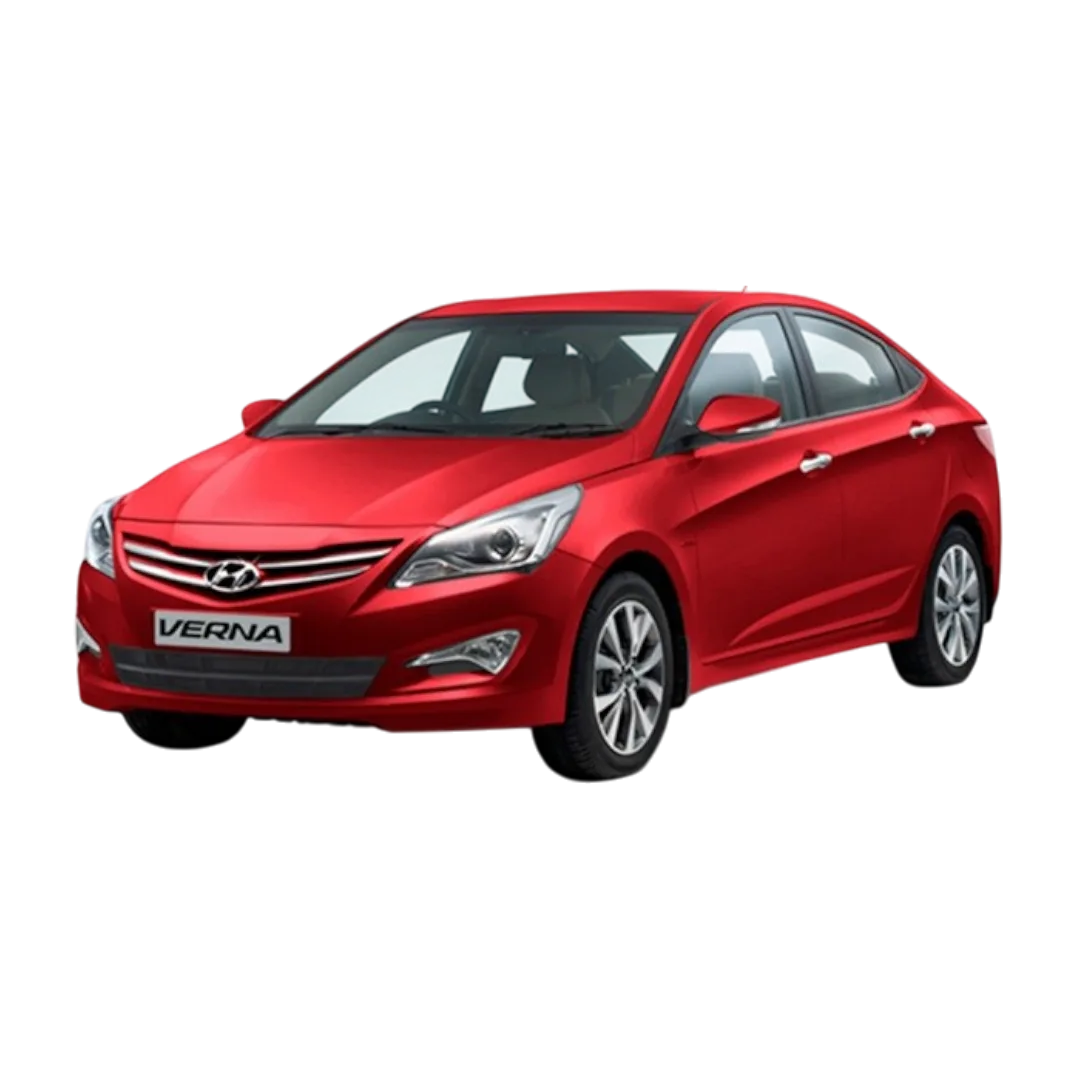 Verna Fluidic
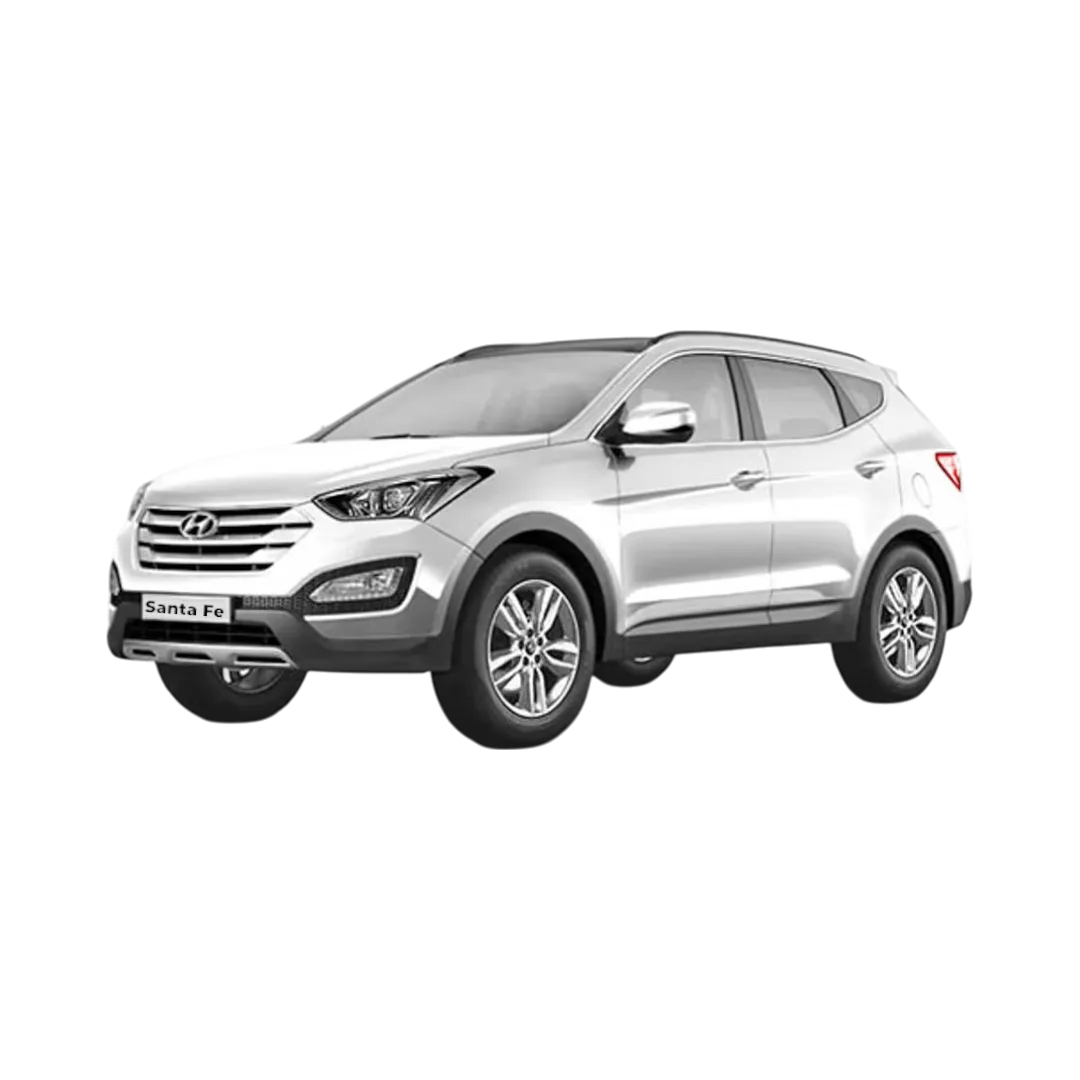 Santafe
 Exter
Sonata Fluidic
i20 Active
Exter
Sonata Fluidic
i20 Active
 Yaris
Yaris
 Urban Cruiser
 Camry
Camry
 Corolla
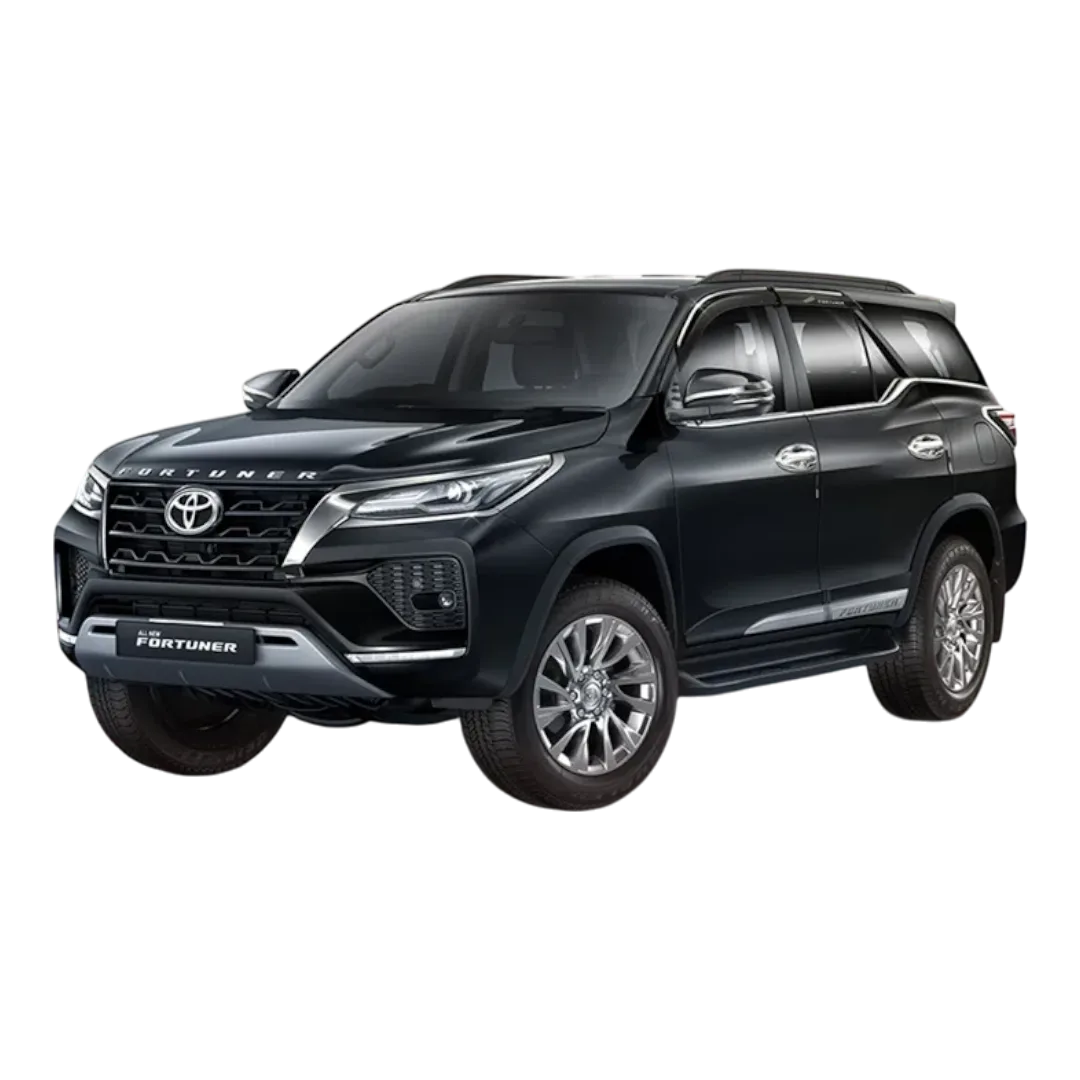 Fortuner
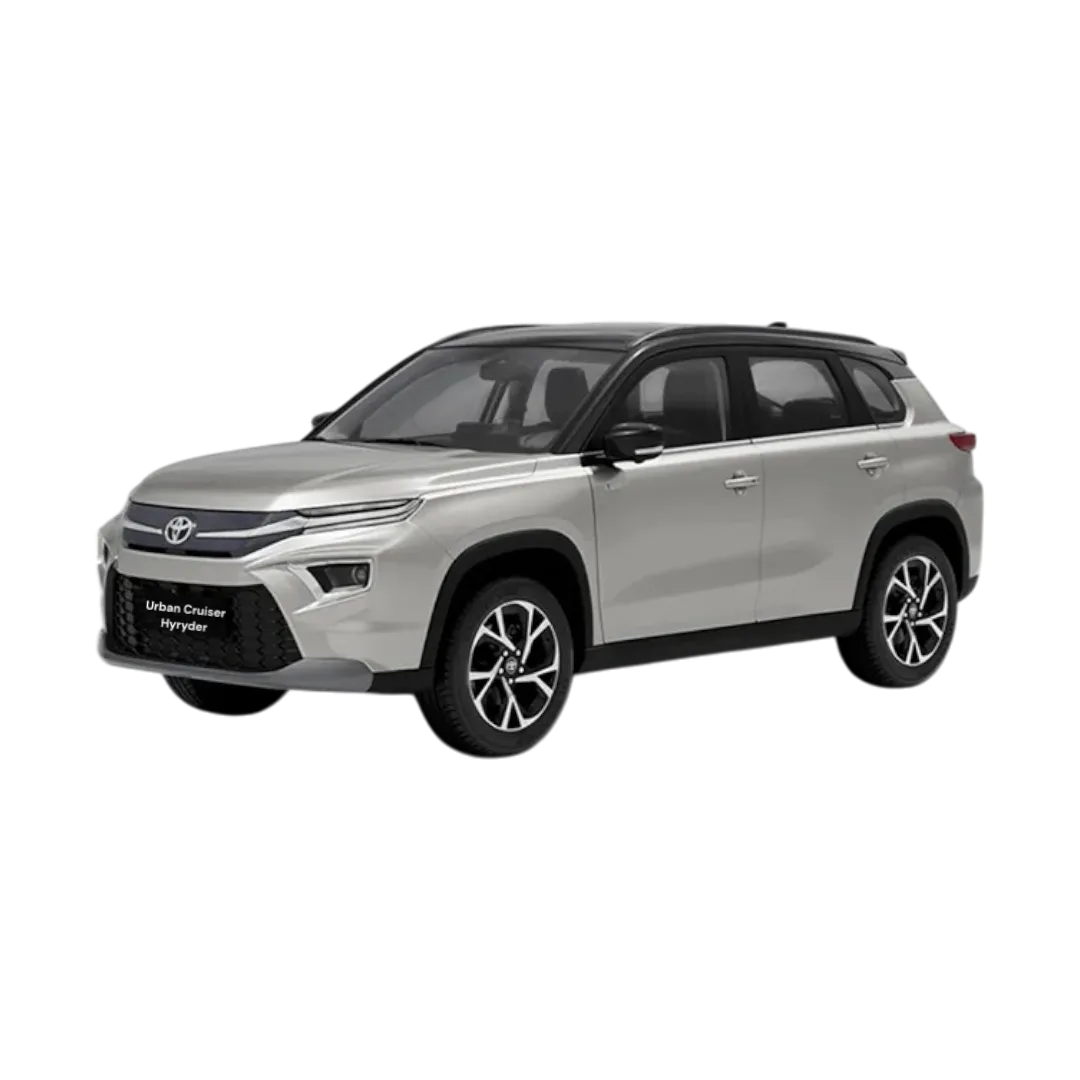 Urban Cruiser Hyryder
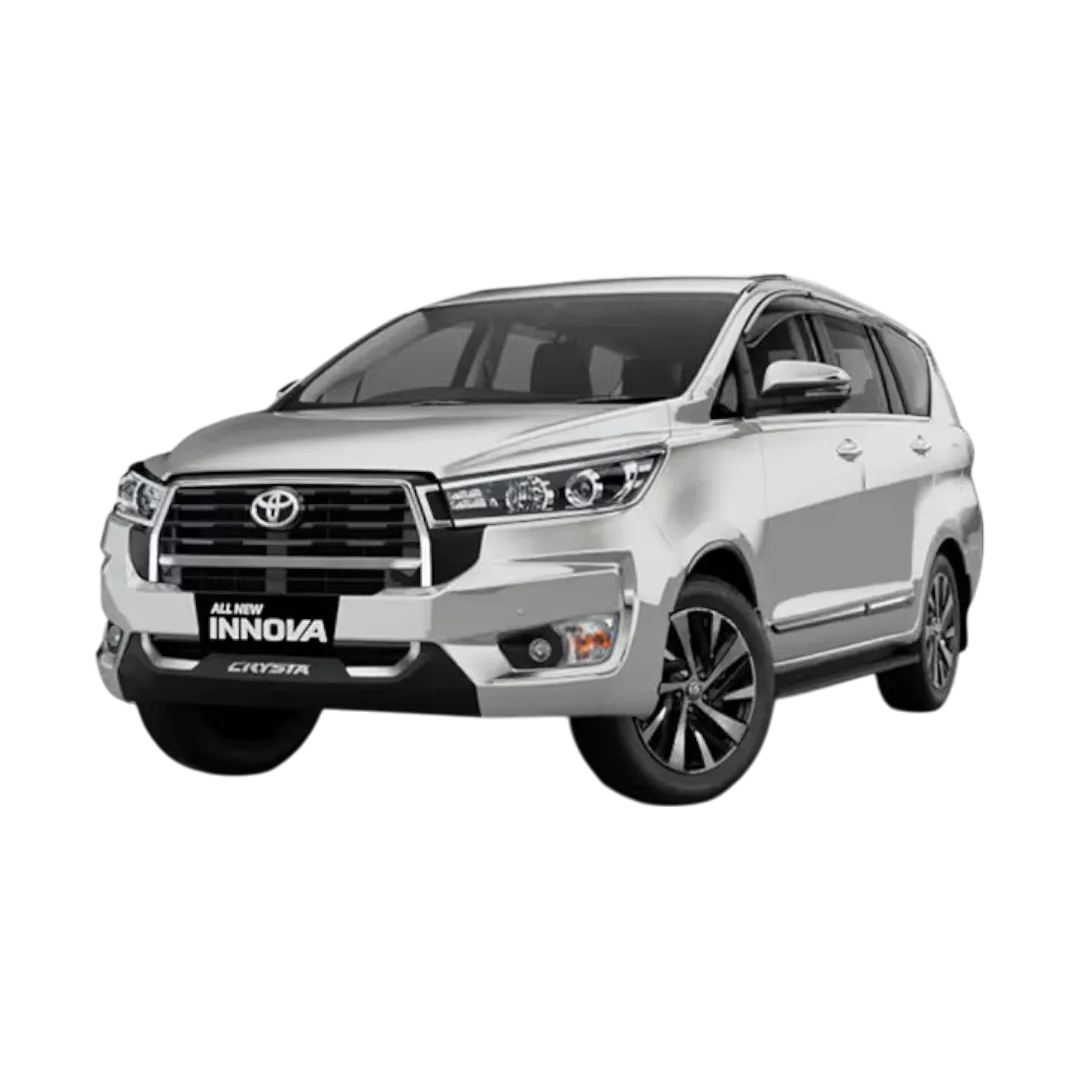 Innova Crysta
 Innova Hycross
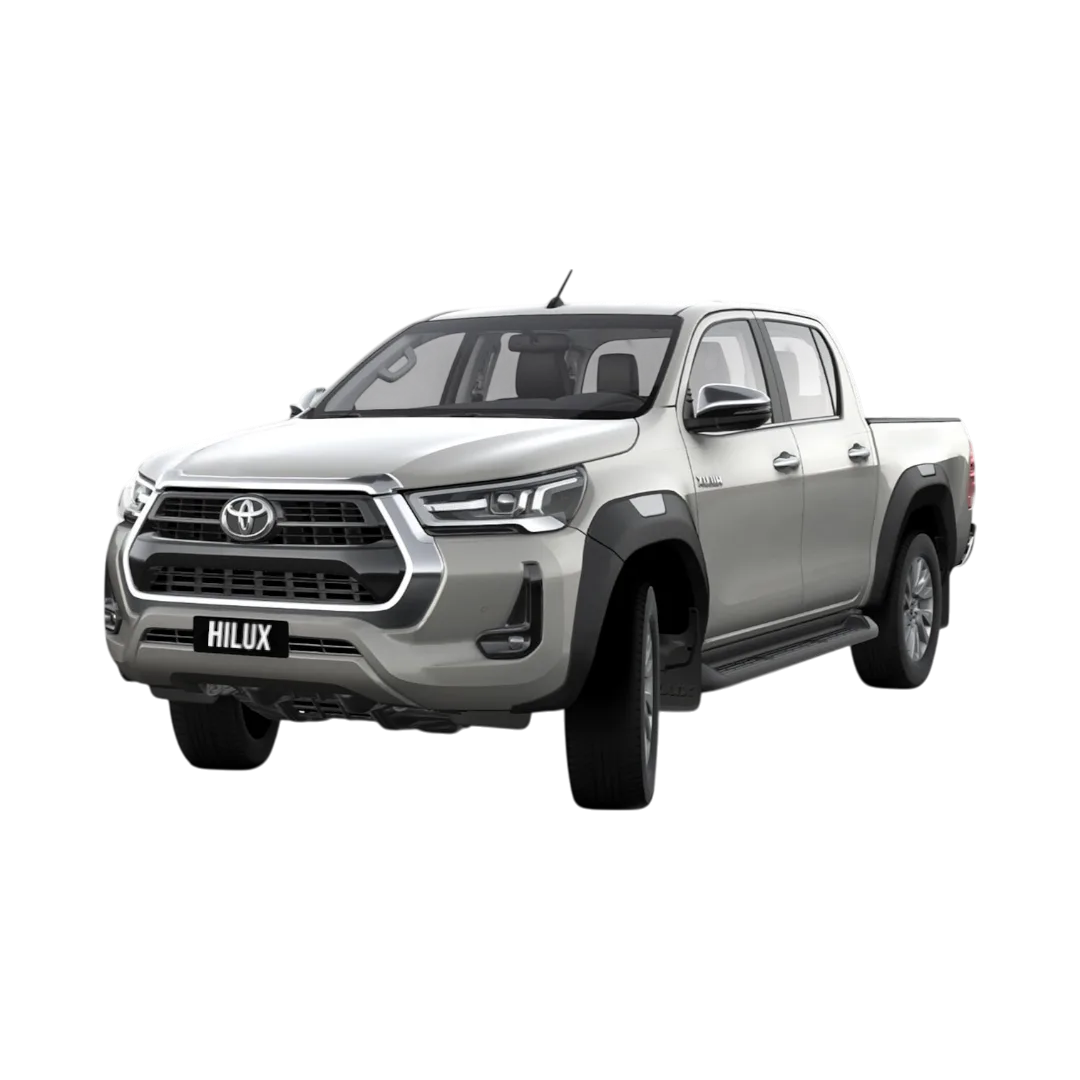 Hilux
Hilux
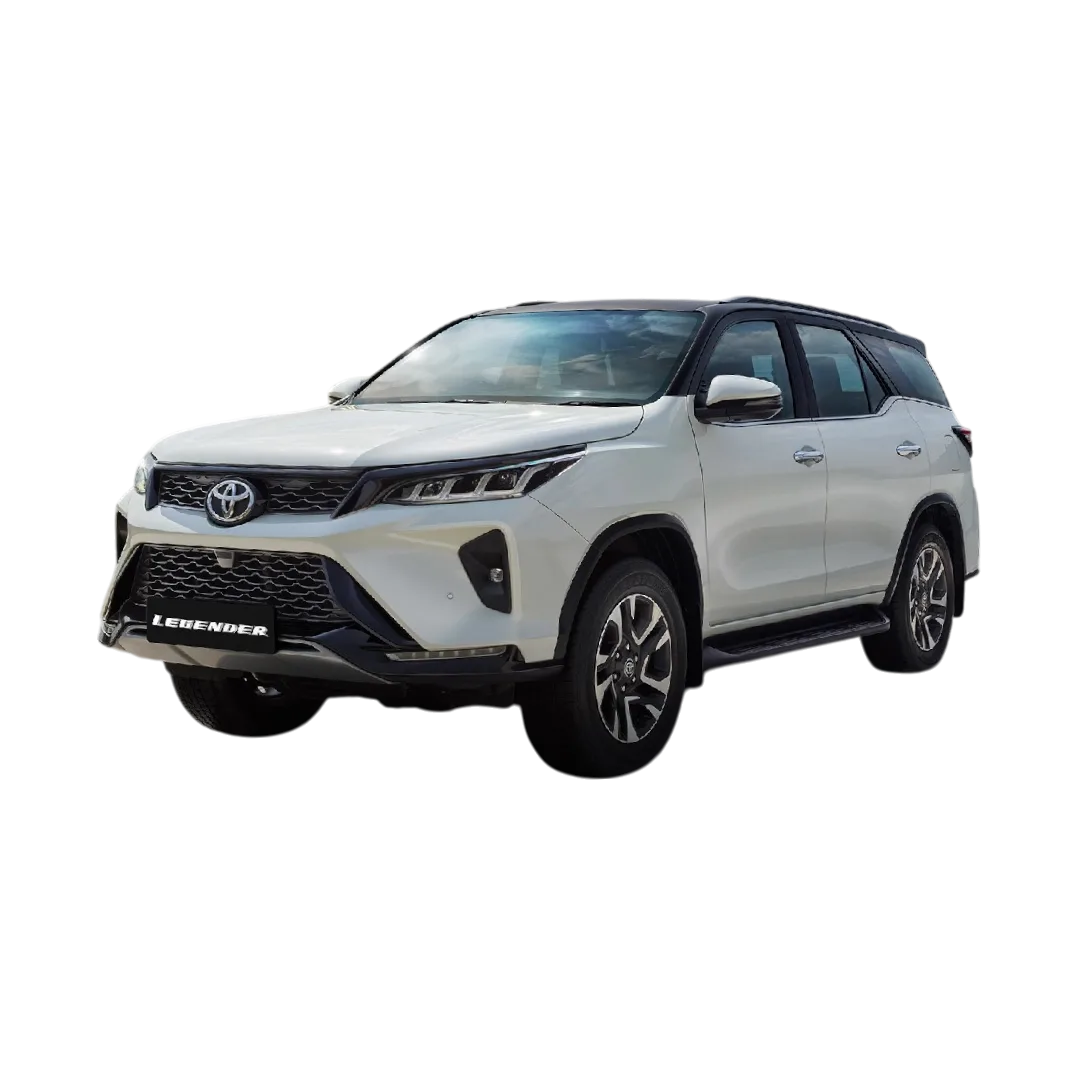 Fortuner Legender
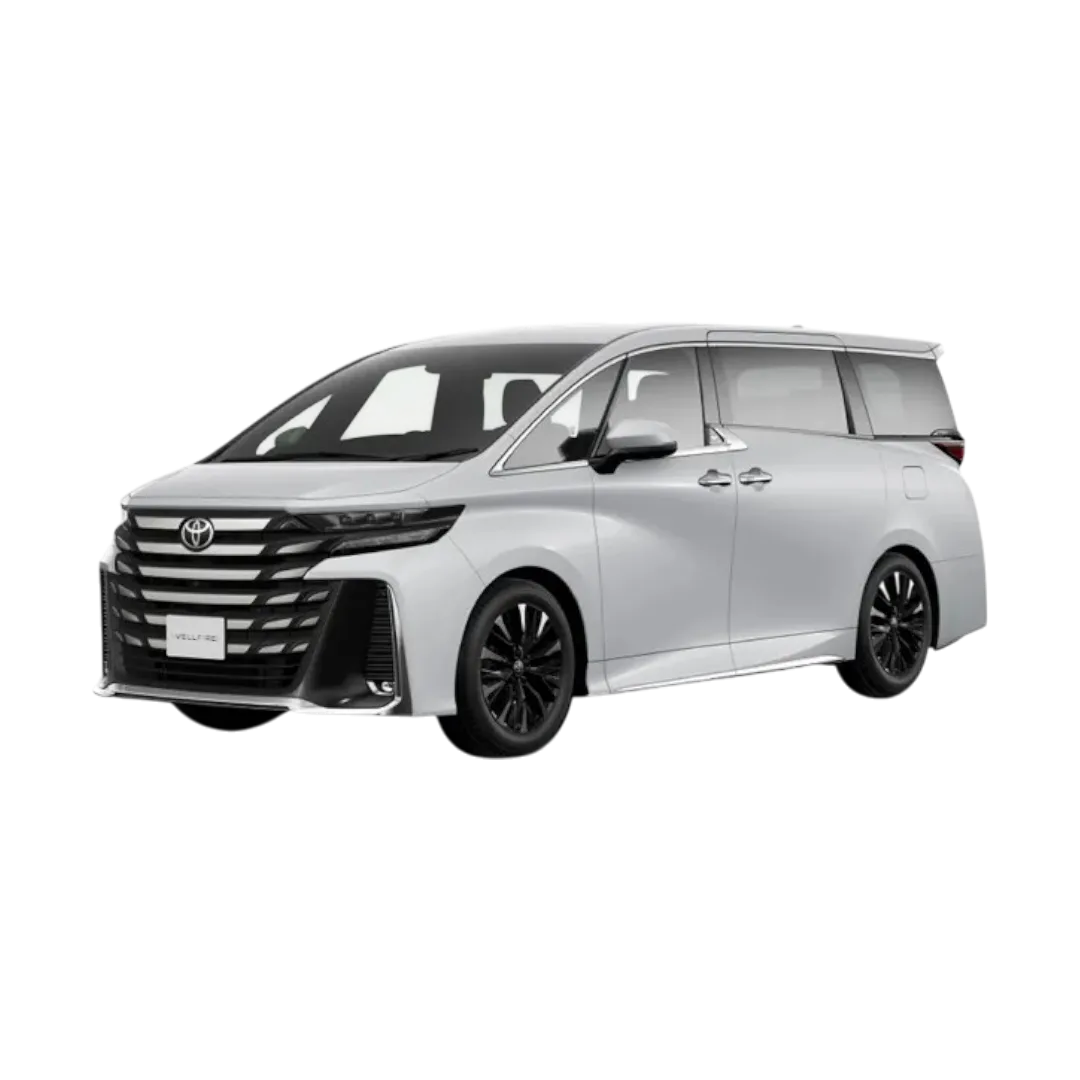 Vellfire
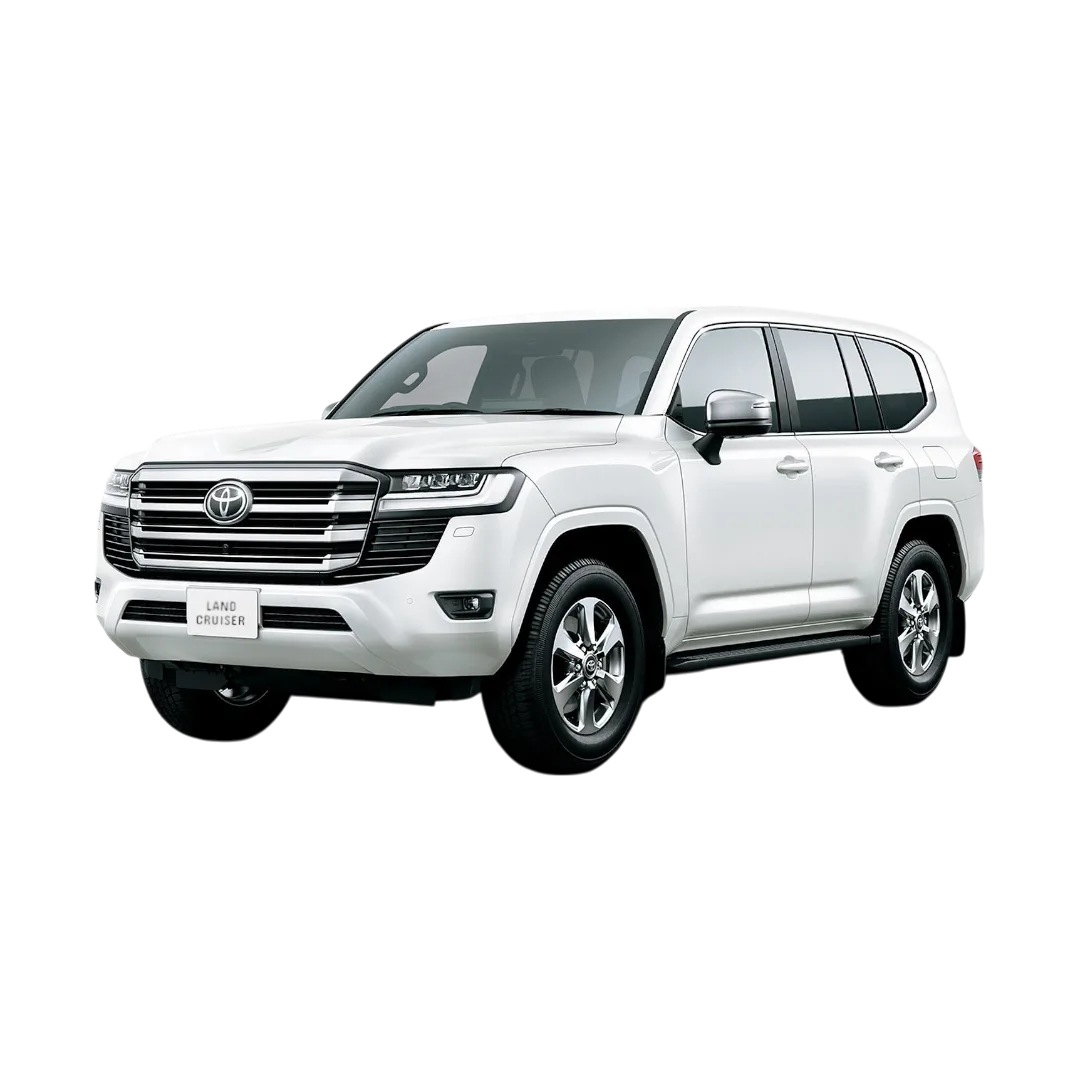 Land Cruiser
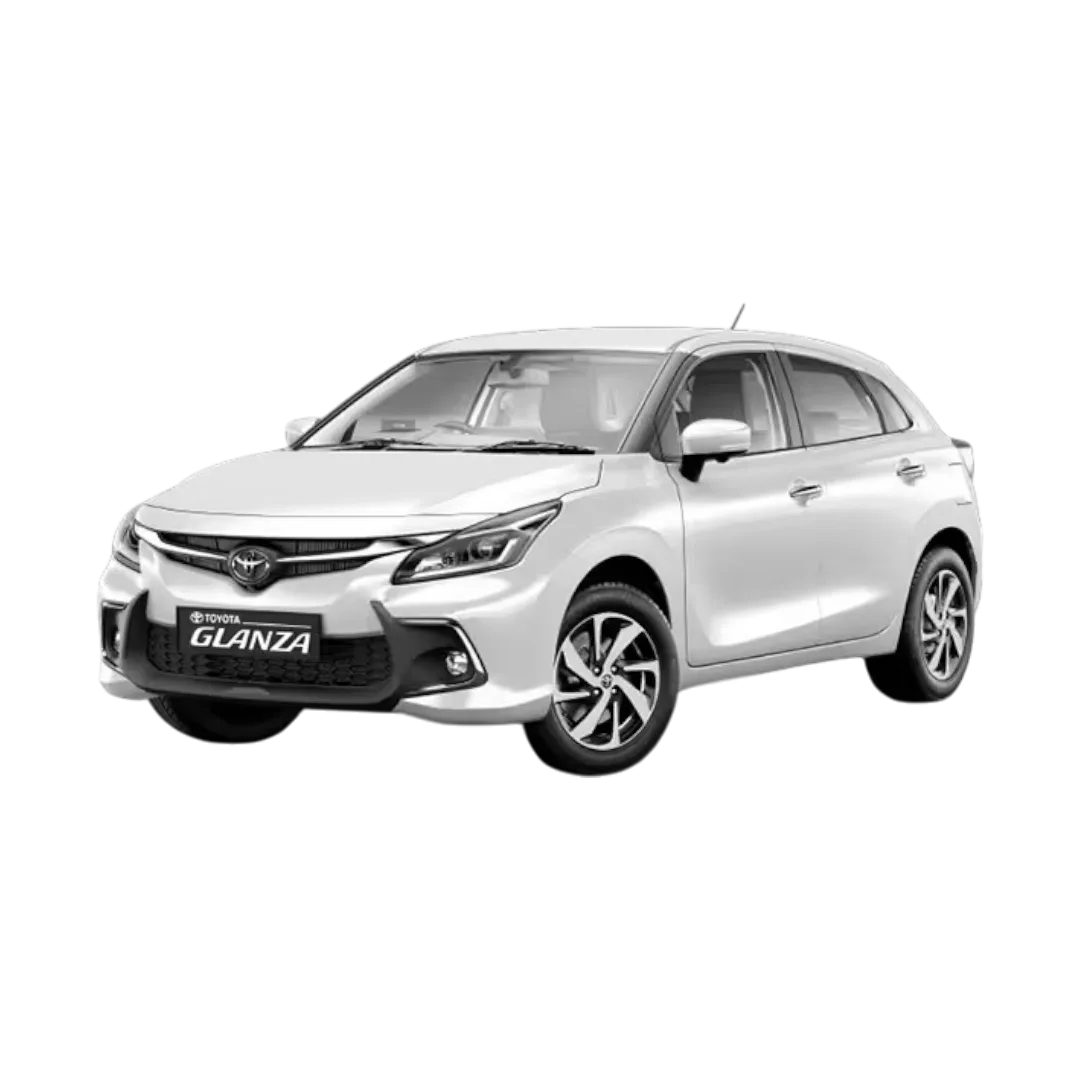 Glanza
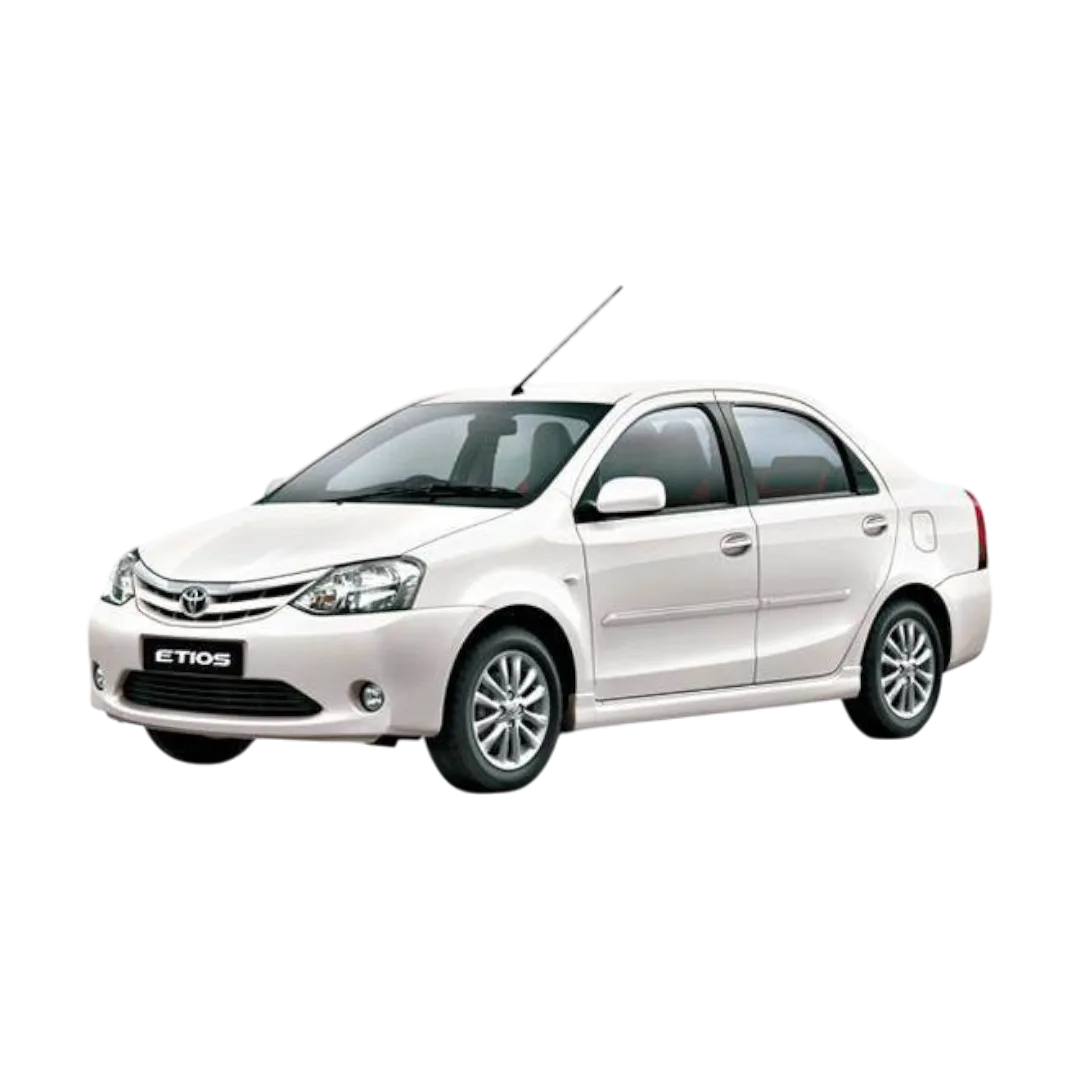 Etios
Etios
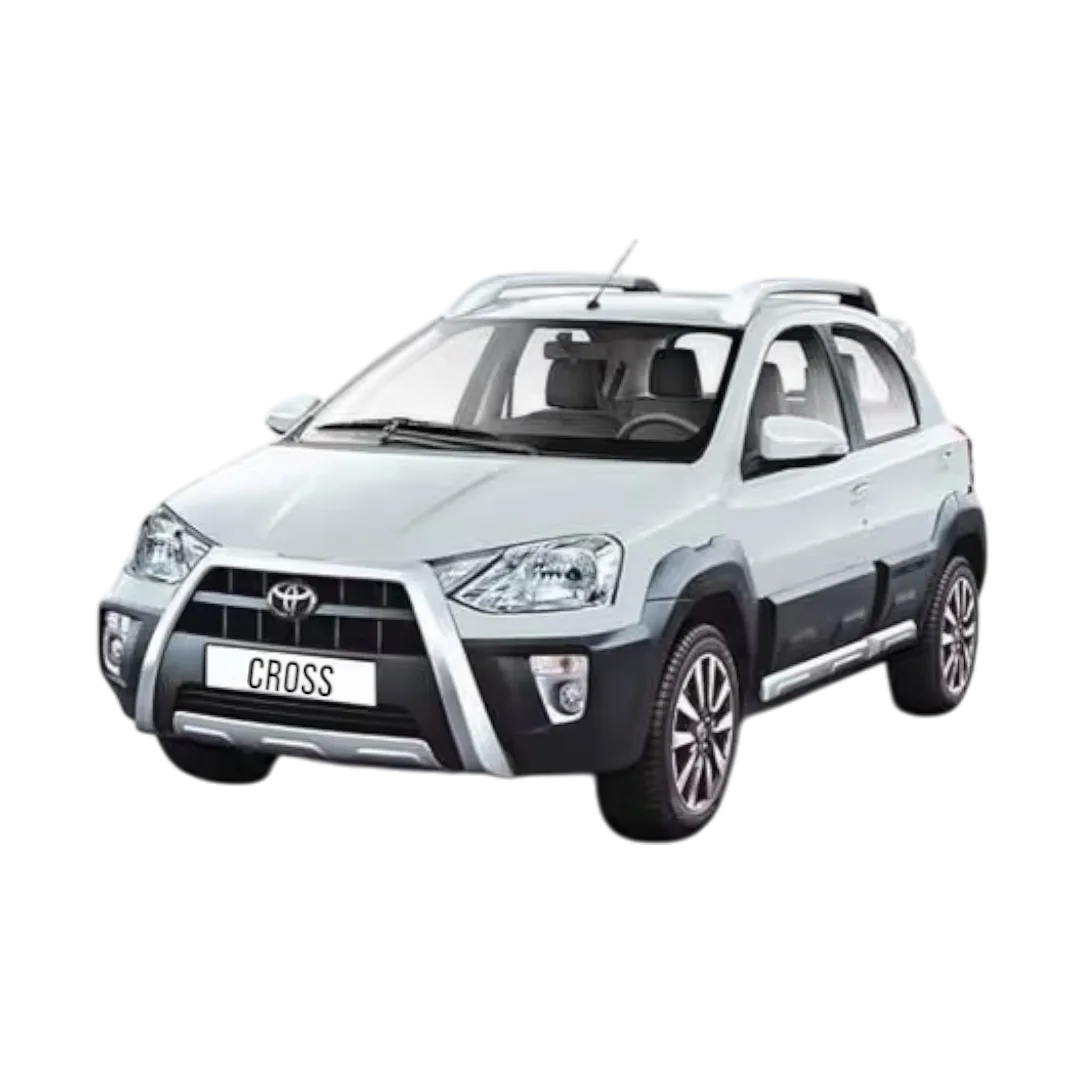 Etios cross
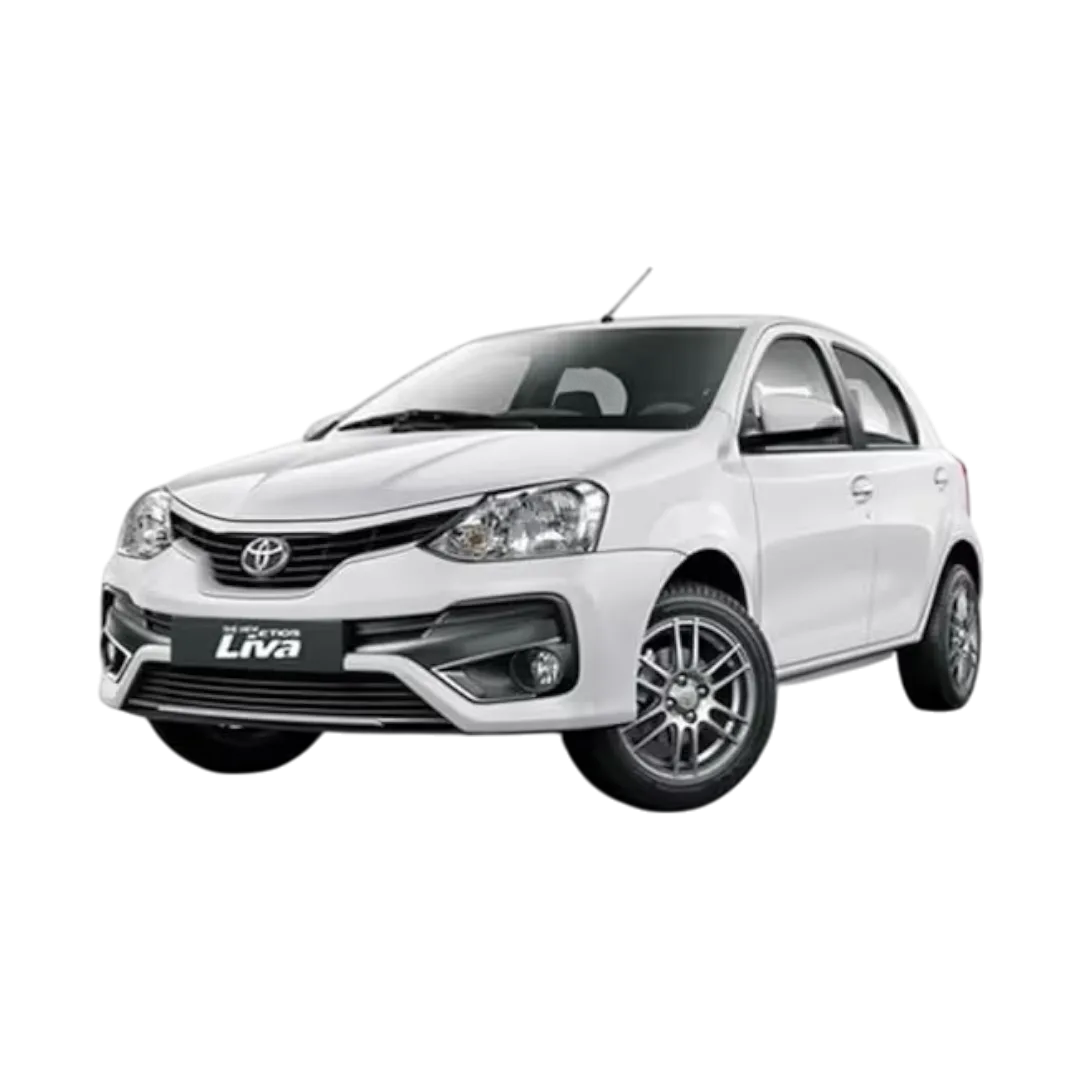 Etios Liva
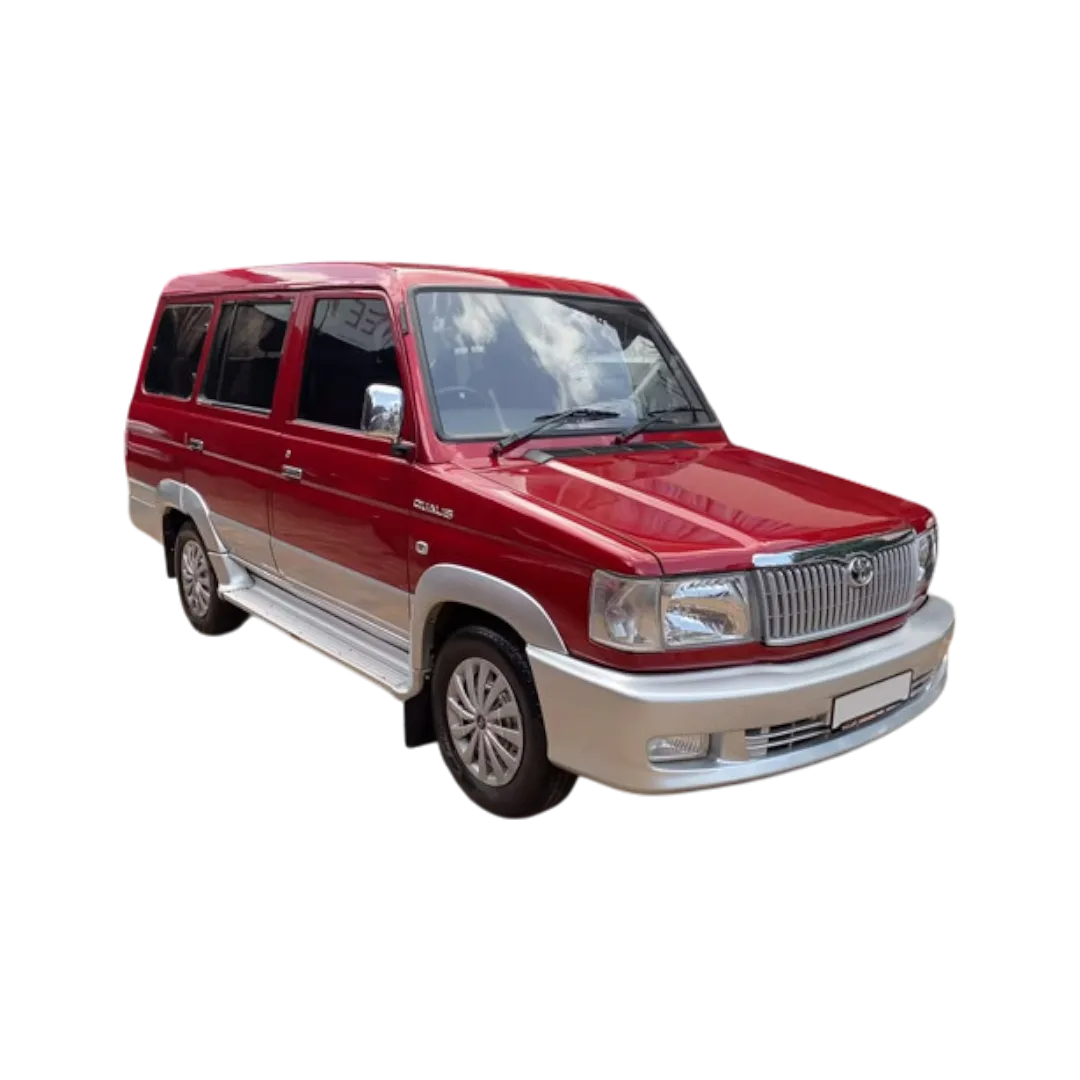 Qualis
 Innova
 Rumion
Taisor
Corolla Altis
Hyryder
Rumion
Taisor
Corolla Altis
Hyryder
 Bolero
 Marazzo
 KUV100 NXT
 Scorpio
 Thar
Thar
 XUV 300
 Bolero Neo
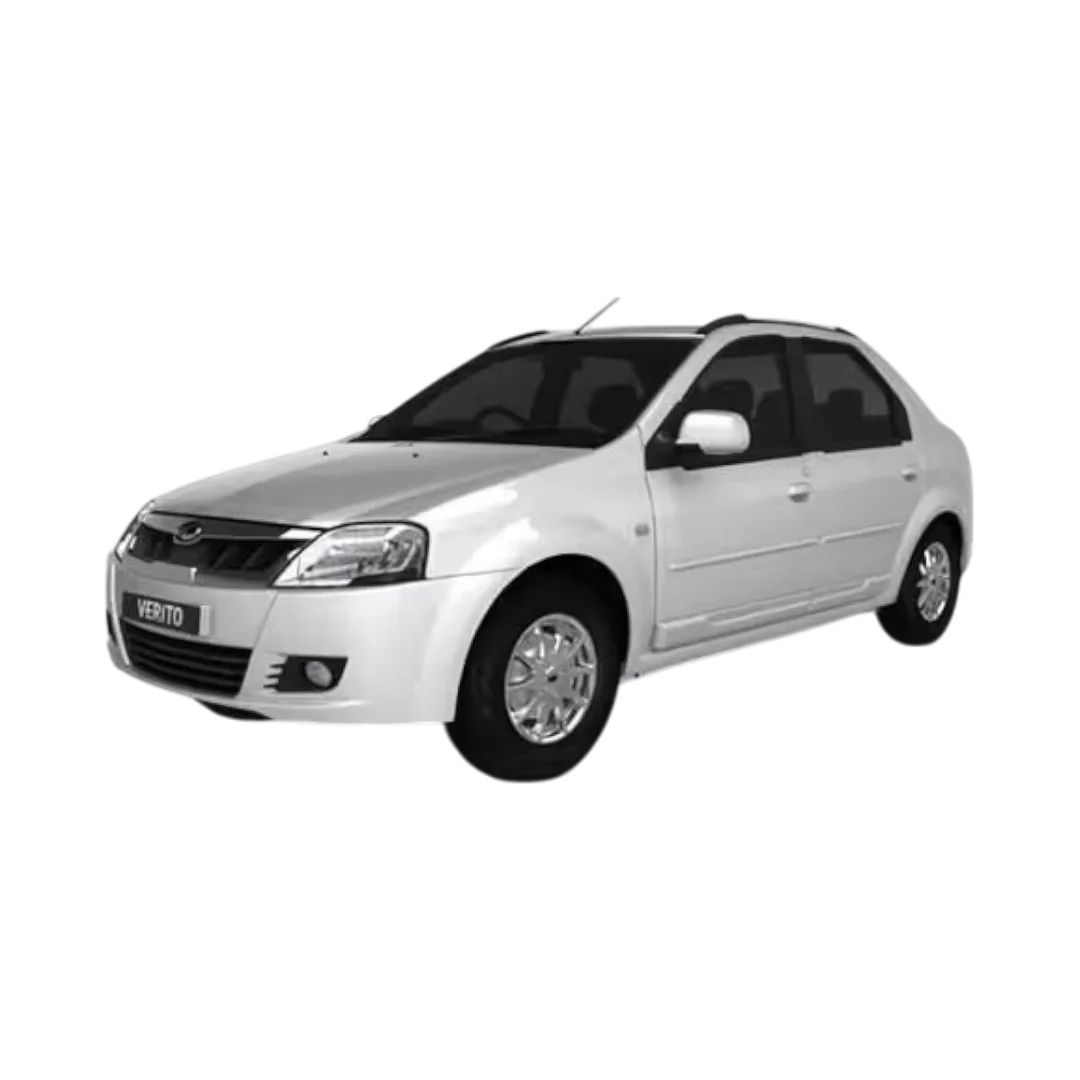 Verito
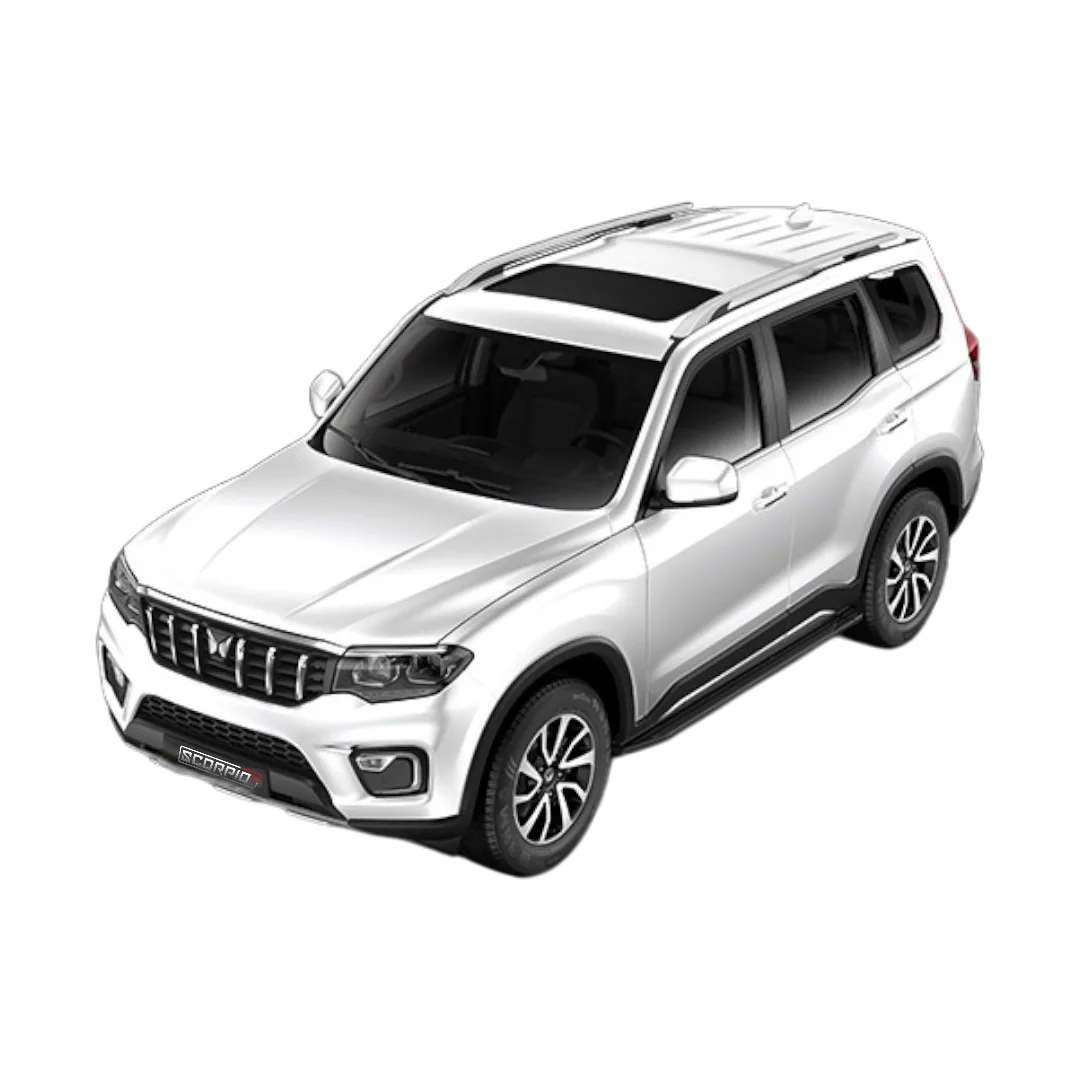 Scorpio-N
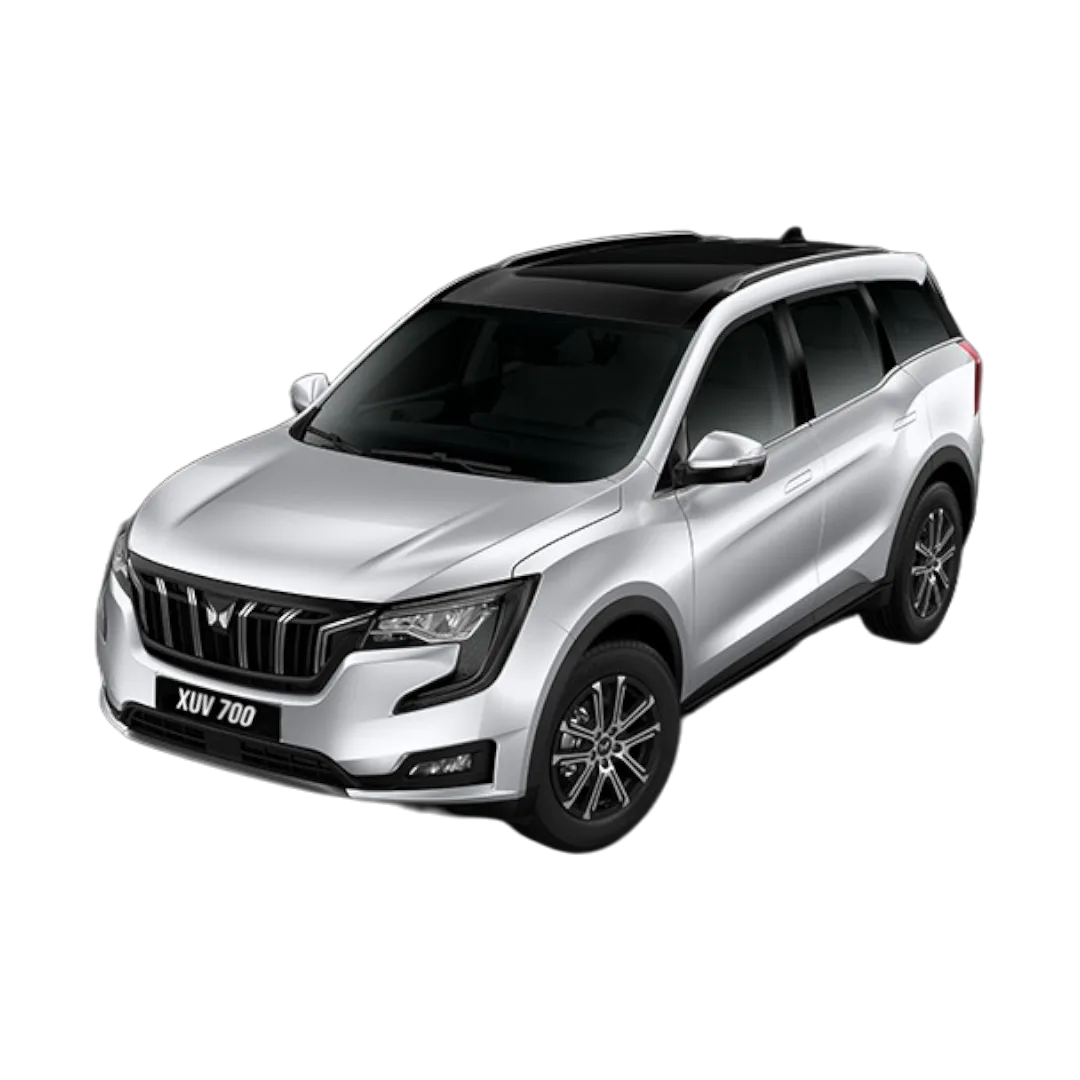 XUV 700
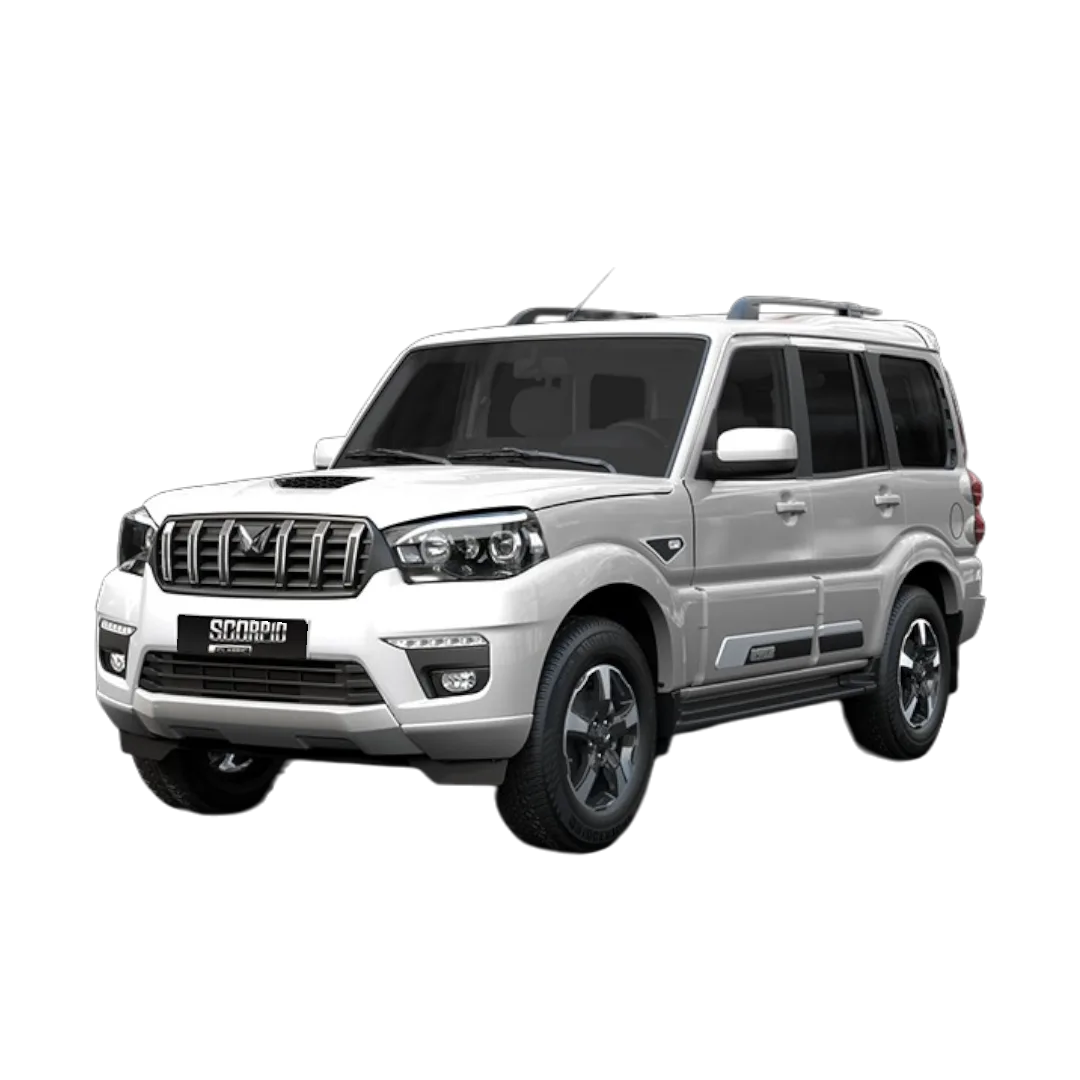 Scorpio Classic
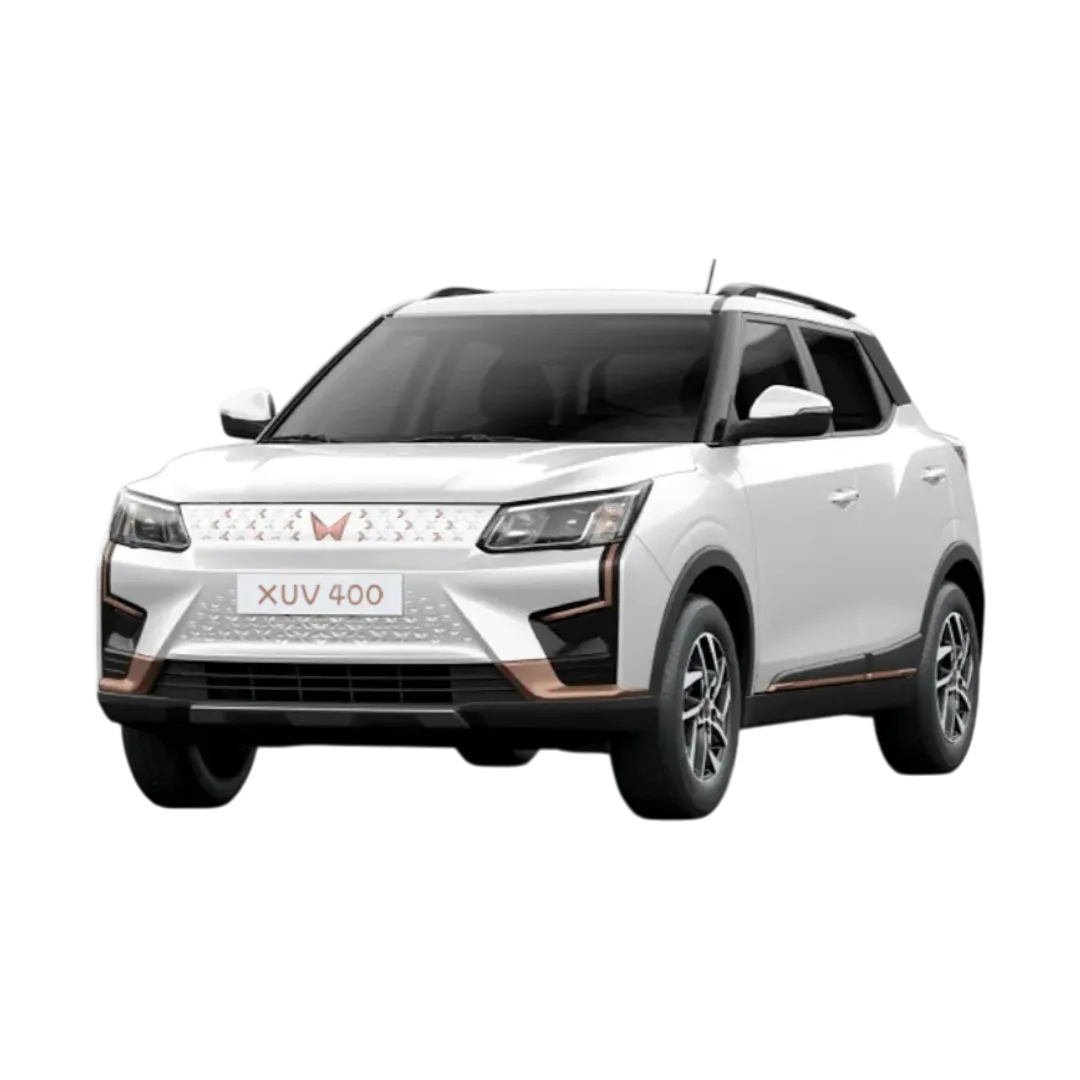 XUV400
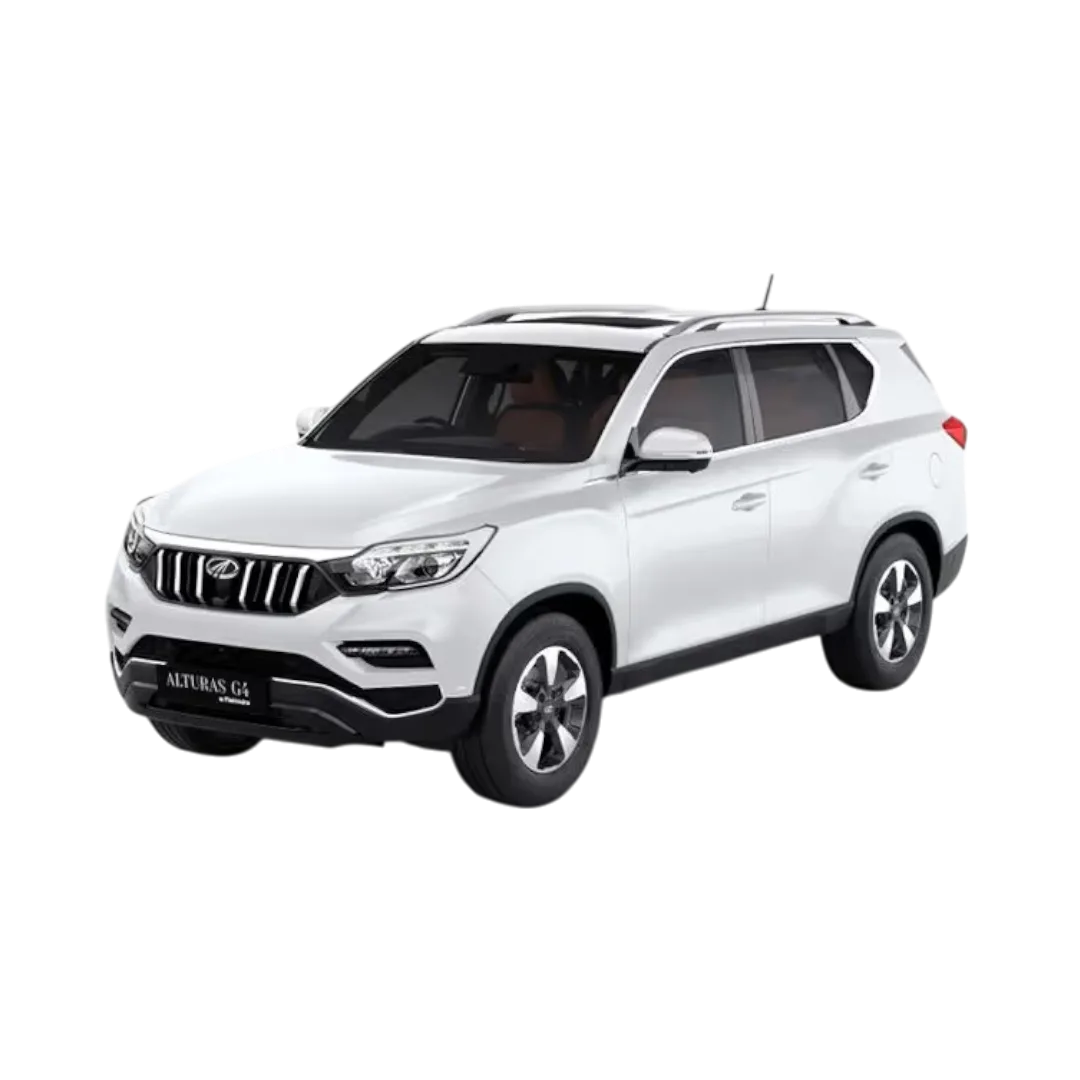 Alturas
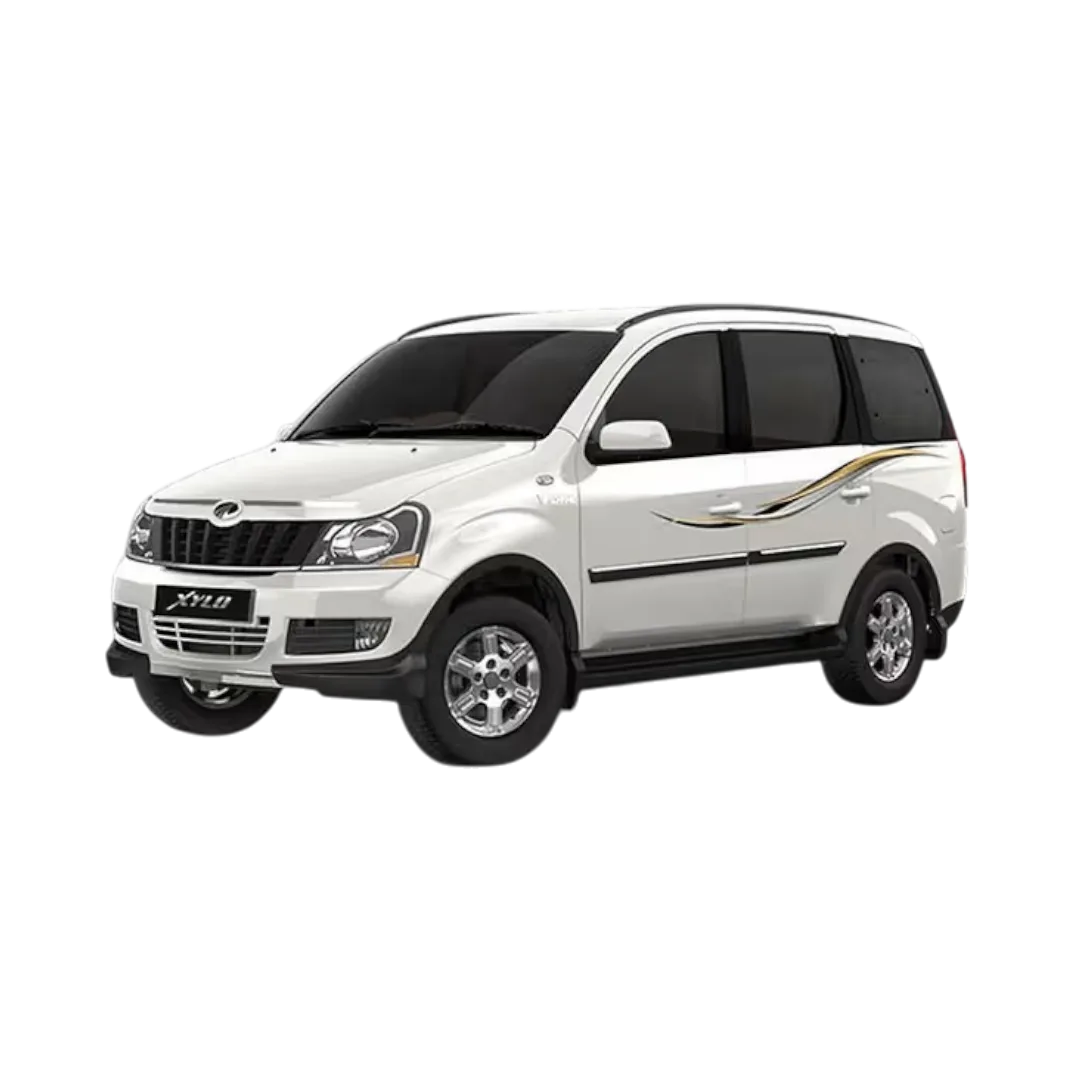 Xylo
Xylo
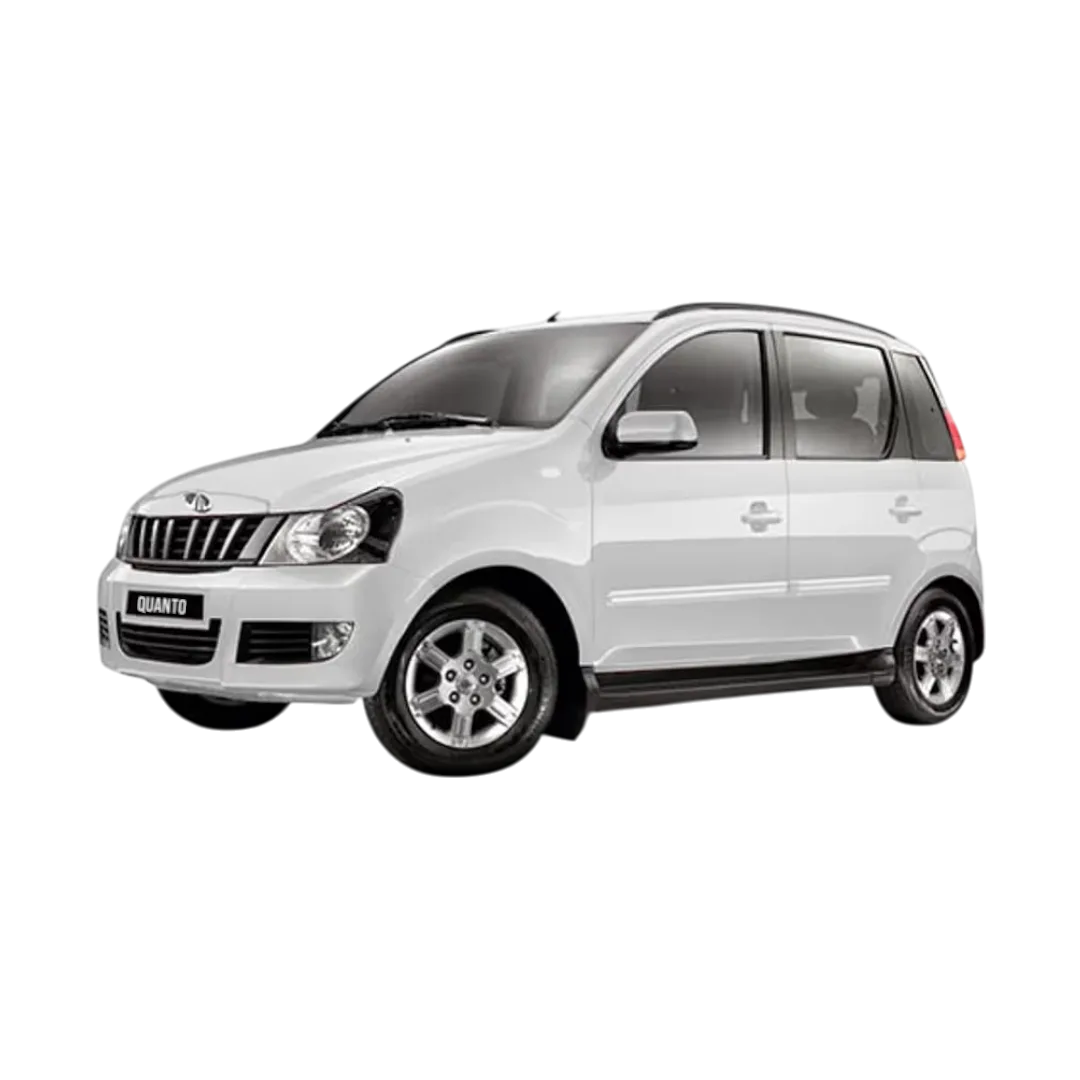 Quanto
 Logan
Logan
 XUV 500
 TUV 300
 XUV 3XO
 KUV 100
NuvoSport
XEV 9e
BE 6
Thar Roxx
E-Verito
XUV 7XO
TUV 100
BE6
Bolero Camper
Verito Vibe
XUV 400
KUV 100
NuvoSport
XEV 9e
BE 6
Thar Roxx
E-Verito
XUV 7XO
TUV 100
BE6
Bolero Camper
Verito Vibe
XUV 400
 Audi Q5
 Audi A4
 Audi Q7
 Audi Q3
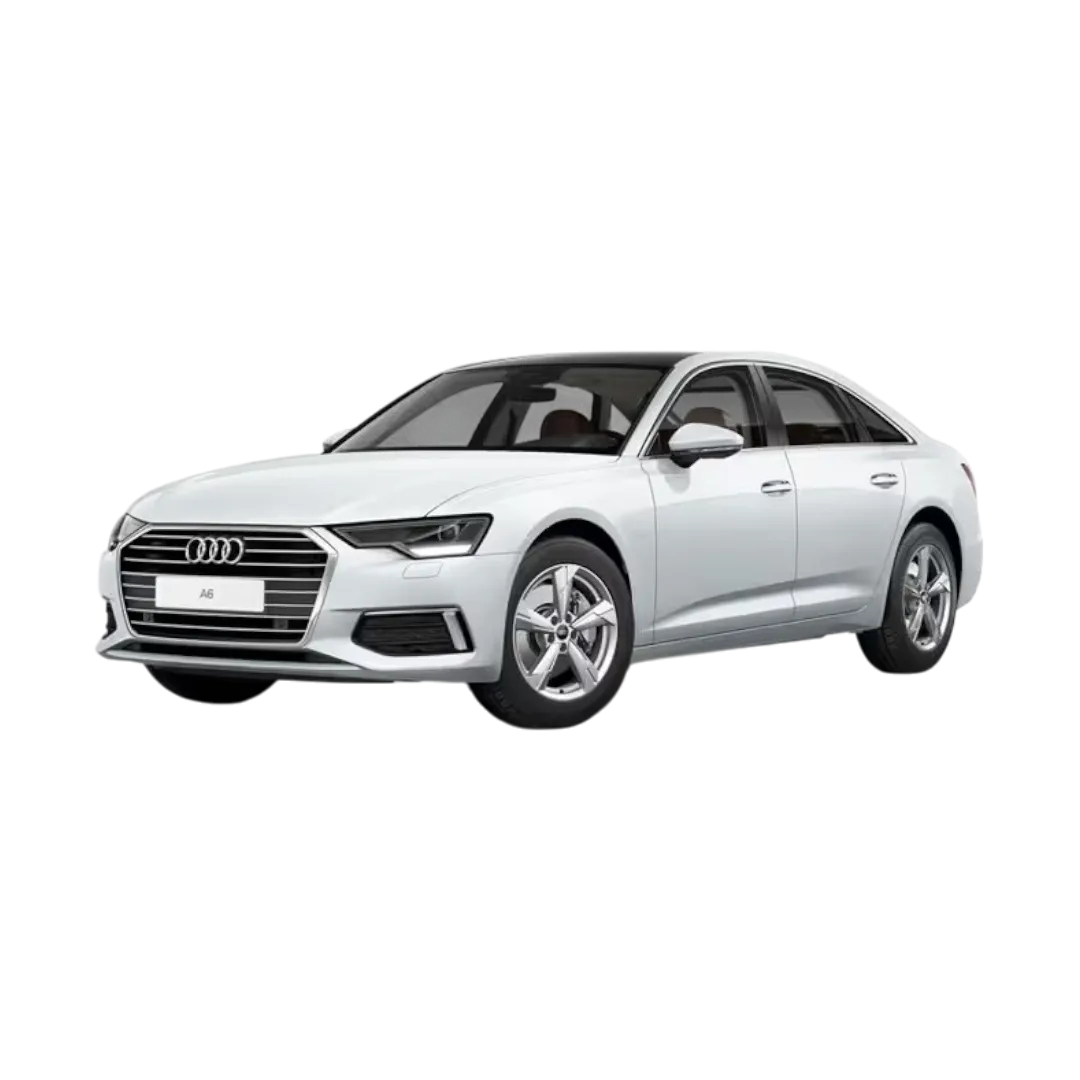 Audi A6
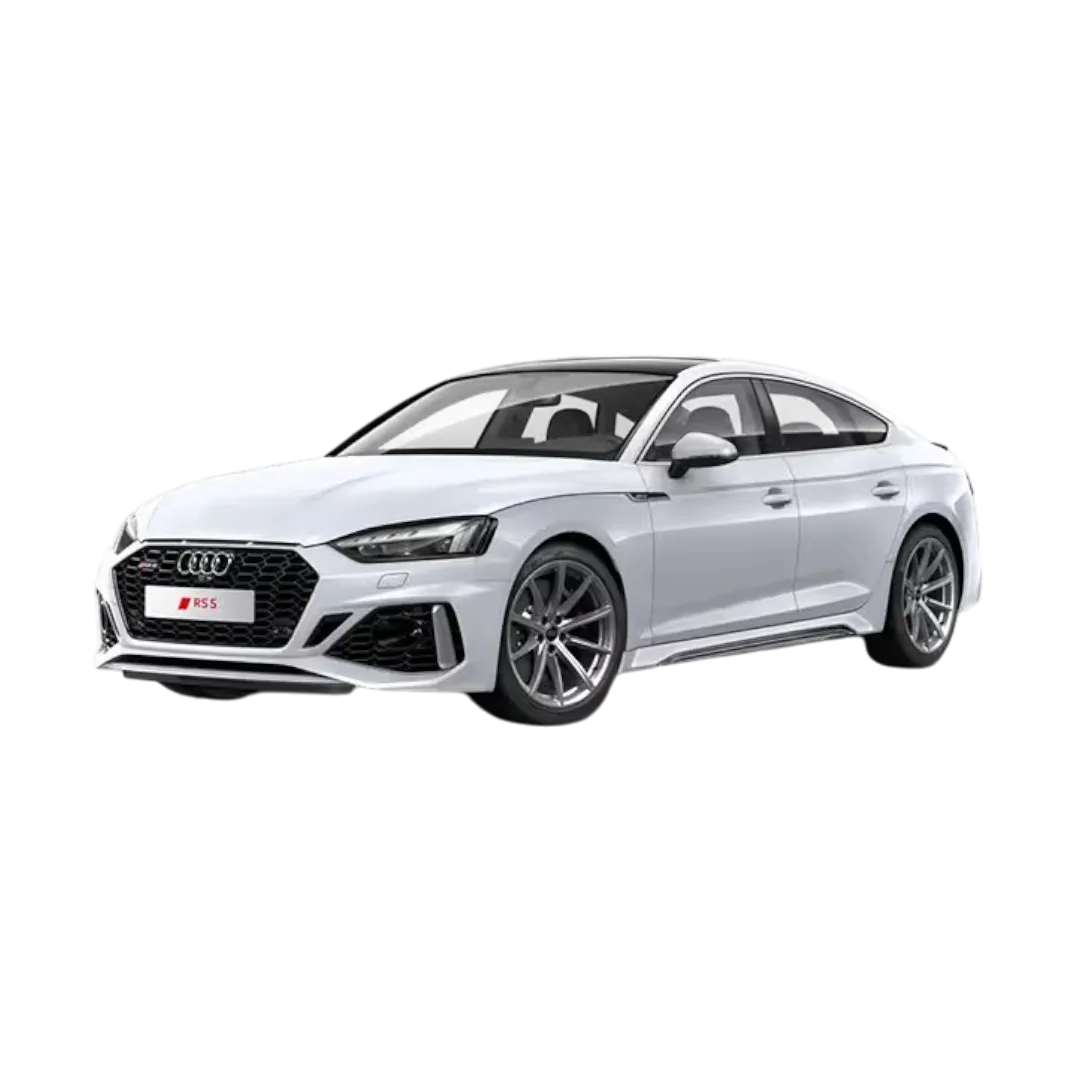 Audi RS5
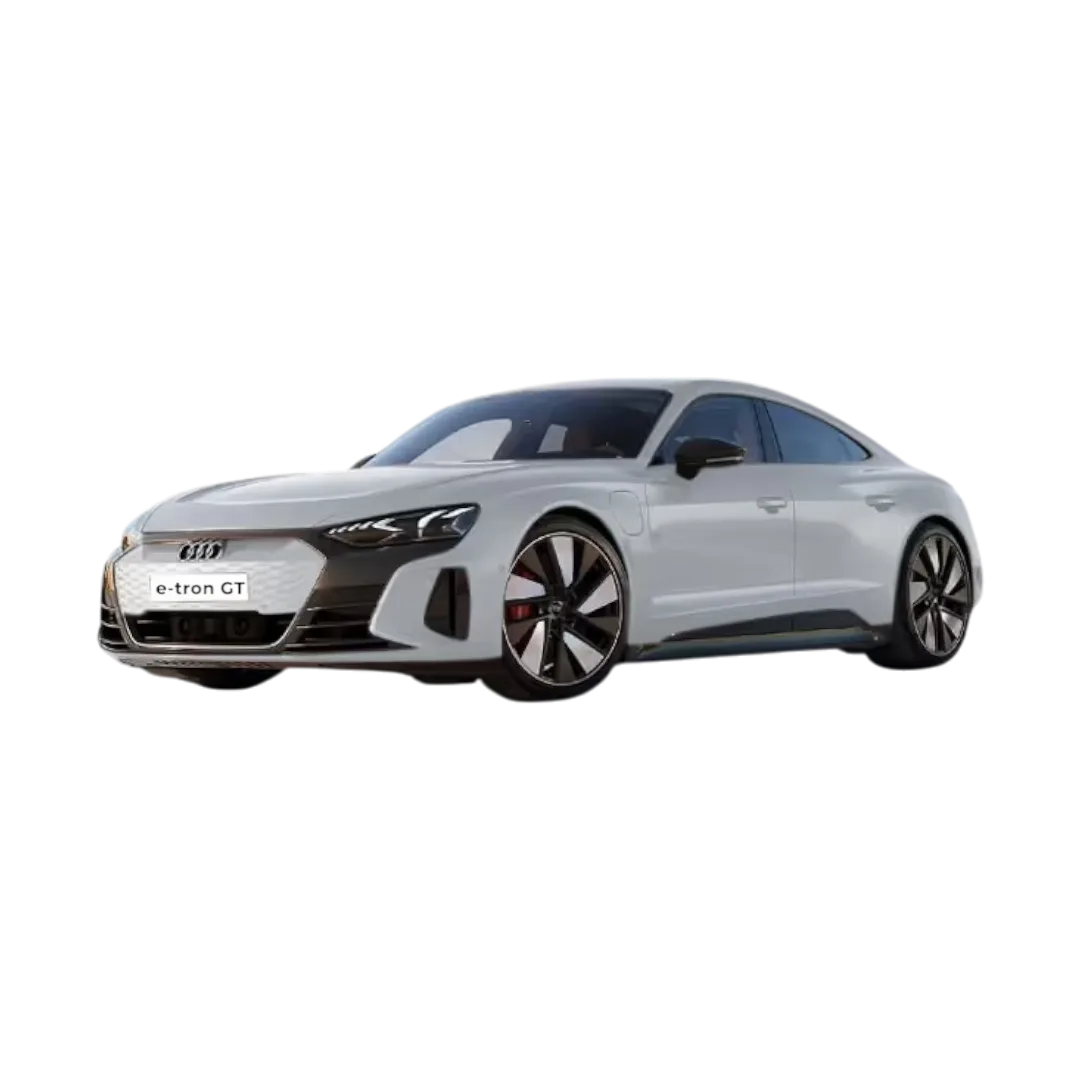 E-Tron GT
 Audi Q8
 E-Tron
 Q3 Sportback
 Audi S5 Sportback
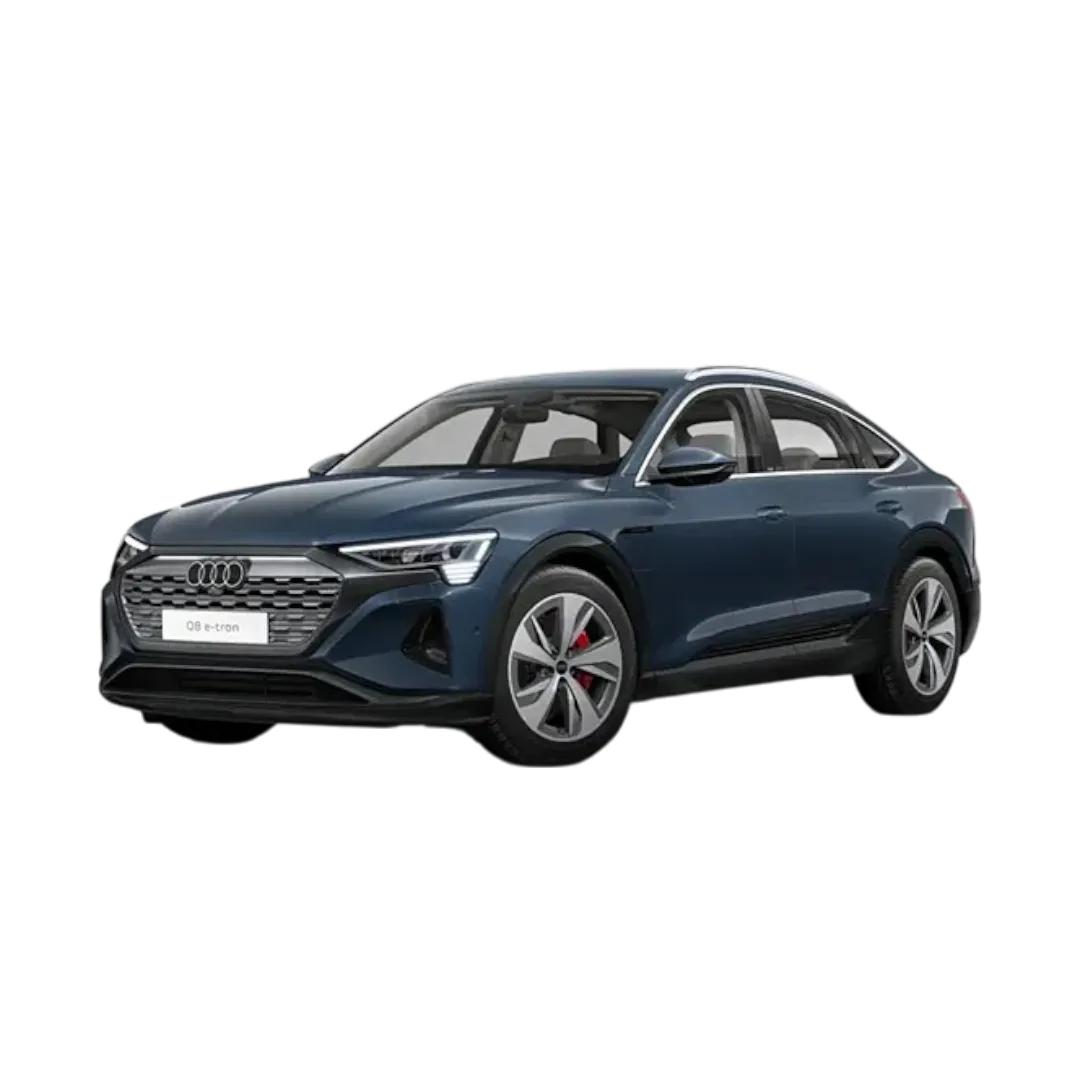 Q8 E-Tron
 Q8 E-Tron Sportback
 Audi A8L
 Audi RS Q8
 Audi A3
 BMW X7
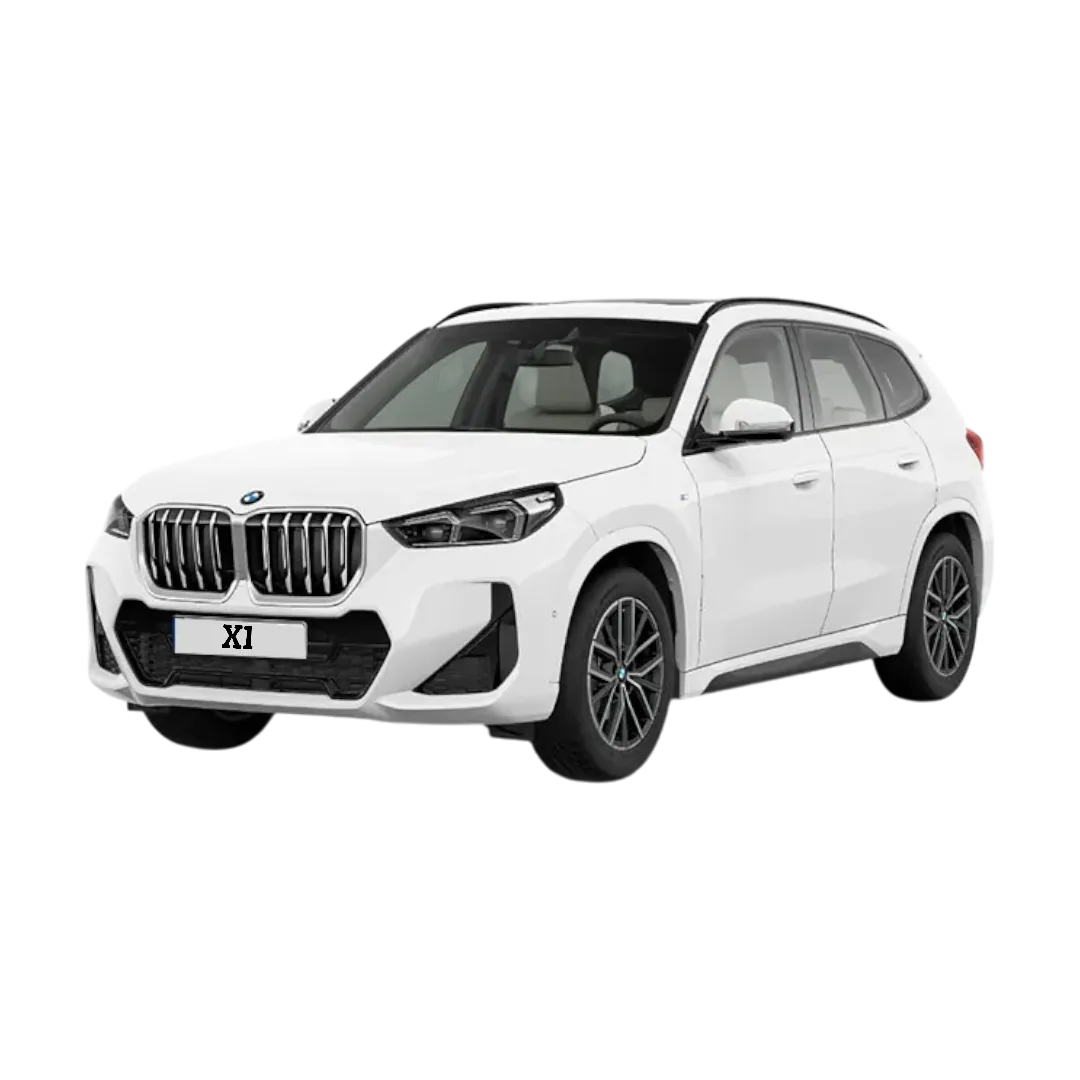 BMW X1
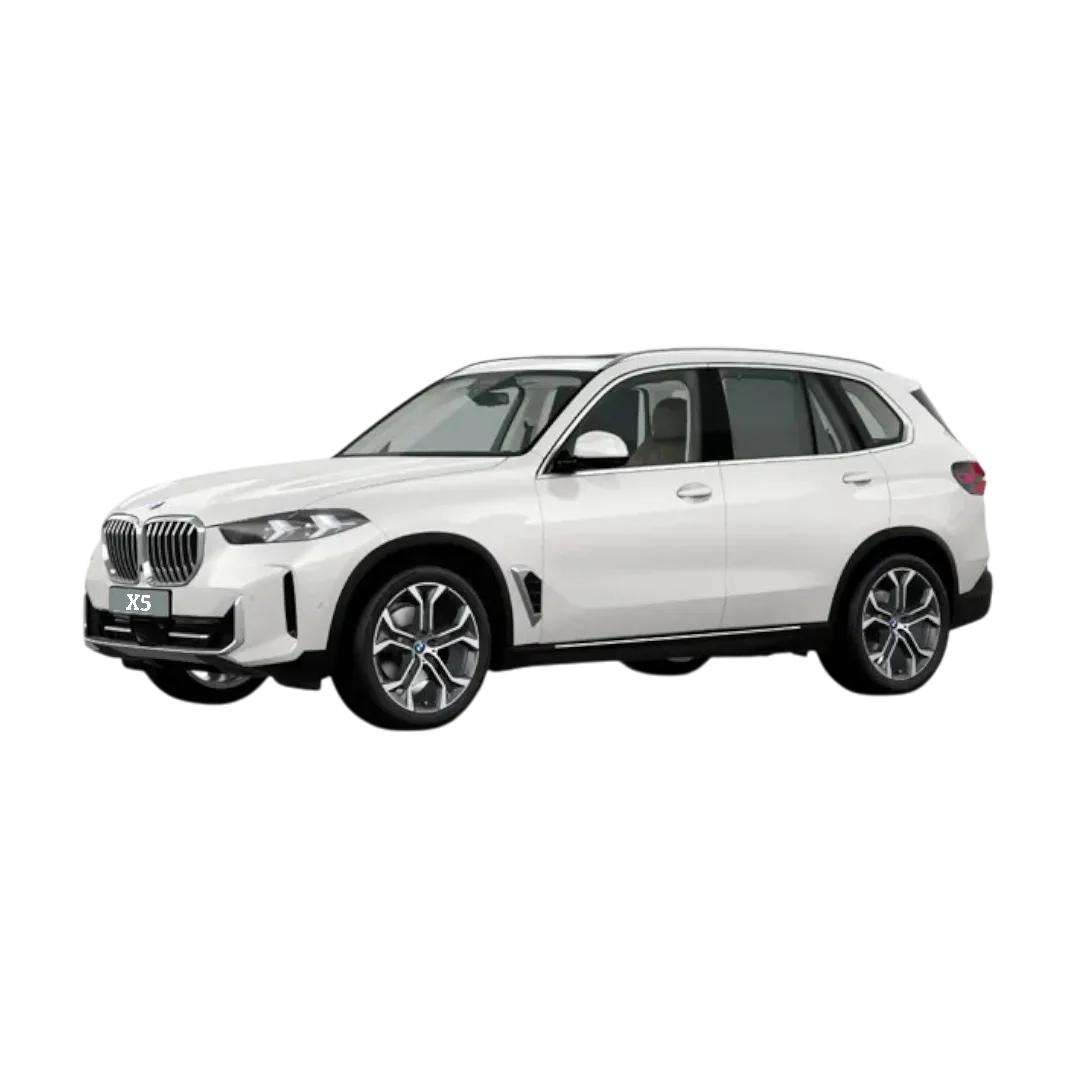 BMW X5
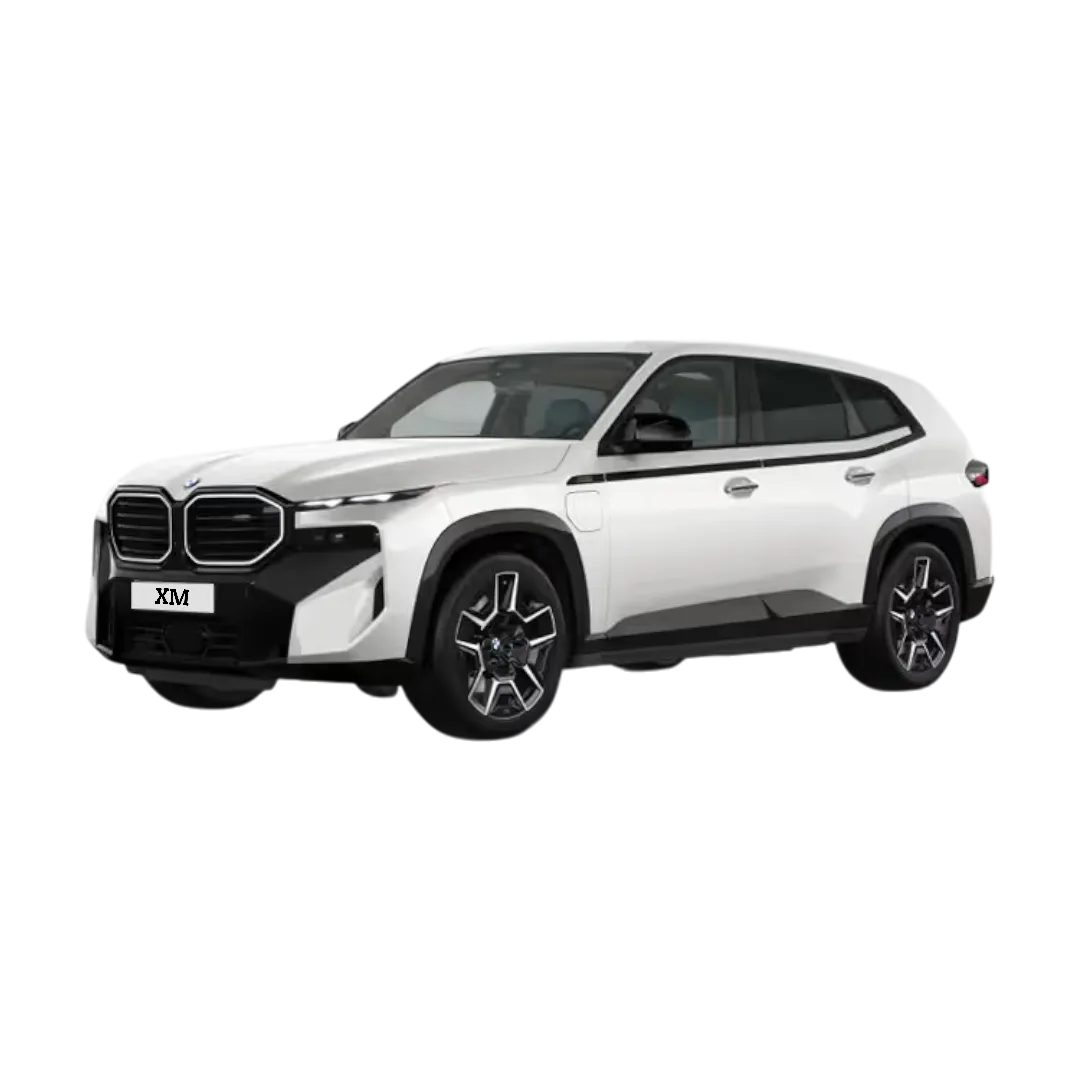 BMW XM
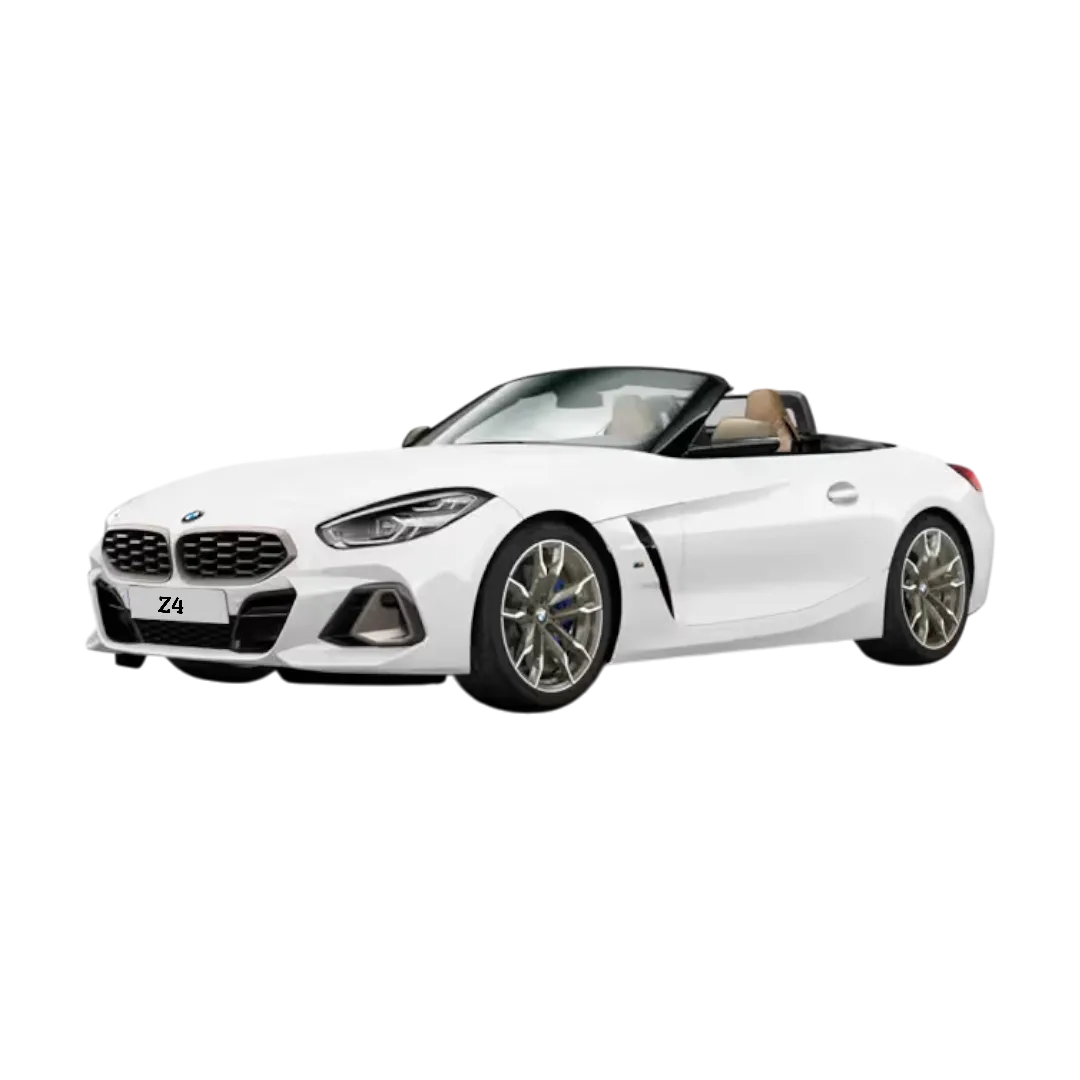 BMW Z4
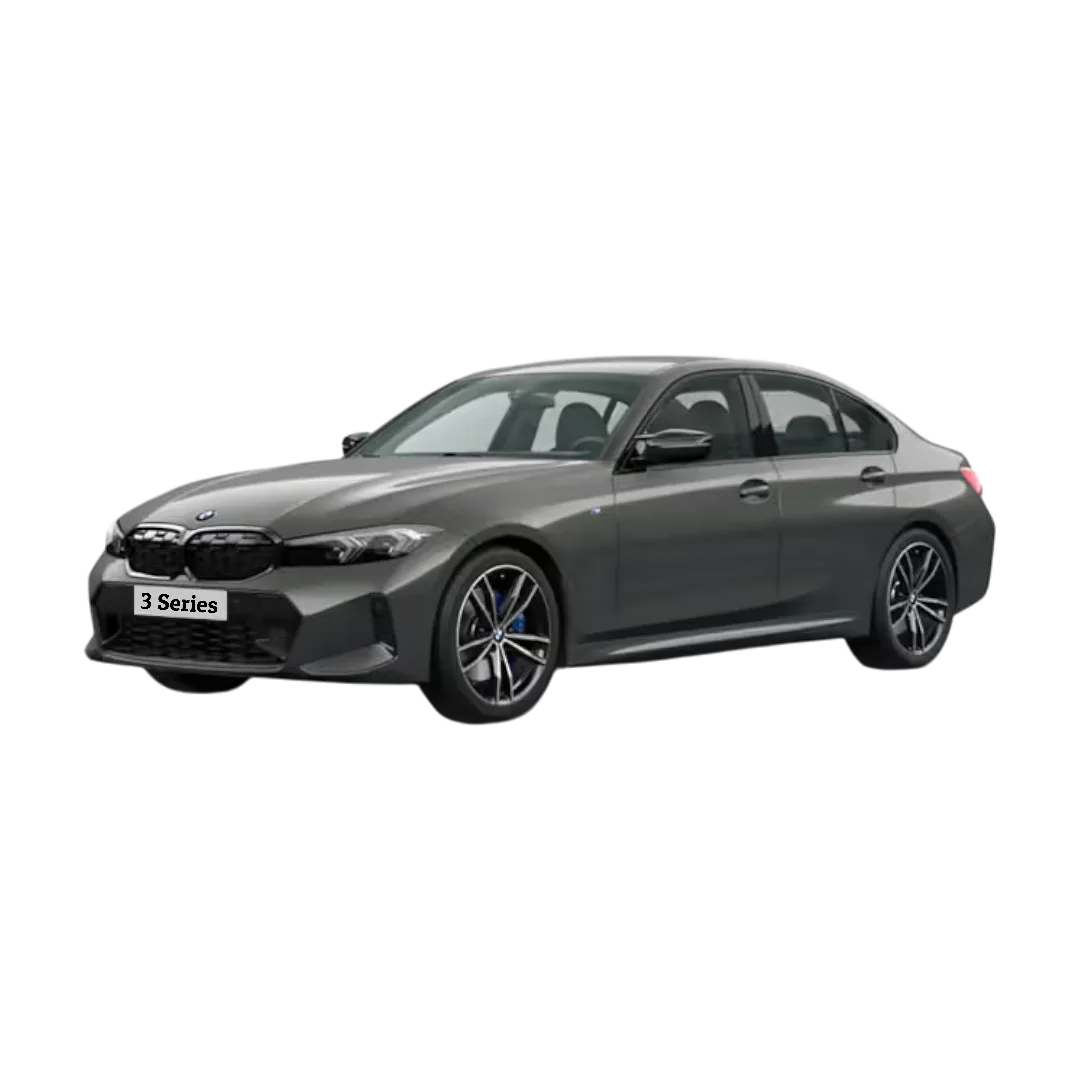 3 Series
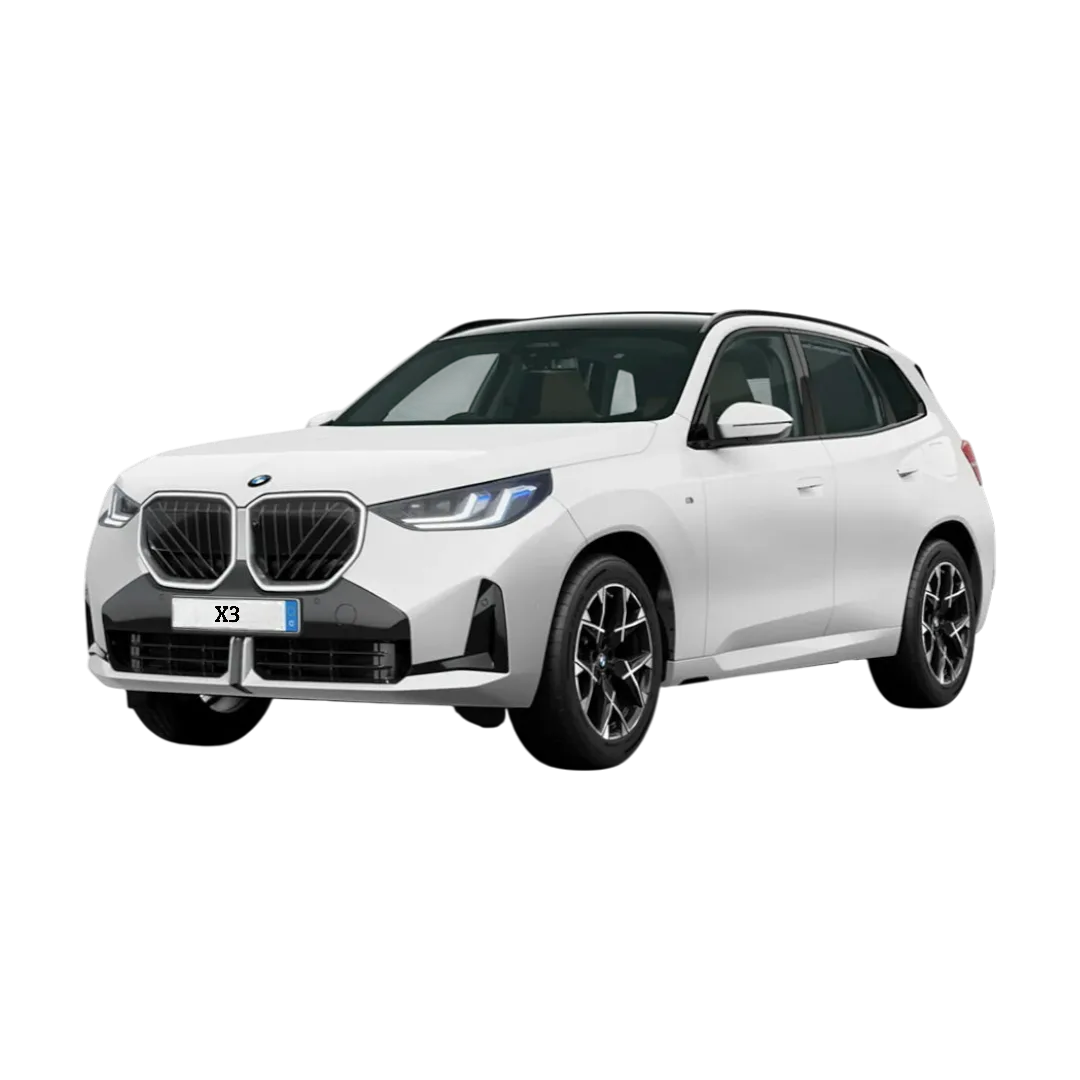 BMW X3
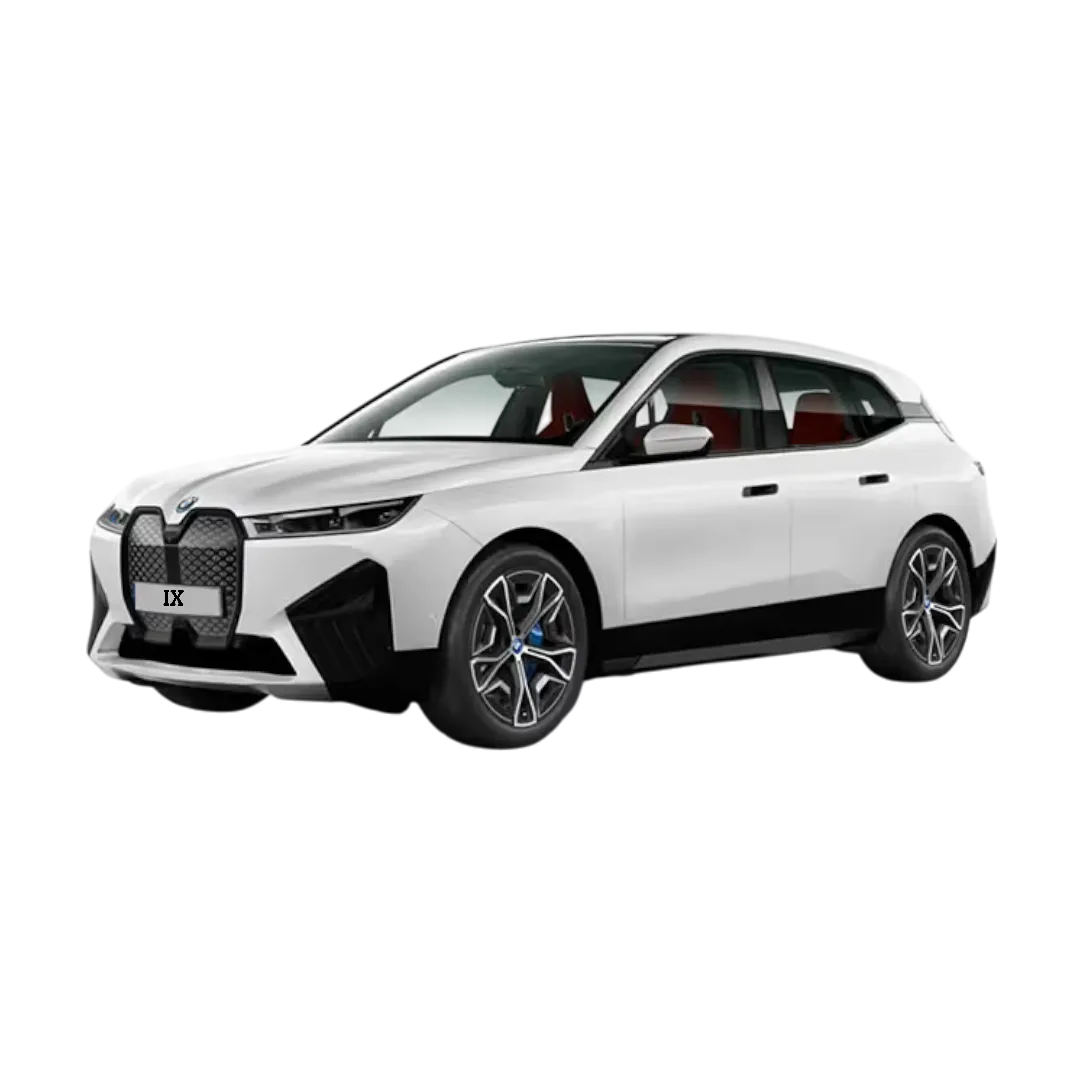 BMW iX
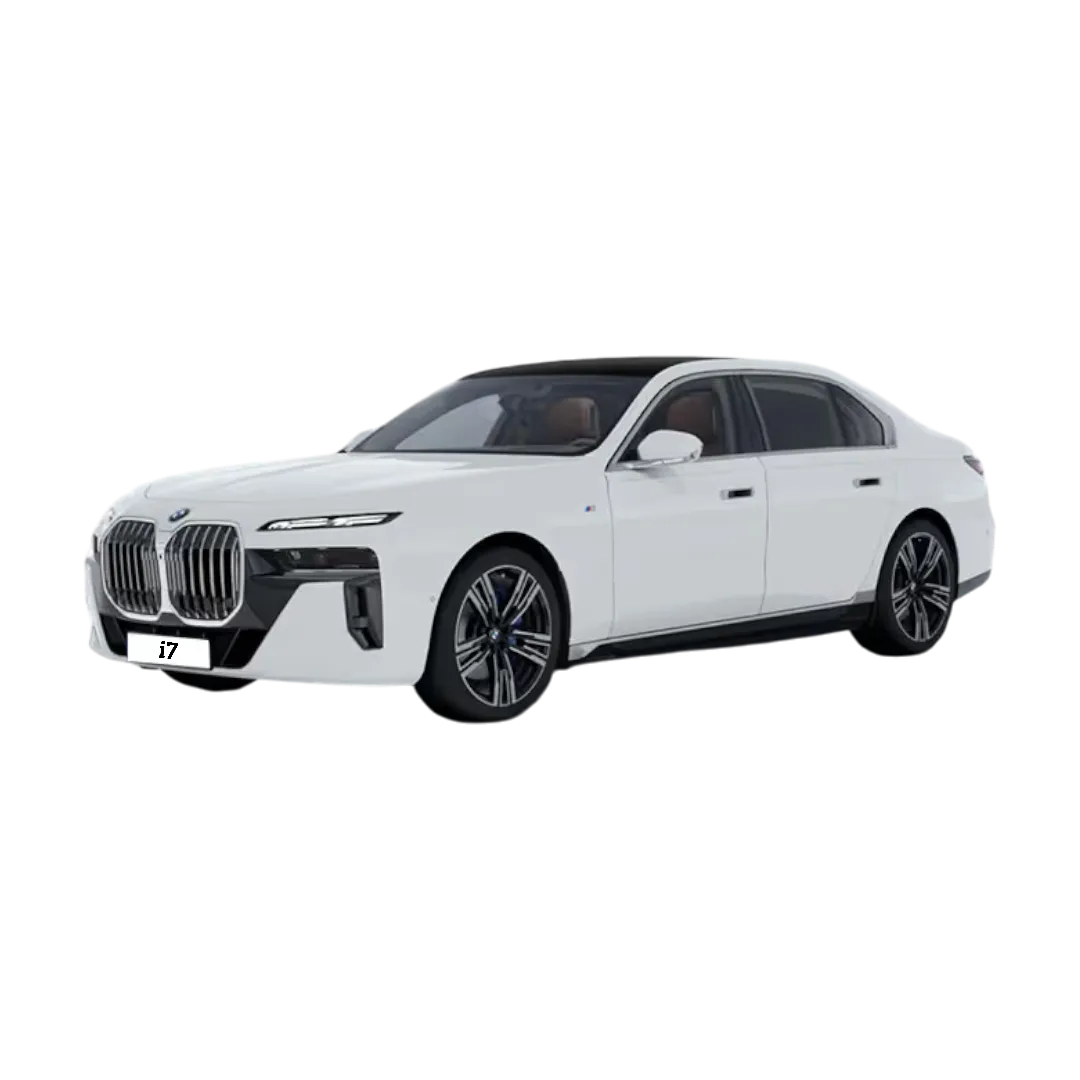 BMW i7
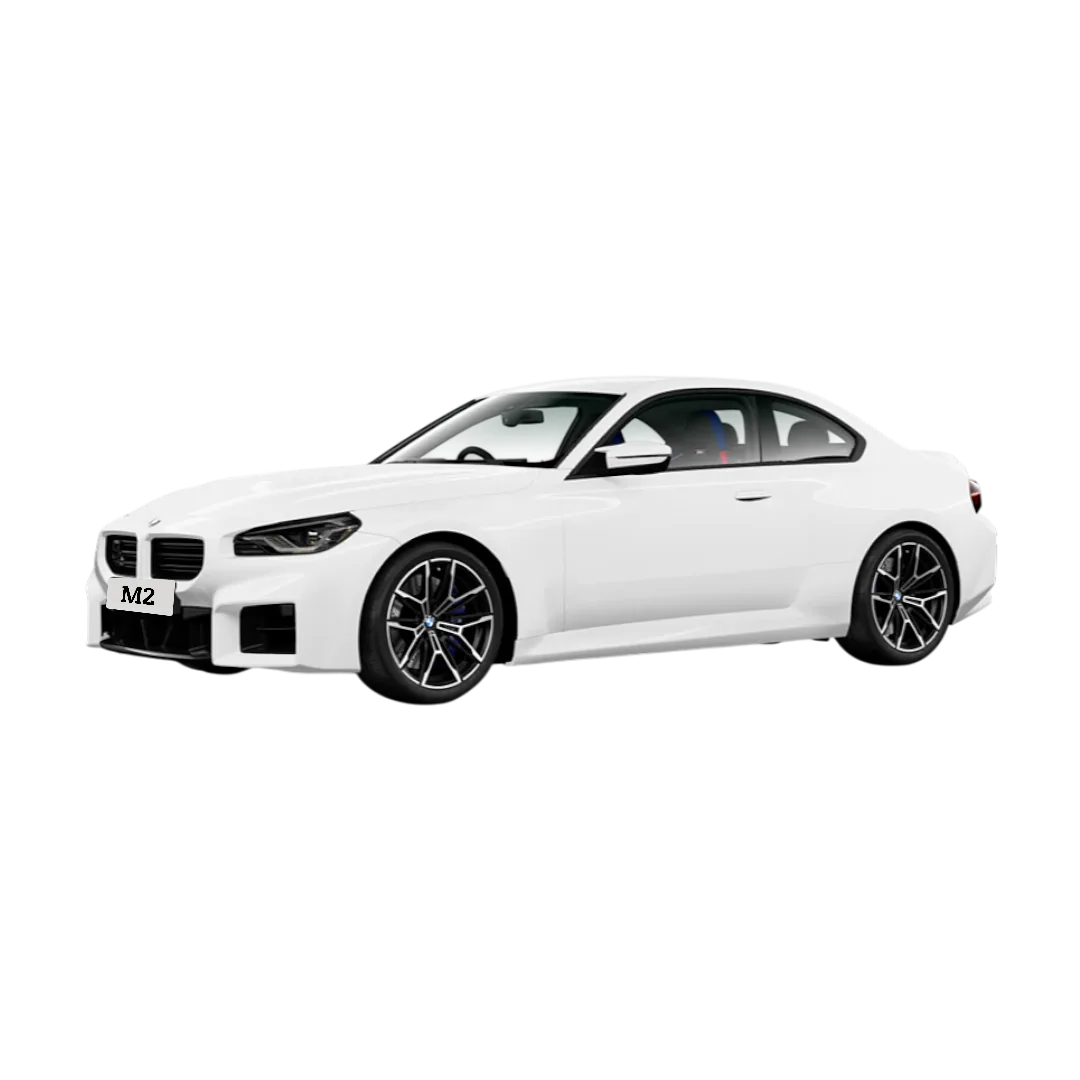 BMW M2
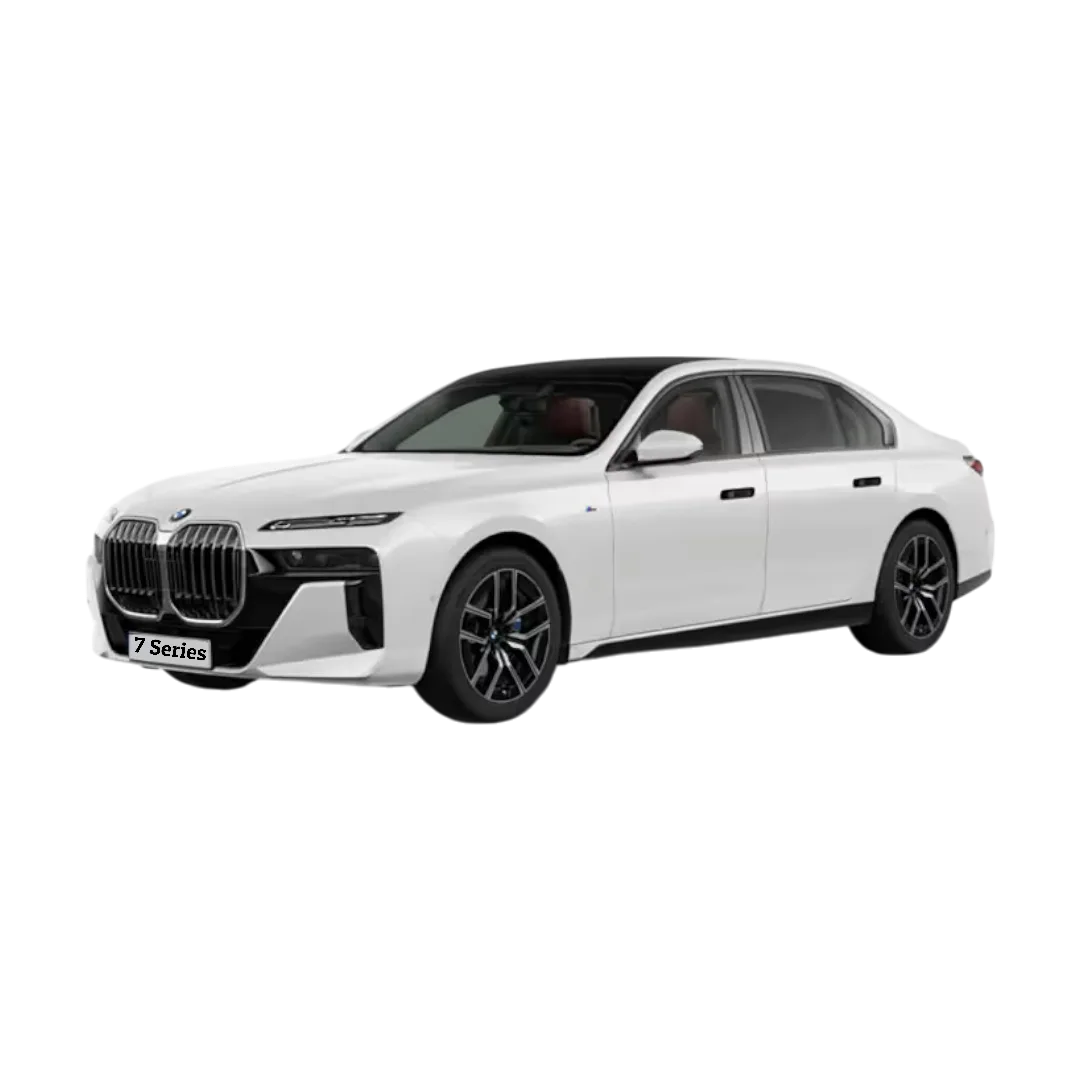 7 Series
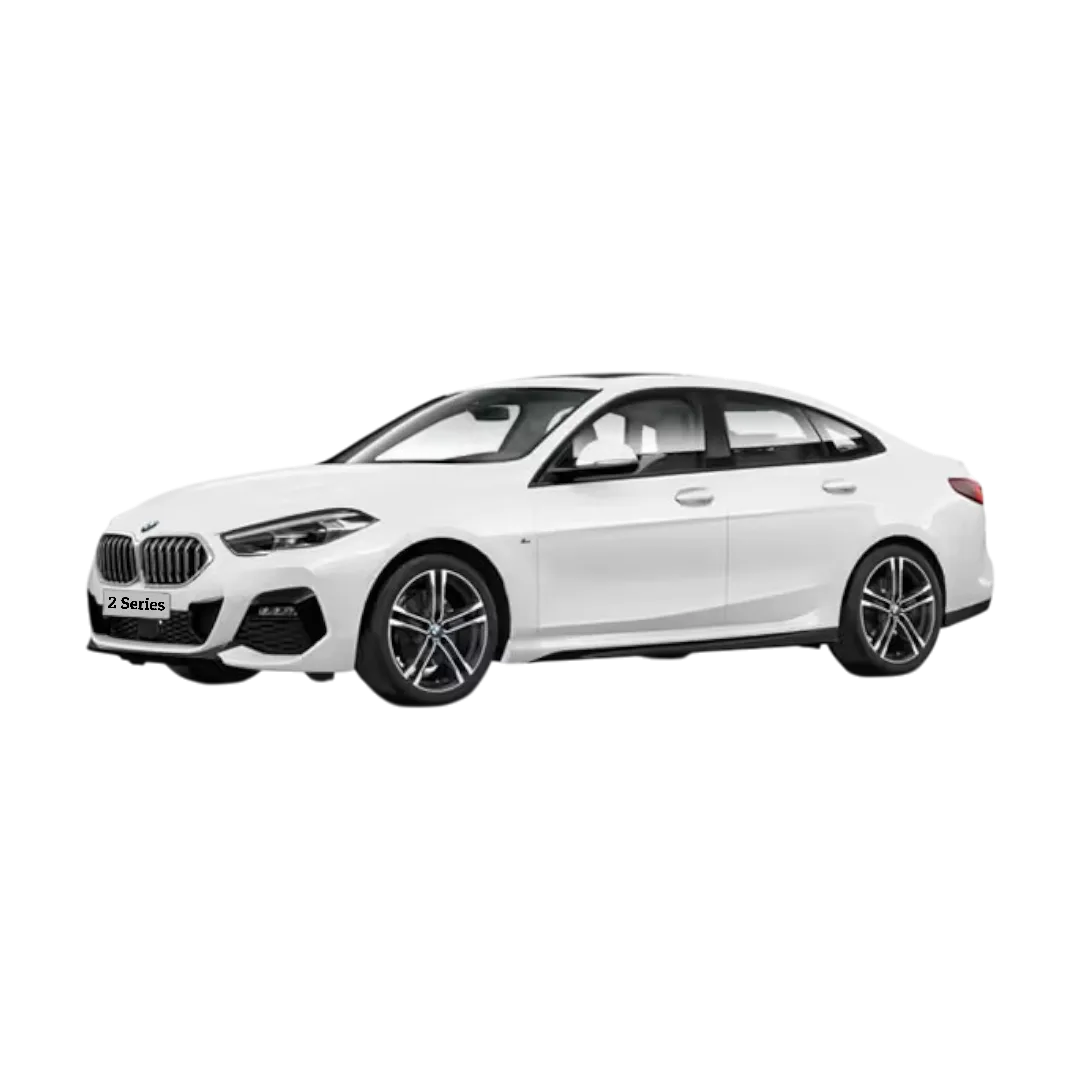 2 Series
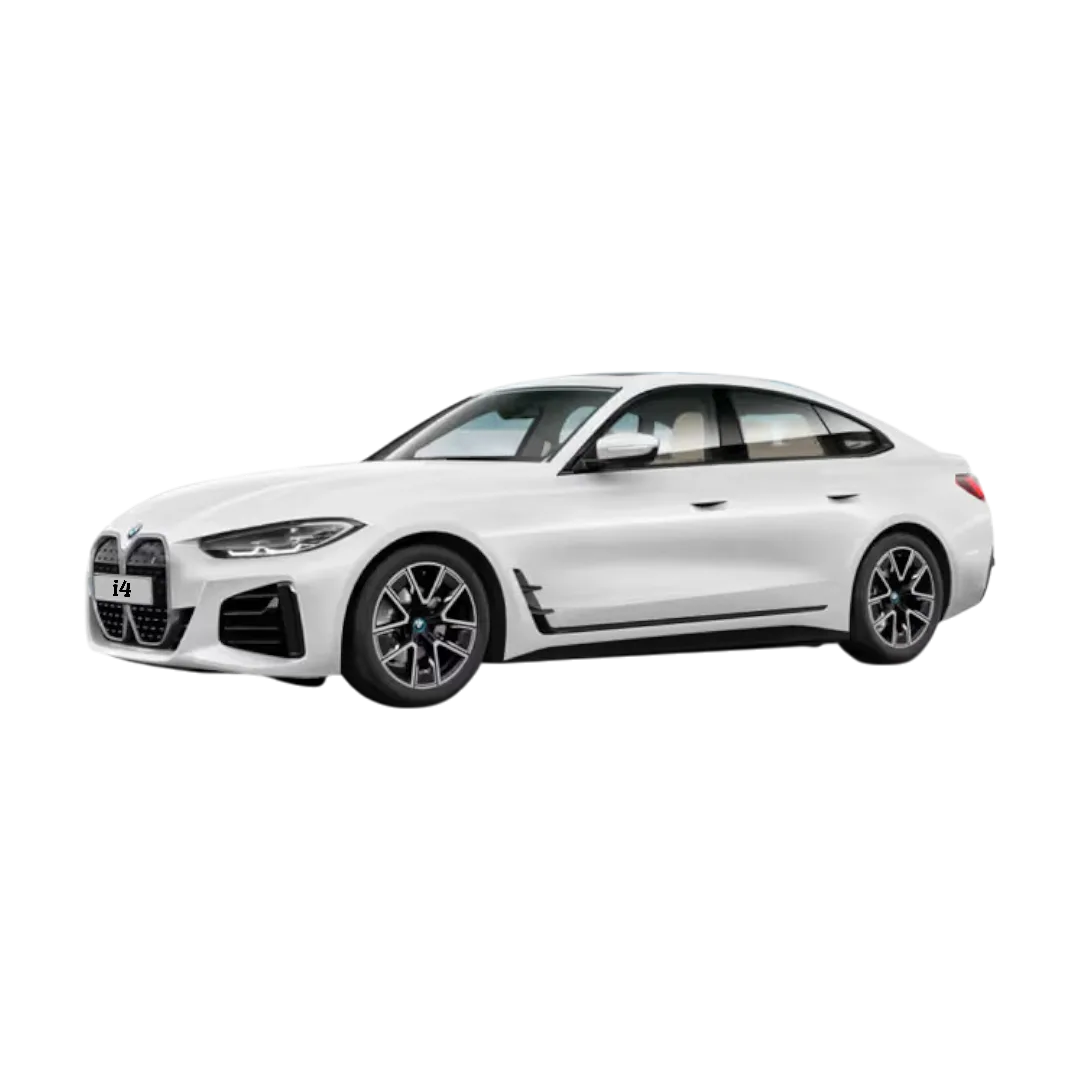 BMW i4
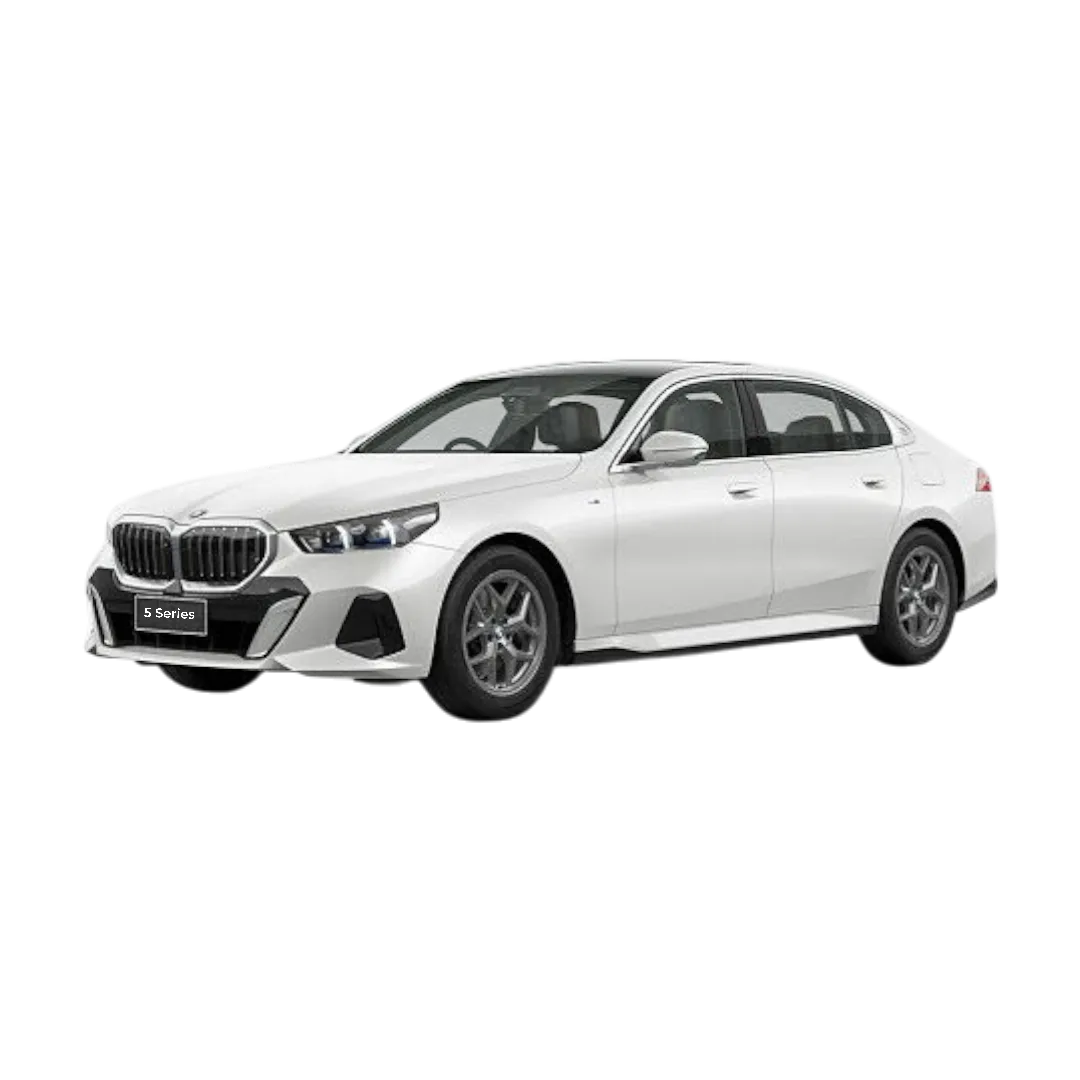 5 Series
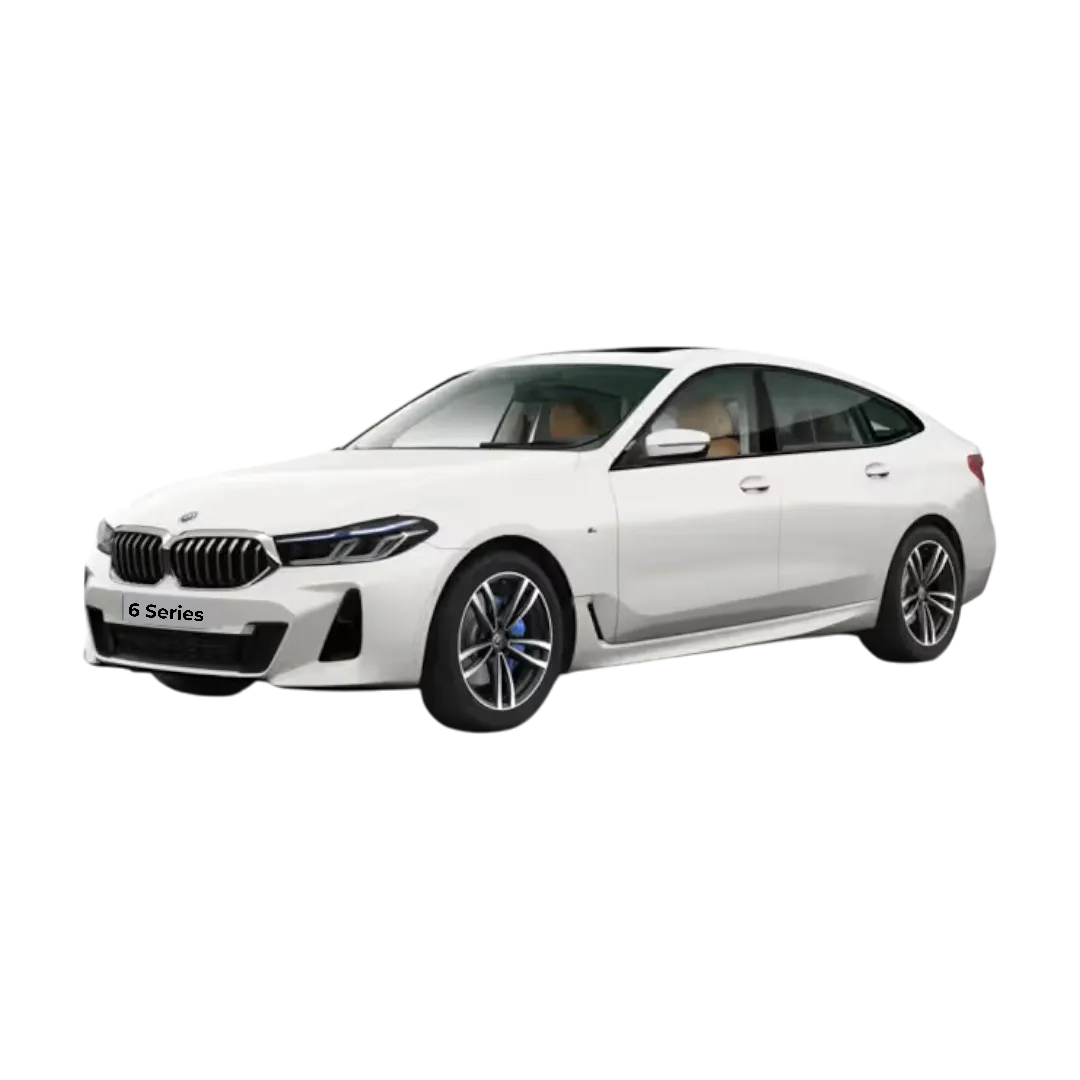 6 Series
 BMW ix1
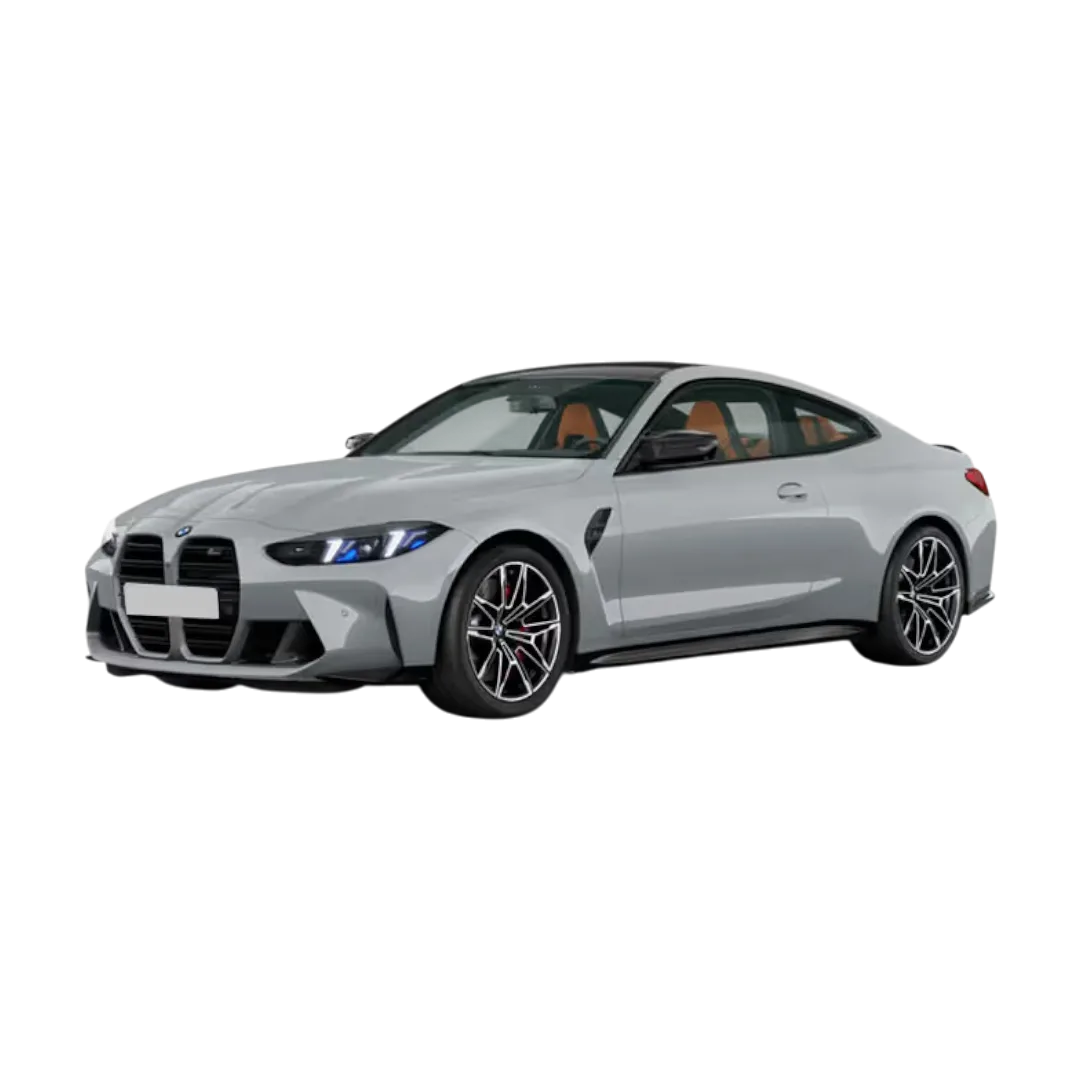 M4 Competition
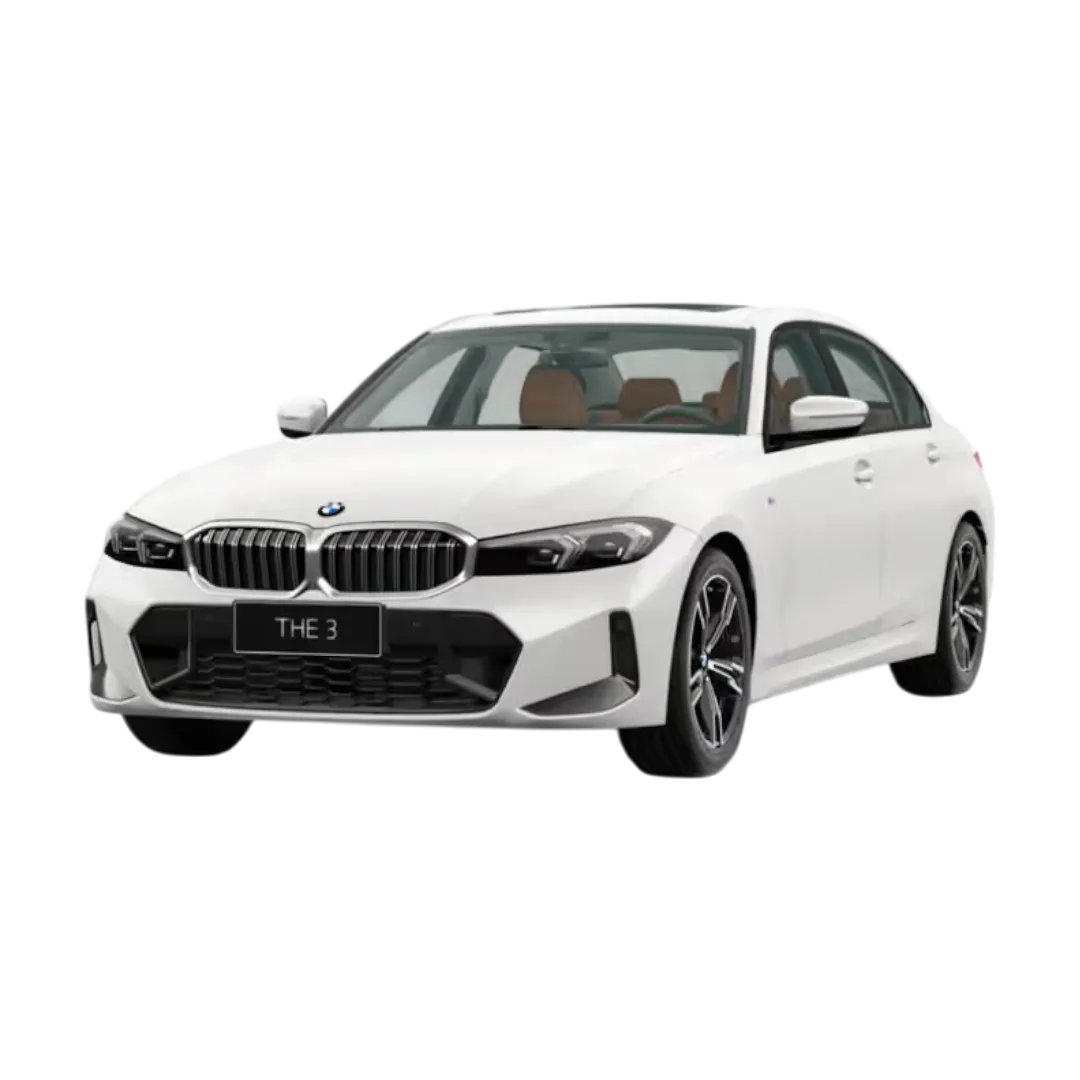 3 Series Gran Limousine
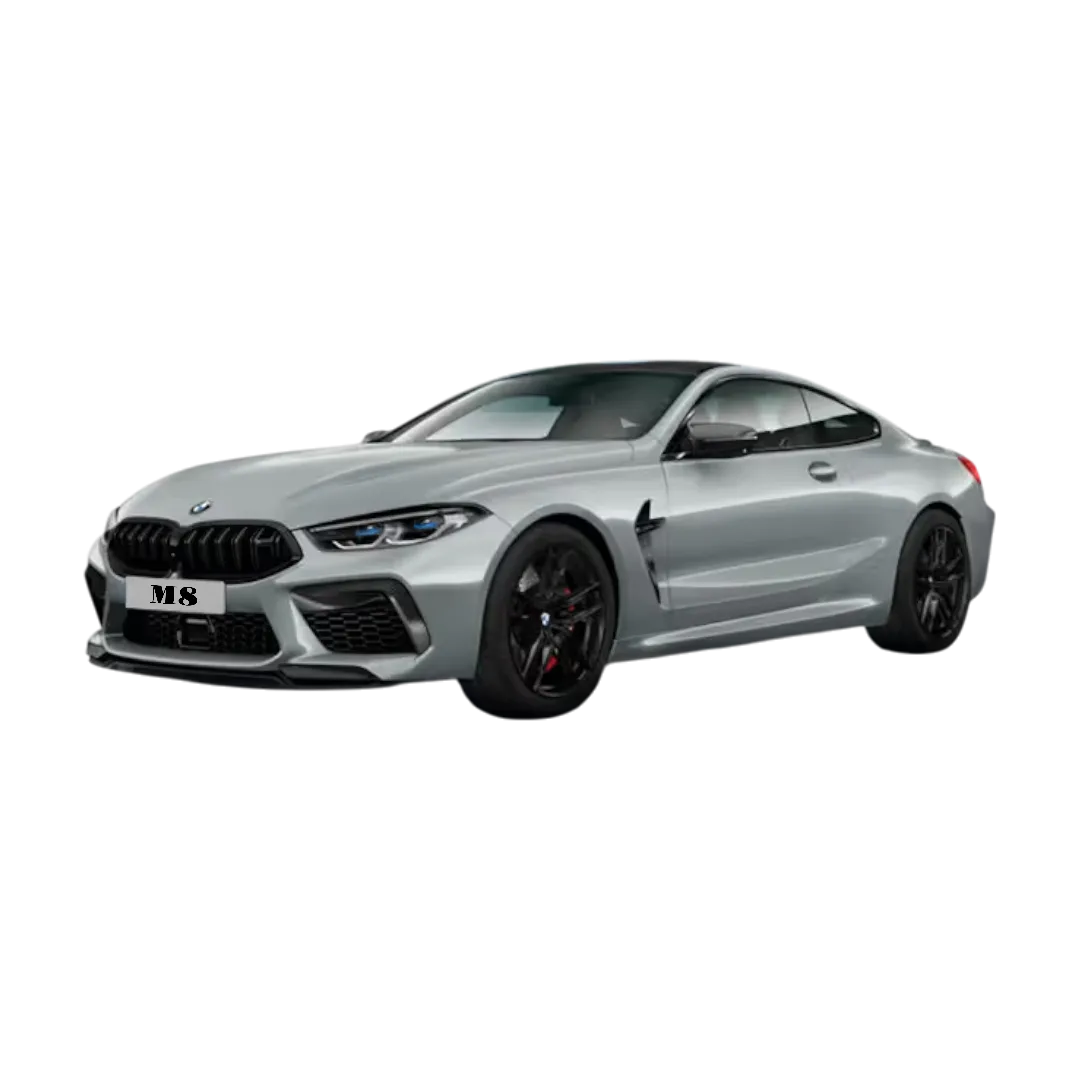 M8 Coupe
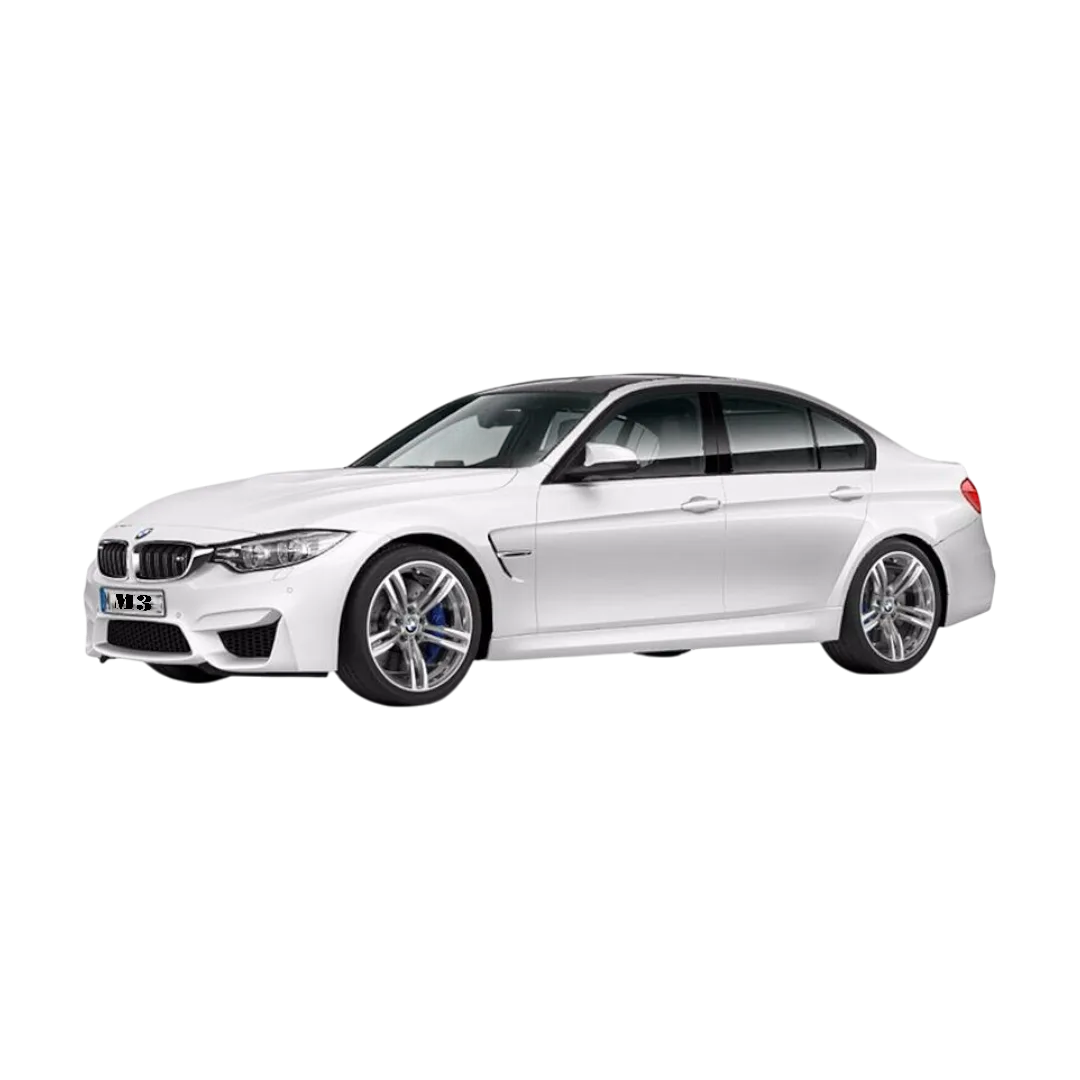 BMW M3
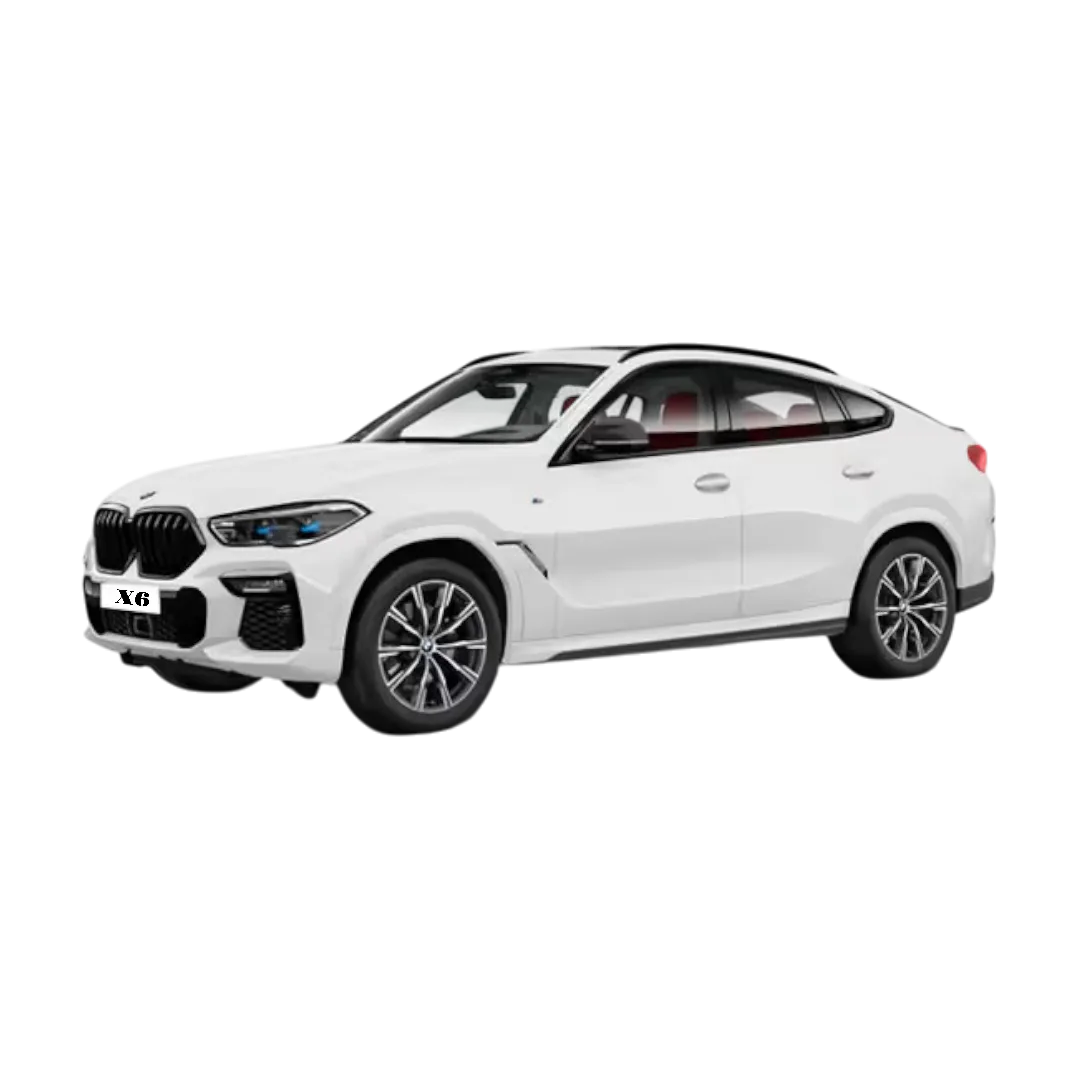 BMW X6
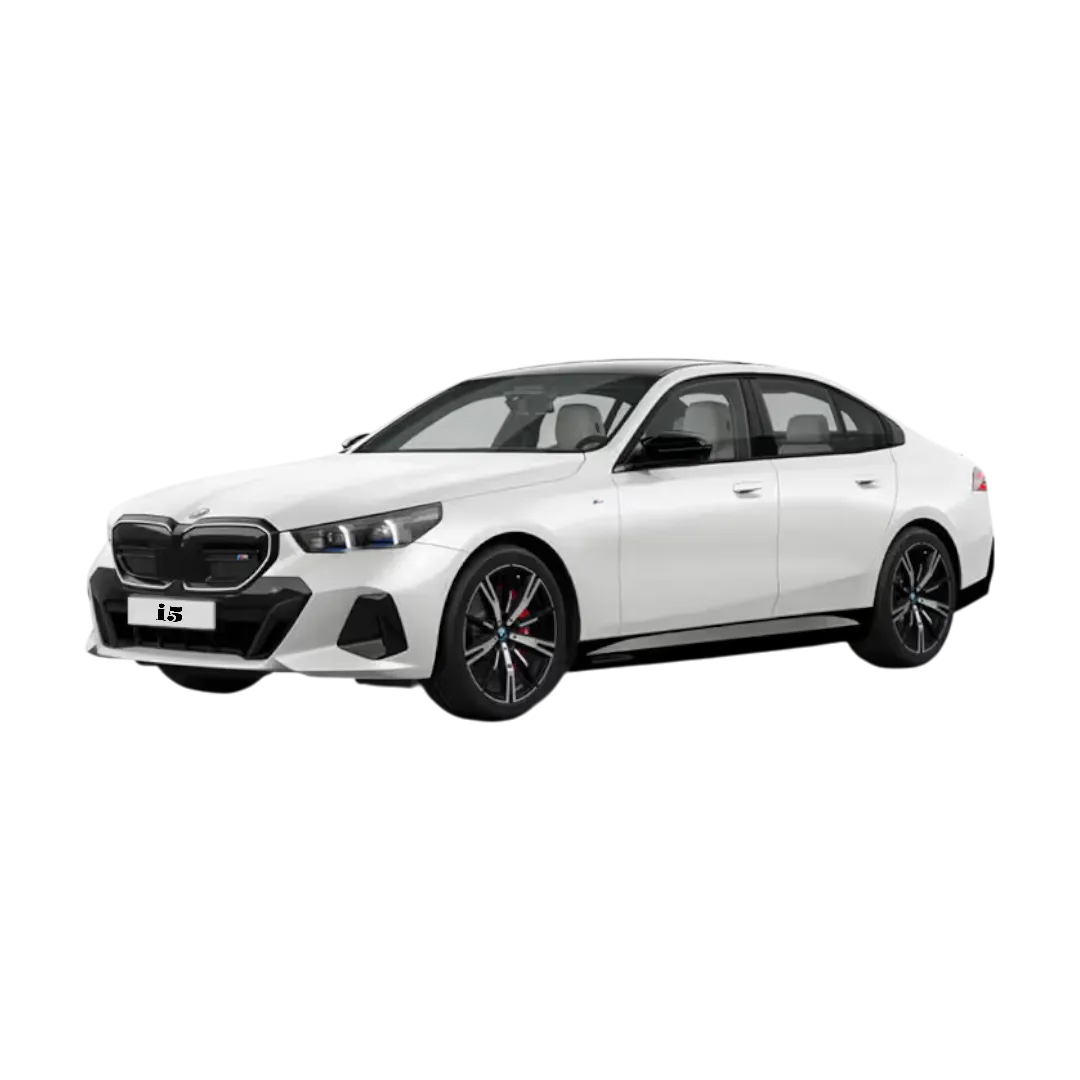 BMW i5
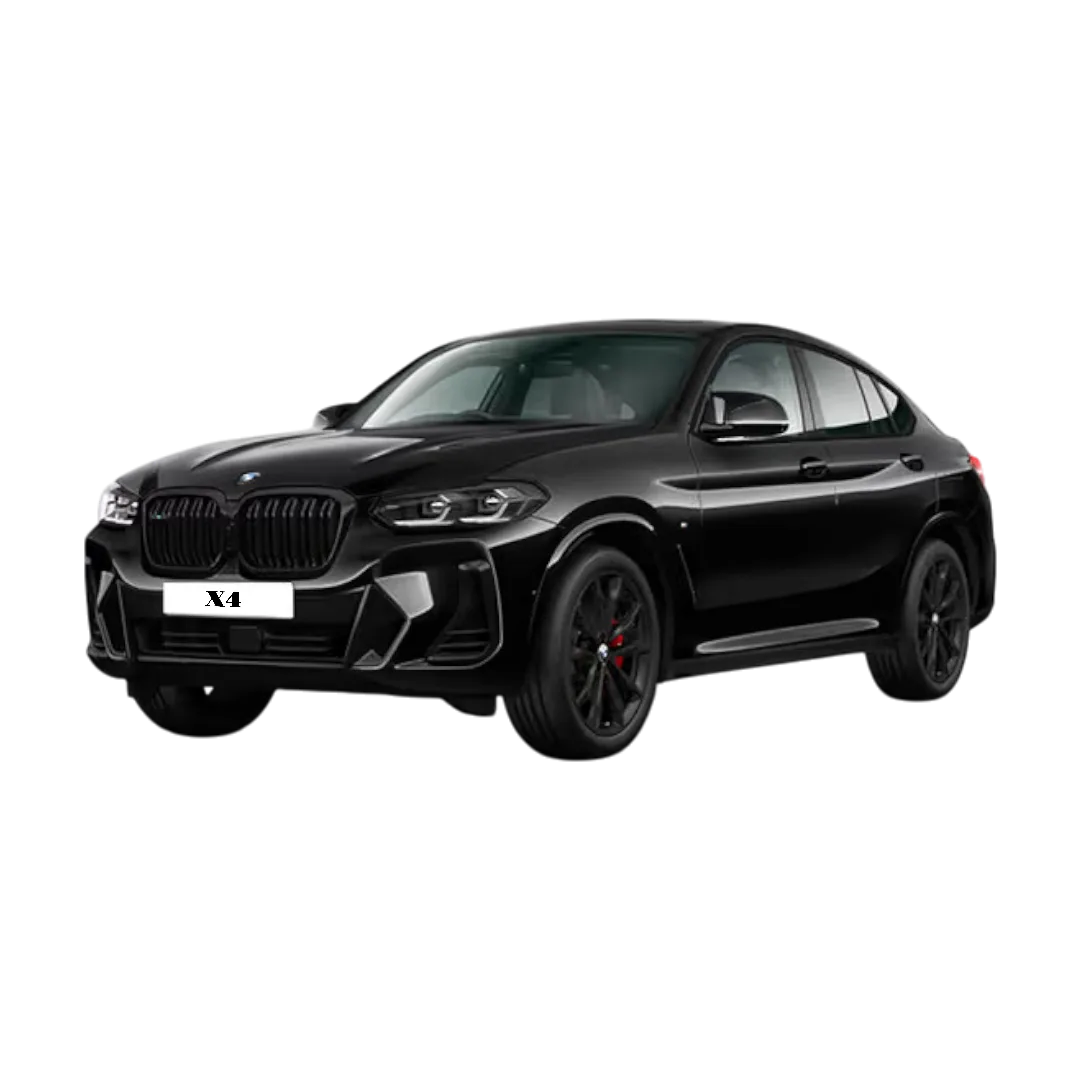 BMW X4
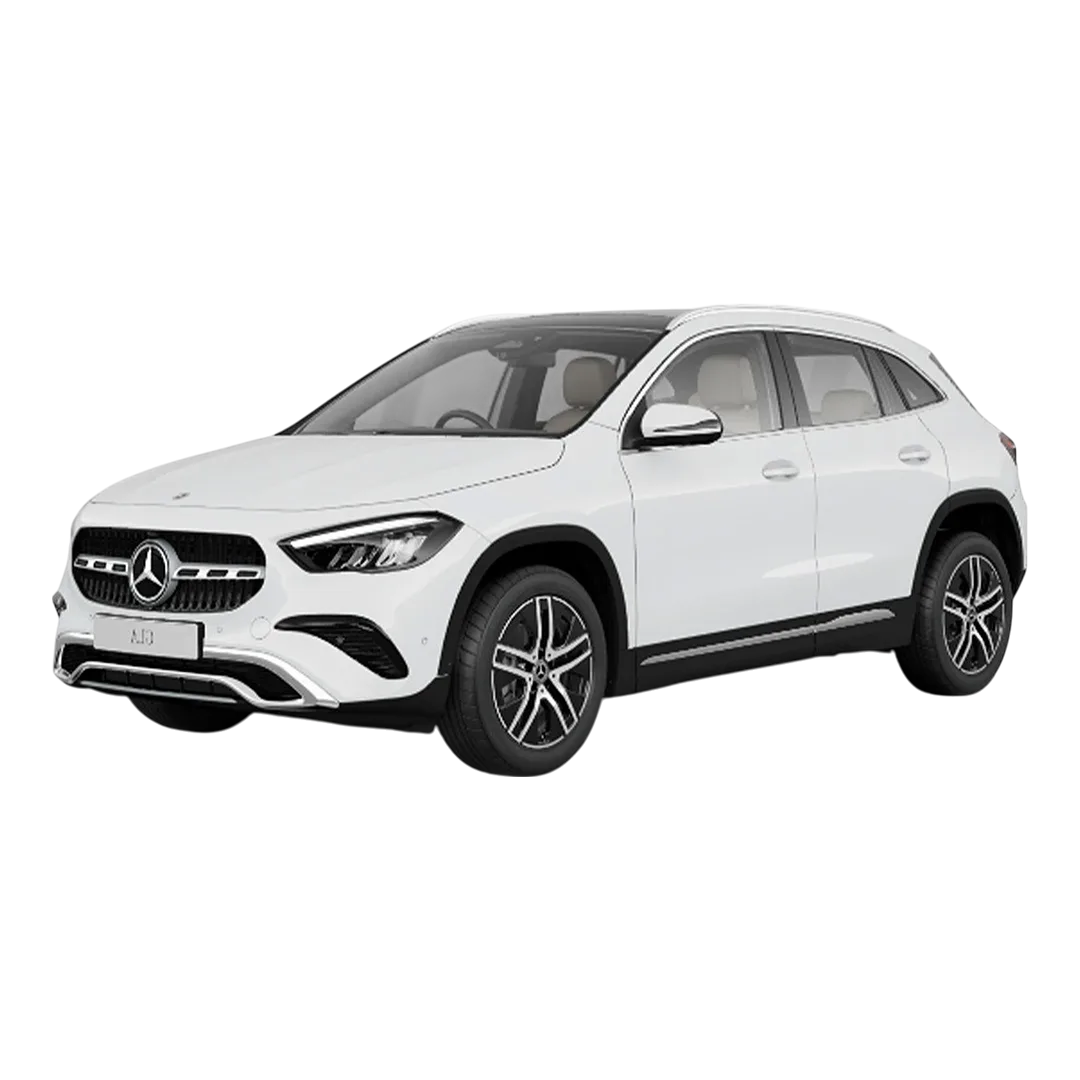 Mercedes Benz GLA
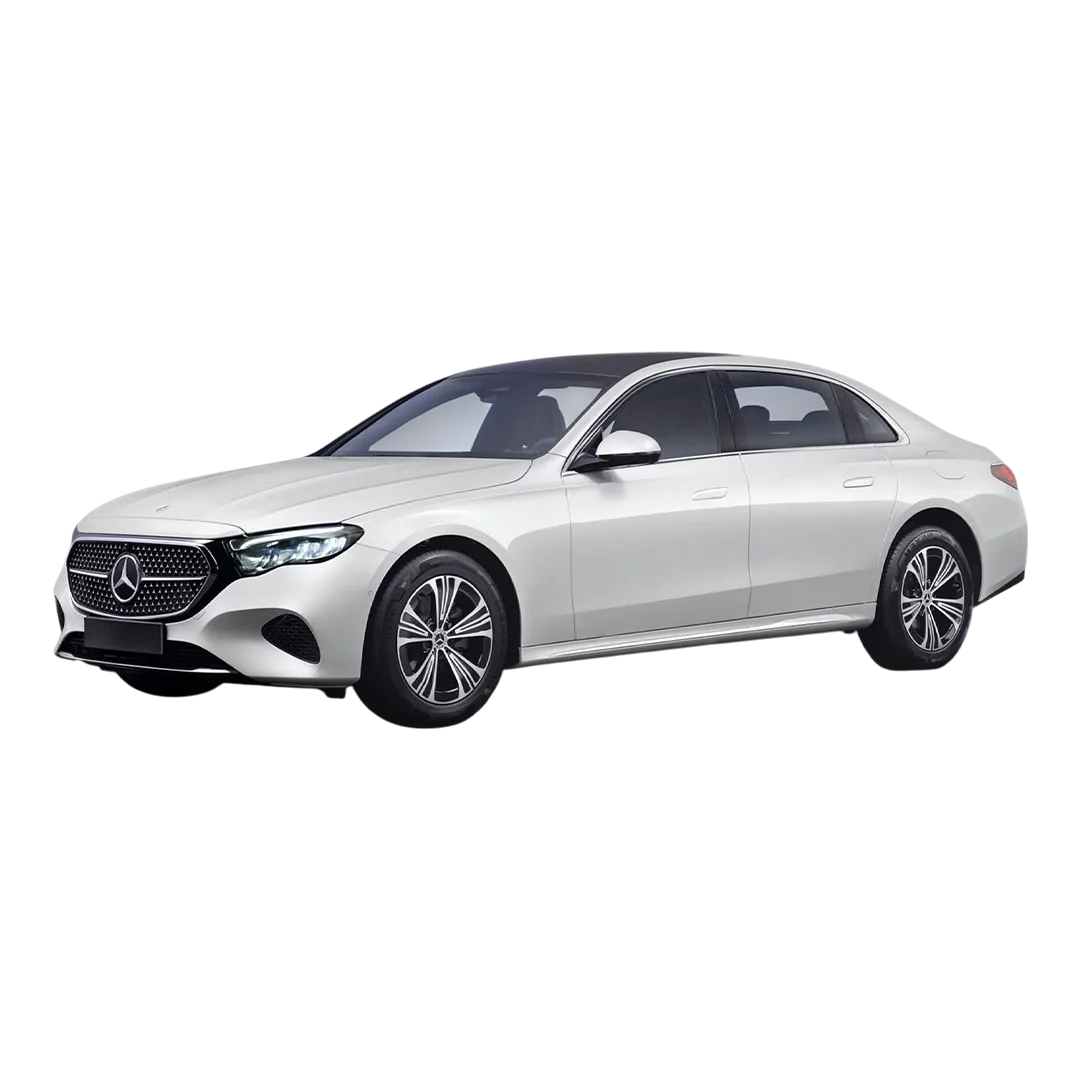 Mercedes E-Class
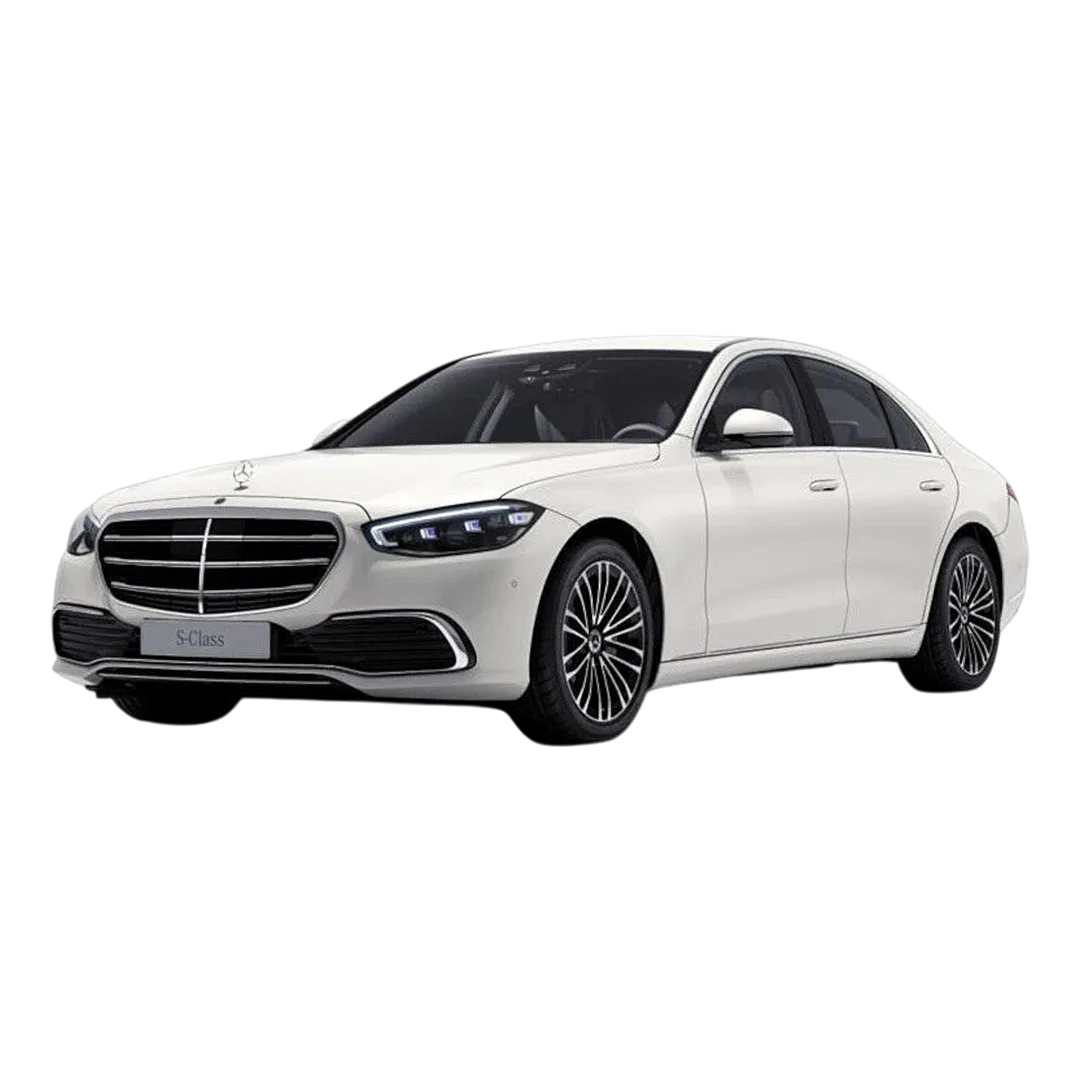 Mercedes S-Class
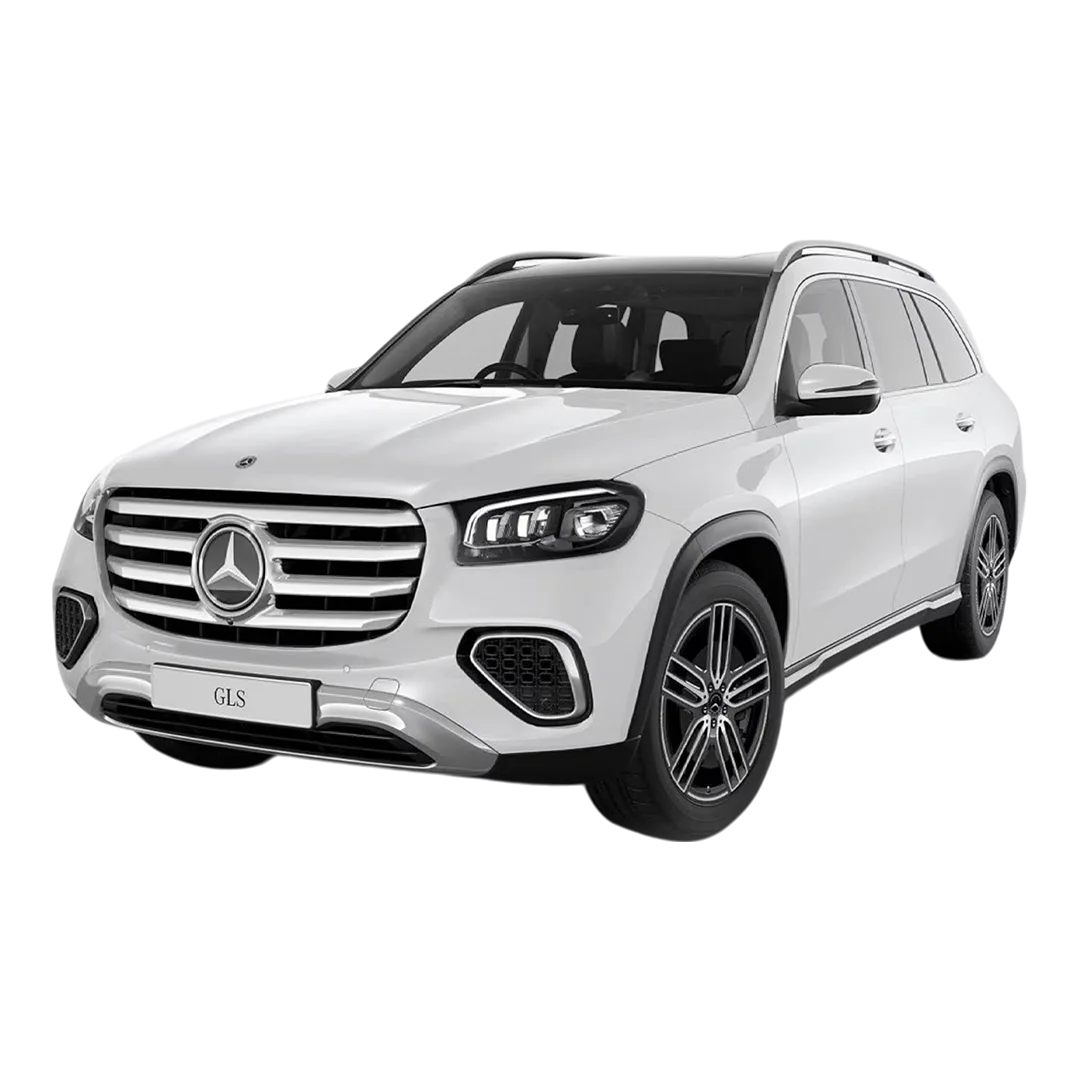 Mercedes Benz GLS
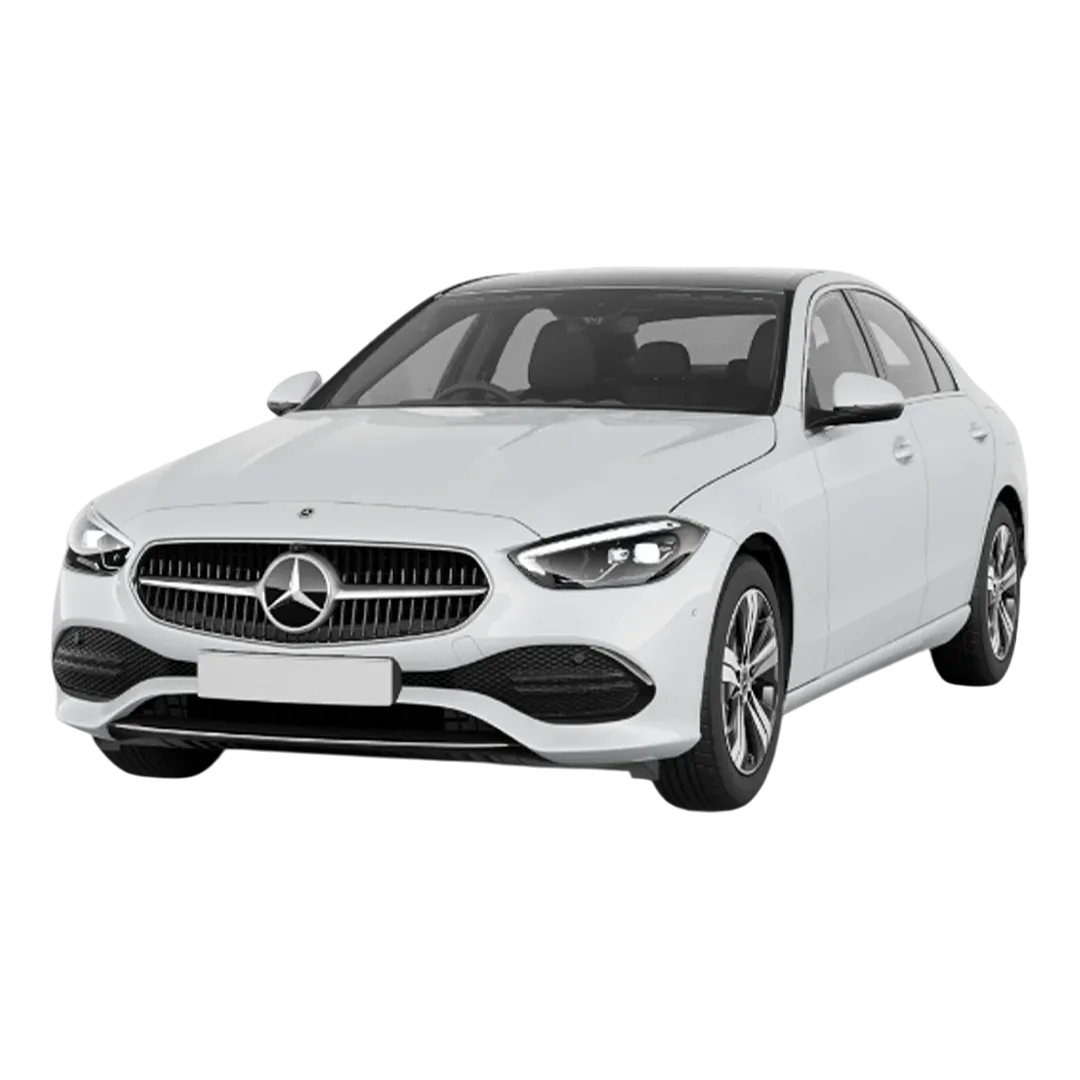 Mercedes Benz C-Class
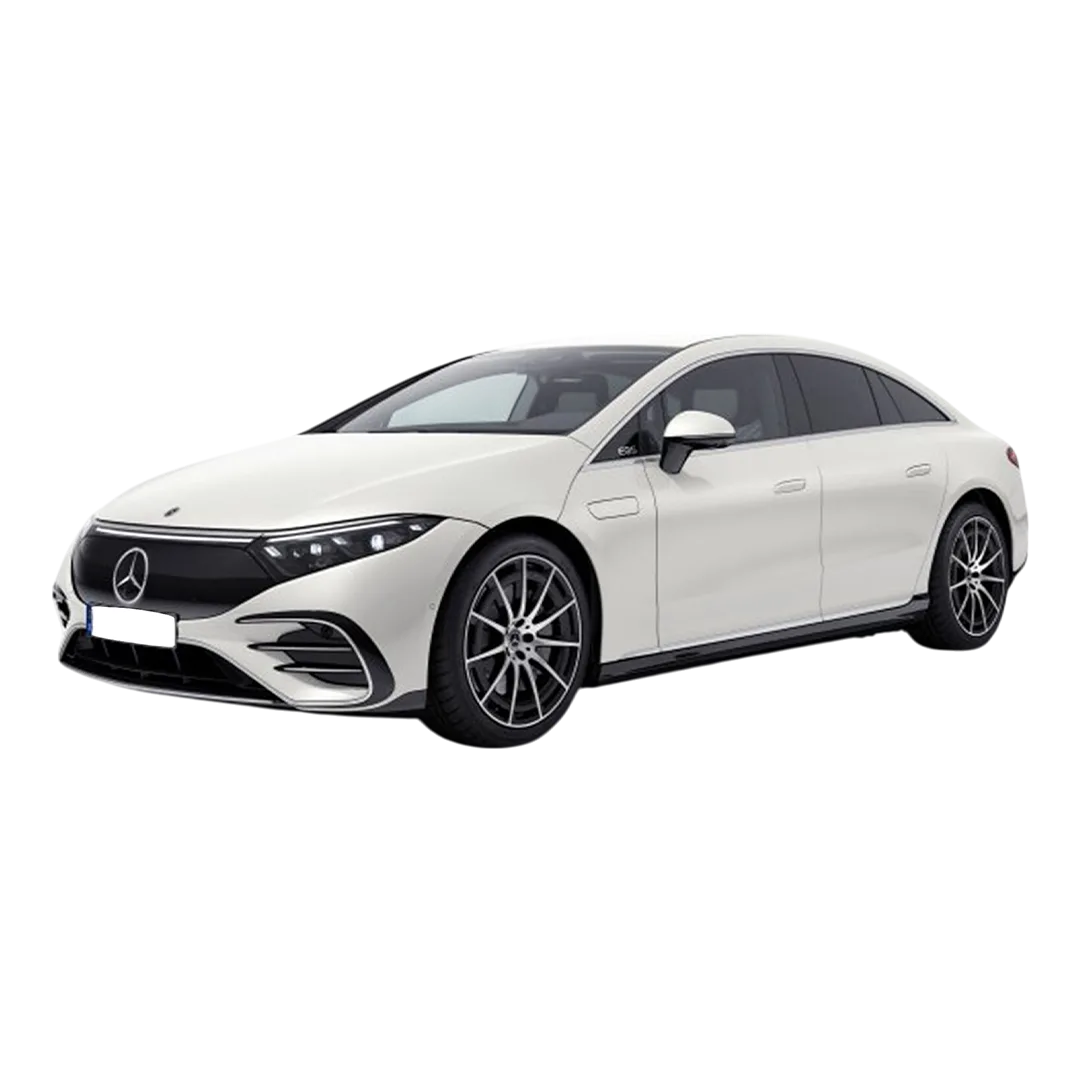 Mercedes Benz EQS
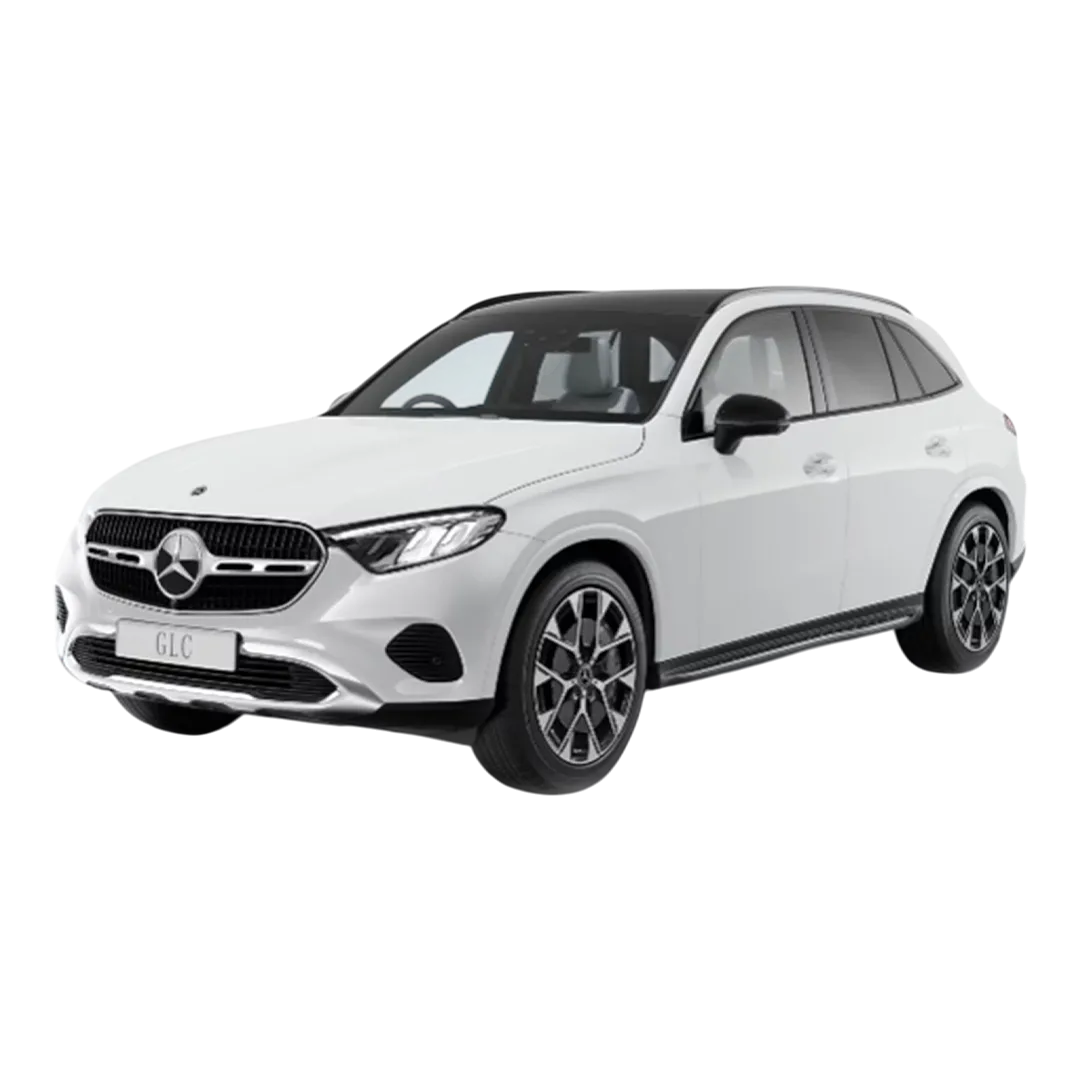 Mercedes Benz GLC
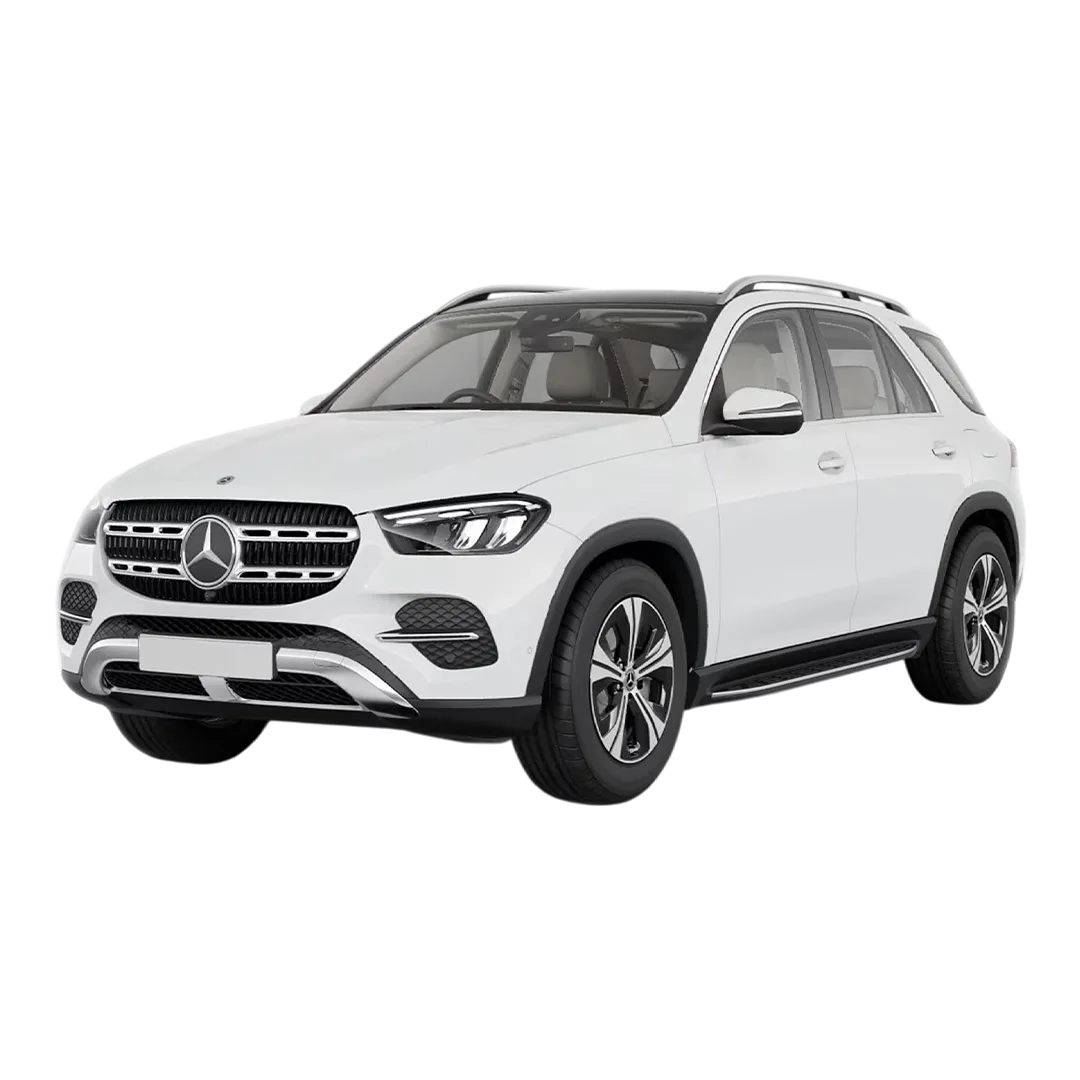 Mercedes Benz GLE
 Mercedes Benz G-Class
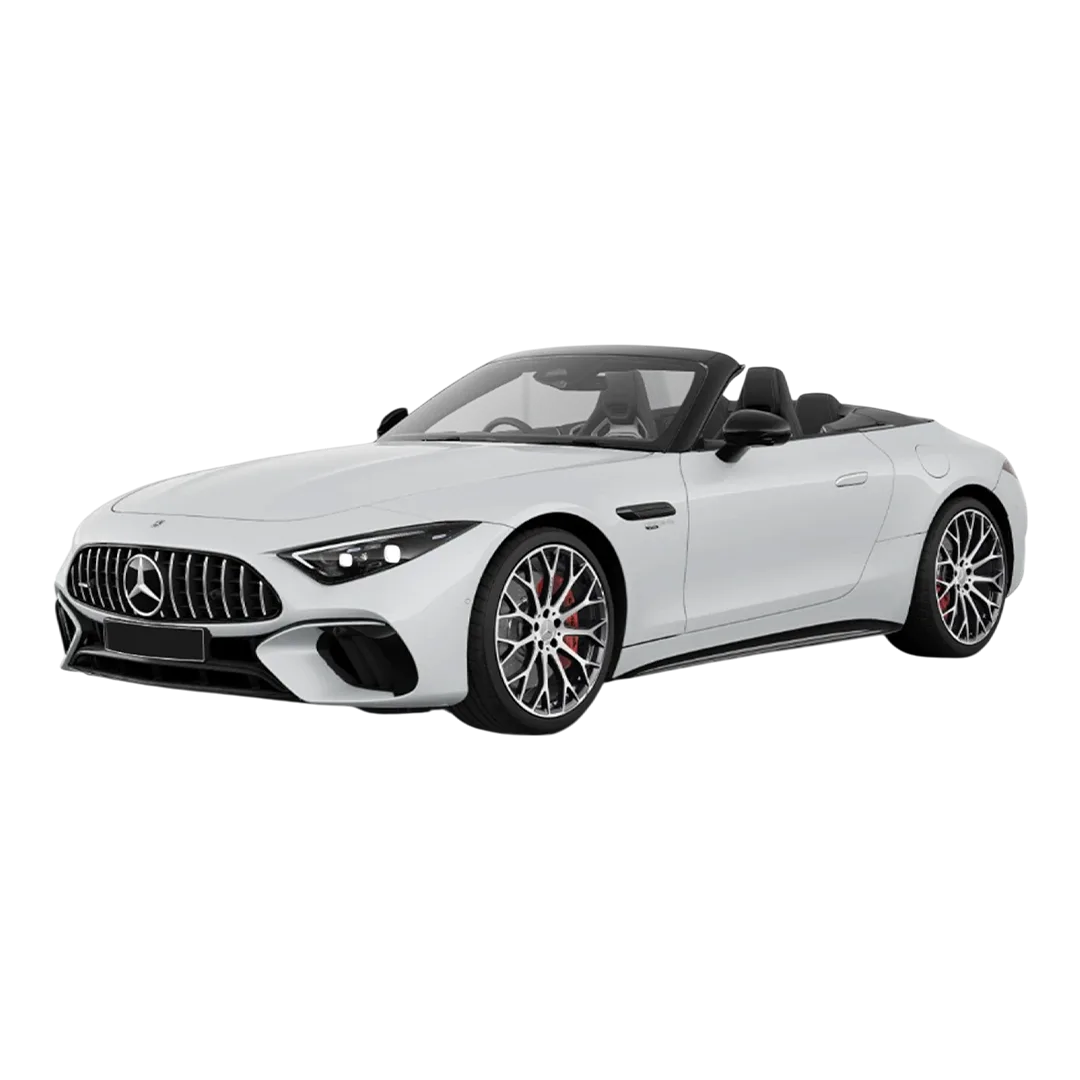 Mercedes Benz AMG SL
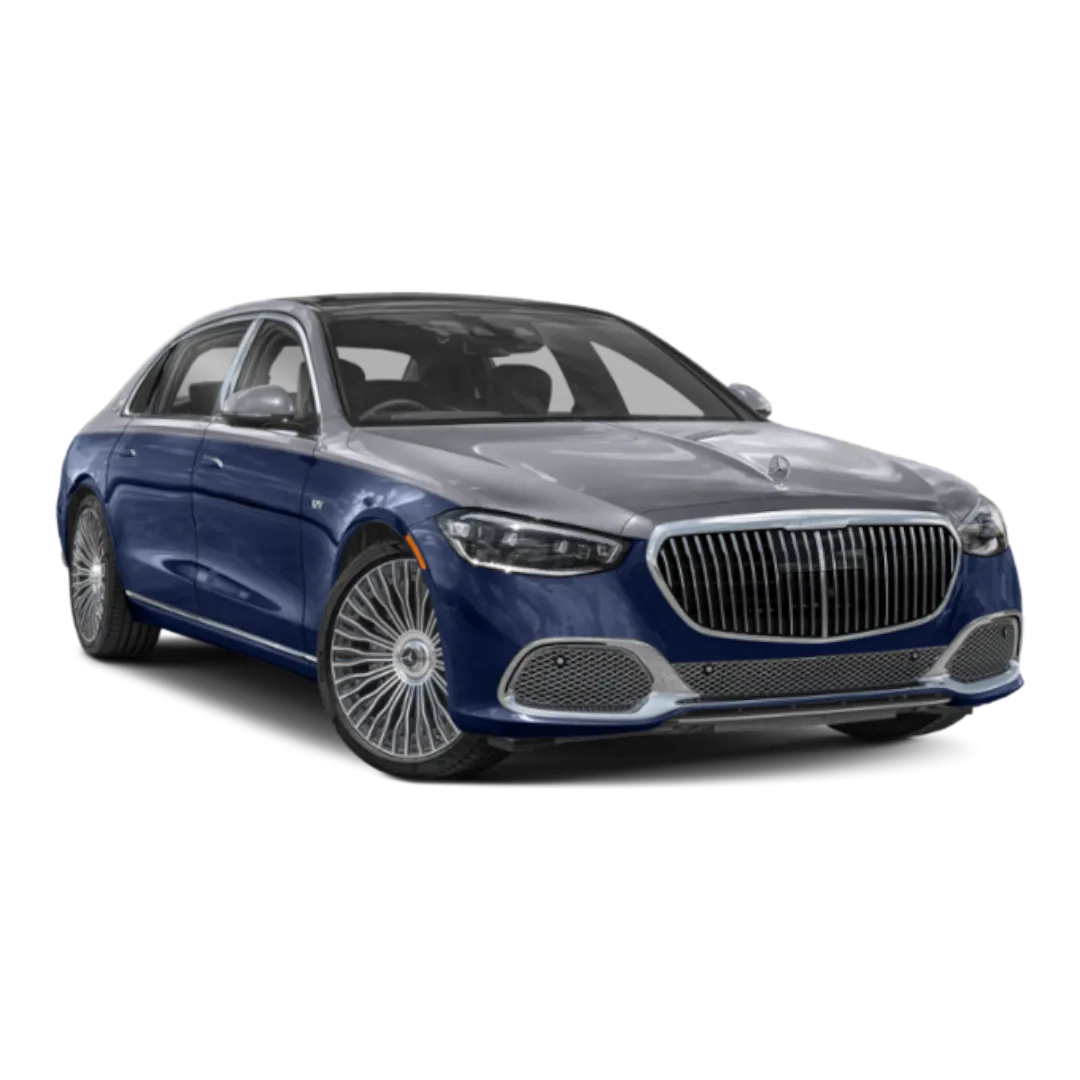 Mercedes Benz MAYBACH S- Class
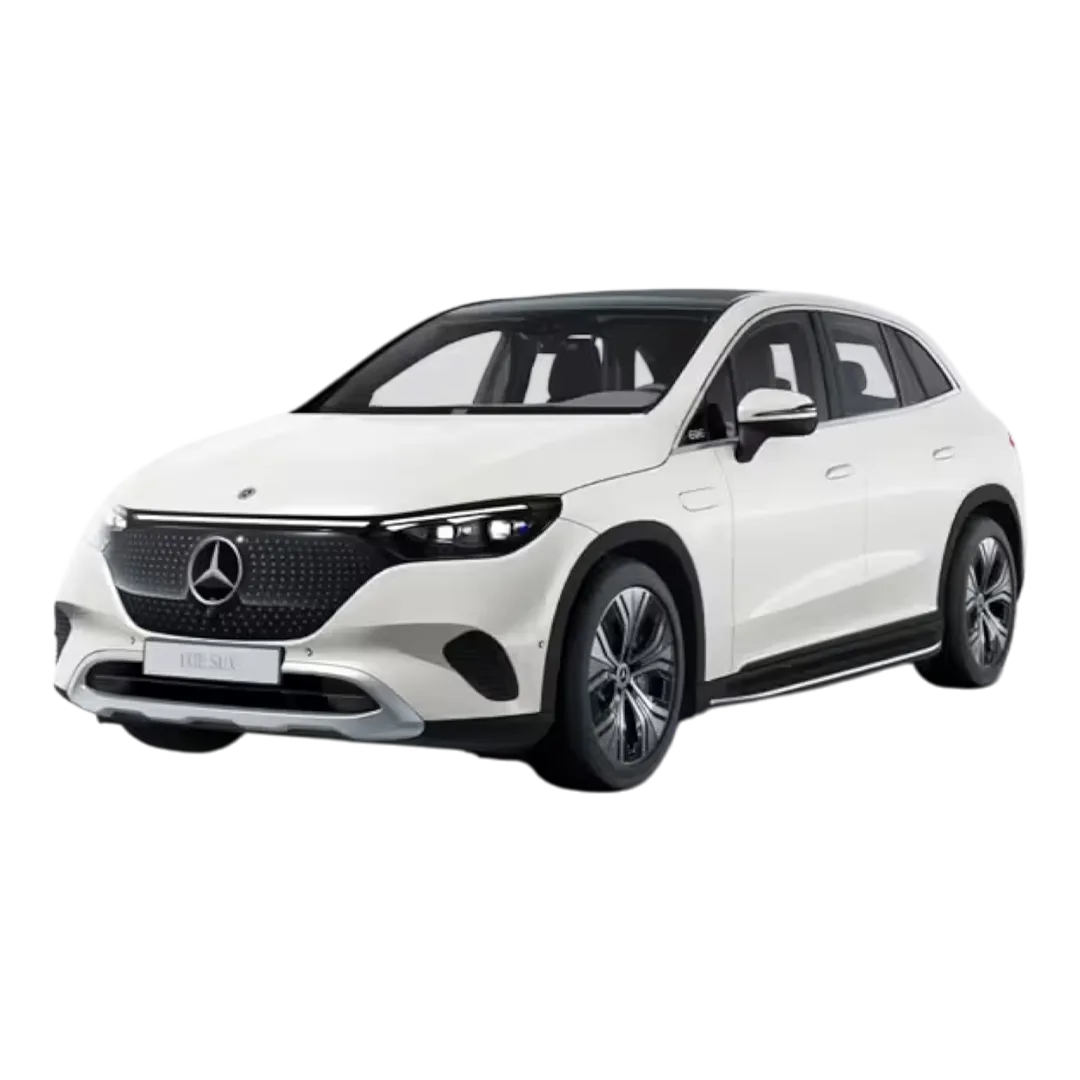 Mercedes Benz EQE-SUV
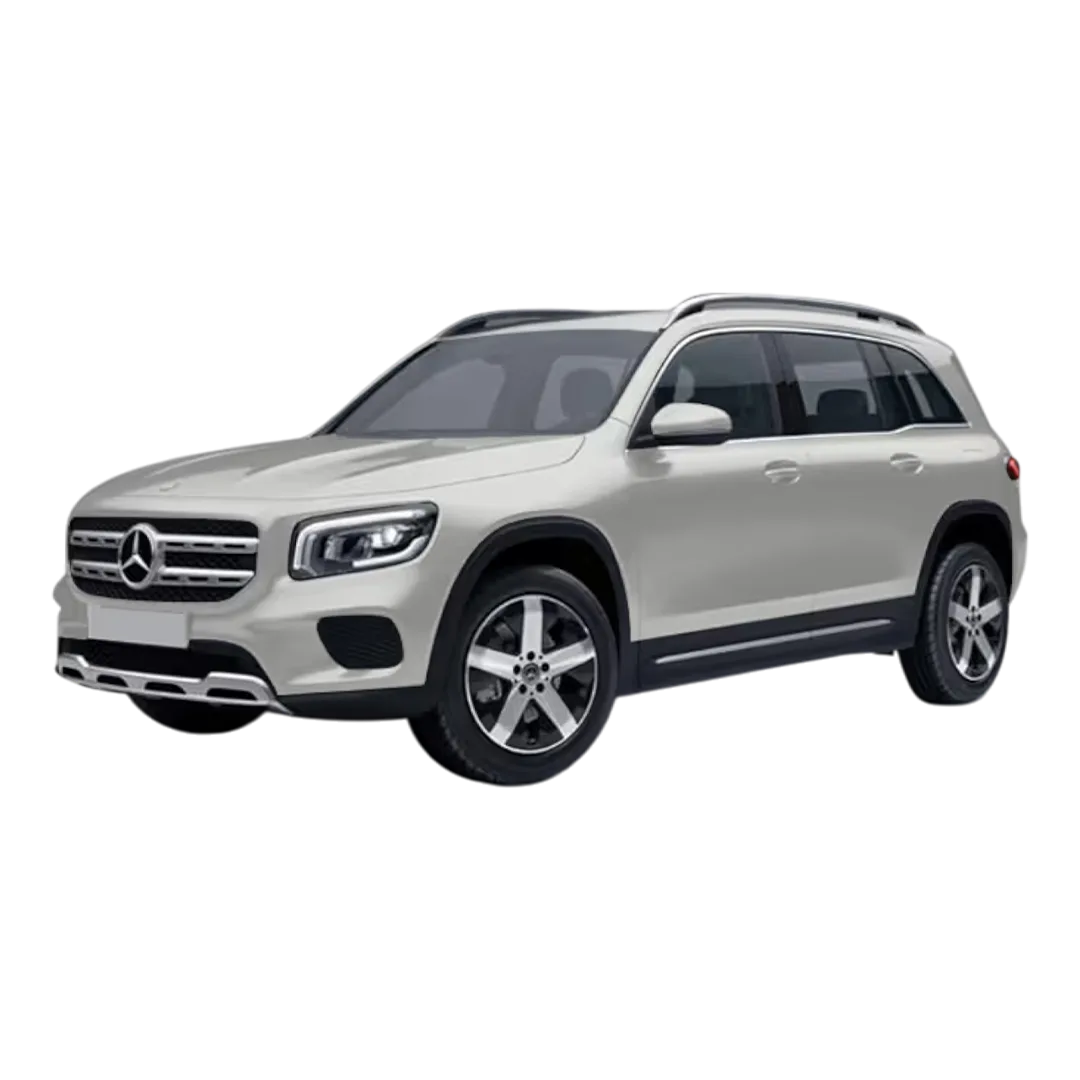 Mercedes Benz GLB
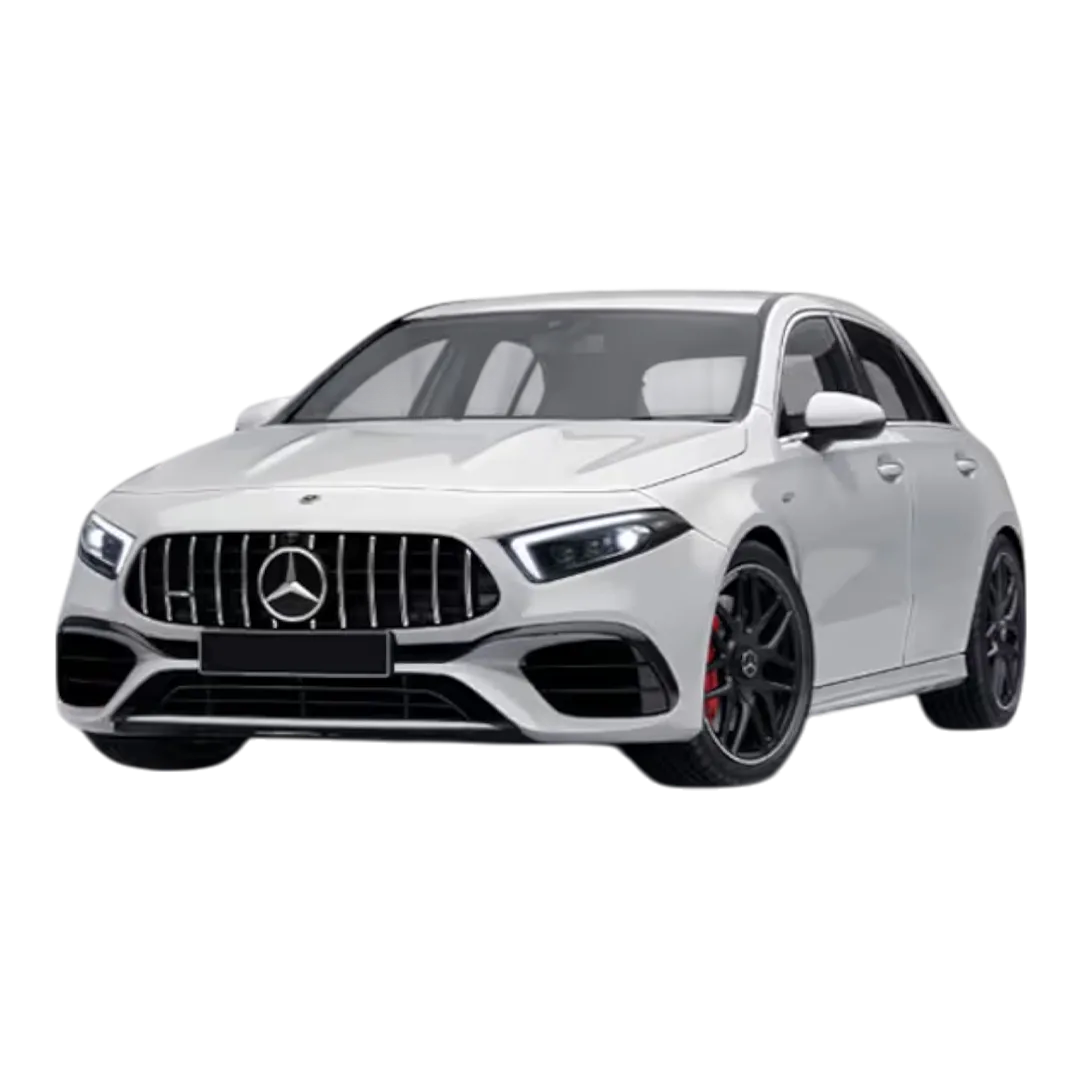 Mercedes Benz AMG A 45 S
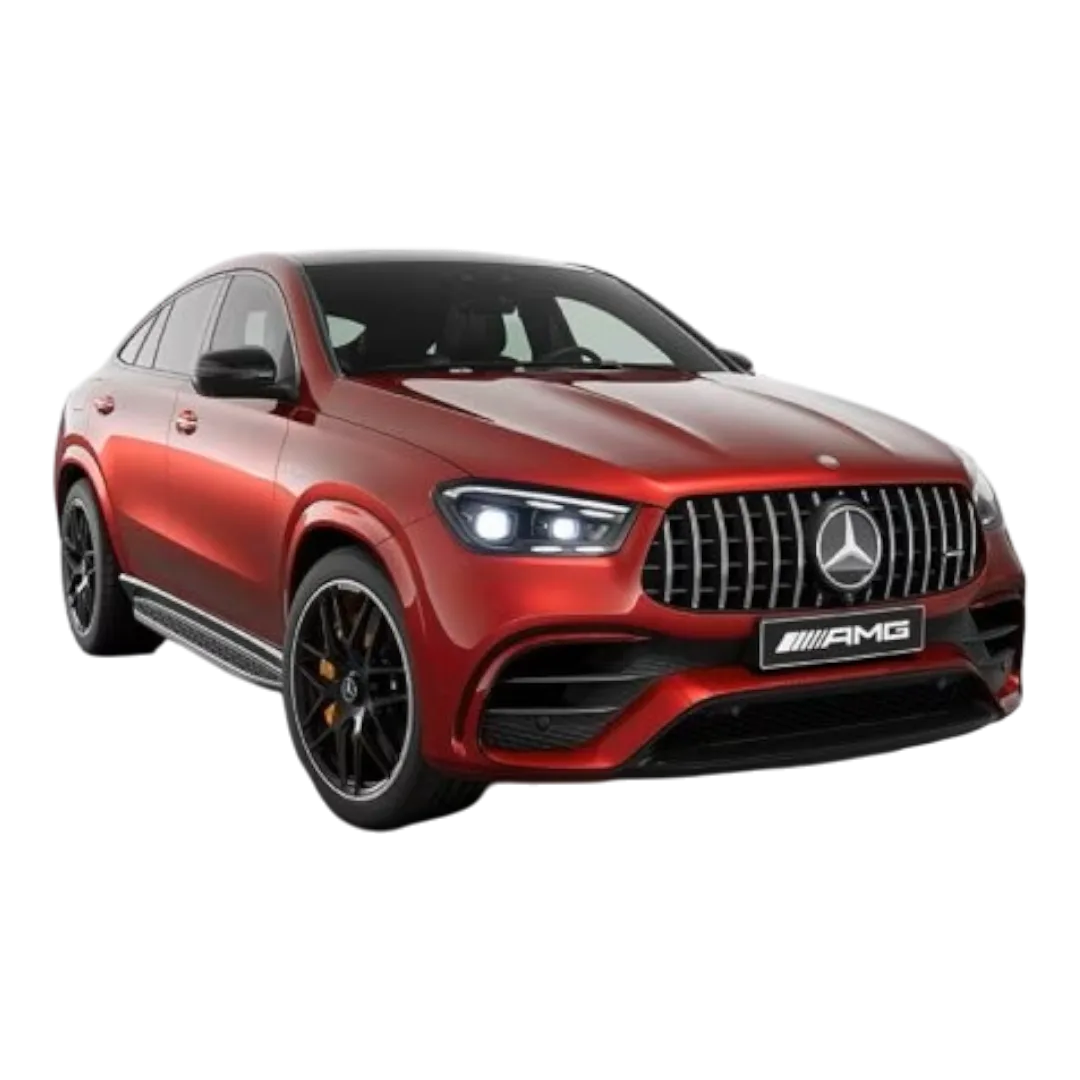 Mercedes Benz AMG GLE S3
 Mercedes Benz EQB
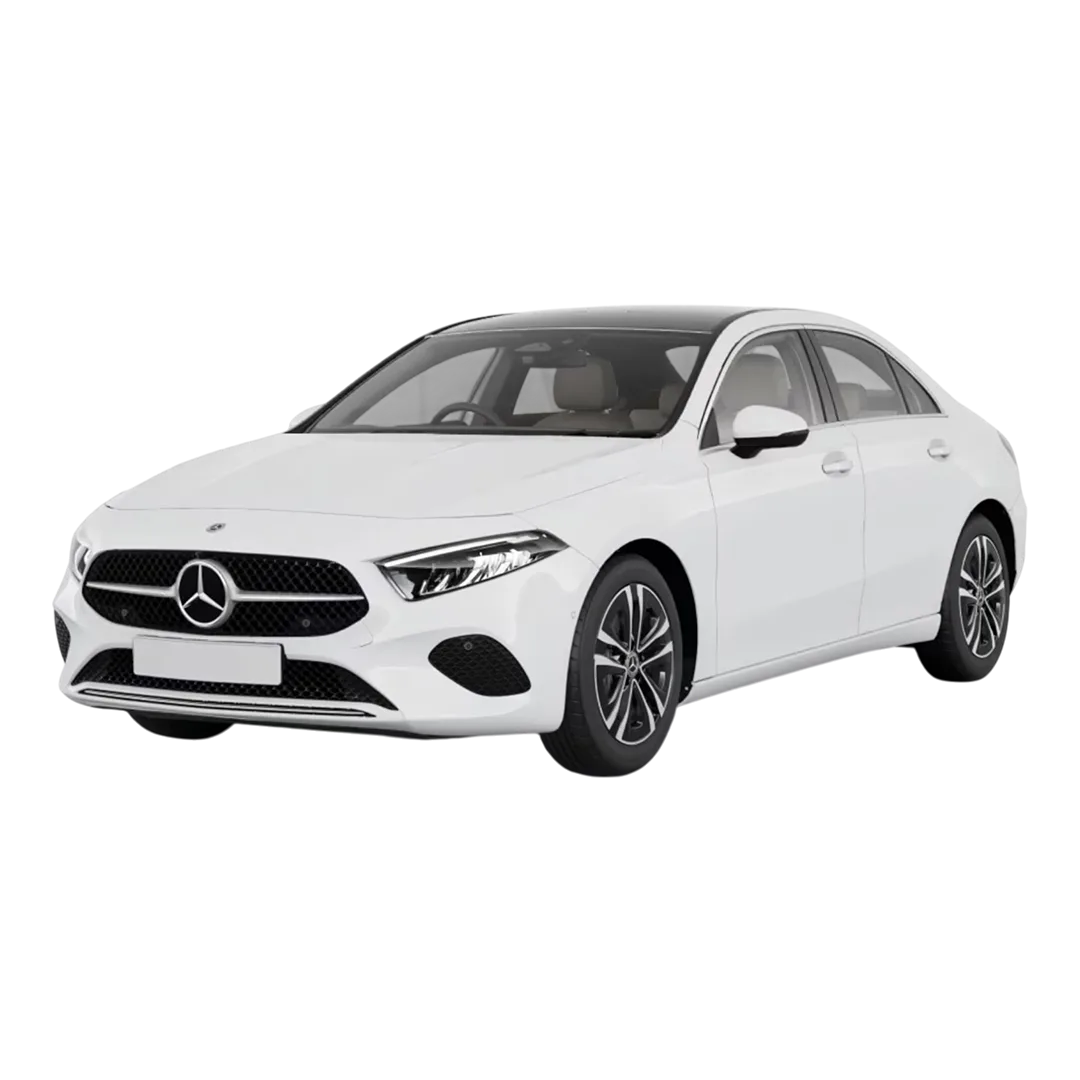 Mercedes Benz A Class limousine
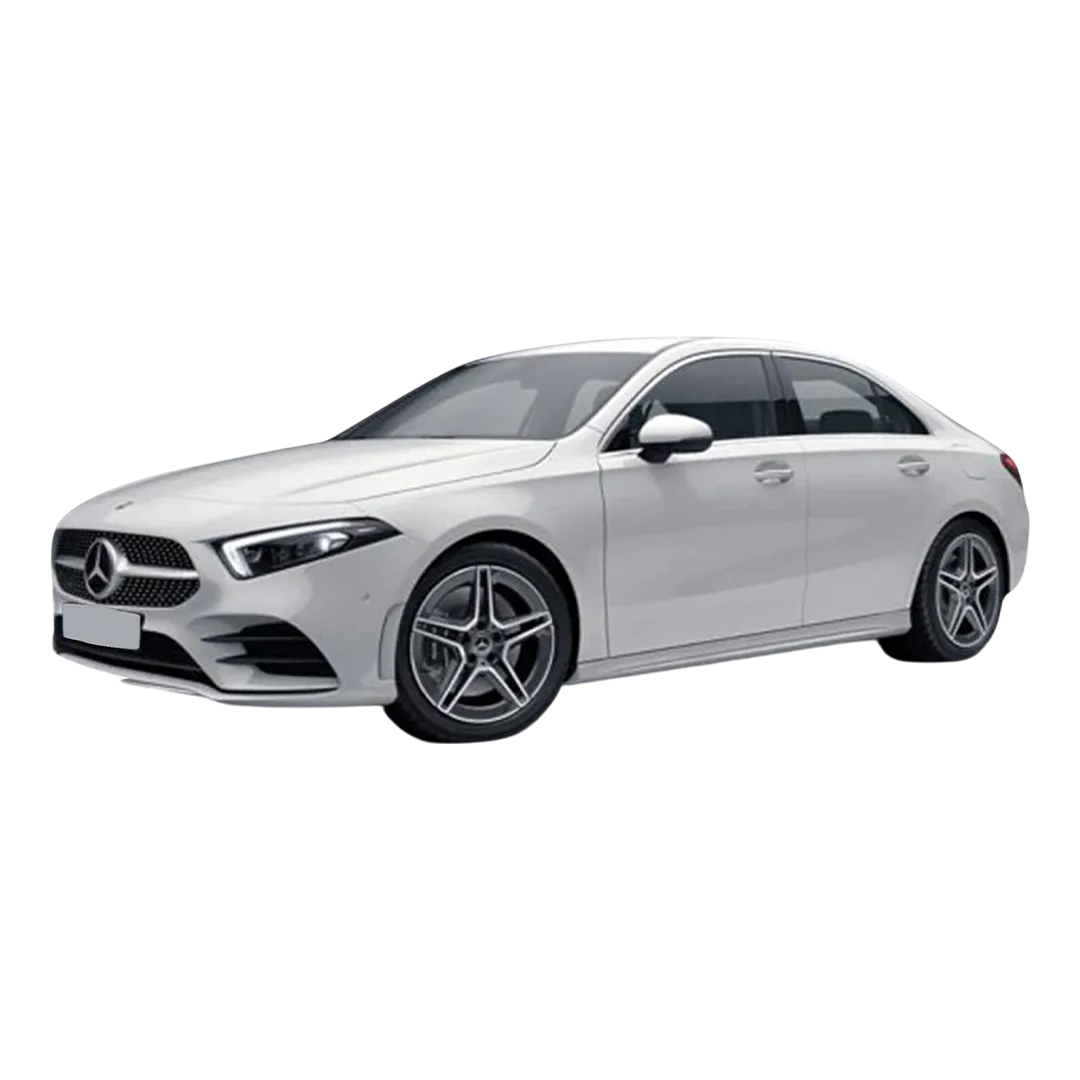 Mercedes Benz AMG A 35
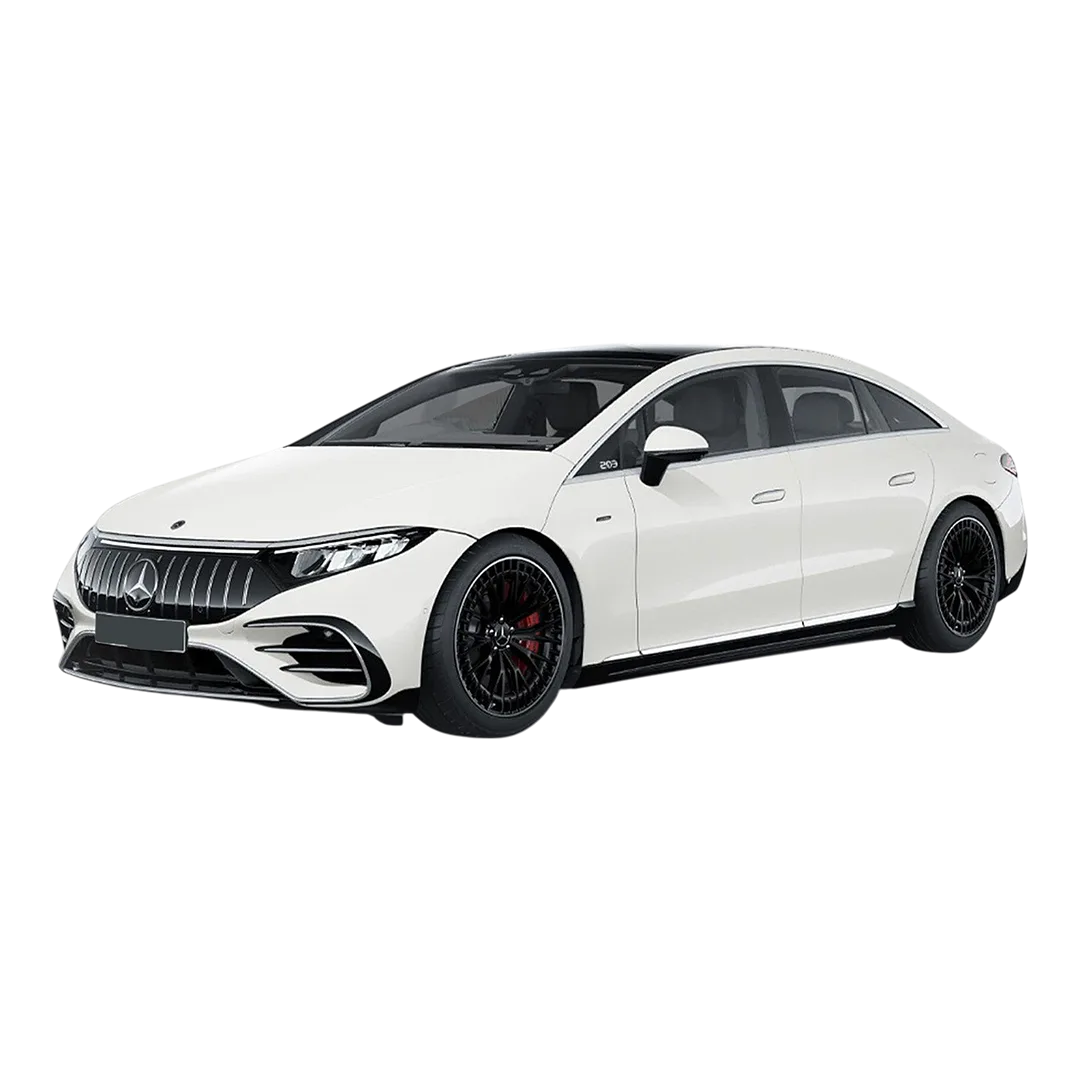 Mercedes-Benz AMG EQS
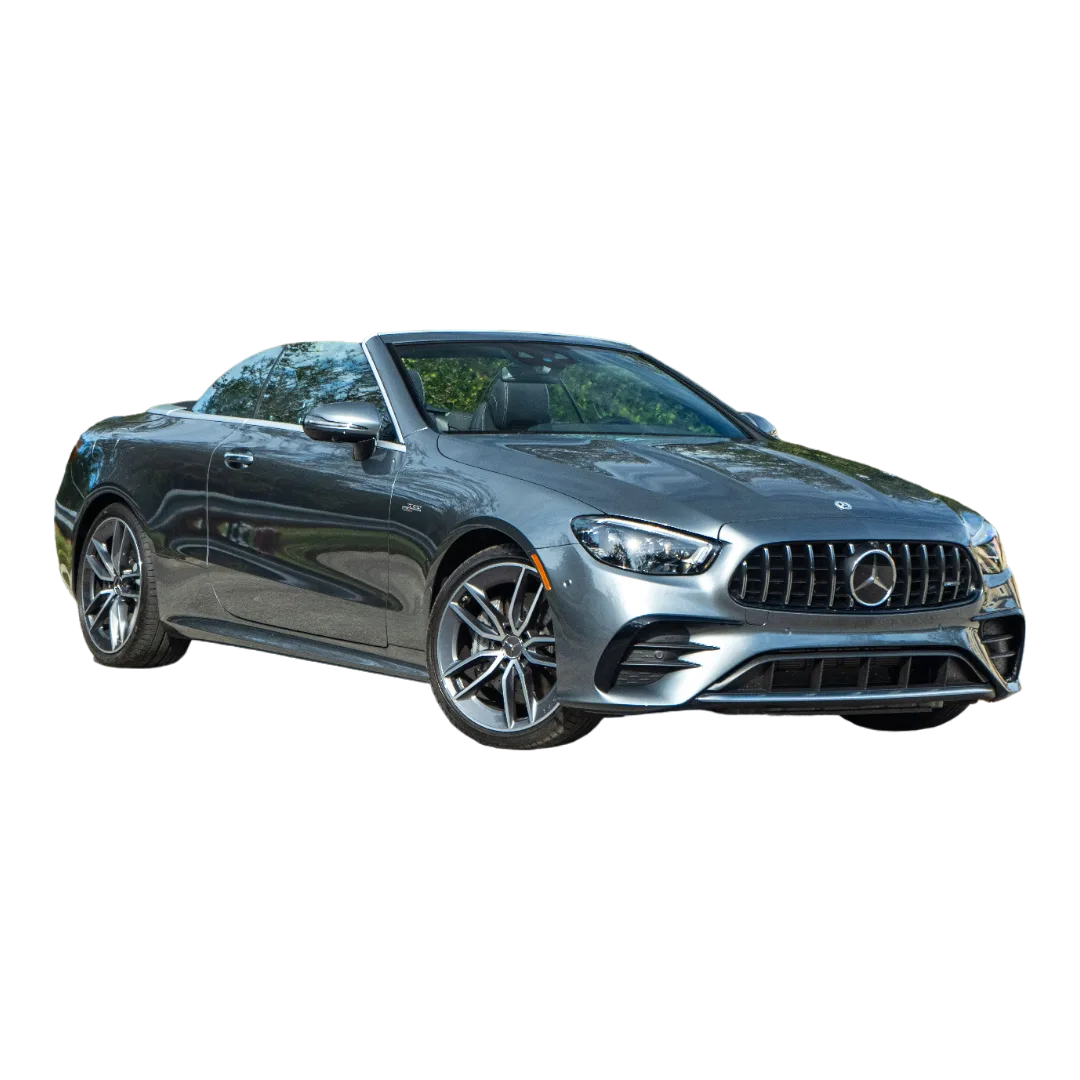 Mercedes-Benz AMG E 53 Cabriolet
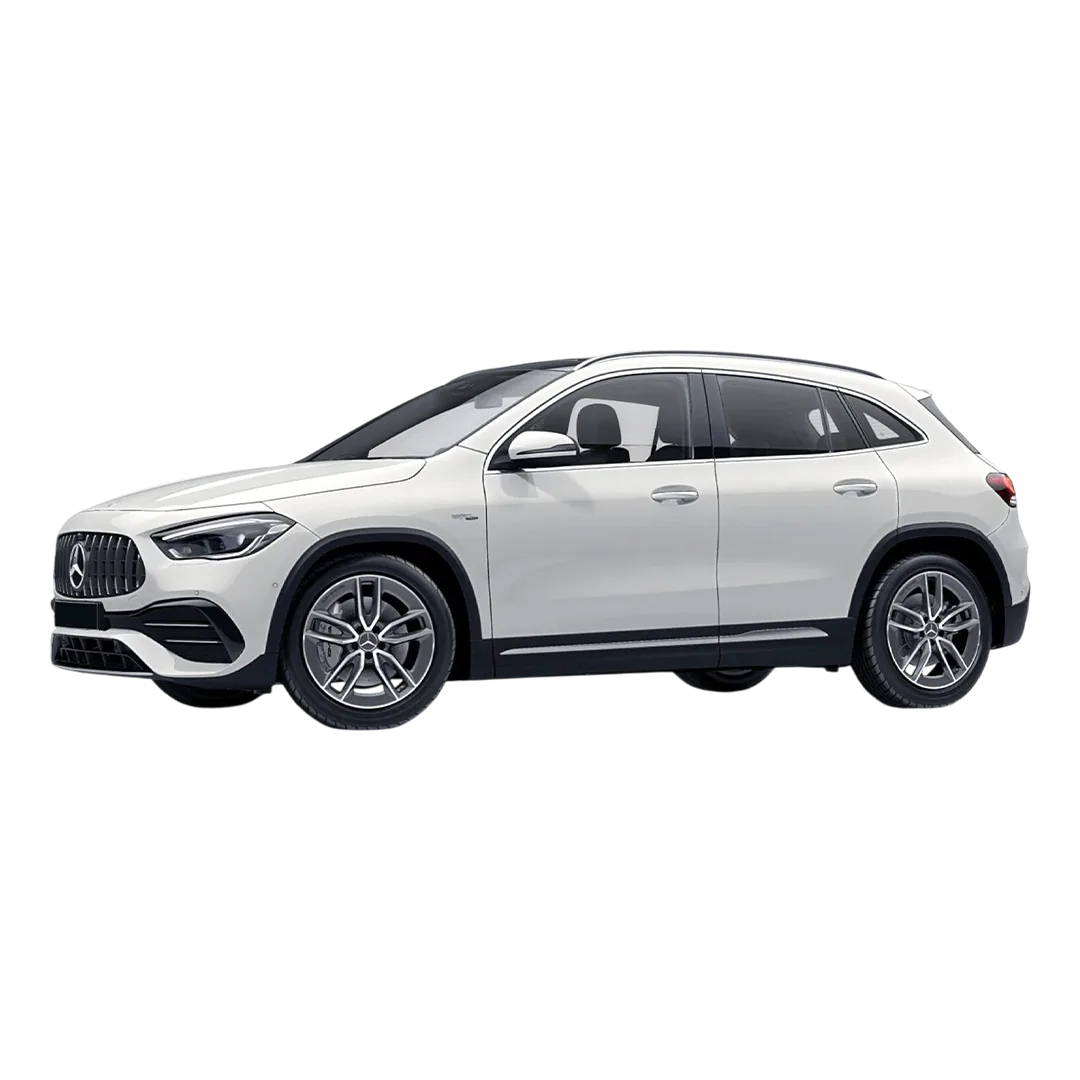 Mercedes-Benz AMG GLA 35
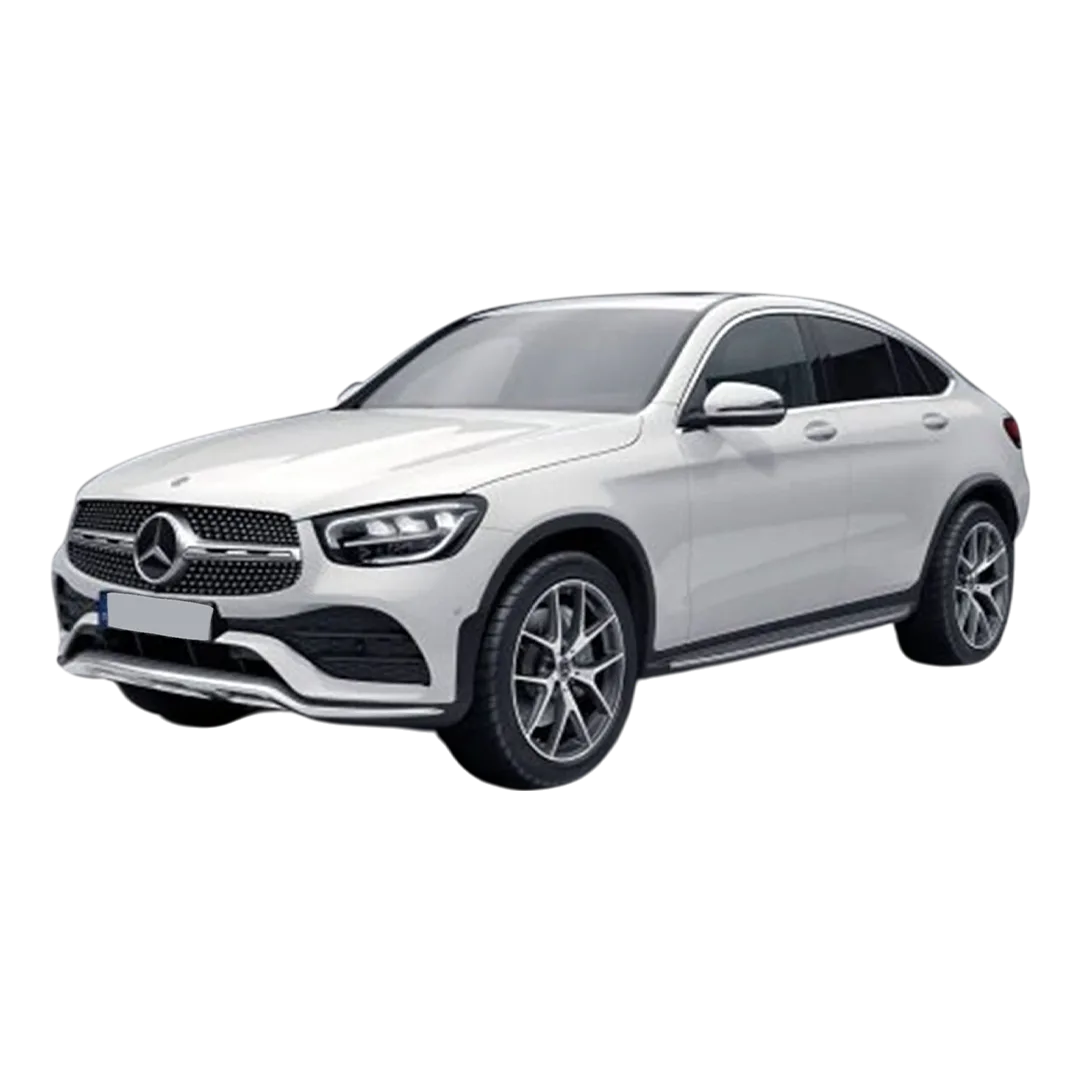 Mercedes-Benz GLC Coupe 2023
 Mercedes M-Class
R-Class
Mercedes M-Class
R-Class
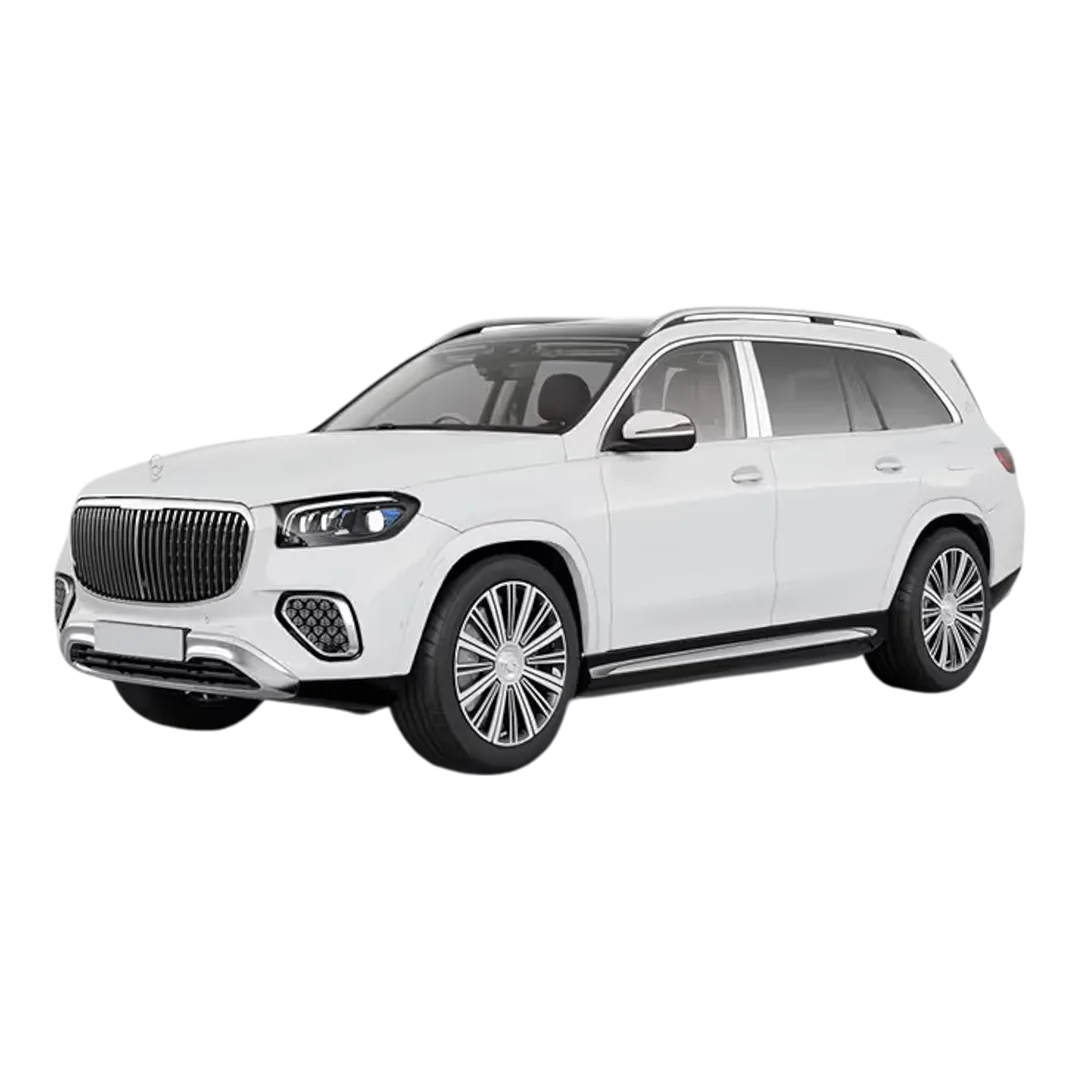 GLS 600
GLS 400
GLS 350
GLE 300
GLS 600
GLS 400
GLS 350
GLE 300
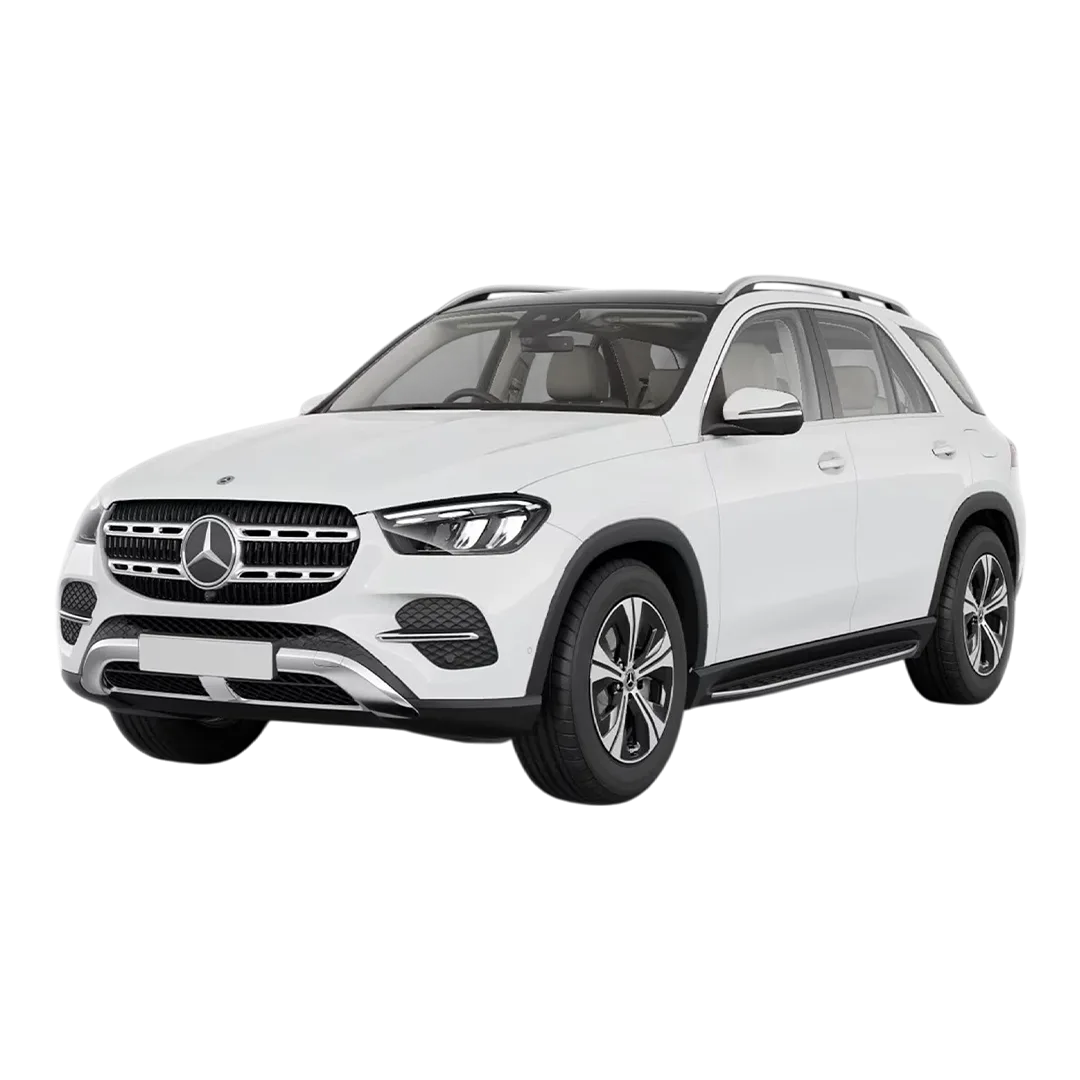 GLE 400
GLE 250D
GLE 400
GLE 250D
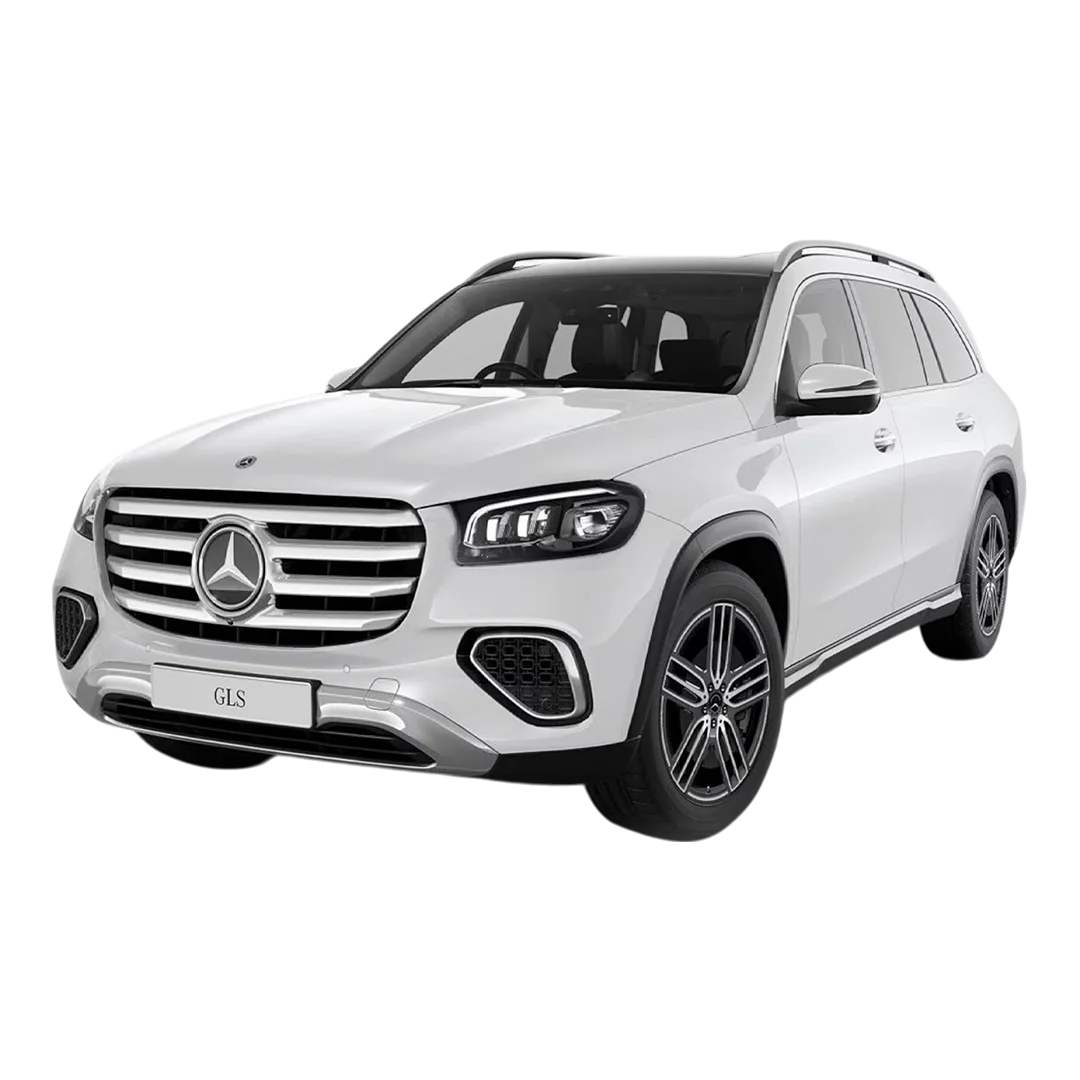 GLC 220D
GLC 300
GLC 220D
GLC 300
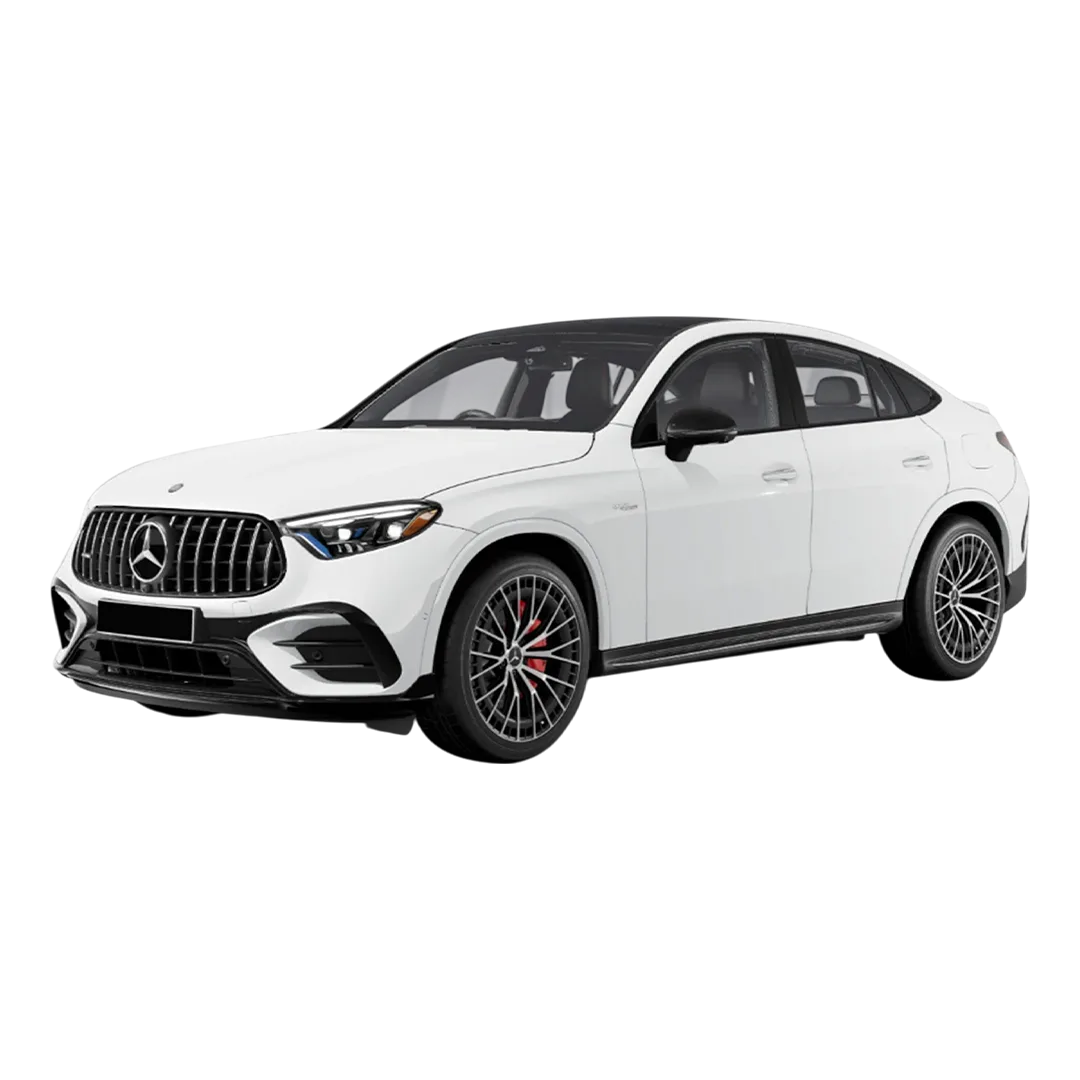 GLC 43 Coupe
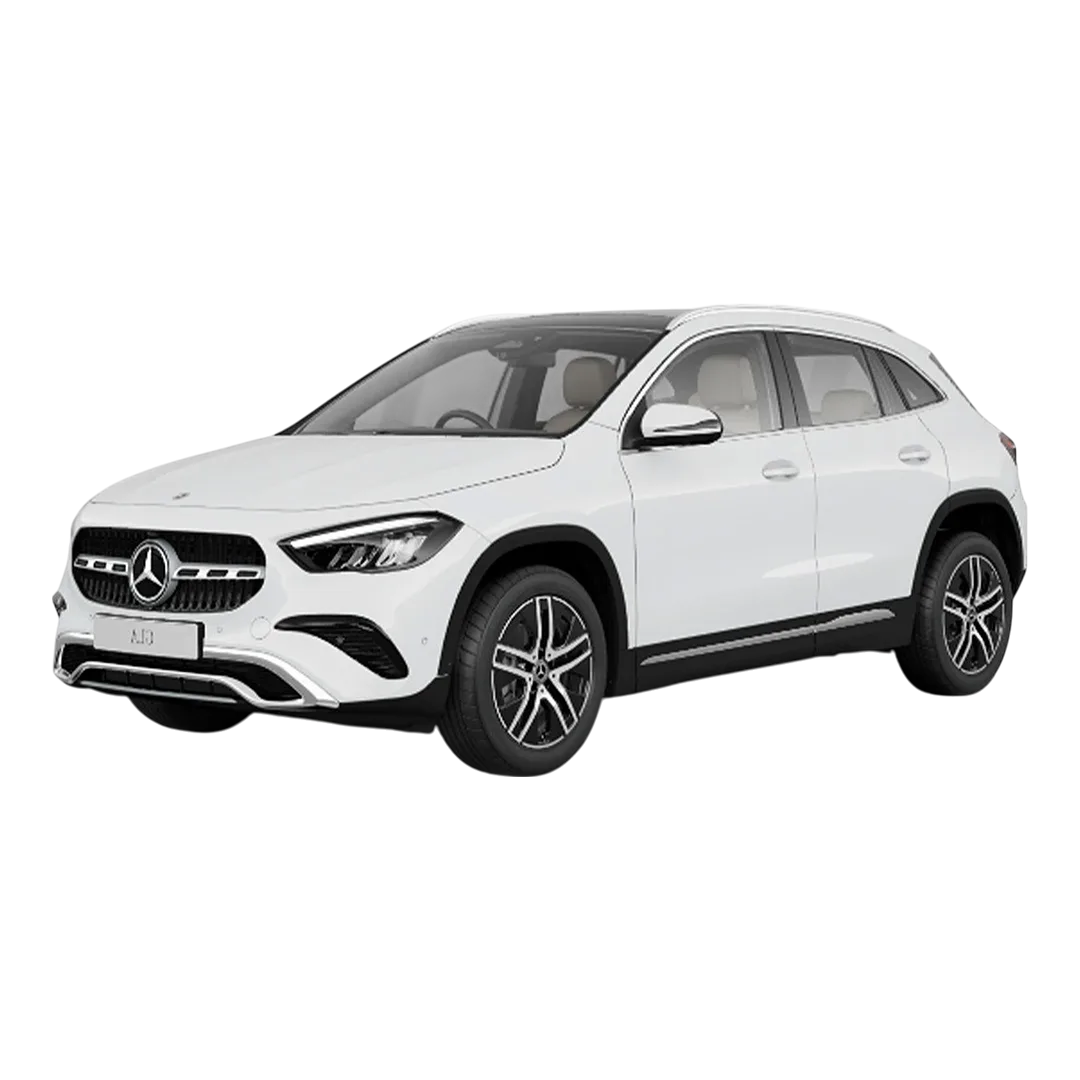 GLA 220d
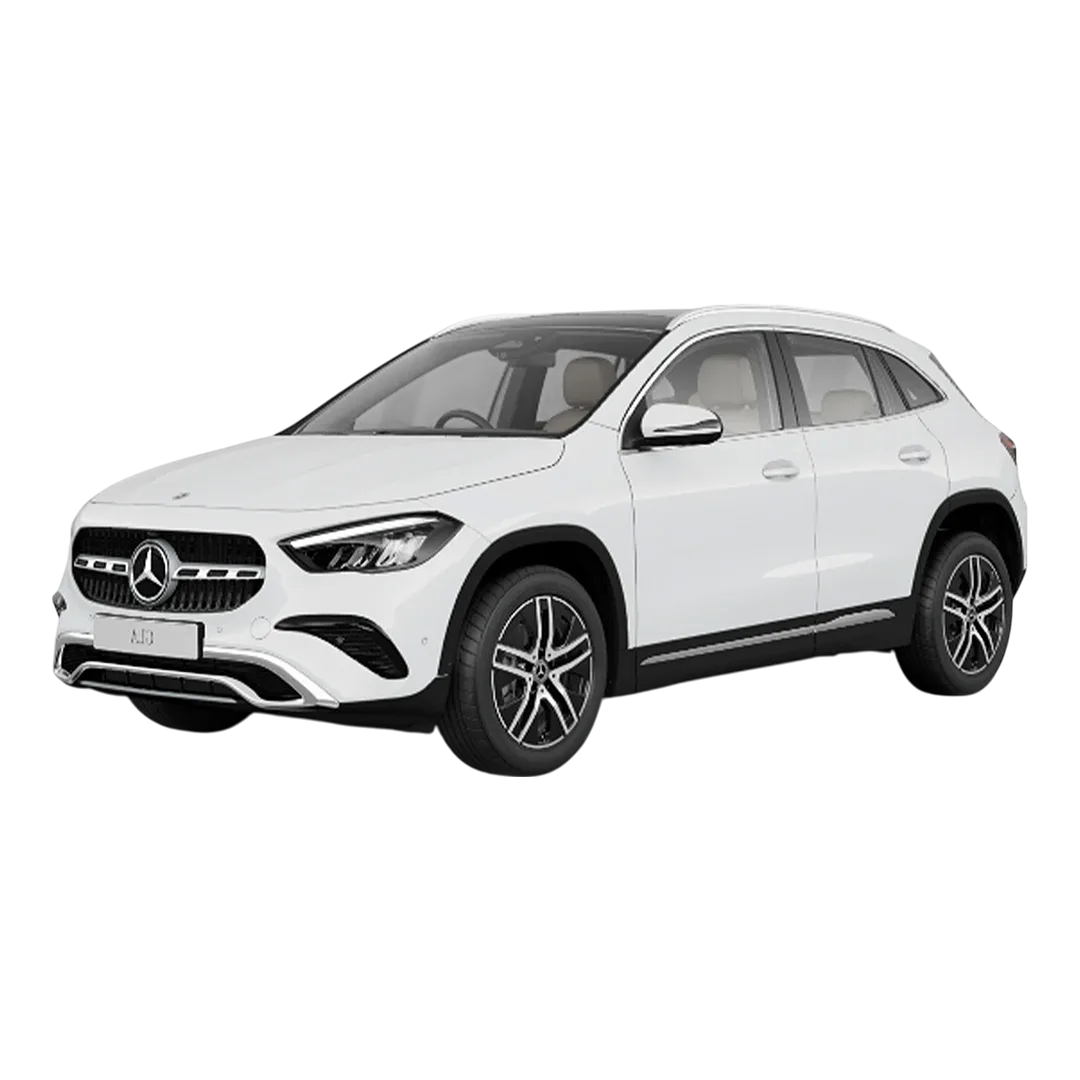 GLA-Class 200D
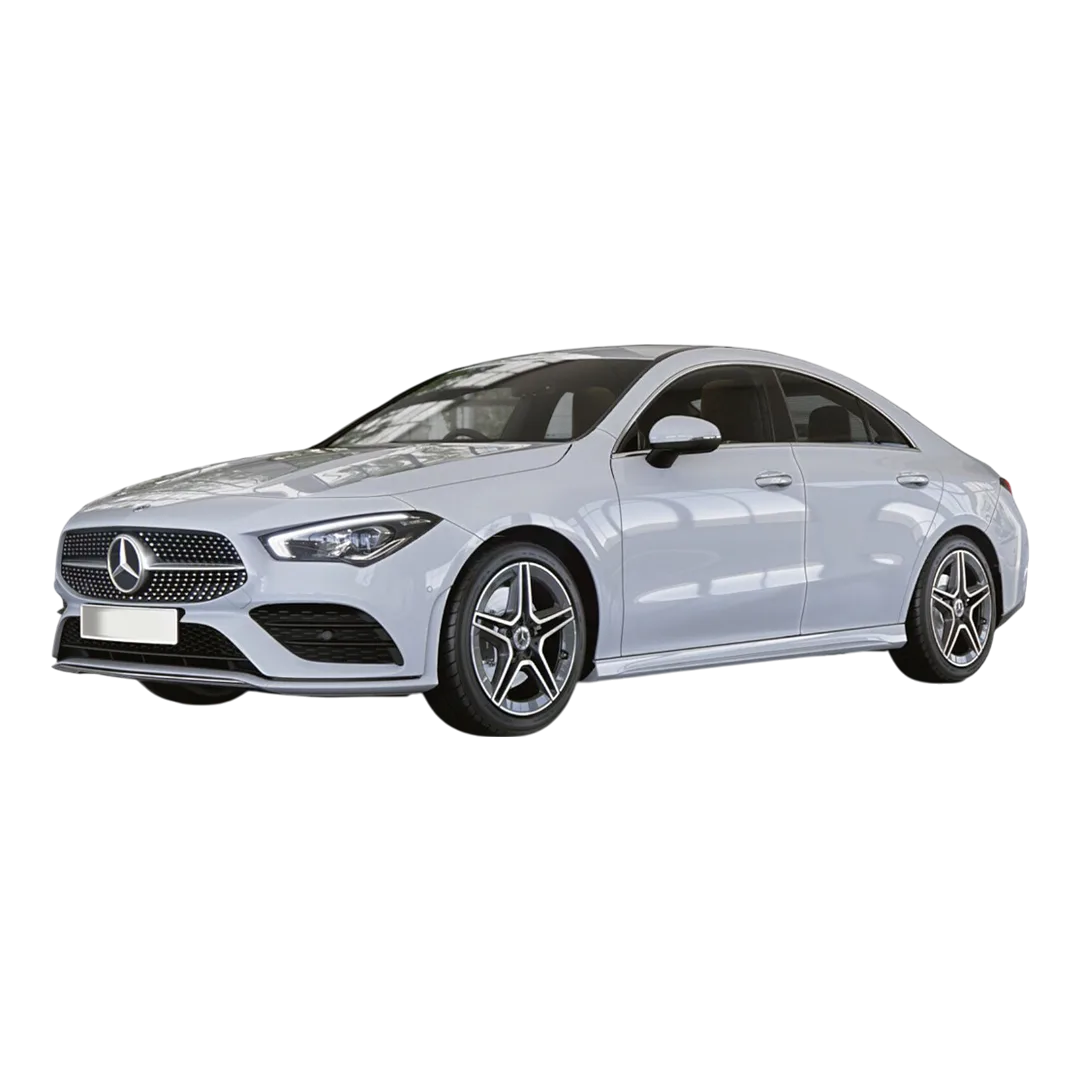 CLA 200
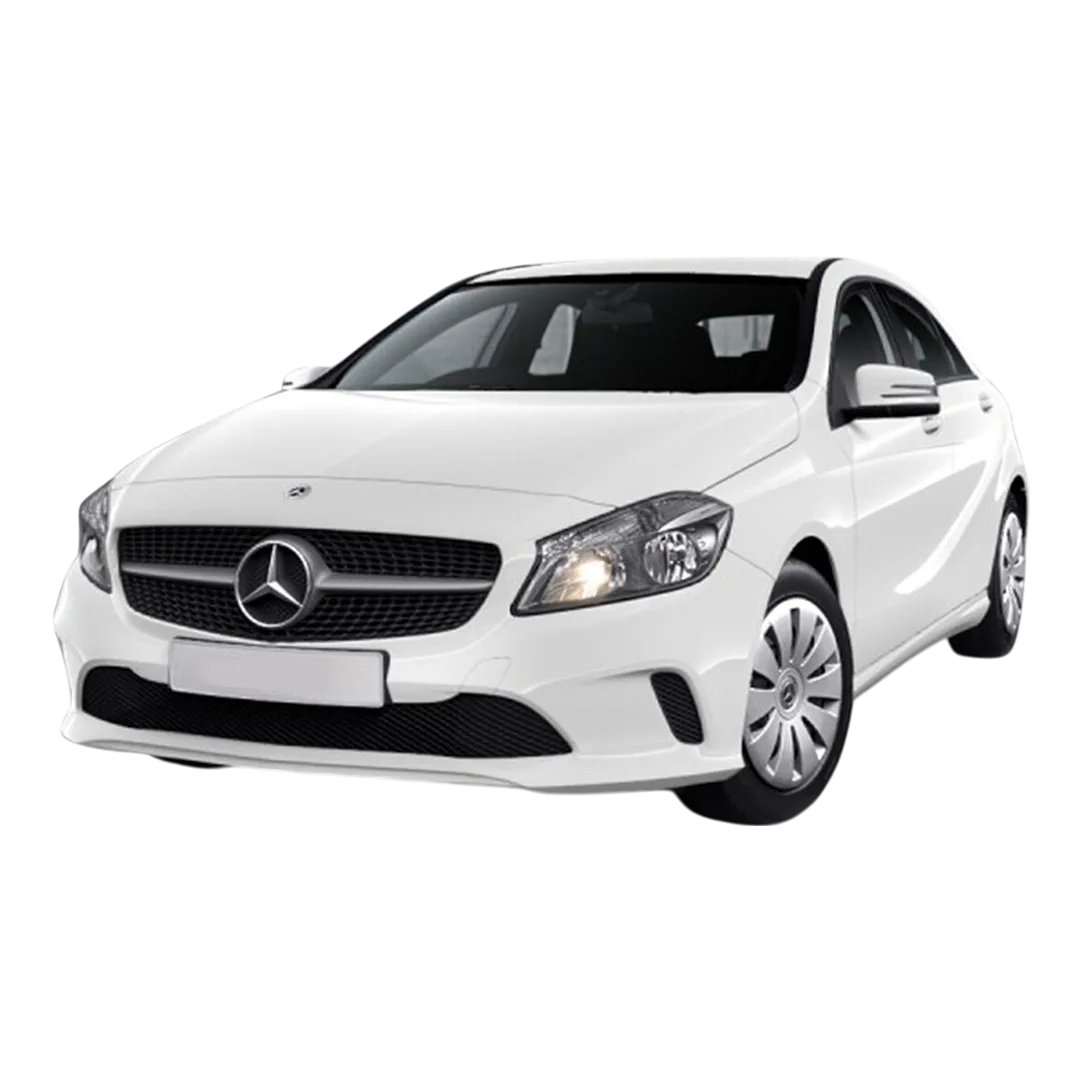 Benz A-Class A 180
M-Class ML 250
M-Class ML 350
Benz A-Class A 180
M-Class ML 250
M-Class ML 350
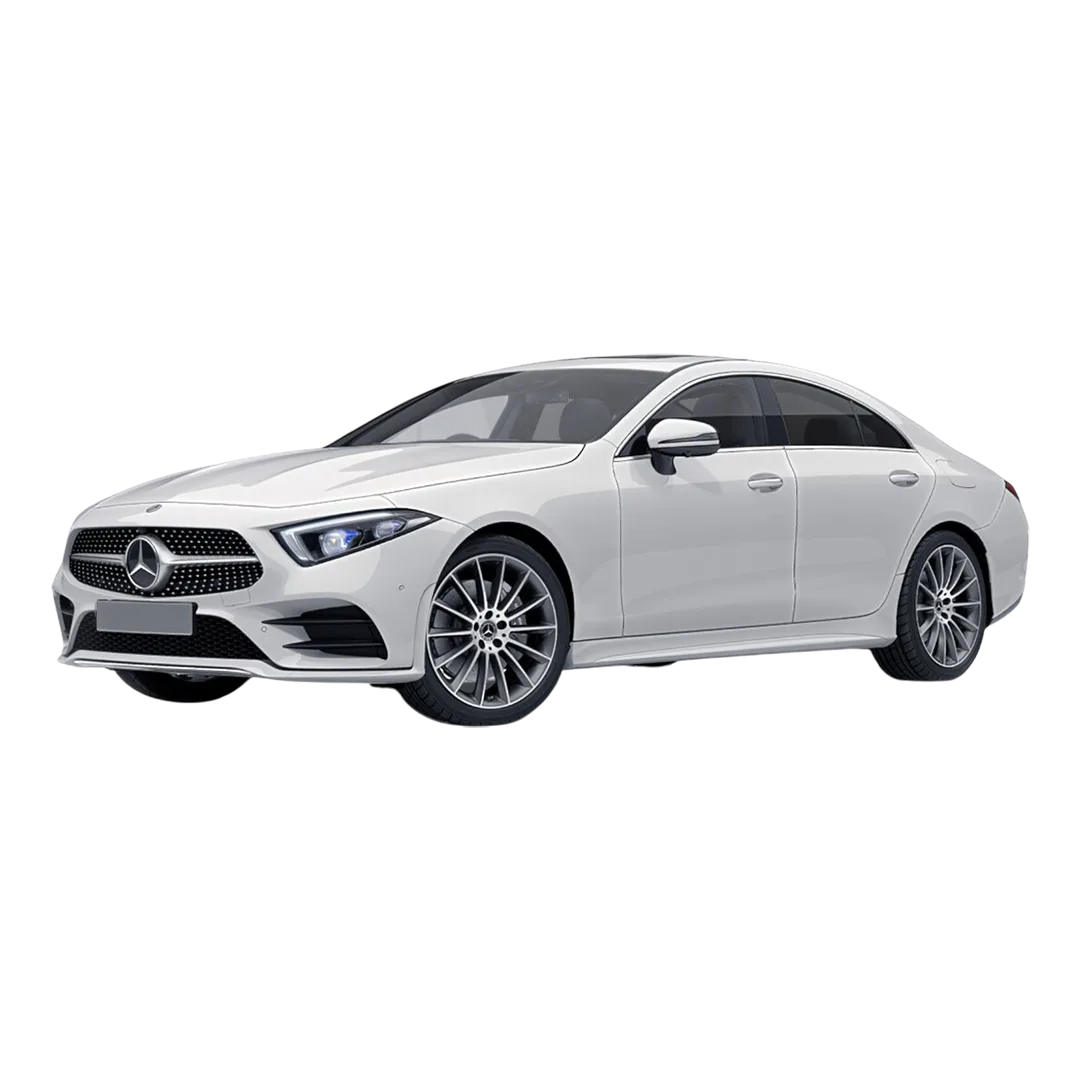 Benz CLS 300
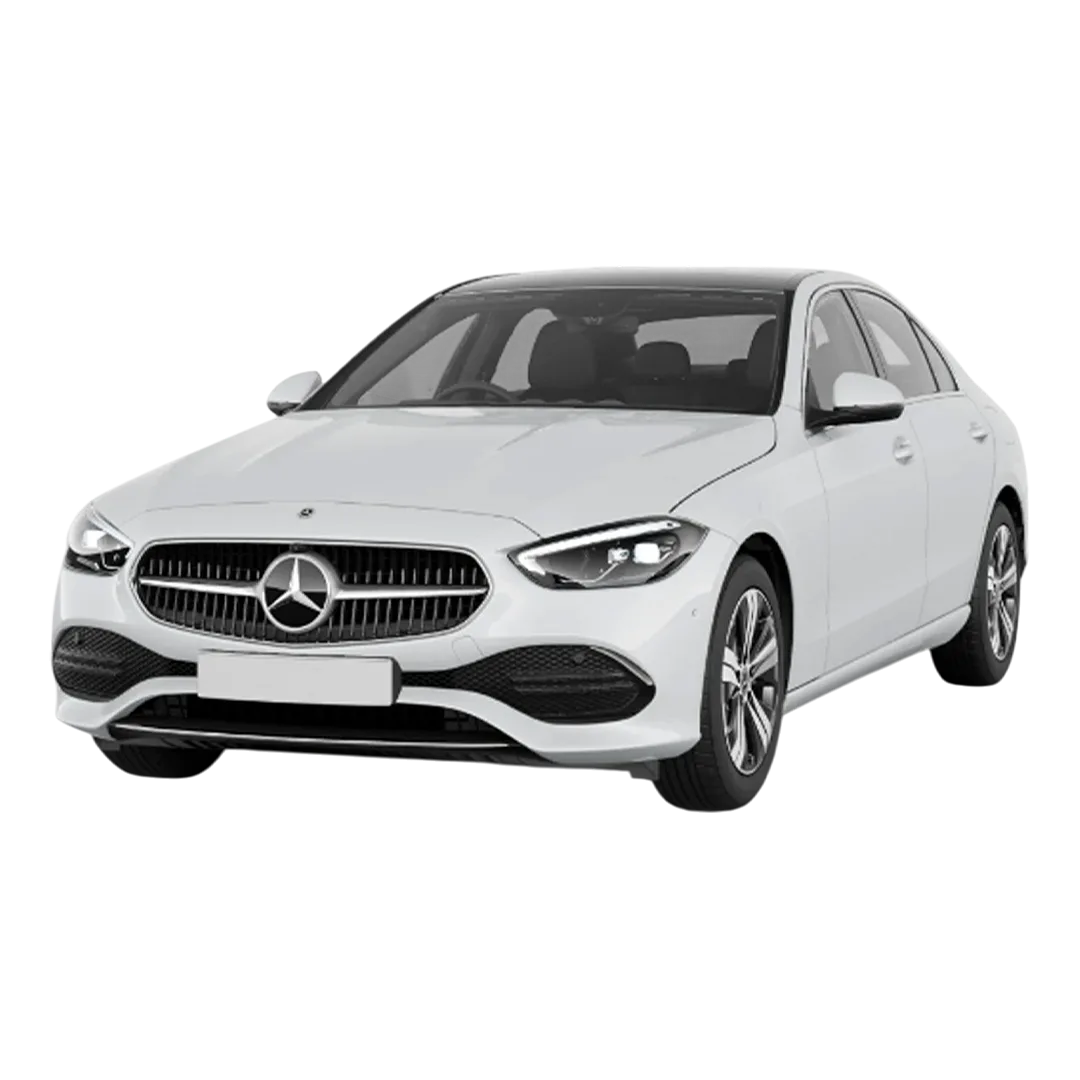 C-Class C250
C-Class C220
C-Class C200
C-Class C250
C-Class C220
C-Class C200
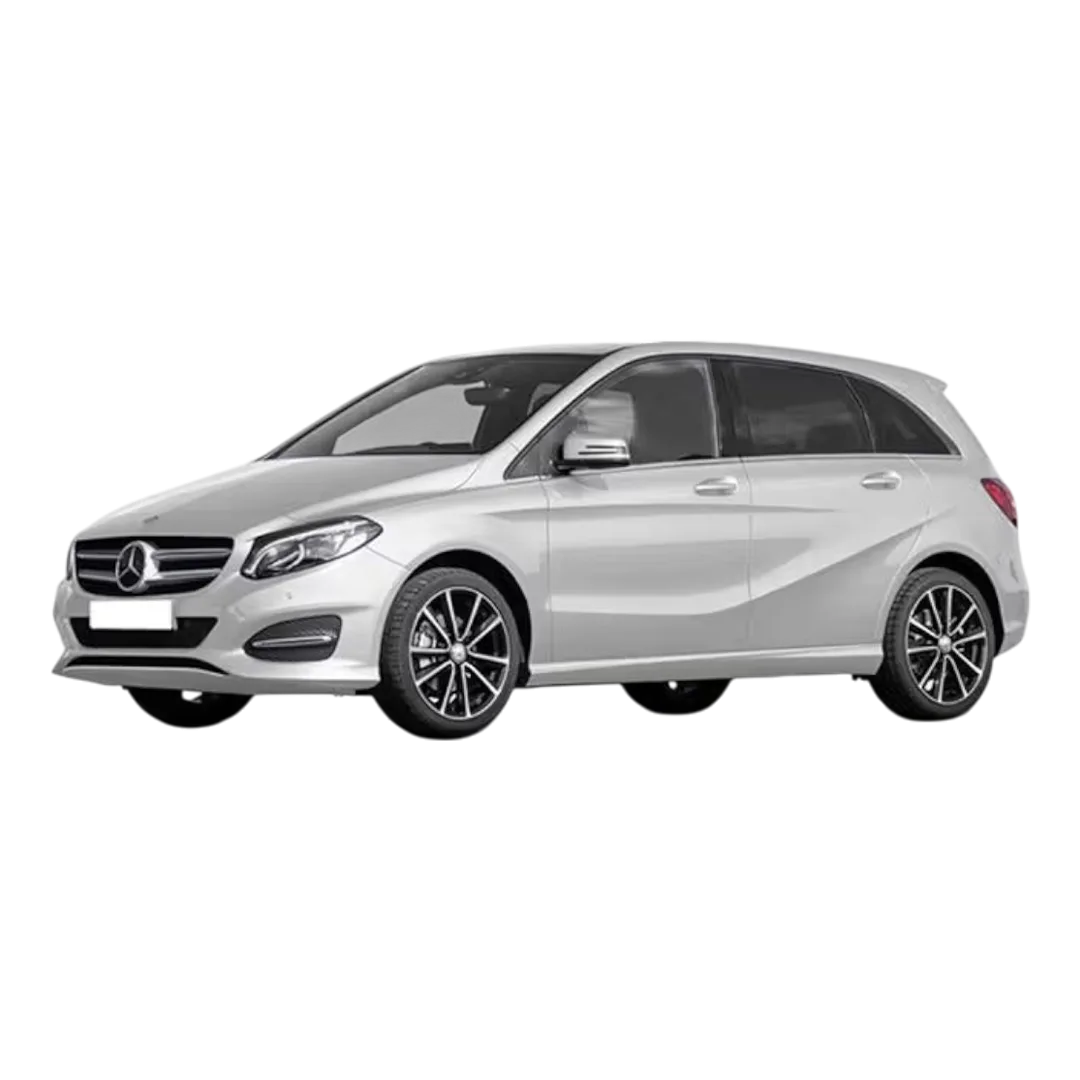 Benz B - Class
Benz A - 200
Benz B - Class
Benz A - 200

For years, toll plazas have been unavoidable bottlenecks on Indian highways. Long queues, fuel wastage, and delays were treated as part of road travel. That assumption is now being tested. The launch of India’s first Multi Lane Free Flow tolling system at Choryasi Fee Plaza in Gujarat marks a structural shift in how tolling works.
This is not a cosmetic upgrade. It is a fundamental change in toll collection where vehicles no longer stop, slow excessively, or wait behind physical barriers. Instead, tolls are deducted digitally while vehicles move freely.
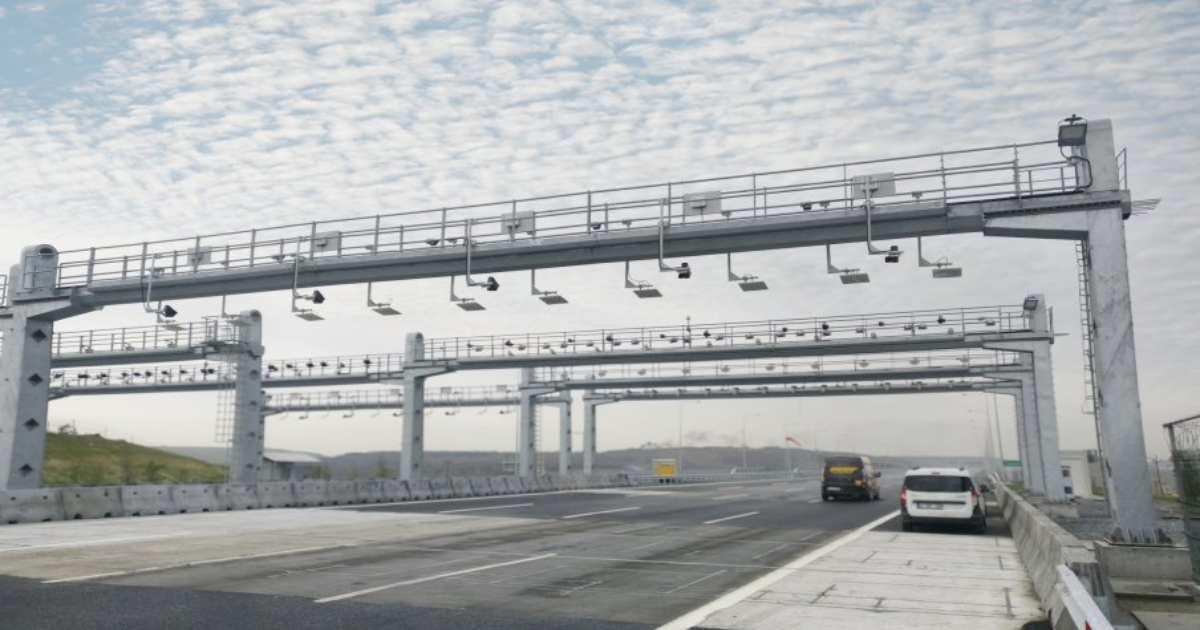
The pilot Multi Lane Free Flow tolling system is operational at the Choryasi Fee Plaza, also known as Kamrej Toll Plaza.
| Detail | Information |
|---|---|
| Toll Plaza Name | Choryasi Fee Plaza (Kamrej) |
| Highway | NH 48 |
| Stretch | Surat to Bharuch |
| State | Gujarat |
| Trial Start Date | February 2, 2026 |
This stretch of NH 48 is one of the busiest corridors in western India, making it a realistic testing ground for barrier free tolling.
The implementation is led by Indian Highways Management Company Limited (IHMCL), a company promoted by NHAI. A formal agreement was signed with ICICI Bank at NHAI Headquarters in New Delhi.
The agreement was signed in the presence of NHAI Chairman Shri Santosh Kumar Yadav and senior officials from NHAI, IHMCL, and ICICI Bank. A second agreement covers the Gharaunda Fee Plaza in Haryana on NH 44.
This signals that the Multi Lane Free Flow tolling system is not a one-off experiment, but a planned national rollout.
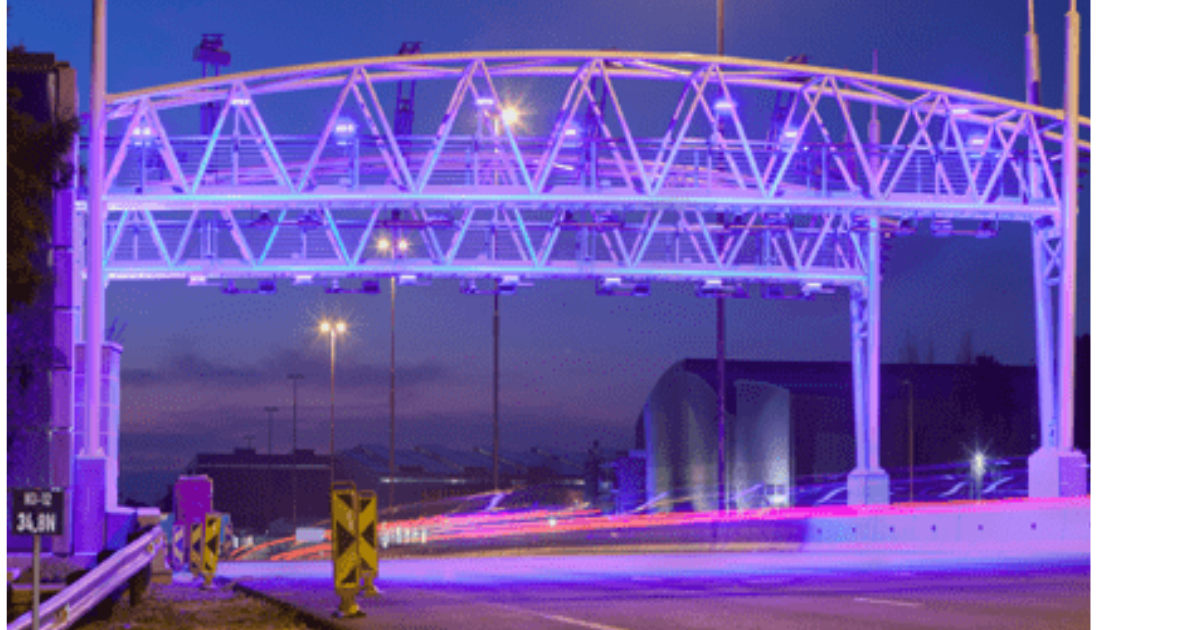
Unlike traditional toll booths, the Multi Lane Free Flow tolling system removes physical barriers completely.
| Technology Component | Function |
|---|---|
| RFID Readers | Reads FASTag automatically |
| ANPR Cameras | Captures vehicle registration number |
| Overhead Gantries | Monitors vehicles across all lanes |
| Central Toll System | Instantly deducts toll amount |
Vehicles pass through at near normal highway speeds while toll charges are deducted from FASTag accounts without manual intervention.
The Multi Lane Free Flow tolling system addresses multiple long standing issues in highway operations.
First, congestion reduces dramatically because vehicles are no longer forced into narrow toll lanes. Second, fuel consumption drops due to reduced idling. Third, emissions decline, supporting cleaner transport goals.
From an operational perspective, MLFF improves toll revenue accuracy and minimizes leakages, making the system more transparent and efficient.
Shri Santosh Kumar Yadav, Chairman of NHAI, described the agreement as a milestone in India’s tolling evolution. He highlighted that technology driven tolling is essential for building a transparent, efficient, and user friendly national highway ecosystem.
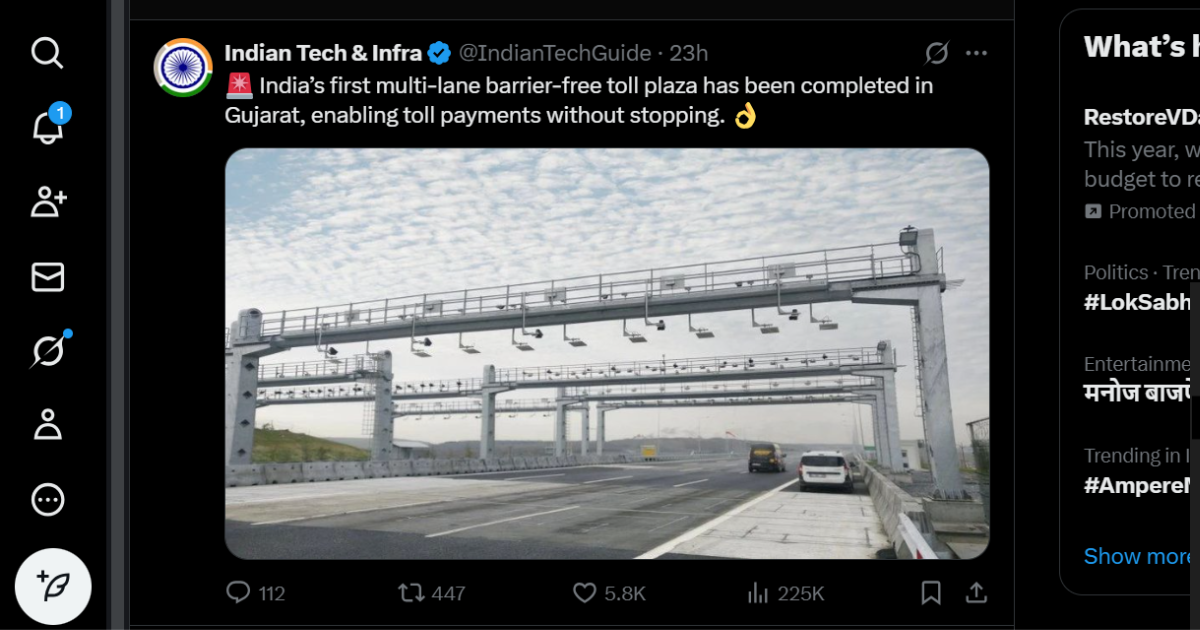
According to NHAI, the Multi Lane Free Flow tolling system will form the foundation for nationwide adoption in the coming years.
The impact of MLFF is not theoretical. It directly affects daily commuters and long distance travelers. The Choryasi toll plaza operates under the Multi Lane Free Flow (MLFF) system, allowing vehicles to pass without stopping as tolls are deducted automatically through FASTag and ANPR cameras.
However, this does not remove the need to stop at other toll plazas that still follow the traditional FASTag lane system. MLFF tolling is currently implemented on a plaza specific basis, and only MLFF enabled toll plazas offer a completely barrier free tolling experience.
| Benefit | Real World Impact |
|---|---|
| No Queues | Smooth, uninterrupted traffic flow |
| Faster Travel | Reduced journey time |
| Fuel Savings | Less idling and braking |
| Convenience | Automatic FASTag deduction |
| Lower Emissions | Reduced carbon output |
These benefits become more visible during peak travel hours and festival traffic.
NHAI plans to roll out the Multi Lane Free Flow tolling system at around 25 national highway fee plazas during the 2025 to 2026 financial year. The identification of suitable toll plazas is already underway.
Apart from Gujarat and Haryana, a similar pilot is planned on the Bengaluru Mysuru highway NH 275, indicating a phased national expansion.
Choryasi Fee Plaza handles heavy commercial and passenger traffic daily. Implementing the Multi Lane Free Flow tolling system here allows authorities to test performance under real pressure conditions, not controlled environments. This approach reflects a cautious but confident rollout strategy.
What is a Multi Lane Free Flow tolling system
It is a barrier free tolling method where tolls are collected electronically using FASTag, RFID readers, and ANPR cameras without stopping vehicles.
Where is India’s first MLFF toll plaza located
At Choryasi Fee Plaza on NH 48 near Surat in Gujarat.
When did MLFF trials begin in India
Trials began on February 2, 2026.
Do vehicles need FASTag for MLFF tolling
Yes. FASTag is essential for seamless toll deduction under the Multi Lane Free Flow tolling system.
Will MLFF increase toll charges
No. The system changes how tolls are collected, not the toll rates.
How many toll plazas will convert to MLFF
NHAI plans to implement MLFF at over 25 toll plazas during the current financial year.
Which bank partnered with NHAI for MLFF
ICICI Bank partnered with IHMCL and NHAI for the implementation.