


















































































































































































































































































































































































Many car owners focus on driving carefully during winter but overlook essential maintenance practices. Simple mistakes, such as ignoring tyre pressure, using hot water to remove frost or operating windshield wipers on frozen glass, can damage important vehicle components. Neglecting regular cleaning can also allow dust, moisture and road dirt to accumulate on your car's exterior and interior.
Following proper winter car maintenance practices can help prevent unnecessary repairs, maintain driving comfort and protect your vehicle throughout the season. Understanding common winter car care mistakes is equally important because some everyday habits can cause more harm than good.
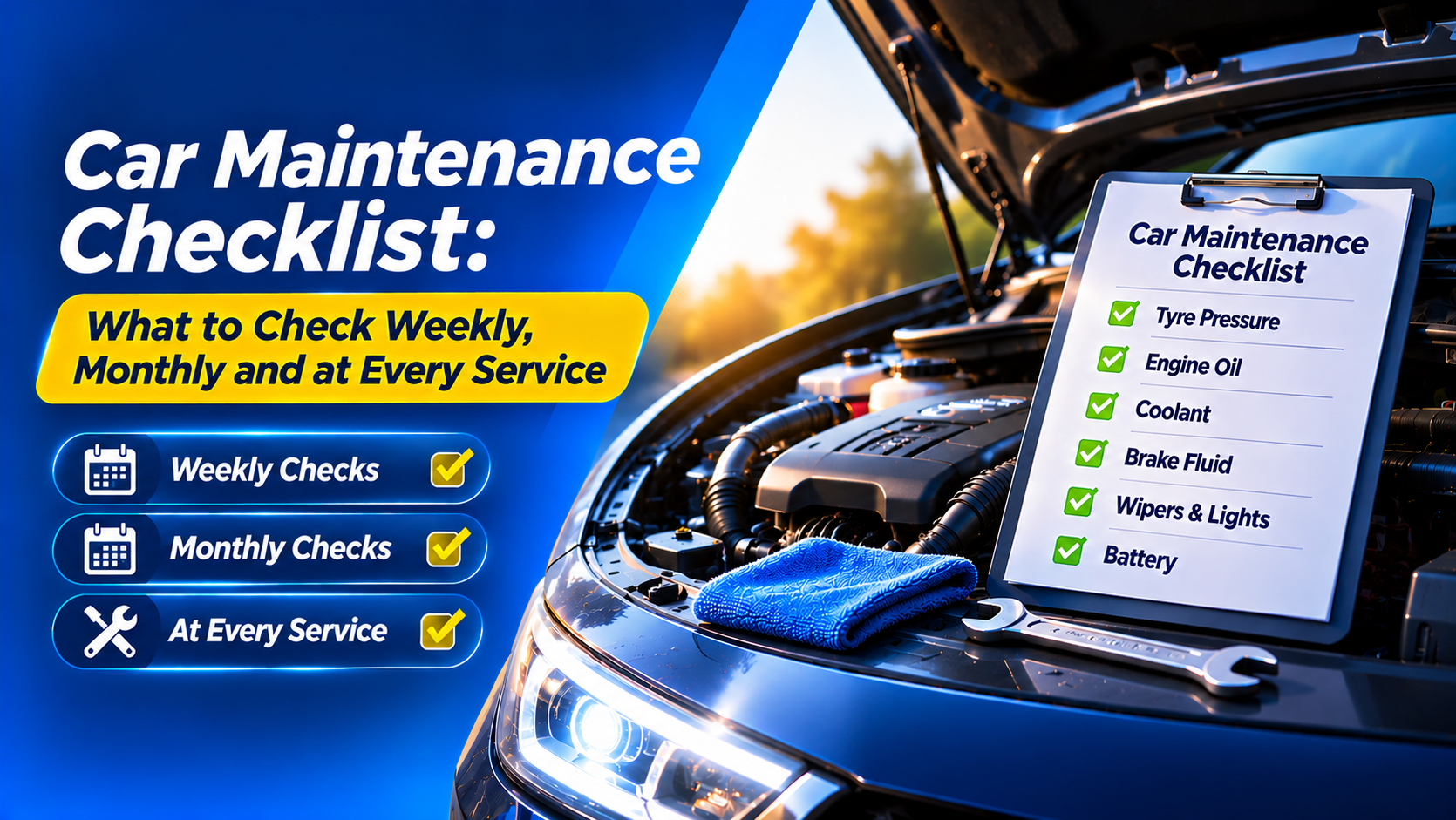
Whether you own a hatchback, sedan, SUV or electric vehicle, adopting the right winter car care tips can make a difference. This guide covers six common mistakes, explains why you should avoid them and provides practical ways to protect your vehicle during colder months.
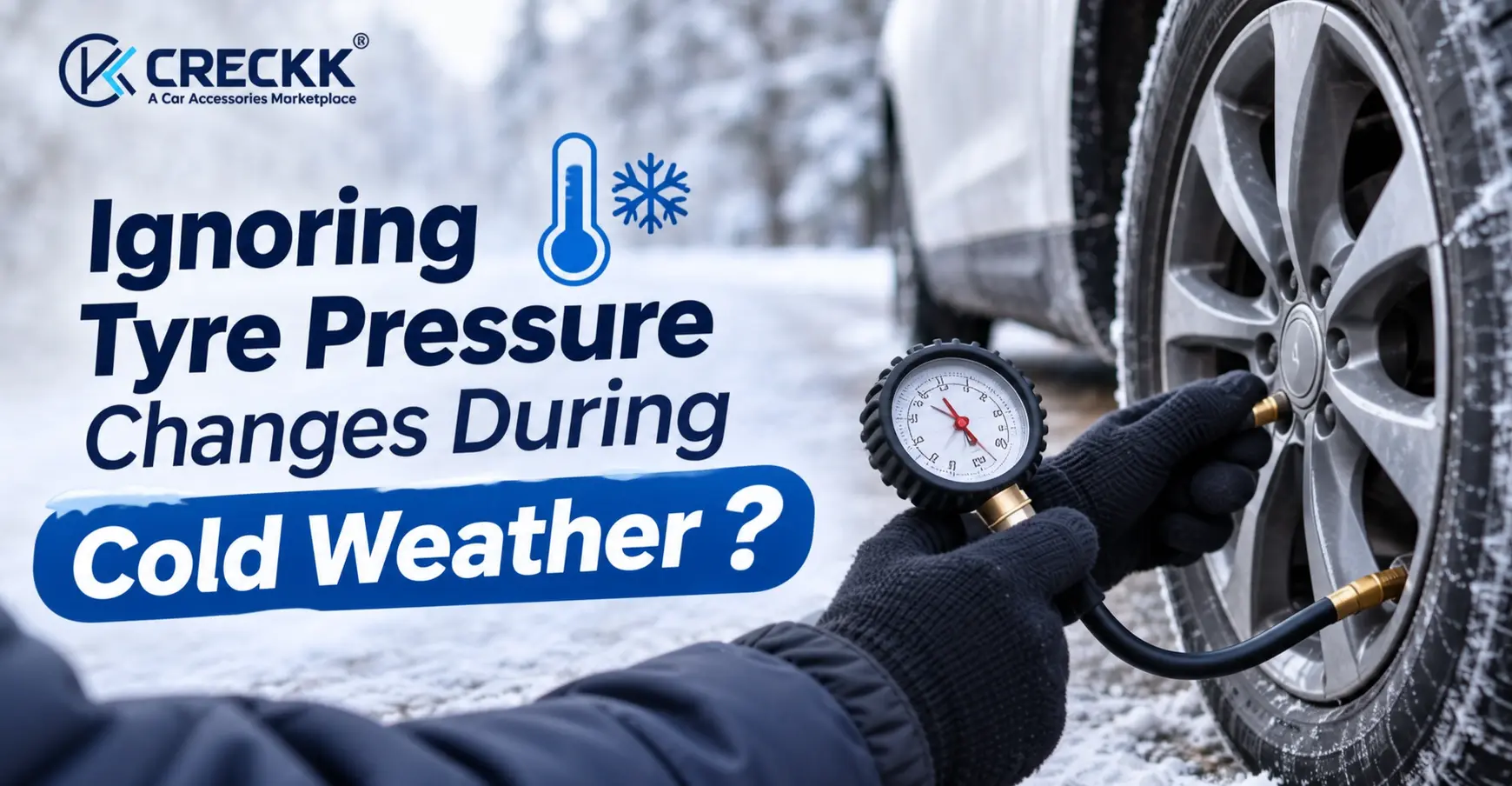
1. Ignoring Tyre Pressure Changes During Cold Weather
Tyres are among the most important components of your vehicle because they directly affect road grip, braking performance, handling and driving safety. However, one common winter car care mistake is ignoring tyre pressure when temperatures begin to drop.
Air pressure inside tyres generally decreases as temperatures fall. This means tyres that were properly inflated during warmer months may become underinflated during colder mornings. Driving with incorrect tyre pressure can increase rolling resistance, affect fuel efficiency, create uneven tyre wear and reduce vehicle stability.
For Indian drivers, this becomes particularly important when travelling early in the morning or driving through colder regions during winter. Even a small pressure difference can affect how your vehicle responds on the road.
How to avoid this mistake:
- Check your tyre pressure regularly, preferably when the tyres are cold.
- Follow the recommended tyre pressure mentioned in your vehicle's owner's manual or tyre information label.
- Do not inflate tyres based only on their visual appearance.
- Inspect tyres for cracks, uneven wear, punctures and visible damage.
- Check the spare tyre to ensure it is ready for emergencies.
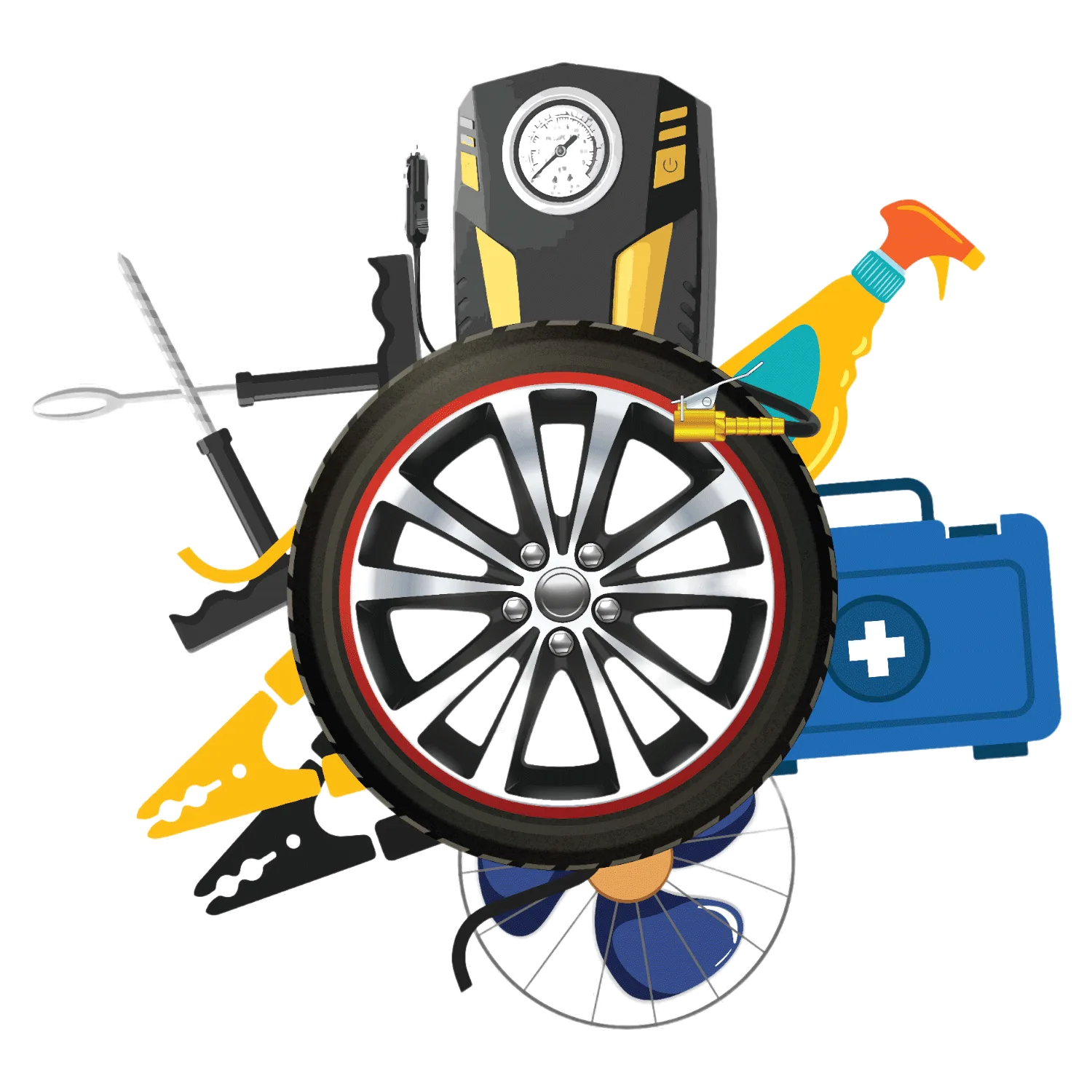
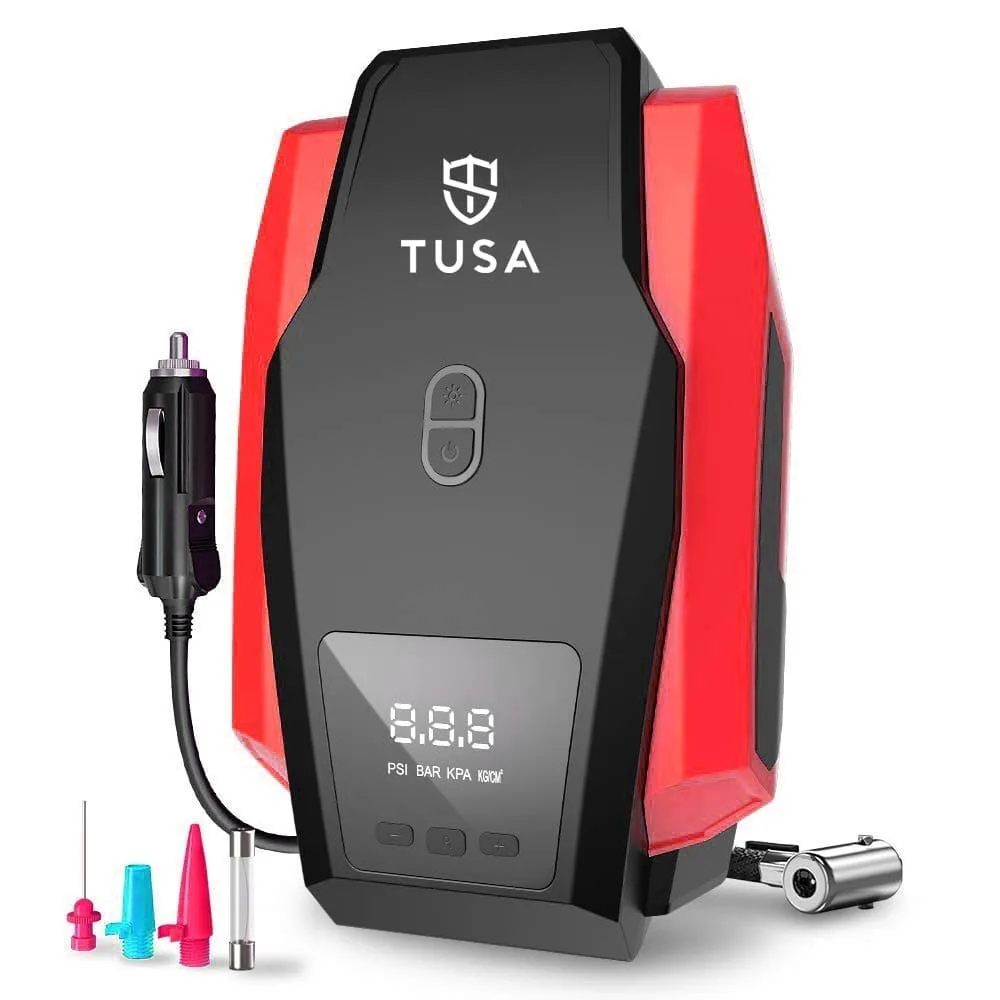
Creckk Tip: Keep a portable tyre inflator in your vehicle. It is a useful addition to your collection of car accessories for winter and can help you check and adjust tyre pressure whenever required.
Maintaining the correct car tyre pressure in winter is a simple but important part of responsible vehicle maintenance. Regular inspections can help improve driving confidence and reduce avoidable tyre-related problems.
2. Using Hot Water to Defrost Frozen or Foggy Glass
During colder mornings, windshields and windows can develop condensation or frost, depending on the temperature and location. Many drivers make the mistake of pouring hot water directly onto the glass to remove ice or clear visibility quickly.
Although this method may appear convenient, it can damage your windshield. A sudden temperature difference can create thermal stress in the glass, potentially worsening existing chips or cracks. In extreme conditions, it may even cause the glass to crack.
Another common mistake is confusing exterior frost with interior windshield fogging. Both problems require different solutions. Exterior frost needs gentle removal, whereas interior fogging generally occurs because of moisture and temperature differences inside the cabin.
How to avoid this mistake:
- Never pour boiling or very hot water directly onto your windshield.
- Use your car's defogger to clear interior condensation.
- Switch on the air conditioning when appropriate to help remove moisture from cabin air.
- Use the windshield defroster or demister function if your vehicle provides one.
- Remove exterior frost gently using a suitable plastic ice scraper.
- Keep the windshield clean to reduce visibility problems caused by dirt and residue.
Creckk Fact: Interior windshield fogging occurs when moisture in the cabin air condenses on a relatively cooler glass surface.
Following proper car windshield defogging tips can help maintain clear visibility and make early-morning driving safer. Avoid quick fixes that expose your windshield to sudden temperature changes.
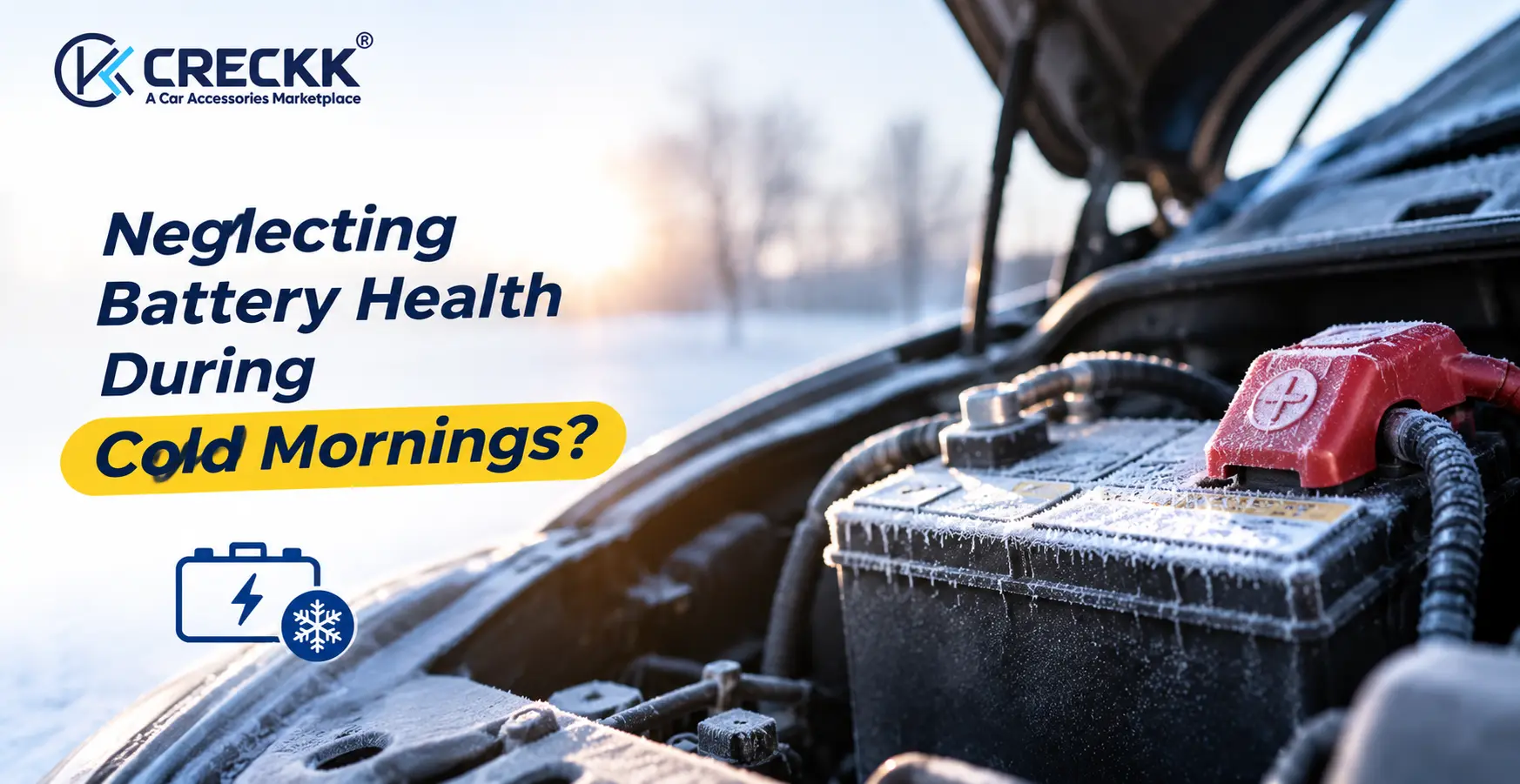
3. Neglecting Battery Health During Cold Mornings
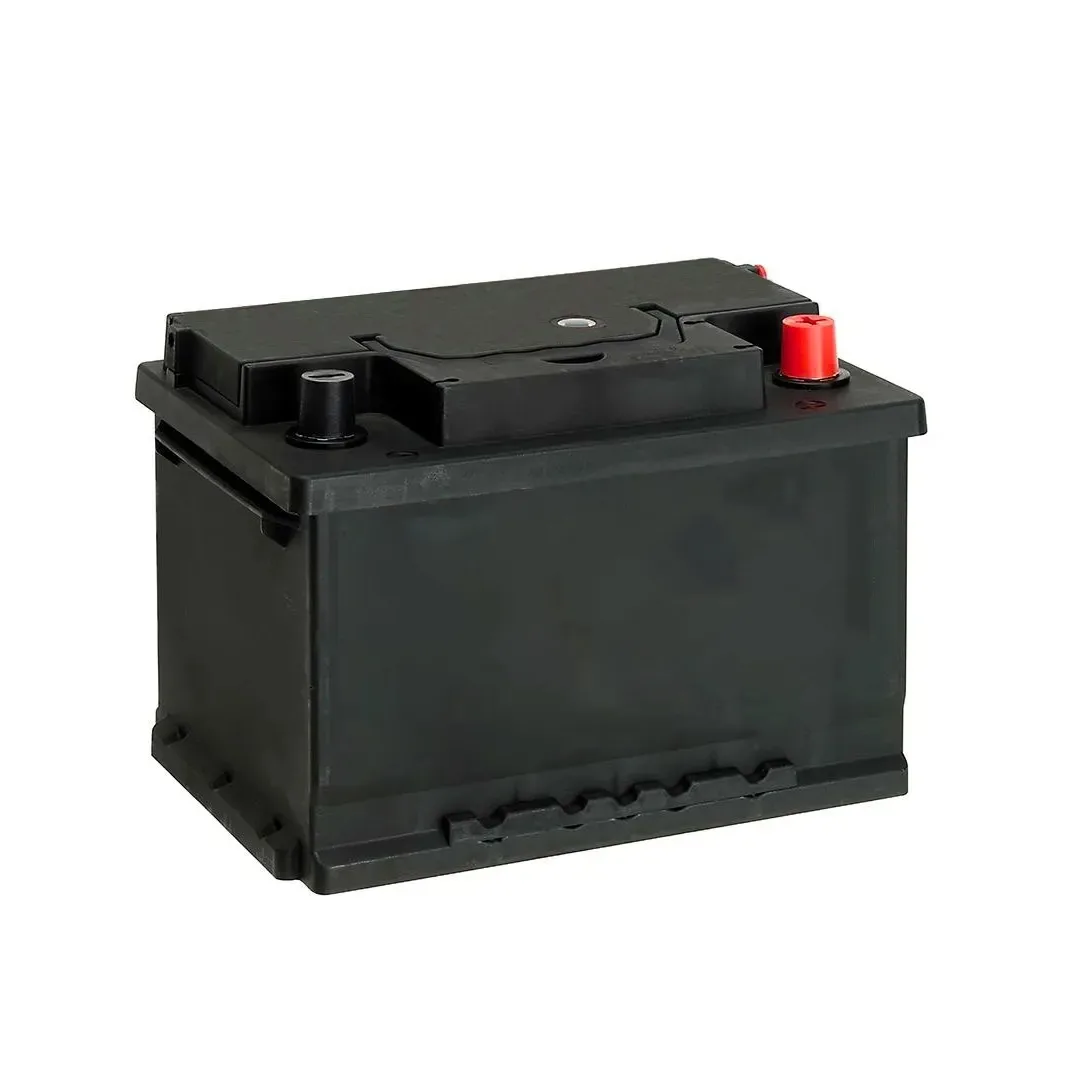
Your car battery plays an essential role in starting the engine and supplying electrical power to various vehicle systems. However, battery performance can become less reliable during colder weather, particularly when the battery is already old or poorly maintained.
Cold temperatures can slow down the chemical reactions inside a battery, reducing its ability to deliver the required starting power. At the same time, starting the engine may require more effort under certain cold conditions.
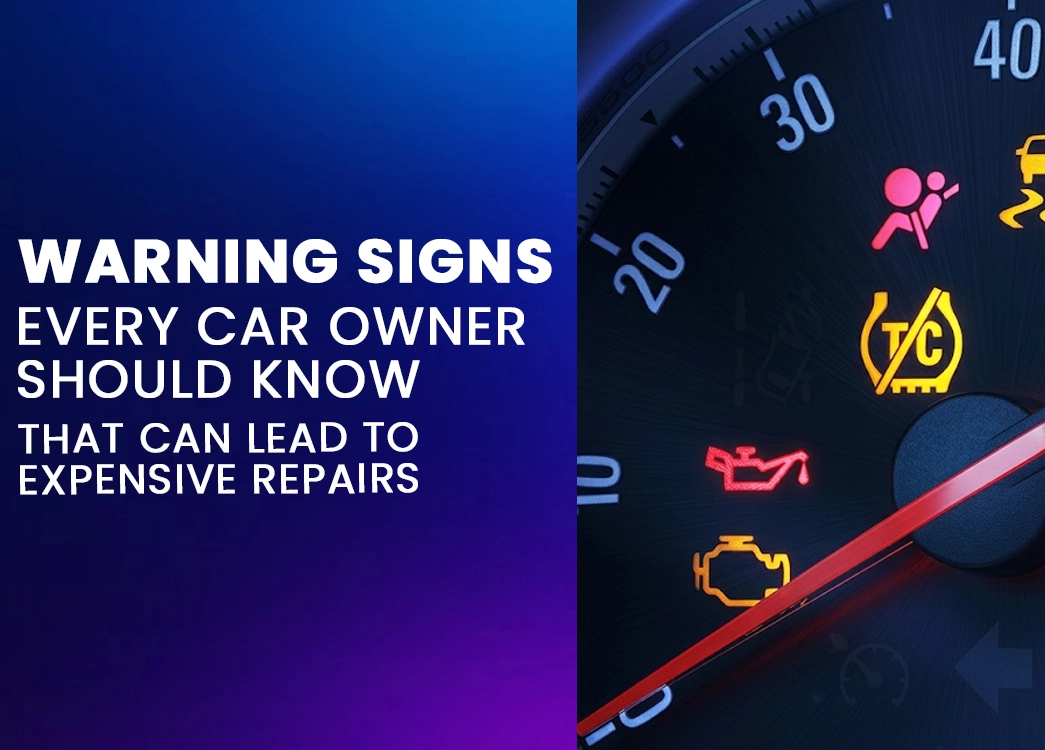
This combination can create problems for vehicles with weak batteries. You may notice slow engine cranking, dim headlights, dashboard warning lights or difficulty starting your car in the morning.
Modern vehicles also depend on electrical systems, including infotainment displays, sensors, security systems and electronic controls. A weak battery can therefore create multiple inconveniences.
How to avoid this mistake:
- Get your battery tested before the winter season begins.
- Inspect battery terminals for corrosion and loose connections.
- Ensure the battery is securely fitted.
- Avoid leaving headlights, cabin lights or other electrical accessories switched on unnecessarily.
- Pay attention to slow engine cranking or repeated starting difficulties.
- Replace an ageing or faulty battery when recommended after inspection.
Creckk Tip: Keep a basic emergency car kit with essential accessories, including a torch and suitable roadside assistance equipment. These items can be helpful if your vehicle experiences a starting problem away from home.
Proper car battery maintenance is an important part of winter car protection. Checking battery condition before the season changes can help prevent unexpected breakdowns and improve vehicle reliability.
4. Overlooking Coolant Levels and Engine Protection
Coolant is an essential fluid that helps regulate engine temperature and protects the cooling system from overheating. Despite its importance, many car owners overlook coolant levels and condition during seasonal maintenance.
A common misconception is that coolant is only necessary during summer. In reality, it performs an important function throughout the year. Depending on its formulation, engine coolant also provides protection against freezing and corrosion within the cooling system.
Using plain water instead of the manufacturer-recommended coolant can create problems. Water does not provide the same corrosion protection or temperature-management properties as a properly formulated coolant. Incorrect coolant mixtures can also reduce the effectiveness of the cooling system.
Although extreme freezing is uncommon in many Indian cities, vehicles travelling to colder regions need particular attention.
How to avoid this mistake:
- Check coolant levels according to your vehicle manufacturer's instructions.
- Use the coolant type and specification recommended in the owner's manual.
- Inspect the coolant reservoir for visible leaks or unusual changes in fluid condition.
- Avoid mixing different coolant formulations without checking compatibility.
- Get the cooling system inspected if the temperature warning light appears.
- Never open a hot radiator cap because pressurised coolant can cause serious burns.
Creckk Fact: Coolant does more than regulate engine temperature. It also helps protect cooling-system components against corrosion.
Understanding how to maintain your car during winter includes checking essential fluids rather than focusing only on exterior cleaning. Proper coolant maintenance supports engine protection and helps the cooling system operate as intended.
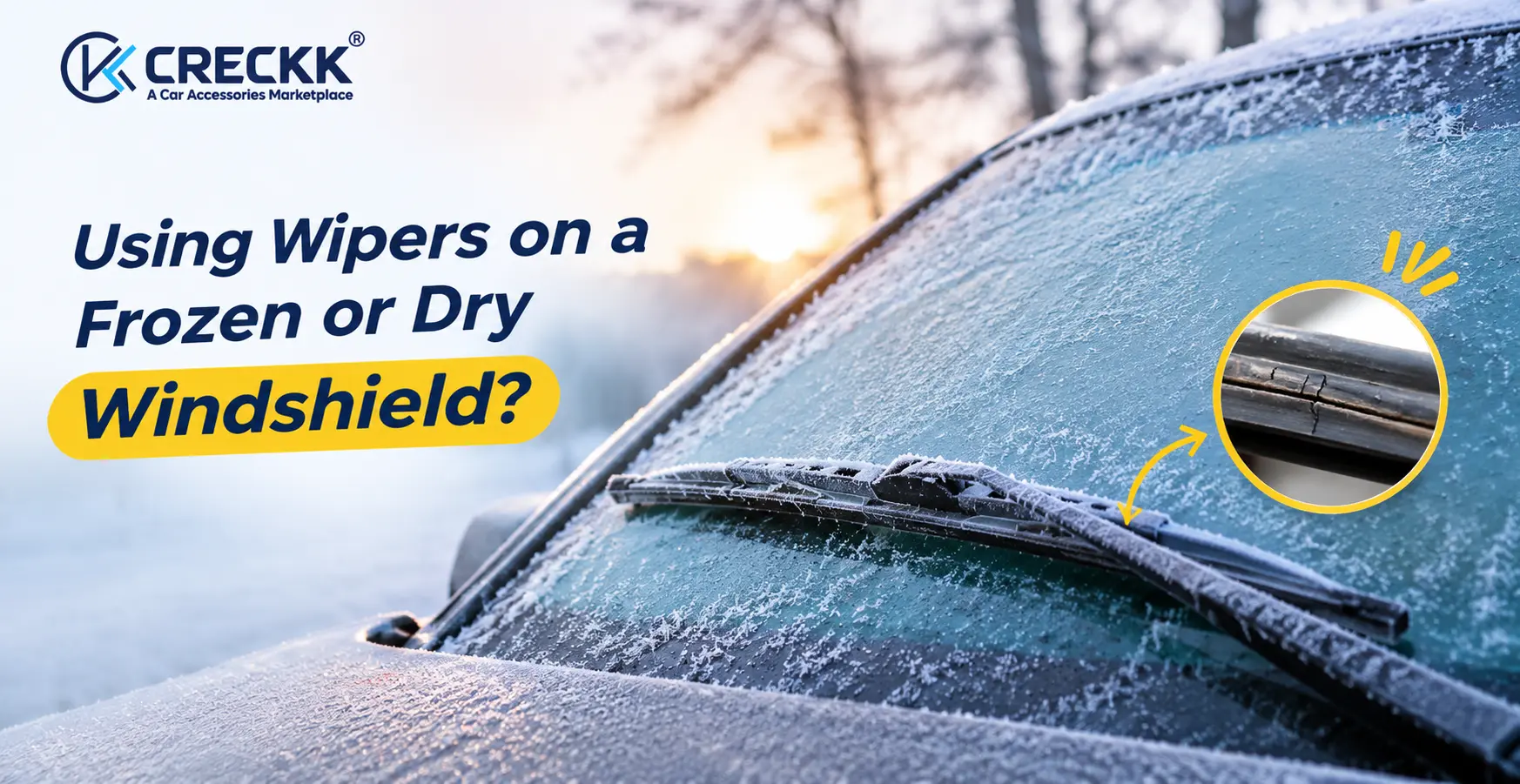
5. Using Wipers on a Frozen or Dry Windshield
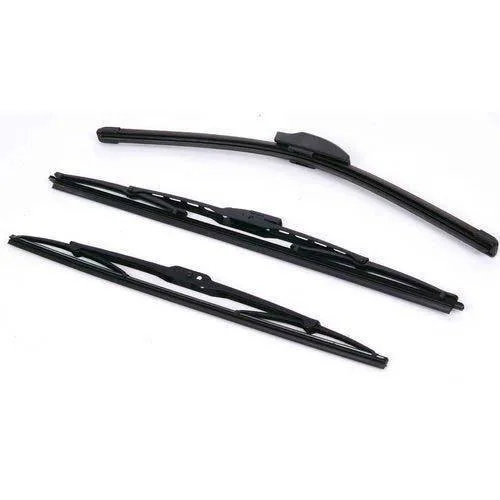
Windshield wipers are designed to remove water, dust and other light debris from your vehicle's glass. However, using them incorrectly during winter can damage both the wiper blades and windshield.
When temperatures drop significantly, moisture on the windshield may freeze. If the wiper blades become stuck to the glass, switching them on without checking their condition can strain the wiper motor or damage the rubber edges.
Another common mistake is operating wipers on a completely dry windshield. Dust particles trapped between the glass and rubber blades can create friction, potentially causing scratches and premature blade wear.
Poor-quality or damaged wiper blades can also leave streaks, reduce visibility and make driving uncomfortable during rain or foggy conditions.
How to avoid this mistake:
- Check whether the wiper blades are stuck before switching them on.
- Never force frozen wipers away from the windshield.
- Use the vehicle's defroster to loosen ice where necessary.
- Clean the windshield before operating wipers on a dusty surface.
- Replace damaged, cracked or hardened wiper blades.
- Maintain an adequate supply of suitable windshield washer fluid.
Creckk Tip: Consider keeping spare microfibre cloths and a suitable windshield cleaning solution among your essential car cleaning accessories. These can help maintain clear glass and reduce the need to operate wipers unnecessarily.
Good windshield maintenance is an important part of car care tips in cold weather. Taking a few seconds to inspect your wipers before using them can help prevent unnecessary damage and maintain clear visibility.
6. Skipping Regular Car Cleaning During Winter
Many car owners reduce their vehicle cleaning routine during winter because of colder mornings, shorter daylight hours or changing weather conditions. However, skipping regular cleaning can allow dirt, moisture and environmental contaminants to accumulate on different parts of the vehicle.
Dust, mud, road grime and bird droppings can affect your car's paintwork if they remain on the surface for extended periods. In areas where road salt is used, accumulated salt can also contribute to corrosion when left on exposed metal components.
The interior requires attention as well. Wet footwear, muddy floor mats, food particles and moisture can create unpleasant smells and make the cabin difficult to maintain.
Regular cleaning does not necessarily mean washing your car every day. Instead, focus on removing accumulated dirt and keeping important surfaces dry and clean.
How to avoid this mistake:
- Wash your vehicle periodically to remove accumulated dirt and road grime.
- Pay attention to the wheel arches, underbody and lower body panels.
- Dry exterior surfaces properly after washing.
- Clean floor mats regularly, especially after rainy or muddy journeys.
- Wipe dashboard surfaces, door panels and frequently touched areas.
- Remove food waste and unnecessary items from the cabin.
- Use suitable cleaning products for different interior and exterior surfaces.
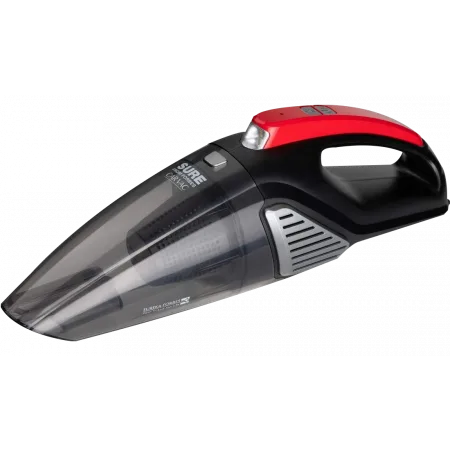
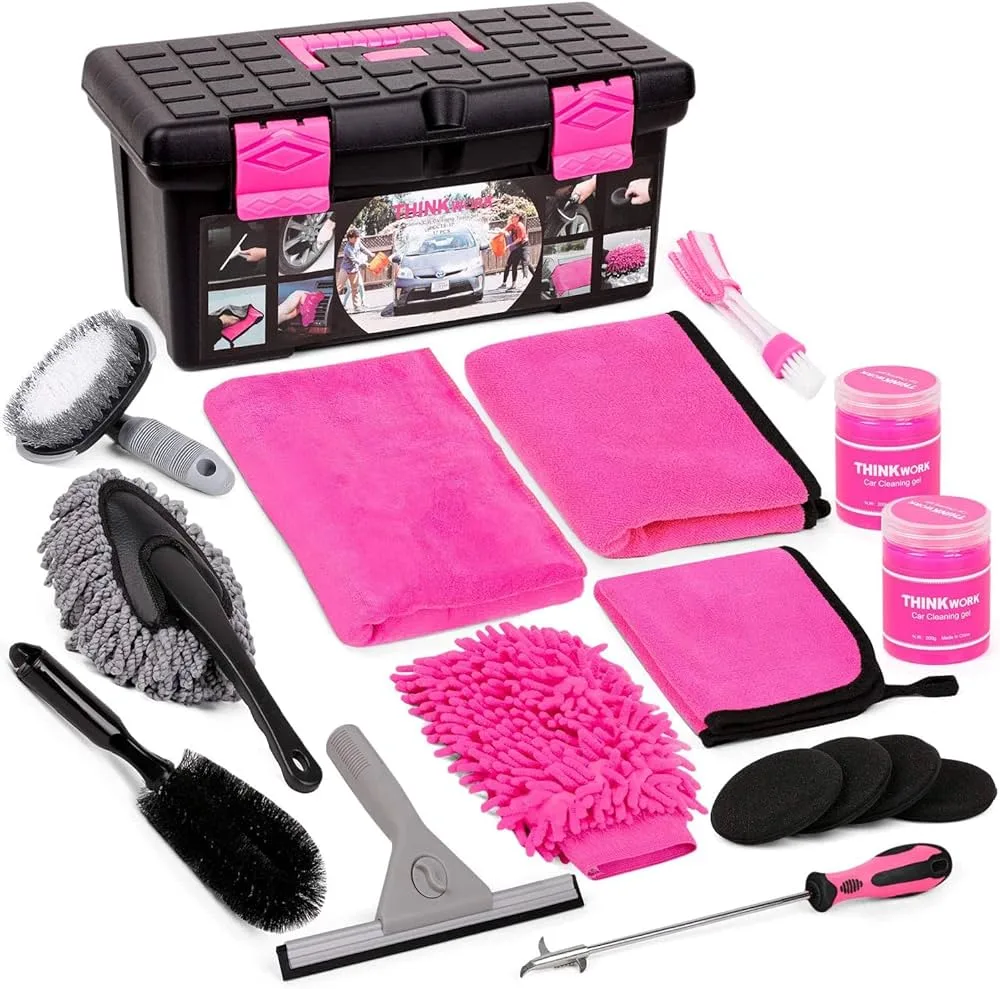
Creckk Tip: Invest in useful car cleaning accessories such as microfibre cloths, interior cleaning brushes, dashboard cleaners and car vacuum cleaners. These can make regular vehicle cleaning easier and more convenient.
Using the right car interior cleaning accessories and car protection accessories can help maintain your vehicle's appearance and condition. A consistent cleaning routine is one of the easiest ways to improve your overall winter car maintenance habits.
Essential Car Accessories for Winter Maintenance
Along with regular maintenance, keeping a few useful accessories inside your vehicle can make seasonal car care easier. The right products can help you manage minor problems, maintain cleanliness and prepare for unexpected situations.
Here are some useful car accessories for winter that Indian car owners can consider:
| Car Accessory | Primary Purpose | Why It Is Useful During Winter |
|---|---|---|
| Portable Tyre Inflator | Checks and inflates tyres | Helps manage tyre pressure changes |
| Microfibre Cleaning Cloth | Cleans glass and surfaces | Helps remove moisture and dust |
| Car Vacuum Cleaner | Removes dust and debris | Keeps the cabin clean |
| Windshield Cleaning Solution | Cleans exterior glass | Helps maintain clear visibility |
| Interior Cleaning Brush | Cleans difficult-to-reach areas | Removes accumulated dirt from cabin surfaces |
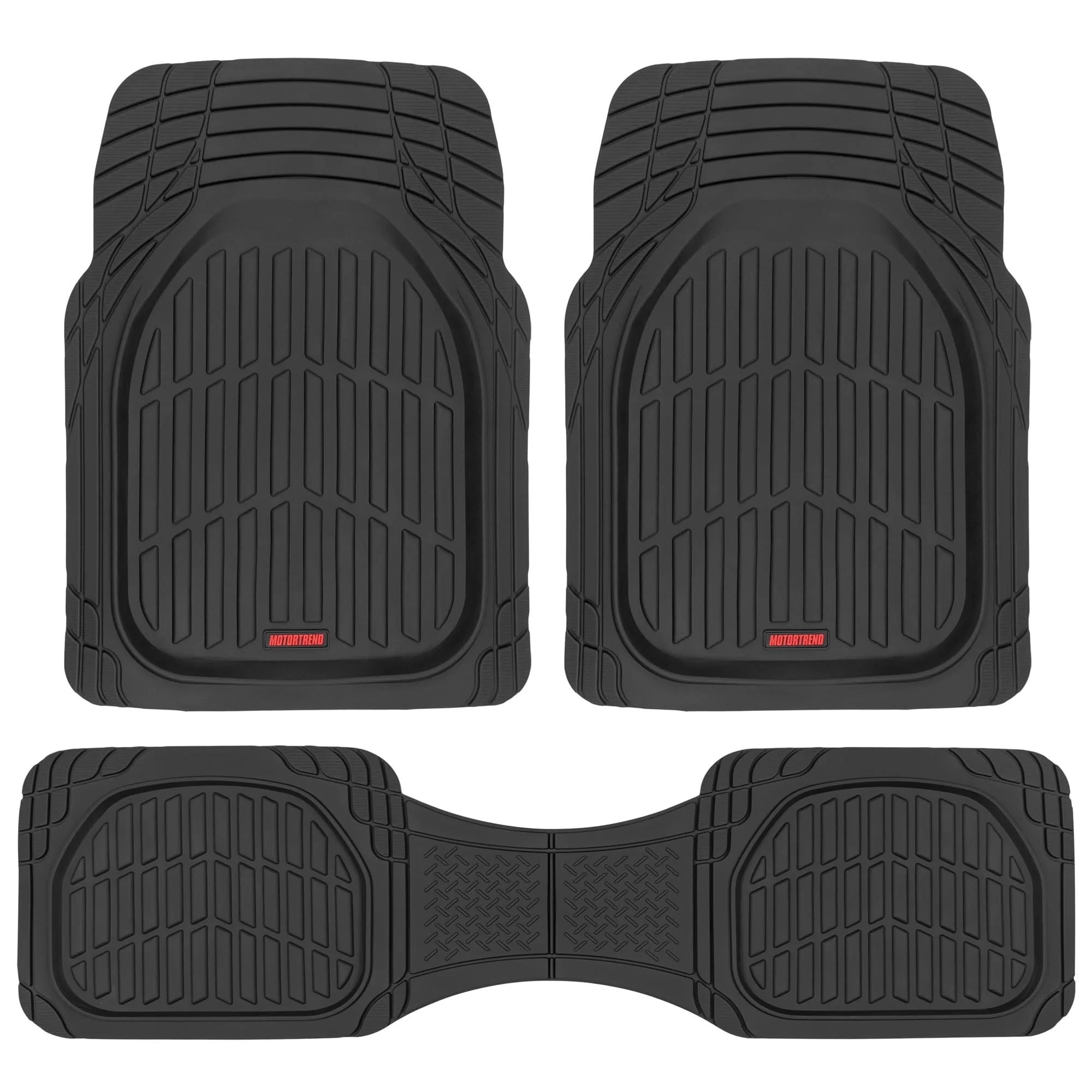
| Car Floor Mats | Protects the vehicle floor | Helps manage mud, moisture and dirt |
| Emergency Torch | Provides portable lighting | Useful during early-morning breakdowns or inspections |
Creckk Tip: Choose accessories based on your vehicle type, usage and actual maintenance requirements rather than purchasing every available product. Explore suitable car cleaning accessories and other vehicle essentials through Creckk.
Frequently Asked Questions (FAQs)
1. What are the most common winter car care mistakes?
Some common mistakes include ignoring tyre pressure, neglecting battery health, using hot water to remove frost, overlooking coolant levels, operating wipers on frozen glass and skipping regular vehicle cleaning. These habits can affect vehicle performance, safety and long-term maintenance costs.
2. How often should I check my car tyre pressure during winter?
Check tyre pressure at least once every two weeks and before long journeys. Always measure it when the tyres are cold and follow the recommended pressure specified by your vehicle manufacturer.
3. How can I prevent my car battery from failing during winter?
Get your battery tested before winter, inspect its terminals, keep electrical connections clean and avoid leaving electrical accessories switched on unnecessarily. Replace a weak battery when recommended by a qualified technician.
4. Is it safe to pour hot water on a frozen windshield?
No. Pouring hot water onto a cold windshield can cause thermal stress and potentially crack the glass, particularly if it already has chips or damage. Use the defroster and a suitable plastic ice scraper instead.
5. Which car accessories are useful during winter?
Useful winter car care accessories include portable tyre inflators, microfibre cloths, car vacuum cleaners, windshield cleaning solutions, interior cleaning brushes, floor mats and emergency torches.
6. Should I wash my car regularly during winter?
Yes. Regular cleaning helps remove dust, mud, road grime and other contaminants. Pay attention to the underbody, wheel arches, floor mats and interior surfaces to prevent dirt and moisture from accumulating.
7. Does coolant need to be checked during winter?
Yes. Coolant should be checked throughout the year because it helps regulate engine temperature and protect the cooling system against corrosion. Always use the coolant specification recommended by your vehicle manufacturer.
Conclusion: Protect Your Car with the Right Winter Maintenance Habits
Winter car maintenance is not just about preparing your vehicle for extremely cold temperatures. It is about understanding how seasonal weather changes can affect different vehicle components and adopting the right habits to prevent unnecessary damage.
Ignoring tyre pressure, neglecting battery health, using incorrect windshield cleaning methods and overlooking coolant levels are mistakes that can affect your vehicle's reliability and safety. Similarly, skipping regular cleaning can allow dirt and moisture to accumulate on both exterior and interior surfaces.
Following practical winter car care tips, inspecting essential components and using suitable winter car care accessories can make seasonal maintenance easier. From portable tyre inflators to microfibre cloths and interior cleaning accessories, small additions can improve your everyday vehicle care routine.
For Indian car owners, the best approach is to follow the manufacturer's maintenance recommendations and adjust inspections according to local weather and driving conditions.
Explore useful car maintenance and cleaning essentials at Creckk to keep your vehicle clean, protected and ready for every journey.