Your cart is empty
Start Shopping Exterior
›
Exterior
›
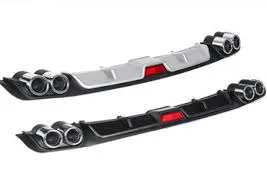 Bumper Diffuser/Guard
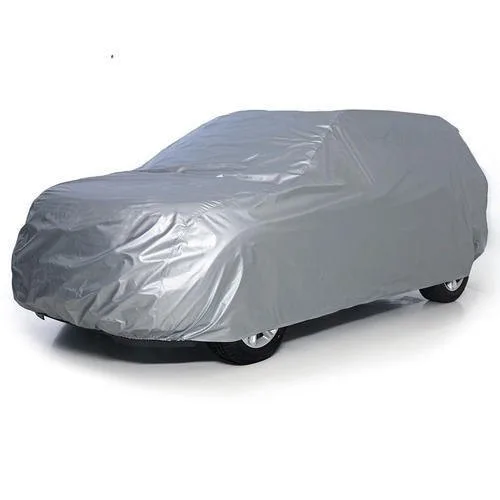 Body Covers
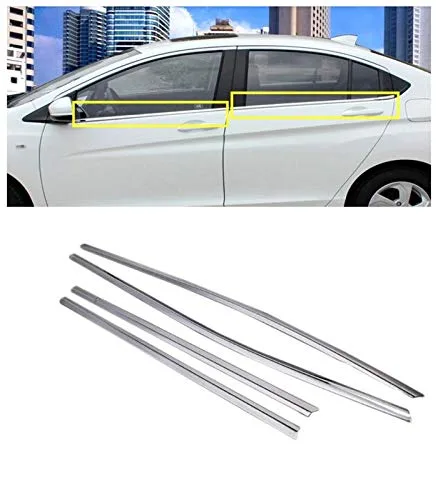 Window Garnishing
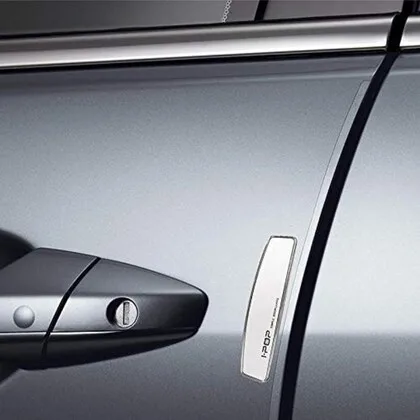 Door Guards
 Roof Rails
 Side Beading
 Door Visor
 Mud Flap
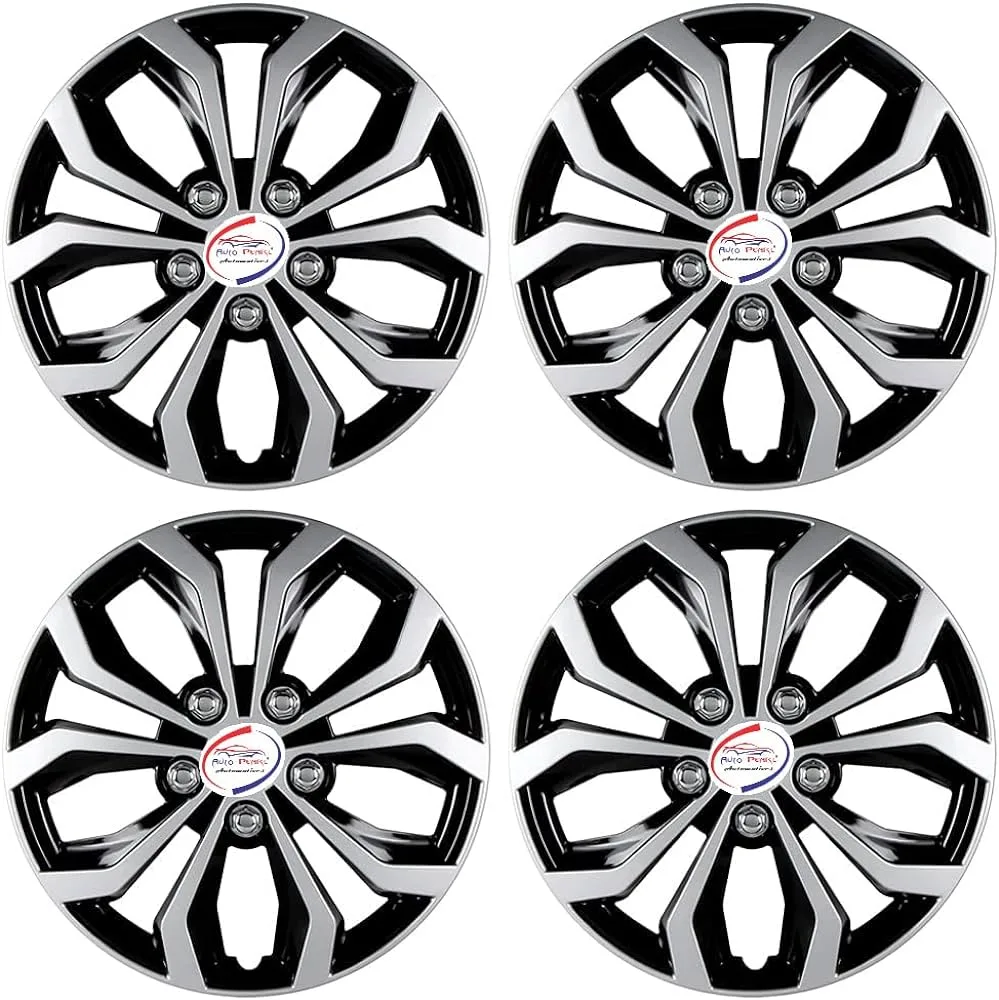 Wheel Cover
 Foot Rest
 Interior
›
Interior
›
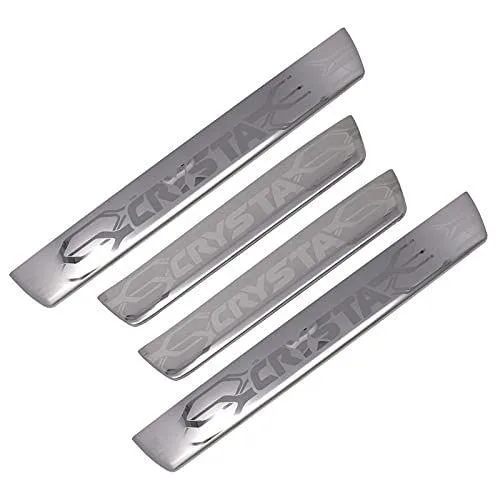 Door Scuff Sill Plates
 Window Sunshades & Film
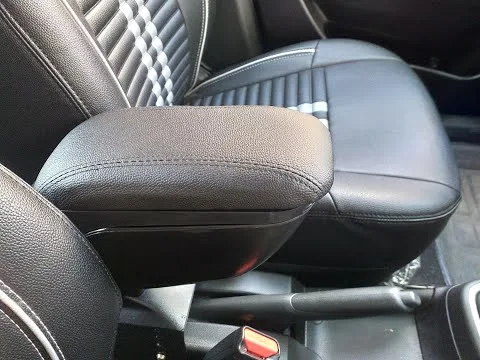 Armrest
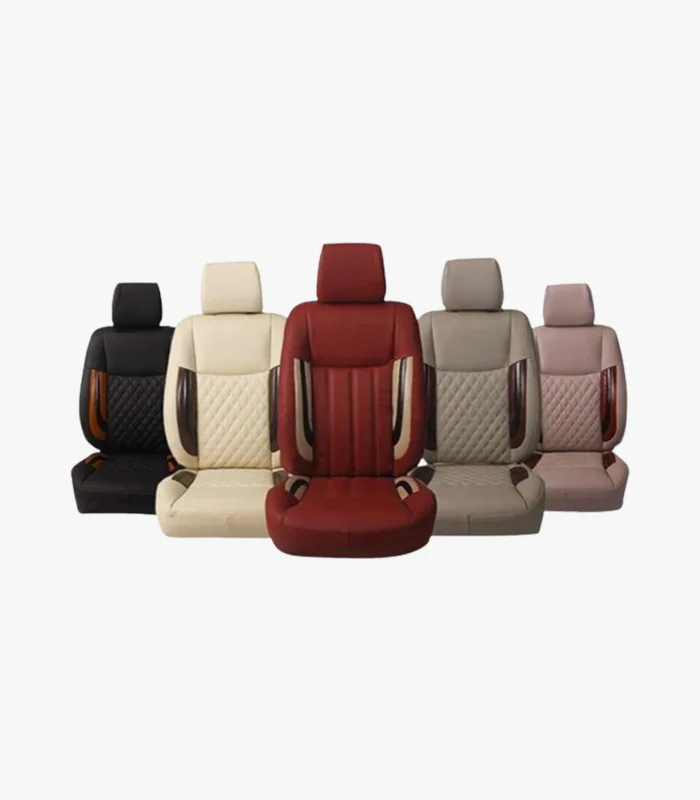 Seat Covers
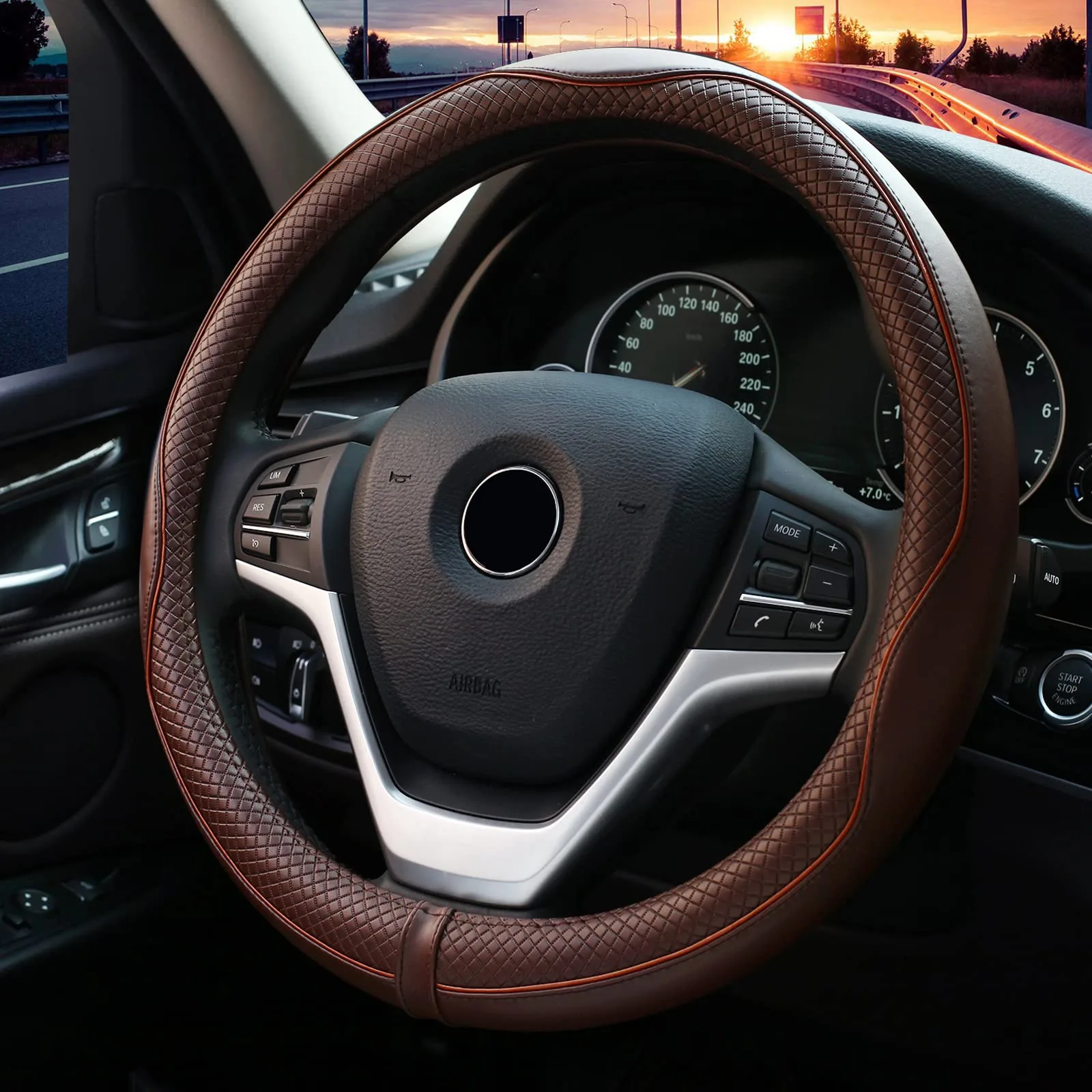 Steering Cover
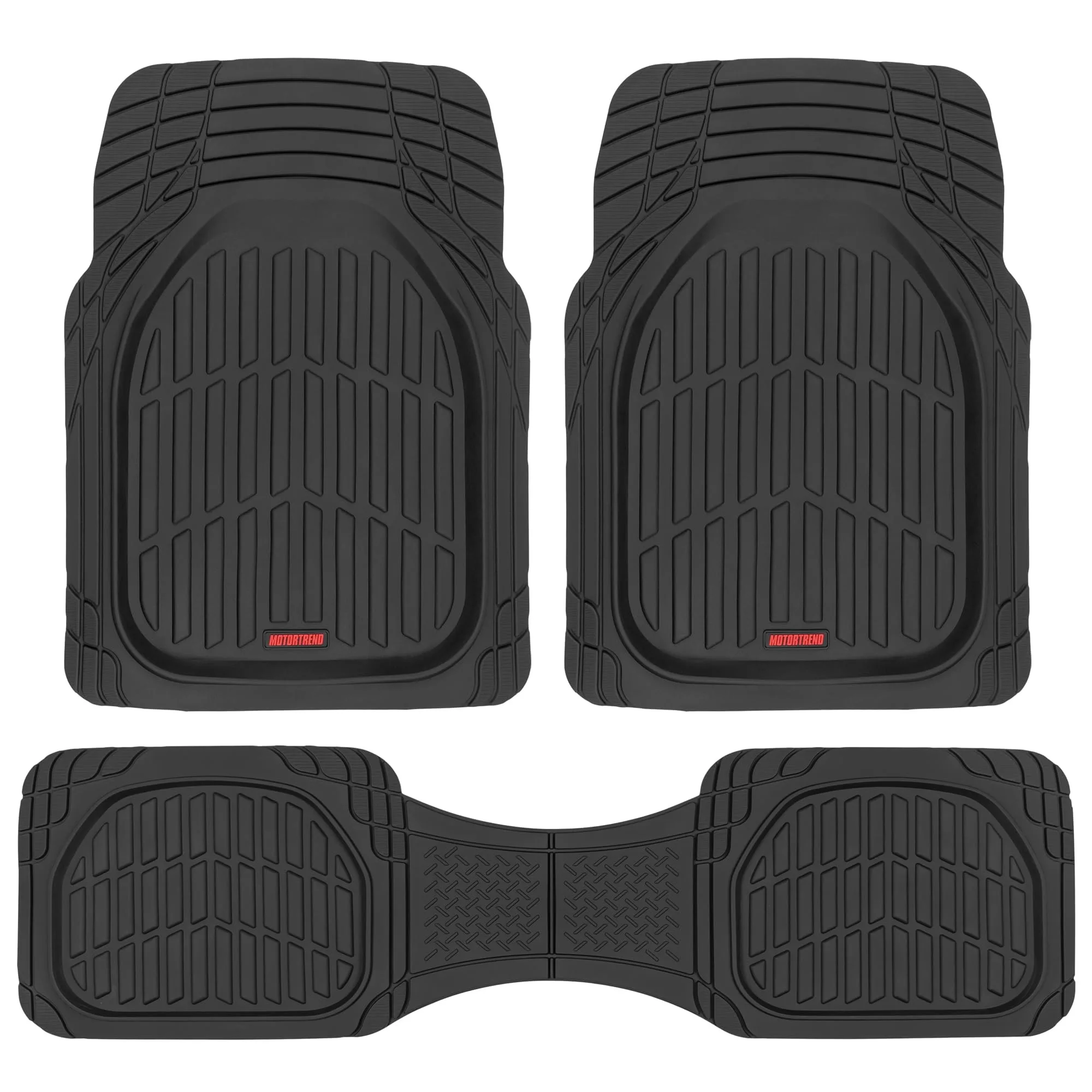 Floor Mats
 Dashboard Showpiece
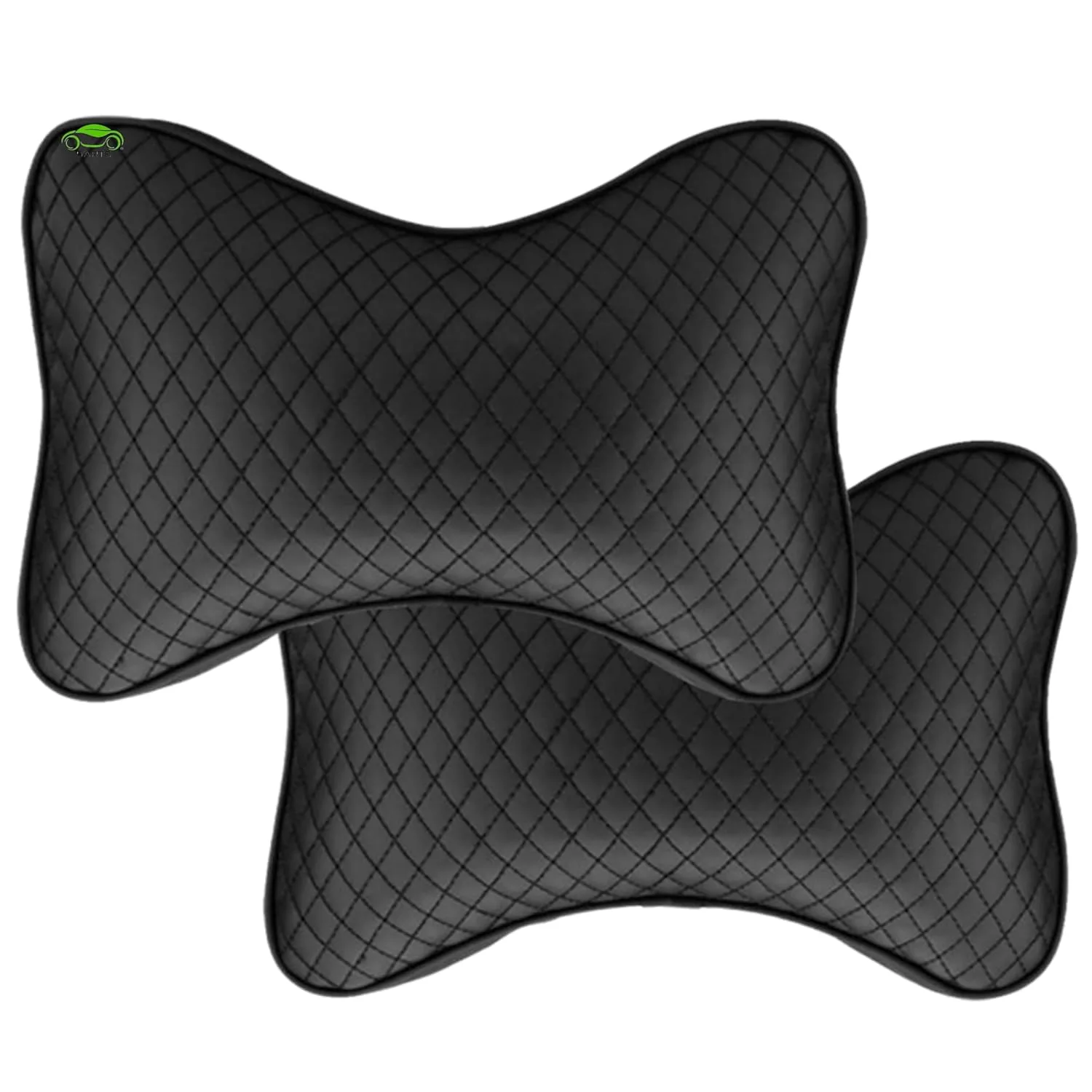 Seat & Neck Cushion
 Lighting
›
Lighting
›
 Utility
›
Utility
›
 All Chrome Items
 Mobile Holder
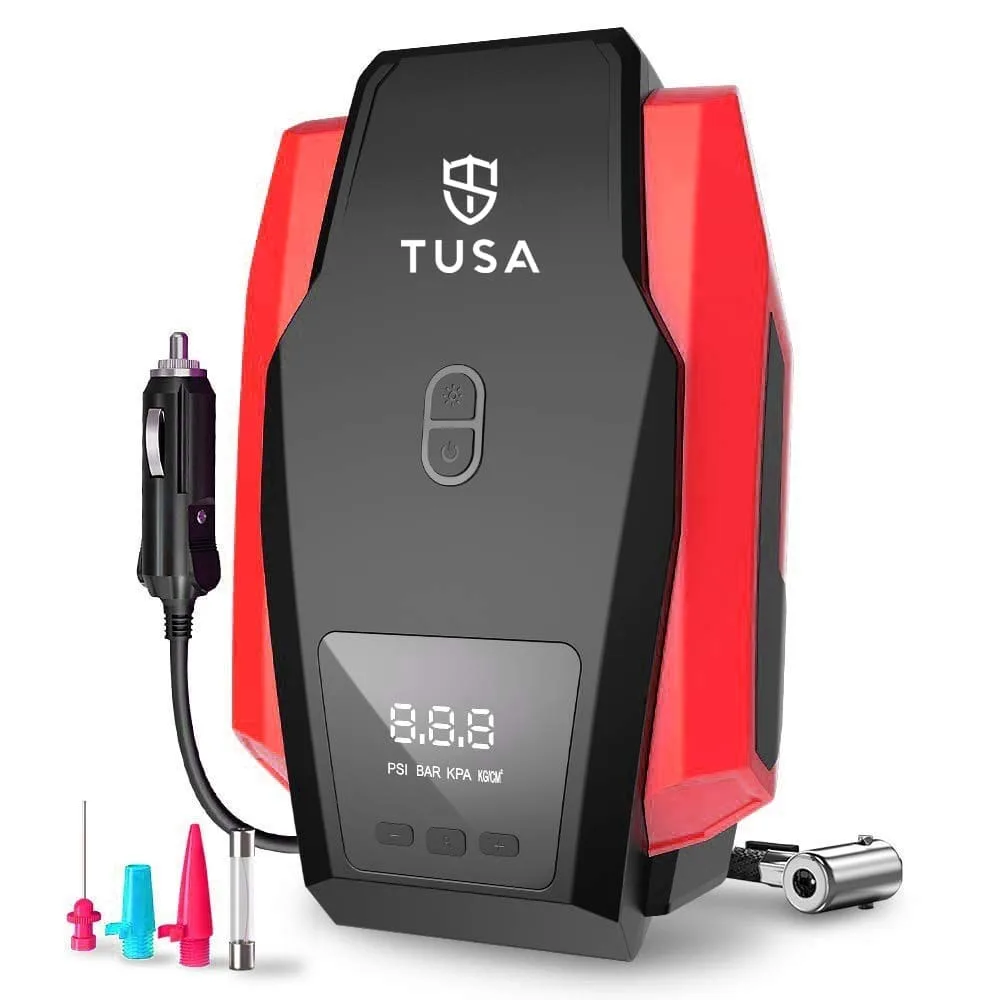 Tyre Inflators
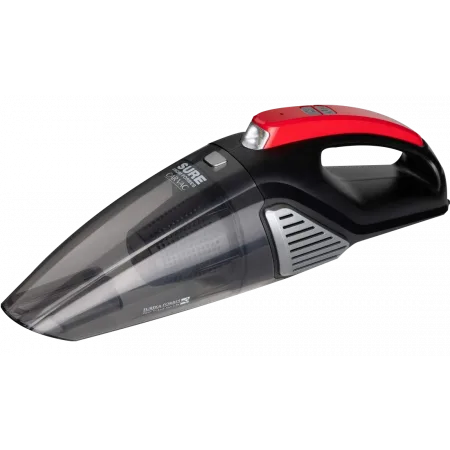 Vacuum Cleaner
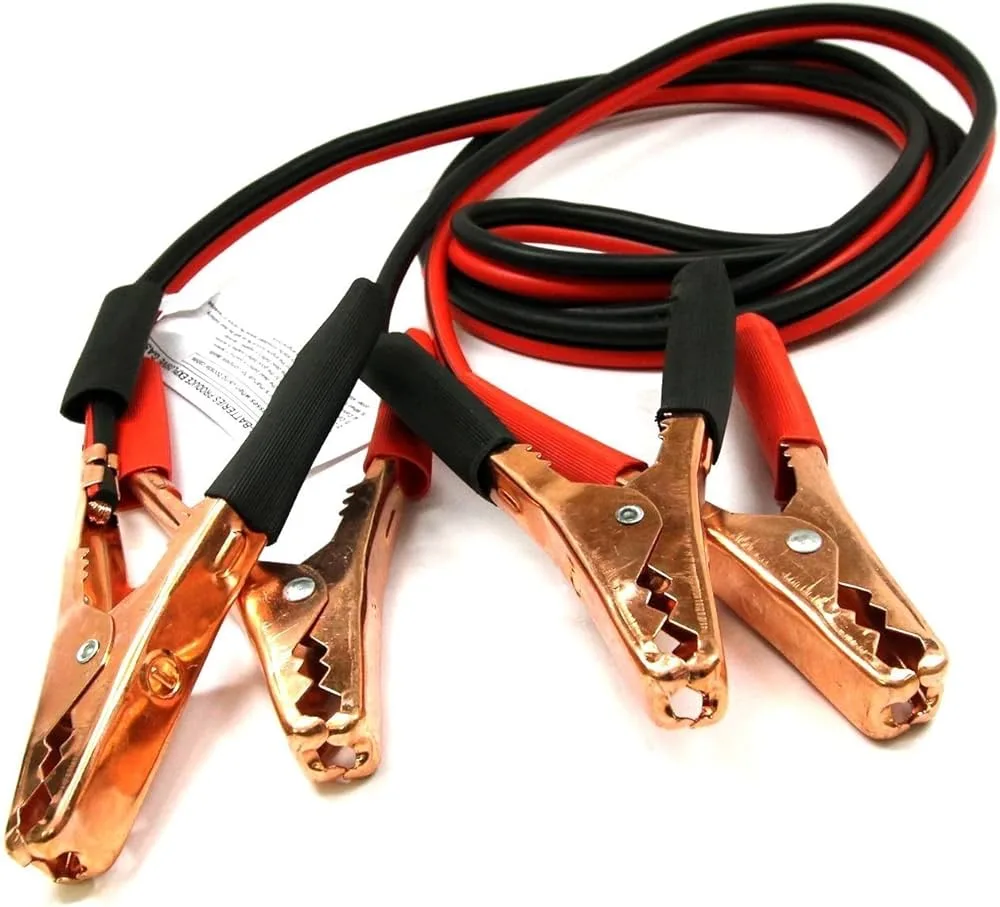 Jumper Cable
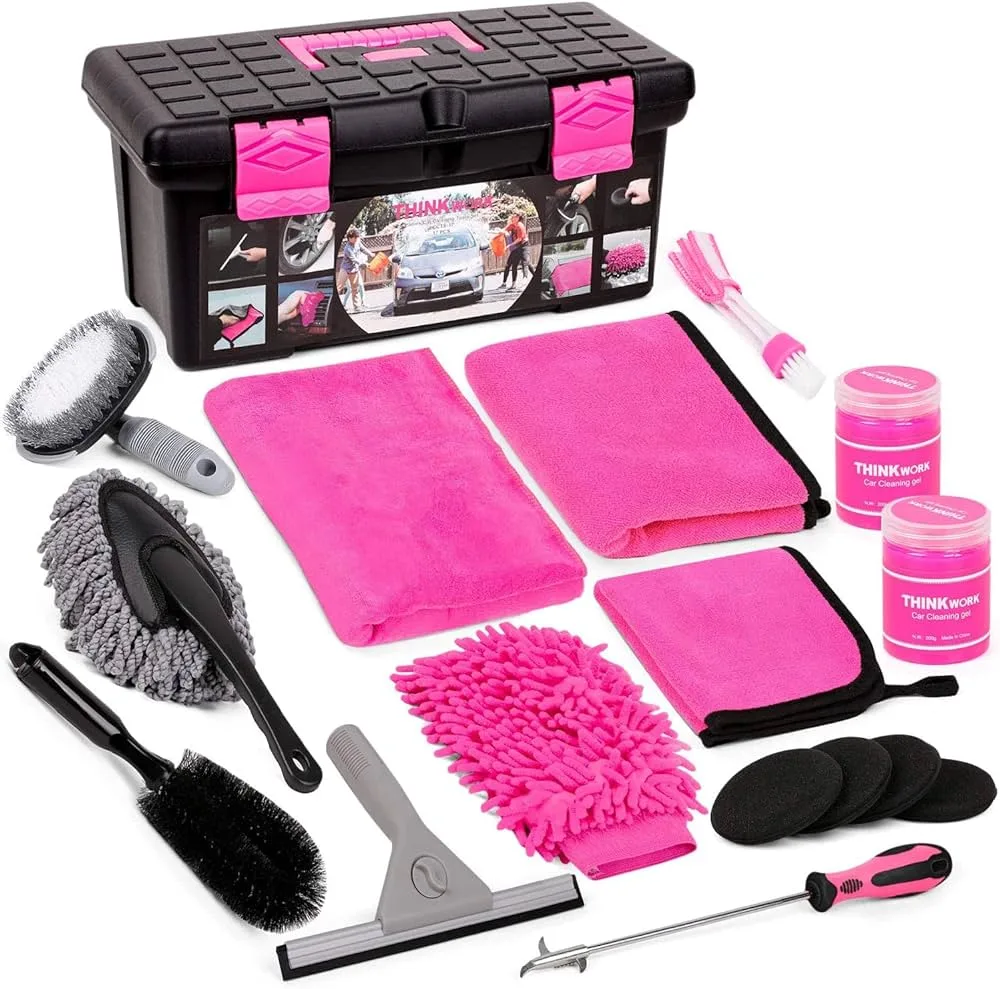 Cleaning Kit
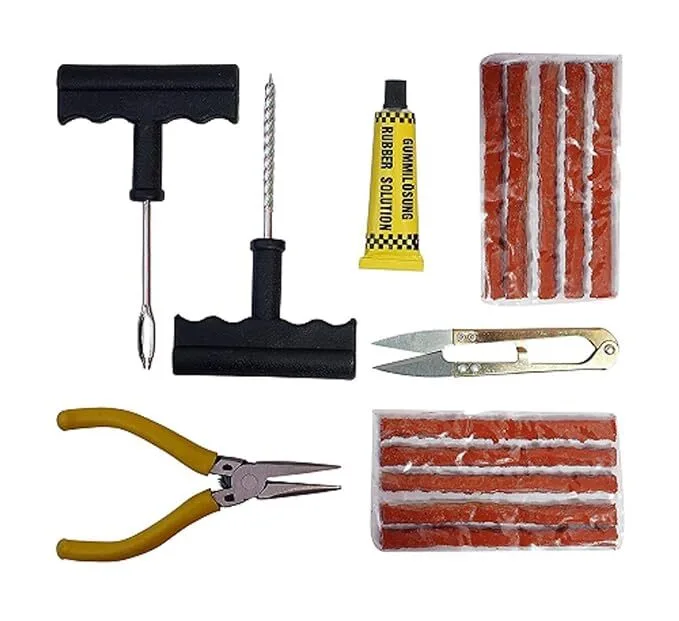 Tyre Puncture Kit
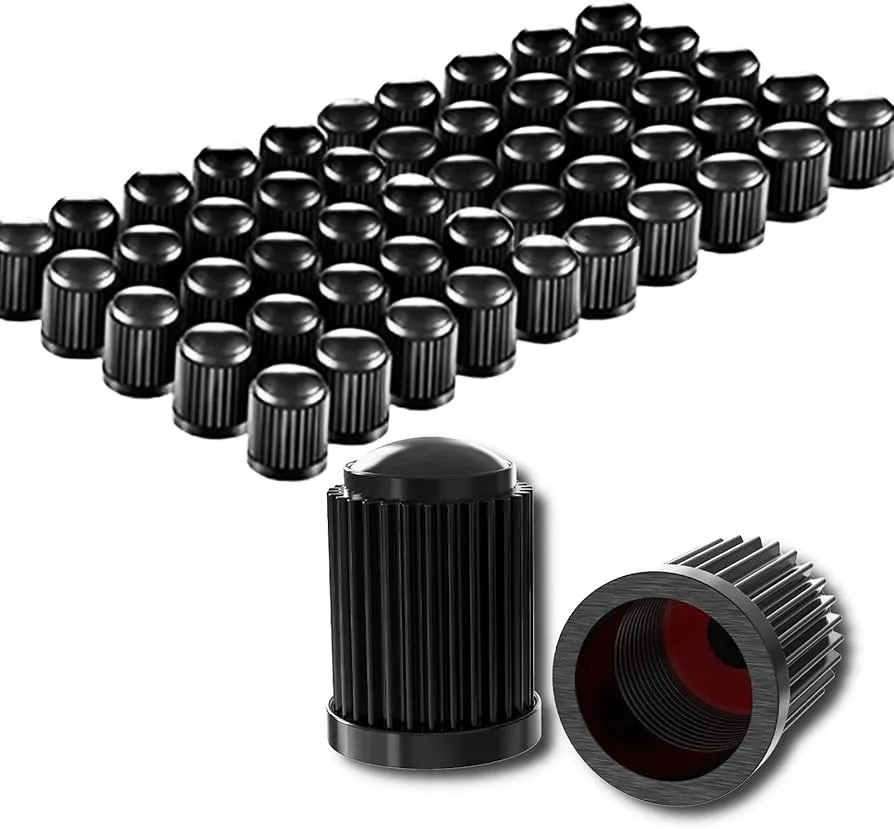 Tyre Valve Cap
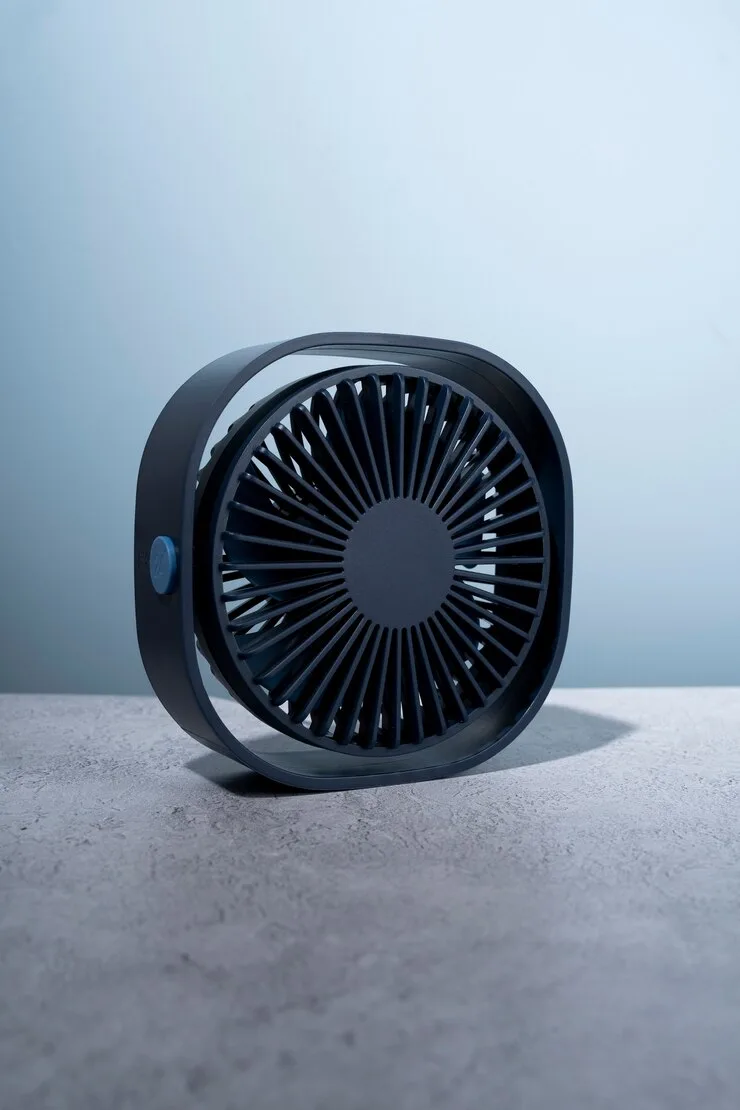 Car Fan
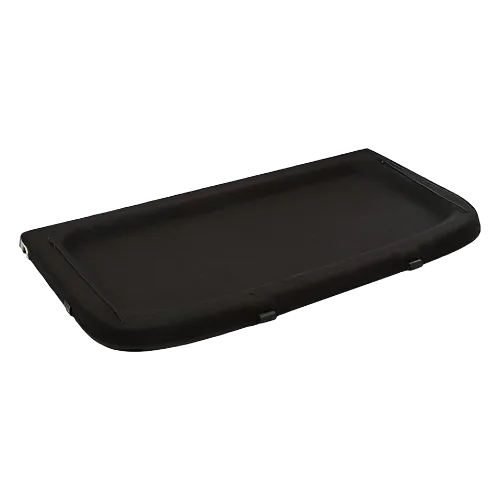 Parcel Tray
 Electronic
›
Electronic
›
 Parts
›
Parts
›
 Fog Lights
 Headlights
 Tail Lights
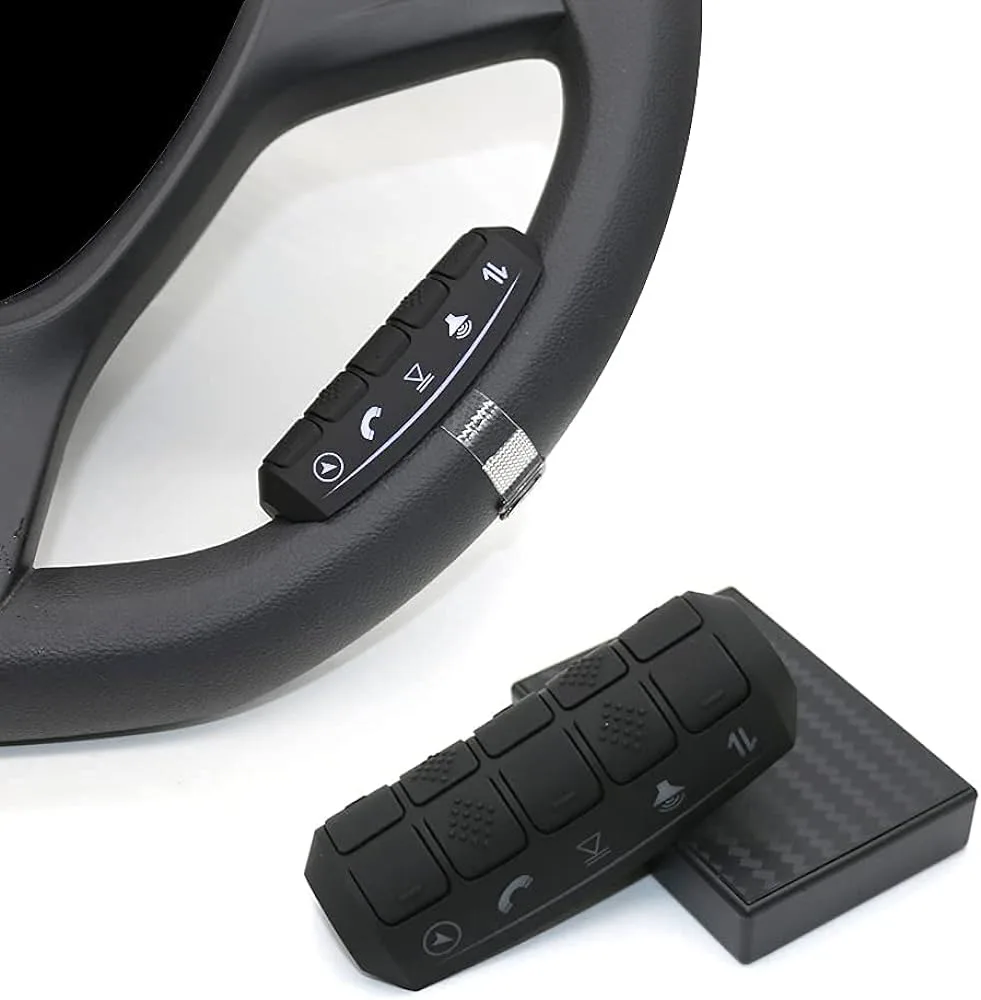 Steering Wheel Controls
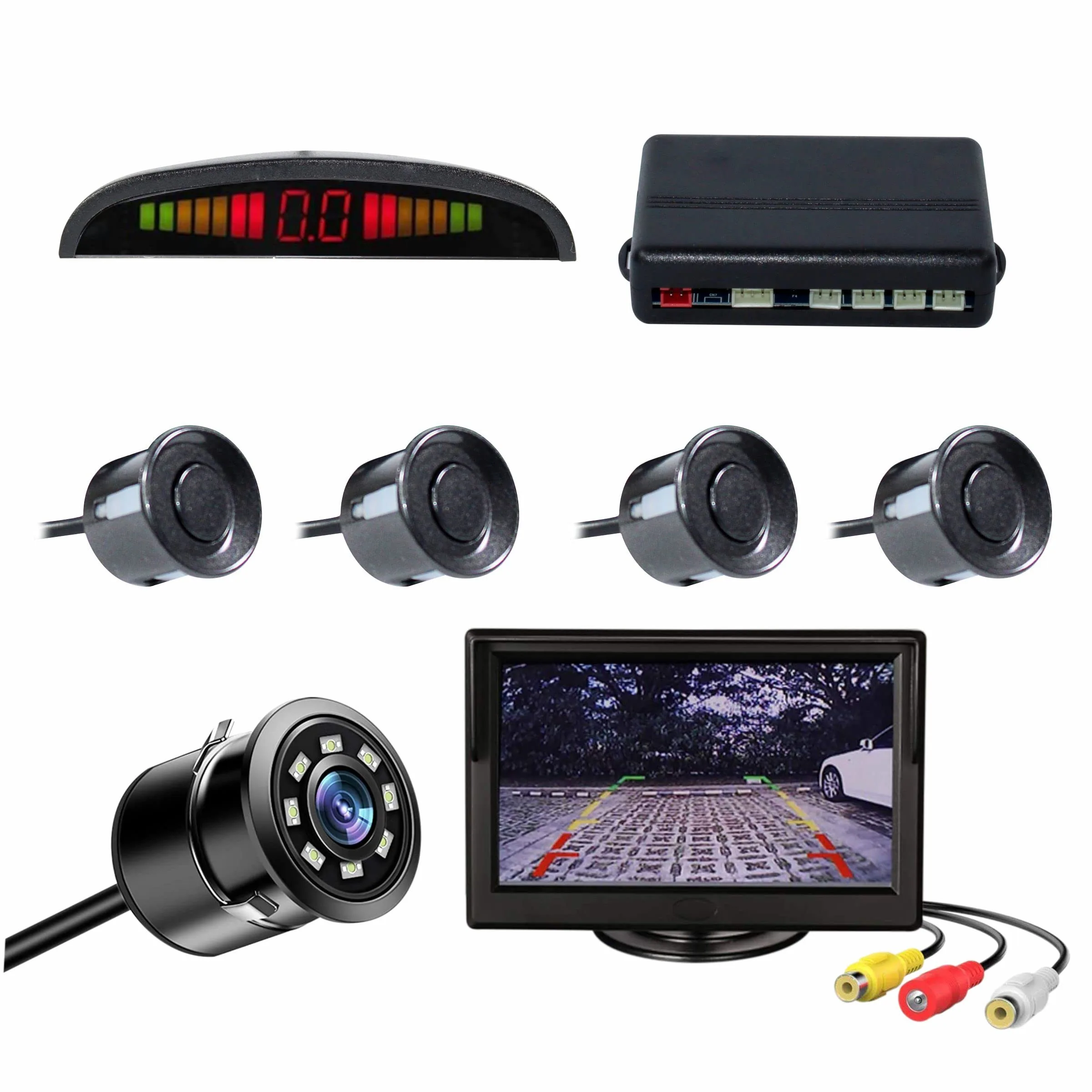 Sensor
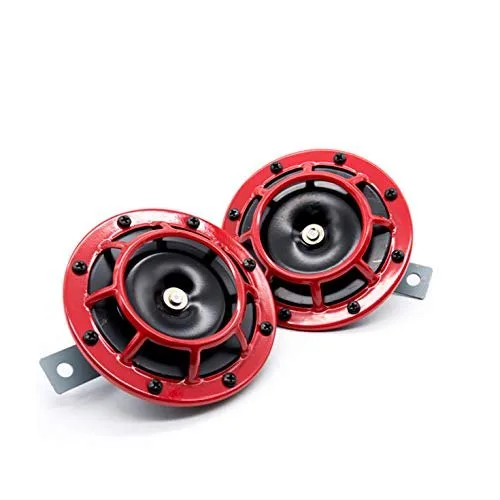 Horns
Horns
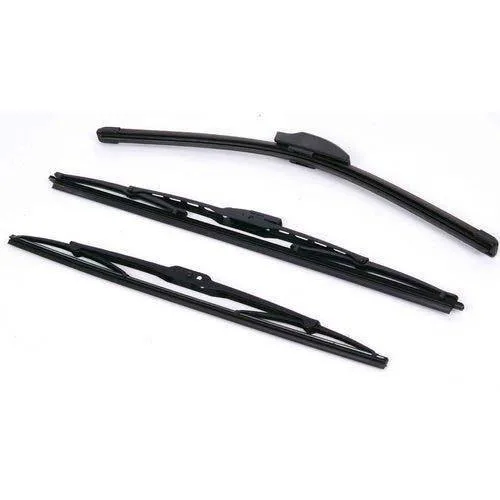 Wiper Blade
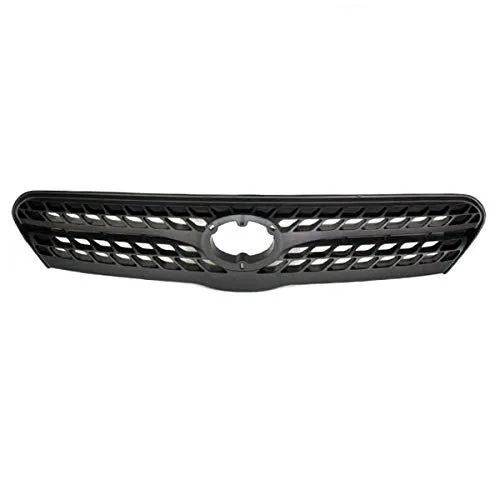 Front Grille
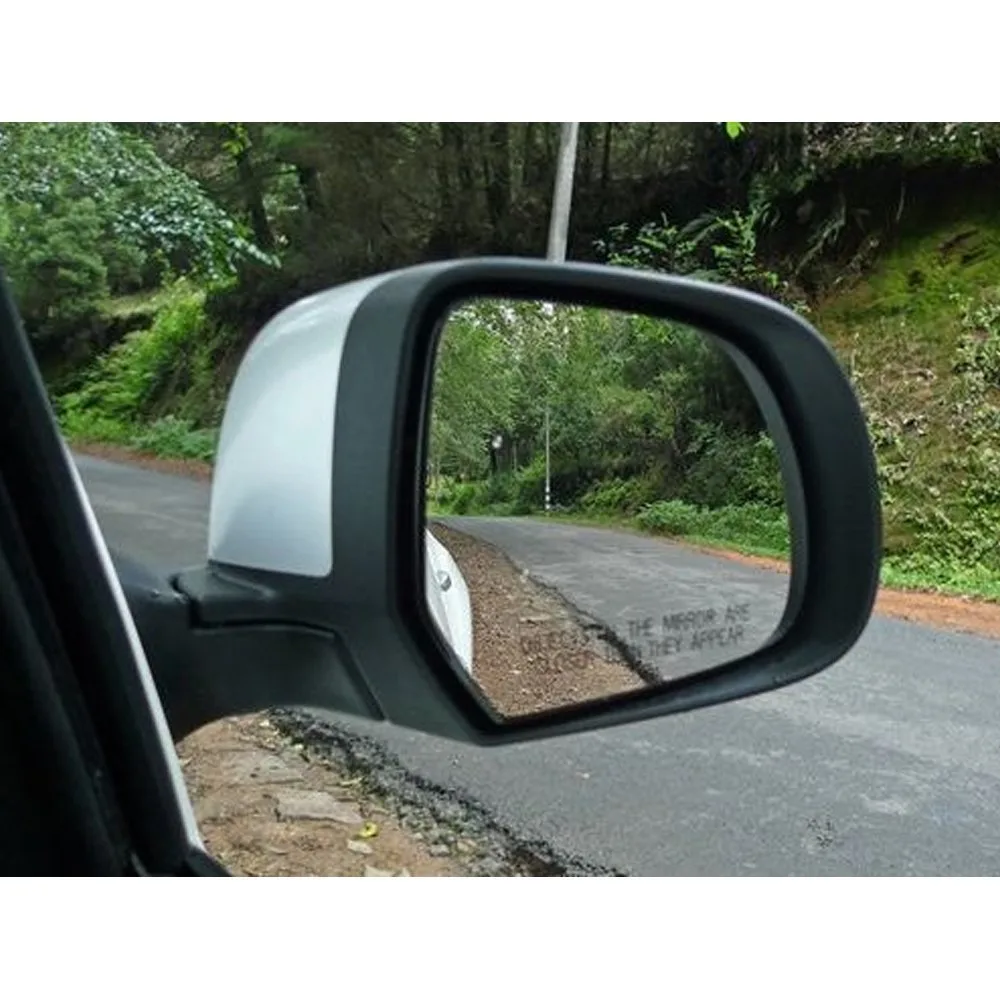 Side Mirror
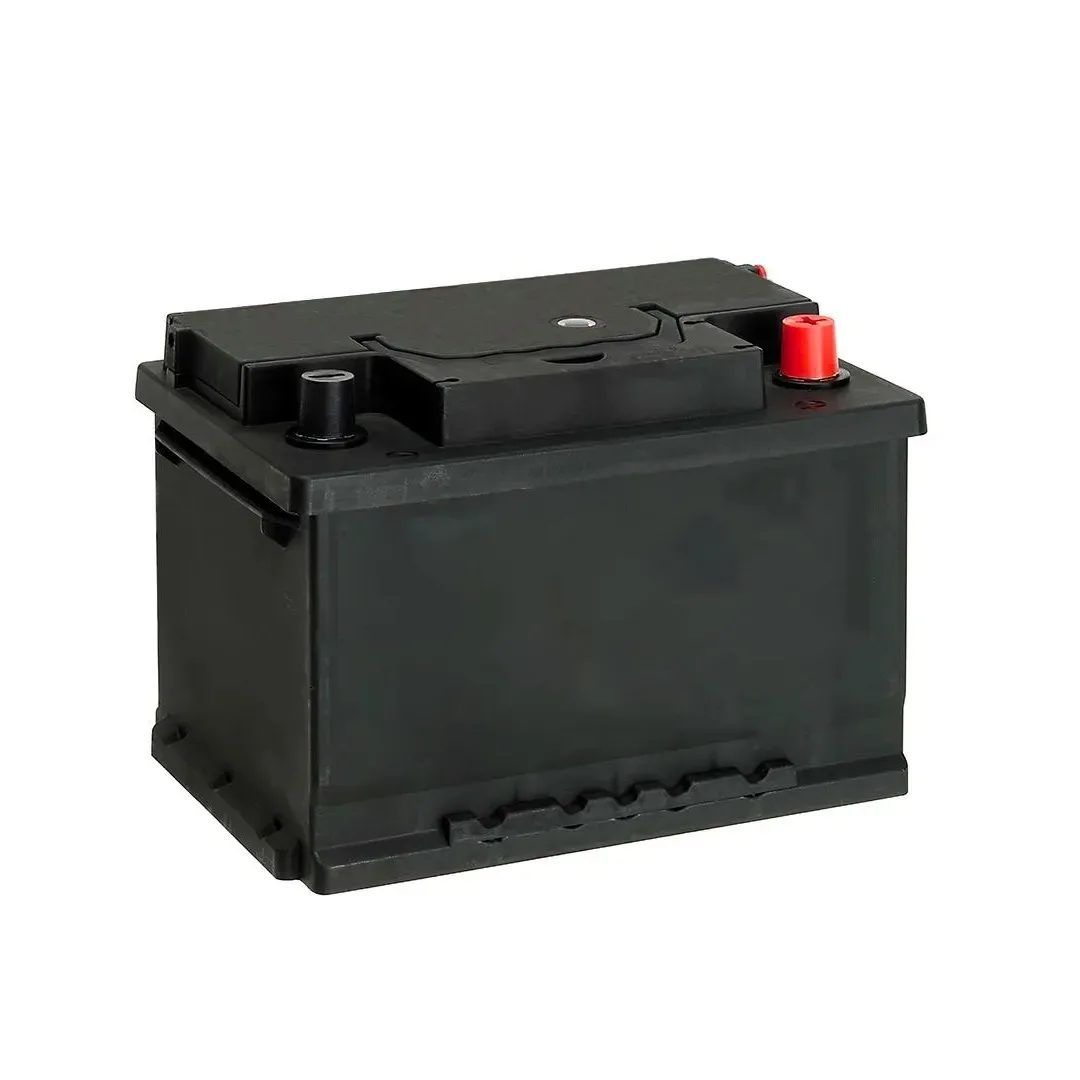 Battery
 Car Care
›
Car Care
›
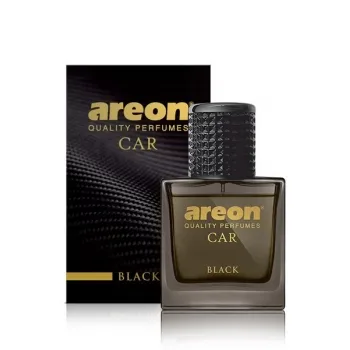 Air Freshener & Perfume
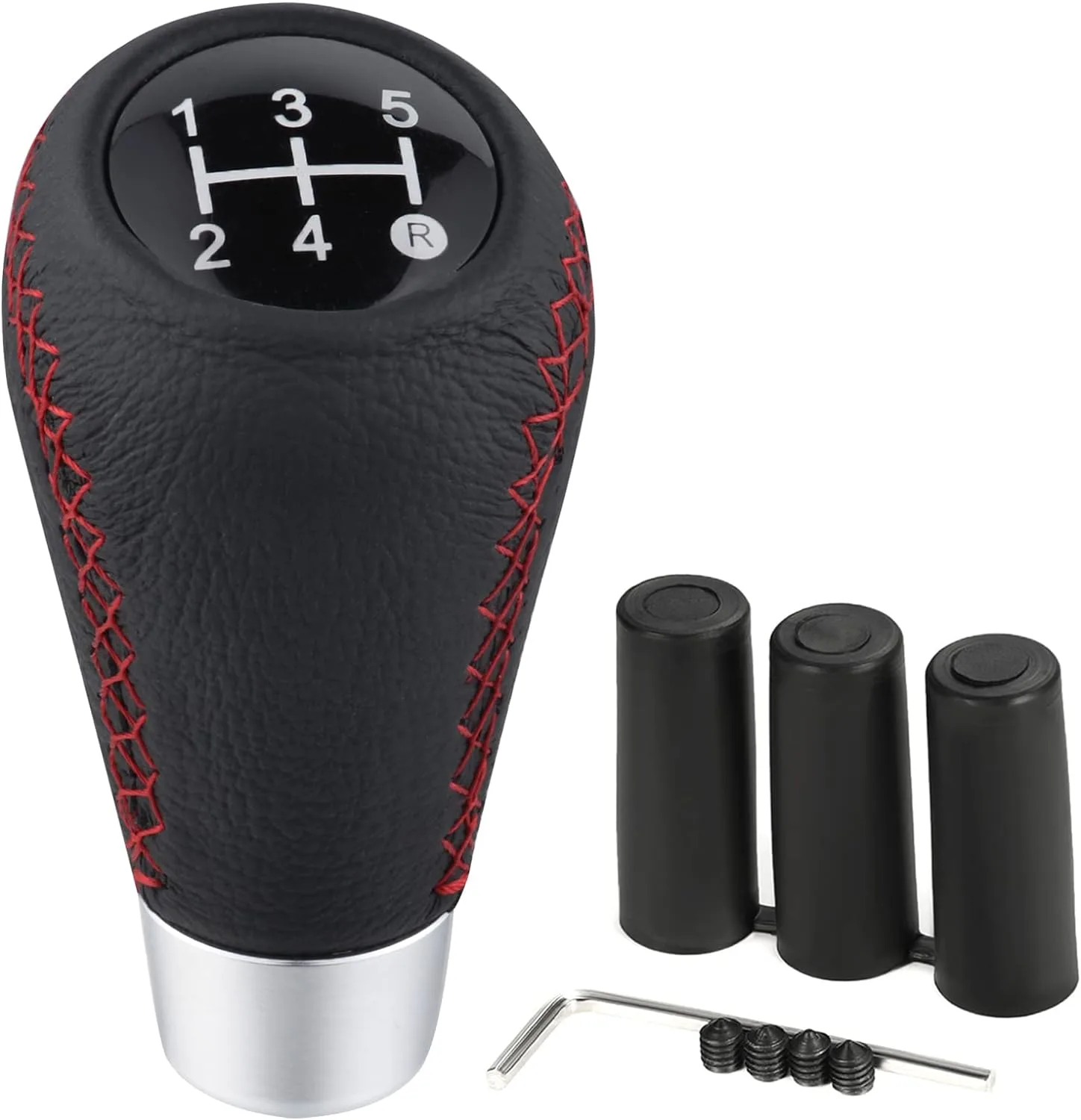 Gear knob
 Stickers & Decals
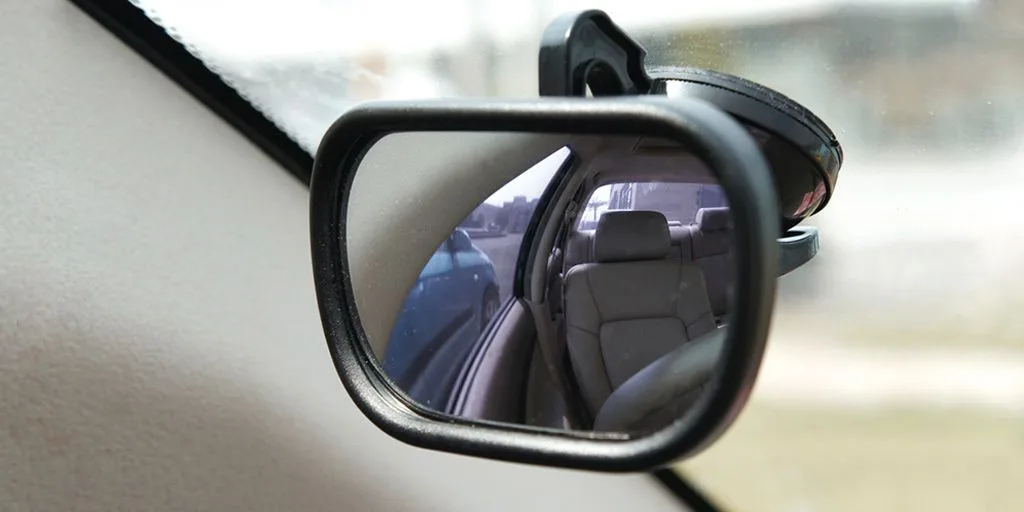 Blind Spot Mirror
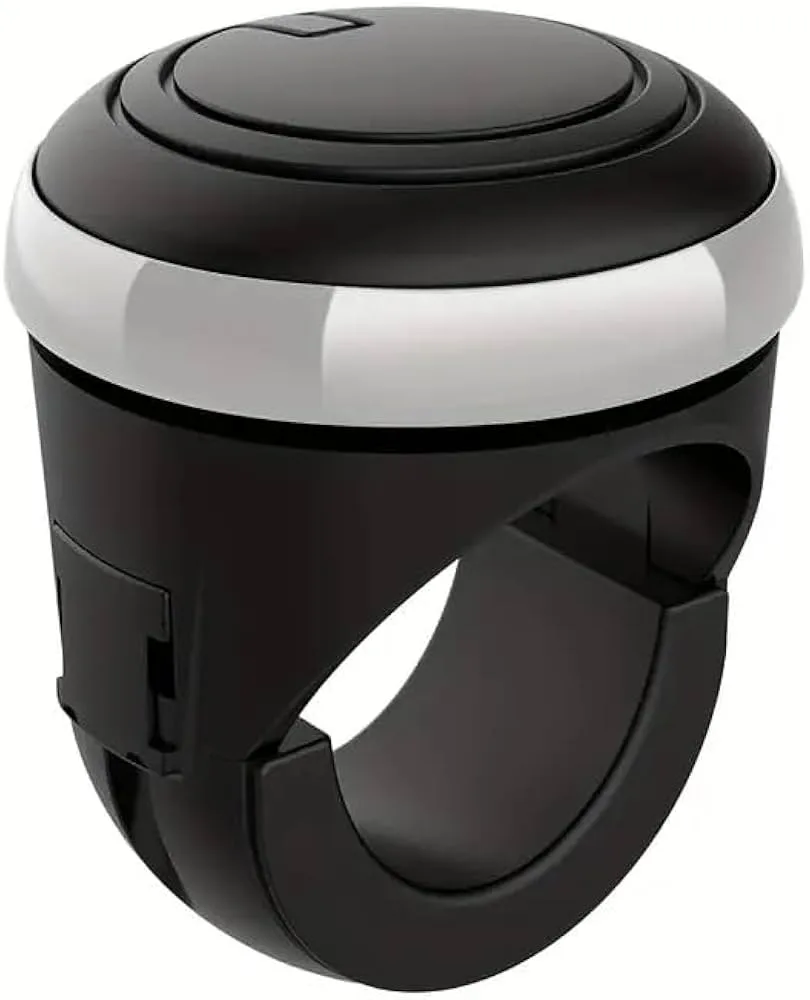 Steering Knob
 Key Covers
 Polish & Scratch Remover
 Seat Utility Holder
 Cup Holder
 Dustbin
 Paper Napkin
 Shop By Car
›
Shop By Car
›
 Tata
›
Tata
›
 Maruti Suzuki
›
Maruti Suzuki
›
 Hyundai
›
Hyundai
›
 Toyota
›
Toyota
›
 Mahindra
›
Mahindra
›
 Honda
›
Honda
›
 Ford
›
Ford
›
 Nissan
›
Nissan
›
 Renault
›
Renault
›
 Skoda
›
Skoda
›
 Volkswagen
›
Volkswagen
›
 Morris Garages - MG
›
Morris Garages - MG
›
 KIA
›
KIA
›
 Jeep
›
Jeep
›
 Citroen
›
Citroen
›
 Datsun
›
Datsun
›
 Chevrolet
›
Chevrolet
›
 Isuzu
›
Isuzu
›
 Mitsubishi
›
Mitsubishi
›
 AUDI
›
AUDI
›
 BMW
›
BMW
›
 Mercedes
›
Mercedes
›
 Land Rover
›
Land Rover
›
 Jaguar
›
Jaguar
›
 Volvo
›
Volvo
›
 FIAT
›
FIAT
›
 Mini Cooper
›
Mini Cooper
›
 Porsche
›
Porsche
›
 Lexus
›
Citron
›
Fors
›
Morris Garages
›
MG
›
Lexus
›
Citron
›
Fors
›
Morris Garages
›
MG
›
 Nexon
Nexon
 Harrier
 Altroz
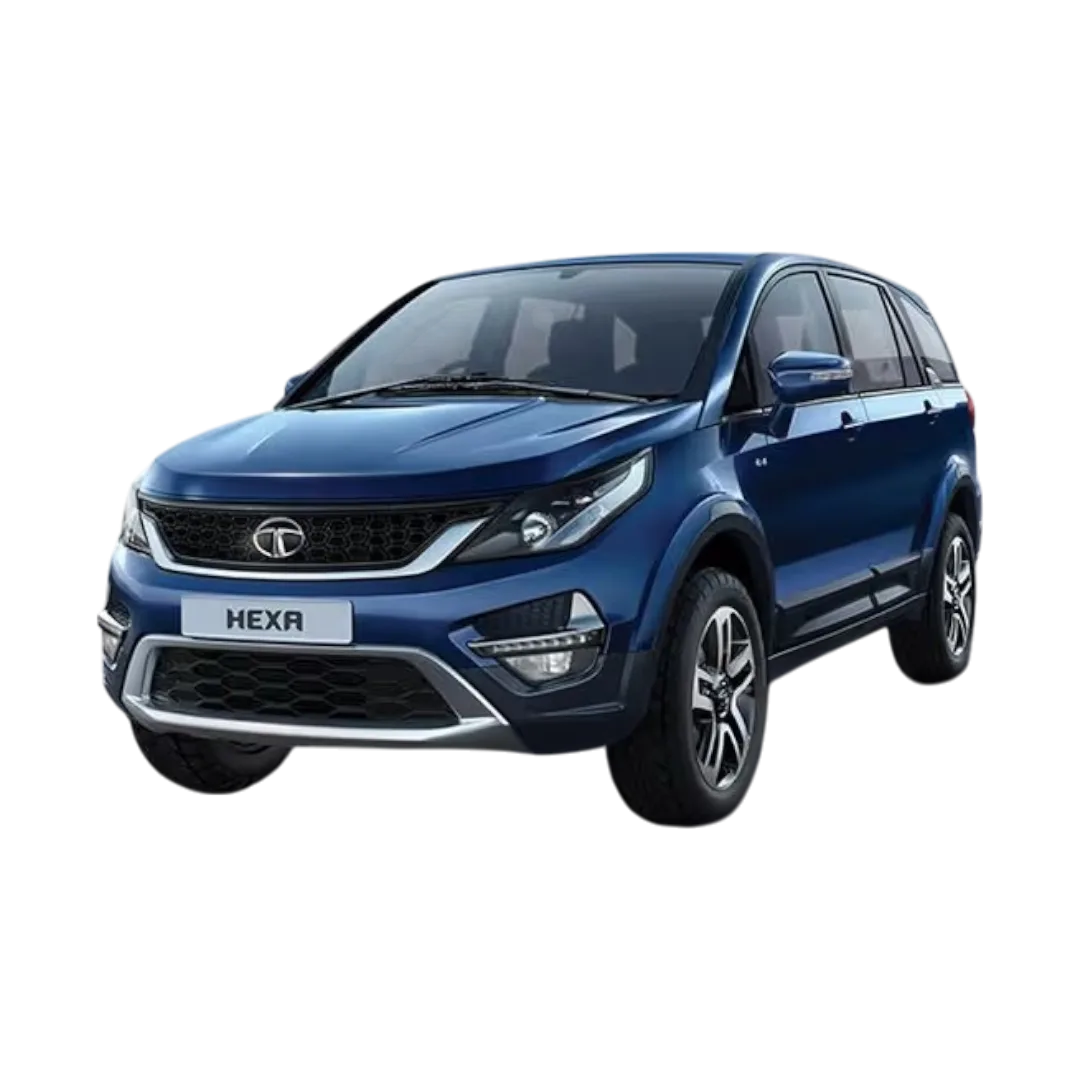 Hexa
Hexa
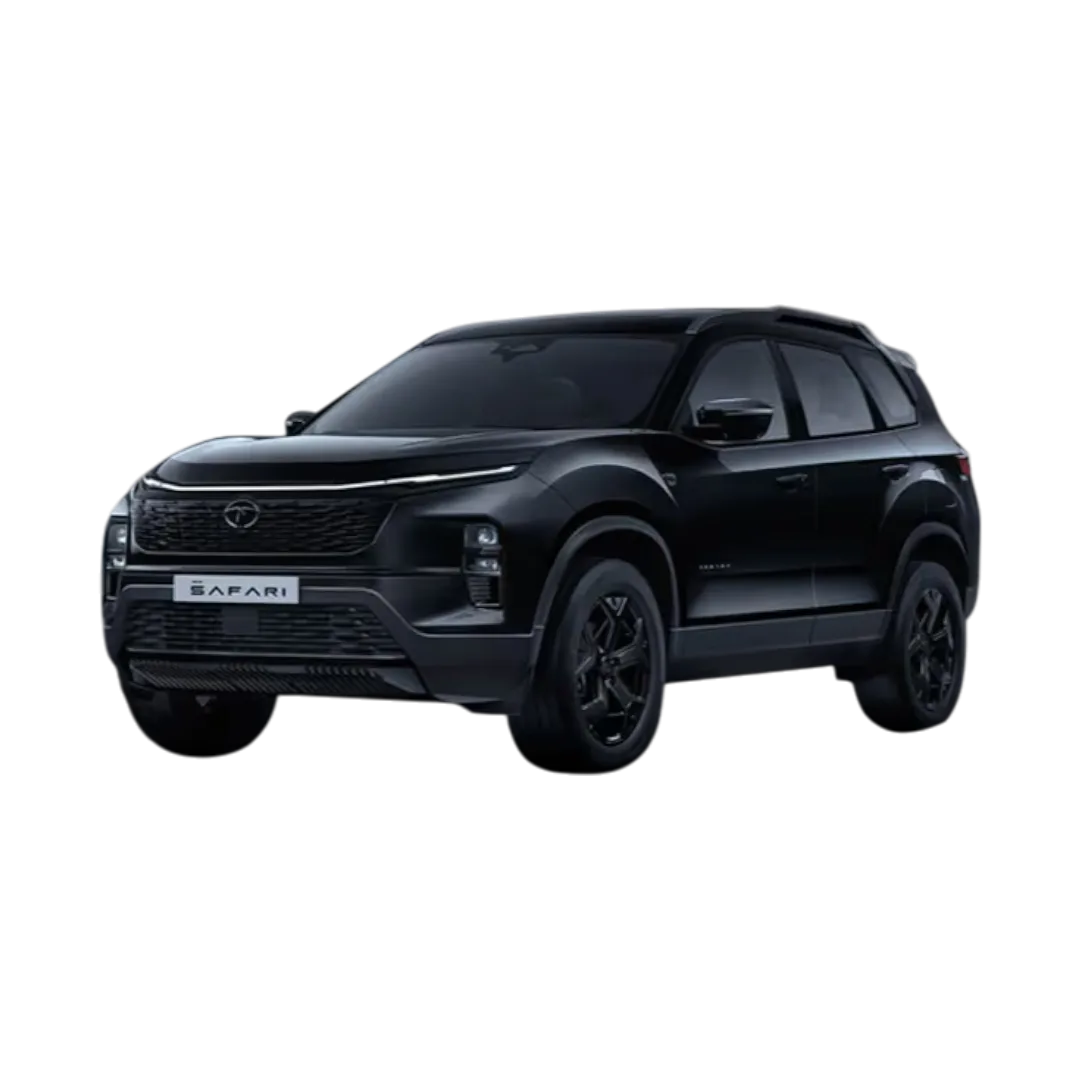 Safari
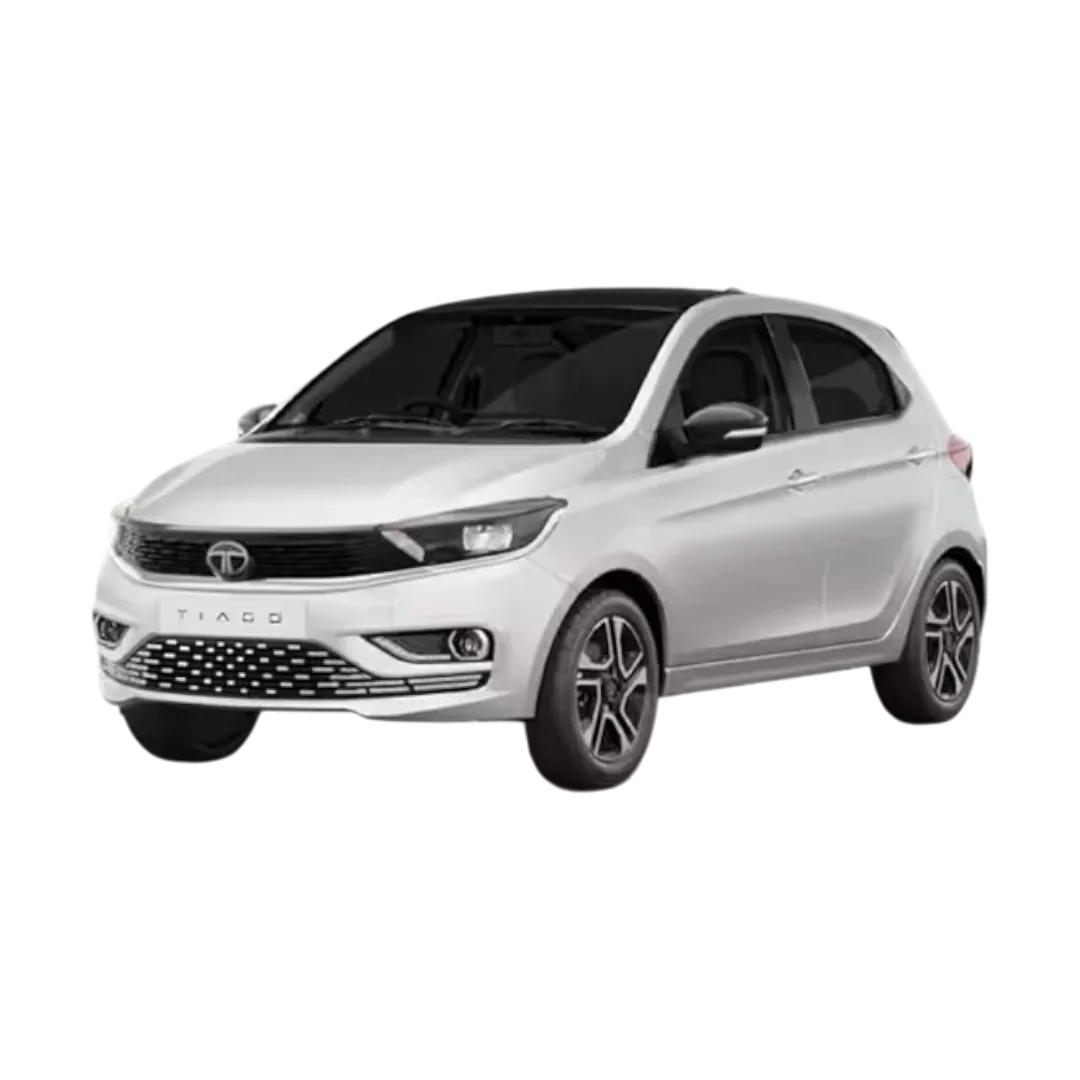 Tiago
Tiago
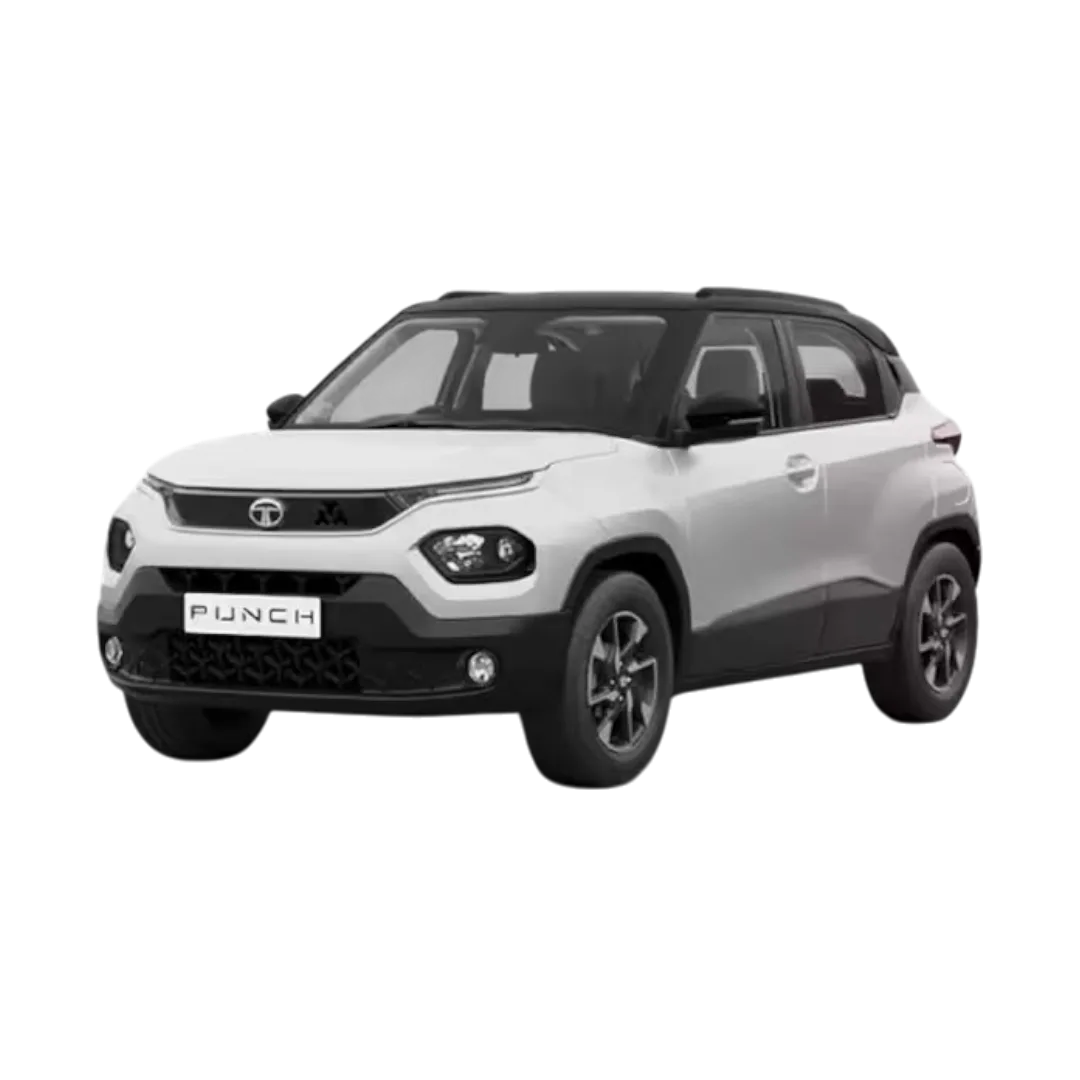 Punch
Punch
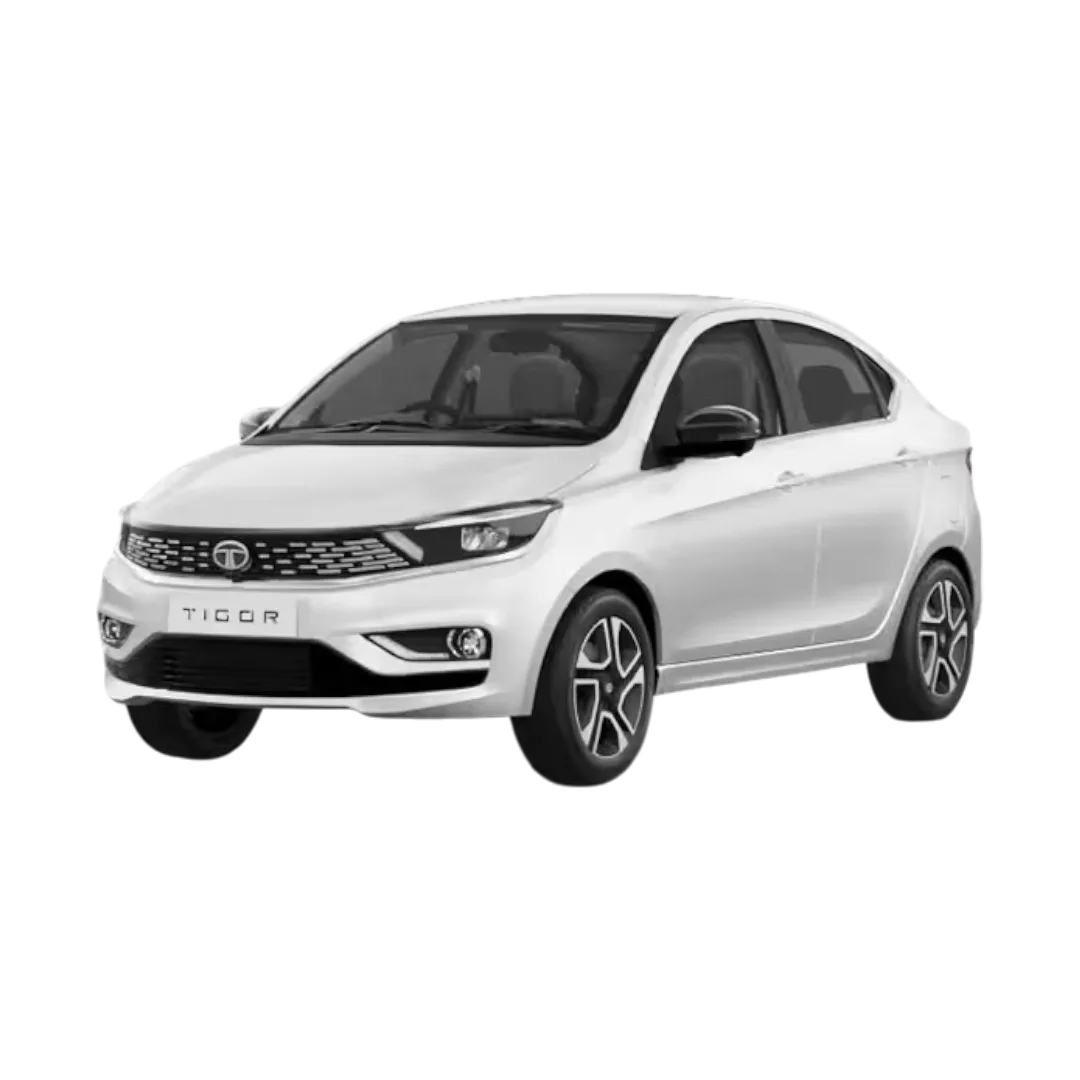 Tigor
Tigor
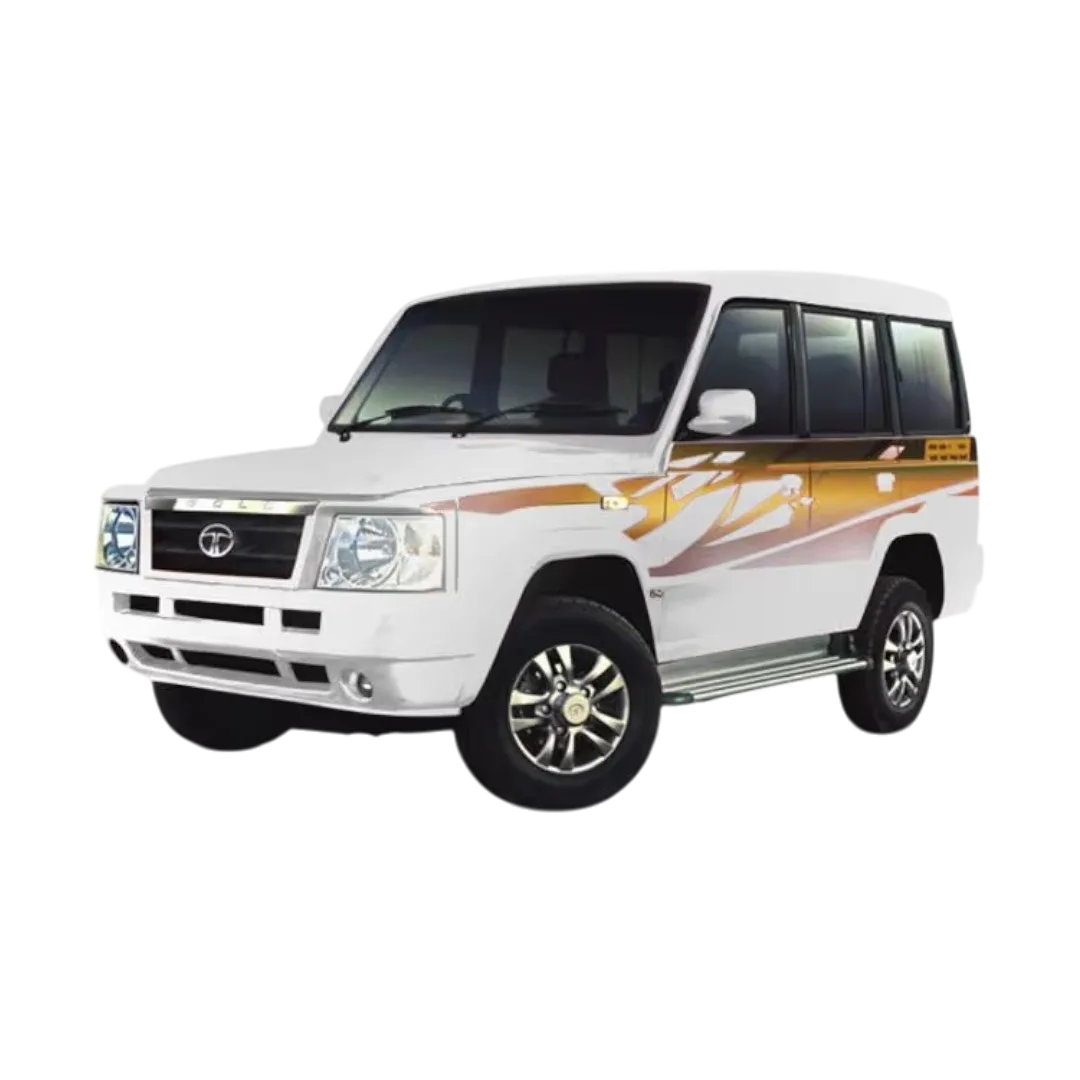 Sumo
Sumo
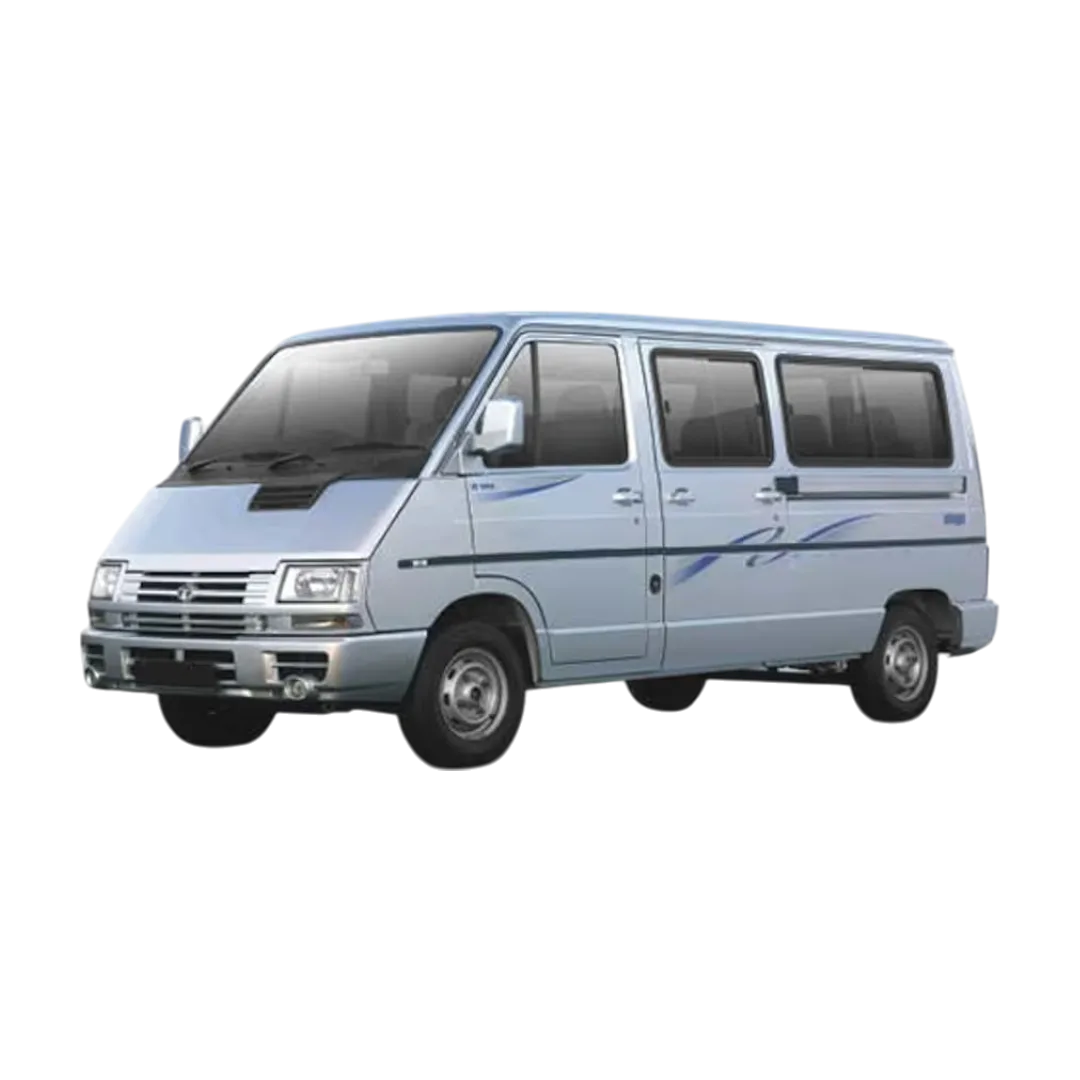 Winger
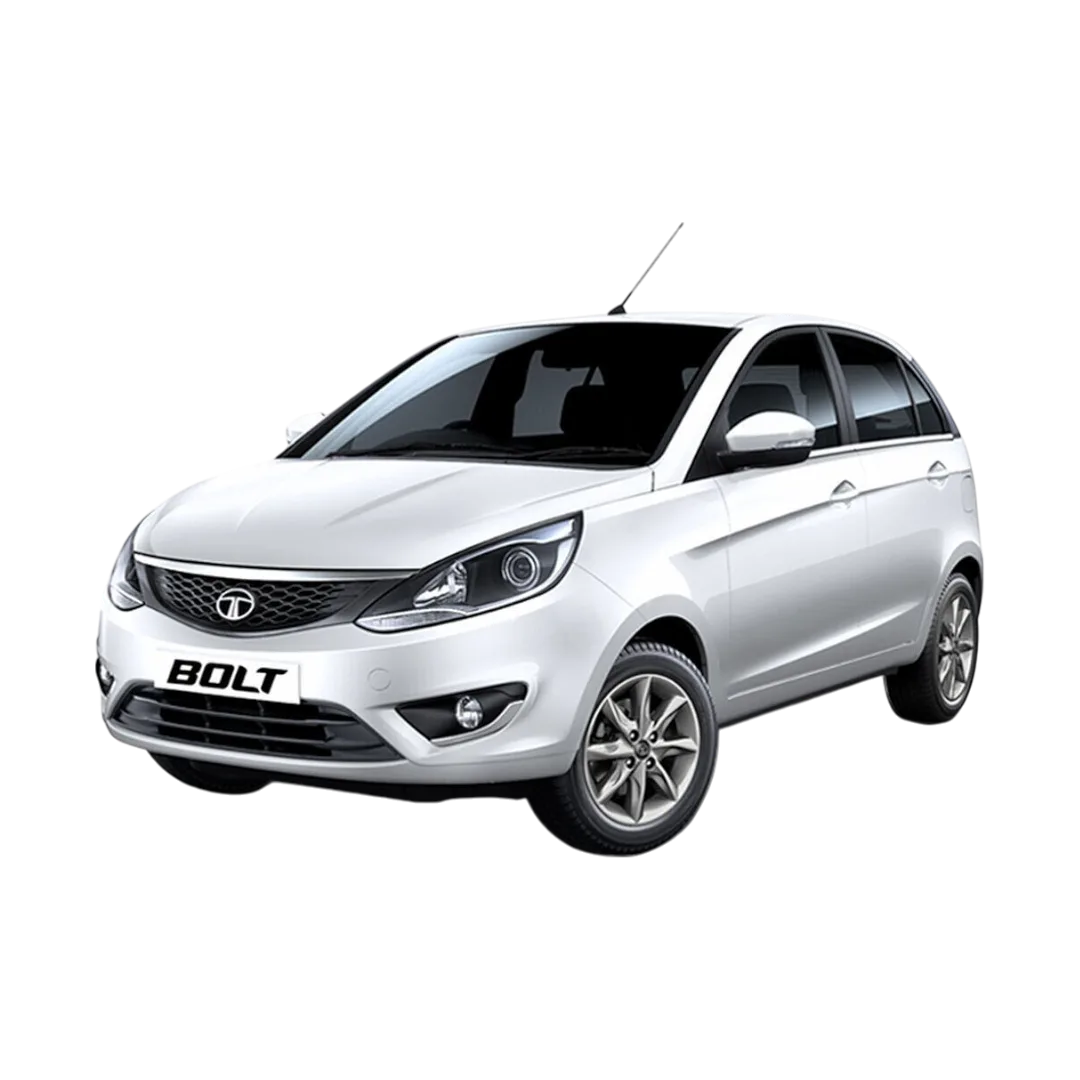 Bolt
Bolt
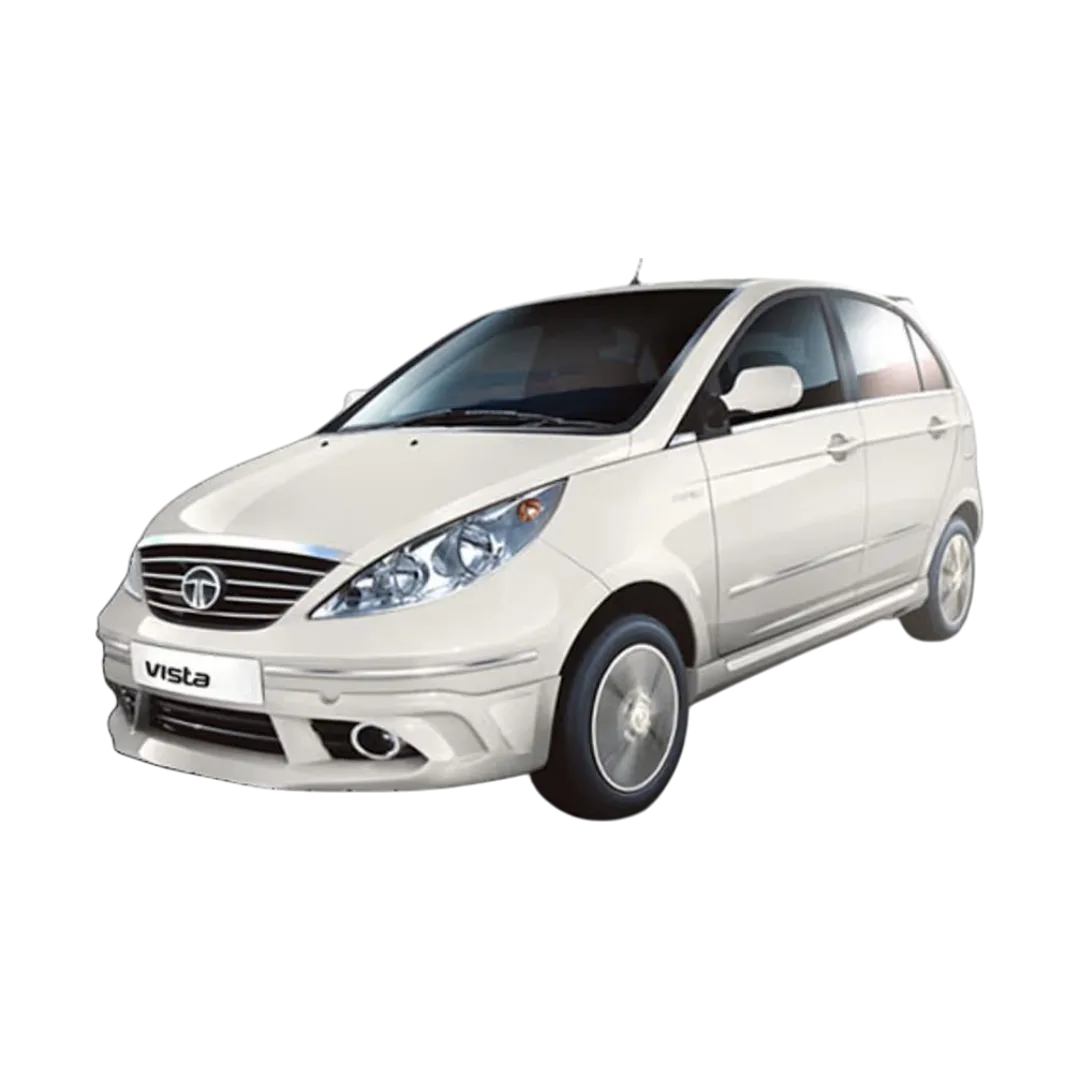 Vista
Vista
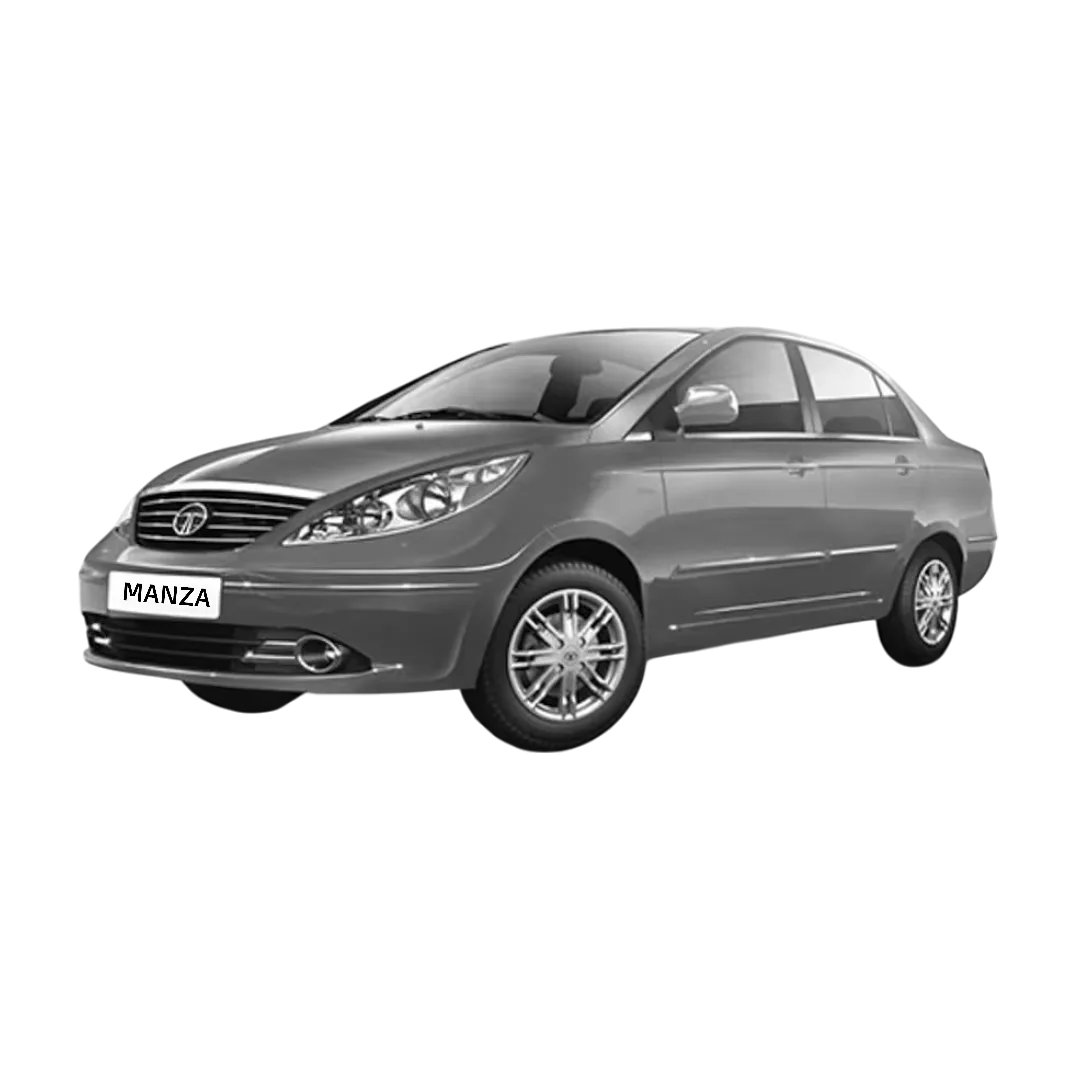 Manza
Manza
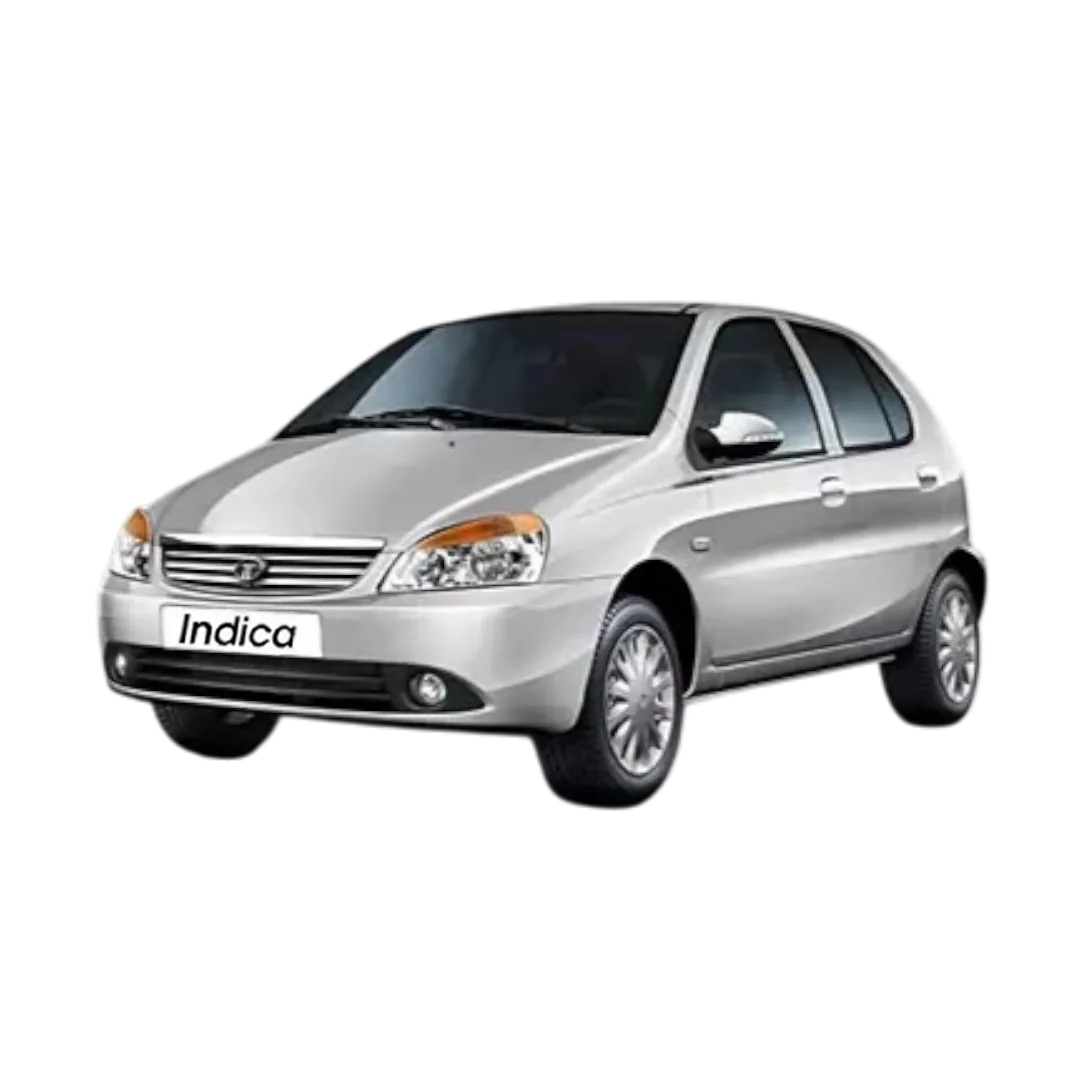 Indica
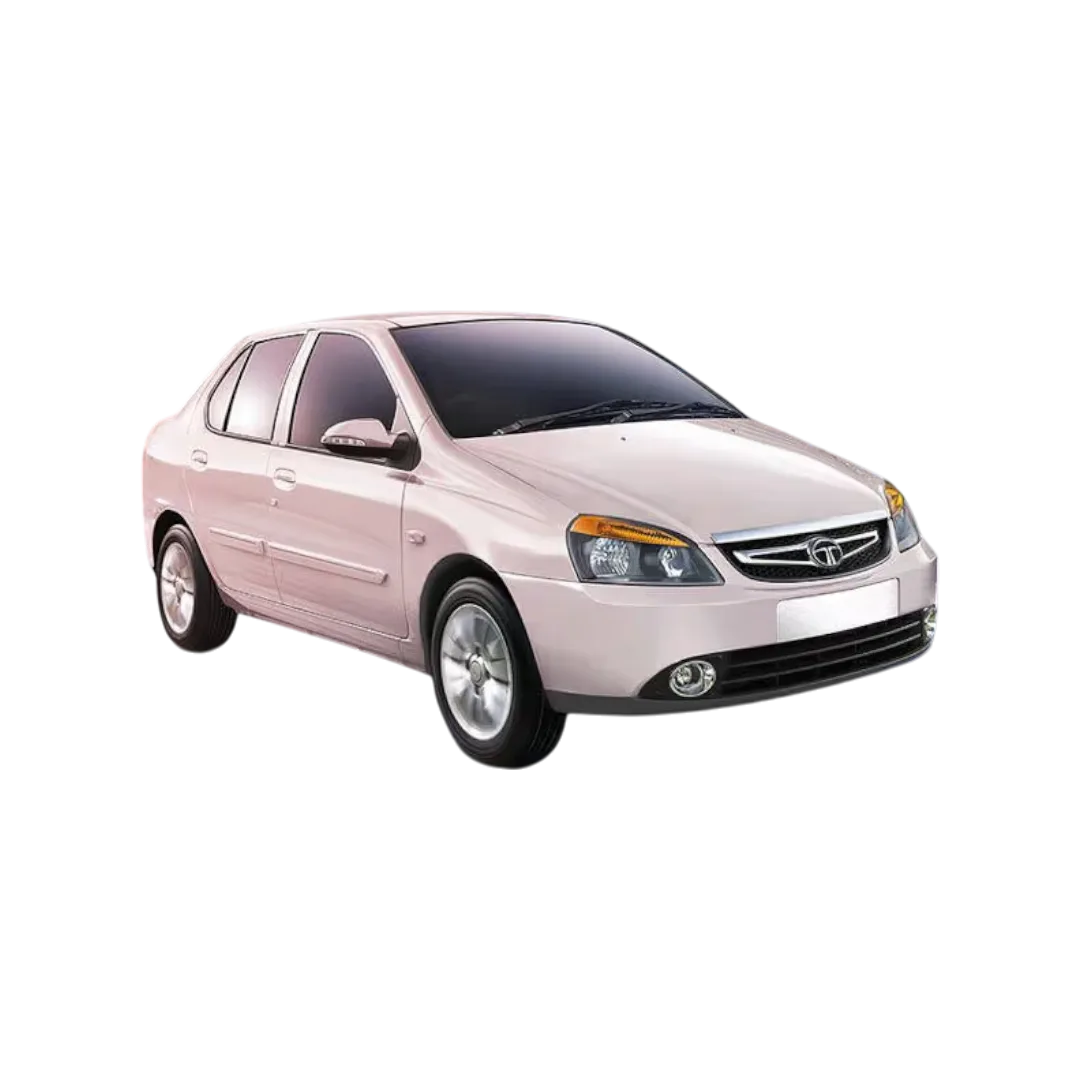 Indigo
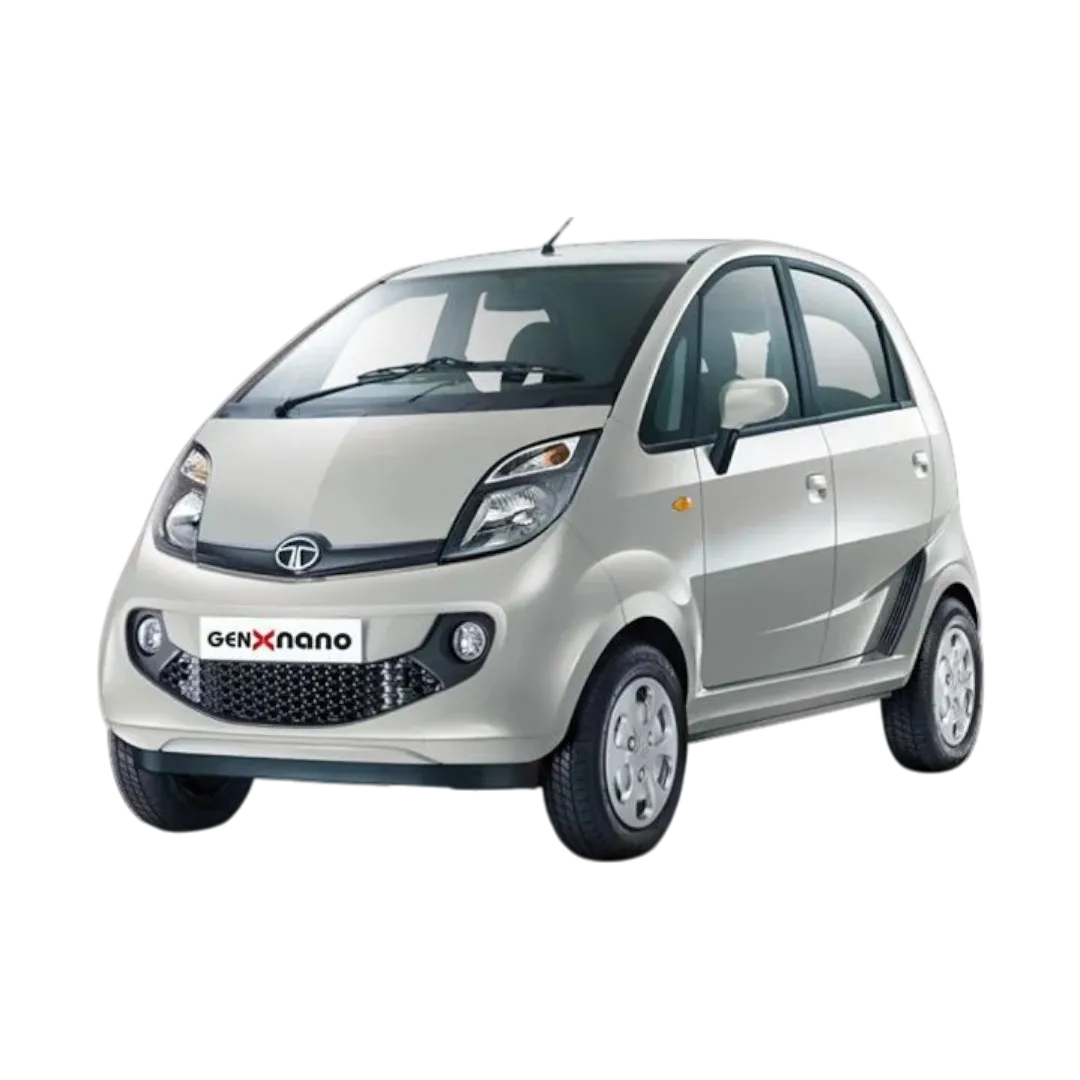 Nano
Nano
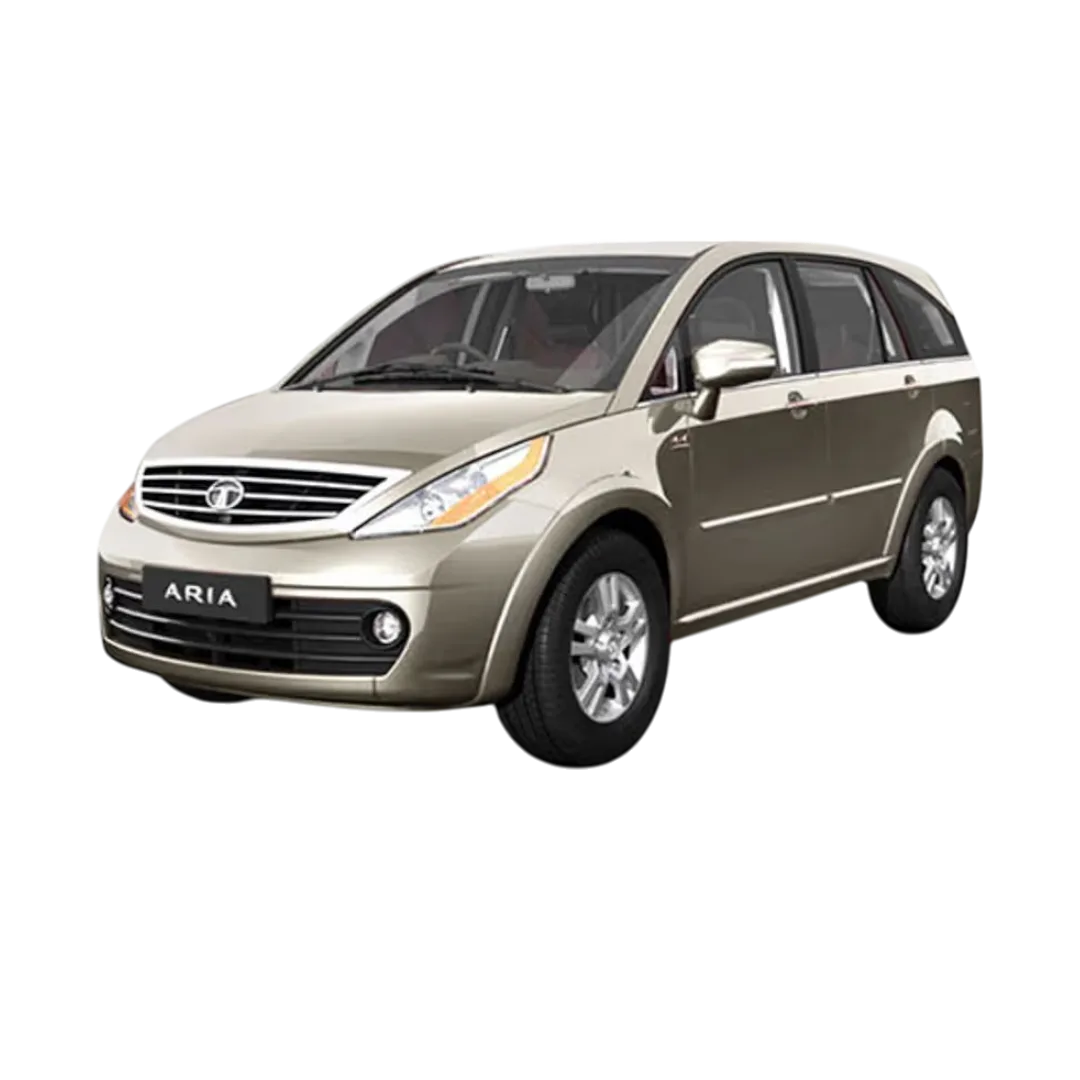 Aria
Aria
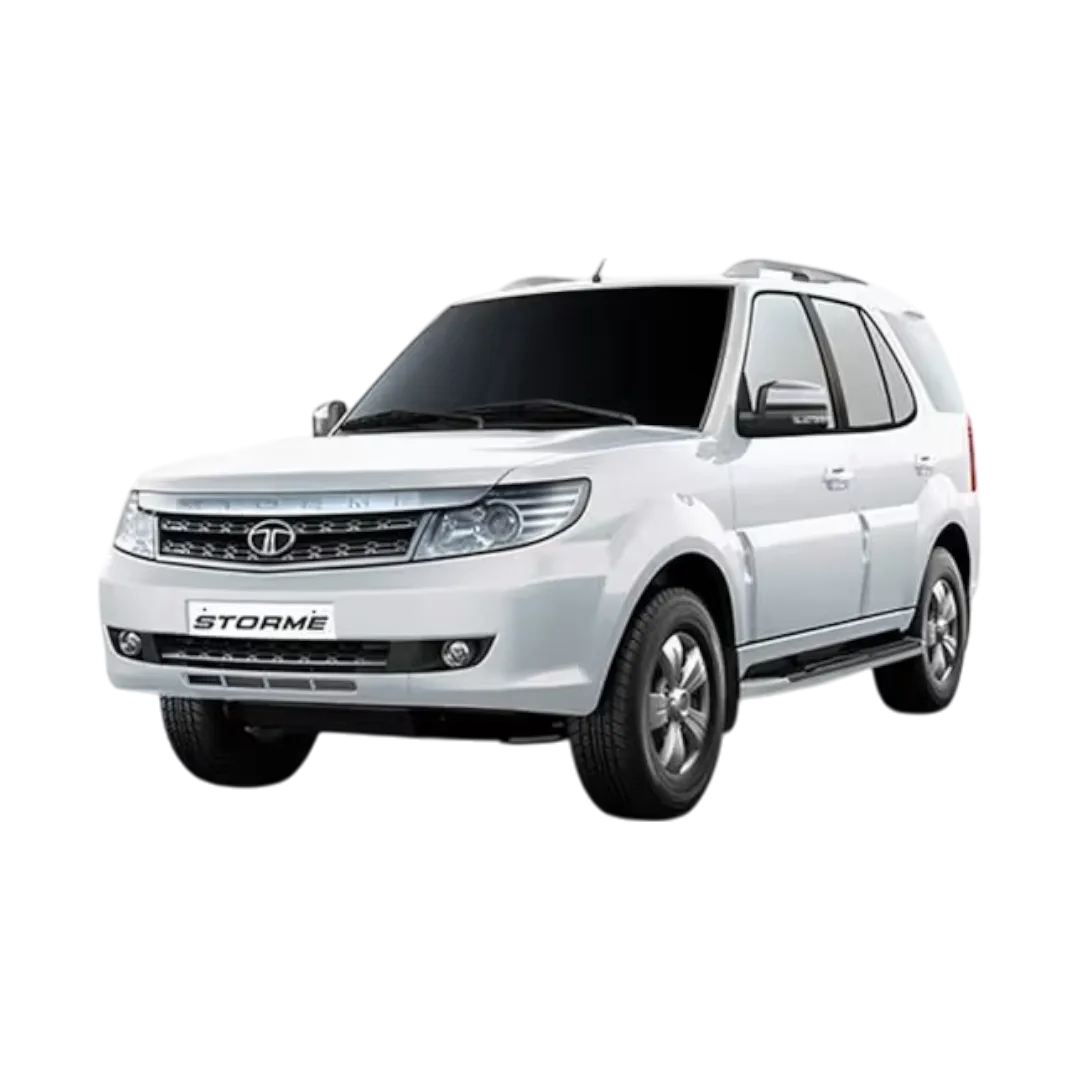 Safari Storme
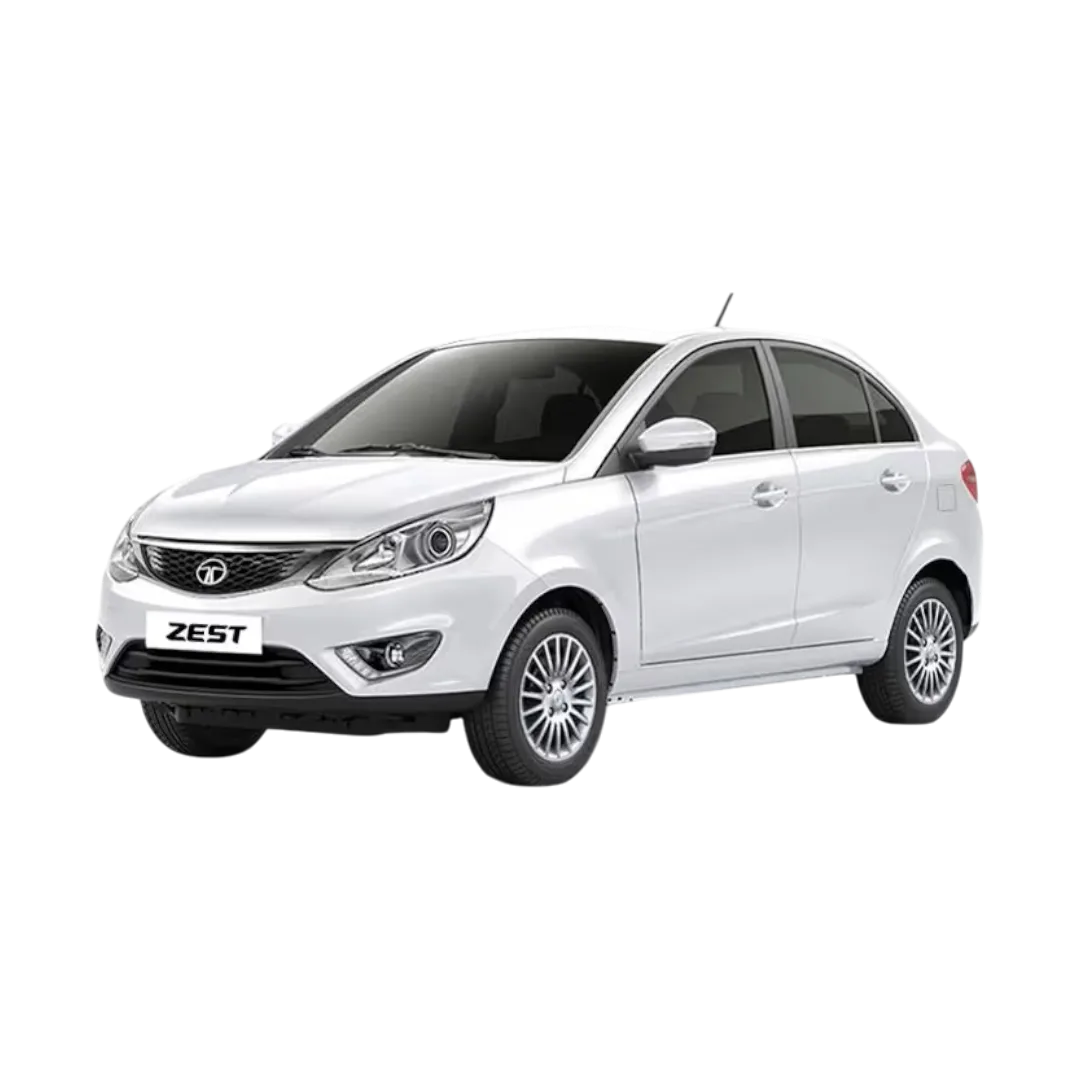 Zest
Zest
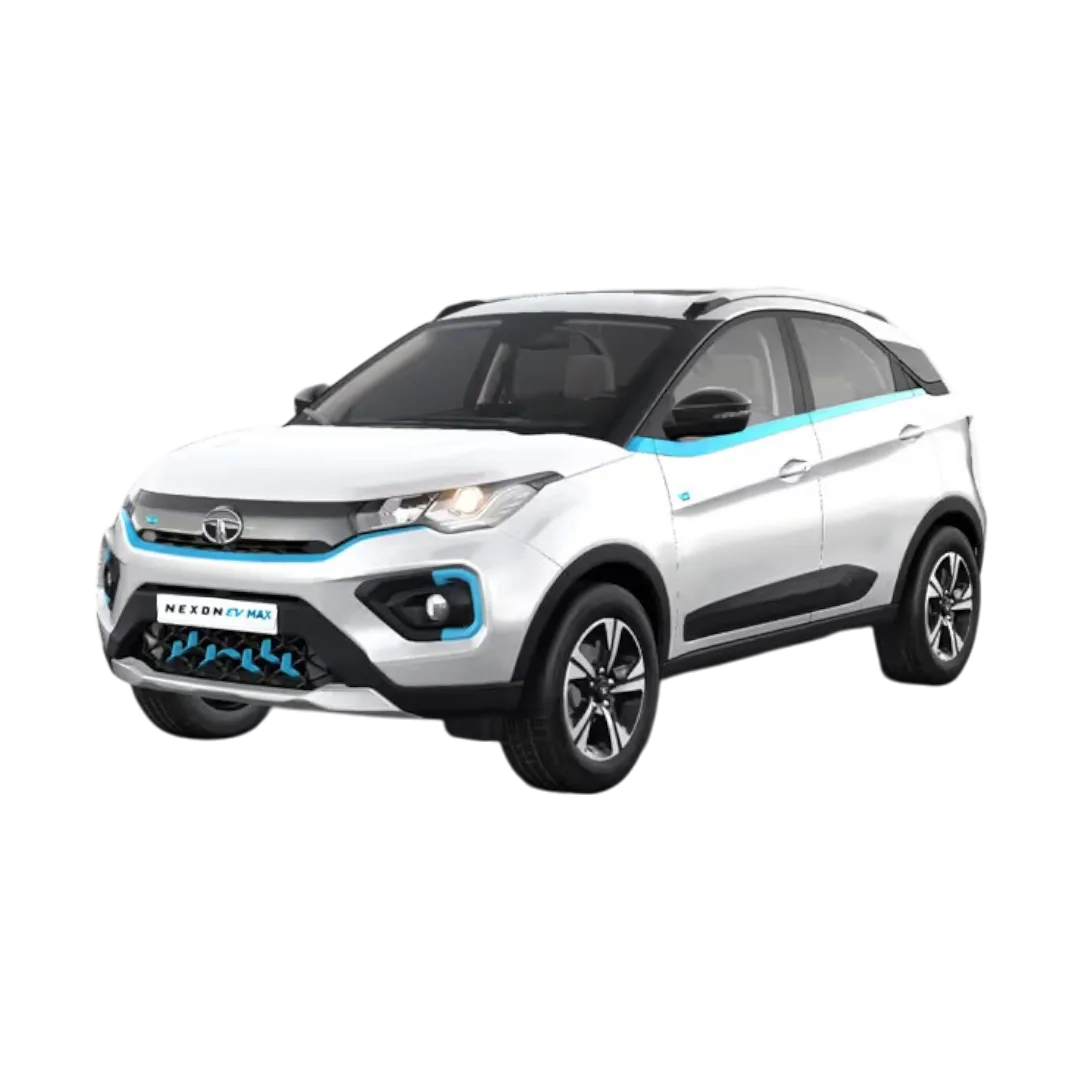 NEXON EV Max
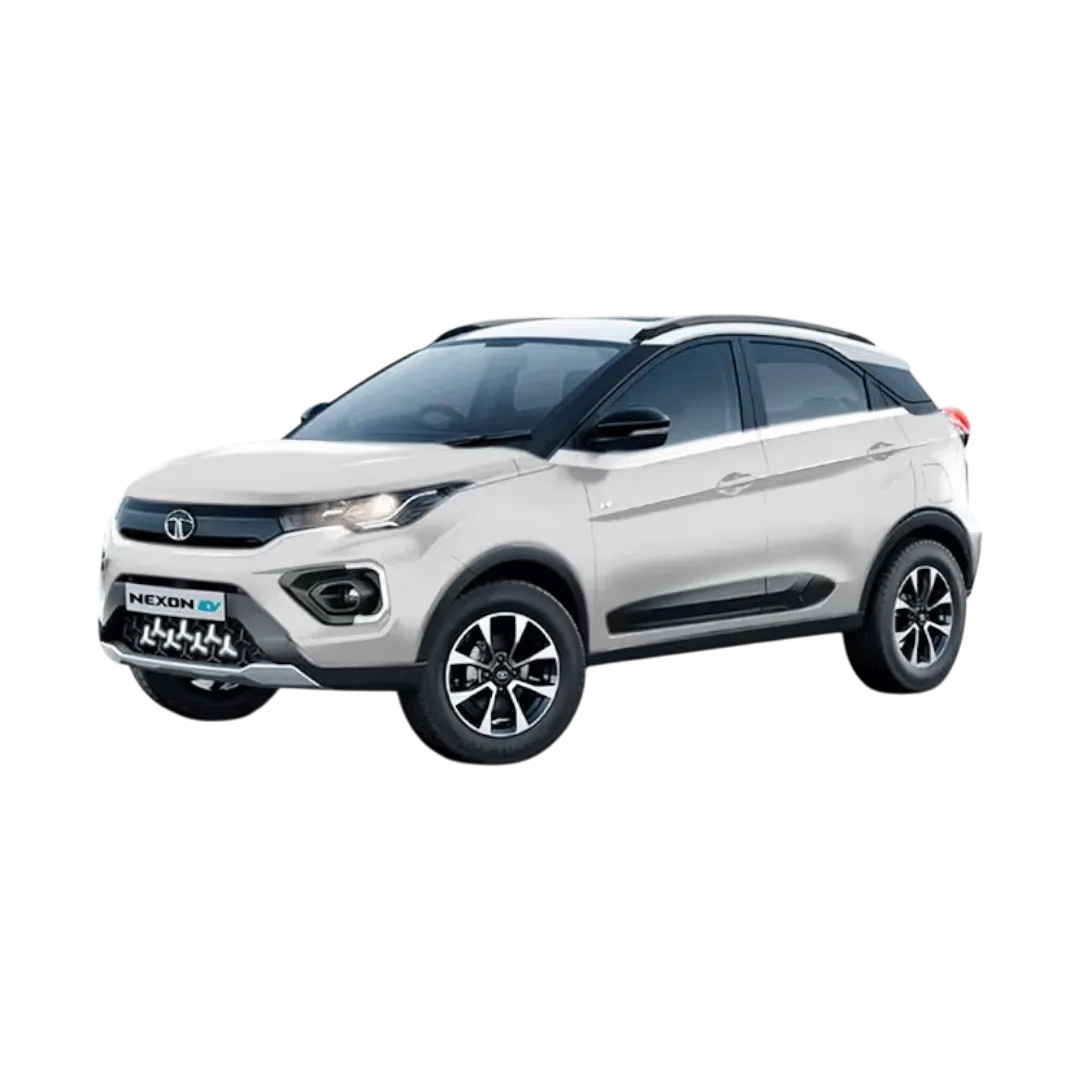 NEXON EV Prime
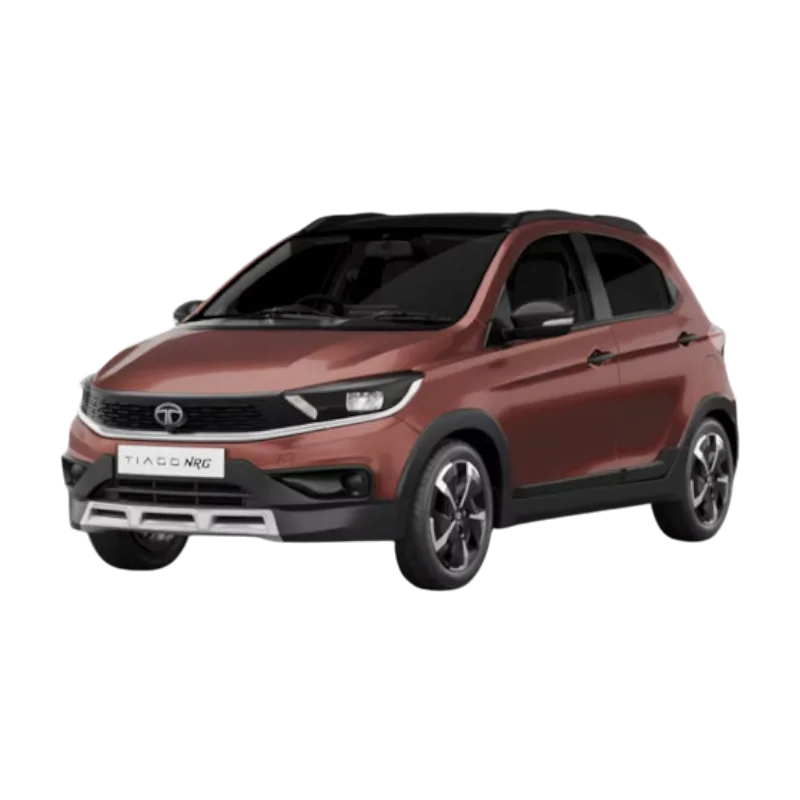 Tiago NRG
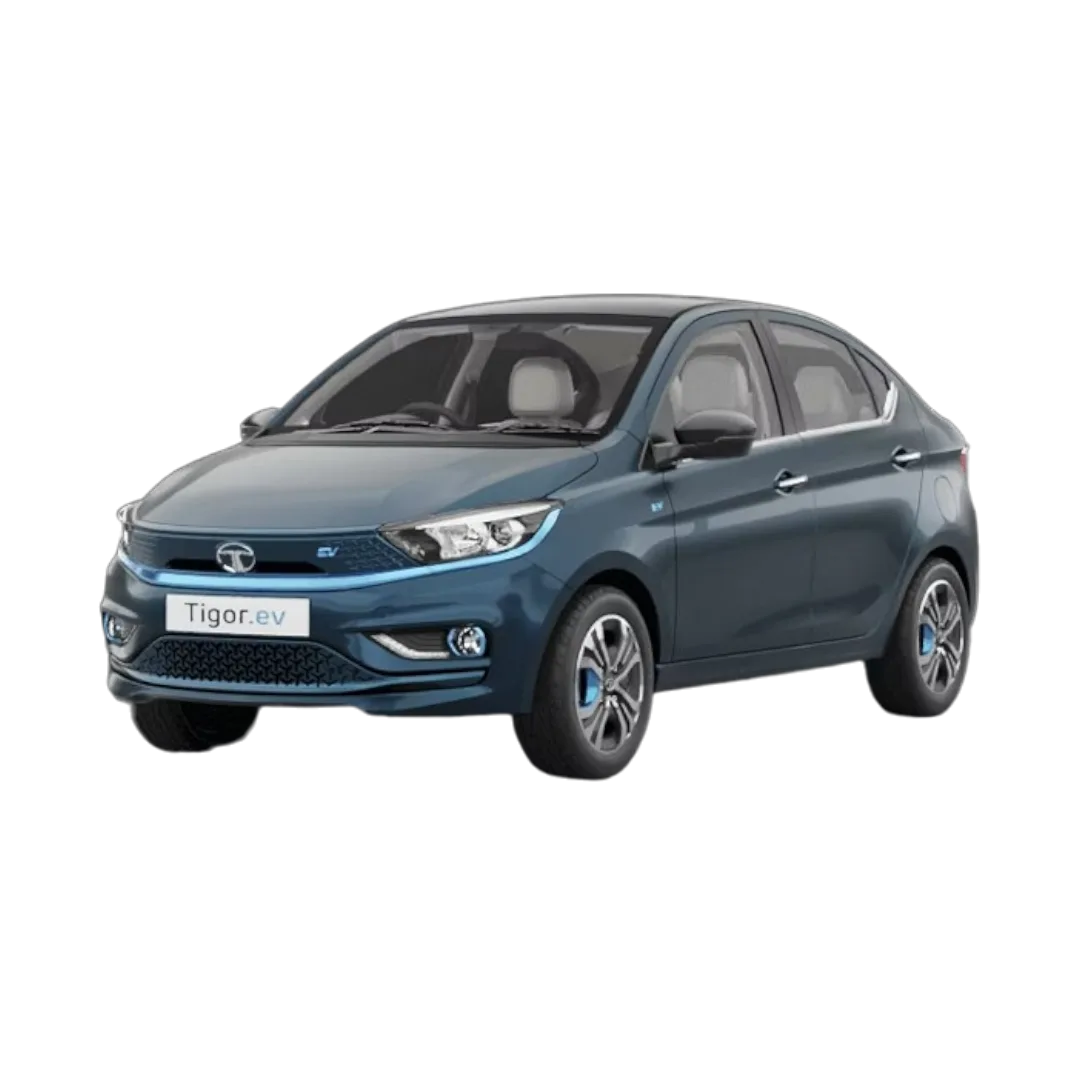 Tigor EV
INDICA VISTA
Curvv
Sierra
Magic
Tigor EV
INDICA VISTA
Curvv
Sierra
Magic
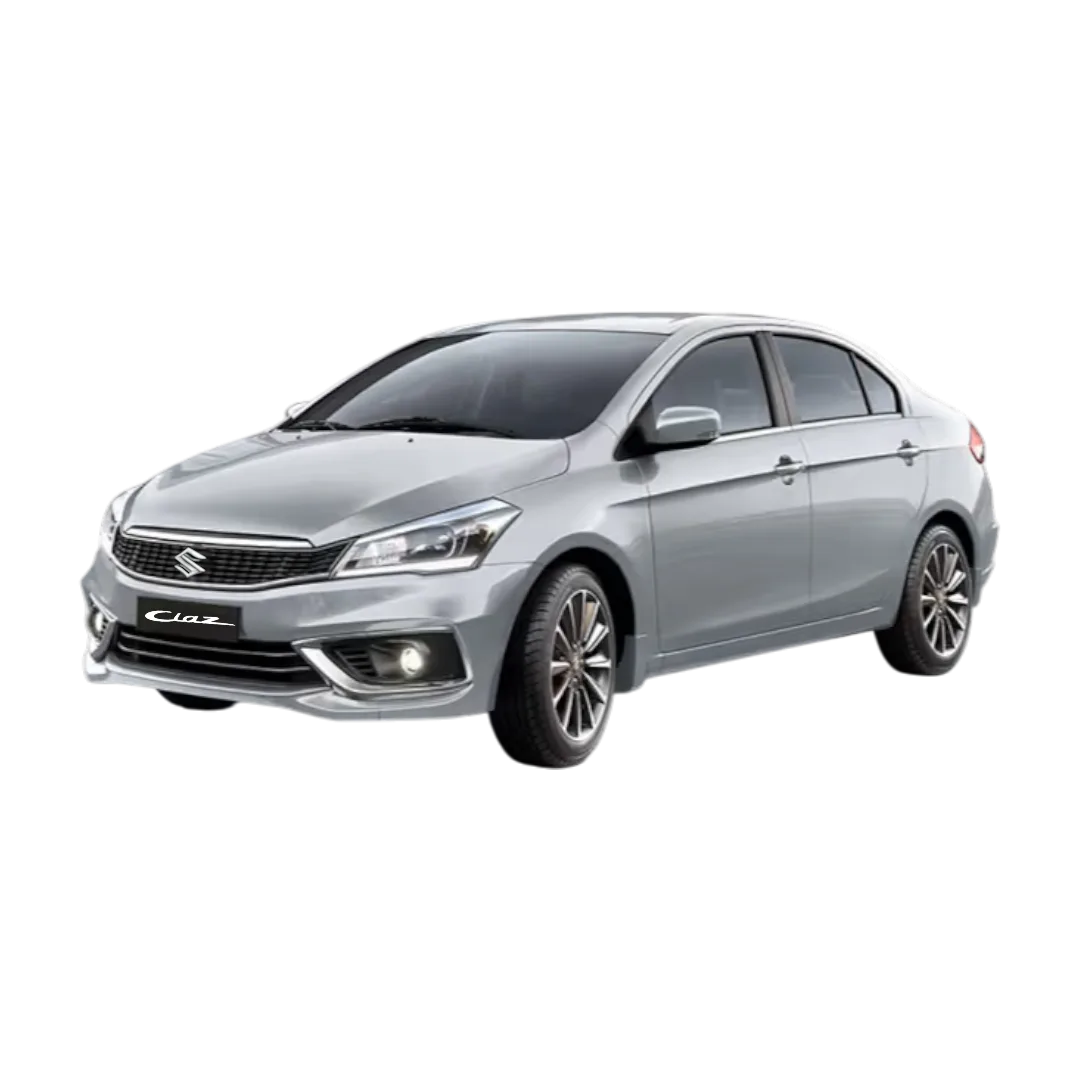 Ciaz
Ciaz
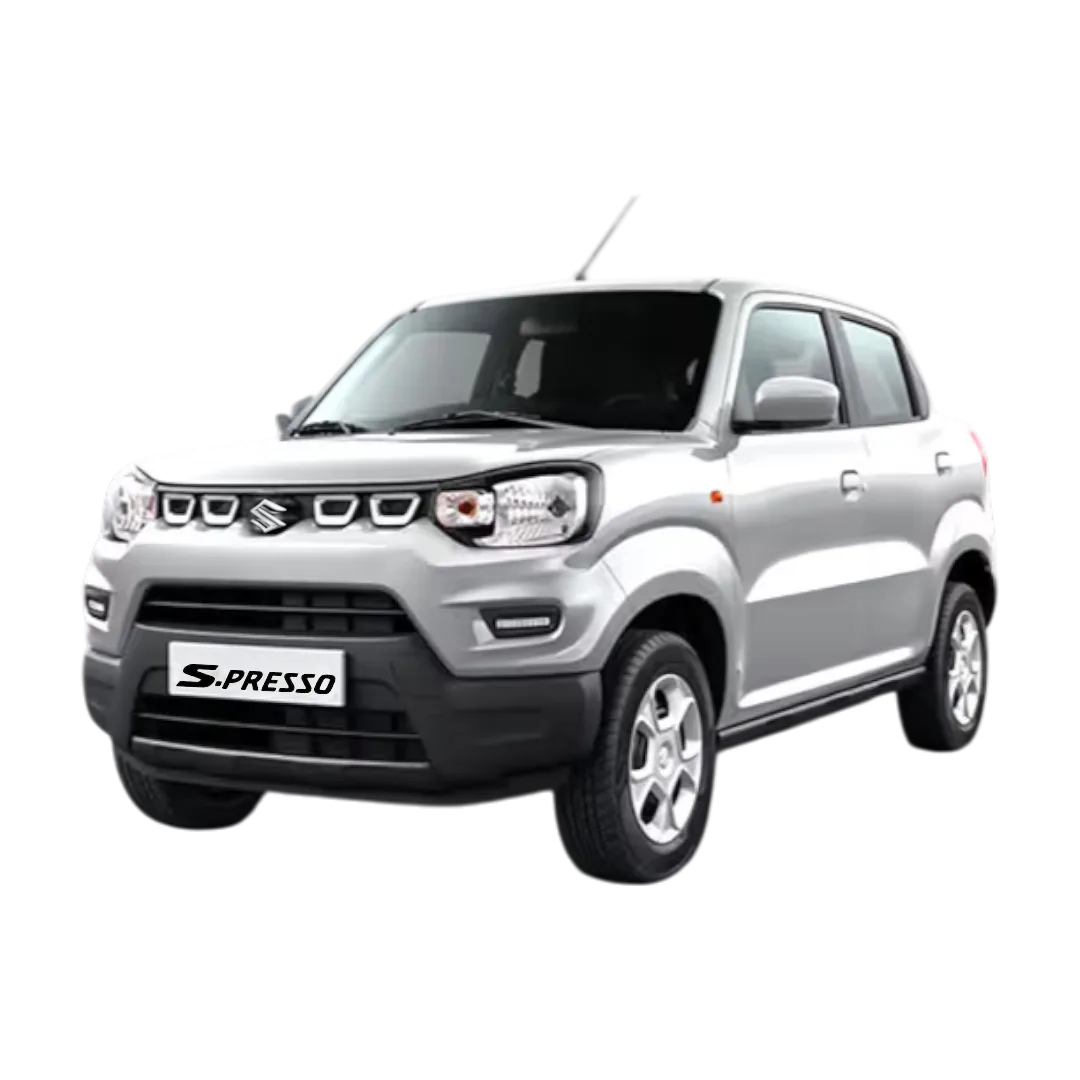 S-Presso
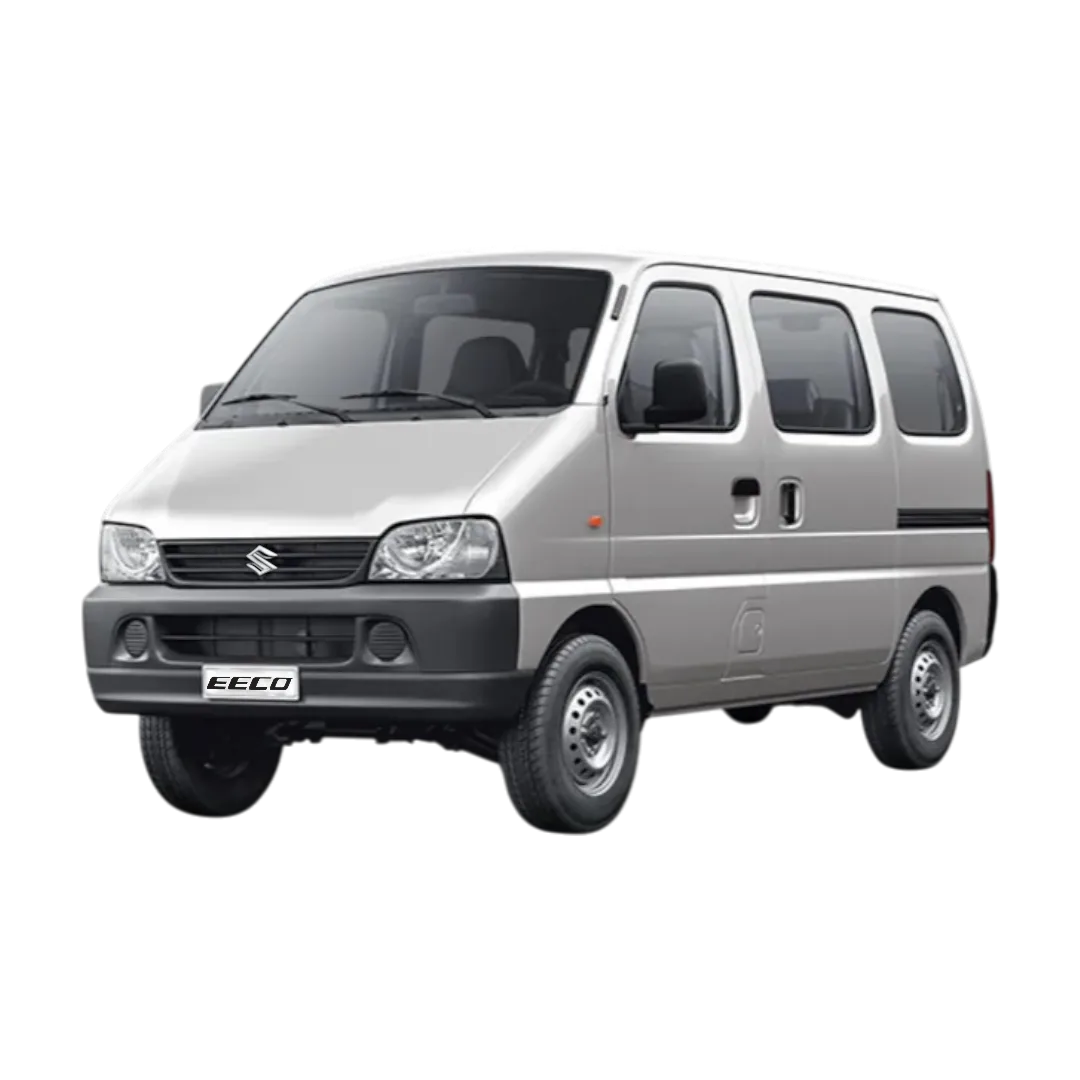 Eeco/Versa
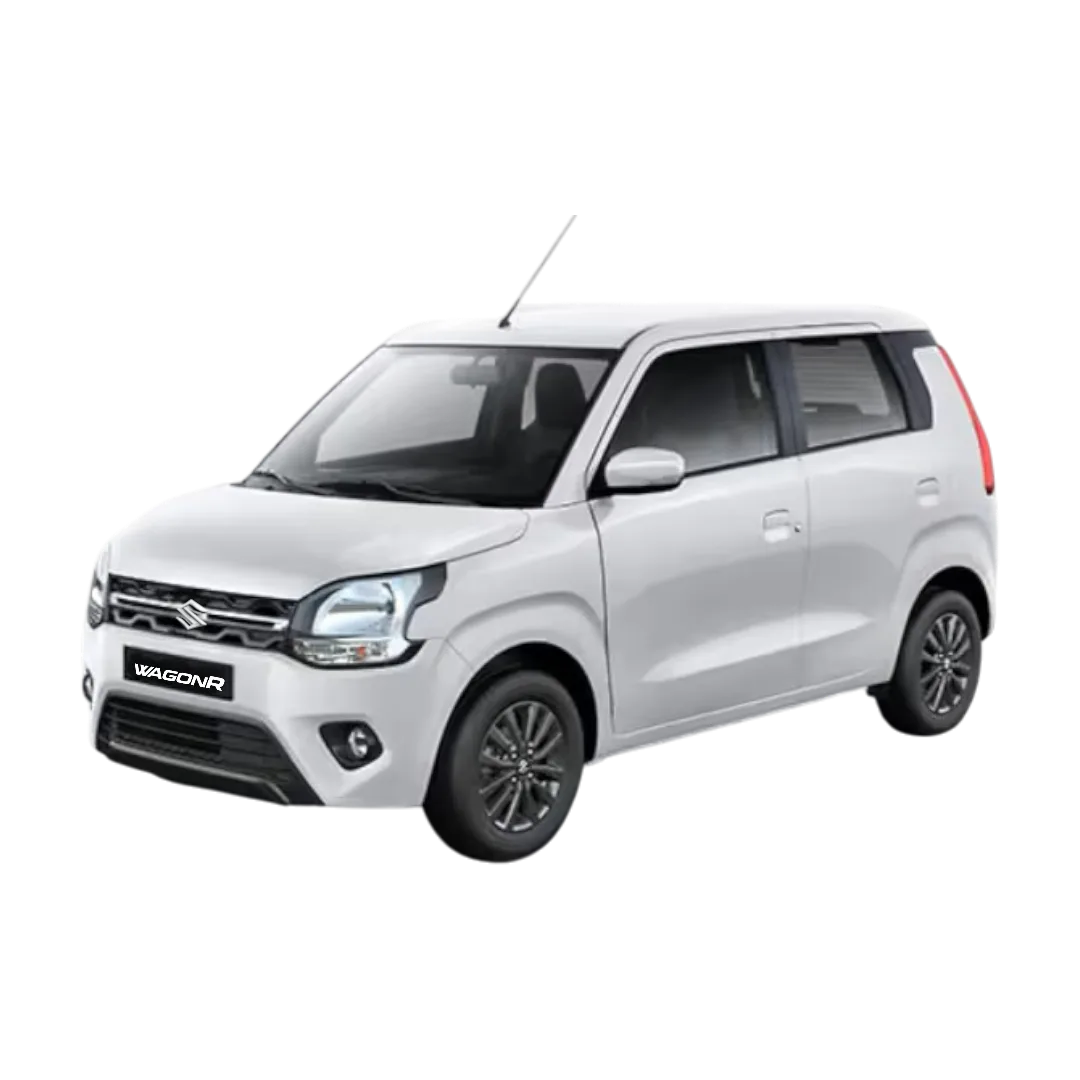 WagonR
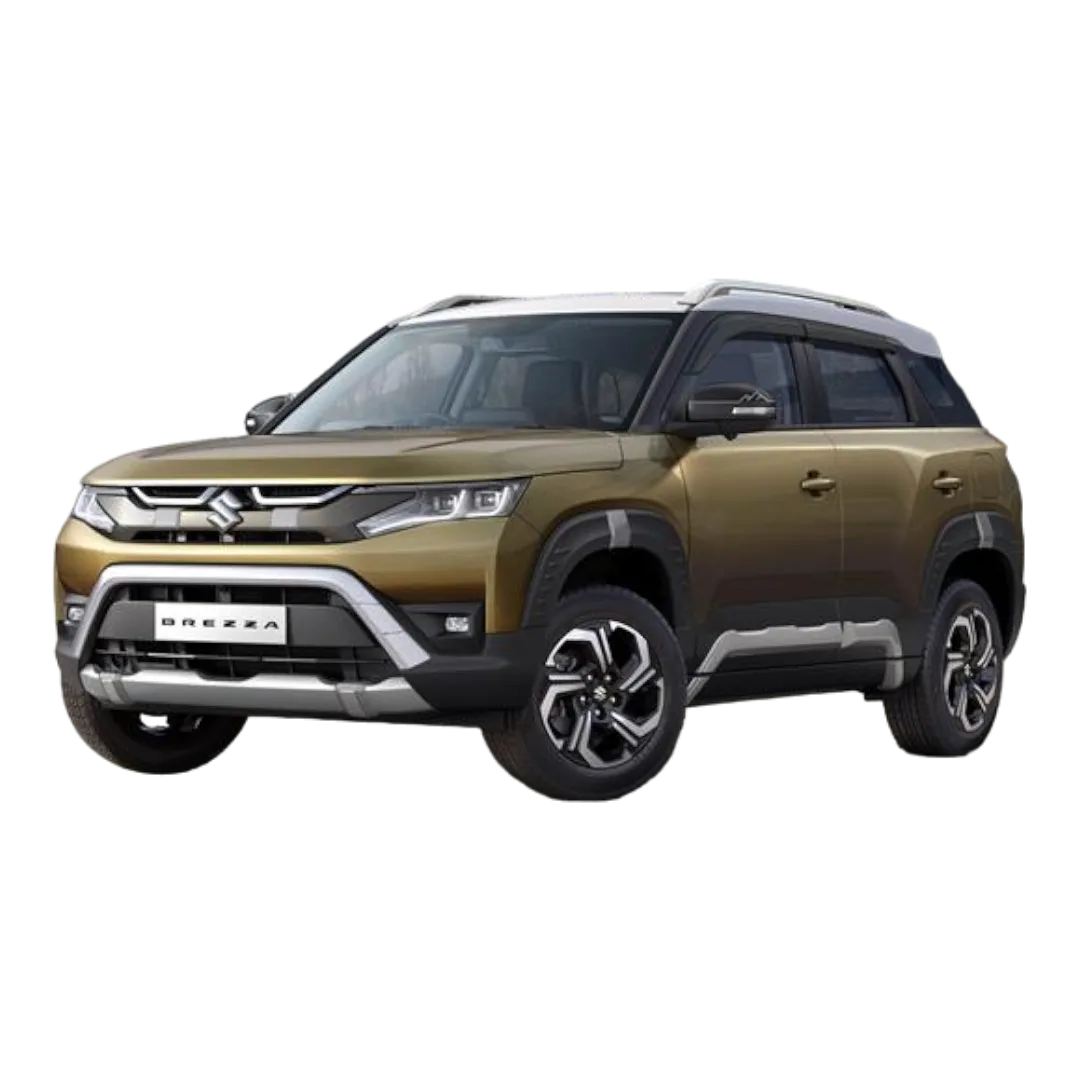 Brezza
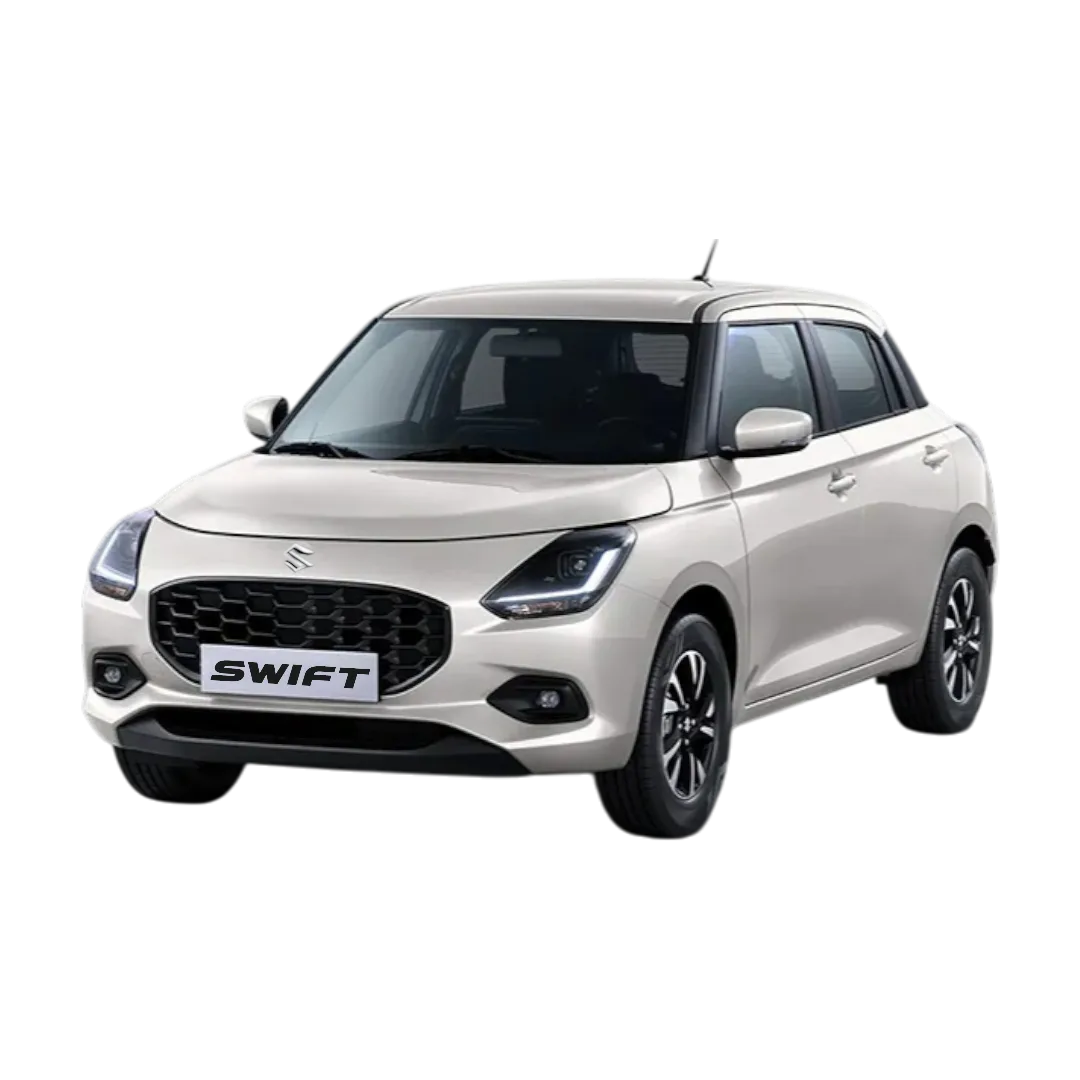 Swift
Swift
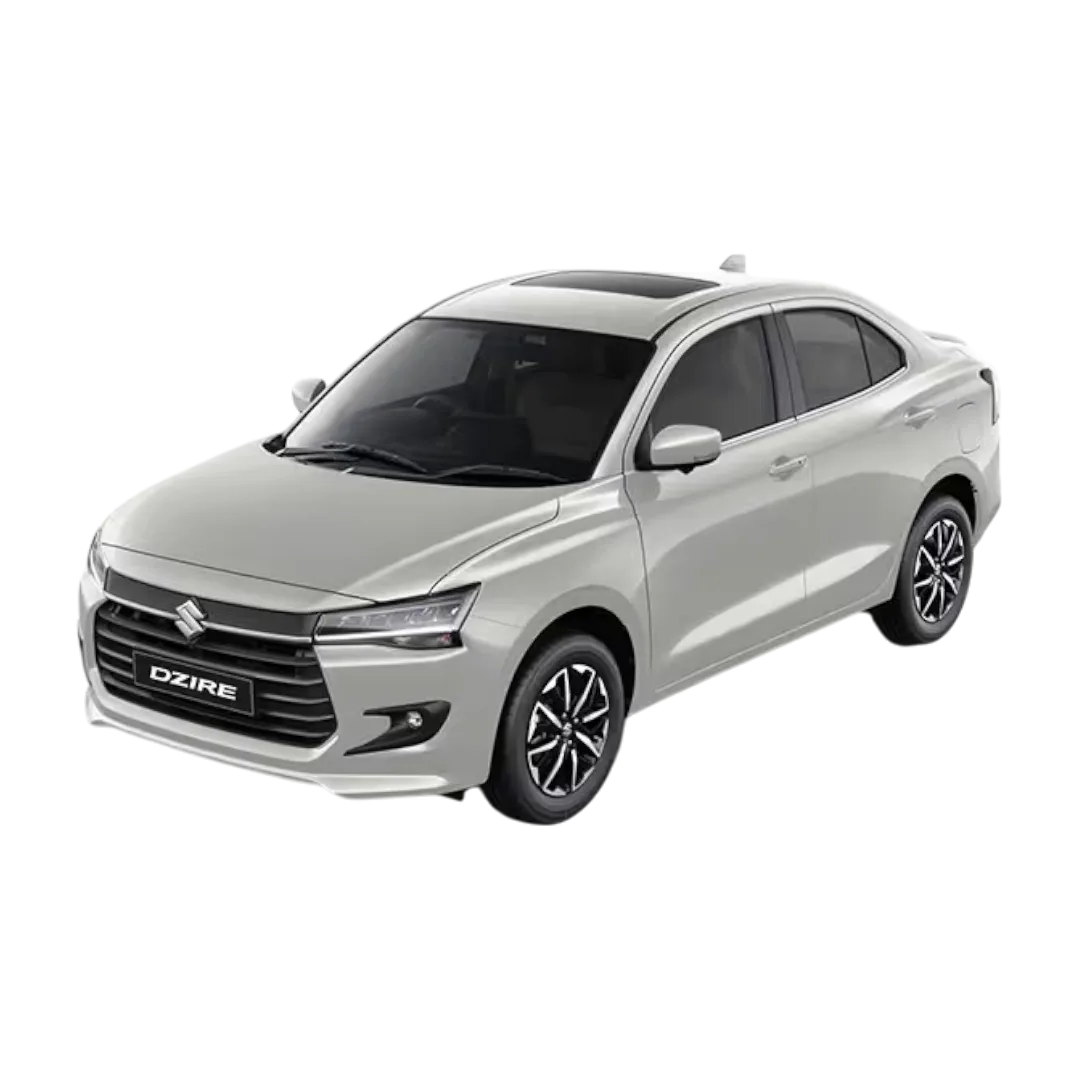 Dzire
Dzire
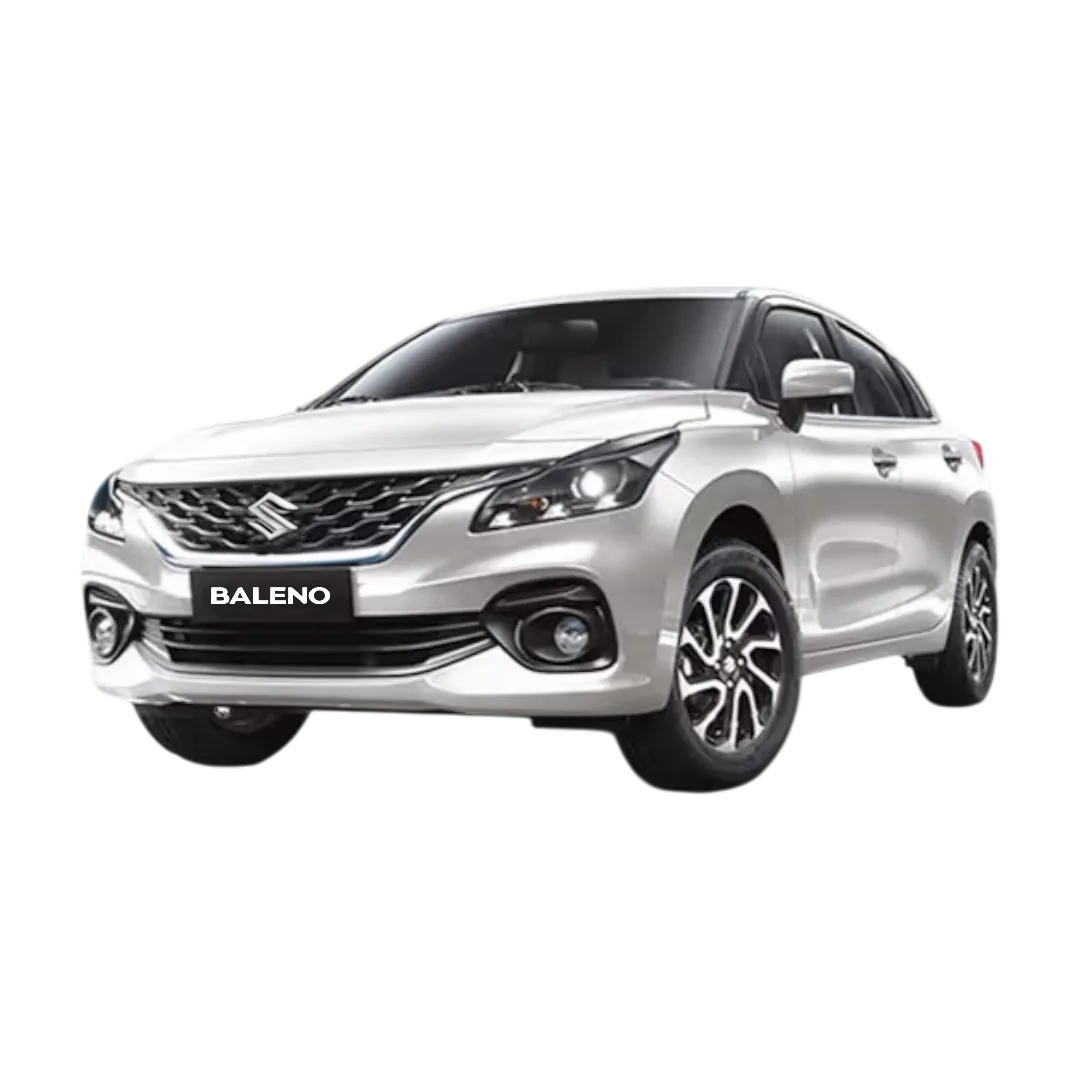 Baleno
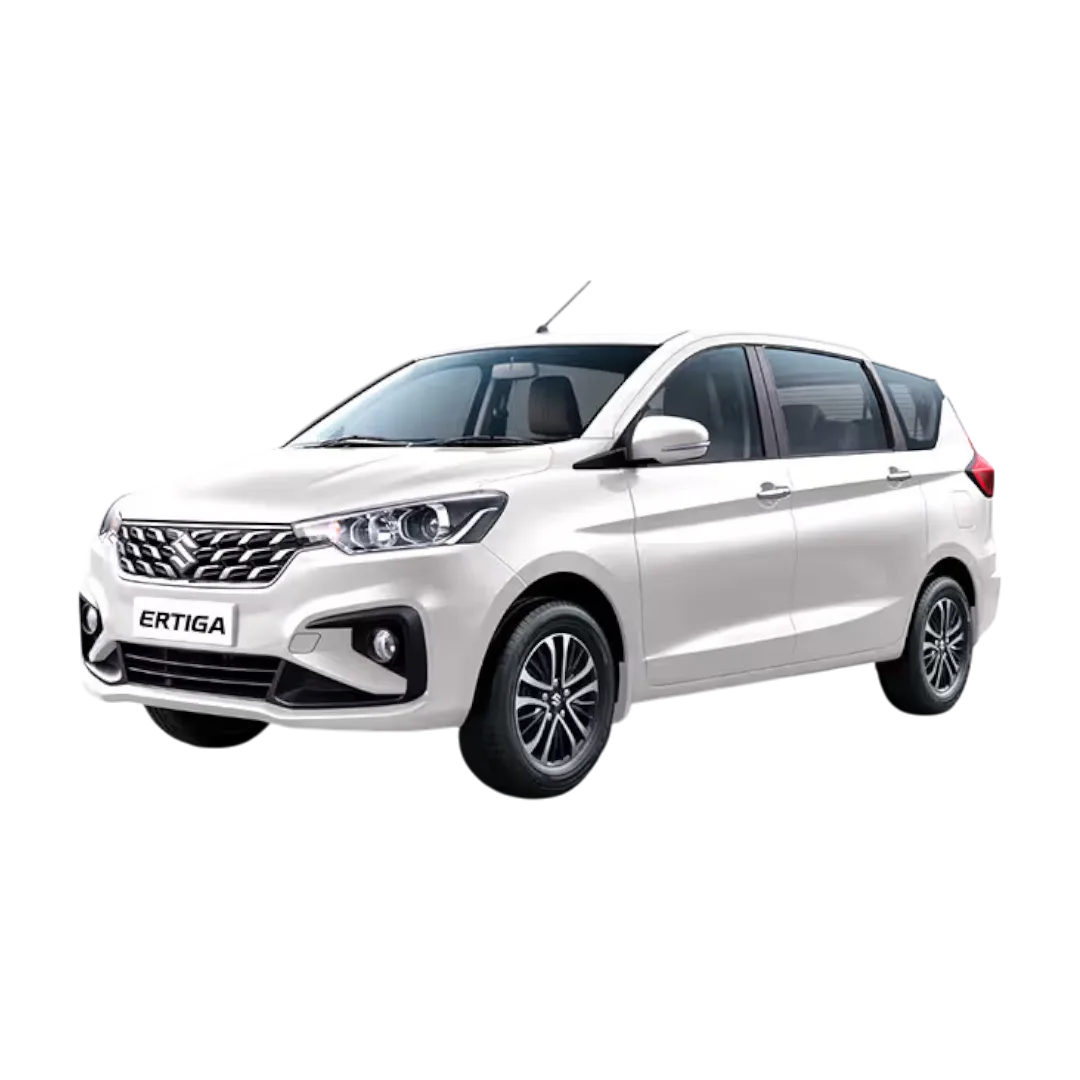 Ertiga
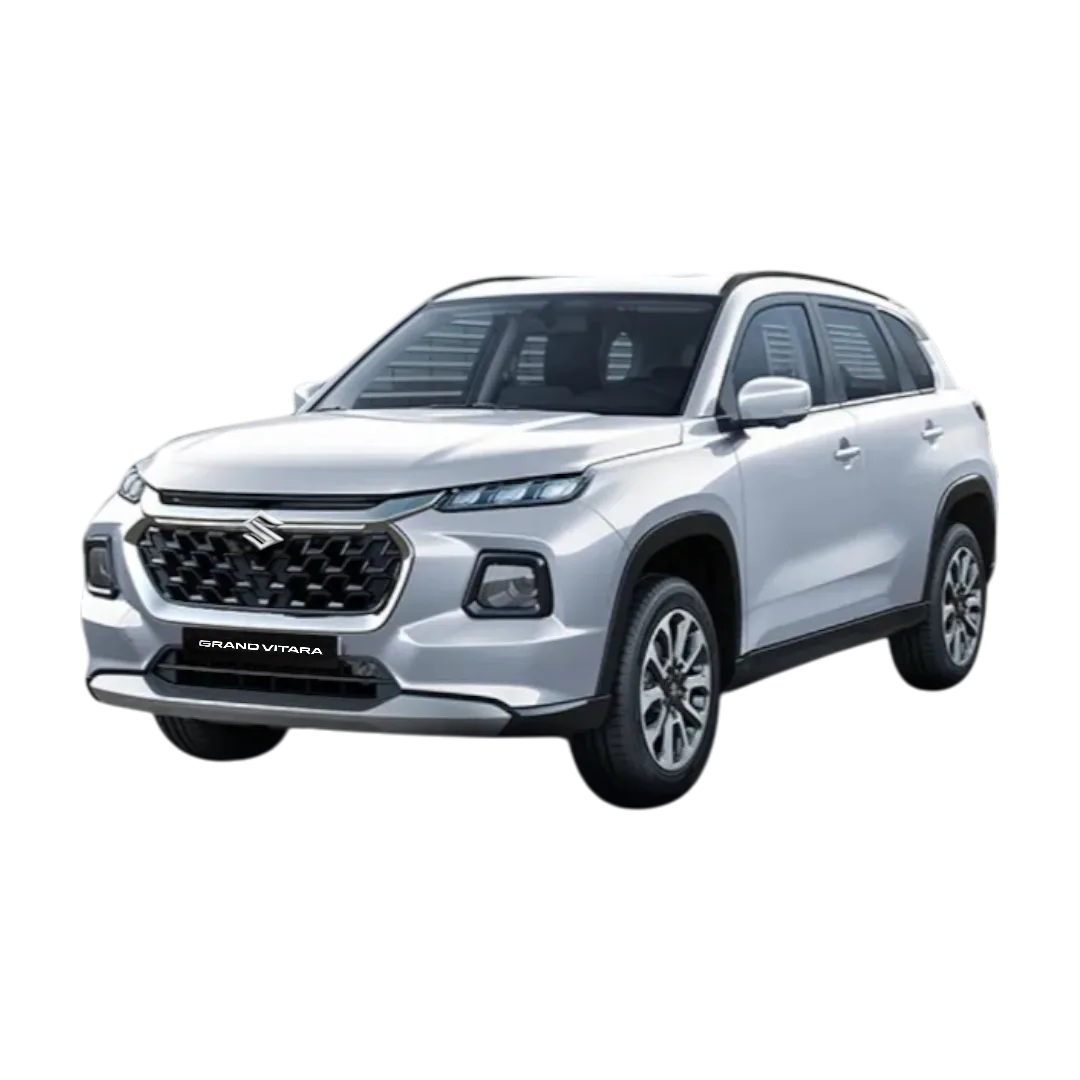 Grand Vitara
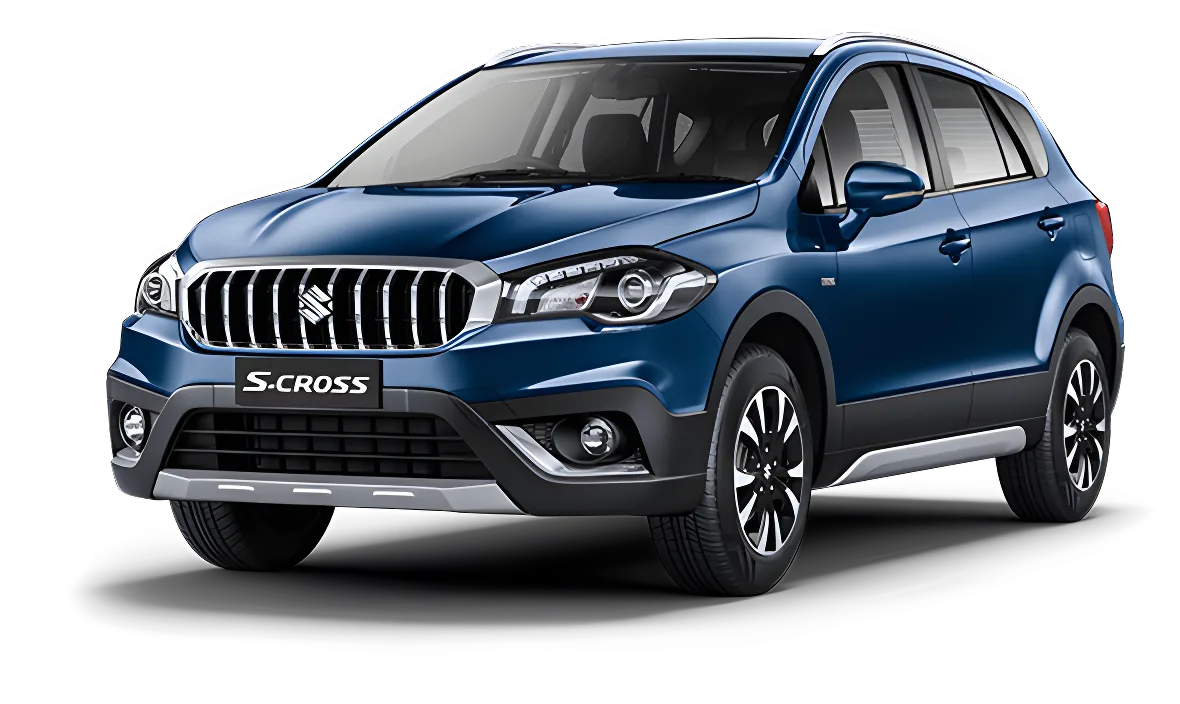 S-Cross
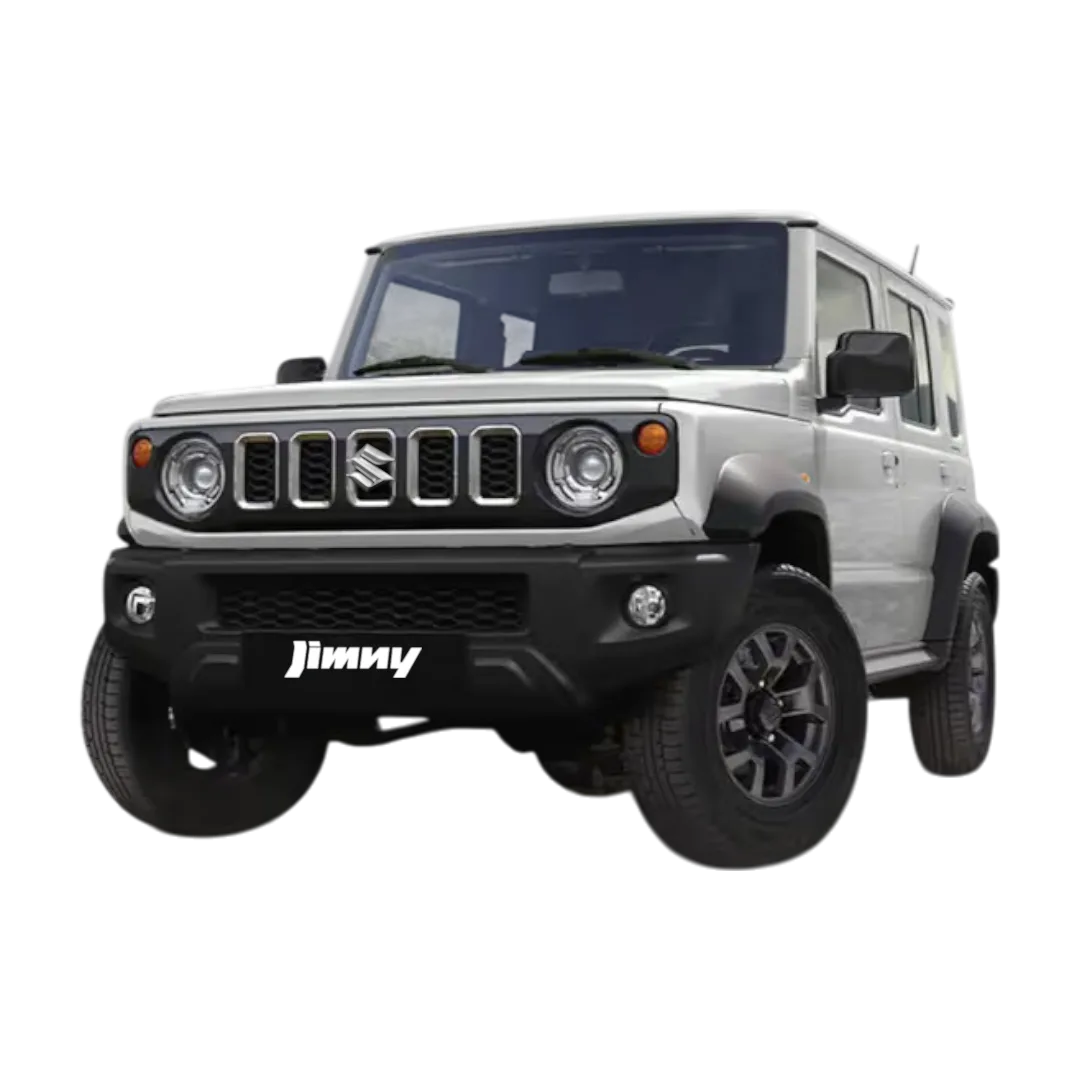 Jimny
Jimny
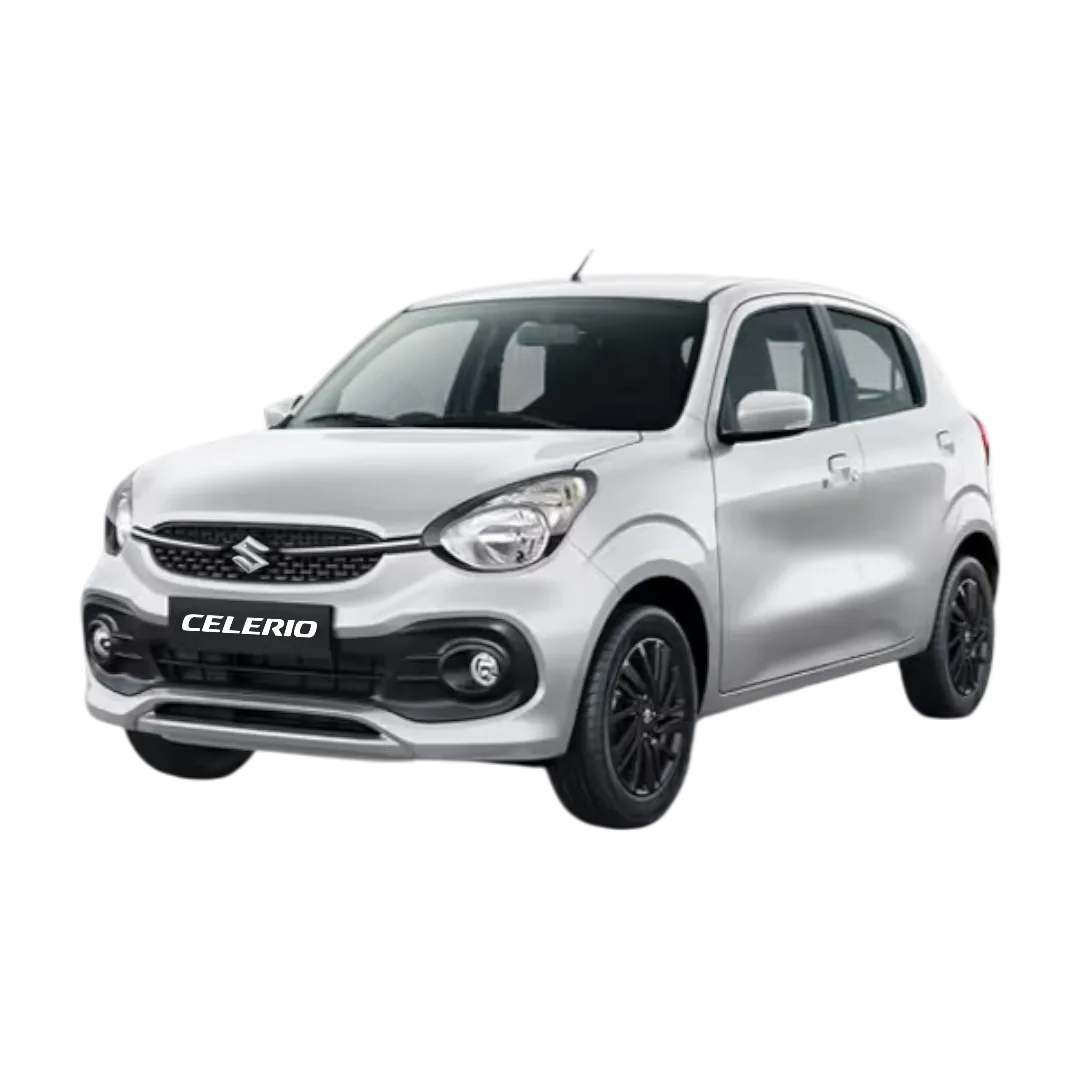 Celerio
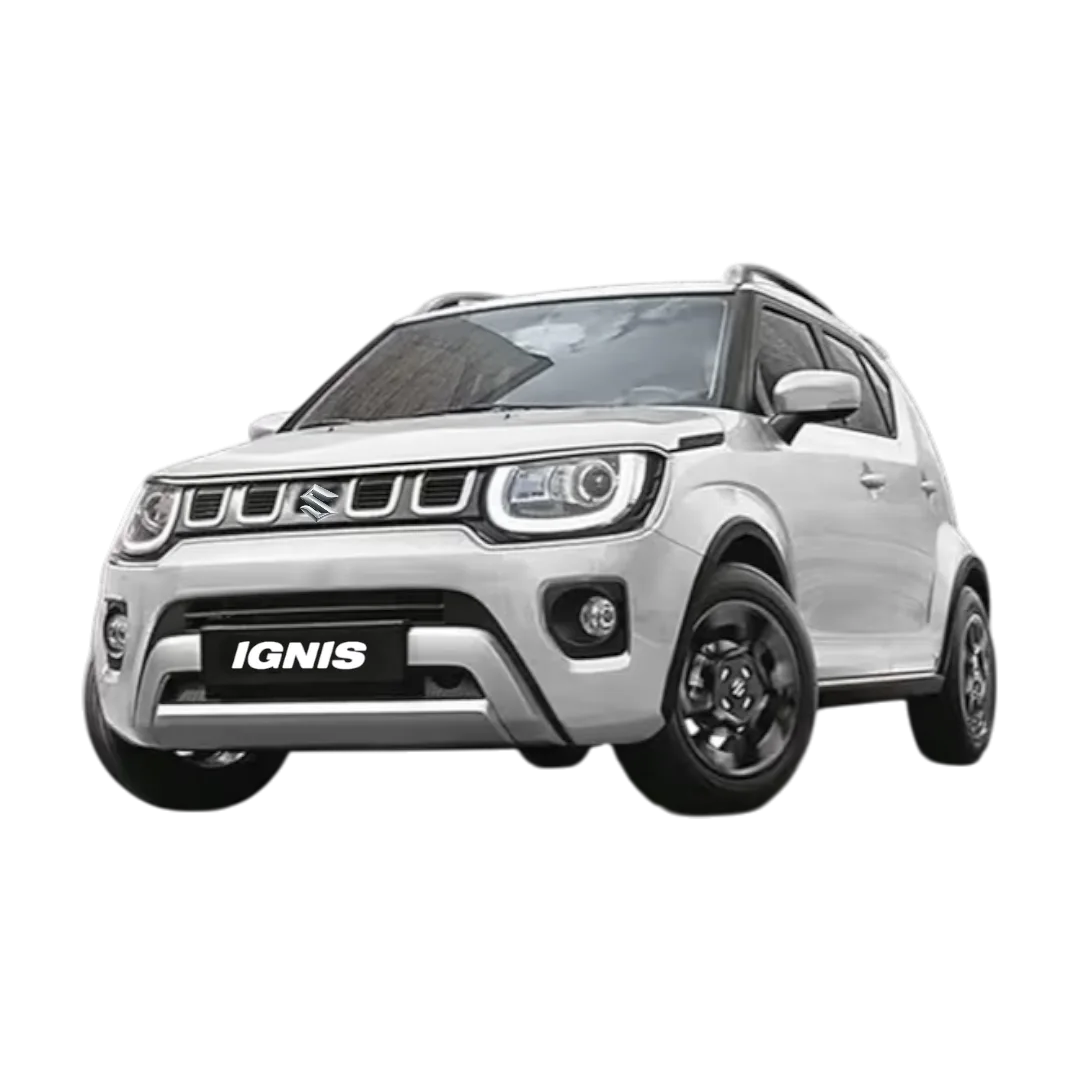 Ignis
Ignis
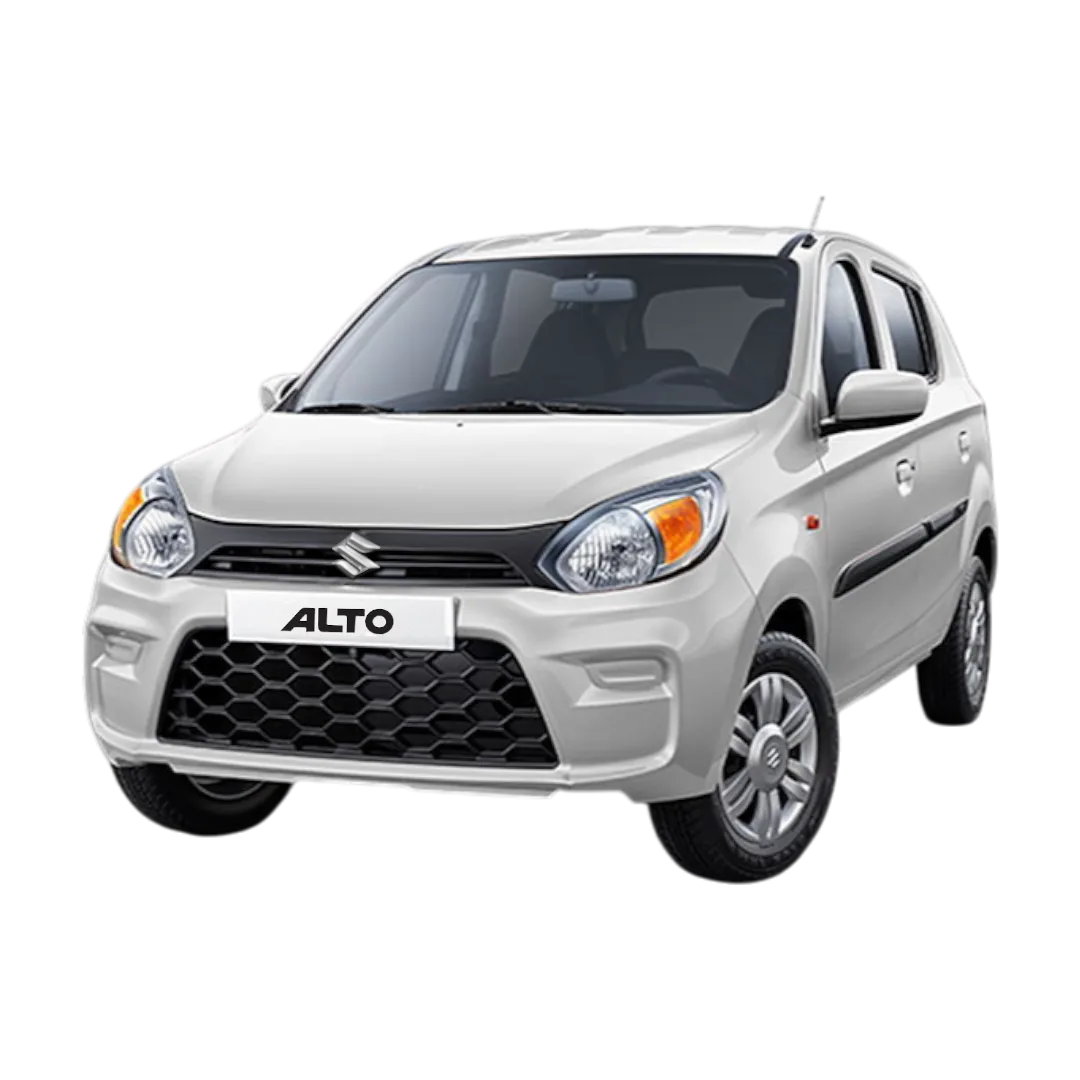 Alto 800
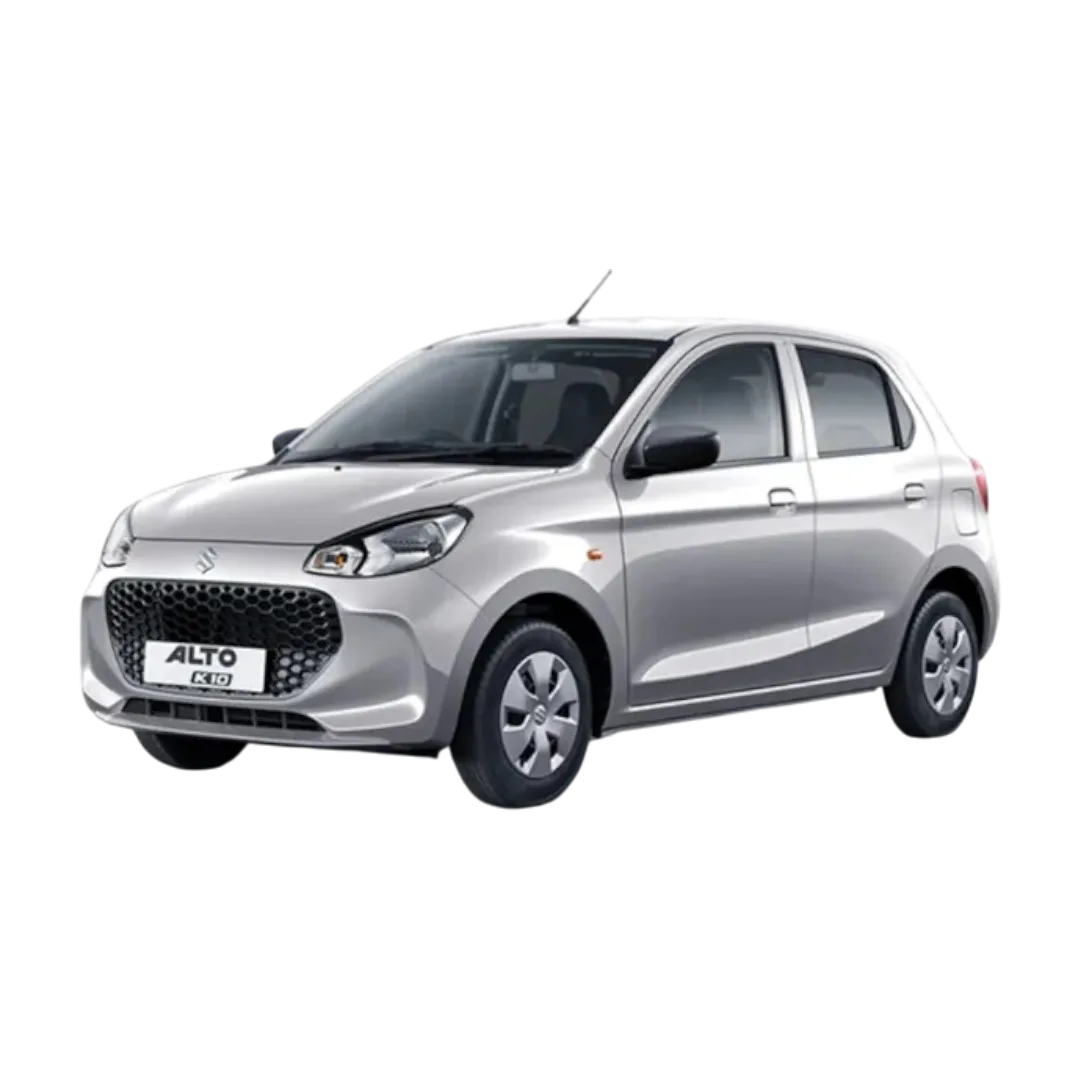 Alto K10
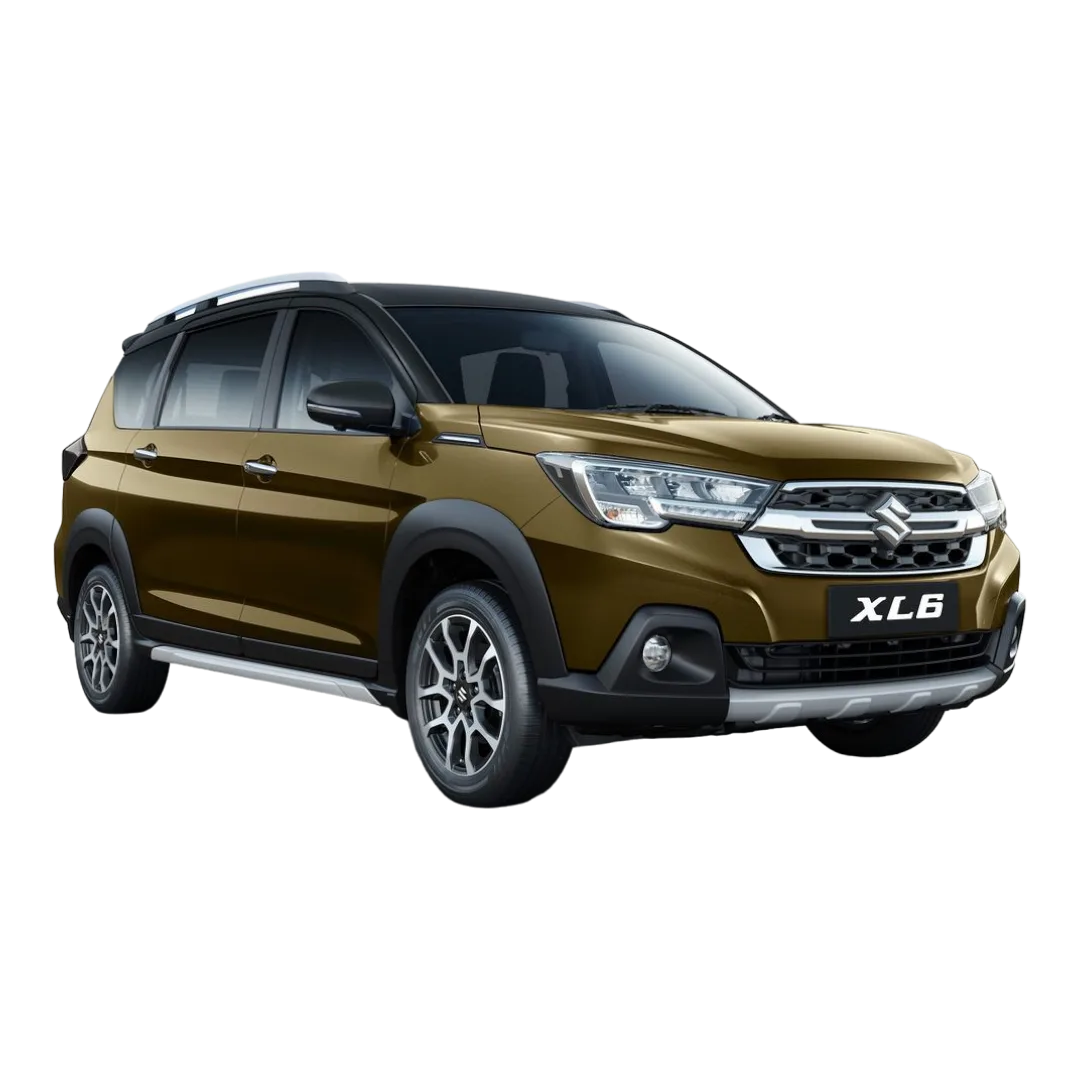 XL6
XL6
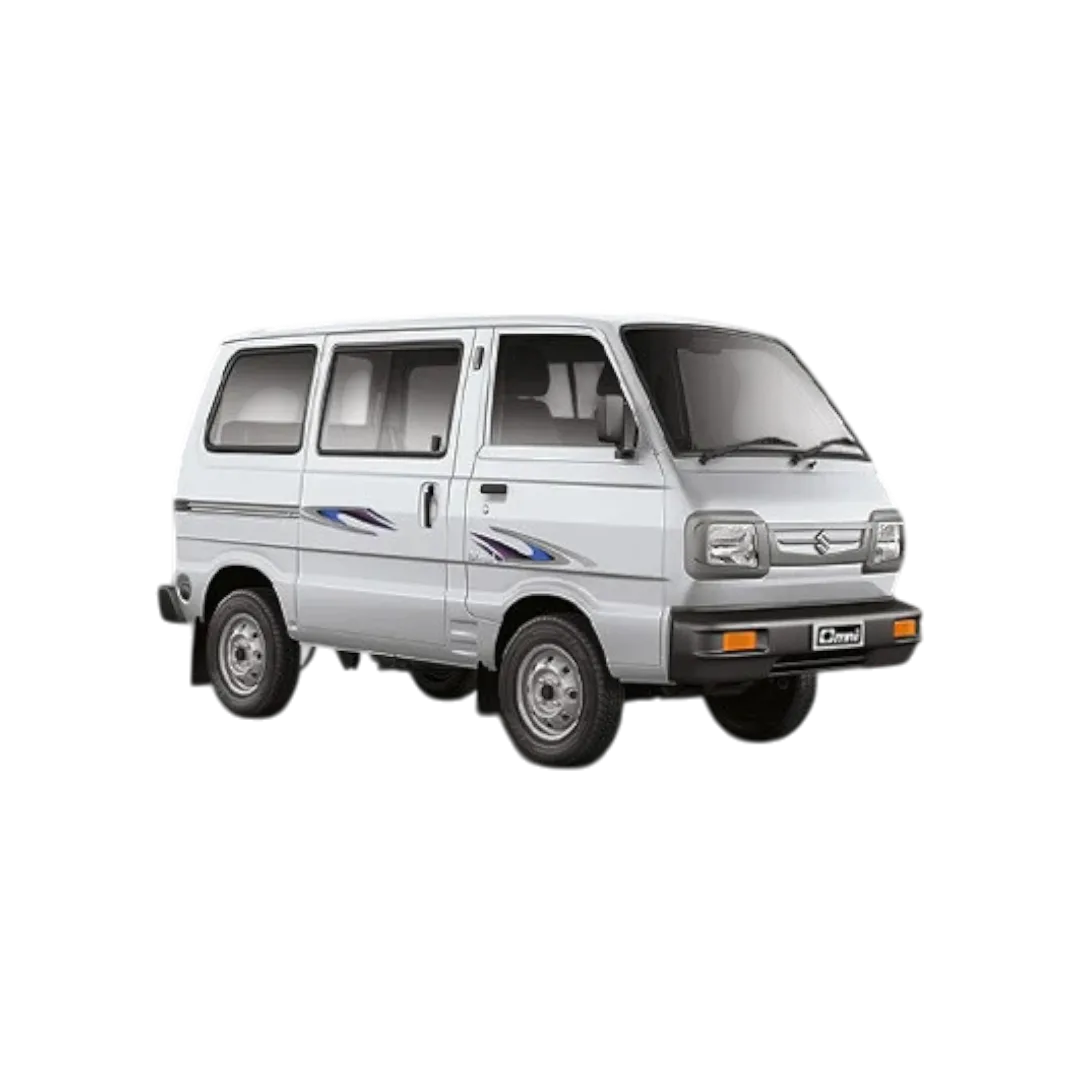 Omni
Omni
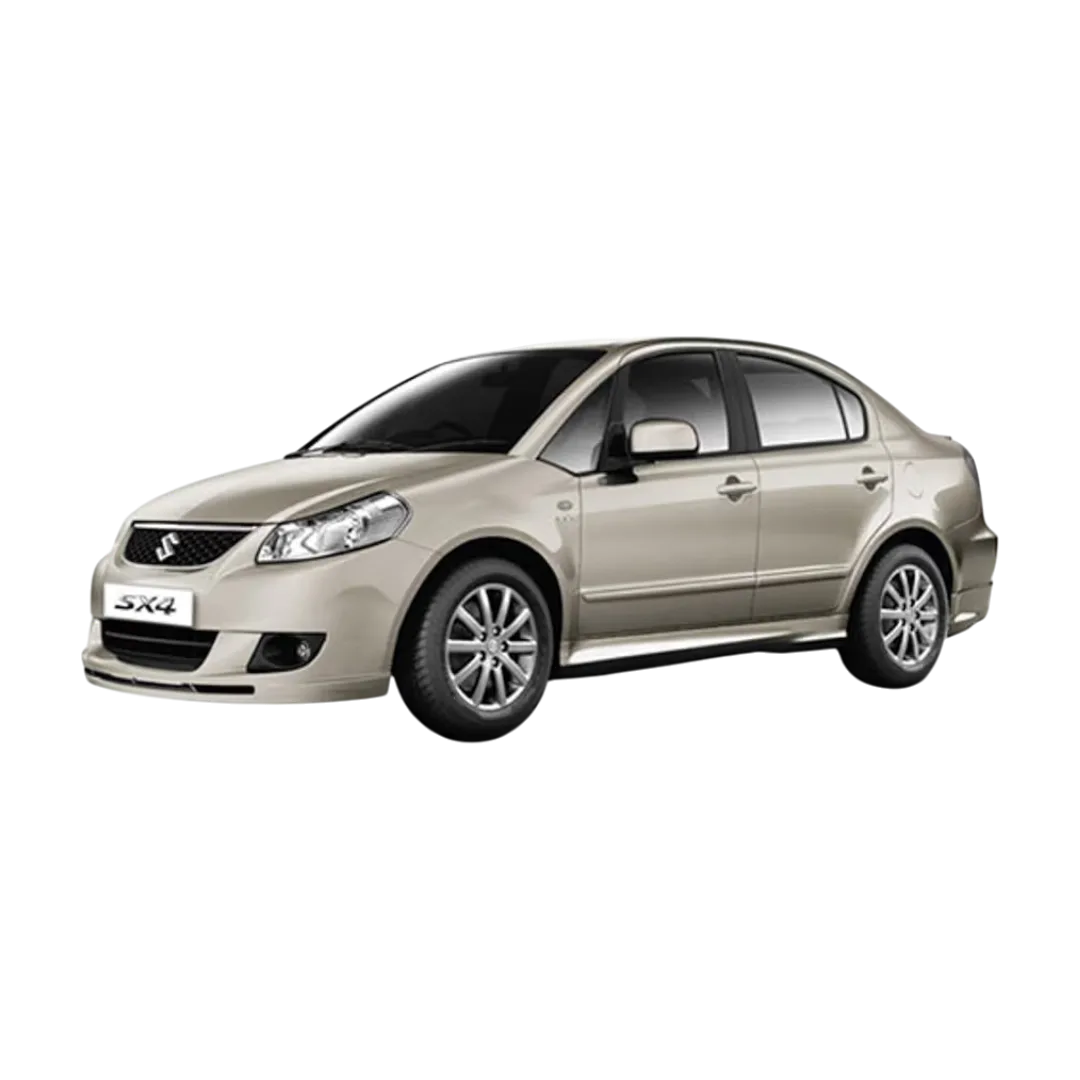 SX4
SX4
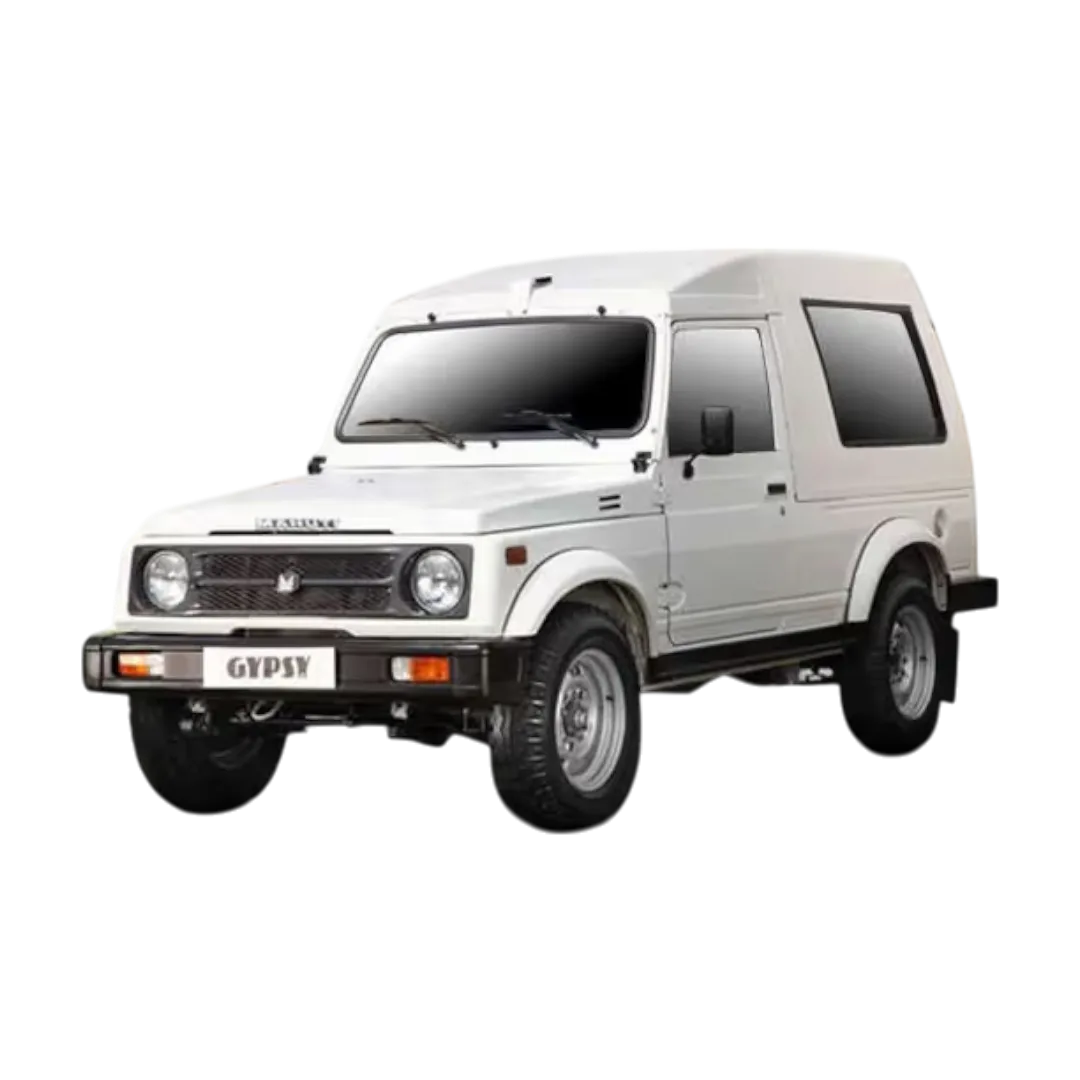 Gypsy
Gypsy
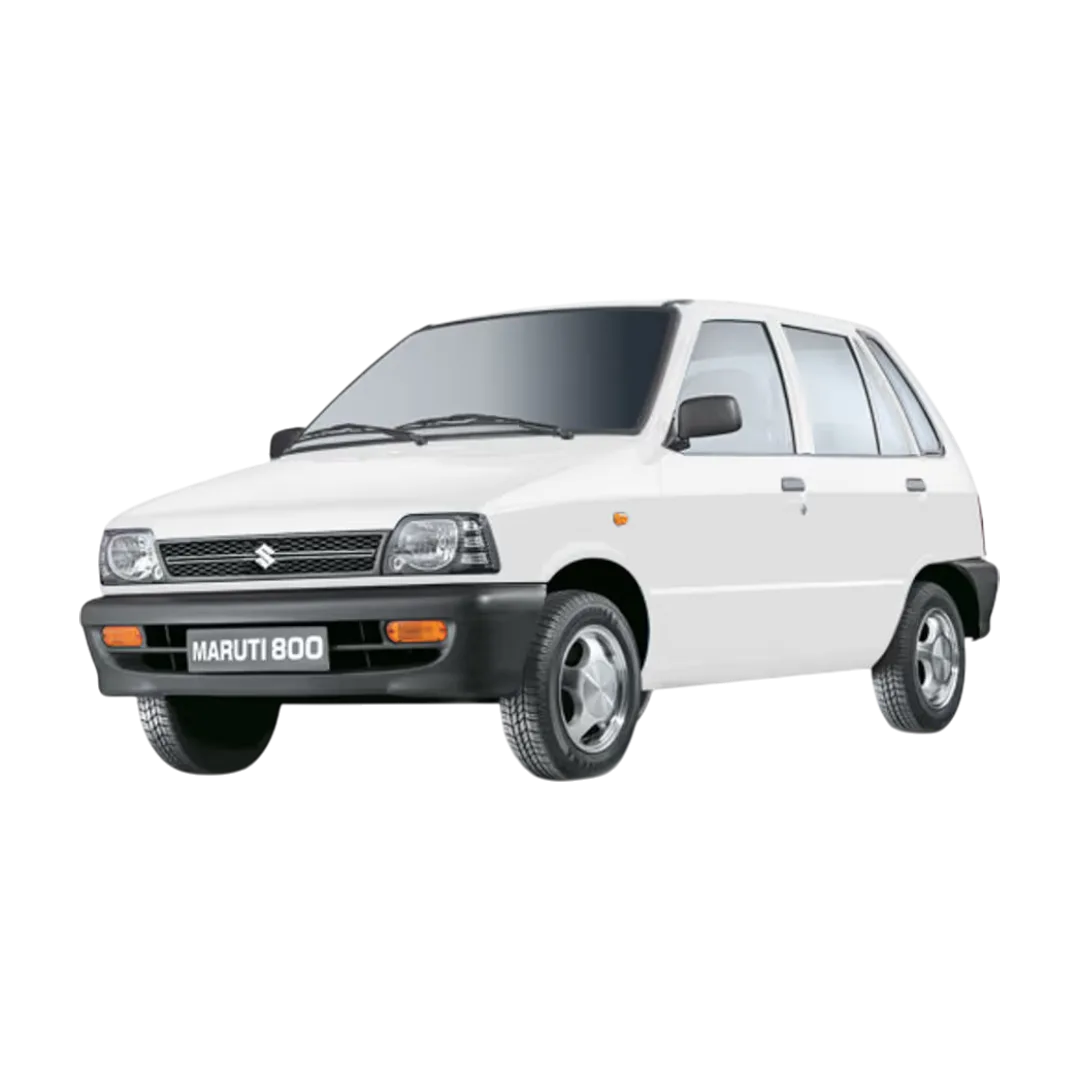 Maruti 800
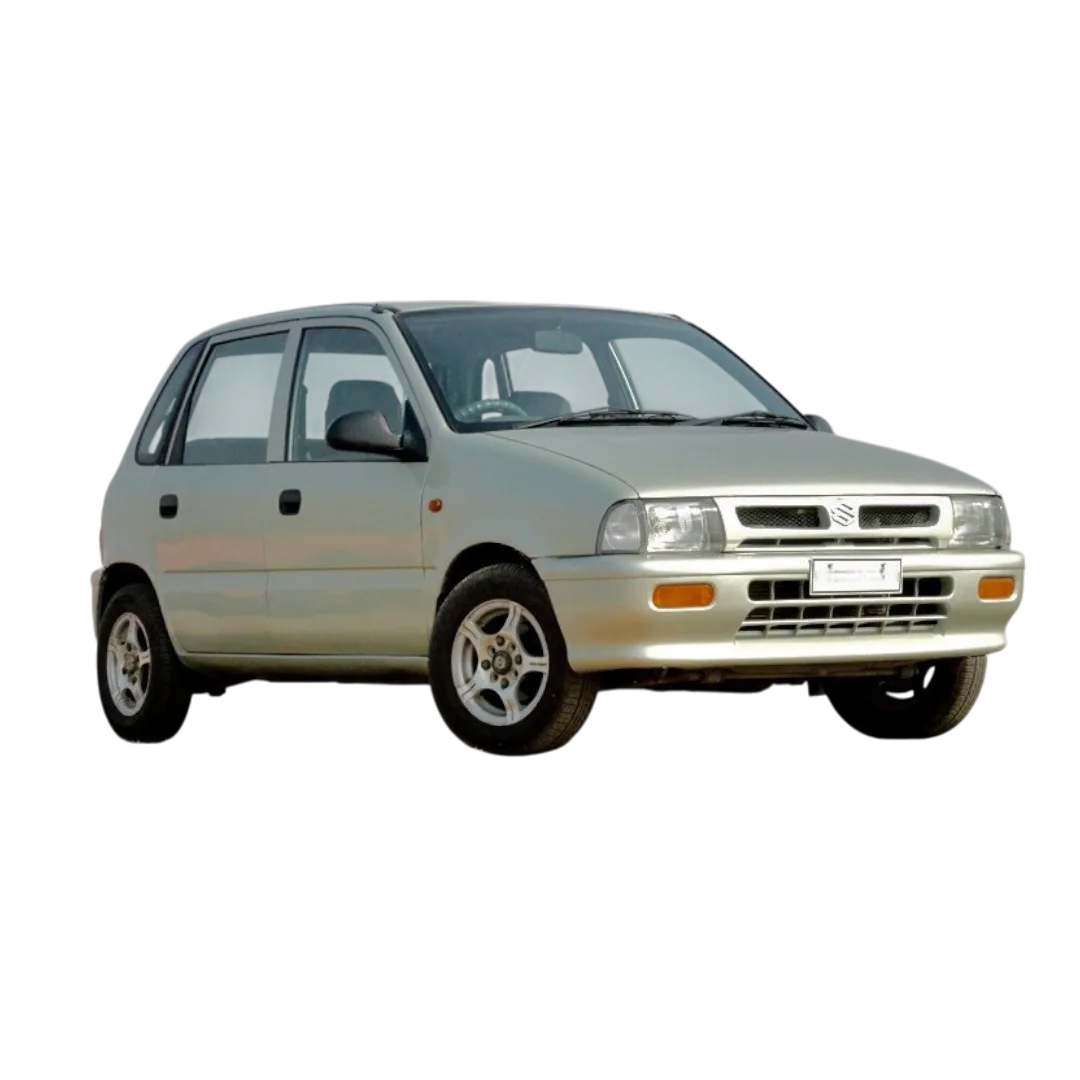 Zen
Zen
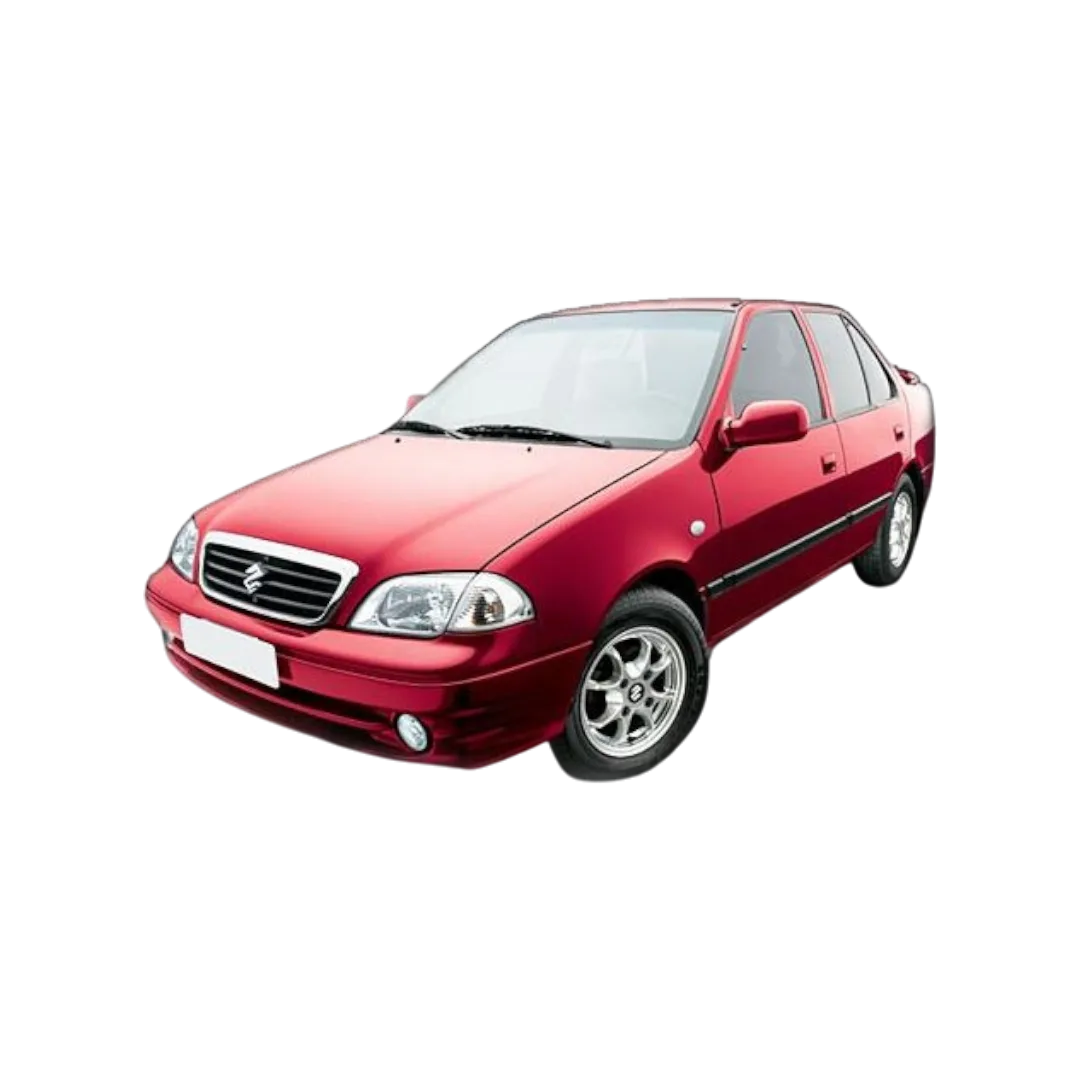 Esteem
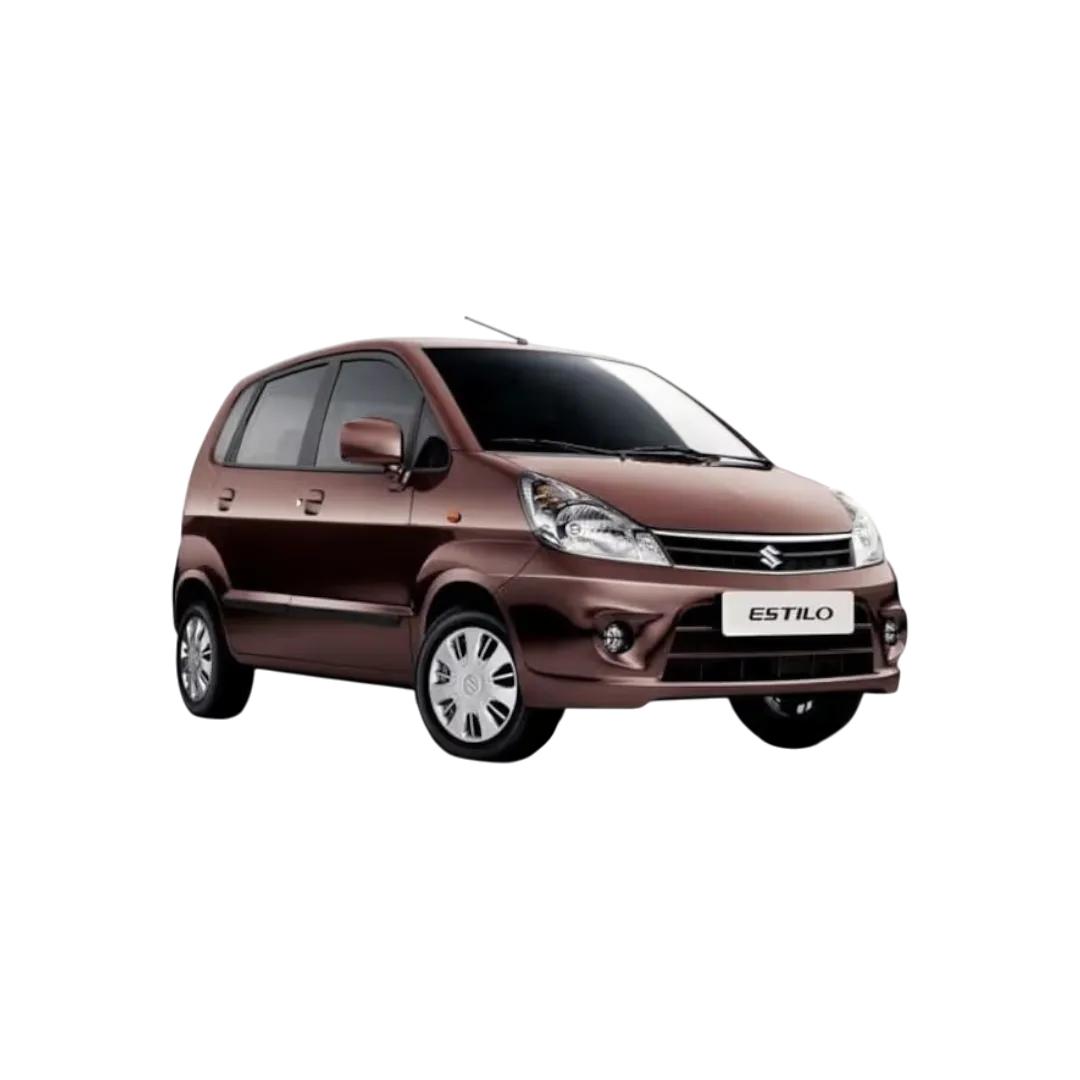 Zen Estilo
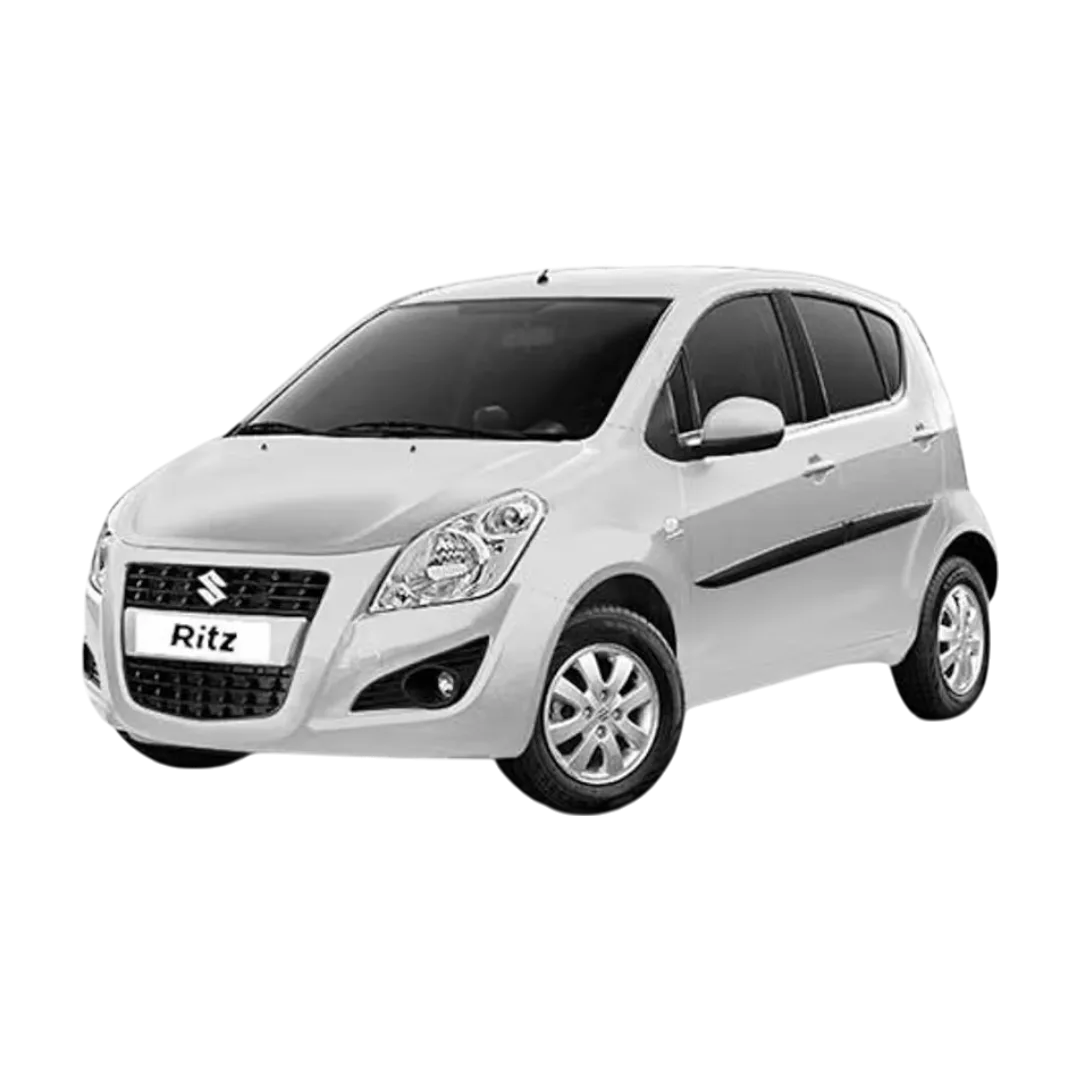 Ritz
Ritz
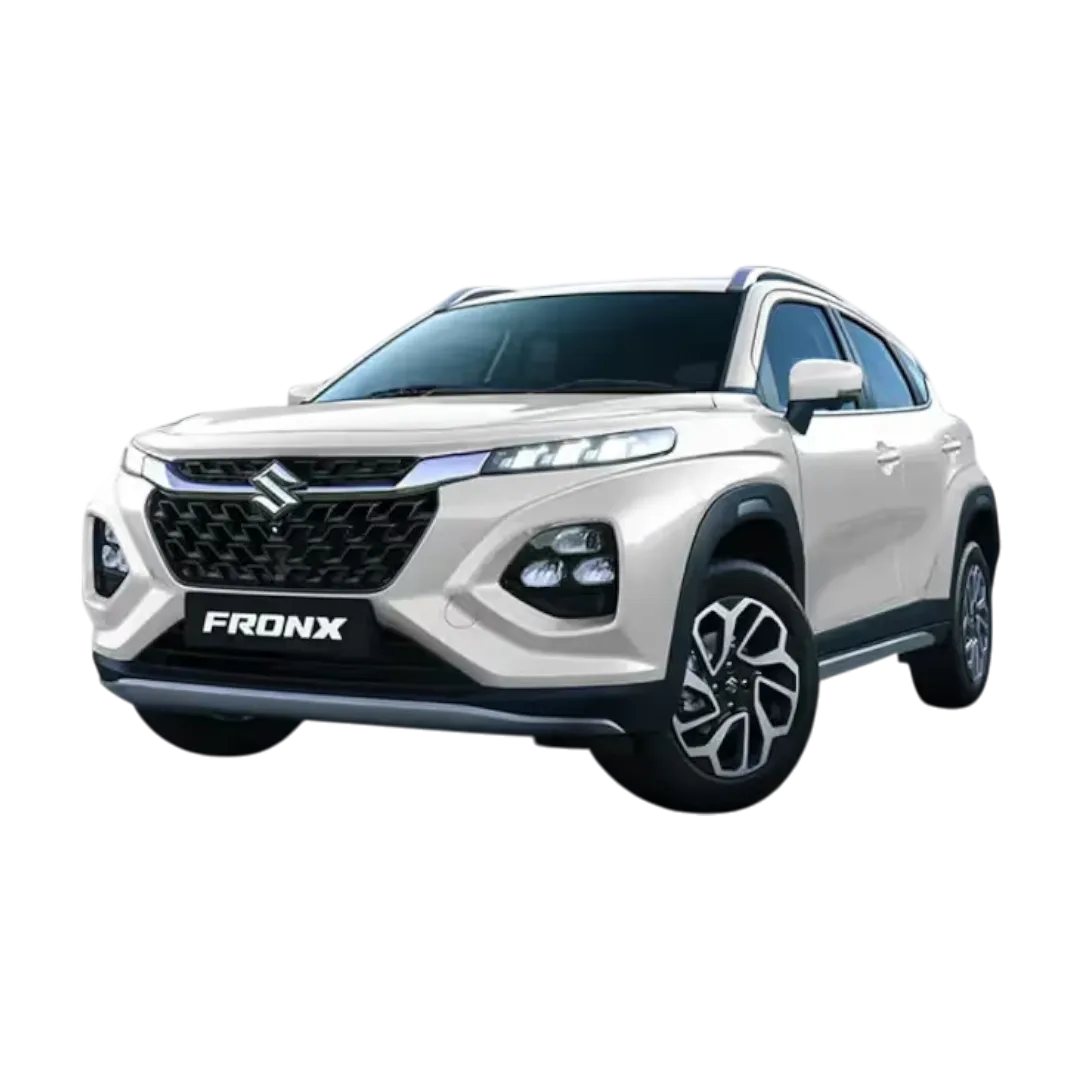 Fronx
Fronx
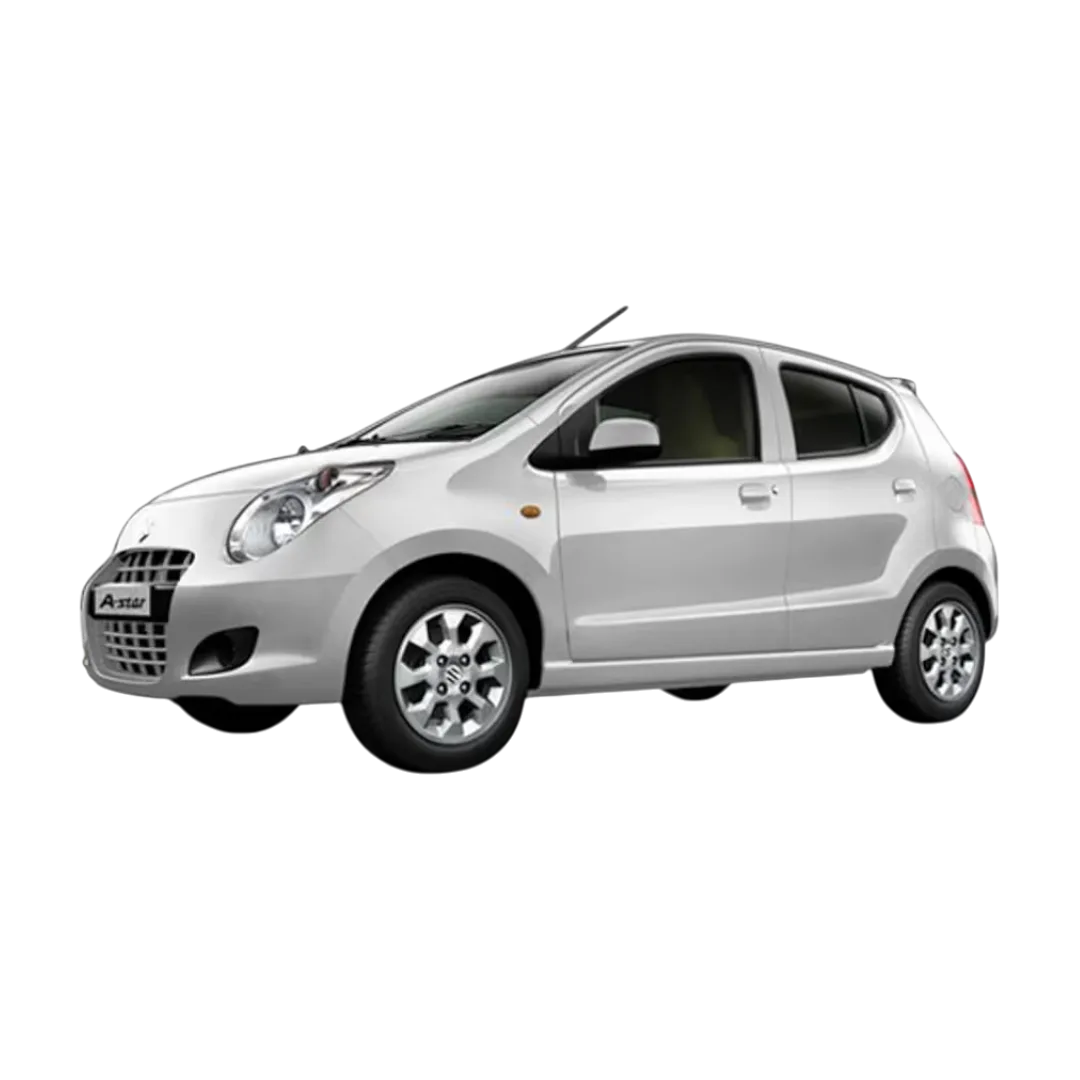 A-Star
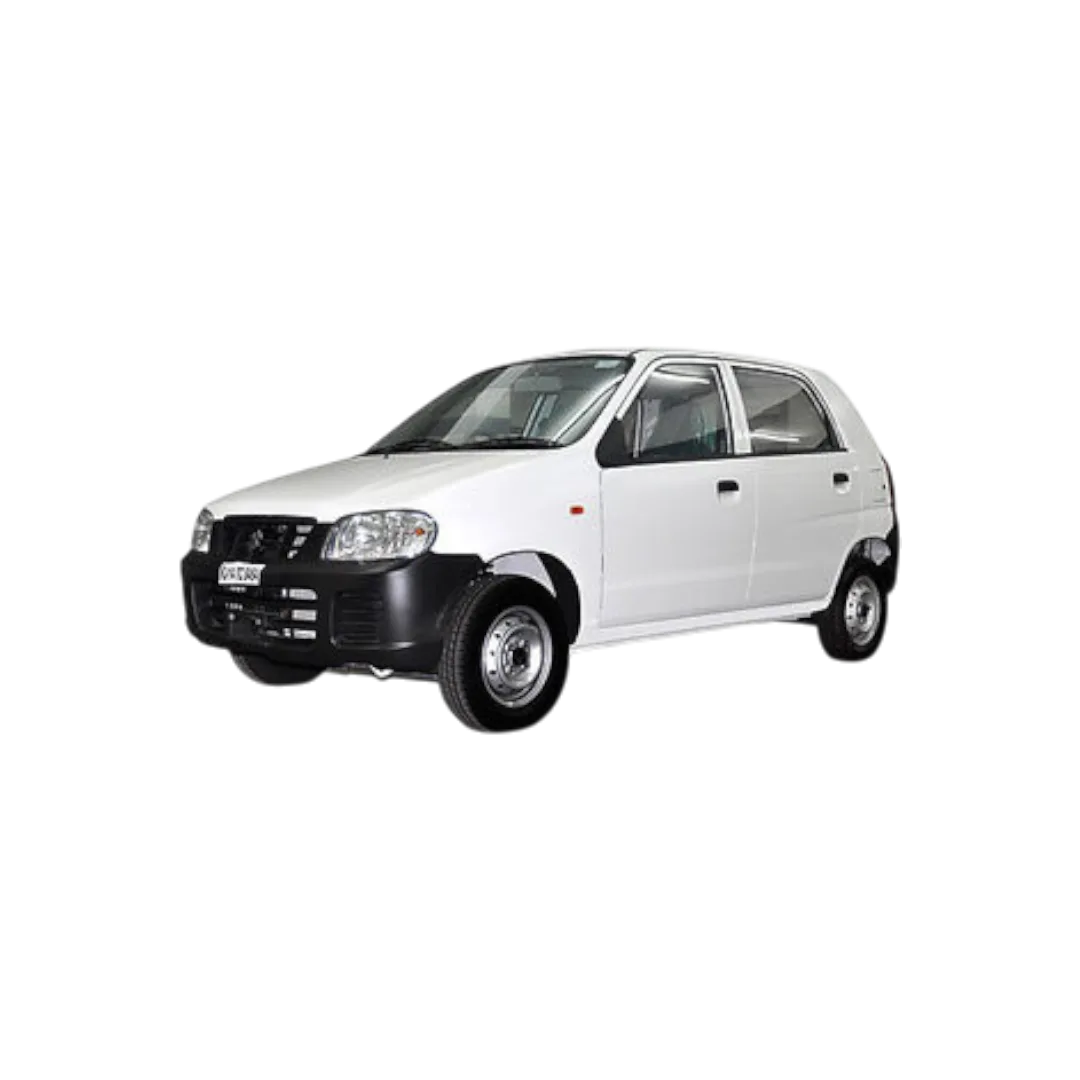 Alto
Alto
 Invicto
Victoris
Wagon R
Invicto
Victoris
Wagon R
 i20
i20
 Aura
Aura
 Creta
Creta
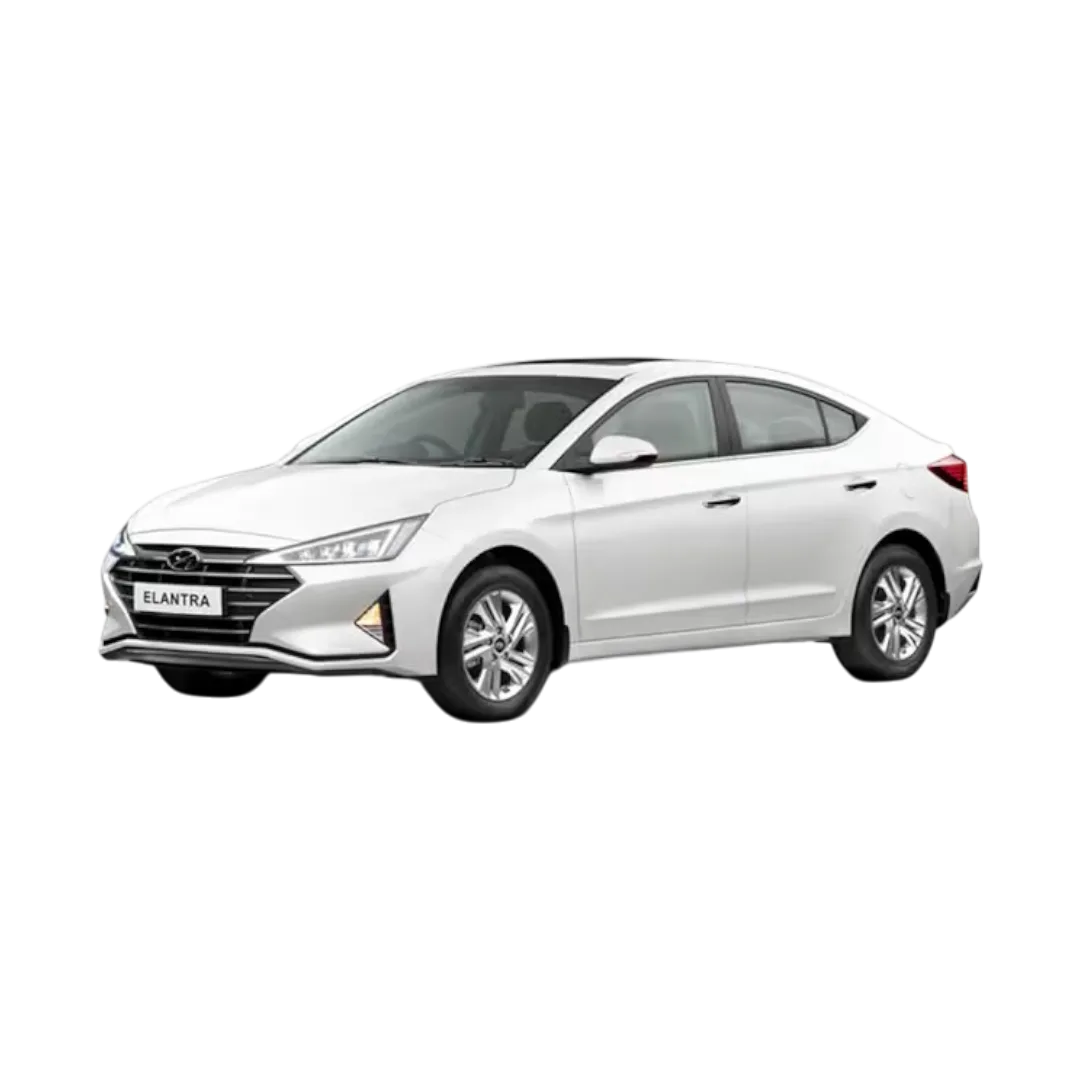 Elantra
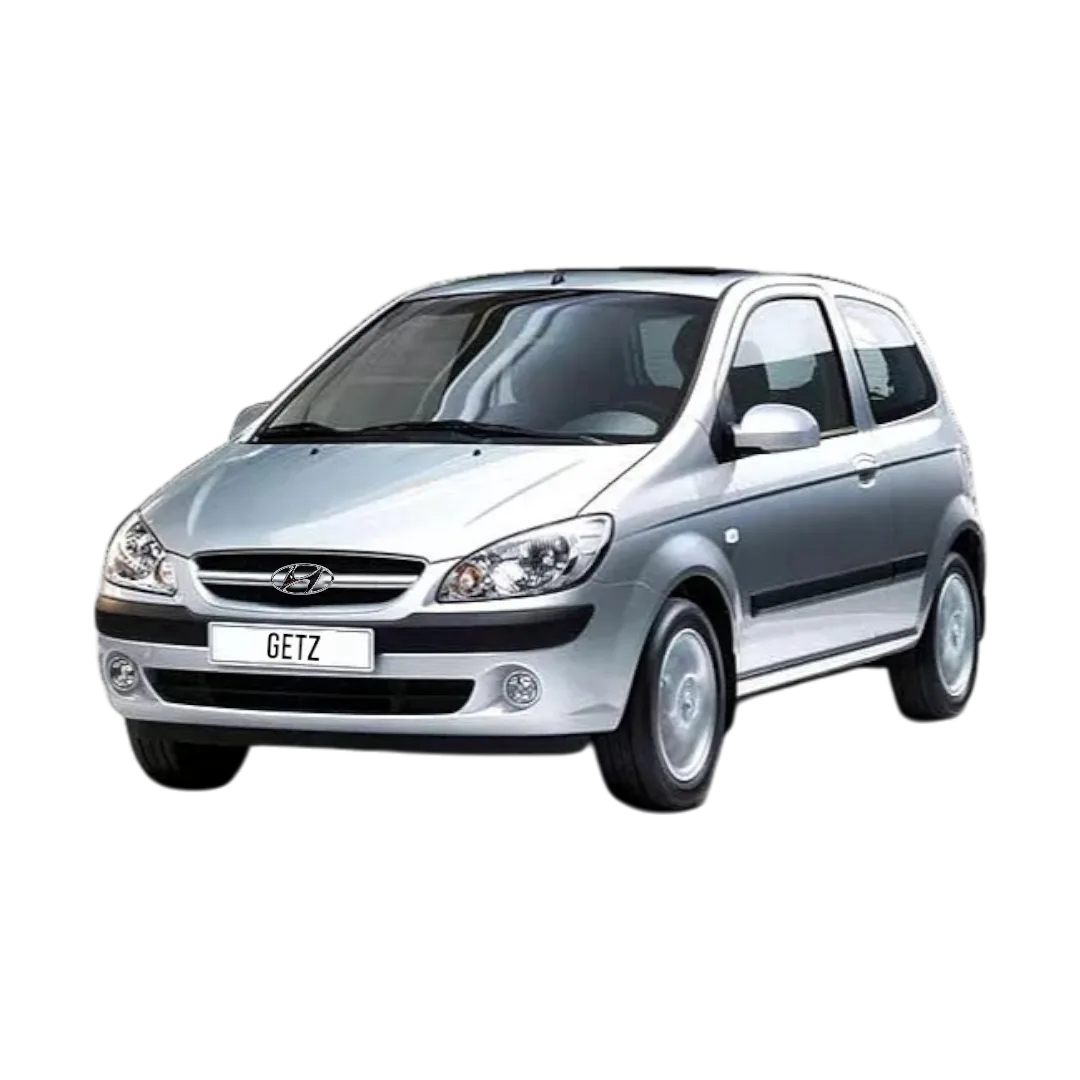 Getz
Getz
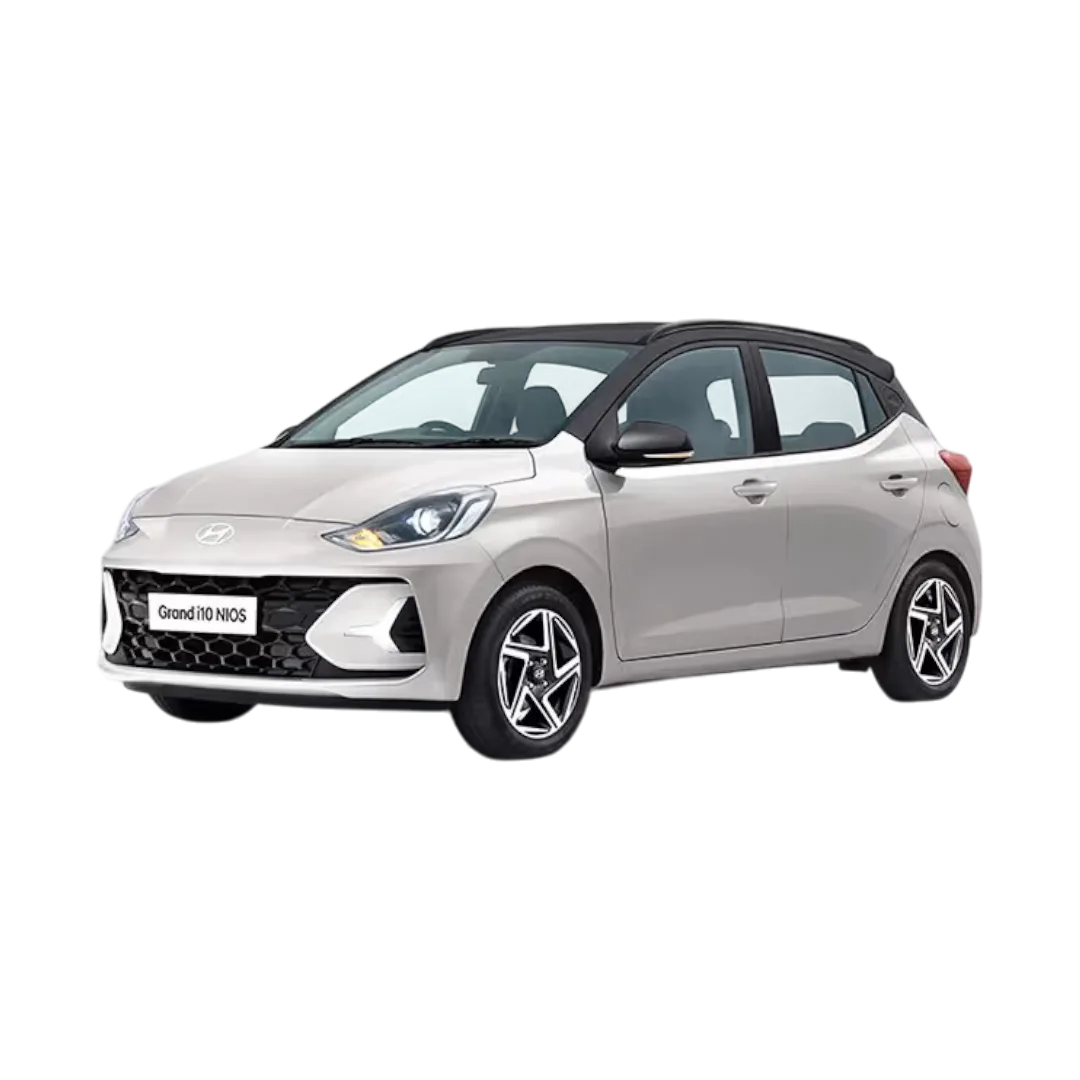 Grand i10 Nios
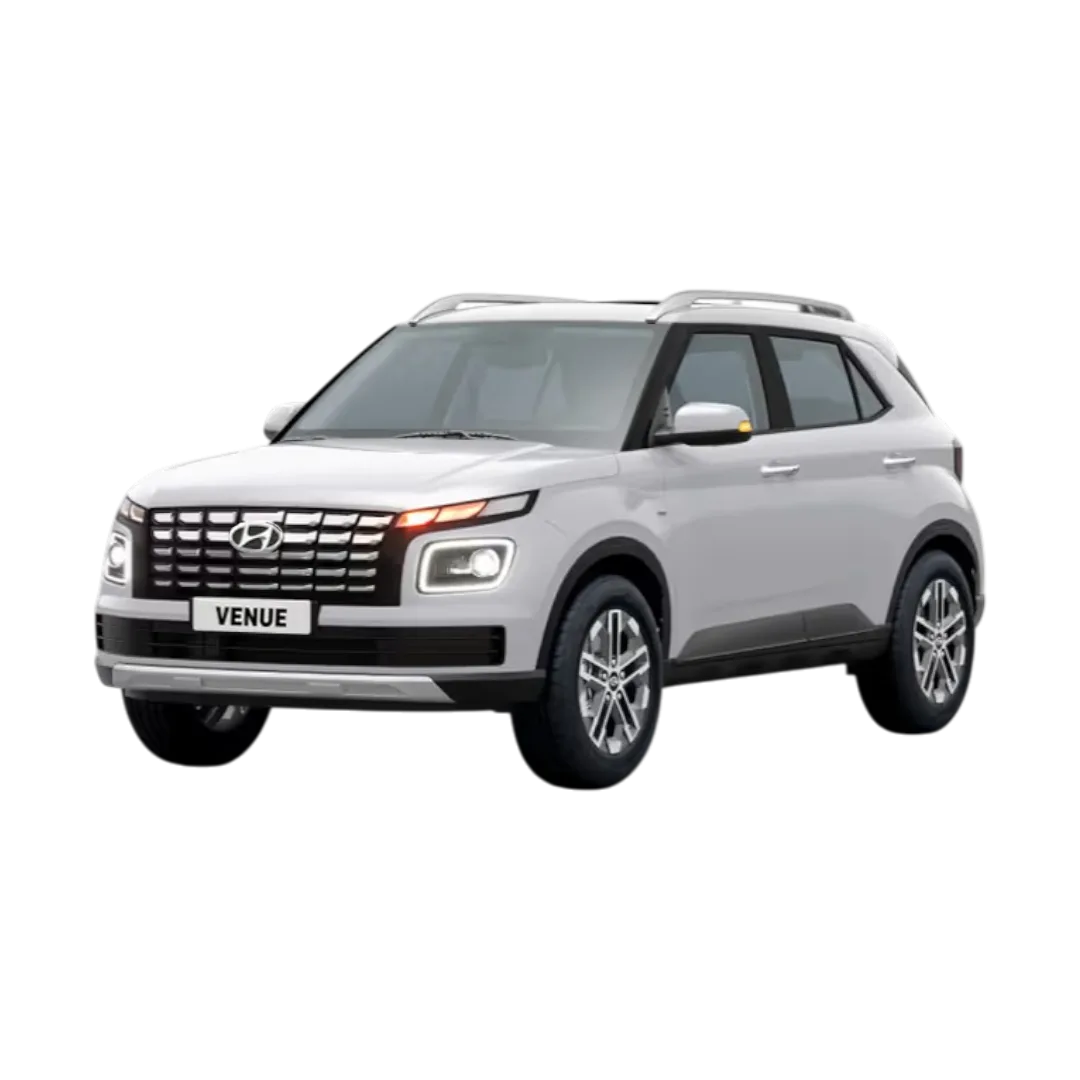 Venue
Venue
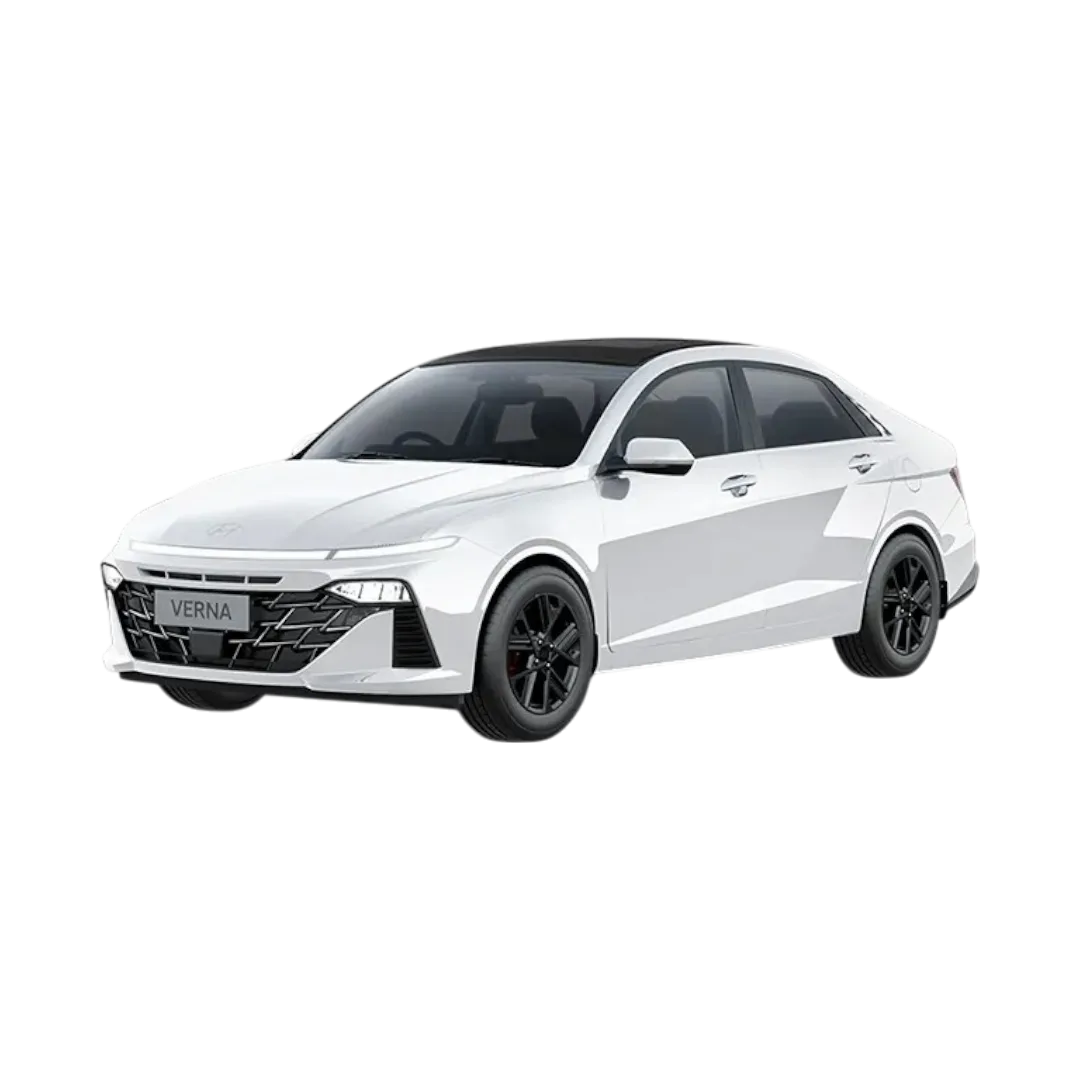 Verna
Verna
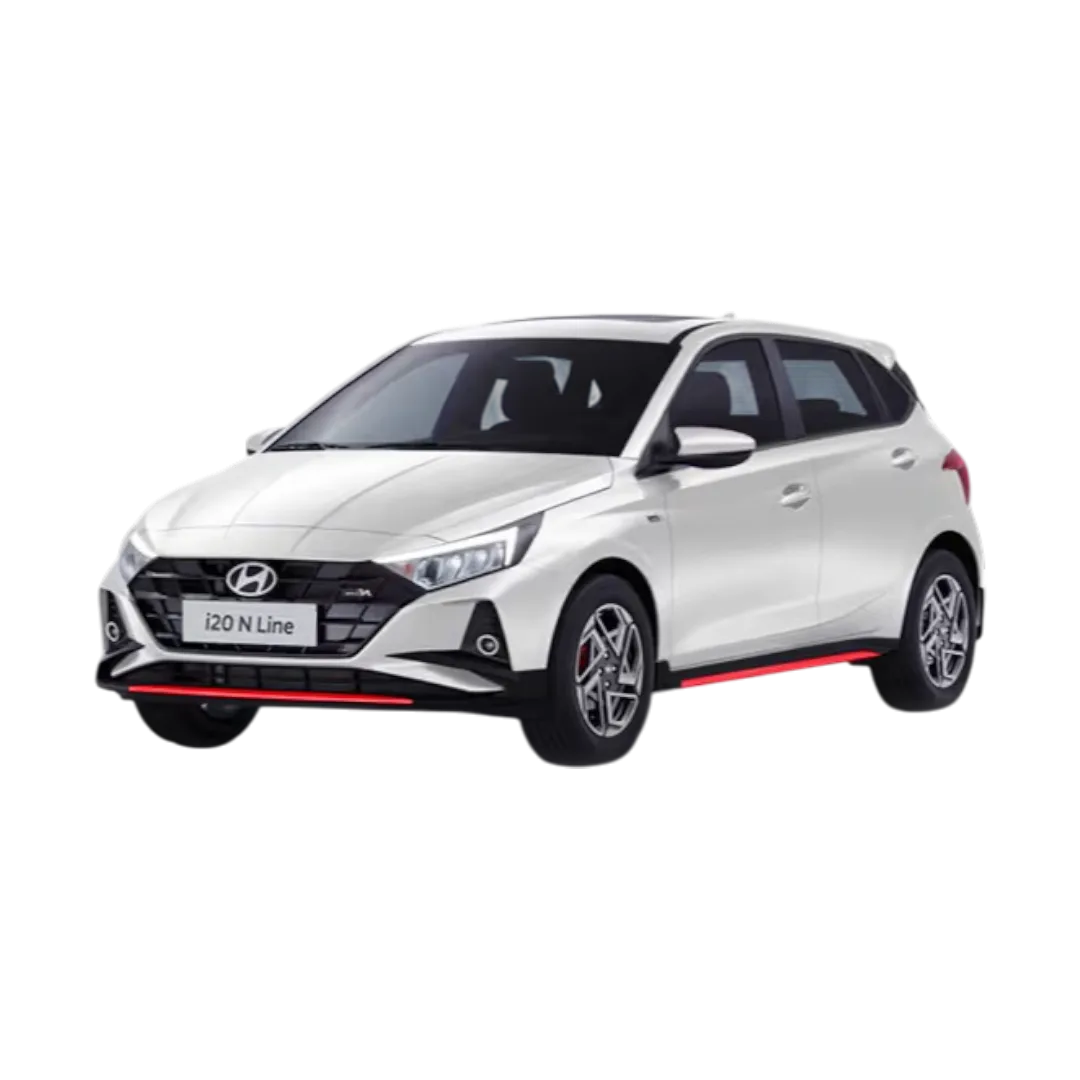 i20 N Line
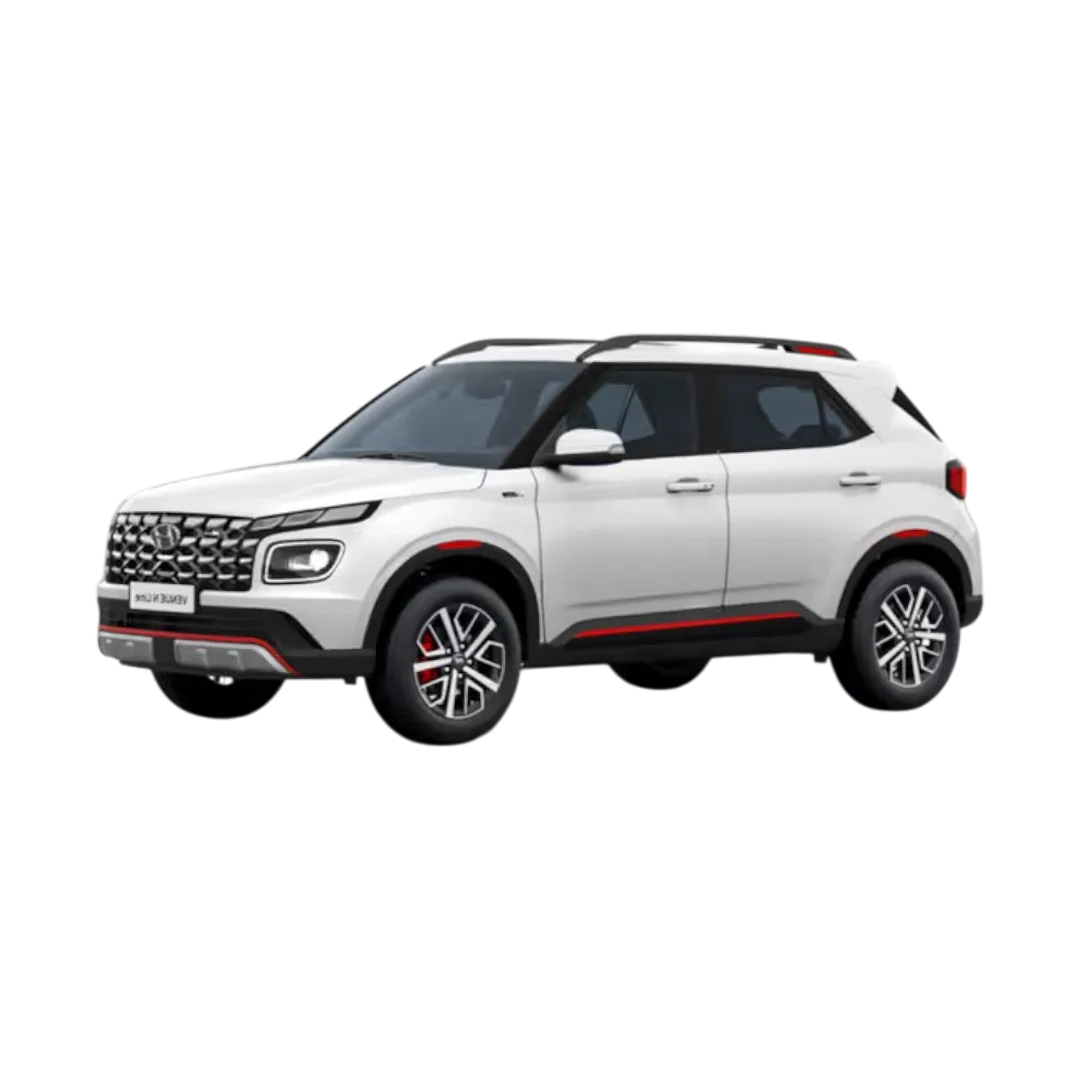 Venue N Line
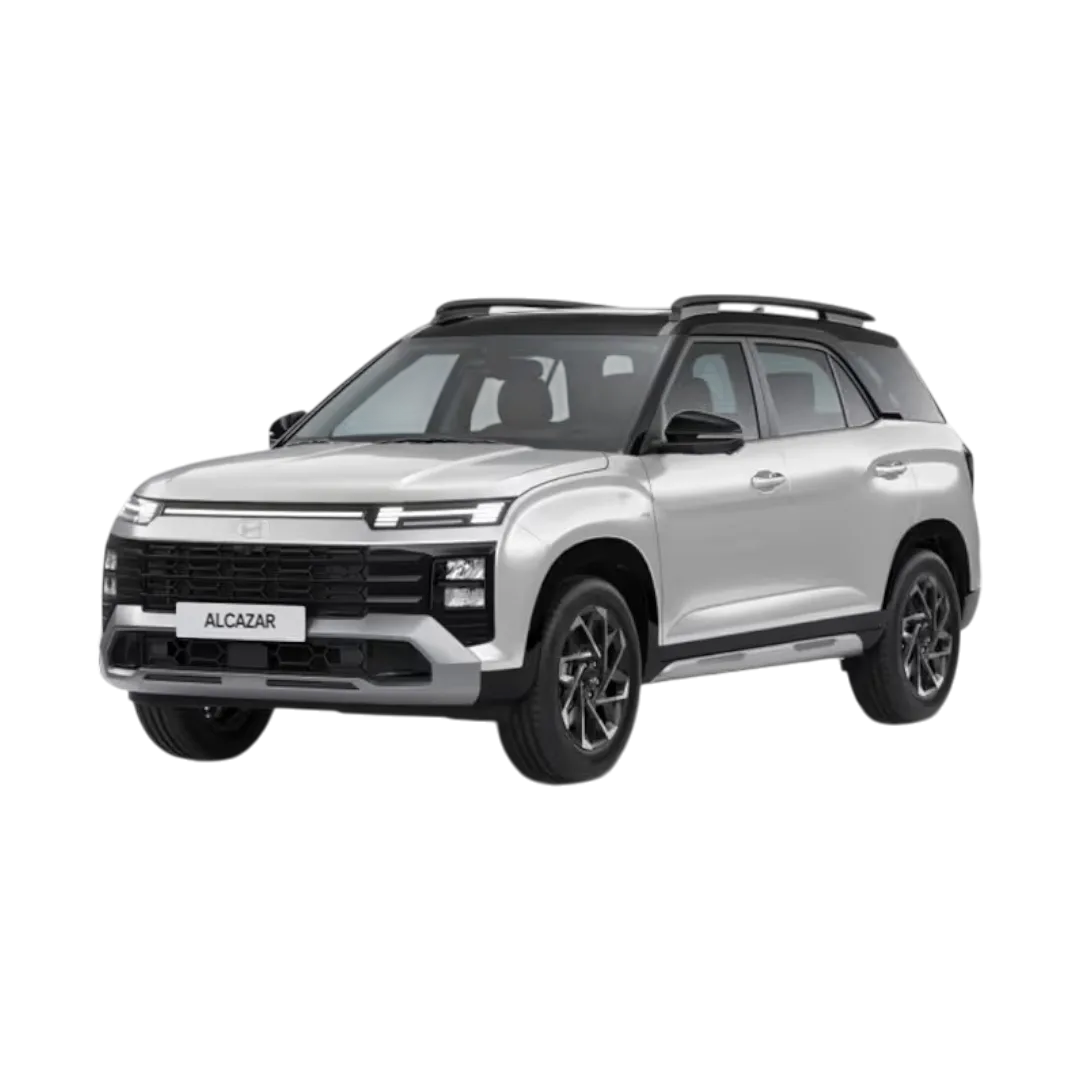 Alcazar
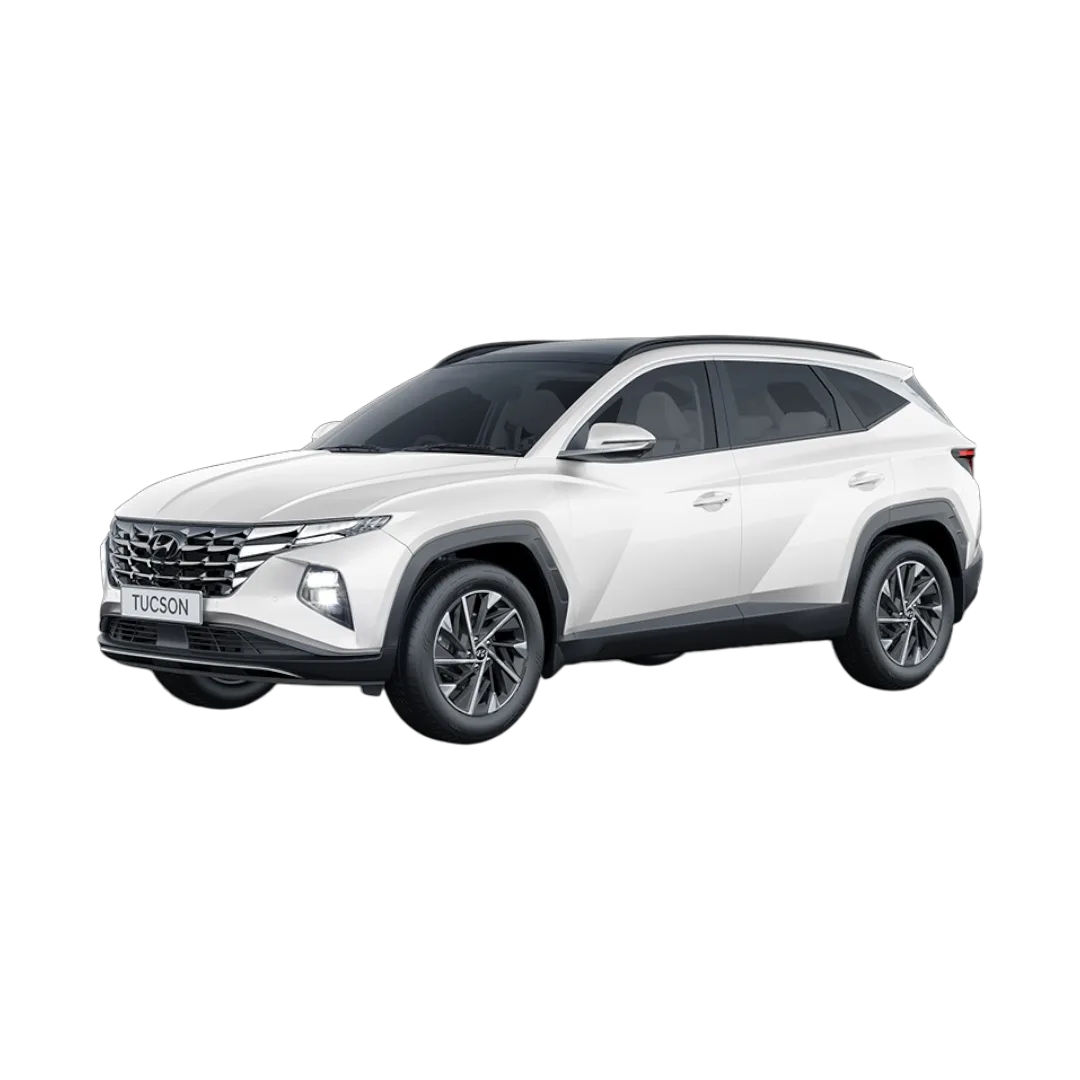 Tucson
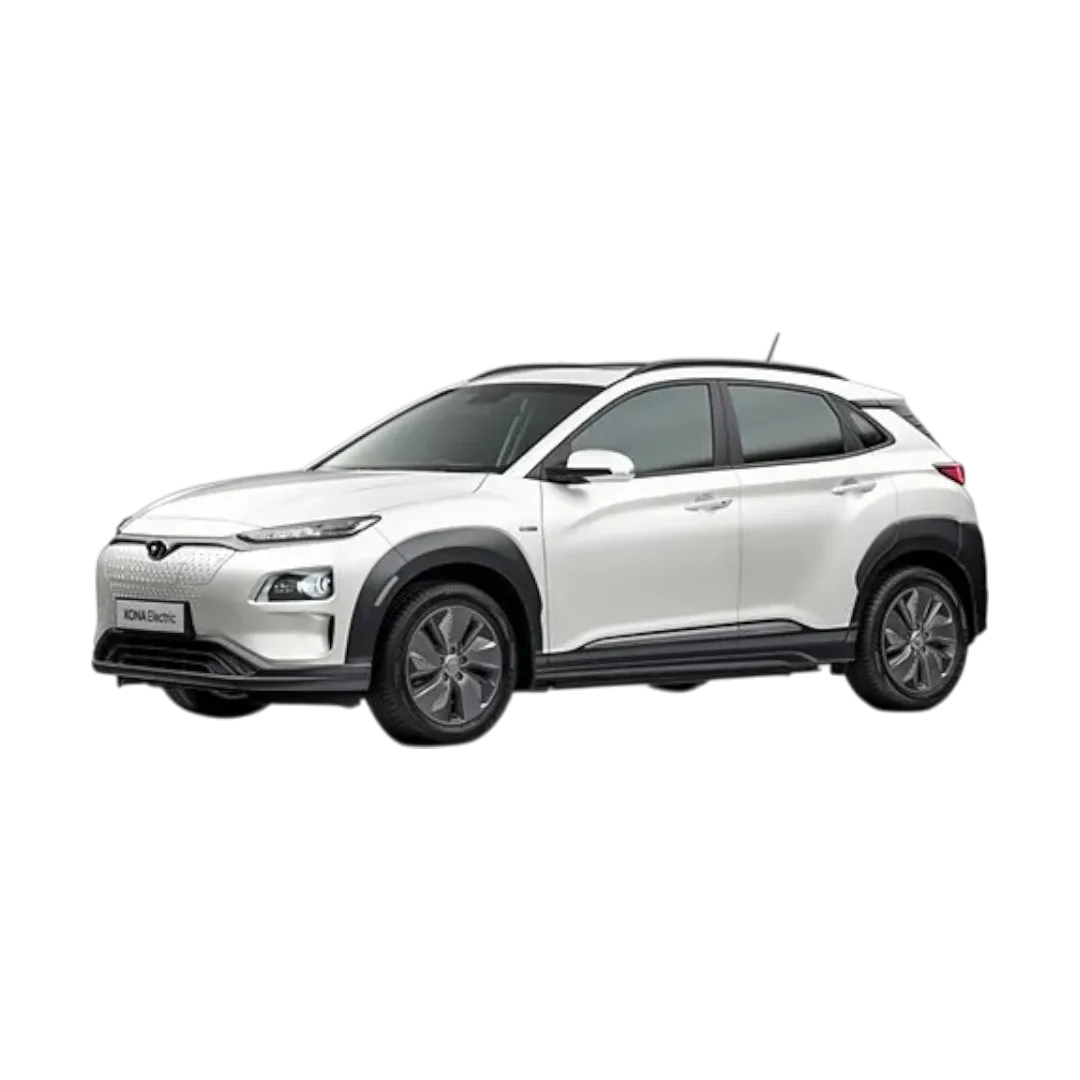 Kona
Kona
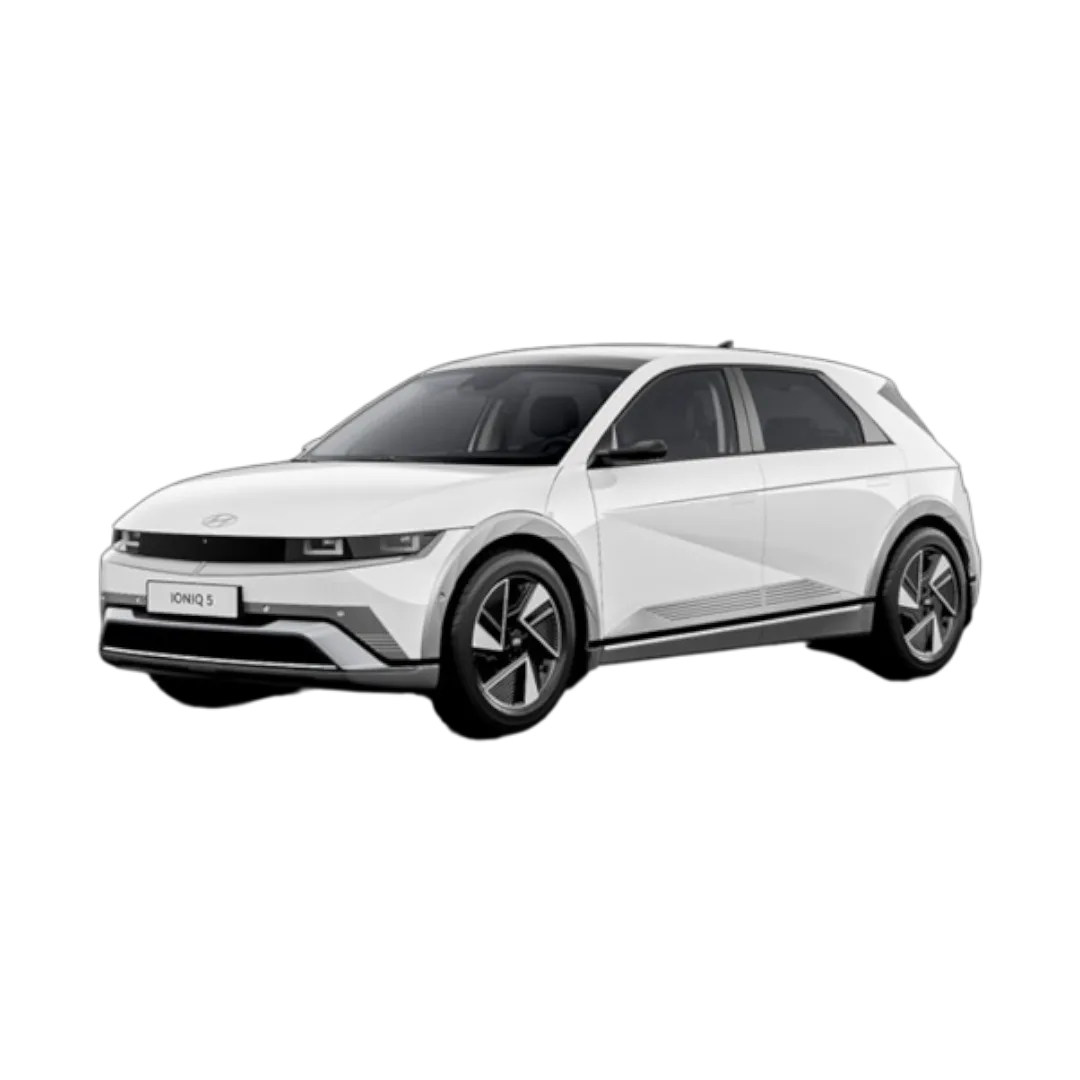 iONIQ 5
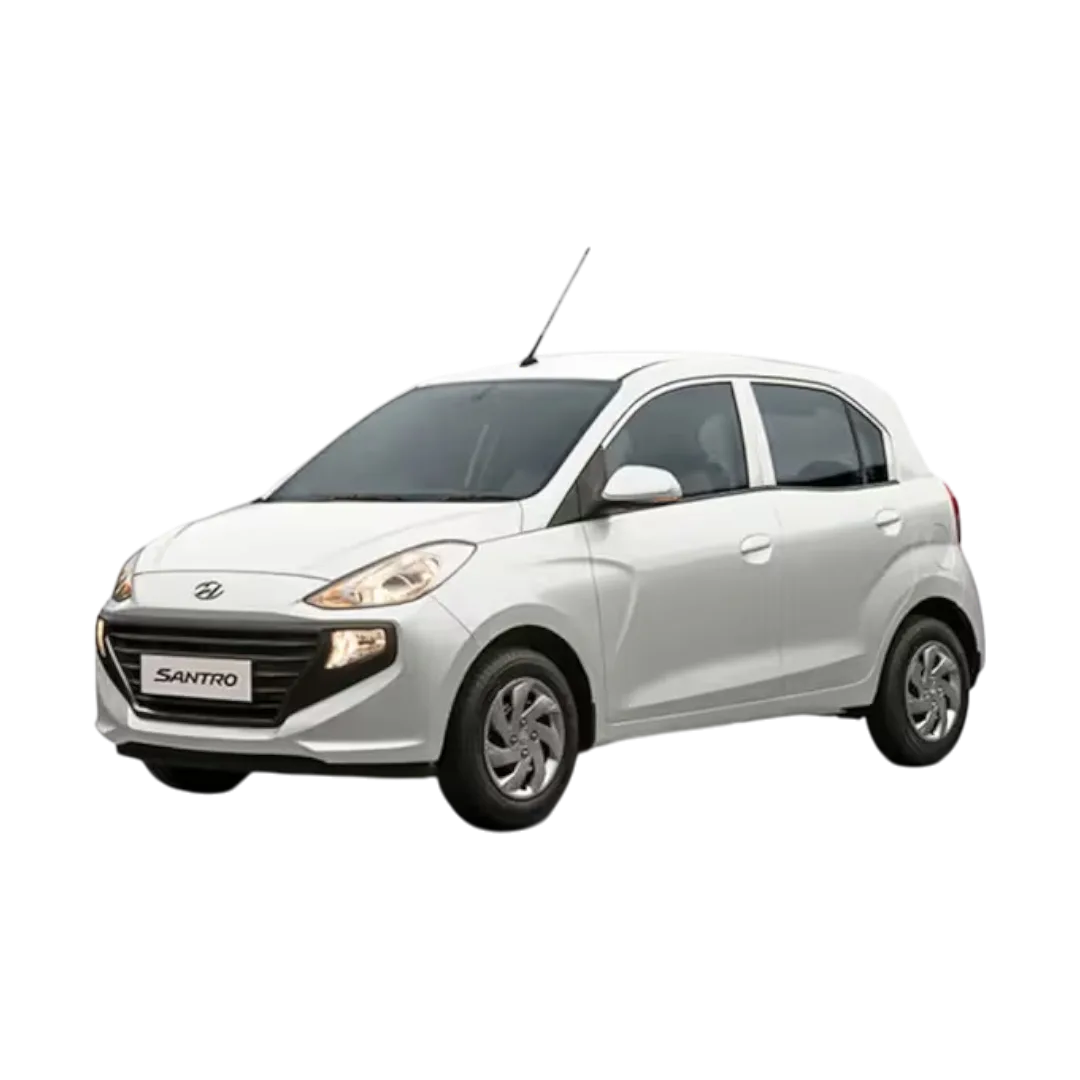 Santro
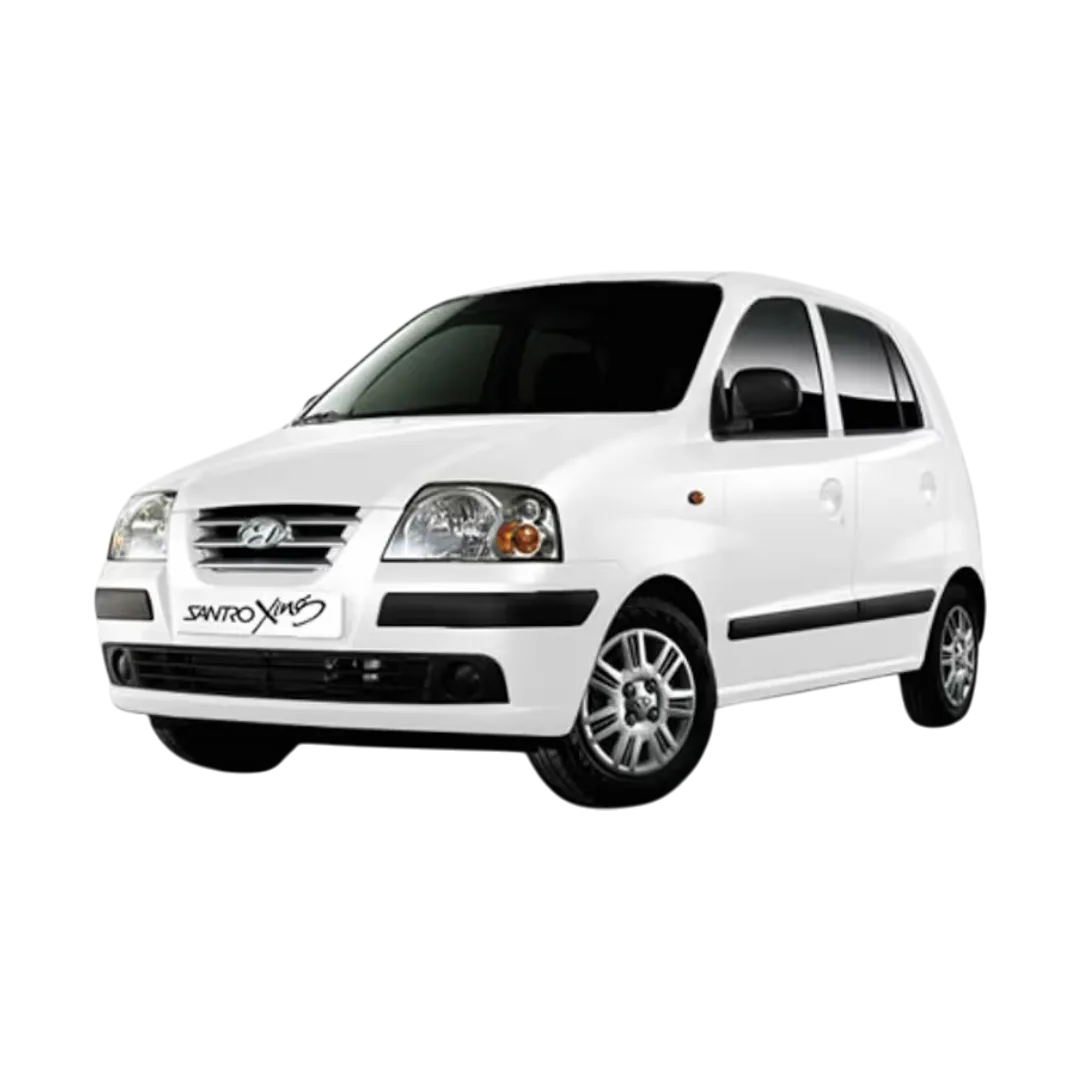 Santro Xing
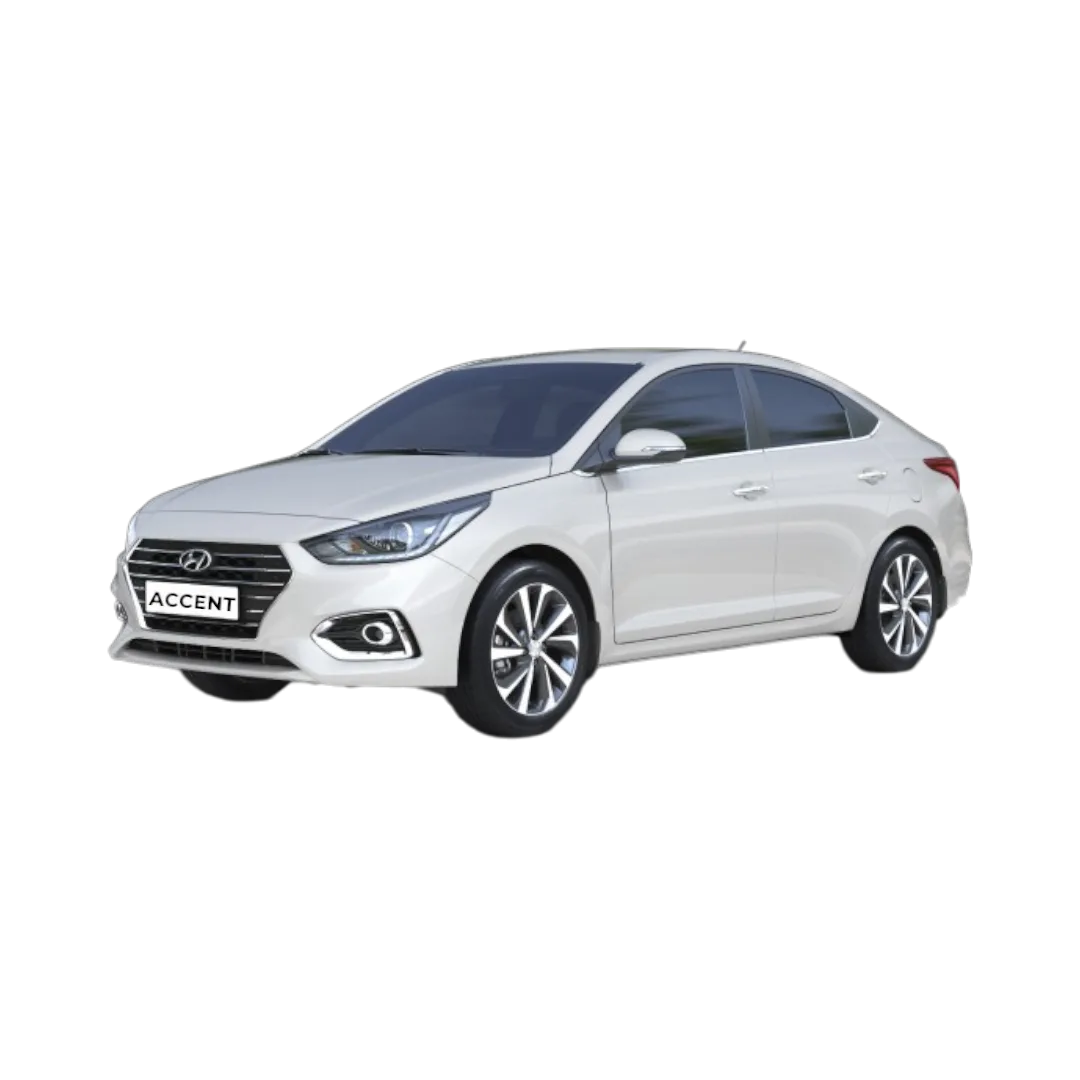 Accent
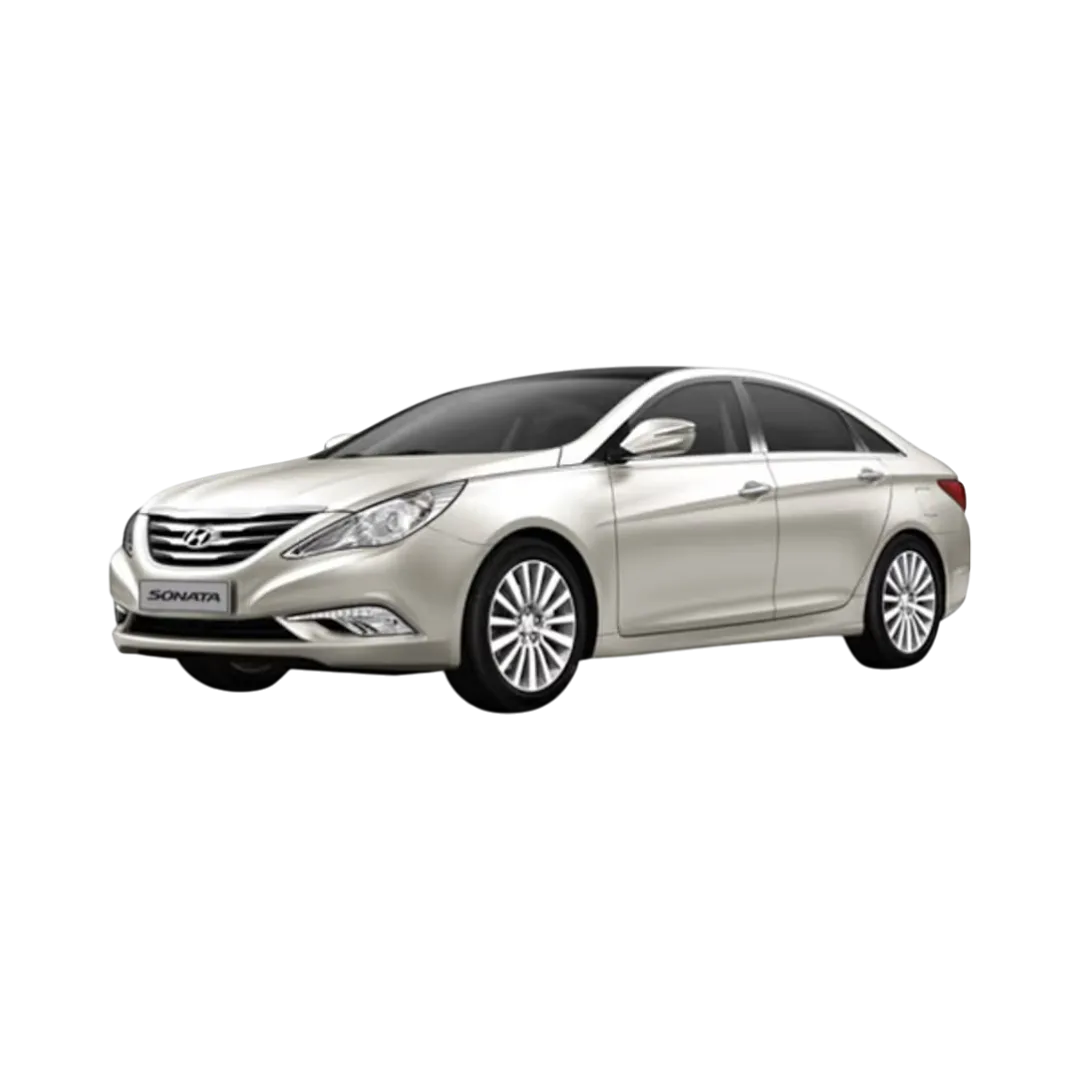 Sonata
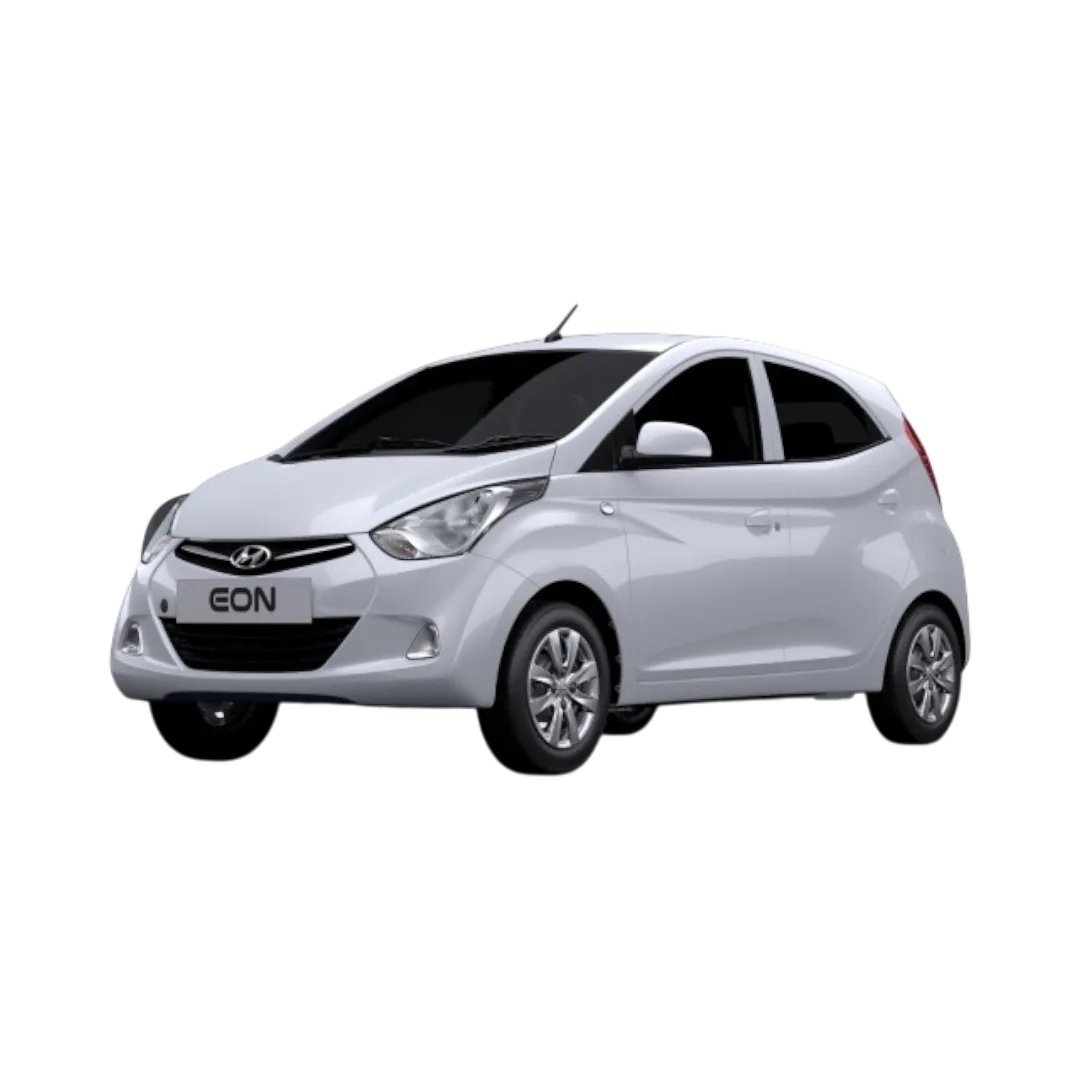 Eon
Eon
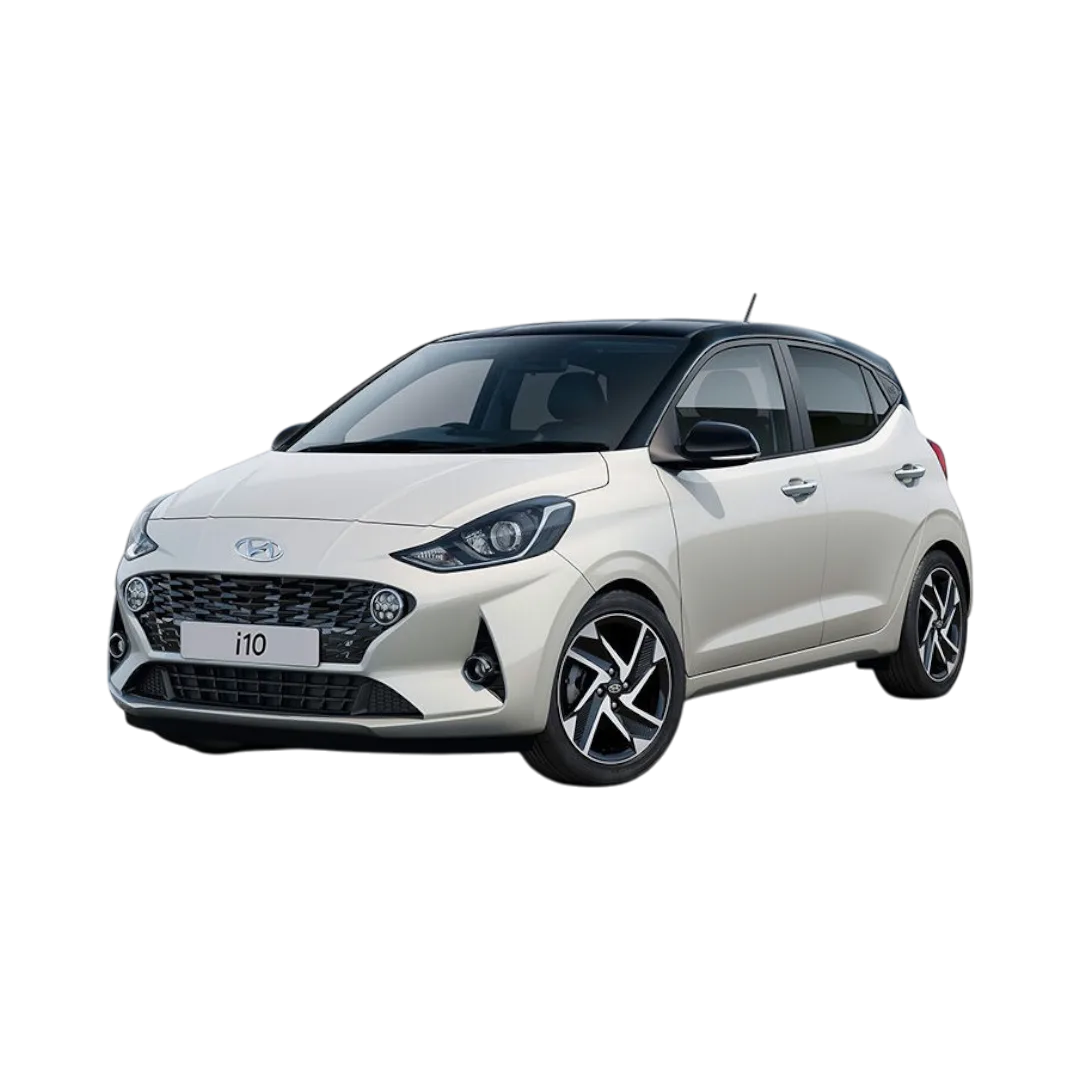 i10
i10
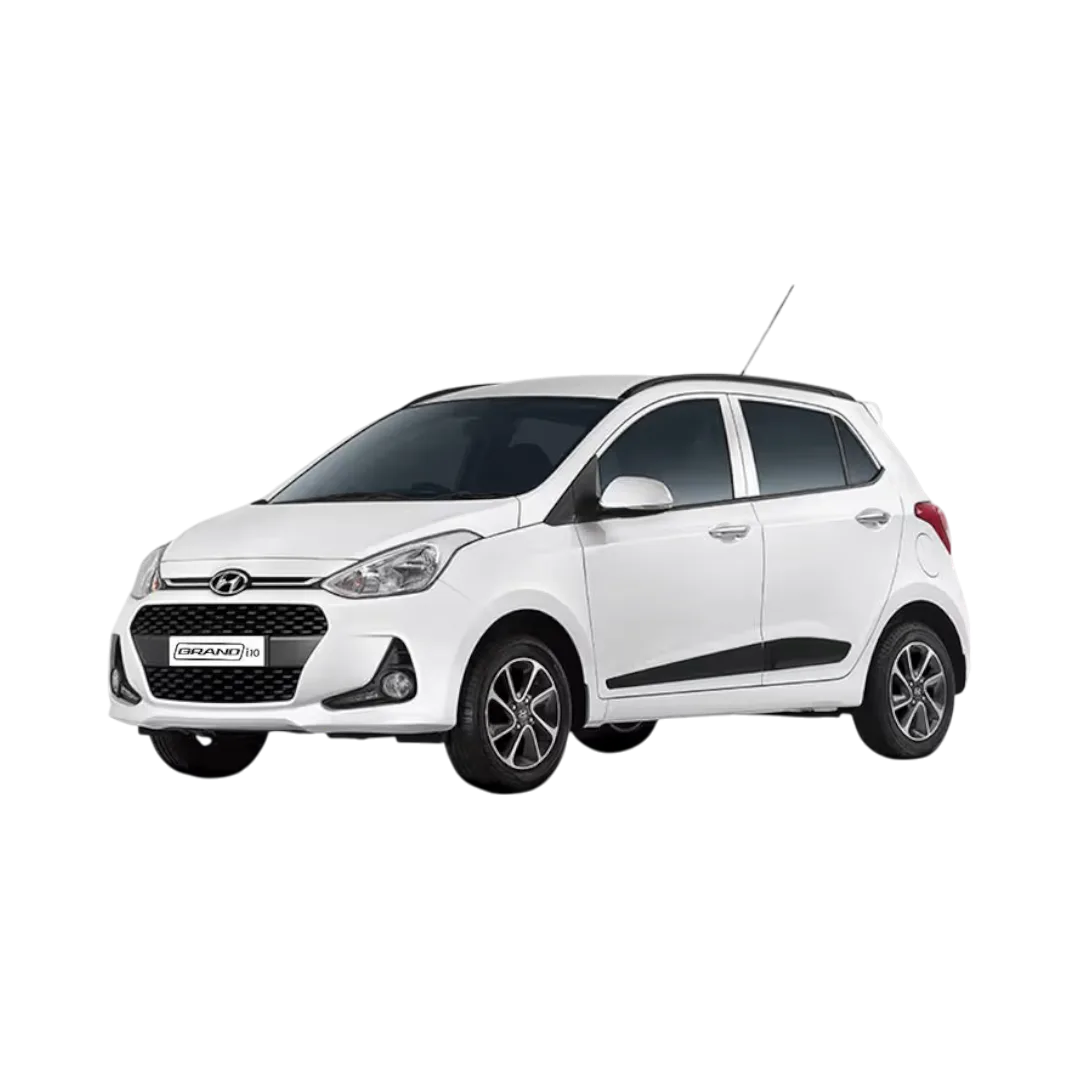 Grand i10
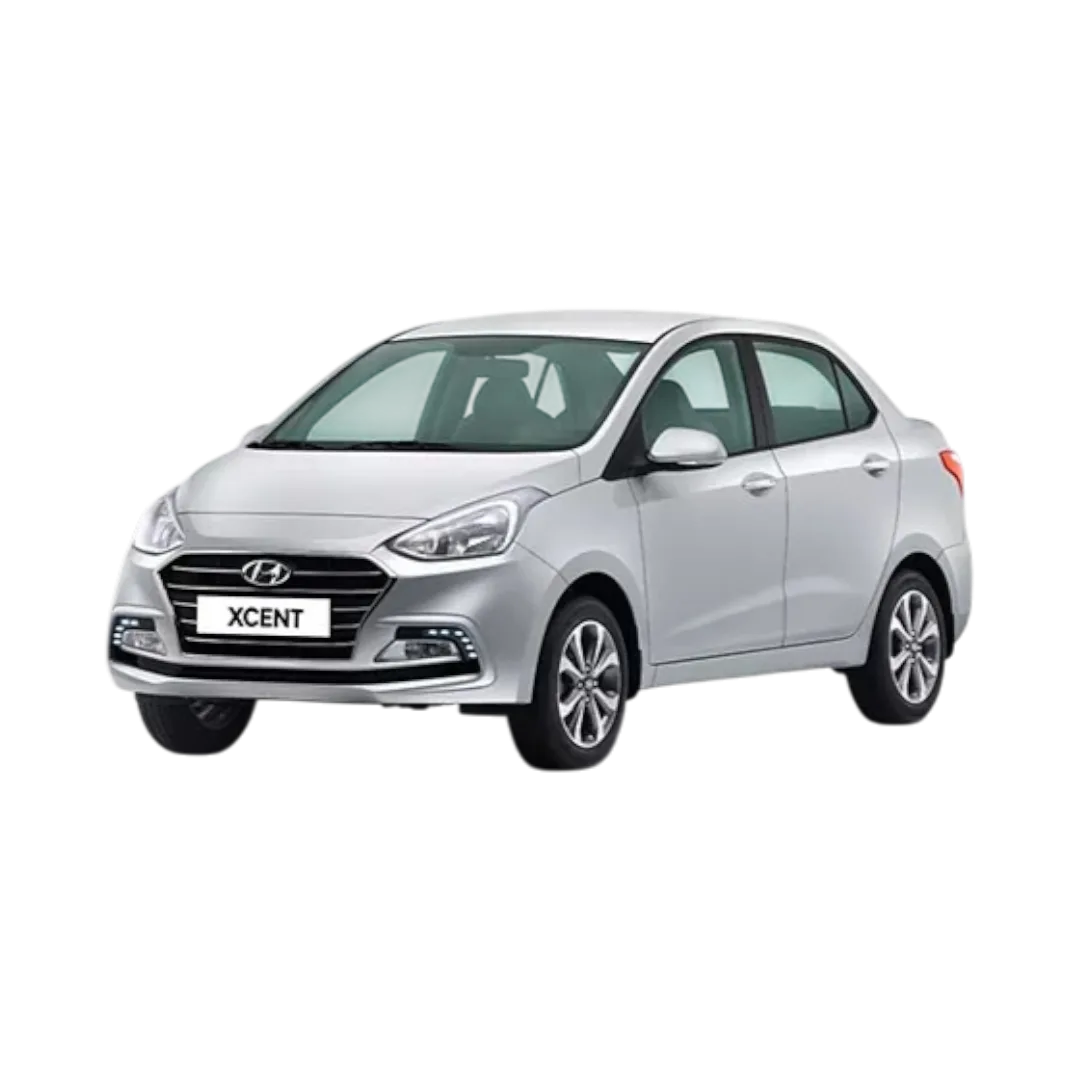 Xcent
Xcent
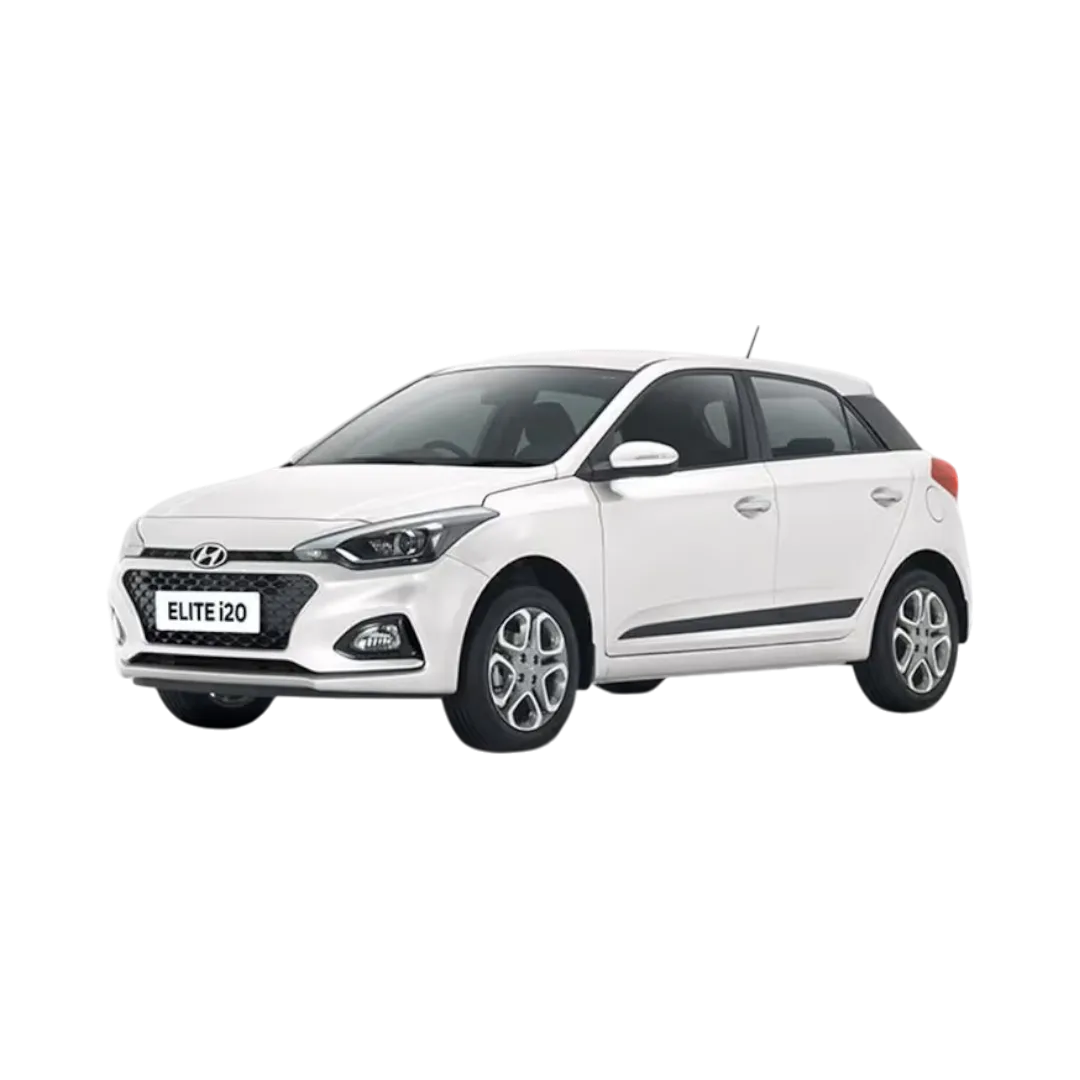 Elite i20
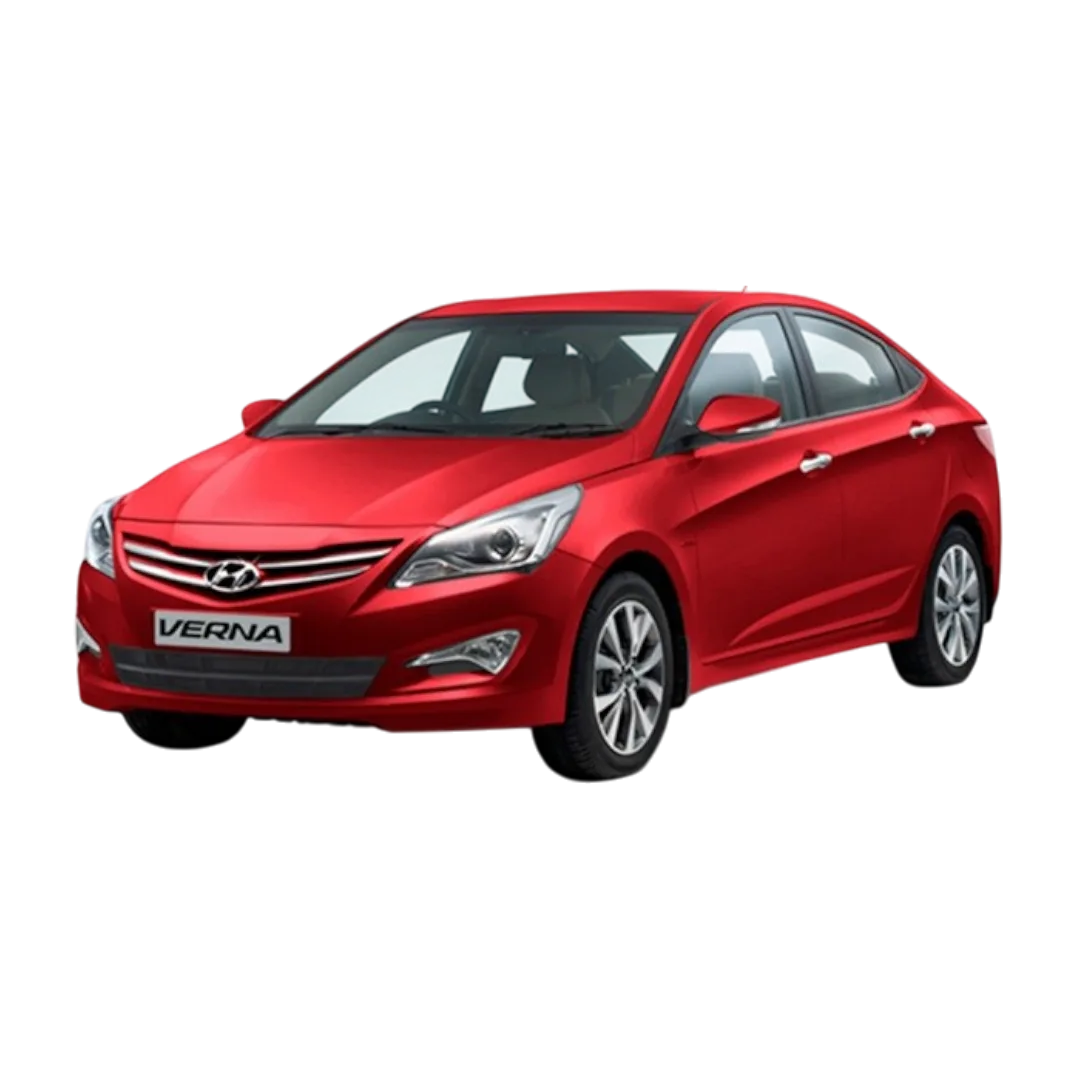 Verna Fluidic
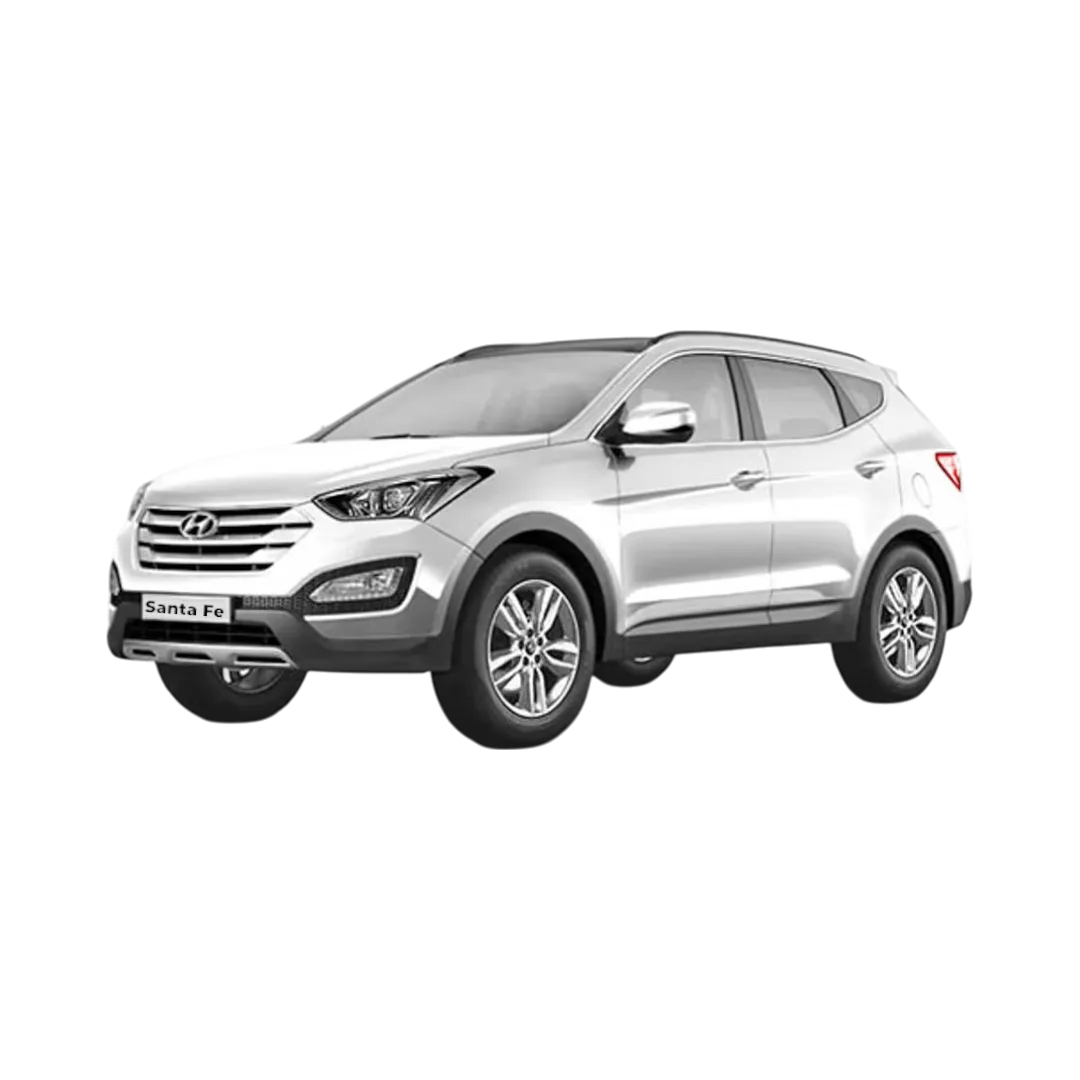 Santafe
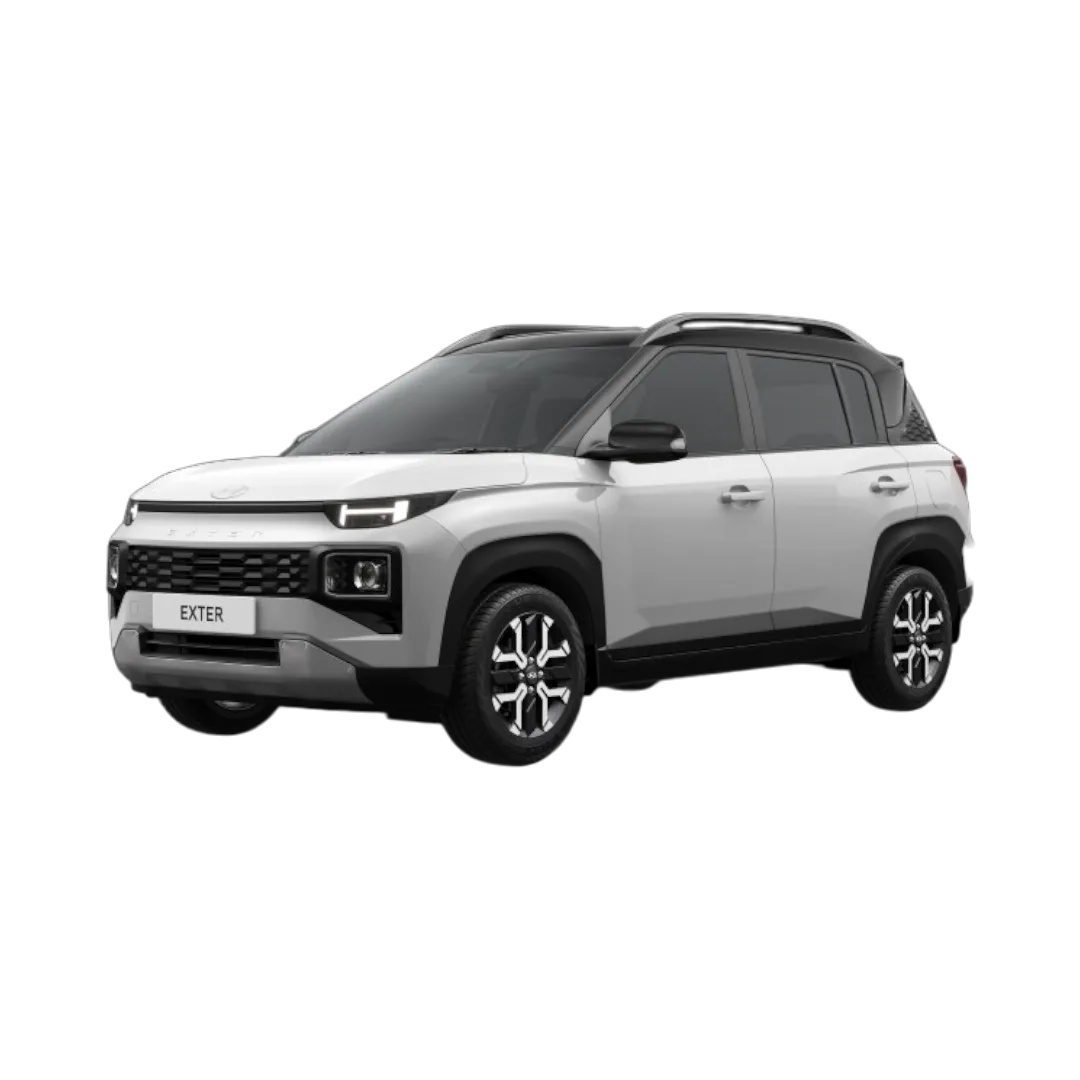 Exter
Sonata Fluidic
i20 Active
Exter
Sonata Fluidic
i20 Active
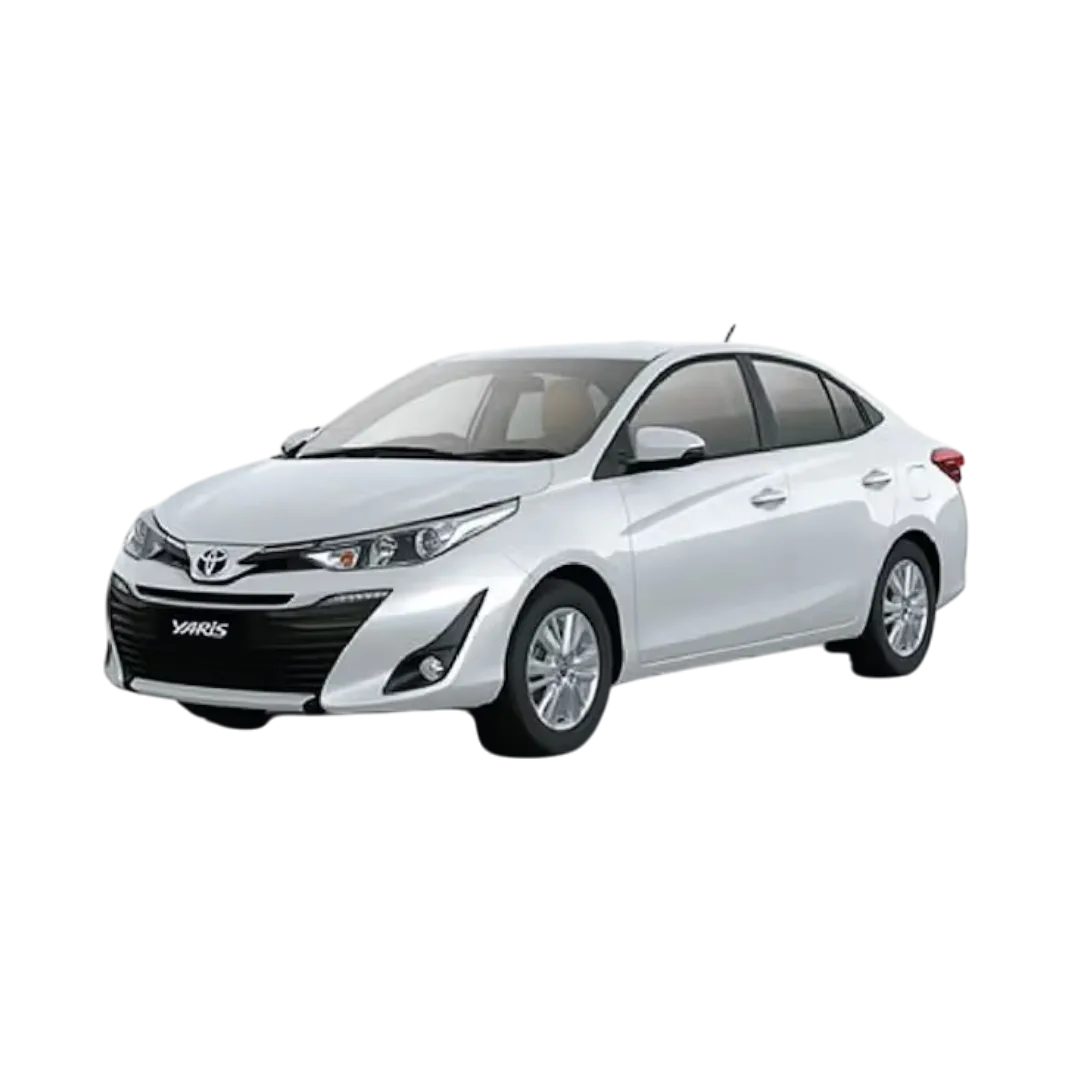 Yaris
Yaris
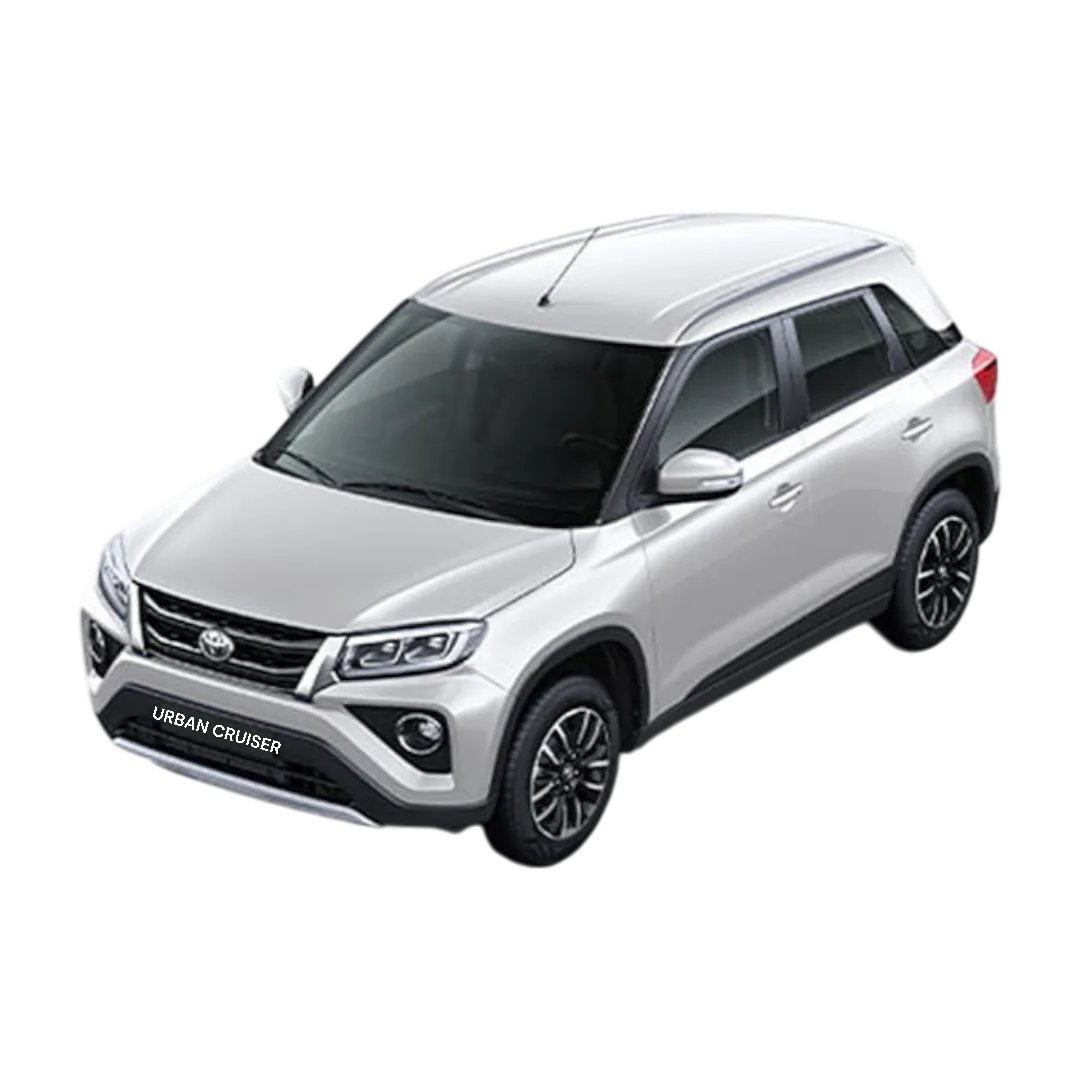 Urban Cruiser
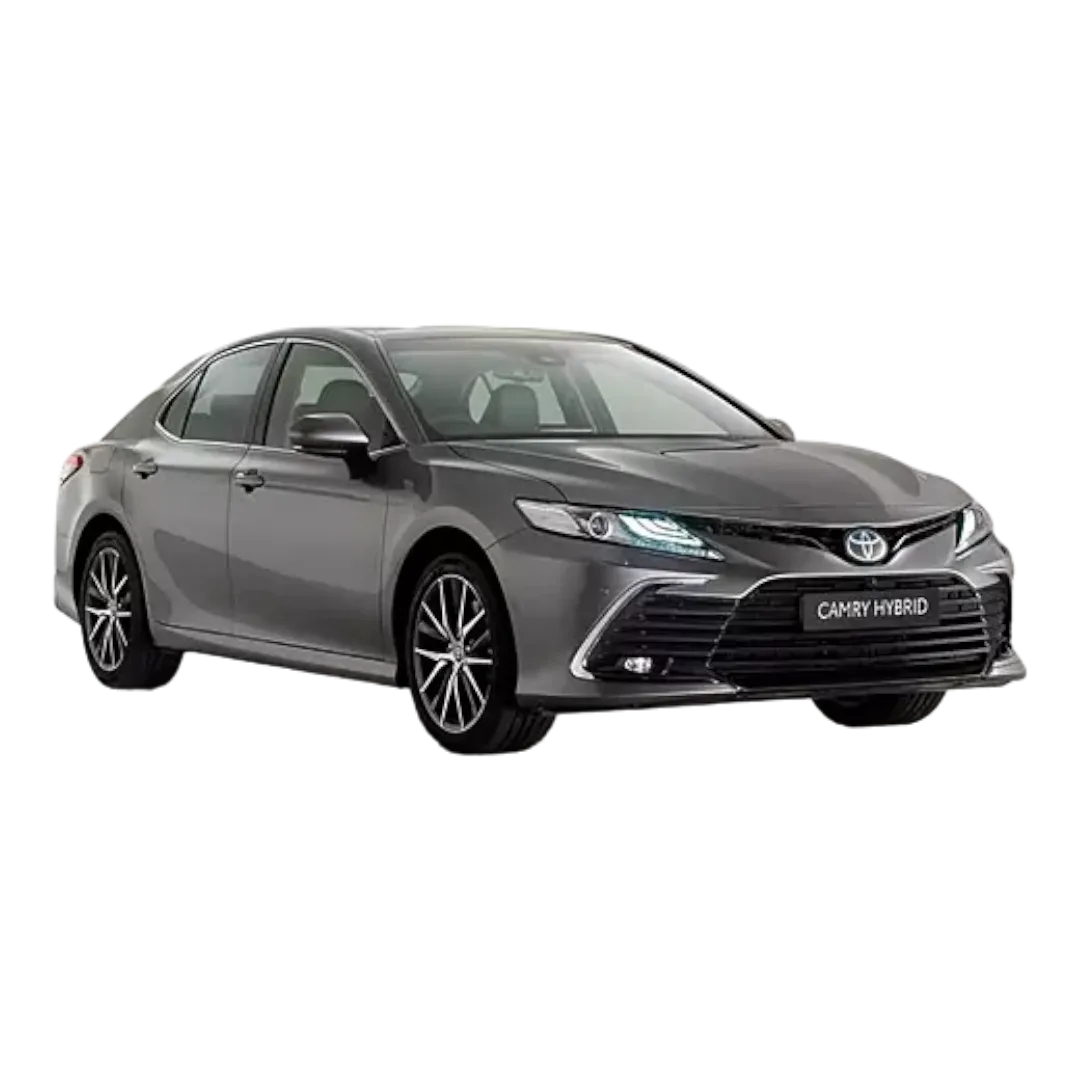 Camry
Camry
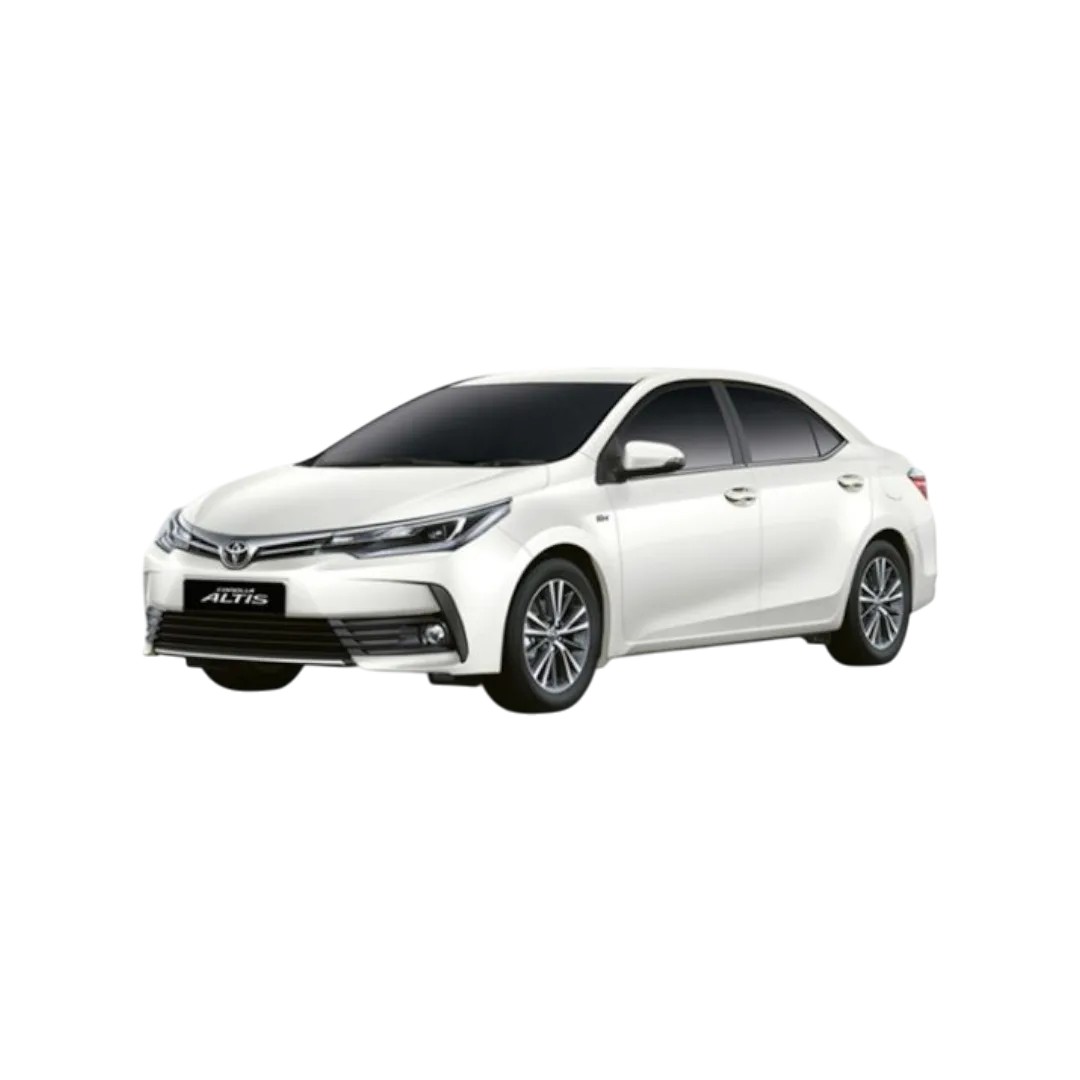 Corolla
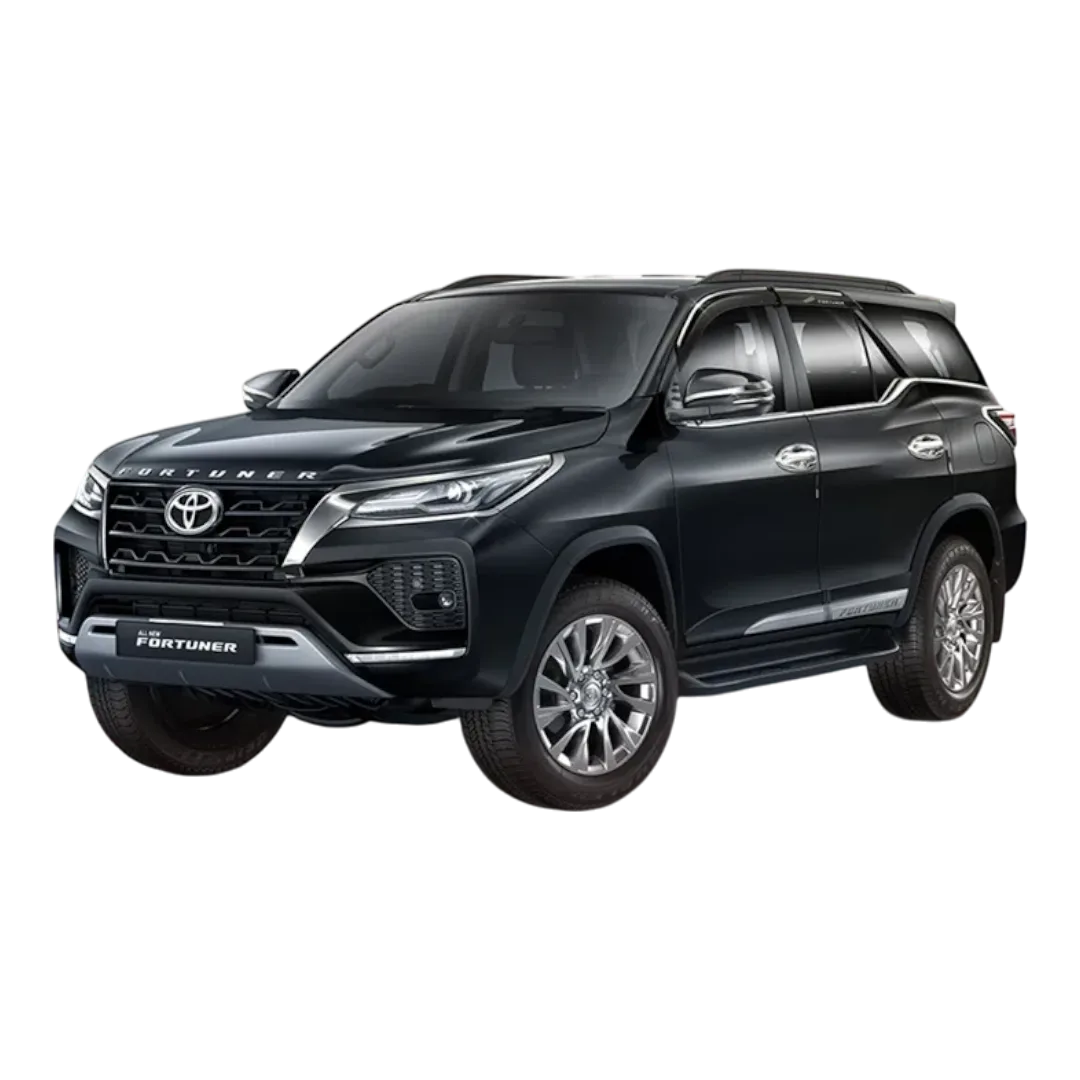 Fortuner
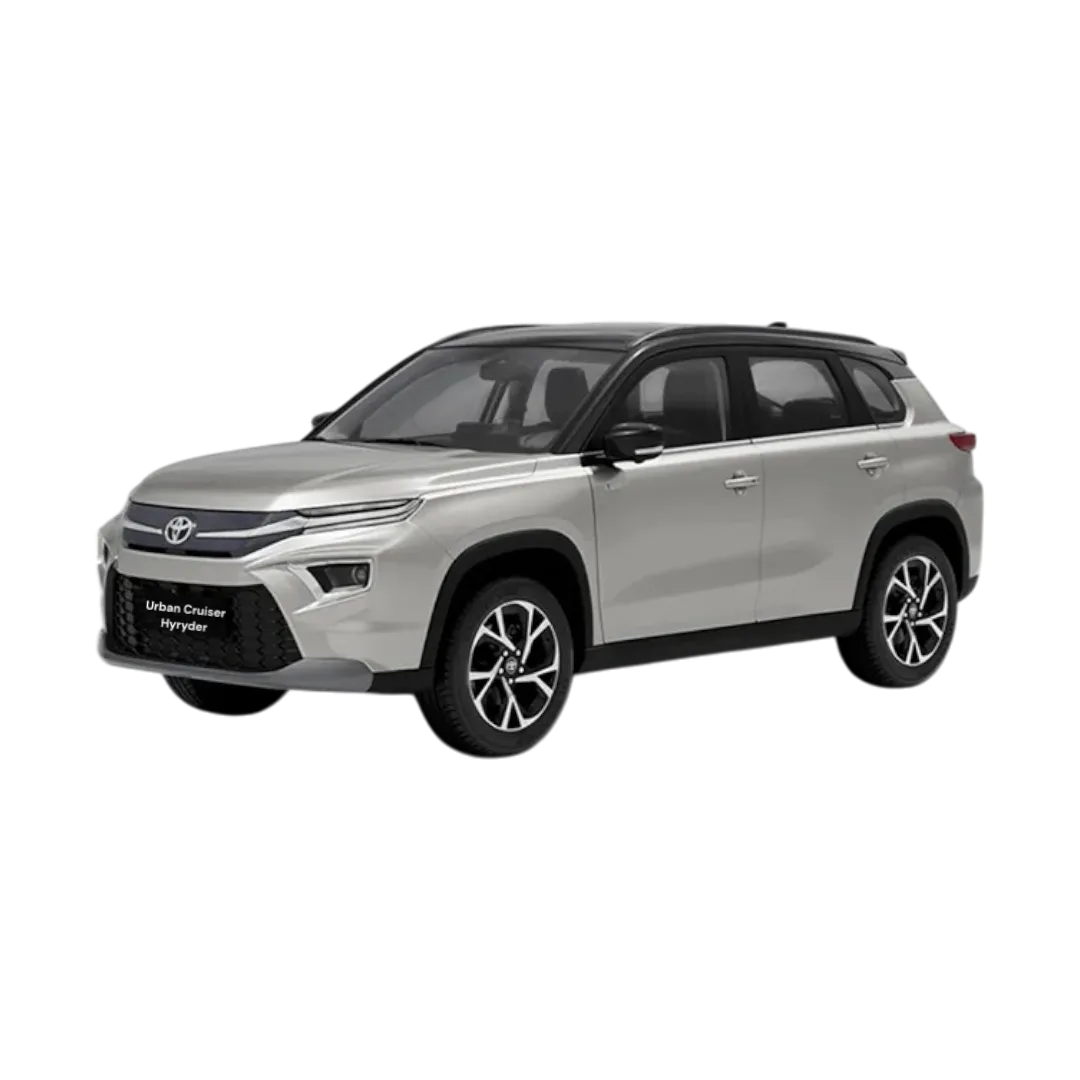 Urban Cruiser Hyryder
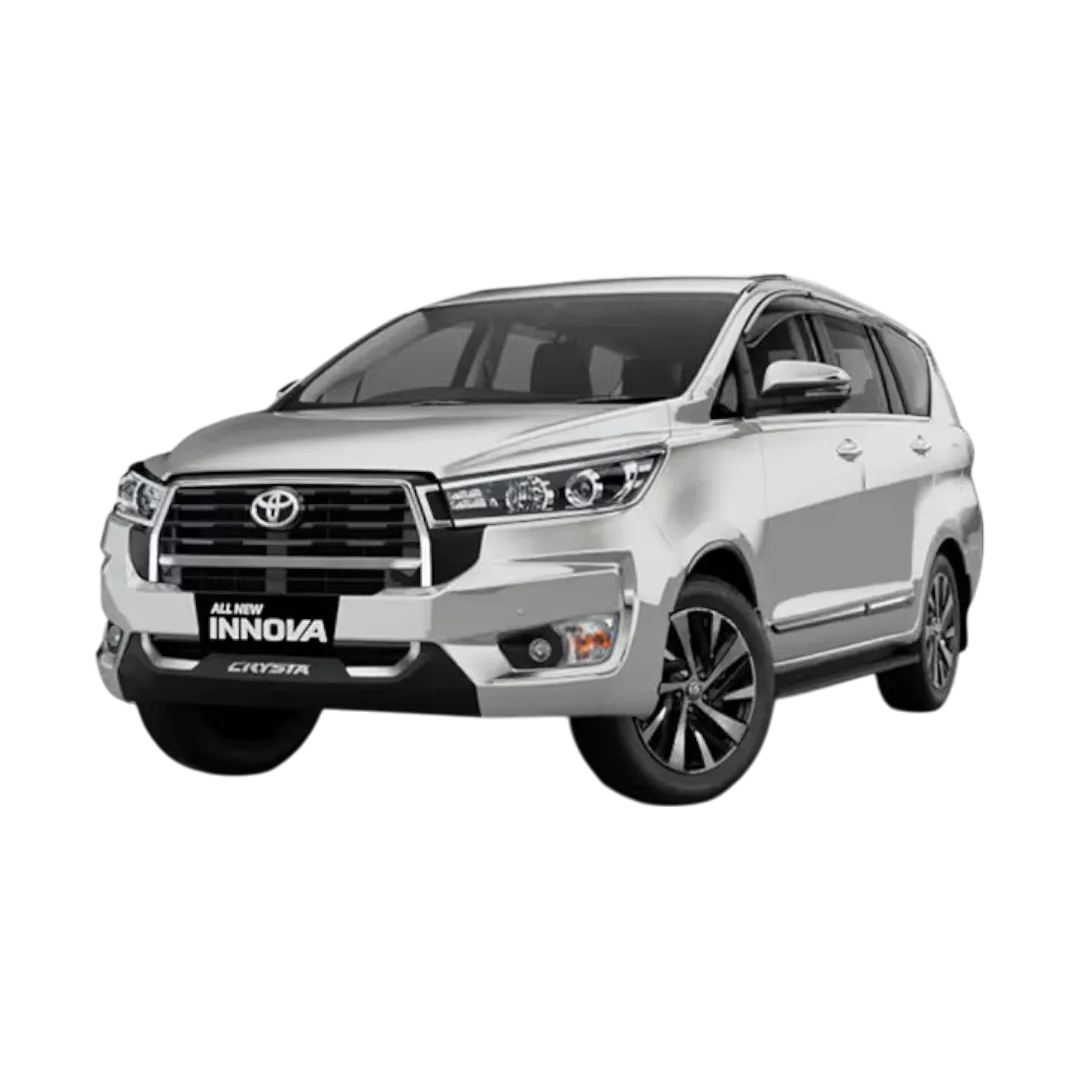 Innova Crysta
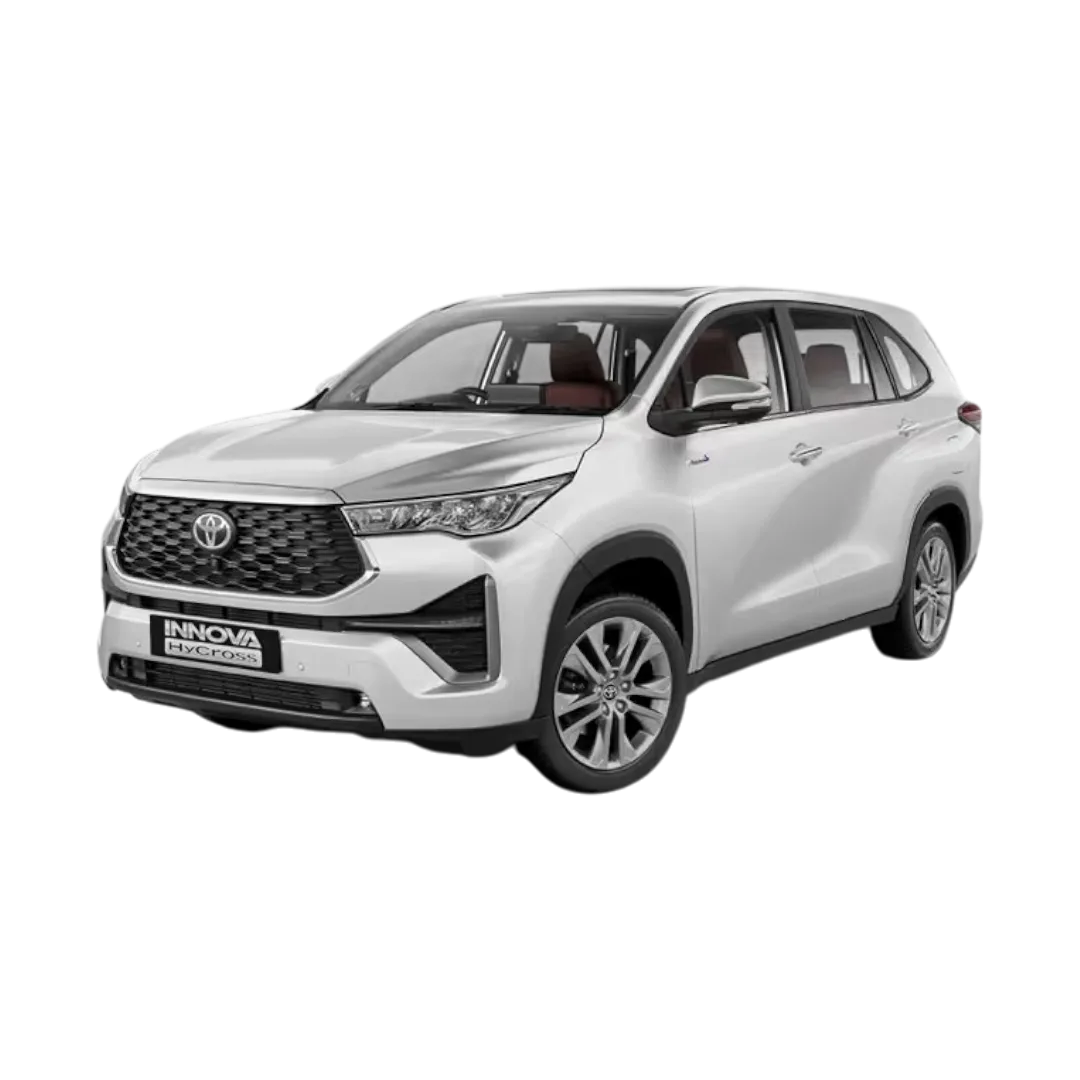 Innova Hycross
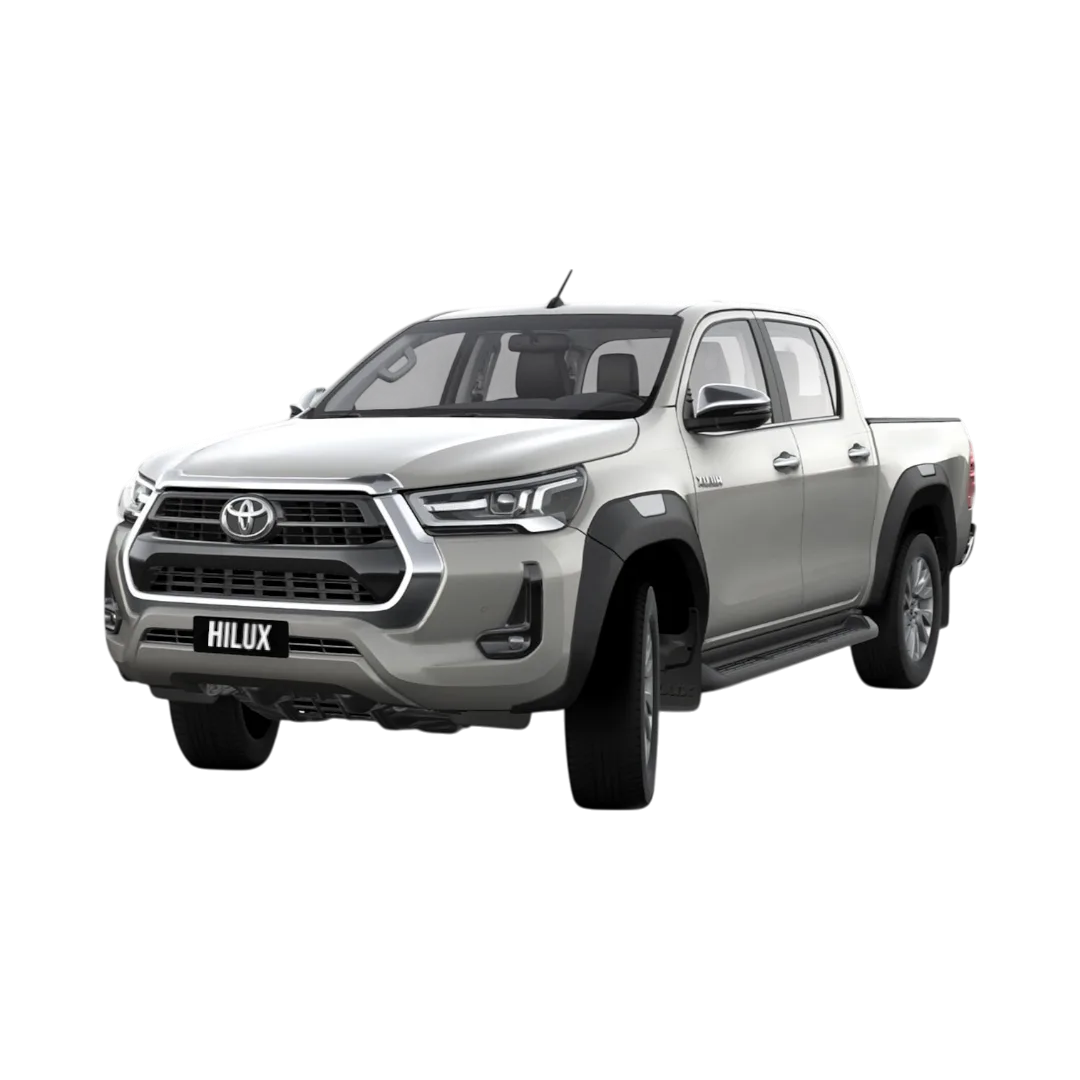 Hilux
Hilux
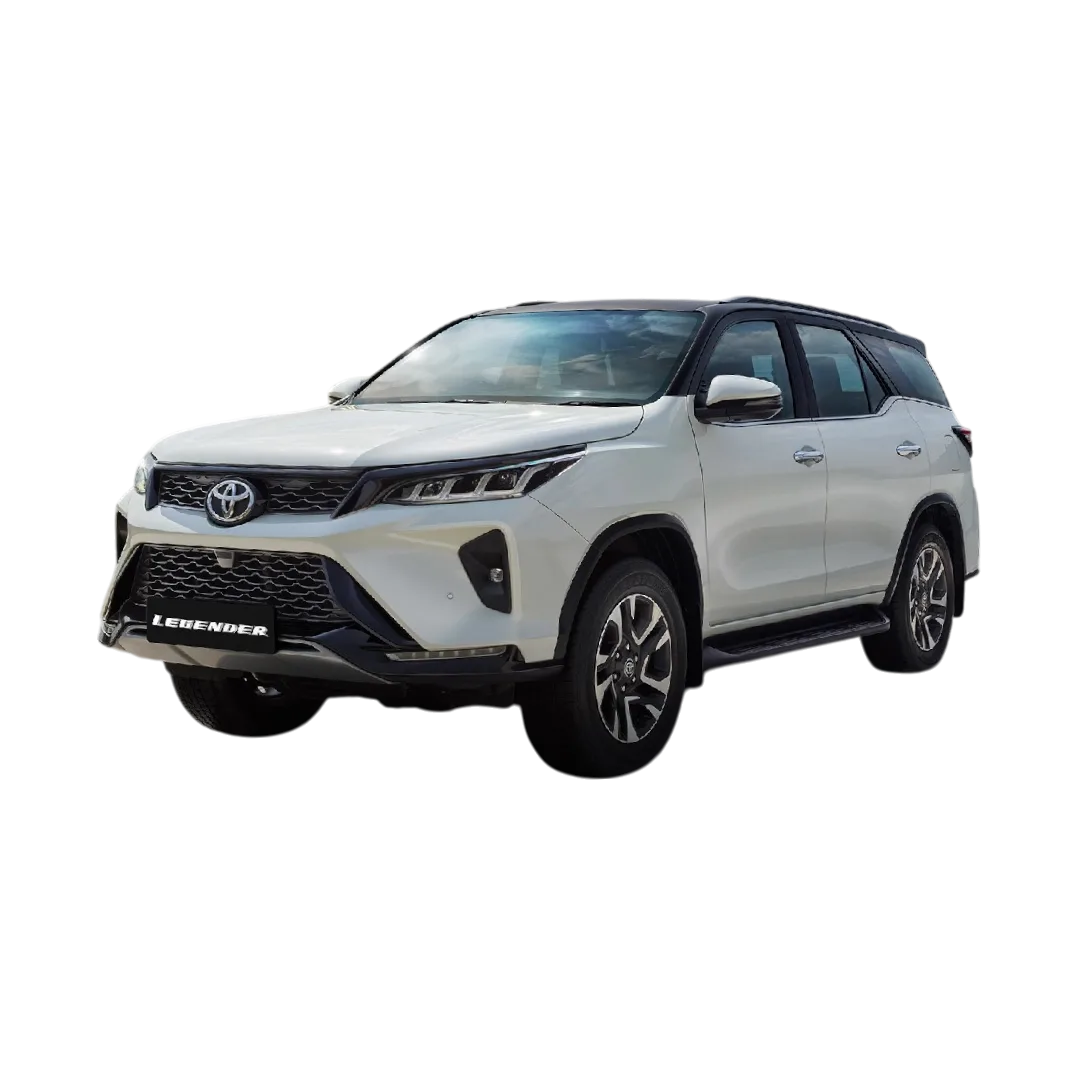 Fortuner Legender
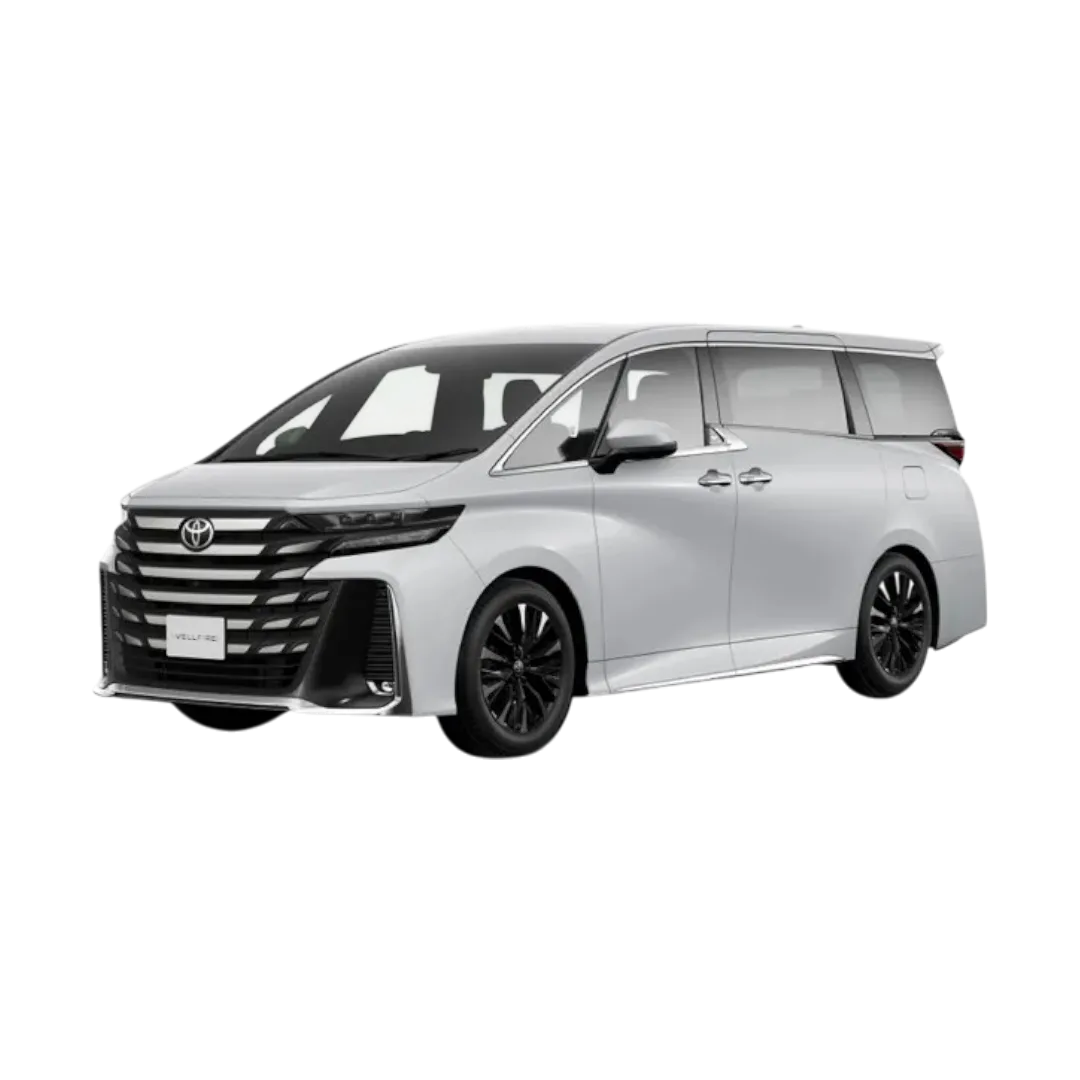 Vellfire
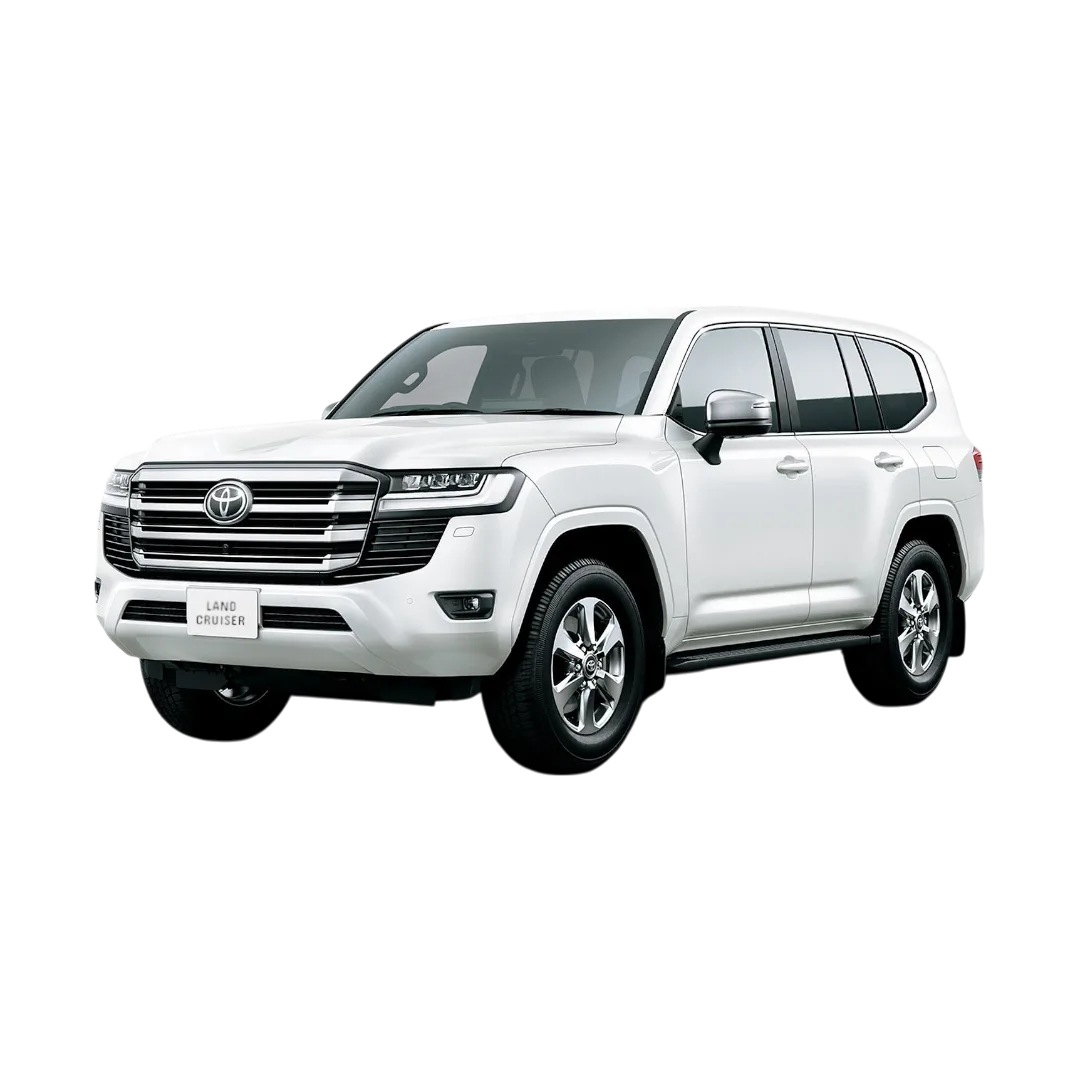 Land Cruiser
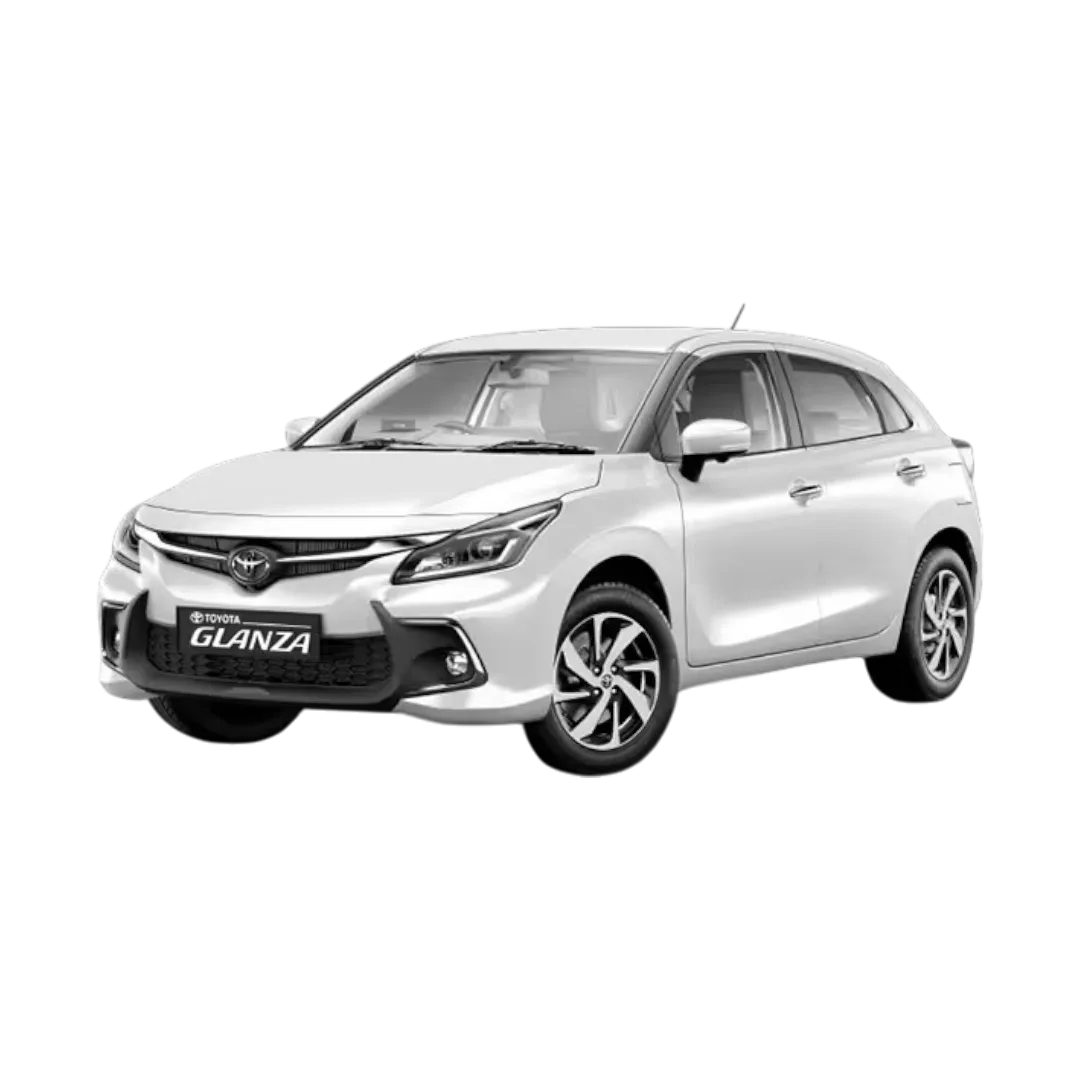 Glanza
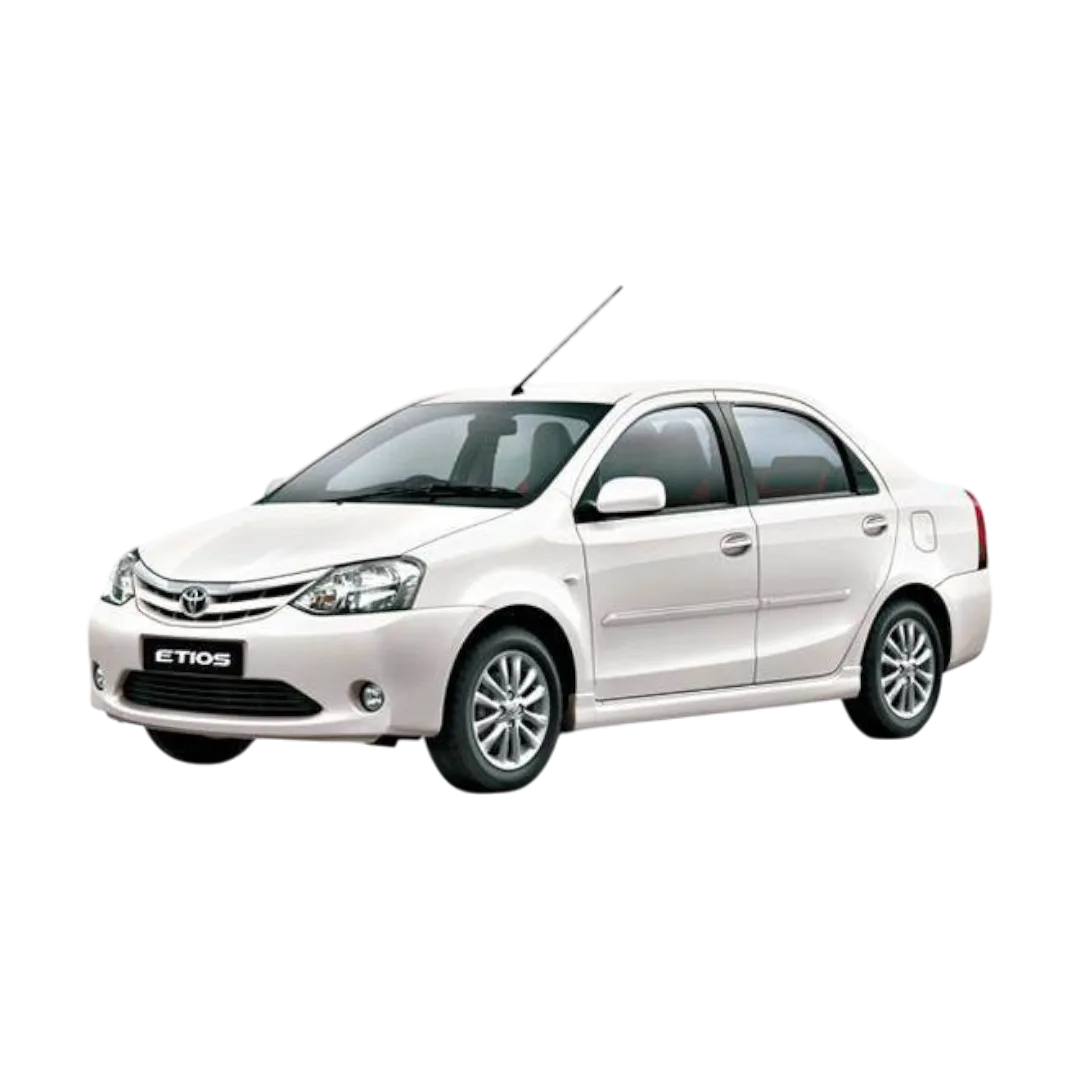 Etios
Etios
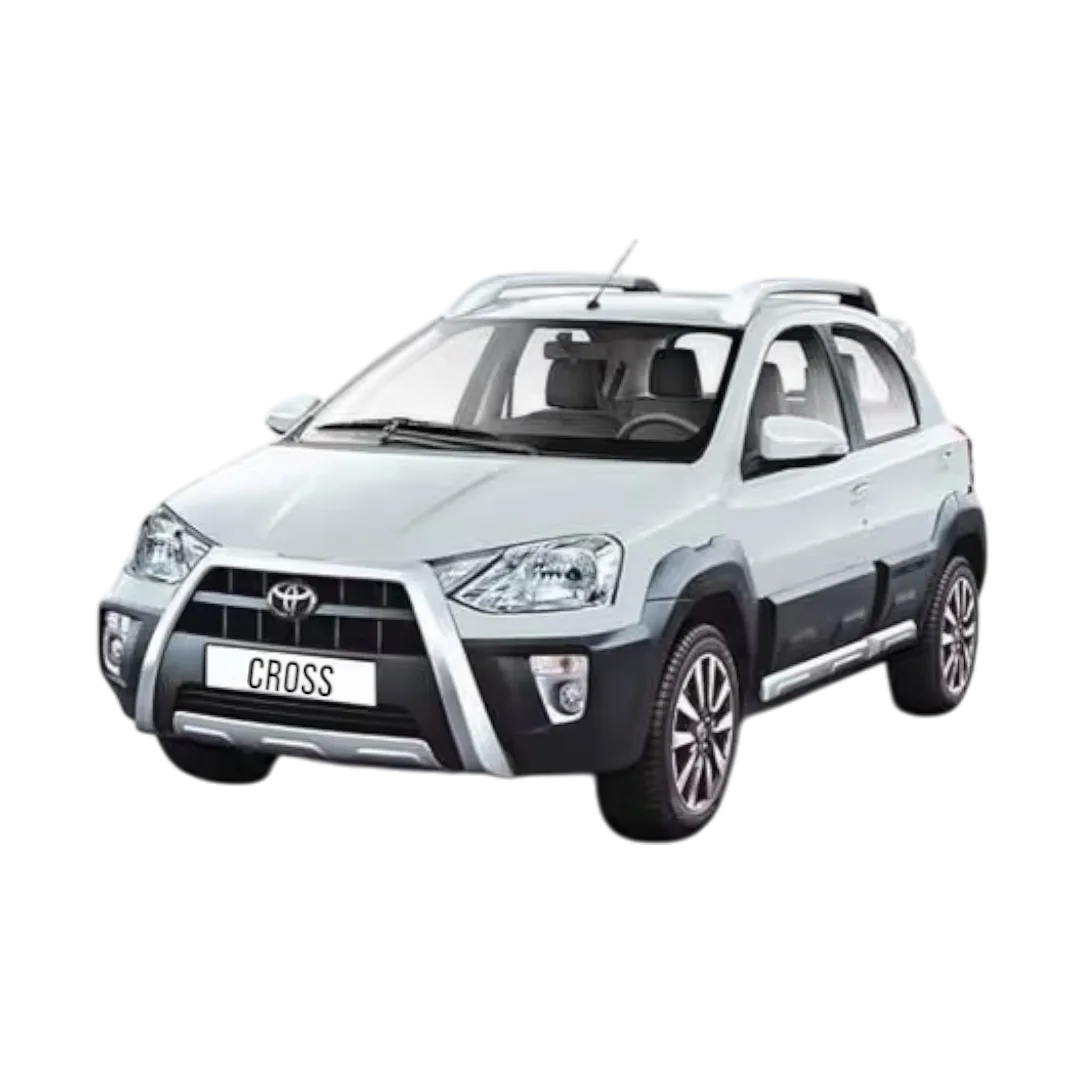 Etios cross
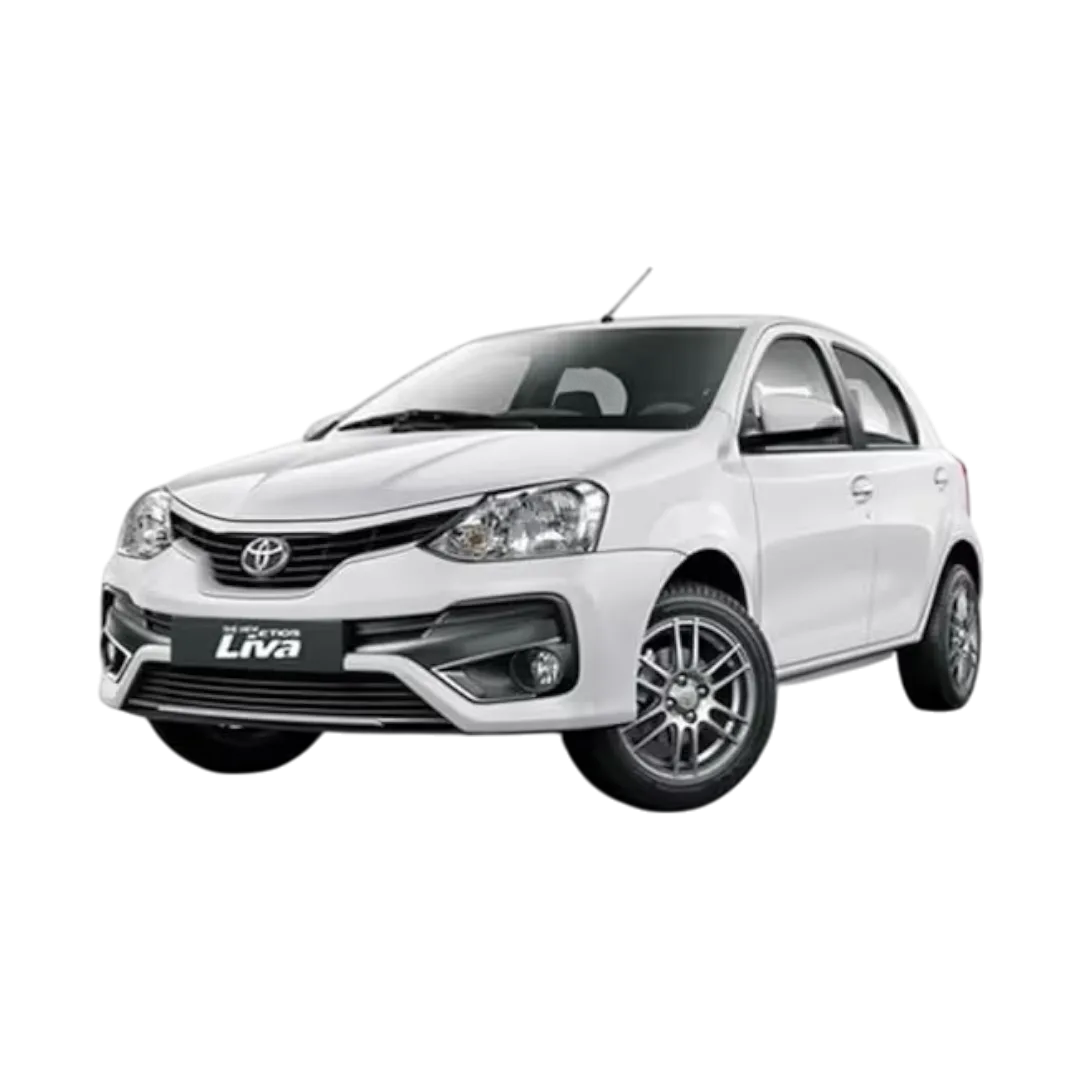 Etios Liva
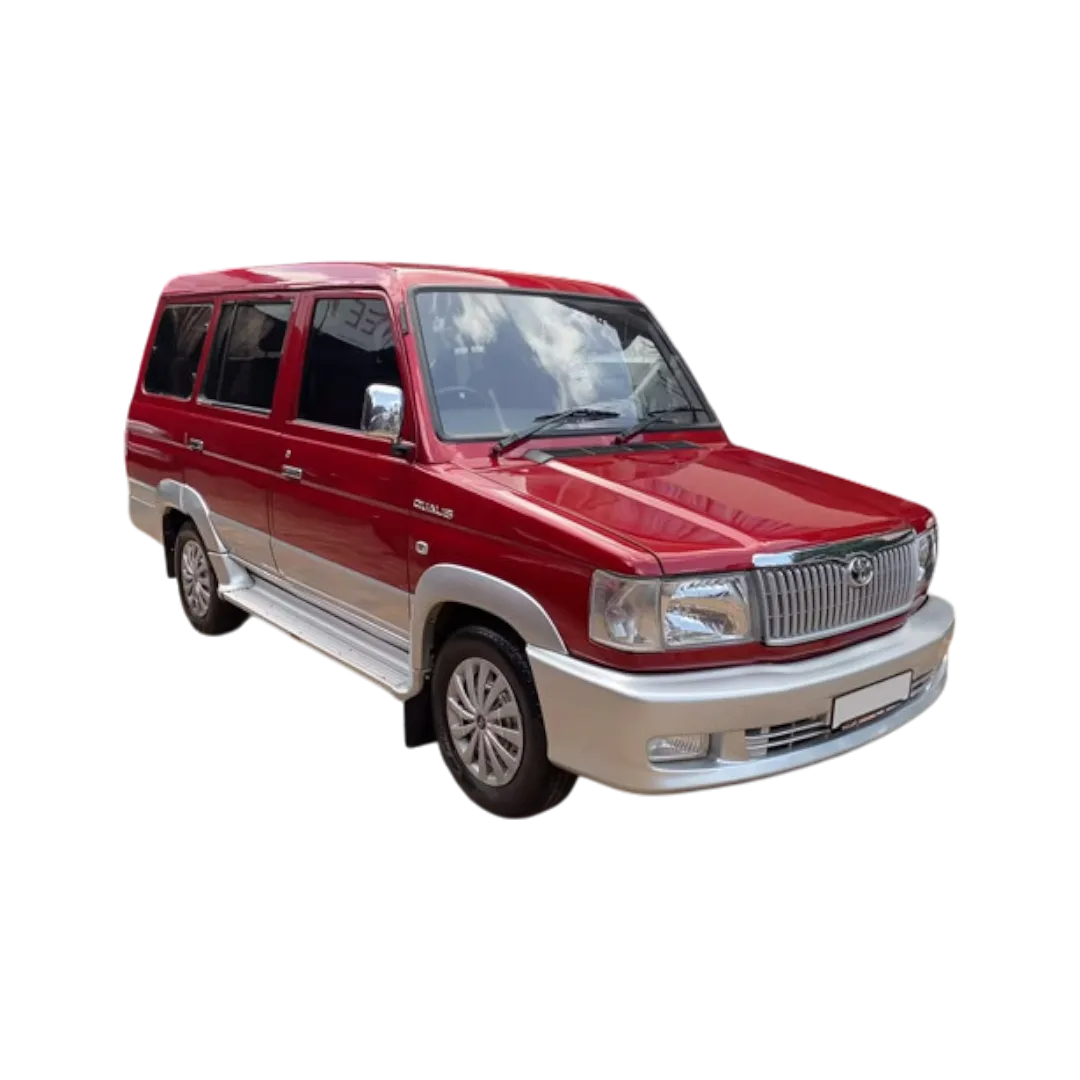 Qualis
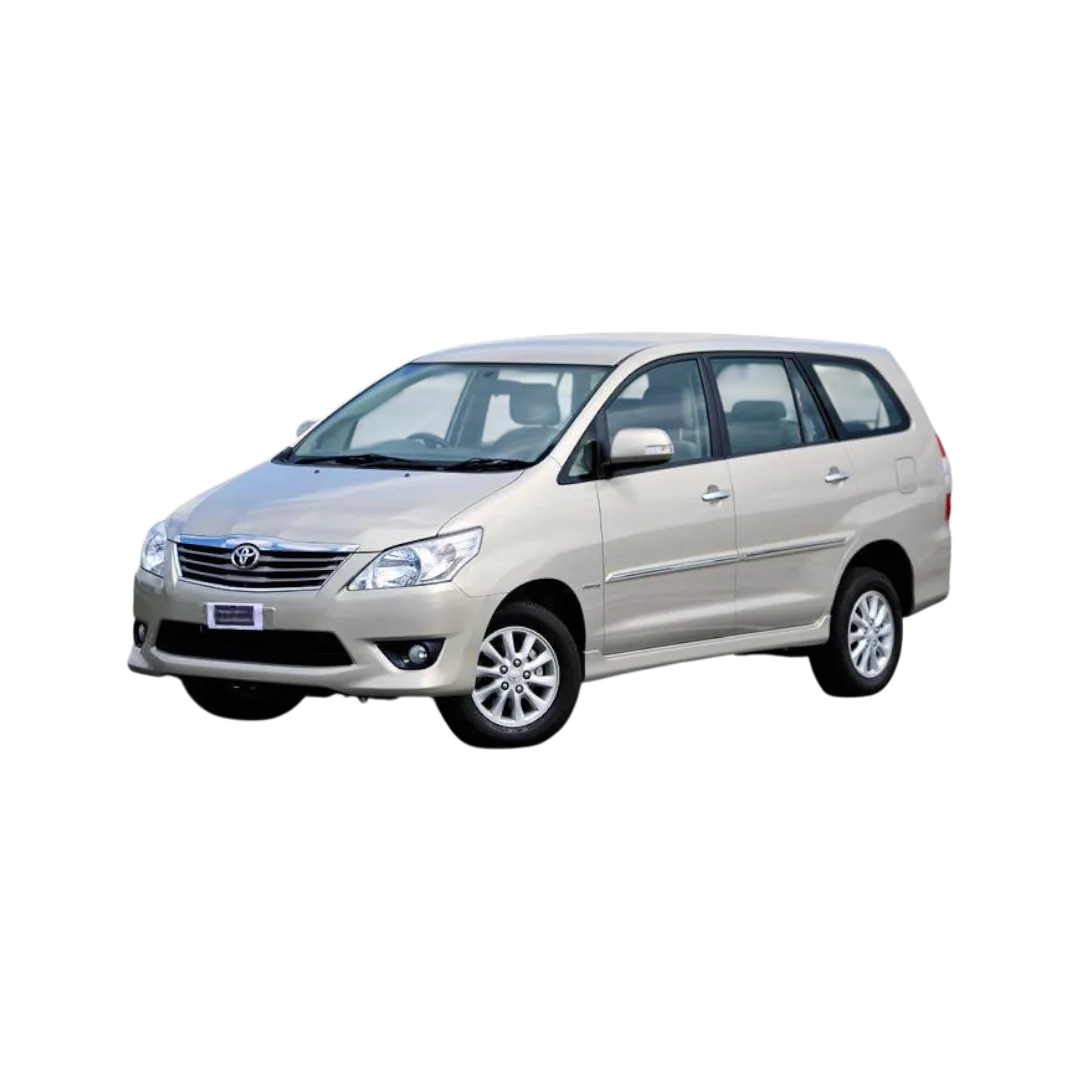 Innova
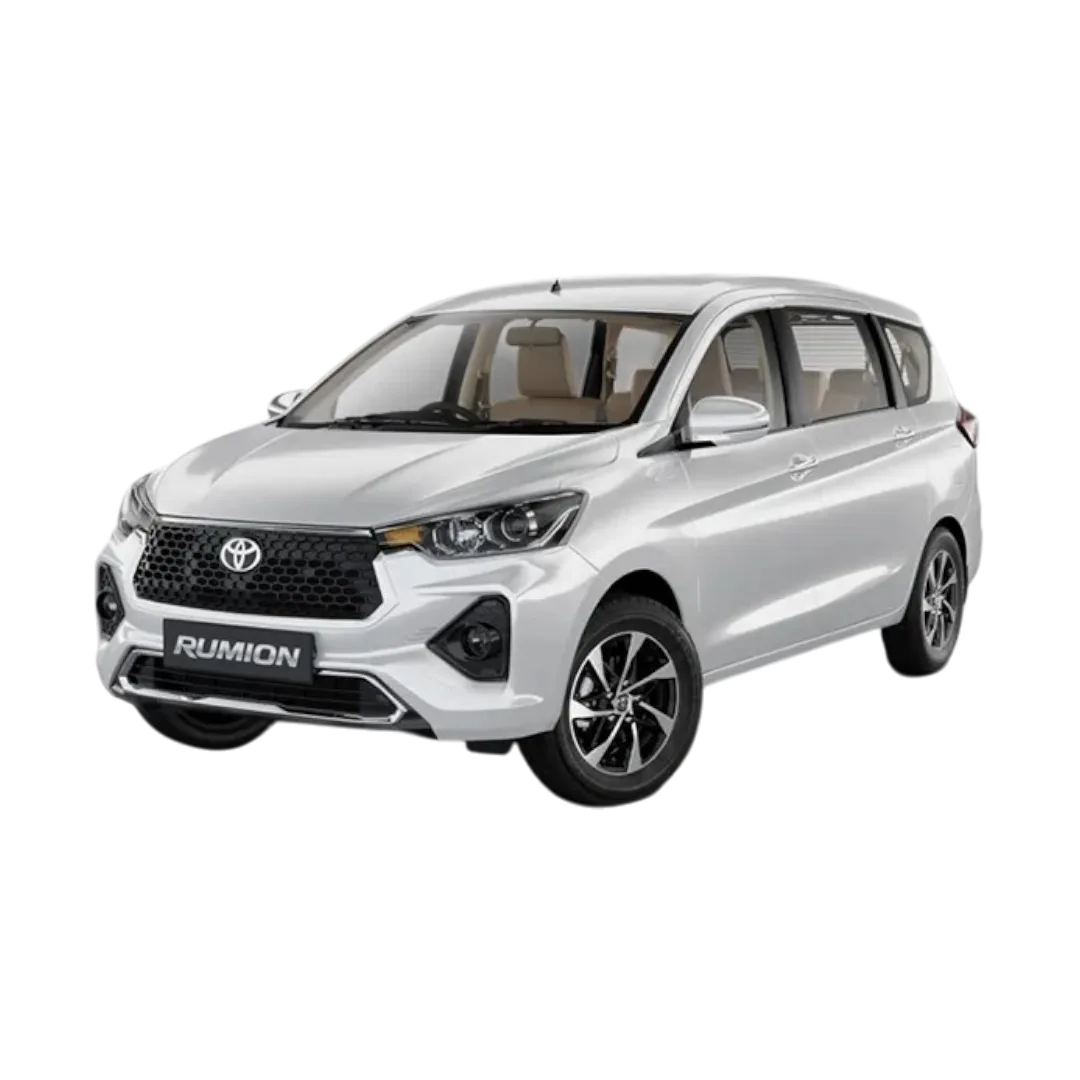 Rumion
Taisor
Corolla Altis
Hyryder
Rumion
Taisor
Corolla Altis
Hyryder
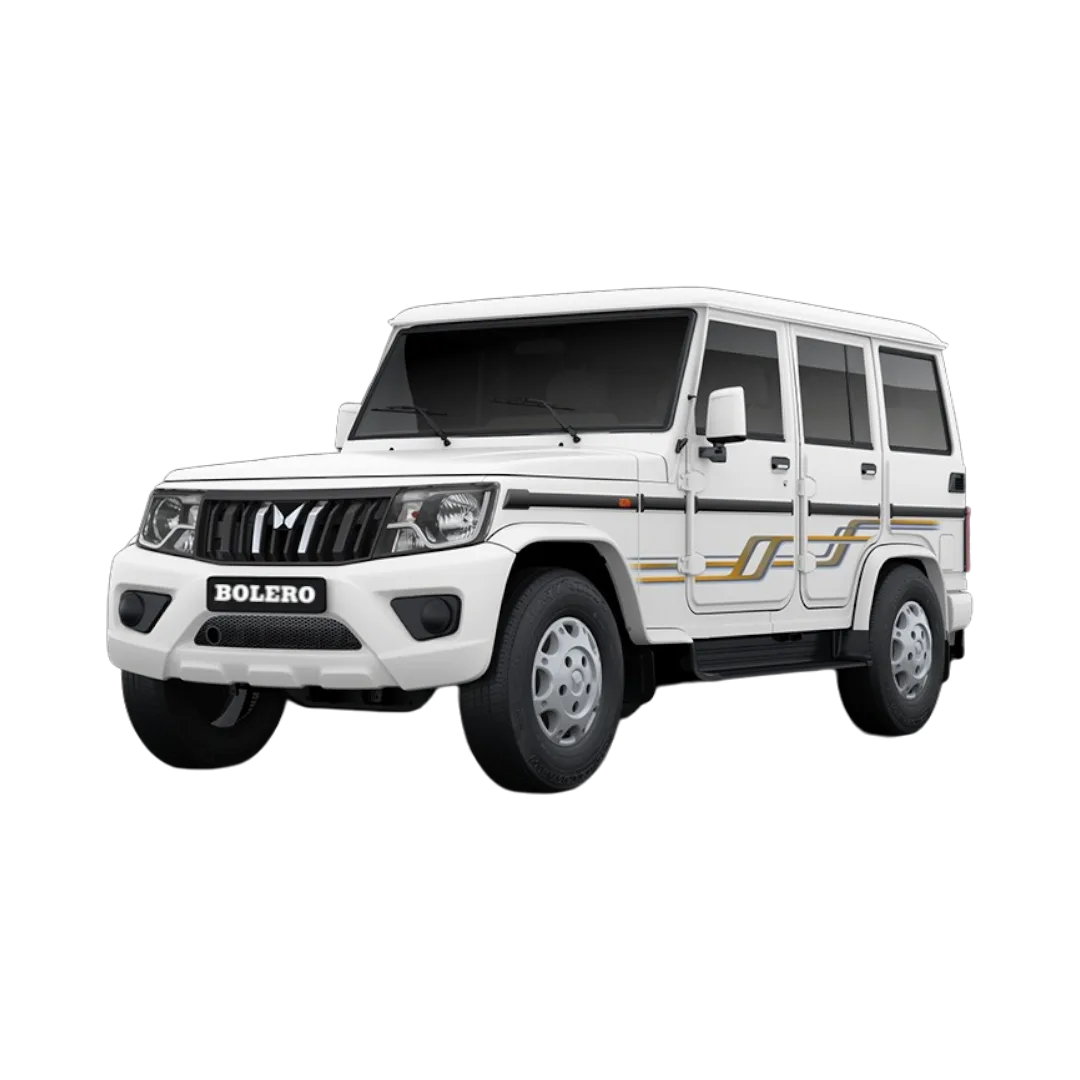 Bolero
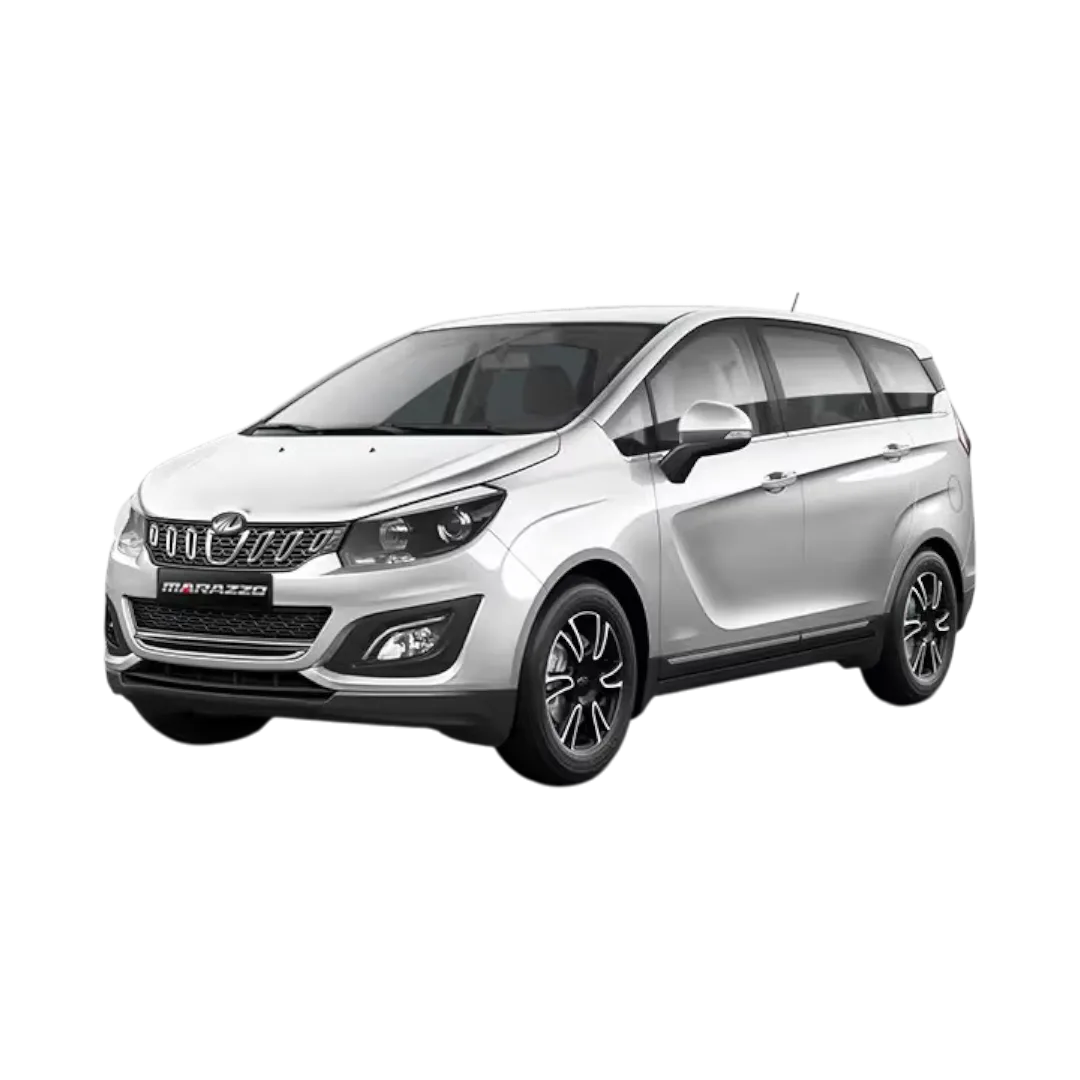 Marazzo
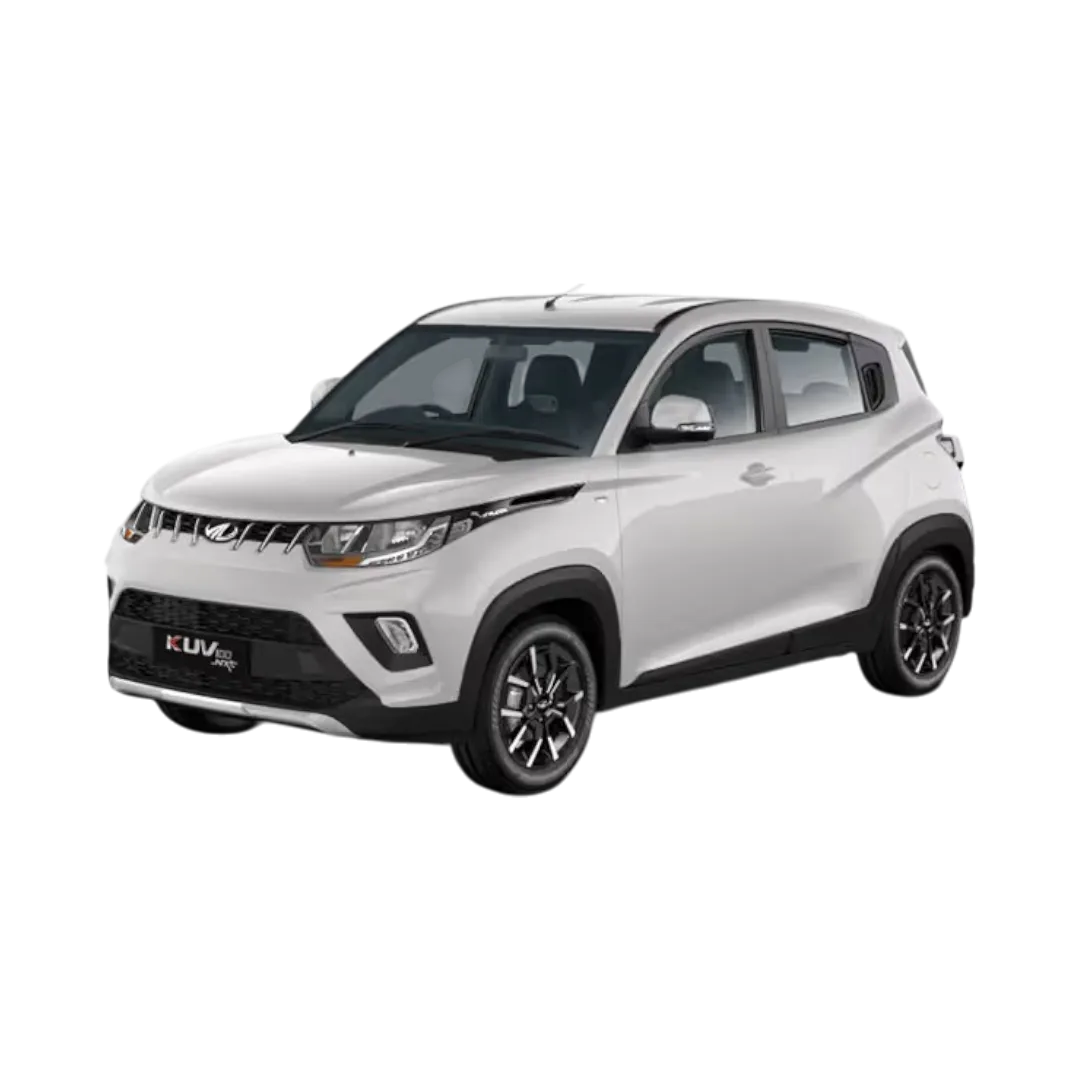 KUV100 NXT
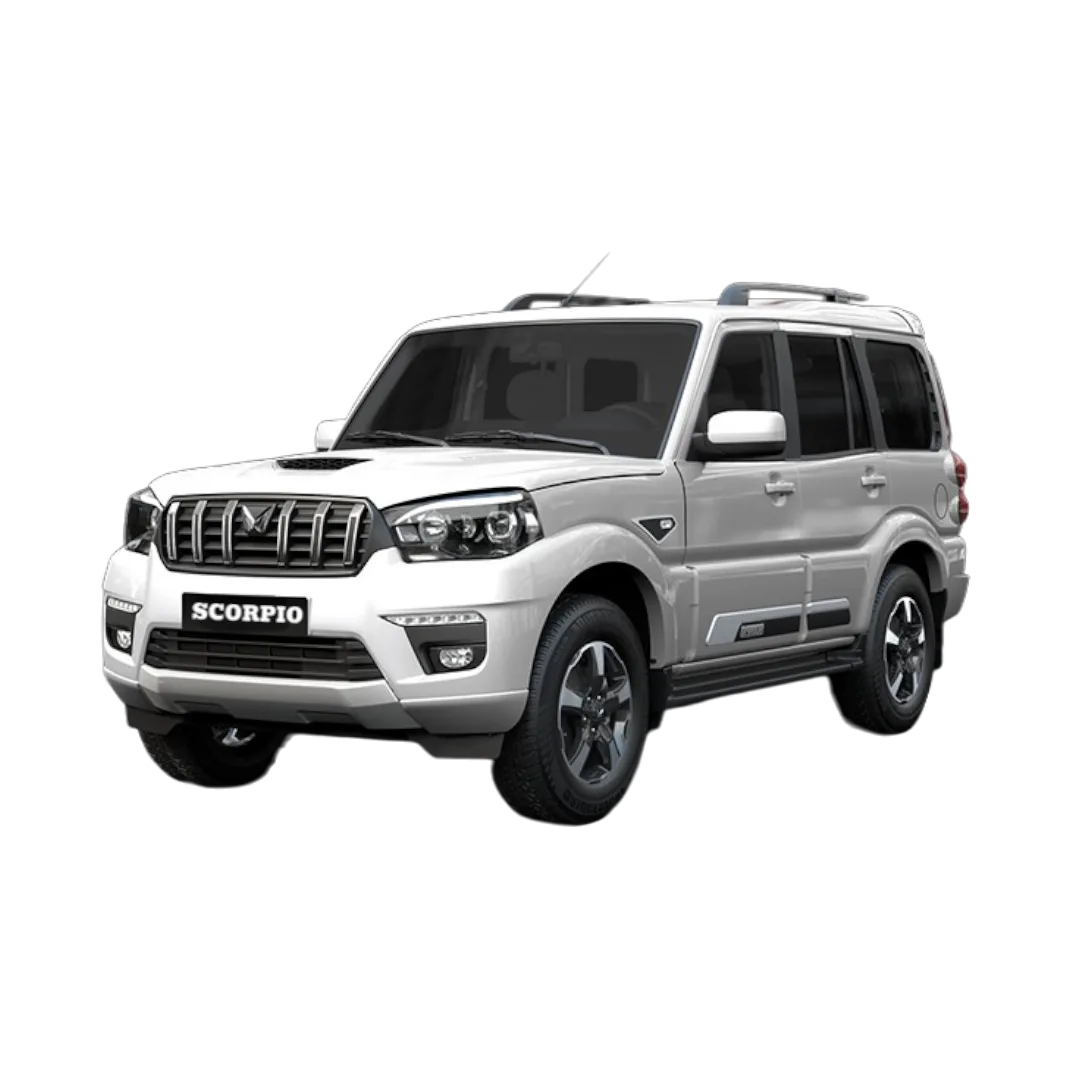 Scorpio
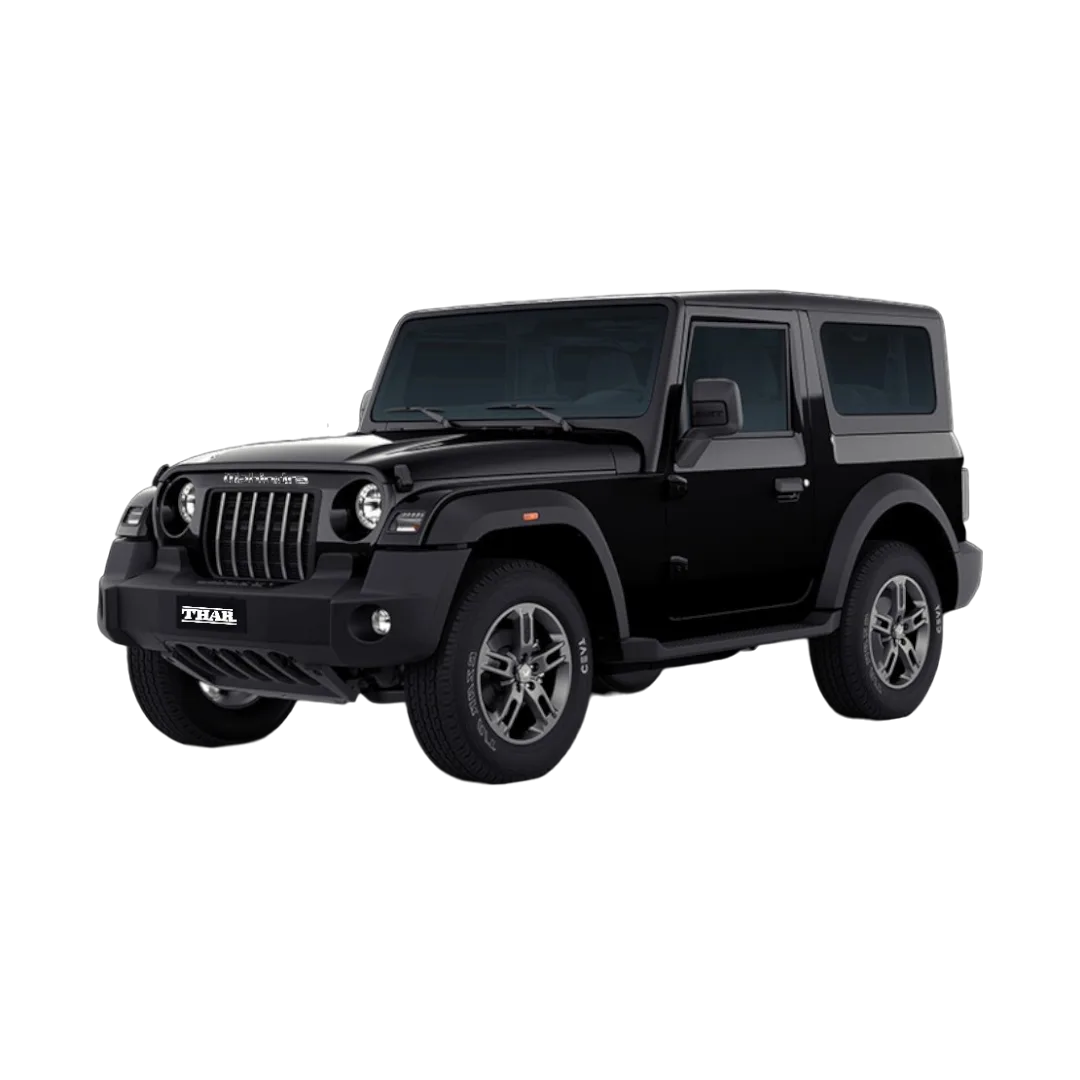 Thar
Thar
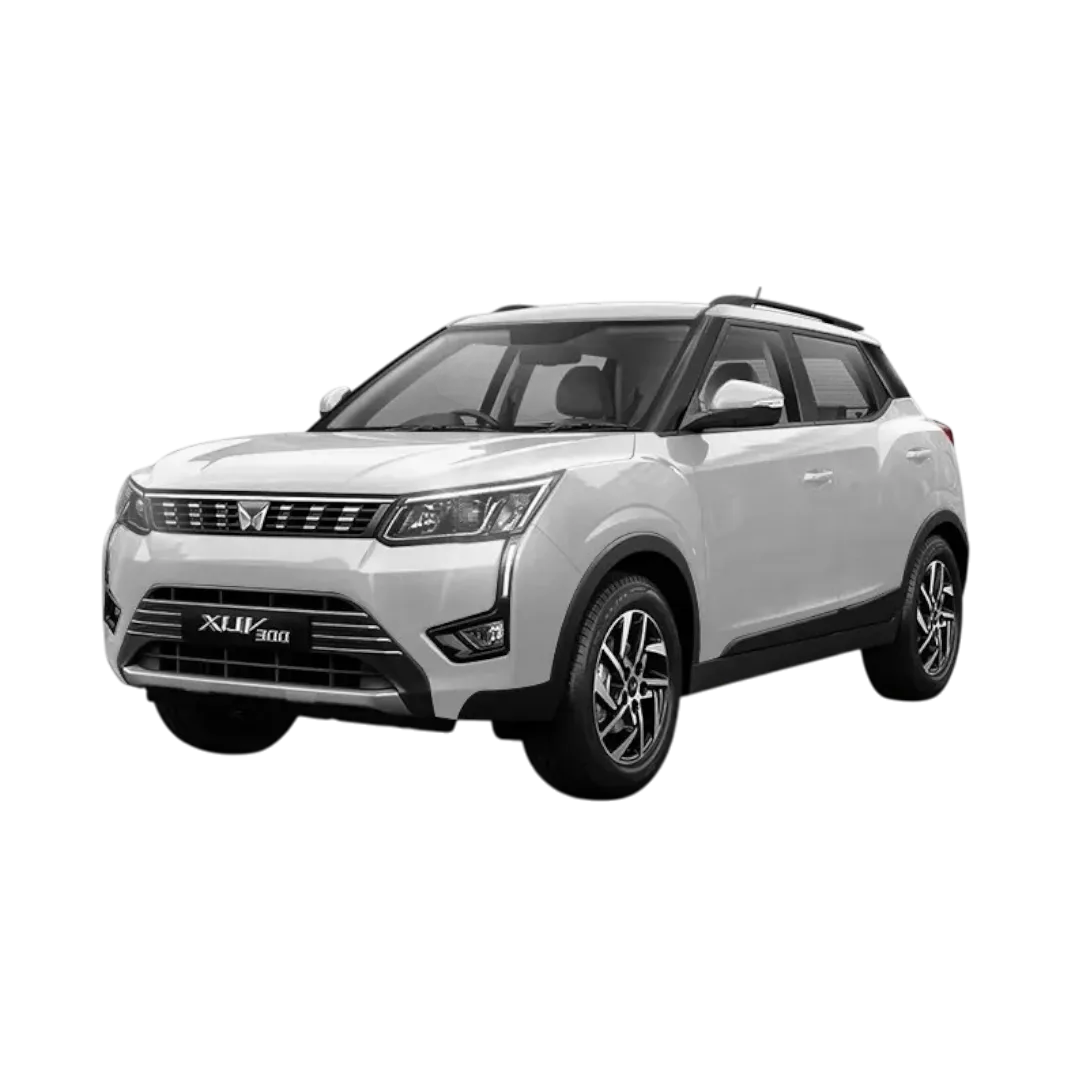 XUV 300
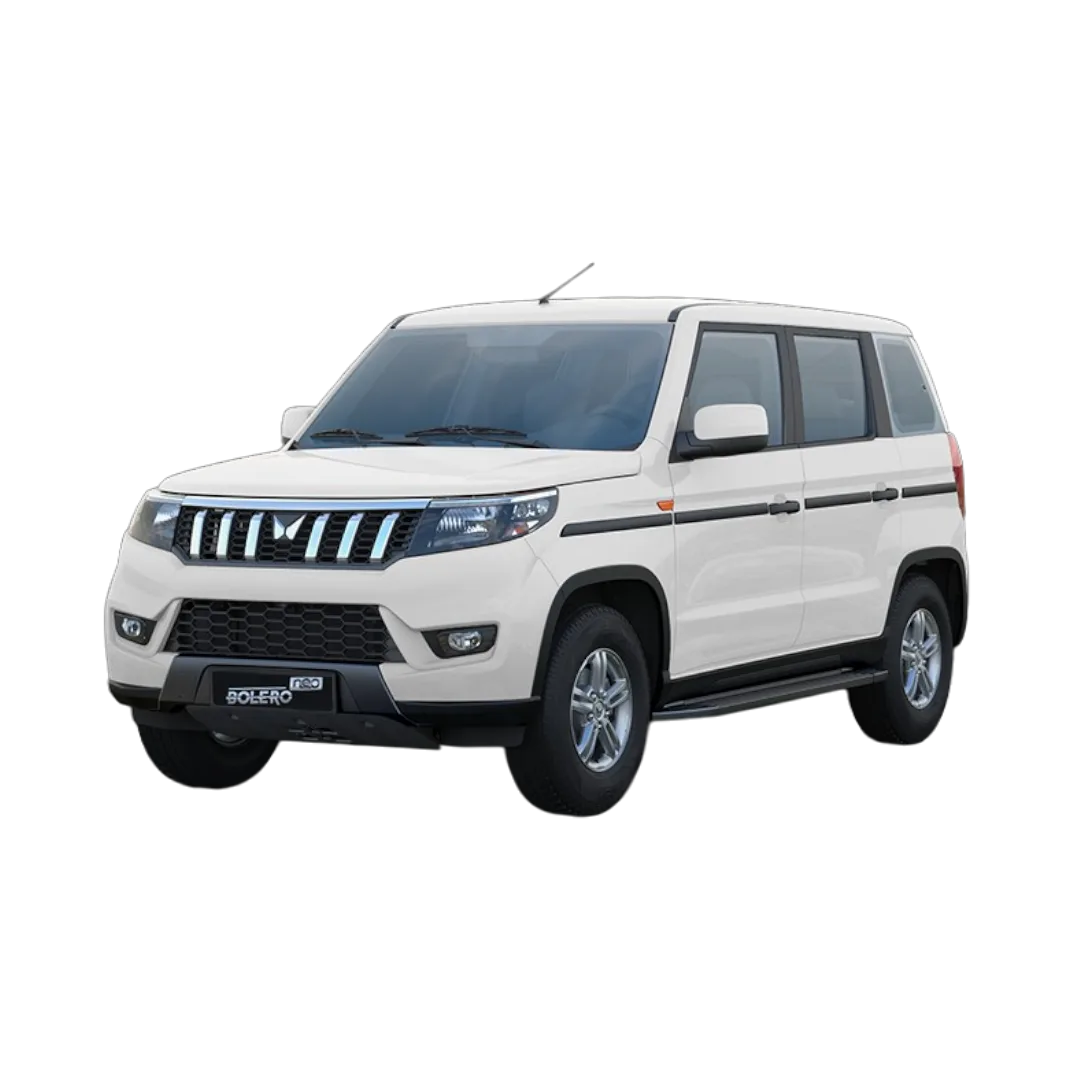 Bolero Neo
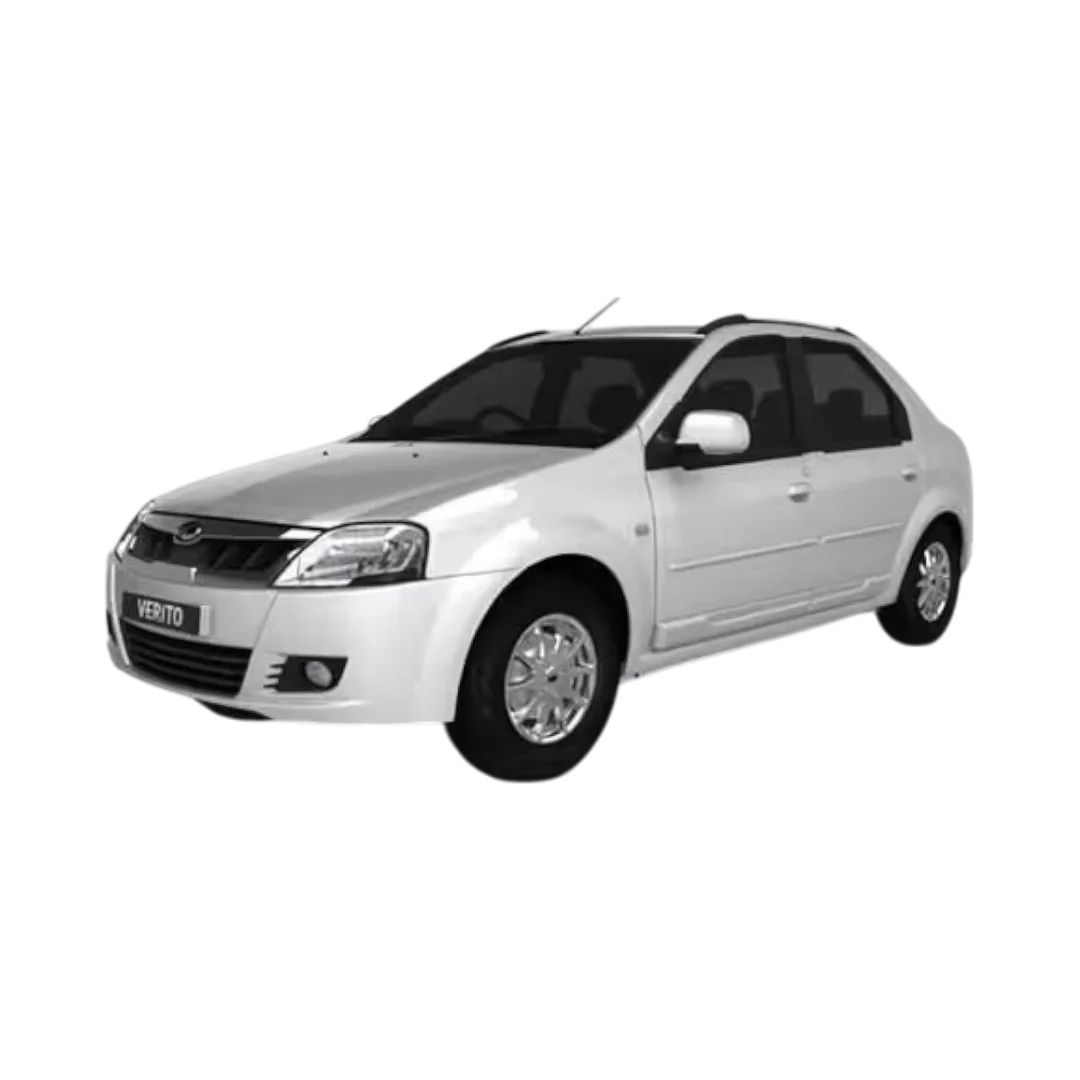 Verito
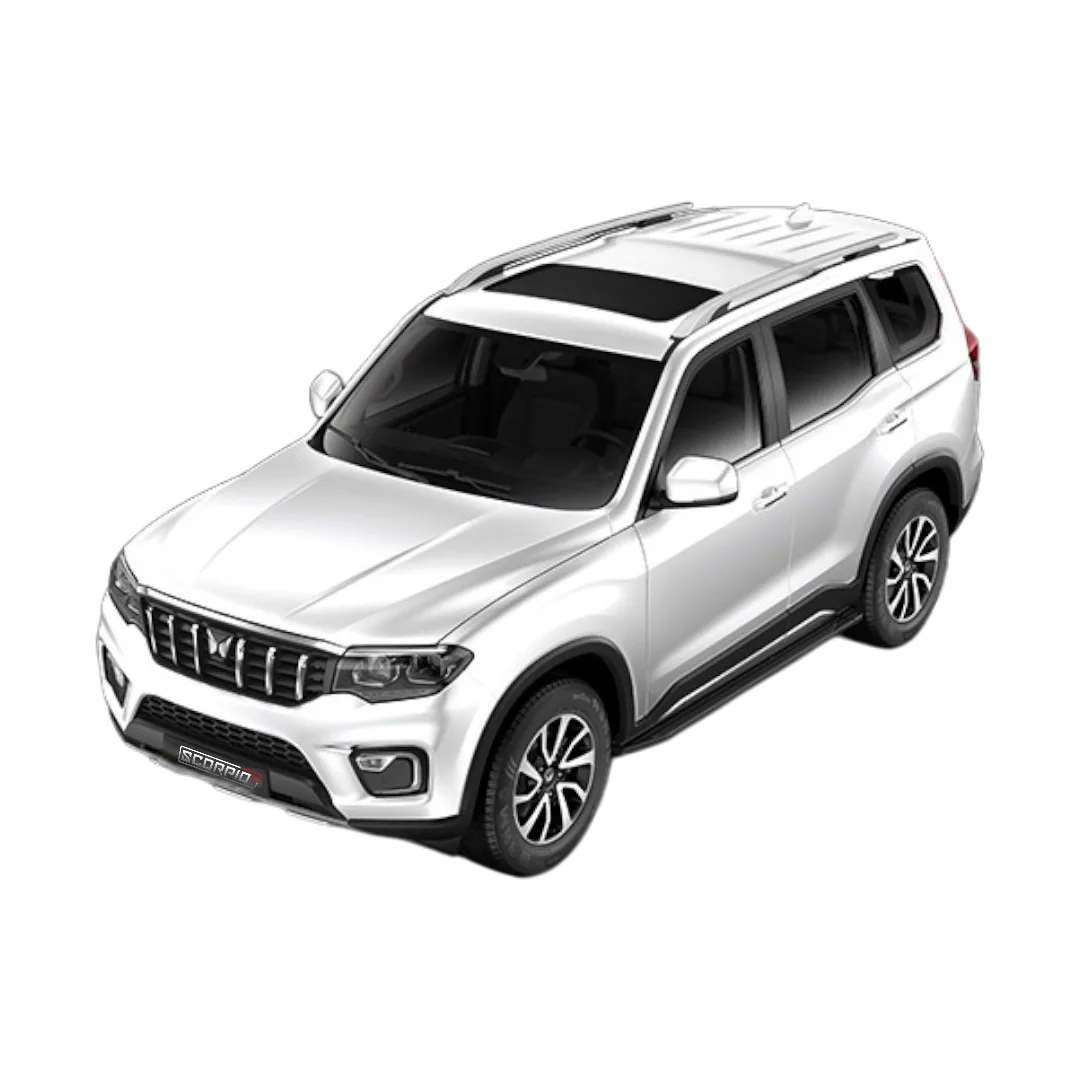 Scorpio-N
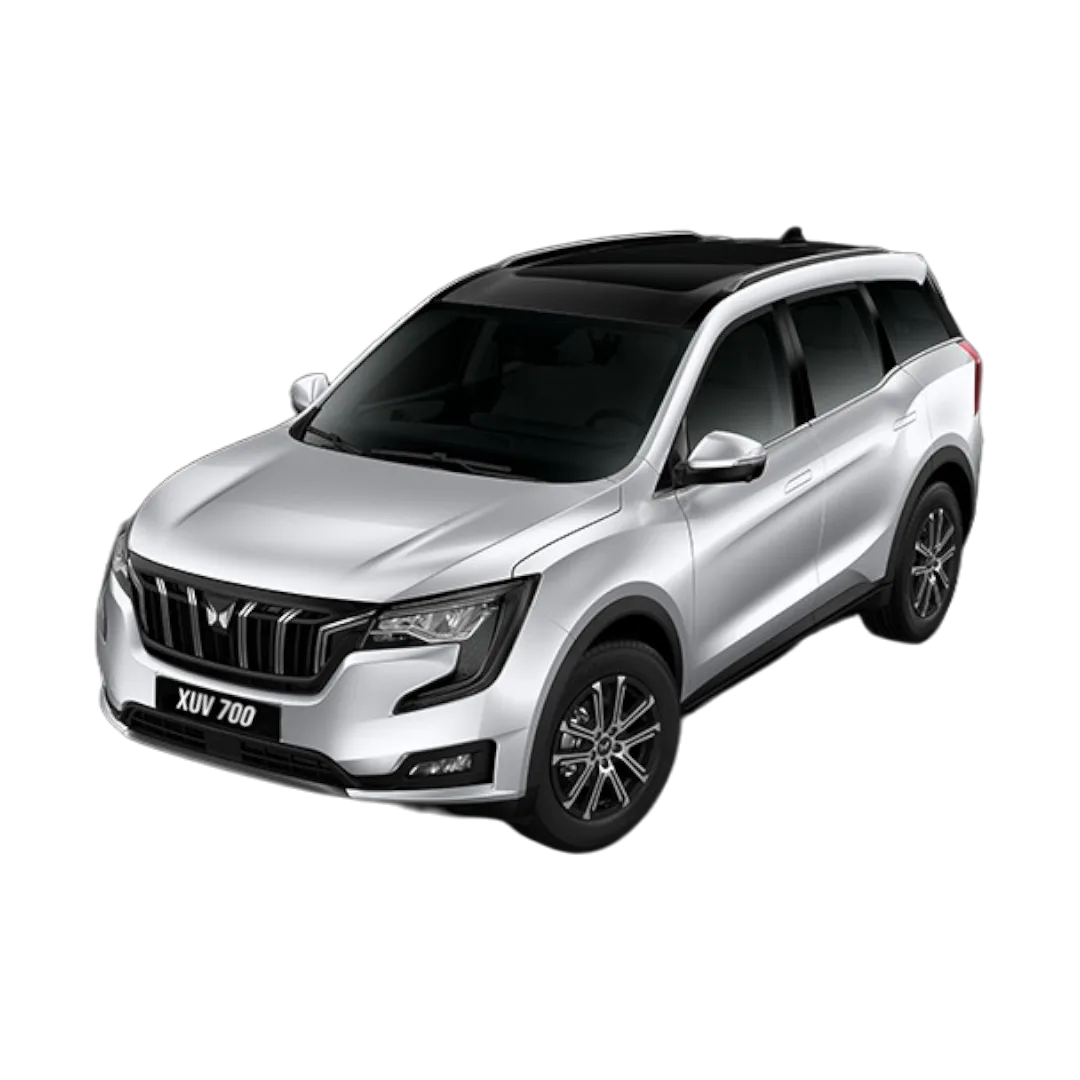 XUV 700
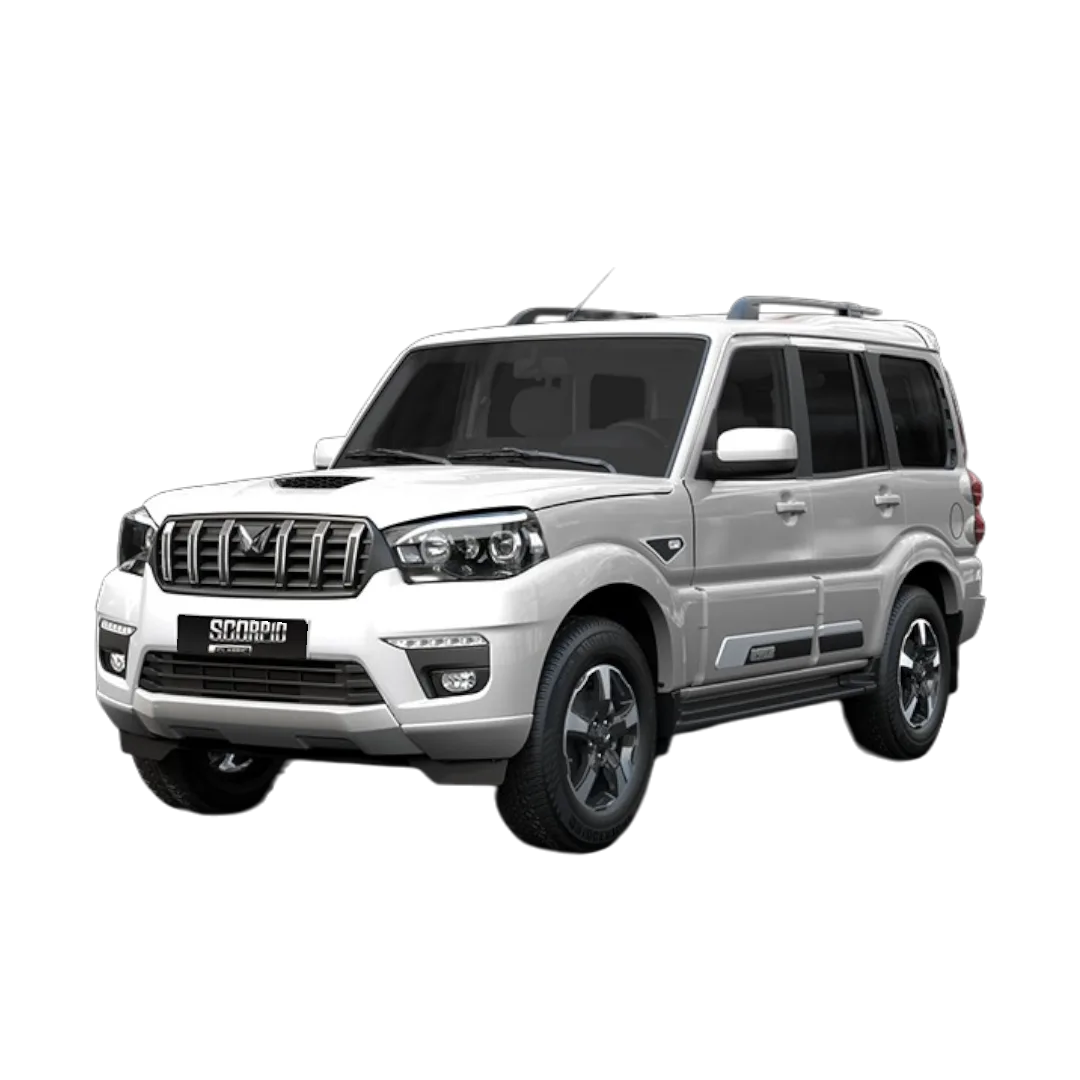 Scorpio Classic
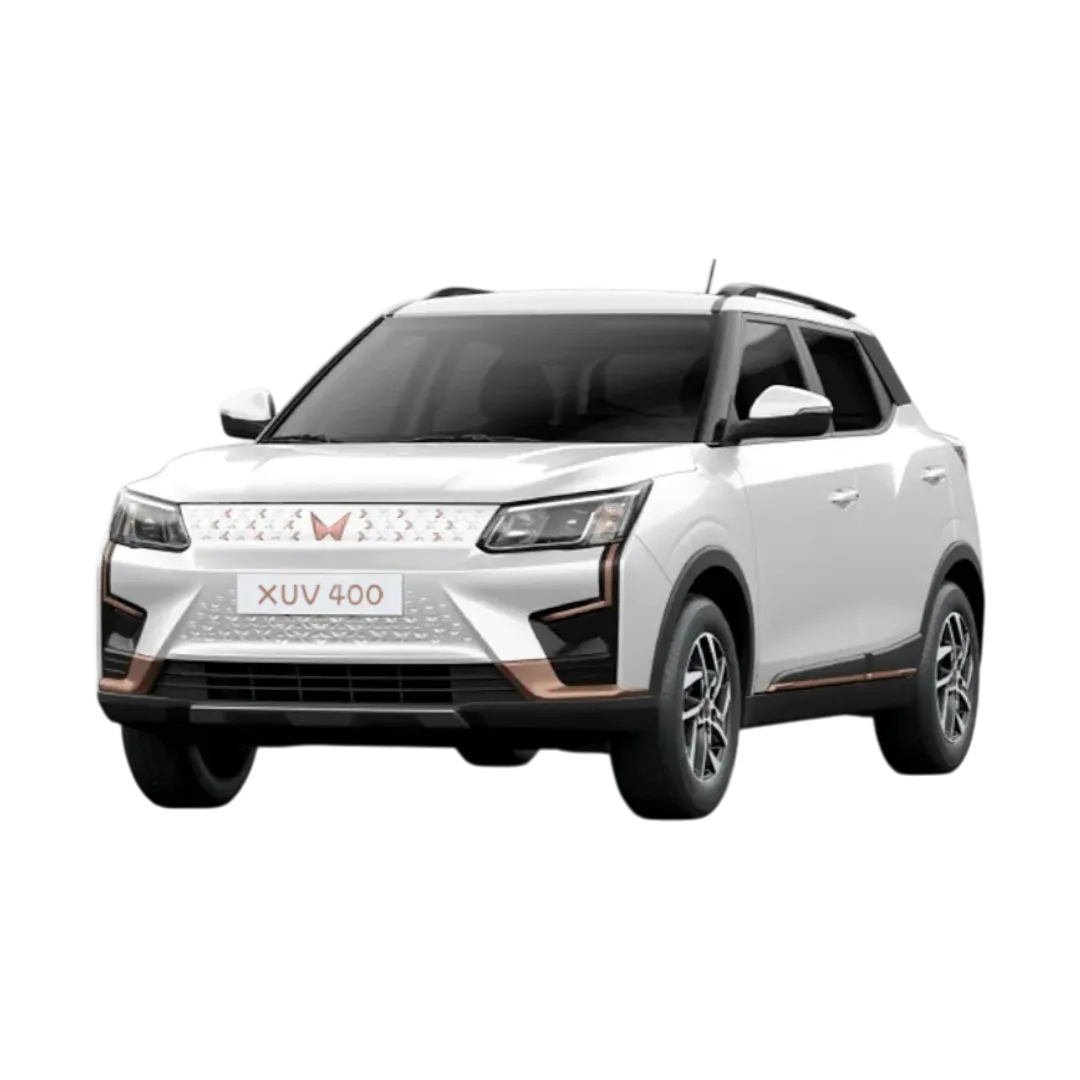 XUV400
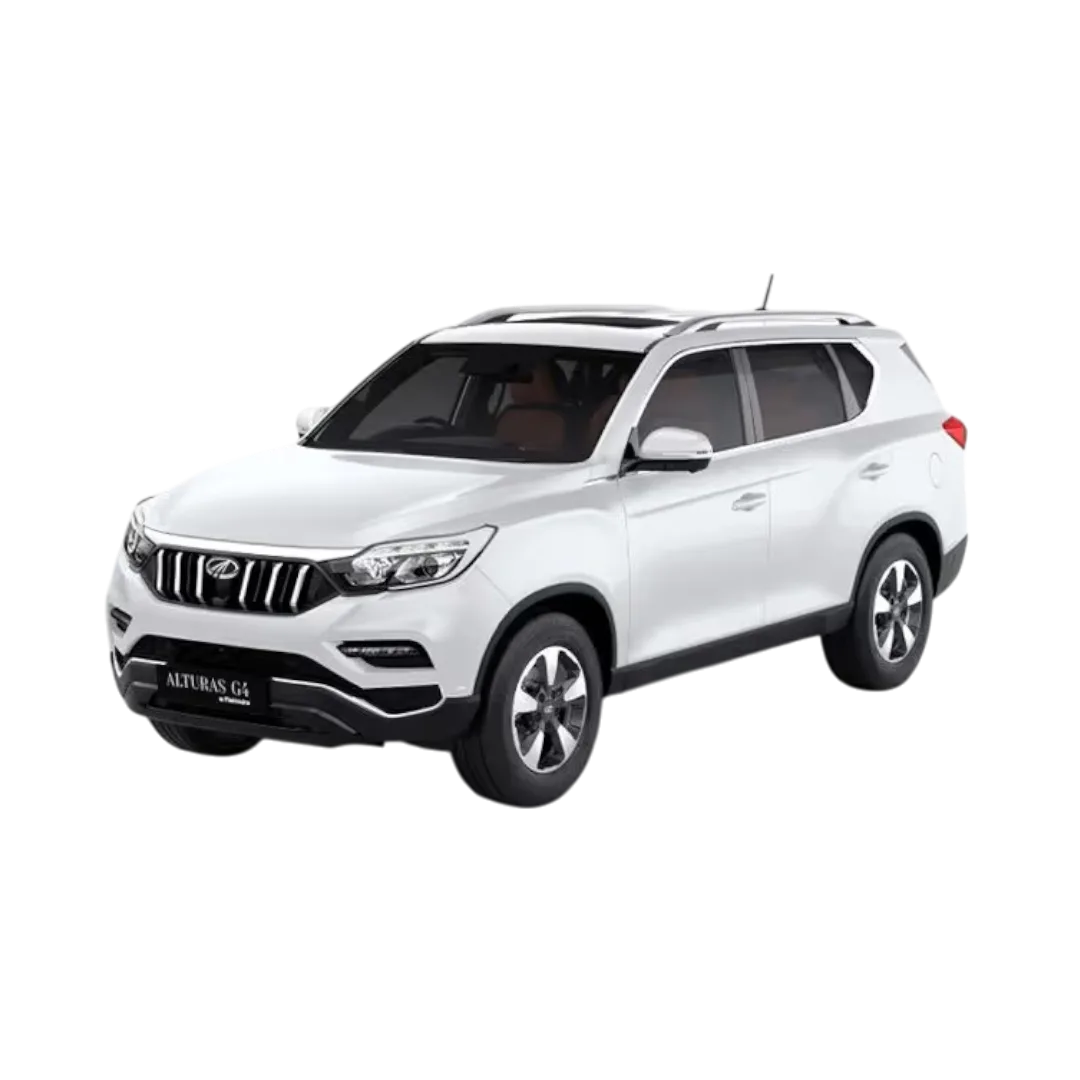 Alturas
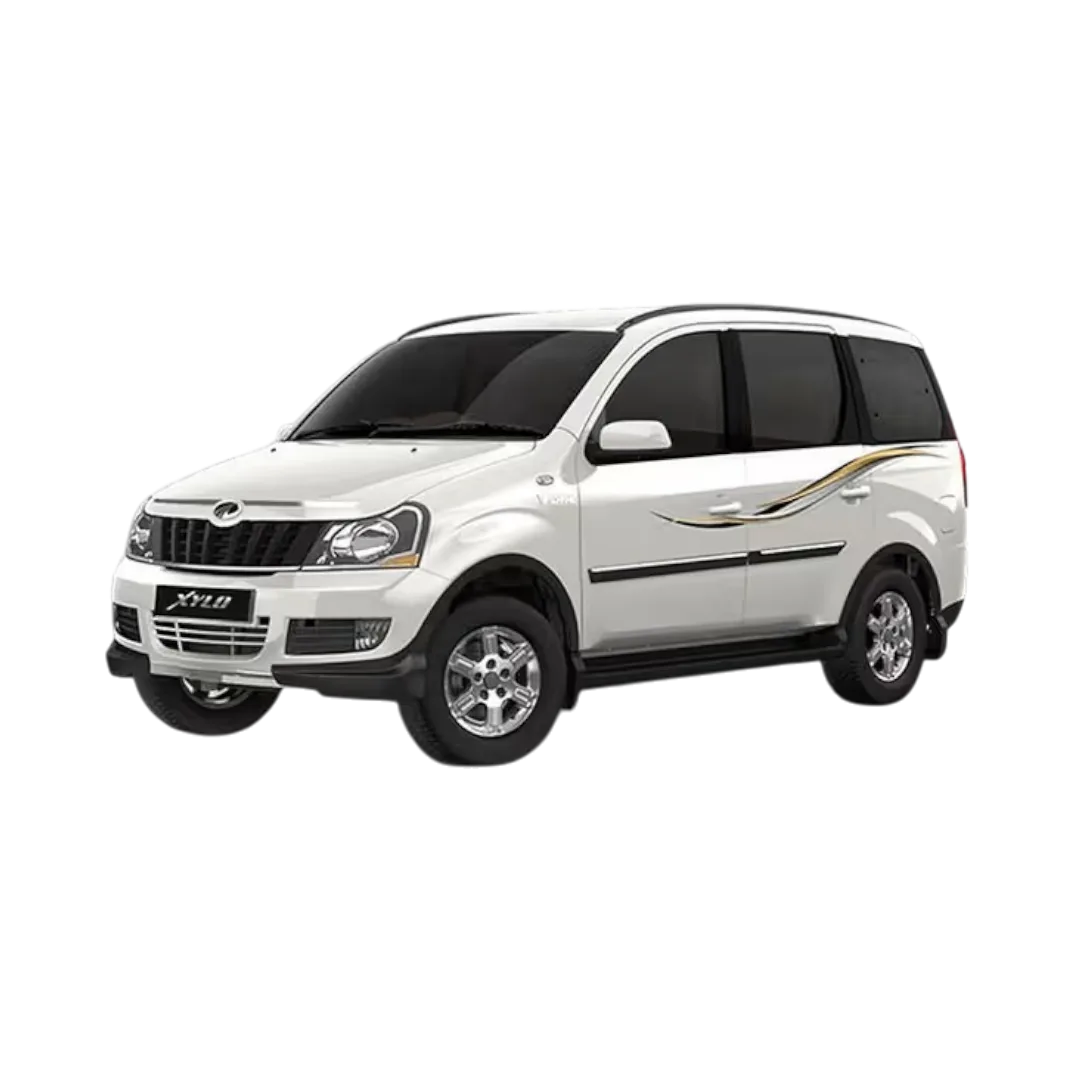 Xylo
Xylo
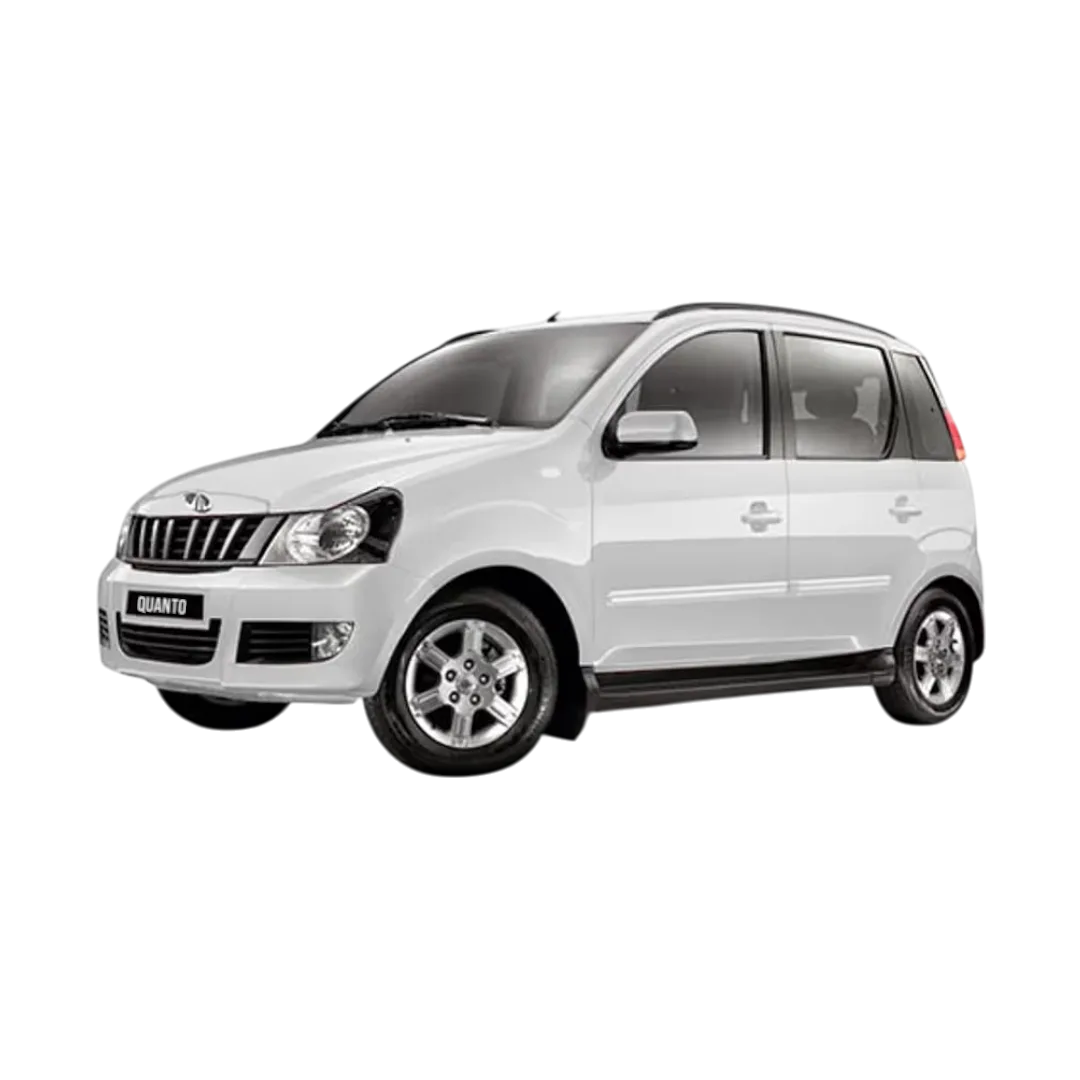 Quanto
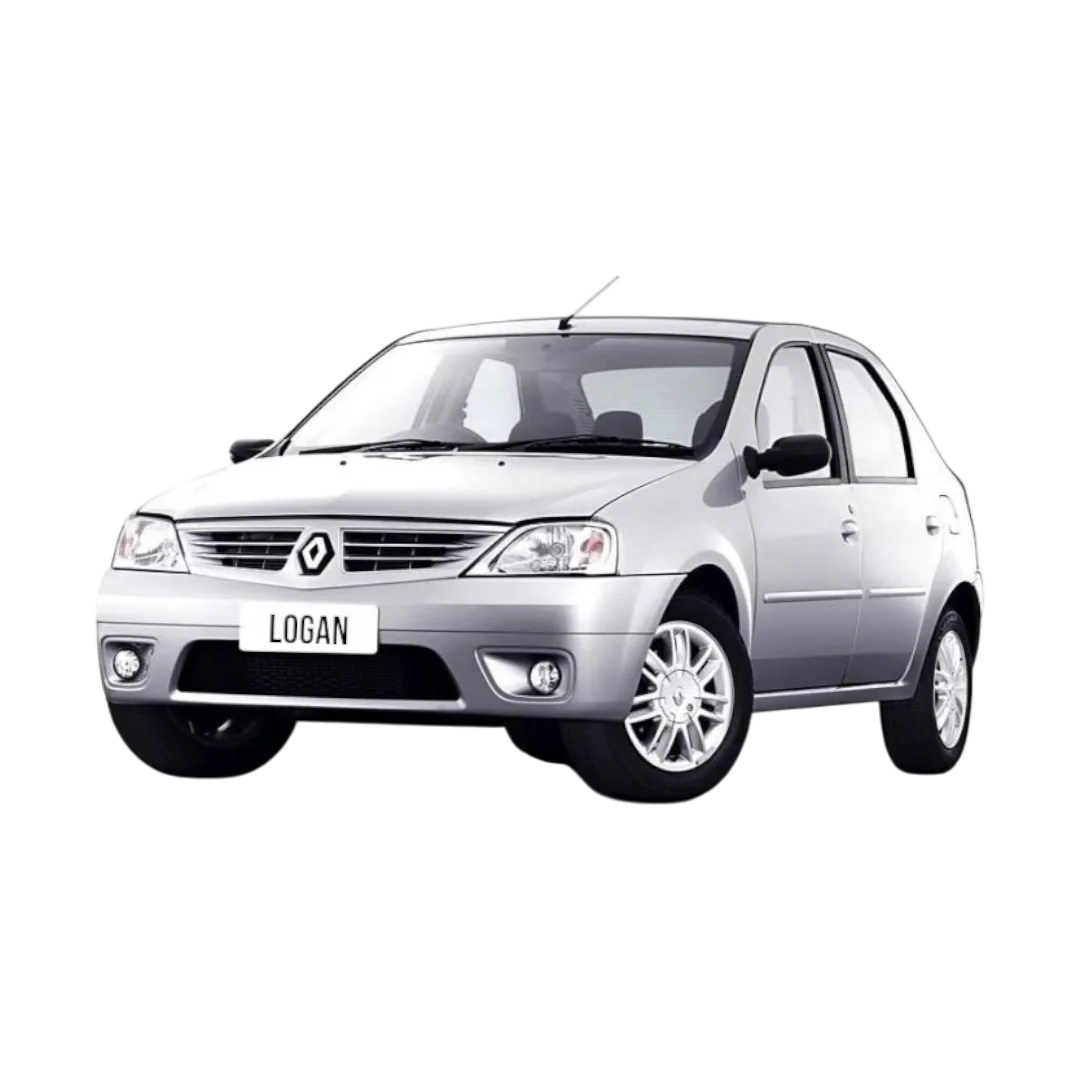 Logan
Logan
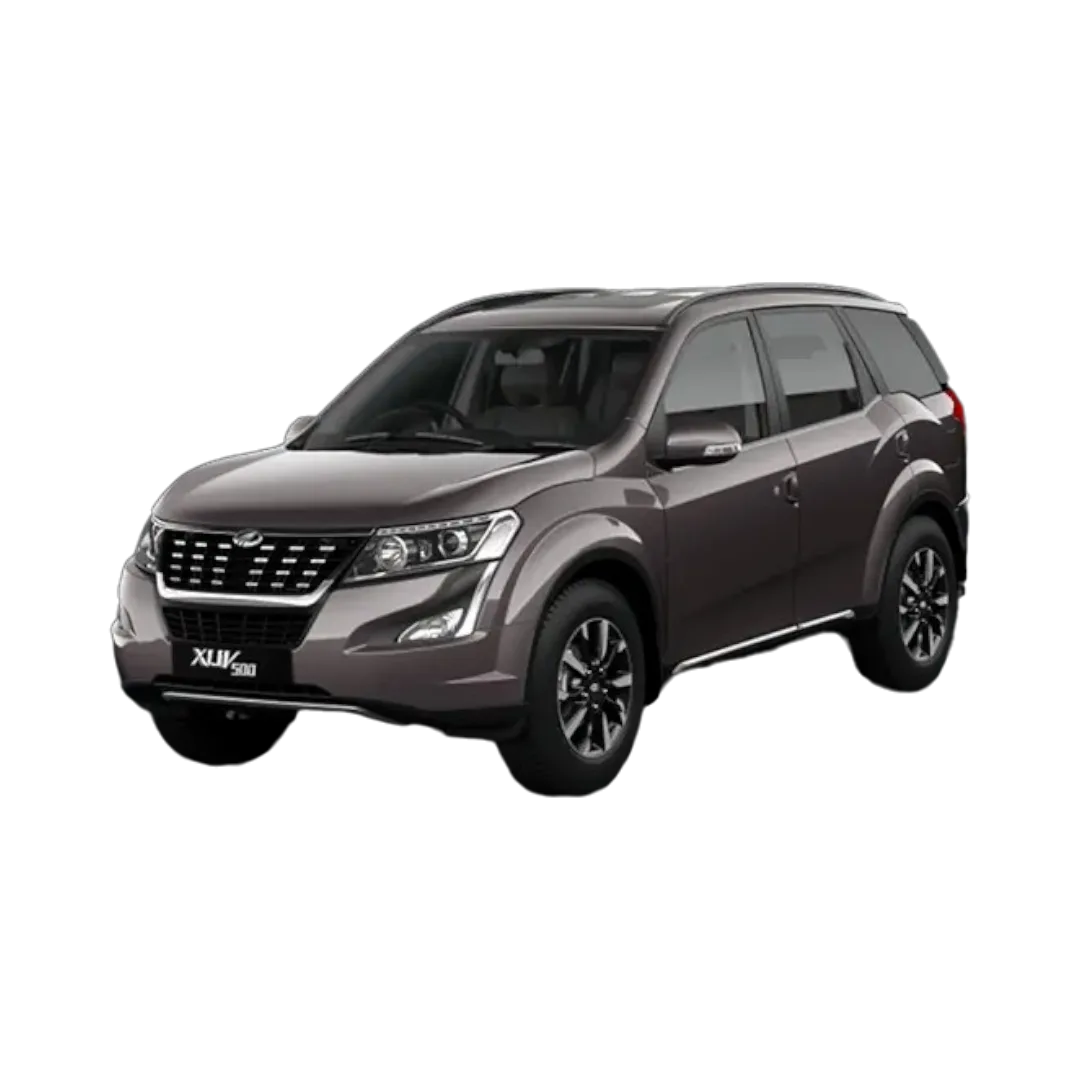 XUV 500
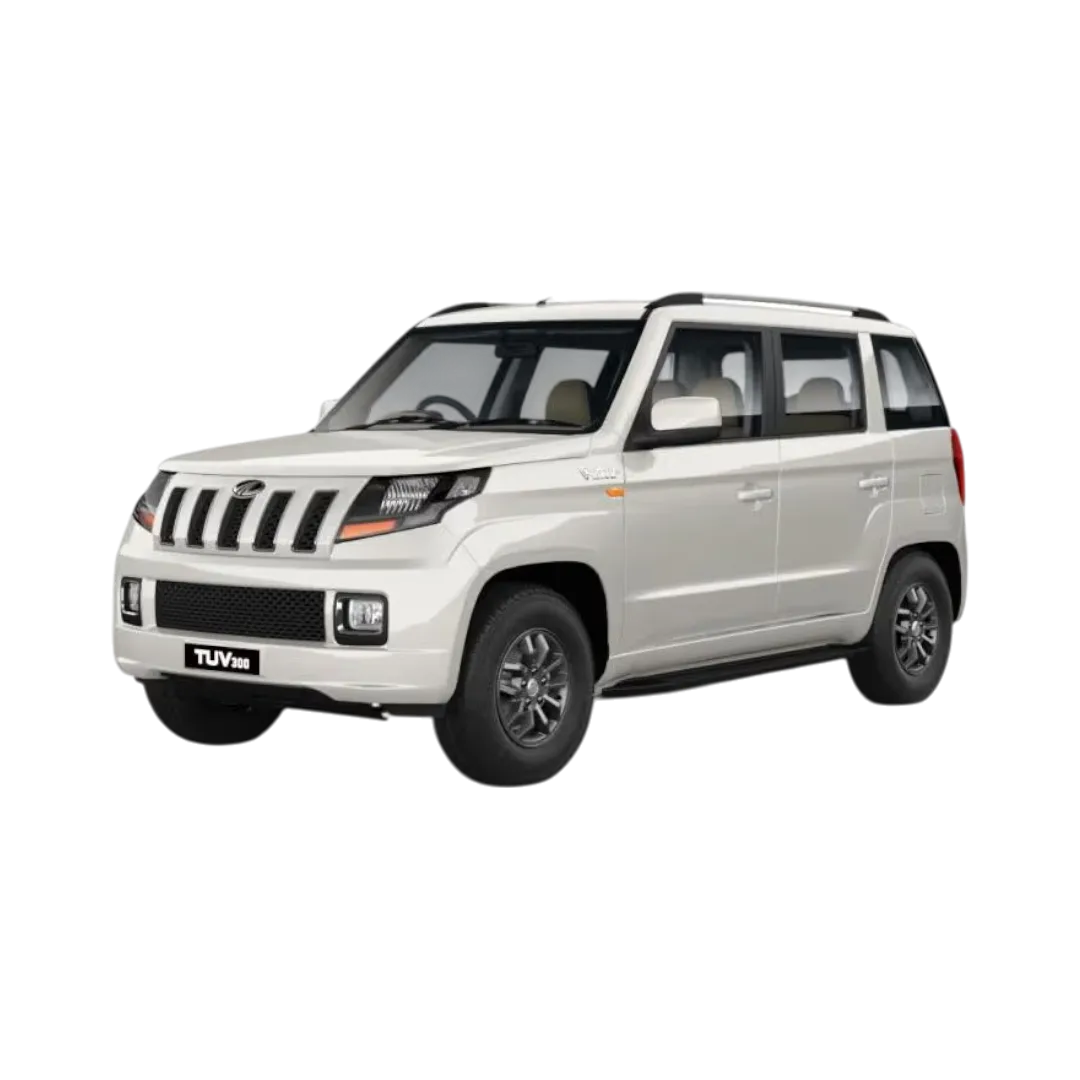 TUV 300
 XUV 3XO
 KUV 100
NuvoSport
XEV 9e
BE 6
Thar Roxx
E-Verito
XUV 7XO
TUV 100
BE6
Bolero Camper
Verito Vibe
XUV 400
KUV 100
NuvoSport
XEV 9e
BE 6
Thar Roxx
E-Verito
XUV 7XO
TUV 100
BE6
Bolero Camper
Verito Vibe
XUV 400
 Audi Q5
 Audi A4
 Audi Q7
 Audi Q3
 Audi A6
 Audi RS5
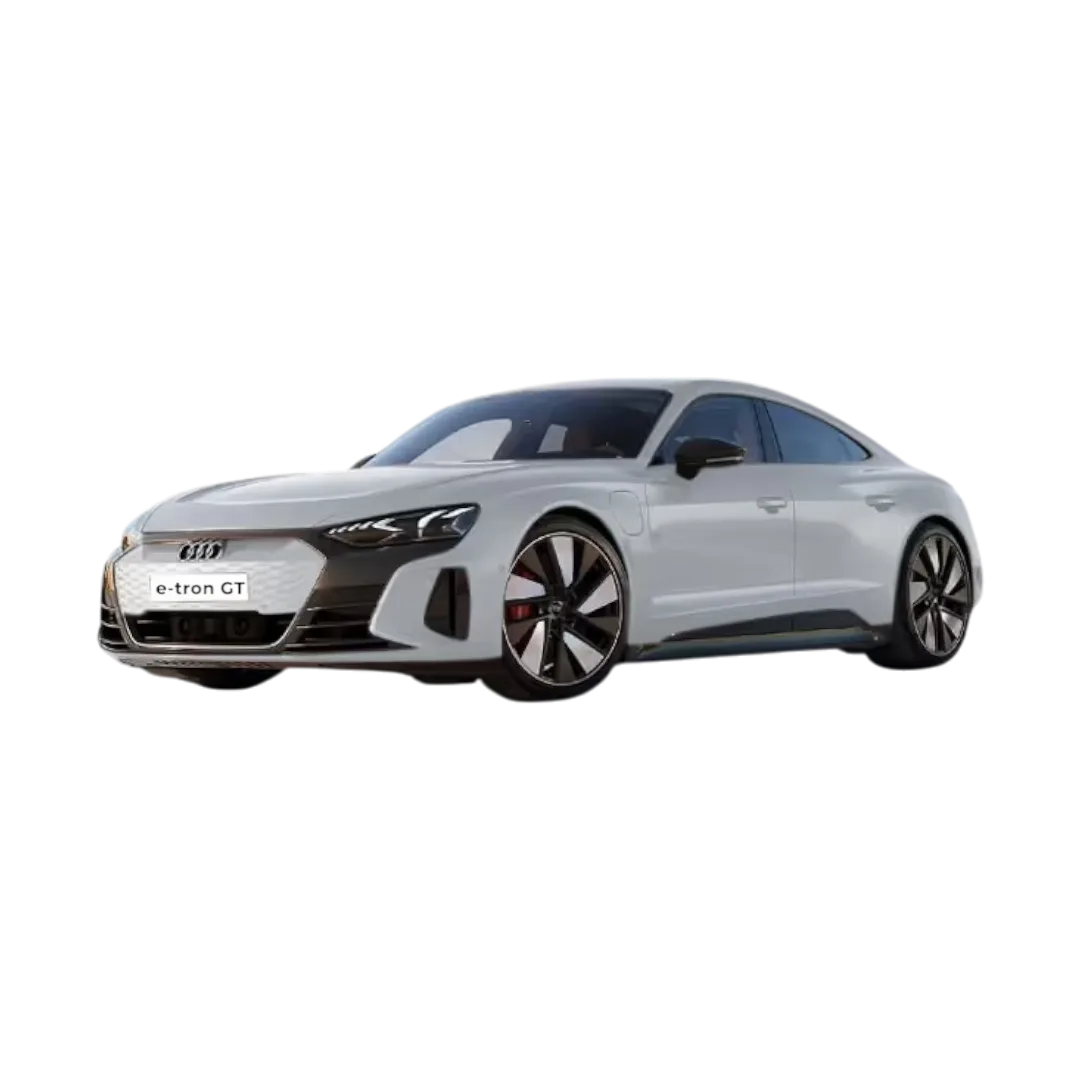 E-Tron GT
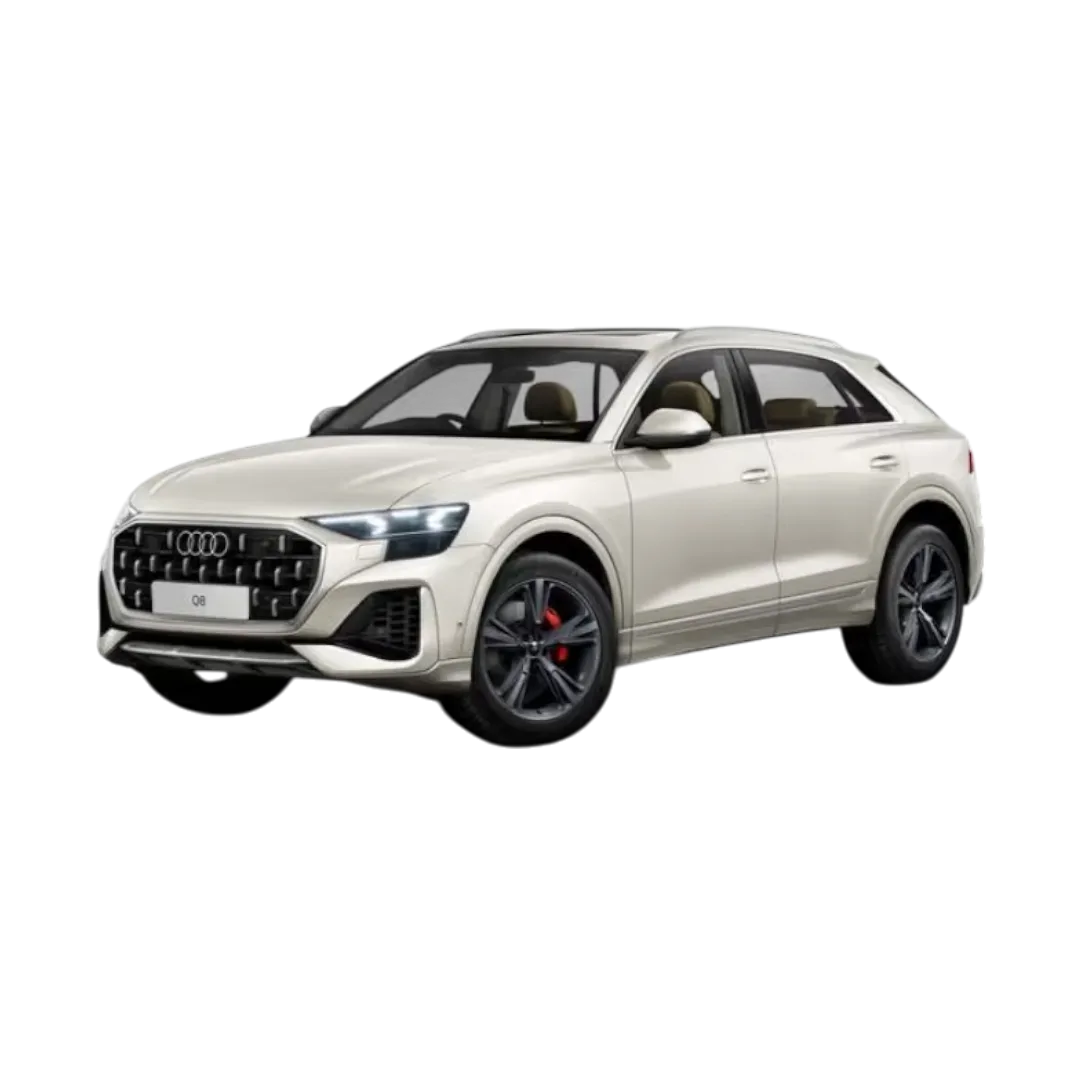 Audi Q8
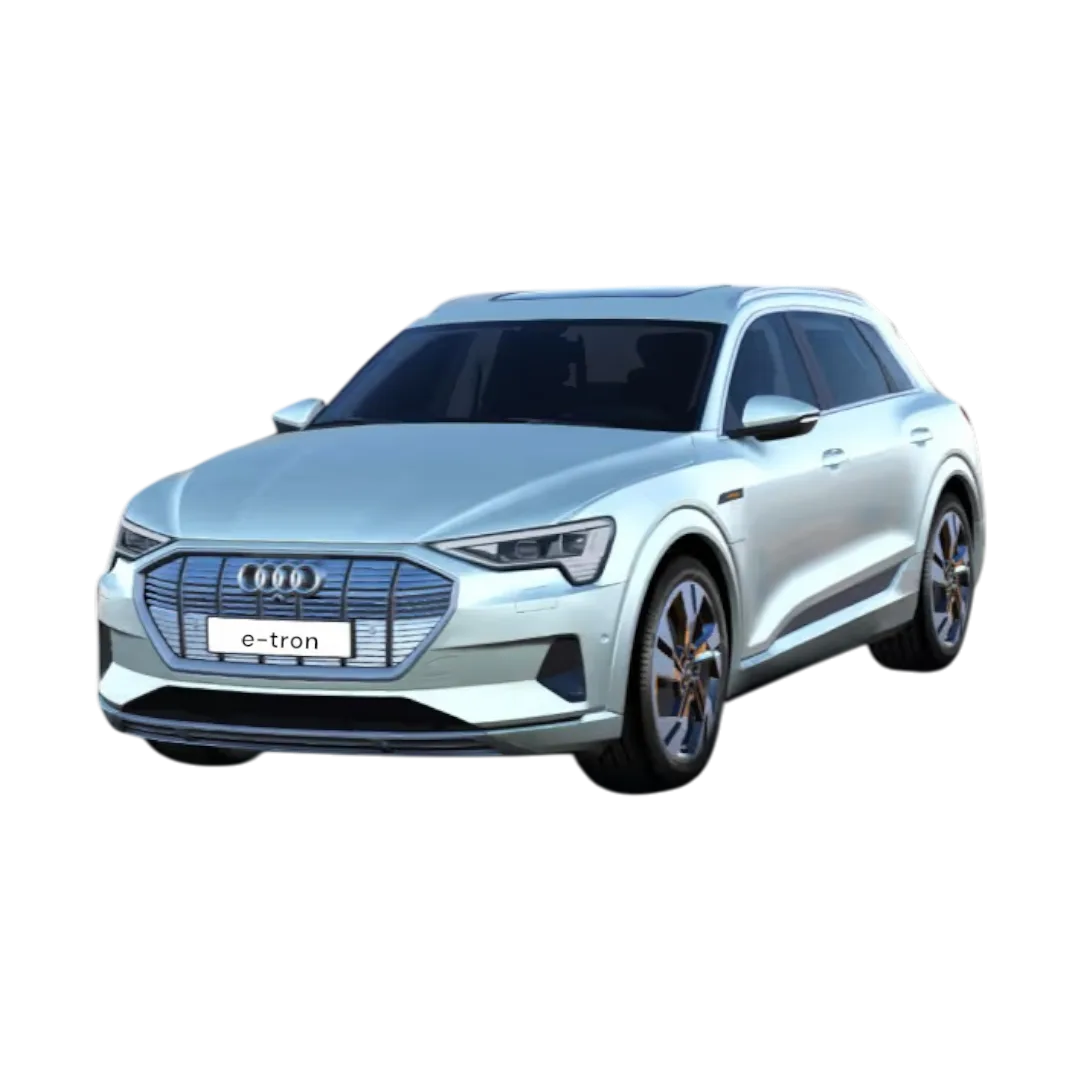 E-Tron
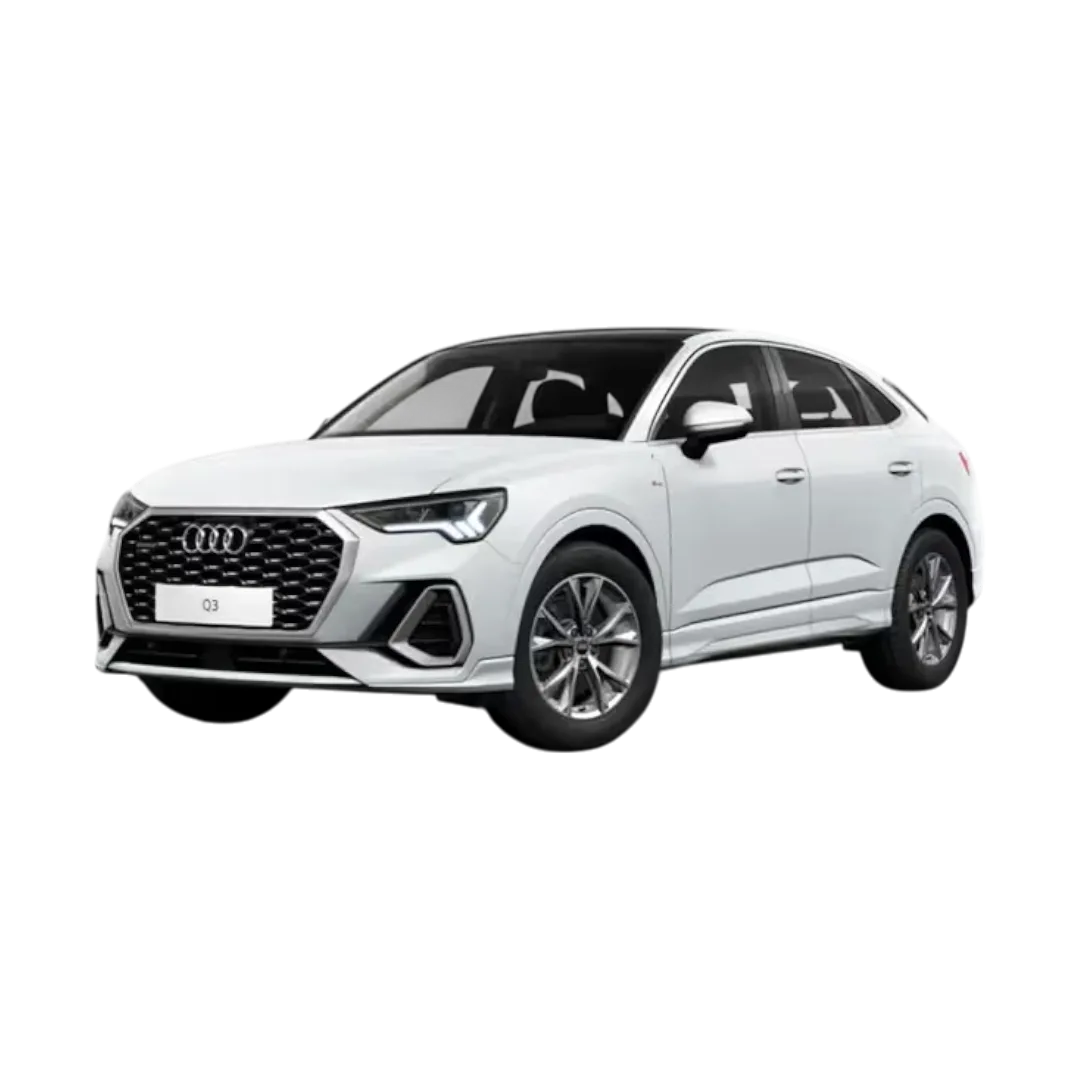 Q3 Sportback
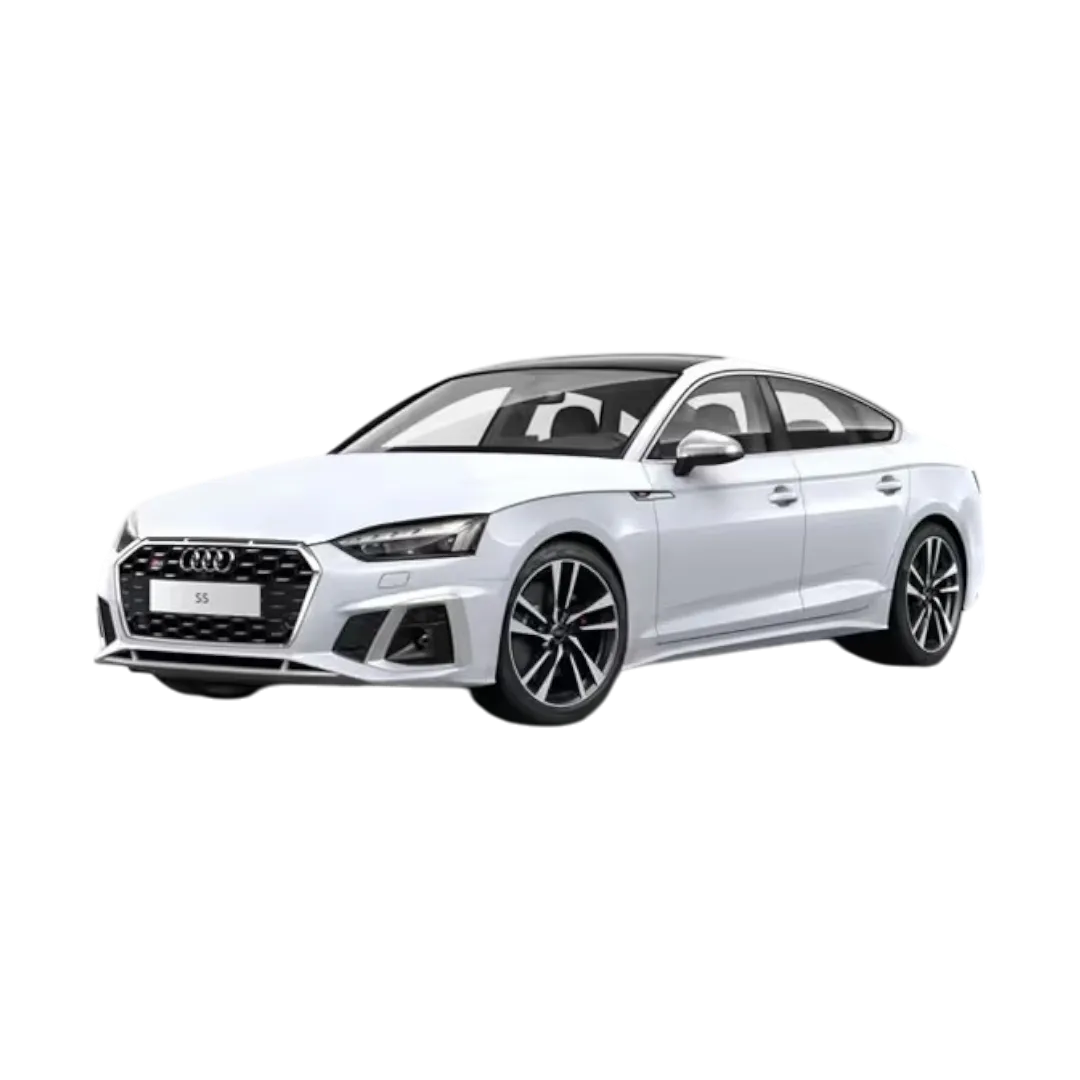 Audi S5 Sportback
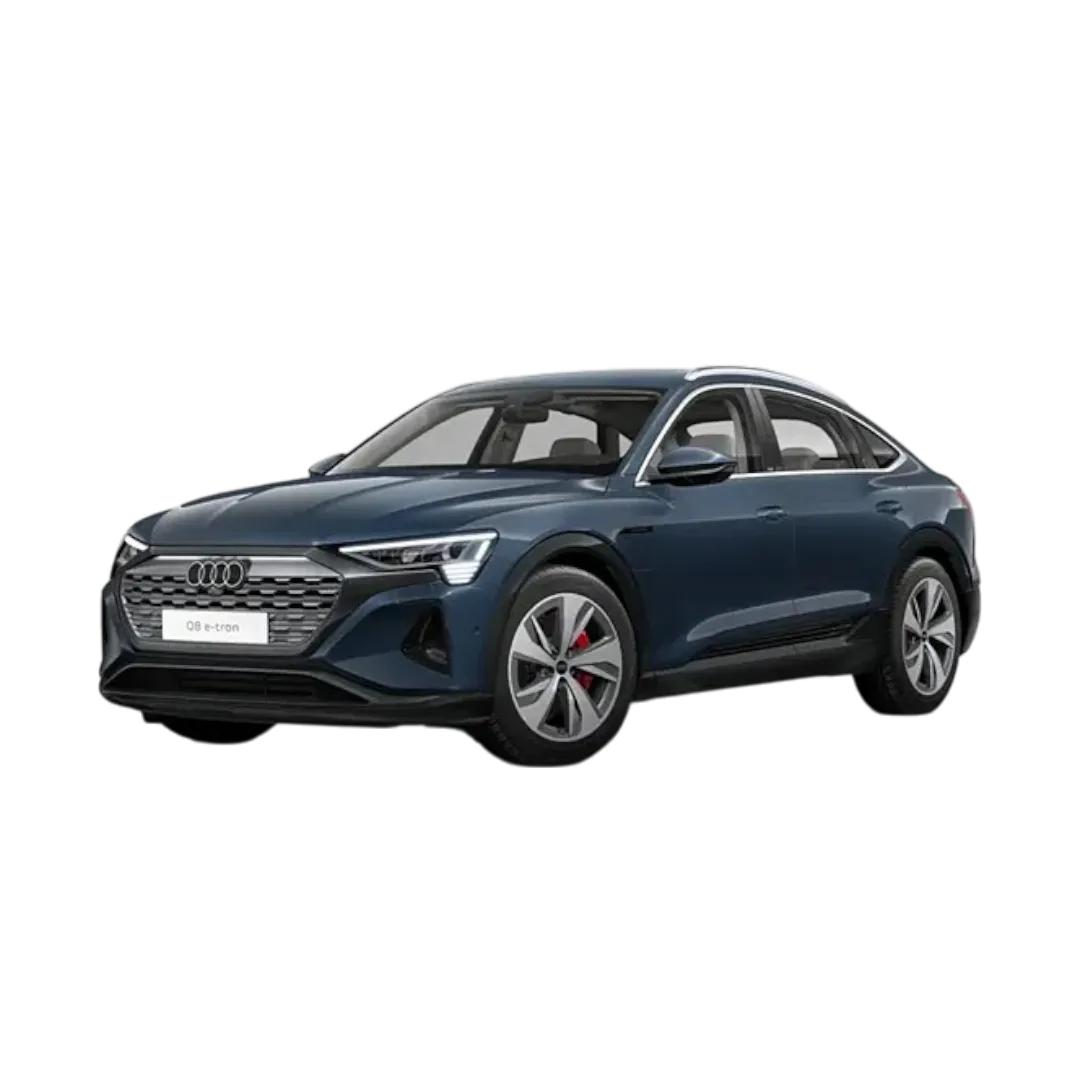 Q8 E-Tron
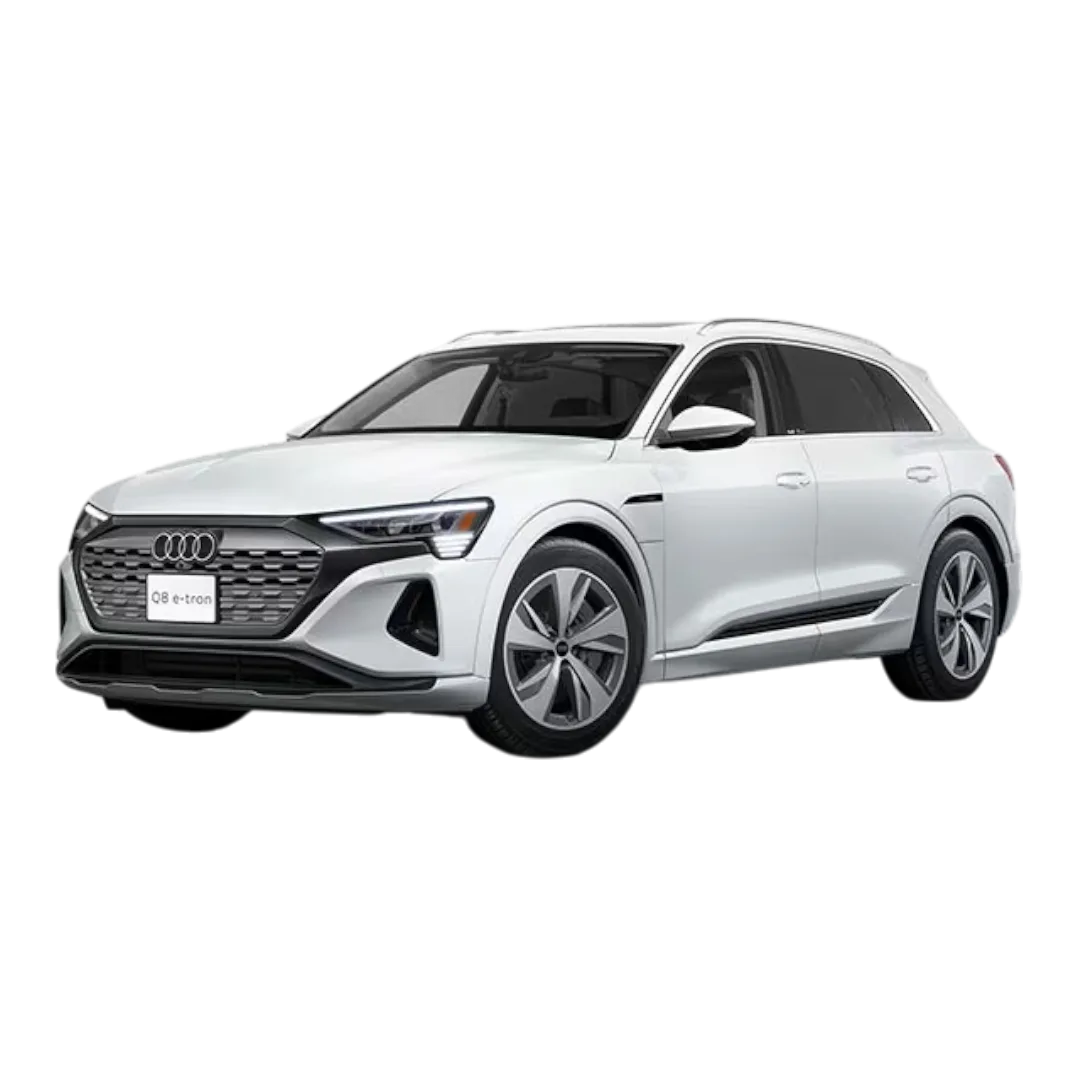 Q8 E-Tron Sportback
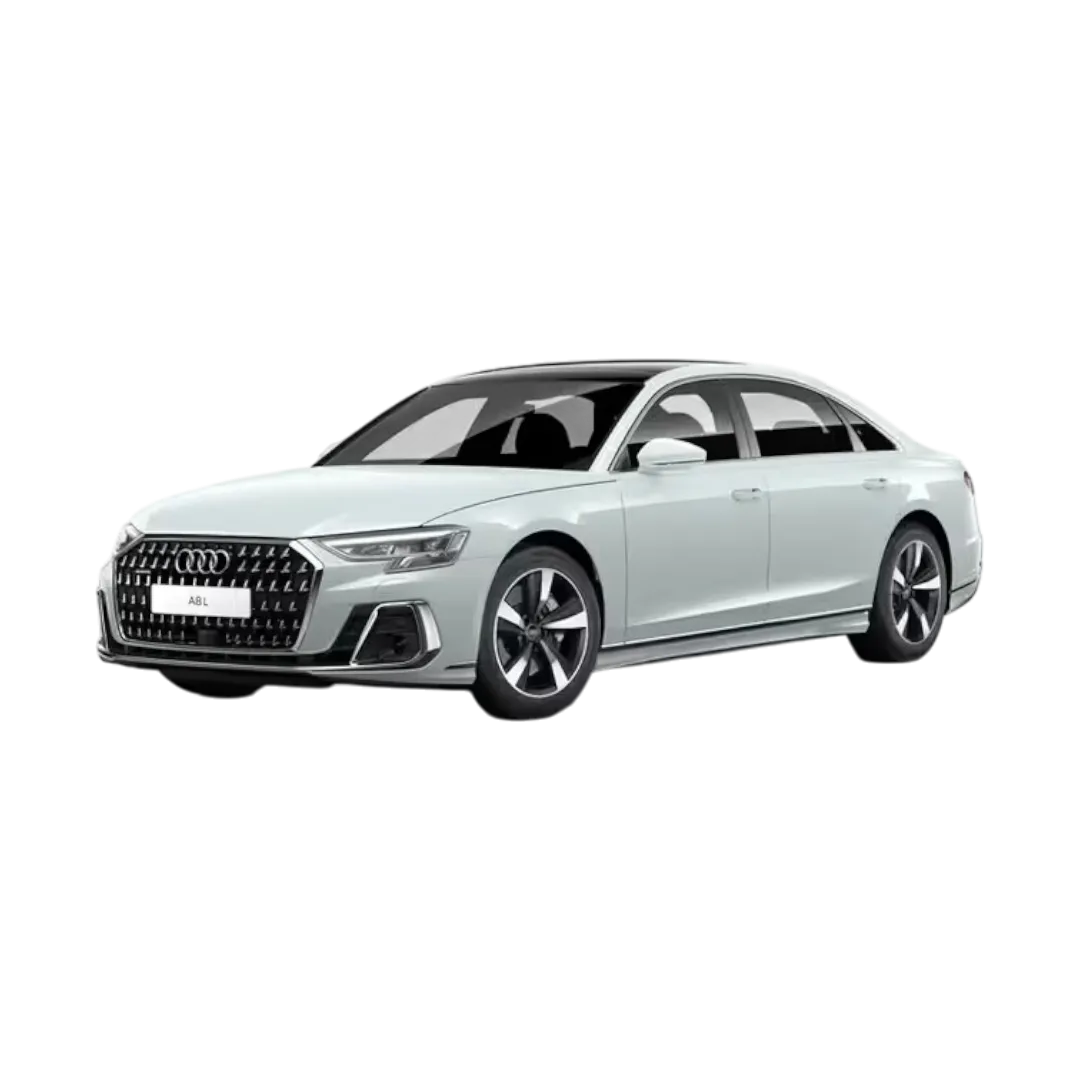 Audi A8L
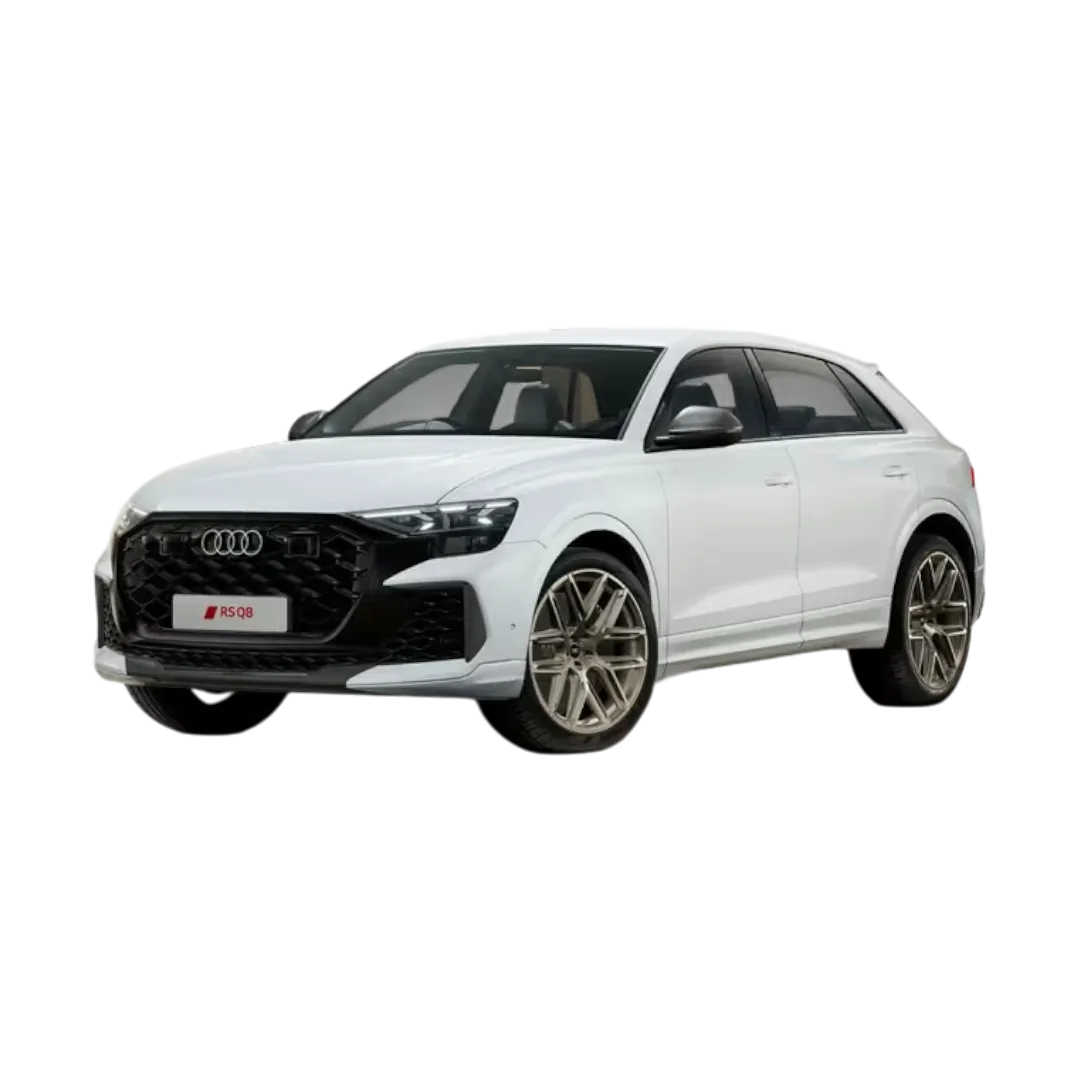 Audi RS Q8
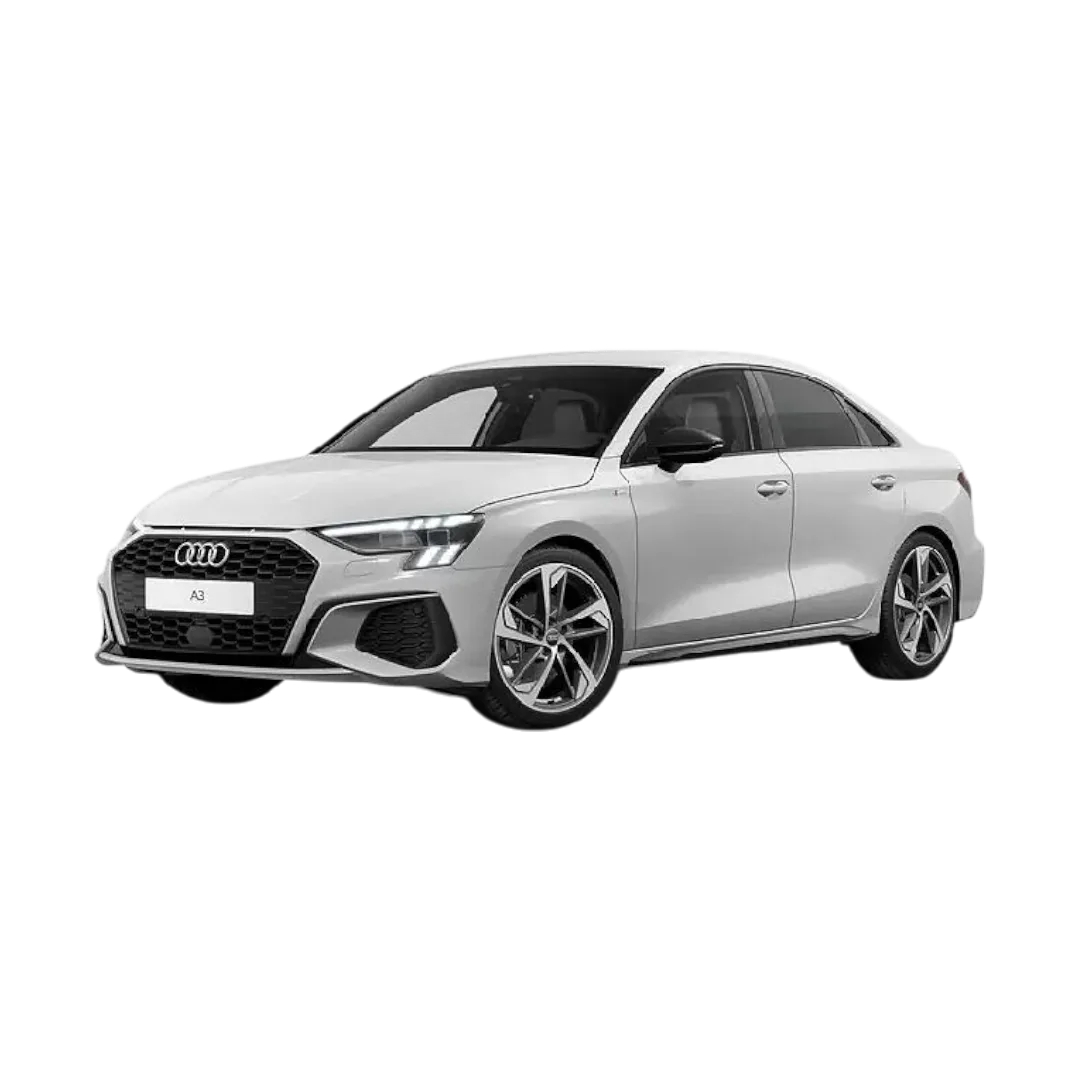 Audi A3
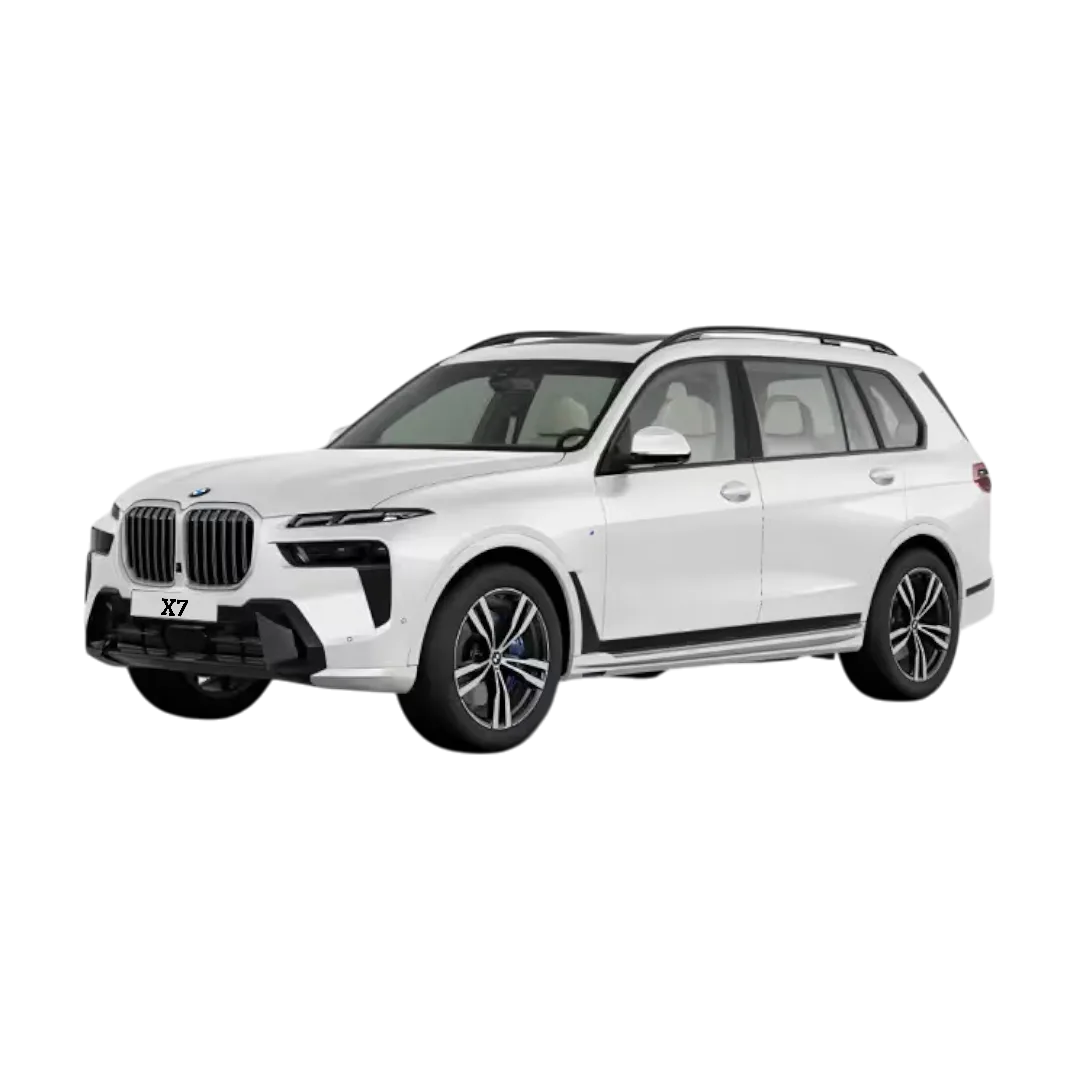 BMW X7
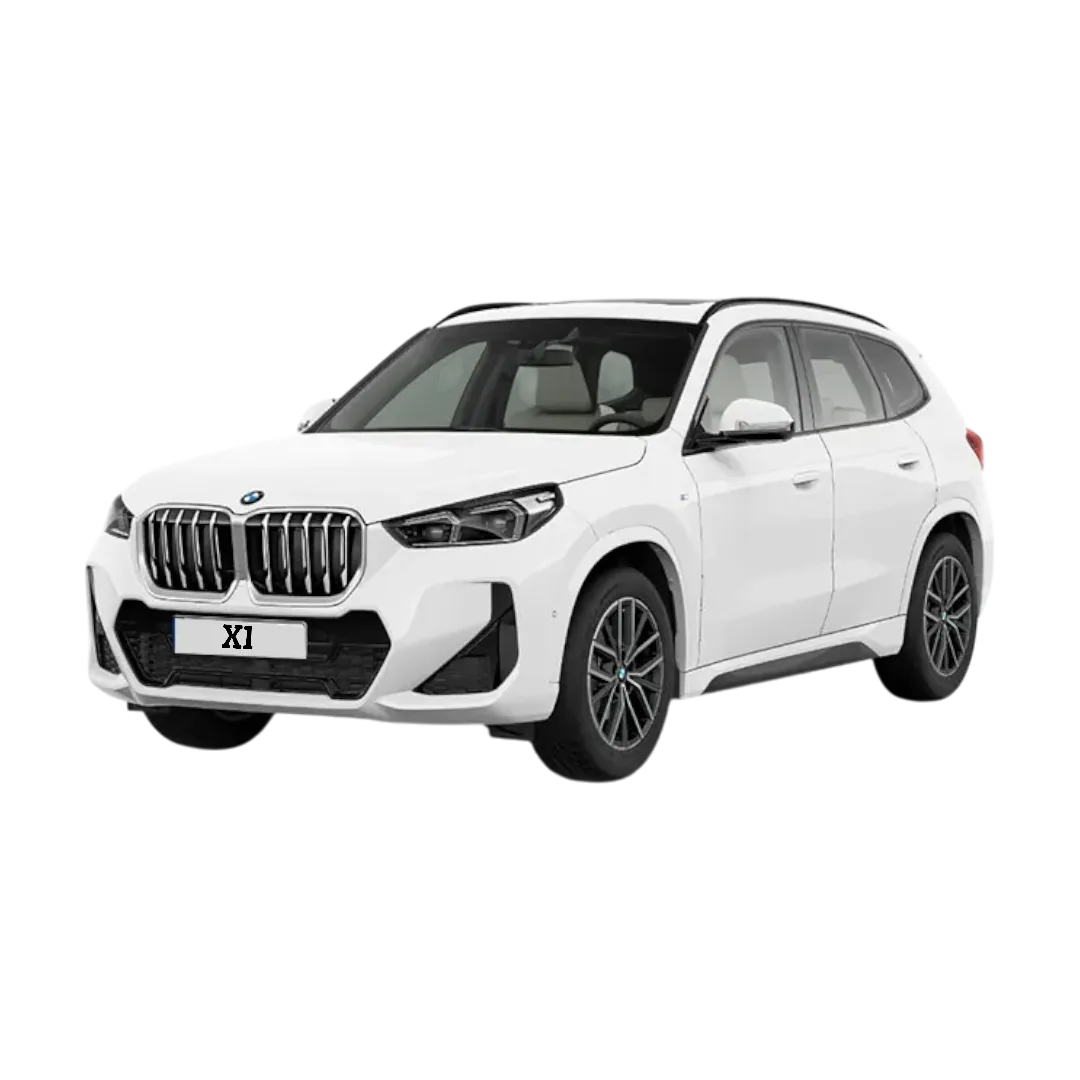 BMW X1
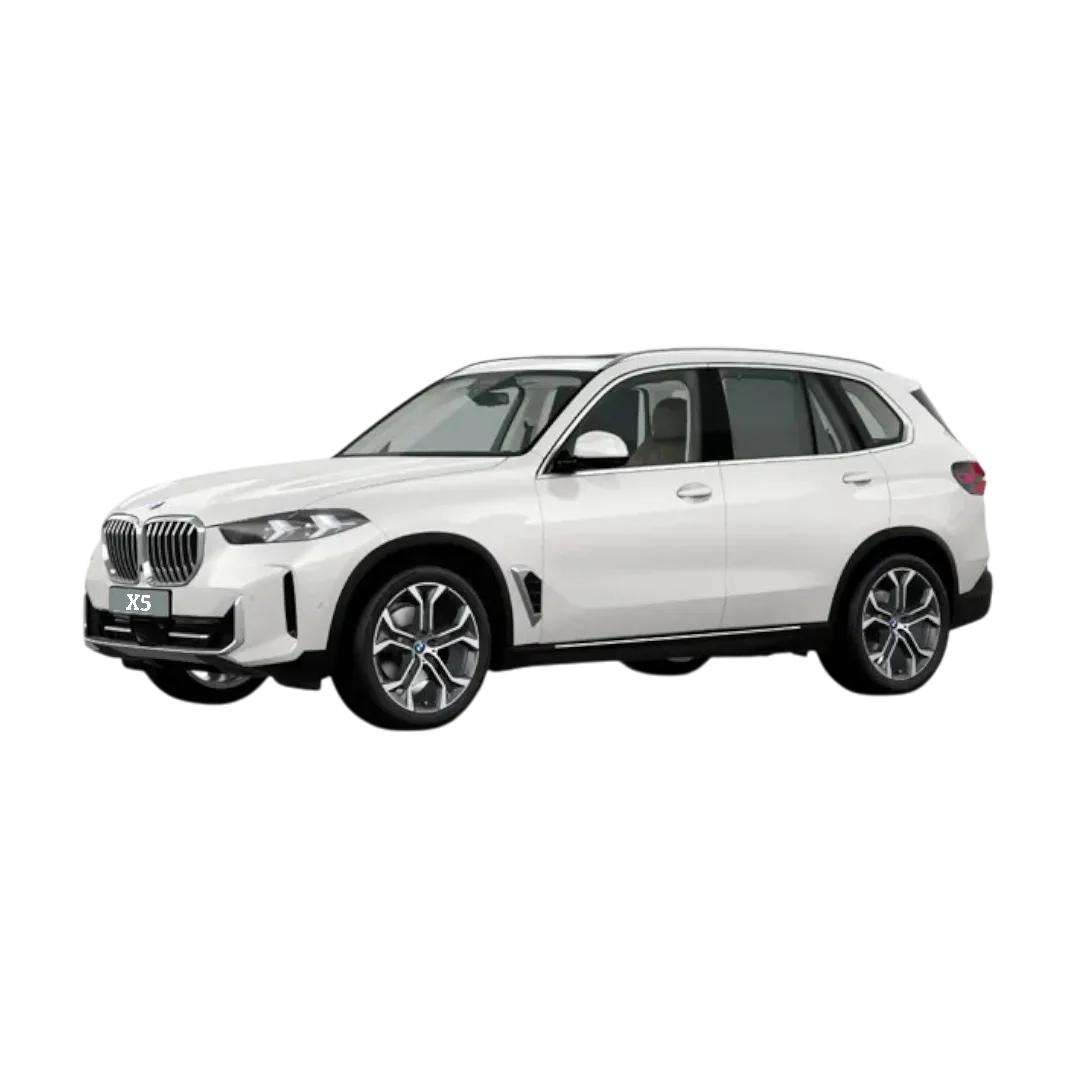 BMW X5
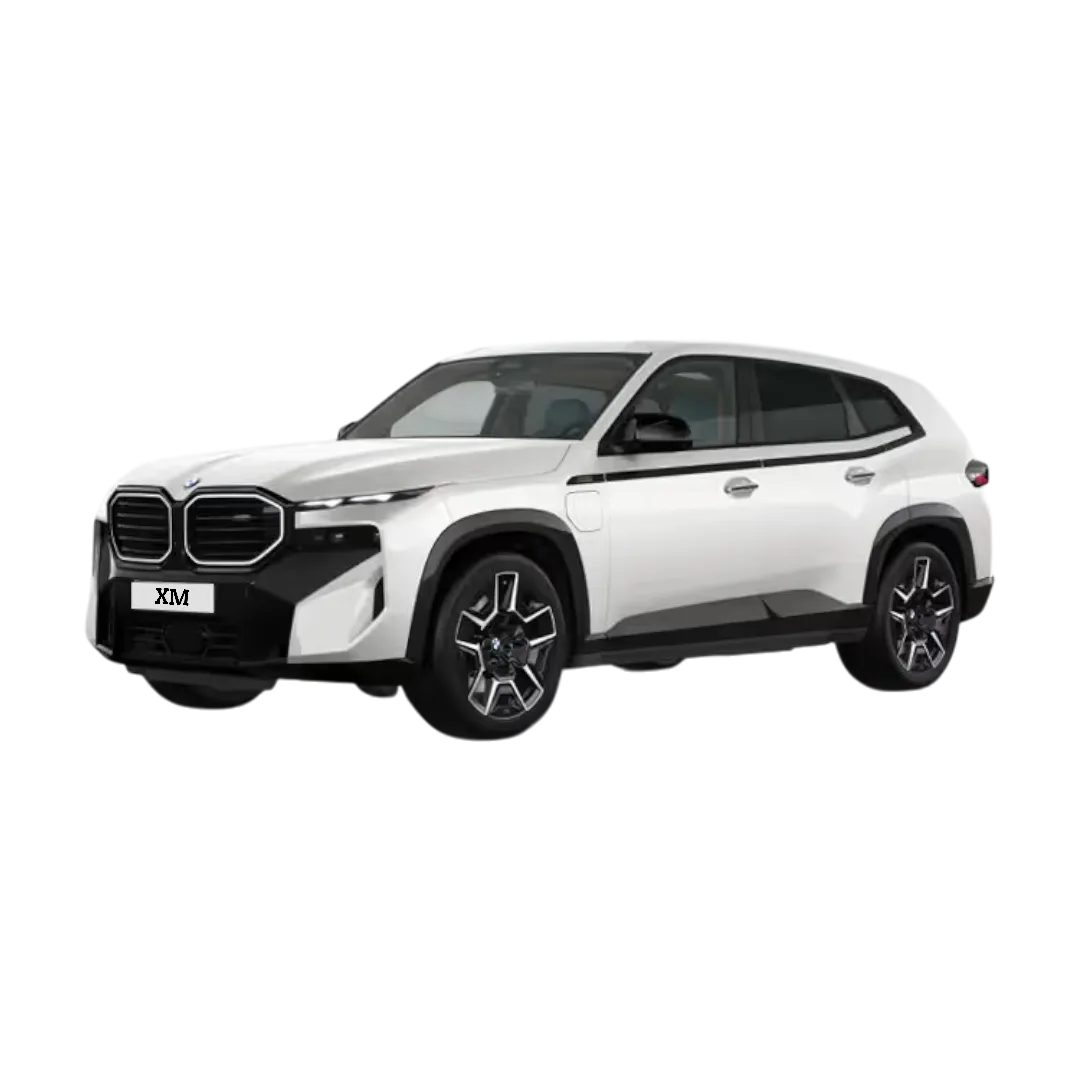 BMW XM
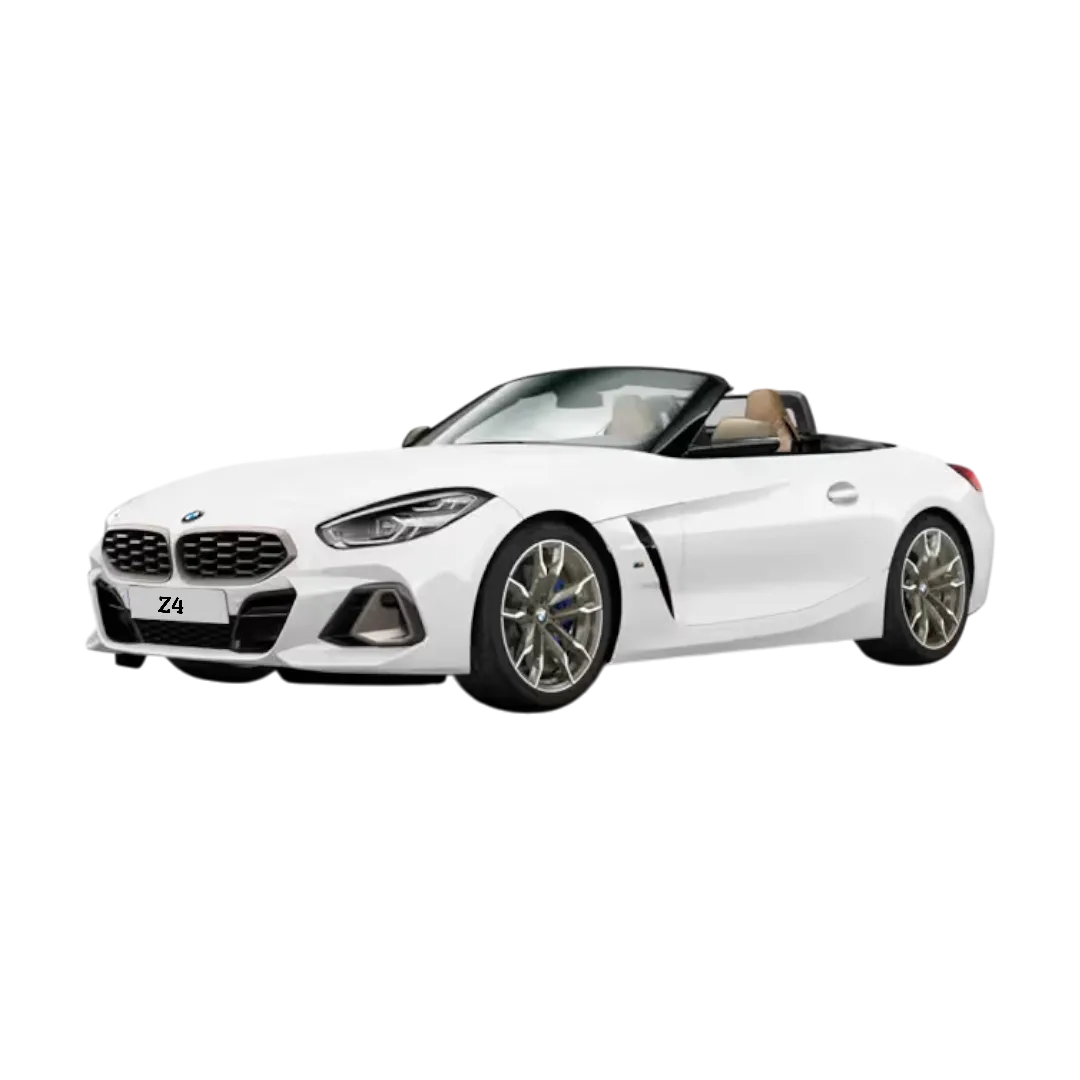 BMW Z4
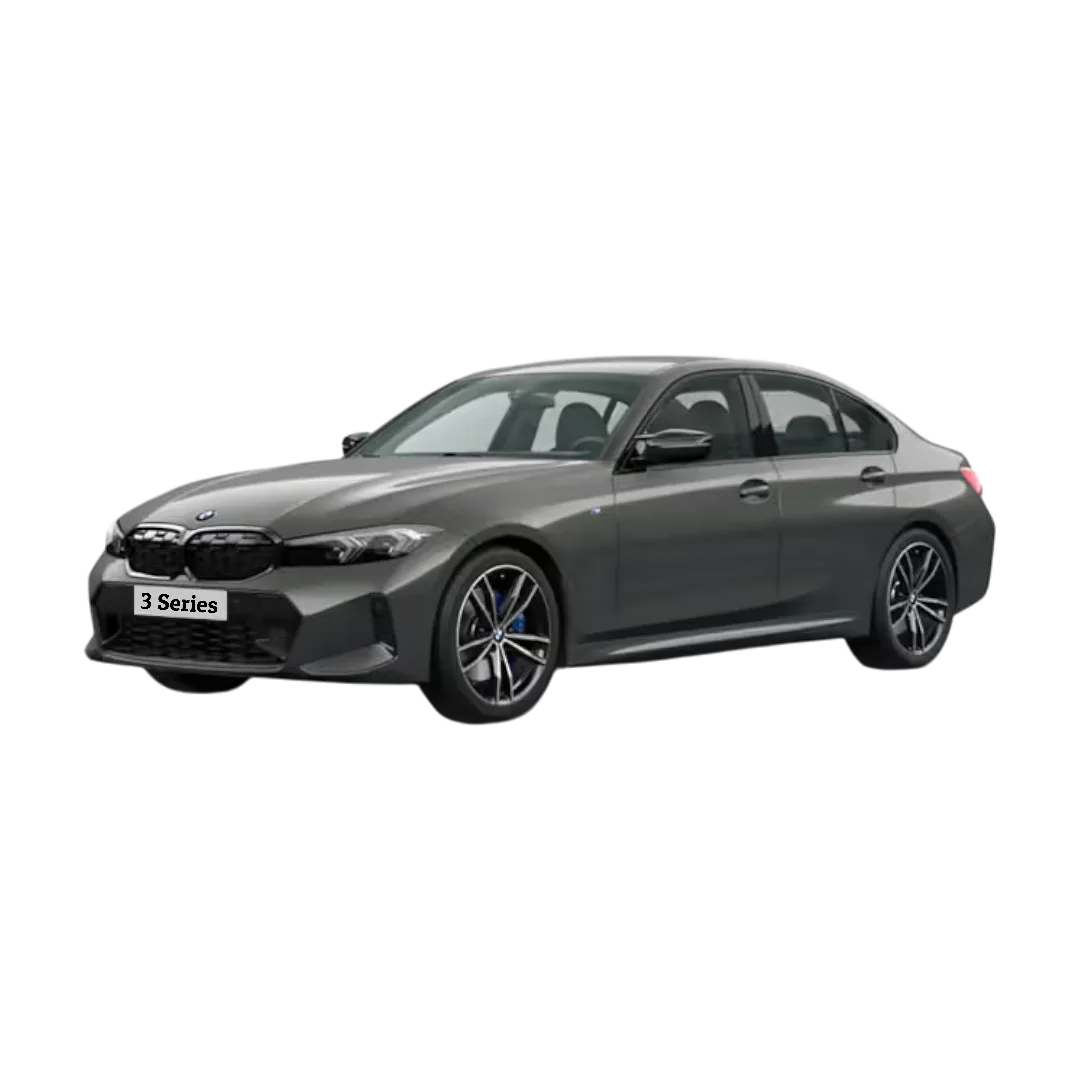 3 Series
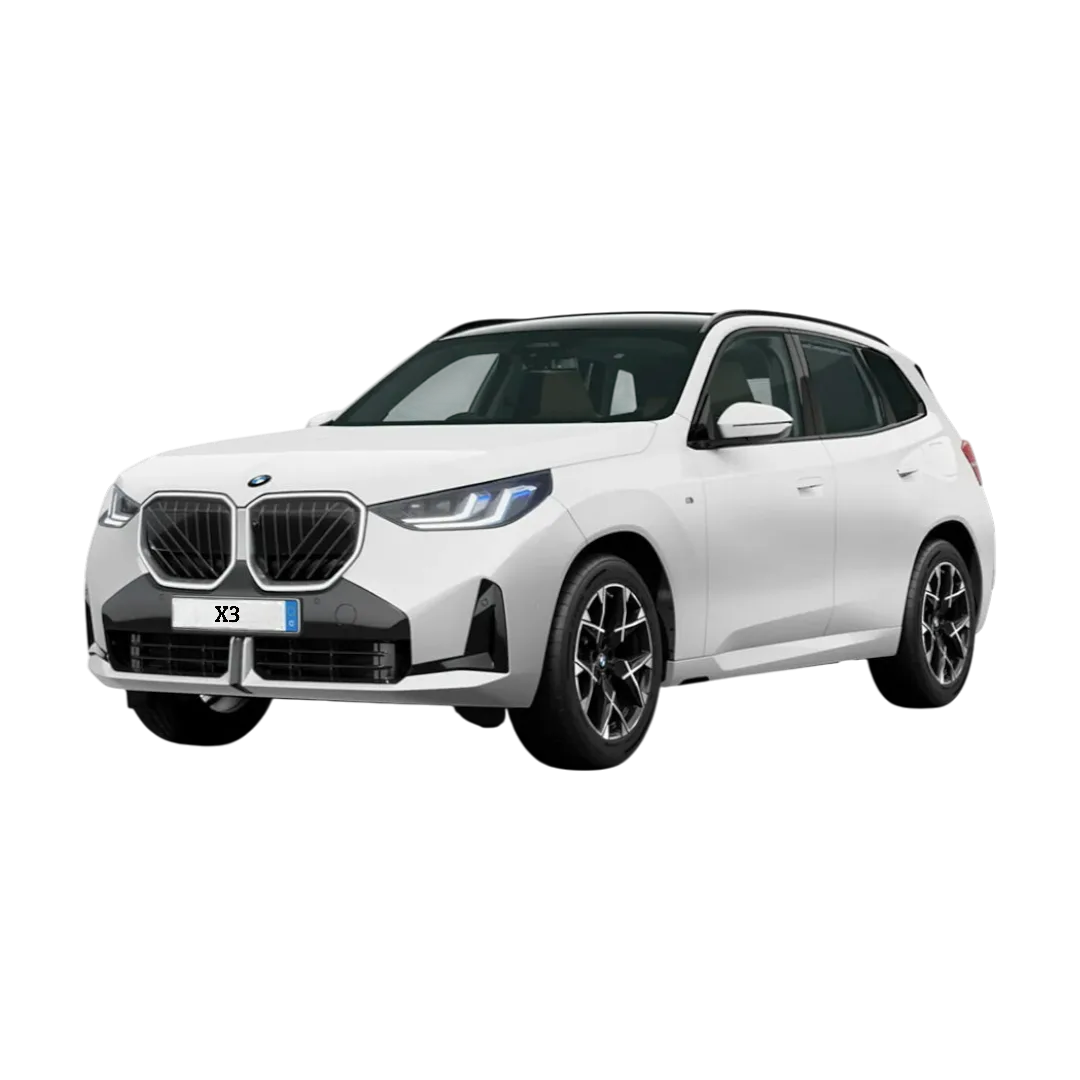 BMW X3
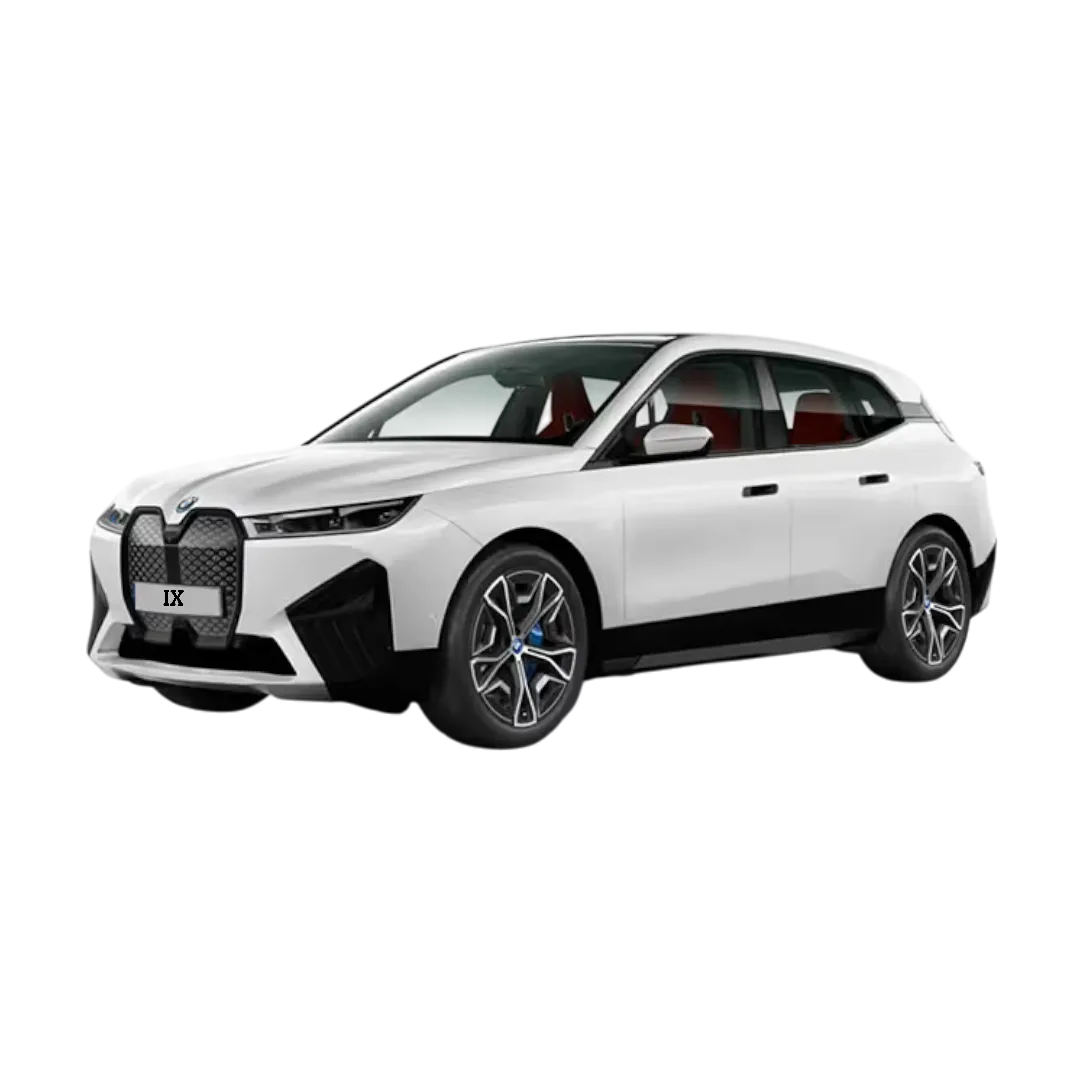 BMW iX
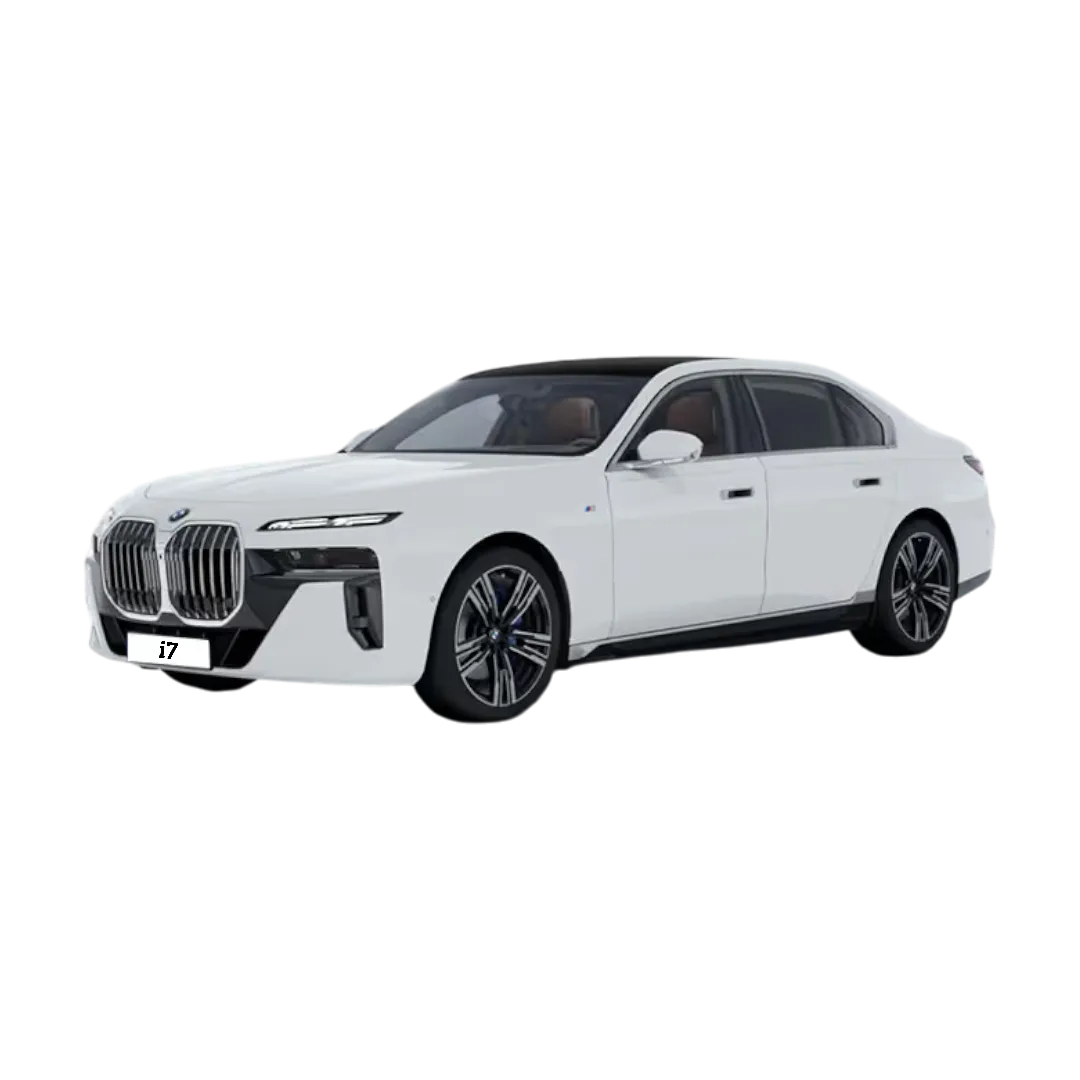 BMW i7
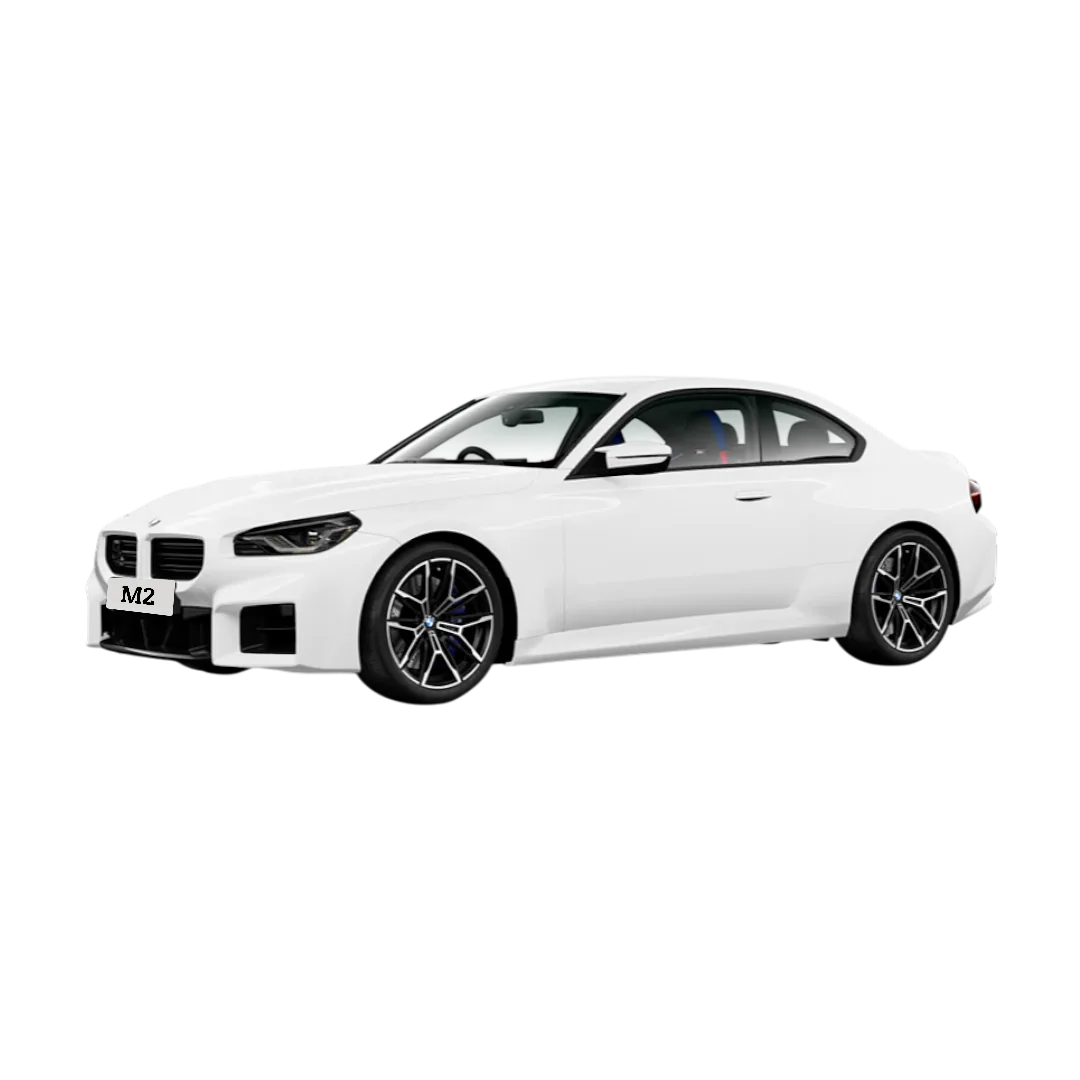 BMW M2
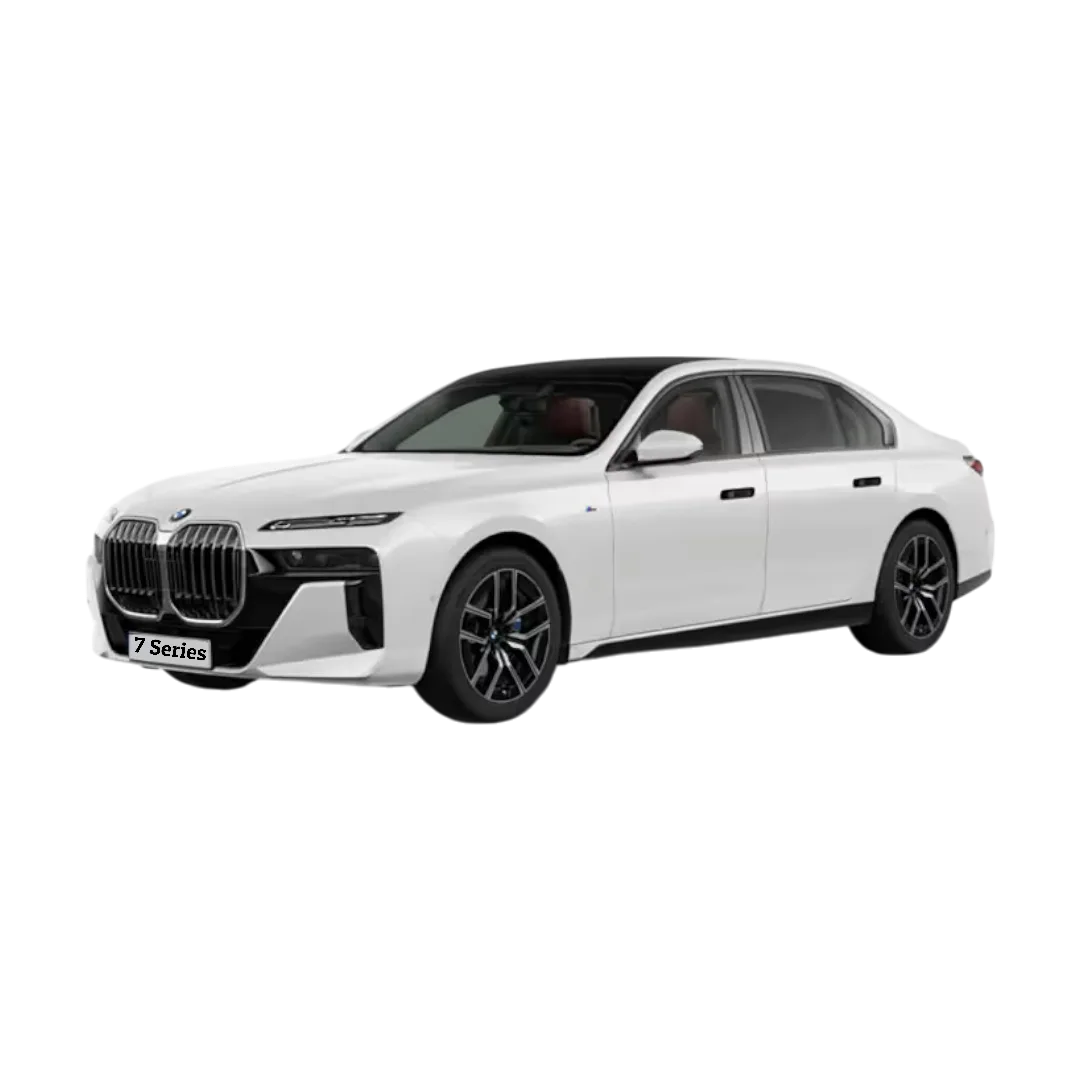 7 Series
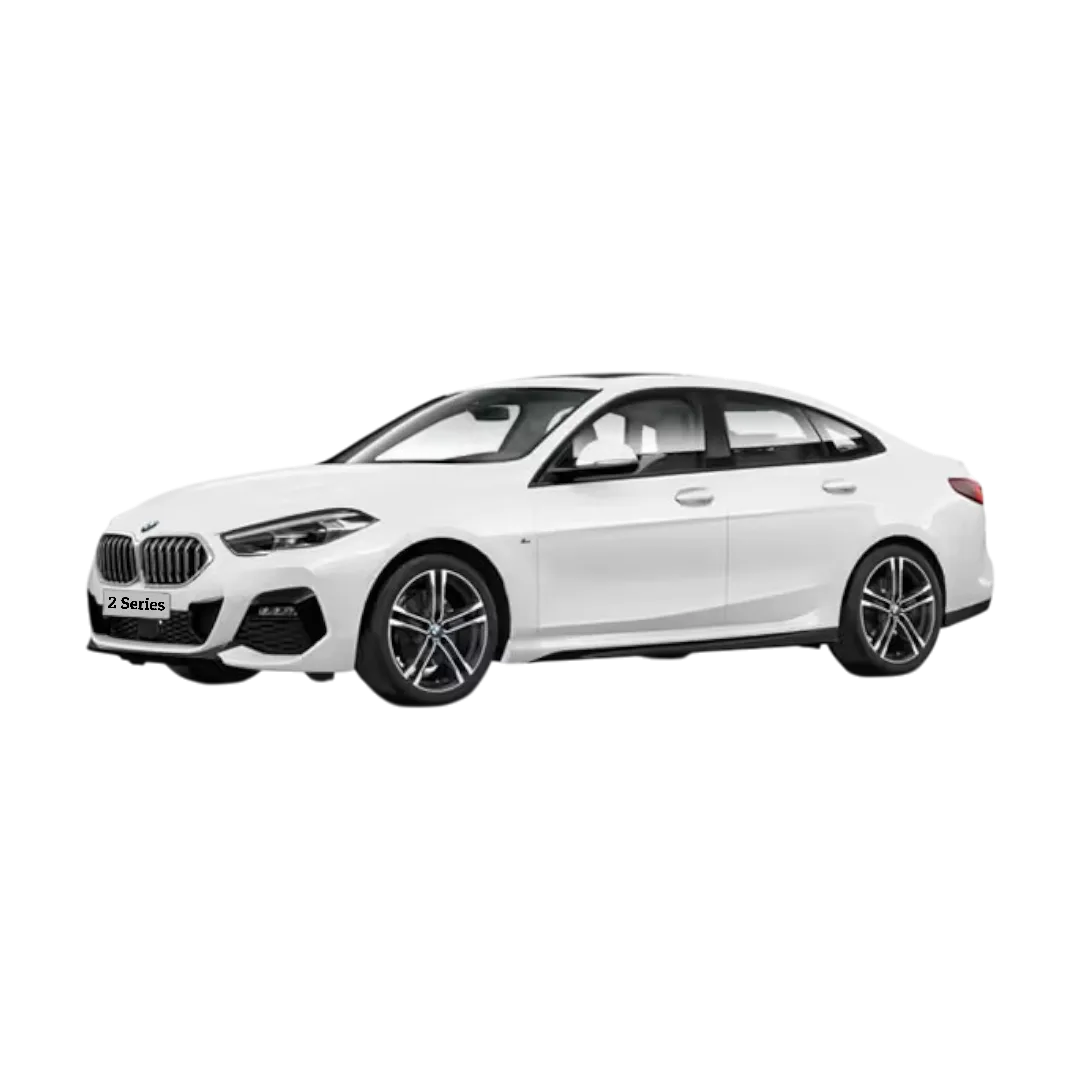 2 Series
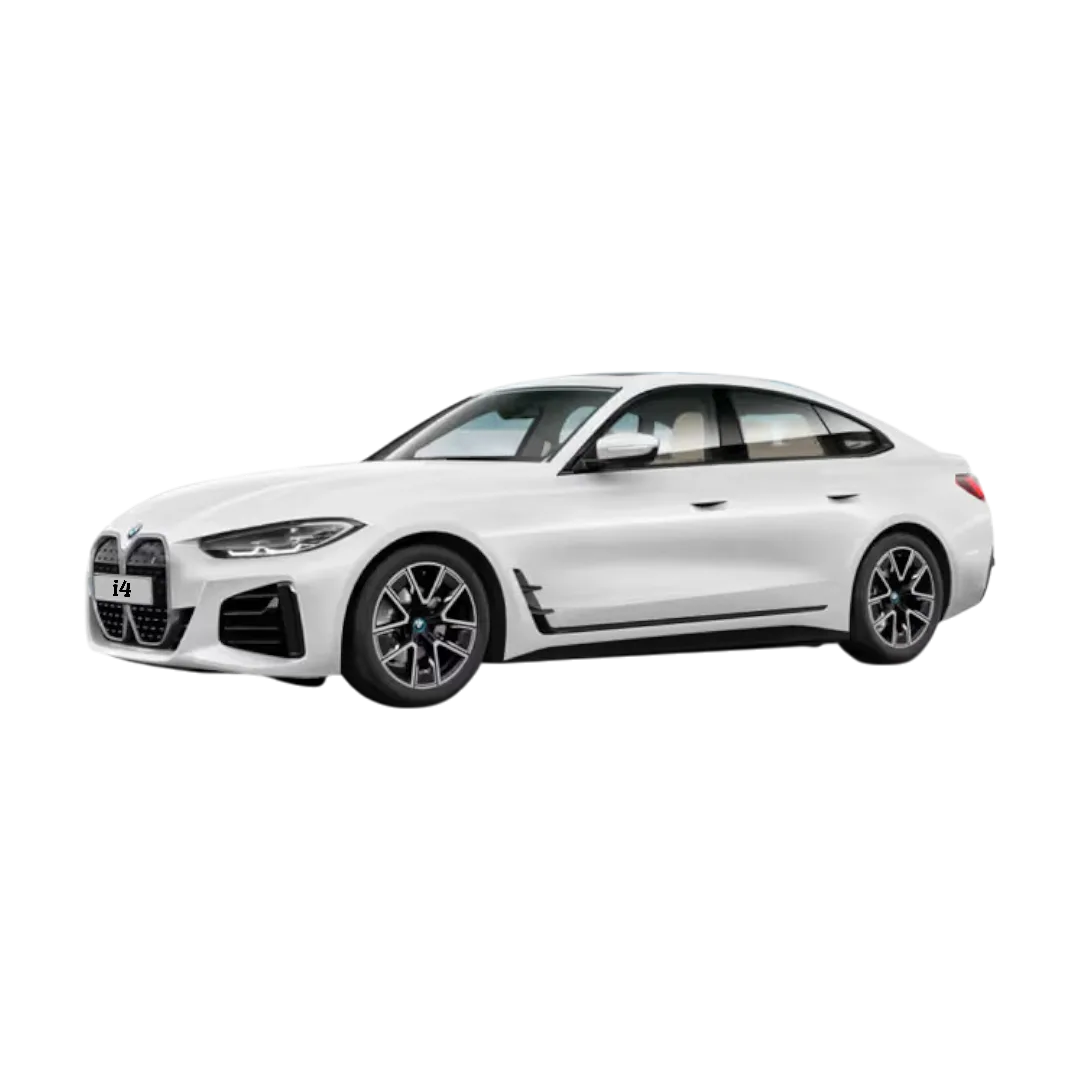 BMW i4
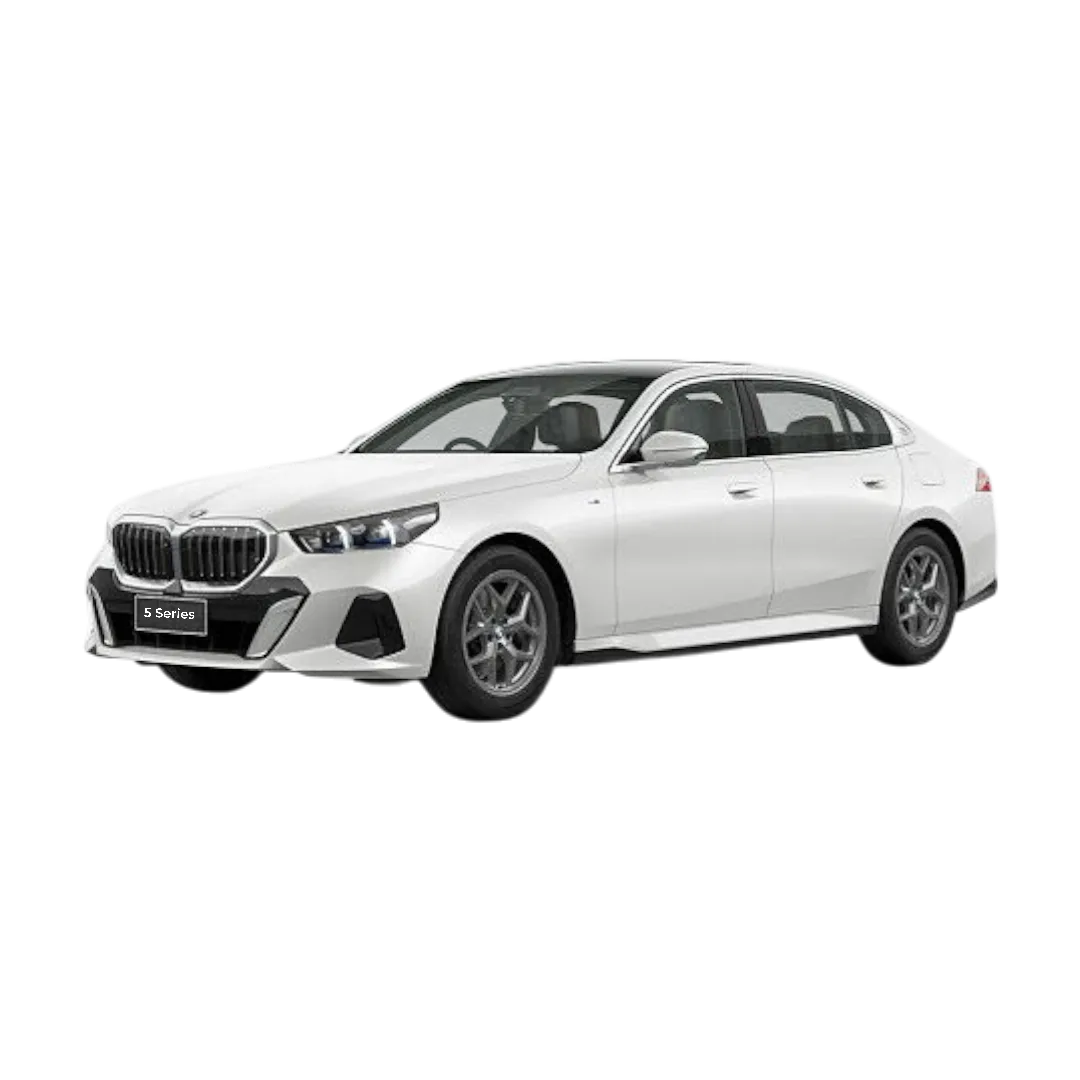 5 Series
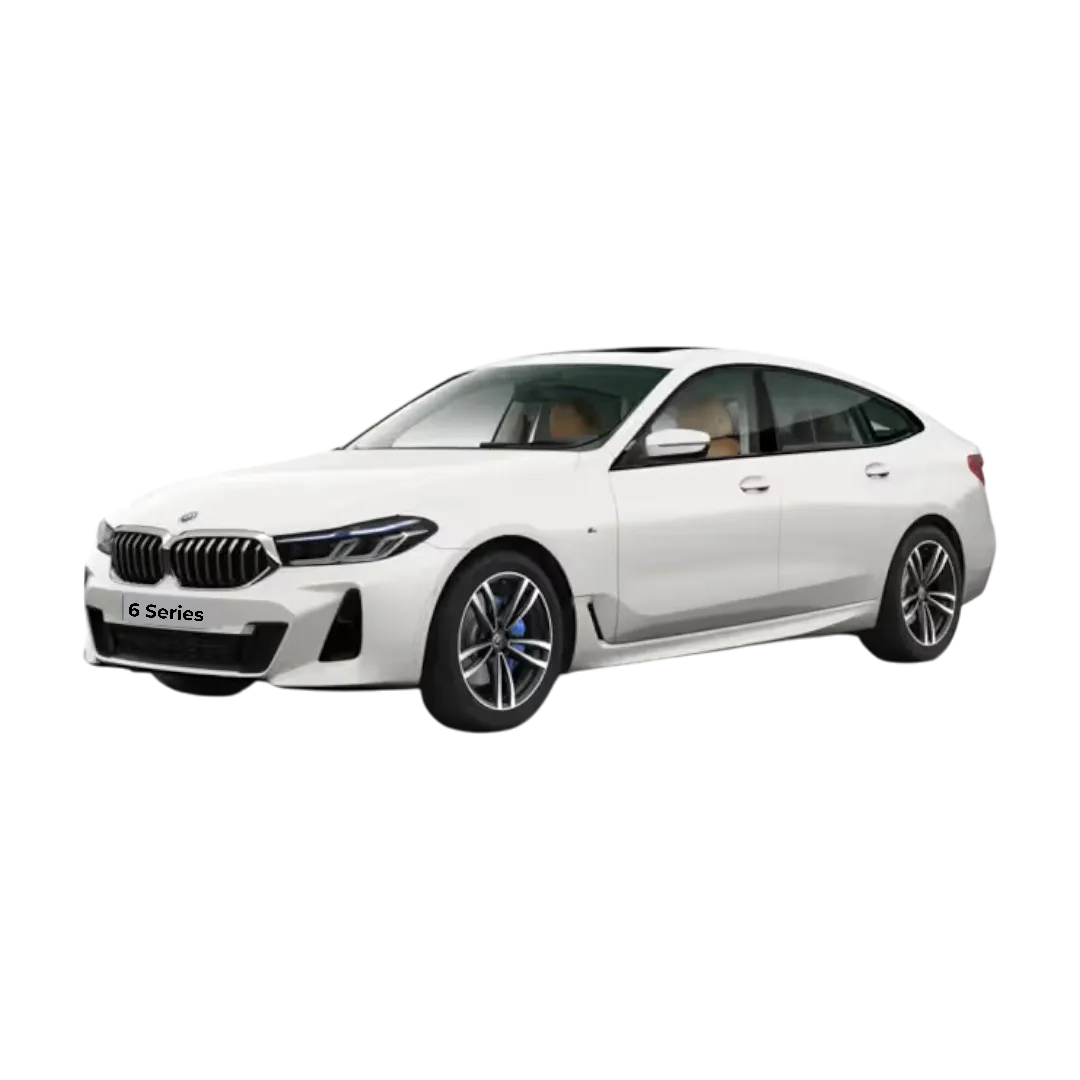 6 Series
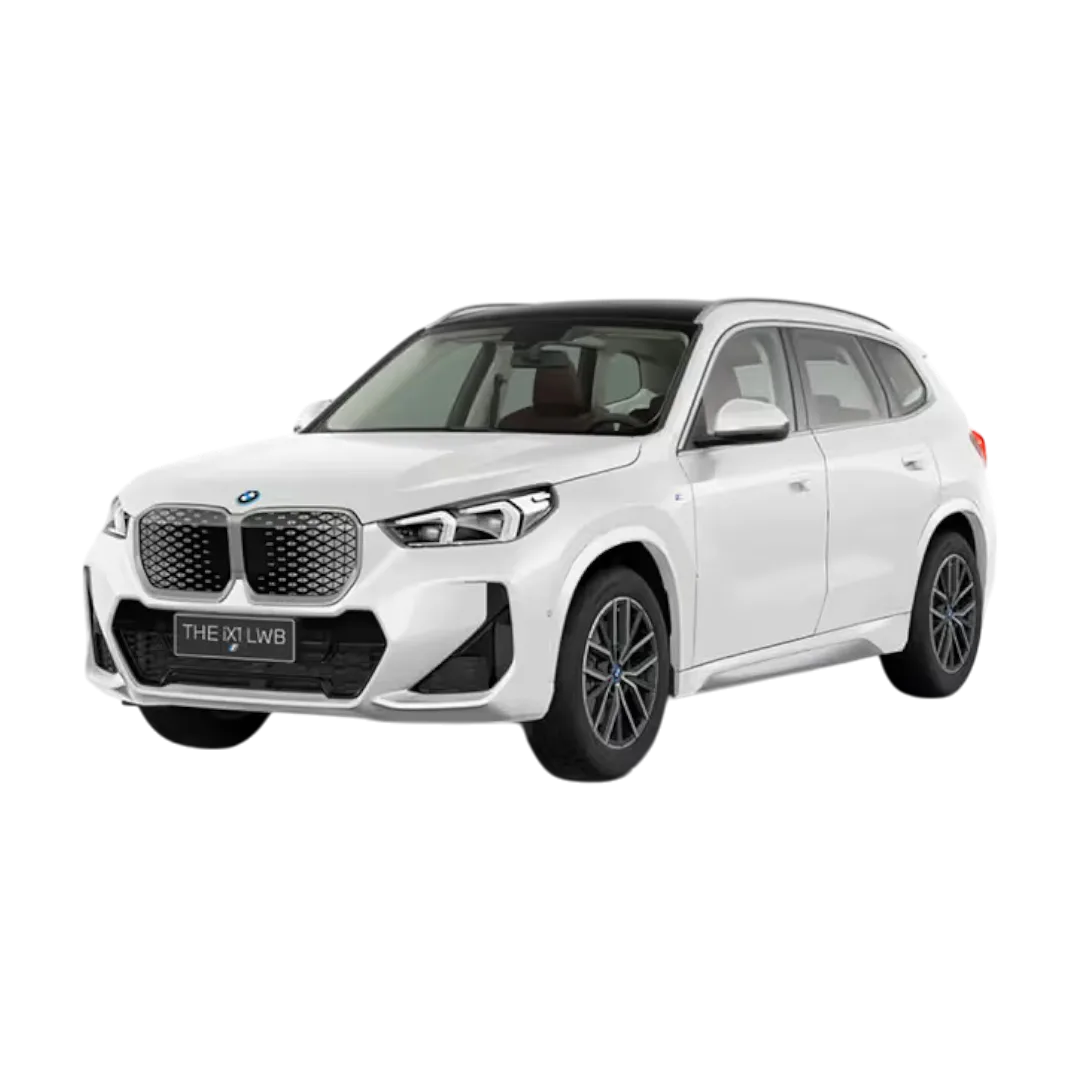 BMW ix1
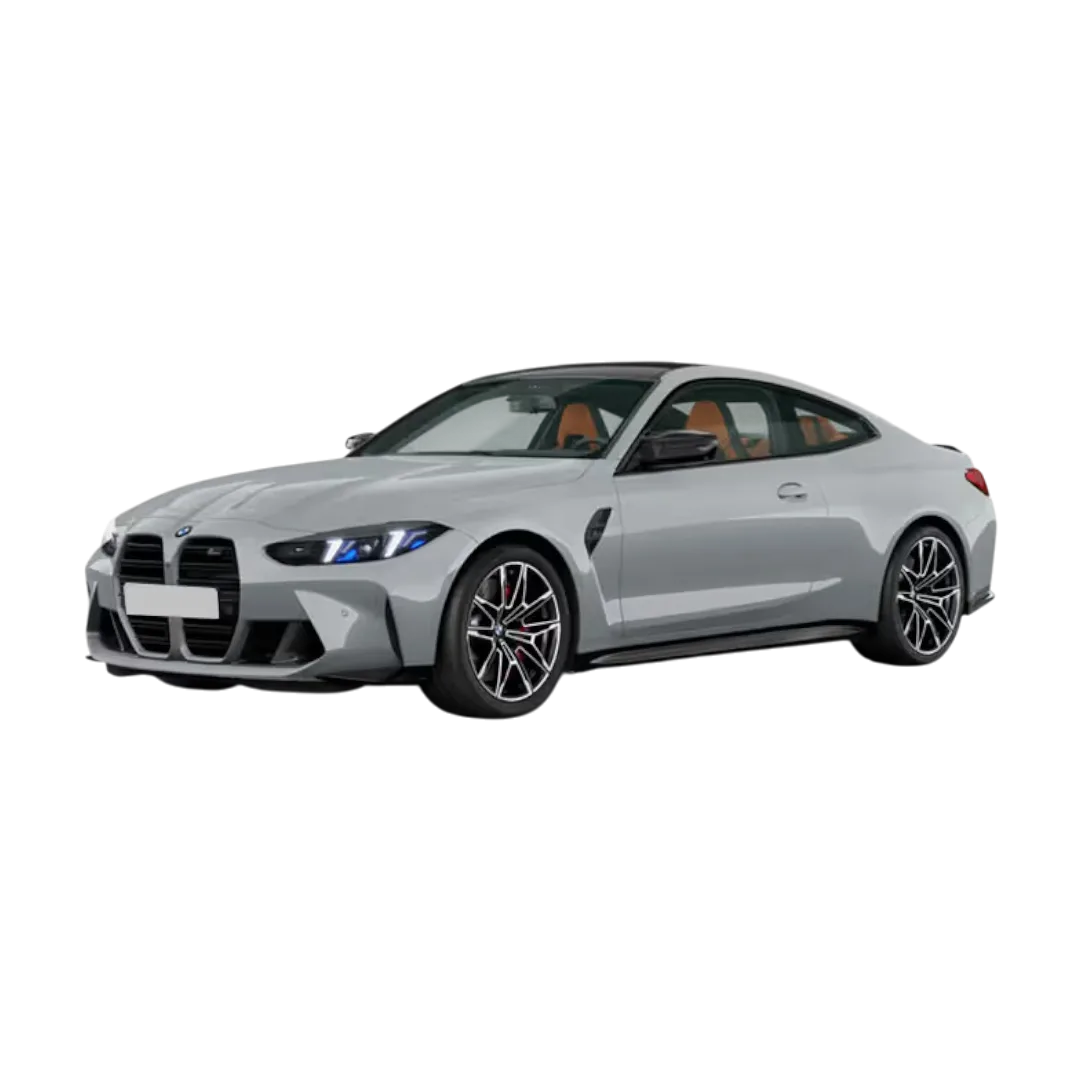 M4 Competition
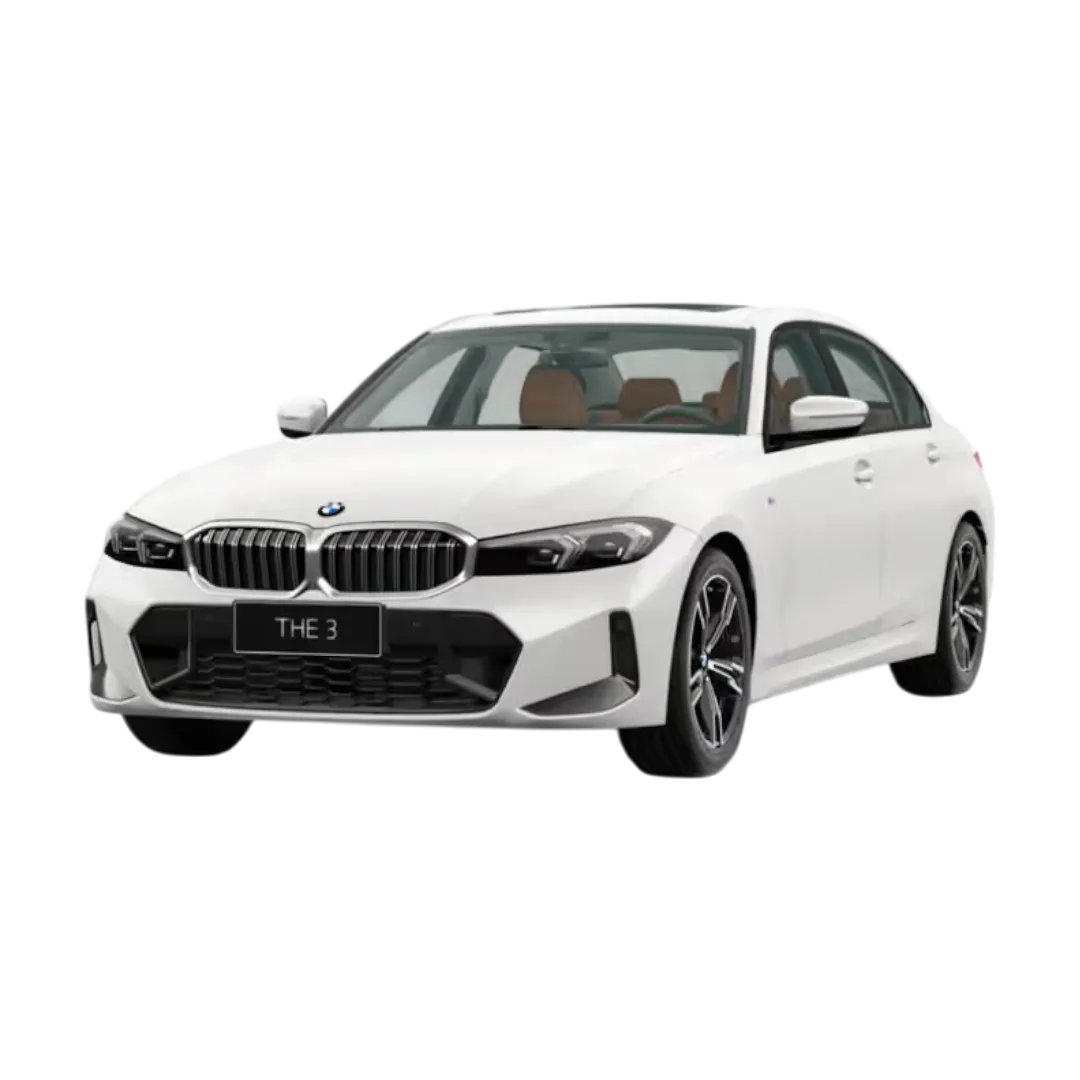 3 Series Gran Limousine
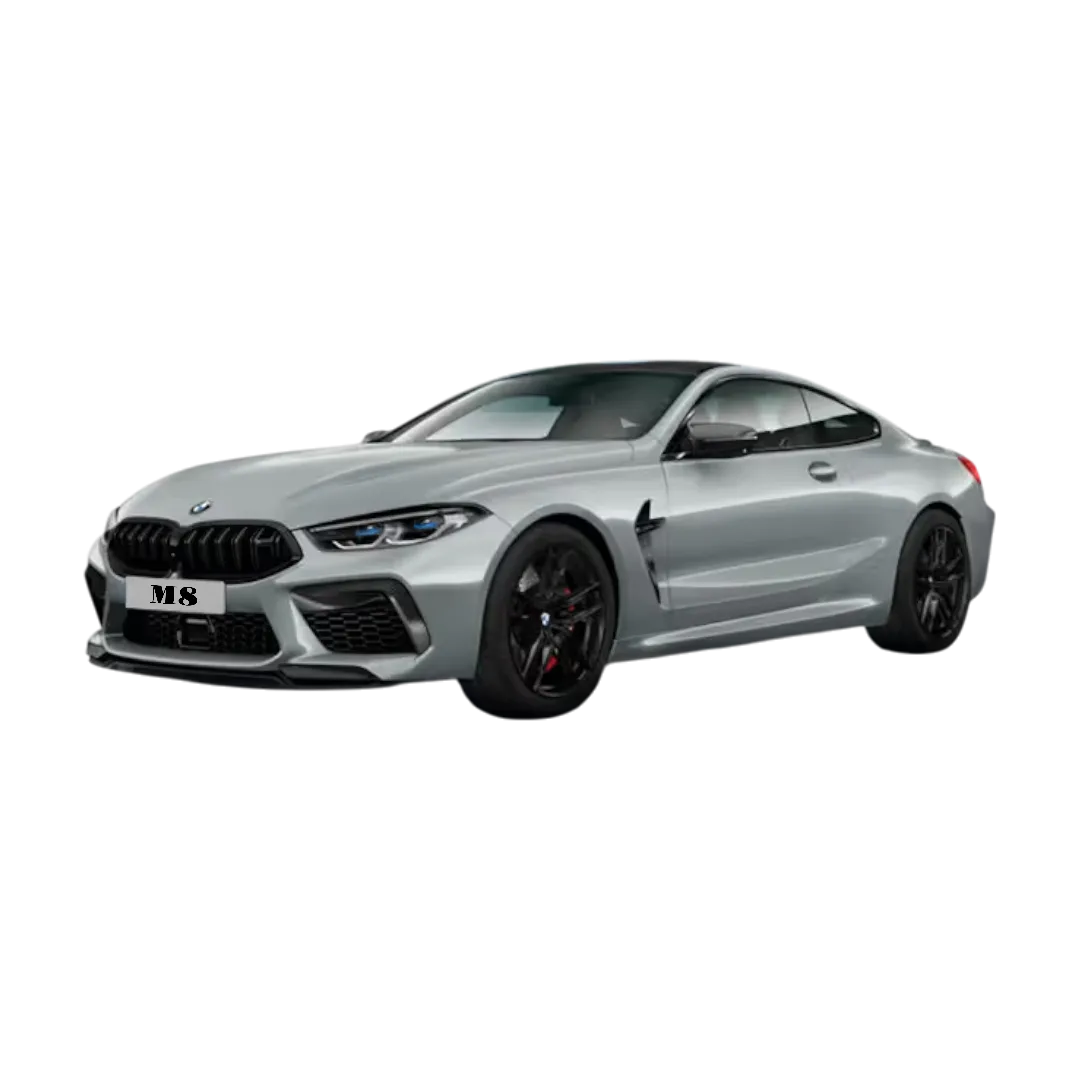 M8 Coupe
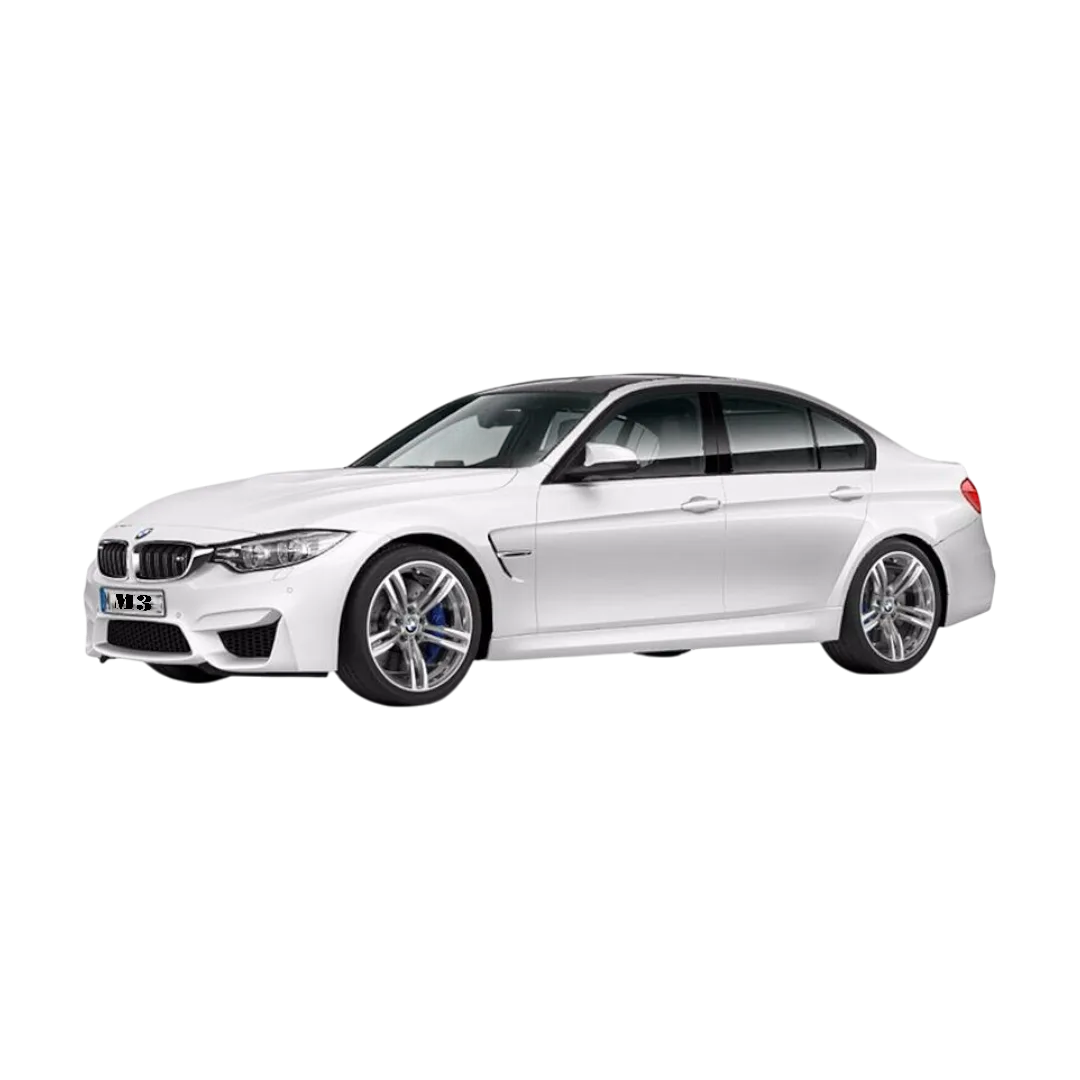 BMW M3
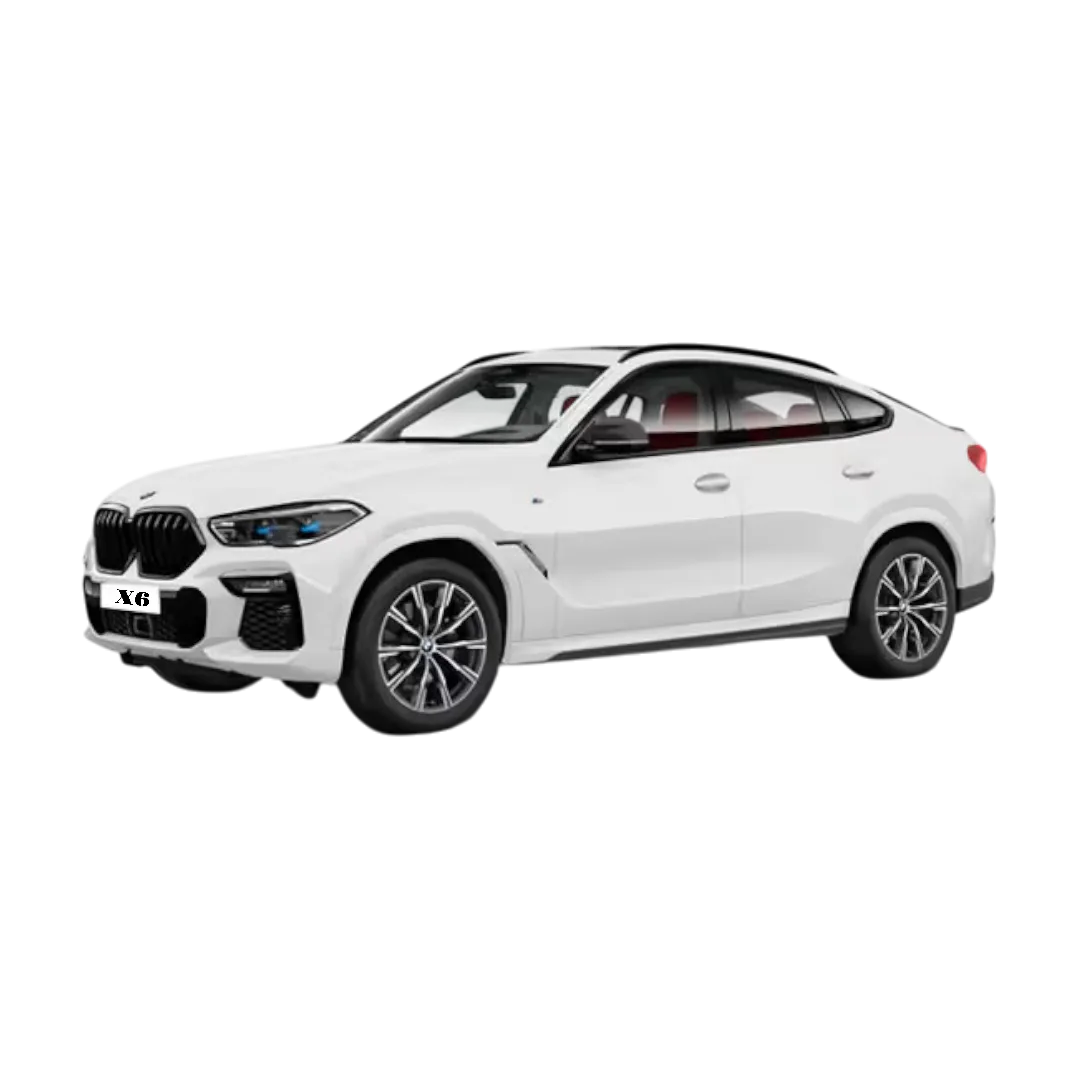 BMW X6
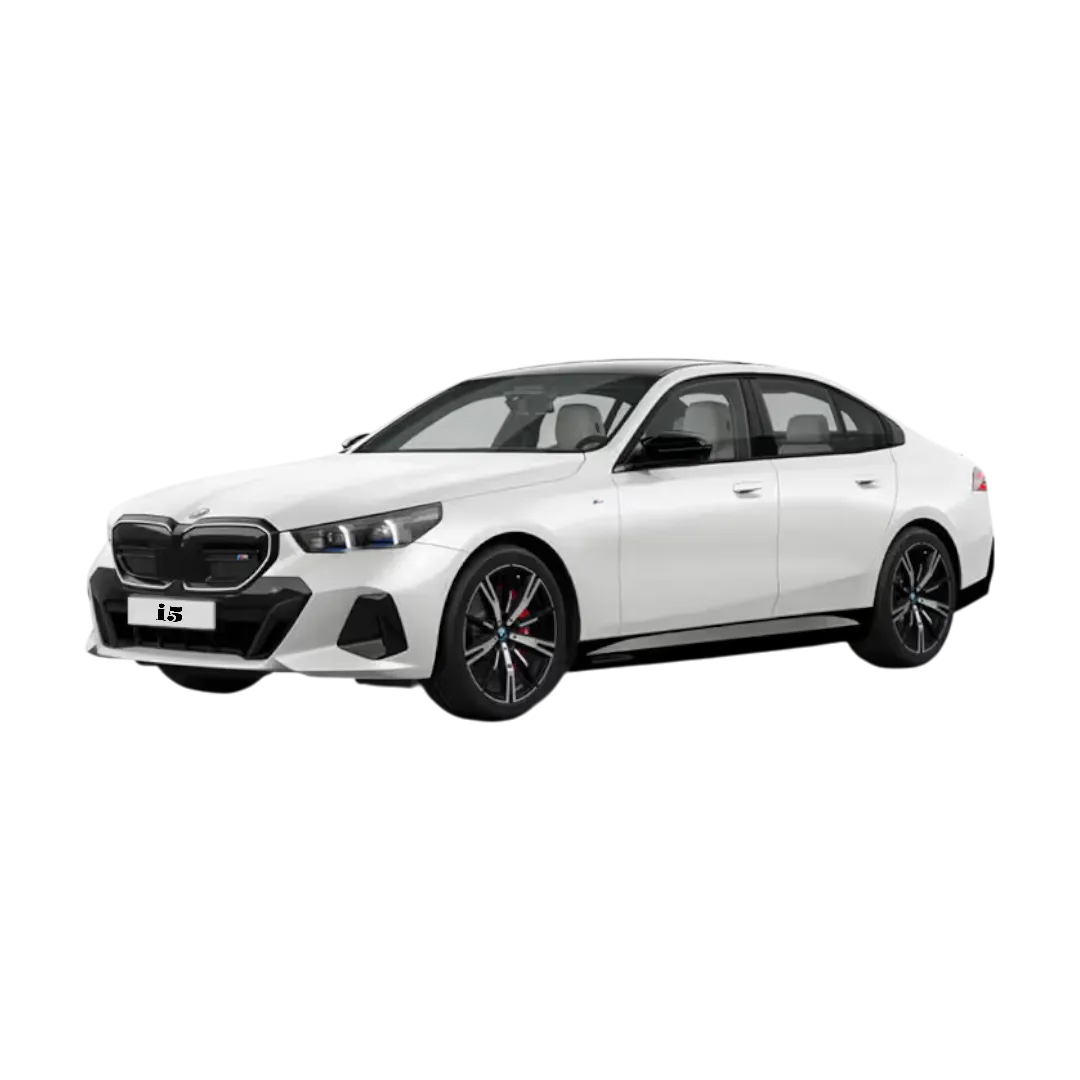 BMW i5
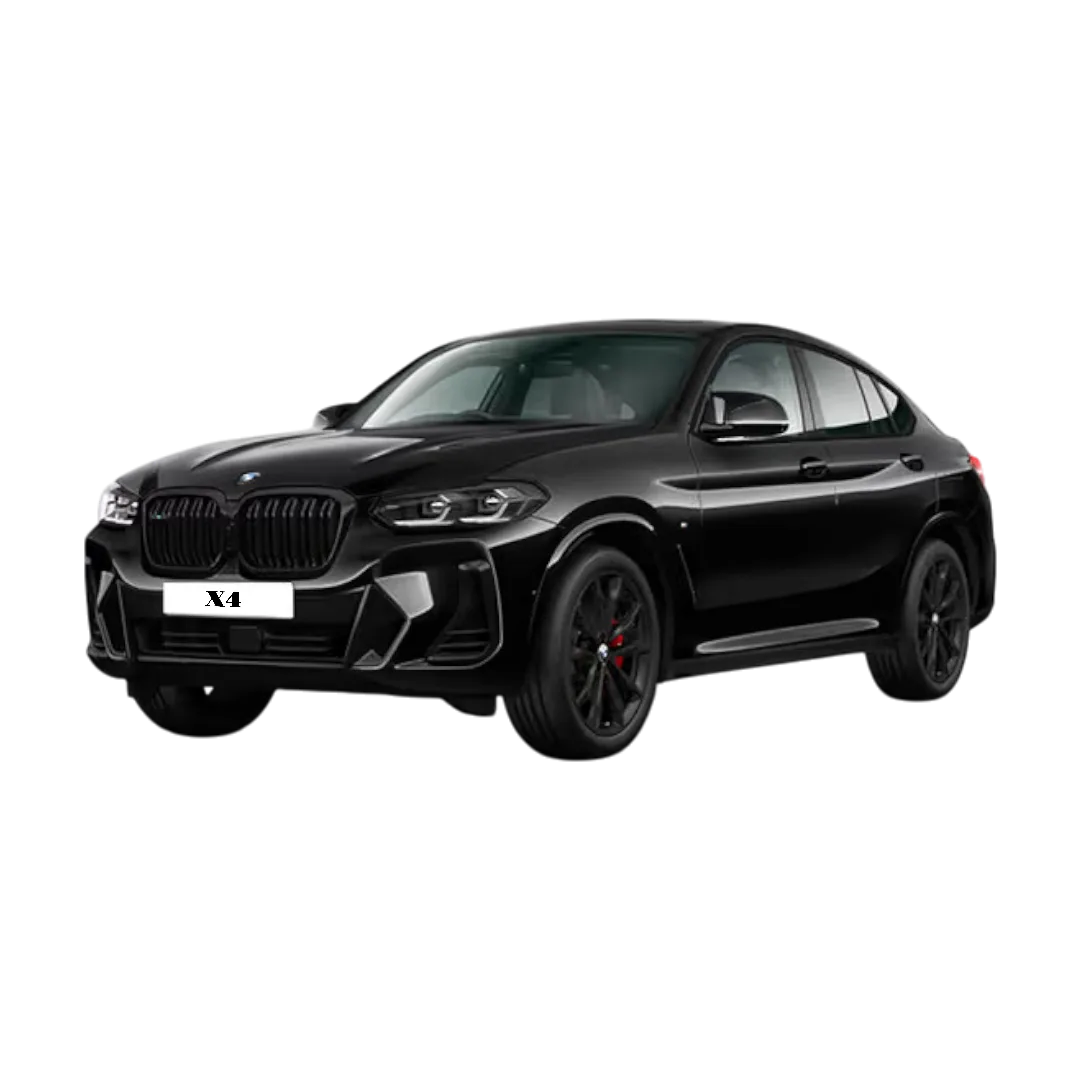 BMW X4
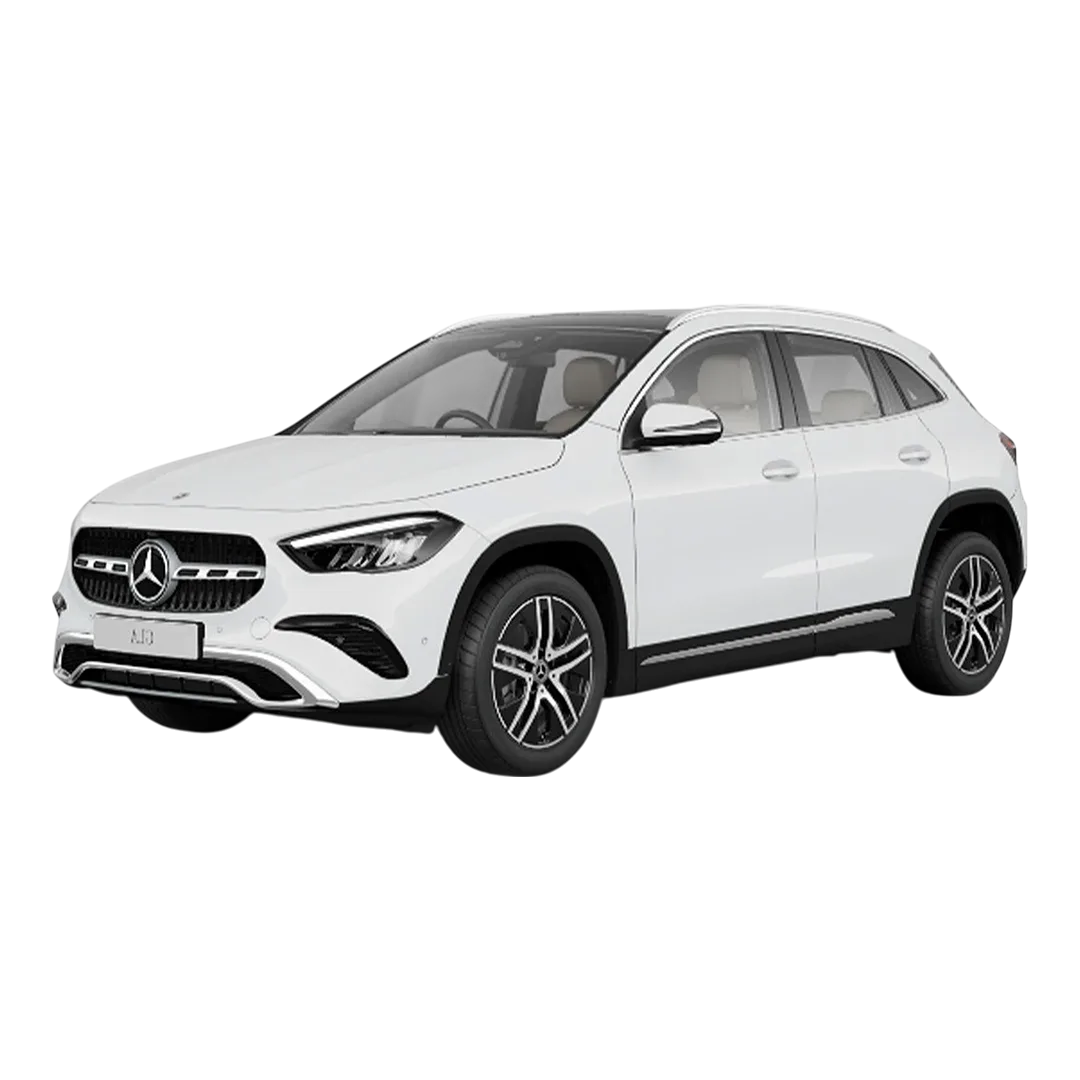 Mercedes Benz GLA
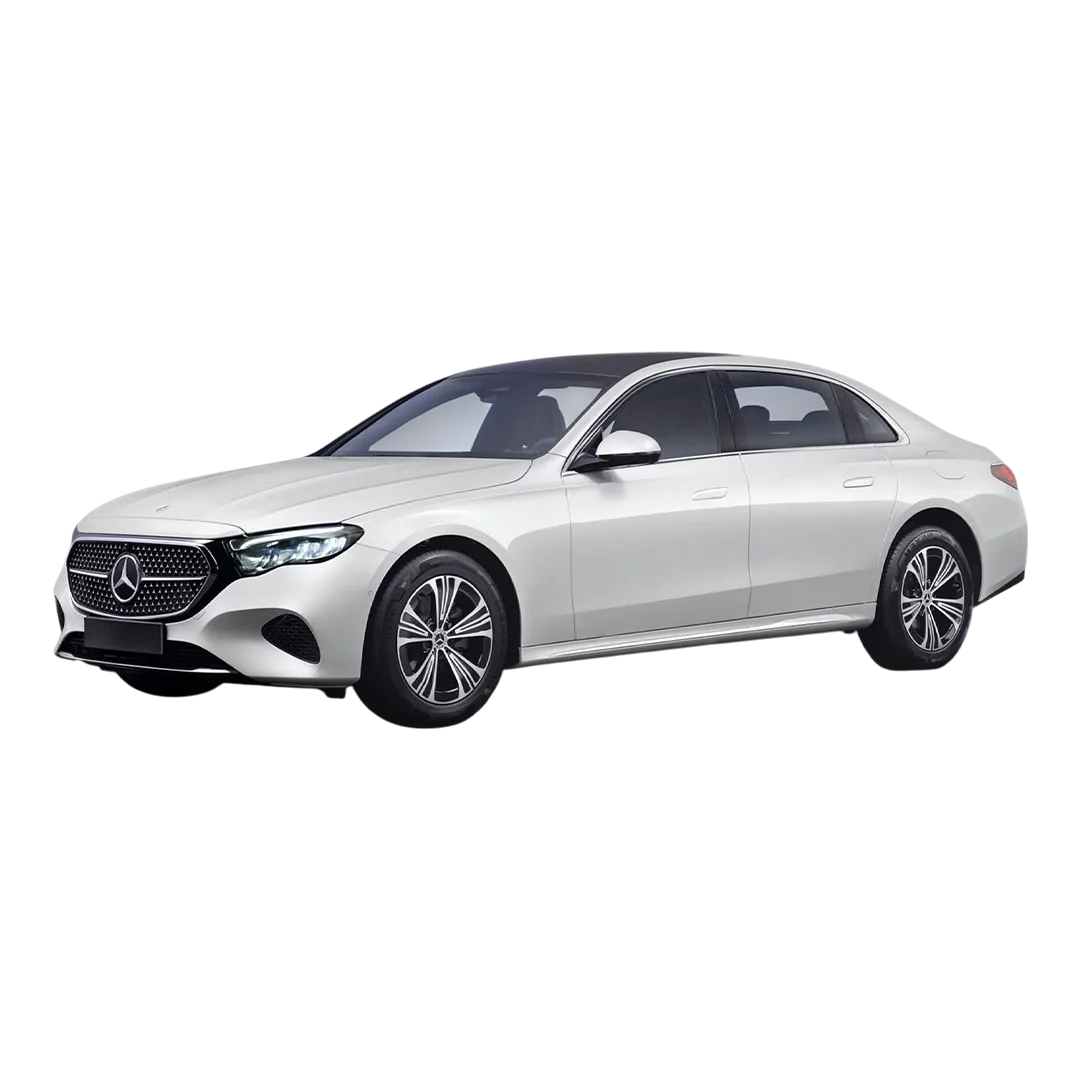 Mercedes E-Class
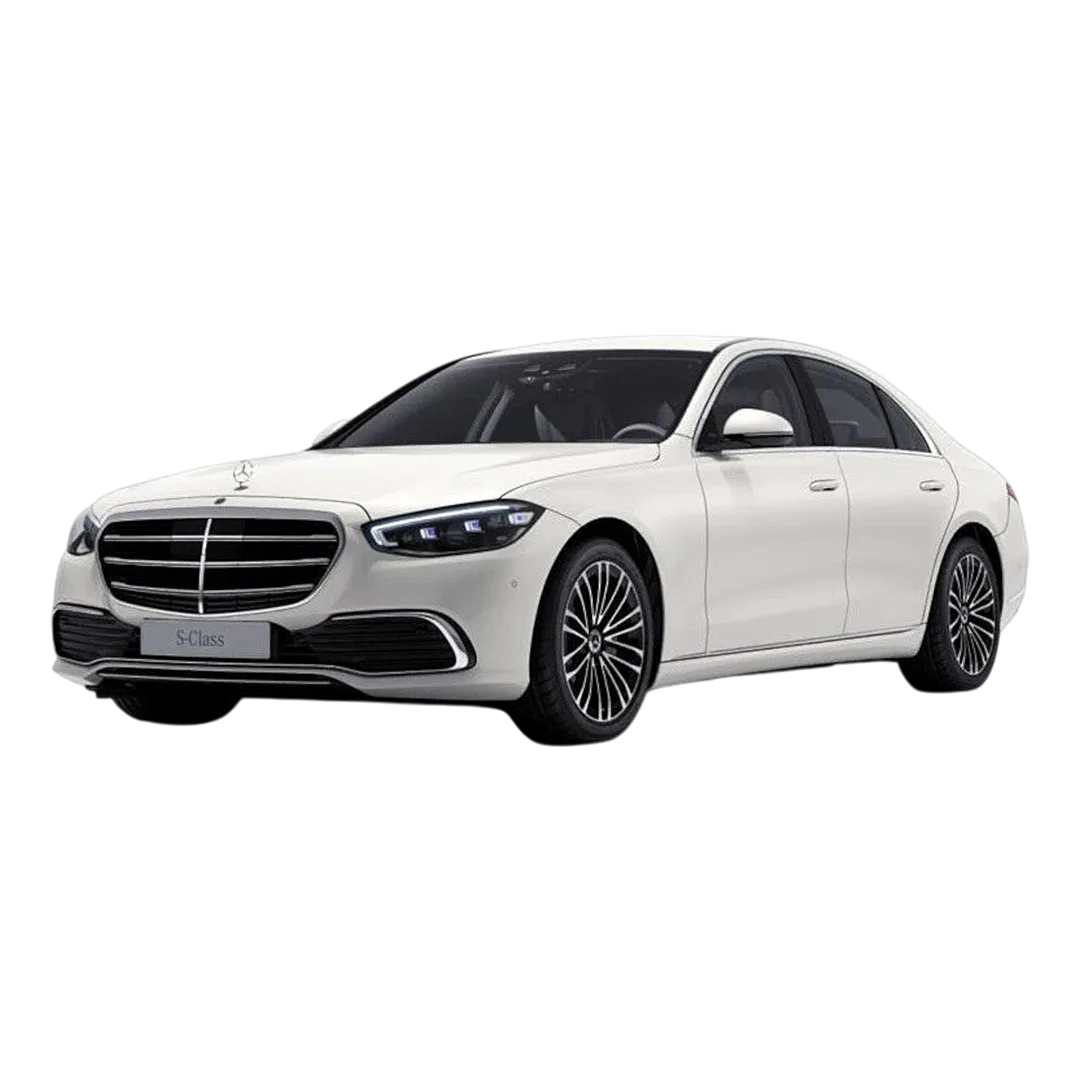 Mercedes S-Class
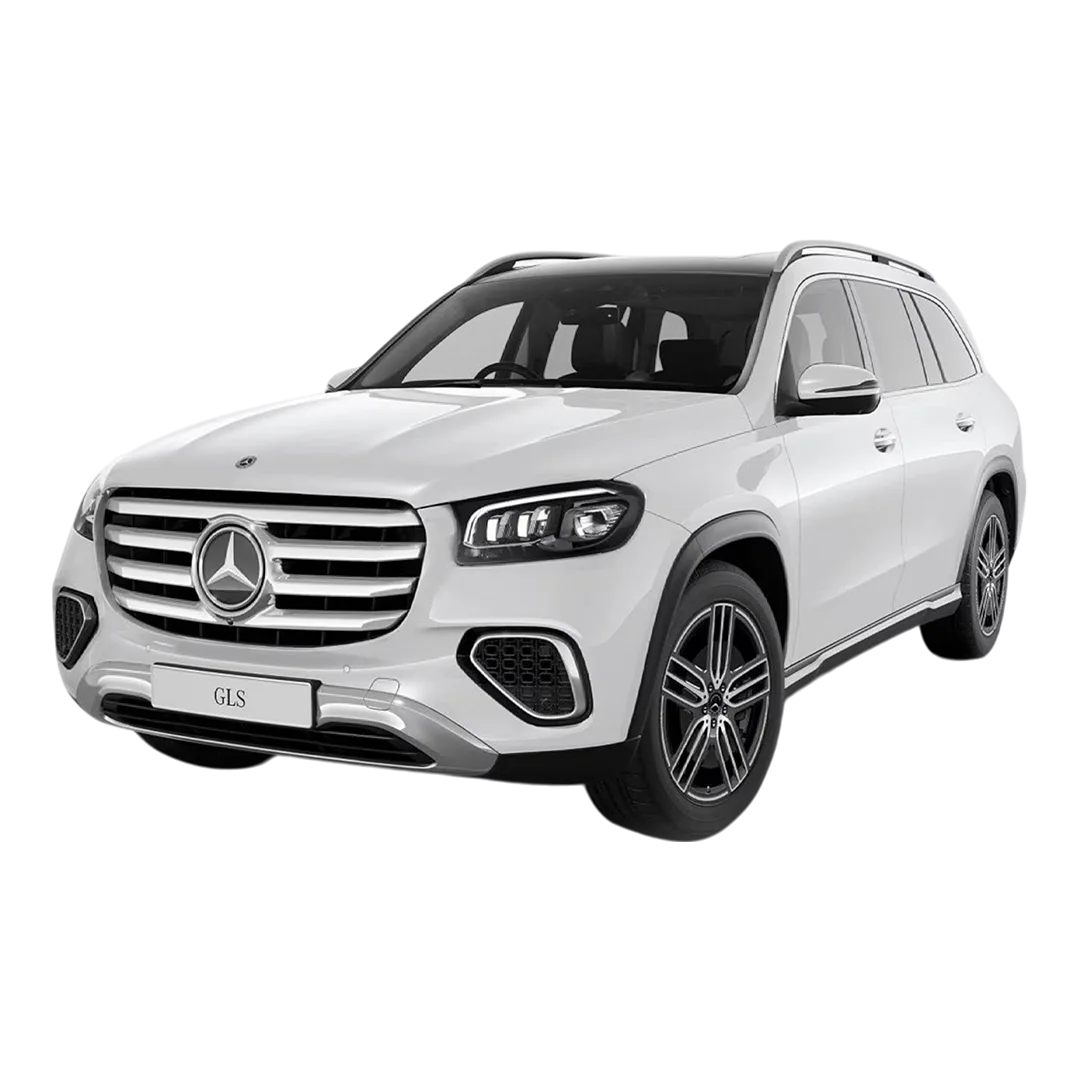 Mercedes Benz GLS
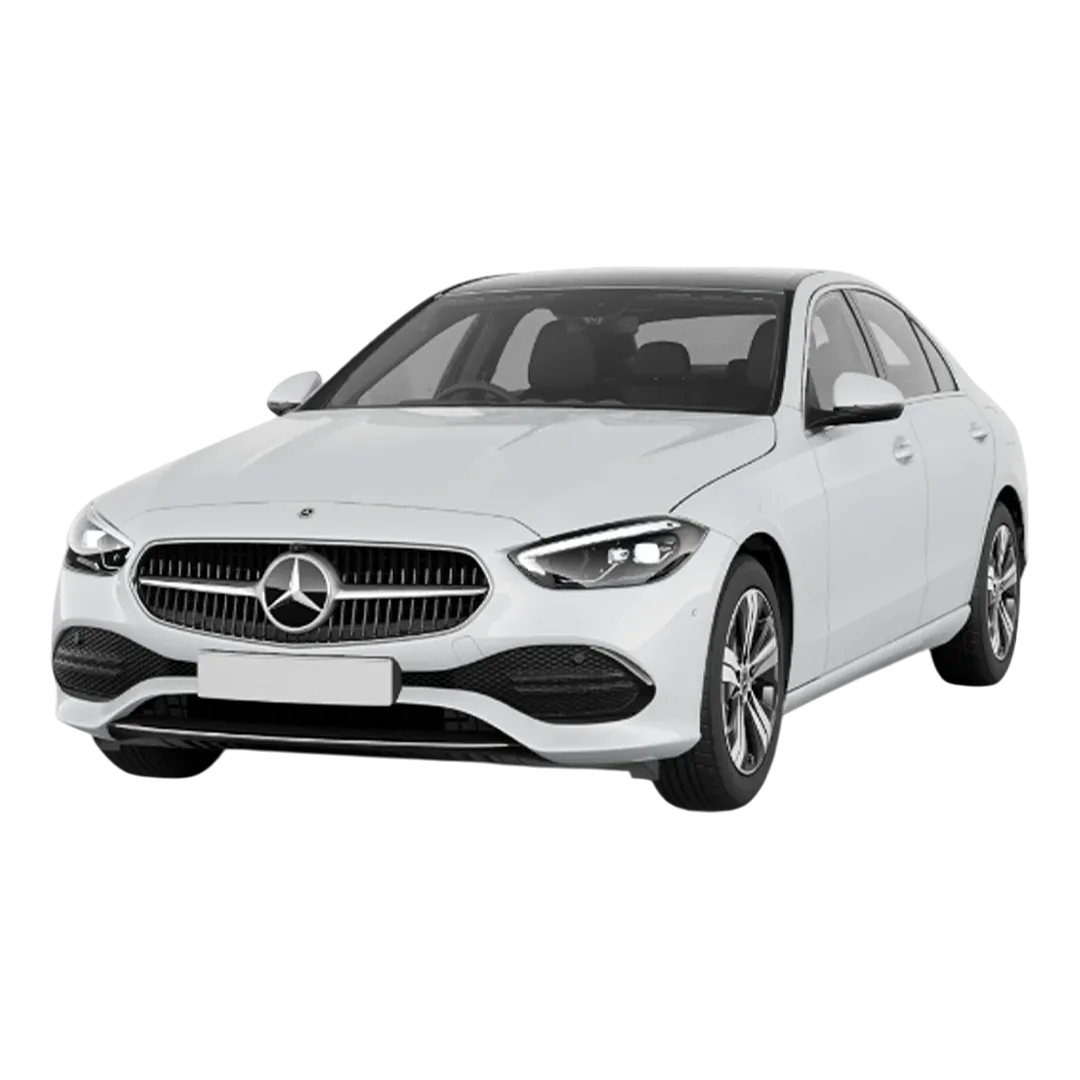 Mercedes Benz C-Class
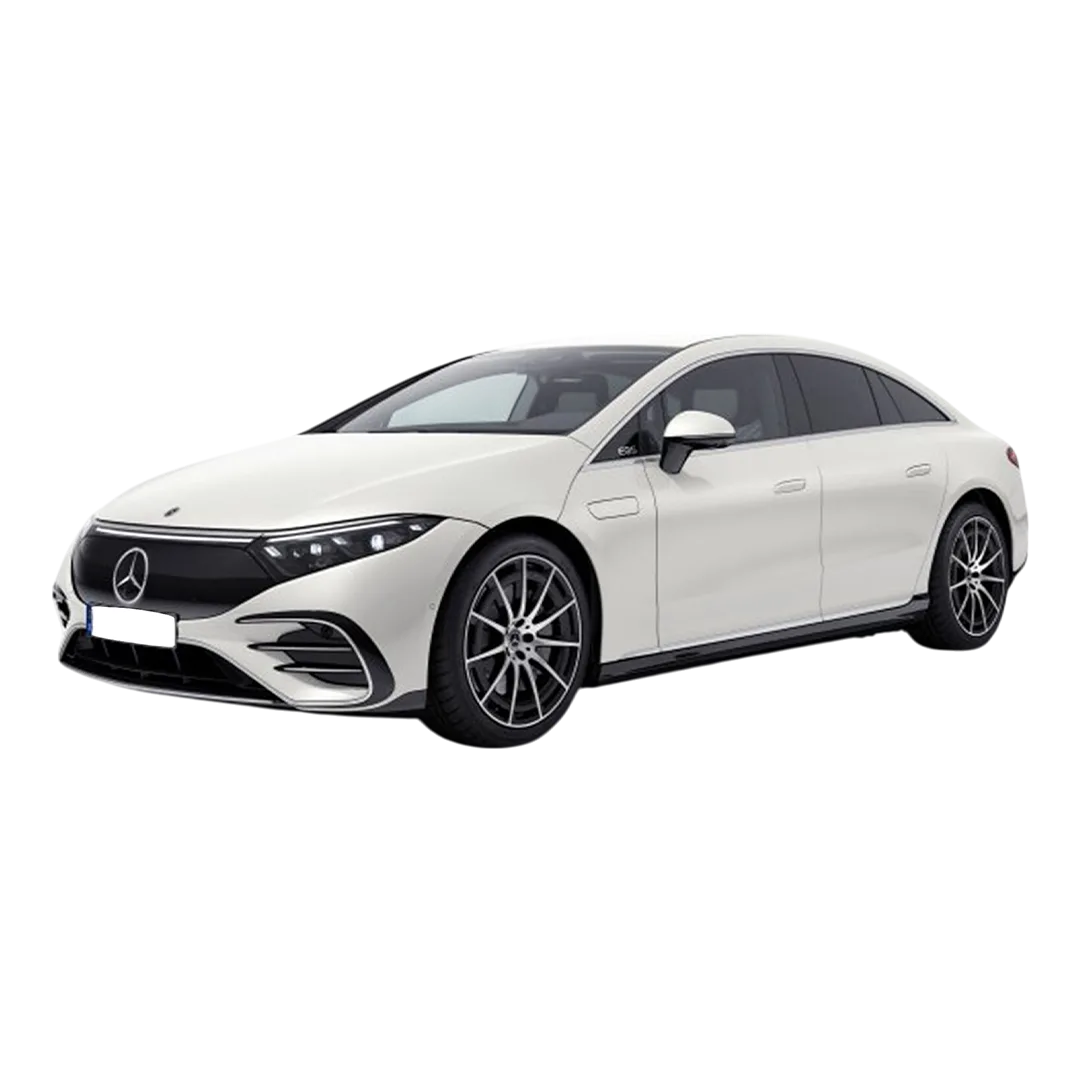 Mercedes Benz EQS
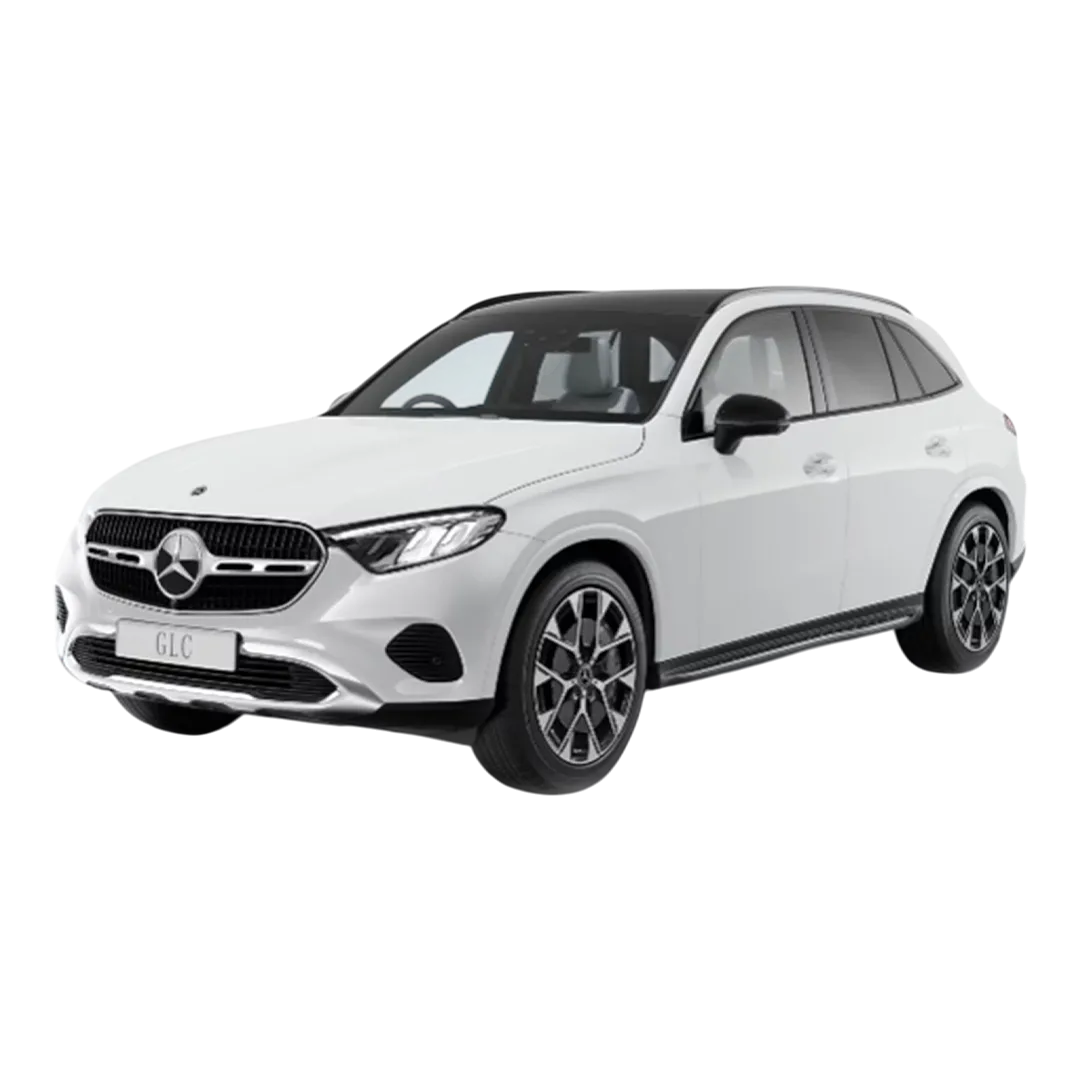 Mercedes Benz GLC
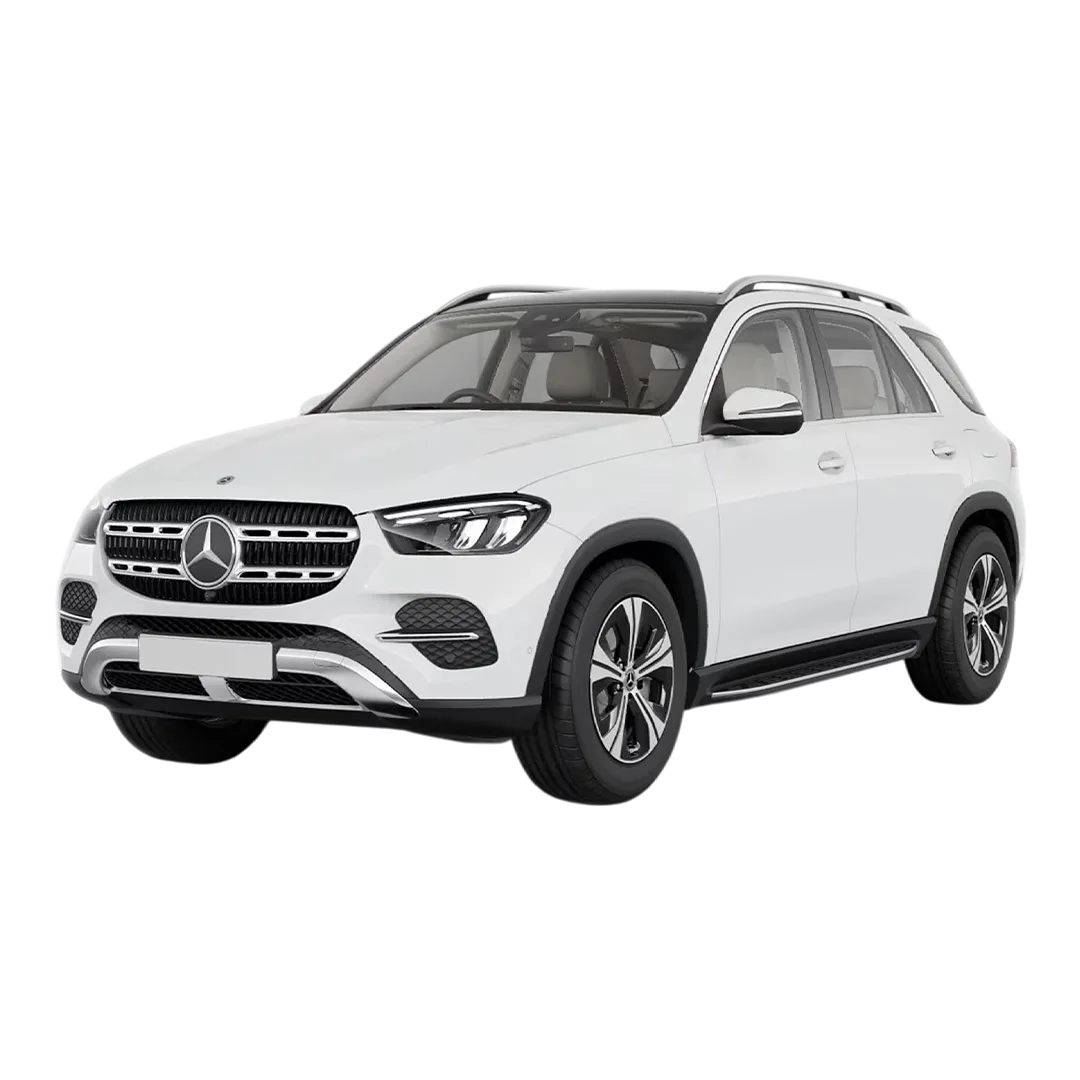 Mercedes Benz GLE
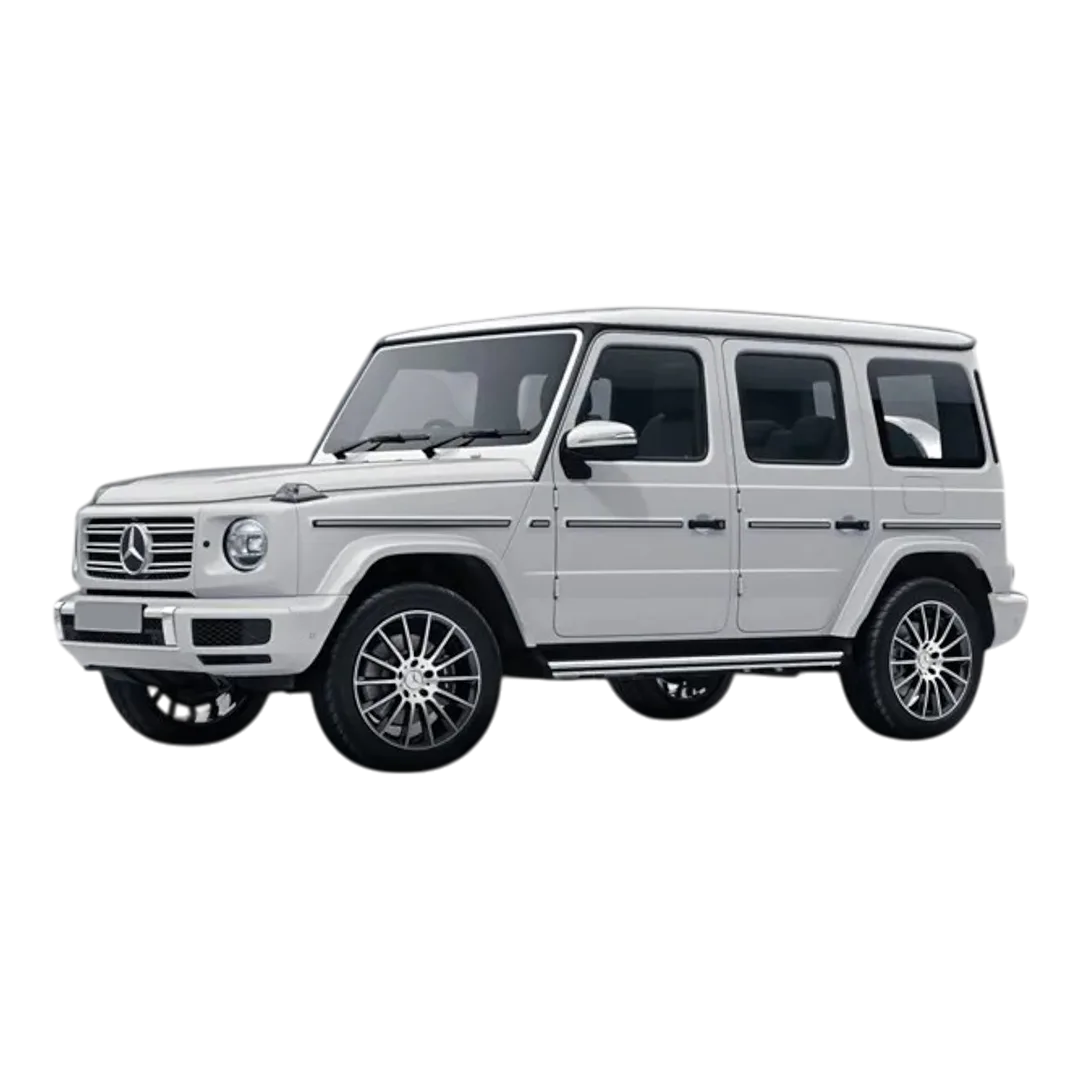 Mercedes Benz G-Class
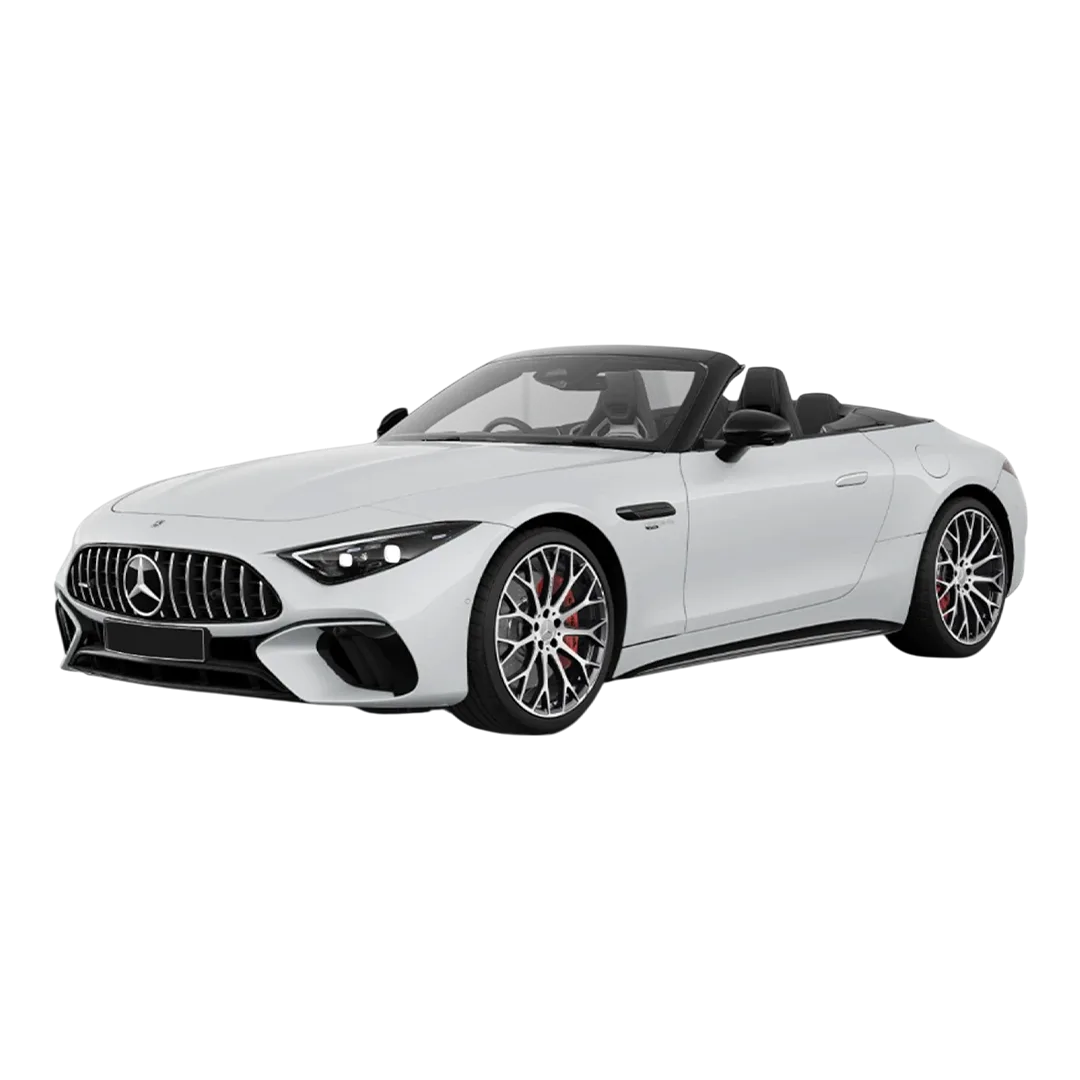 Mercedes Benz AMG SL
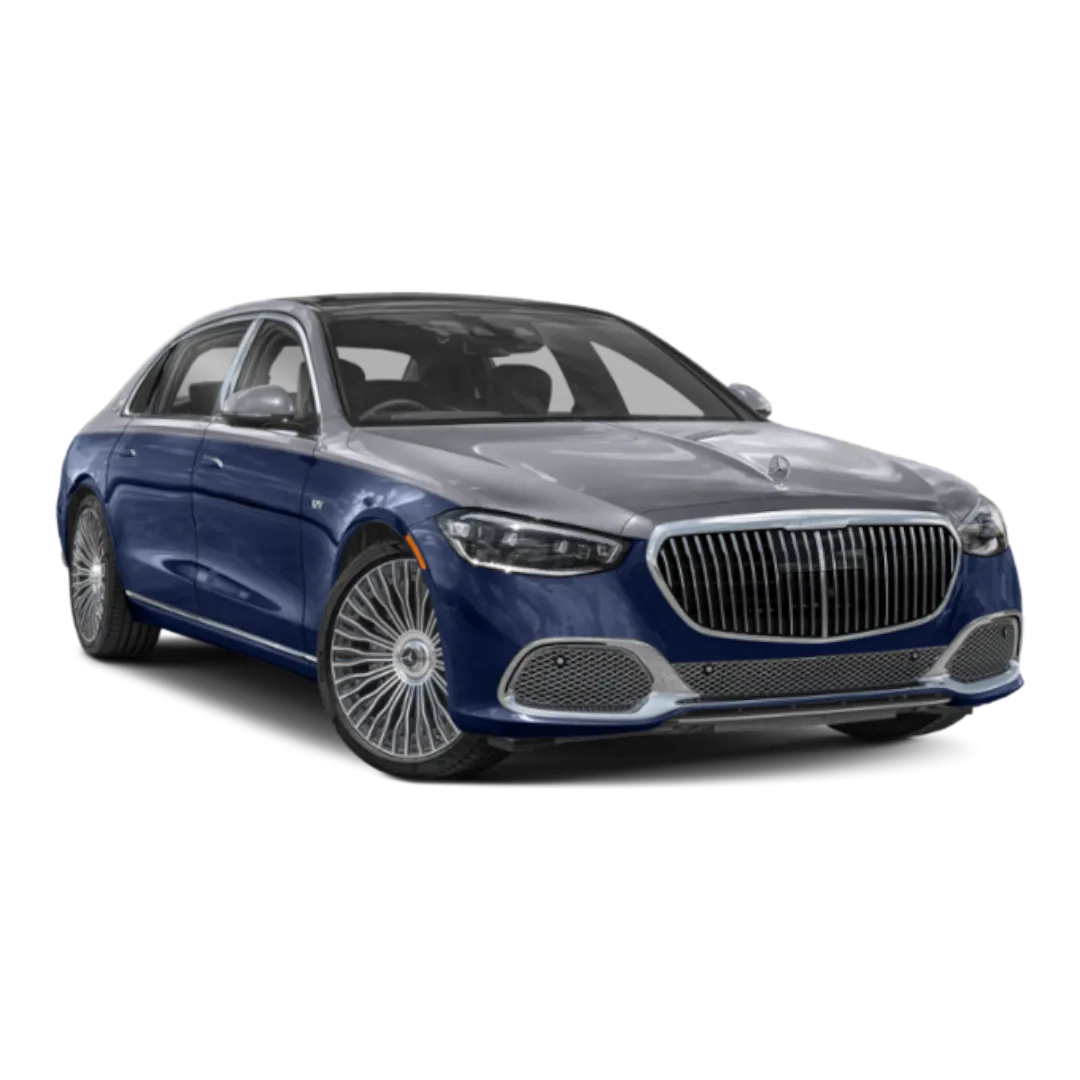 Mercedes Benz MAYBACH S- Class
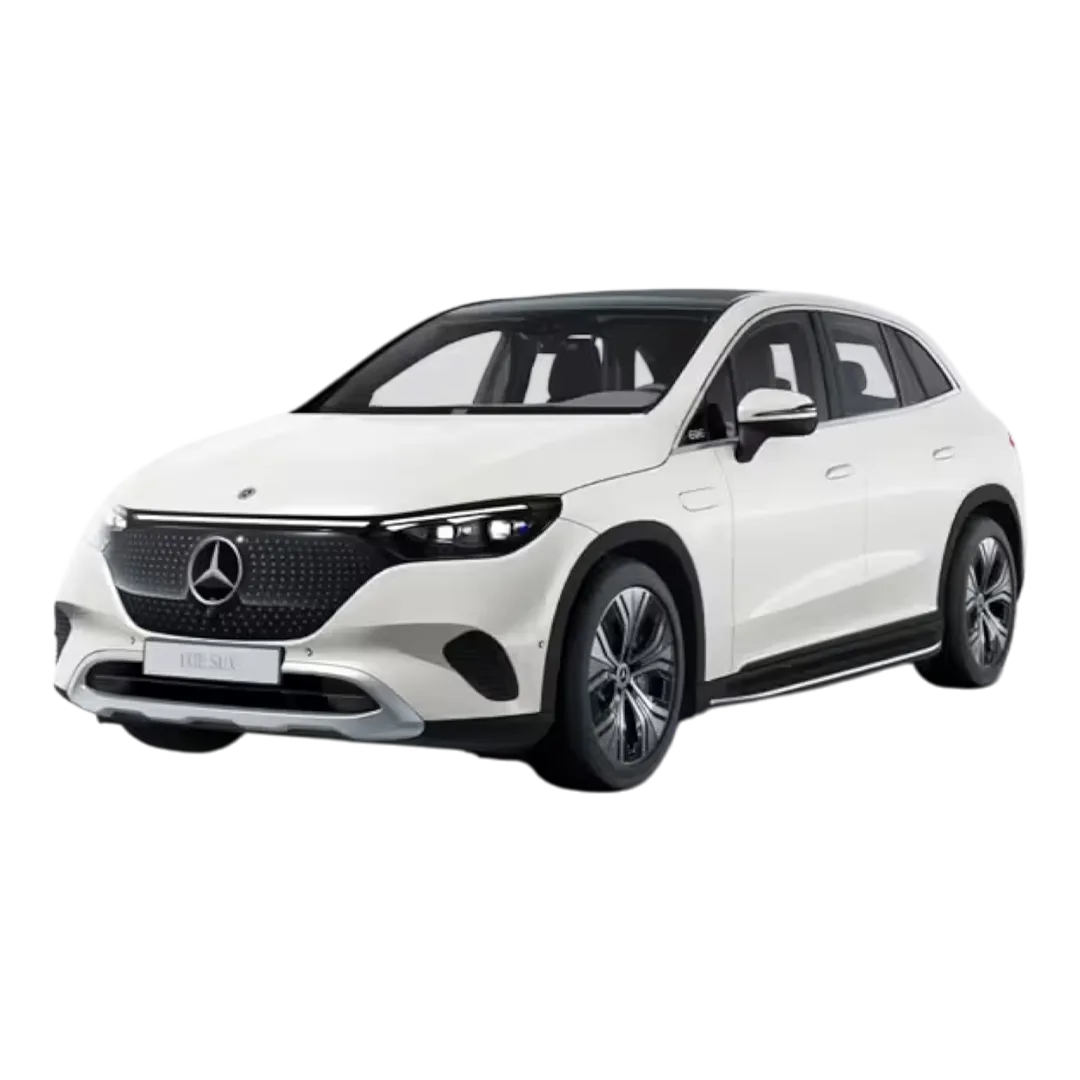 Mercedes Benz EQE-SUV
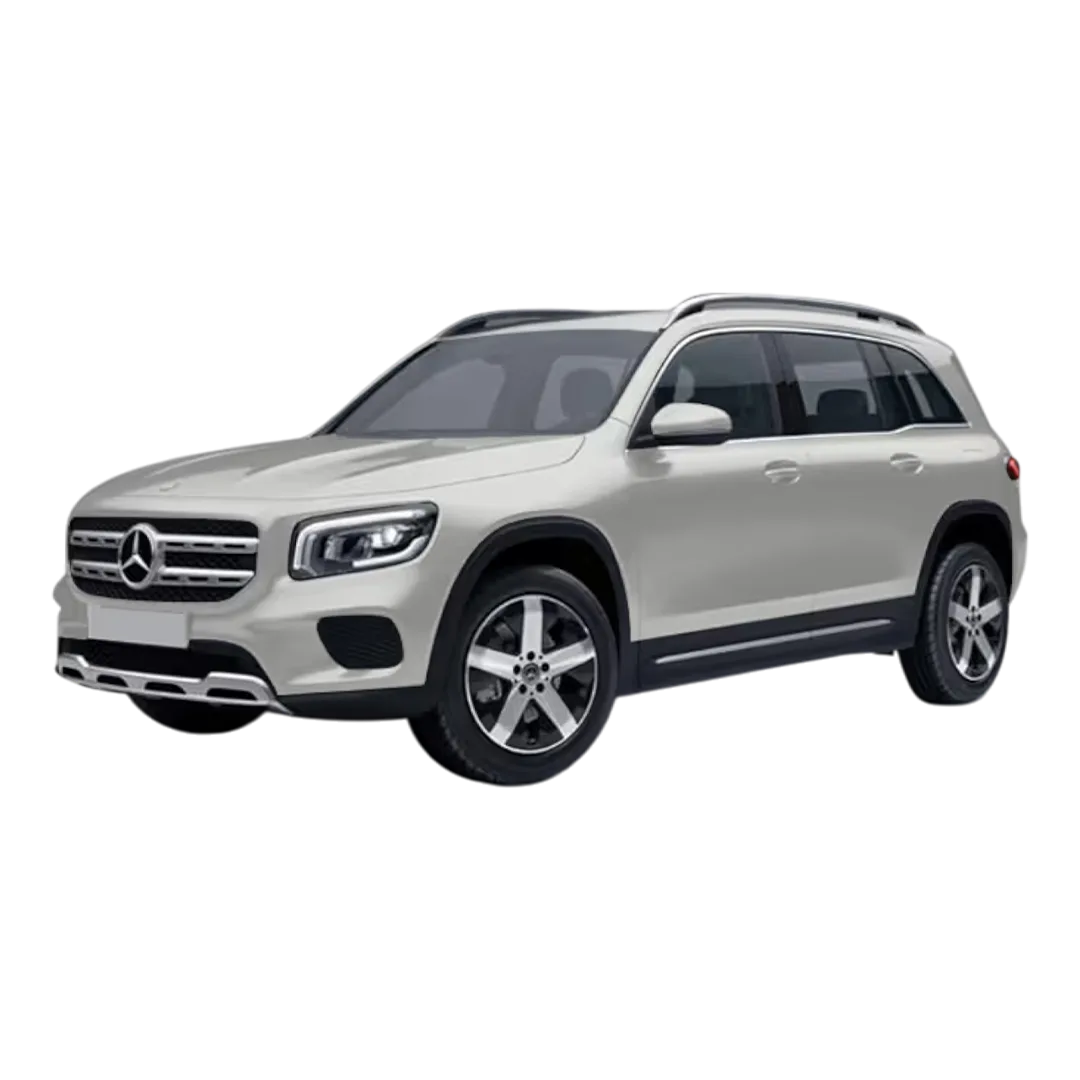 Mercedes Benz GLB
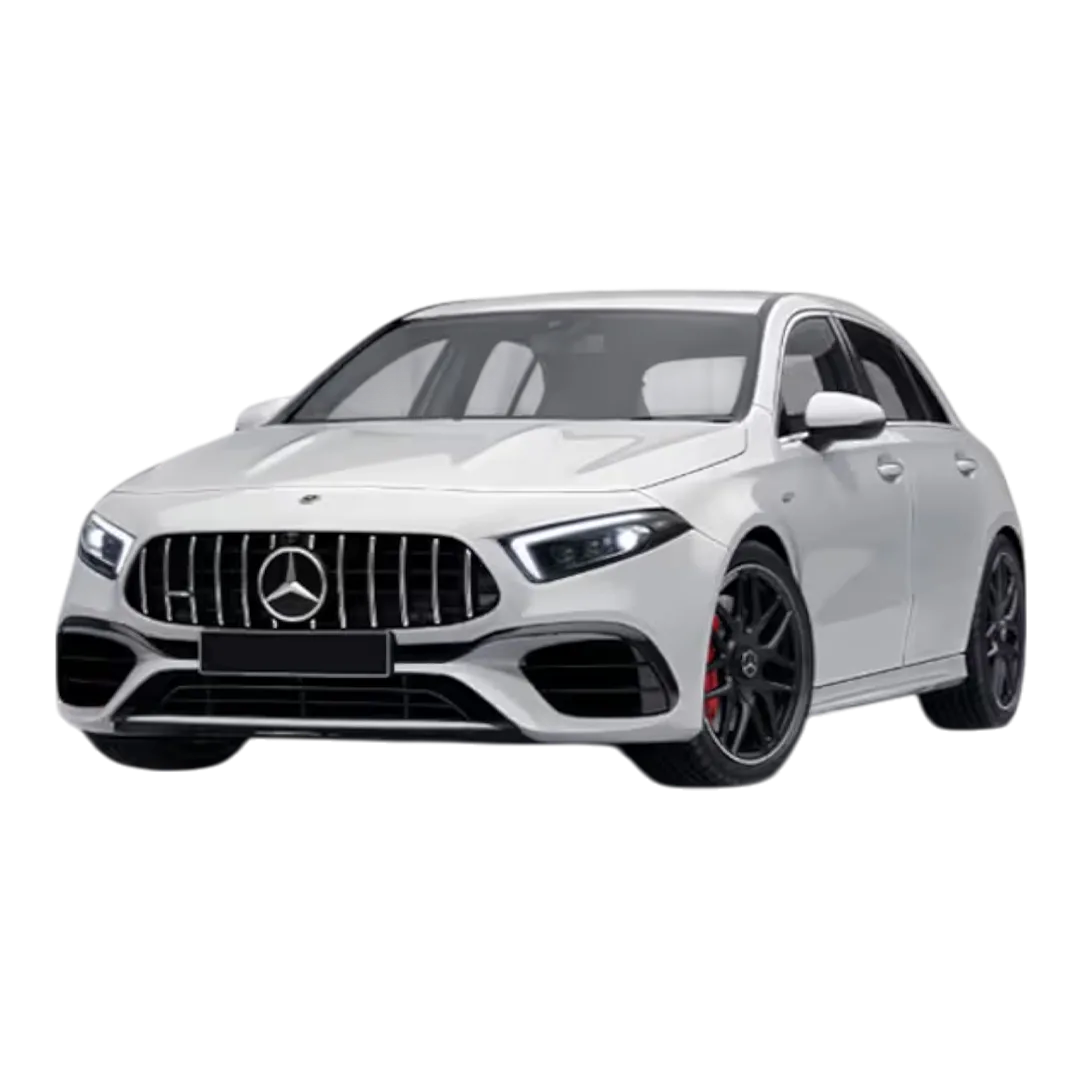 Mercedes Benz AMG A 45 S
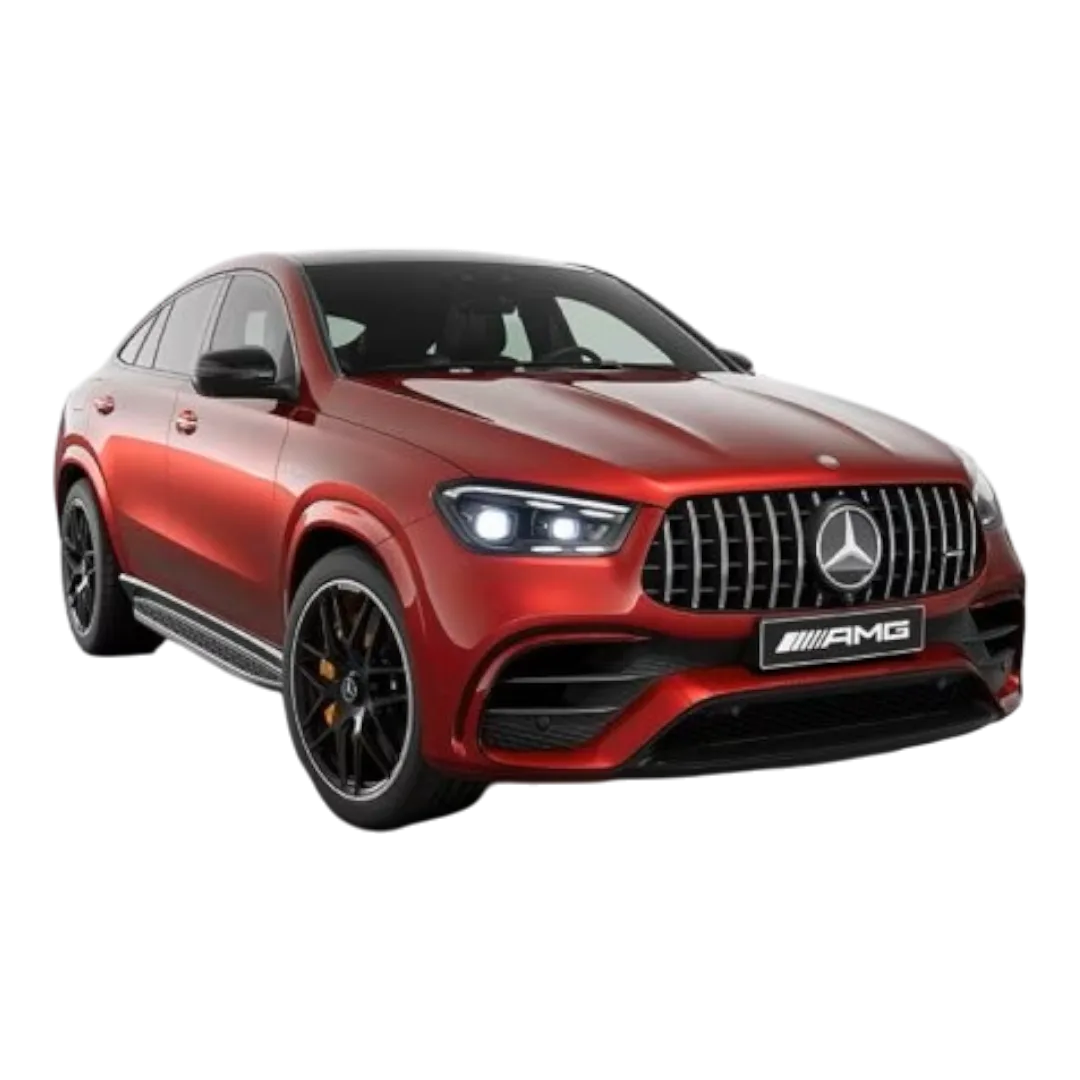 Mercedes Benz AMG GLE S3
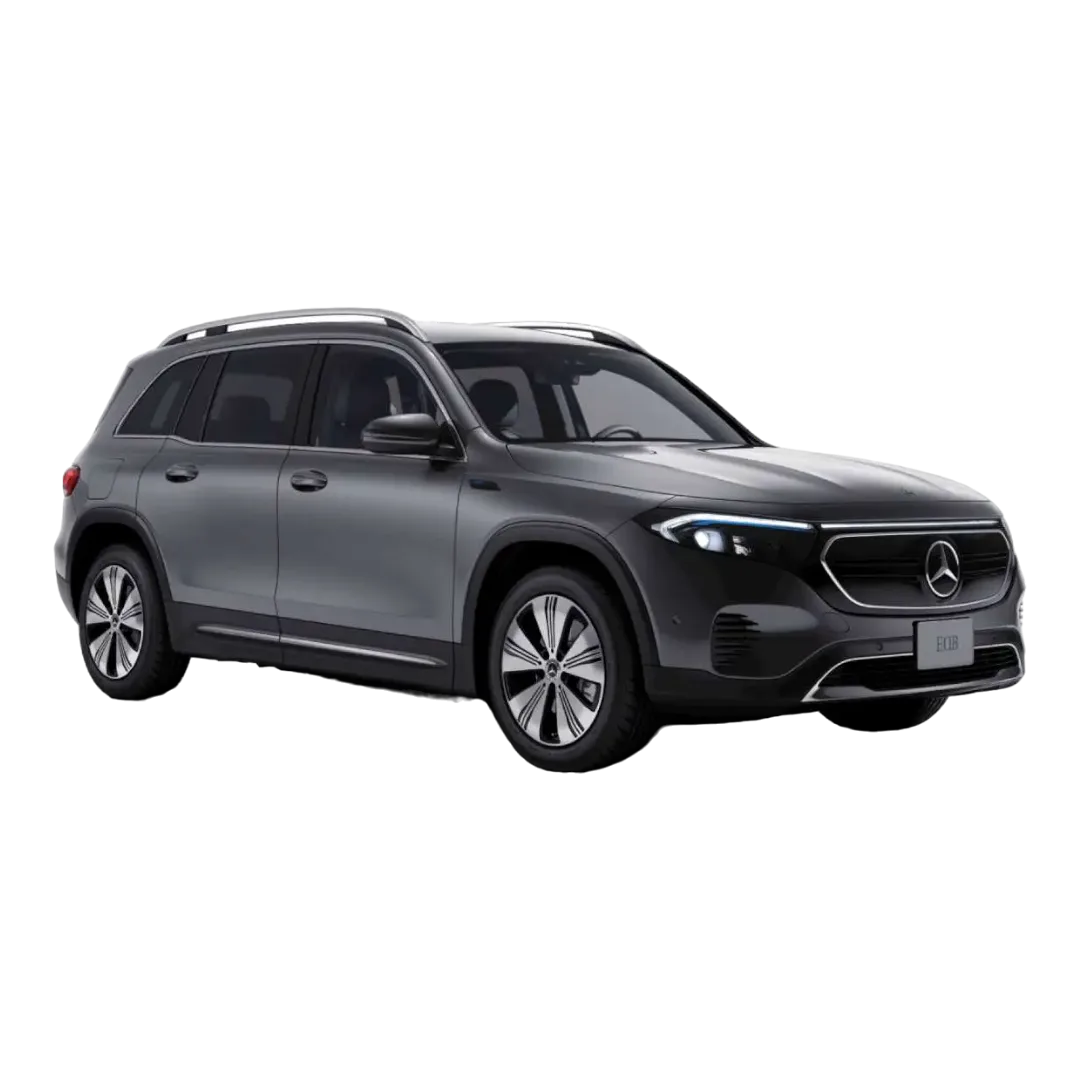 Mercedes Benz EQB
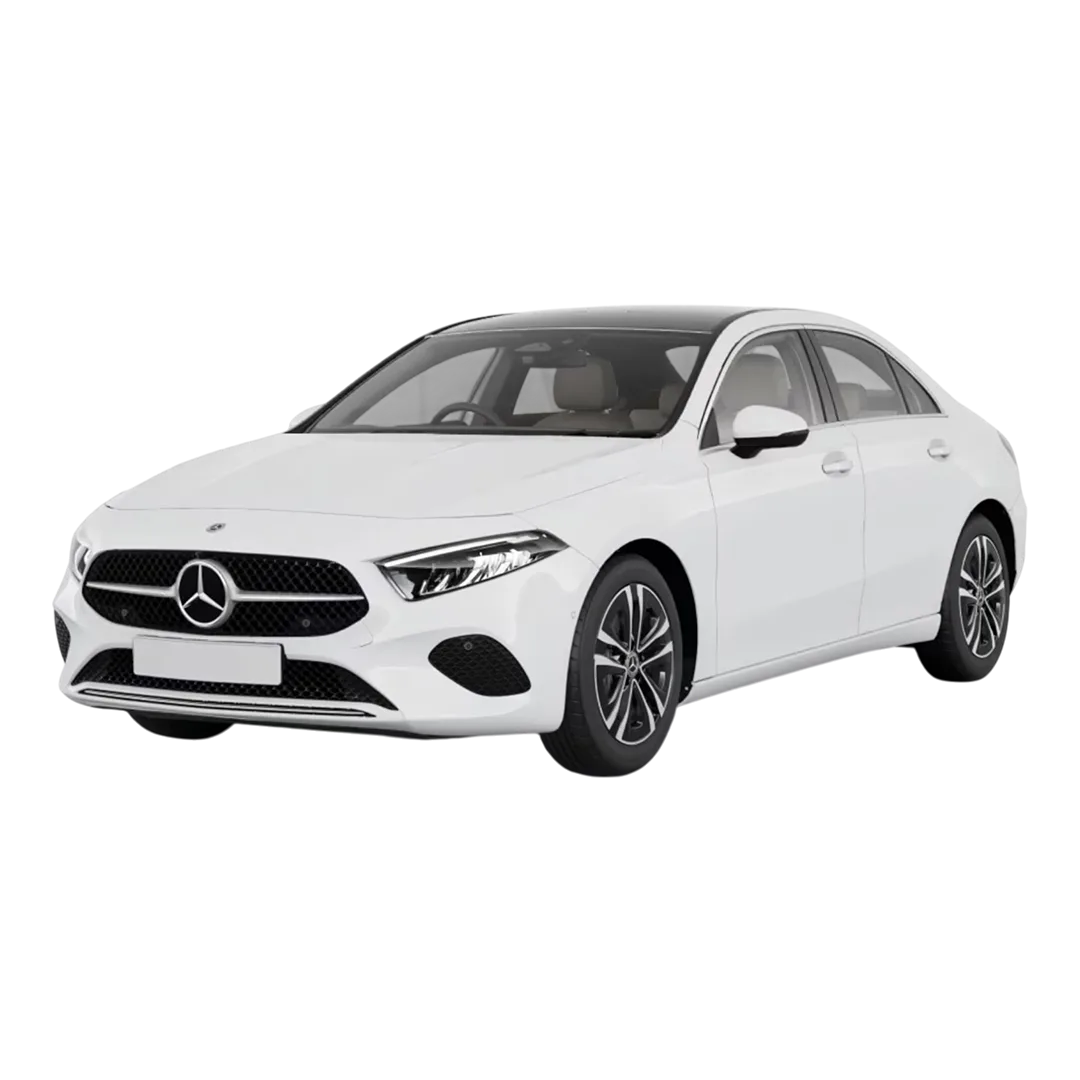 Mercedes Benz A Class limousine
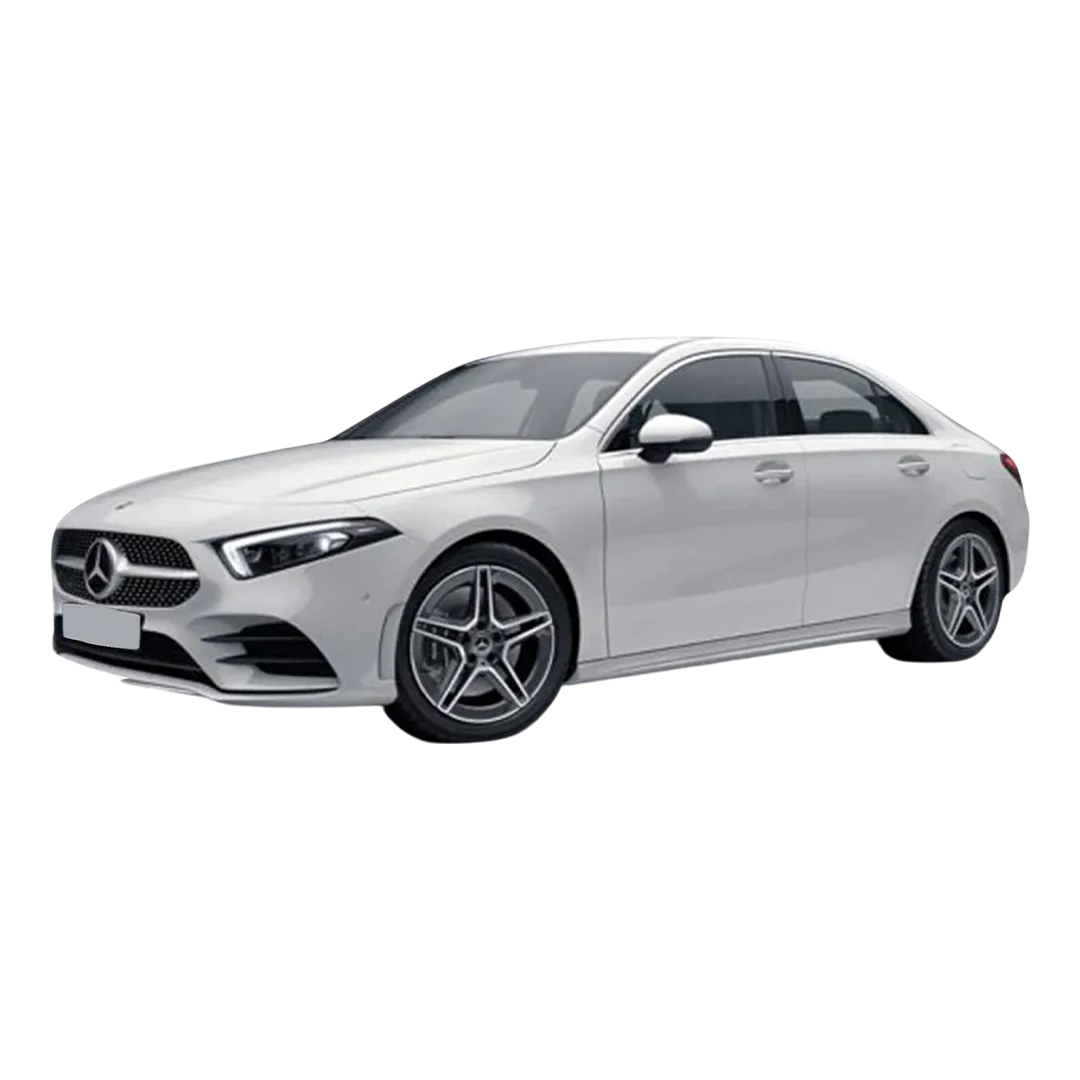 Mercedes Benz AMG A 35
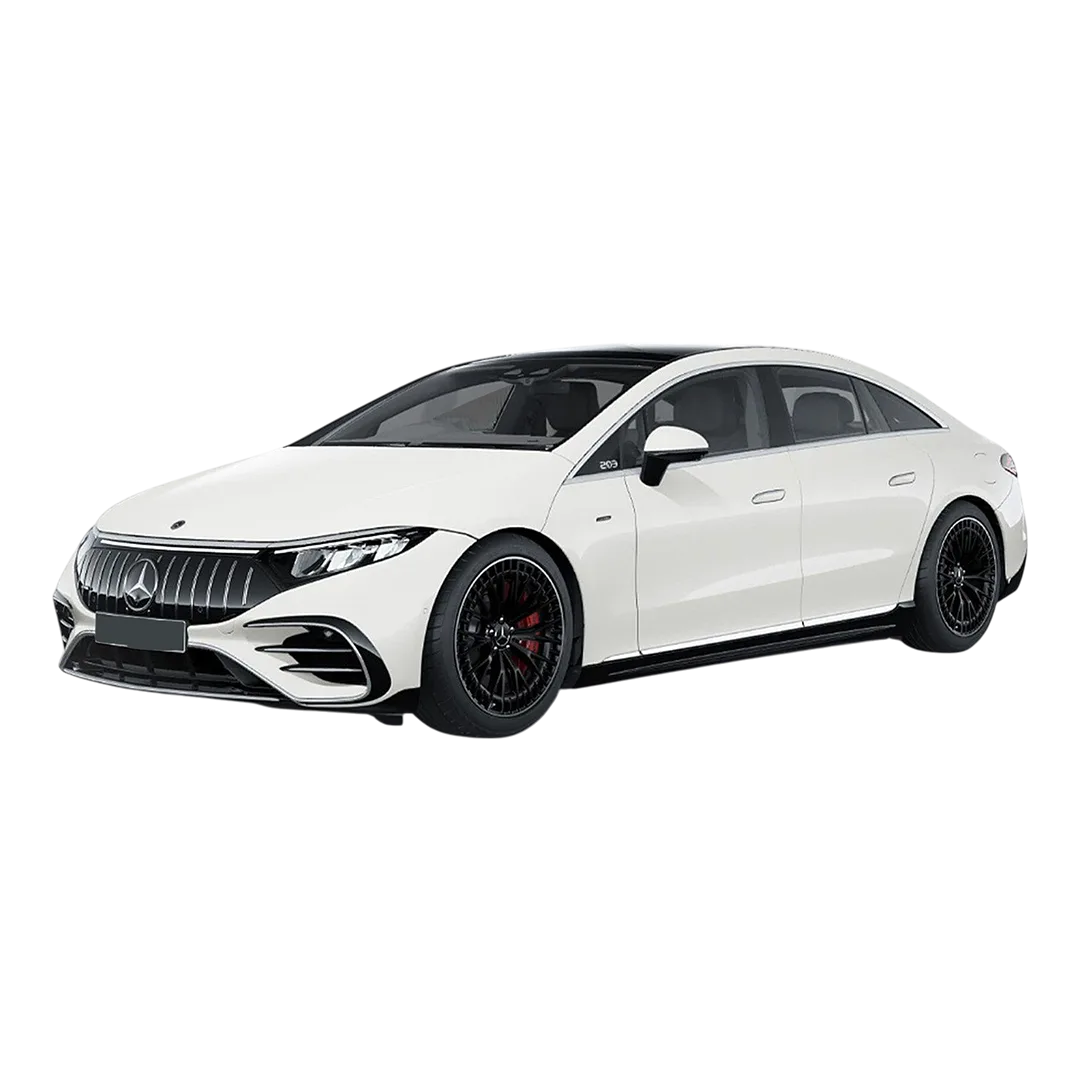 Mercedes-Benz AMG EQS
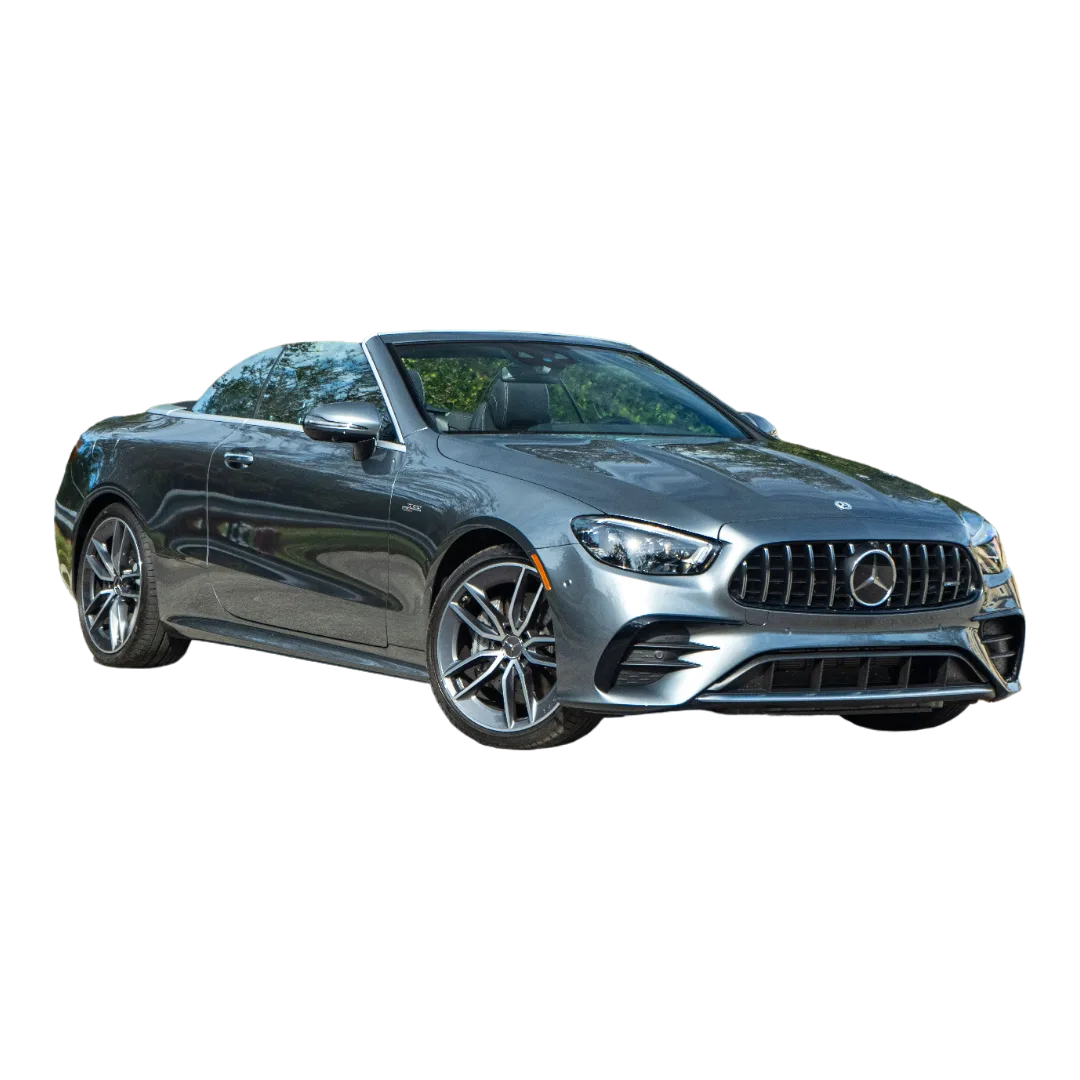 Mercedes-Benz AMG E 53 Cabriolet
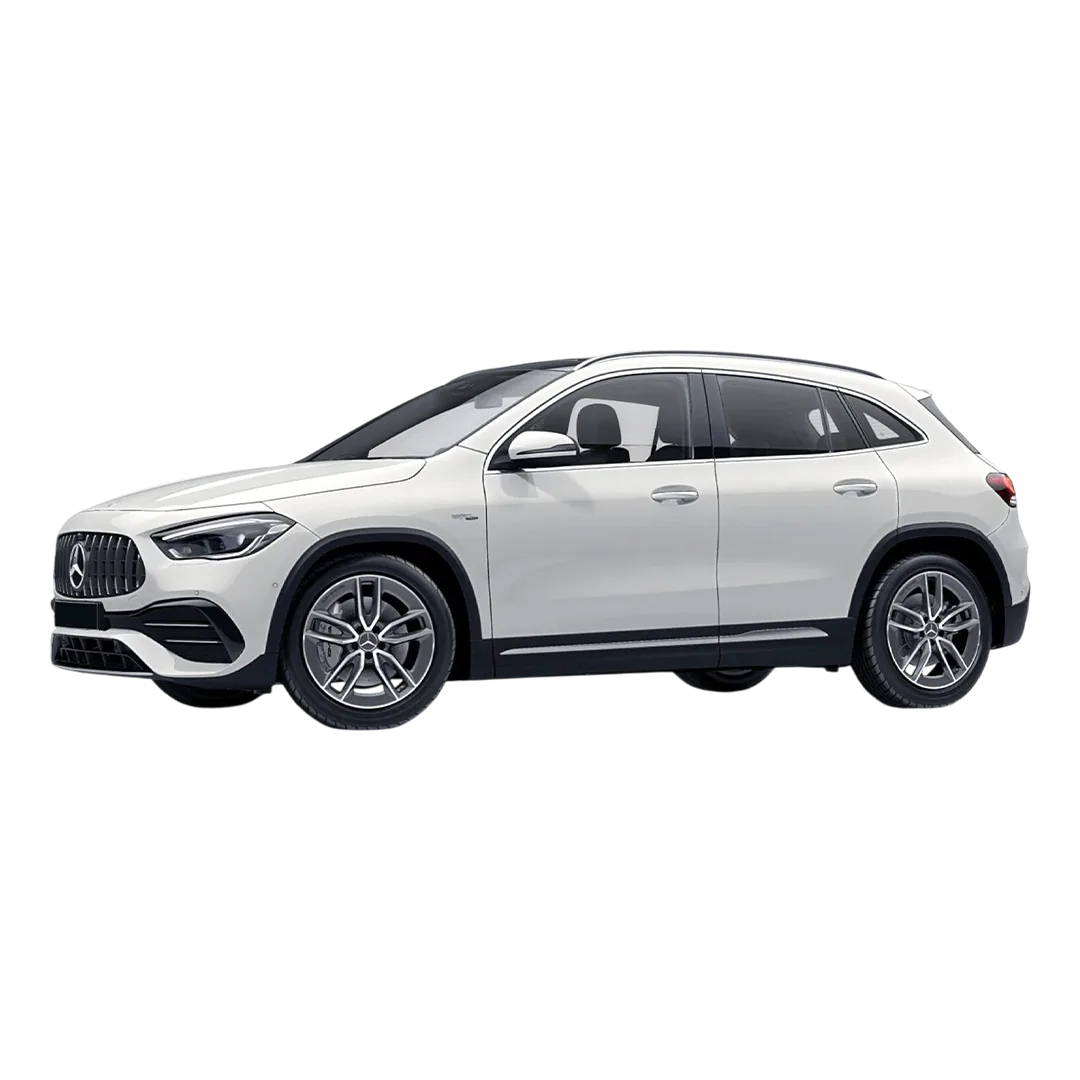 Mercedes-Benz AMG GLA 35
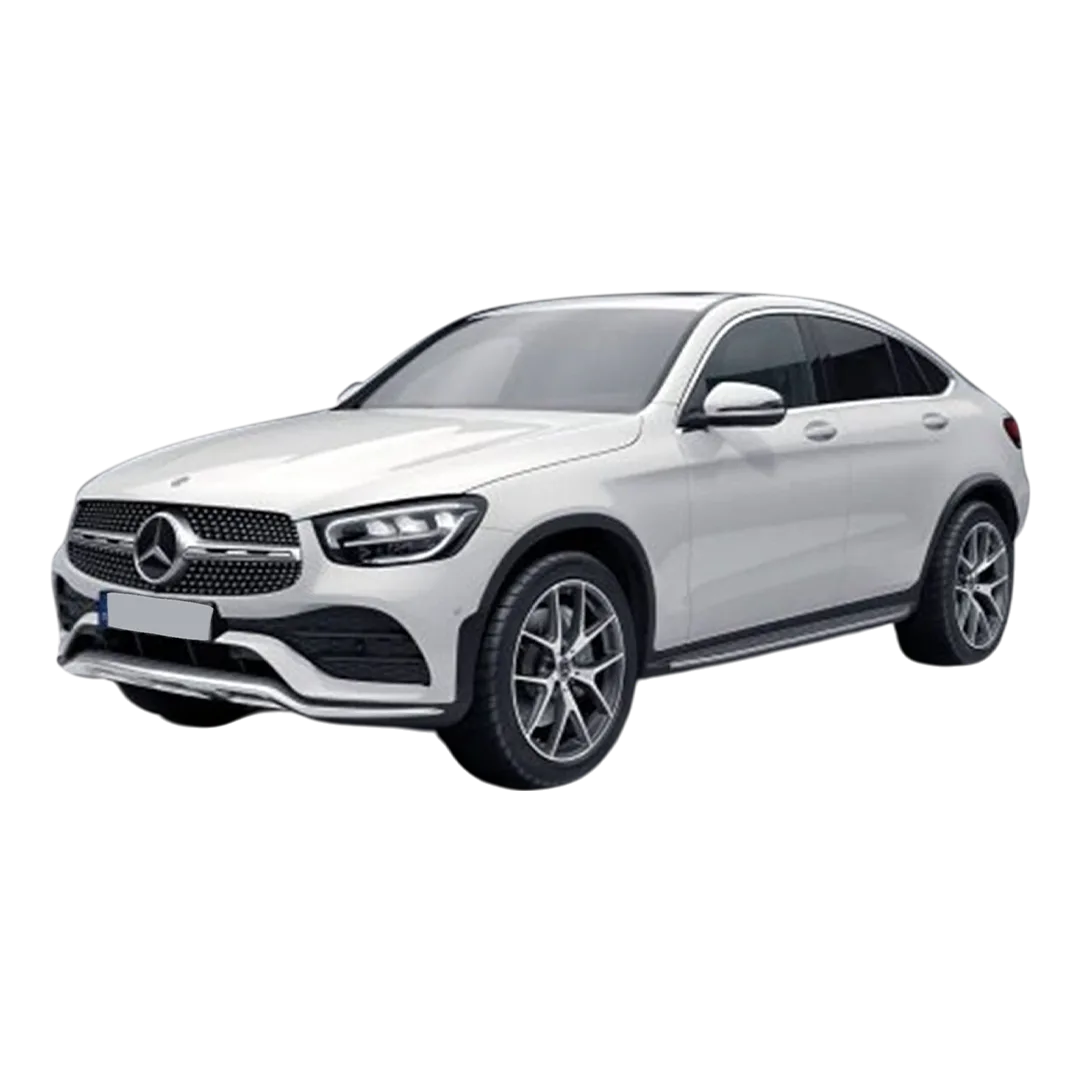 Mercedes-Benz GLC Coupe 2023
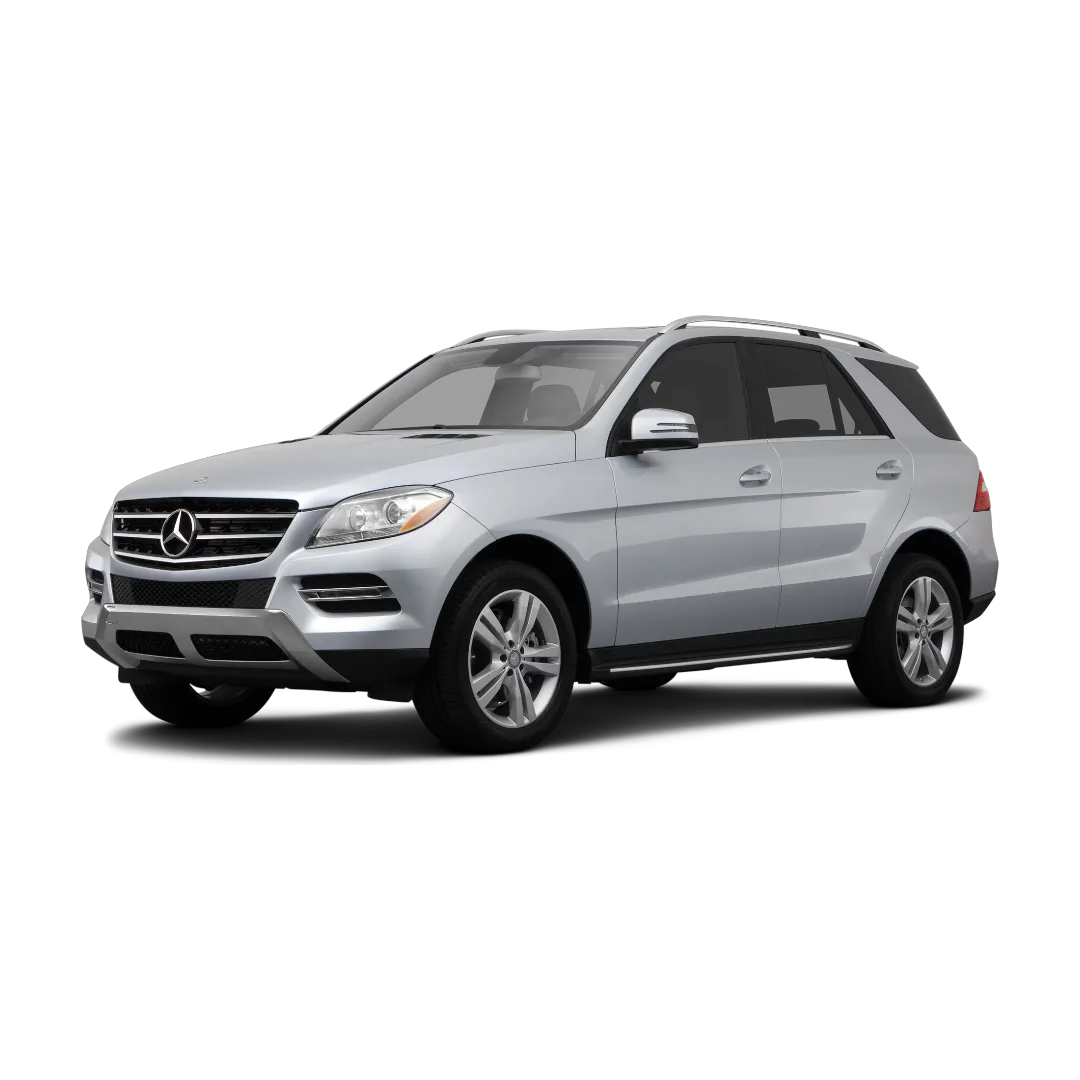 Mercedes M-Class
R-Class
Mercedes M-Class
R-Class
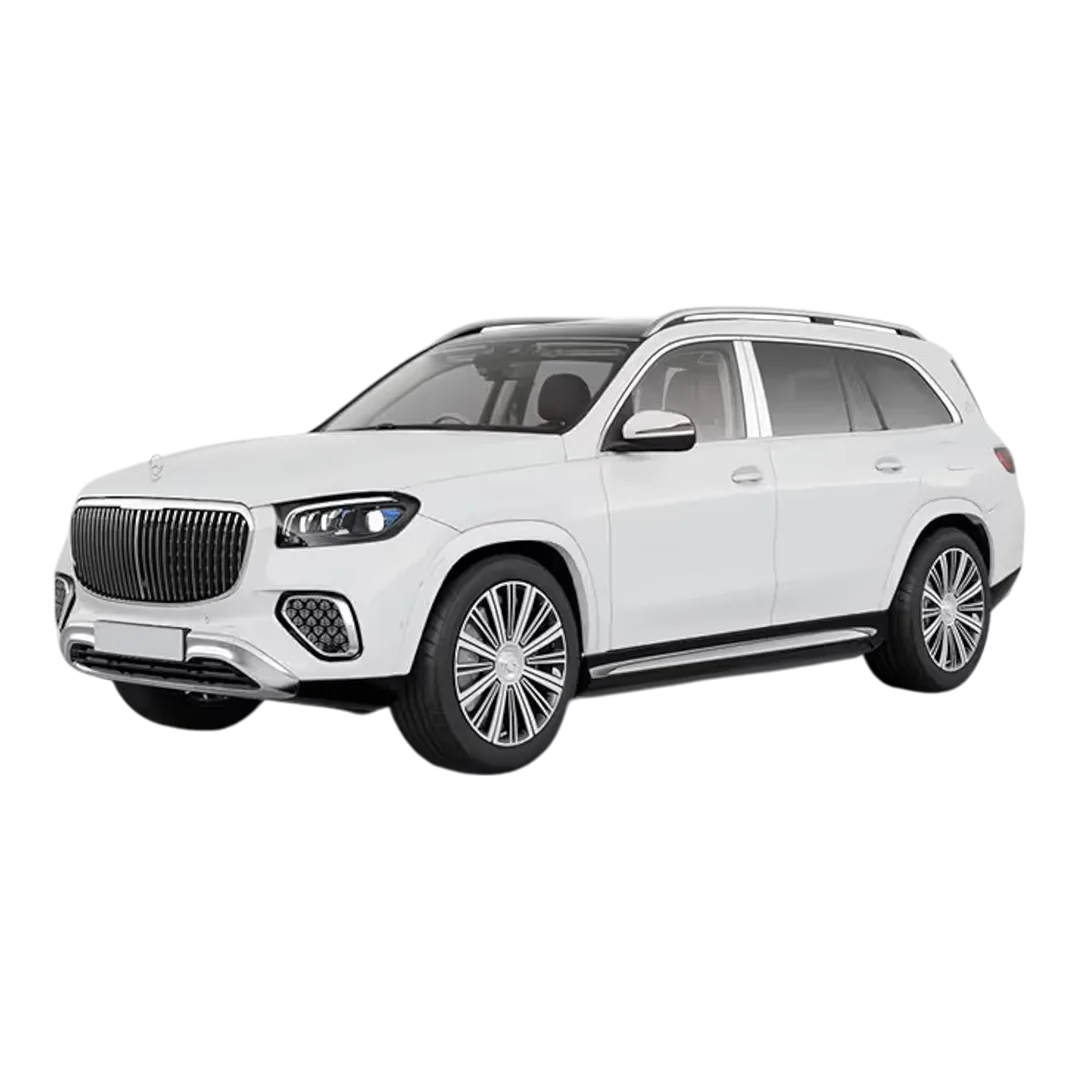 GLS 600
GLS 400
GLS 350
GLE 300
GLS 600
GLS 400
GLS 350
GLE 300
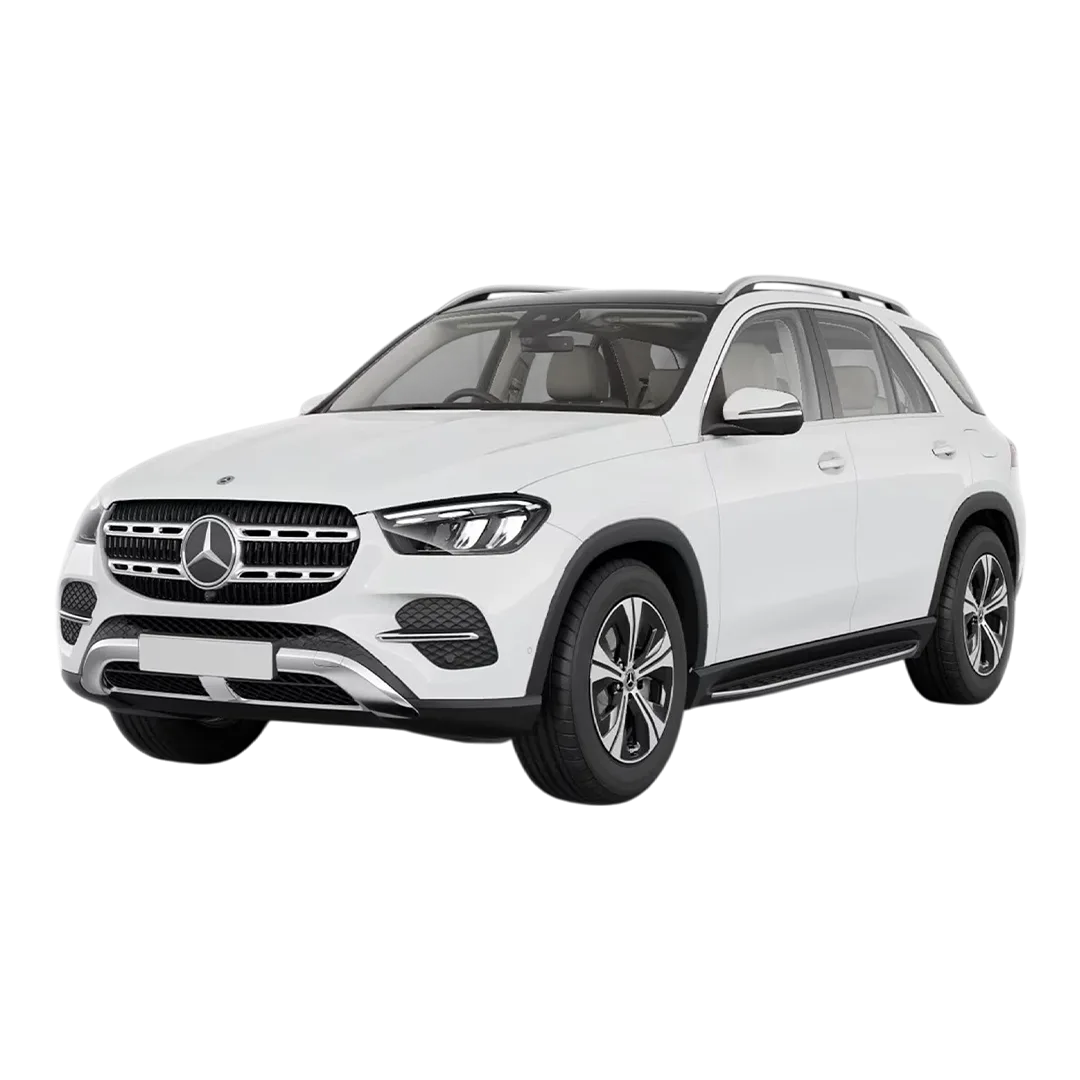 GLE 400
GLE 250D
GLE 400
GLE 250D
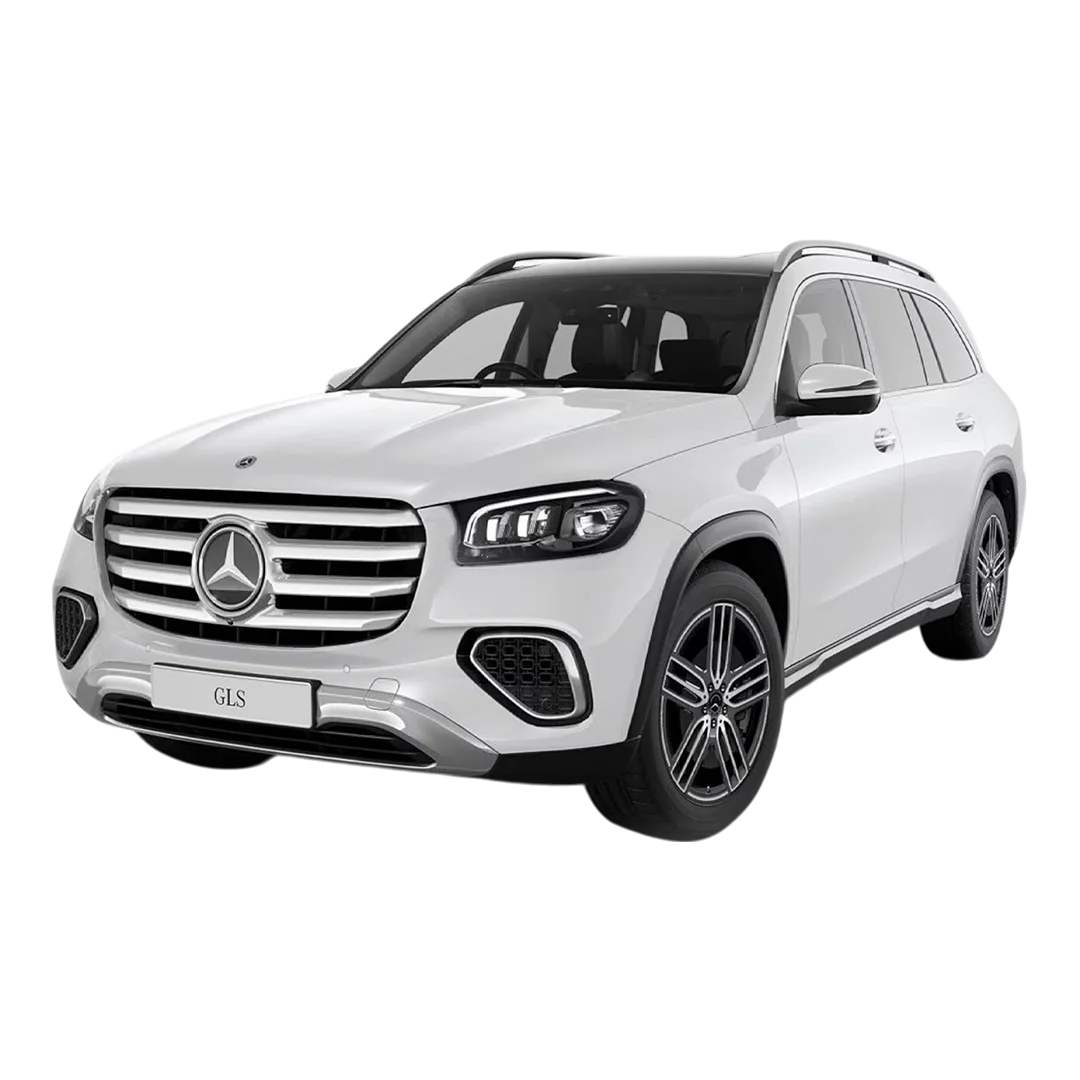 GLC 220D
GLC 300
GLC 220D
GLC 300
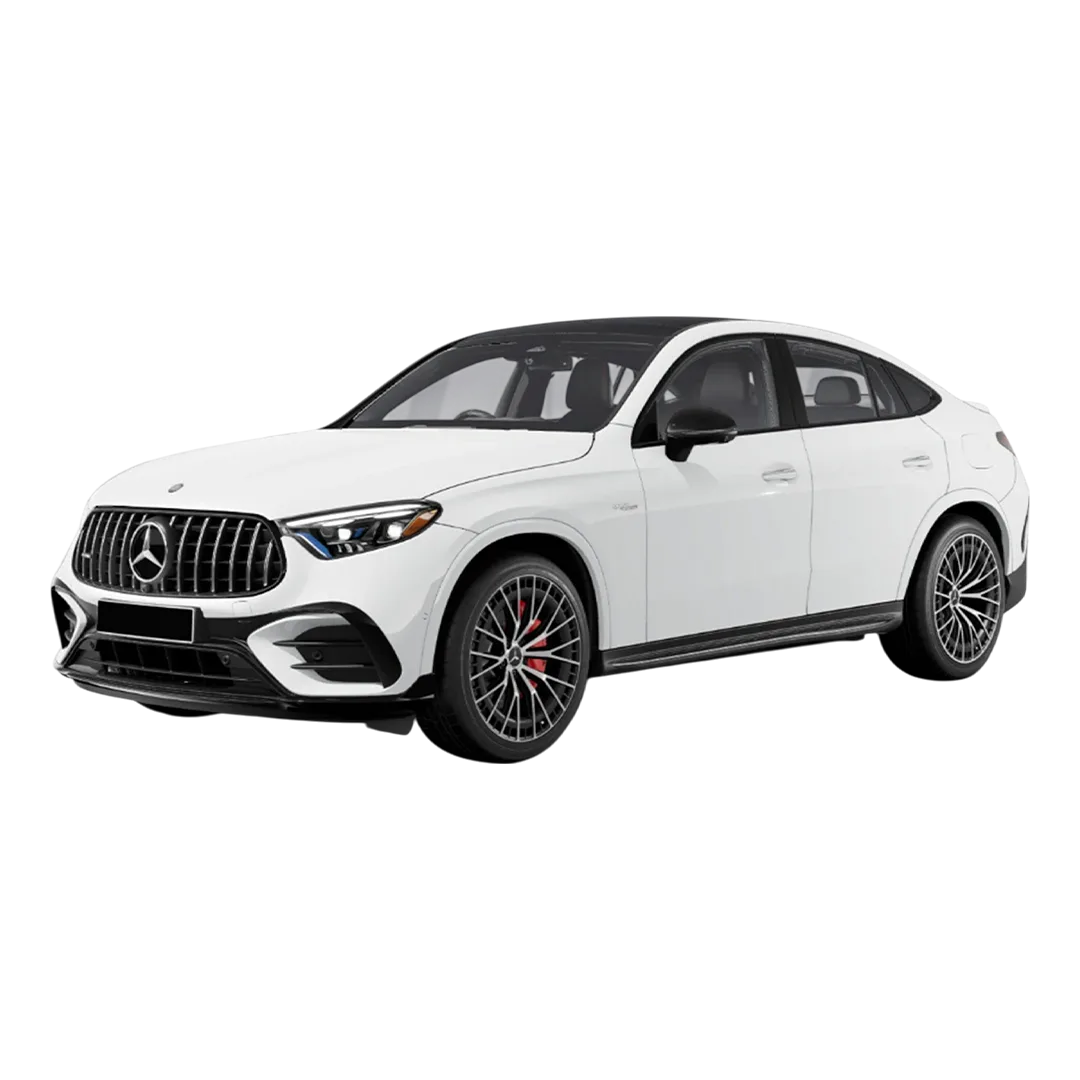 GLC 43 Coupe
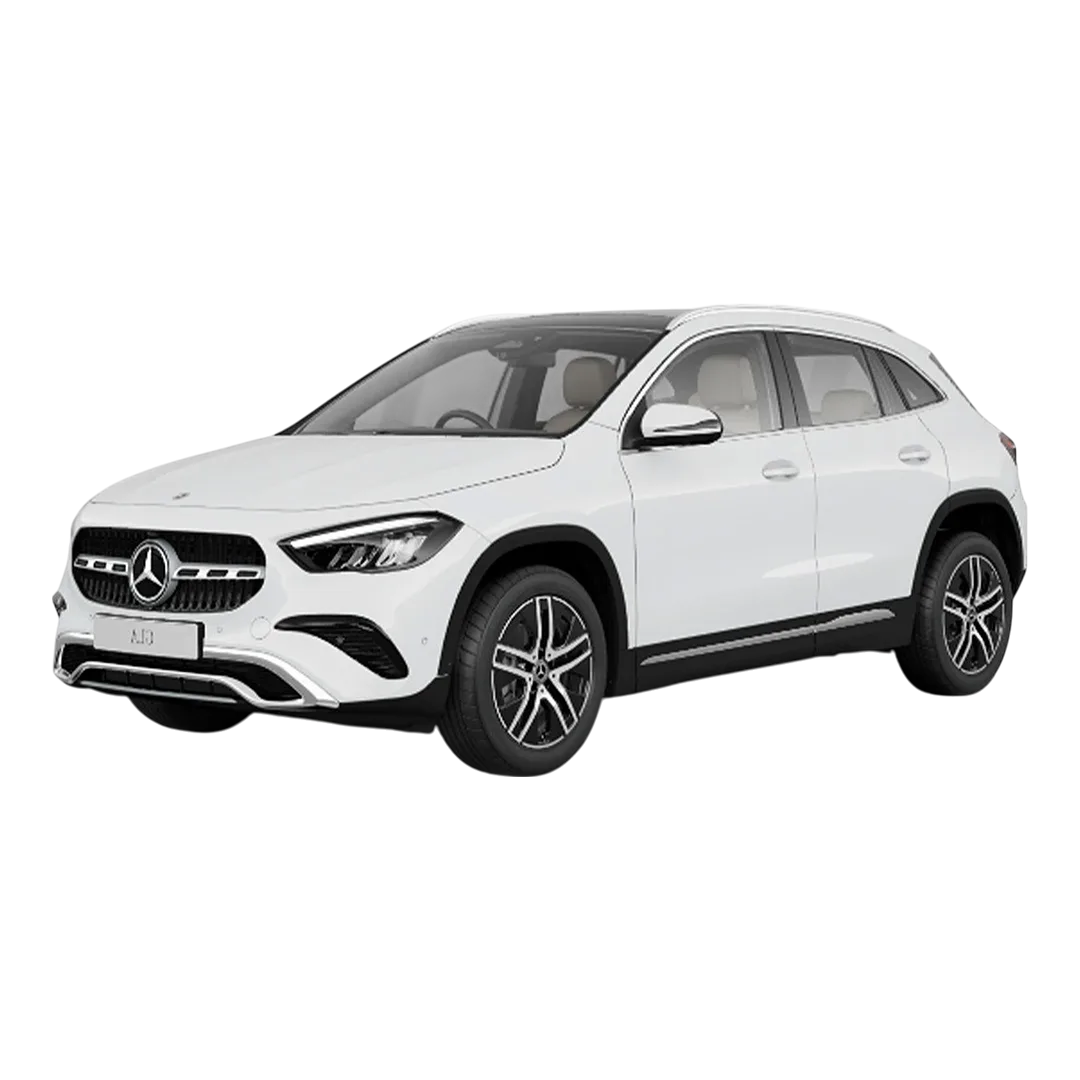 GLA 220d
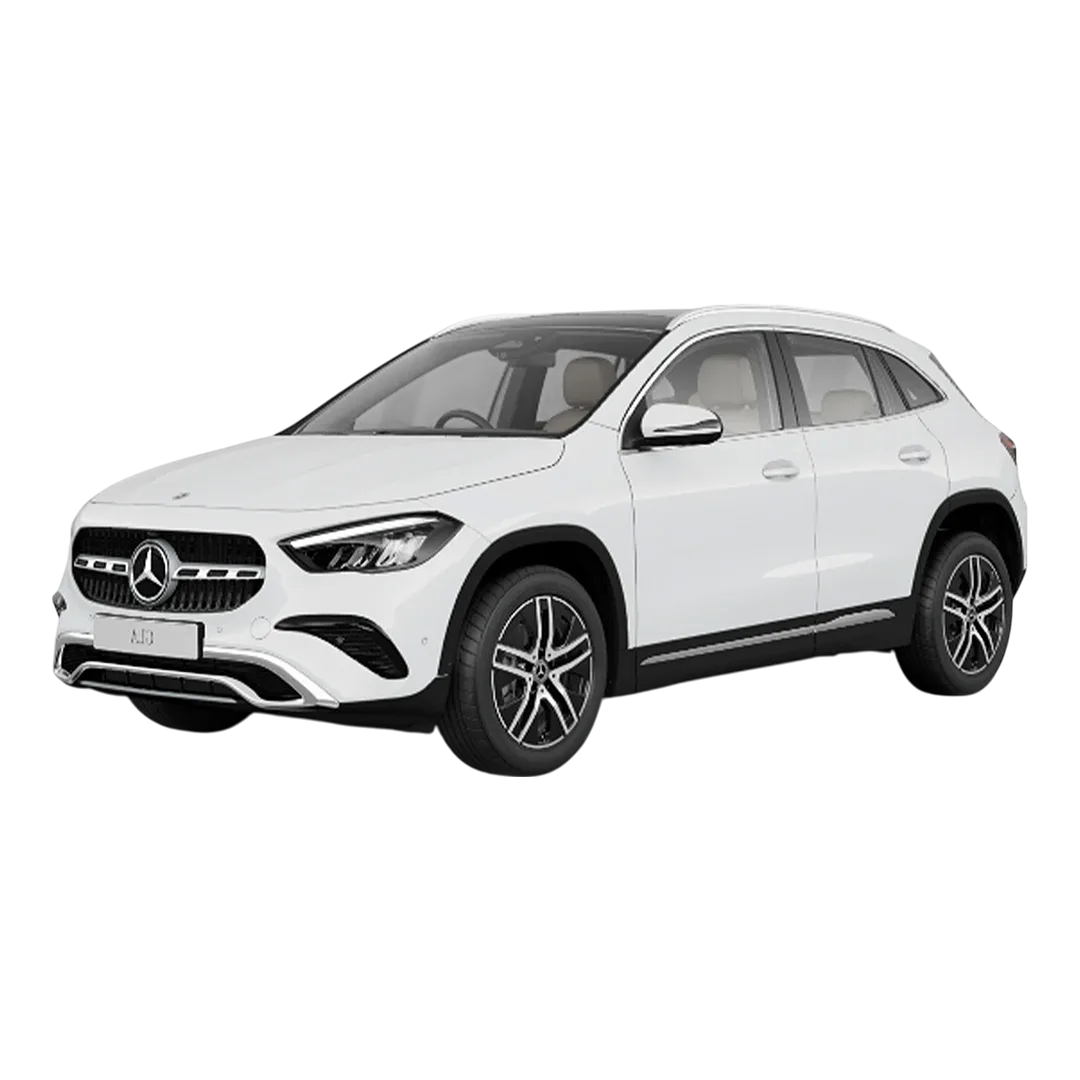 GLA-Class 200D
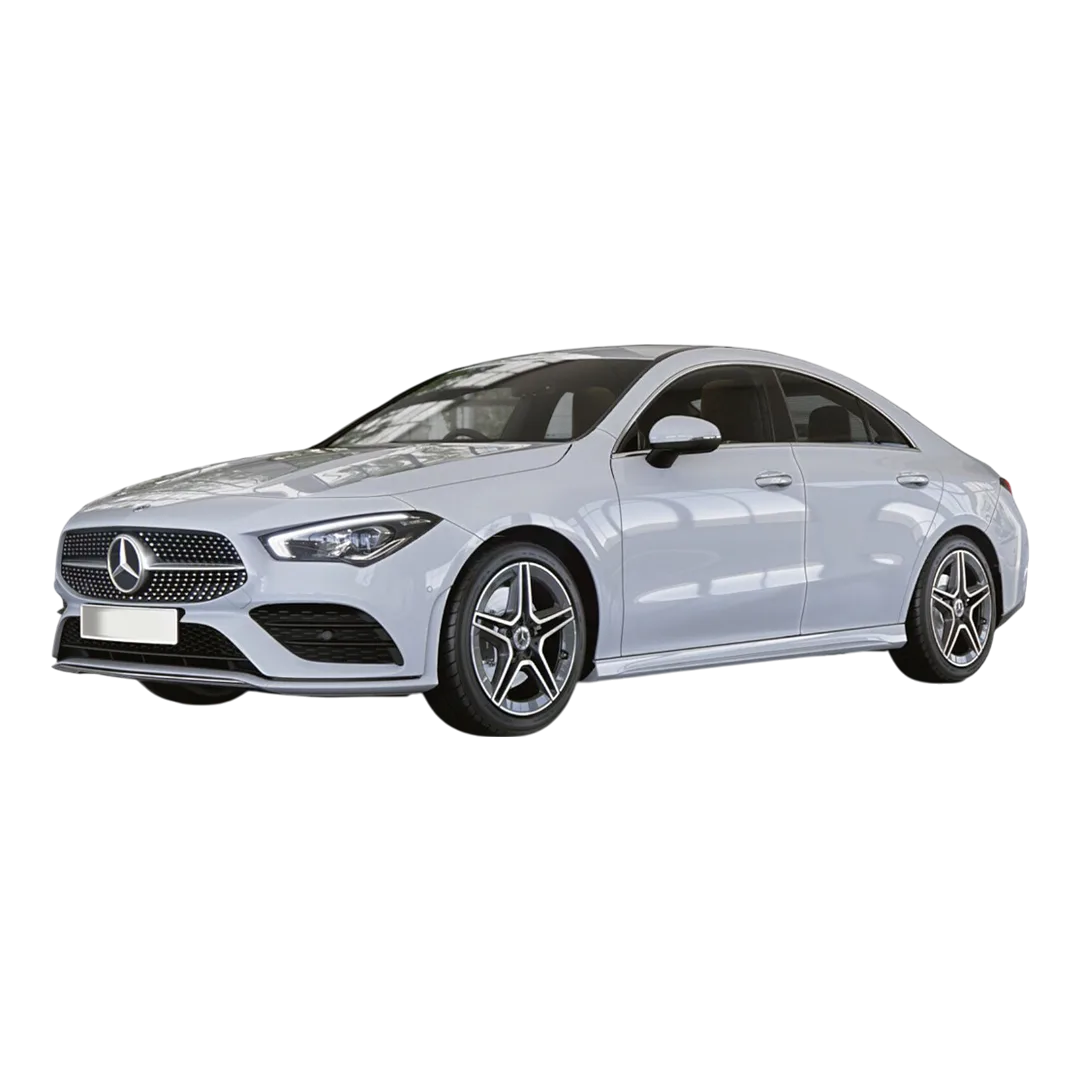 CLA 200
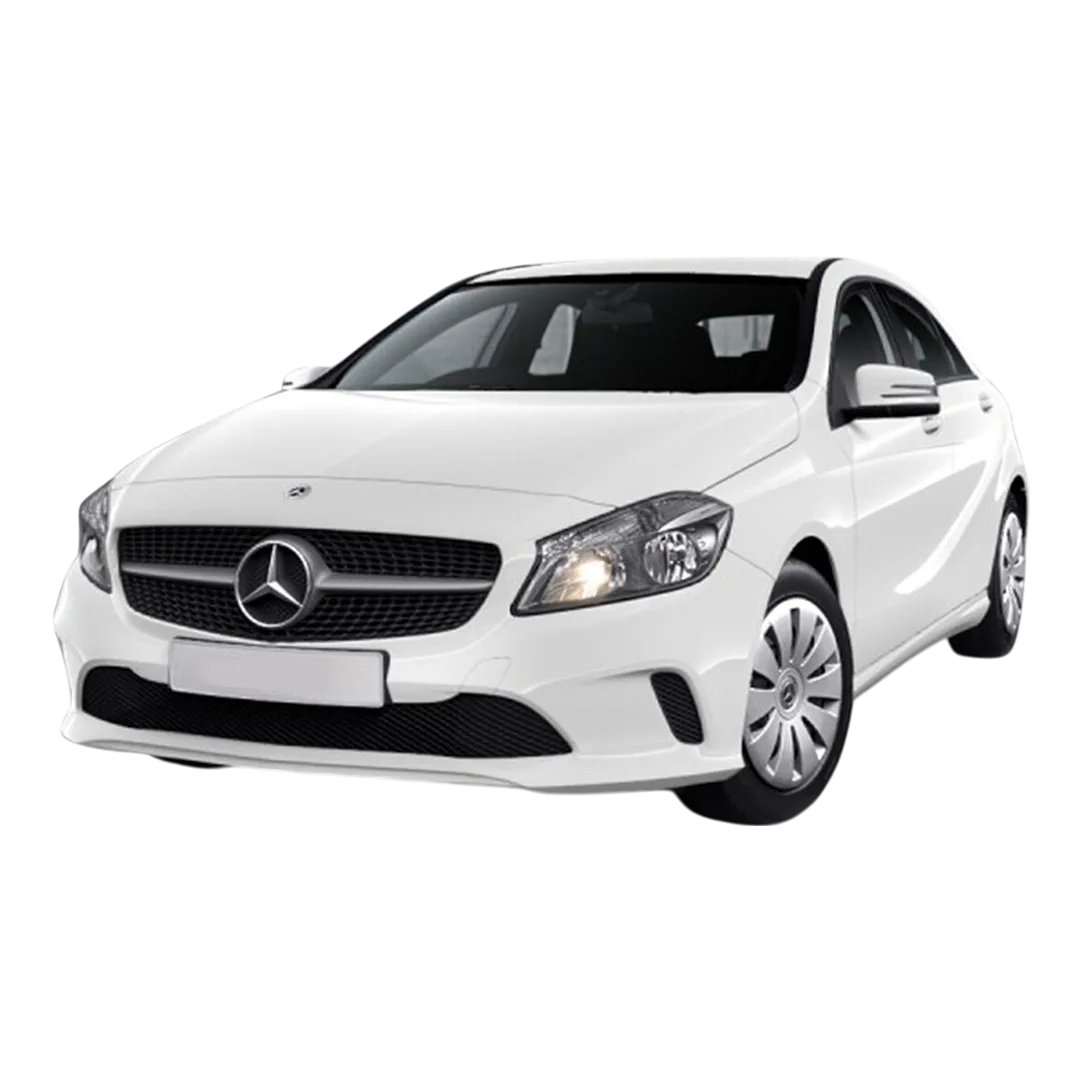 Benz A-Class A 180
M-Class ML 250
M-Class ML 350
Benz A-Class A 180
M-Class ML 250
M-Class ML 350
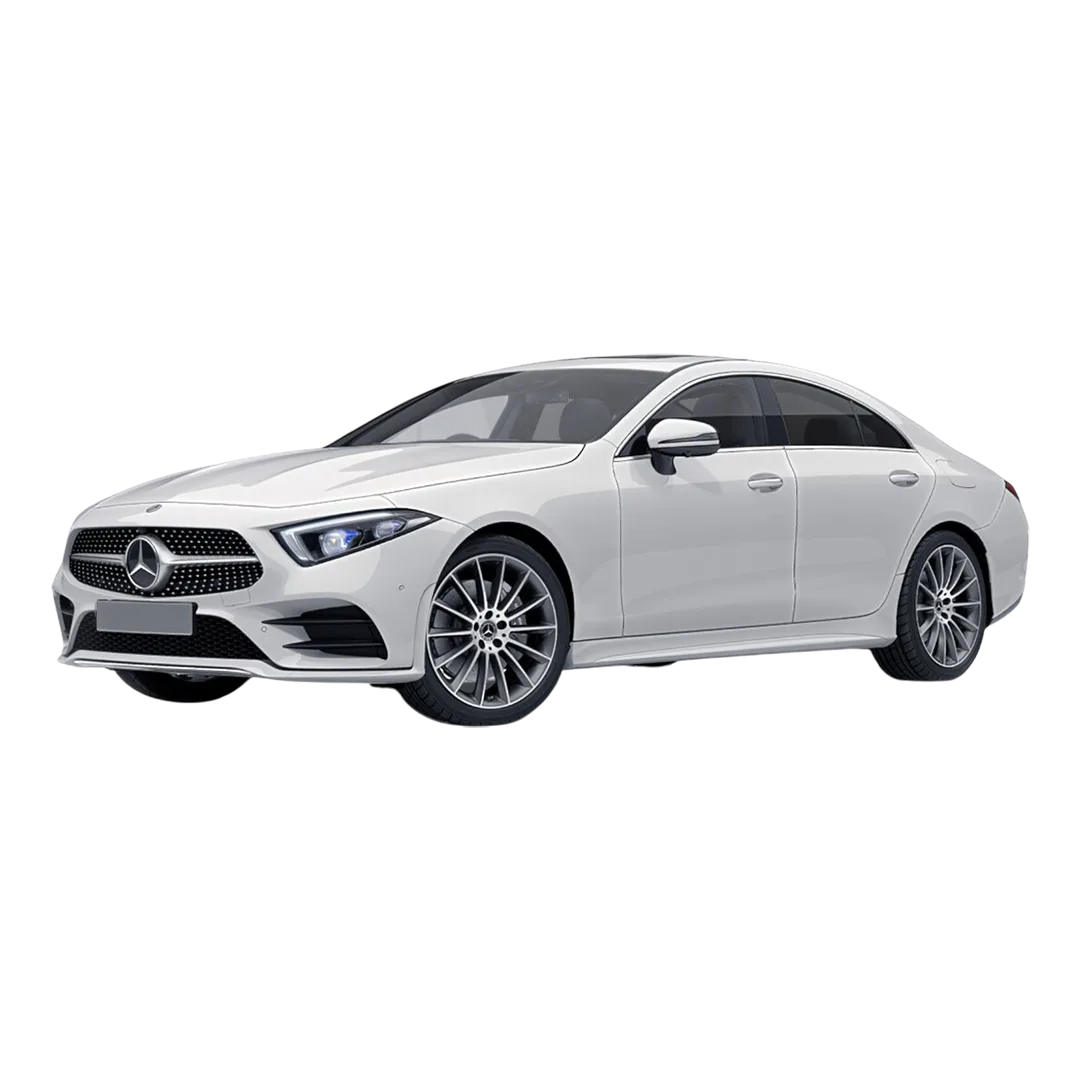 Benz CLS 300
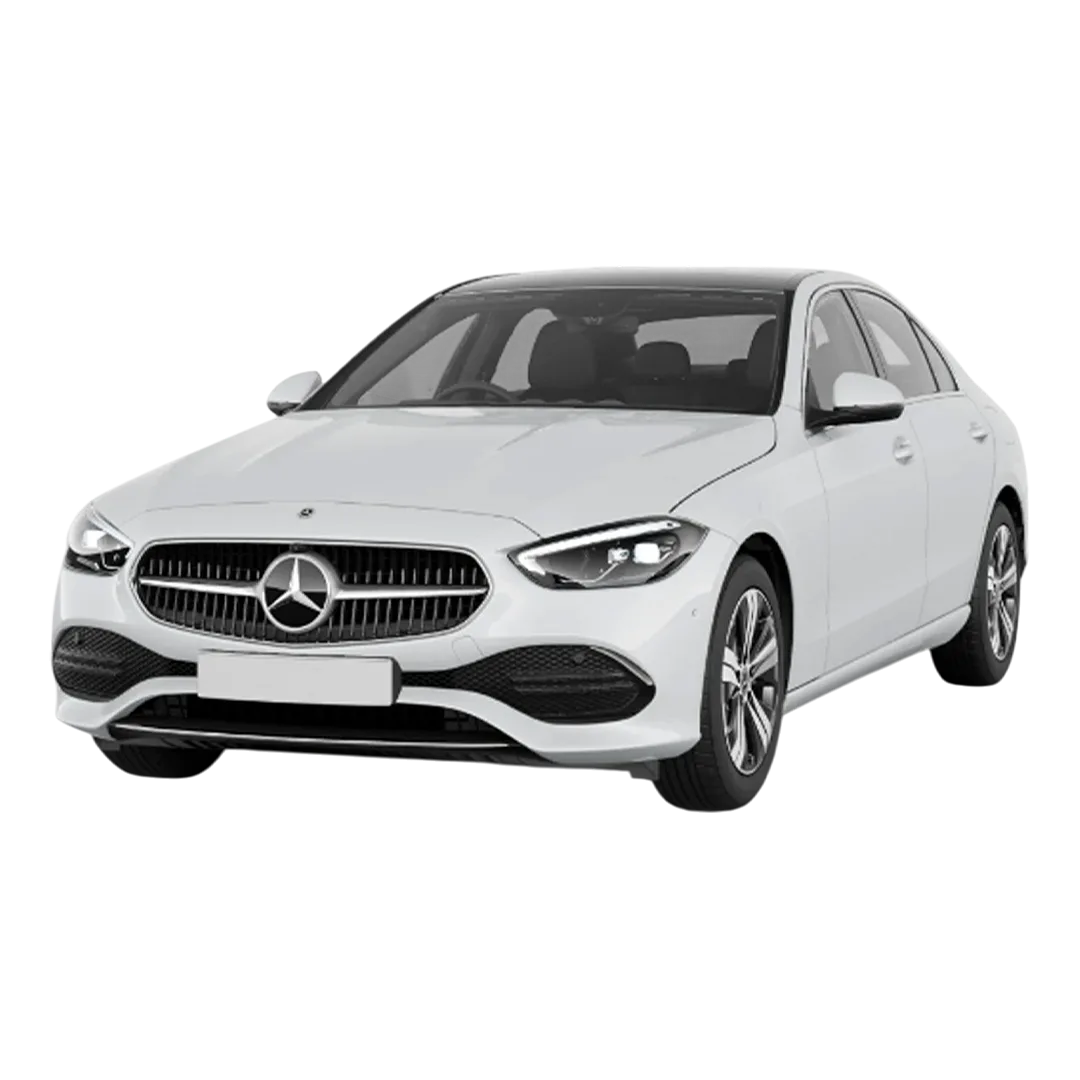 C-Class C250
C-Class C220
C-Class C200
C-Class C250
C-Class C220
C-Class C200
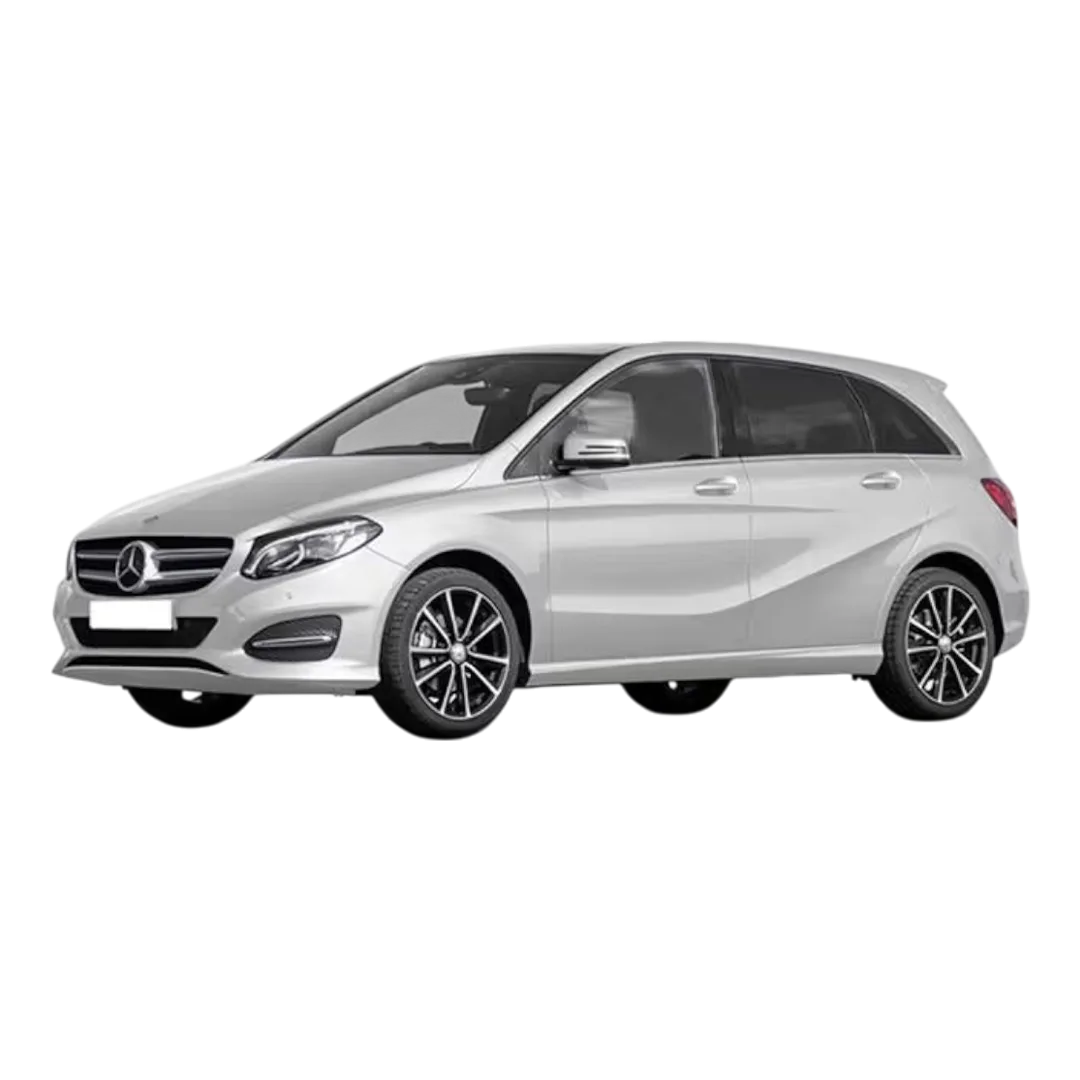 Benz B - Class
Benz A - 200
Benz B - Class
Benz A - 200
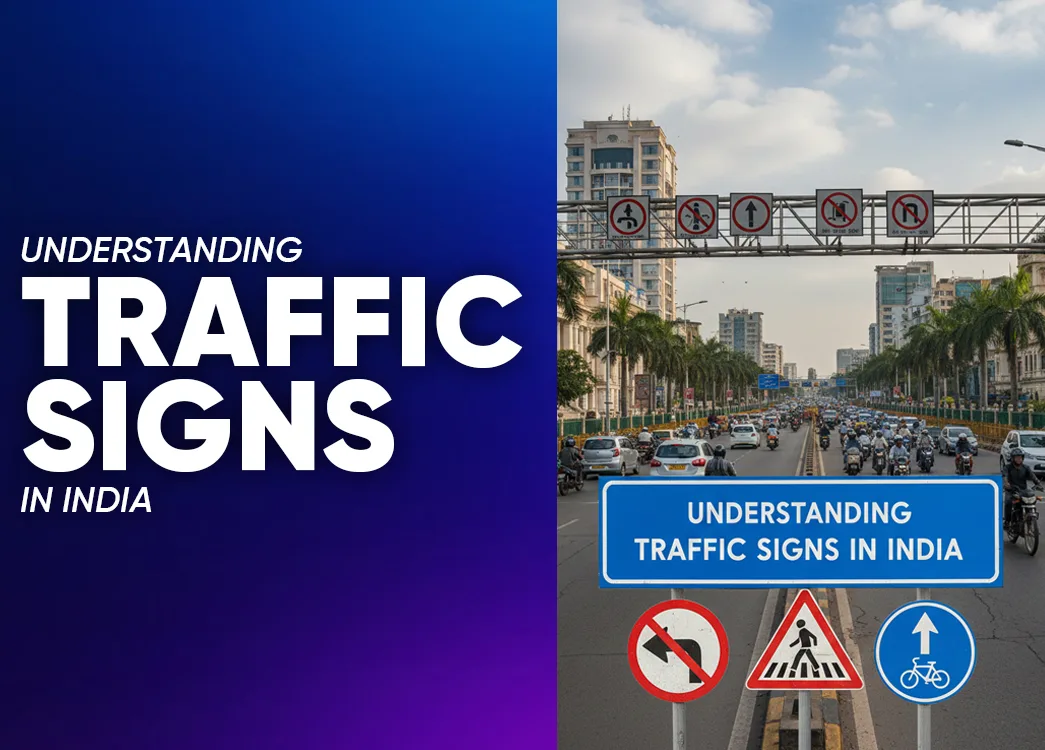
Traffic signs in India, also known as road safety symbols, are a crucial part of the country’s road infrastructure. They help regulate traffic movement, ensure road discipline, and enhance safety for all road users including drivers, riders, and pedestrians. Standardised under the Motor Vehicles Act and guidelines issued by the Indian Road Congress (IRC), these signs act as a universal visual language that can be understood irrespective of literacy or regional language barriers.
With India operating one of the largest road networks globally and facing a high rate of road accidents, understanding traffic signs is not just a legal requirement but a vital life skill. Knowing the meaning of road signs helps reduce confusion, prevent accidents, and ensures smoother traffic flow.
Traffic signs in India are broadly categorised into three main groups based on their function and design. Each category plays a unique role in ensuring safe and efficient road usage.
The design of traffic signs is a carefully planned process that combines visibility, psychology, and universal recognition. Bright and contrasting colours such as red, blue, and yellow are used to ensure high visibility even from a distance. Shapes also play an important role—triangular signs warn of danger, circular signs enforce rules, and rectangular signs offer guidance or information.
Most traffic signs in India use reflective materials that bounce back vehicle headlights, ensuring visibility at night or during poor weather conditions like fog or rain. In urban areas, internally illuminated signboards with LED lighting are commonly used to provide constant visibility and clarity.
Reflective signboards are the most commonly used signs across highways and open roads. They are designed using reflective sheets mounted on rustproof aluminium plates, making them durable and weather-resistant. These signs reflect vehicle headlights, allowing drivers to spot them easily in low-light conditions.
Internally illuminated signboards are mostly used in cities and high-traffic areas. These signs use built-in lighting systems such as LEDs or fluorescent lamps, ensuring constant visibility regardless of surrounding light conditions. They are particularly helpful during foggy weather and at night.
Mandatory signs, also known as restrictive signs, are legally enforceable and must be obeyed at all times. These signs are generally circular with a red border and white background. Failure to follow these signs can result in penalties or fines.
Common mandatory signs include Stop, Give Way, No Entry, Speed Limit, No Parking, No U-Turn, Horn Prohibited, and Compulsory Turn signs.
Cautionary signs warn drivers about potential hazards on the road ahead. These signs are triangular in shape with red borders and encourage drivers to slow down and stay alert to avoid accidents.
Examples include sharp bends, steep ascents or descents, narrow roads, pedestrian crossings, school zones, and slippery roads.
Auxiliary signs act as supplementary signs that provide additional information or instructions. They usually accompany mandatory or cautionary signs to give more context to road users.
Common auxiliary signs include Men at Work, Detour, Road Closed, and Temporary Diversion signs.
Informatory signs help drivers by providing information about facilities and services nearby. These signs are usually rectangular or square-shaped and are blue in colour.
Examples include Hospital, Petrol Pump, Parking, First Aid, Resting Place, and Eating Place signs.
Guide signs are a sub-category of informatory signs and are commonly found on highways. They provide route guidance, destination names, distances, toll information, and mileposts, helping drivers navigate long journeys easily.
| Type of Traffic Sign | Shape & Colour | Purpose | Examples |
|---|---|---|---|
| Mandatory Signs | Circular, Red & White | Enforce rules and regulations | Stop, No Entry, Speed Limit |
| Cautionary Signs | Triangular, Red Border | Warn about road hazards | Sharp Turn, School Ahead |
| Informatory Signs | Rectangular, Blue | Provide useful information | Hospital, Petrol Pump |
| Guide Signs | Rectangular, Green/Blue | Navigation and route guidance | Destination Boards, Mileposts |
| Auxiliary Signs | Varies | Supplement main signs | Men at Work, Detour |
Traffic signs play a vital role in maintaining road safety and order. They help regulate traffic flow, reduce congestion, prevent accidents, and provide critical information about road conditions ahead.
By guiding drivers and pedestrians, traffic signs promote discipline on the roads and ensure safer and more efficient travel for everyone.
India has over 100 officially recognised traffic signs, primarily divided into mandatory, cautionary, and informatory categories.
Colours convey meaning quickly. Red indicates danger or prohibition, blue provides information, and yellow warns of potential hazards.
Yes, mandatory traffic signs are legally binding, and violating them can lead to fines or penalties under traffic laws.
Understanding traffic signs helps drivers make quick decisions, avoid accidents, follow road rules correctly, and ensure safer travel for all road users.