



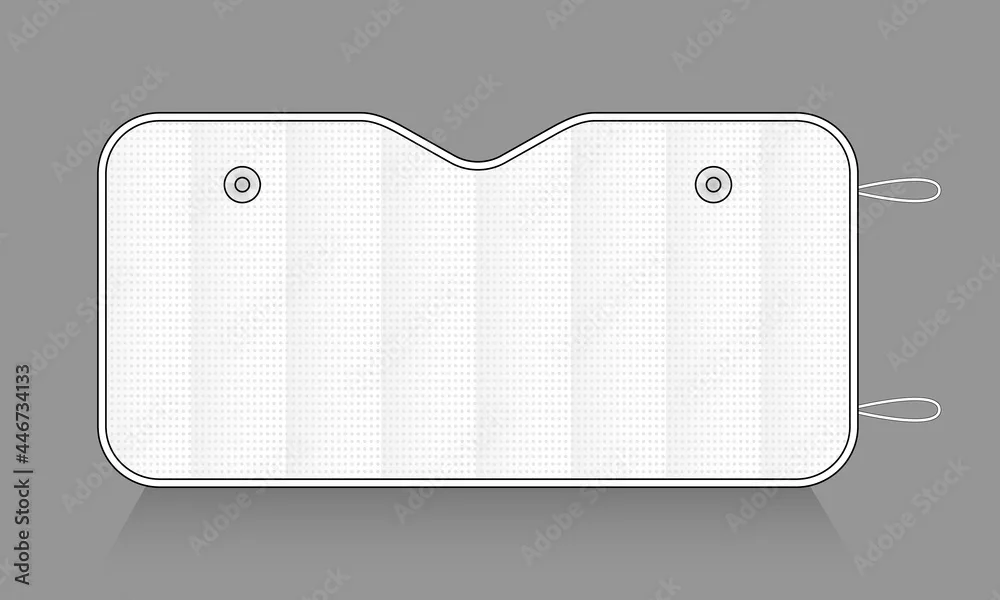








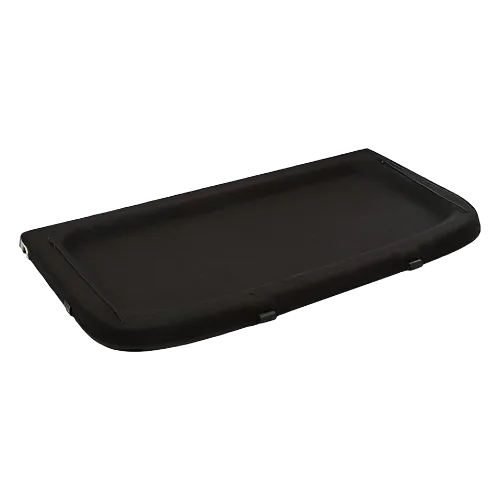

















































































































































































































































































































































A car sunshade helps address this problem before the heat builds up. When placed against the windshield while the car is parked, its reflective surface sends a portion of incoming solar radiation back toward the outside. This reduces the amount of solar energy reaching the interior and can limit the heating of surfaces inside the vehicle.
For Indian drivers, this can be particularly useful during hot and sunny months when vehicles are frequently parked outdoors at workplaces, colleges, shopping centres and residential areas. A sunshade is also a simple, reusable accessory that requires no electricity or fuel.
Understanding the car sunshade benefits comes down to understanding how sunlight becomes heat inside a vehicle. It also explains why windshield protection is often considered one of the practical car accessories for summer.
Creckk Quote: “A cooler car starts with controlling sunlight before it turns into heat.”
How Car Sunshades Block Solar Heat and Keep Your Interior Cooler
A car sunshade works primarily by reducing the amount of solar energy reaching the inside of the vehicle. Sunlight carries energy in the form of electromagnetic radiation. When this radiation passes through the windshield, some of it reaches the dashboard, seats, steering wheel and other surfaces inside the cabin.
These surfaces absorb part of the incoming energy and become warmer. As they heat up, they transfer heat to the surrounding cabin air and to nearby components. This is one reason why simply opening the door after several hours of parking can reveal a cabin that feels dramatically hotter than expected.
A reflective sunshade creates a barrier between the sunlight and the interior. Its reflective surface sends a portion of incoming solar radiation back outward, reducing the solar energy absorbed by the cabin's surfaces. This is the basic principle behind how reflective car sunshades block heat.
The benefit is different from air conditioning. The AC system cools the cabin after heat has already entered. A sunshade works earlier in the process by reducing solar heat gain in the first place.
For drivers searching for car accessories to keep interior cool , this makes the sunshade a simple passive solution.
| Without a Sunshade | With a Sunshade |
|---|---|
| More direct sunlight reaches the dashboard | Less direct sunlight reaches the dashboard |
| Interior surfaces absorb more solar energy | Reflective material sends some solar energy outward |
| Steering wheel and seats can become very hot | Direct solar heating can be reduced |
| More heat builds up inside the parked cabin | Solar heat gain through the windshield is reduced |
| Interior may feel harsher when you return | Cabin may feel more comfortable compared with an uncovered windshield |
Creckk Tip: The sunshade works best when it covers most of the windshield. Large gaps can still allow direct sunlight to reach the dashboard.
A well-designed sunshade therefore isn't simply a decorative car accessory. It uses a basic heat-management principle to reduce the amount of solar energy entering one of the largest exposed glass areas of the vehicle.
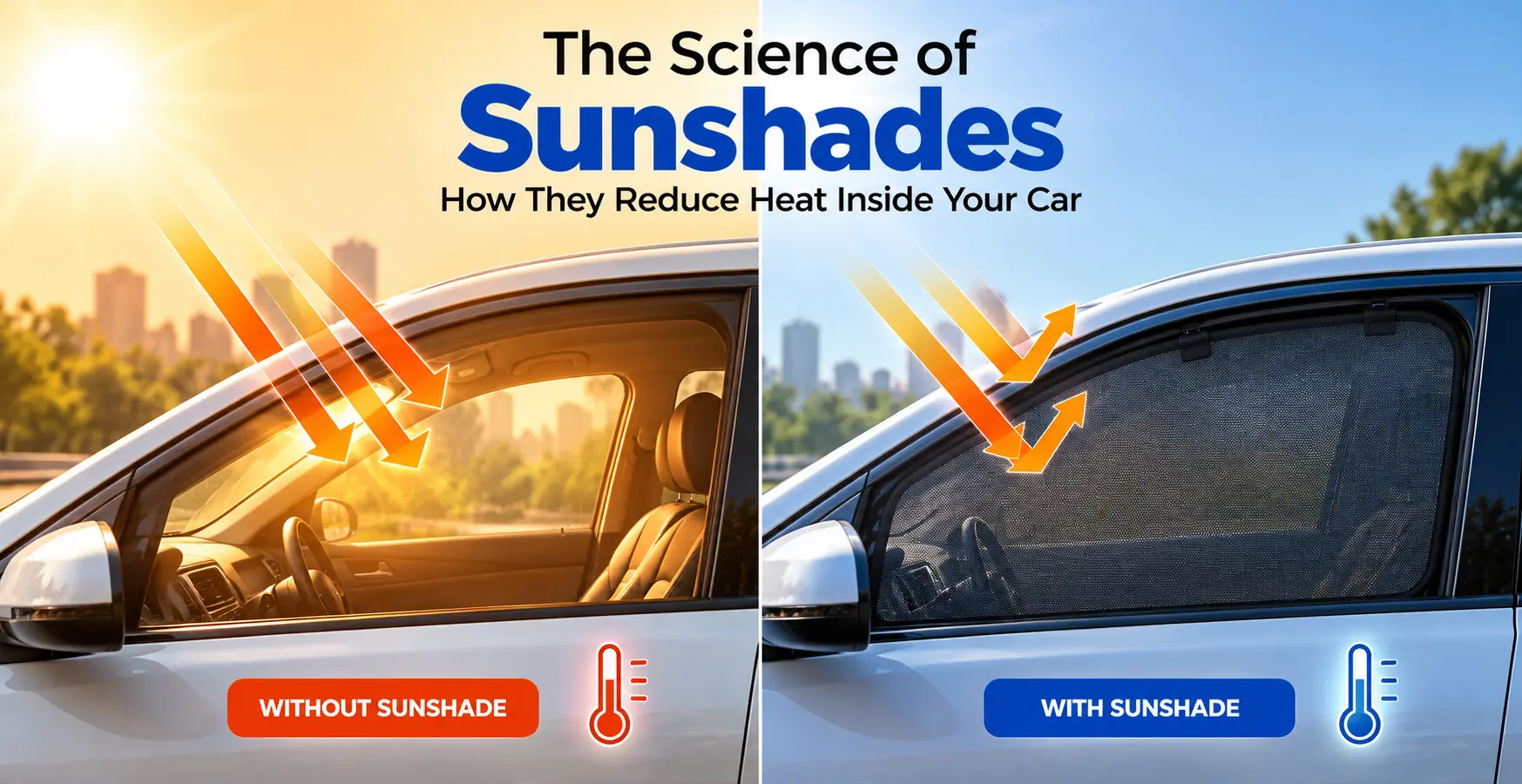
1. The Science of Sunshades: How They Reduce Heat Inside Your Car
To understand the science behind a sunshade, it helps to first understand the relationship between sunlight and heat. When sunlight reaches a surface, some radiation may be reflected, some may pass through, and some may be absorbed. Absorbed radiation increases the surface's energy and can raise its temperature.
A parked car receives solar radiation through its glass areas. The windshield is particularly important because it provides a large opening through which sunlight can reach the front section of the cabin. The dashboard, steering wheel and seats then absorb part of this energy.
Once these surfaces become hot, they can continue transferring heat to the surrounding cabin. This is why the cabin can remain uncomfortable even when the outside air does not feel equally hot.
A reflective car sunshade for heat changes the amount of radiation entering this system. Its reflective layer is designed to send a portion of the incoming solar energy back toward the outside. Less energy reaching the dashboard means less solar energy available to heat that surface directly.
This is one of the key benefits of using a car sunshade. Instead of relying entirely on the air conditioner after you return, the sunshade helps reduce heat accumulation while the car is sitting unused.
The same principle is found in many everyday heat-control applications: reflective surfaces can help manage radiant energy by reflecting part of it rather than absorbing it.
Creckk View: “The science isn't about making sunlight disappear. It's about reflecting part of its energy before your dashboard absorbs it.”
This also explains why the colour and surface of a sunshade matter. A highly reflective surface can be useful for directing solar radiation away from the vehicle rather than allowing it to contribute to interior heating.
When choosing automotive accessories, buyers often focus on appearance, but understanding the function behind a product makes it easier to select accessories that genuinely solve a problem.
2. Why Your Car Gets Hot in the Sun and How a Sunshade Helps
The hot-car effect is not caused by one single factor. It is the result of solar radiation entering the vehicle and being absorbed by surfaces inside the cabin.
Imagine a car parked outside on a sunny afternoon. Sunlight enters through the windshield and windows. The dashboard absorbs some of that radiation and heats up. The seats and steering wheel can also absorb energy. These heated surfaces then transfer heat to the surrounding environment inside the cabin.
This means that the cabin isn't simply becoming hot because the outside air is hot. The vehicle is also receiving continuous energy from the sun.
The windshield can therefore become an important point for car heat protection. By placing a sunshade directly against it, the driver can reduce the amount of direct solar radiation reaching the dashboard and other front-cabin surfaces.
This is particularly useful for vehicles that spend several hours parked outdoors. For example, a student leaving a car at college, an employee parking at an office, or a family leaving a vehicle in an open parking area can use a sunshade during the entire parking period.
Creckk Tip: Don't wait until the cabin is already hot to use the sunshade. Its primary purpose is to reduce solar heat gain while the car is parked.
The difference can also be felt through individual surfaces. A steering wheel exposed directly to sunlight can become significantly warmer than one that has been shielded. The same applies to dashboard areas receiving direct radiation.
This makes a sunshade more than just one of the best car accessories based on popularity. Its usefulness comes from addressing a specific physical process: direct solar heating.
Other accessories can complement this approach. For example, suitable car interior accessories can help with comfort and protection, while exterior parking choices such as shade or covered parking can further reduce direct solar exposure.
Creckk Quote: “If sunlight is the source of the heat buildup, blocking part of that sunlight is the logical first step.”
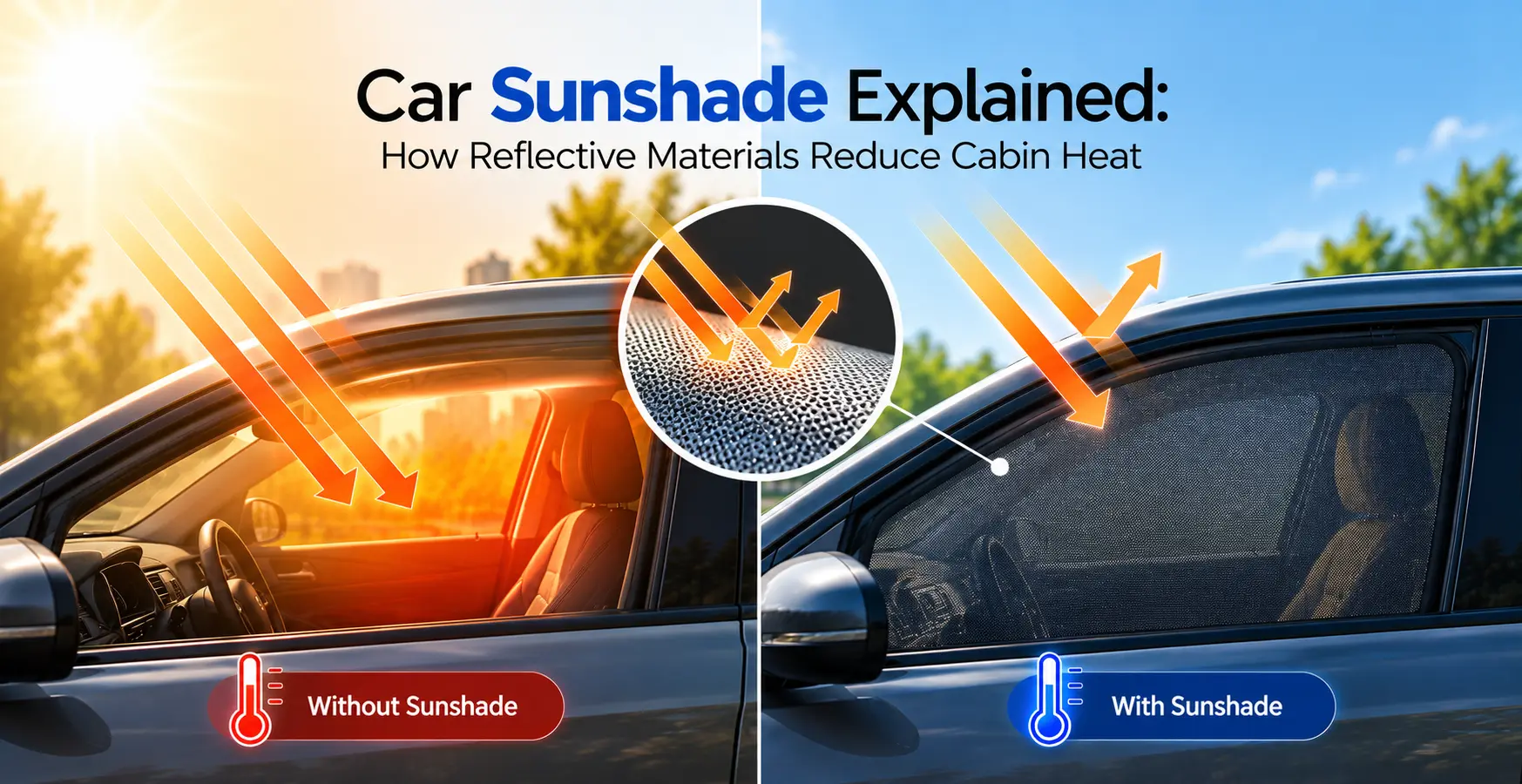
3. Car Sunshade Explained: How Reflective Materials Reduce Cabin Heat
The reflective surface is one of the most important features of many modern car sunshades. Rather than simply acting as an opaque barrier, a reflective material is designed to redirect part of the incoming solar radiation.
Think of the sunshade as a layer placed between the windshield and the cabin. When sunlight reaches its reflective surface, a portion of the energy is directed back toward the windshield and outside instead of being absorbed by the dashboard.
This is the fundamental principle behind how reflective car sunshades block heat.
However, the actual performance of a sunshade depends on more than how shiny it appears. Coverage, fit, material construction and how closely it sits against the windshield can all affect its practical usefulness.
A sunshade that leaves large sections of the windshield uncovered allows sunlight to pass through those areas. Similarly, a poorly fitting shade may leave gaps where direct sunlight can still reach the dashboard.
This is why vehicle compatibility is an important consideration when purchasing online car accessories.
| Feature | Why It Matters |
|---|---|
| Reflective surface | Helps redirect incoming solar radiation |
| Windshield coverage | Reduces exposed areas through which sunlight can enter |
| Vehicle fit | Helps improve overall coverage |
| Durable construction | Supports repeated daily use |
| Folding/storage design | Makes the accessory easier to carry |
| Simple installation | Encourages consistent use |
A universal sunshade can be convenient because it may fit different vehicles, while a vehicle-specific design may provide more precise windshield coverage. The right option depends on the vehicle and the driver's requirements.
Creckk View: “A sunshade shouldn't win points just for looking reflective. Coverage, fit and everyday usability matter just as much.”
When comparing car accessories, it is also worth considering how frequently the product will actually be used. A sunshade that takes seconds to install and folds away easily is more likely to become part of your regular parking routine.
4. From Sunlight to Heat: Understanding How Car Sunshades Protect Your Interior
The impact of sunlight isn't limited to cabin comfort. Repeated exposure to strong solar radiation can also subject interior surfaces to regular heating and cooling cycles.
The dashboard, steering wheel, seats and other components can become hot when exposed directly to sunlight. A windshield sunshade helps reduce this direct exposure by blocking or reflecting incoming solar radiation.
This doesn't mean that a sunshade prevents all heat from entering the vehicle. The side windows, roof, doors and other areas can still contribute to heat gain. Ambient temperature and the duration of parking also influence how hot the cabin becomes.
Therefore, the realistic purpose of a sunshade is to reduce solar heat gain, not to turn a parked vehicle into a refrigerated space.
This distinction is important when discussing car heat protection. A sunshade works as one part of a broader approach to managing cabin temperature.
For example, parking under shade can reduce direct solar exposure. A windshield sunshade can further block sunlight entering through the front glass. Appropriate interior products can also contribute to everyday comfort.
For people browsing online car accessories, this is a useful way to think about accessories: instead of buying products simply because they are popular, identify the problem first and then choose the accessory designed to address it.
Creckk Tip: Think in layers—shade the vehicle when possible, use a windshield sunshade during outdoor parking, and then use the AC to cool the cabin when you start driving.
This approach also explains why sunshades remain relevant even as modern cars become more advanced. They require no connection to the vehicle's electrical system and can be used whenever the car is parked.
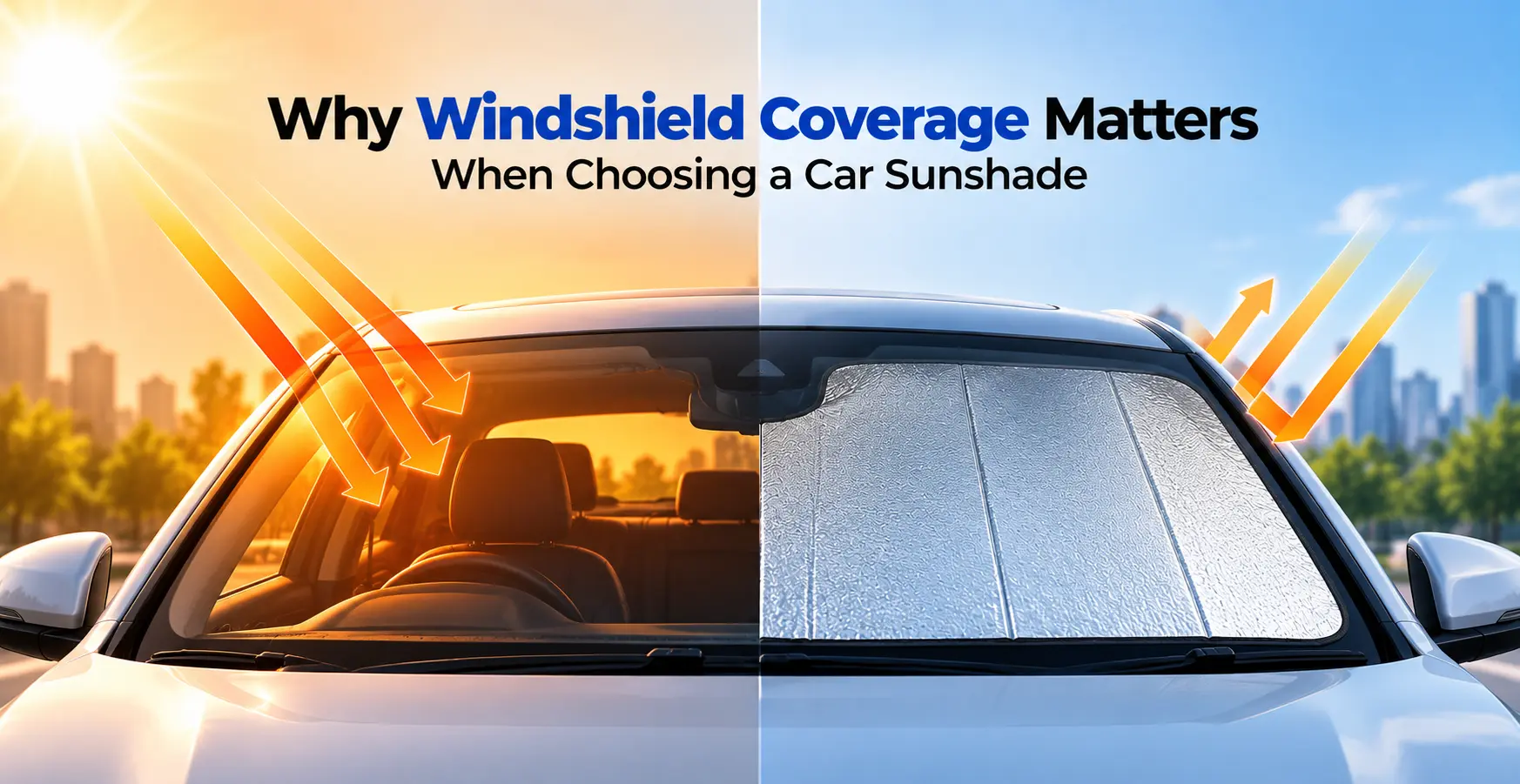
Why Windshield Coverage Matters When Choosing a Car Sunshade
A reflective material can only protect the area it covers. If a significant portion of the windshield remains exposed, sunlight can still reach the dashboard and other interior surfaces.
This makes windshield heat protection an important consideration when buying a sunshade.
Before purchasing, check the product dimensions and compare them with your windshield. If the product is described as universal, look for information about the range of vehicles it is designed to fit.
A good fit should make installation straightforward while providing broad windshield coverage. If the shade constantly slips, folds awkwardly or leaves major uncovered sections, you may be less likely to use it regularly.
The same principle applies when shopping for other car interior accessories. Convenience matters because an accessory only provides its intended benefit when it is actually used.
Creckk View: “The most useful summer accessory is often the one you can install quickly enough that you never have an excuse to skip it.”
For Indian users, this can be particularly relevant during long summer parking periods. A few seconds spent positioning a sunshade can become a simple part of the parking routine.
How to Use a Car Sunshade More Effectively
Using a sunshade correctly is just as important as choosing the right product. The basic process is straightforward, but a few practical habits can improve its usefulness.
1. Cover the windshield properly
Position the sunshade so that it covers as much of the windshield as possible. Avoid leaving large exposed sections around the edges.
2. Place the reflective side toward the outside
If the product has a designated reflective side, follow the manufacturer's instructions regarding orientation. The reflective surface is intended to redirect incoming solar radiation.
3. Use it whenever you park in direct sunlight
Consistency matters. A sunshade is most useful when it is deployed during outdoor parking rather than occasionally.
4. Store it properly
Fold or roll the product according to its design and keep it somewhere convenient. Easy storage makes regular use more practical.
5. Combine it with shade where possible
Covered parking or natural shade can reduce direct solar exposure even before the sunshade is installed.
Creckk Tip: Keep your sunshade somewhere easily accessible. If it is buried under luggage or other automotive accessories, you're less likely to use it every time you park.
Car Sunshade vs Other Ways to Keep Your Interior Cool
A sunshade is one method of managing cabin heat, but it is not the only one. Different approaches address different parts of the heat problem.
| Method | Primary Purpose | When It Helps |
|---|---|---|
| Car sunshade | Reduces direct solar radiation through windshield | While parked |
| Covered parking | Reduces direct sunlight exposure | During parking |
| Suitable window shades | Limits direct sunlight through side glass where permitted | During parking |
| Ventilation | Allows accumulated hot air to escape | Before or when starting a drive, where conditions permit |
| Air conditioning | Removes heat from cabin air | During driving |
| Interior accessories | Can improve comfort and protect surfaces | During regular use |
The key difference is that a sunshade acts before the cabin absorbs as much solar energy. Air conditioning primarily works after heat has entered the cabin.
That makes a sunshade a useful complementary accessory rather than a replacement for the vehicle's cooling system.
When building a collection of car accessories for summer, consider the conditions in which your vehicle is normally used. Someone with covered parking may have different priorities from someone who leaves their vehicle outdoors for several hours every day.
Creckk's range of online car accessories can be viewed in the same problem-solving context: choose products based on a specific use case rather than simply accumulating accessories.
Buyer Guide: What to Check Before Buying a Car Sunshade
With so many car accessories available online, it can be tempting to choose a product based on appearance or price alone. For a sunshade, however, practical specifications deserve more attention.
Windshield size
Check whether the dimensions correspond to your vehicle. Coverage is one of the most important factors.
Material
Look for a product with a properly constructed reflective surface and material designed for repeated use.
Fit
A shade that fits the windshield well can provide better coverage than an oversized or undersized product.
Storage
Foldable or compact designs can be easier to store when the vehicle is being driven.
Ease of installation
If the sunshade is difficult to position, daily use can become inconvenient.
Durability
If you plan to use it throughout the summer, construction quality matters.
Creckk Quote: “Don't buy a sunshade because it looks premium. Buy it because it solves the heat problem you actually have.”
This approach applies to best car accessories more broadly. The most useful product is one that matches your vehicle, climate, parking conditions and daily routine.
FAQs
1. Do car sunshades really reduce cabin temperature?
Yes. A properly positioned sunshade can reduce solar heat entering through the windshield by reflecting part of the incoming radiation and limiting direct sunlight reaching interior surfaces. The exact effect varies depending on factors such as sunlight intensity, vehicle design, windshield size, shade coverage and parking conditions.
2. How do reflective car sunshades block heat?
Reflective sunshades redirect a portion of incoming solar radiation away from the vehicle. This reduces the amount of solar energy reaching and heating the dashboard, steering wheel and other interior surfaces.
3. Does a car sunshade cool the car like an AC?
No. A sunshade doesn't actively cool the cabin. It helps reduce heat entering the vehicle while it is parked. The air-conditioning system performs the active cooling once the vehicle is running.
4. Which side of a car sunshade faces the windshield?
For products with a designated reflective side, follow the manufacturer's instructions. Generally, the reflective surface is positioned toward the incoming sunlight so that it can reflect part of the solar radiation.
5. Are car sunshades useful during Indian summers?
They can be particularly useful in sunny conditions because they reduce direct solar exposure through the windshield. Their effectiveness depends on the vehicle, parking conditions, duration of exposure and sunshade coverage.
6. Can a sunshade protect my car's dashboard?
A sunshade reduces direct sunlight reaching the dashboard through the windshield. This can reduce the dashboard's exposure to solar heating, although it does not eliminate all heat or sunlight entering the vehicle from other areas.
7. What should I check before buying a car sunshade online?
Check windshield compatibility, dimensions, coverage, reflective construction, durability, storage method and ease of installation. A product that fits your windshield properly is generally more practical than one that leaves large uncovered areas.
Conclusion
The reason a car sunshade reduces cabin heat comes down to a simple scientific principle: controlling solar radiation before it becomes absorbed heat inside the vehicle.
When sunlight passes through the windshield, it can reach the dashboard, seats and steering wheel. These surfaces absorb part of that energy and become warmer, contributing to the uncomfortable conditions inside a parked car. A reflective sunshade reduces this process by reflecting a portion of incoming solar radiation away from the vehicle.
That makes a sunshade a practical option among car accessories for summer, particularly for vehicles that spend long periods parked in direct sunlight. It does not replace air conditioning, eliminate every source of cabin heat or guarantee a specific temperature reduction. Instead, it works as a passive first layer of car heat protection.
For Indian automotive users, the most practical approach is to combine a properly fitted windshield sunshade with shaded parking whenever possible and sensible cabin-cooling practices. When choosing online car accessories, focus on the actual problem you want to solve—coverage, comfort, protection or convenience.
From car interior accessories to other automotive products, the same principle applies: useful accessories should have a clear purpose and fit naturally into your everyday driving routine.
Creckk View: “The science of staying cooler starts before you turn on the AC. Reduce the sunlight, reduce the heat entering the cabin.”