Your cart is empty
Start Shopping Exterior
›
Exterior
›
 Bumper Diffuser/Guard
 Body Covers
 Window Garnishing
 Door Guards
 Roof Rails
 Side Beading
 Door Visor
 Mud Flap
 Wheel Cover
 Foot Rest
 Interior
›
Interior
›
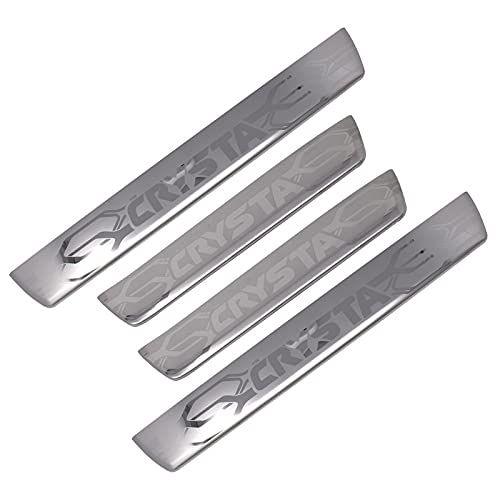 Door Scuff Sill Plates
 Window Sunshades & Film
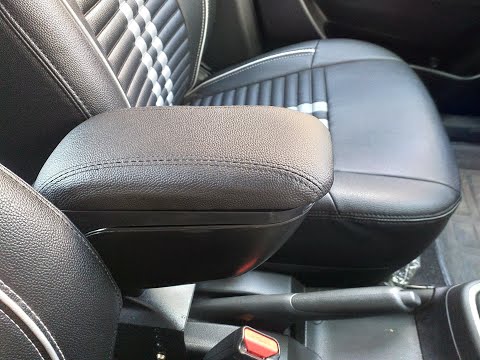 Armrest
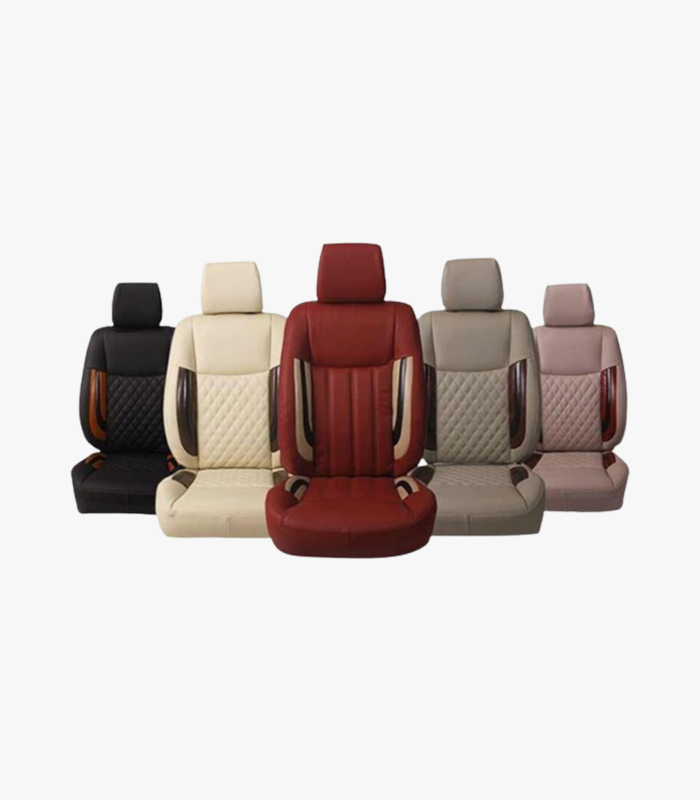 Seat Covers
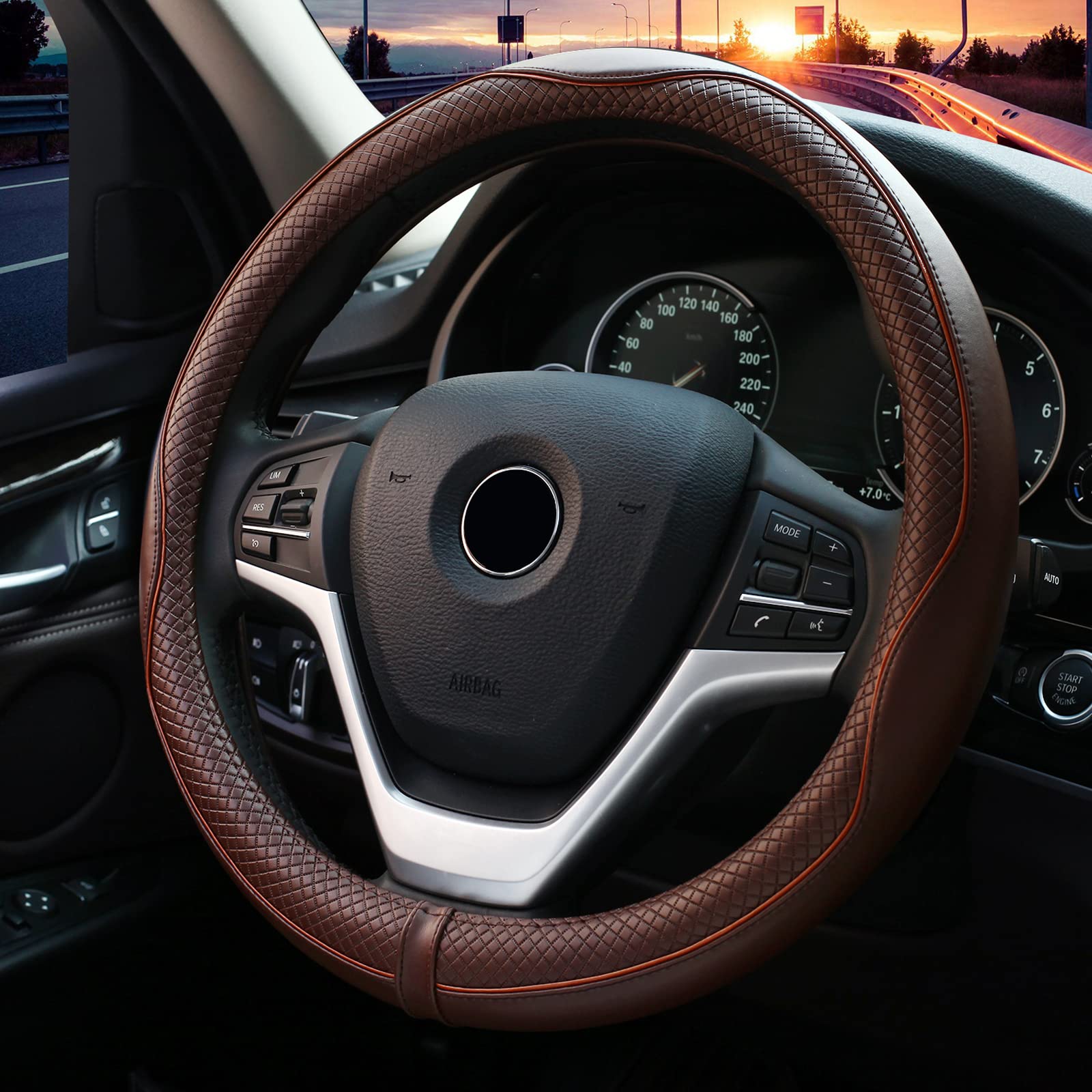 Steering Cover
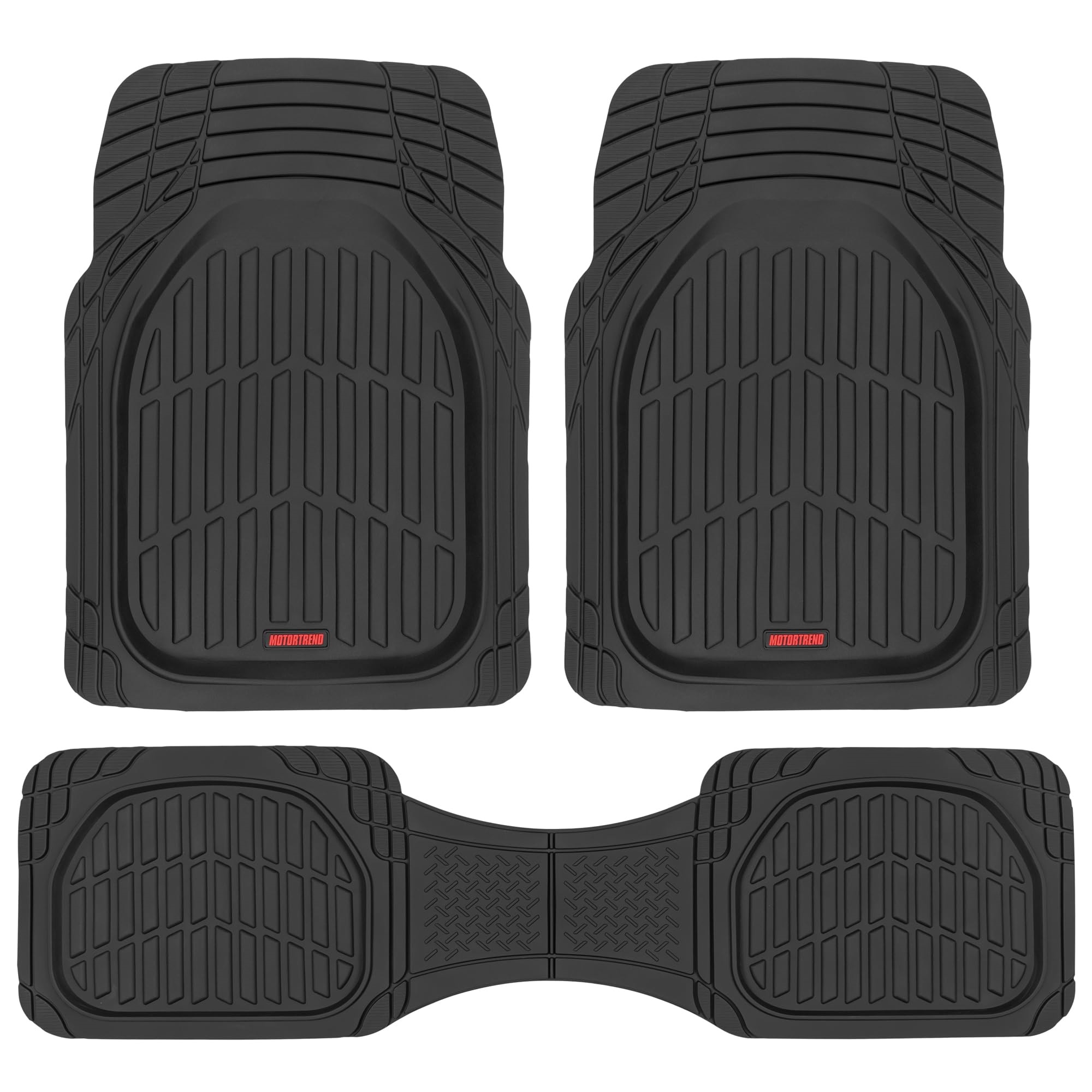 Floor Mats
 Dashboard Showpiece
 Seat & Neck Cushion
 Lighting
›
Lighting
›
 Utility
›
Utility
›
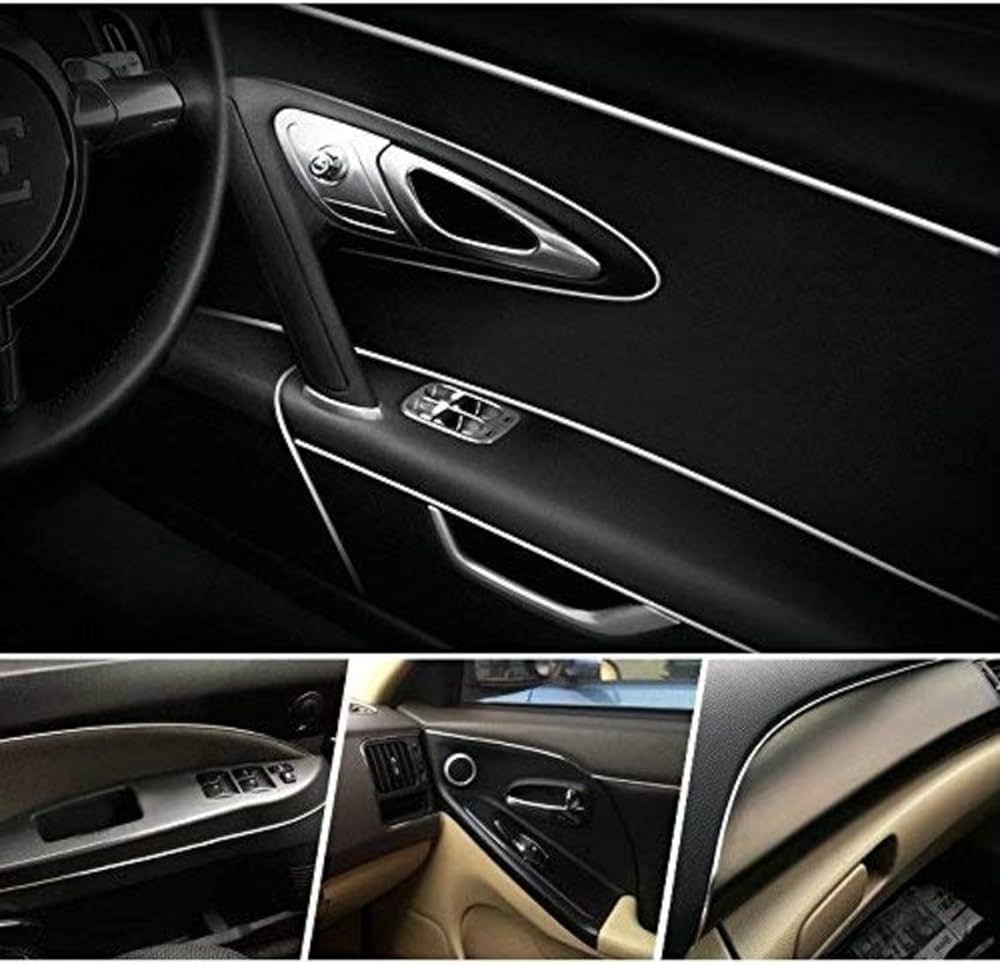 All Chrome Items
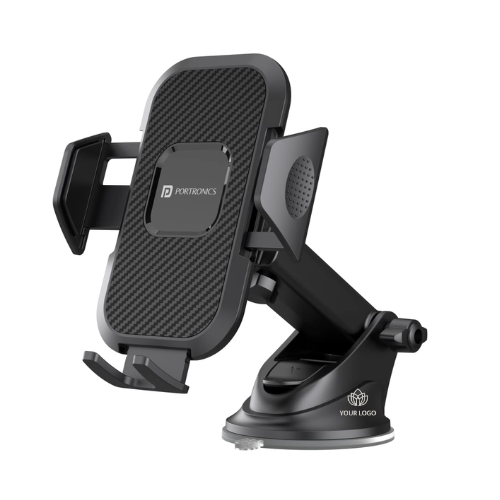 Mobile Holder
 Tyre Inflators
 Vacuum Cleaner
 Jumper Cable
 Cleaning Kit
 Tyre Puncture Kit
 Tyre Valve Cap
 Car Fan
 Parcel Tray
 Electronic
›
Electronic
›
 Parts
›
Parts
›
 Fog Lights
 Headlights
 Tail Lights
 Steering Wheel Controls
 Sensor
 Horns
Horns
 Wiper Blade
 Front Grille
 Side Mirror
 Battery
 Car Care
›
Car Care
›
 Air Freshener & Perfume
 Gear knob
 Stickers & Decals
 Blind Spot Mirror
 Steering Knob
 Key Covers
 Polish & Scratch Remover
 Seat Utility Holder
 Cup Holder
 Dustbin
 Paper Napkin
 Shop By Car
›
Shop By Car
›
 Tata
›
Tata
›
 Maruti Suzuki
›
Maruti Suzuki
›
 Hyundai
›
Hyundai
›
 Toyota
›
Toyota
›
 Mahindra
›
Mahindra
›
 Honda
›
Honda
›
 Ford
›
Ford
›
 Nissan
›
Nissan
›
 Renault
›
Renault
›
 Skoda
›
Skoda
›
 Volkswagen
›
Volkswagen
›
 Morris Garages - MG
›
Morris Garages - MG
›
 KIA
›
KIA
›
 Jeep
›
Jeep
›
 Citroen
›
Citroen
›
 Datsun
›
Datsun
›
 Chevrolet
›
Chevrolet
›
 Isuzu
›
Isuzu
›
 Mitsubishi
›
Mitsubishi
›
 AUDI
›
AUDI
›
 BMW
›
BMW
›
 Mercedes
›
Mercedes
›
 Land Rover
›
Land Rover
›
 Jaguar
›
Jaguar
›
 Volvo
›
Volvo
›
 FIAT
›
FIAT
›
 Mini Cooper
›
Mini Cooper
›
 Porsche
›
Porsche
›
 Lexus
›
Citron
›
Fors
›
Morris Garages
›
Lexus
›
Citron
›
Fors
›
Morris Garages
›
 Nexon
Nexon
 Harrier
 Altroz
 Hexa
Hexa
 Safari
 Tiago
Tiago
 Punch
Punch
 Tigor
Tigor
 Sumo
Sumo
 Winger
 Bolt
Bolt
 Vista
Vista
 Manza
Manza
 Indica
 Indigo
 Nano
Nano
 Aria
Aria
 Safari Storme
 Zest
Zest
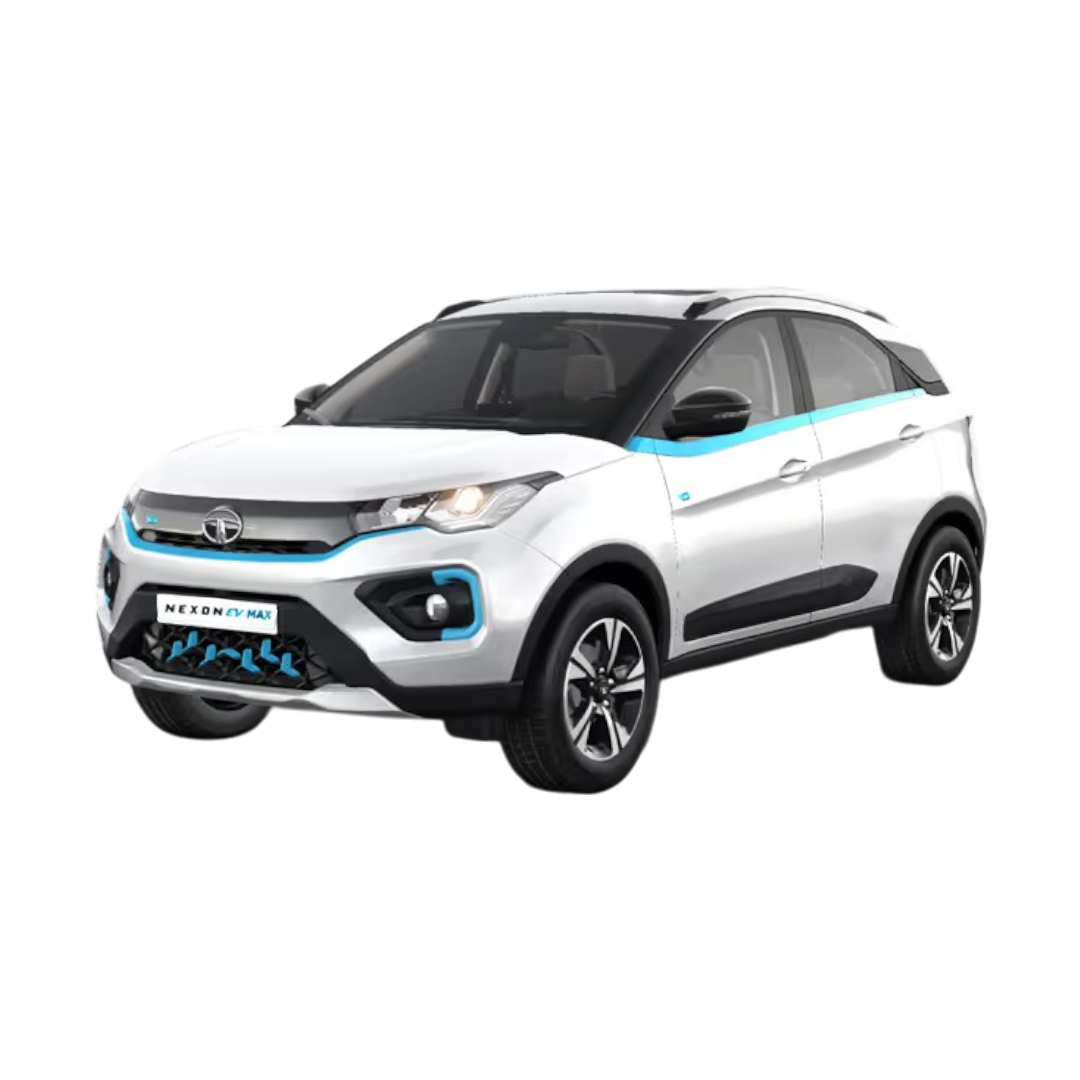 NEXON EV Max
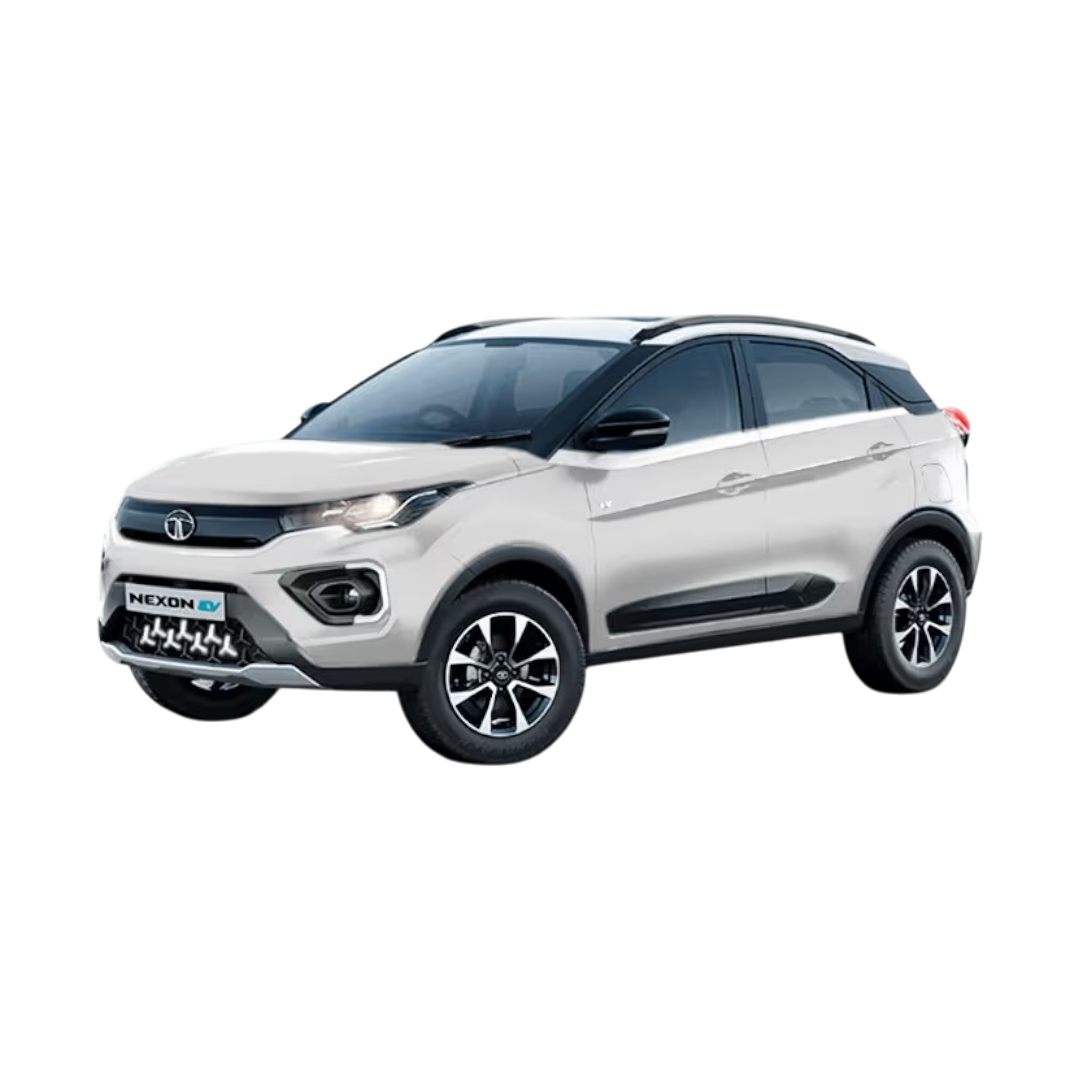 NEXON EV Prime
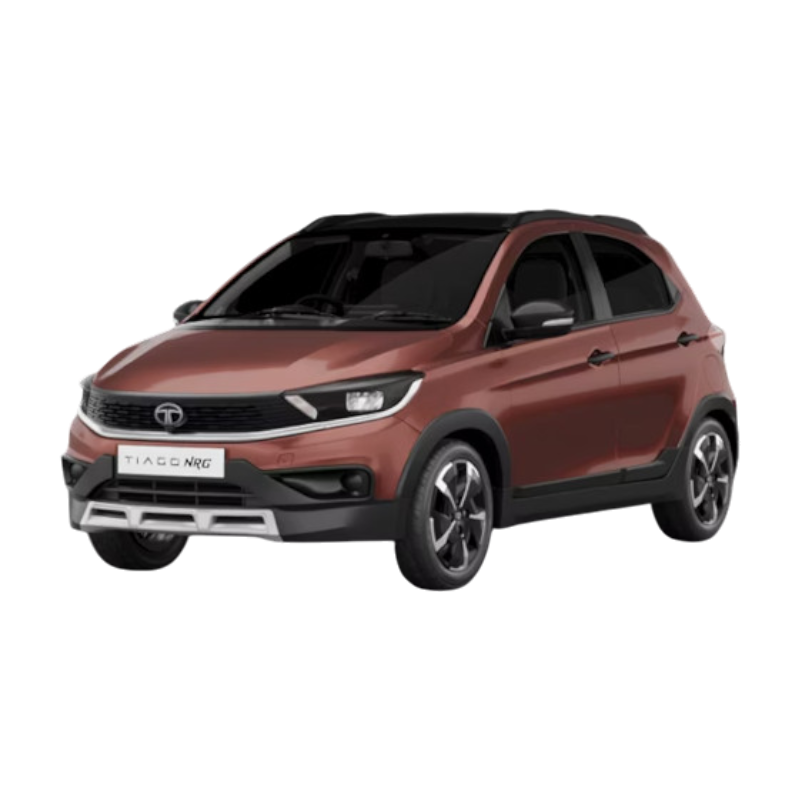 Tiago NRG
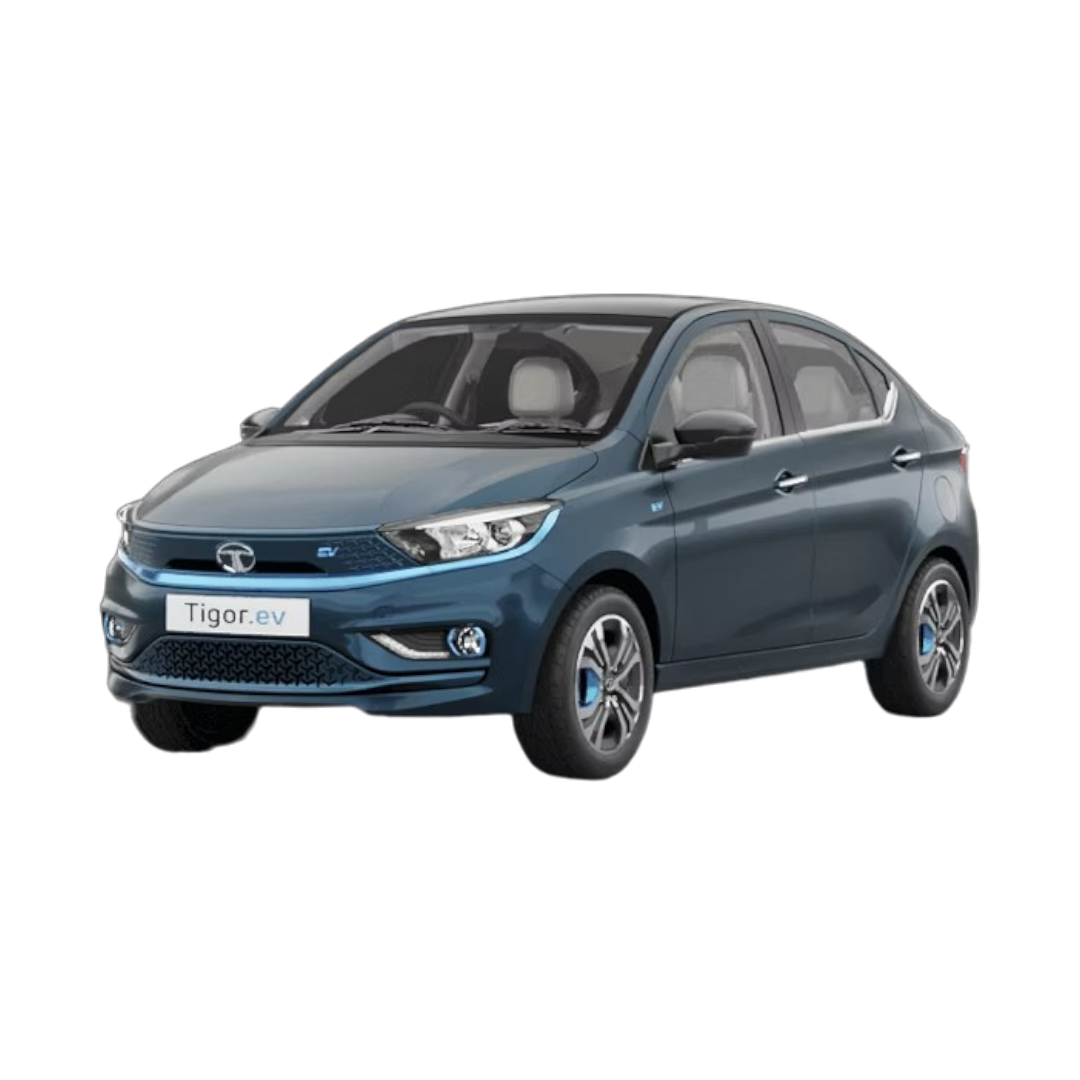 Tigor EV
INDICA VISTA
Curvv
Sierra
Magic
Tigor EV
INDICA VISTA
Curvv
Sierra
Magic
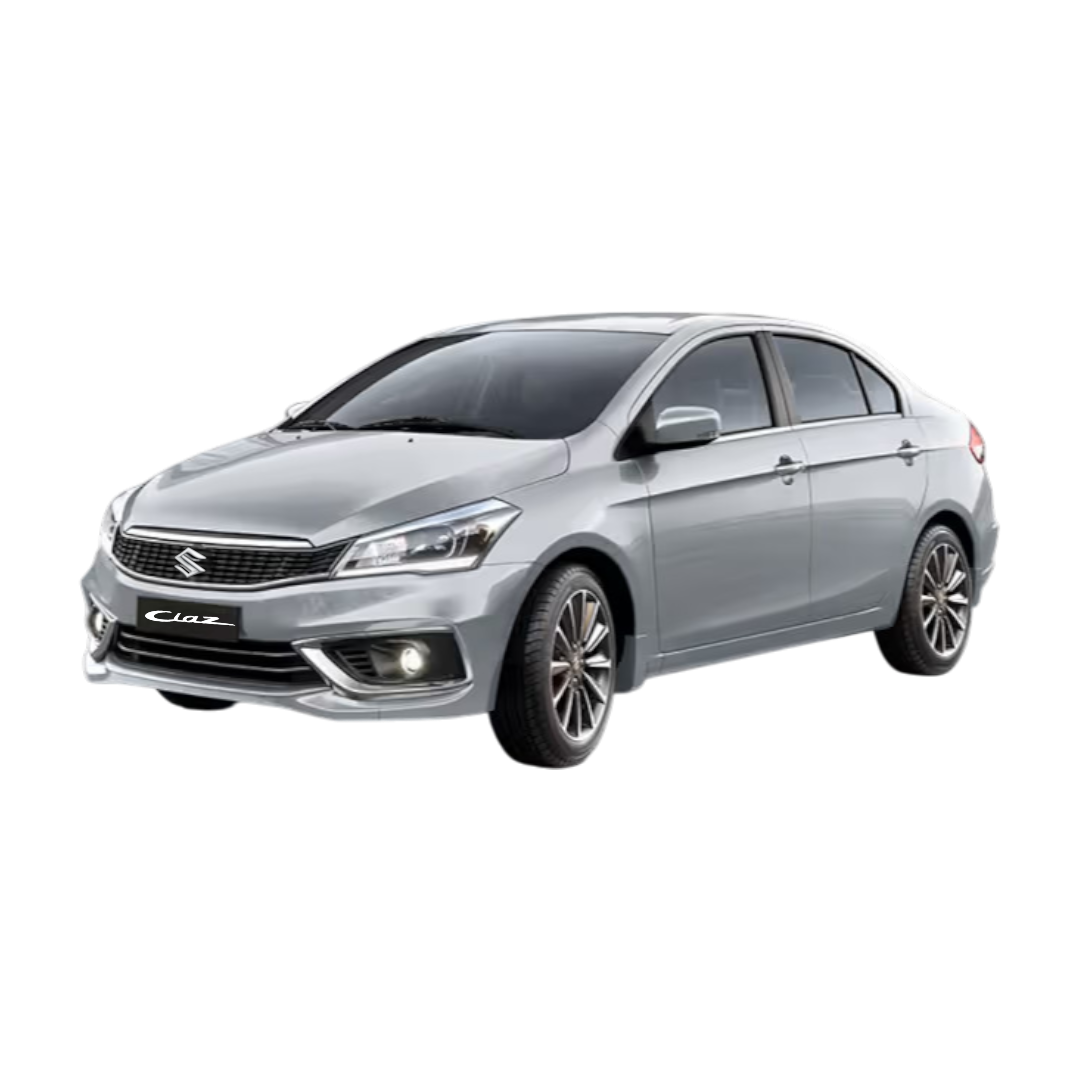 Ciaz
Ciaz
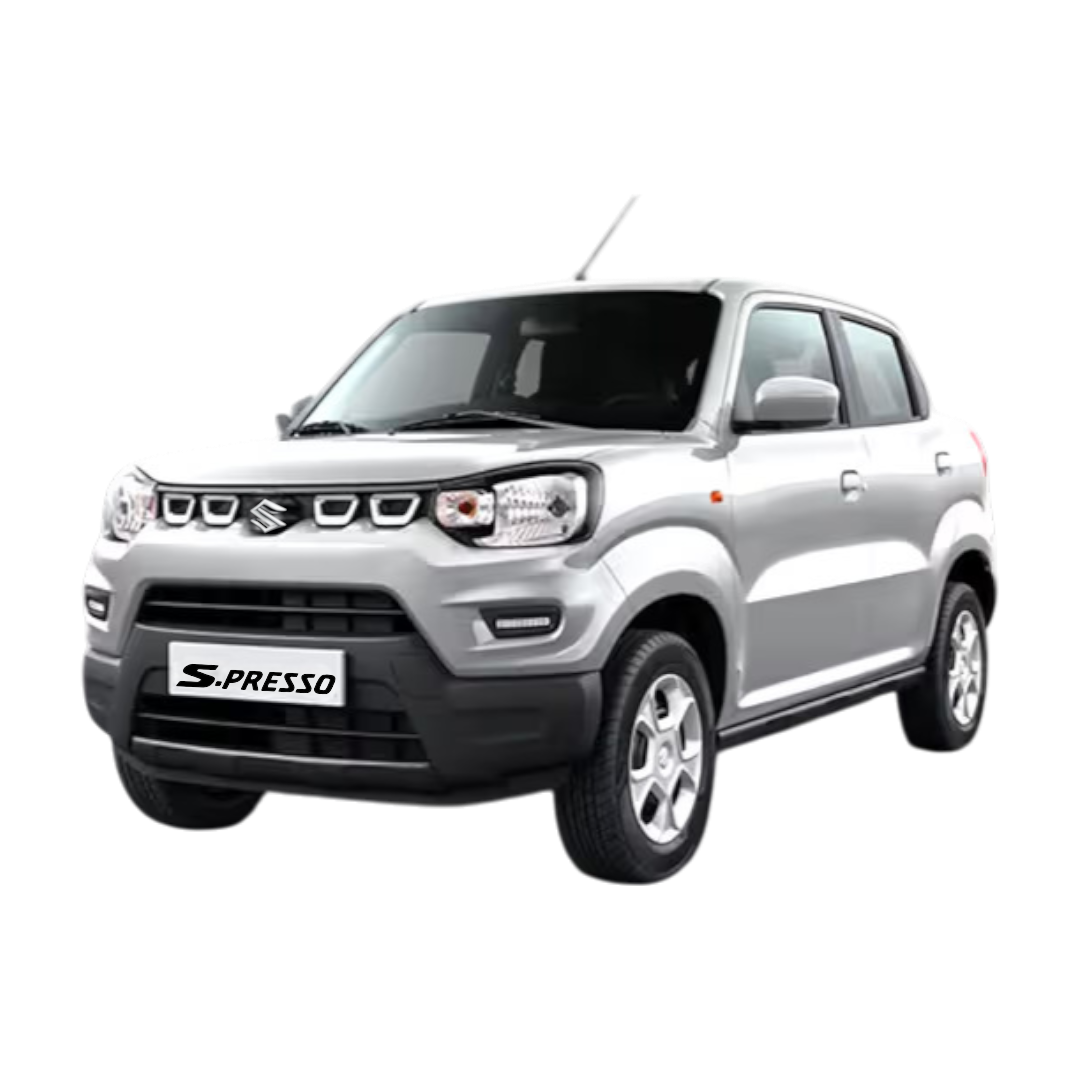 S-Presso
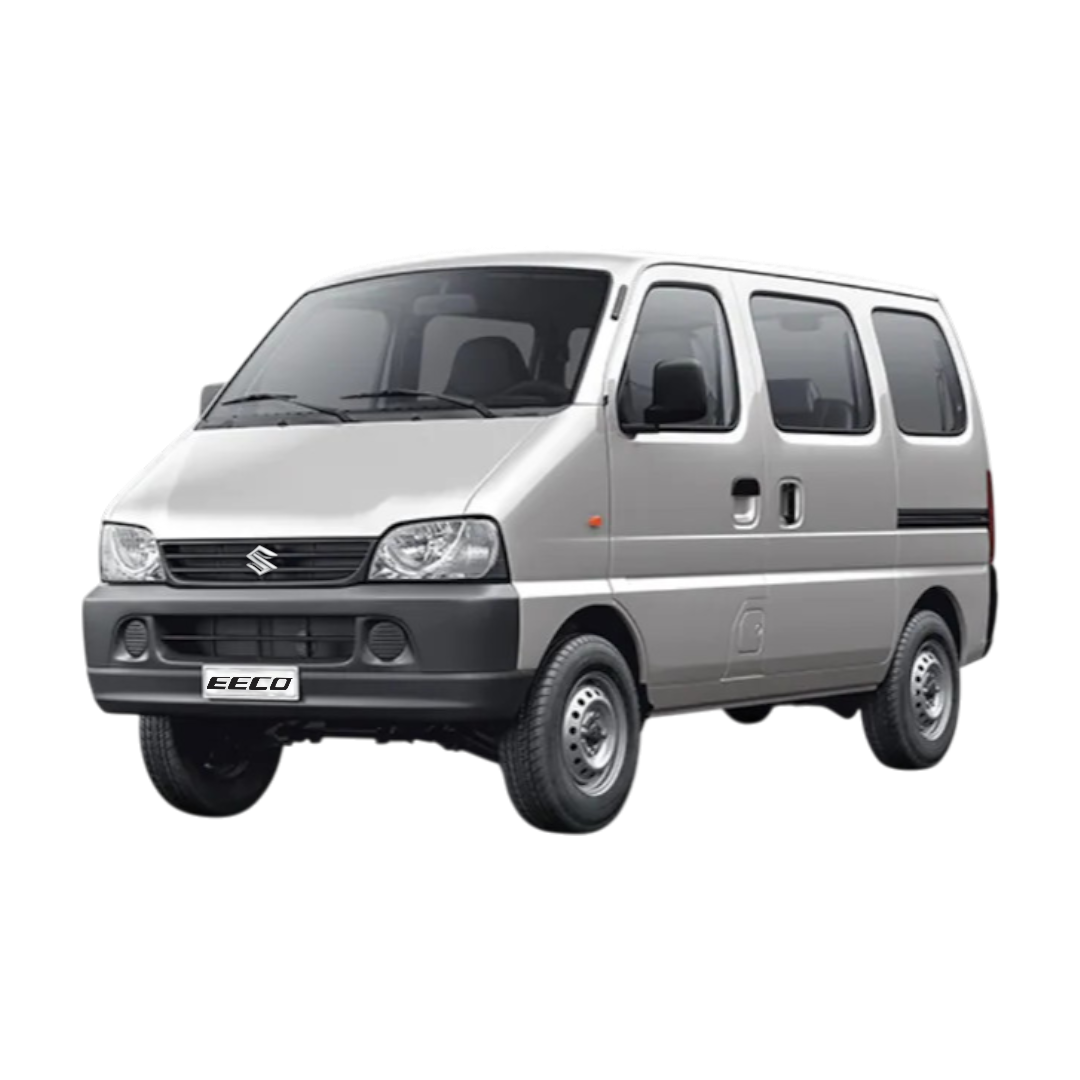 Eeco/Versa
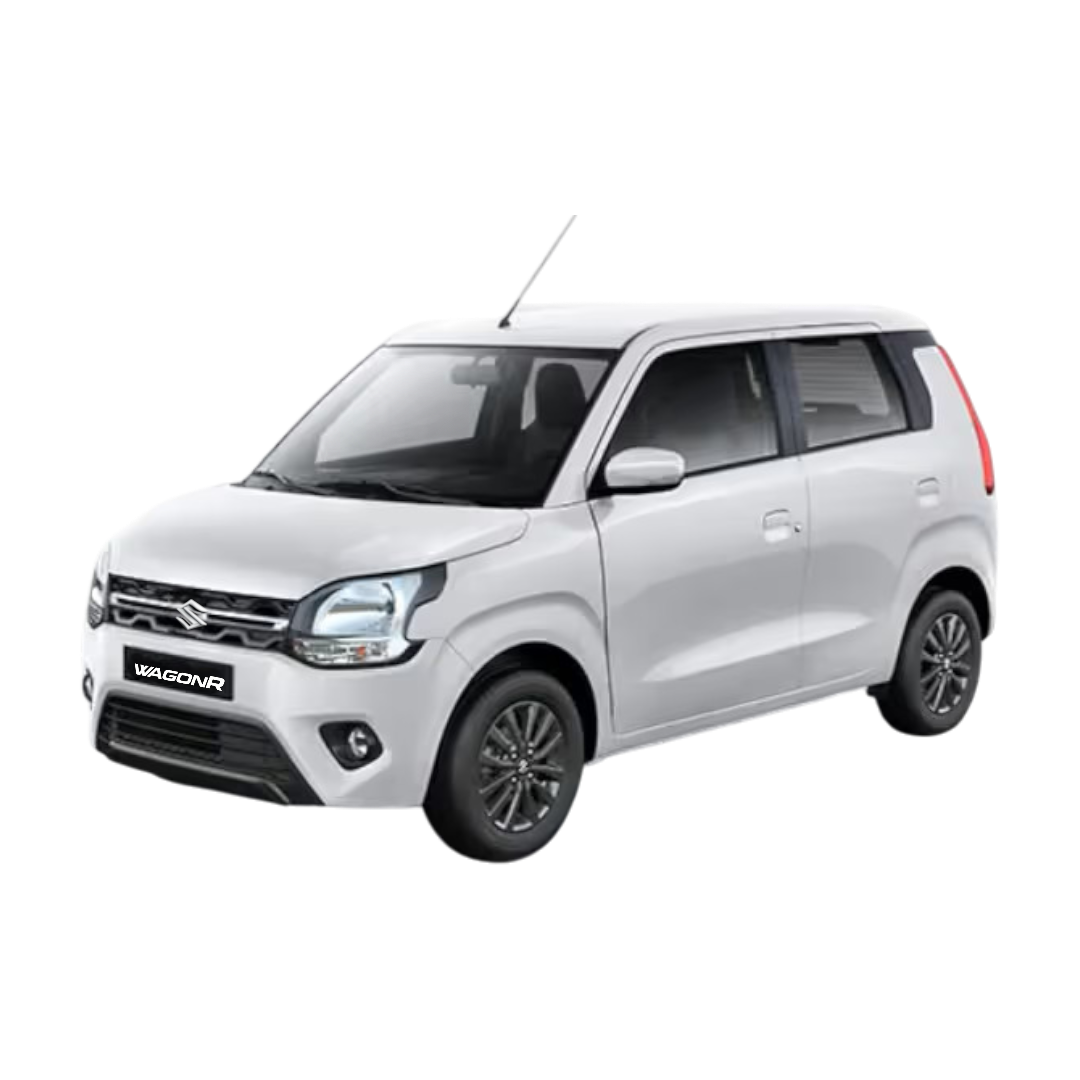 WagonR
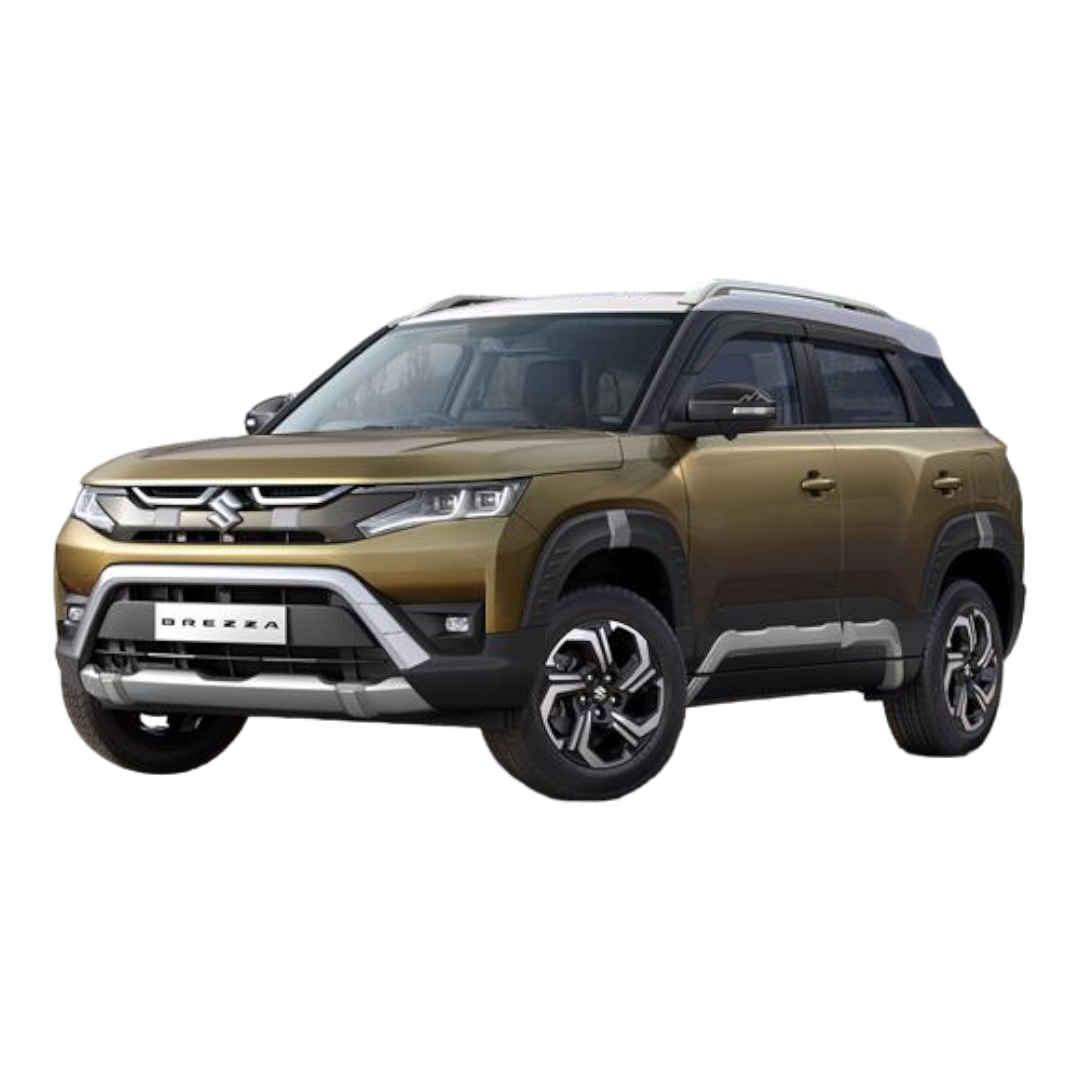 Brezza
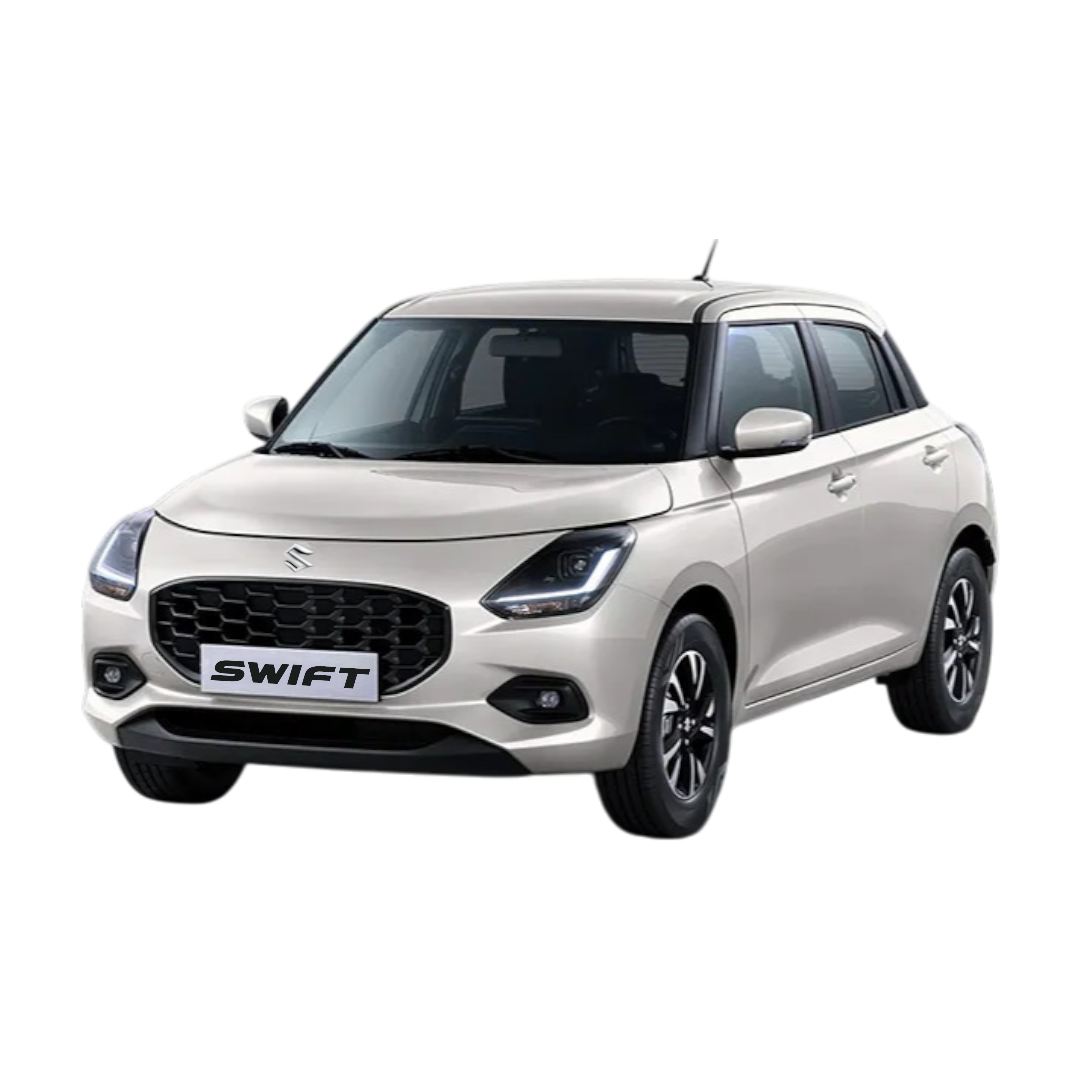 Swift
Swift
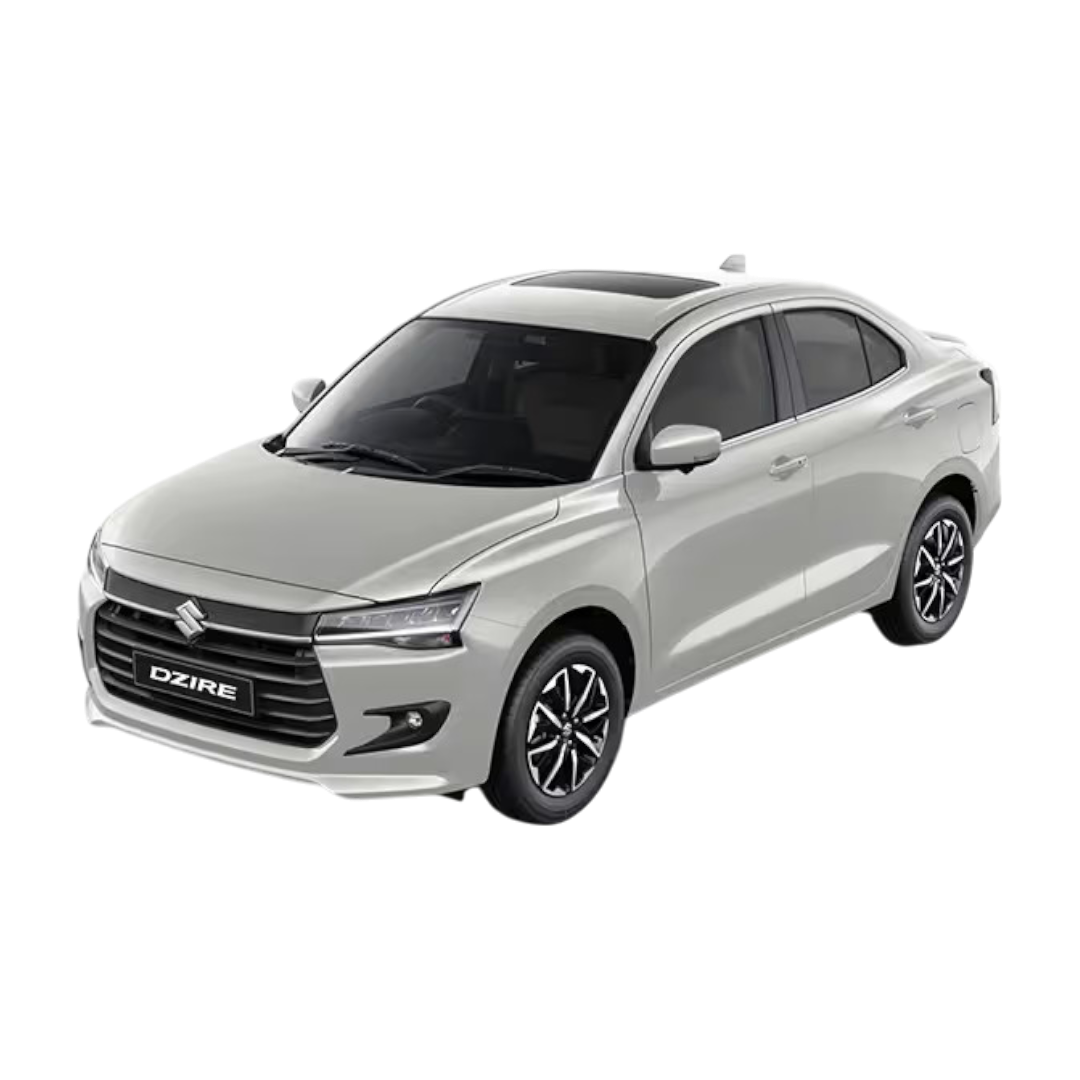 Dzire
Dzire
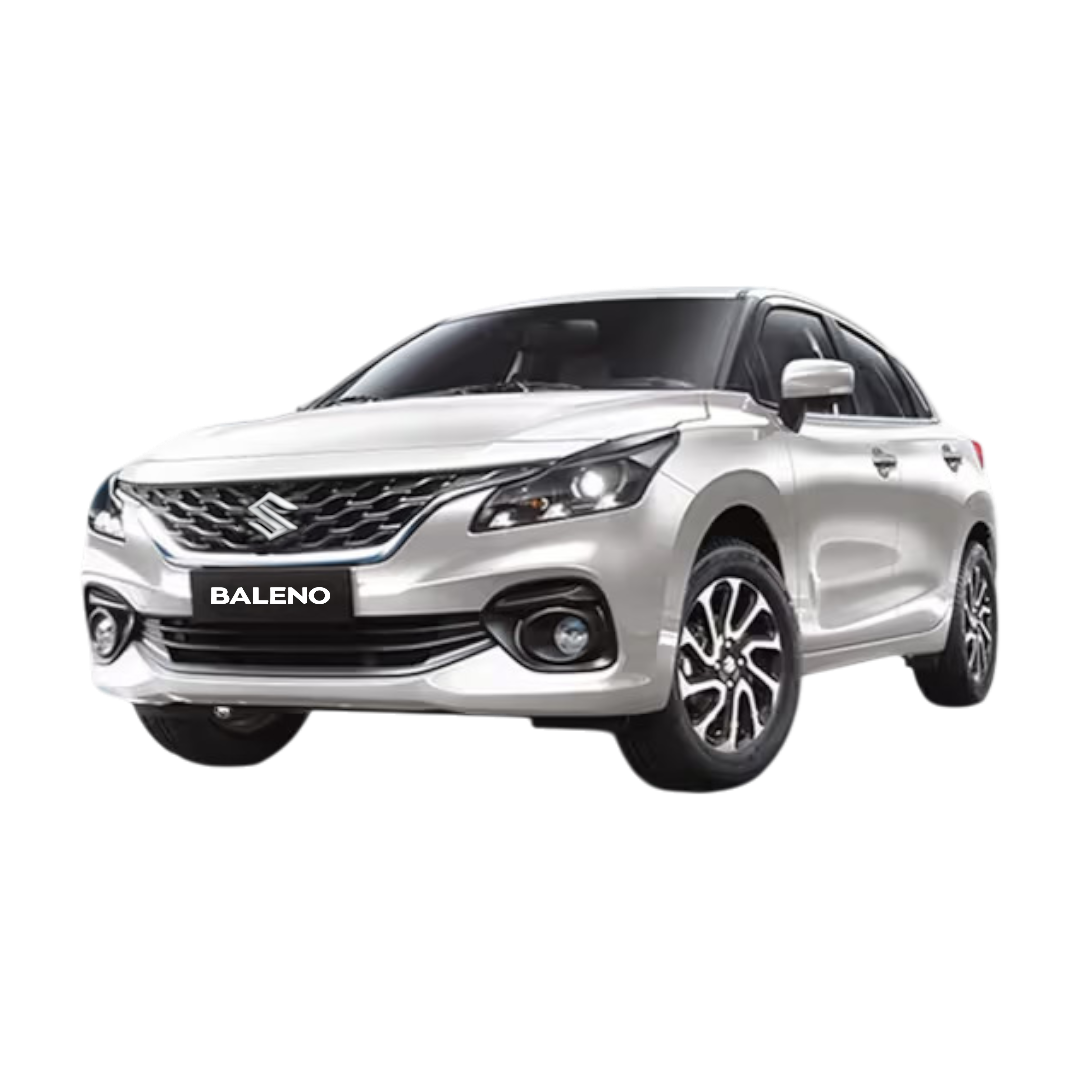 Baleno
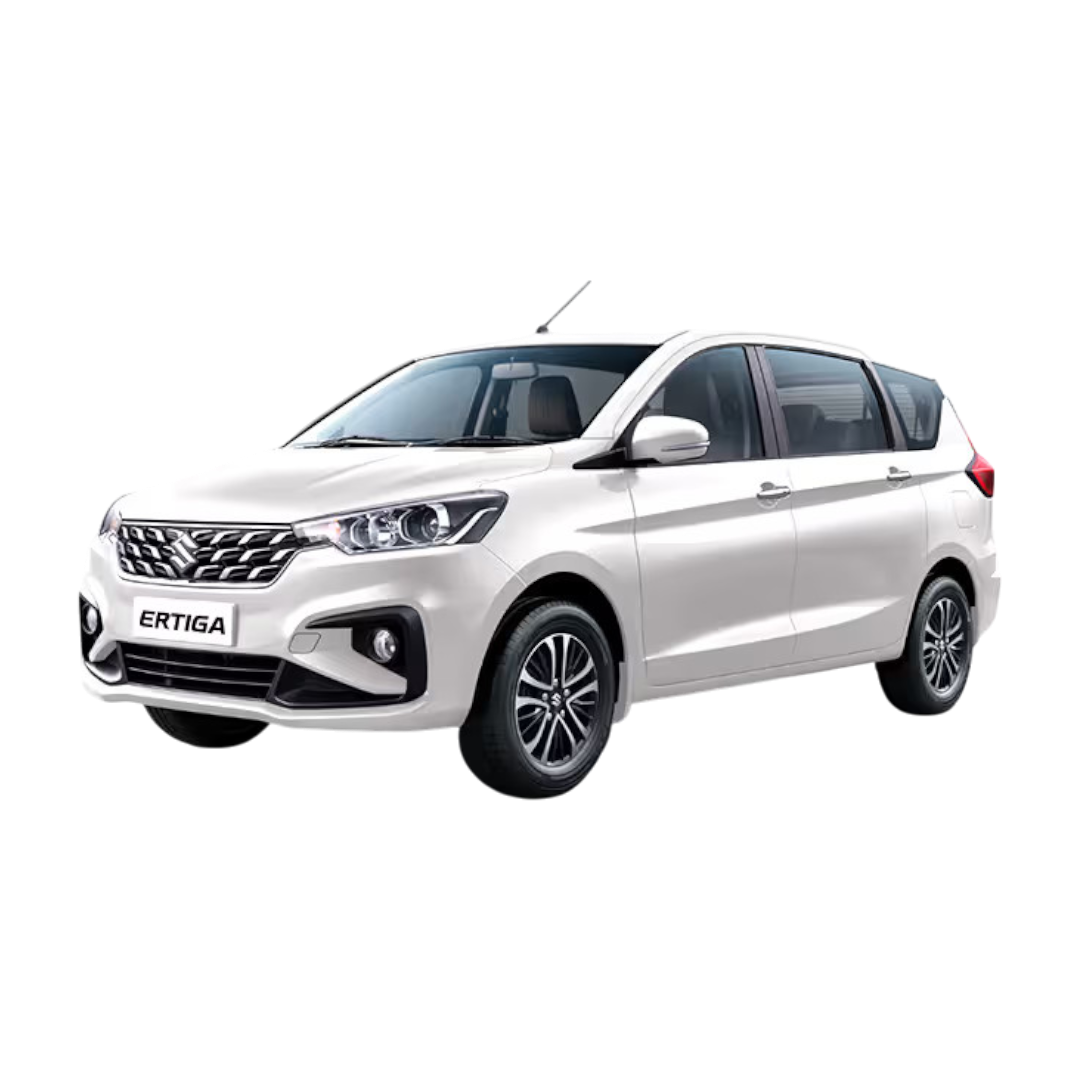 Ertiga
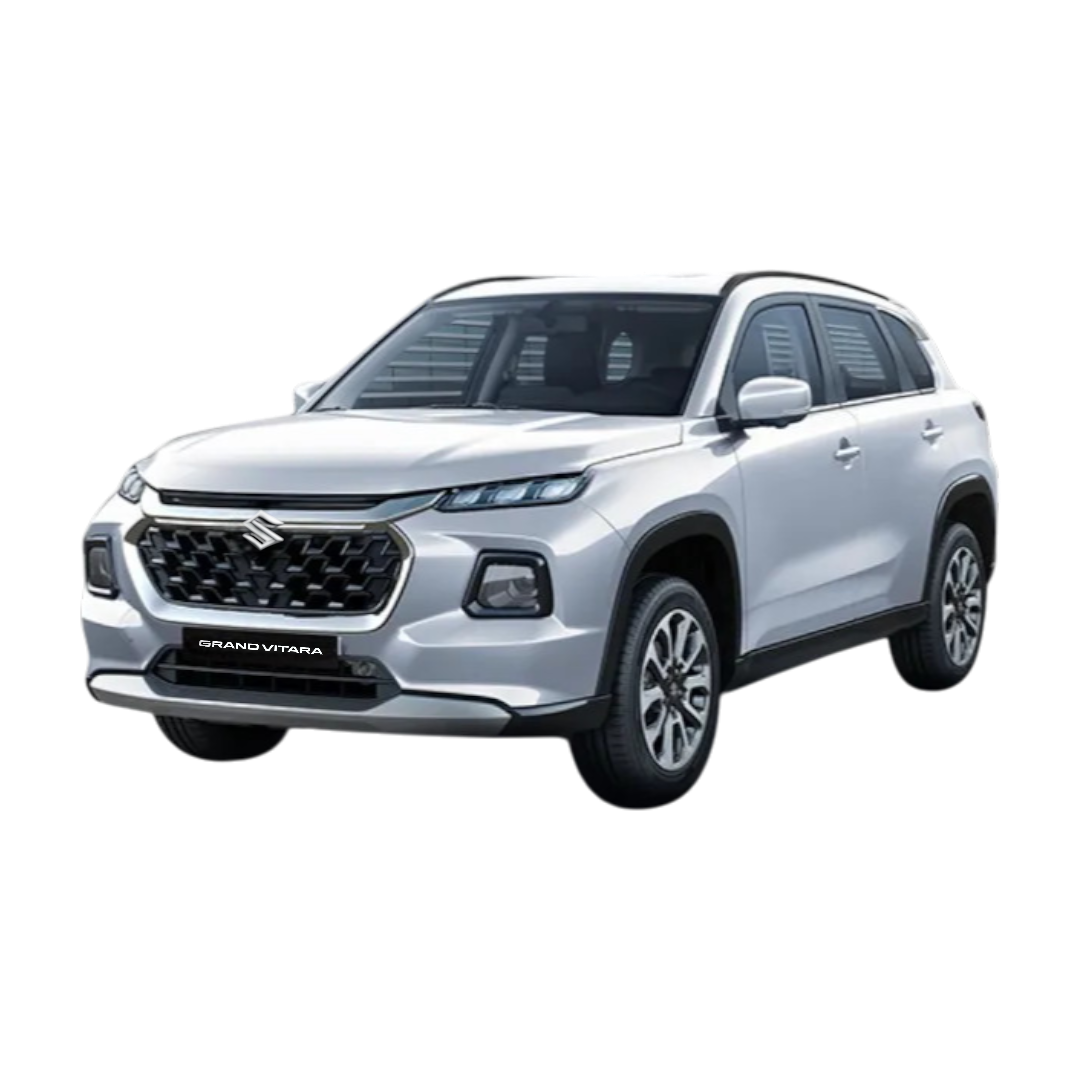 Grand Vitara
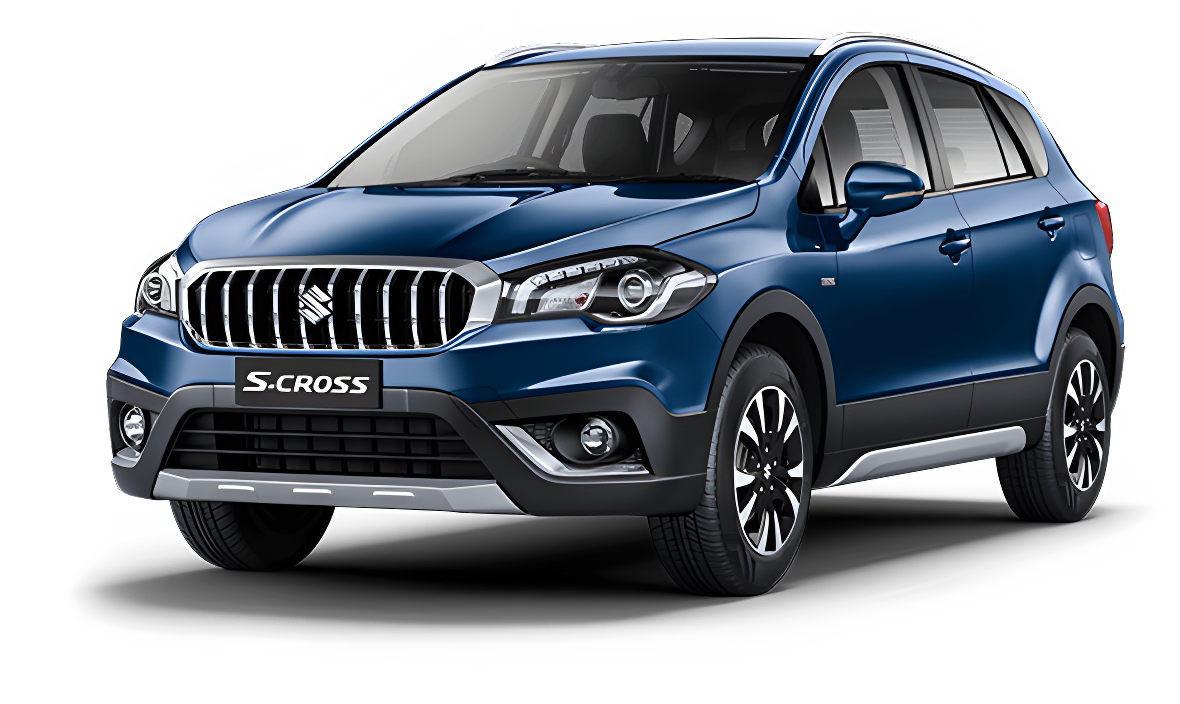 S-Cross
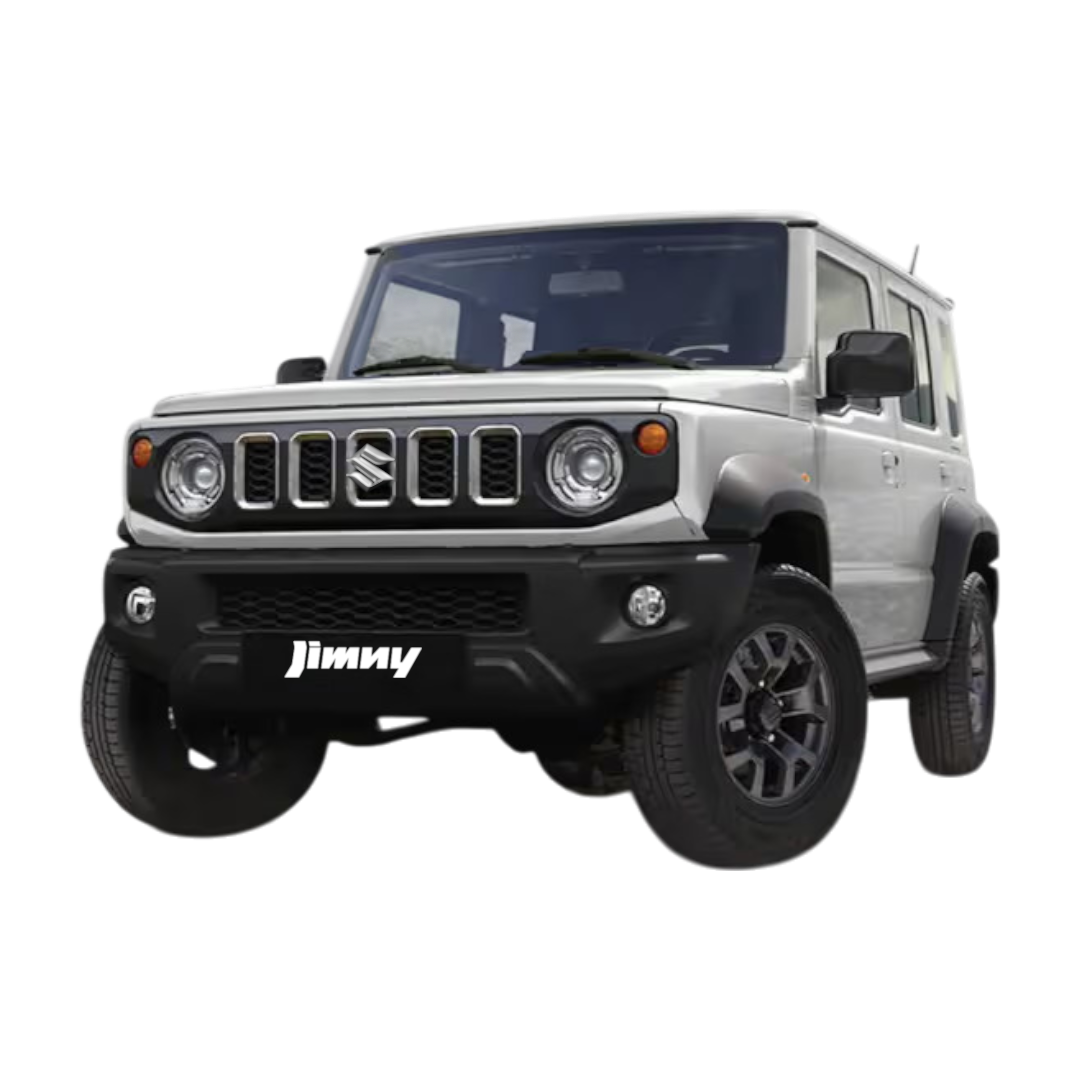 Jimny
Jimny
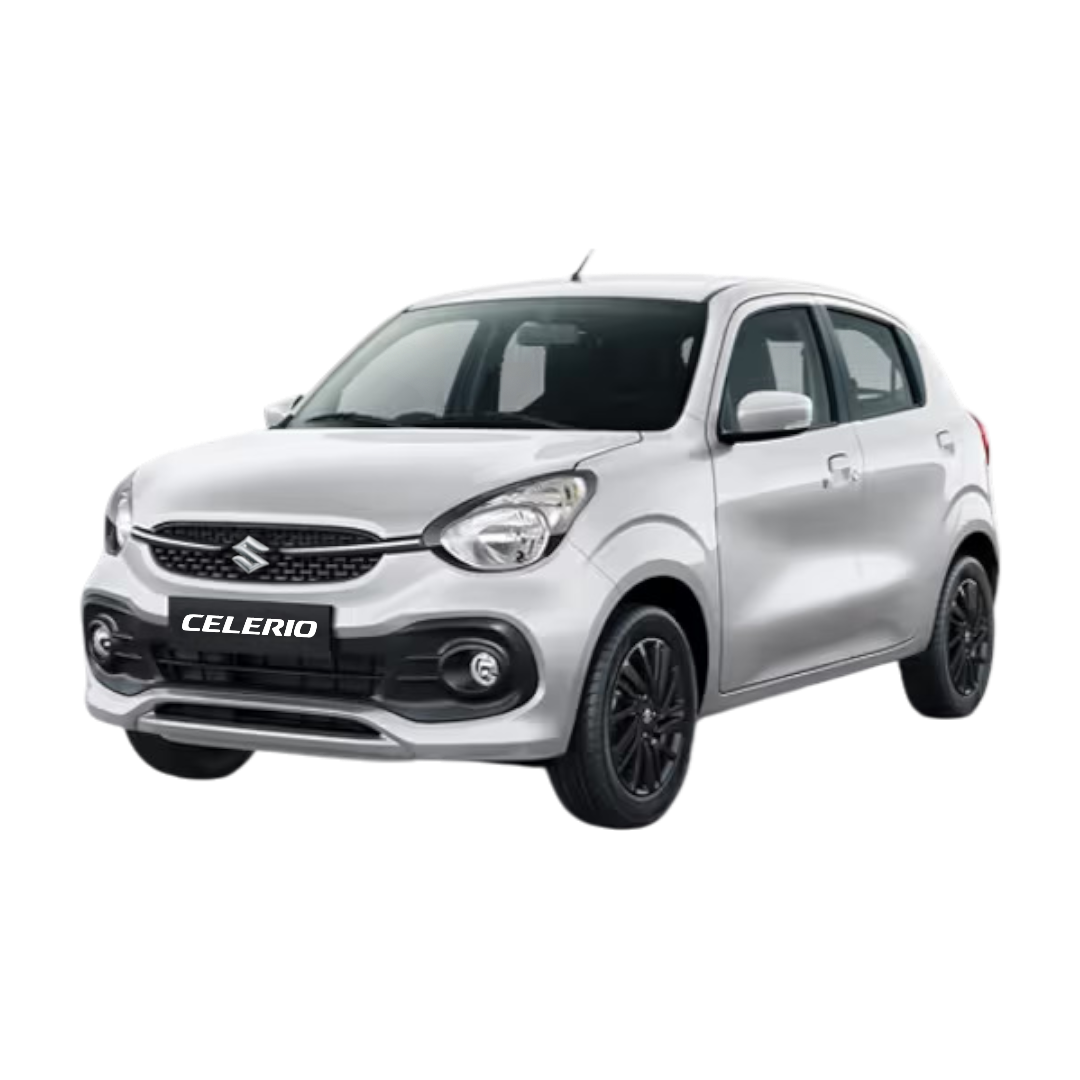 Celerio
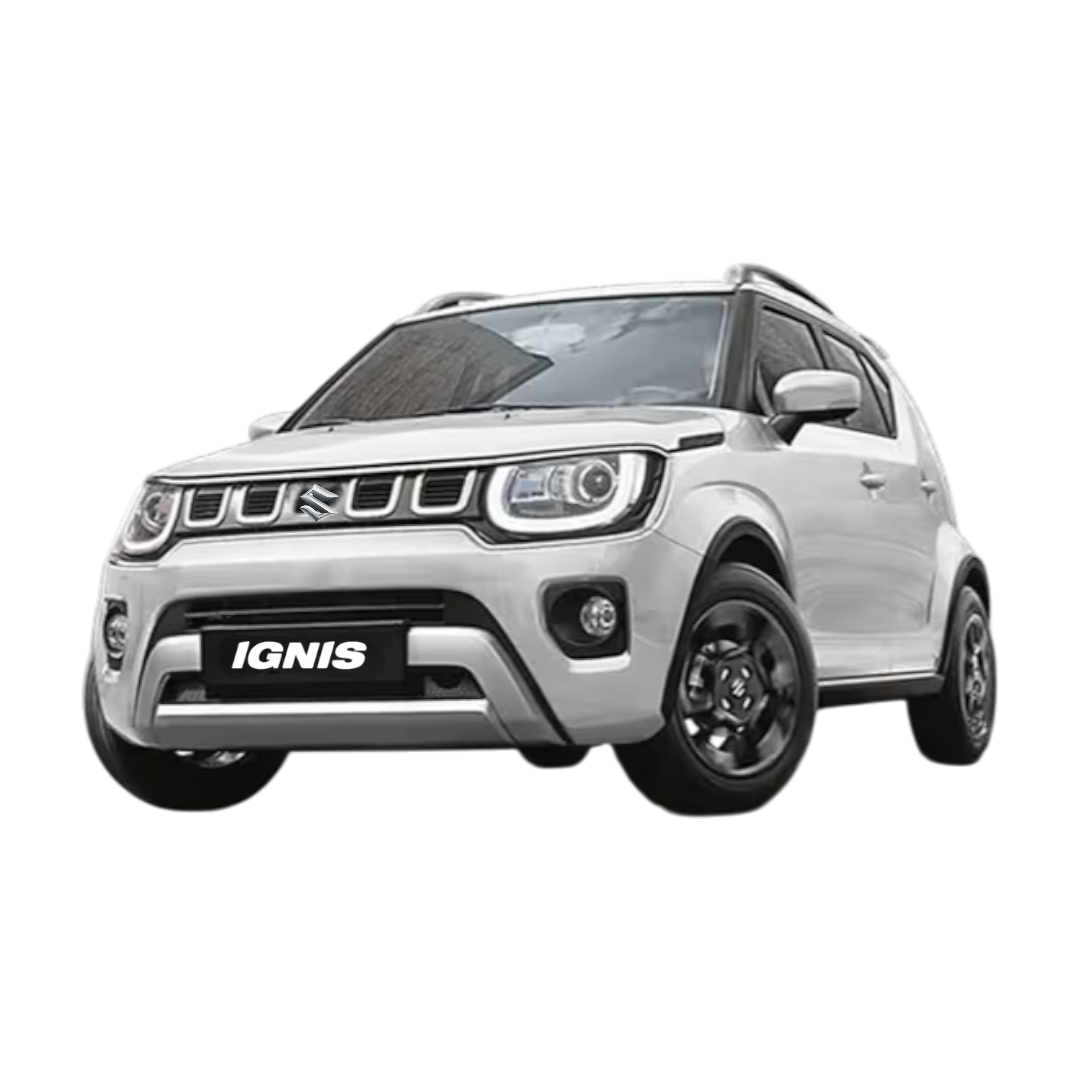 Ignis
Ignis
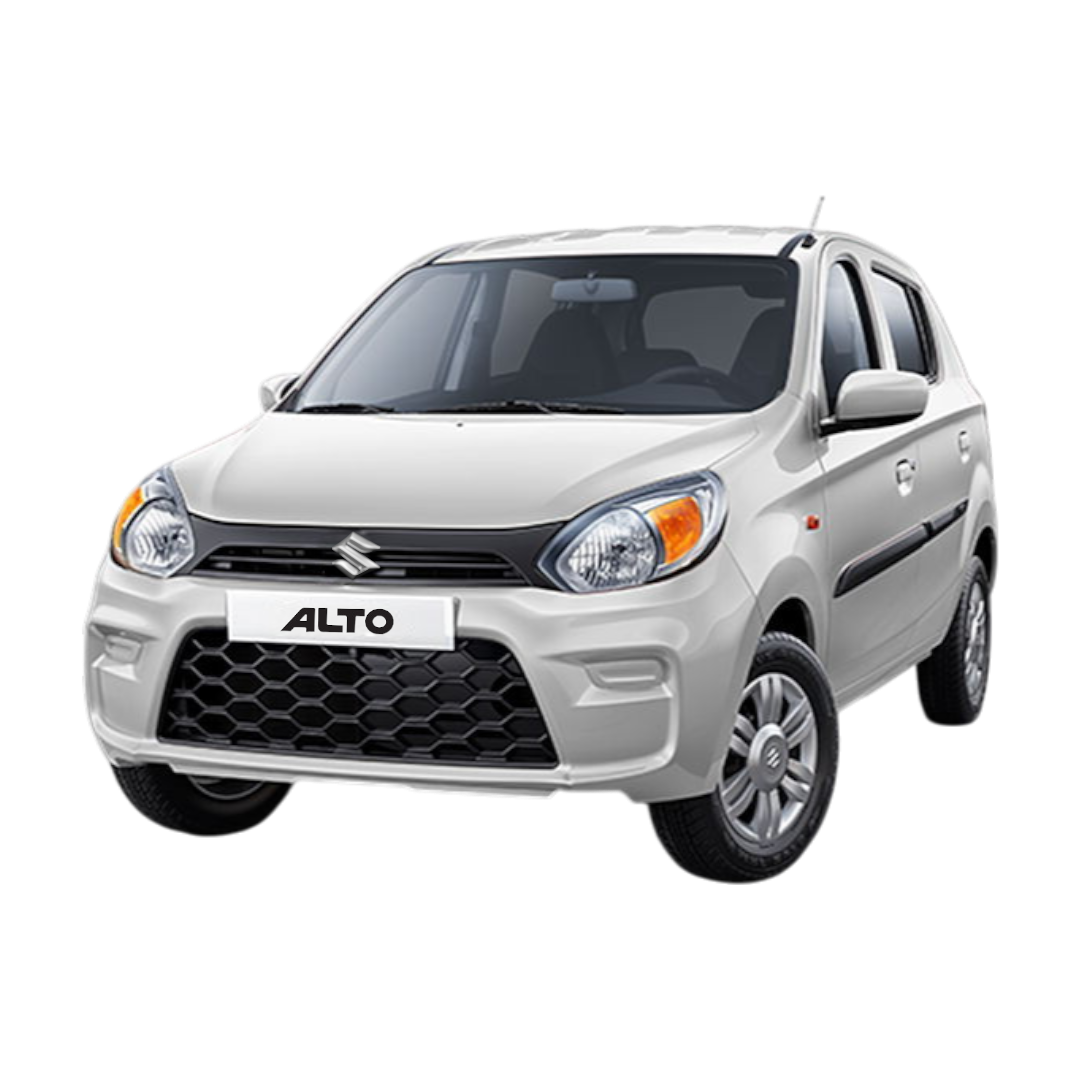 Alto 800
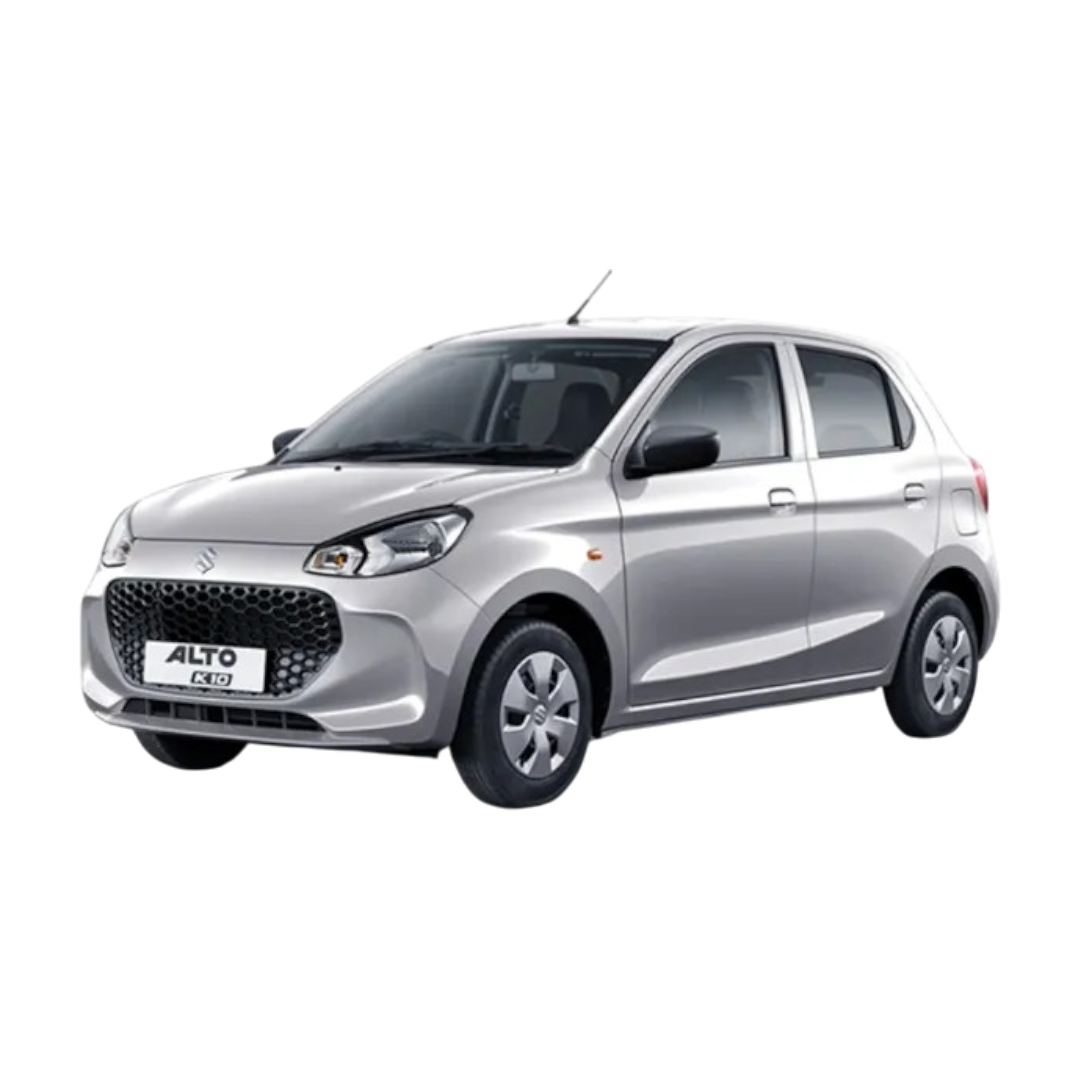 Alto K10
 XL6
XL6
 Omni
Omni
 SX4
SX4
 Gypsy
Gypsy
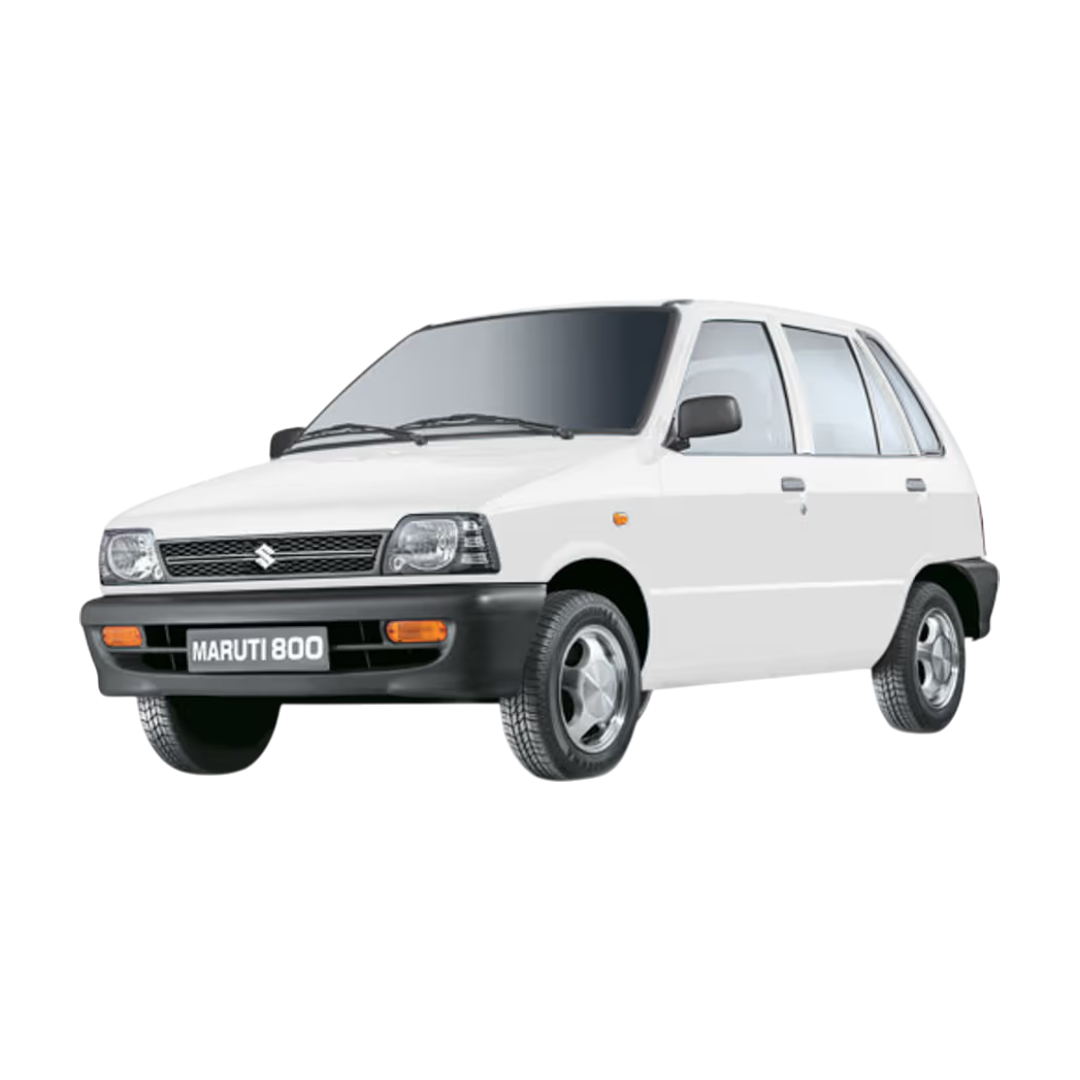 Maruti 800
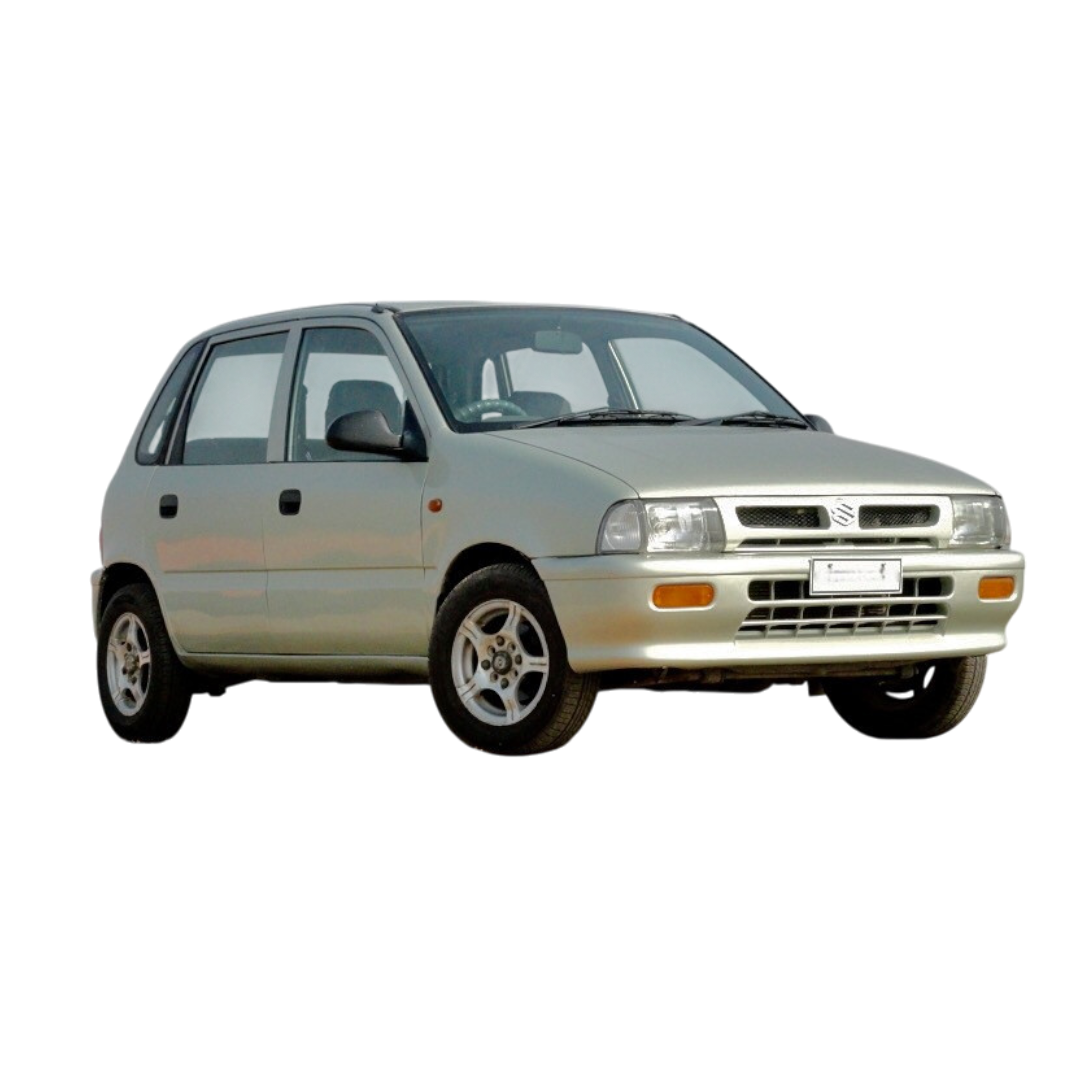 Zen
Zen
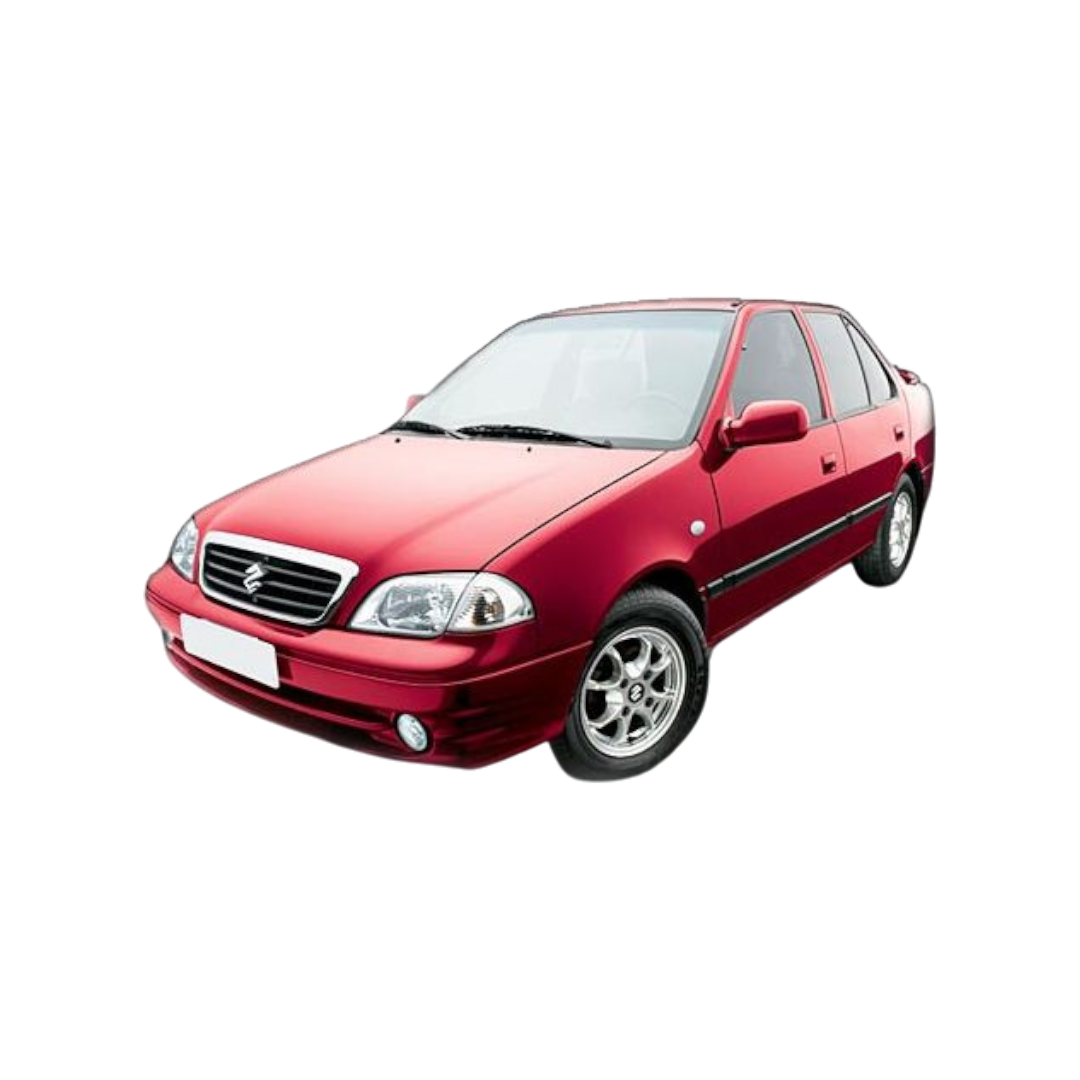 Esteem
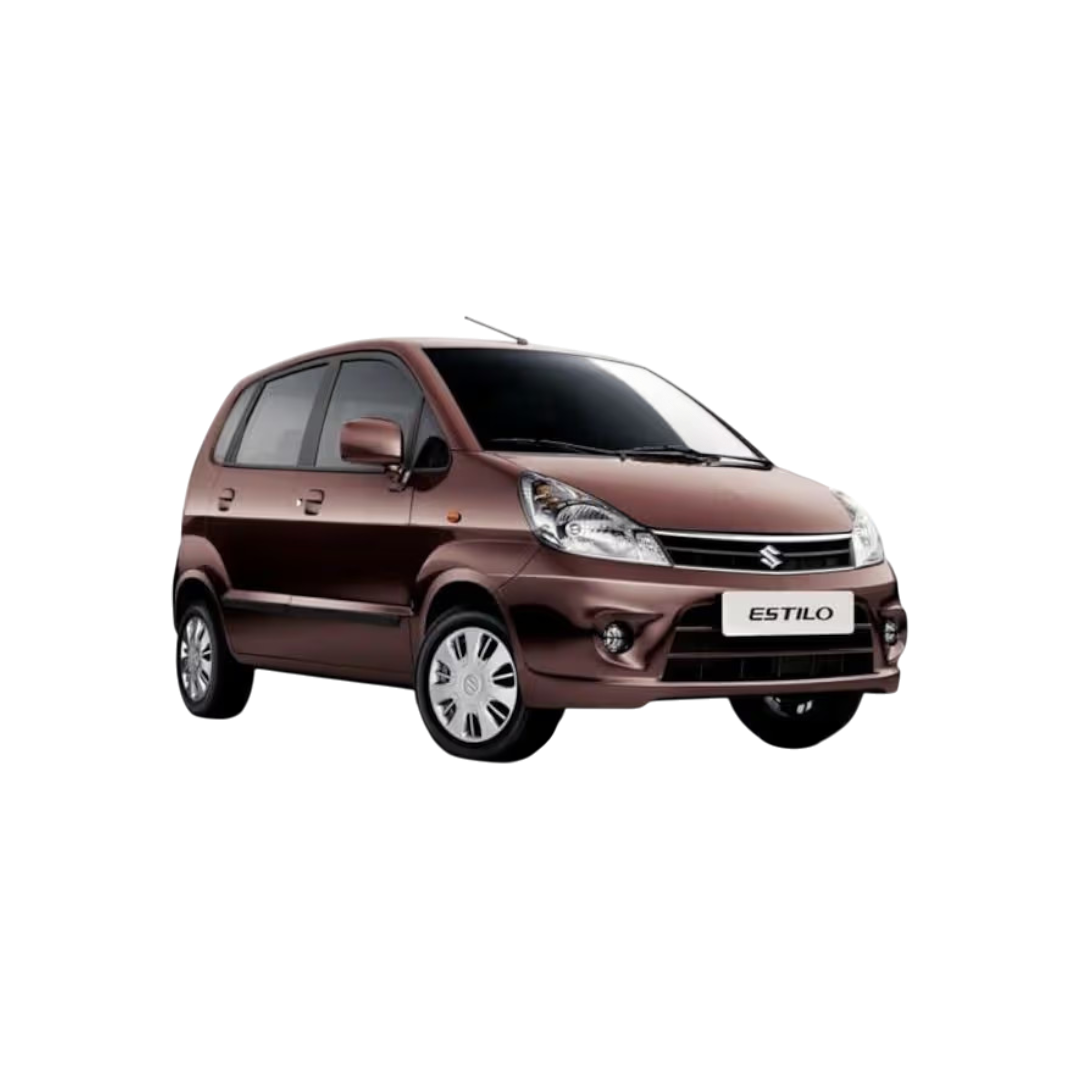 Zen Estilo
 Ritz
Ritz
 Fronx
Fronx
 A-Star
 Alto
Alto
 Invicto
Victoris
Wagon R
Invicto
Victoris
Wagon R
 i20
i20
 Aura
Aura
 Creta
Creta
 Elantra
 Getz
Getz
 Grand i10 Nios
 Venue
Venue
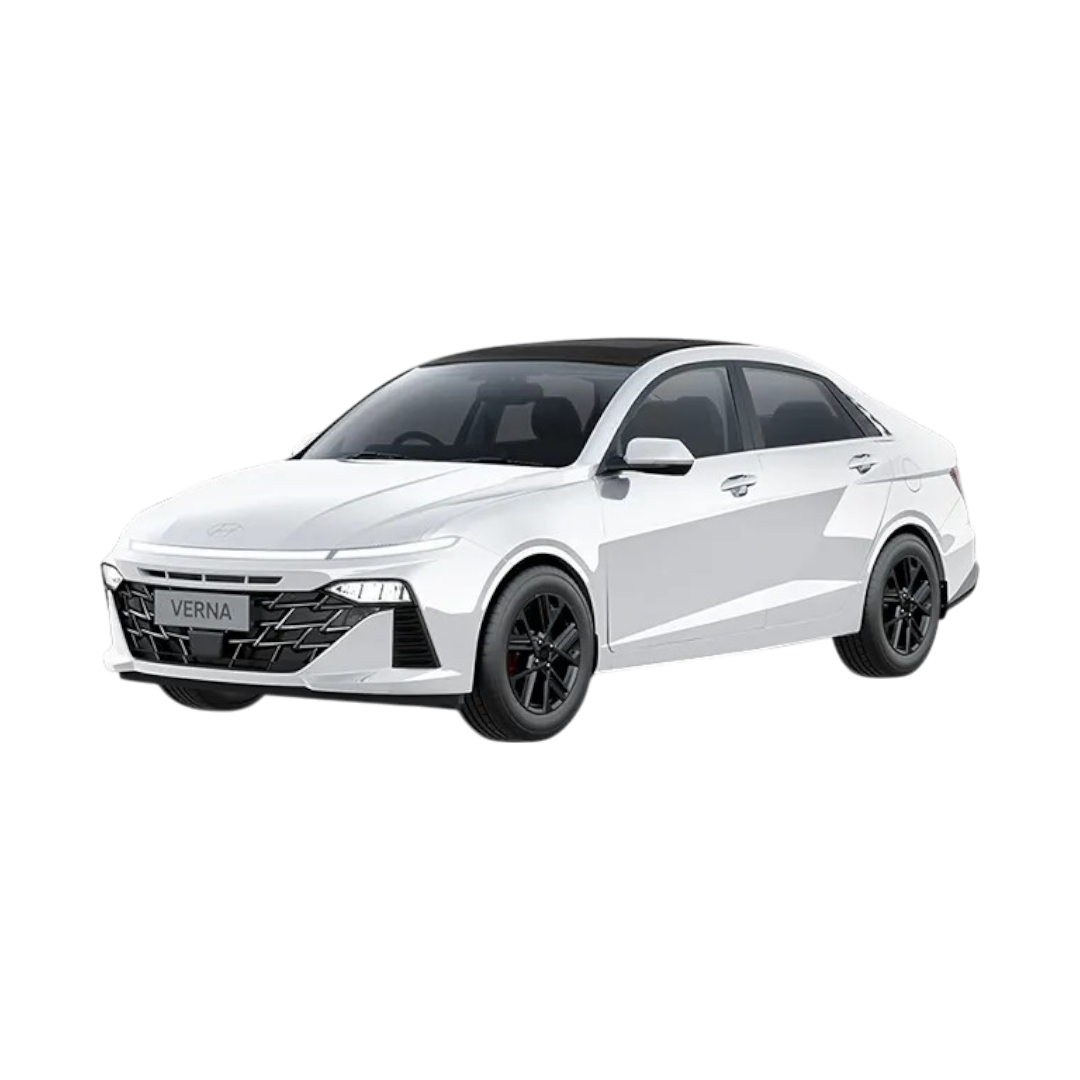 Verna
Verna
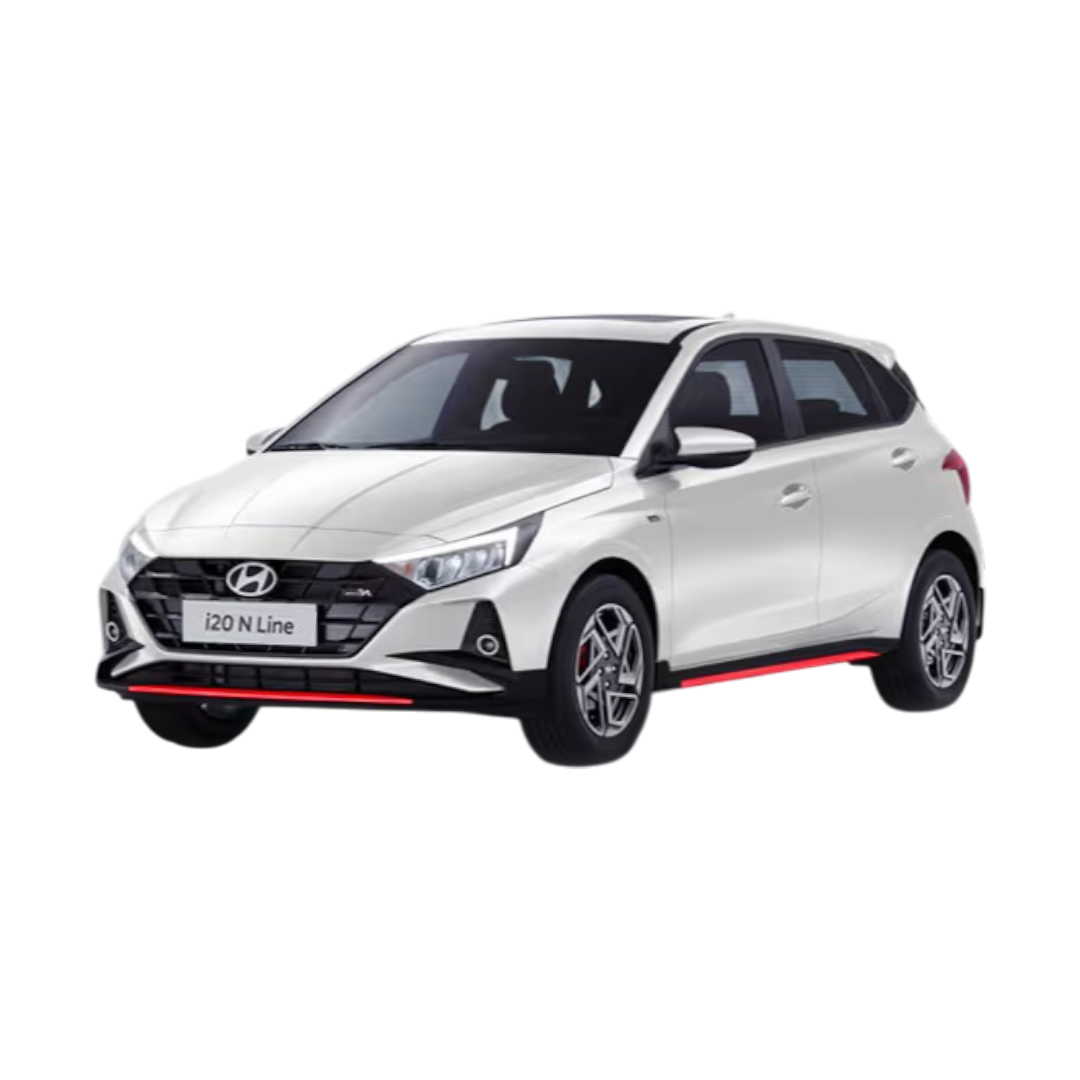 i20 N Line
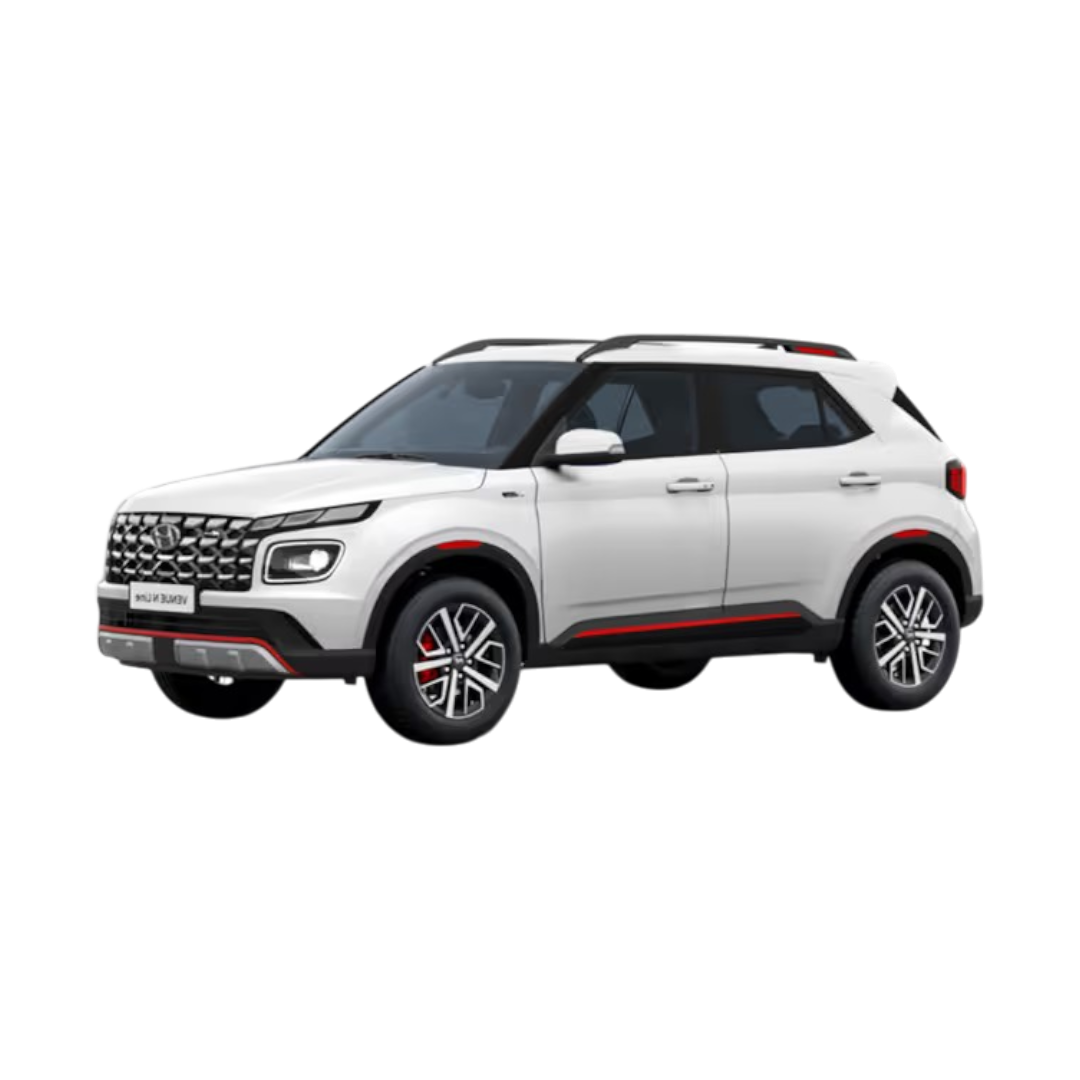 Venue N Line
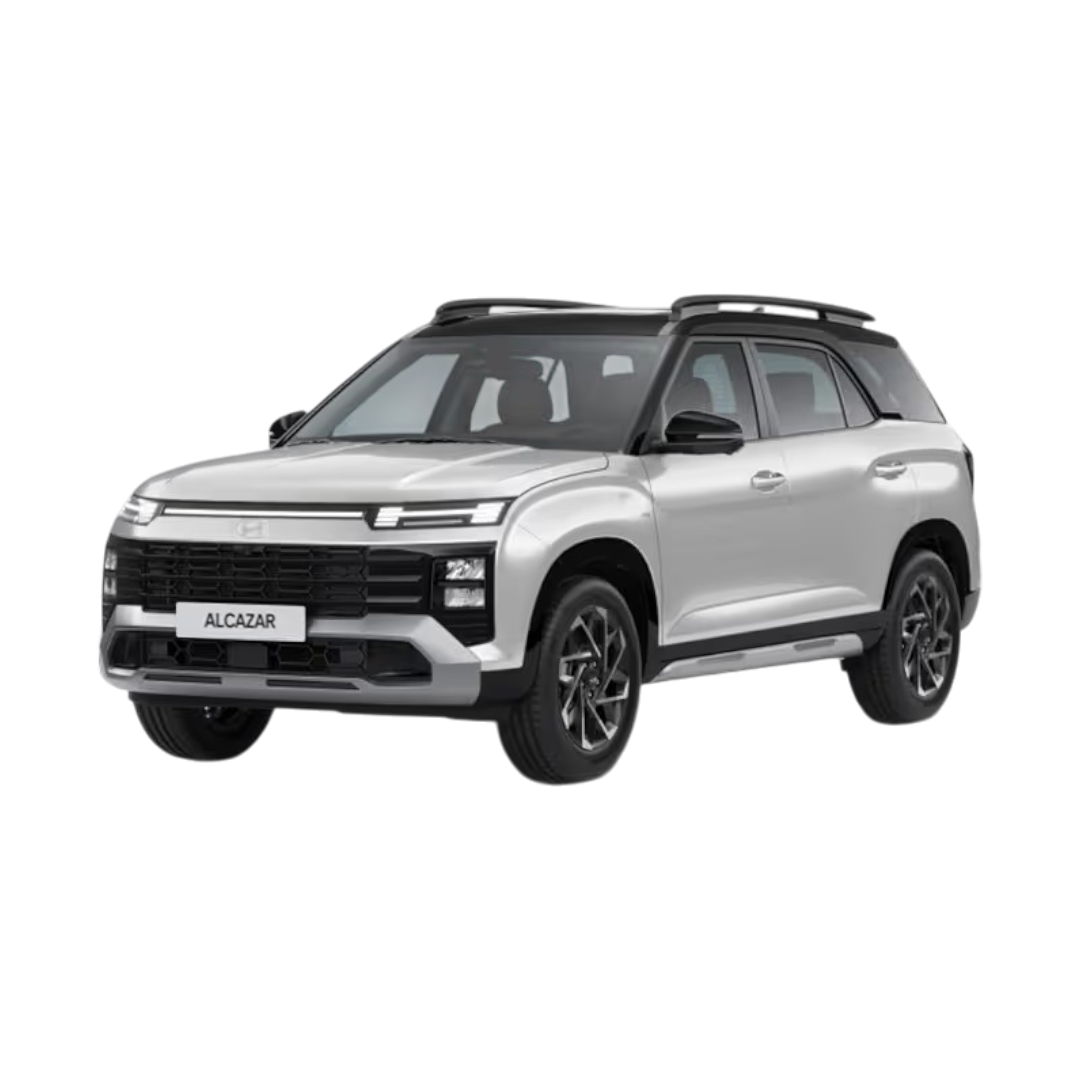 Alcazar
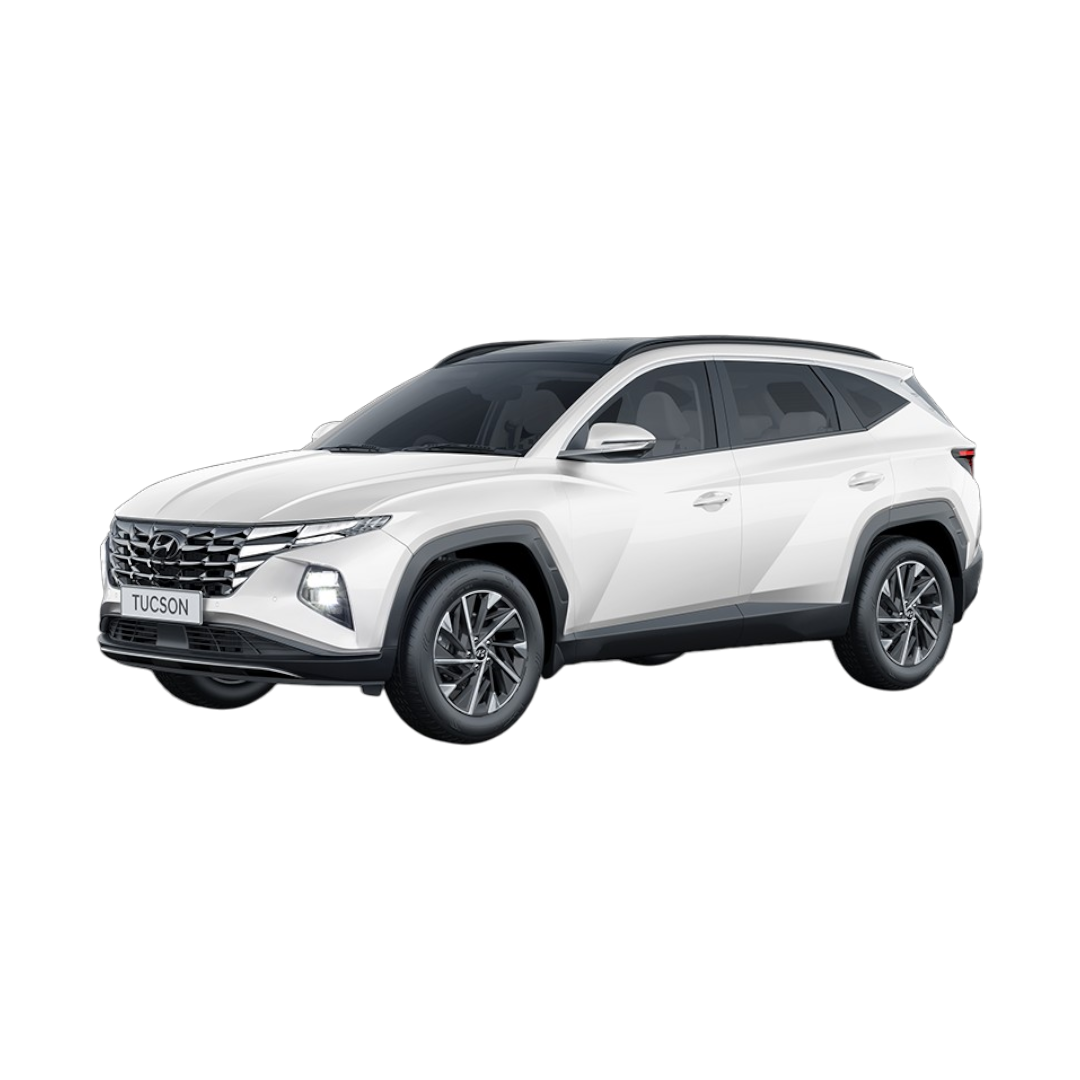 Tucson
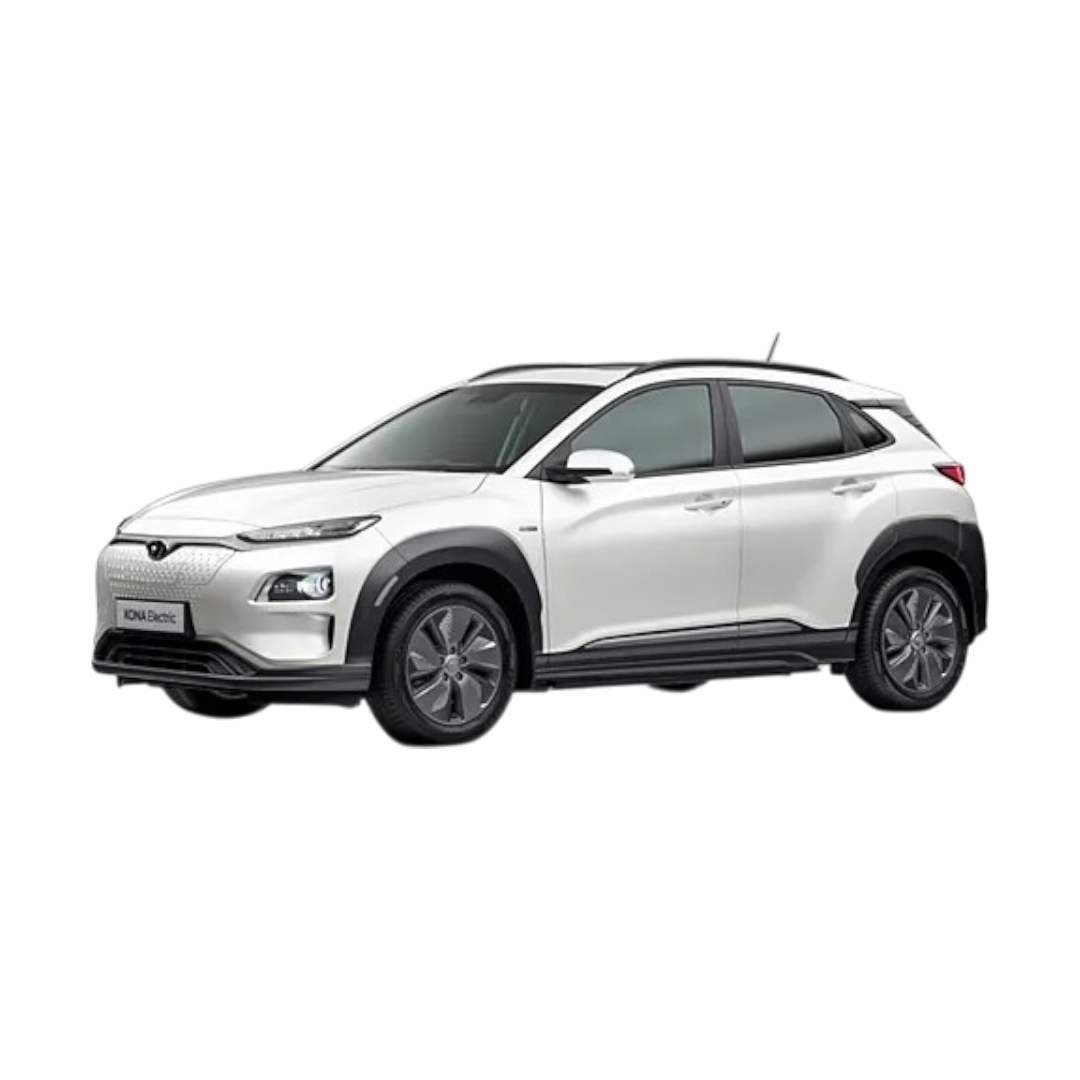 Kona
Kona
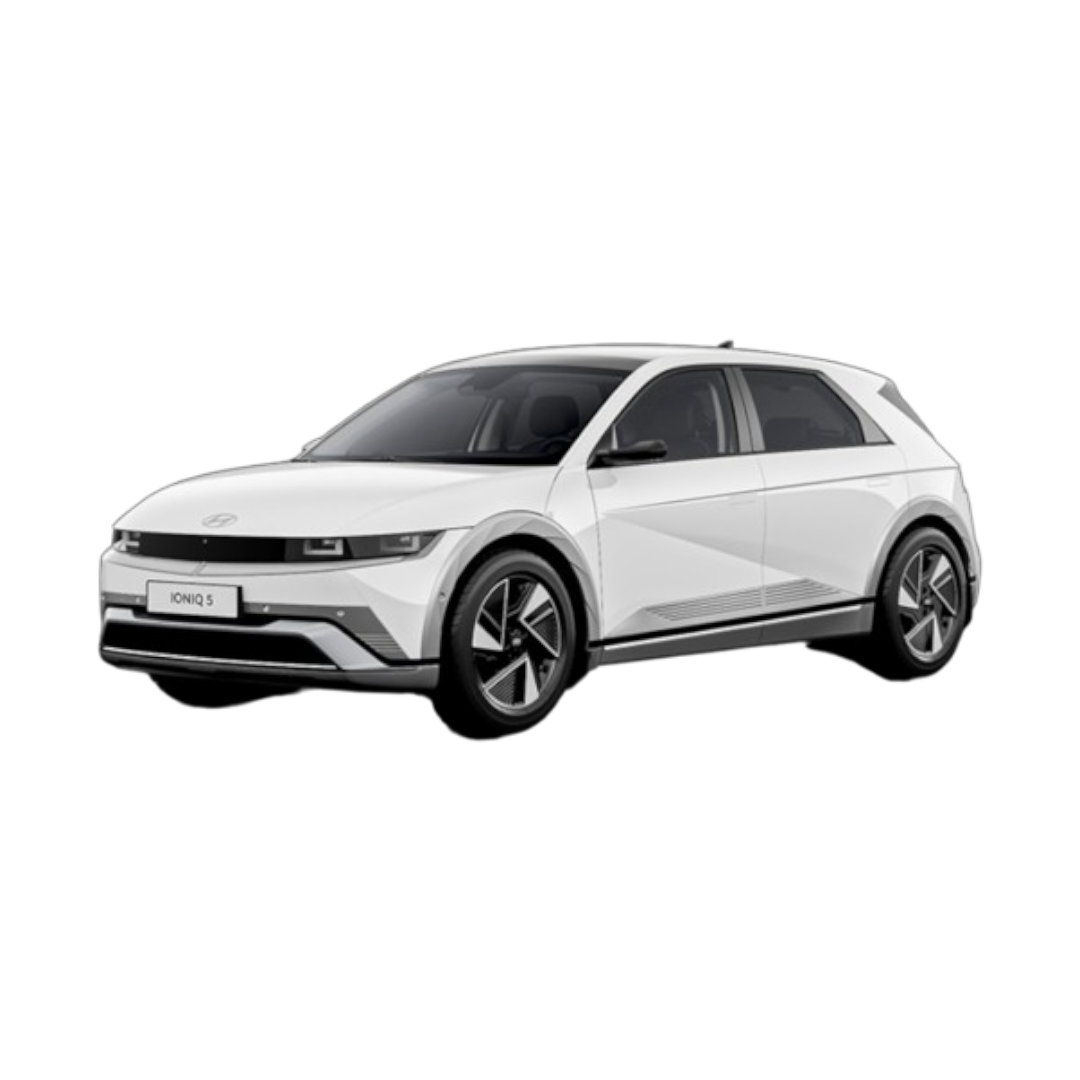 iONIQ 5
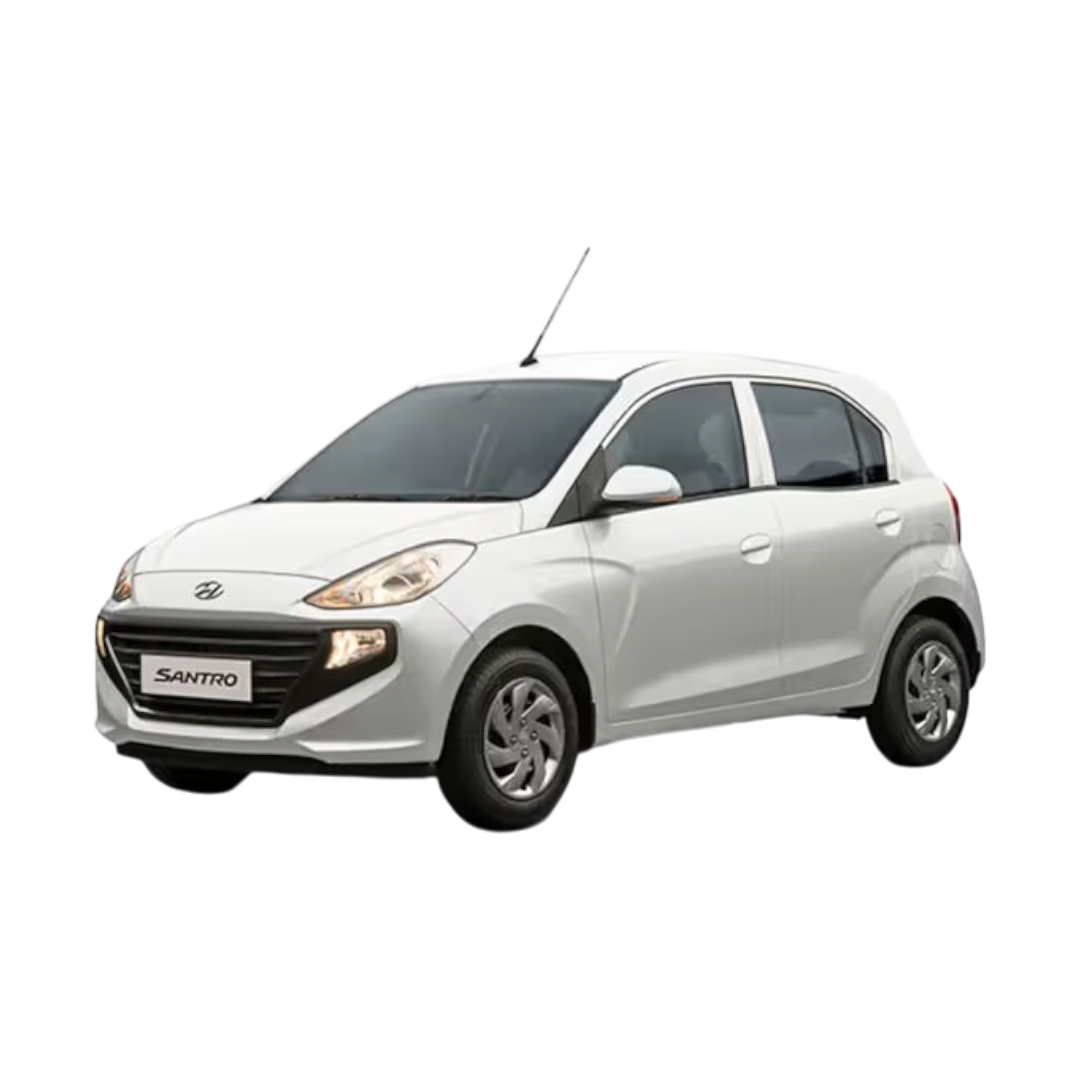 Santro
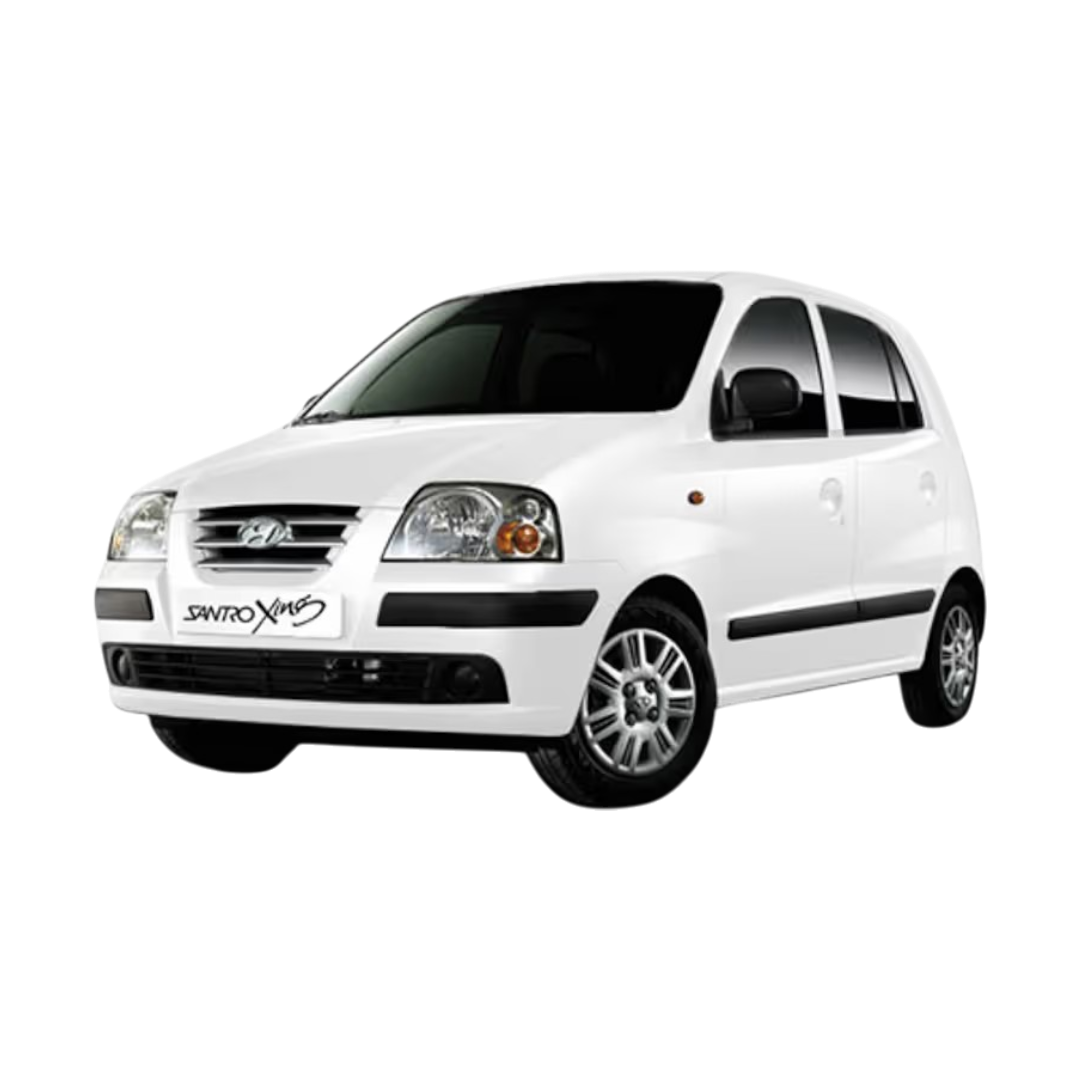 Santro Xing
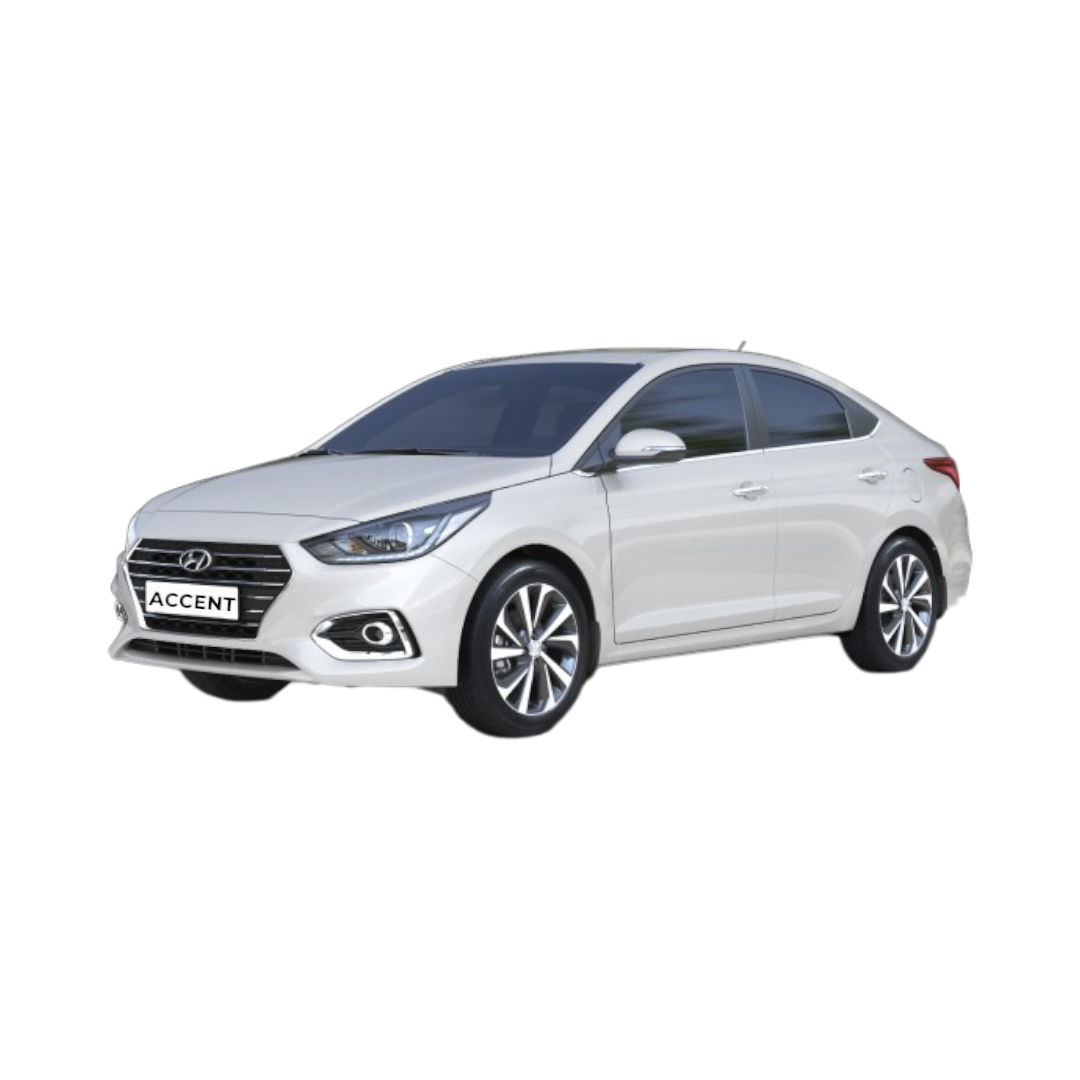 Accent
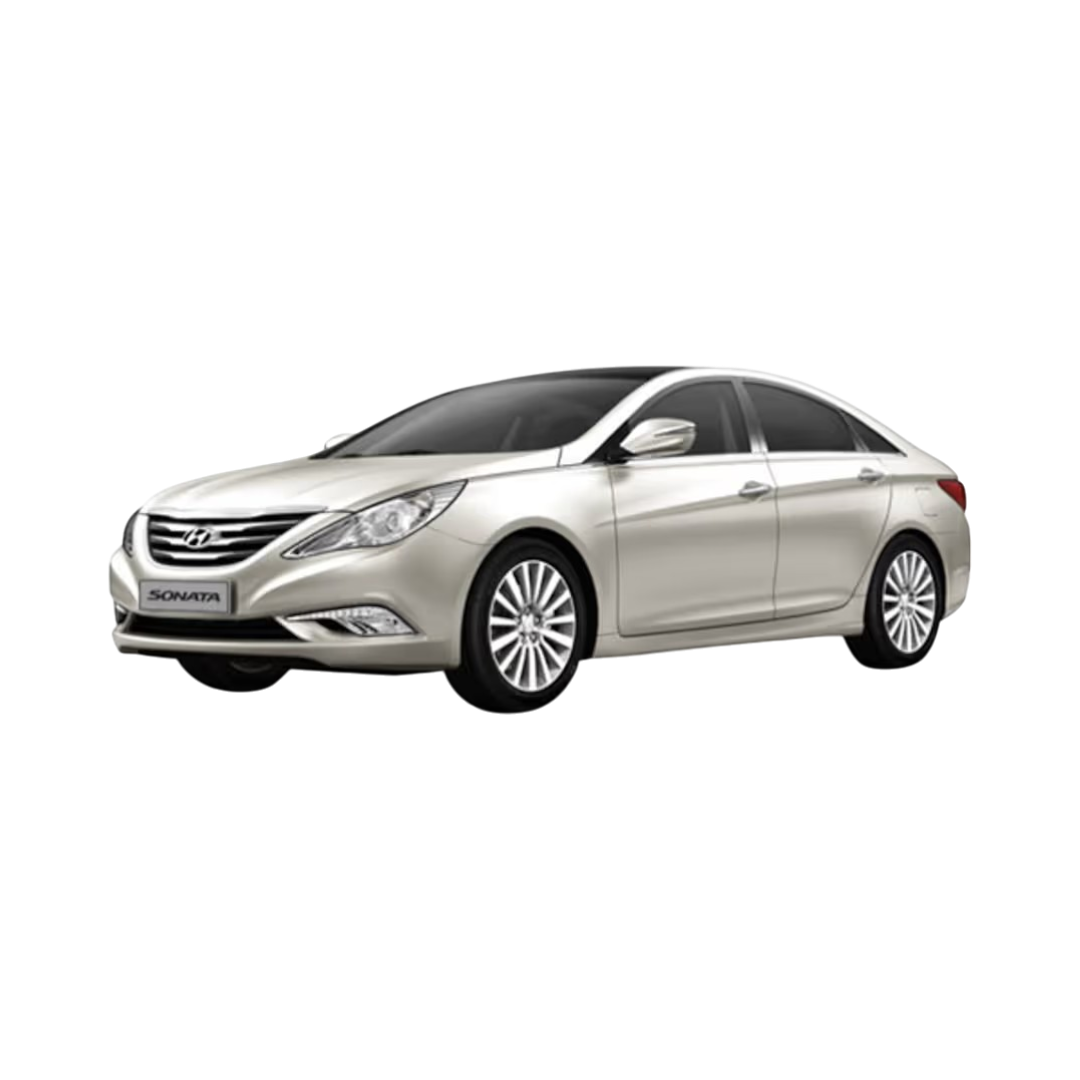 Sonata
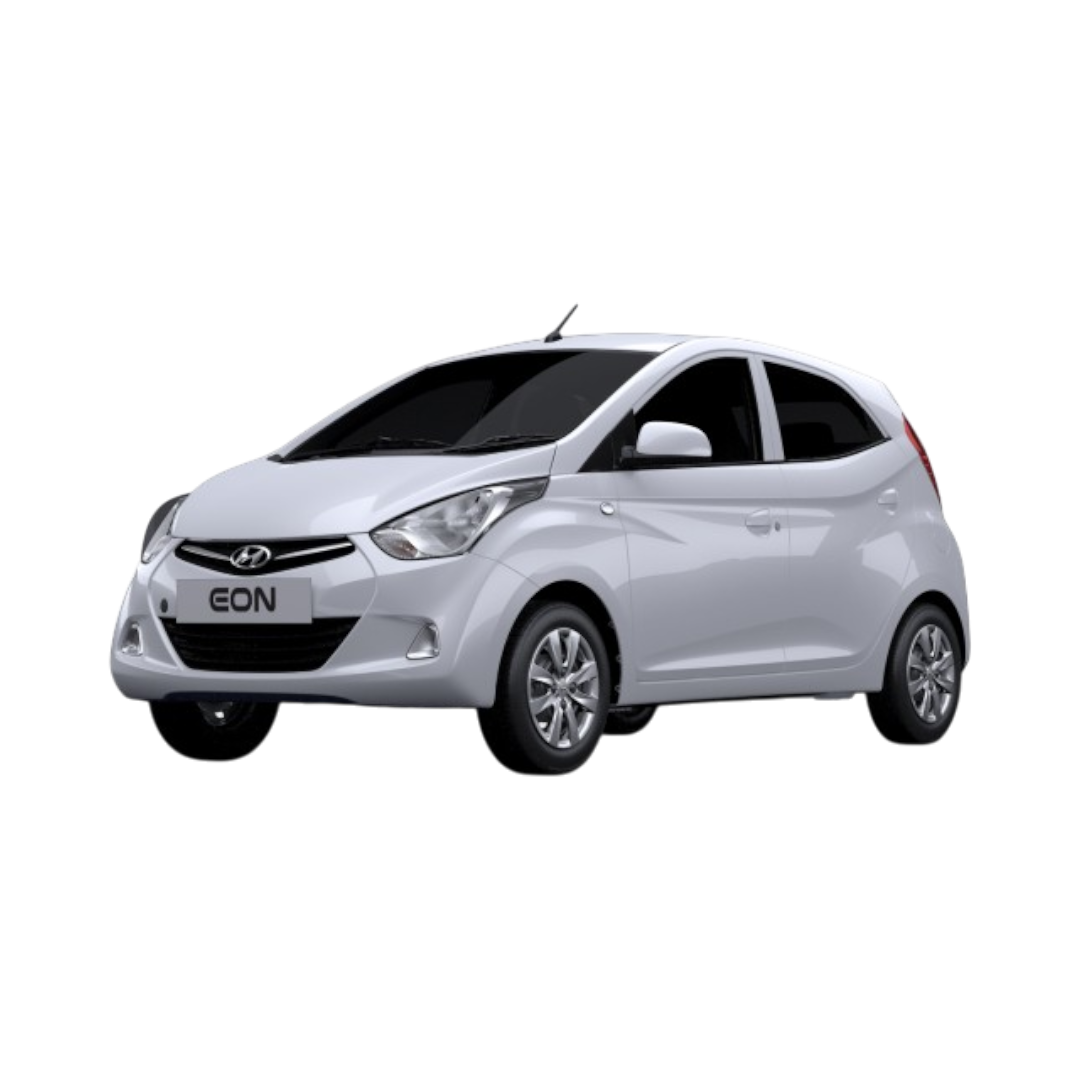 Eon
Eon
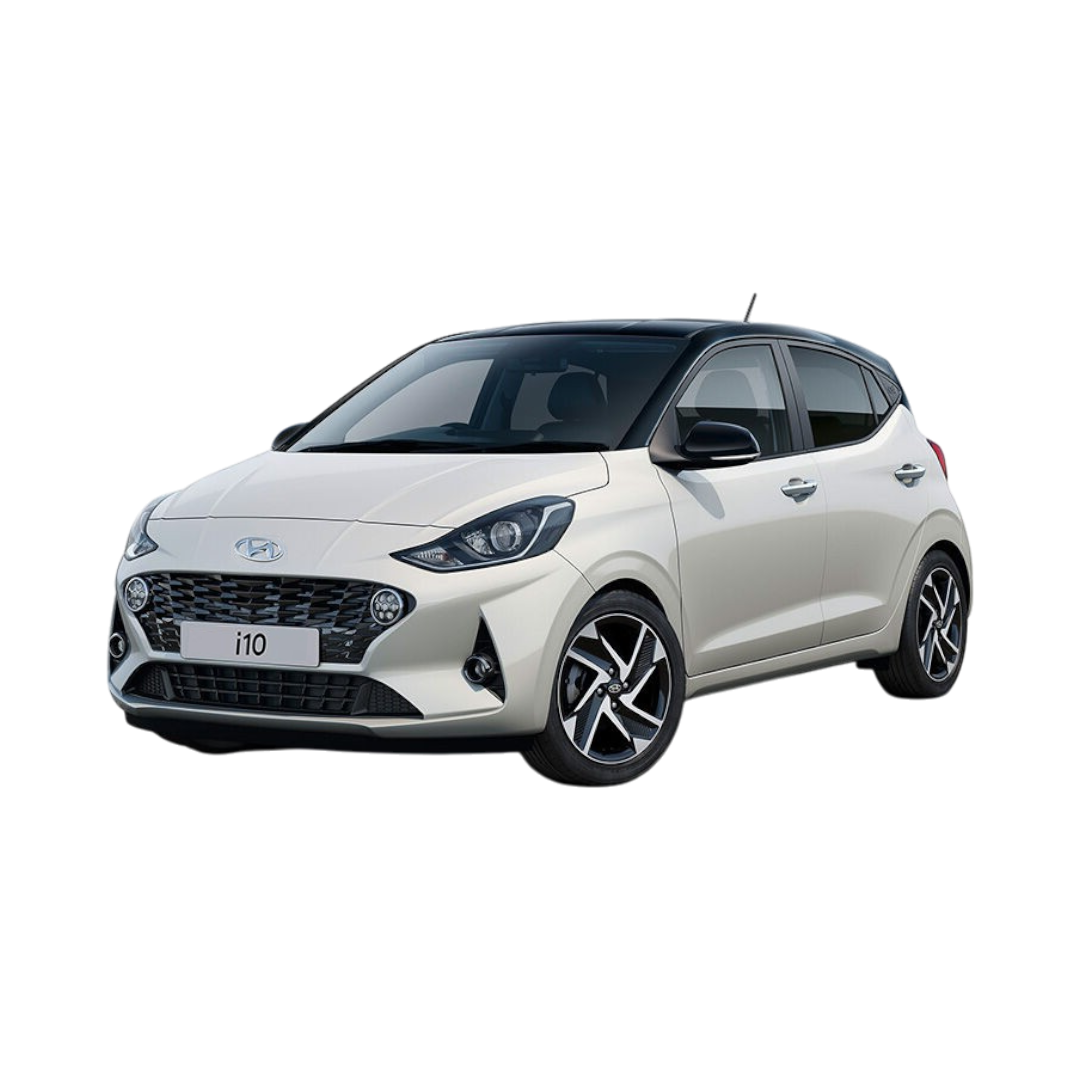 i10
i10
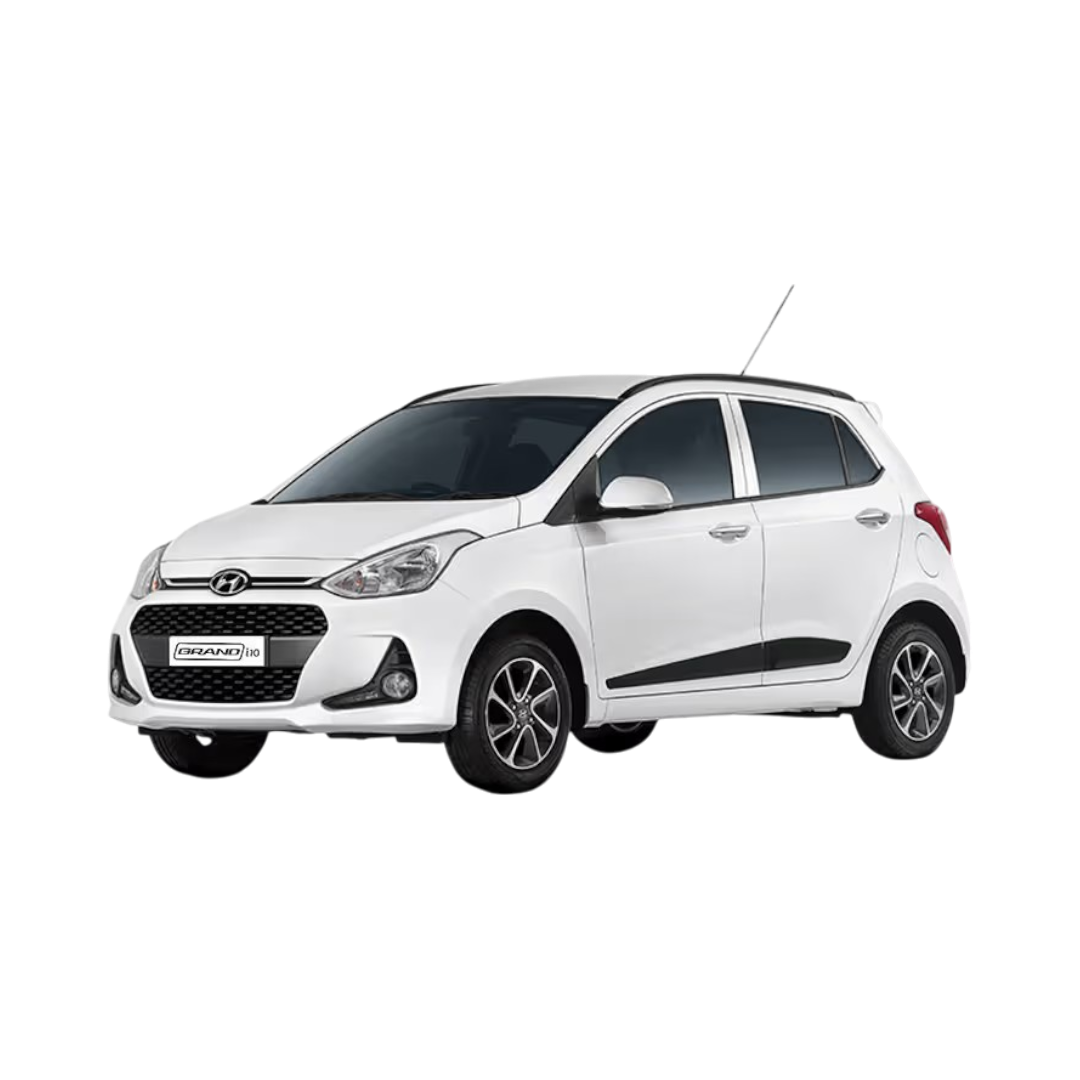 Grand i10
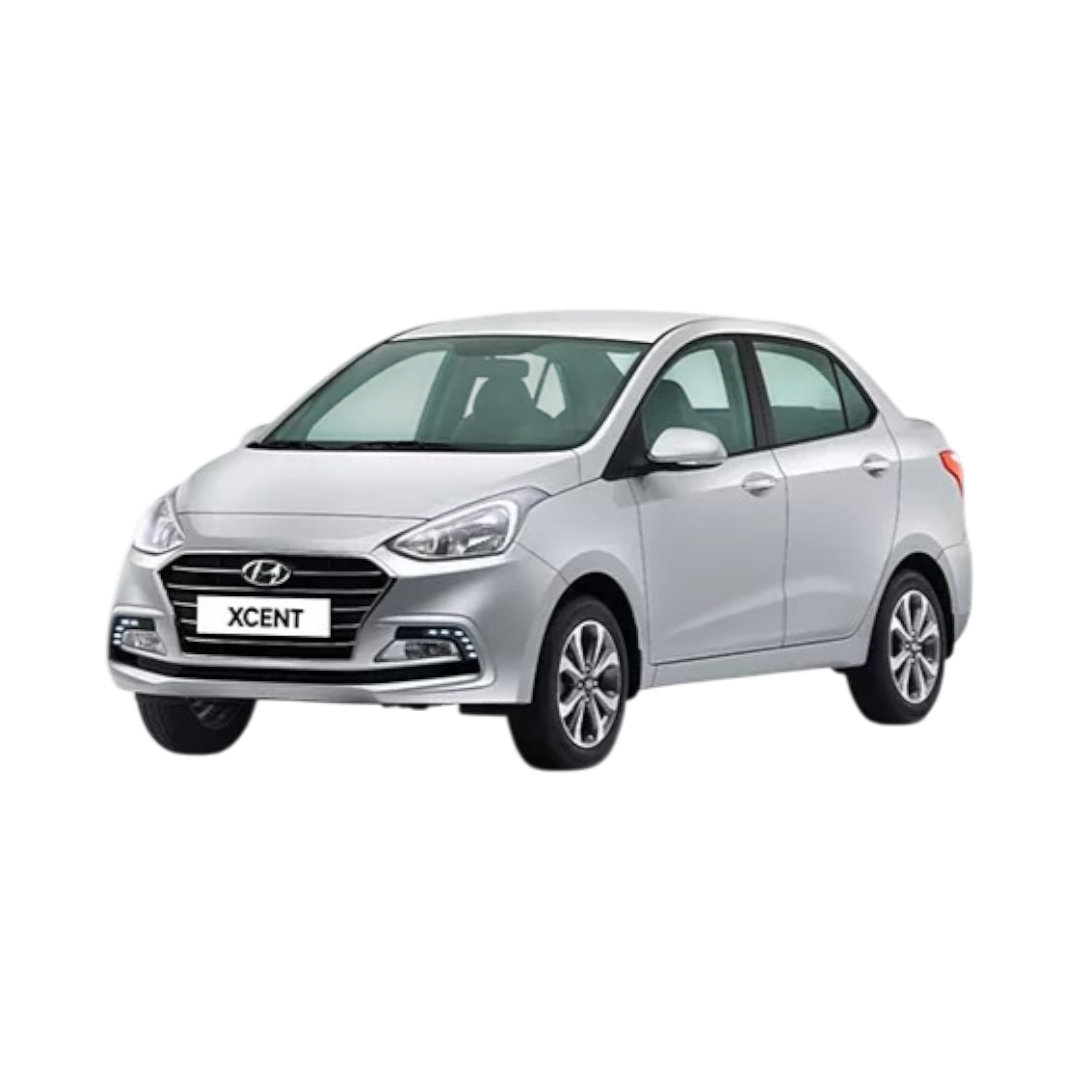 Xcent
Xcent
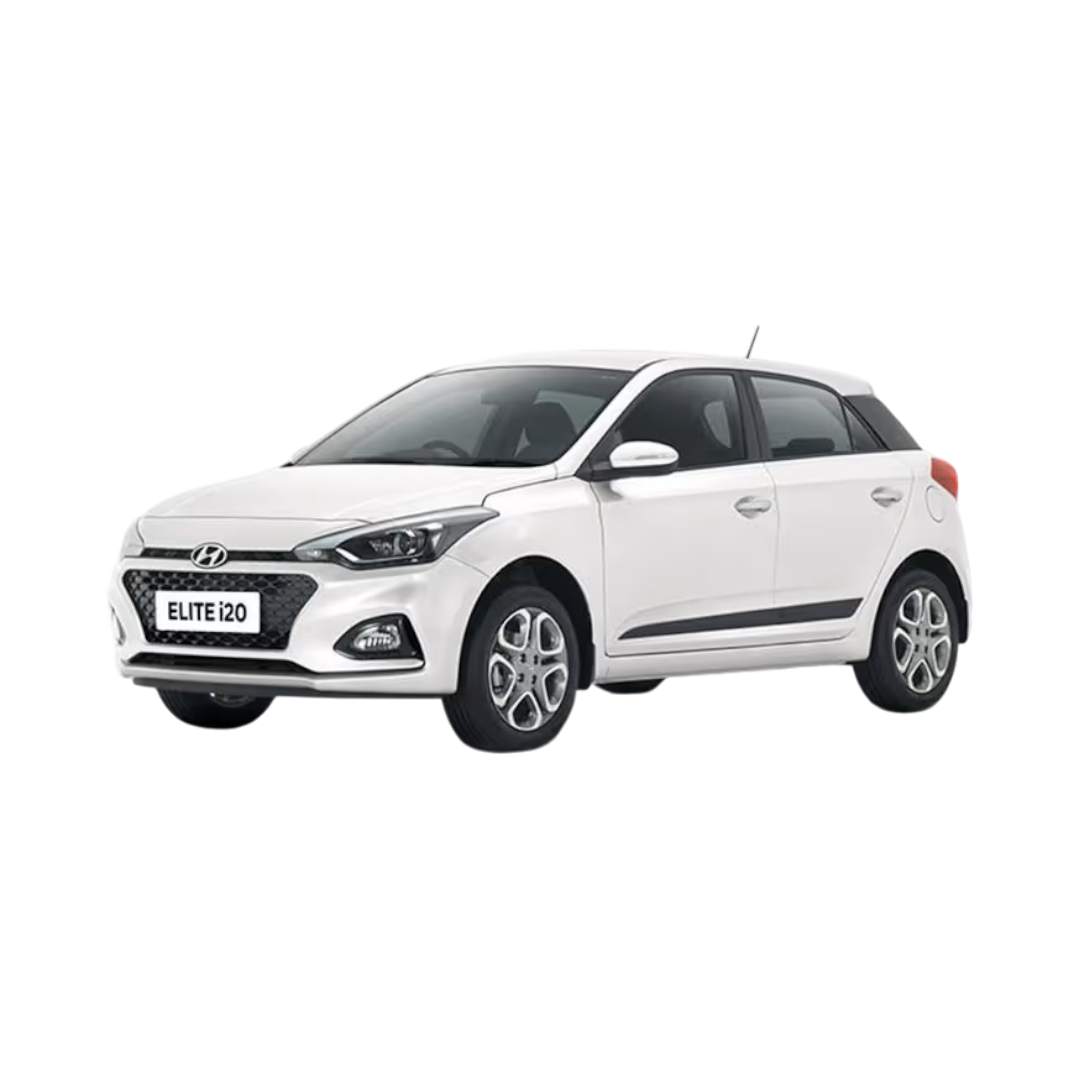 Elite i20
 Verna Fluidic
 Santafe
 Exter
Sonata Fluidic
Exter
Sonata Fluidic
 Yaris
Yaris
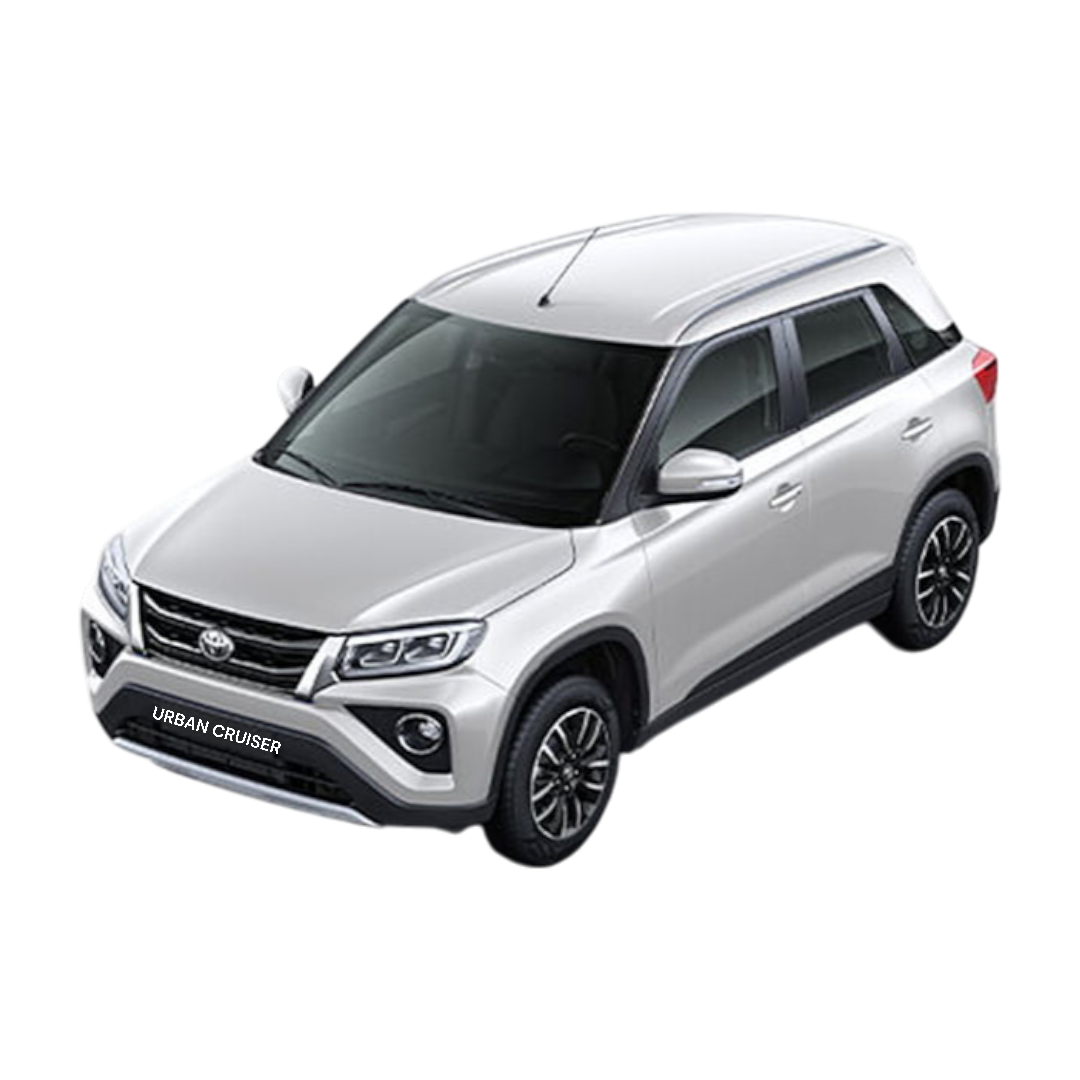 Urban Cruiser
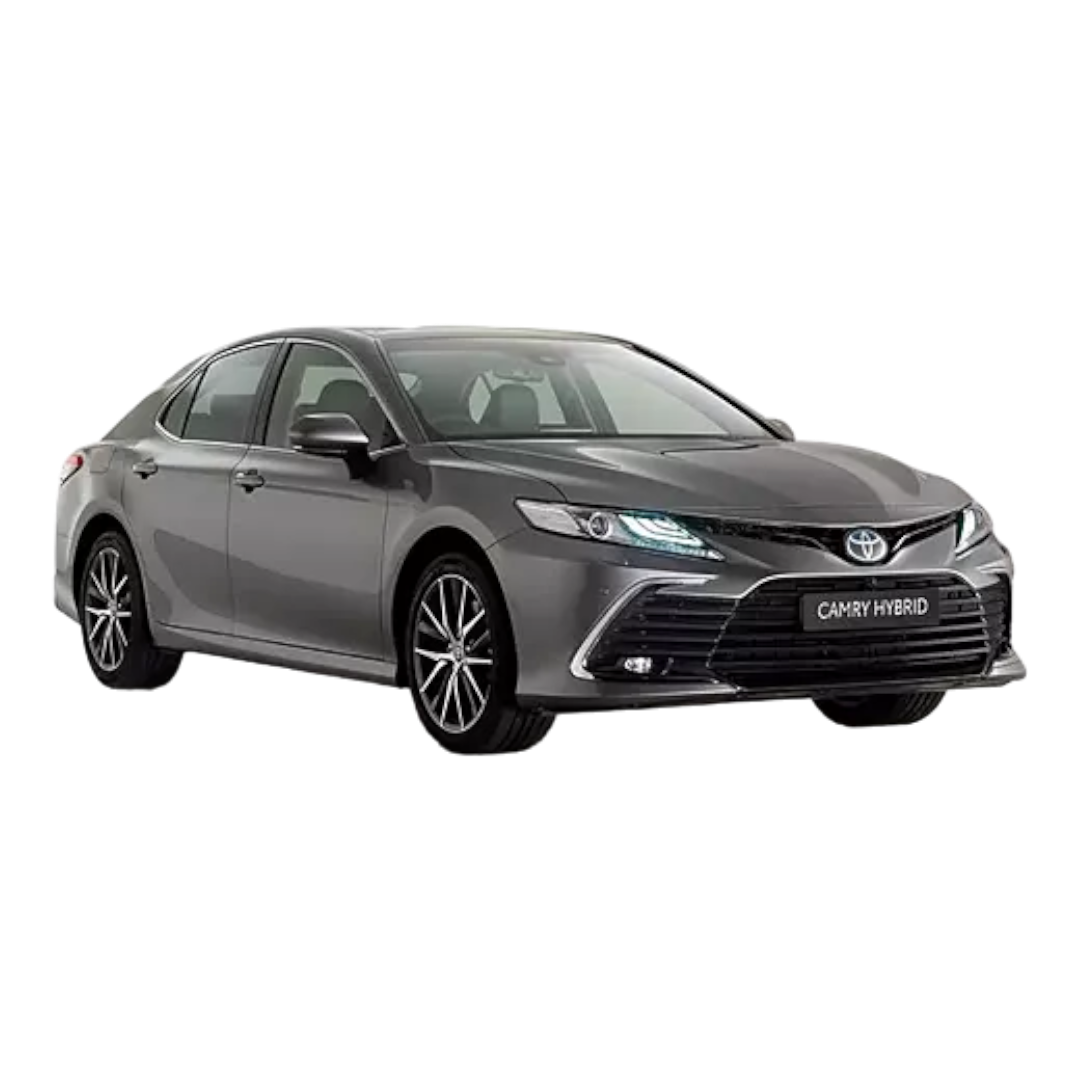 Camry
Camry
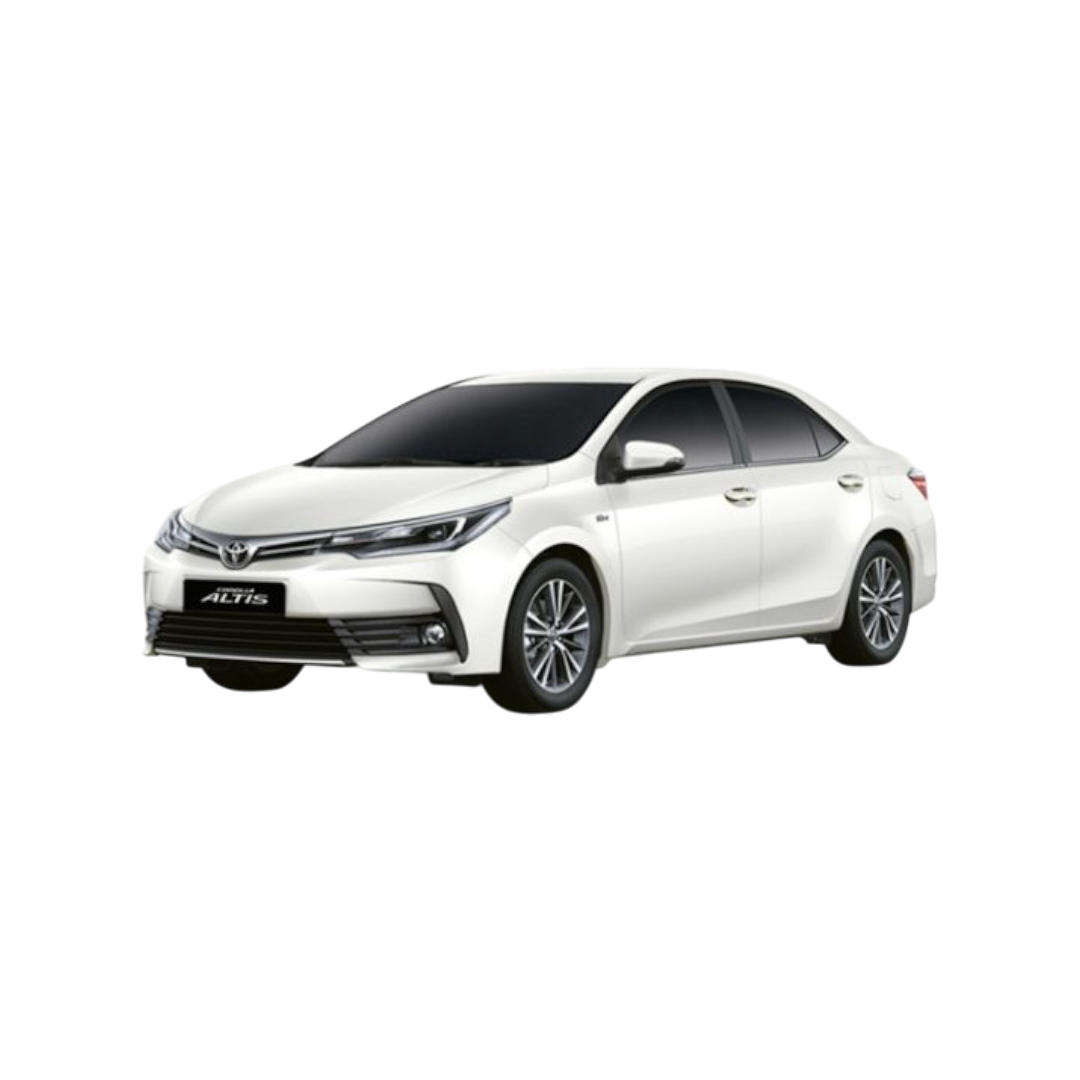 Corolla
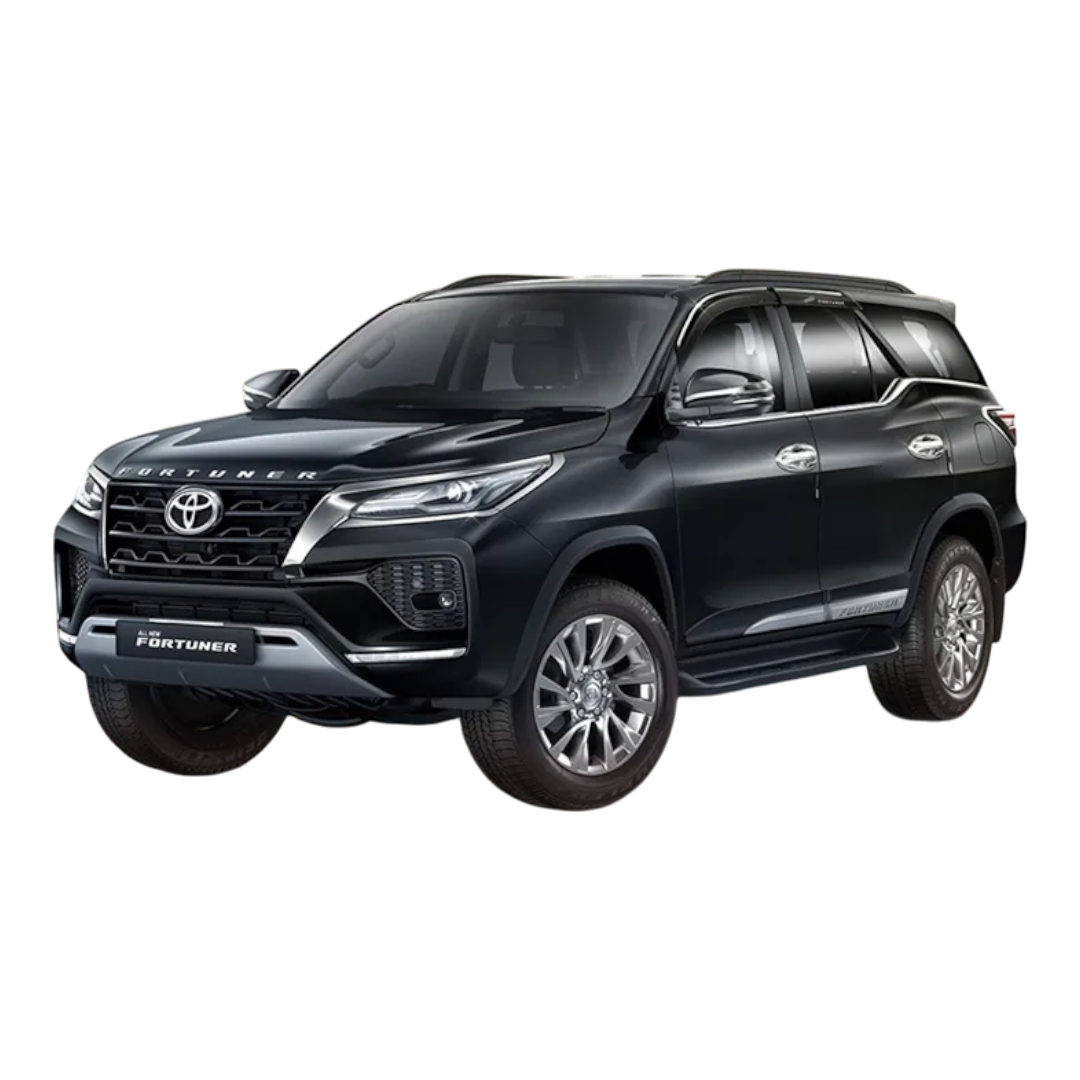 Fortuner
 Urban Cruiser Hyryder
 Innova Crysta
 Innova Hycross
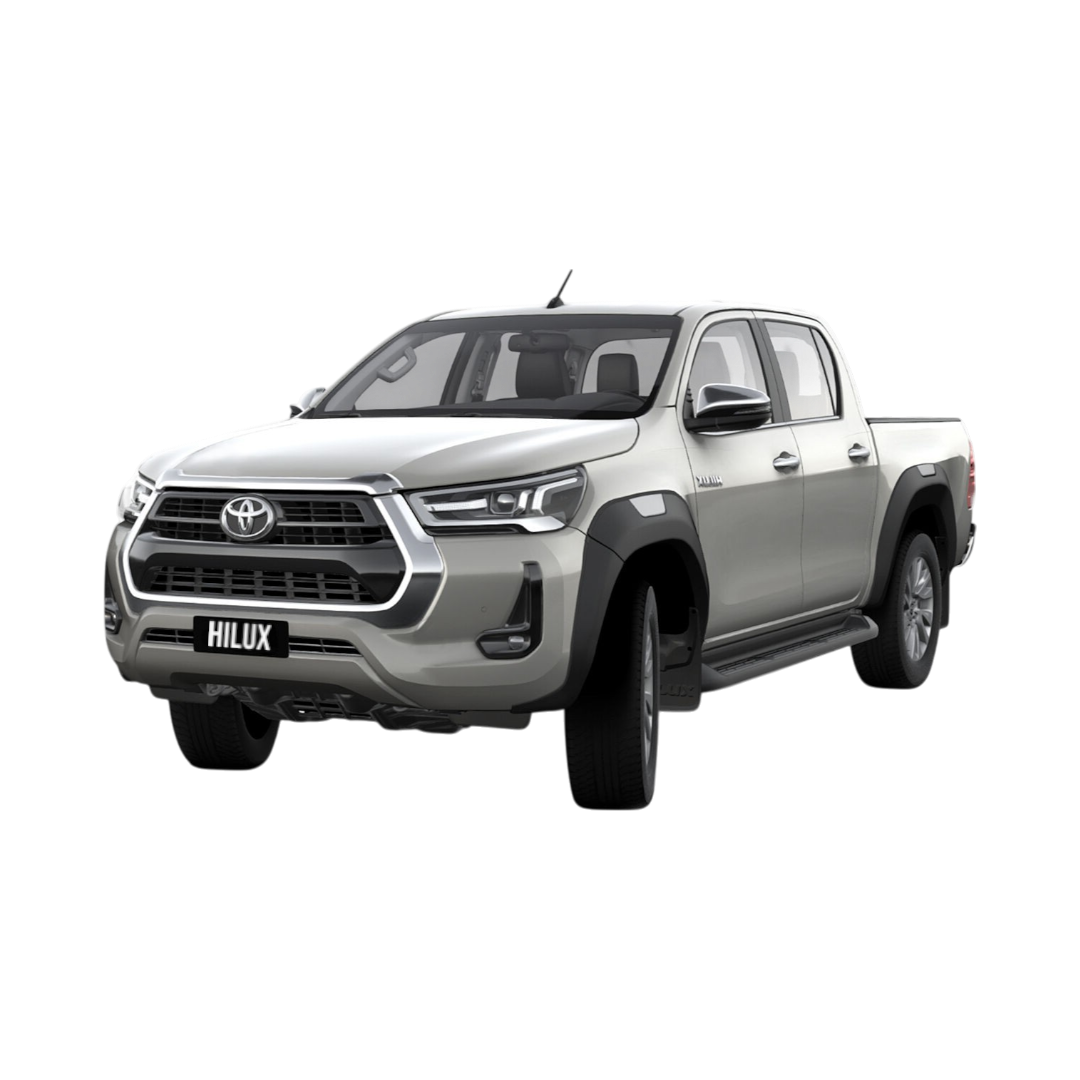 Hilux
Hilux
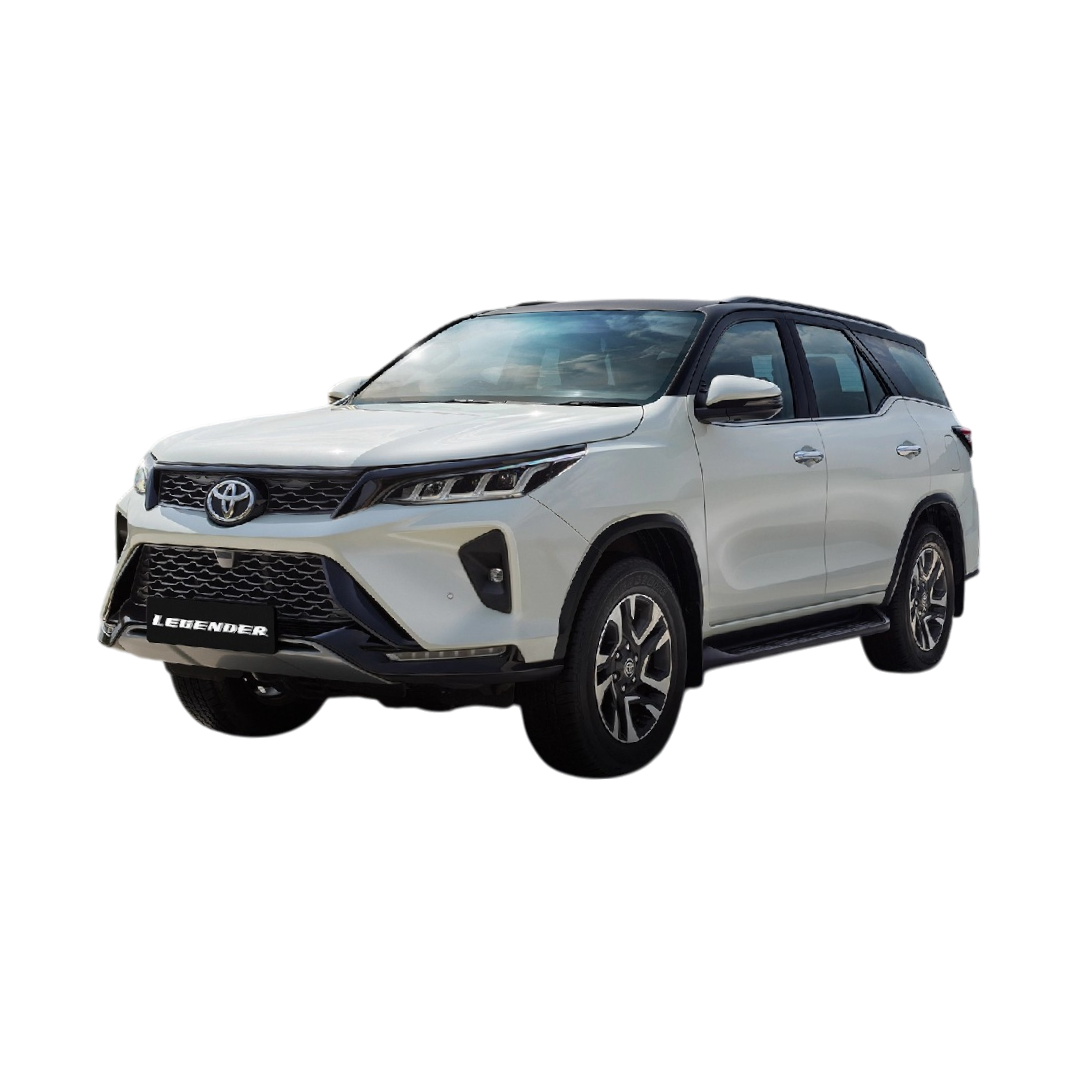 Fortuner Legender
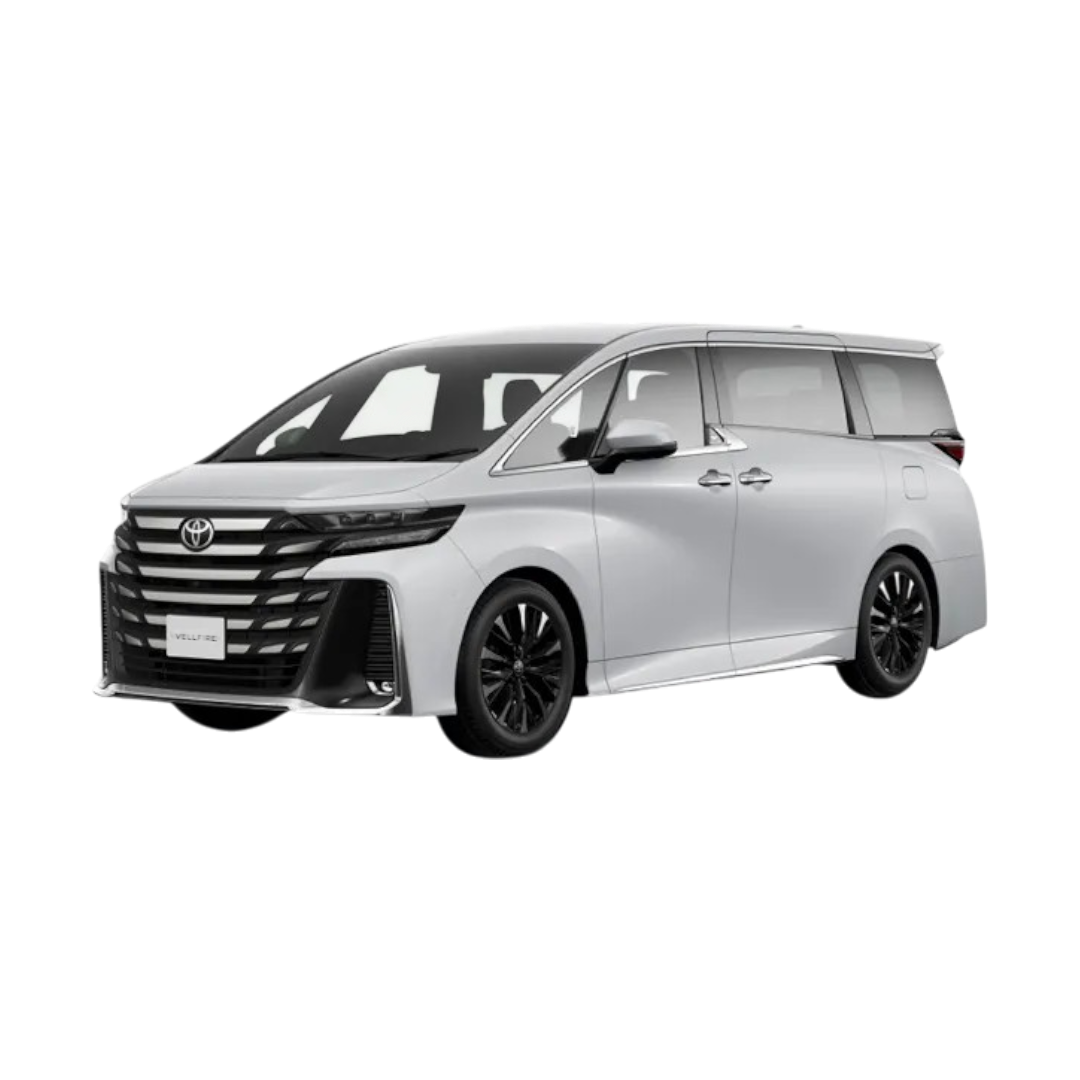 Vellfire
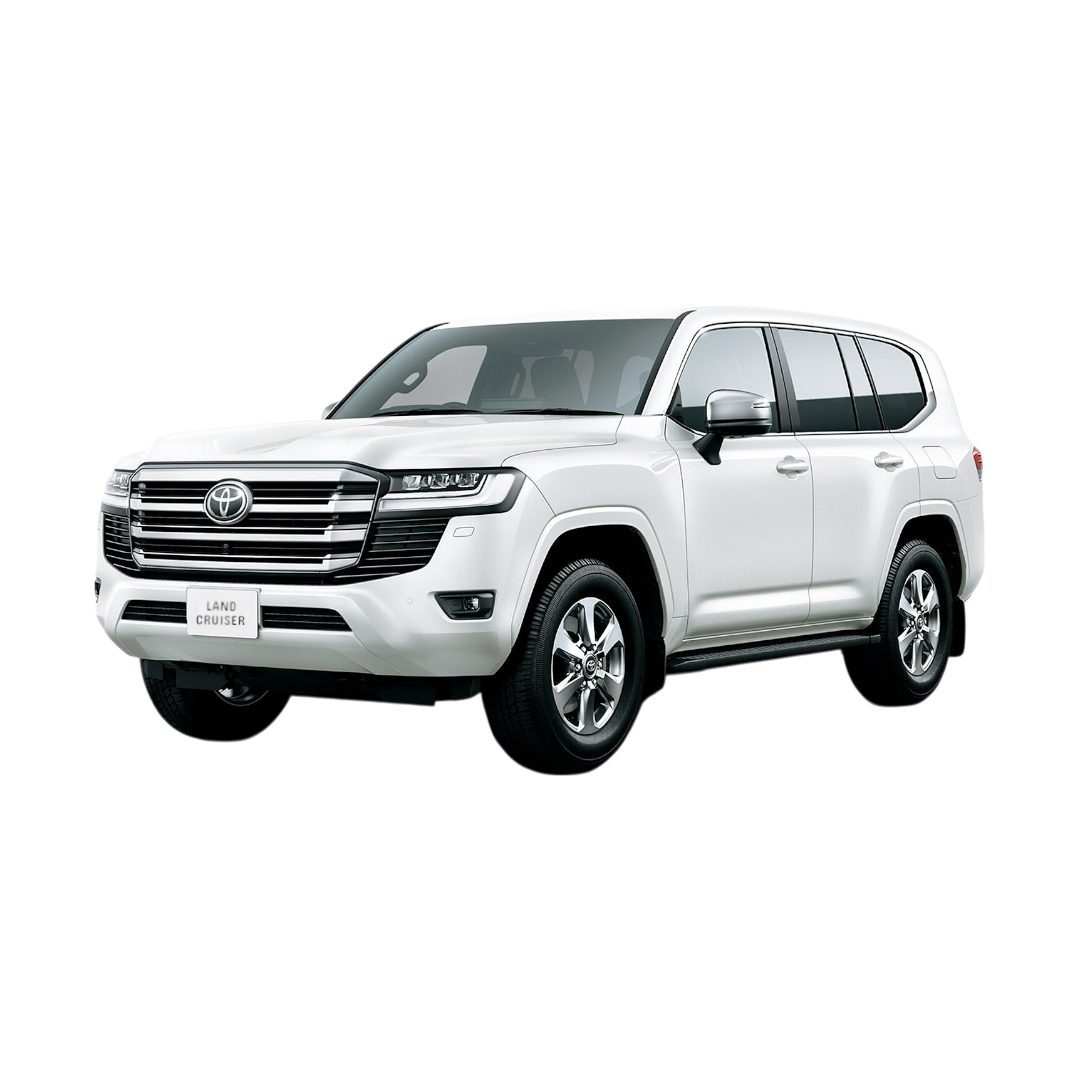 Land Cruiser
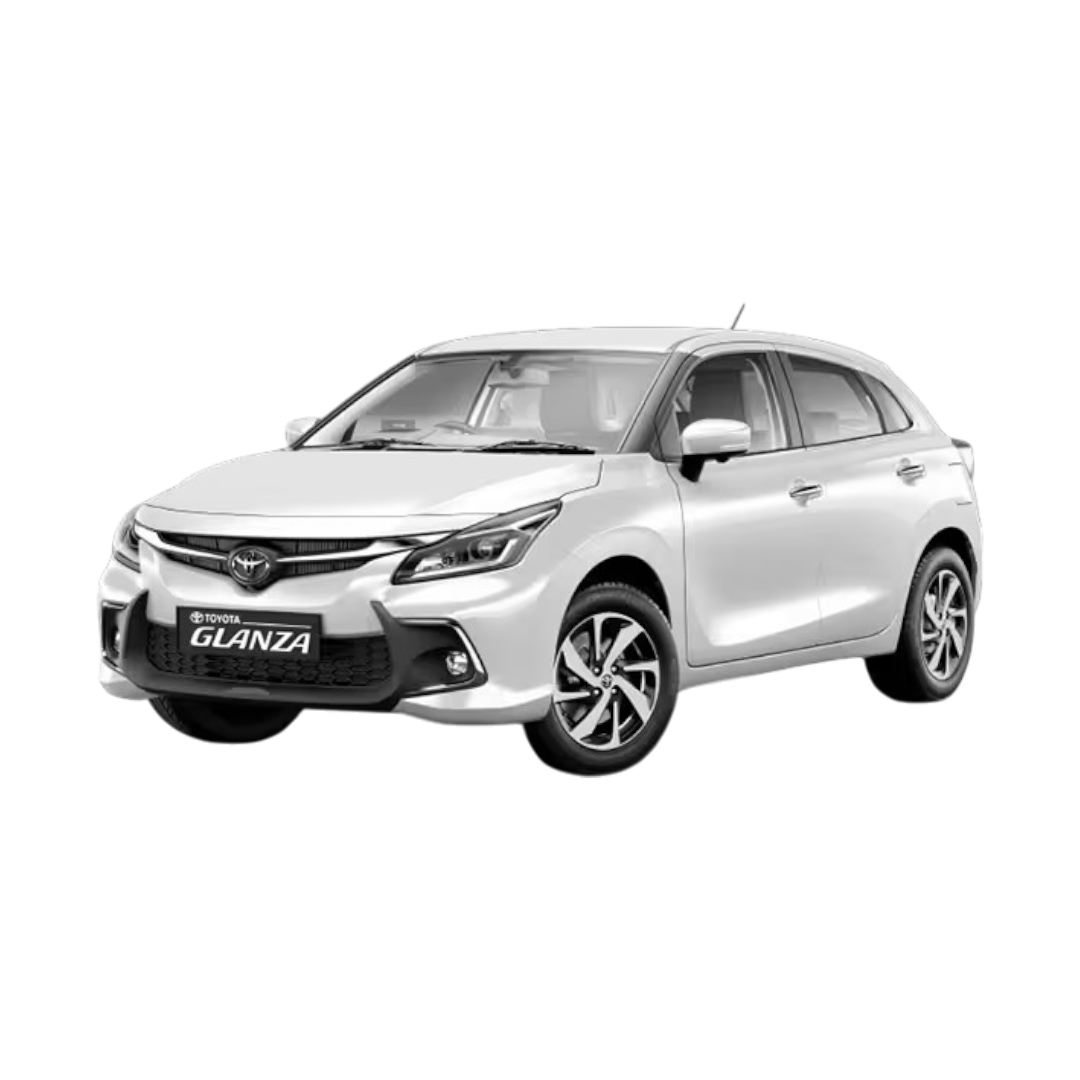 Glanza
 Etios
Etios
 Etios cross
 Etios Liva
 Qualis
 Innova
 Rumion
Taisor
Corolla Altis
Hyryder
Rumion
Taisor
Corolla Altis
Hyryder
 Bolero
 Marazzo
 KUV100 NXT
 Scorpio
 Thar
Thar
 XUV 300
 Bolero Neo
 Verito
 Scorpio-N
 XUV 700
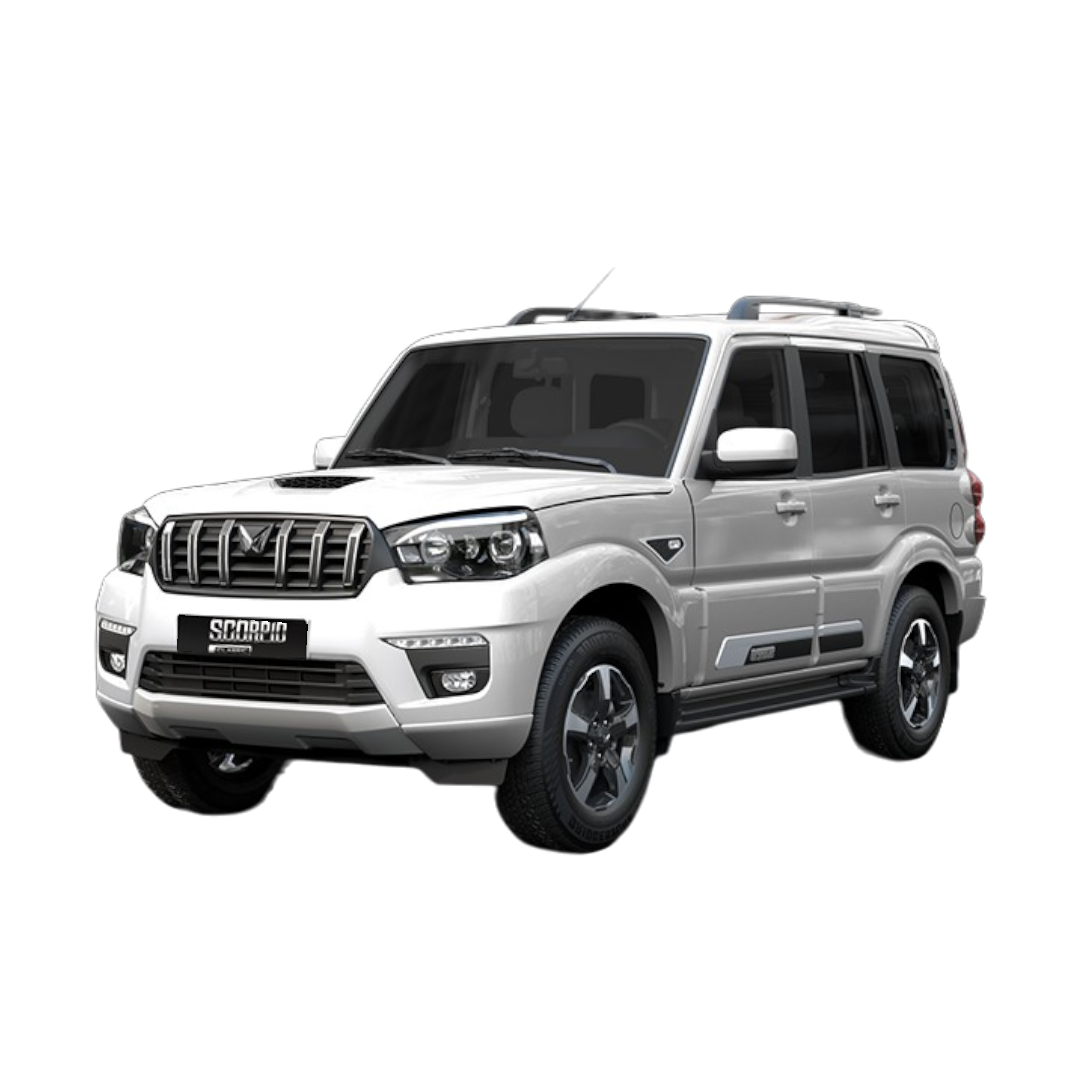 Scorpio Classic
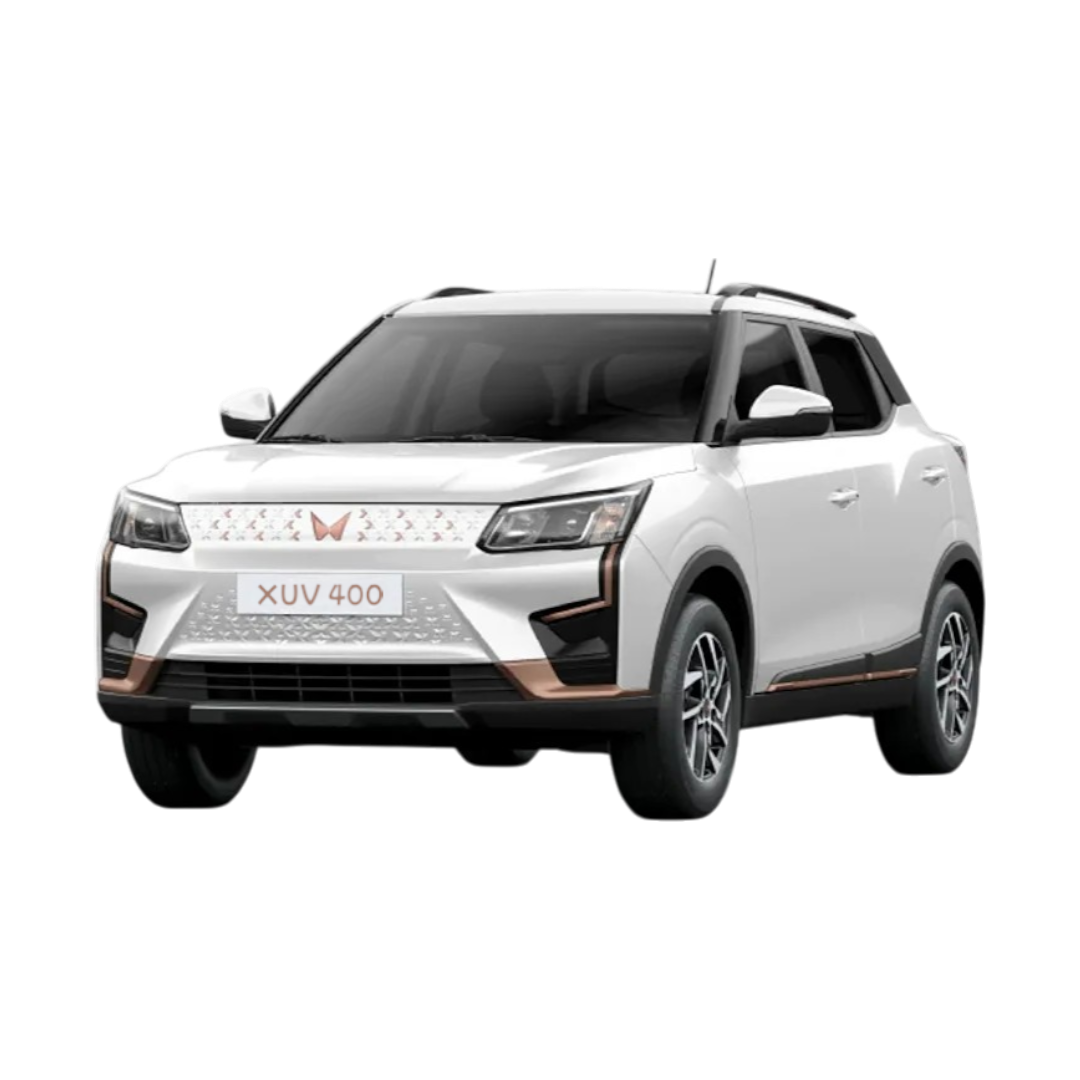 XUV400
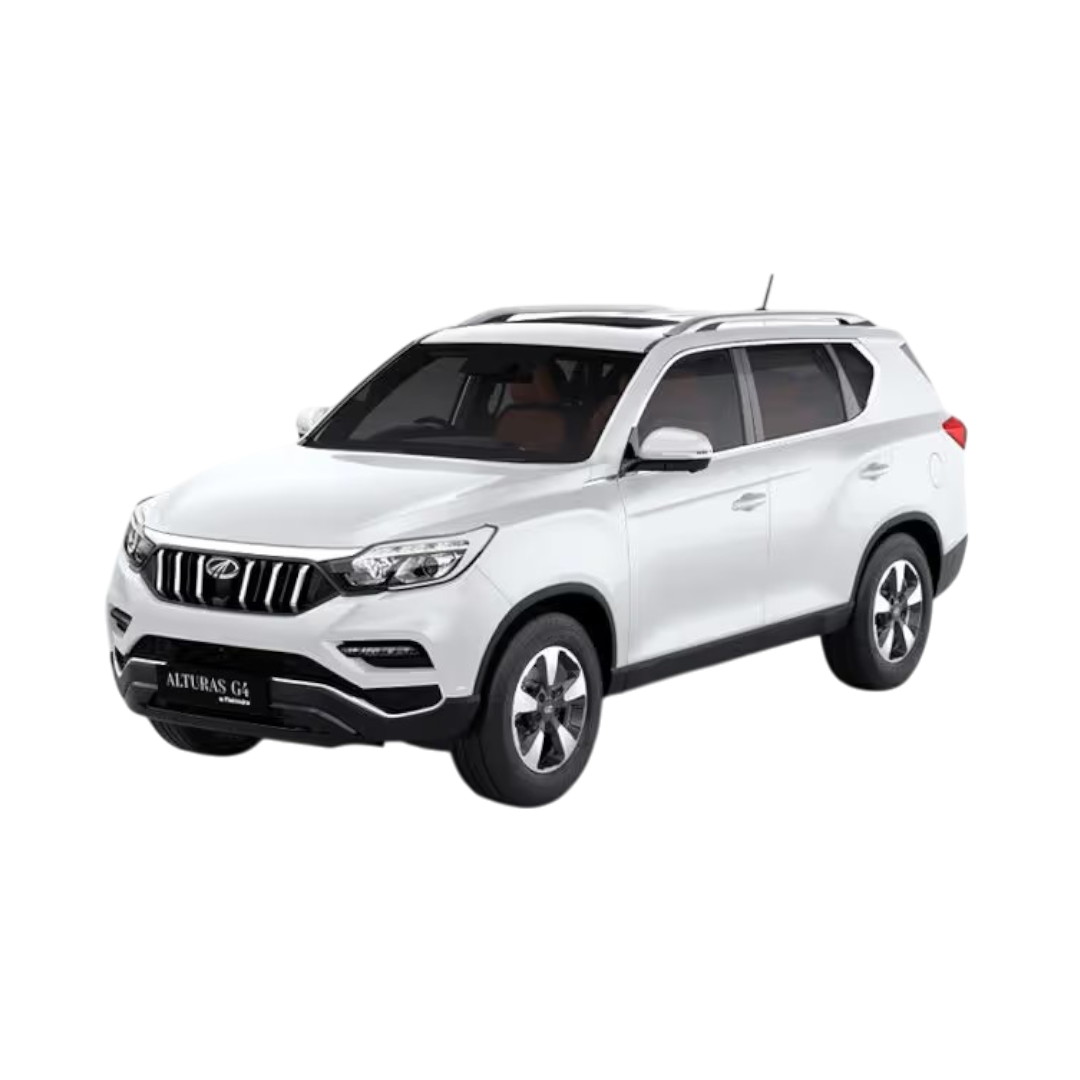 Alturas
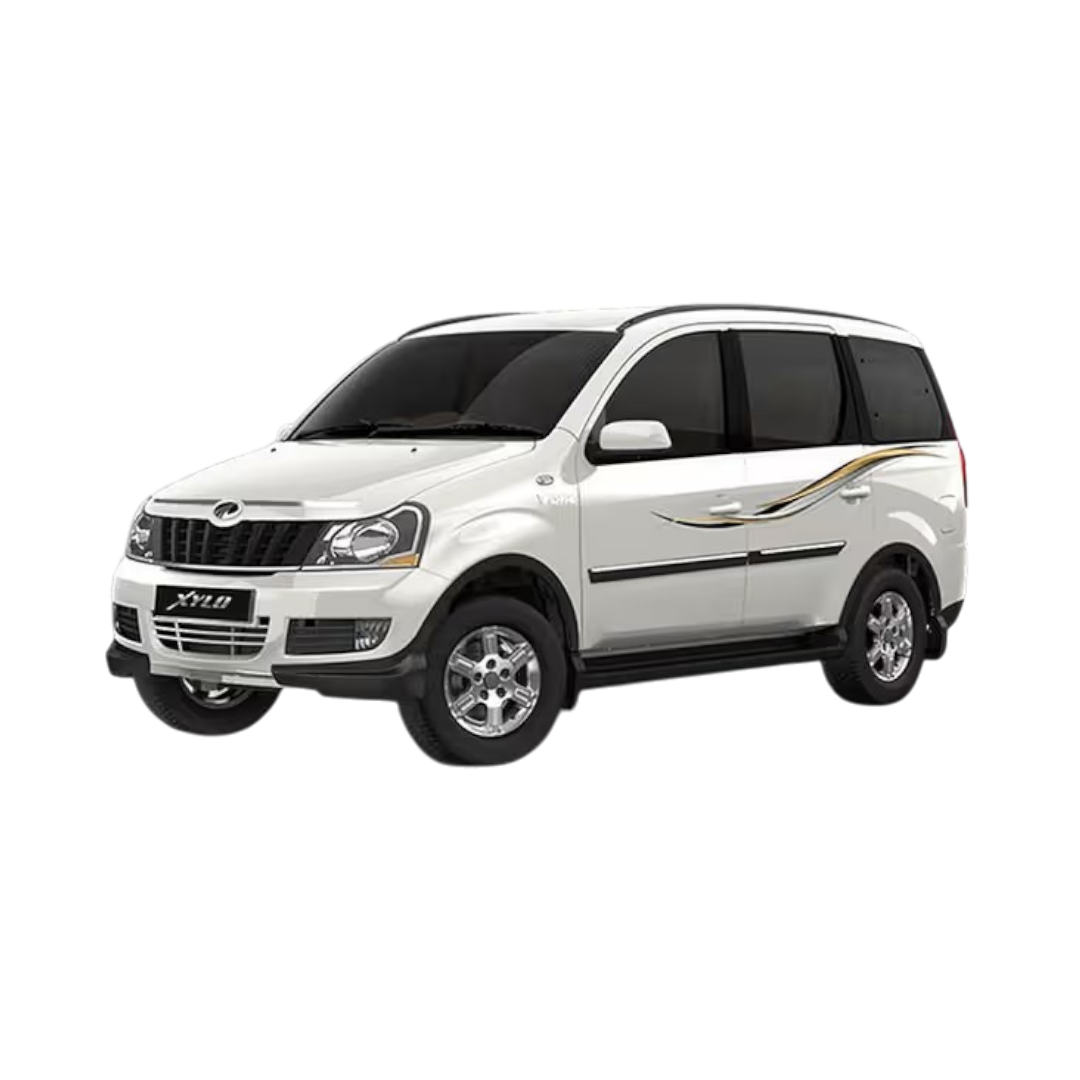 Xylo
Xylo
 Quanto
 Logan
Logan
 XUV 500
 TUV 300
 XUV 3XO
 KUV 100
NuvoSport
XEV 9e
BE 6
Thar Roxx
E-Verito
XUV 7XO
TUV 100
KUV 100
NuvoSport
XEV 9e
BE 6
Thar Roxx
E-Verito
XUV 7XO
TUV 100
 Audi Q5
 Audi A4
 Audi Q7
 Audi Q3
 Audi A6
 Audi RS5
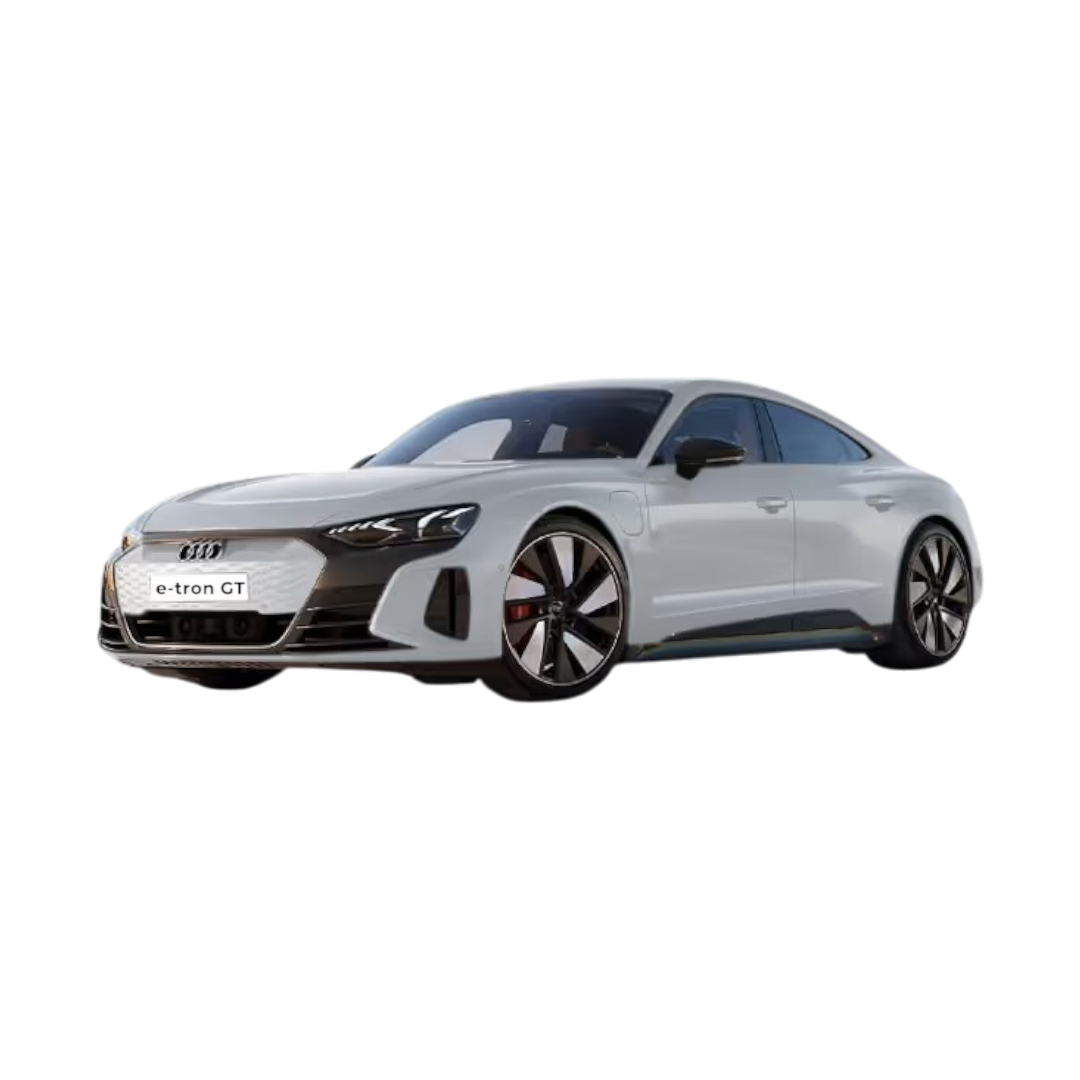 E-Tron GT
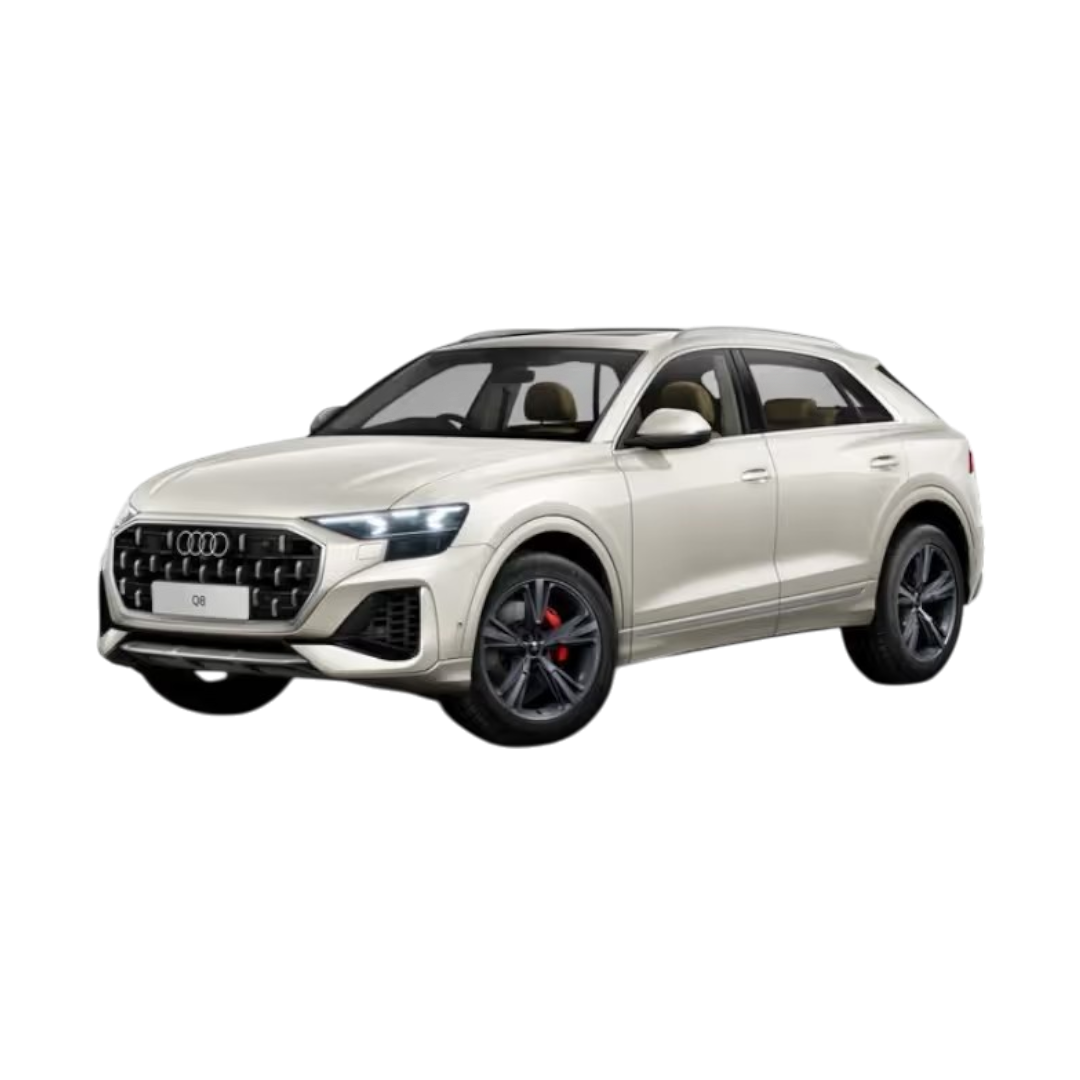 Audi Q8
 E-Tron
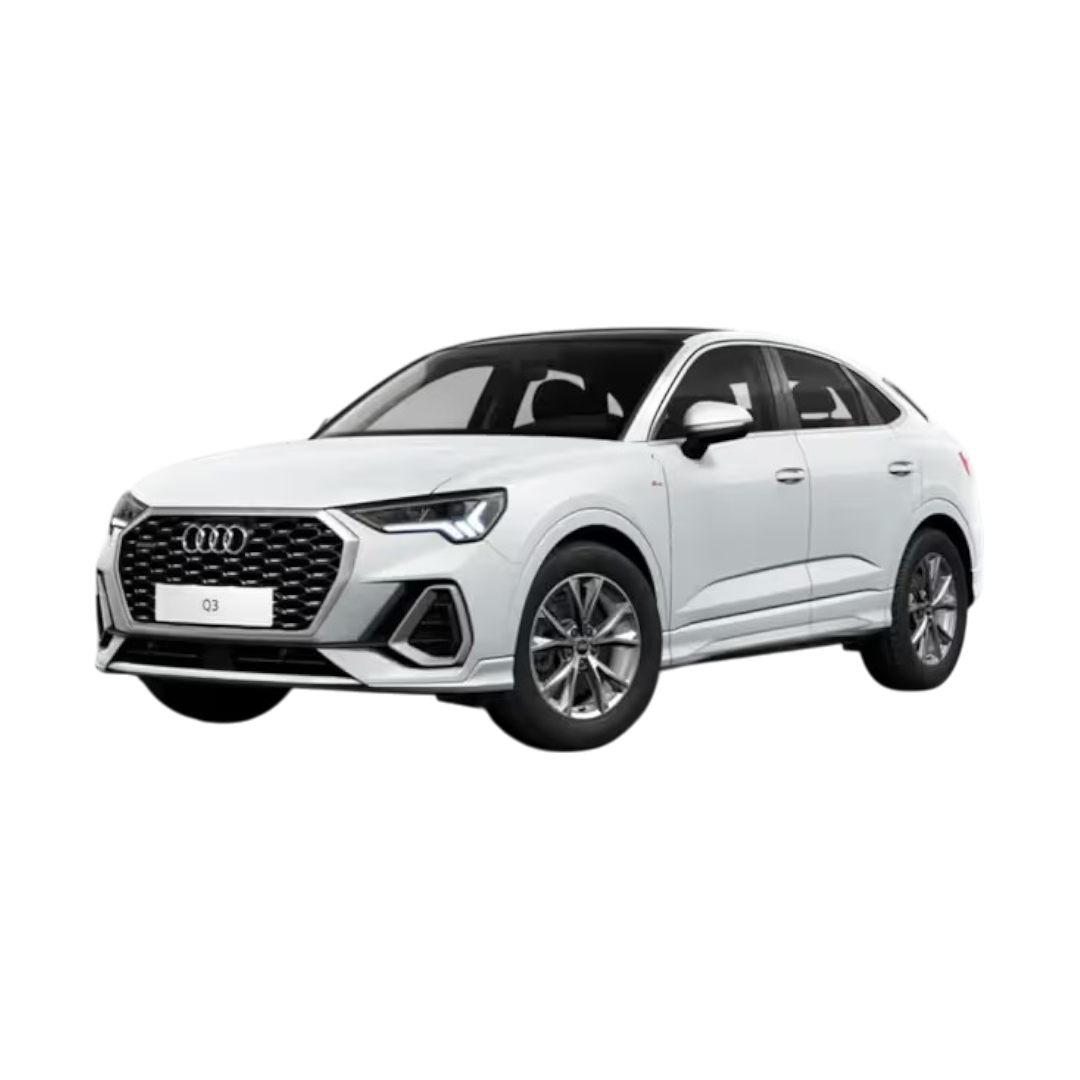 Q3 Sportback
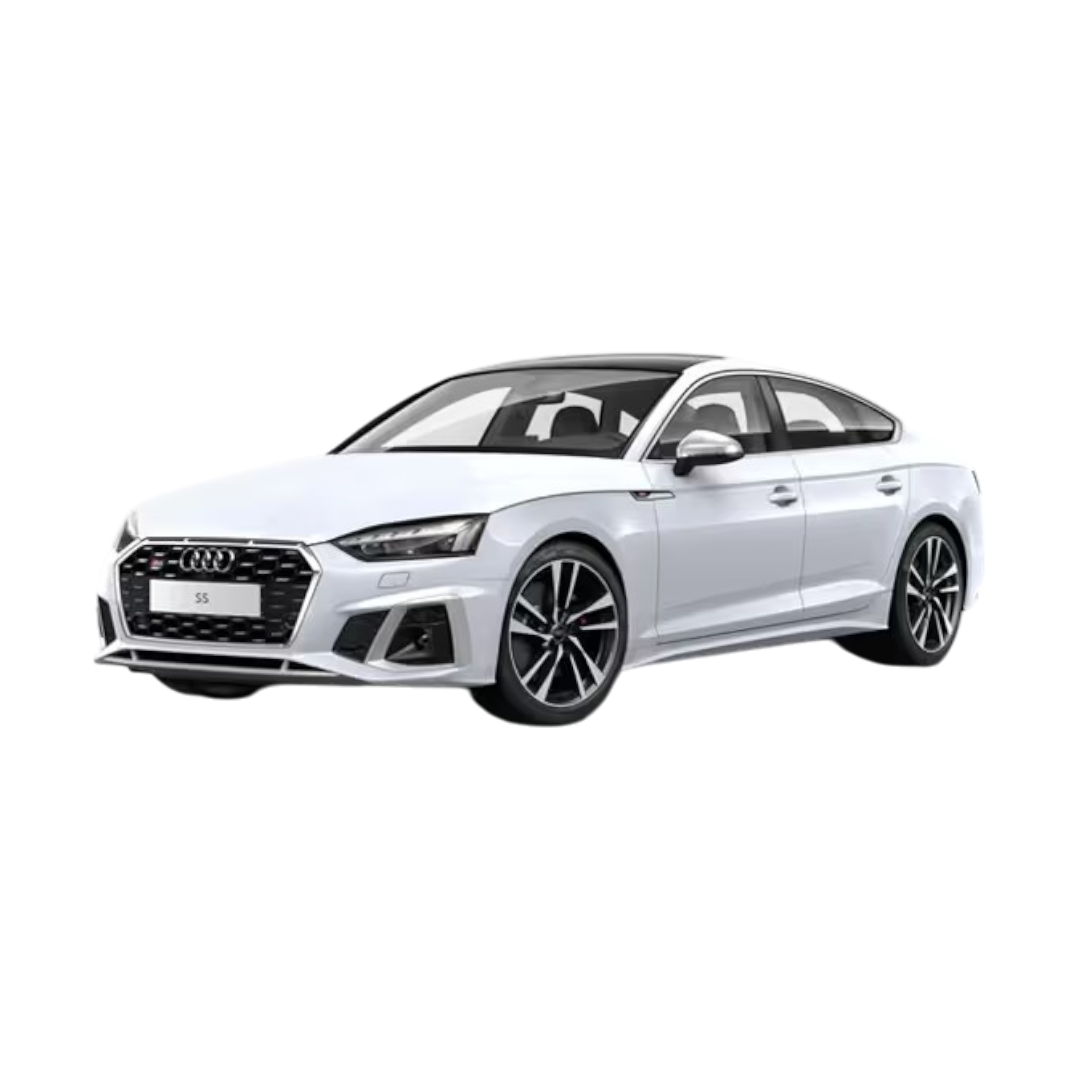 Audi S5 Sportback
 Q8 E-Tron
 Q8 E-Tron Sportback
 Audi A8L
 Audi RS Q8
 Audi A3
 BMW X7
 BMW X1
 BMW X5
 BMW XM
 BMW Z4
 3 Series
 BMW X3
 BMW iX
 BMW i7
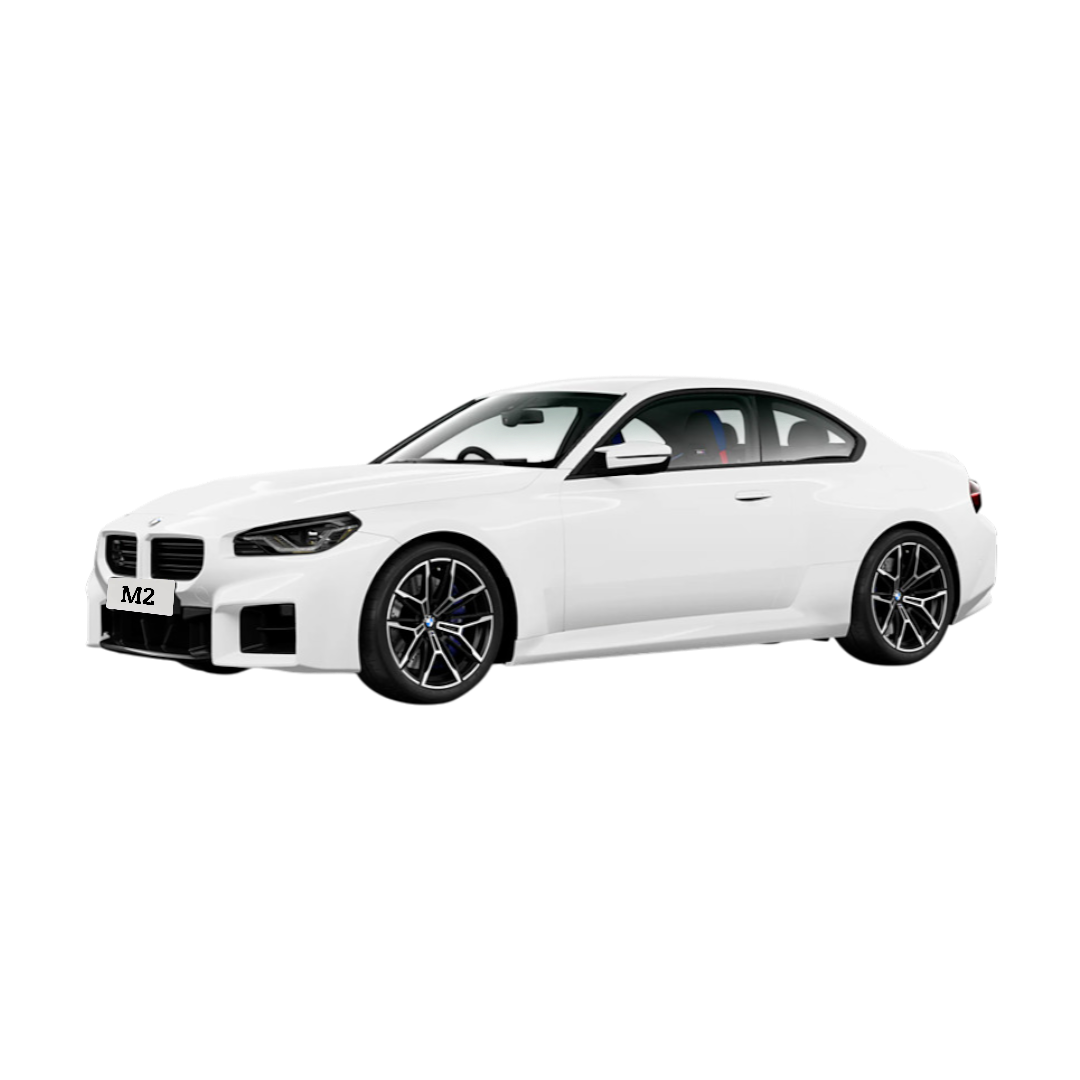 BMW M2
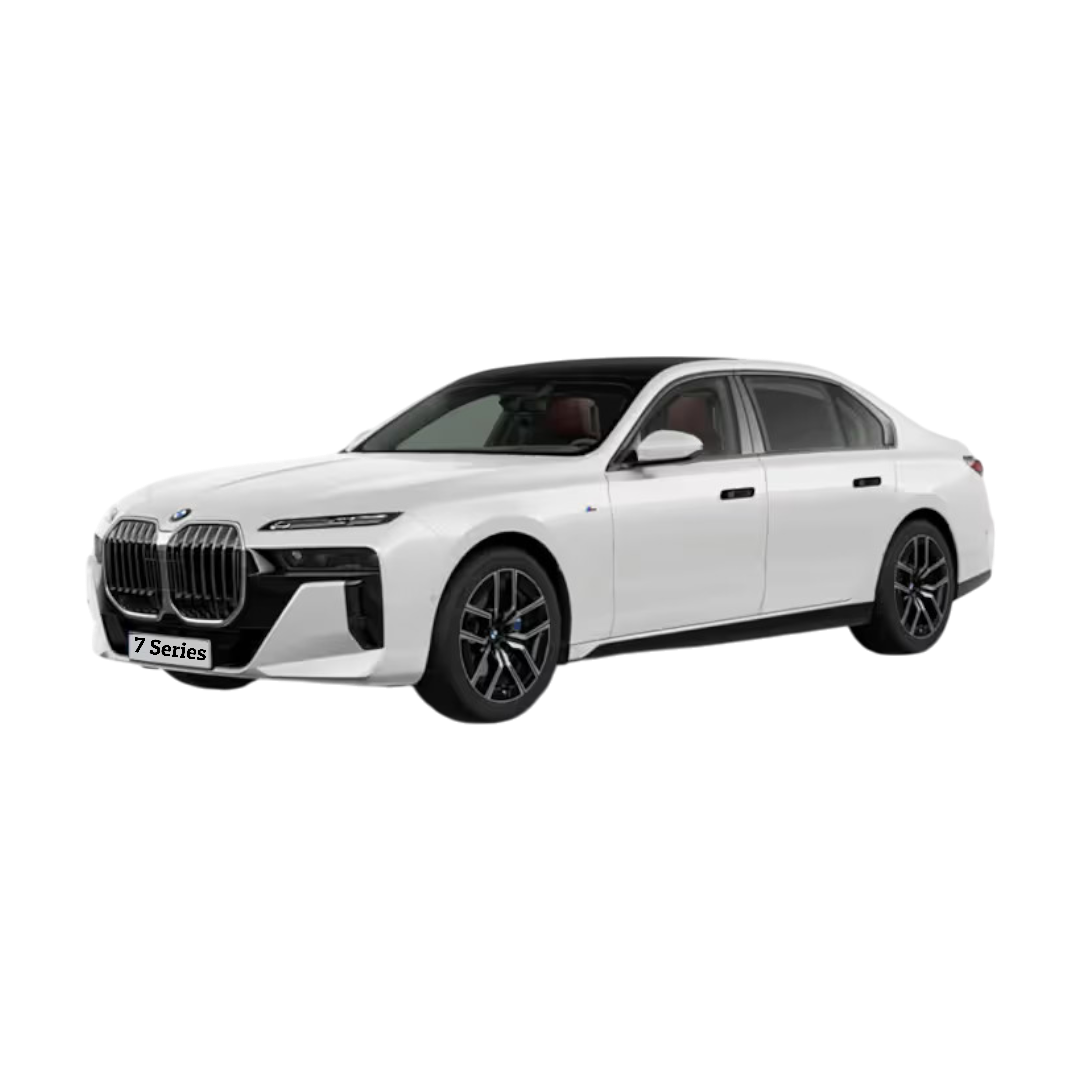 7 Series
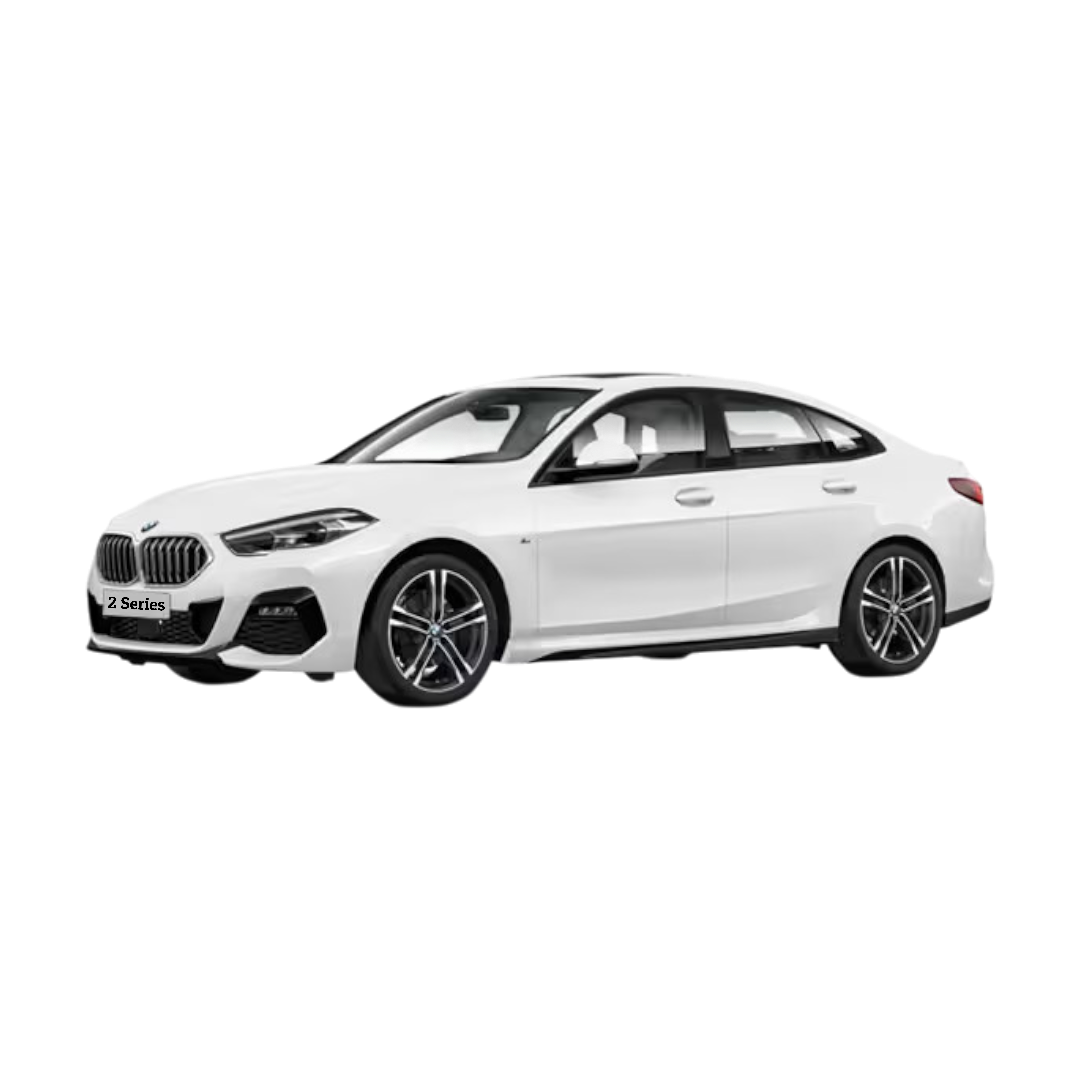 2 Series
 BMW i4
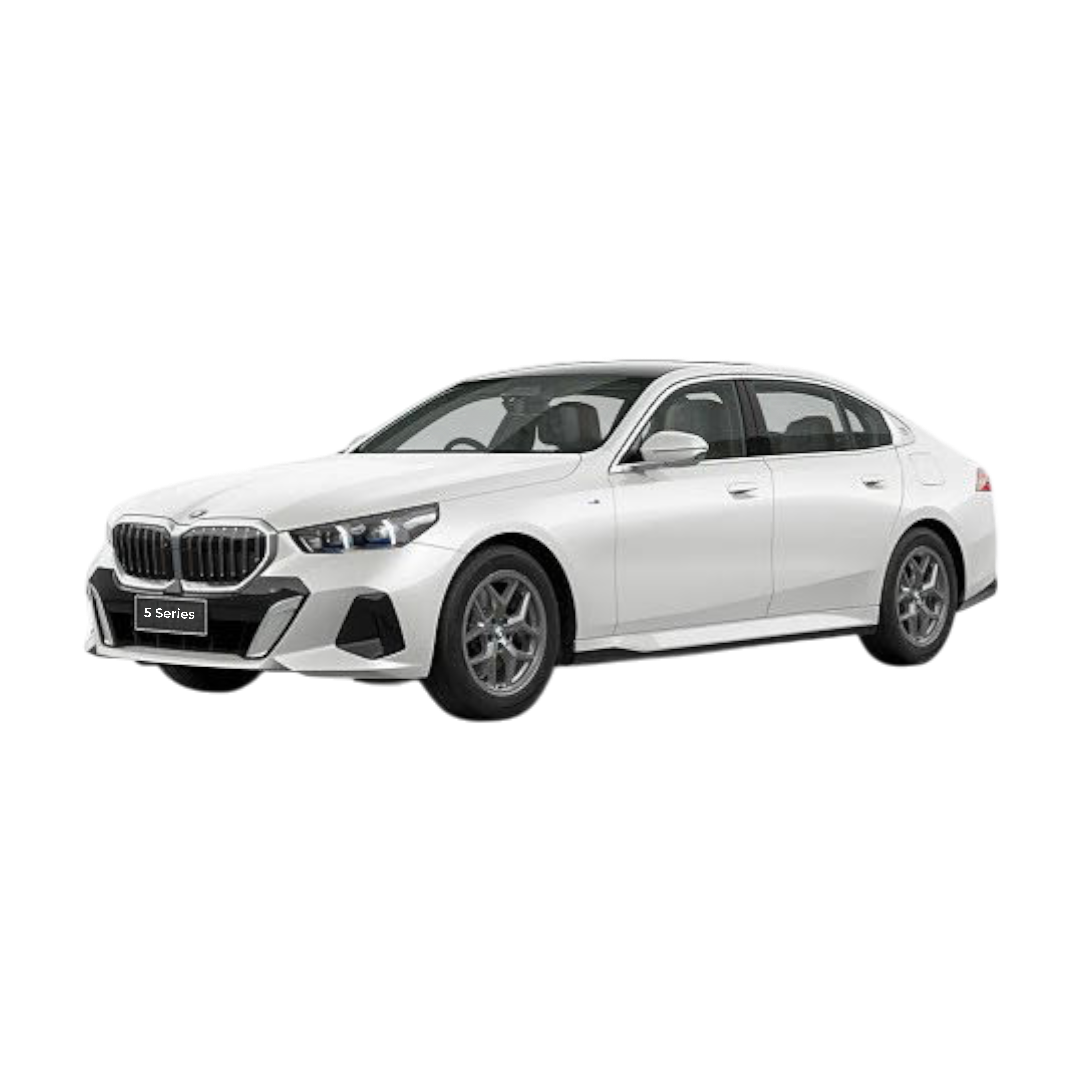 5 Series
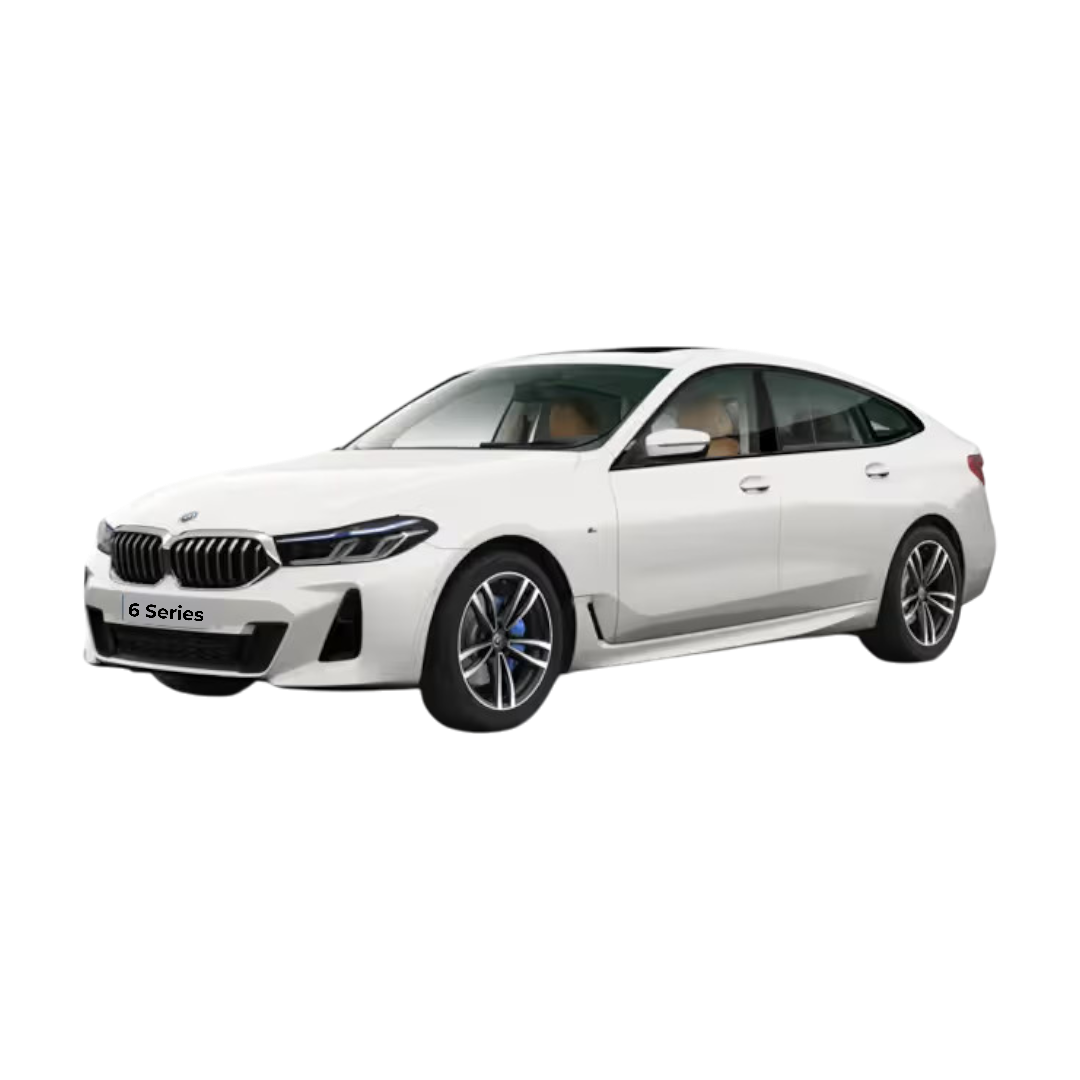 6 Series
 BMW ix1
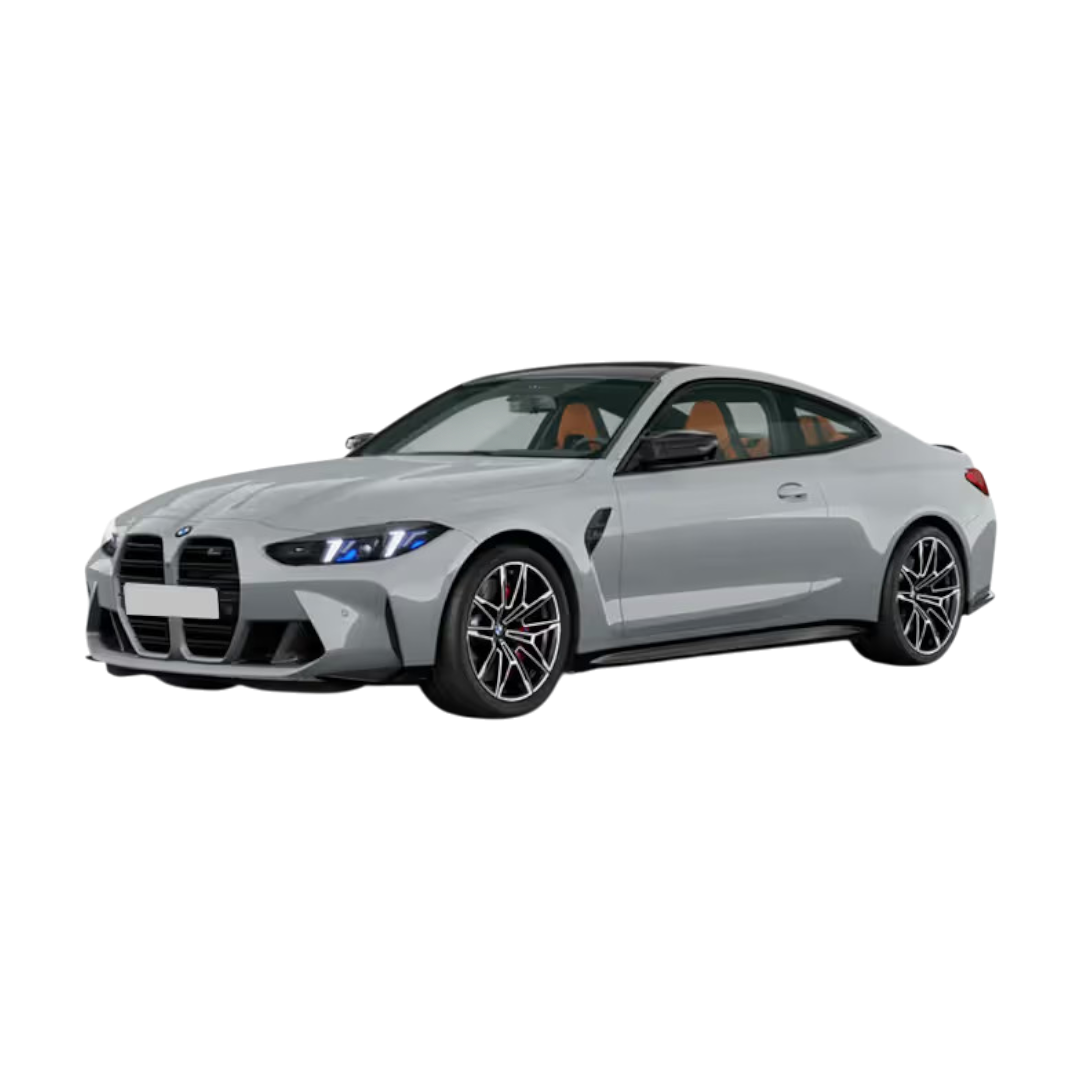 M4 Competition
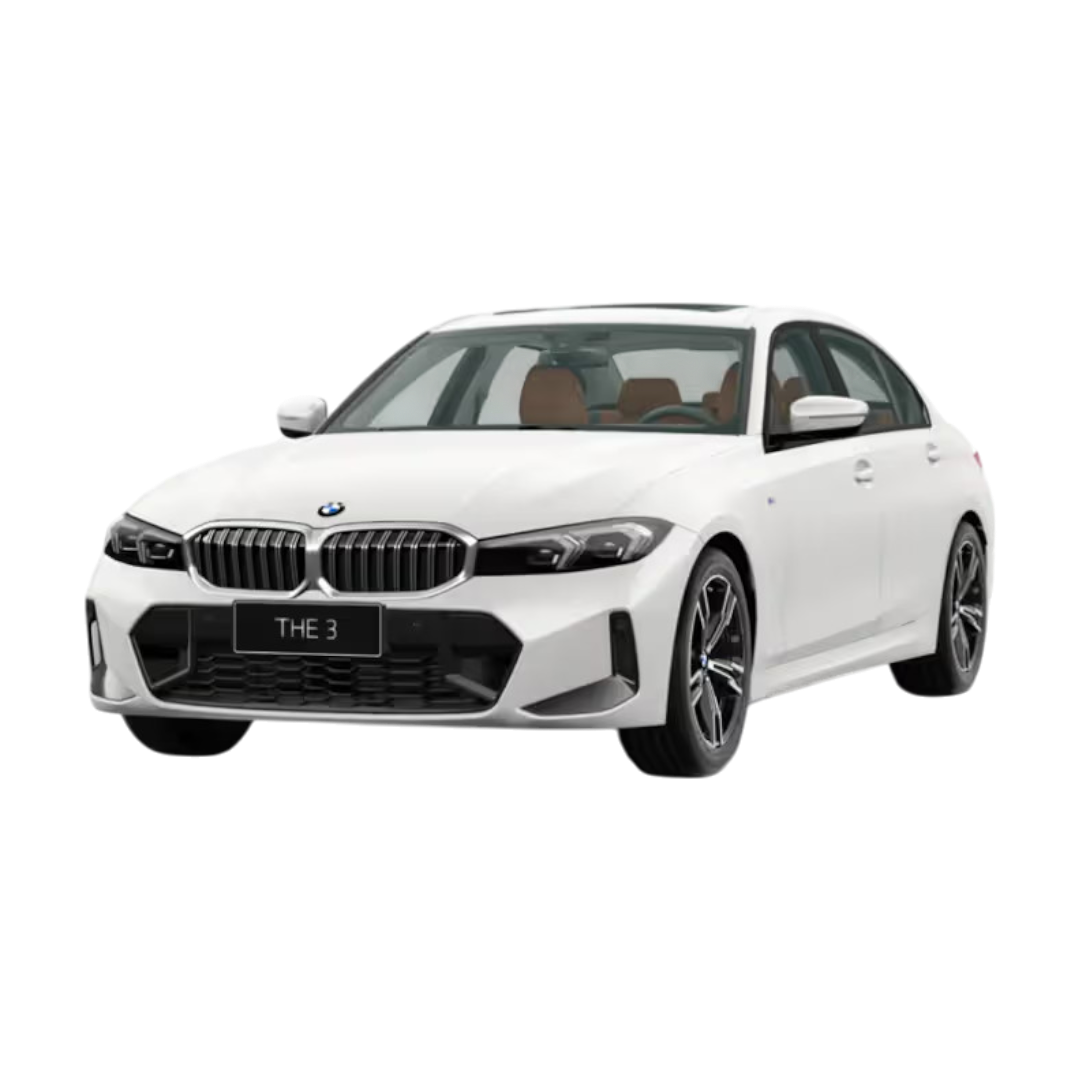 3 Series Gran Limousine
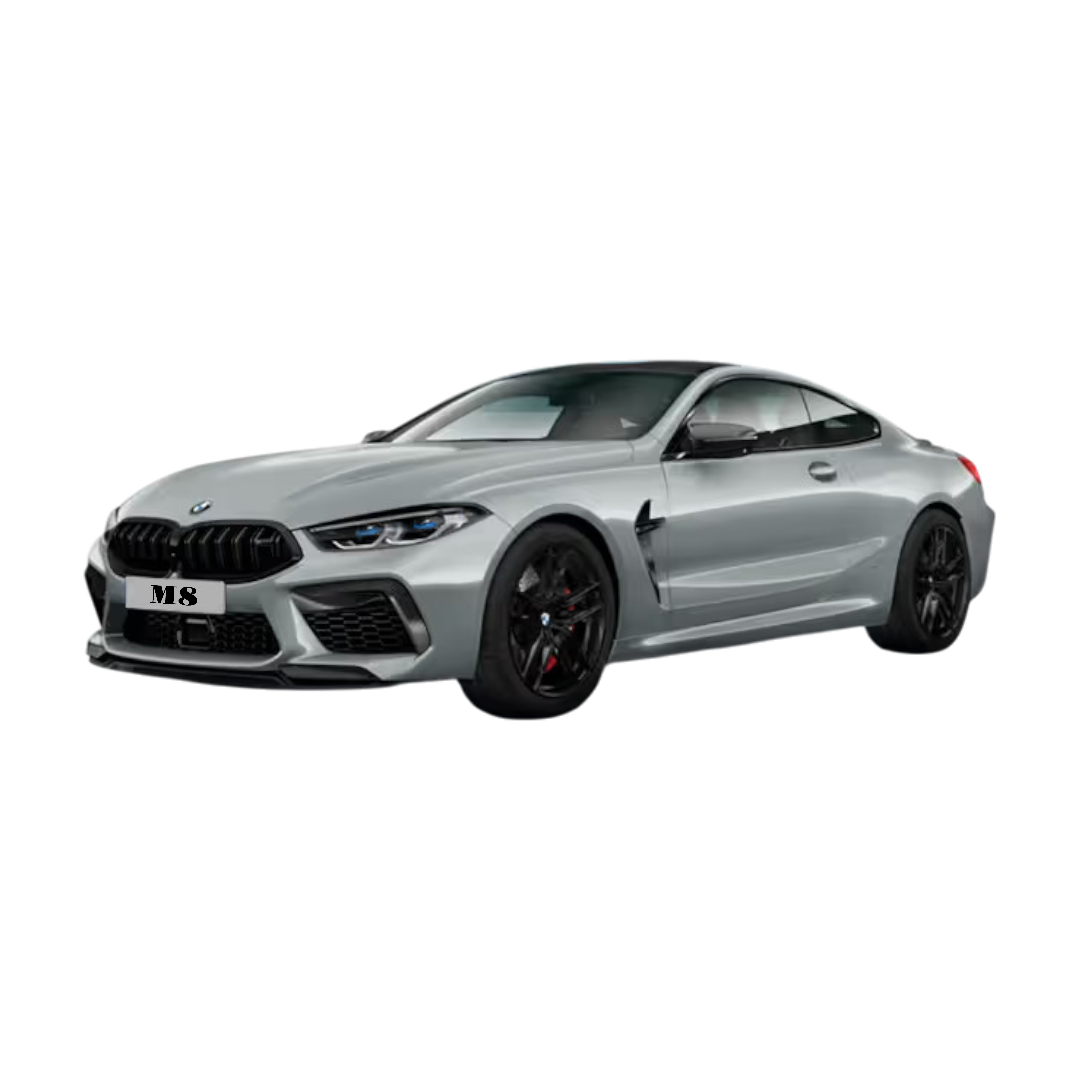 M8 Coupe
 BMW M3
 BMW X6
 BMW i5
 BMW X4
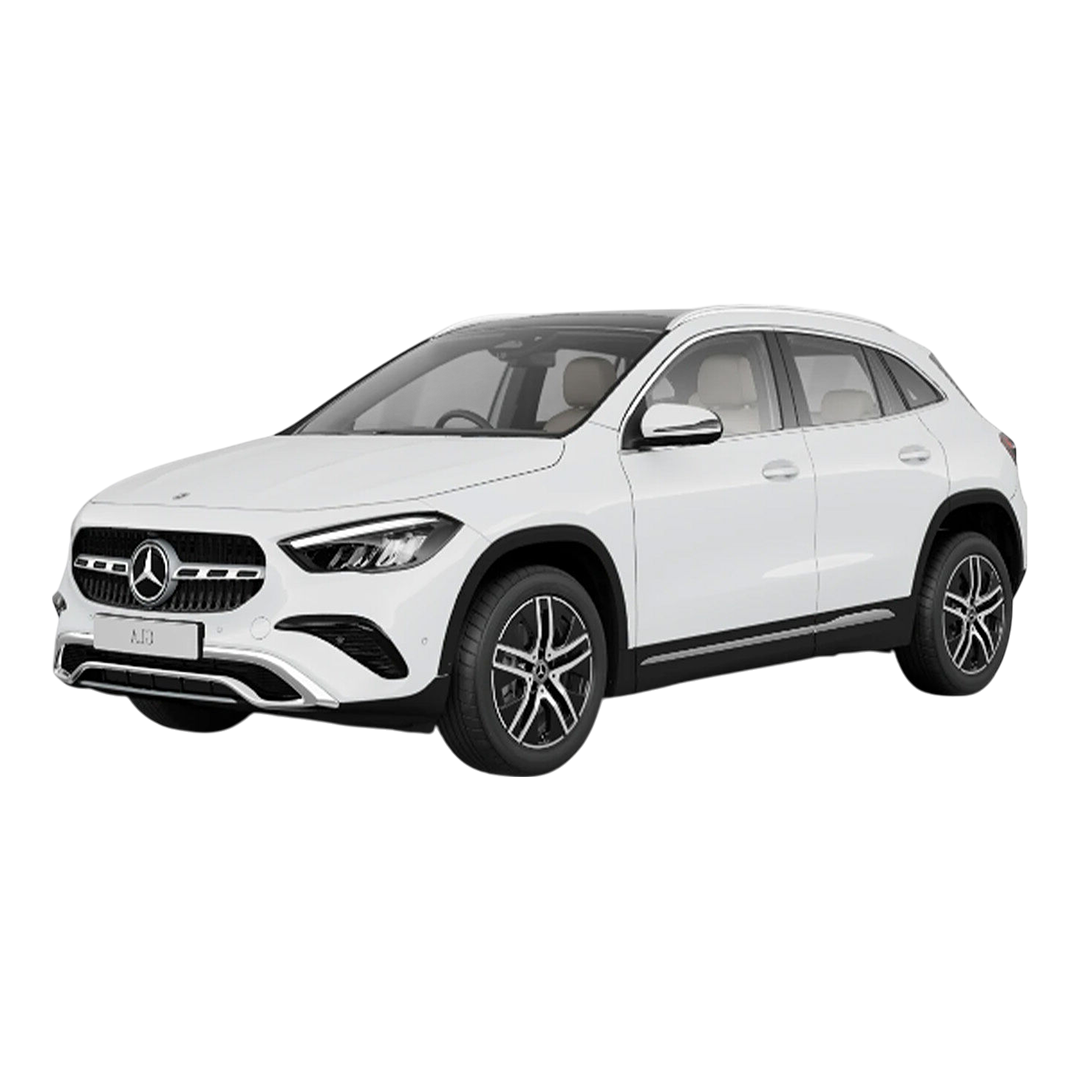 Mercedes Benz GLA
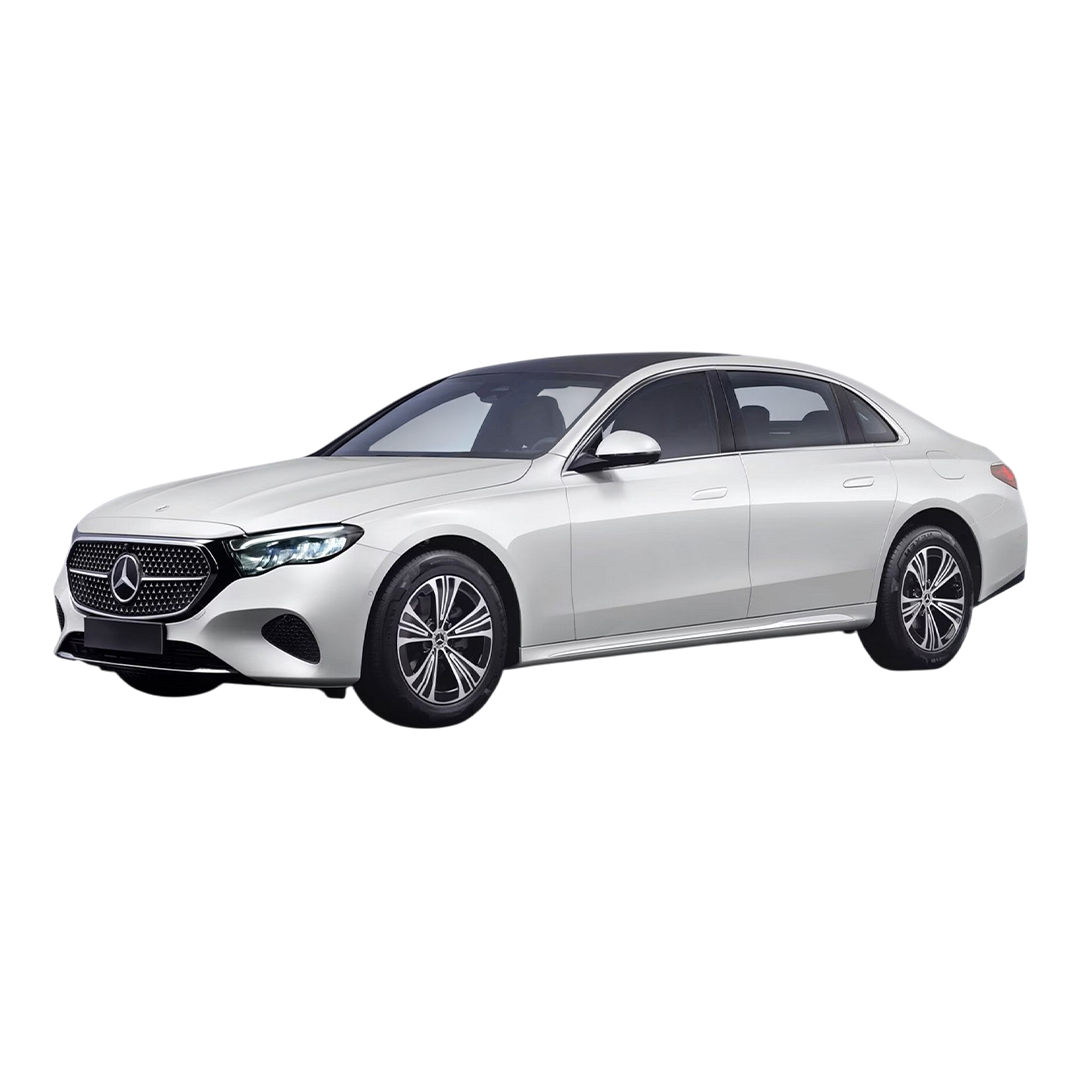 Mercedes E-Class
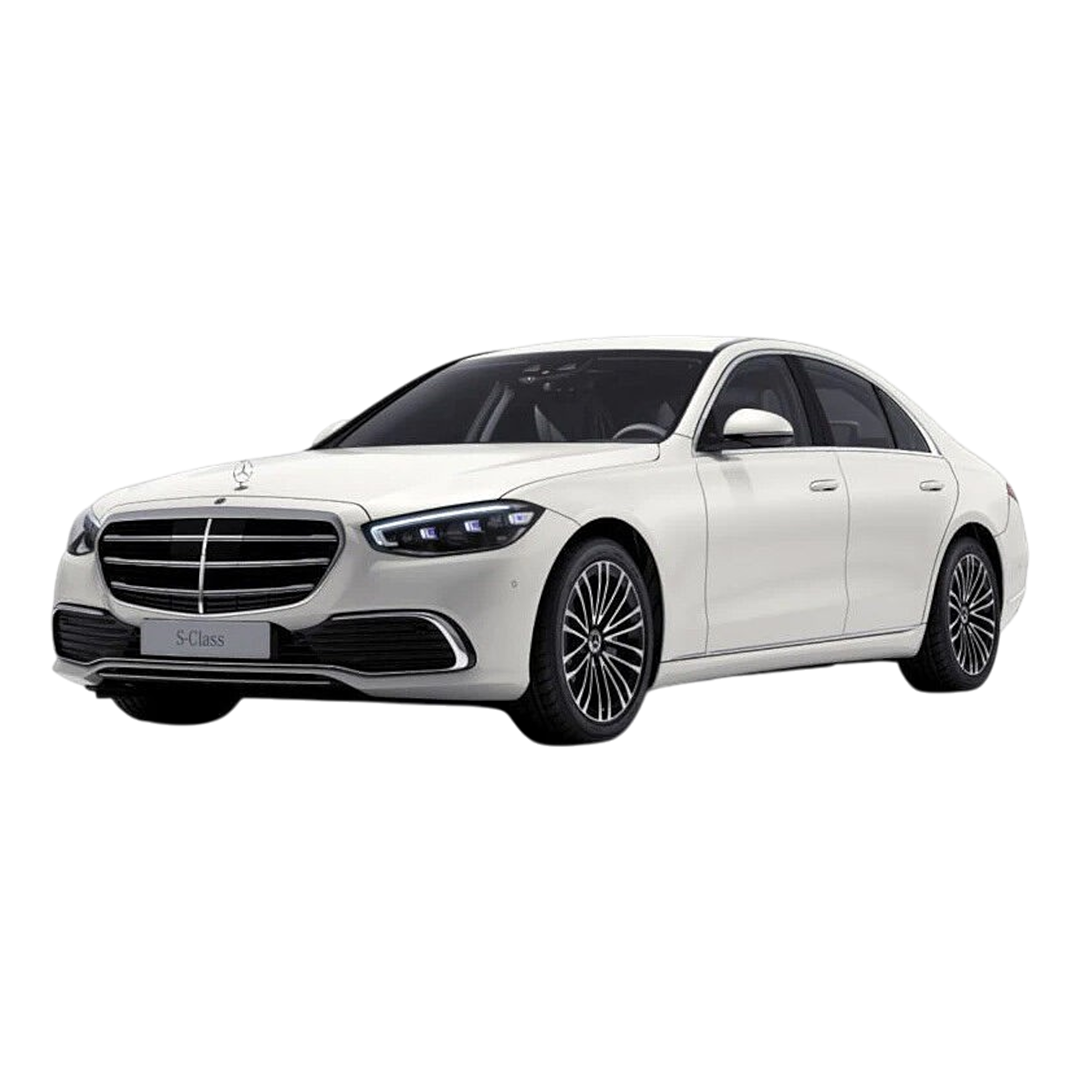 Mercedes S-Class
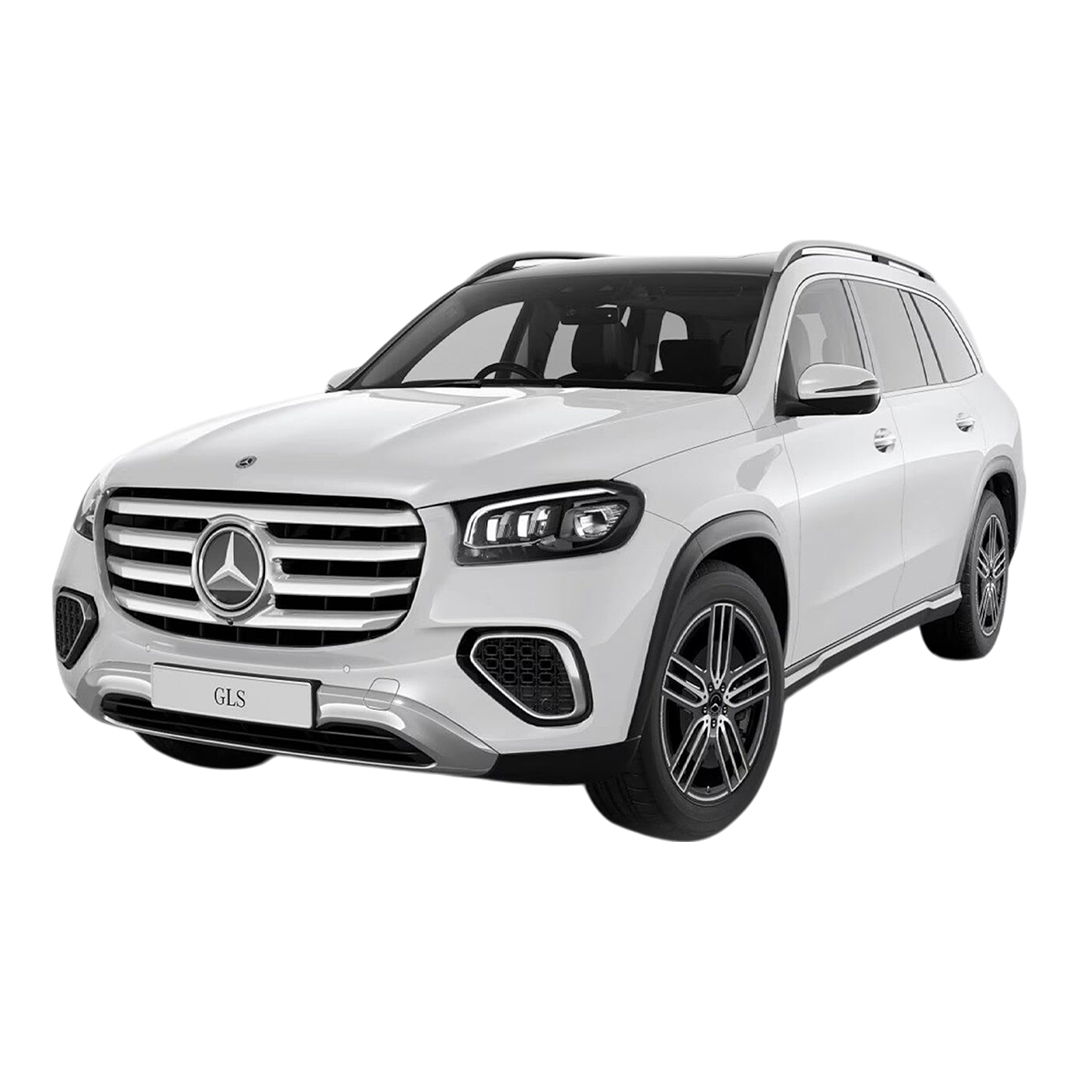 Mercedes Benz GLS
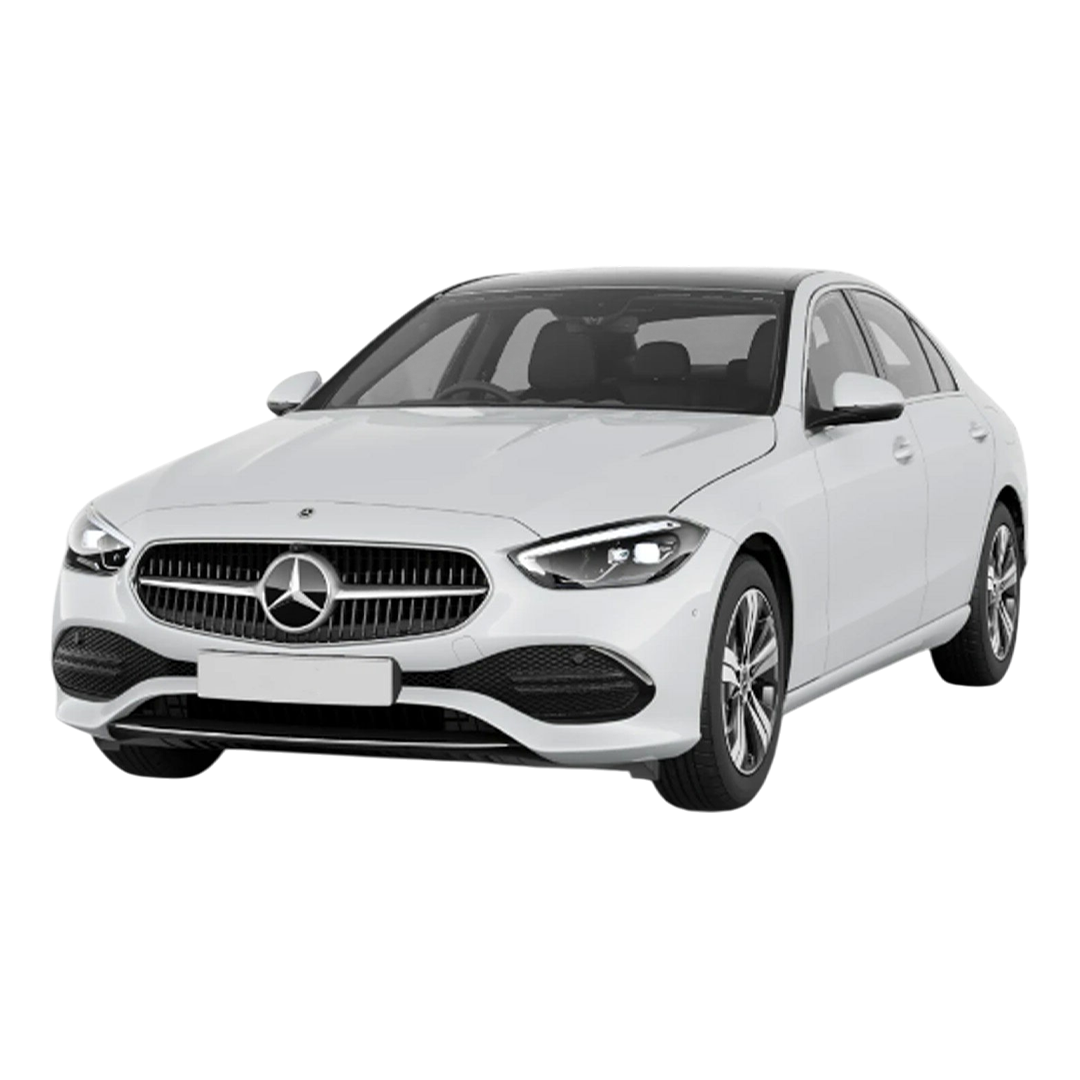 Mercedes Benz C-Class
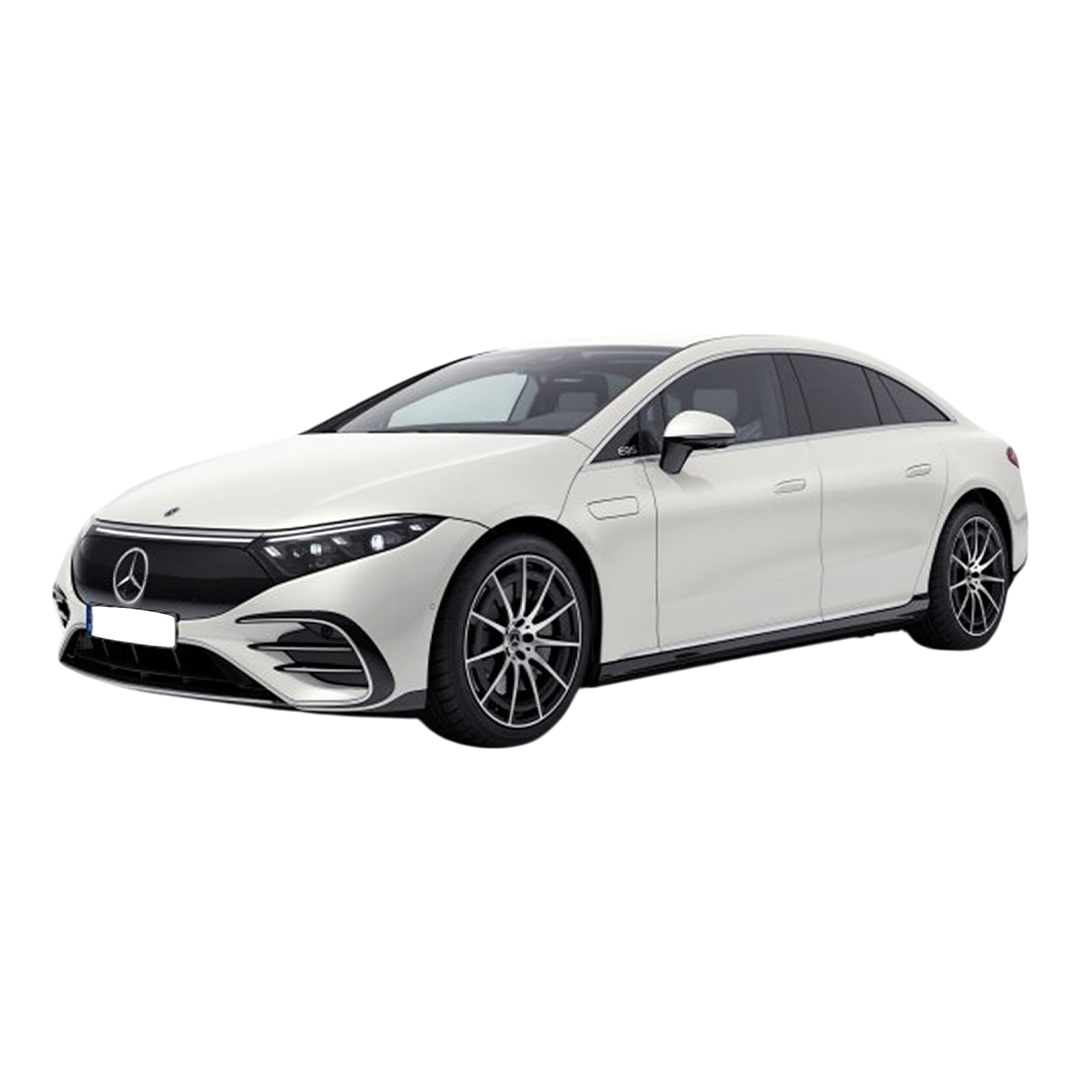 Mercedes Benz EQS
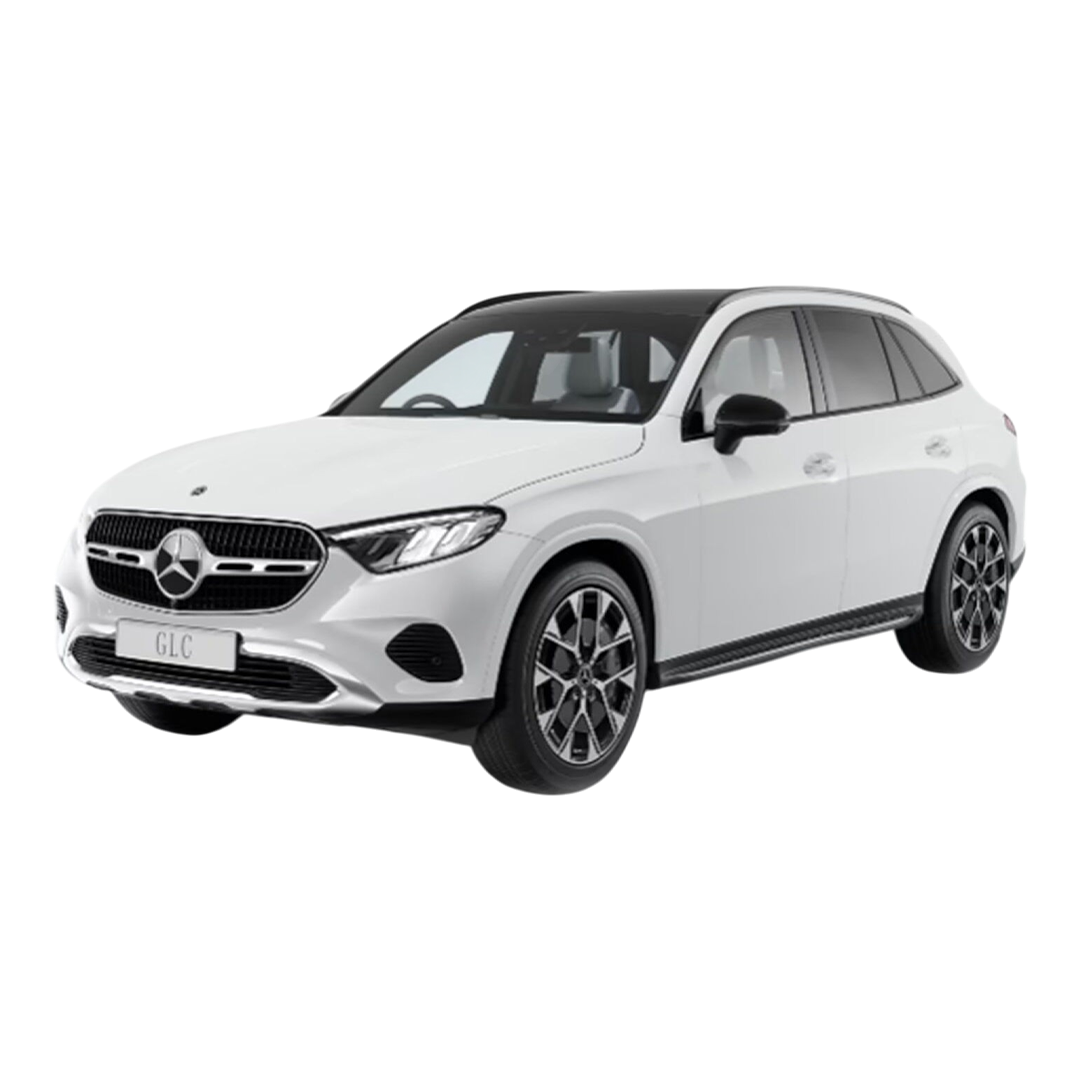 Mercedes Benz GLC
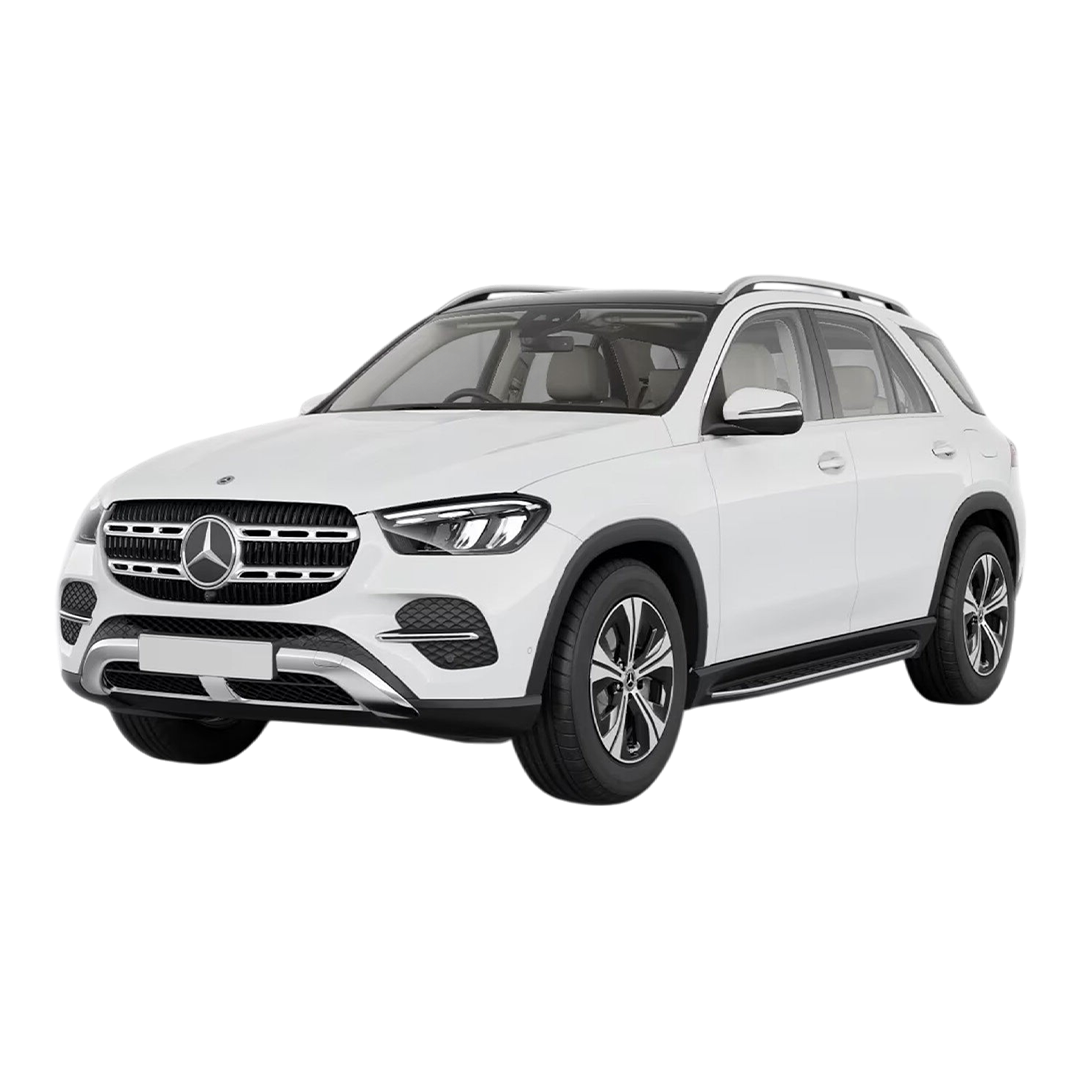 Mercedes Benz GLE
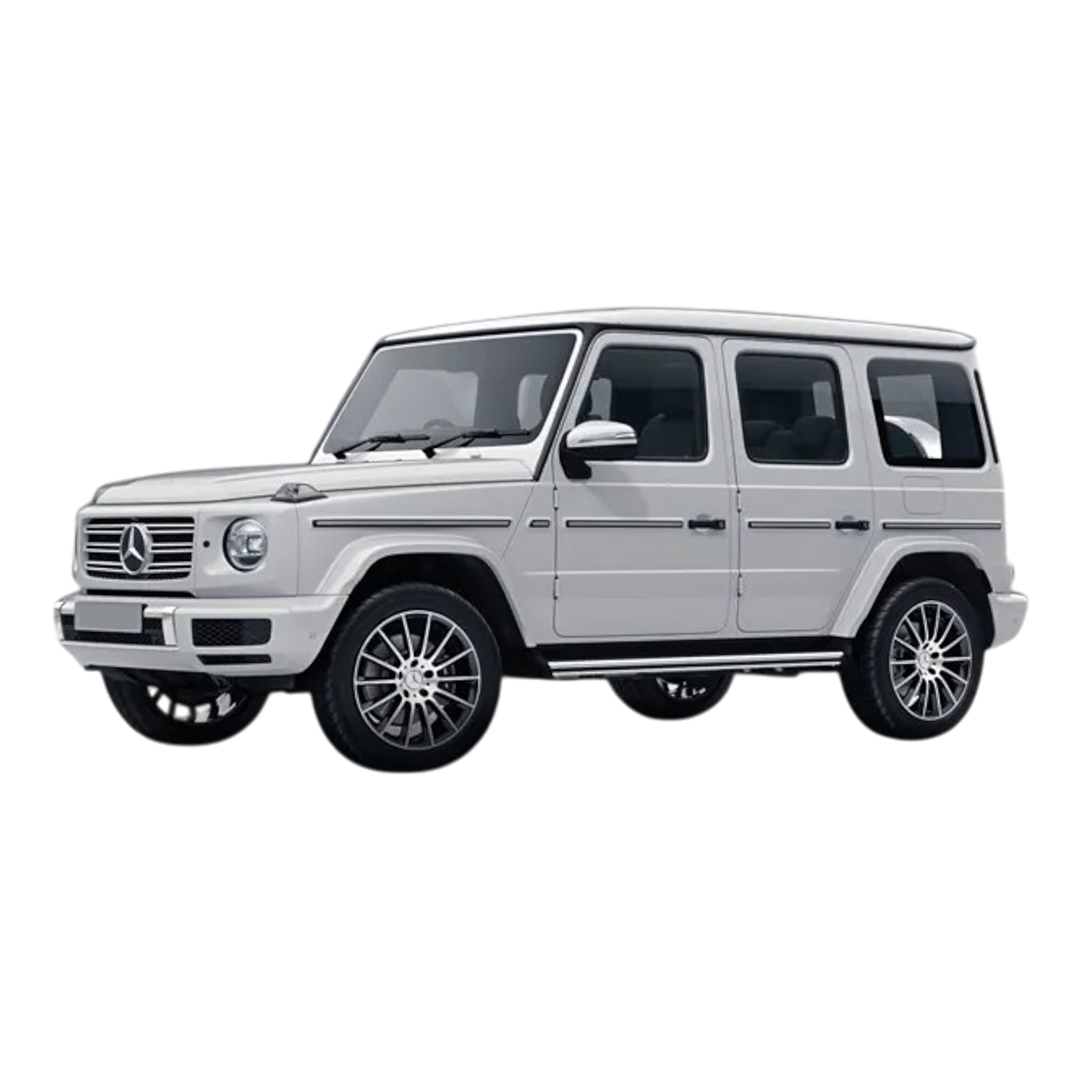 Mercedes Benz G-Class
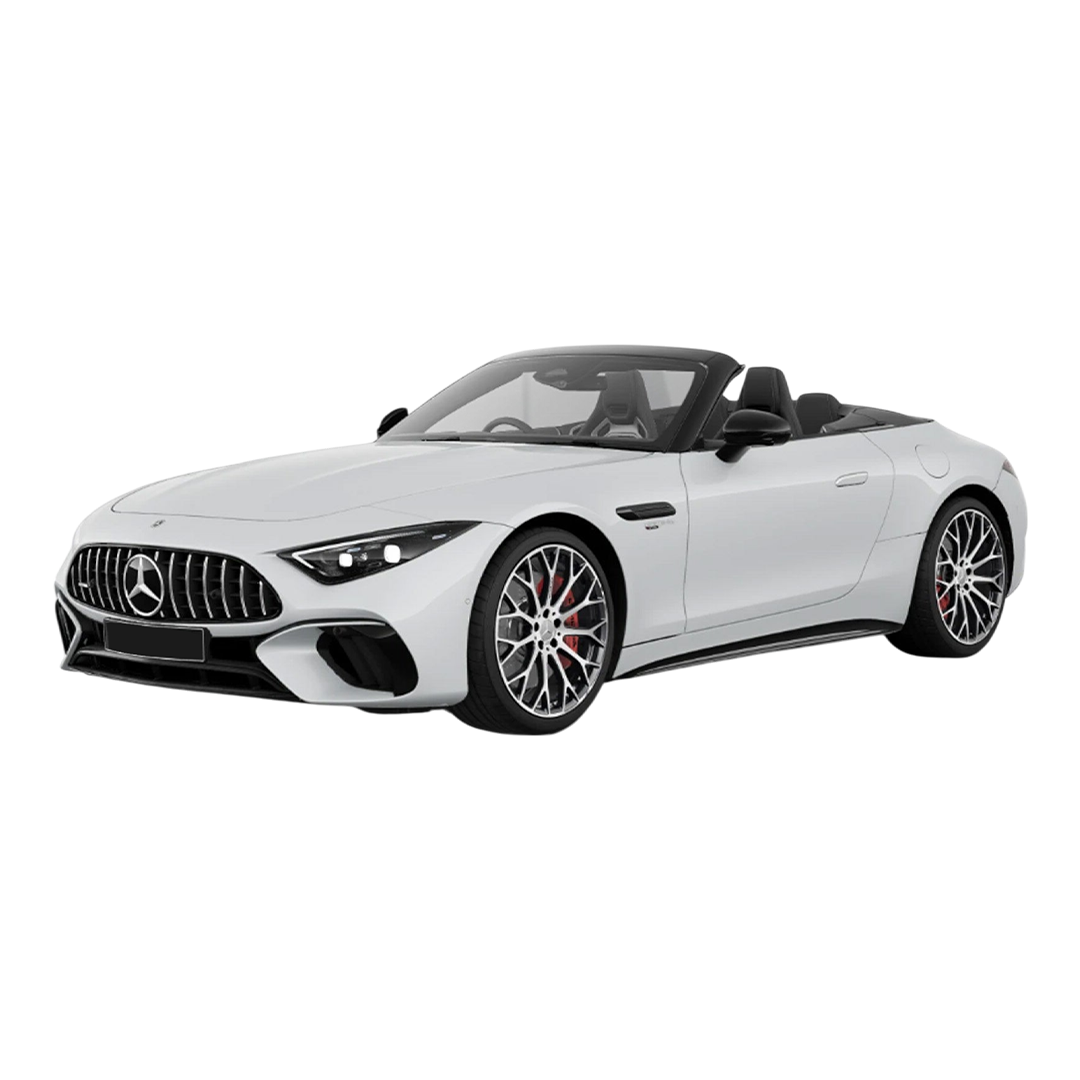 Mercedes Benz AMG SL
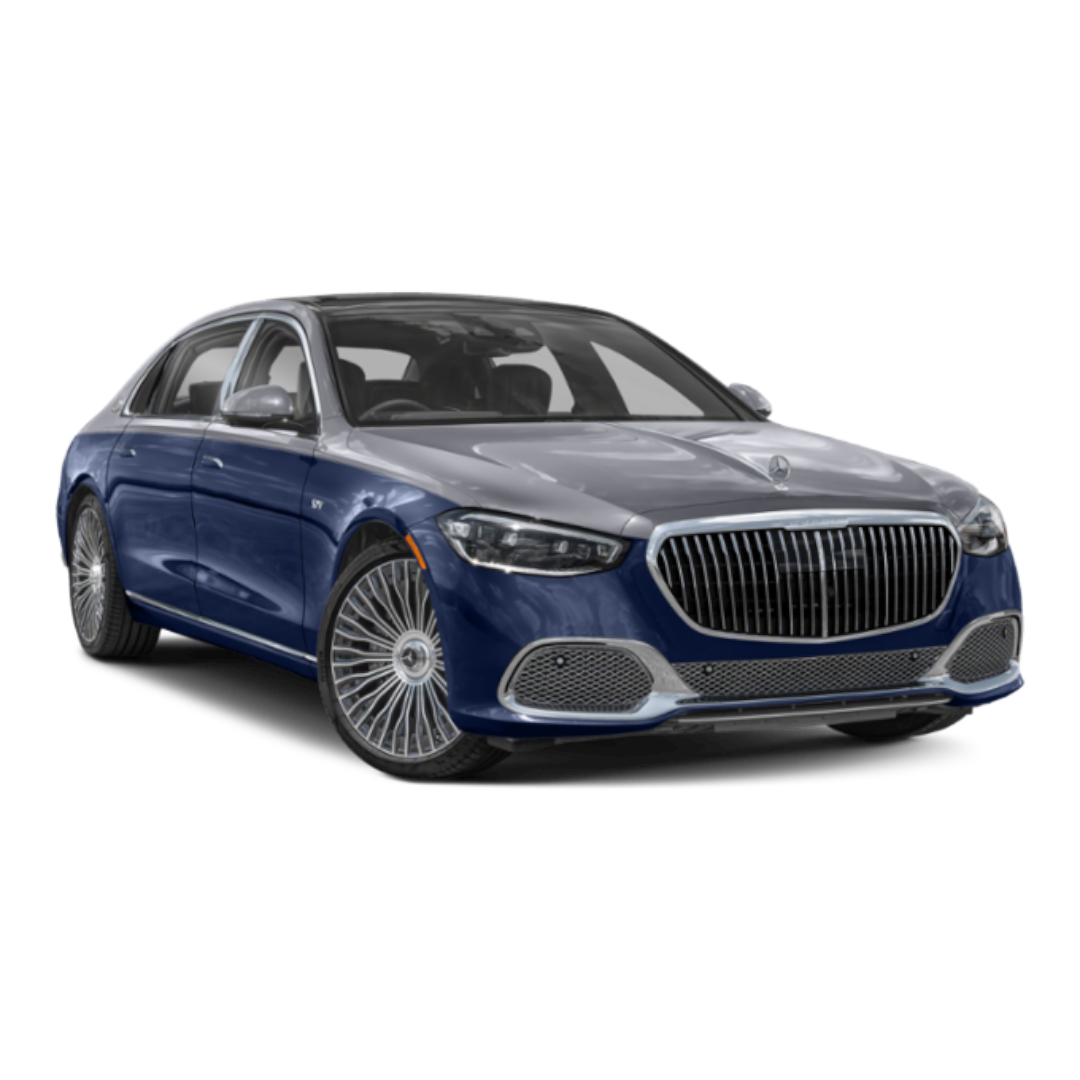 Mercedes Benz MAYBACH S- Class
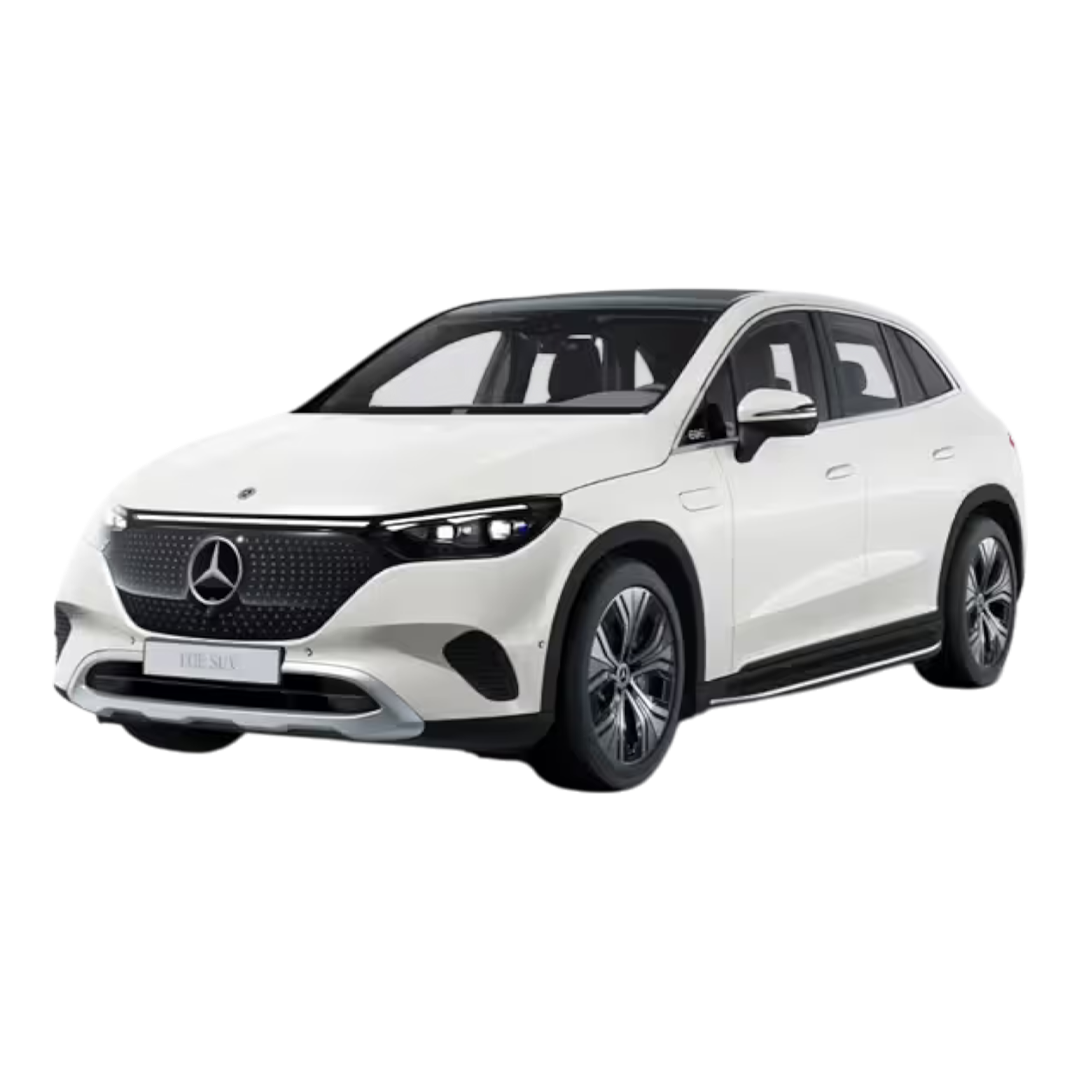 Mercedes Benz EQE-SUV
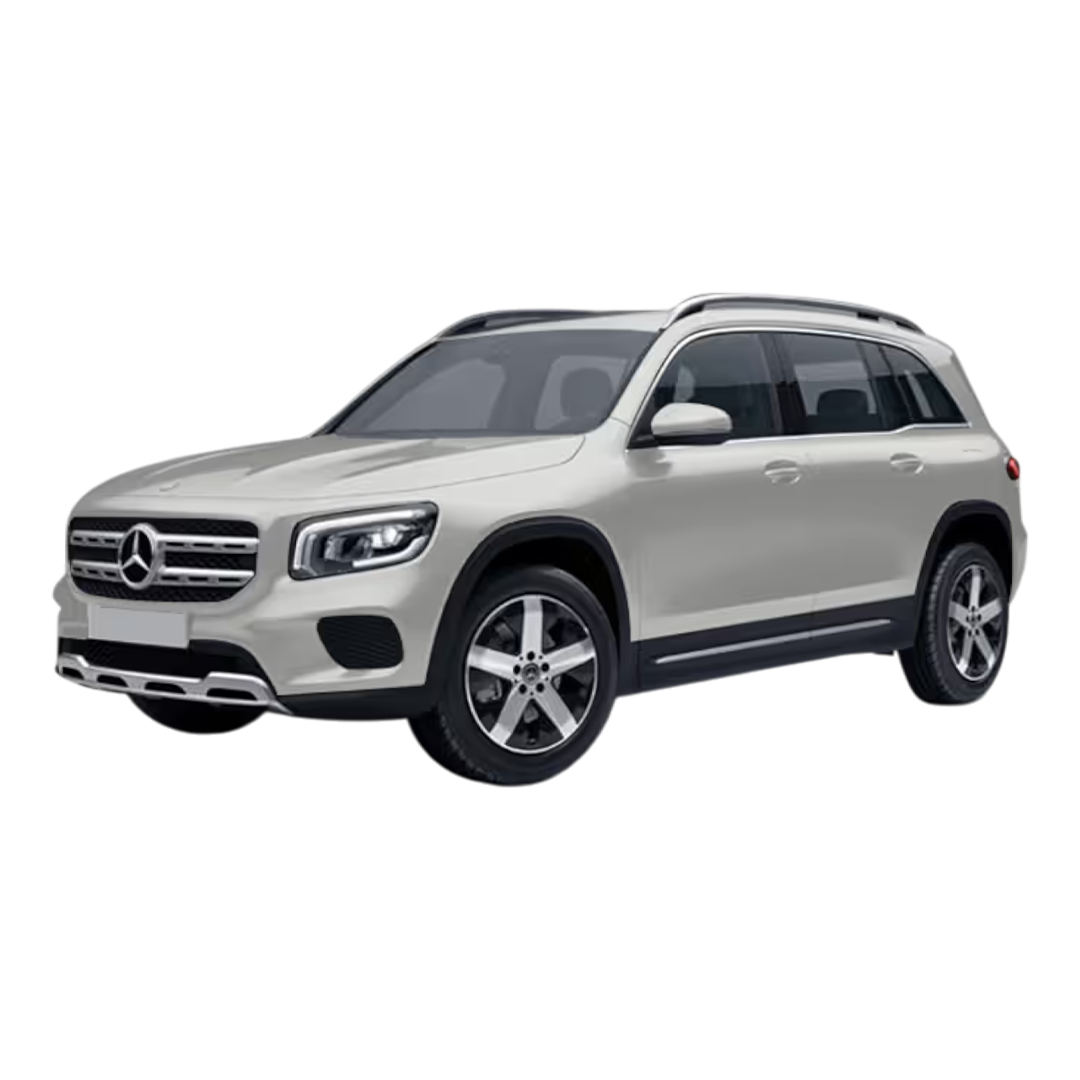 Mercedes Benz GLB
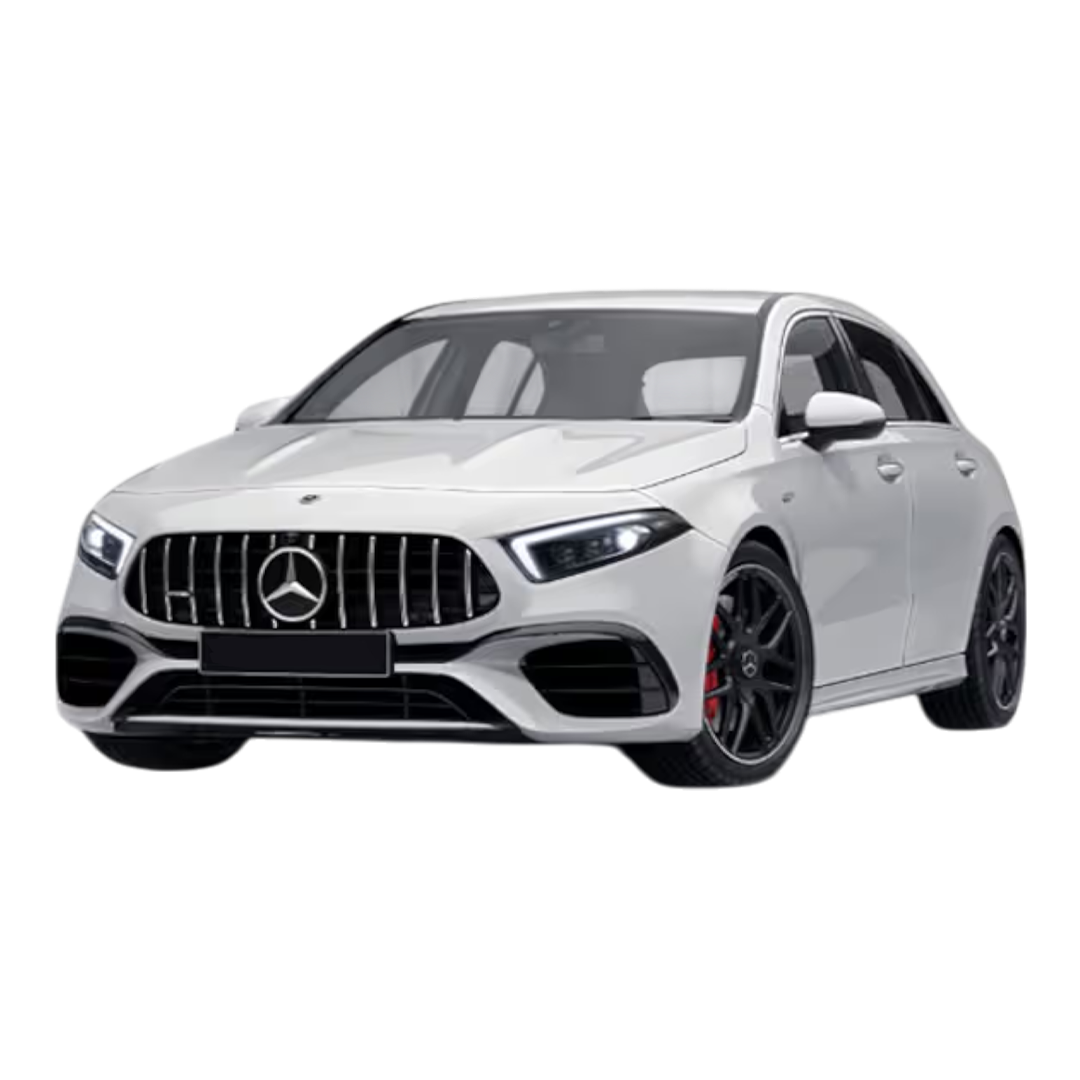 Mercedes Benz AMG A 45 S
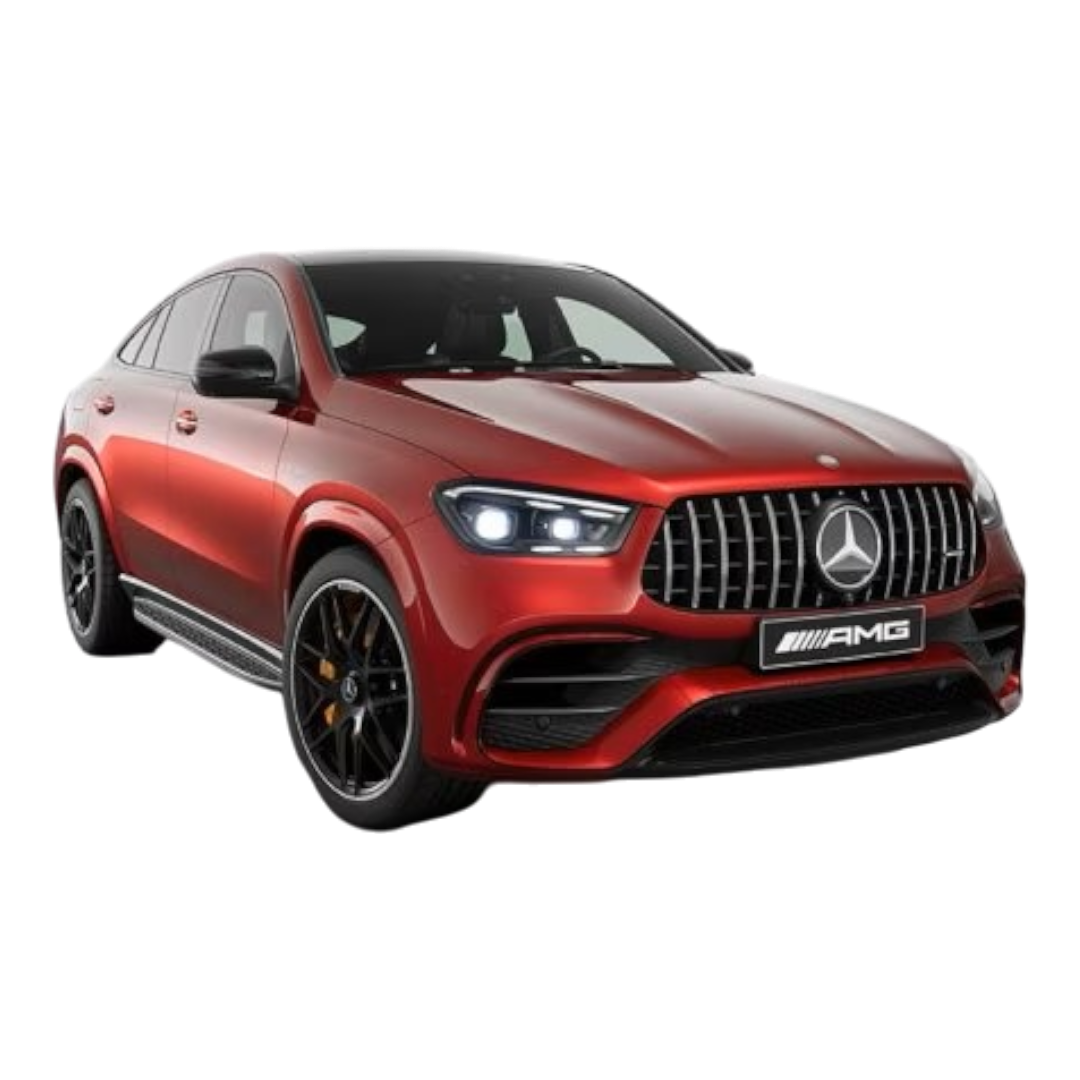 Mercedes Benz AMG GLE S3
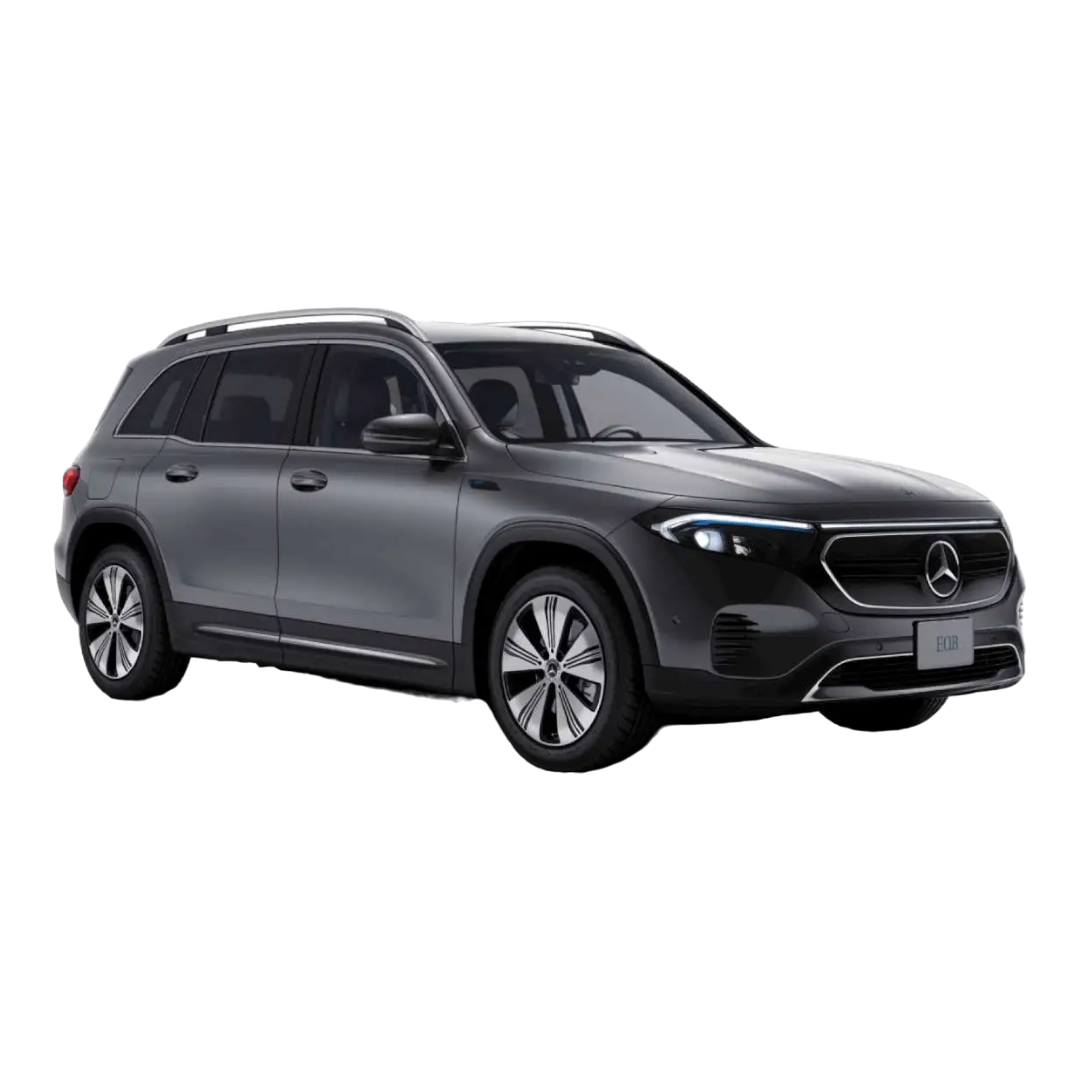 Mercedes Benz EQB
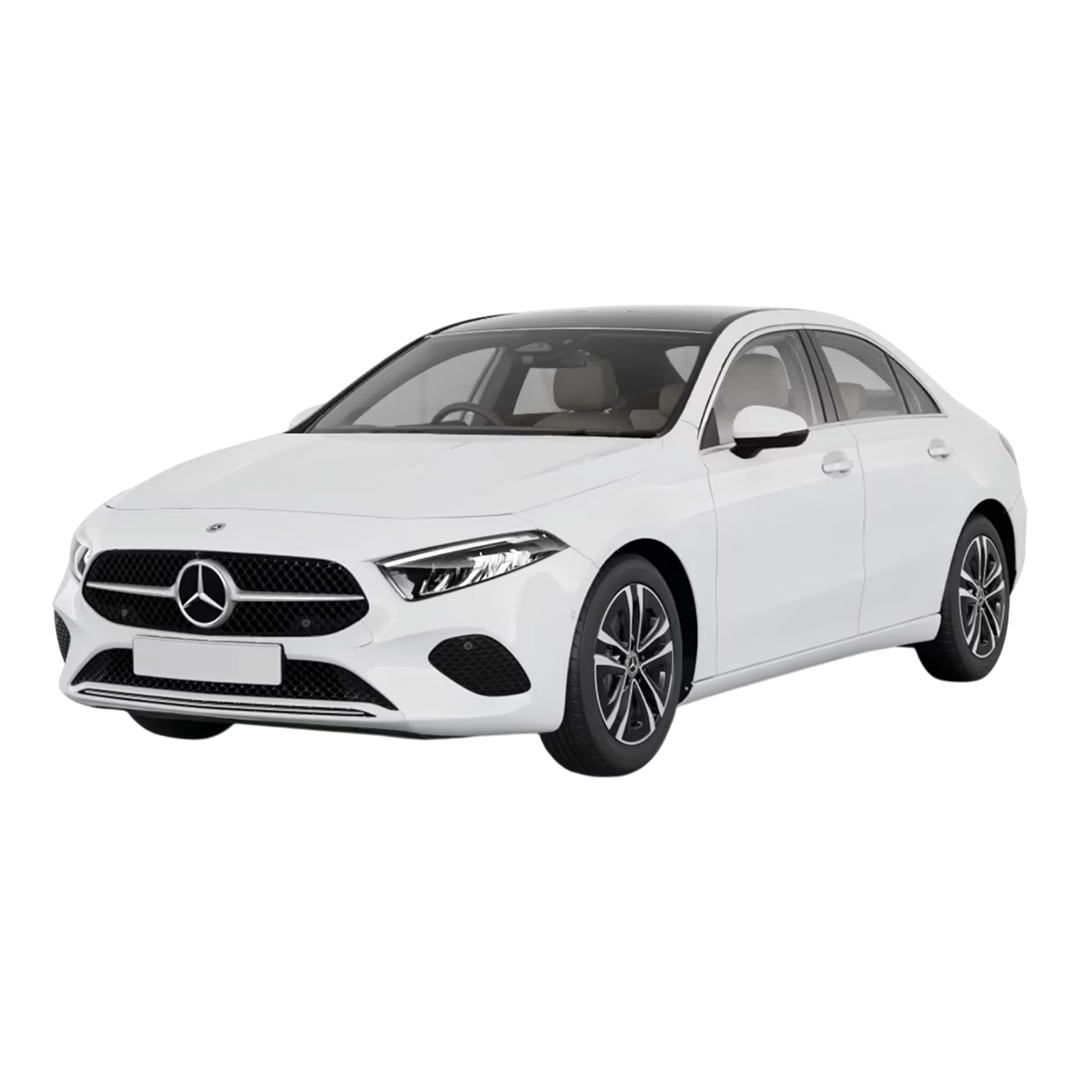 Mercedes Benz A Class limousine
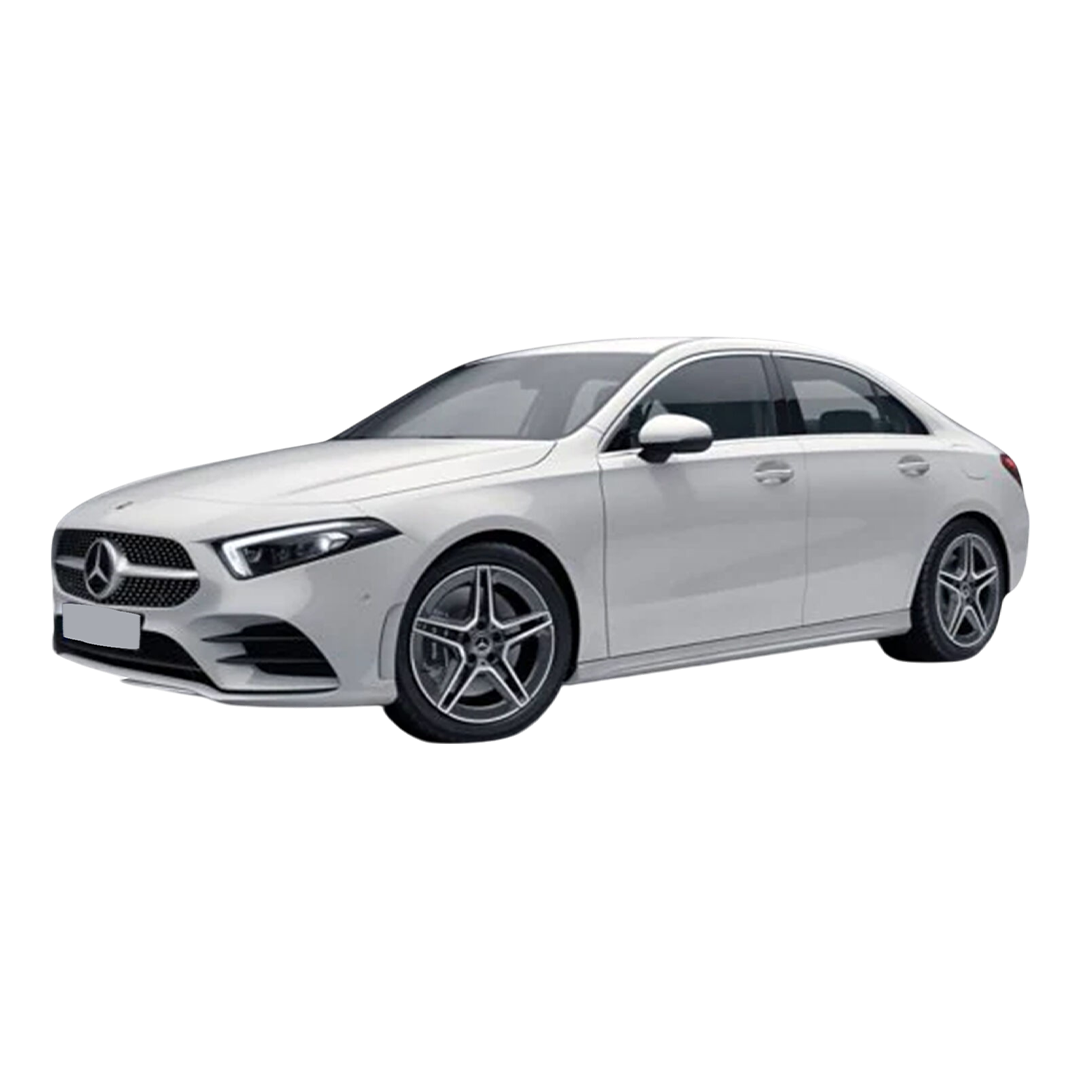 Mercedes Benz AMG A 35
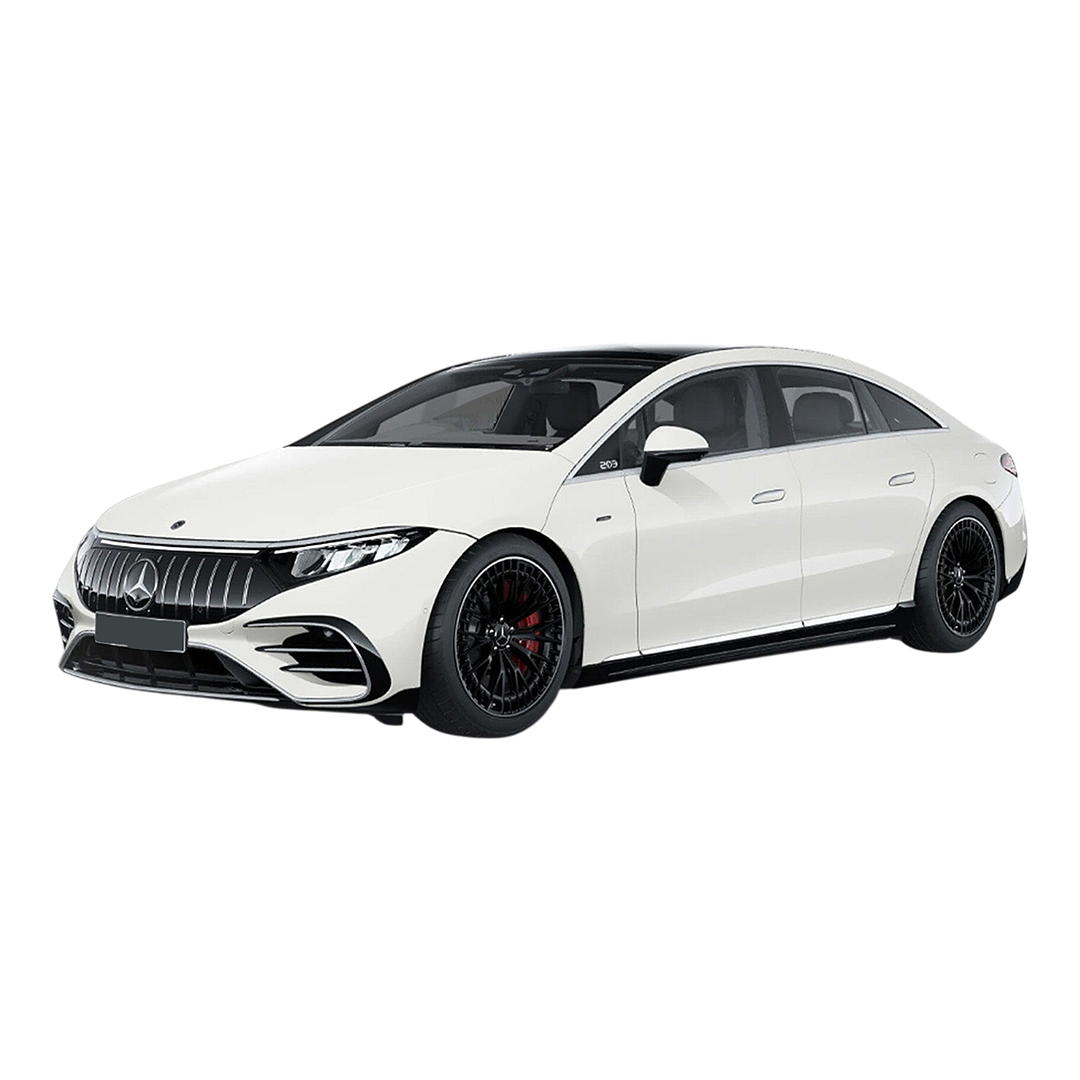 Mercedes-Benz AMG EQS
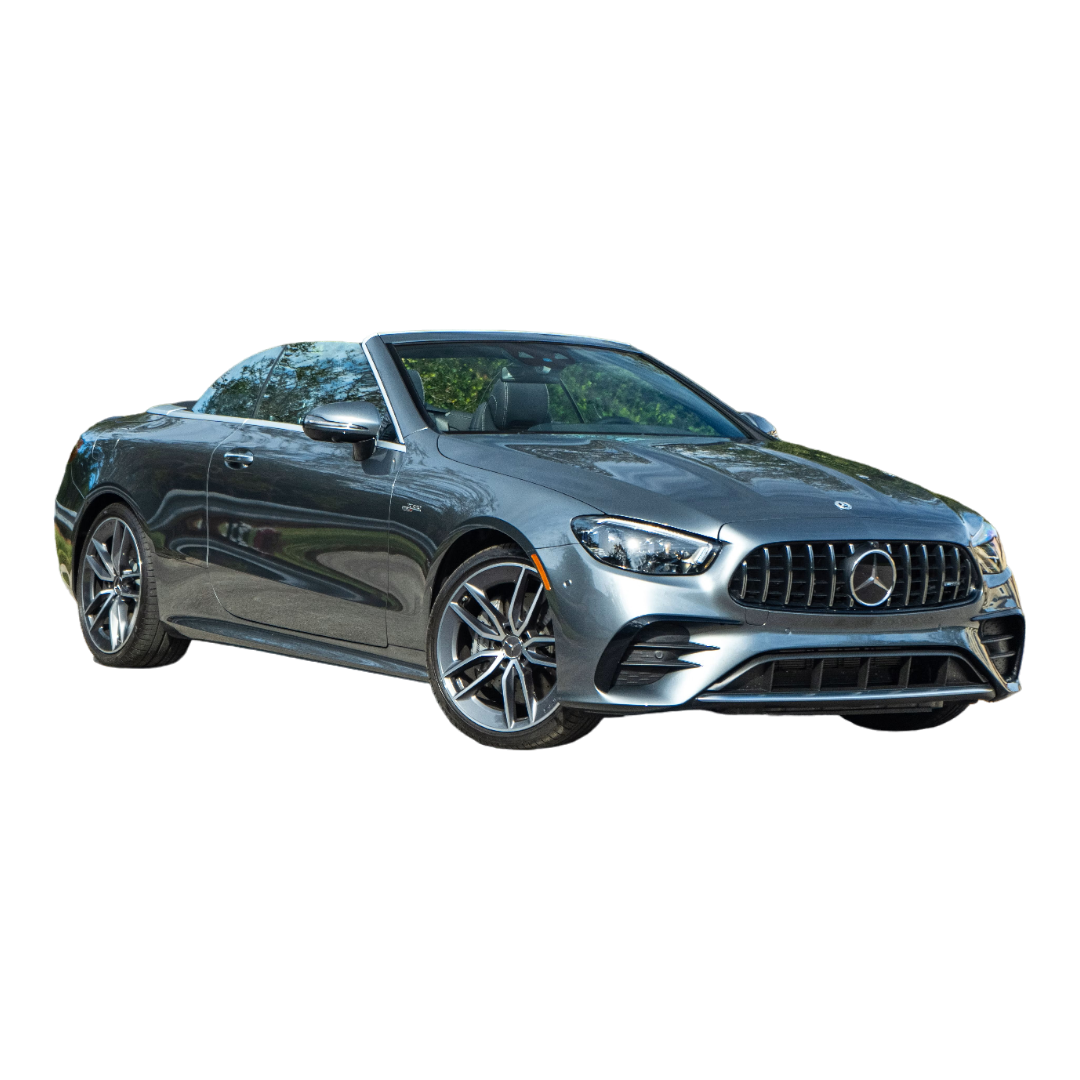 Mercedes-Benz AMG E 53 Cabriolet
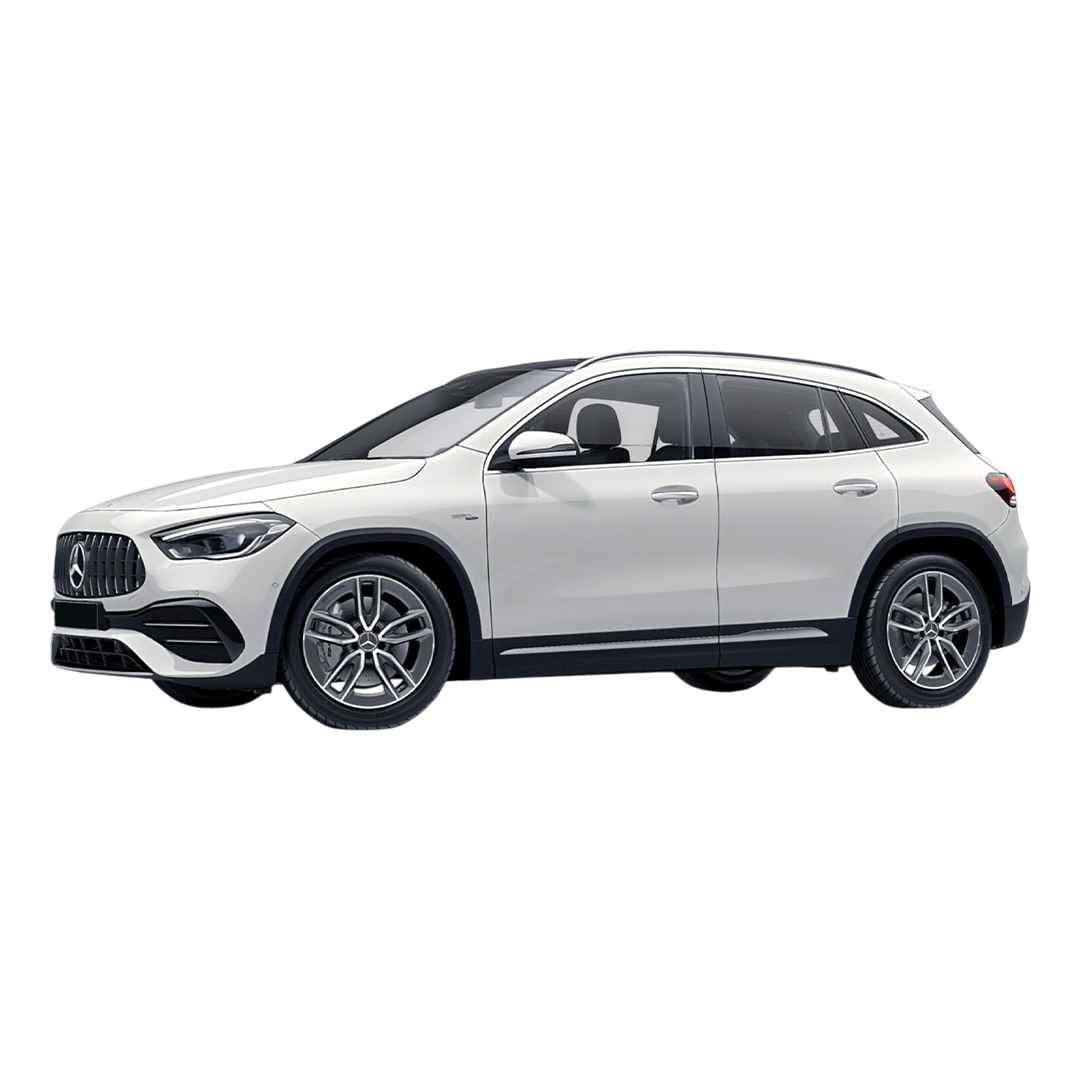 Mercedes-Benz AMG GLA 35
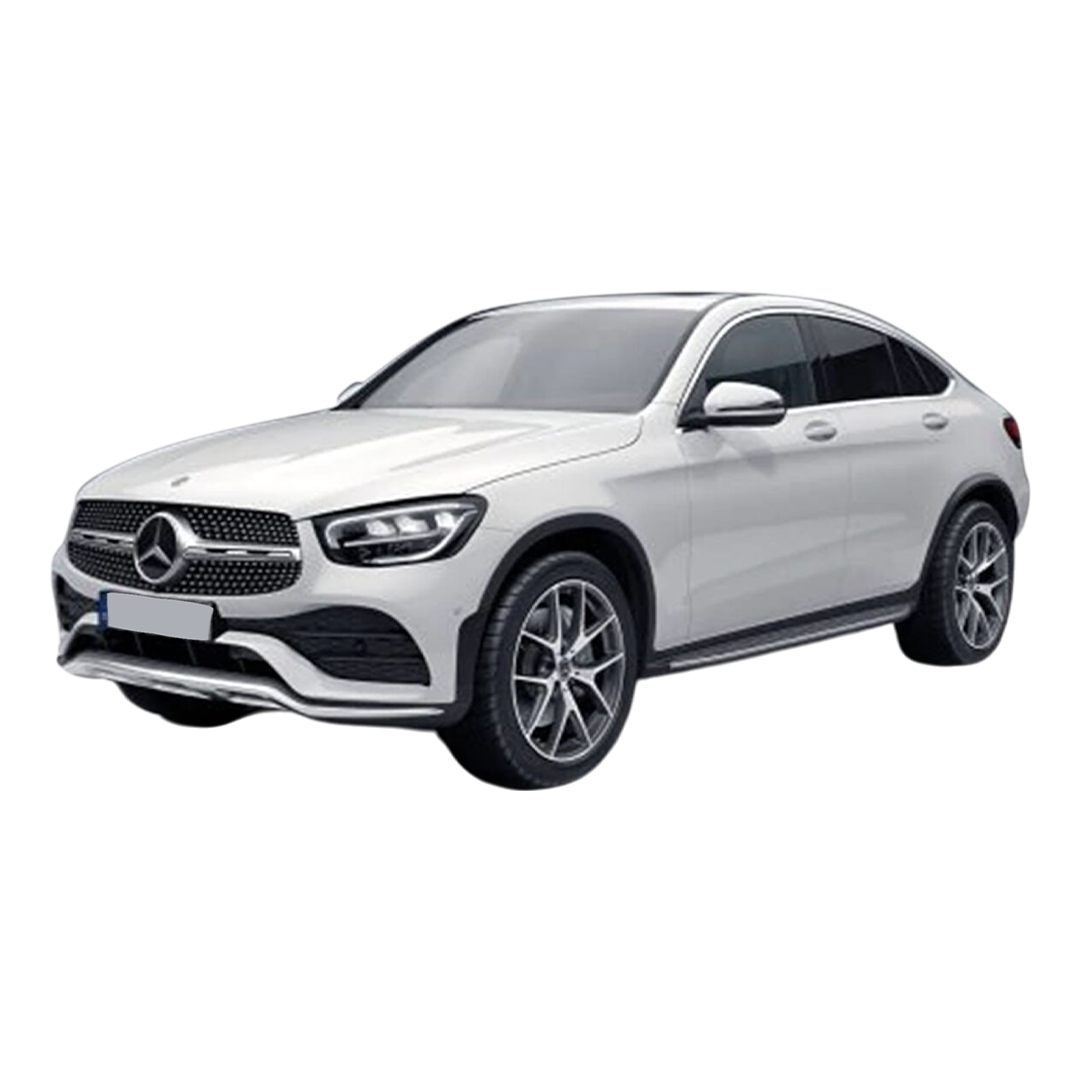 Mercedes-Benz GLC Coupe 2023
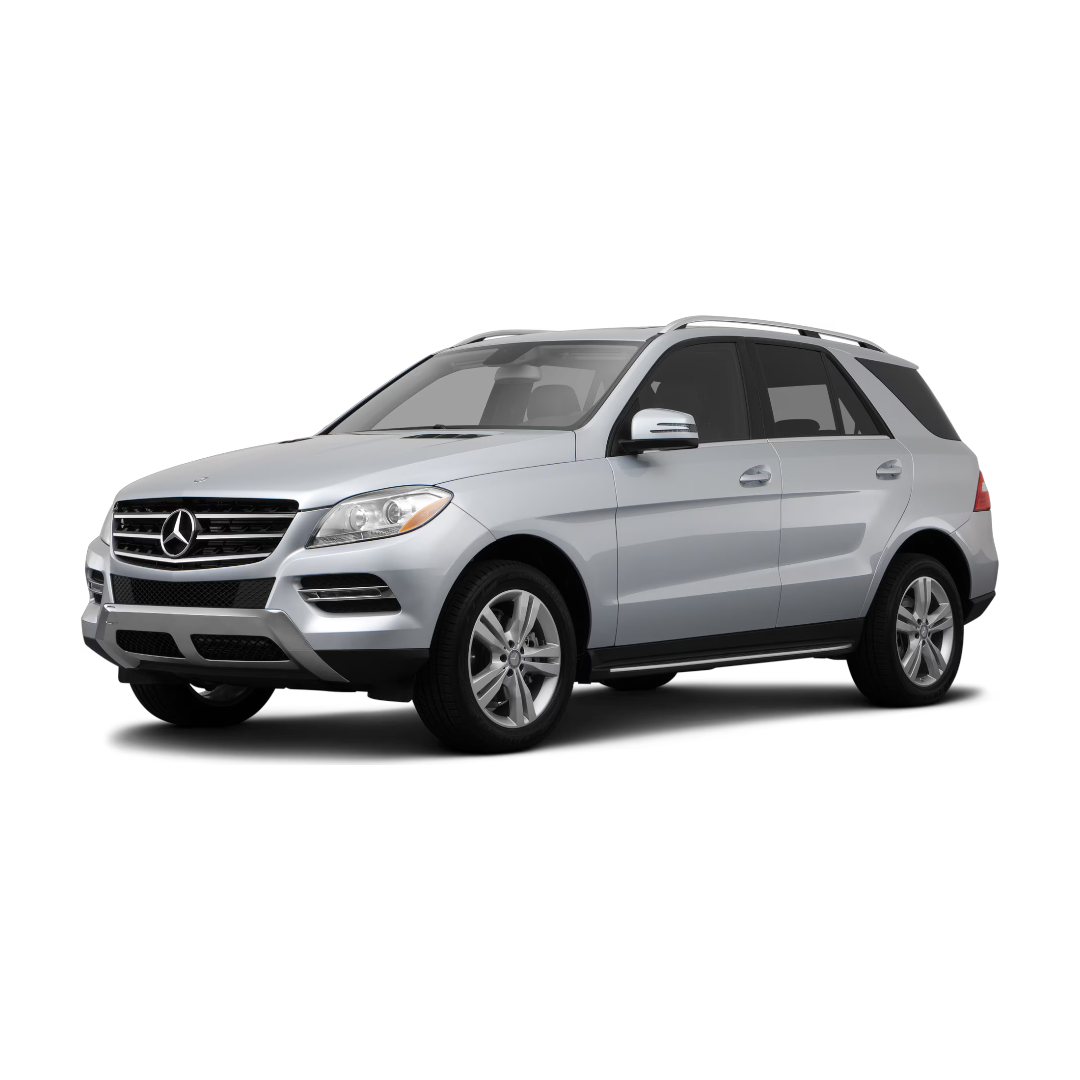 Mercedes M-Class
R-Class
Mercedes M-Class
R-Class
 GLS 600
GLS 400
GLS 350
GLE 300
GLS 600
GLS 400
GLS 350
GLE 300
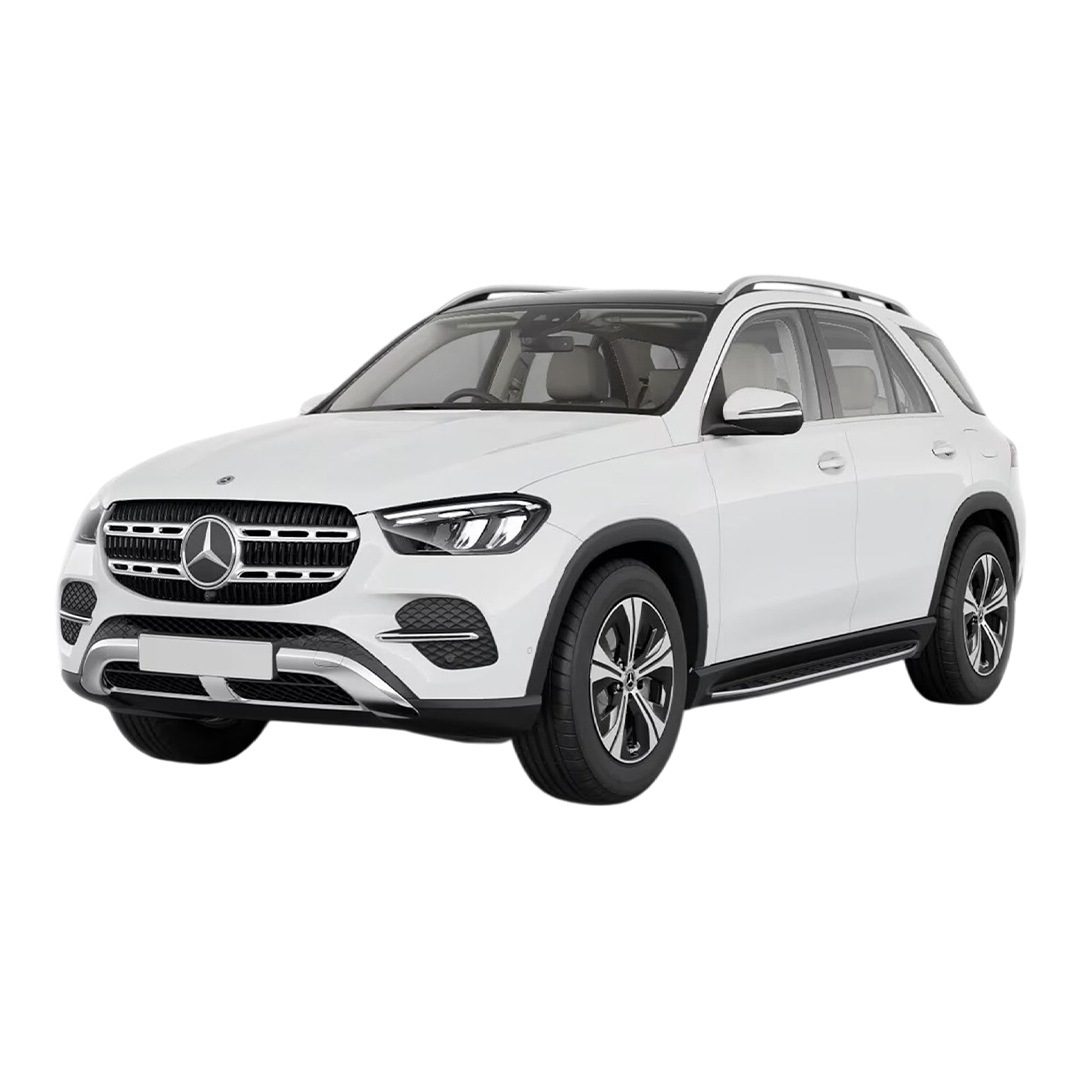 GLE 400
GLE 250D
GLE 400
GLE 250D
 GLC 220D
GLC 300
GLC 220D
GLC 300
 GLC 43 Coupe
 GLA 220d
 GLA-Class 200D
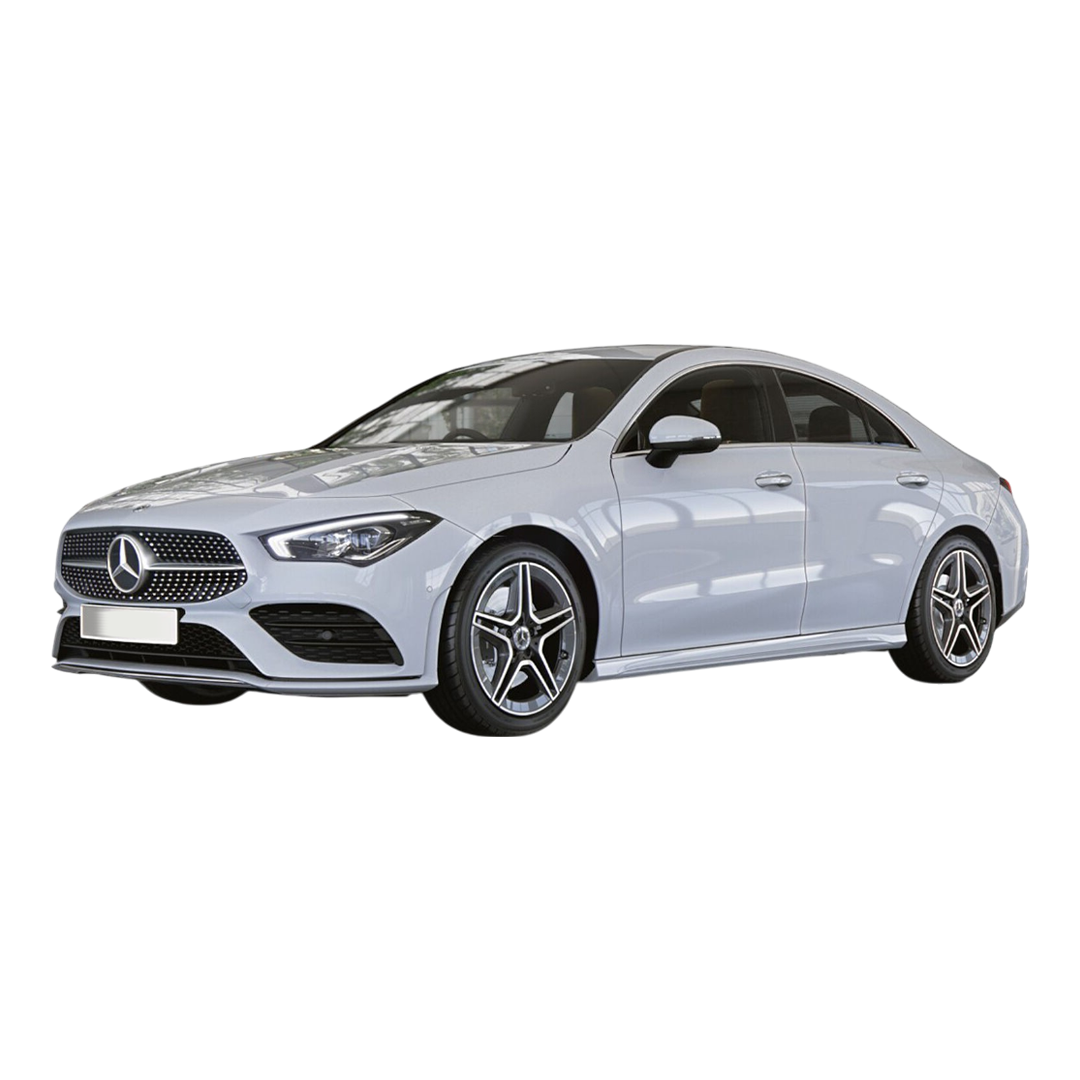 CLA 200
 Benz A-Class A 180
M-Class ML 250
M-Class ML 350
Benz A-Class A 180
M-Class ML 250
M-Class ML 350
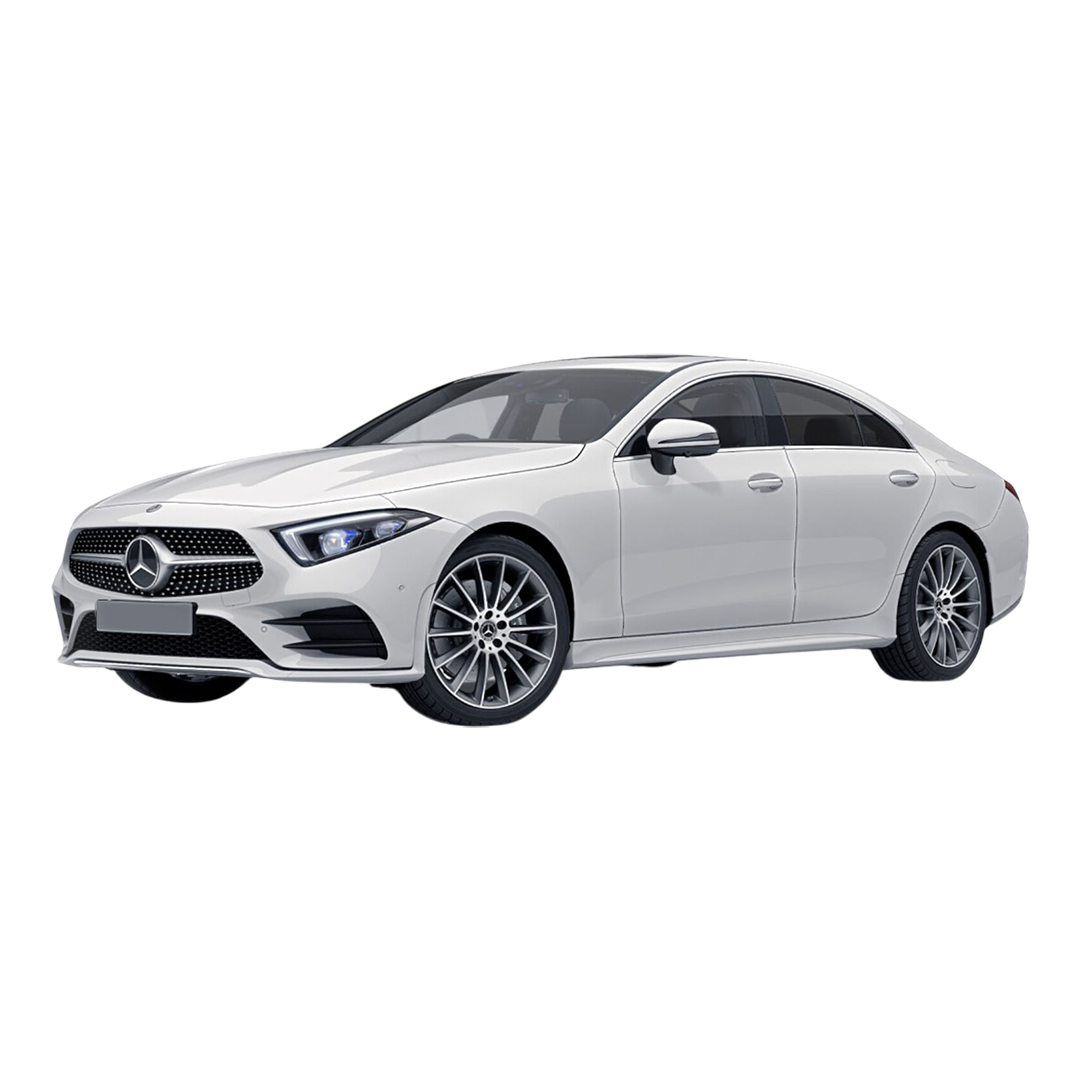 Benz CLS 300
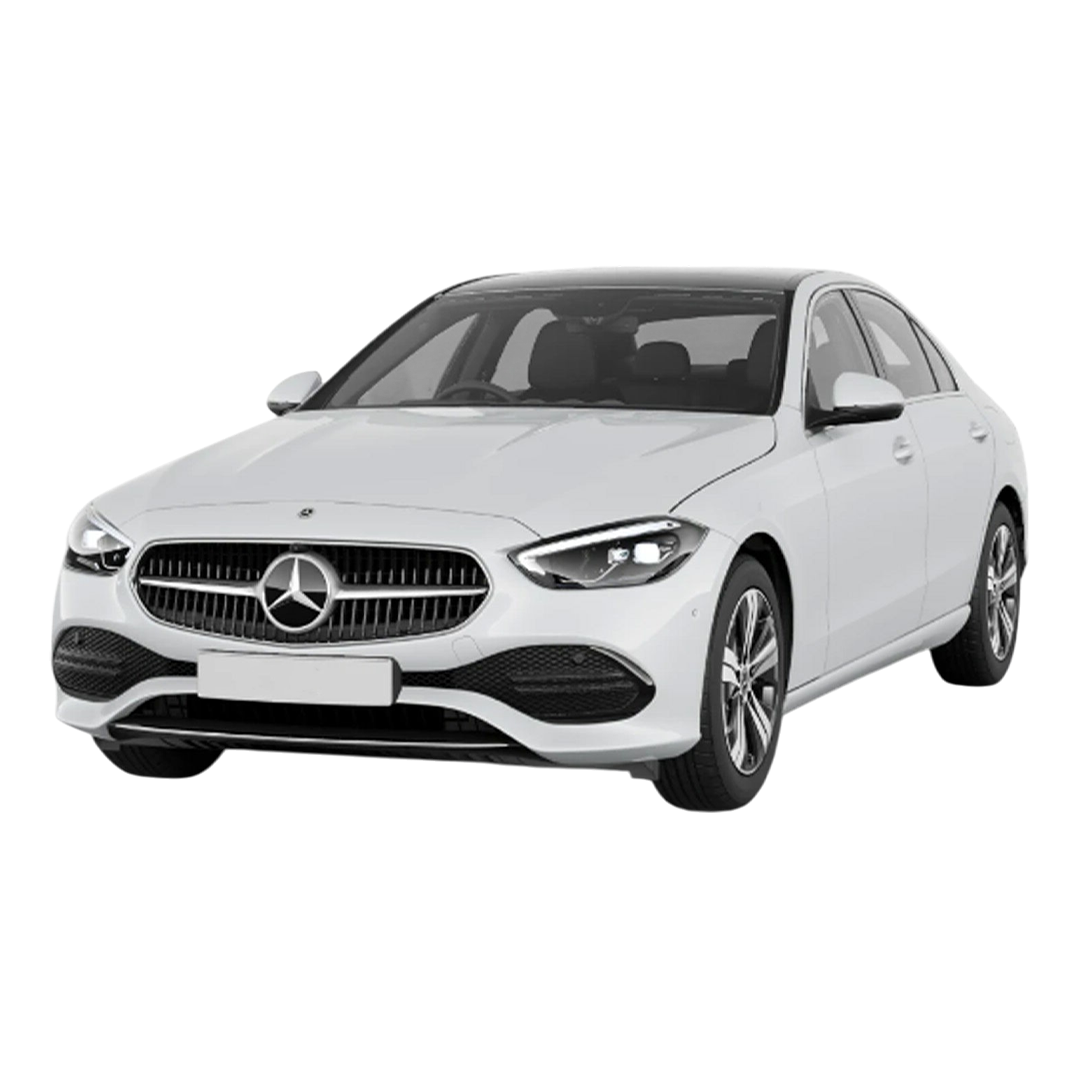 C-Class C250
C-Class C220
C-Class C200
C-Class C250
C-Class C220
C-Class C200
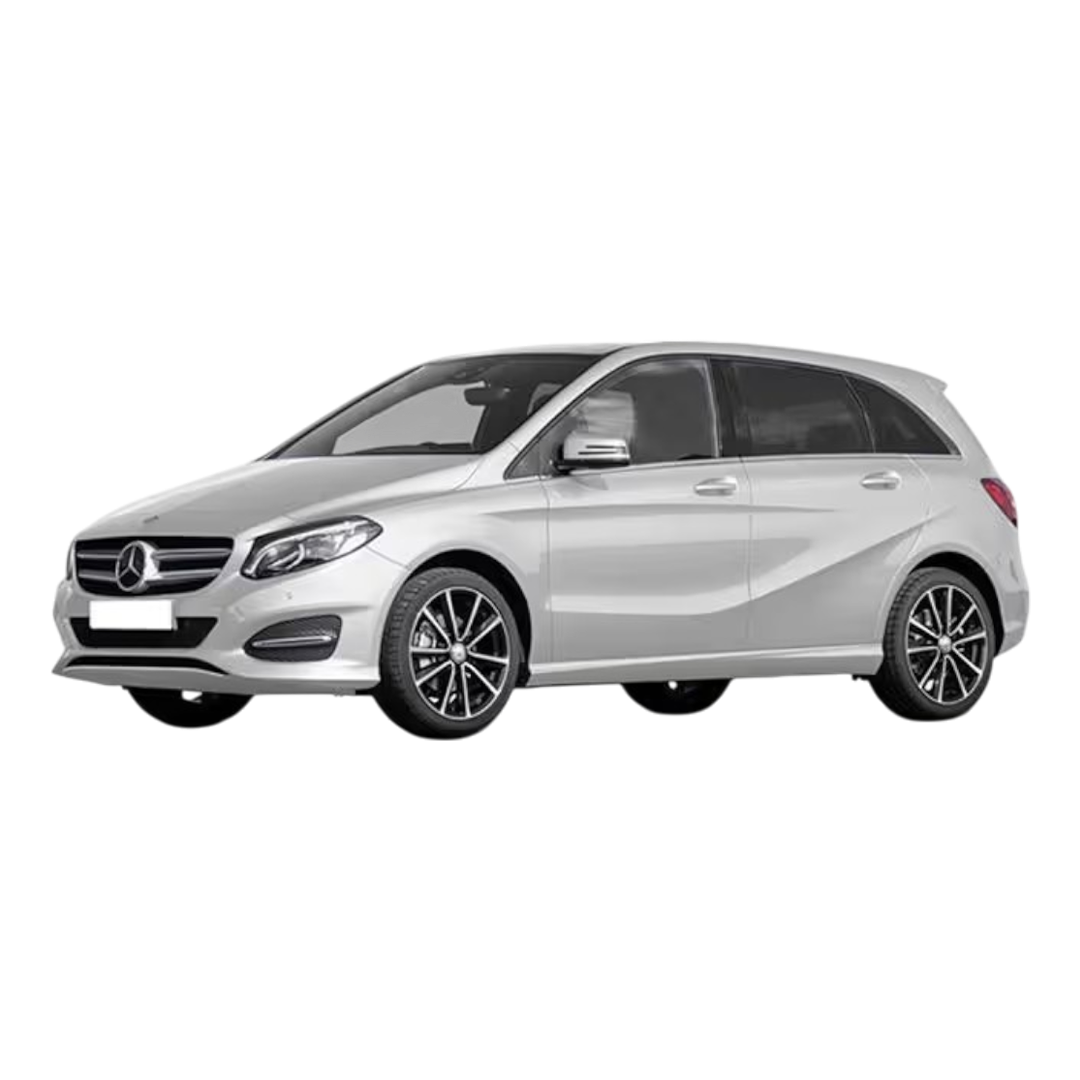 Benz B - Class
Benz A - 200
Benz B - Class
Benz A - 200
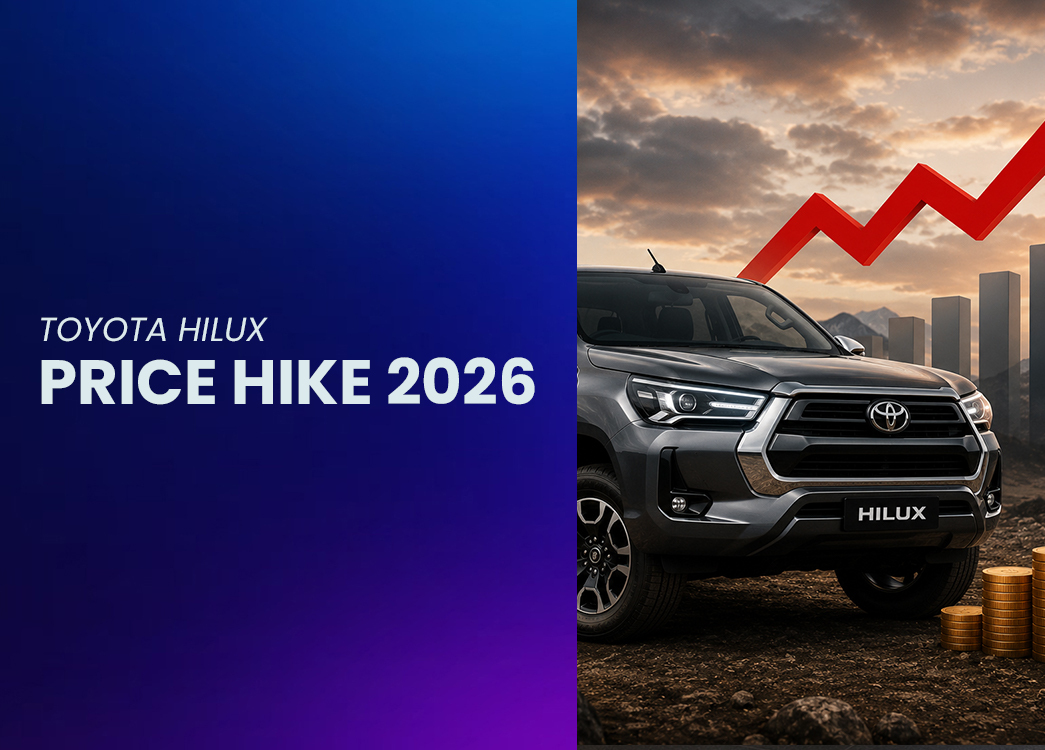
If you’ve been thinking about getting your hands on a Toyota Hilux in 2026, you might want to double-check your budget-because prices are climbing, and not by a small margin. The Toyota Hilux, known for its rugged durability and off-road dominance, has long been a favorite among both personal users and commercial buyers. But lately, things have shifted. From rising global production costs to supply chain disruptions and added tech features, several factors are quietly pushing the price tag higher.
Here at CRECKK, we’ve taken a closer look at what’s really going on behind the scenes. Is it just inflation doing its thing, or is Toyota packing in more value to justify the increase? For many buyers, this isn’t just about spending more-it’s about understanding whether the Hilux still delivers bang for your buck.
In this blog, we’ll break down the real reasons behind the Toyota Hilux price hike in 2026, explore what’s new in the latest models, and help you decide whether now’s the right time to buy-or if waiting might save you some cash. Let’s dig in.
The rising price of the Toyota Hilux in 2026 isn’t happening in isolation-it’s part of a broader shift in the global automotive industry. One of the biggest drivers is inflation, which has impacted everything from raw materials to labor costs. Steel, aluminum, and semiconductor chips-key components in vehicle manufacturing-have all seen noticeable price increases over the past few years.
Another factor is stricter emission regulations. Governments worldwide are pushing automakers to reduce carbon footprints, which means investing heavily in cleaner technologies. These upgrades don’t come cheap, and the added cost is often passed on to buyers. Toyota, being a global brand, has had to align its Hilux production with these new standards.
Currency fluctuations also play a role, especially in markets that rely on imports. A weaker local currency can significantly increase the retail price of vehicles like the Hilux. According to insights shared by CRECKK, these combined economic pressures have made price adjustments almost unavoidable.So, while the price hike may feel frustrating, it’s largely the result of global changes rather than a single isolated decision by Toyota.
Let’s face it-the automotive supply chain hasn’t fully recovered since the global disruptions of recent years. From factory shutdowns to shipping delays, manufacturers have been dealing with constant hurdles. For Toyota, maintaining the Hilux’s high quality while navigating these challenges has come at a cost.
Shipping expenses have skyrocketed, especially for international deliveries. The cost of transporting parts and finished vehicles has increased due to fuel prices and logistical bottlenecks. On top of that, supplier shortages-particularly for electronic components-have forced manufacturers to source parts at higher prices.
Labor costs have also gone up. Skilled workers are in high demand, and wages have increased across the board. While automation helps, it doesn’t eliminate the need for human expertise, especially in quality control and assembly.
Here’s a quick breakdown:
| Cost Factor | Impact on Price |
|---|---|
| Raw Materials | High |
| Shipping & Logistics | Medium-High |
| Labor Costs | Medium |
| Chip Shortages | High |
All these elements combine to push the final price upward. As highlighted by CRECKK, these aren’t short-term issues-they’re shaping the future cost of vehicle ownership.
Now, it’s not all bad news. Part of the price increase comes from genuine improvements in the 2026 Toyota Hilux. Toyota hasn’t just raised prices-they’ve added value too. The latest model includes upgraded safety systems, improved fuel efficiency, and enhanced infotainment features.
For starters, advanced driver-assistance systems (ADAS) are now more refined. Features like adaptive cruise control, lane-keeping assist, and emergency braking are either standard or more widely available. These upgrades make the Hilux safer and more appealing for modern drivers.
Inside the cabin, things feel more premium. Better materials, a larger touchscreen, and improved connectivity options bring the Hilux closer to SUV-level comfort. That’s a big deal for buyers who use their pickup for both work and daily commuting.
Performance hasn’t been left behind either. Engine refinements and suspension tweaks offer a smoother ride without compromising the Hilux’s legendary toughness.According to CRECKK, these upgrades play a significant role in justifying the higher price-especially for buyers looking for a blend of durability and modern comfort.
The Toyota Hilux price hike in 2026 is hitting different groups in different ways. For individual buyers, it often means stretching the budget or reconsidering financing options. Monthly installments are likely to go up, making affordability a key concern.
For businesses, especially those relying on fleets, the impact is even more significant. Construction companies, logistics providers, and agricultural businesses that depend on the Hilux for daily operations now face higher upfront costs. This could lead to delayed purchases or a shift toward alternative models.
On the flip side, resale values may benefit. A higher new price often translates to stronger used market demand, which can be good news for current Hilux owners.
Here’s how it affects key groups:
As noted by CRECKK, understanding these impacts can help buyers make smarter financial decisions rather than rushing into a purchase.
With rising prices, it’s only natural to ask-is the Toyota Hilux still worth it? The short answer: it depends on what you’re looking for.
Compared to rivals like the Ford Ranger, Isuzu D-Max, and Nissan Navara, the Hilux still holds a strong reputation for reliability and durability. It’s often seen as a long-term investment rather than just a vehicle. That said, competitors are catching up fast, offering similar features at competitive prices.
The Hilux stands out in areas like:
However, some competitors may offer better interior tech or slightly lower pricing, which could sway budget-conscious buyers. According to CRECKK, if you value dependability and resale value, the Hilux still makes sense. But if you’re after cutting-edge tech at a lower price, exploring alternatives might be worth your time.
This is the big question-should you buy now or hold off? Honestly, it depends on your priorities and urgency.
If you need a reliable pickup immediately, waiting might not make much difference. Prices are unlikely to drop significantly in the short term, especially with ongoing global cost pressures. In fact, delays could mean even higher prices later.
However, if your purchase isn’t urgent, keeping an eye on promotions, discounts, or year-end deals could save you some money. Dealerships often offer incentives that can offset the price hike to some extent.
A few quick tips:
As highlighted by CRECKK, timing the market perfectly is tough-but staying informed gives you an edge.
1. Why has the Toyota Hilux become more expensive in 2026?
Rising production costs, supply chain issues, and new features have contributed to the price increase.
2. Is the Toyota Hilux still worth buying after the price hike?
Yes, especially for reliability and resale value, but comparing competitors is recommended.
3. Will Toyota Hilux prices drop soon?
Prices are unlikely to decrease in the short term due to global economic conditions.
4. Are there cheaper alternatives to the Hilux?
Yes, options like Ford Ranger and Isuzu D-Max offer competitive pricing.
The Toyota Hilux price hike in 2026 might feel like a setback, but it’s really a reflection of bigger changes in the automotive world. From rising costs to better technology, there’s more to the story than just a higher price tag. As explored by CRECKK, the Hilux still holds its ground as a reliable, high-value pickup-but whether it’s the right choice depends on your needs and budget.
At the end of the day, staying informed is your best tool. Weigh your options, compare models, and make a decision that fits both your lifestyle and your wallet.