Your cart is empty
Start Shopping Exterior
›
Exterior
›
 Bumper Diffuser/Guard
 Body Covers
 Window Garnishing
 Door Guards
 Roof Rails
 Side Beading
 Door Visor
 Mud Flap
 Wheel Cover
 Foot Rest
 Interior
›
Interior
›
 Door Scuff Sill Plates
 Window Sunshades & Film
 Armrest
 Seat Covers
 Steering Cover
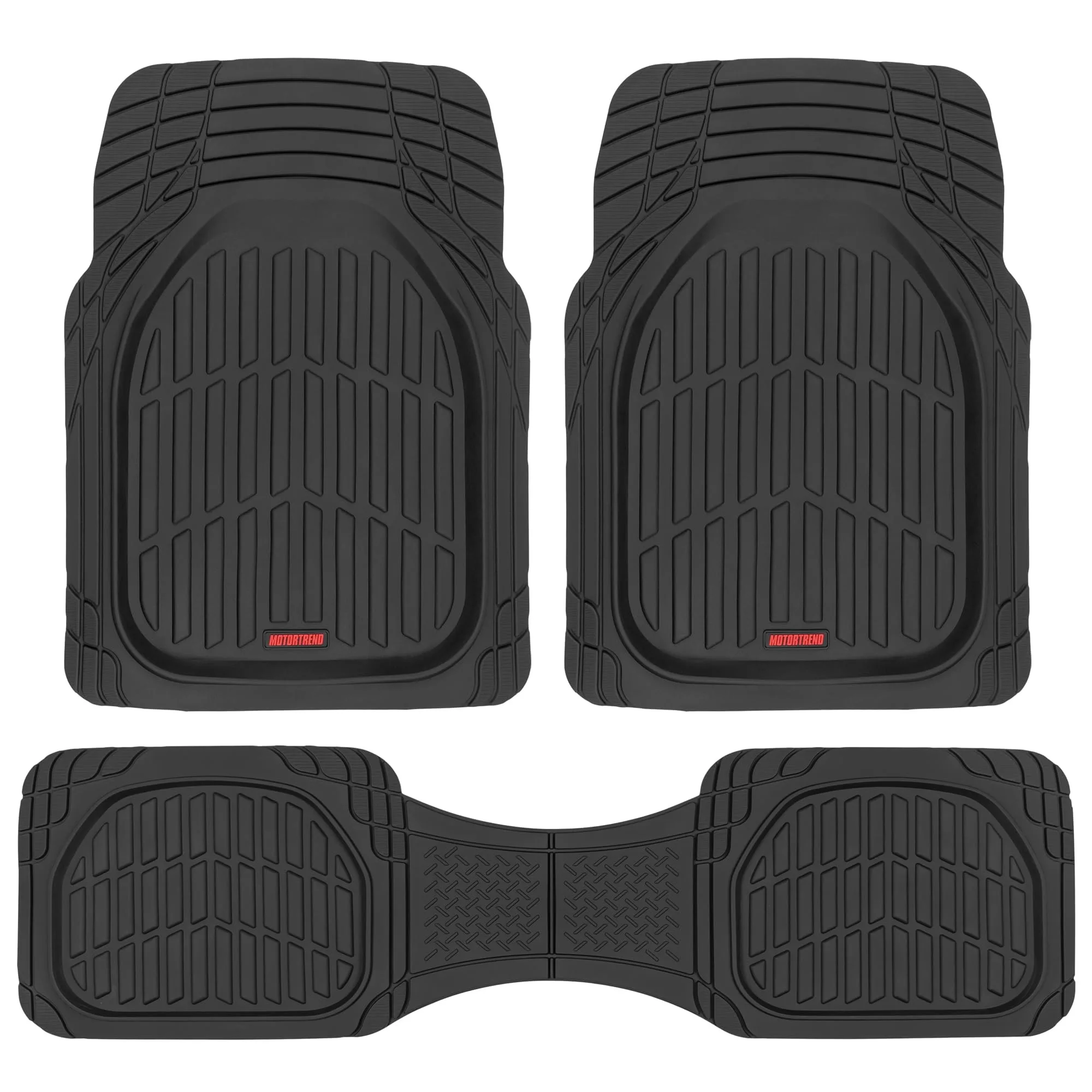 Floor Mats
 Dashboard Showpiece
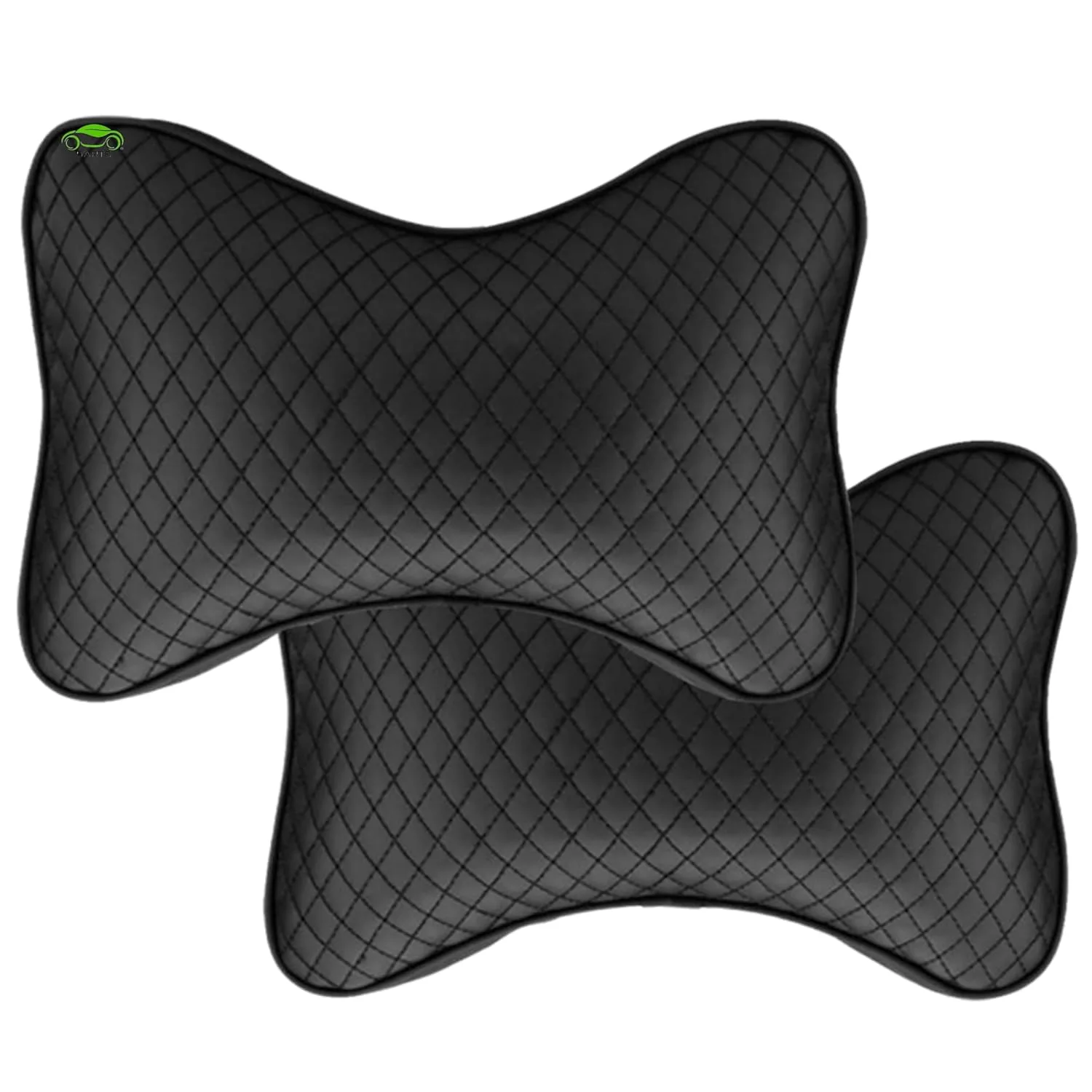 Seat & Neck Cushion
 Lighting
›
Lighting
›
 Utility
›
Utility
›
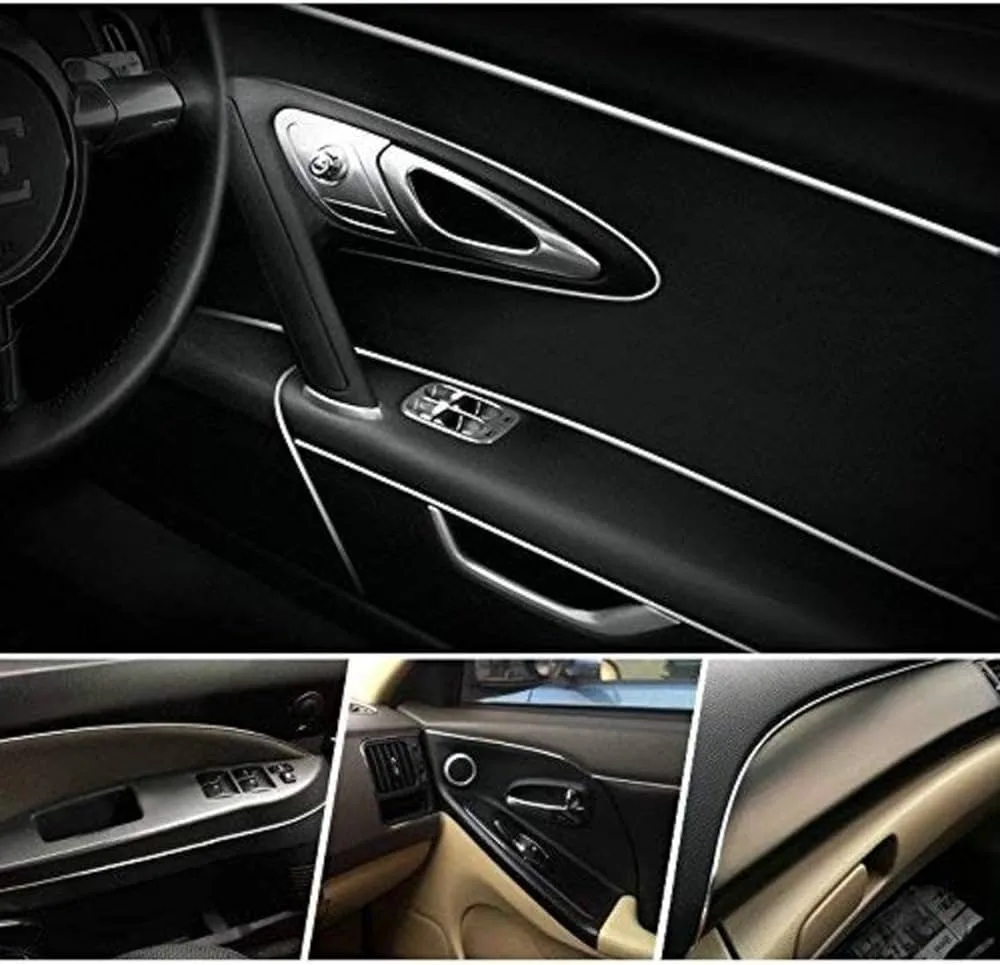 All Chrome Items
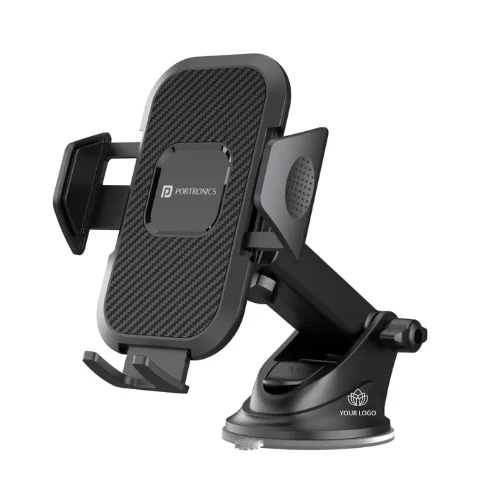 Mobile Holder
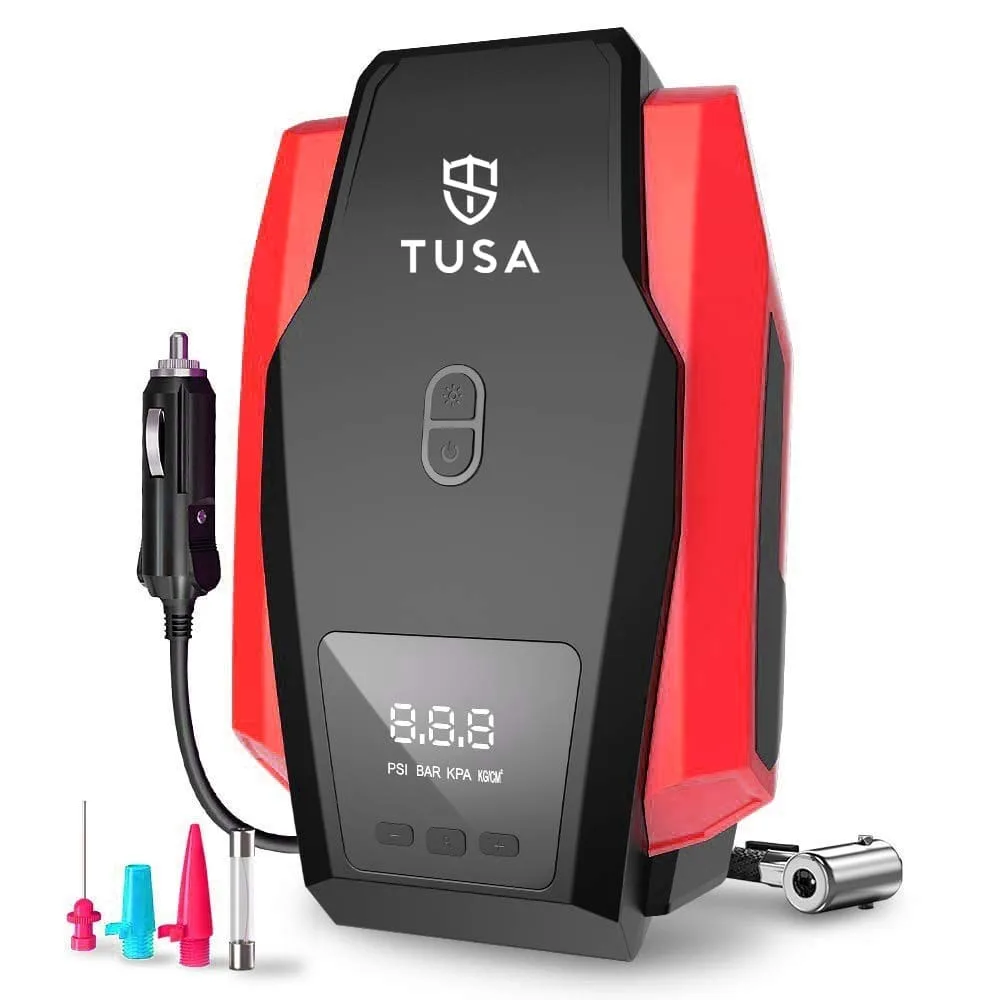 Tyre Inflators
 Vacuum Cleaner
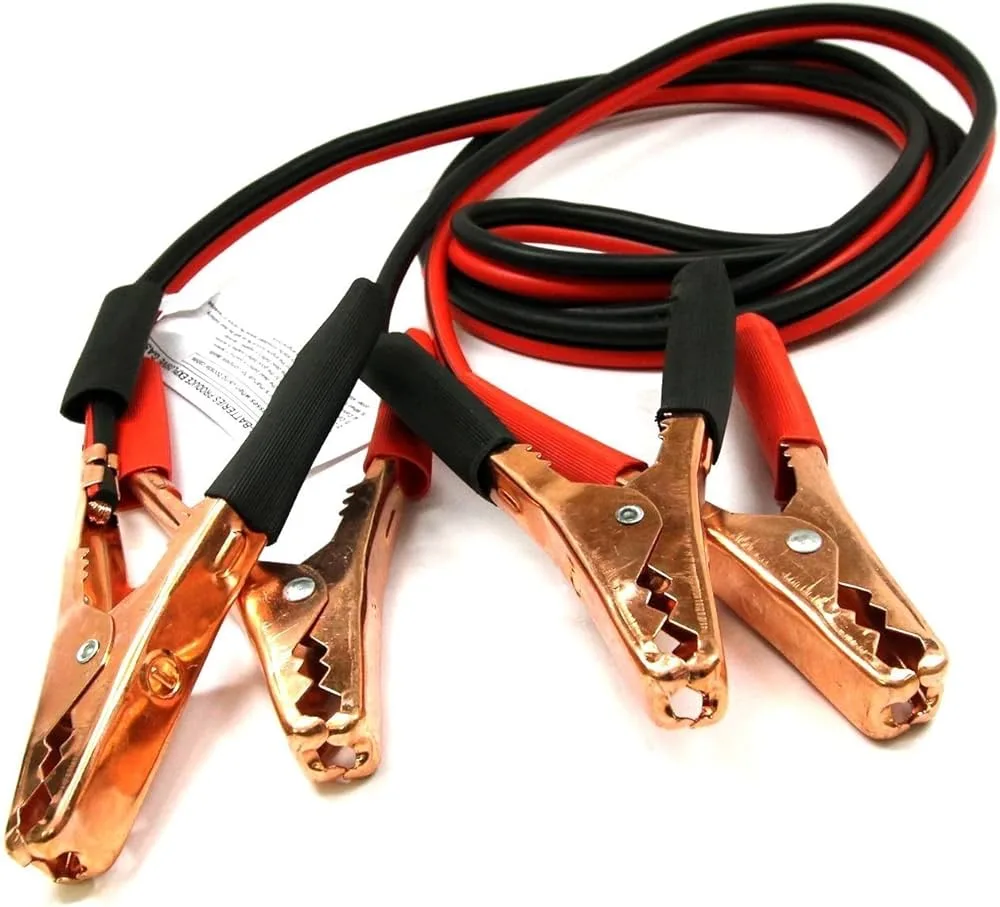 Jumper Cable
 Cleaning Kit
 Tyre Puncture Kit
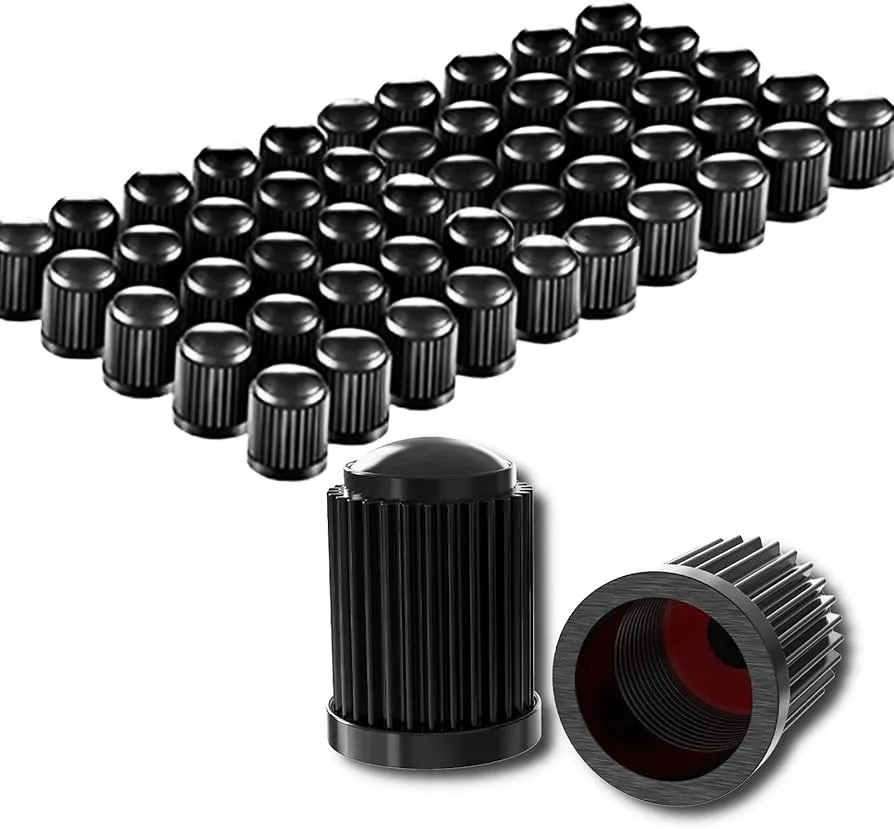 Tyre Valve Cap
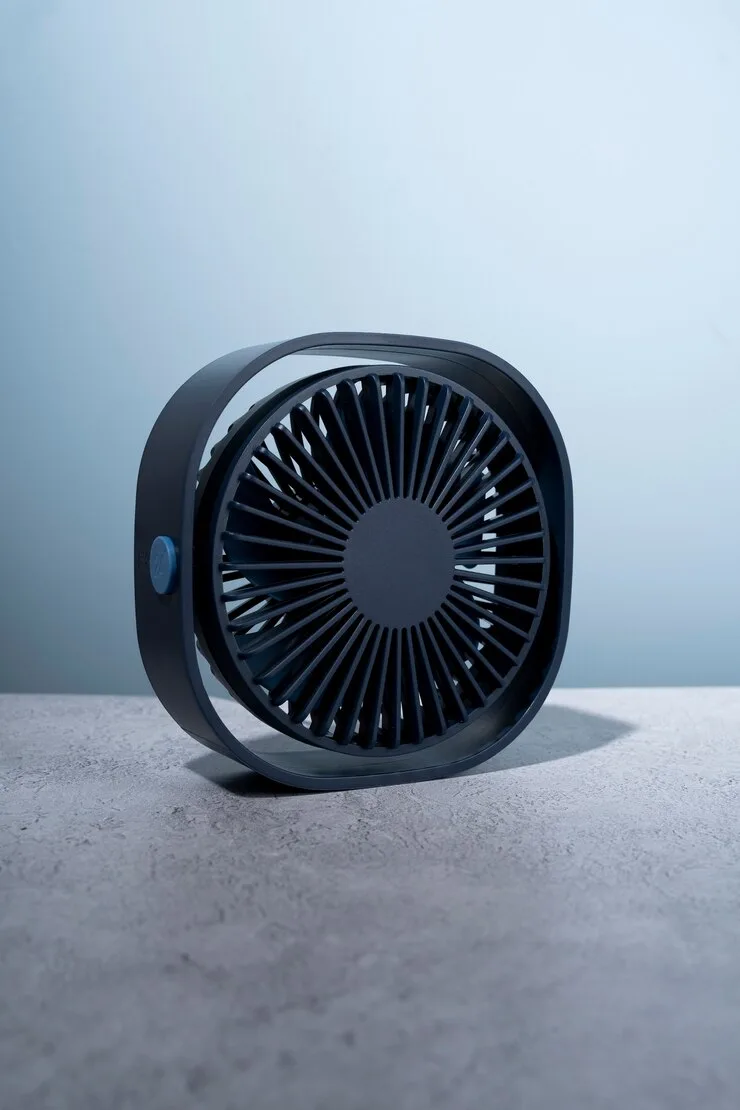 Car Fan
 Parcel Tray
 Electronic
›
Electronic
›
 Parts
›
Parts
›
 Fog Lights
 Headlights
 Tail Lights
 Steering Wheel Controls
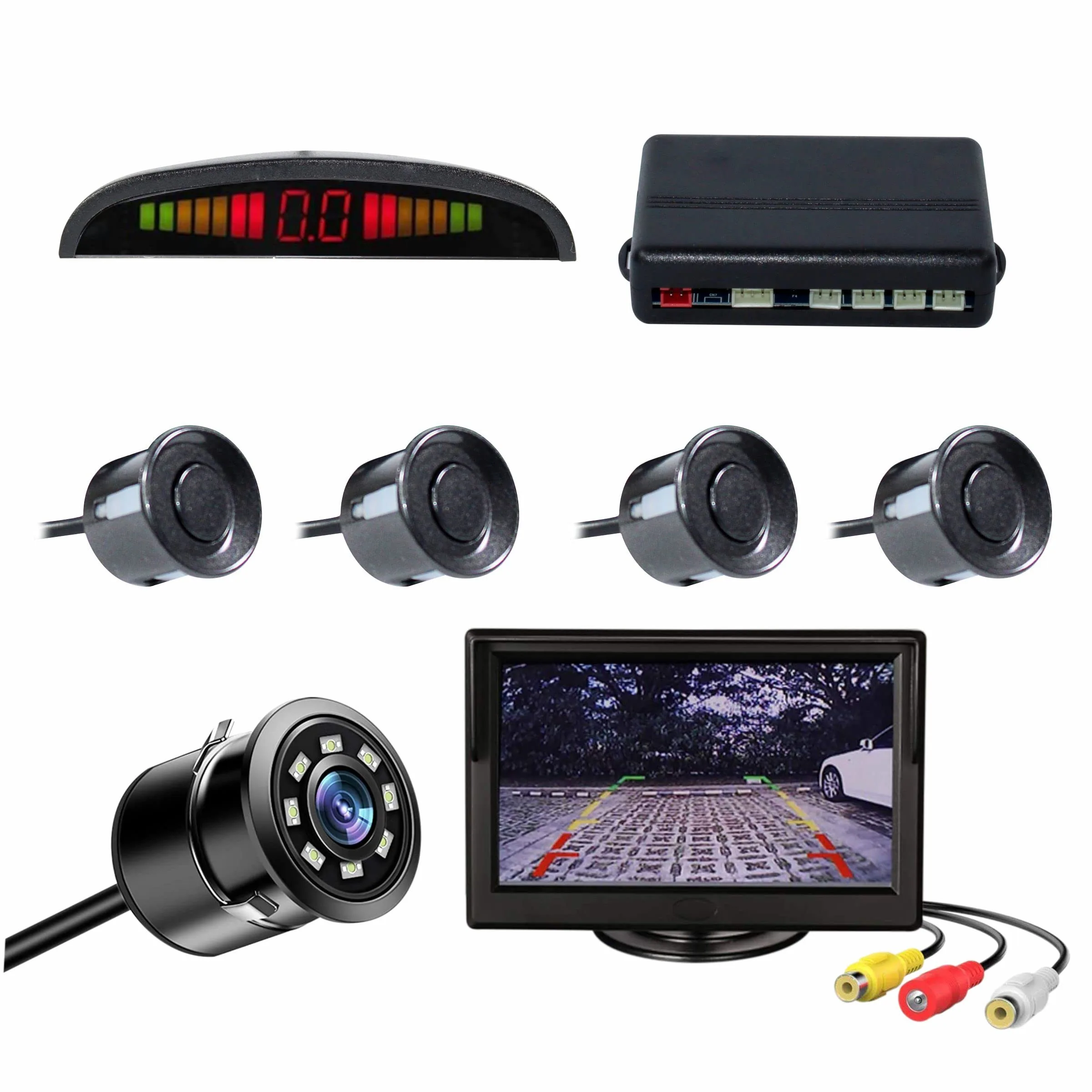 Sensor
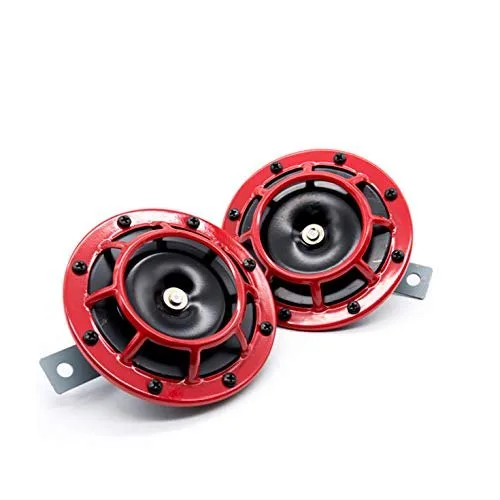 Horns
Horns
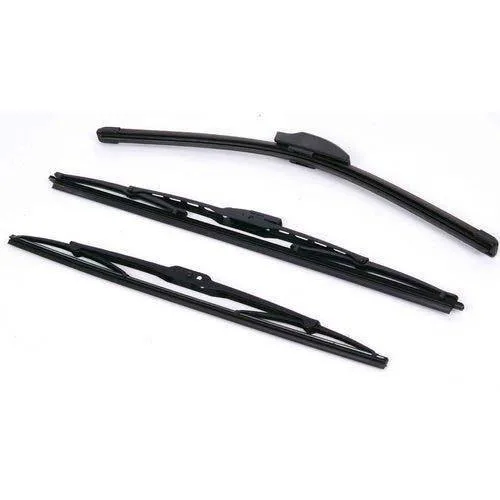 Wiper Blade
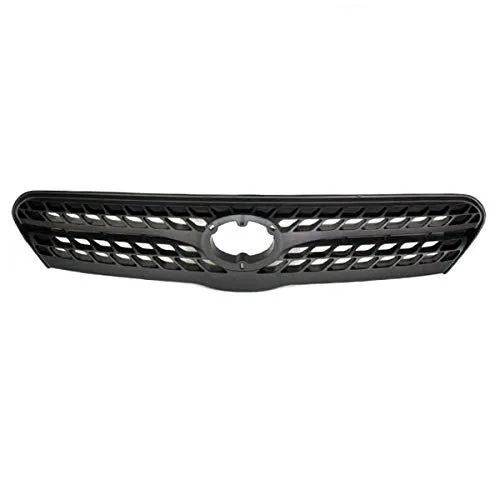 Front Grille
 Side Mirror
 Battery
 Car Care
›
Car Care
›
 Air Freshener & Perfume
 Gear knob
 Stickers & Decals
 Blind Spot Mirror
 Steering Knob
 Key Covers
 Polish & Scratch Remover
 Seat Utility Holder
 Cup Holder
 Dustbin
 Paper Napkin
 Shop By Car
›
Shop By Car
›
 Tata
›
Tata
›
 Maruti Suzuki
›
Maruti Suzuki
›
 Hyundai
›
Hyundai
›
 Toyota
›
Toyota
›
 Mahindra
›
Mahindra
›
 Honda
›
Honda
›
 Ford
›
Ford
›
 Nissan
›
Nissan
›
 Renault
›
Renault
›
 Skoda
›
Skoda
›
 Volkswagen
›
Volkswagen
›
 Morris Garages - MG
›
Morris Garages - MG
›
 KIA
›
KIA
›
 Jeep
›
Jeep
›
 Citroen
›
Citroen
›
 Datsun
›
Datsun
›
 Chevrolet
›
Chevrolet
›
 Isuzu
›
Isuzu
›
 Mitsubishi
›
Mitsubishi
›
 AUDI
›
AUDI
›
 BMW
›
BMW
›
 Mercedes
›
Mercedes
›
 Land Rover
›
Land Rover
›
 Jaguar
›
Jaguar
›
 Volvo
›
Volvo
›
 FIAT
›
FIAT
›
 Mini Cooper
›
Mini Cooper
›
 Porsche
›
Porsche
›
 Lexus
›
Citron
›
Fors
›
Morris Garages
›
MG
›
Lexus
›
Citron
›
Fors
›
Morris Garages
›
MG
›
 Nexon
Nexon
 Harrier
 Altroz
 Hexa
Hexa
 Safari
 Tiago
Tiago
 Punch
Punch
 Tigor
Tigor
 Sumo
Sumo
 Winger
 Bolt
Bolt
 Vista
Vista
 Manza
Manza
 Indica
 Indigo
 Nano
Nano
 Aria
Aria
 Safari Storme
 Zest
Zest
 NEXON EV Max
 NEXON EV Prime
 Tiago NRG
 Tigor EV
INDICA VISTA
Curvv
Sierra
Magic
Tigor EV
INDICA VISTA
Curvv
Sierra
Magic
 Ciaz
Ciaz
 S-Presso
 Eeco/Versa
 WagonR
 Brezza
 Swift
Swift
 Dzire
Dzire
 Baleno
 Ertiga
 Grand Vitara
 S-Cross
 Jimny
Jimny
 Celerio
 Ignis
Ignis
 Alto 800
 Alto K10
 XL6
XL6
 Omni
Omni
 SX4
SX4
 Gypsy
Gypsy
 Maruti 800
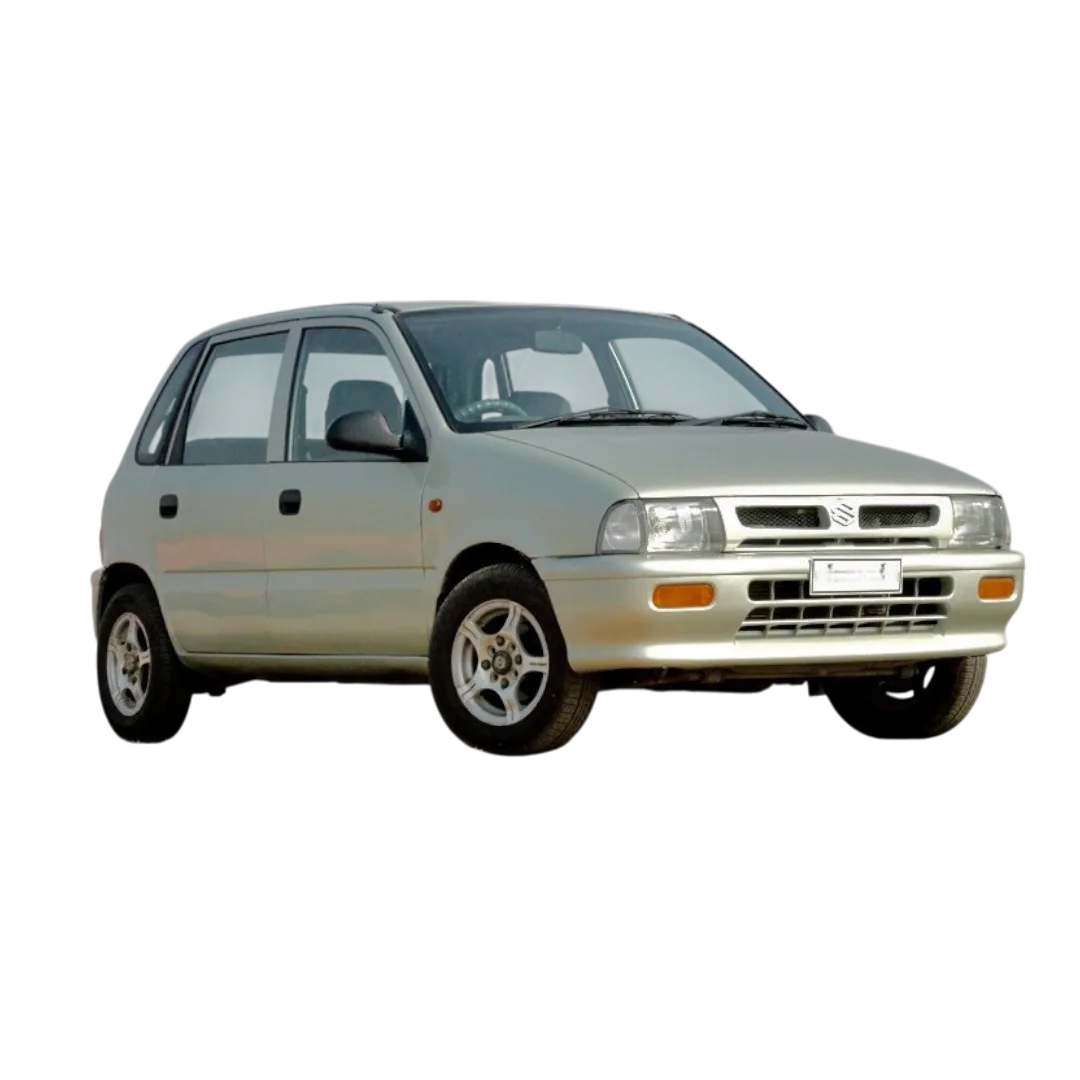 Zen
Zen
 Esteem
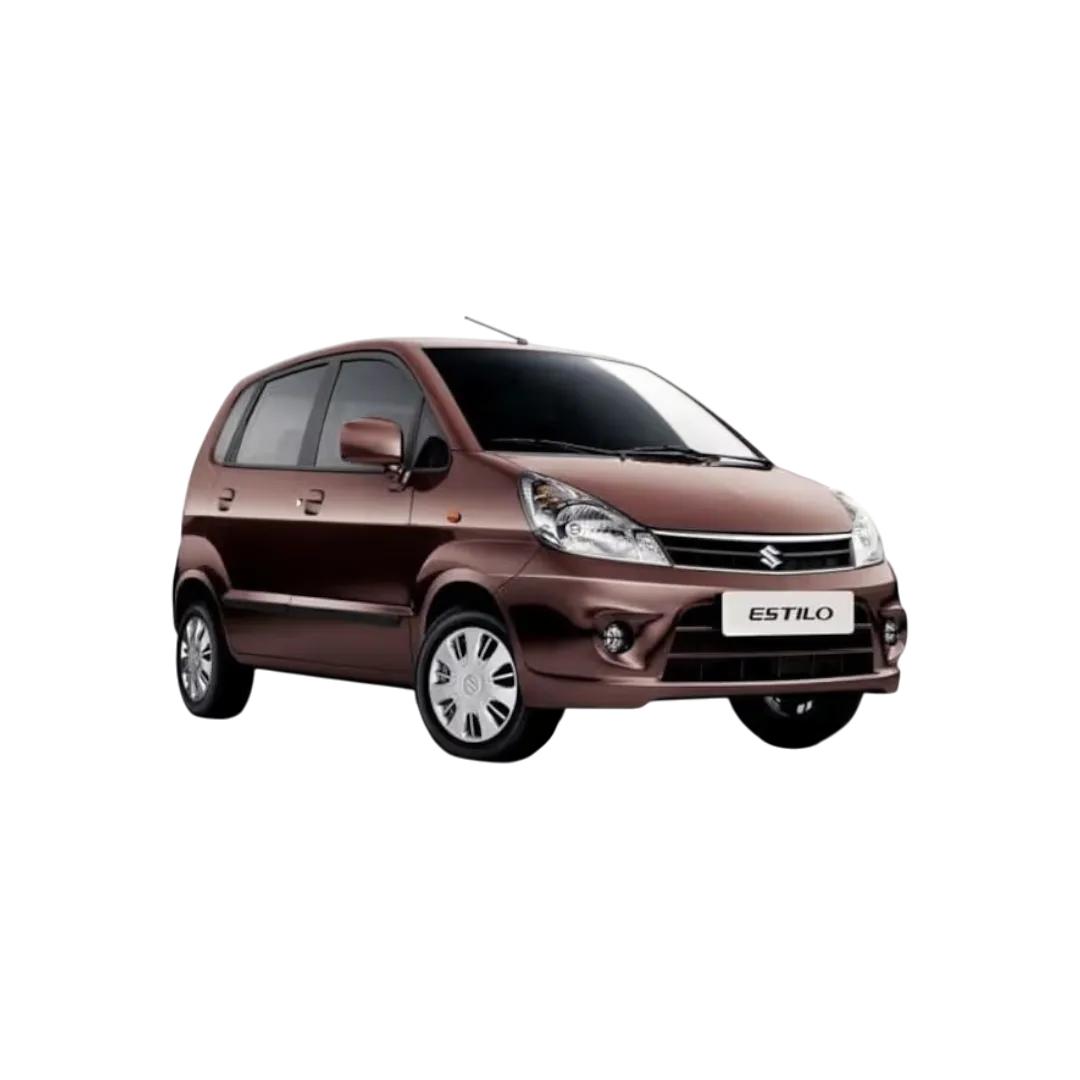 Zen Estilo
 Ritz
Ritz
 Fronx
Fronx
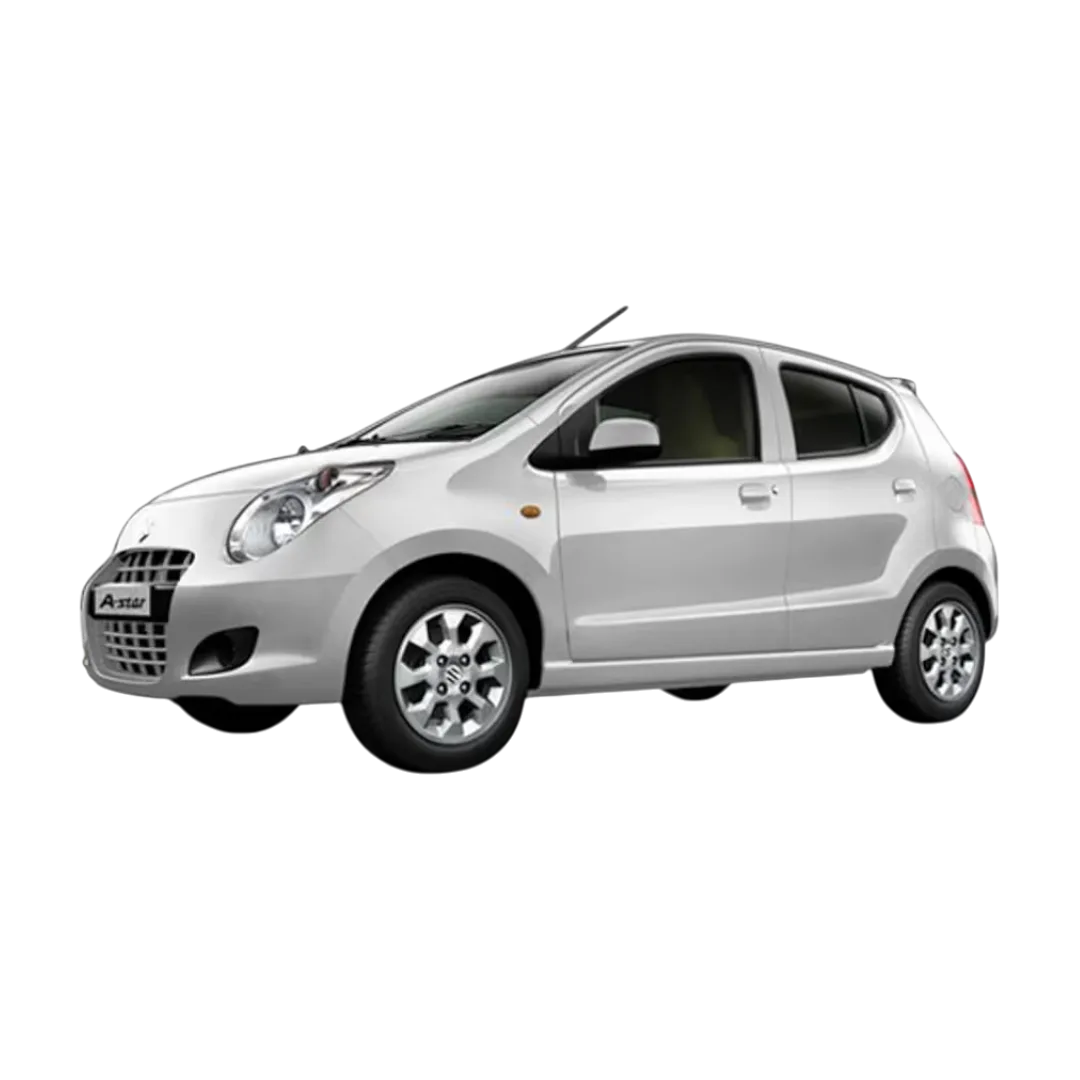 A-Star
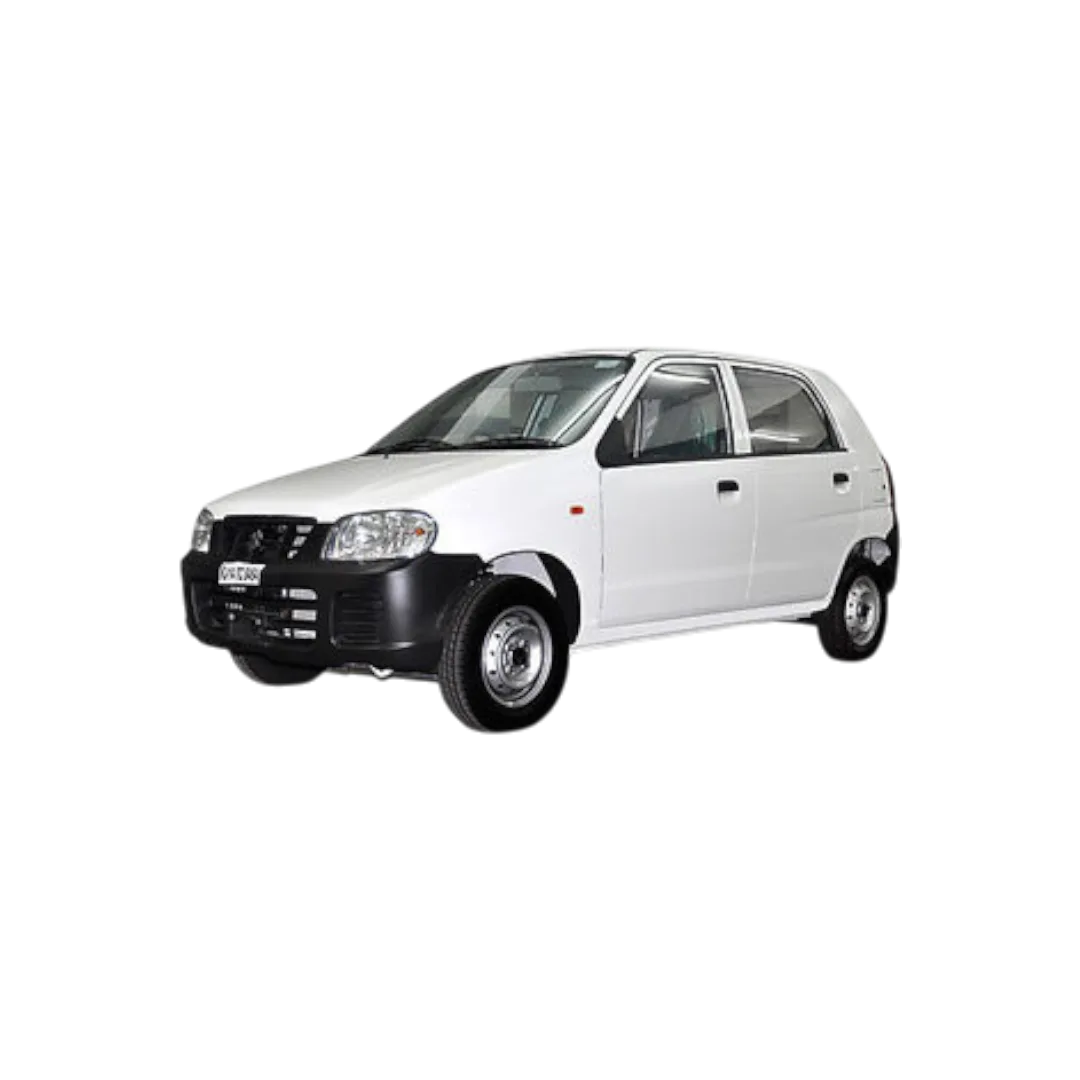 Alto
Alto
 Invicto
Victoris
Wagon R
Invicto
Victoris
Wagon R
 i20
i20
 Aura
Aura
 Creta
Creta
 Elantra
 Getz
Getz
 Grand i10 Nios
 Venue
Venue
 Verna
Verna
 i20 N Line
 Venue N Line
 Alcazar
 Tucson
 Kona
Kona
 iONIQ 5
 Santro
 Santro Xing
 Accent
 Sonata
 Eon
Eon
 i10
i10
 Grand i10
 Xcent
Xcent
 Elite i20
 Verna Fluidic
 Santafe
 Exter
Sonata Fluidic
i20 Active
Exter
Sonata Fluidic
i20 Active
 Yaris
Yaris
 Urban Cruiser
 Camry
Camry
 Corolla
 Fortuner
 Urban Cruiser Hyryder
 Innova Crysta
 Innova Hycross
 Hilux
Hilux
 Fortuner Legender
 Vellfire
 Land Cruiser
 Glanza
 Etios
Etios
 Etios cross
 Etios Liva
 Qualis
 Innova
 Rumion
Taisor
Corolla Altis
Hyryder
Rumion
Taisor
Corolla Altis
Hyryder
 Bolero
 Marazzo
 KUV100 NXT
 Scorpio
 Thar
Thar
 XUV 300
 Bolero Neo
 Verito
 Scorpio-N
 XUV 700
 Scorpio Classic
 XUV400
 Alturas
 Xylo
Xylo
 Quanto
 Logan
Logan
 XUV 500
 TUV 300
 XUV 3XO
 KUV 100
NuvoSport
XEV 9e
BE 6
Thar Roxx
E-Verito
XUV 7XO
TUV 100
BE6
Bolero Camper
Verito Vibe
XUV 400
KUV 100
NuvoSport
XEV 9e
BE 6
Thar Roxx
E-Verito
XUV 7XO
TUV 100
BE6
Bolero Camper
Verito Vibe
XUV 400
 Audi Q5
 Audi A4
 Audi Q7
 Audi Q3
 Audi A6
 Audi RS5
 E-Tron GT
 Audi Q8
 E-Tron
 Q3 Sportback
 Audi S5 Sportback
 Q8 E-Tron
 Q8 E-Tron Sportback
 Audi A8L
 Audi RS Q8
 Audi A3
 BMW X7
 BMW X1
 BMW X5
 BMW XM
 BMW Z4
 3 Series
 BMW X3
 BMW iX
 BMW i7
 BMW M2
 7 Series
 2 Series
 BMW i4
 5 Series
 6 Series
 BMW ix1
 M4 Competition
 3 Series Gran Limousine
 M8 Coupe
 BMW M3
 BMW X6
 BMW i5
 BMW X4
 Mercedes Benz GLA
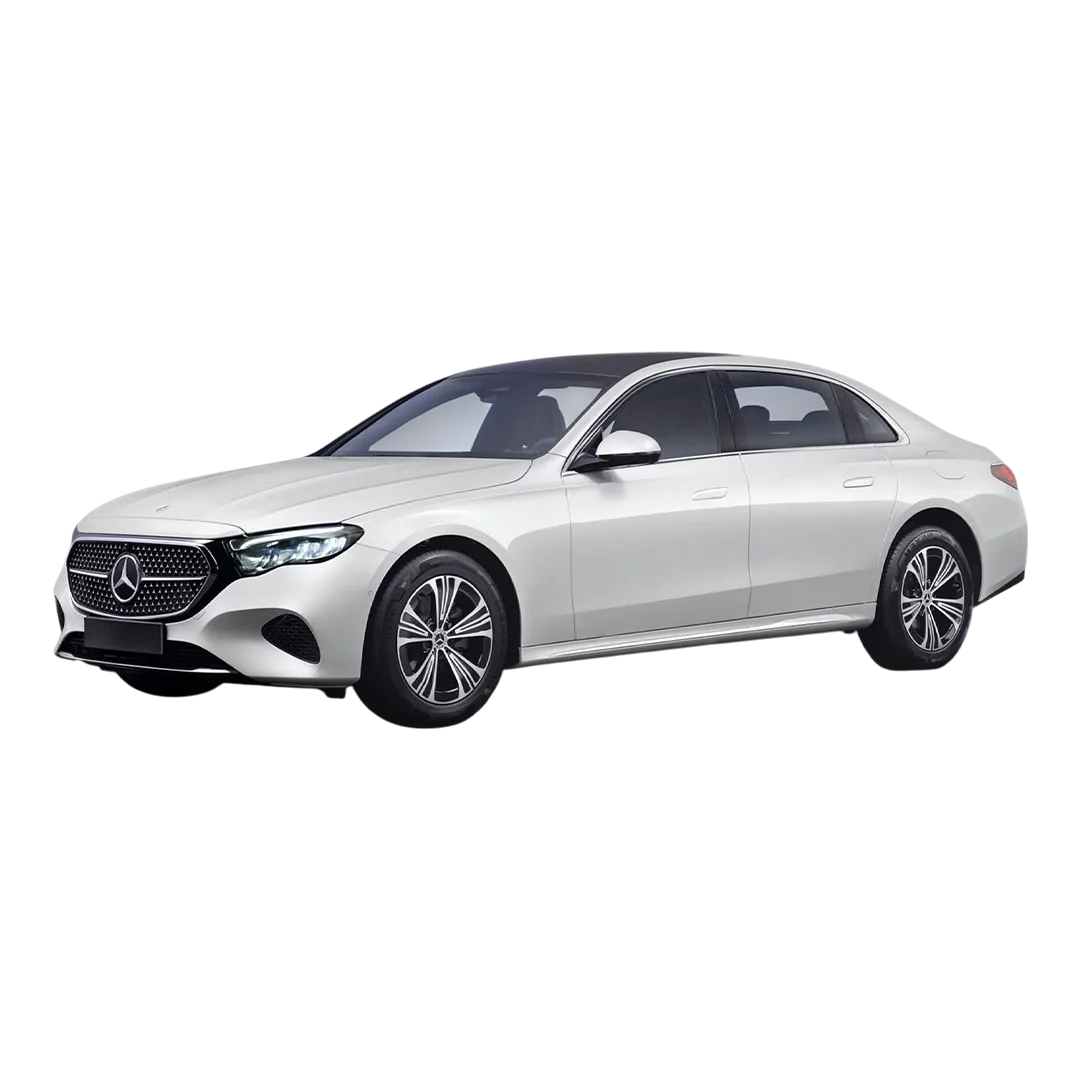 Mercedes E-Class
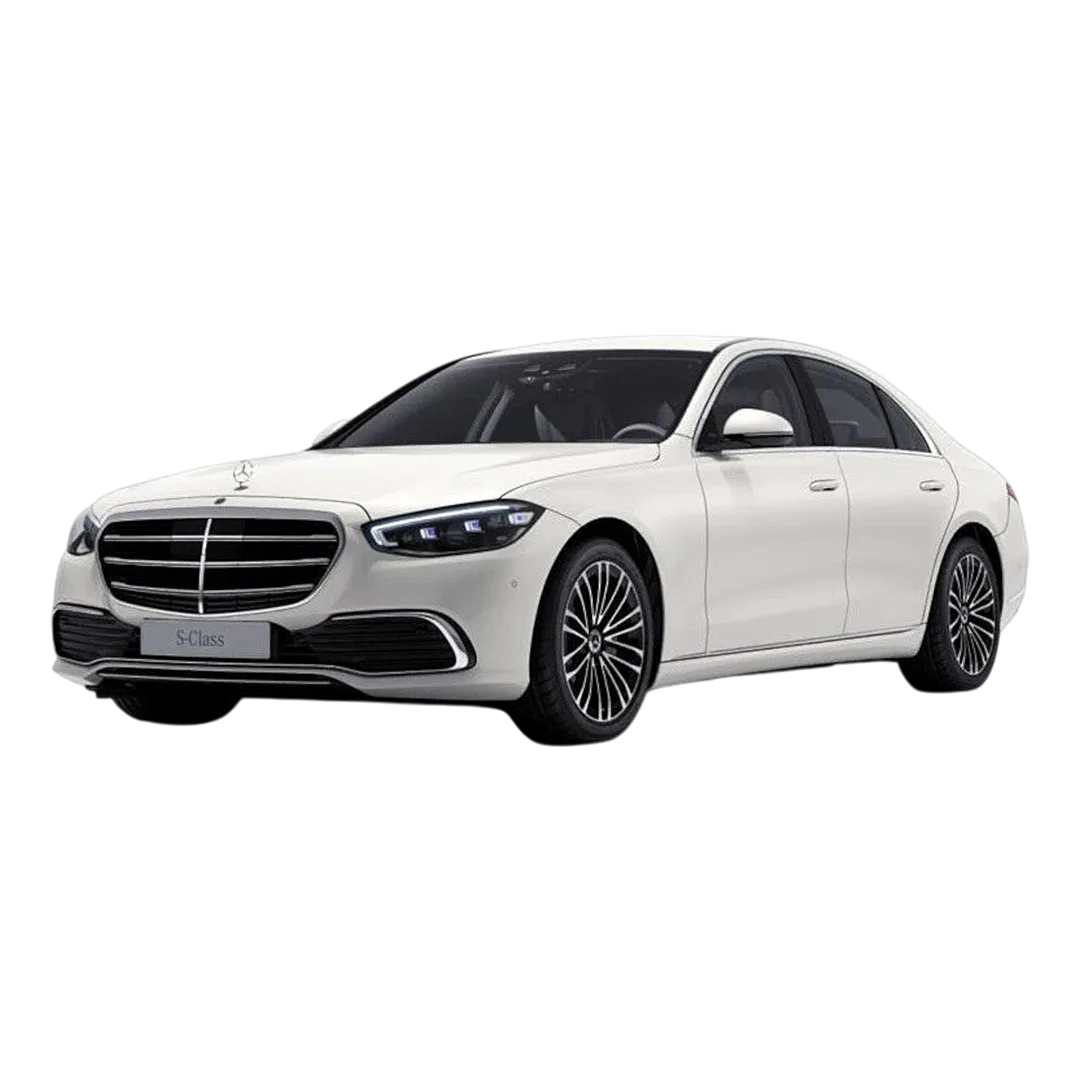 Mercedes S-Class
 Mercedes Benz GLS
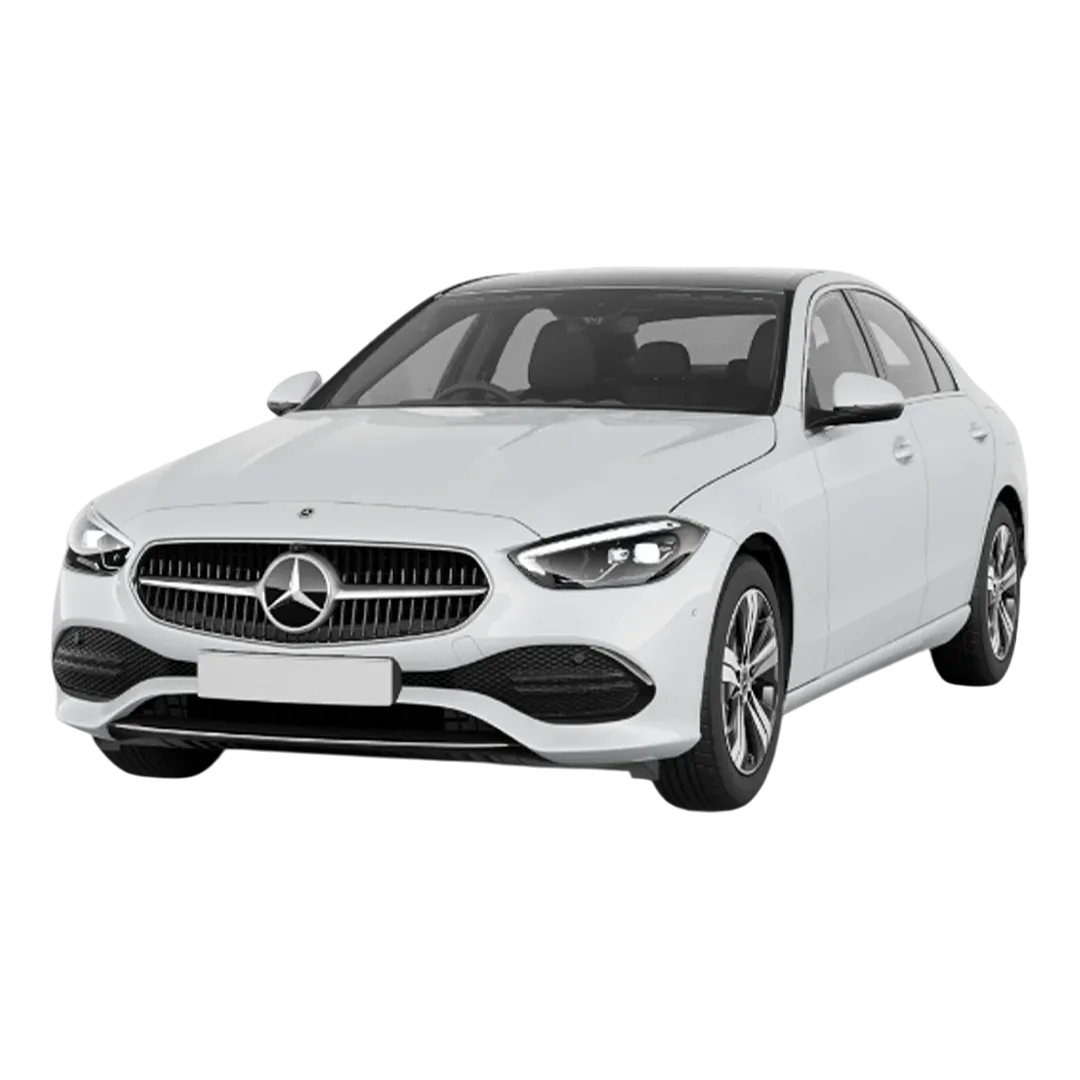 Mercedes Benz C-Class
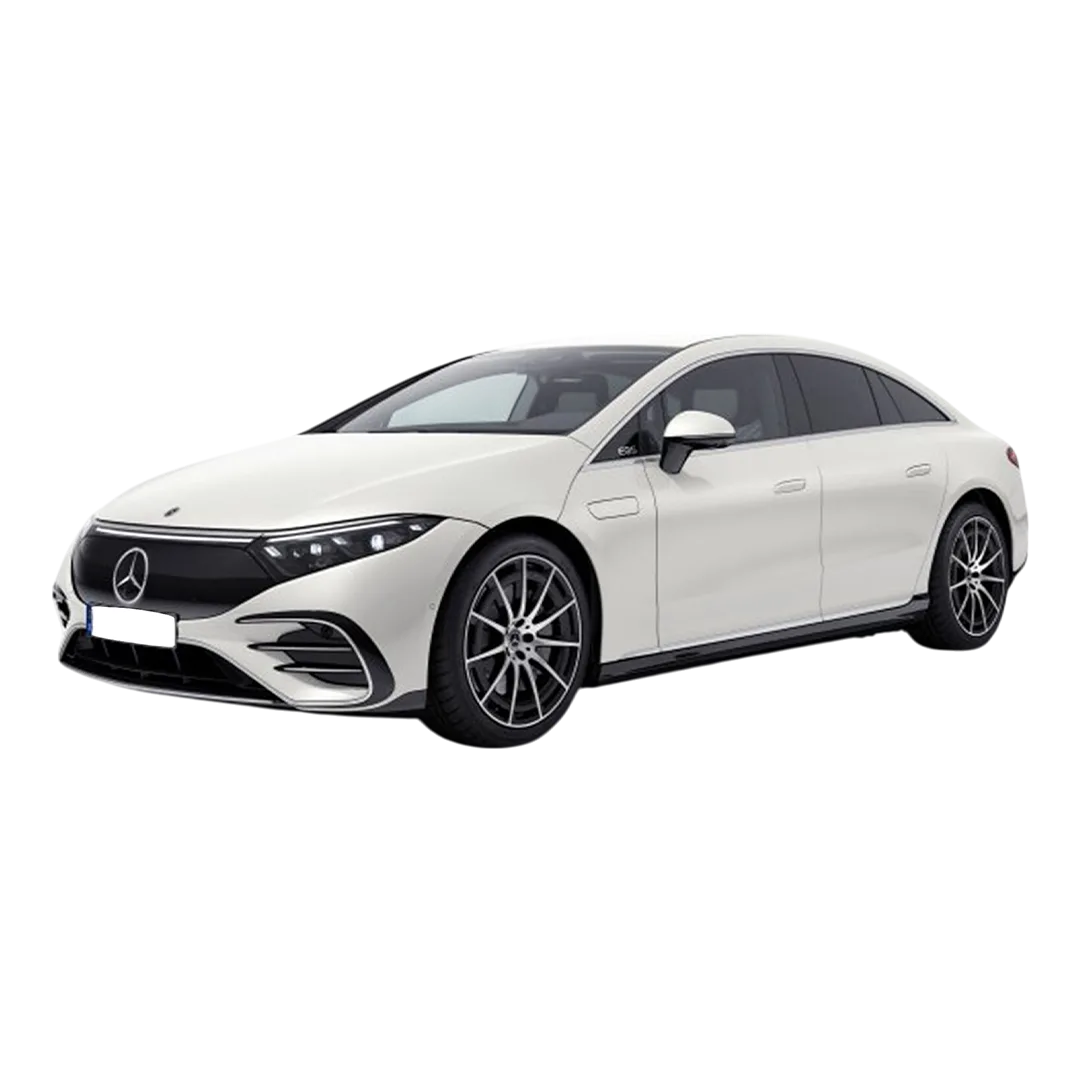 Mercedes Benz EQS
 Mercedes Benz GLC
 Mercedes Benz GLE
 Mercedes Benz G-Class
 Mercedes Benz AMG SL
 Mercedes Benz MAYBACH S- Class
 Mercedes Benz EQE-SUV
 Mercedes Benz GLB
 Mercedes Benz AMG A 45 S
 Mercedes Benz AMG GLE S3
 Mercedes Benz EQB
 Mercedes Benz A Class limousine
 Mercedes Benz AMG A 35
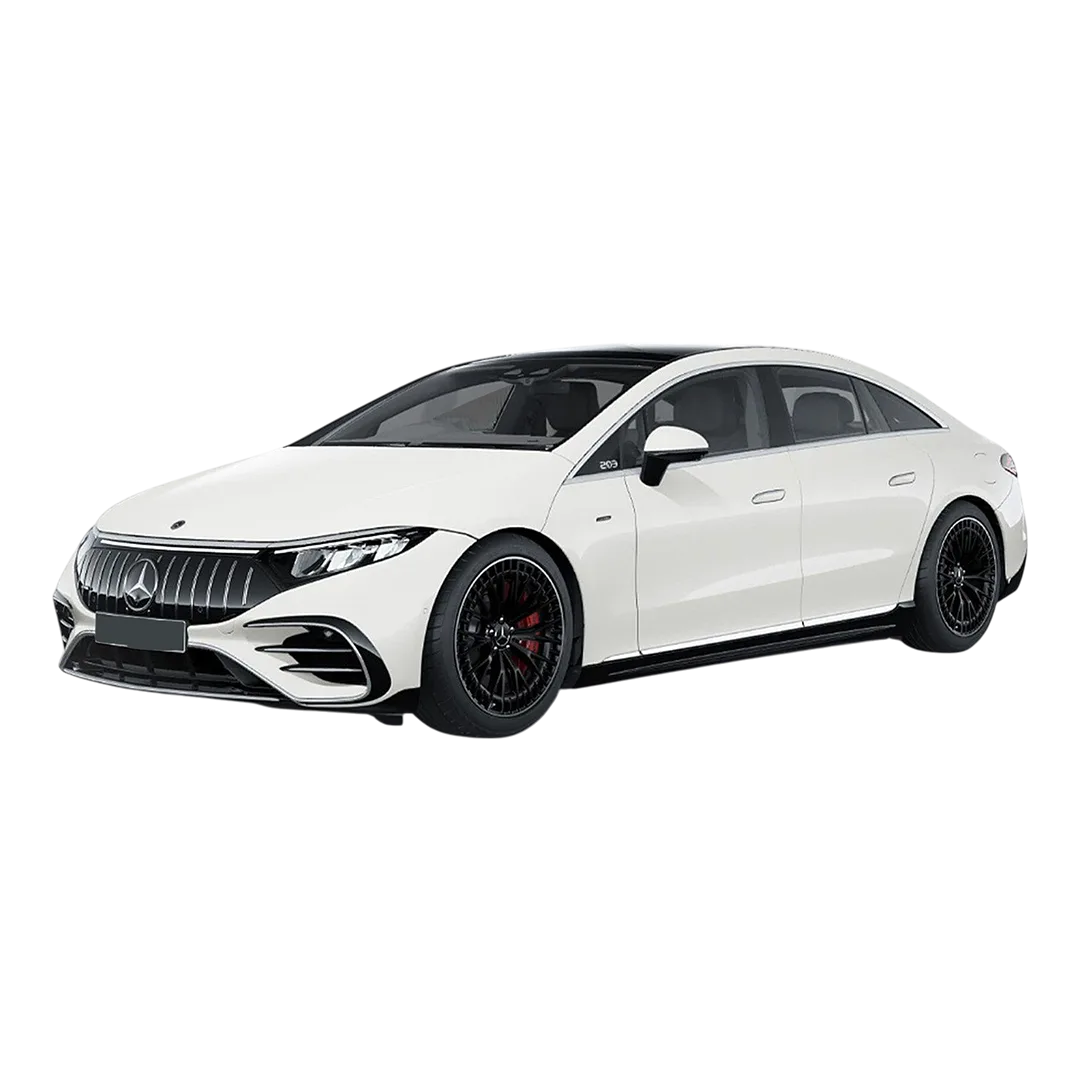 Mercedes-Benz AMG EQS
 Mercedes-Benz AMG E 53 Cabriolet
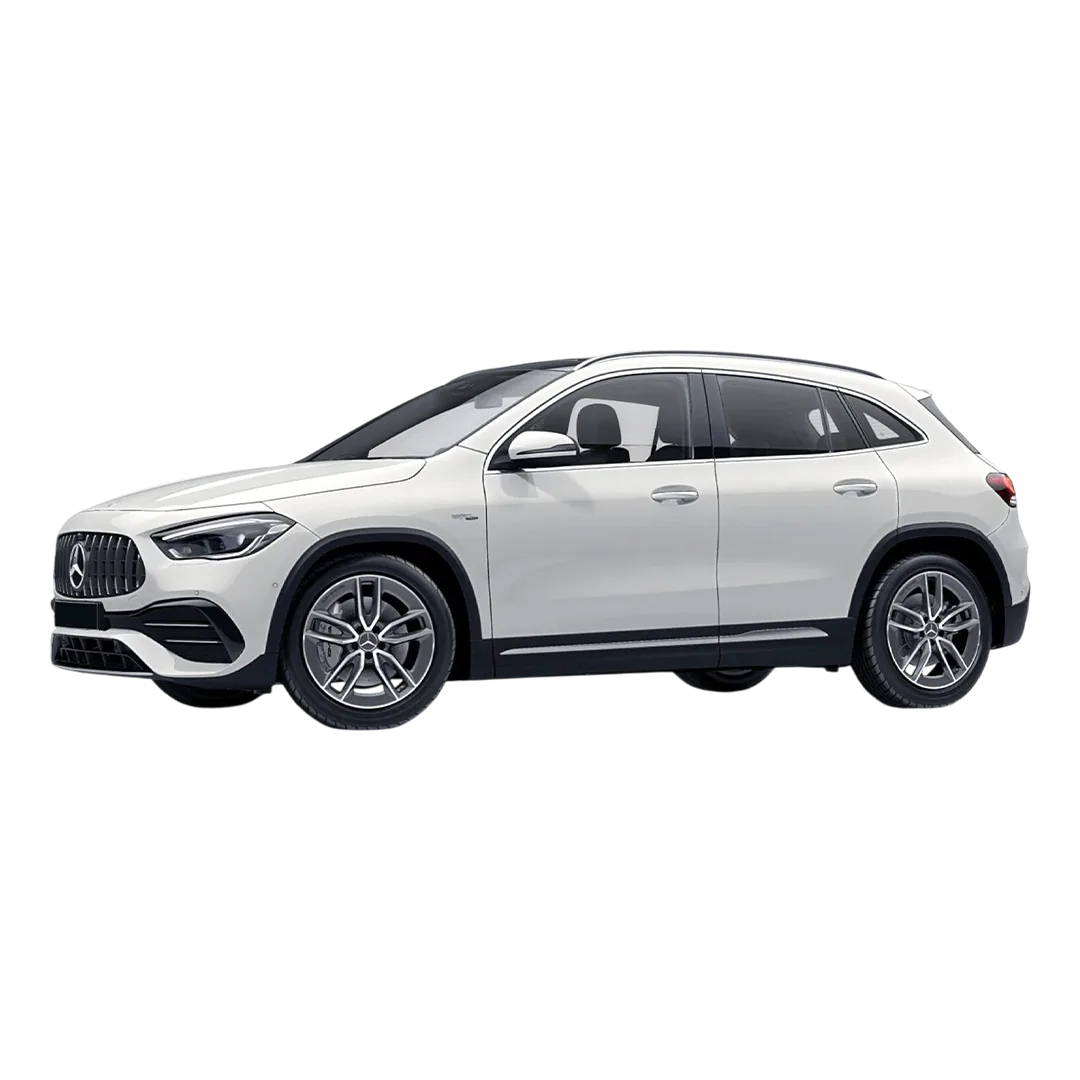 Mercedes-Benz AMG GLA 35
 Mercedes-Benz GLC Coupe 2023
 Mercedes M-Class
R-Class
Mercedes M-Class
R-Class
 GLS 600
GLS 400
GLS 350
GLE 300
GLS 600
GLS 400
GLS 350
GLE 300
 GLE 400
GLE 250D
GLE 400
GLE 250D
 GLC 220D
GLC 300
GLC 220D
GLC 300
 GLC 43 Coupe
 GLA 220d
 GLA-Class 200D
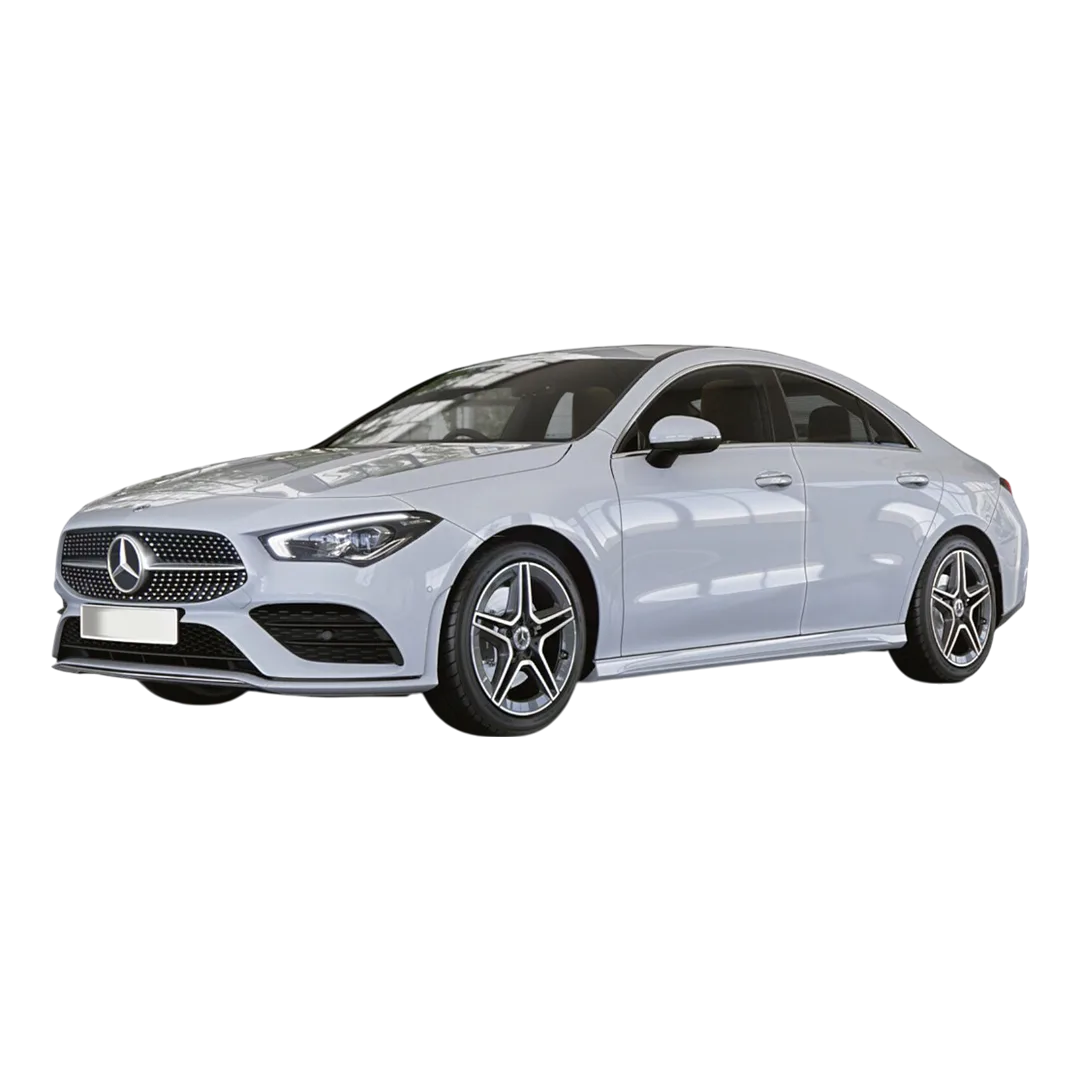 CLA 200
 Benz A-Class A 180
M-Class ML 250
M-Class ML 350
Benz A-Class A 180
M-Class ML 250
M-Class ML 350
 Benz CLS 300
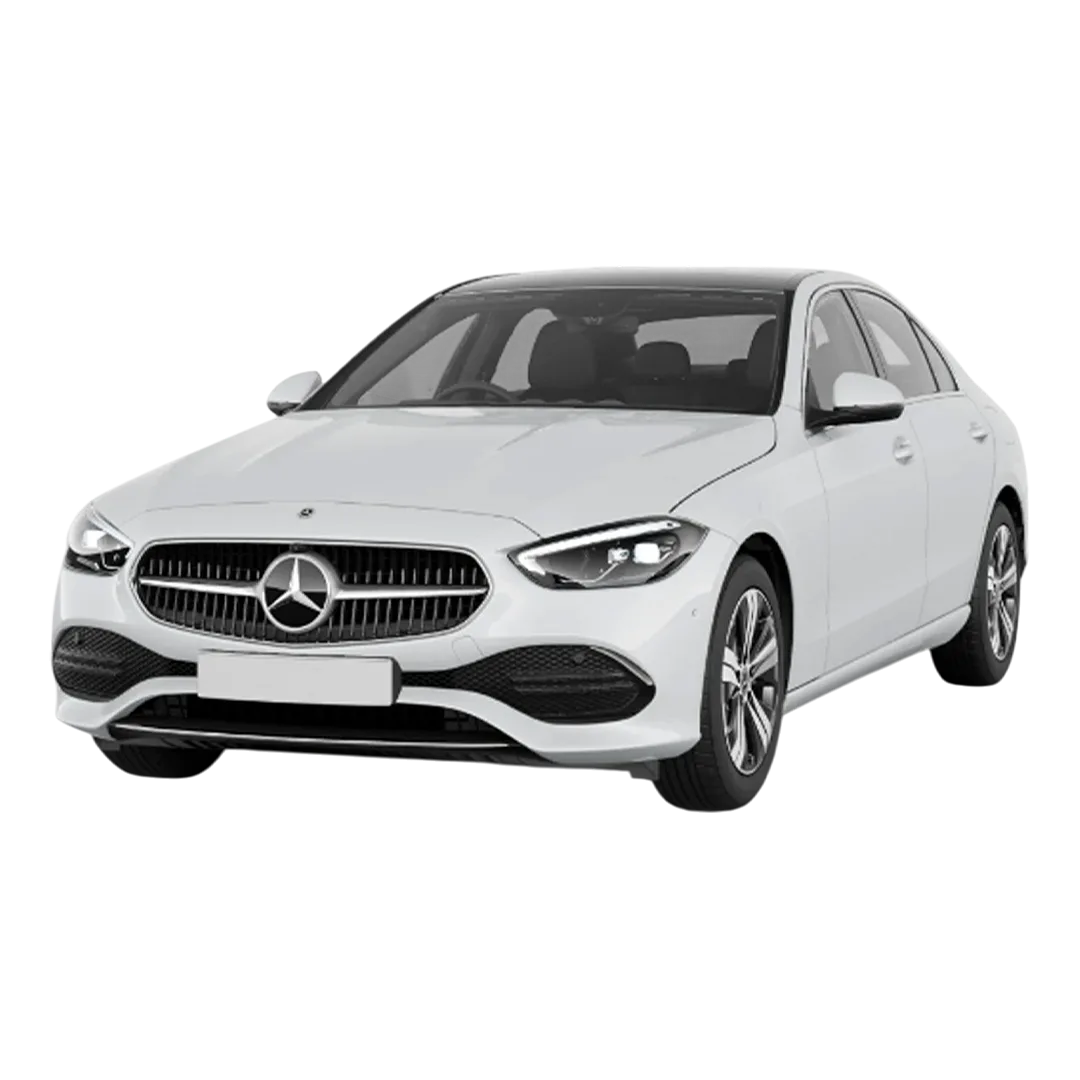 C-Class C250
C-Class C220
C-Class C200
C-Class C250
C-Class C220
C-Class C200
 Benz B - Class
Benz A - 200
Benz B - Class
Benz A - 200

Tata Motors is preparing to introduce a new name in India’s compact sedan space with the Tata Aeris 2026. Scheduled to make its debut on September 25, 2026, the Aeris is essentially the heavily updated successor to the Tata Tigor, bringing a redesigned exterior, a more modern cabin and an expanded technology package.
The upcoming Tata Aeris is expected to retain the familiar sub-four-metre sedan formula while giving it a fresher identity. Early information points towards a sharper front end, slimmer LED lighting, redesigned rear styling and new alloy wheel designs. The cabin is also expected to borrow several elements from Tata’s newer Tiago family, including a larger infotainment screen and a digital driver display.
Powertrain details are also attracting attention. The petrol and CNG versions are expected to continue using the familiar 1.2-litre engine family, while an electric version is also expected as part of the Aeris lineup.
For Indian buyers considering a compact sedan, the Tata Aeris 2026 could therefore be an interesting update to watch, particularly against established rivals such as the Maruti Suzuki Dzire, Hyundai Aura and Honda Amaze.
The Tata Aeris 2026 is scheduled to launch in India on September 25, 2026. Tata Motors has already released teasers and the production-specification cars have started appearing at dealerships ahead of the official launch.
As of September 24, Tata Motors has not officially announced the final price or complete variant-wise pricing. Automotive portals currently estimate the starting price at around ₹6 lakh ex-showroom, although the final figure will only be confirmed by Tata Motors at launch. Different automotive portals have published different estimates, so these figures should be treated as expected pricing rather than confirmed prices.
The price will also depend on the powertrain and equipment level. Petrol variants are likely to form the core of the lineup, while factory-fitted CNG versions could appeal to buyers looking for lower running costs. An Aeris EV is also expected, but its pricing should be considered separately from the petrol and CNG models.
| Tata Aeris 2026 Detail | Current Information |
|---|---|
| Launch date | September 25, 2026 |
| Body style | Sub-four-metre compact sedan |
| Petrol engine | Expected 1.2-litre naturally aspirated petrol |
| CNG | Expected |
| EV | Expected |
| Transmission | 5-speed manual and 5-speed AMT expected for ICE versions |
| Expected starting price | Around ₹6 lakh, subject to official confirmation |
| Key rivals | Maruti Suzuki Dzire, Hyundai Aura, Honda Amaze |
Creckk Tip: If you are planning to buy the Aeris soon after launch, compare the complete on-road price rather than only the ex-showroom figure. Insurance, registration, accessories and optional packages can make a noticeable difference to the final amount.
The Tata Aeris gets a noticeably refreshed exterior compared with the outgoing Tigor. Tata’s teaser and design information point towards a sleeker front fascia with slimmer LED headlamps, a thin DRL arrangement and LED fog lamps. The latter is one of the visible equipment changes compared with the Tigor.
The rear section also receives substantial visual changes. Reports and images indicate redesigned tail-lamps, a reworked bumper and a revised number-plate position. The car continues to retain the familiar notchback-style roofline associated with the Tigor, but the updated bodywork gives the sedan a more contemporary appearance.
New alloy wheel designs are another part of the exterior update. Production cars spotted before launch have also shown a revised wheel design and a new purple exterior colour.
Rather than being a completely unrelated new sedan, the Aeris builds on the Tigor's existing compact-sedan proportions while introducing enough styling changes to give it a distinct identity. This approach allows Tata to retain the practical sub-four-metre format while modernising the overall appearance.
For buyers, the exterior changes are particularly relevant because compact sedans compete heavily on design, road presence and perceived freshness. The Aeris will face established models such as the Dzire, Aura and Amaze, making its styling one of its important selling points.
The interior is expected to be one of the biggest upgrades over the outgoing Tigor. While Tata has not disclosed every cabin detail ahead of the launch, current reports indicate that the Aeris could borrow design and technology elements from the updated Tiago range.
Expected highlights include a larger 10.25-inch touchscreen infotainment system, a digital driver display, wireless Apple CarPlay and Android Auto, wireless charging and automatic climate control. Rear AC vents, connected-car technology and USB Type-C charging are also among the features reported for higher variants.
A 360-degree camera and electronic stability control are also expected to be available, potentially depending on the variant. Six airbags have been reported as part of the expected safety package. However, buyers should check the final variant-wise equipment list after Tata Motors officially announces the car.
The dashboard is expected to feature a more contemporary layout with a freestanding infotainment display and a digital instrument cluster. The newer two-spoke Tata steering wheel design may also feature in the Aeris.
For everyday Indian driving, features such as rear AC vents, automatic climate control, a reverse or 360-degree camera and wireless smartphone connectivity can make the car more convenient. However, feature availability can vary between variants, so buyers should compare the equipment list carefully rather than choosing a variant based only on the headline features.
The petrol Tata Aeris is expected to carry forward the familiar 1.2-litre naturally aspirated three-cylinder petrol engine used by the Tigor. The current Tigor's petrol engine produces 86hp and 113Nm, while its CNG configuration produces lower output. The Aeris is expected to continue with broadly similar powertrain options, although final specifications should be confirmed at launch.
For the ICE versions, a 5-speed manual and 5-speed AMT are expected. This gives buyers the choice between a more conventional manual driving experience and the convenience of an automated manual transmission for city traffic.
A factory-fitted CNG version is also expected. For buyers who regularly drive long distances or use their car extensively in urban traffic, CNG can be an important consideration because fuel choice affects running costs. However, buyers should also consider boot-space requirements, refuelling availability and their typical daily driving distance before choosing CNG.
The Aeris EV is expected to be part of Tata's electric lineup as well. Reports suggest it could use battery technology related to Tata's existing small EVs, but final battery capacity, range and performance figures should be confirmed by Tata Motors rather than treated as final specifications.
Expert Tip: Don't judge a car's mileage only from its claimed figure. Your actual fuel economy will depend on traffic, driving style, tyre pressure, air-conditioning use and road conditions. A test drive in your normal driving environment can provide more useful information.
The exact Tata Aeris 2026 variant lineup and variant-wise specifications are expected to be officially confirmed at launch. At present, the available information suggests that the range will include petrol and CNG versions, while an electric version is also expected.
For the petrol and CNG models, the expected mechanical package is based on the Tigor's existing setup. The 1.2-litre naturally aspirated petrol engine is expected to continue, with manual and AMT transmissions likely to be offered.
The Aeris is likely to be offered in multiple equipment levels so that buyers can choose between a lower entry price and additional comfort, technology and safety features. Higher variants are expected to get features such as the larger infotainment display, wireless connectivity, automatic climate control, wireless charging and advanced parking-camera equipment.
Because the Aeris is positioned in the highly competitive compact-sedan segment, variant selection will matter. Buyers who mainly need an affordable city car may not need every premium feature, while those planning to keep the car for several years may prefer a higher variant with additional convenience and safety equipment.
Until Tata Motors publishes the official variant list, specifications shown online should be treated as expected rather than confirmed. This is particularly important for buyers comparing the Aeris with the Maruti Suzuki Dzire, Hyundai Aura or Honda Amaze.
The biggest change is the name itself. The Tata Aeris is being introduced as the successor to the Tigor, but it is more than a simple name change. Tata is giving the compact sedan a substantial exterior and interior update while retaining the basic Tigor-based formula.
On the outside, the Aeris gets a redesigned front end with slimmer LED lighting, integrated DRLs and LED fog lamps. The rear also receives revised lighting and bumper treatment, while new wheel designs and exterior colours further differentiate it from the outgoing Tigor.
Inside, the Aeris is expected to receive a significantly more modern cabin. The larger touchscreen, digital driver display, wireless smartphone connectivity, wireless charging and other technology upgrades should make it feel considerably newer than the outgoing Tigor.
Mechanically, however, the Aeris is not expected to represent a complete departure. The petrol and CNG versions are expected to continue with the familiar 1.2-litre engine family and manual/AMT transmission options.
In simple terms, the Aeris can be viewed as a majorly refreshed Tigor with a new identity, updated styling and a more modern feature package. The final comparison will become clearer once Tata confirms all specifications, variants and prices at launch.
The Tata Aeris is scheduled to launch in India on September 25, 2026. Tata Motors has already released teasers ahead of the launch.
Current estimates place the starting price at around ₹6 lakh ex-showroom, but Tata Motors has not confirmed the final pricing before launch. Different automotive portals currently carry different estimates.
Yes, a factory-fitted CNG version is expected as part of the Aeris lineup. Final variant availability and specifications should be confirmed at launch.
An electric version of the Aeris is expected. Current reports indicate that Tata Motors plans to offer the sedan in both ICE and EV forms, although final battery, range and pricing details should be confirmed officially.
The petrol version is expected to use a 1.2-litre naturally aspirated three-cylinder engine, with the existing Tigor's petrol and CNG powertrain setup expected to carry over broadly.
The Tata Aeris will compete in India's compact-sedan segment against cars such as the Maruti Suzuki Dzire, Hyundai Aura and Honda Amaze.
Yes. The Aeris is essentially being introduced as a rebranded and substantially updated successor to the Tigor, with significant styling and feature changes.
The Tata Aeris 2026 represents a major update to Tata Motors' compact-sedan offering. With a new identity, sharper exterior styling, a more modern cabin and expected petrol, CNG and electric powertrain choices, it brings several changes to the Tigor formula.
For Indian buyers, the key factors to watch after launch will be the official price, variant-wise features, real-world mileage, CNG practicality, EV range and ownership costs. The Aeris will enter a segment where buyers increasingly expect technology, safety and everyday practicality without moving into a much higher price bracket.
Once the official specifications are announced, buyers should compare variants rather than simply comparing starting prices. And after choosing the right variant, practical additions such as floor mats, seat protection, sunshades, car-care products and other accessories can help keep the new sedan cleaner and better protected.
For Tata Aeris owners looking to personalise or protect their new car, Creckk can be a useful destination to explore car accessories suited to their vehicle.