Your cart is empty
Start Shopping Exterior
›
Exterior
›
 Bumper Diffuser/Guard
 Body Covers
 Window Garnishing
 Door Guards
 Roof Rails
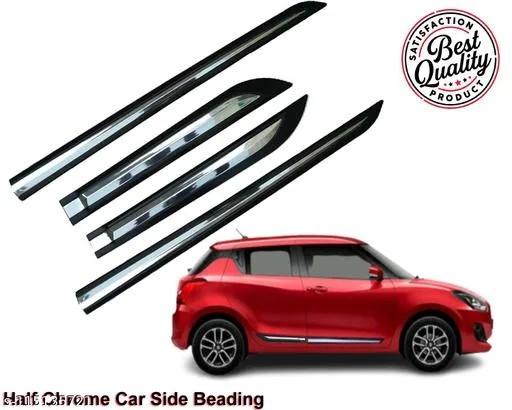 Side Beading
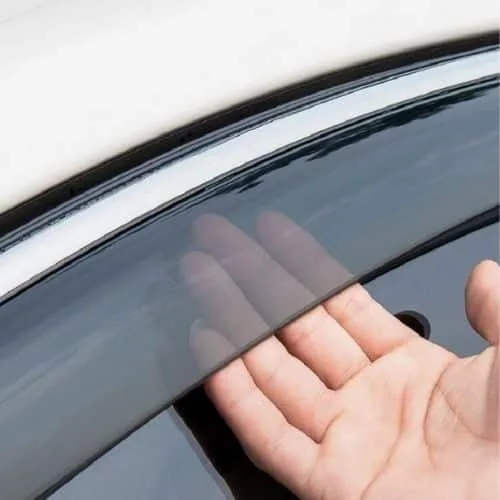 Door Visor
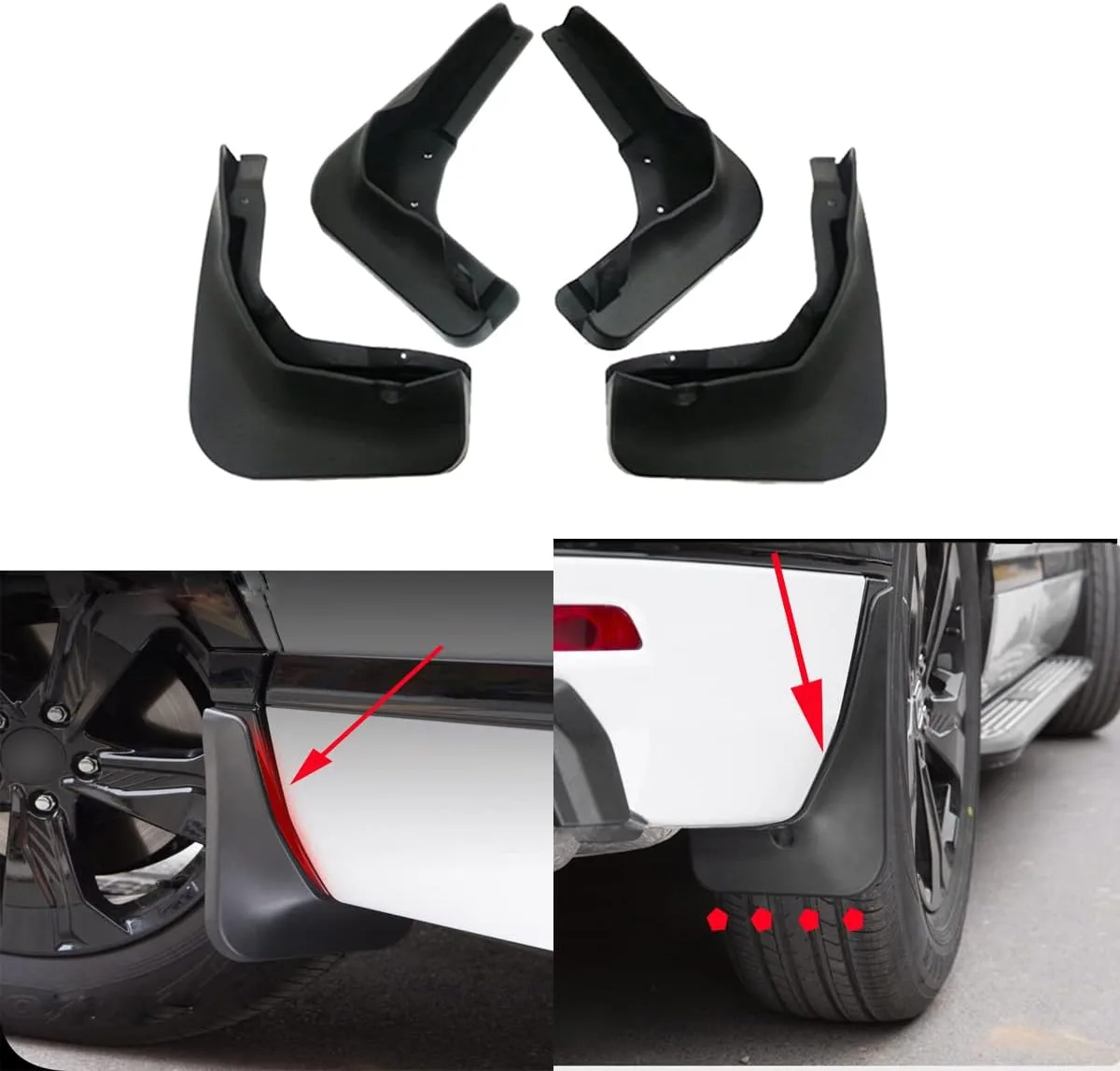 Mud Flap
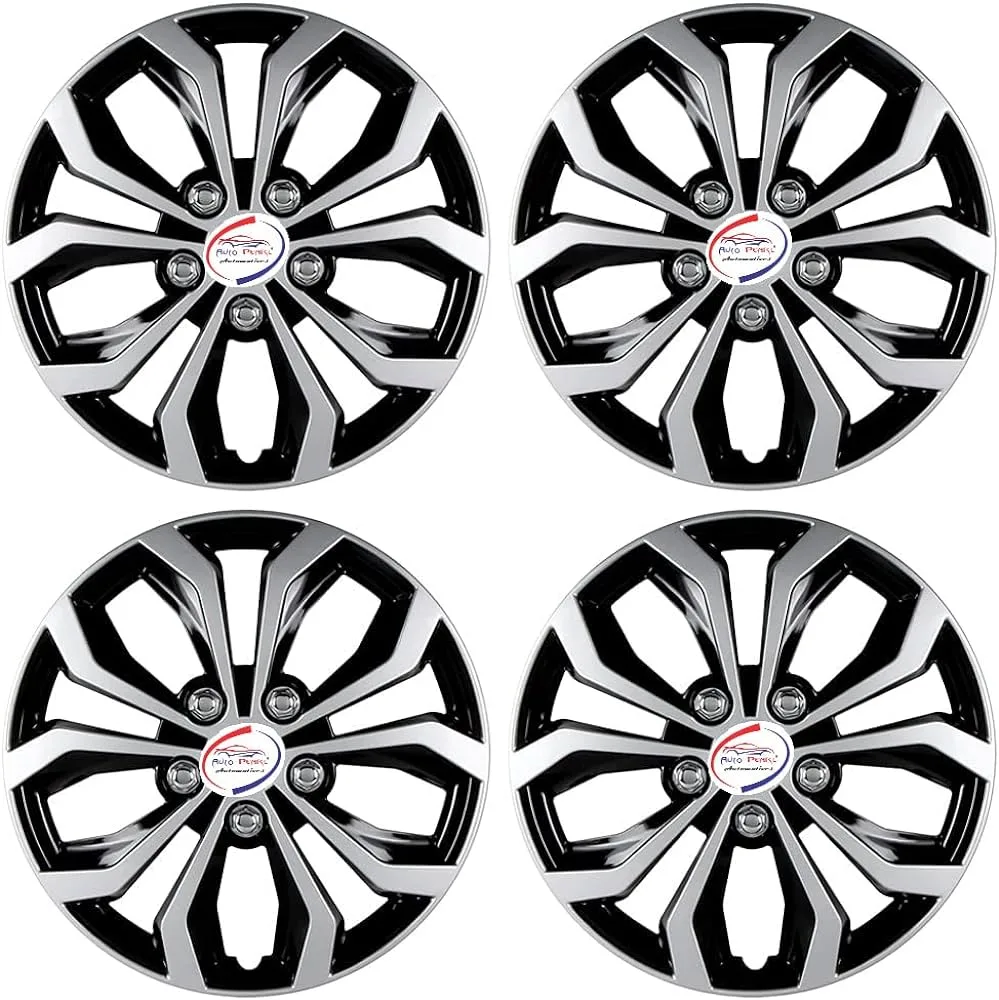 Wheel Cover
 Foot Rest
 Interior
›
Interior
›
 Door Scuff Sill Plates
 Window Sunshades & Film
 Armrest
 Seat Covers
 Steering Cover
 Floor Mats
 Dashboard Showpiece
 Seat & Neck Cushion
 Lighting
›
Lighting
›
 Utility
›
Utility
›
 All Chrome Items
 Mobile Holder
 Tyre Inflators
 Vacuum Cleaner
 Jumper Cable
 Cleaning Kit
 Tyre Puncture Kit
 Tyre Valve Cap
 Car Fan
 Parcel Tray
 Electronic
›
Electronic
›
 Parts
›
Parts
›
 Fog Lights
 Headlights
 Tail Lights
 Steering Wheel Controls
 Sensor
 Horns
Horns
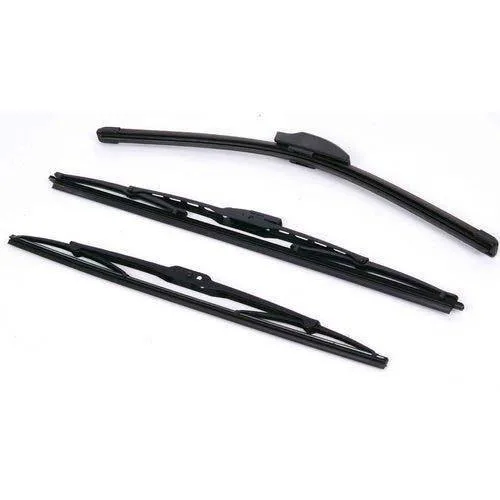 Wiper Blade
 Front Grille
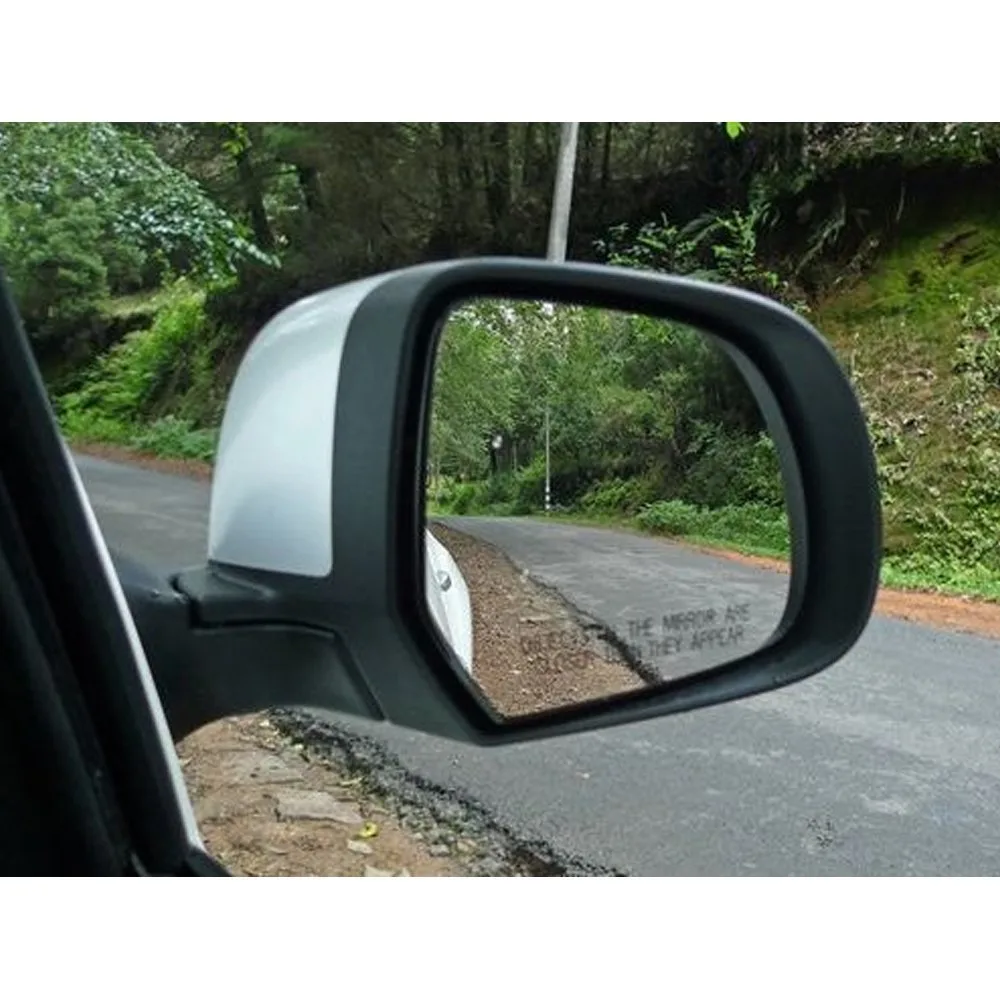 Side Mirror
 Battery
 Car Care
›
Car Care
›
 Air Freshener & Perfume
 Gear knob
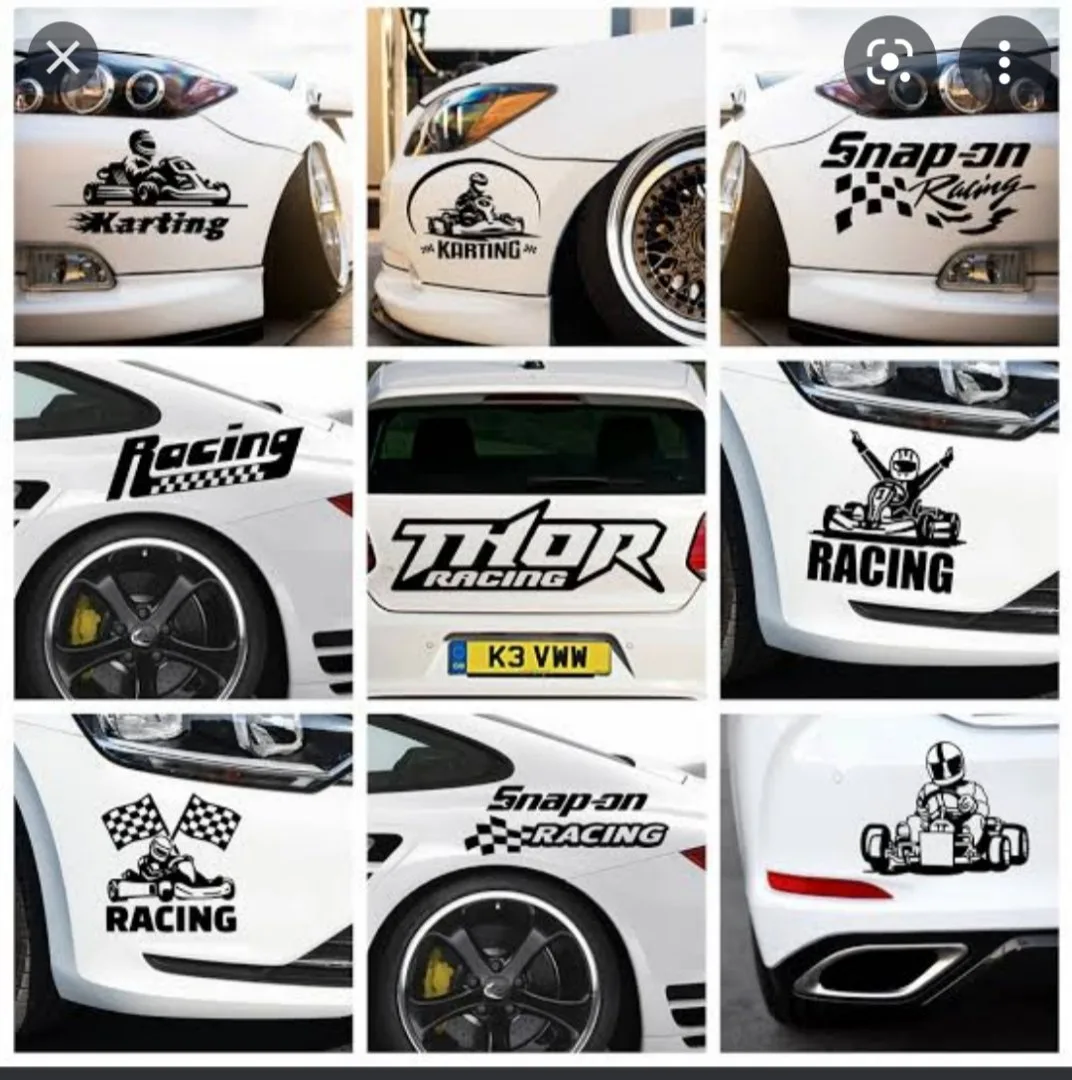 Stickers & Decals
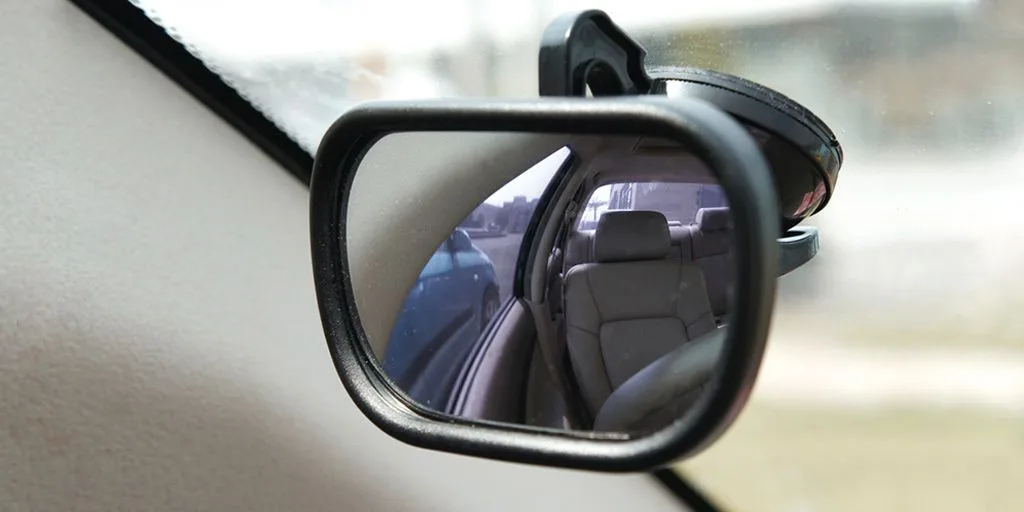 Blind Spot Mirror
 Steering Knob
 Key Covers
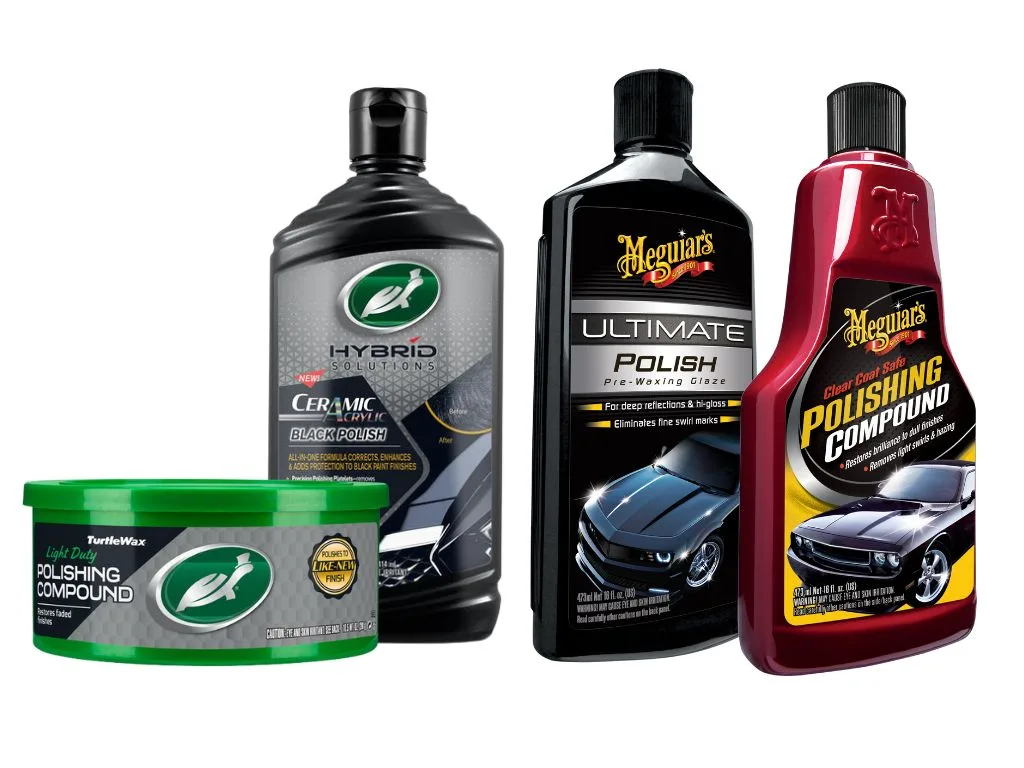 Polish & Scratch Remover
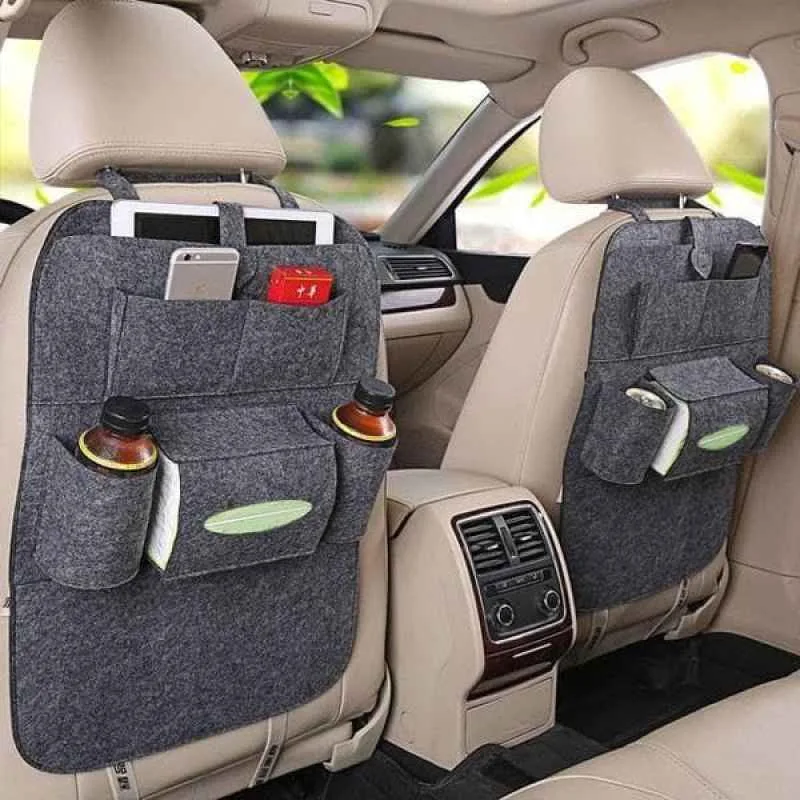 Seat Utility Holder
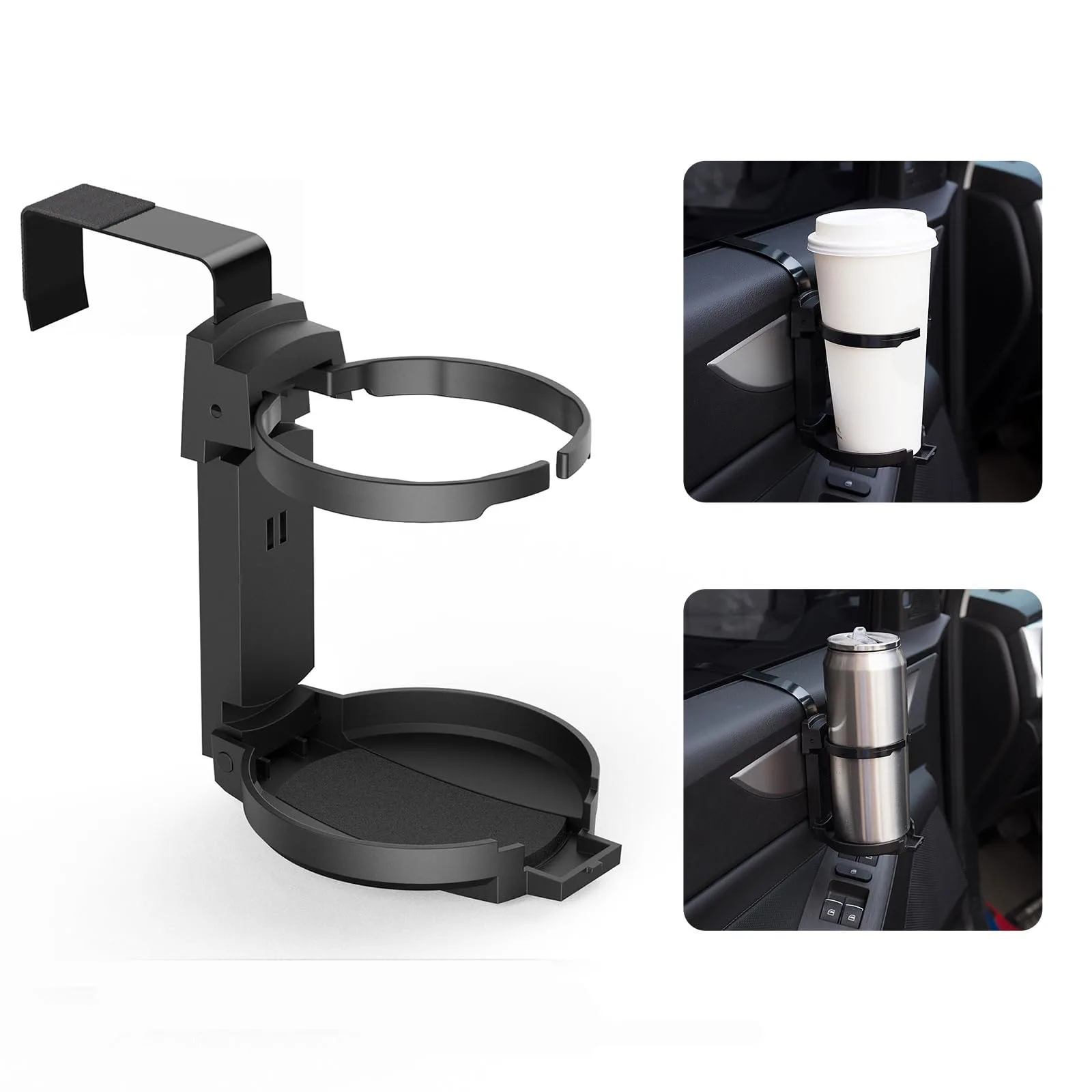 Cup Holder
 Dustbin
 Paper Napkin
 Shop By Car
›
Shop By Car
›
 Tata
›
Tata
›
 Maruti Suzuki
›
Maruti Suzuki
›
 Hyundai
›
Hyundai
›
 Toyota
›
Toyota
›
 Mahindra
›
Mahindra
›
 Honda
›
Honda
›
 Ford
›
Ford
›
 Nissan
›
Nissan
›
 Renault
›
Renault
›
 Skoda
›
Skoda
›
 Volkswagen
›
Volkswagen
›
 Morris Garages - MG
›
Morris Garages - MG
›
 KIA
›
KIA
›
 Jeep
›
Jeep
›
 Citroen
›
Citroen
›
 Datsun
›
Datsun
›
 Chevrolet
›
Chevrolet
›
 Isuzu
›
Isuzu
›
 Mitsubishi
›
Mitsubishi
›
 AUDI
›
AUDI
›
 BMW
›
BMW
›
 Mercedes
›
Mercedes
›
 Land Rover
›
Land Rover
›
 Jaguar
›
Jaguar
›
 Volvo
›
Volvo
›
 FIAT
›
FIAT
›
 Mini Cooper
›
Mini Cooper
›
 Porsche
›
Porsche
›
 Lexus
›
Citron
›
Fors
›
Morris Garages
›
MG
›
Lexus
›
Citron
›
Fors
›
Morris Garages
›
MG
›
 Nexon
Nexon
 Harrier
 Altroz
 Hexa
Hexa
 Safari
 Tiago
Tiago
 Punch
Punch
 Tigor
Tigor
 Sumo
Sumo
 Winger
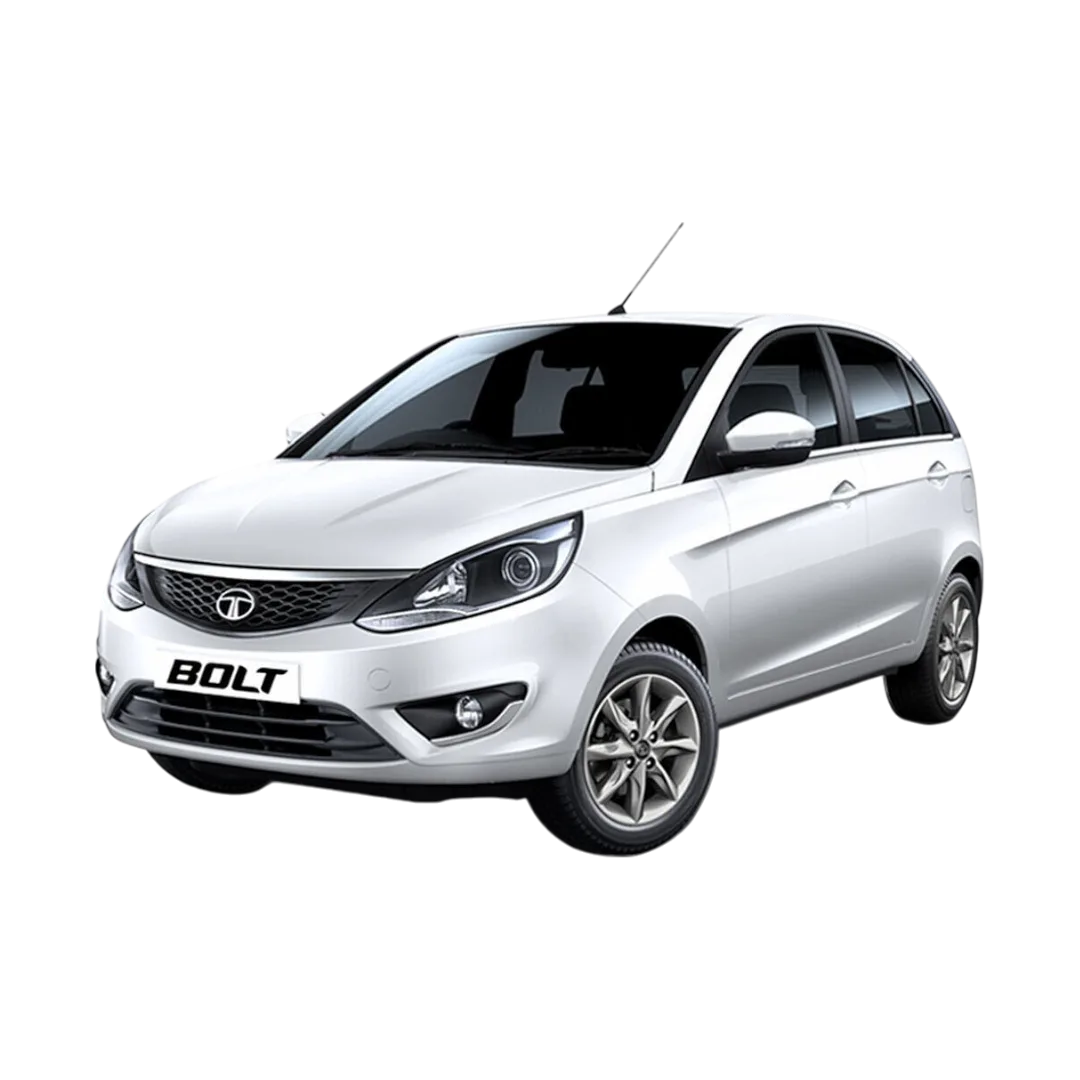 Bolt
Bolt
 Vista
Vista
 Manza
Manza
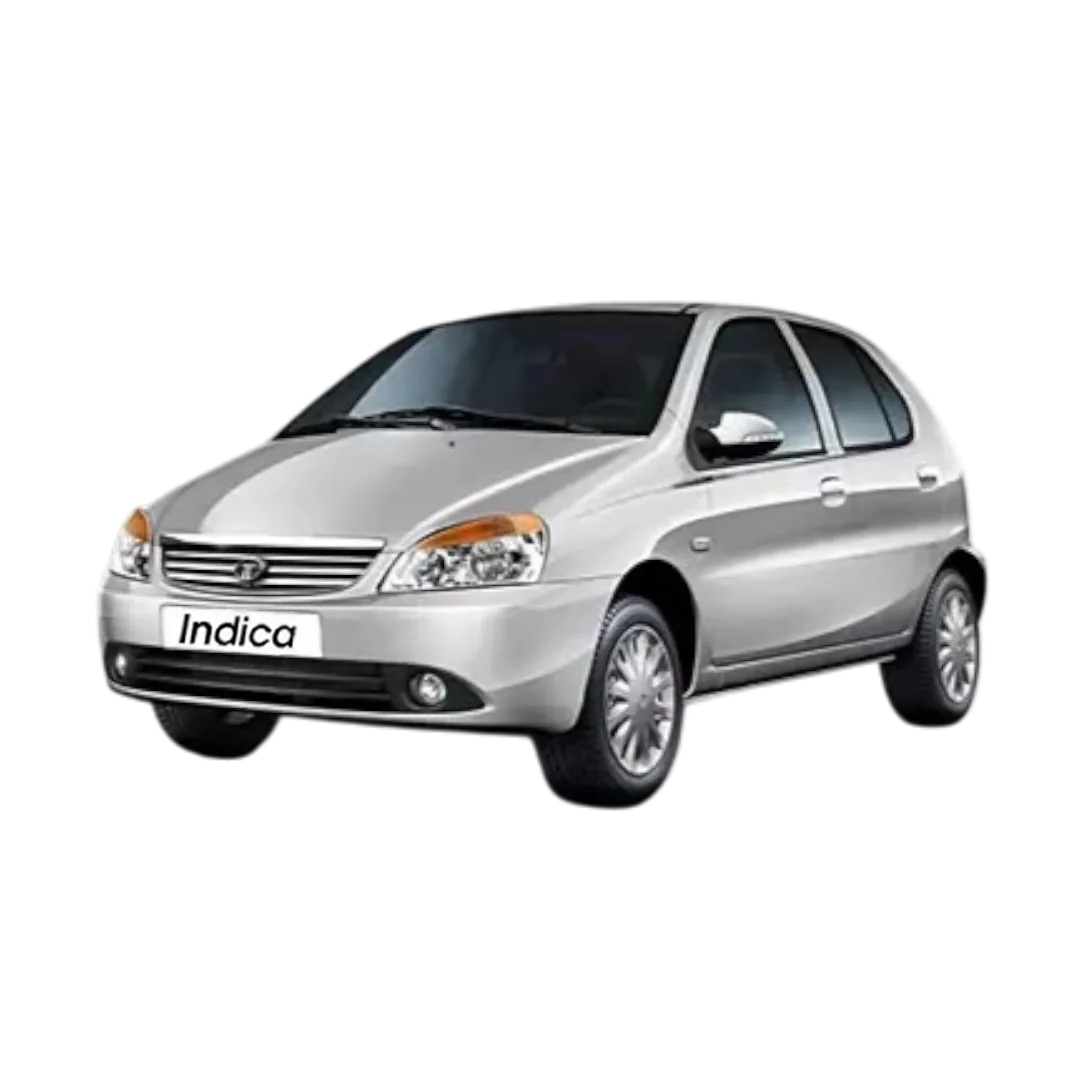 Indica
 Indigo
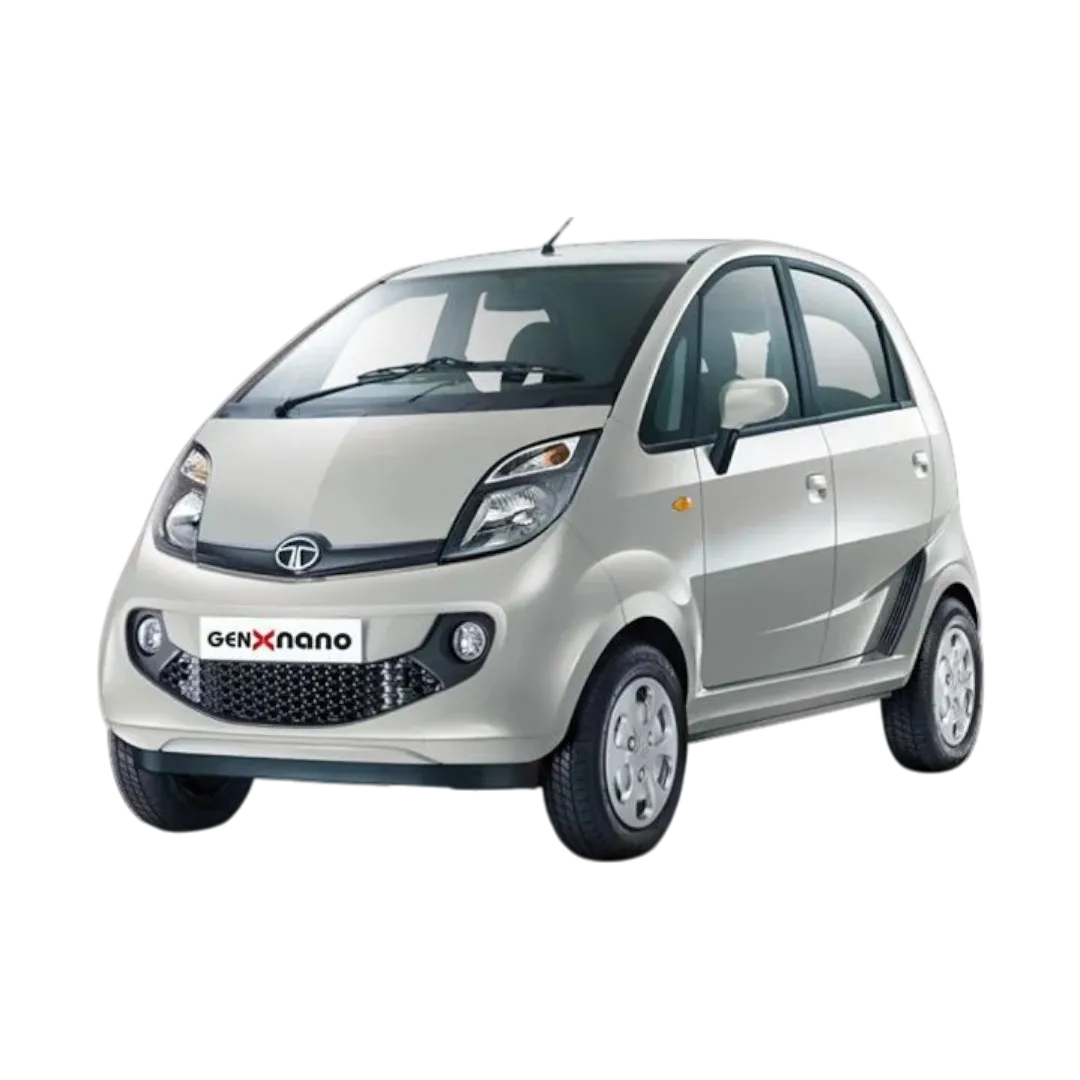 Nano
Nano
 Aria
Aria
 Safari Storme
 Zest
Zest
 NEXON EV Max
 NEXON EV Prime
 Tiago NRG
 Tigor EV
INDICA VISTA
Curvv
Sierra
Magic
Tigor EV
INDICA VISTA
Curvv
Sierra
Magic
 Ciaz
Ciaz
 S-Presso
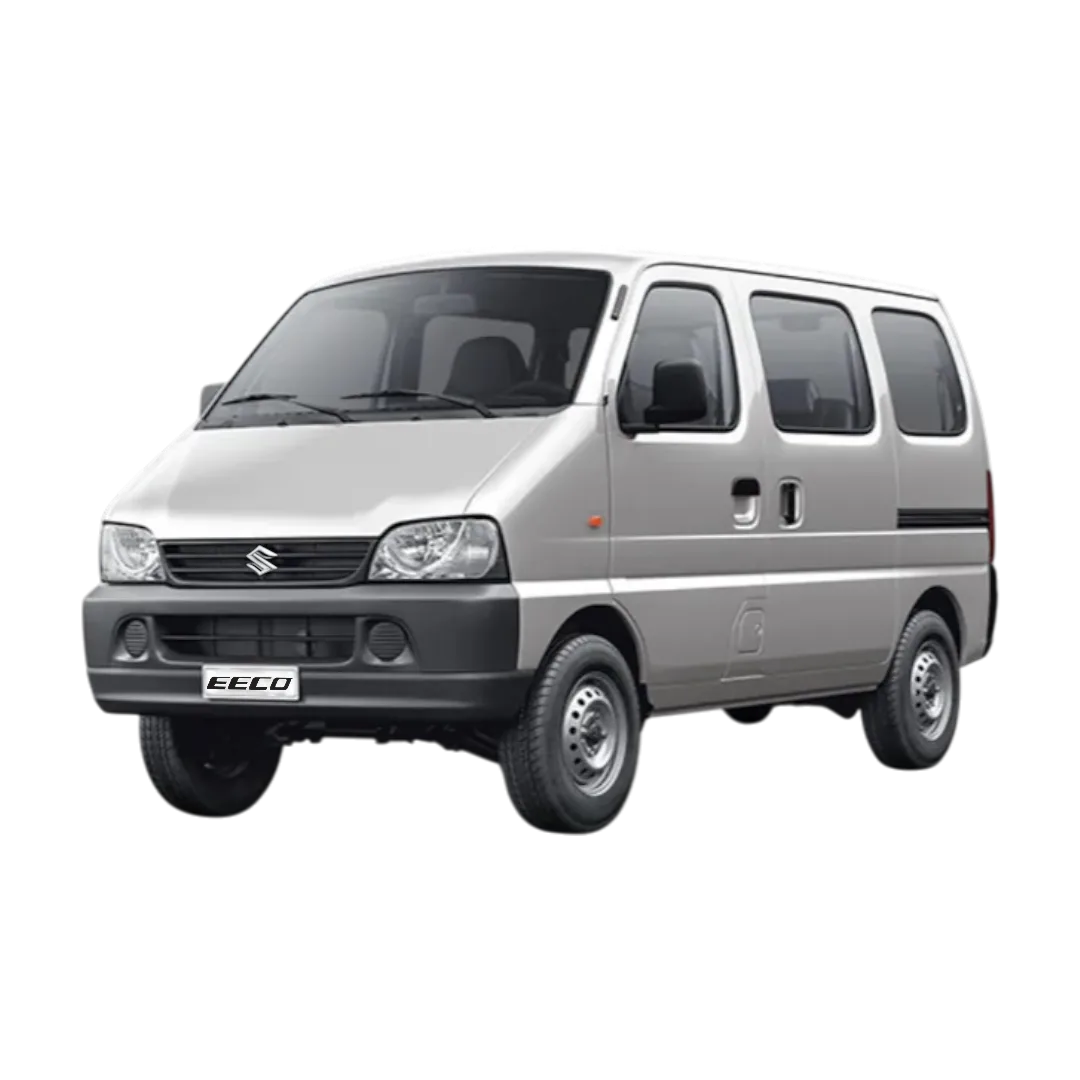 Eeco/Versa
 WagonR
 Brezza
 Swift
Swift
 Dzire
Dzire
 Baleno
 Ertiga
 Grand Vitara
 S-Cross
 Jimny
Jimny
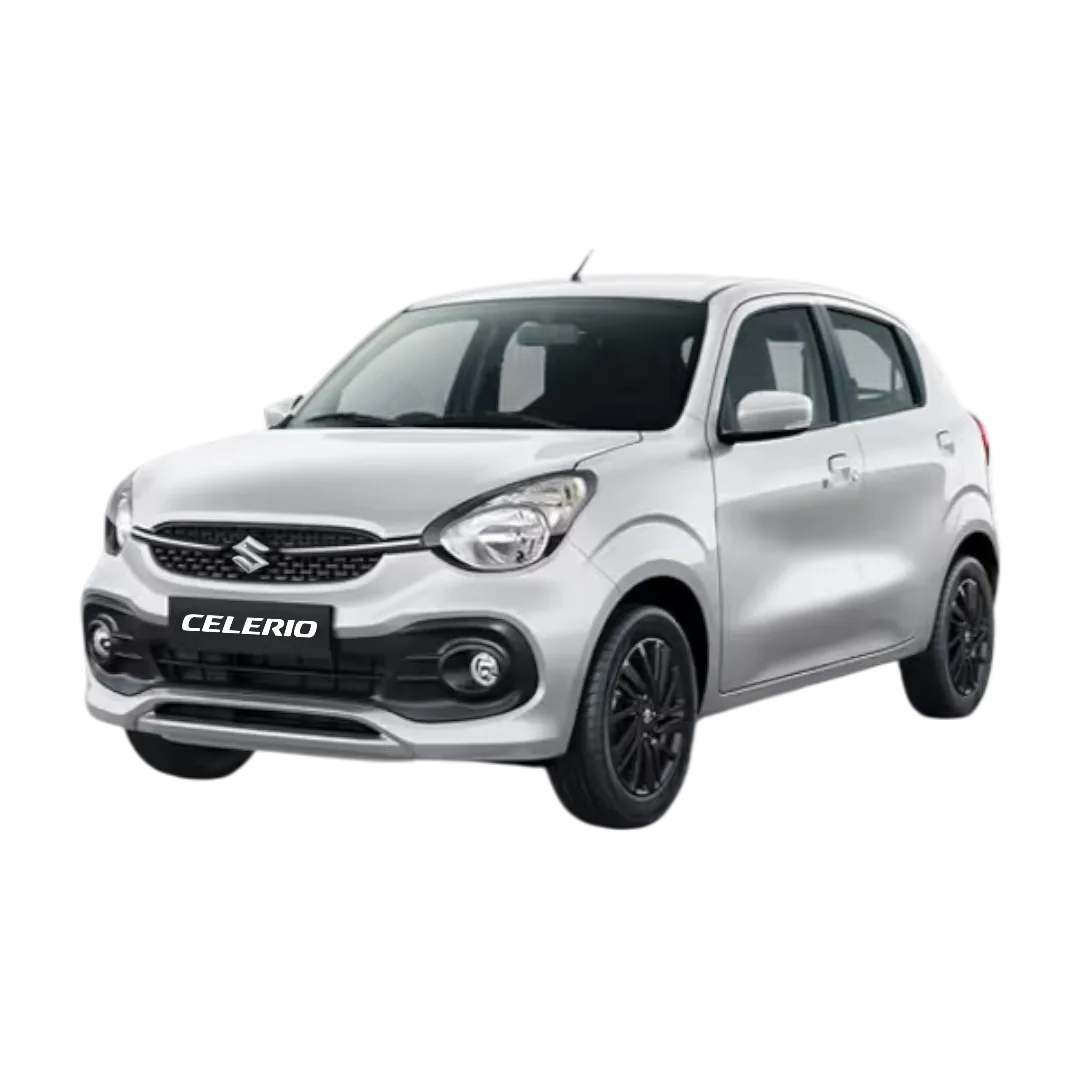 Celerio
 Ignis
Ignis
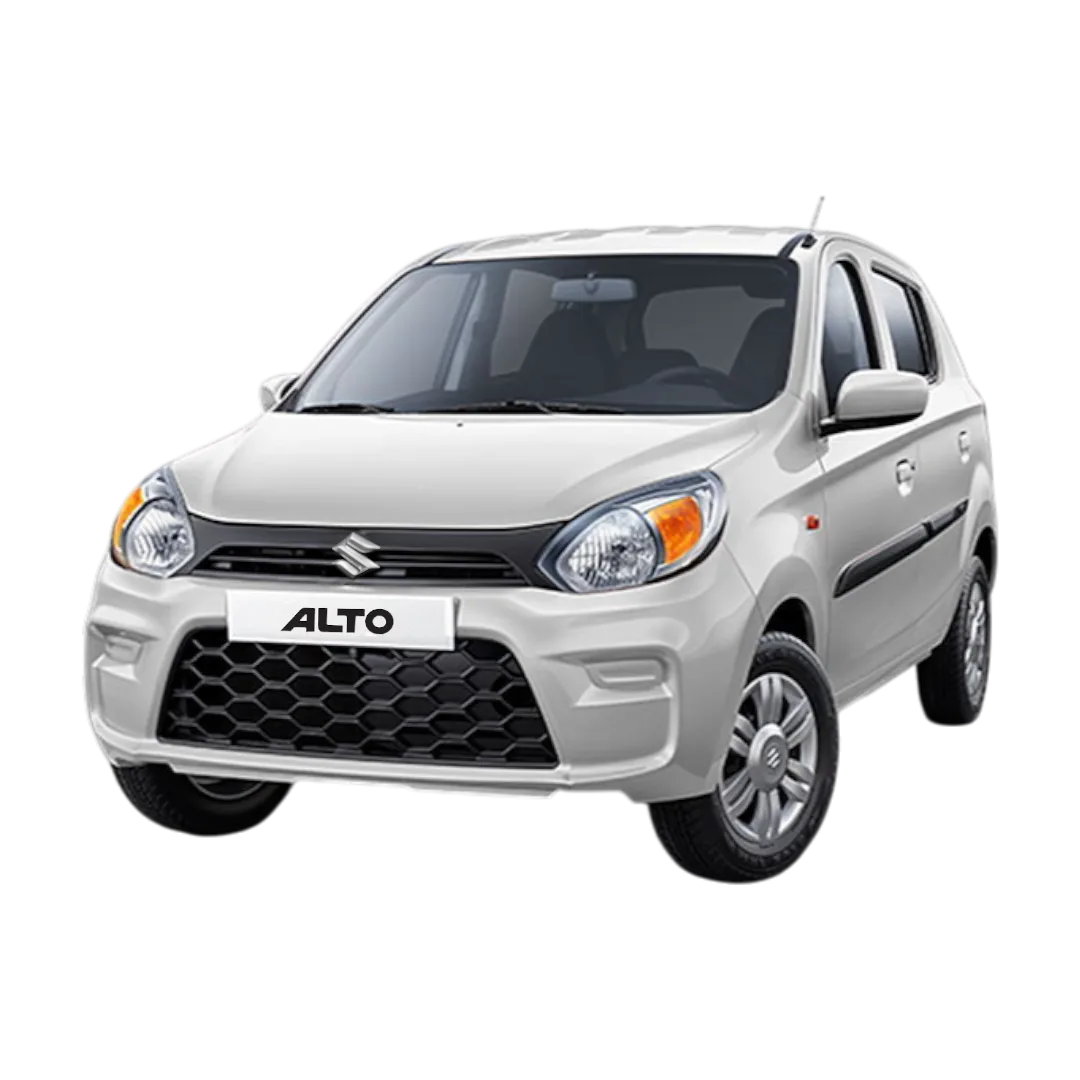 Alto 800
 Alto K10
 XL6
XL6
 Omni
Omni
 SX4
SX4
 Gypsy
Gypsy
 Maruti 800
 Zen
Zen
 Esteem
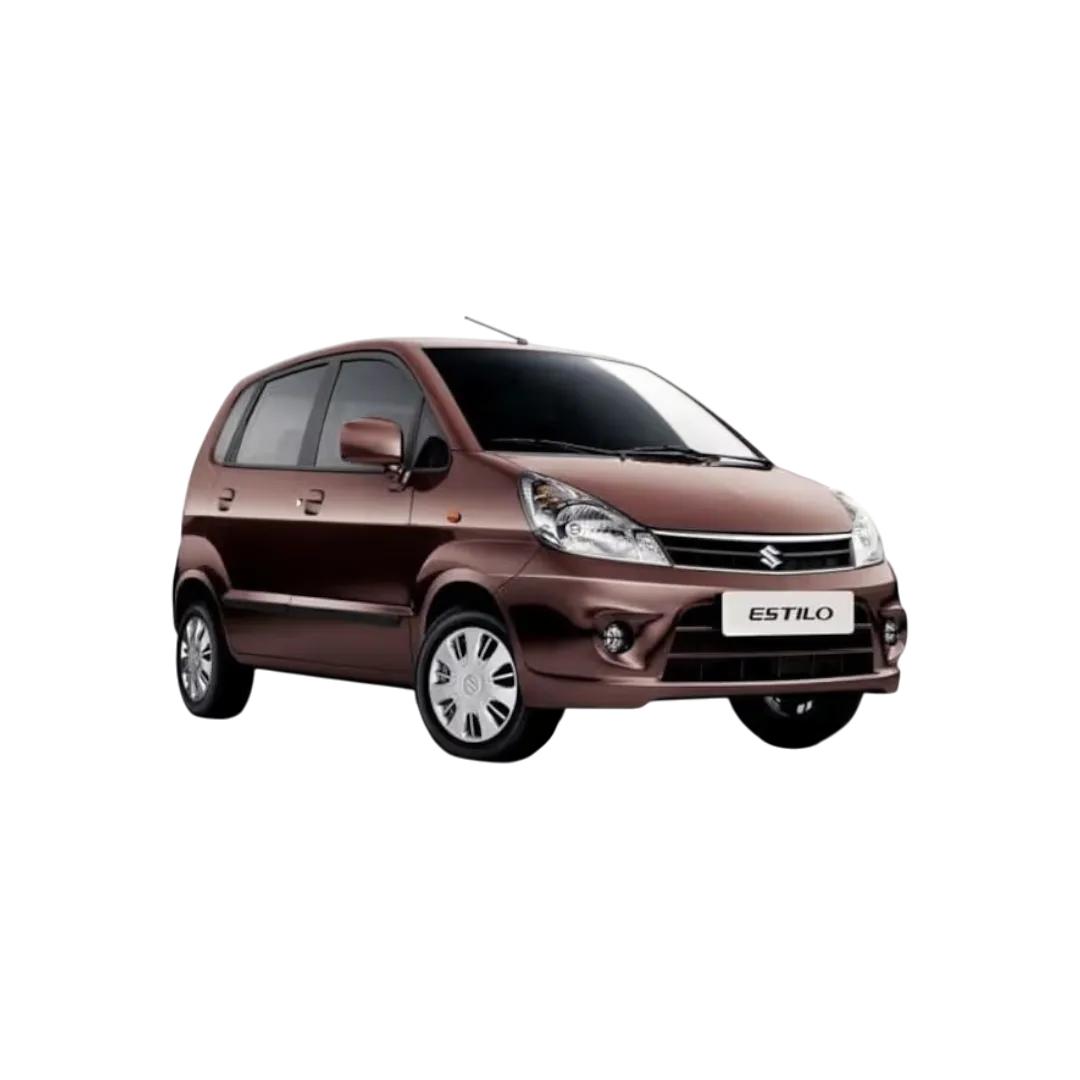 Zen Estilo
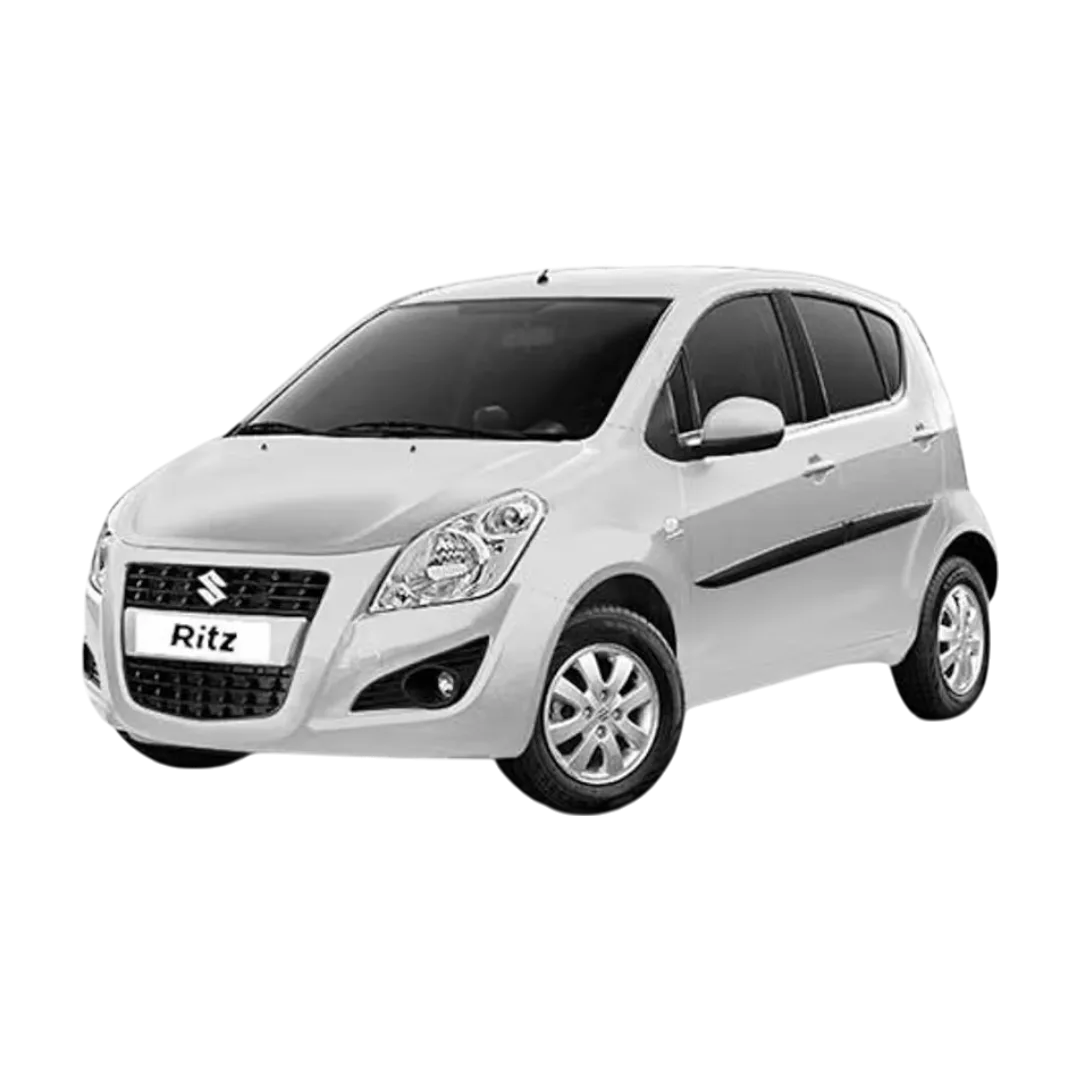 Ritz
Ritz
 Fronx
Fronx
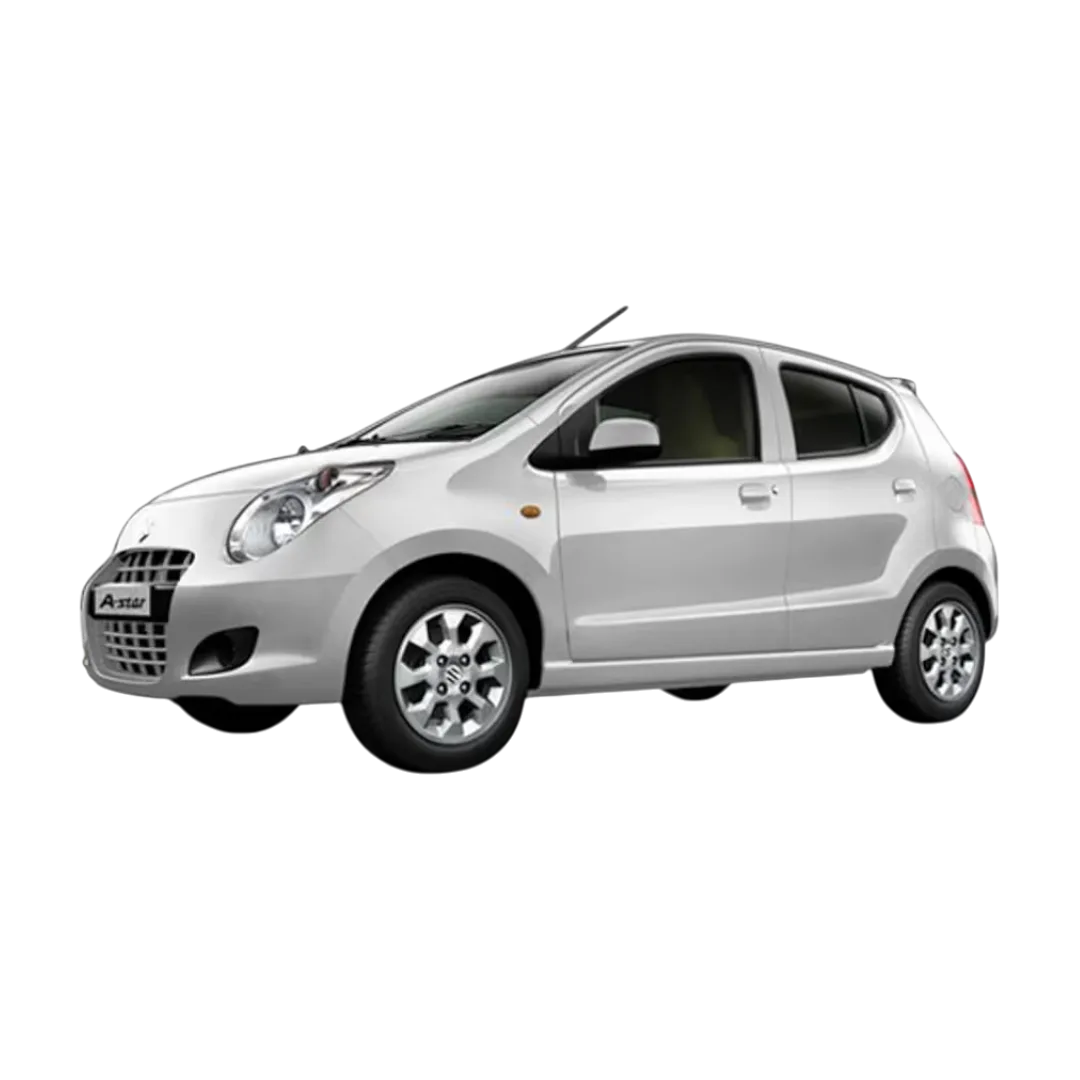 A-Star
 Alto
Alto
 Invicto
Victoris
Wagon R
Invicto
Victoris
Wagon R
 i20
i20
 Aura
Aura
 Creta
Creta
 Elantra
 Getz
Getz
 Grand i10 Nios
 Venue
Venue
 Verna
Verna
 i20 N Line
 Venue N Line
 Alcazar
 Tucson
 Kona
Kona
 iONIQ 5
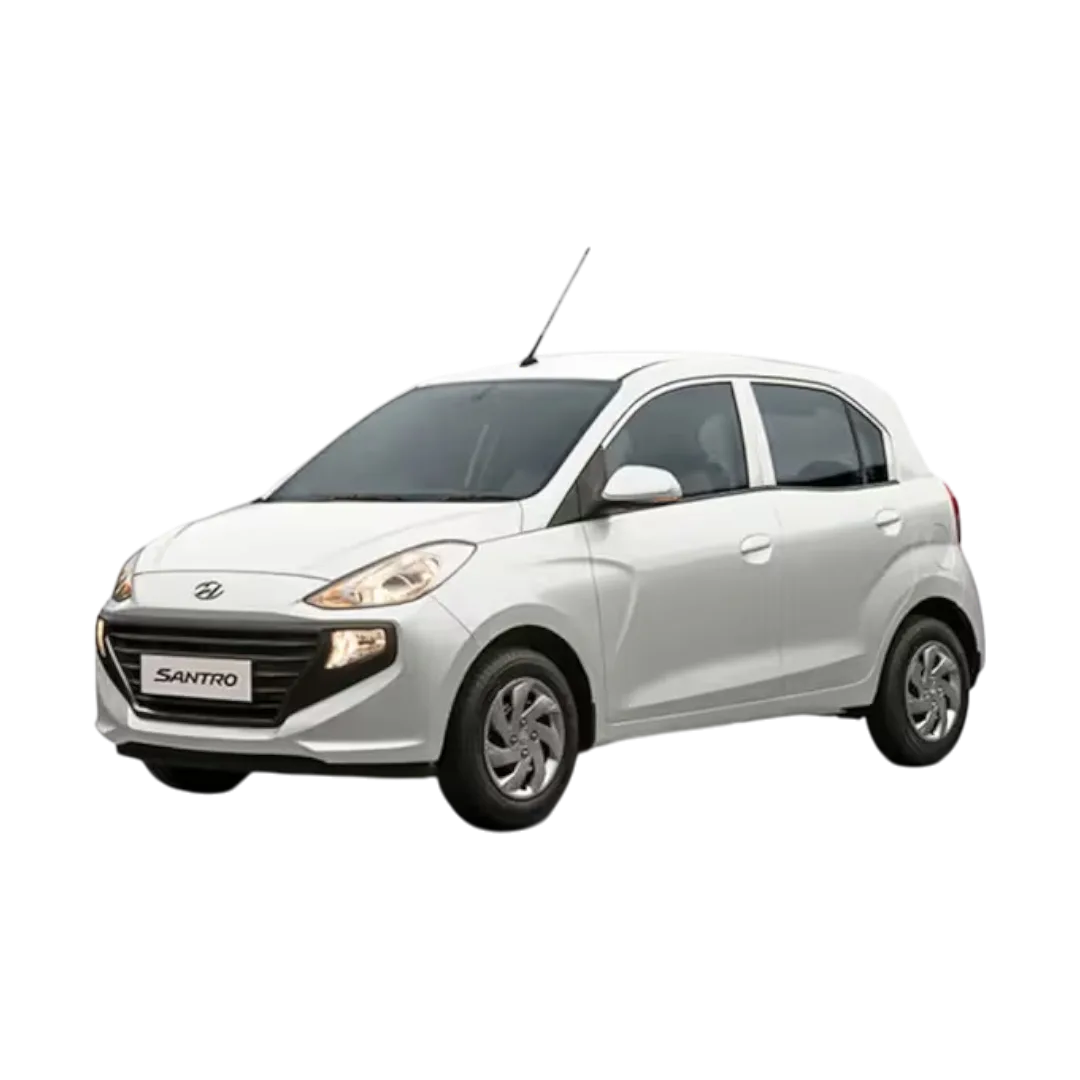 Santro
 Santro Xing
 Accent
 Sonata
 Eon
Eon
 i10
i10
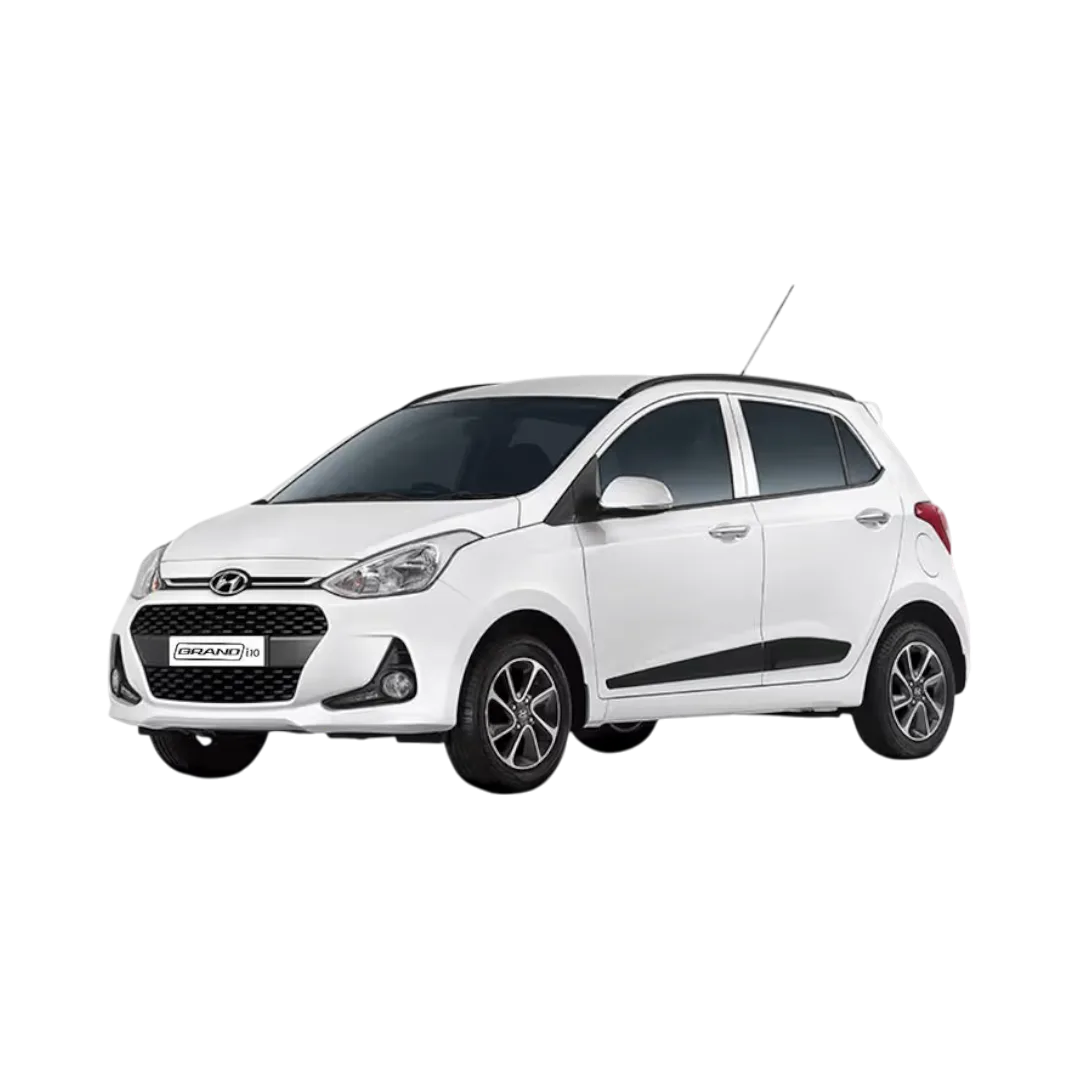 Grand i10
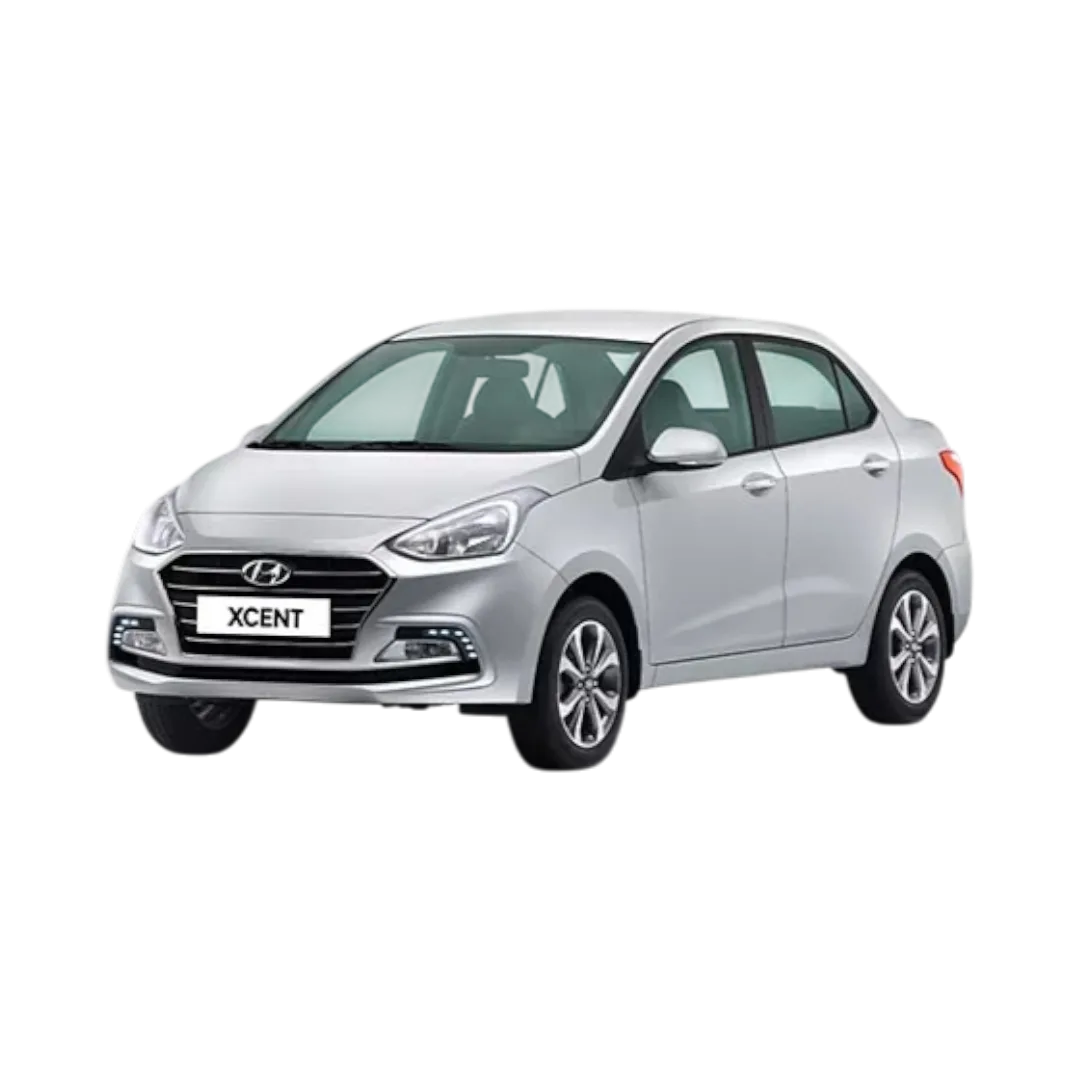 Xcent
Xcent
 Elite i20
 Verna Fluidic
 Santafe
 Exter
Sonata Fluidic
i20 Active
Exter
Sonata Fluidic
i20 Active
 Yaris
Yaris
 Urban Cruiser
 Camry
Camry
 Corolla
 Fortuner
 Urban Cruiser Hyryder
 Innova Crysta
 Innova Hycross
 Hilux
Hilux
 Fortuner Legender
 Vellfire
 Land Cruiser
 Glanza
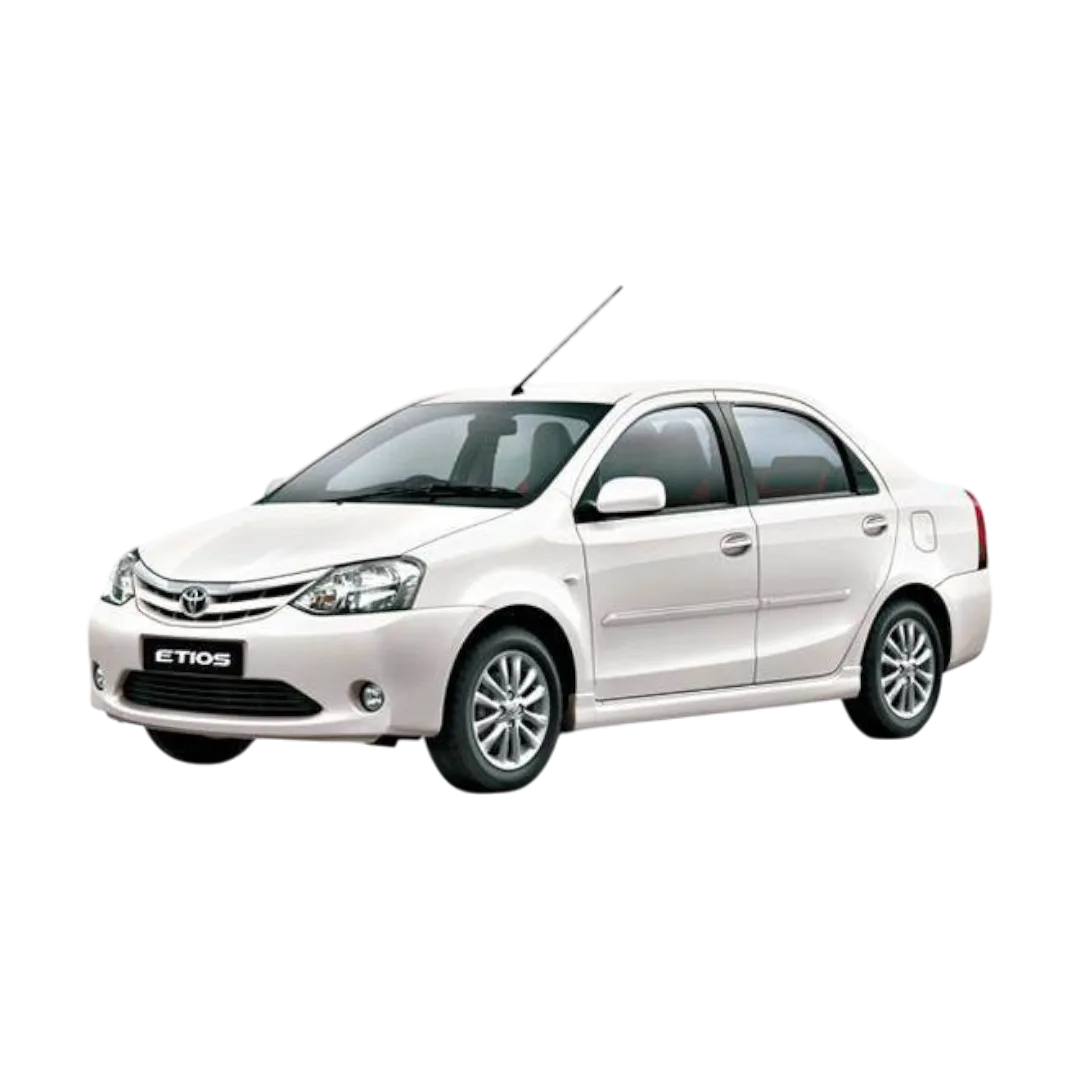 Etios
Etios
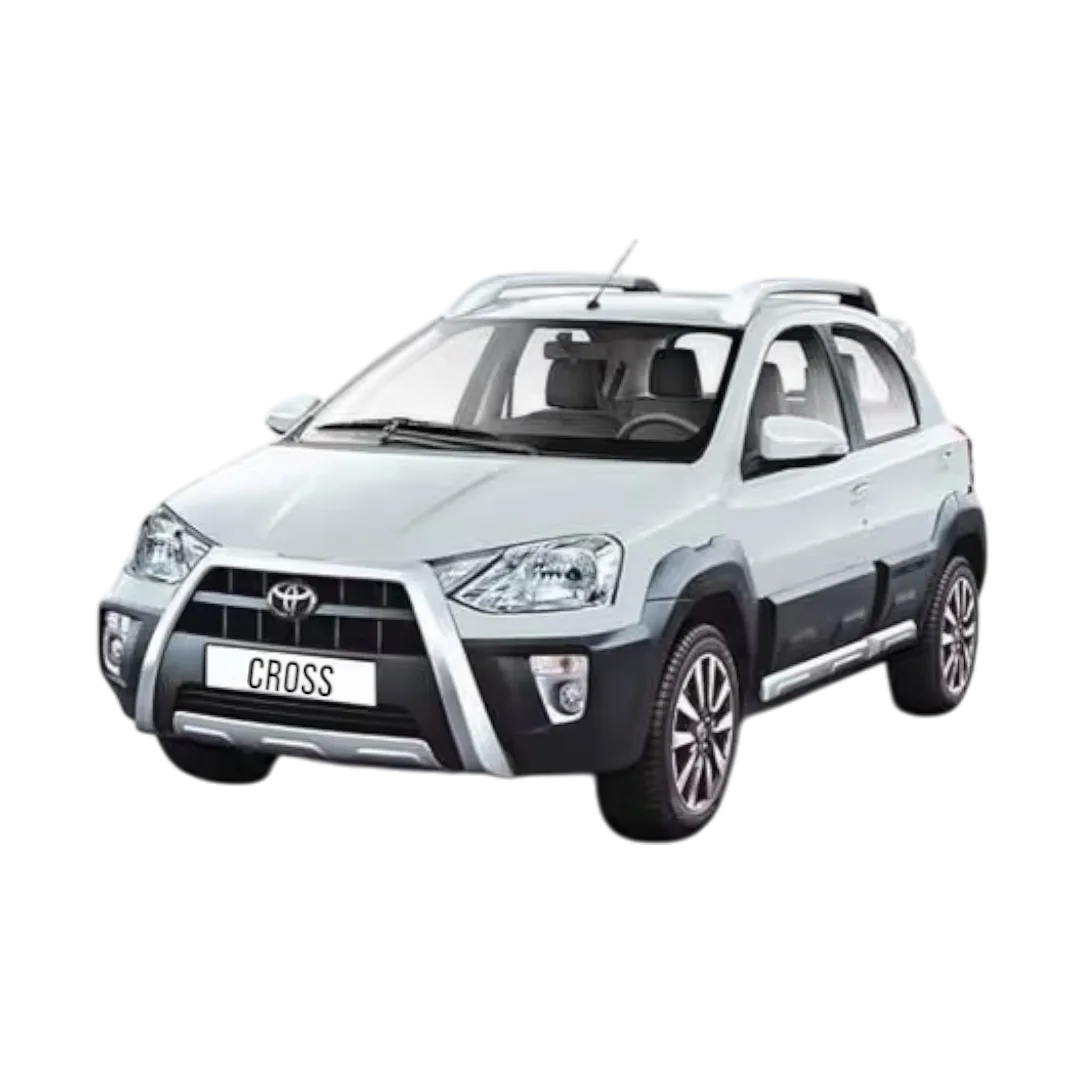 Etios cross
 Etios Liva
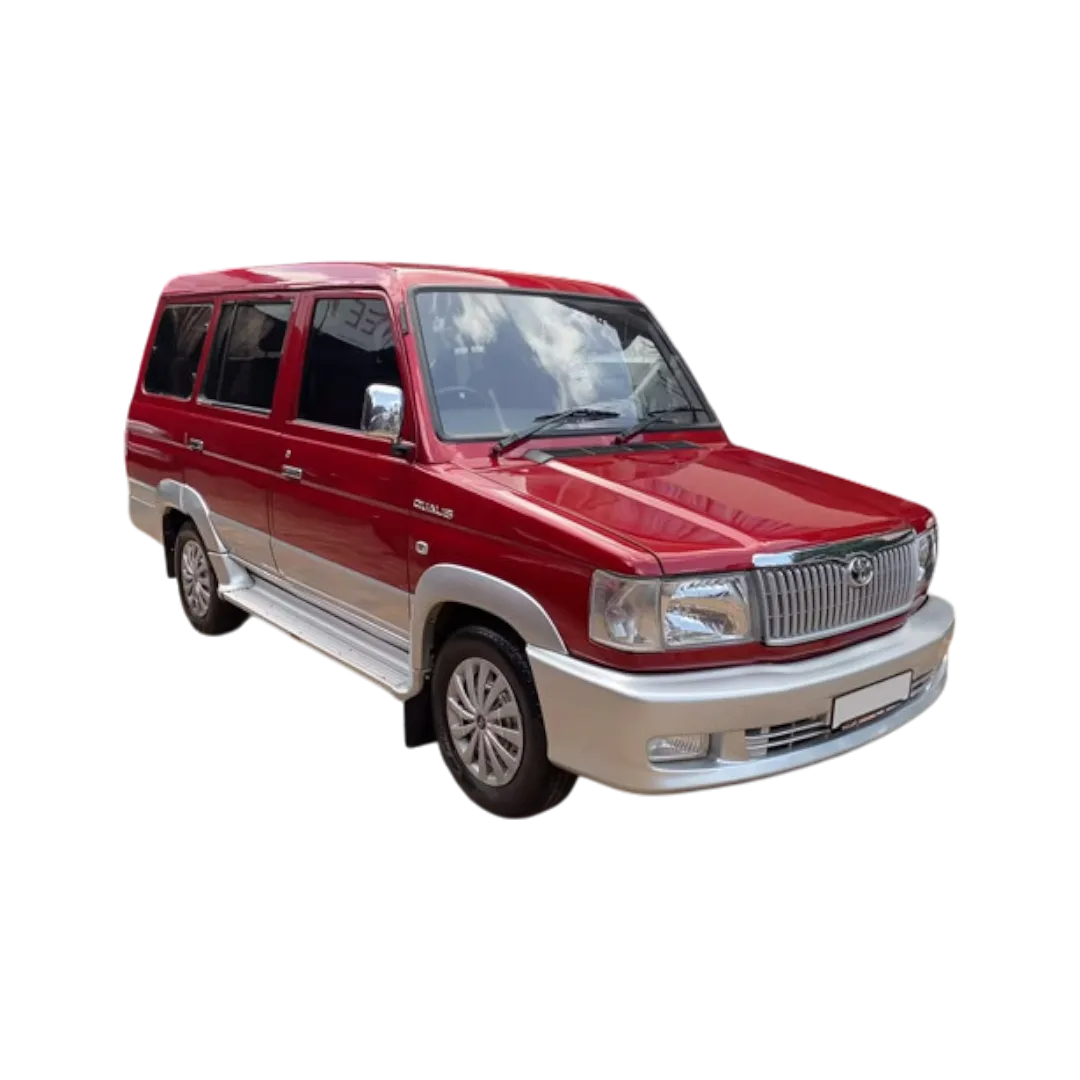 Qualis
 Innova
 Rumion
Taisor
Corolla Altis
Hyryder
Rumion
Taisor
Corolla Altis
Hyryder
 Bolero
 Marazzo
 KUV100 NXT
 Scorpio
 Thar
Thar
 XUV 300
 Bolero Neo
 Verito
 Scorpio-N
 XUV 700
 Scorpio Classic
 XUV400
 Alturas
 Xylo
Xylo
 Quanto
 Logan
Logan
 XUV 500
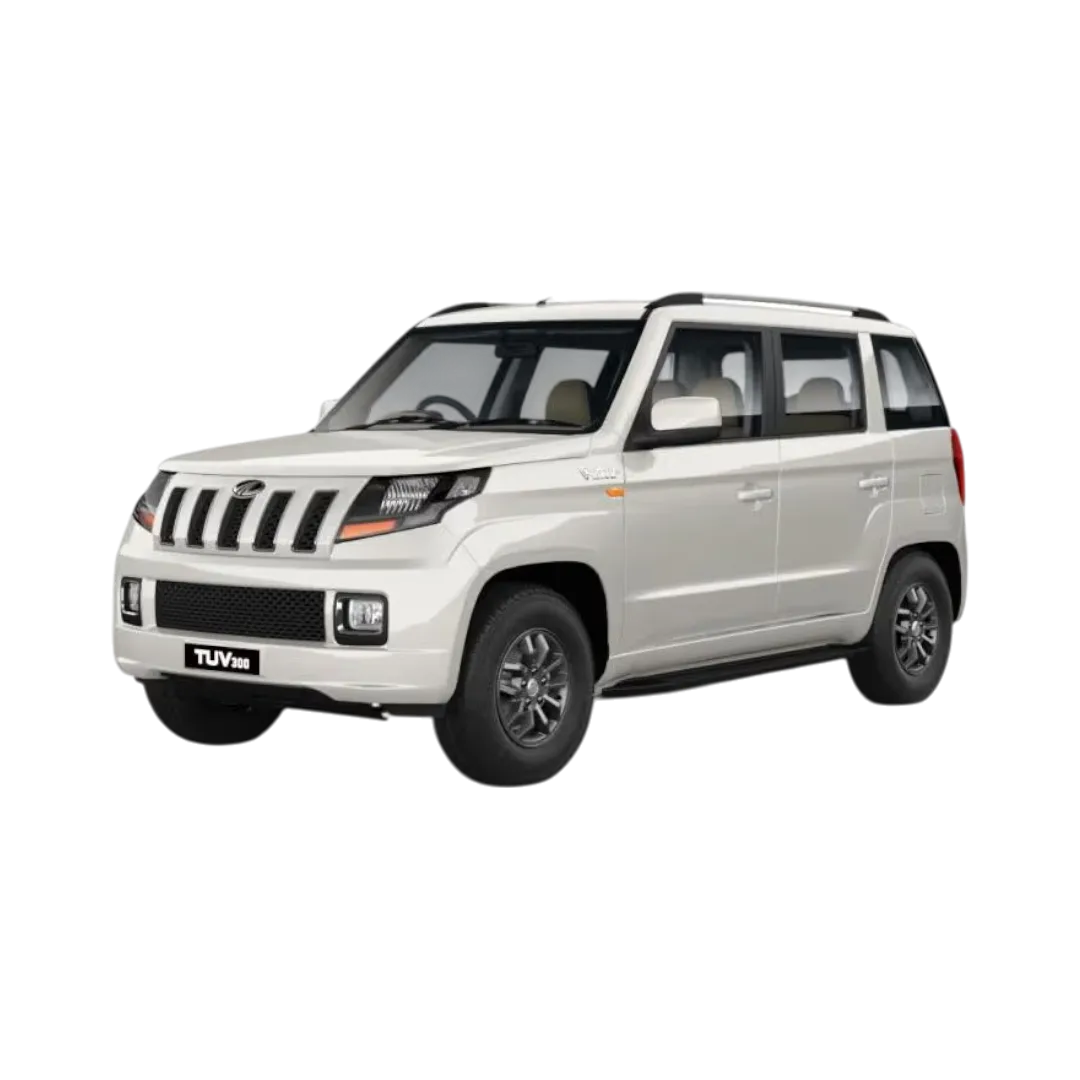 TUV 300
 XUV 3XO
 KUV 100
NuvoSport
XEV 9e
BE 6
Thar Roxx
E-Verito
XUV 7XO
TUV 100
BE6
Bolero Camper
Verito Vibe
XUV 400
KUV 100
NuvoSport
XEV 9e
BE 6
Thar Roxx
E-Verito
XUV 7XO
TUV 100
BE6
Bolero Camper
Verito Vibe
XUV 400
 Audi Q5
 Audi A4
 Audi Q7
 Audi Q3
 Audi A6
 Audi RS5
 E-Tron GT
 Audi Q8
 E-Tron
 Q3 Sportback
 Audi S5 Sportback
 Q8 E-Tron
 Q8 E-Tron Sportback
 Audi A8L
 Audi RS Q8
 Audi A3
 BMW X7
 BMW X1
 BMW X5
 BMW XM
 BMW Z4
 3 Series
 BMW X3
 BMW iX
 BMW i7
 BMW M2
 7 Series
 2 Series
 BMW i4
 5 Series
 6 Series
 BMW ix1
 M4 Competition
 3 Series Gran Limousine
 M8 Coupe
 BMW M3
 BMW X6
 BMW i5
 BMW X4
 Mercedes Benz GLA
 Mercedes E-Class
 Mercedes S-Class
 Mercedes Benz GLS
 Mercedes Benz C-Class
 Mercedes Benz EQS
 Mercedes Benz GLC
 Mercedes Benz GLE
 Mercedes Benz G-Class
 Mercedes Benz AMG SL
 Mercedes Benz MAYBACH S- Class
 Mercedes Benz EQE-SUV
 Mercedes Benz GLB
 Mercedes Benz AMG A 45 S
 Mercedes Benz AMG GLE S3
 Mercedes Benz EQB
 Mercedes Benz A Class limousine
 Mercedes Benz AMG A 35
 Mercedes-Benz AMG EQS
 Mercedes-Benz AMG E 53 Cabriolet
 Mercedes-Benz AMG GLA 35
 Mercedes-Benz GLC Coupe 2023
 Mercedes M-Class
R-Class
Mercedes M-Class
R-Class
 GLS 600
GLS 400
GLS 350
GLE 300
GLS 600
GLS 400
GLS 350
GLE 300
 GLE 400
GLE 250D
GLE 400
GLE 250D
 GLC 220D
GLC 300
GLC 220D
GLC 300
 GLC 43 Coupe
 GLA 220d
 GLA-Class 200D
 CLA 200
 Benz A-Class A 180
M-Class ML 250
M-Class ML 350
Benz A-Class A 180
M-Class ML 250
M-Class ML 350
 Benz CLS 300
 C-Class C250
C-Class C220
C-Class C200
C-Class C250
C-Class C220
C-Class C200
 Benz B - Class
Benz A - 200
Benz B - Class
Benz A - 200
India's automobile sector could soon witness a significant policy change with the proposed No Insurance, No Fuel Rule. If implemented, the proposal may require petrol pumps across the country to verify whether a vehicle has valid Vehicle Insurance before dispensing fuel. The primary objective is to ensure that every vehicle on Indian roads is covered under at least Third Party Insurance, which is already a legal requirement under the Motor Vehicles Act.
The proposal, widely discussed as the Supreme Court No Insurance No Fuel initiative, comes in response to the growing number of uninsured vehicles operating across the country. Every year, road accidents leave thousands of victims seeking compensation, but when the responsible vehicle does not have active Car Insurance, the legal and financial process becomes much more complicated. By linking fuel availability with insurance compliance, authorities hope to improve road safety, increase accountability among vehicle owners, and provide better financial protection for accident victims.
Many motorists still ask, "Is Third Party Insurance Mandatory in India?" The answer is yes. Every vehicle driven on public roads must have valid Third Party Insurance for Vehicles India, regardless of whether it is a private car, motorcycle, or commercial vehicle. However, despite this legal requirement, many policies lapse due to missed renewals or negligence.
If this proposal becomes law, renewing your insurance policy on time will become even more important than before. Vehicle owners who fail to maintain valid insurance could face difficulties while refuelling, in addition to existing legal penalties for driving uninsured.
In this comprehensive guide,
Creckk explains everything you need to know about the proposed
No Insurance No Fuel Rule, including why it has been suggested,
how it may affect everyday vehicle owners, practical steps to remain compliant,
and what the proposal could mean for the future of Vehicle Insurance in India.
Whether you own a car, bike, or commercial vehicle, understanding these changes
will help you stay prepared and avoid unnecessary inconvenience.
The No Insurance No Fuel Rule is a proposed policy aimed at improving compliance with Vehicle Insurance laws across India. Under this proposal, fuel stations may be required to verify whether a vehicle has a valid Third Party Insurance policy before dispensing petrol, diesel, or CNG. If a vehicle's insurance has expired or is unavailable, the fuel station could refuse to provide fuel until the insurance policy is renewed. Although the proposal has generated widespread attention, it is important to note that it has not yet been implemented nationwide and would require official approval before becoming mandatory.
The idea behind this proposal is simple but impactful. While Third Party Insurance for Vehicles India is already compulsory under the Motor Vehicles Act, a considerable number of vehicles continue to operate without valid insurance. This creates serious challenges when accidents occur, as uninsured vehicles often leave victims struggling to receive timely financial compensation. The proposed No Insurance No Fuel Rule is designed to strengthen enforcement by encouraging every vehicle owner to keep their insurance policy active throughout the year.
The discussion gained momentum after observations related to the Supreme Court No Insurance No Fuel proposal highlighted the need for stricter compliance with existing insurance regulations. Instead of introducing a new insurance requirement, the proposal focuses on ensuring that the law already in place is followed consistently. By linking fuel purchases with insurance validity, authorities hope to reduce the number of uninsured vehicles on Indian roads and improve overall road safety.
Many people continue searching online, "Is Third Party Insurance Mandatory in India?" The answer is yes. Every motor vehicle driven on public roads must have at least valid Third Party Insurance, irrespective of whether it is a private car, two-wheeler, taxi, or commercial vehicle. Driving without valid insurance can already attract fines and other legal consequences, and if this proposal is implemented, it could also affect your ability to refuel your vehicle.
For vehicle owners, this proposal serves as an important reminder to review insurance renewal dates and avoid policy lapses. Keeping digital copies of your Car Insurance documents, setting renewal reminders, and renewing your policy before its expiry can help you remain compliant and avoid unnecessary inconvenience.
At Creckk, we encourage every vehicle owner to treat insurance as more than just a legal obligation. A valid insurance policy not only protects you from financial liabilities but also provides peace of mind, ensuring that you are prepared for unexpected situations while driving. Staying informed and maintaining active Vehicle Insurance is one of the simplest yet most responsible steps every motorist can take.
| Aspect | Details |
|---|---|
| Proposed Rule | Fuel stations may verify insurance before supplying fuel. |
| Minimum Insurance Required | Valid Third Party Insurance. |
| Main Objective | Reduce uninsured vehicles and improve road safety. |
| Who Will Be Affected? | Private vehicle owners, two-wheelers, taxis, and commercial vehicles. |
| Current Status | Proposal under discussion; not yet implemented nationwide. |
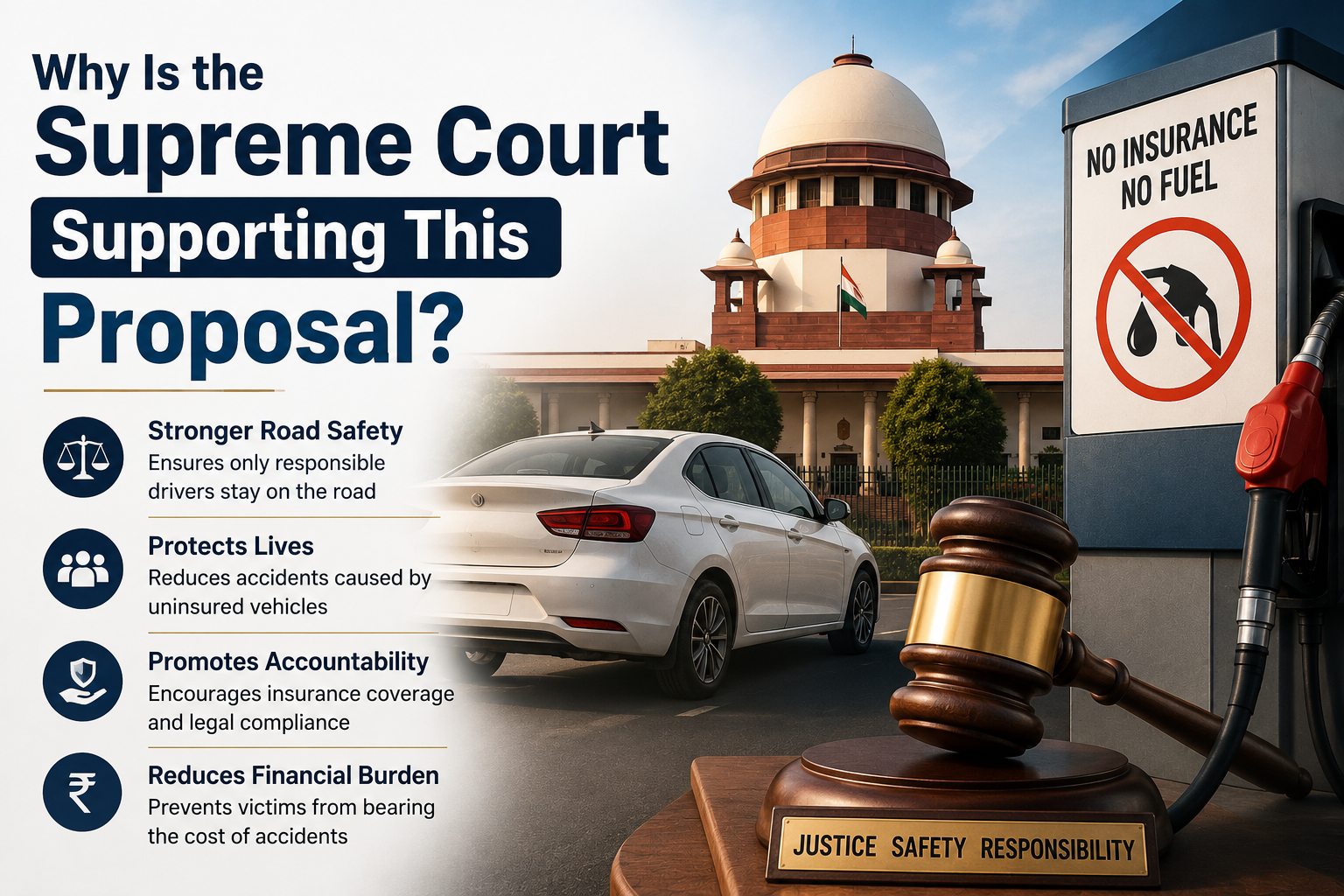
The proposed Supreme Court No Insurance No Fuel initiative has sparked nationwide discussions because it addresses one of the biggest challenges in India's road transport system-vehicles operating without valid Vehicle Insurance. Although Third Party Insurance has been mandatory for decades under the Motor Vehicles Act, a significant number of vehicles continue to run on public roads with expired or no insurance coverage. This creates financial and legal complications whenever accidents occur, leaving victims vulnerable and making it difficult to recover compensation.
One of the primary reasons behind supporting the No Insurance No Fuel Rule is to improve compliance with existing insurance laws rather than introduce a new legal requirement. Authorities believe that linking fuel availability to valid insurance coverage could encourage vehicle owners to renew their Car Insurance on time. Since almost every vehicle requires regular refuelling, fuel stations could become an effective checkpoint for ensuring insurance compliance.
Another major objective is protecting road accident victims. When an insured vehicle is involved in an accident, the insurance company can compensate affected third parties according to the policy terms. However, when an uninsured vehicle causes an accident, victims often face lengthy legal proceedings and uncertainty regarding compensation. Ensuring every vehicle has active Third Party Insurance for Vehicles India can significantly reduce these issues and provide faster financial protection to accident victims.
The proposal also aligns with India's broader goal of improving road safety and encouraging responsible vehicle ownership. Similar to mandatory vehicle registration, pollution certificates, and driving licences, maintaining valid Vehicle Insurance is considered an essential responsibility for every vehicle owner. By strengthening enforcement, authorities hope to reduce the number of uninsured vehicles, discourage negligence, and promote a safer driving environment for everyone.
Many motorists still ask, "Is Third Party Insurance Mandatory in India?" The answer is a clear yes. Every motor vehicle driven on public roads must have valid Third Party Insurance, regardless of whether it is a private car, motorcycle, taxi, or commercial vehicle. The proposed No Insurance No Fuel Rule simply aims to ensure that this existing legal requirement is followed consistently by all vehicle owners.
Apart from protecting accident victims, the proposal could also reduce the burden on courts and government compensation mechanisms. Cases involving uninsured vehicles often take longer to resolve because determining financial liability becomes more complicated. Increasing insurance compliance would help streamline the claims process, reduce disputes, and improve the efficiency of the overall insurance ecosystem.
At Creckk, we believe that responsible vehicle ownership extends beyond following traffic rules. Keeping your insurance policy active is a simple yet essential step that protects not only your own financial interests but also the rights and safety of other road users. Whether or not the proposal is implemented, maintaining valid Car Insurance remains one of the smartest decisions every vehicle owner can make.
| Reason | How It Benefits Road Users |
|---|---|
| Improve Insurance Compliance | Encourages vehicle owners to renew insurance policies before they expire. |
| Reduce Uninsured Vehicles | Helps ensure more vehicles on Indian roads have valid insurance coverage. |
| Protect Accident Victims | Provides quicker access to financial compensation through valid insurance policies. |
| Promote Responsible Driving | Reinforces legal obligations associated with vehicle ownership. |
| Strengthen Existing Laws | Improves enforcement of mandatory Third Party Insurance regulations. |
| Reduce Legal Disputes | Minimizes compensation-related conflicts involving uninsured vehicles. |
| Support Road Safety | Creates a more accountable and financially secure transport ecosystem. |
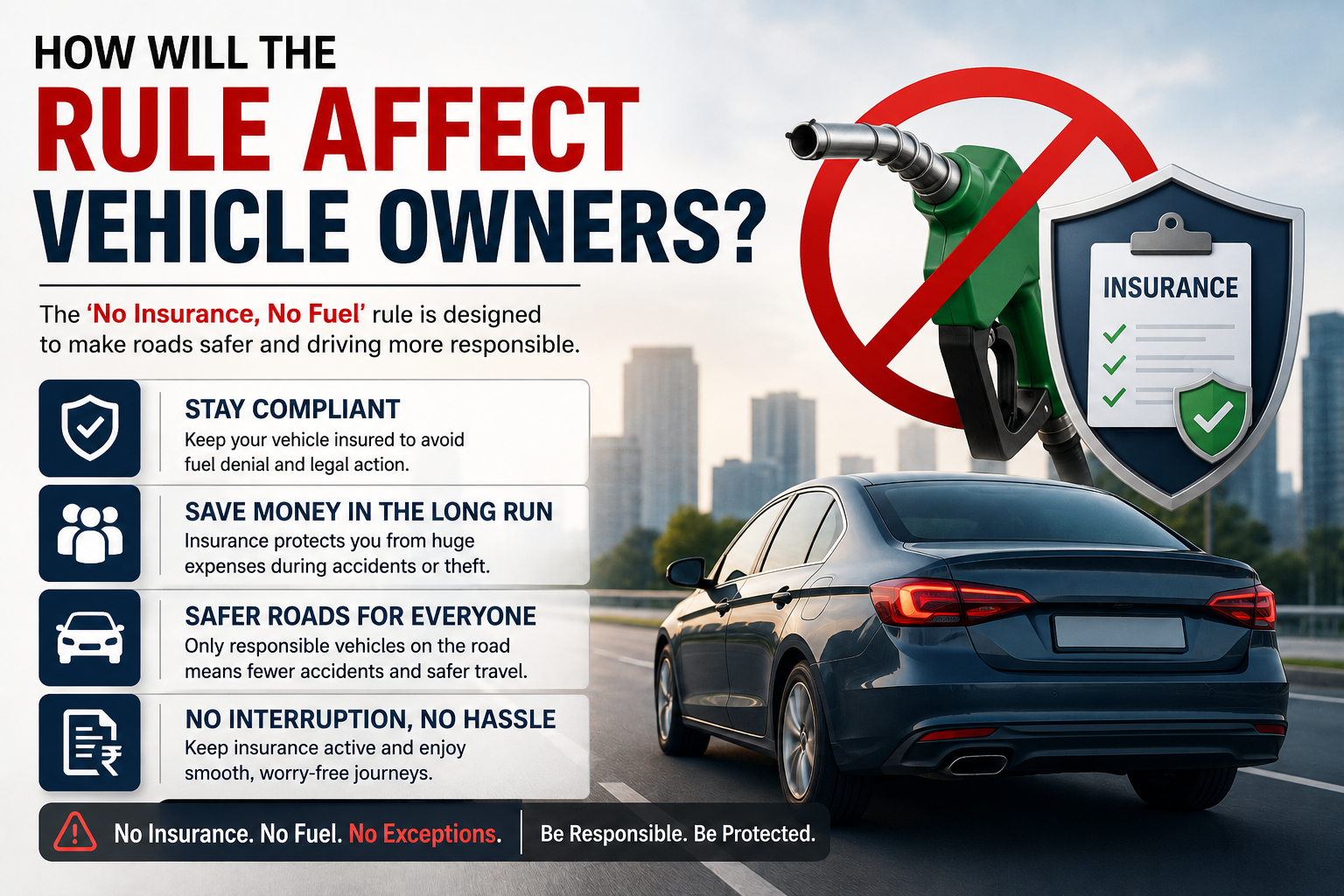
If the proposed No Insurance No Fuel Rule is implemented, it could significantly change how vehicle owners manage their Vehicle Insurance. While the rule is primarily intended to improve compliance with existing insurance laws, it would also make timely insurance renewals an essential part of owning and operating any vehicle in India. Instead of waiting until they are stopped by traffic authorities, motorists may need to ensure their insurance remains active before visiting a fuel station.
The proposal is expected to apply to all categories of motor vehicles, including private cars, motorcycles, commercial vehicles, taxis, and transport fleets. Since Third Party Insurance is already mandatory under Indian law, the rule would simply introduce an additional enforcement mechanism rather than creating a new legal obligation. Whether you own a two-wheeler or a heavy commercial vehicle, maintaining valid Third Party Insurance for Vehicles India could become necessary to continue purchasing fuel without interruption.
One of the biggest changes may involve how fuel stations verify insurance details. While the exact process has not been officially announced, experts believe verification could be carried out digitally through the vehicle registration number linked with government databases such as VAHAN or insurance records. Fuel station staff may not need to manually inspect insurance papers if a digital verification system is introduced. This could make the process faster, more accurate, and less prone to misuse.
Vehicle owners should also be prepared to carry valid insurance proof whenever required. Even if digital verification becomes common, keeping a copy of your Car Insurance policy on your smartphone through DigiLocker, the insurer's mobile application, or a PDF copy can help avoid unnecessary delays. Having quick access to digital documents is already accepted by traffic authorities in many situations and may become even more useful if the proposal moves forward.
For individuals who forget to renew their insurance, the impact could be immediate. An expired policy may not only expose them to fines and legal action but could also prevent them from refuelling their vehicle if the No Insurance No Fuel Rule is enforced. Missing a renewal date by even a few days could create inconvenience, especially during long-distance travel or emergencies. Setting automatic renewal reminders or opting for long-term insurance policies can help avoid such situations.
Many people still search online asking, "Is Third Party Insurance Mandatory in India?" The answer remains yes. Every vehicle operating on public roads must have valid Third Party Insurance, regardless of whether the proposed rule is implemented. Driving without insurance is already a punishable offence, and this proposal simply adds another layer of compliance to encourage responsible vehicle ownership.
The rule could also benefit responsible motorists. If more vehicles remain insured, accident victims are more likely to receive timely financial compensation through insurance companies instead of lengthy legal disputes. This creates a fairer and more secure environment for everyone using Indian roads. Increased insurance compliance may also improve confidence in the country's overall road safety system.
At Creckk, we recommend that every vehicle owner regularly review their insurance expiry date instead of waiting until the last minute. Renewing your Vehicle Insurance on time, keeping digital copies of your policy, and verifying your insurance status periodically are simple habits that can save both time and money. Whether the proposal becomes law or not, maintaining active insurance is one of the most important responsibilities of owning a vehicle.
| Situation | Possible Impact |
|---|---|
| Insurance Policy Expired | You may face fuel restrictions if the rule is implemented, along with existing legal penalties. |
| Valid Third Party Insurance | Allows uninterrupted access to fuel while remaining legally compliant. |
| No Insurance Coverage | Higher financial risk in case of an accident and possible fines under existing laws. |
| Digital Insurance Documents | Enables faster verification through DigiLocker or insurer mobile applications. |
| Delayed Policy Renewal | Can lead to inconvenience, legal issues, and a temporary loss of insurance protection. |
| Commercial Fleet Owners | Need to ensure every vehicle has active insurance to avoid operational disruptions. |
| Long-Term Insurance Plans | Reduce the risk of missed renewals and provide continuous coverage. |
Creckk Tip: Don't wait until your insurance expires. Renew your policy a few days in advance to avoid unnecessary stress, maintain uninterrupted coverage, and stay prepared if the proposed rule is introduced in the future.
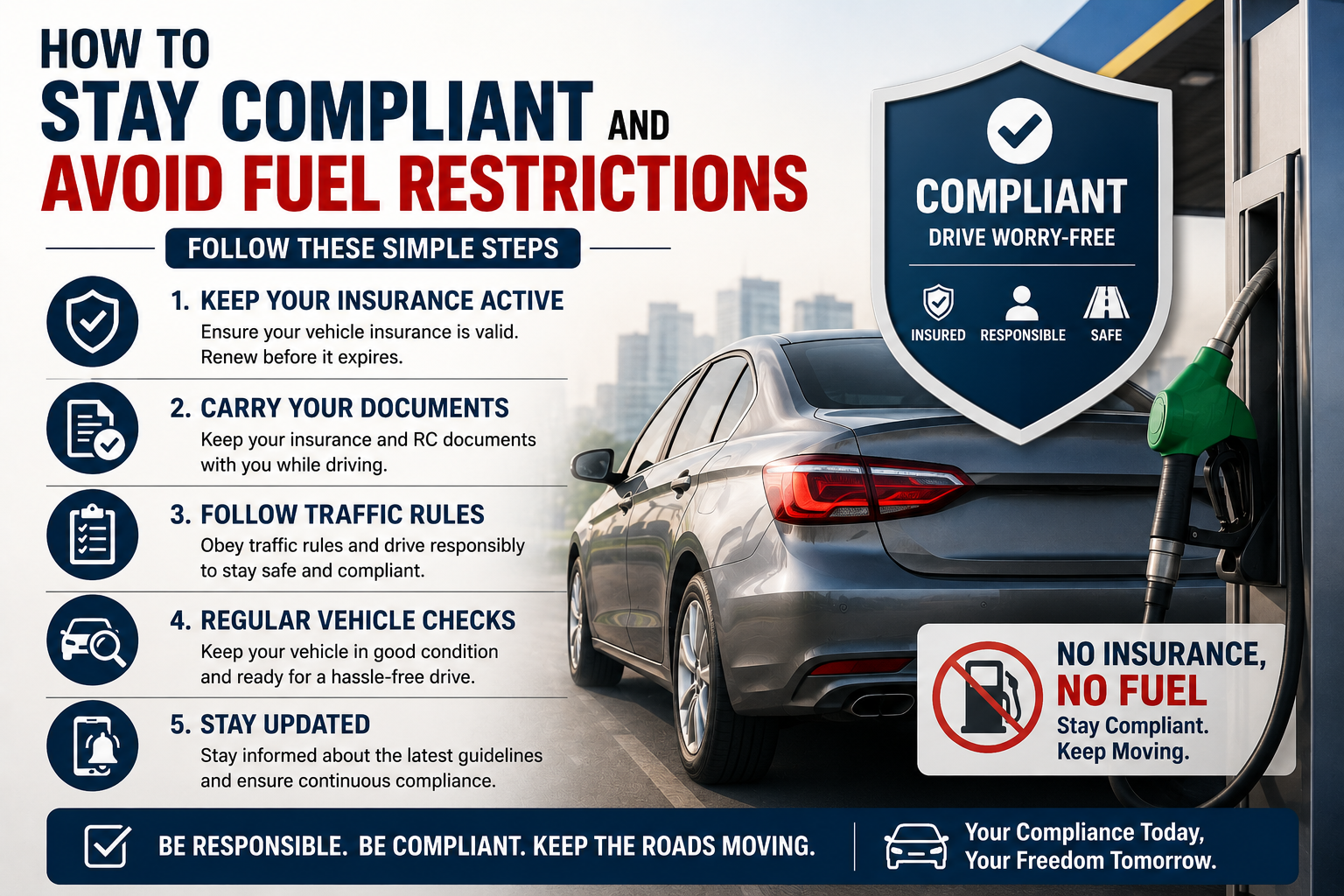
If the proposed No Insurance No Fuel Rule comes into effect, staying compliant will be easier than many vehicle owners think. The key is to treat Vehicle Insurance as an essential part of responsible vehicle ownership rather than simply a legal document that needs attention once a year. By following a few proactive steps, you can avoid unnecessary inconvenience, legal penalties, and potential fuel restrictions while ensuring your vehicle remains protected at all times.
The first and most important step is renewing your Car Insurance before it expires. Many vehicle owners unintentionally allow their policies to lapse because they miss renewal reminders or delay the process. An expired policy not only leaves you financially vulnerable in case of an accident but may also create problems if the No Insurance No Fuel Rule is implemented. Renewing your insurance a few days before its expiry date ensures uninterrupted coverage and complete peace of mind.
Maintaining valid Third Party Insurance is equally important. Under Indian law, Third Party Insurance for Vehicles India is mandatory for every vehicle driven on public roads. It protects you against financial liabilities arising from injury, death, or property damage caused to another person during an accident. If you have ever wondered, "Is Third Party Insurance Mandatory in India?", the answer is yes. Regardless of whether the proposed rule becomes law, driving without valid insurance can lead to fines, legal action, and significant financial risks.
Vehicle owners should also make use of digital technology to manage their insurance more efficiently. Store your insurance policy securely in DigiLocker, your insurer's official mobile application, or as a PDF on your smartphone. Digital insurance documents are widely accepted during vehicle inspections and can make verification much quicker if fuel stations introduce digital insurance checks in the future.
Another good practice is to regularly review your insurance policy details. Ensure that your registration number, engine number, chassis number, nominee information, and contact details are accurate. Incorrect or outdated information can create unnecessary complications during claim settlements or verification processes. Taking a few minutes to review your policy every year can save considerable time later.
Setting personal renewal reminders is another simple yet effective way to remain compliant. Although insurance companies generally send SMS and email notifications, maintaining your own calendar reminders at least 30 days before policy expiry provides additional security. This also gives you enough time to compare policies, evaluate coverage options, and choose the best insurance plan without rushing.
The proposed Supreme Court No Insurance No Fuel initiative is intended to encourage responsible vehicle ownership and strengthen compliance with existing insurance laws. Whether or not the proposal is implemented, keeping your Vehicle Insurance active remains one of the smartest financial decisions any vehicle owner can make.
At Creckk, we encourage every vehicle owner to stay informed about changing automobile regulations, renew insurance policies on time, and adopt safe driving practices. A small effort today can help you avoid legal complications, financial losses, and unnecessary inconvenience in the future.
| Action | Why It Matters |
|---|---|
| Renew Vehicle Insurance before expiry | Prevents policy lapses and ensures uninterrupted coverage. |
| Maintain valid Third Party Insurance | Mandatory under Indian law for all motor vehicles. |
| Store digital insurance documents | Allows quick verification through DigiLocker or insurer apps. |
| Verify policy details regularly | Helps avoid claim and verification issues. |
| Set renewal reminders | Reduces the chances of missing policy renewal dates. |
| Compare insurance plans annually | Ensures better coverage and value for money. |
| Stay updated with government announcements | Helps you prepare for new regulations like the No Insurance No Fuel Rule. |
The No Insurance No Fuel Rule is a proposed measure under which fuel stations may verify whether a vehicle has valid Third Party Insurance before dispensing fuel. The objective is to improve insurance compliance and reduce uninsured vehicles on Indian roads.
Yes. Third Party Insurance for Vehicles India is legally mandatory under the Motor Vehicles Act for every vehicle operating on public roads.
No. At present, the proposal has not been implemented nationwide. Vehicle owners should refer to official government notifications for any future updates.
Driving with expired Vehicle Insurance can result in legal penalties. If the proposed rule is implemented, it could also affect your ability to purchase fuel until your policy is renewed.
You can verify your policy through your insurance company's website or mobile app, DigiLocker, or other official government platforms linked to vehicle records.
Third Party Insurance protects you against financial liabilities arising from injury, death, or property damage caused to another person during an accident. It is both a legal requirement and an important financial safeguard.
Yes. Digital insurance documents stored in DigiLocker or your insurer's official mobile application are generally accepted during vehicle verification and traffic inspections.
Creckk provides the latest updates on automobile regulations, vehicle maintenance, insurance awareness, and premium car accessories to help vehicle owners make informed decisions and stay compliant with changing laws.