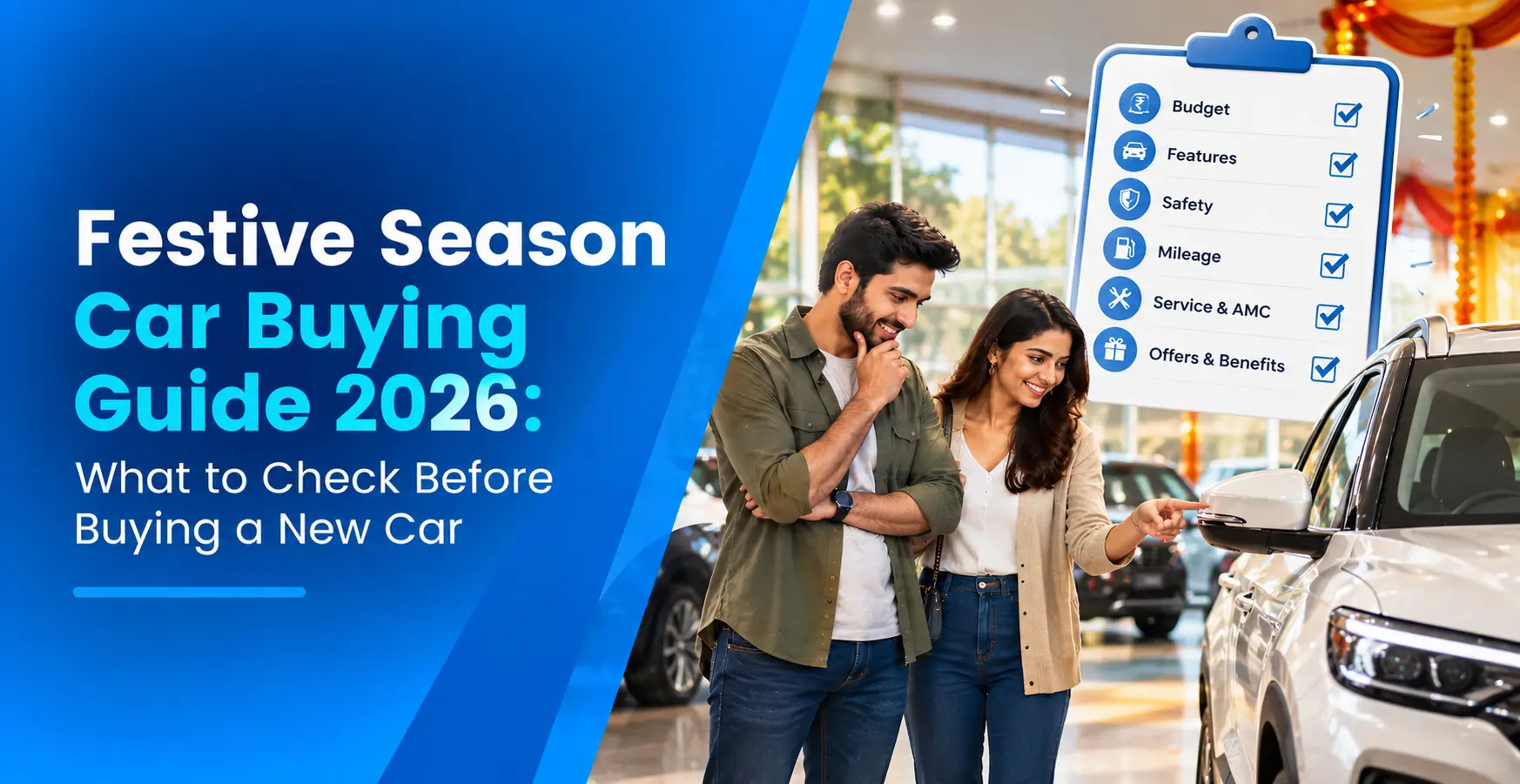

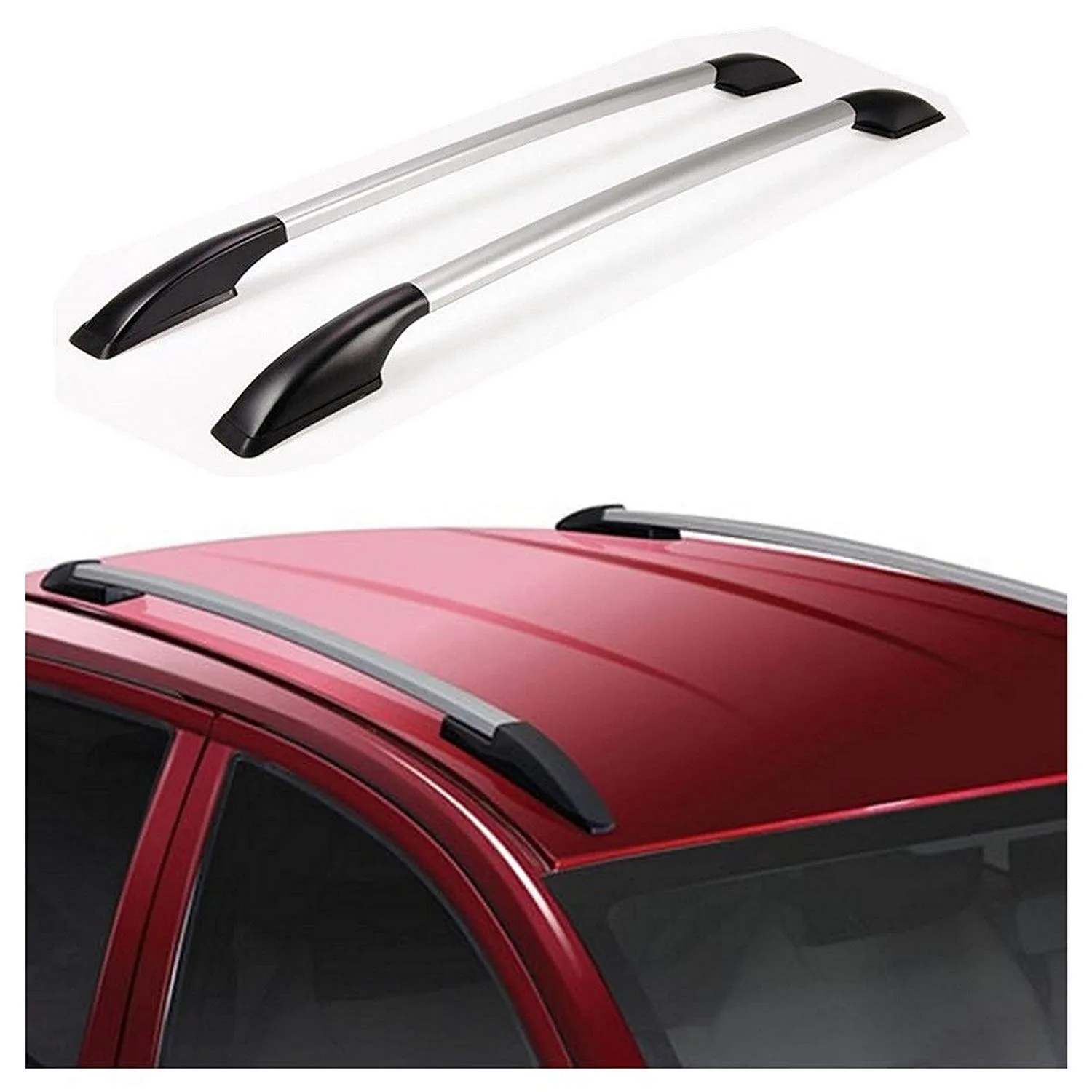

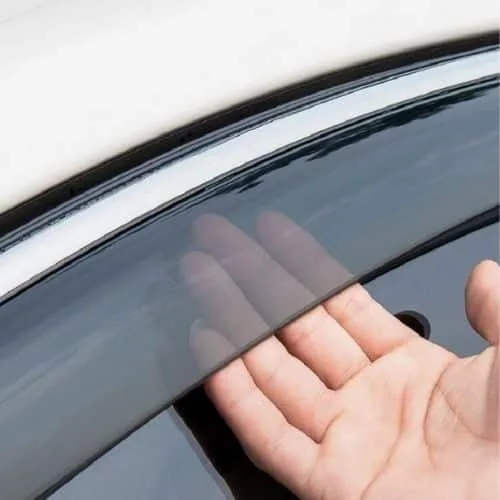
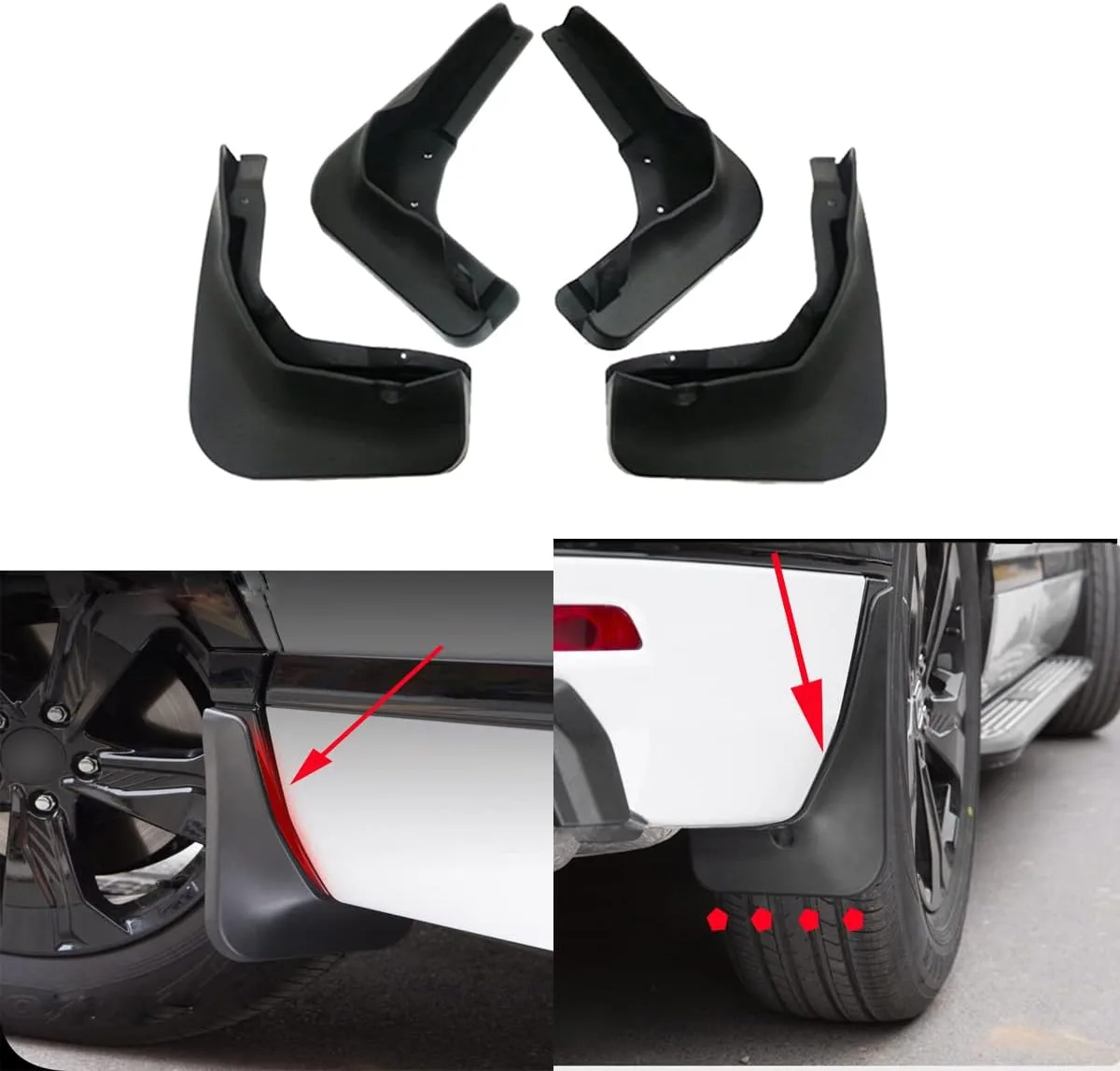


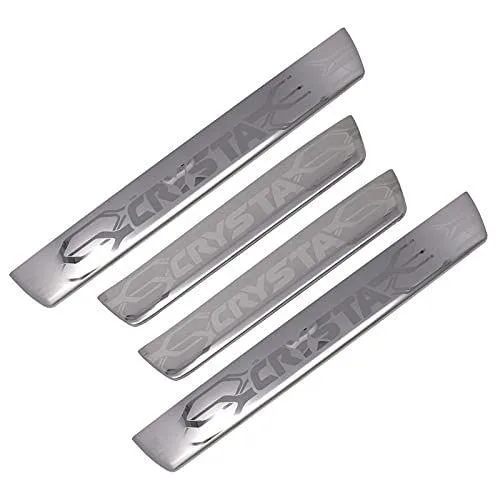





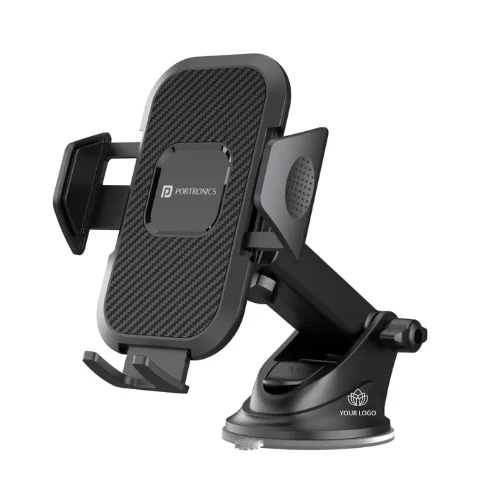
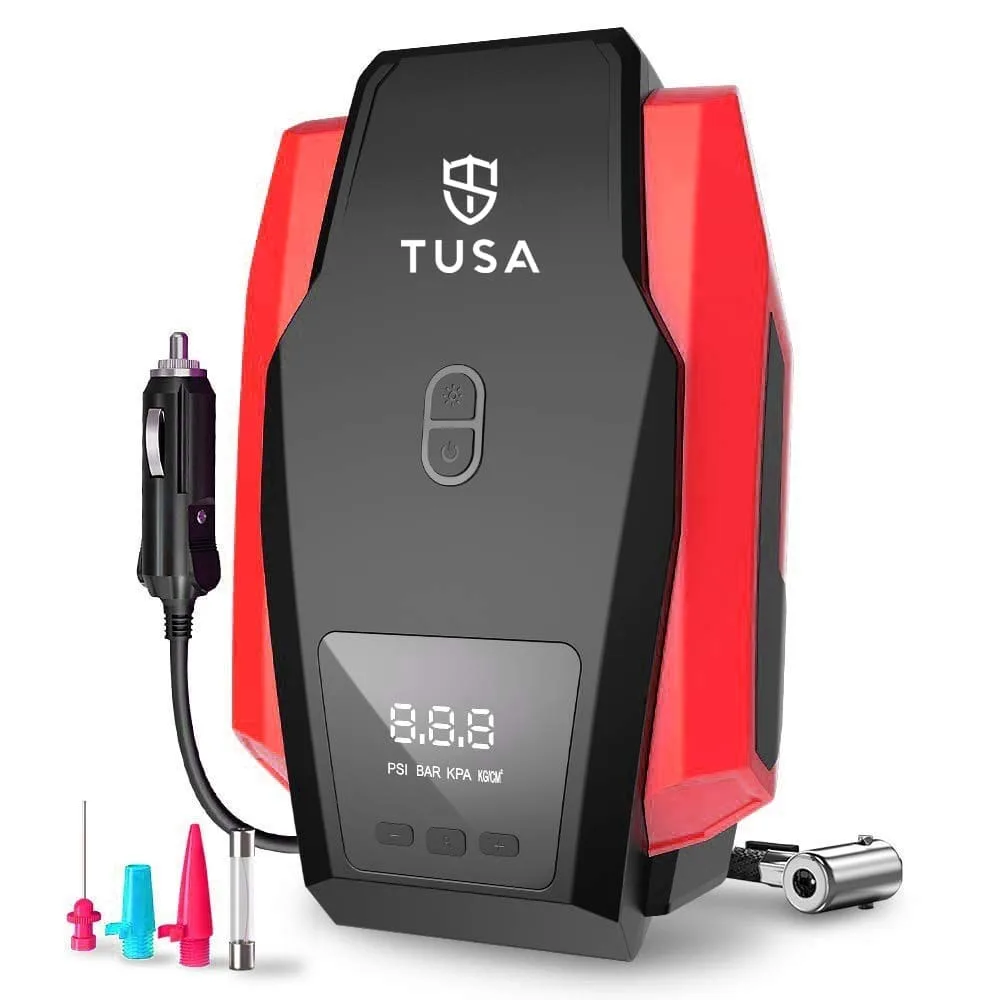

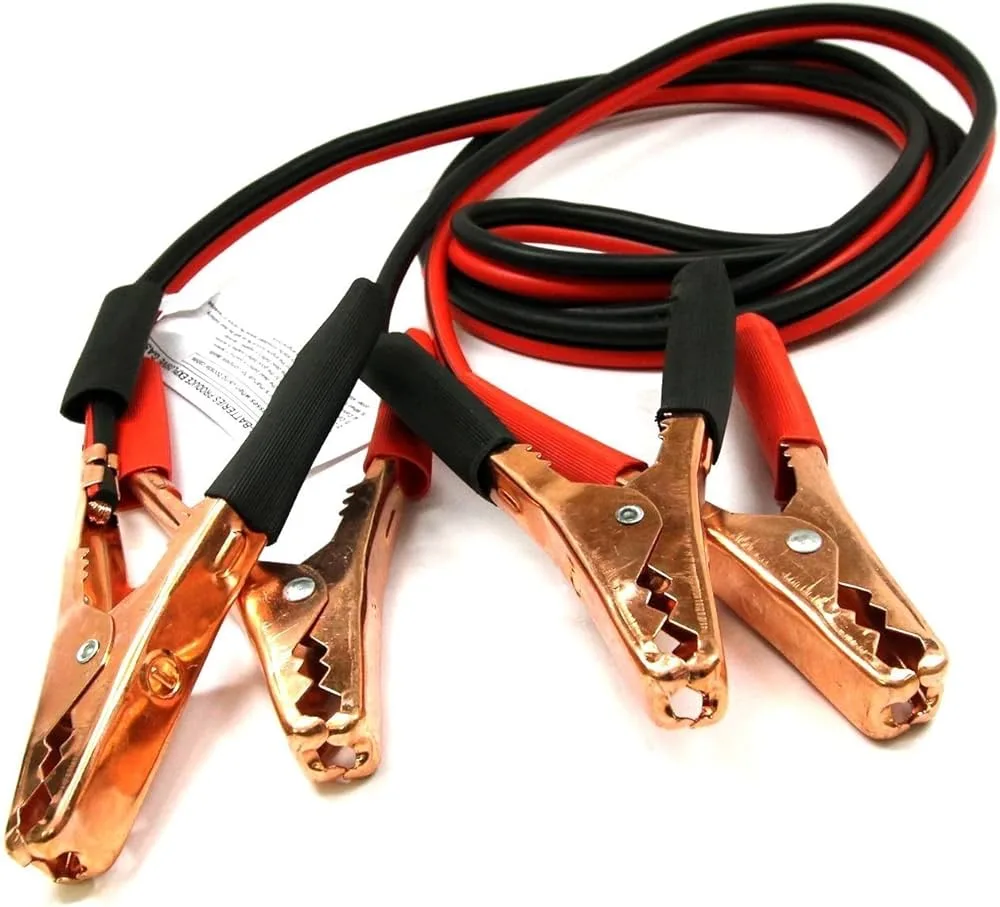
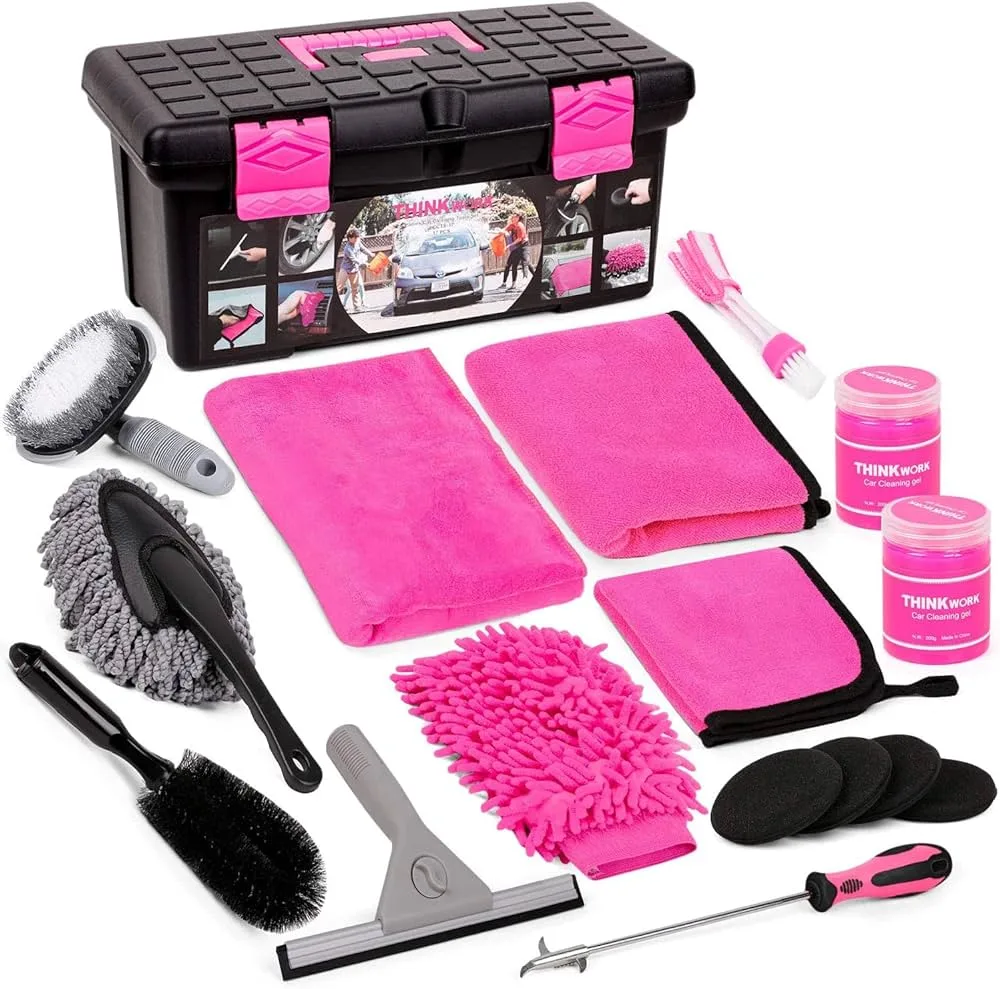



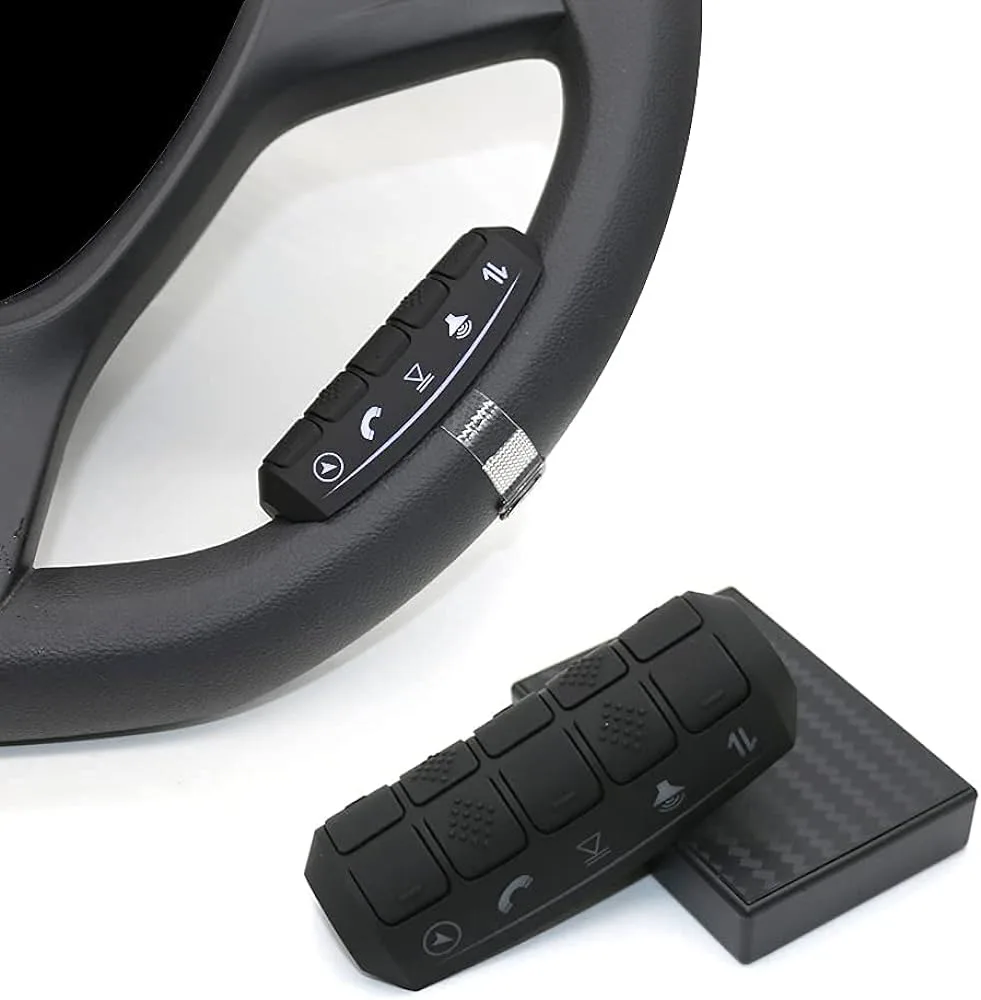
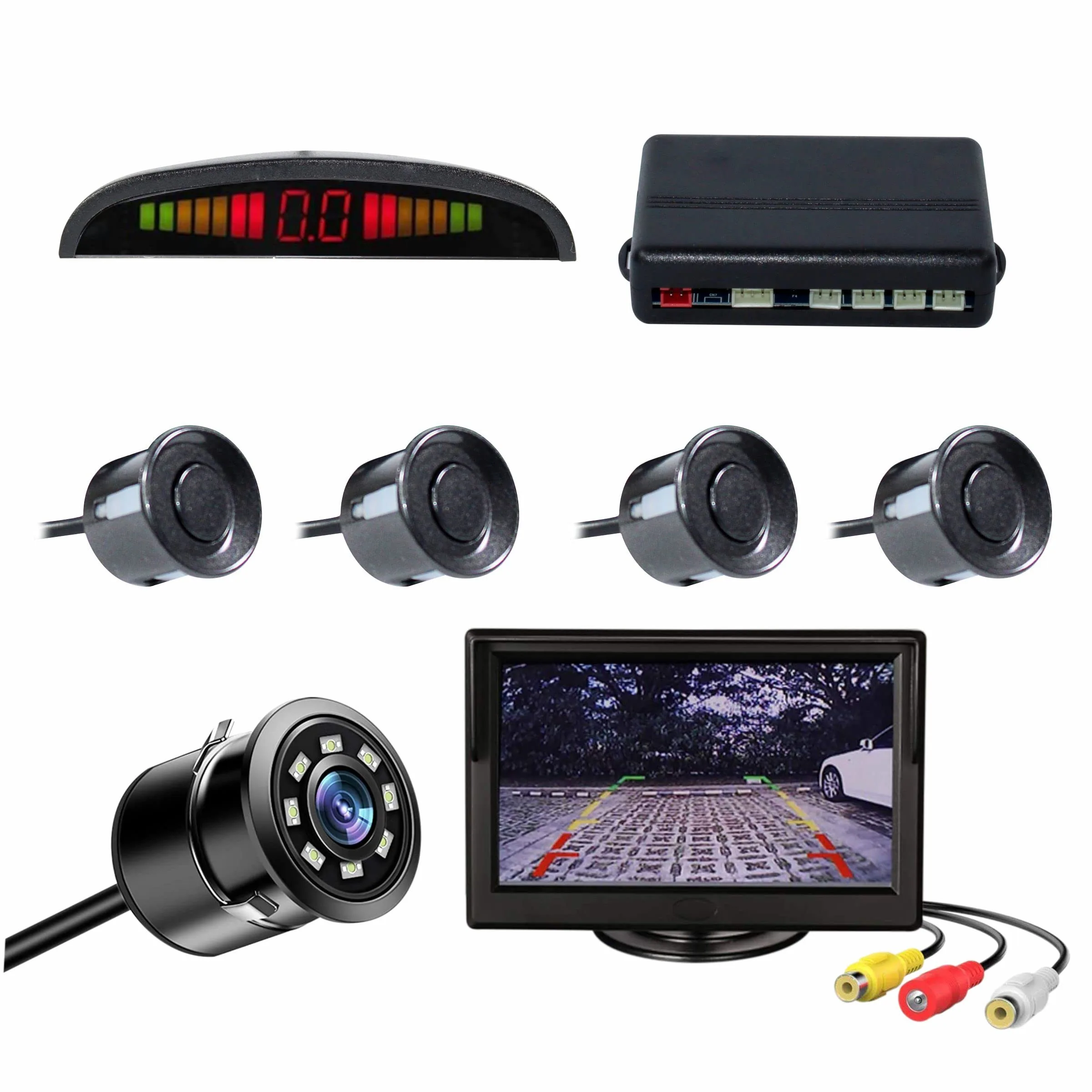



































































































































































































































































































This festive season car buying guide 2026 explains the essential checks to complete before taking your new car home. From reviewing the manufacturing date and Vehicle Identification Number (VIN) to inspecting the paintwork, tyres, interiors, electrical systems and essential documents, a systematic approach can help you identify issues before signing off on delivery.
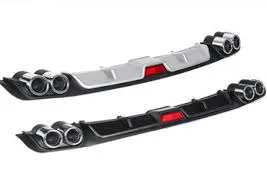
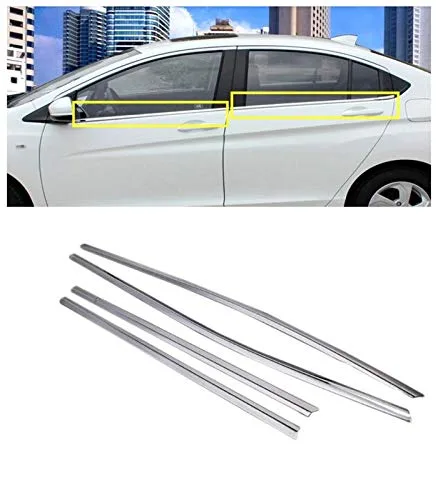
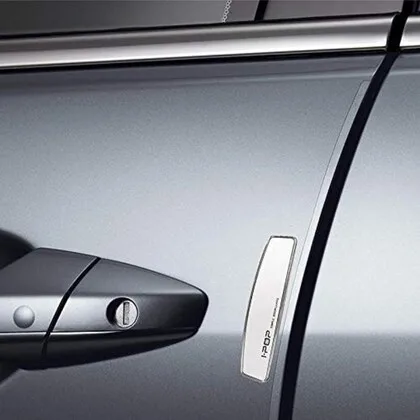
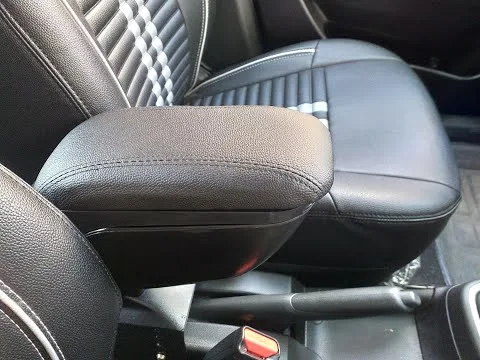
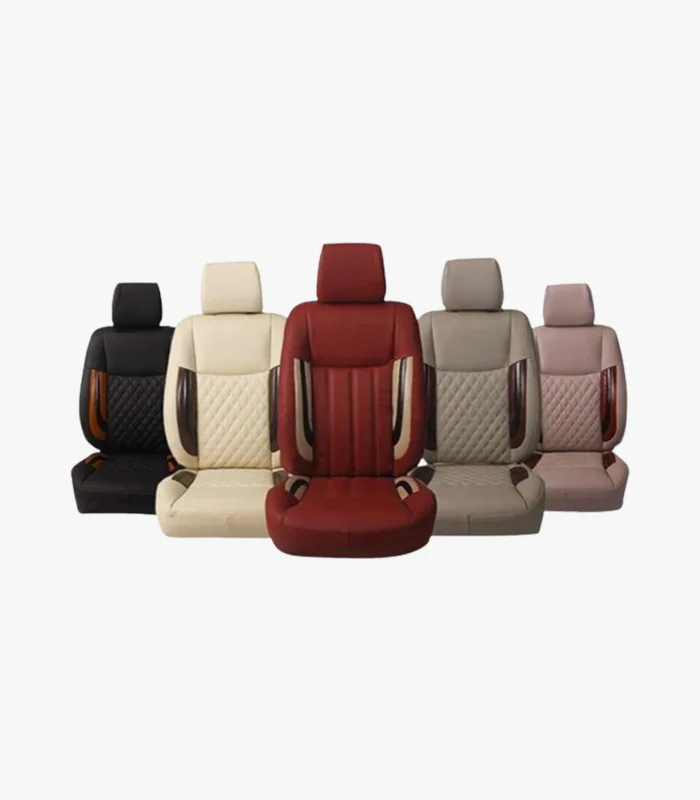
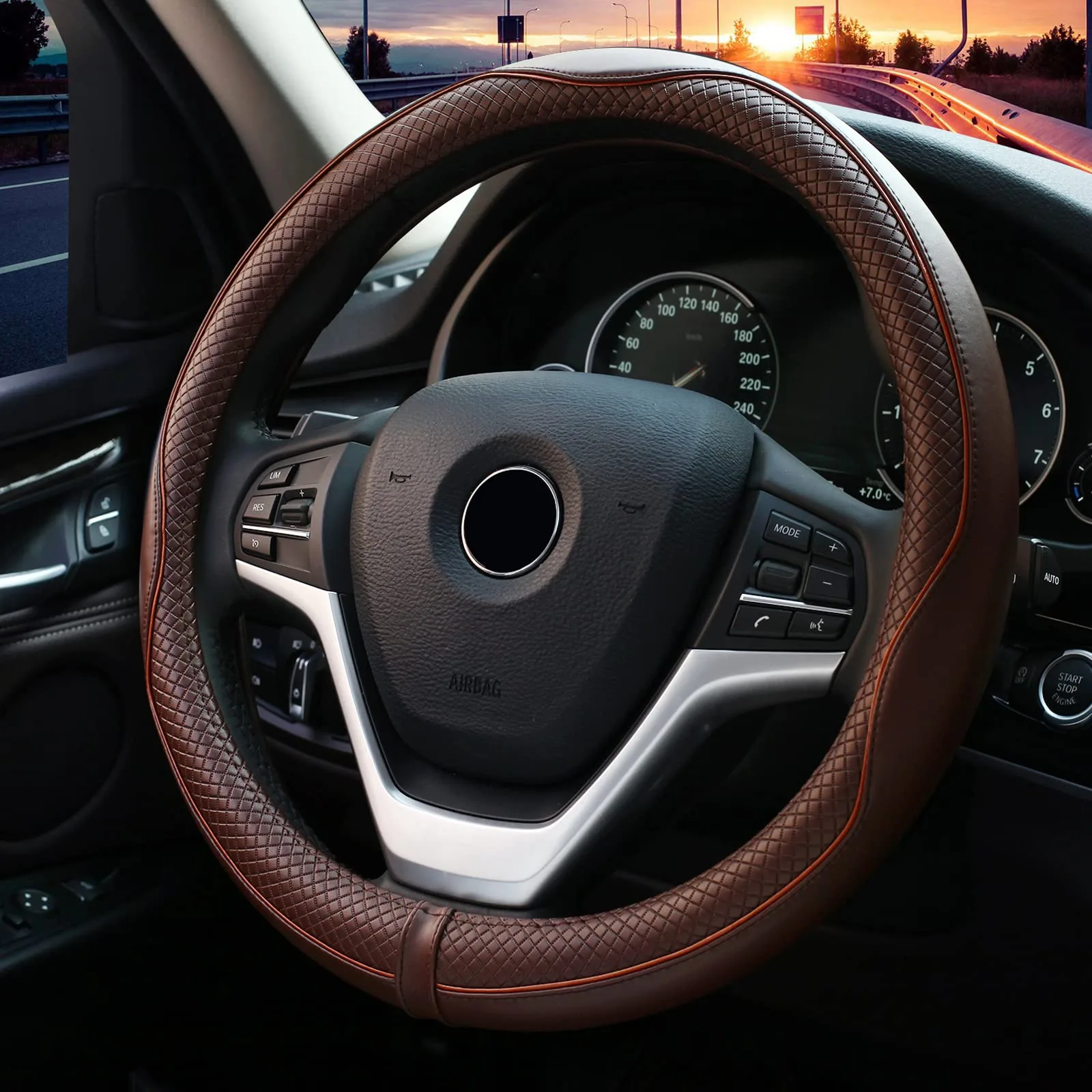
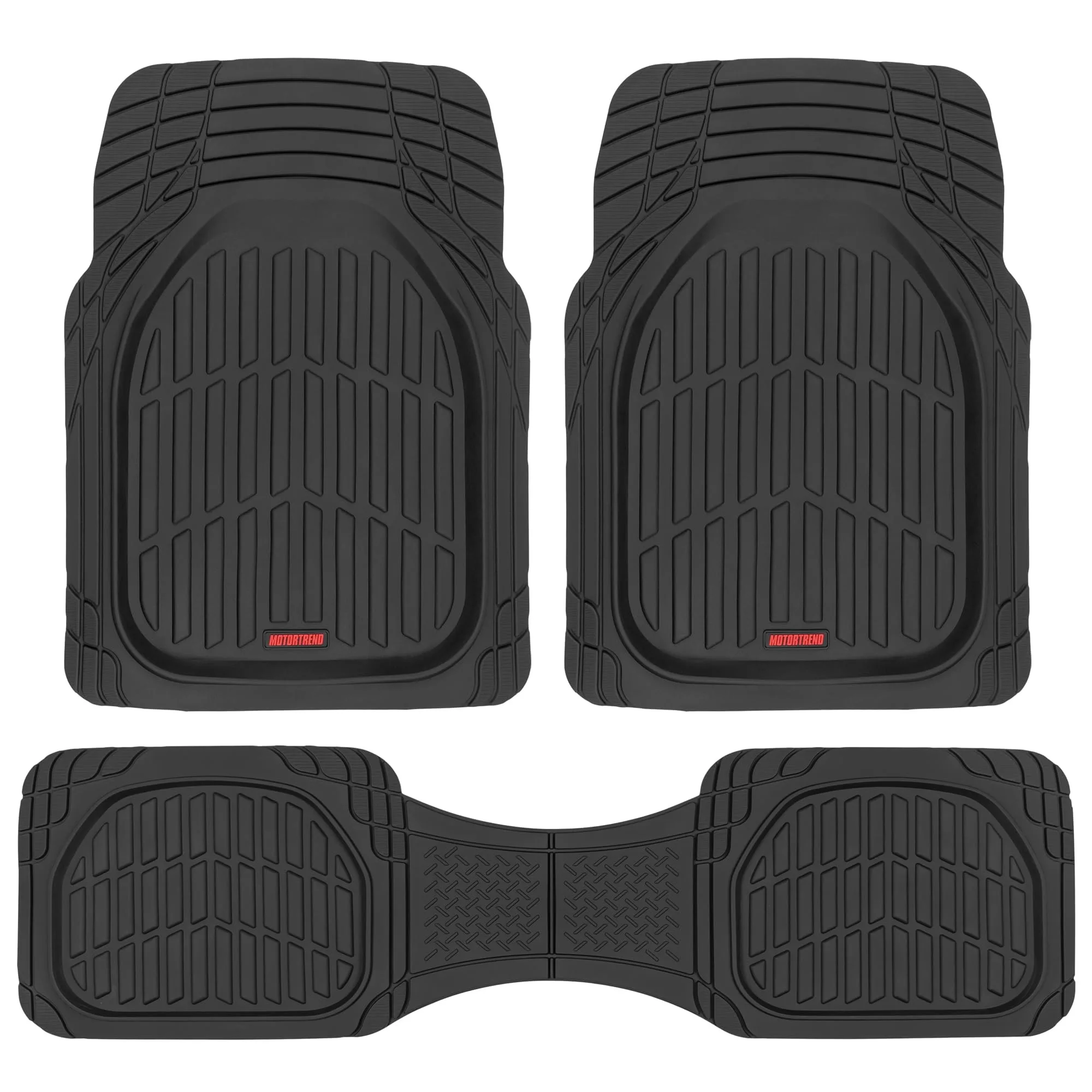
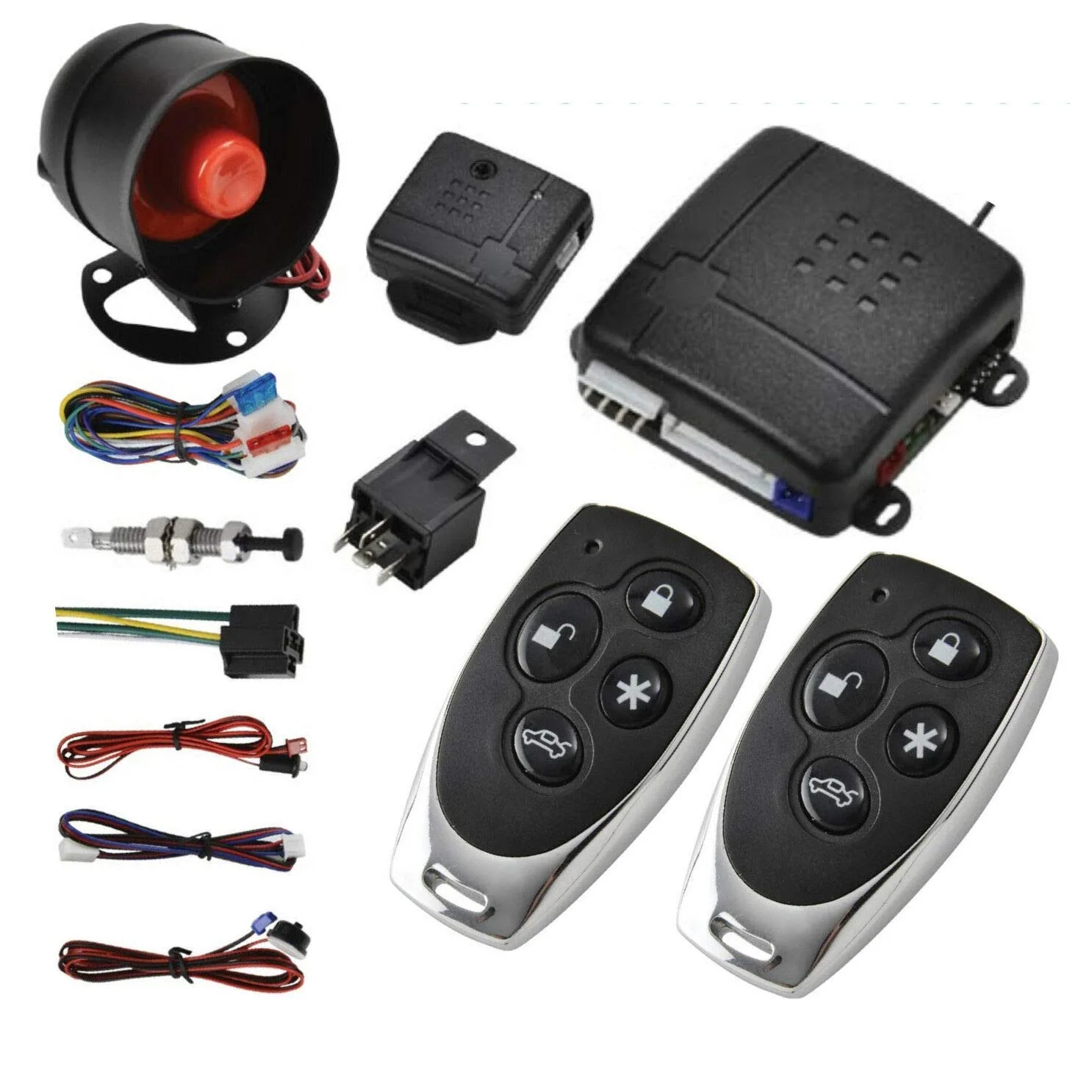
It is equally important to understand the difference between accessories included in the deal and optional add-ons sold by the dealership. Useful car accessories to buy with a new car may include floor mats, seat covers, a dashcam, a microfibre cloth and a sunshade, depending on your needs and budget. However, safety, compatibility and installation quality should always take priority over appearance.
Whether you are buying your first hatchback, a family SUV or a premium sedan, this guide will help you ask the right questions, evaluate festive season car offers 2026 and follow a practical new car delivery checklist before accepting the keys.
1. Pre-Delivery Inspection (PDI): Essential Checks Before Accepting Your New Car
A pre-delivery inspection checklist is one of the most important tools when purchasing a new vehicle. It involves checking the car's condition, equipment and basic functionality before you formally accept delivery. Although dealerships generally prepare vehicles before handing them over, buyers should still conduct their own inspection and request that any concerns be resolved before signing the delivery acceptance documents.
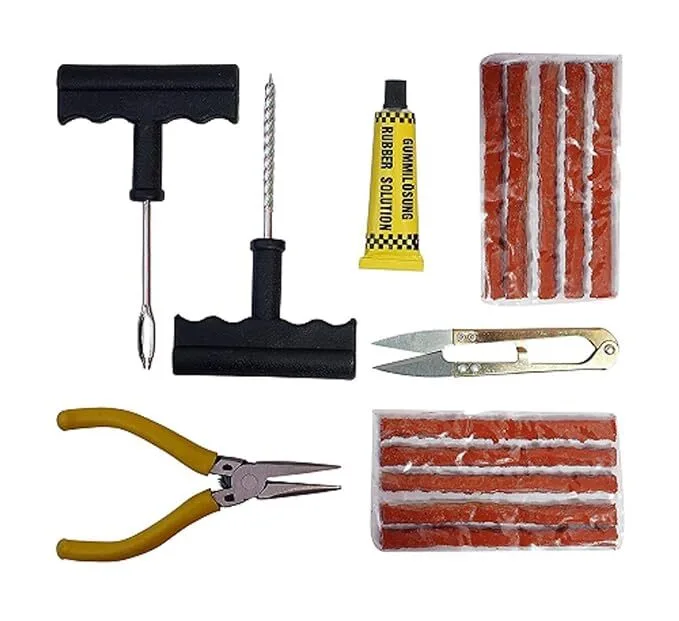
Start by checking the car in daylight, preferably in a clean, well-lit area. Confirm that the model, variant, colour, transmission and fuel type match your booking. Inspect the exterior for scratches, dents, uneven paint, damaged glass and mismatched body panels. Examine the tyres for visible damage and confirm that the spare wheel or tyre repair kit, jack and wheel tools are supplied as applicable to the variant.
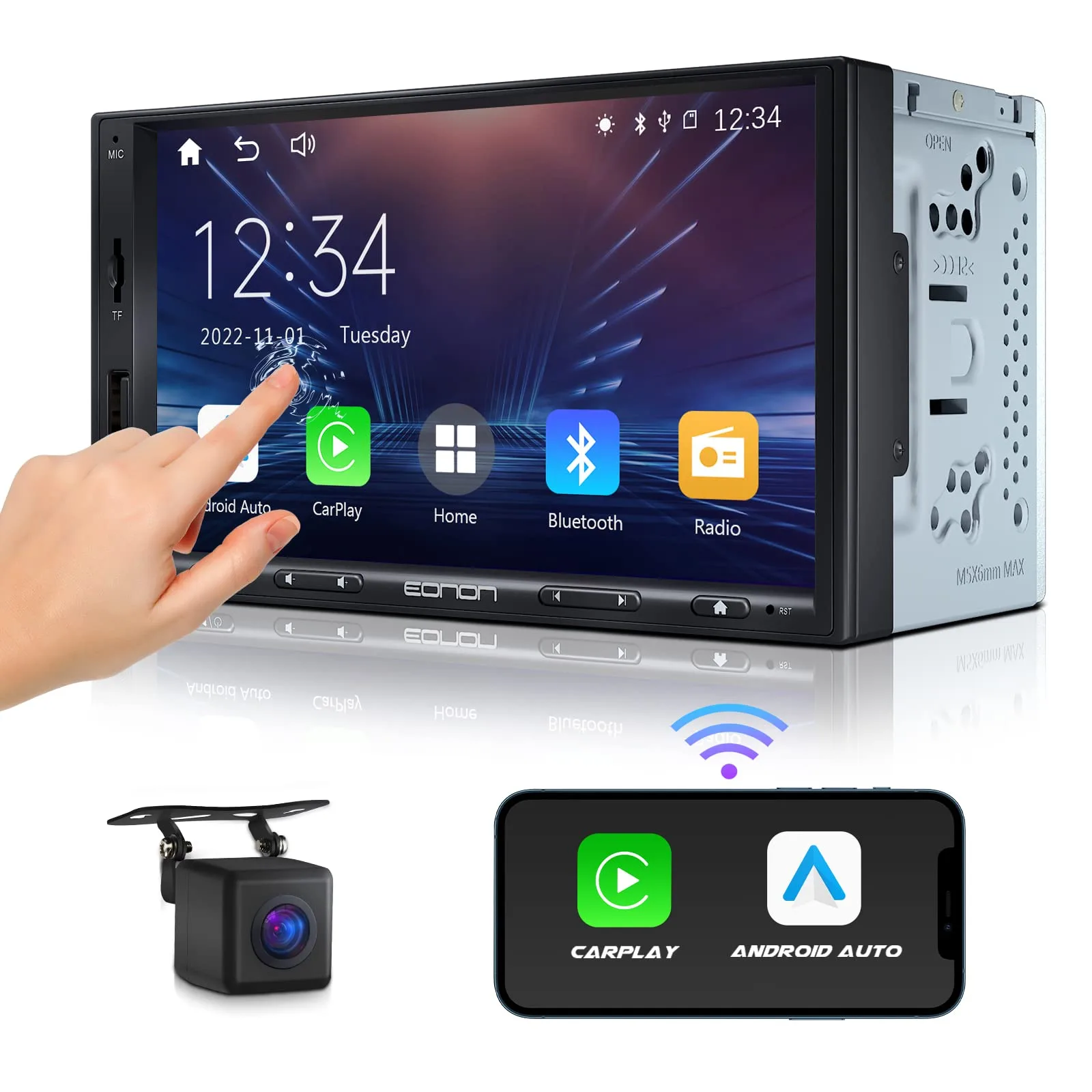
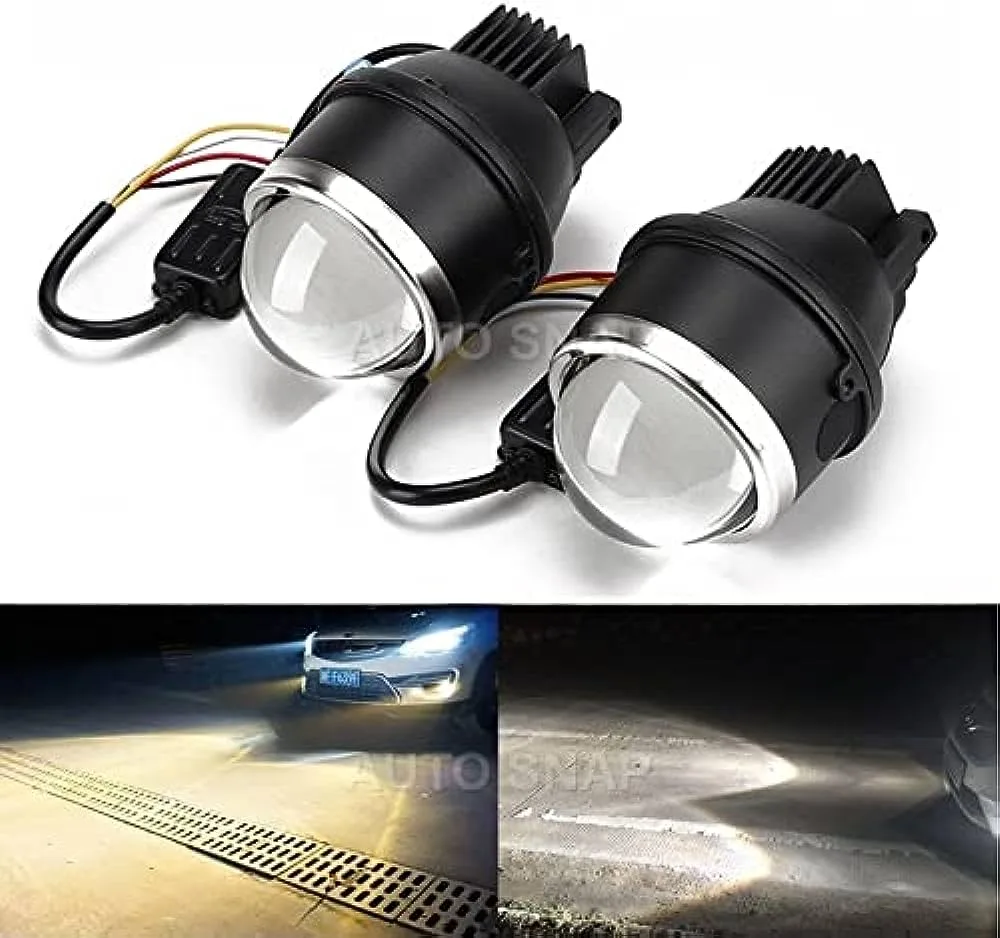
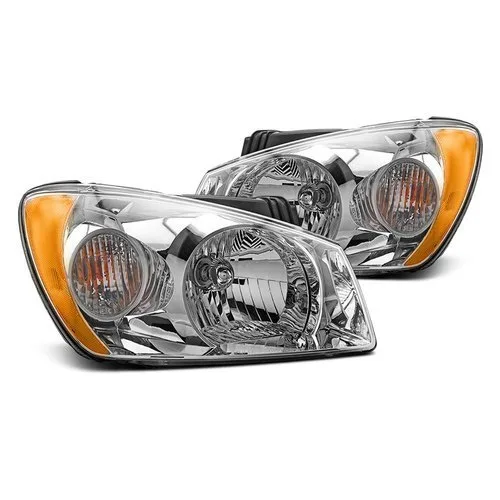
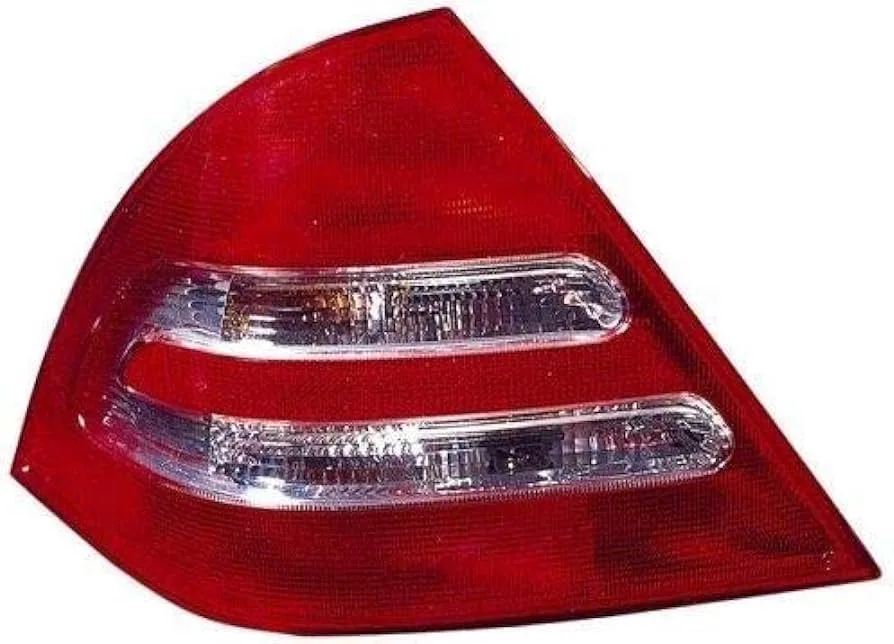
Next, test the headlights, indicators, brake lights, horn, wipers, washers, air conditioning, infotainment system, power windows, central locking and other electrical features. Check the seats, seat belts, dashboard, upholstery and boot for damage or missing equipment. Ask the dealership to demonstrate the vehicle's major features and explain any unfamiliar warning lights.
If possible, inspect the car before permanent registration and final acceptance. Request clarification if you notice unusual noises, warning messages, fluid leaks or signs of previous damage. Do not rely only on verbal assurances; ask the dealer to document any issues and confirm the resolution before proceeding.
Creckk Tip: Carry a written pre-delivery inspection checklist and take clear photographs of the car's exterior, interior, odometer and VIN for your records.
2. Manufacturing Date and VIN: How to Check Your Car's Age Before Buying
The manufacturing date is an important consideration when buying a new car, especially during the festive season when dealerships may offer vehicles from different production batches. A vehicle manufactured several months earlier is not automatically defective, but buyers should understand its age, storage history and condition before accepting it.
Ask the dealer for the manufacturing month and year and verify the information against the vehicle's records and manufacturer documentation. The Vehicle Identification Number (VIN), also called the chassis number in common usage, is a unique identifier for the vehicle. Locate the VIN on the car and compare it with the number printed on the relevant documents. Its physical location varies by manufacturer and model, so consult the owner's manual or ask the dealer to point it out.
Do not assume that every VIN follows the same decoding format. Although VINs commonly contain 17 characters, the method used to identify manufacturing information can vary by market and manufacturer. Ask the authorised dealer to confirm the production date using the manufacturer's system or official records.
If the vehicle is from an older production batch, ask whether it has been stored outdoors or indoors, whether the battery has been maintained and whether the tyres have been inspected. Check for cracks, unusual wear, corrosion, damaged paint or signs of moisture. You can also ask whether any manufacturer-recommended inspection or maintenance is required before delivery.
Creckk Fact: A car's manufacturing date and registration date are different. Registration tells you when the vehicle was registered, not when it was manufactured.
Before booking or accepting delivery, compare available stock if the manufacturing date matters to you. Also consider whether the price, warranty commencement and any applicable manufacturer benefits have been explained clearly.

3. Festive Offers and Discounts: Questions to Ask the Dealer Before Booking
Festive season car offers 2026 may include cash discounts, exchange bonuses, corporate benefits, finance-related schemes, accessories or special editions. However, the actual benefits can vary by manufacturer, model, variant, location, eligibility and offer period. A headline discount advertised online may not apply to every buyer, so request a written, itemised quotation before making a booking.
Start by asking the dealer for the complete on-road price, including ex-showroom price, registration charges, applicable road tax, insurance and other legitimate charges. Ask which discounts are offered by the manufacturer and which are provided by the dealership. If you have an eligible vehicle for exchange, confirm the exchange bonus, valuation process and any conditions attached to the offer.
If the dealer promotes a low-interest loan or special finance scheme, compare the interest rate, processing fee, loan tenure, down payment and total repayment amount. A lower monthly instalment does not necessarily mean a lower overall cost. Similarly, ask whether the advertised offer requires purchasing insurance, accessories or an extended warranty through the dealership.
Clarify the booking cancellation policy, refund timeline, expected delivery date and whether the quoted benefits will remain valid if delivery is delayed. Ask the dealer to list complimentary accessories individually rather than accepting a general promise of a free accessory package.
| Question to Ask the Dealer | What You Should Verify |
|---|---|
| What is the final on-road price? | A complete, itemised quotation |
| Which festive discounts apply to my variant? | Eligibility, conditions and validity |
| Is there an exchange bonus? | Valuation and offer requirements |
| What is the total loan repayment? | Interest, fees, tenure and instalments |
| Are accessories included free? | Exact products, quantities and quality |
| What is the cancellation policy? | Refund terms and applicable deductions |
| When will delivery take place? | Expected date and price validity |
Creckk Tip: Compare at least two written quotations for the same variant. Negotiate the total on-road cost rather than focusing only on the advertised discount.
A transparent quotation helps you identify unnecessary add-ons and understand the real value of festive offers before committing to the purchase.
4. Car Documents and Insurance: Verify Every Paper Before Taking Delivery
Correct documentation is just as important as the physical condition of your new car. Before accepting delivery, review the documents supplied by the dealer and verify that your name, address, vehicle variant and other relevant details are accurate. Errors can create inconvenience when registering, insuring or servicing the vehicle.
Begin with the final invoice. Confirm the model, variant, colour, vehicle identification details where listed, price breakdown, applicable taxes and any discounts agreed upon. Compare the invoice against your booking confirmation and the final quotation. Keep copies of payment receipts and any written promises concerning complimentary accessories or unresolved inspection issues.
Next, verify the insurance policy. Check the insured vehicle details, policyholder information, policy period, IDV where applicable, premium, deductibles, selected add-ons and exclusions. Understand the difference between third-party liability cover and own-damage cover, and ask the insurer or dealer to explain the coverage you are purchasing. Do not assume every insurance package includes zero depreciation, roadside assistance, engine protection or consumables cover.
Ask the dealer about the registration process and obtain the relevant temporary or permanent registration details as applicable. Before driving away, ensure the vehicle is legally permitted to be driven and that the required registration and insurance arrangements are in place. Confirm how and when you will receive the registration certificate and other pending documents.
Also collect the owner's manual, warranty booklet or digital warranty details, service schedule and roadside assistance information if included. Verify the warranty start date and ask whether any extended warranty is optional or already part of the deal.
Creckk Fact: A comprehensive motor insurance policy generally combines third-party liability and own-damage protection, but coverage depends on the policy wording, exclusions and selected add-ons.
Keep digital and physical copies of all important documents. If any details are incorrect, request a correction before accepting the paperwork as final.
5. Exterior, Interior and Mechanical Checks: Inspect Your Car for Damage or Defects
A detailed inspection of your car's exterior, interior and basic mechanical condition can help you identify problems before taking delivery. Even a vehicle that looks new in the showroom deserves a careful examination, particularly if it has been moved between storage yards or dealerships.
Exterior Inspection
Walk around the vehicle and inspect the bonnet, roof, doors, bumpers, boot lid and side panels under natural light. Look for scratches, dents, paint irregularities, cracked lamps and uneven gaps between body panels. Check the windscreen and other glass surfaces for chips or cracks. Open and close each door, the bonnet and the boot to confirm that they operate smoothly.
Inspect the tyres for visible damage and confirm that the fitted tyres and spare-wheel equipment match the vehicle's specified configuration. Check the wheel rims, number plates if fitted and underbody areas that are reasonably visible. If you notice paint overspray, inconsistent panel alignment or other signs of repair, ask the dealer for an explanation and written clarification.
Interior Inspection
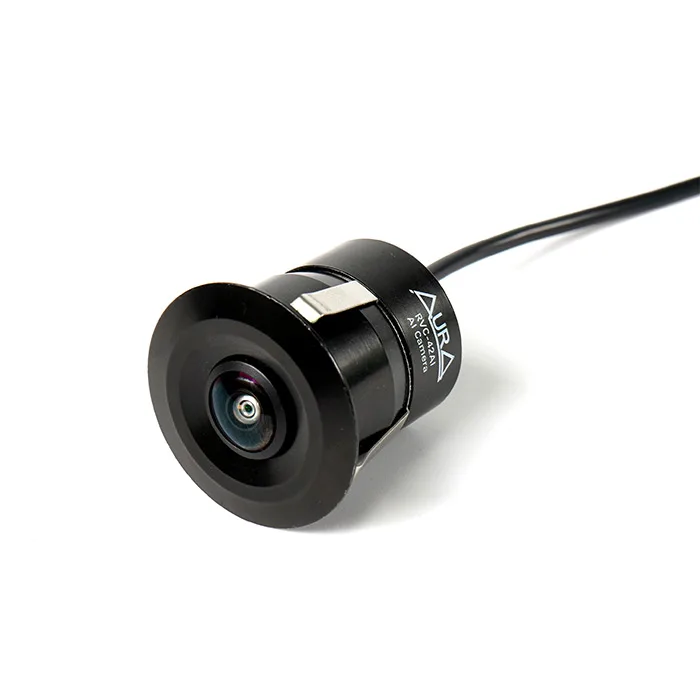
Sit in every seat and check the upholstery, headrests, seat adjustment, seat belts and door trims. Test the infotainment system, reverse camera if equipped, air conditioning, windows, mirrors, charging ports and other electrical functions. Verify that the supplied keys, mats and other promised items are present.
Mechanical and Functional Inspection
Start the engine according to the owner's manual and observe the dashboard warning lights. Many warning lights illuminate briefly during startup as part of a normal system check, but any warning that remains illuminated should be explained. Listen for unusual noises and check for visible fluid leaks. Ask the dealer to demonstrate the brakes, steering, transmission controls and parking brake without conducting an unsafe test.
Creckk Tip: Inspect the car before fitting accessories such as seat covers or floor mats. This makes it easier to identify existing marks and ensures that accessories do not conceal defects or interfere with safety features.
Essential Car Accessories to Consider After Inspection
Once the car passes its inspection, consider accessories that protect the vehicle, improve convenience or address your everyday driving needs.
New Car Accessories Checklist India
| Accessory | Main Benefit | What to Check Before Buying |
|---|---|---|
| Custom-fit floor mats | Help protect the carpet from dust, mud and spills | Secure fit and no interference with pedals |
| Seat covers | Help protect upholstery from stains and wear | Compatibility with seat-mounted airbags |
| Dashcam | Records driving footage for reference and evidence | Camera quality, storage and safe installation |
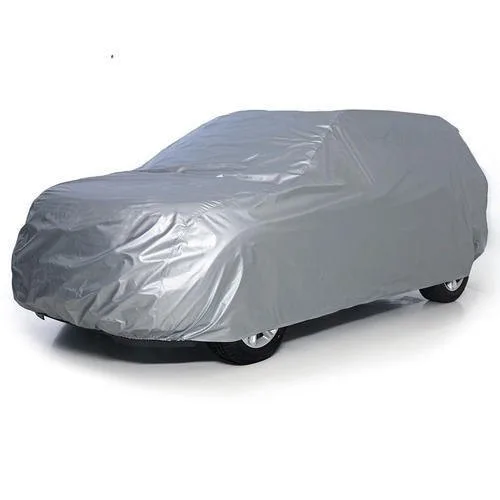
| Car body cover | Helps protect parked vehicles from dust and environmental exposure | Correct size, suitable lining and ventilation |
| Microfibre cloth | Supports gentle routine cleaning | Softness and suitability for the surface |
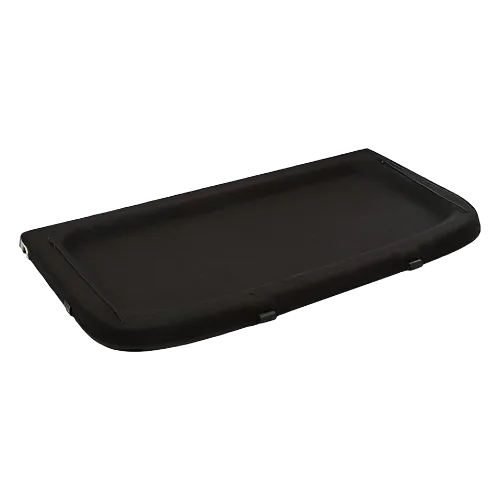
| Sunshade | Helps reduce direct sunlight entering through the windscreen | Correct dimensions and secure fit |
Creckk View: The best car accessories for new car owners are not necessarily the most expensive ones. Prioritise useful protection, safety and compatibility before cosmetic upgrades.
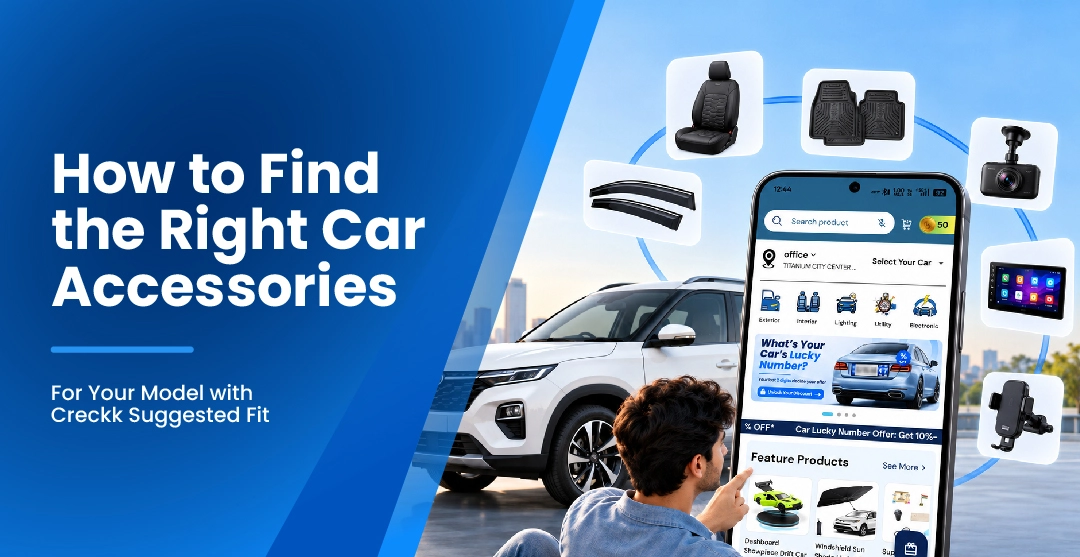
When choosing the best car accessories to install after buying a new car, consider your parking conditions, daily commute, passengers, climate and cleaning routine. In India, custom-fit mats can be particularly useful during dusty and rainy conditions, while a dashcam may suit drivers who spend considerable time on busy roads.
Avoid buying every accessory in a dealership bundle without comparing quality and price. You can explore compatible products through CRECKK and compare your options before deciding which items genuinely add value to your car.
6. Final Delivery Checklist: Things to Confirm Before Driving Your New Car Home
The final delivery process is your last opportunity to confirm that the vehicle, documents and promised benefits are in order. Avoid rushing through this stage simply because the dealership is busy during the festive season. A few additional minutes of verification can prevent unnecessary follow-ups later.
Begin by matching the vehicle's VIN and other available identification details with the relevant documents. Confirm the model, variant, colour and transmission. Check the odometer reading and ask the dealer to explain any reading that appears inconsistent with the vehicle's preparation and movement history. A small reading may reflect factory testing or dealership handling, but the dealer should clarify any unusual discrepancy.
Verify that the final invoice reflects the agreed price and that all promised discounts, exchange benefits and complimentary items are recorded correctly. Confirm the insurance arrangements, registration status, warranty details and expected delivery of any pending documents. Collect both keys, the owner's manual, service information and any applicable roadside assistance details.
Before leaving, ask the delivery representative to demonstrate essential controls, including headlights, indicators, wipers, air conditioning, infotainment, parking sensors and reverse camera where fitted. Learn how to operate the spare-wheel equipment or tyre repair kit, locate the warning triangle and use the emergency equipment supplied with the vehicle.
Check the fuel or battery charge level and ask about the recommended first service interval, running-in guidance if applicable, tyre pressure and manufacturer-recommended fluids. For electric vehicles, also ask about charging procedures, compatible charging equipment and available charging support.
Creckk Tip: Take photographs of the car at delivery and retain the final invoice, insurance documents, warranty details and inspection notes in one folder for easy reference.
New Car Delivery Checklist India
Use this final checklist before signing the delivery acceptance documents.
- Model, variant, colour and transmission confirmed.
- Manufacturing date and VIN checked.
- Exterior paint, glass, panels and tyres inspected.
- Seats, dashboard, lights, AC and electrical systems tested.
- Odometer reading checked and any unusual reading clarified.
- Final invoice and agreed discounts verified.
- Insurance policy and registration arrangements confirmed.
- Warranty details and service schedule received.
- Both keys and promised accessories collected.
- Spare-wheel equipment or tyre repair kit checked.
- Any unresolved defects documented with a written resolution plan.
- Delivery acceptance completed only after reviewing the vehicle and paperwork.
Do not feel pressured to accept a vehicle with unexplained damage, missing equipment or unresolved documentation issues. Ask the dealership to correct the problem or explain the available resolution before proceeding.
Creckk Fact: A delivery checklist is useful only when each item is physically verified or confirmed against the relevant document. A tick mark alone is not proof that a problem has been resolved.
Frequently Asked Questions (FAQs)
1. What should I check before taking delivery of a new car during the festive season?
Check the manufacturing date, VIN, paintwork, body panels, tyres, interior, electrical systems, odometer reading, invoice, insurance and registration arrangements. Also confirm that all promised discounts, accessories and warranty details are documented before accepting delivery.
2. Is a pre-delivery inspection necessary when buying a brand-new car?
Yes. A pre-delivery inspection checklist helps you identify visible damage, missing equipment, functional issues and documentation discrepancies before accepting the vehicle. Even a brand-new car should be inspected rather than assumed to be perfect.
3. How can I check the manufacturing date of a new car in India?
Ask the authorised dealer for the manufacturing month and year, then verify it using the manufacturer's records and vehicle documentation. The VIN may help identify vehicle information, but decoding methods differ between manufacturers.
4. Which questions should I ask a dealer about festive season car offers in 2026?
Ask for the complete on-road price, applicable cash discounts, exchange bonuses, finance benefits, complimentary accessories, booking cancellation terms and expected delivery date. Request an itemised written quotation and verify the conditions attached to each offer.
5. What are the must-have car accessories for new car owners?
Useful options include custom-fit floor mats, a dashcam, a microfibre cloth and a suitable sunshade. Seat covers may also be worth considering, depending on your needs. Always prioritise safety, fit and installation quality.
6. Should I buy car accessories from the dealership or online?
Compare both options based on price, quality, vehicle compatibility, warranty and installation support. Dealership accessories can be convenient, while online platforms may offer a wider selection. Whichever option you choose, make sure the product is suitable for your car and does not interfere with safety systems.
7. What should I do if I find damage during the pre-delivery inspection?
Photograph the damage and inform the dealer immediately. Ask for the issue and proposed resolution to be recorded in writing. Do not sign an unconditional delivery acceptance or rely solely on a verbal promise that the issue will be fixed later.
Conclusion
Buying a car during the festive season can be rewarding, but a successful purchase involves more than finding an attractive discount. A careful pre-delivery inspection, verification of the manufacturing date and VIN, accurate documentation and a thorough review of festive season car offers 2026 can help you make a more informed decision.
Use this festive season car buying guide 2026 to inspect the vehicle systematically, ask the right questions and confirm every commitment before taking delivery. Once the car passes all essential checks, choose accessories that genuinely improve protection, comfort and convenience rather than spending unnecessarily on cosmetic additions.
For Indian car owners, the right combination of inspection, documentation and practical accessories can make vehicle ownership easier from the beginning. CRECKK can help you explore car accessories to protect a new car's interior and exterior, compare suitable options and build a new car accessories checklist India that matches your vehicle and driving requirements.
Make your festive purchase with confidence: inspect carefully, verify everything and drive home prepared.