Your cart is empty
Start Shopping Exterior
›
Exterior
›
 Bumper Diffuser/Guard
 Body Covers
 Window Garnishing
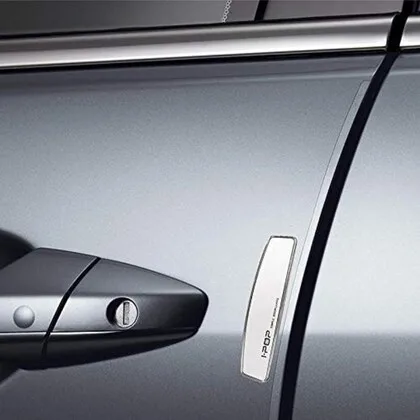 Door Guards
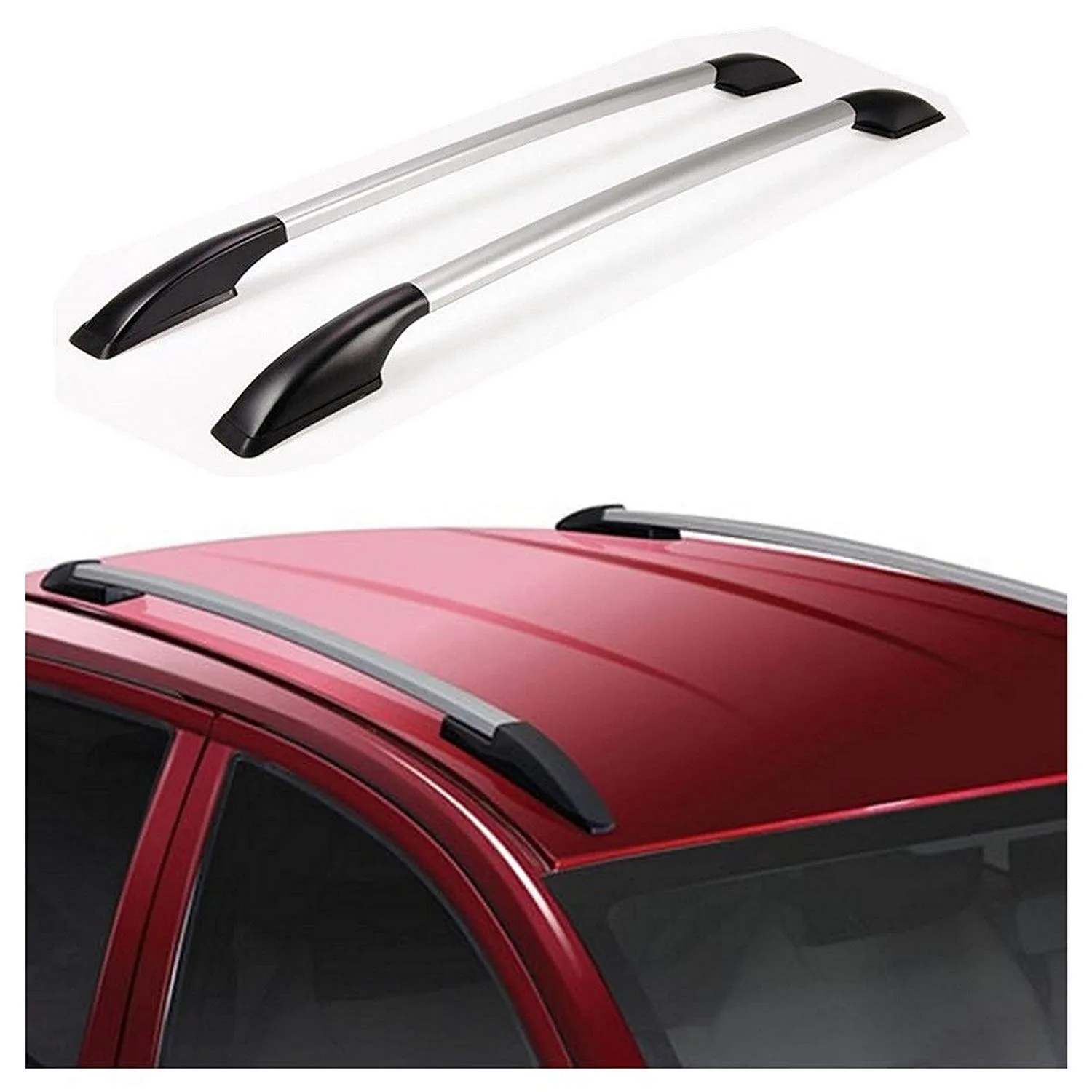 Roof Rails
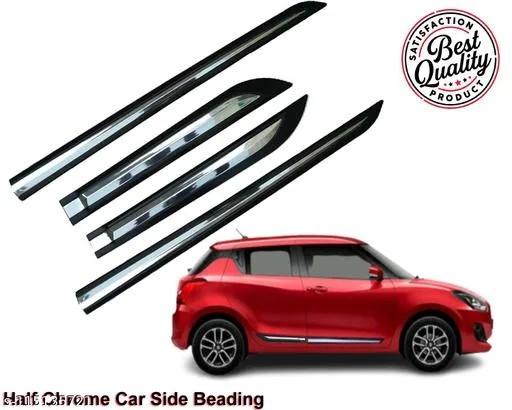 Side Beading
 Door Visor
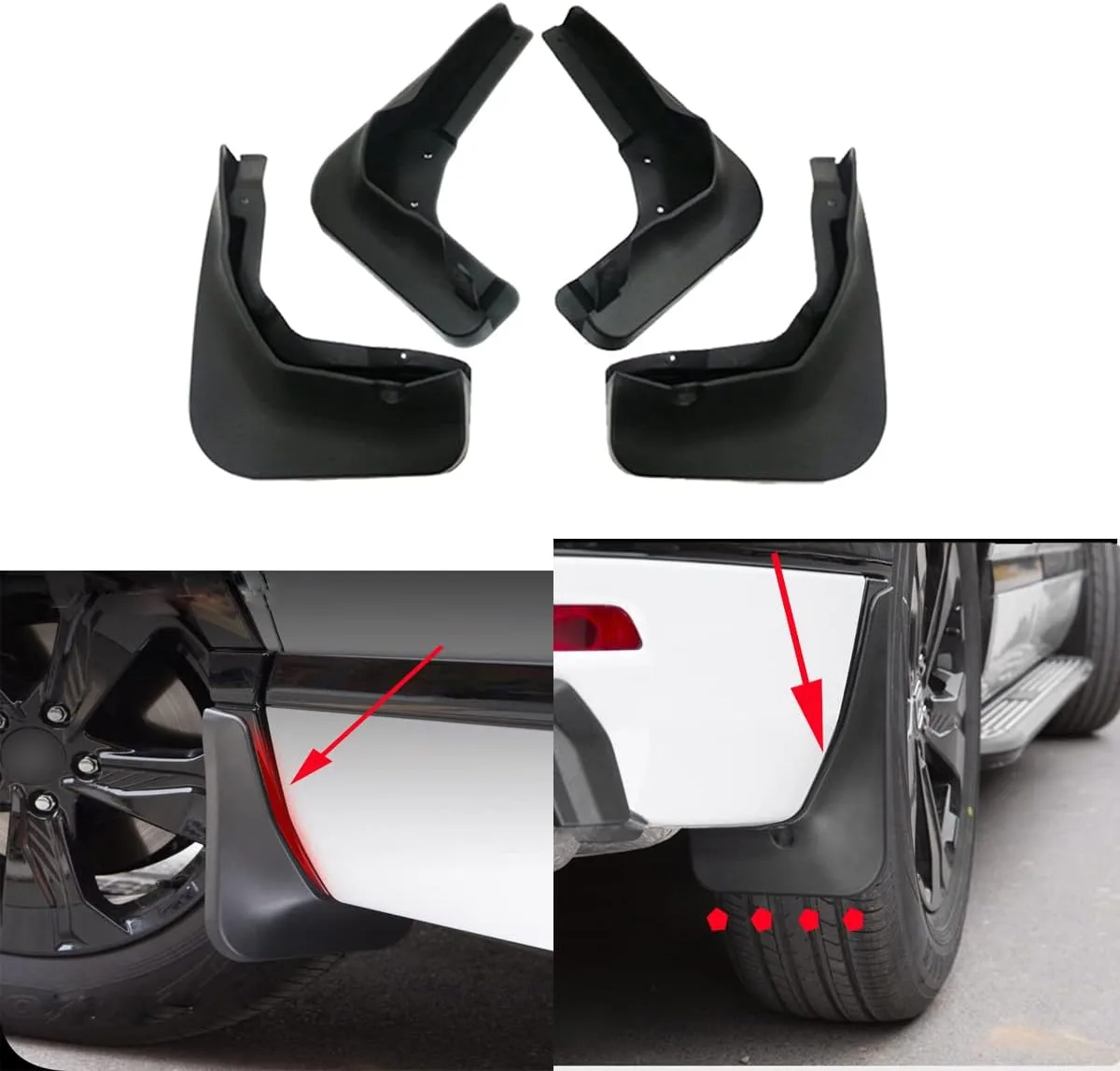 Mud Flap
 Wheel Cover
 Foot Rest
 Interior
›
Interior
›
 Door Scuff Sill Plates
 Window Sunshades & Film
 Armrest
 Seat Covers
 Steering Cover
 Floor Mats
 Dashboard Showpiece
 Seat & Neck Cushion
 Lighting
›
Lighting
›
 Utility
›
Utility
›
 All Chrome Items
 Mobile Holder
 Tyre Inflators
 Vacuum Cleaner
 Jumper Cable
 Cleaning Kit
 Tyre Puncture Kit
 Tyre Valve Cap
 Car Fan
 Parcel Tray
 Electronic
›
Electronic
›
 Parts
›
Parts
›
 Fog Lights
 Headlights
 Tail Lights
 Steering Wheel Controls
 Sensor
 Horns
Horns
 Wiper Blade
 Front Grille
 Side Mirror
 Battery
 Car Care
›
Car Care
›
 Air Freshener & Perfume
 Gear knob
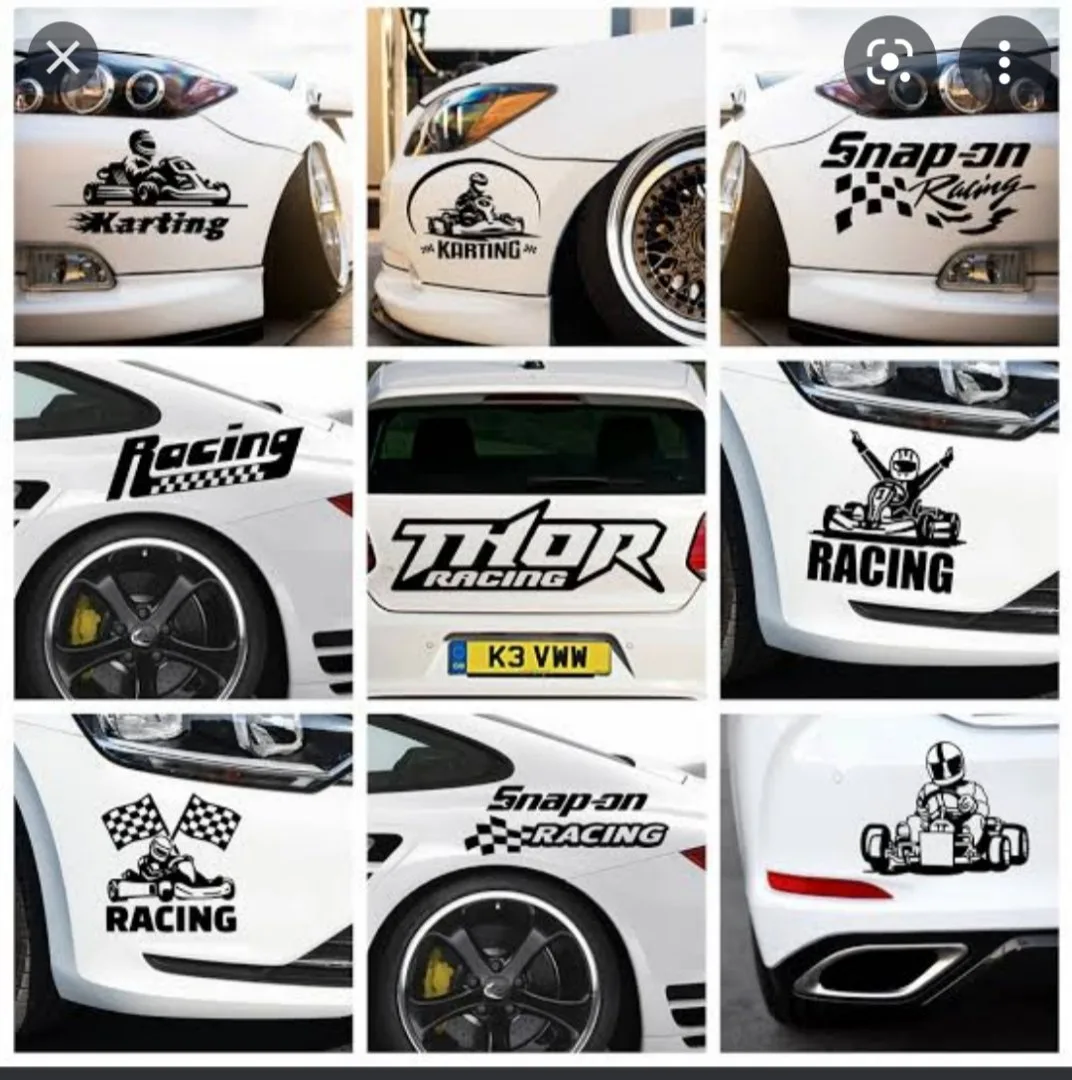 Stickers & Decals
 Blind Spot Mirror
 Steering Knob
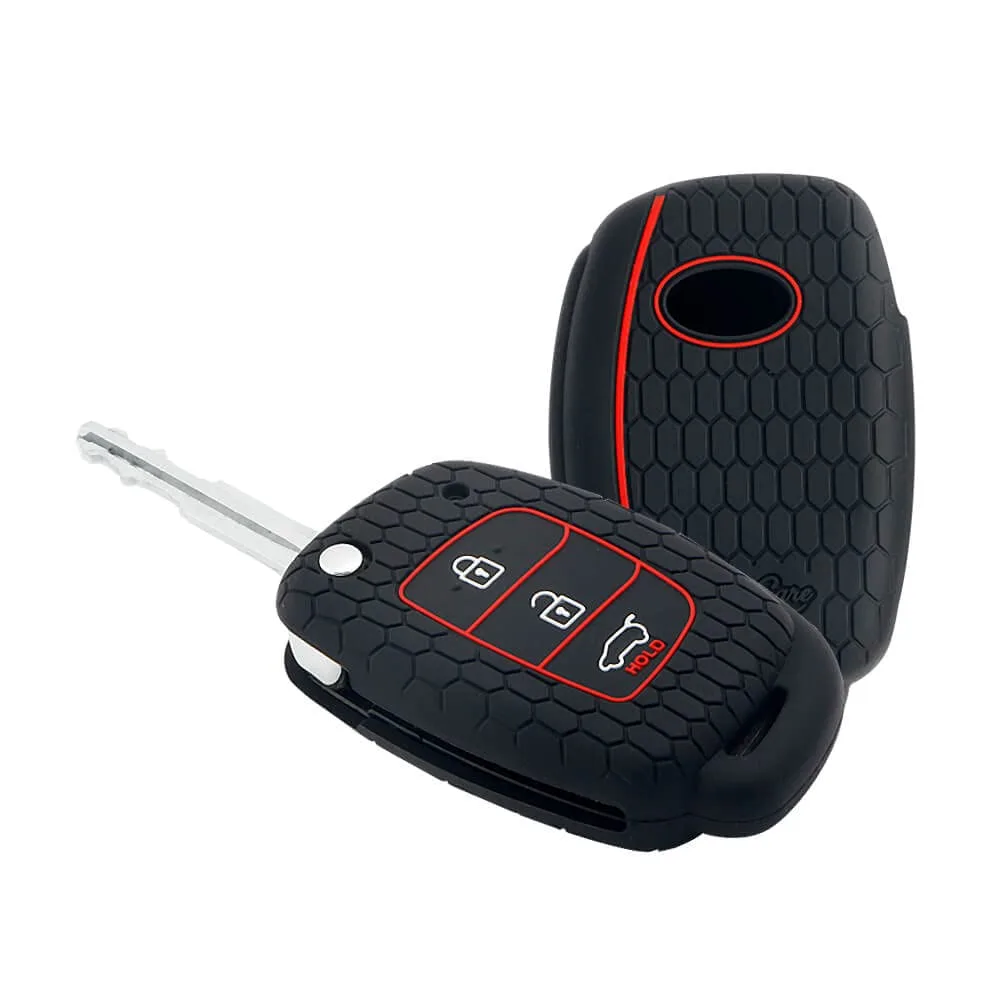 Key Covers
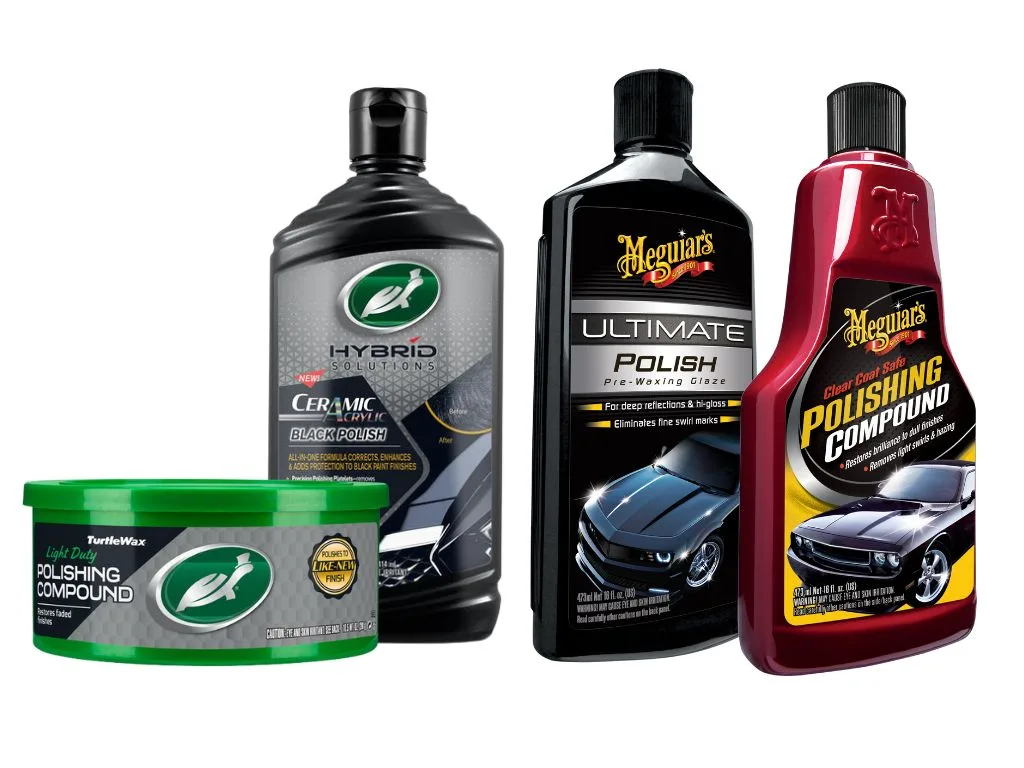 Polish & Scratch Remover
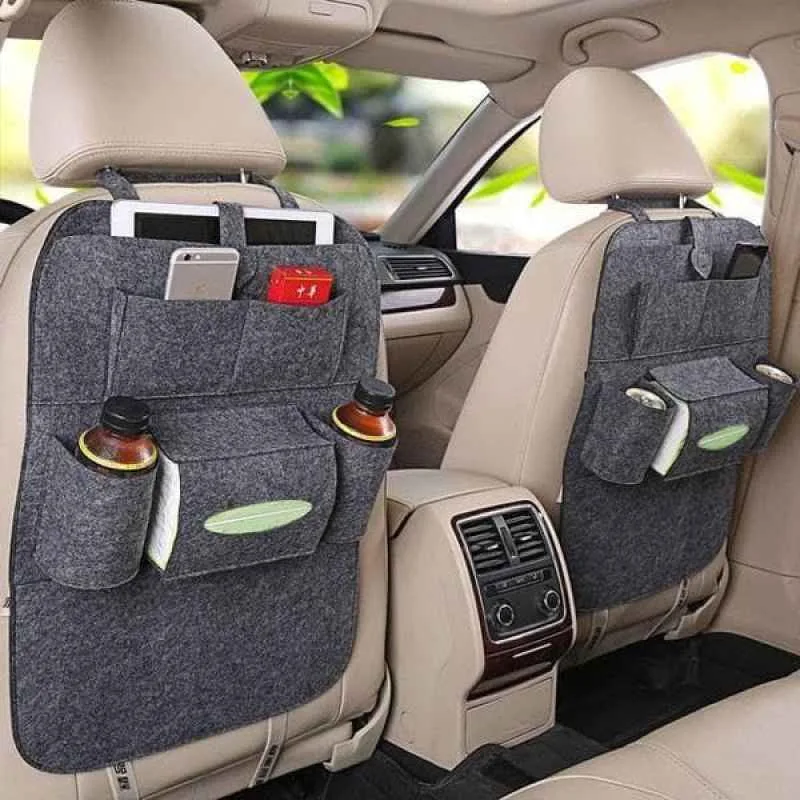 Seat Utility Holder
 Cup Holder
 Dustbin
 Paper Napkin
 Shop By Car
›
Shop By Car
›
 Tata
›
Tata
›
 Maruti Suzuki
›
Maruti Suzuki
›
 Hyundai
›
Hyundai
›
 Toyota
›
Toyota
›
 Mahindra
›
Mahindra
›
 Honda
›
Honda
›
 Ford
›
Ford
›
 Nissan
›
Nissan
›
 Renault
›
Renault
›
 Skoda
›
Skoda
›
 Volkswagen
›
Volkswagen
›
 Morris Garages - MG
›
Morris Garages - MG
›
 KIA
›
KIA
›
 Jeep
›
Jeep
›
 Citroen
›
Citroen
›
 Datsun
›
Datsun
›
 Chevrolet
›
Chevrolet
›
 Isuzu
›
Isuzu
›
 Mitsubishi
›
Mitsubishi
›
 AUDI
›
AUDI
›
 BMW
›
BMW
›
 Mercedes
›
Mercedes
›
 Land Rover
›
Land Rover
›
 Jaguar
›
Jaguar
›
 Volvo
›
Volvo
›
 FIAT
›
FIAT
›
 Mini Cooper
›
Mini Cooper
›
 Porsche
›
Porsche
›
 Lexus
›
Citron
›
Fors
›
Morris Garages
›
MG
›
Lexus
›
Citron
›
Fors
›
Morris Garages
›
MG
›
 Nexon
Nexon
 Harrier
 Altroz
 Hexa
Hexa
 Safari
 Tiago
Tiago
 Punch
Punch
 Tigor
Tigor
 Sumo
Sumo
 Winger
 Bolt
Bolt
 Vista
Vista
 Manza
Manza
 Indica
 Indigo
 Nano
Nano
 Aria
Aria
 Safari Storme
 Zest
Zest
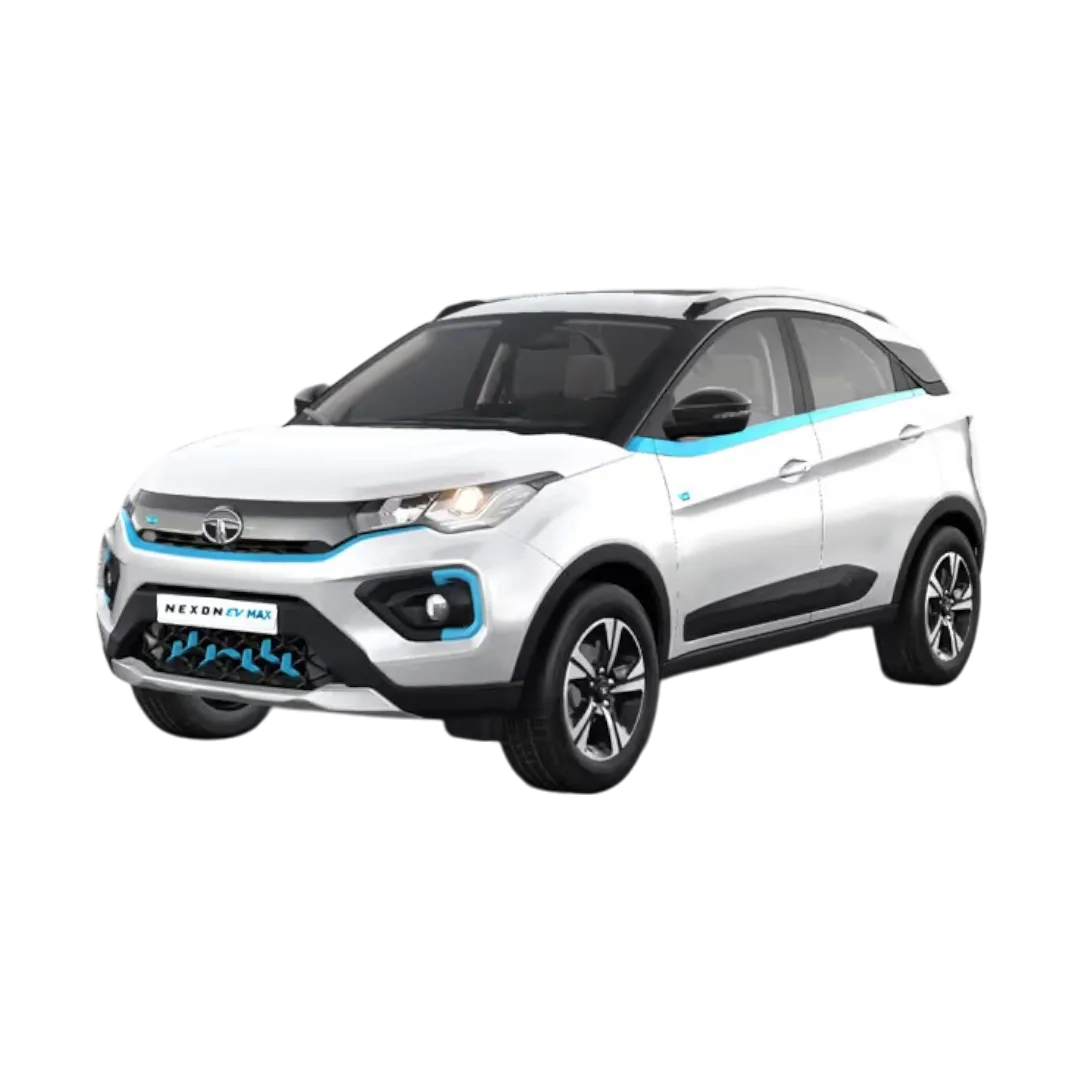 NEXON EV Max
 NEXON EV Prime
 Tiago NRG
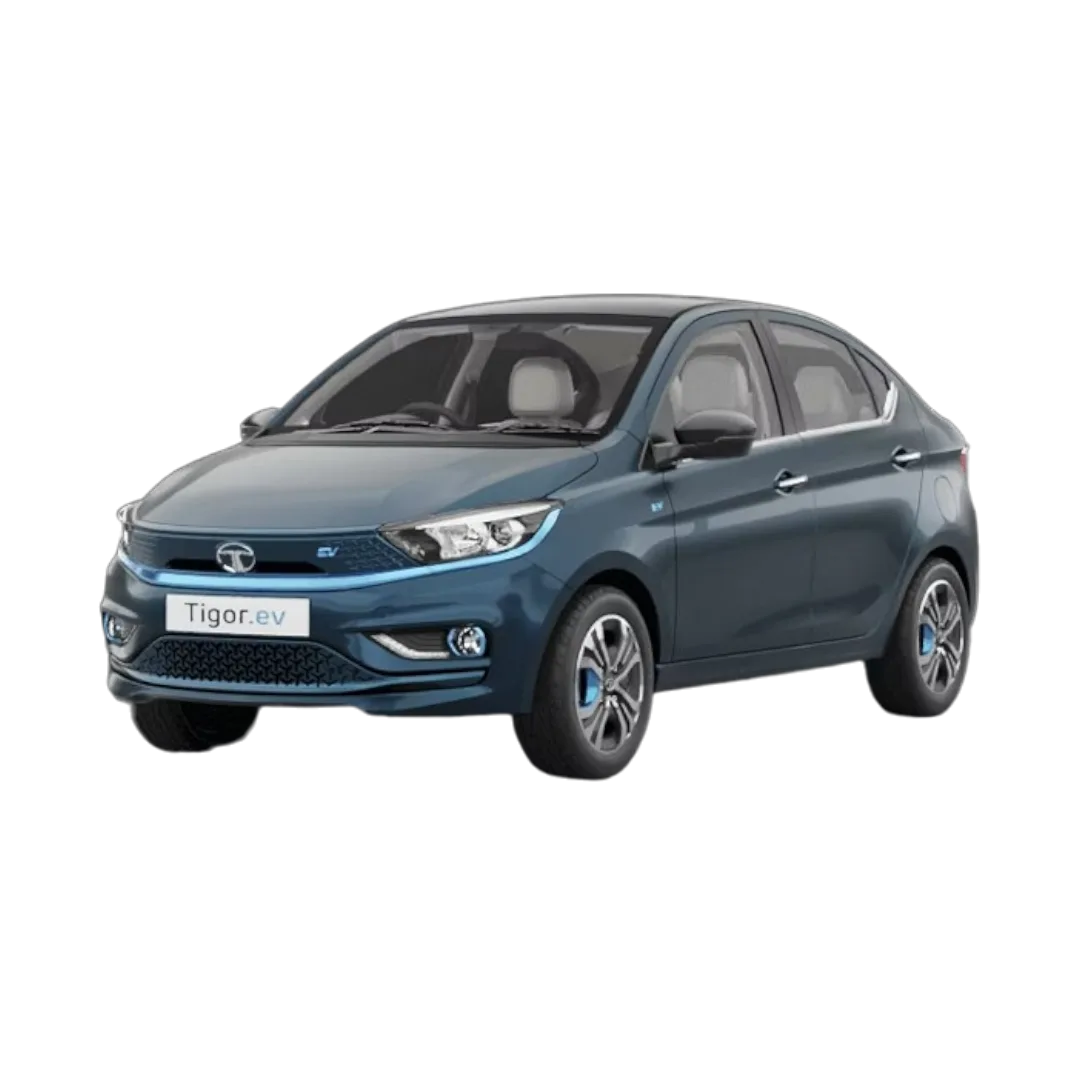 Tigor EV
INDICA VISTA
Curvv
Sierra
Magic
Tigor EV
INDICA VISTA
Curvv
Sierra
Magic
 Ciaz
Ciaz
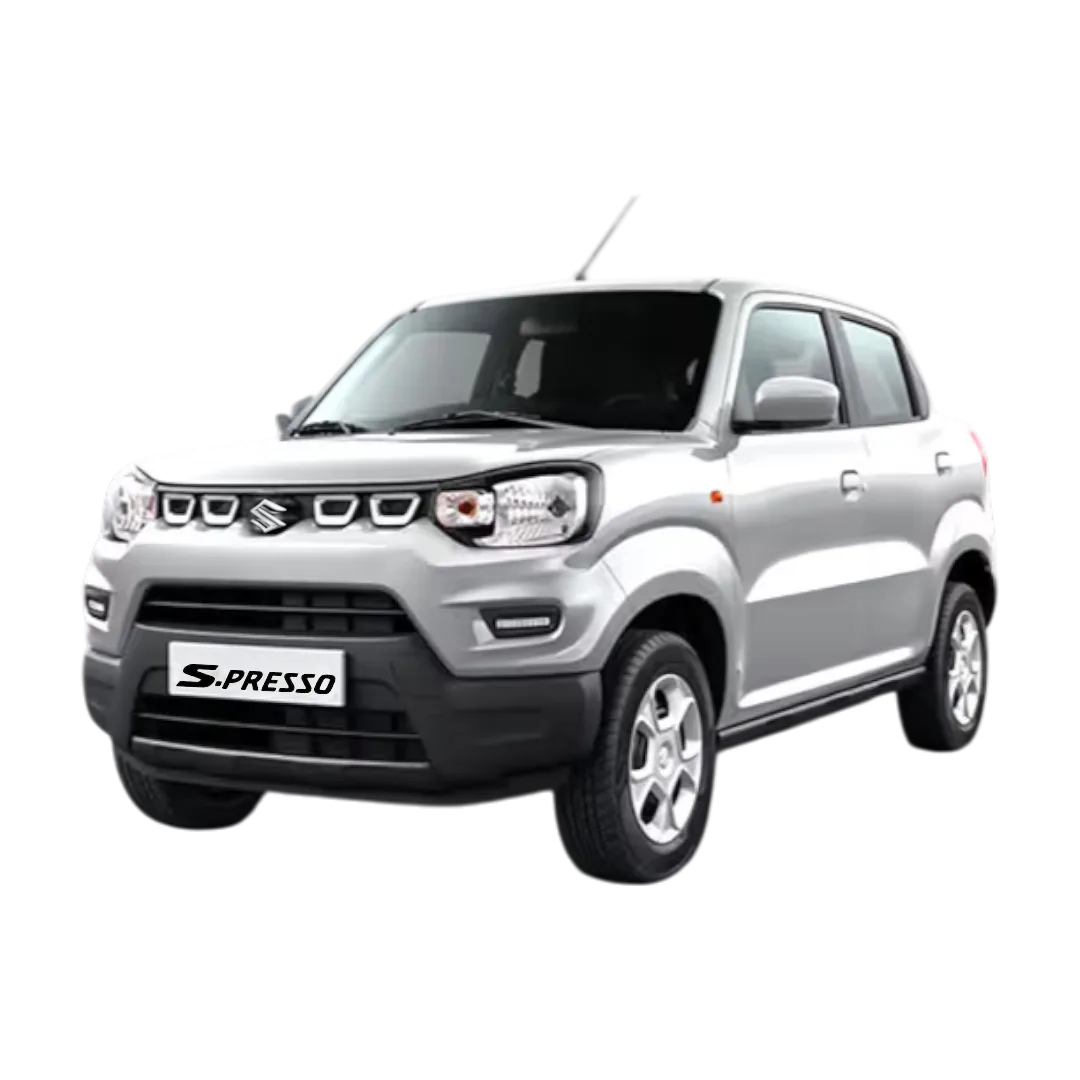 S-Presso
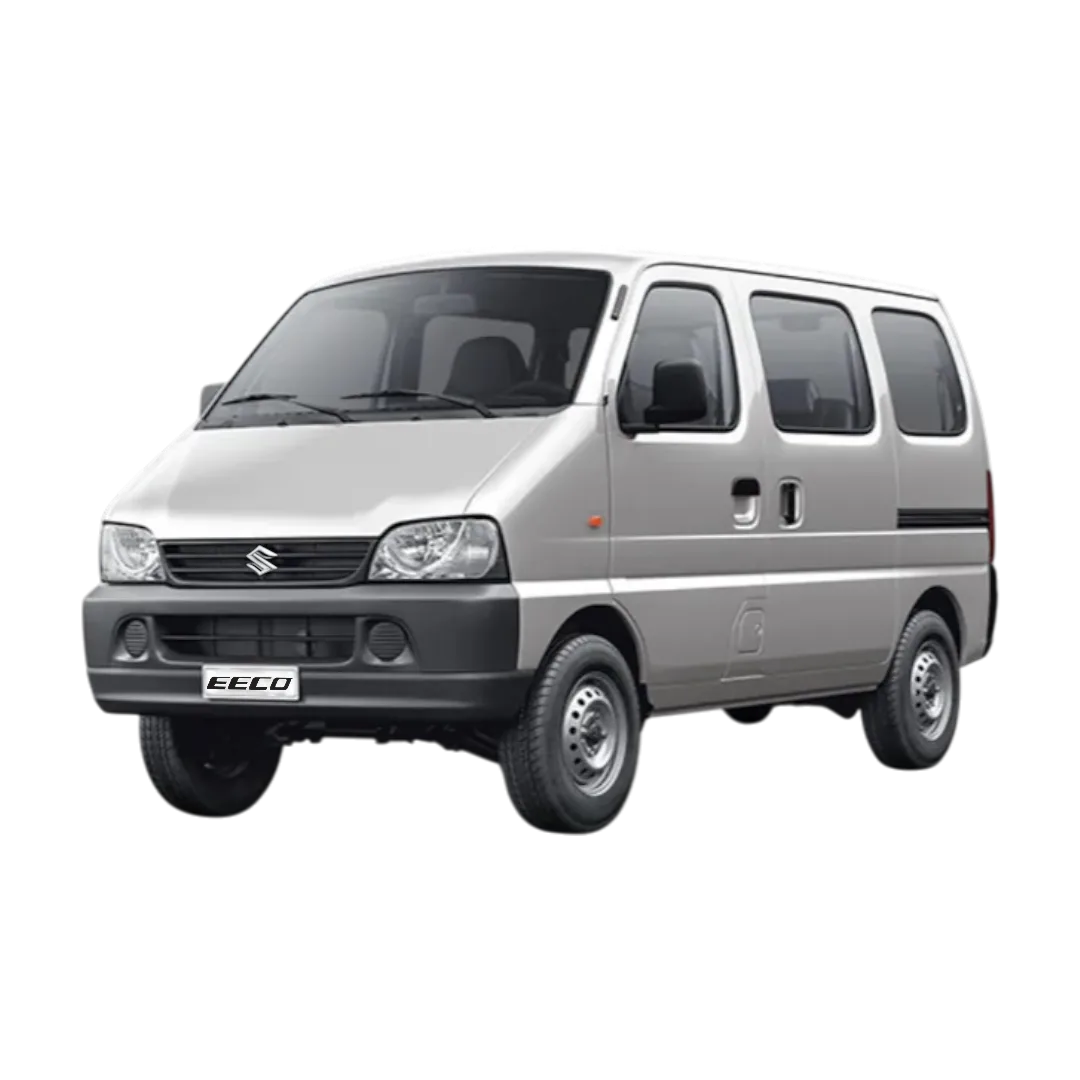 Eeco/Versa
 WagonR
 Brezza
 Swift
Swift
 Dzire
Dzire
 Baleno
 Ertiga
 Grand Vitara
 S-Cross
 Jimny
Jimny
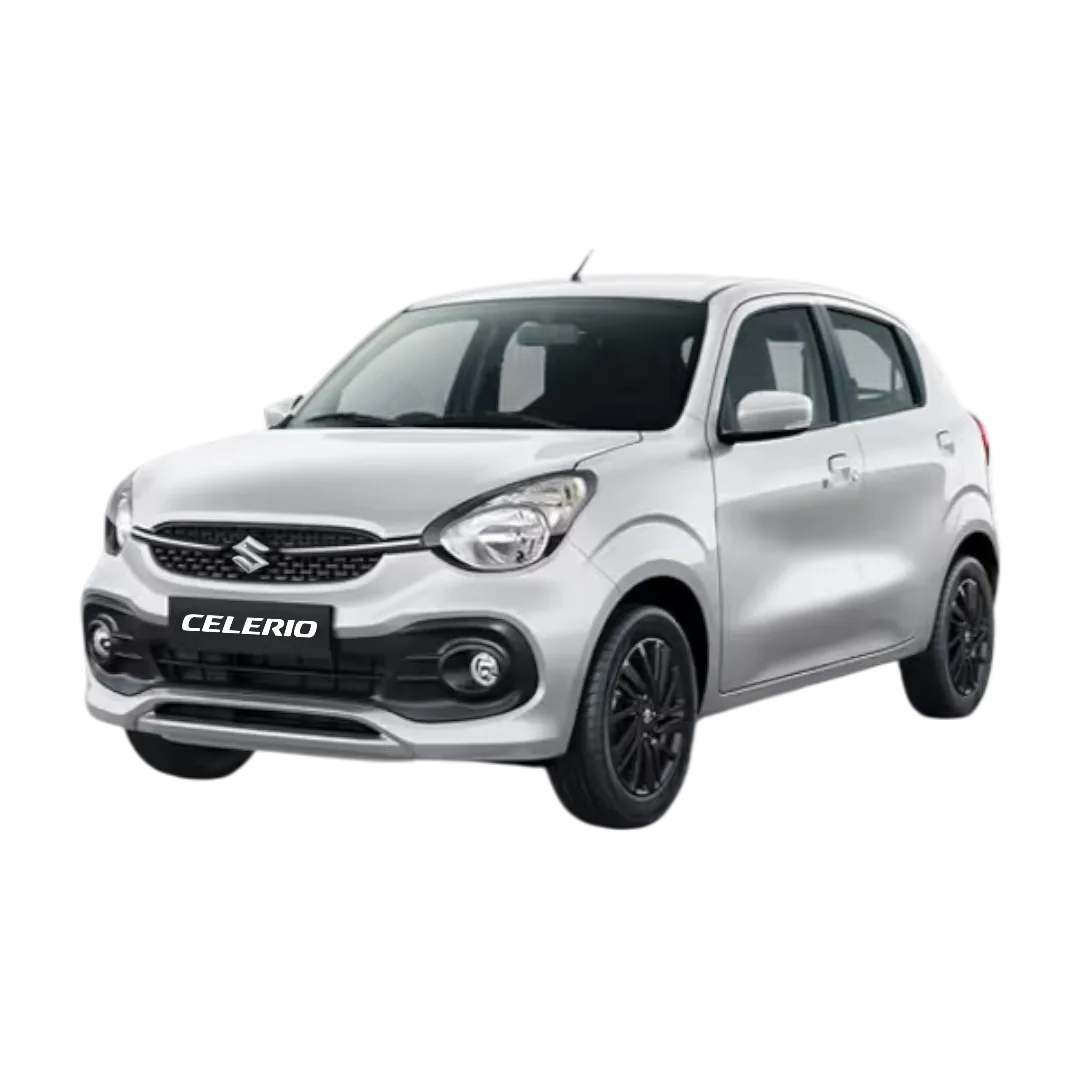 Celerio
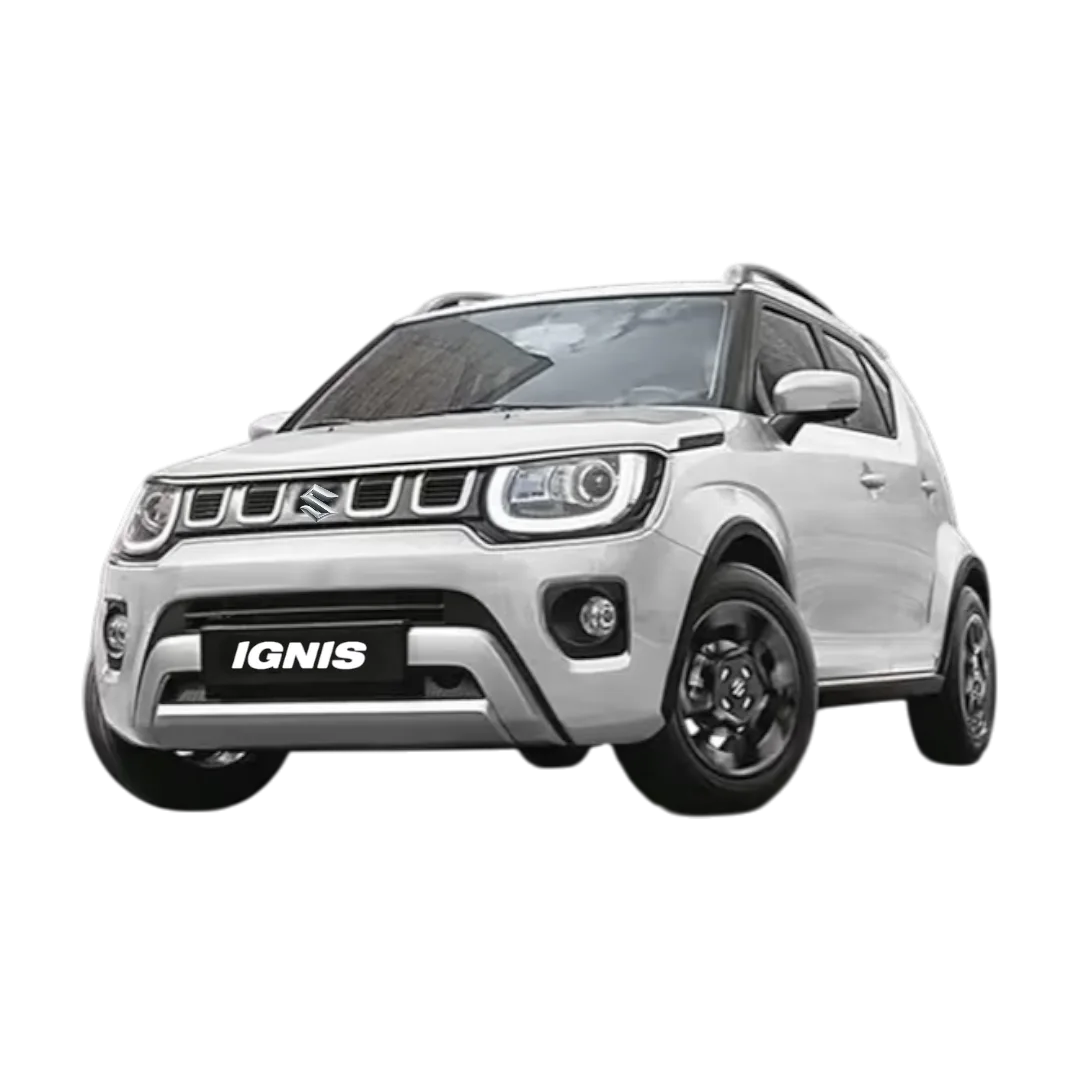 Ignis
Ignis
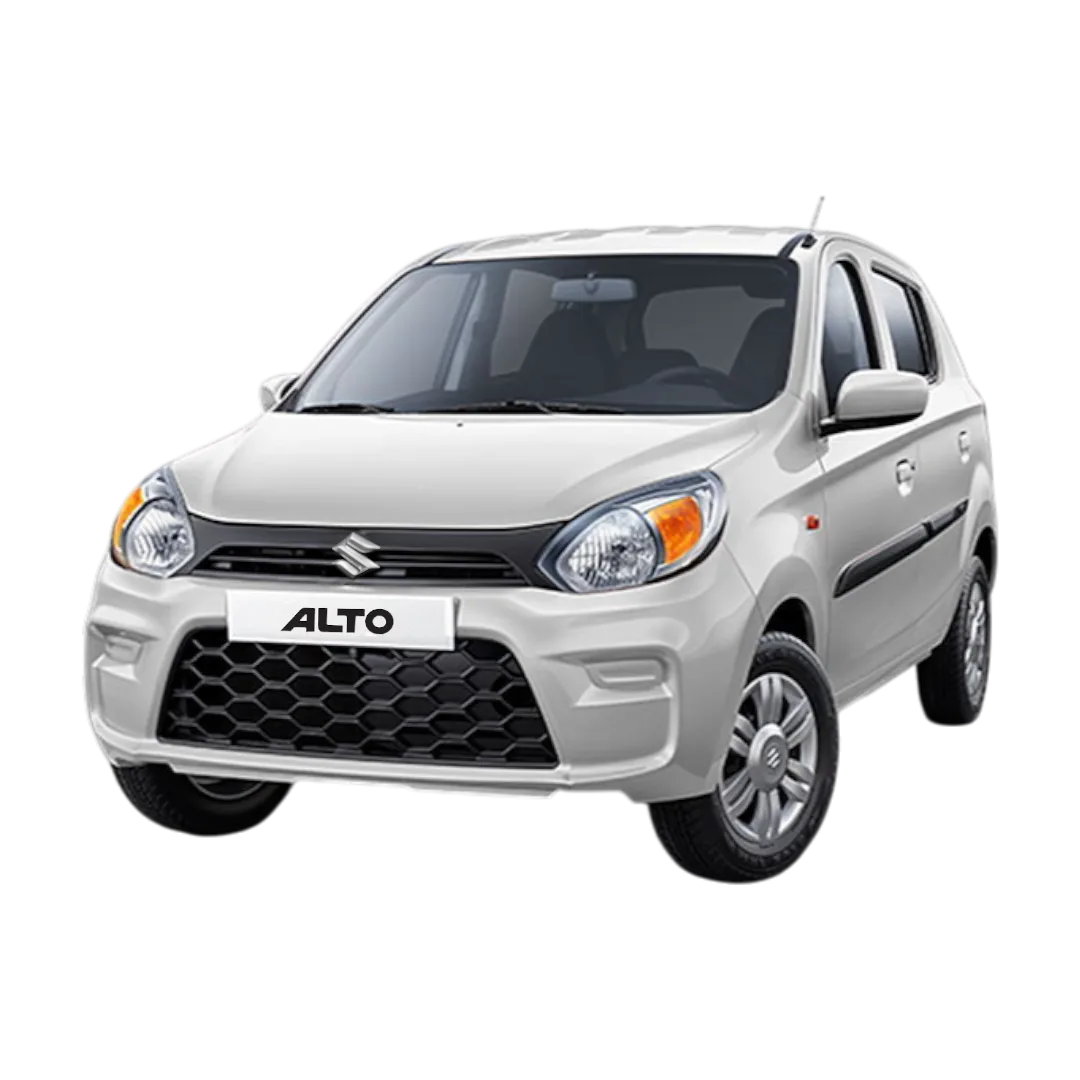 Alto 800
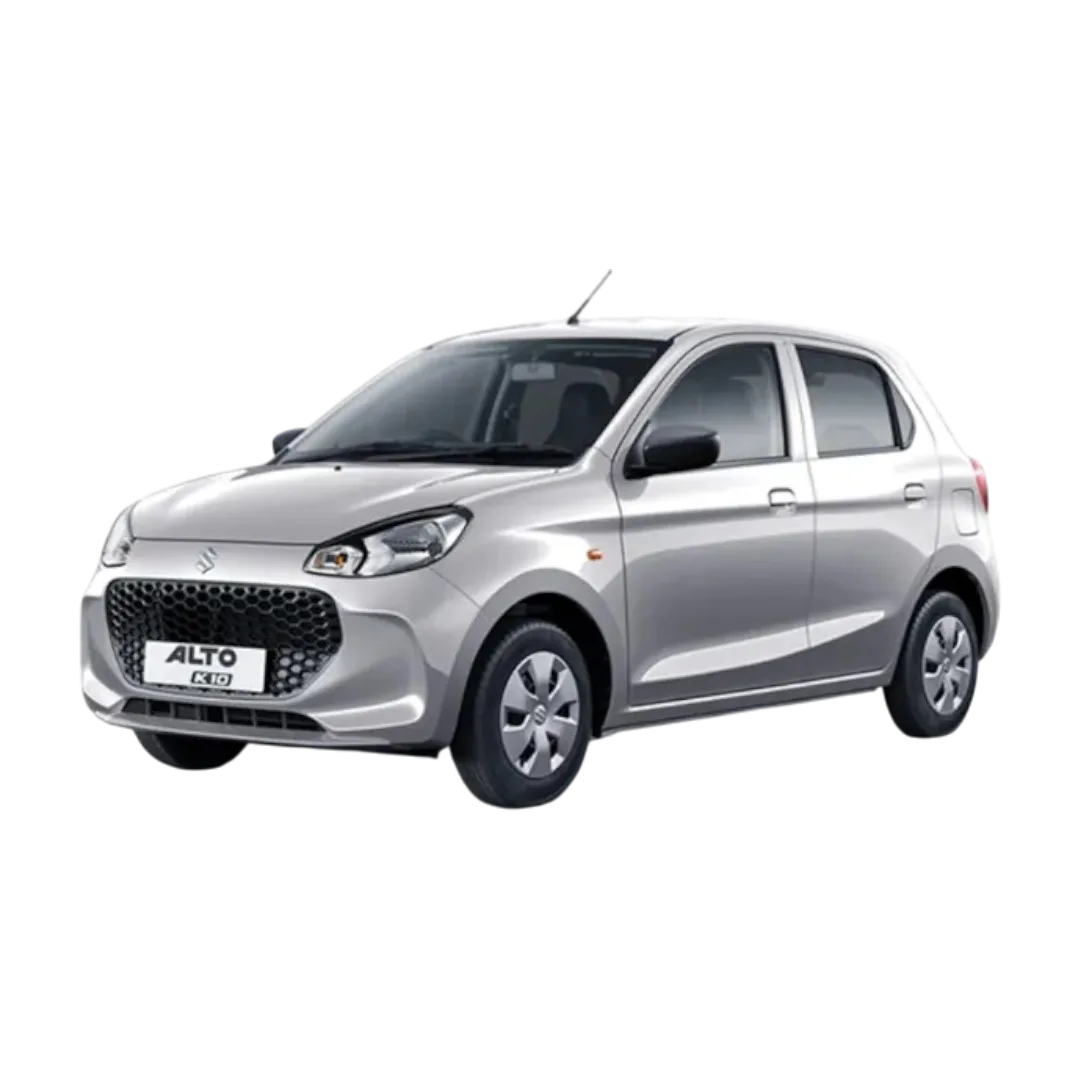 Alto K10
 XL6
XL6
 Omni
Omni
 SX4
SX4
 Gypsy
Gypsy
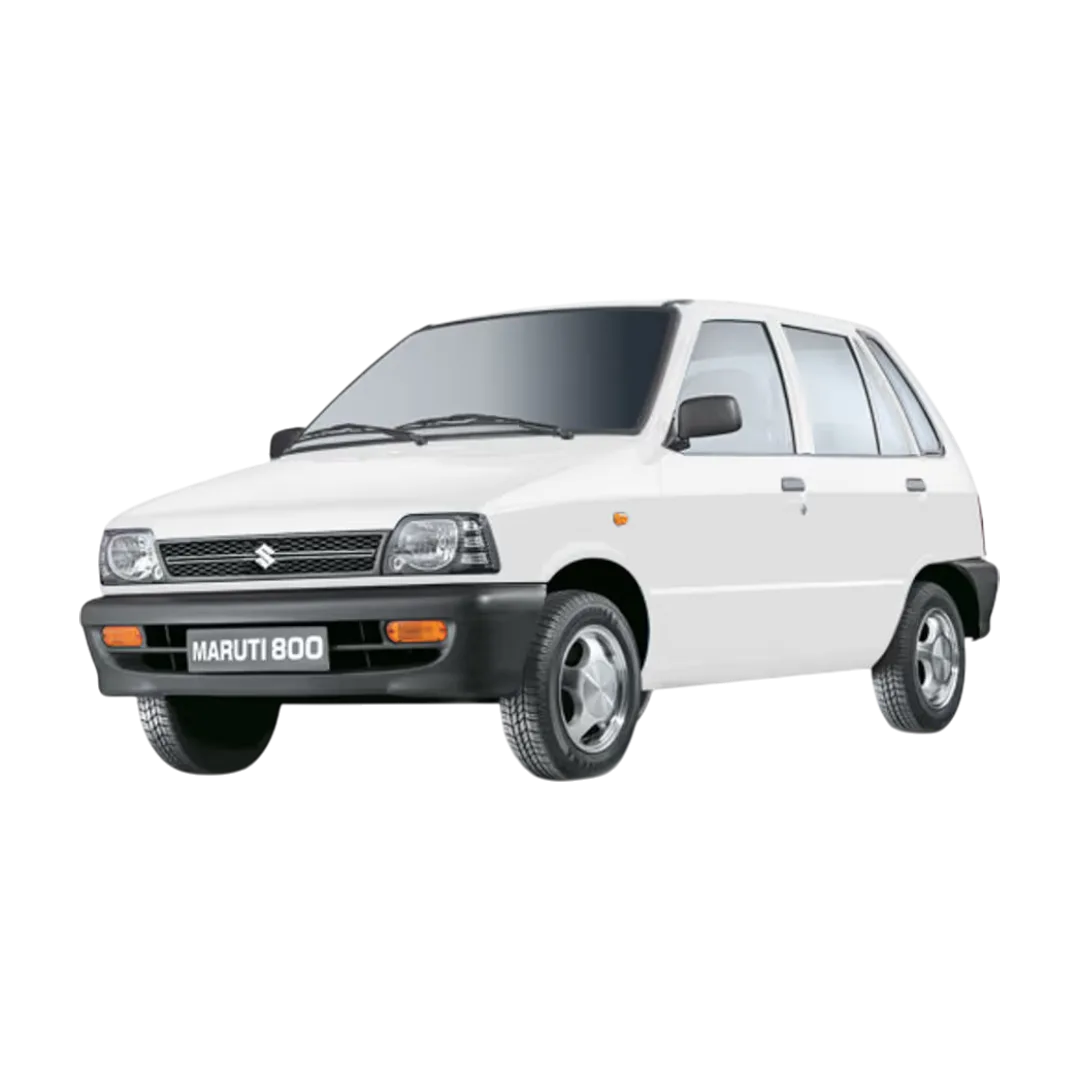 Maruti 800
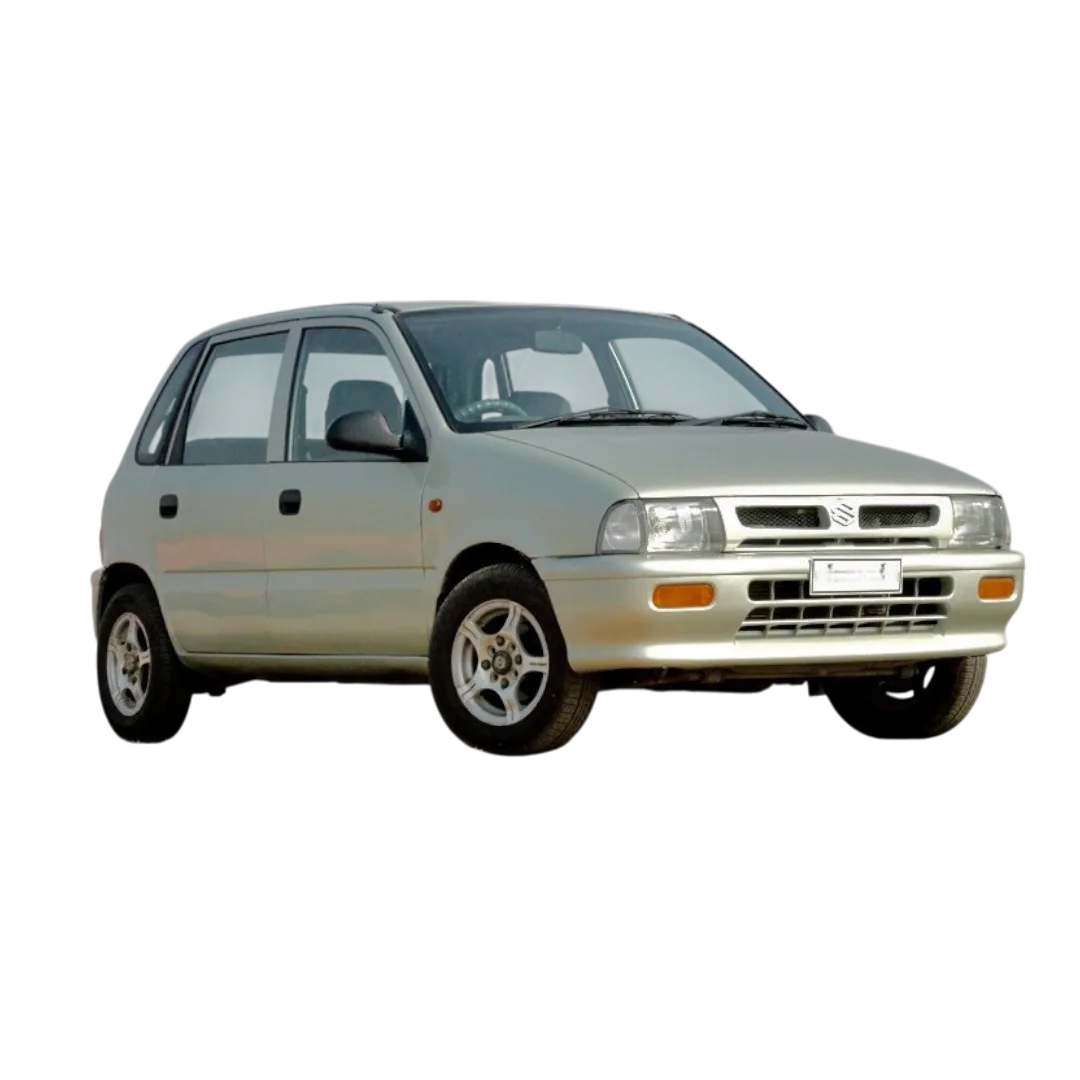 Zen
Zen
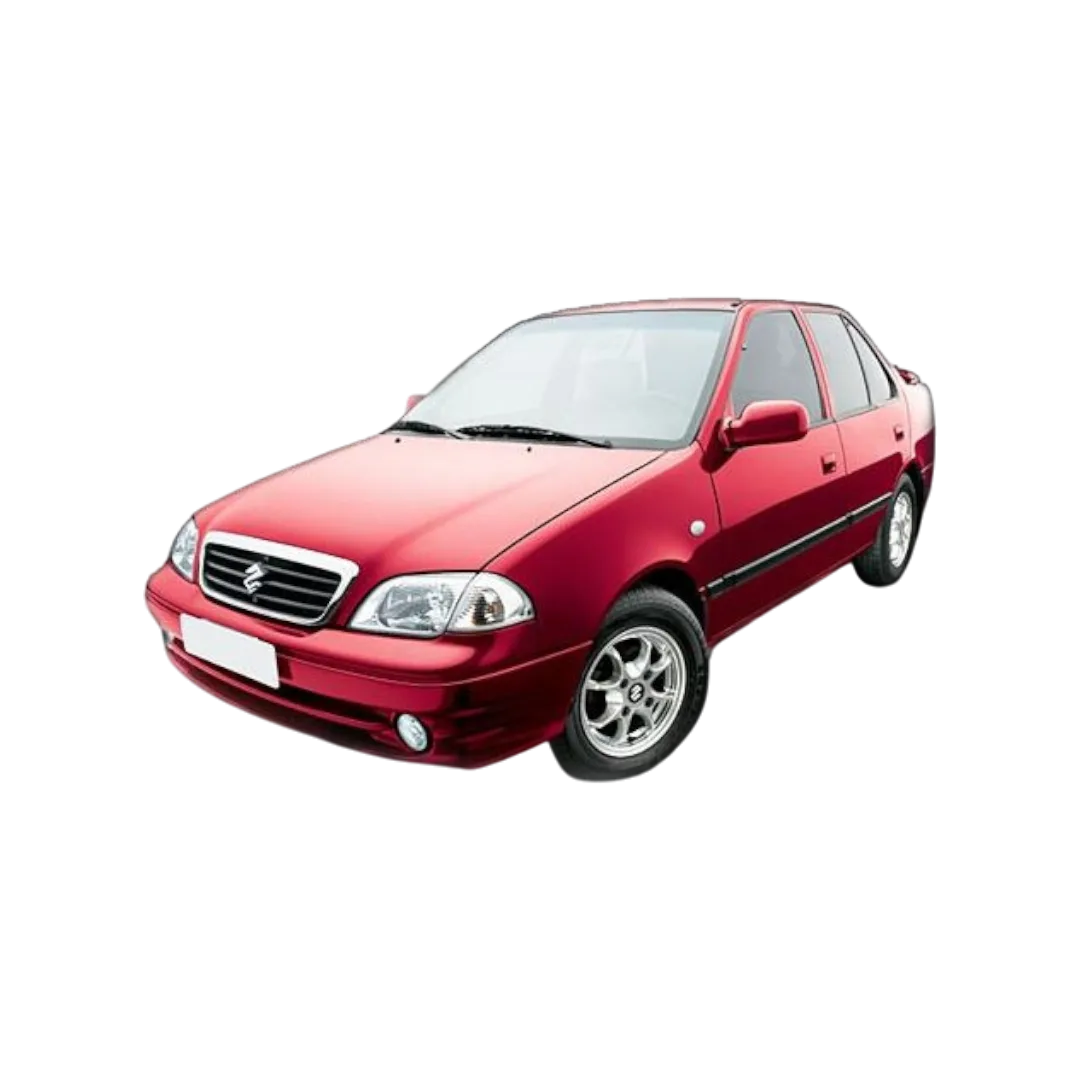 Esteem
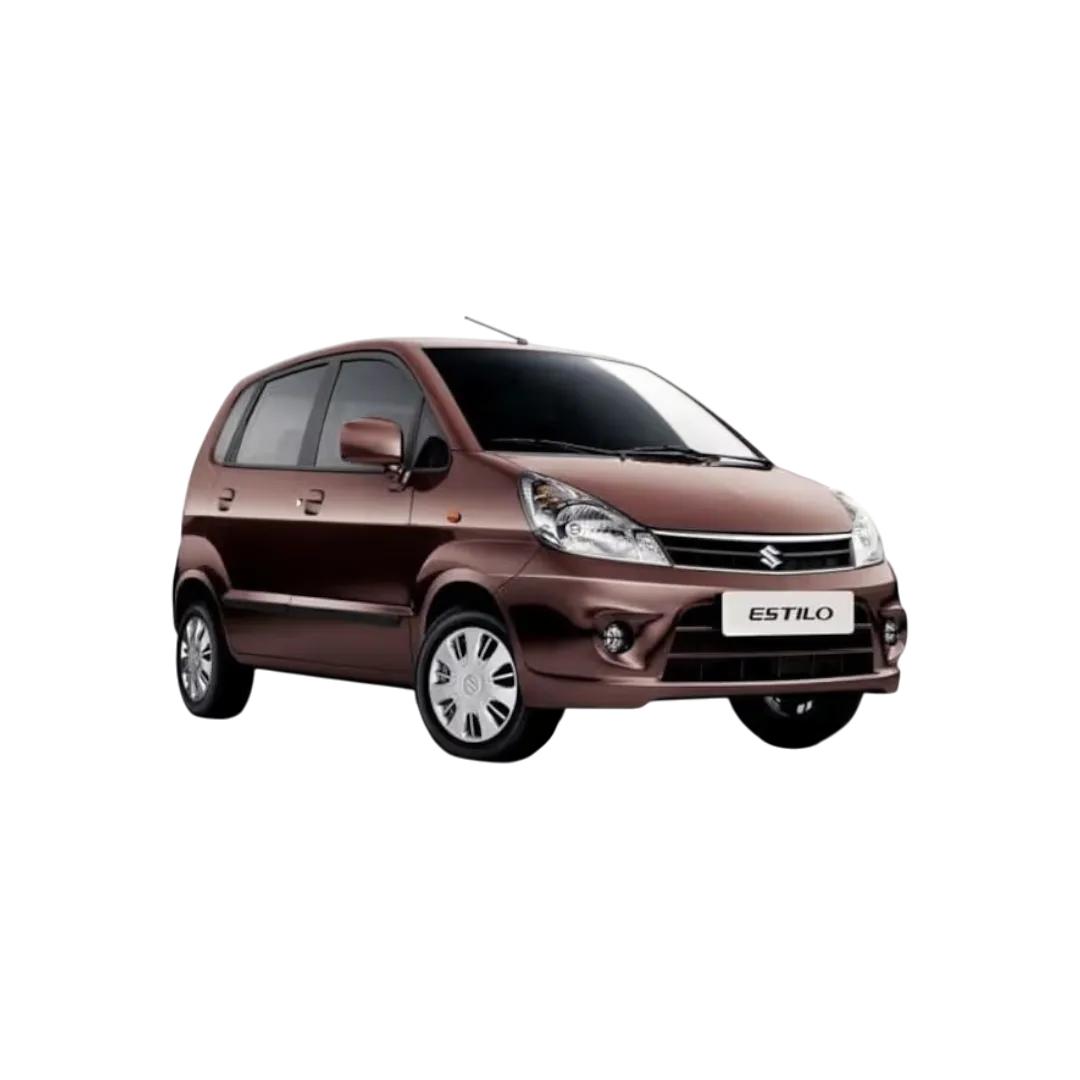 Zen Estilo
 Ritz
Ritz
 Fronx
Fronx
 A-Star
 Alto
Alto
 Invicto
Victoris
Wagon R
Invicto
Victoris
Wagon R
 i20
i20
 Aura
Aura
 Creta
Creta
 Elantra
 Getz
Getz
 Grand i10 Nios
 Venue
Venue
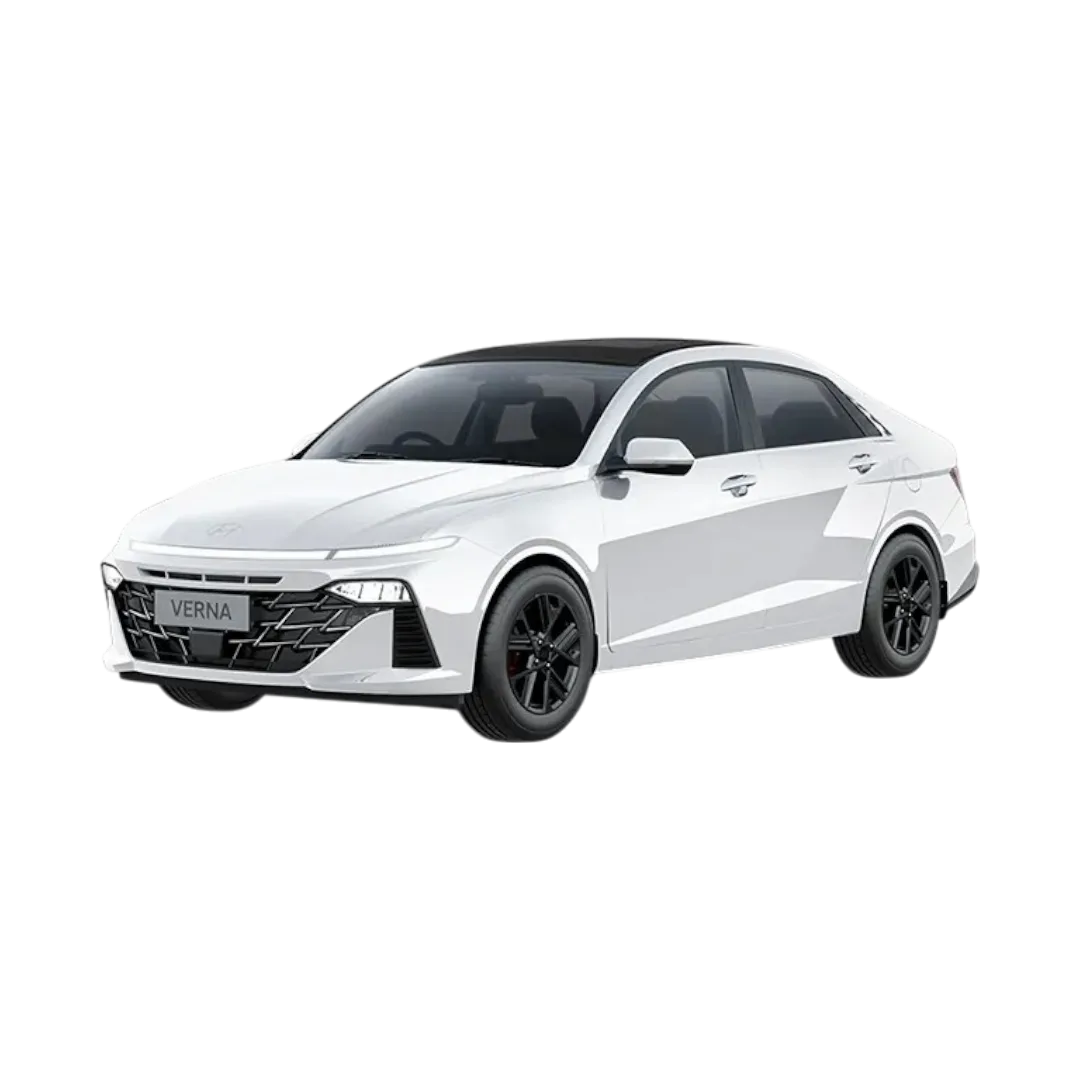 Verna
Verna
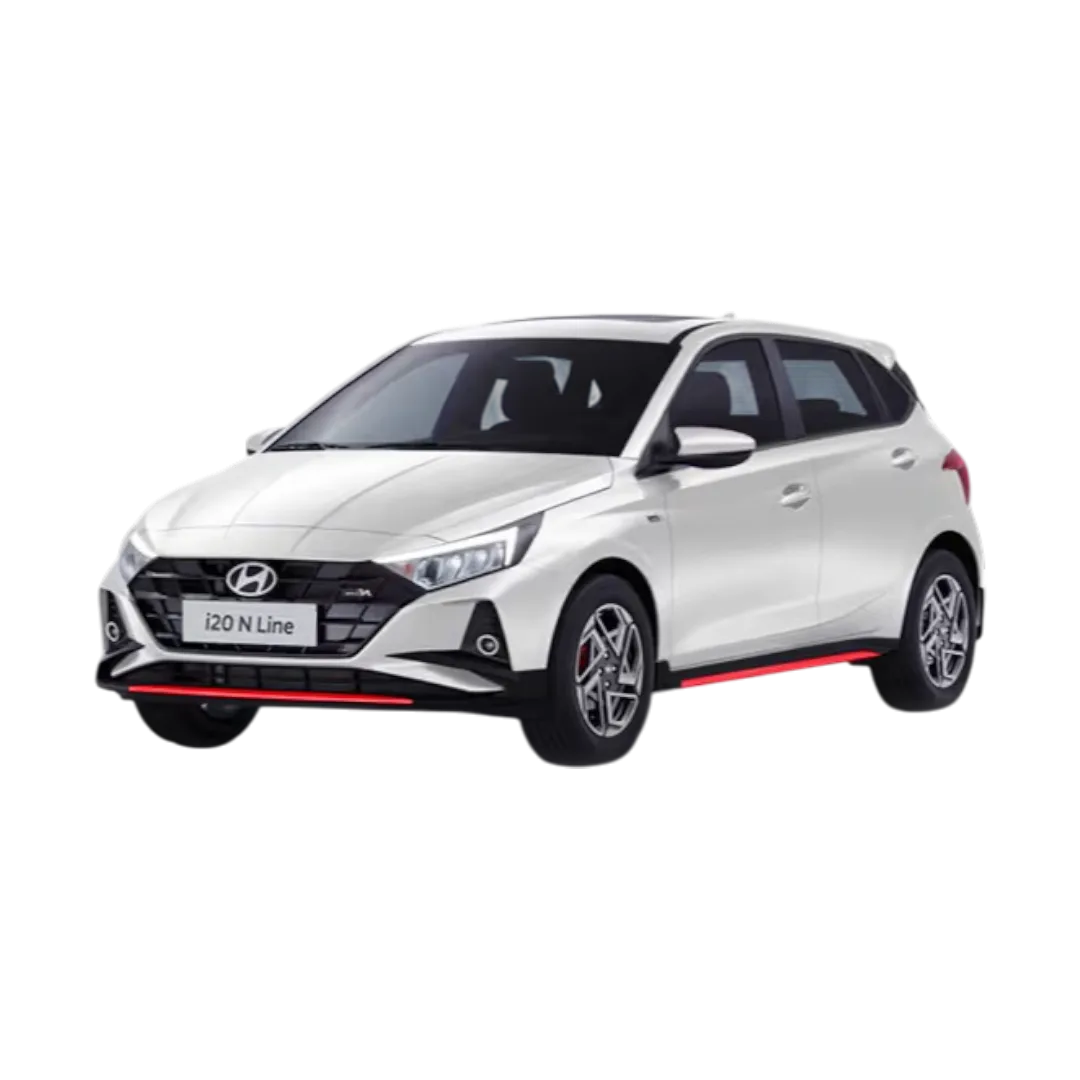 i20 N Line
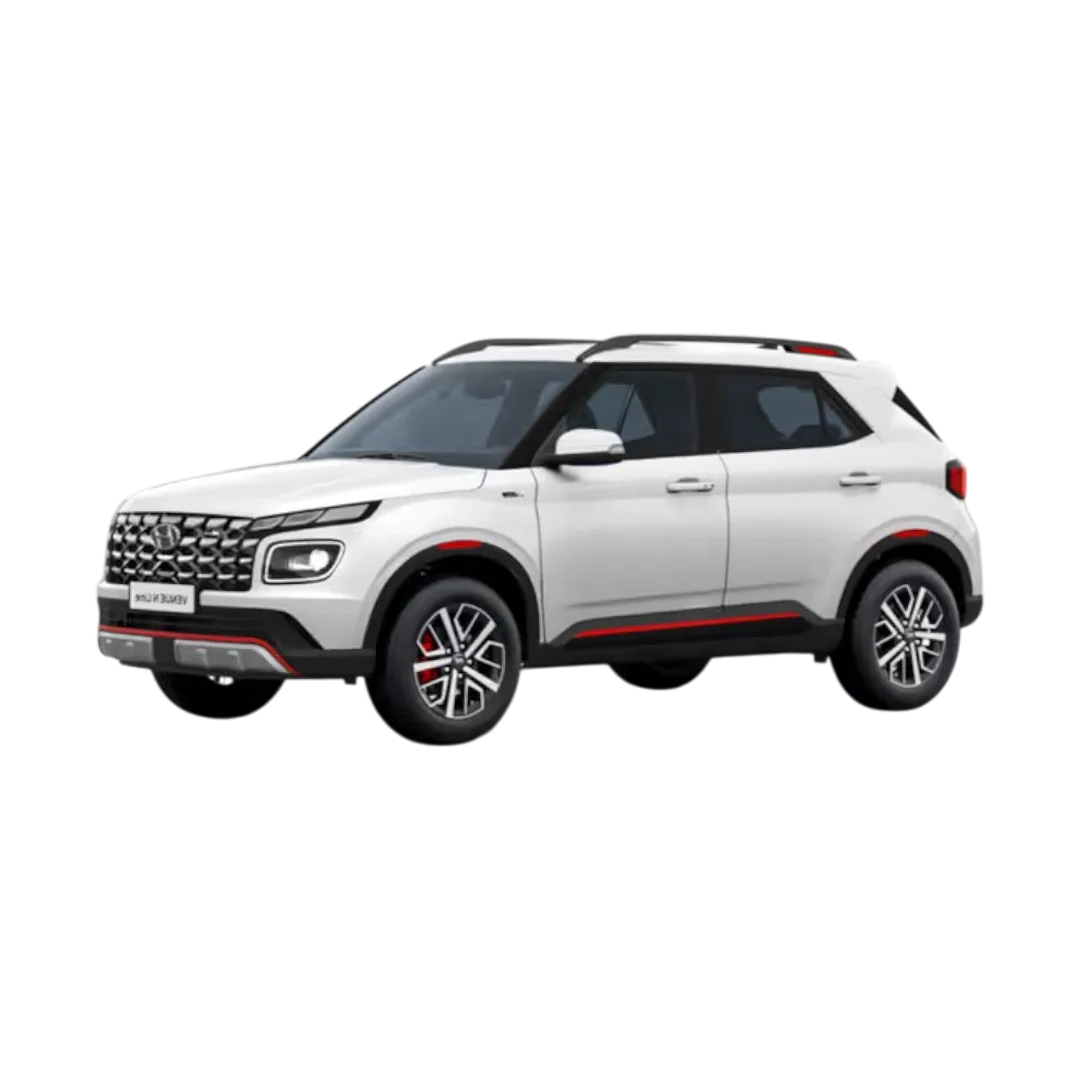 Venue N Line
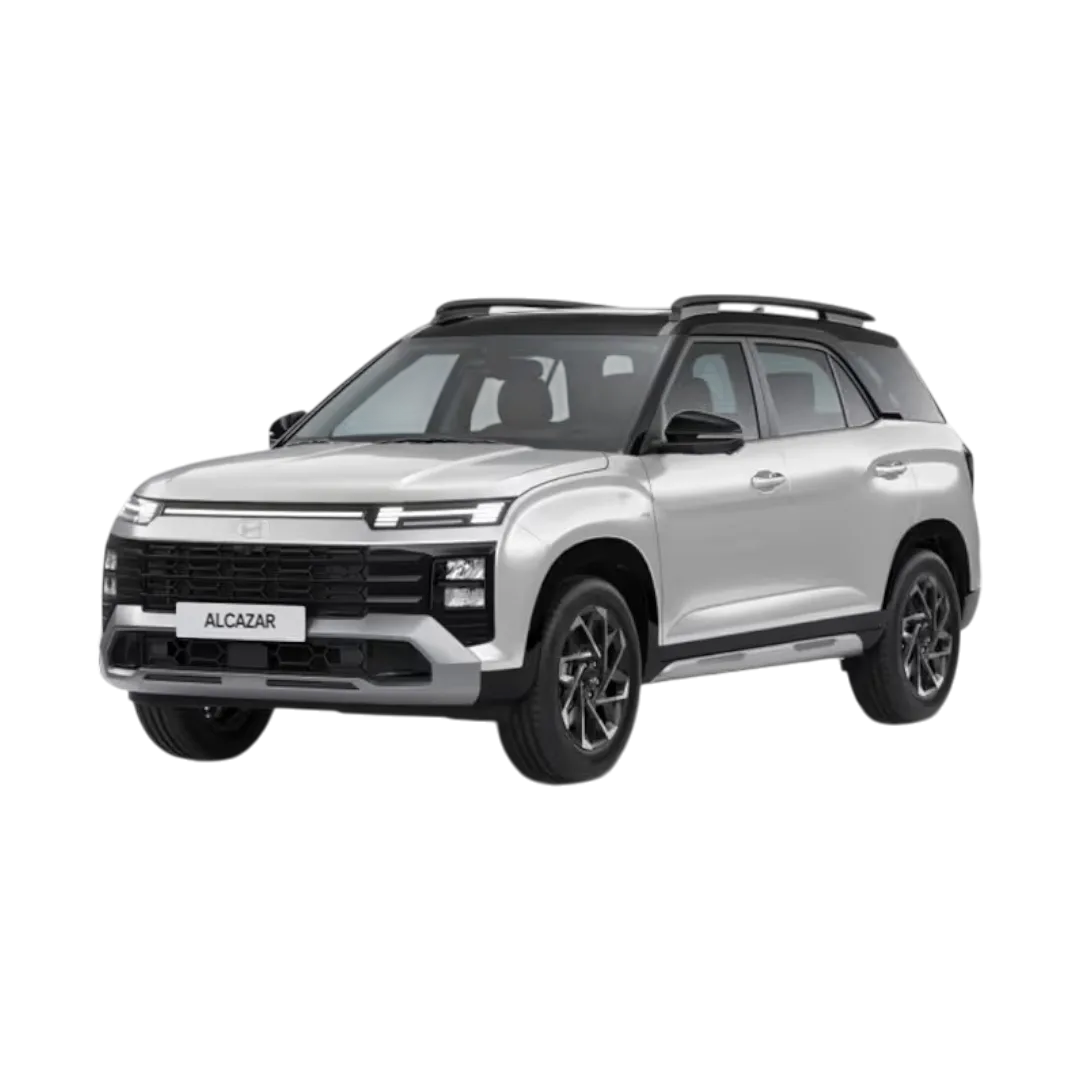 Alcazar
 Tucson
 Kona
Kona
 iONIQ 5
 Santro
 Santro Xing
 Accent
 Sonata
 Eon
Eon
 i10
i10
 Grand i10
 Xcent
Xcent
 Elite i20
 Verna Fluidic
 Santafe
 Exter
Sonata Fluidic
i20 Active
Exter
Sonata Fluidic
i20 Active
 Yaris
Yaris
 Urban Cruiser
 Camry
Camry
 Corolla
 Fortuner
 Urban Cruiser Hyryder
 Innova Crysta
 Innova Hycross
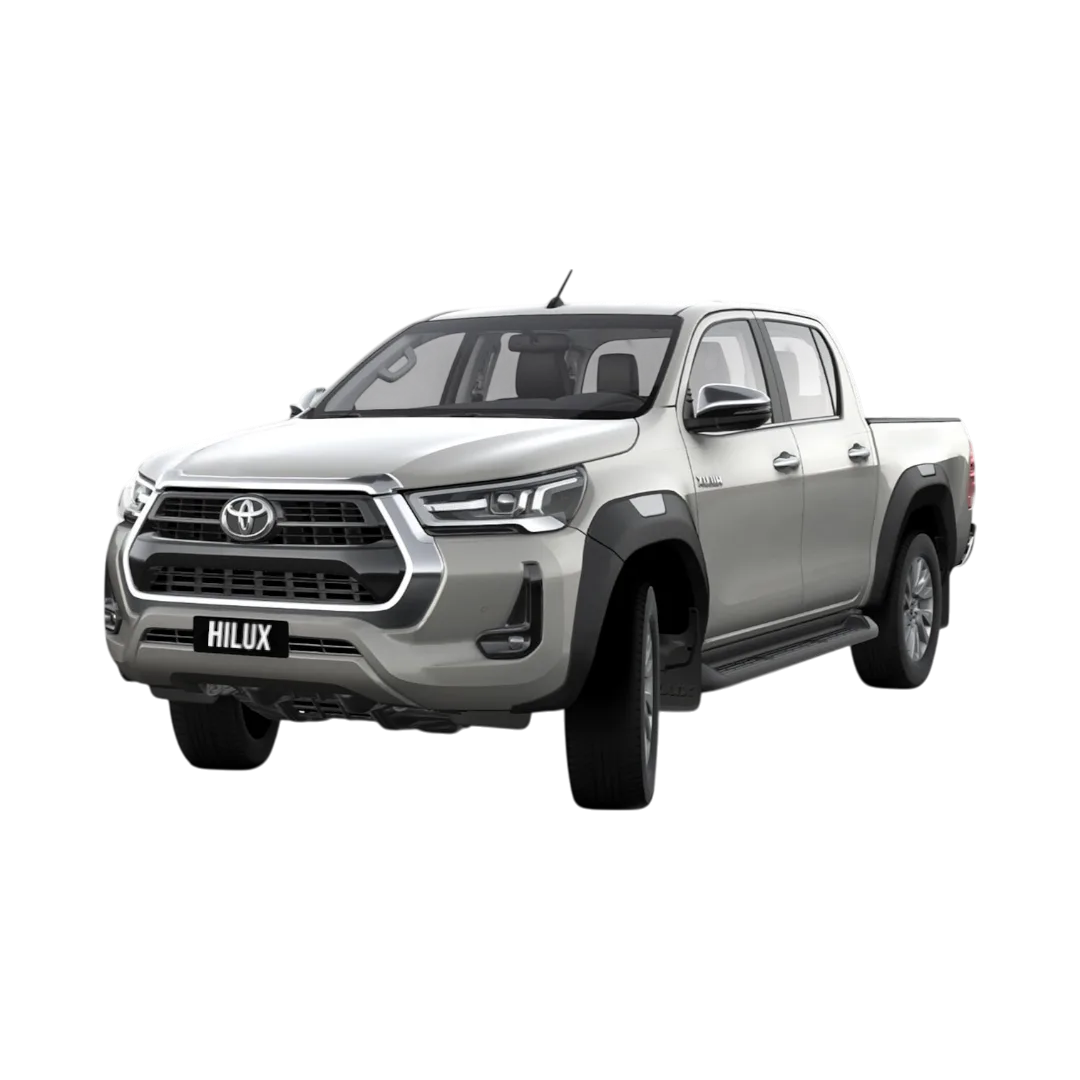 Hilux
Hilux
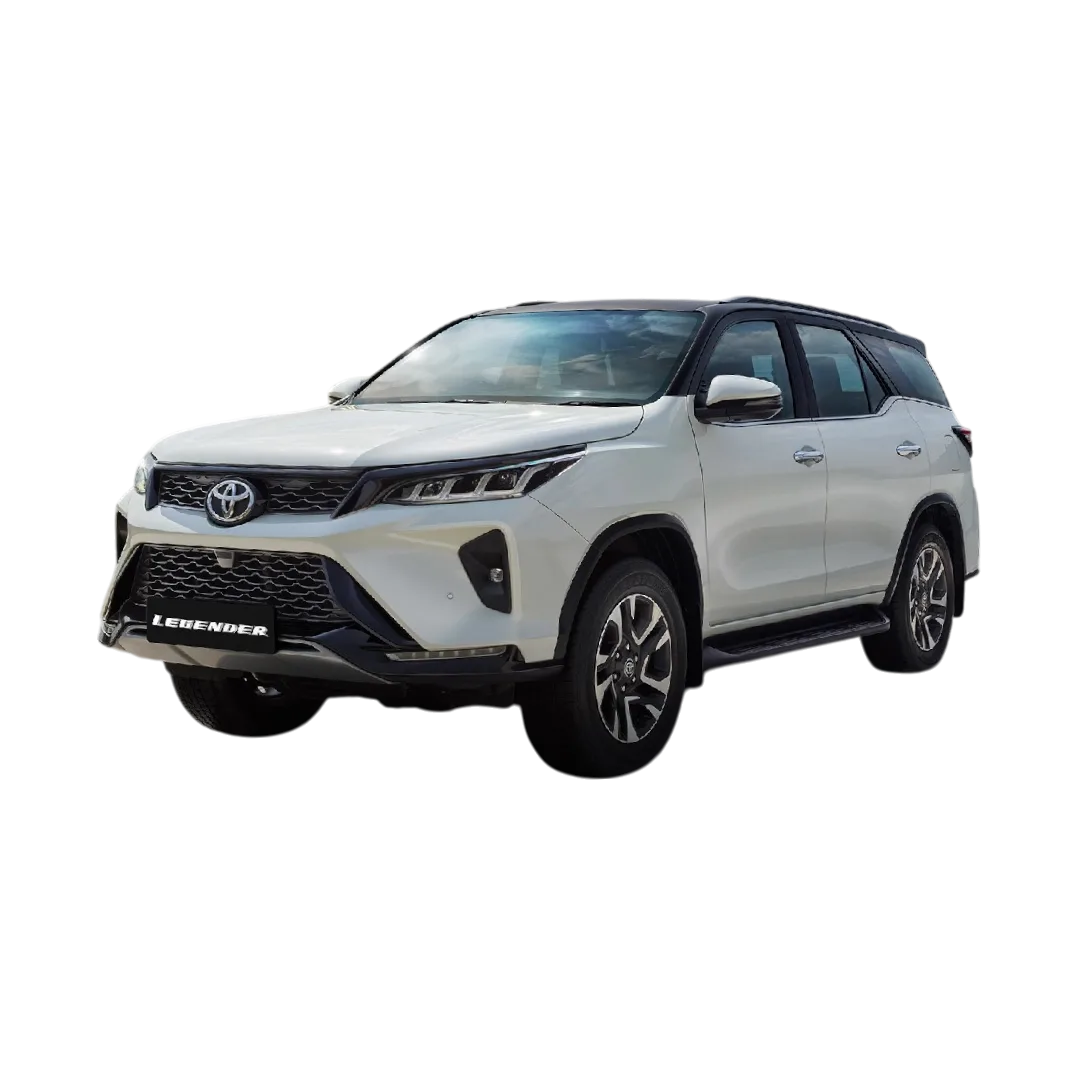 Fortuner Legender
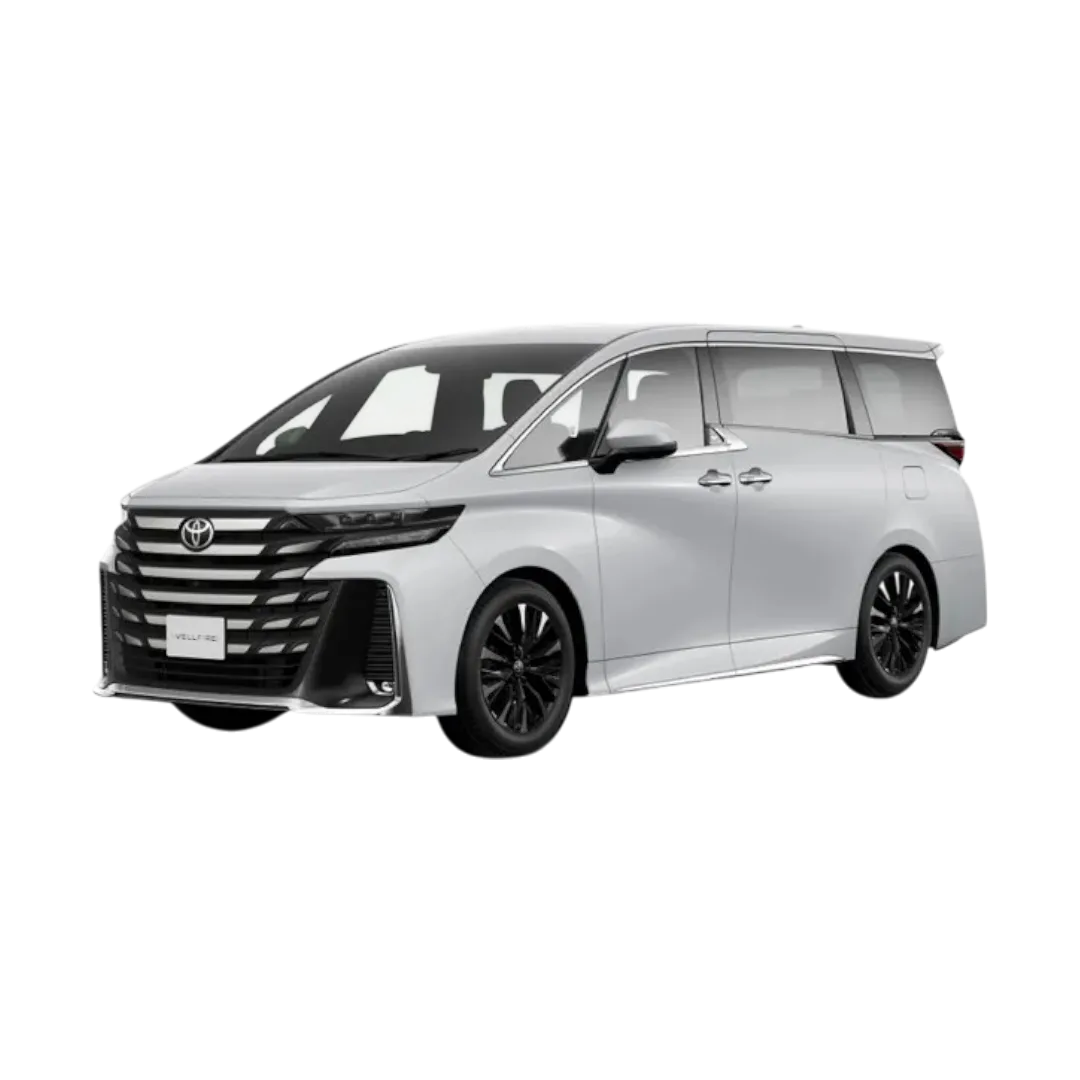 Vellfire
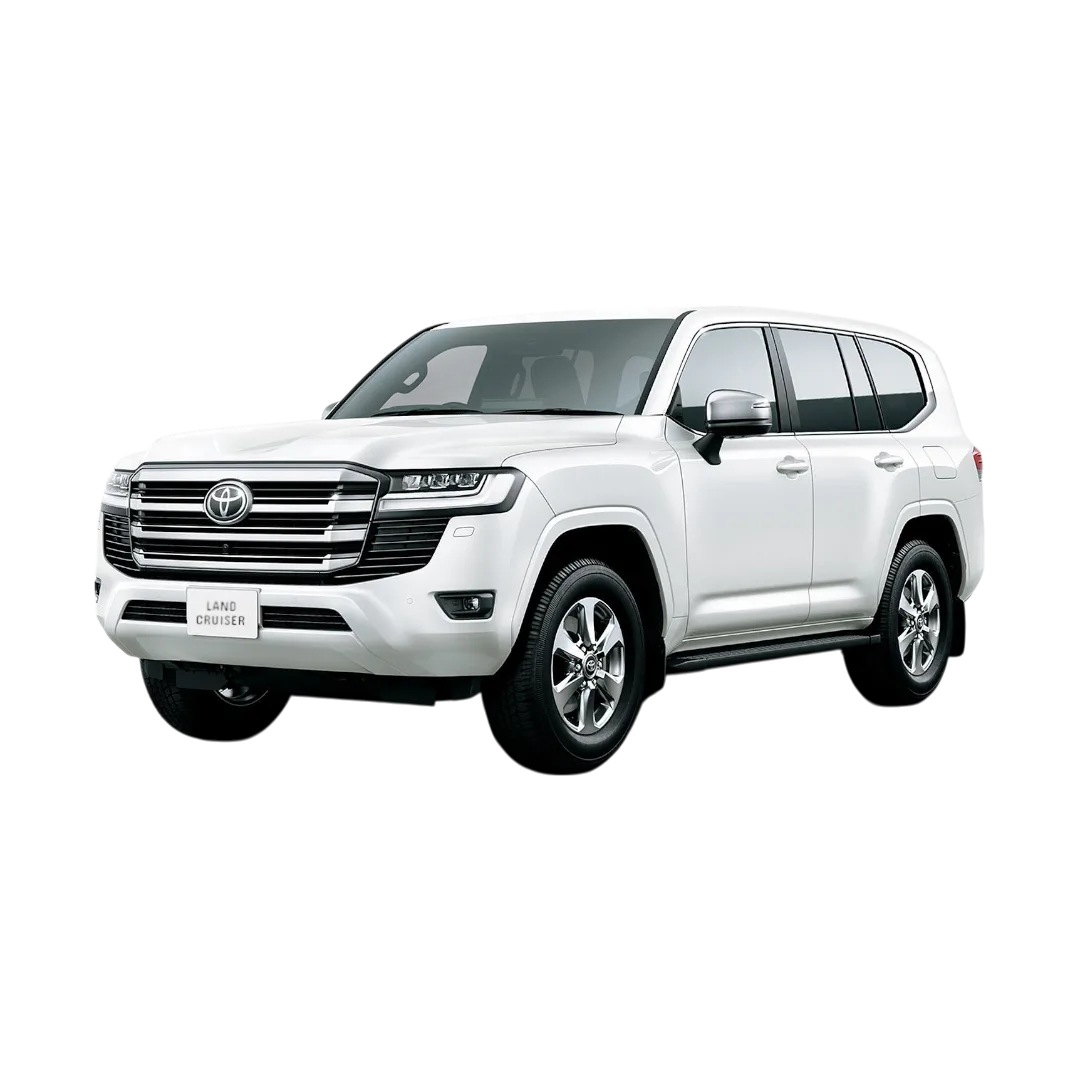 Land Cruiser
 Glanza
 Etios
Etios
 Etios cross
 Etios Liva
 Qualis
 Innova
 Rumion
Taisor
Corolla Altis
Hyryder
Rumion
Taisor
Corolla Altis
Hyryder
 Bolero
 Marazzo
 KUV100 NXT
 Scorpio
 Thar
Thar
 XUV 300
 Bolero Neo
 Verito
 Scorpio-N
 XUV 700
 Scorpio Classic
 XUV400
 Alturas
 Xylo
Xylo
 Quanto
 Logan
Logan
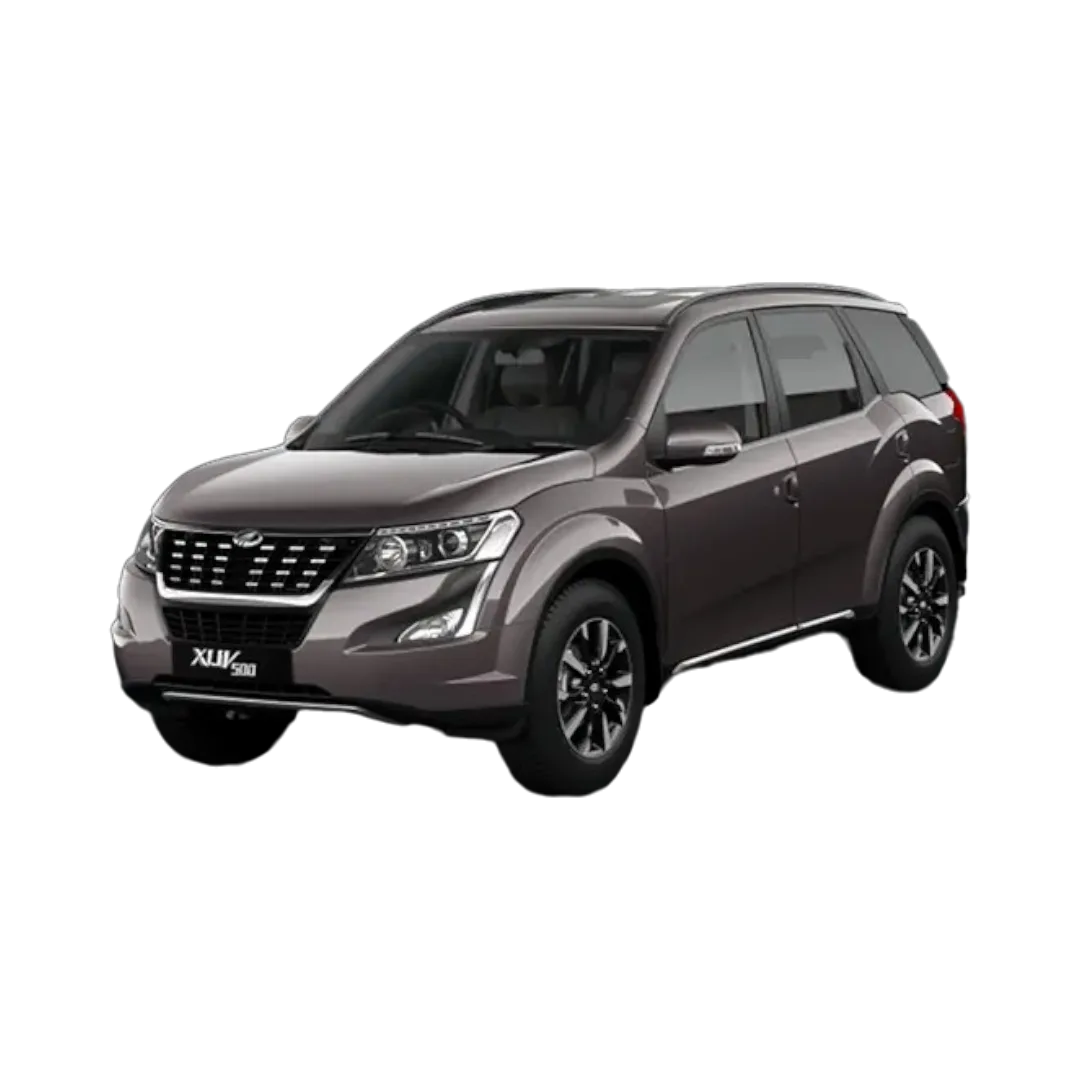 XUV 500
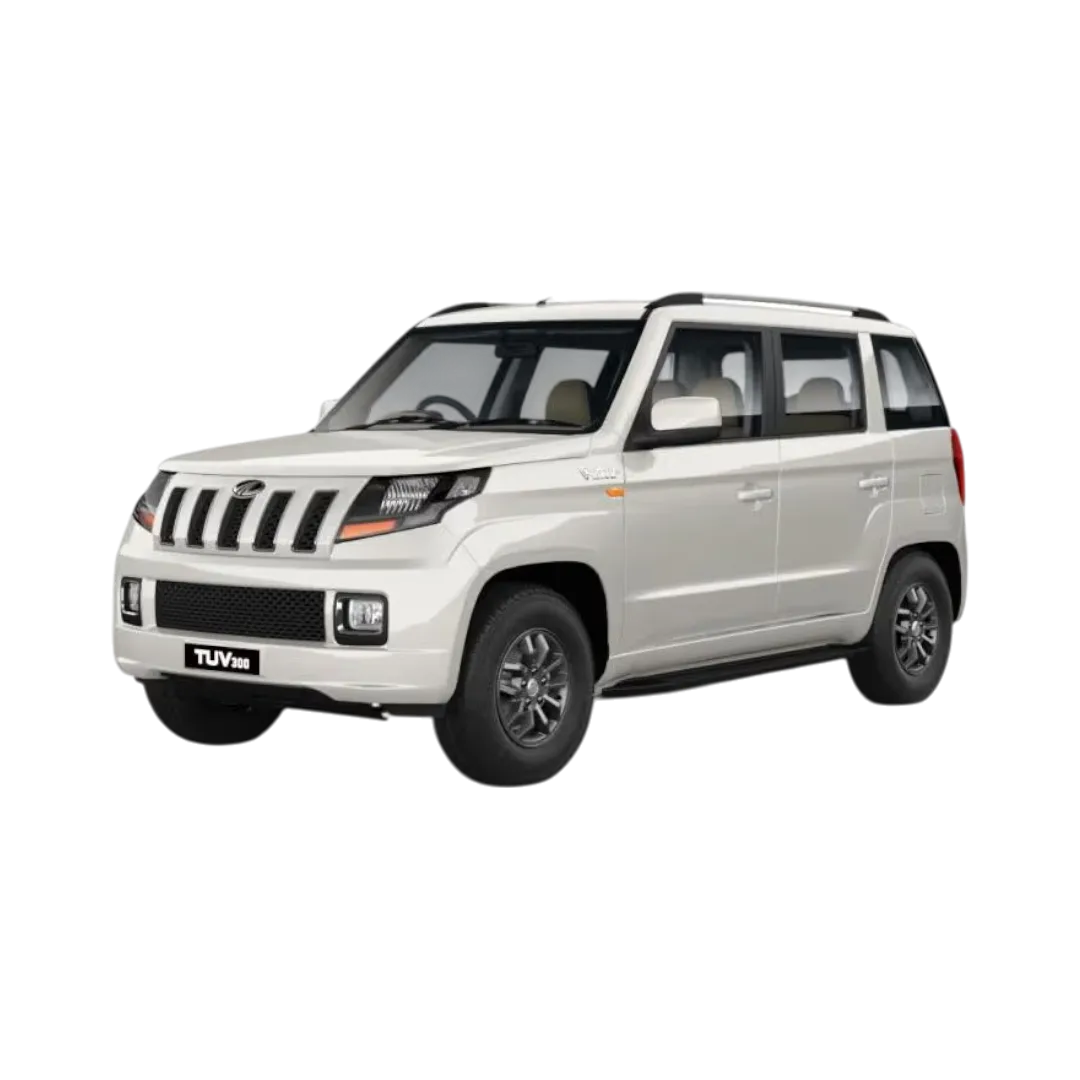 TUV 300
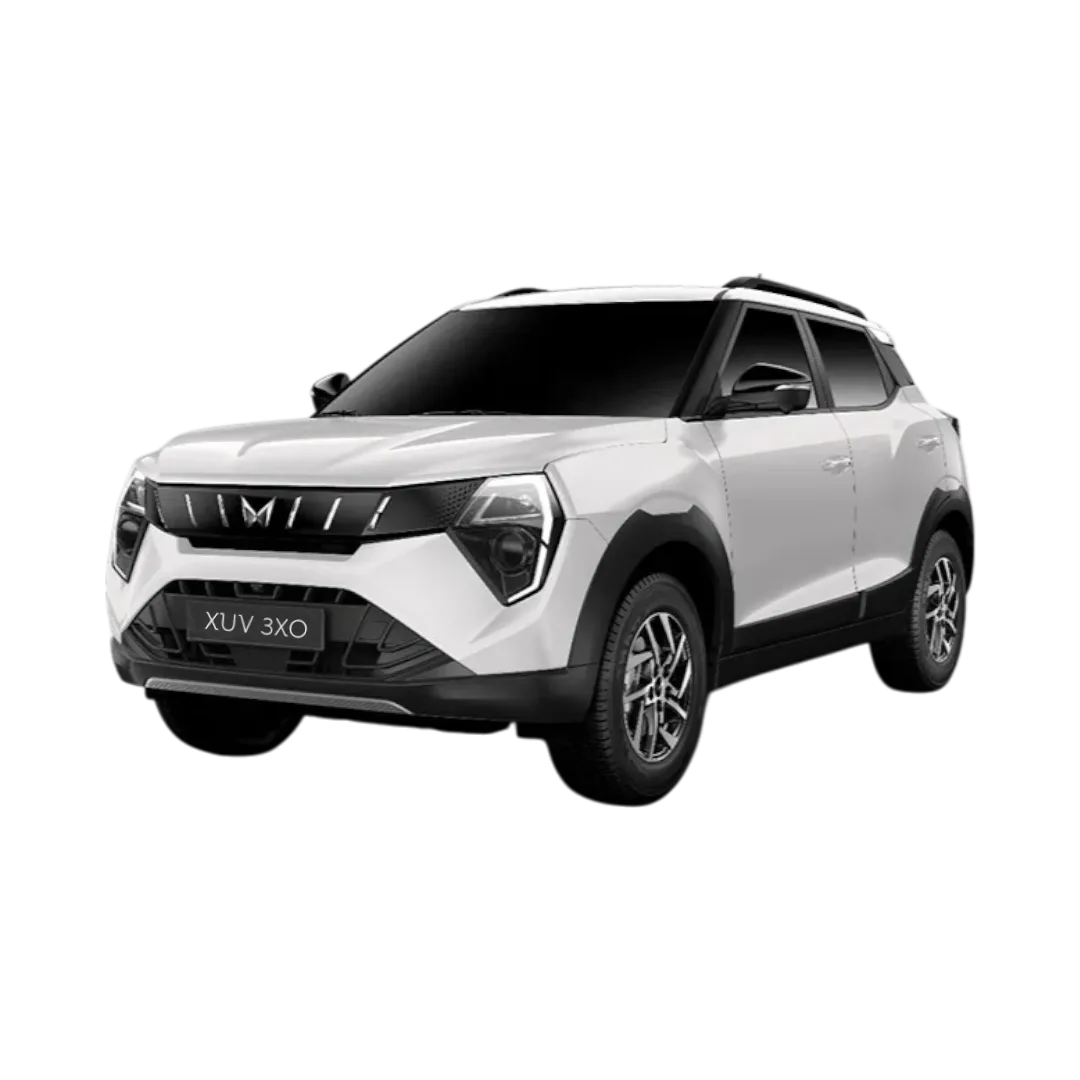 XUV 3XO
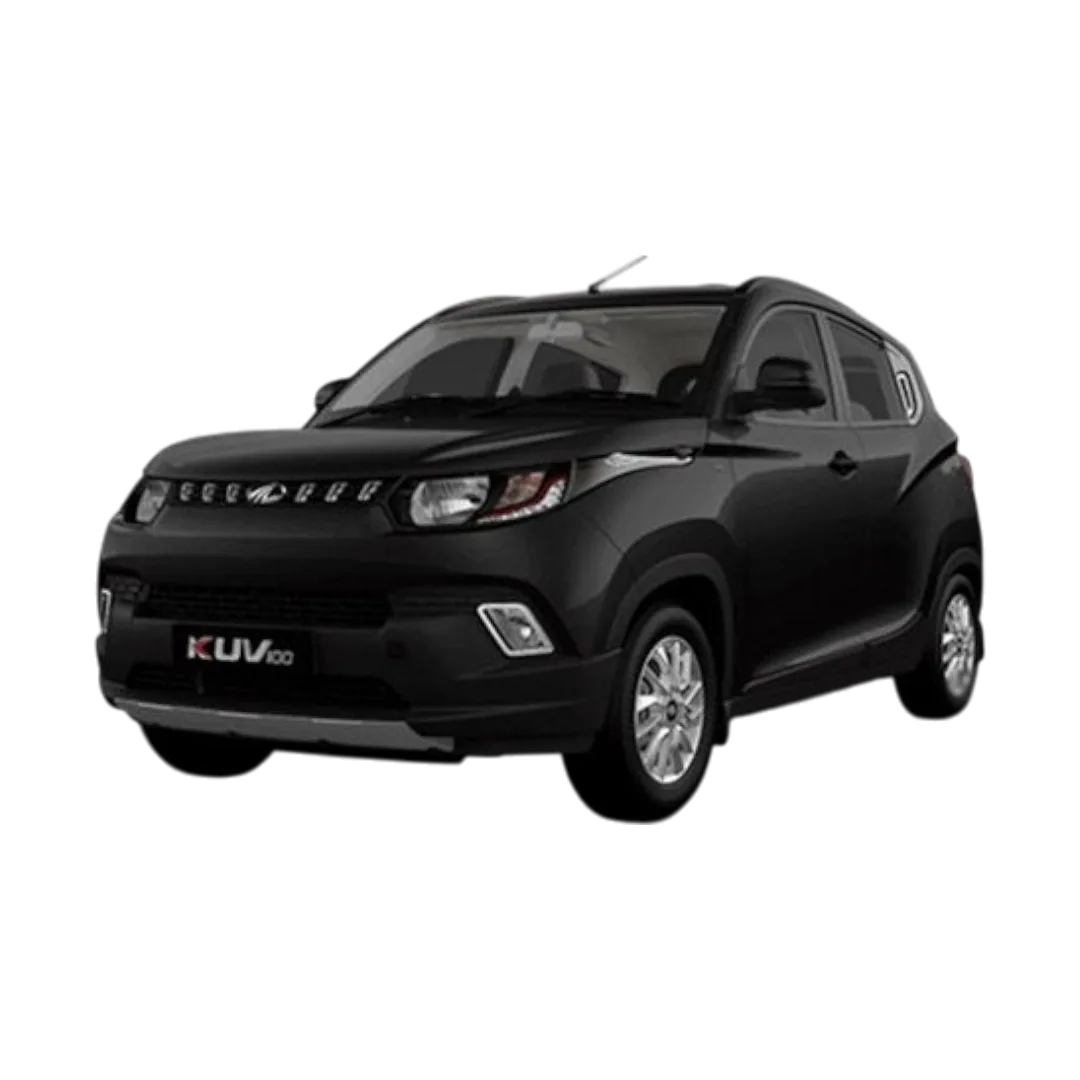 KUV 100
NuvoSport
XEV 9e
BE 6
Thar Roxx
E-Verito
XUV 7XO
TUV 100
BE6
Bolero Camper
Verito Vibe
XUV 400
KUV 100
NuvoSport
XEV 9e
BE 6
Thar Roxx
E-Verito
XUV 7XO
TUV 100
BE6
Bolero Camper
Verito Vibe
XUV 400
 Audi Q5
 Audi A4
 Audi Q7
 Audi Q3
 Audi A6
 Audi RS5
 E-Tron GT
 Audi Q8
 E-Tron
 Q3 Sportback
 Audi S5 Sportback
 Q8 E-Tron
 Q8 E-Tron Sportback
 Audi A8L
 Audi RS Q8
 Audi A3
 BMW X7
 BMW X1
 BMW X5
 BMW XM
 BMW Z4
 3 Series
 BMW X3
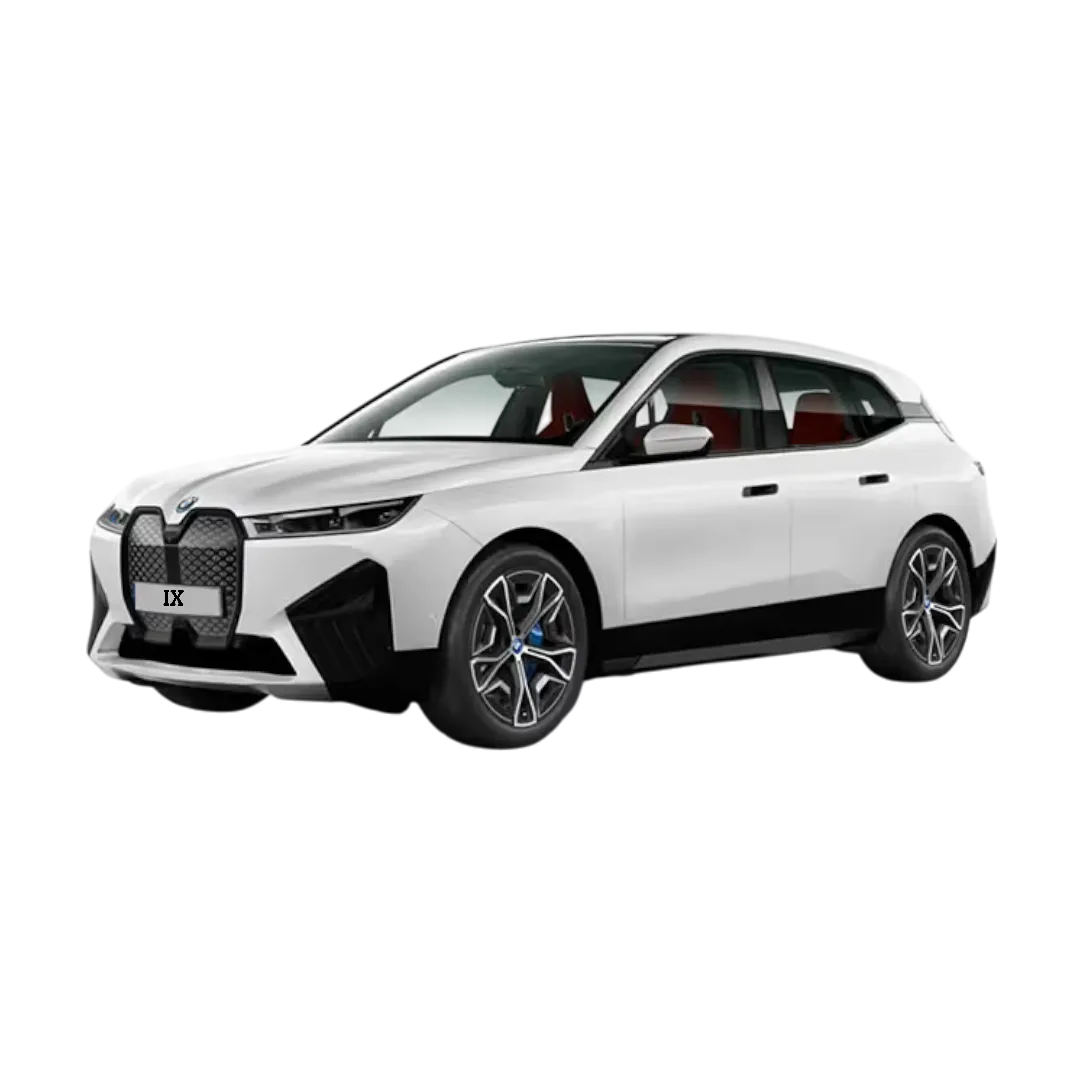 BMW iX
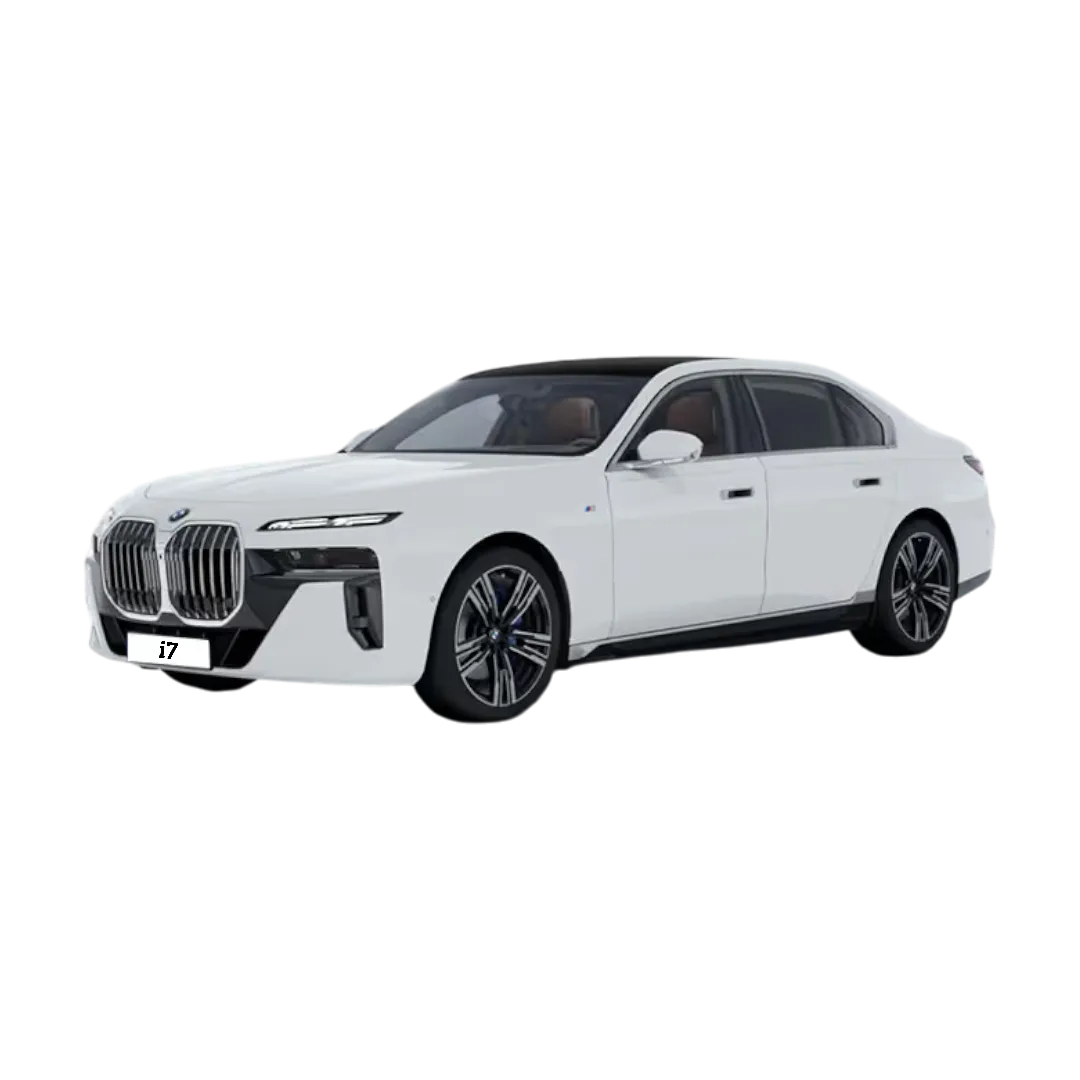 BMW i7
 BMW M2
 7 Series
 2 Series
 BMW i4
 5 Series
 6 Series
 BMW ix1
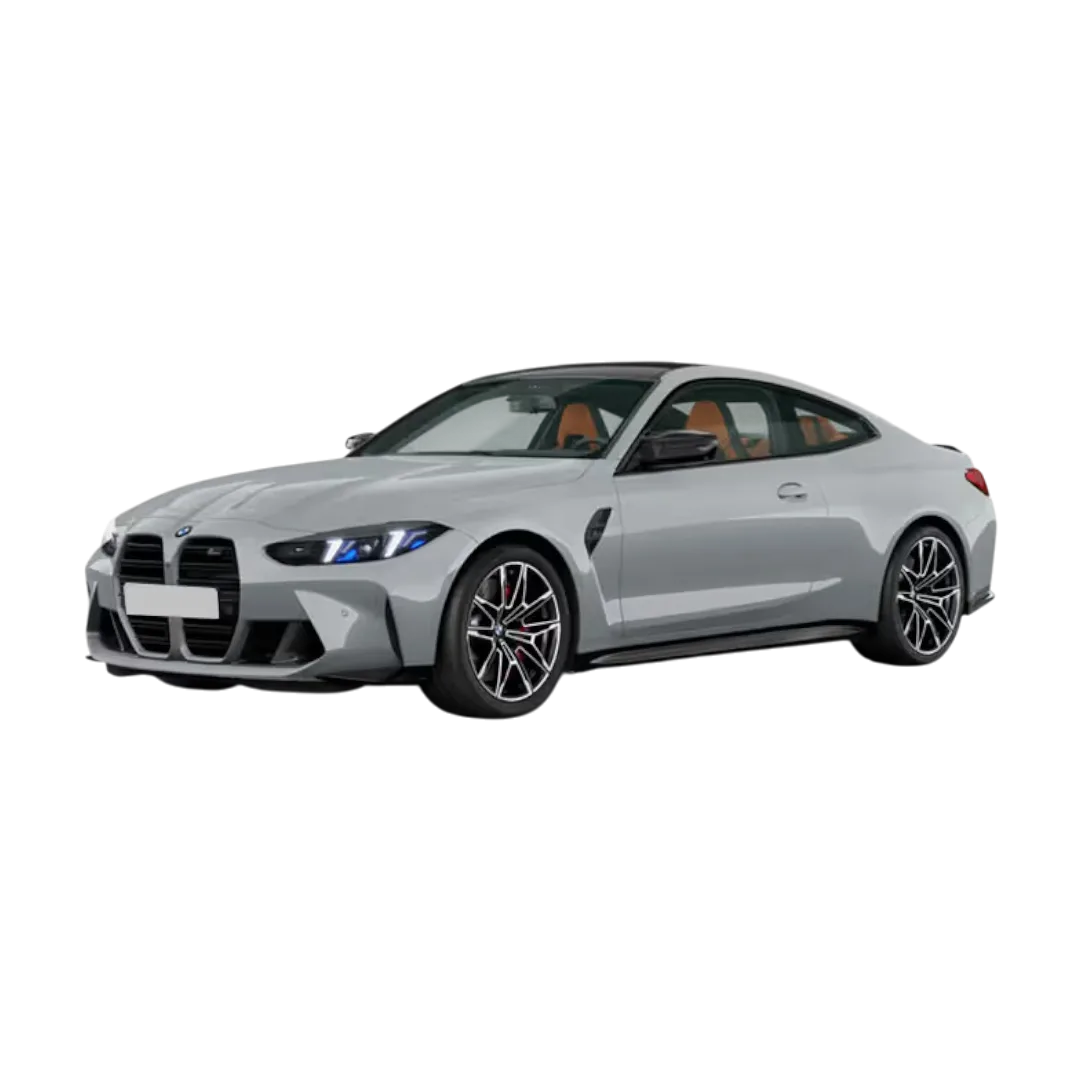 M4 Competition
 3 Series Gran Limousine
 M8 Coupe
 BMW M3
 BMW X6
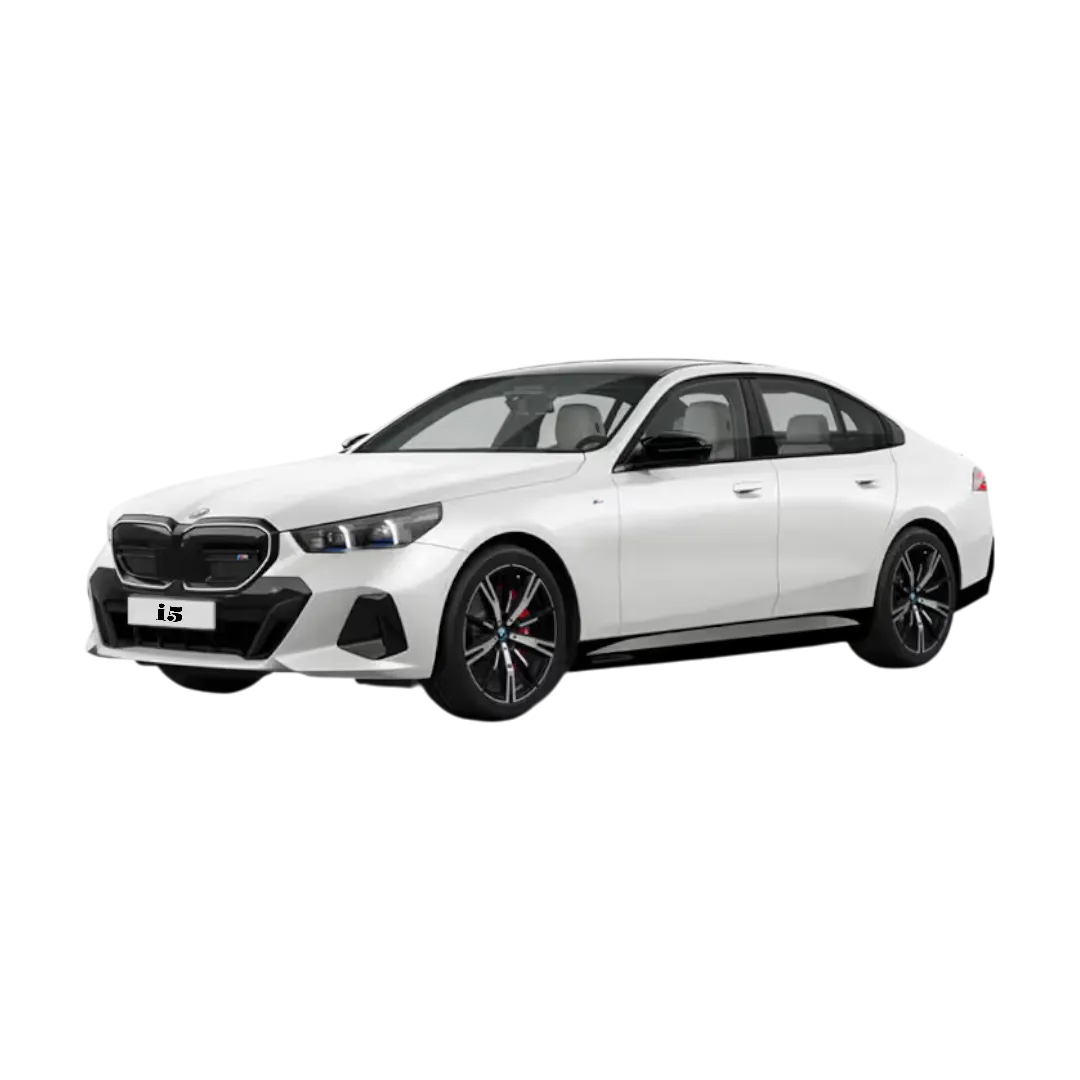 BMW i5
 BMW X4
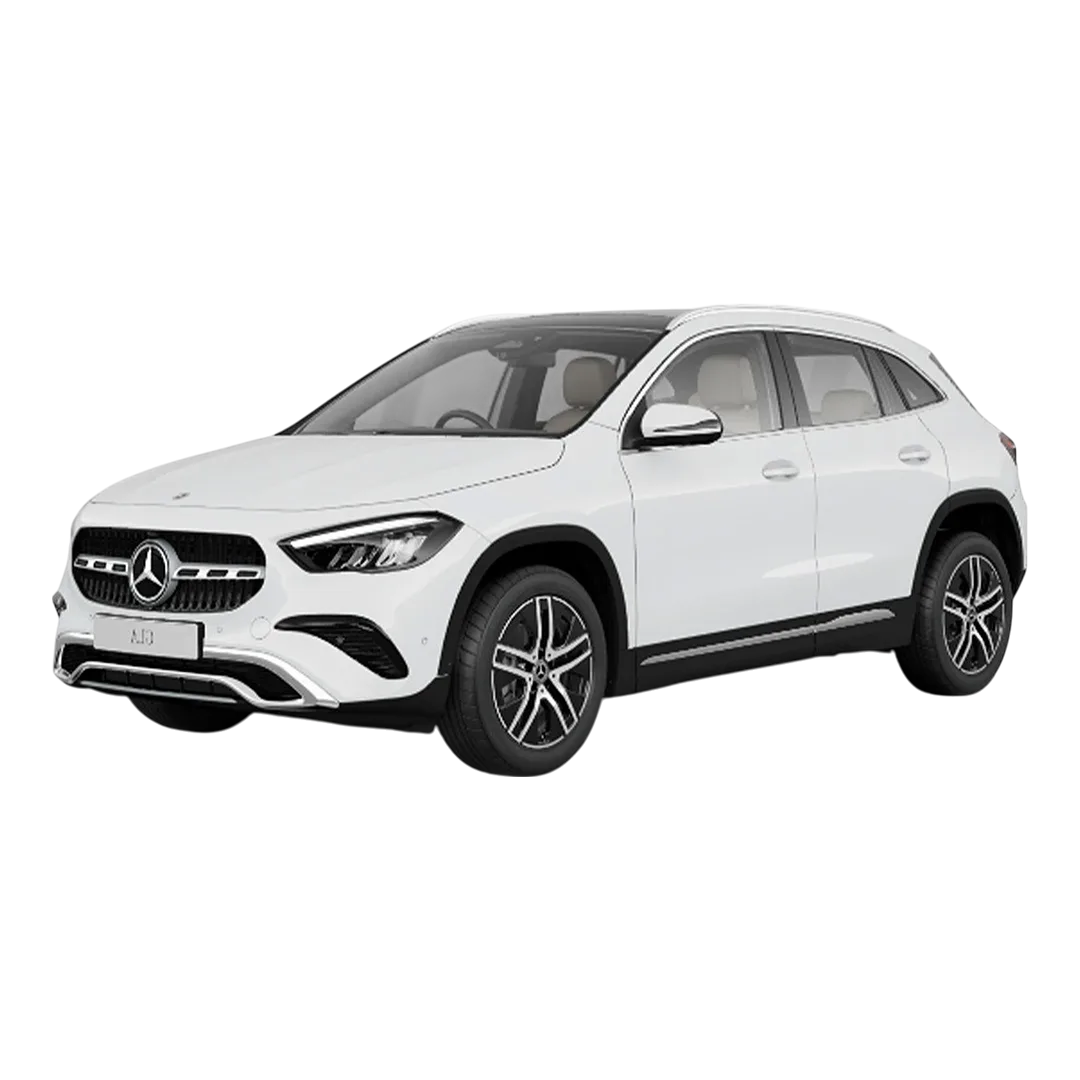 Mercedes Benz GLA
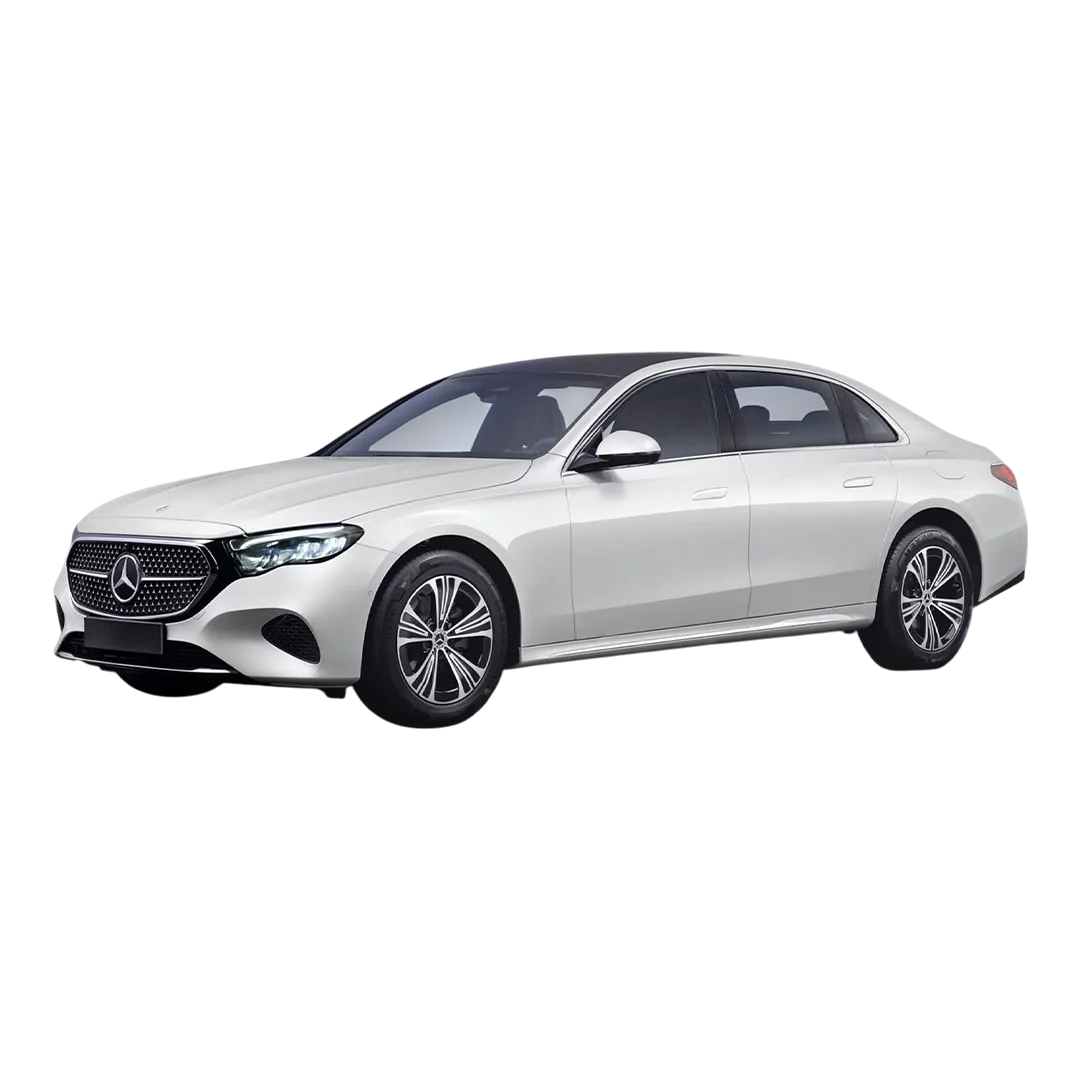 Mercedes E-Class
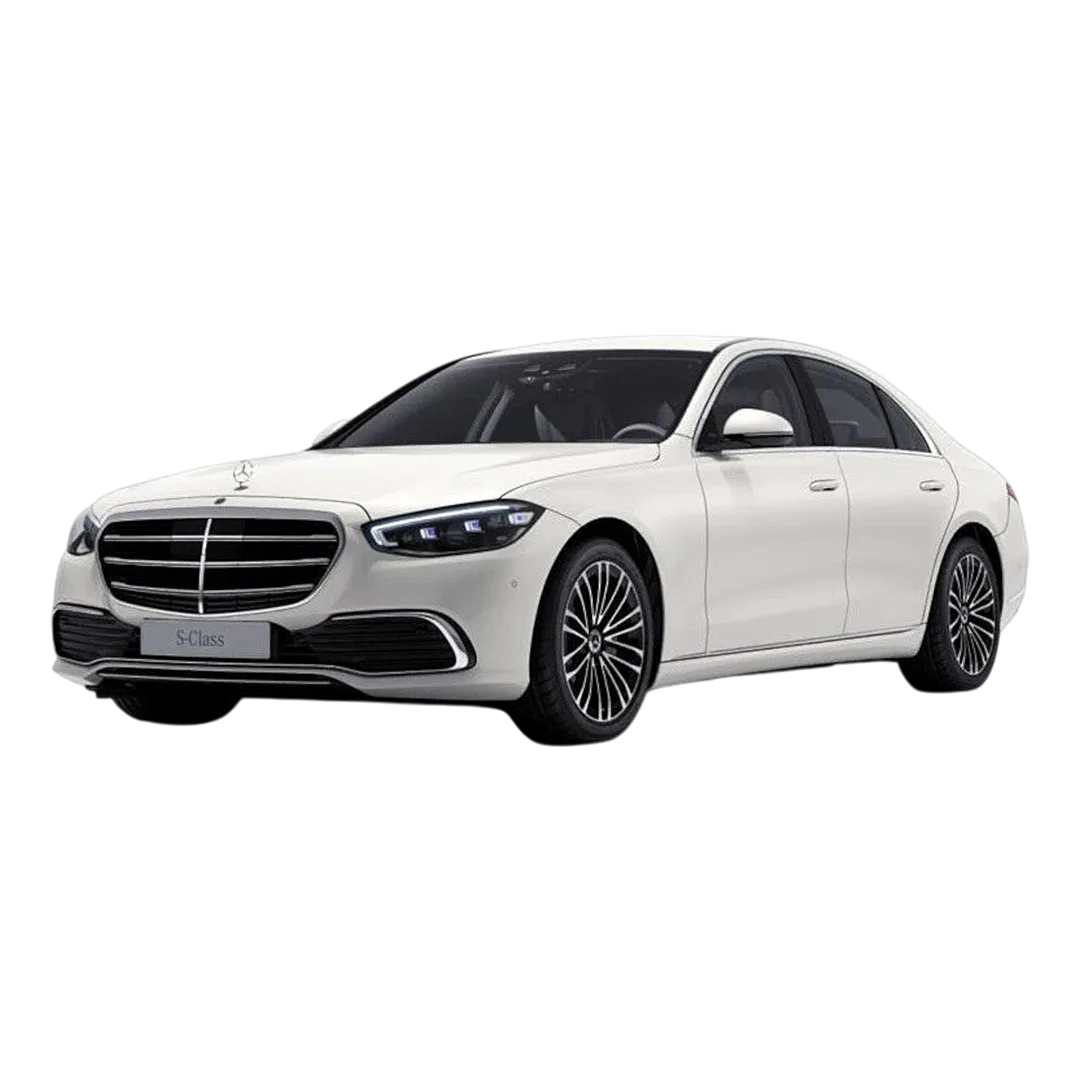 Mercedes S-Class
 Mercedes Benz GLS
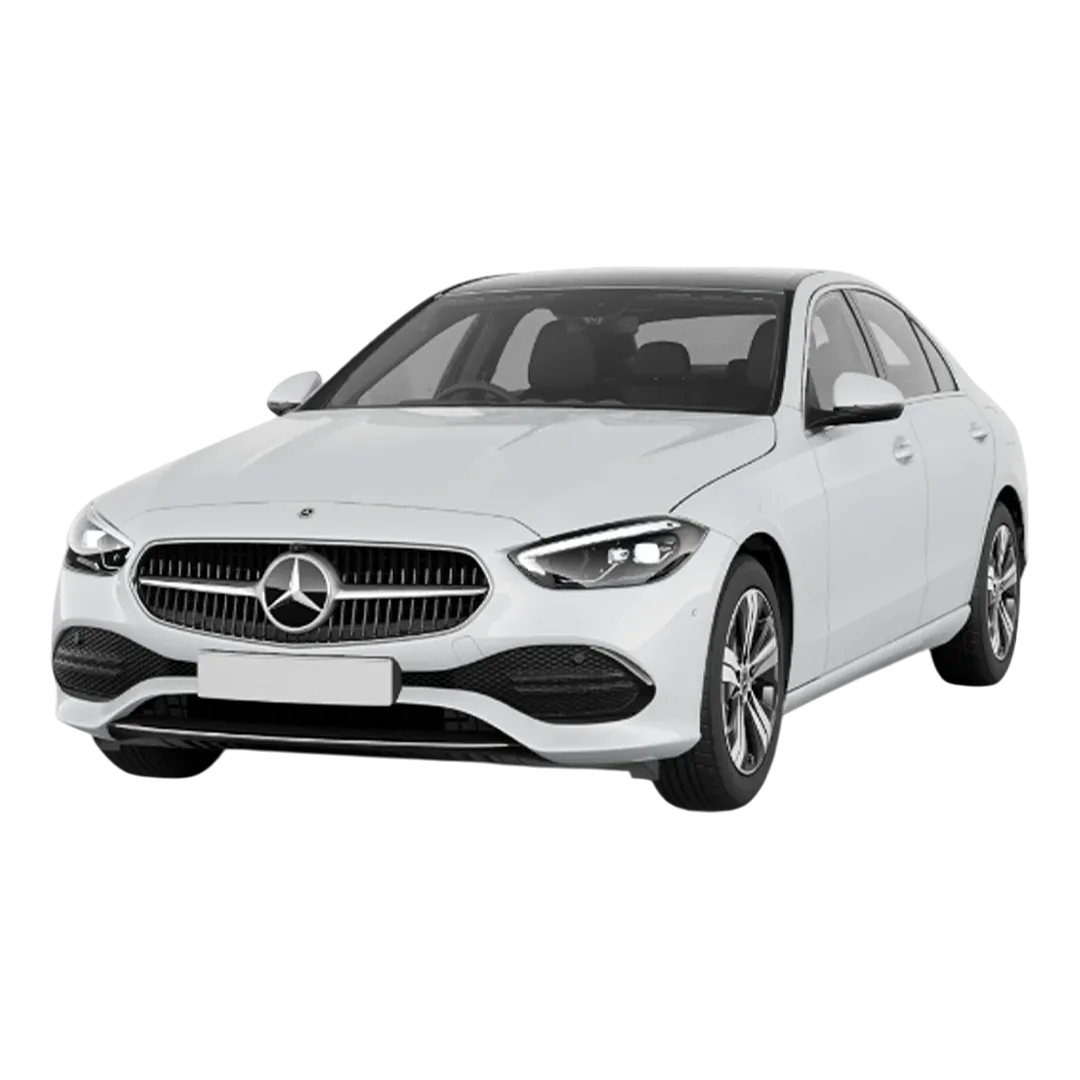 Mercedes Benz C-Class
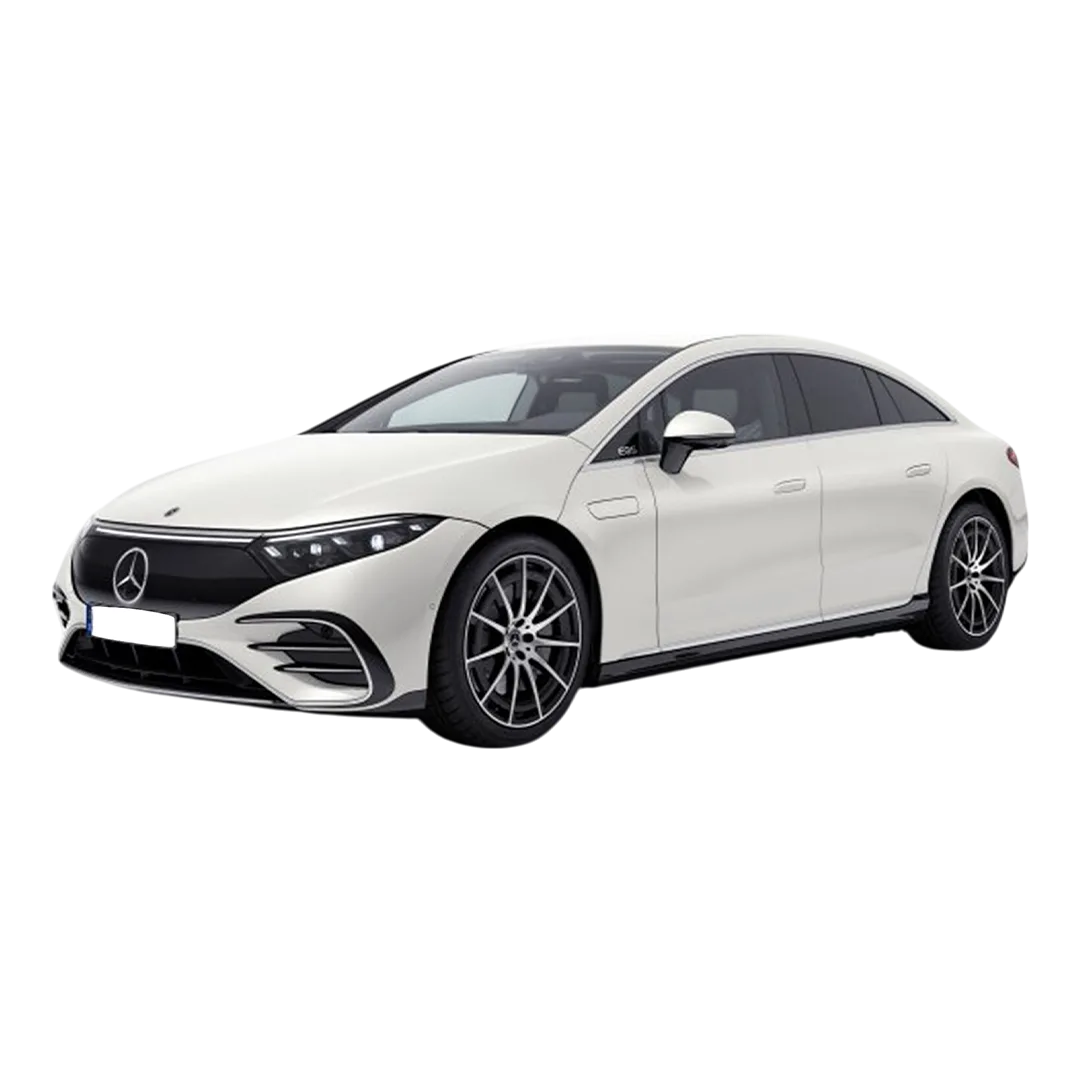 Mercedes Benz EQS
 Mercedes Benz GLC
 Mercedes Benz GLE
 Mercedes Benz G-Class
 Mercedes Benz AMG SL
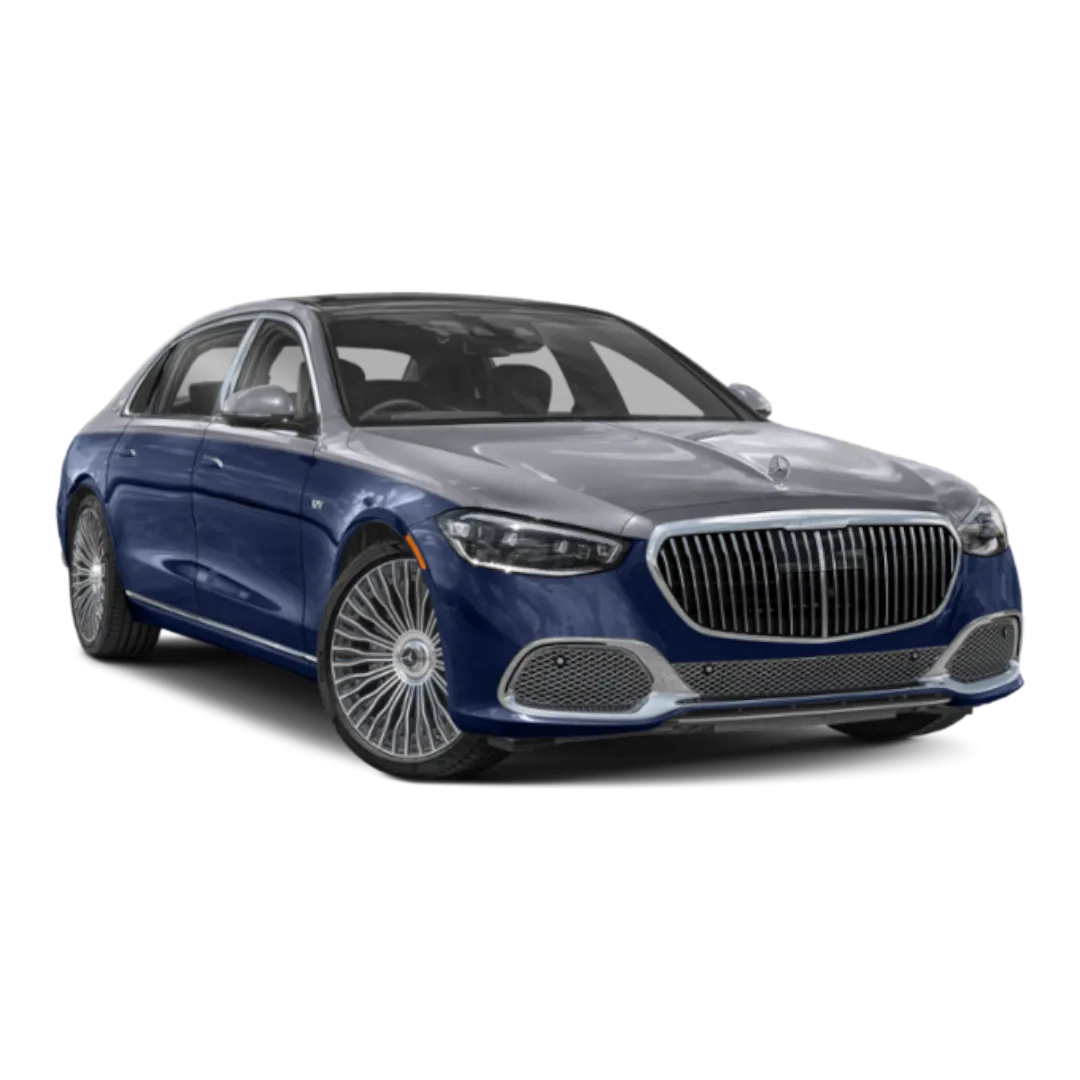 Mercedes Benz MAYBACH S- Class
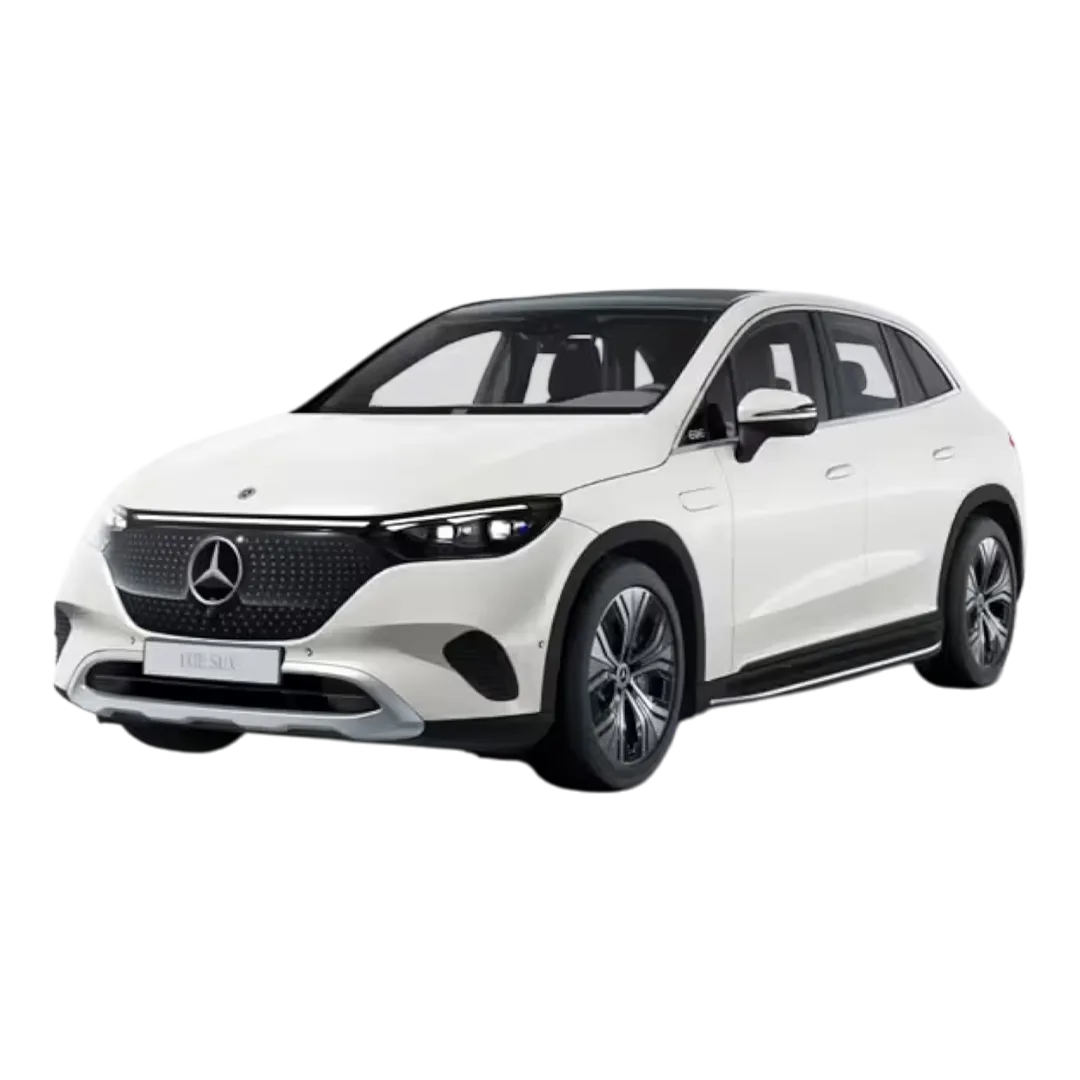 Mercedes Benz EQE-SUV
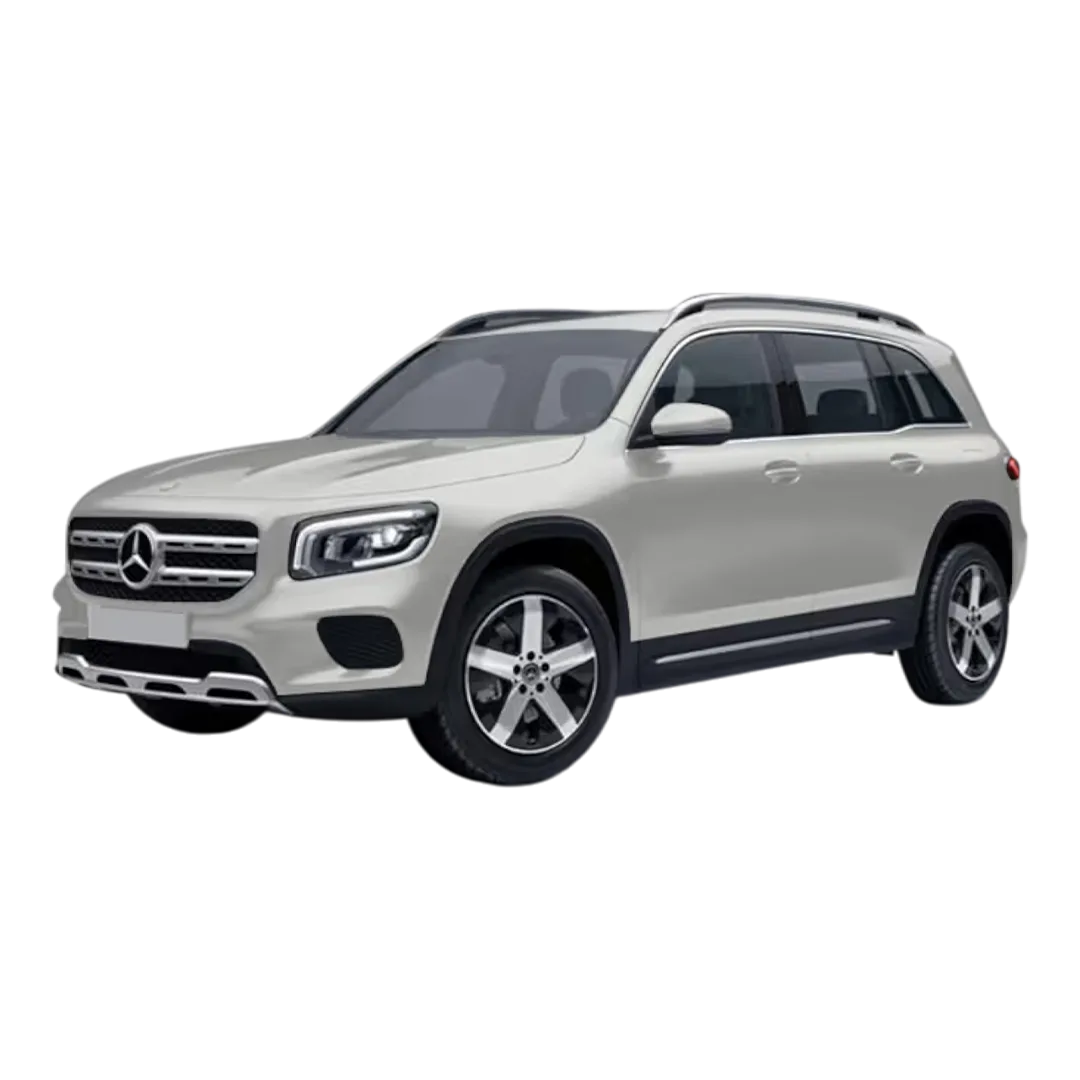 Mercedes Benz GLB
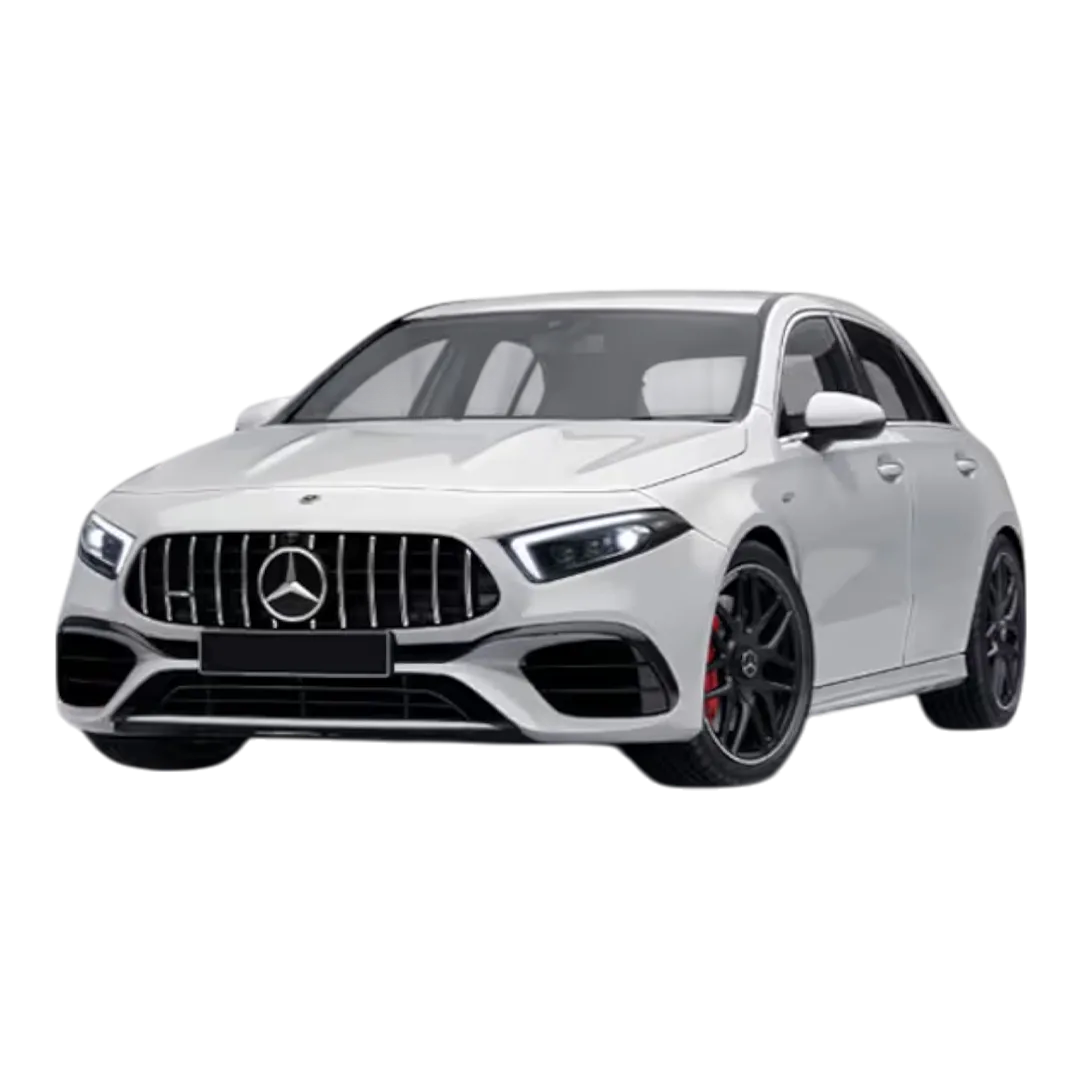 Mercedes Benz AMG A 45 S
 Mercedes Benz AMG GLE S3
 Mercedes Benz EQB
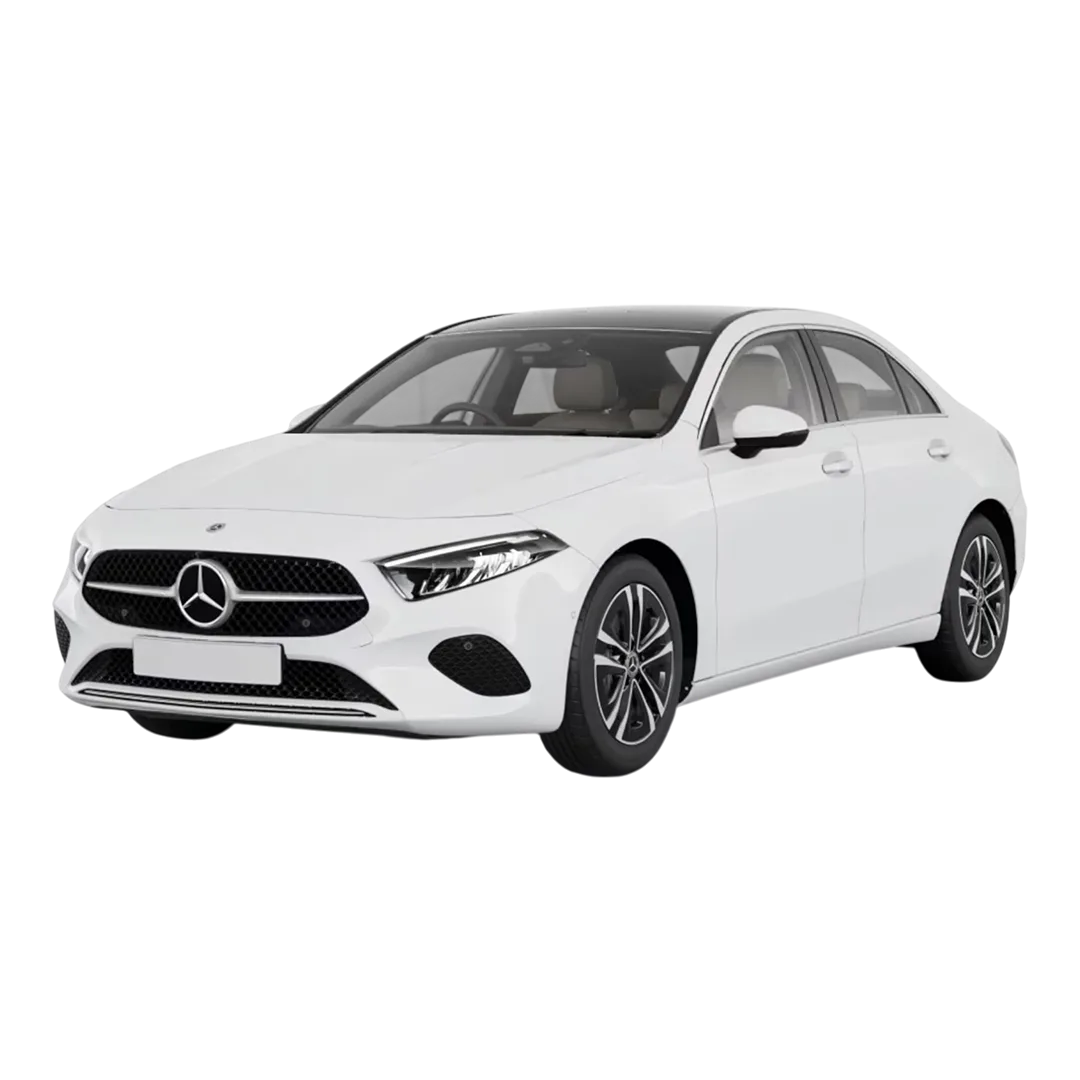 Mercedes Benz A Class limousine
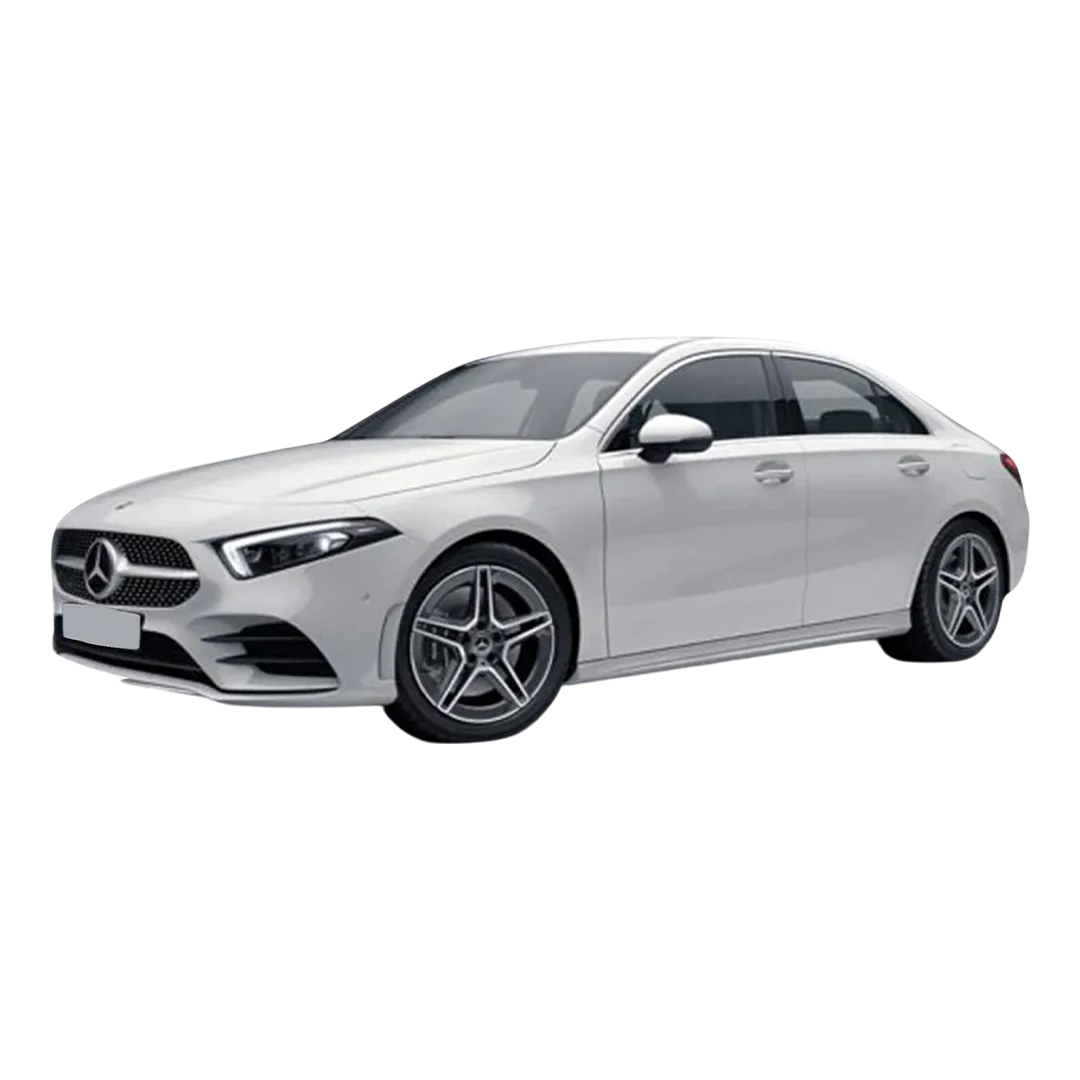 Mercedes Benz AMG A 35
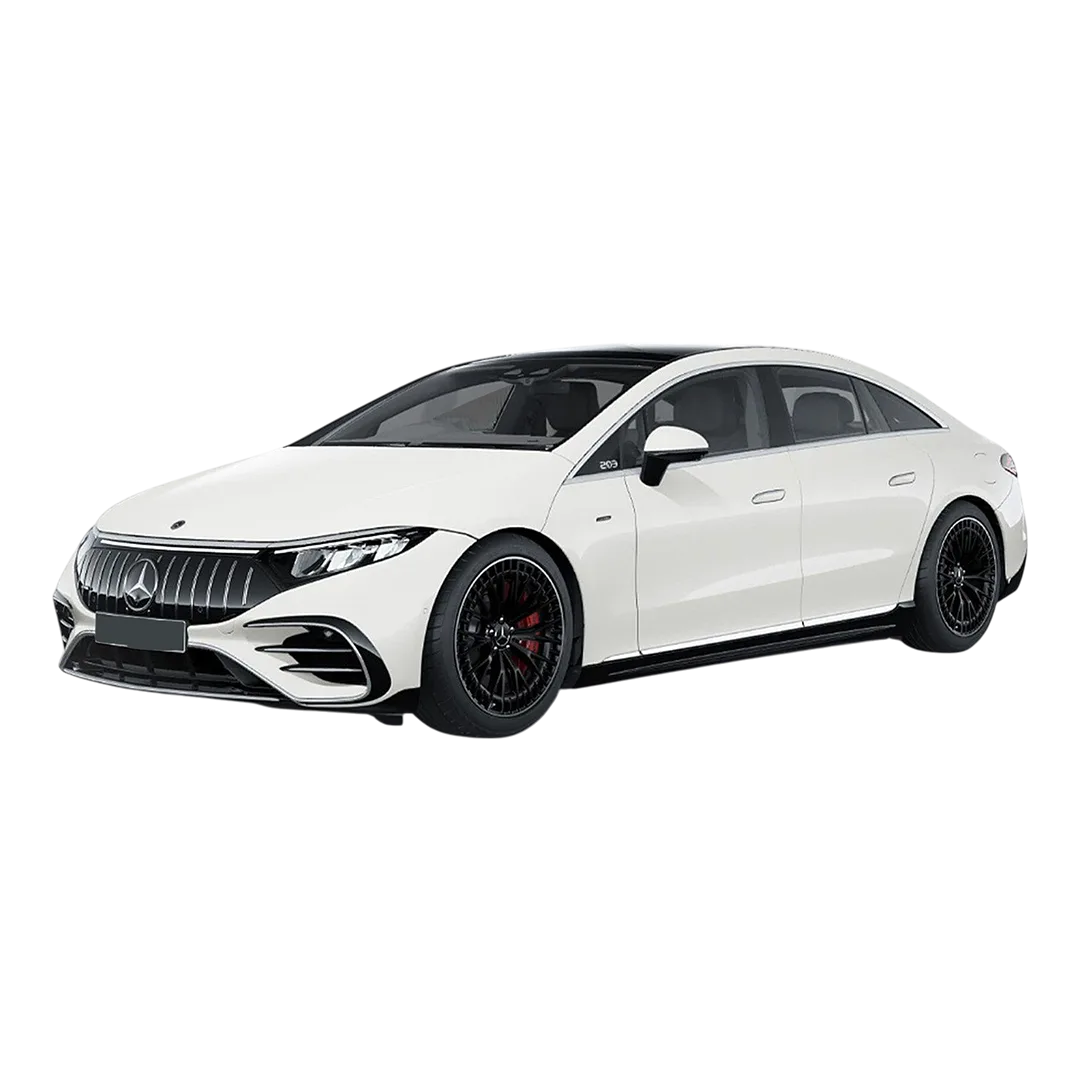 Mercedes-Benz AMG EQS
 Mercedes-Benz AMG E 53 Cabriolet
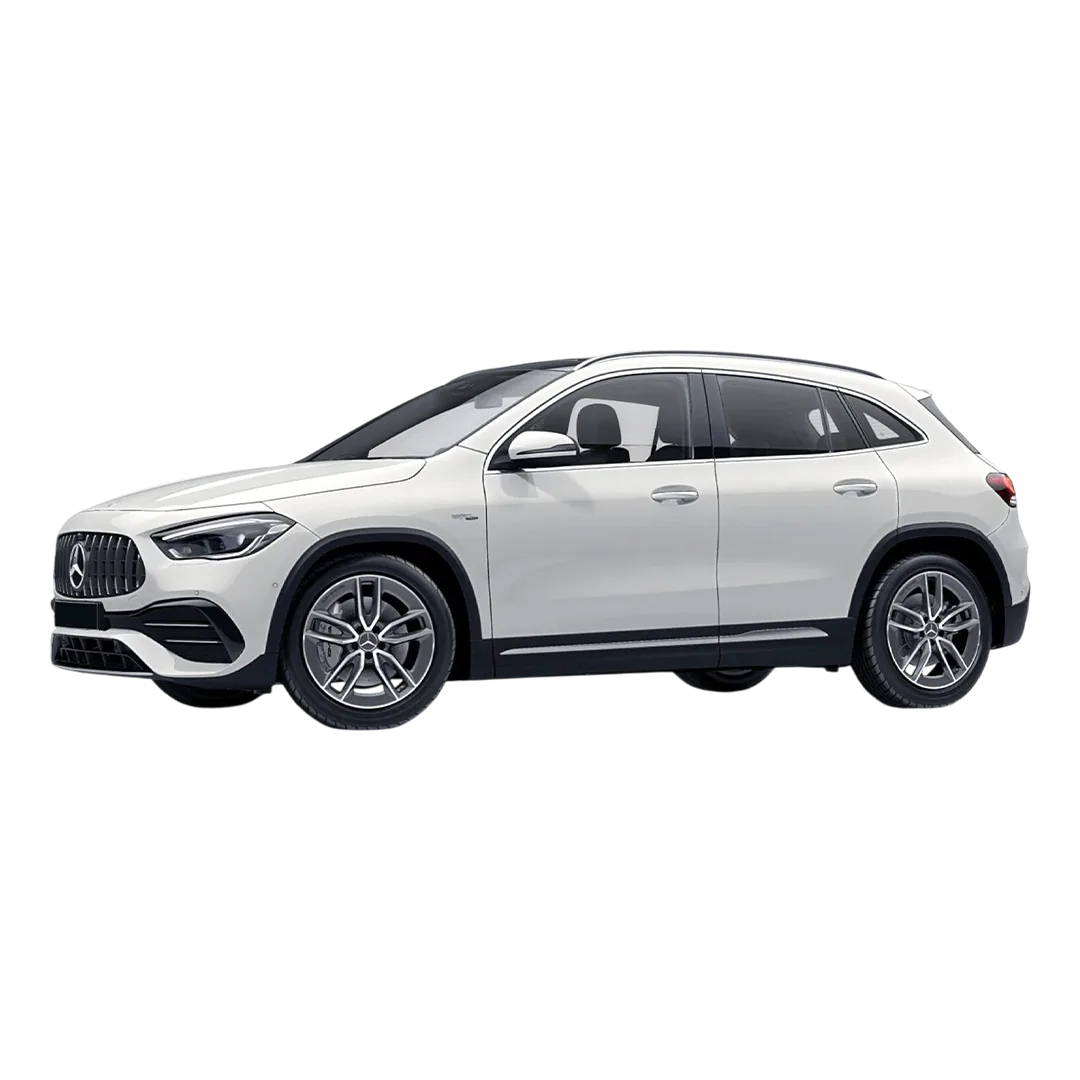 Mercedes-Benz AMG GLA 35
 Mercedes-Benz GLC Coupe 2023
 Mercedes M-Class
R-Class
Mercedes M-Class
R-Class
 GLS 600
GLS 400
GLS 350
GLE 300
GLS 600
GLS 400
GLS 350
GLE 300
 GLE 400
GLE 250D
GLE 400
GLE 250D
 GLC 220D
GLC 300
GLC 220D
GLC 300
 GLC 43 Coupe
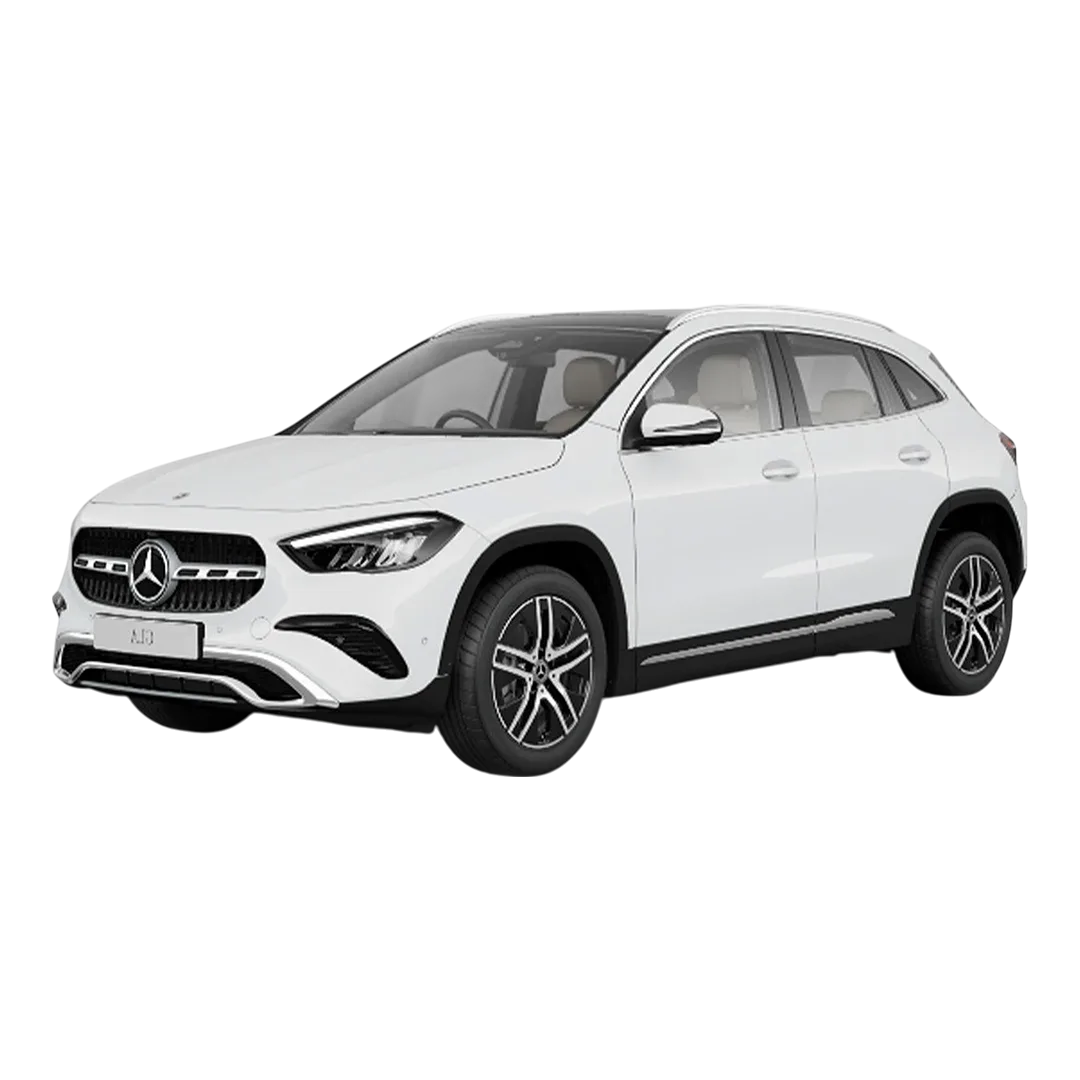 GLA 220d
 GLA-Class 200D
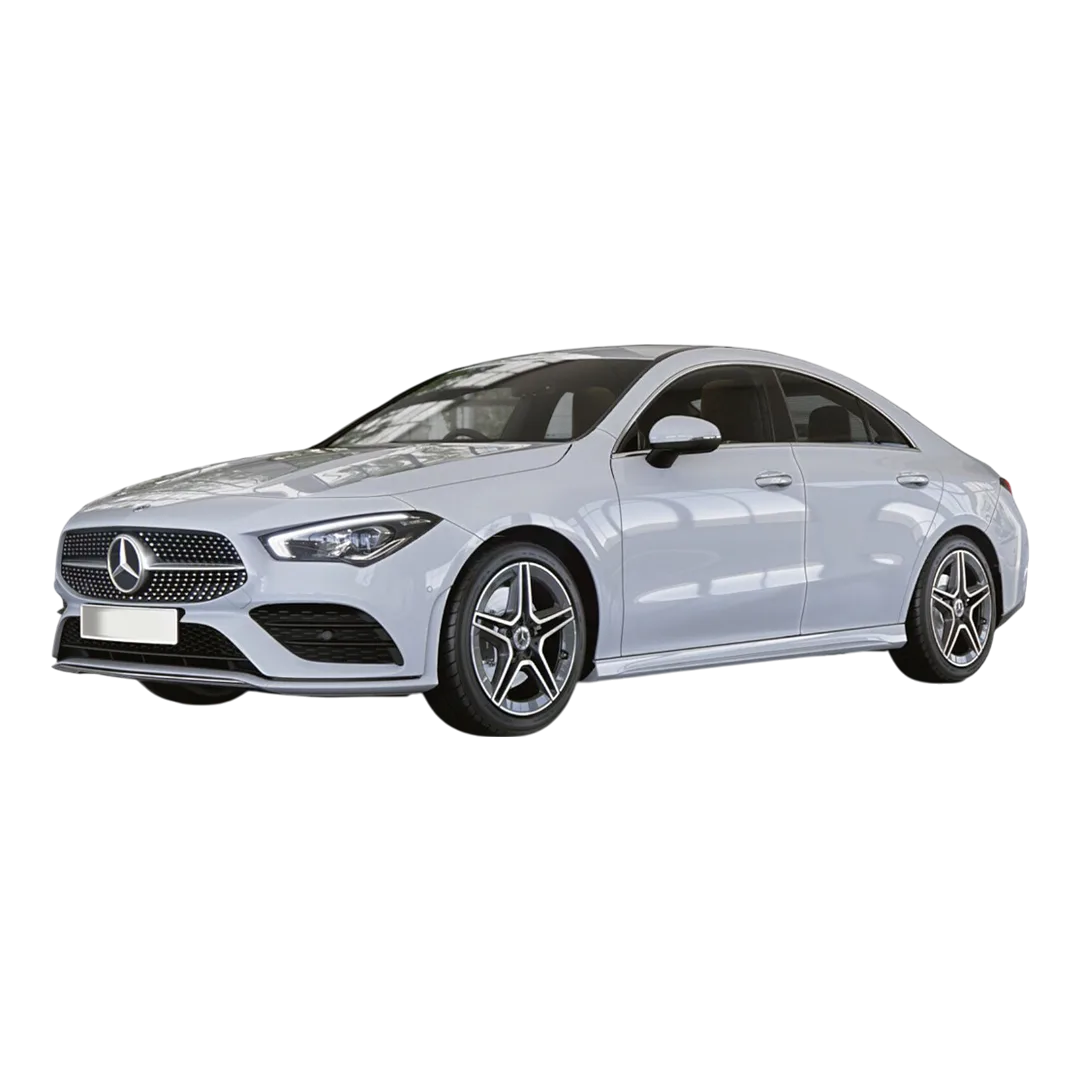 CLA 200
 Benz A-Class A 180
M-Class ML 250
M-Class ML 350
Benz A-Class A 180
M-Class ML 250
M-Class ML 350
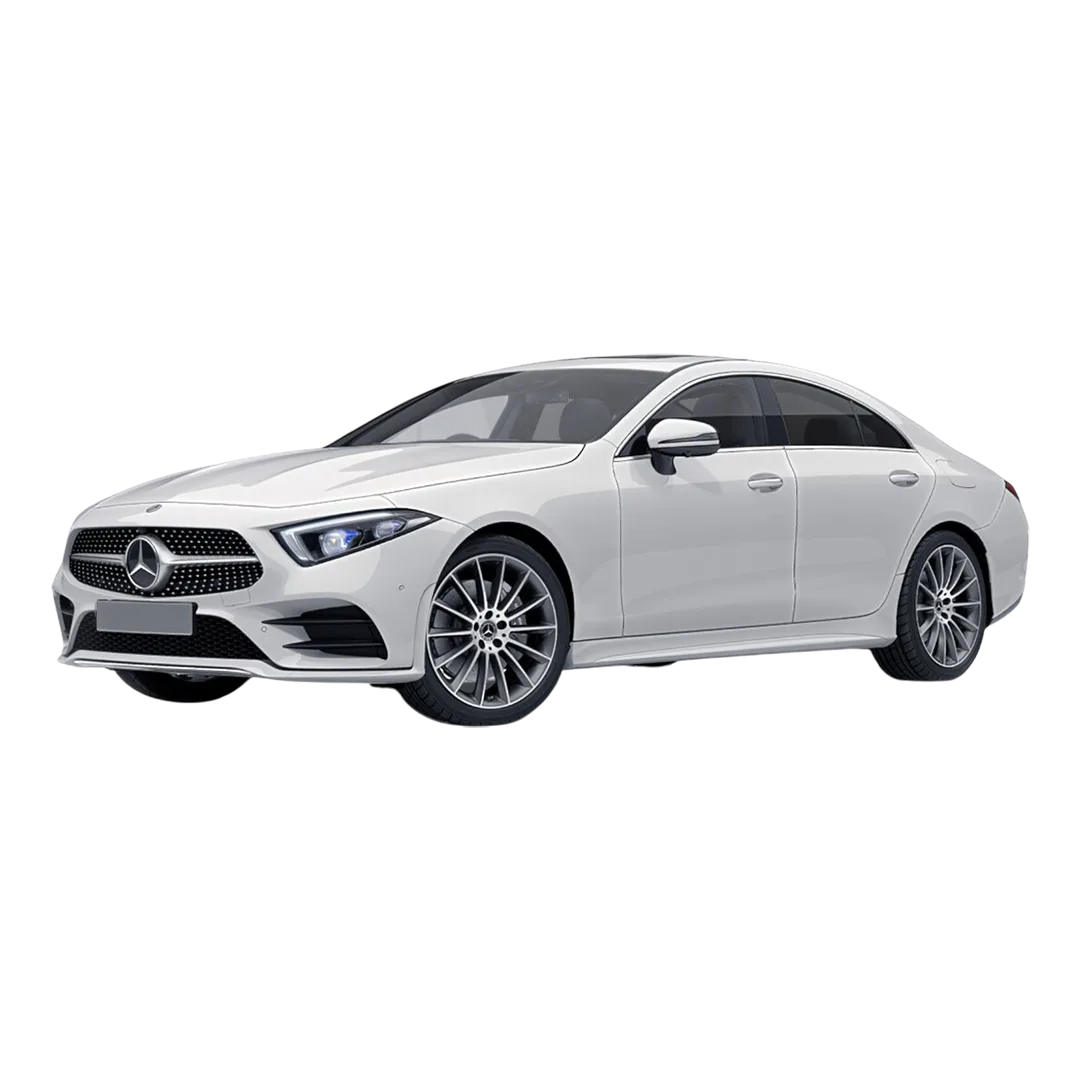 Benz CLS 300
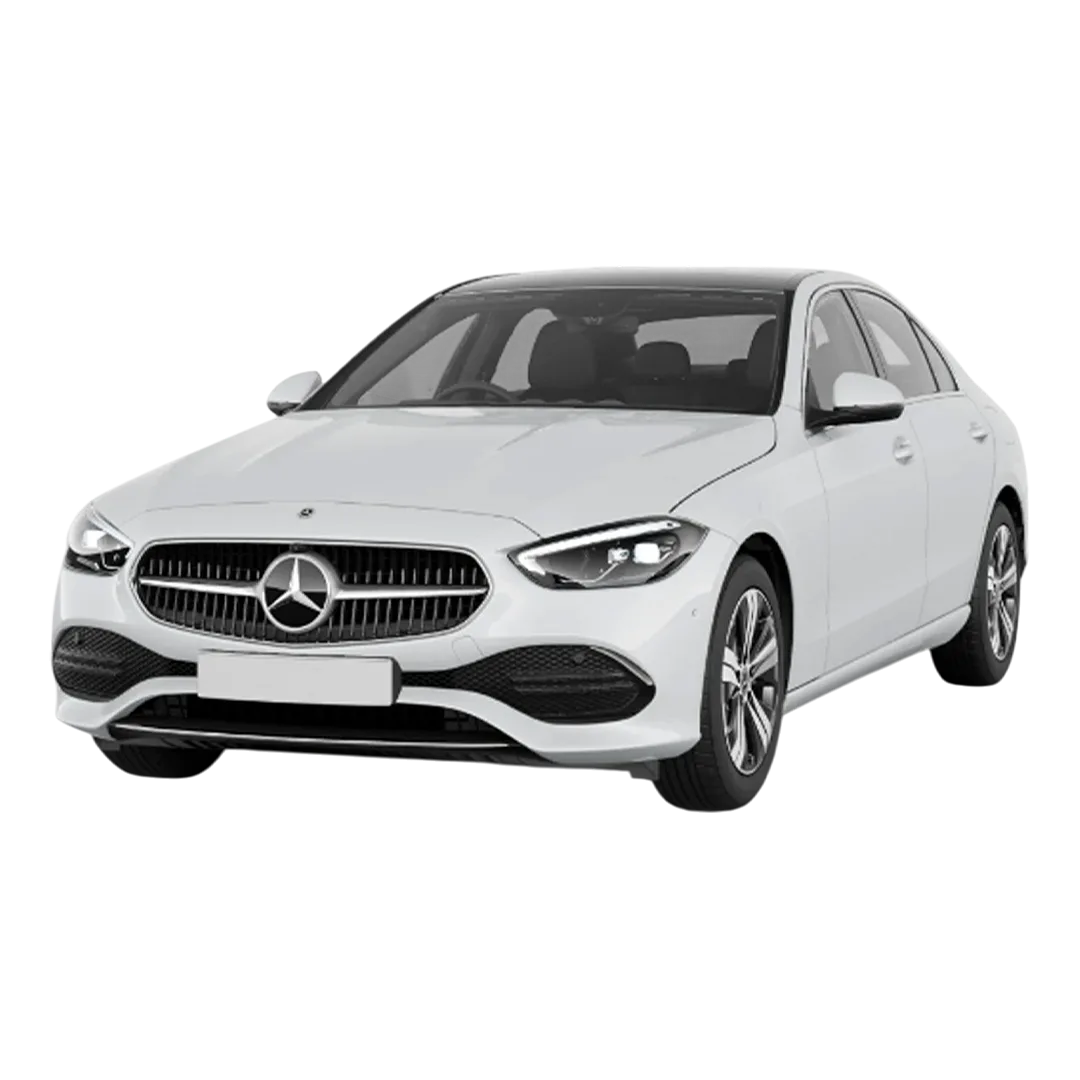 C-Class C250
C-Class C220
C-Class C200
C-Class C250
C-Class C220
C-Class C200
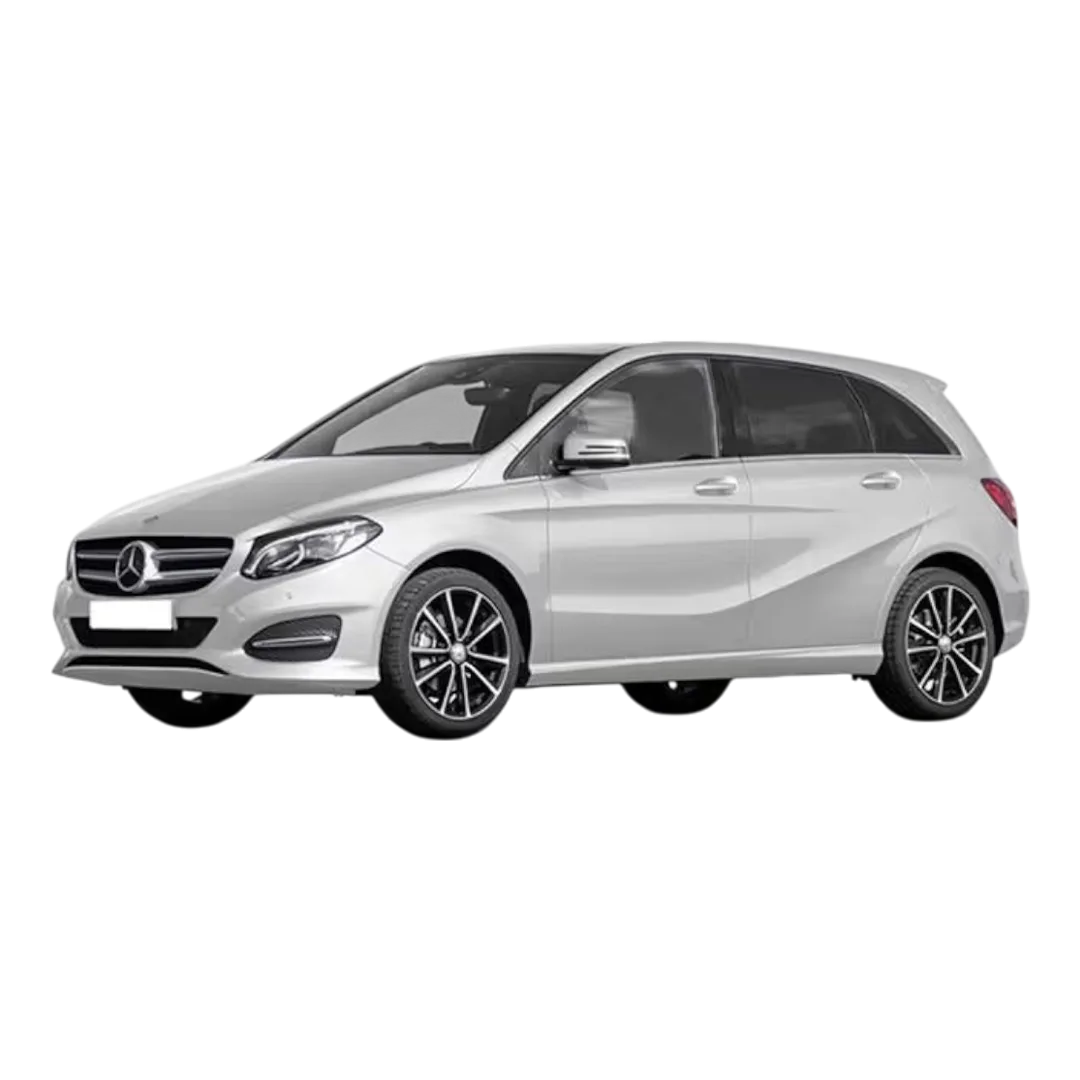 Benz B - Class
Benz A - 200
Benz B - Class
Benz A - 200
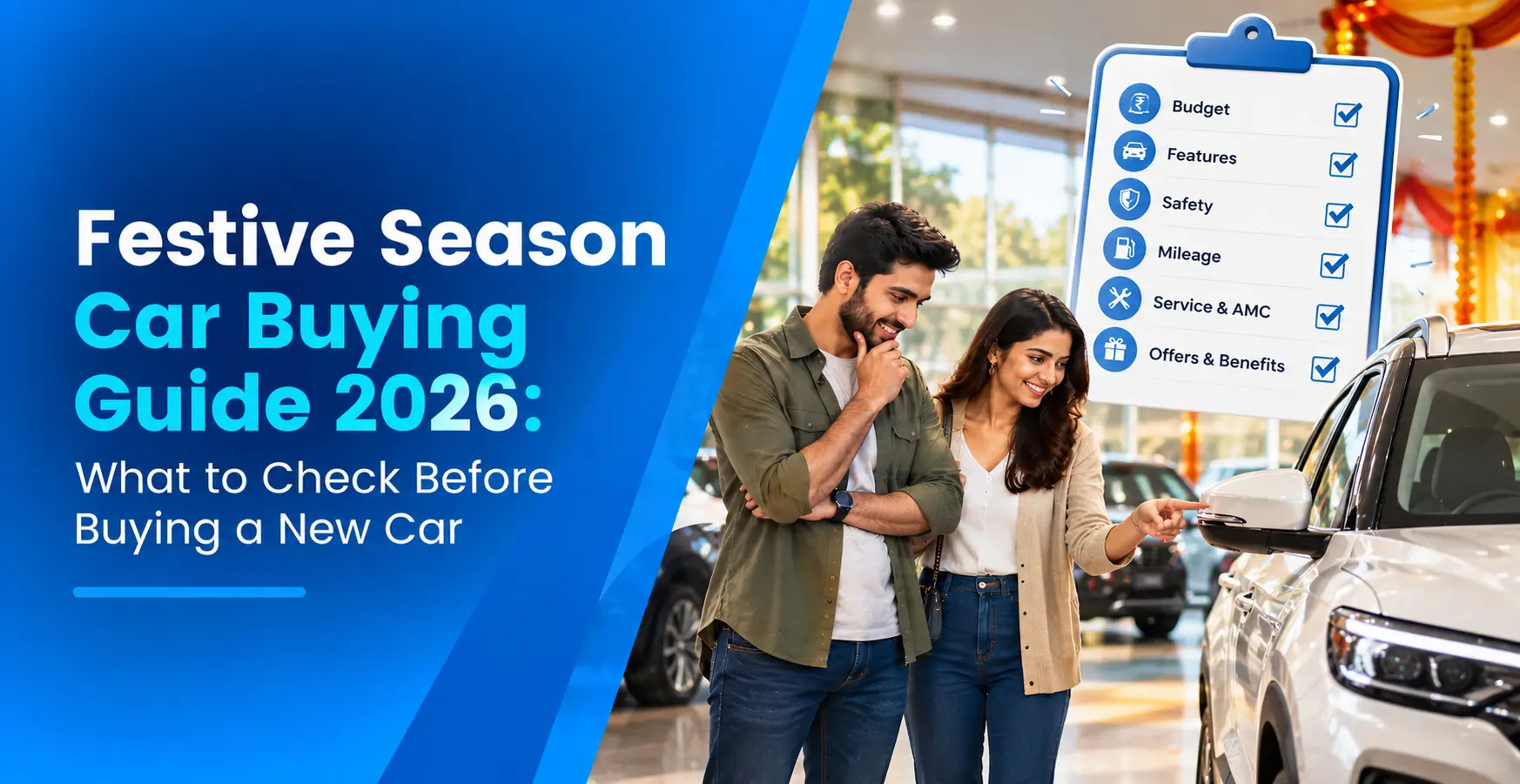
The festive season is one of the most active periods for car buying in India. With manufacturers and dealerships introducing festive season car offers, exchange benefits, finance schemes and model-specific promotions, buyers often feel pressure to make a quick decision. However, a new car is a major financial commitment, and the biggest discount does not always mean the best deal.
This festive season car buying guide 2026 is designed to help Indian buyers evaluate the complete purchase rather than focusing only on the showroom price. From calculating the actual on-road cost and comparing discounts to selecting the right powertrain, checking safety equipment and conducting a proper pre-delivery inspection (PDI), every stage can affect your ownership experience.
Buyers should also consider insurance, EMI, fuel expenses, routine maintenance and essential car accessories before finalising the purchase. A car that fits your budget on paper may become expensive if its running costs or financing burden are higher than expected.
Whether you are buying your first car, upgrading your existing vehicle or comparing petrol, diesel, CNG, hybrid and EV options, this car buying guide 2026 covers the important checks to make before signing the paperwork.
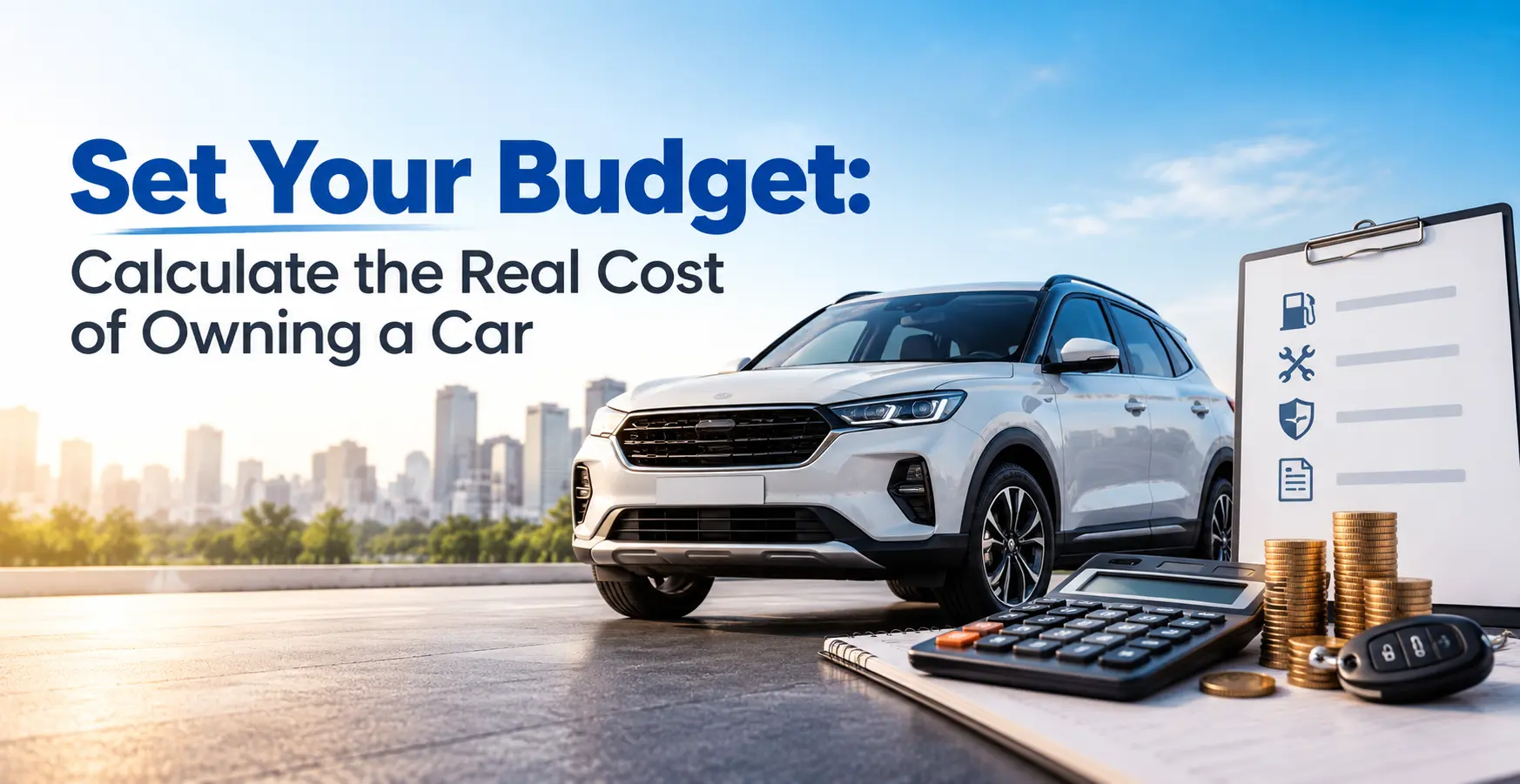
A common mistake when buying a new car in India is setting a budget according to the ex-showroom price alone. The amount you actually pay includes several additional expenses. The on-road car price generally includes the vehicle price along with applicable registration charges, insurance and other mandatory costs. Depending on the purchase, accessories, extended warranty, service packages and finance-related charges can further increase your initial expenditure.
Before visiting a dealership, decide how much you can comfortably spend as a down payment and how much monthly EMI you can manage. Do not choose an EMI simply because the bank or dealer says you are eligible for it. Consider your regular expenses and leave enough room for unexpected costs.
You should also estimate fuel or charging expenses based on your expected monthly usage. Maintenance costs, insurance renewal and tyre replacement should also be included in your ownership calculation. For example, someone driving long distances every month may need to prioritise running costs more heavily than someone using the car mainly for short city trips.
| Cost Component | What to Check Before Buying |
|---|---|
| Ex-showroom price | Current price of the exact variant |
| On-road price | Registration, insurance and applicable charges |
| Down payment | Amount you can comfortably pay upfront |
| EMI | Monthly repayment and total loan cost |
| Insurance | Coverage, premium and add-ons |
| Fuel/charging | Estimated monthly running cost |
| Maintenance | Scheduled service and consumables |
| Accessories | Only necessary and suitable additions |
CRECKK TIP: Before booking, ask the dealer for a detailed written breakup of the on-road price and compare it with your own budget calculation. This makes it easier to identify optional charges and avoid making a decision based only on the advertised starting price.
The festive season can be a good time to compare deals, but buyers should look beyond a large discount figure. Festive season car offers can come in different forms, including manufacturer benefits, dealer-level discounts, exchange bonuses, finance offers, corporate benefits or accessories. The actual value depends on whether you are eligible for each benefit and whether it applies to your selected variant.
Start by checking the current price of the exact model, variant and powertrain you want. Do not compare only the advertised price of the base variant with another manufacturer's higher variant. Instead, compare similarly equipped versions and calculate their final on-road prices.
It is also important to understand whether an advertised benefit is a direct price reduction or comes through another incentive. Some offers may depend on financing through a particular institution, exchanging an existing vehicle or choosing a specific stock variant.
Price revisions can also affect your calculation, particularly when manufacturers update prices during the year. Ask the dealer whether the quoted price is valid until delivery and request all promised benefits in writing.
CRECKK FACT: A festive offer is most useful when you compare the final payable amount, not just the headline discount. A smaller discount on a better-priced package can sometimes result in a lower overall purchase cost.
Do not let a limited-time offer push you into buying a car that does not suit your requirements. The best time to buy a car is not simply when the discount is highest; it is when the vehicle, price, ownership cost and timing make sense for you.
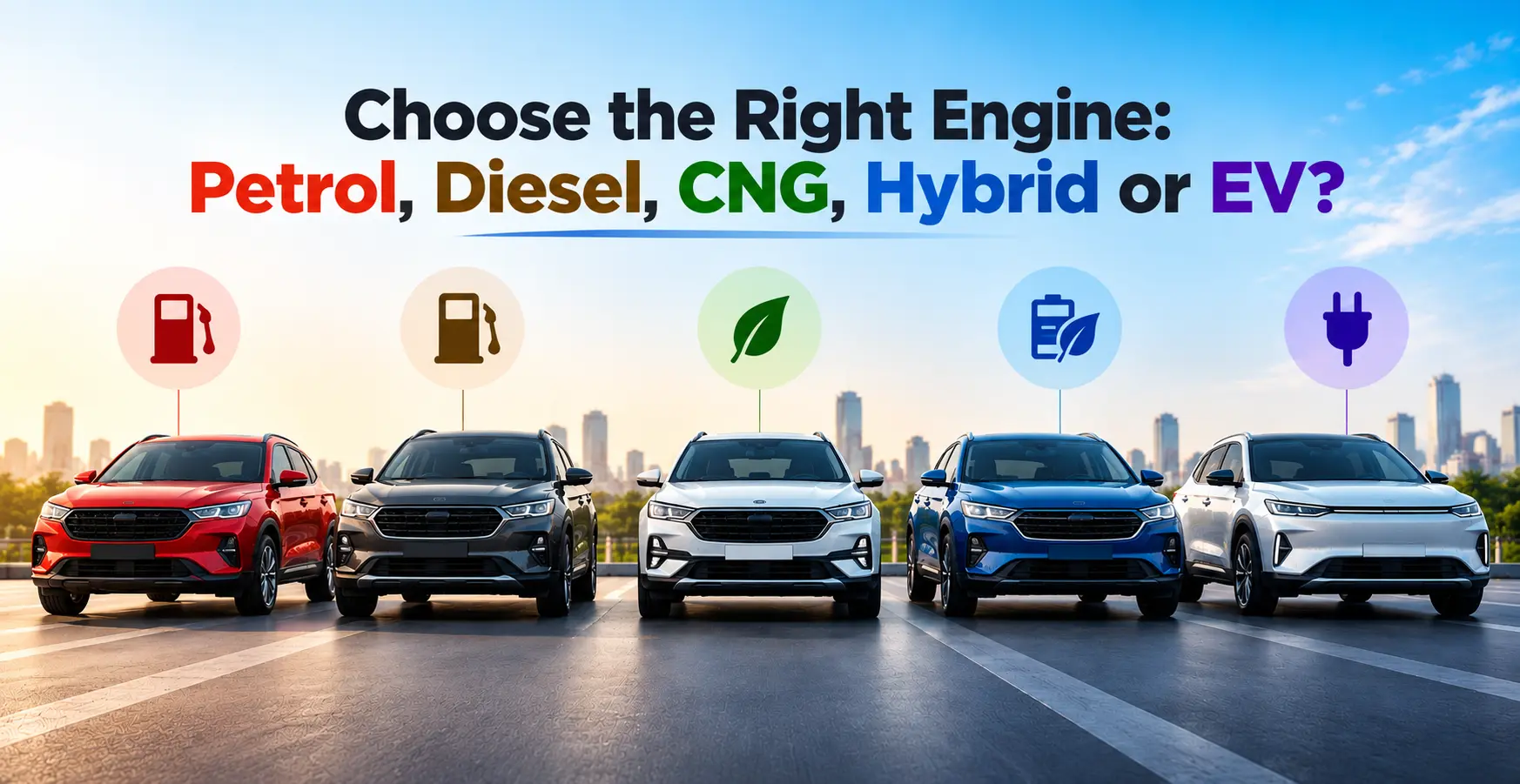
Selecting the right powertrain is one of the most important decisions in a new car checklist India. Petrol, diesel, CNG, hybrid and electric vehicles can suit different driving patterns, so there is no single option that is automatically best for every buyer.
Petrol cars can be practical for buyers who want a familiar powertrain and relatively straightforward ownership, particularly for mixed city and highway use. Diesel vehicles may appeal to buyers with substantial highway running, although availability and model choices vary. CNG can be attractive for drivers who prioritise running costs and have convenient access to CNG refuelling.
Hybrids combine an internal-combustion engine with electric assistance and can be particularly interesting for buyers who want improved efficiency without depending entirely on charging infrastructure. EVs can make sense for people with suitable home or workplace charging and predictable daily routes.
Your decision should therefore be based on actual usage rather than trends. Estimate your monthly kilometres, typical route, access to fuel or charging infrastructure, expected ownership period and budget.
CRECKK TIP: Write down your average monthly driving distance and the percentage of city versus highway use before choosing a powertrain. This simple calculation can make the petrol vs diesel vs CNG vs hybrid vs EV comparison much more practical.
| Powertrain | Suitable For | Important Consideration |
|---|---|---|
| Petrol | Mixed city and highway usage | Fuel running cost |
| Diesel | Higher-running users where available | Purchase price and usage pattern |
| CNG | Cost-conscious urban/high-running users | CNG availability and boot-space considerations |
| Hybrid | Buyers seeking efficiency with conventional refuelling | Higher purchase price on some models |
| EV | Urban users with convenient charging | Charging access and driving pattern |
Also compare the available variants carefully. Sometimes the powertrain you prefer may only be available with specific trims, transmissions or equipment levels. Your final decision should consider the complete package rather than fuel type alone.
Safety should be one of the first considerations when selecting a new car, not an optional feature to evaluate after choosing the colour or accessories. When comparing vehicles, check the safety equipment available on the exact variant you plan to purchase.
Important features can include airbags, ABS, electronic stability control, seat-belt-related safety systems, parking sensors, parking cameras and other driver-assistance technologies. Depending on the vehicle, higher variants may offer additional equipment such as ADAS.
However, do not judge a vehicle's safety only by counting features. Check the safety rating from a credible testing programme where a rating is available, and make sure the rating applies to the relevant model and specification. Safety equipment can also vary between variants or model years.
A good safety assessment should therefore combine crash-test information, standard safety equipment, structural considerations and the features offered in your selected variant.
CRECKK FACT: Safety equipment can differ between variants of the same car, so checking the brochure and exact variant specification is important before booking.
It is also worth checking whether important safety equipment is standard or restricted to higher variants. Paying more for a better-equipped variant can be justified when the additional equipment provides meaningful safety or usability benefits.
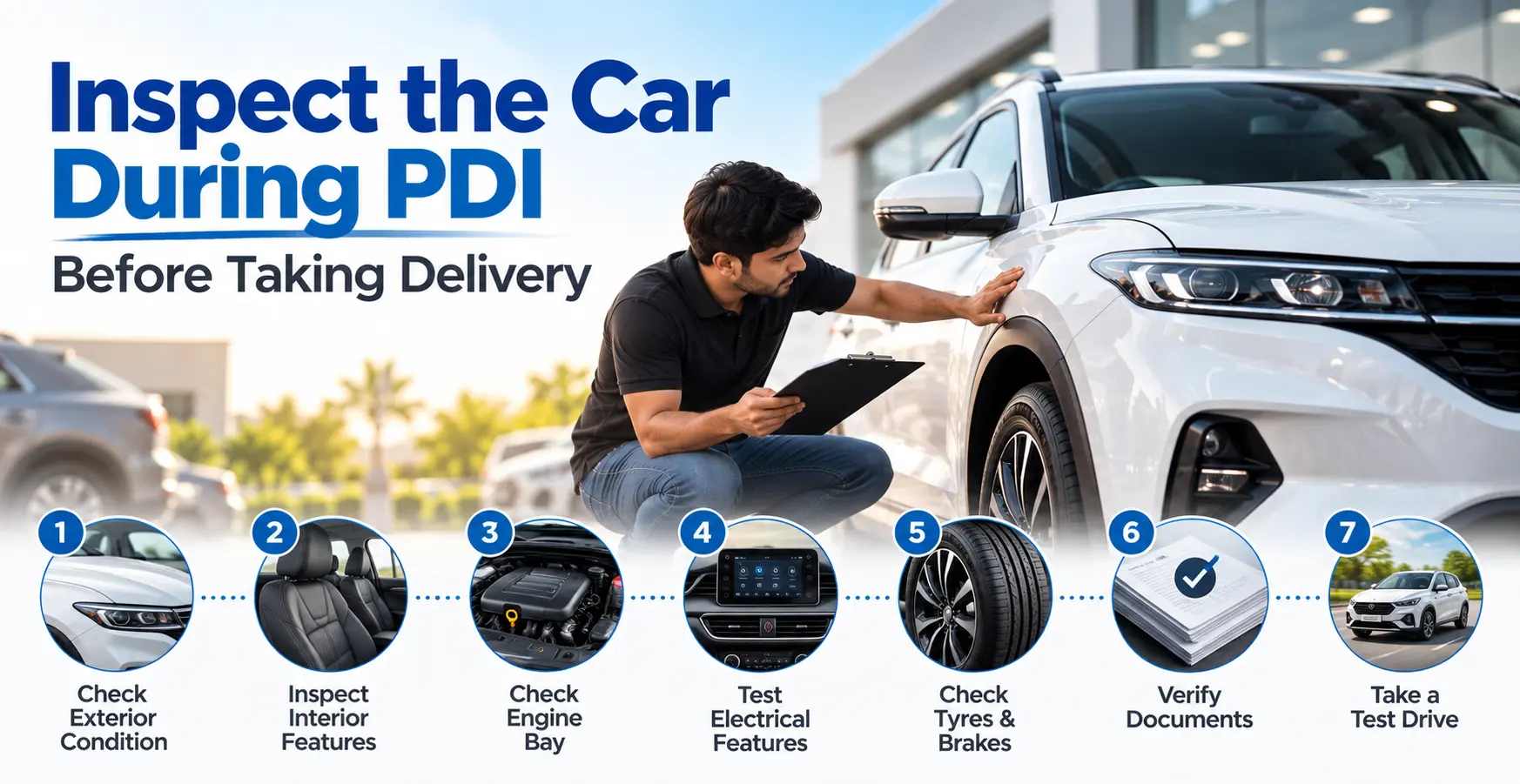
The pre-delivery inspection (PDI) is one of the most important steps in the new car buying process. Even if you have already booked the vehicle and completed the paperwork, you should inspect the actual car before accepting delivery.
Ideally, conduct the PDI during daylight or in a well-lit area. Start with the exterior and check the paintwork, panels, bumpers, windows, lights, mirrors and wheels for visible damage, scratches or inconsistencies. Examine the tyres and confirm that they appear undamaged.
Inside the cabin, inspect the seats, dashboard, infotainment system, air-conditioning, power windows, locks, switches and other electrical functions. Check that the supplied equipment and accessories match what was agreed during the purchase.
The PDI should also include checking the VIN and other vehicle identification details against the documentation. Examine the odometer reading and ask the dealer about any reading that seems unusual for a new vehicle. Check the engine bay for visible leaks or abnormalities and verify fluid levels where appropriate.
CRECKK TIP: Never treat PDI as a quick visual walk-around. Carry your booking documents and variant specification with you and systematically check the vehicle section by section before accepting delivery.
| Area | What to Inspect |
|---|---|
| Exterior | Paint, panels, bumpers, glass and mirrors |
| Tyres | Condition, visible damage and matching specification |
| Lights | Headlamps, indicators, brake lights and reverse lights |
| Interior | Seats, dashboard, carpets and trim |
| Electronics | Infotainment, windows, locks and switches |
| AC | Cooling and controls |
| Engine bay | Visible leaks and general condition |
| Odometer | Confirm the displayed reading |
| VIN | Match with documentation |
| Accessories | Confirm all promised items are present |
| Documents | Invoice, insurance and other relevant paperwork |
If you identify significant damage or a mismatch, document it with photographs and inform the dealer before accepting the vehicle. Do not feel pressured to complete the delivery simply because the dealership has scheduled a ceremony or registration process.
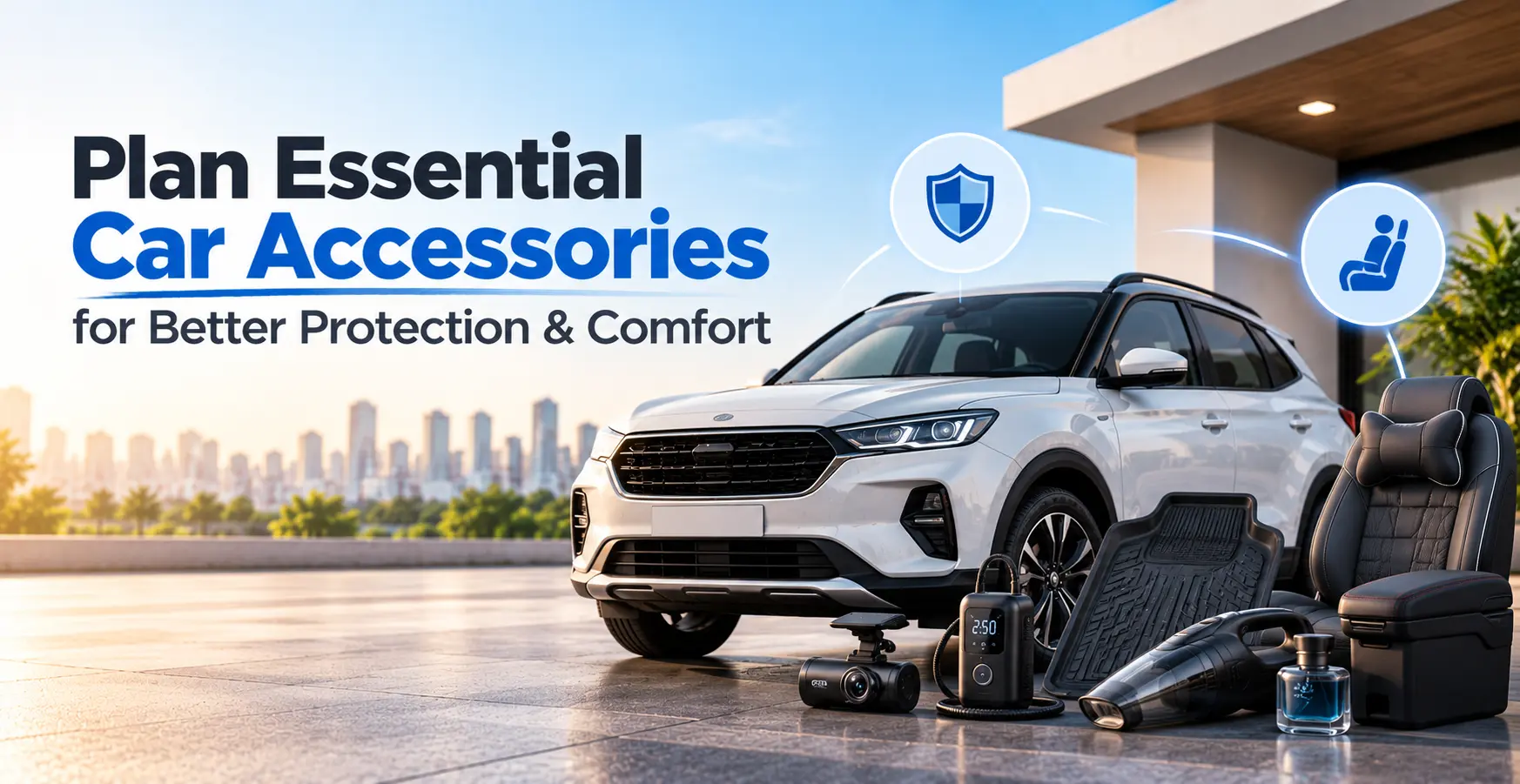
Once the car itself has been finalised, accessories can improve everyday comfort, protection and convenience. However, buying every accessory offered at the dealership is rarely necessary. A better approach is to separate essential car accessories from cosmetic or optional additions.
Floor mats are commonly considered for protecting the cabin from dirt and moisture, while seat covers may help protect upholstery depending on the material and vehicle. A dashcam can be useful for recording road incidents, while appropriate exterior protection and car-care products can help maintain the vehicle's appearance.
The important point is compatibility. Accessories should be selected according to the exact car model, variant and interior or exterior design. Poorly fitting accessories can interfere with pedals, airbags, seat movement, sensors or other vehicle functions.
Buyers can also compare prices between dealership accessories and aftermarket options. An online car accessories platform can make this comparison easier because you can explore products designed for particular vehicle models instead of buying accessories without checking compatibility.
CRECKK FACT: The right accessory should fit the specific car model and function without interfering with safety equipment, controls, visibility or normal vehicle operation.
| Accessory | Main Purpose | What to Check |
|---|---|---|
| Floor mats | Cabin protection | Model-specific fit |
| Seat covers | Upholstery protection | Airbag compatibility |
| Dashcam | Driving documentation | Camera placement and wiring |
| Car care products | Cleaning and maintenance | Suitability for surfaces |
| Boot mat | Protects boot floor | Exact boot shape |
| Sunshades | Cabin comfort | Proper window fit |
| Door protection | Helps reduce minor wear | Fit and installation |
| Microfiber cleaning kit | Routine cleaning | Surface-safe materials |
Creckk can also be useful when comparing car accessories for new car ownership because a dedicated car accessories marketplace allows buyers to explore products based on their vehicle requirements. The goal should be to buy useful accessories rather than simply adding products because they are included in a festive package.
The festive season can be an attractive period to compare car deals because manufacturers and dealers may introduce special offers. However, the best time to buy depends on the model, available stock, current pricing, your budget and delivery requirements.
Check the final on-road price, financing terms, insurance, powertrain, safety features, variant equipment, expected running costs, warranty and service requirements. Before delivery, conduct a proper PDI and verify the vehicle's identification details and condition.
The on-road amount generally includes the vehicle's applicable purchase price along with registration-related charges and insurance, but the exact breakup can vary. Always request a detailed quotation from the dealer.
There is no universally correct choice. Consider your monthly kilometres, city/highway usage, fuel or charging access, budget, expected ownership period and running costs before selecting a powertrain.
PDI allows you to inspect the actual vehicle before accepting delivery. It can help identify visible damage, equipment mismatches, incorrect documentation or other concerns before the purchase is completed.
Prioritise accessories that provide genuine protection, safety or convenience, such as suitable floor mats, a compatible dashcam, boot protection and car-care products. Choose model-specific products and avoid accessories that can interfere with airbags or vehicle controls.
Compare both options based on price, quality, warranty, installation and compatibility. Online car accessories can offer a wider selection, while dealership accessories may provide convenient installation. The most important factor is getting the correct product for your specific car.
Buying a new car during the 2026 festive season should be based on more than an attractive discount or showroom promotion. A smart purchase starts with calculating the complete ownership cost, comparing the final on-road price, selecting a powertrain suited to your driving pattern and checking the safety equipment available on the exact variant.
The process does not end after booking. A thorough pre-delivery inspection (PDI) can help you verify the vehicle's condition, documentation and promised equipment before taking delivery. Once the car is purchased, carefully selected car accessories can improve protection, comfort and everyday usability.
Whether you are comparing petrol, diesel, CNG, hybrid or EV models, use this festive season car buying guide 2026 as a practical checklist. Take your time, compare the complete deal and prioritise long-term ownership value over the excitement of a limited-period offer.