Your cart is empty
Start Shopping Exterior
›
Exterior
›
 Bumper Diffuser/Guard
 Body Covers
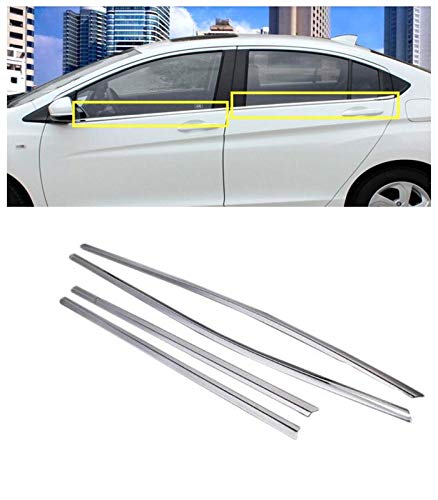 Window Garnishing
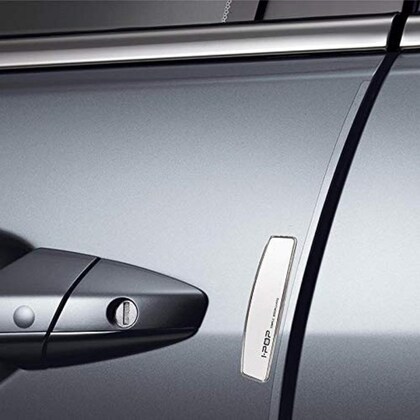 Door Guards
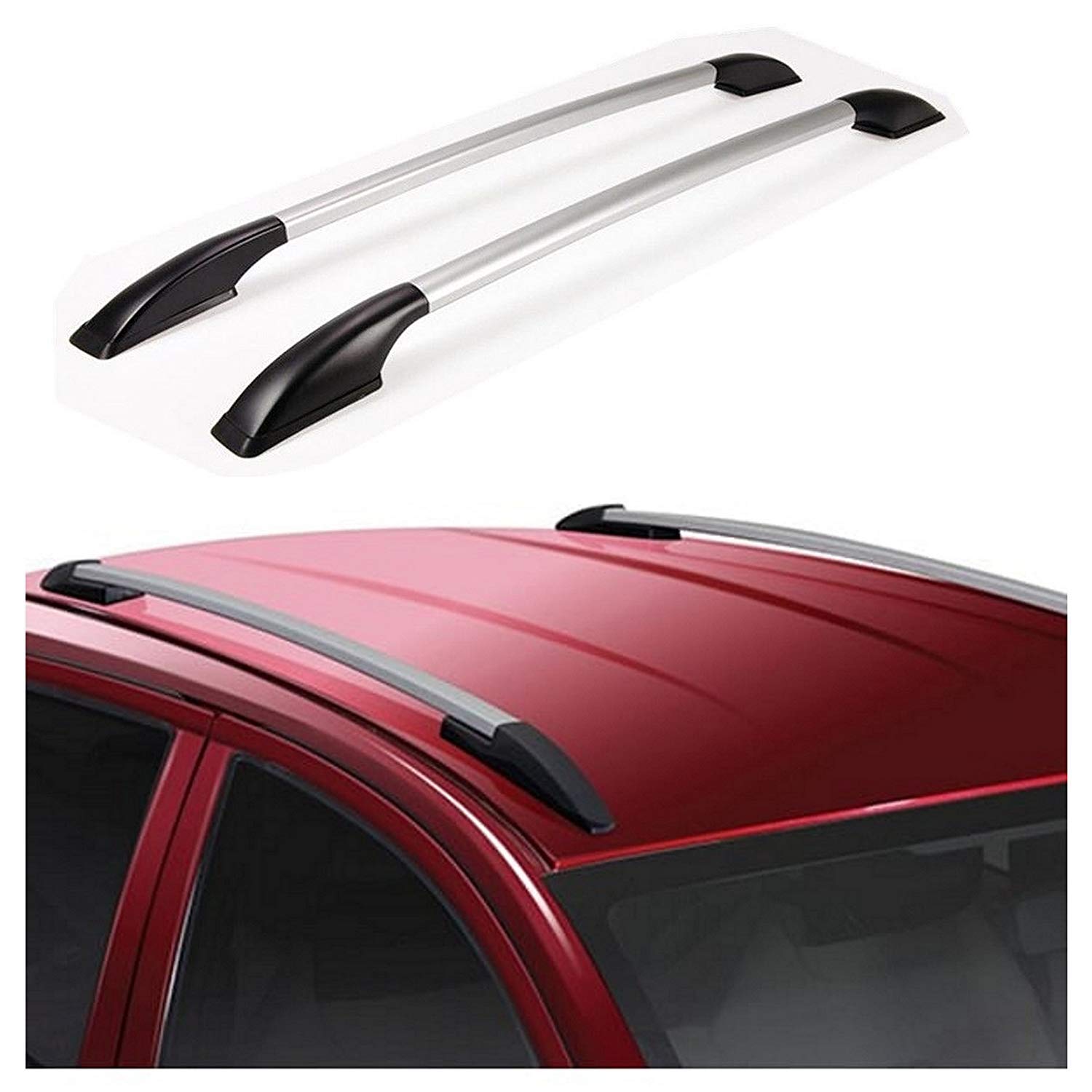 Roof Rails
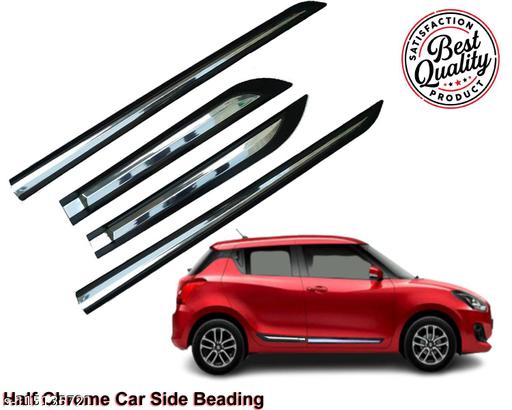 Side Beading
 Door Visor
 Mud Flap
 Wheel Cover
 Foot Rest
 Interior
›
Interior
›
 Door Scuff Sill Plates
 Window Sunshades & Film
 Armrest
 Seat Covers
 Steering Cover
 Floor Mats
 Dashboard Showpiece
 Seat & Neck Cushion
 Lighting
›
Lighting
›
 Utility
›
Utility
›
 All Chrome Items
 Mobile Holder
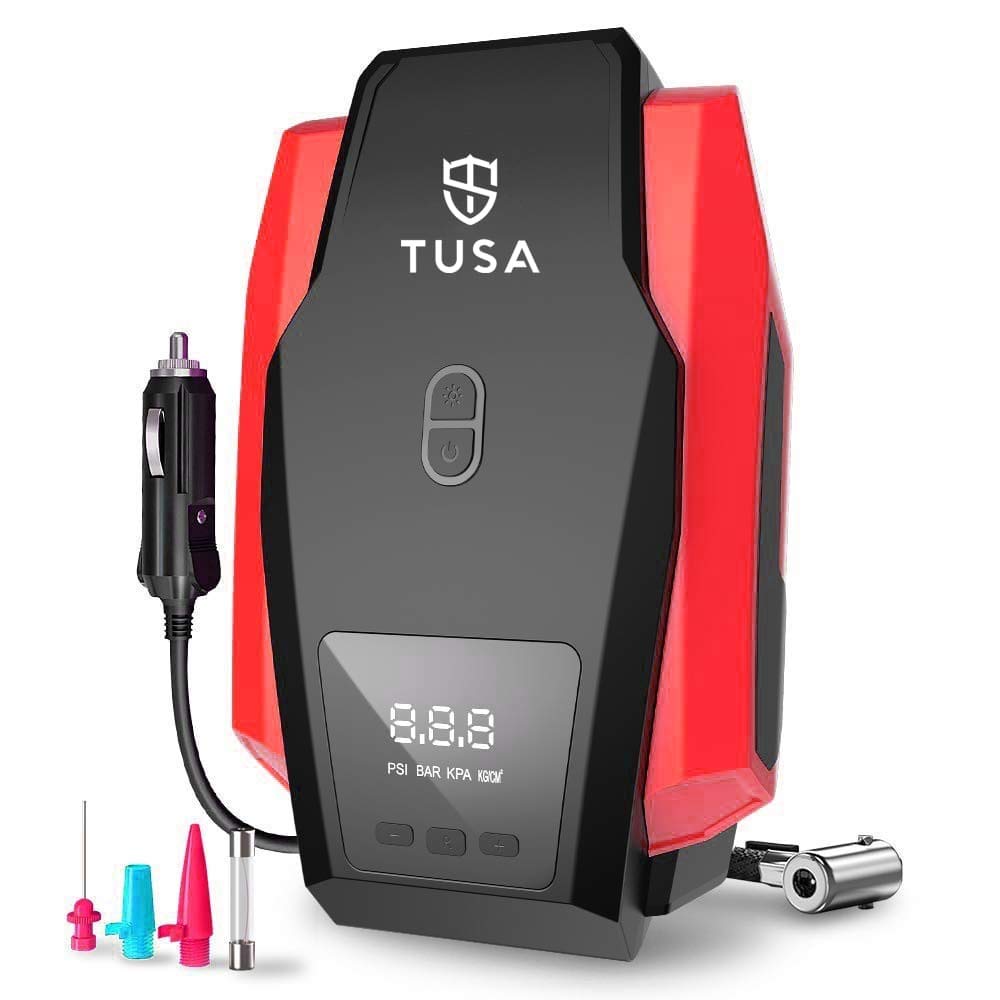 Tyre Inflators
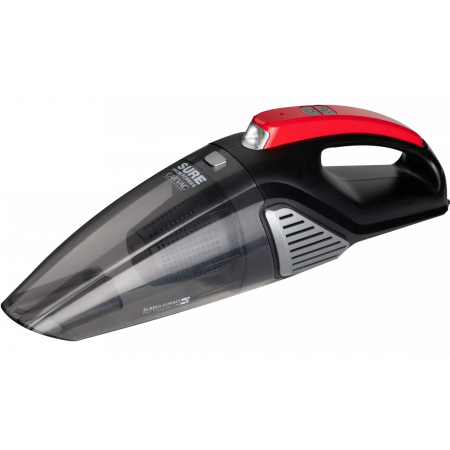 Vacuum Cleaner
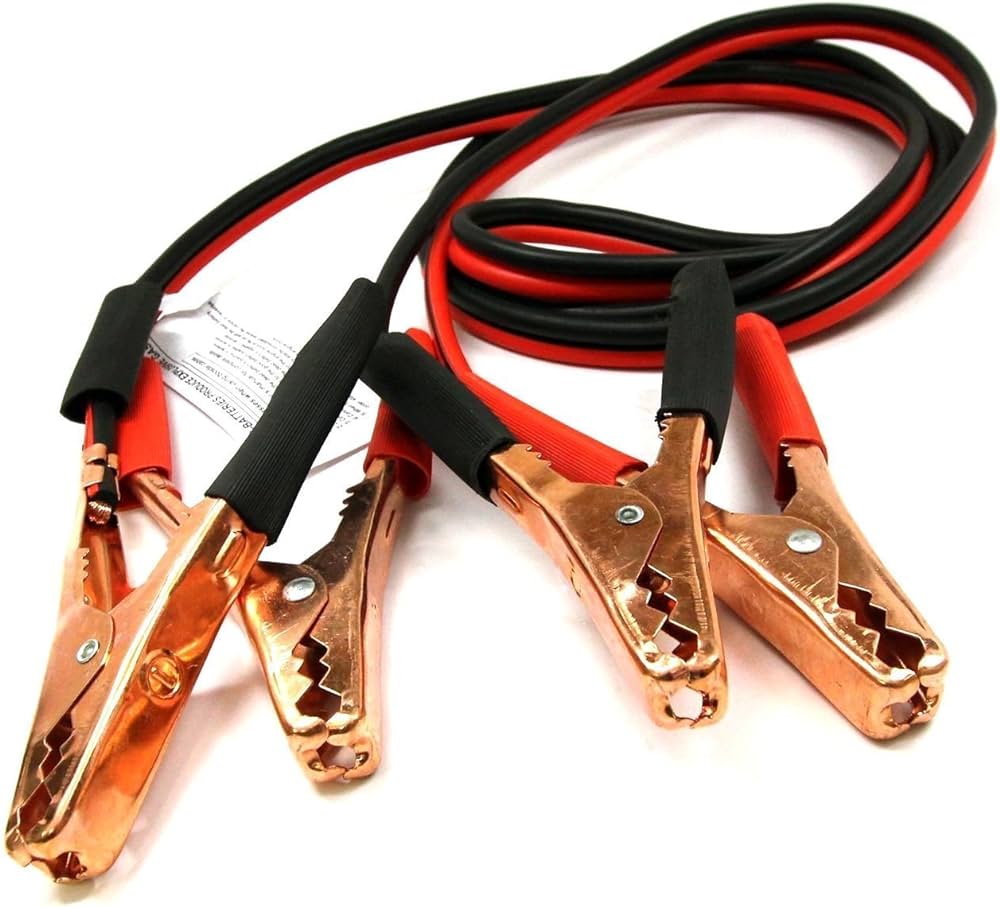 Jumper Cable
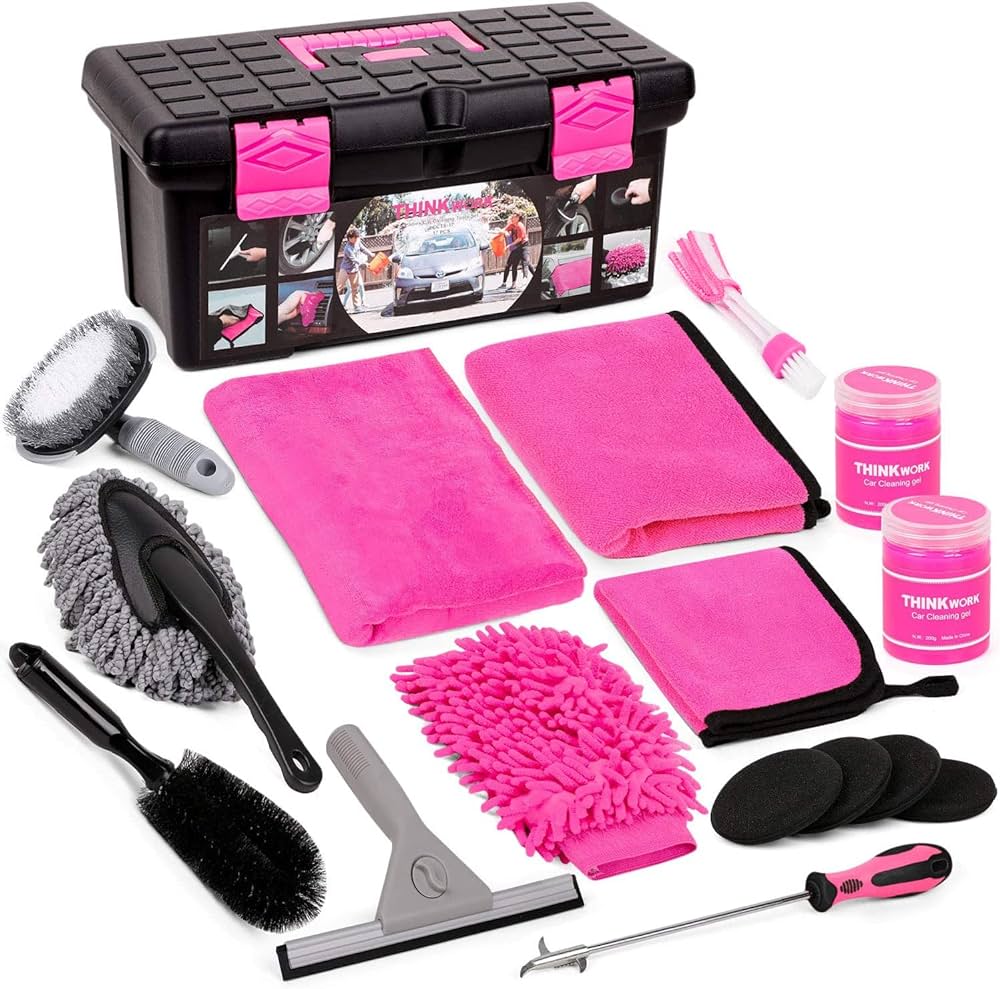 Cleaning Kit
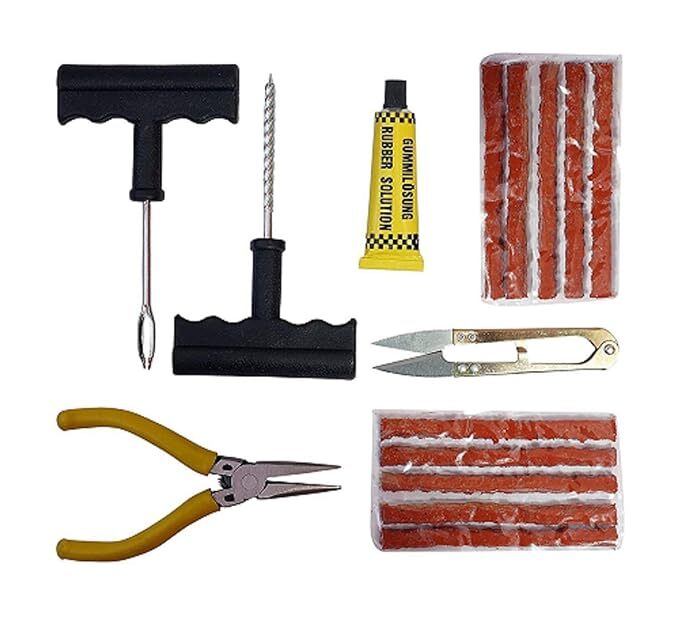 Tyre Puncture Kit
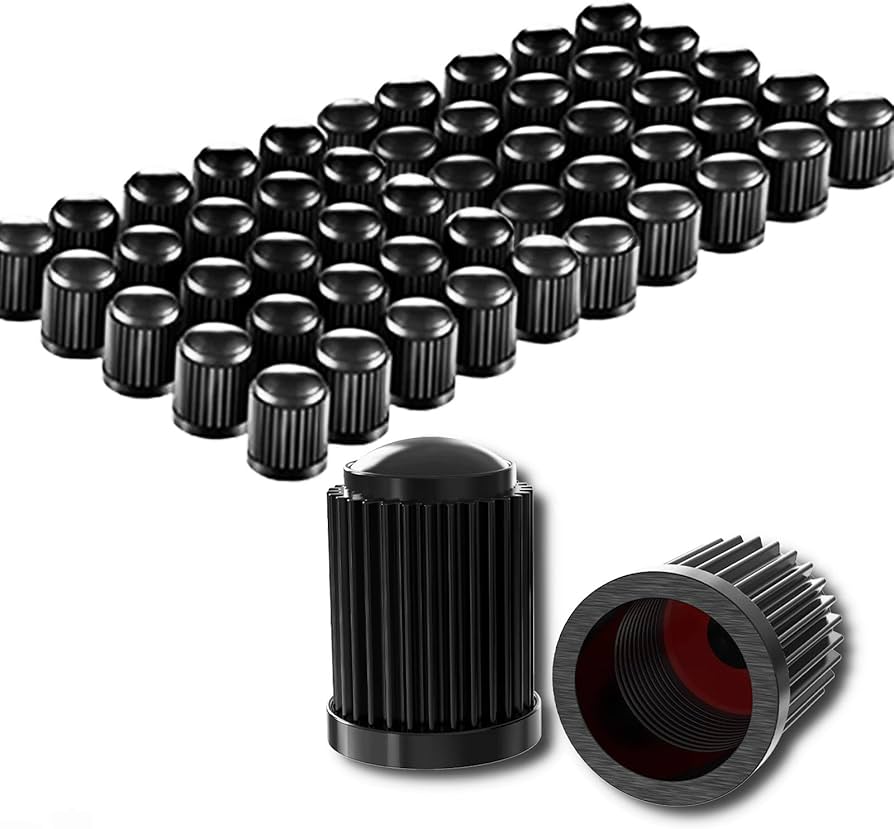 Tyre Valve Cap
 Car Fan
 Parcel Tray
 Electronic
›
Electronic
›
 Parts
›
Parts
›
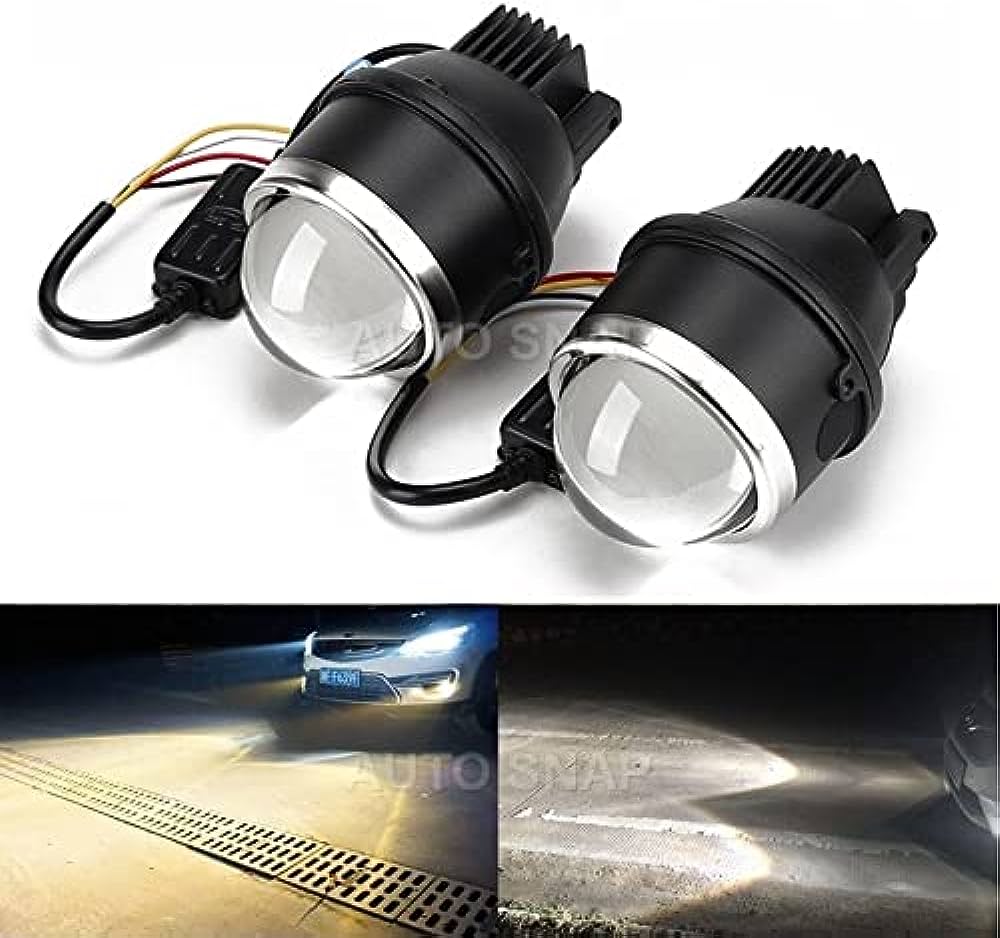 Fog Lights
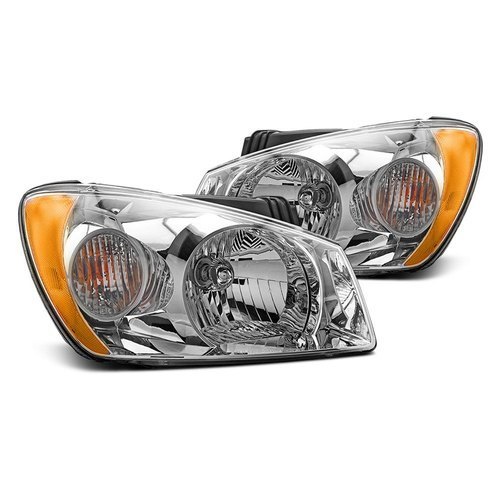 Headlights
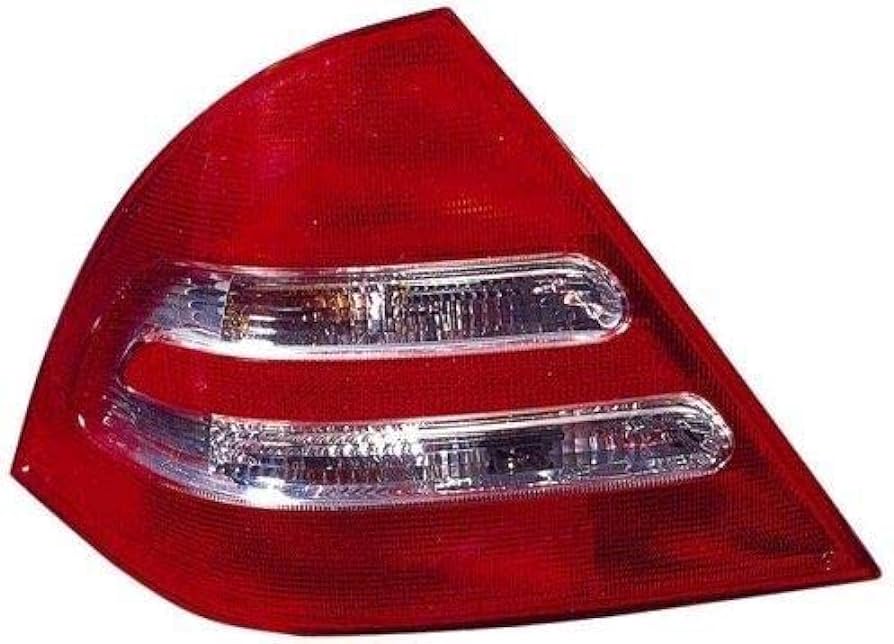 Tail Lights
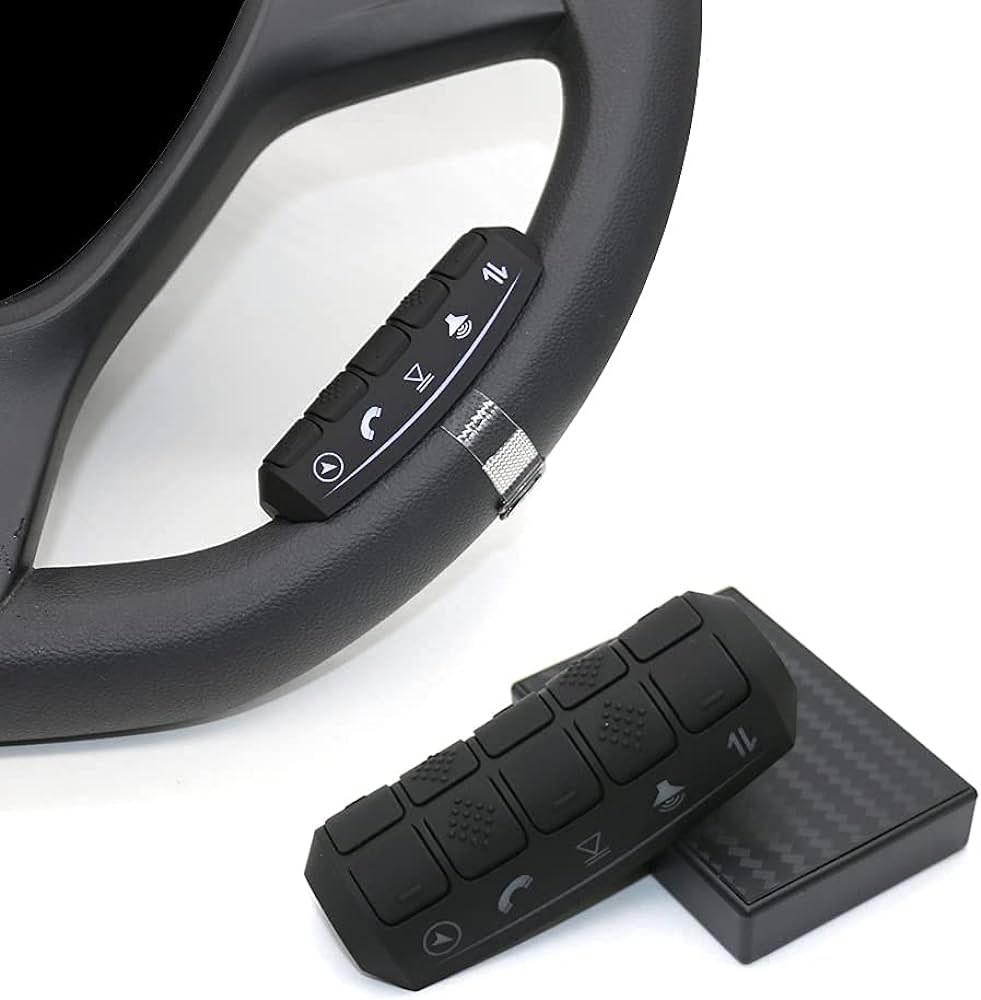 Steering Wheel Controls
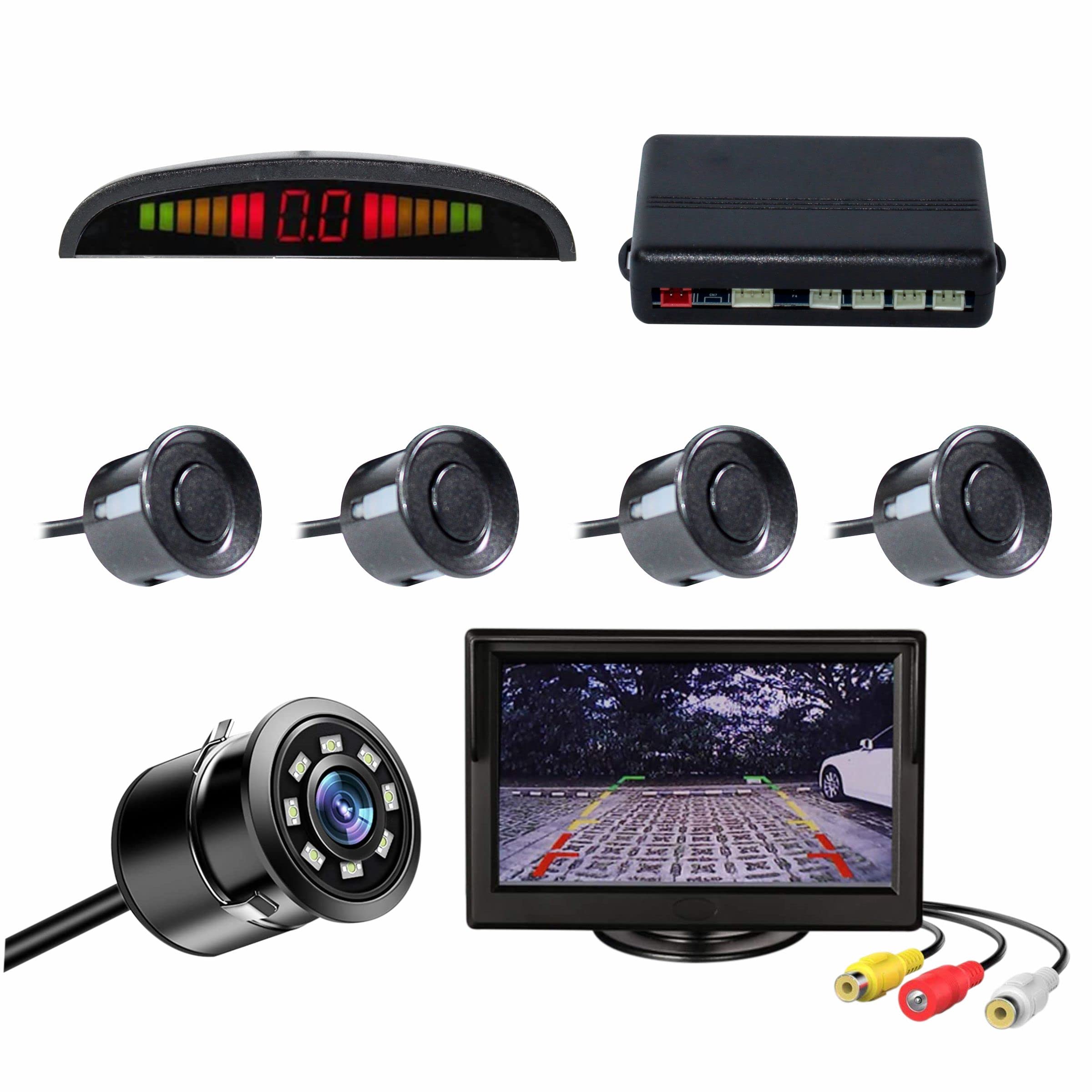 Sensor
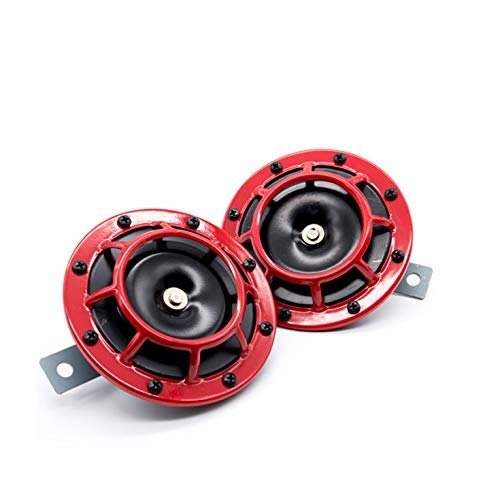 Horns
Horns
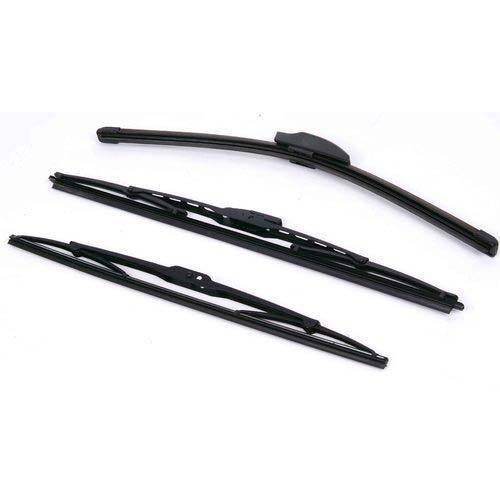 Wiper Blade
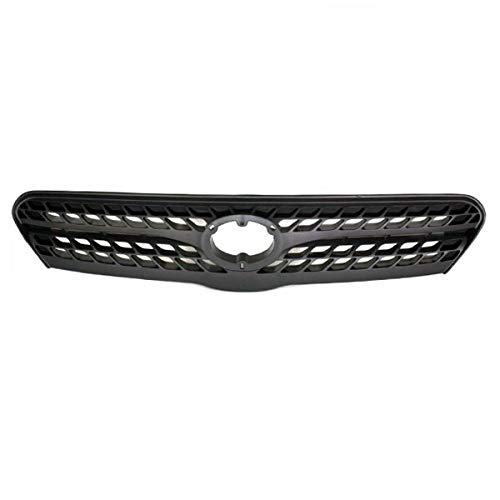 Front Grille
 Side Mirror
 Battery
 Car Care
›
Car Care
›
 Air Freshener & Perfume
 Gear knob
 Stickers & Decals
 Blind Spot Mirror
 Steering Knob
 Key Covers
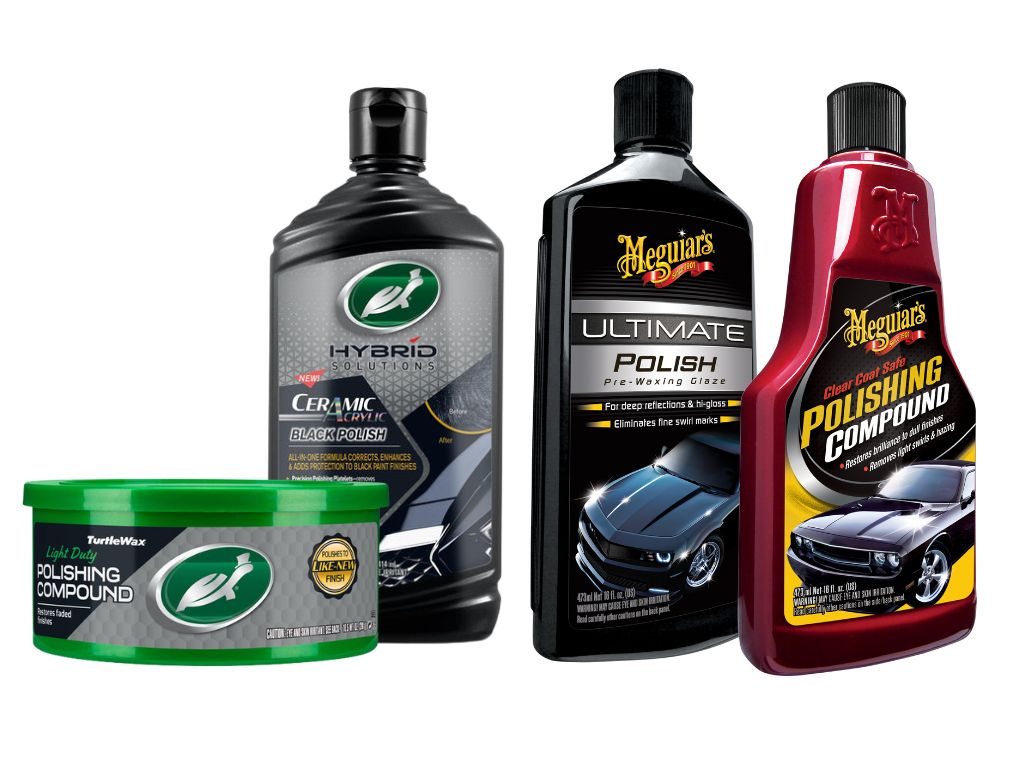 Polish & Scratch Remover
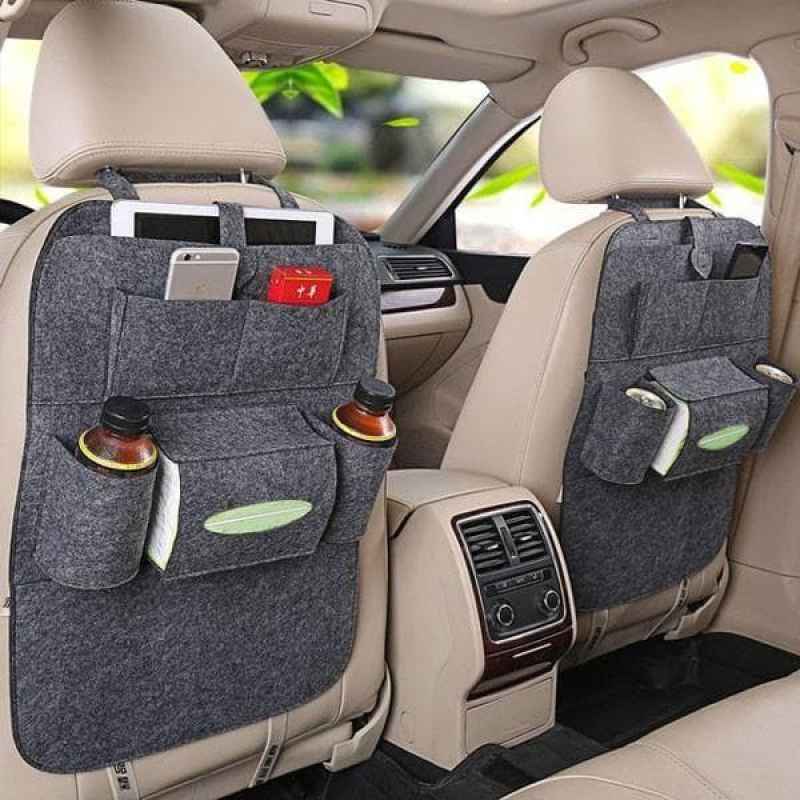 Seat Utility Holder
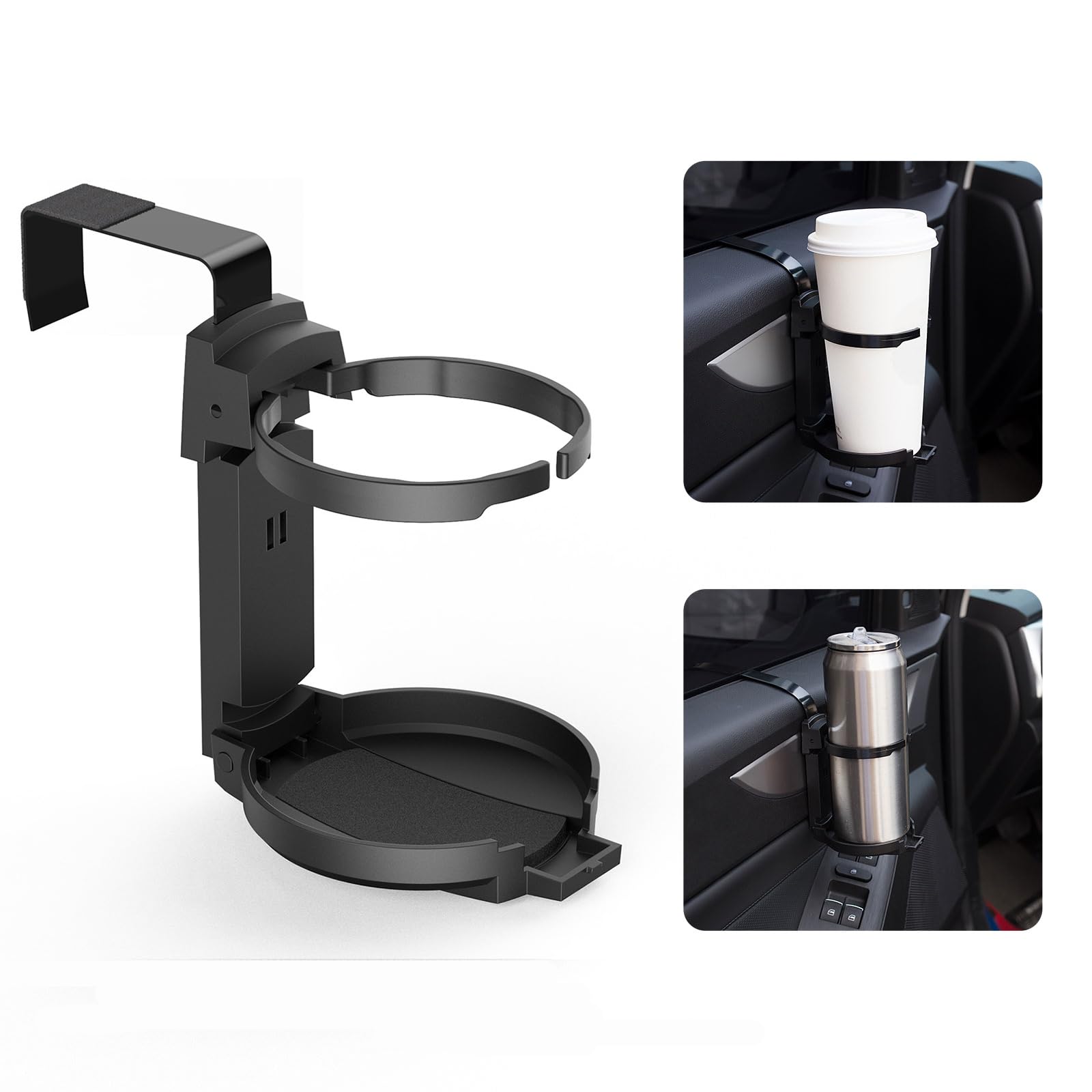 Cup Holder
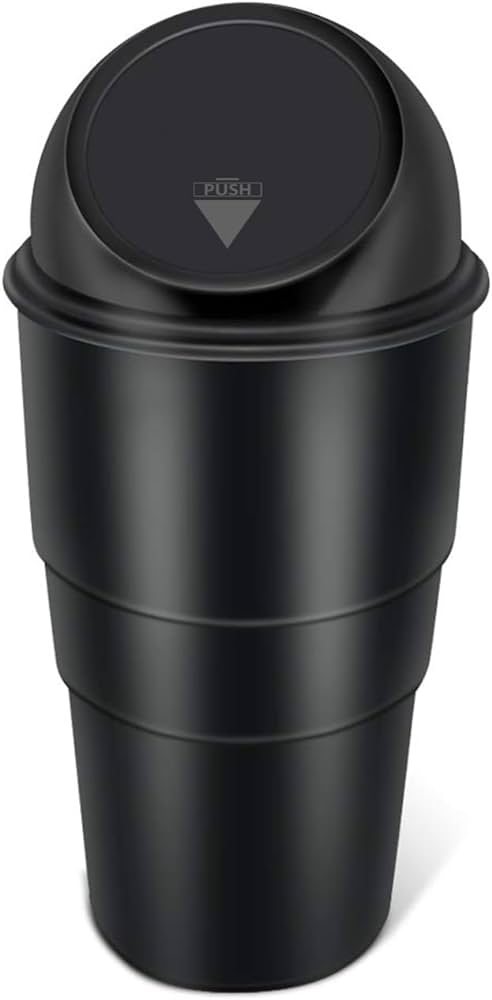 Dustbin
 Paper Napkin
 Shop By Car
›
Shop By Car
›
 Tata
›
Tata
›
 Maruti Suzuki
›
Maruti Suzuki
›
 Hyundai
›
Hyundai
›
 Toyota
›
Toyota
›
 Mahindra
›
Mahindra
›
 Honda
›
Honda
›
 Ford
›
Ford
›
 Nissan
›
Nissan
›
 Renault
›
Renault
›
 Skoda
›
Skoda
›
 Volkswagen
›
Volkswagen
›
 Morris Garages - MG
›
Morris Garages - MG
›
 KIA
›
KIA
›
 Jeep
›
Jeep
›
 Citroen
›
Citroen
›
 Datsun
›
Datsun
›
 Chevrolet
›
Chevrolet
›
 Isuzu
›
Isuzu
›
 Mitsubishi
›
Mitsubishi
›
 AUDI
›
AUDI
›
 BMW
›
BMW
›
 Mercedes
›
Mercedes
›
 Land Rover
›
Land Rover
›
 Jaguar
›
Jaguar
›
 Volvo
›
Volvo
›
 FIAT
›
FIAT
›
 Mini Cooper
›
Mini Cooper
›
 Porsche
›
Porsche
›
 Lexus
›
Citron
›
Fors
›
Morris Garages
›
Lexus
›
Citron
›
Fors
›
Morris Garages
›
 Nexon
Nexon
 Harrier
 Altroz
 Hexa
Hexa
 Safari
 Tiago
Tiago
 Punch
Punch
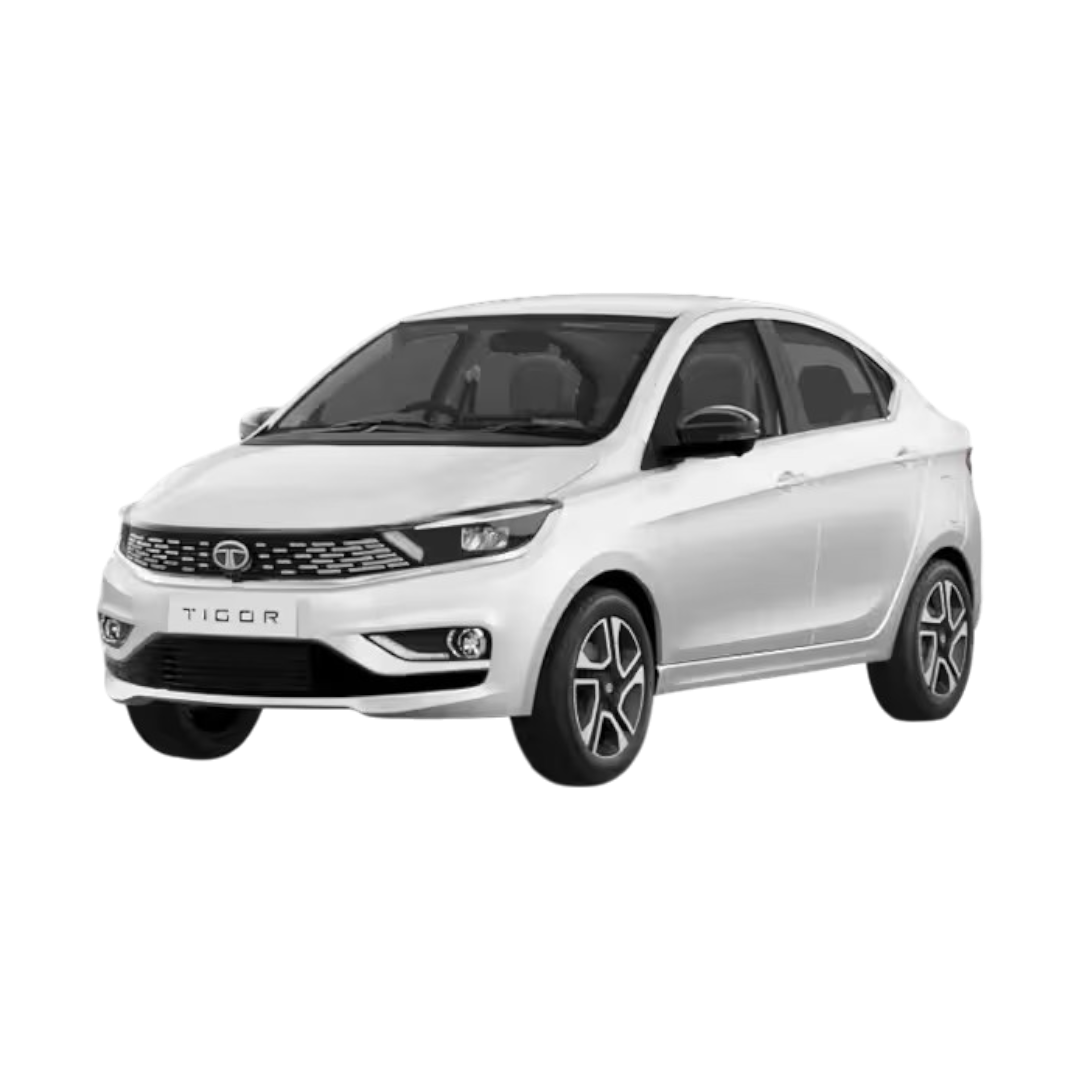 Tigor
Tigor
 Sumo
Sumo
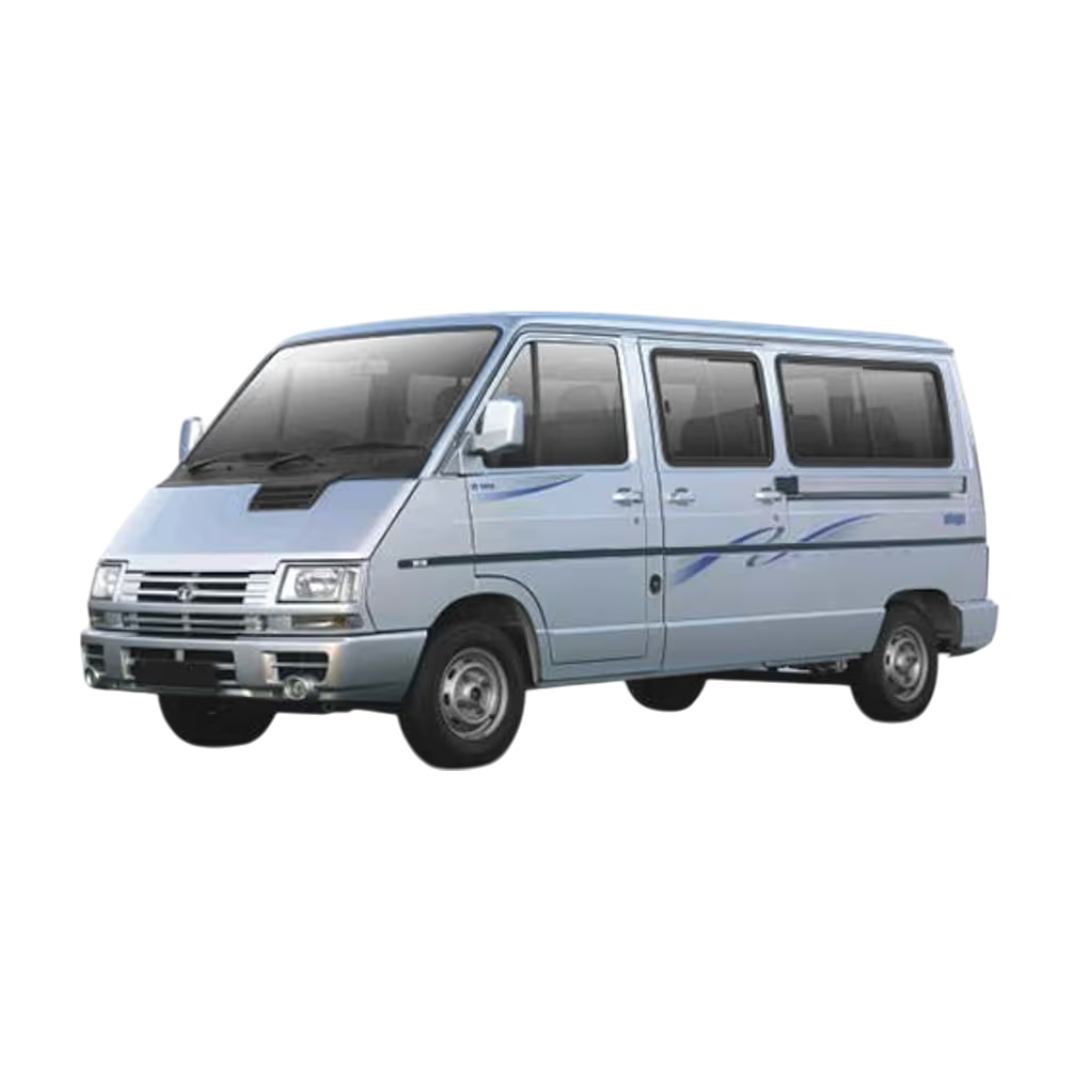 Winger
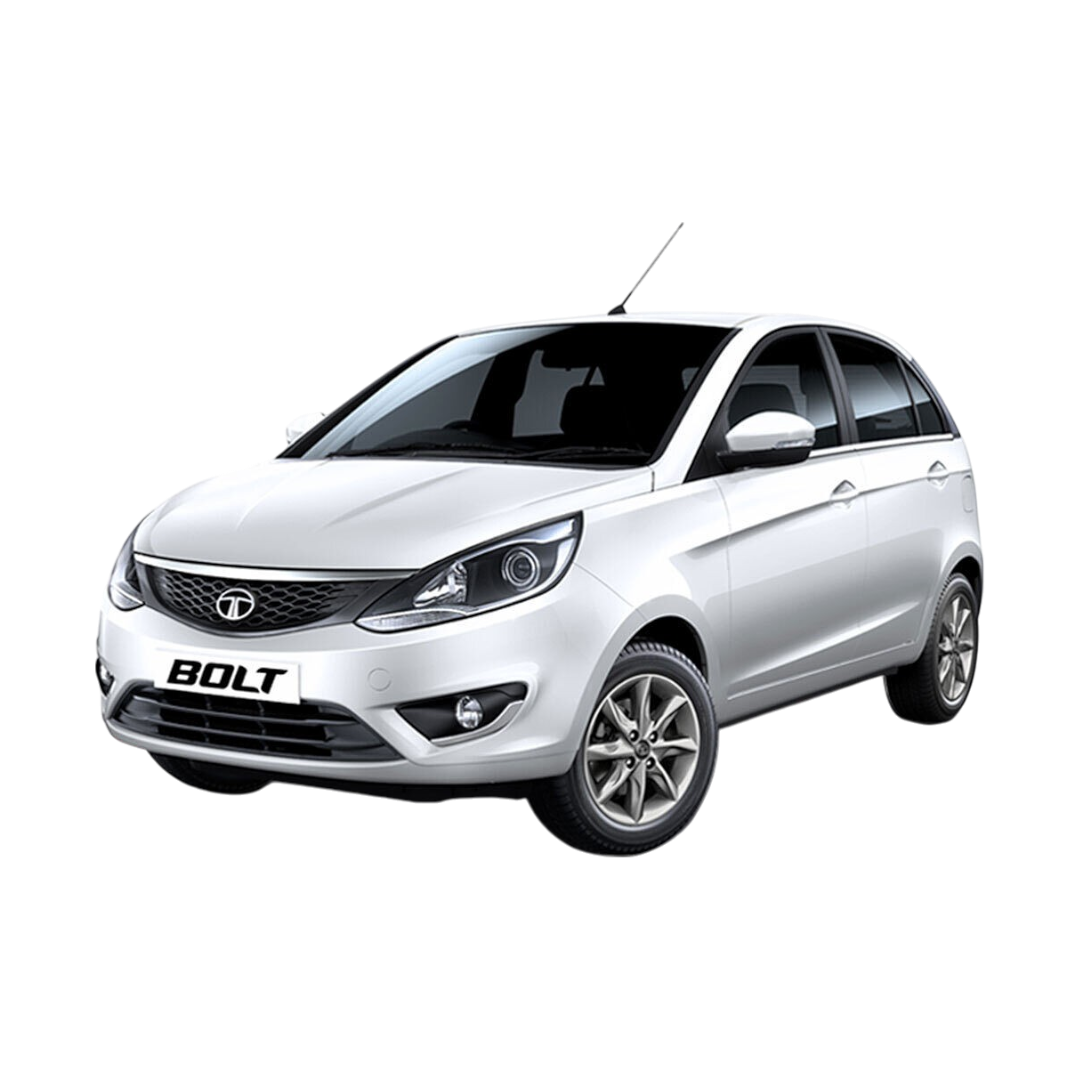 Bolt
Bolt
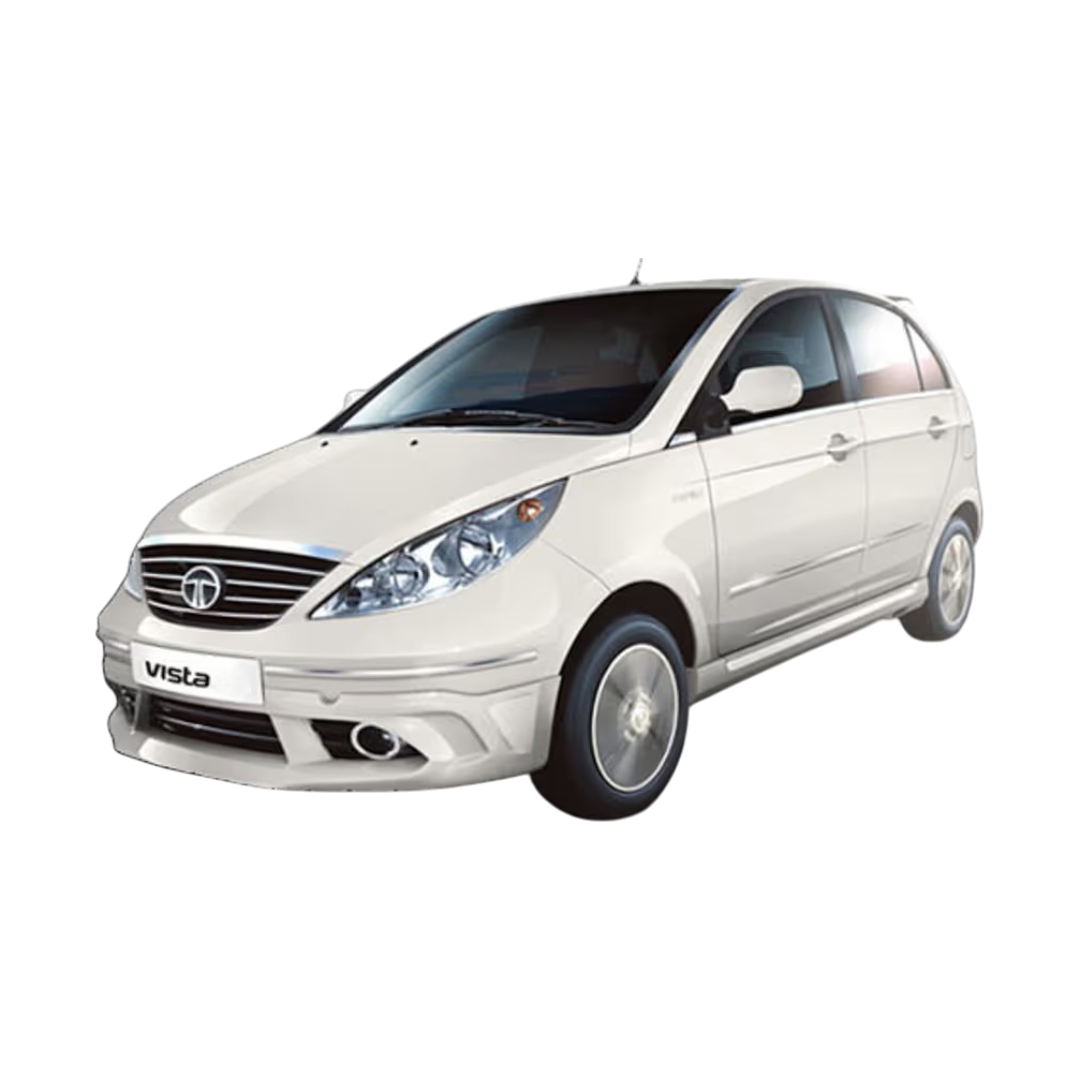 Vista
Vista
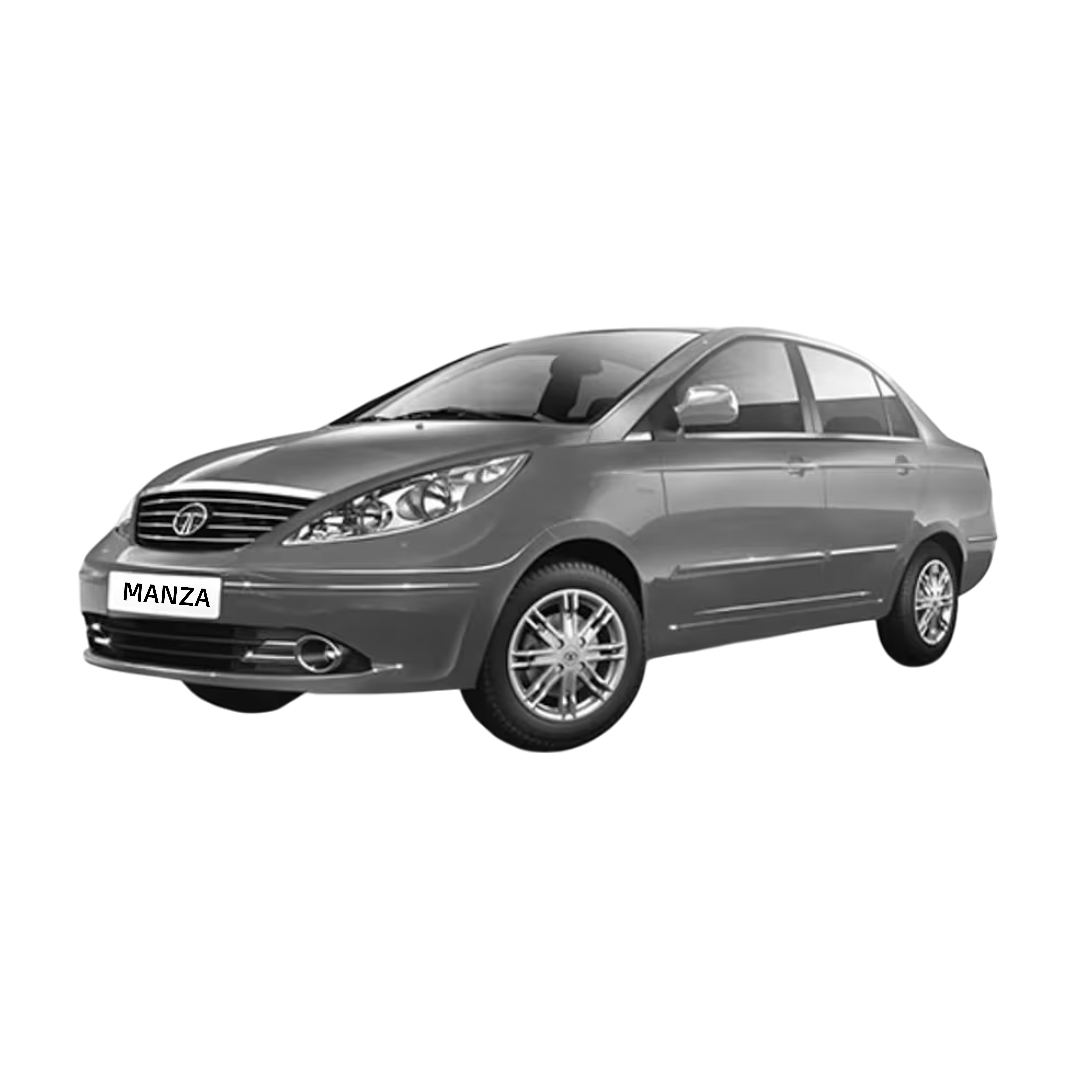 Manza
Manza
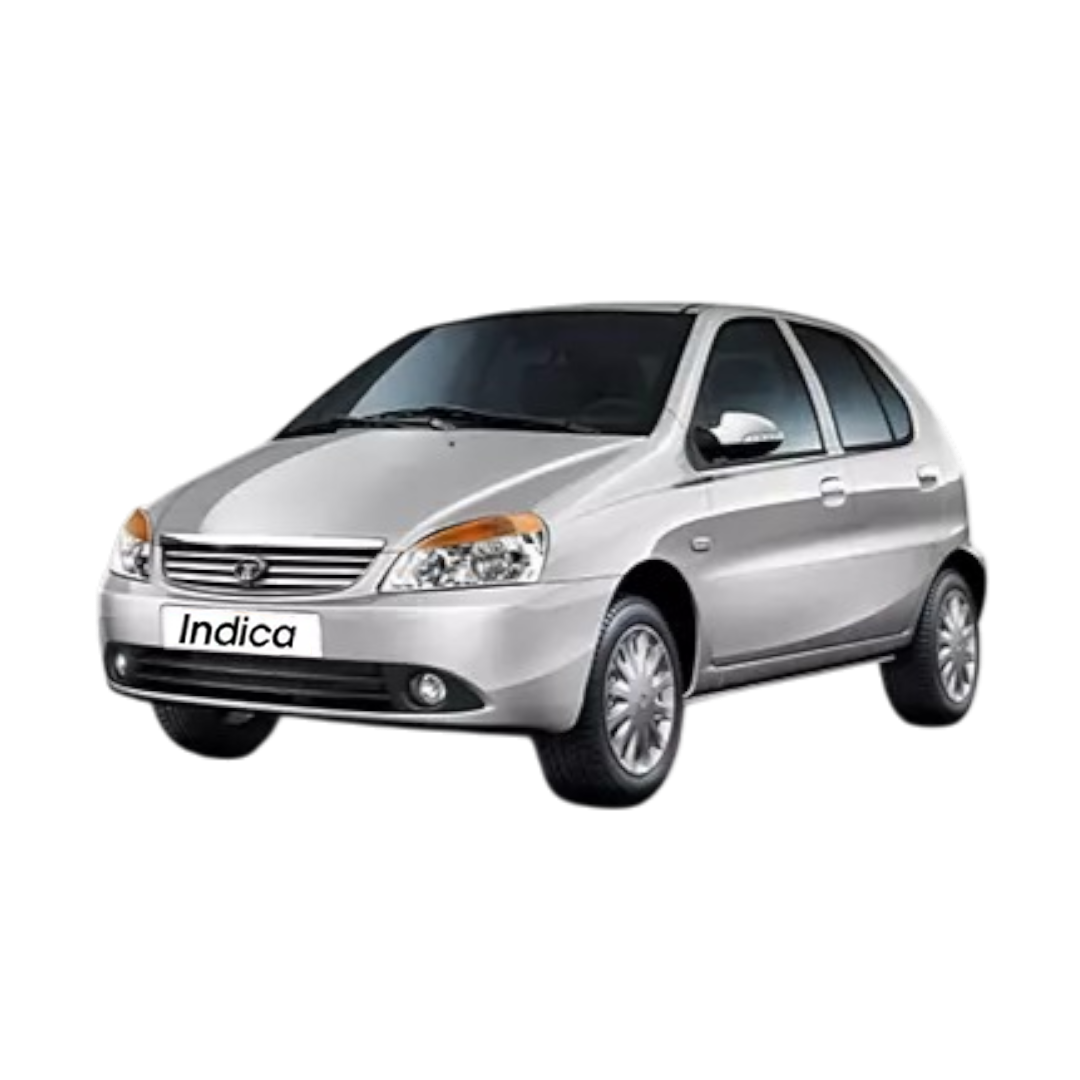 Indica
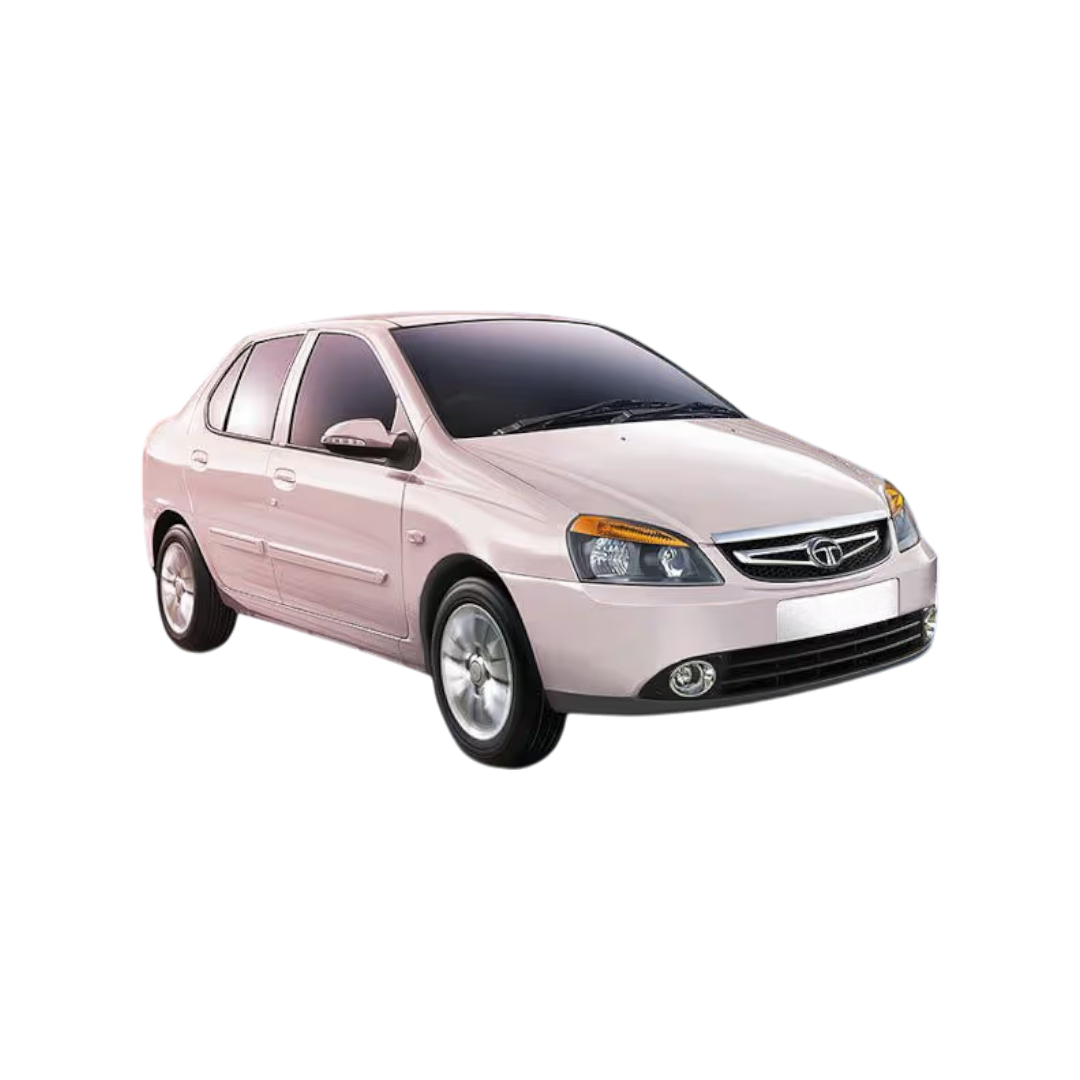 Indigo
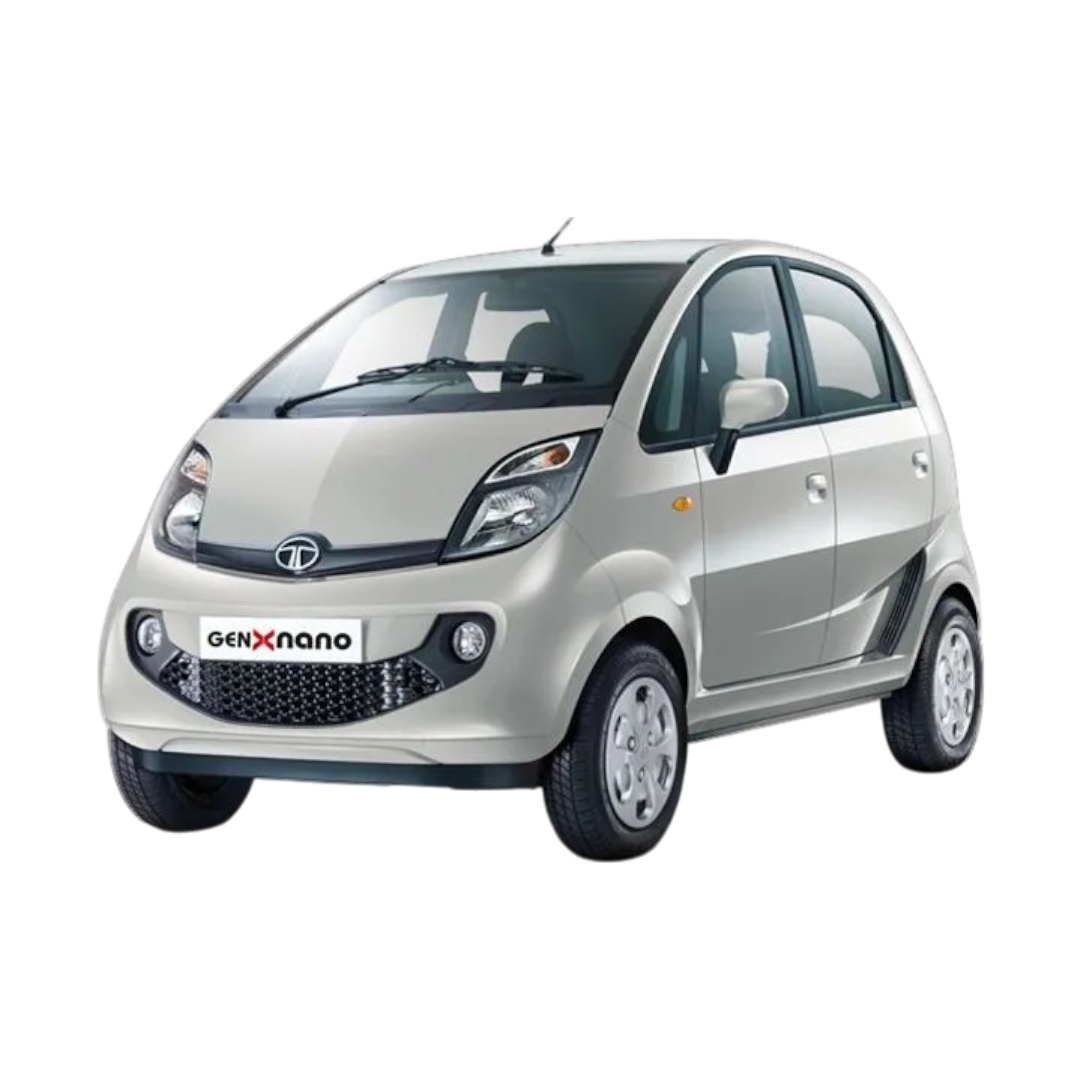 Nano
Nano
 Aria
Aria
 Safari Storme
 Zest
Zest
 NEXON EV Max
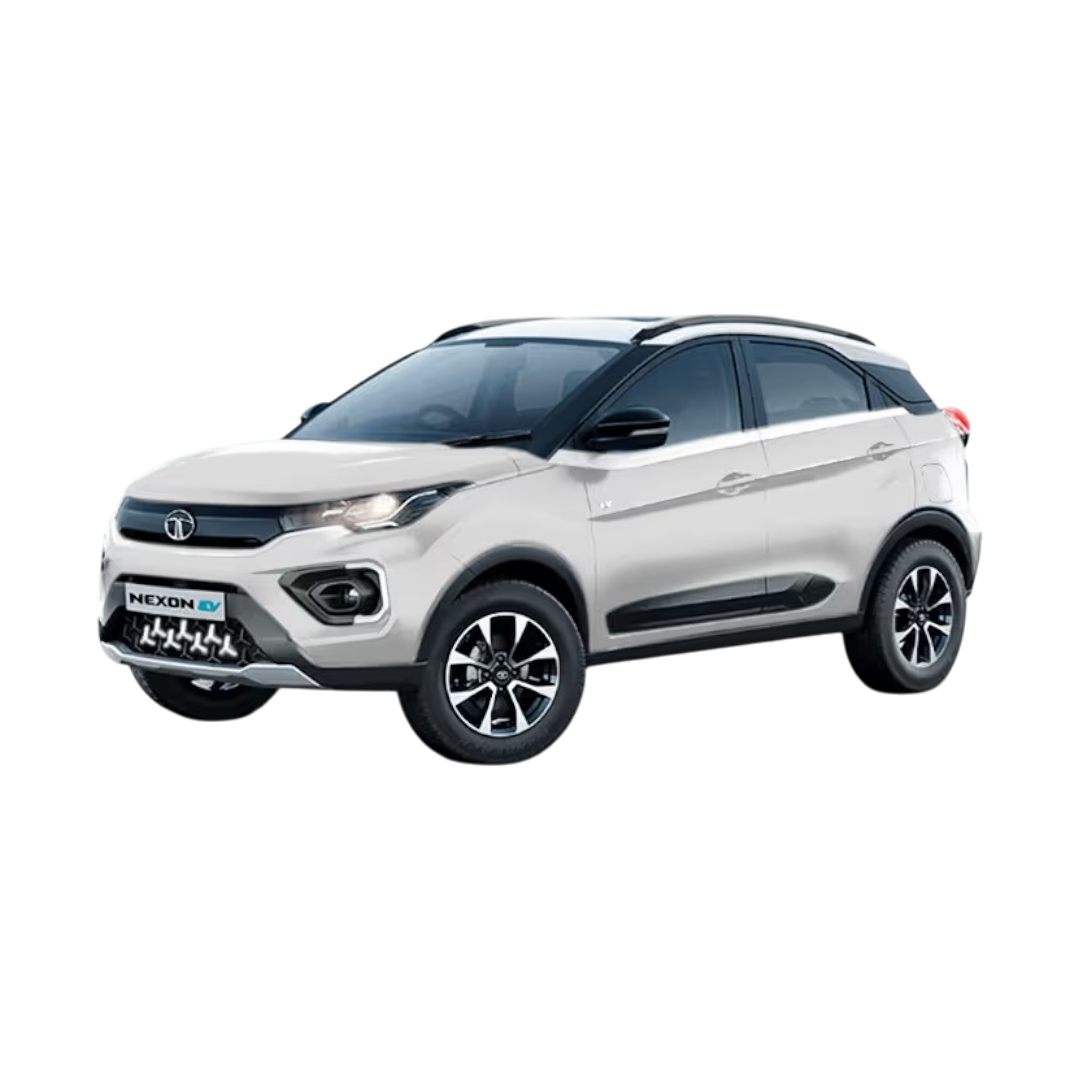 NEXON EV Prime
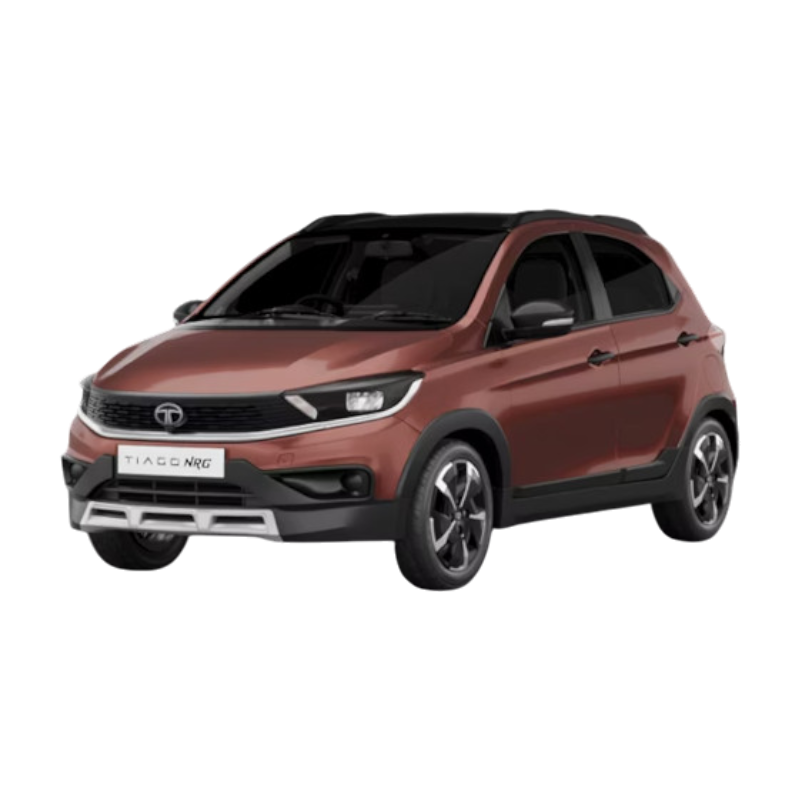 Tiago NRG
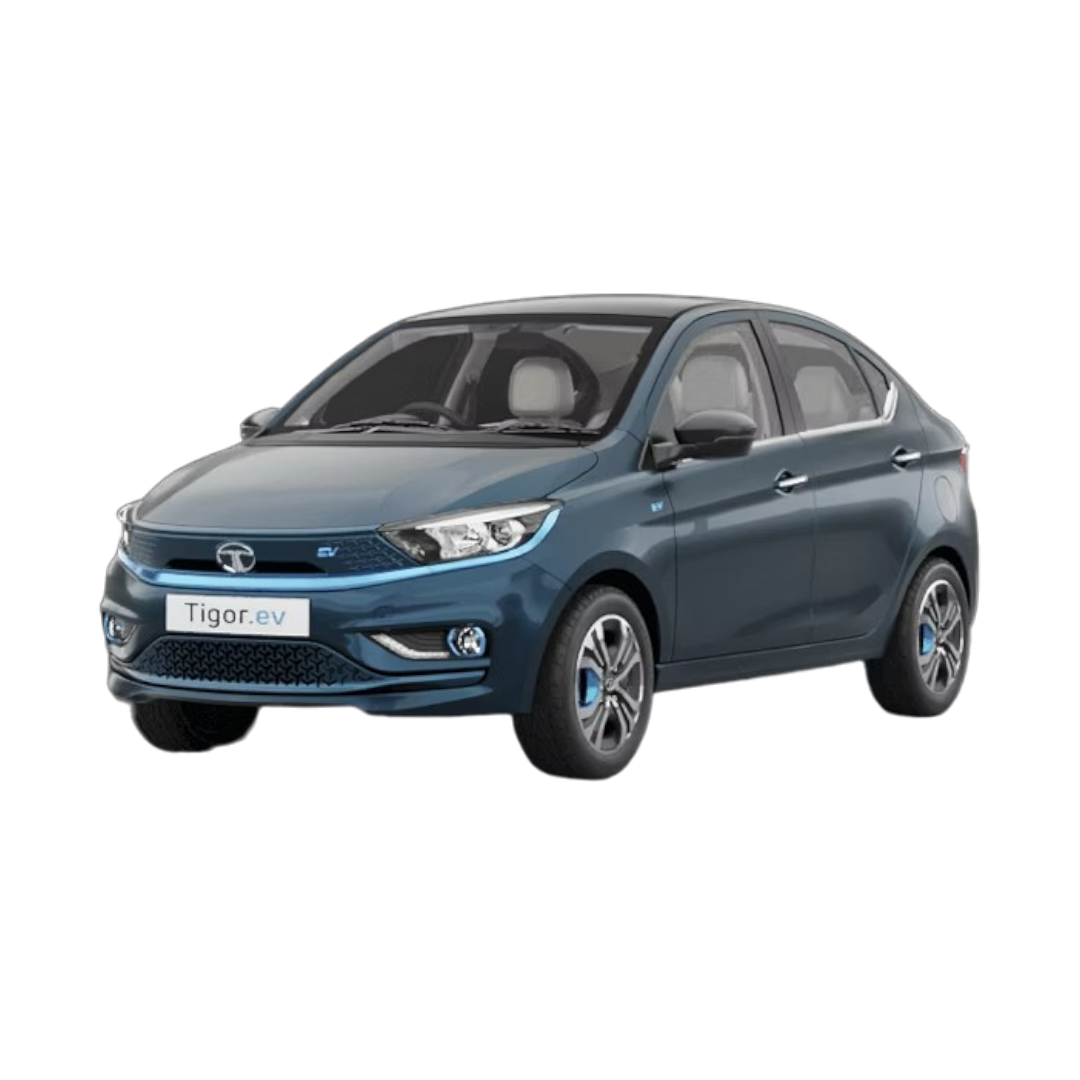 Tigor EV
INDICA VISTA
Curvv
Sierra
Magic
Tigor EV
INDICA VISTA
Curvv
Sierra
Magic
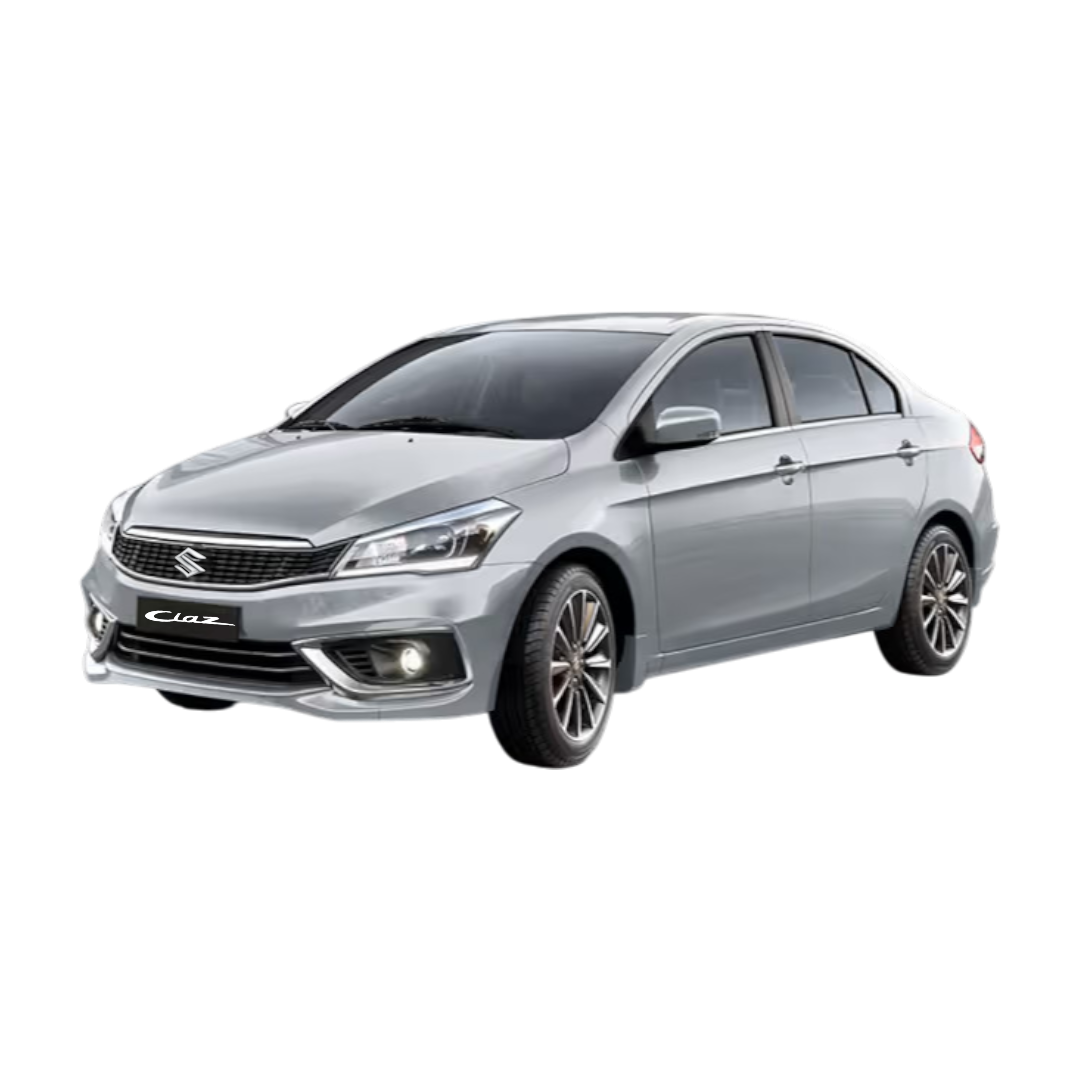 Ciaz
Ciaz
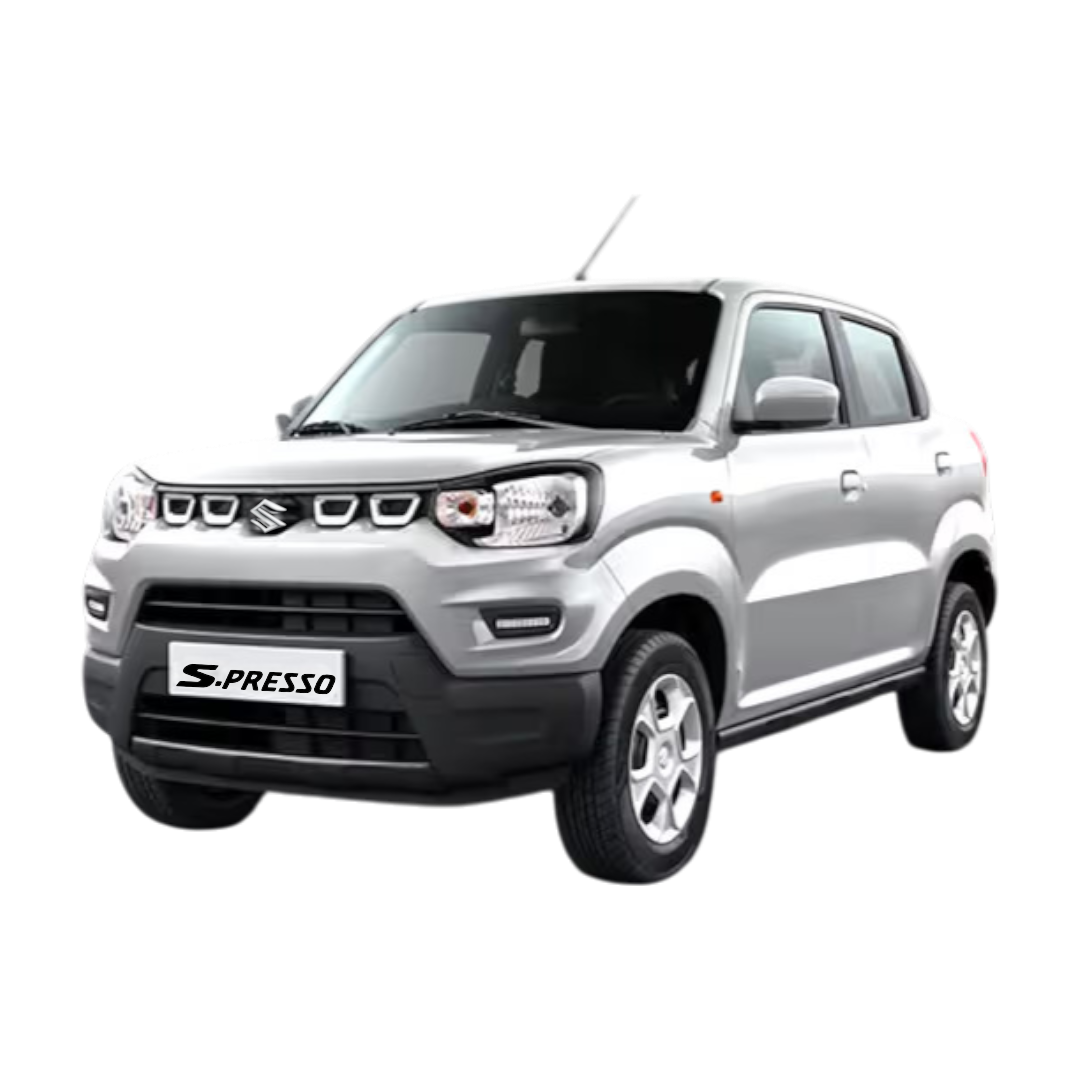 S-Presso
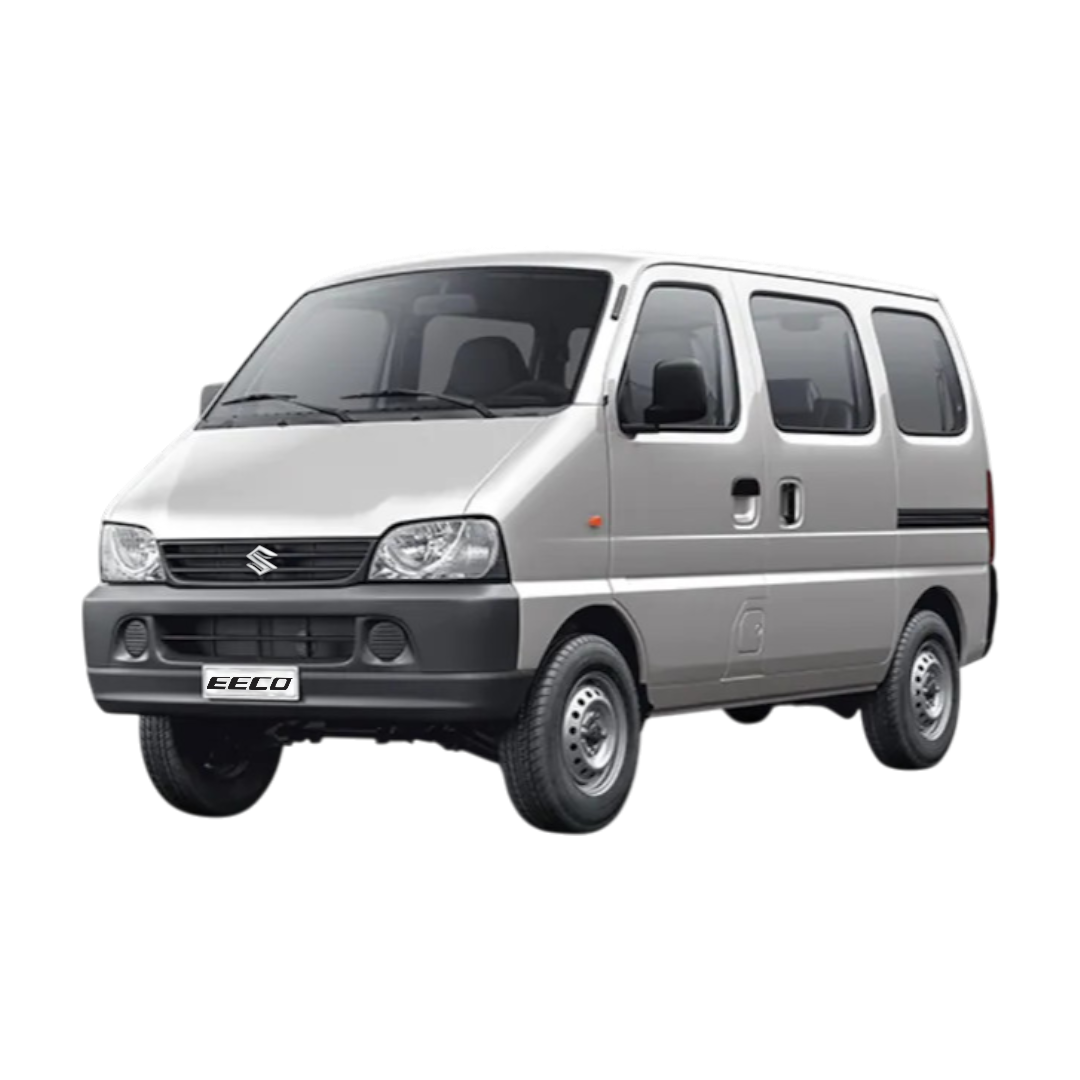 Eeco/Versa
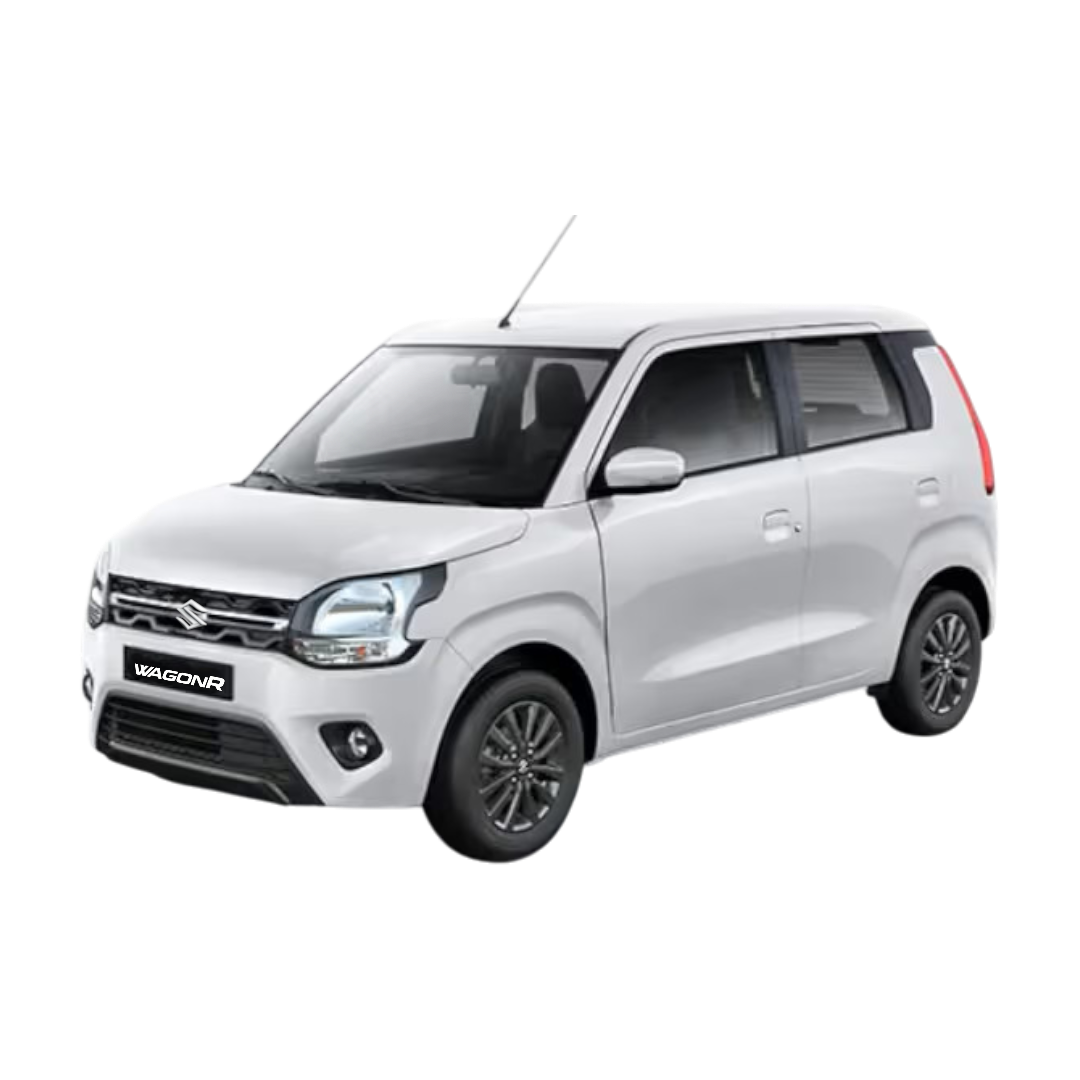 WagonR
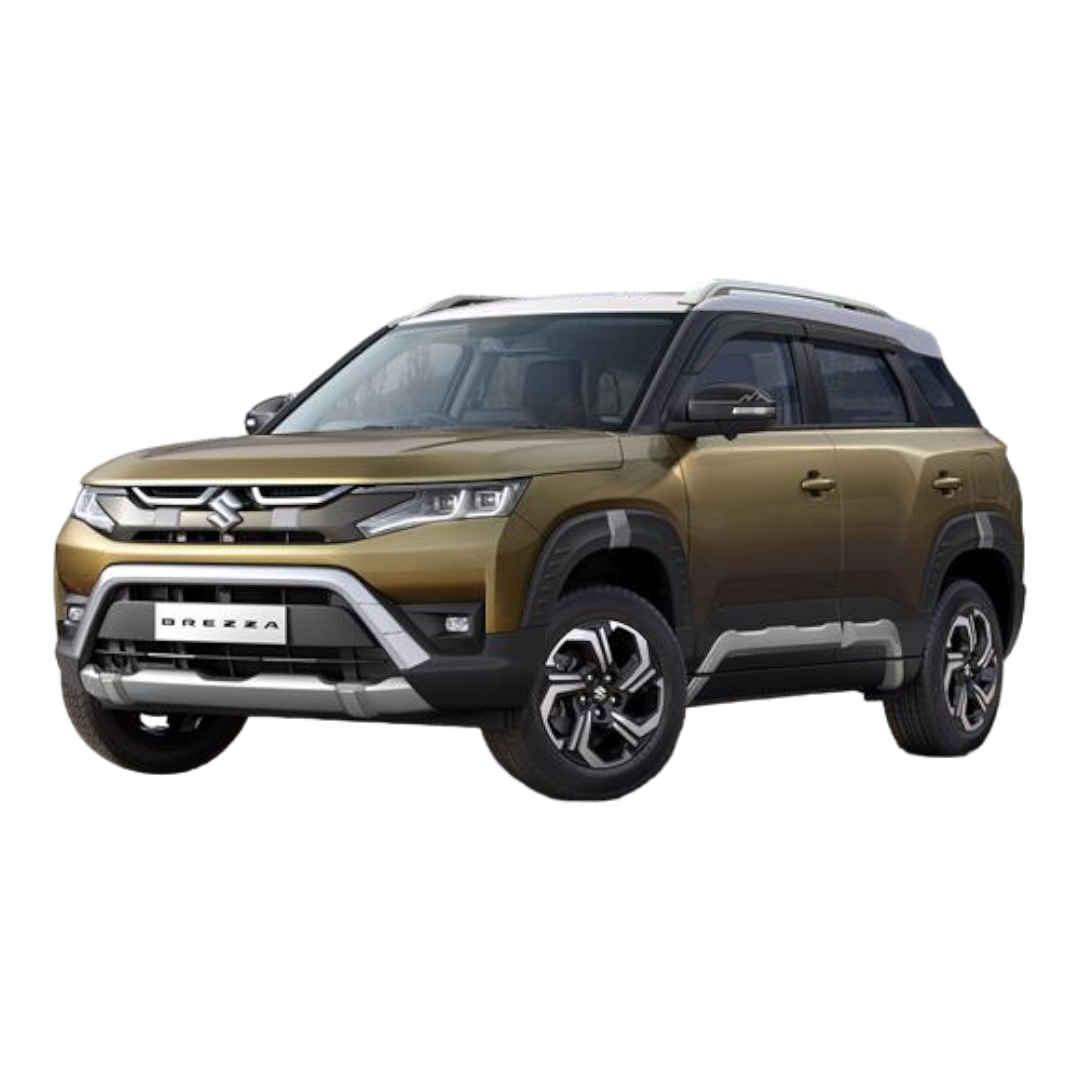 Brezza
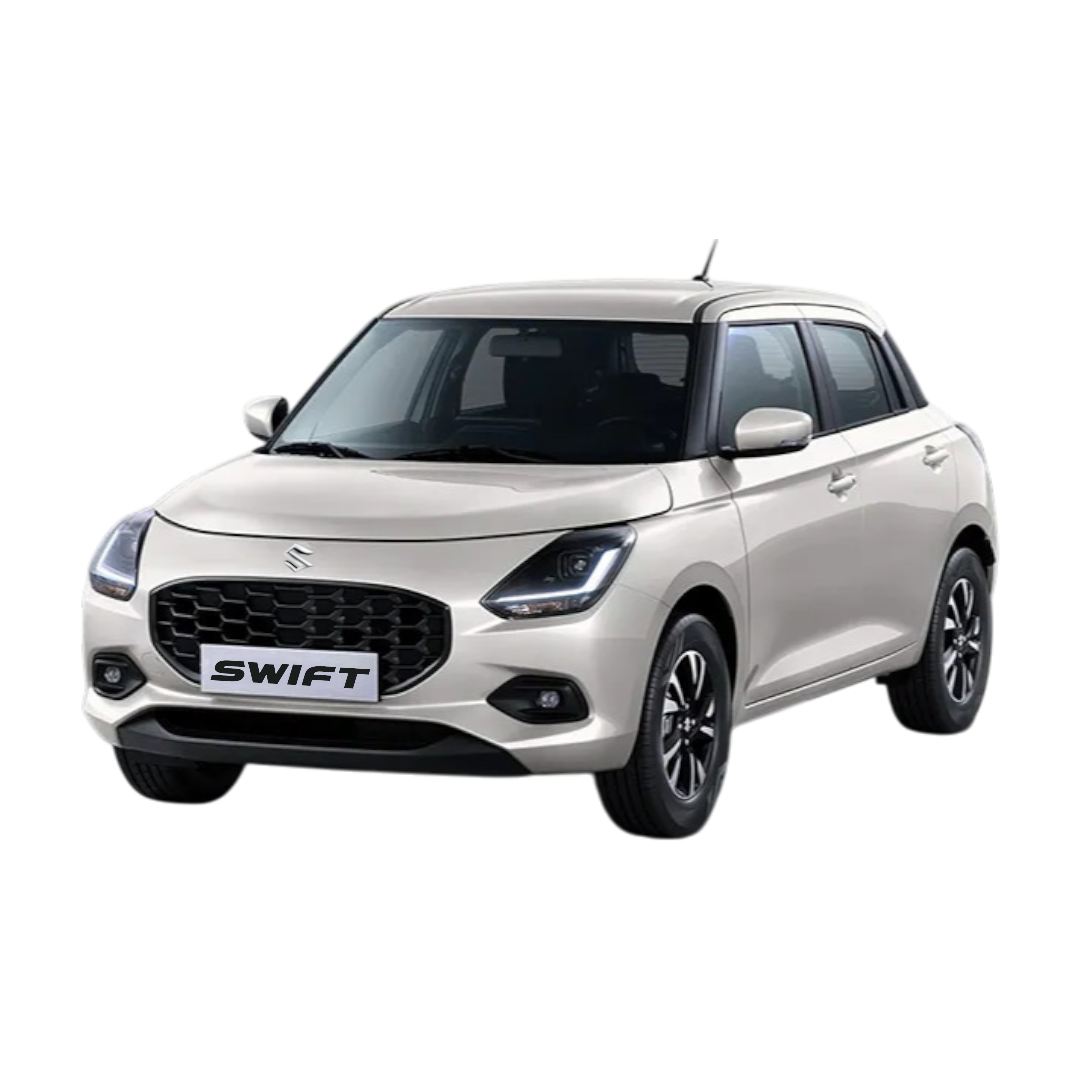 Swift
Swift
 Dzire
Dzire
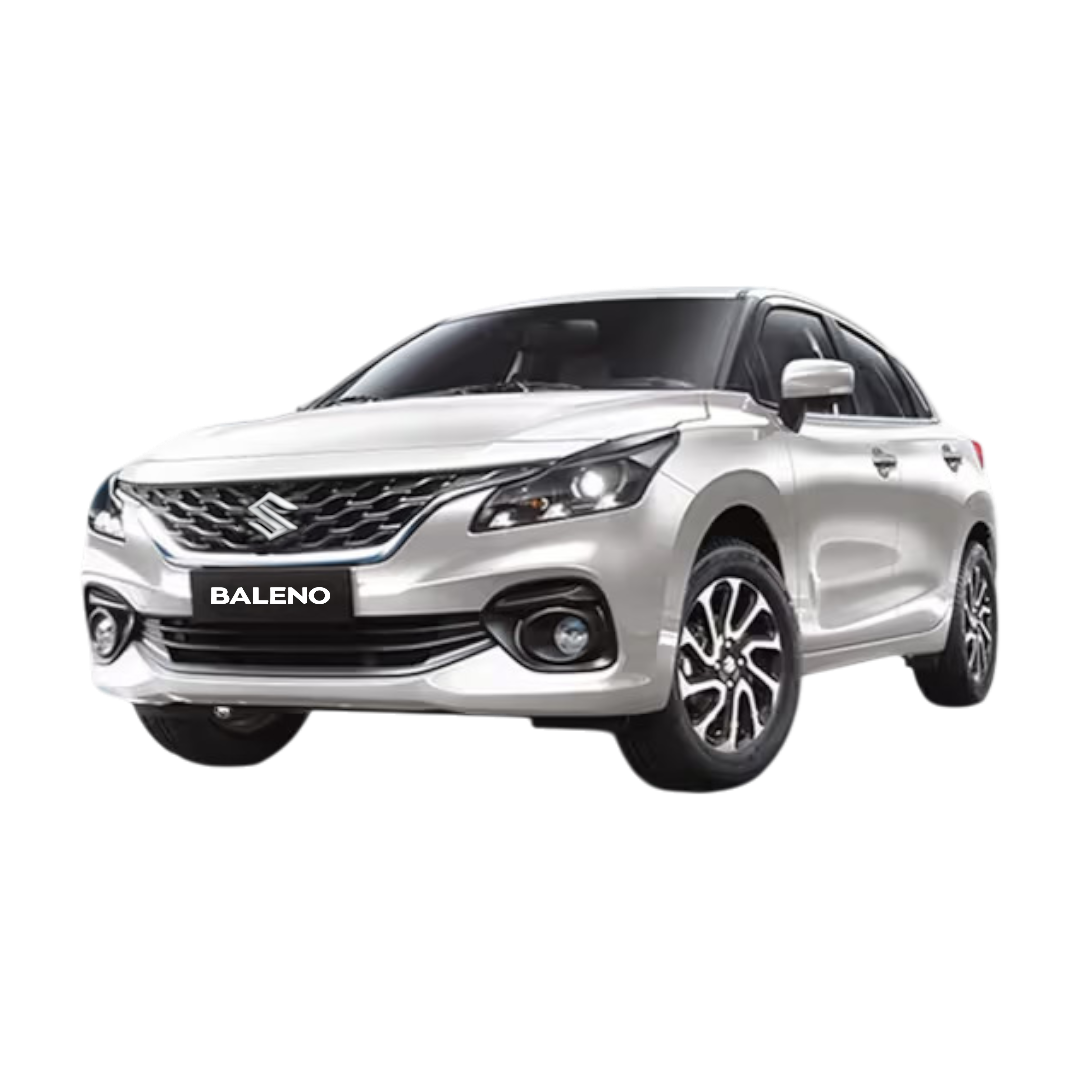 Baleno
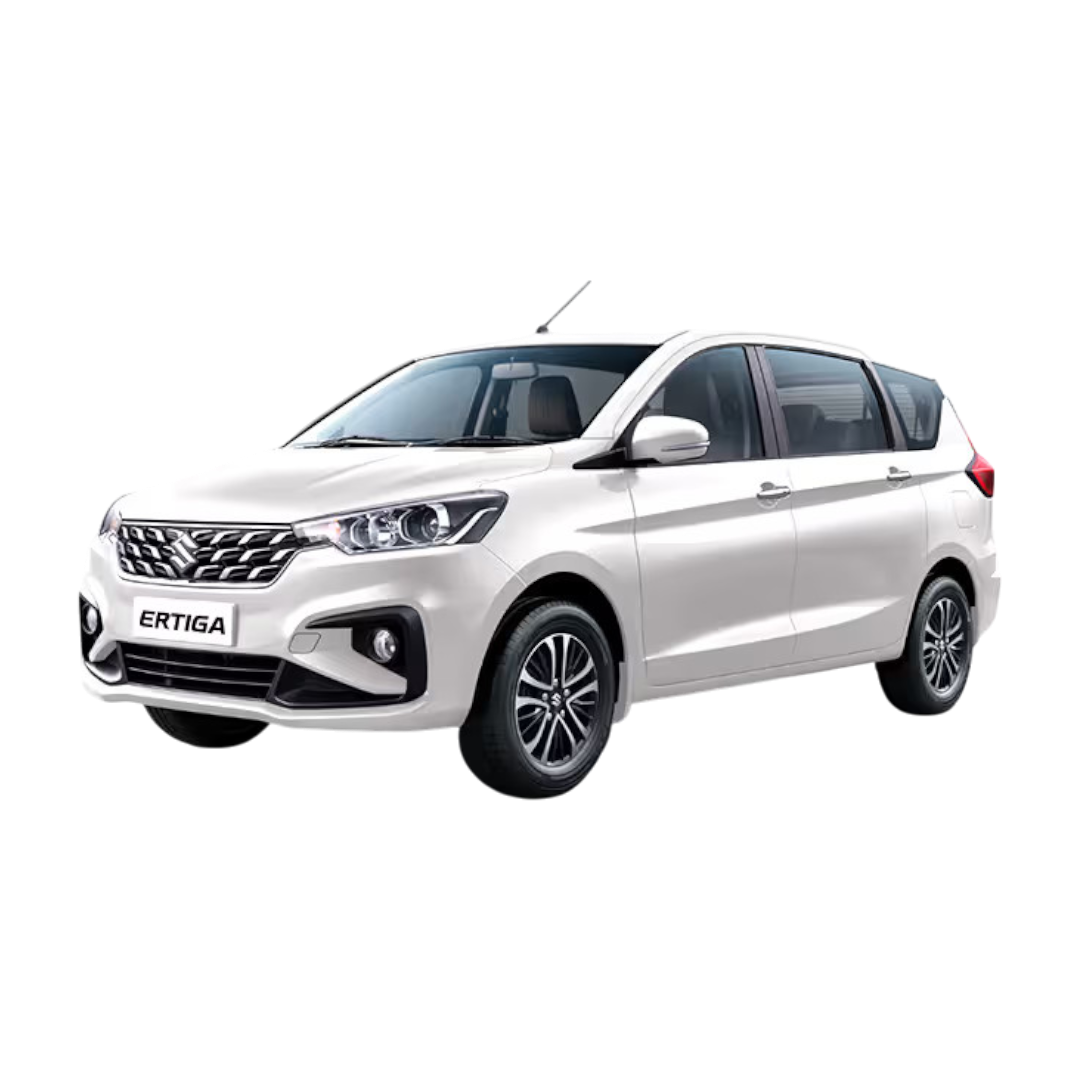 Ertiga
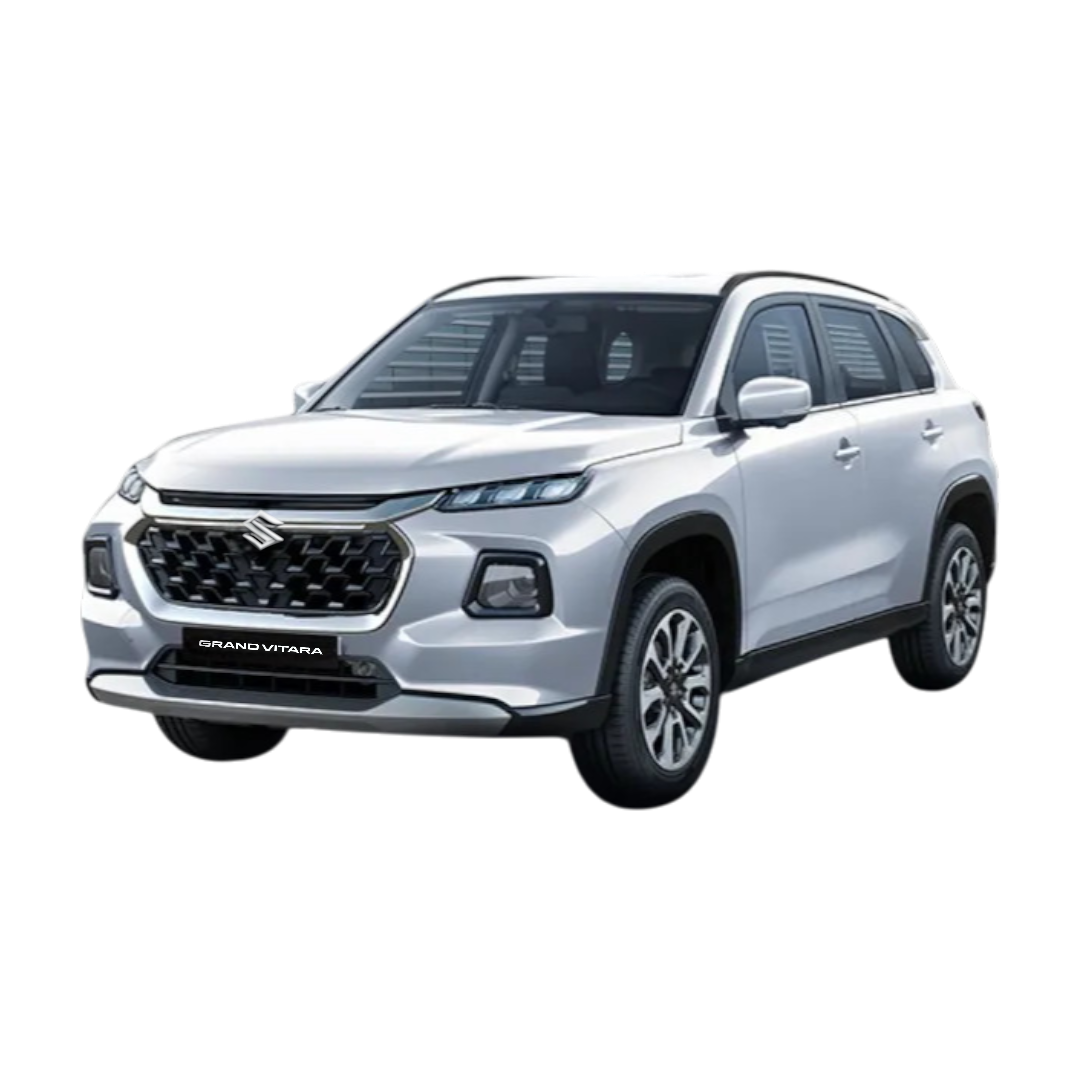 Grand Vitara
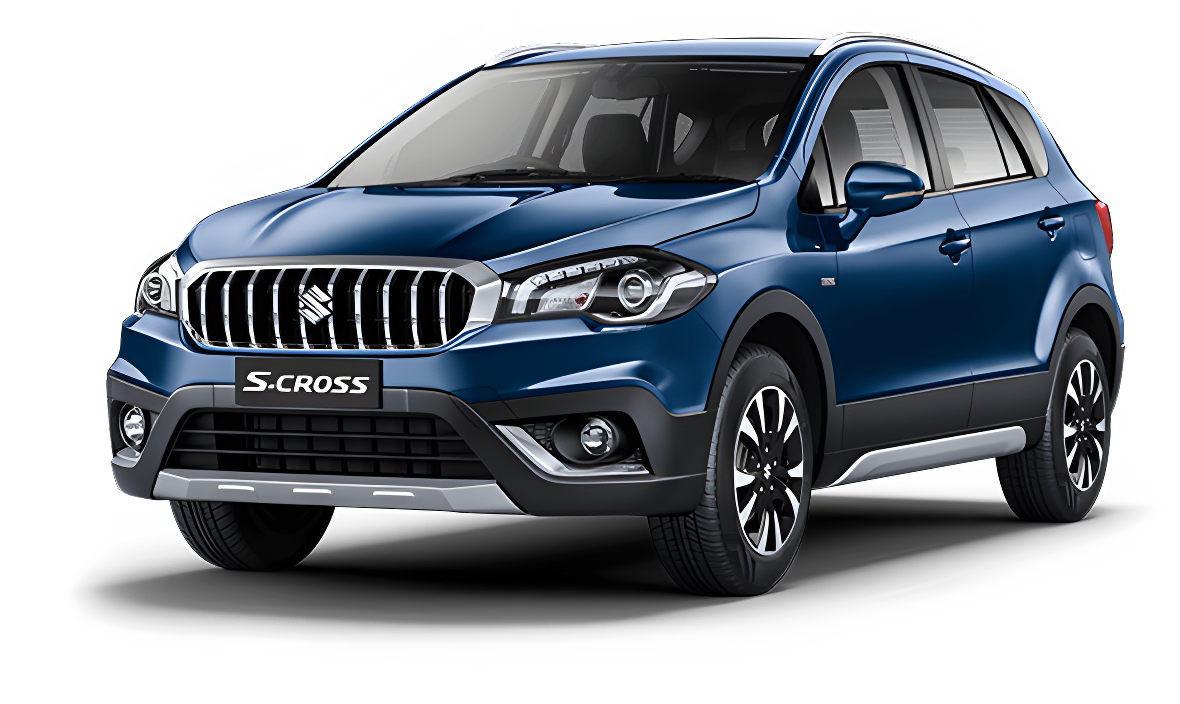 S-Cross
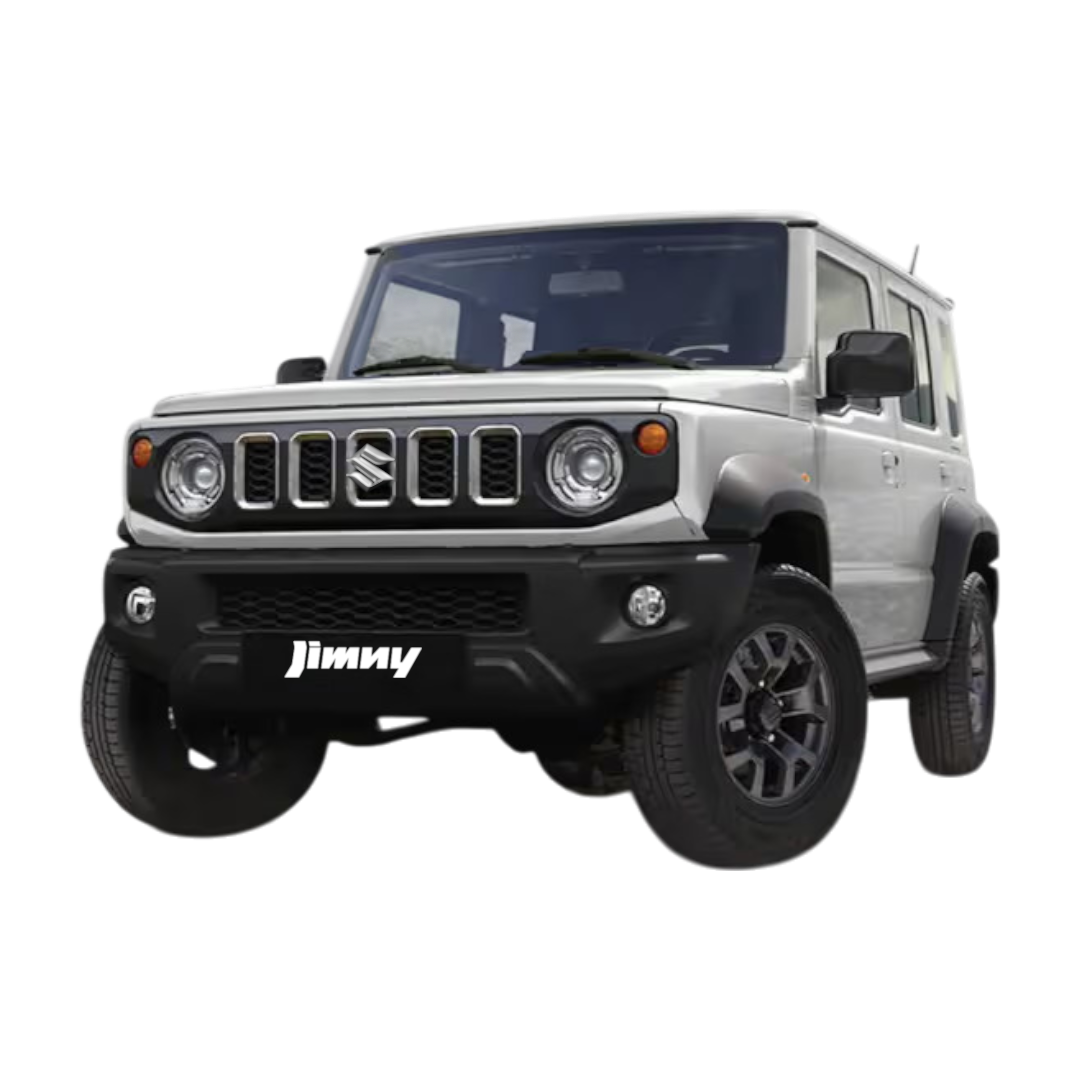 Jimny
Jimny
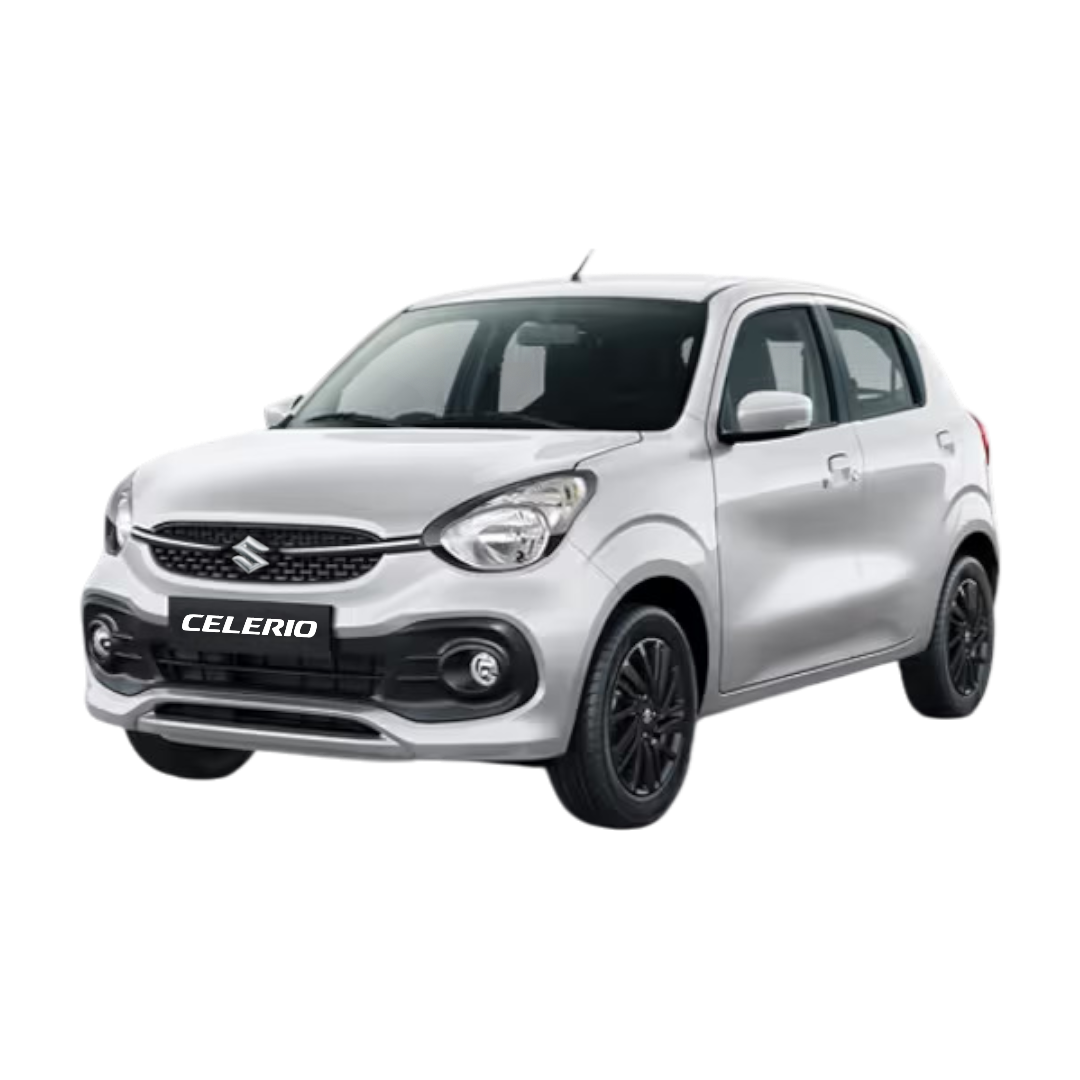 Celerio
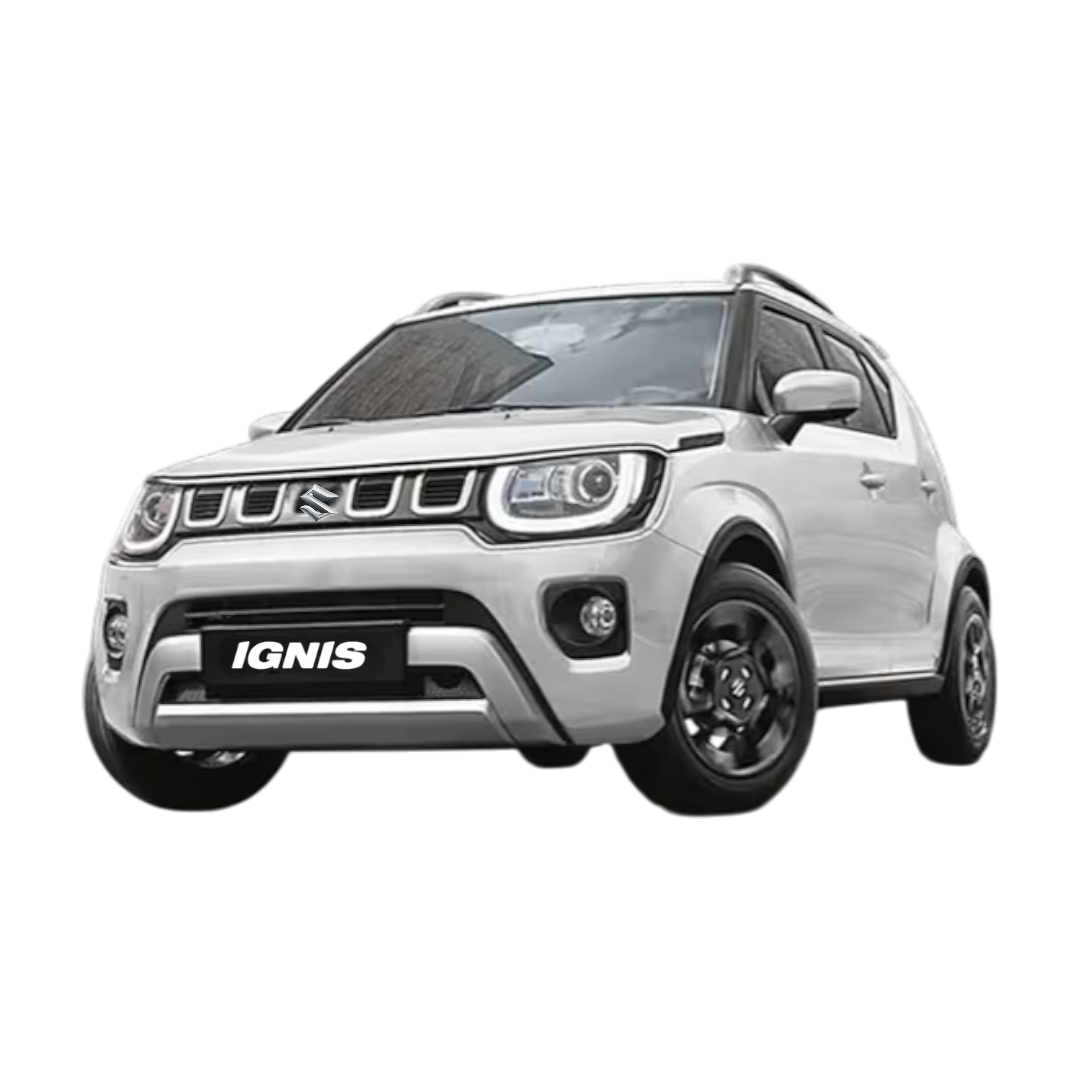 Ignis
Ignis
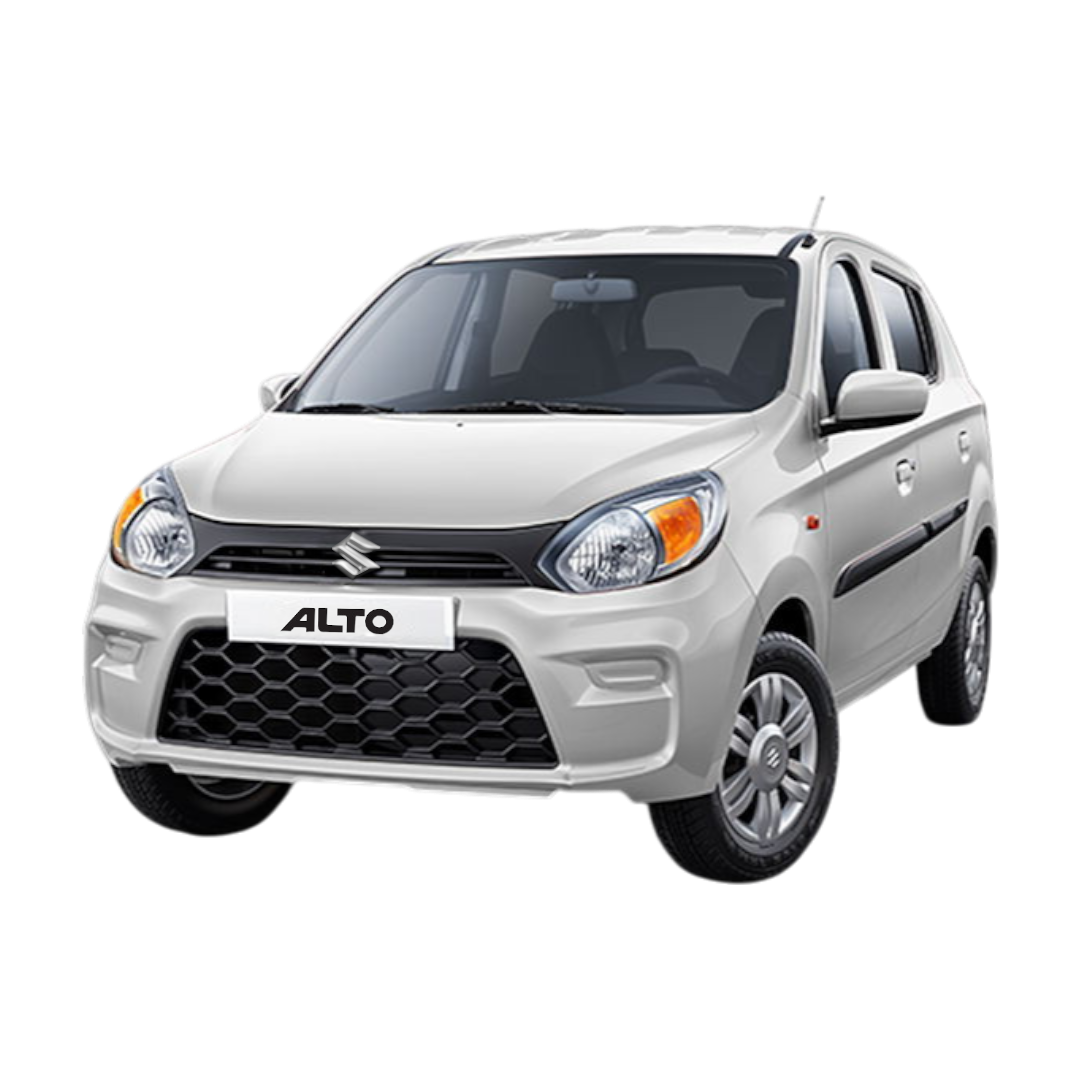 Alto 800
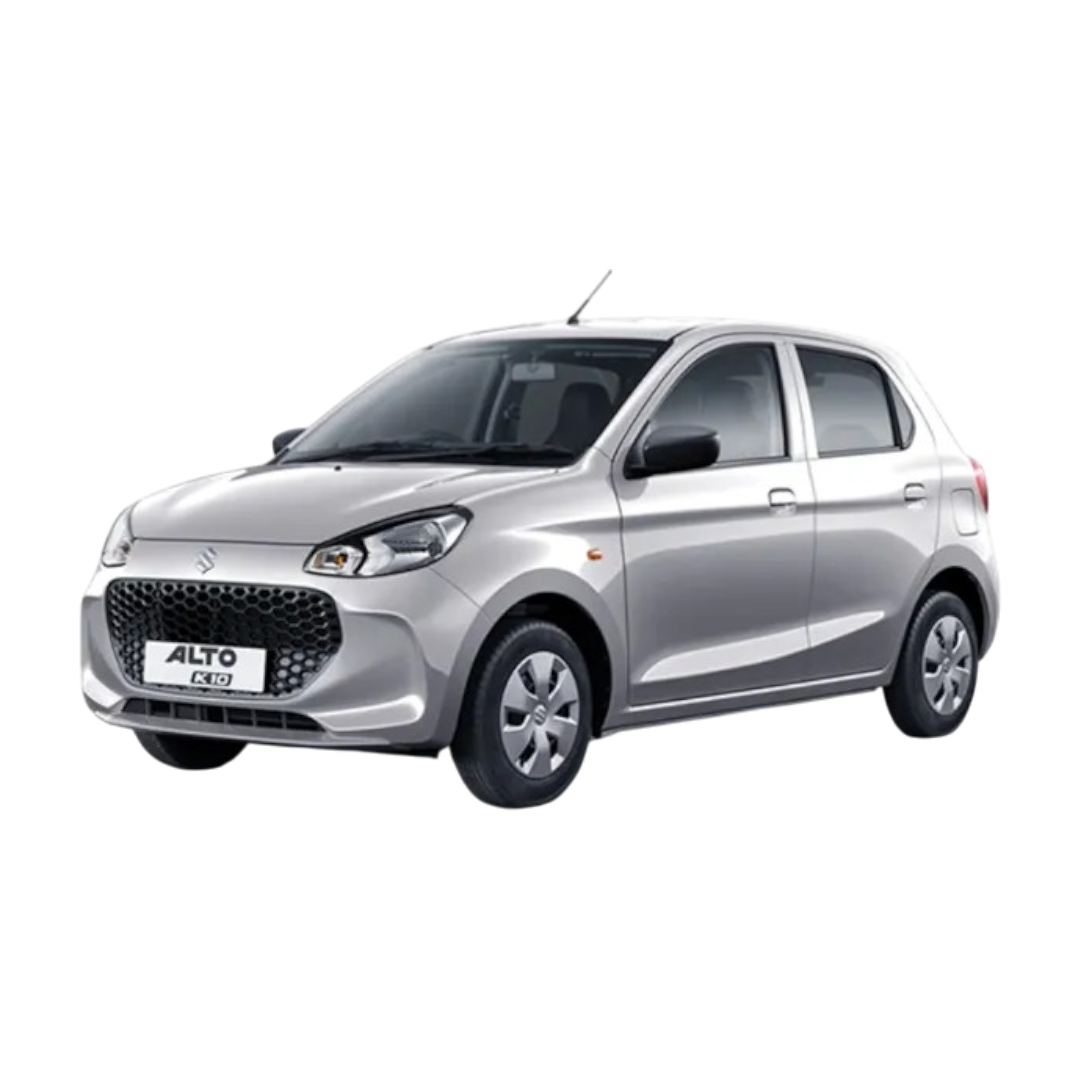 Alto K10
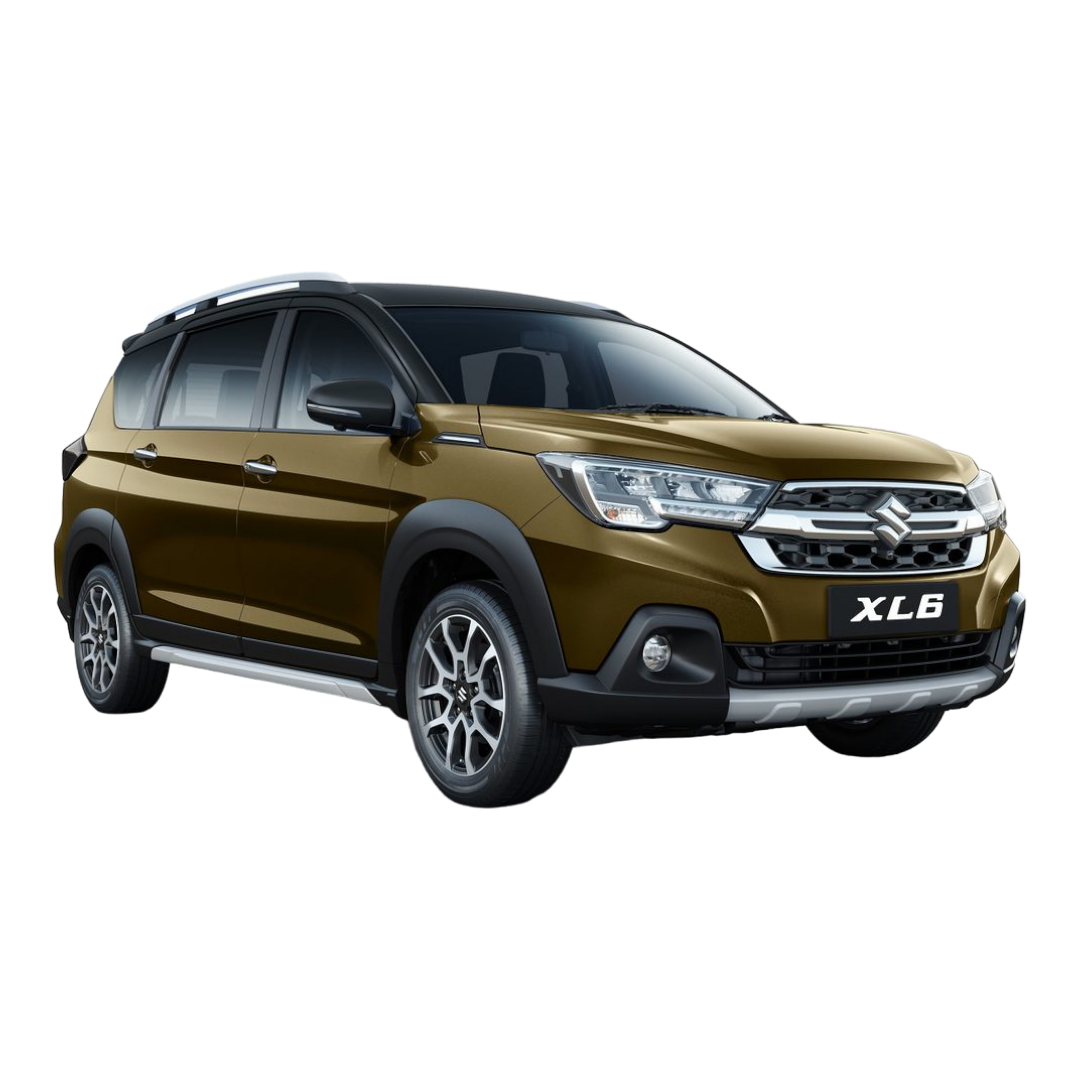 XL6
XL6
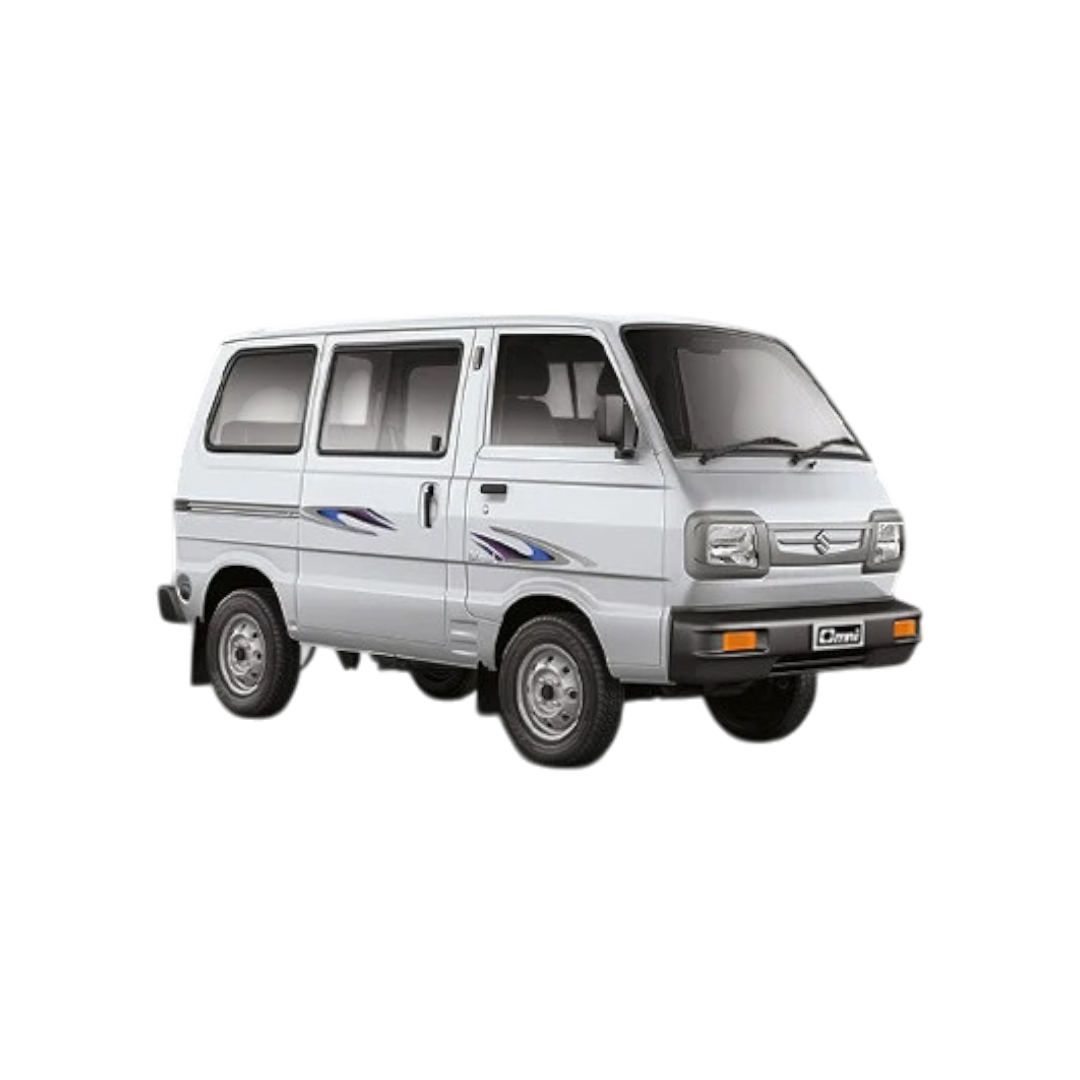 Omni
Omni
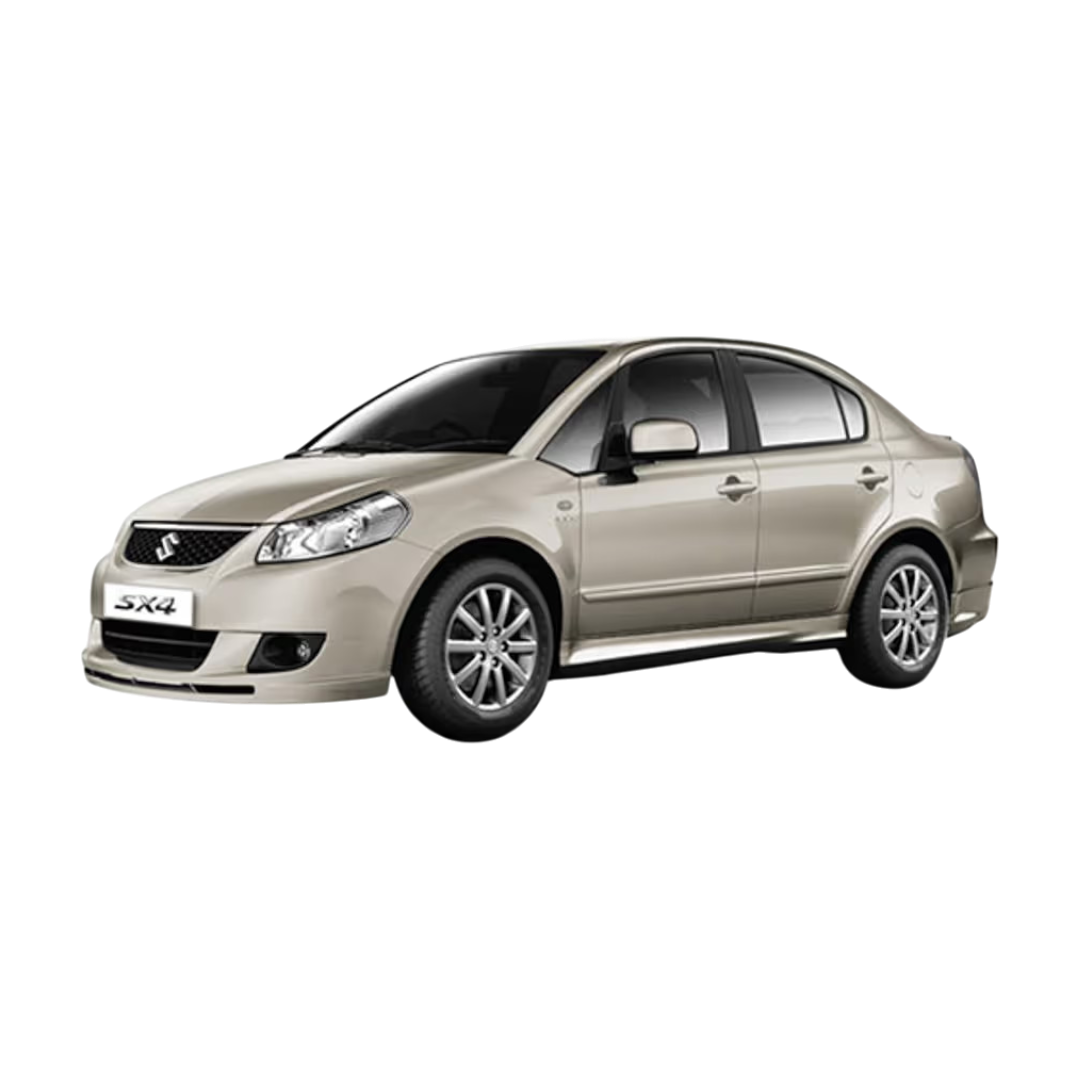 SX4
SX4
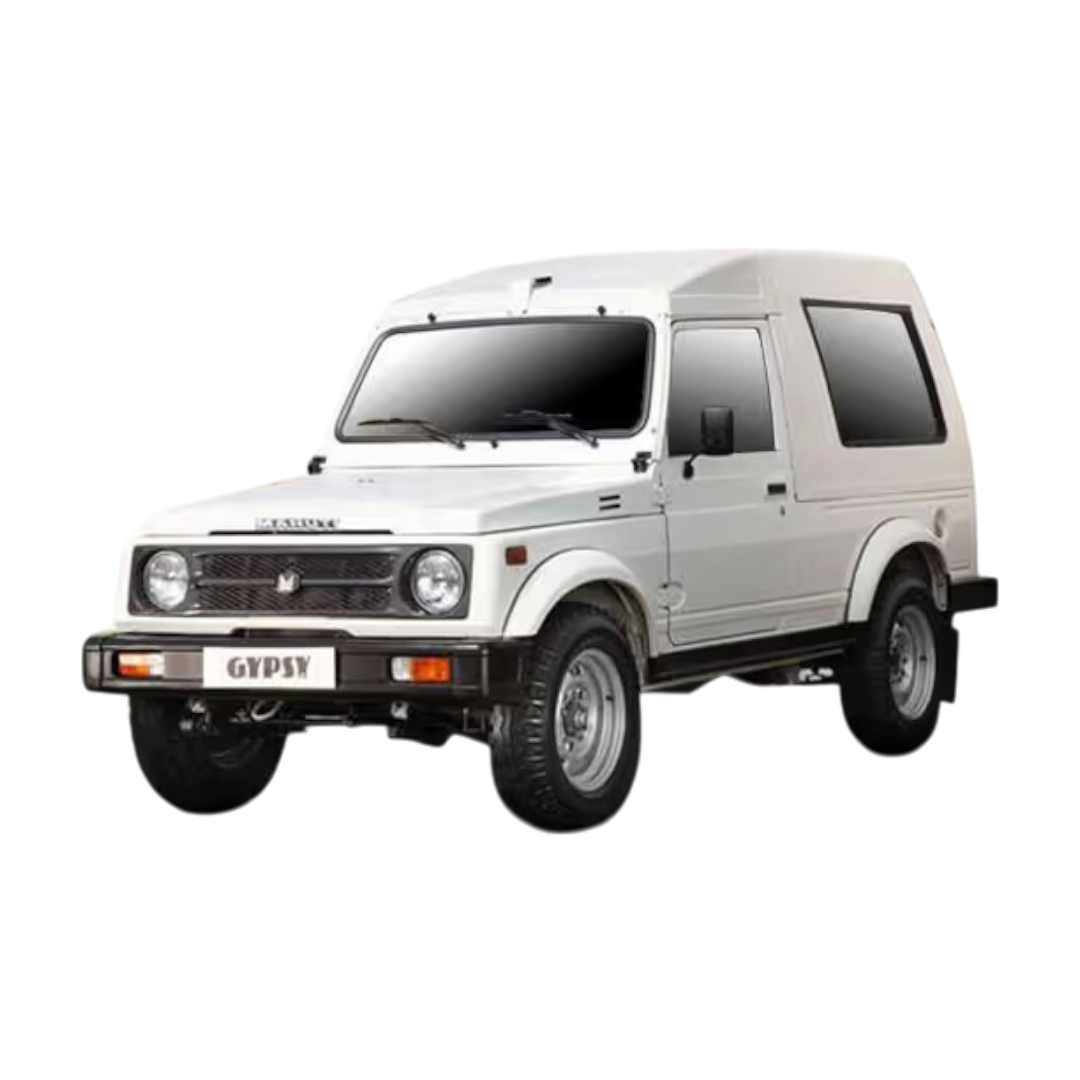 Gypsy
Gypsy
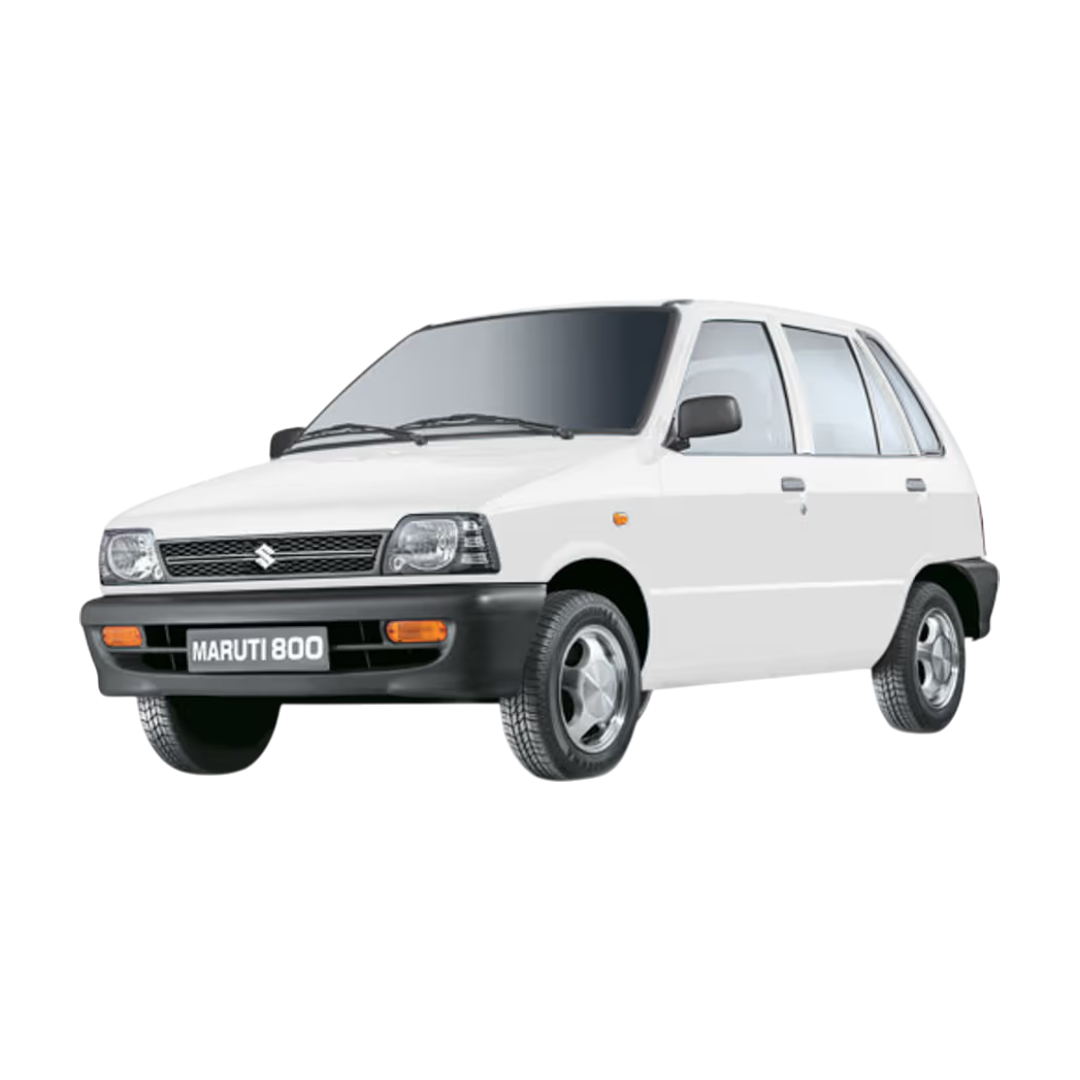 Maruti 800
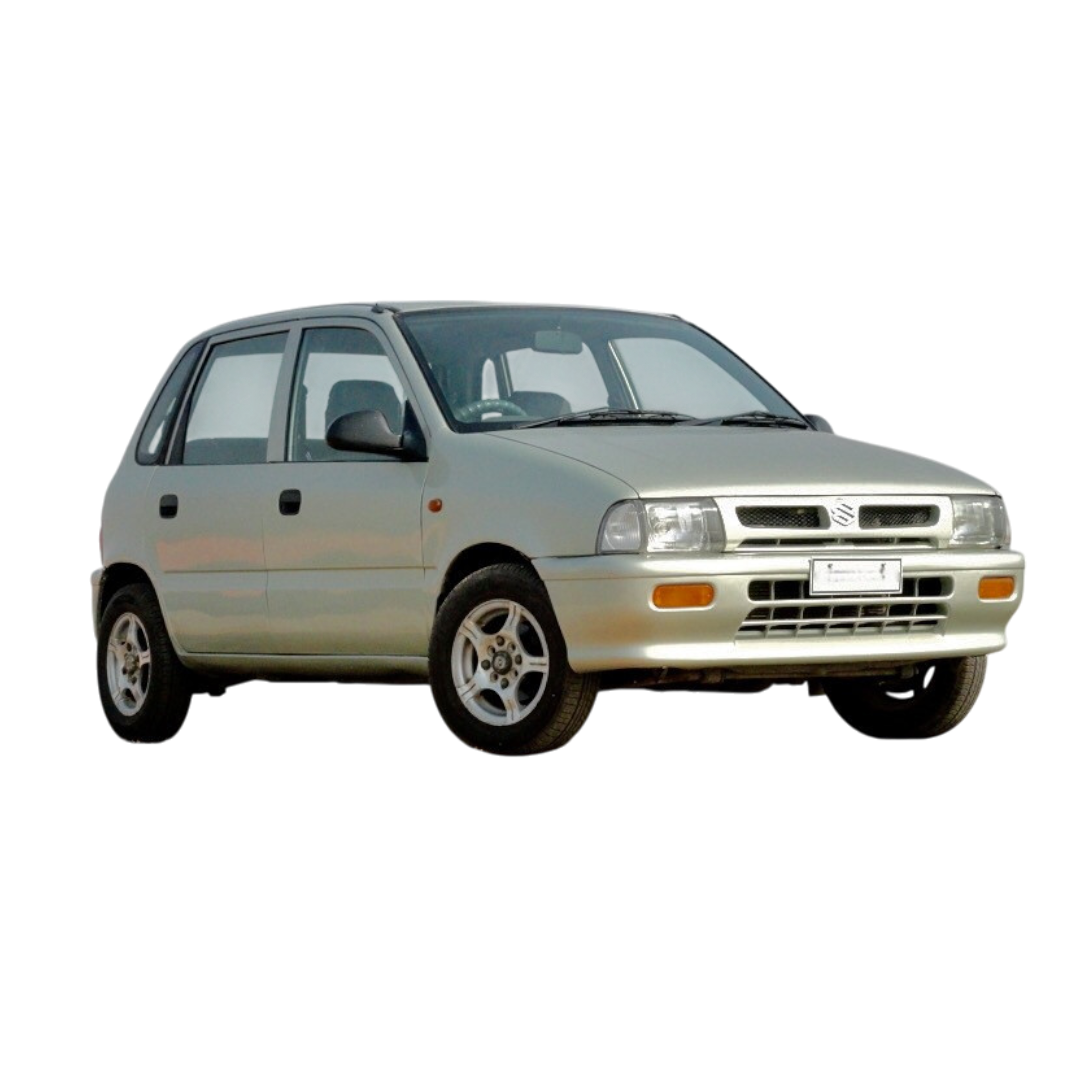 Zen
Zen
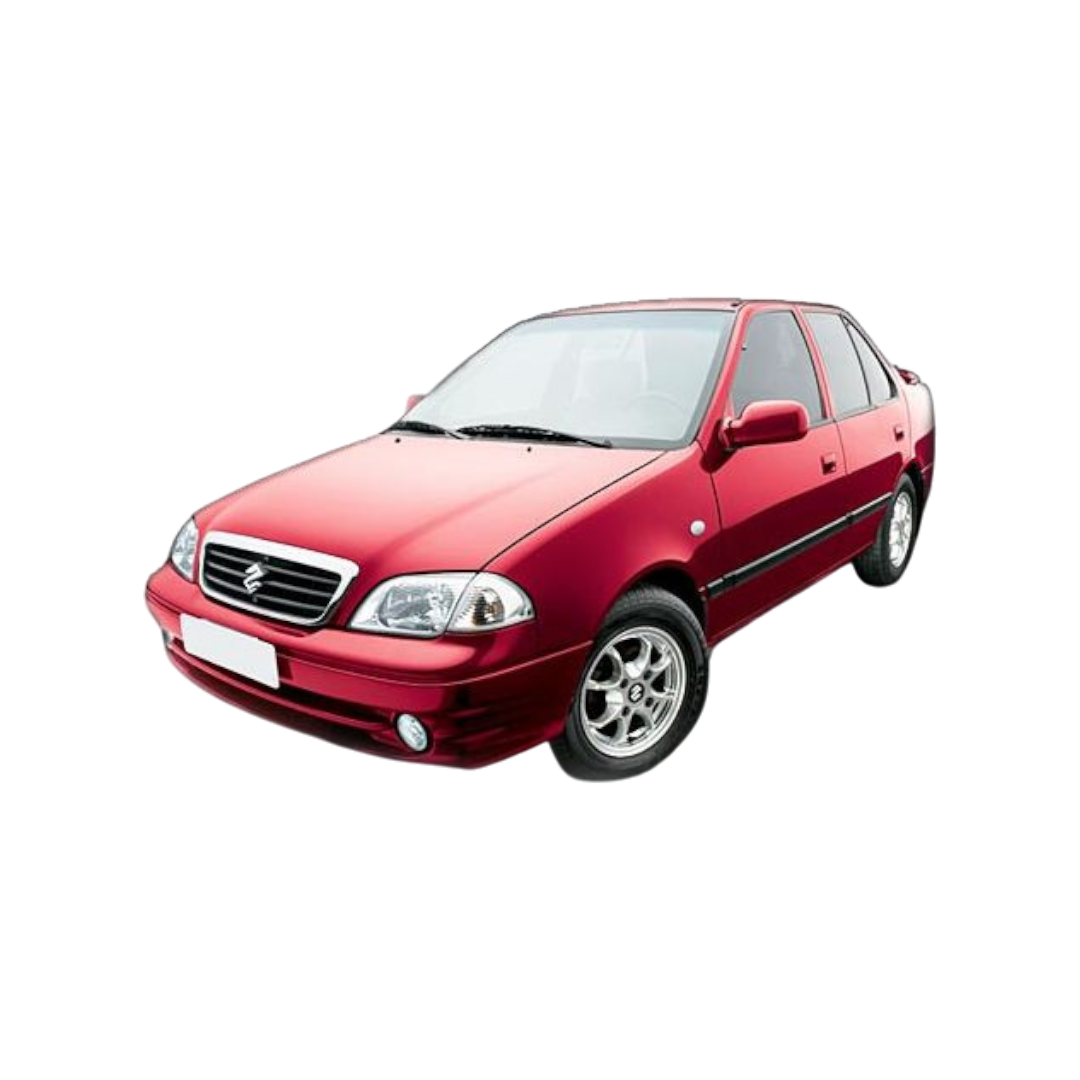 Esteem
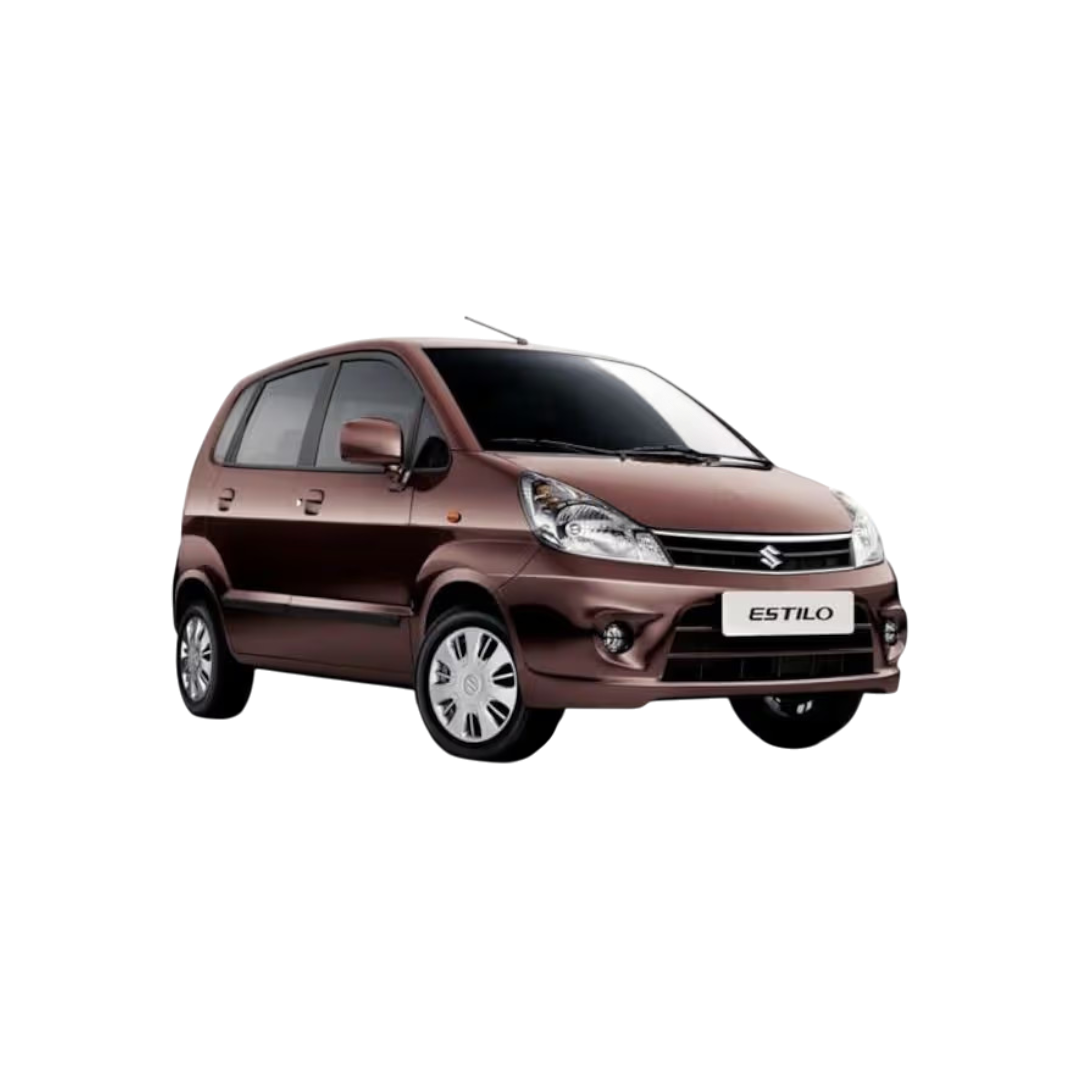 Zen Estilo
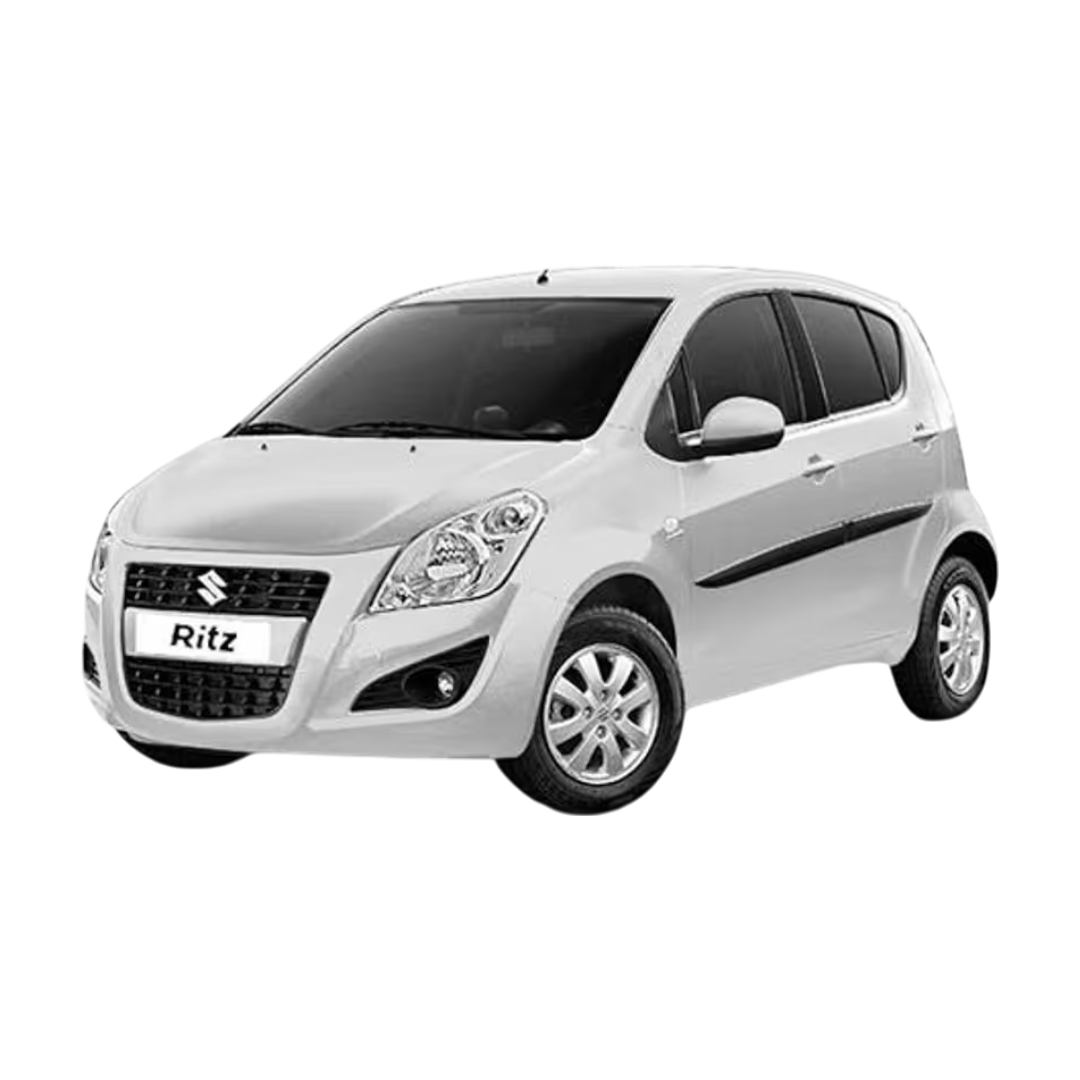 Ritz
Ritz
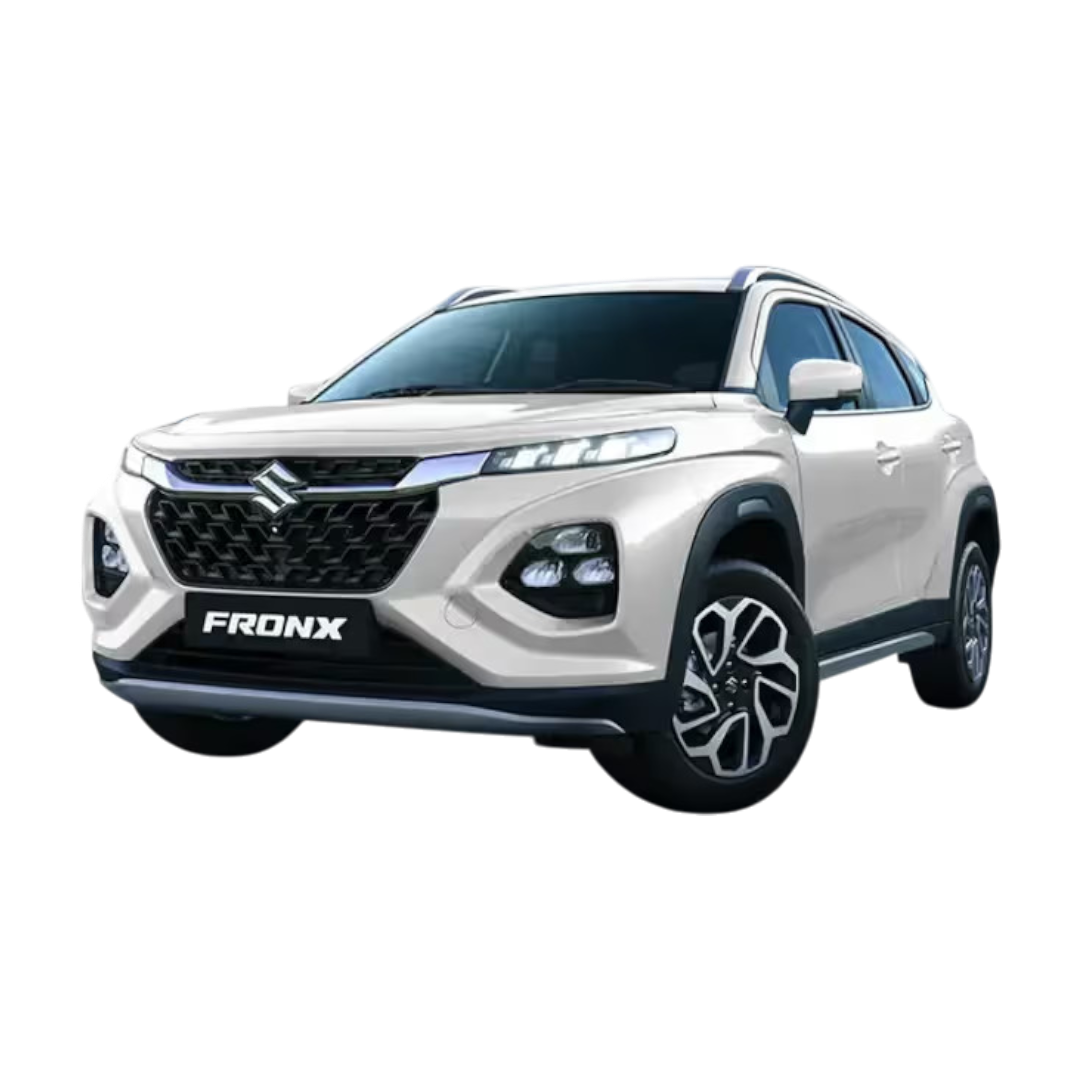 Fronx
Fronx
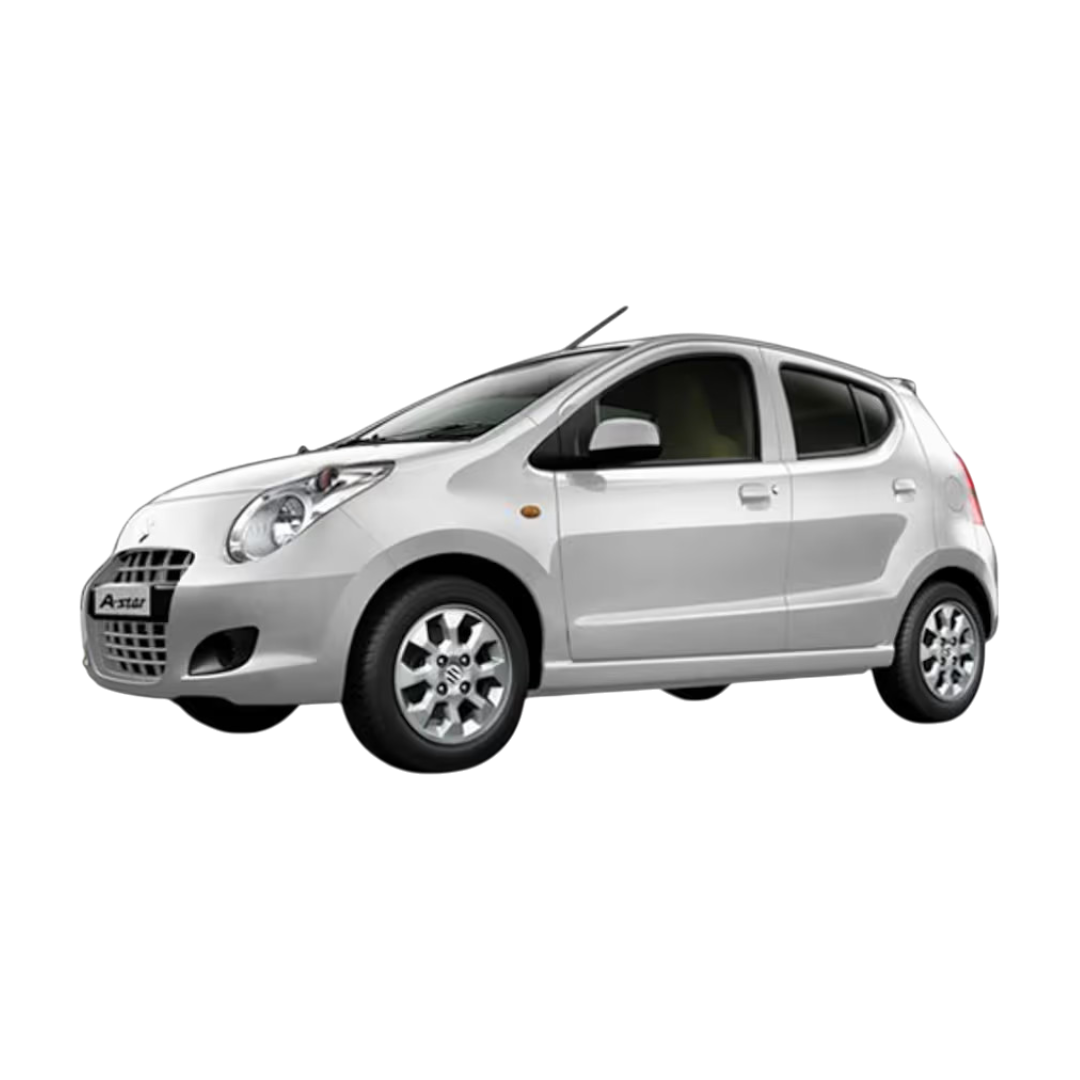 A-Star
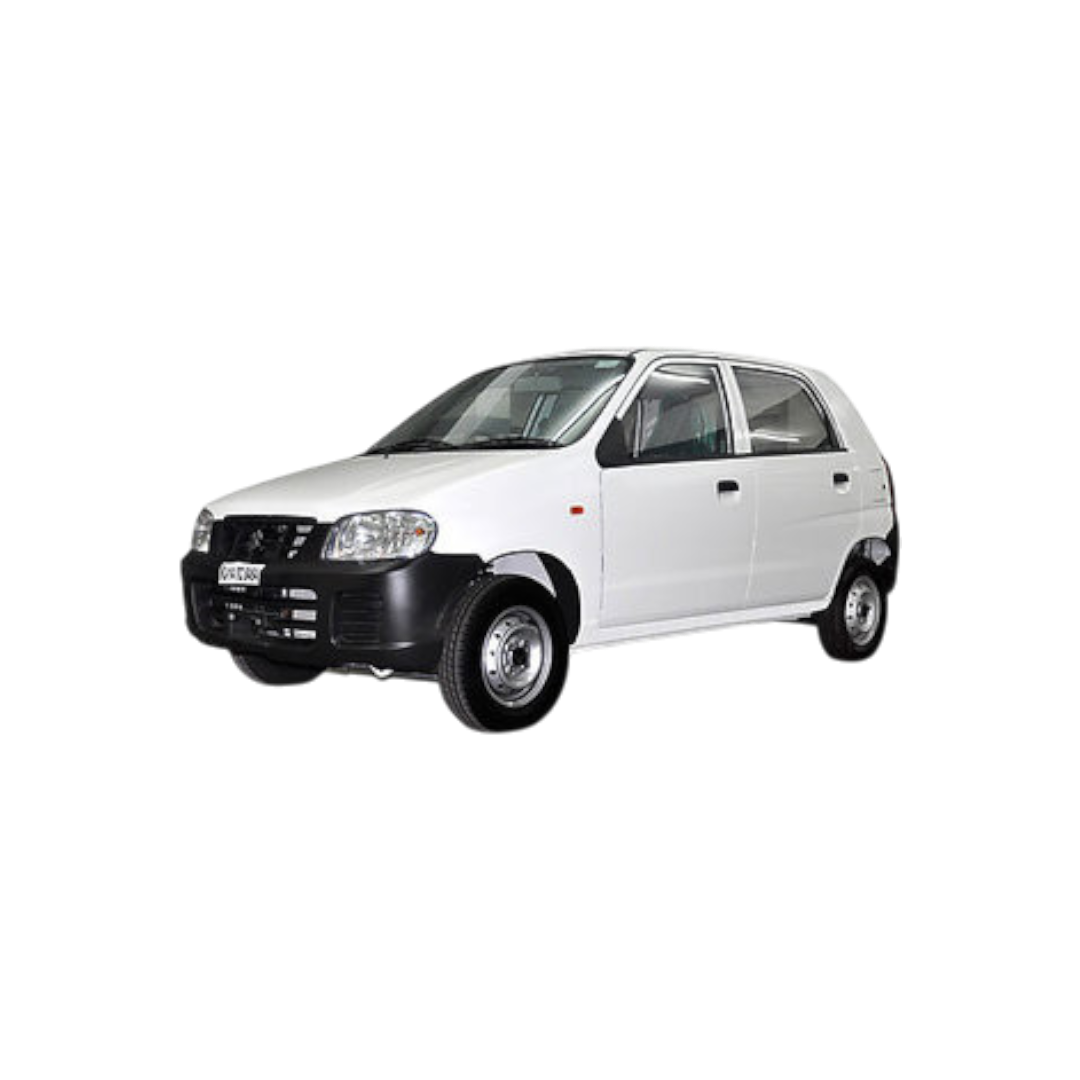 Alto
Alto
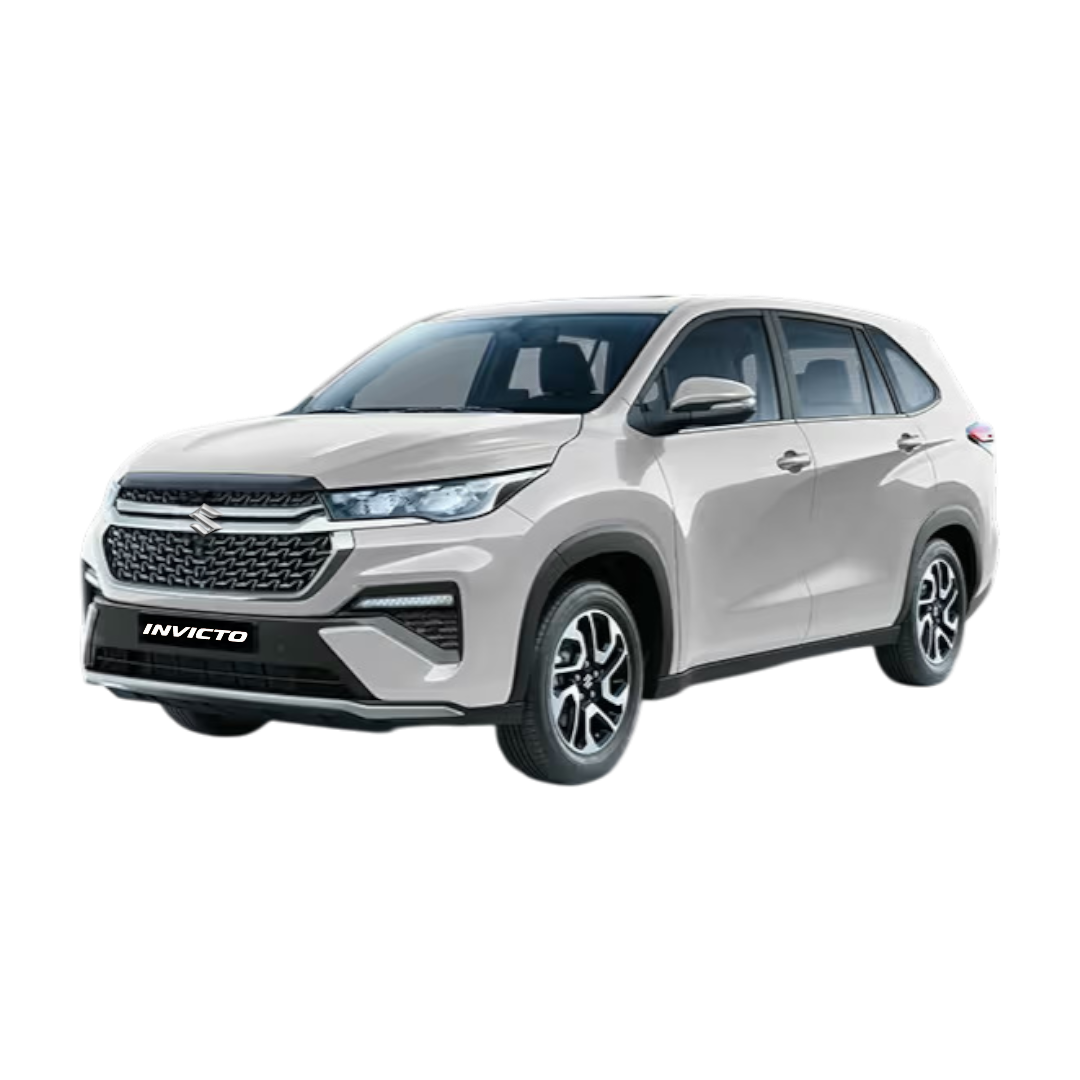 Invicto
Victoris
Wagon R
Invicto
Victoris
Wagon R
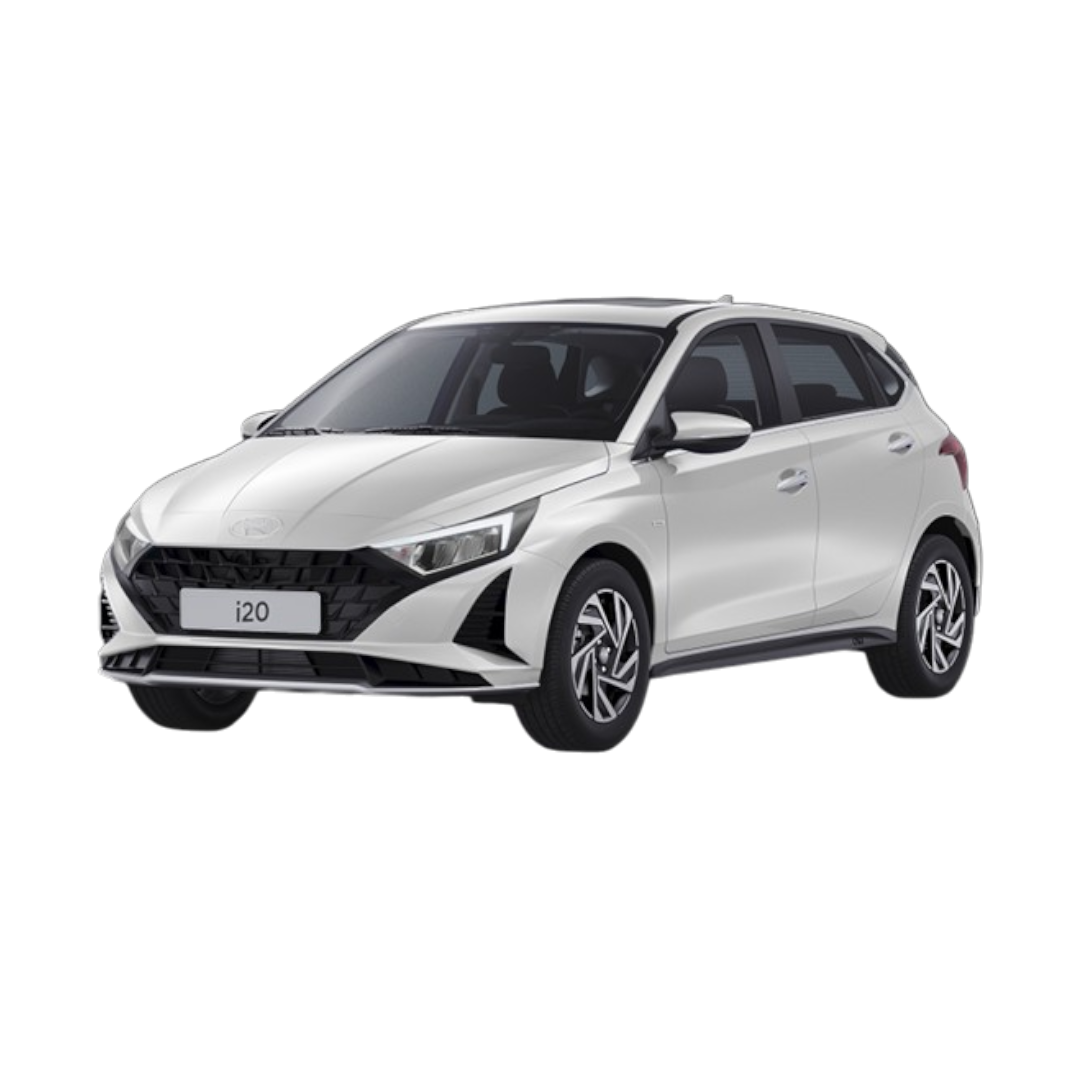 i20
i20
 Aura
Aura
 Creta
Creta
 Elantra
 Getz
Getz
 Grand i10 Nios
 Venue
Venue
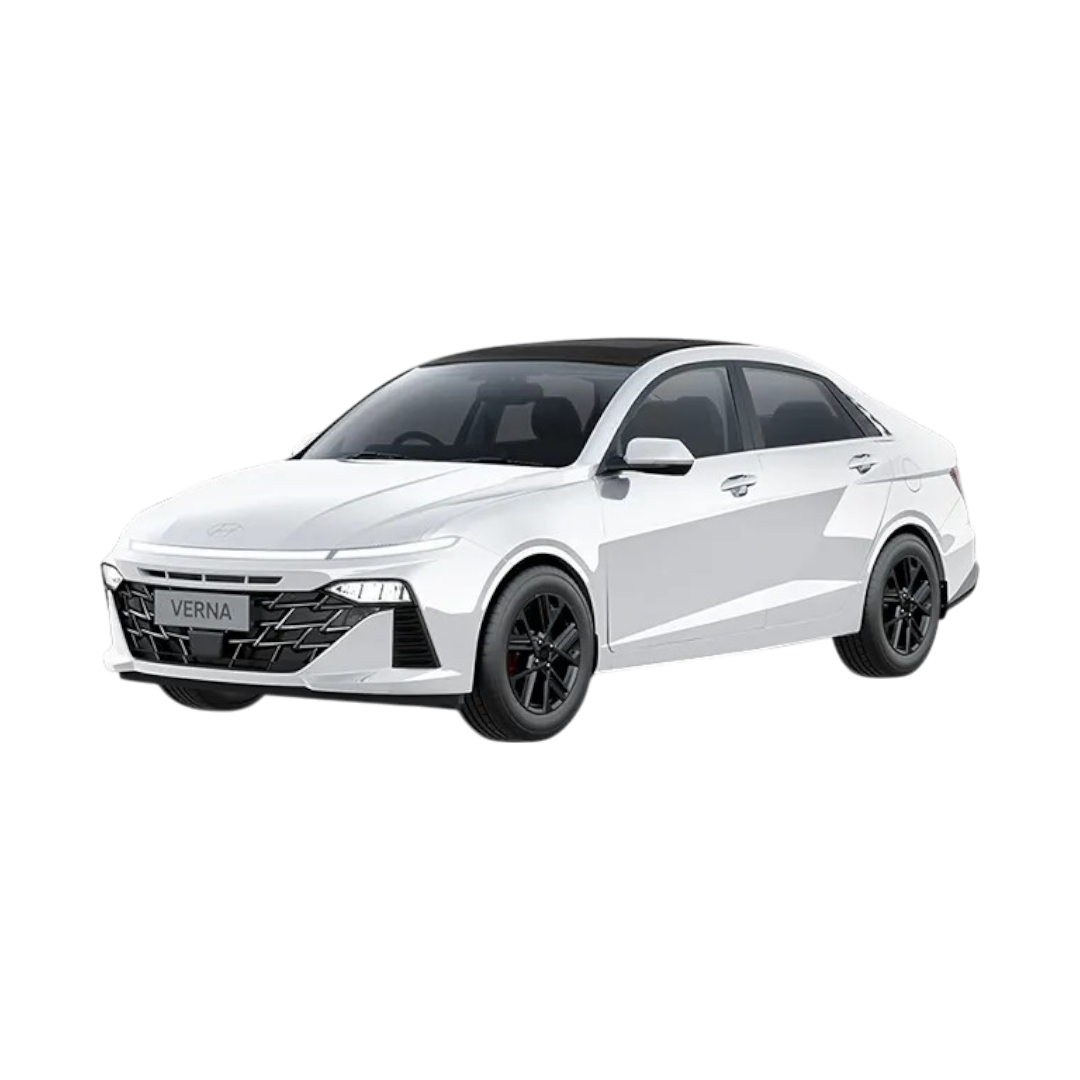 Verna
Verna
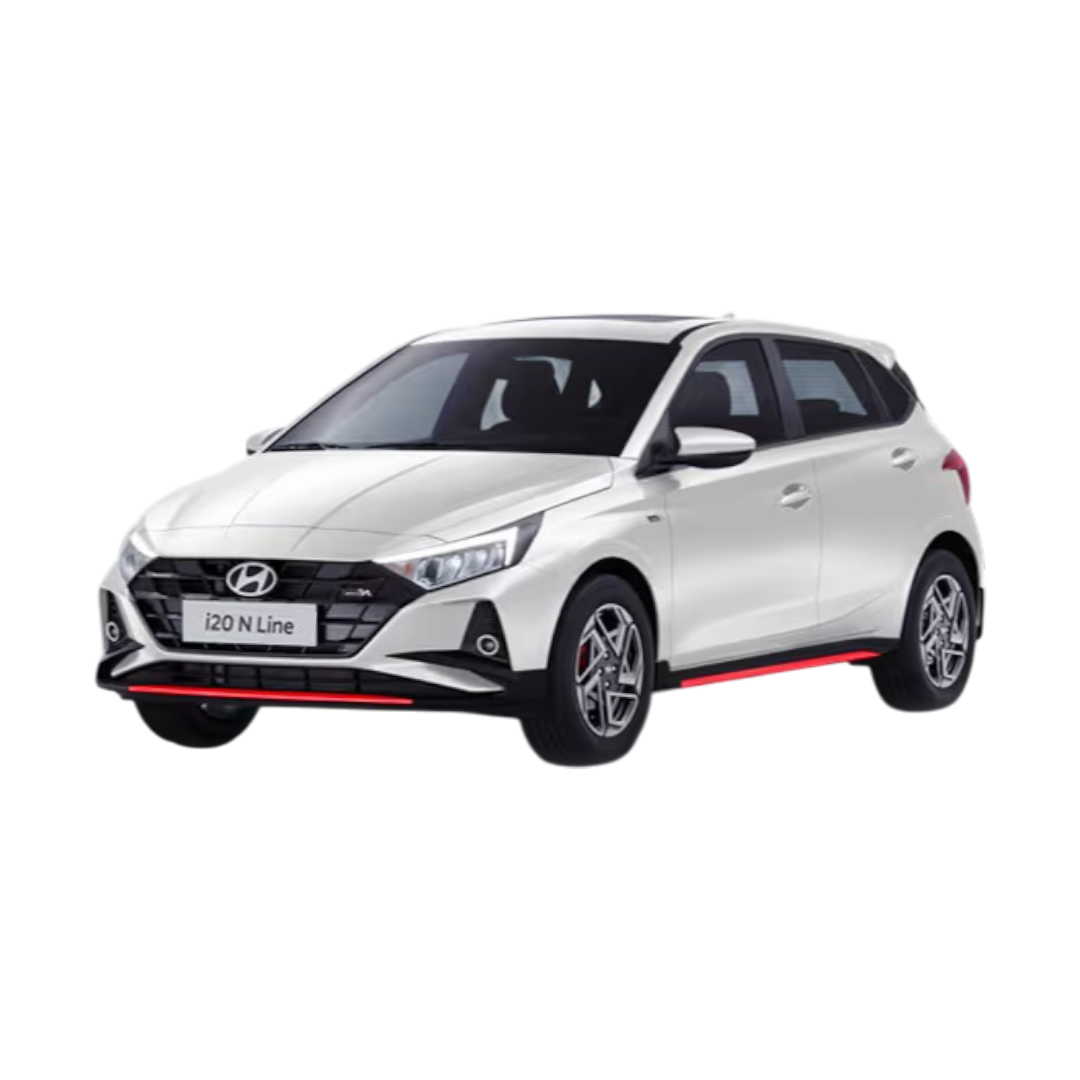 i20 N Line
 Venue N Line
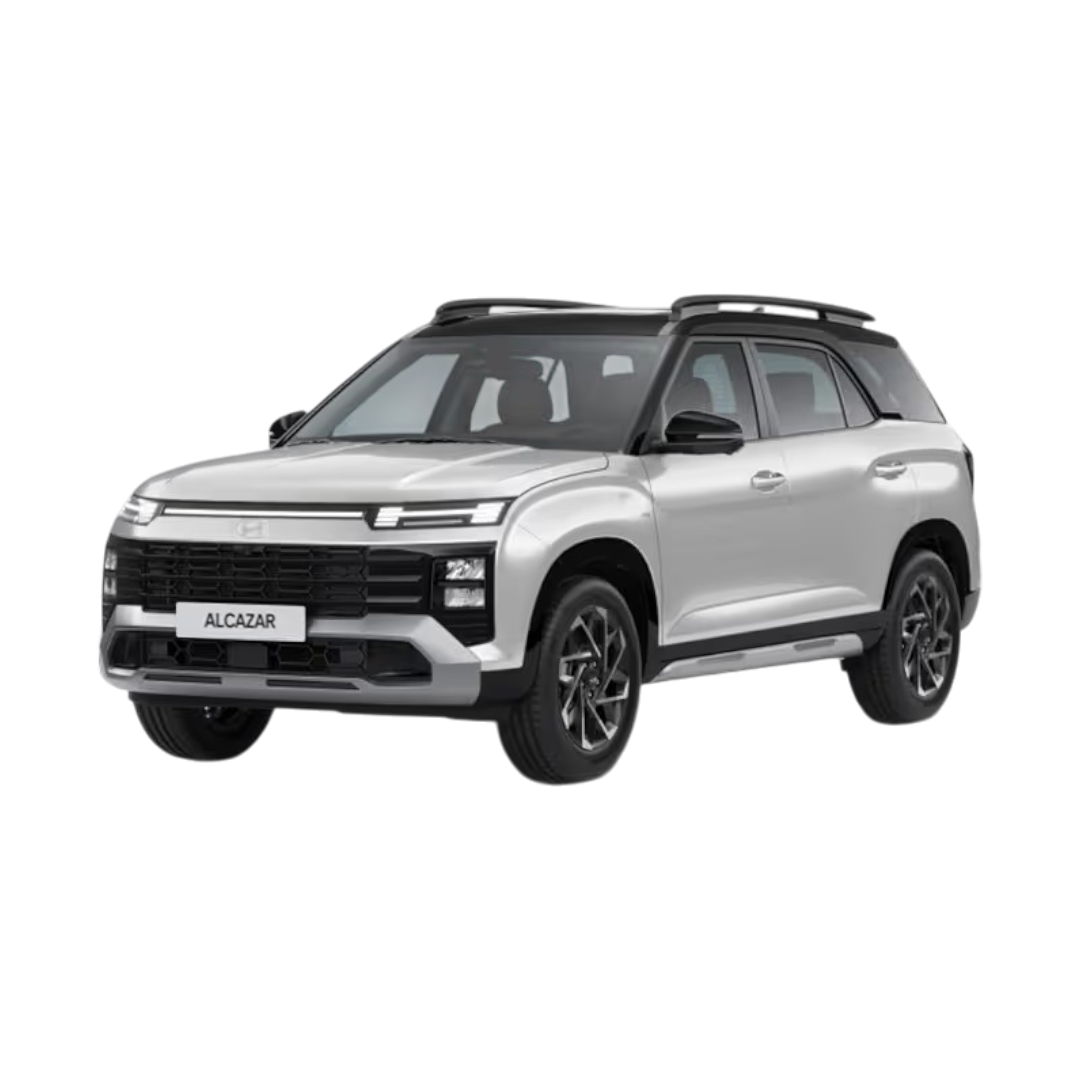 Alcazar
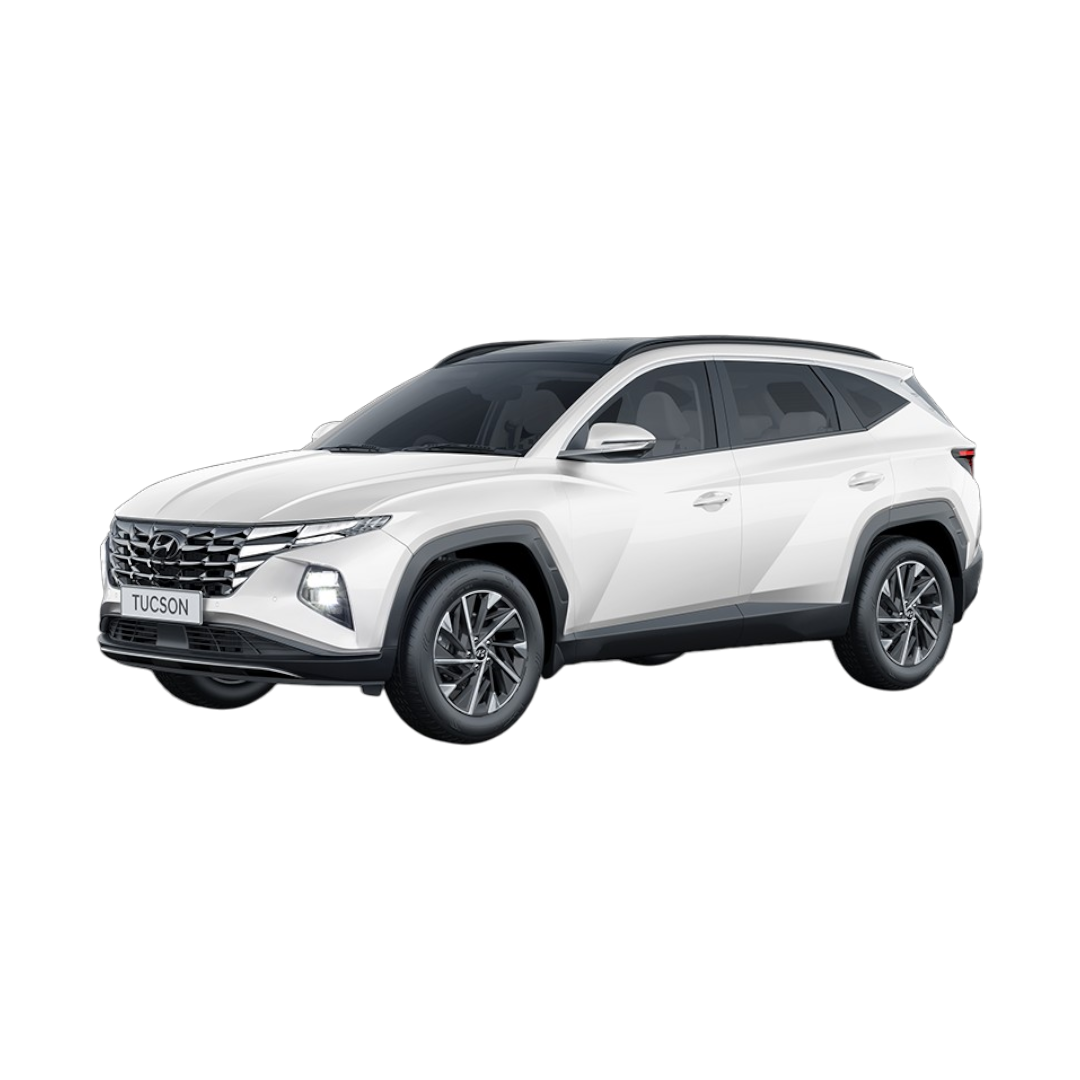 Tucson
 Kona
Kona
 iONIQ 5
 Santro
 Santro Xing
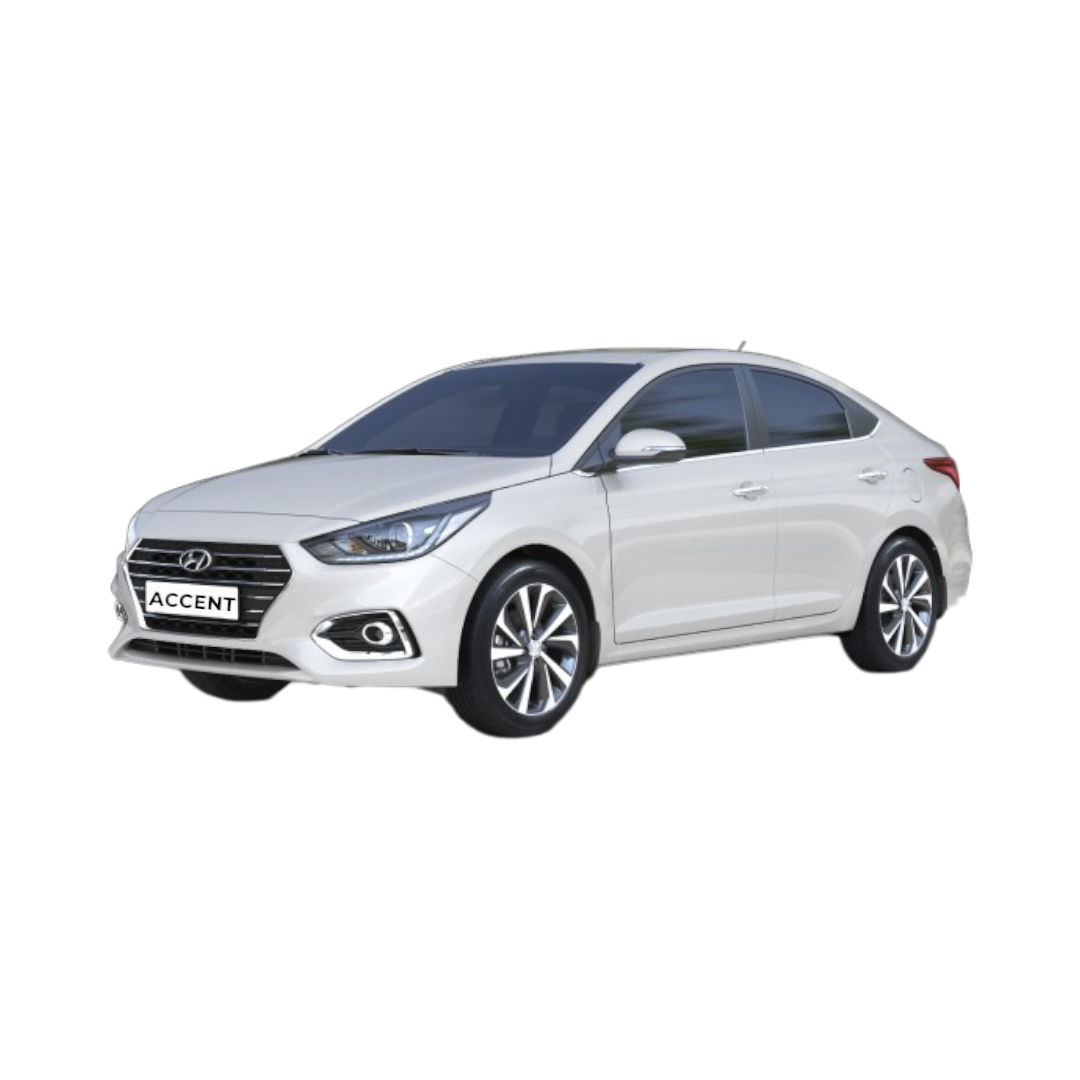 Accent
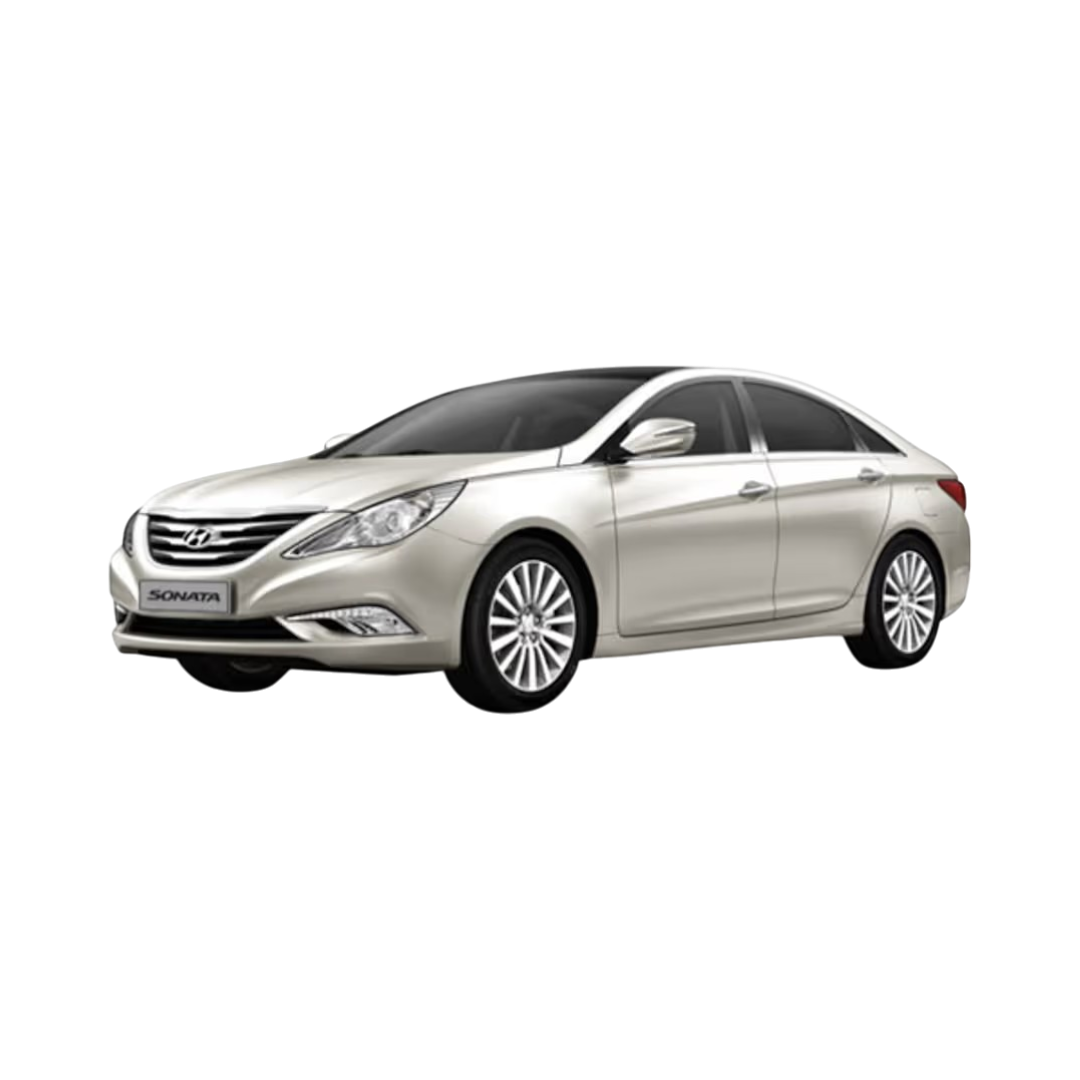 Sonata
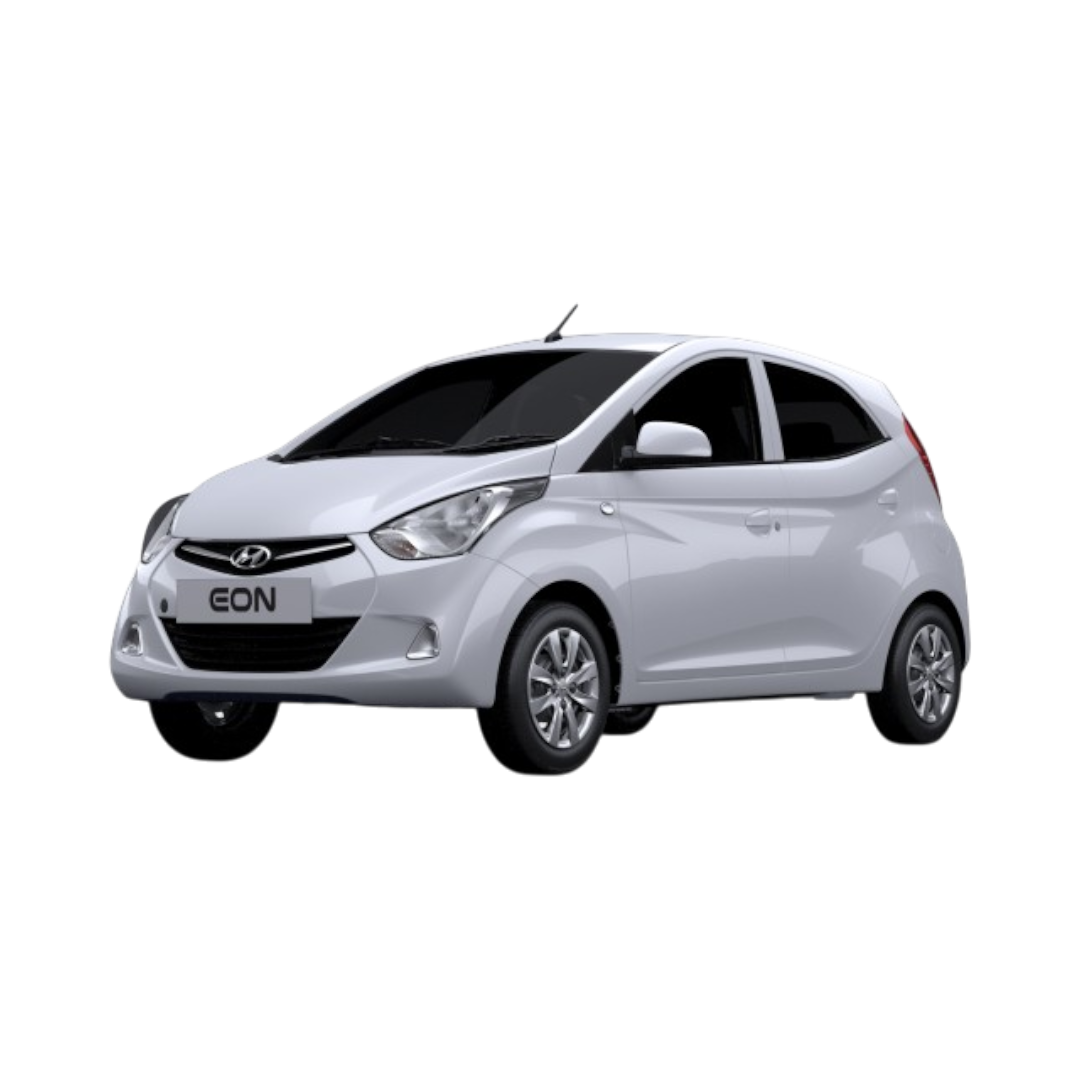 Eon
Eon
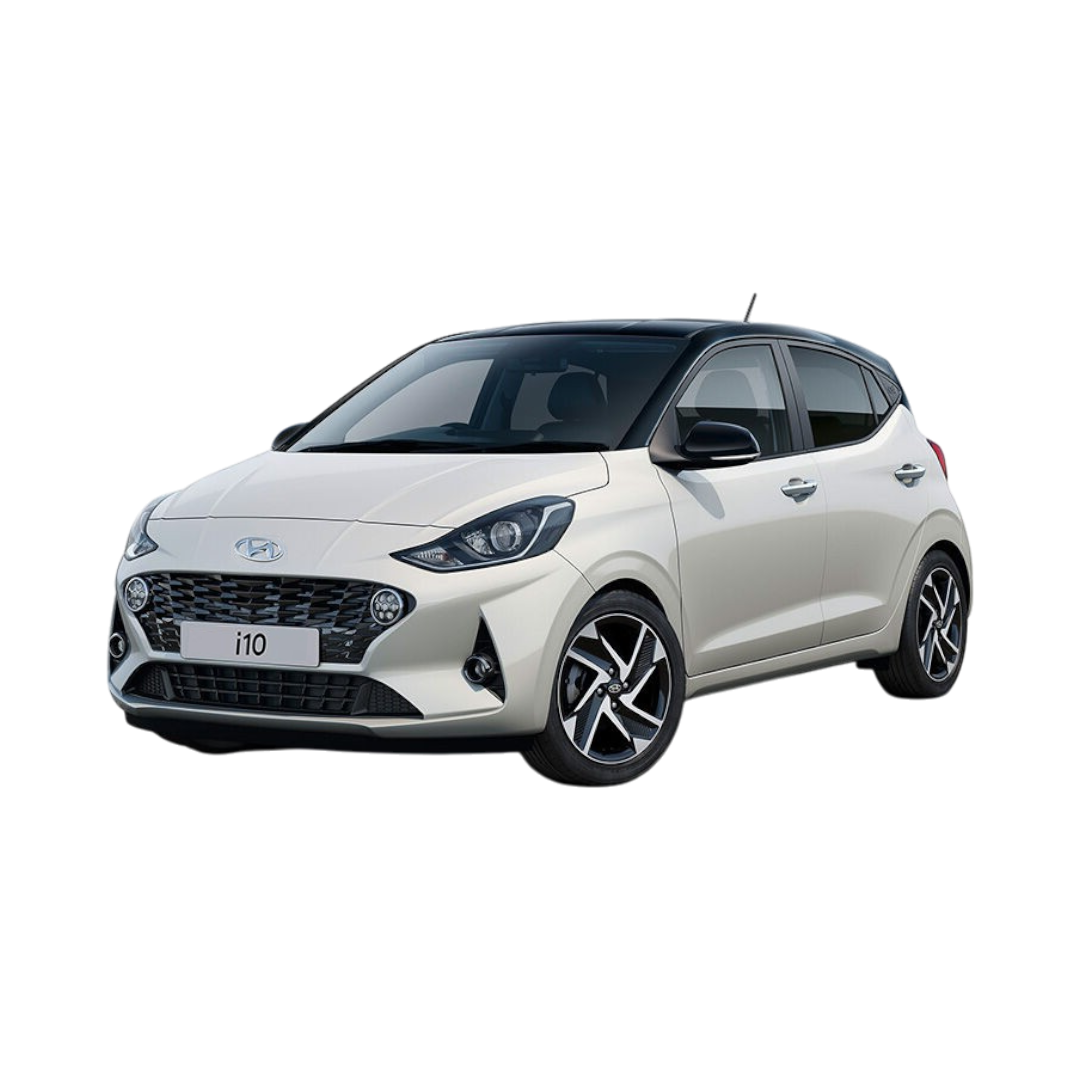 i10
i10
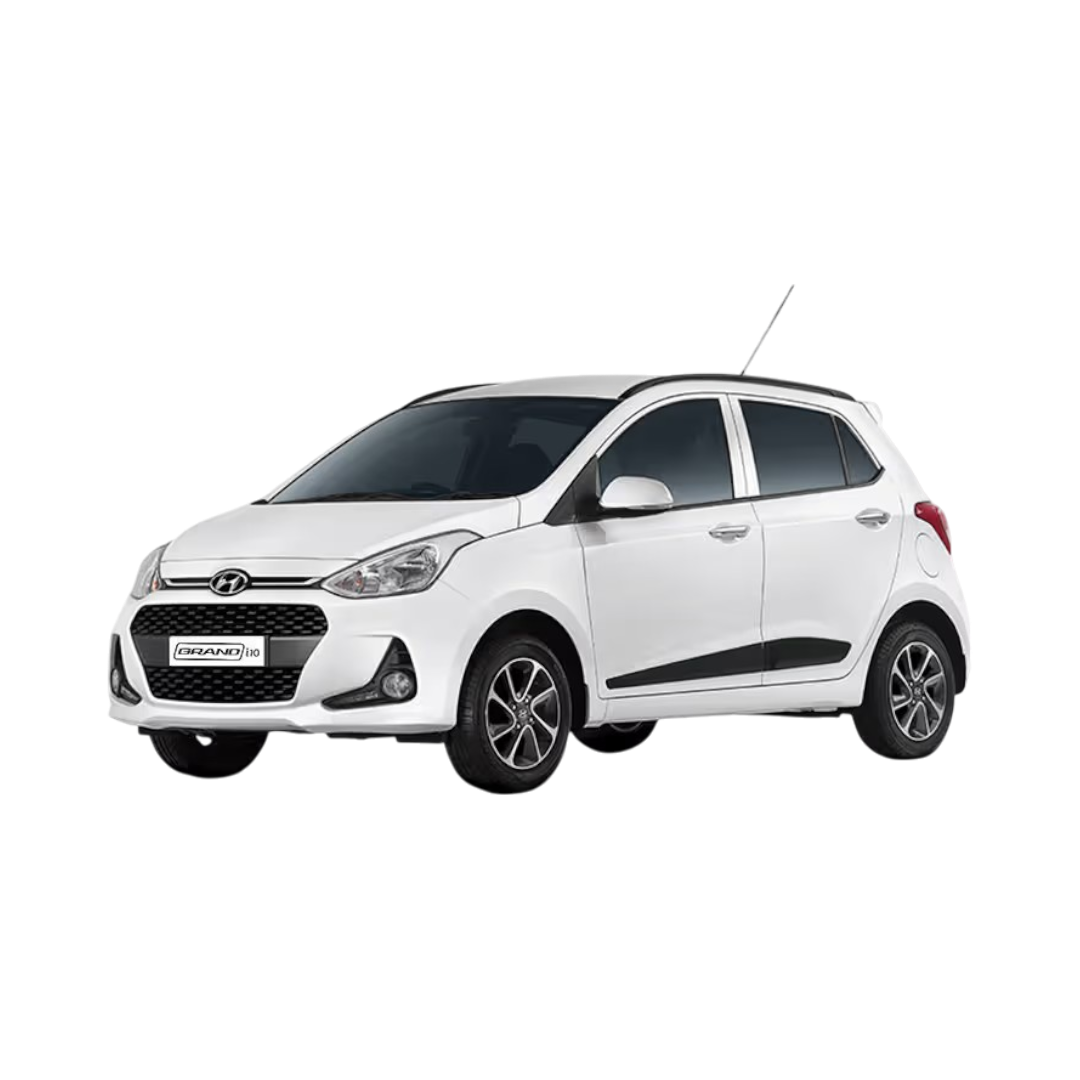 Grand i10
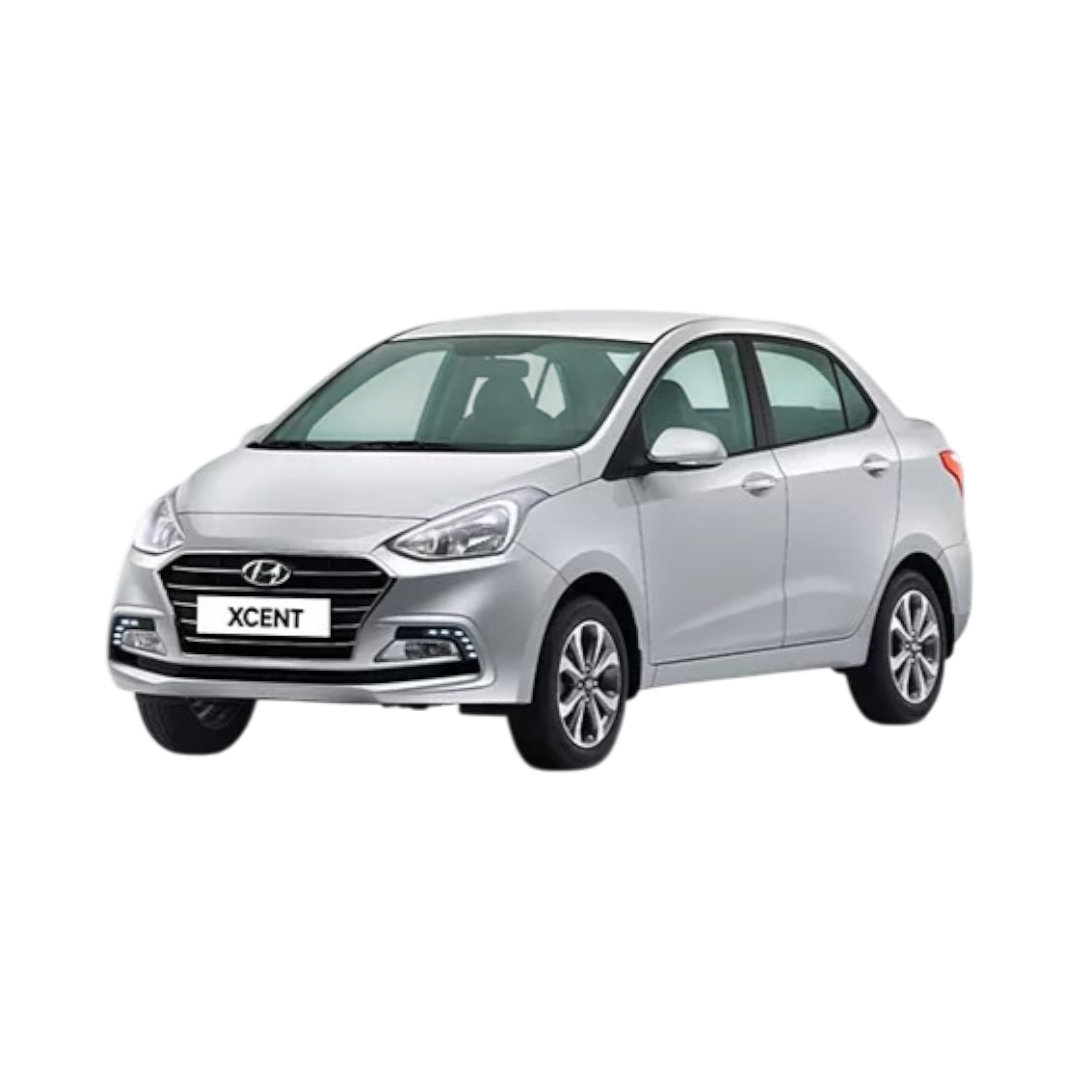 Xcent
Xcent
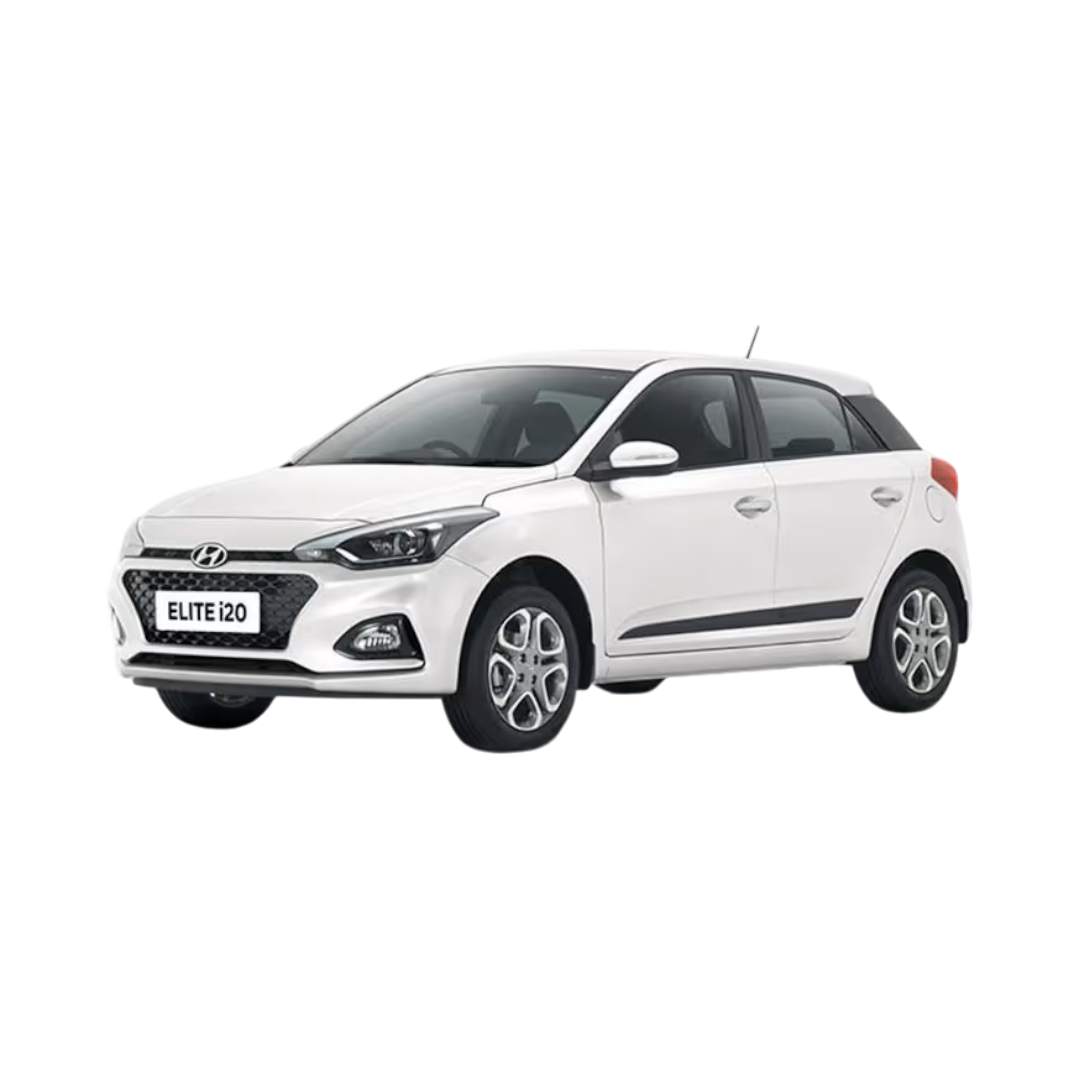 Elite i20
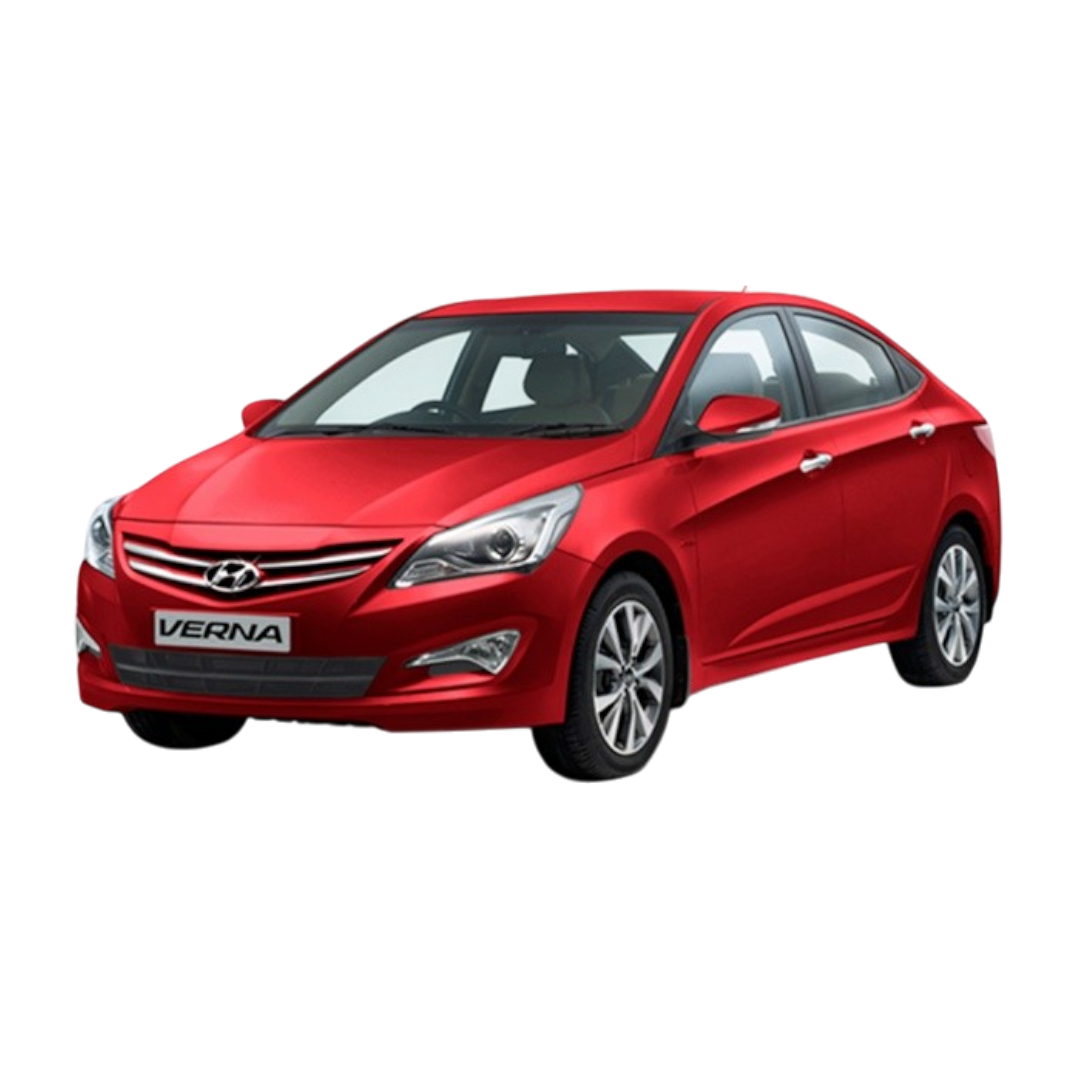 Verna Fluidic
 Santafe
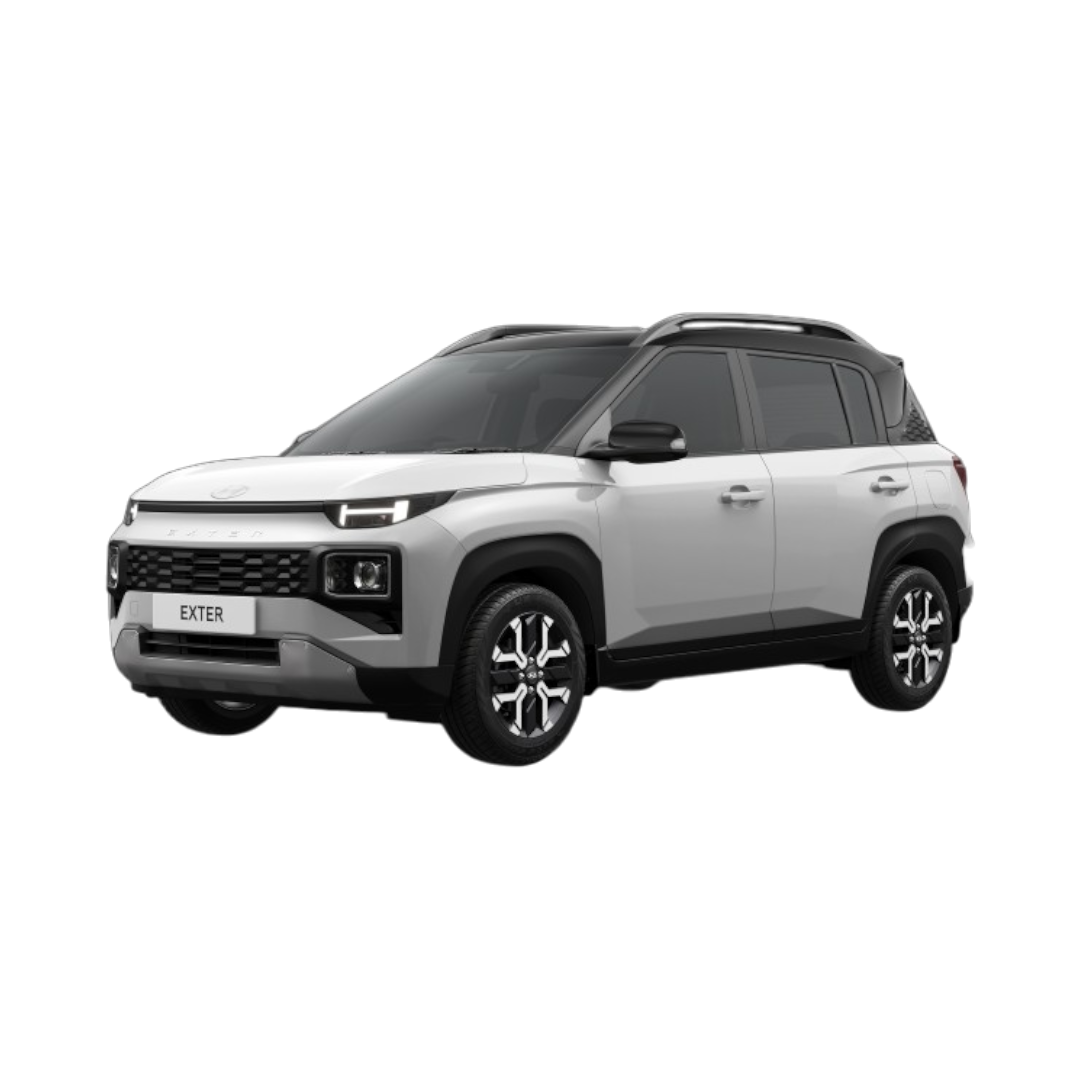 Exter
Sonata Fluidic
Exter
Sonata Fluidic
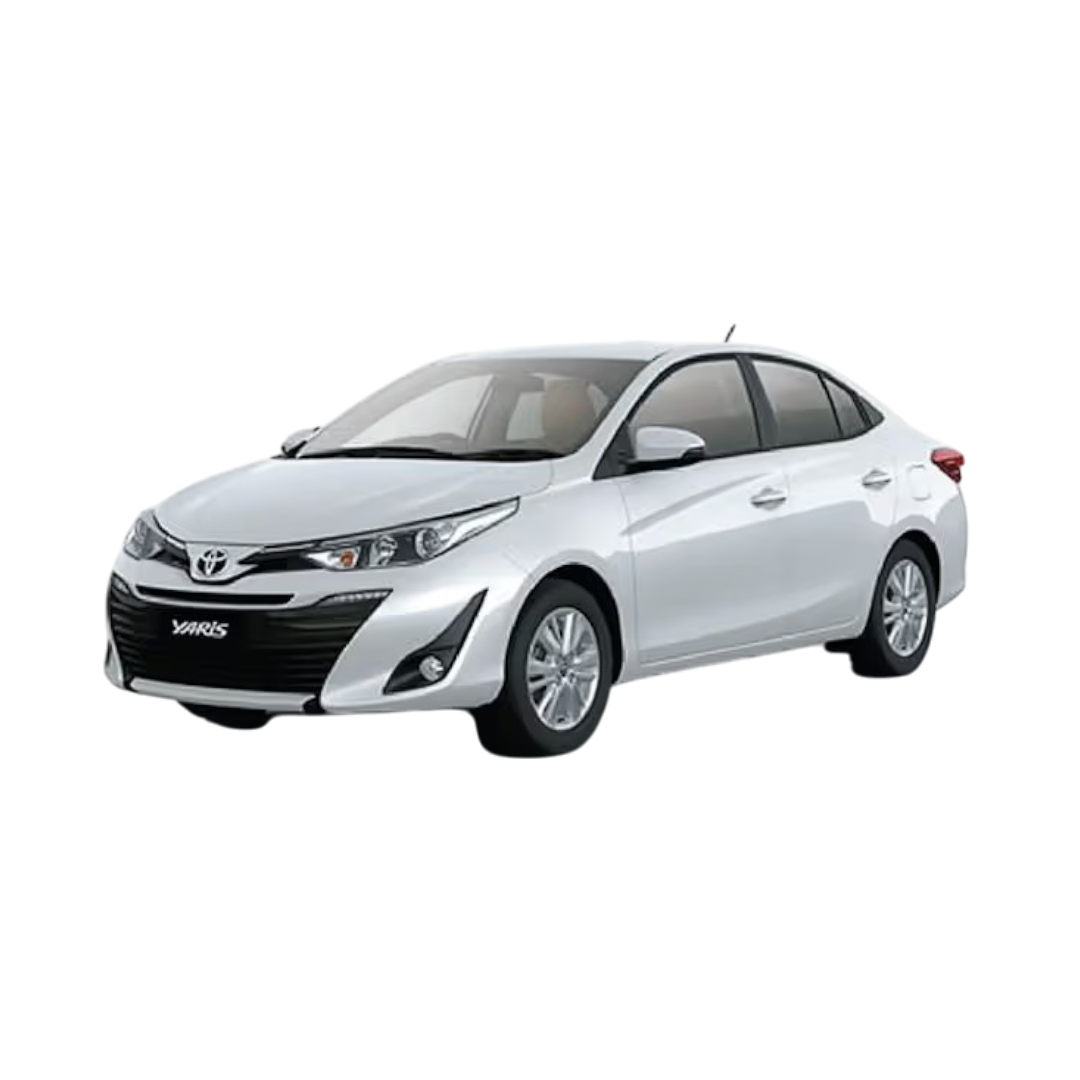 Yaris
Yaris
 Urban Cruiser
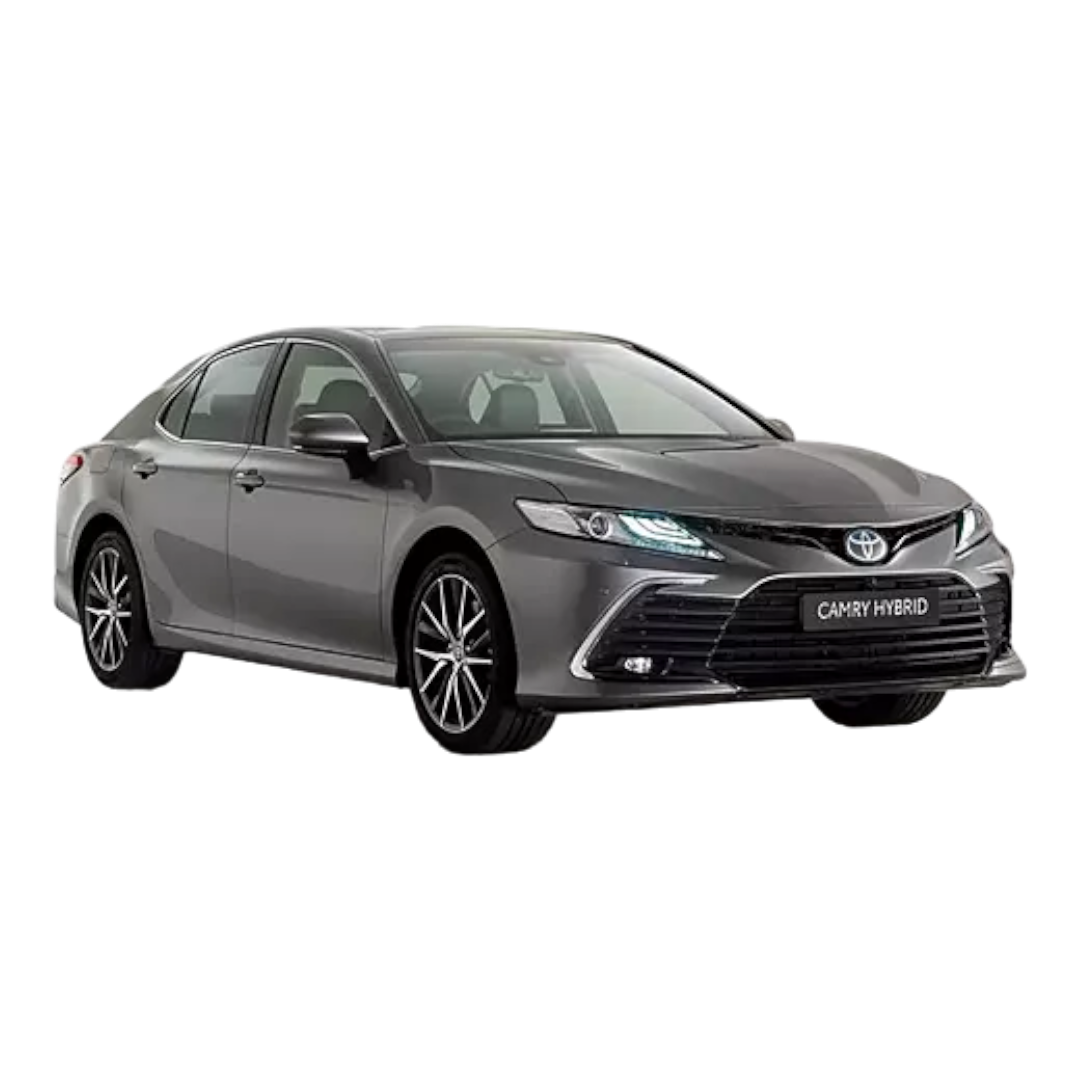 Camry
Camry
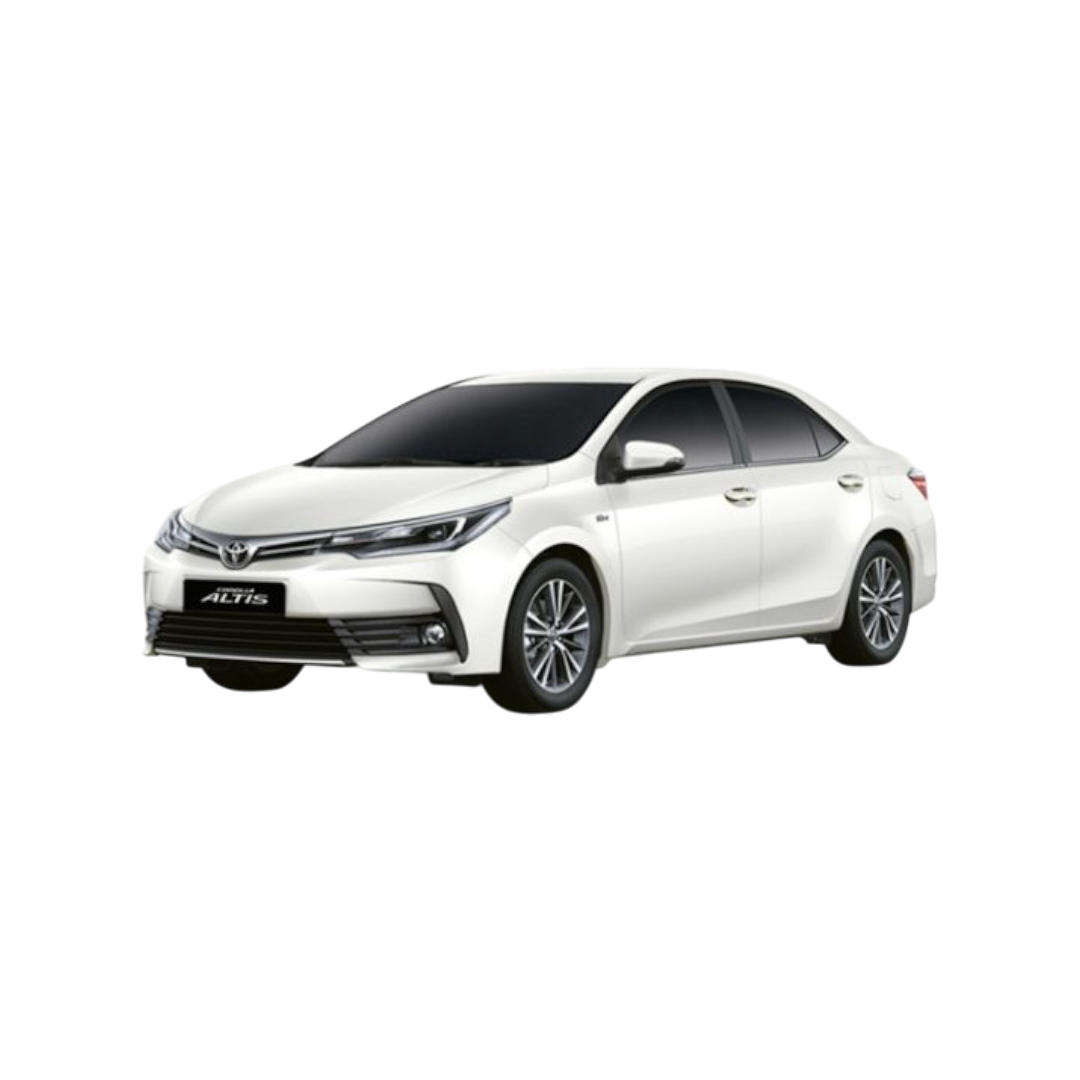 Corolla
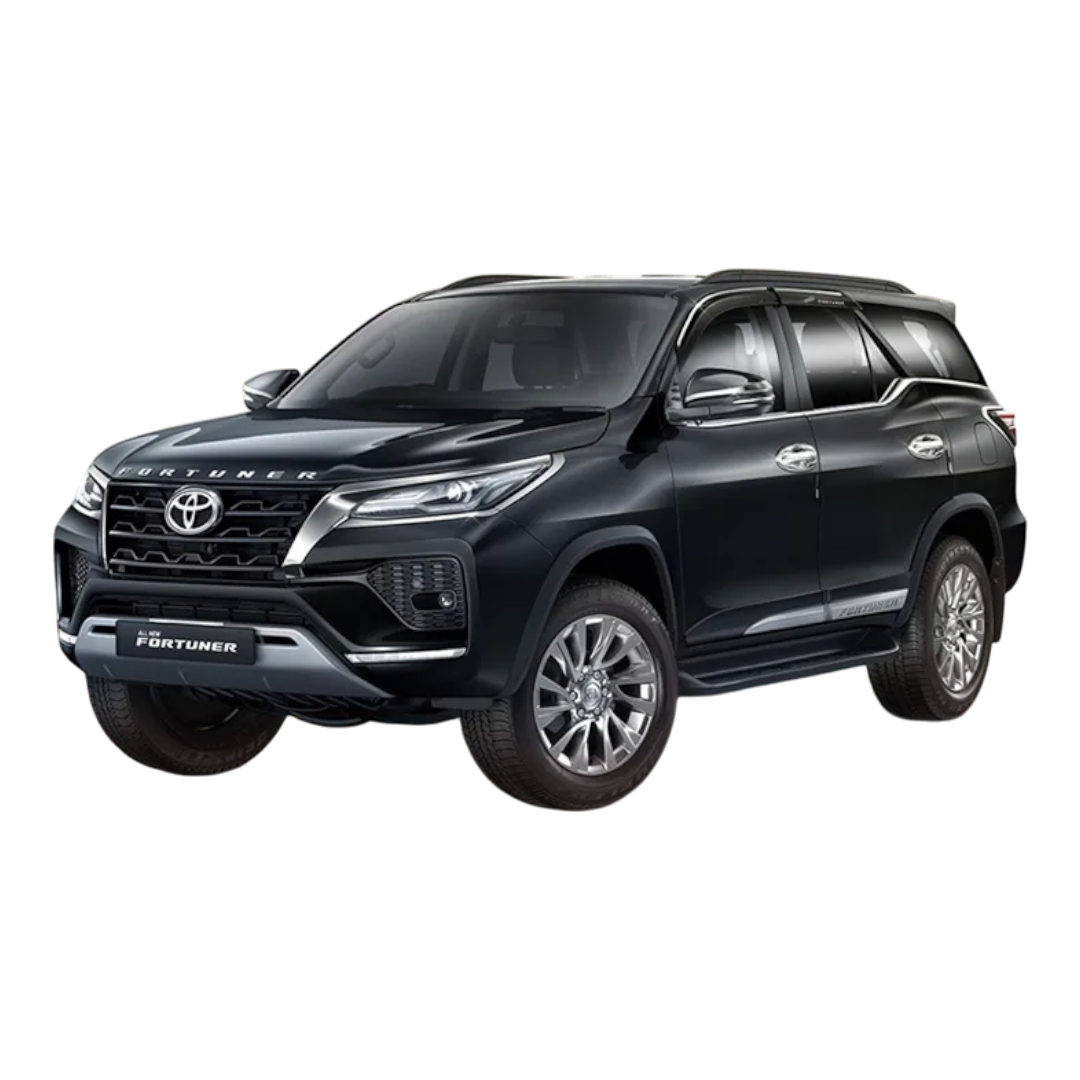 Fortuner
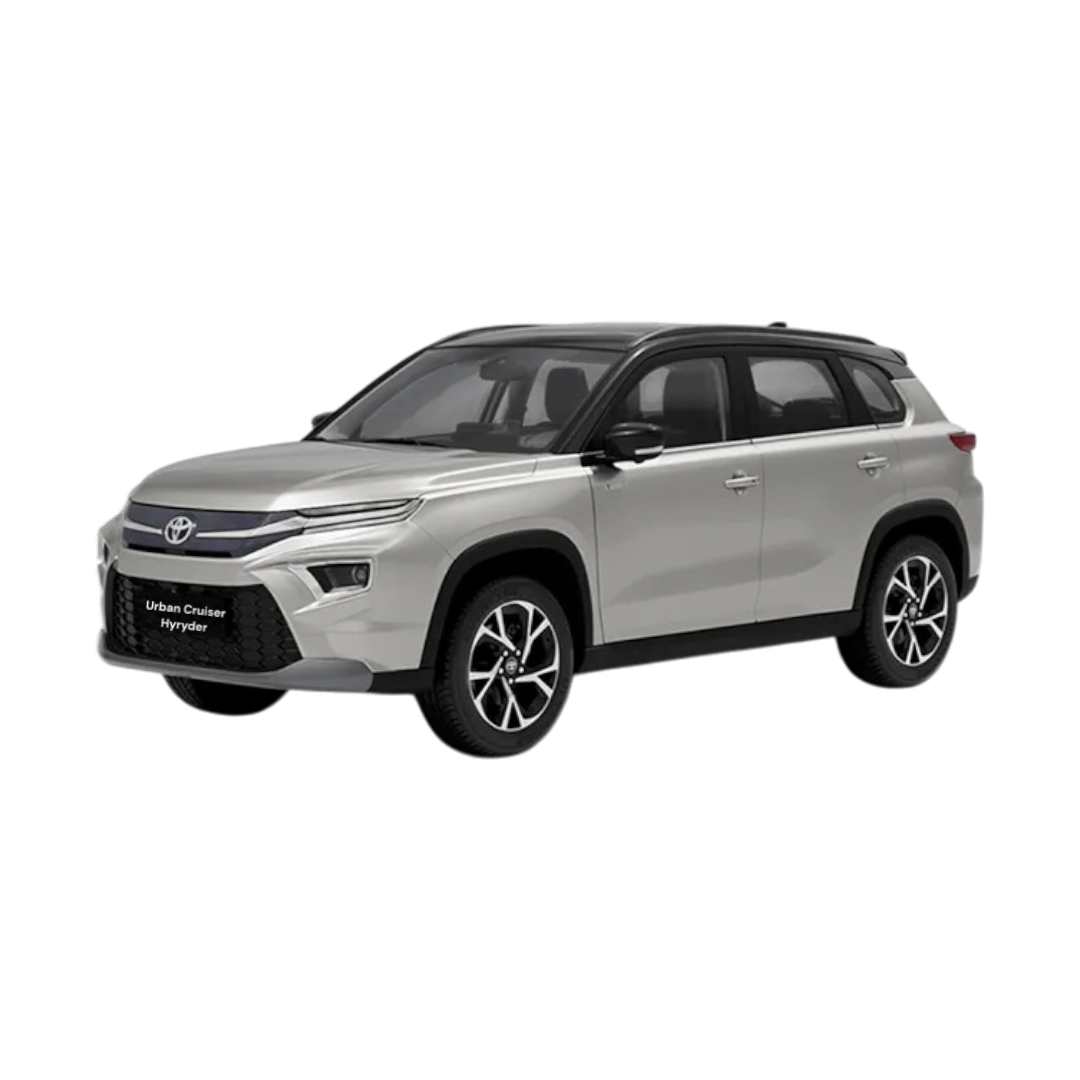 Urban Cruiser Hyryder
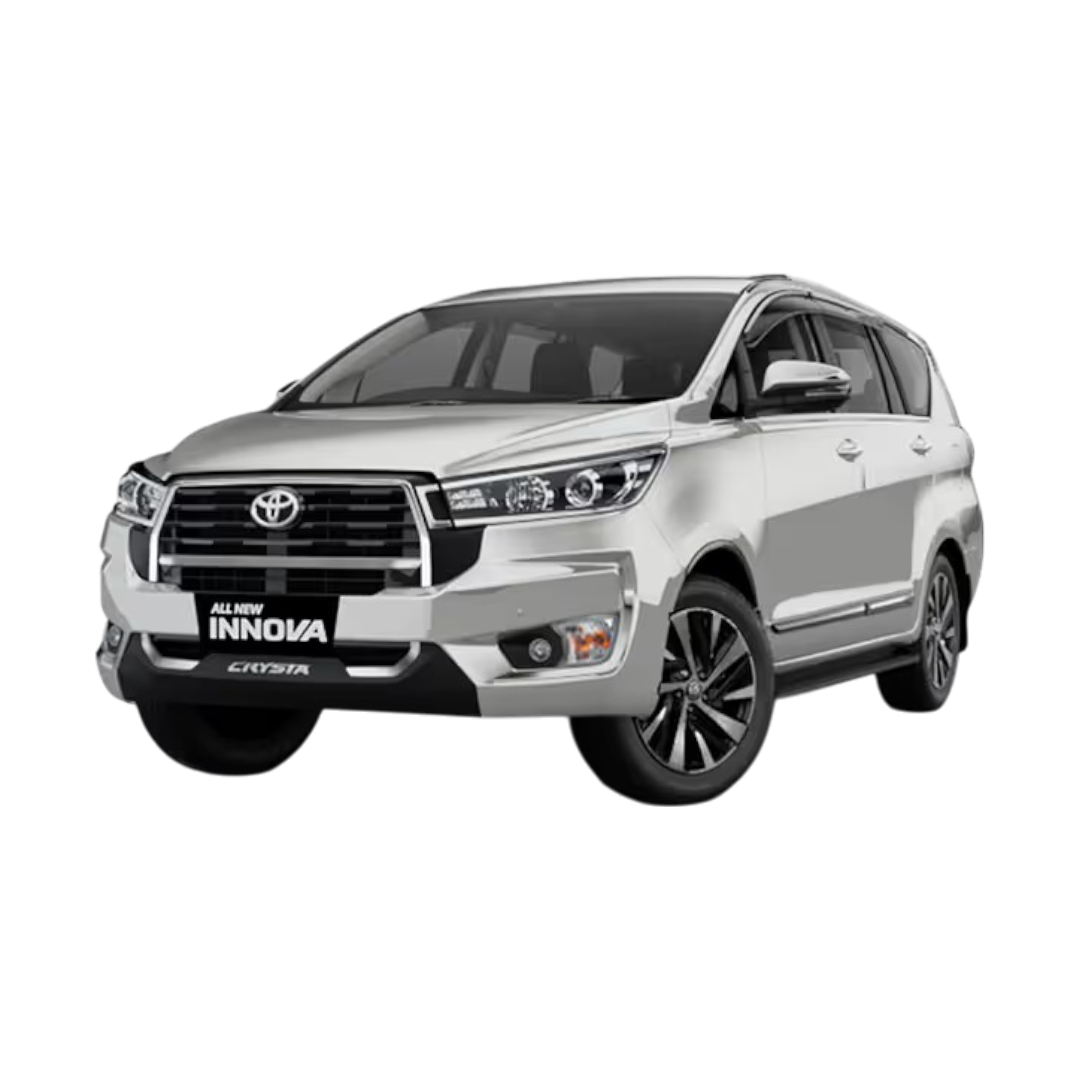 Innova Crysta
 Innova Hycross
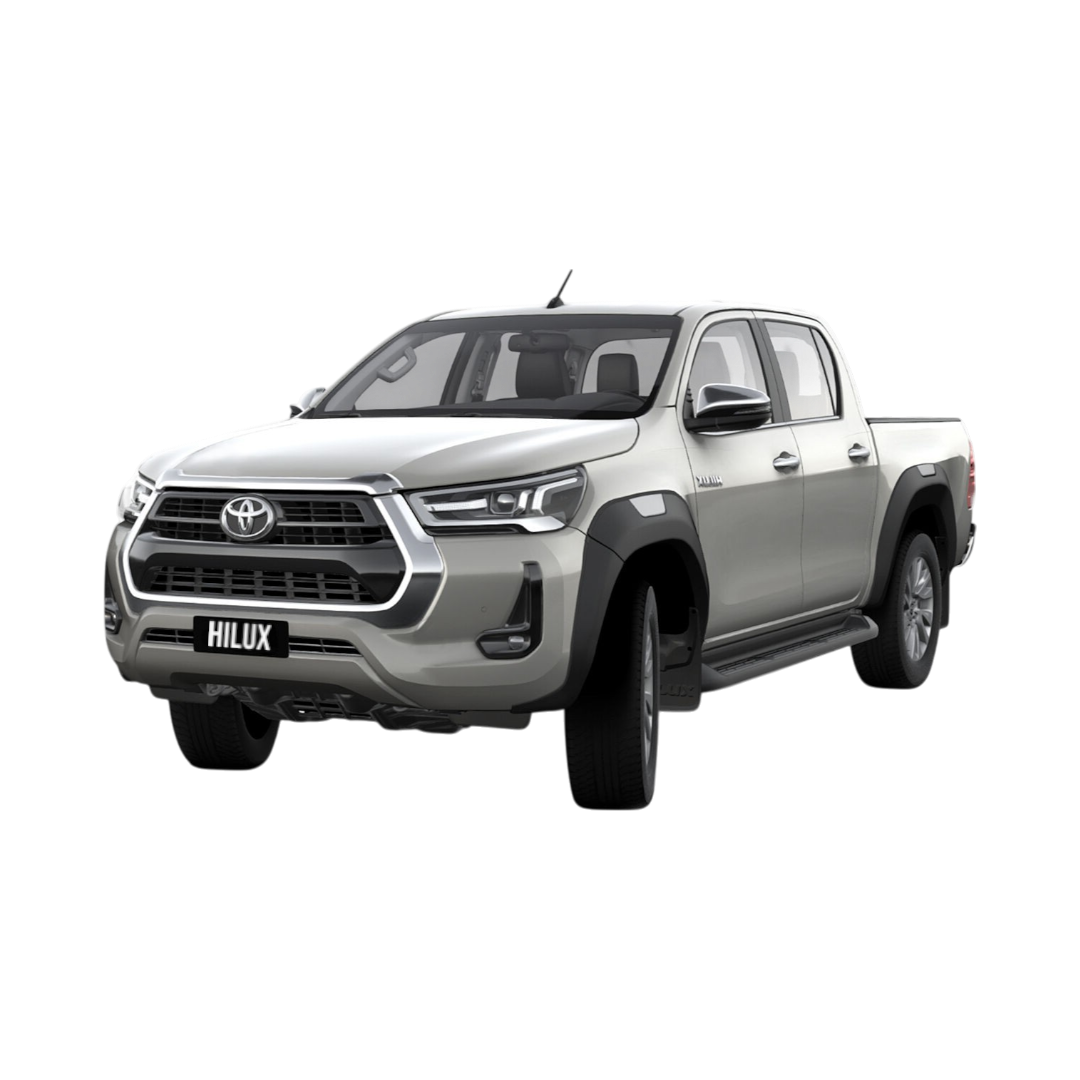 Hilux
Hilux
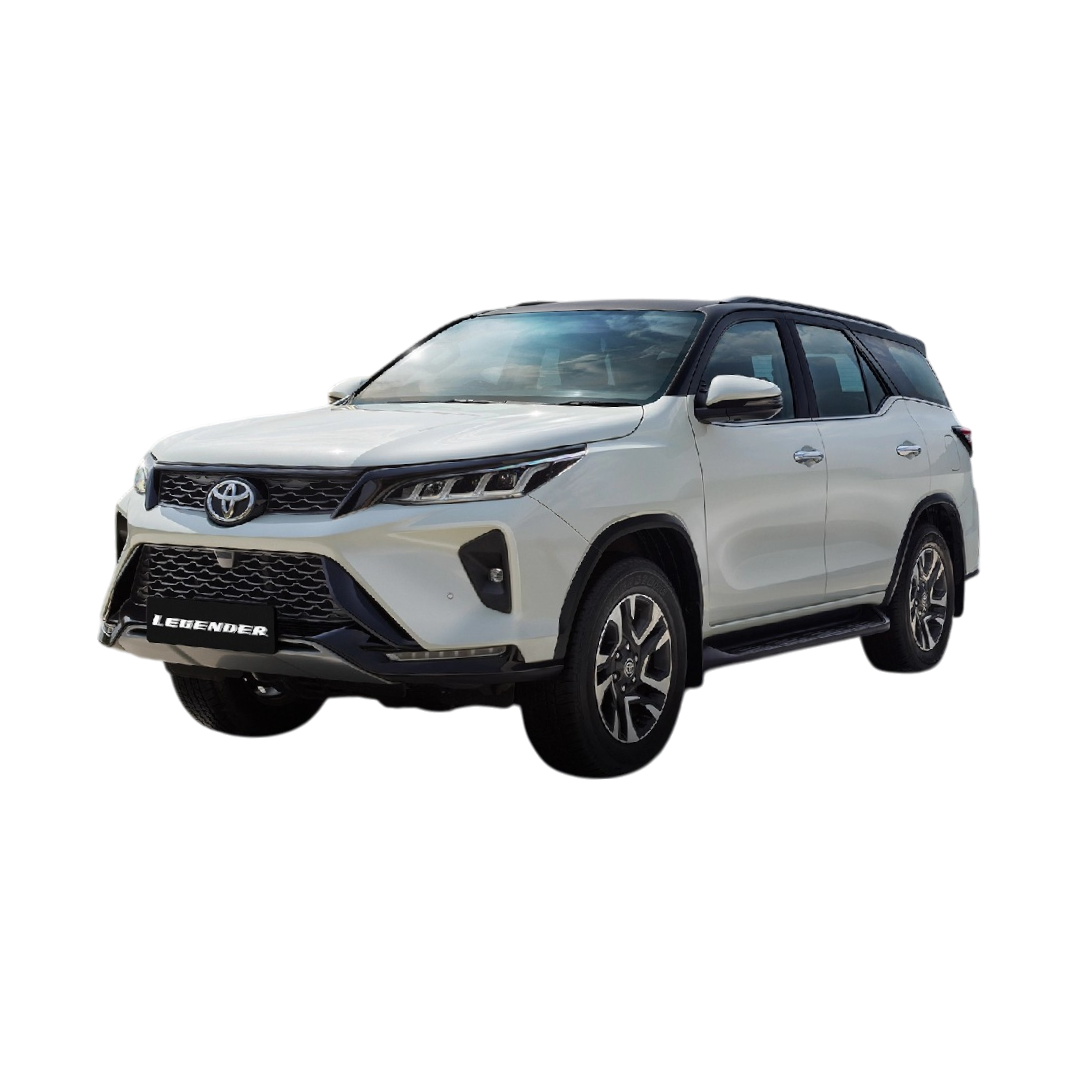 Fortuner Legender
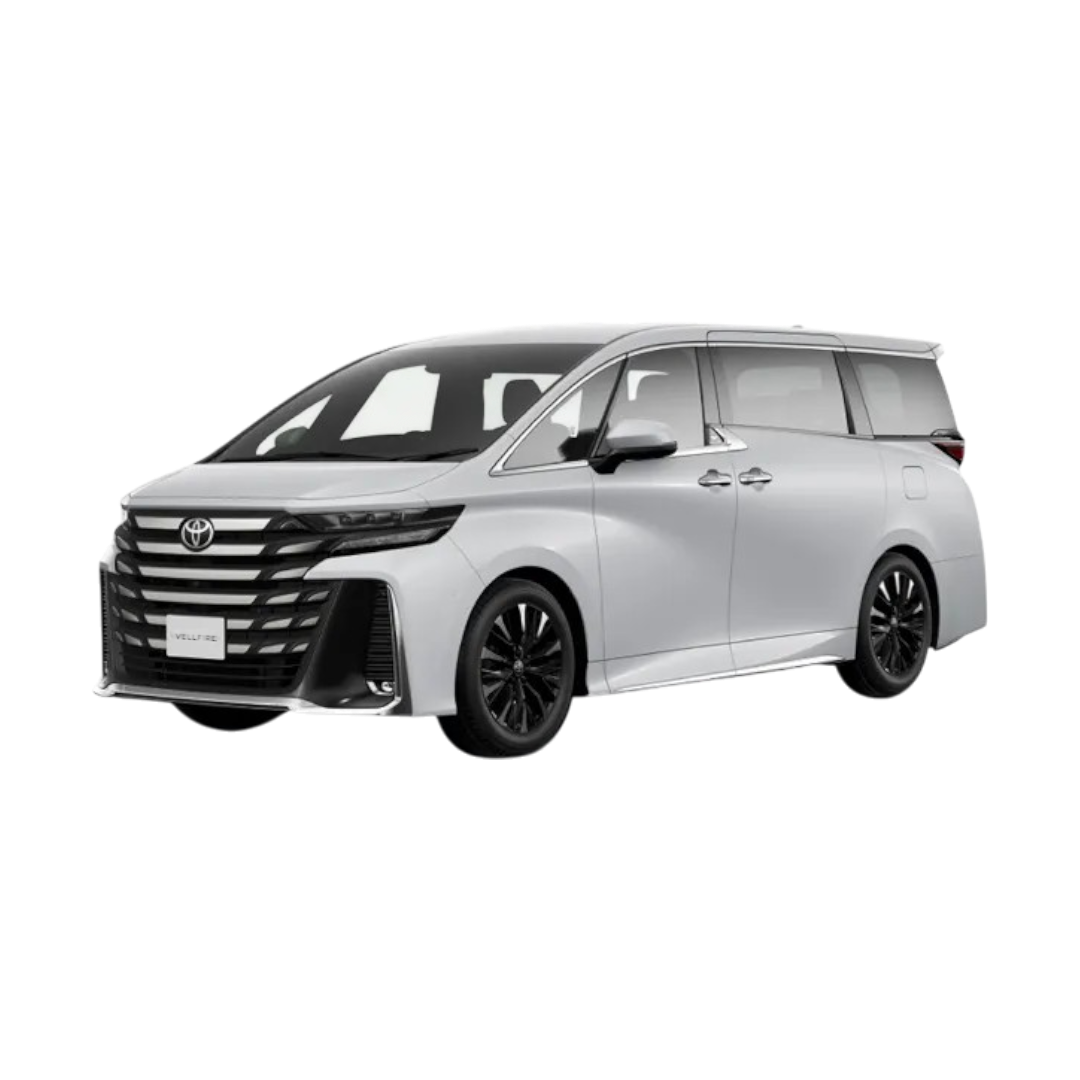 Vellfire
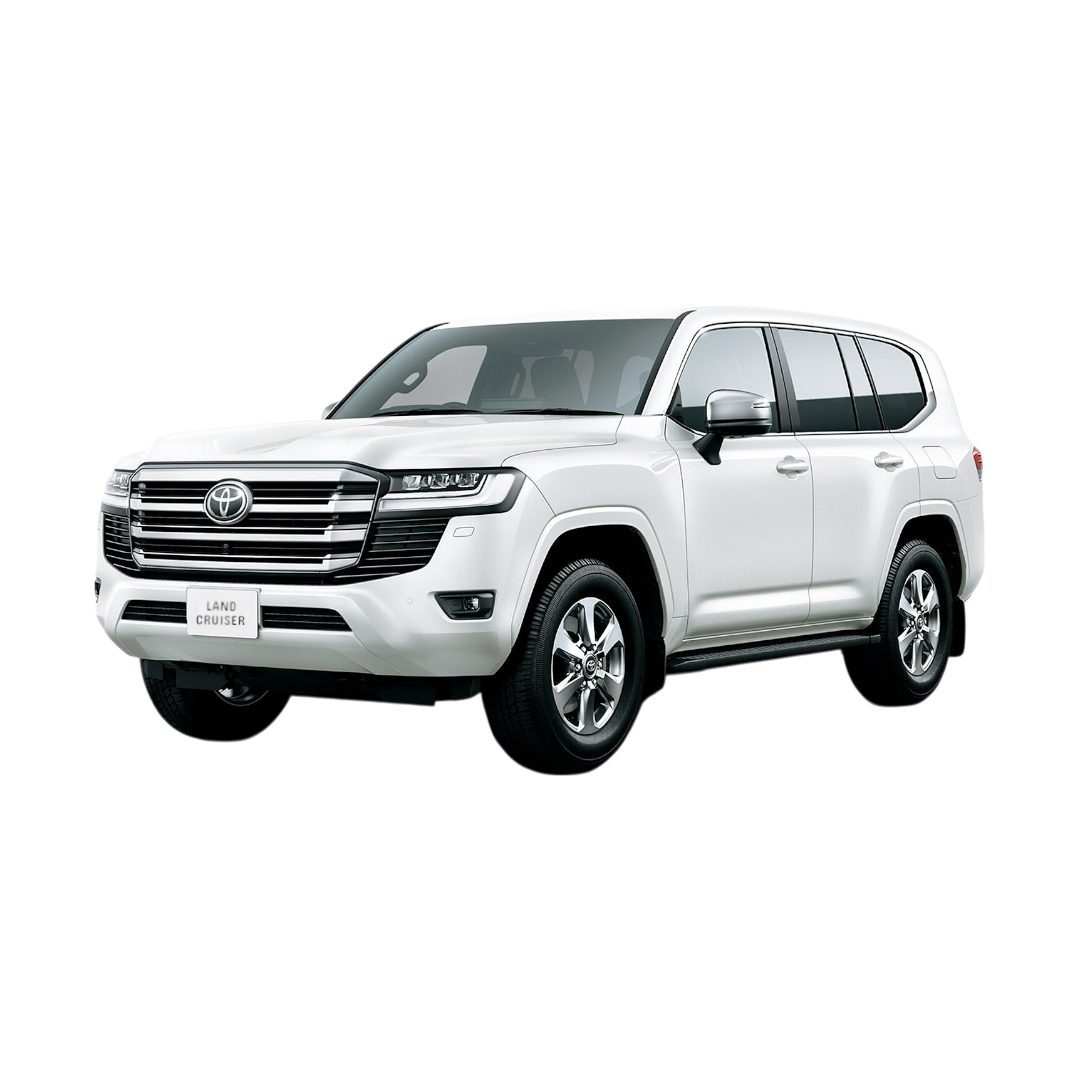 Land Cruiser
 Glanza
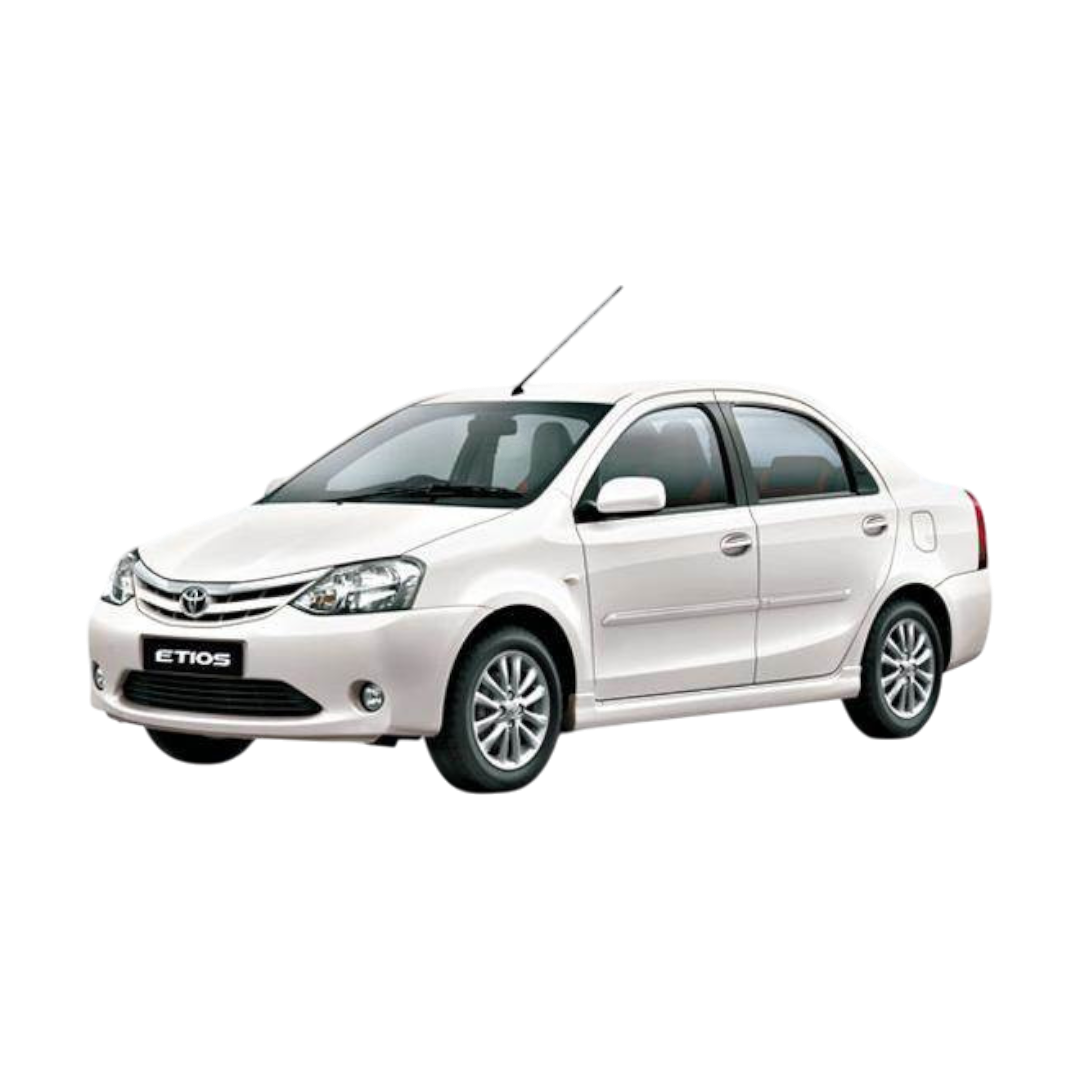 Etios
Etios
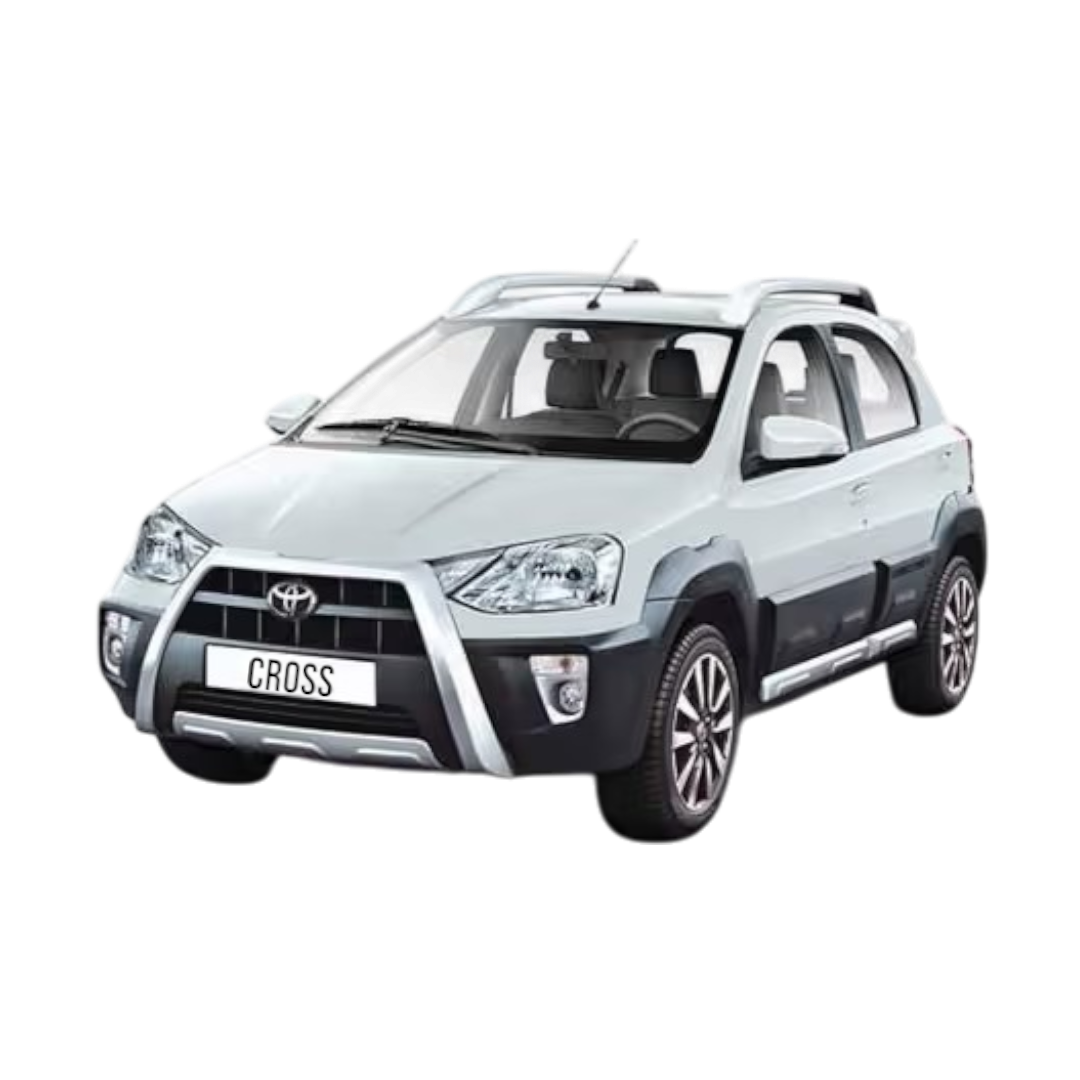 Etios cross
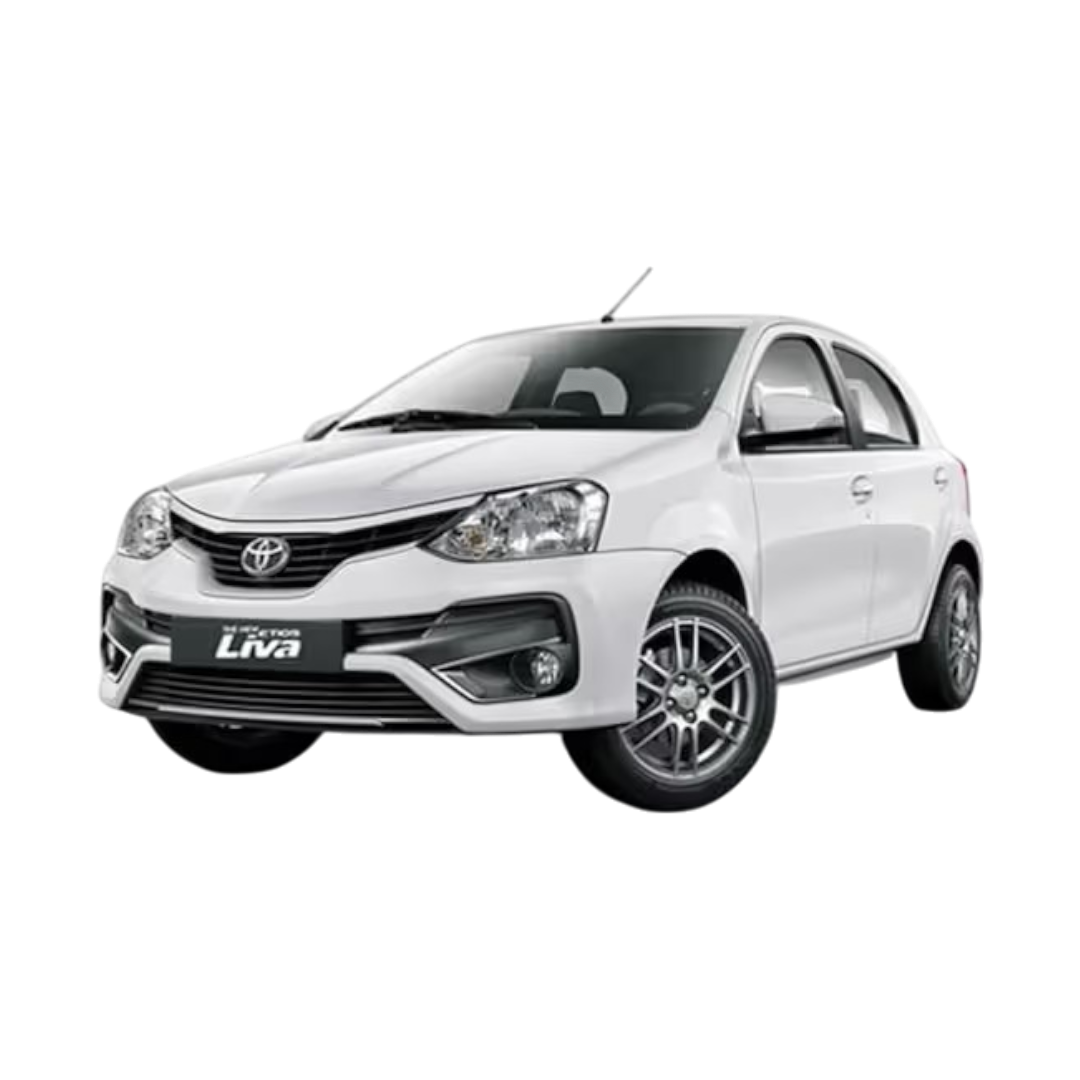 Etios Liva
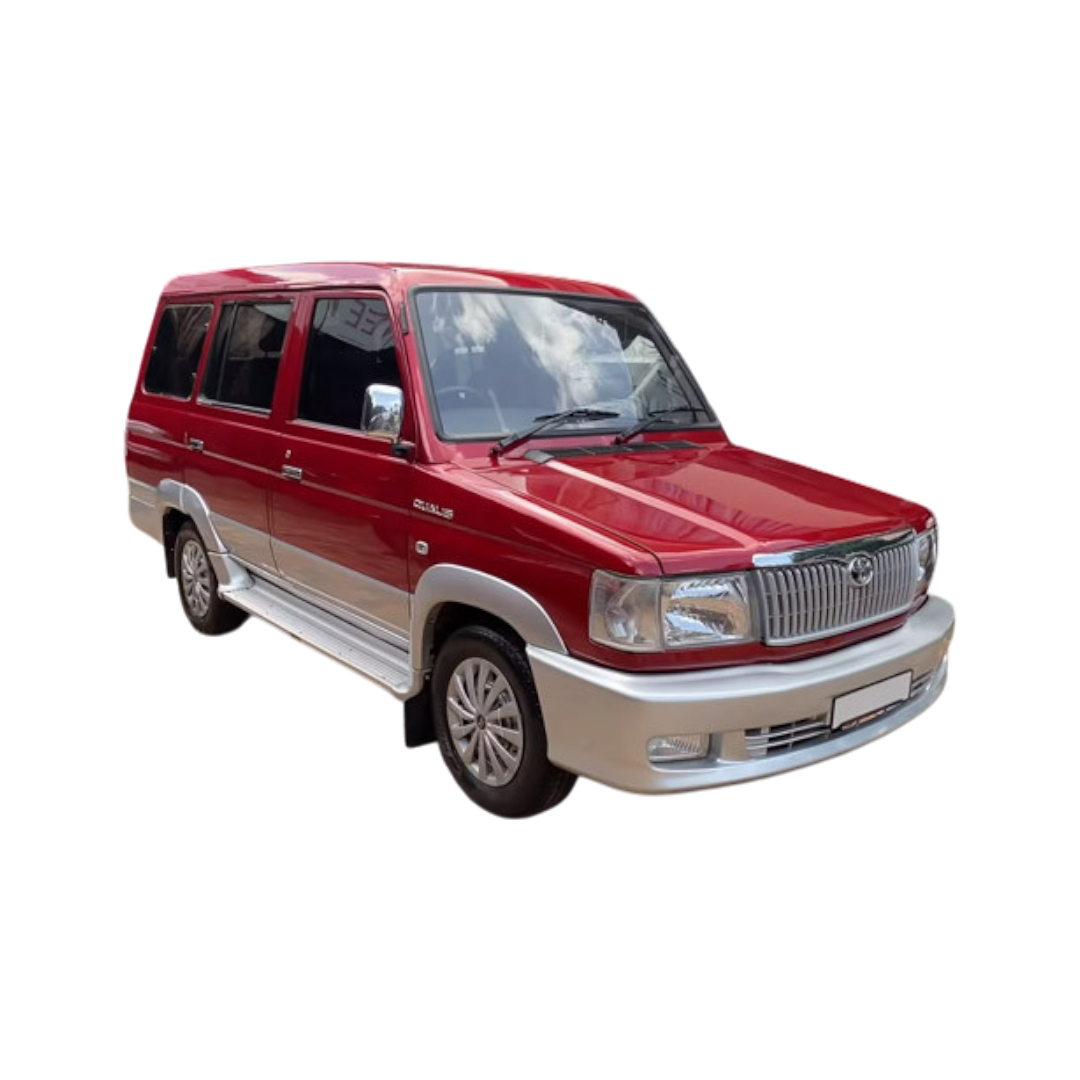 Qualis
 Innova
 Rumion
Taisor
Corolla Altis
Hyryder
Rumion
Taisor
Corolla Altis
Hyryder
 Bolero
 Marazzo
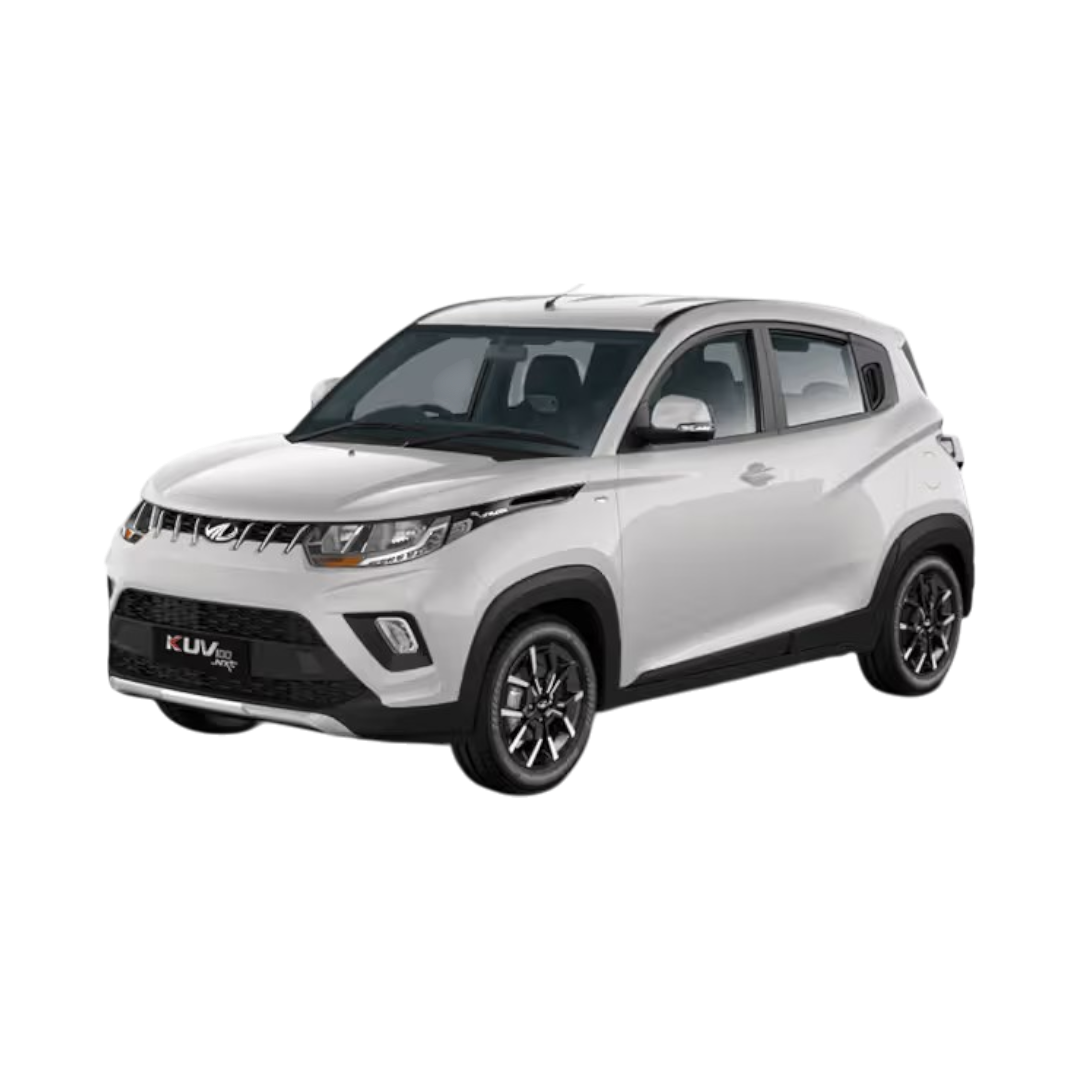 KUV100 NXT
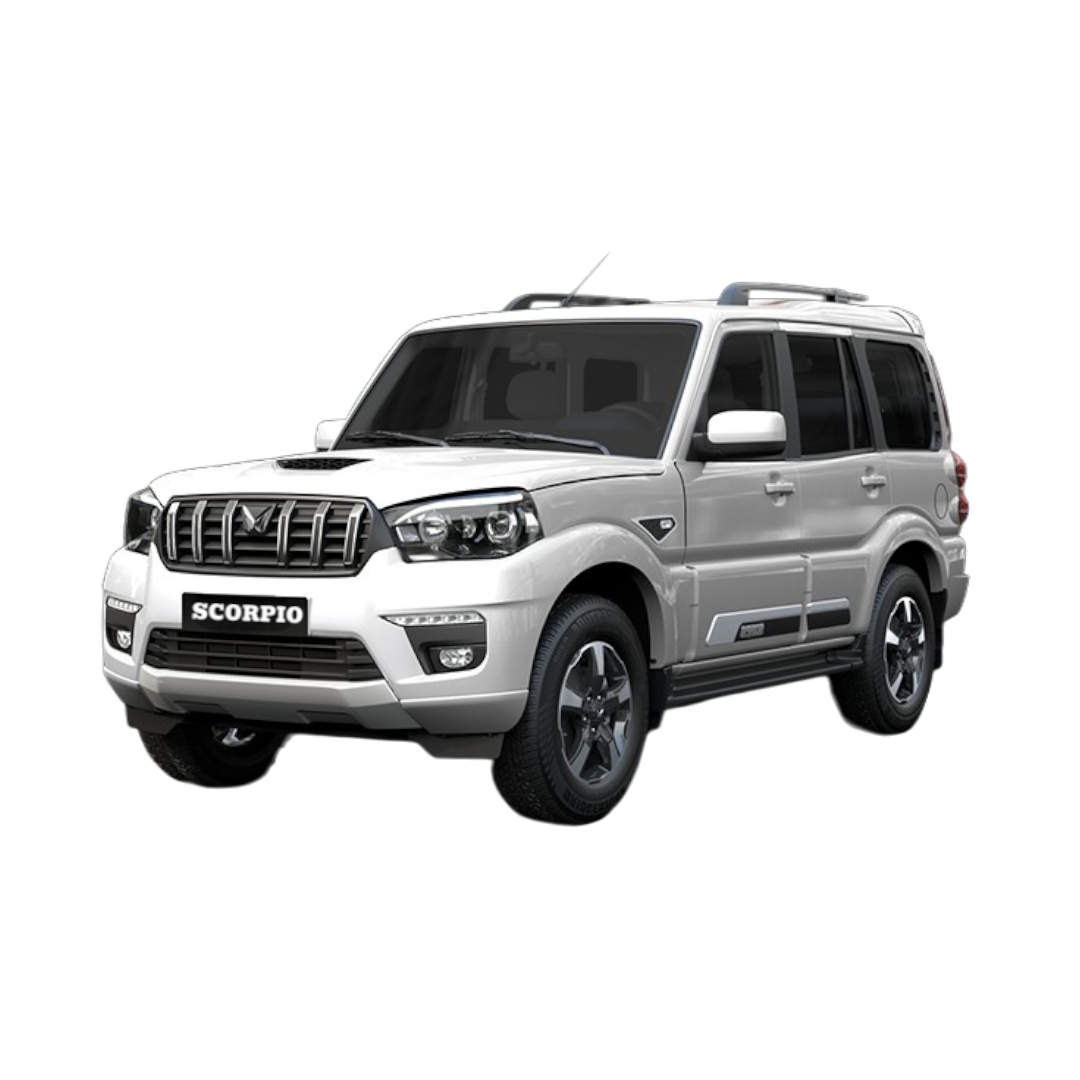 Scorpio
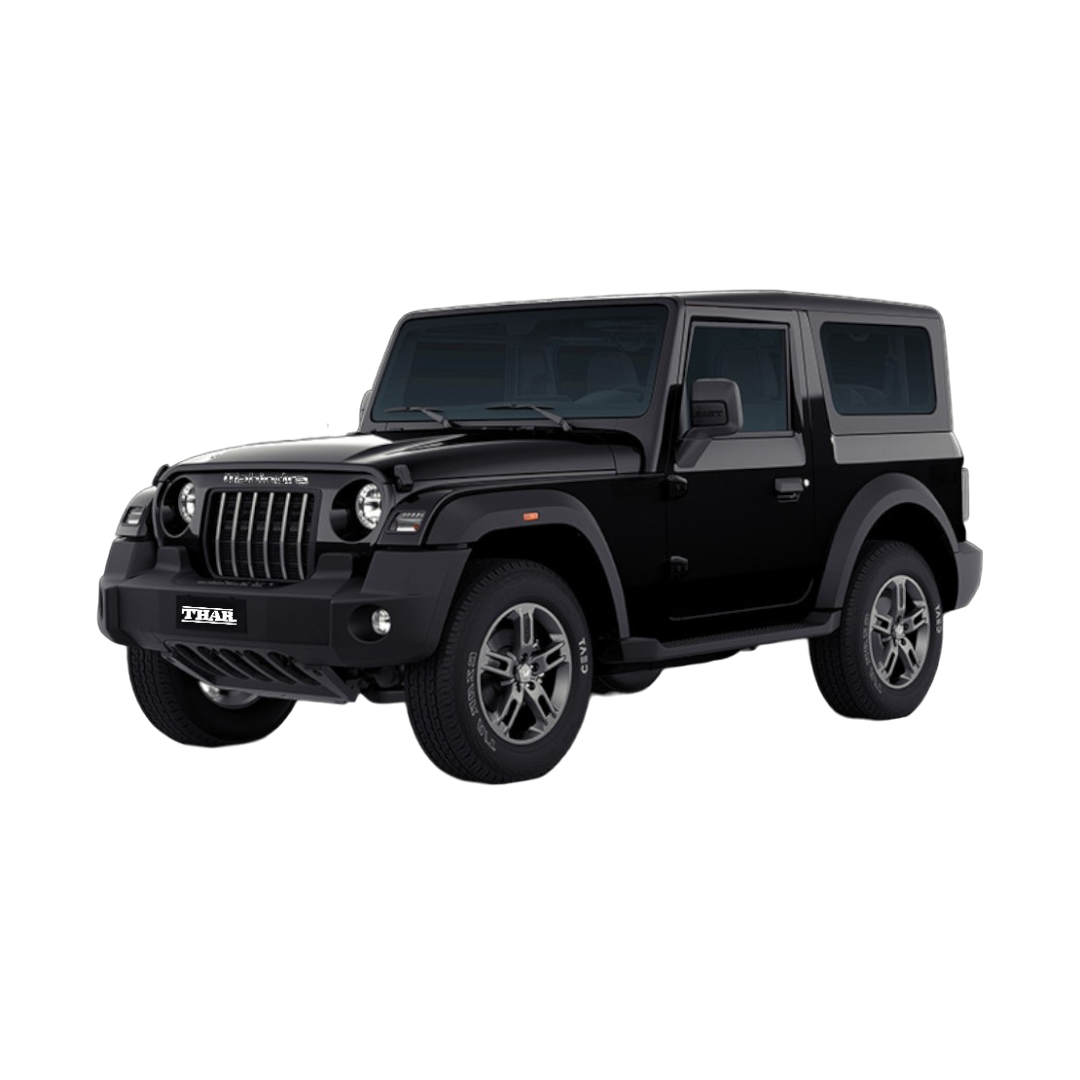 Thar
Thar
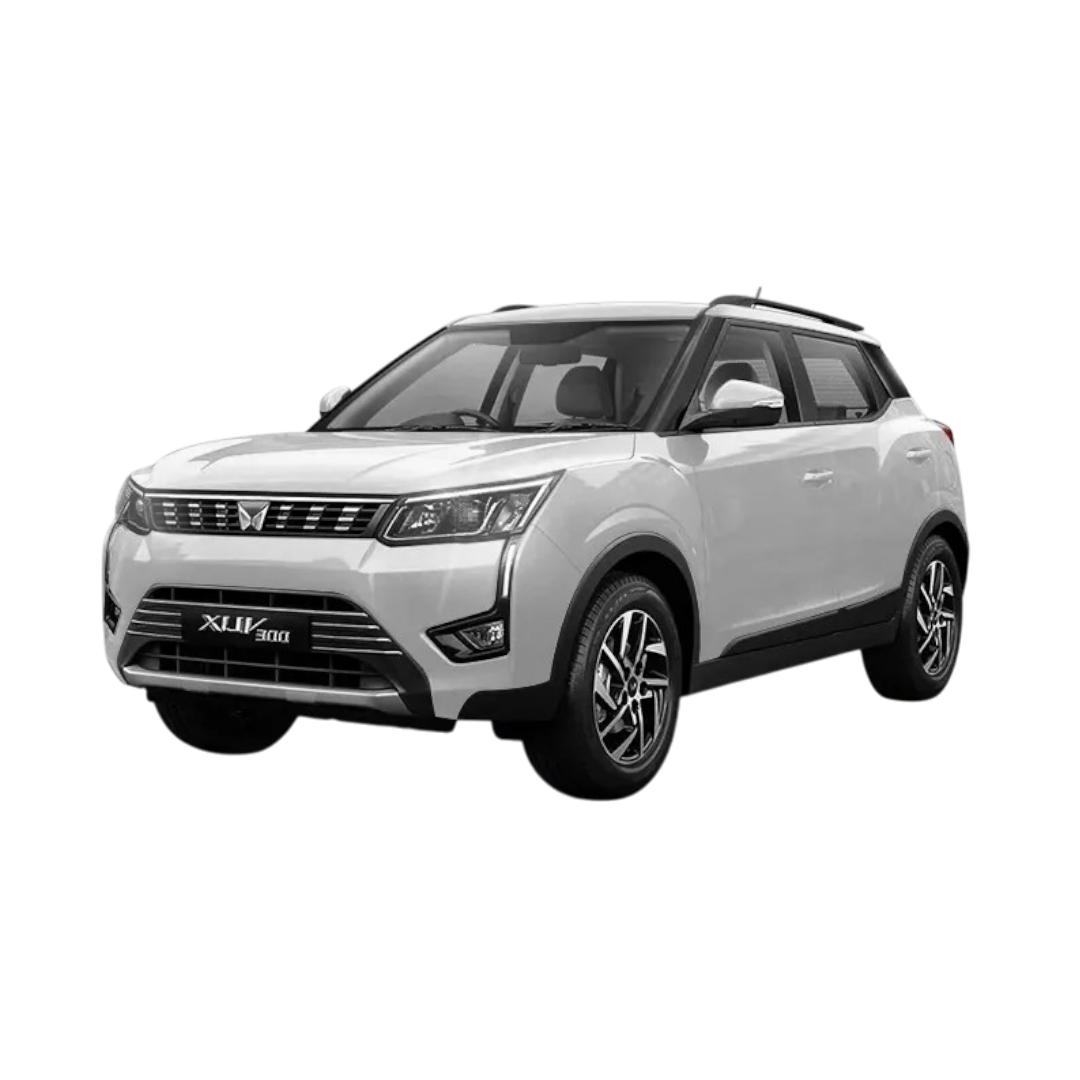 XUV 300
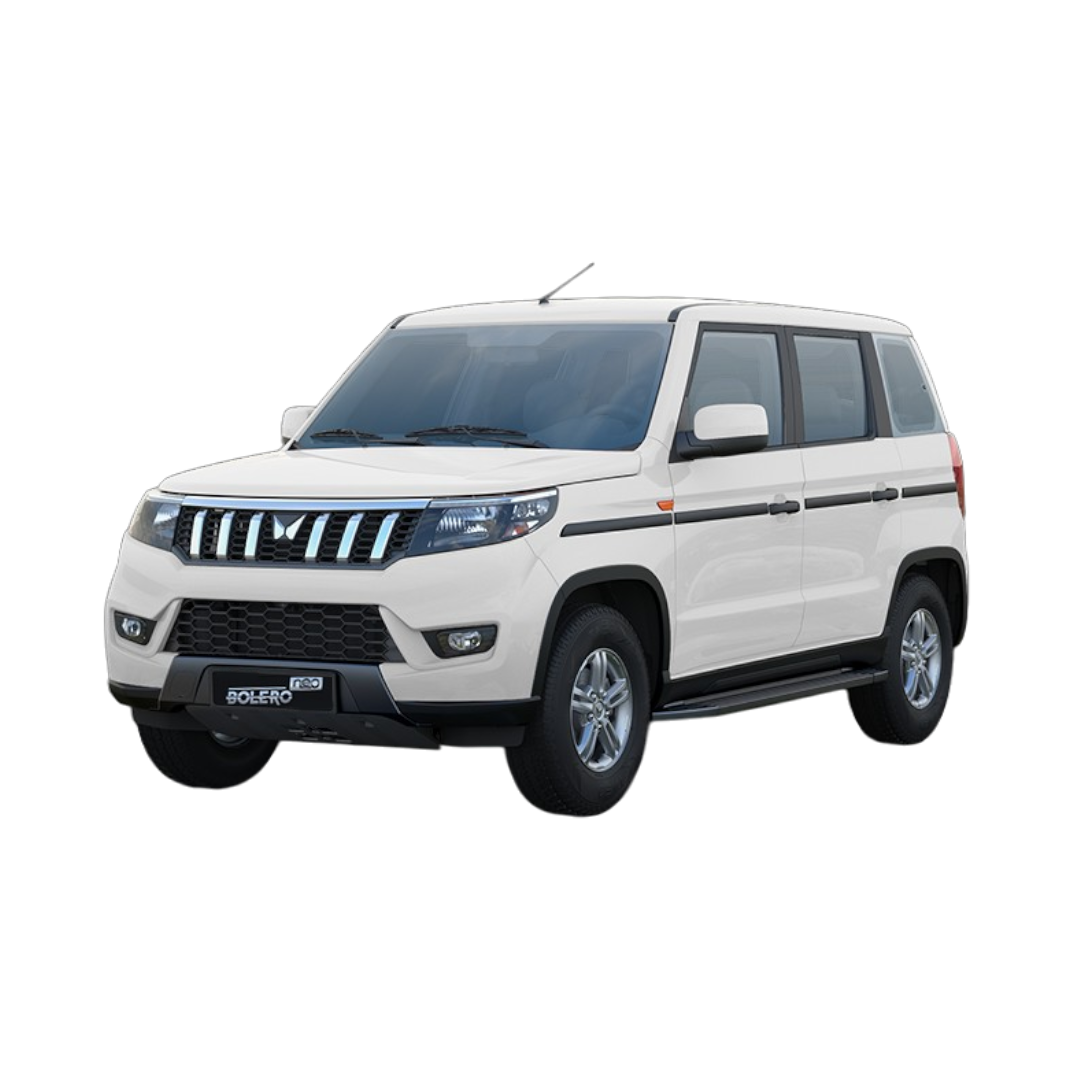 Bolero Neo
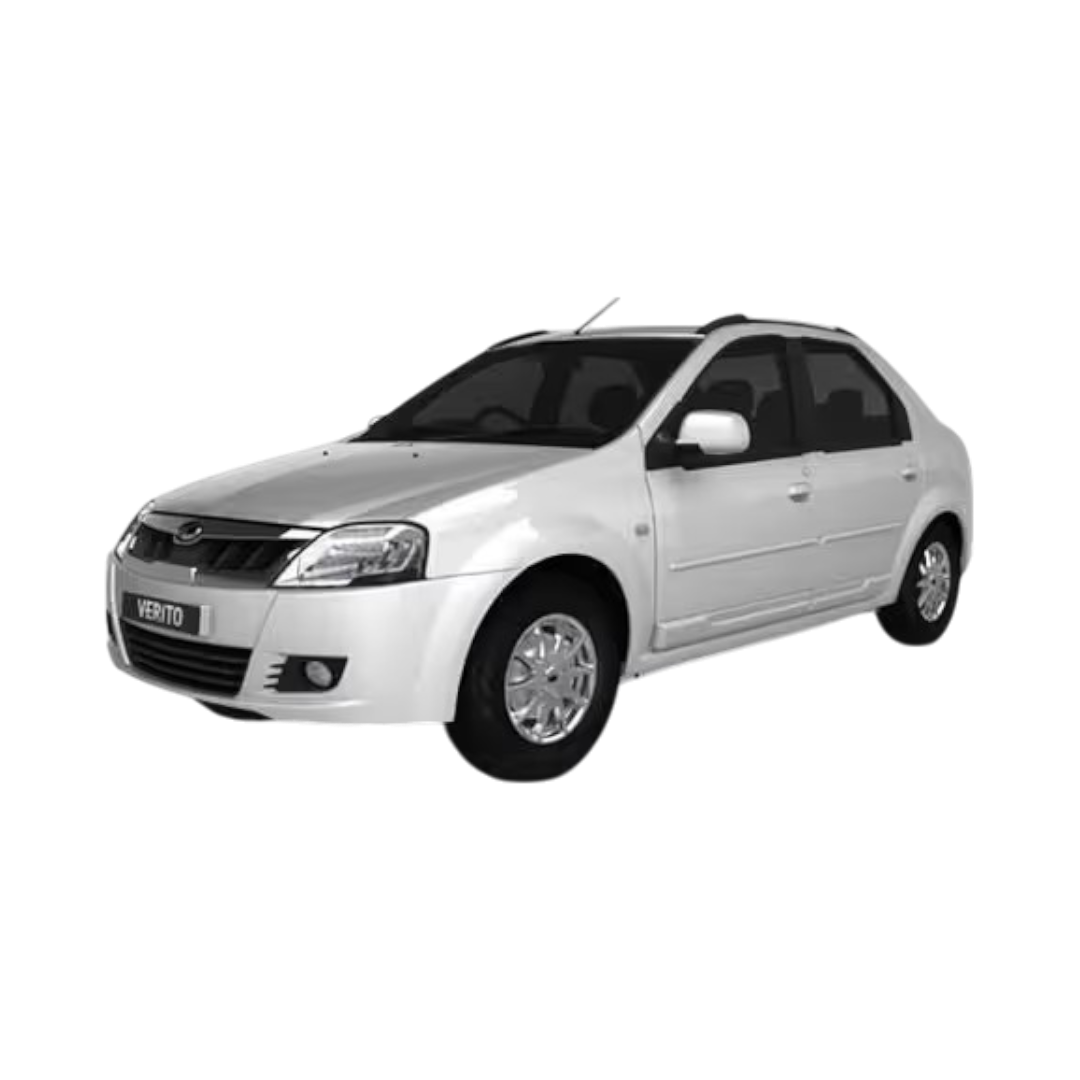 Verito
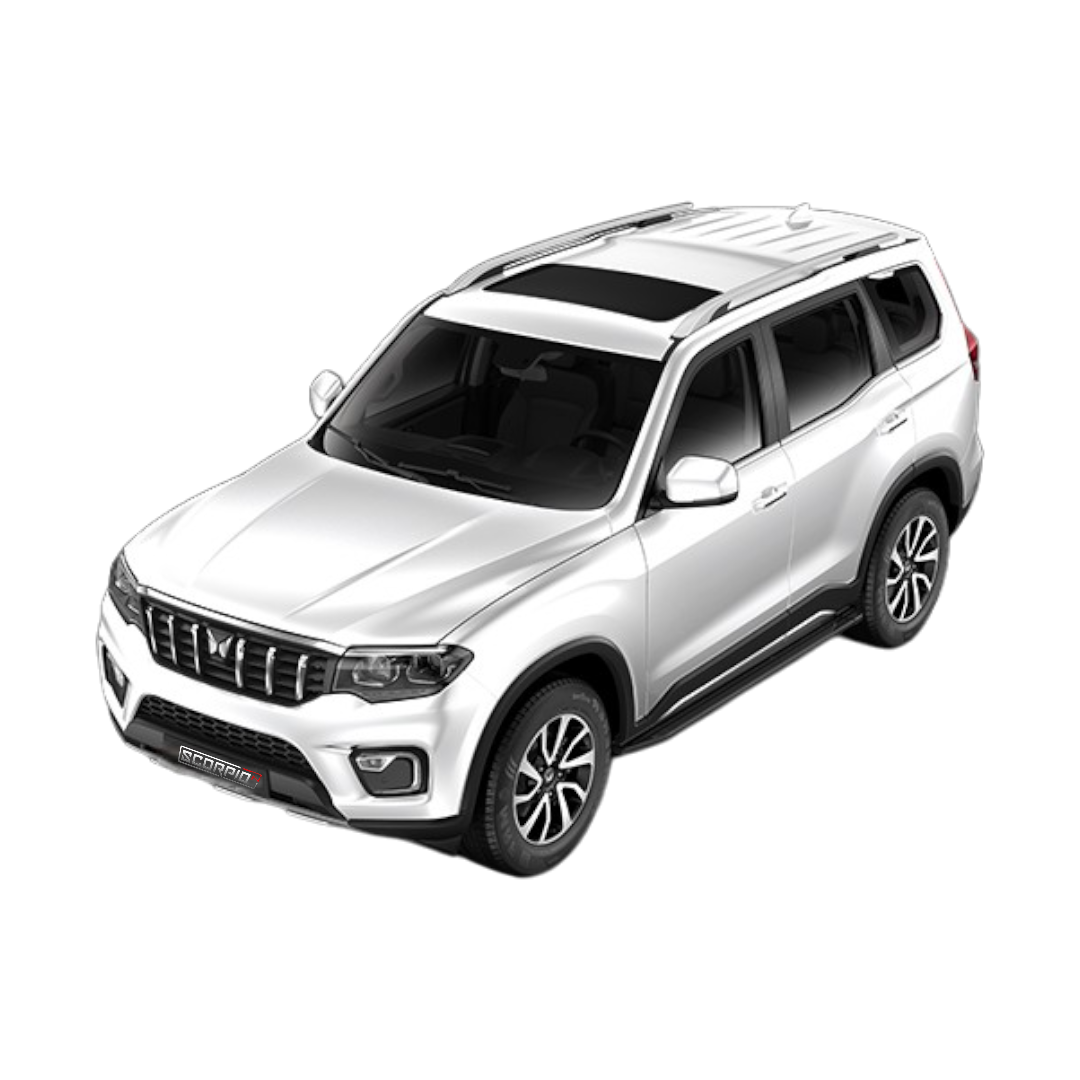 Scorpio-N
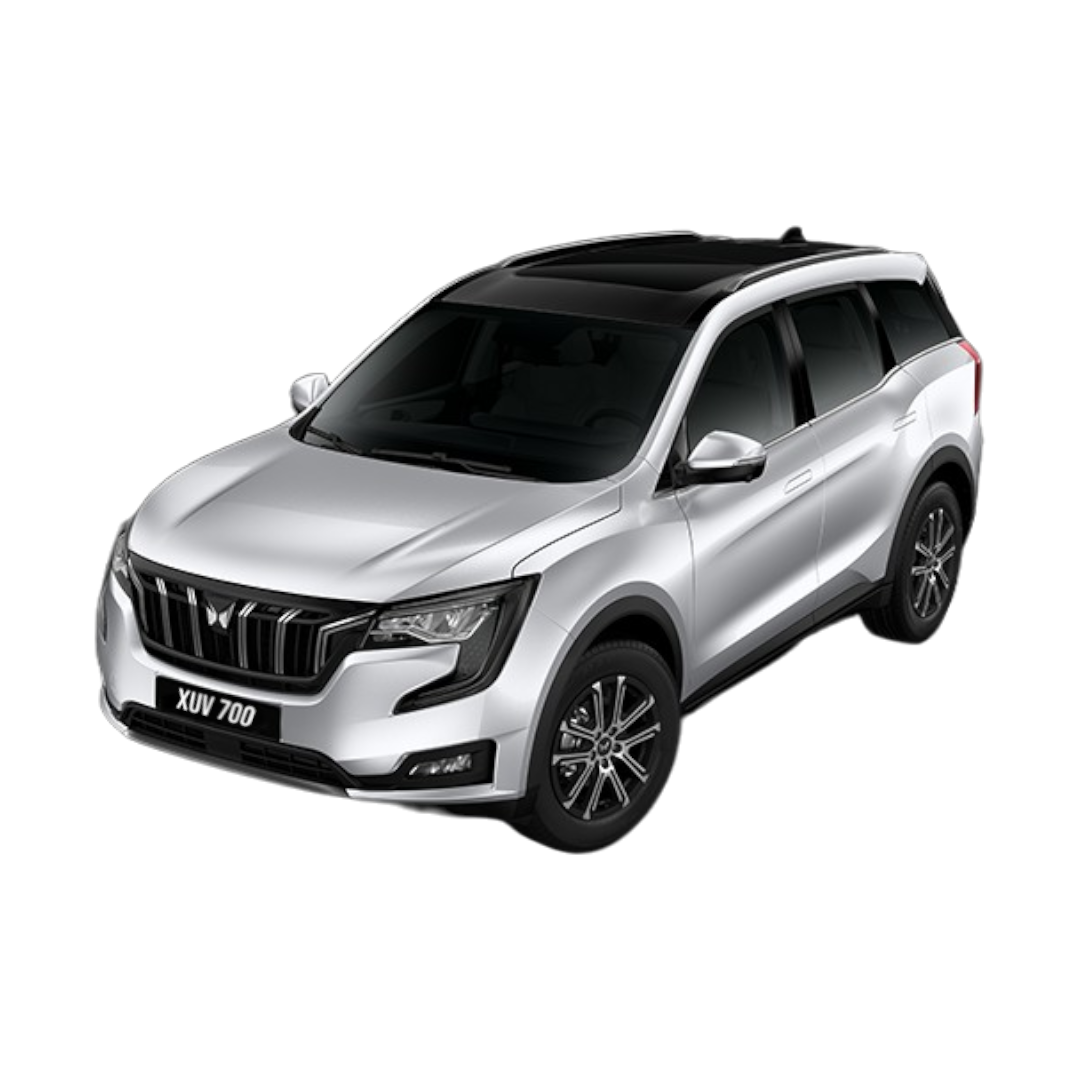 XUV 700
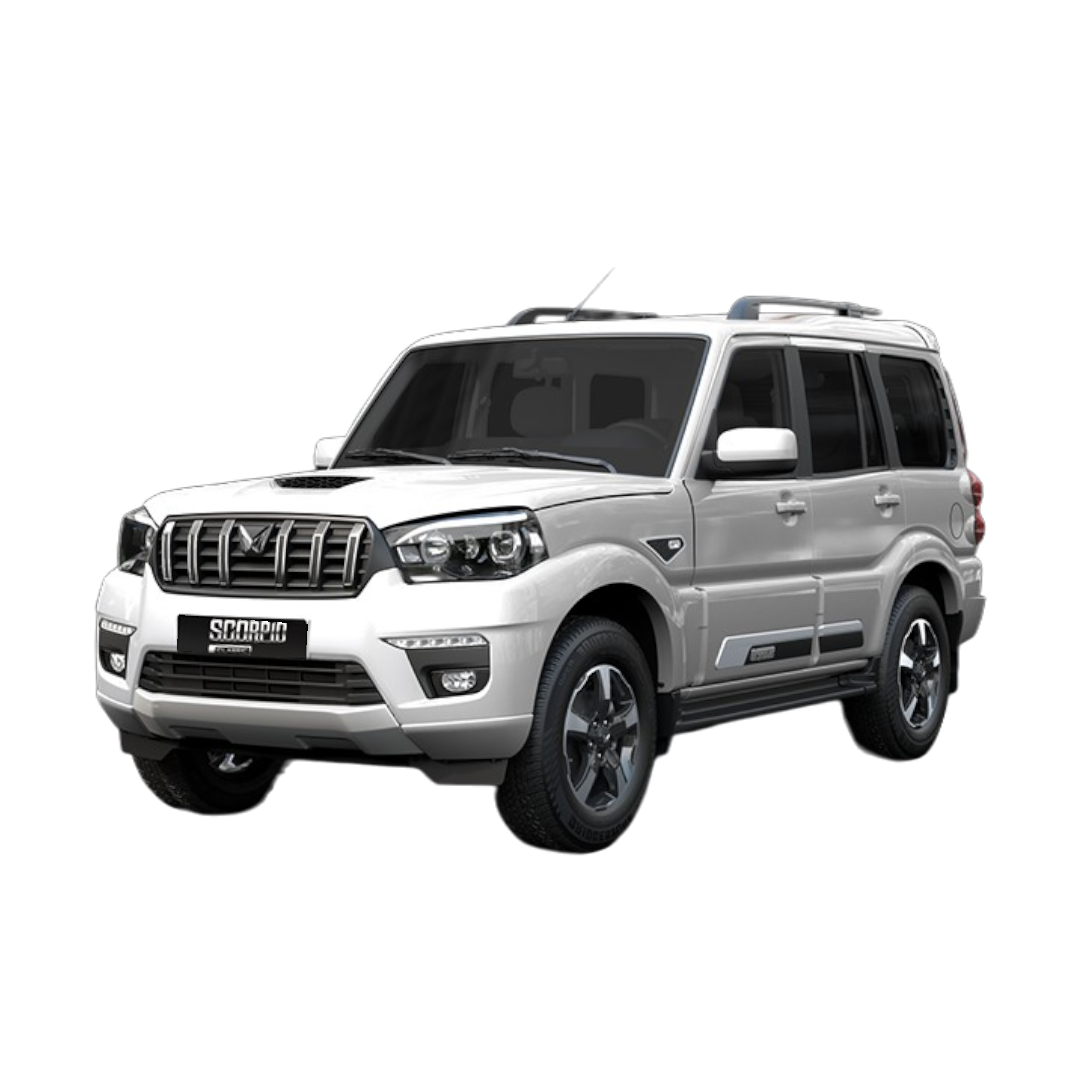 Scorpio Classic
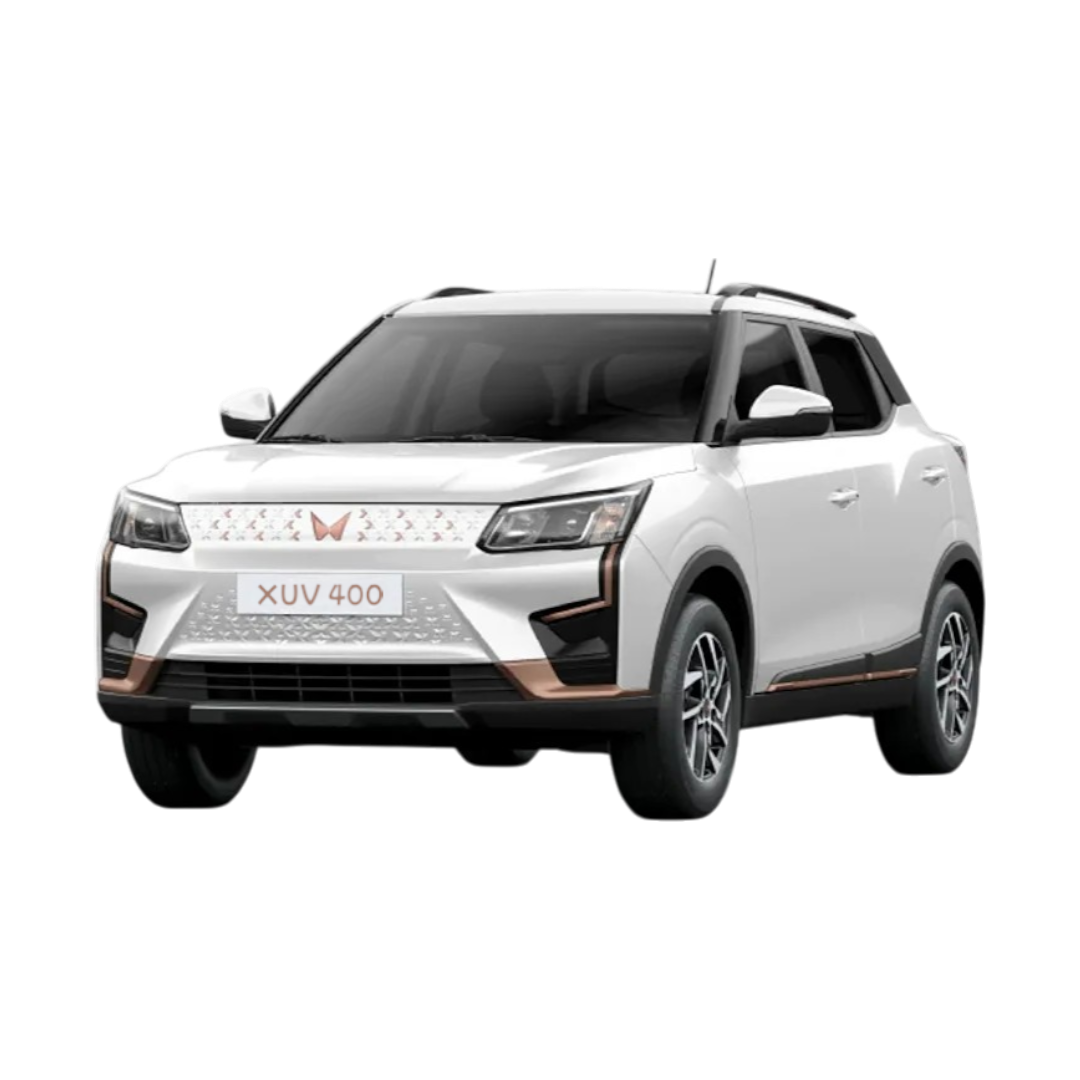 XUV400
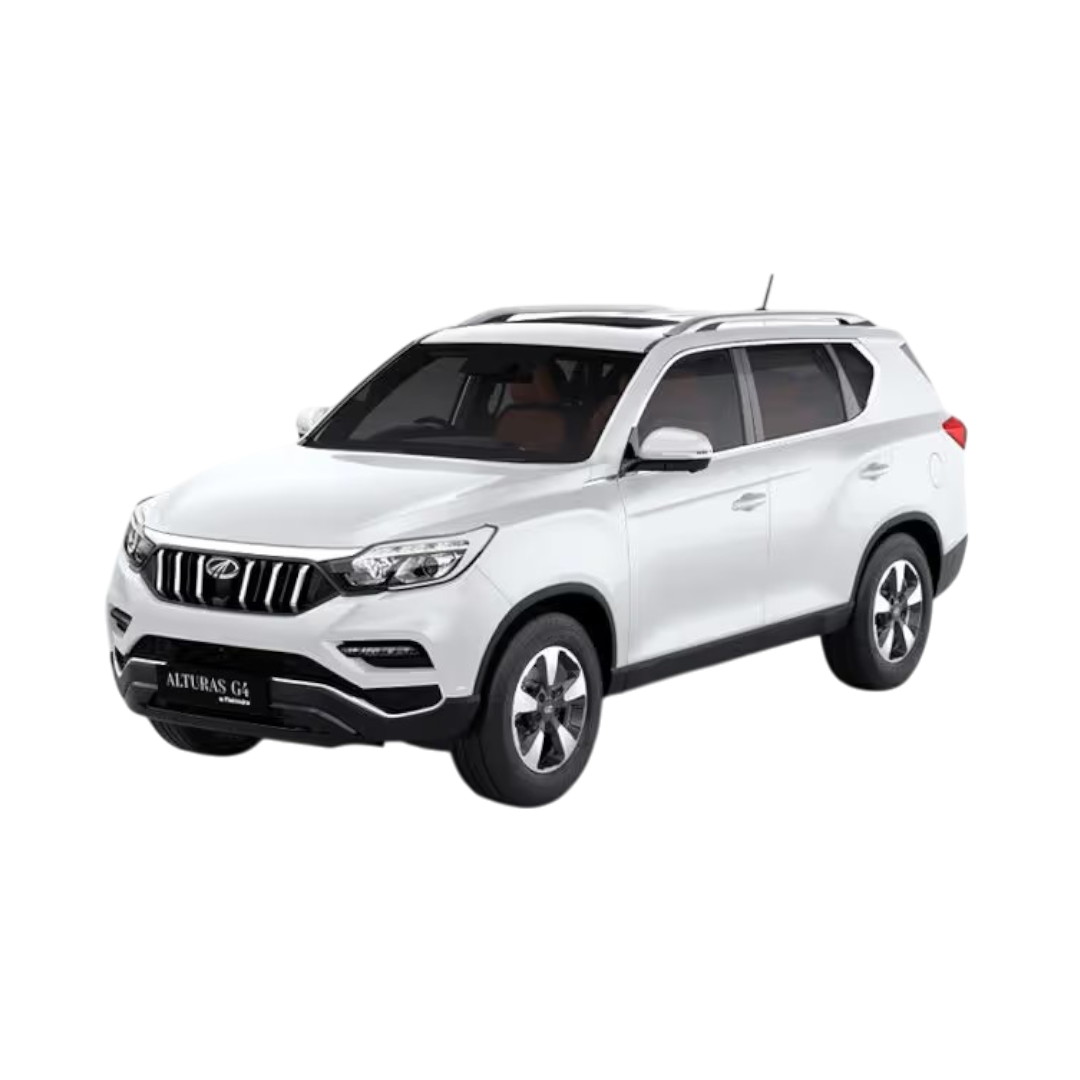 Alturas
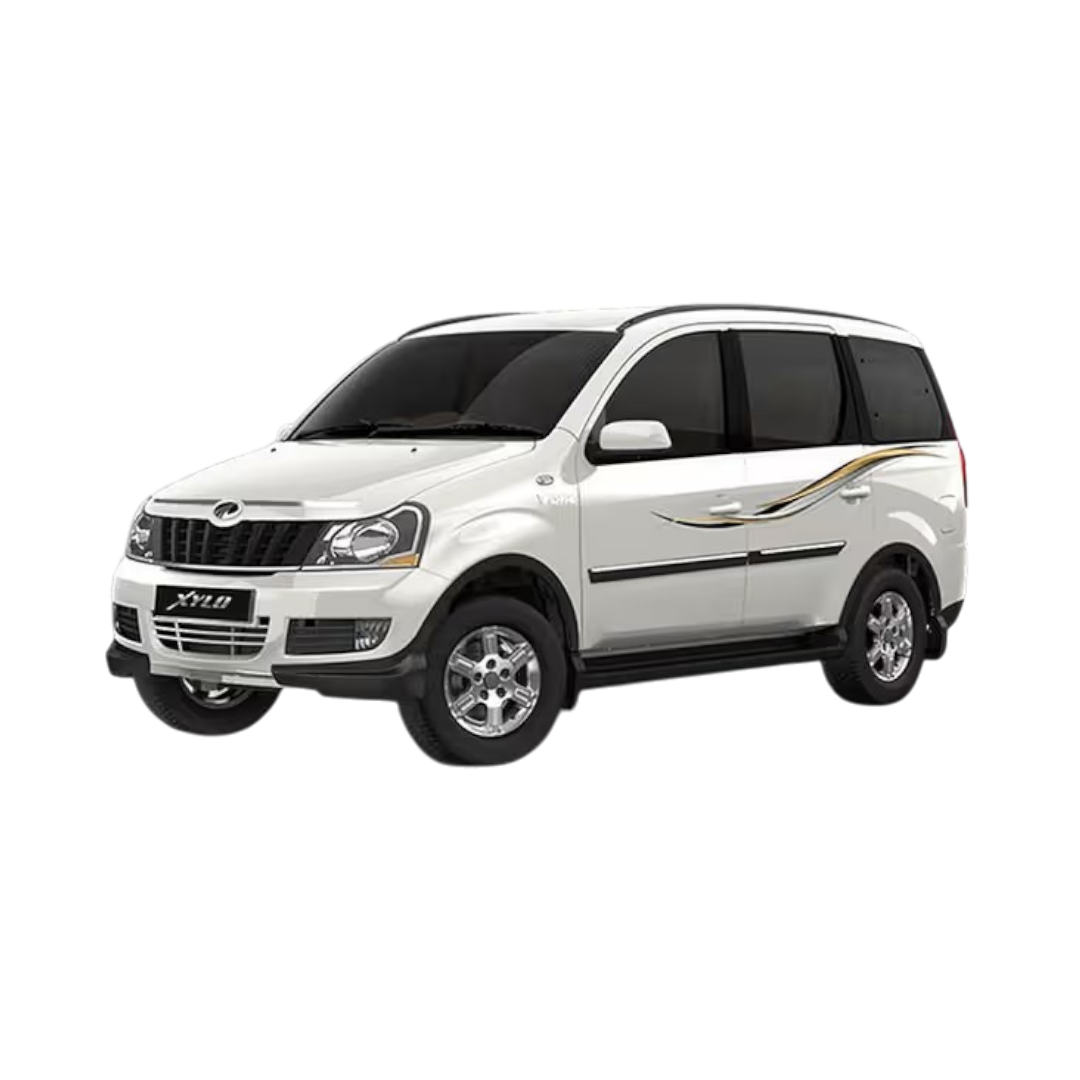 Xylo
Xylo
 Quanto
 Logan
Logan
 XUV 500
 TUV 300
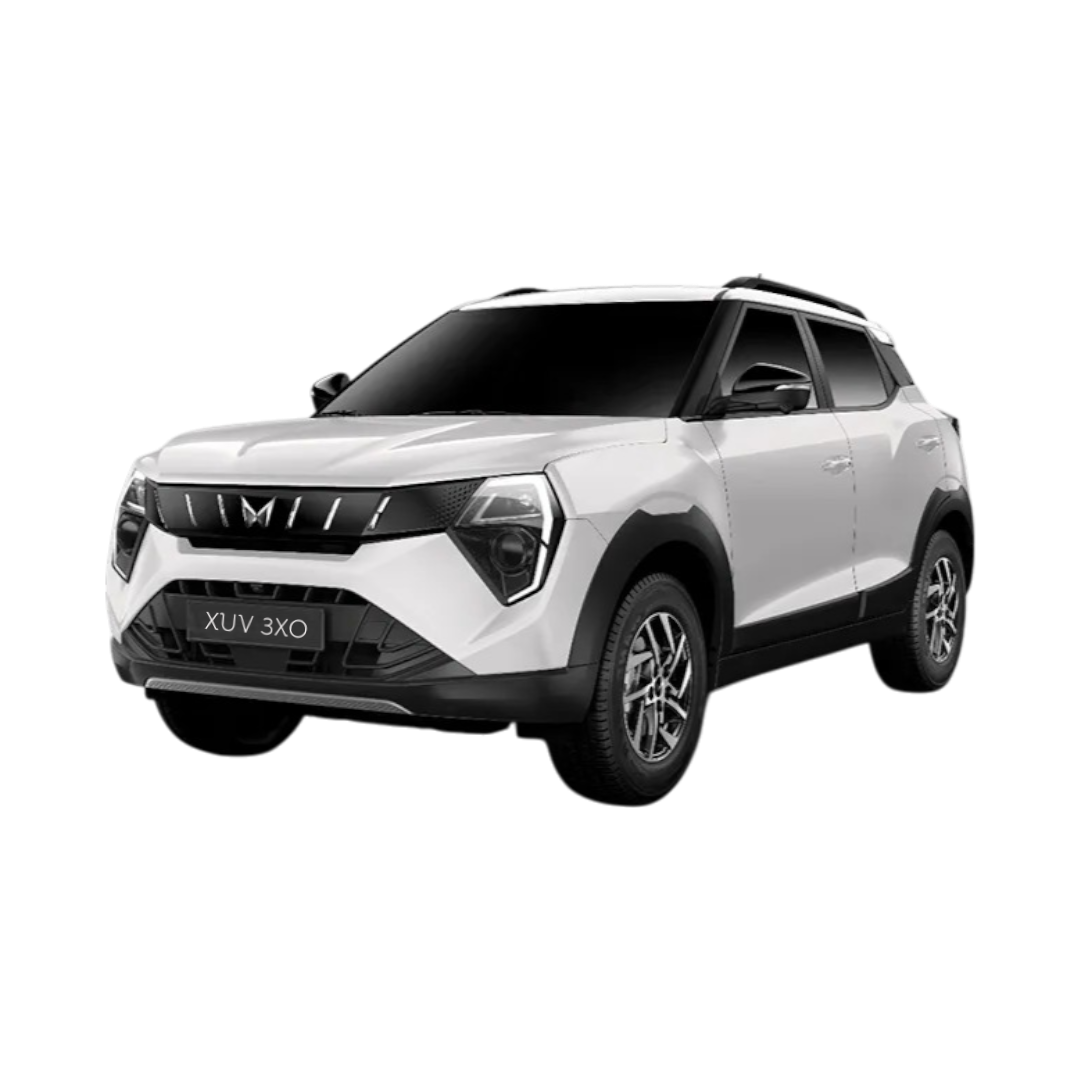 XUV 3XO
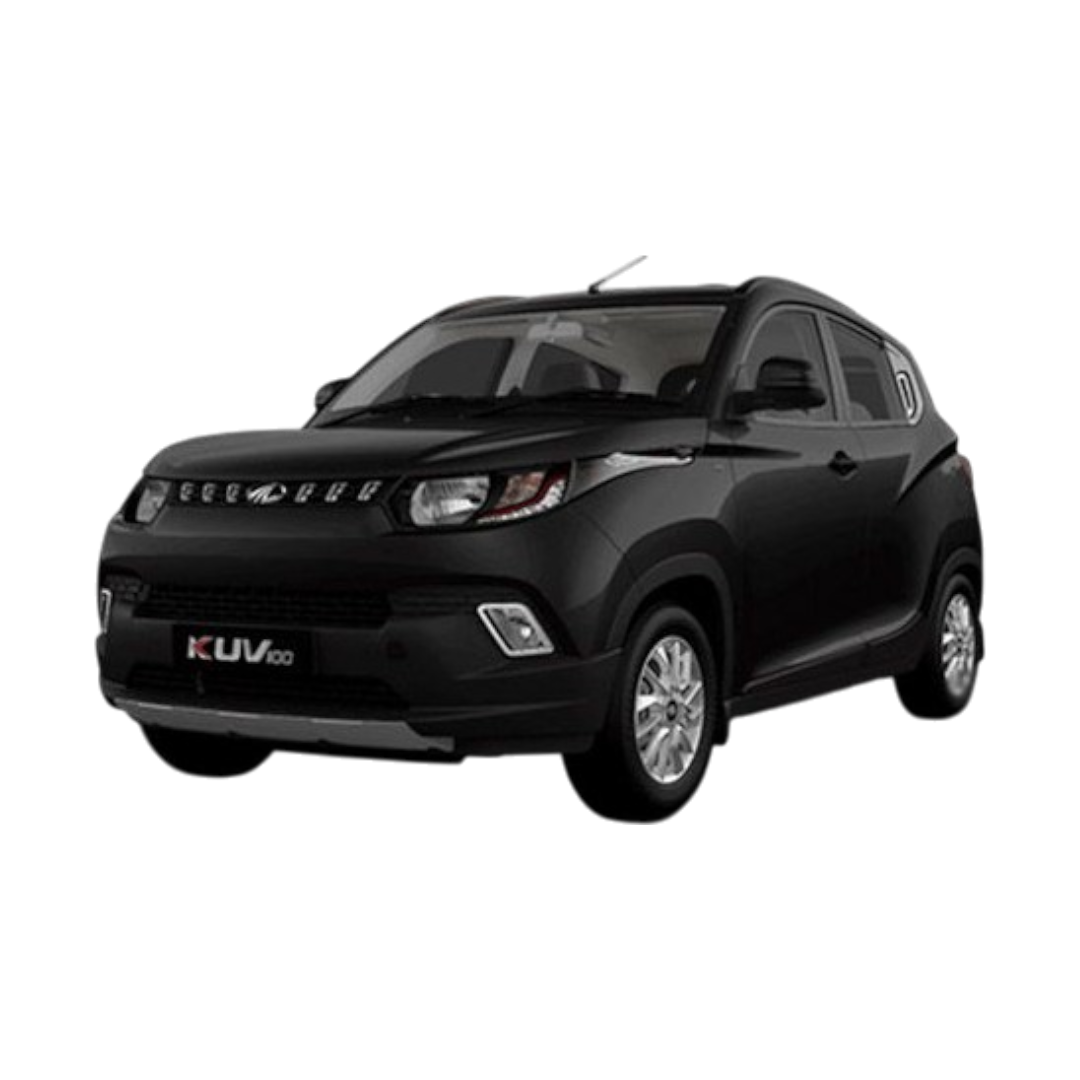 KUV 100
NuvoSport
XEV 9e
BE 6
Thar Roxx
E-Verito
XUV 7XO
TUV 100
KUV 100
NuvoSport
XEV 9e
BE 6
Thar Roxx
E-Verito
XUV 7XO
TUV 100
 Audi Q5
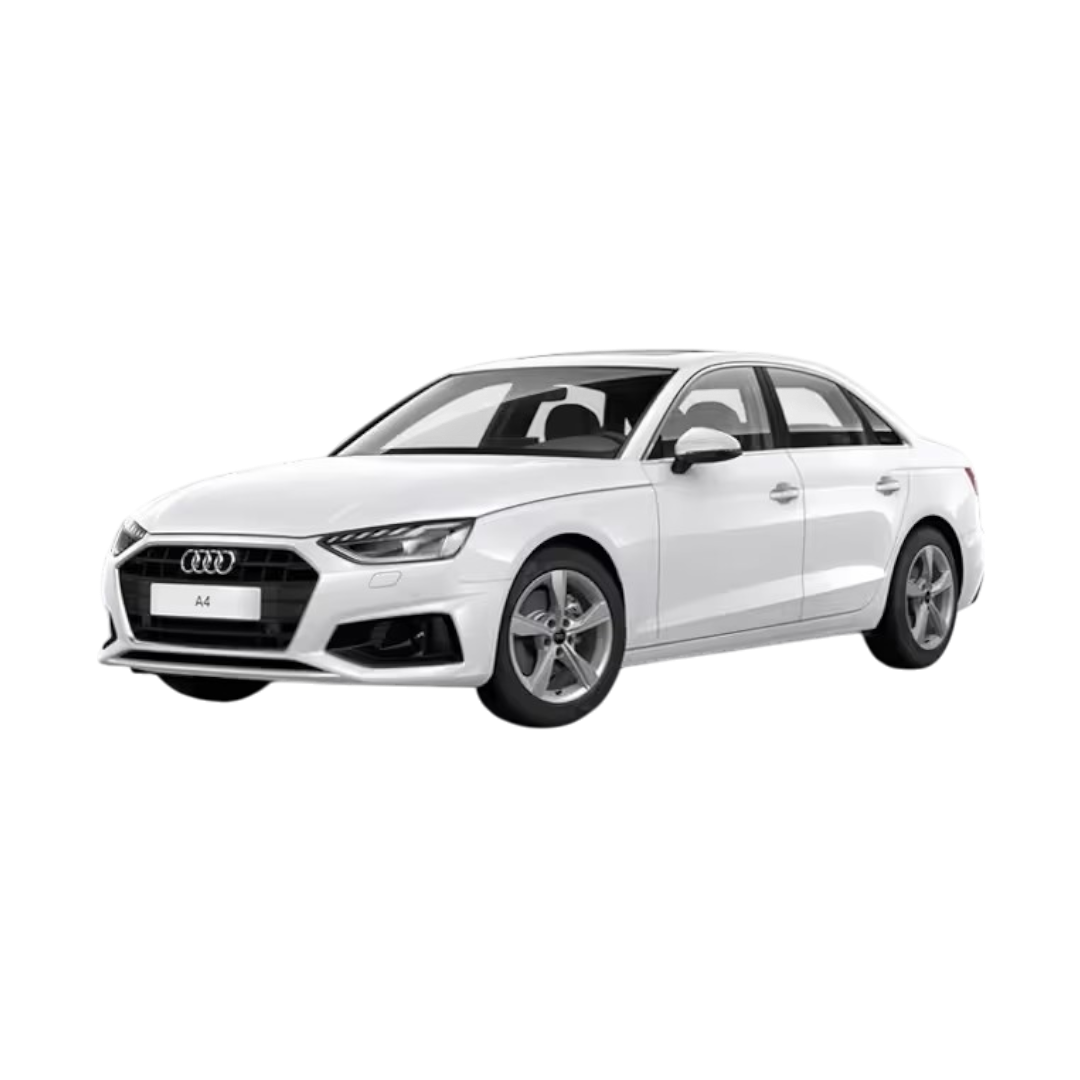 Audi A4
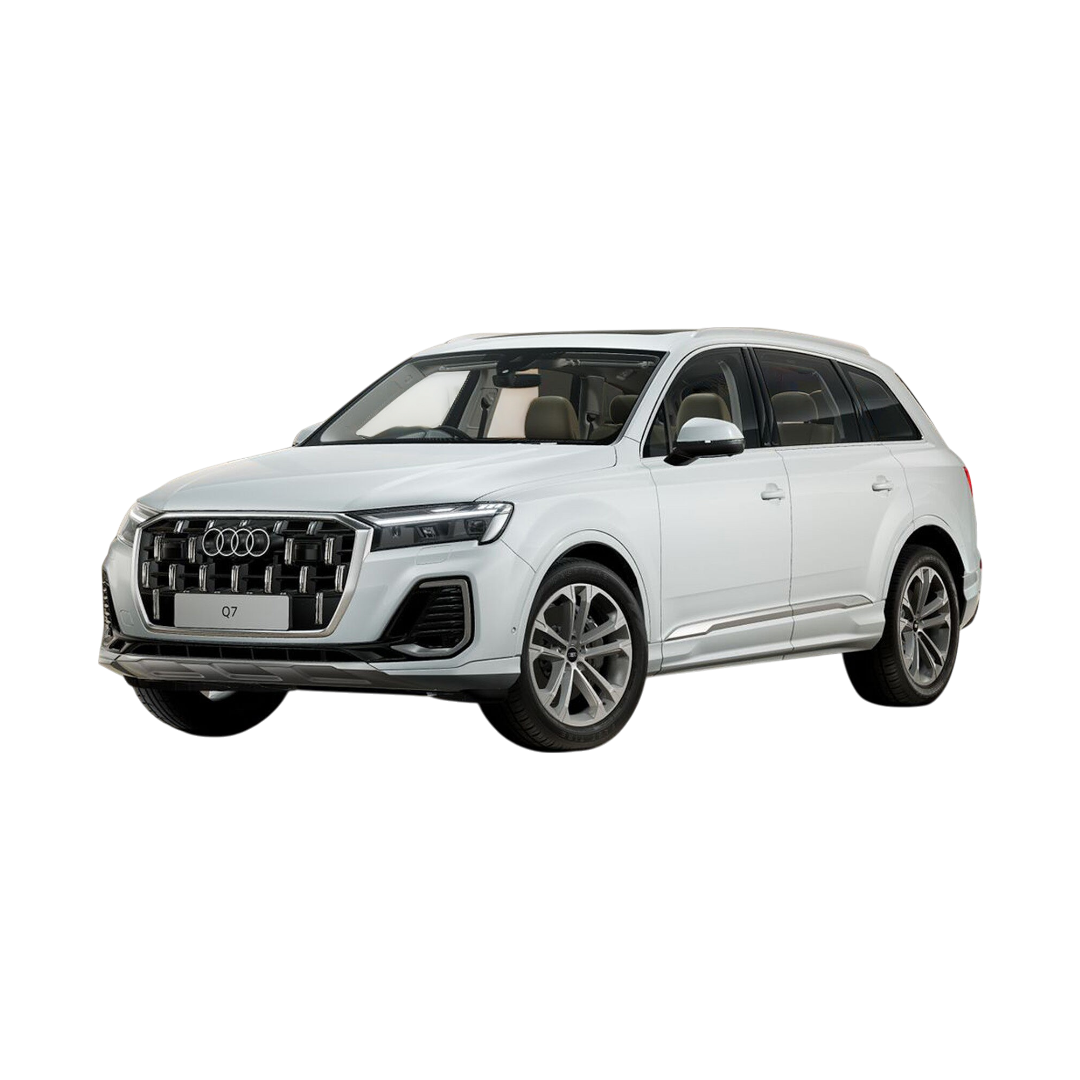 Audi Q7
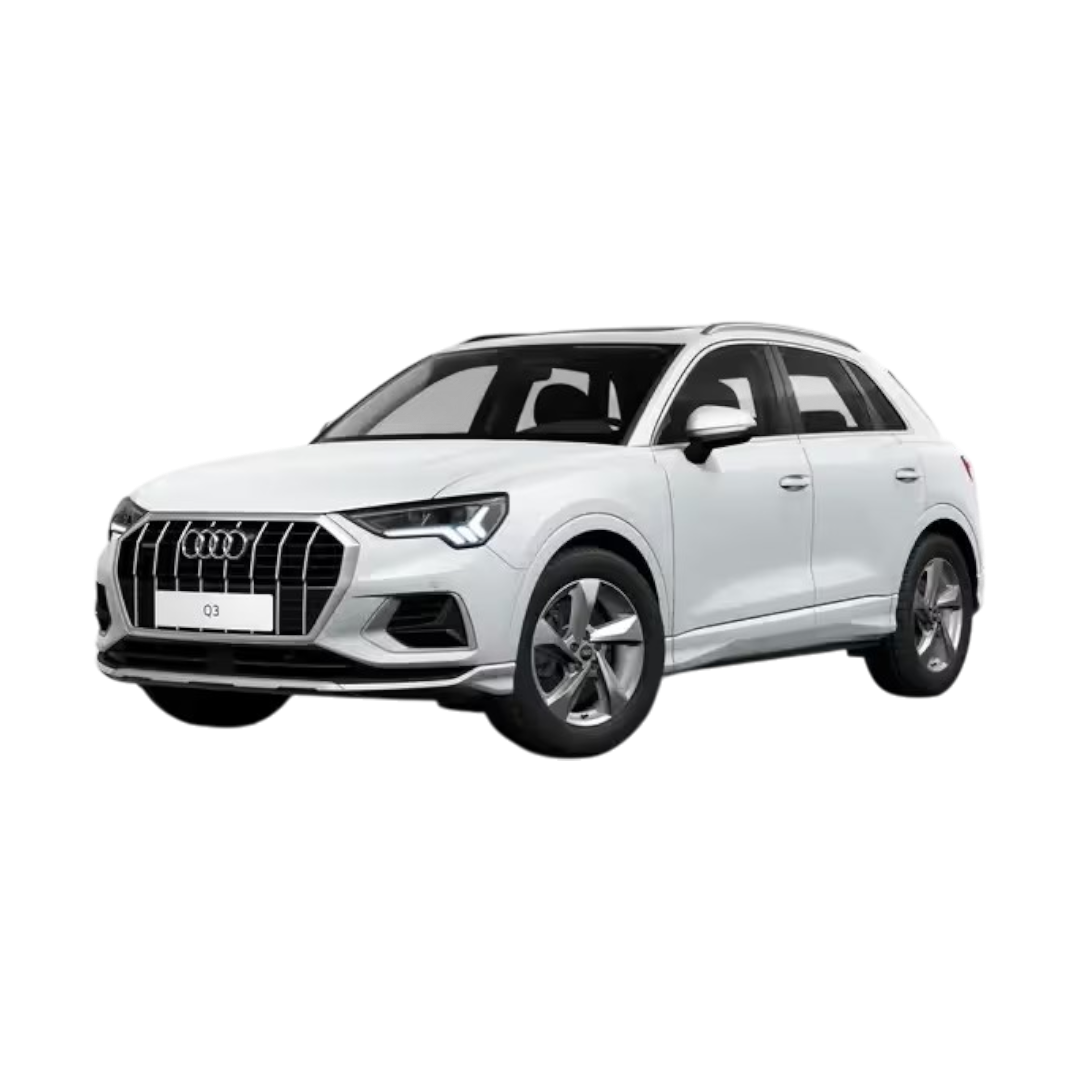 Audi Q3
 Audi A6
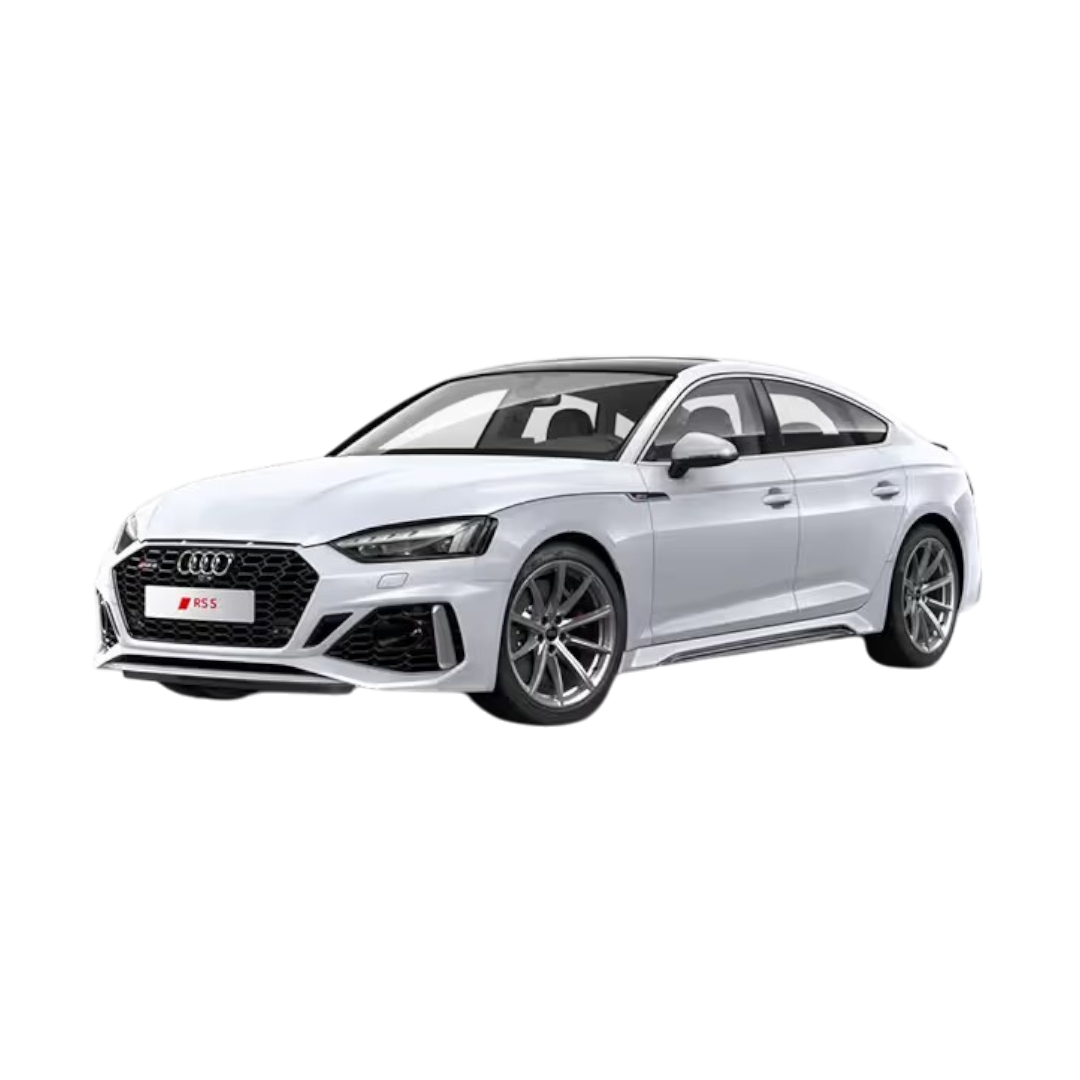 Audi RS5
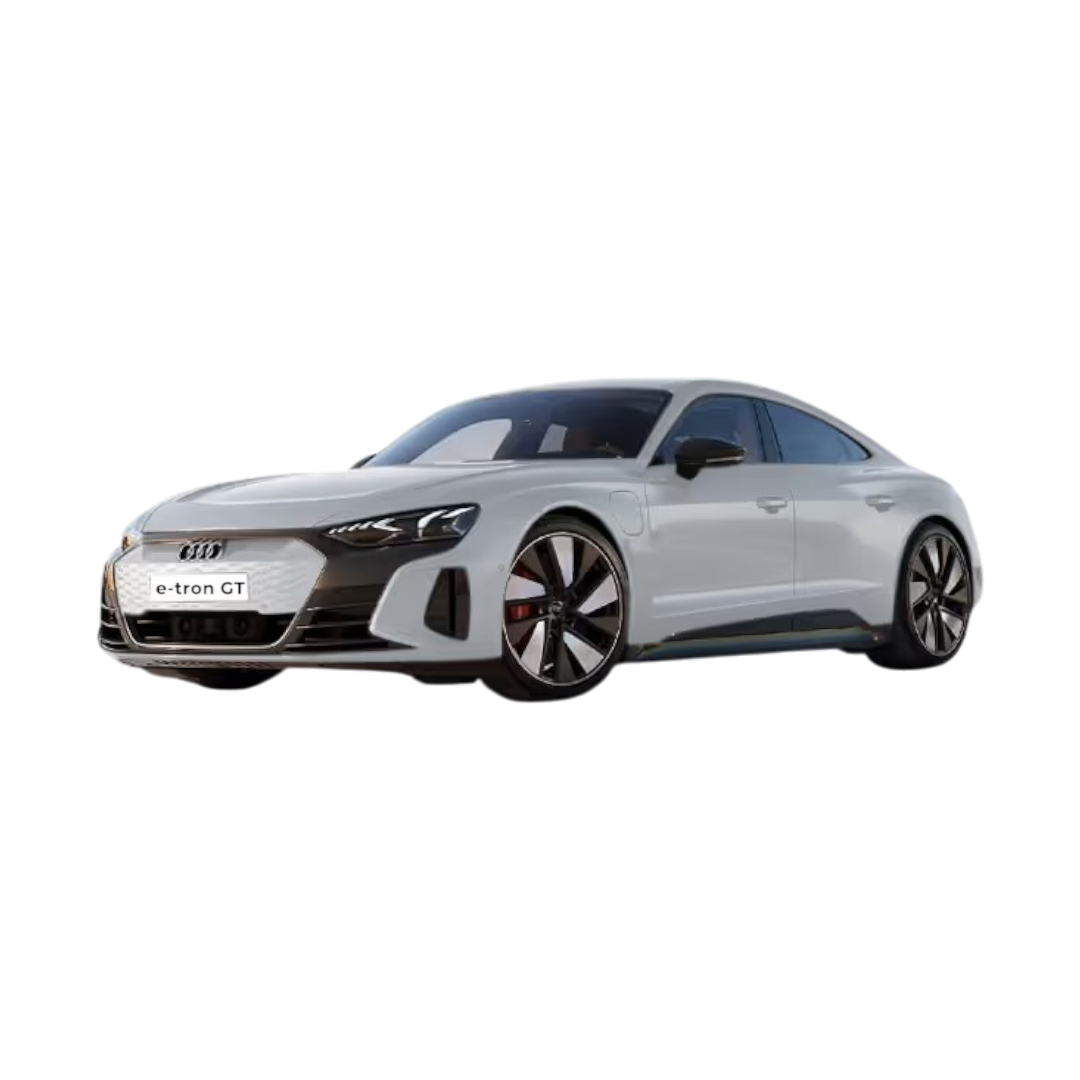 E-Tron GT
 Audi Q8
 E-Tron
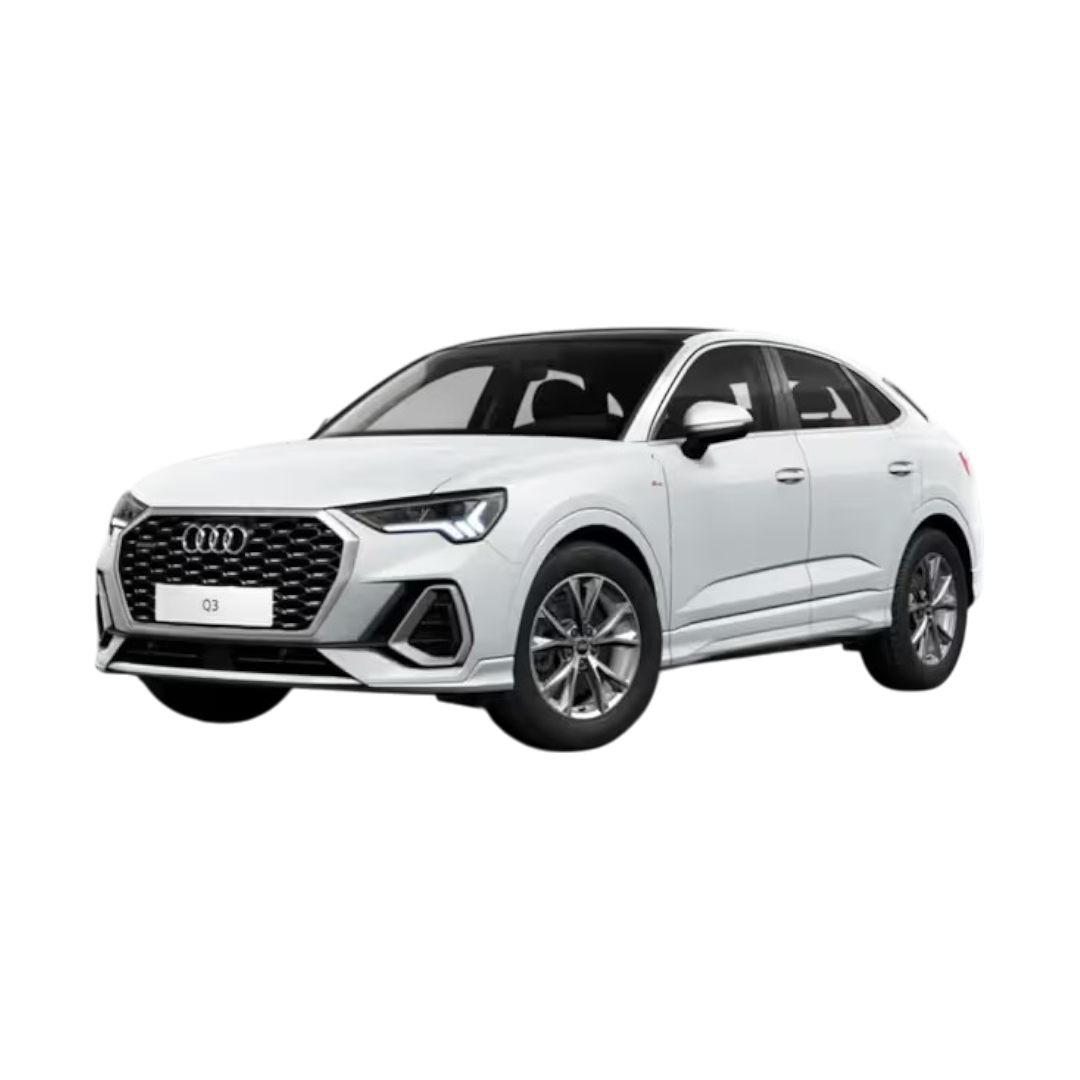 Q3 Sportback
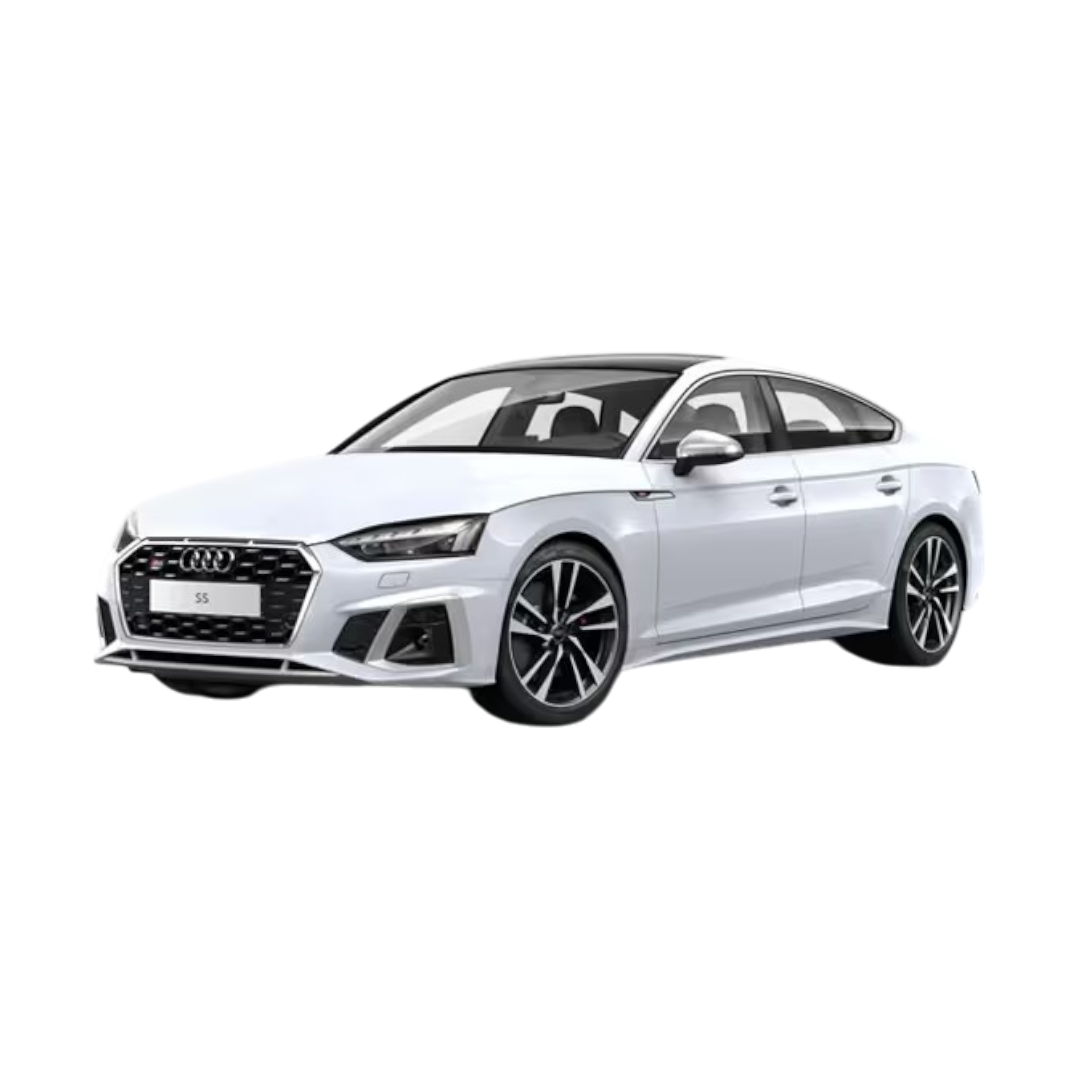 Audi S5 Sportback
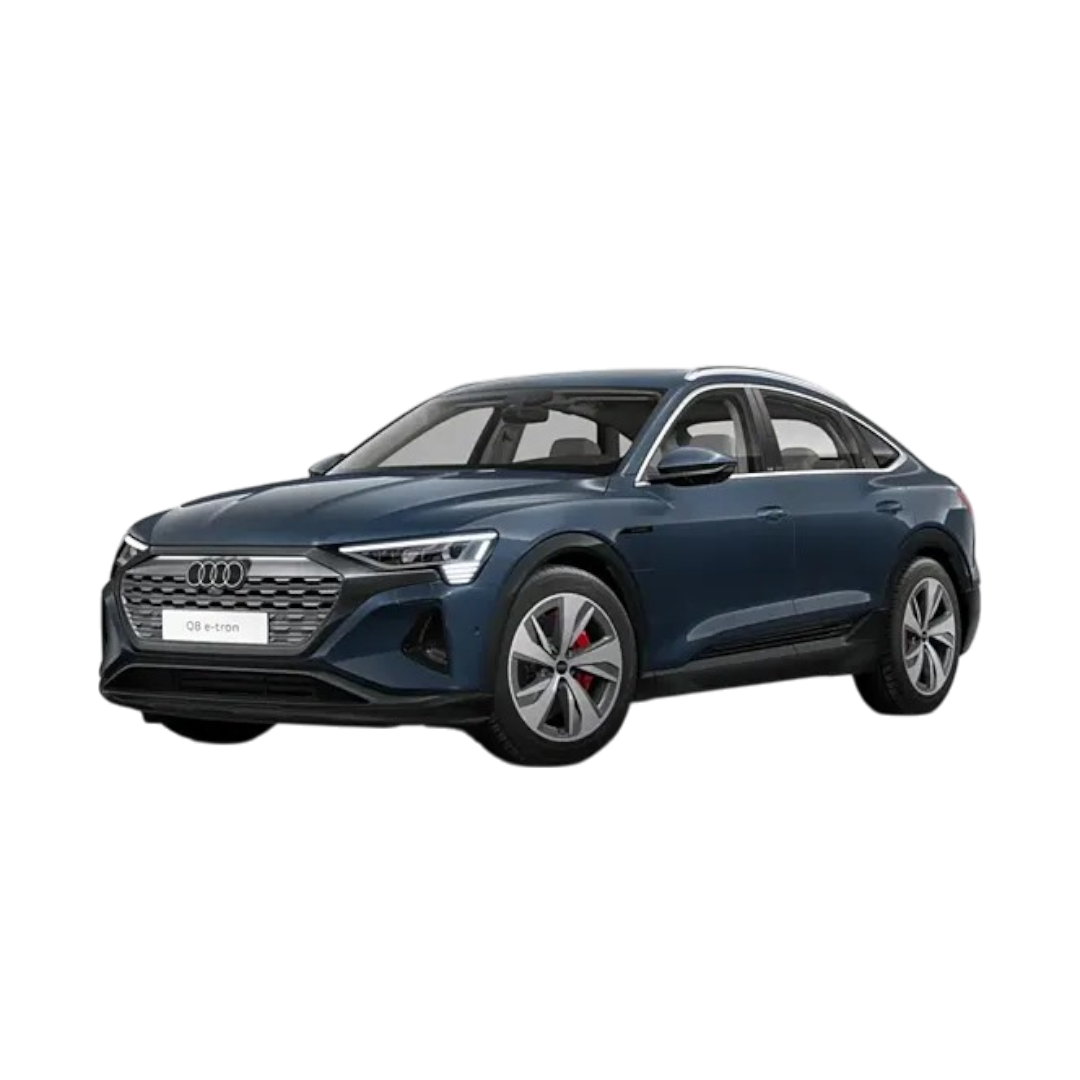 Q8 E-Tron
 Q8 E-Tron Sportback
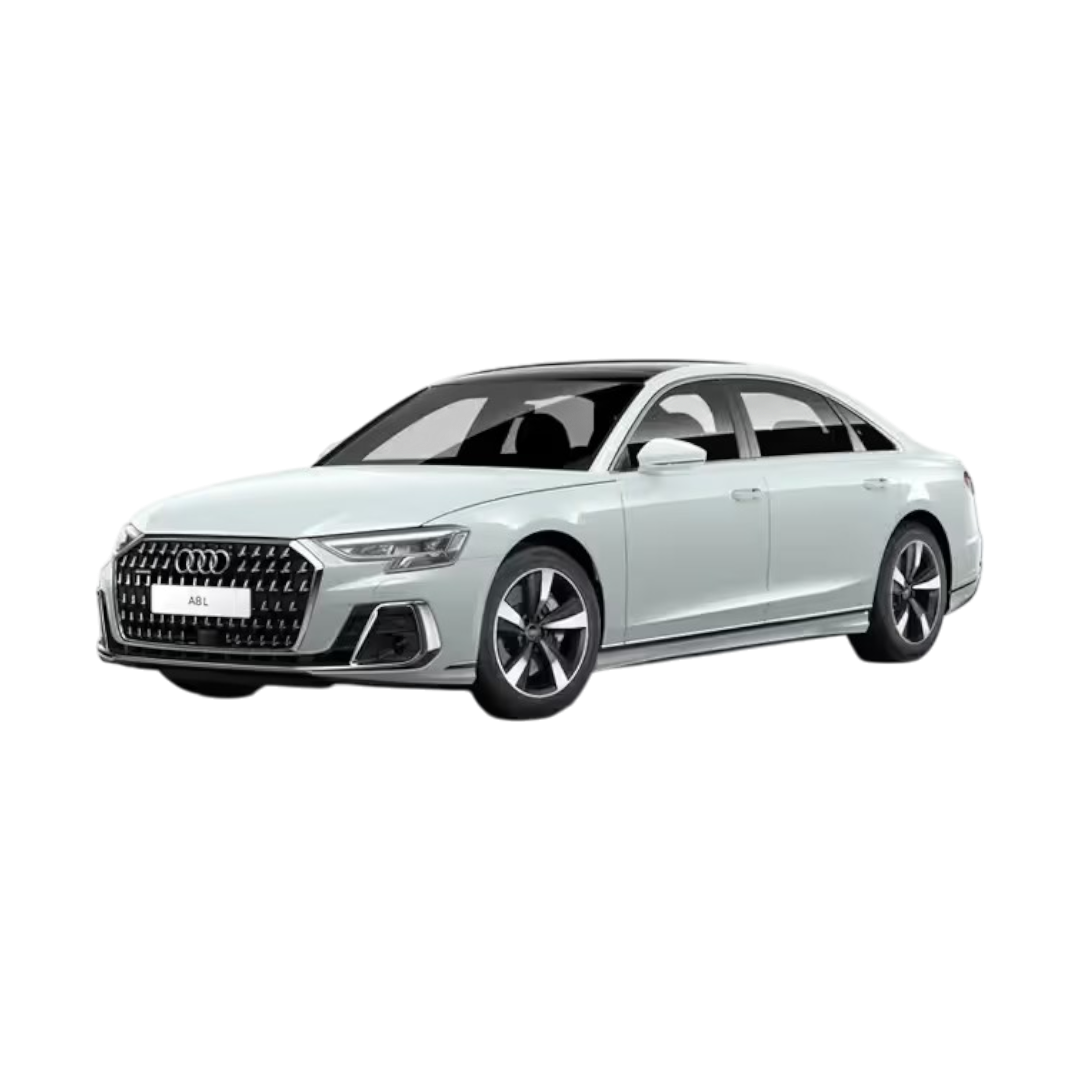 Audi A8L
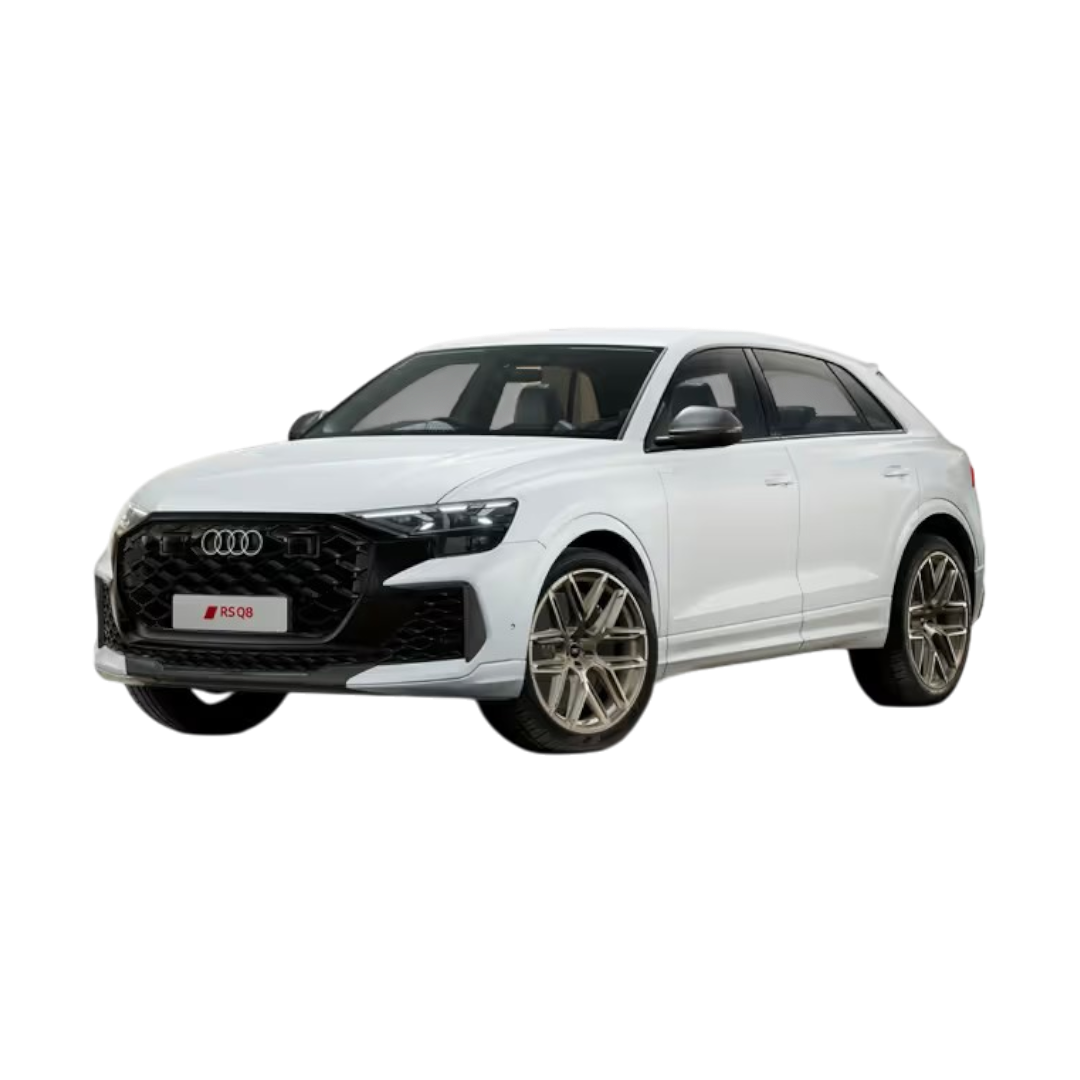 Audi RS Q8
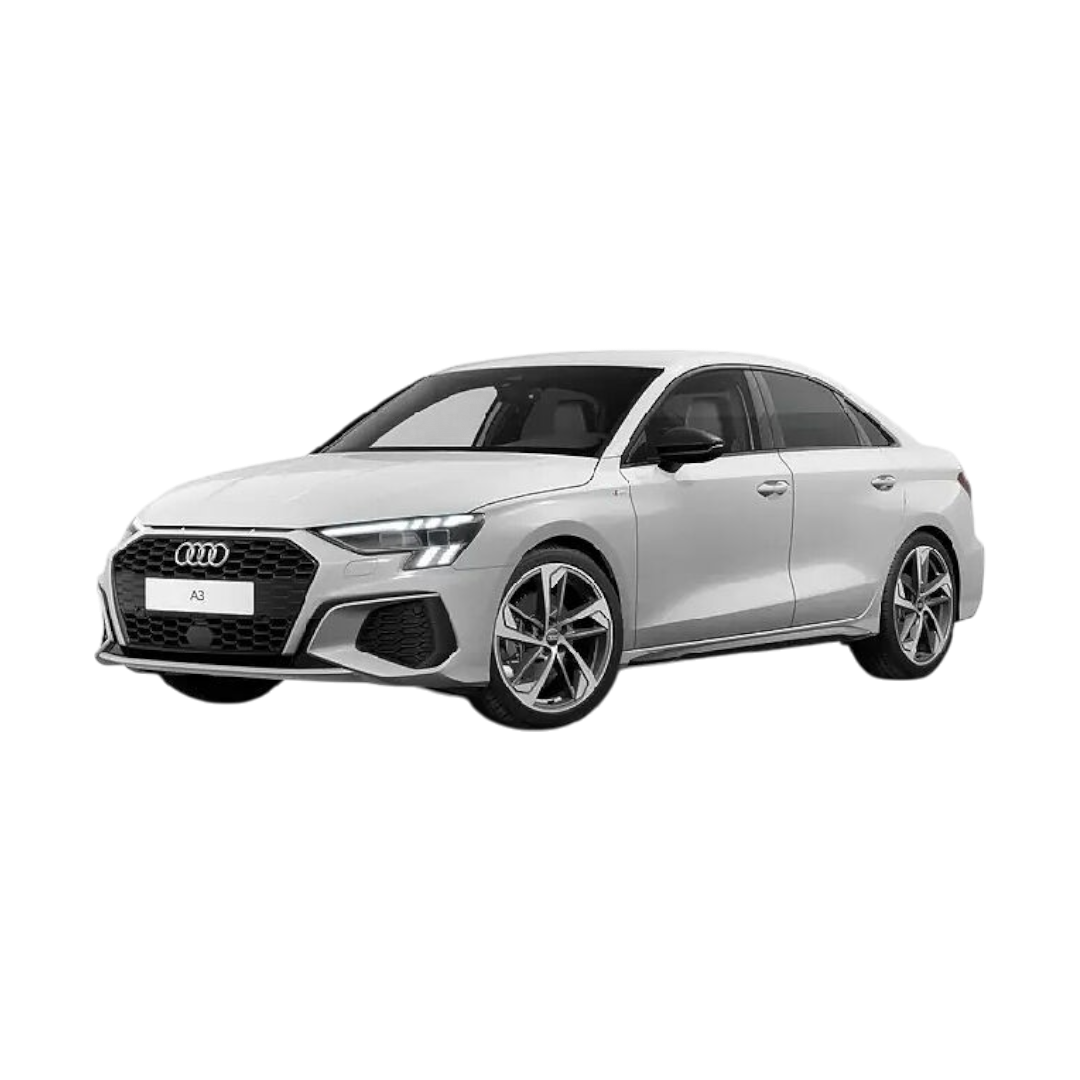 Audi A3
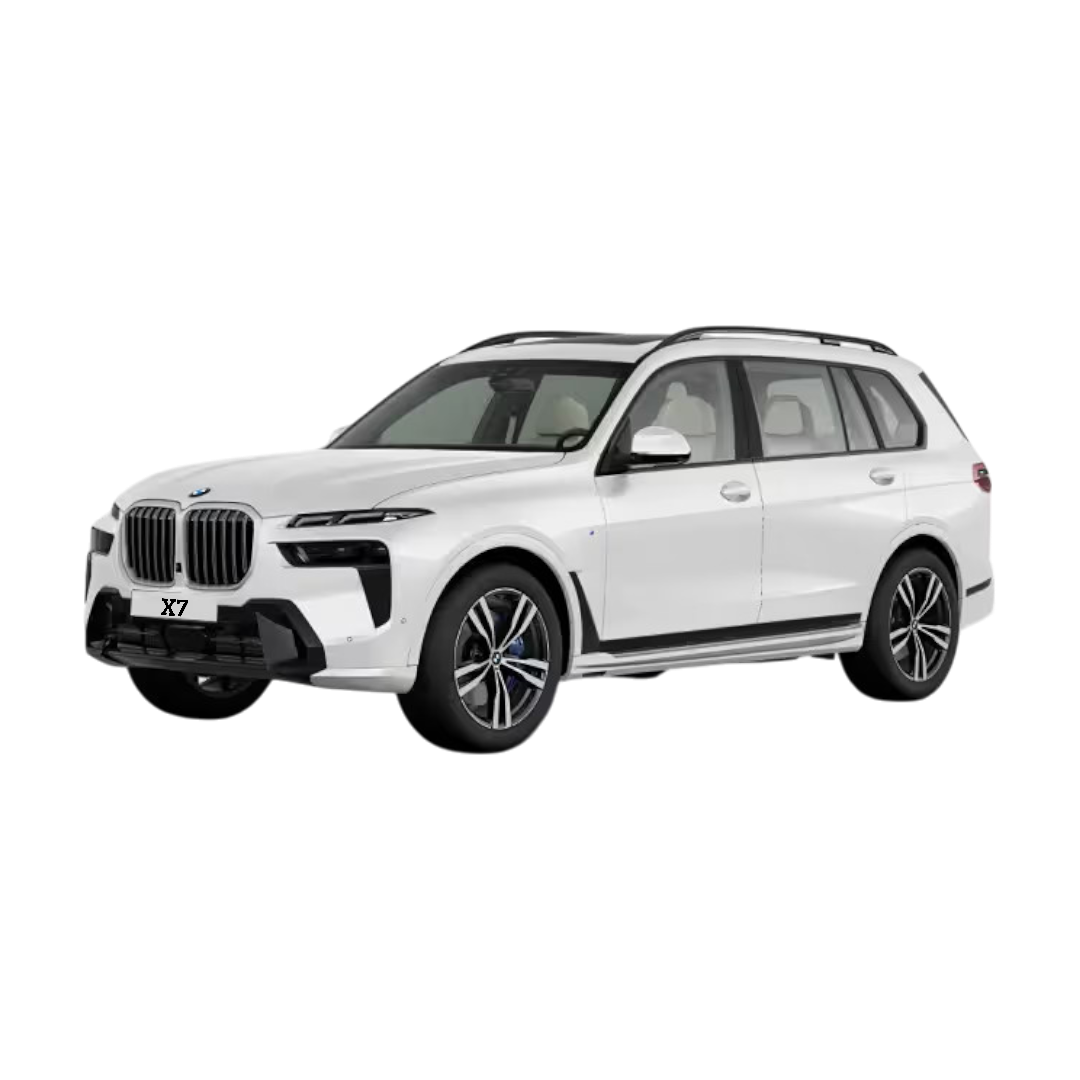 BMW X7
 BMW X1
 BMW X5
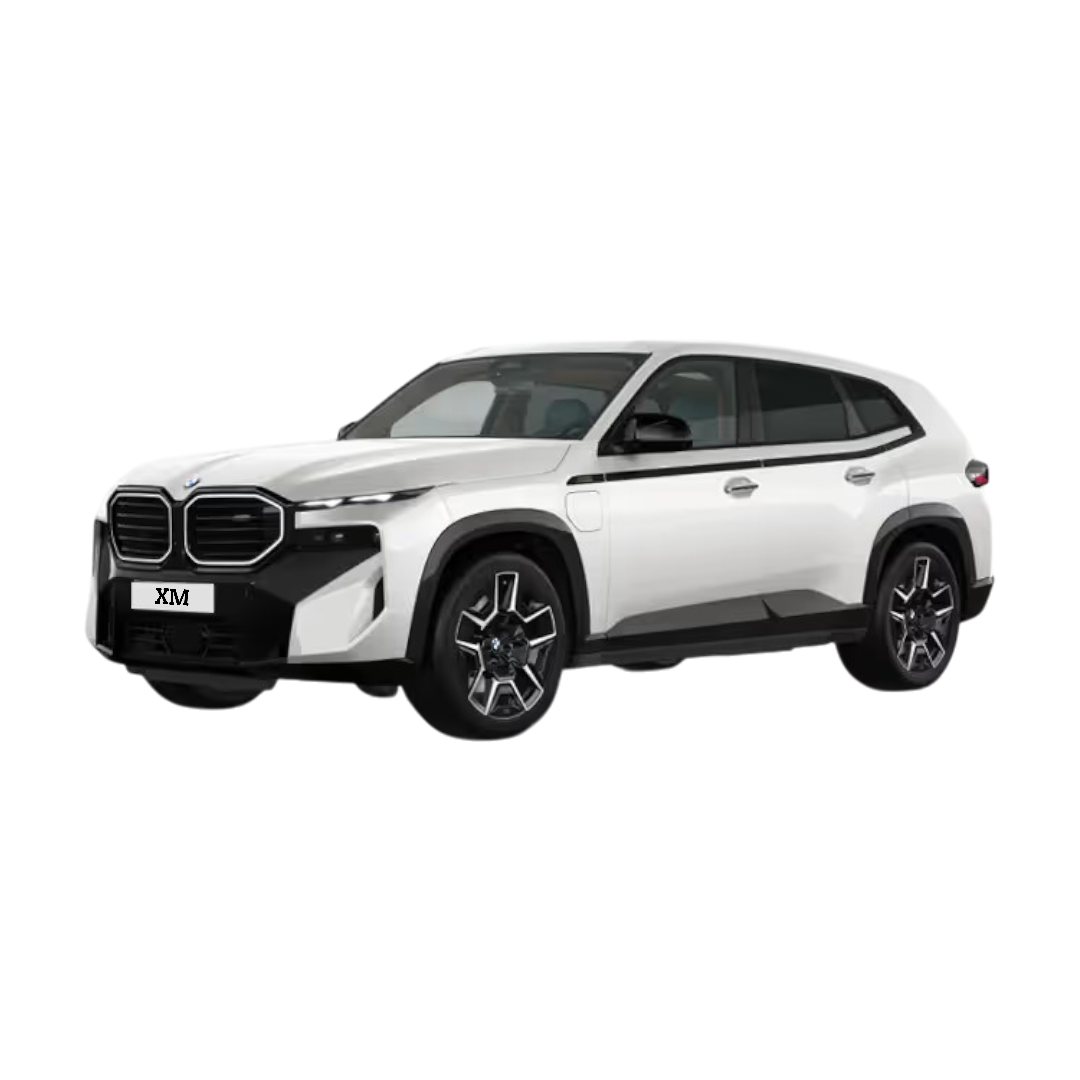 BMW XM
 BMW Z4
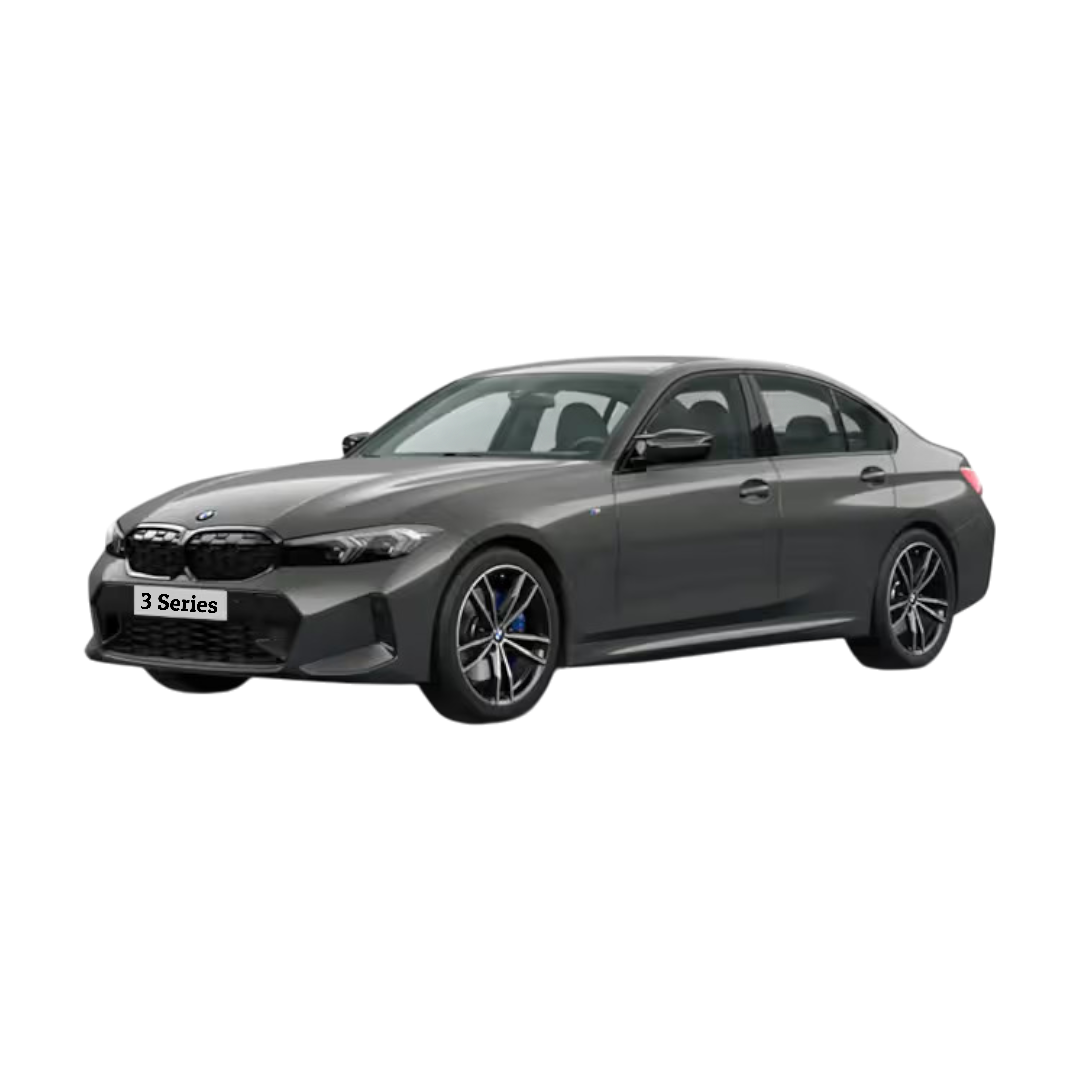 3 Series
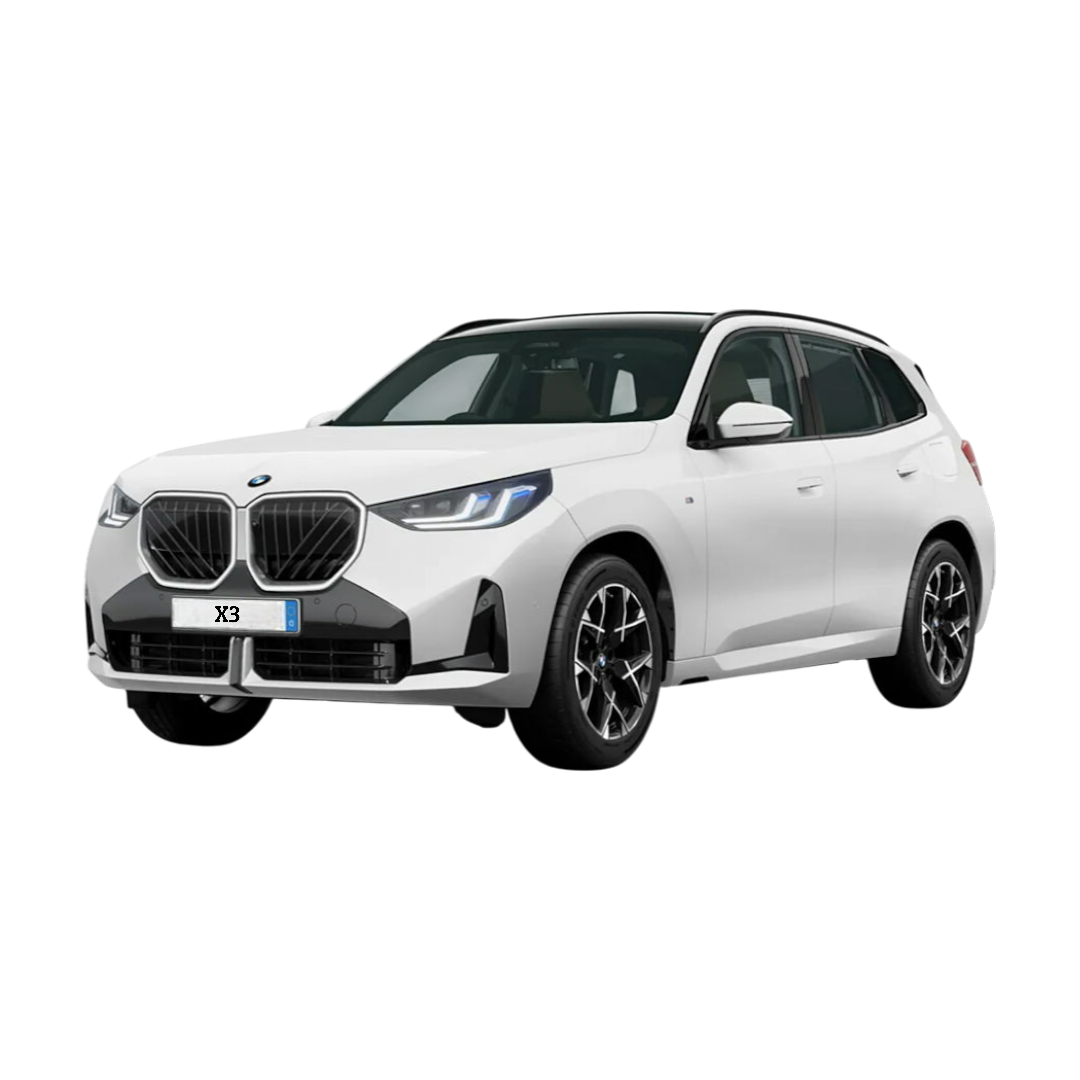 BMW X3
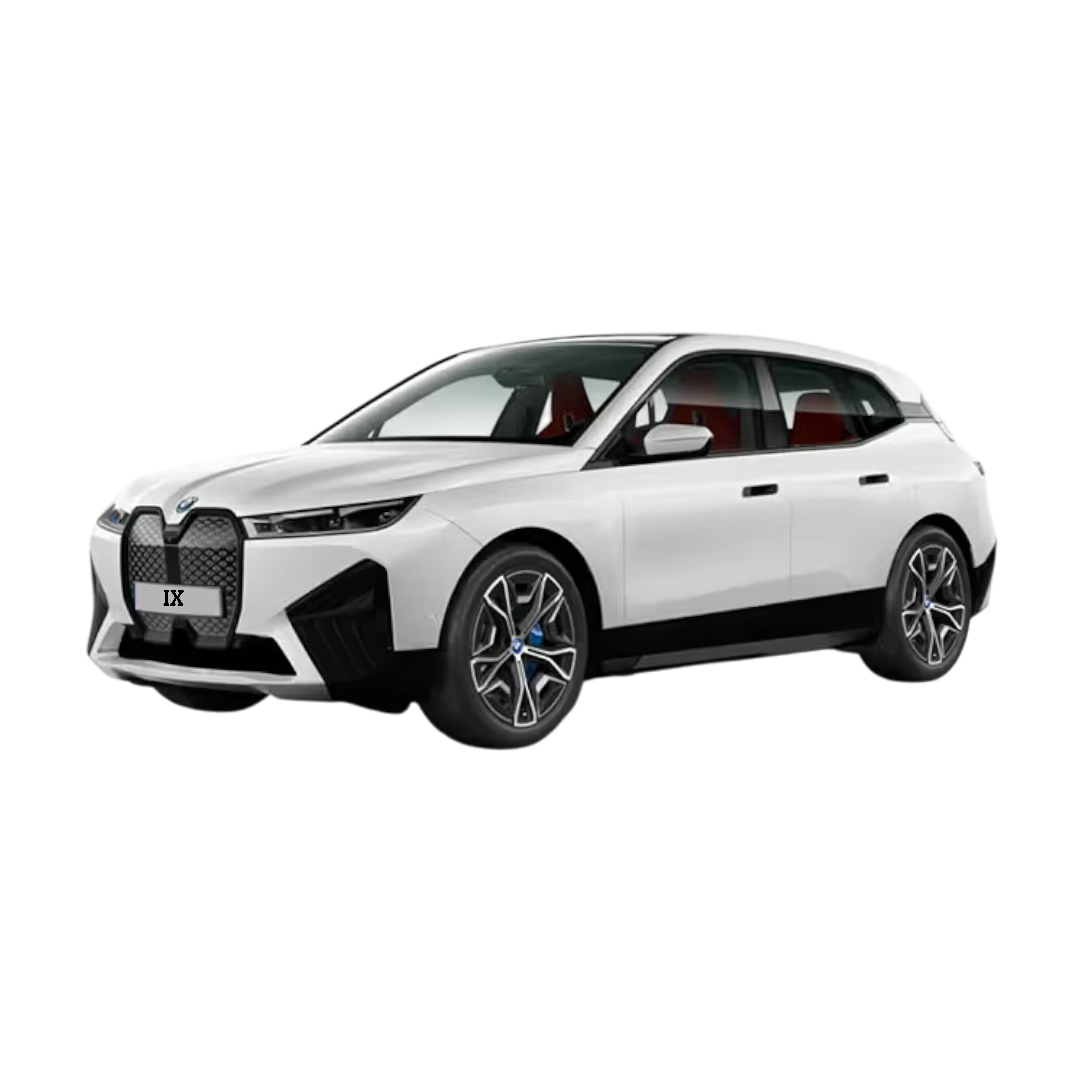 BMW iX
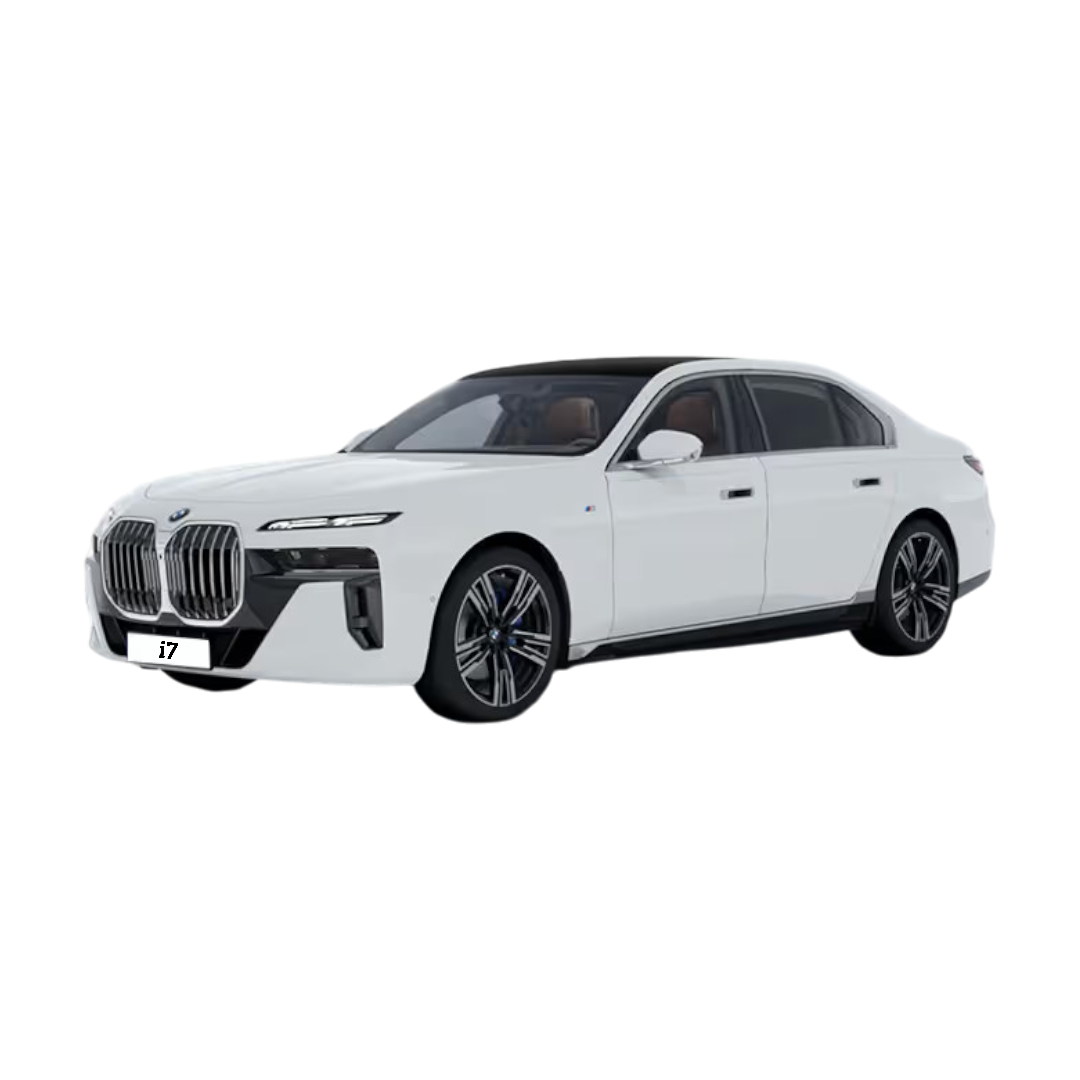 BMW i7
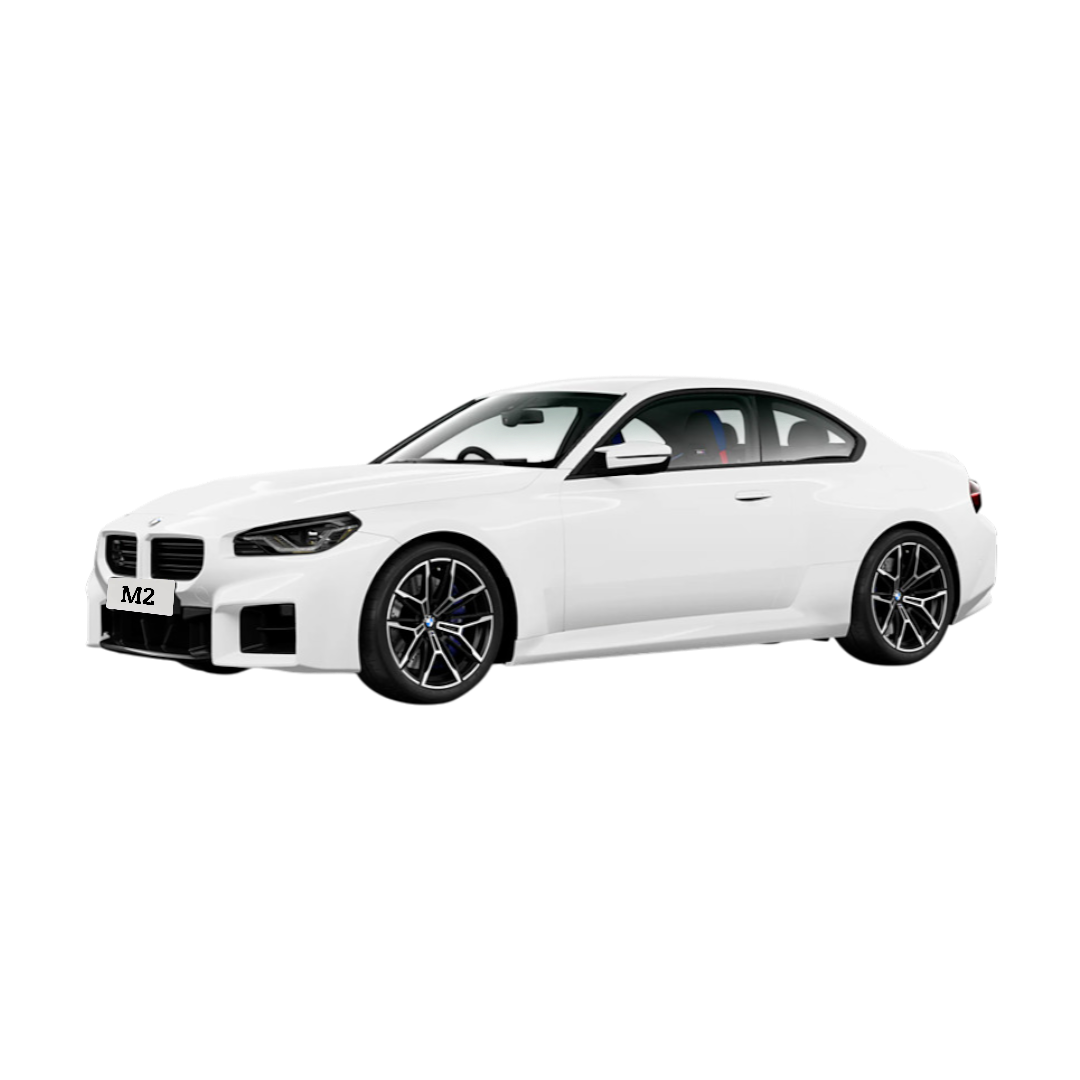 BMW M2
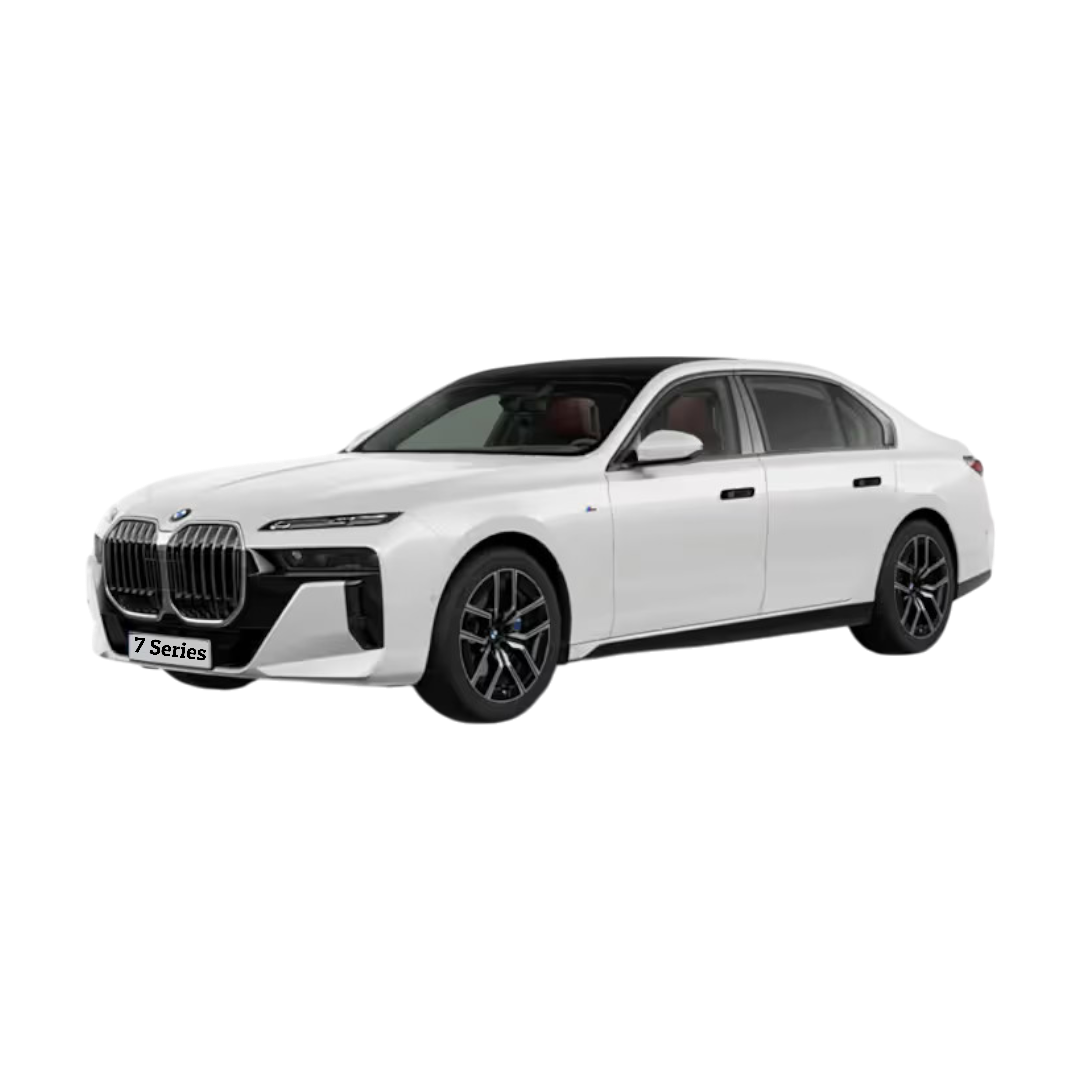 7 Series
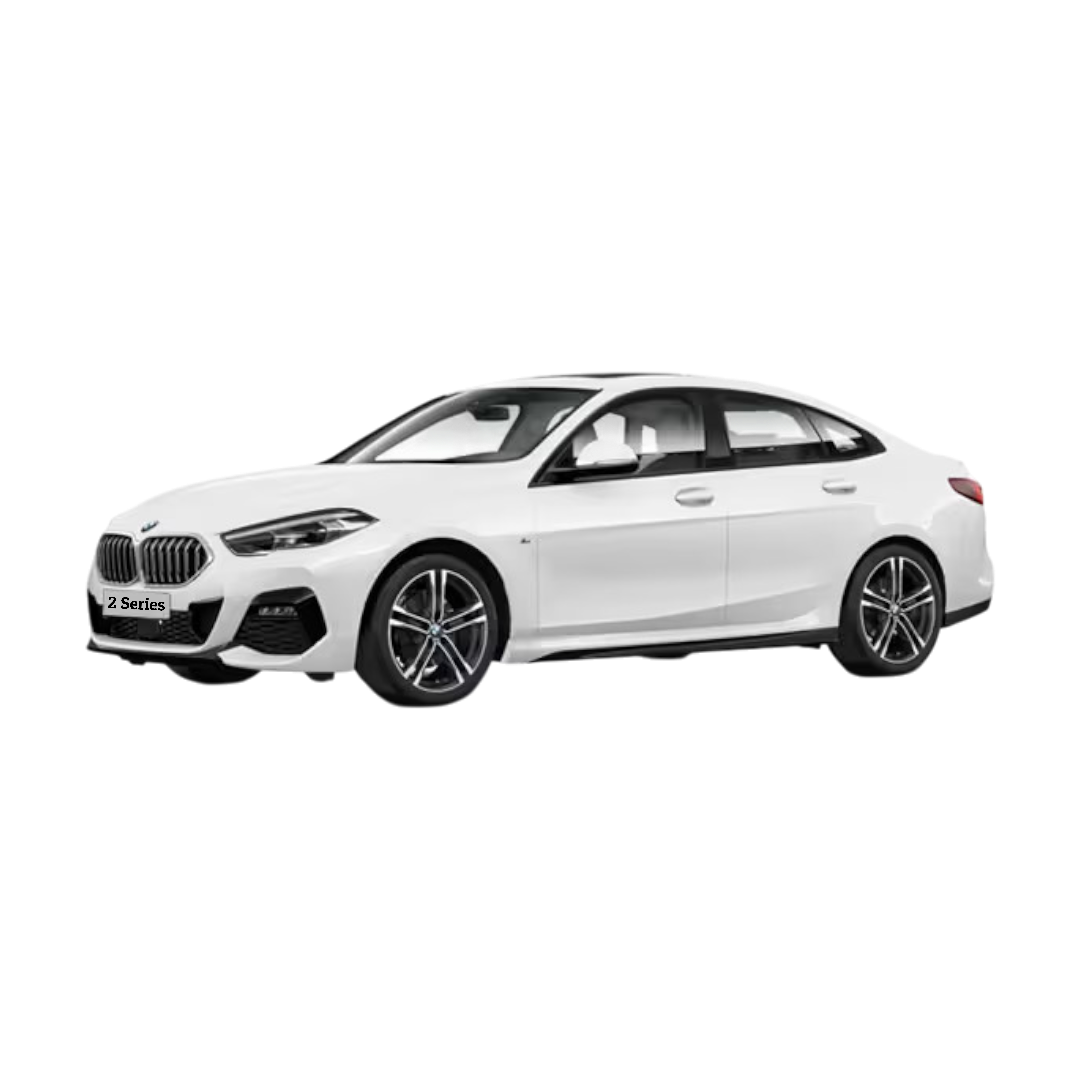 2 Series
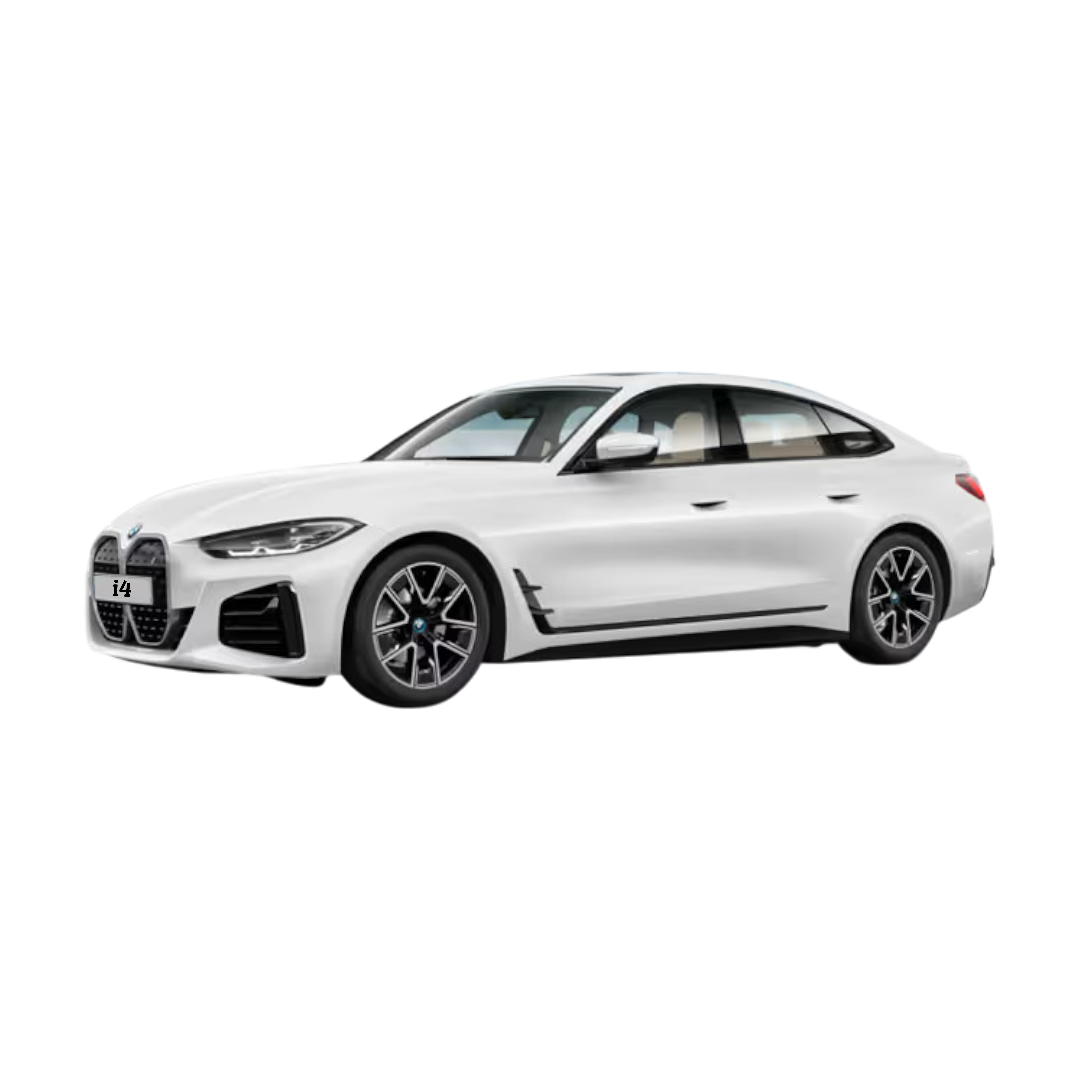 BMW i4
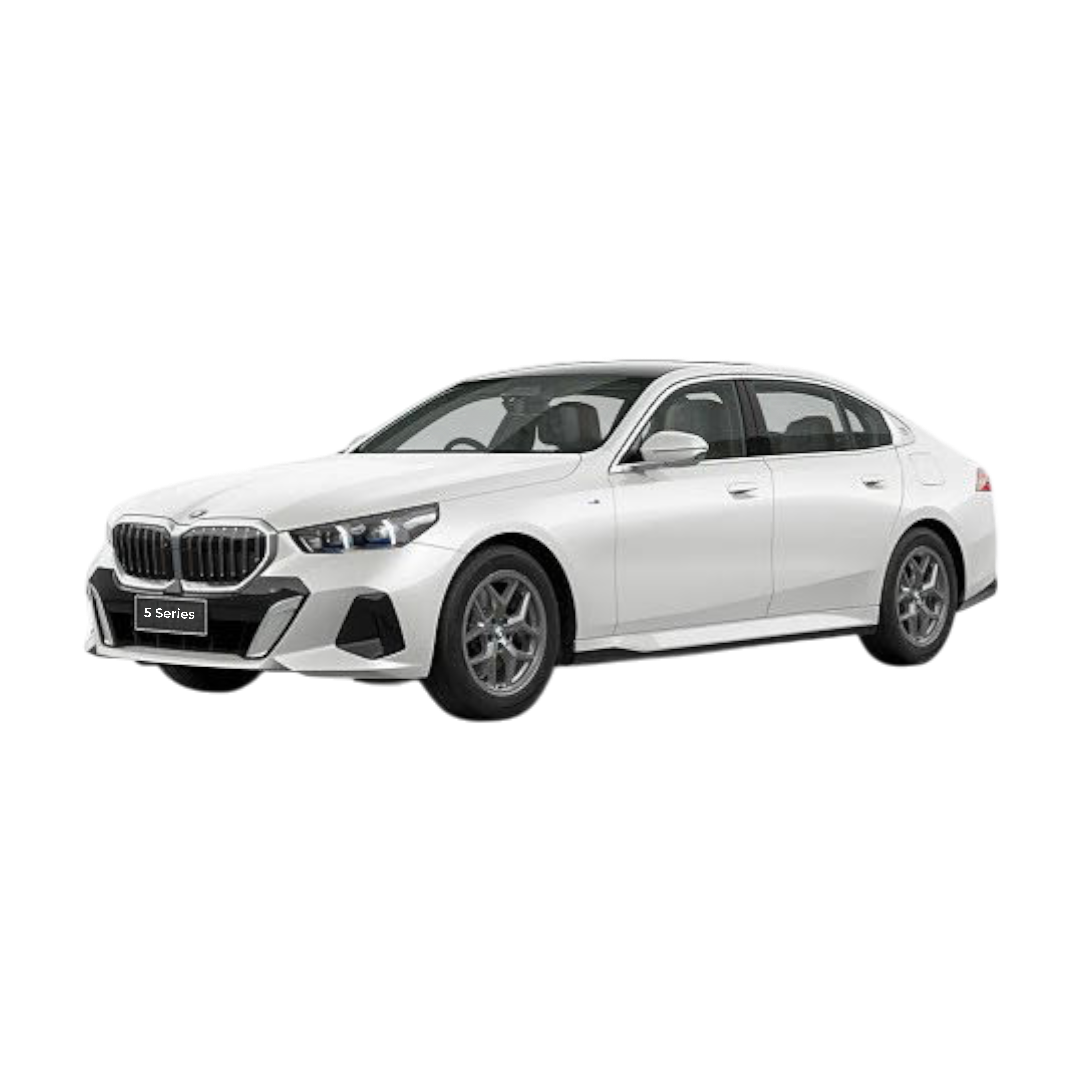 5 Series
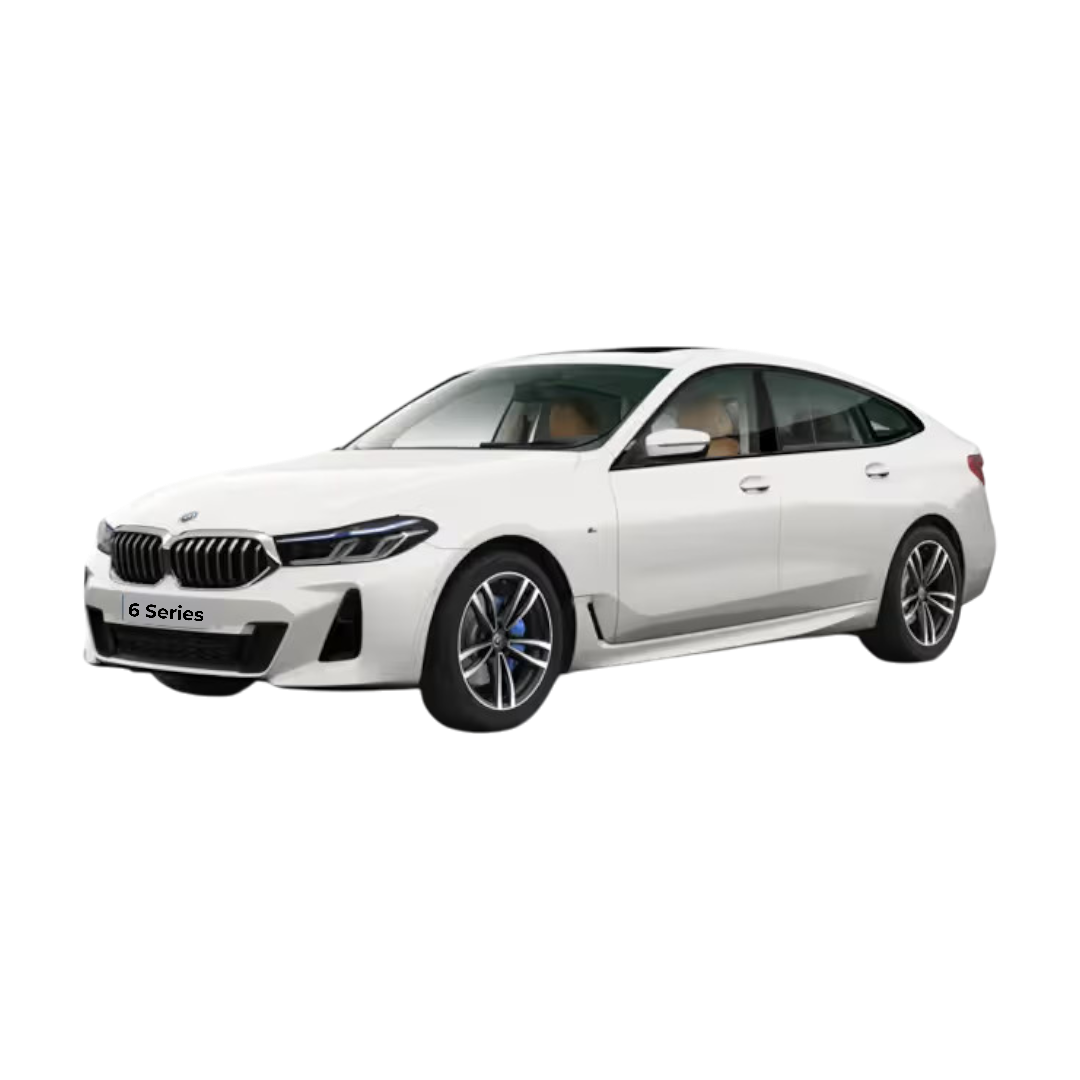 6 Series
 BMW ix1
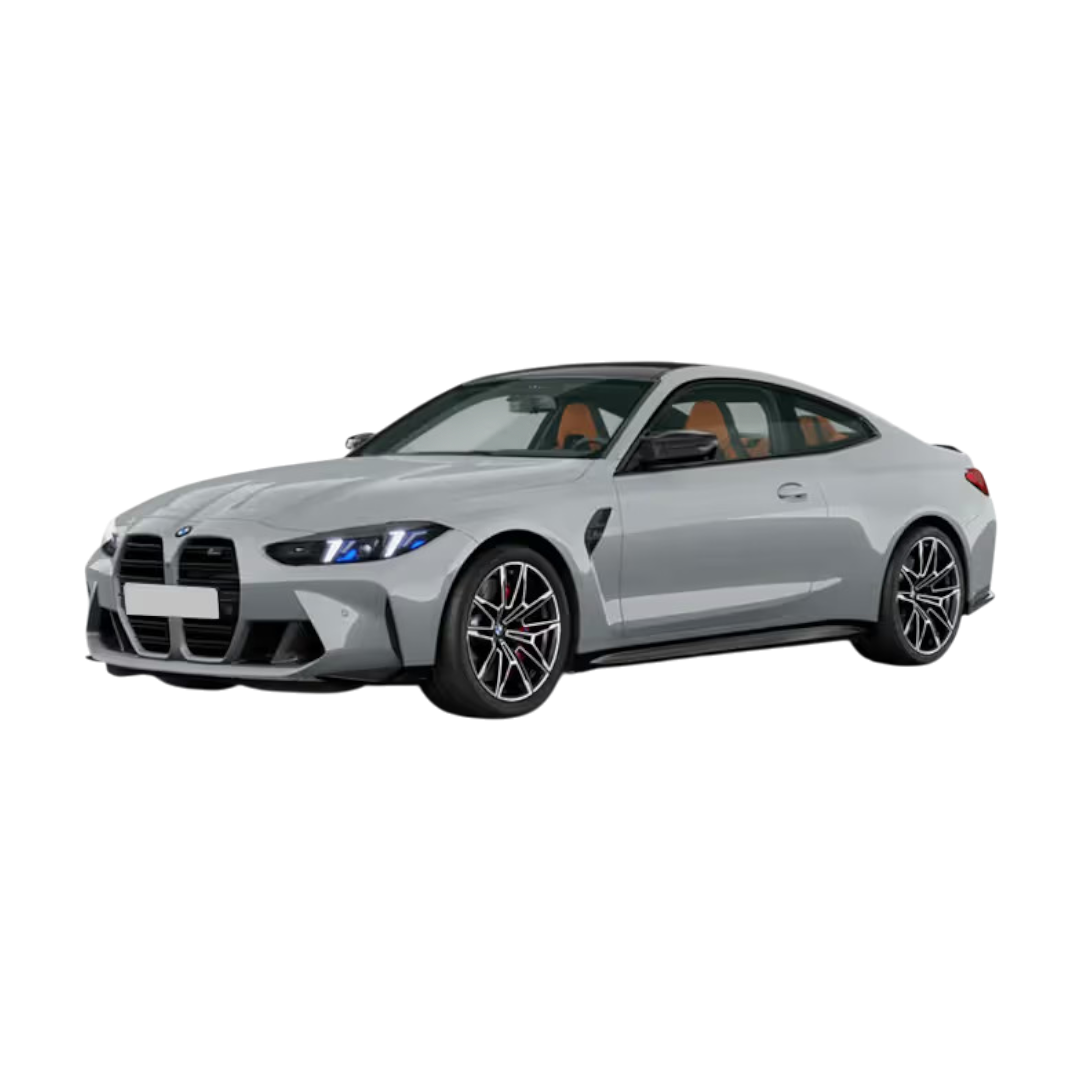 M4 Competition
 3 Series Gran Limousine
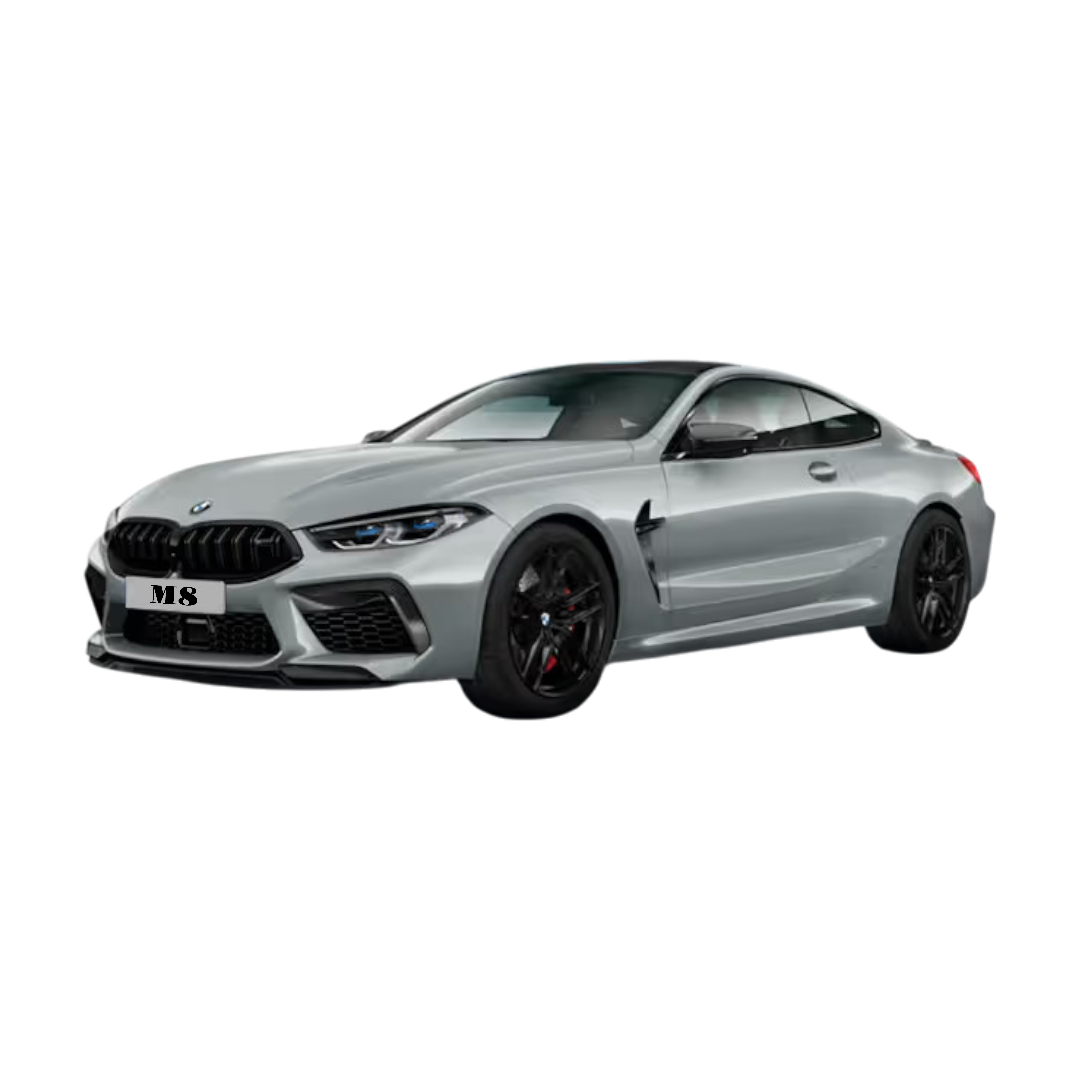 M8 Coupe
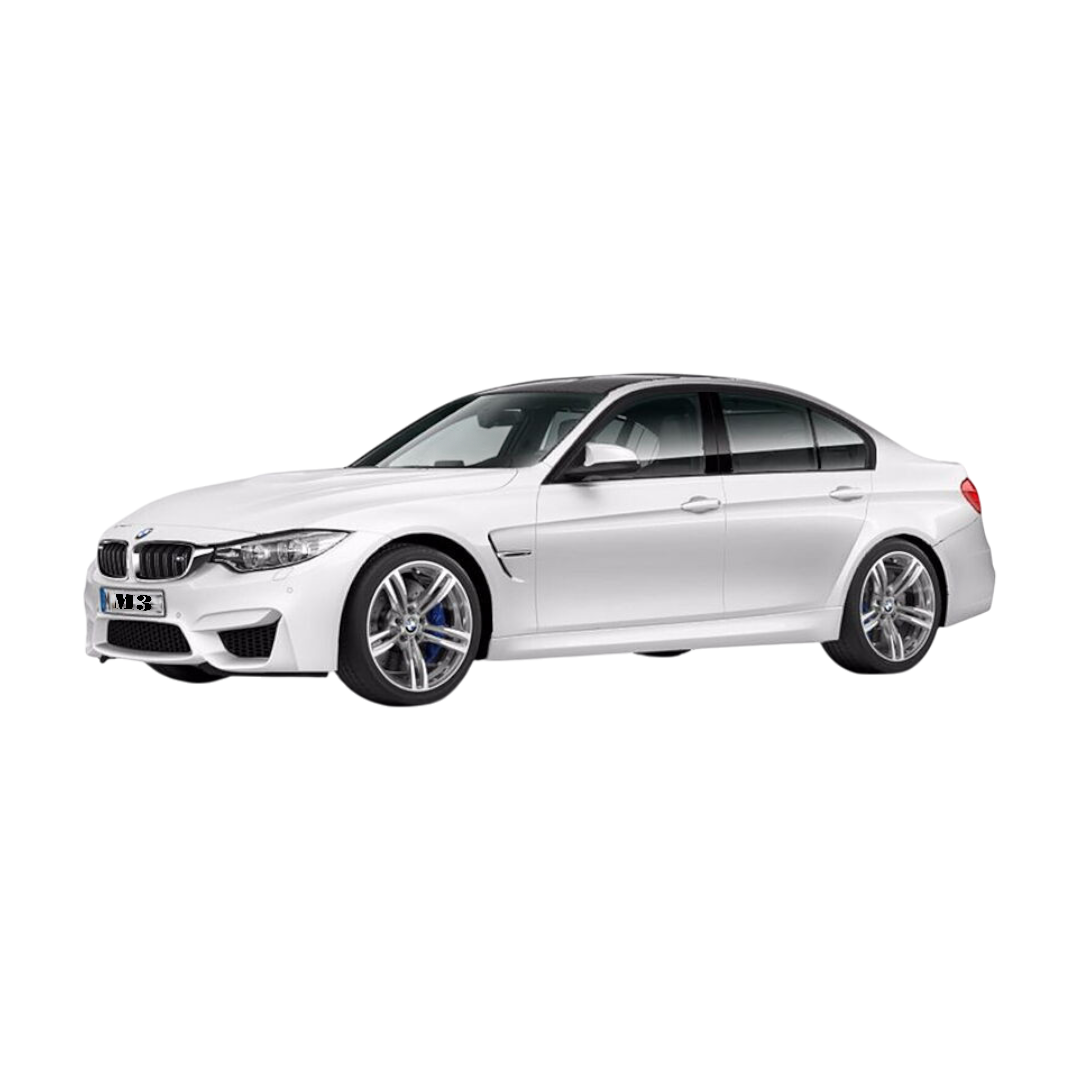 BMW M3
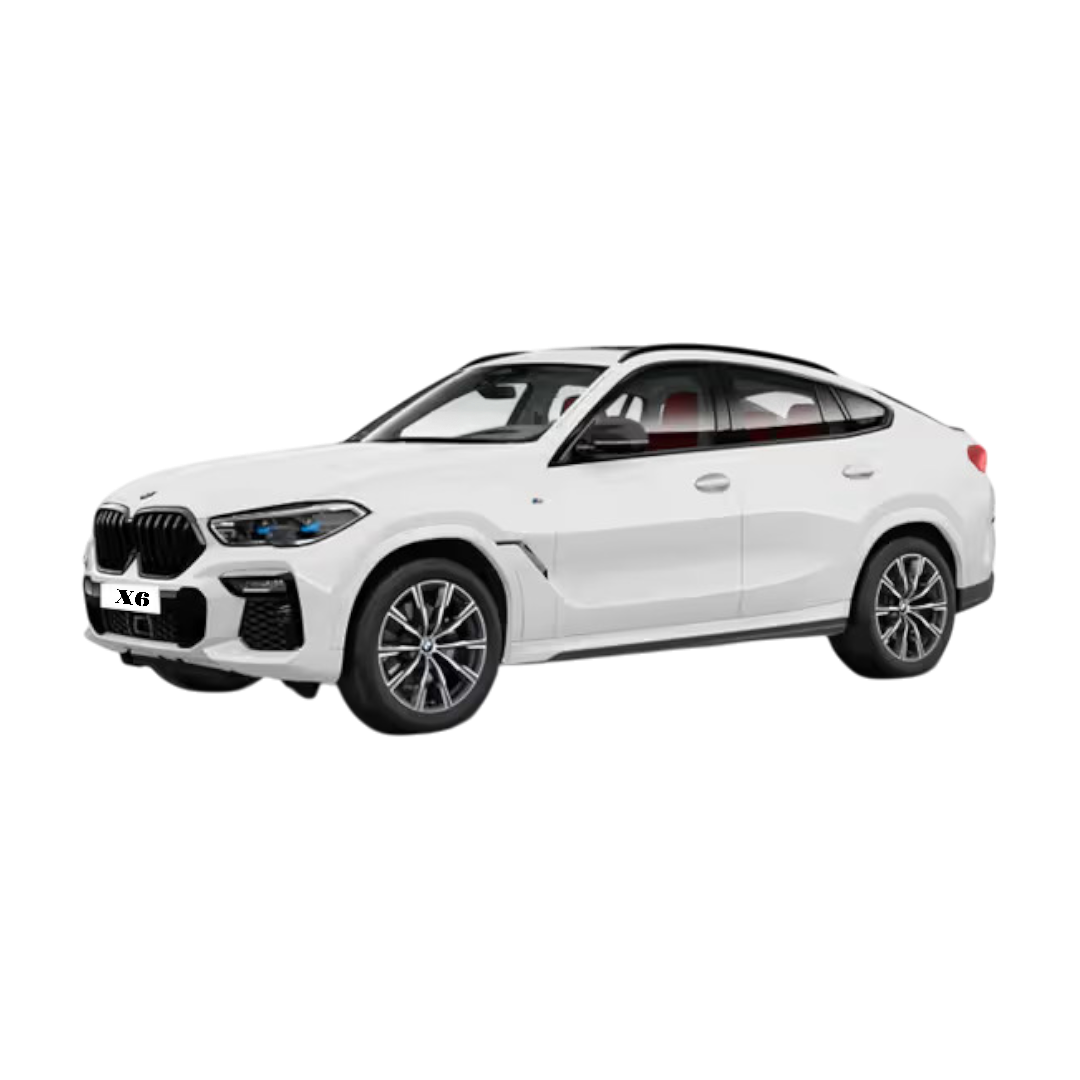 BMW X6
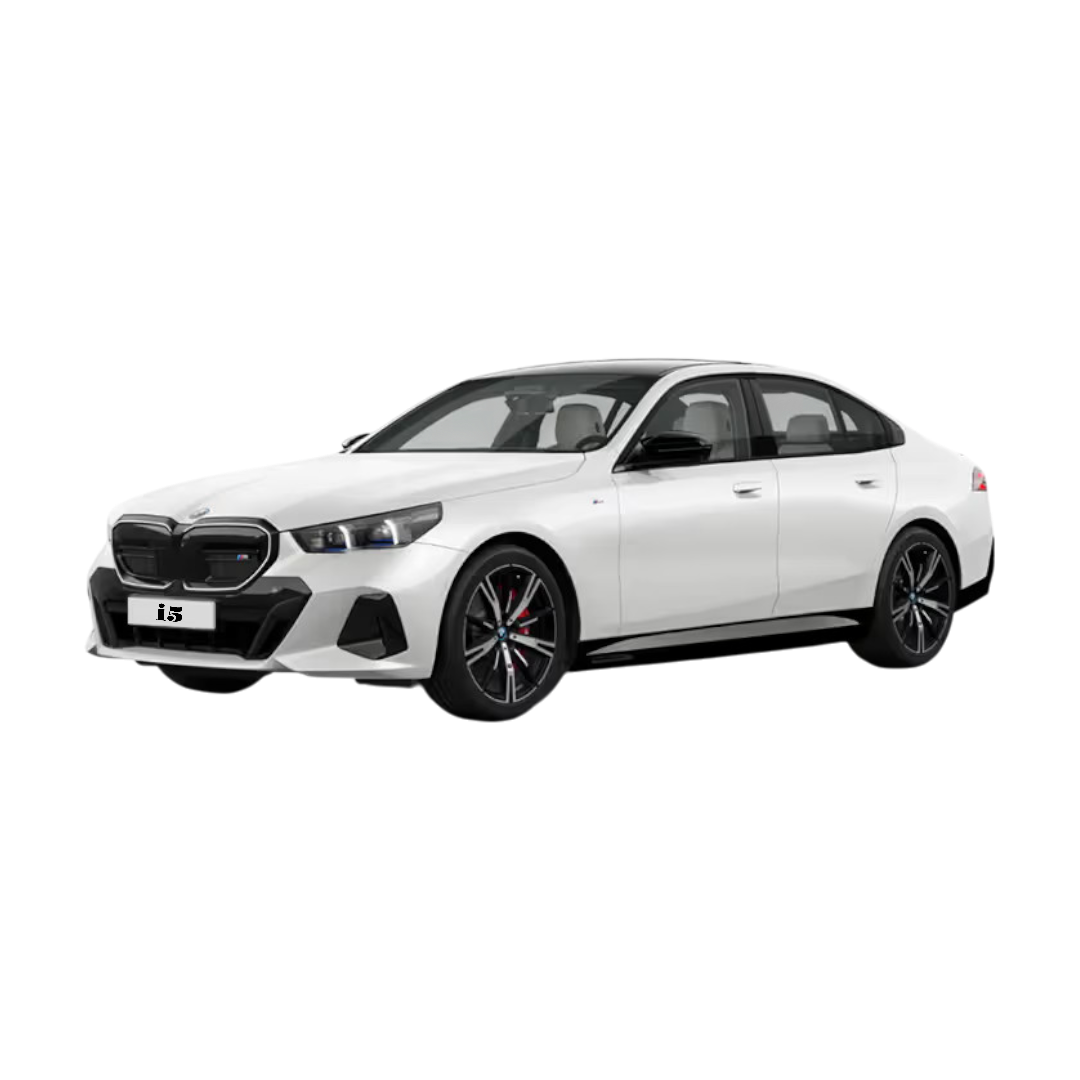 BMW i5
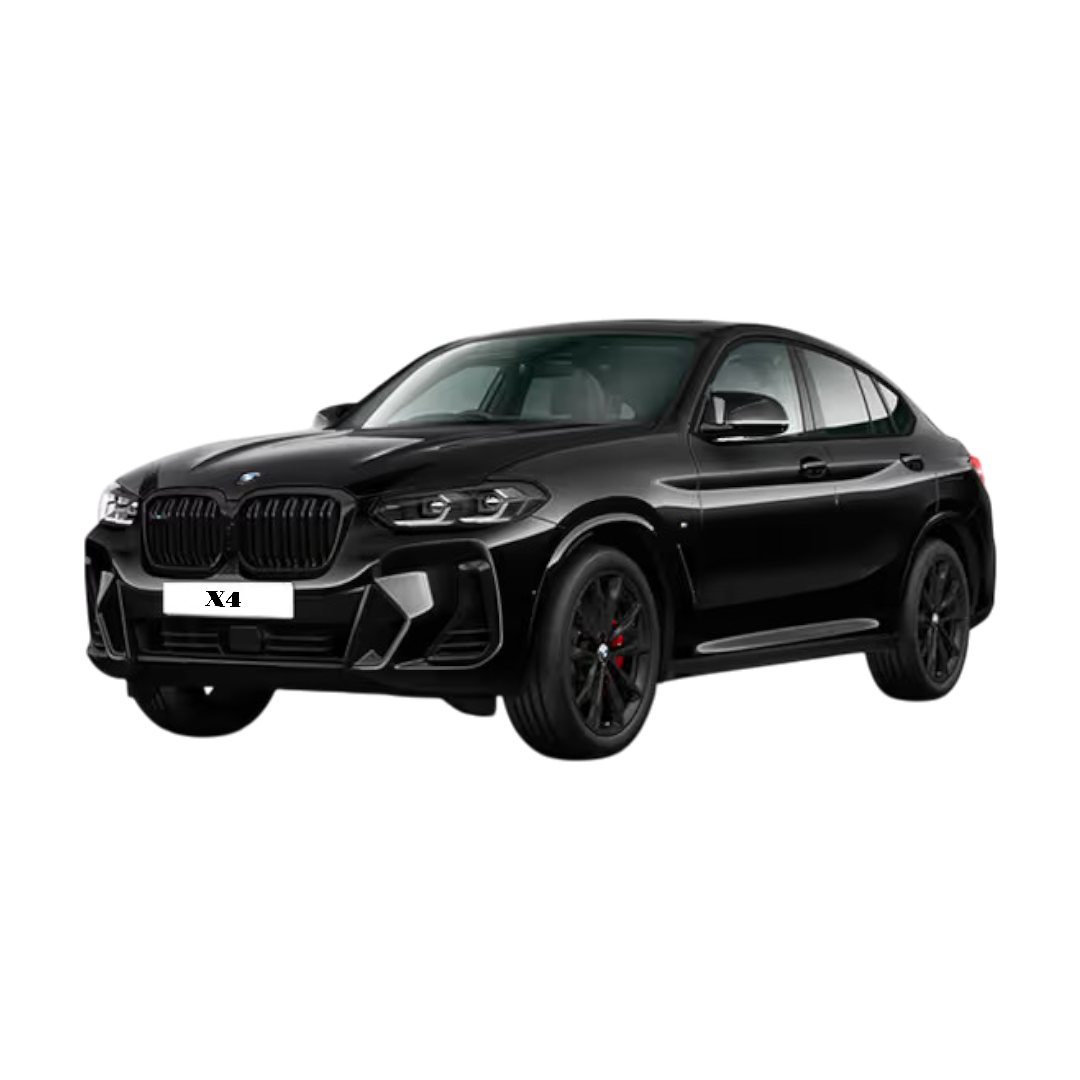 BMW X4
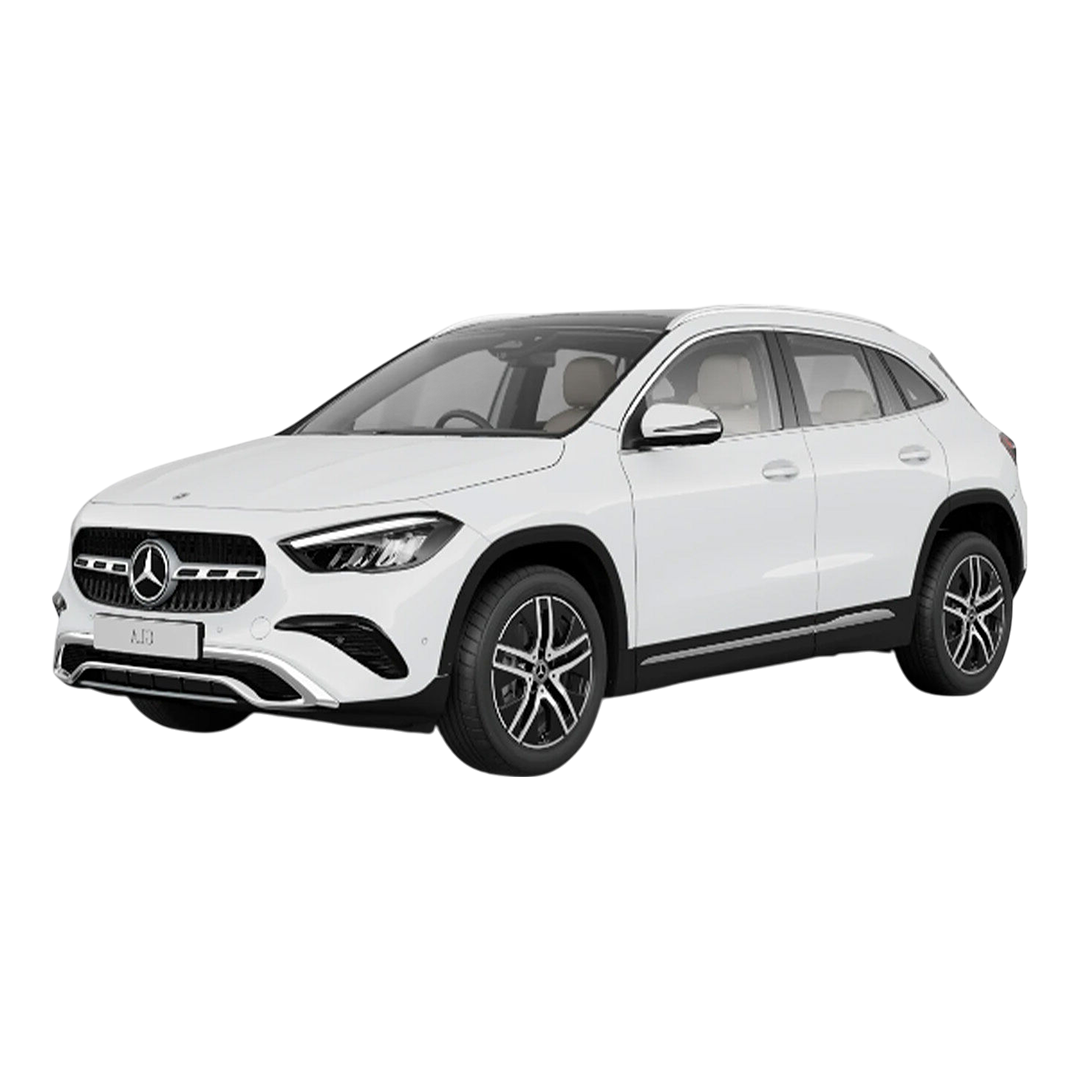 Mercedes Benz GLA
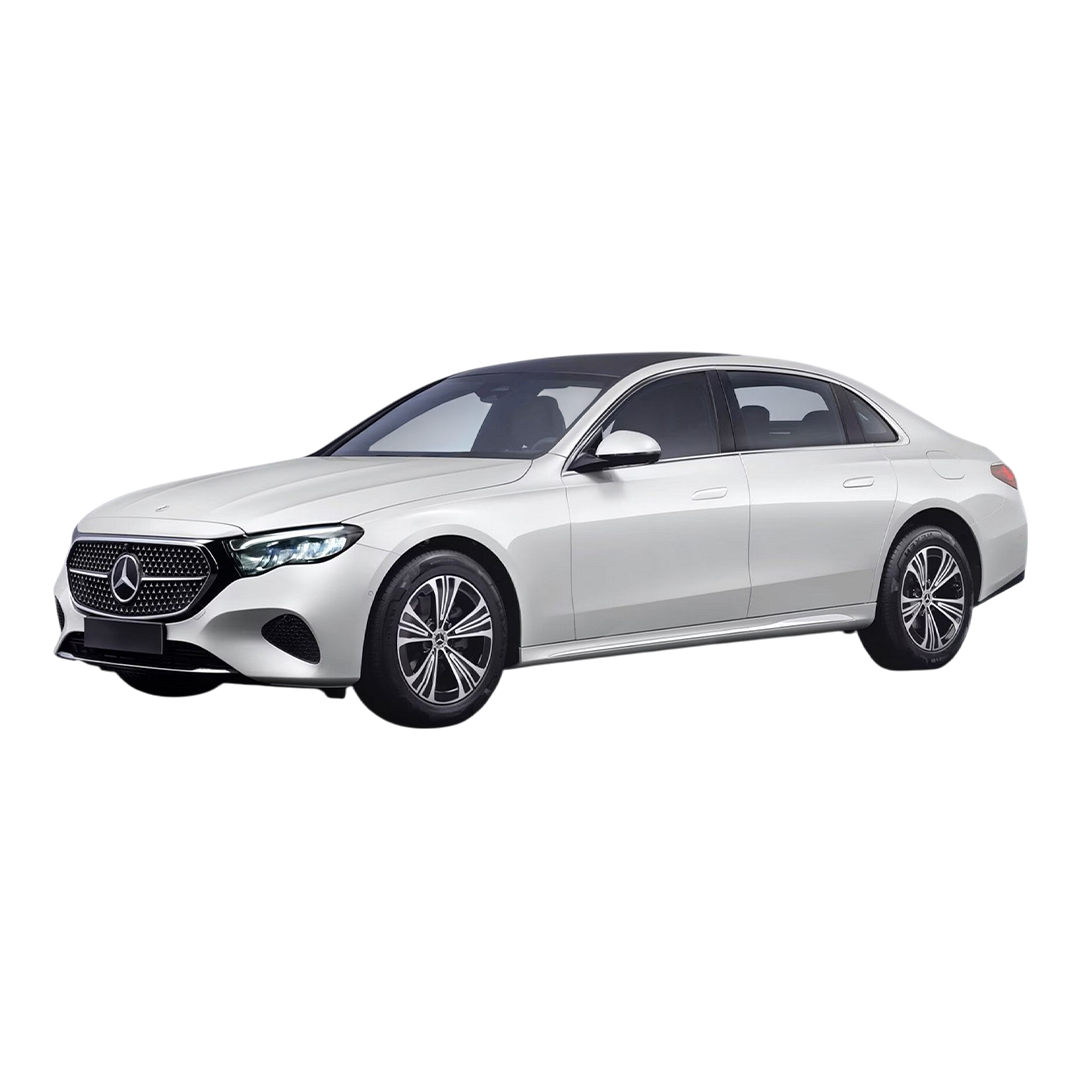 Mercedes E-Class
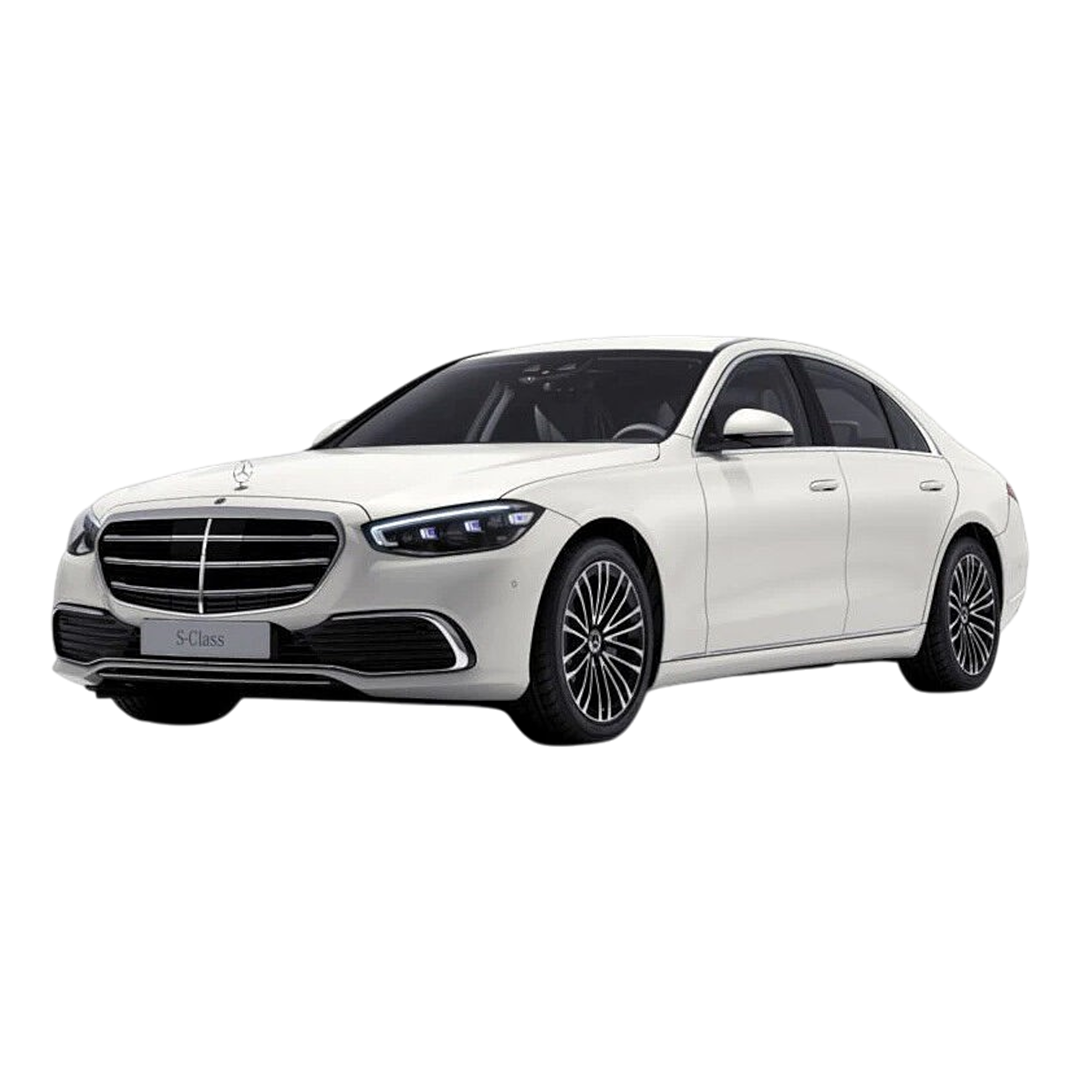 Mercedes S-Class
 Mercedes Benz GLS
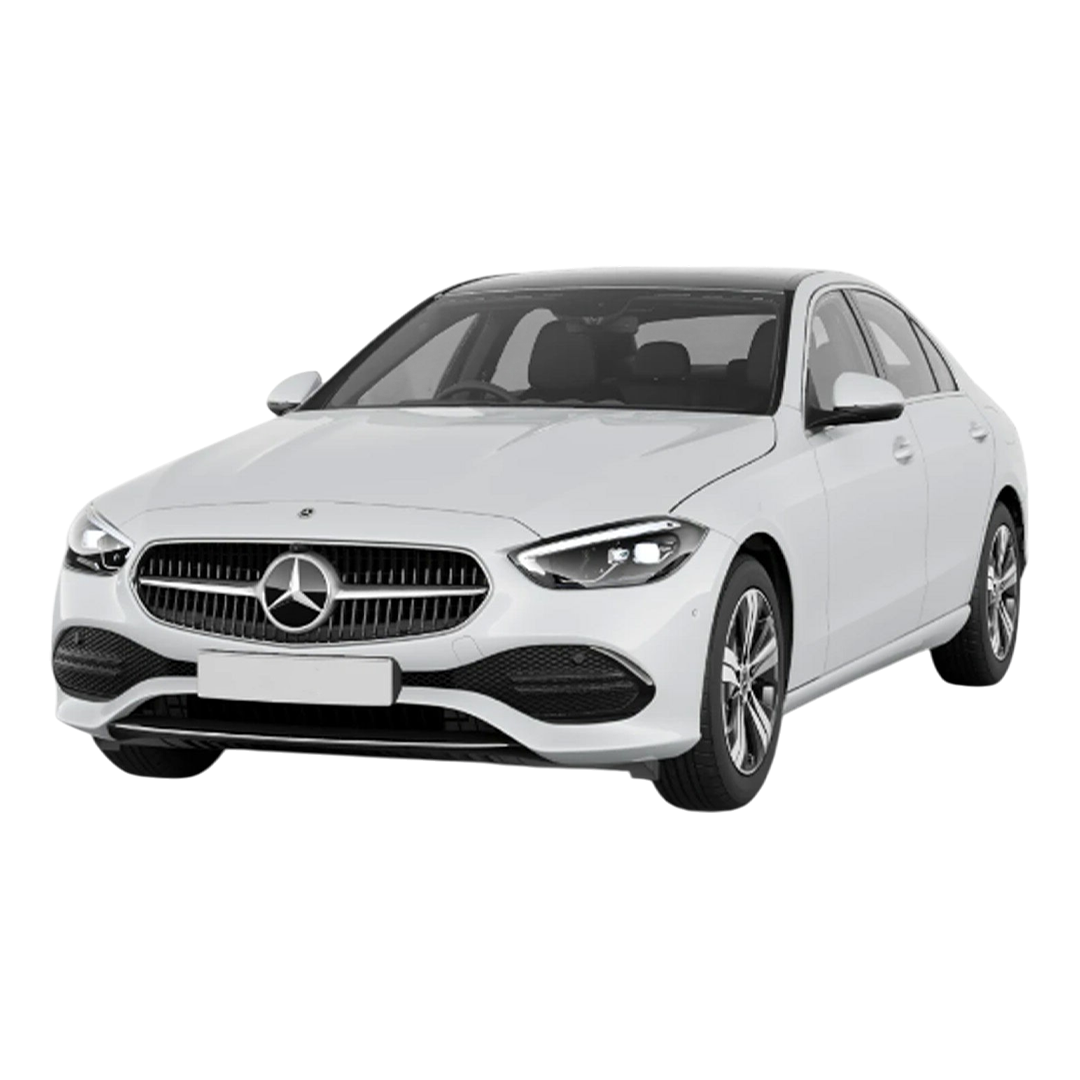 Mercedes Benz C-Class
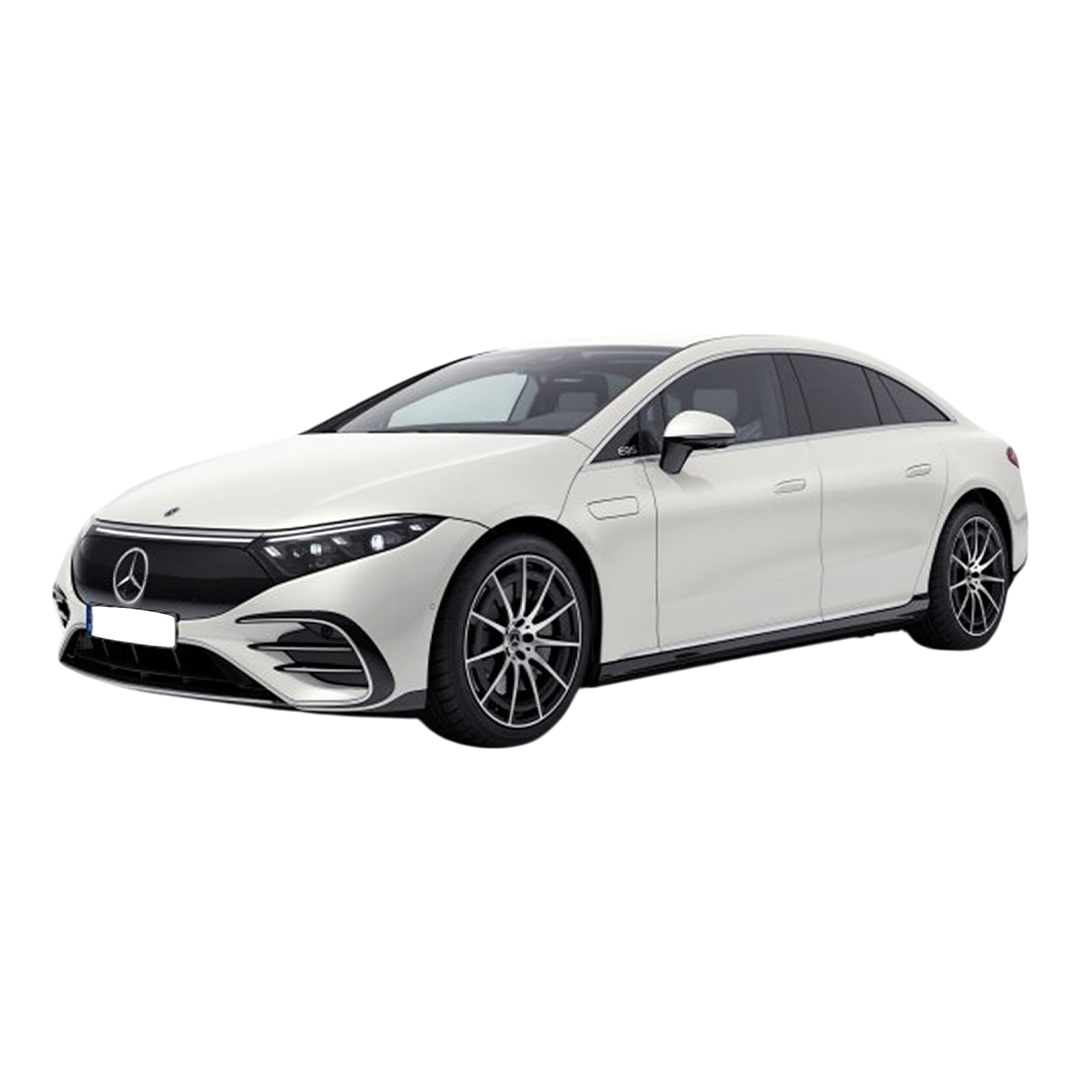 Mercedes Benz EQS
 Mercedes Benz GLC
 Mercedes Benz GLE
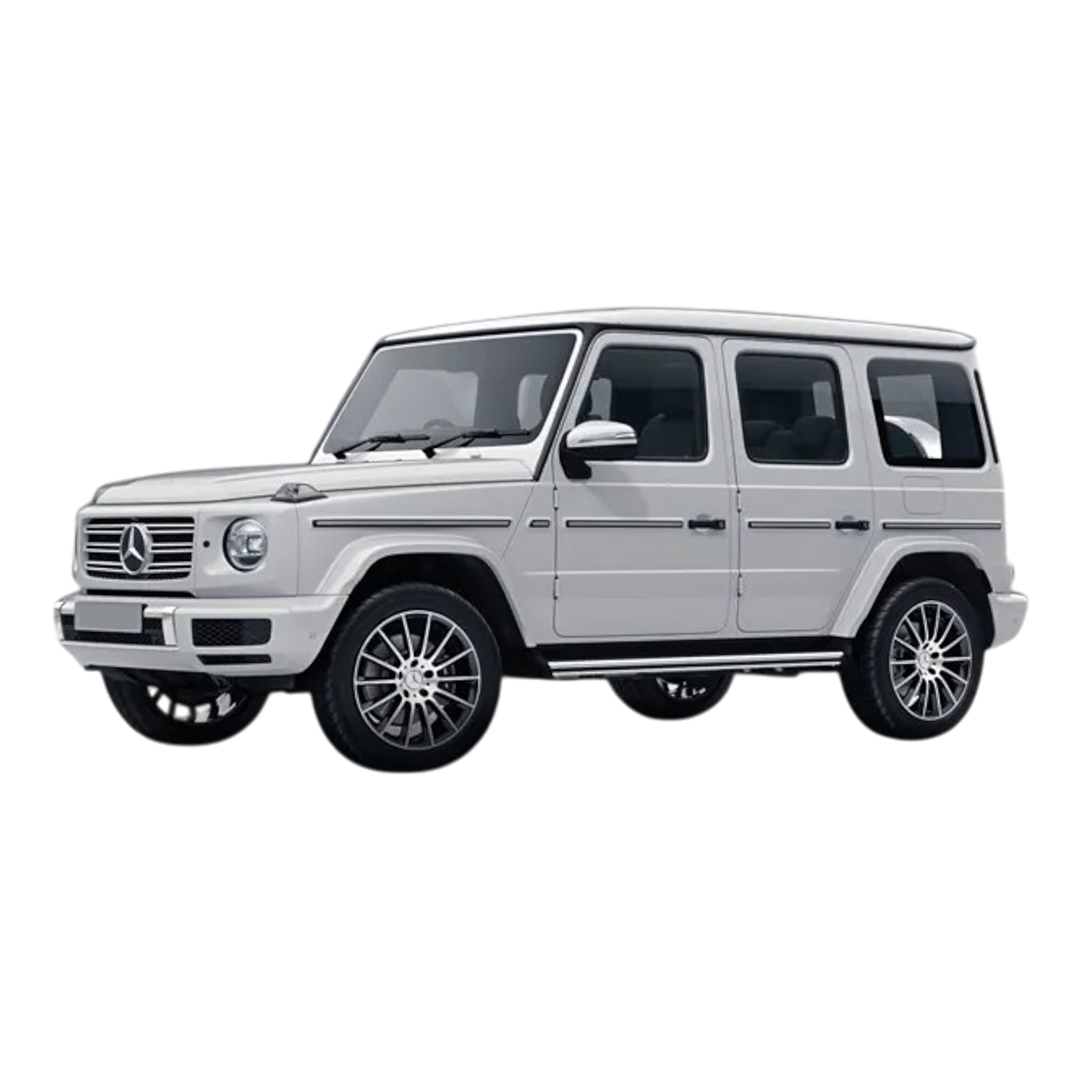 Mercedes Benz G-Class
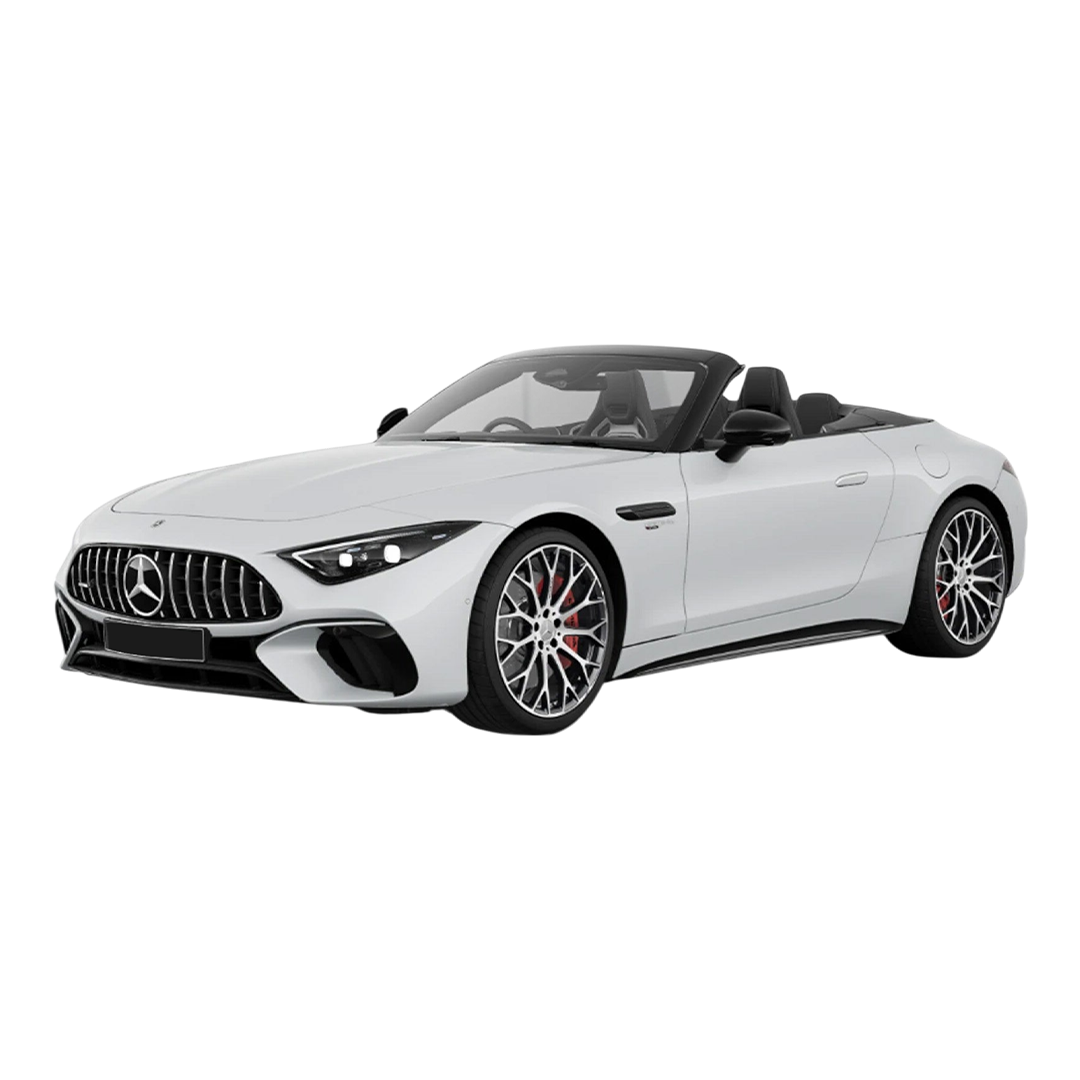 Mercedes Benz AMG SL
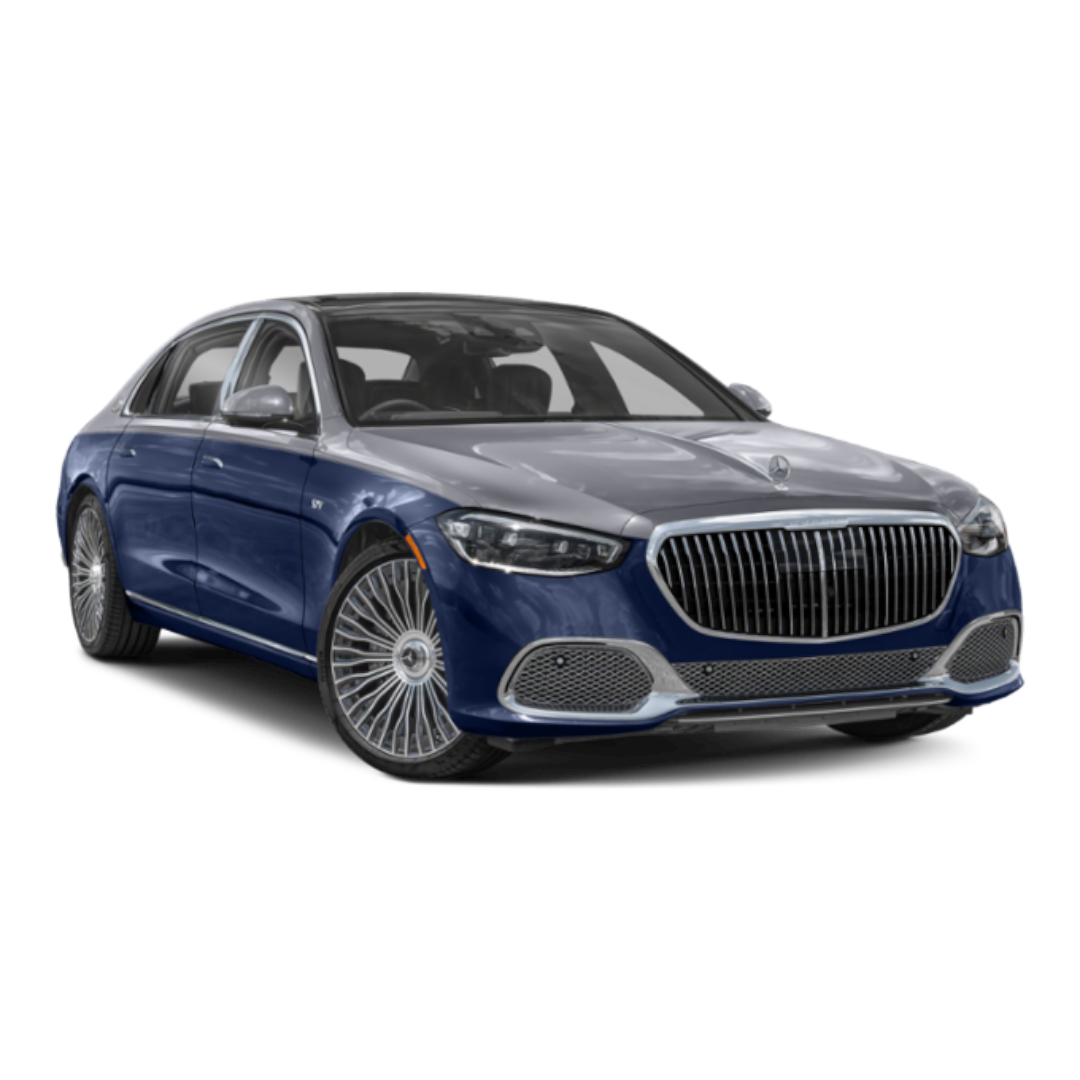 Mercedes Benz MAYBACH S- Class
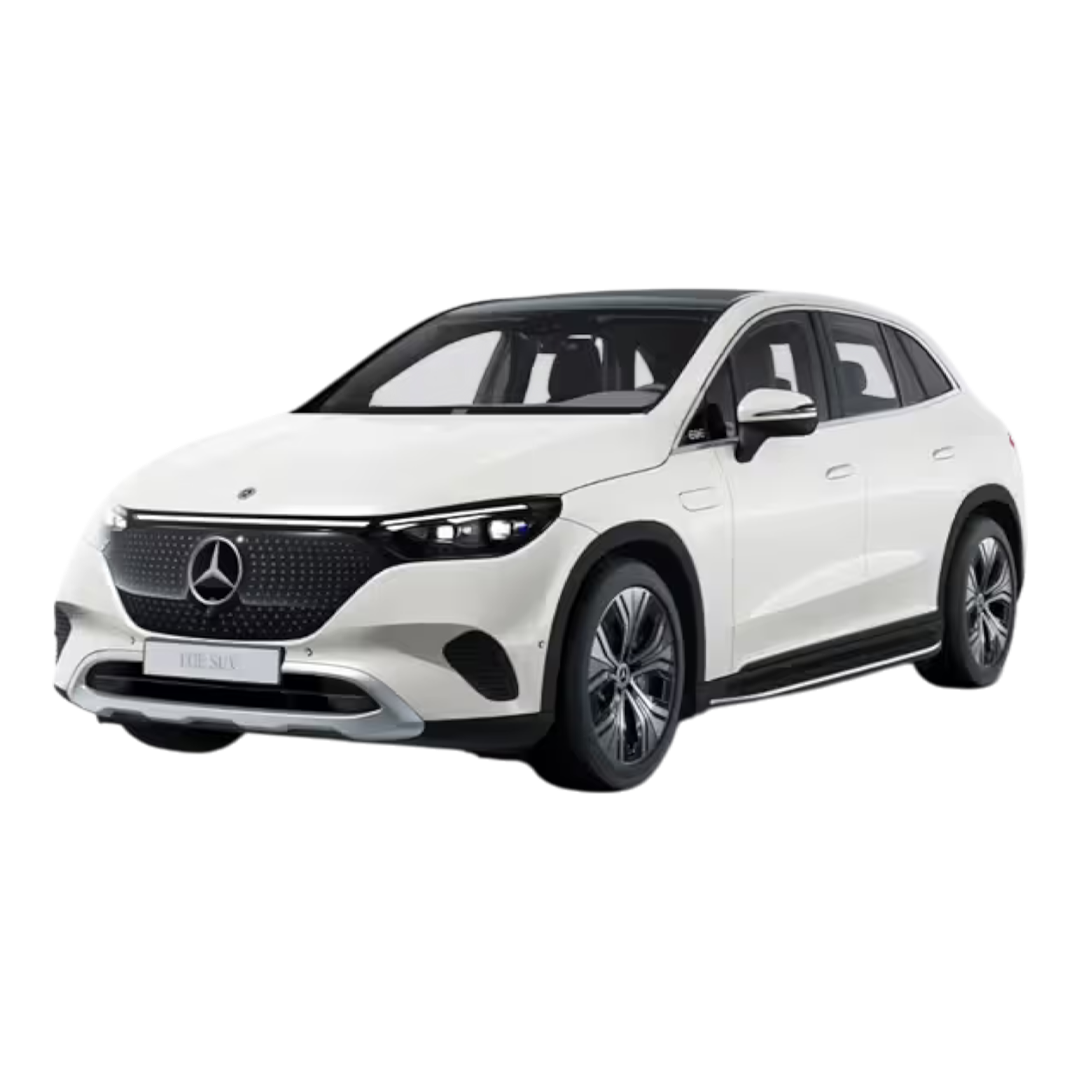 Mercedes Benz EQE-SUV
 Mercedes Benz GLB
 Mercedes Benz AMG A 45 S
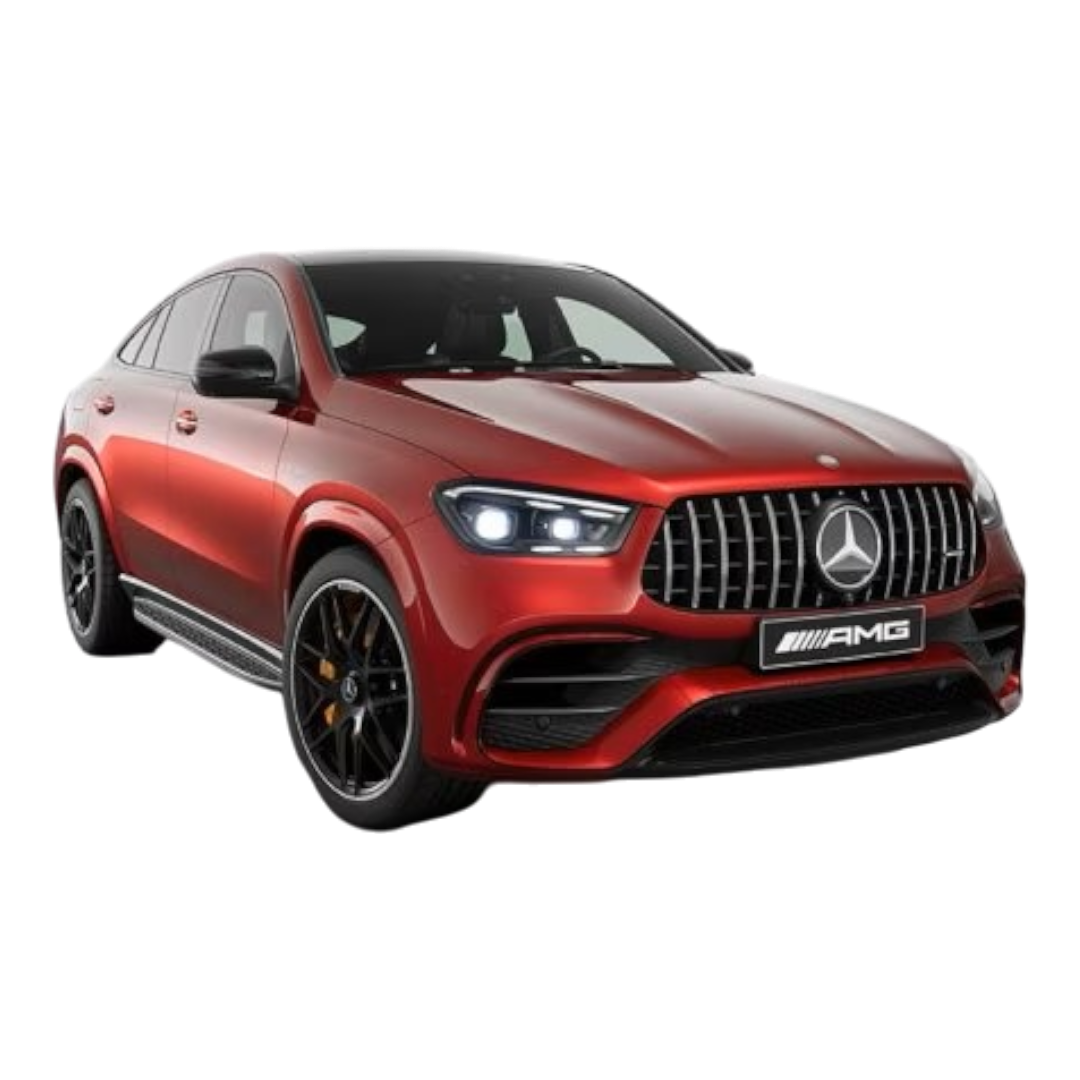 Mercedes Benz AMG GLE S3
 Mercedes Benz EQB
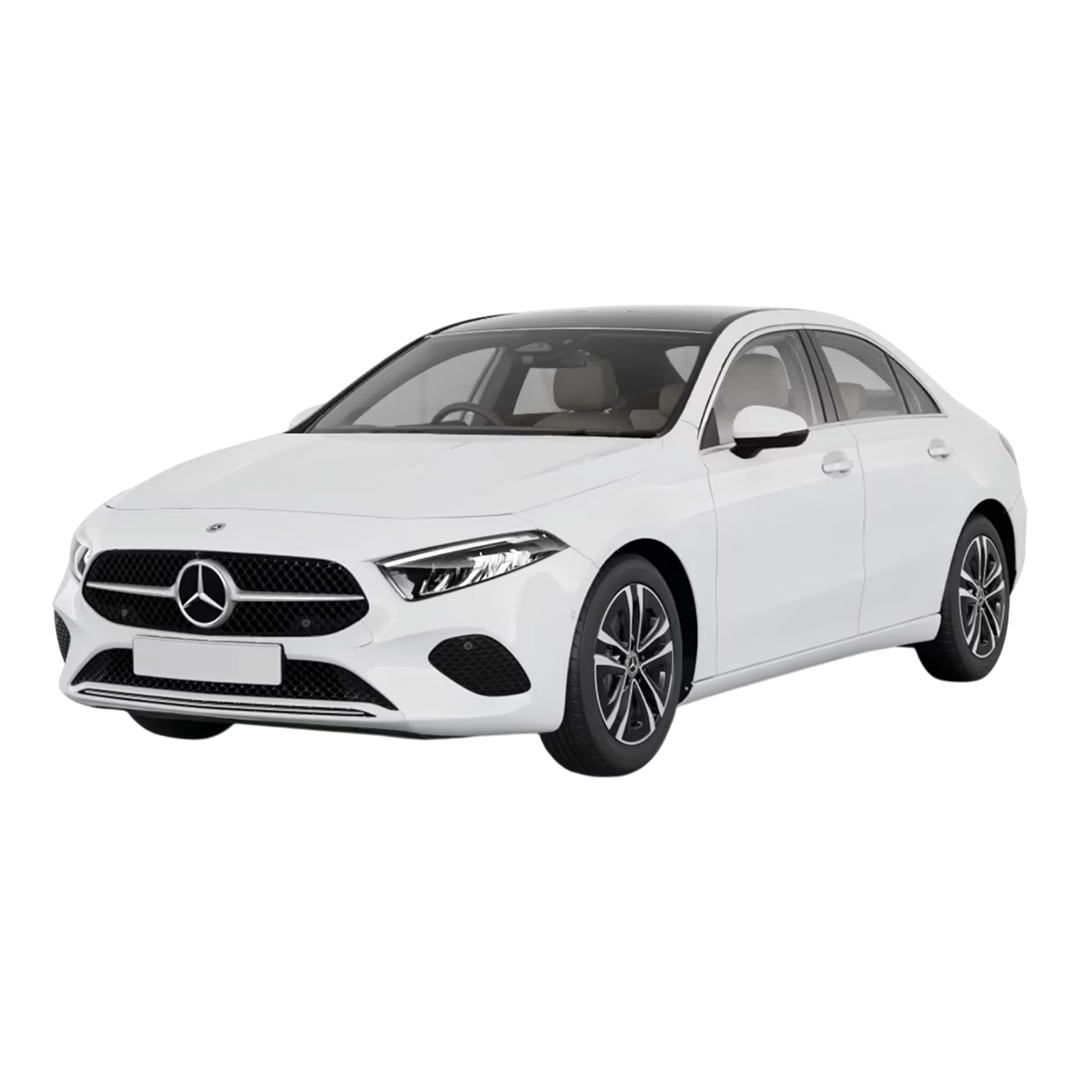 Mercedes Benz A Class limousine
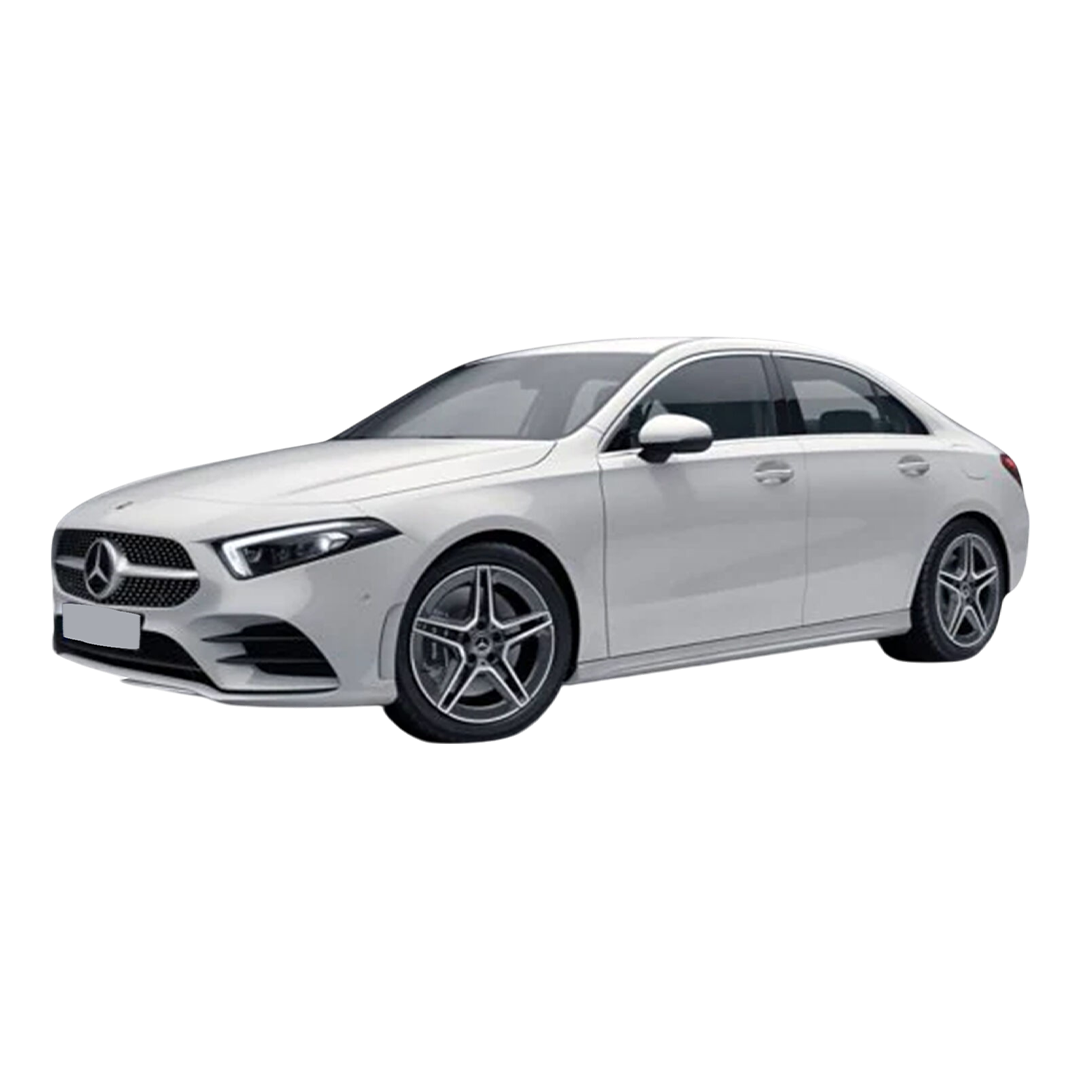 Mercedes Benz AMG A 35
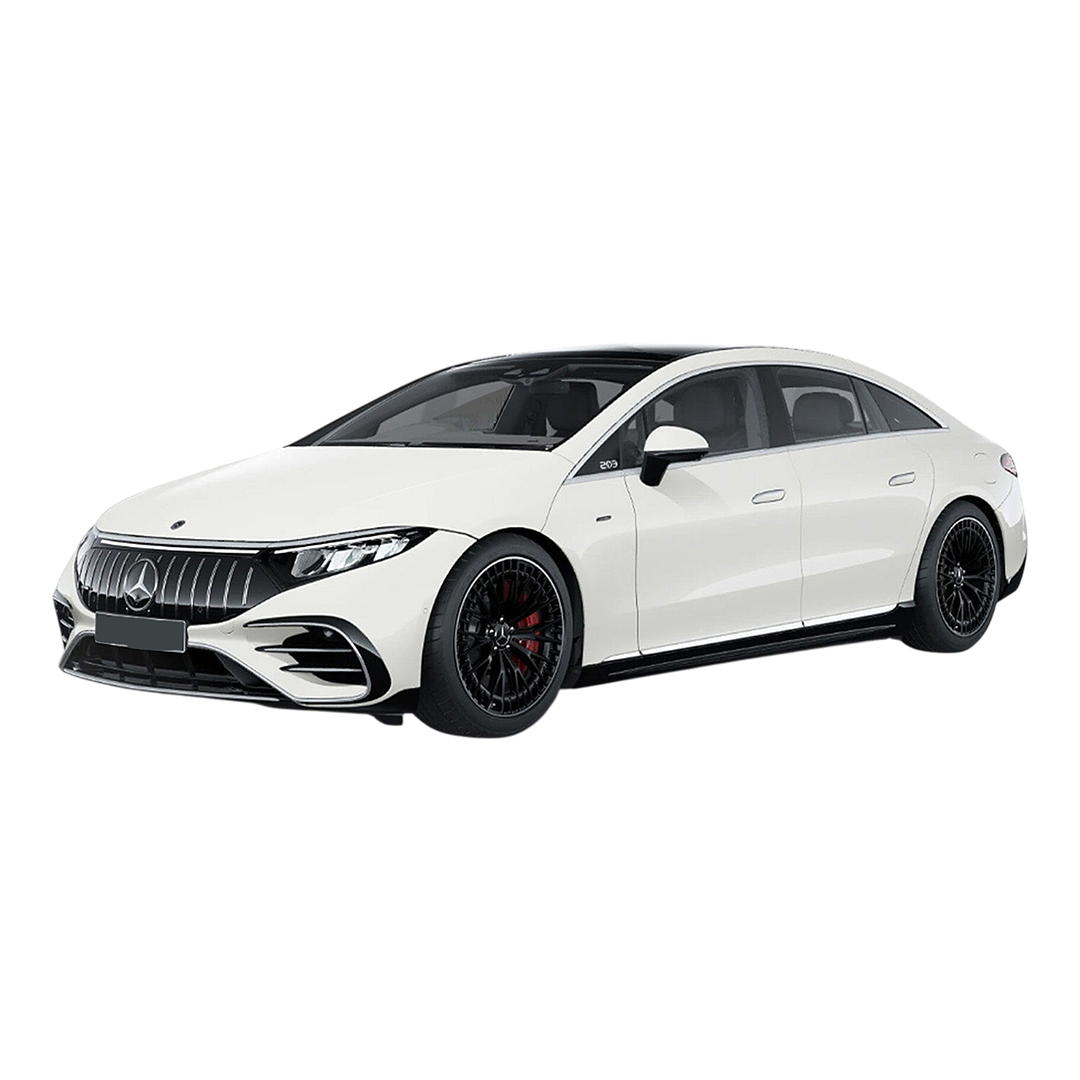 Mercedes-Benz AMG EQS
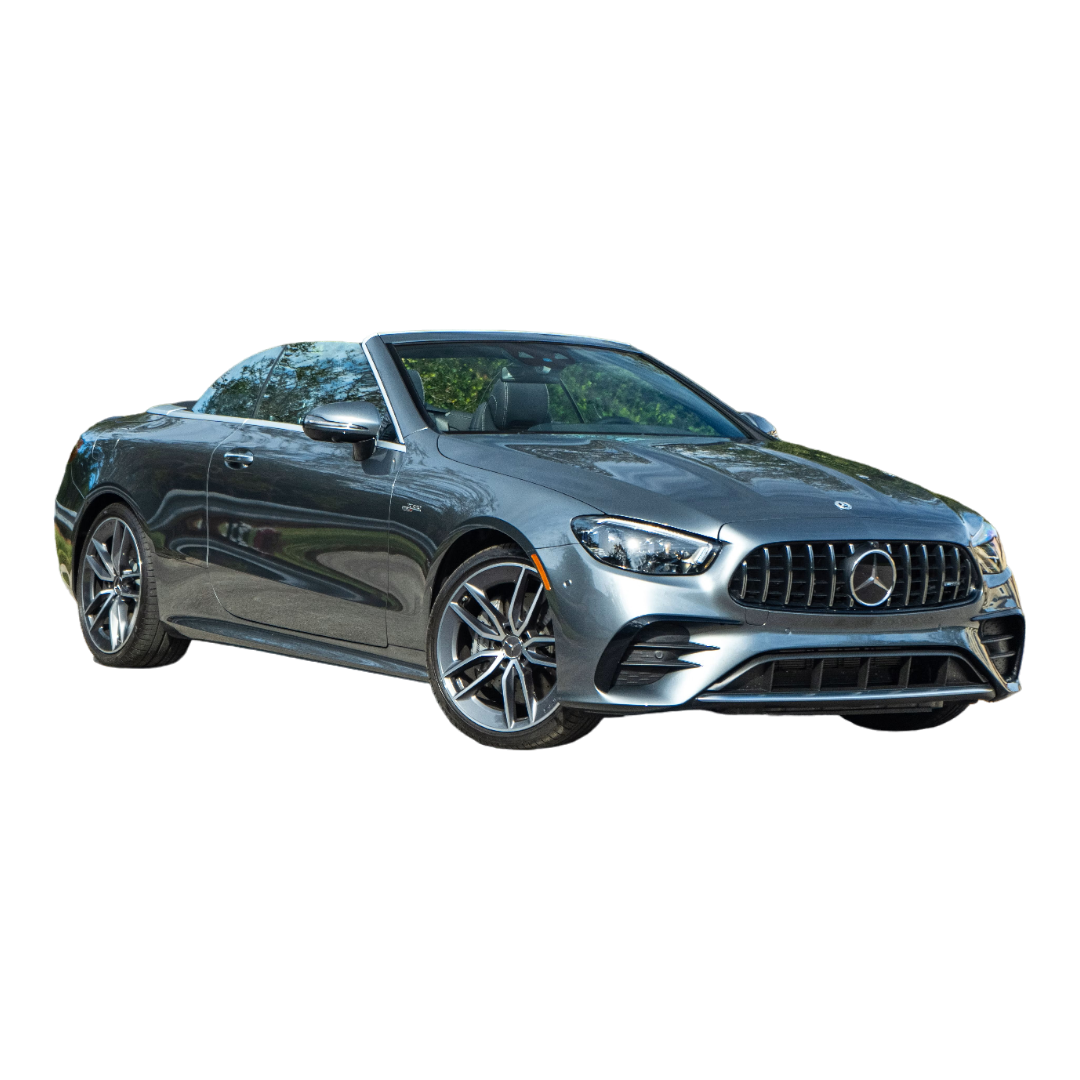 Mercedes-Benz AMG E 53 Cabriolet
 Mercedes-Benz AMG GLA 35
 Mercedes-Benz GLC Coupe 2023
 Mercedes M-Class
R-Class
Mercedes M-Class
R-Class
 GLS 600
GLS 400
GLS 350
GLE 300
GLS 600
GLS 400
GLS 350
GLE 300
 GLE 400
GLE 250D
GLE 400
GLE 250D
 GLC 220D
GLC 300
GLC 220D
GLC 300
 GLC 43 Coupe
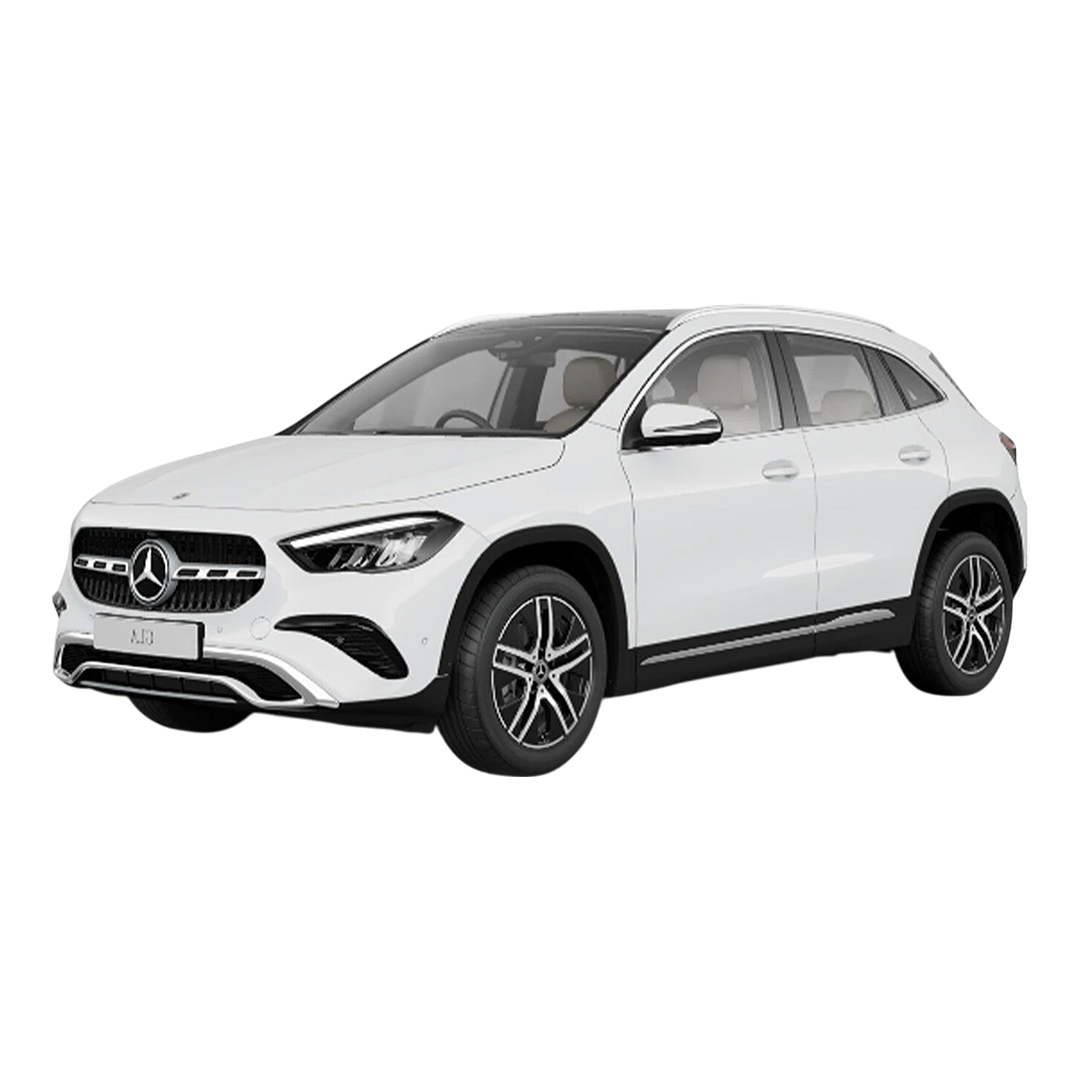 GLA 220d
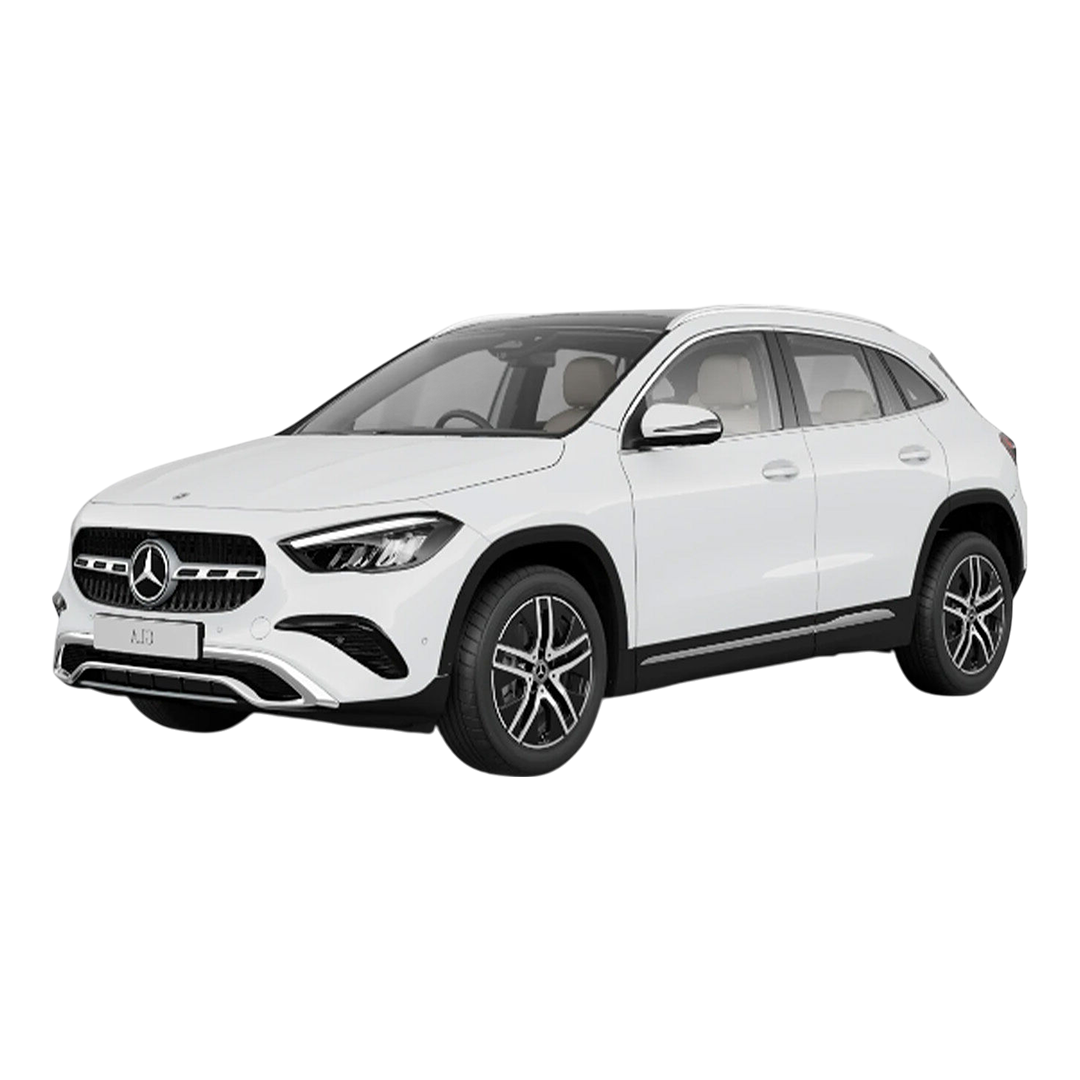 GLA-Class 200D
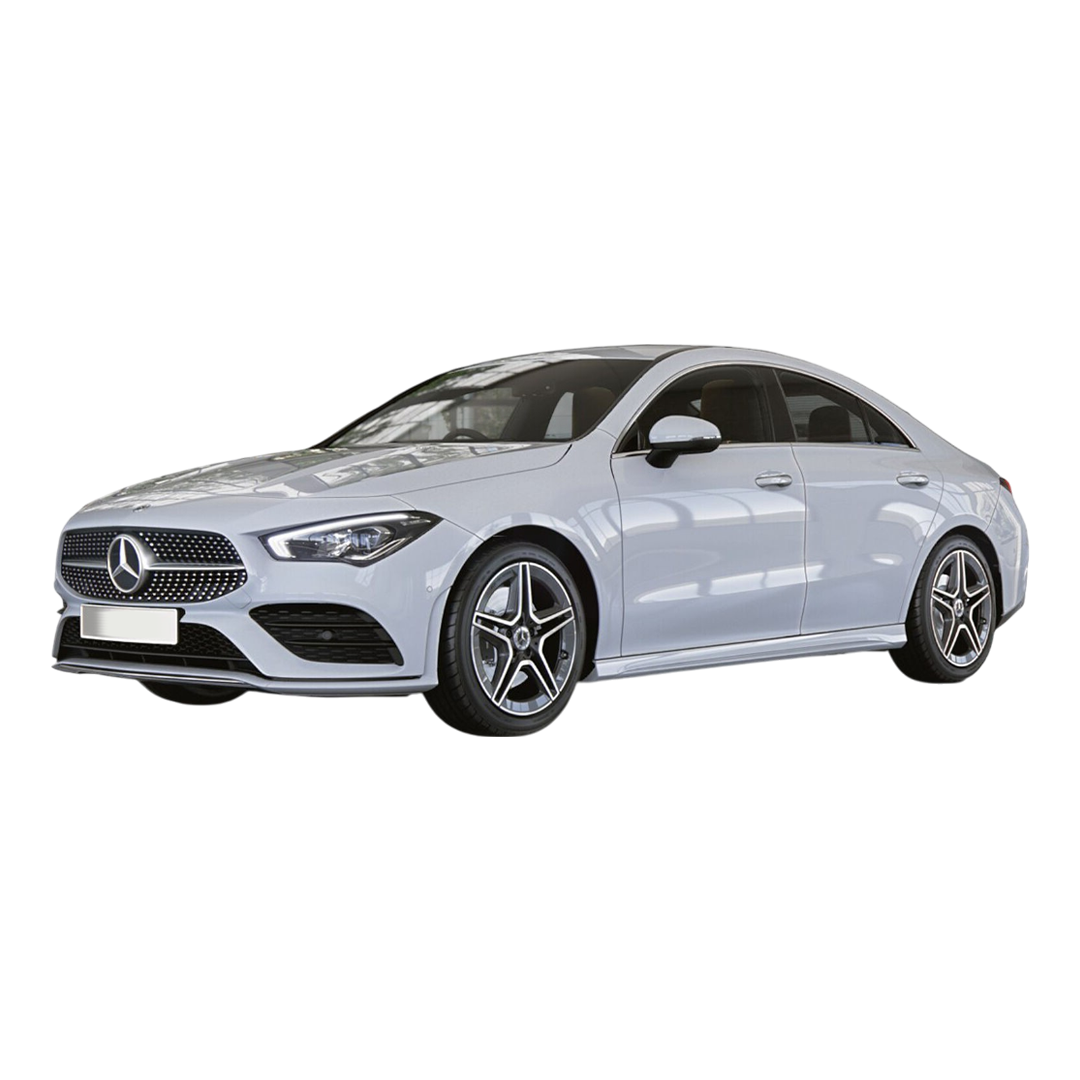 CLA 200
 Benz A-Class A 180
M-Class ML 250
M-Class ML 350
Benz A-Class A 180
M-Class ML 250
M-Class ML 350
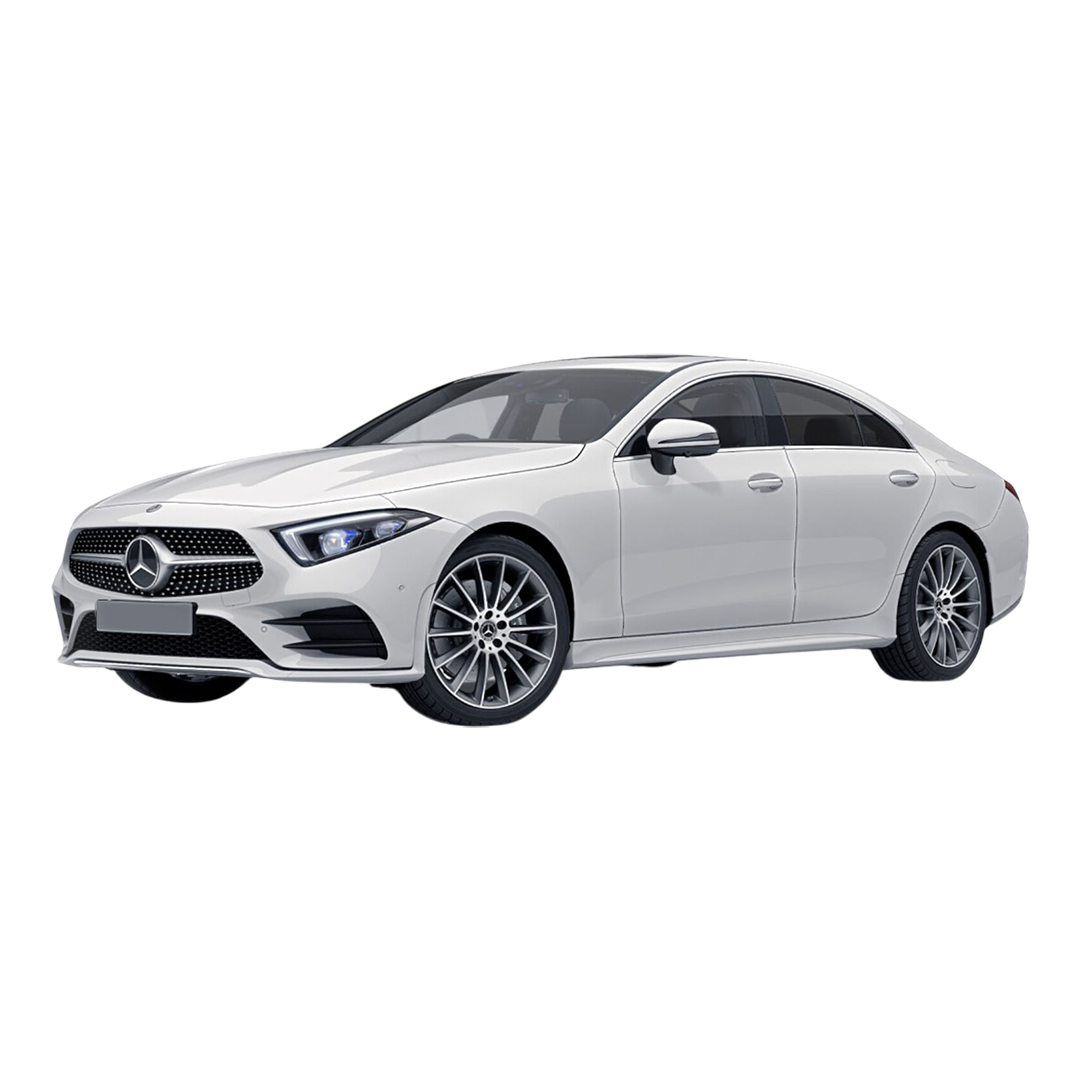 Benz CLS 300
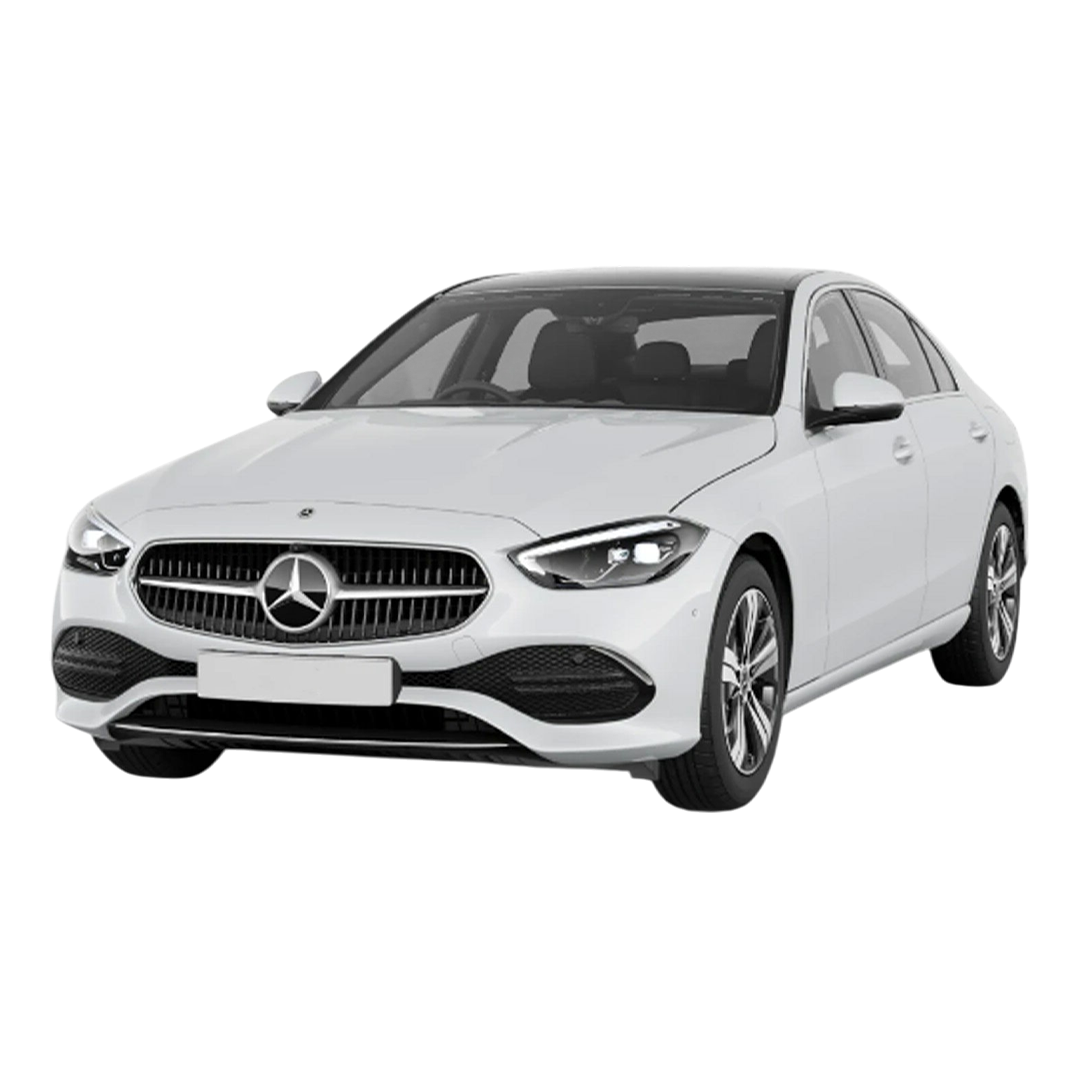 C-Class C250
C-Class C220
C-Class C200
C-Class C250
C-Class C220
C-Class C200
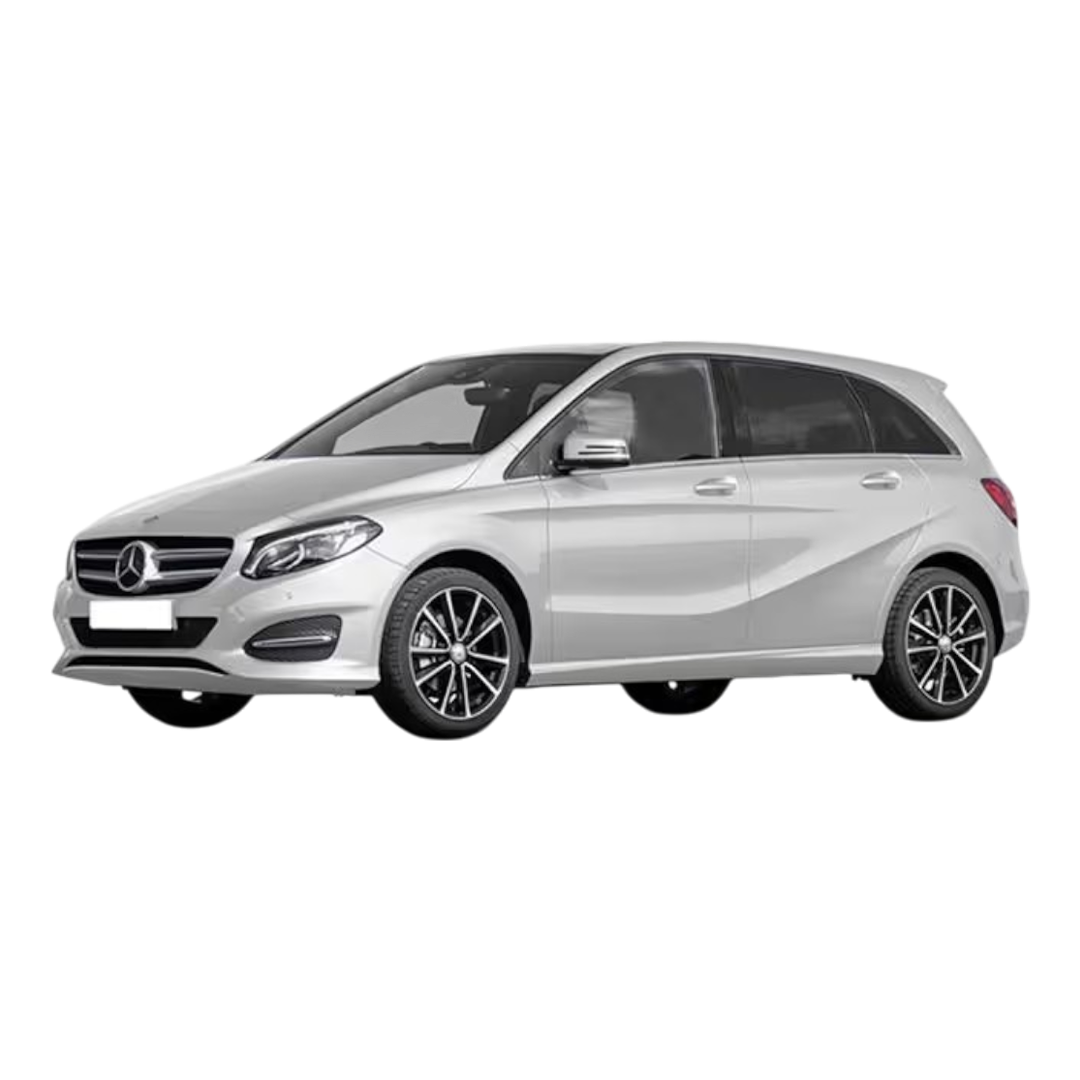 Benz B - Class
Benz A - 200
Benz B - Class
Benz A - 200
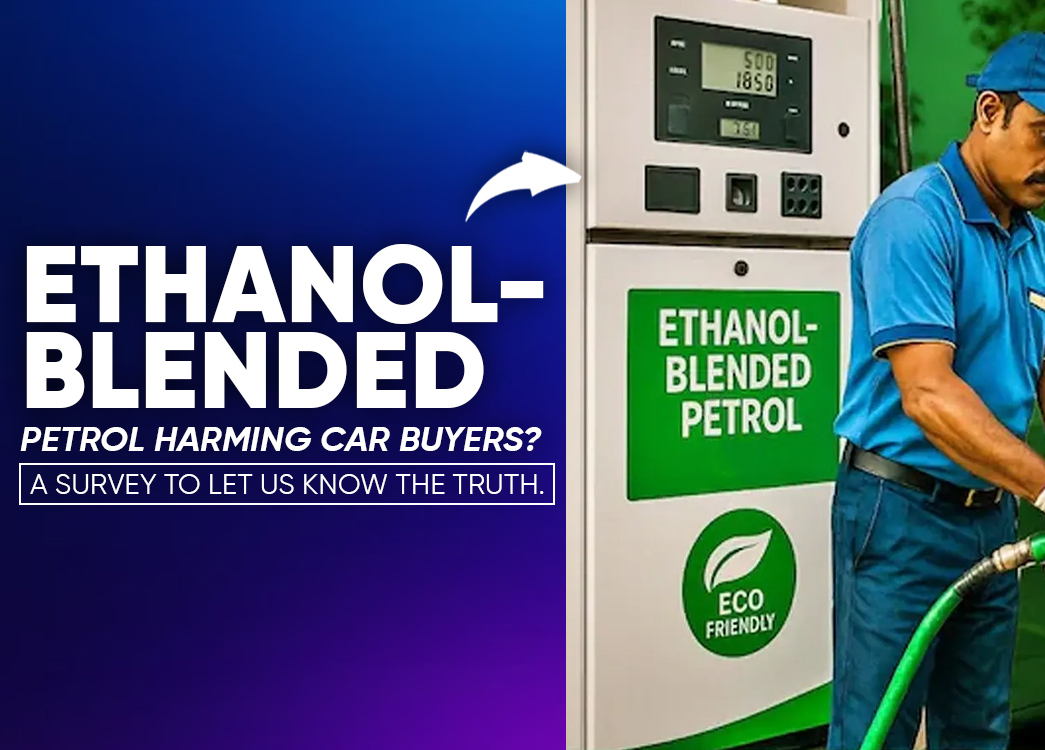
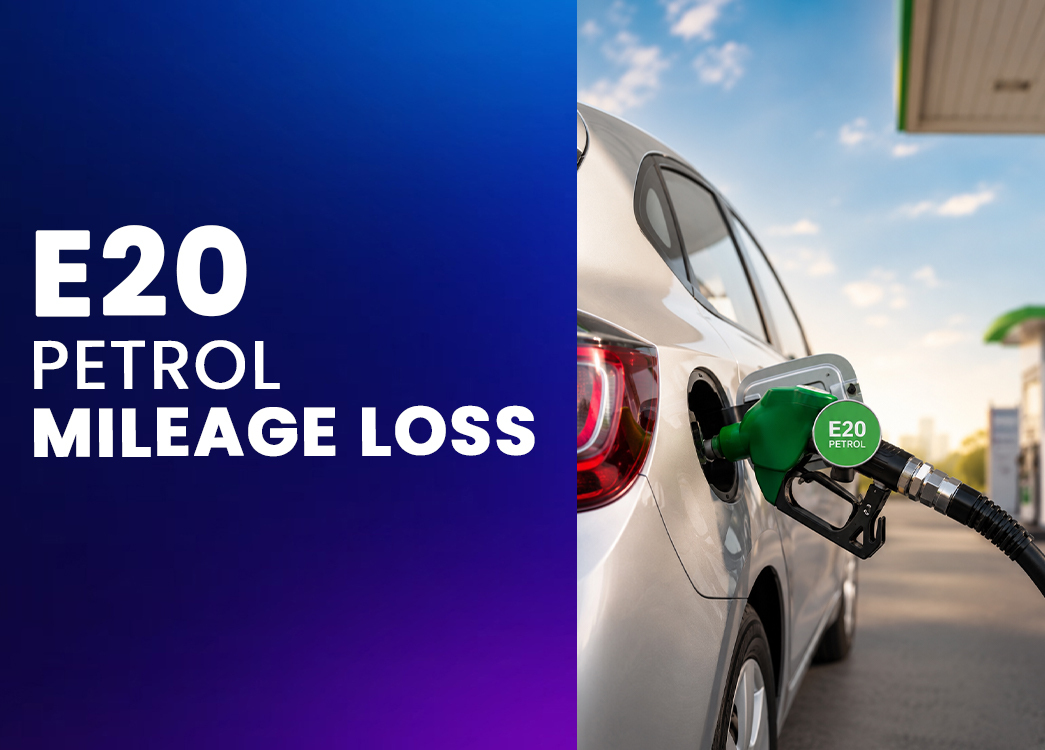
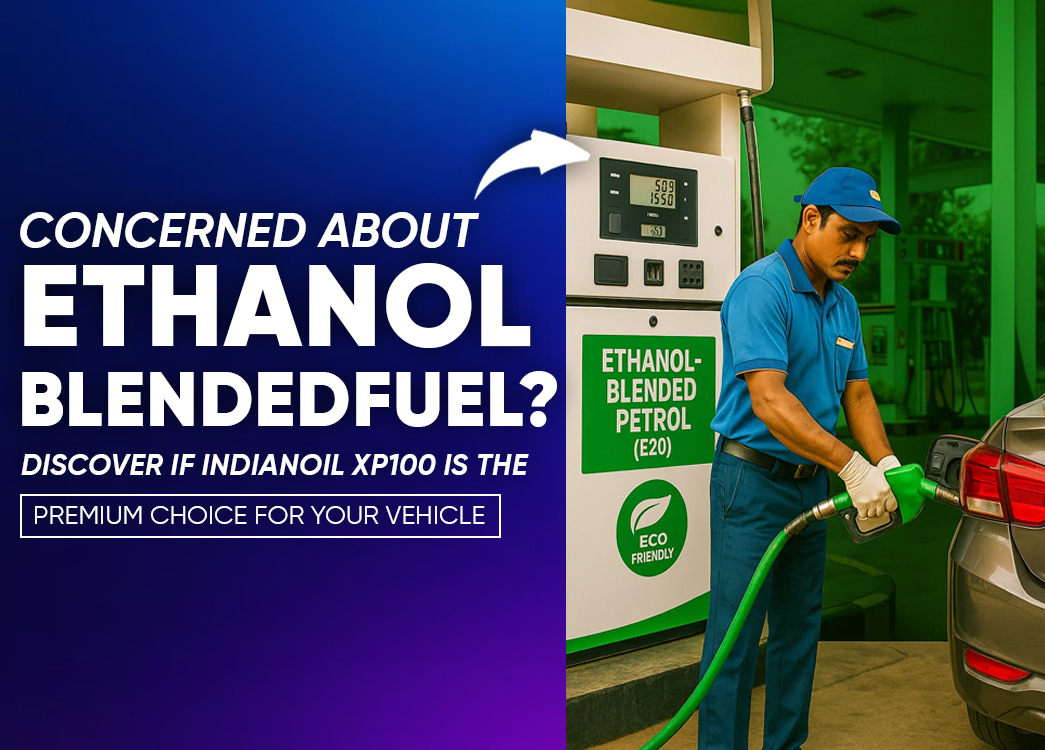
E20 petrol is making headlines, and car owners are buzzing with questions. As the name suggests, it is petrol blended with 20% ethanol. The government is pushing this shift to cut down our massive oil import bill and make fuels a little friendlier for the environment. Until now, E10 (10% ethanol blend) has been the standard. But with E20 entering pumps across India, the debate begins how does it affect new cars vs older ones?
Research and real-world tests say E20 fuel is safe for newer cars but could raise concerns for older vehicles over time.
Ethanol absorbs water, which can corrode fuel lines and rubber seals especially in older cars. That’s why the age of your car matters with E20 fuel.
Drivers of older cars might notice a 1-6% dip in fuel efficiency with E20 petrol, since their engines were never designed for high ethanol blends.
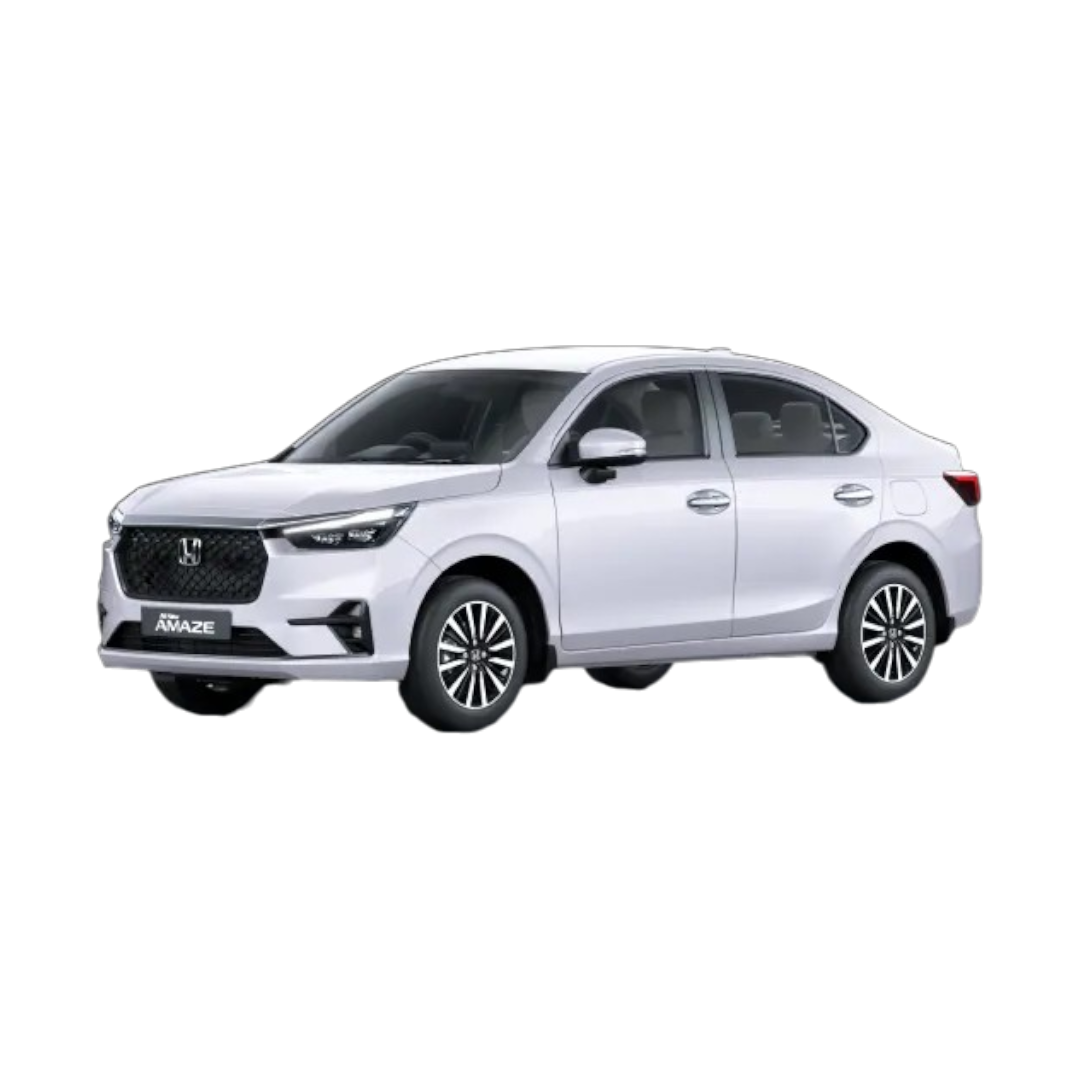
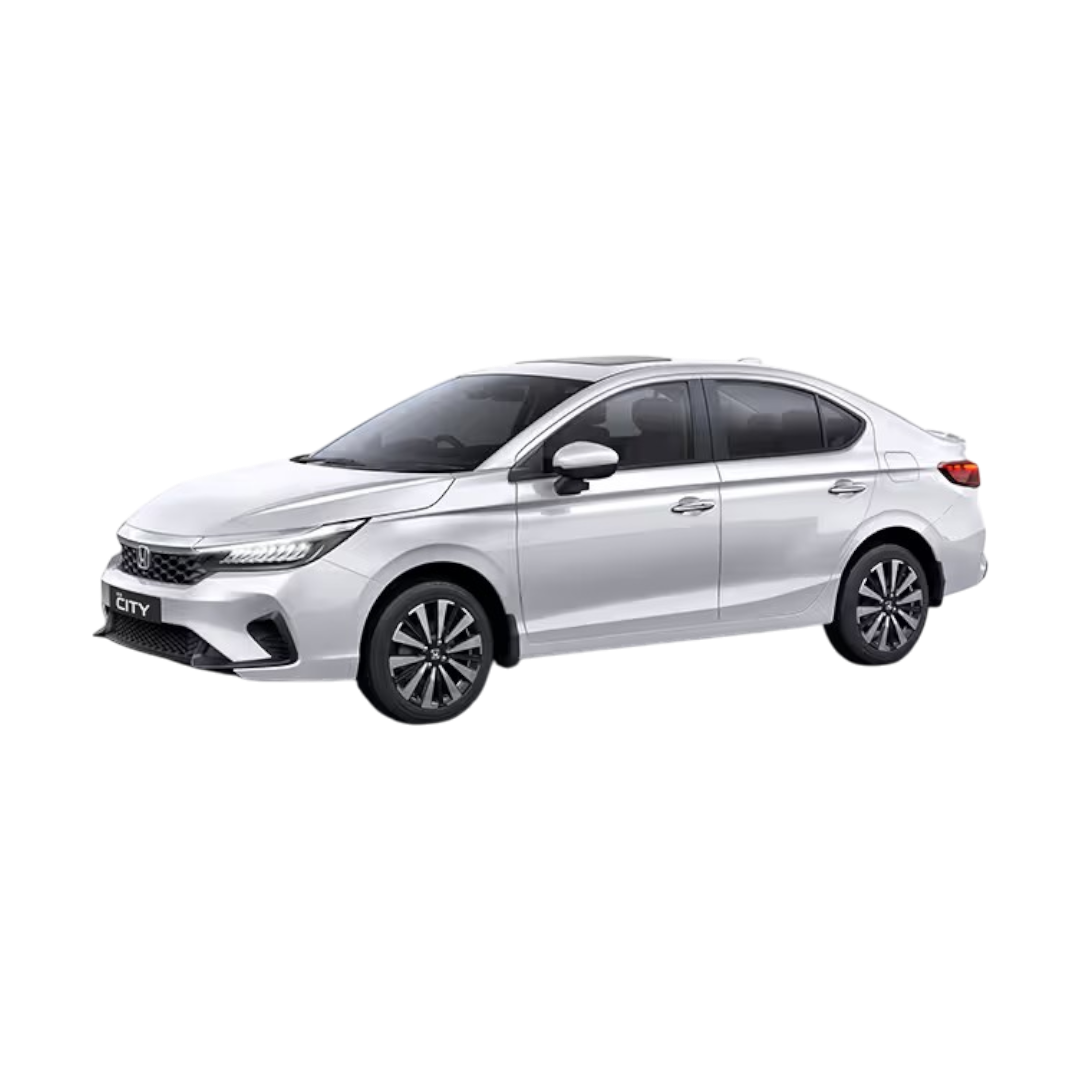
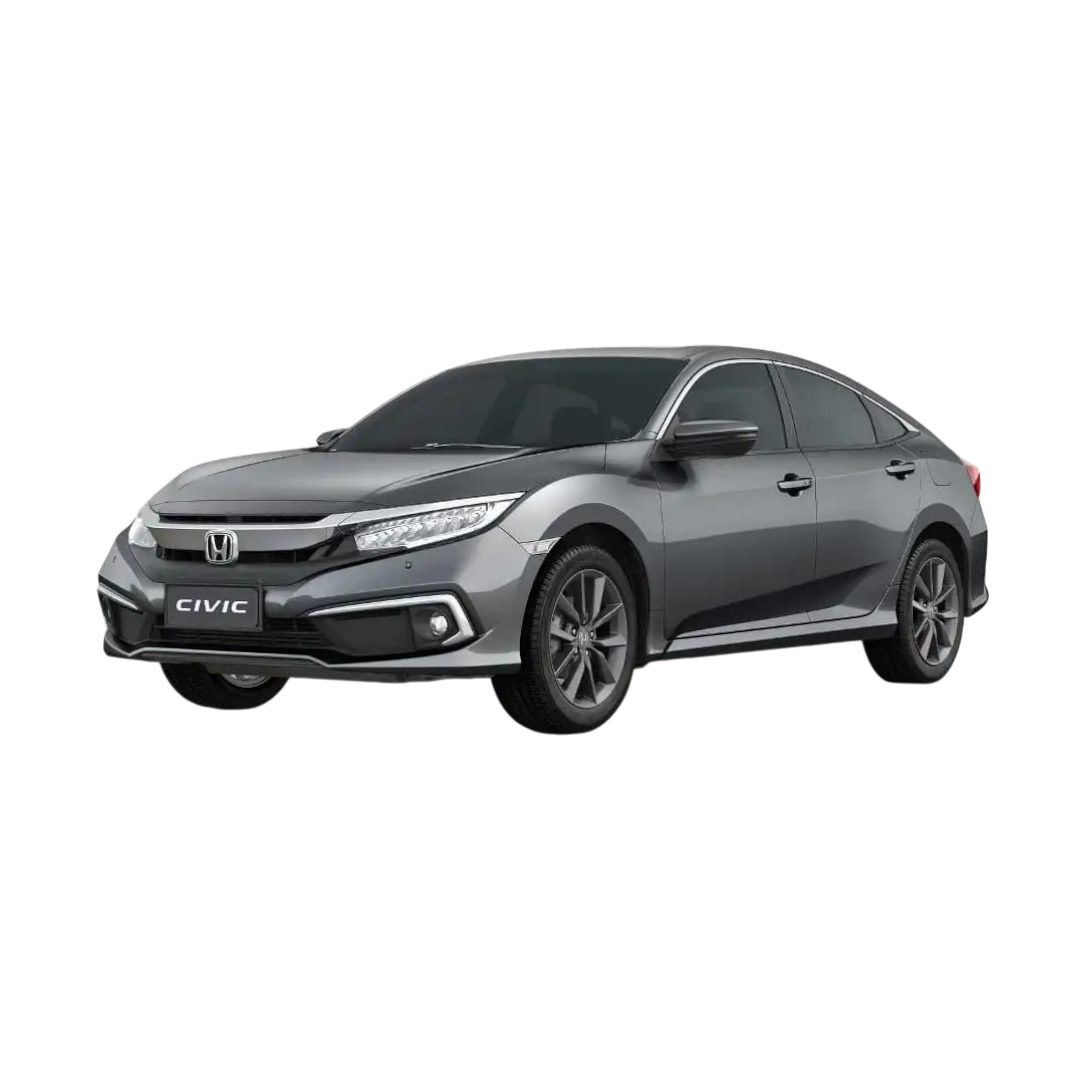
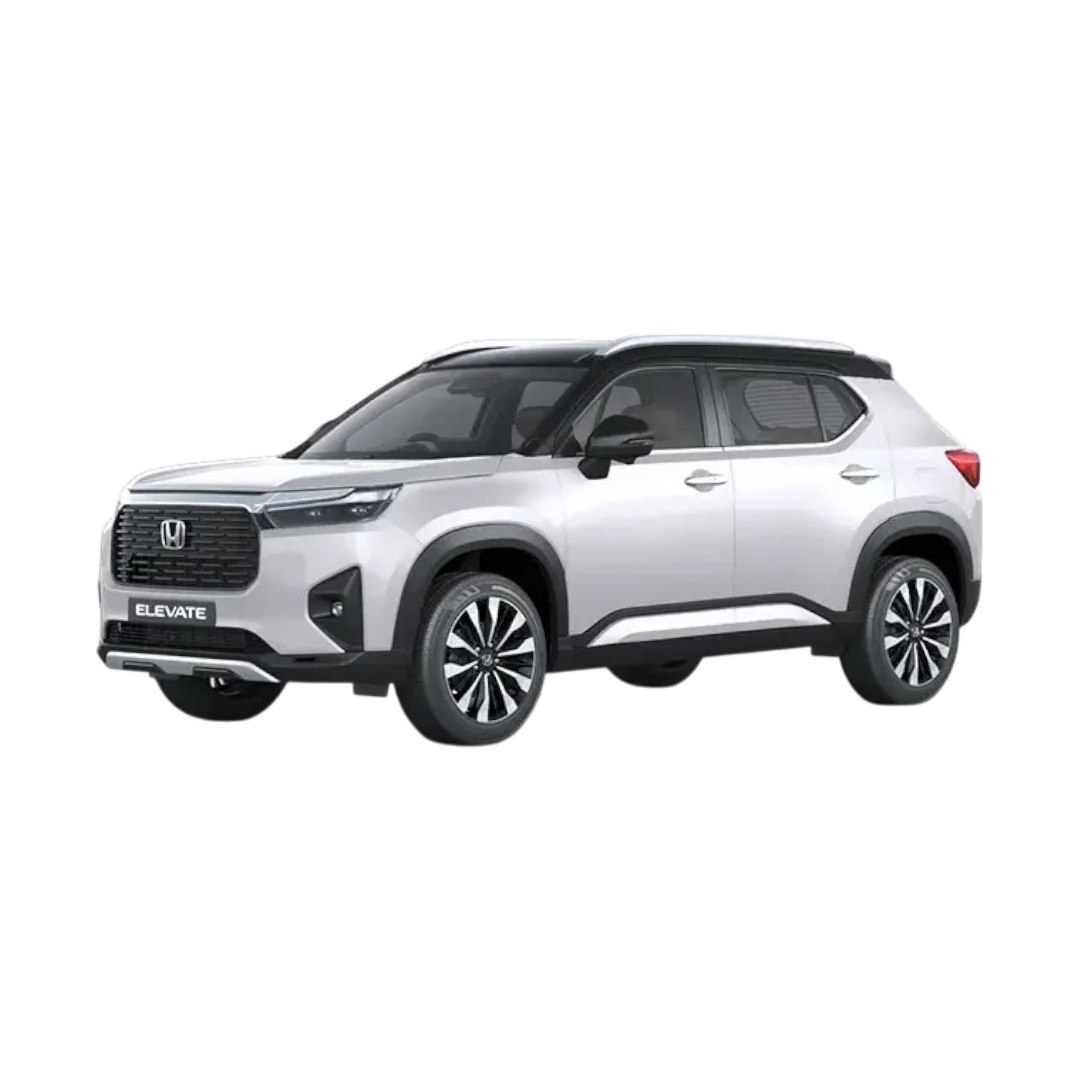
New Delhi, February 6, 2025: Honda Cars India Ltd. (HCIL), a leading premium car manufacturer, has announced E20 (20% Ethanol blended) Petrol compliance certification for all its current models Honda Elevate, Honda City e:HEV, Honda City, and Honda Amaze. The 2nd Generation Honda Amaze also received E20 compliance in January 2025.
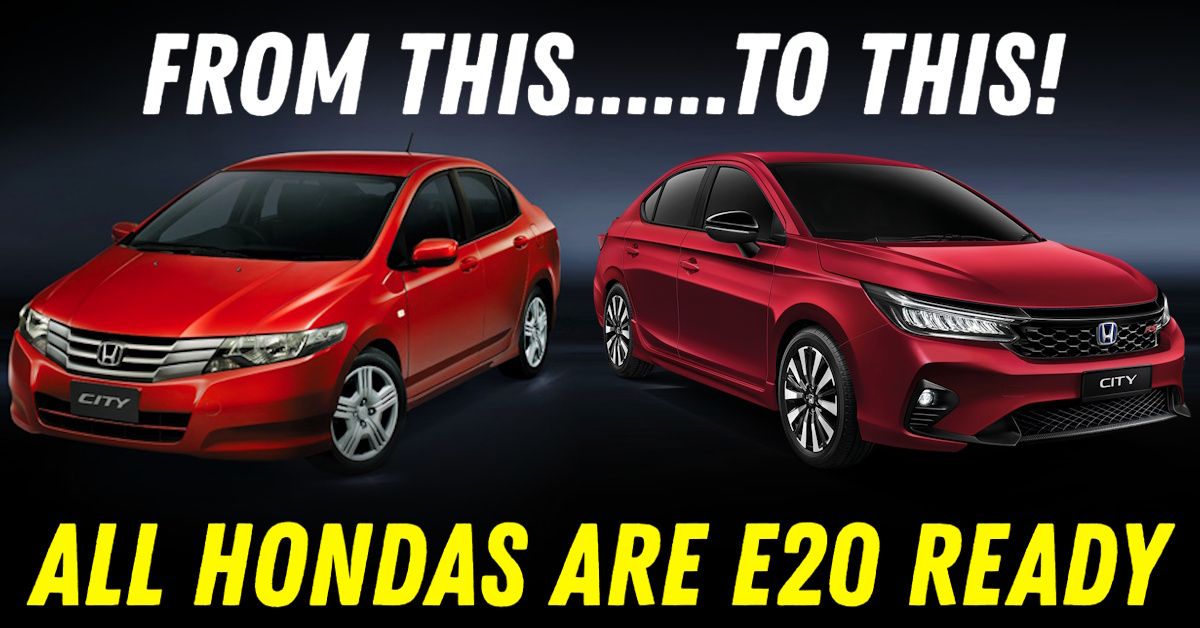
This milestone reflects Honda’s dedication to supporting India’s shift towards greener and cleaner transportation solutions. By aligning with E20 standards, Honda continues to strengthen its commitment to sustainability.
HCIL has been embracing E20 fuel compatibility since 2009. All Honda cars manufactured in India from January 1, 2009, are E20 material compatible. Customers can safely use E20 petrol in their Honda vehicles without durability concerns or the need for part changes.
Long-term studies show no major damage even after 1,00,000 km with E20 in compatible cars. But yes, slow wear and tear can build up in older models.
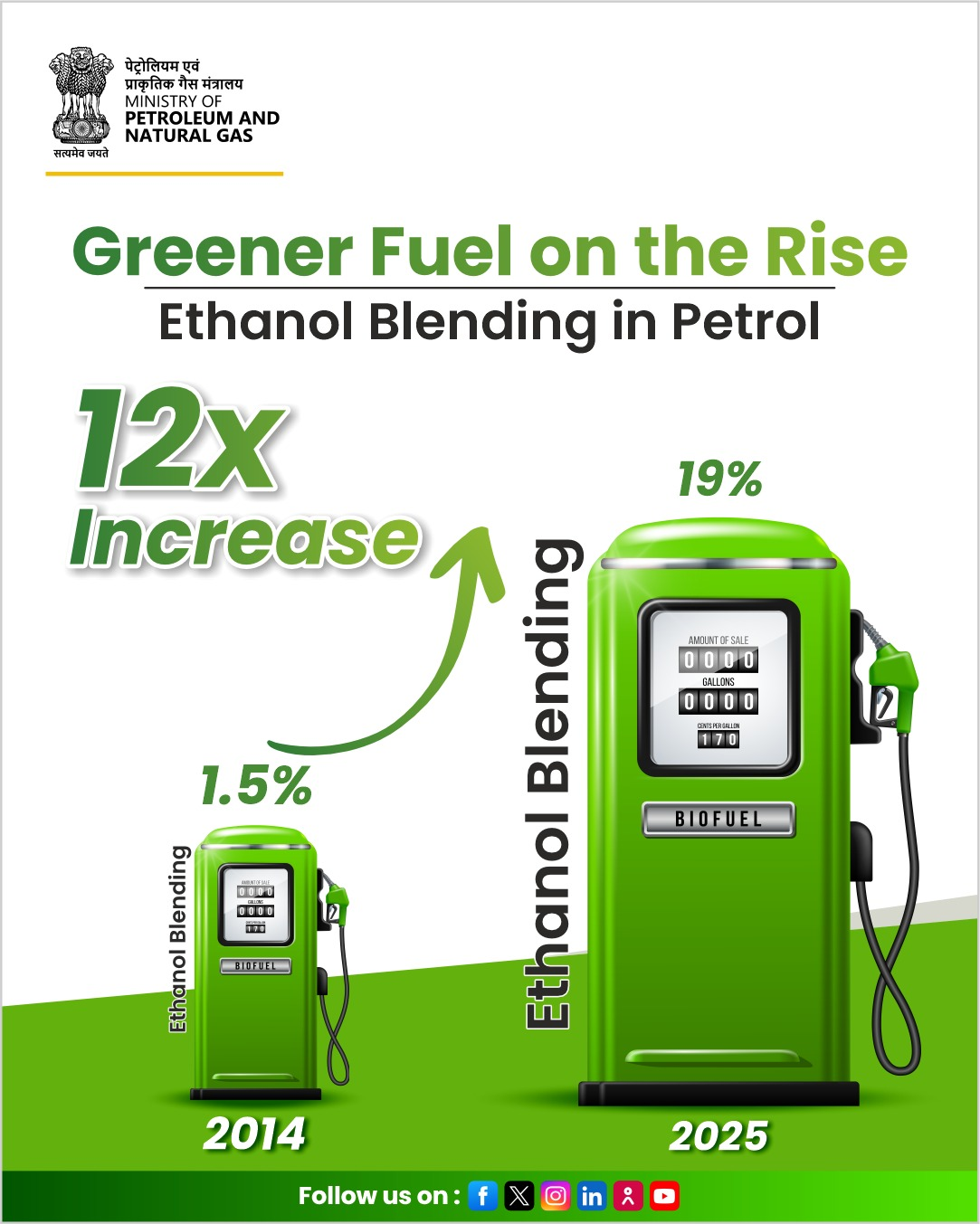
India has boosted ethanol blending from 1.5% in 2014 to nearly 20% by 2025 a massive leap towards greener fuel adoption.
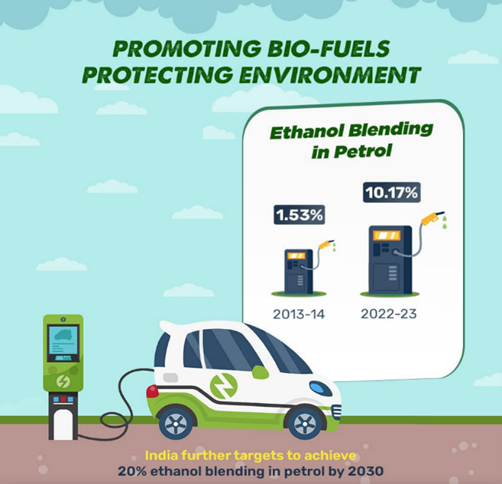
Ethanol blending jumped from 1.53% in 2013 to over 10% in 2022. The next goal: 20% blending by 2030 to cut emissions and oil imports.
Allowed in 2023, E20 promises lower CO2 emissions and better performance but many users still report noticeable mileage drops.
All cars made after April 1, 2023, are E20-ready. Some older ones may also be compatible, but always check your car manual first.

Myth: E20 petrol is bad for your engine.
Fact: Tests prove no harm in E20-ready cars. In fact, it improves combustion and reduces carbon deposits.
New Delhi, August 12, 2025: The Ministry of Petroleum and Natural Gas has addressed concerns on the impact of 20% Ethanol Blended Petrol (E20) on mileage and vehicle life. The detailed clarifications are listed below.
Biofuels and Natural Gas are considered bridge fuels for India’s energy transition. Ethanol reduces greenhouse gas emissions by up to 65% (sugarcane-based) and 50% (maize-based) compared to petrol. This supports India’s Net Zero 2070 goal.
The ethanol blending programme boosts rural income, clears sugarcane arrears, and improves maize cultivation. From 2014–2025, it saved Rs.1.44 lakh crore in foreign exchange, reduced 736 lakh MT of CO2 emissions (equal to planting 30 crore trees), and substituted 245 lakh MT of crude oil. In 2025 alone, farmers are expected to receive Rs.40,000 crore.
New Delhi: The Ministry of Petroleum and Natural Gas has cited NITI Aayog’s study to back the use of E20 petrol, noting that it not only improves vehicle performance but also boosts farmer income and reduces carbon emissions.
With the Ethanol Blending Programme, money once spent on crude oil imports is now going to Indian farmers. At 20% blending, payments to farmers are expected to reach ₹40,000 crore in 2025, alongside foreign exchange savings of around ₹43,000 crore.
The use of E20 fuel reduces carbon emissions by nearly 30% compared to E10. This makes it a cleaner and greener fuel option for India’s transition to sustainable mobility.
E20 provides better acceleration, smoother ride quality, and enhanced efficiency. With a higher octane number (~108.5 vs petrol’s 84.4), it is ideal for modern engines. Ethanol’s higher heat of vaporization also improves air-fuel mixture density, boosting overall performance.
E20 fuel improves acceleration, ride quality, and reduces emissions by around 30% compared to E10. With higher octane (108.5 vs petrol’s 84.4), E20 enhances engine efficiency. Concerns about mileage drop are misplaced, as efficiency depends on multiple factors like driving habits, tyre pressure, and maintenance.
Brazil runs on E27 successfully with no major issues. Automakers like Toyota, Honda, and Hyundai already produce vehicles there. In India, many cars have been E20 compatible since 2009, making fuel efficiency concerns minimal.
E20 meets BIS and Automotive Industry Standards. For most vehicles, no issues exist in drivability, startability, or material compatibility. Only older cars may need inexpensive rubber or gasket replacements during servicing.
Ethanol prices have risen over time, making it costlier than petrol in some cases. Still, blending continues because of benefits to farmers, forex savings, and sustainability. In 2024-25, average ethanol procurement cost was Rs.71.32 per litre.
Fears that insurance will not cover vehicles running on E20 are baseless. Insurance validity remains unaffected. Clarifications have been issued to counter false narratives.
The current roadmap commits India to E20 blending until October 31, 2026. Any move beyond E20 will be carefully evaluated through stakeholder consultations, research, and a formal government decision.
The Government remains focused on promoting cleaner fuel options like E20 while ensuring minimal impact on consumers and strong support for farmers, energy security, and sustainability.
If your car is brand-new, you can relax. Most carmakers started rolling out E20-compatible models much earlier, and every car manufactured after April 1, 2023 is officially E20-ready. Some older models before this date are also compatible. To be sure, check your car’s manual or the fuel recommendation sticker near the fuel lid.
Here’s where it gets tricky. Cars made between 2012 and early 2023 are compliant with E10 fuel. Using E20 in these cars won’t cause instant damage, but it can bring a few concerns:
This is the grey area car owners need to watch out for. Carmakers like Toyota have already clarified that if you use fuel not recommended for your car, any engine damage may void the warranty. So, if your car is not marked E20-compliant, the risk is yours to take.
The industry knows this transition won’t be smooth. Possible solutions include:
E20 petrol is regular petrol mixed with 20% ethanol. It reduces oil dependency and is better for the environment compared to standard E10 fuel.
No. All cars made after April 1, 2023, are E20-compatible. Many brands had already started releasing E20-ready models before this date too.
Cars made between 2012 and 2023 (E10-ready) may see a slight mileage drop. Long-term wear could happen since ethanol is corrosive, but no instant damage will occur.
Yes, if your car is not marked as E20-ready. For instance, Toyota has stated that using non-recommended fuel that causes damage will void the warranty.
Use recommended additives or high-octane petrol without ethanol (though expensive). Keeping an eye on manufacturer updates for possible E20 upgrade kits is also advised.
The move reduces our heavy oil import bill and is environmentally friendlier. It’s part of India’s larger push toward sustainable mobility.