Your cart is empty
Start Shopping Exterior
›
Exterior
›
 Bumper Diffuser/Guard
 Body Covers
 Window Garnishing
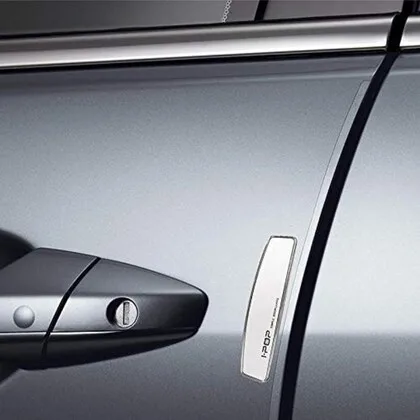 Door Guards
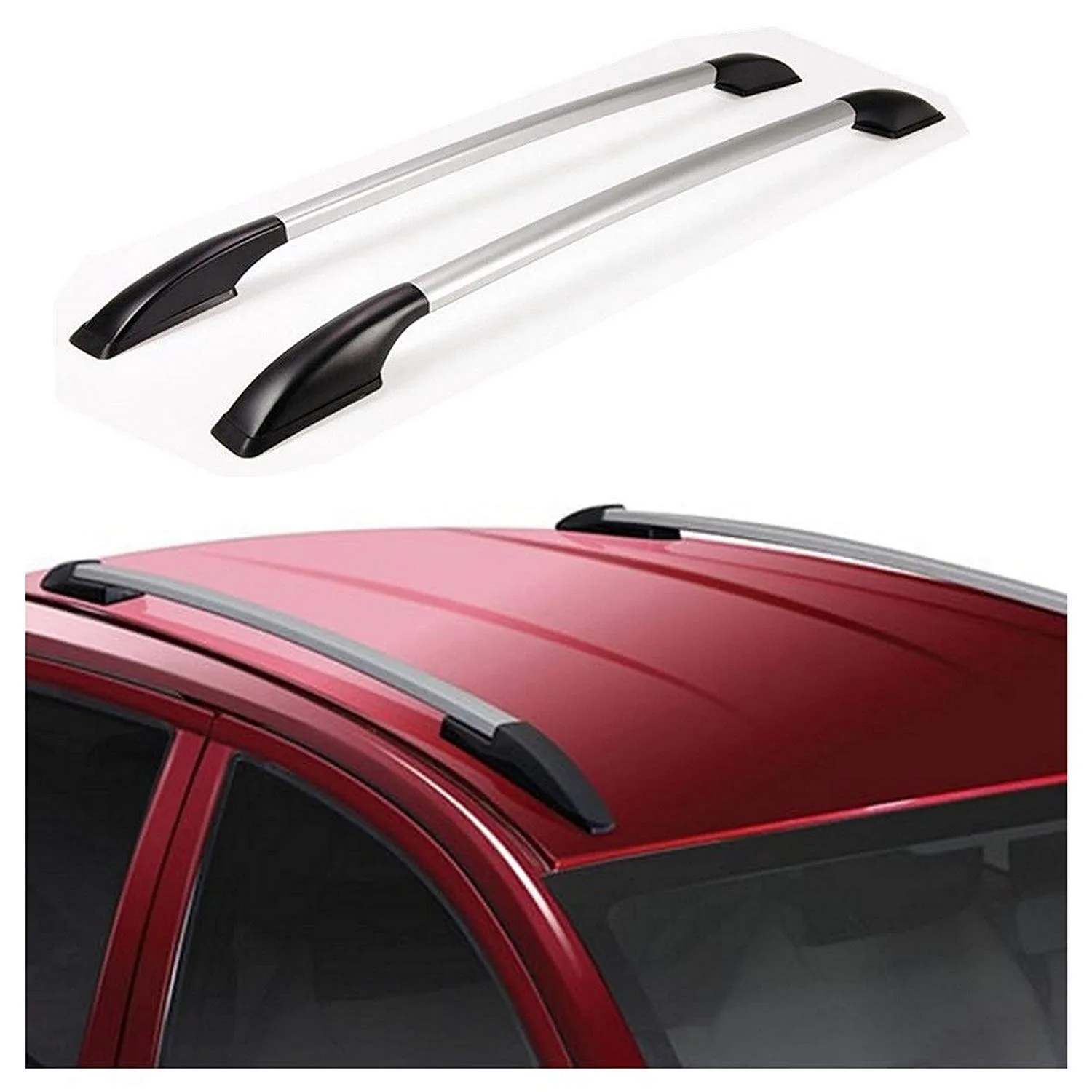 Roof Rails
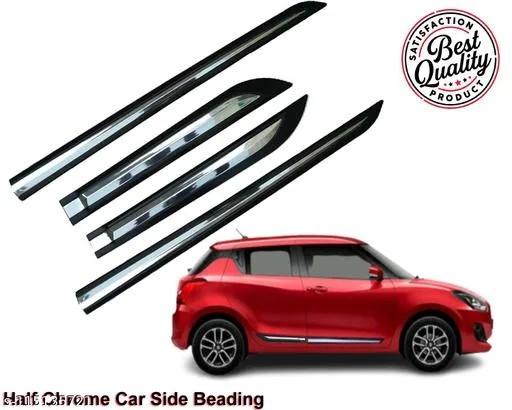 Side Beading
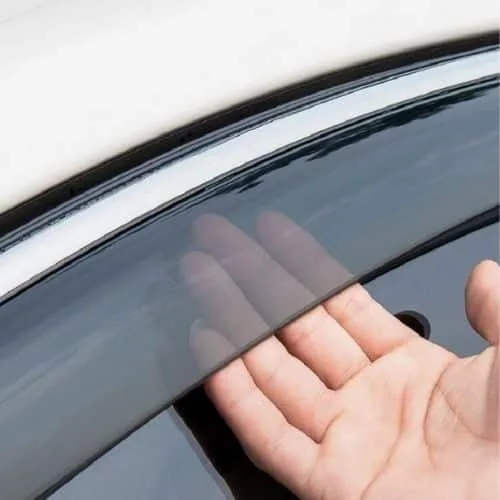 Door Visor
 Mud Flap
 Wheel Cover
 Foot Rest
 Interior
›
Interior
›
 Door Scuff Sill Plates
 Window Sunshades & Film
 Armrest
 Seat Covers
 Steering Cover
 Floor Mats
 Dashboard Showpiece
 Seat & Neck Cushion
 Lighting
›
Lighting
›
 Utility
›
Utility
›
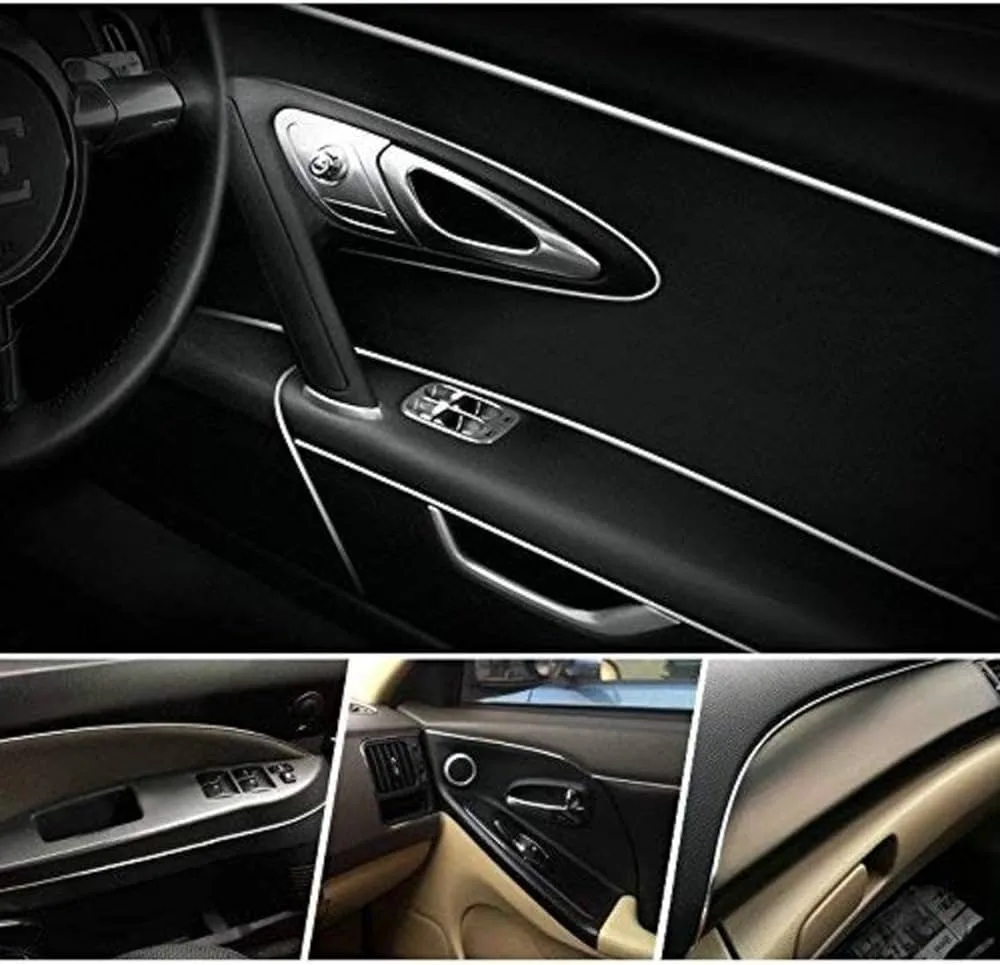 All Chrome Items
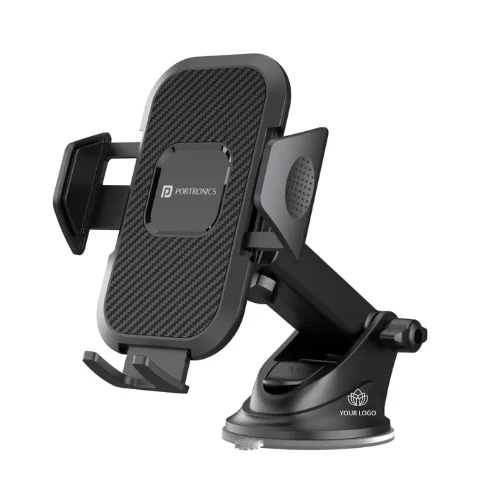 Mobile Holder
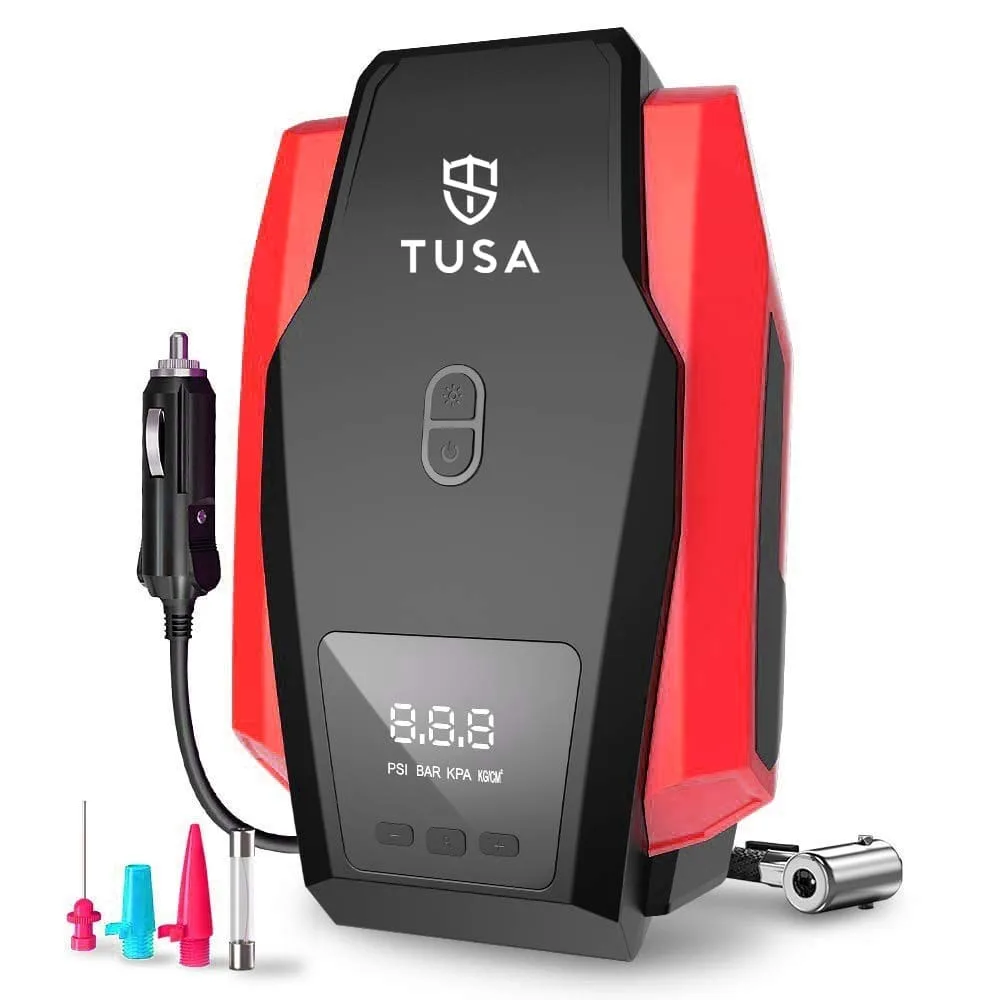 Tyre Inflators
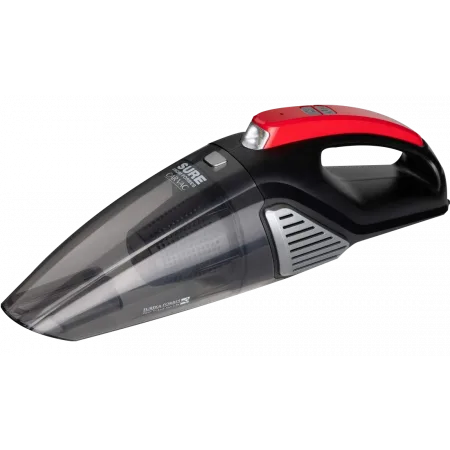 Vacuum Cleaner
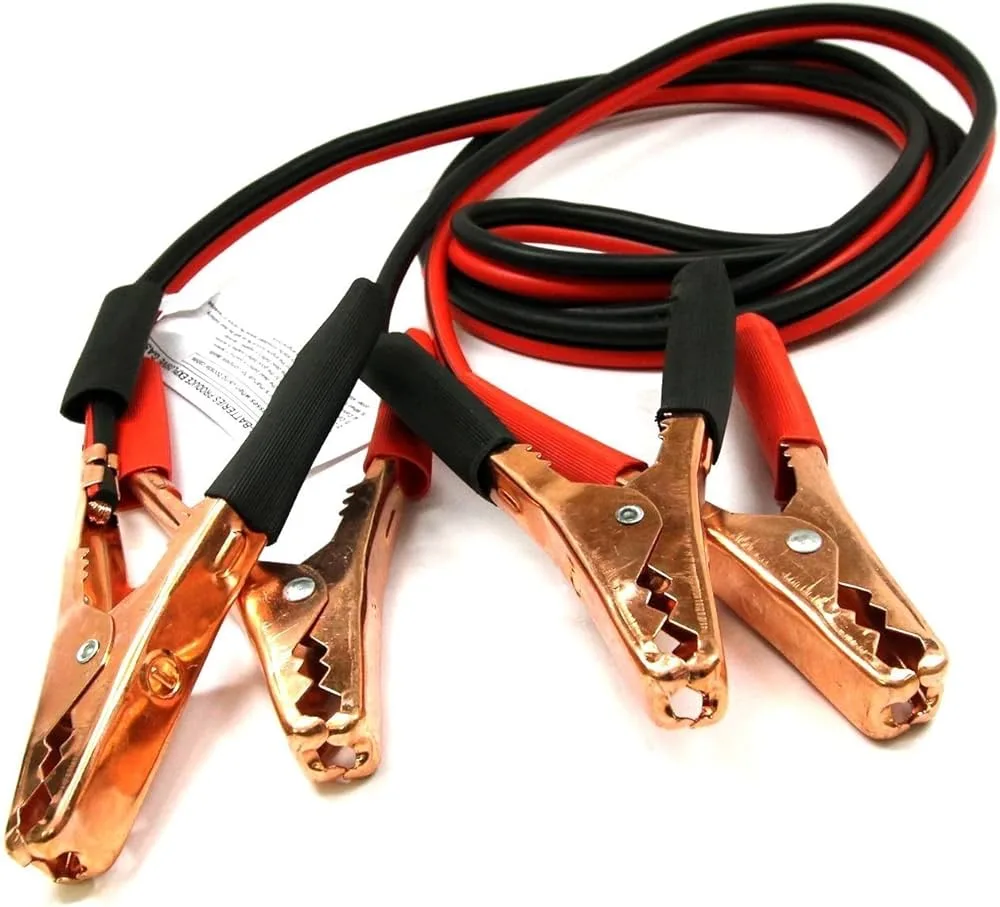 Jumper Cable
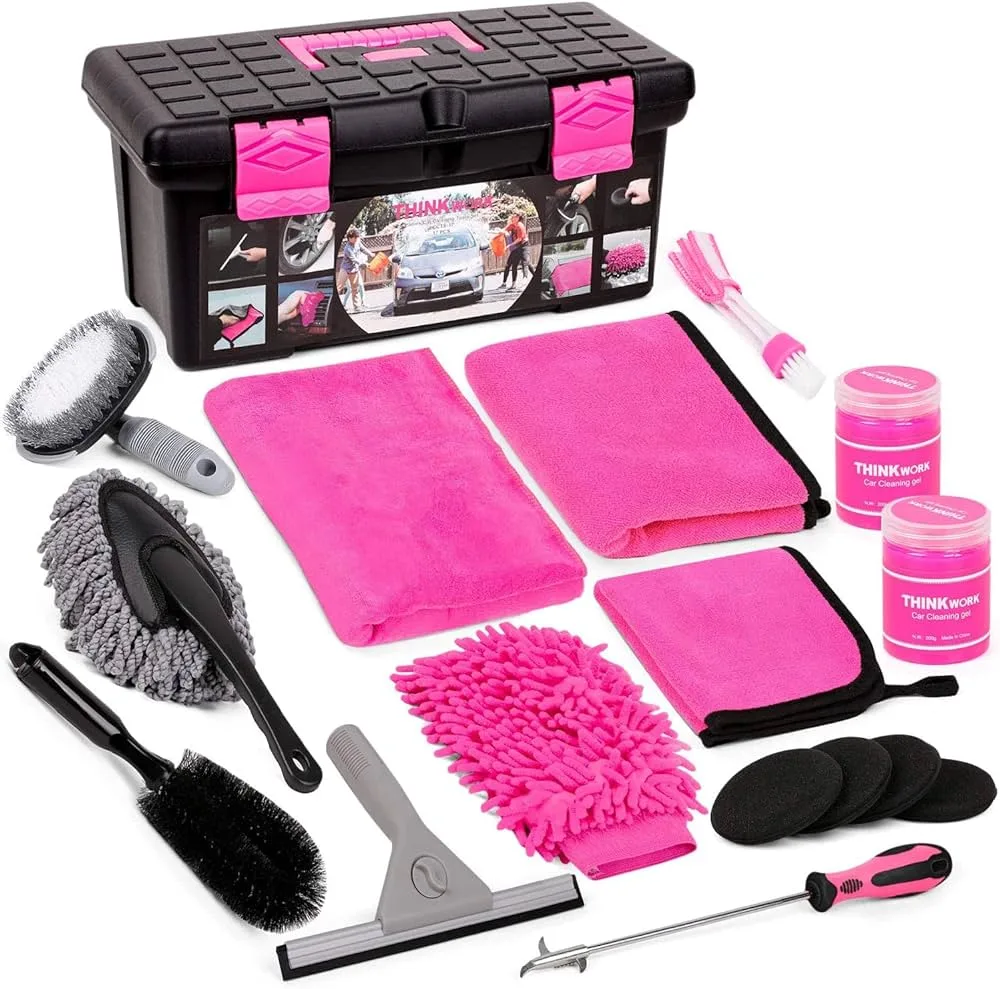 Cleaning Kit
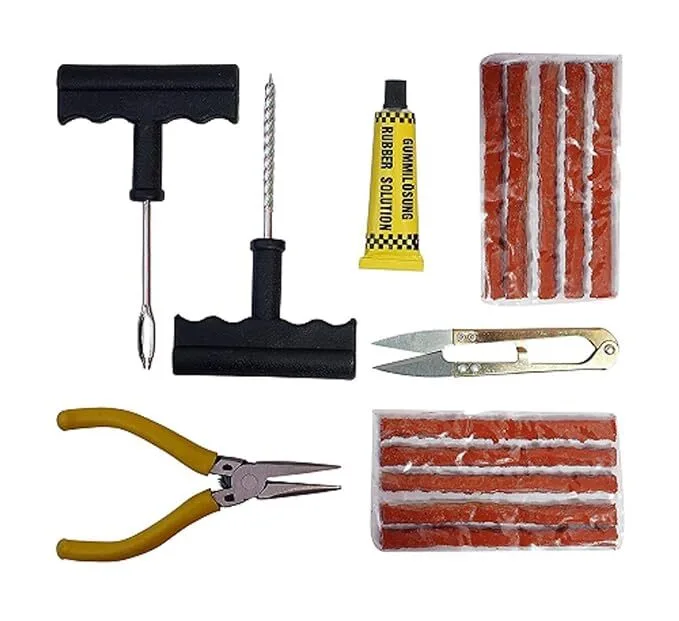 Tyre Puncture Kit
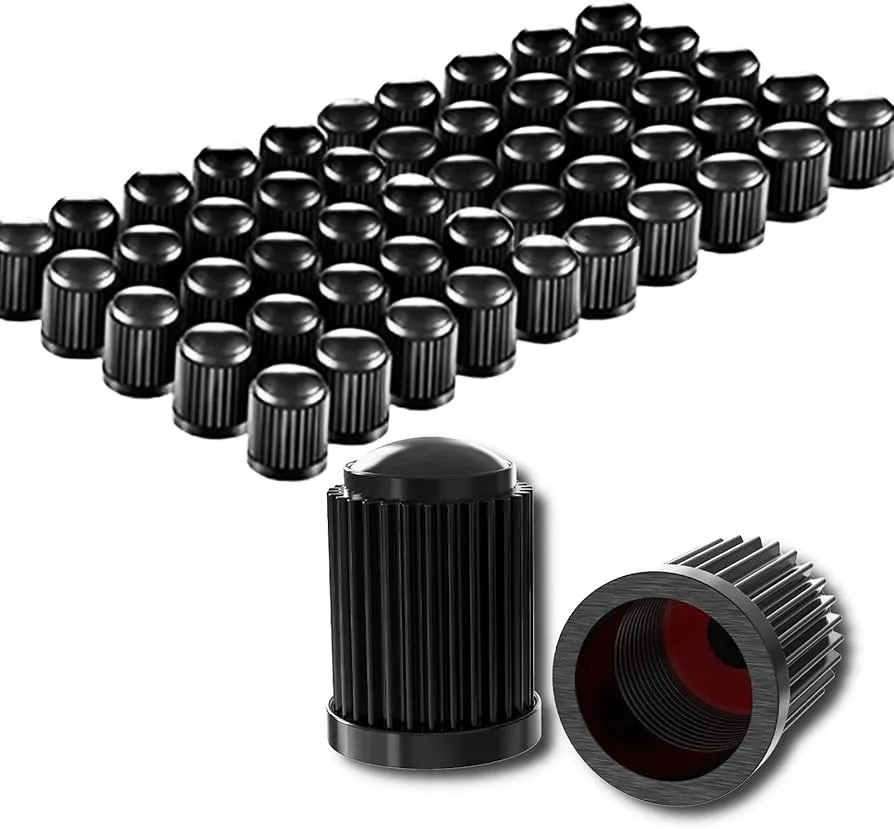 Tyre Valve Cap
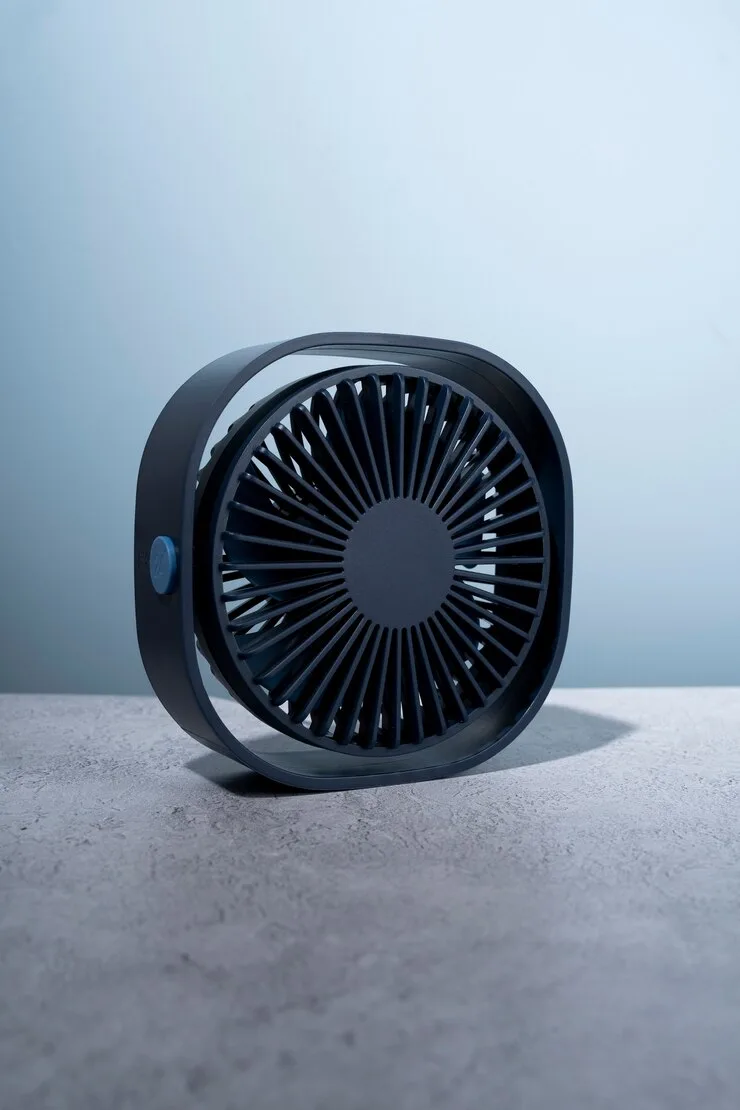 Car Fan
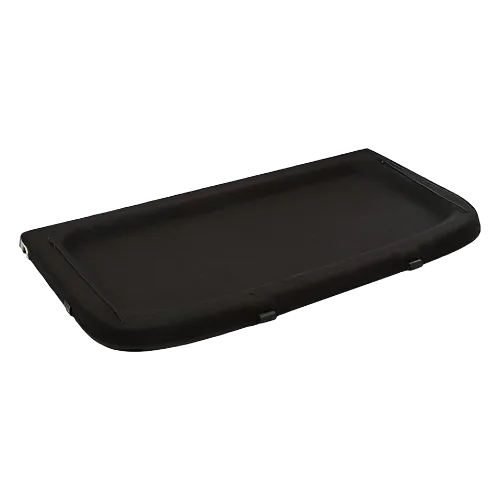 Parcel Tray
 Electronic
›
Electronic
›
 Parts
›
Parts
›
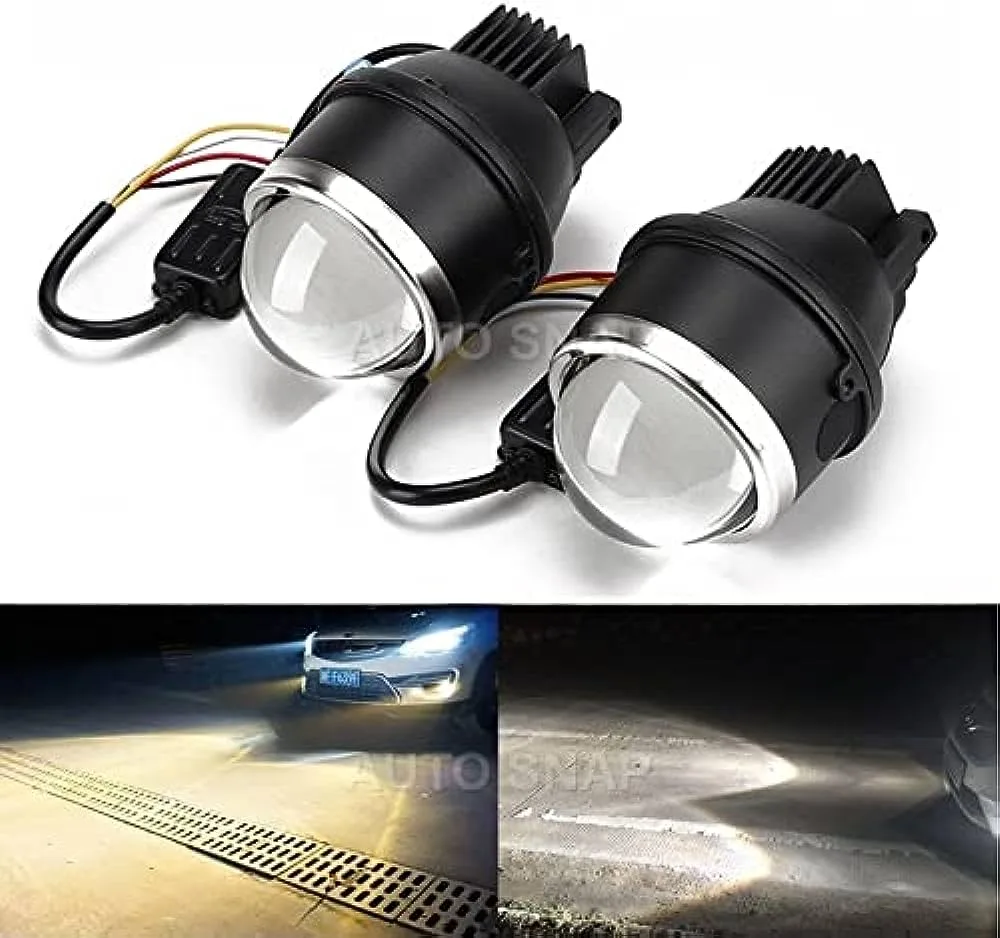 Fog Lights
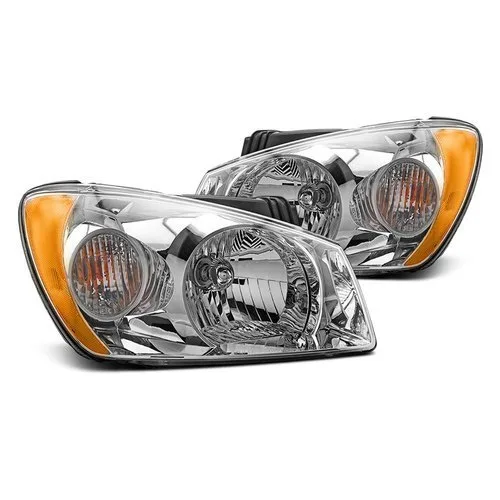 Headlights
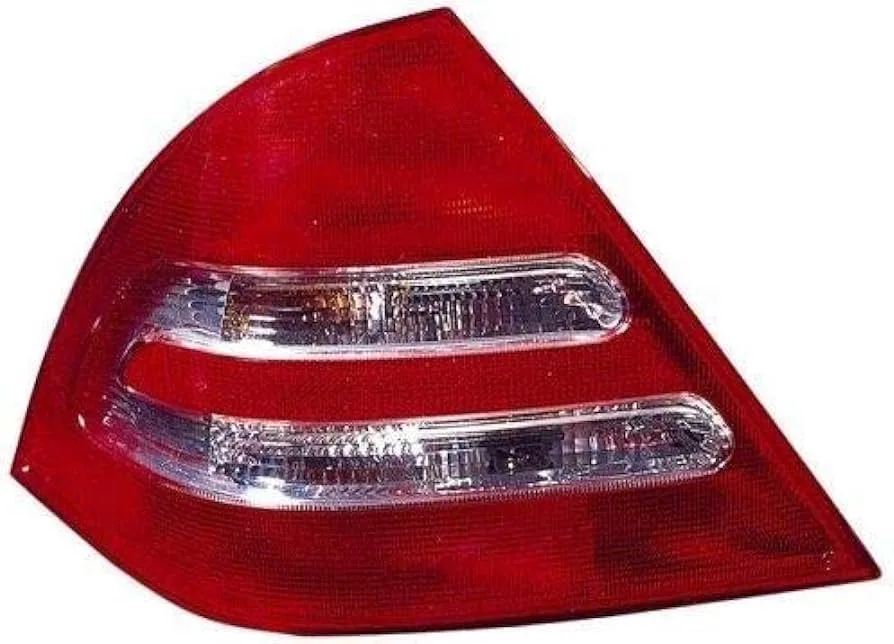 Tail Lights
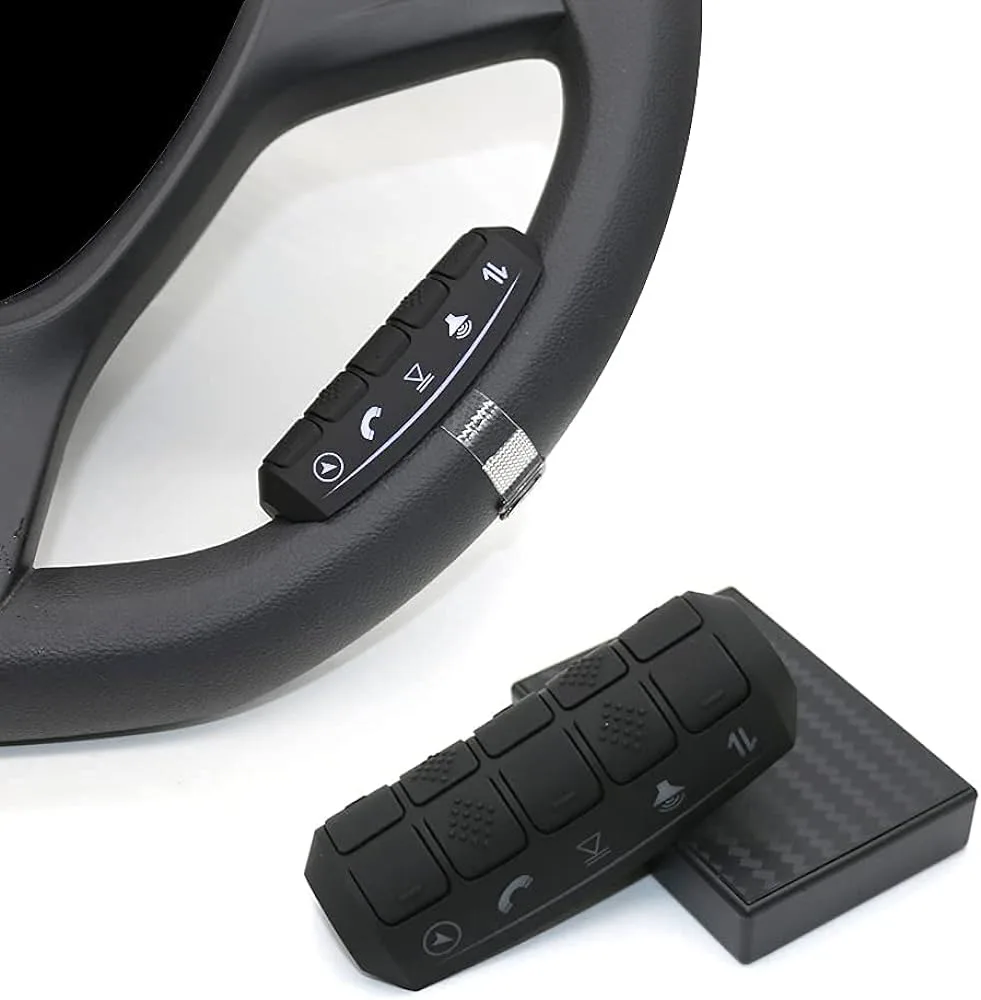 Steering Wheel Controls
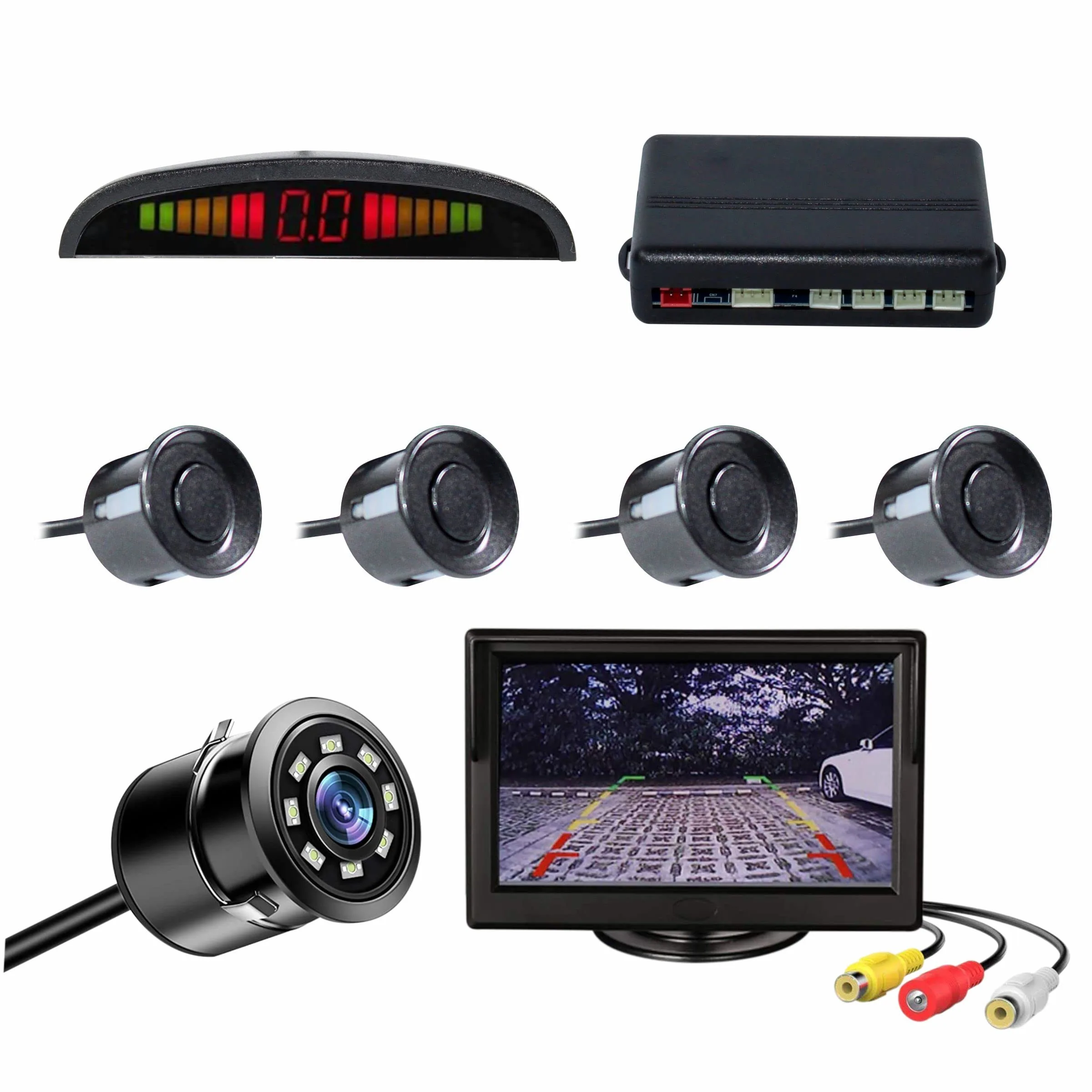 Sensor
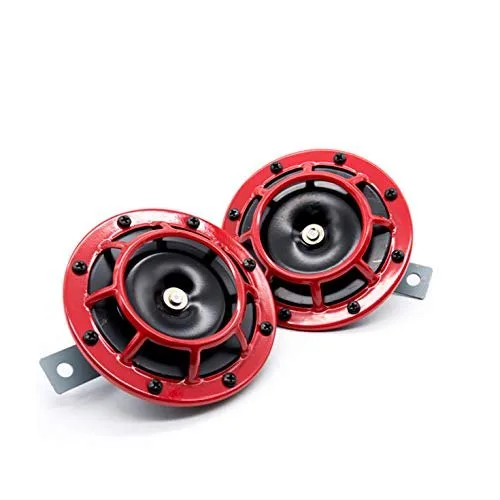 Horns
Horns
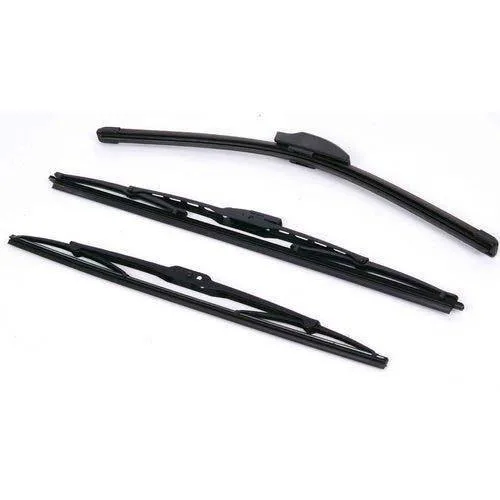 Wiper Blade
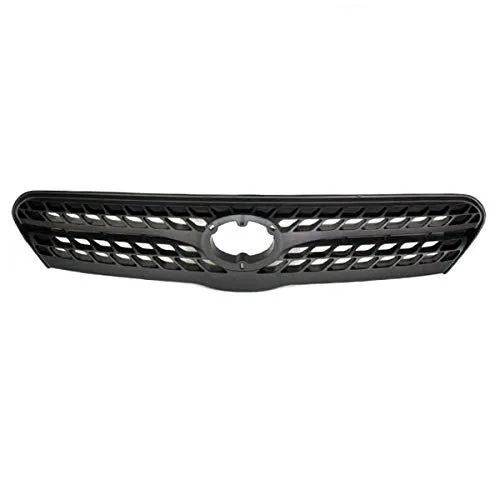 Front Grille
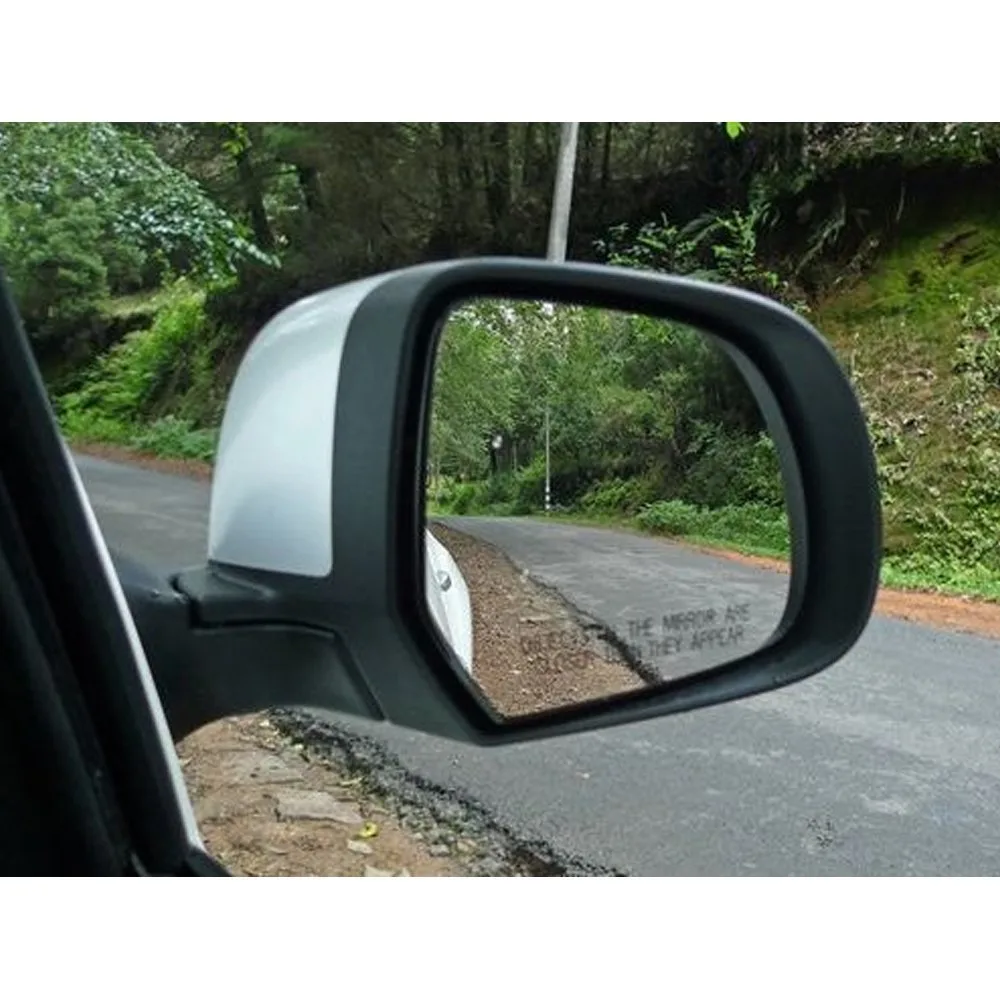 Side Mirror
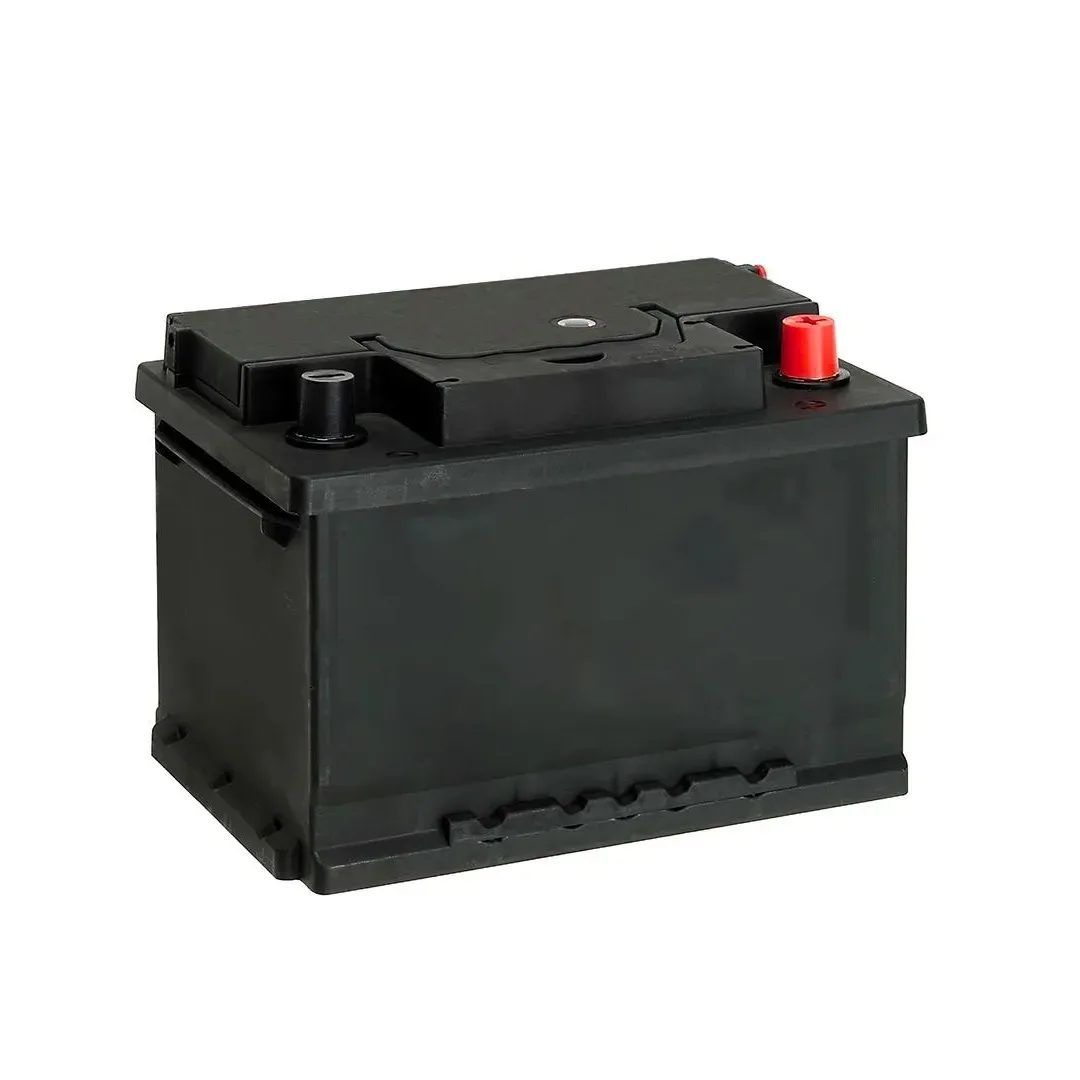 Battery
 Car Care
›
Car Care
›
 Air Freshener & Perfume
 Gear knob
 Stickers & Decals
 Blind Spot Mirror
 Steering Knob
 Key Covers
 Polish & Scratch Remover
 Seat Utility Holder
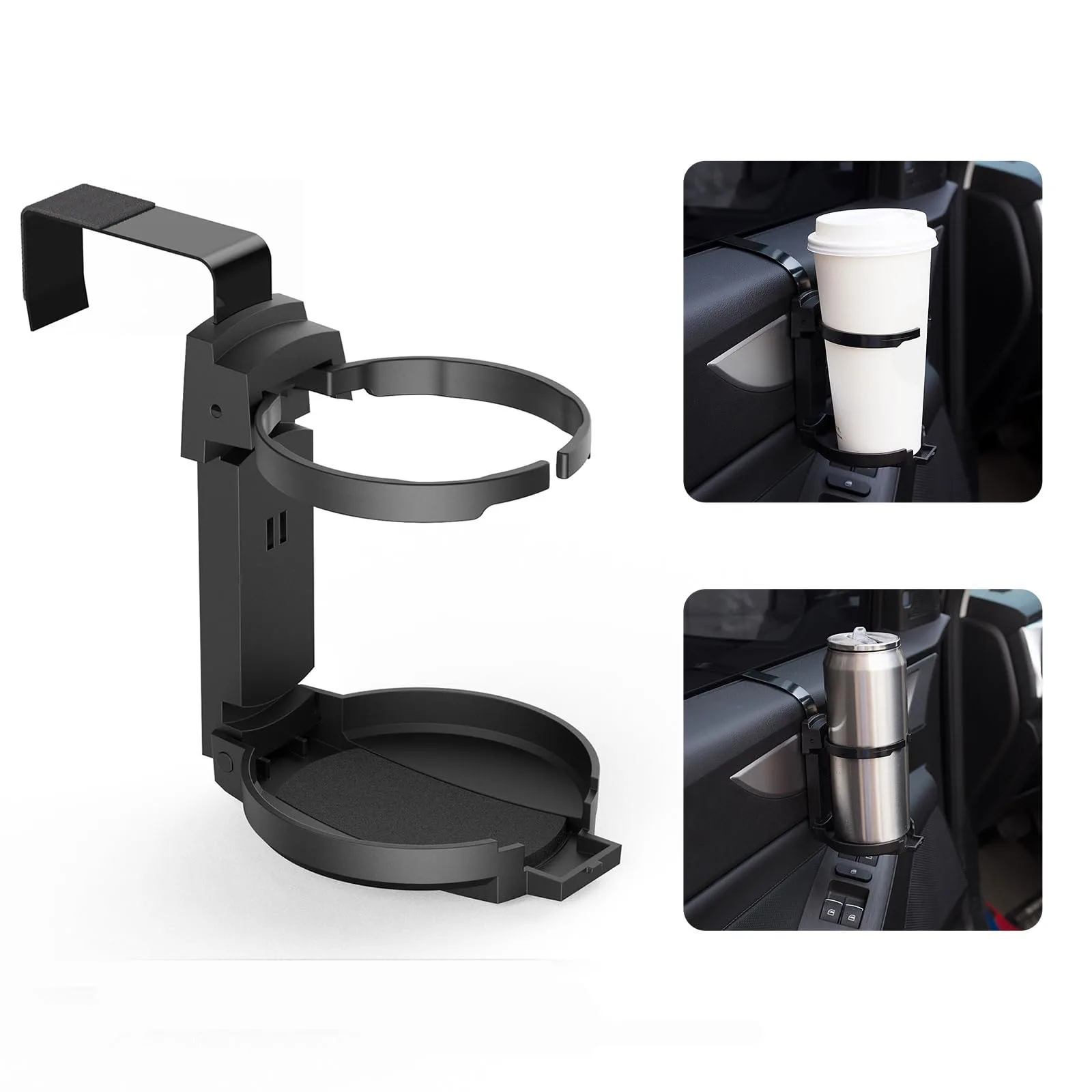 Cup Holder
 Dustbin
 Paper Napkin
 Shop By Car
›
Shop By Car
›
 Tata
›
Tata
›
 Maruti Suzuki
›
Maruti Suzuki
›
 Hyundai
›
Hyundai
›
 Toyota
›
Toyota
›
 Mahindra
›
Mahindra
›
 Honda
›
Honda
›
 Ford
›
Ford
›
 Nissan
›
Nissan
›
 Renault
›
Renault
›
 Skoda
›
Skoda
›
 Volkswagen
›
Volkswagen
›
 Morris Garages - MG
›
Morris Garages - MG
›
 KIA
›
KIA
›
 Jeep
›
Jeep
›
 Citroen
›
Citroen
›
 Datsun
›
Datsun
›
 Chevrolet
›
Chevrolet
›
 Isuzu
›
Isuzu
›
 Mitsubishi
›
Mitsubishi
›
 AUDI
›
AUDI
›
 BMW
›
BMW
›
 Mercedes
›
Mercedes
›
 Land Rover
›
Land Rover
›
 Jaguar
›
Jaguar
›
 Volvo
›
Volvo
›
 FIAT
›
FIAT
›
 Mini Cooper
›
Mini Cooper
›
 Porsche
›
Porsche
›
 Lexus
›
Citron
›
Fors
›
Morris Garages
›
MG
›
Lexus
›
Citron
›
Fors
›
Morris Garages
›
MG
›
 Nexon
Nexon
 Harrier
 Altroz
 Hexa
Hexa
 Safari
 Tiago
Tiago
 Punch
Punch
 Tigor
Tigor
 Sumo
Sumo
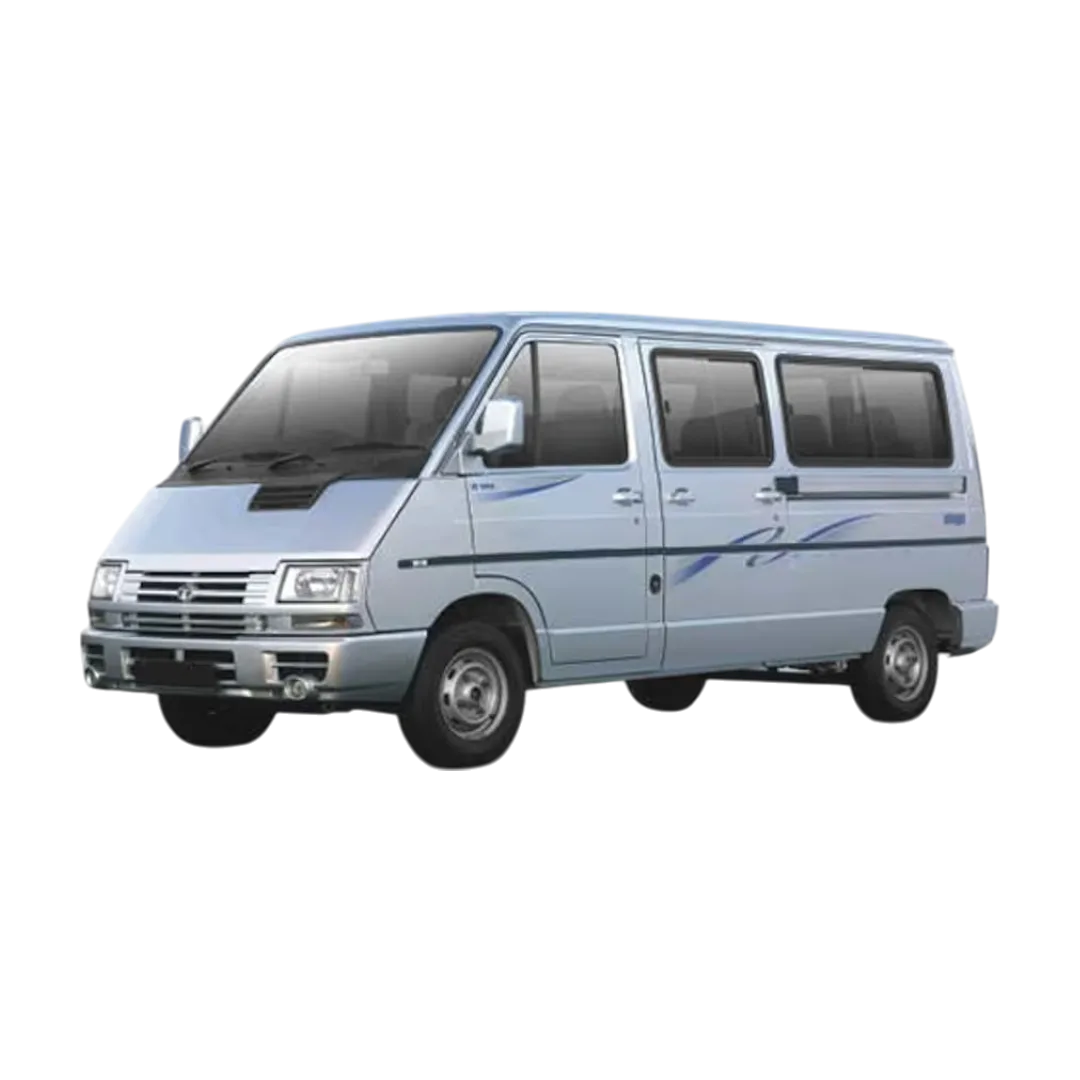 Winger
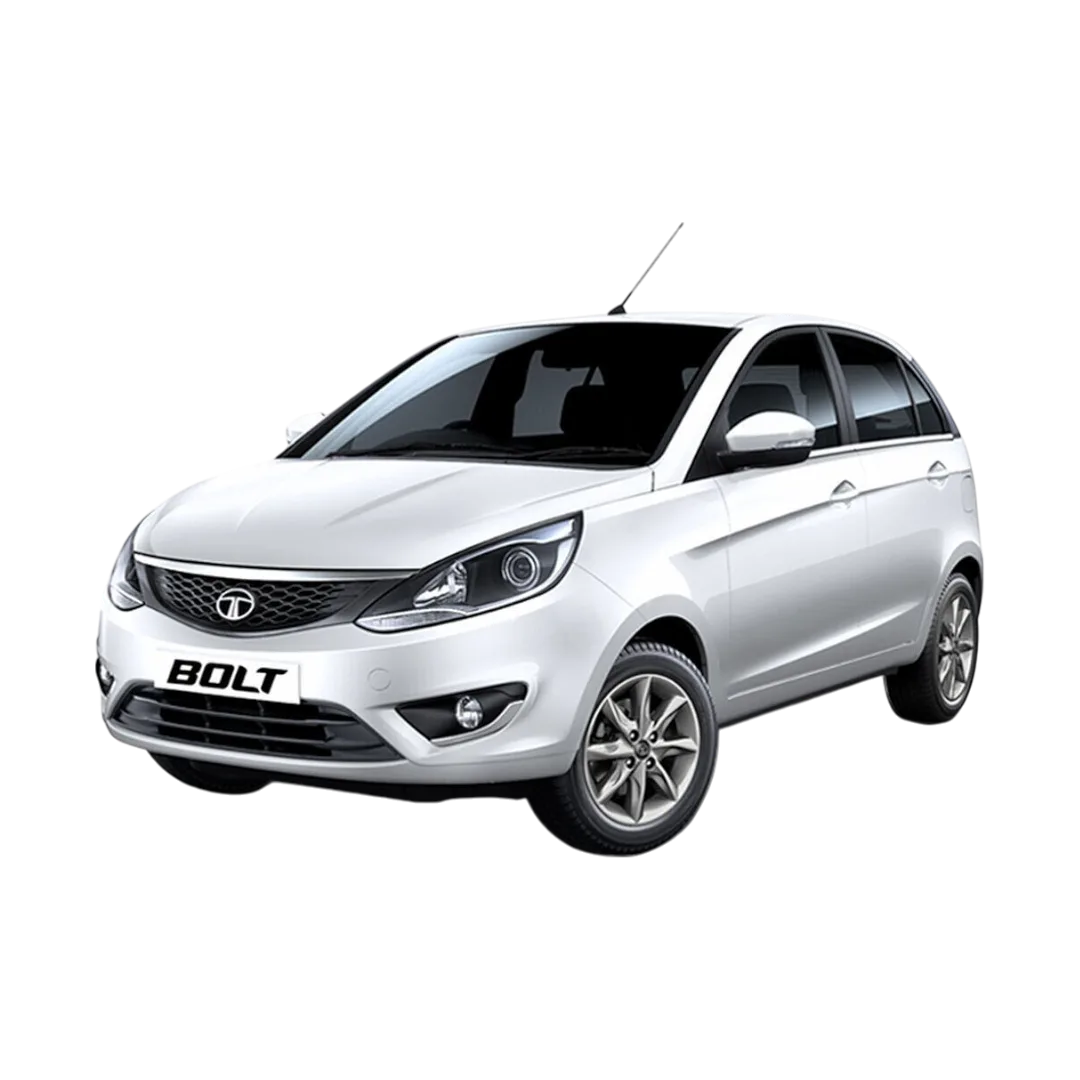 Bolt
Bolt
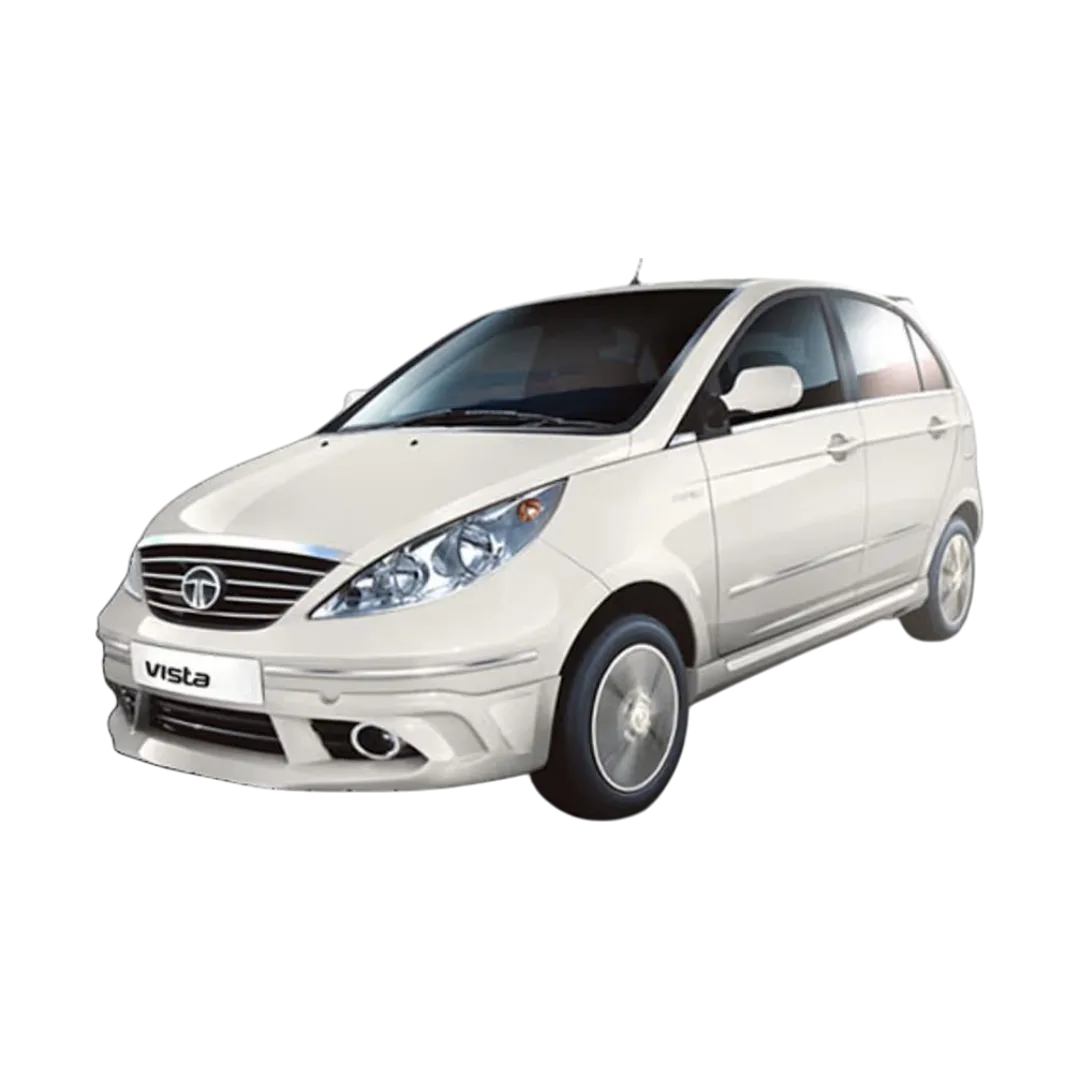 Vista
Vista
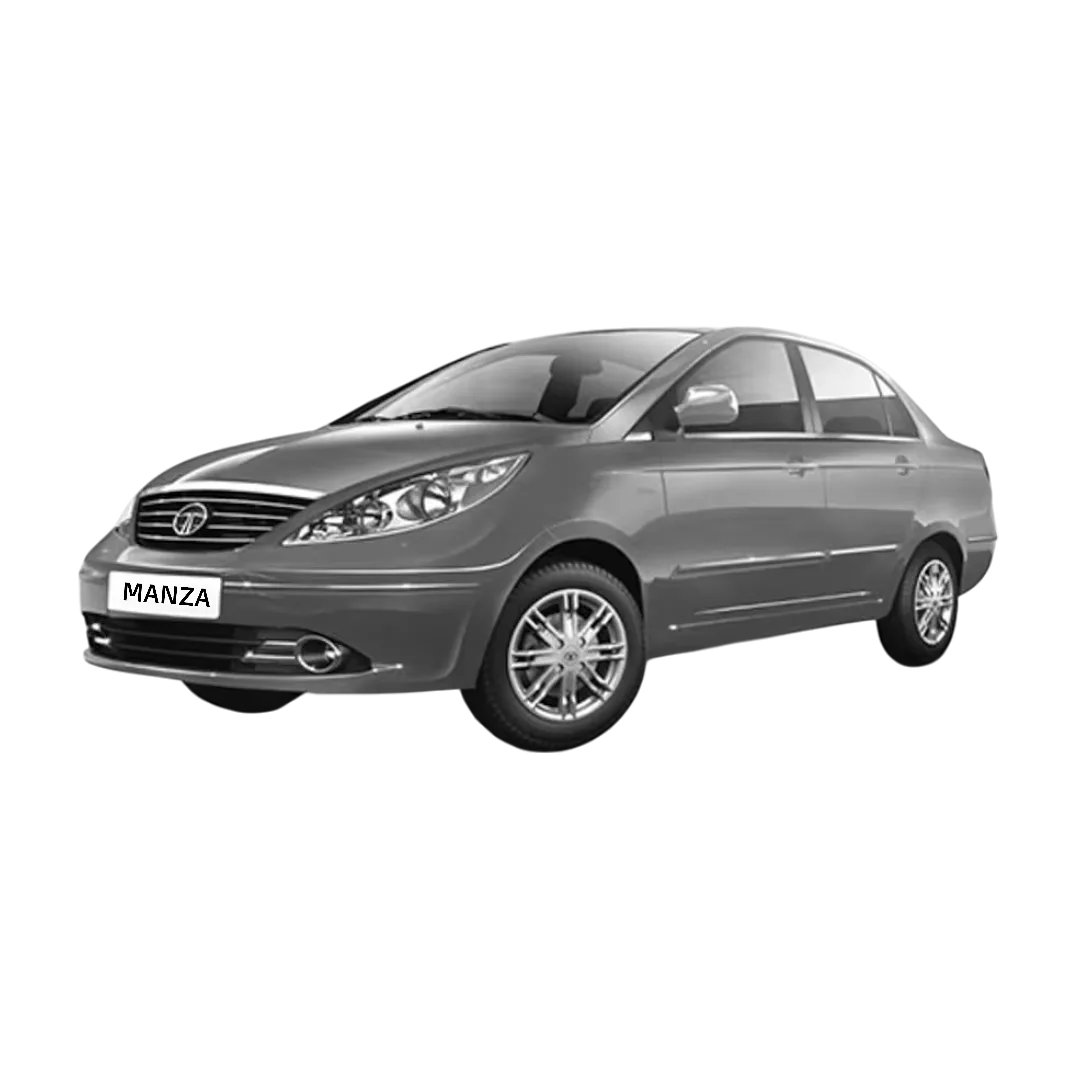 Manza
Manza
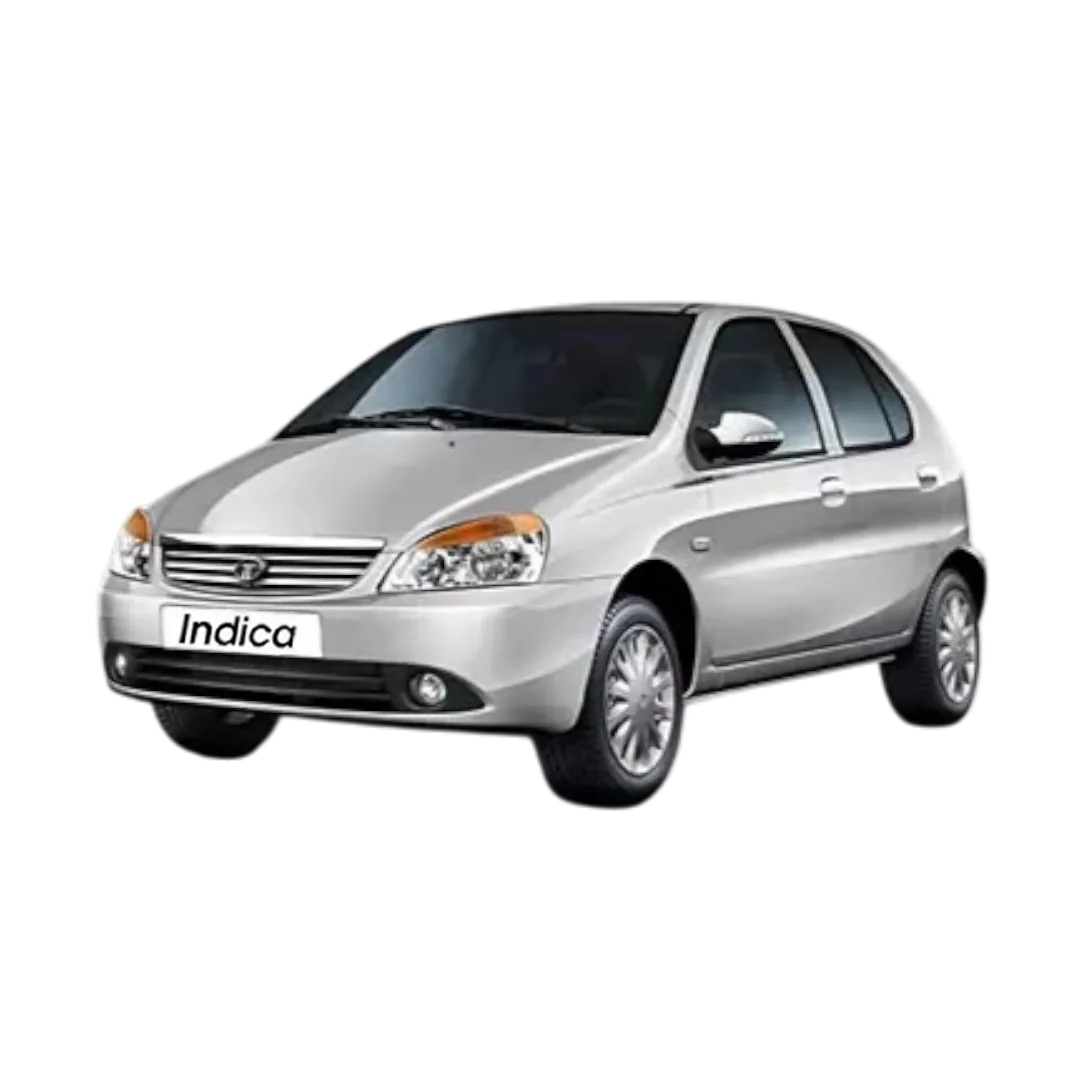 Indica
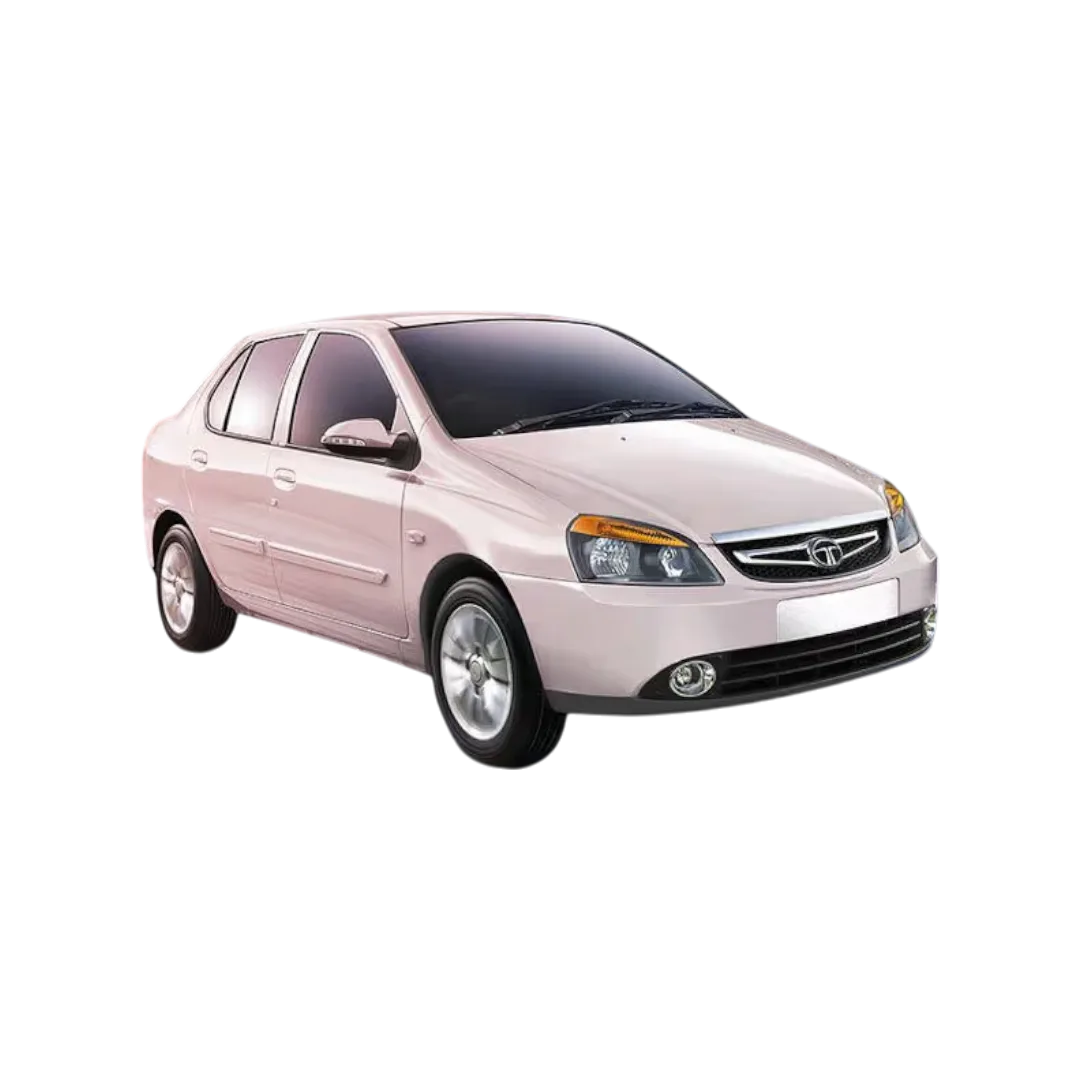 Indigo
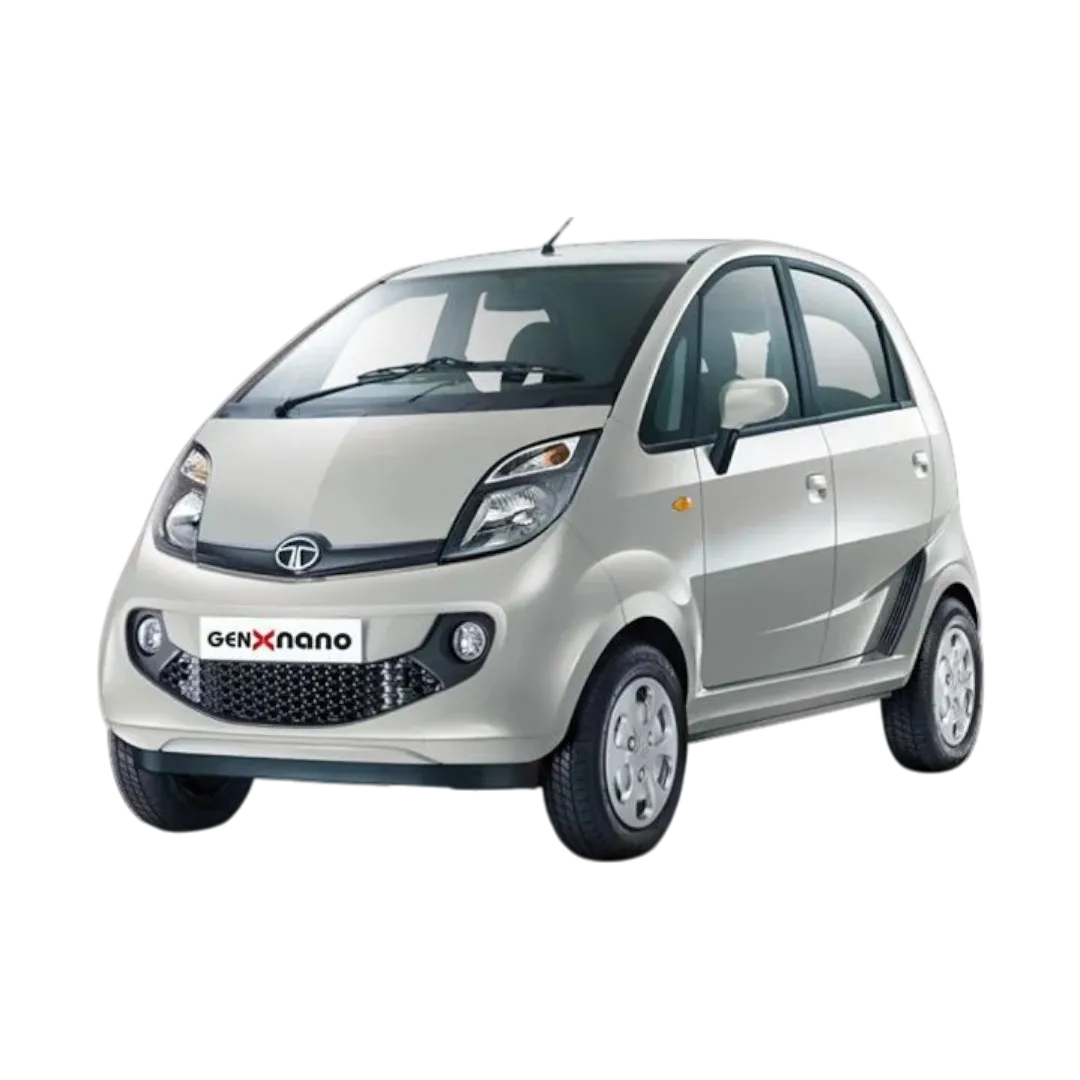 Nano
Nano
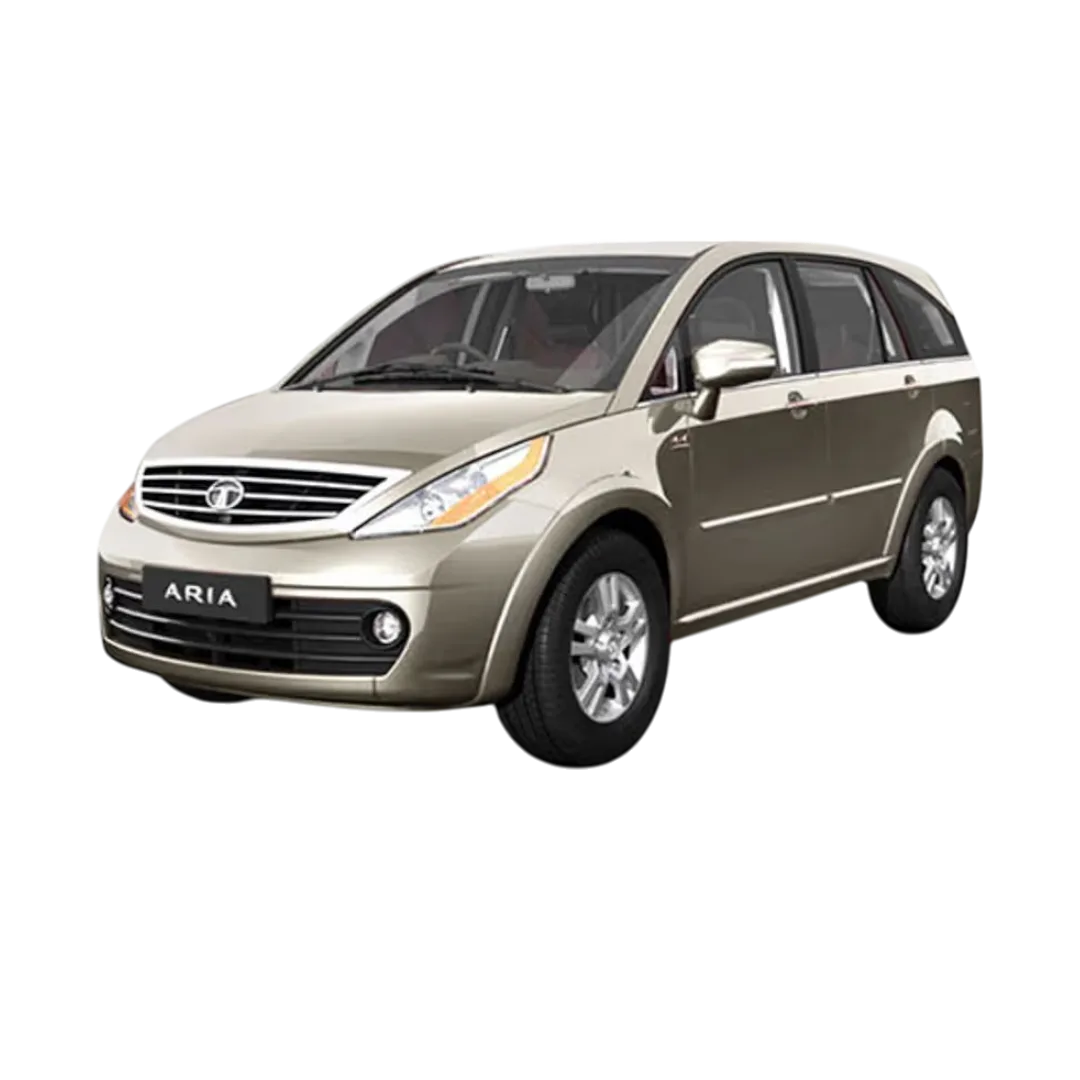 Aria
Aria
 Safari Storme
 Zest
Zest
 NEXON EV Max
 NEXON EV Prime
 Tiago NRG
 Tigor EV
INDICA VISTA
Curvv
Sierra
Magic
Tigor EV
INDICA VISTA
Curvv
Sierra
Magic
 Ciaz
Ciaz
 S-Presso
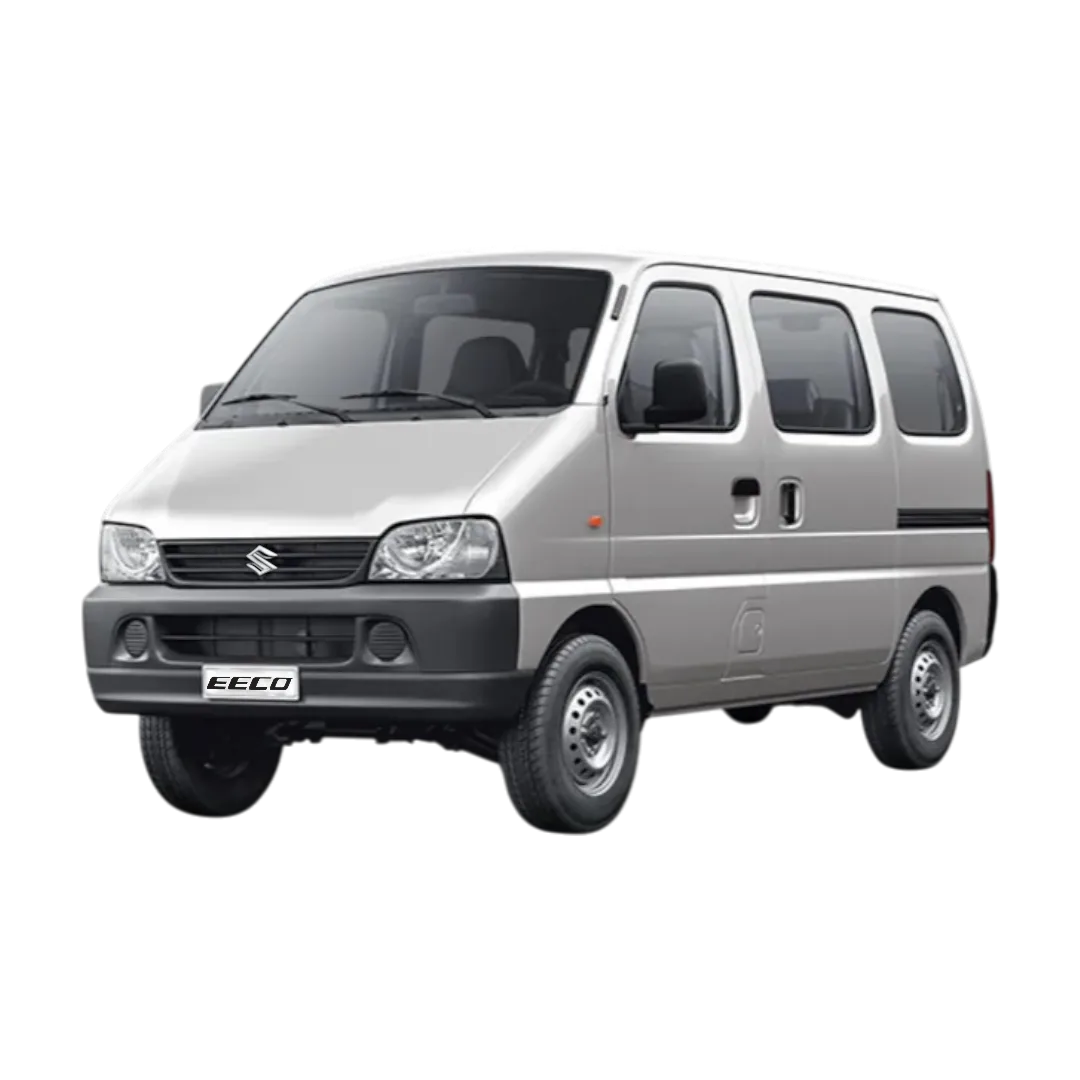 Eeco/Versa
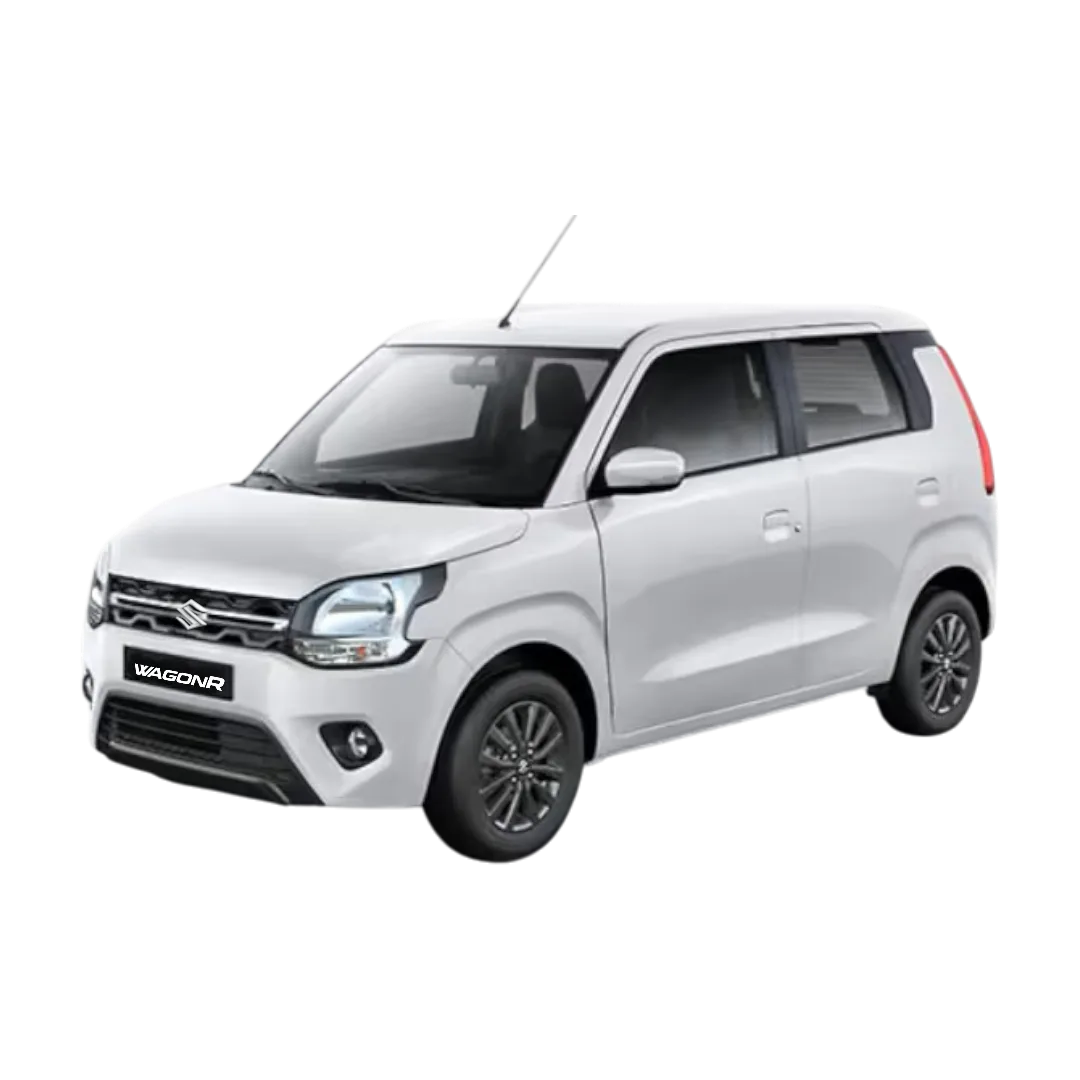 WagonR
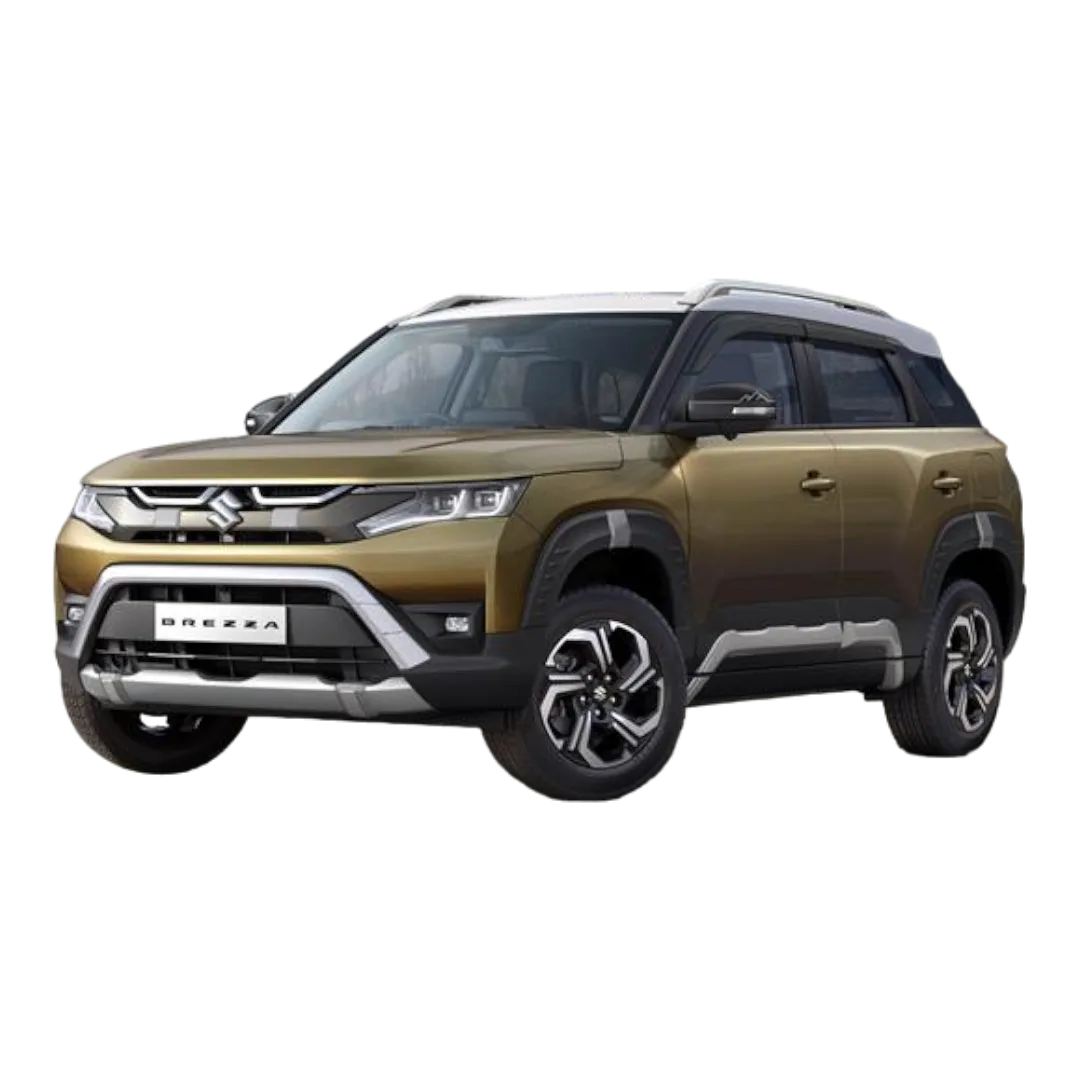 Brezza
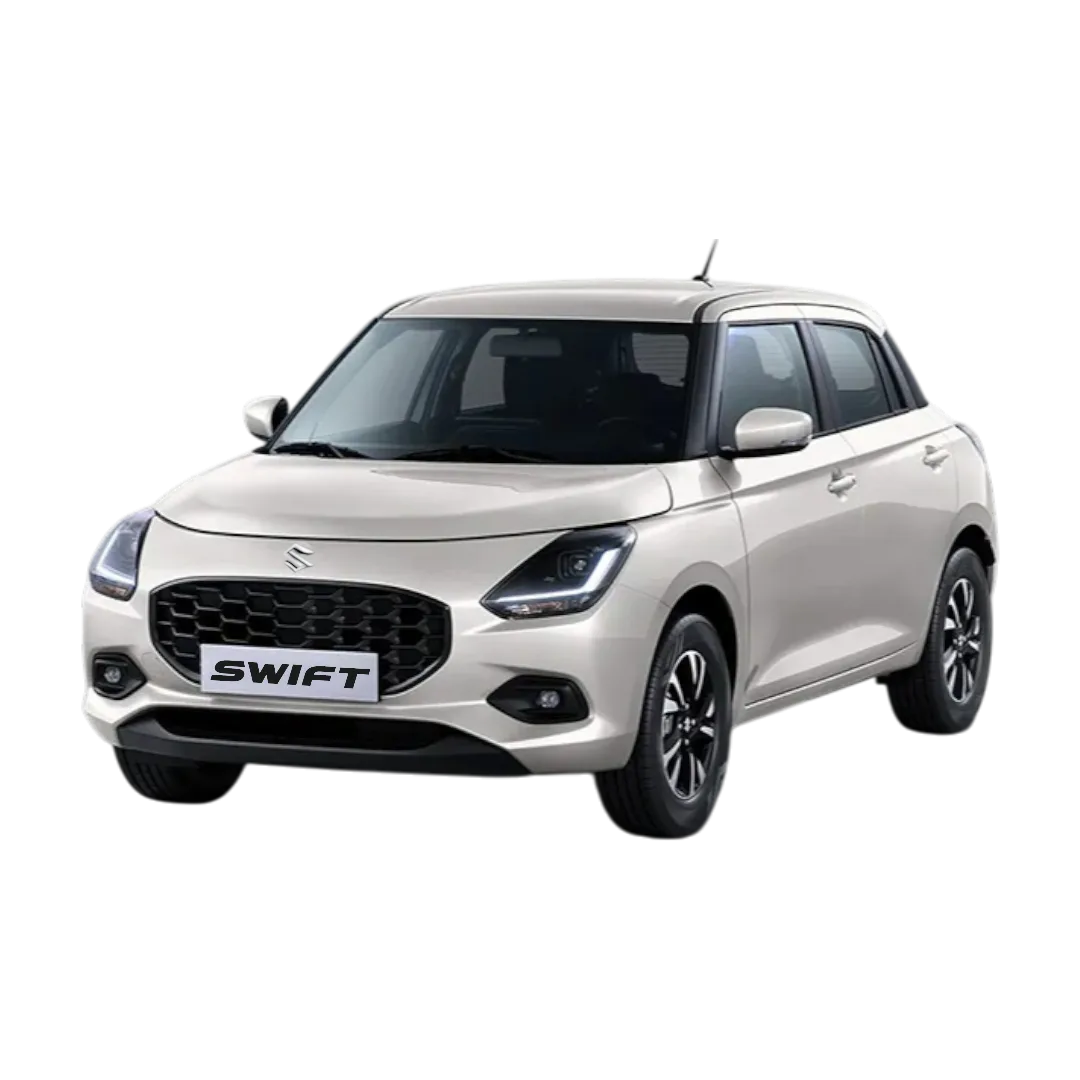 Swift
Swift
 Dzire
Dzire
 Baleno
 Ertiga
 Grand Vitara
 S-Cross
 Jimny
Jimny
 Celerio
 Ignis
Ignis
 Alto 800
 Alto K10
 XL6
XL6
 Omni
Omni
 SX4
SX4
 Gypsy
Gypsy
 Maruti 800
 Zen
Zen
 Esteem
 Zen Estilo
 Ritz
Ritz
 Fronx
Fronx
 A-Star
 Alto
Alto
 Invicto
Victoris
Wagon R
Invicto
Victoris
Wagon R
 i20
i20
 Aura
Aura
 Creta
Creta
 Elantra
 Getz
Getz
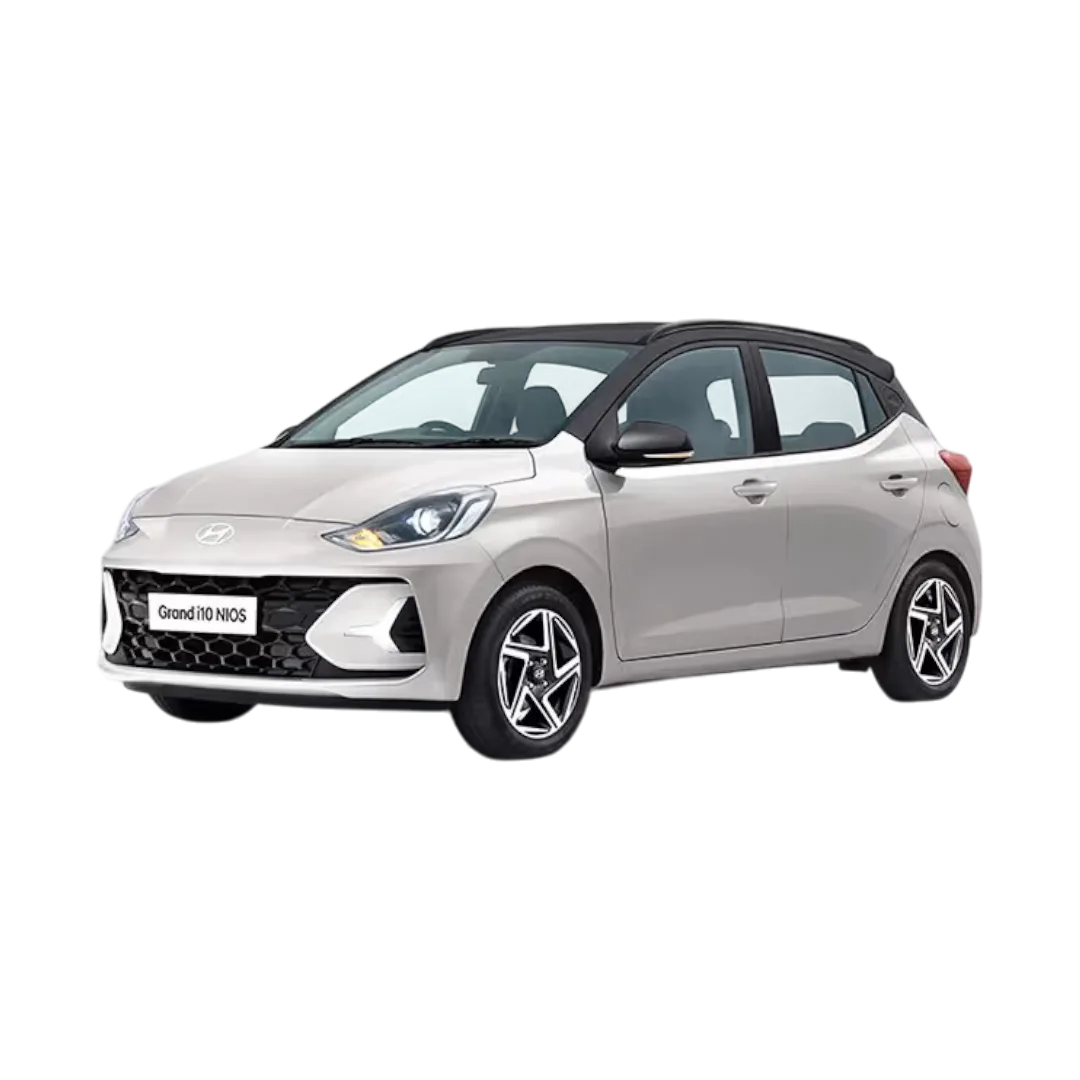 Grand i10 Nios
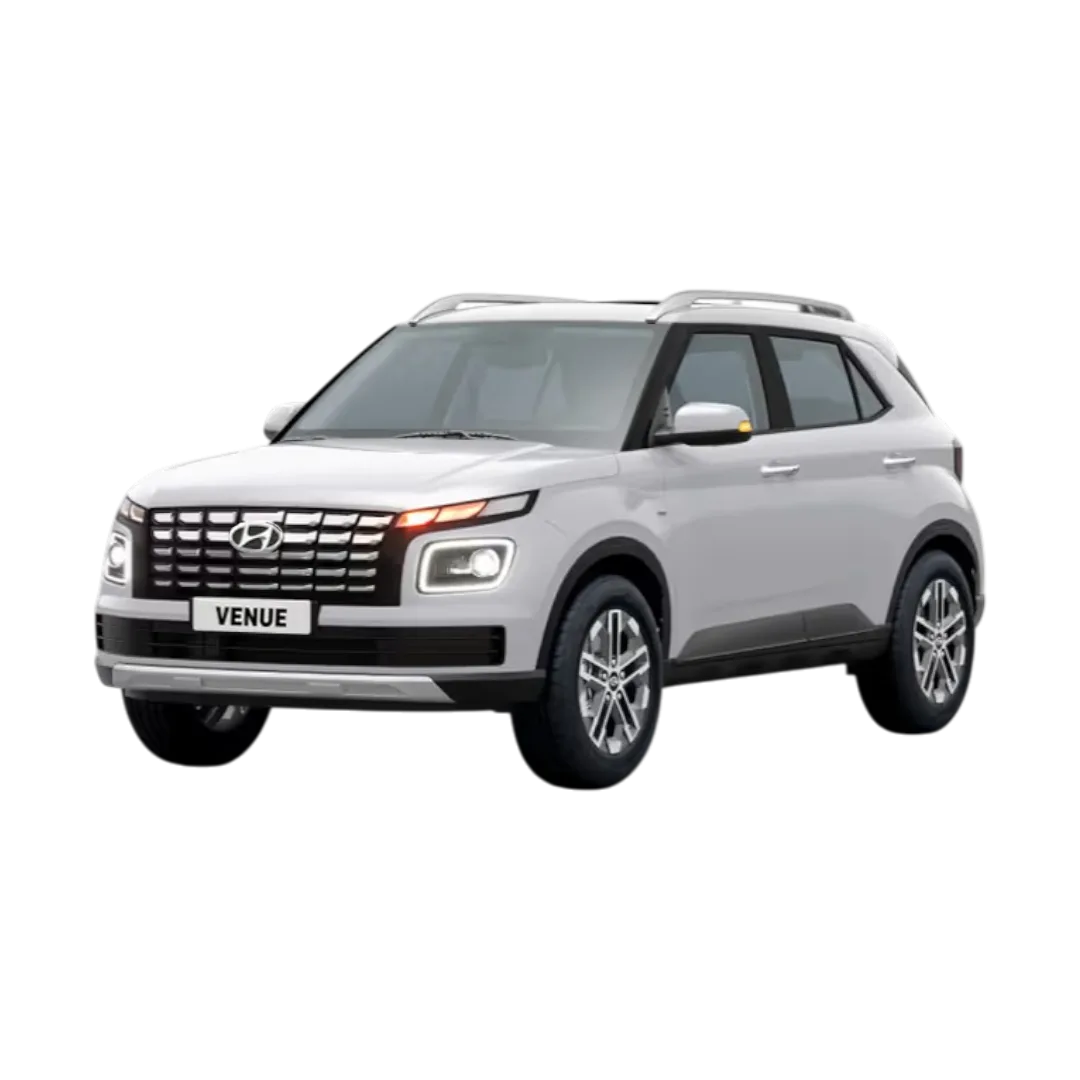 Venue
Venue
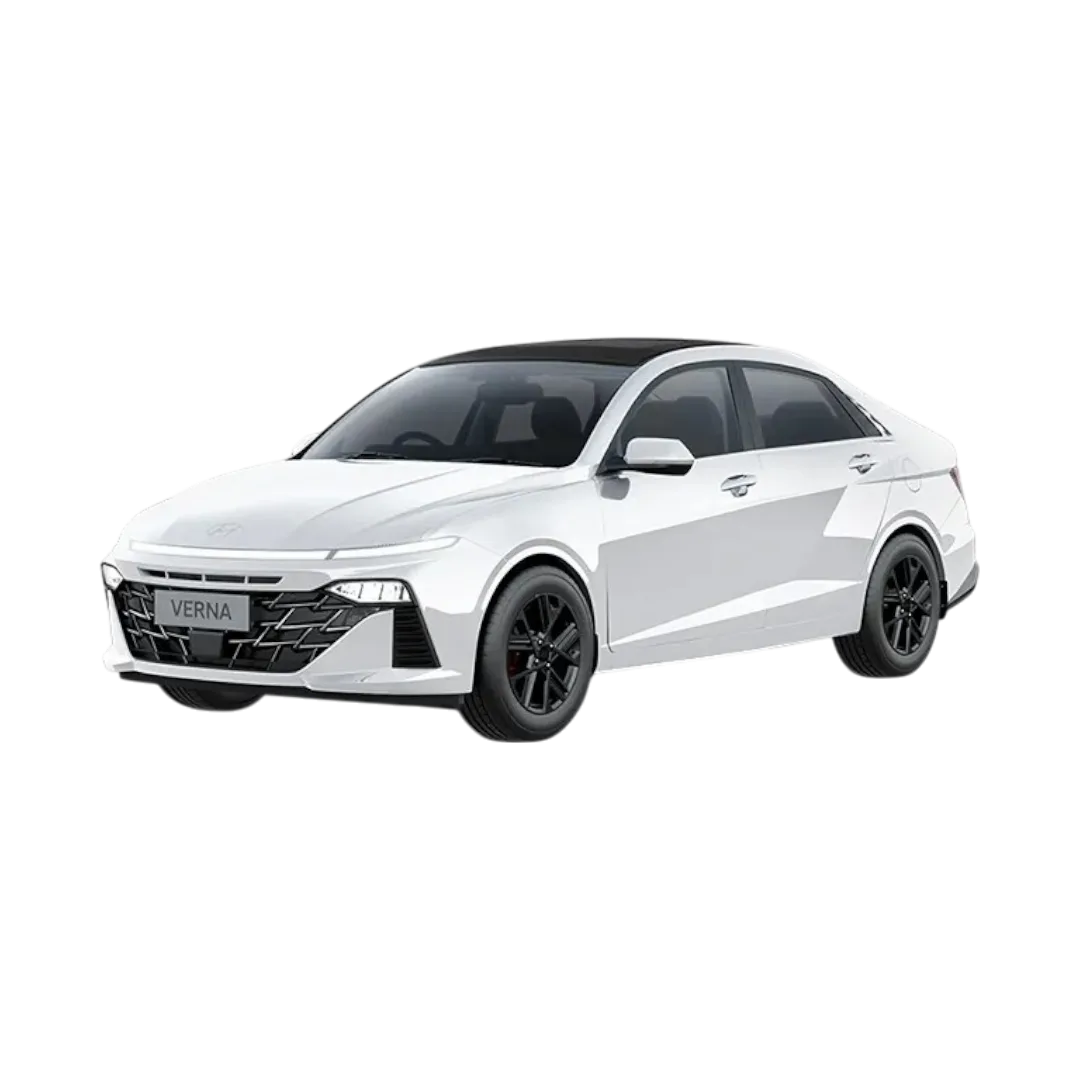 Verna
Verna
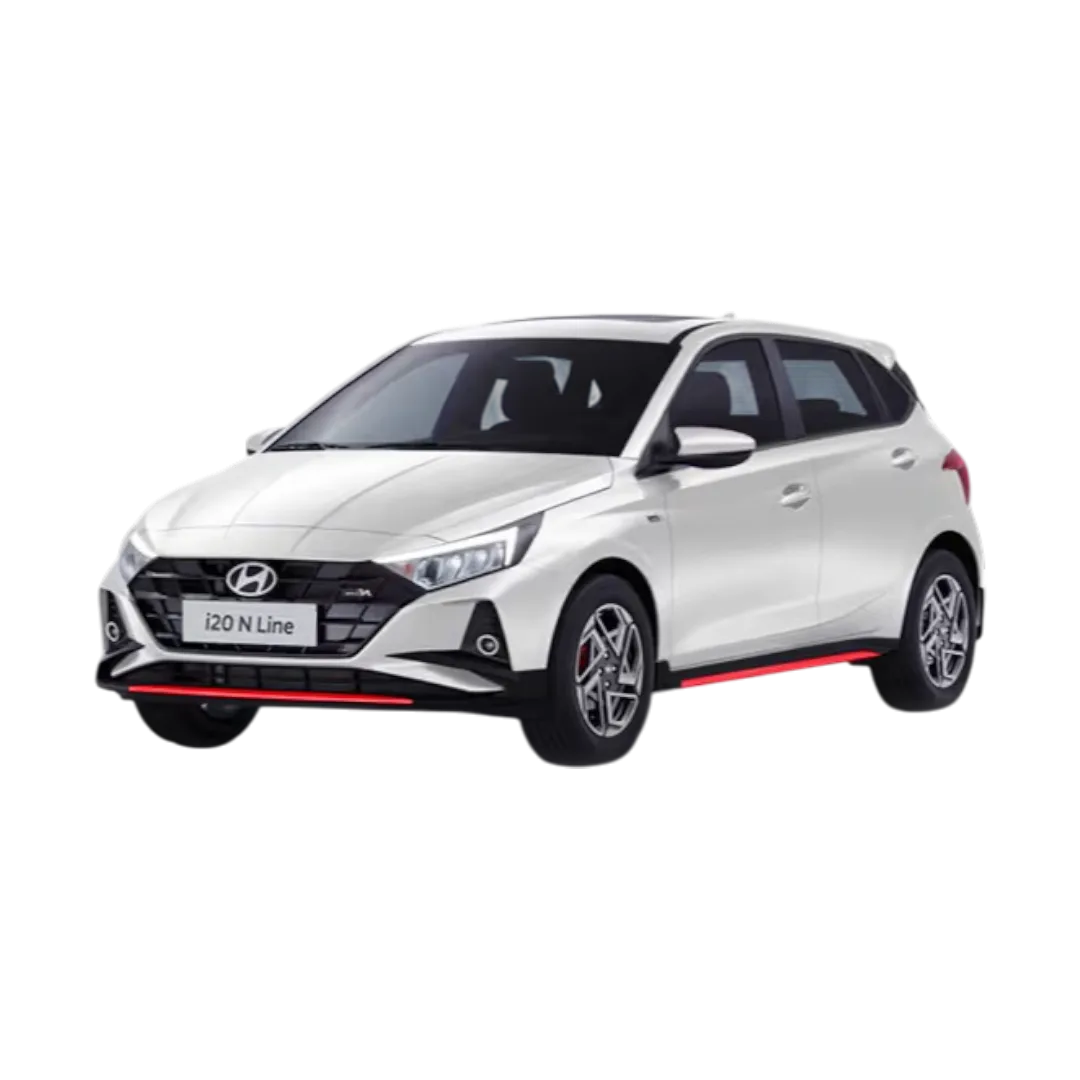 i20 N Line
 Venue N Line
 Alcazar
 Tucson
 Kona
Kona
 iONIQ 5
 Santro
 Santro Xing
 Accent
 Sonata
 Eon
Eon
 i10
i10
 Grand i10
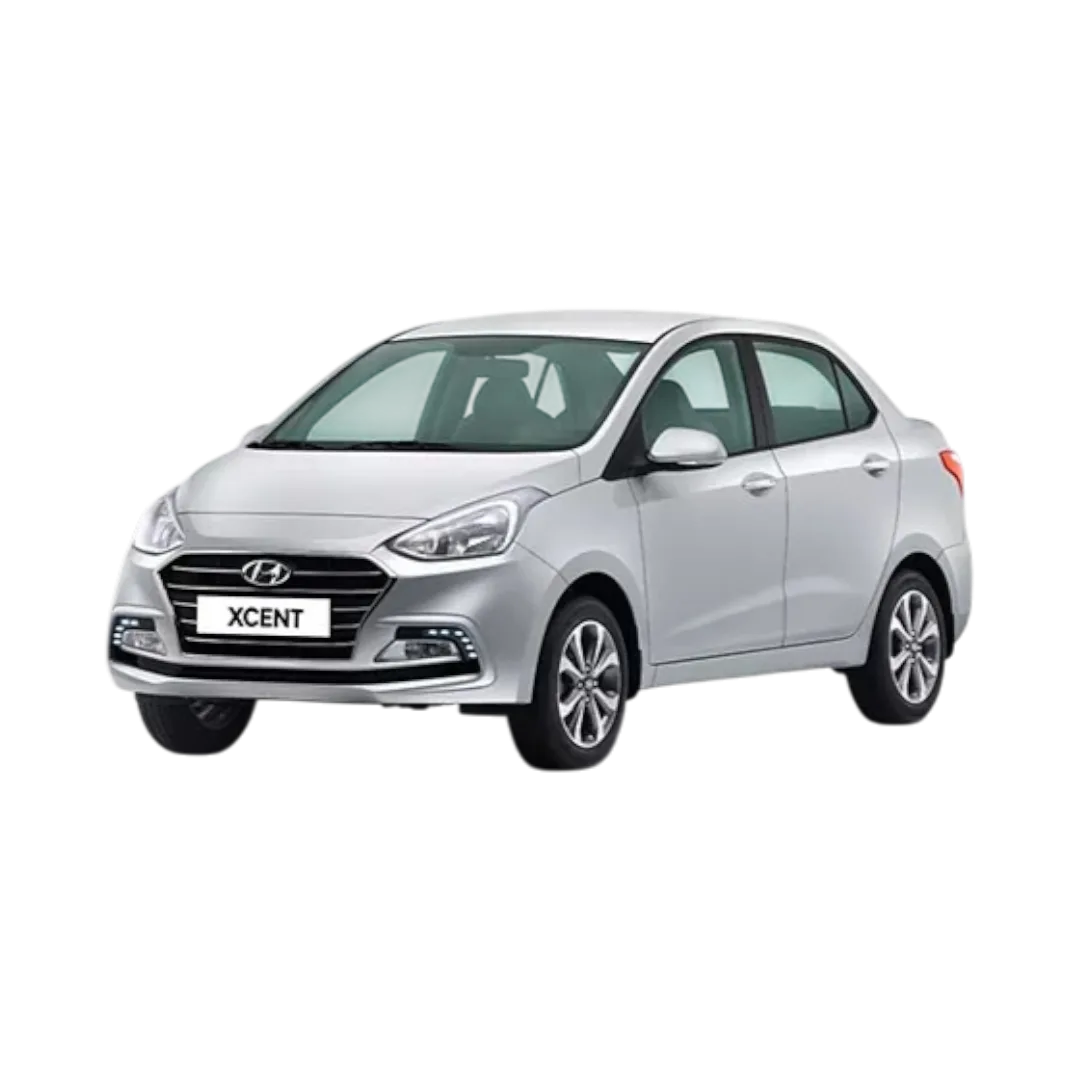 Xcent
Xcent
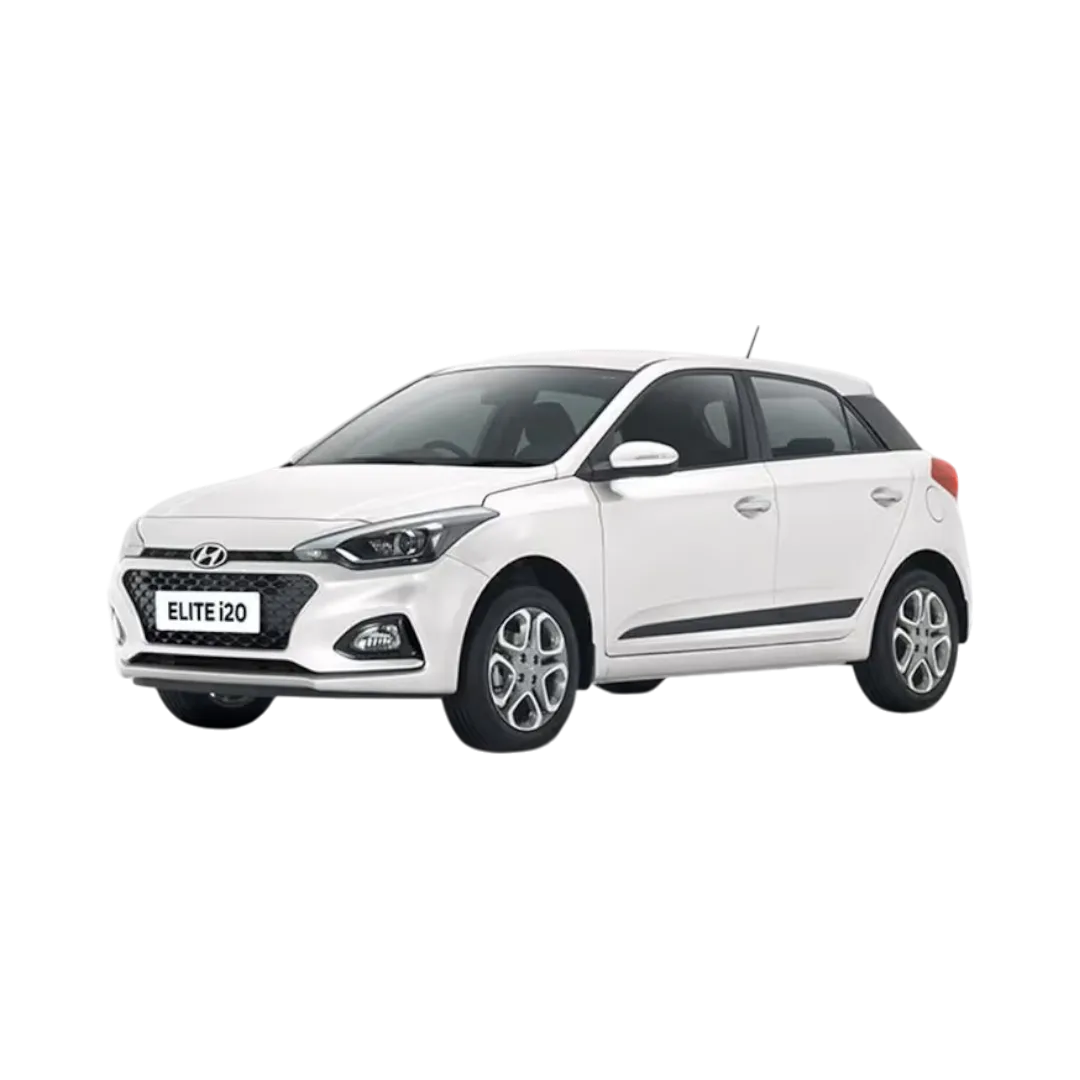 Elite i20
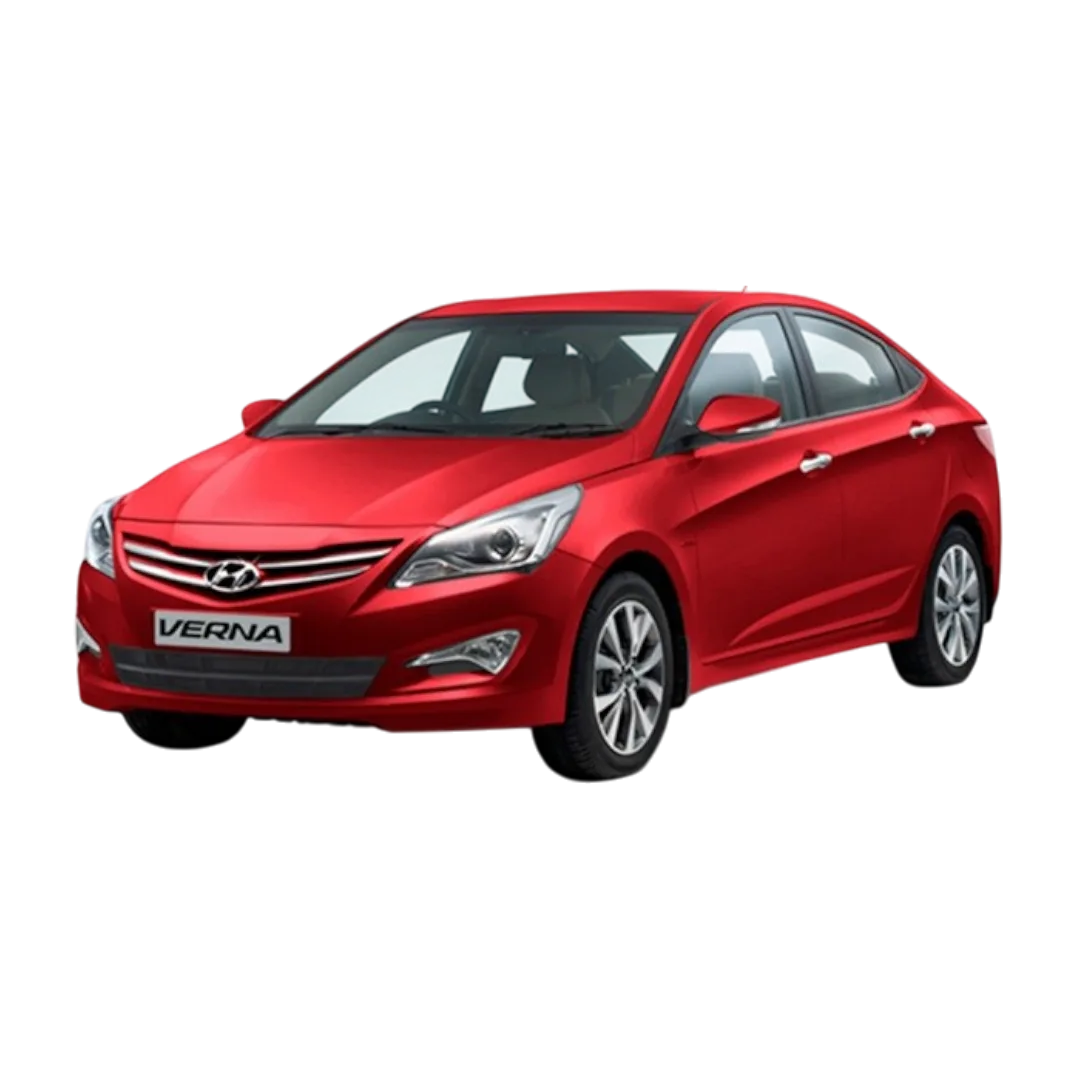 Verna Fluidic
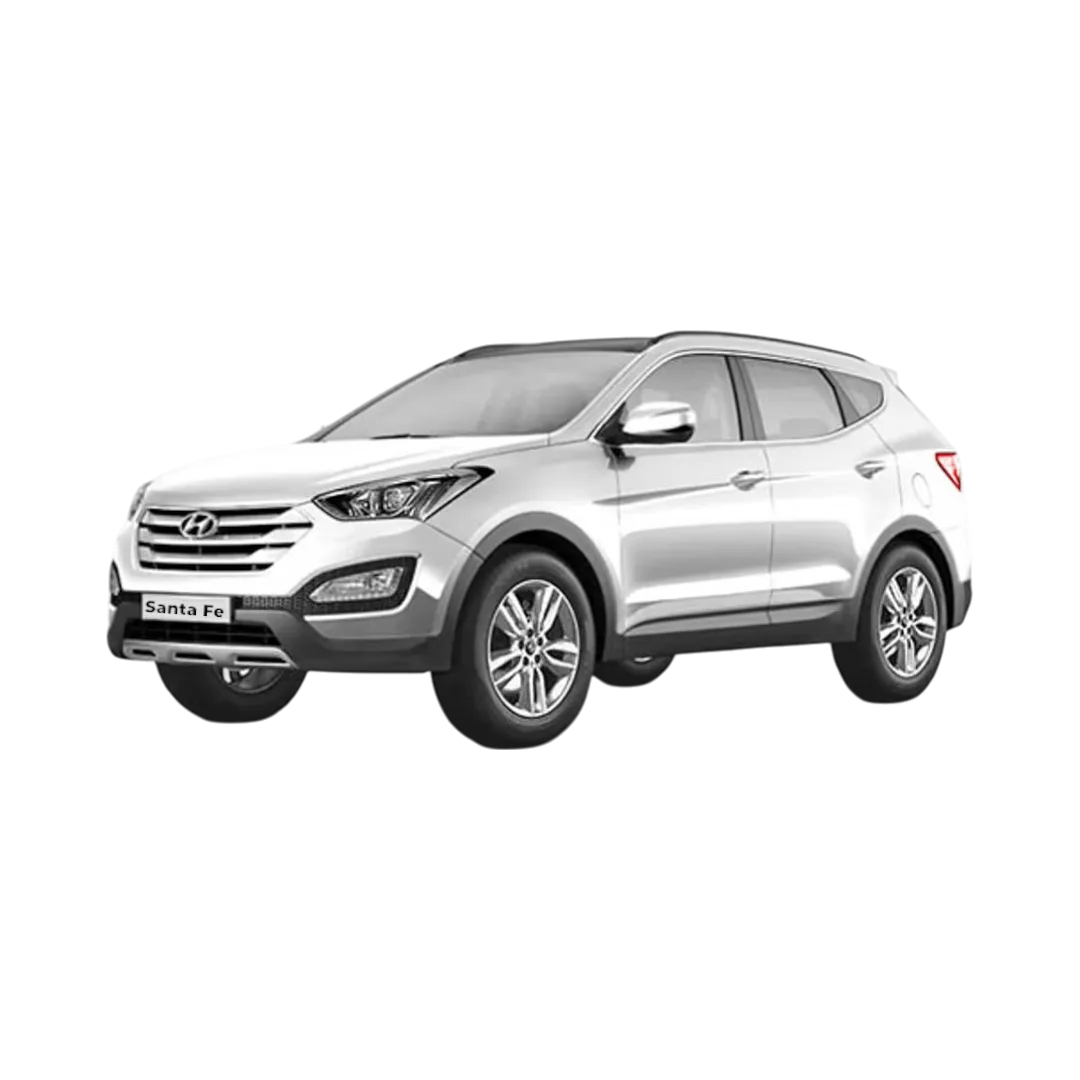 Santafe
 Exter
Sonata Fluidic
i20 Active
Exter
Sonata Fluidic
i20 Active
 Yaris
Yaris
 Urban Cruiser
 Camry
Camry
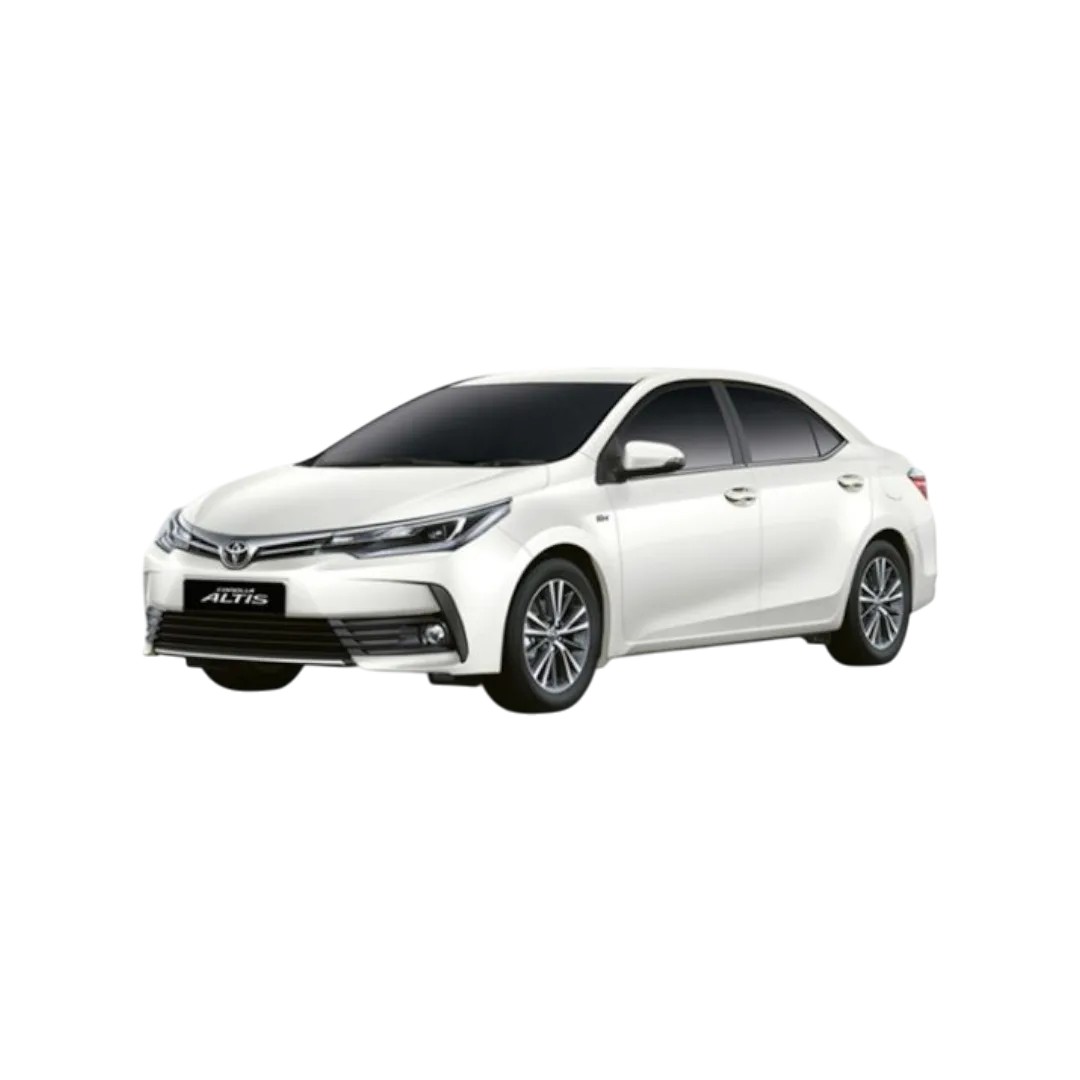 Corolla
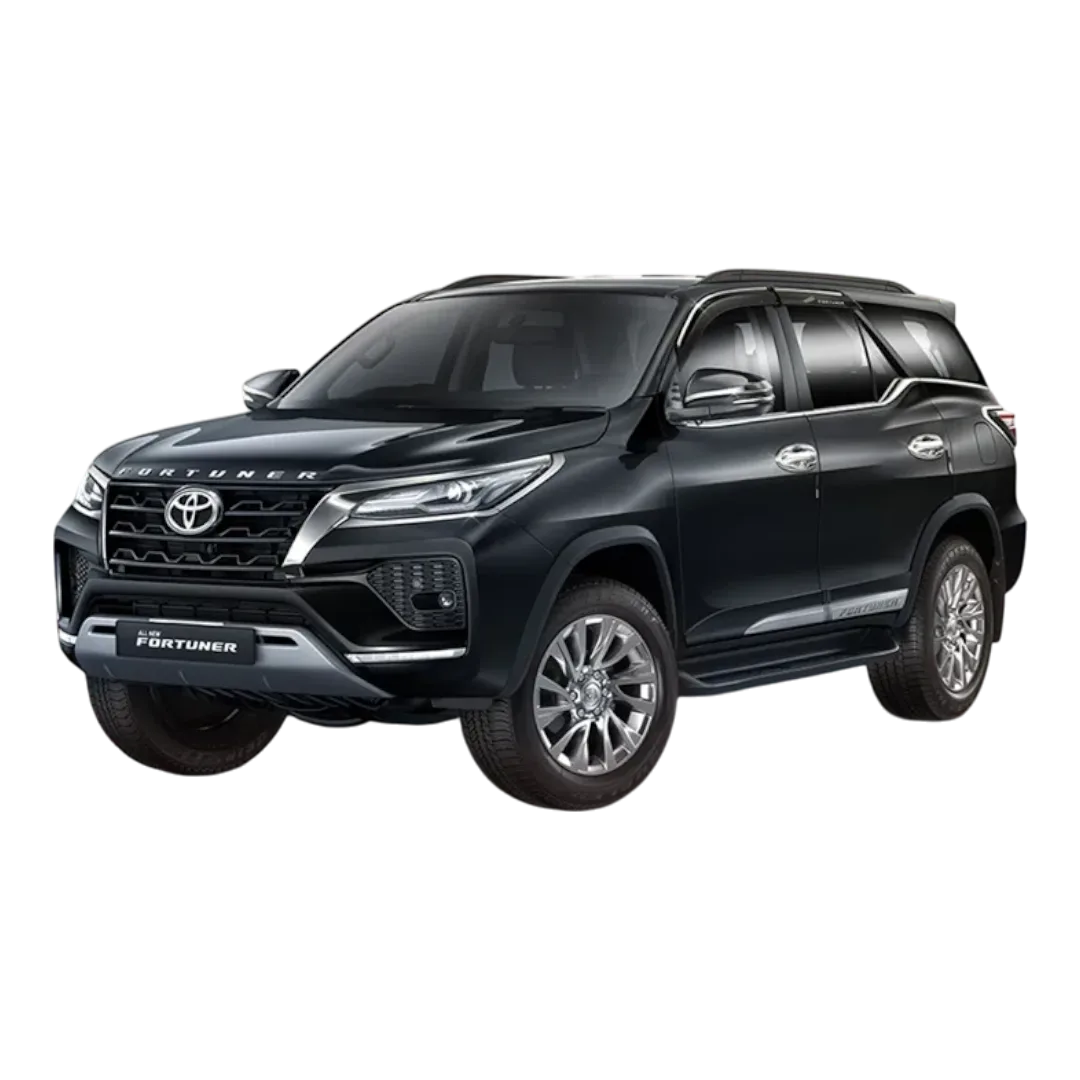 Fortuner
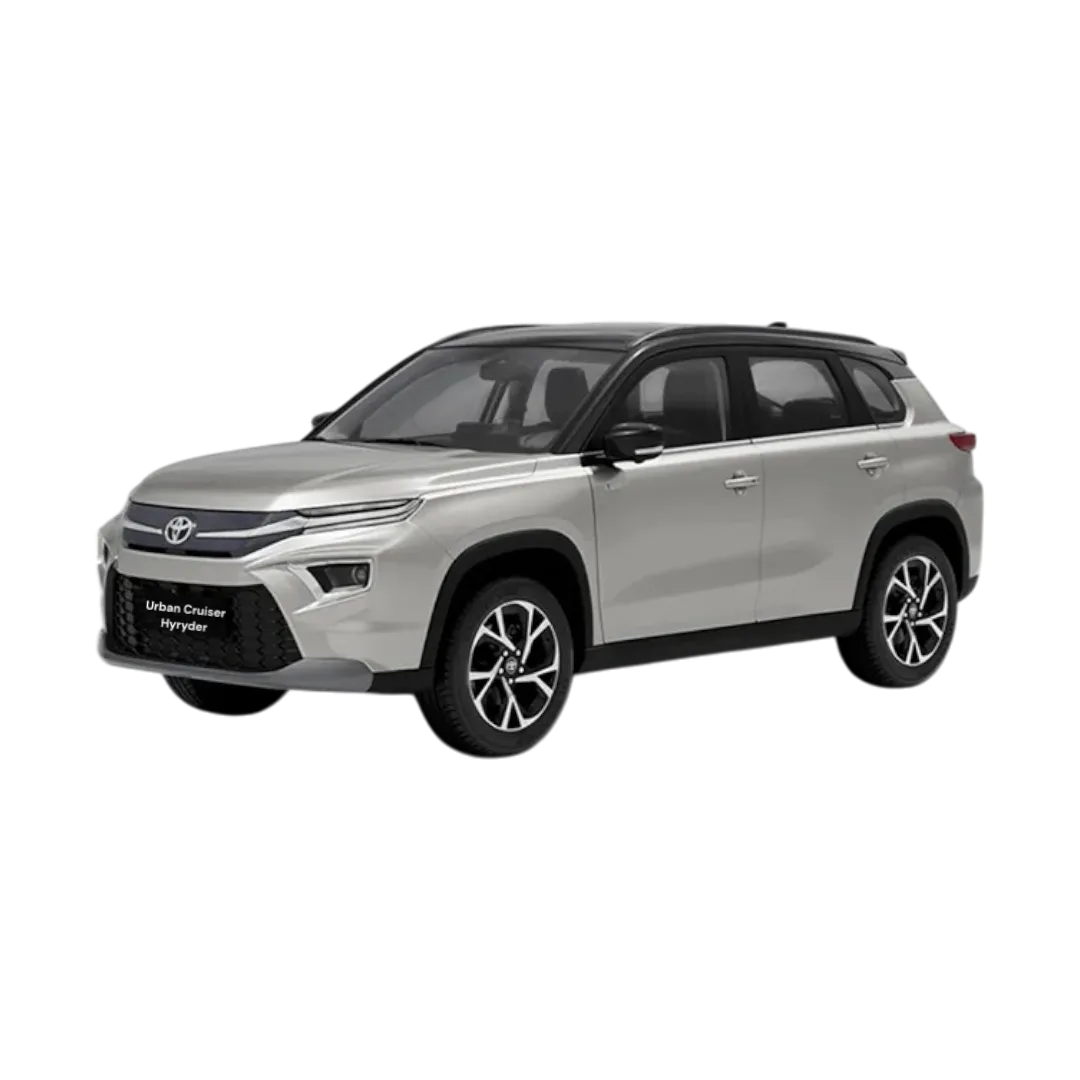 Urban Cruiser Hyryder
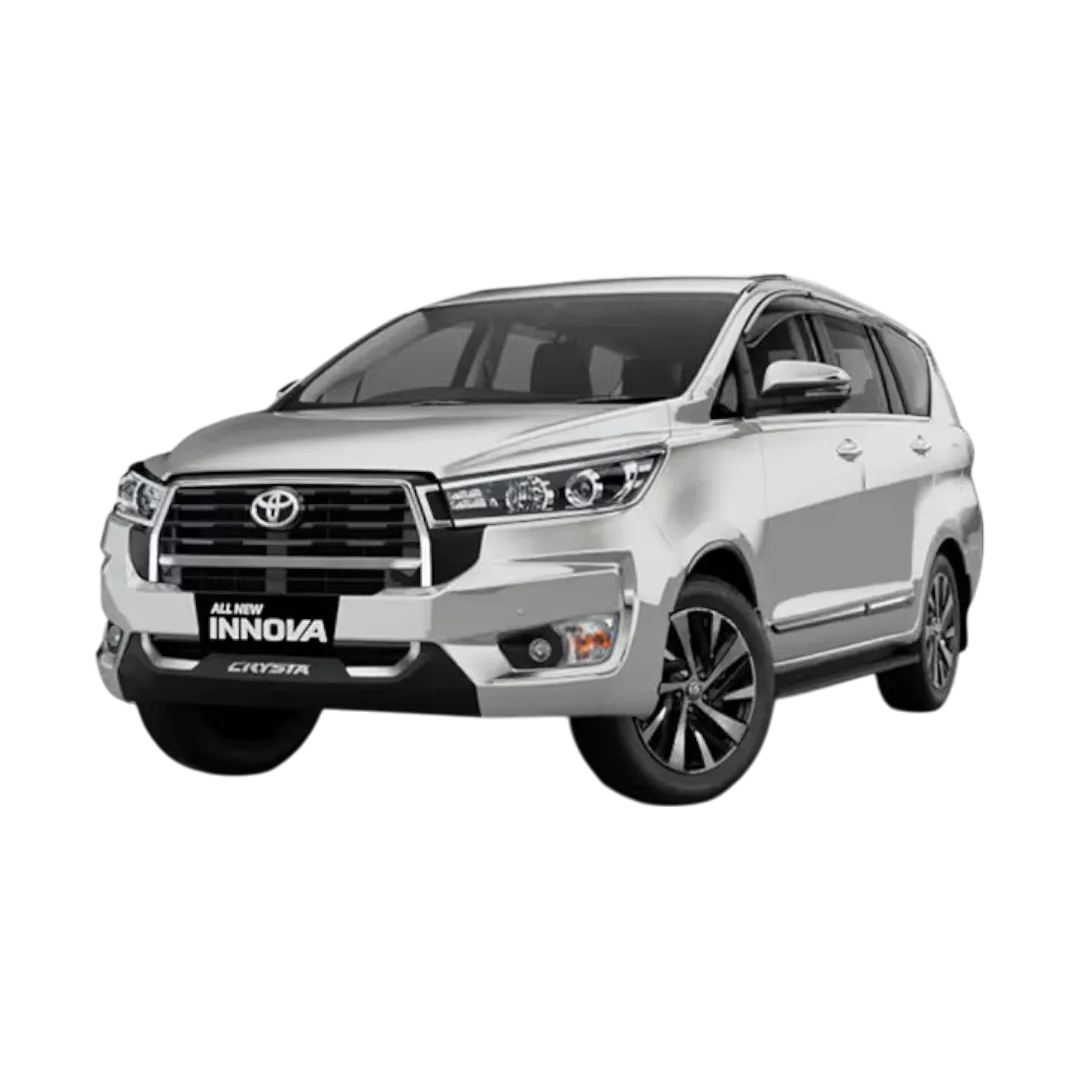 Innova Crysta
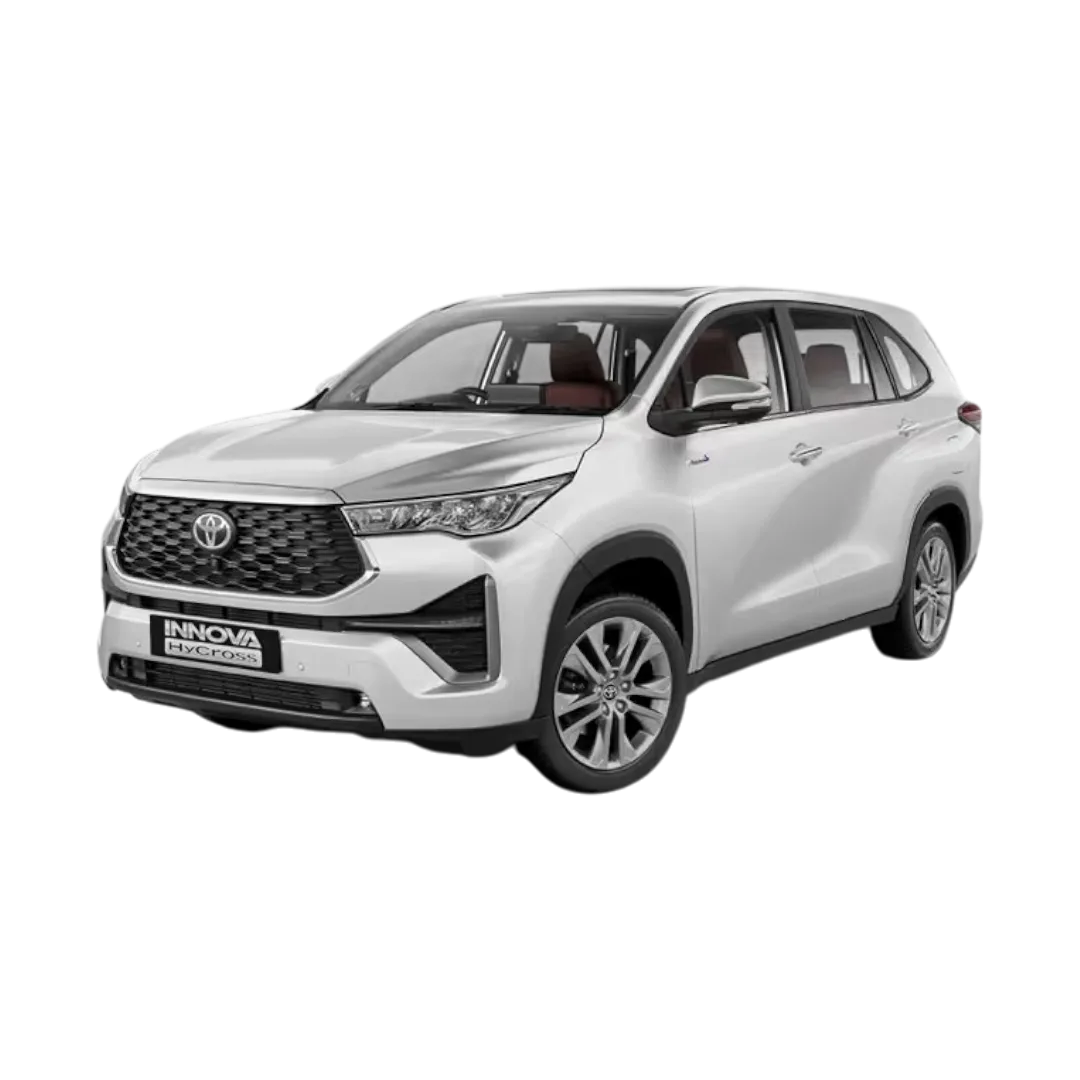 Innova Hycross
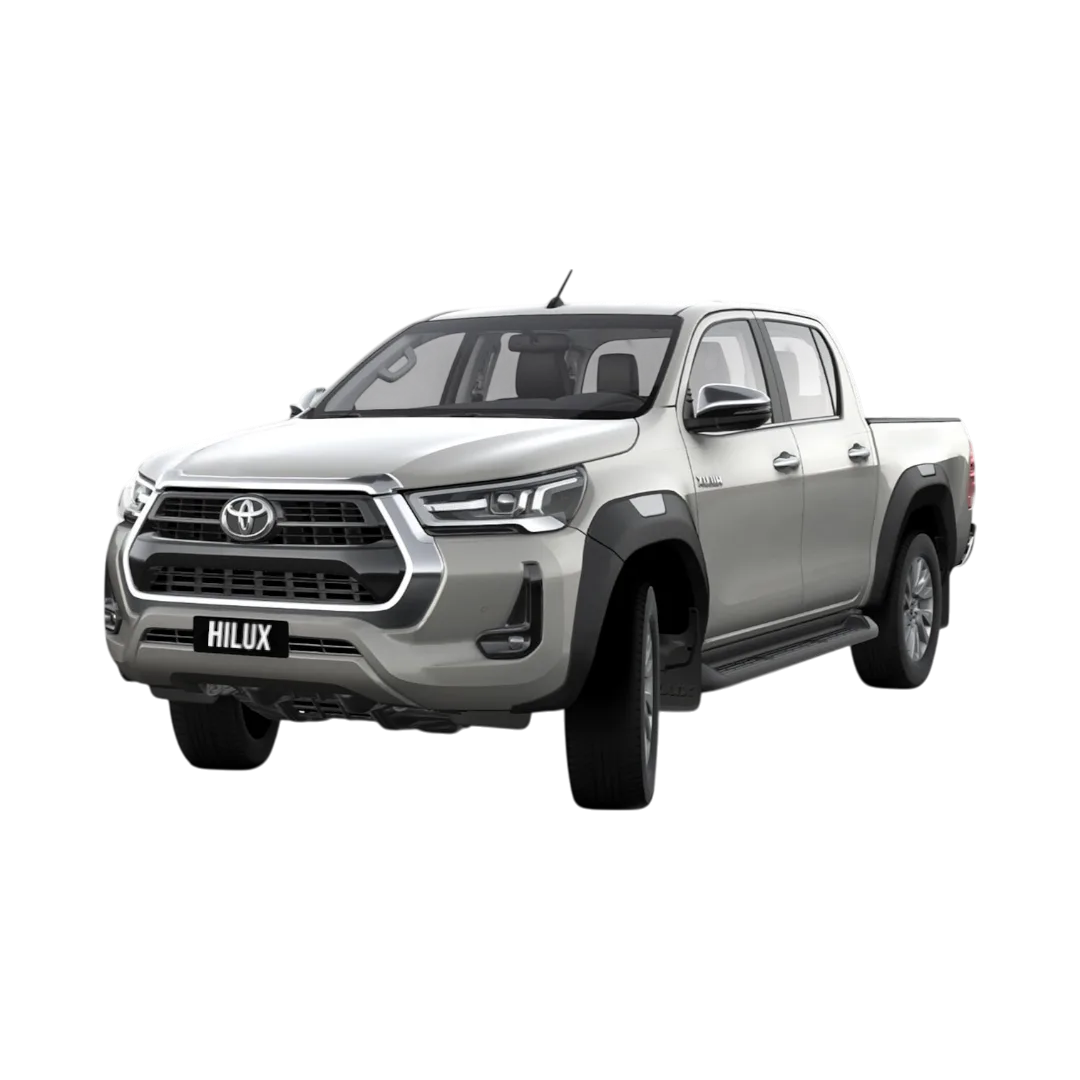 Hilux
Hilux
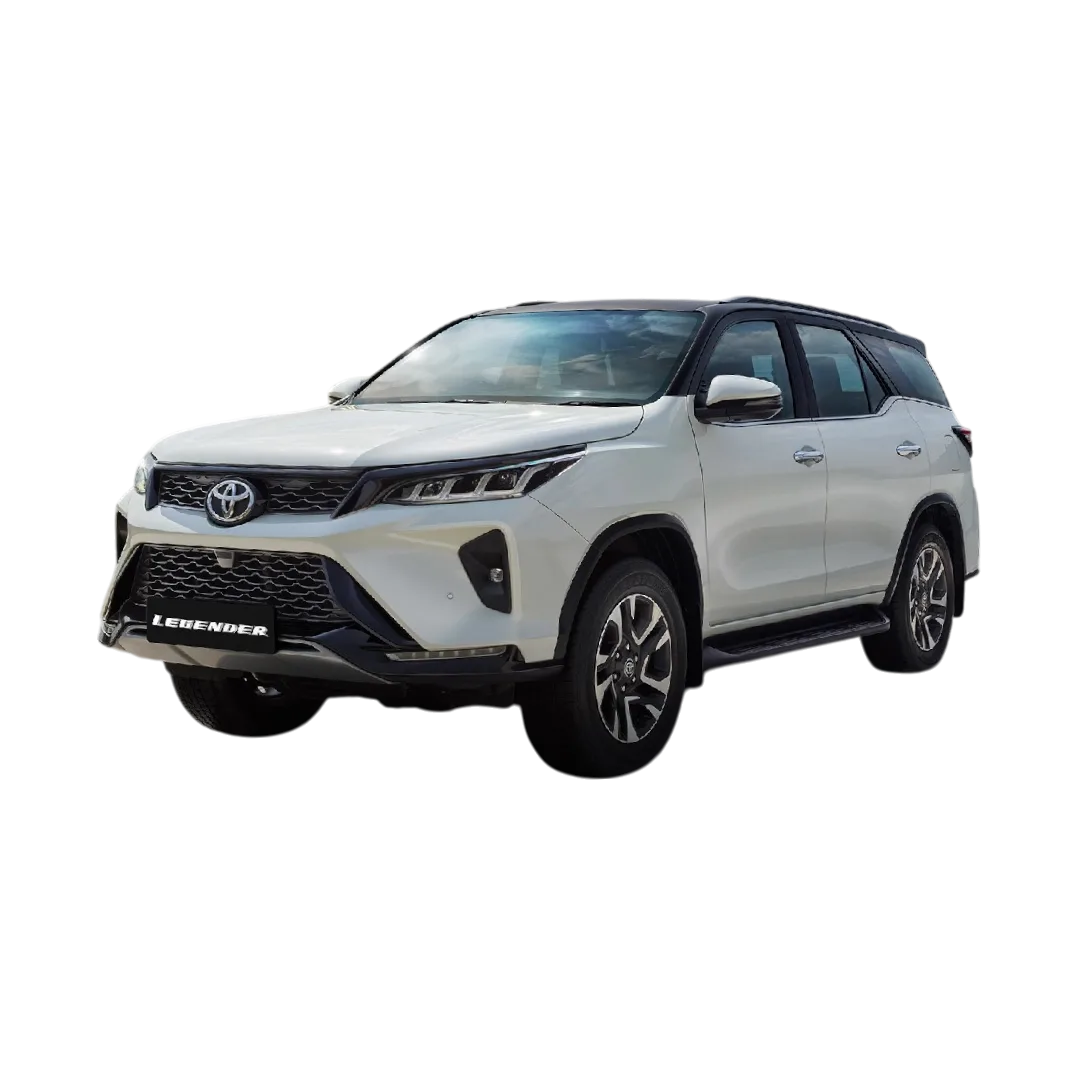 Fortuner Legender
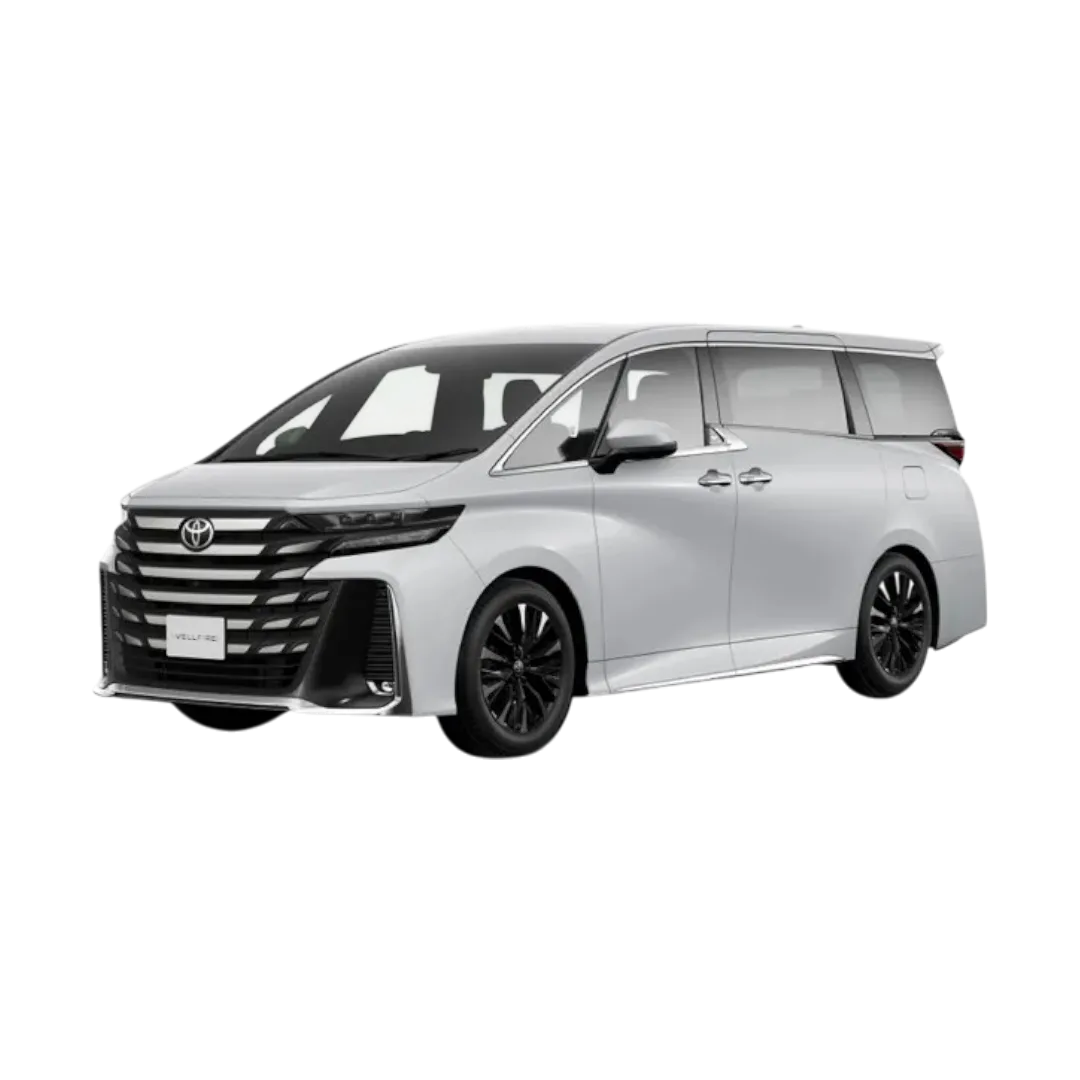 Vellfire
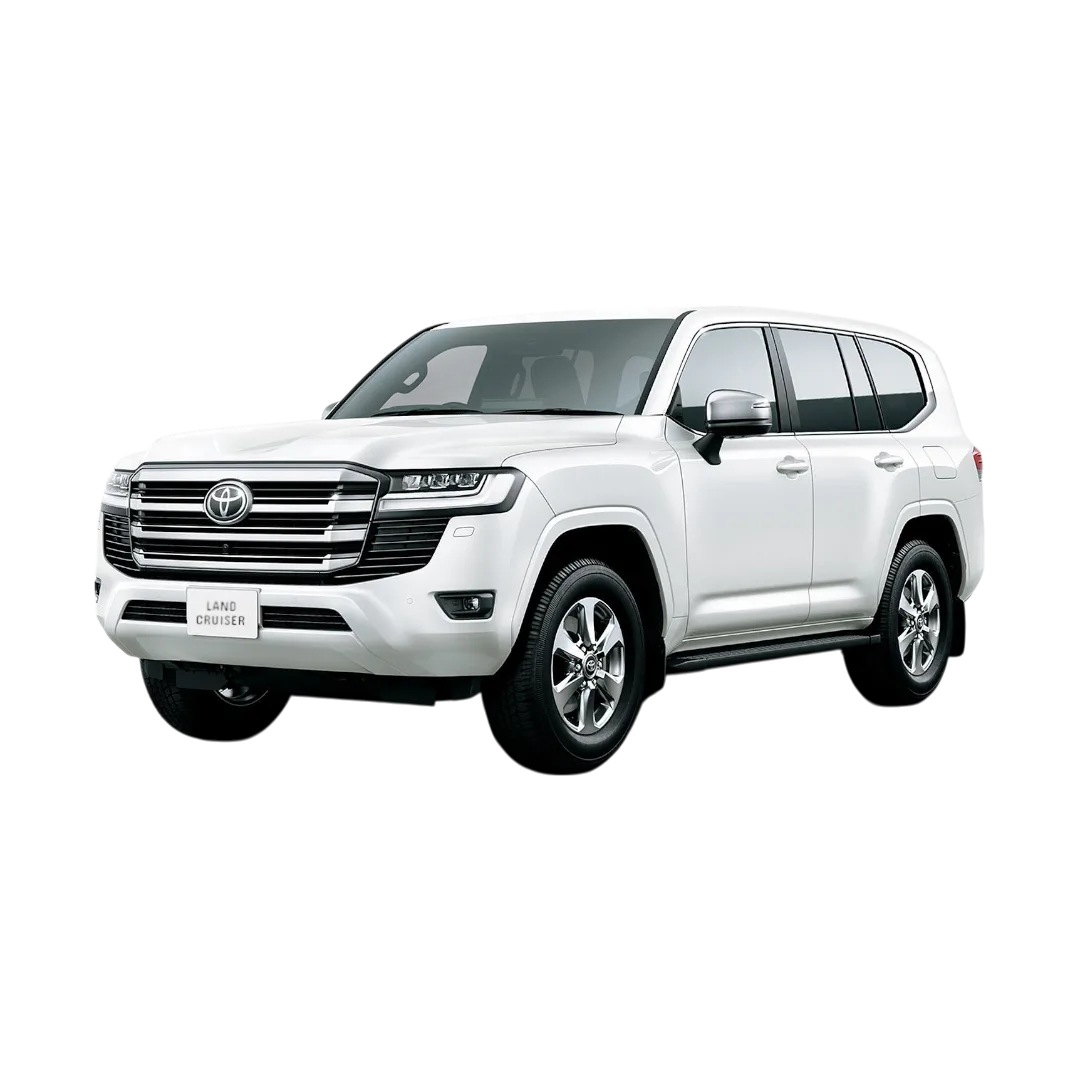 Land Cruiser
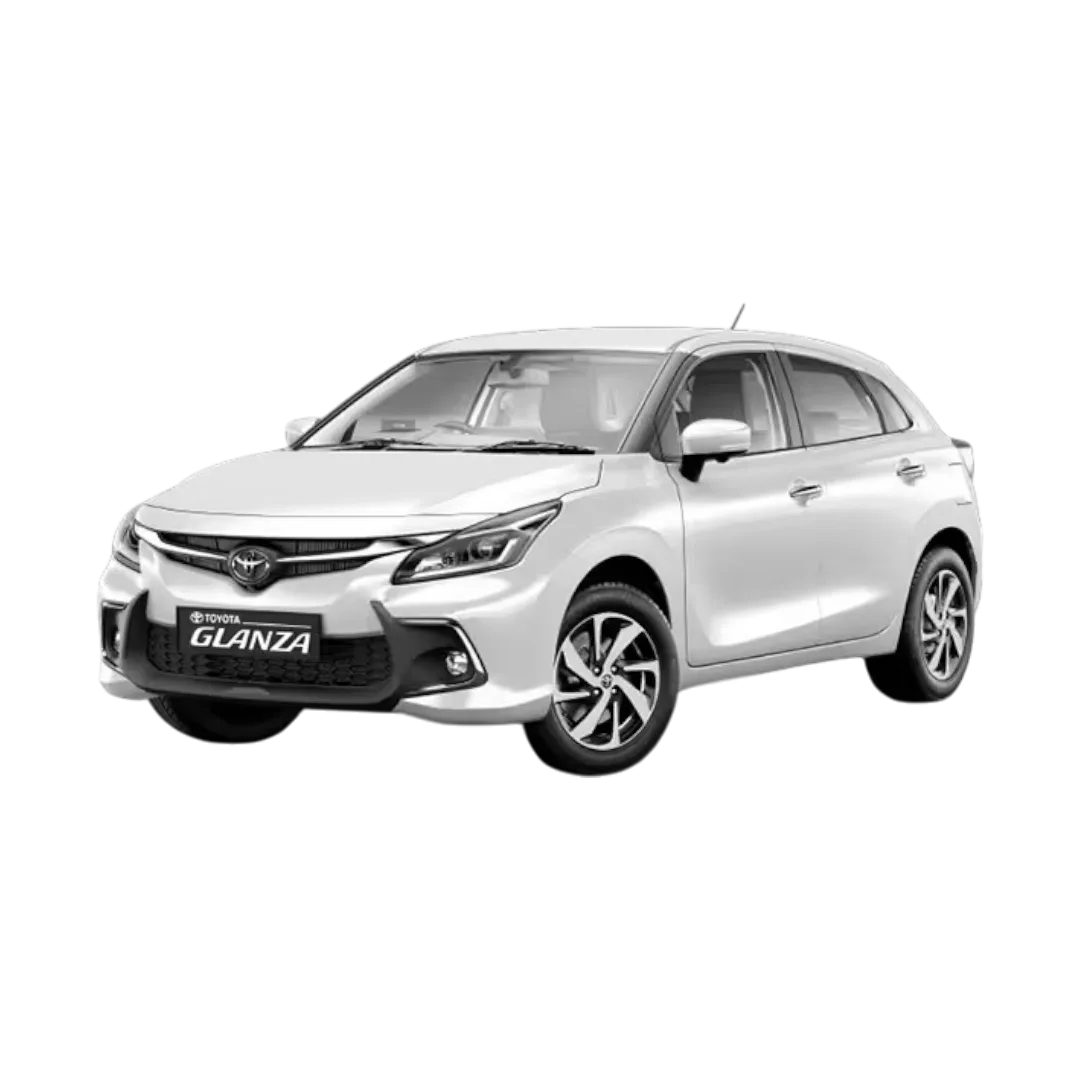 Glanza
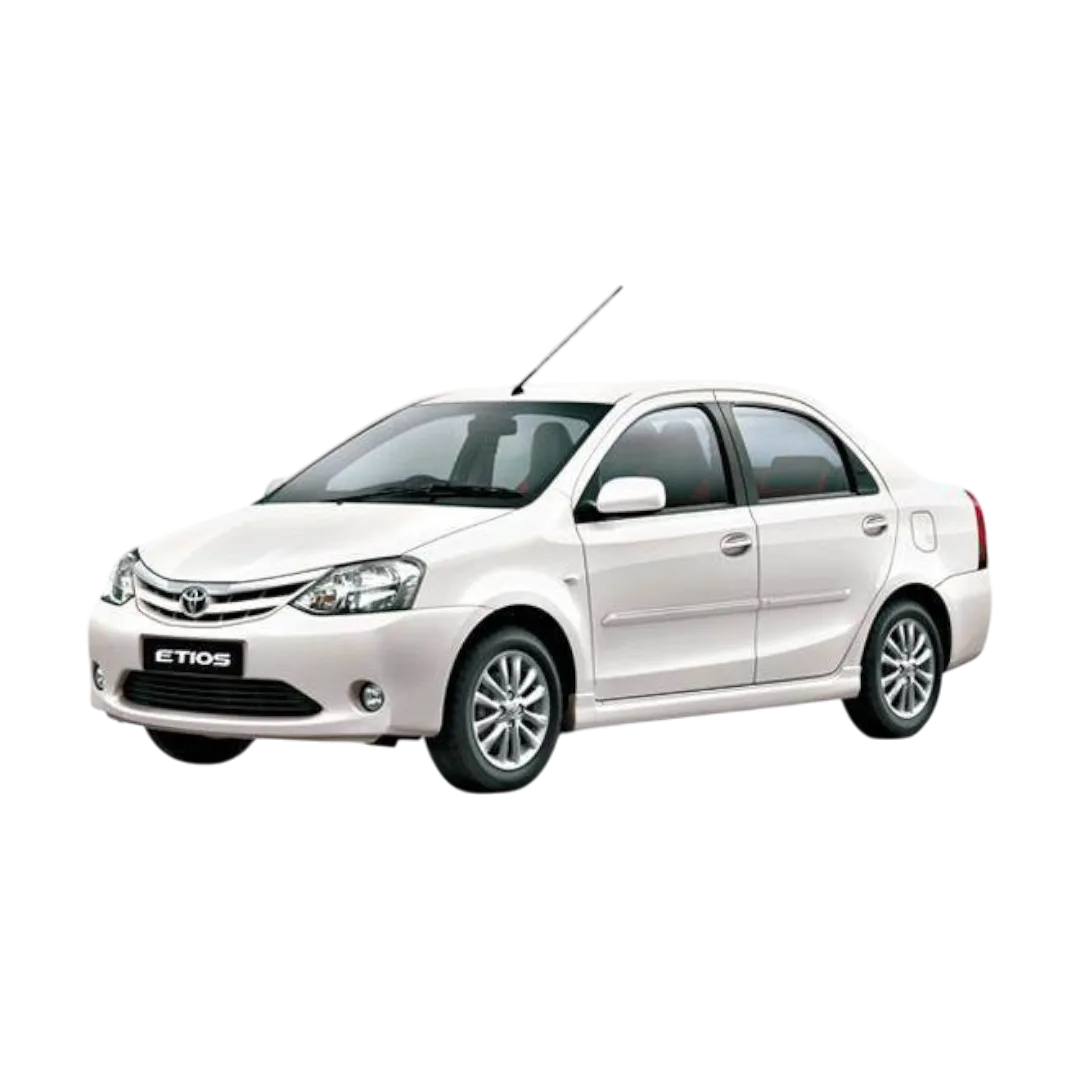 Etios
Etios
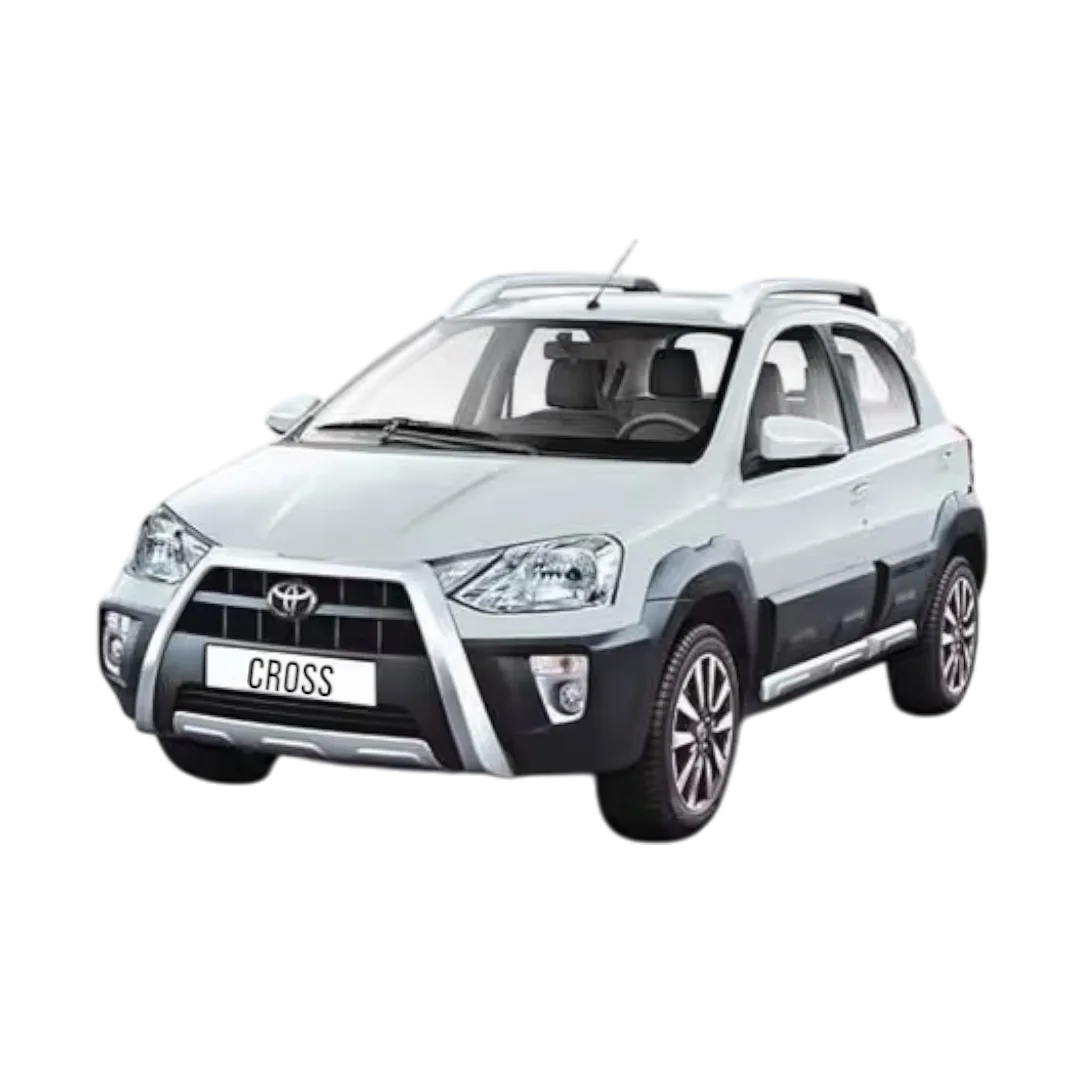 Etios cross
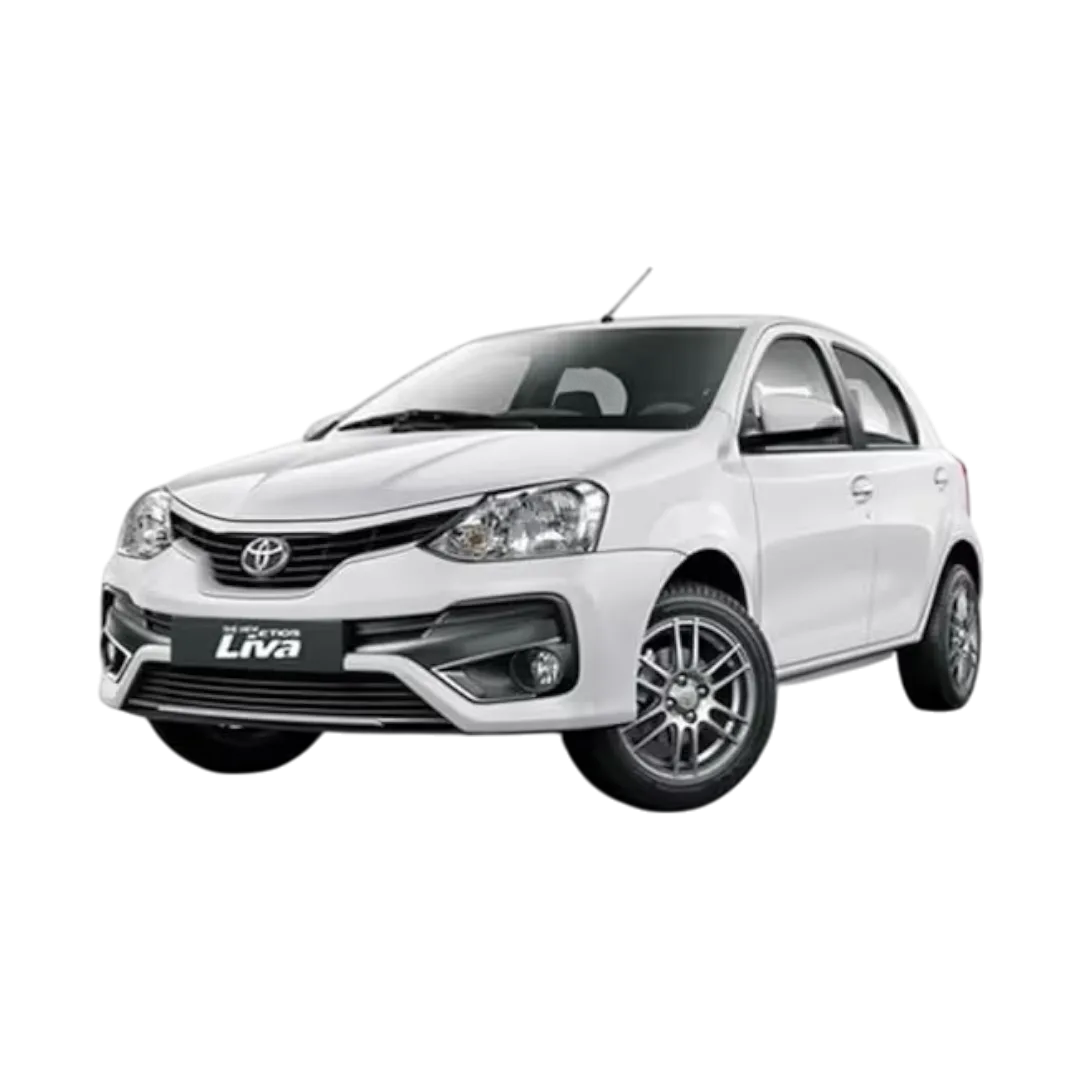 Etios Liva
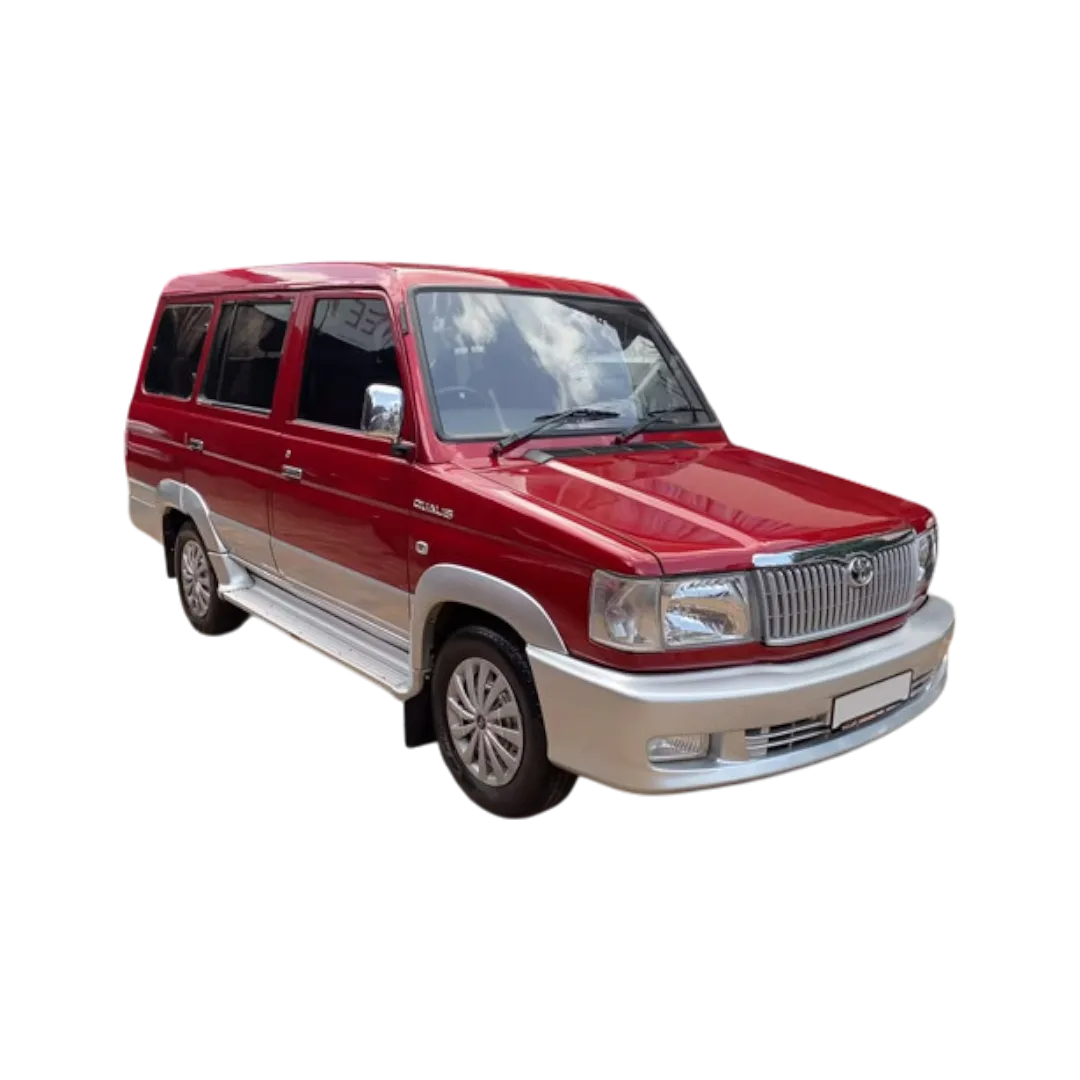 Qualis
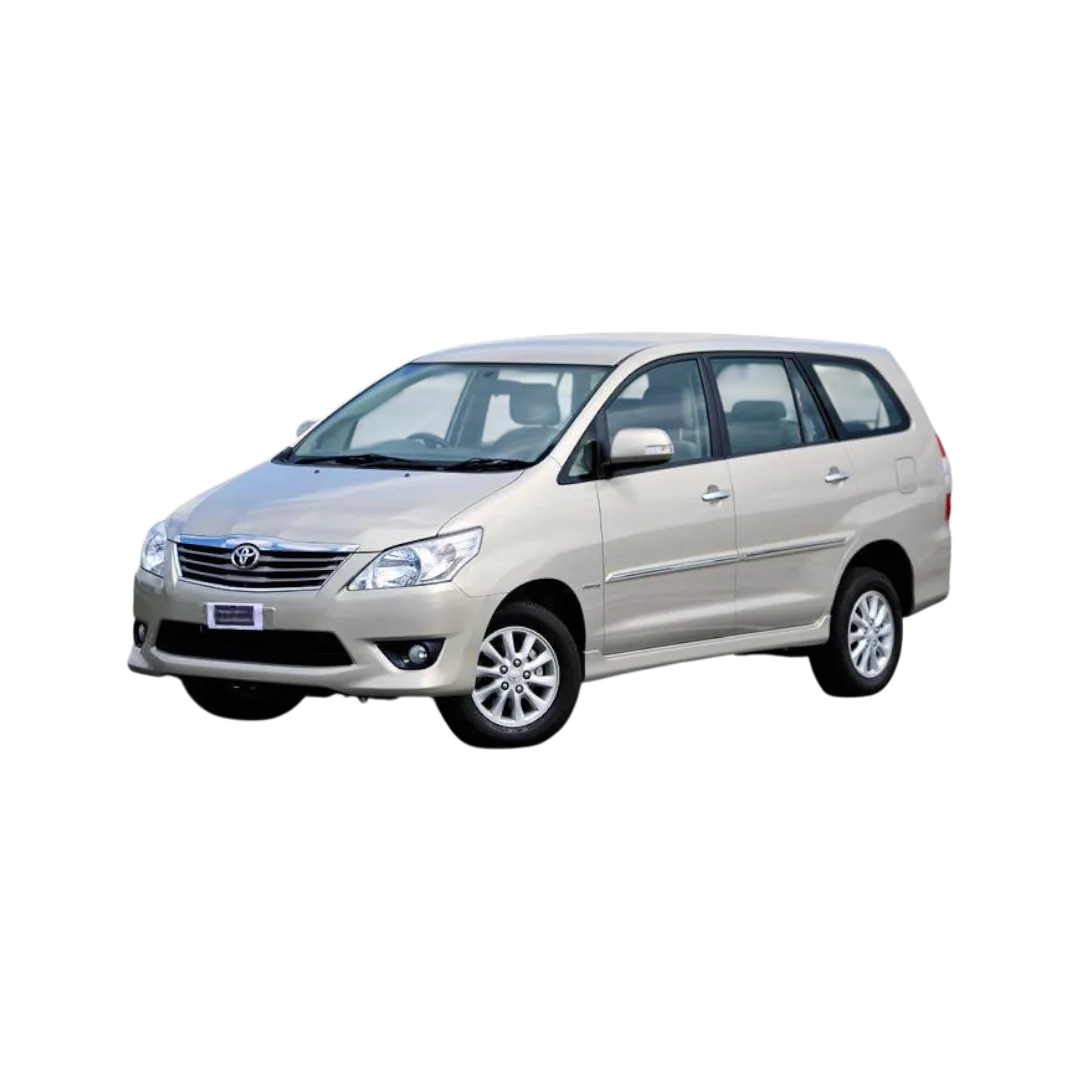 Innova
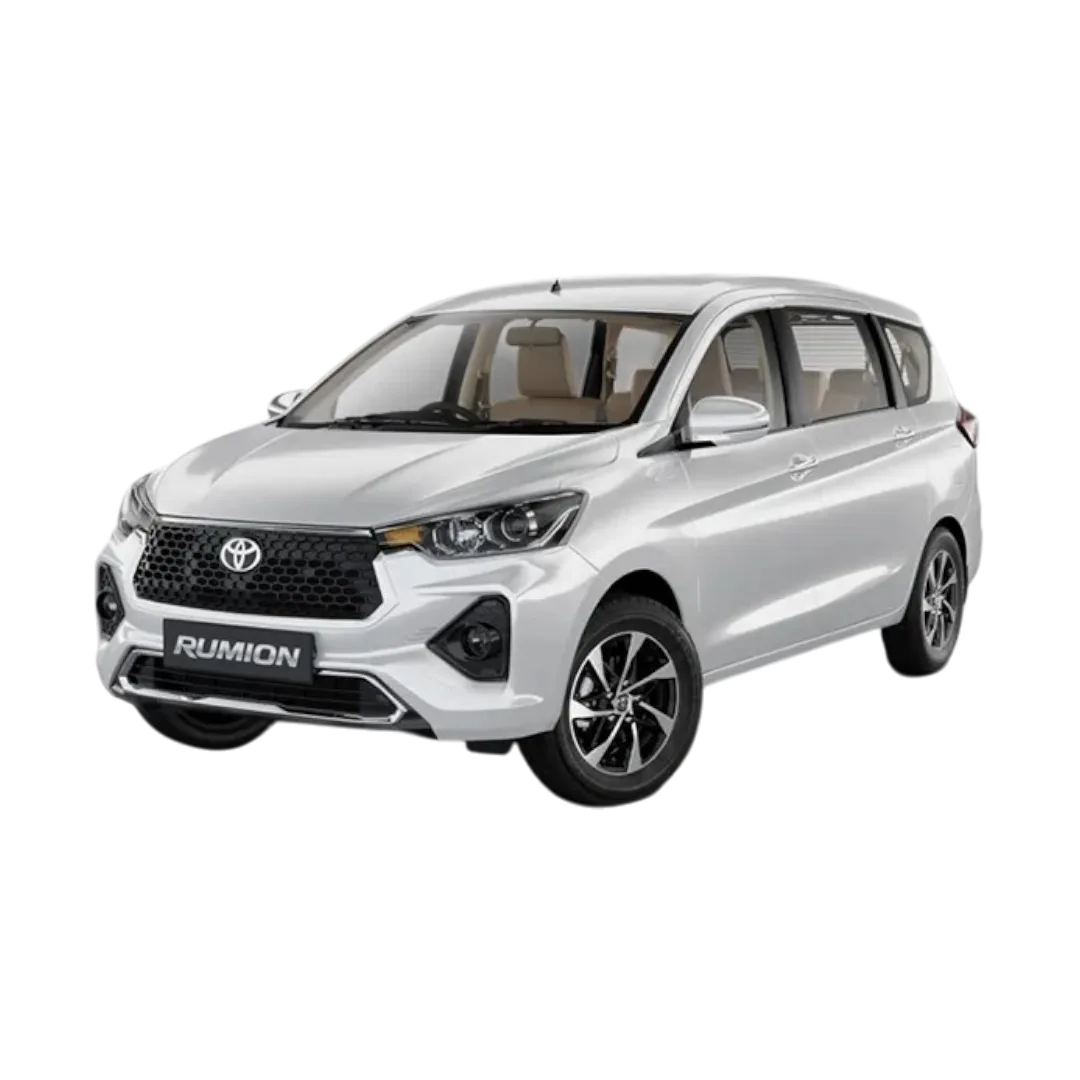 Rumion
Taisor
Corolla Altis
Hyryder
Rumion
Taisor
Corolla Altis
Hyryder
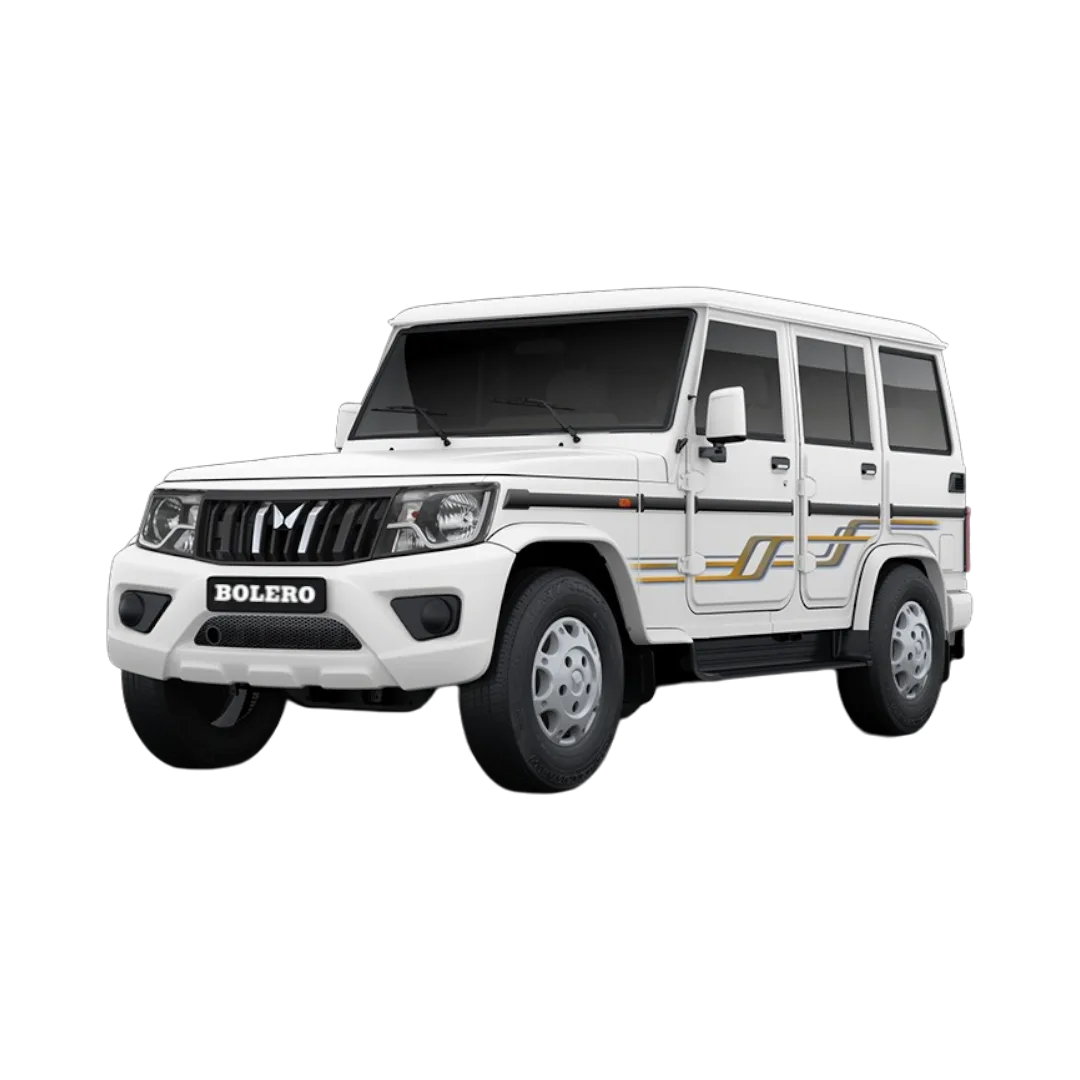 Bolero
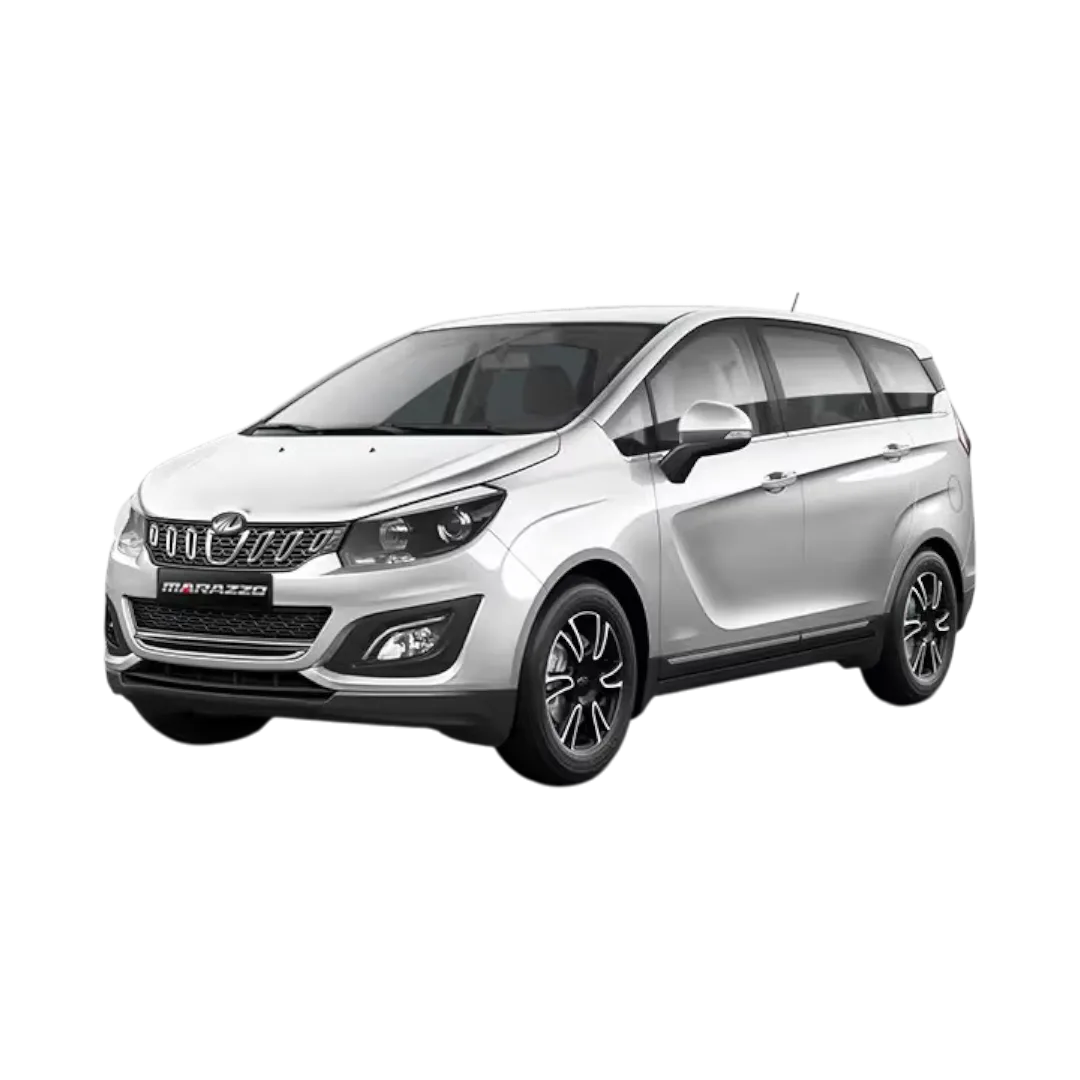 Marazzo
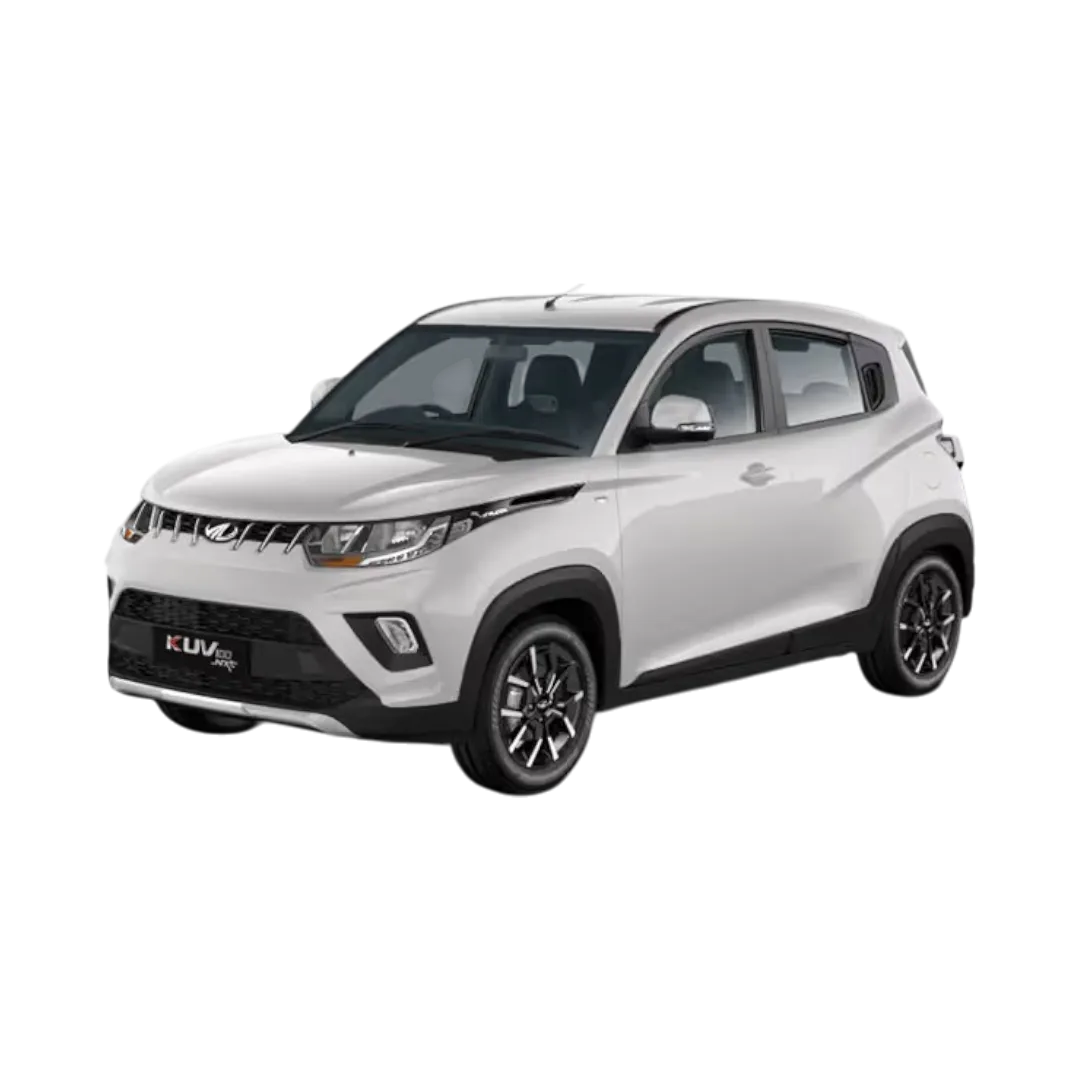 KUV100 NXT
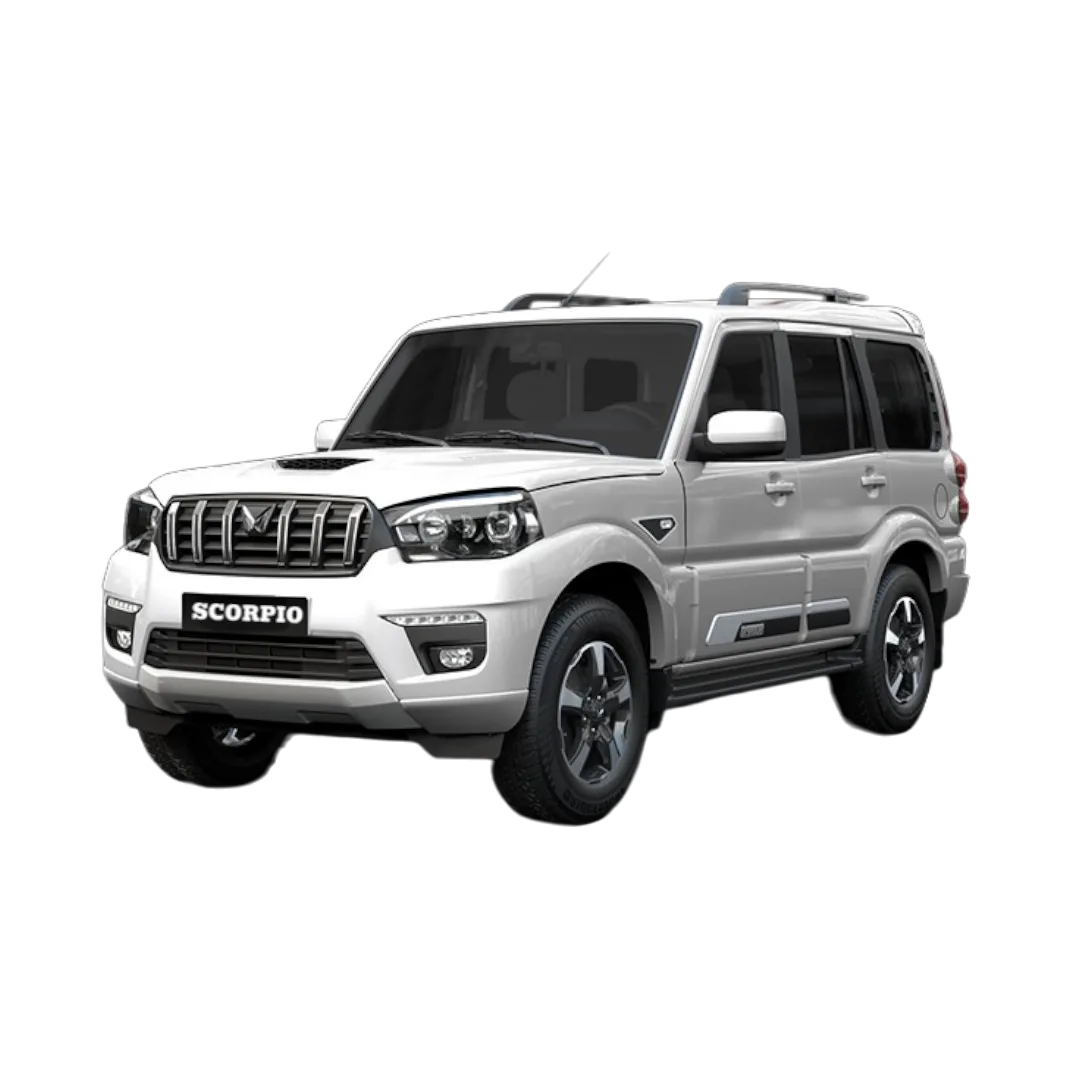 Scorpio
 Thar
Thar
 XUV 300
 Bolero Neo
 Verito
 Scorpio-N
 XUV 700
 Scorpio Classic
 XUV400
 Alturas
 Xylo
Xylo
 Quanto
 Logan
Logan
 XUV 500
 TUV 300
 XUV 3XO
 KUV 100
NuvoSport
XEV 9e
BE 6
Thar Roxx
E-Verito
XUV 7XO
TUV 100
BE6
Bolero Camper
Verito Vibe
XUV 400
KUV 100
NuvoSport
XEV 9e
BE 6
Thar Roxx
E-Verito
XUV 7XO
TUV 100
BE6
Bolero Camper
Verito Vibe
XUV 400
 Audi Q5
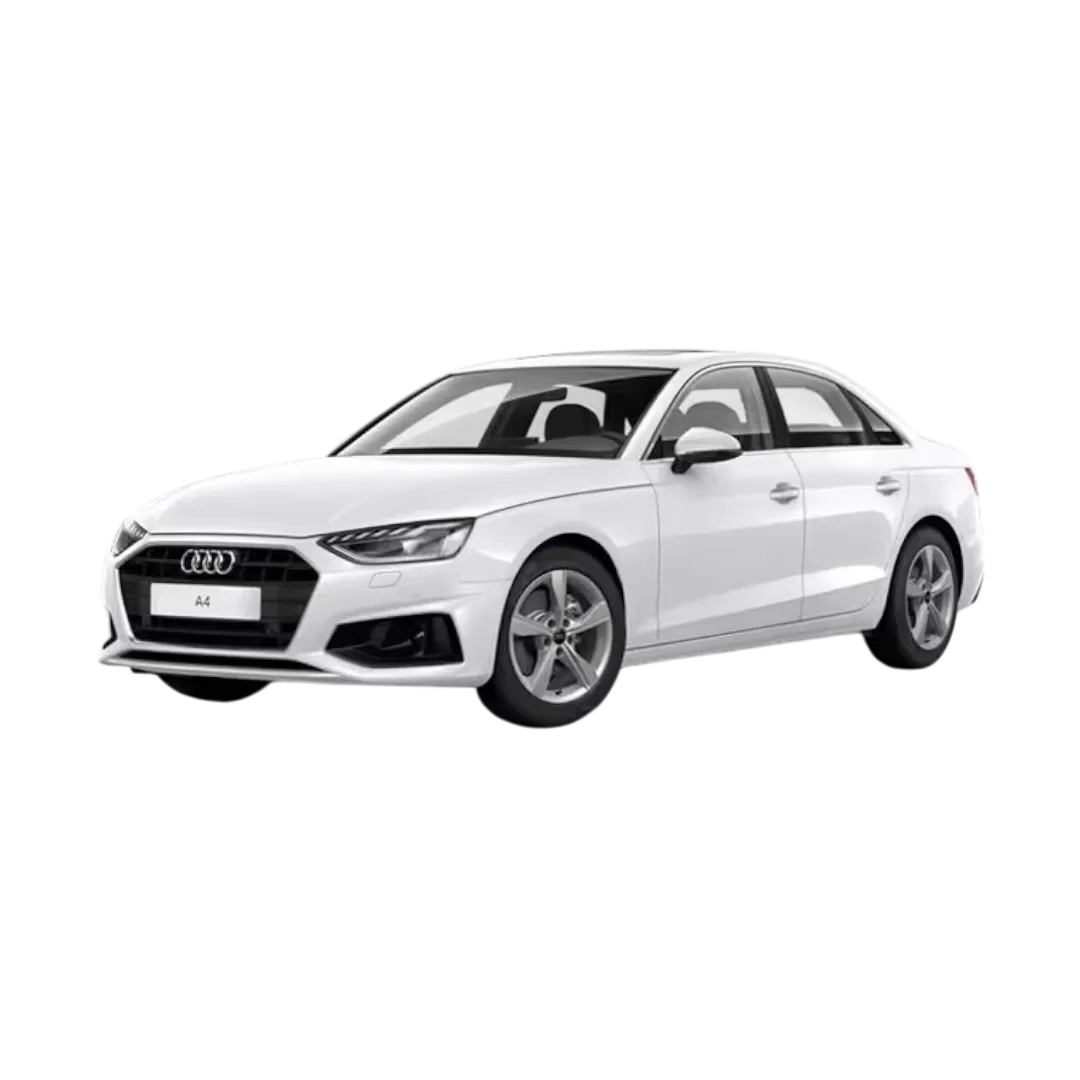 Audi A4
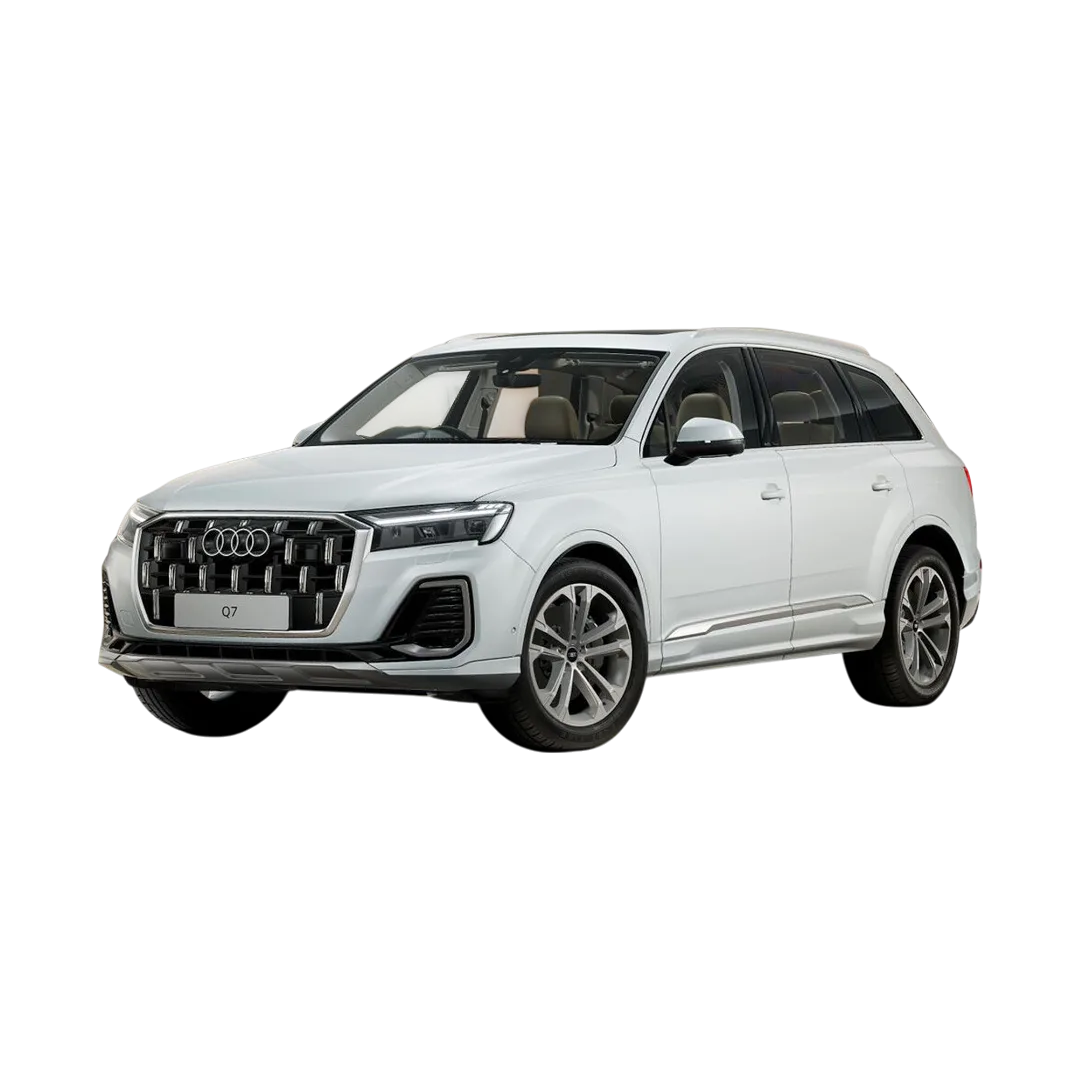 Audi Q7
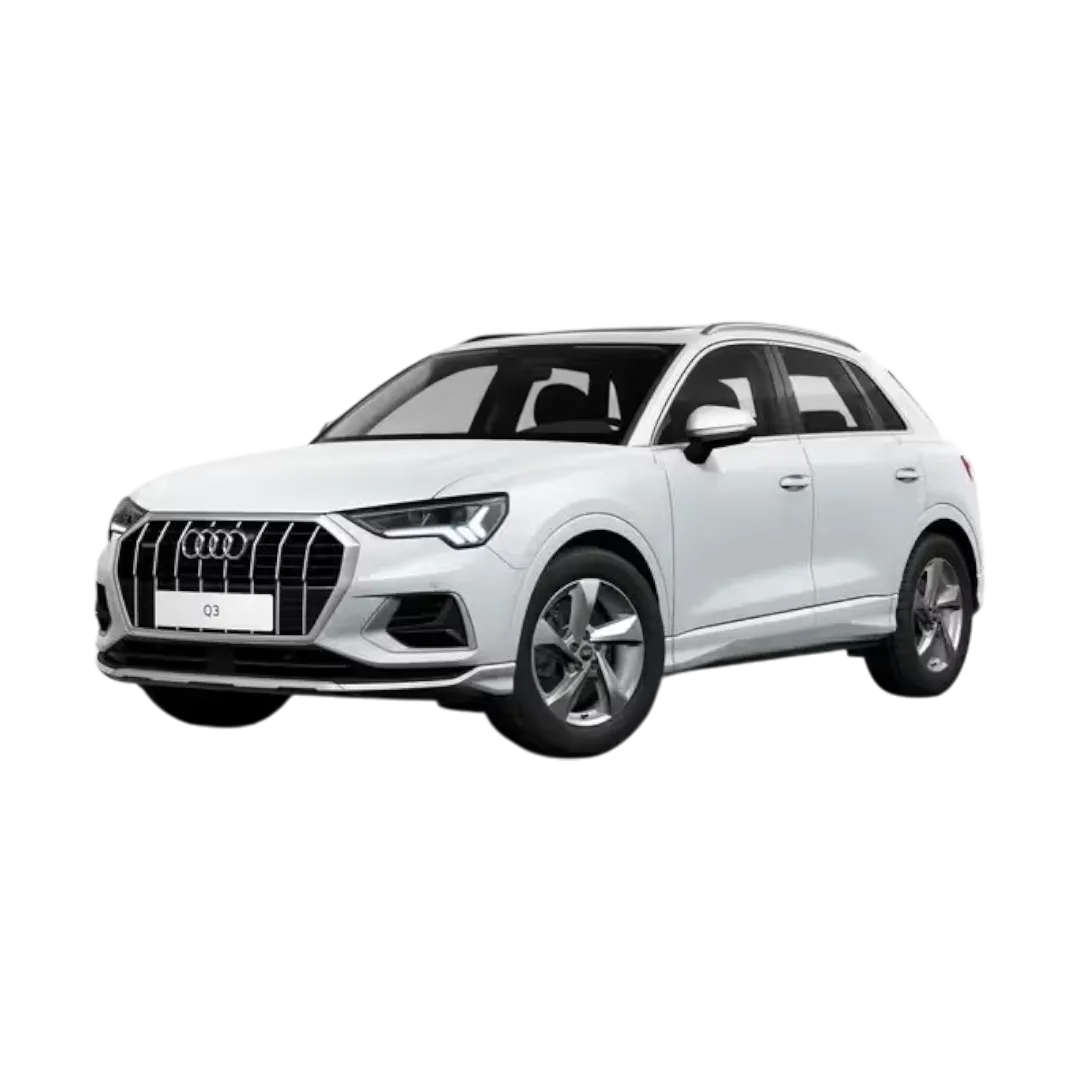 Audi Q3
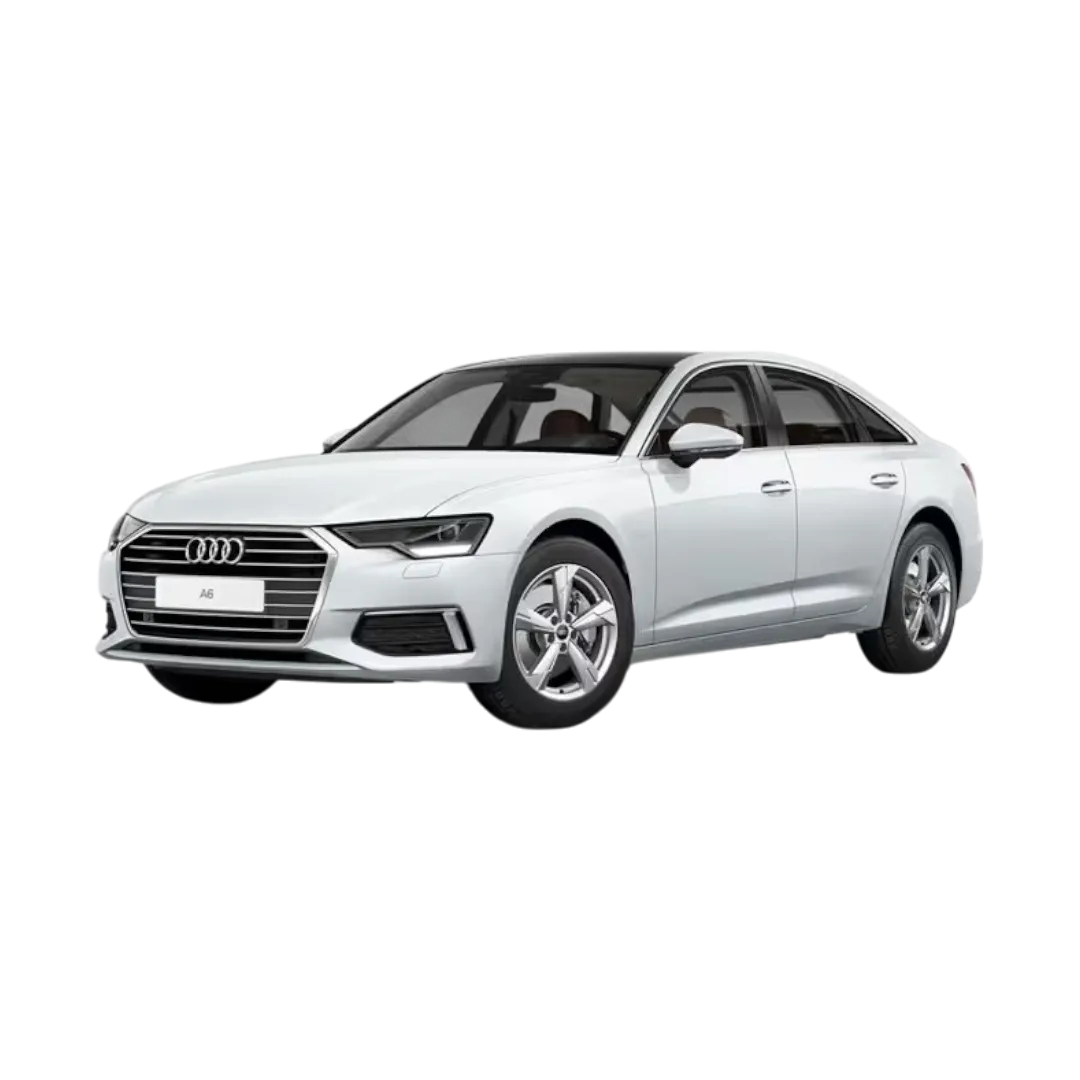 Audi A6
 Audi RS5
 E-Tron GT
 Audi Q8
 E-Tron
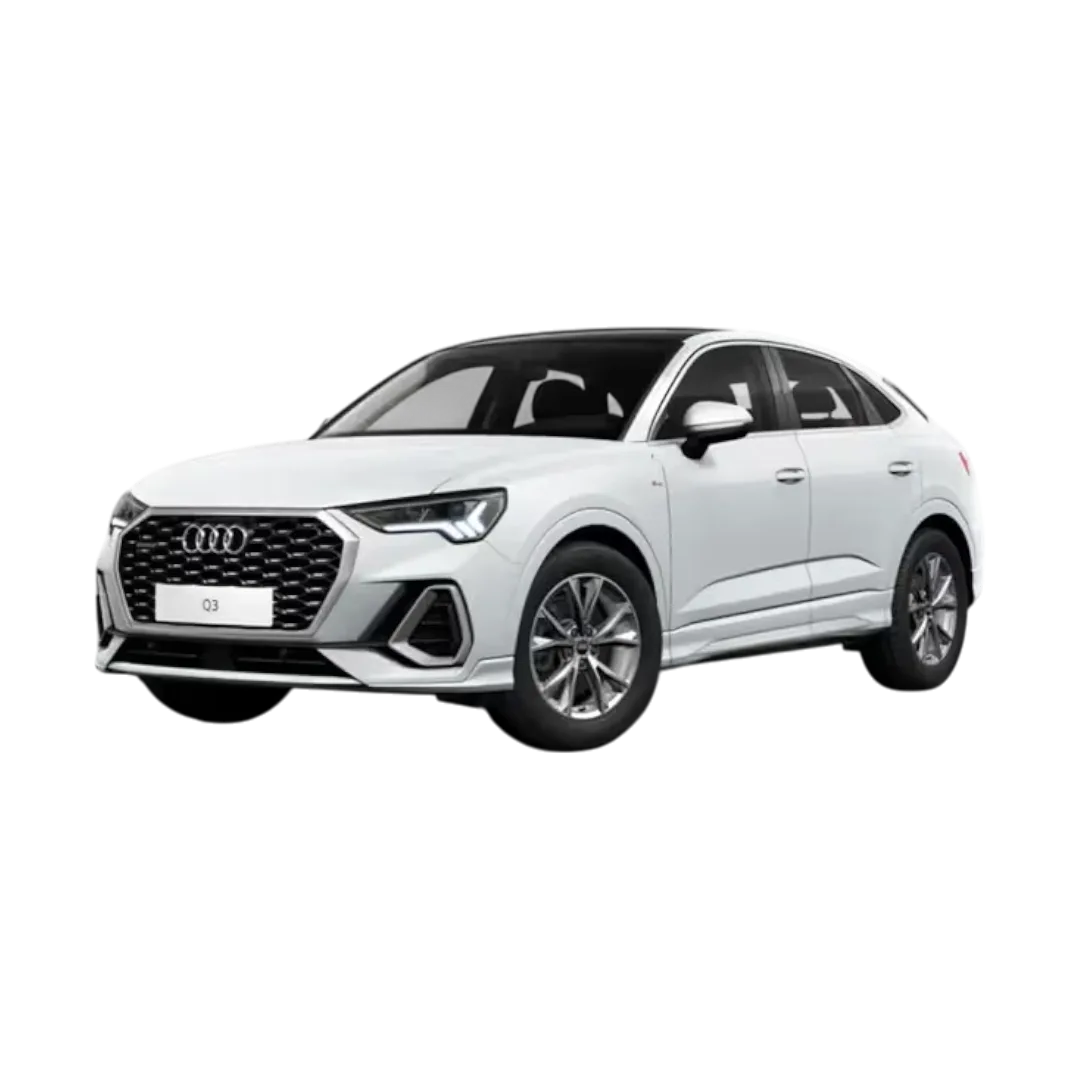 Q3 Sportback
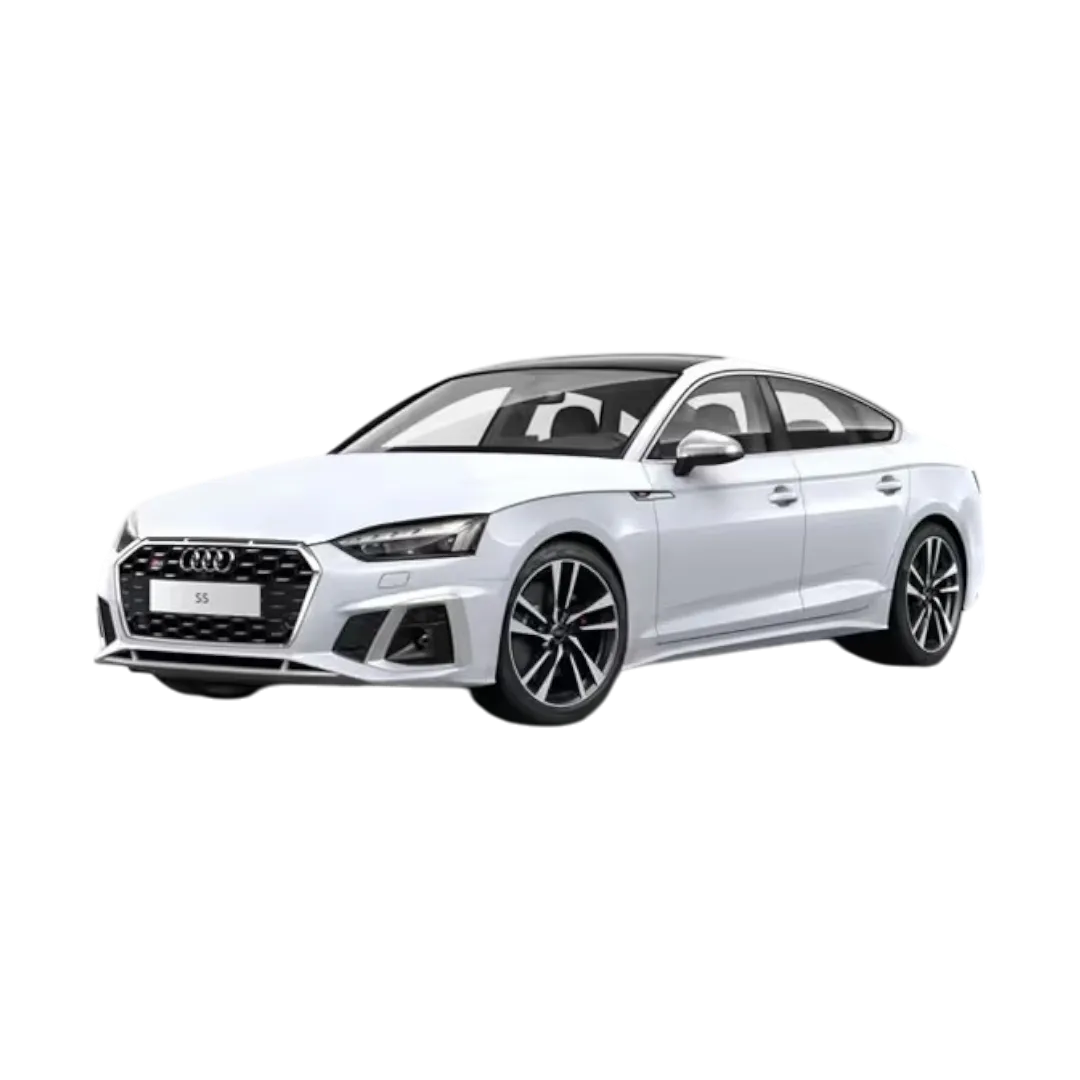 Audi S5 Sportback
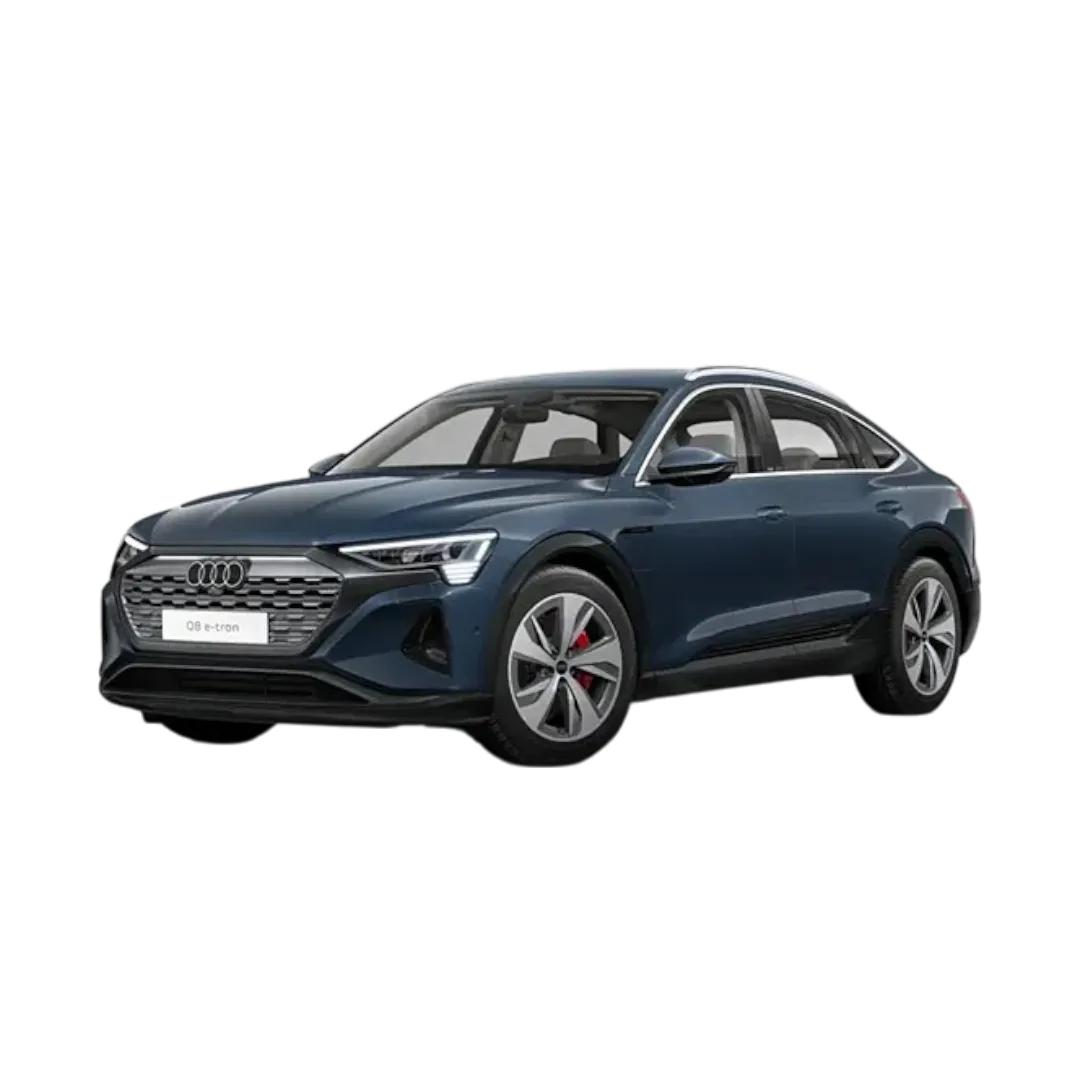 Q8 E-Tron
 Q8 E-Tron Sportback
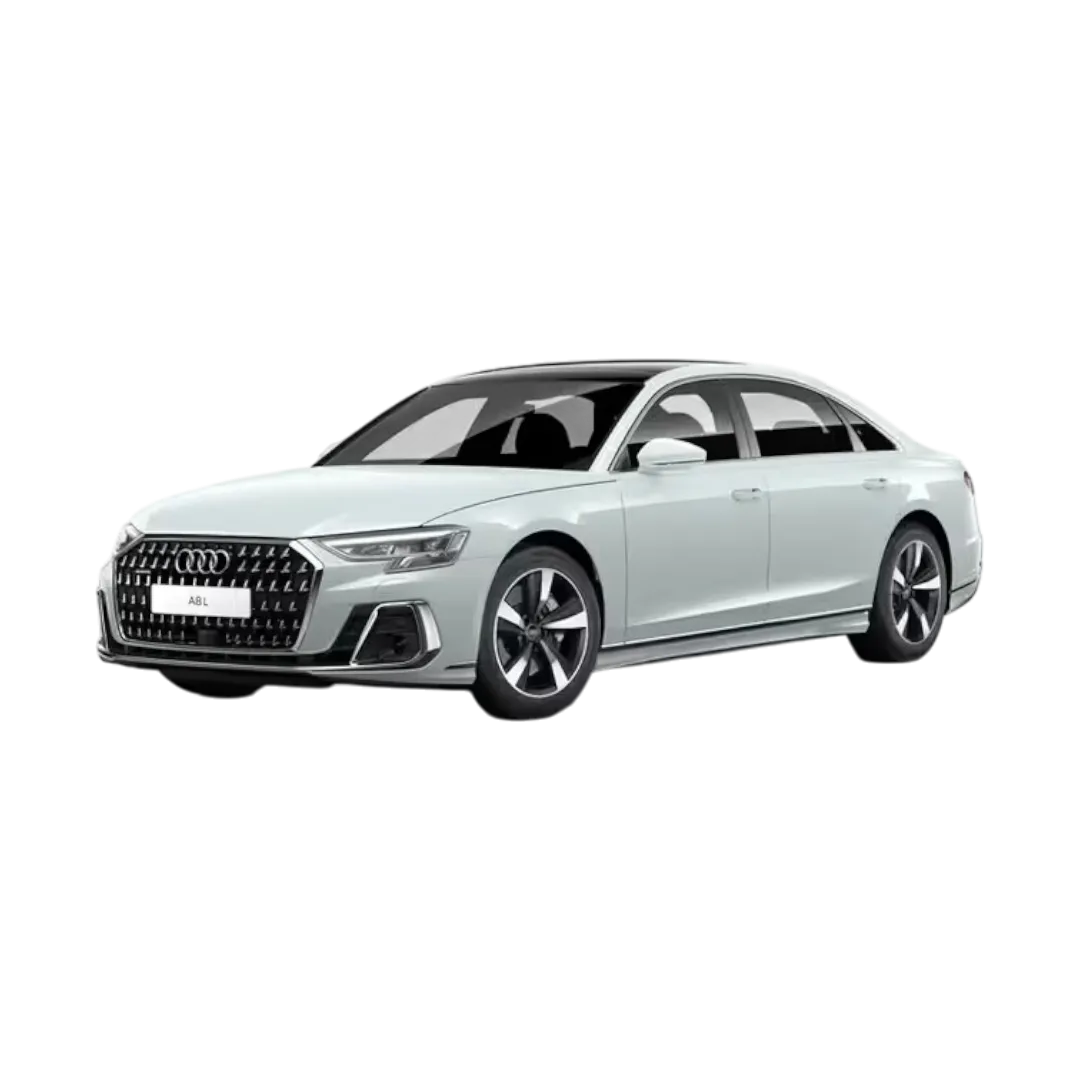 Audi A8L
 Audi RS Q8
 Audi A3
 BMW X7
 BMW X1
 BMW X5
 BMW XM
 BMW Z4
 3 Series
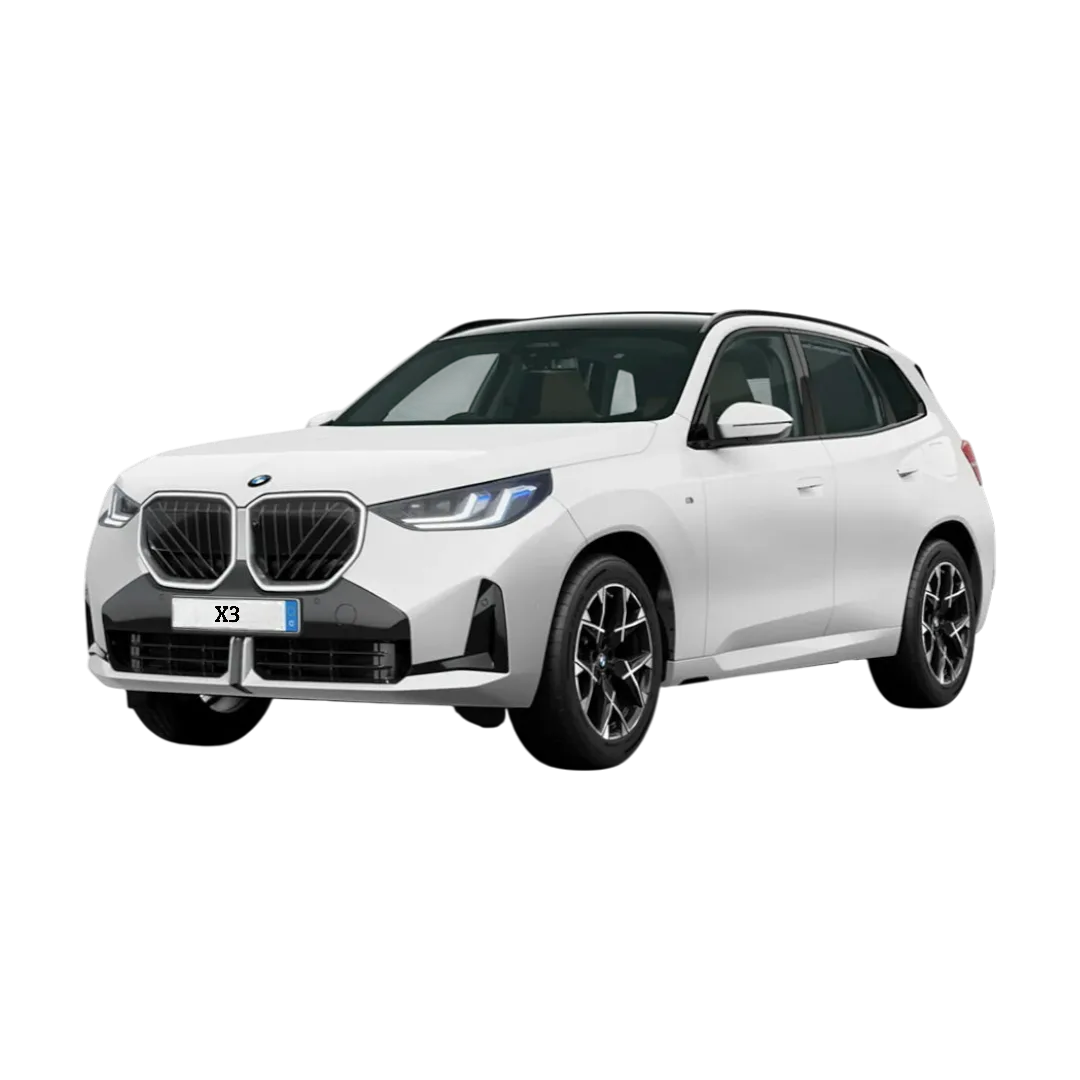 BMW X3
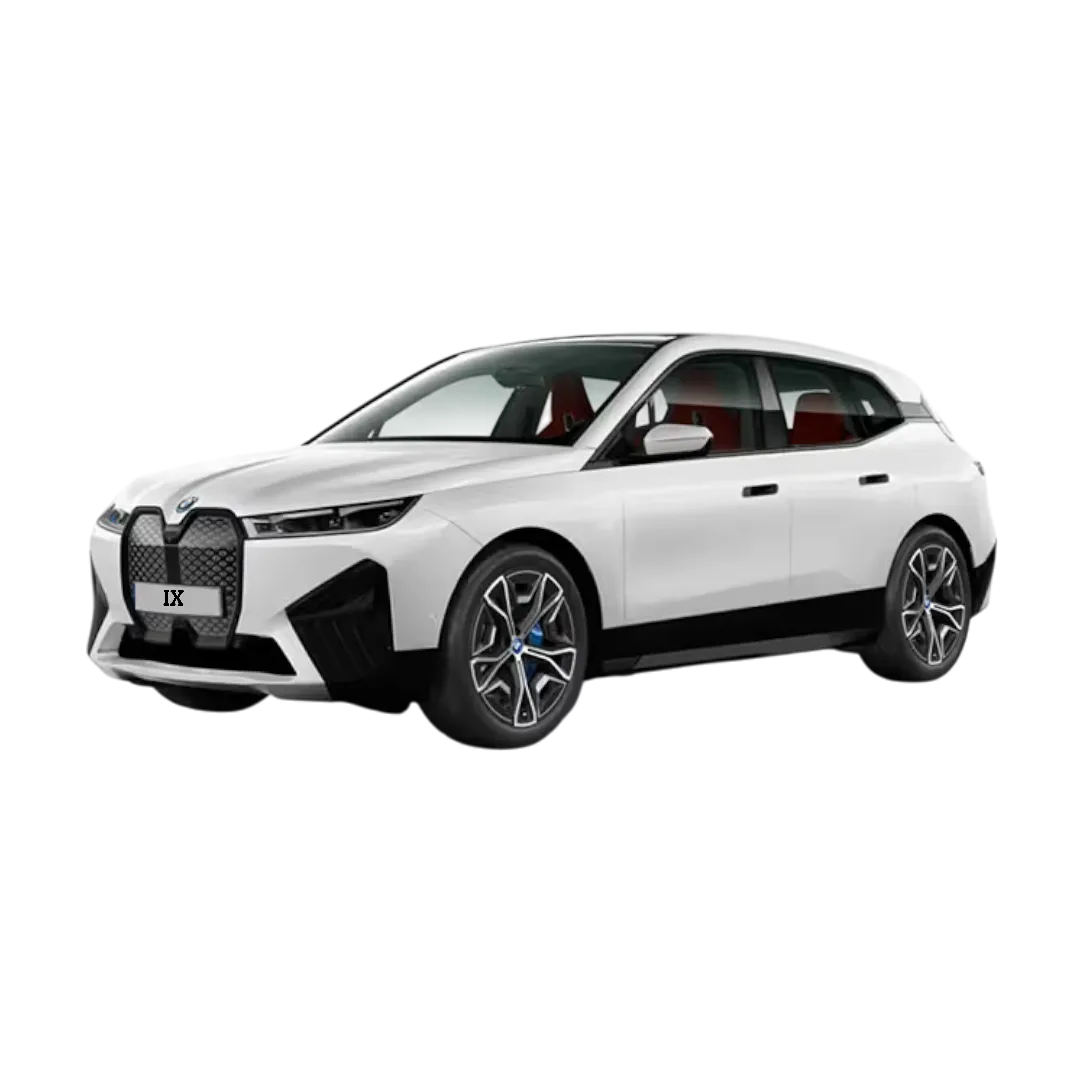 BMW iX
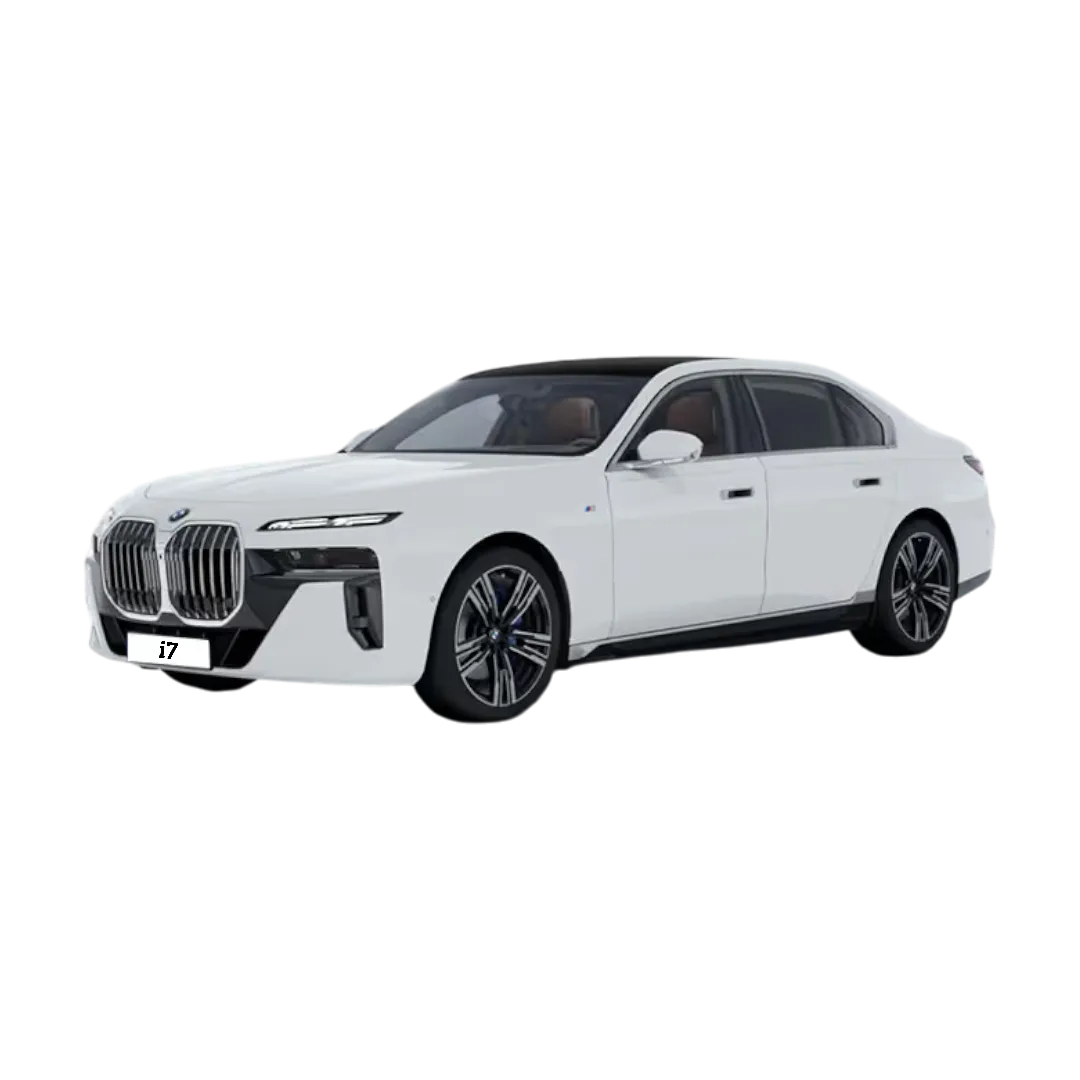 BMW i7
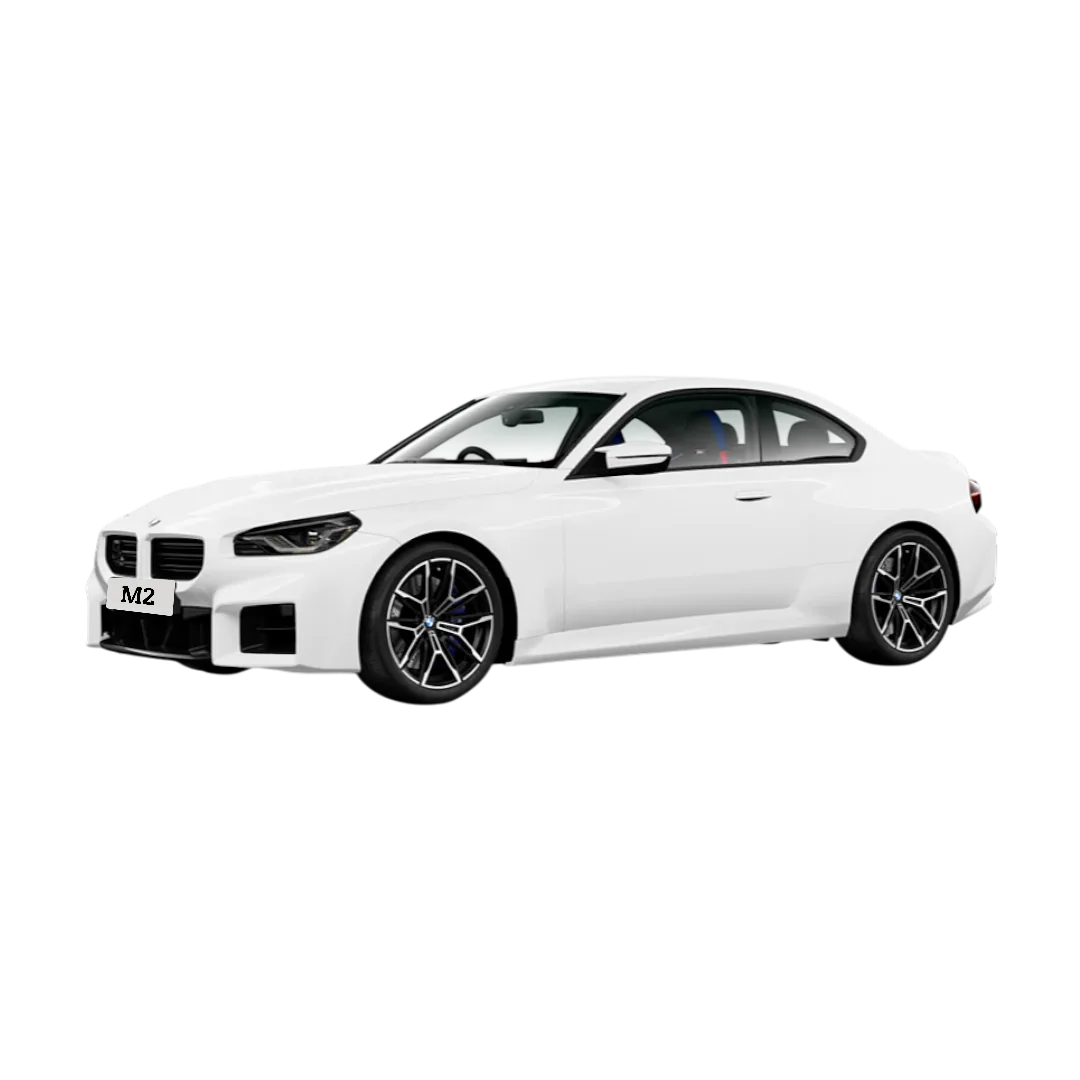 BMW M2
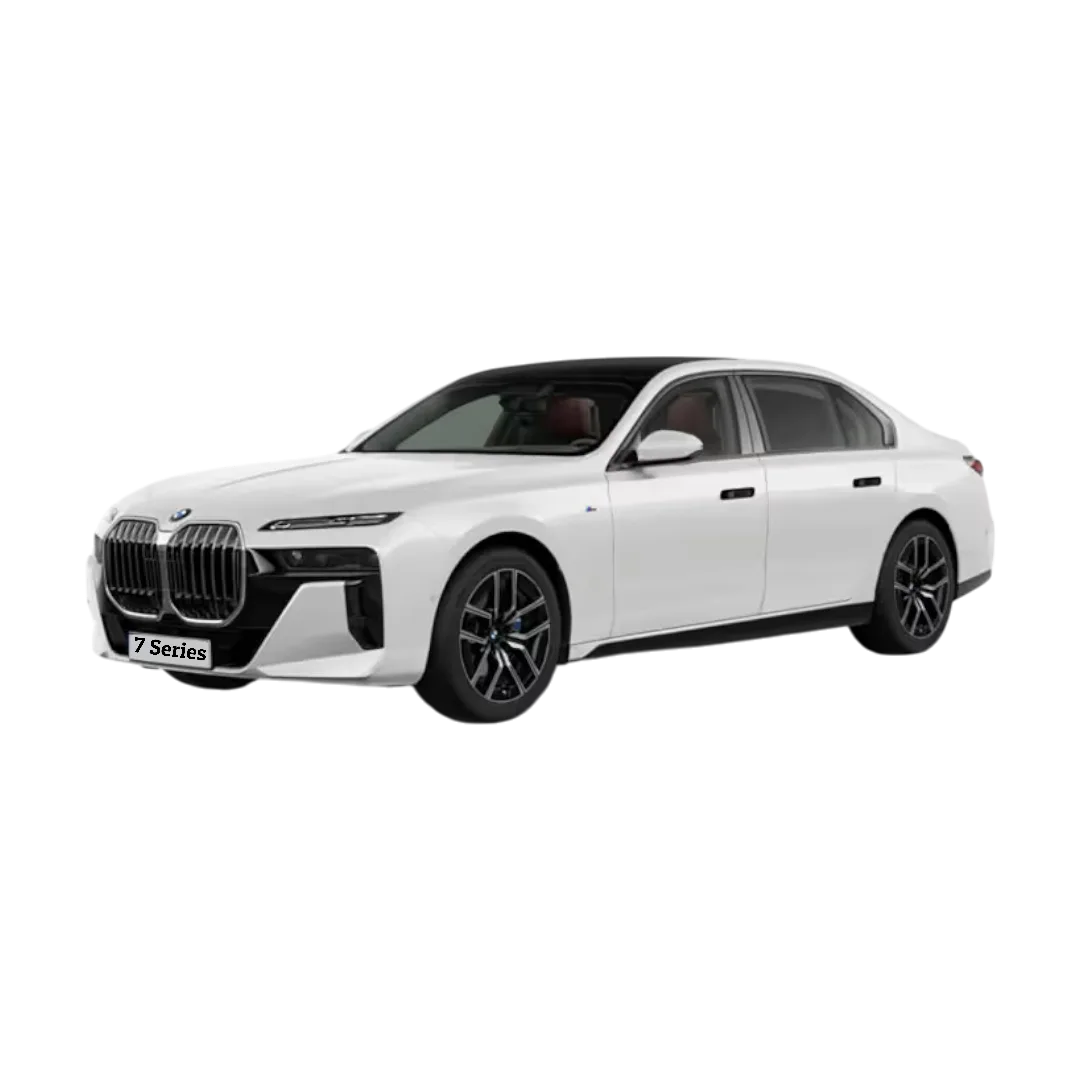 7 Series
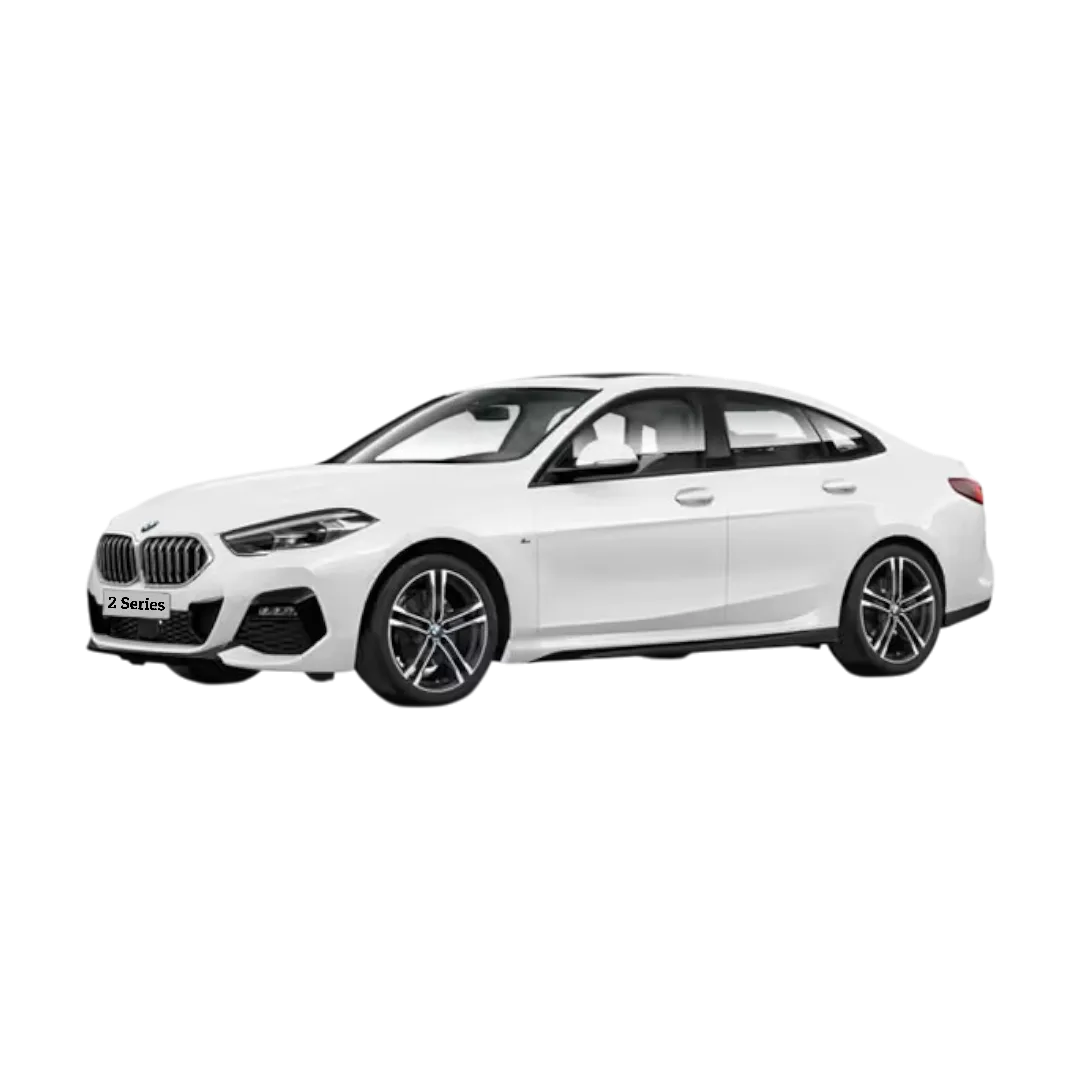 2 Series
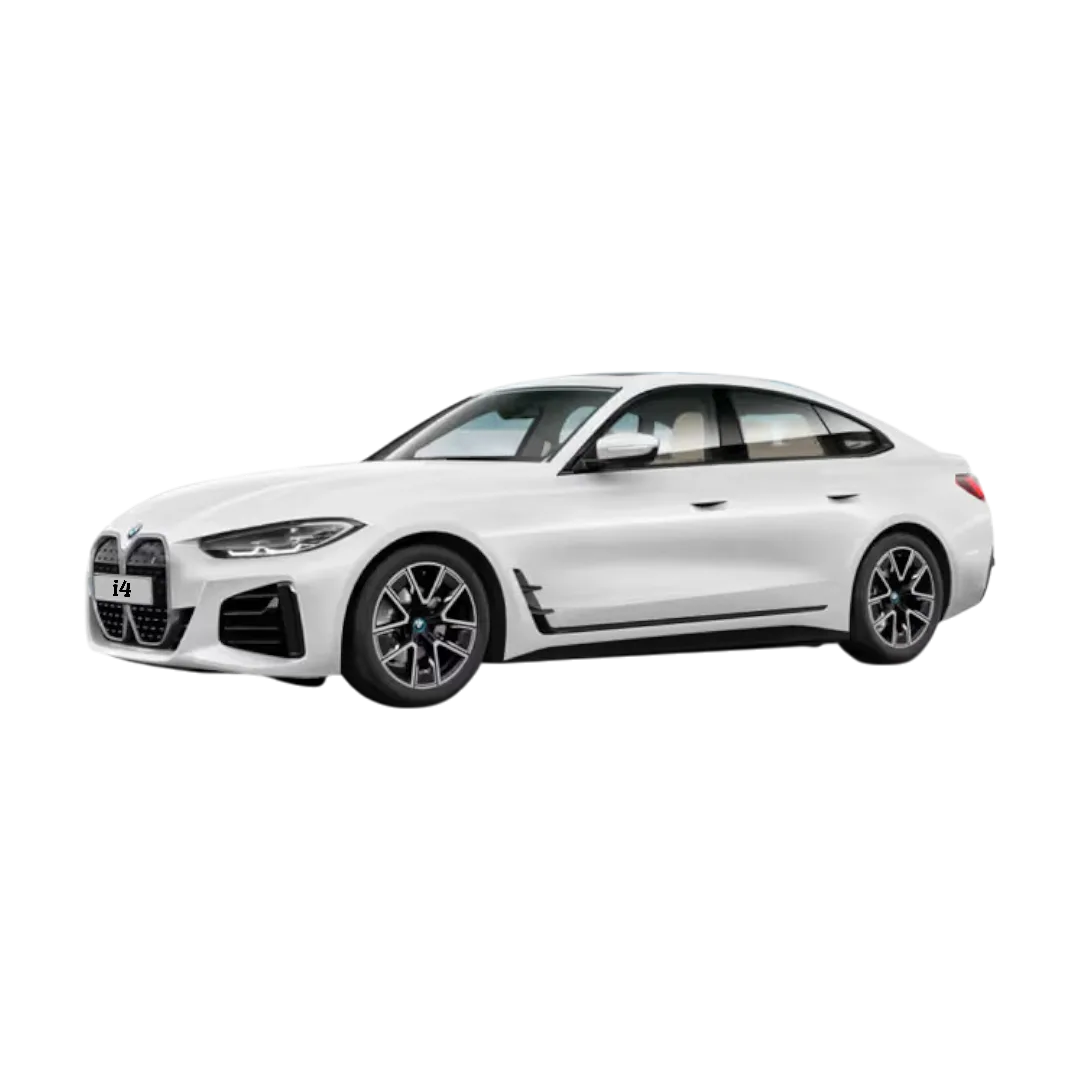 BMW i4
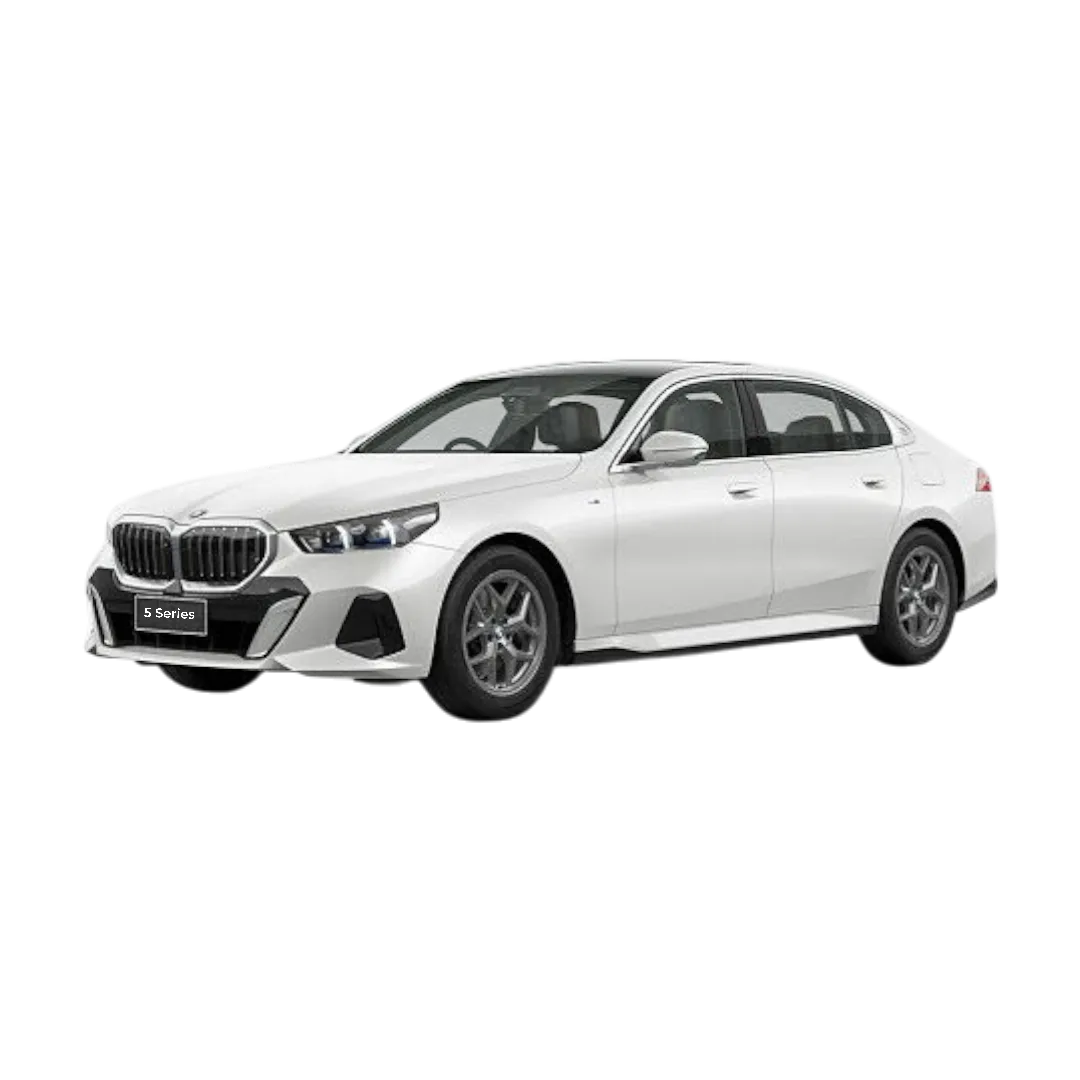 5 Series
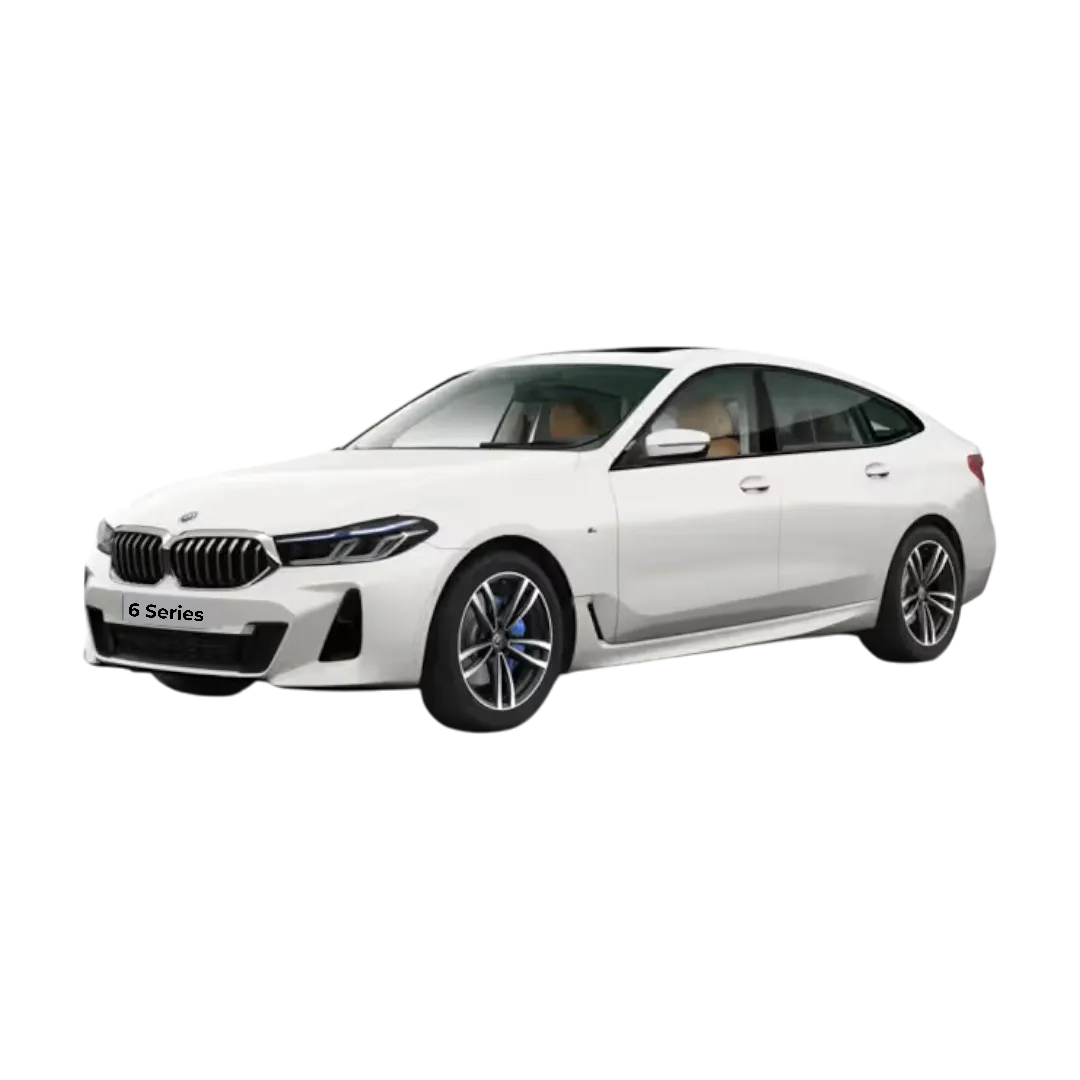 6 Series
 BMW ix1
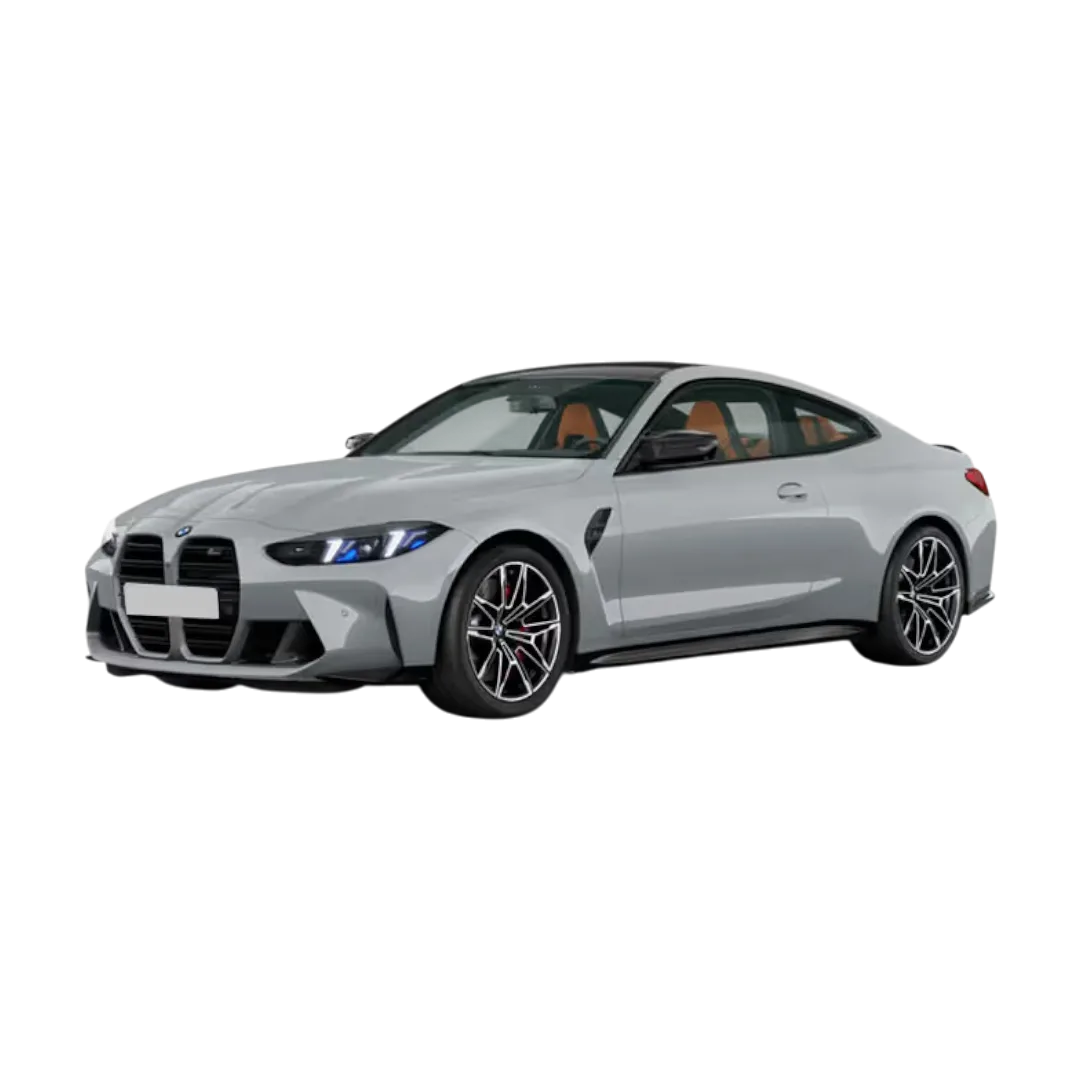 M4 Competition
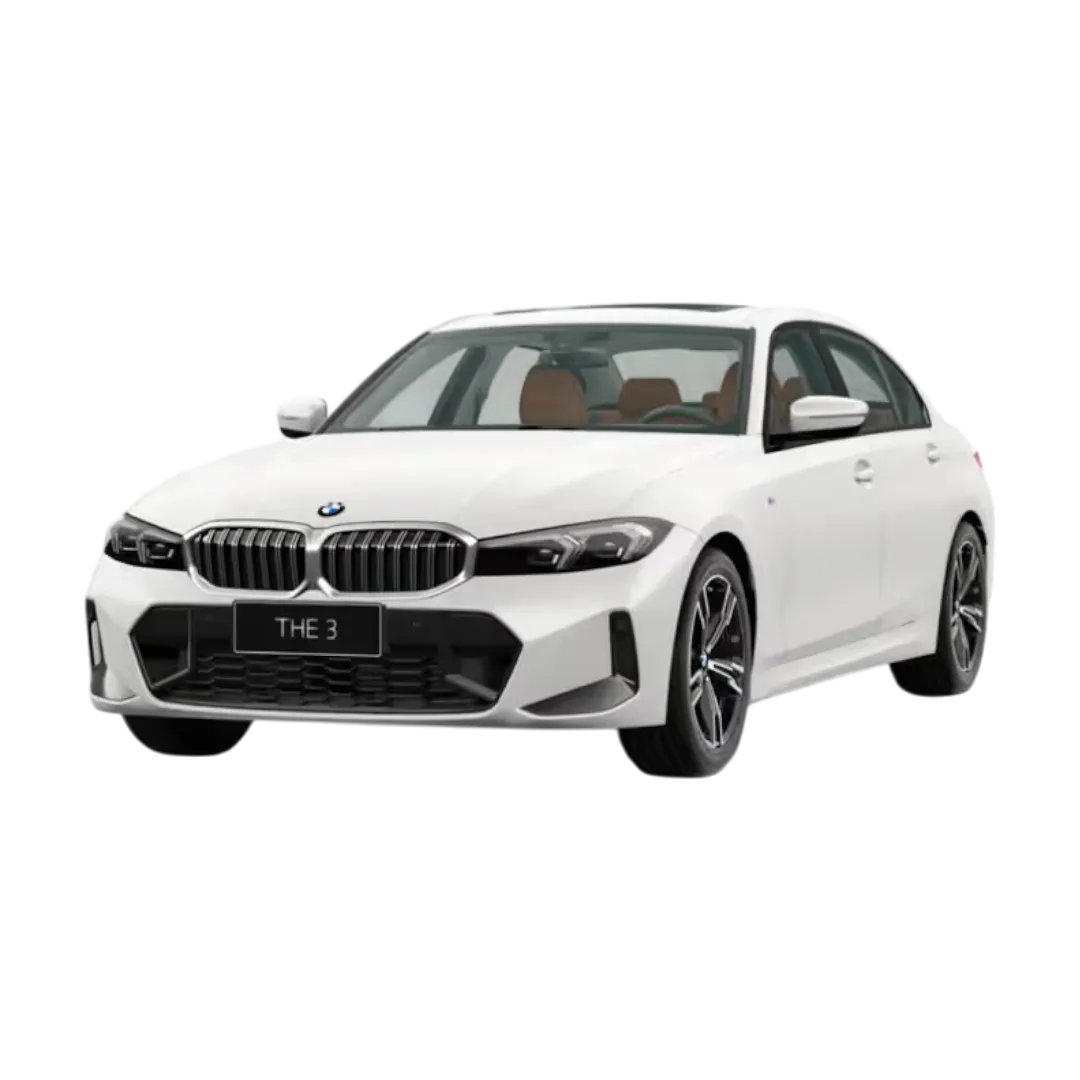 3 Series Gran Limousine
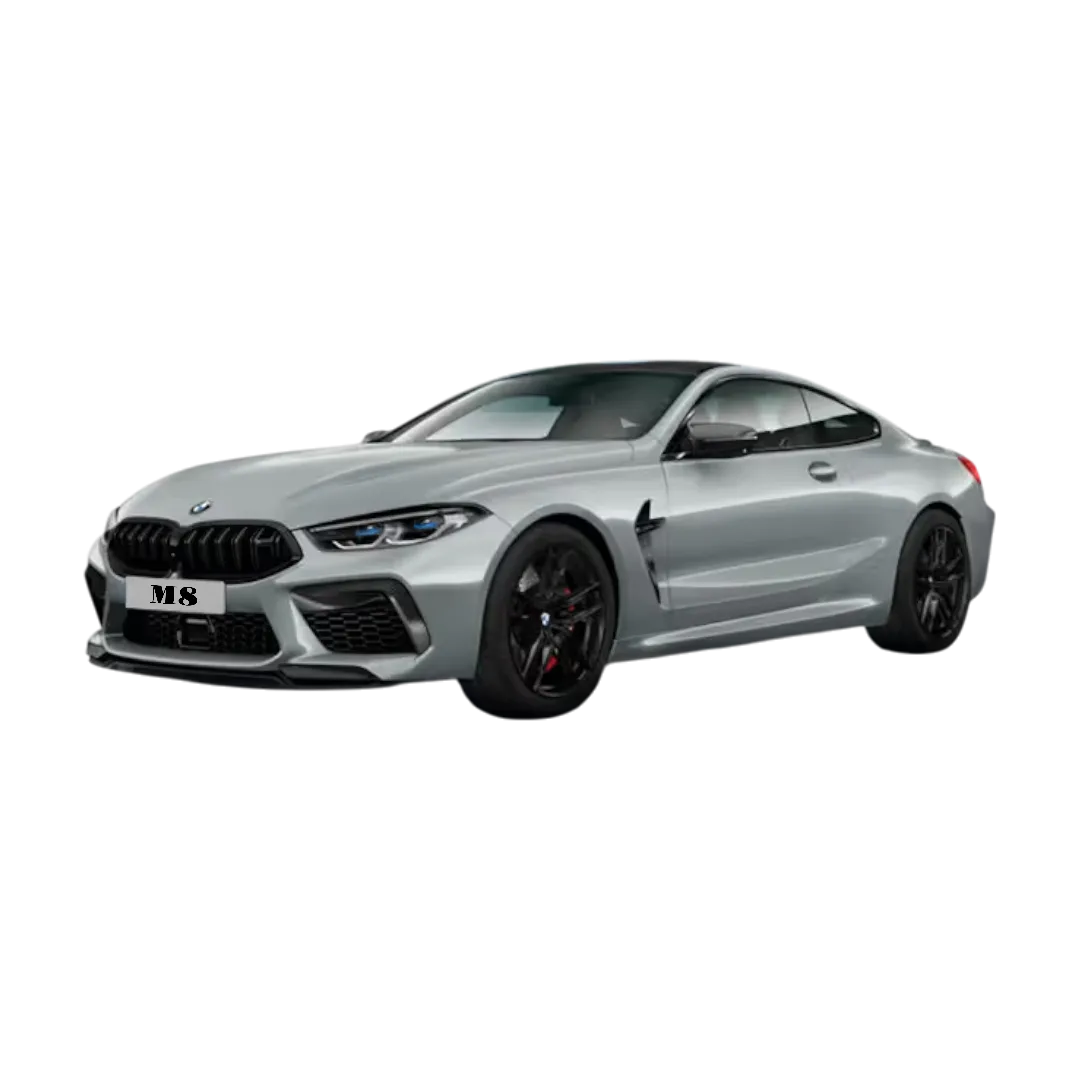 M8 Coupe
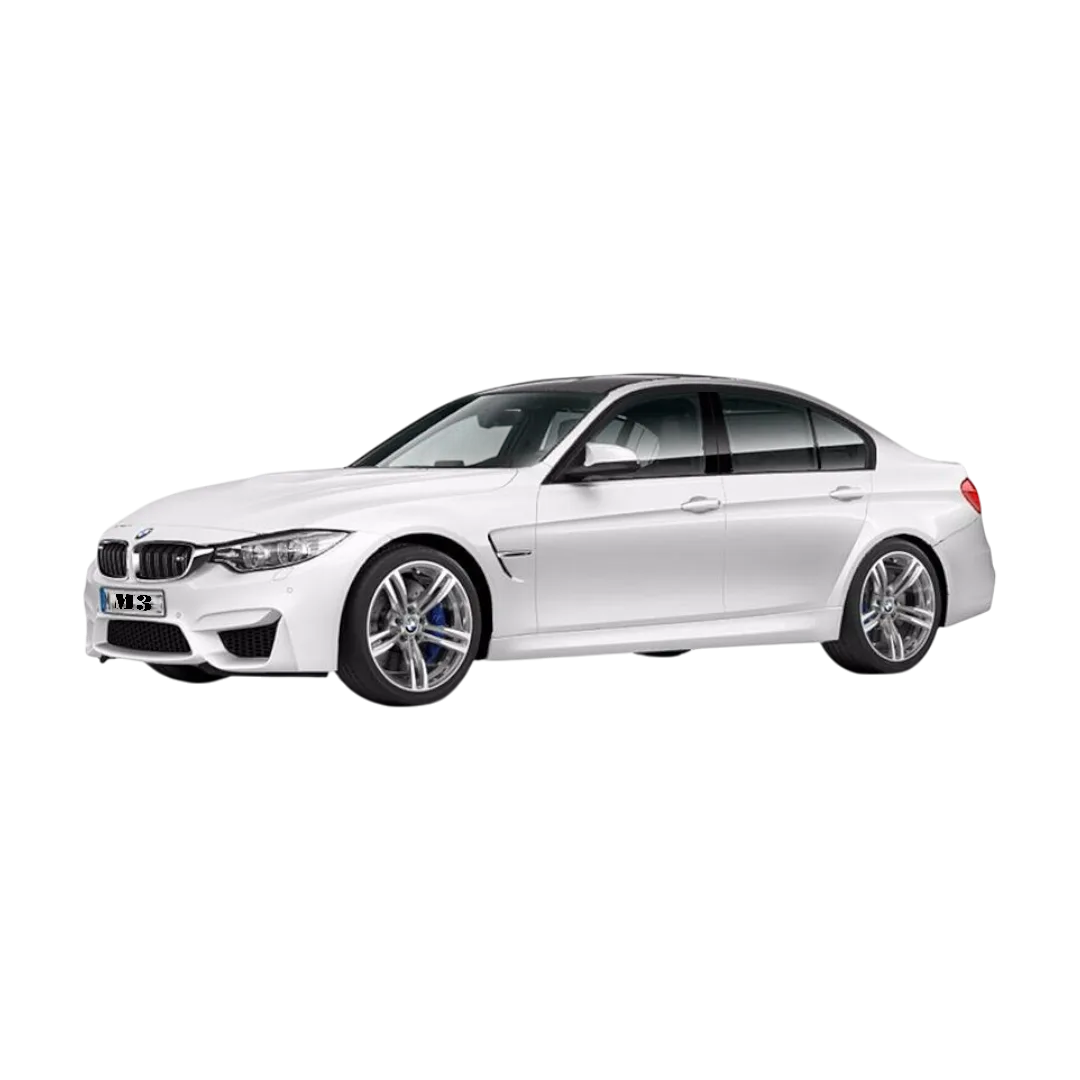 BMW M3
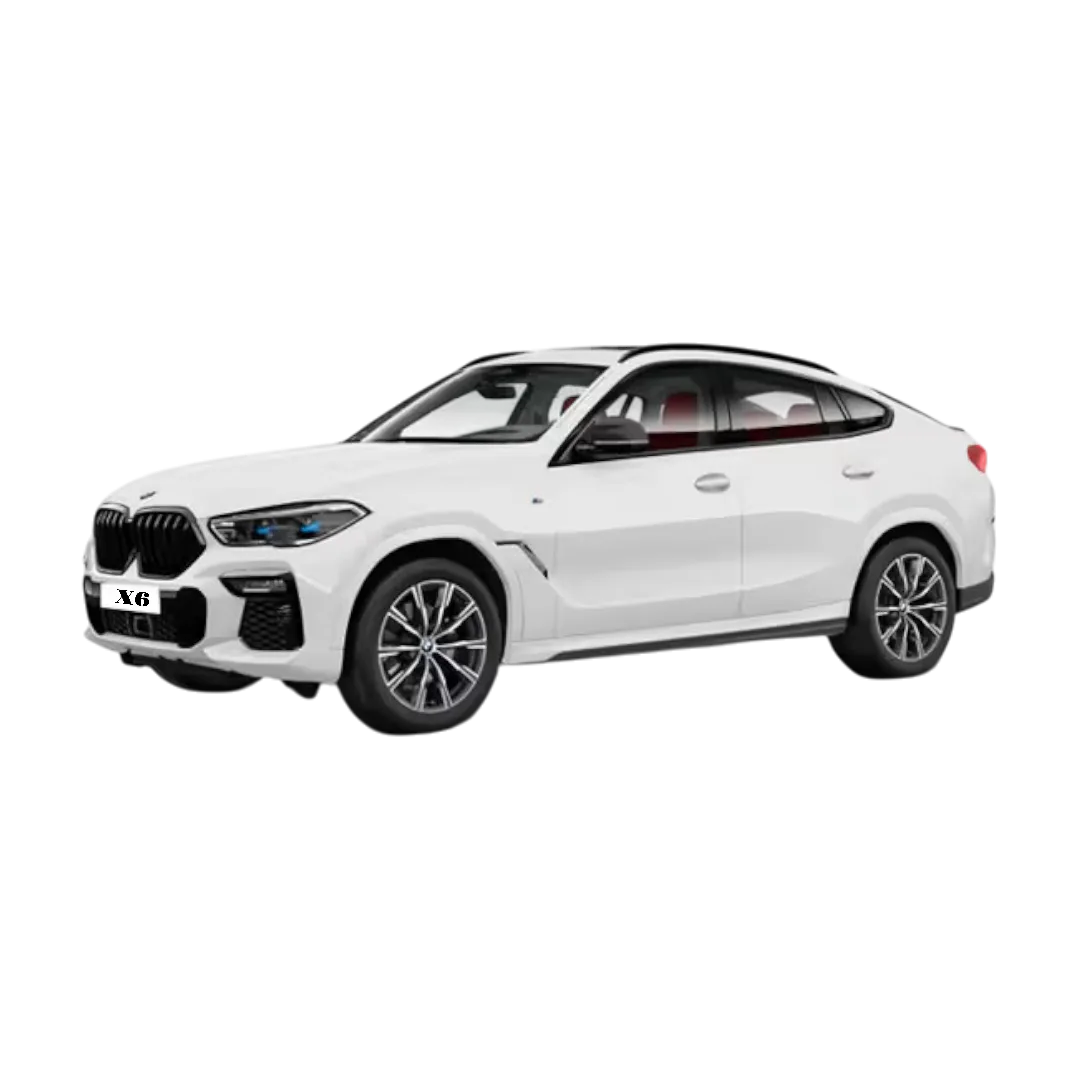 BMW X6
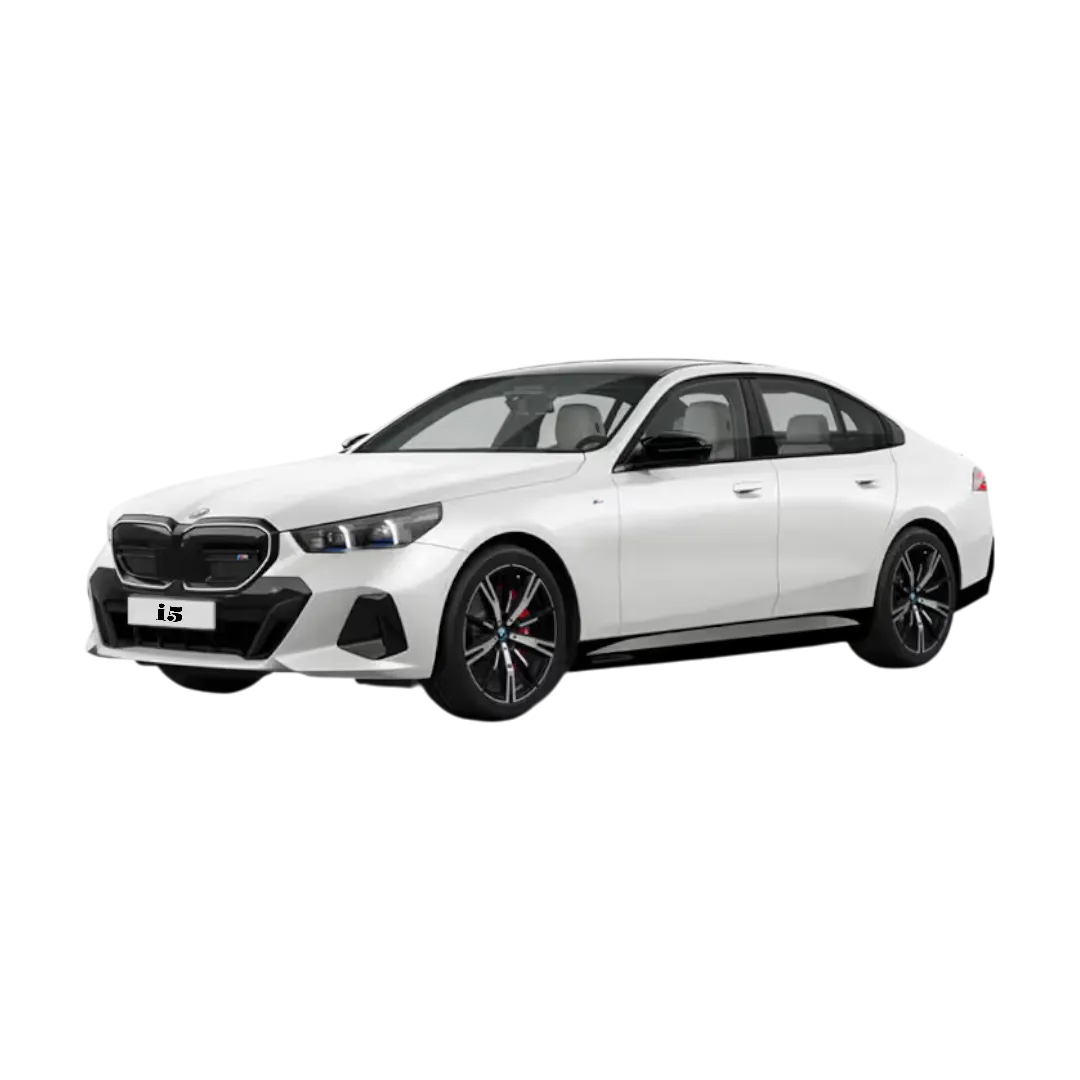 BMW i5
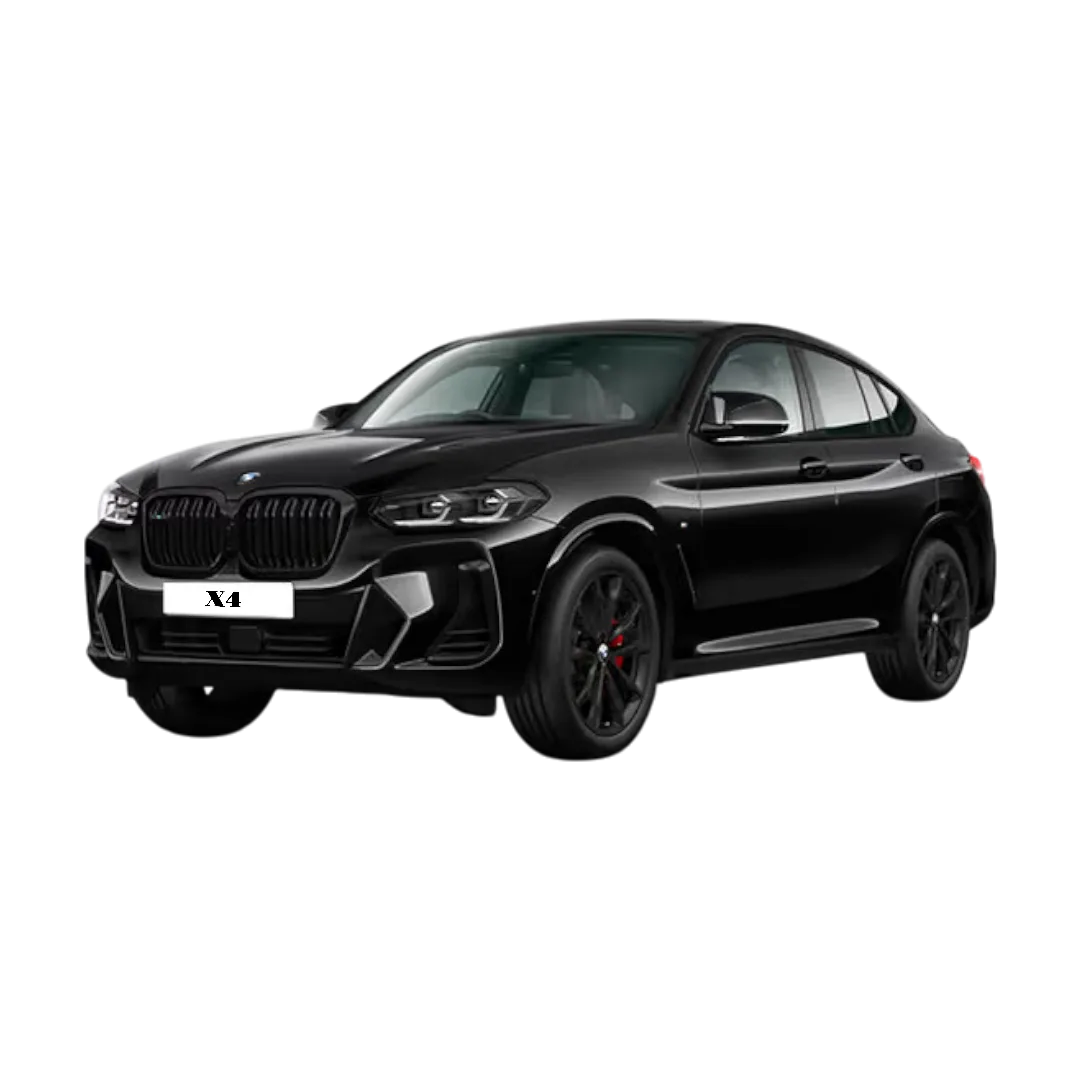 BMW X4
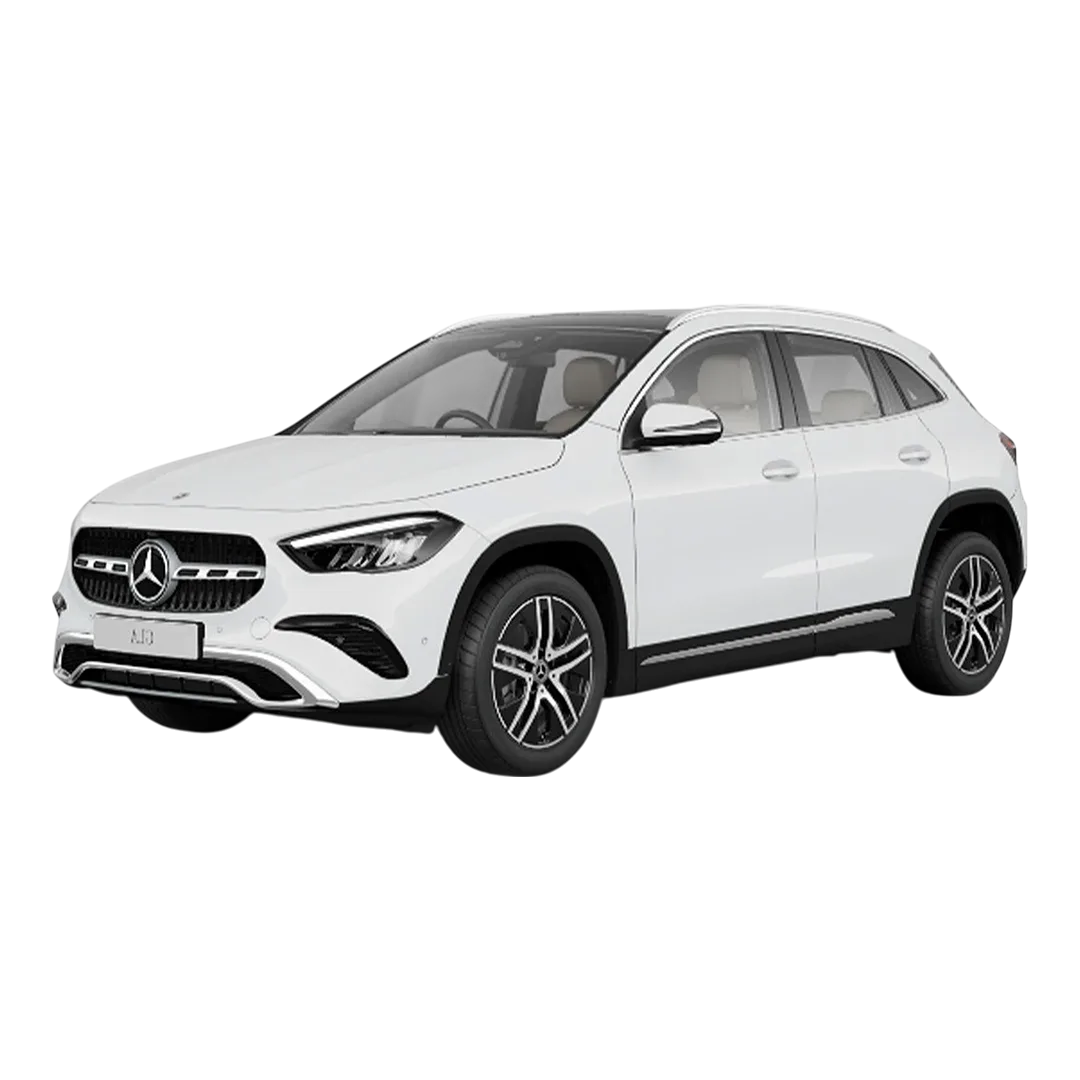 Mercedes Benz GLA
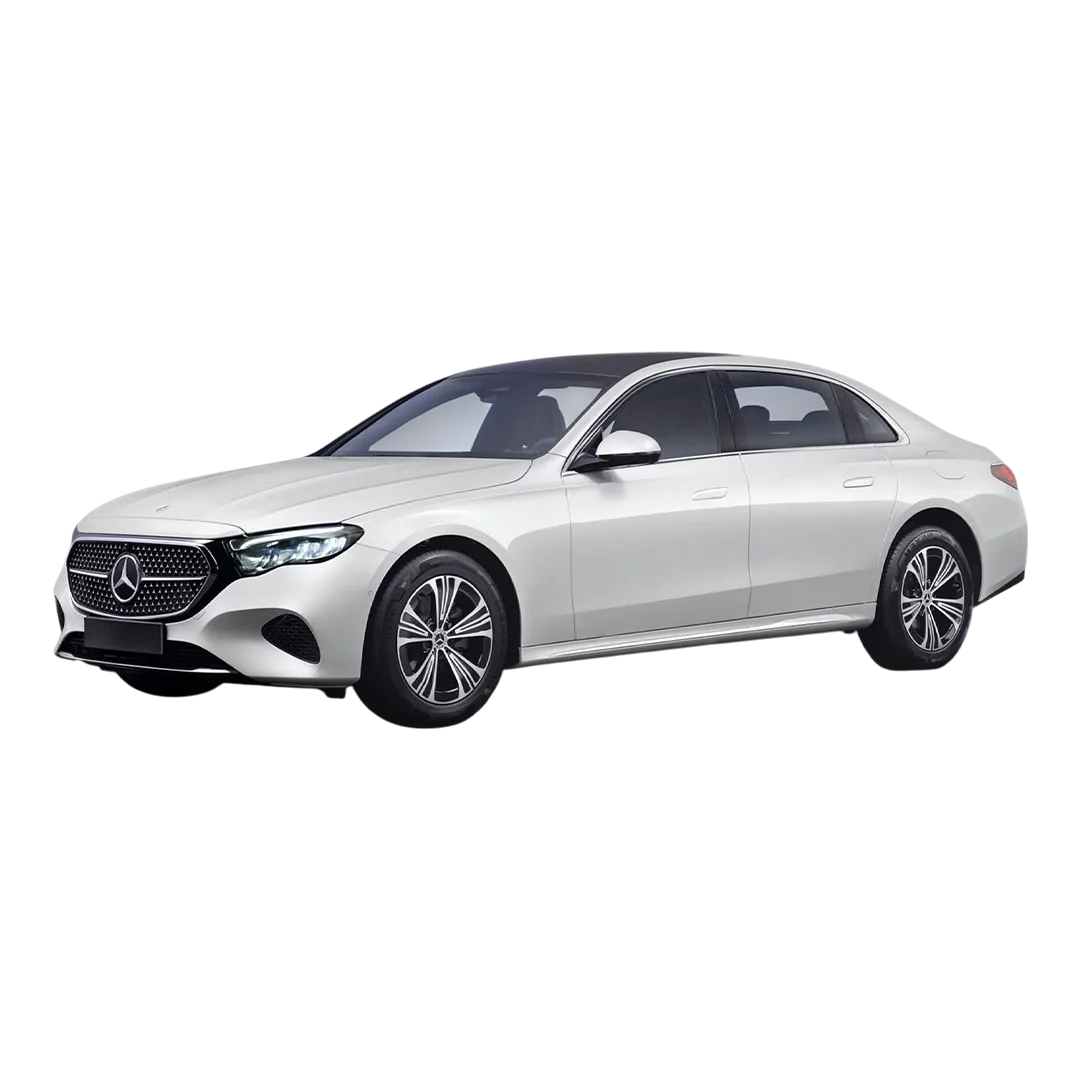 Mercedes E-Class
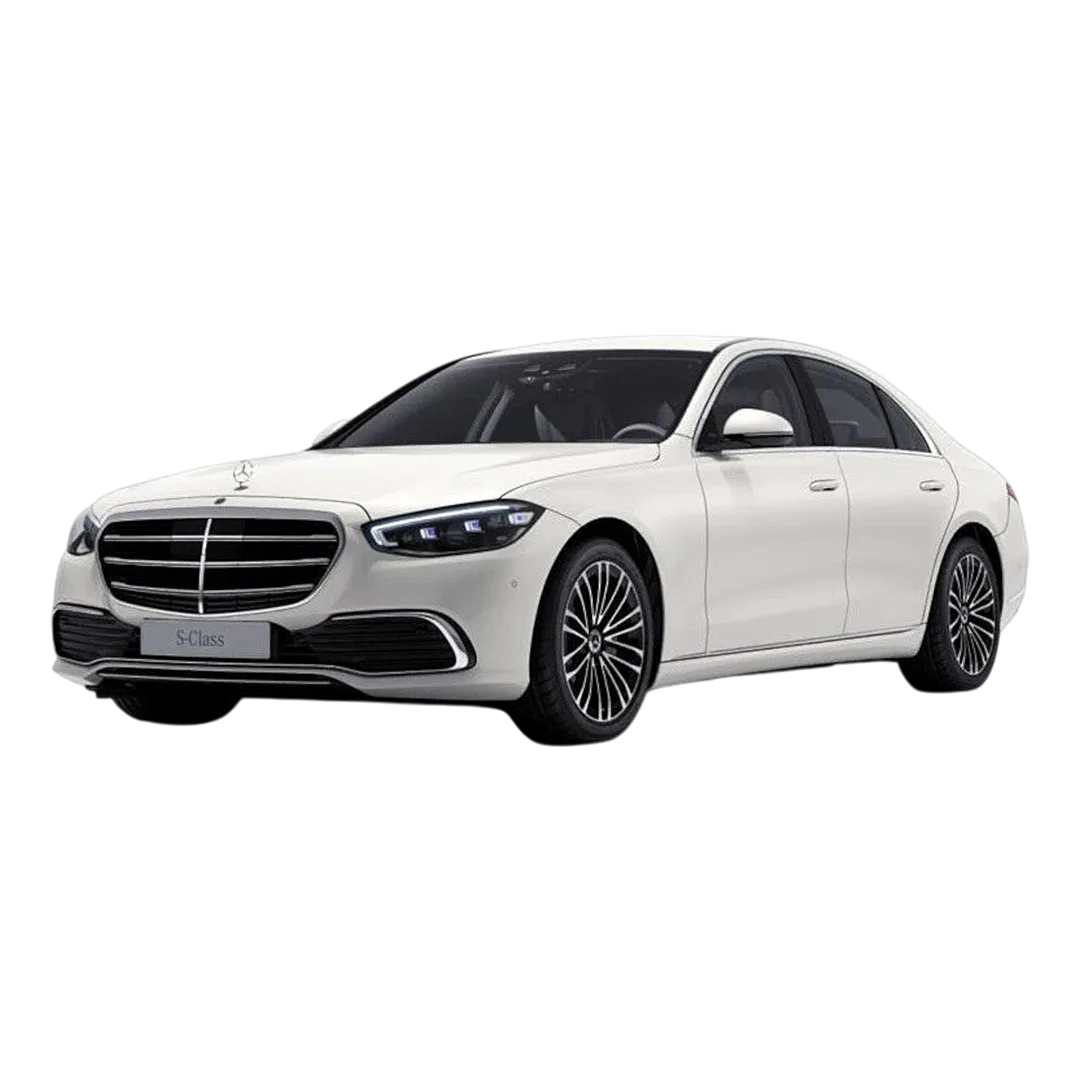 Mercedes S-Class
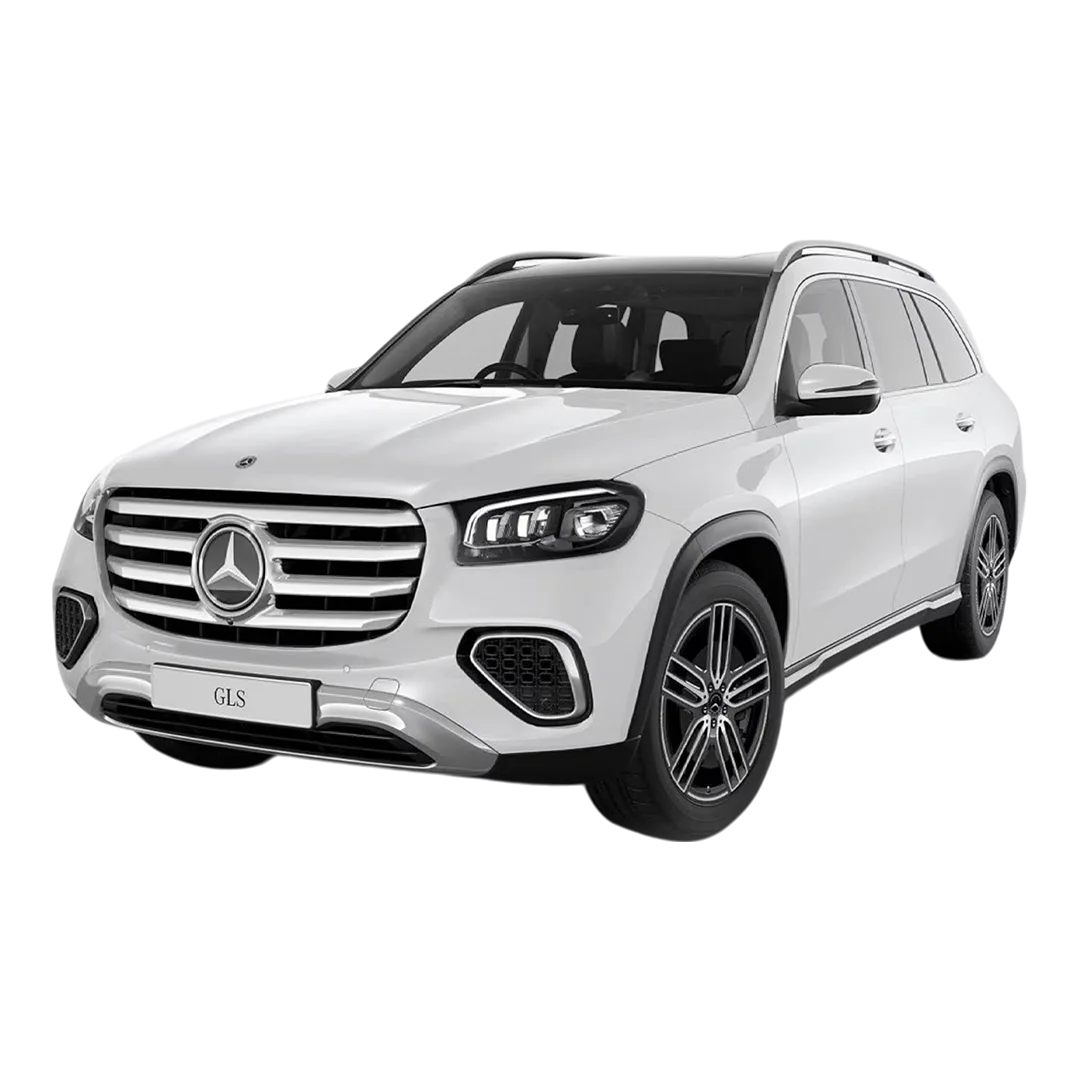 Mercedes Benz GLS
 Mercedes Benz C-Class
 Mercedes Benz EQS
 Mercedes Benz GLC
 Mercedes Benz GLE
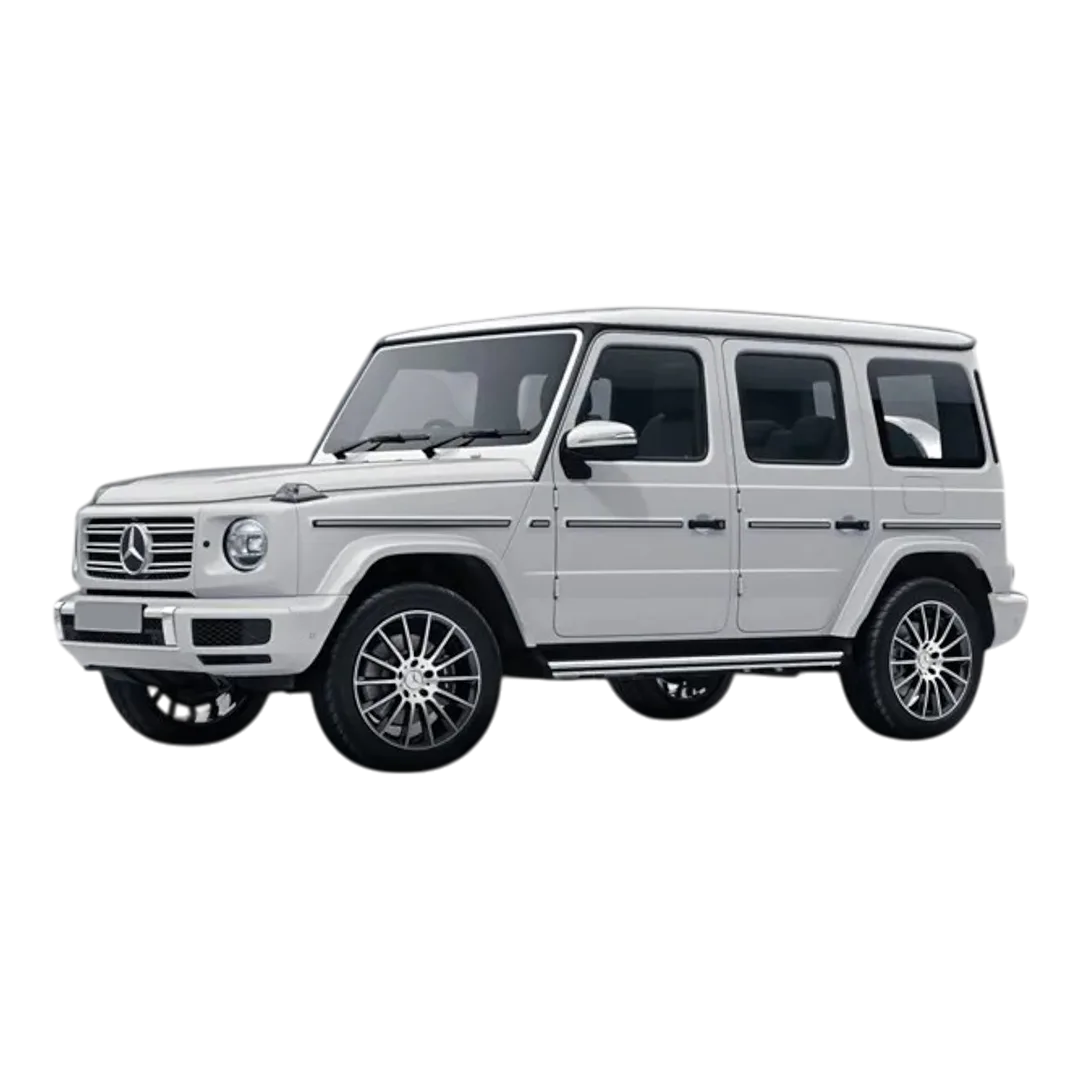 Mercedes Benz G-Class
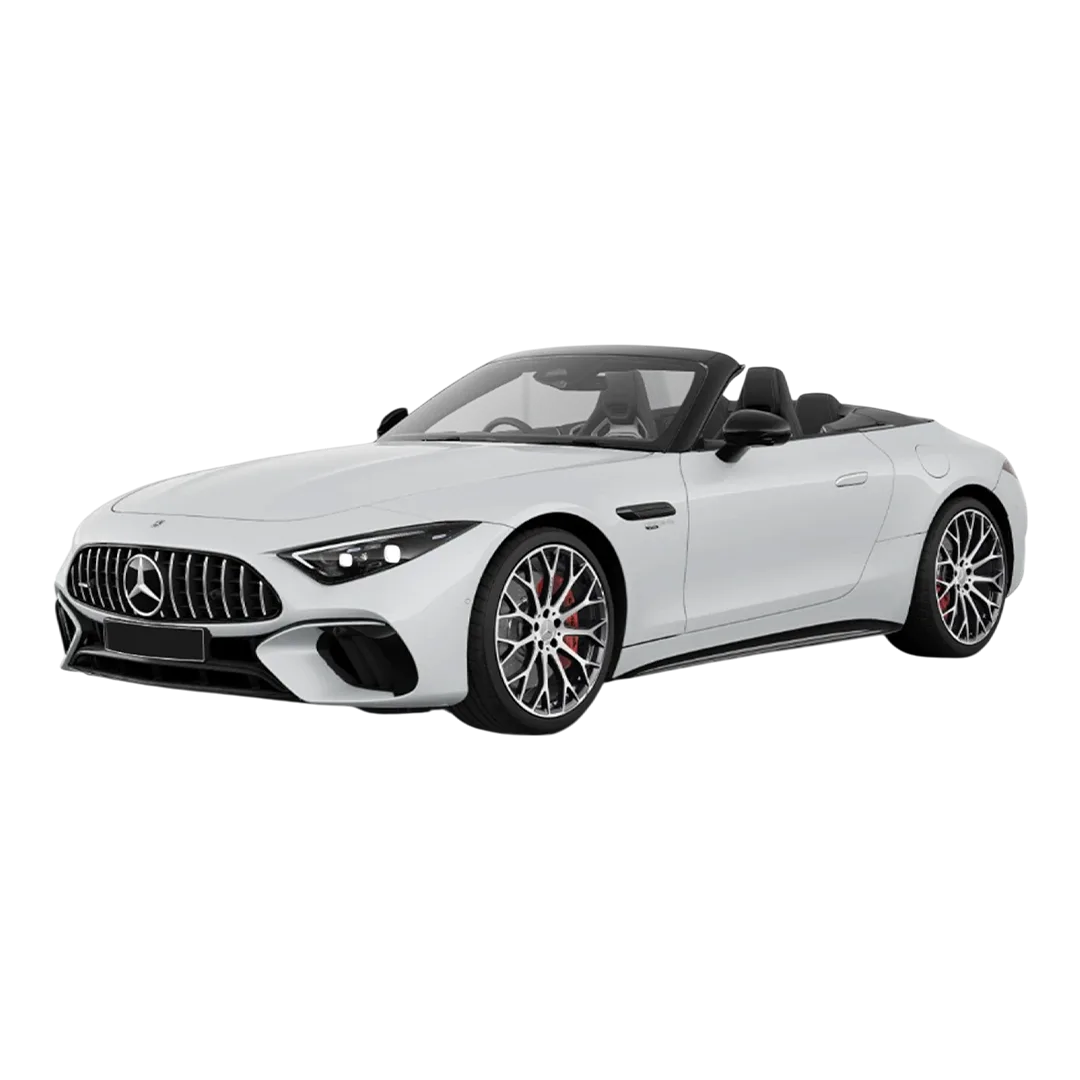 Mercedes Benz AMG SL
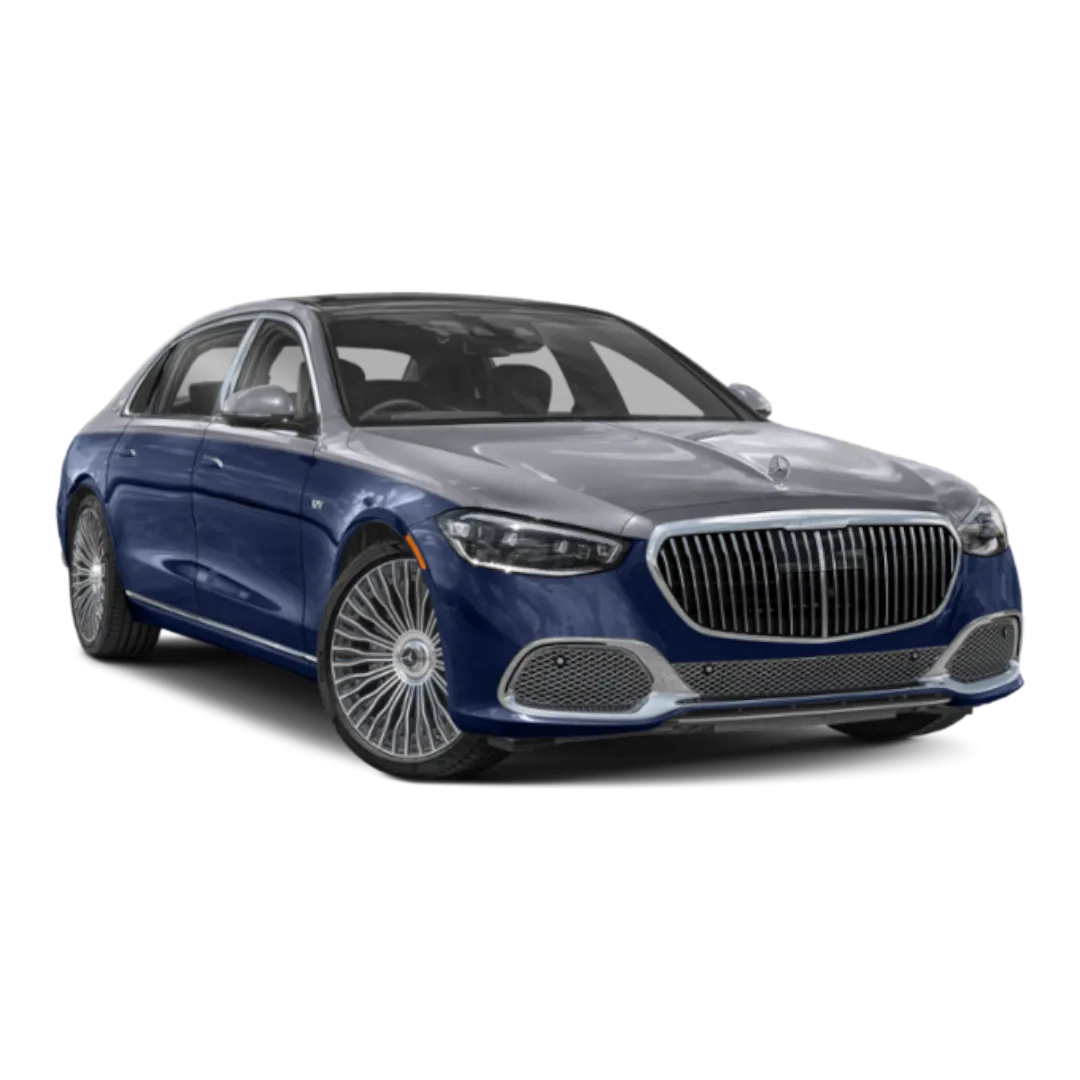 Mercedes Benz MAYBACH S- Class
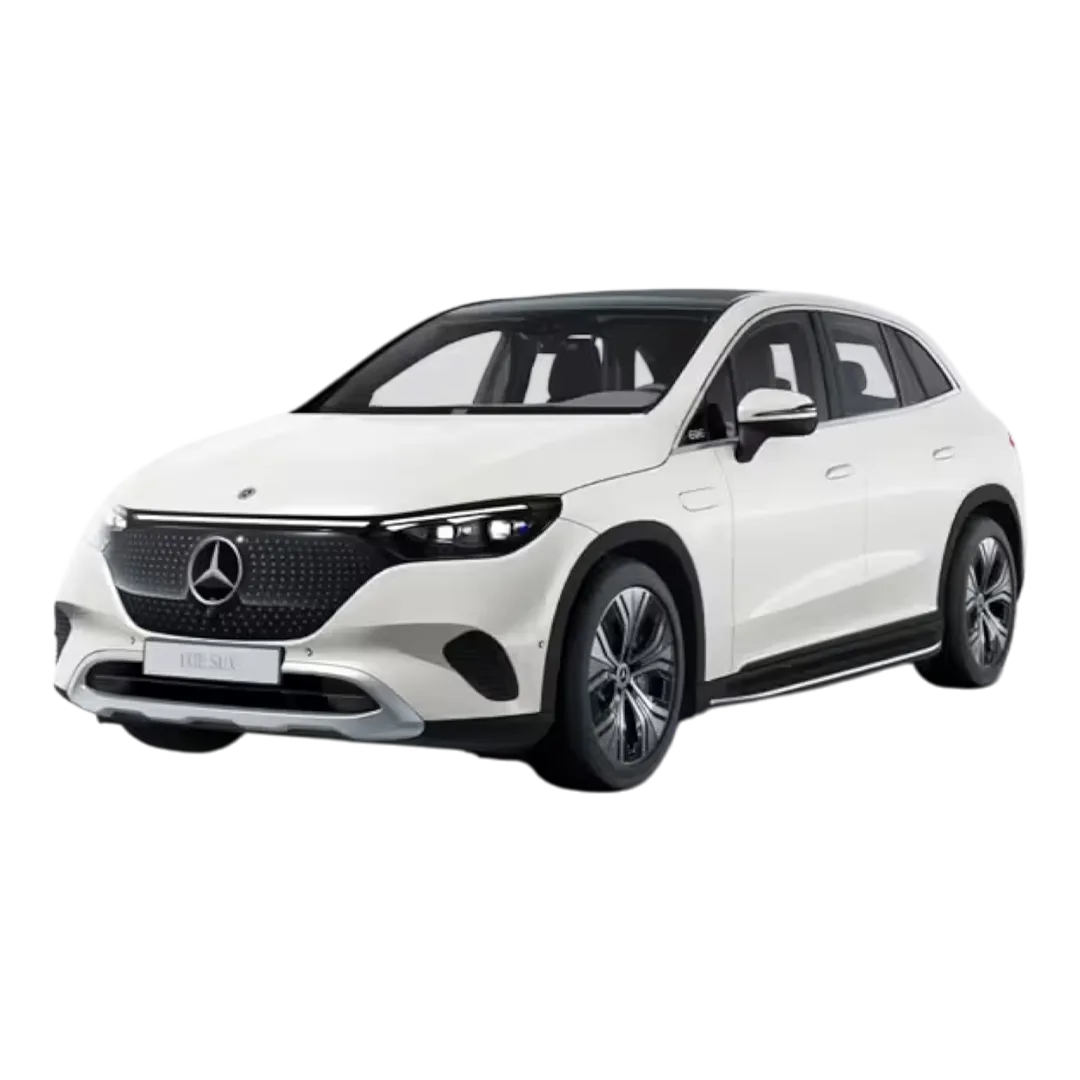 Mercedes Benz EQE-SUV
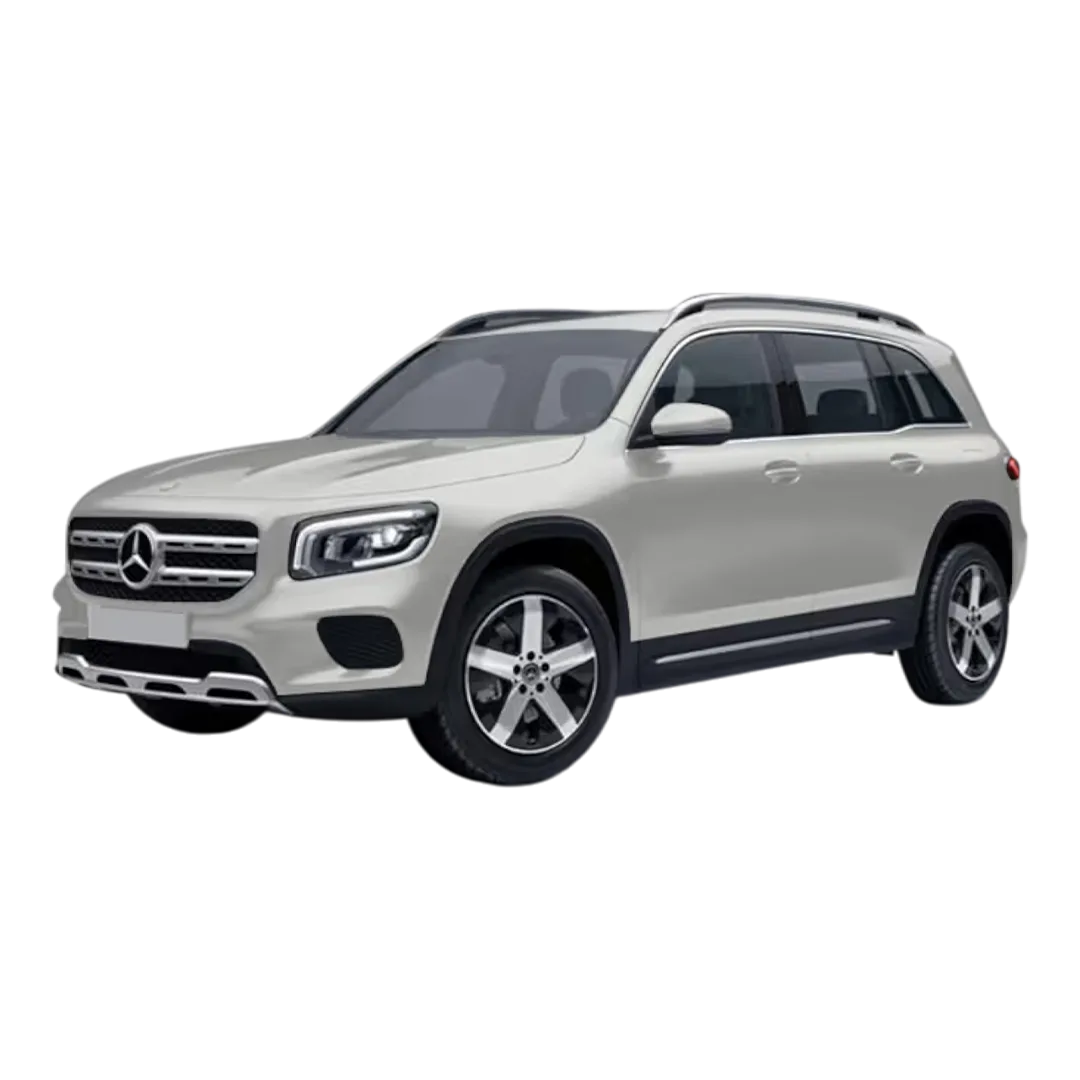 Mercedes Benz GLB
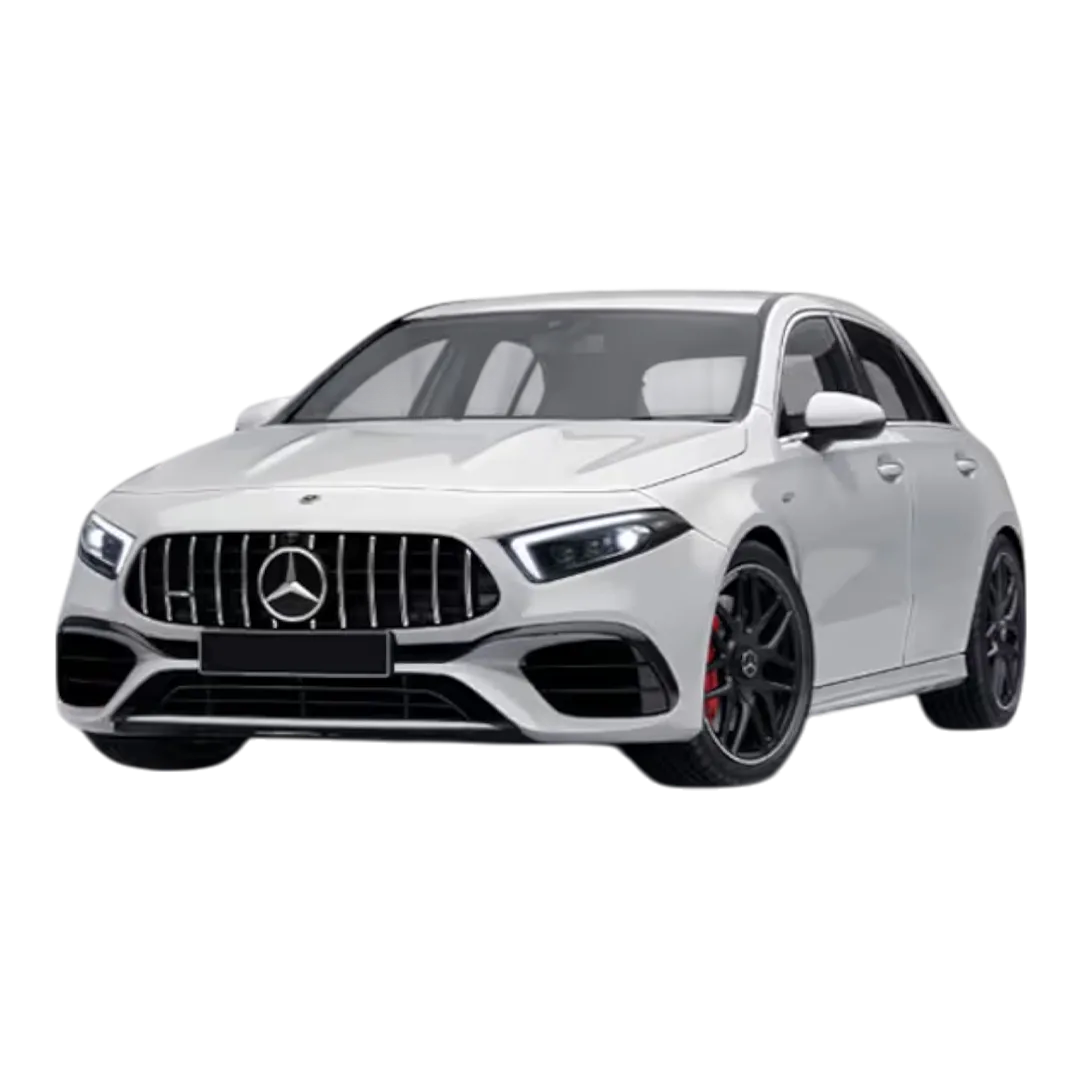 Mercedes Benz AMG A 45 S
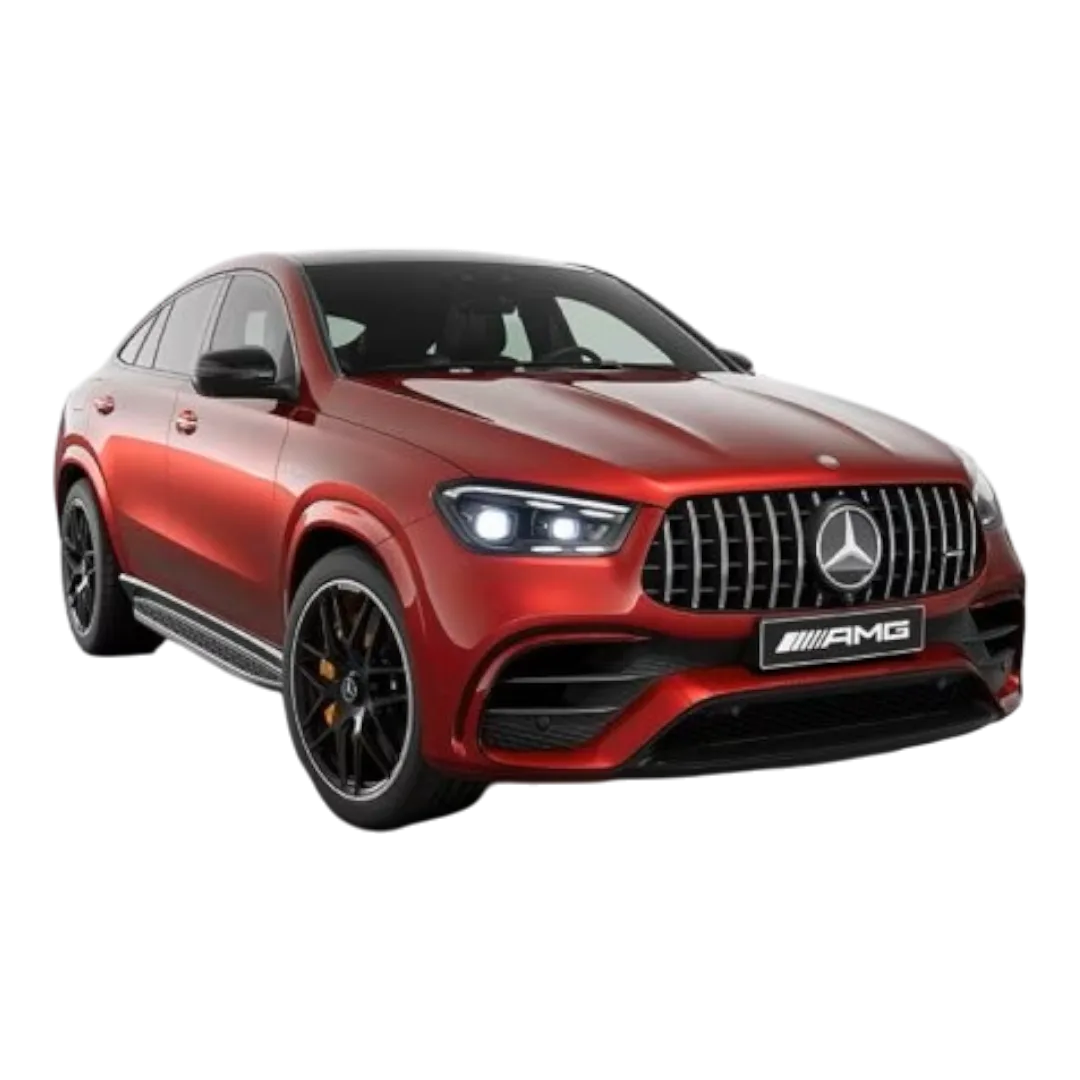 Mercedes Benz AMG GLE S3
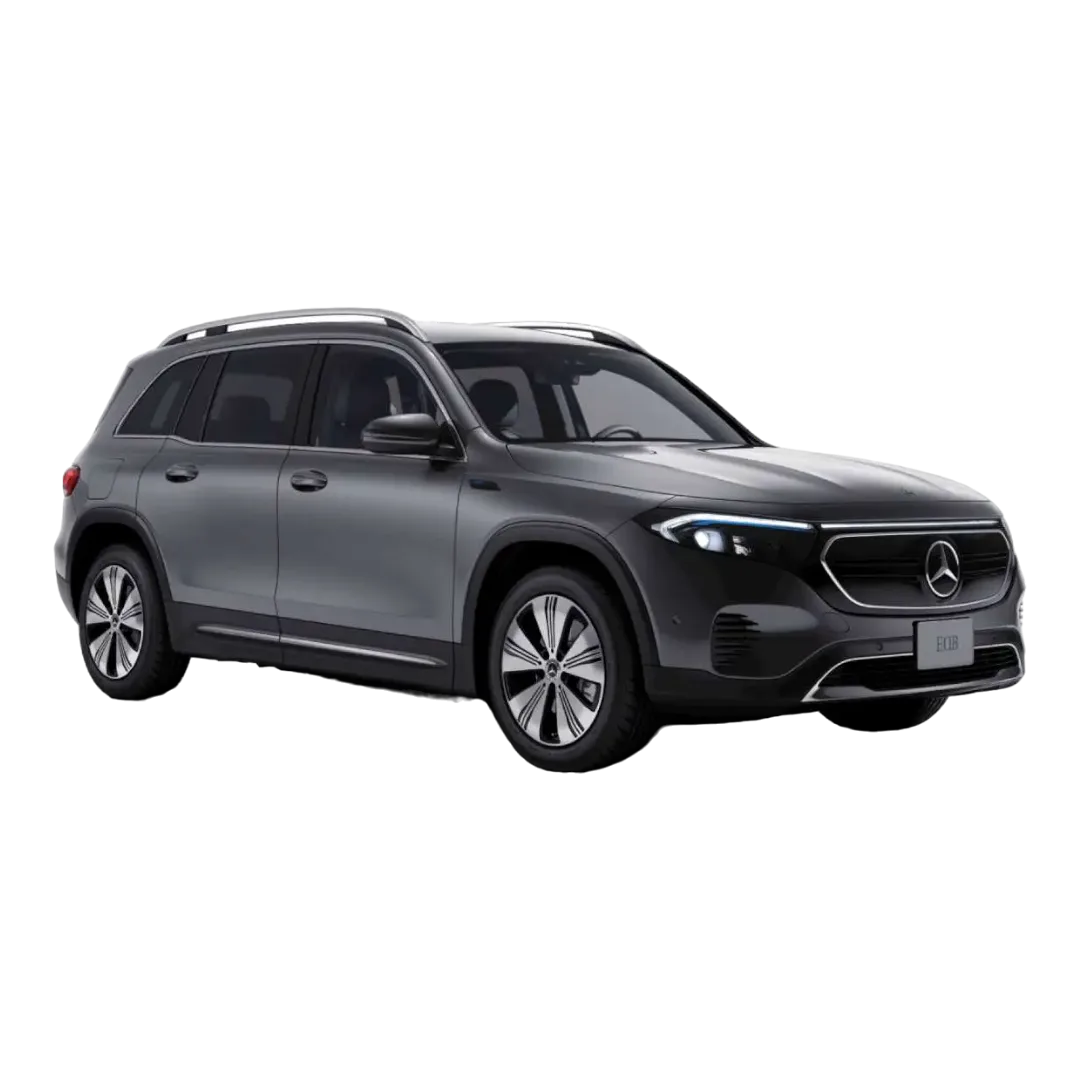 Mercedes Benz EQB
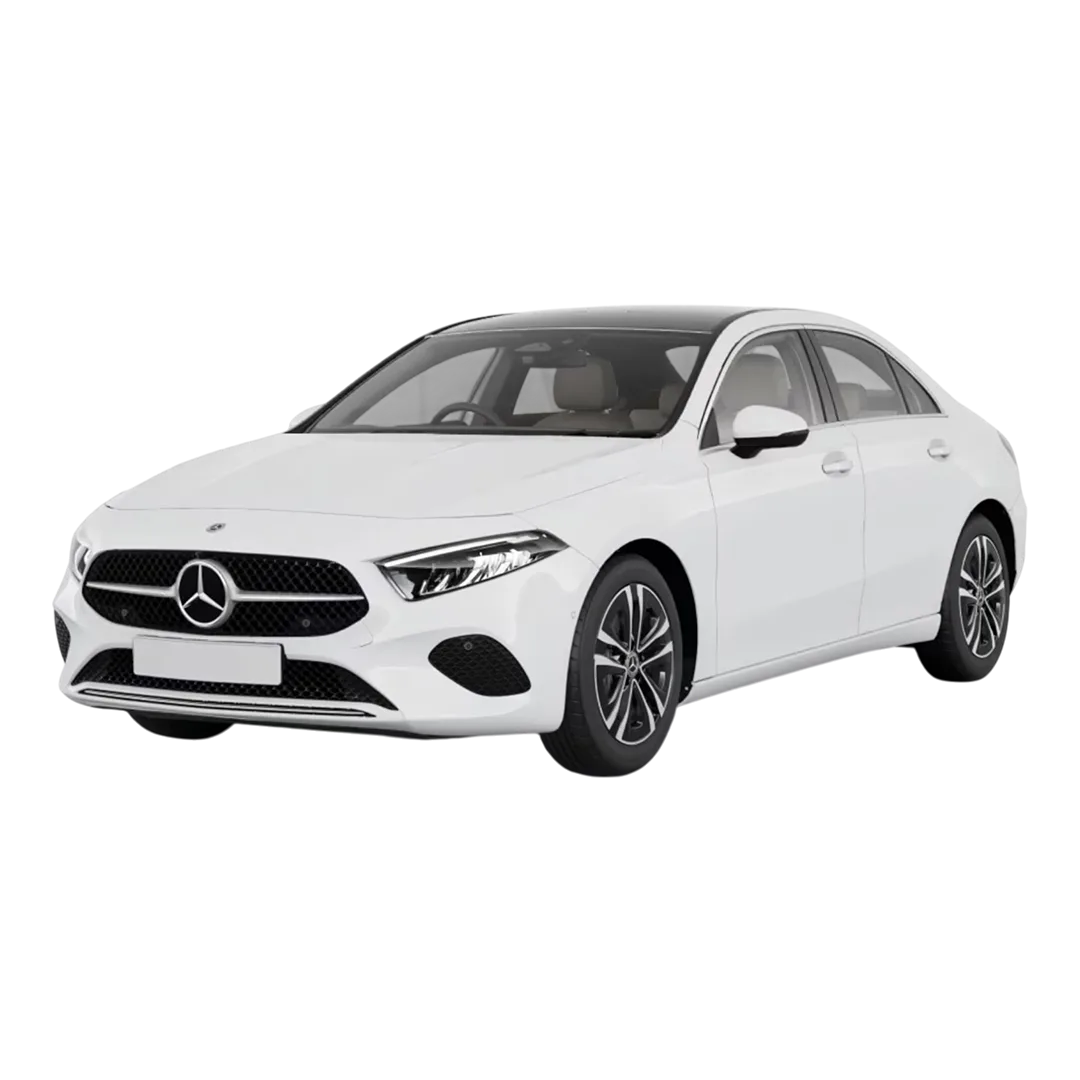 Mercedes Benz A Class limousine
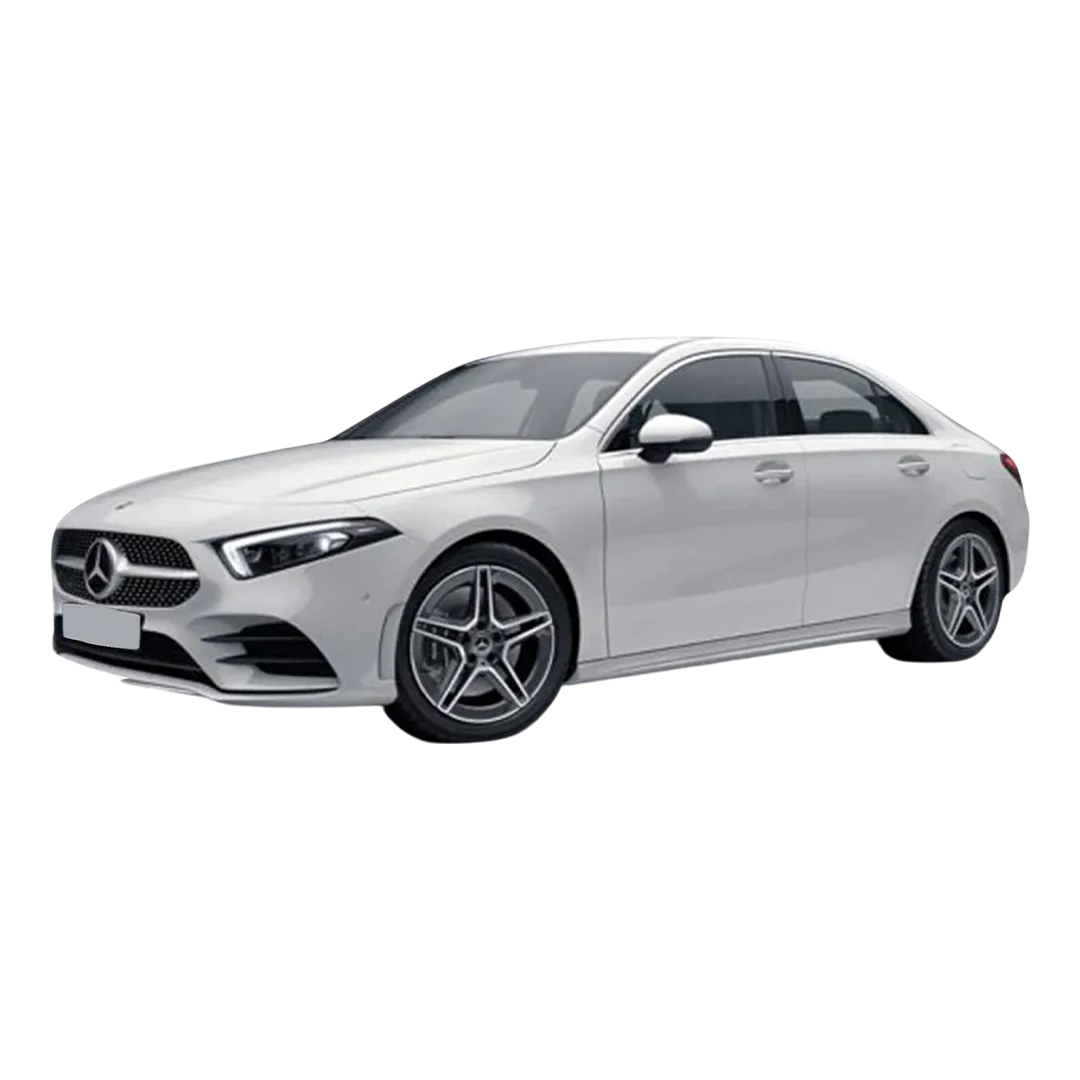 Mercedes Benz AMG A 35
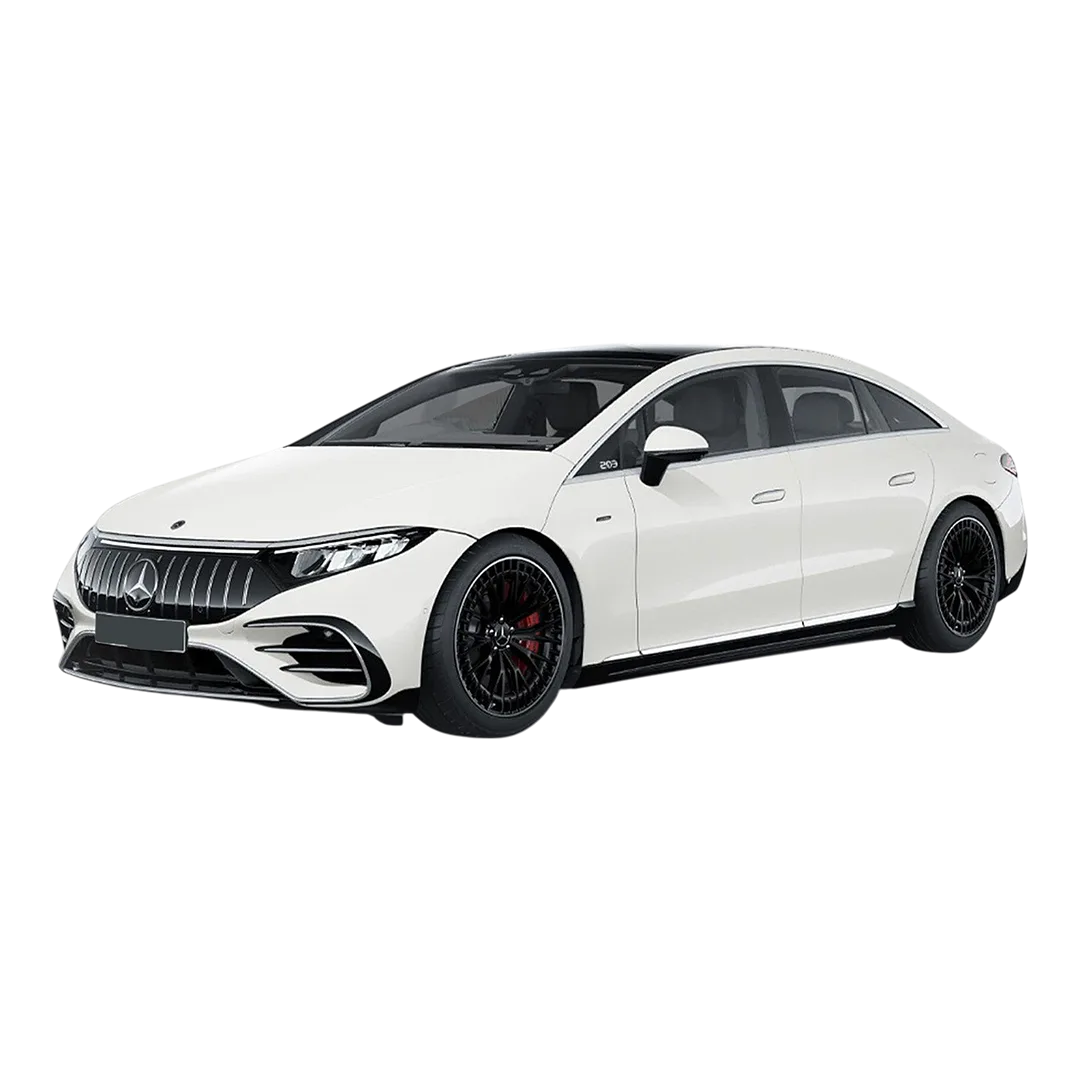 Mercedes-Benz AMG EQS
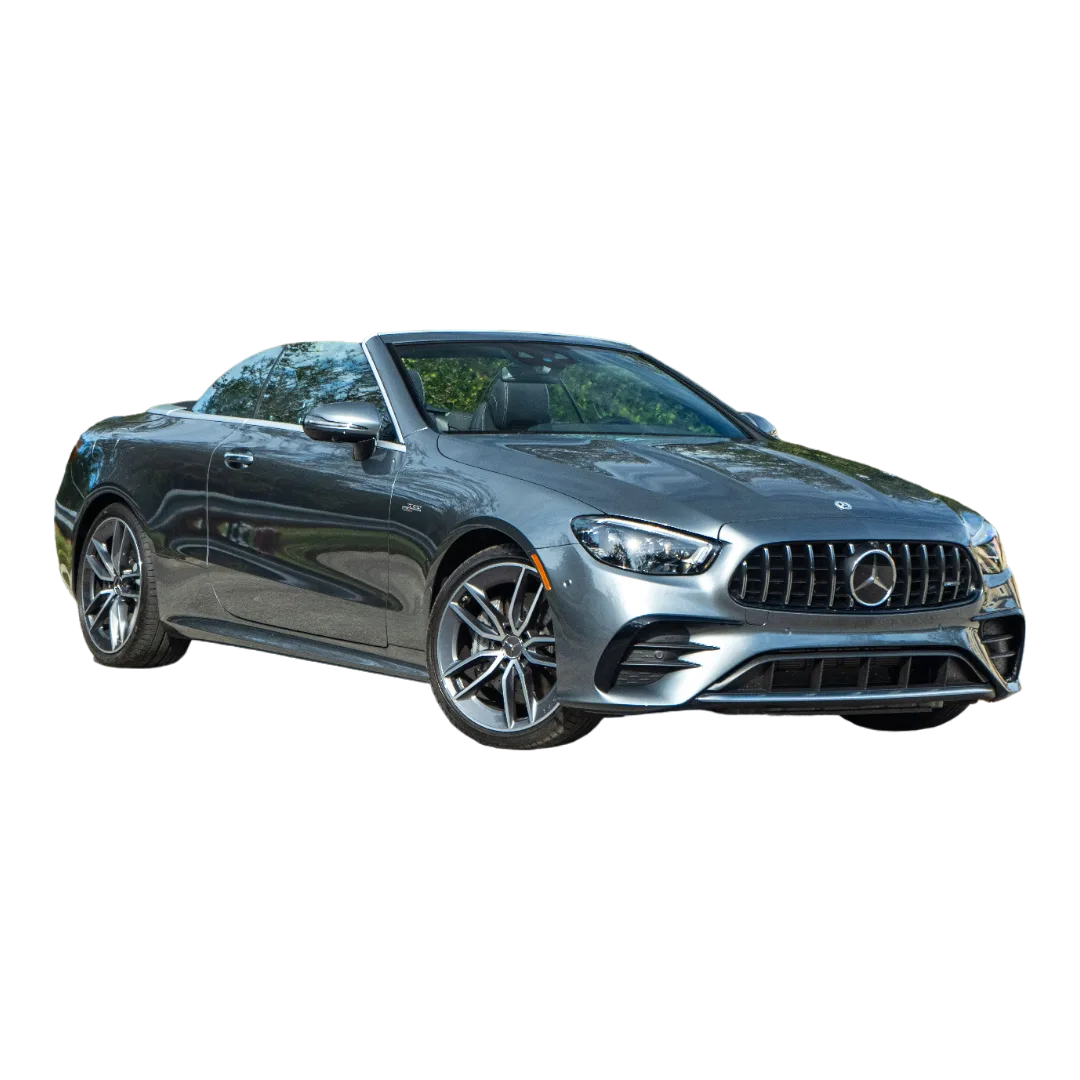 Mercedes-Benz AMG E 53 Cabriolet
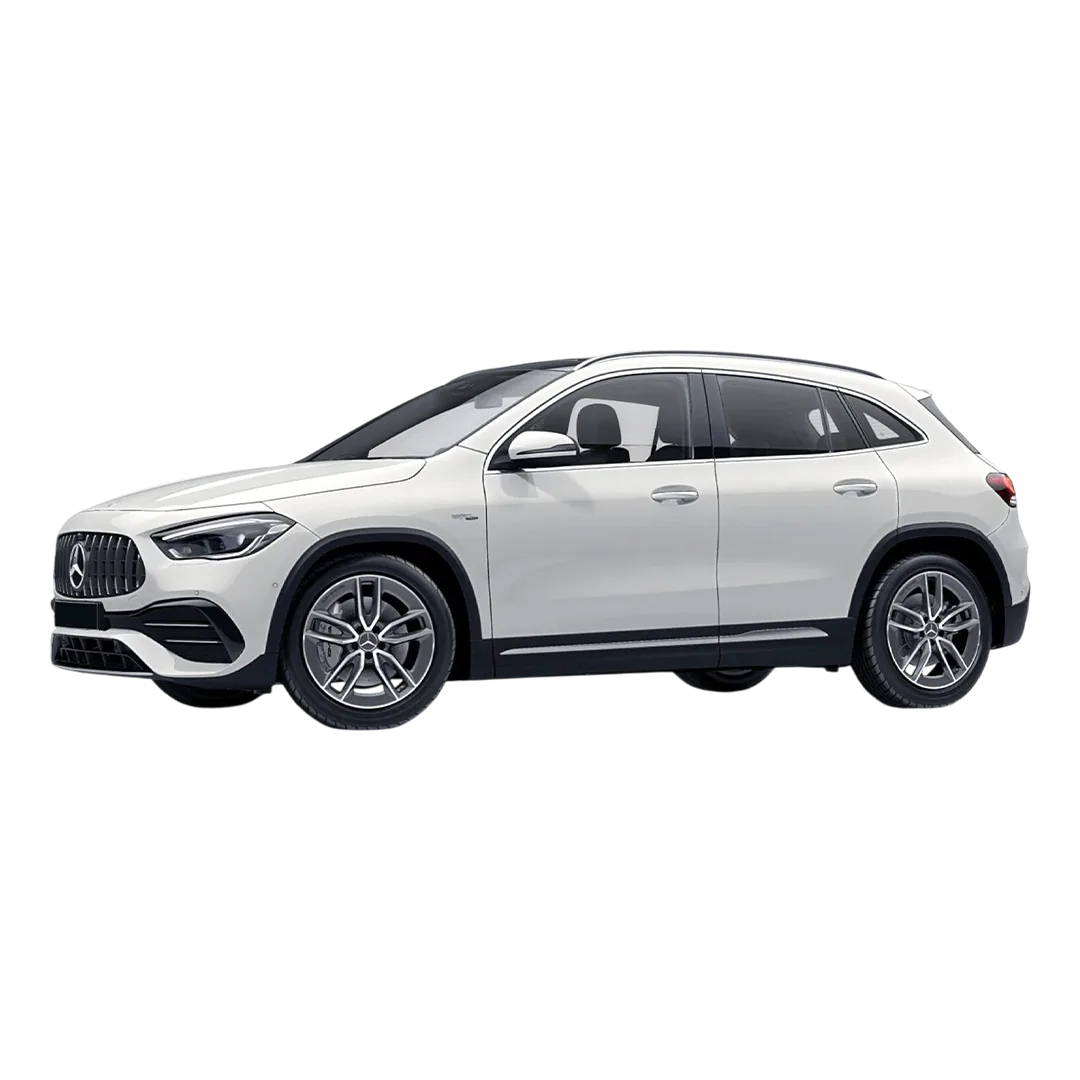 Mercedes-Benz AMG GLA 35
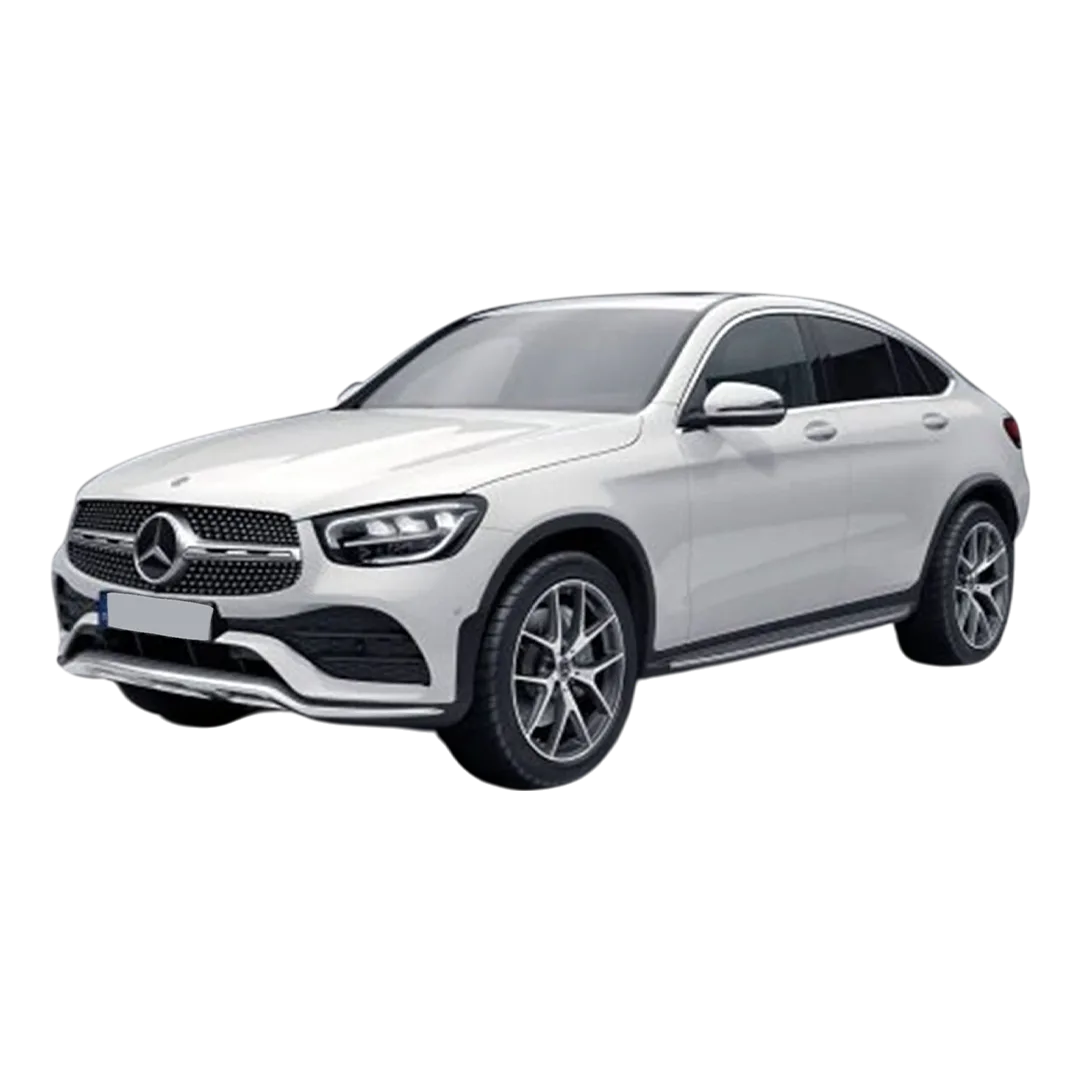 Mercedes-Benz GLC Coupe 2023
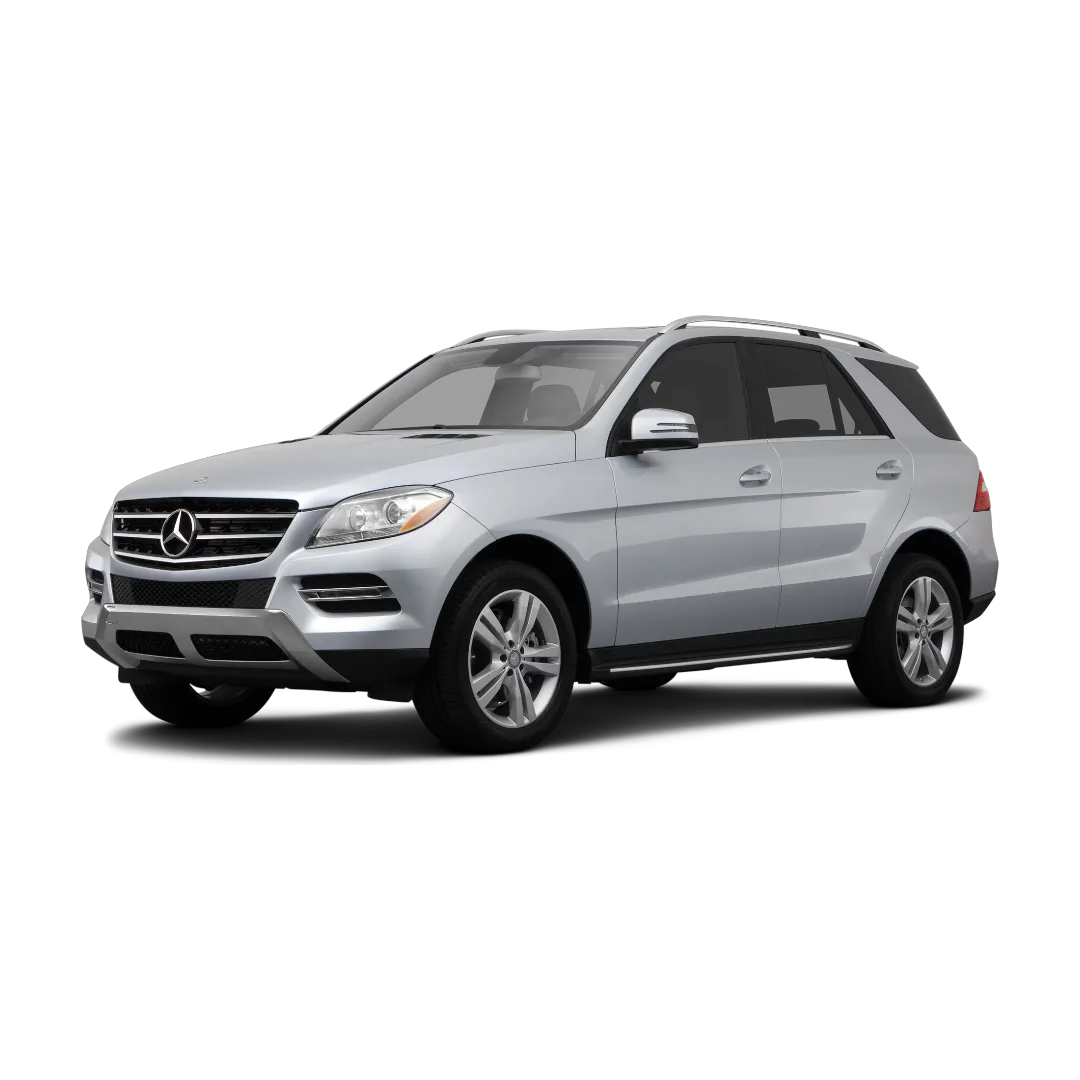 Mercedes M-Class
R-Class
Mercedes M-Class
R-Class
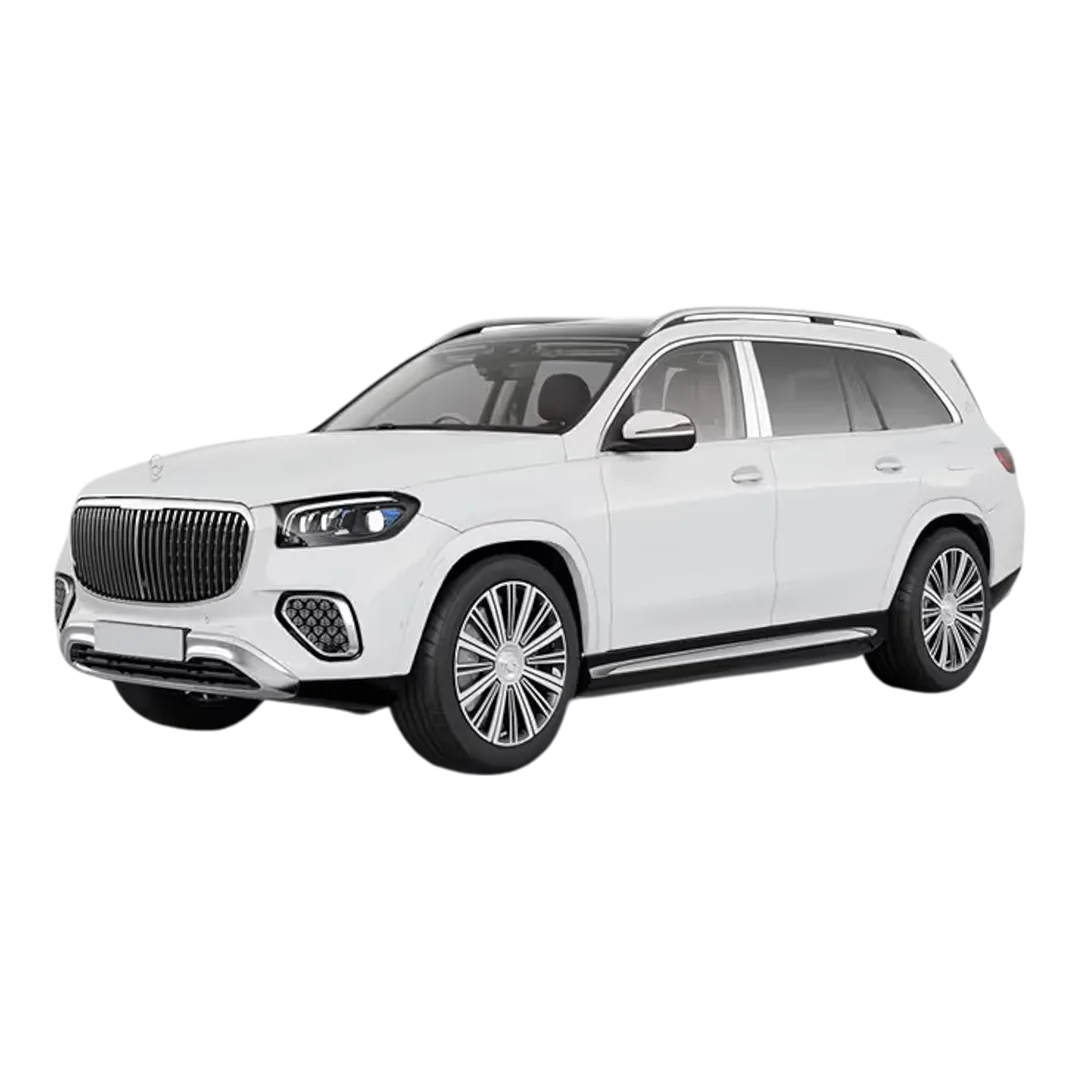 GLS 600
GLS 400
GLS 350
GLE 300
GLS 600
GLS 400
GLS 350
GLE 300
 GLE 400
GLE 250D
GLE 400
GLE 250D
 GLC 220D
GLC 300
GLC 220D
GLC 300
 GLC 43 Coupe
 GLA 220d
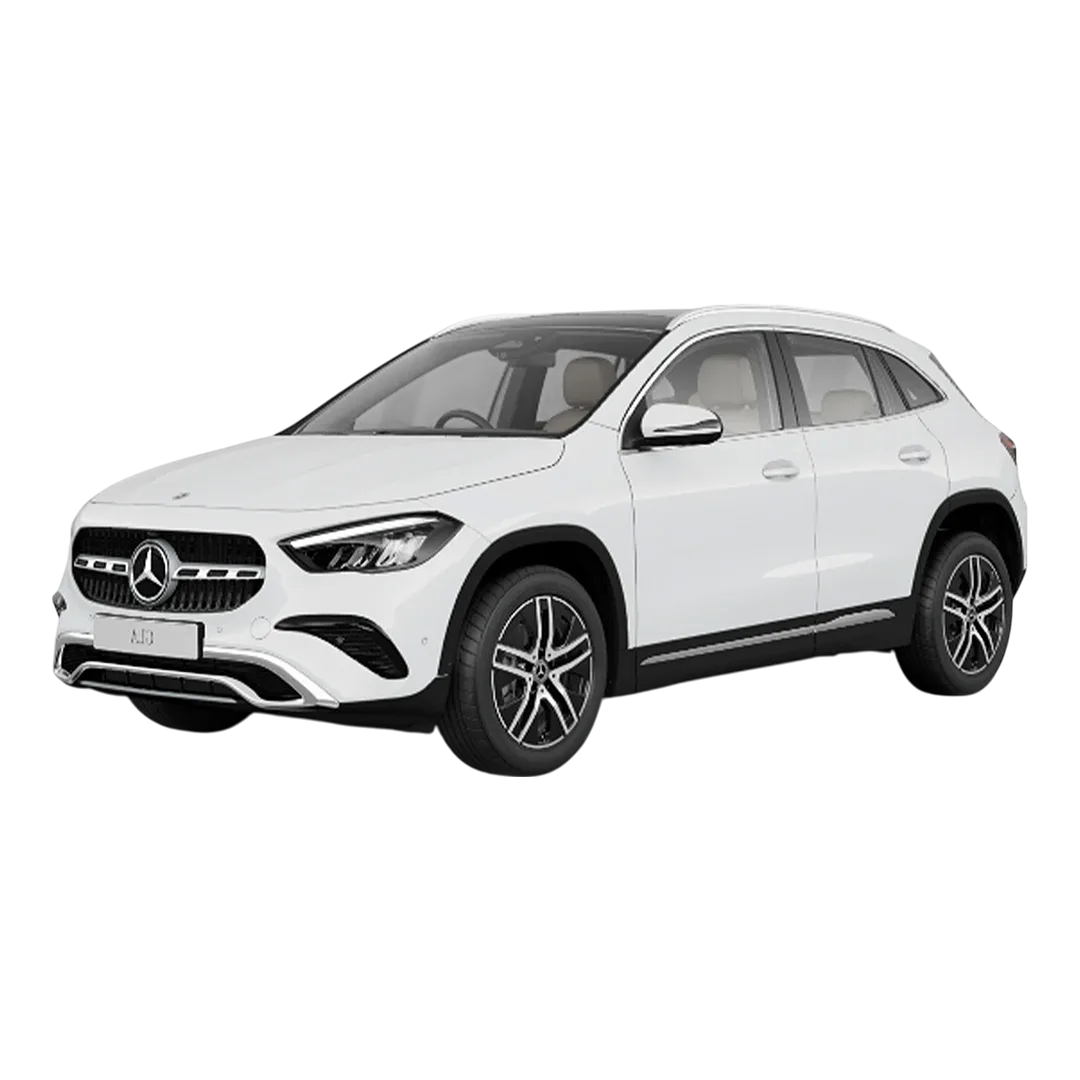 GLA-Class 200D
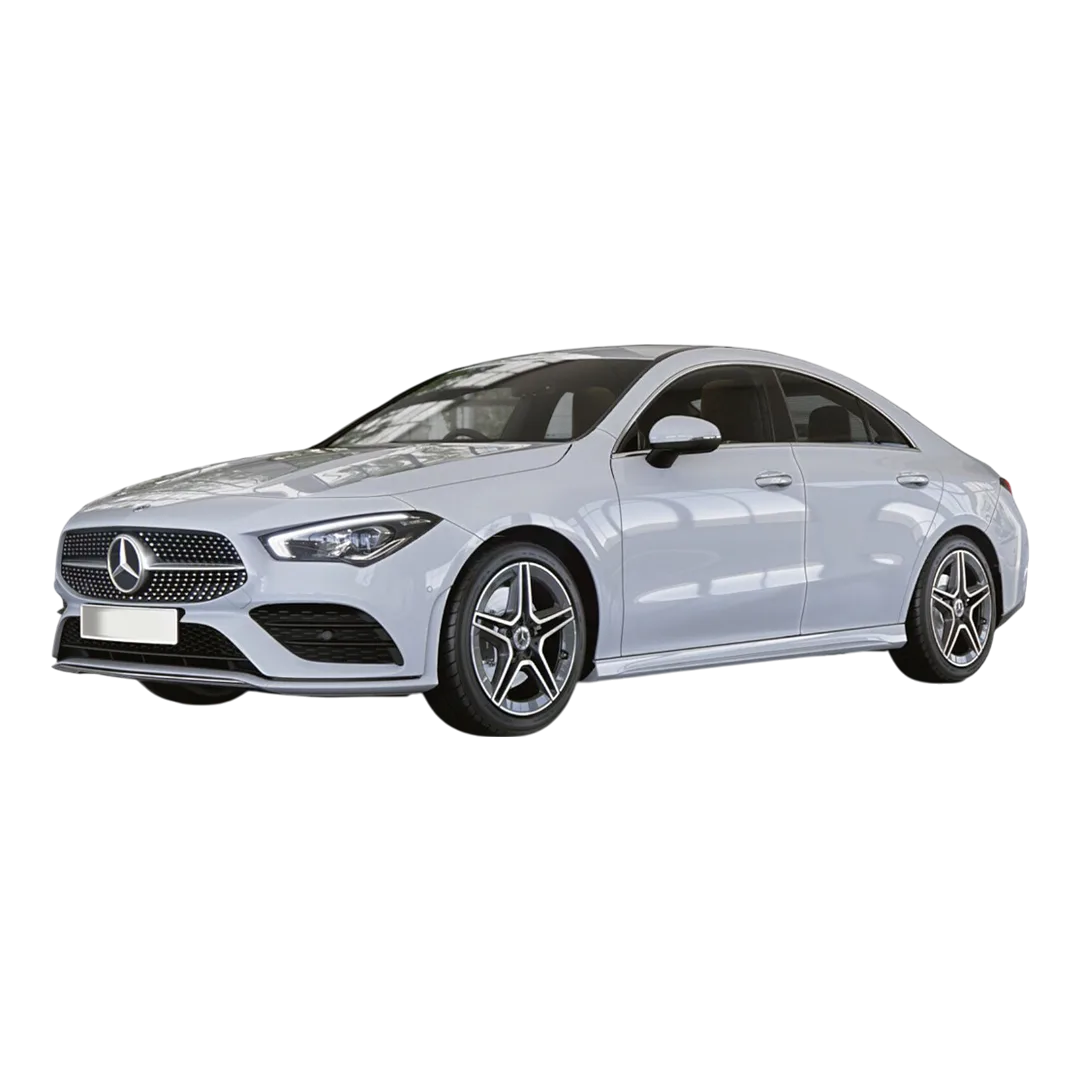 CLA 200
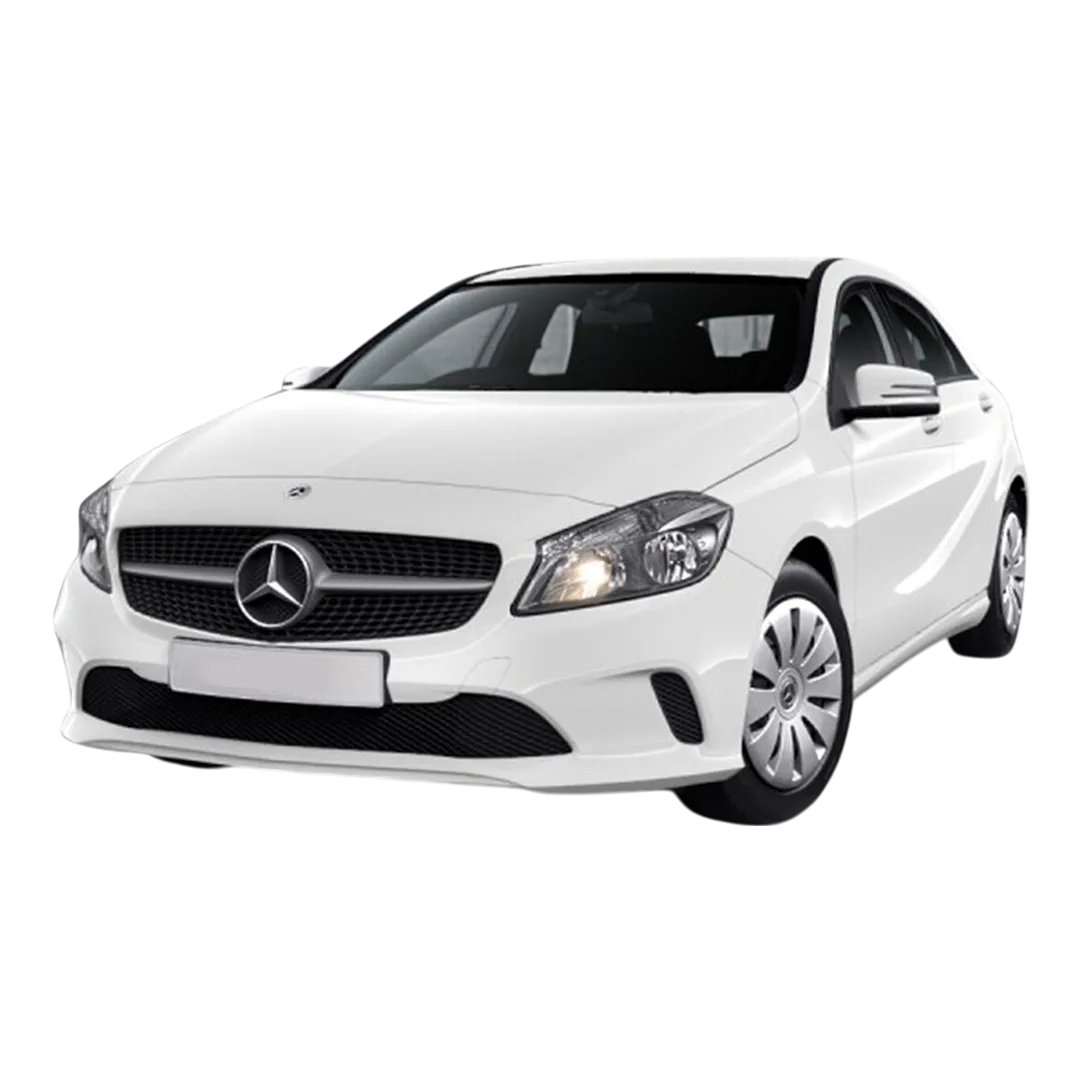 Benz A-Class A 180
M-Class ML 250
M-Class ML 350
Benz A-Class A 180
M-Class ML 250
M-Class ML 350
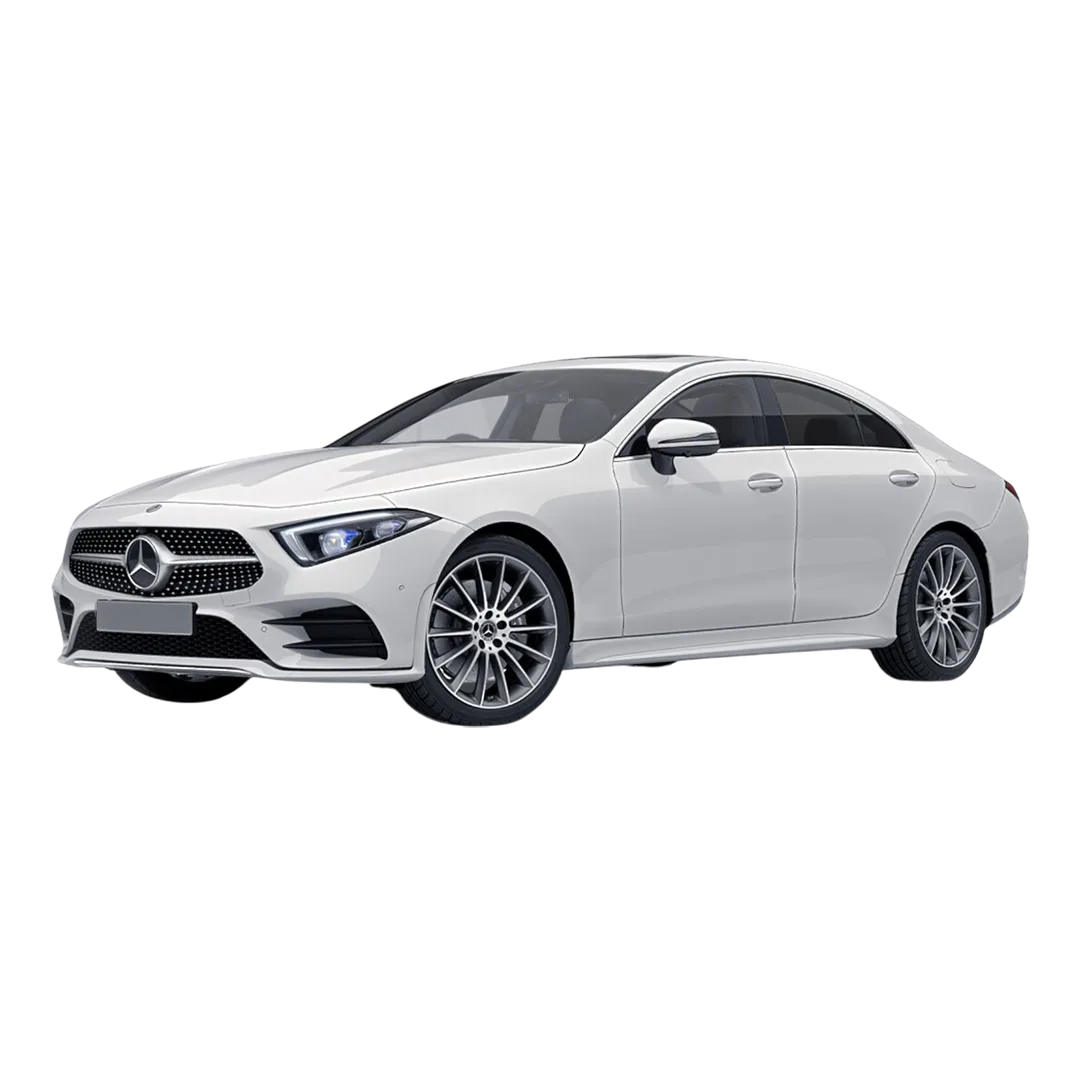 Benz CLS 300
 C-Class C250
C-Class C220
C-Class C200
C-Class C250
C-Class C220
C-Class C200
 Benz B - Class
Benz A - 200
Benz B - Class
Benz A - 200

Car owners in India often consider car glass tinting to improve comfort, reduce heat, and upgrade the look of their vehicle. But before you apply any tint, it is important to understand the legal rules set by the Supreme Court of India. These rules specify how much tint is allowed and what is completely banned. This guide explains all legal tint limits, why the rule was introduced, fines for violations, myths, compliance tips, and safe removal methods. Everything is explained in simple terms for easy understanding.
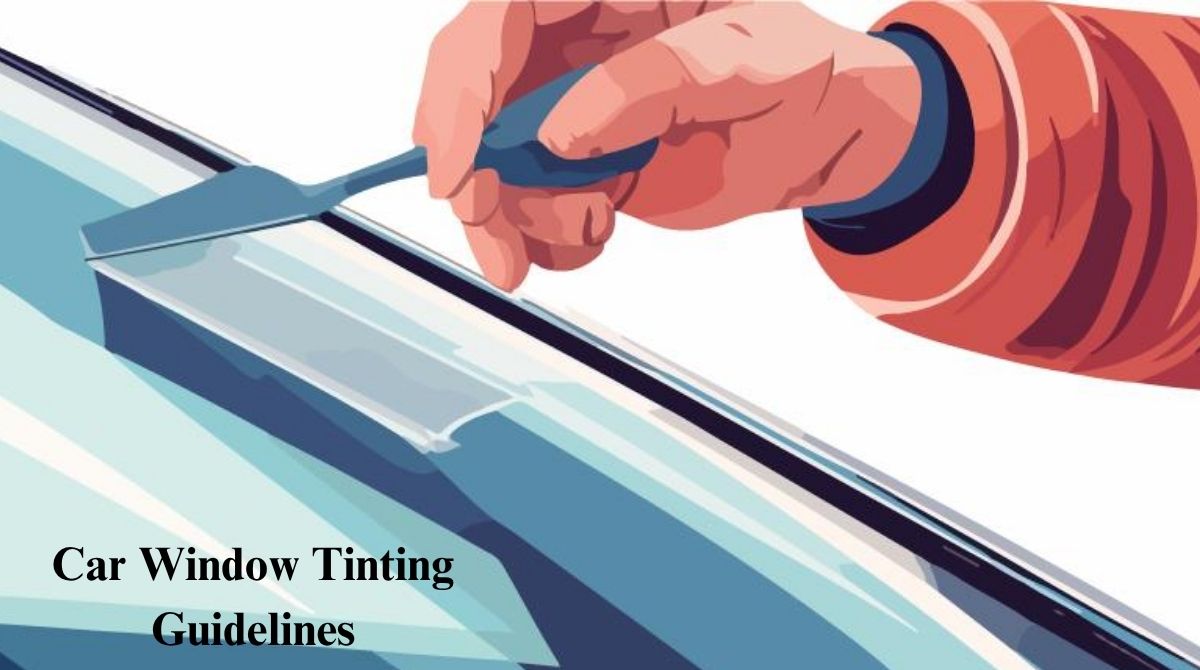
Car glass tinting is the process of applying a thin laminated film on car windows and windshields to reduce direct sunlight, heat, and harmful UV rays. It improves comfort inside the car and protects the interior from fading. The tint film is usually thin, dark, and designed to roll up and down with ease.
Tinted windows keep the car cooler, reduce sun glare, protect passengers from UV rays, and improve the car’s overall aesthetic appeal. However, because tints can block visibility, they are strictly regulated in India for safety and law enforcement reasons.
The Supreme Court introduced strict car window tinting laws to maintain clear visibility for drivers and traffic police. The rules also prevent misuse of tinted cars for illegal activities. Tinting laws protect citizens, support crime prevention, and maintain safety on busy Indian roads.
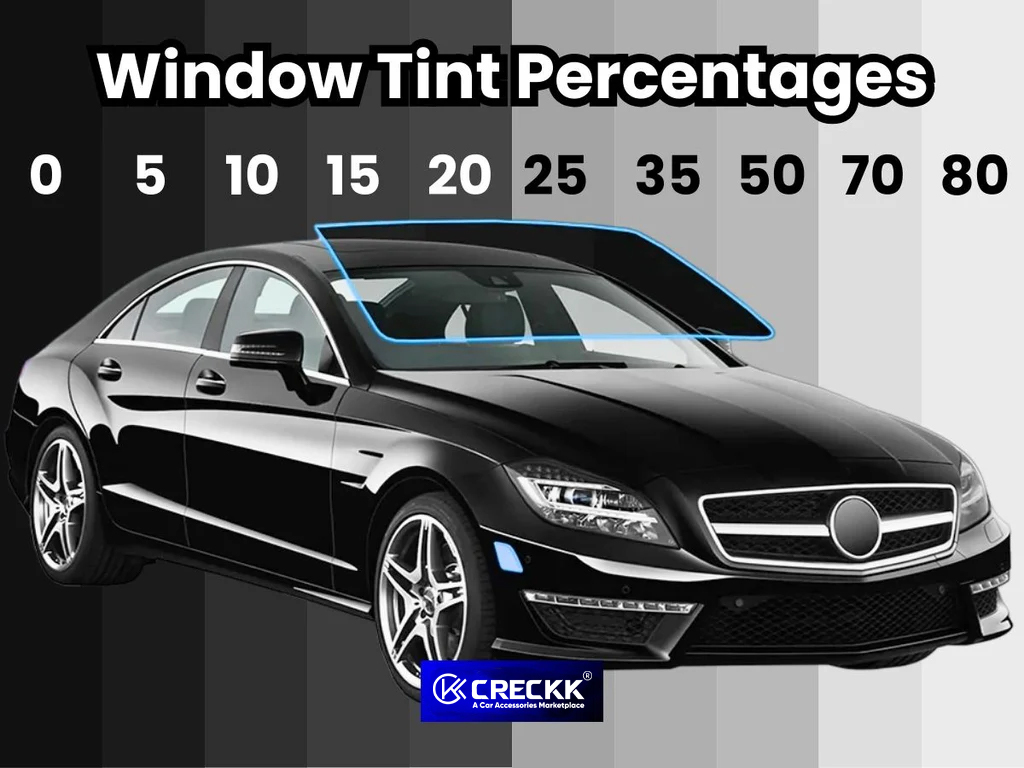
The Motor Vehicles Act and the Supreme Court ruling define the legal limits for tinting in India. VLT stands for Visual Light Transmission, meaning how much light passes through the glass.
| Car Glass Area | Minimum Legal VLT Requirement |
|---|---|
| Front Windshield | 70 percent VLT |
| Rear Windshield | 70 percent VLT |
| Side Windows | 50 percent VLT |
The most important rule: The use of any aftermarket film on car windows is banned, even if it meets the VLT limit. Only factory-fitted glass with legal VLT is allowed on Indian roads.
The tint laws were introduced for public safety. Tinted cars can hide criminal activities, making it difficult for police to observe what is happening inside. The law ensures that visibility remains clear during traffic stops, crowded road conditions, and when verifying driver identity. The rules also reduce accidents caused by reduced visibility and help maintain road safety standards across the country.
Tint restrictions are the same across all states because the rule is from the Supreme Court. Penalties are also similar nationwide.
| Offence Type | Penalty Amount |
|---|---|
| First Offence | Rs. 100 |
| Second Offence | Rs. 300 |
| Repeated Violations | Up to Rs. 2,000 and possible legal action |
Police may also ask you to remove the tint immediately. In some cases, the vehicle may be seized temporarily or the RC may be suspended.
Several myths create confusion among car owners. Understanding these helps avoid penalties.
There are no exemptions for normal vehicles. Only select high-security government vehicles may get permission, and even they follow strict VLT guidelines. Many people also believe that clear aftermarket films are legal. This is incorrect because all aftermarket films are banned, regardless of transparency level. But factory-fitted tinted glass that meets the 70 percent and 50 percent VLT rule is fully legal.
Driving with illegal tint can cause financial and legal trouble. Fines increase for repeat offences. Police may ask you to remove the tint immediately or inspect the vehicle more closely due to suspicion of illegal activity. Insurance claims may be rejected if tinting violates legal limits during an accident. Repeated violations may even lead to RC cancellation or further legal action.
To stay compliant, use only manufacturer-provided glass with approved VLT. You can also use a VLT meter to check if the tint meets legal standards. Professional installers can verify the light transmission levels before installation. Avoid adding any film after purchase, including clear UV films or light shades. Stick strictly to factory-approved glass.
If your vehicle currently has aftermarket tint, remove it safely to avoid damage.
You can loosen adhesive using a heat gun and slowly peel the tint. A steam device also works well to soften adhesive. Soapy water can help remove older tints by softening glue under sunlight. Rubbing alcohol can help clean leftover adhesive. If these methods fail, seek professional help to prevent damage to your car glass.
Temporary stick-on shades and suction-based sunshades are not legal while driving. They reduce VLT and block visibility, violating the tint rules. You may be fined for using them. They are allowed only when the car is parked to avoid overheating. To stay compliant, avoid any material that blocks visibility while driving.
Maintaining the correct tint level is only one part of responsible driving. You also need the right car insurance for protection against accidents, natural disasters, theft, and third-party liabilities. Insurance becomes essential because claims can be rejected if your car violates any legal rule, including illegal tinting. Choosing the right insurance keeps you financially secure and legally compliant.
Car window tinting laws in India protect public safety and make the roads safer. Understanding legal VLT limits helps you avoid fines, stay compliant, and ensure your safety and that of everyone on the road. Always use factory-approved tint levels, avoid aftermarket films, and check your car windows regularly to remain within legal guidelines.
Is tinted glass legal in all states of India
No. All aftermarket tinting films are banned across India. Only factory-fitted glass with 70 percent VLT for windshields and 50 percent VLT for windows is permitted.
Can I use temporary sunshades to block heat
No. Temporary sunshades are not allowed while driving because they reduce visibility. They are only permitted when the car is parked.
How can I check if my car tint is legal
A VLT meter can be used to test the light passing through the glass. Most car décor shops and car consultants can measure it for you.
Are there exemptions for government officials
Some high-security individuals like Z and Z+ category personnel may receive exemptions, but these guidelines are controlled and not clearly published. General car owners should avoid tinting altogether.
Will insurance reject claims if illegal tint is found
Yes. Insurance companies may deny claims if your car violates legal tint rules during the time of an accident or inspection.