Your cart is empty
Start Shopping Exterior
›
Exterior
›
 Bumper Diffuser/Guard
 Body Covers
 Window Garnishing
 Door Guards
 Roof Rails
 Side Beading
 Door Visor
 Mud Flap
 Wheel Cover
 Foot Rest
 Interior
›
Interior
›
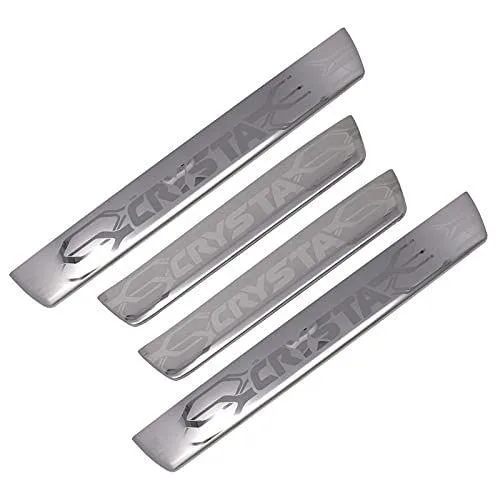 Door Scuff Sill Plates
 Window Sunshades & Film
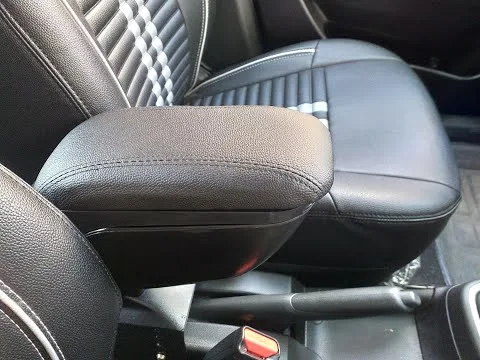 Armrest
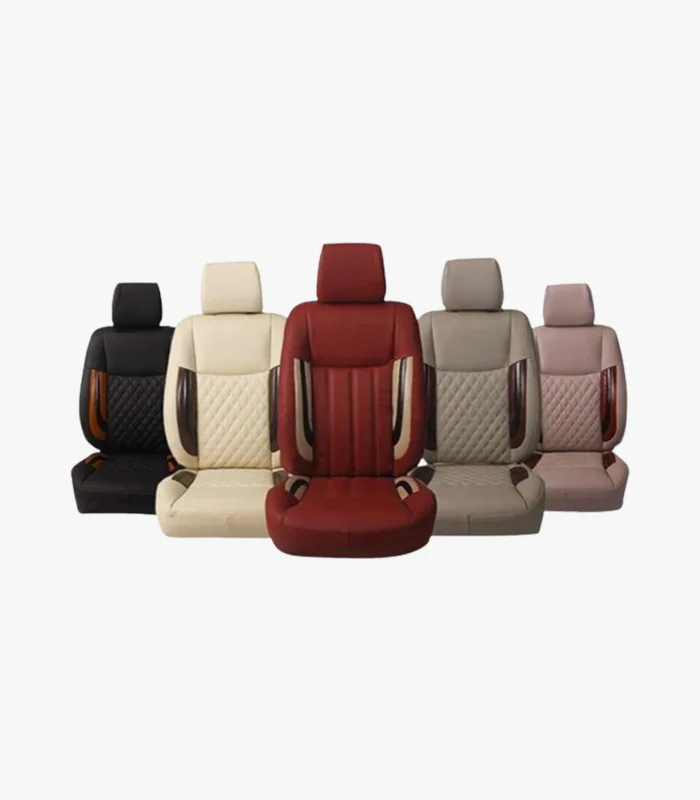 Seat Covers
 Steering Cover
 Floor Mats
 Dashboard Showpiece
 Seat & Neck Cushion
 Lighting
›
Lighting
›
 Utility
›
Utility
›
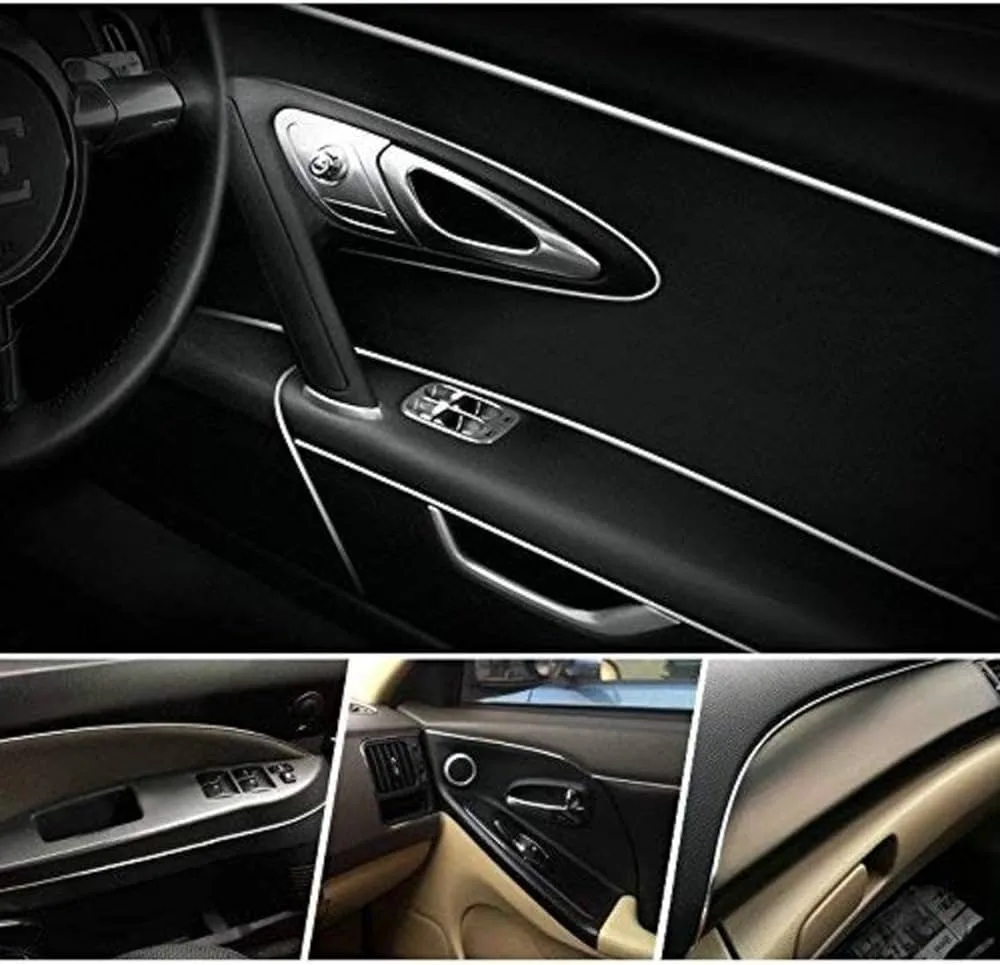 All Chrome Items
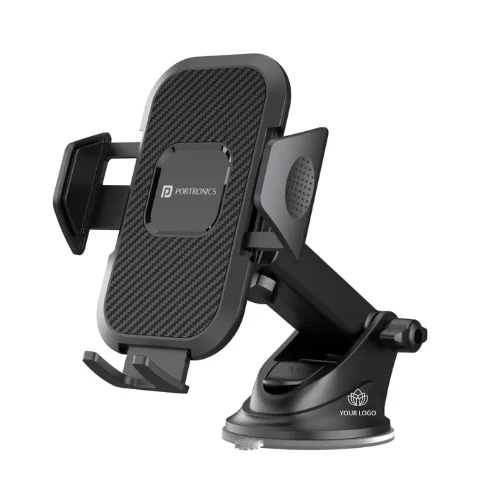 Mobile Holder
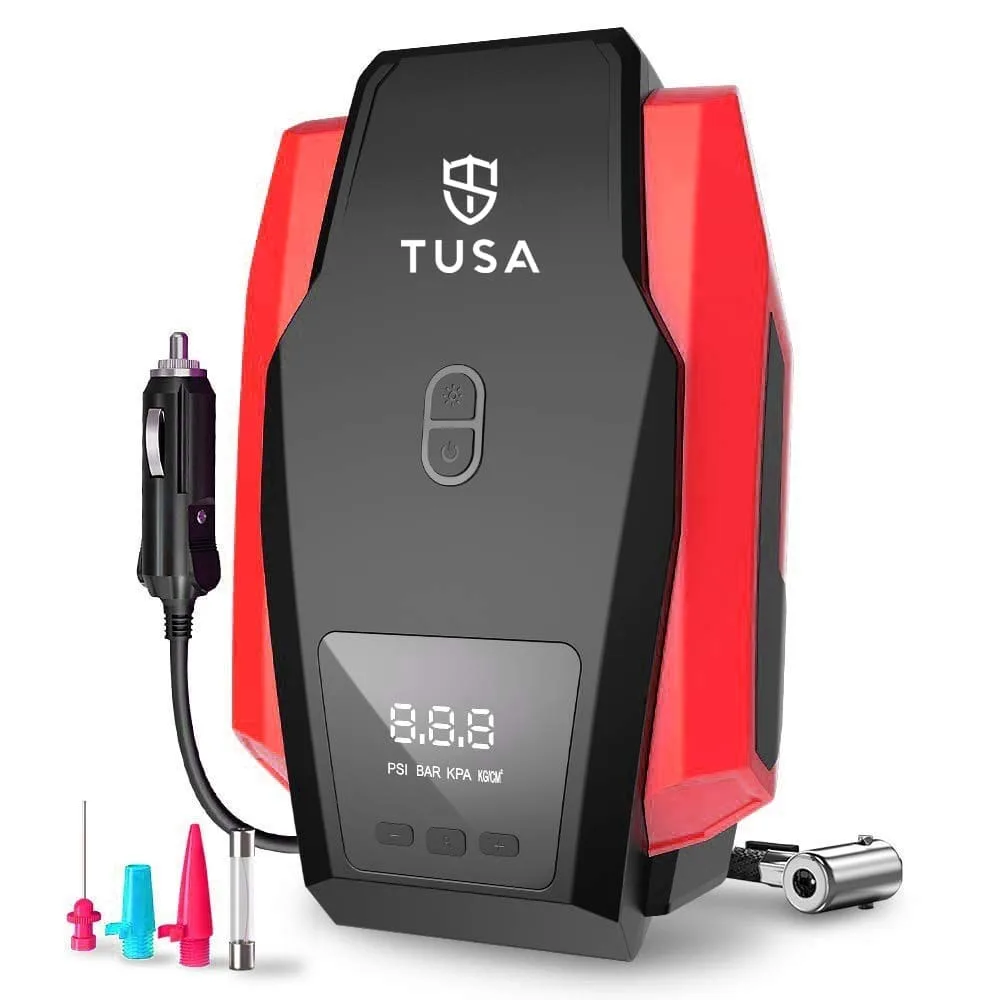 Tyre Inflators
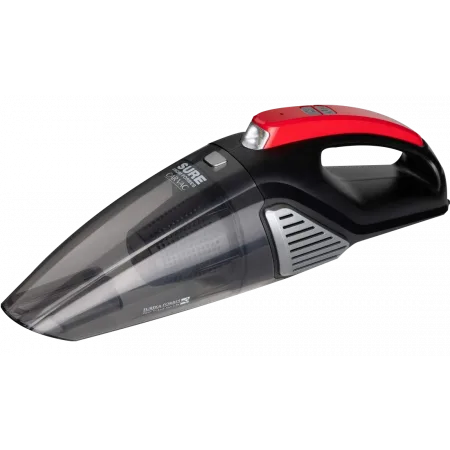 Vacuum Cleaner
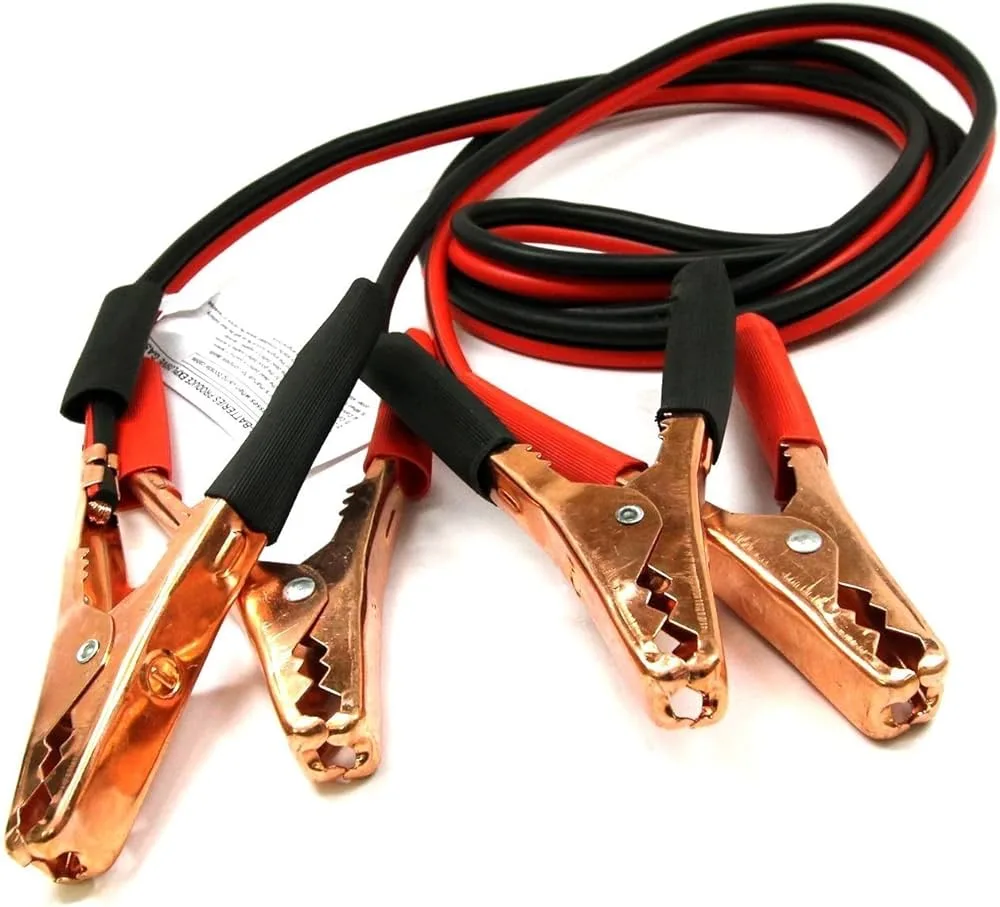 Jumper Cable
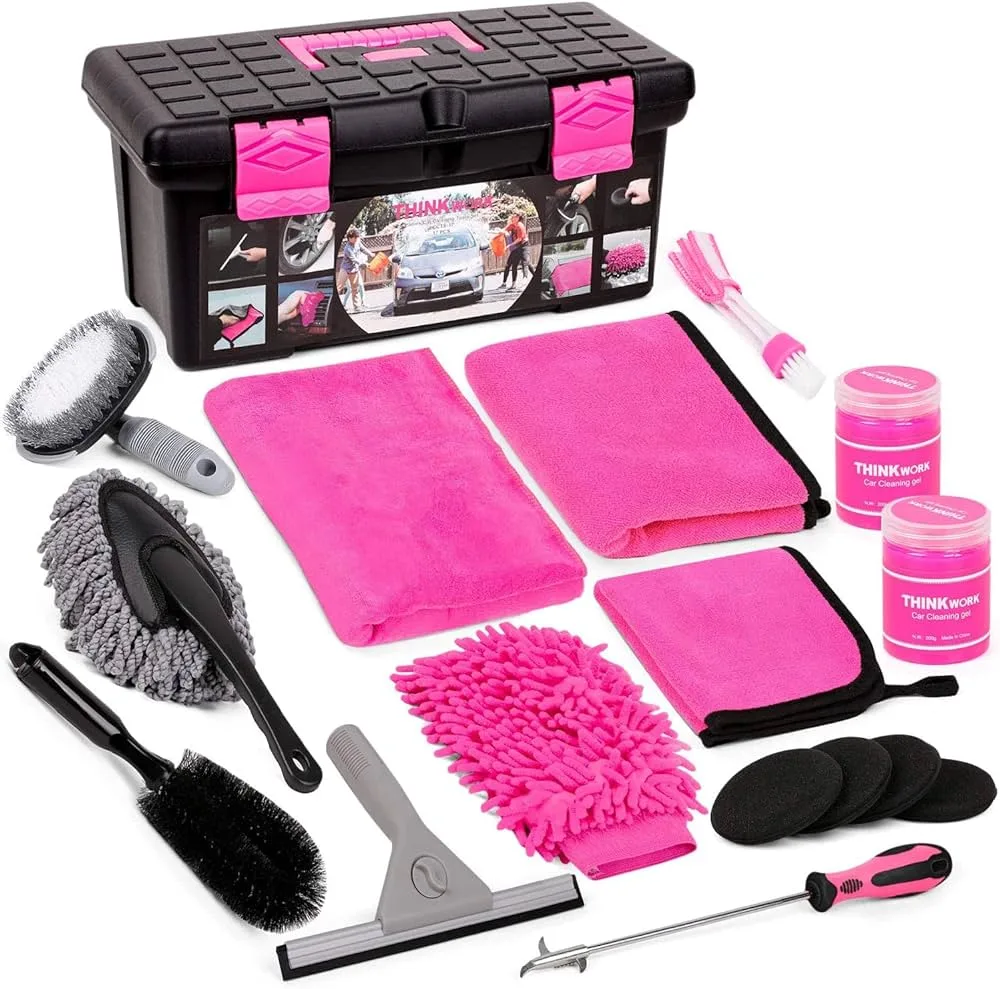 Cleaning Kit
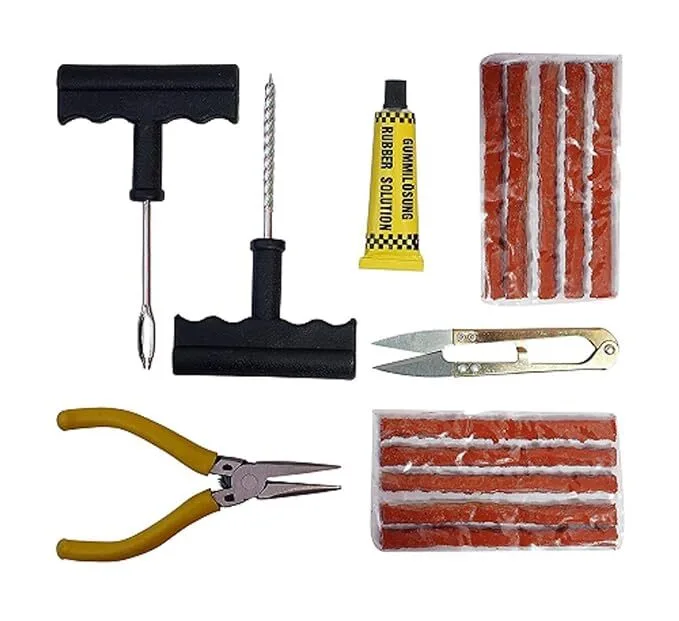 Tyre Puncture Kit
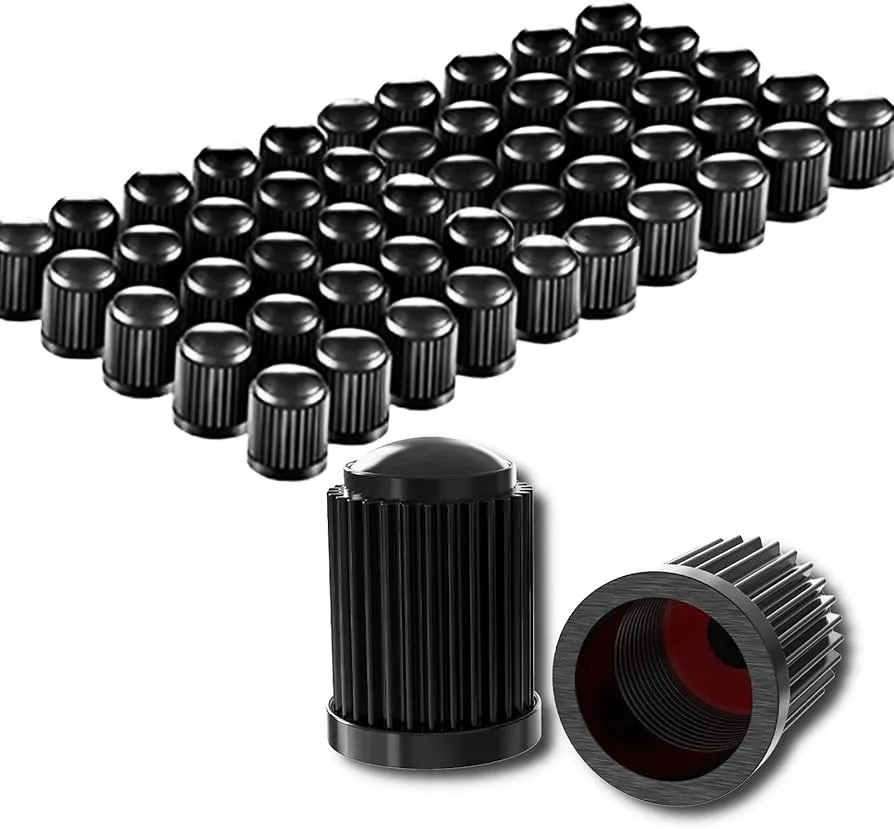 Tyre Valve Cap
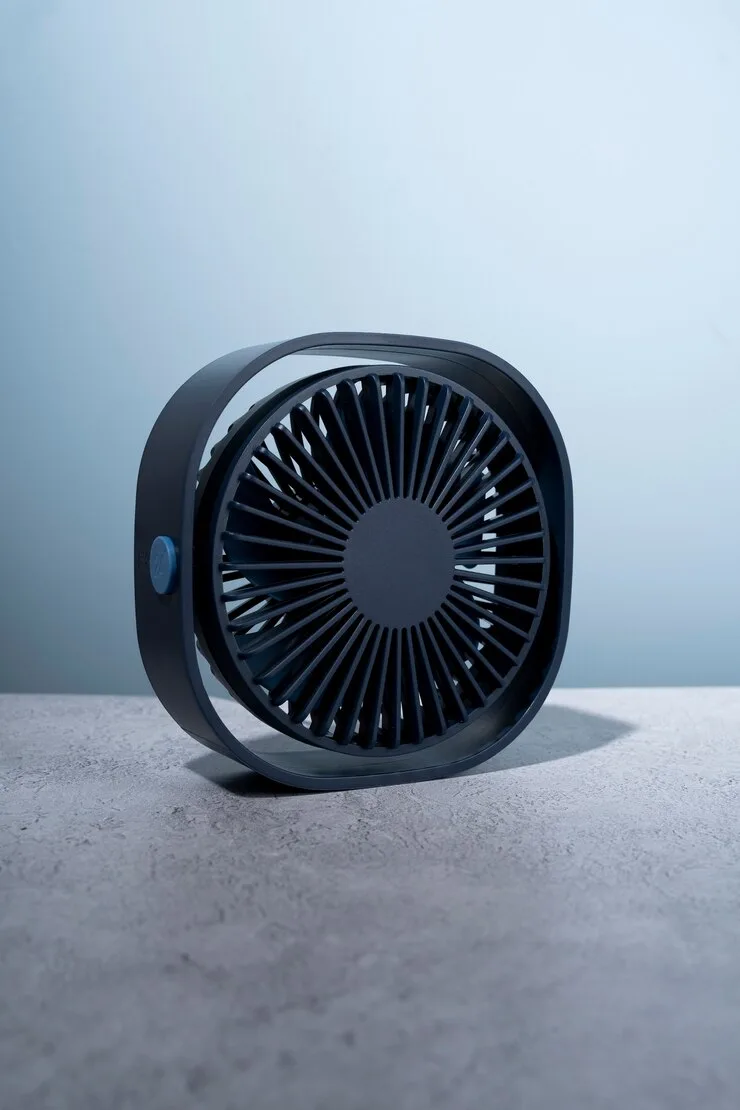 Car Fan
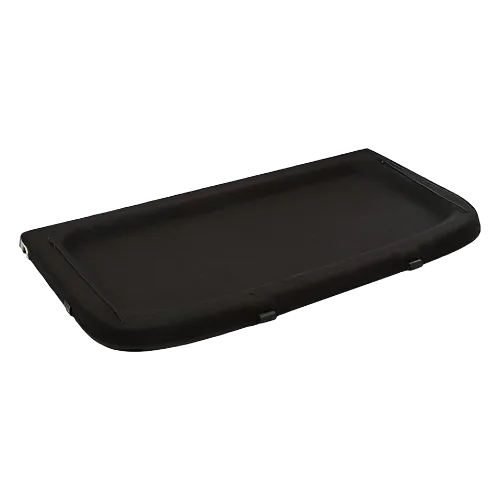 Parcel Tray
 Electronic
›
Electronic
›
 Parts
›
Parts
›
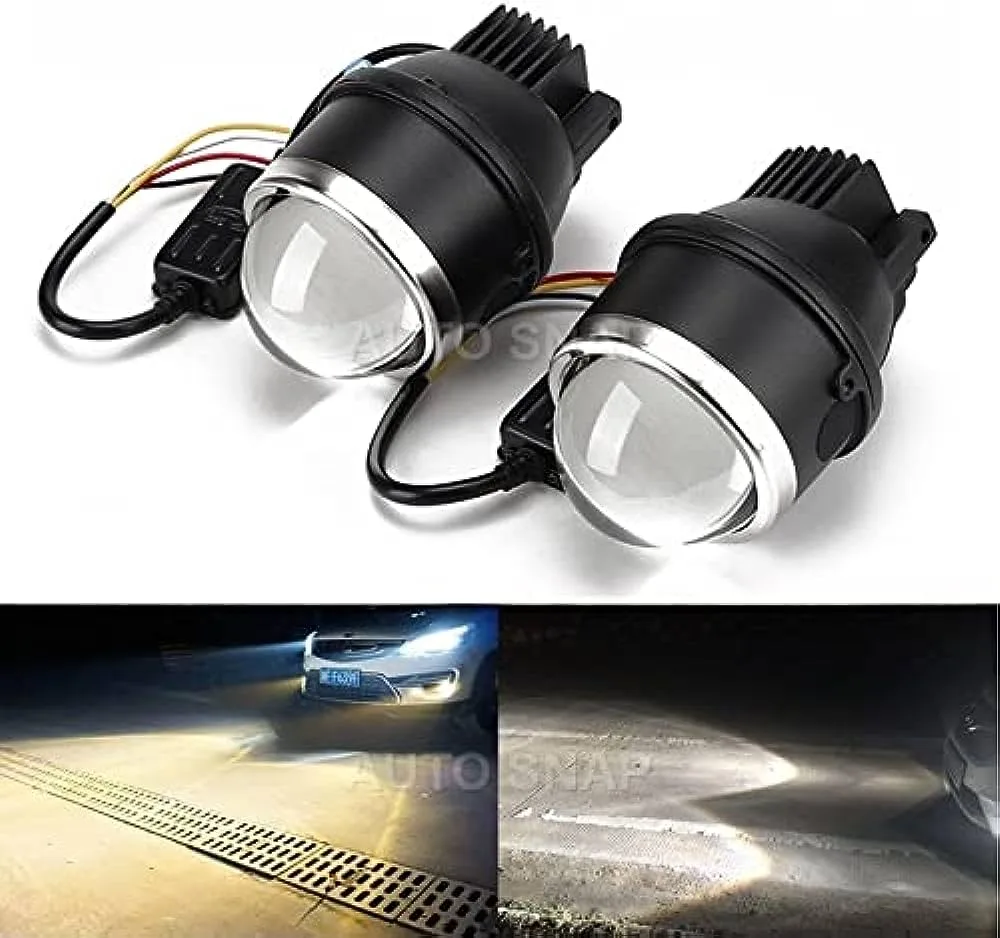 Fog Lights
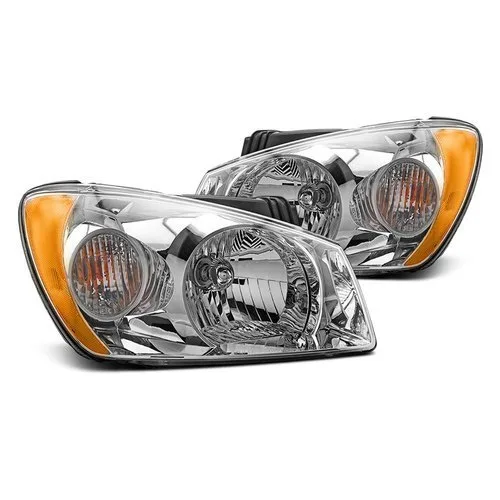 Headlights
 Tail Lights
 Steering Wheel Controls
 Sensor
 Horns
Horns
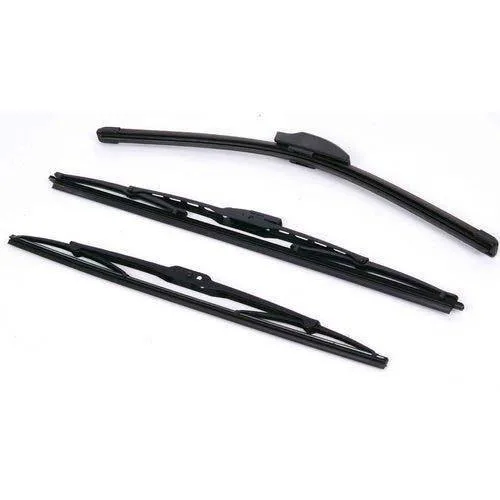 Wiper Blade
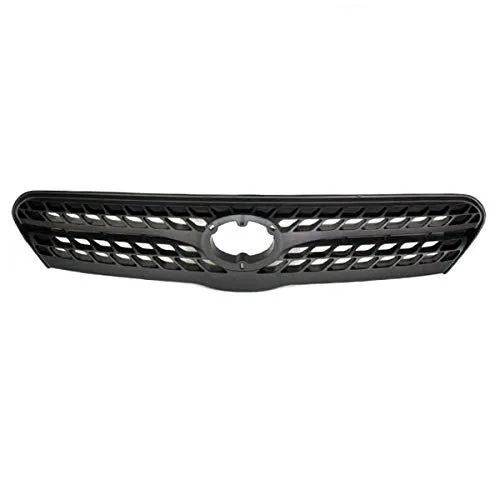 Front Grille
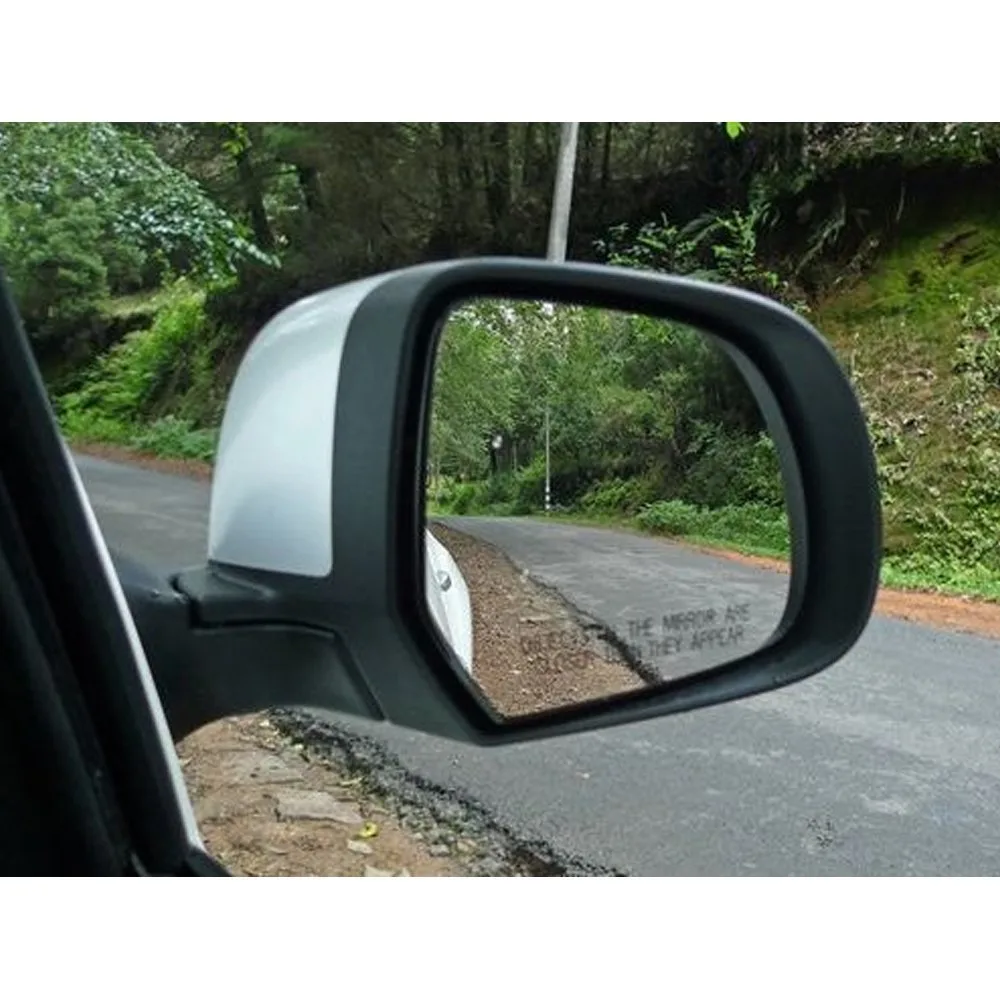 Side Mirror
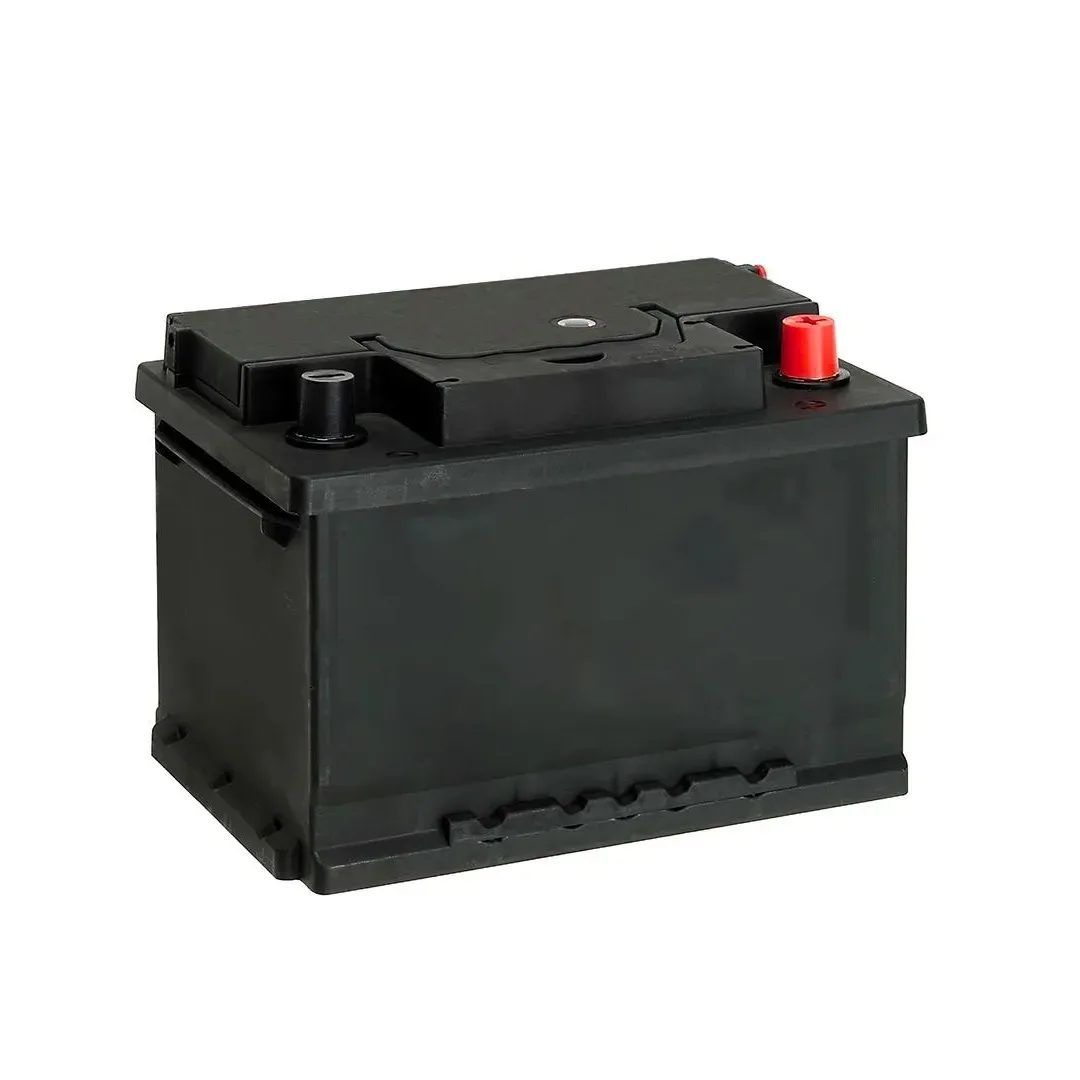 Battery
 Car Care
›
Car Care
›
 Air Freshener & Perfume
 Gear knob
 Stickers & Decals
 Blind Spot Mirror
 Steering Knob
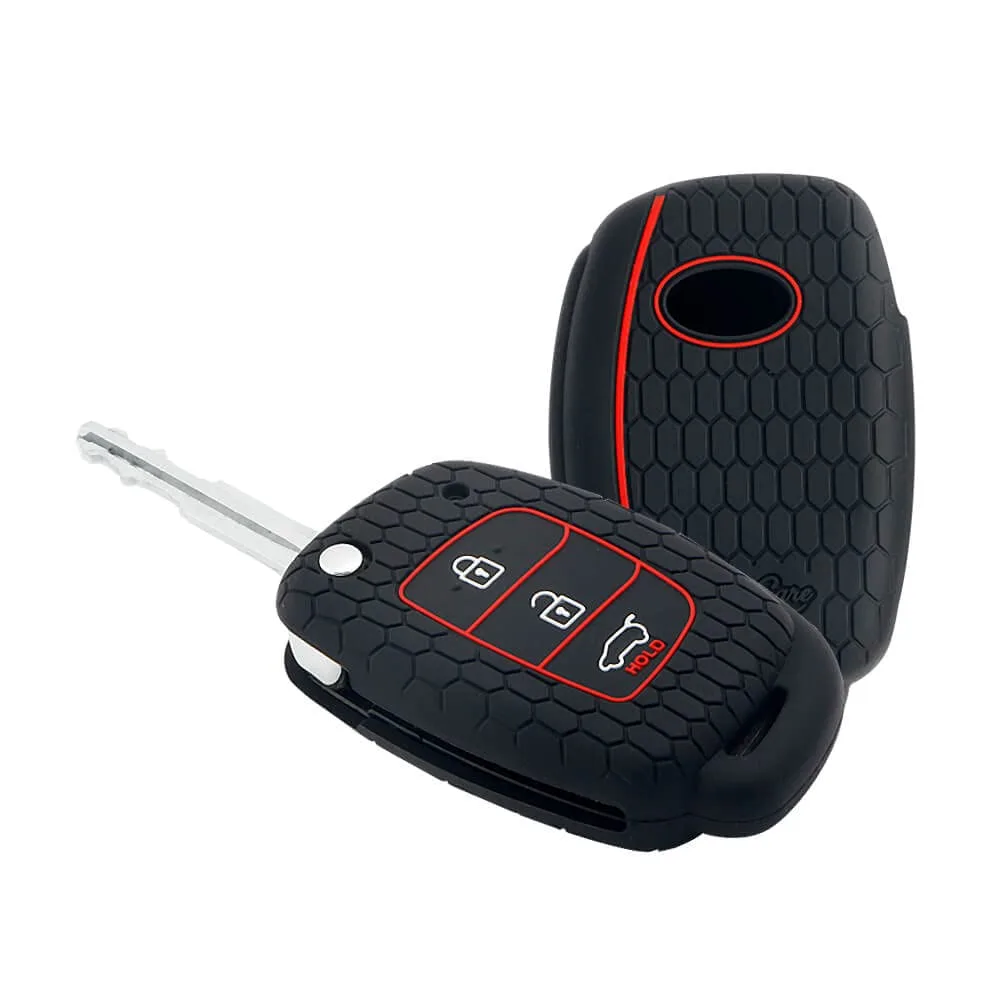 Key Covers
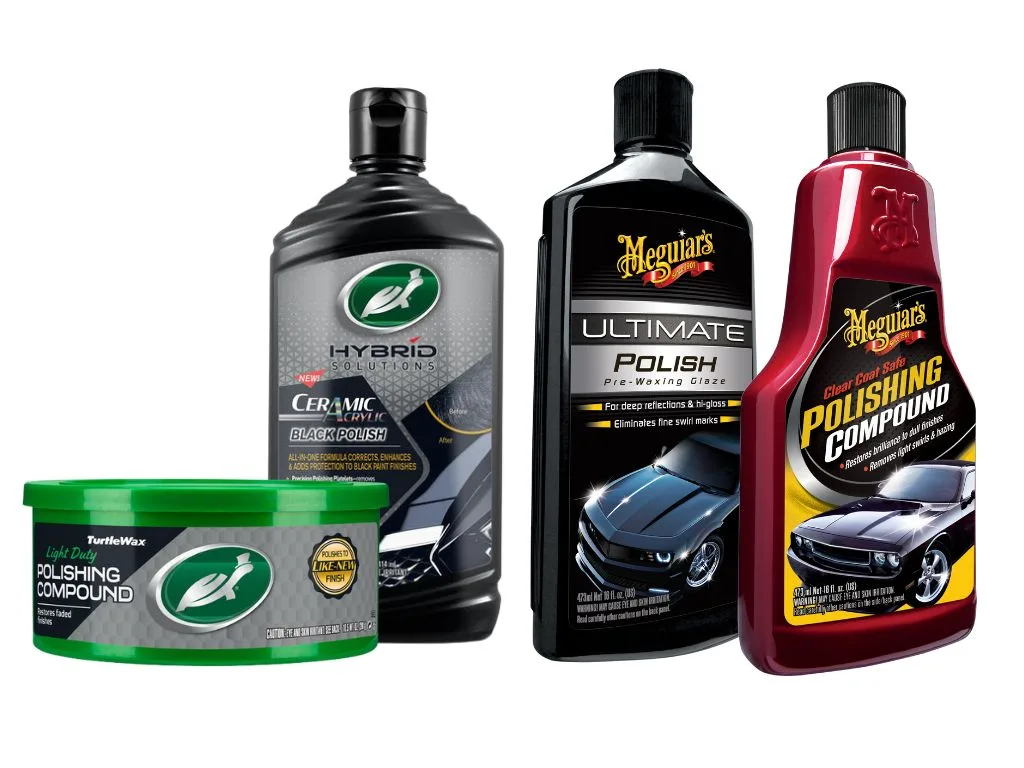 Polish & Scratch Remover
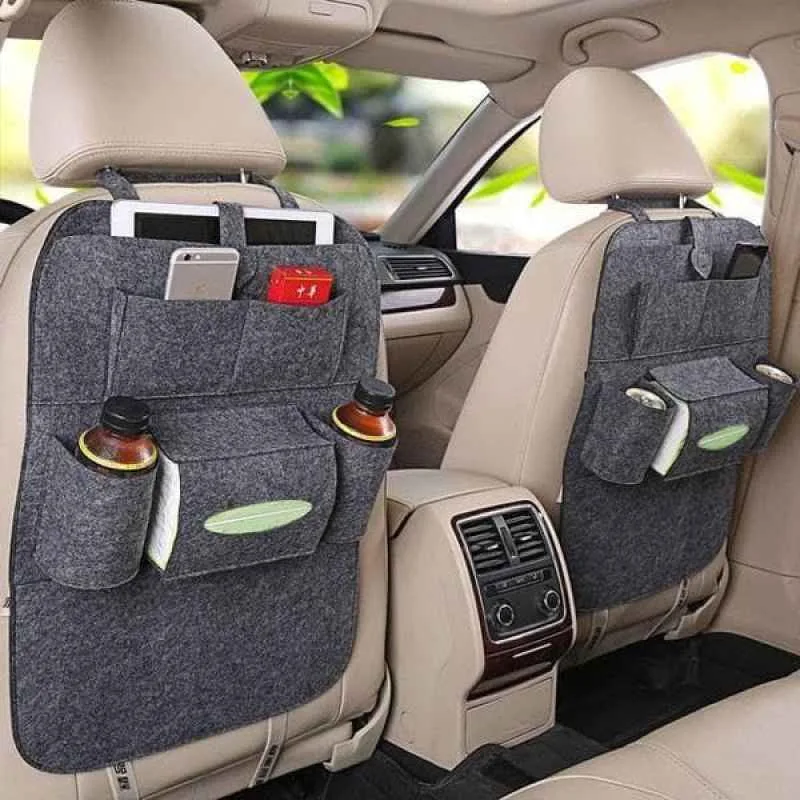 Seat Utility Holder
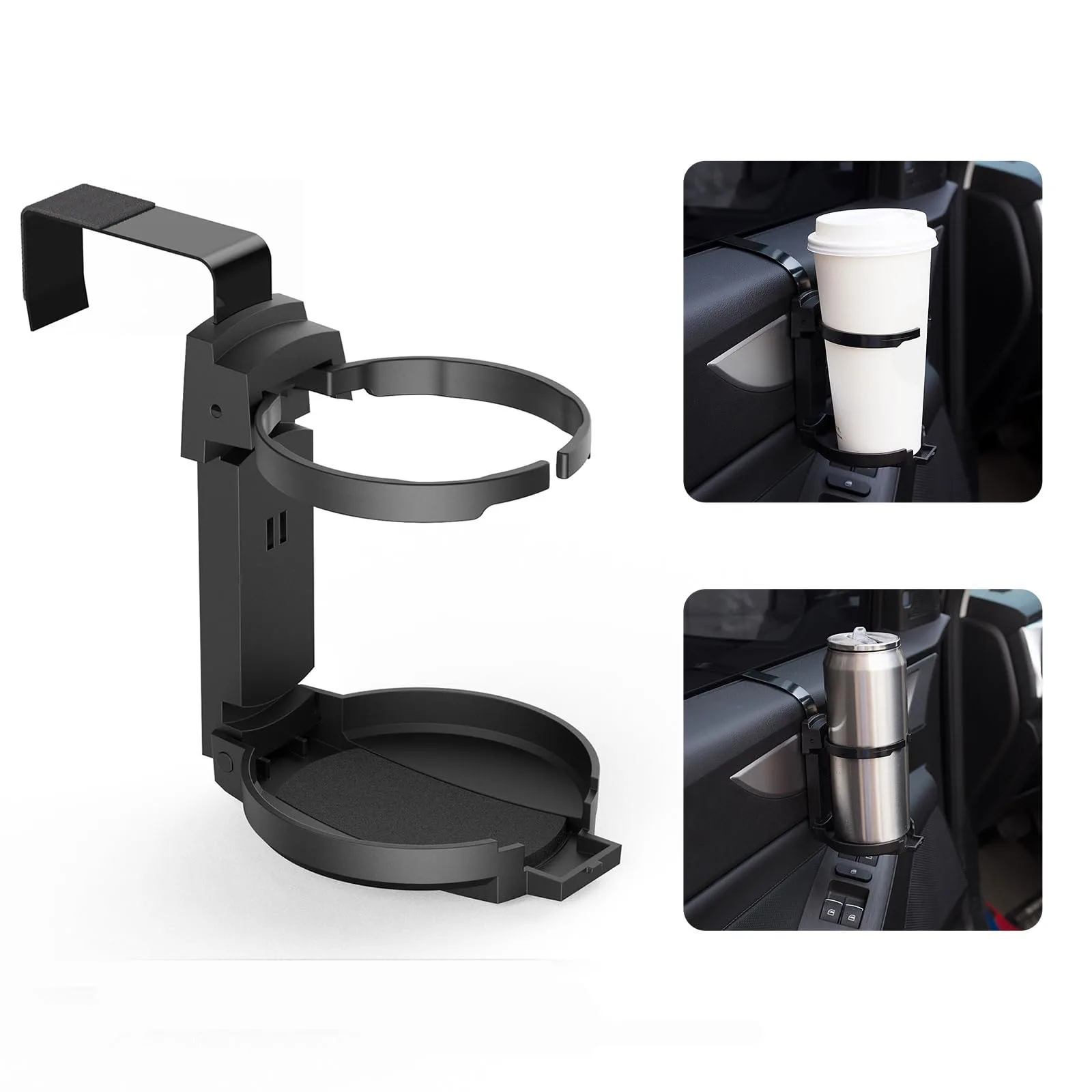 Cup Holder
 Dustbin
 Paper Napkin
 Shop By Car
›
Shop By Car
›
 Tata
›
Tata
›
 Maruti Suzuki
›
Maruti Suzuki
›
 Hyundai
›
Hyundai
›
 Toyota
›
Toyota
›
 Mahindra
›
Mahindra
›
 Honda
›
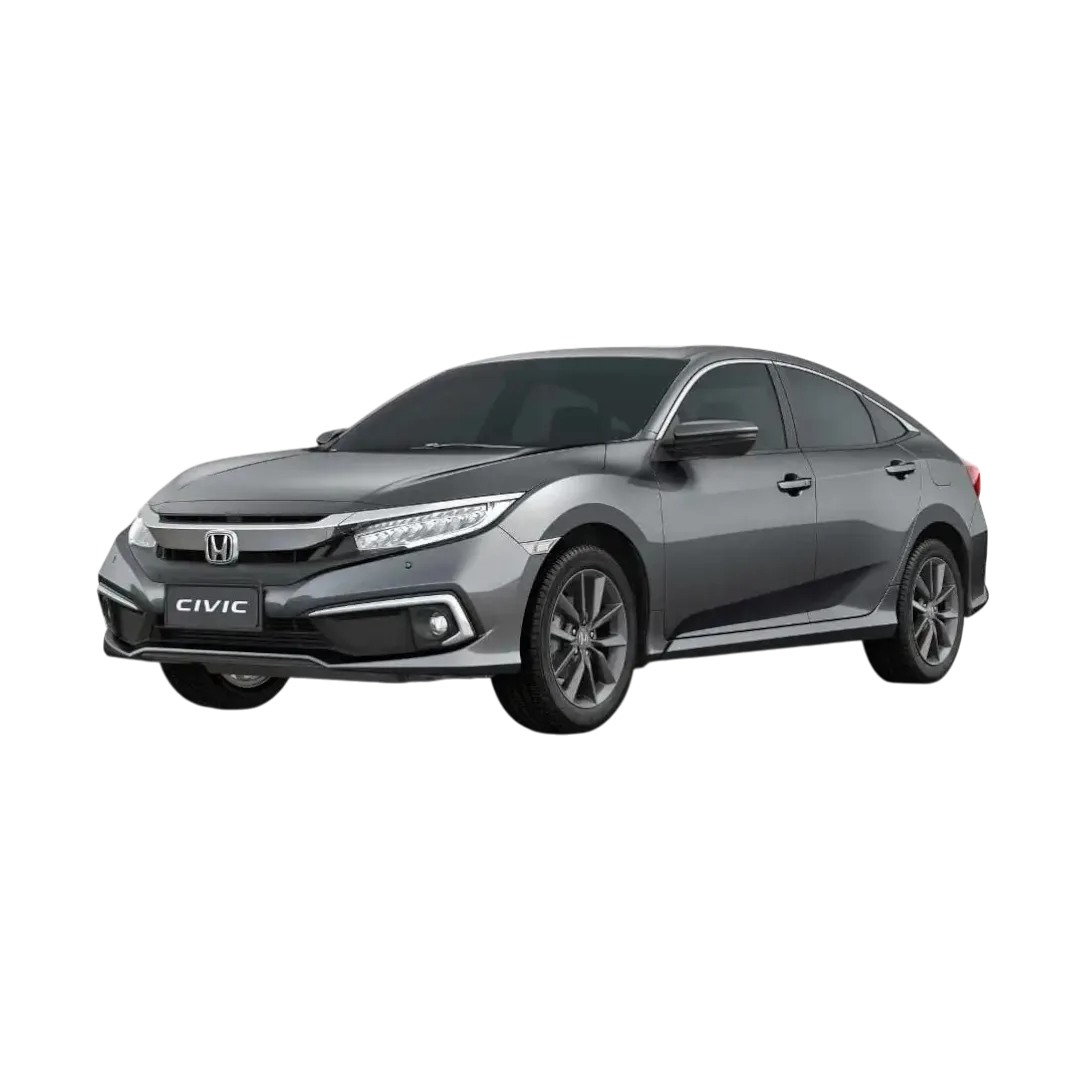
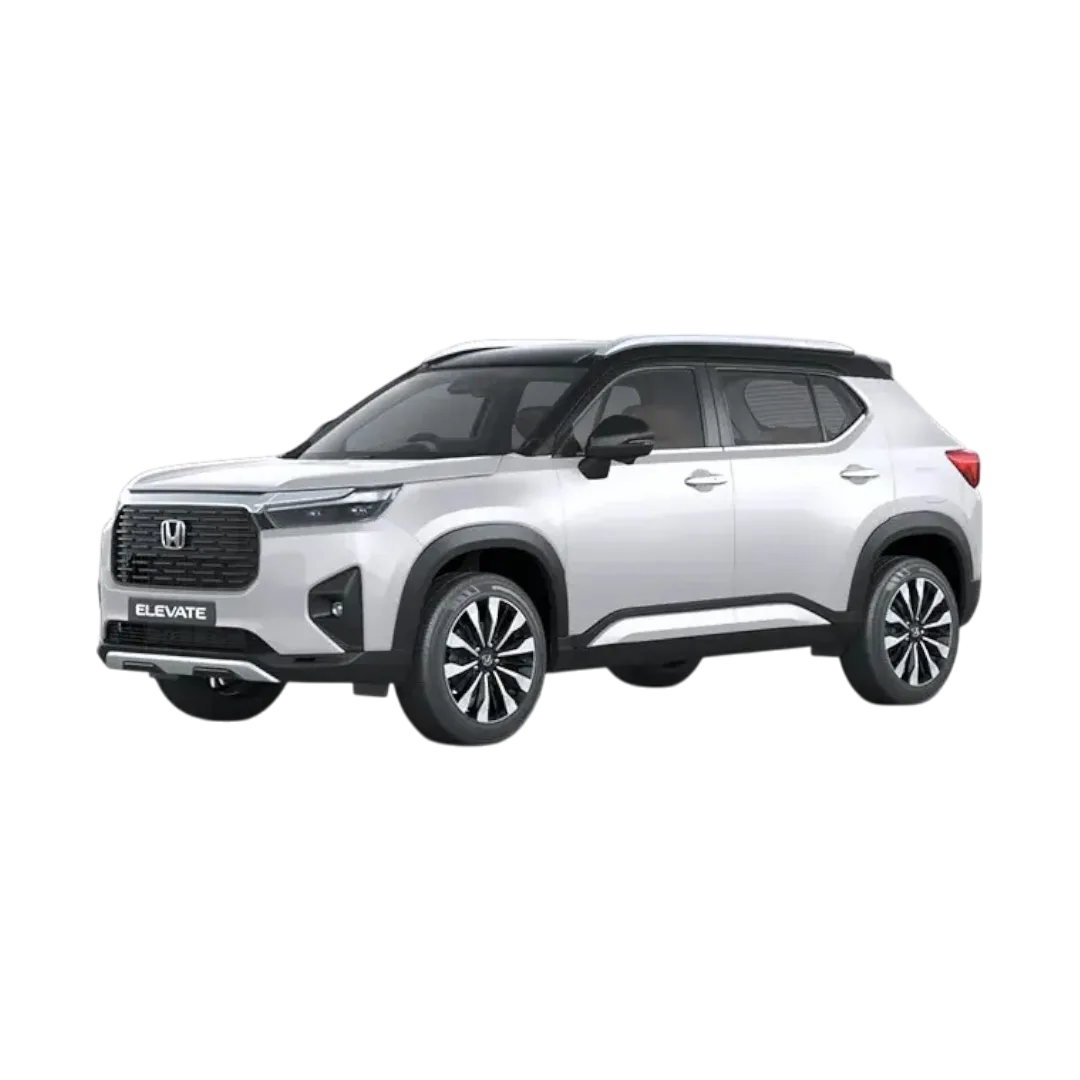
Honda
›
 Ford
›
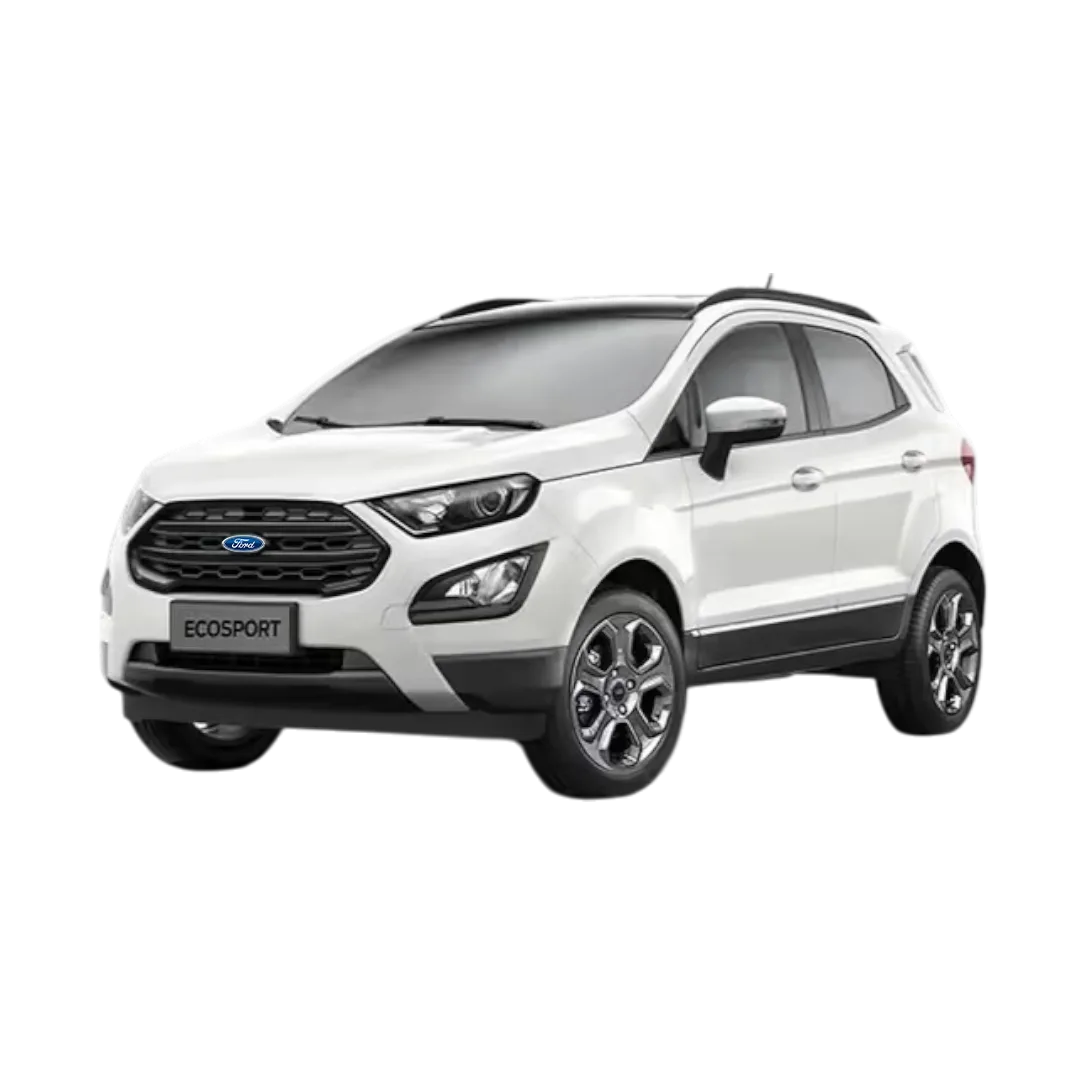
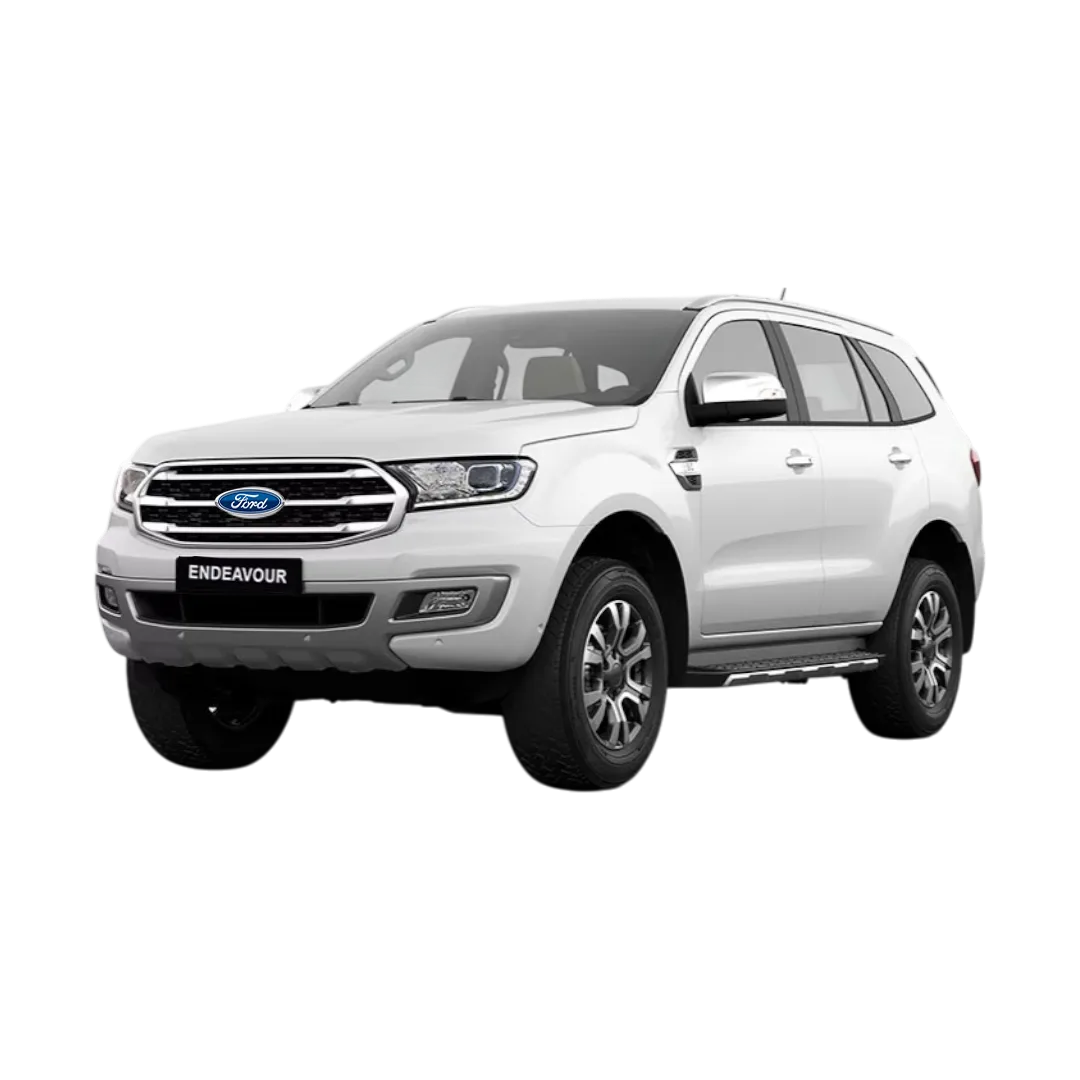
Ford
›
 Nissan
›
Nissan
›
 Renault
›
Renault
›
 Skoda
›
Skoda
›
 Volkswagen
›
Volkswagen
›
 Morris Garages - MG
›
Morris Garages - MG
›
 KIA
›
KIA
›
 Jeep
›
Jeep
›
 Citroen
›
Citroen
›
 Datsun
›
Datsun
›
 Chevrolet
›
Chevrolet
›
 Isuzu
›
Isuzu
›
 Mitsubishi
›
Mitsubishi
›
 AUDI
›
AUDI
›
 BMW
›
BMW
›
 Mercedes
›
Mercedes
›
 Land Rover
›
Land Rover
›
 Jaguar
›
Jaguar
›
 Volvo
›
Volvo
›
 FIAT
›
FIAT
›
 Mini Cooper
›
Mini Cooper
›
 Porsche
›
Porsche
›
 Lexus
›
Citron
›
Fors
›
Morris Garages
›
MG
›
Lexus
›
Citron
›
Fors
›
Morris Garages
›
MG
›
 Nexon
Nexon
 Harrier
 Altroz
 Hexa
Hexa
 Safari
 Tiago
Tiago
 Punch
Punch
 Tigor
Tigor
 Sumo
Sumo
 Winger
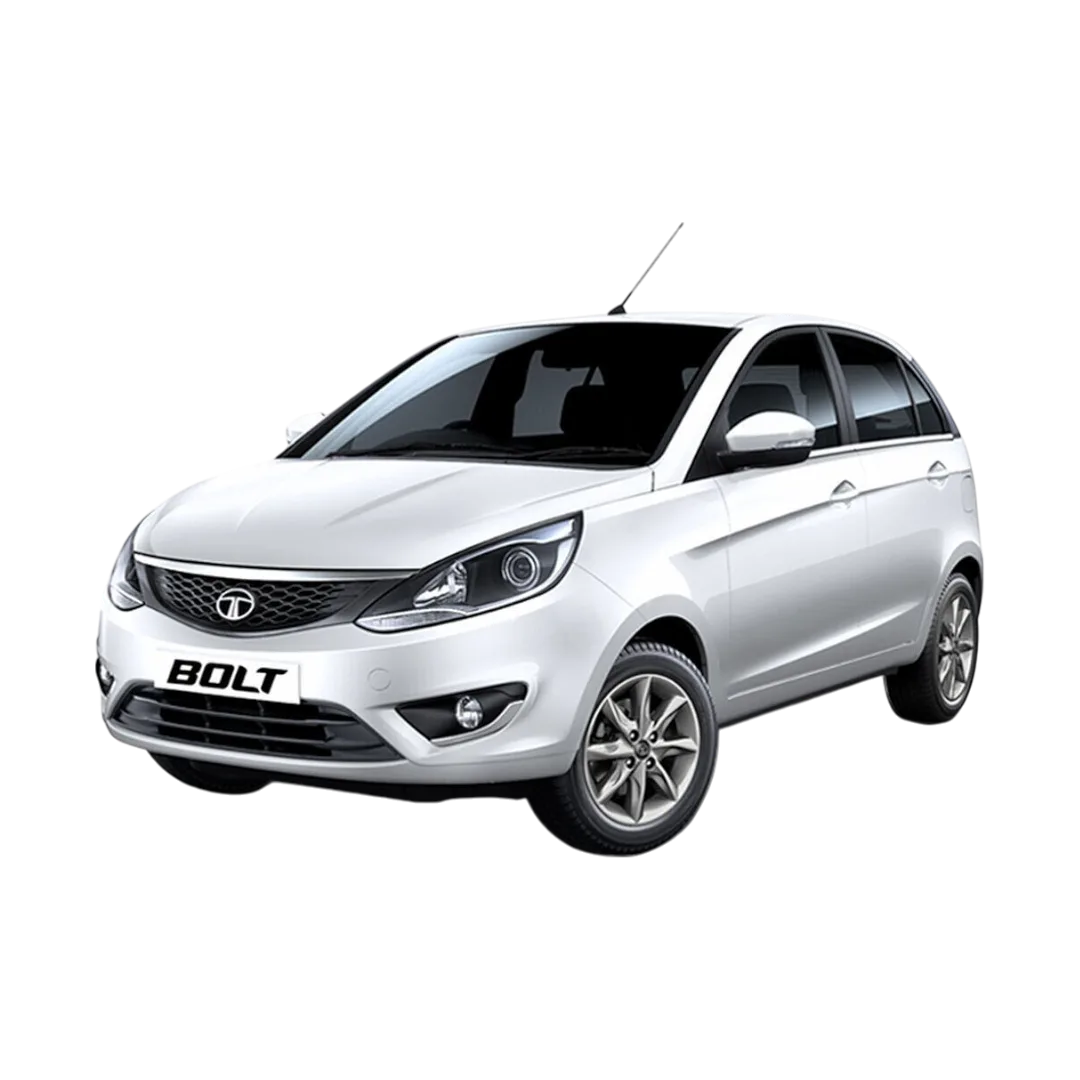 Bolt
Bolt
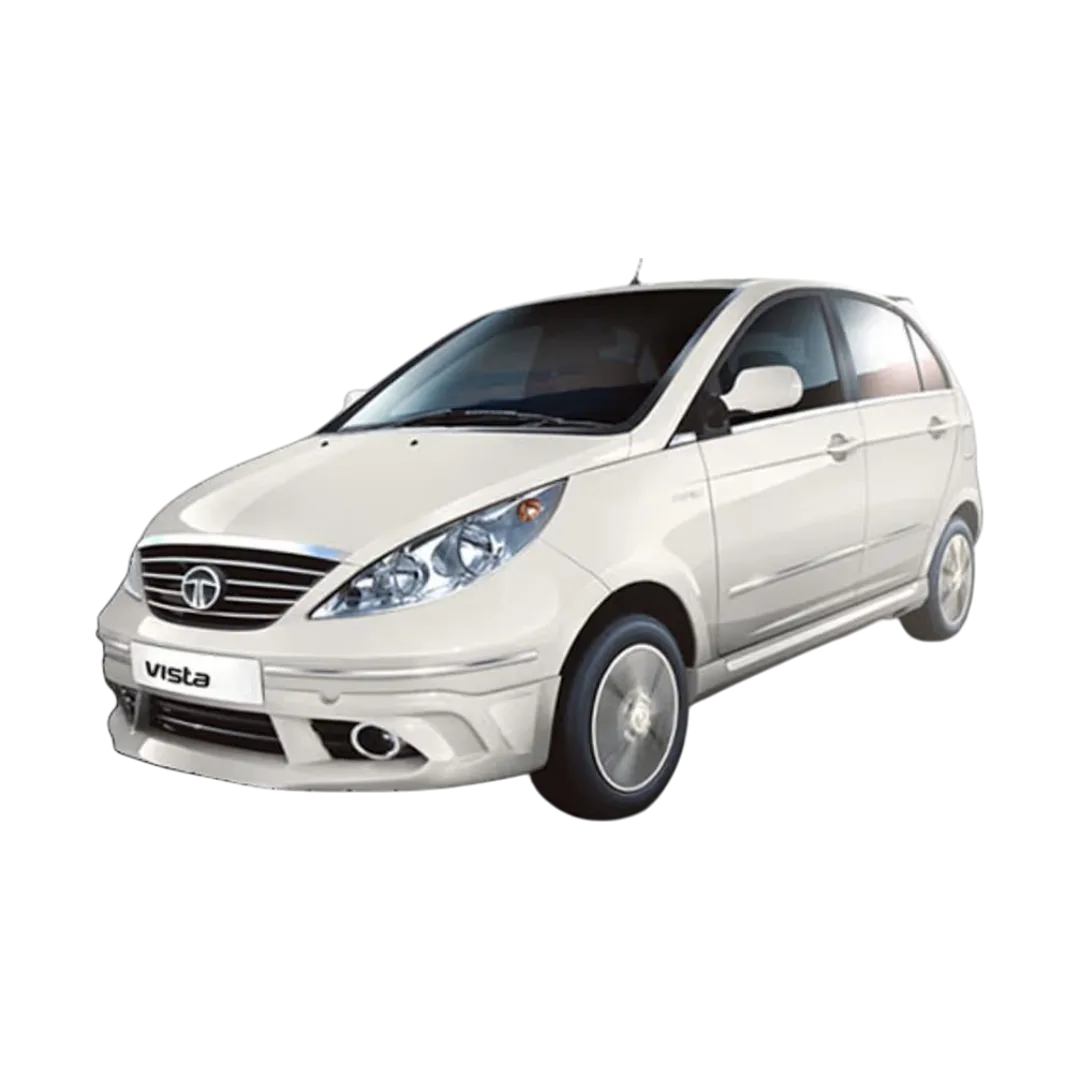 Vista
Vista
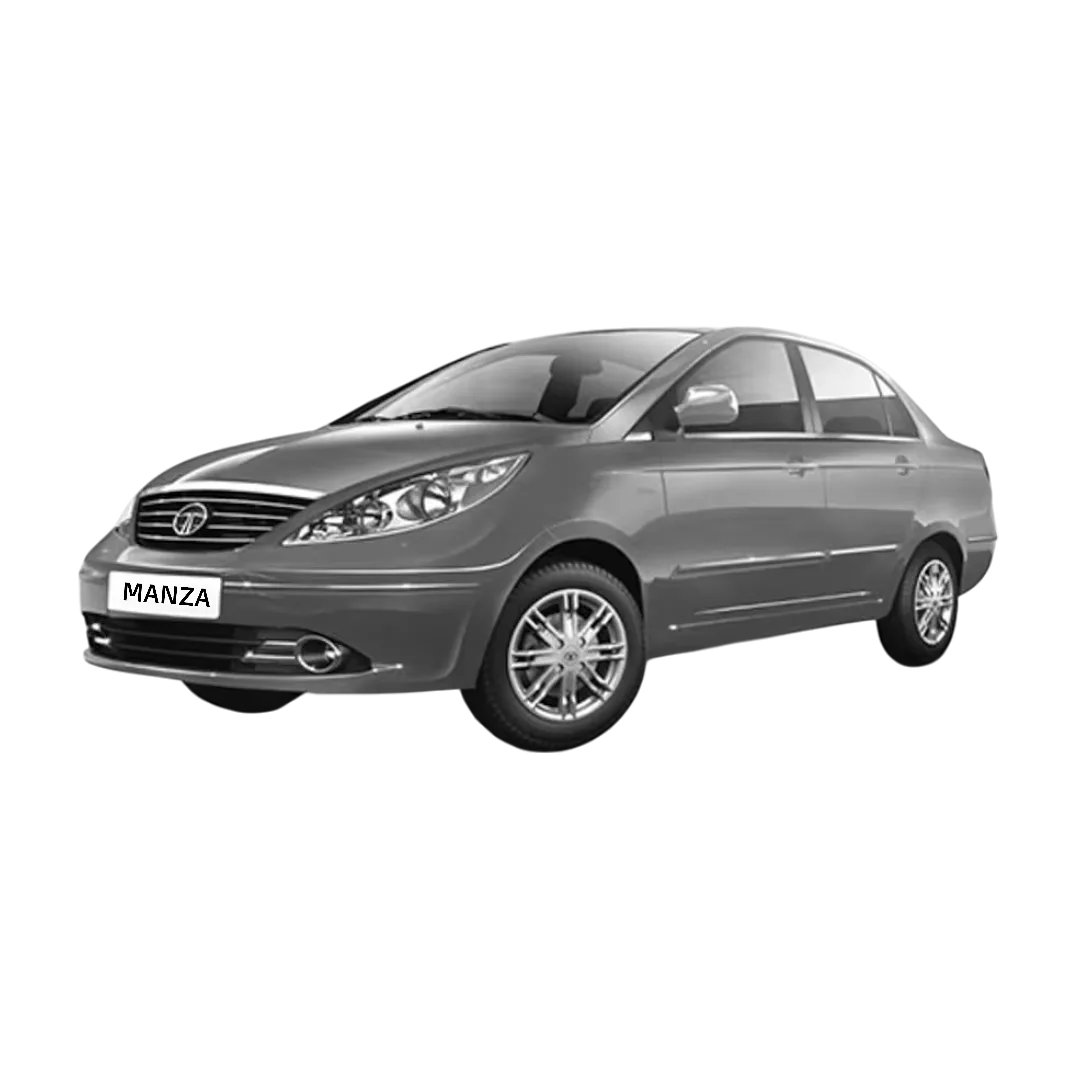 Manza
Manza
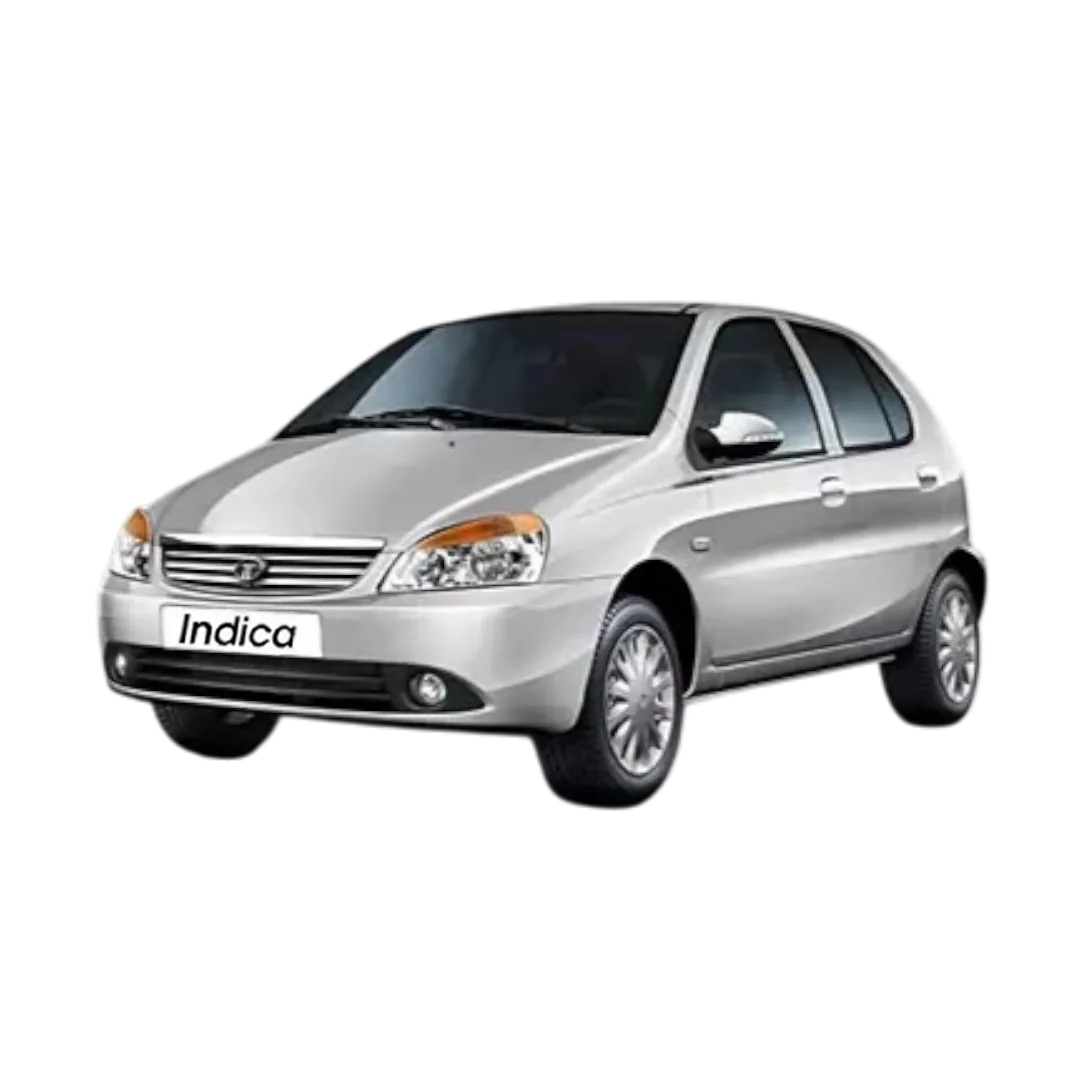 Indica
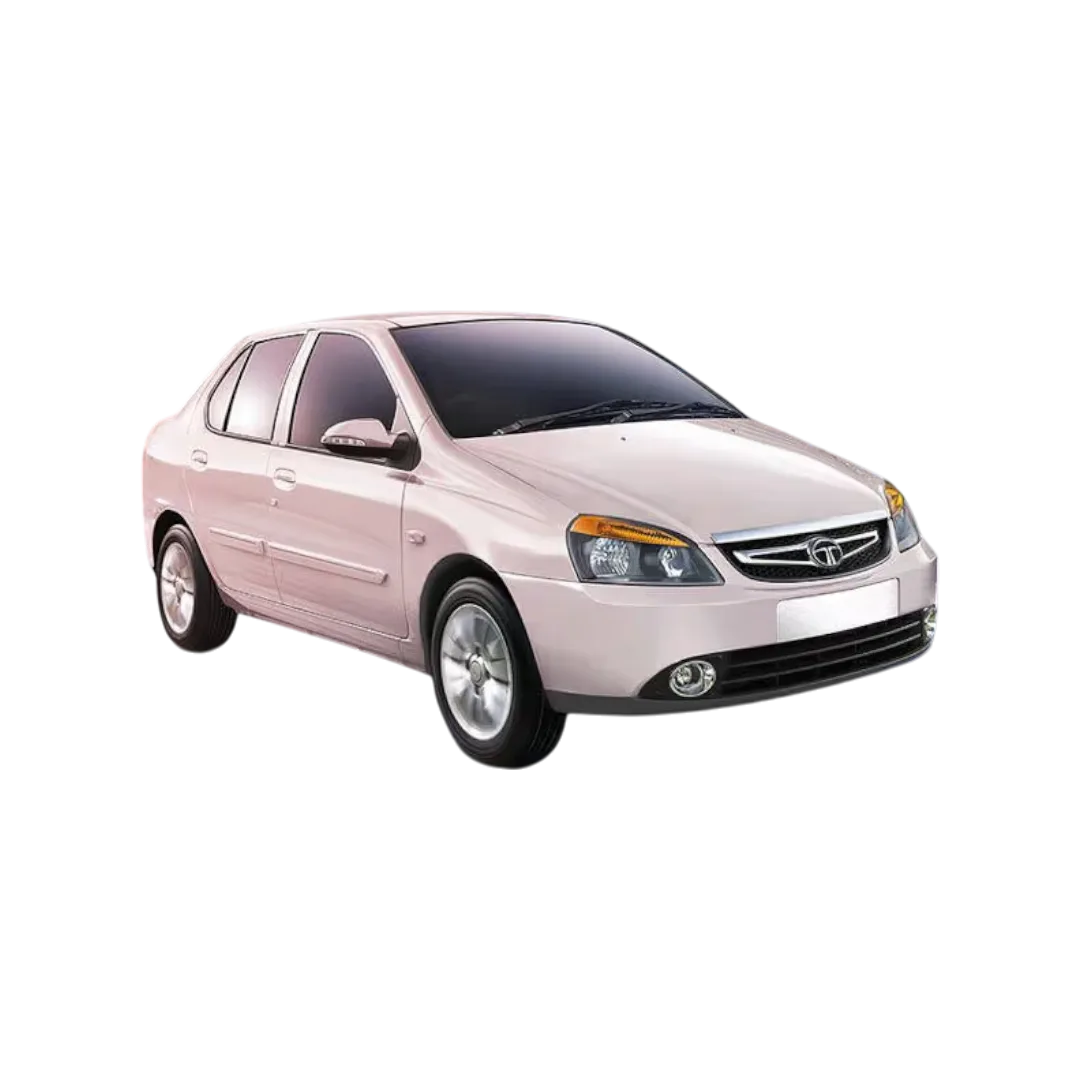 Indigo
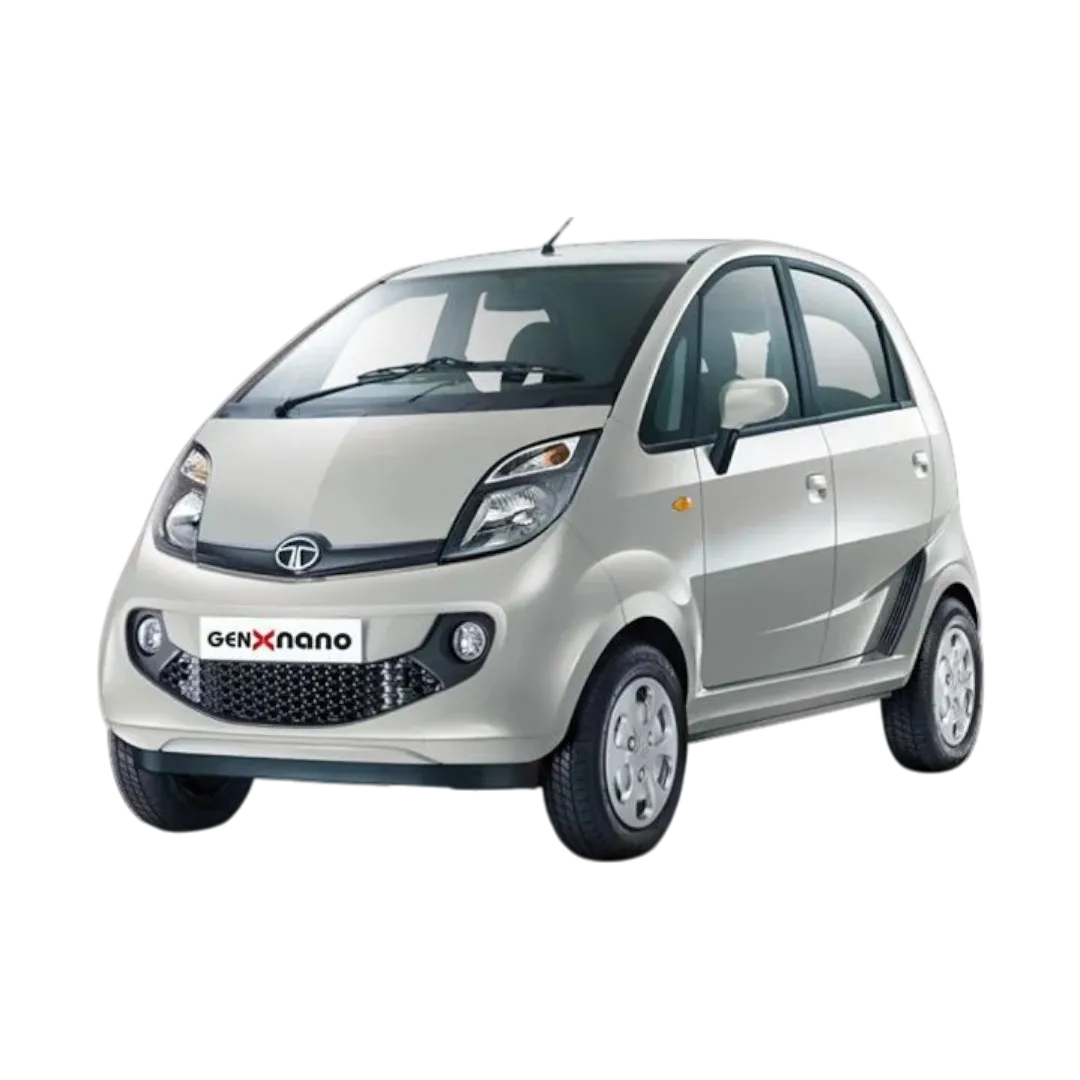 Nano
Nano
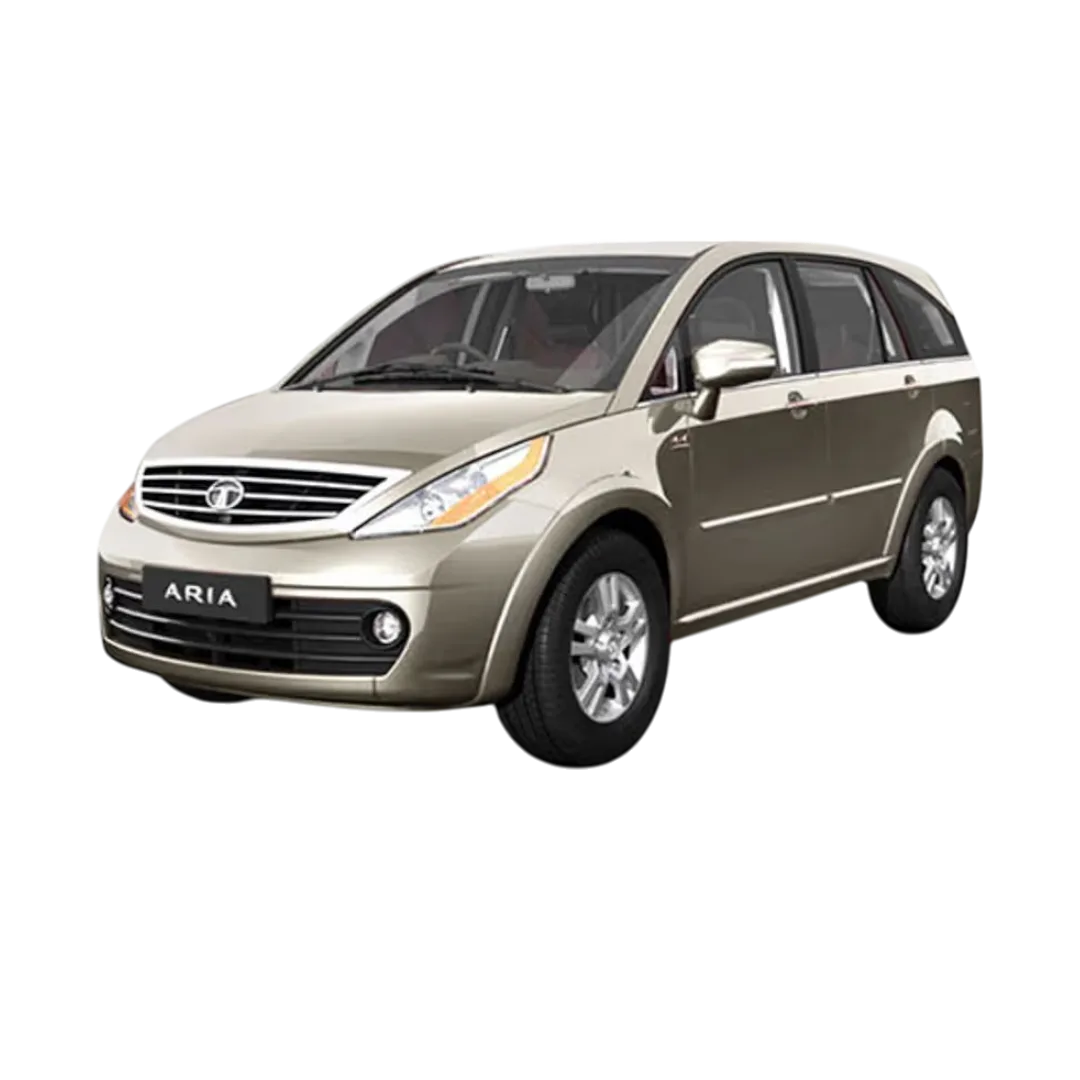 Aria
Aria
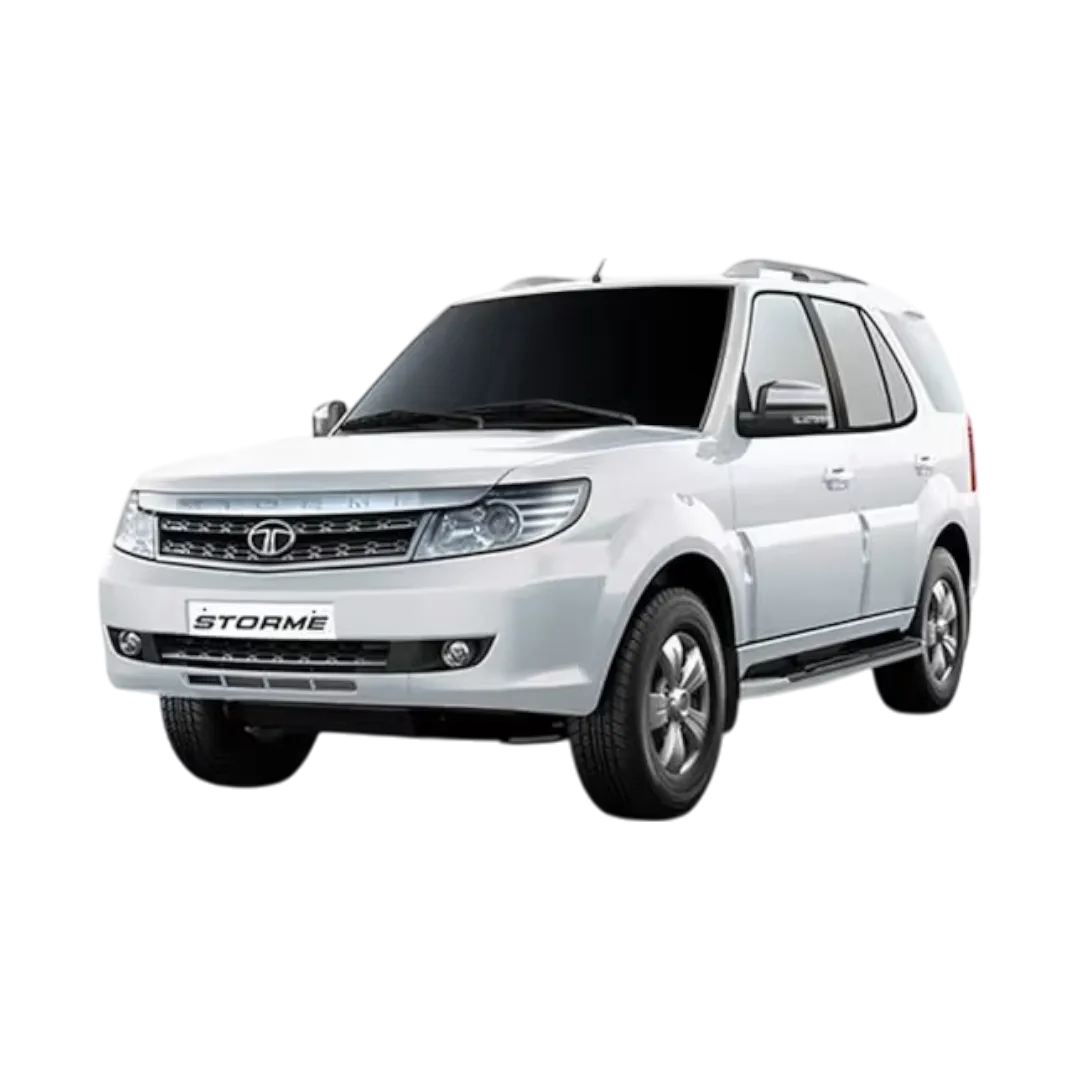 Safari Storme
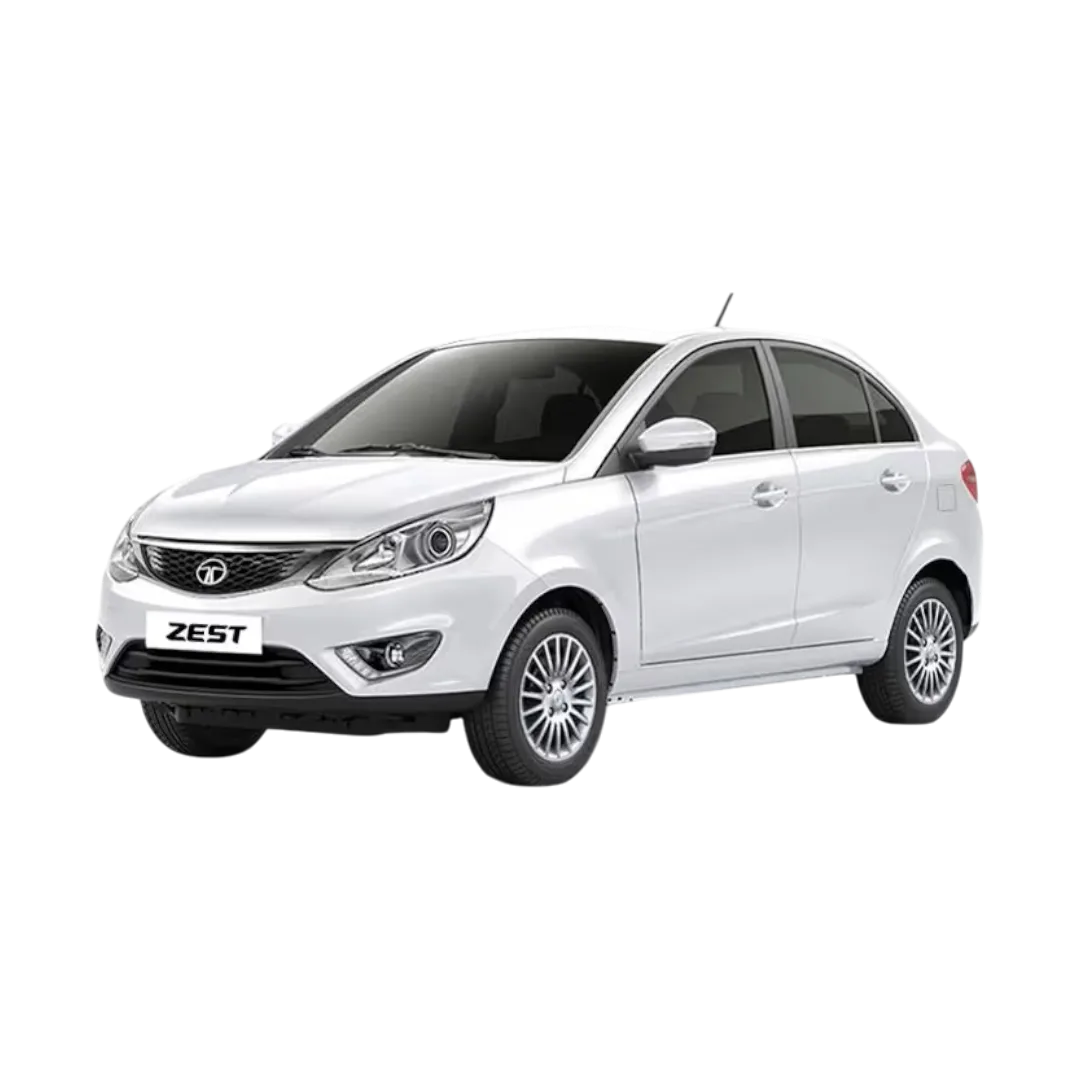 Zest
Zest
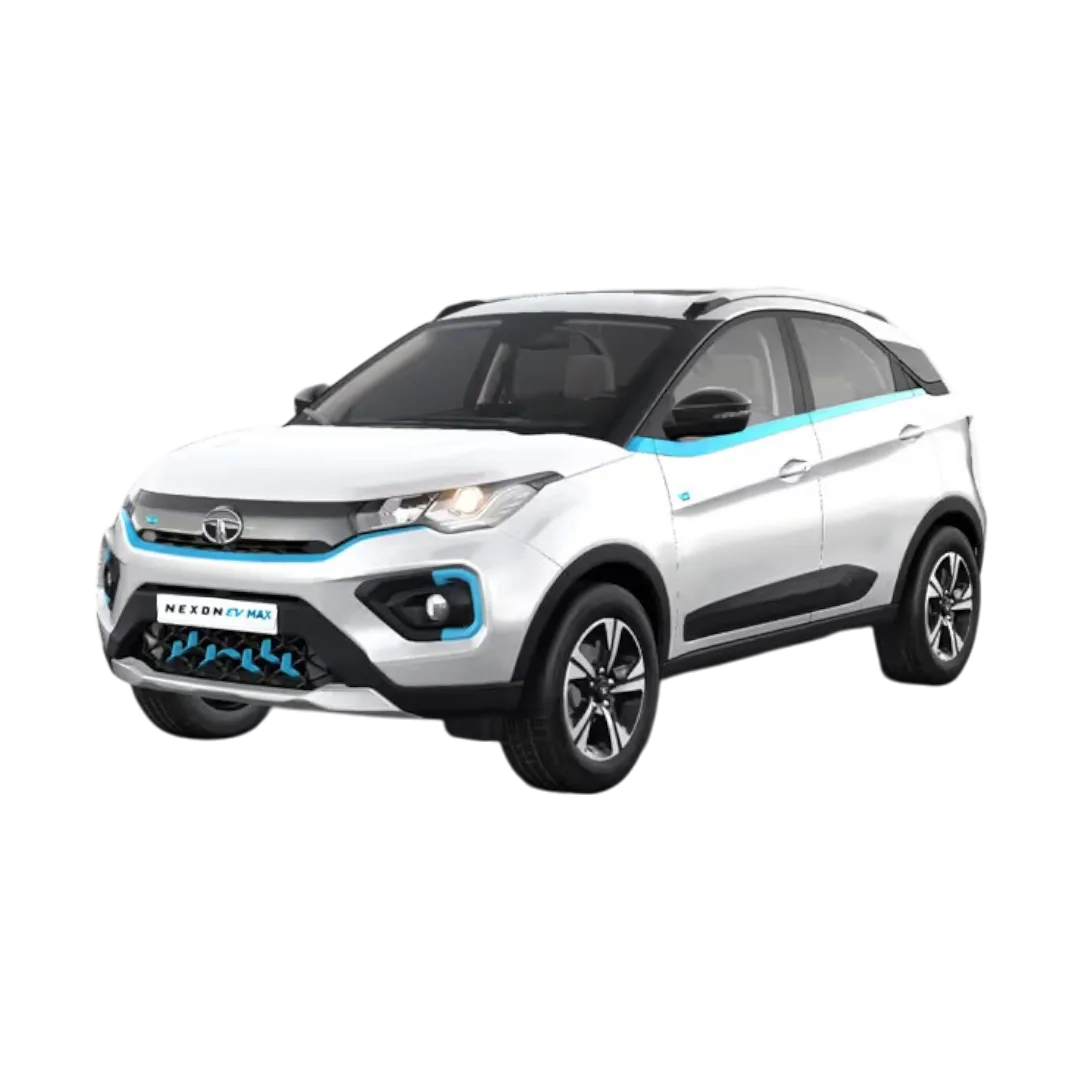 NEXON EV Max
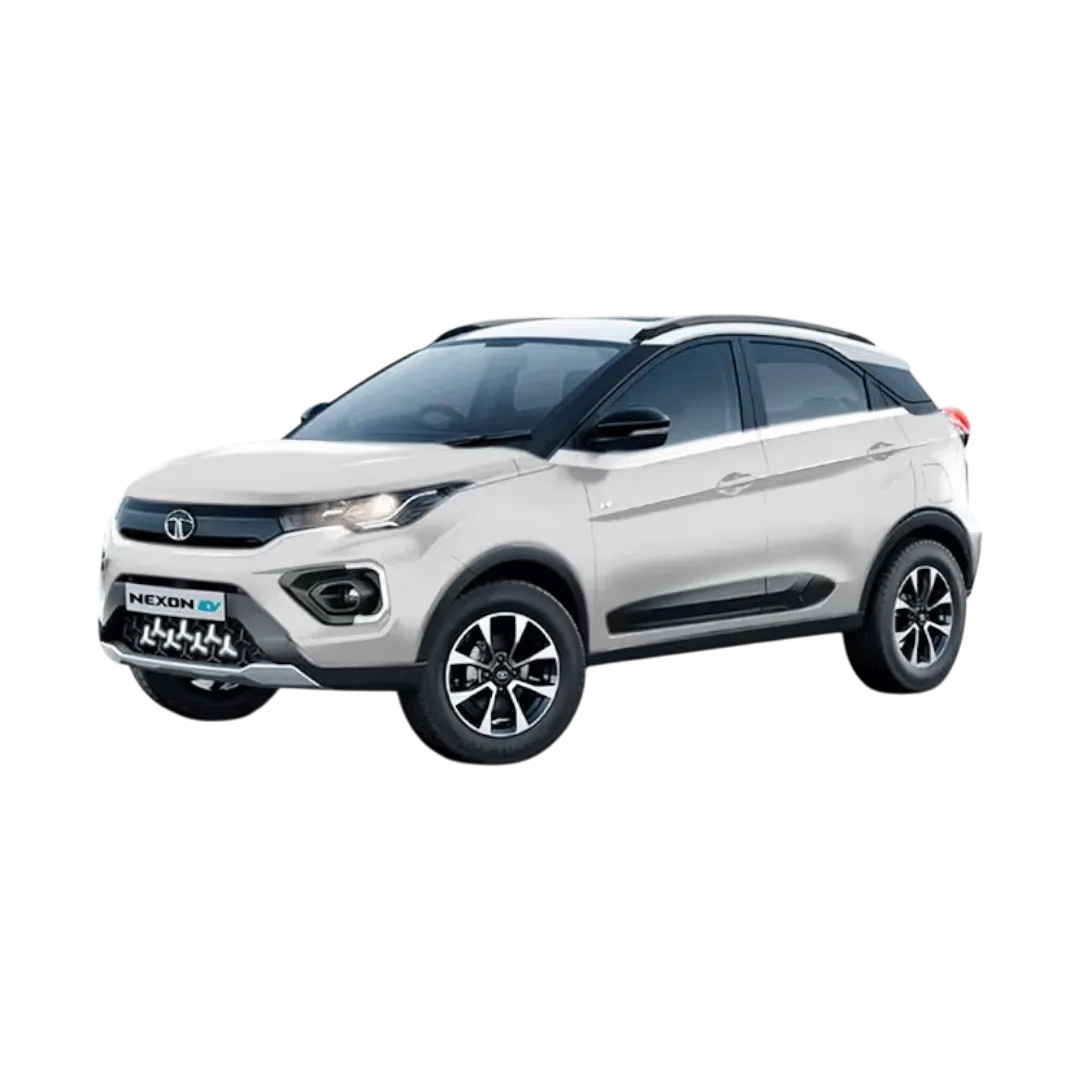 NEXON EV Prime
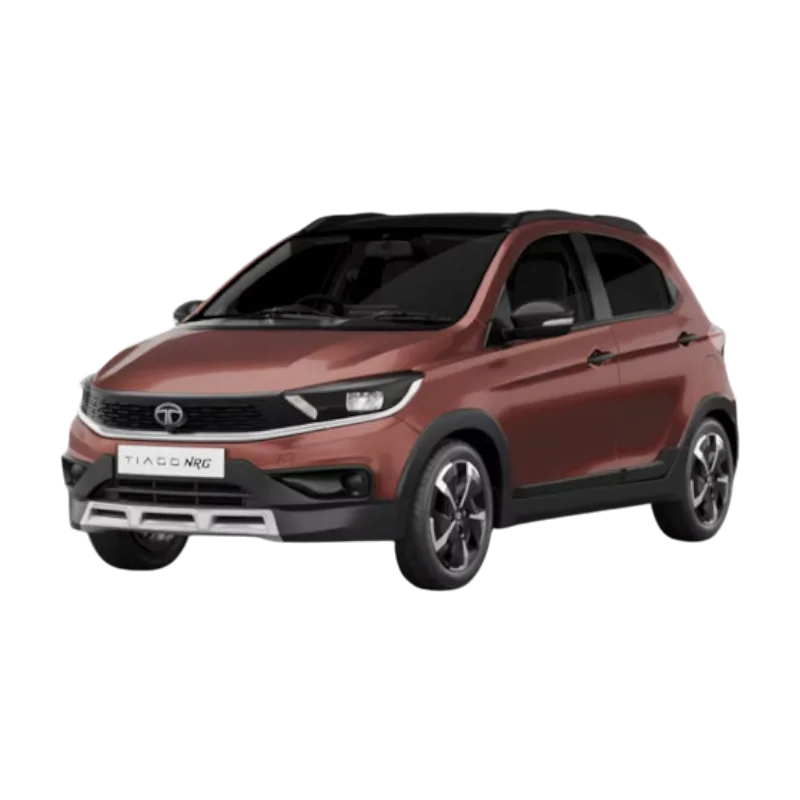 Tiago NRG
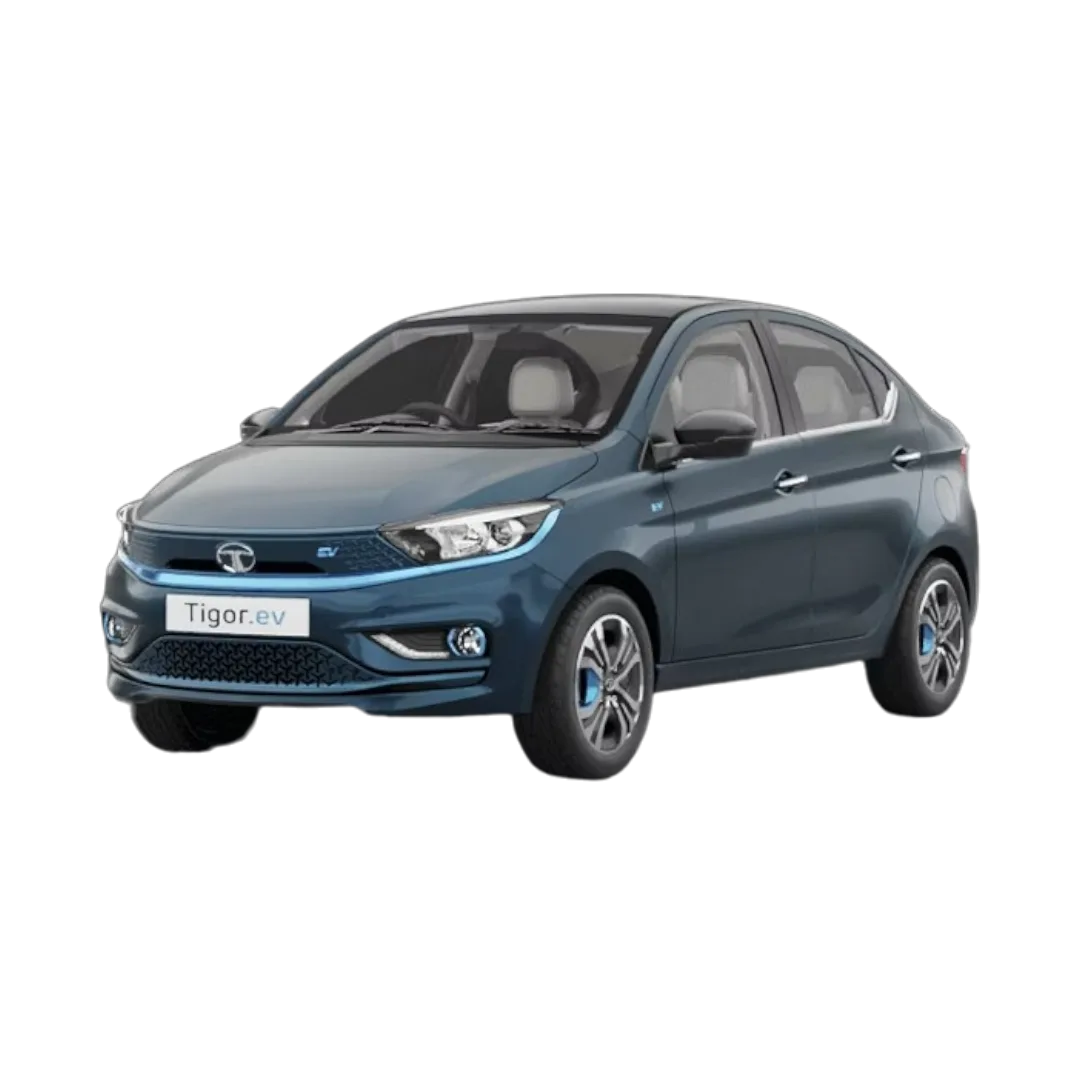 Tigor EV
INDICA VISTA
Curvv
Sierra
Magic
Tigor EV
INDICA VISTA
Curvv
Sierra
Magic
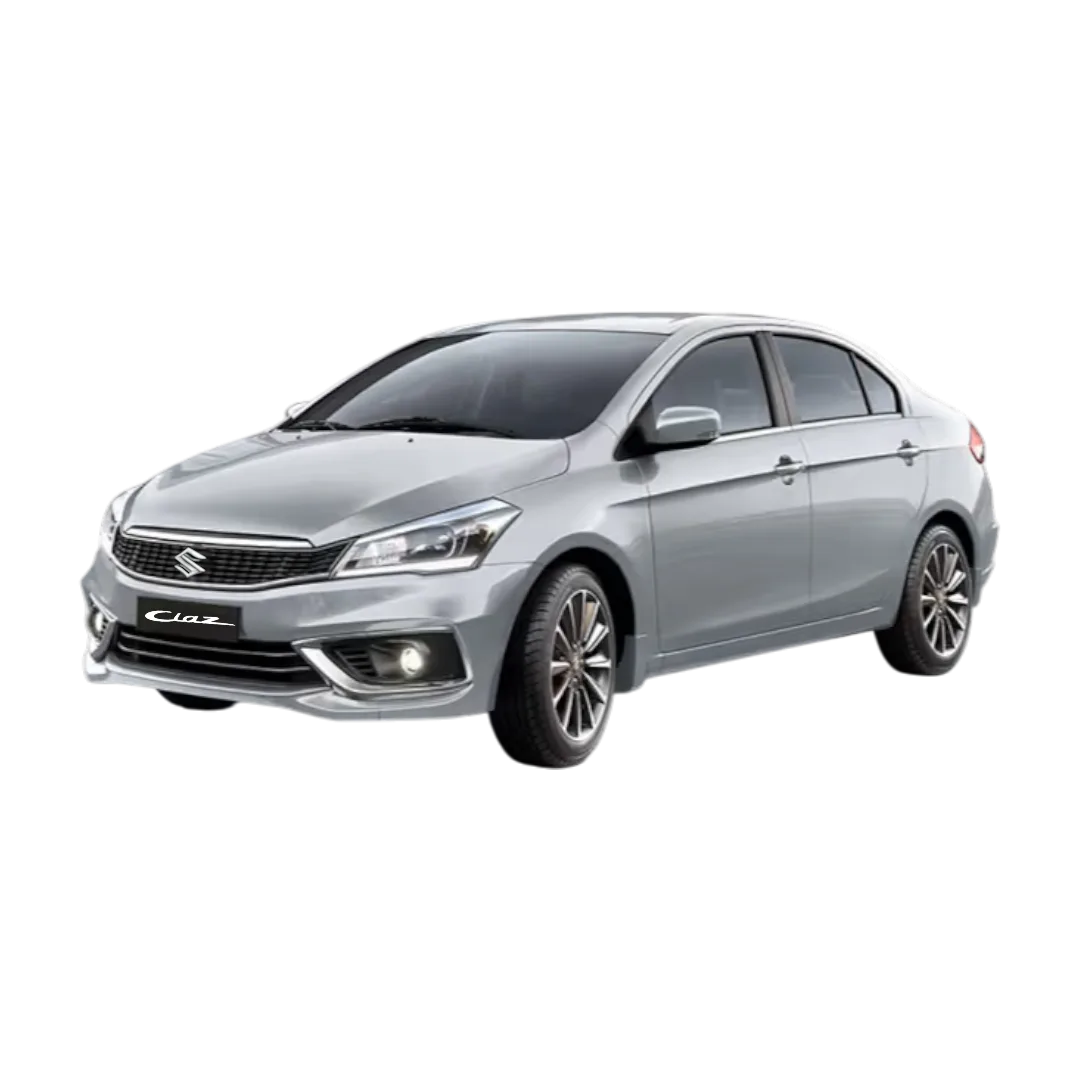 Ciaz
Ciaz
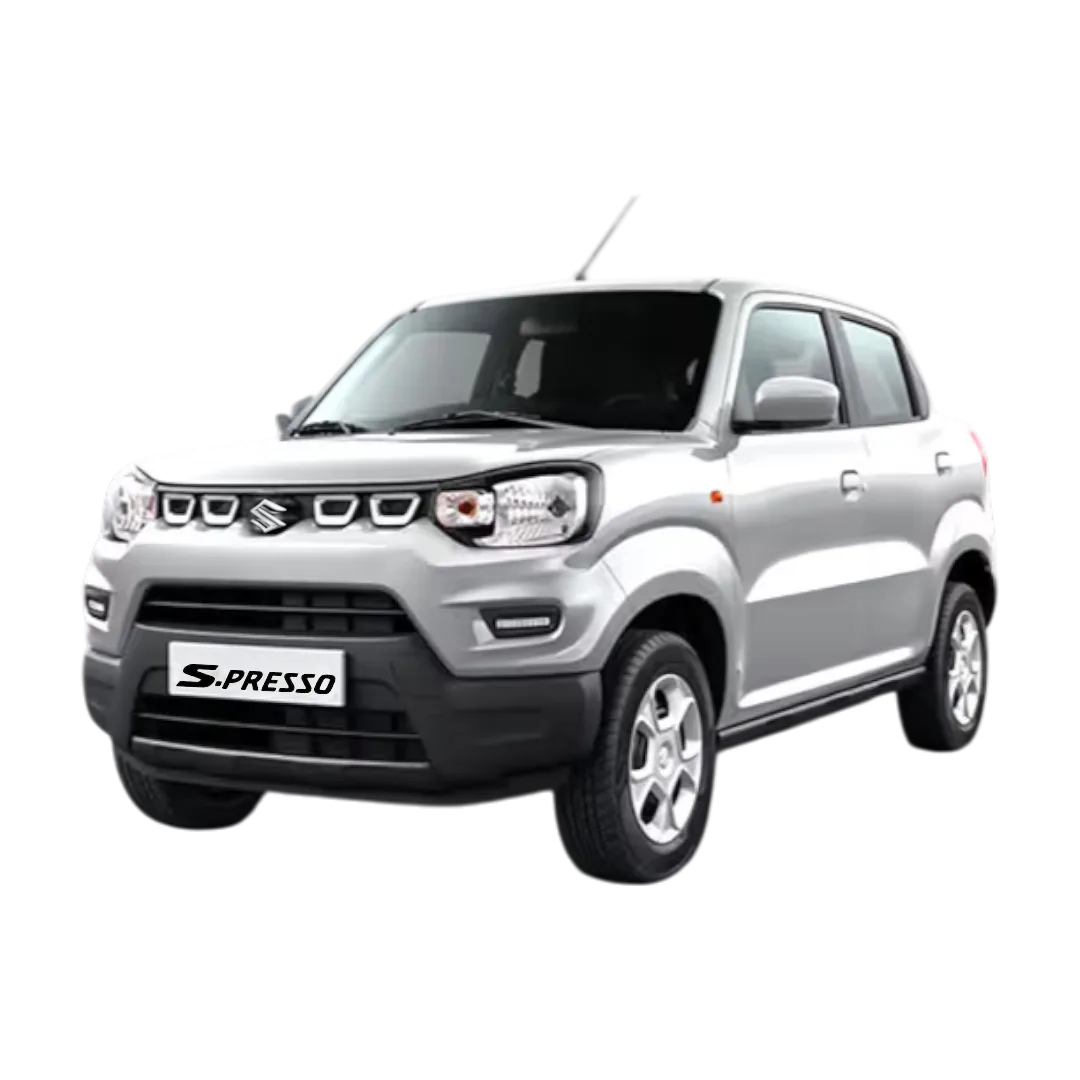 S-Presso
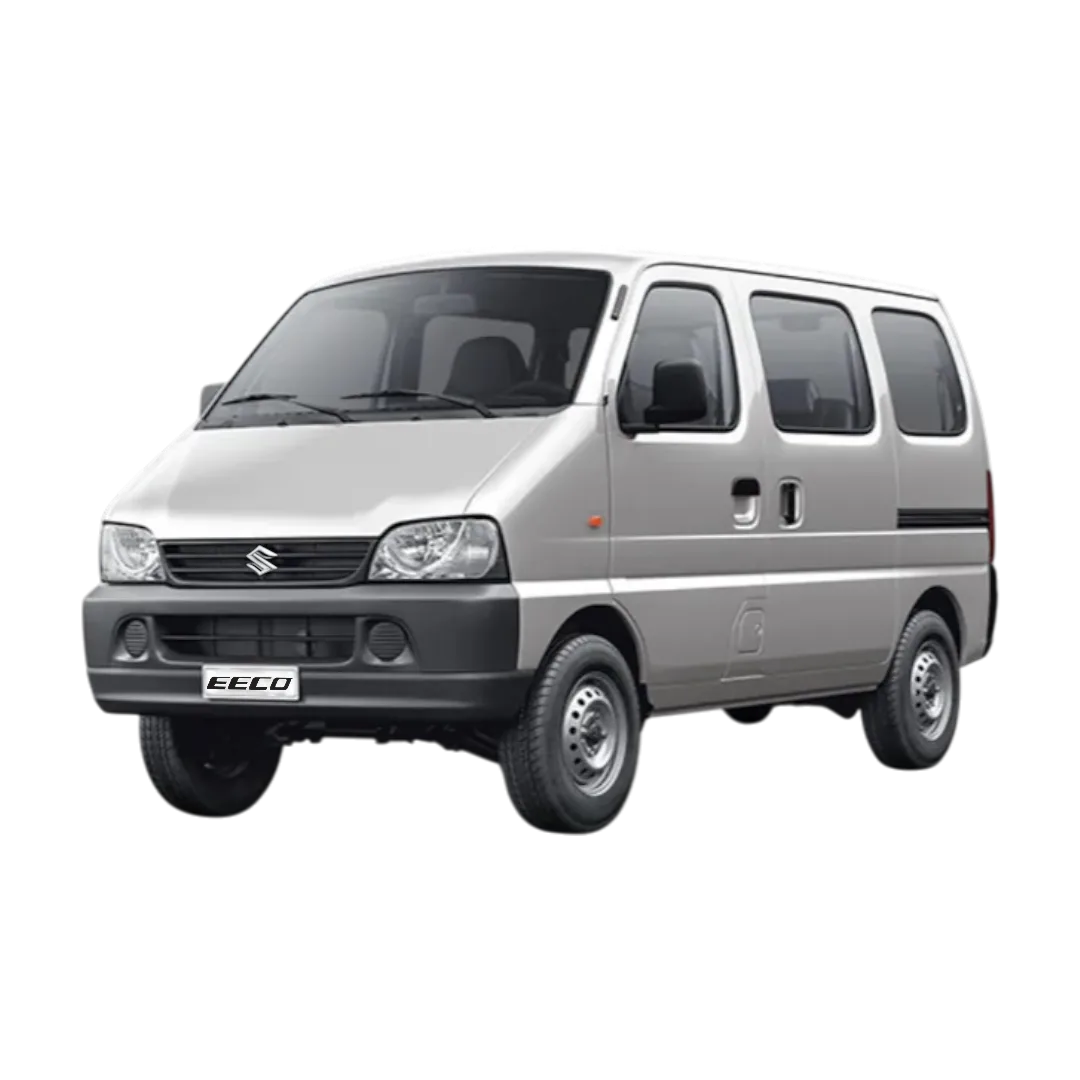 Eeco/Versa
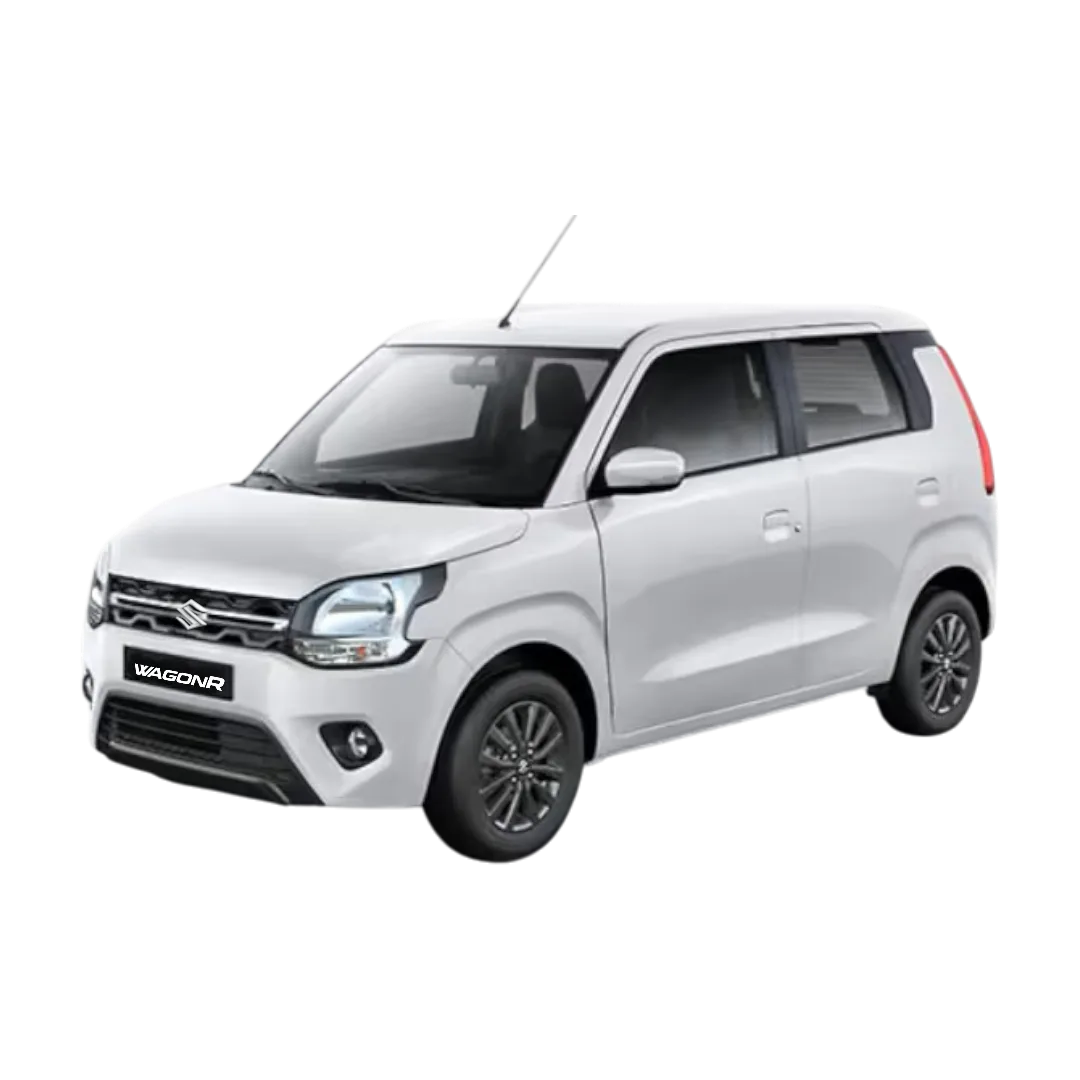 WagonR
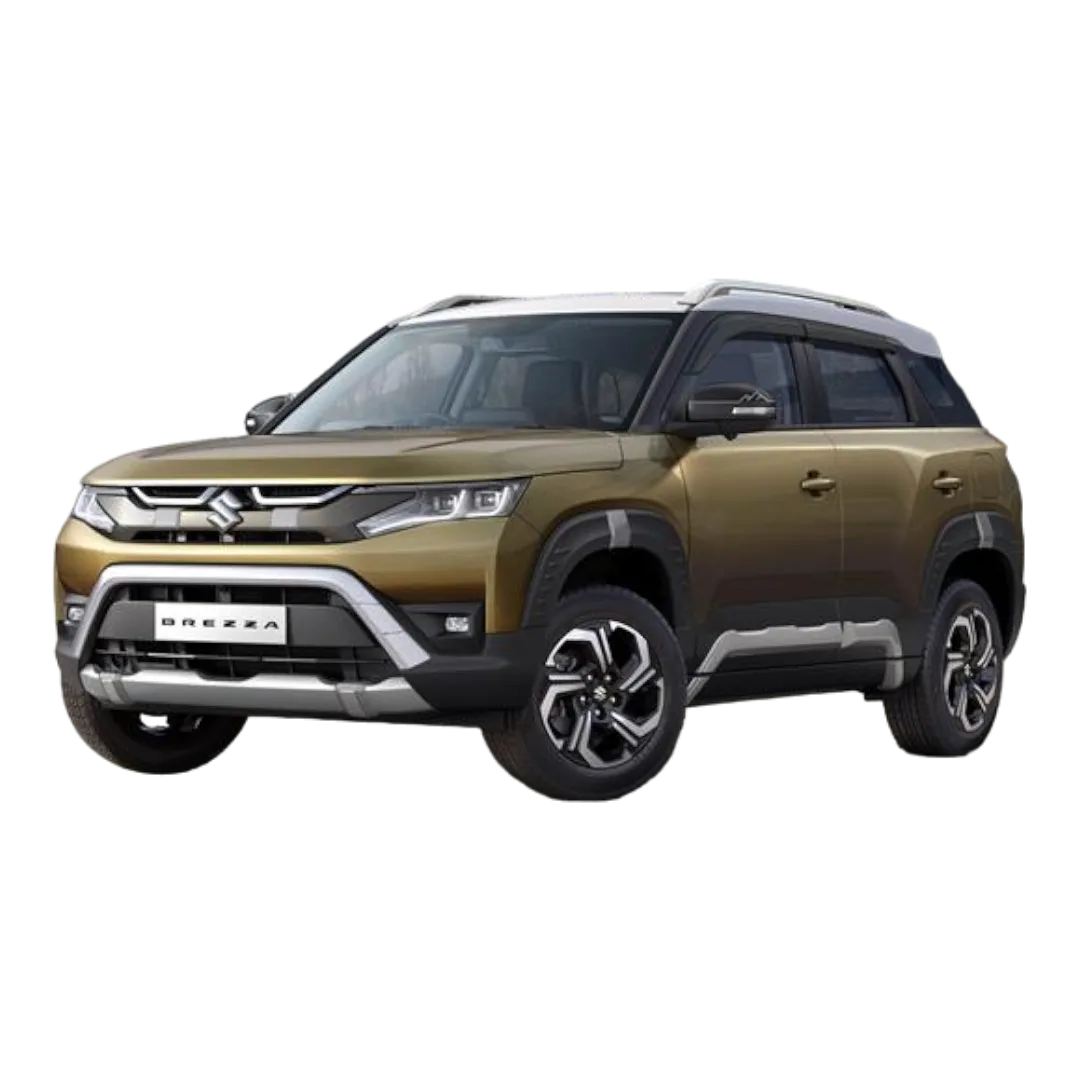 Brezza
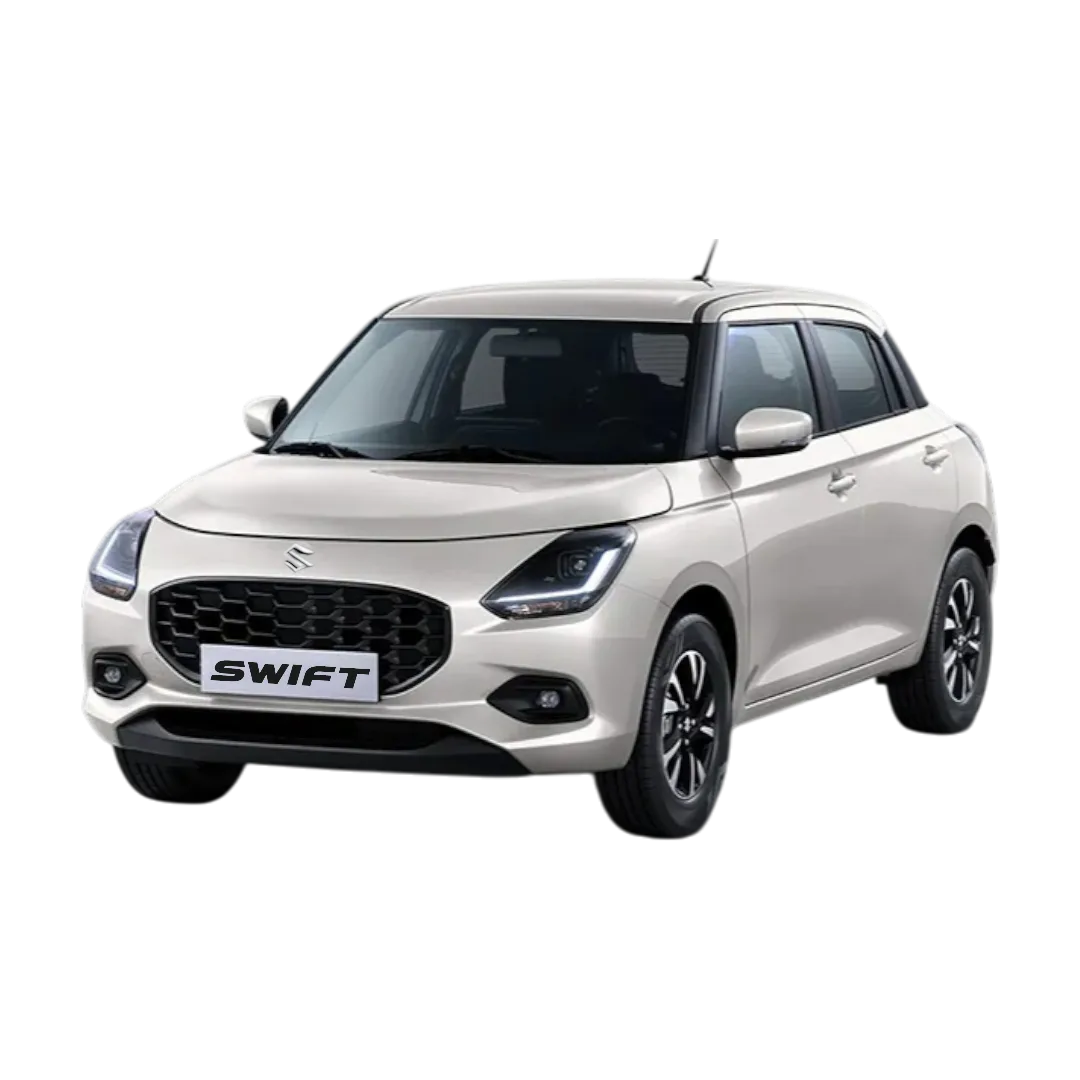 Swift
Swift
 Dzire
Dzire
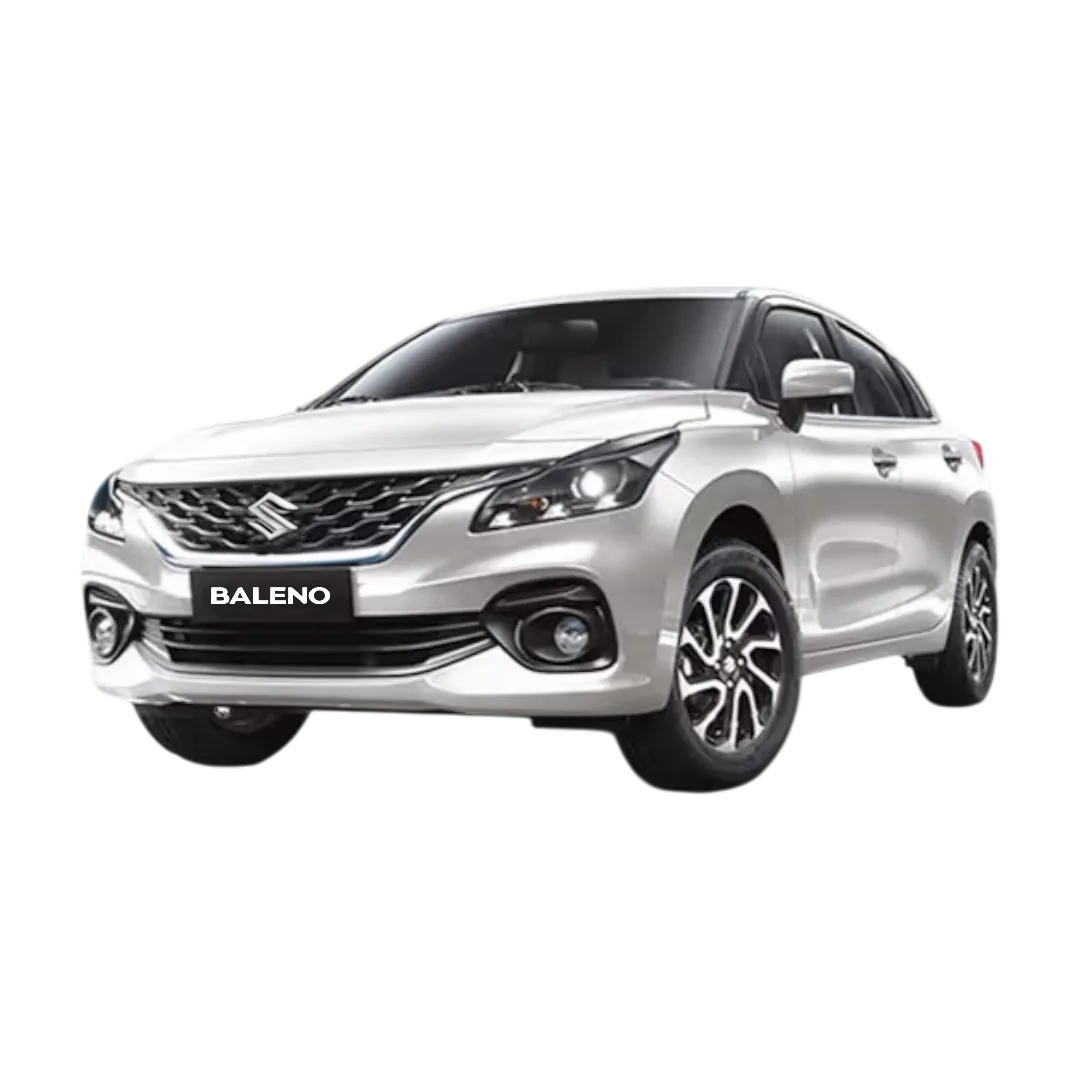 Baleno
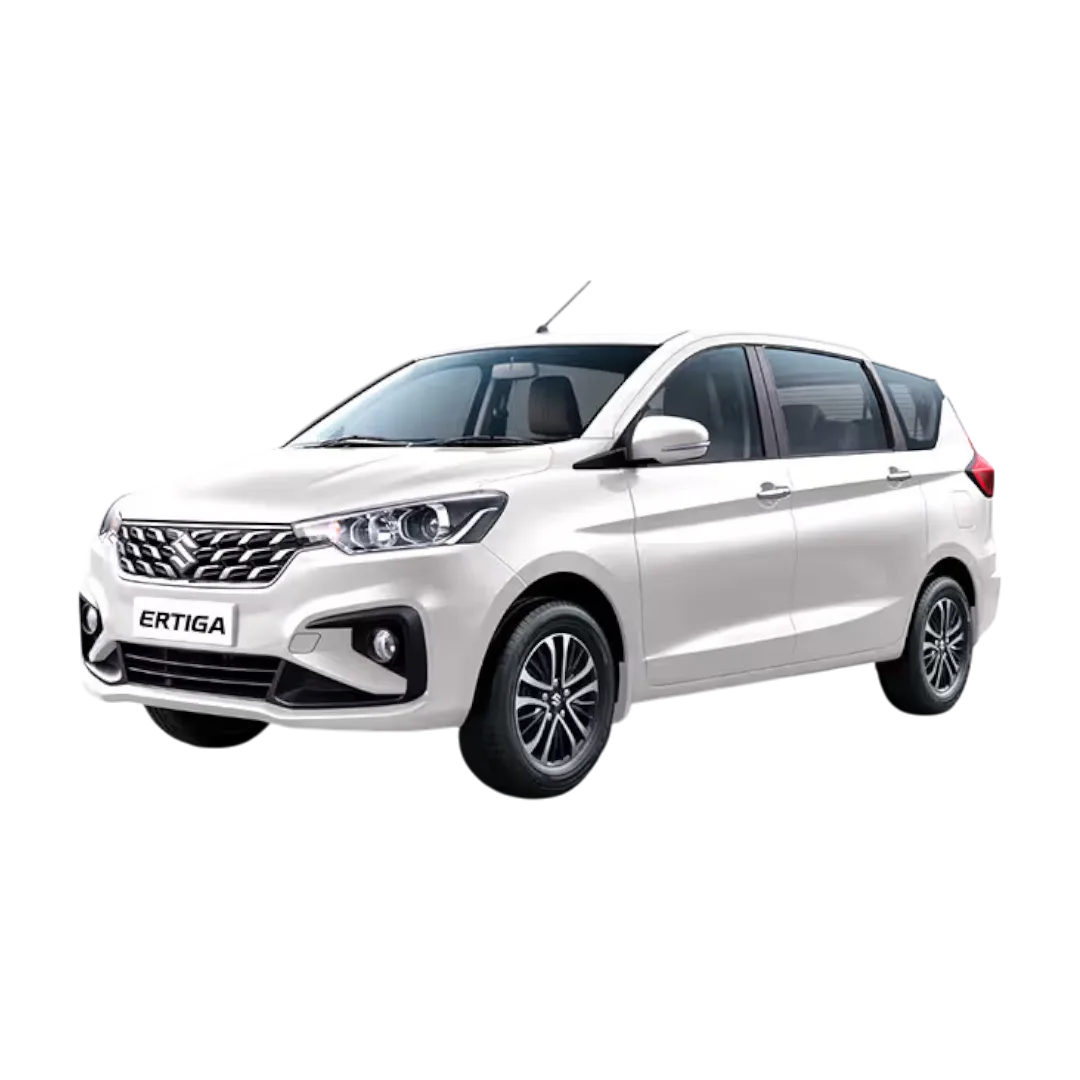 Ertiga
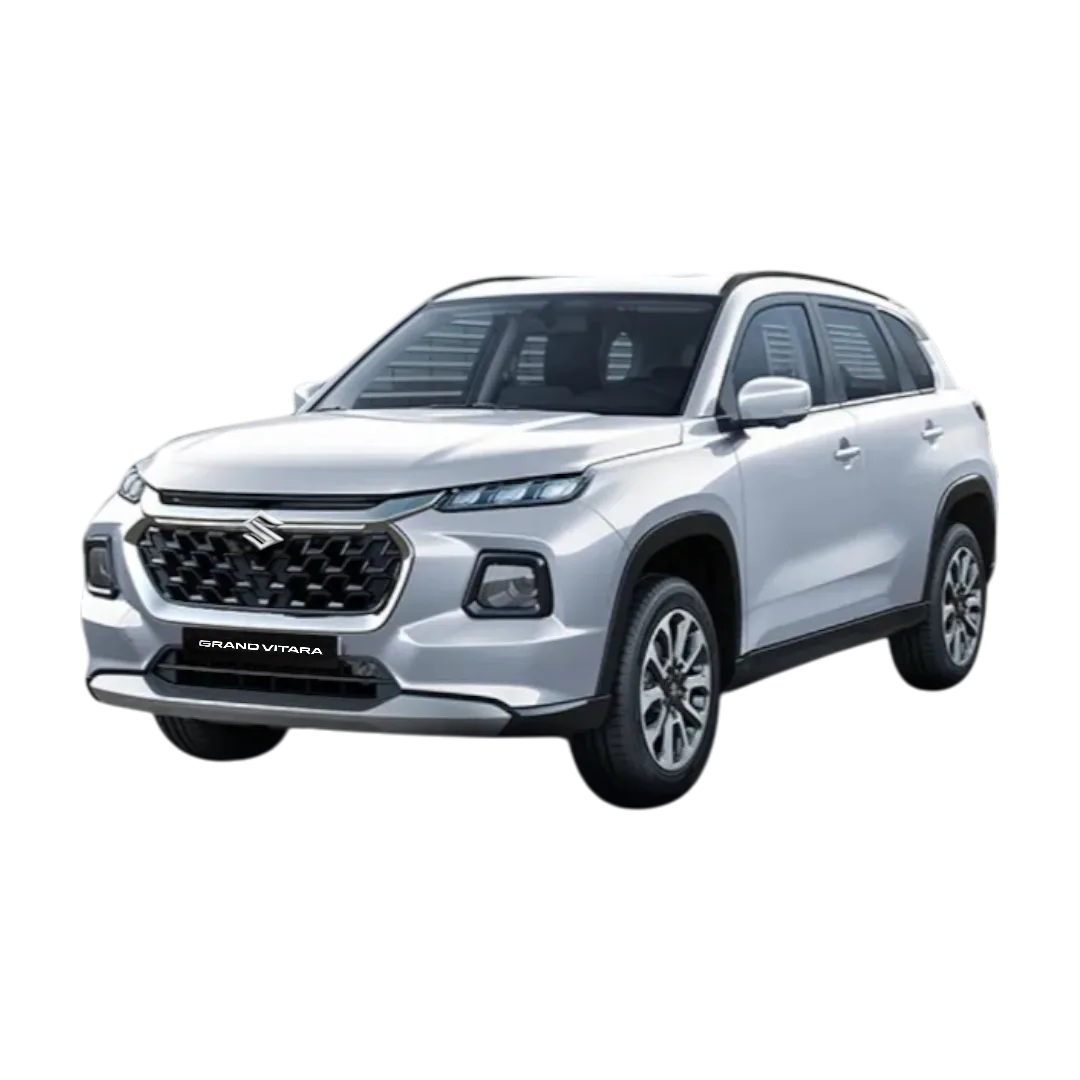 Grand Vitara
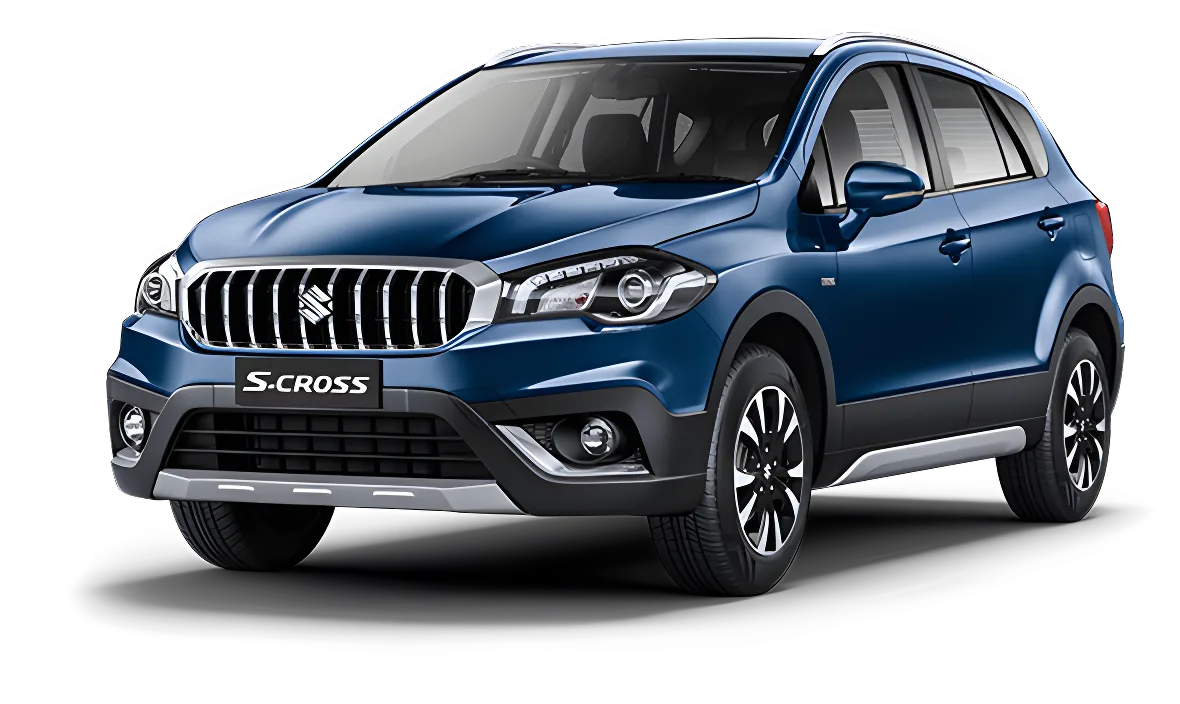 S-Cross
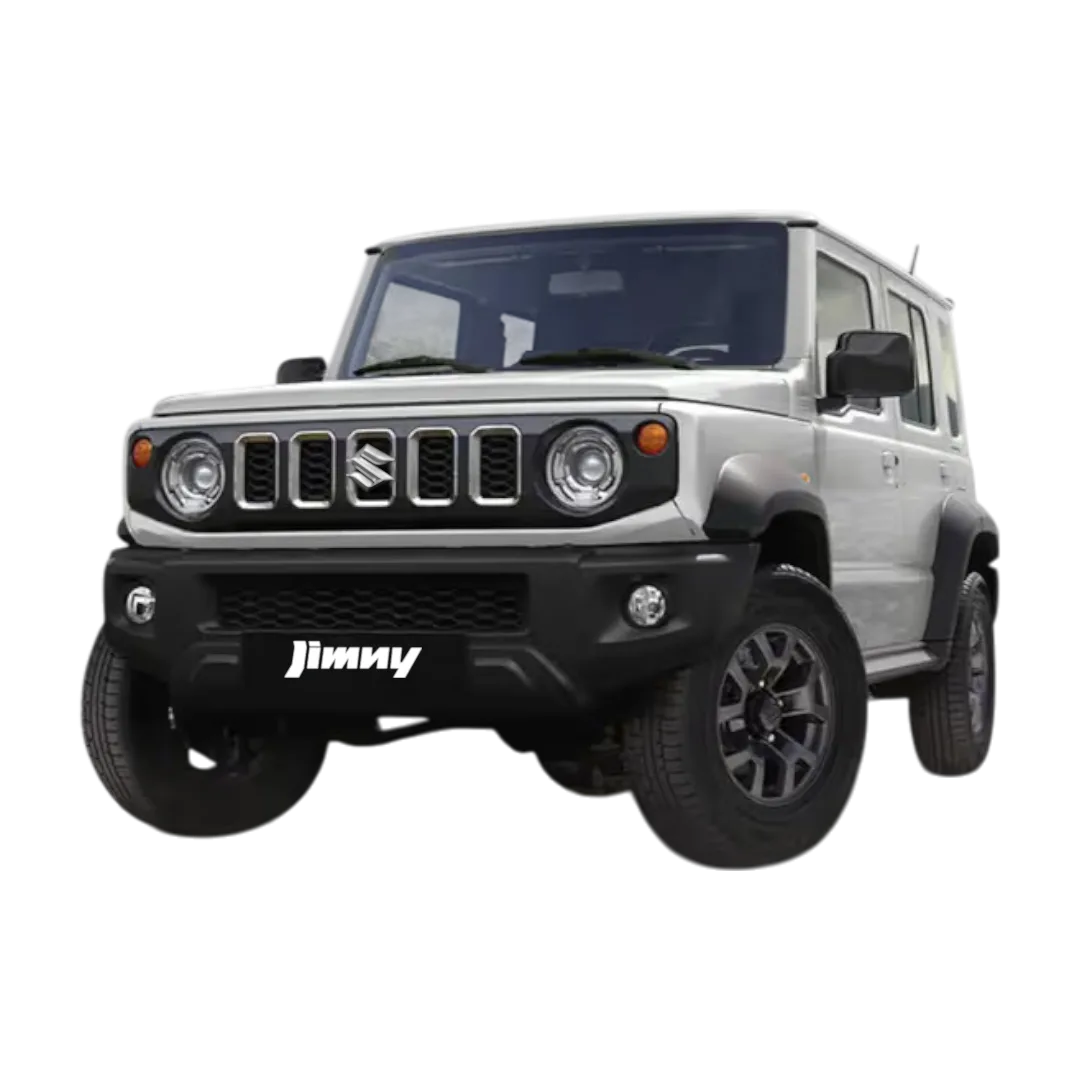 Jimny
Jimny
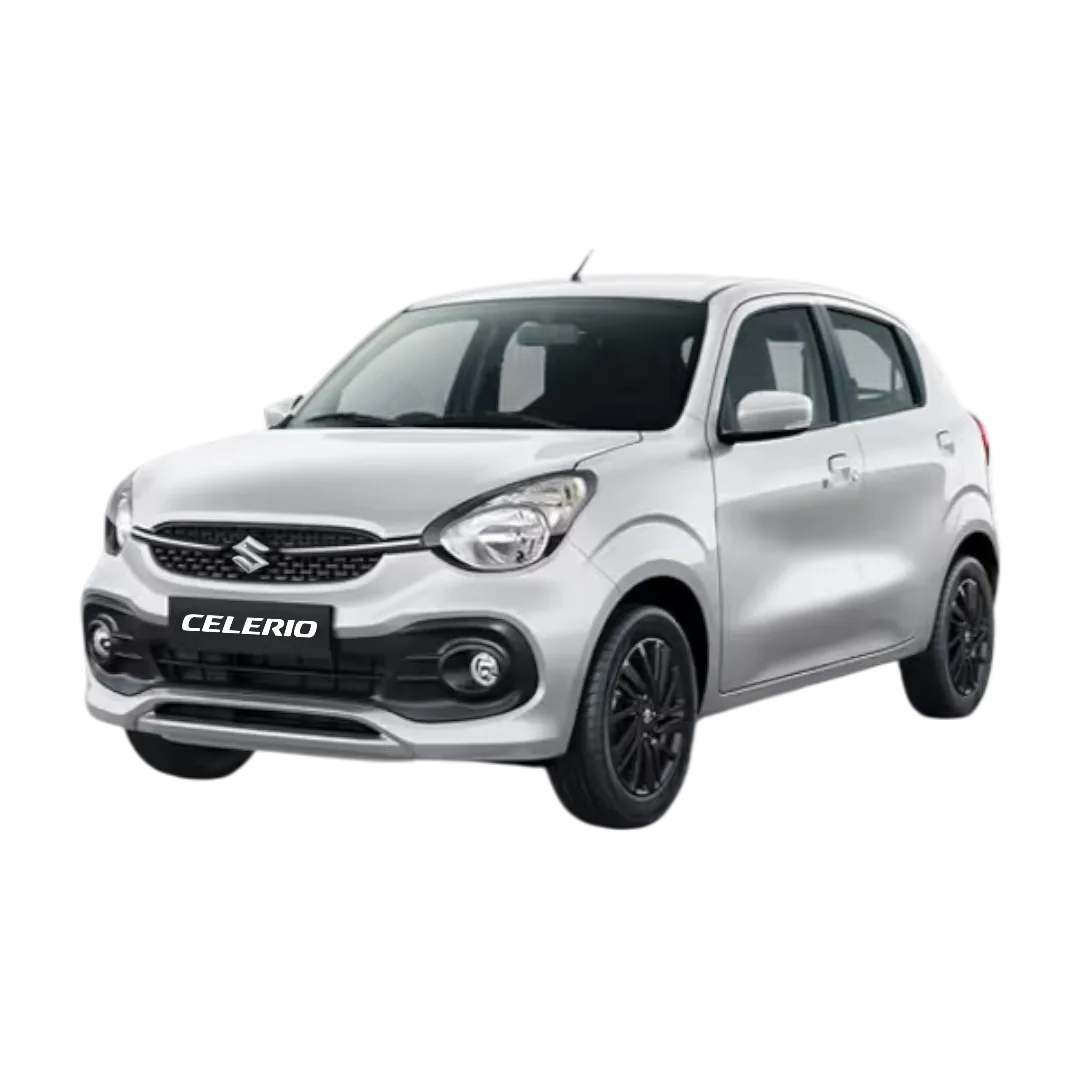 Celerio
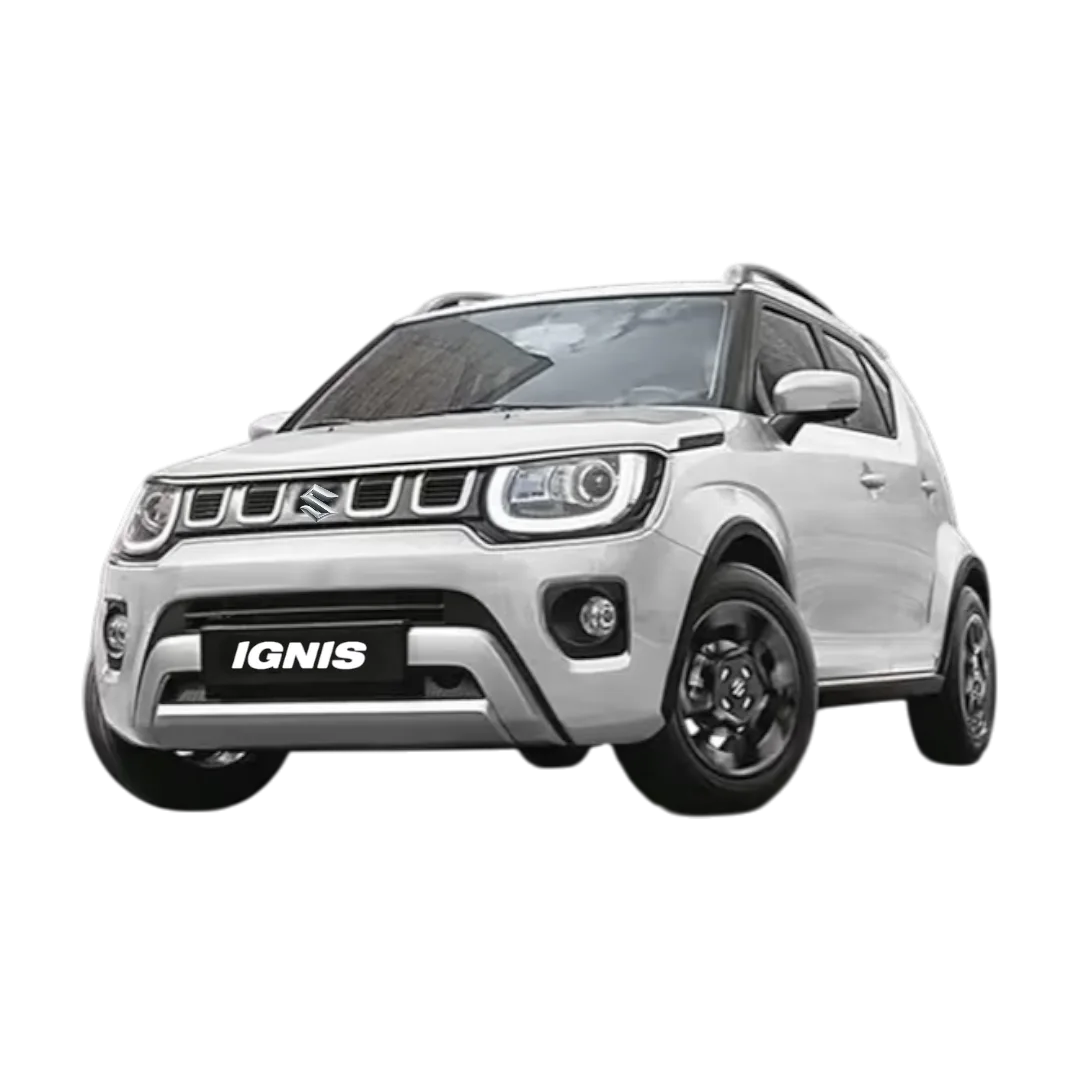 Ignis
Ignis
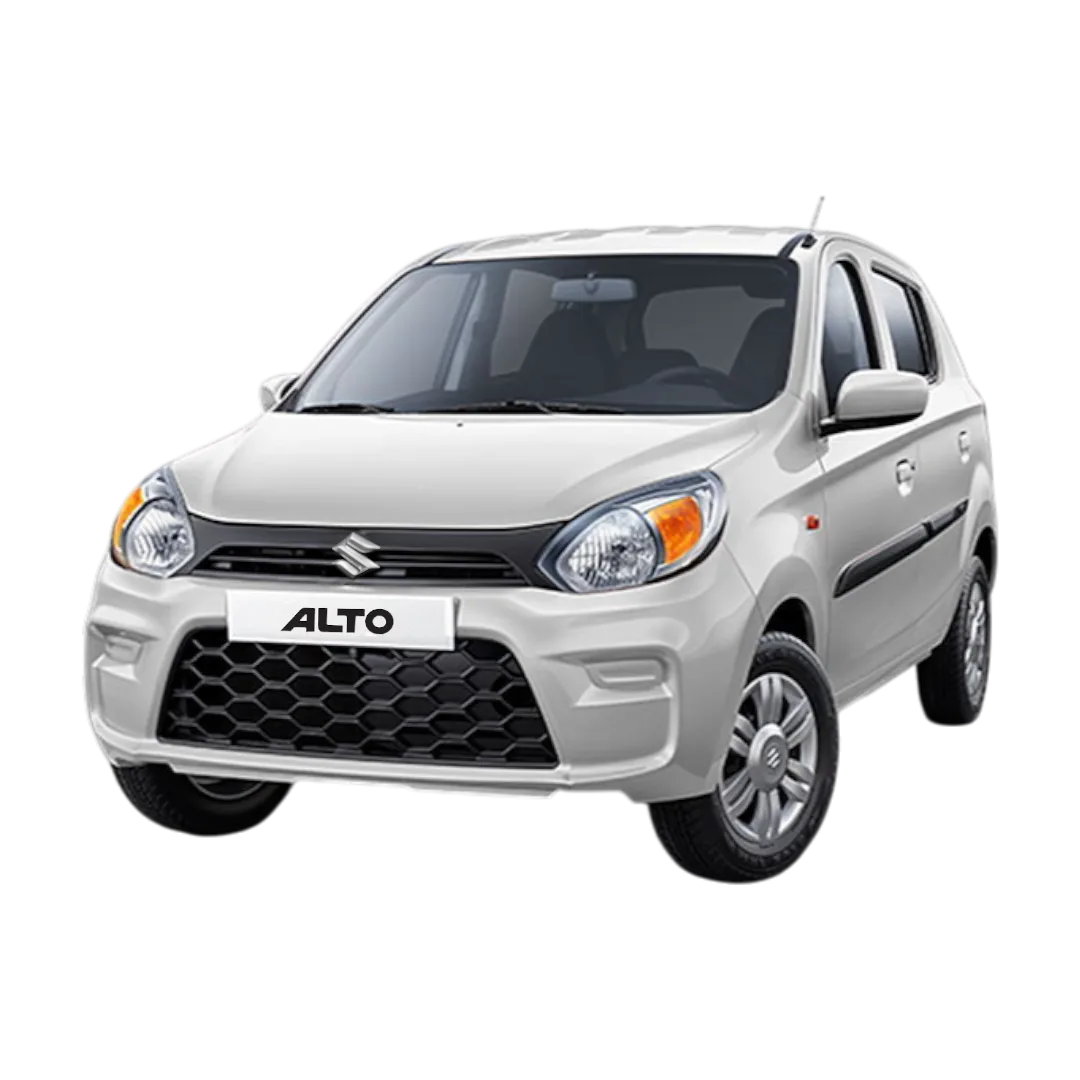 Alto 800
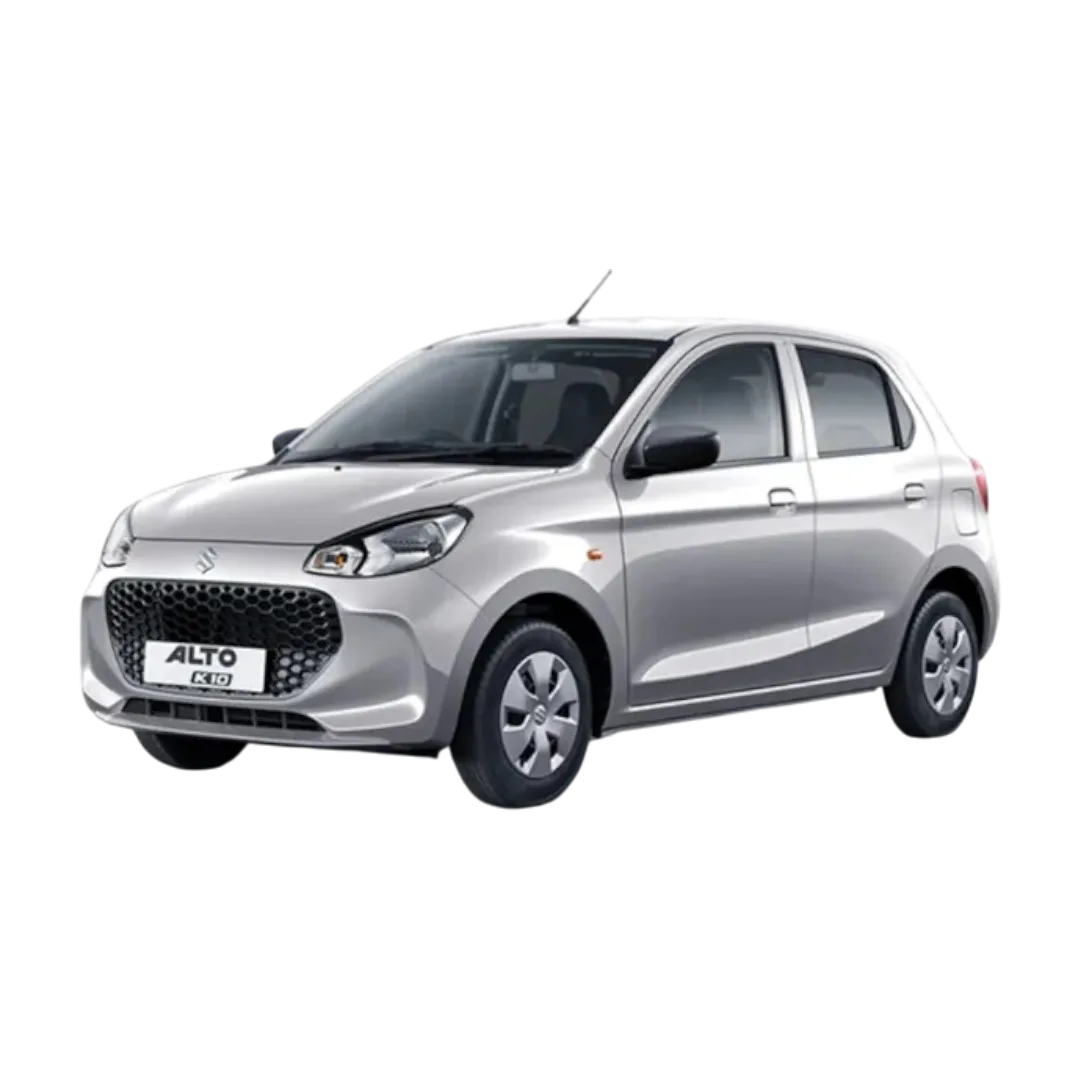 Alto K10
 XL6
XL6
 Omni
Omni
 SX4
SX4
 Gypsy
Gypsy
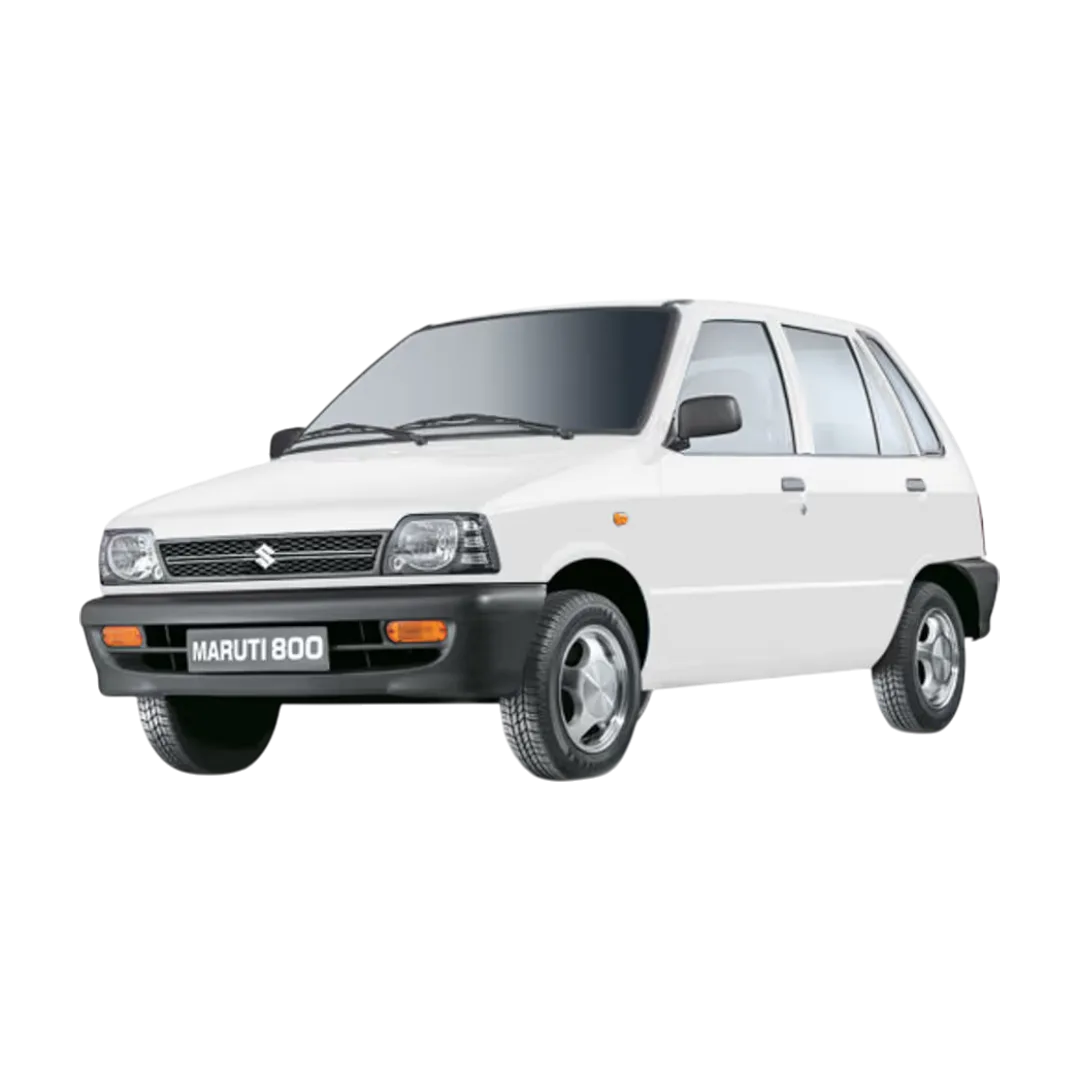 Maruti 800
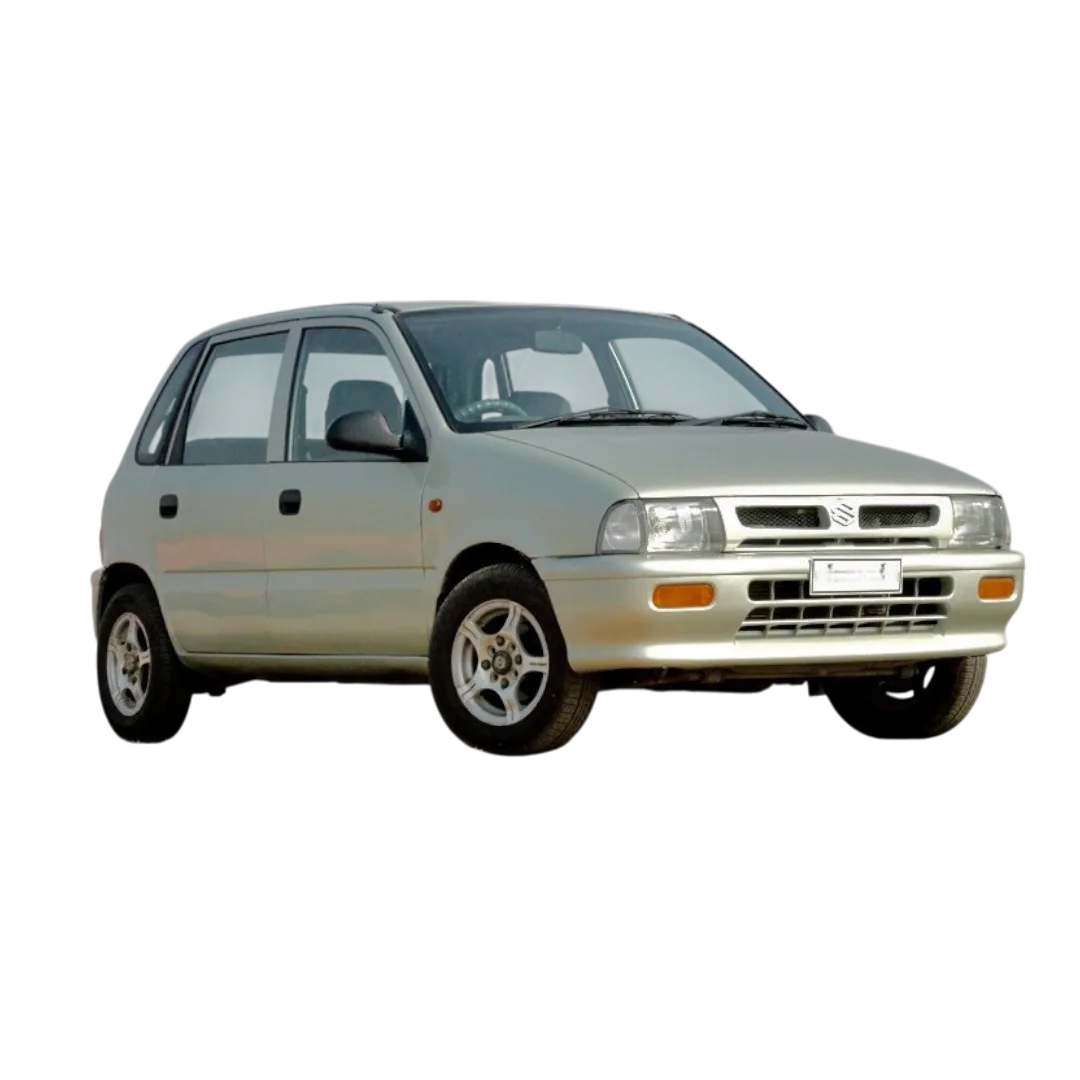 Zen
Zen
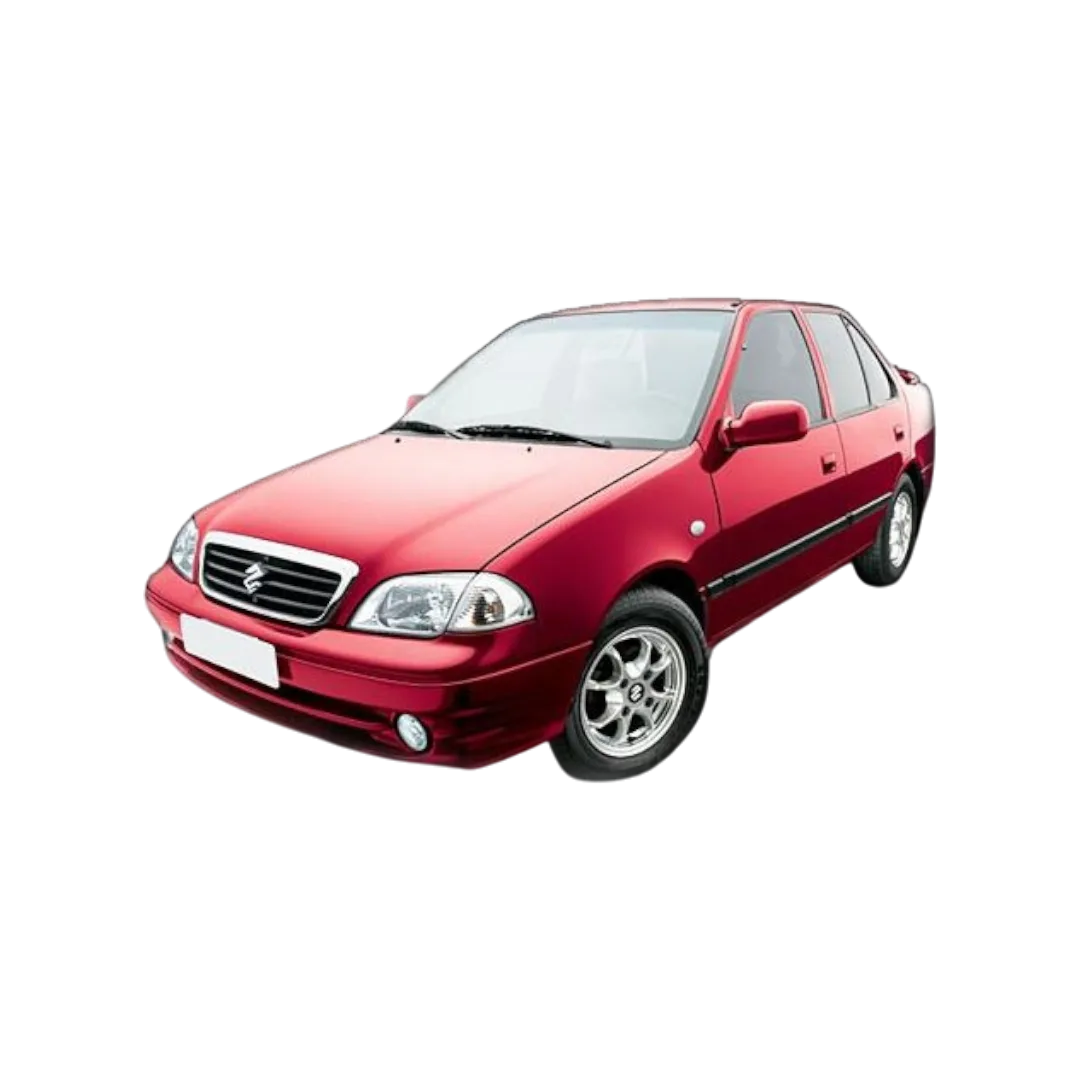 Esteem
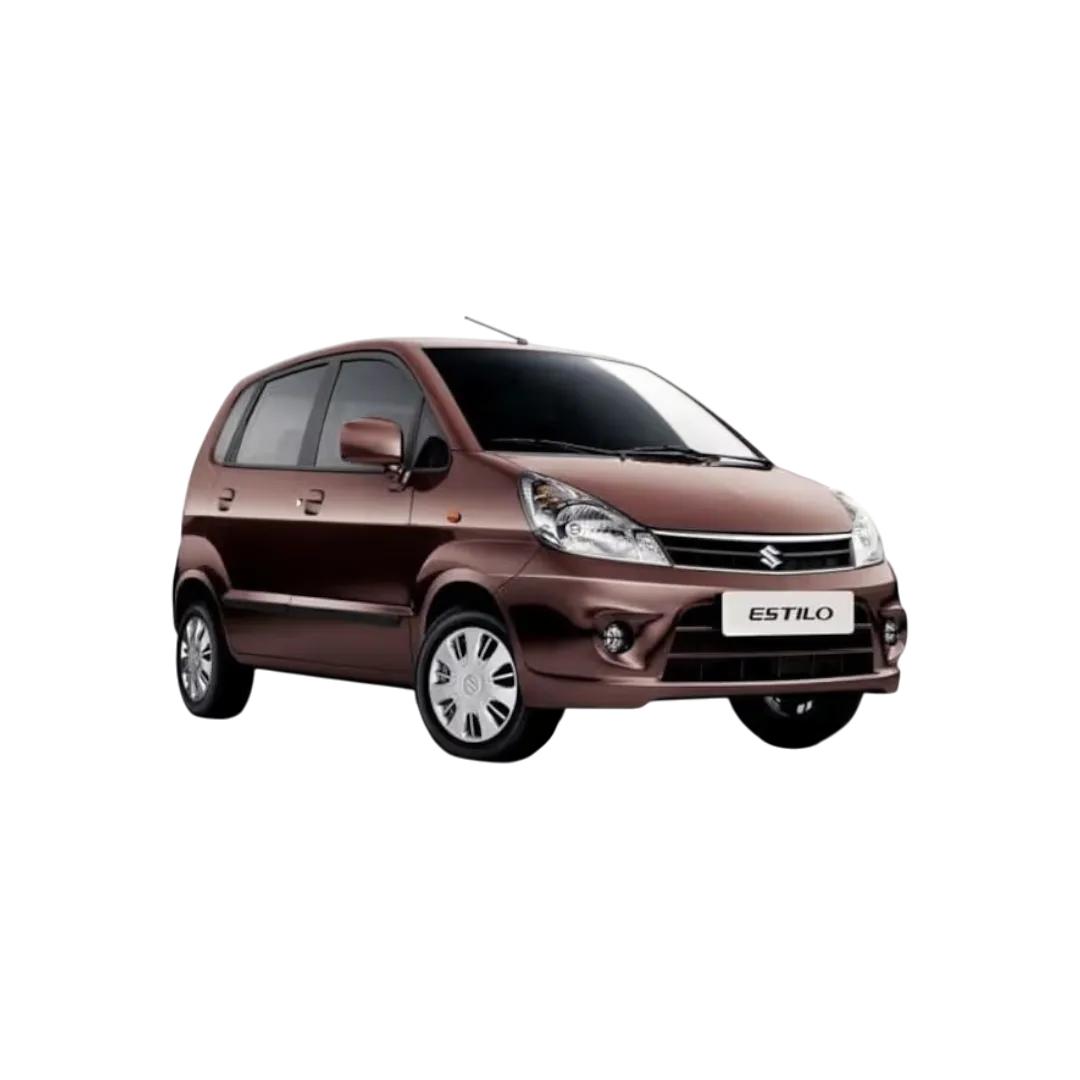 Zen Estilo
 Ritz
Ritz
 Fronx
Fronx
 A-Star
 Alto
Alto
 Invicto
Victoris
Wagon R
Invicto
Victoris
Wagon R
 i20
i20
 Aura
Aura
 Creta
Creta
 Elantra
 Getz
Getz
 Grand i10 Nios
 Venue
Venue
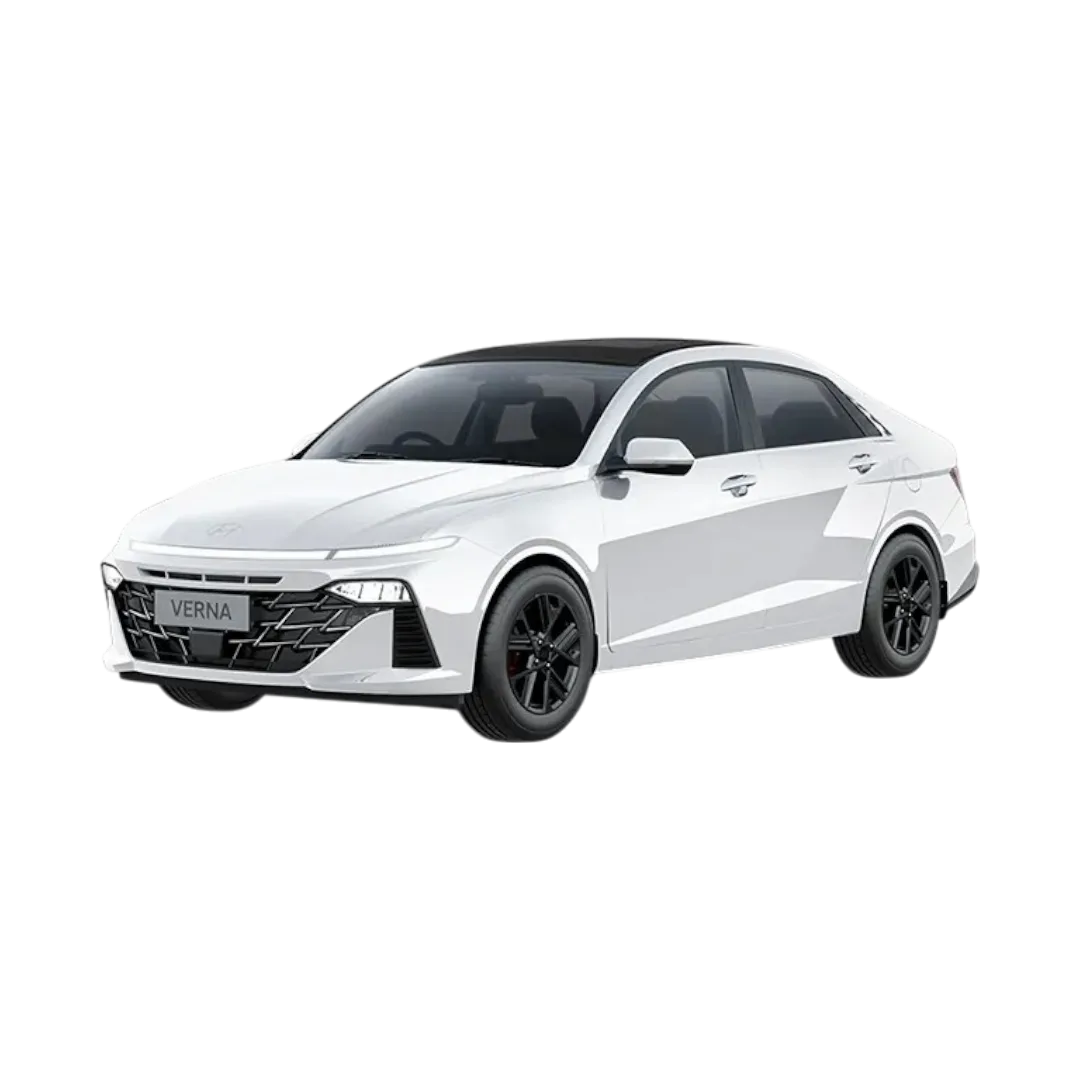 Verna
Verna
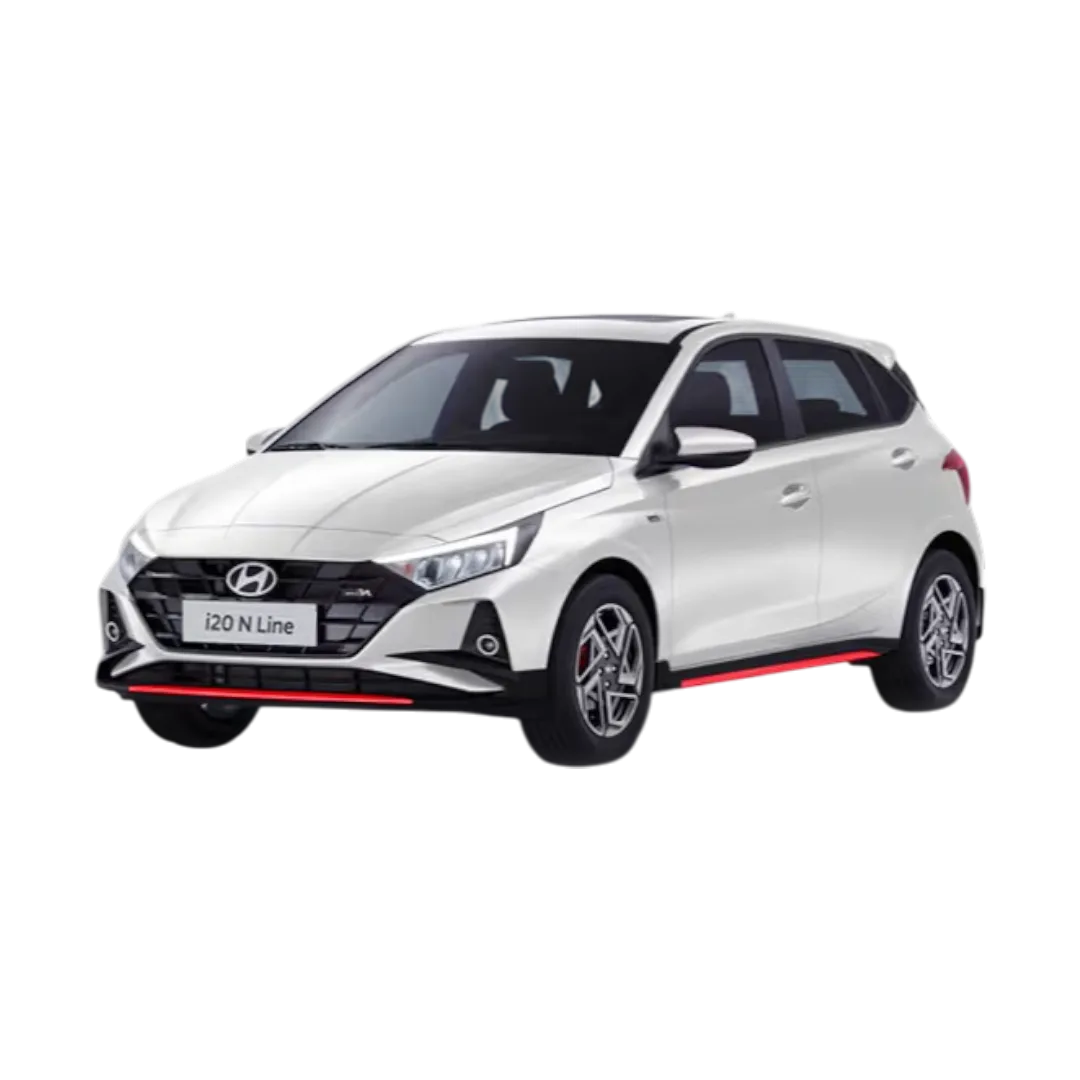 i20 N Line
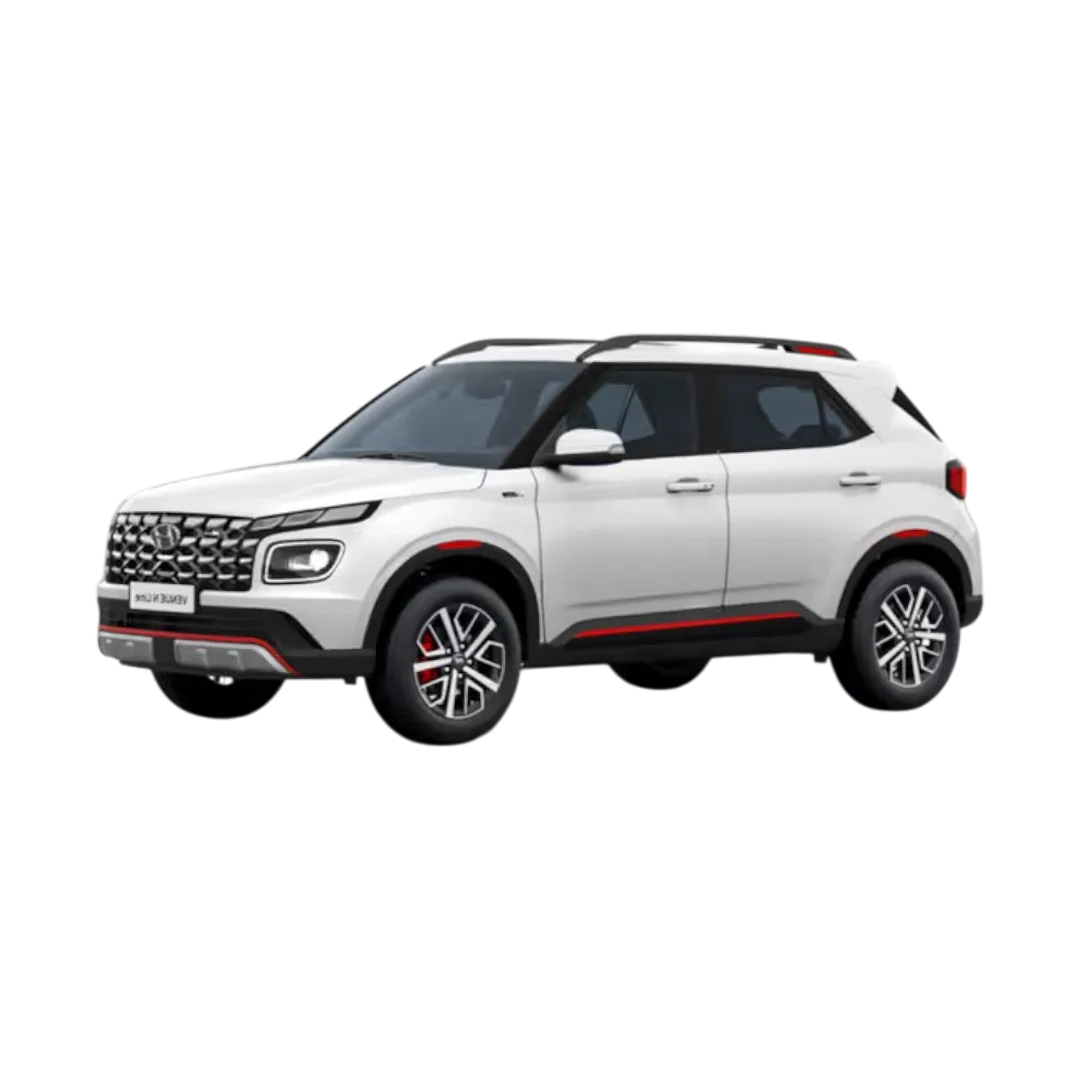 Venue N Line
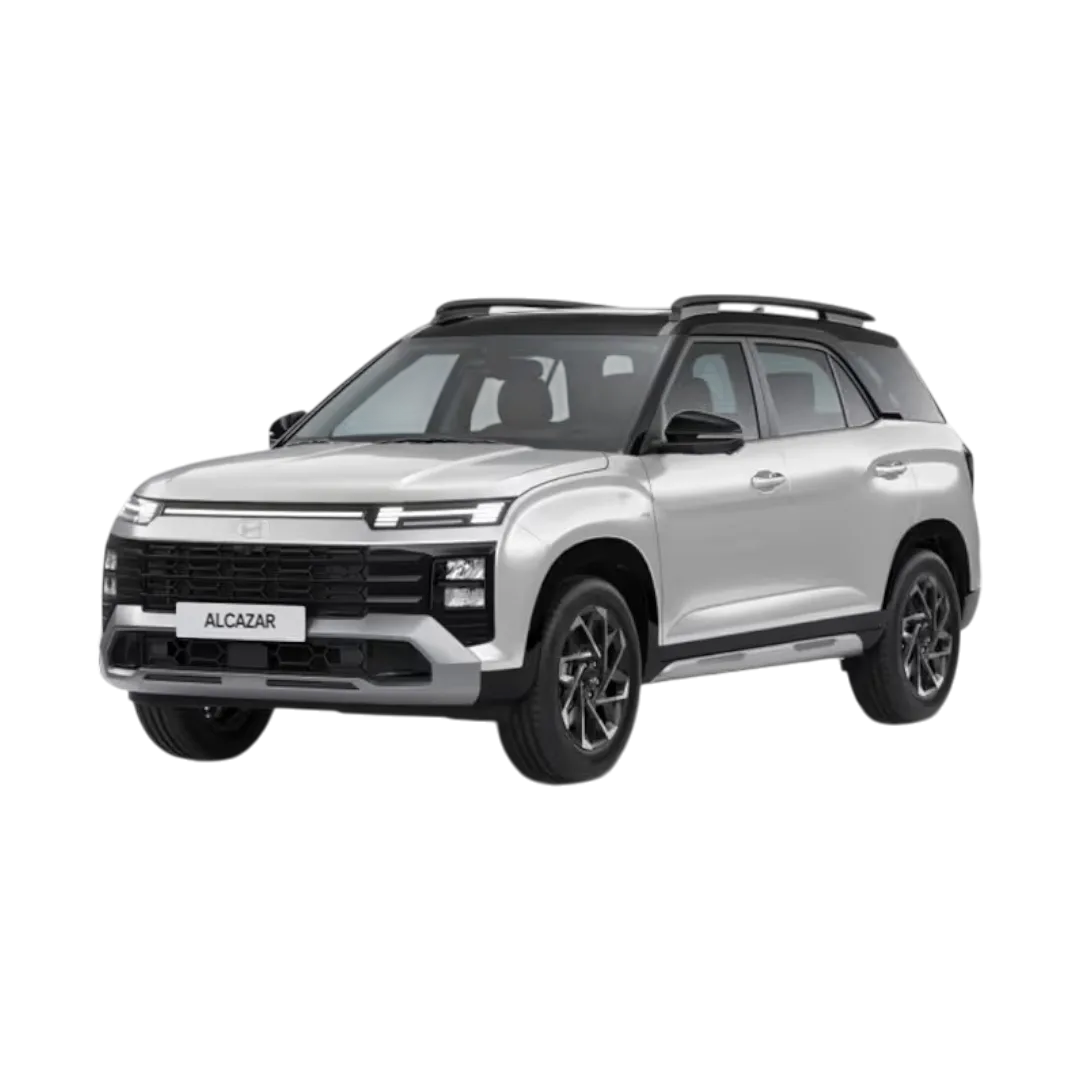 Alcazar
 Tucson
 Kona
Kona
 iONIQ 5
 Santro
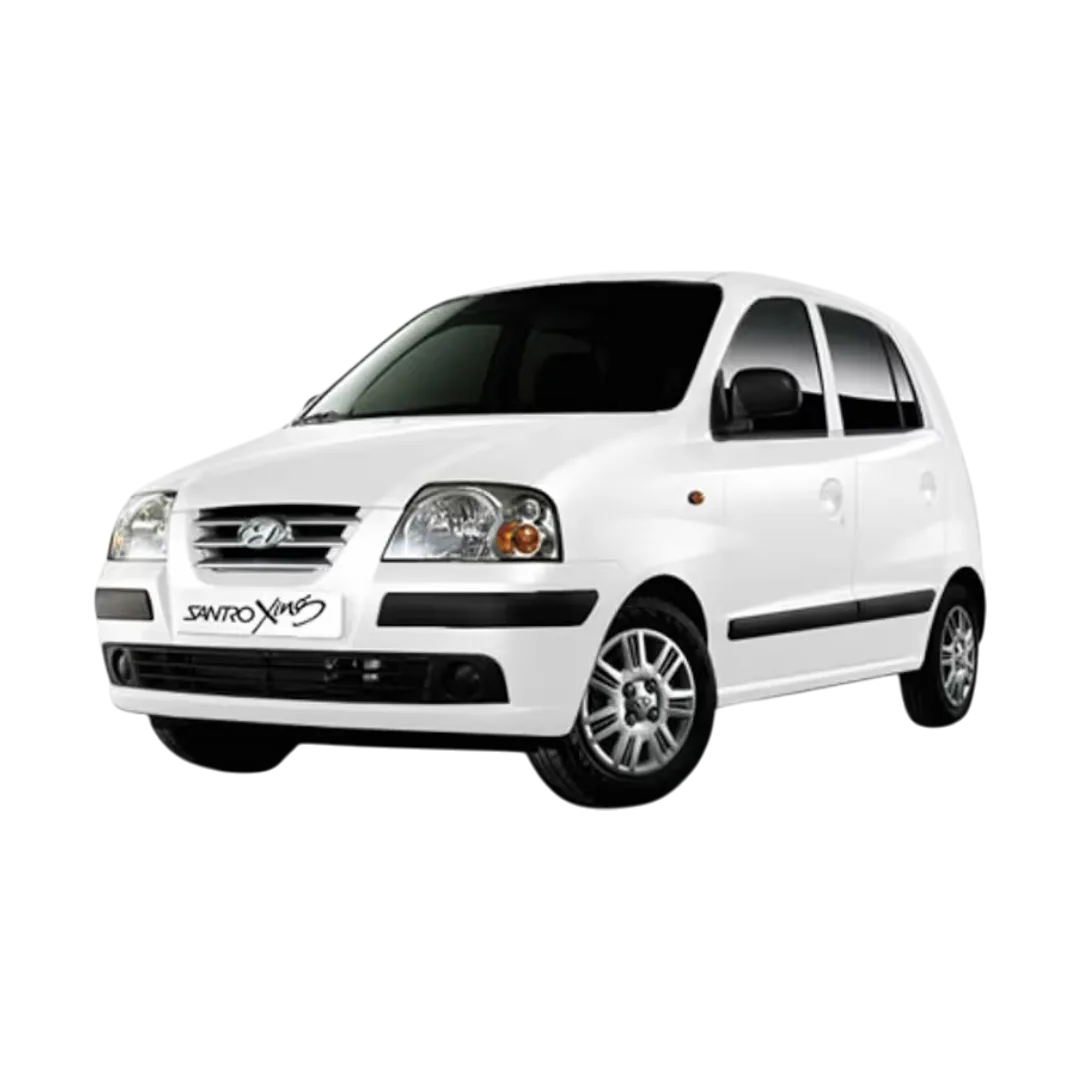 Santro Xing
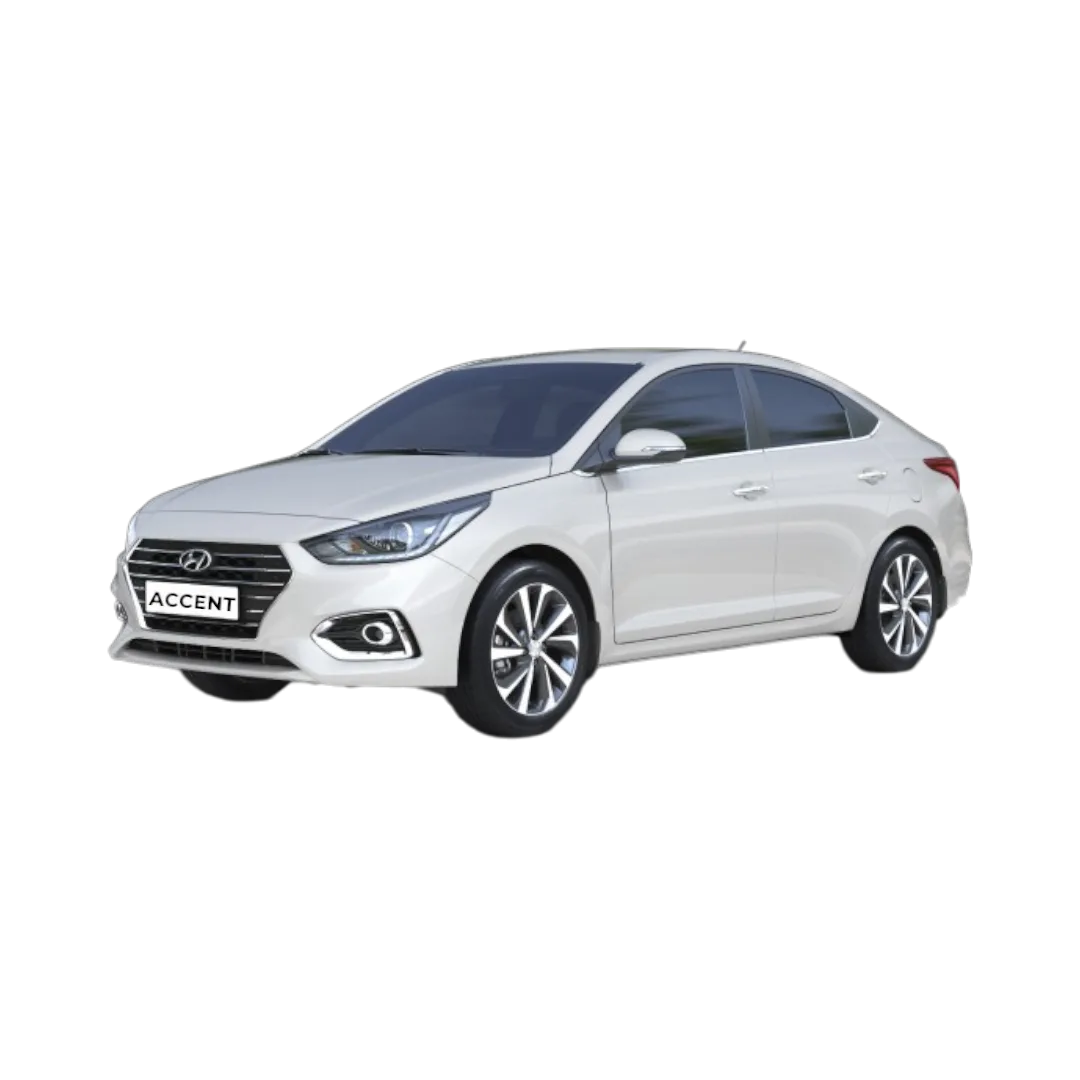 Accent
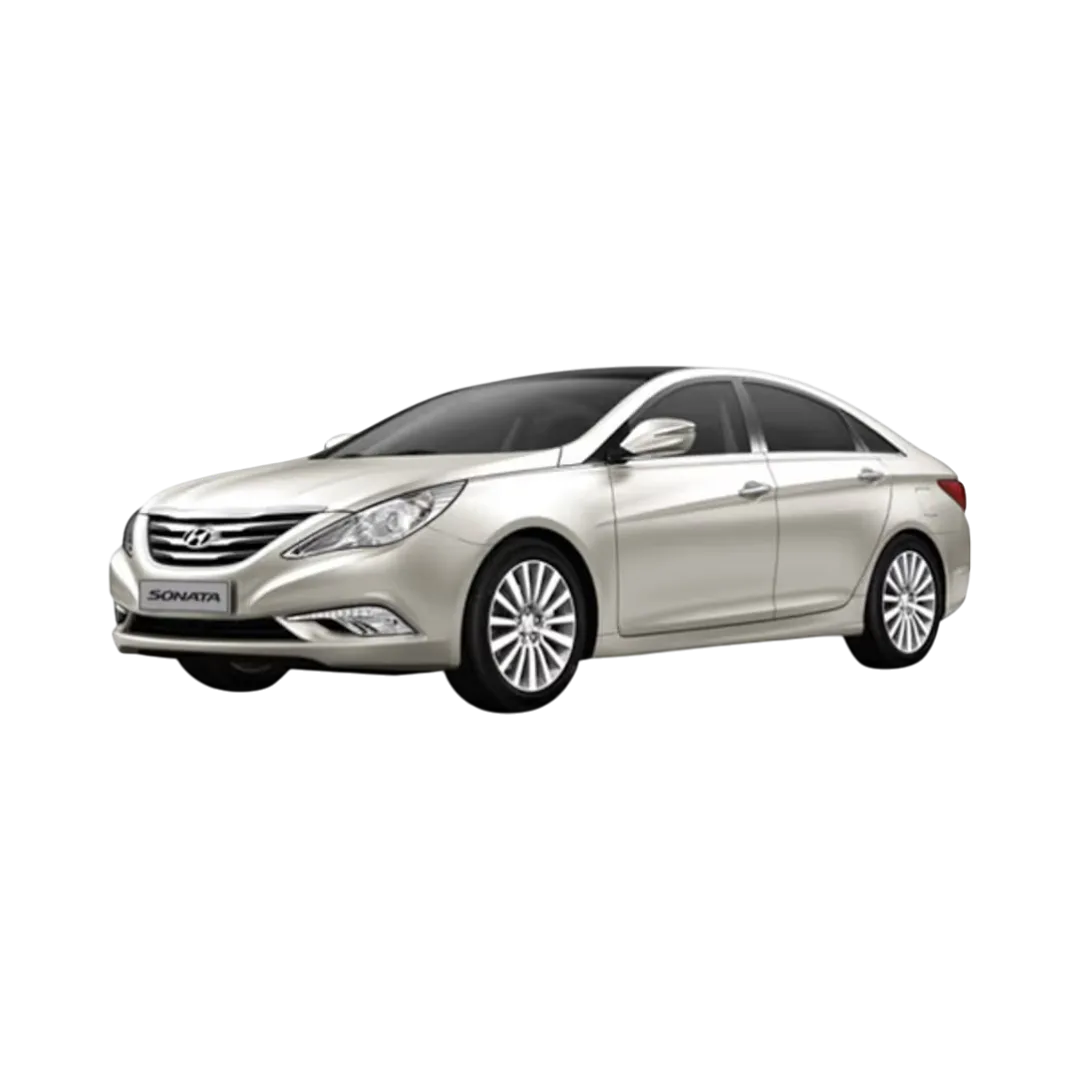 Sonata
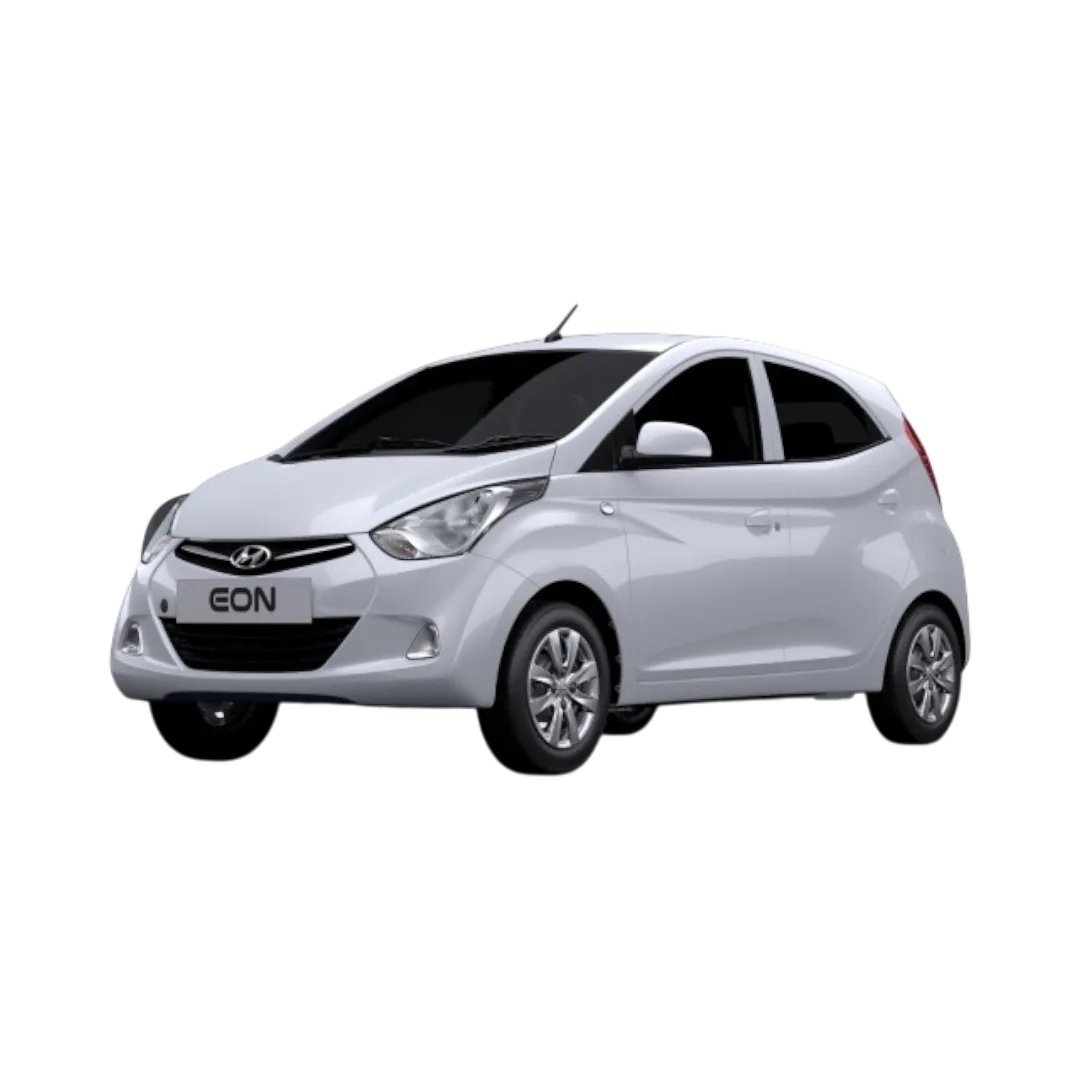 Eon
Eon
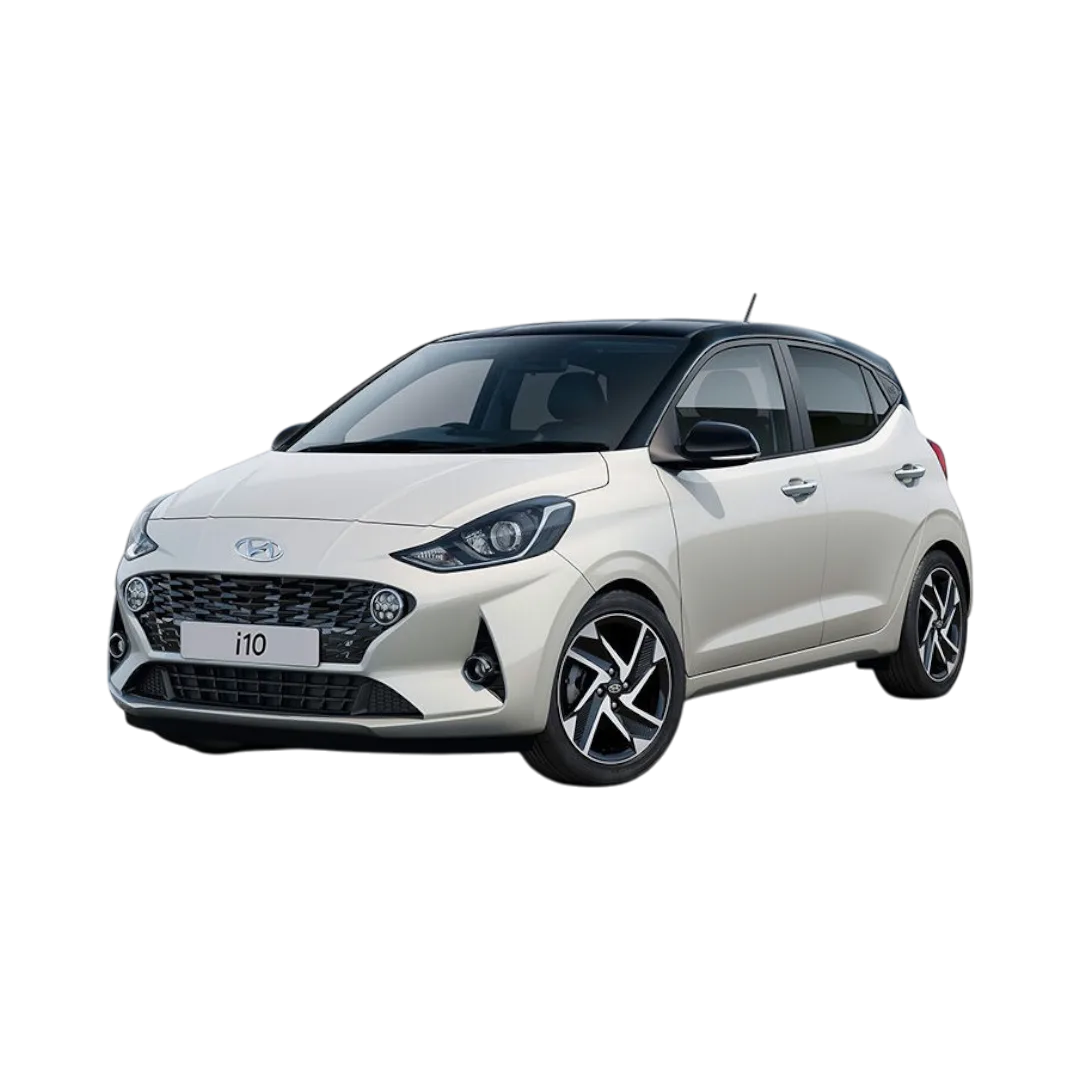 i10
i10
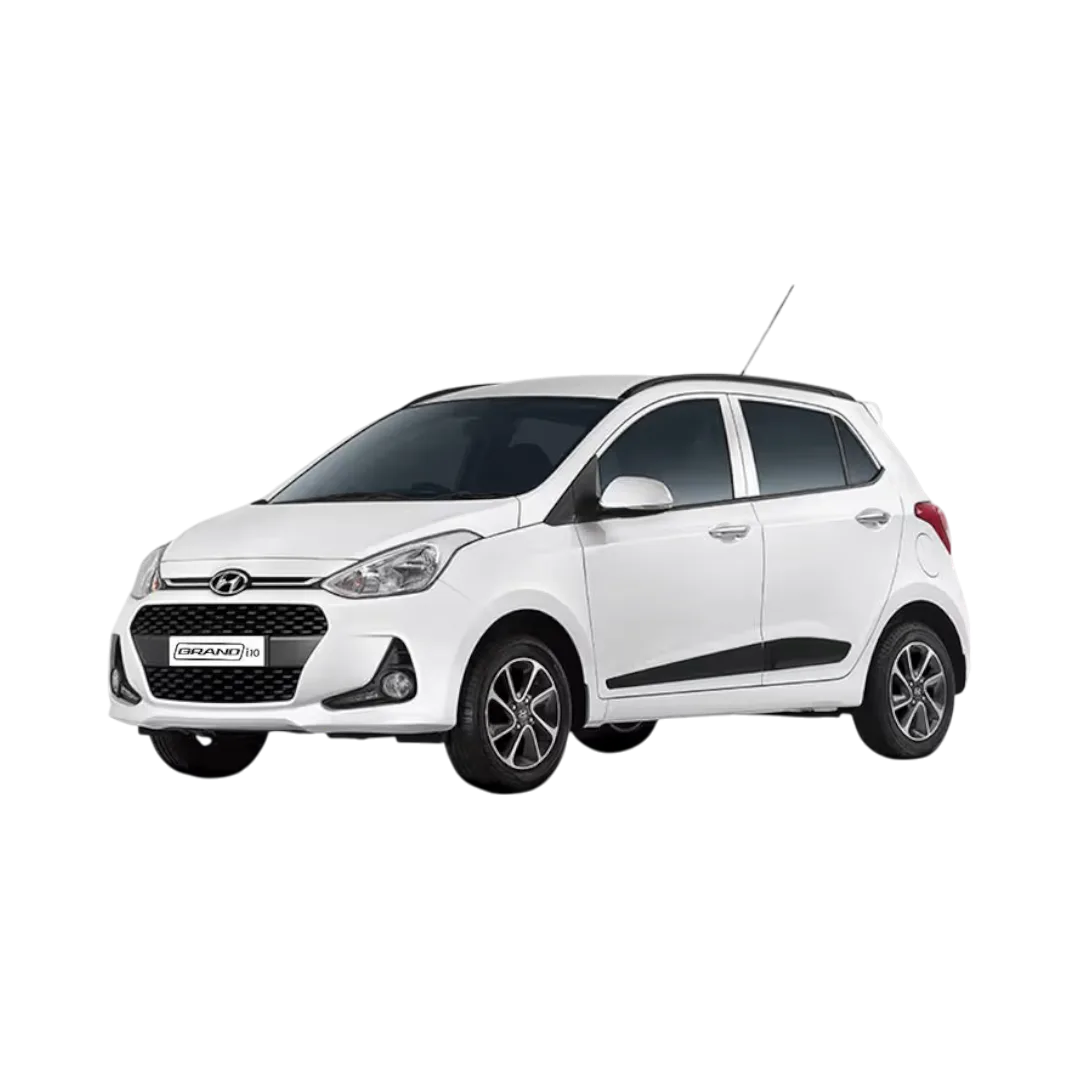 Grand i10
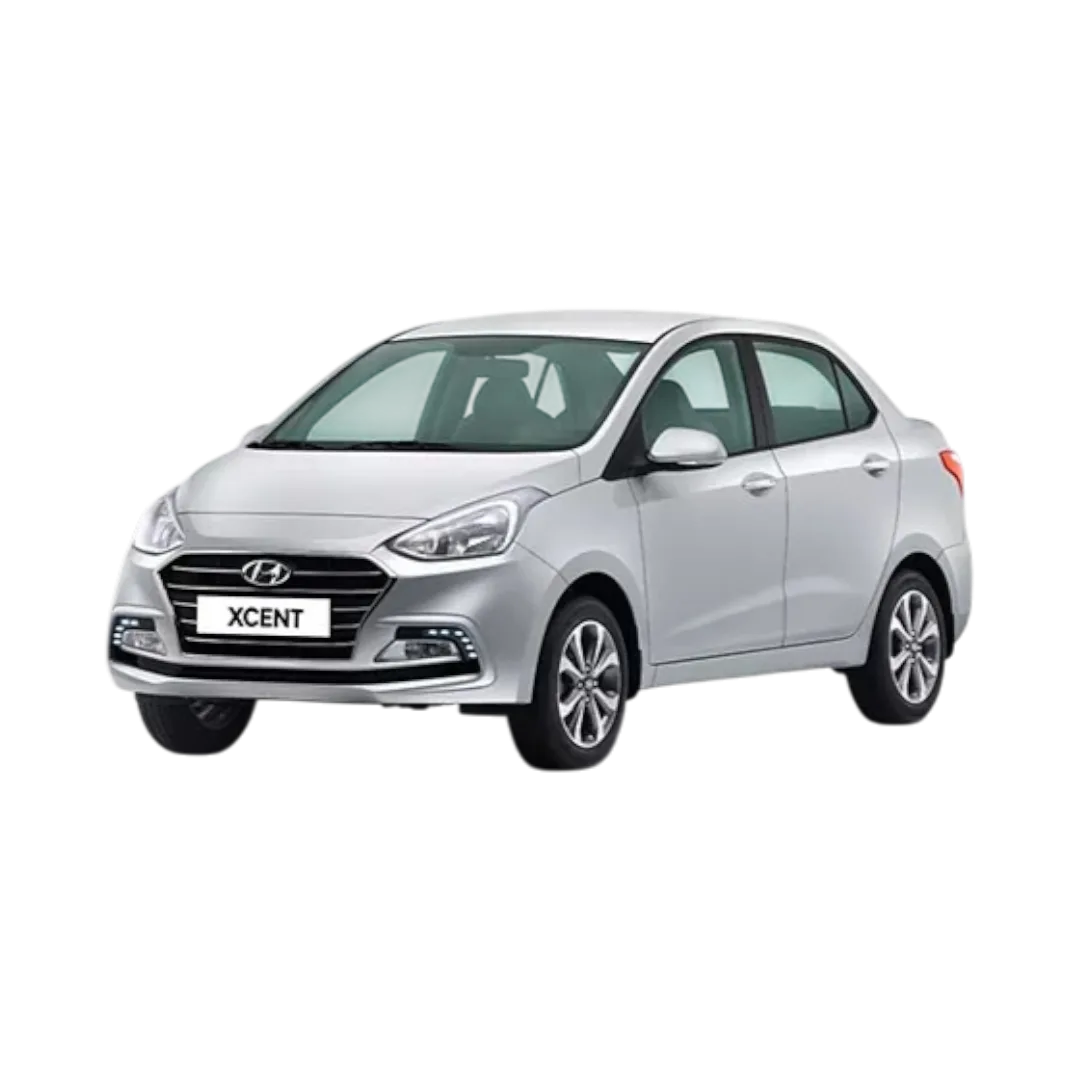 Xcent
Xcent
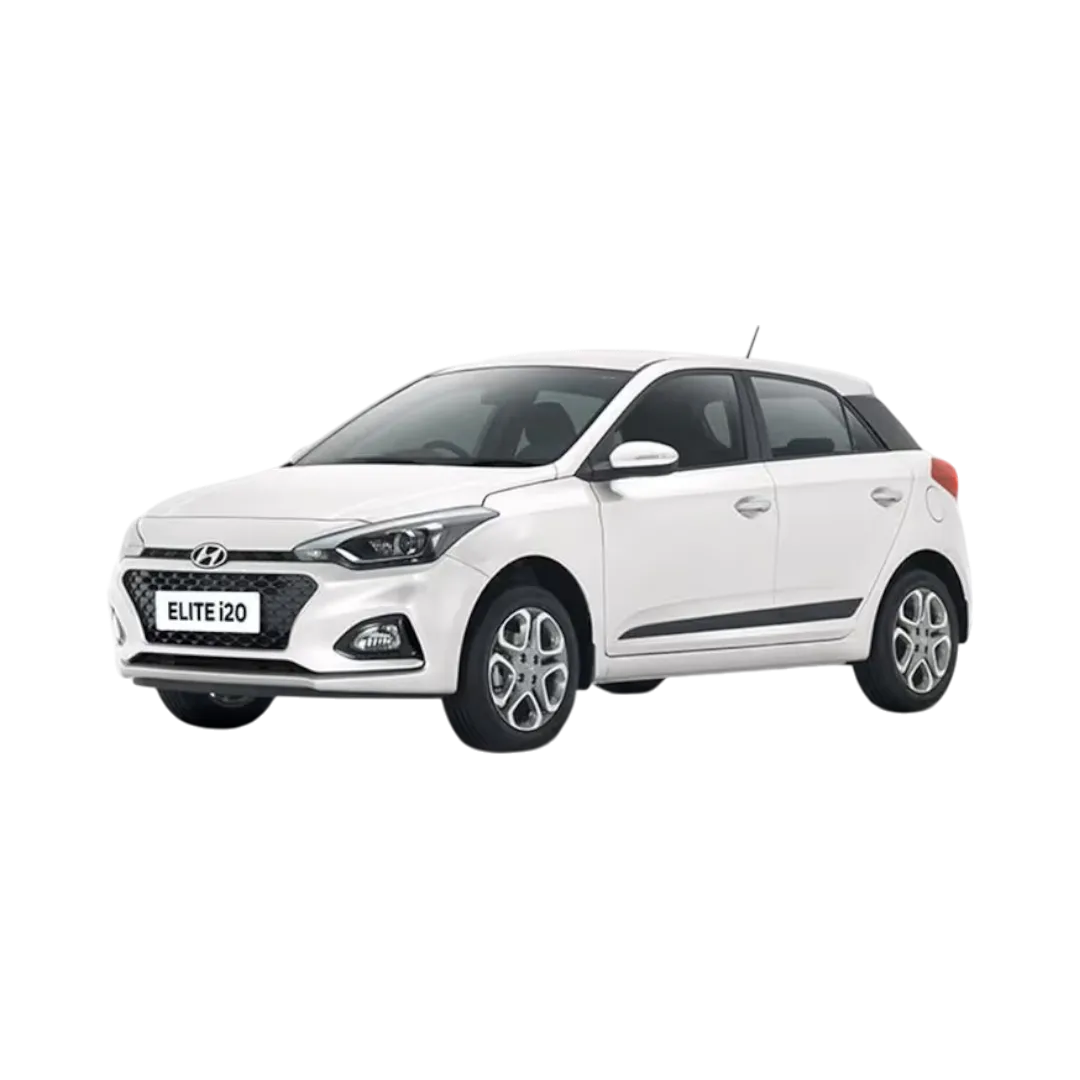 Elite i20
 Verna Fluidic
 Santafe
 Exter
Sonata Fluidic
i20 Active
Exter
Sonata Fluidic
i20 Active
 Yaris
Yaris
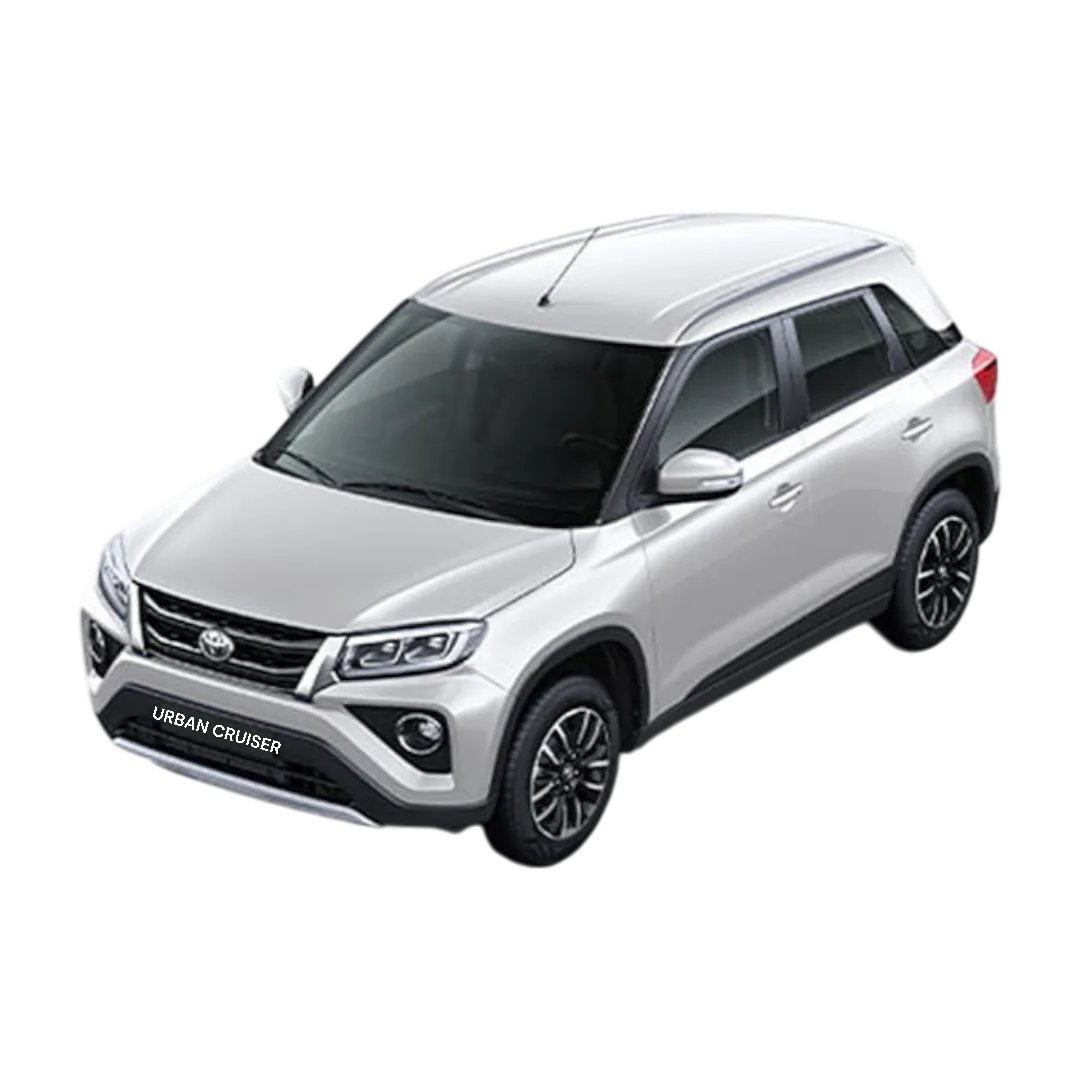 Urban Cruiser
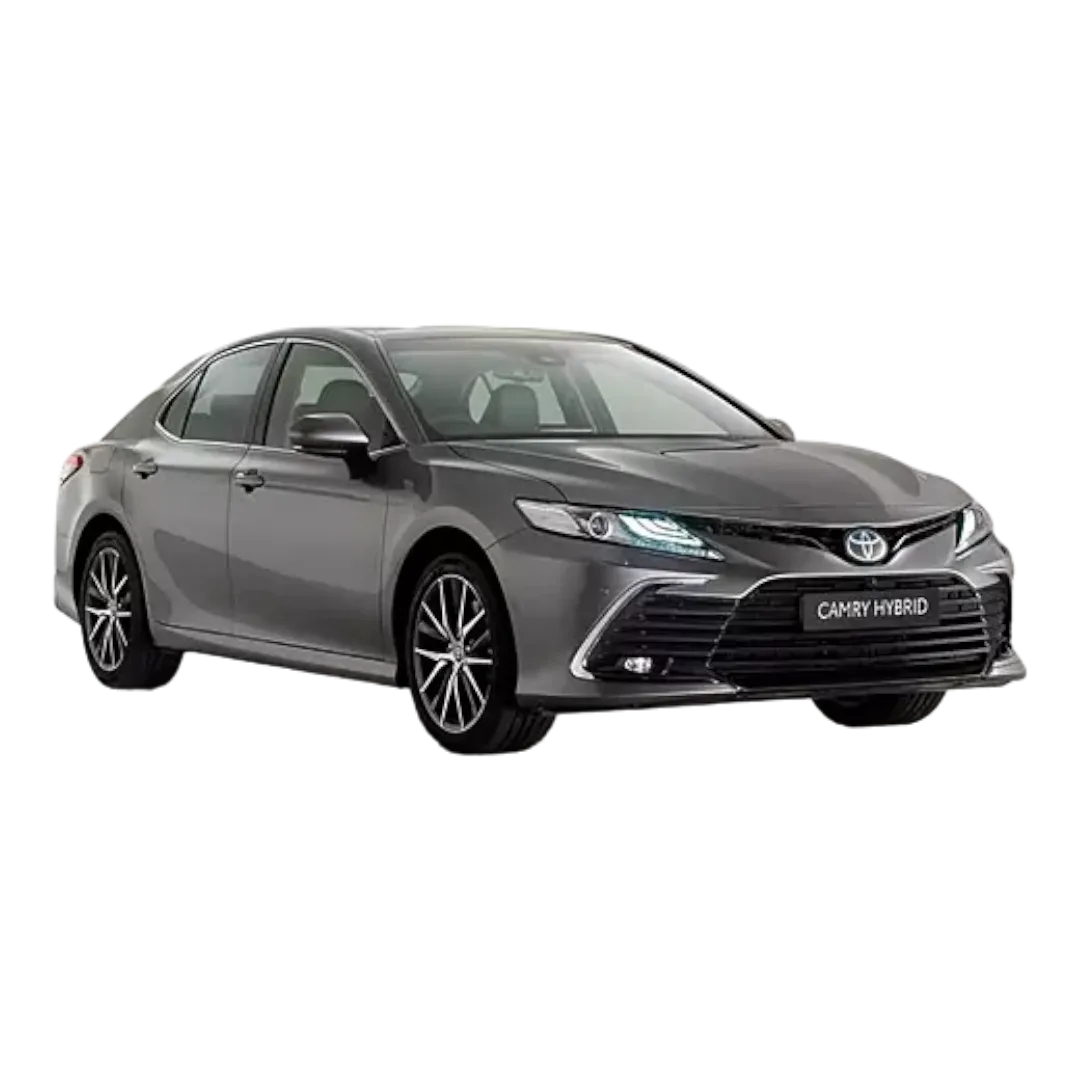 Camry
Camry
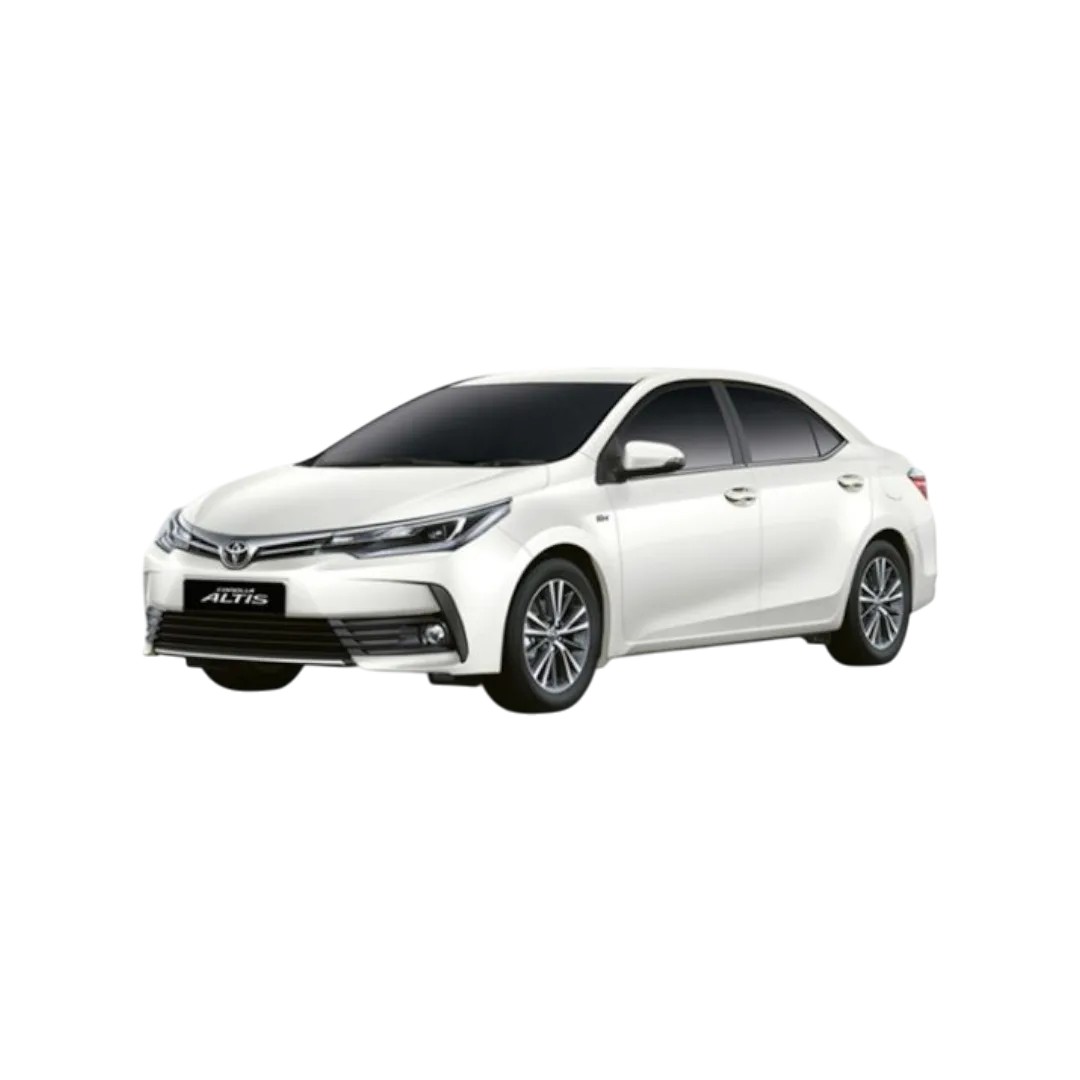 Corolla
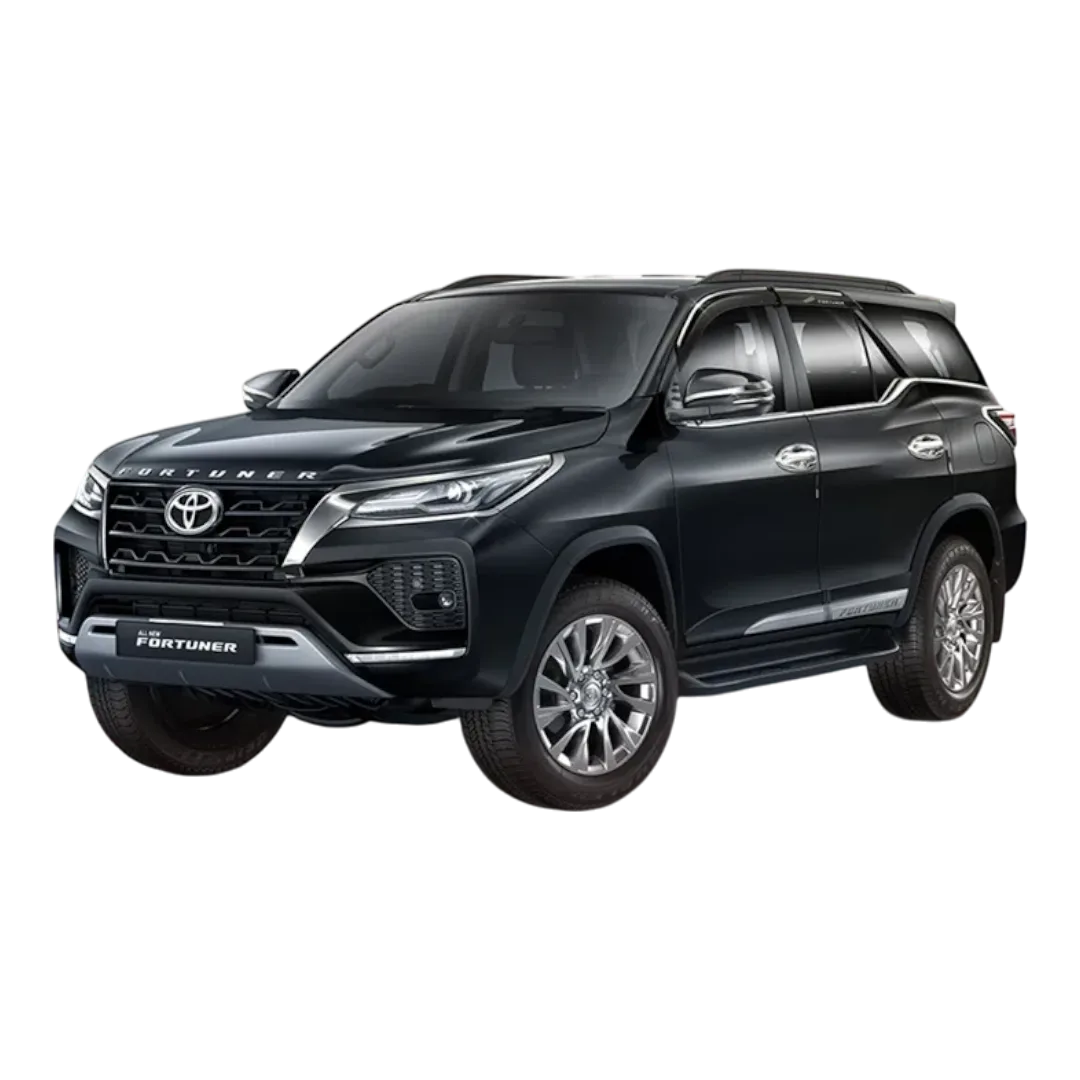 Fortuner
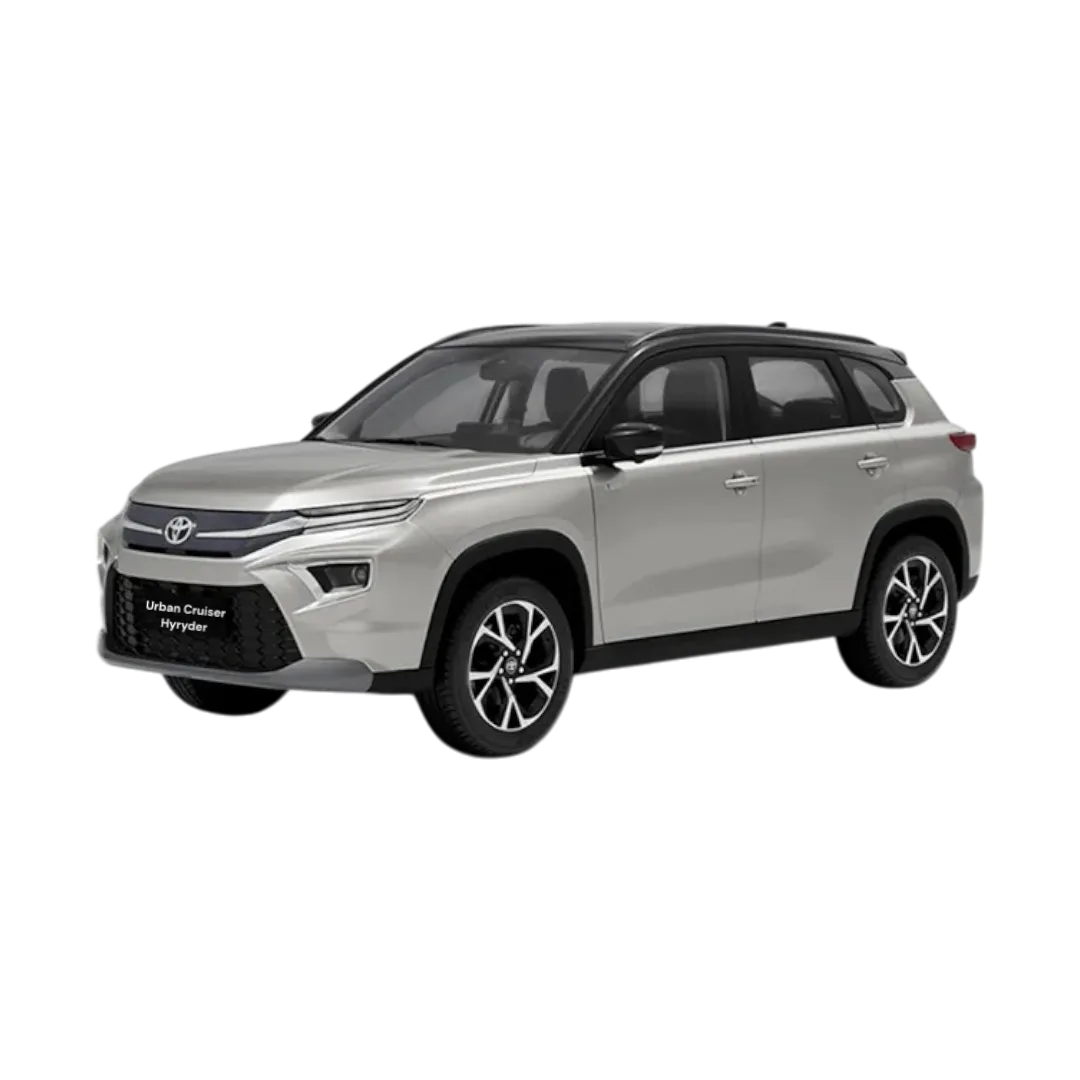 Urban Cruiser Hyryder
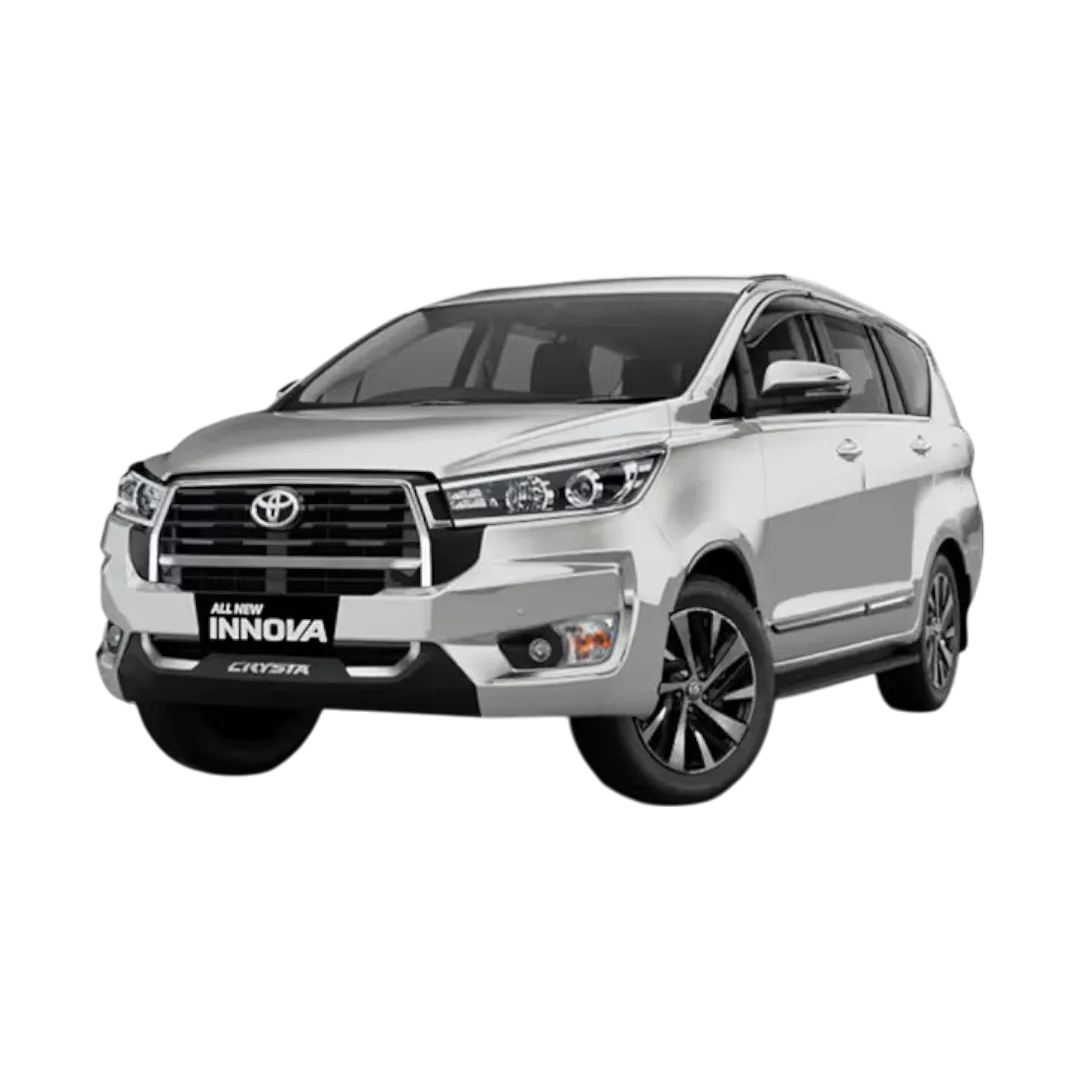 Innova Crysta
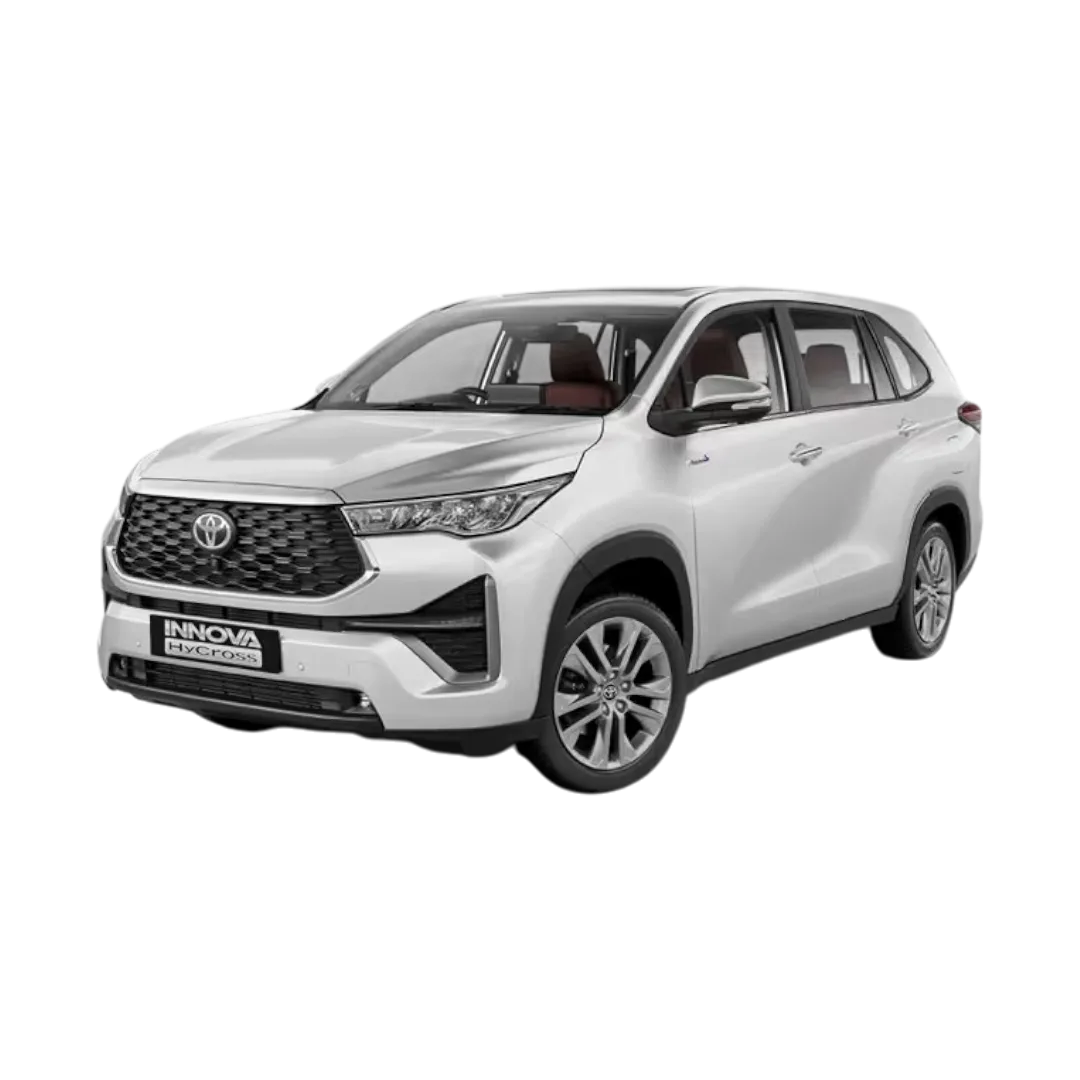 Innova Hycross
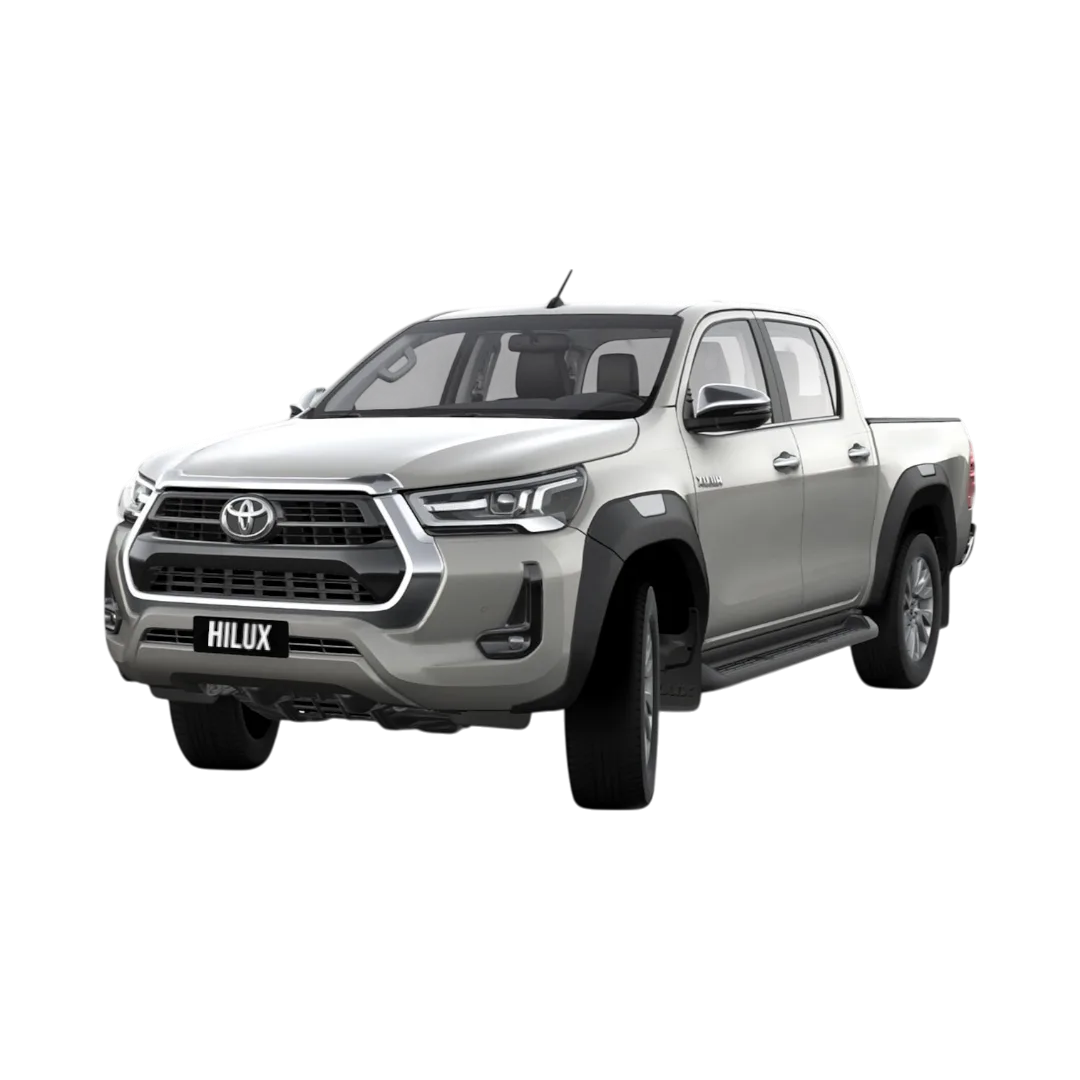 Hilux
Hilux
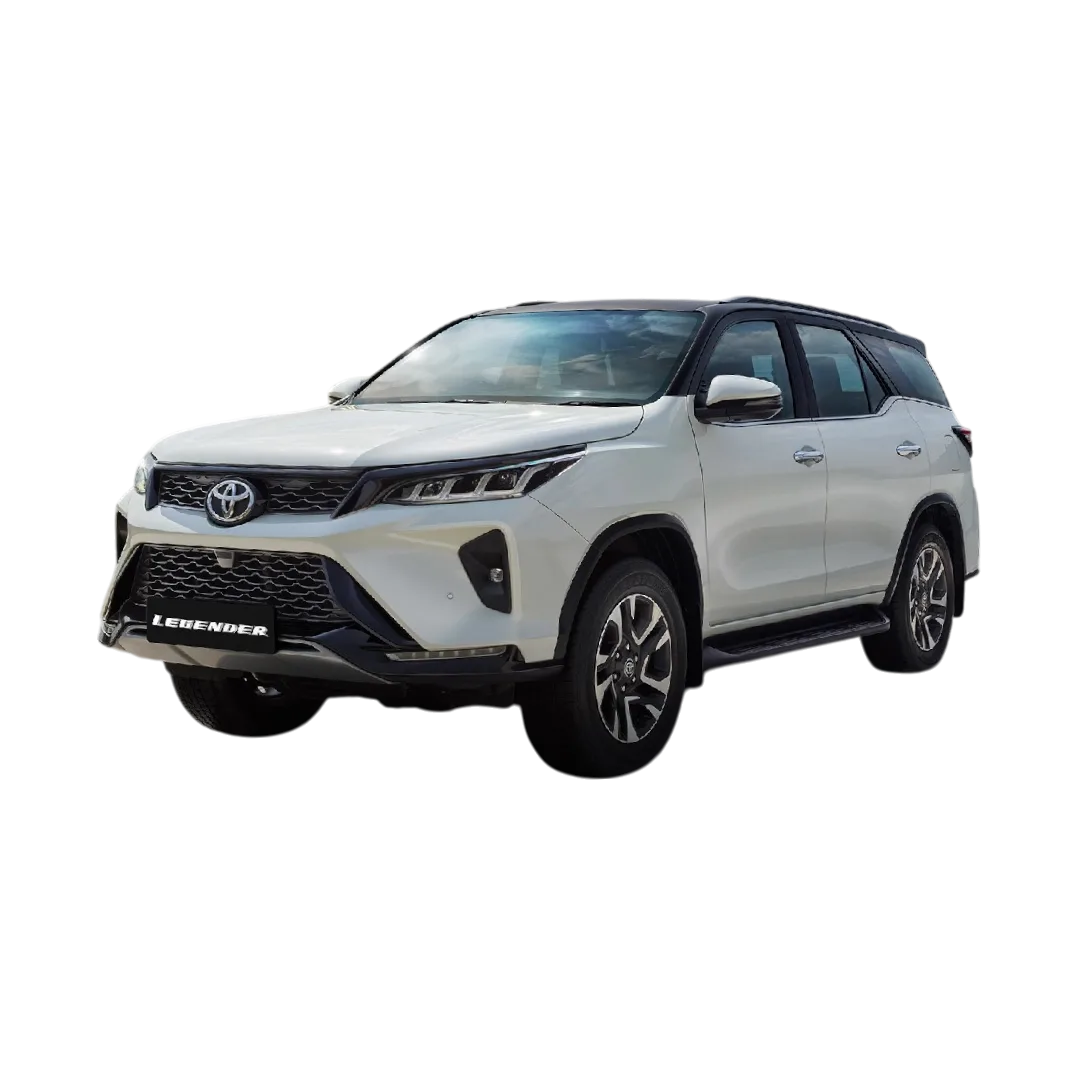 Fortuner Legender
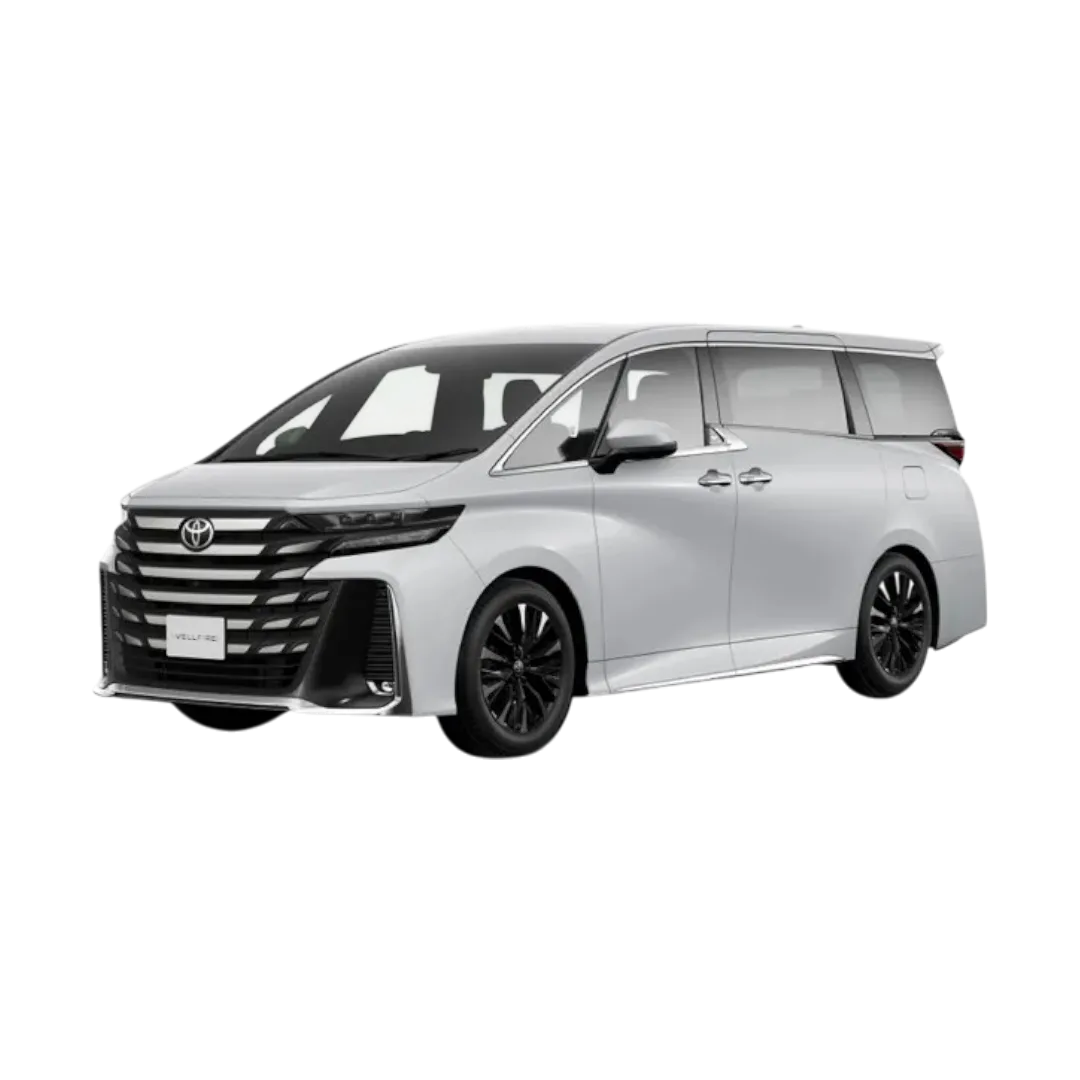 Vellfire
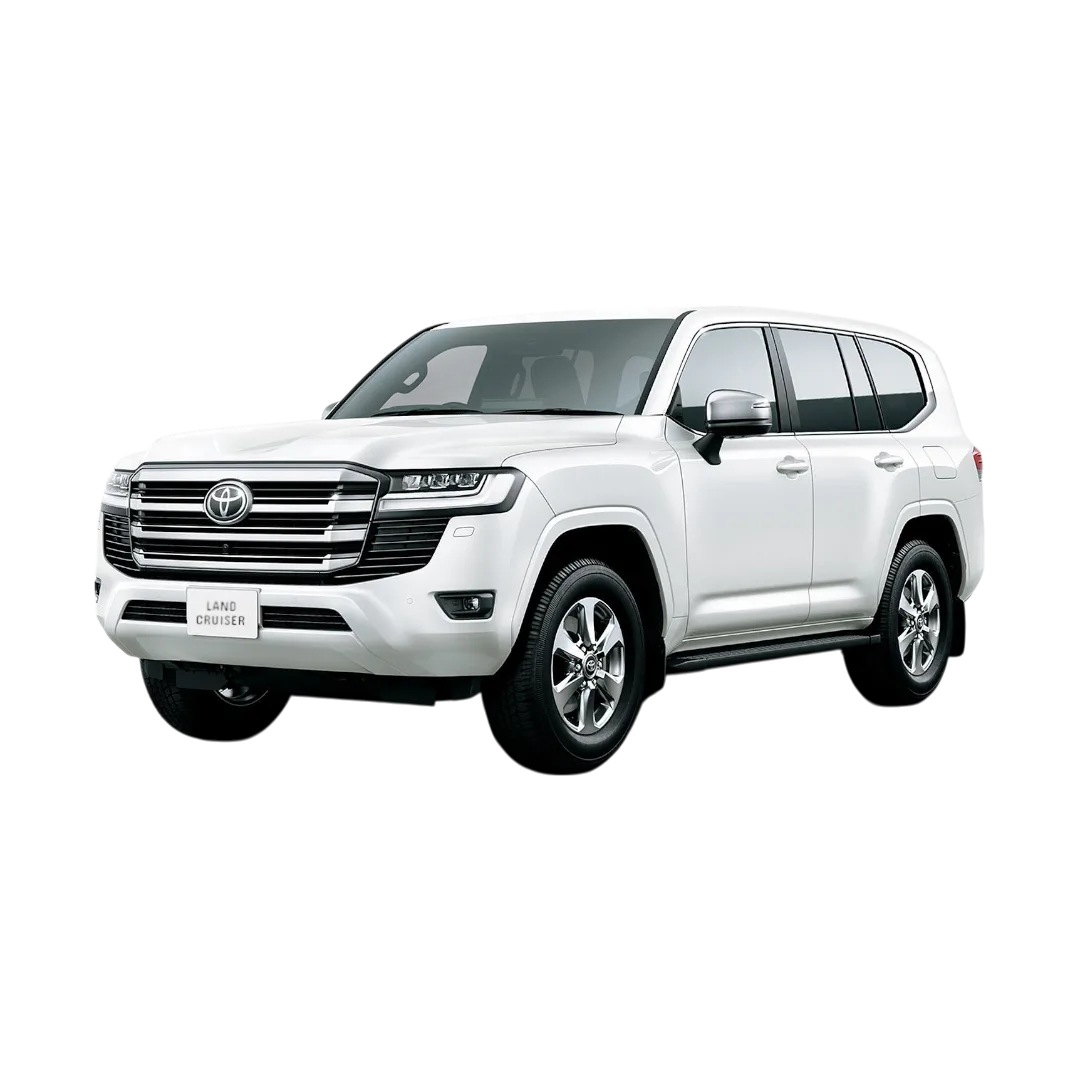 Land Cruiser
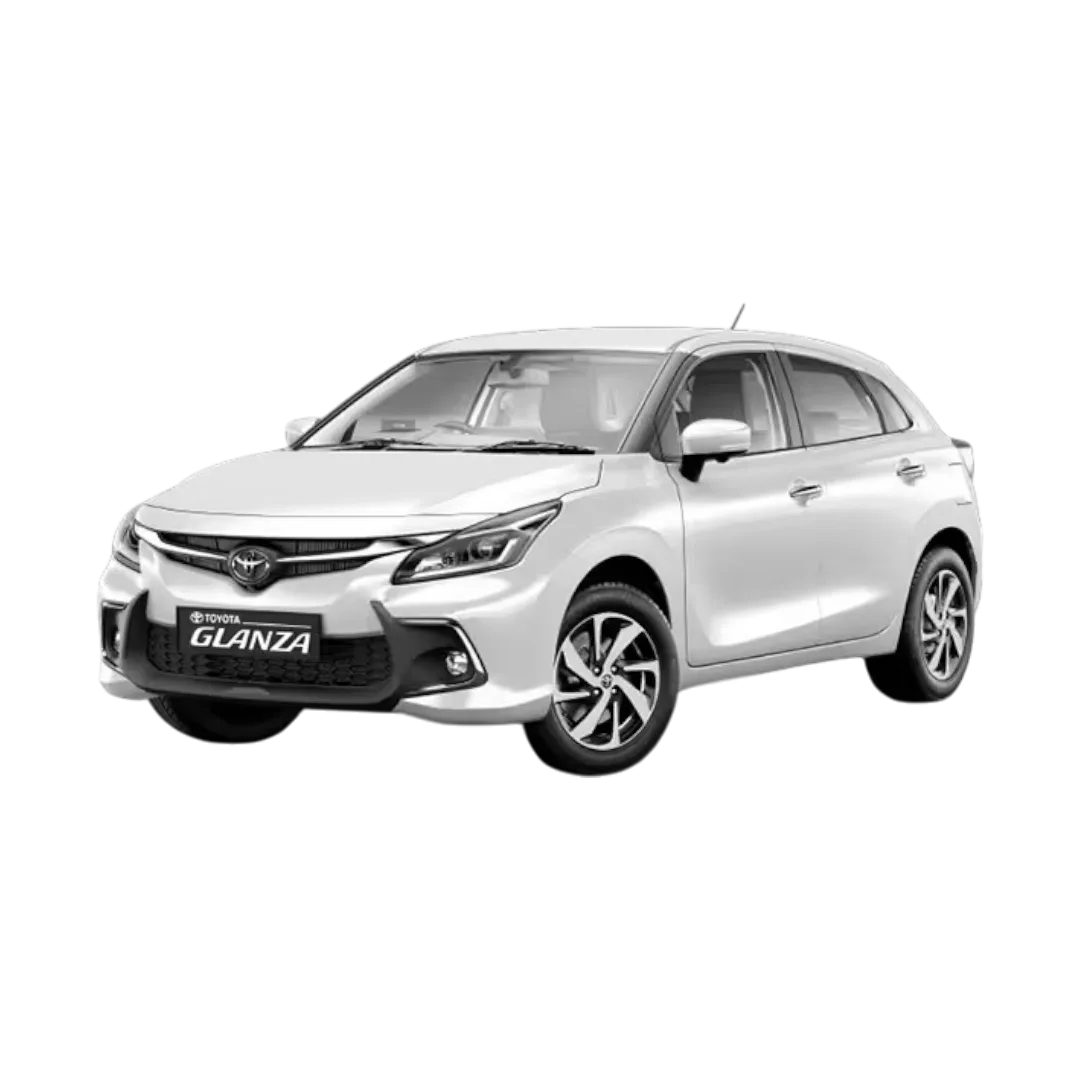 Glanza
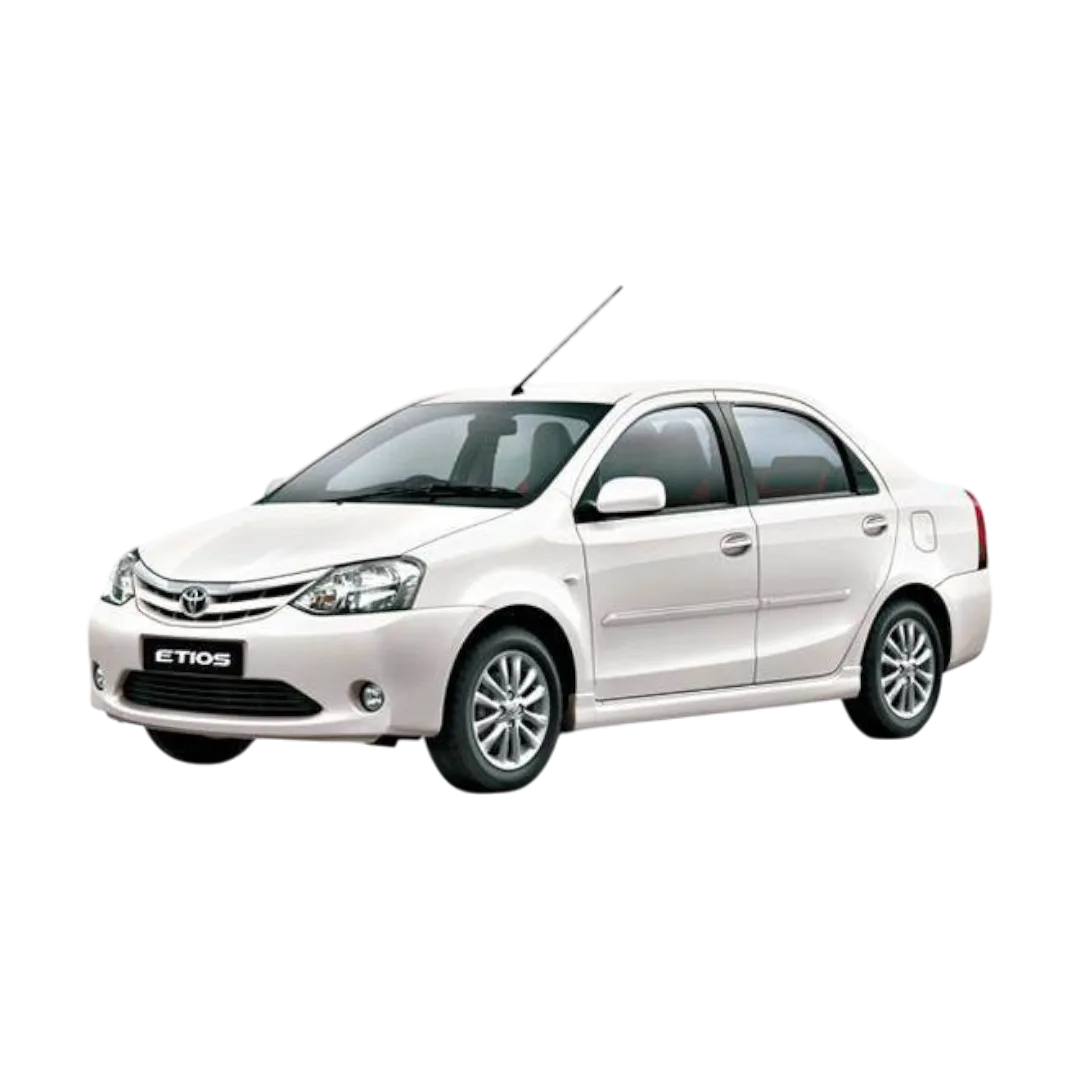 Etios
Etios
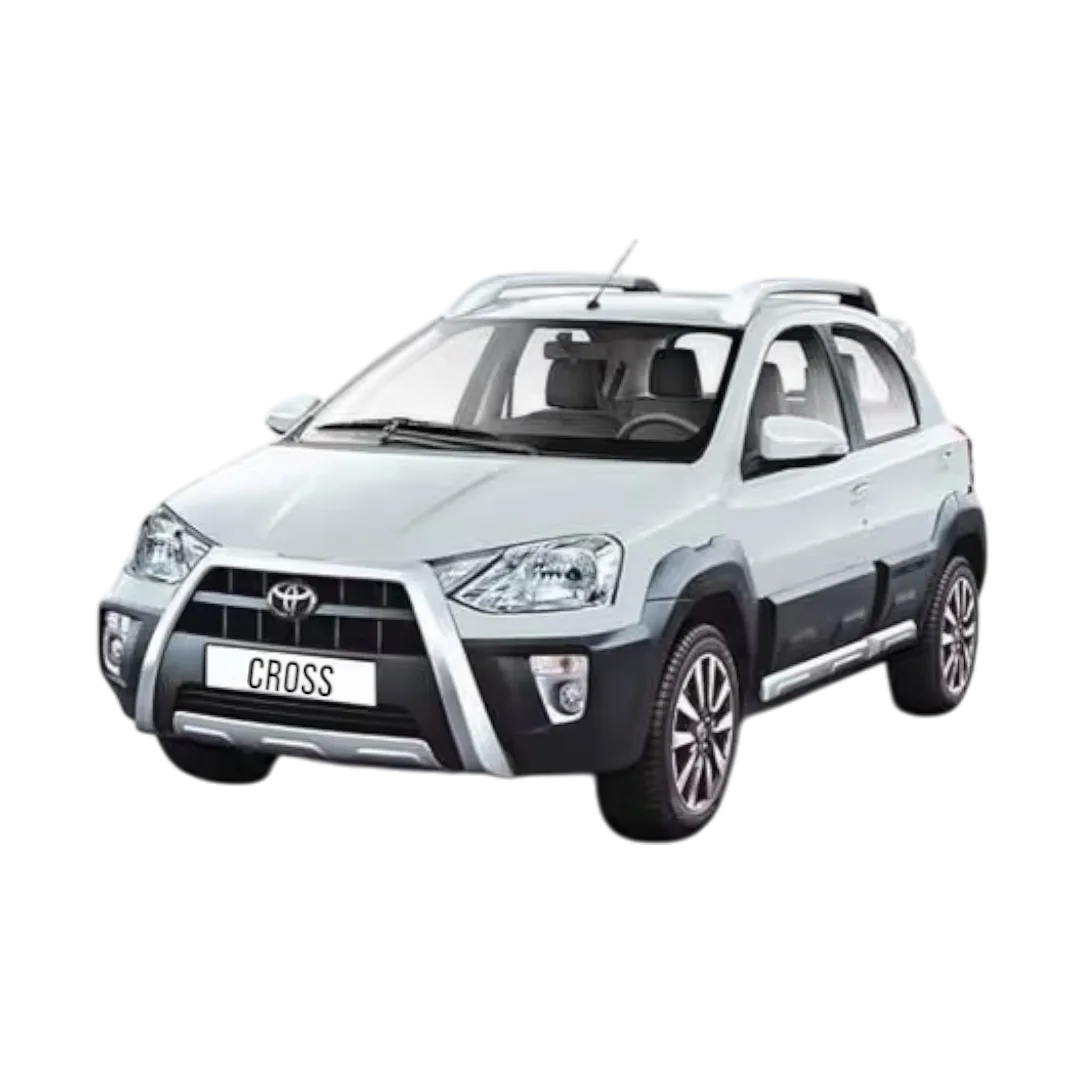 Etios cross
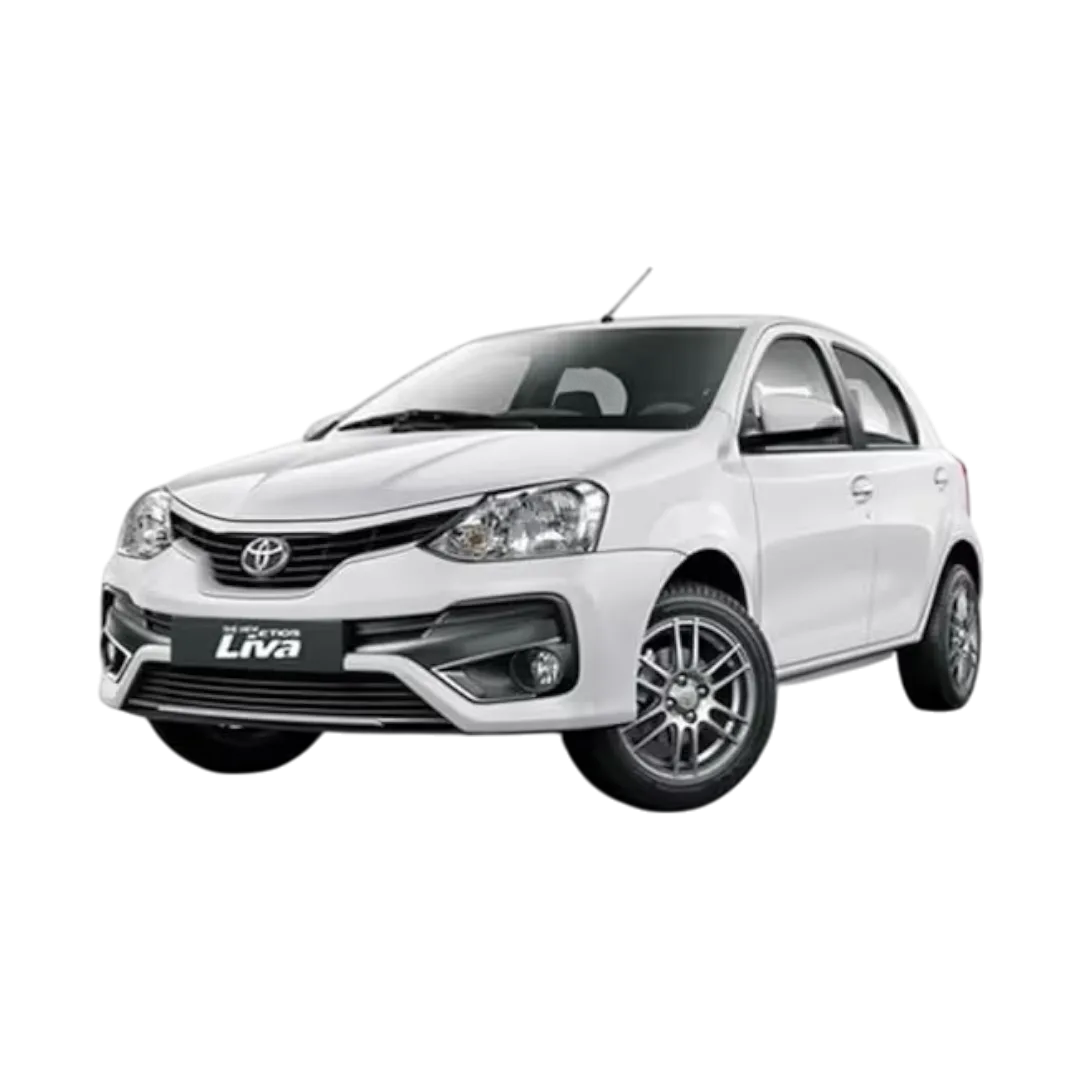 Etios Liva
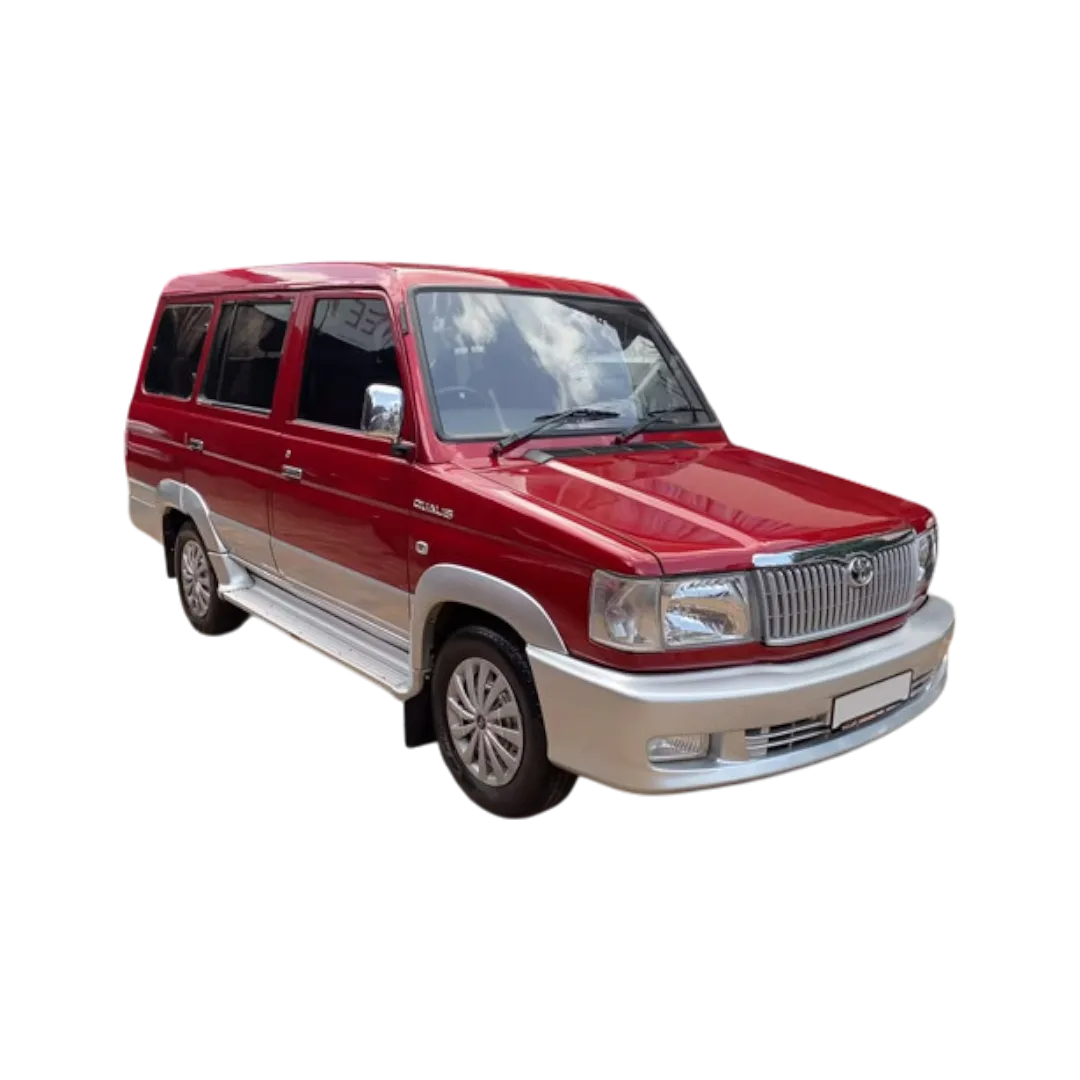 Qualis
 Innova
 Rumion
Taisor
Corolla Altis
Hyryder
Rumion
Taisor
Corolla Altis
Hyryder
 Bolero
 Marazzo
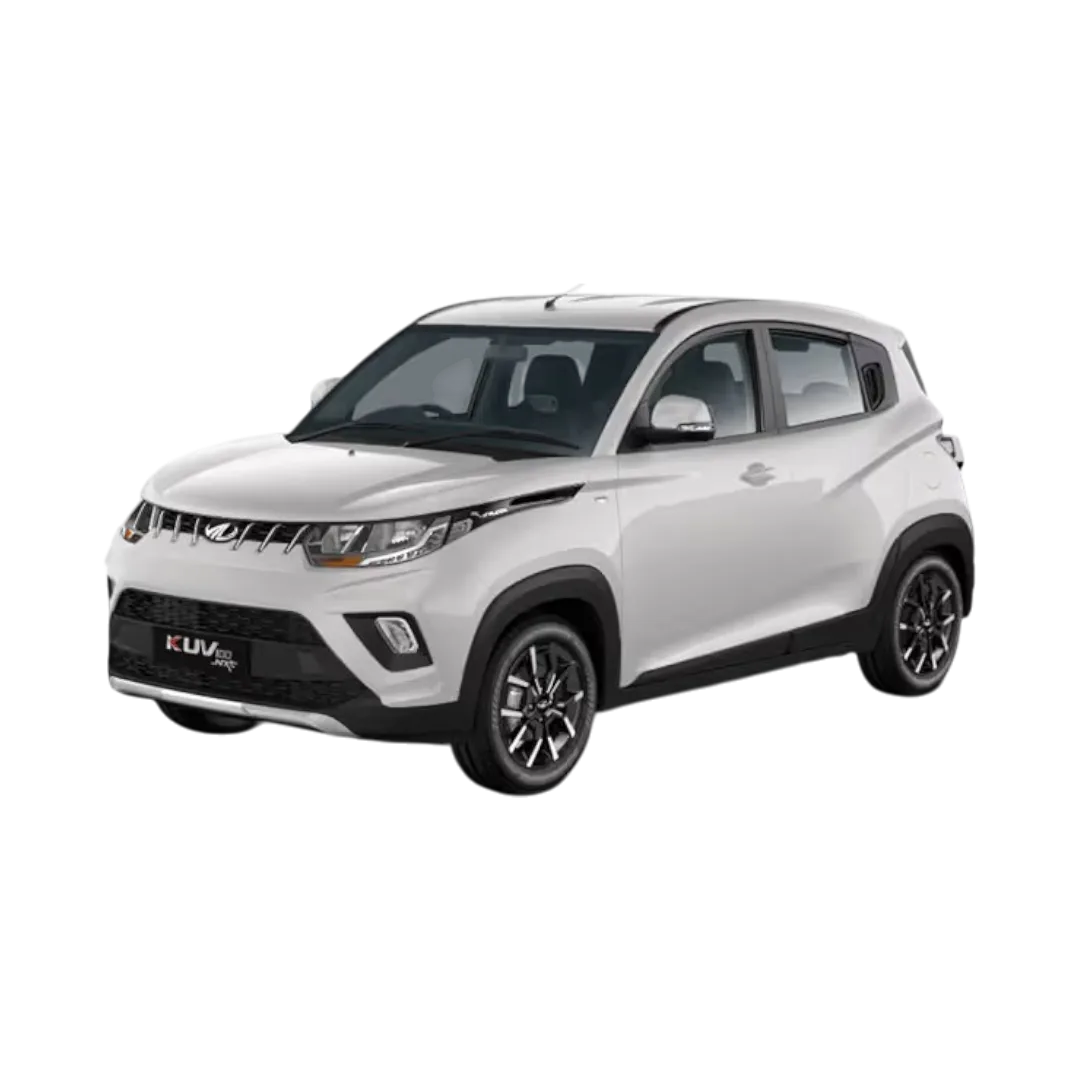 KUV100 NXT
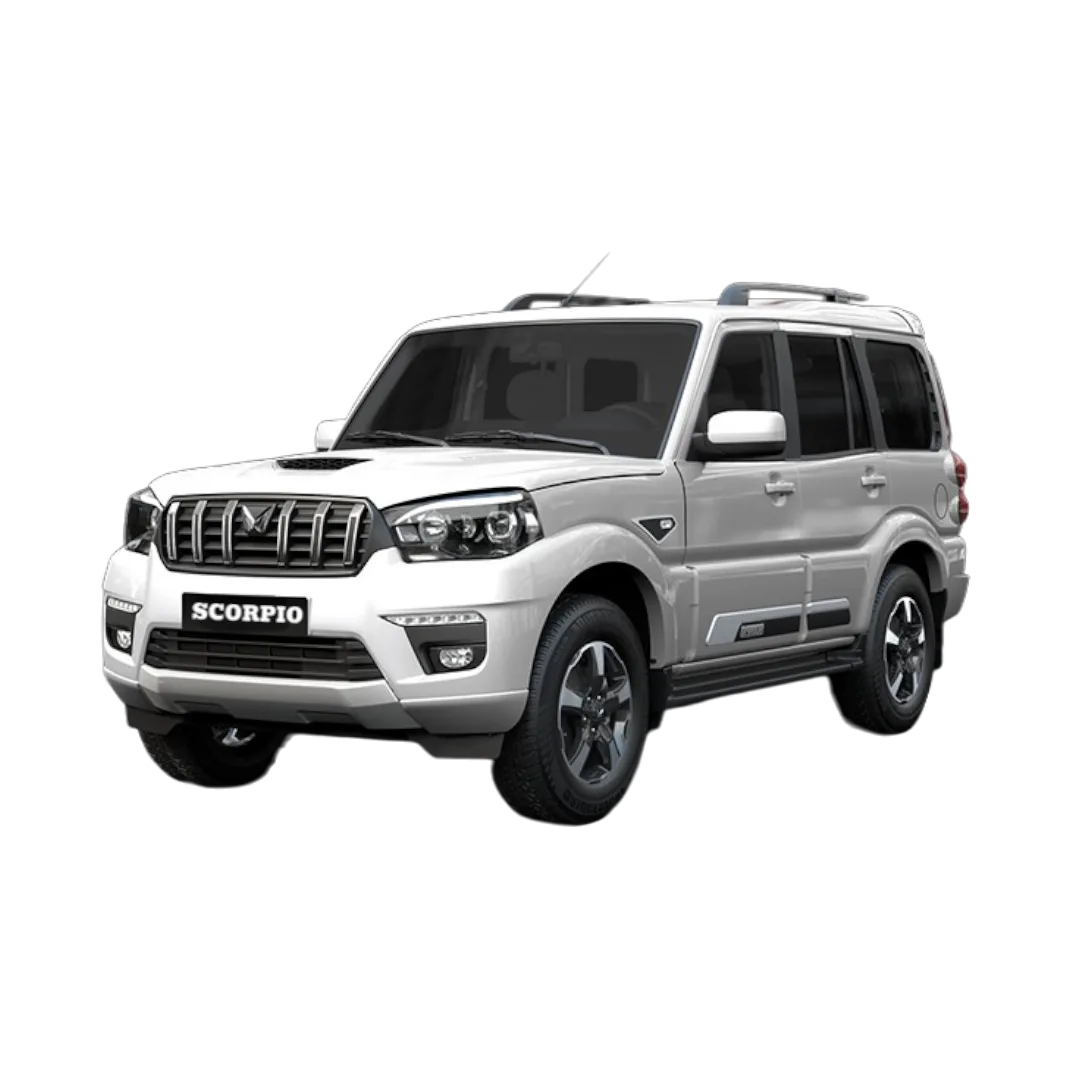 Scorpio
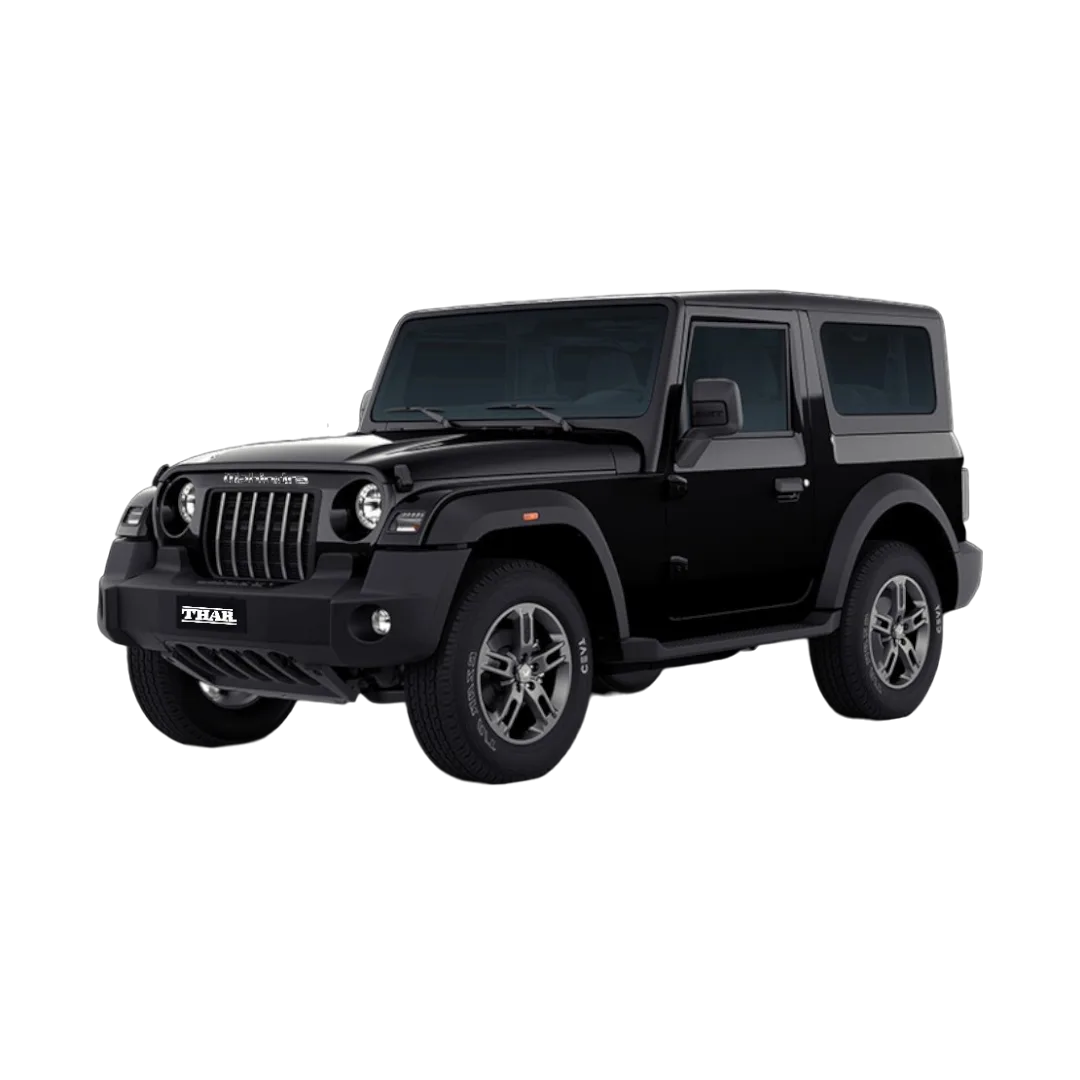 Thar
Thar
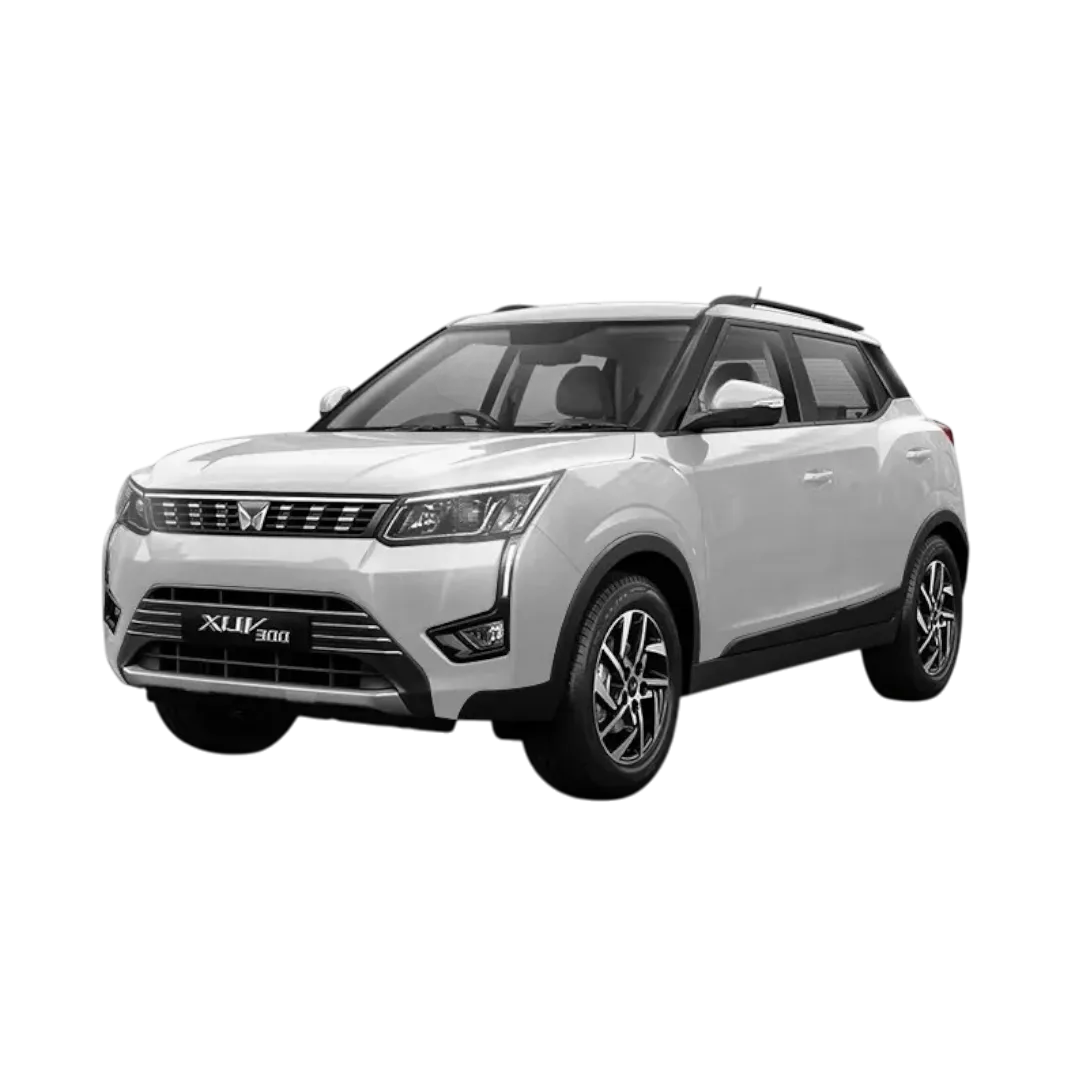 XUV 300
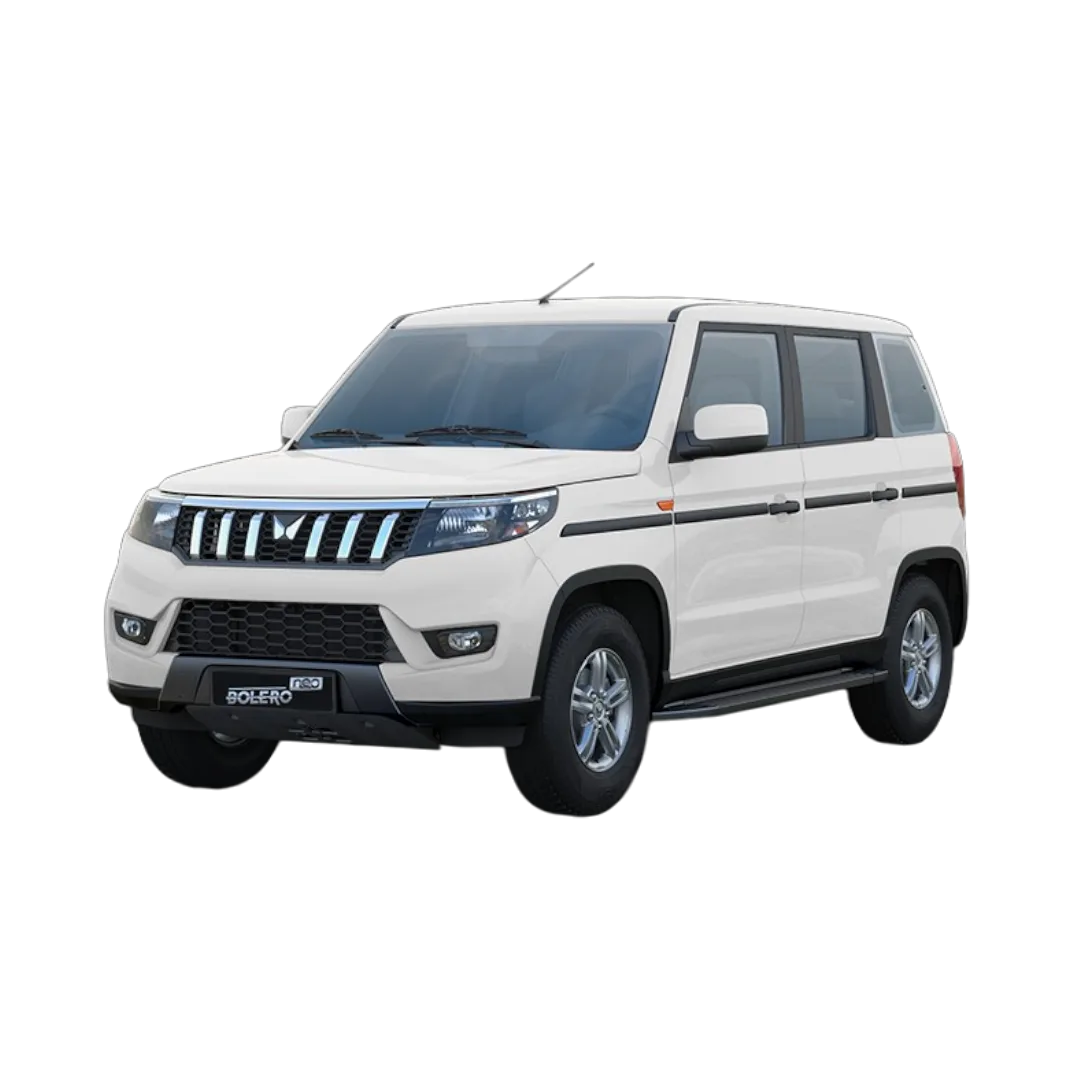 Bolero Neo
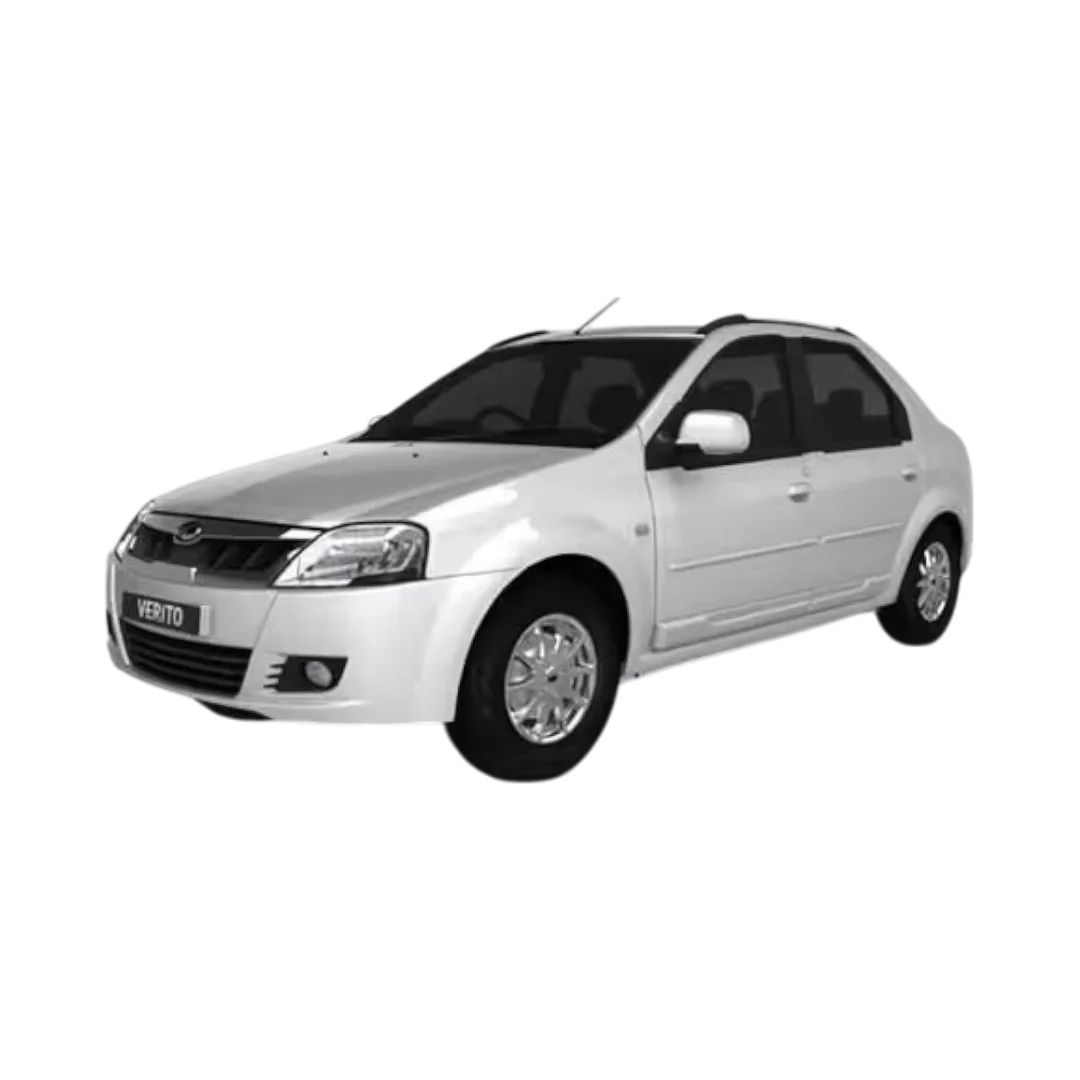 Verito
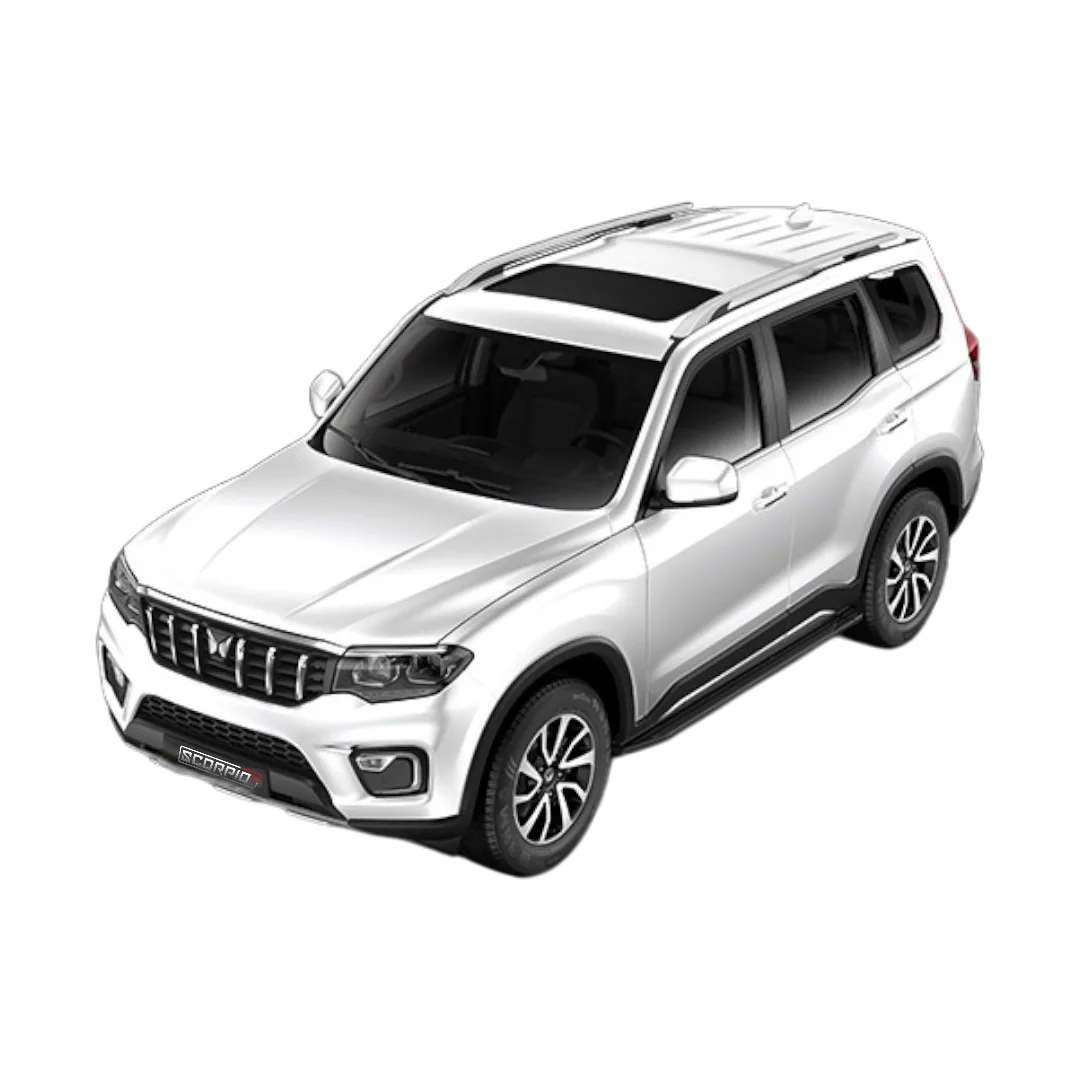 Scorpio-N
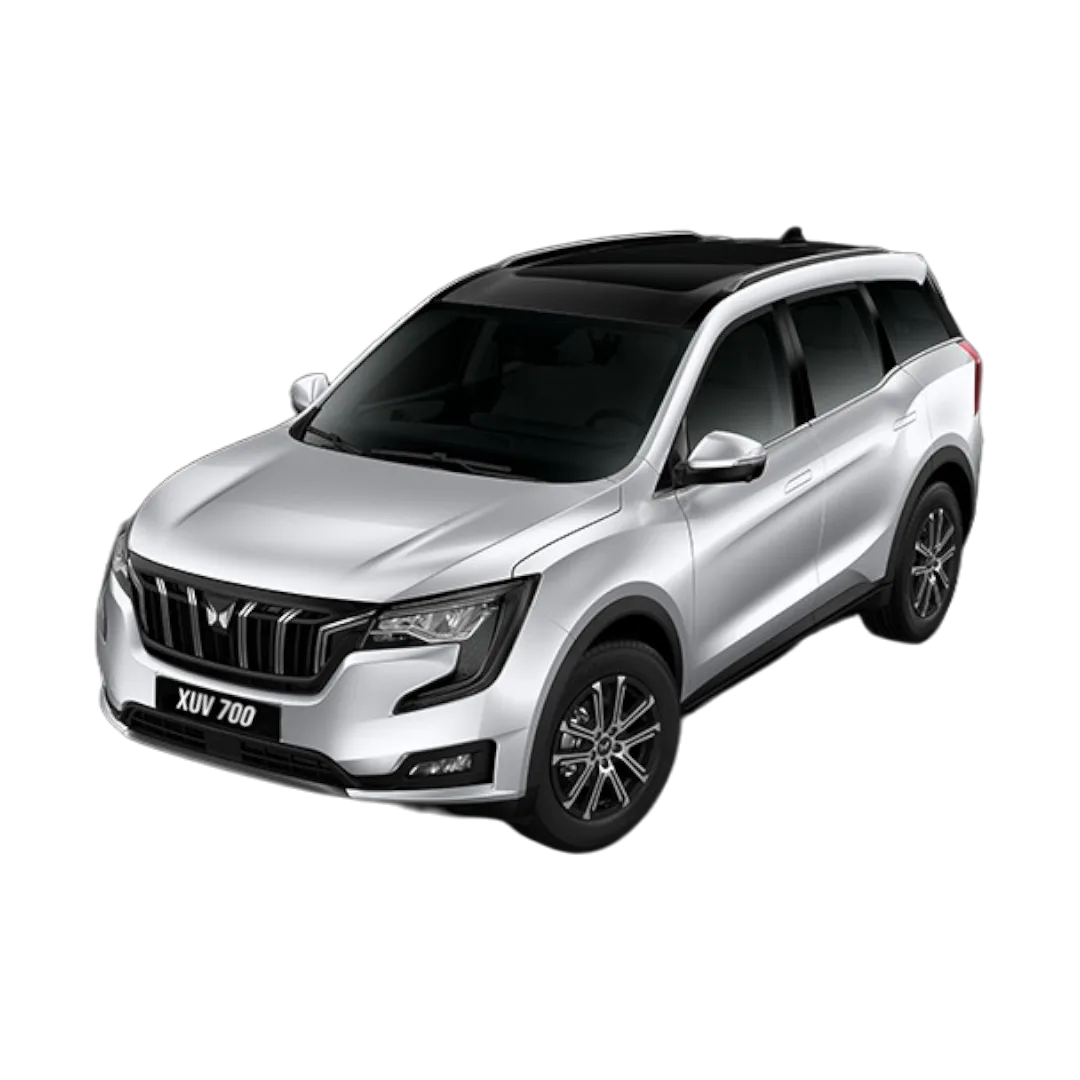 XUV 700
 Scorpio Classic
 XUV400
 Alturas
 Xylo
Xylo
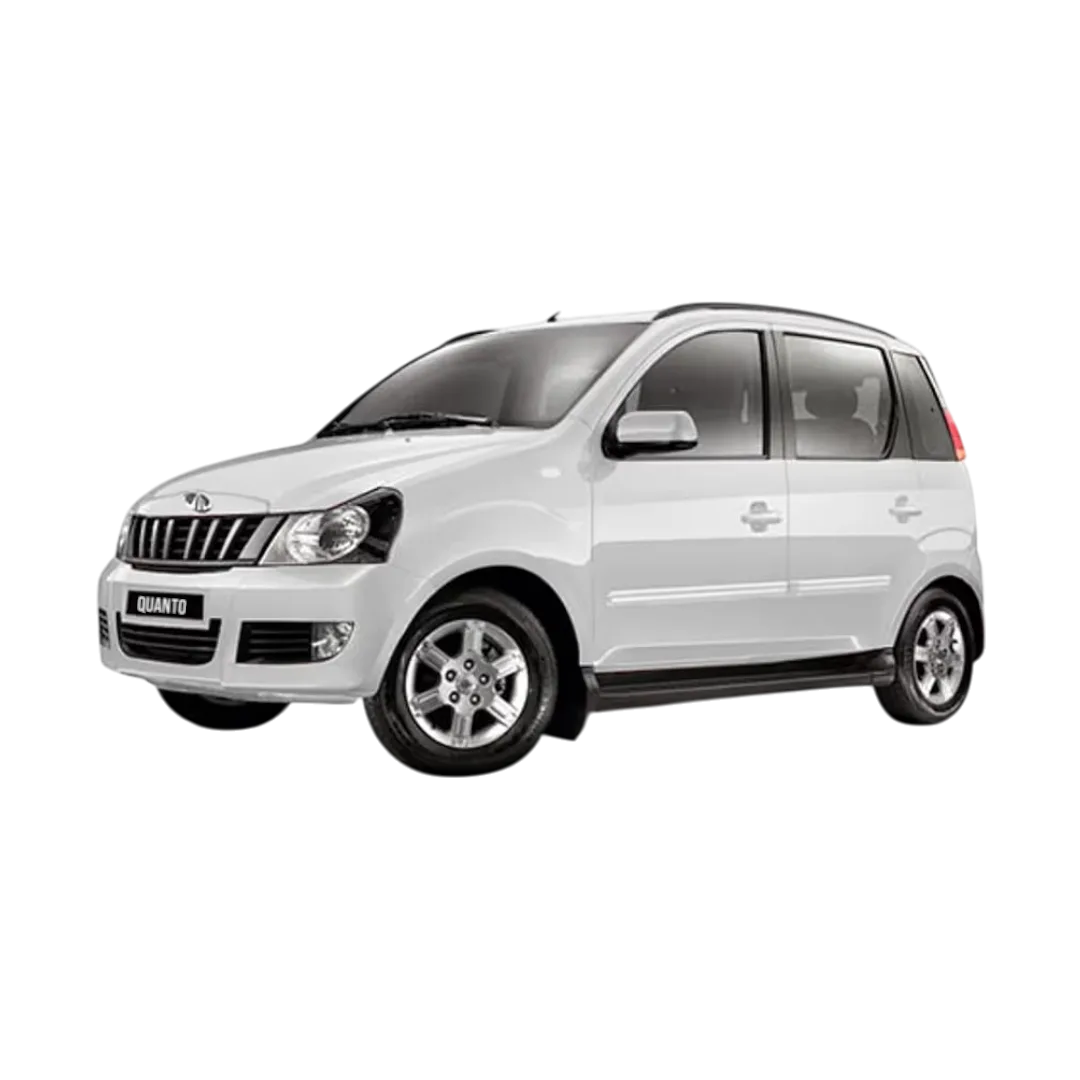 Quanto
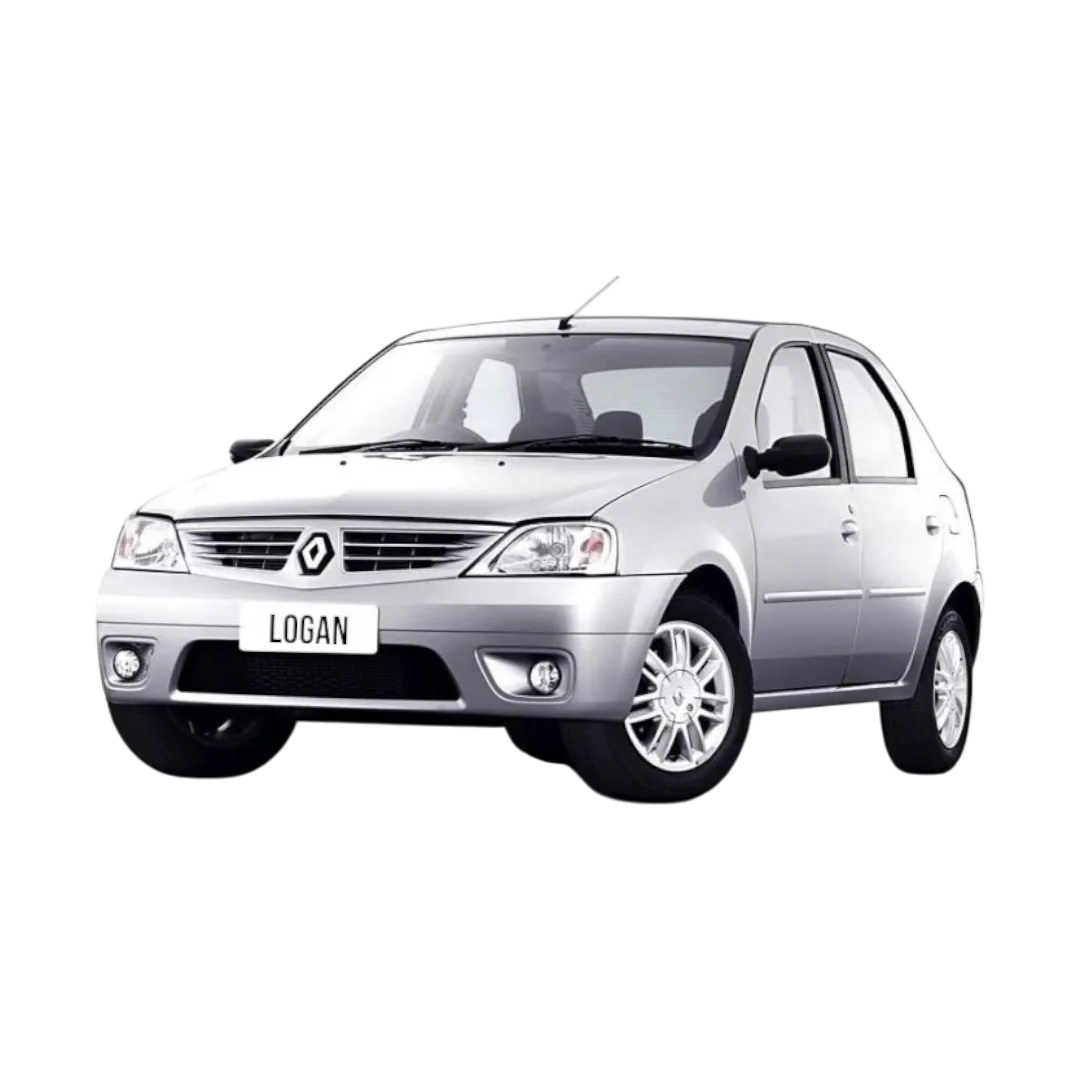 Logan
Logan
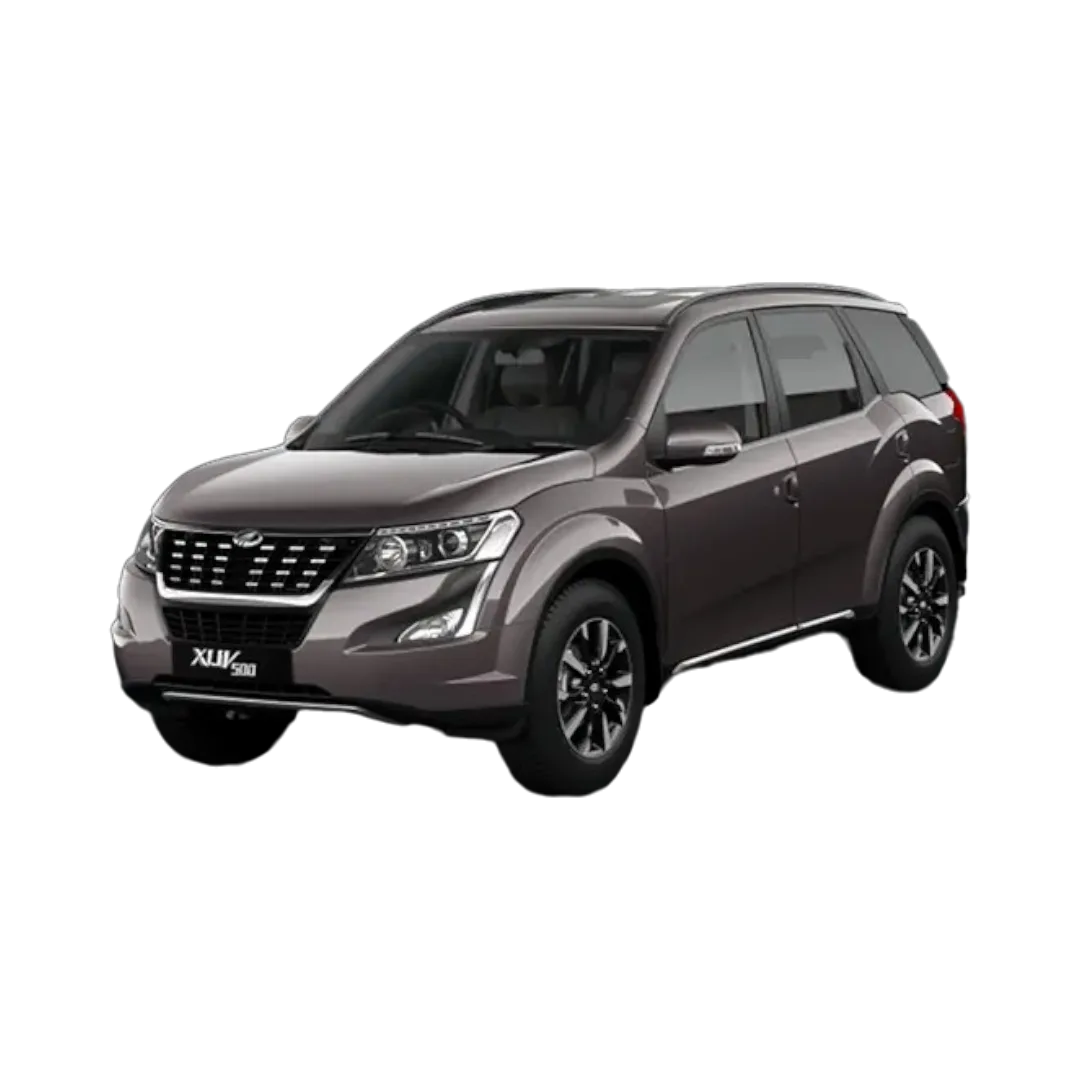 XUV 500
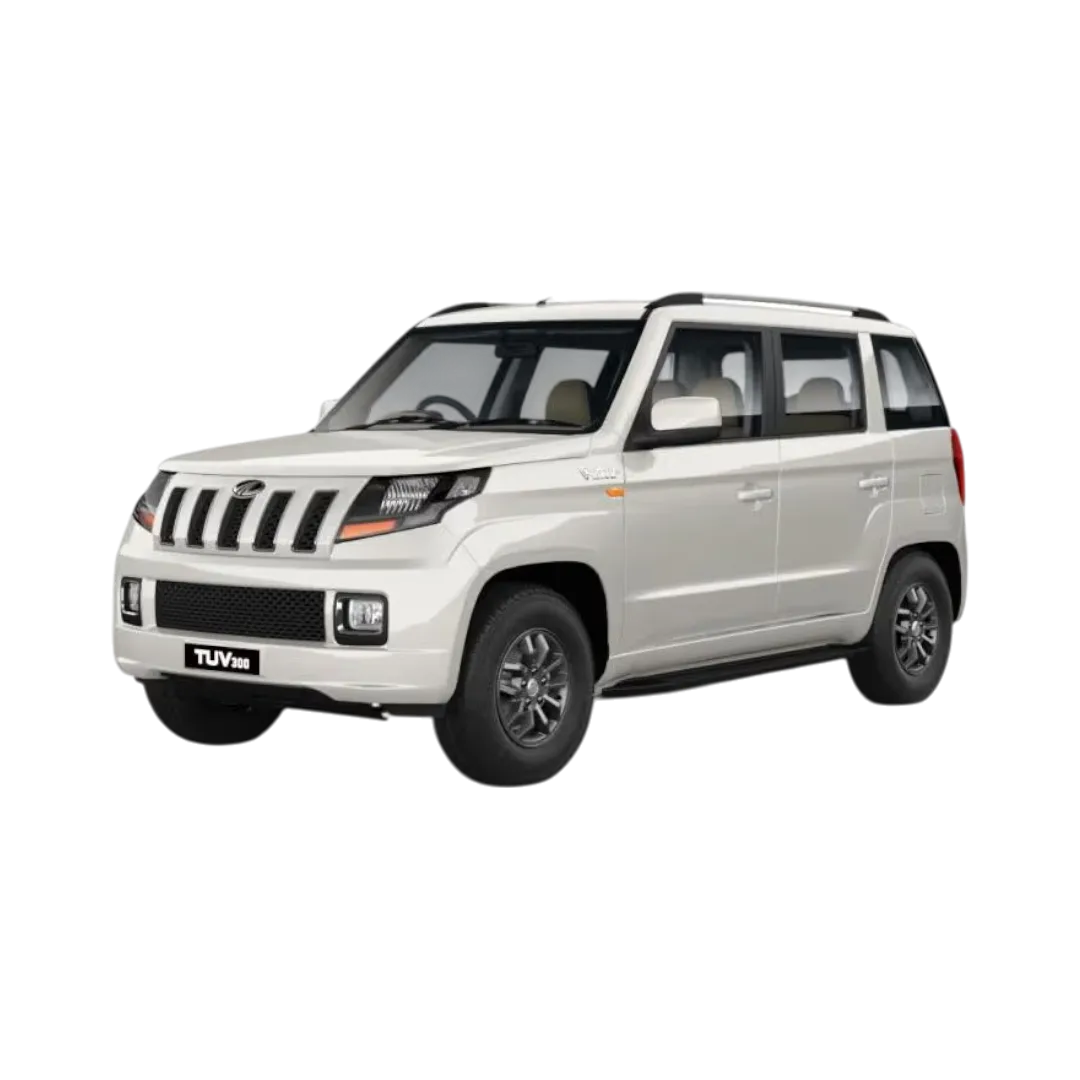 TUV 300
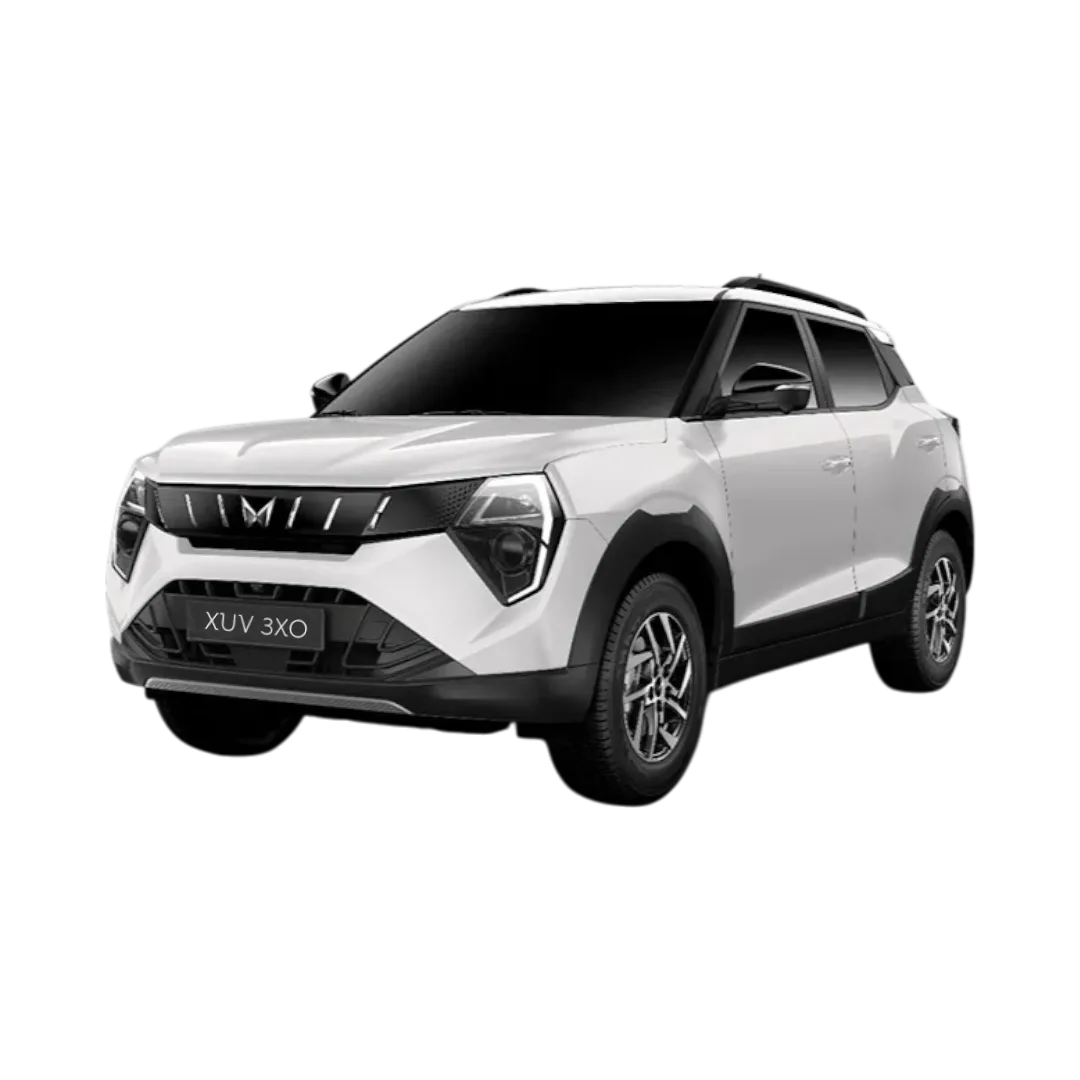 XUV 3XO
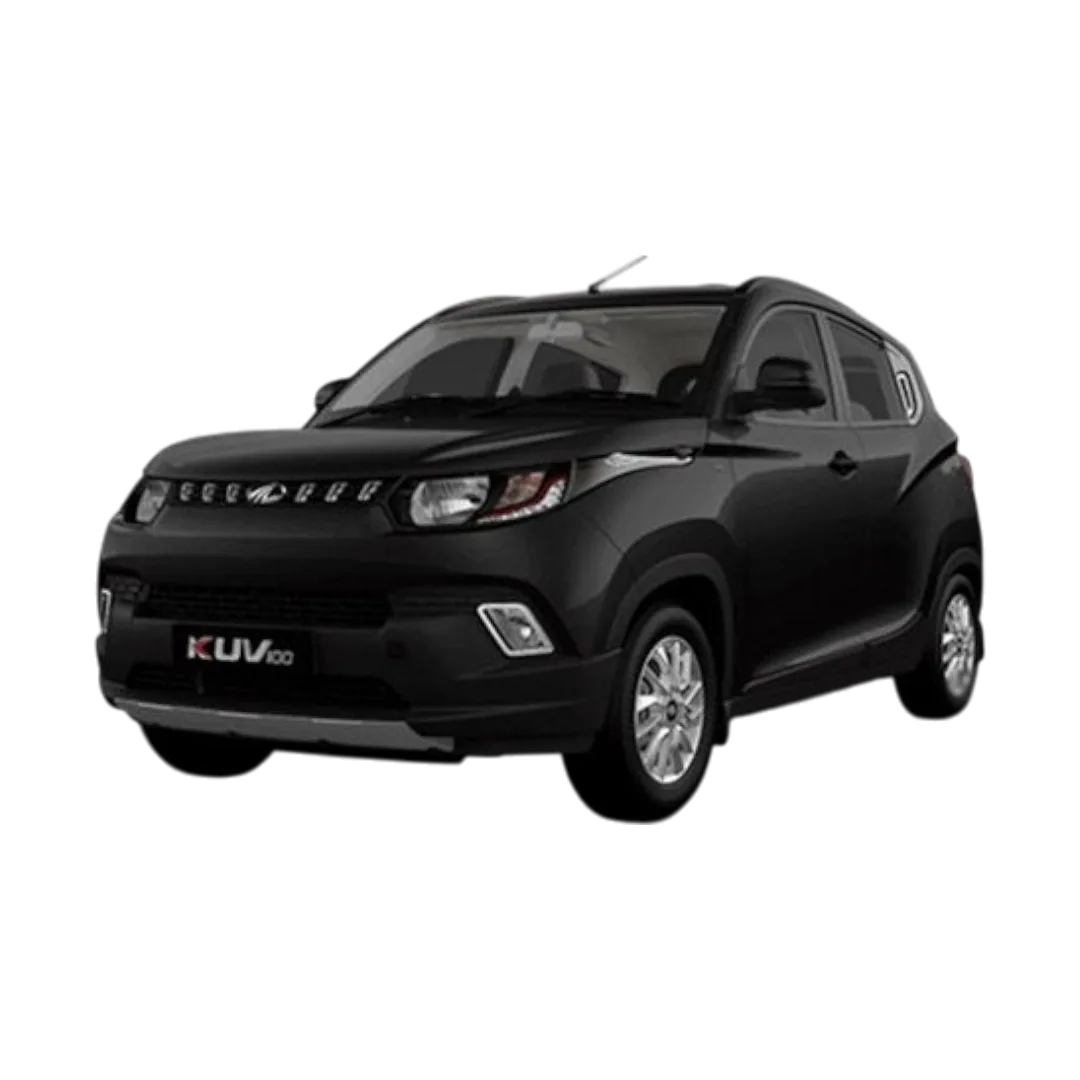 KUV 100
NuvoSport
XEV 9e
BE 6
Thar Roxx
E-Verito
XUV 7XO
TUV 100
BE6
Bolero Camper
Verito Vibe
XUV 400
KUV 100
NuvoSport
XEV 9e
BE 6
Thar Roxx
E-Verito
XUV 7XO
TUV 100
BE6
Bolero Camper
Verito Vibe
XUV 400
 Audi Q5
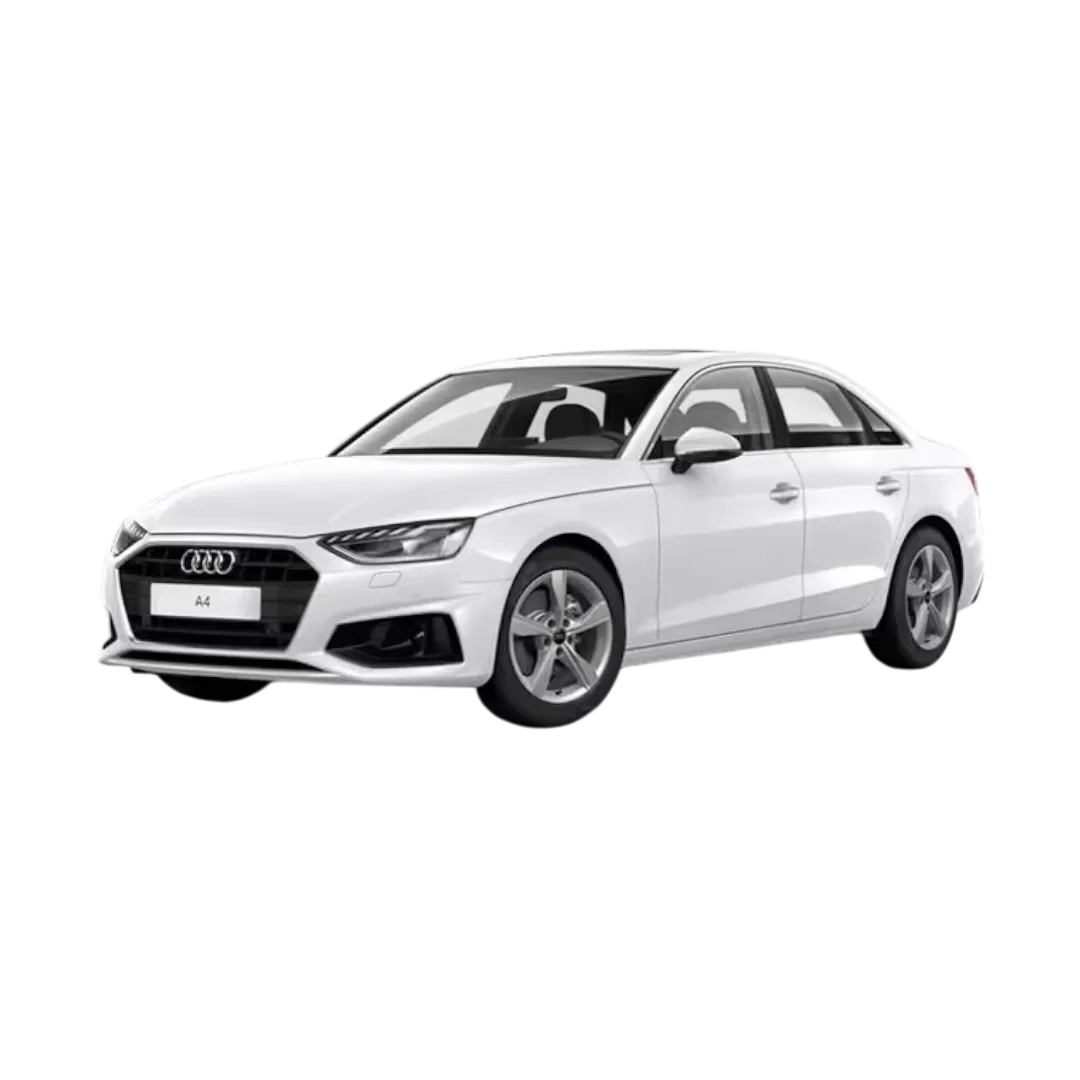 Audi A4
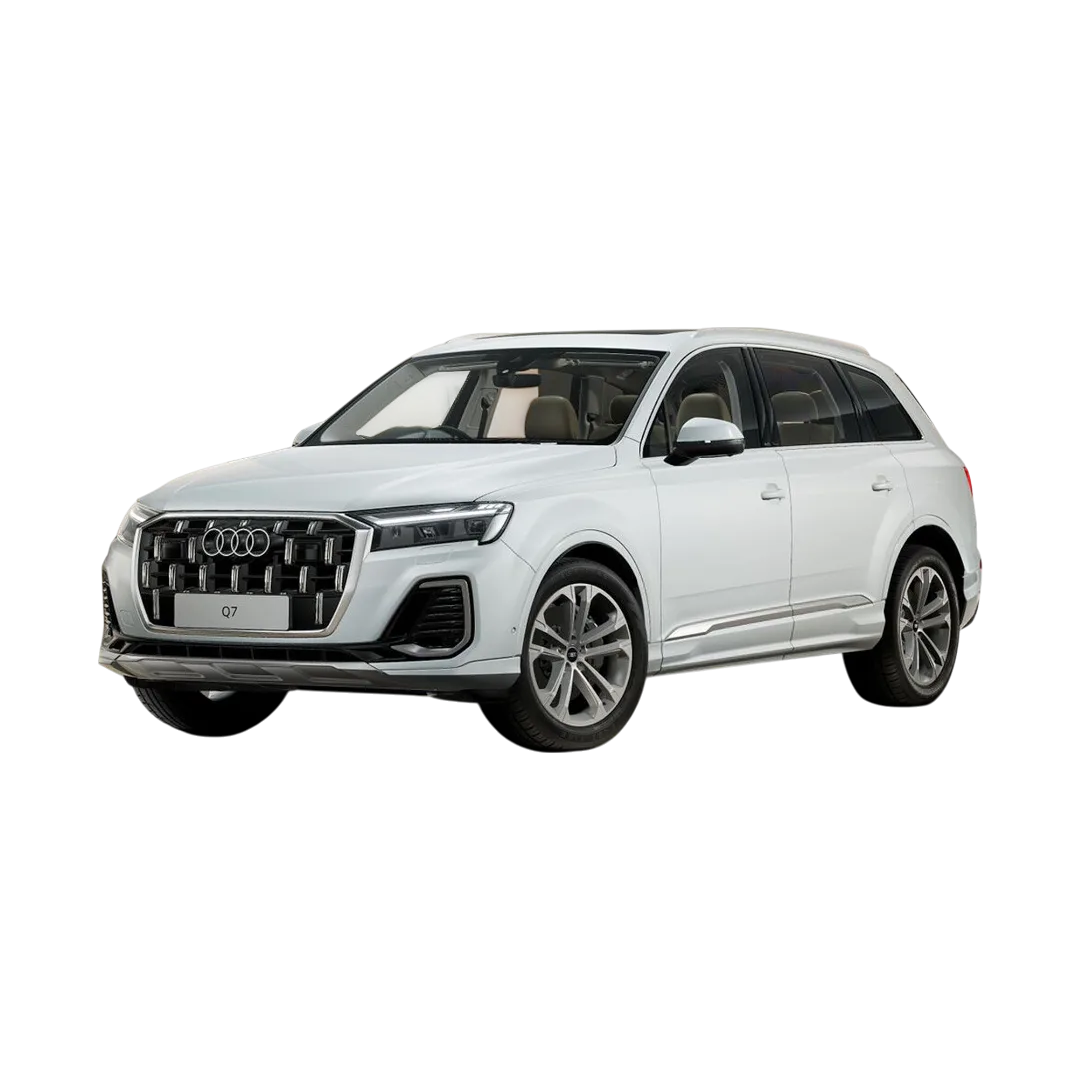 Audi Q7
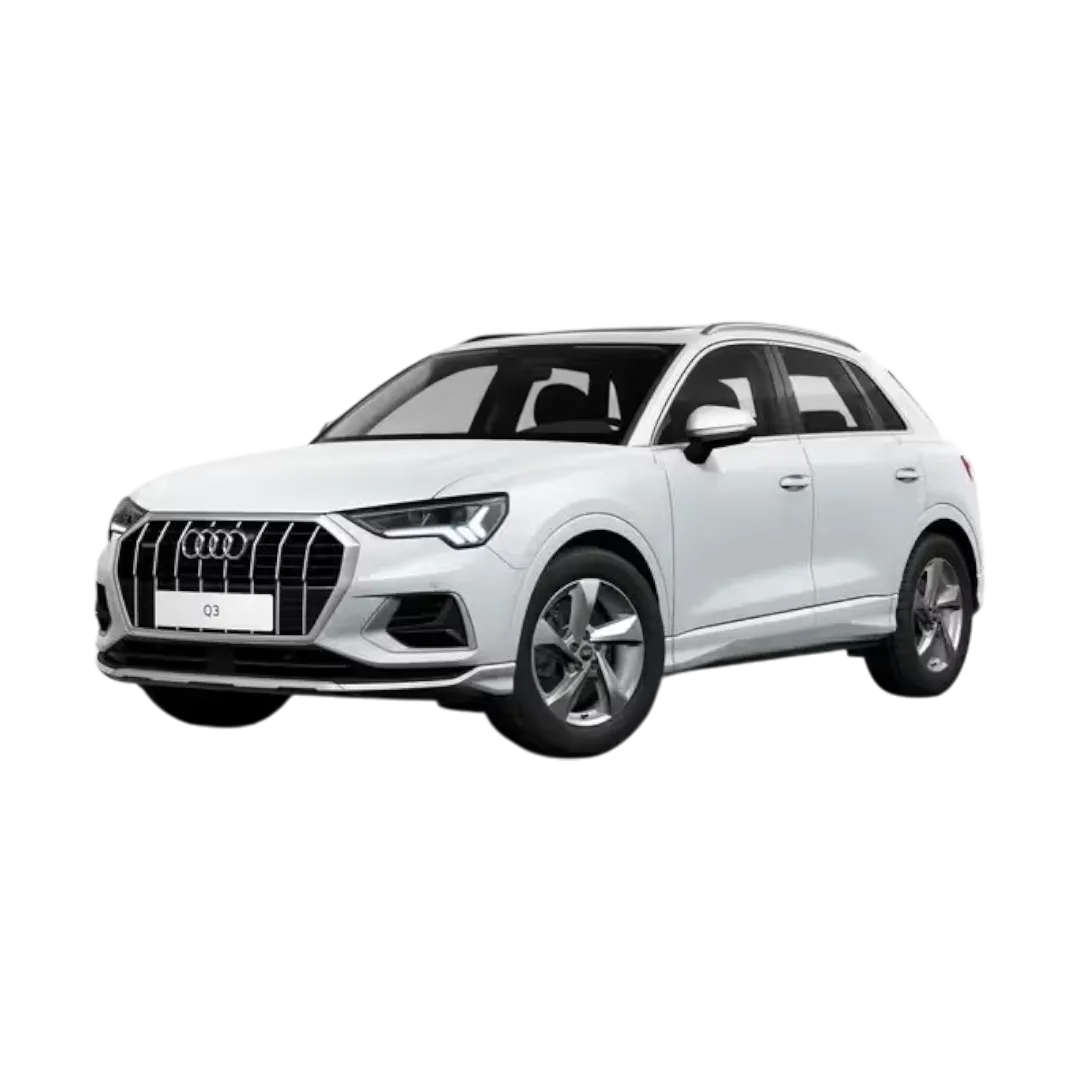 Audi Q3
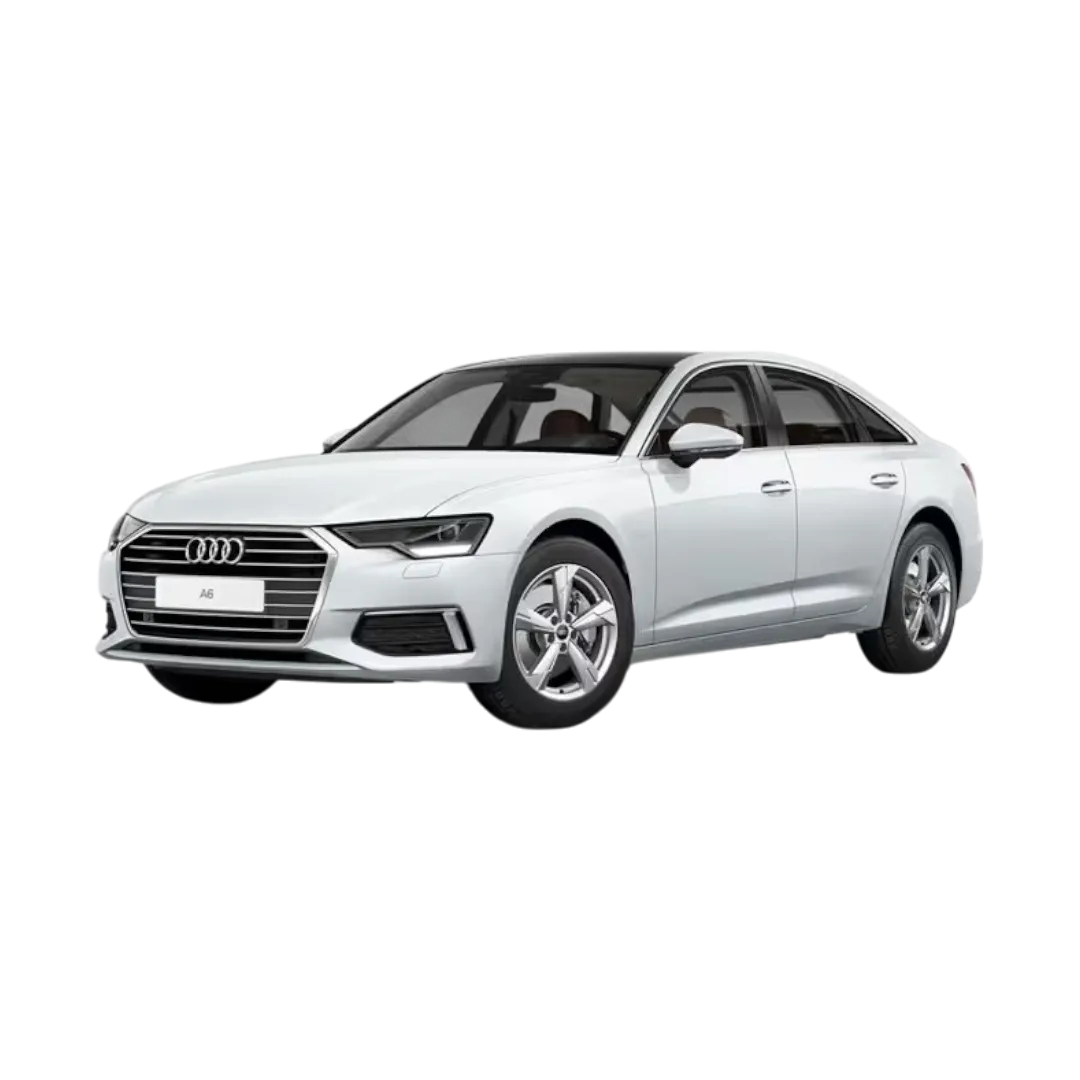 Audi A6
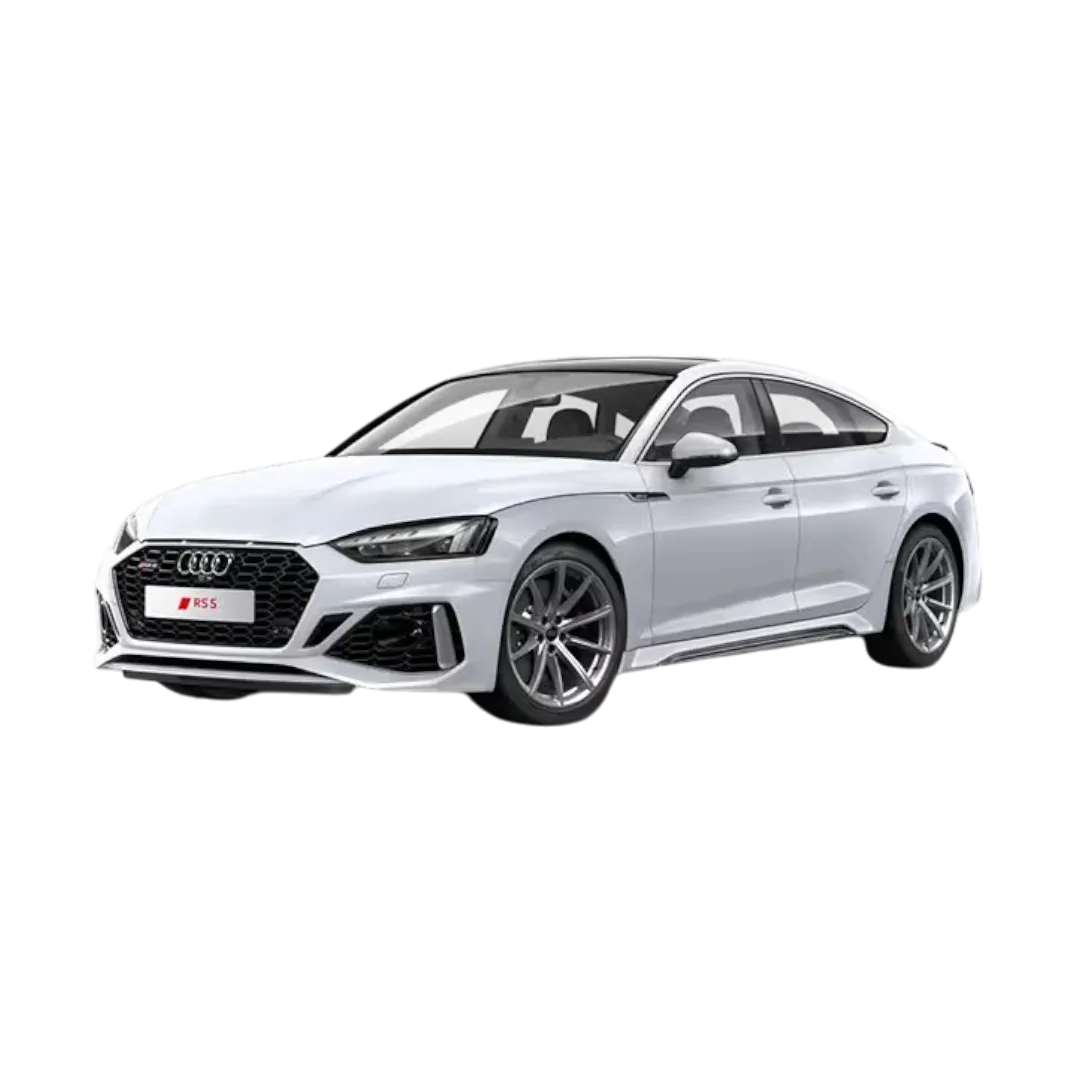 Audi RS5
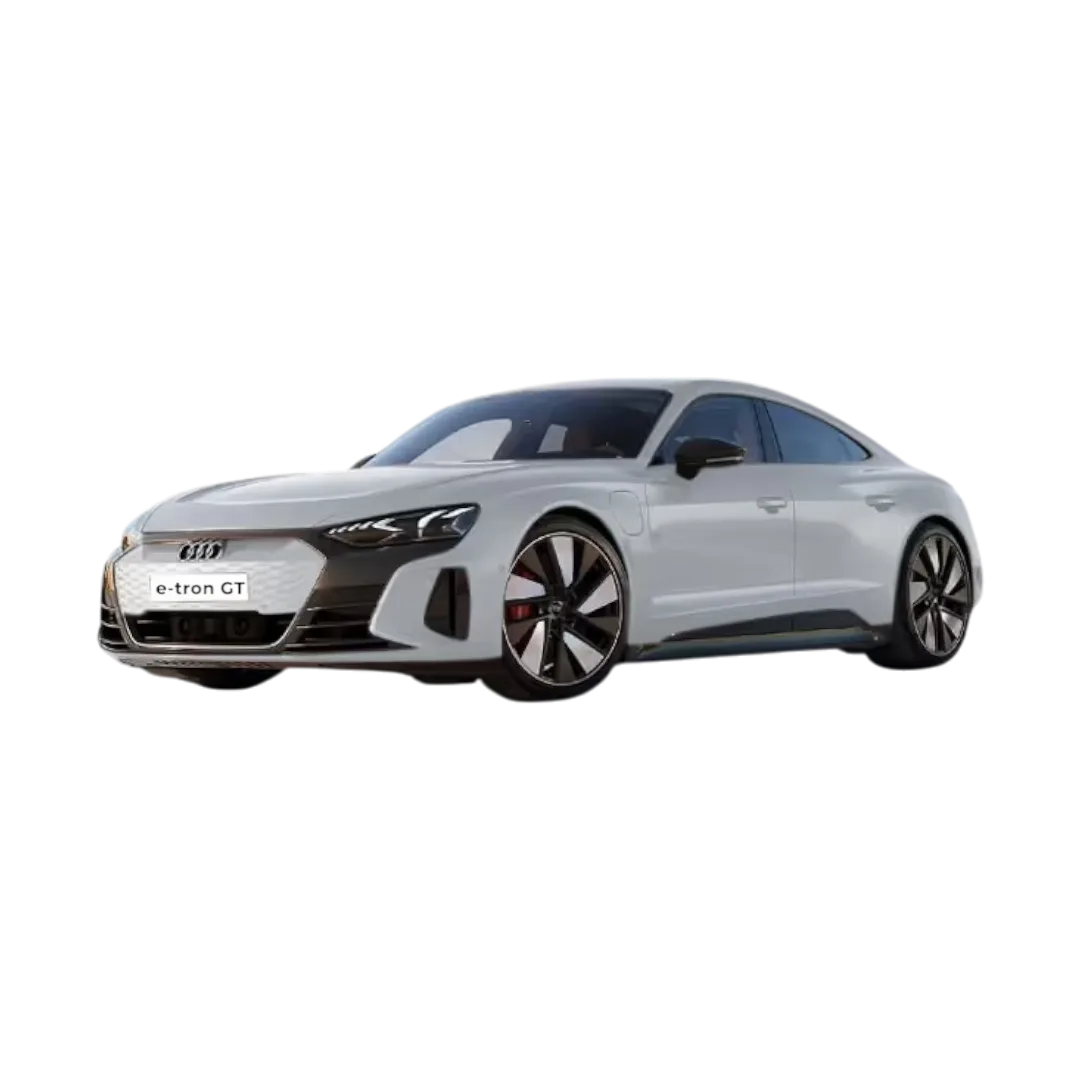 E-Tron GT
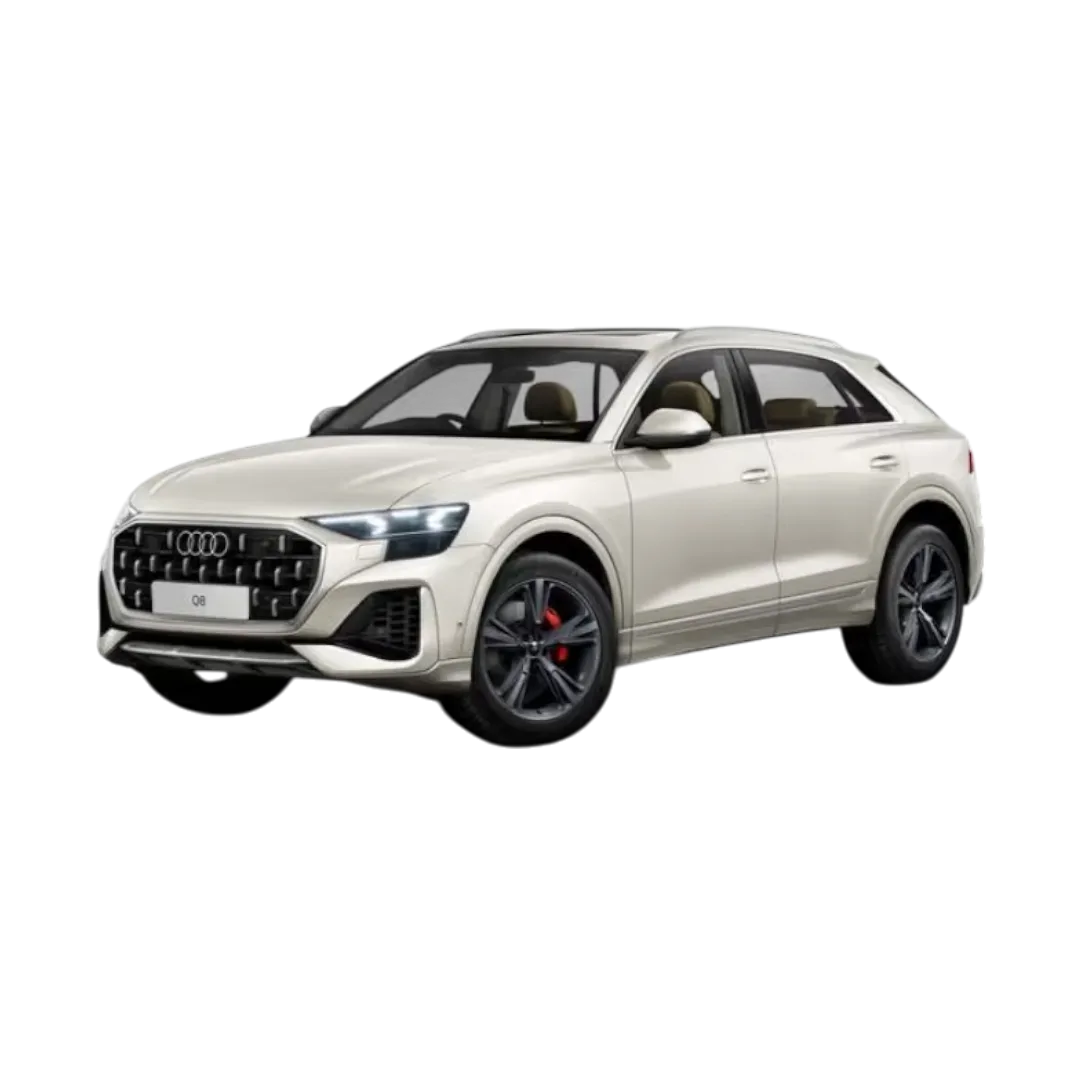 Audi Q8
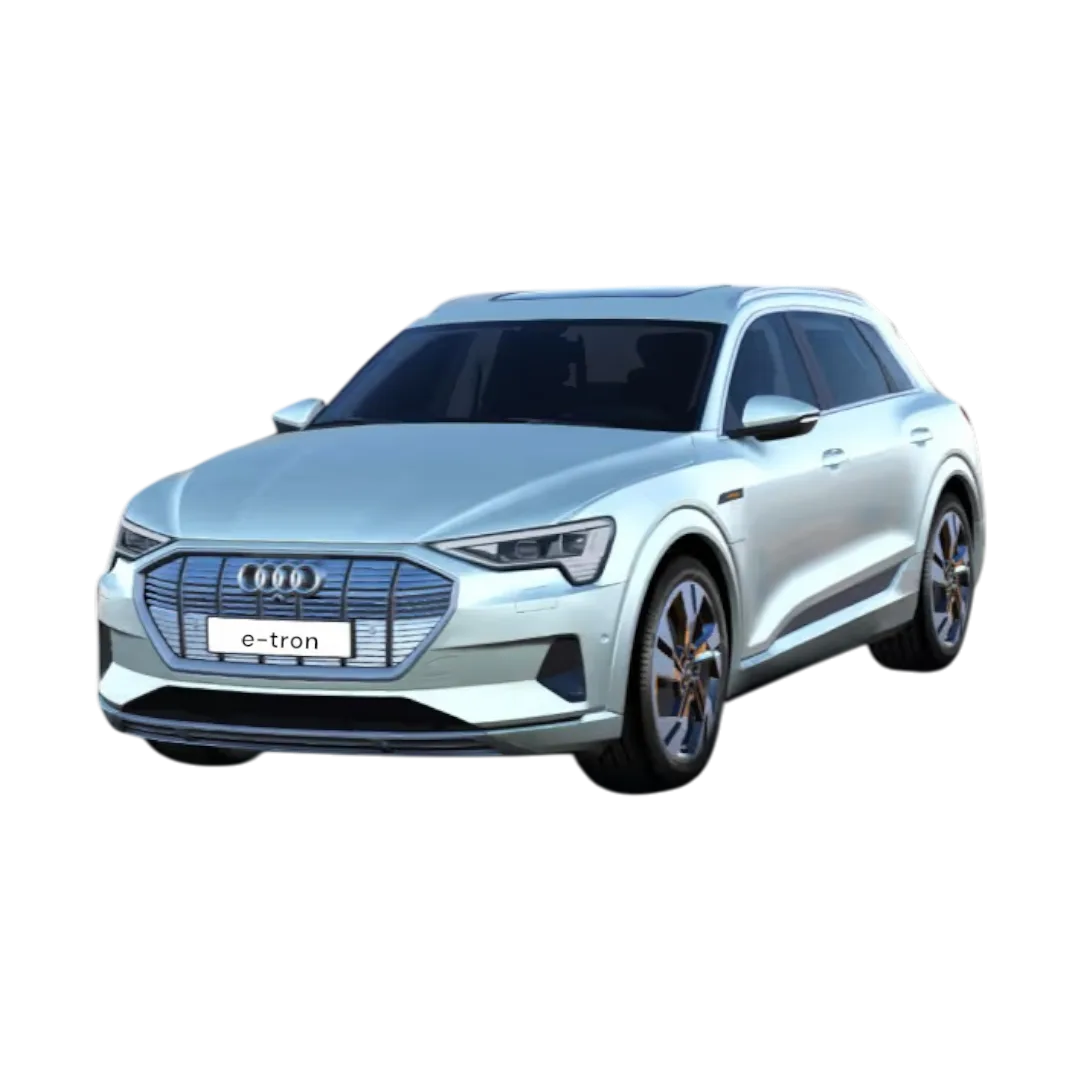 E-Tron
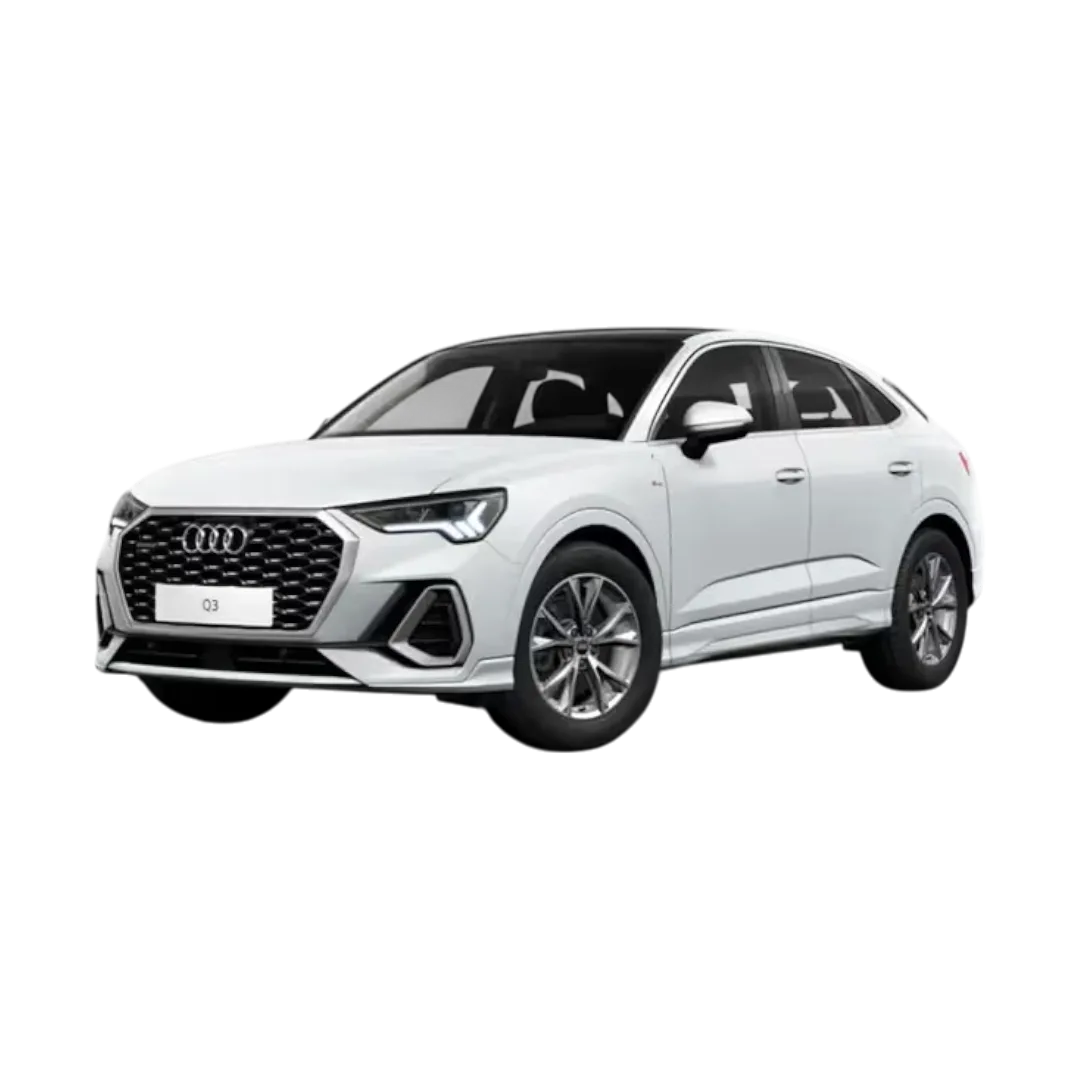 Q3 Sportback
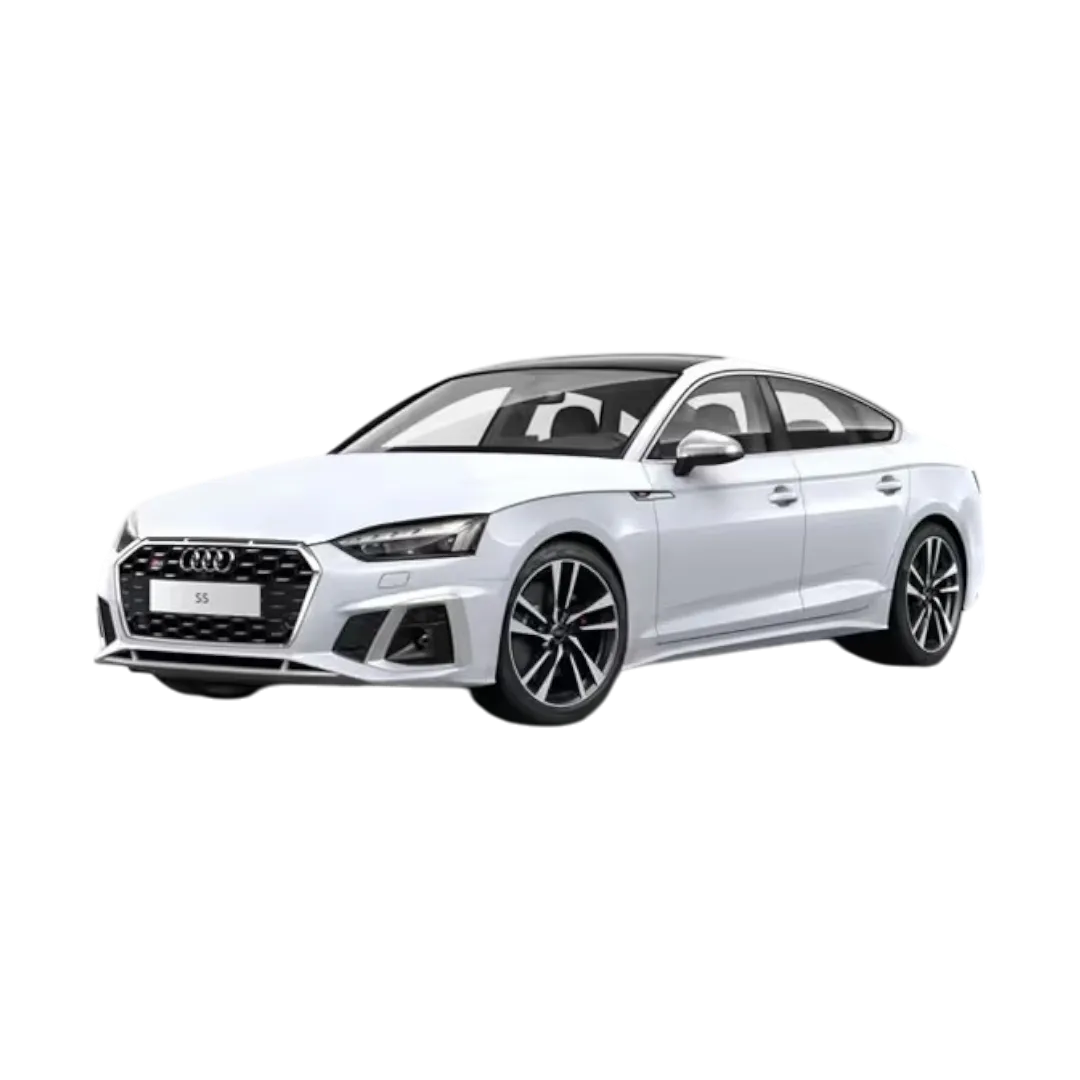 Audi S5 Sportback
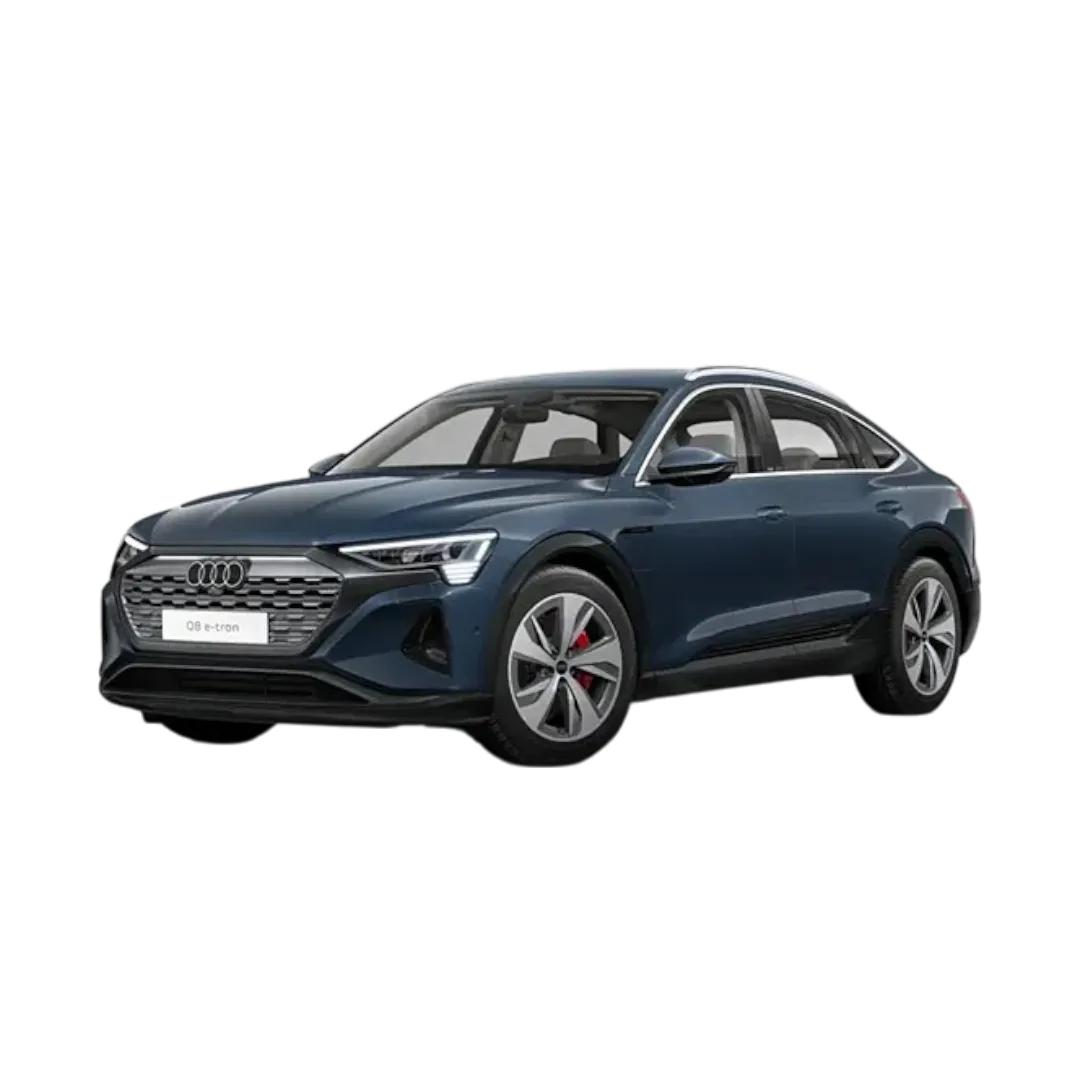 Q8 E-Tron
 Q8 E-Tron Sportback
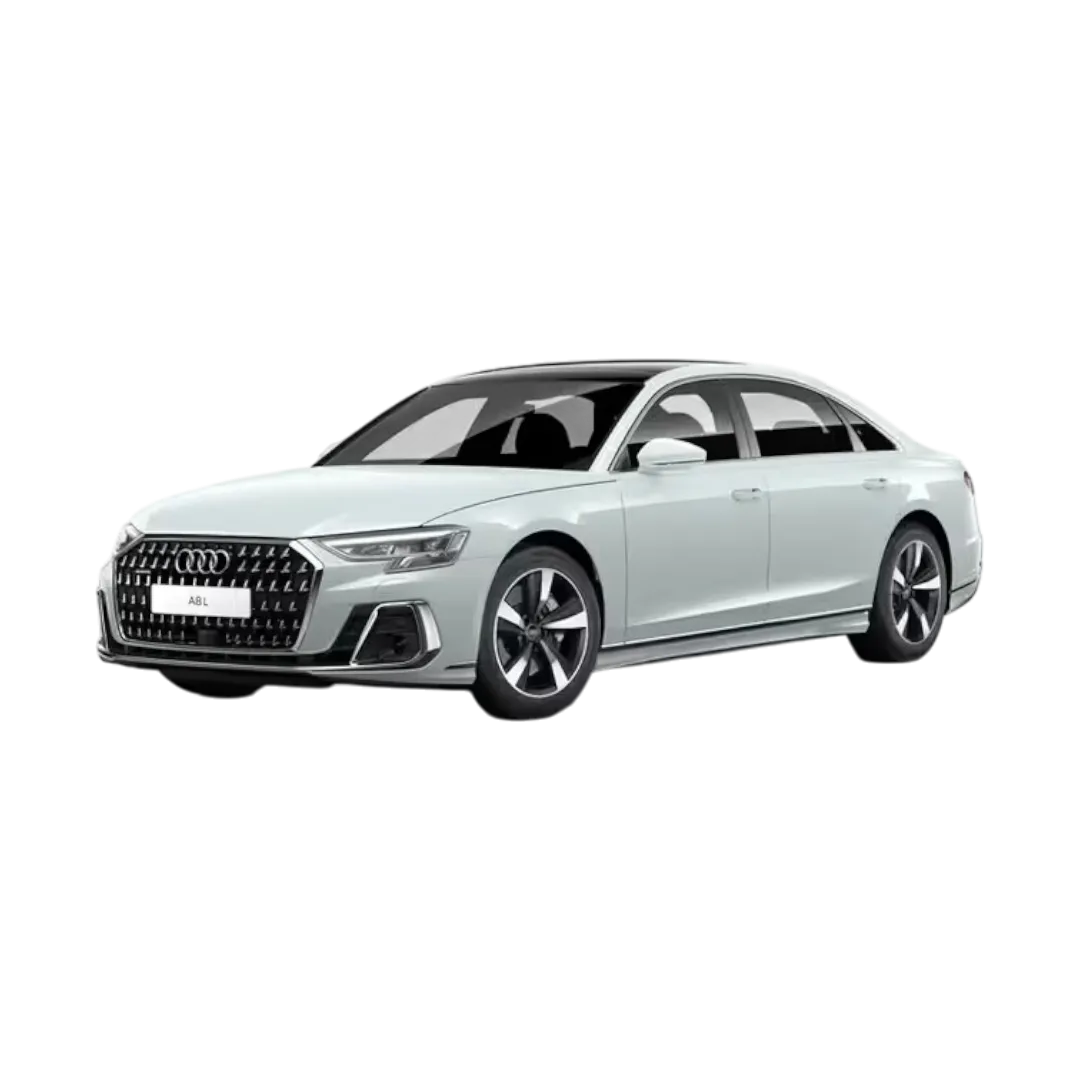 Audi A8L
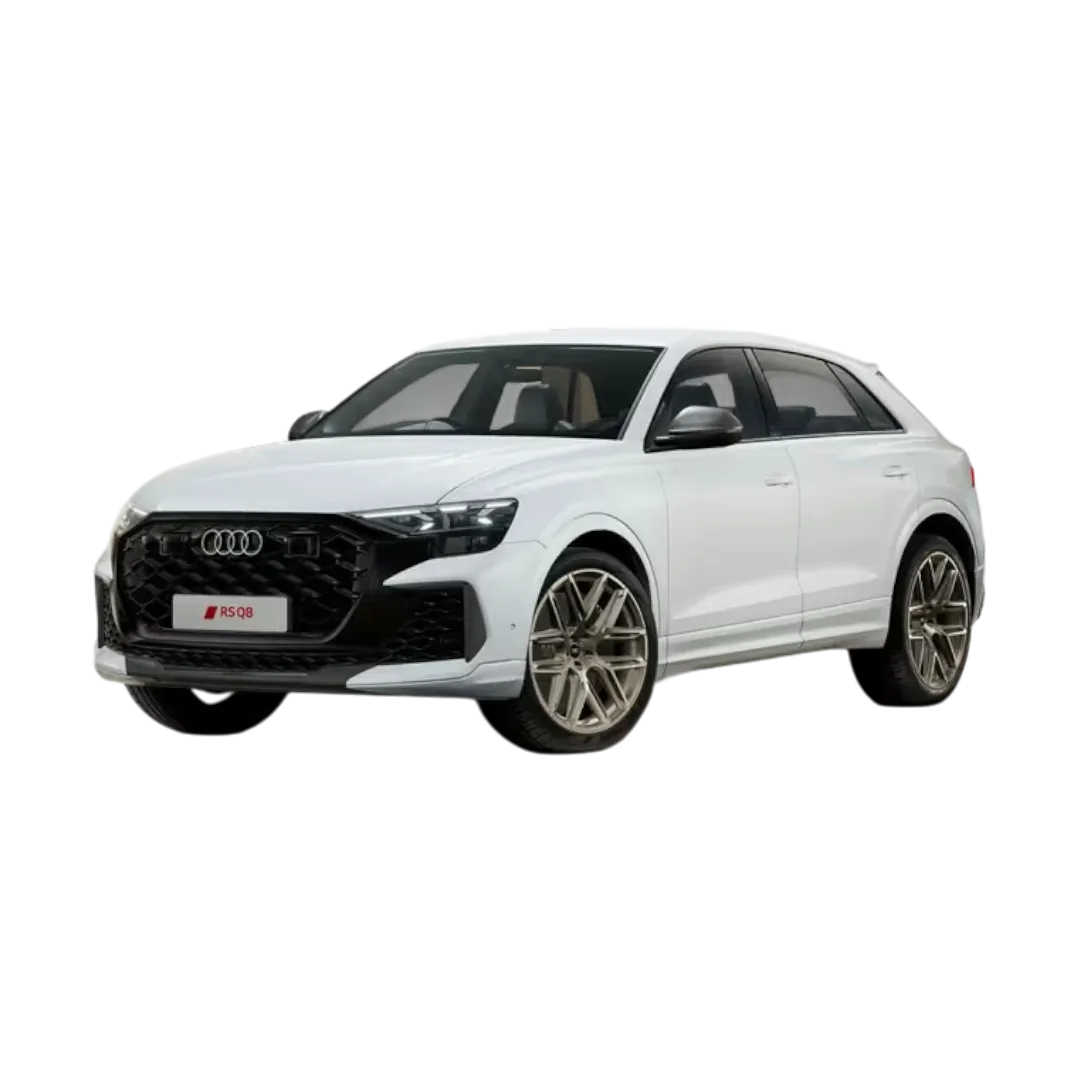 Audi RS Q8
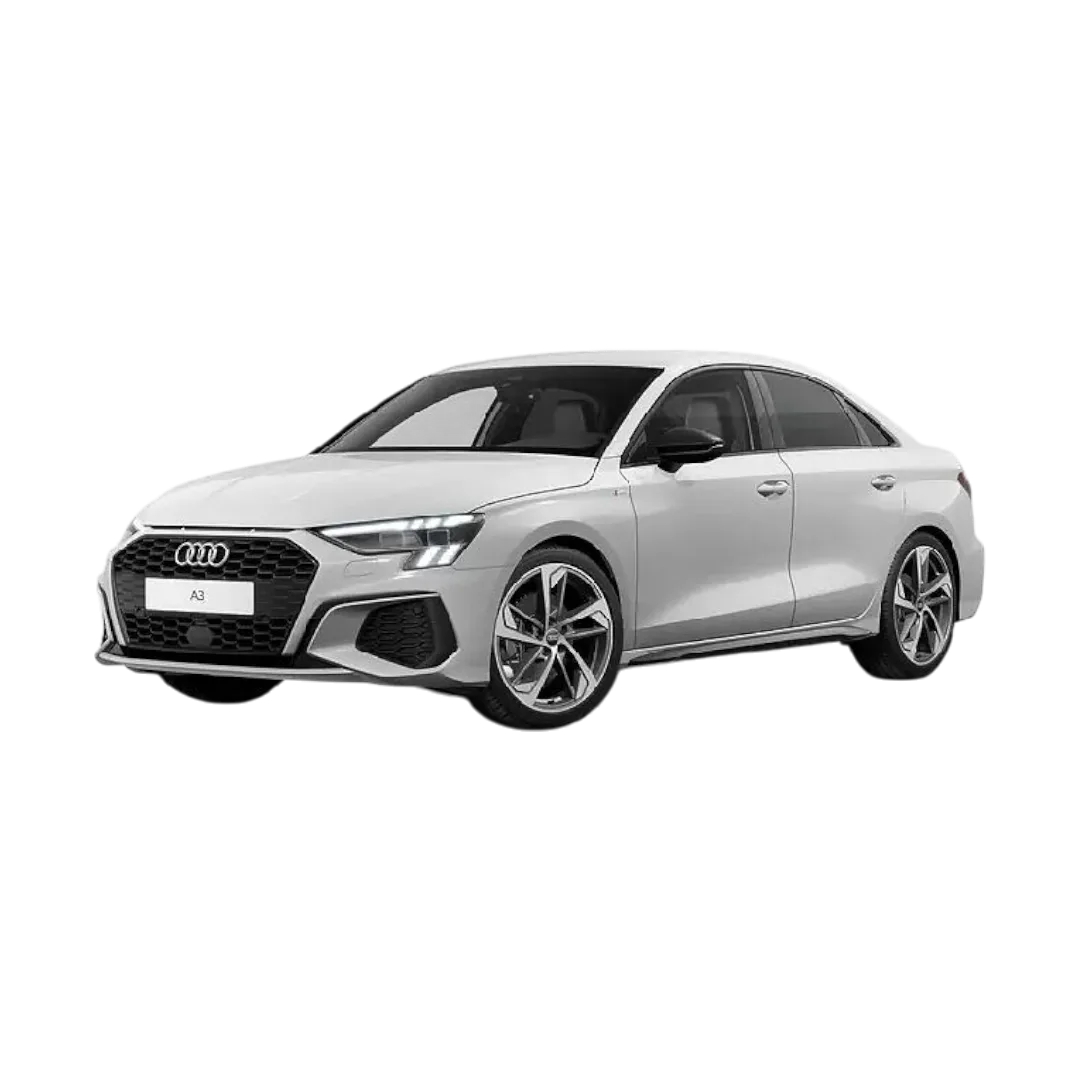 Audi A3
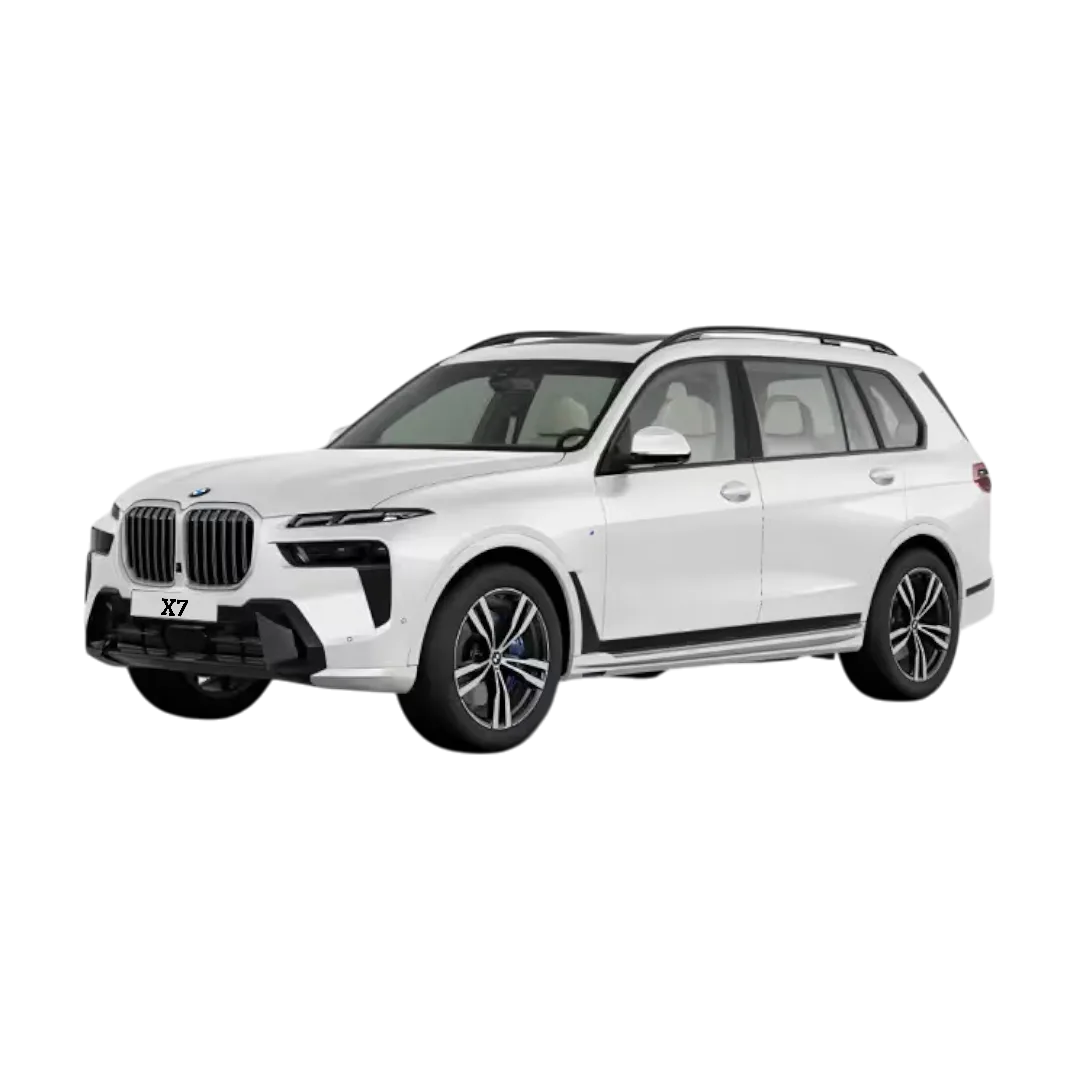 BMW X7
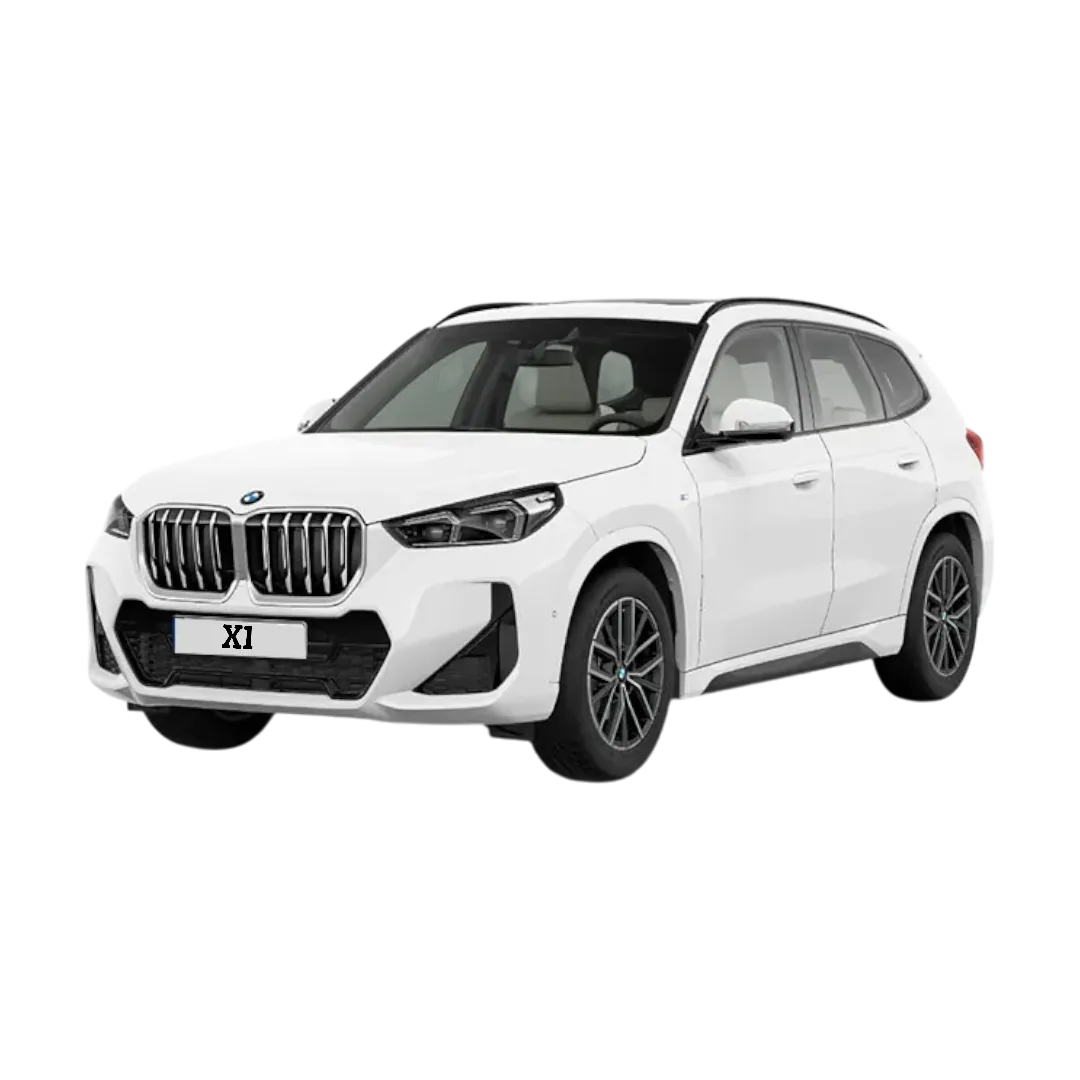 BMW X1
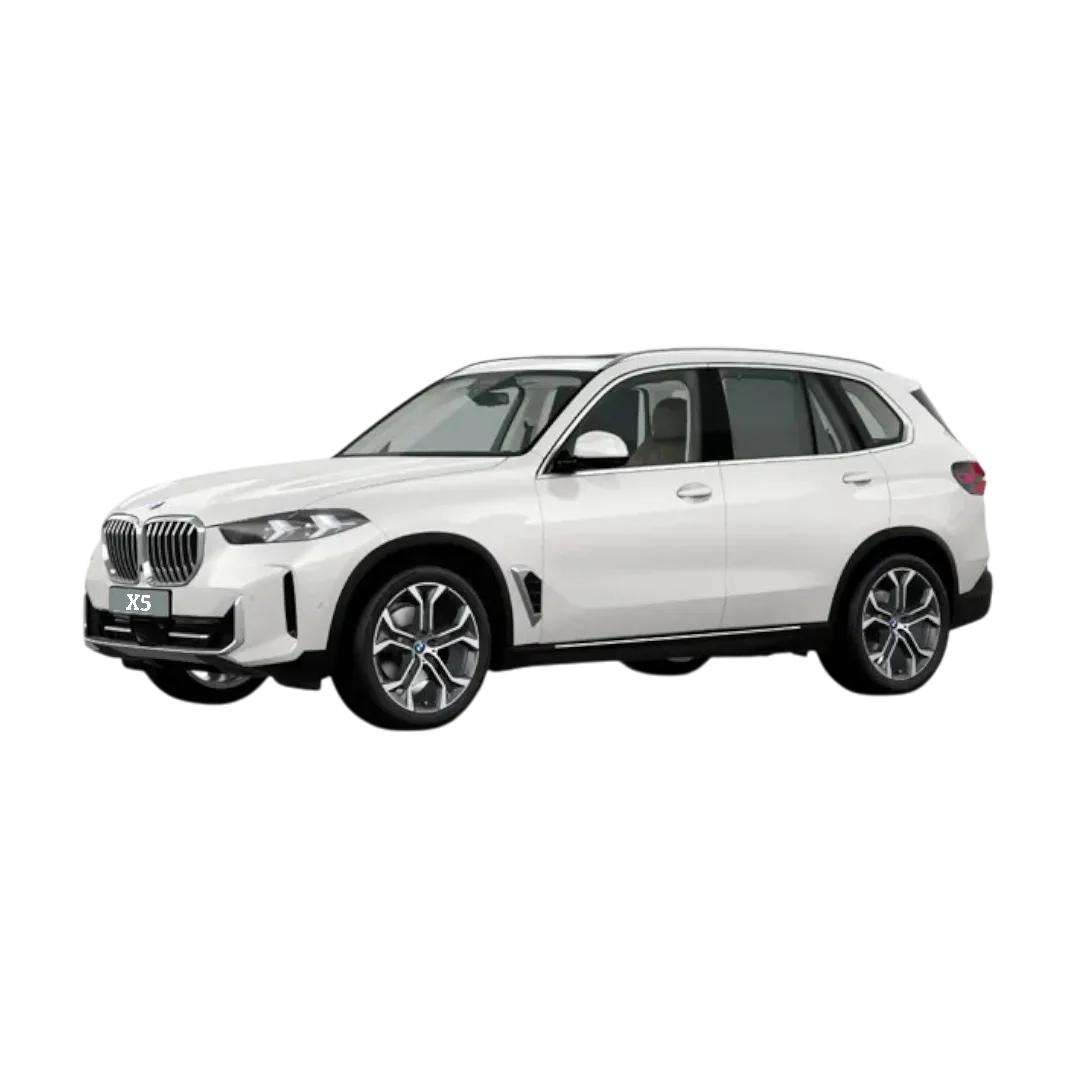 BMW X5
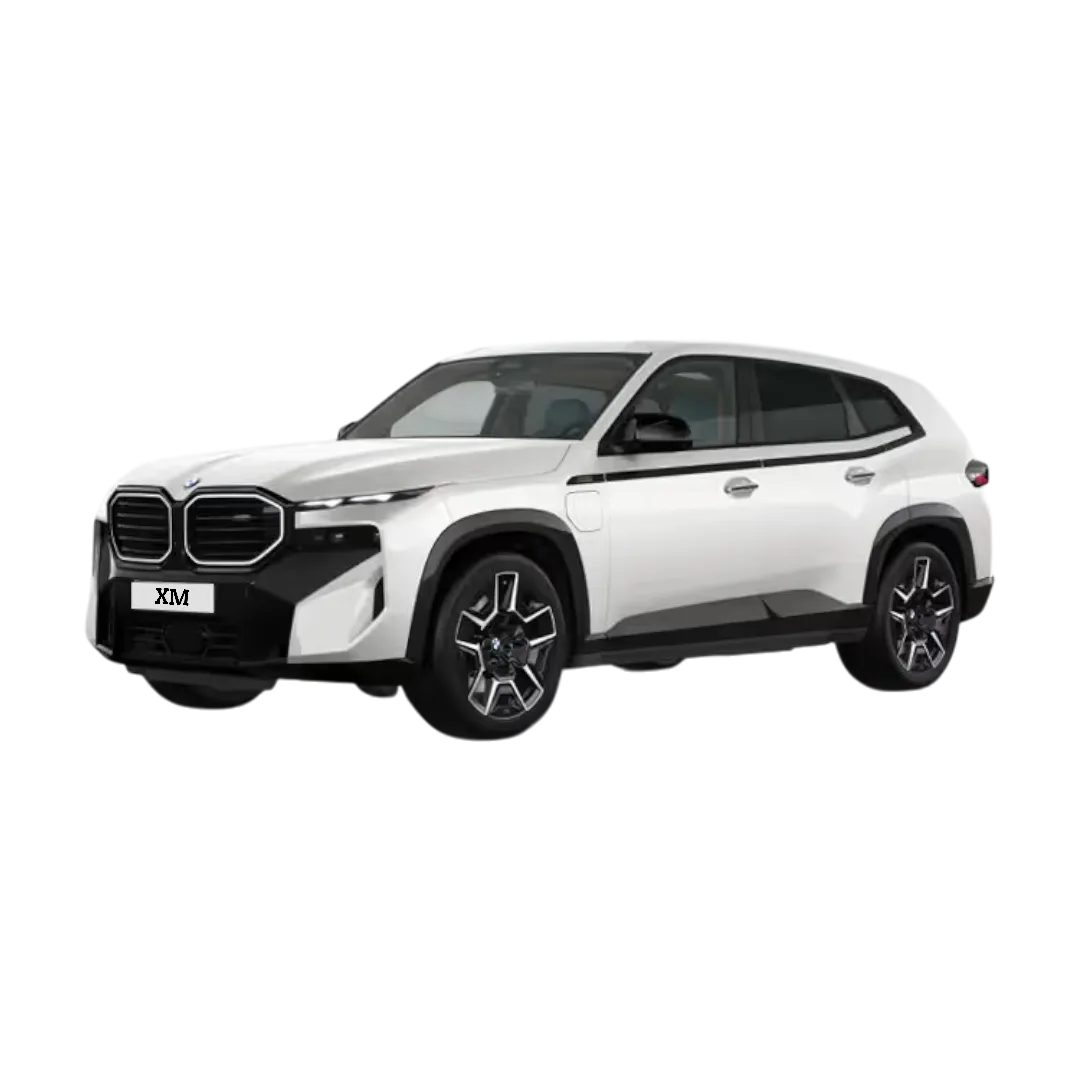 BMW XM
 BMW Z4
 3 Series
 BMW X3
 BMW iX
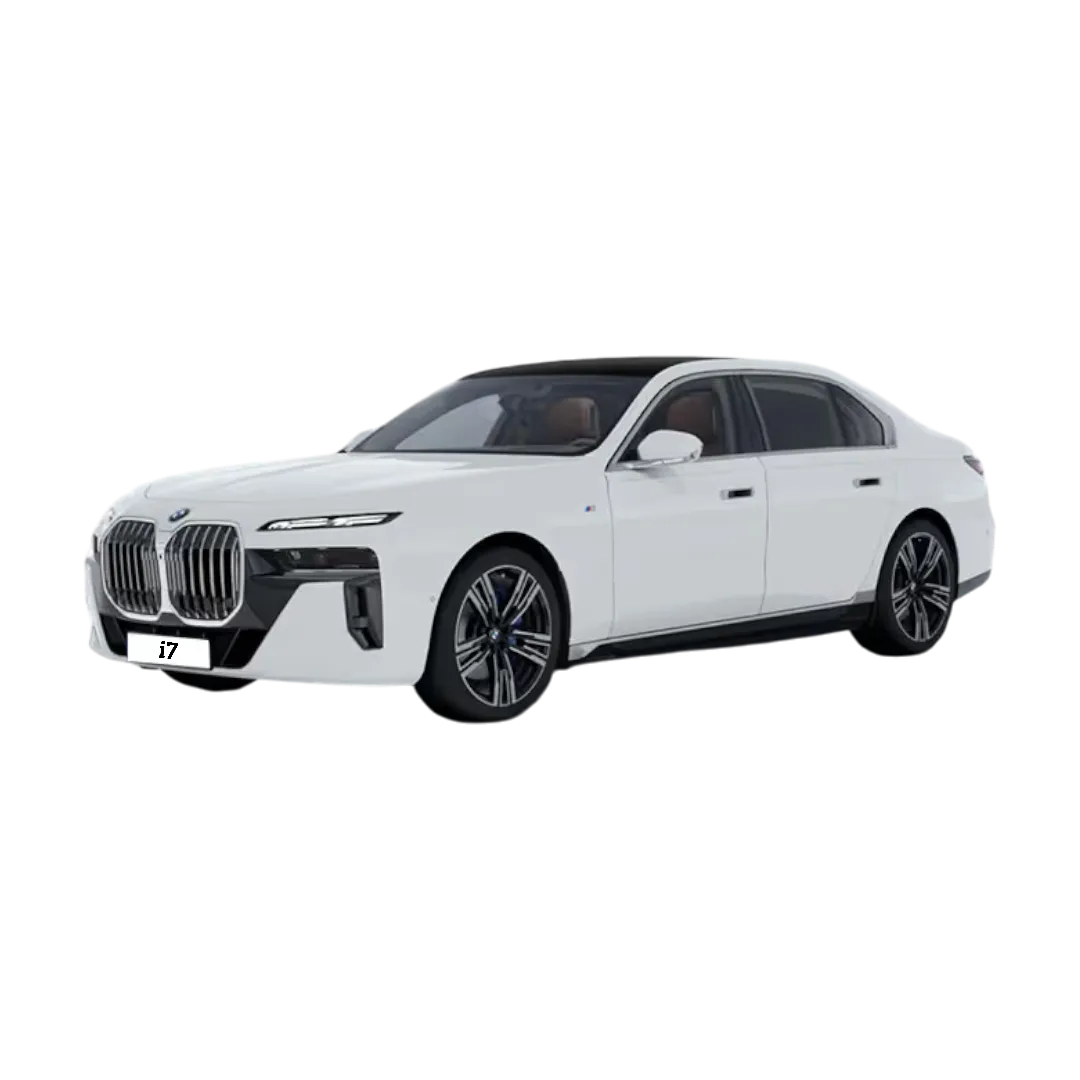 BMW i7
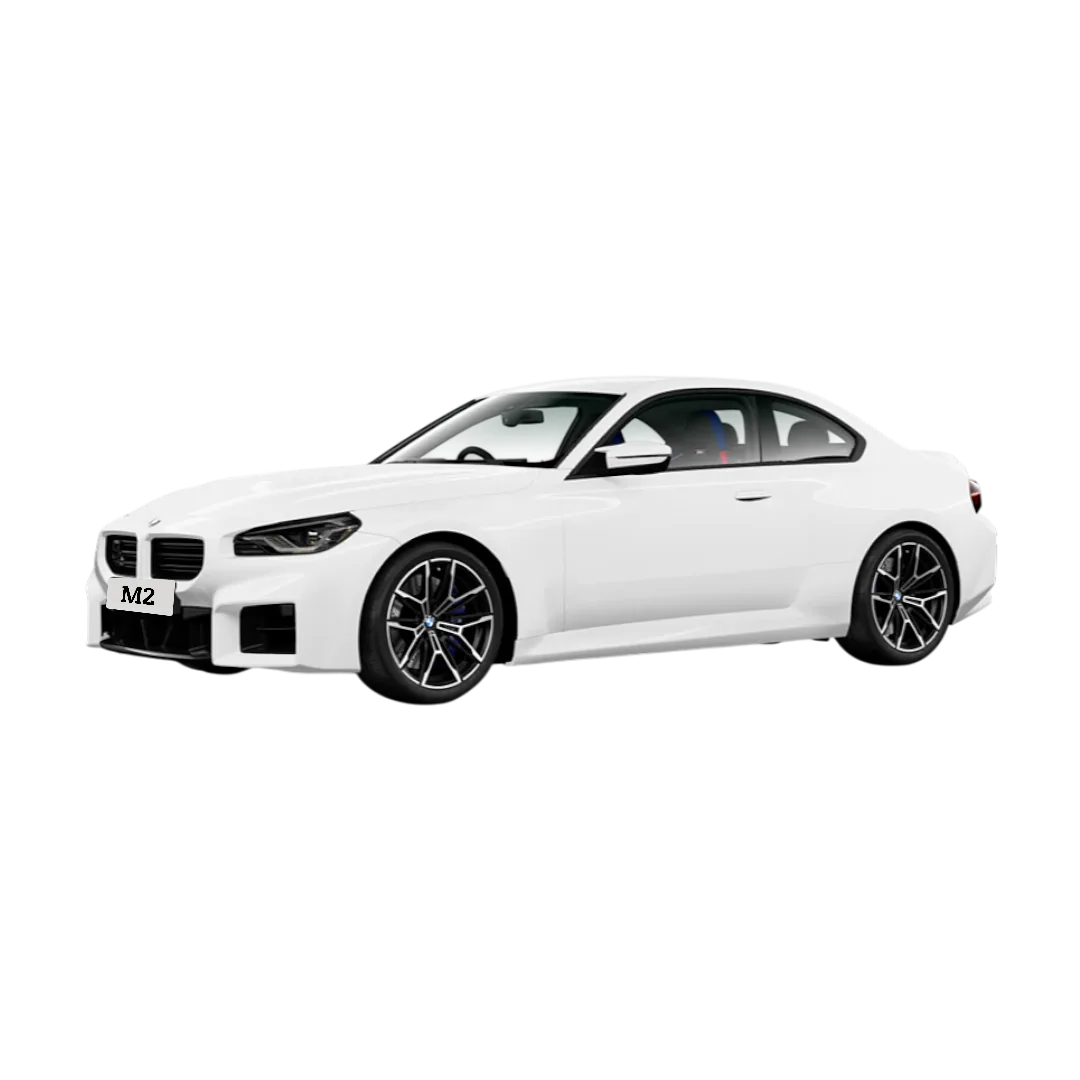 BMW M2
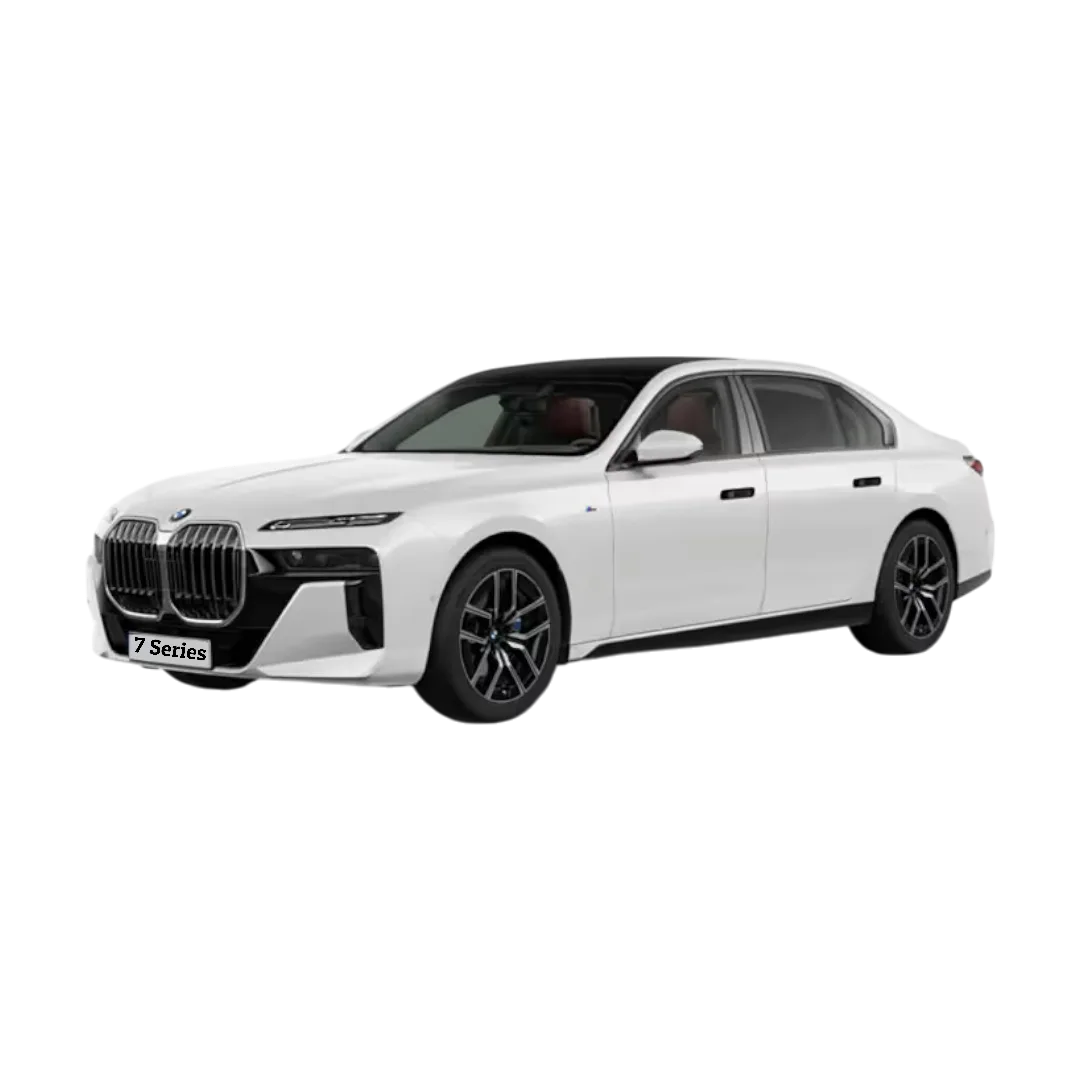 7 Series
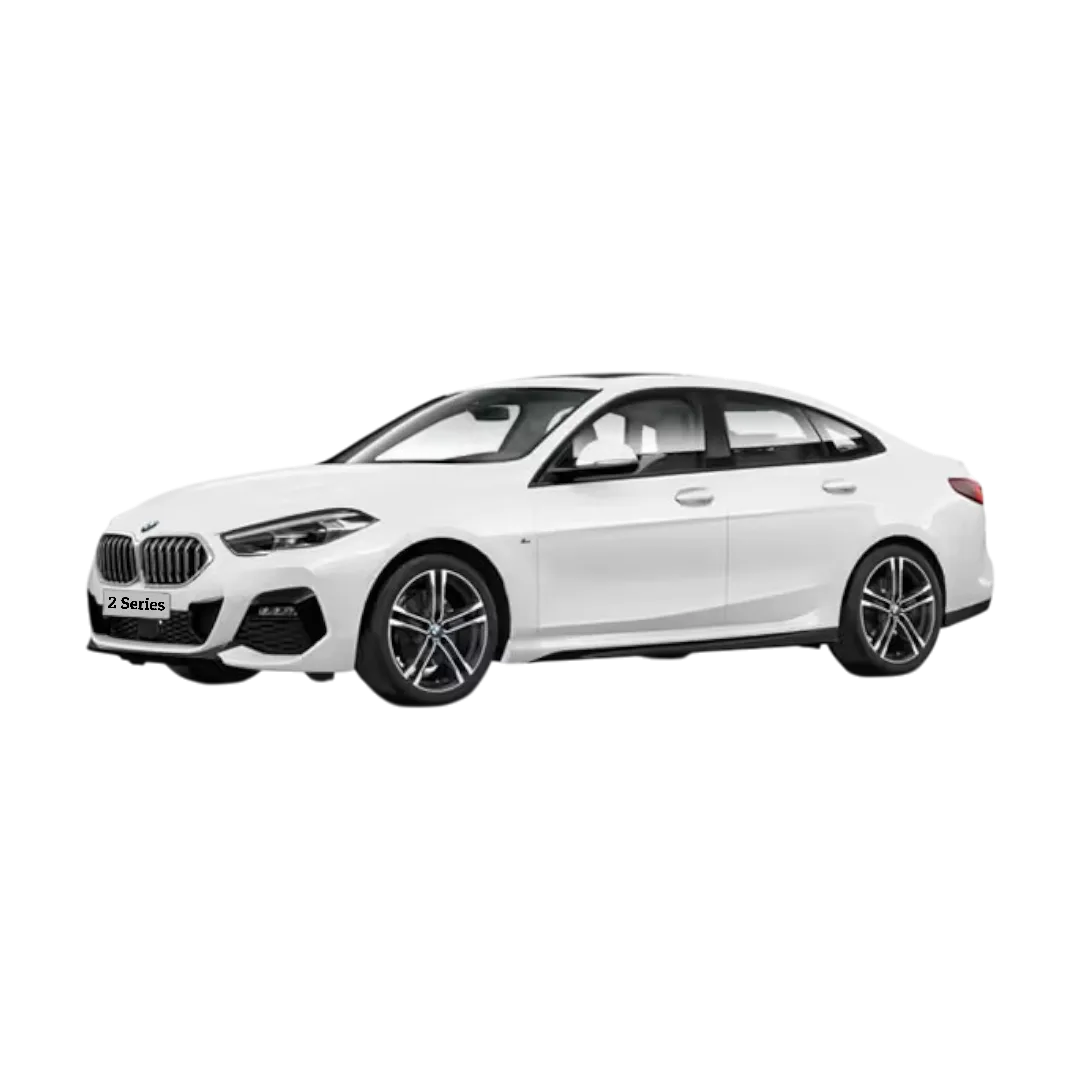 2 Series
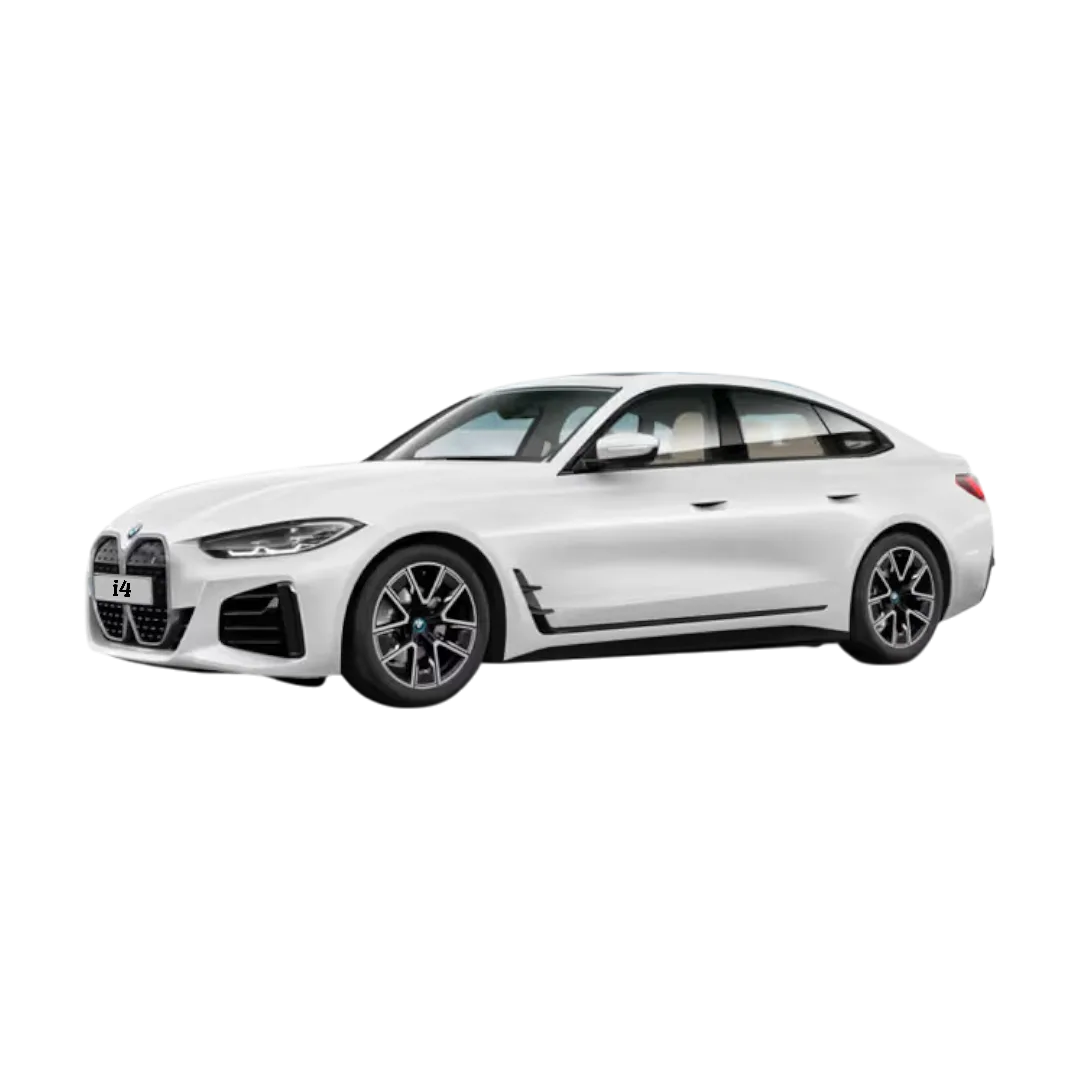 BMW i4
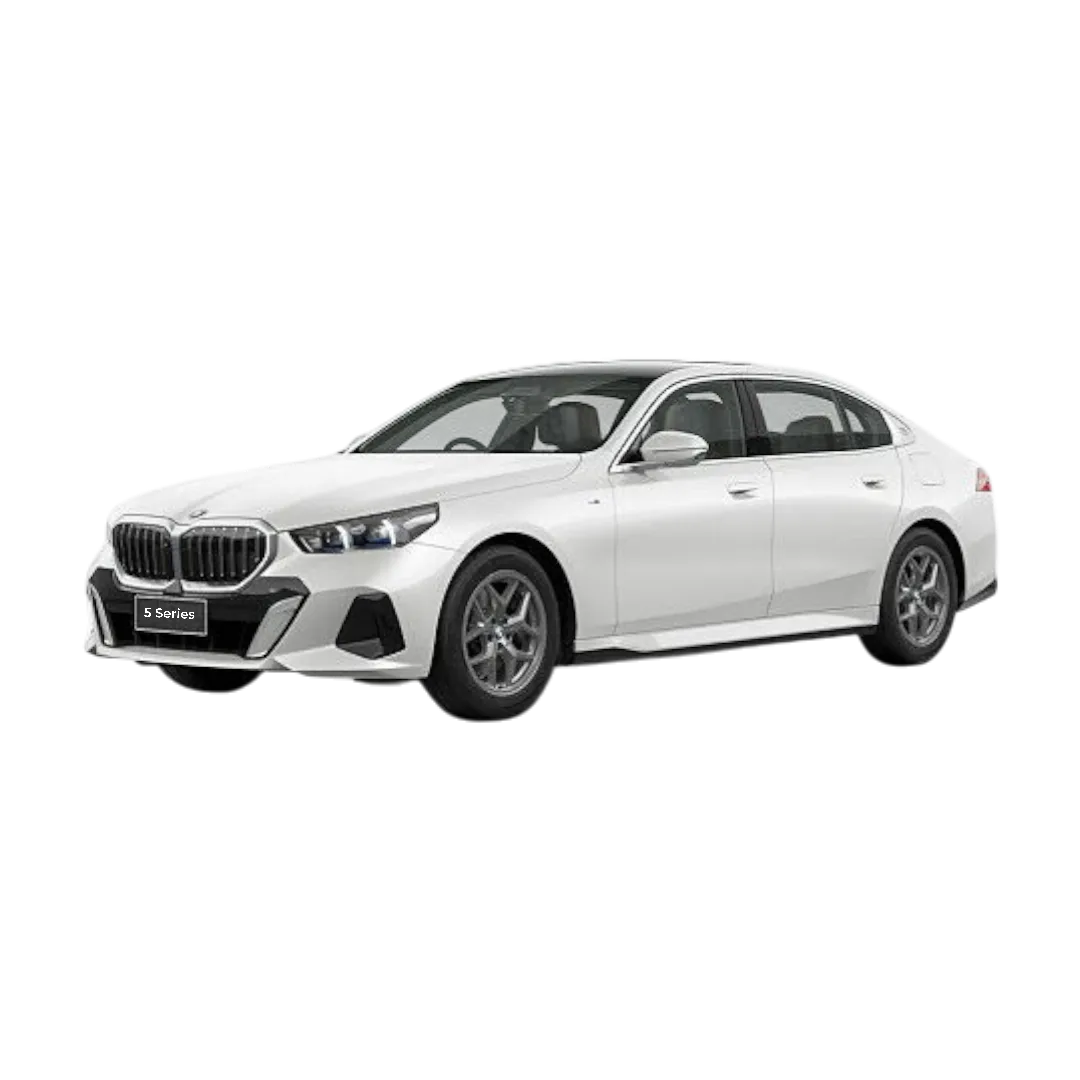 5 Series
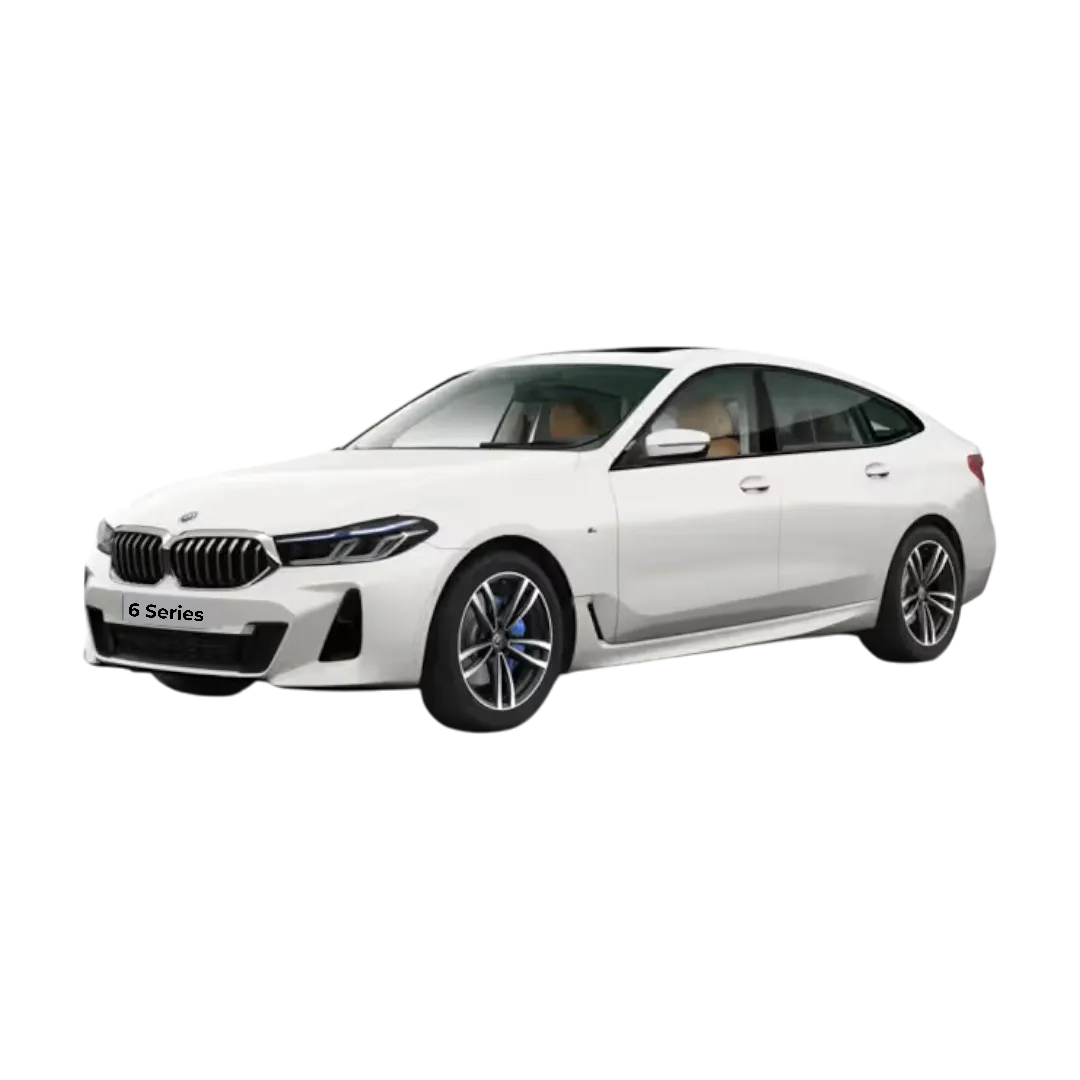 6 Series
 BMW ix1
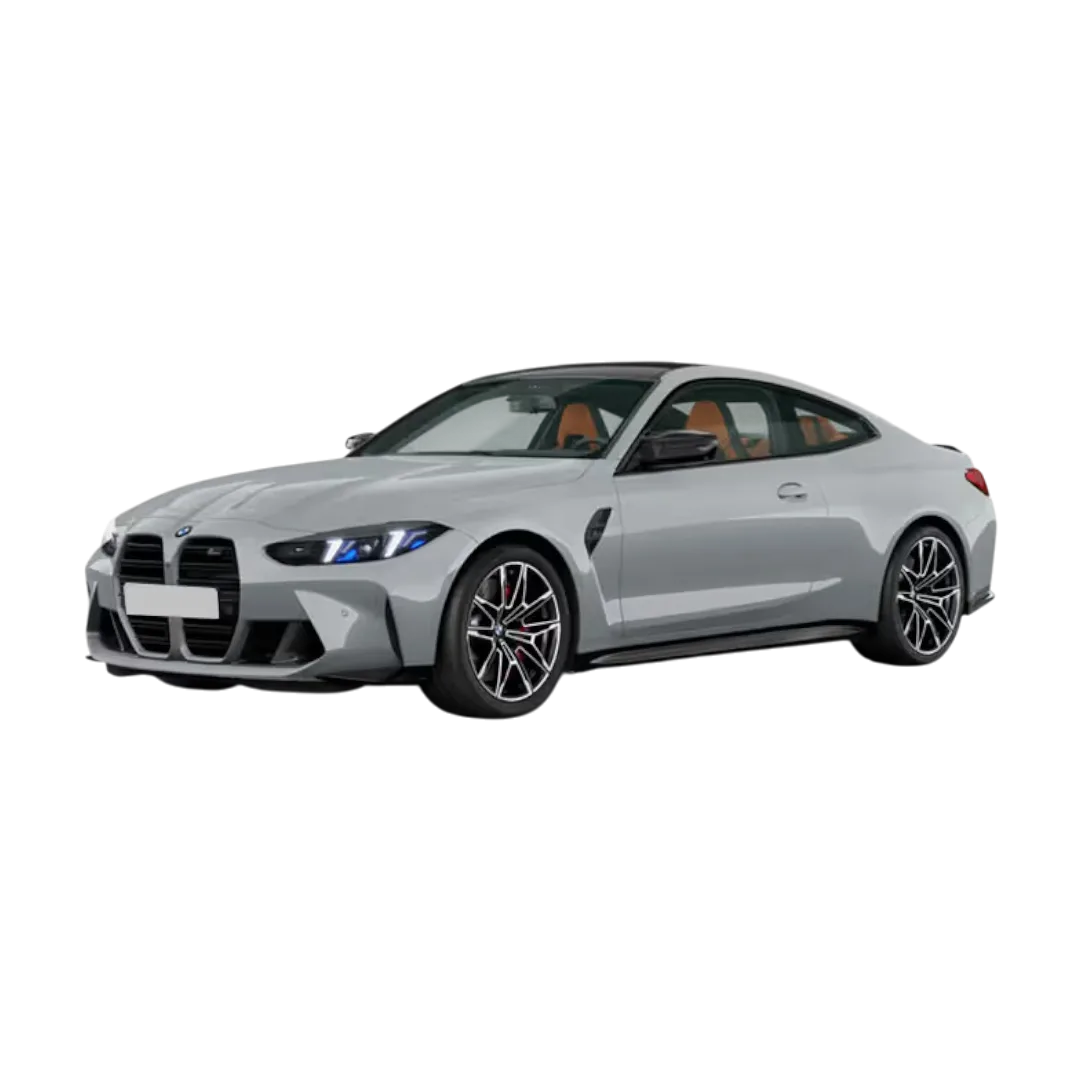 M4 Competition
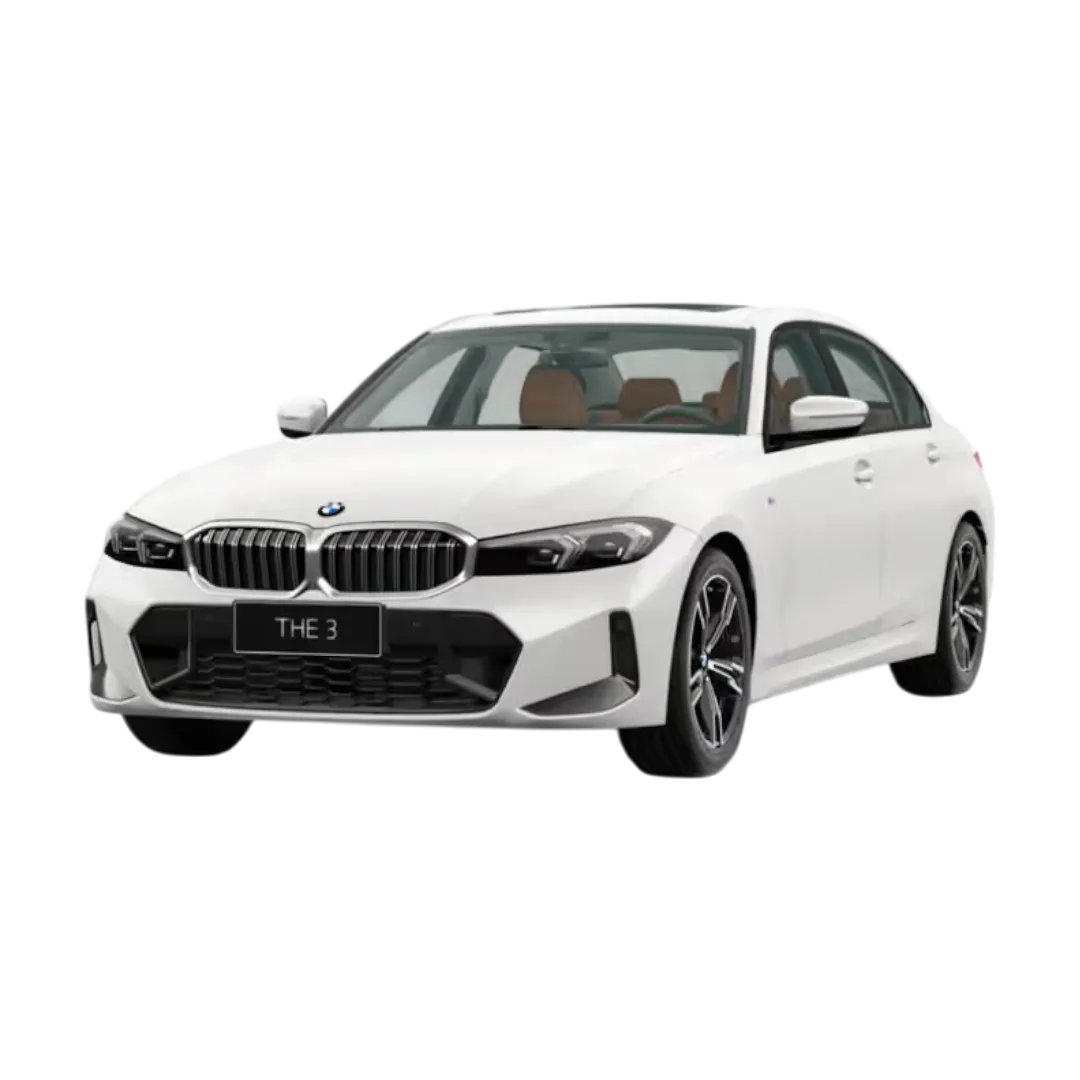 3 Series Gran Limousine
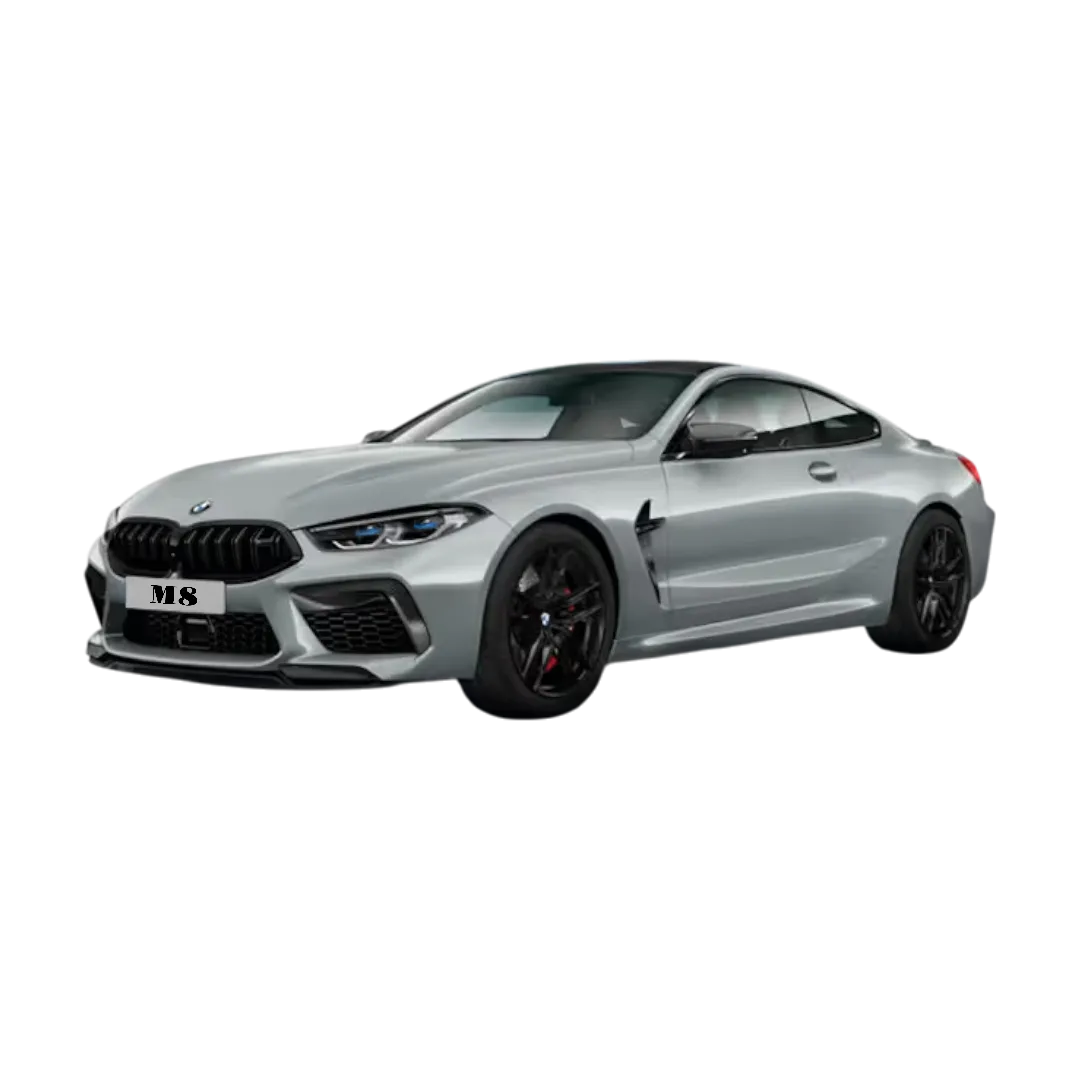 M8 Coupe
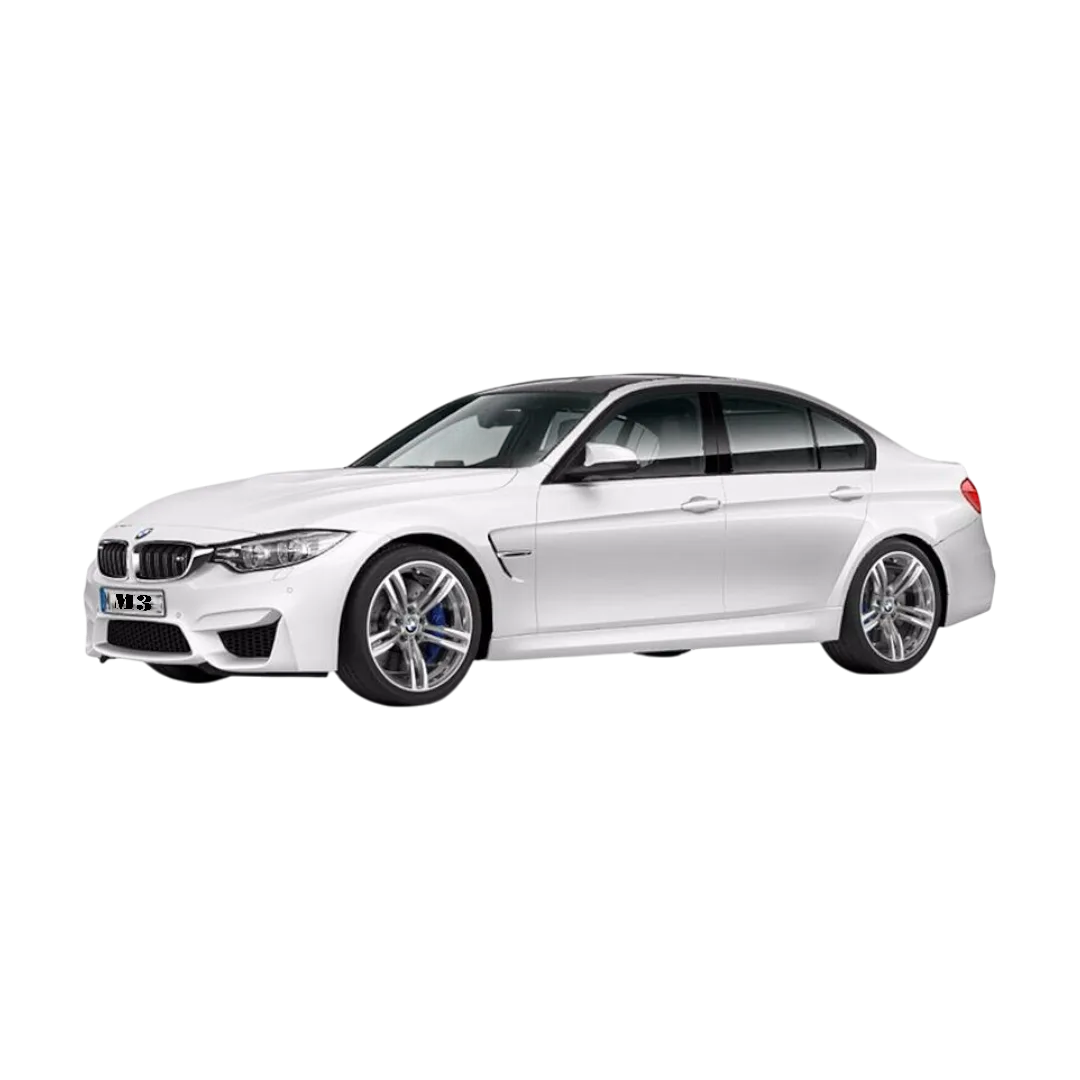 BMW M3
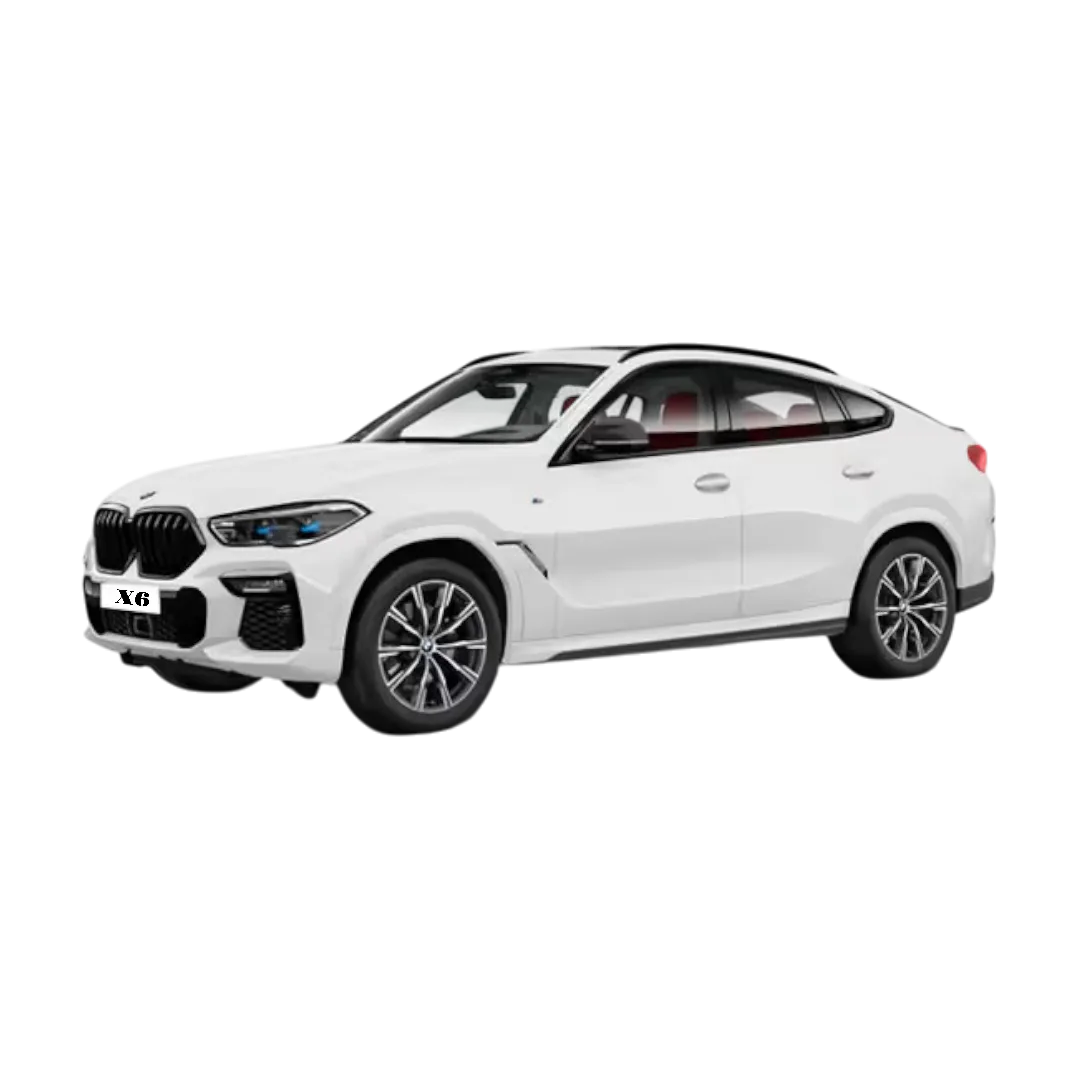 BMW X6
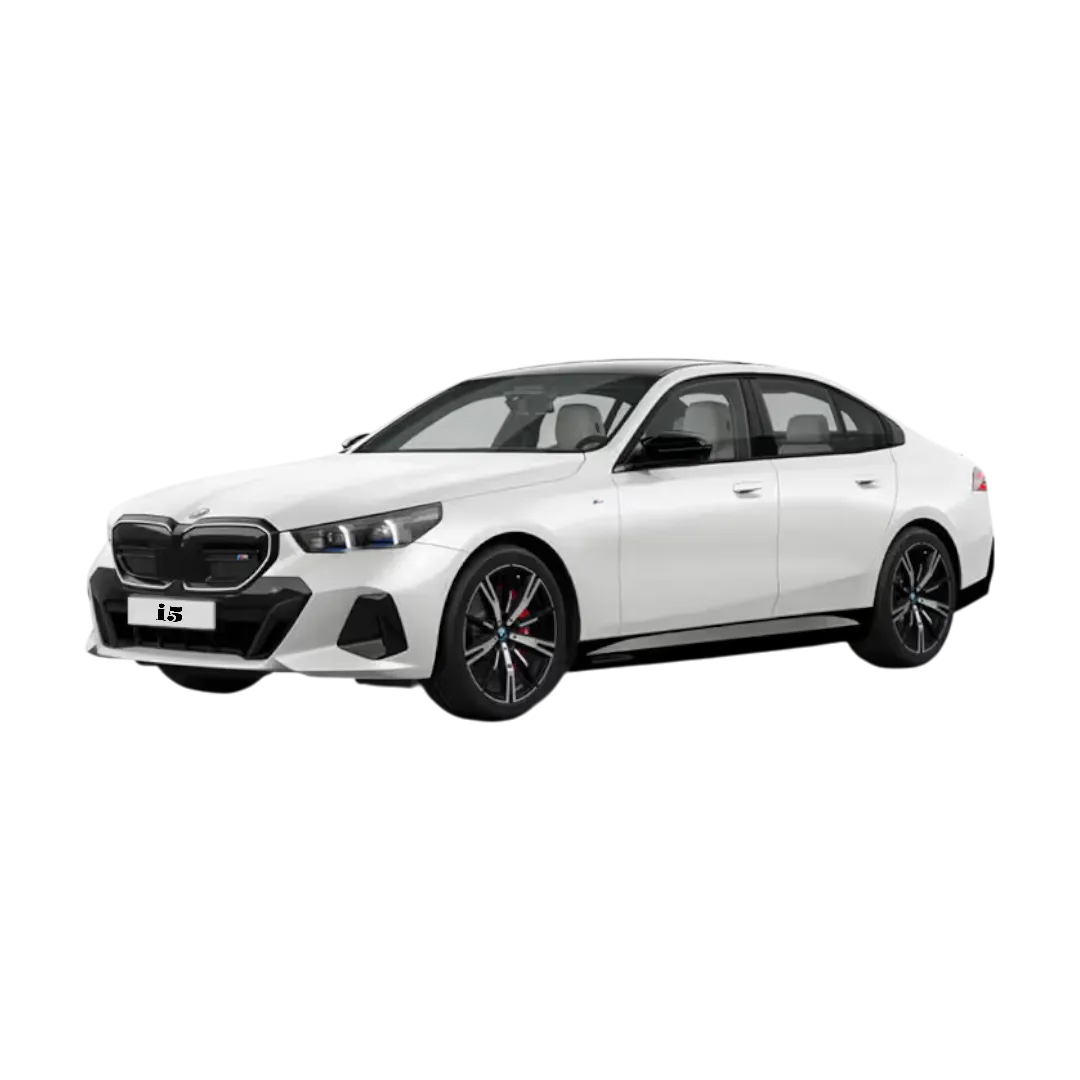 BMW i5
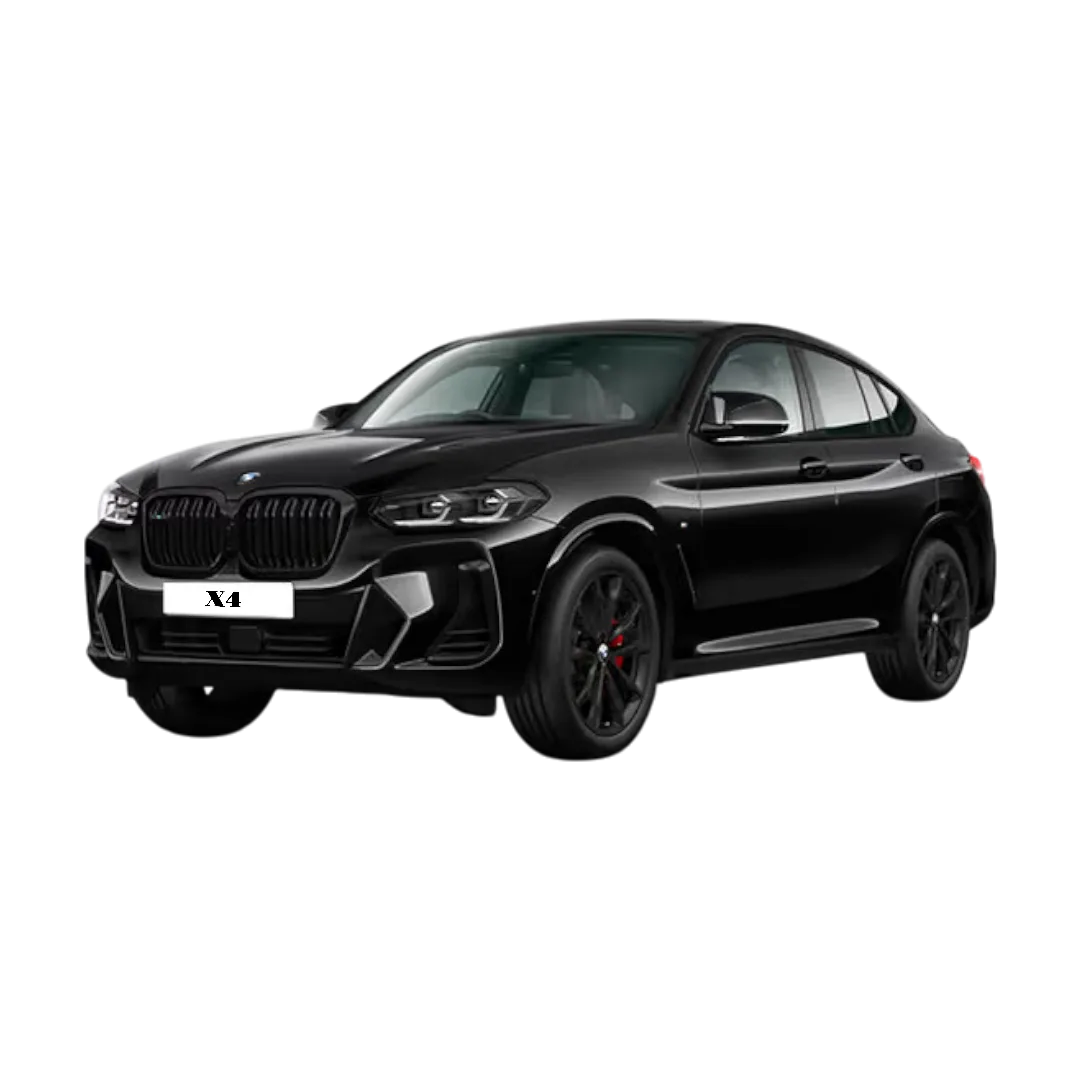 BMW X4
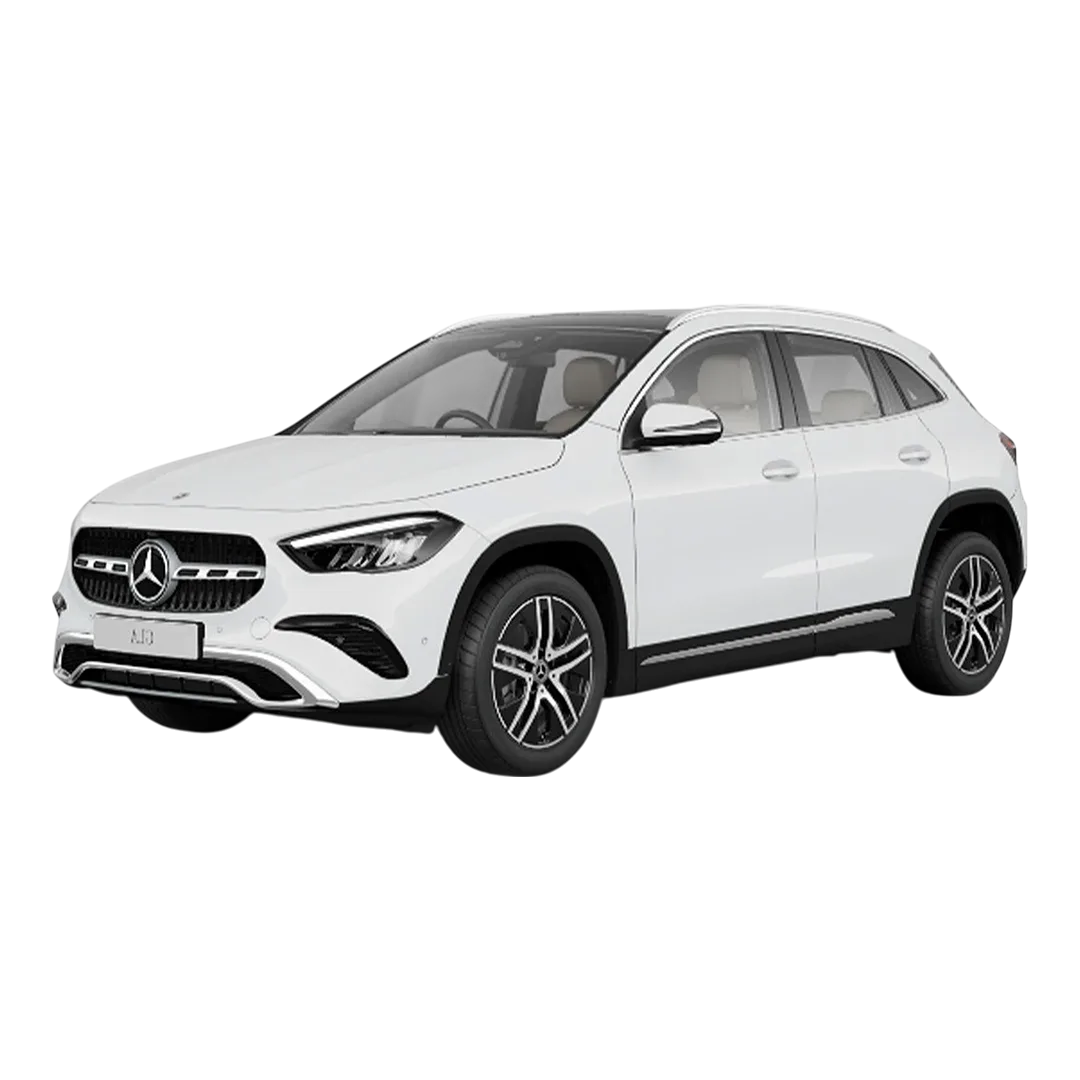 Mercedes Benz GLA
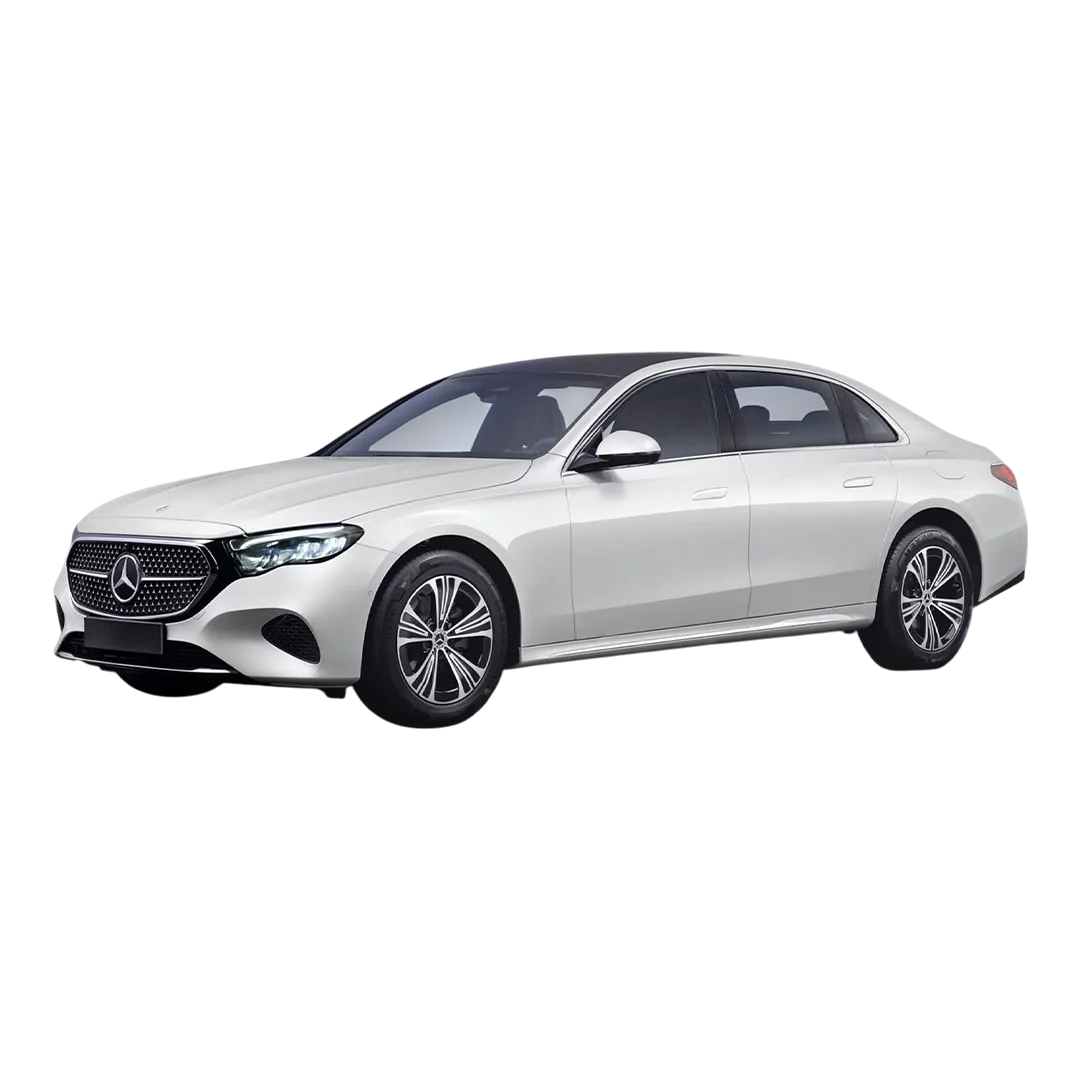 Mercedes E-Class
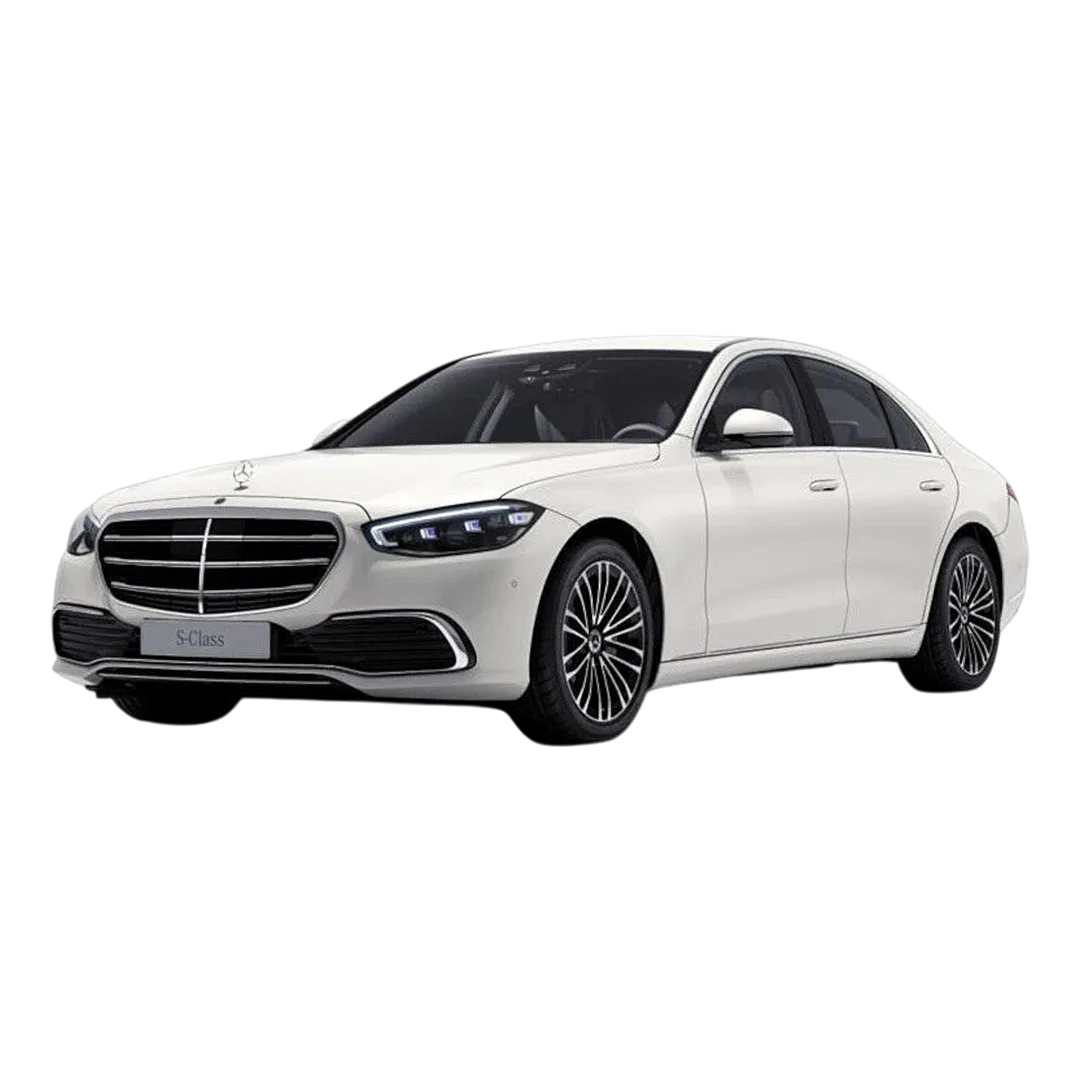 Mercedes S-Class
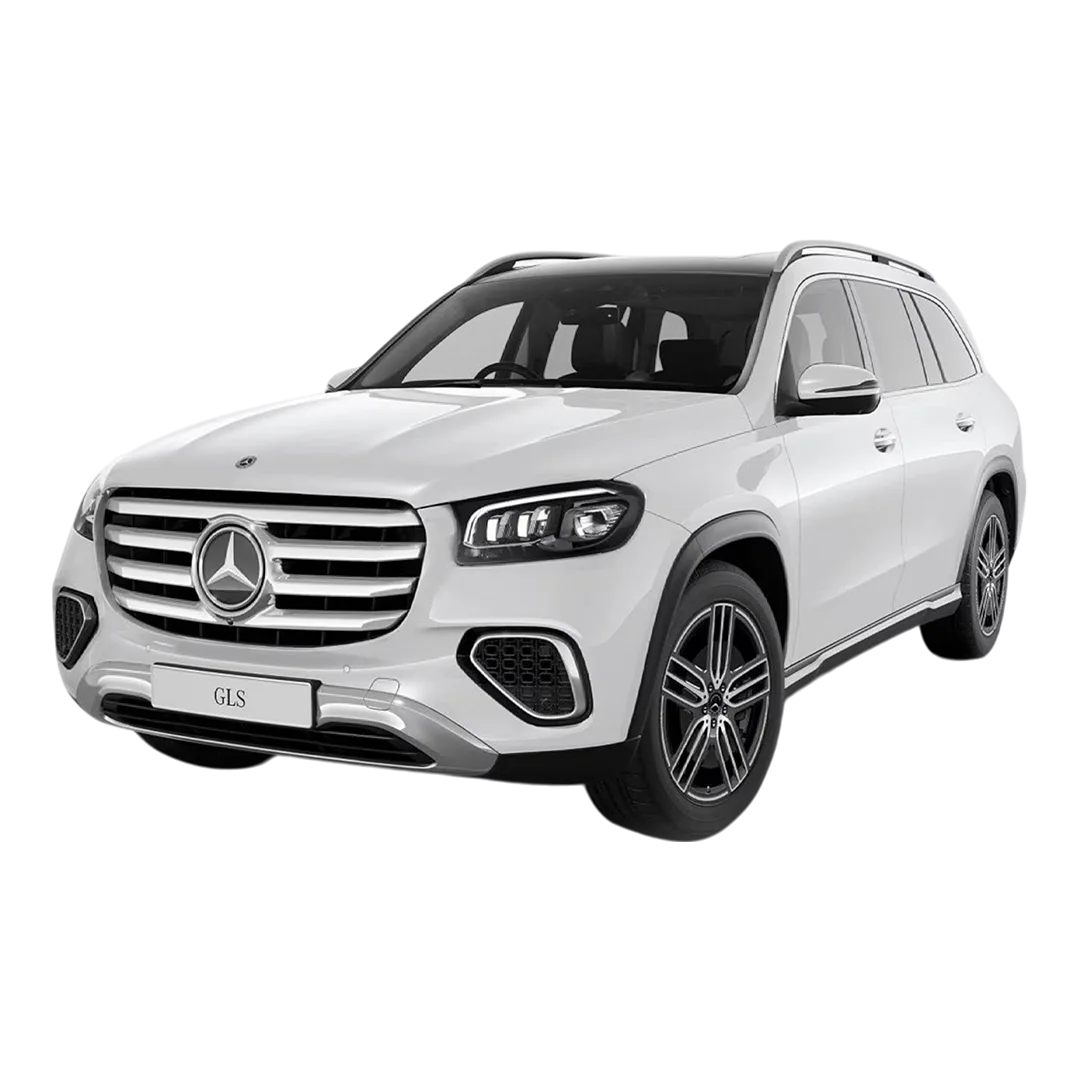 Mercedes Benz GLS
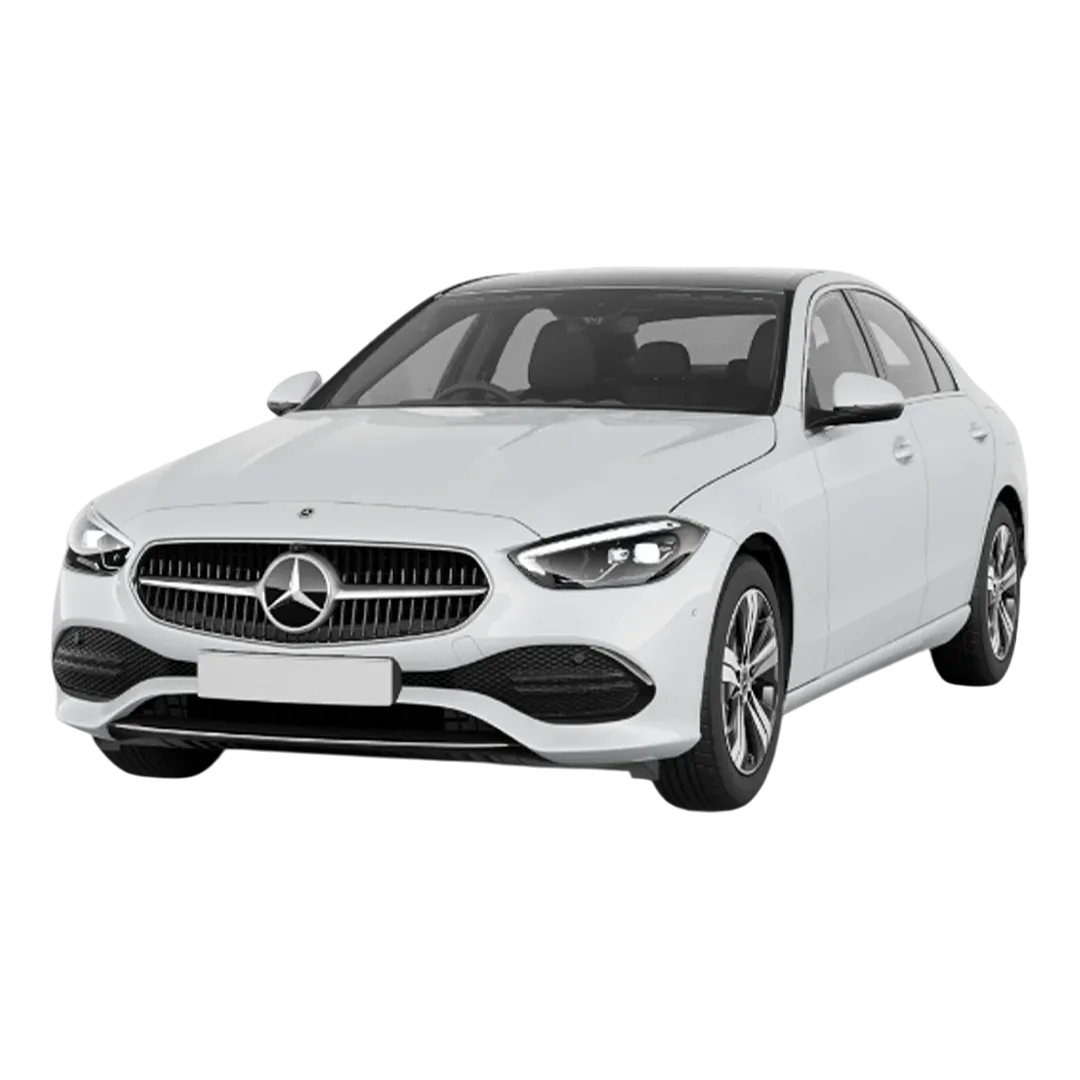 Mercedes Benz C-Class
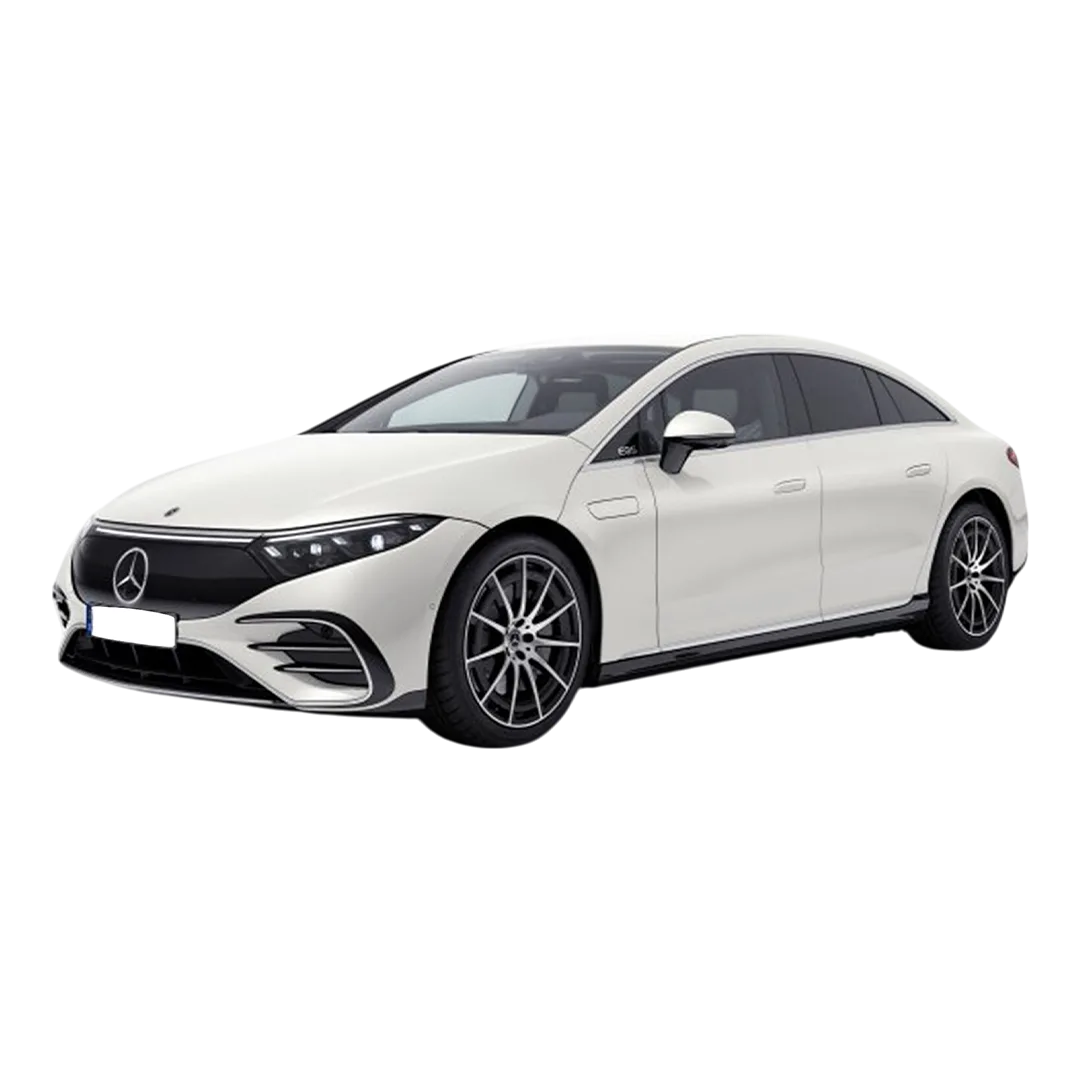 Mercedes Benz EQS
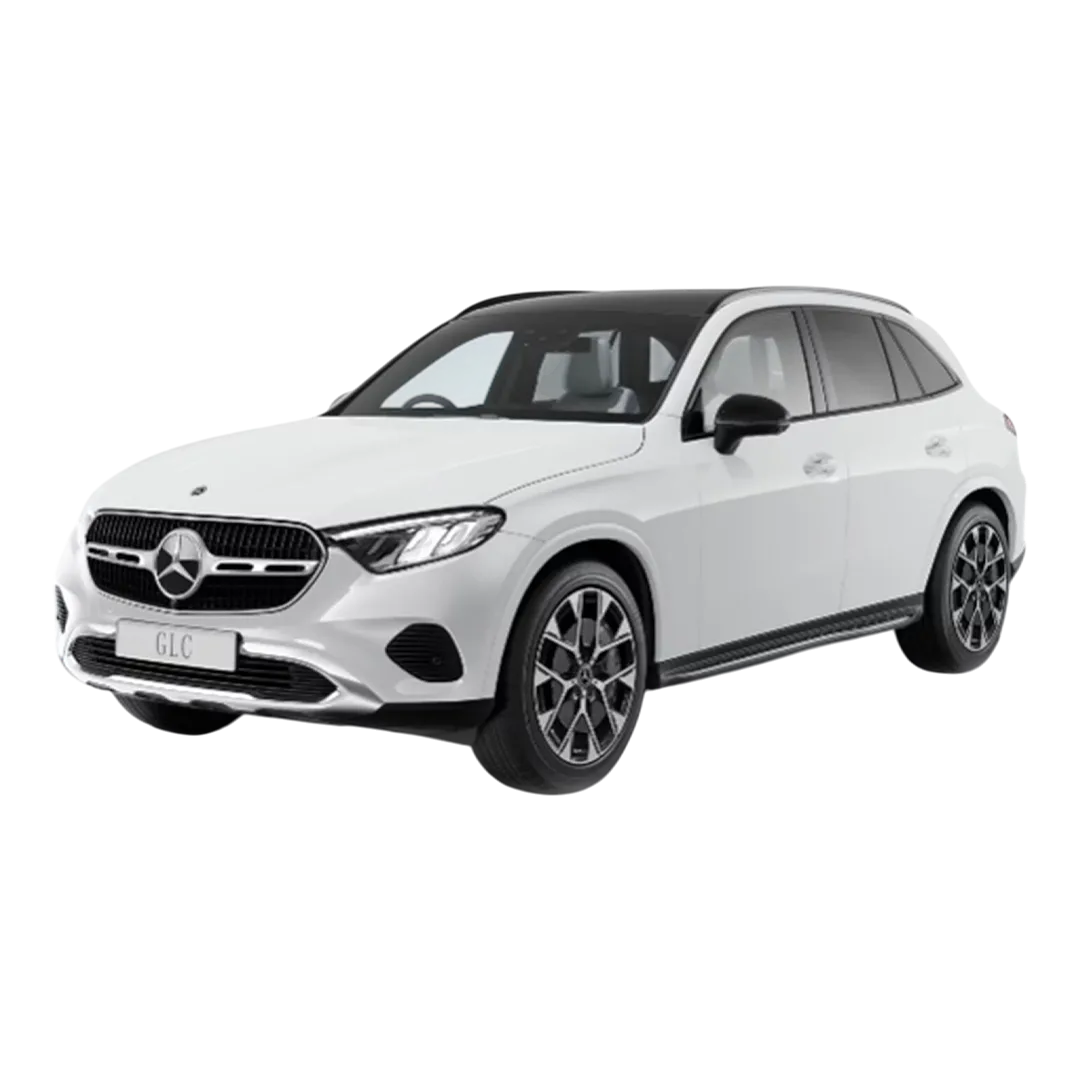 Mercedes Benz GLC
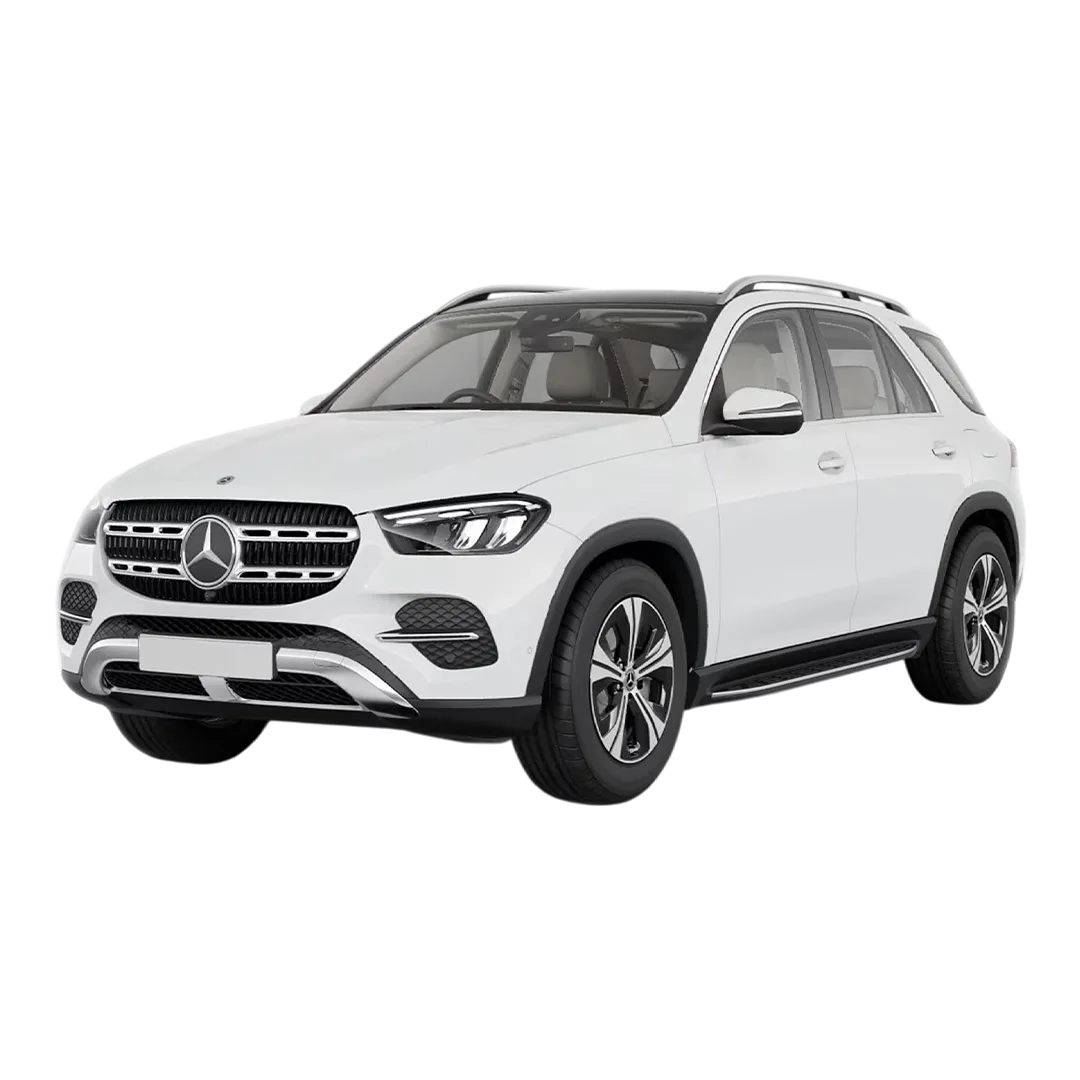 Mercedes Benz GLE
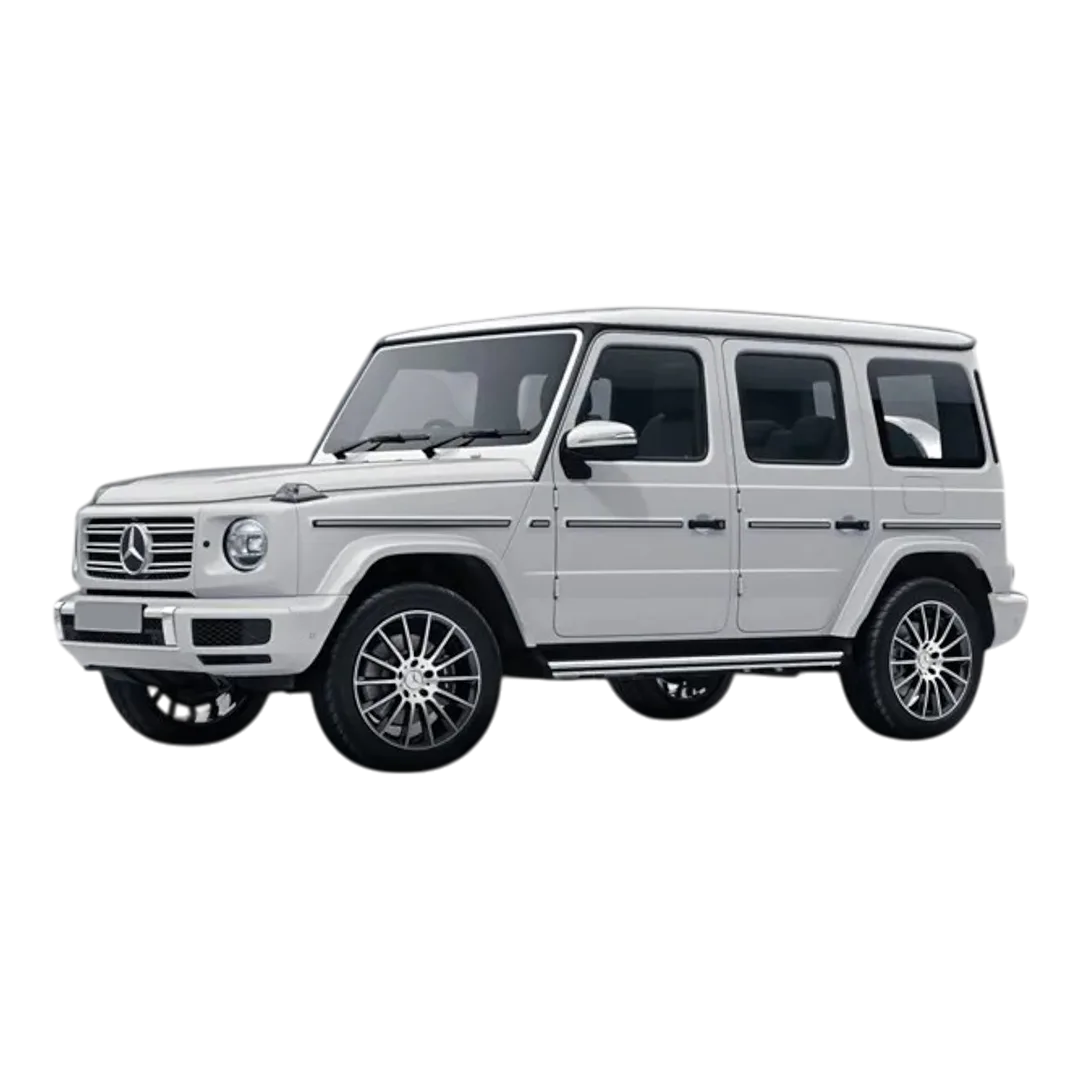 Mercedes Benz G-Class
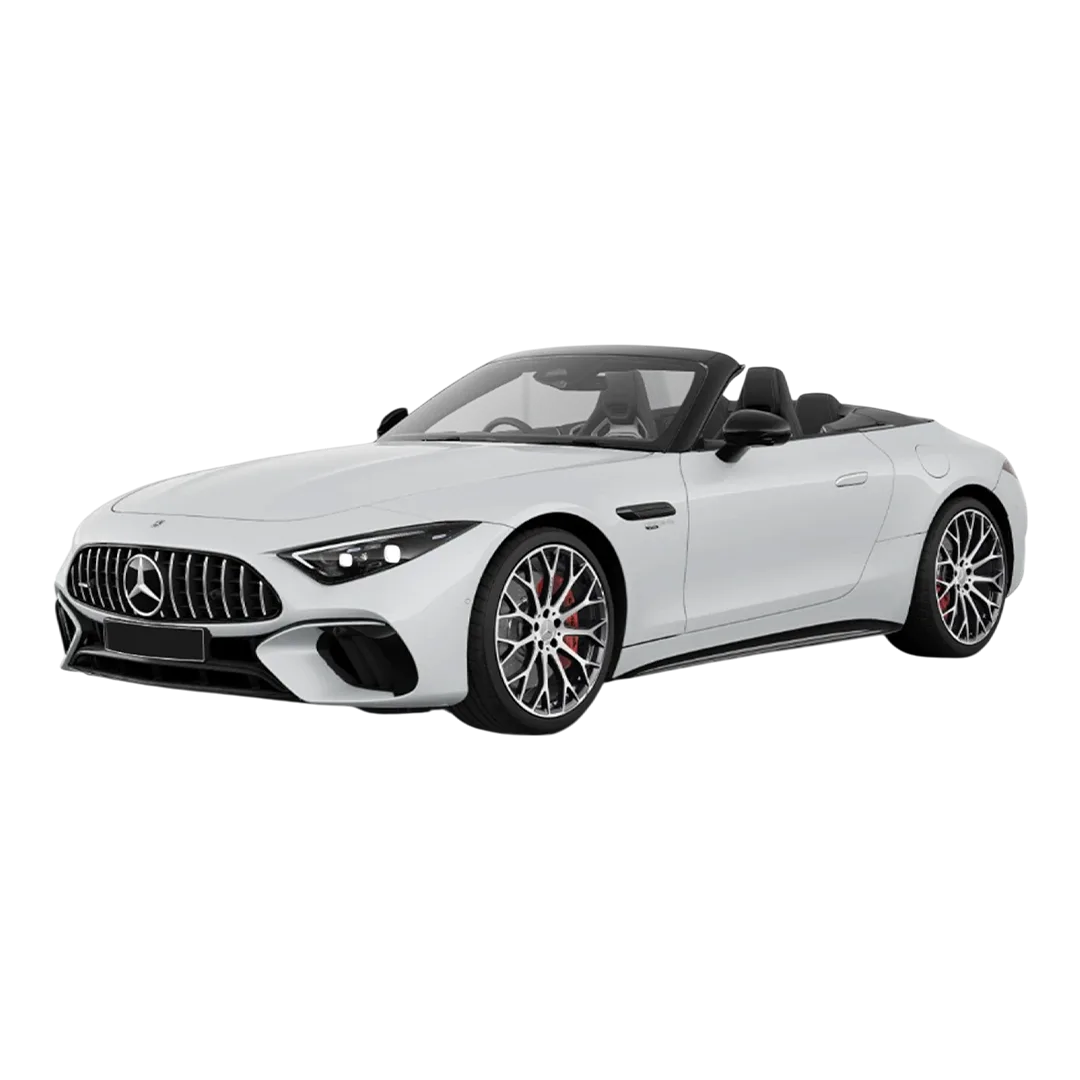 Mercedes Benz AMG SL
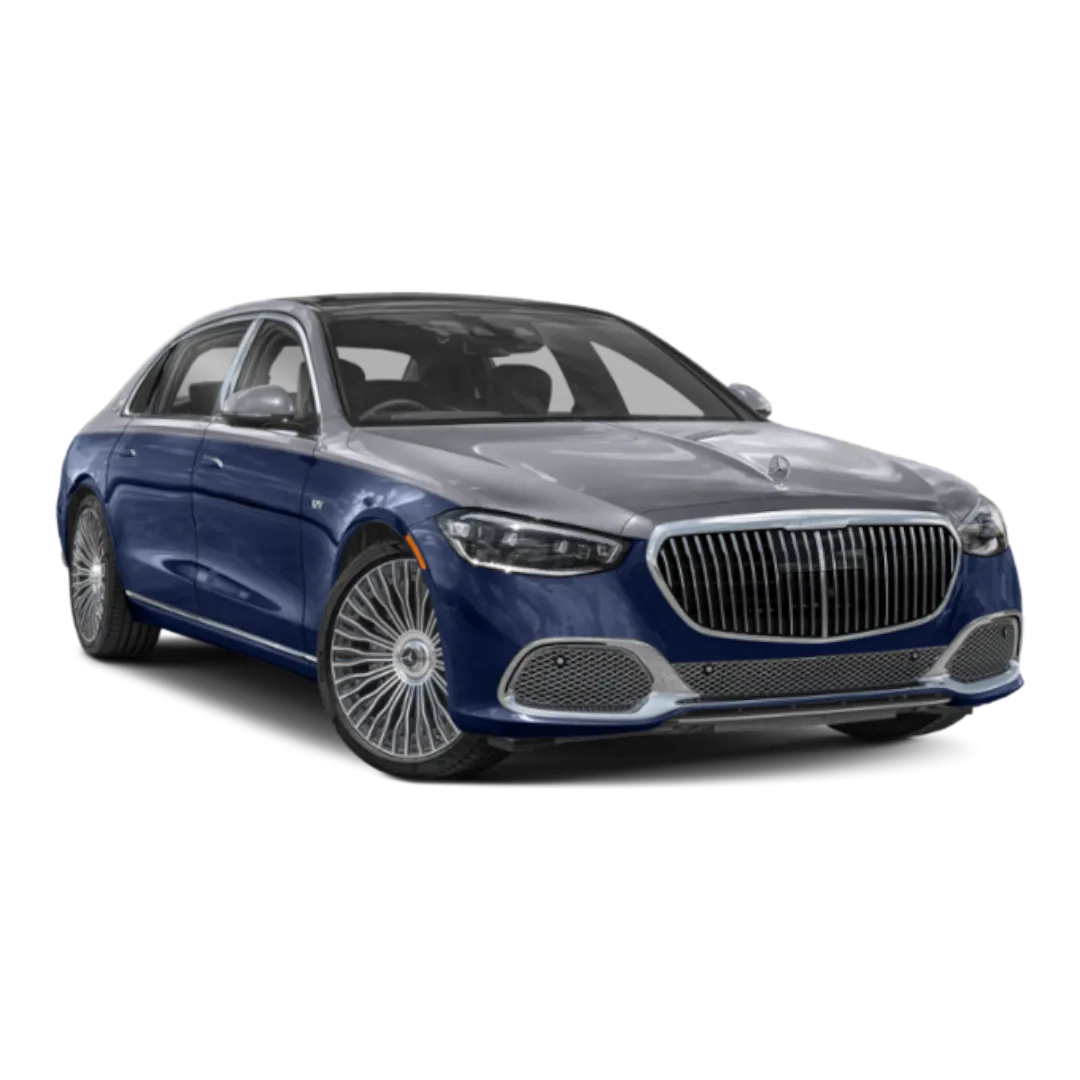 Mercedes Benz MAYBACH S- Class
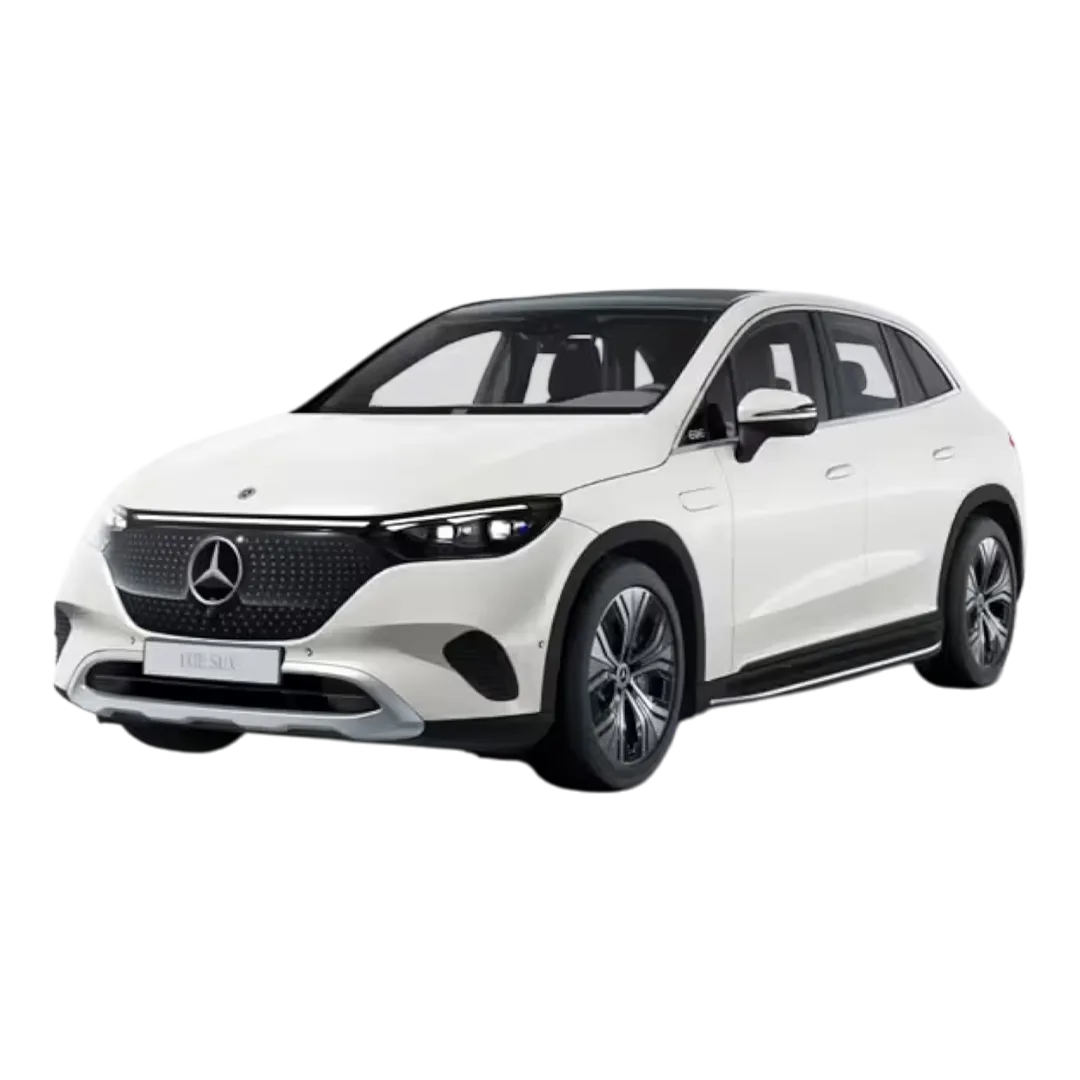 Mercedes Benz EQE-SUV
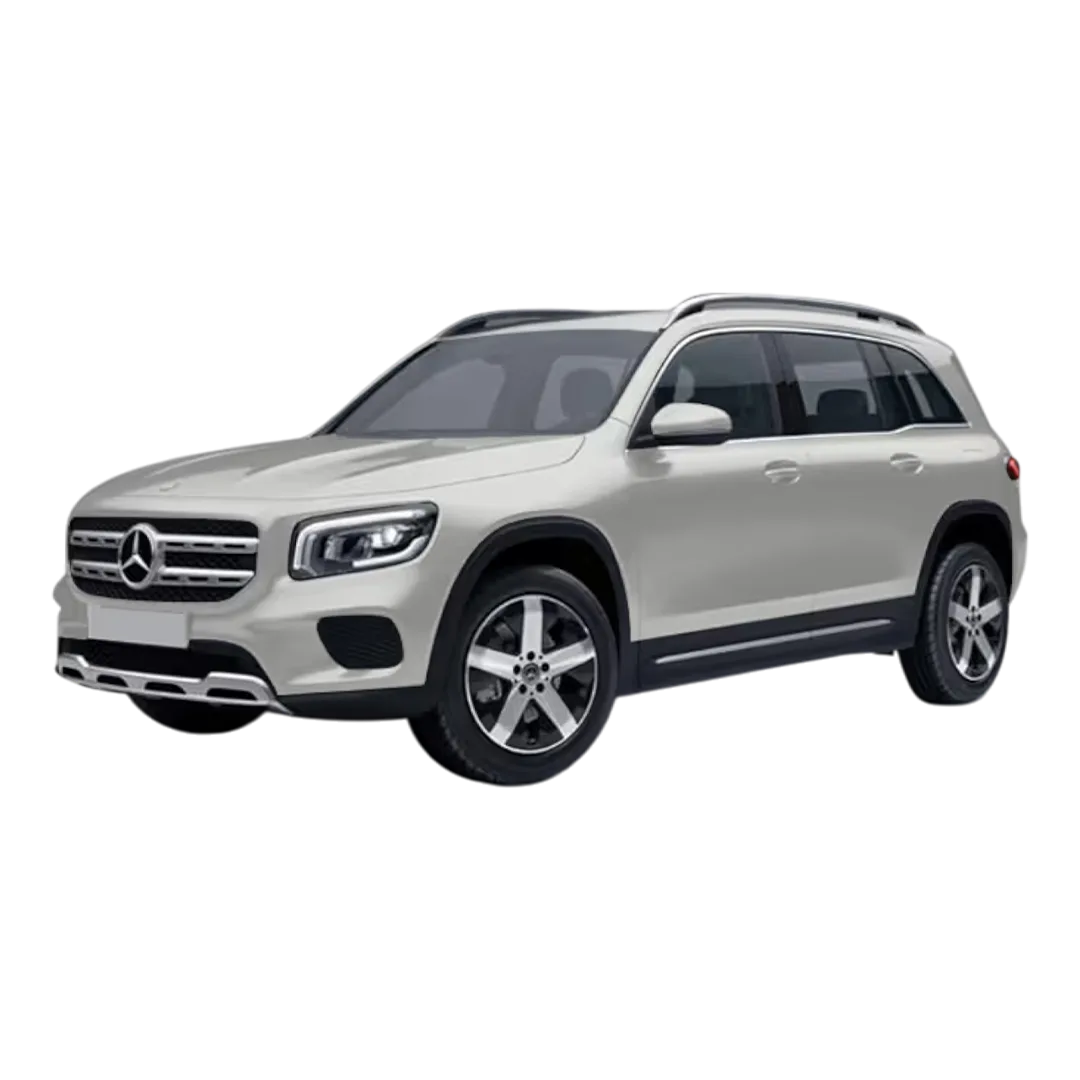 Mercedes Benz GLB
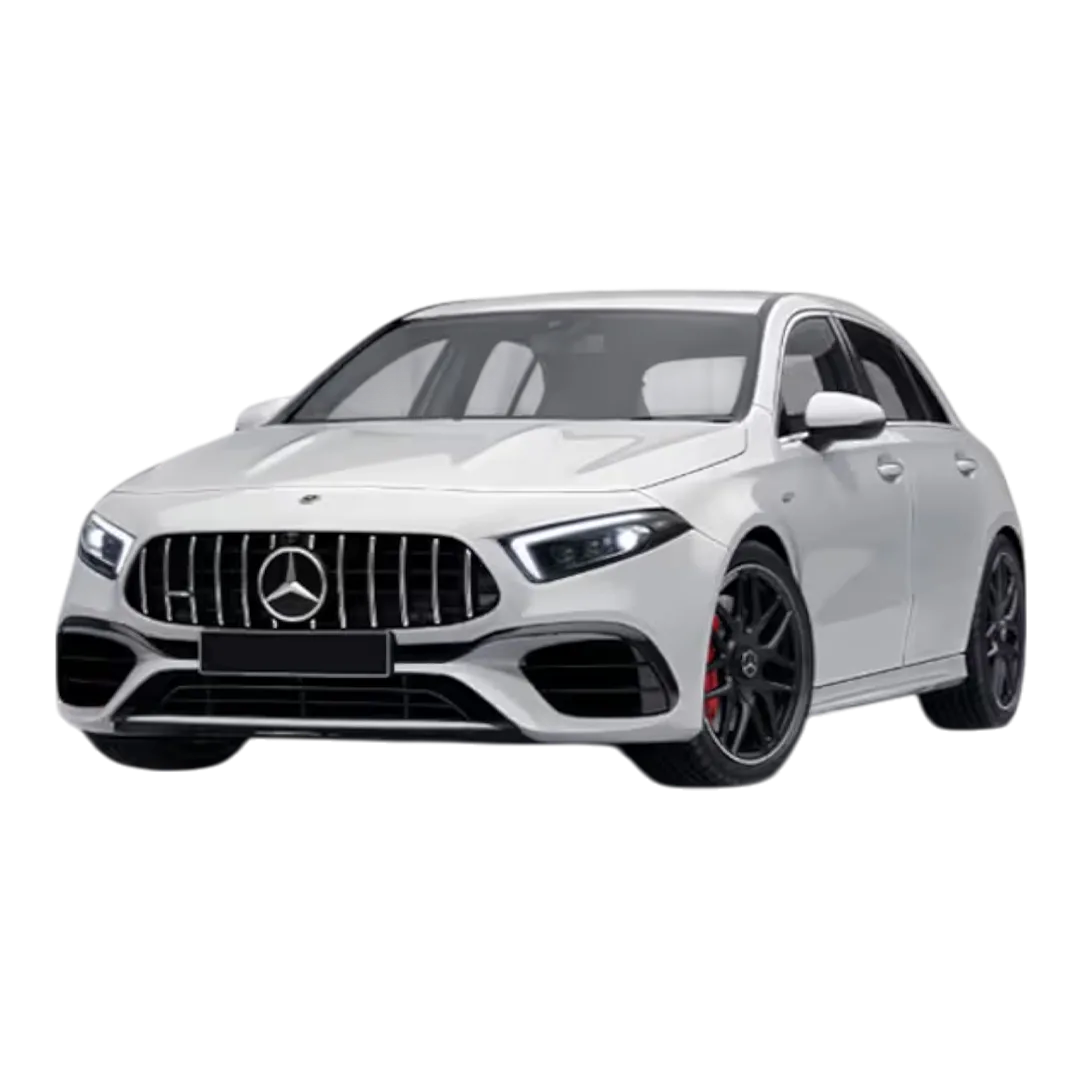 Mercedes Benz AMG A 45 S
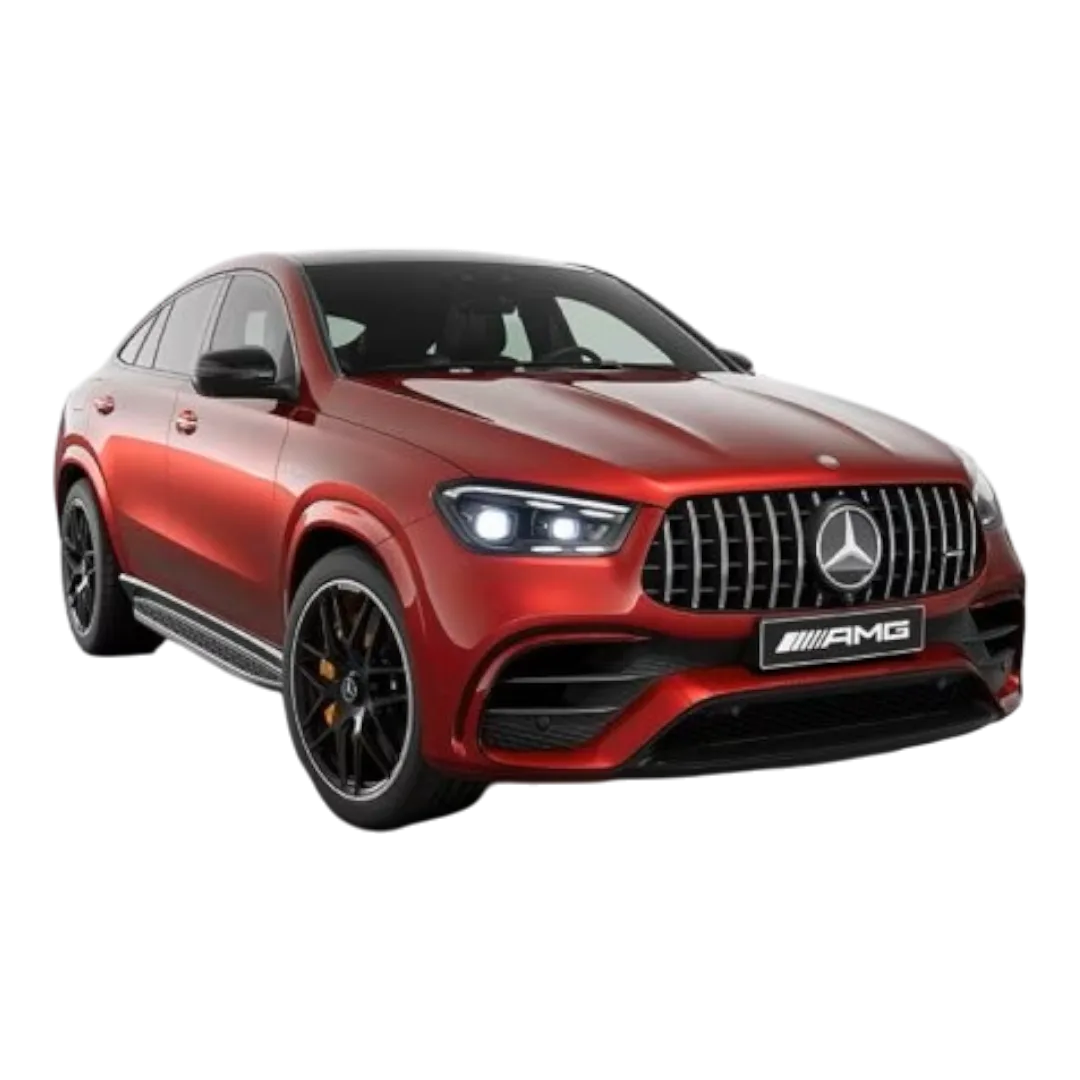 Mercedes Benz AMG GLE S3
 Mercedes Benz EQB
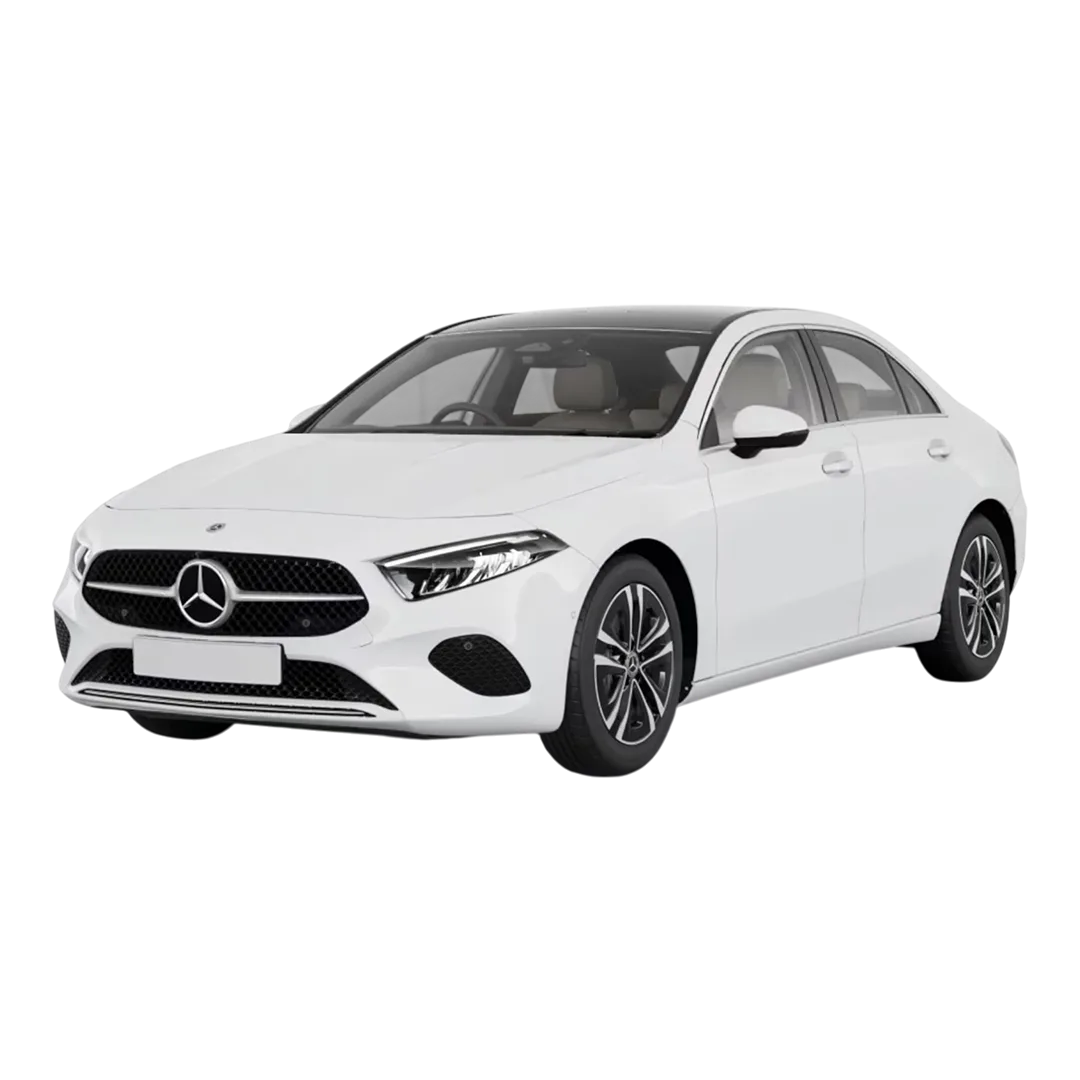 Mercedes Benz A Class limousine
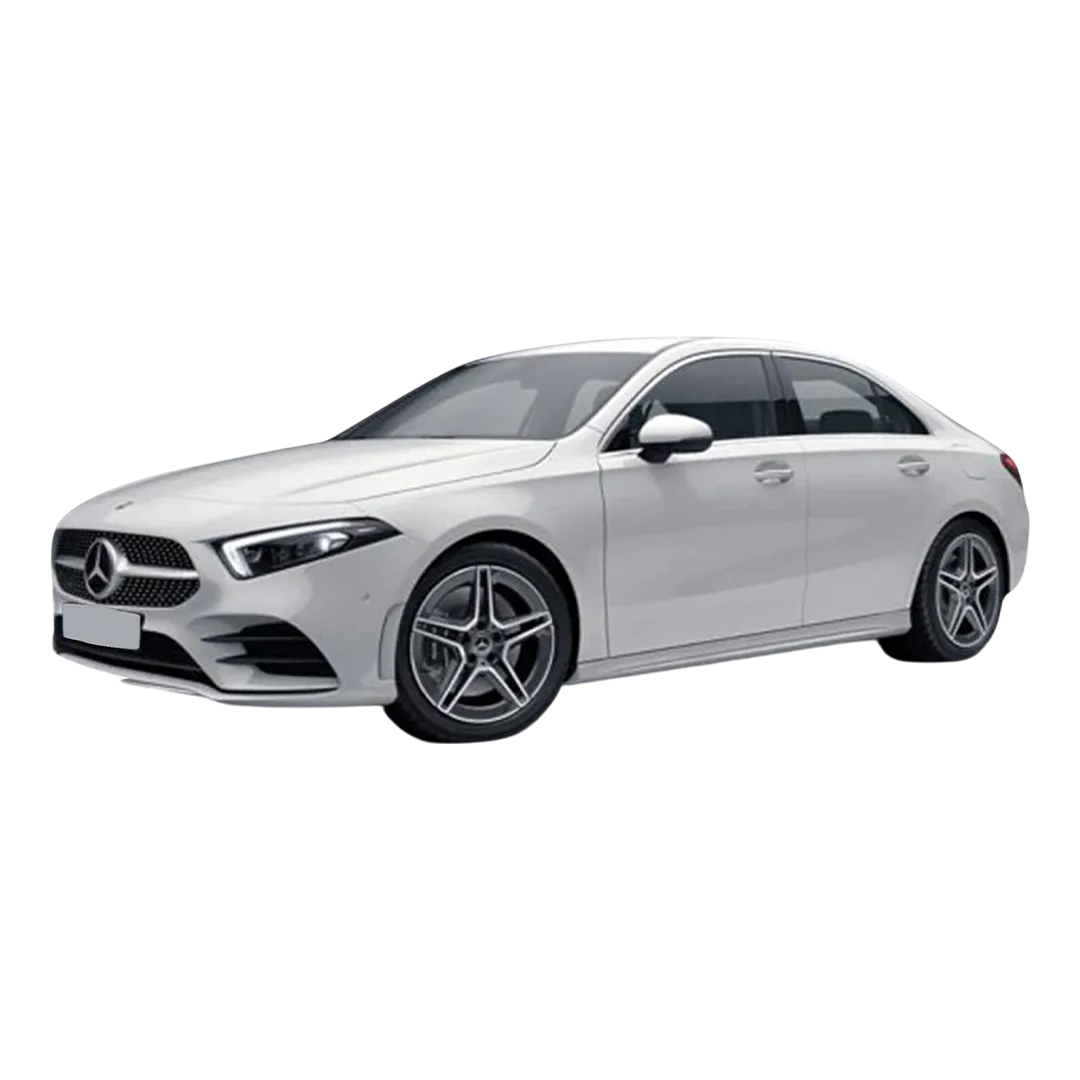 Mercedes Benz AMG A 35
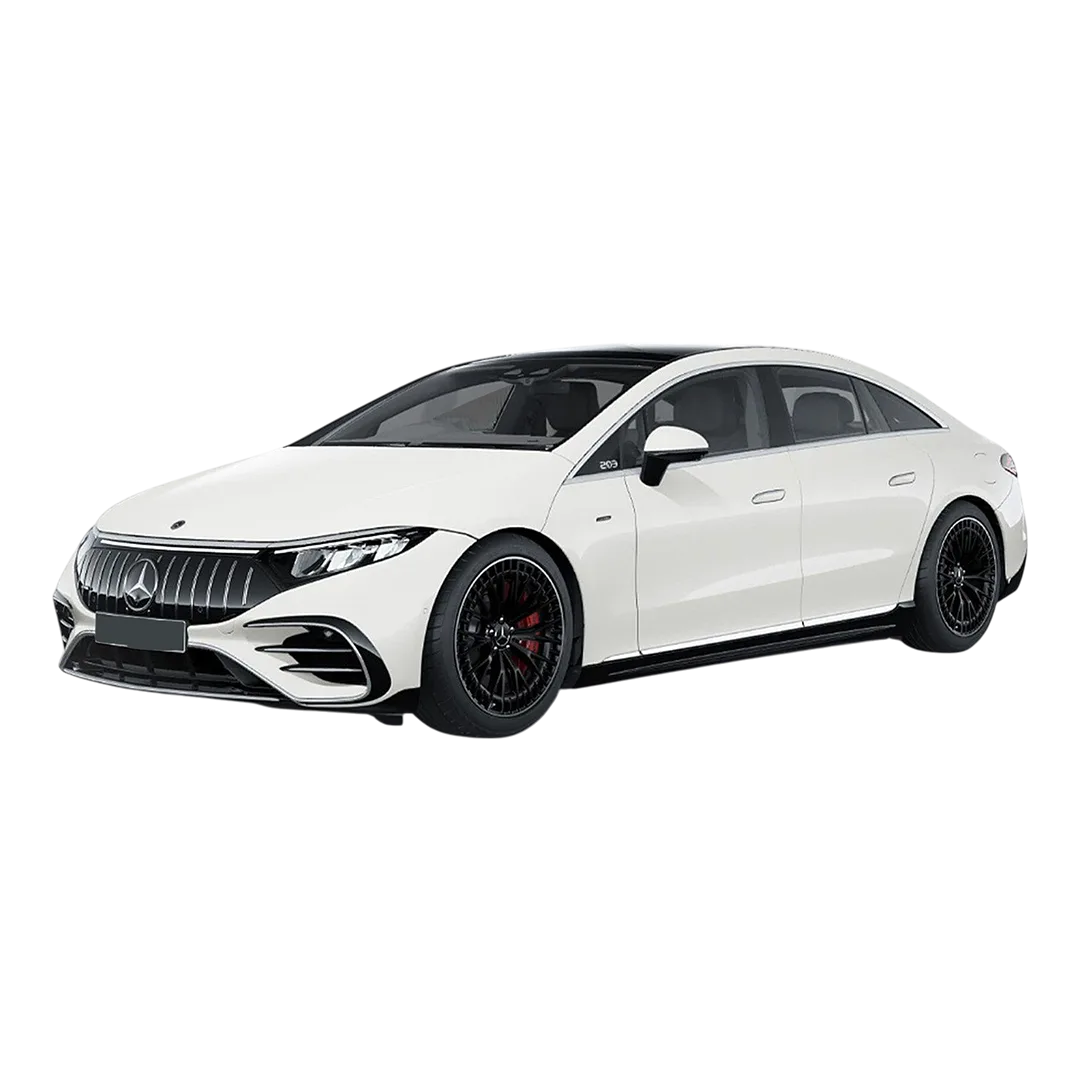 Mercedes-Benz AMG EQS
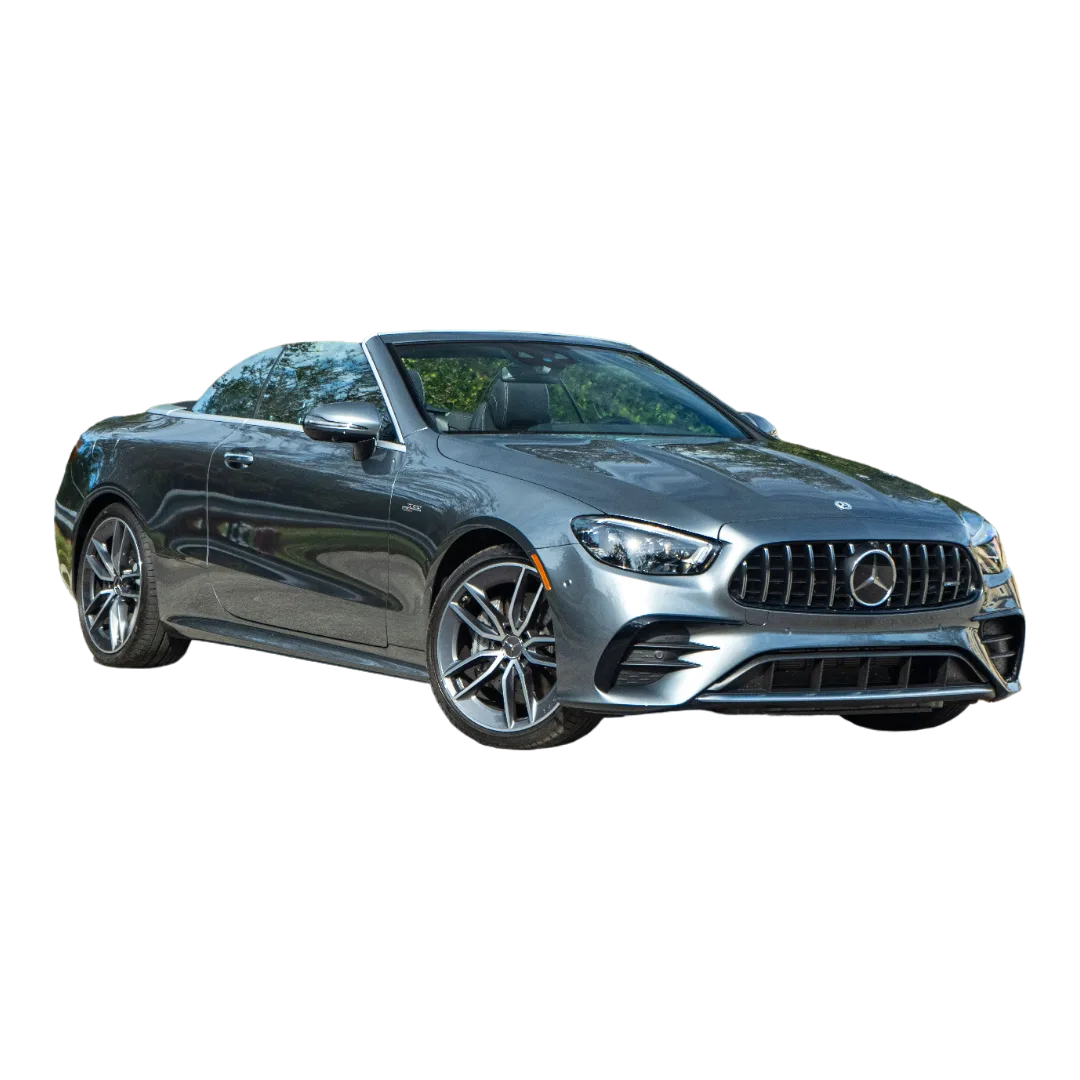 Mercedes-Benz AMG E 53 Cabriolet
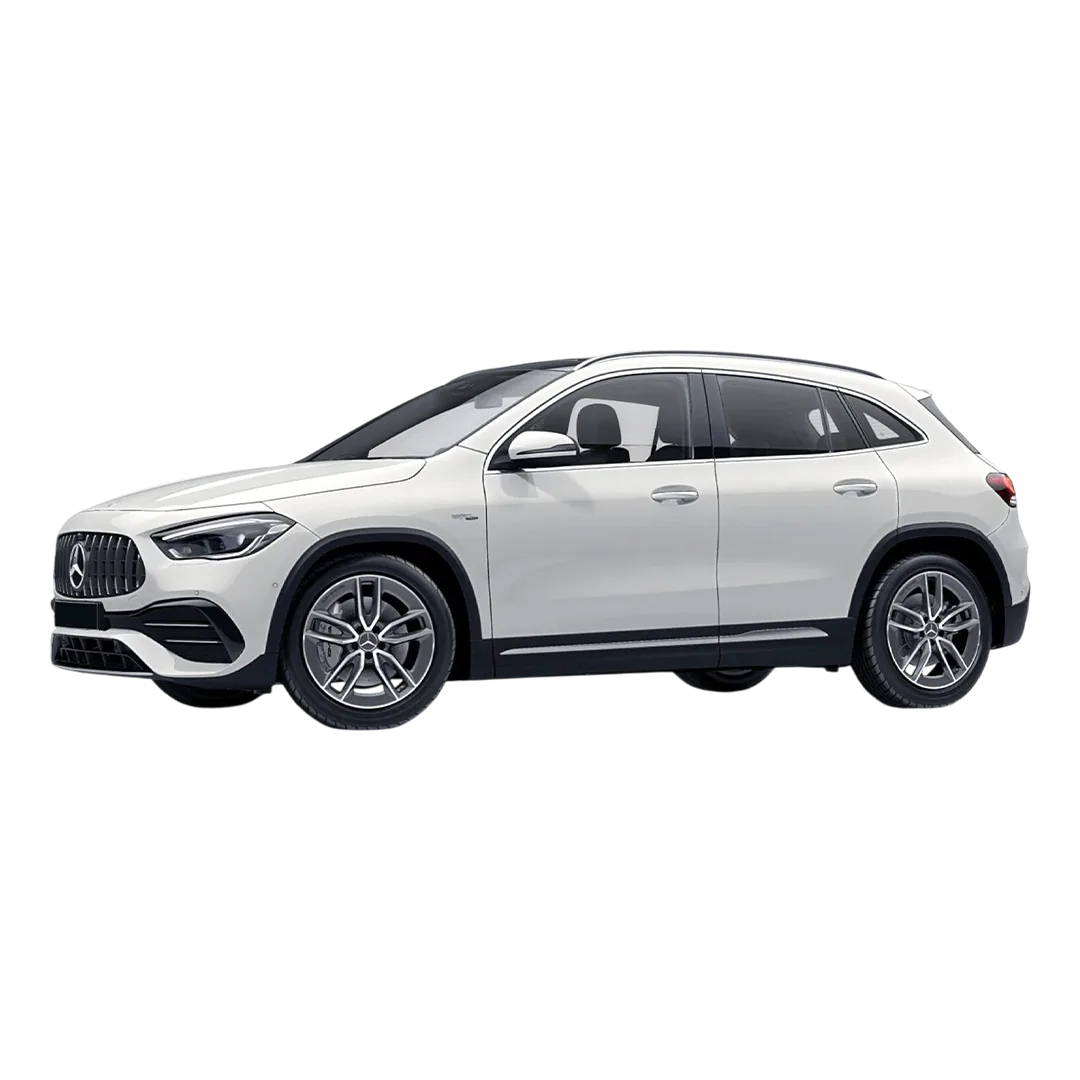 Mercedes-Benz AMG GLA 35
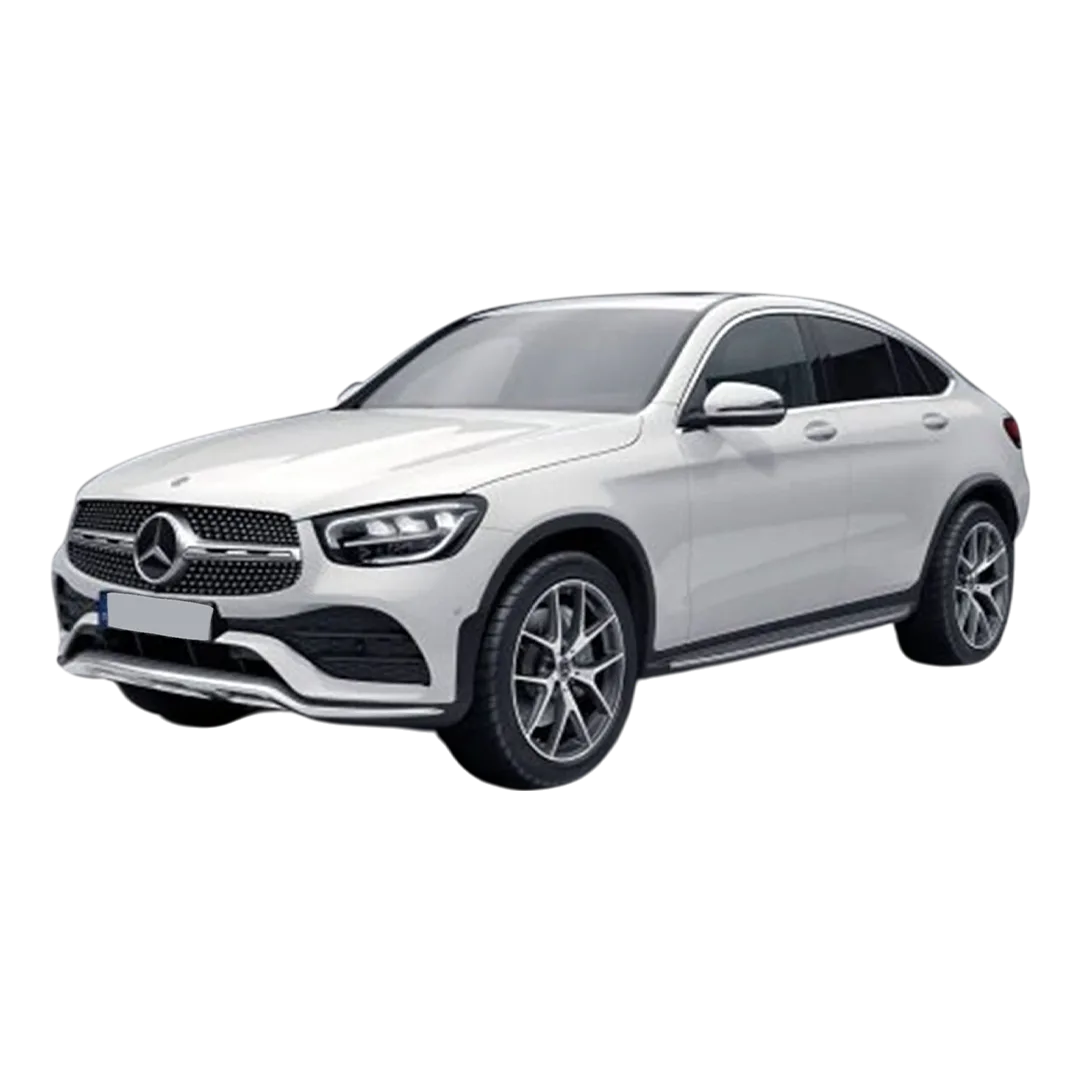 Mercedes-Benz GLC Coupe 2023
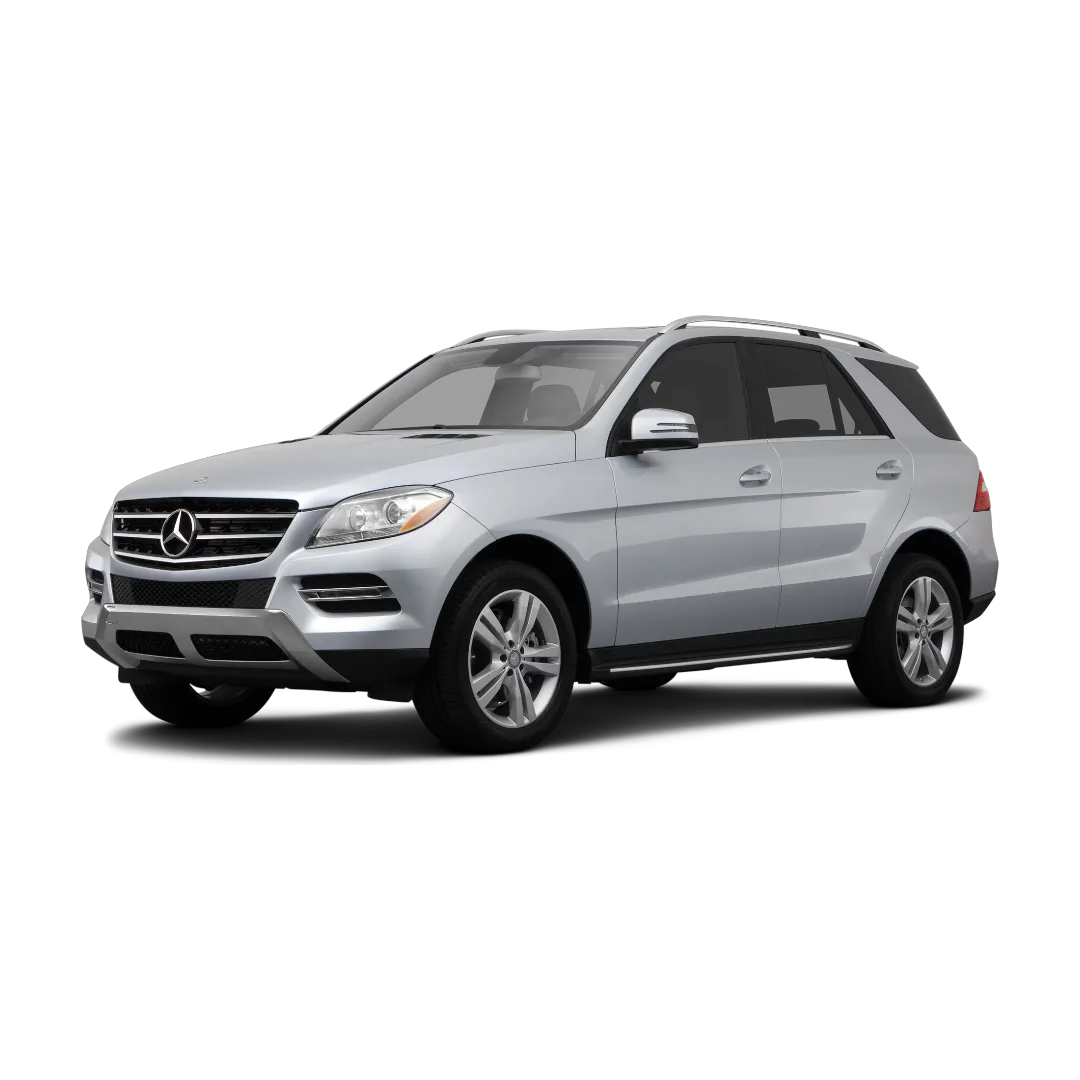 Mercedes M-Class
R-Class
Mercedes M-Class
R-Class
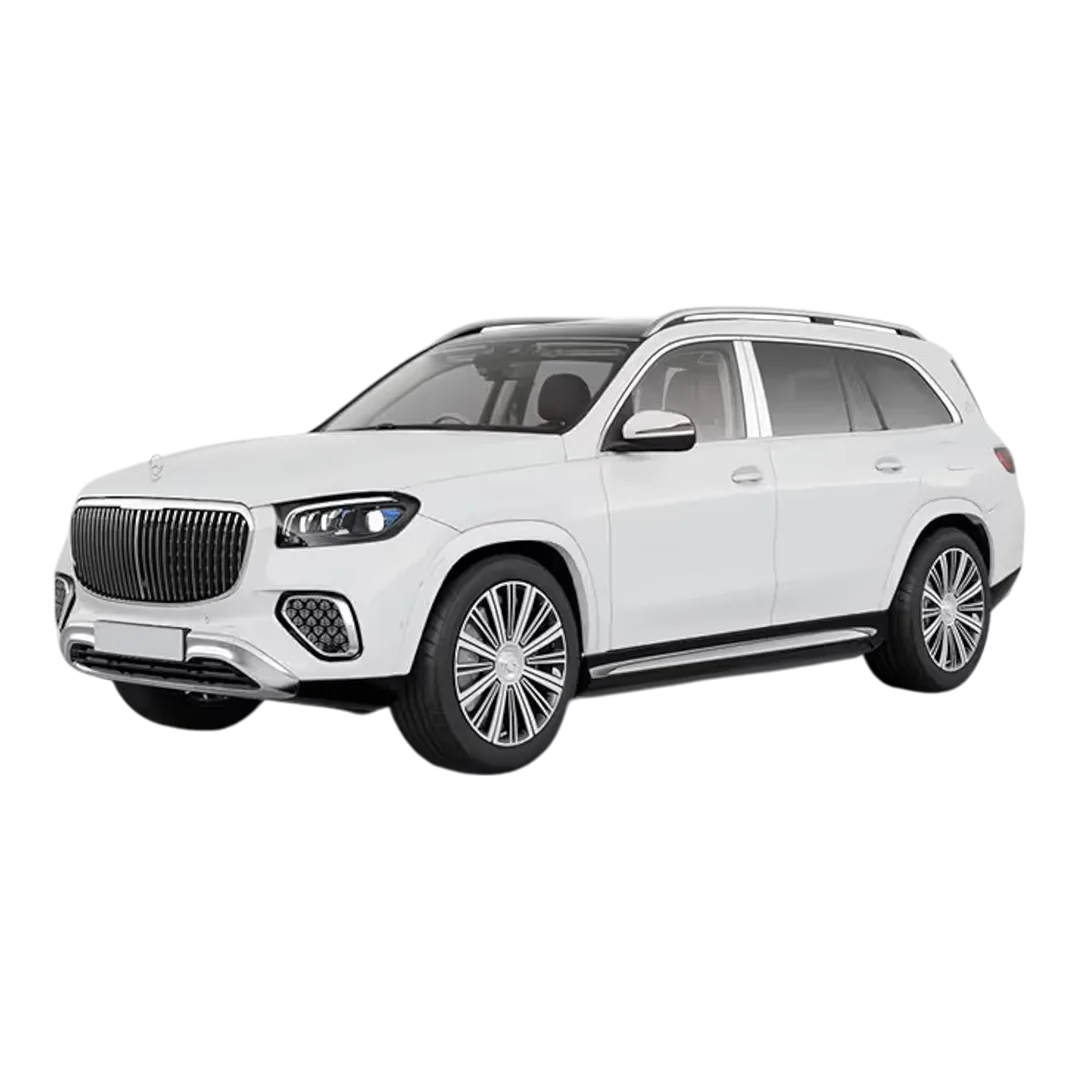 GLS 600
GLS 400
GLS 350
GLE 300
GLS 600
GLS 400
GLS 350
GLE 300
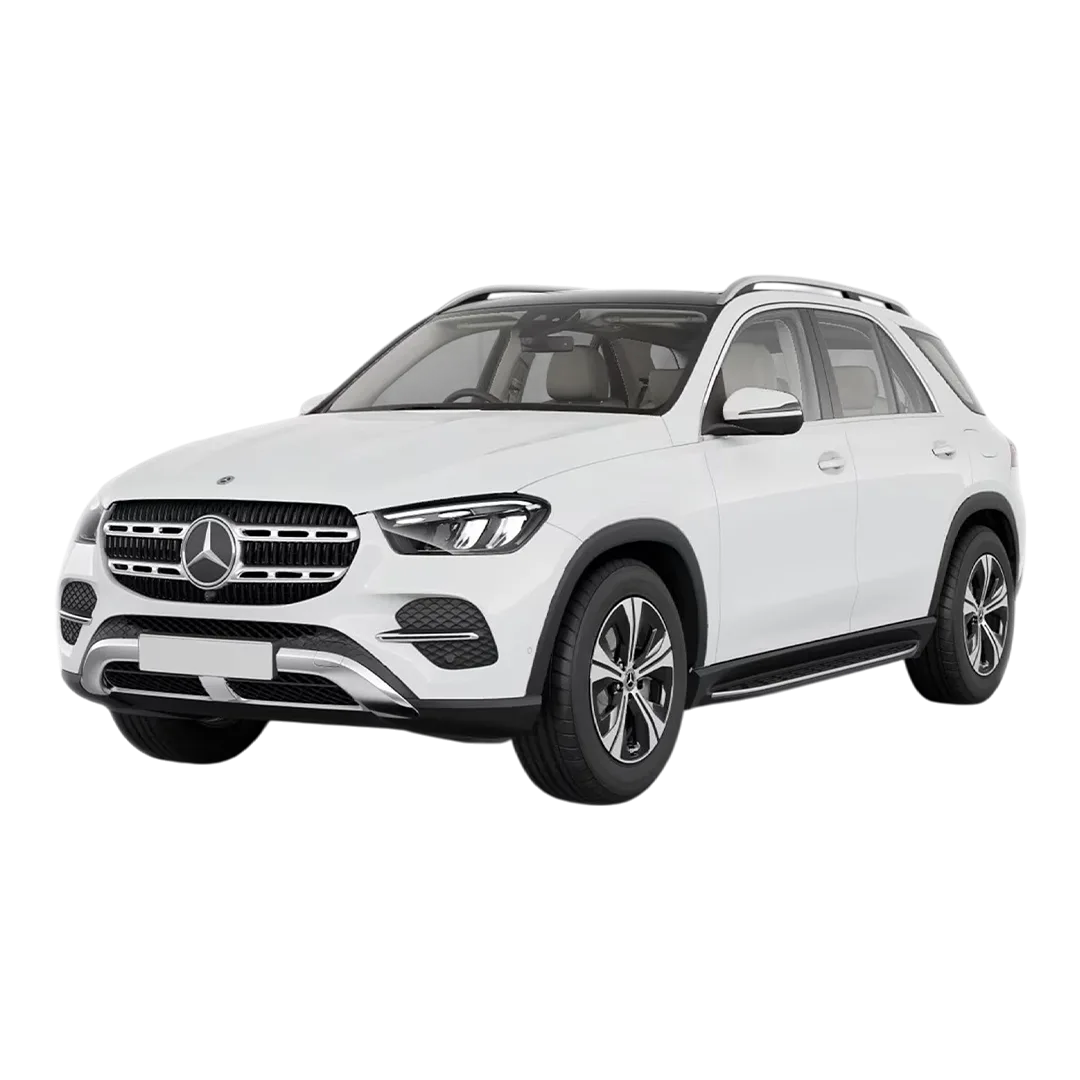 GLE 400
GLE 250D
GLE 400
GLE 250D
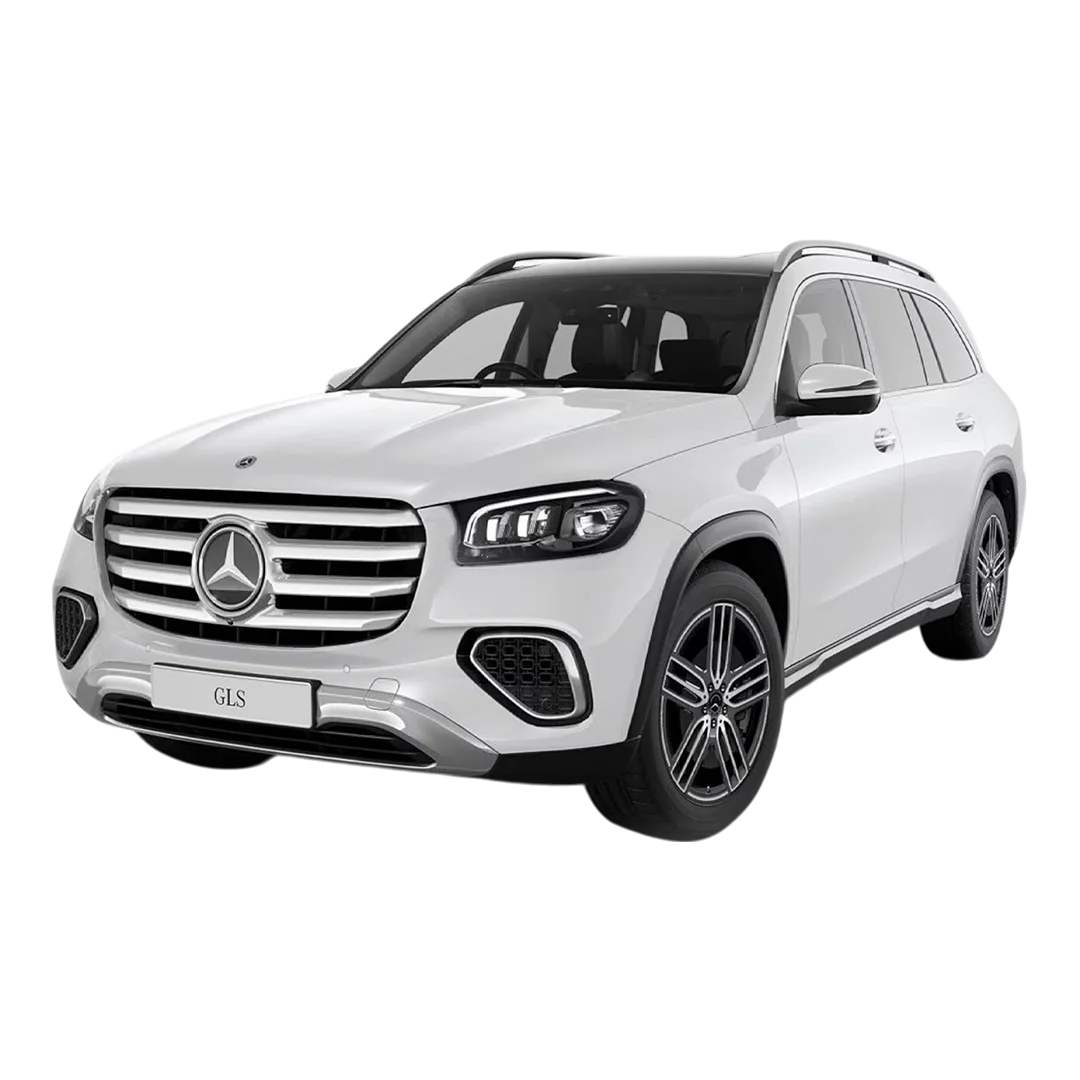 GLC 220D
GLC 300
GLC 220D
GLC 300
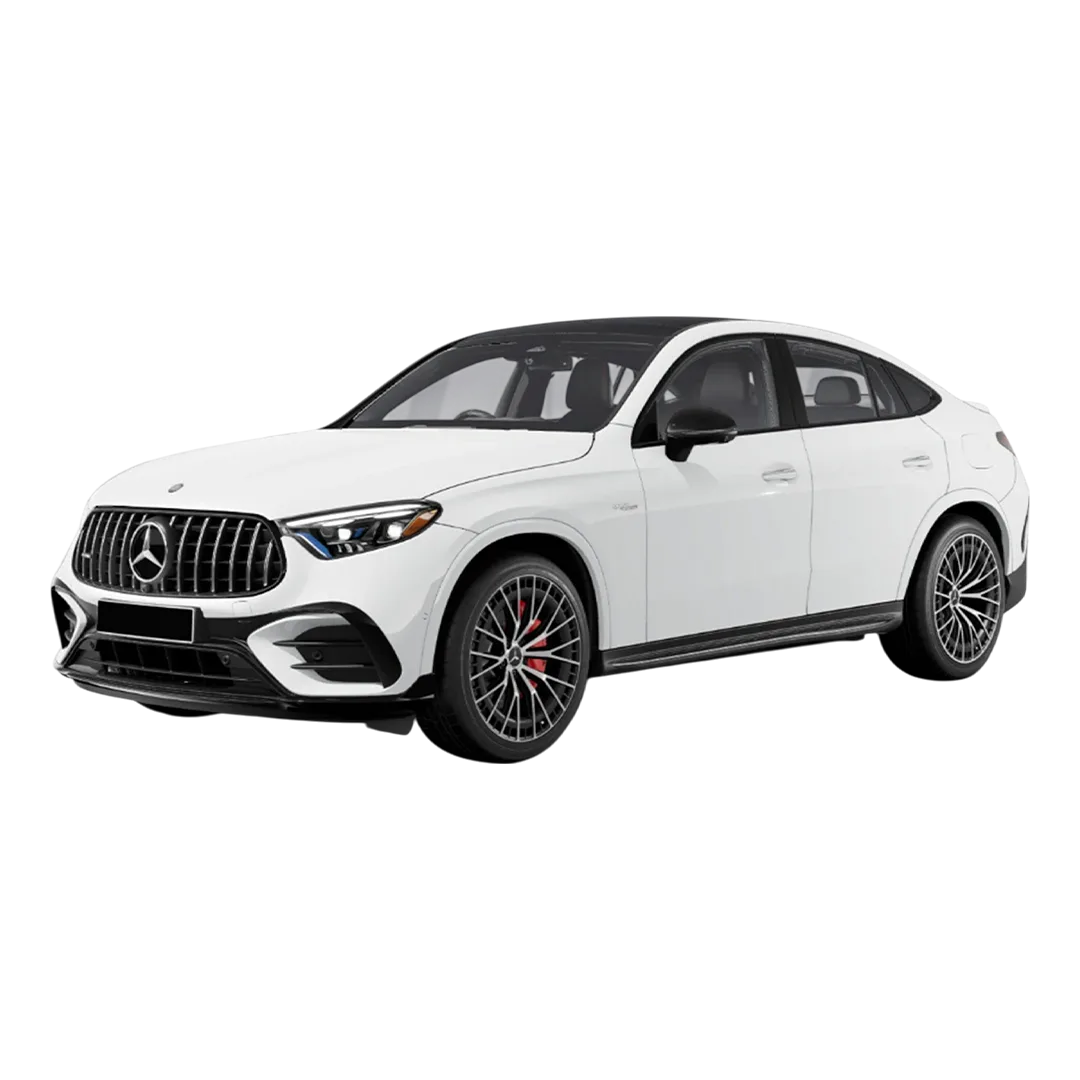 GLC 43 Coupe
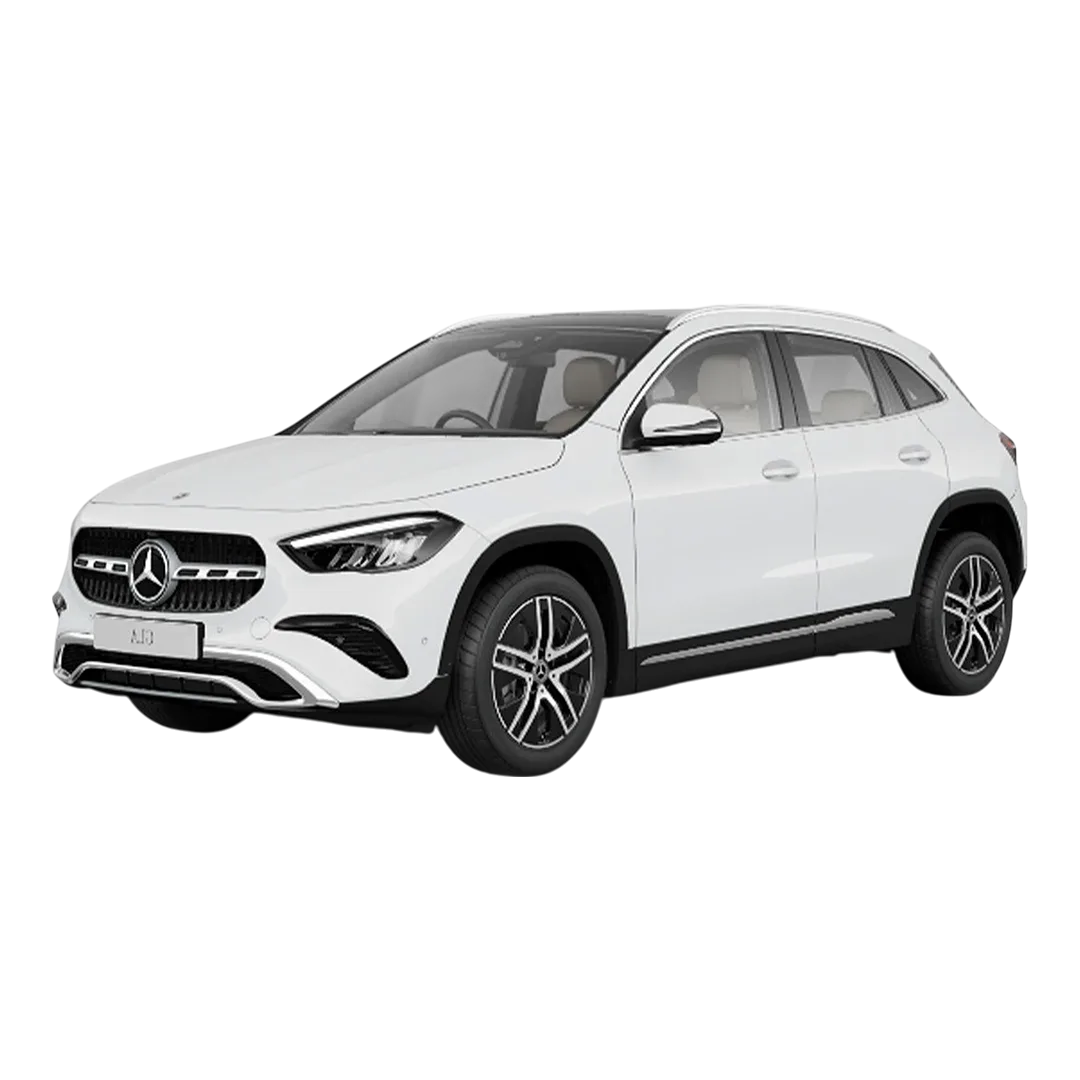 GLA 220d
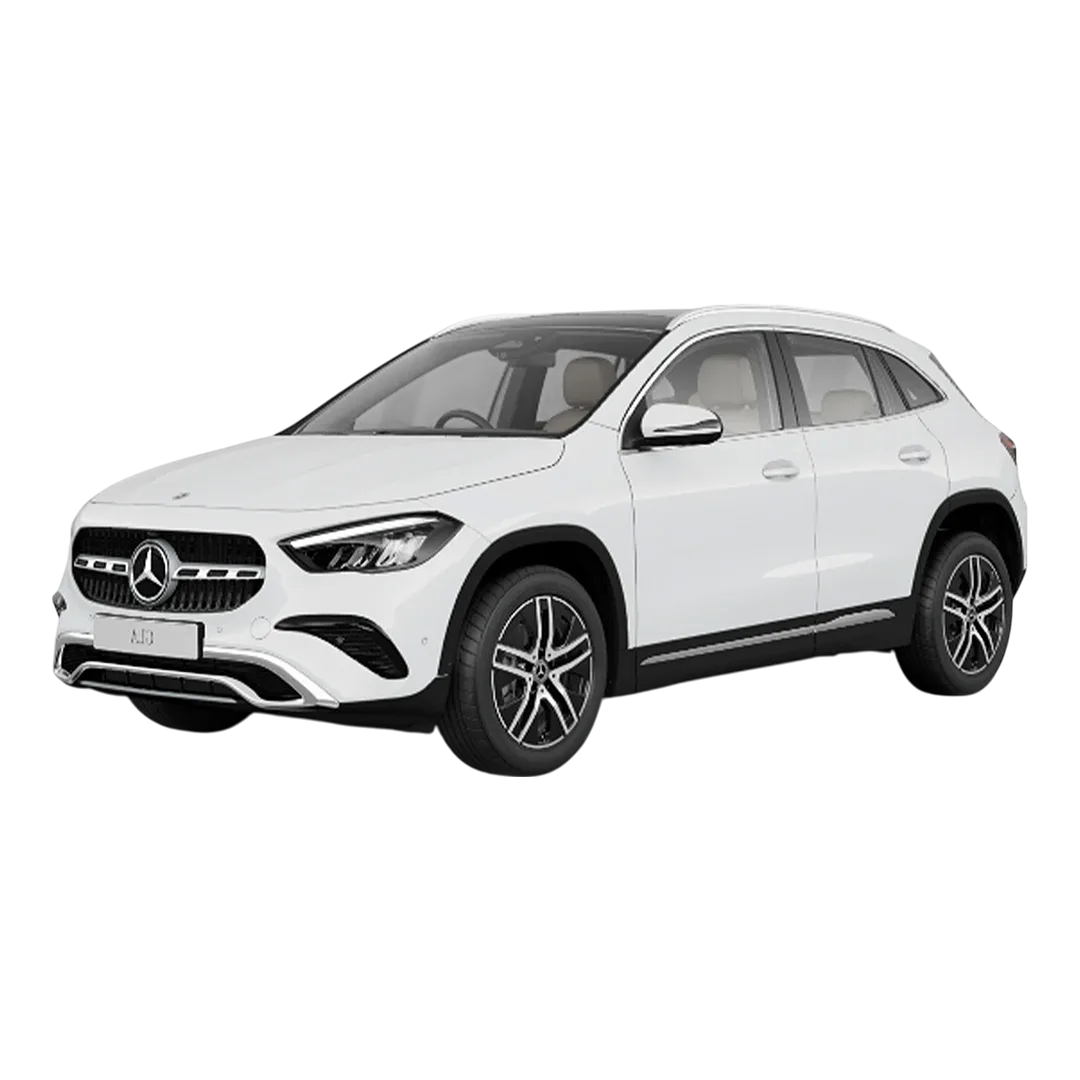 GLA-Class 200D
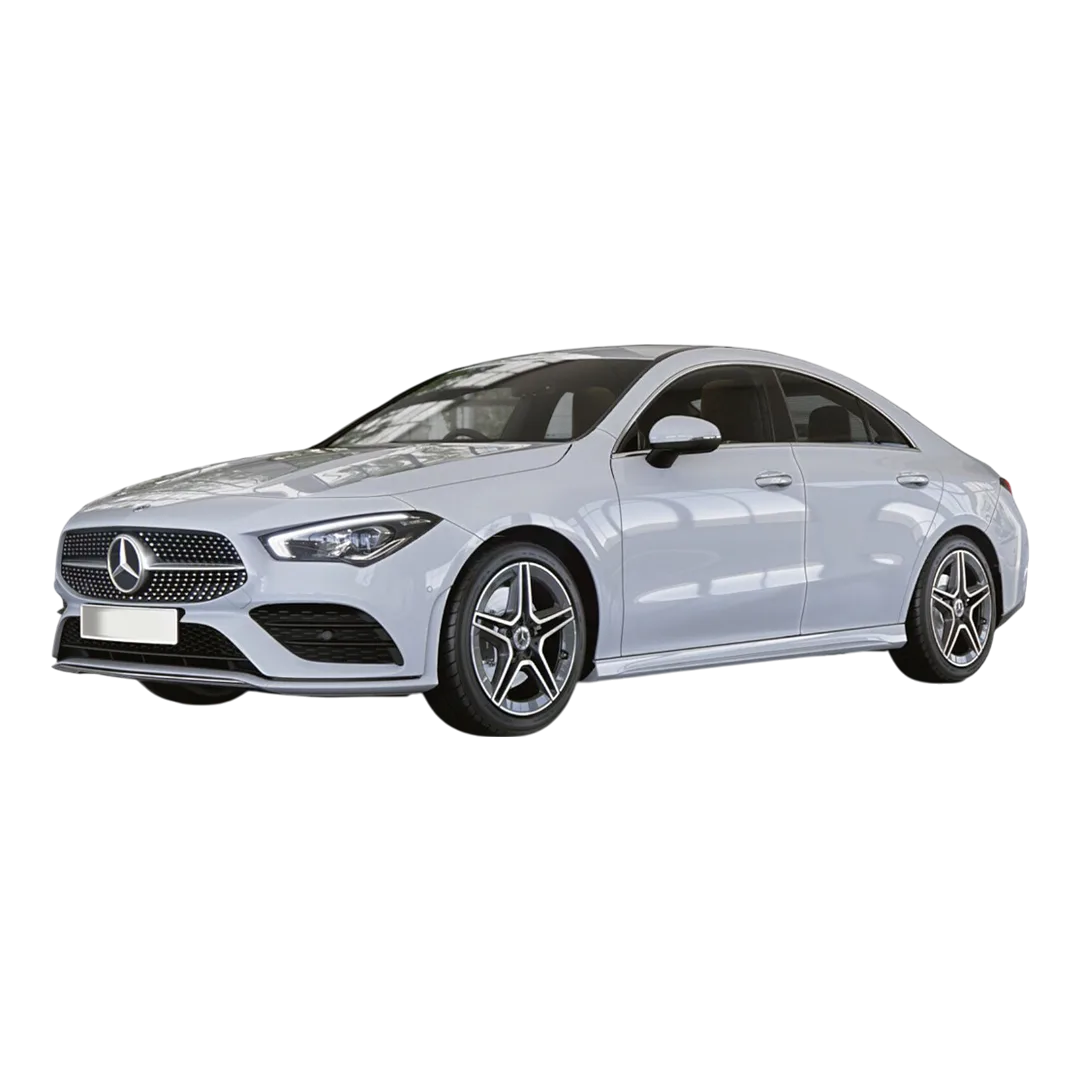 CLA 200
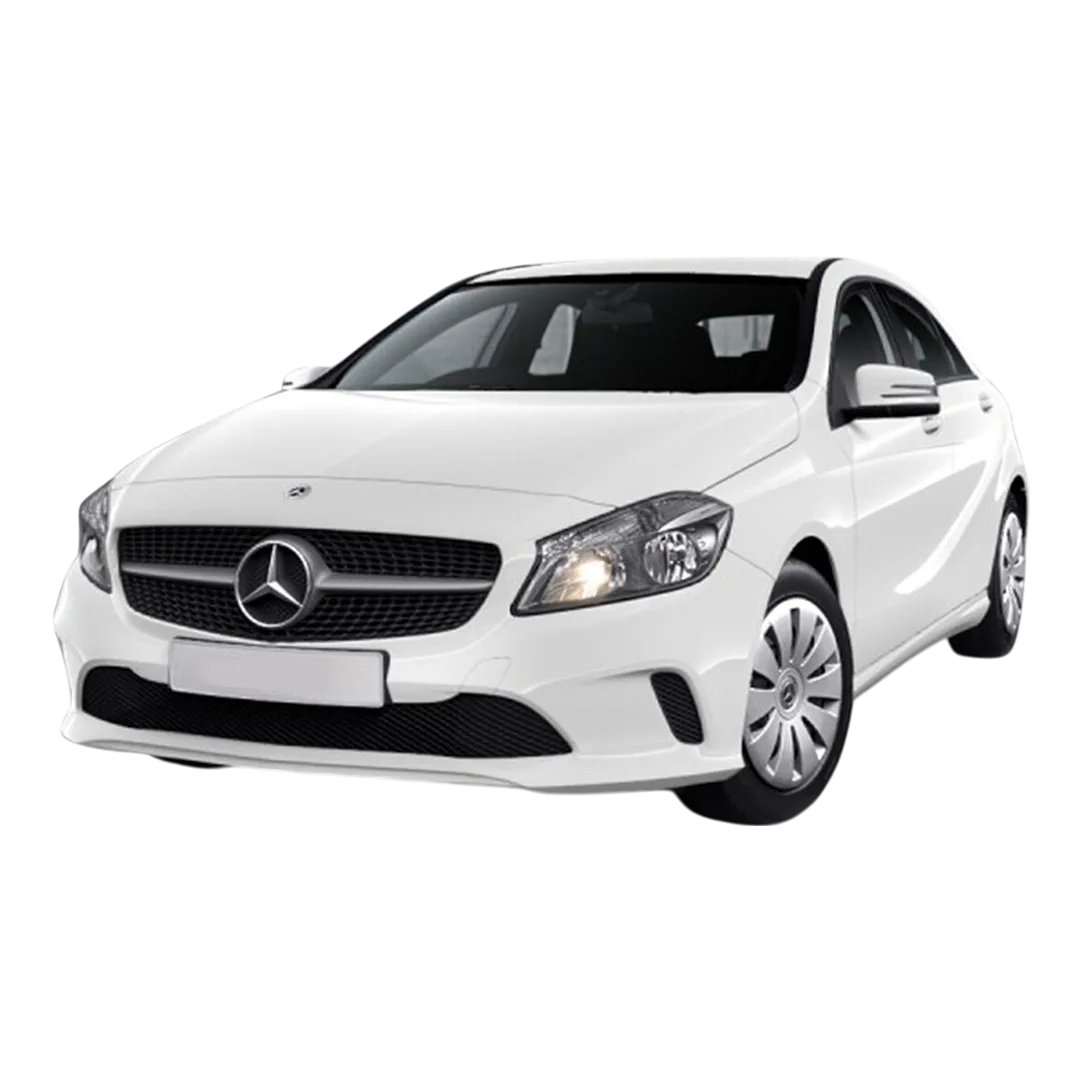 Benz A-Class A 180
M-Class ML 250
M-Class ML 350
Benz A-Class A 180
M-Class ML 250
M-Class ML 350
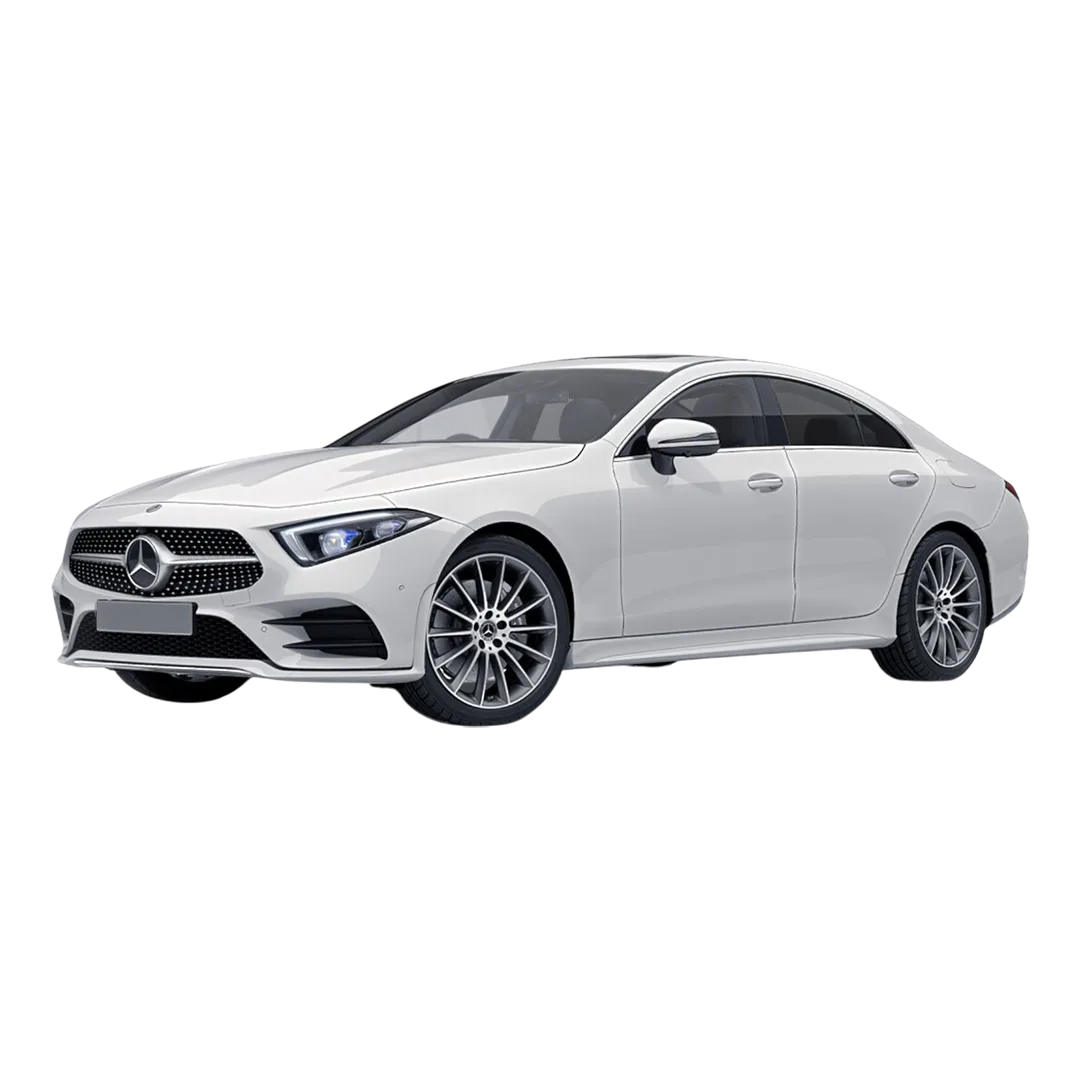 Benz CLS 300
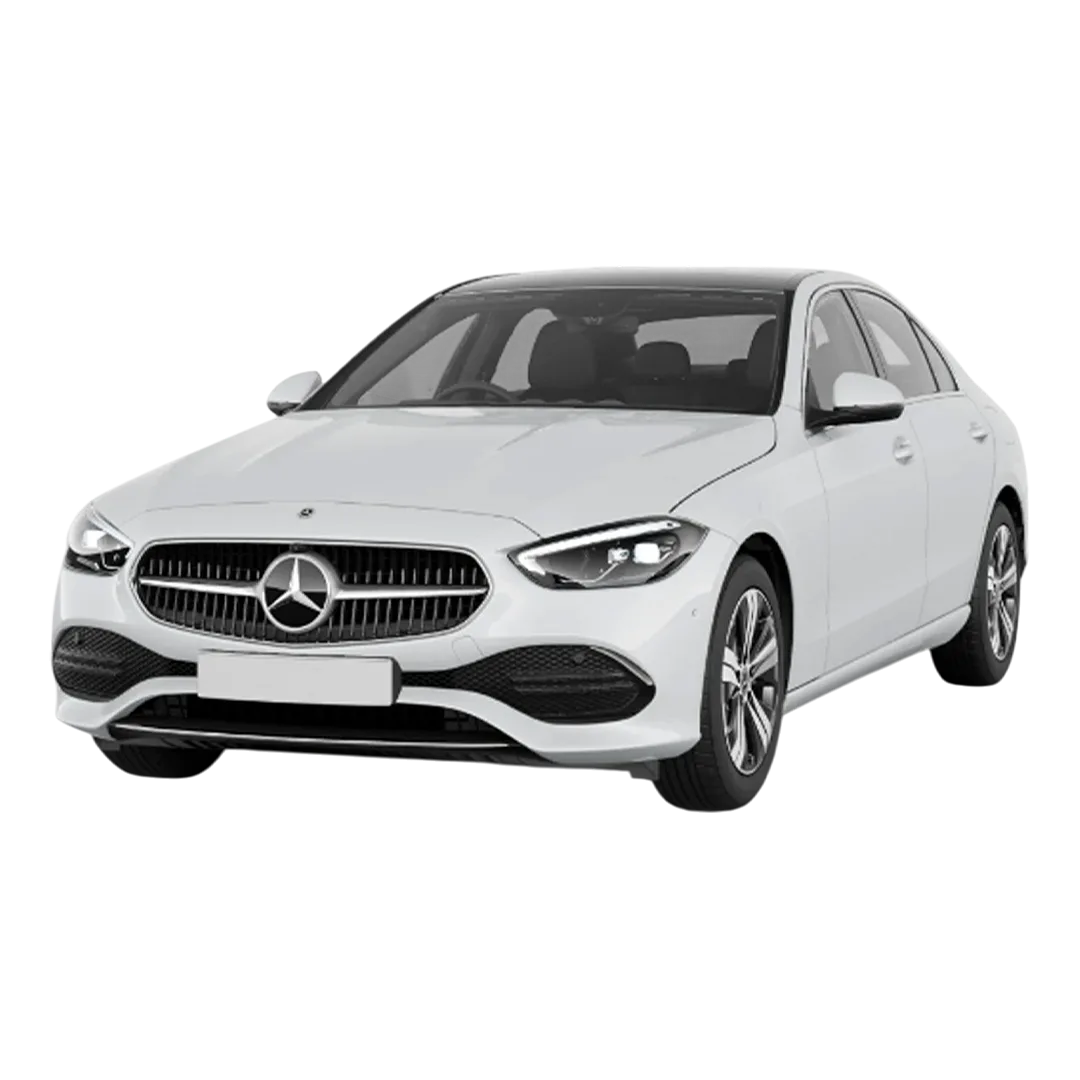 C-Class C250
C-Class C220
C-Class C200
C-Class C250
C-Class C220
C-Class C200
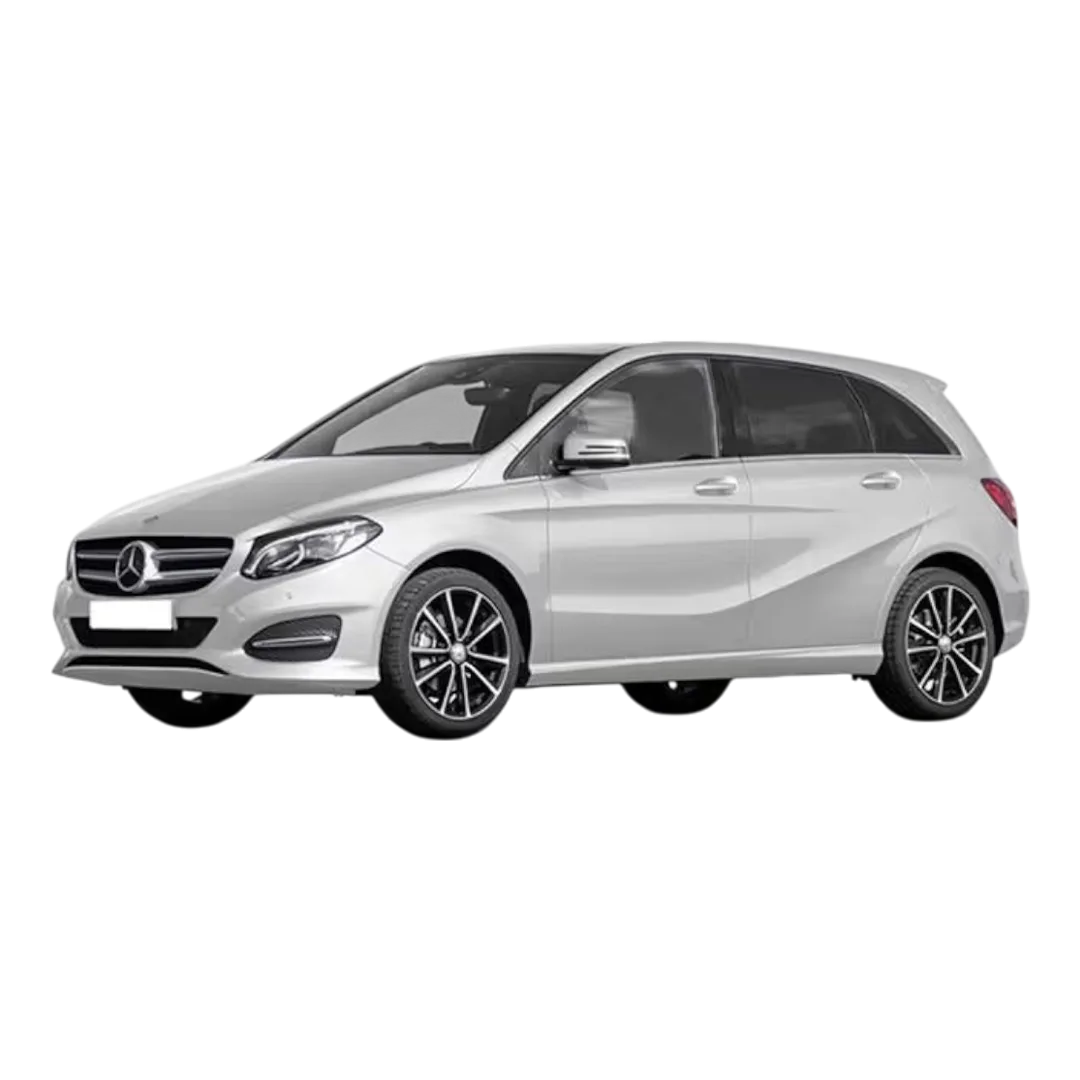 Benz B - Class
Benz A - 200
Benz B - Class
Benz A - 200

The BMW 5 Series debuted in 1972 and has been a mainstay of the brand ever since. But BMW has made plenty of changes through the car’s eight generations. As a result, the BMW 5 Series ownership experience and driving experience varies wildly.
Of course, that’s usual for the rare nameplate with 50 years of heritage behind it. Whether you’re drawn to the older models for their iconic styling and unparalleled steering or dodging depreciation by buying a few years away from brand-new, each 5 Series generation has something to look out for when it comes to common issues and reliability.
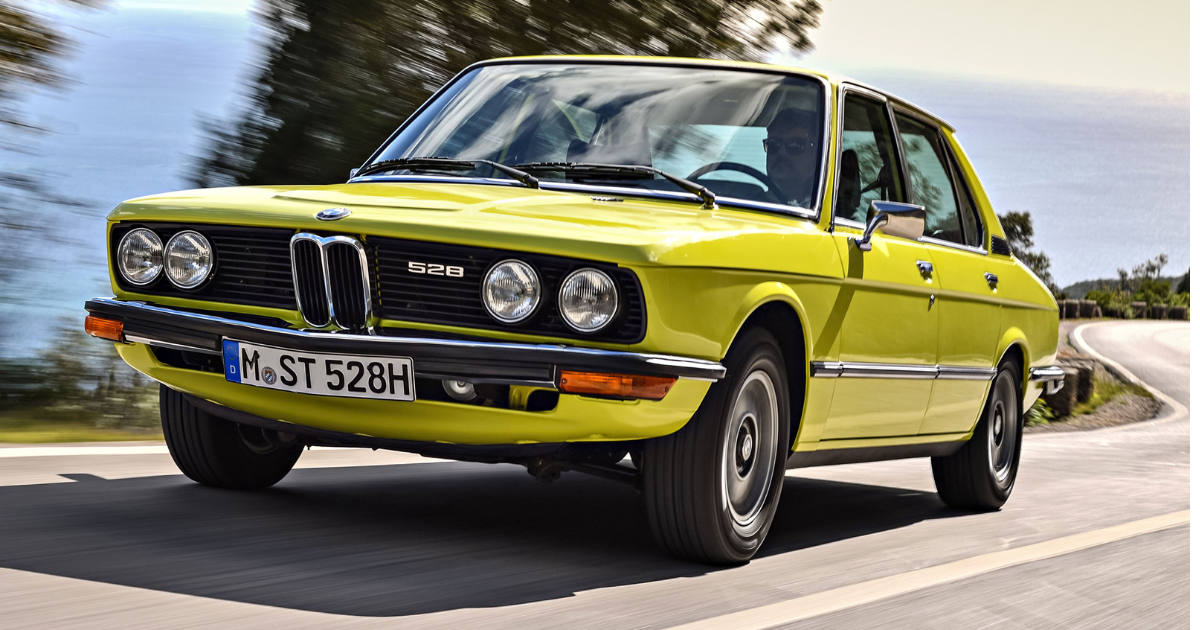
The first generation 5 Series debuted in 1972, and even the newest E12 is nearly forty-five years old. Production ran until 1981, but contrary to our usual advice, we’d say the older the better. Assuming you aren’t importing a version from another country although you might US versions were limited to 1975 model years and up. The good news there is that the 530i came with a 3.0-liter M30 inline-six.
Even early M30s are fairly stout but do have occasional issues concerning oil and water pumps. Regular valve adjustments should be a priority, as should cooling system checkups (and a coolant flush every few years). Finally, there was a class-action lawsuit for the exhaust gas recirculation system (EGR), though by now I imagine those have been replaced on affected cars.
By 1979 the 530i became the 528i, and power went down. The 2.8-liter version of the M30 isn’t largely different from the 3.0-liter engine, but does feature more emissions controls like a catalytic converter and oxygen sensor. These added complexities are just more things to break. That said, the five-speed BMW added in 1980 is a nice bit of kit. And, it should be noted that the M30 is hardly unreliable.
The M20 is a great option because, like the M30, it remained in production until the mid/late 1990s. So, plentiful parts and lots of information. The M20 notably uses a timing belt, as well. Aside from its astonishingly low power (under 100 horsepower in some cases) the M10 is also fairly reliable, sans valve guide and camshaft wear from poor maintenance habits. Regardless, the age of these cars practically guarantees plenty of unknowns that will vary from example to example. There are safer reliability bets to be made in the BMW 5 Series lineup. Even if you’re looking vintage.
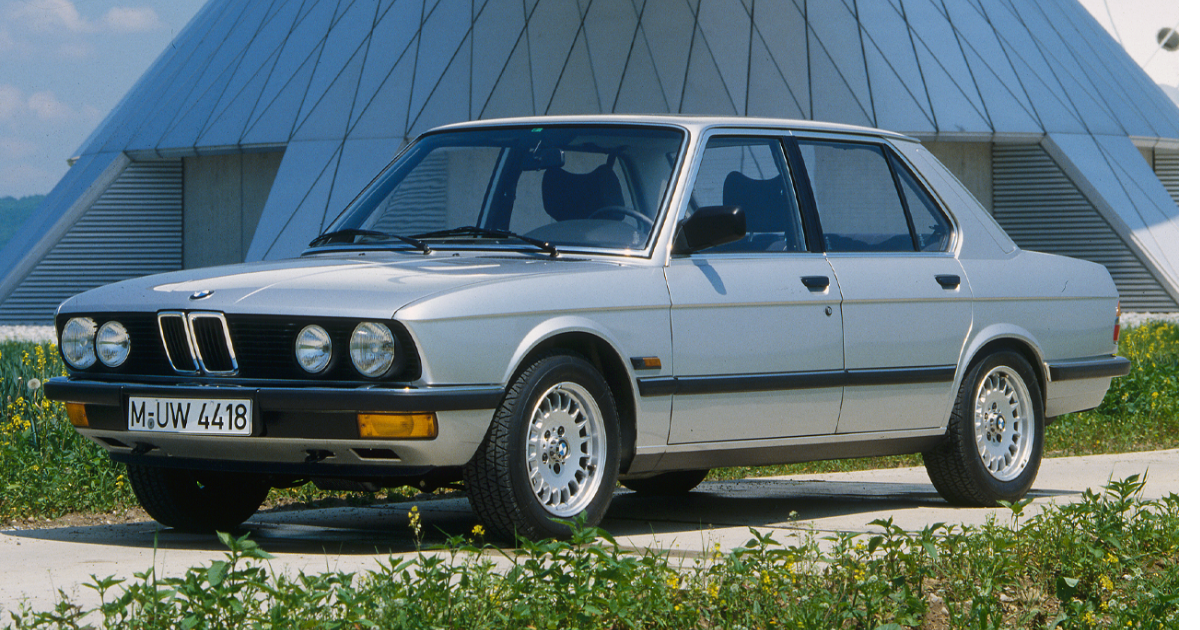
BMW produced the E28 5 Series from 1981 until 1988, stuffing four- and six-cylinder engines under the hood. But the first model to come to the US was the 528e in 1982, which utilizes a 2.7-liter M20 engine. The M20 is a great engine with lots of parts around (it remained in production until the 1990s).
The E28 generation also introduced the first M5. The M88/3 is an even more directly related to the M1 than the preceding generation’s M535i. Like with the previous generation, these cars have become extremely high-dollar so we recommend getting a good pre-purchase inspection before pulling the trigger.
The US-spec S38 engine is an early iteration displacing 3.5 liters that offers great power but can require attention (and cash) if not properly maintained. Regardless of powertrain, the E28 is fairly susceptible to rust, particularly around the front fenders, license plate lights, and trunk. Dashboards will crack, too, and make sure to play with all the electronics. Radios, gauge clusters, and (of course) window regulators are all occasional trouble spots.
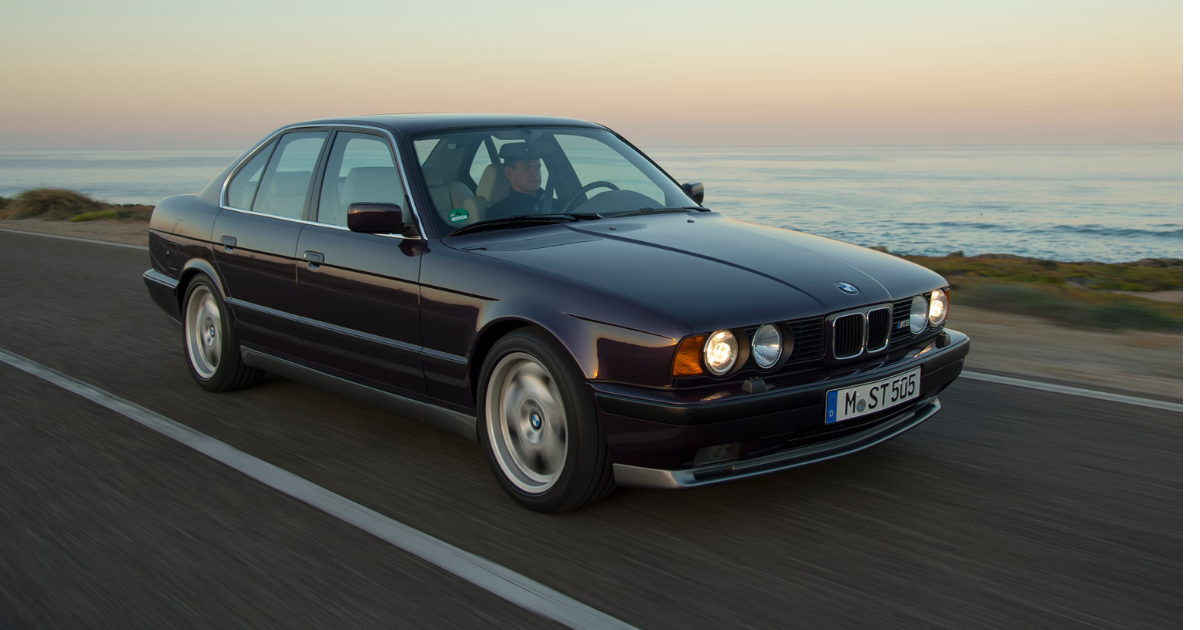
The third generation BMW E34 5 Series ran from 1988 until 1996. As a result, there are a handful of new technologies that can make these cars both better to drive and more complicated. With nearly a dozen different engines, there’s a lot to cover, too. The M20 returns under the hood of early 520i and 525i models.
Notably, M50 engines produced after 1992 will also have VANOS, adding complexity. A pre-1992 M50 is preferable to either an M20 or post-92 strictly in terms of reliability. You can find them in the 525i and 520i/520is, which after 1992 use a TU version that gets VANOS. The 524td exists, but you’d be better served by the 525td which replaces it.
The E34 generation also introduced the V8 engine to the BMW 5 Series. The early M60 V8 used Nikasil coatings, which by now are either replaced or are not going to present issues. M60s also are vulnerable to timing chain guide failure and cooling system issues. The E34 M5 uses a new S38, bored to 3.8 liters, and is still generally accepted to be fairly reliable. The E34, otherwise, isn’t much different than looking for an E28. Like the E28 and any other 30+ year-old car, rust, worn suspension components, and faded/cracked trim pieces will be common issues, and checking the electronics before you buy is a good idea.
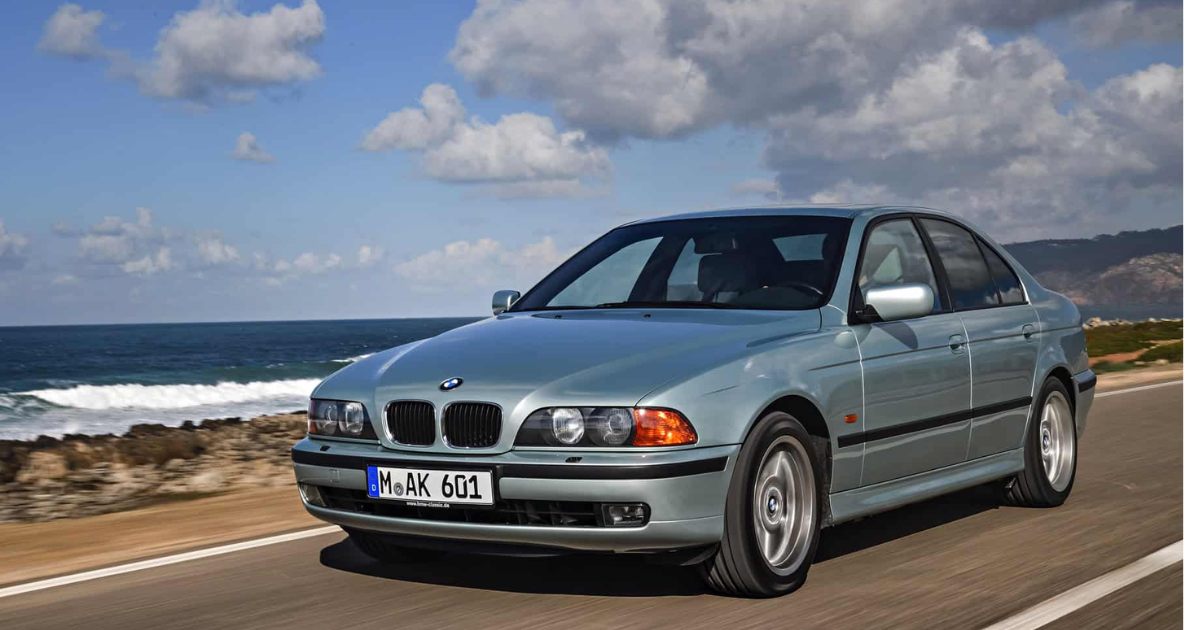
BMW brought the E39 5 Series to market in 1995 internationally, but here in the States you’ll only find them post-1997. The E39 BMW 5 Series was manufactured until 2004 and is a huge fan favorite for its classy looks, good power, and engaging steering. Another excellent point for the E39 BMW 5 Series is that only inline-six and V8 engines were under the hood. Particularly the delightful M52 and M54 inline-six engines (early models used the M52).
V8 engines are present on the 535i, 540i, and M5 models. The M62 V8 is much improved from the M60, but it’s still a tough sell from a reliability standpoint. VANOS issues are more widespread here than in the six-cylinder non-M variants, cooling system issues persist, timing chain guides are a real problem, and it’s bound to leave a bit of oil everywhere it goes.
The E39 BMW 5 Series is an excellent driver’s car, but it’s definitely not the most reliable way to get into a 5 Series. Late 1990s BMW problems persist here although, the good news is that quality starts taking an uptick after this point. So, window regulators and dead pixels in the dash simply come with the territory.
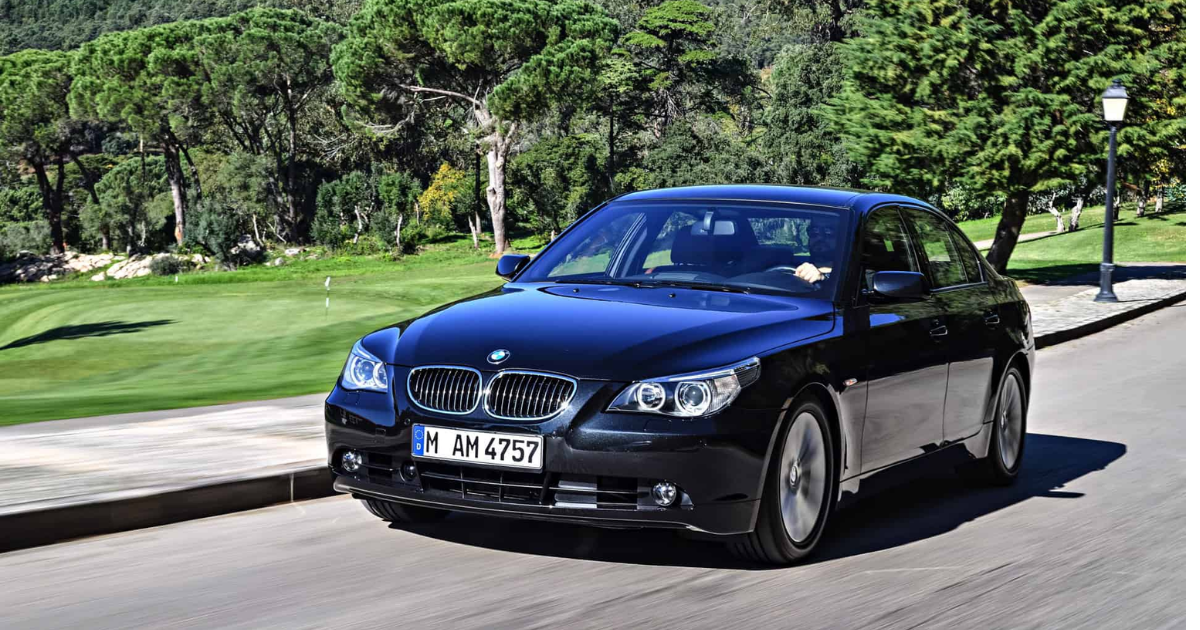
The E60 5 Series’ biggest claim to fame is the V10 powering the M5 of its day; and we’ll start there. This is one of those cars where if you have to ask, it’s probably a bad idea. While not inherently unreliable, expenses mount quickly, and the S85 engine has no shortage of common failure points. High oil consumption, rod bearing wear, VANOS failure, and throttle actuator failure are high-dollar and high-frequency problems.
In the US, the E60 also came exclusively with eight- and six-cylinder engines, like its predecessor. The M54 sits under the hood of early, non-turbo models. It’s a good, solid engine with relatively few major problems. Expect cooling system, DISA valve, and oil filter housing gasket issues. The M54 is later replaced by the N52, which is arguably one of the best and most underrated engines BMW ever made. Issues are few, and mirror what you expect from an M54 engine.
The hotter 535i got the N54 engine, which tends to lean back onto the unreliable side of things. Expect woes surrounding the fuel pumps, water pump and cooling systems, injectors, spark plugs/coil packs, charge pipes, and turbo wastegates. Gaskets, too, seem to wear out quickly on these cars, primarily valve cover gaskets and oil filter housing gaskets.
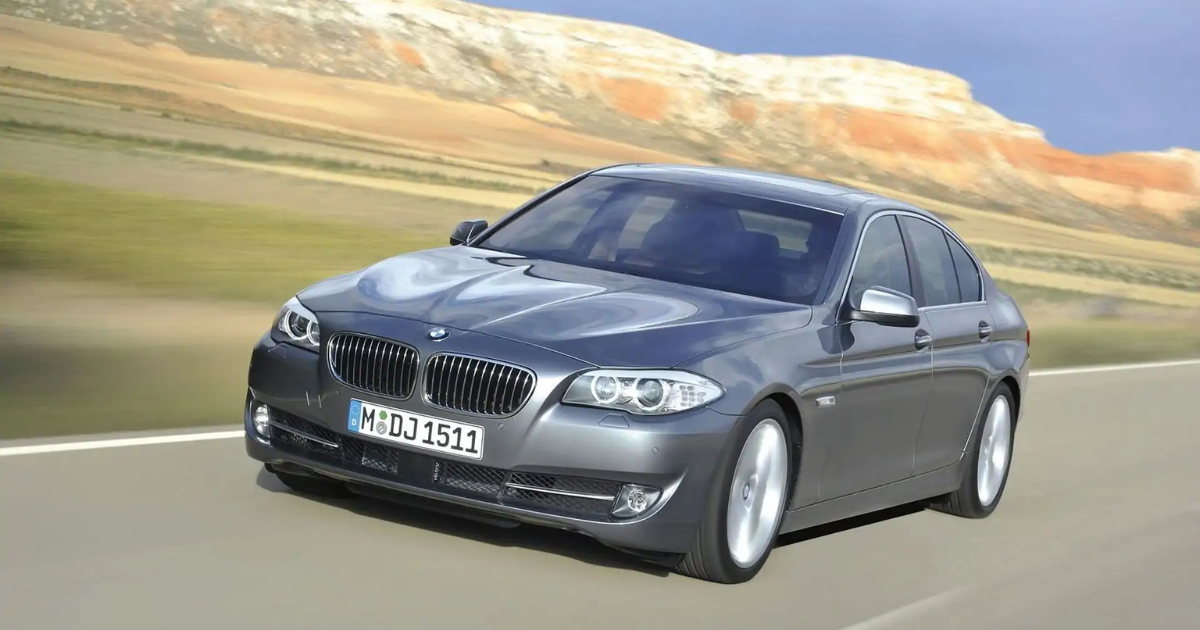
The F10 BMW 5 Series debuted in 2010 and brought new, turbocharged engines along with an old favorite. The N52 inline-six appears here in non-turbo models; that is, the 528i in the US. Elsewhere you’ll find the N55 inline-six in the 535i models, which is a slightly improved-upon version of the N54 in the E60. From 2012 on the 528i utilizes the N20B20 turbocharged four-cylinder, which is sadly notorious for timing chain failures. A recall exists for pre-2015 models, so make sure that’s taken care of.
Otherwise it isn’t too bad of a mill. Quality, overall, of the F10 BMW 5 Series is good; you might encounter armrest wear or beat-up buttons that get touched frequently (steering wheel/climate control, etc ), but other than that, the F10 is mostly standing up to the test of time.
By the F10, getting V8 power in a 5 Series is finally at the point where it can be had without a second mortgage for maintenance needs. The N63 engine appears at the top of the non-M lineup, the 550i. From 2014 on, the 550i got the updated “N63TU” engine, a vastly improved 4.4-liter from both the N62 units and the earlier N63 (which was arguably even worse than the N62). Shockingly, the best V8 here is the one under the hood of the full-blown M5.
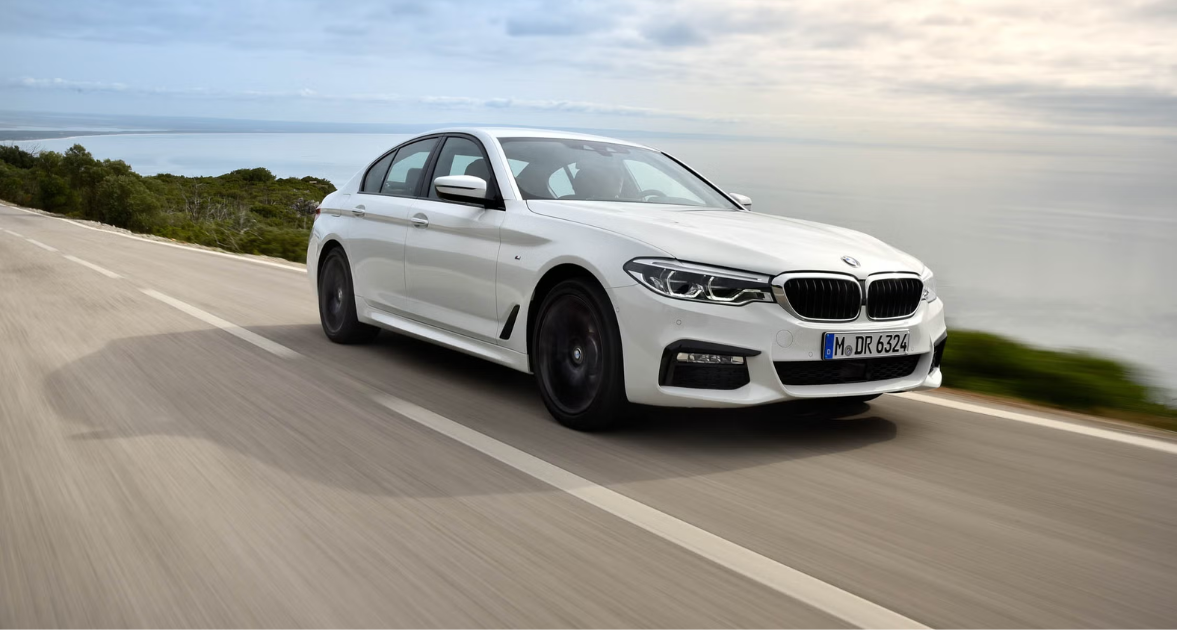
It’s still a little early to assess long-term reliability on the seventh and eighth gen cars, but we have a good idea who the standouts of the generation are. The G30 5 Series utilizes only turbocharged engines; the meat and potatoes of which are B48 inline-fours and B58 inline-sixes. Both are good engines with relatively few persistent problems. Gaskets (oil filter housing and valve cover) are semi-regular on the B58; coolant and oil leaks and charge pipe failure are occasional B48 woes.
2020 model year and newer cars will be the most reliable, featuring even more mechanical changes that will likely see these cars running even a decade from this writing with little more than regular maintenance. The F90 M5 uses a newly-updated S63, the S63B44T4. So far, the outlook is pretty good on this engine: just remember to budget appropriately for maintenance.
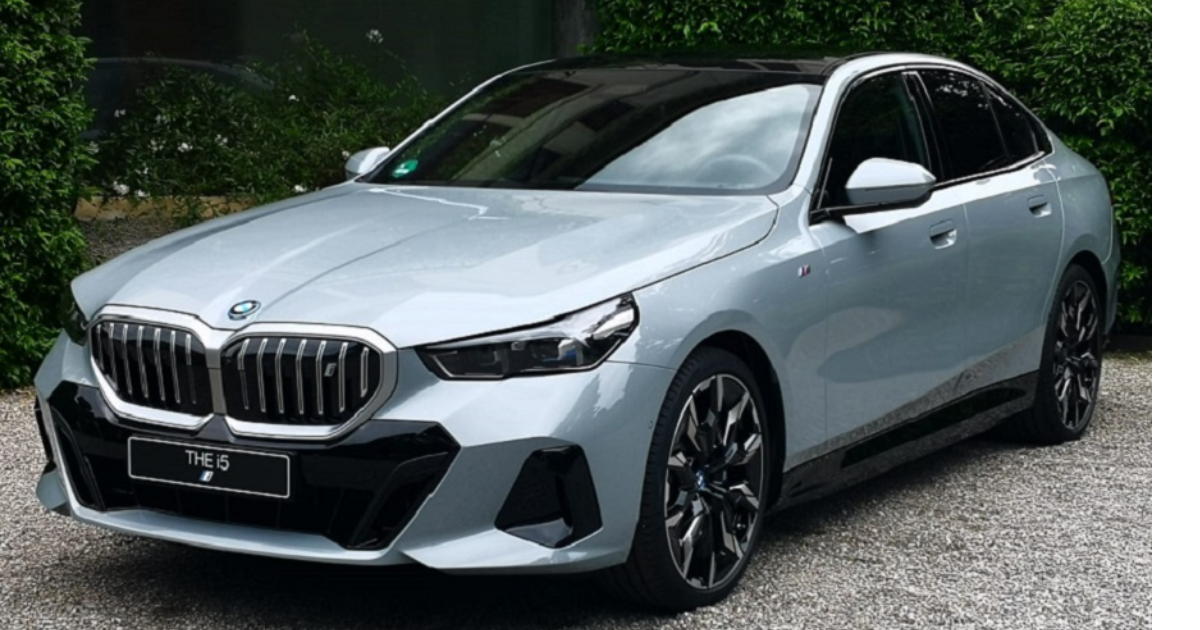
As with the G30, the eighth generation of the BMW 5 Series G60 is still a little bit too new to accurately judge long-term reliability. Right now, we expect the B58-powered models (540i xDrive) to last the longest, but we’re sure the four-cylinder models won’t be slouches, either.
The G90 M5 and G99 M5 Touring now rely on a hybrid system, which may have severe impacts on resale and reliability in the coming five or six years. Unfortunately, all we can really do is wait and see.
While some of my favorite BMW models appear on this list, evaluating each solely on the metric of general reliability is quite a different feat than simply rating my favorites.
In order of reliability, we’d rate the E28 5 Series as the most reliable overall. On the least reliable side, we’d put the E60. A complete list would look something like this:
Of course, there are caveats here, too. An N52-powered E60, for example, is likely to be a lot more reliable long-term than, say, a V8-powered E34. It’s important—especially as these cars age—to evaluate each car on an individual basis.
The E28 generation (1981-1988) is widely considered the most reliable, thanks to its simpler mechanical components, durable inline-six engines, and minimal electronics.
Some are, but many V8s in the 5 Series like the N62 and early N63 are known for high maintenance costs and complex issues. Later versions like the N63TU (post-2014) are significantly improved.
It depends on the engine. N52-powered models are solid, but V8 and V10 variants (especially with the S85 engine) can be expensive to maintain and prone to issues without extensive upkeep.
The F10 generation (2010–2017) offers a good balance of reliability, comfort, and modern tech. Models with the N52 or updated N63TU engines are preferable for long-term ownership.
Hybrids like the 530e can be useful for short commutes, but long-term reliability is still uncertain. Battery degradation and higher repair costs may become concerns as they age.